window.__IS_SSR__=true
window.__INITIAL_STATE__={
"attachmentsReducer": {
"audio_0": {
"type": "attachments",
"id": "audio_0",
"imgSizes": {
"kqedFullSize": {
"file": "https://ww2.kqed.org/news/wp-content/themes/KQED-unified/img/audio_bgs/background0.jpg"
}
}
},
"audio_1": {
"type": "attachments",
"id": "audio_1",
"imgSizes": {
"kqedFullSize": {
"file": "https://ww2.kqed.org/news/wp-content/themes/KQED-unified/img/audio_bgs/background1.jpg"
}
}
},
"audio_2": {
"type": "attachments",
"id": "audio_2",
"imgSizes": {
"kqedFullSize": {
"file": "https://ww2.kqed.org/news/wp-content/themes/KQED-unified/img/audio_bgs/background2.jpg"
}
}
},
"audio_3": {
"type": "attachments",
"id": "audio_3",
"imgSizes": {
"kqedFullSize": {
"file": "https://ww2.kqed.org/news/wp-content/themes/KQED-unified/img/audio_bgs/background3.jpg"
}
}
},
"audio_4": {
"type": "attachments",
"id": "audio_4",
"imgSizes": {
"kqedFullSize": {
"file": "https://ww2.kqed.org/news/wp-content/themes/KQED-unified/img/audio_bgs/background4.jpg"
}
}
},
"placeholder": {
"type": "attachments",
"id": "placeholder",
"imgSizes": {
"thumbnail": {
"file": "https://cdn.kqed.org/wp-content/uploads/2024/12/KQED-Default-Image-816638274-2000x1333-1-160x107.jpg",
"width": 160,
"height": 107,
"mimeType": "image/jpeg"
},
"medium": {
"file": "https://cdn.kqed.org/wp-content/uploads/2024/12/KQED-Default-Image-816638274-2000x1333-1-800x533.jpg",
"width": 800,
"height": 533,
"mimeType": "image/jpeg"
},
"medium_large": {
"file": "https://cdn.kqed.org/wp-content/uploads/2024/12/KQED-Default-Image-816638274-2000x1333-1-768x512.jpg",
"width": 768,
"height": 512,
"mimeType": "image/jpeg"
},
"large": {
"file": "https://cdn.kqed.org/wp-content/uploads/2024/12/KQED-Default-Image-816638274-2000x1333-1-1020x680.jpg",
"width": 1020,
"height": 680,
"mimeType": "image/jpeg"
},
"1536x1536": {
"file": "https://cdn.kqed.org/wp-content/uploads/2024/12/KQED-Default-Image-816638274-2000x1333-1-1536x1024.jpg",
"width": 1536,
"height": 1024,
"mimeType": "image/jpeg"
},
"fd-lrg": {
"file": "https://cdn.kqed.org/wp-content/uploads/2024/12/KQED-Default-Image-816638274-2000x1333-1-1536x1024.jpg",
"width": 1536,
"height": 1024,
"mimeType": "image/jpeg"
},
"fd-med": {
"file": "https://cdn.kqed.org/wp-content/uploads/2024/12/KQED-Default-Image-816638274-2000x1333-1-1020x680.jpg",
"width": 1020,
"height": 680,
"mimeType": "image/jpeg"
},
"fd-sm": {
"file": "https://cdn.kqed.org/wp-content/uploads/2024/12/KQED-Default-Image-816638274-2000x1333-1-800x533.jpg",
"width": 800,
"height": 533,
"mimeType": "image/jpeg"
},
"post-thumbnail": {
"file": "https://cdn.kqed.org/wp-content/uploads/2024/12/KQED-Default-Image-816638274-2000x1333-1-672x372.jpg",
"width": 672,
"height": 372,
"mimeType": "image/jpeg"
},
"twentyfourteen-full-width": {
"file": "https://cdn.kqed.org/wp-content/uploads/2024/12/KQED-Default-Image-816638274-2000x1333-1-1038x576.jpg",
"width": 1038,
"height": 576,
"mimeType": "image/jpeg"
},
"xxsmall": {
"file": "https://cdn.kqed.org/wp-content/uploads/2024/12/KQED-Default-Image-816638274-2000x1333-1-160x107.jpg",
"width": 160,
"height": 107,
"mimeType": "image/jpeg"
},
"xsmall": {
"file": "https://cdn.kqed.org/wp-content/uploads/2024/12/KQED-Default-Image-816638274-2000x1333-1-672x372.jpg",
"width": 672,
"height": 372,
"mimeType": "image/jpeg"
},
"small": {
"file": "https://cdn.kqed.org/wp-content/uploads/2024/12/KQED-Default-Image-816638274-2000x1333-1-672x372.jpg",
"width": 672,
"height": 372,
"mimeType": "image/jpeg"
},
"xlarge": {
"file": "https://cdn.kqed.org/wp-content/uploads/2024/12/KQED-Default-Image-816638274-2000x1333-1-1020x680.jpg",
"width": 1020,
"height": 680,
"mimeType": "image/jpeg"
},
"full-width": {
"file": "https://cdn.kqed.org/wp-content/uploads/2024/12/KQED-Default-Image-816638274-2000x1333-1-1920x1280.jpg",
"width": 1920,
"height": 1280,
"mimeType": "image/jpeg"
},
"guest-author-32": {
"file": "https://cdn.kqed.org/wp-content/uploads/2025/01/KQED-Default-Image-816638274-1333x1333-1-160x160.jpg",
"width": 32,
"height": 32,
"mimeType": "image/jpeg"
},
"guest-author-50": {
"file": "https://cdn.kqed.org/wp-content/uploads/2025/01/KQED-Default-Image-816638274-1333x1333-1-160x160.jpg",
"width": 50,
"height": 50,
"mimeType": "image/jpeg"
},
"guest-author-64": {
"file": "https://cdn.kqed.org/wp-content/uploads/2025/01/KQED-Default-Image-816638274-1333x1333-1-160x160.jpg",
"width": 64,
"height": 64,
"mimeType": "image/jpeg"
},
"guest-author-96": {
"file": "https://cdn.kqed.org/wp-content/uploads/2025/01/KQED-Default-Image-816638274-1333x1333-1-160x160.jpg",
"width": 96,
"height": 96,
"mimeType": "image/jpeg"
},
"guest-author-128": {
"file": "https://cdn.kqed.org/wp-content/uploads/2025/01/KQED-Default-Image-816638274-1333x1333-1-160x160.jpg",
"width": 128,
"height": 128,
"mimeType": "image/jpeg"
},
"detail": {
"file": "https://cdn.kqed.org/wp-content/uploads/2025/01/KQED-Default-Image-816638274-1333x1333-1-160x160.jpg",
"width": 160,
"height": 160,
"mimeType": "image/jpeg"
},
"kqedFullSize": {
"file": "https://cdn.kqed.org/wp-content/uploads/2024/12/KQED-Default-Image-816638274-2000x1333-1.jpg",
"width": 2000,
"height": 1333
}
}
},
"news_11159803": {
"type": "attachments",
"id": "news_11159803",
"meta": {
"index": "attachments_1716263798",
"site": "news",
"id": "11159803",
"found": true
},
"parent": 11159787,
"imgSizes": {
"small": {
"file": "https://ww2.kqed.org/app/uploads/sites/10/2017/11/RS1449_saccapitoldome090911-520x347.jpg",
"width": 520,
"mimeType": "image/jpeg",
"height": 347
},
"twentyfourteen-full-width": {
"file": "https://ww2.kqed.org/app/uploads/sites/10/2017/11/RS1449_saccapitoldome090911-1038x576.jpg",
"width": 1038,
"mimeType": "image/jpeg",
"height": 576
},
"thumbnail": {
"file": "https://ww2.kqed.org/app/uploads/sites/10/2017/11/RS1449_saccapitoldome090911-160x107.jpg",
"width": 160,
"mimeType": "image/jpeg",
"height": 107
},
"fd-sm": {
"file": "https://ww2.kqed.org/app/uploads/sites/10/2017/11/RS1449_saccapitoldome090911-960x640.jpg",
"width": 960,
"mimeType": "image/jpeg",
"height": 640
},
"post-thumbnail": {
"file": "https://ww2.kqed.org/app/uploads/sites/10/2017/11/RS1449_saccapitoldome090911-672x372.jpg",
"width": 672,
"mimeType": "image/jpeg",
"height": 372
},
"xsmall": {
"file": "https://ww2.kqed.org/app/uploads/sites/10/2017/11/RS1449_saccapitoldome090911-375x250.jpg",
"width": 375,
"mimeType": "image/jpeg",
"height": 250
},
"kqedFullSize": {
"file": "https://ww2.kqed.org/app/uploads/sites/10/2017/11/RS1449_saccapitoldome090911.jpg",
"width": 1920,
"height": 1280
},
"large": {
"file": "https://ww2.kqed.org/app/uploads/sites/10/2017/11/RS1449_saccapitoldome090911-1020x680.jpg",
"width": 1020,
"mimeType": "image/jpeg",
"height": 680
},
"xlarge": {
"file": "https://ww2.kqed.org/app/uploads/sites/10/2017/11/RS1449_saccapitoldome090911-1180x787.jpg",
"width": 1180,
"mimeType": "image/jpeg",
"height": 787
},
"guest-author-50": {
"file": "https://ww2.kqed.org/app/uploads/sites/10/2017/11/RS1449_saccapitoldome090911-50x50.jpg",
"width": 50,
"mimeType": "image/jpeg",
"height": 50
},
"guest-author-96": {
"file": "https://ww2.kqed.org/app/uploads/sites/10/2017/11/RS1449_saccapitoldome090911-96x96.jpg",
"width": 96,
"mimeType": "image/jpeg",
"height": 96
},
"medium": {
"file": "https://ww2.kqed.org/app/uploads/sites/10/2017/11/RS1449_saccapitoldome090911-800x533.jpg",
"width": 800,
"mimeType": "image/jpeg",
"height": 533
},
"guest-author-64": {
"file": "https://ww2.kqed.org/app/uploads/sites/10/2017/11/RS1449_saccapitoldome090911-64x64.jpg",
"width": 64,
"mimeType": "image/jpeg",
"height": 64
},
"guest-author-32": {
"file": "https://ww2.kqed.org/app/uploads/sites/10/2017/11/RS1449_saccapitoldome090911-32x32.jpg",
"width": 32,
"mimeType": "image/jpeg",
"height": 32
},
"jmtc-small-thumb": {
"file": "https://ww2.kqed.org/app/uploads/sites/10/2017/11/RS1449_saccapitoldome090911-280x150.jpg",
"width": 280,
"mimeType": "image/jpeg",
"height": 150
},
"fd-lrg": {
"file": "https://ww2.kqed.org/app/uploads/sites/10/2017/11/RS1449_saccapitoldome090911-1920x1280.jpg",
"width": 1920,
"mimeType": "image/jpeg",
"height": 1280
},
"fd-med": {
"file": "https://ww2.kqed.org/app/uploads/sites/10/2017/11/RS1449_saccapitoldome090911-1180x787.jpg",
"width": 1180,
"mimeType": "image/jpeg",
"height": 787
},
"full-width": {
"file": "https://ww2.kqed.org/app/uploads/sites/10/2017/11/RS1449_saccapitoldome090911-1920x1280.jpg",
"width": 1920,
"mimeType": "image/jpeg",
"height": 1280
},
"detail": {
"file": "https://ww2.kqed.org/app/uploads/sites/10/2017/11/RS1449_saccapitoldome090911-150x150.jpg",
"width": 150,
"mimeType": "image/jpeg",
"height": 150
},
"guest-author-128": {
"file": "https://ww2.kqed.org/app/uploads/sites/10/2017/11/RS1449_saccapitoldome090911-128x128.jpg",
"width": 128,
"mimeType": "image/jpeg",
"height": 128
},
"xxsmall": {
"file": "https://ww2.kqed.org/app/uploads/sites/10/2017/11/RS1449_saccapitoldome090911-240x160.jpg",
"width": 240,
"mimeType": "image/jpeg",
"height": 160
}
},
"publishDate": 1478301719,
"modified": 1510618495,
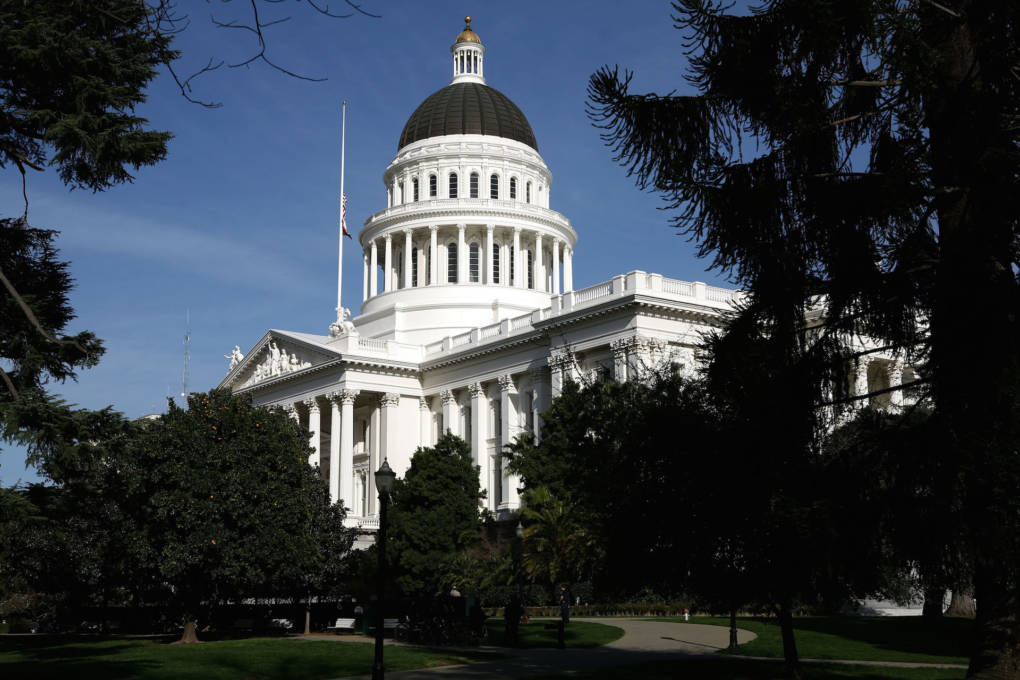
"caption": "The state Capitol in Sacramento. ",
"description": "The state capitol in Sacramento. ",
"title": "Schwarzenegger Holds Press Conference On Passing Of California Budget",
"credit": "Justin Sullivan/Getty Images",
"status": "inherit",
"isLoading": false,
"fetchFailed": false
},
"news_11630066": {
"type": "attachments",
"id": "news_11630066",
"meta": {
"index": "attachments_1716263798",
"site": "news",
"id": "11630066",
"found": true
},
"parent": 11630049,
"imgSizes": {
"small": {
"file": "https://ww2.kqed.org/app/uploads/sites/10/2017/11/donnab2-520x289.jpg",
"width": 520,
"mimeType": "image/jpeg",
"height": 289
},
"twentyfourteen-full-width": {
"file": "https://ww2.kqed.org/app/uploads/sites/10/2017/11/donnab2-1038x576.jpg",
"width": 1038,
"mimeType": "image/jpeg",
"height": 576
},
"thumbnail": {
"file": "https://ww2.kqed.org/app/uploads/sites/10/2017/11/donnab2-160x89.jpg",
"width": 160,
"mimeType": "image/jpeg",
"height": 89
},
"fd-sm": {
"file": "https://ww2.kqed.org/app/uploads/sites/10/2017/11/donnab2-960x534.jpg",
"width": 960,
"mimeType": "image/jpeg",
"height": 534
},
"post-thumbnail": {
"file": "https://ww2.kqed.org/app/uploads/sites/10/2017/11/donnab2-672x372.jpg",
"width": 672,
"mimeType": "image/jpeg",
"height": 372
},
"xsmall": {
"file": "https://ww2.kqed.org/app/uploads/sites/10/2017/11/donnab2-375x209.jpg",
"width": 375,
"mimeType": "image/jpeg",
"height": 209
},
"kqedFullSize": {
"file": "https://ww2.kqed.org/app/uploads/sites/10/2017/11/donnab2.jpg",
"width": 1674,
"height": 931
},
"large": {
"file": "https://ww2.kqed.org/app/uploads/sites/10/2017/11/donnab2-1020x567.jpg",
"width": 1020,
"mimeType": "image/jpeg",
"height": 567
},
"xlarge": {
"file": "https://ww2.kqed.org/app/uploads/sites/10/2017/11/donnab2-1180x656.jpg",
"width": 1180,
"mimeType": "image/jpeg",
"height": 656
},
"guest-author-50": {
"file": "https://ww2.kqed.org/app/uploads/sites/10/2017/11/donnab2-50x50.jpg",
"width": 50,
"mimeType": "image/jpeg",
"height": 50
},
"guest-author-96": {
"file": "https://ww2.kqed.org/app/uploads/sites/10/2017/11/donnab2-96x96.jpg",
"width": 96,
"mimeType": "image/jpeg",
"height": 96
},
"medium": {
"file": "https://ww2.kqed.org/app/uploads/sites/10/2017/11/donnab2-800x445.jpg",
"width": 800,
"mimeType": "image/jpeg",
"height": 445
},
"guest-author-64": {
"file": "https://ww2.kqed.org/app/uploads/sites/10/2017/11/donnab2-64x64.jpg",
"width": 64,
"mimeType": "image/jpeg",
"height": 64
},
"guest-author-32": {
"file": "https://ww2.kqed.org/app/uploads/sites/10/2017/11/donnab2-32x32.jpg",
"width": 32,
"mimeType": "image/jpeg",
"height": 32
},
"fd-med": {
"file": "https://ww2.kqed.org/app/uploads/sites/10/2017/11/donnab2-1180x656.jpg",
"width": 1180,
"mimeType": "image/jpeg",
"height": 656
},
"detail": {
"file": "https://ww2.kqed.org/app/uploads/sites/10/2017/11/donnab2-150x150.jpg",
"width": 150,
"mimeType": "image/jpeg",
"height": 150
},
"guest-author-128": {
"file": "https://ww2.kqed.org/app/uploads/sites/10/2017/11/donnab2-128x128.jpg",
"width": 128,
"mimeType": "image/jpeg",
"height": 128
},
"xxsmall": {
"file": "https://ww2.kqed.org/app/uploads/sites/10/2017/11/donnab2-240x133.jpg",
"width": 240,
"mimeType": "image/jpeg",
"height": 133
}
},
"publishDate": 1510361248,
"modified": 1510361248,
"caption": null,
"description": null,
"title": "donnab2",
"credit": null,
"status": "inherit",
"isLoading": false,
"fetchFailed": false
},
"news_11629935": {
"type": "attachments",
"id": "news_11629935",
"meta": {
"index": "attachments_1716263798",
"site": "news",
"id": "11629935",
"found": true
},
"parent": 11629661,
"imgSizes": {
"small": {
"file": "https://ww2.kqed.org/app/uploads/sites/10/2017/11/IMG_0164-520x390.jpg",
"width": 520,
"mimeType": "image/jpeg",
"height": 390
},
"twentyfourteen-full-width": {
"file": "https://ww2.kqed.org/app/uploads/sites/10/2017/11/IMG_0164-1038x576.jpg",
"width": 1038,
"mimeType": "image/jpeg",
"height": 576
},
"thumbnail": {
"file": "https://ww2.kqed.org/app/uploads/sites/10/2017/11/IMG_0164-160x120.jpg",
"width": 160,
"mimeType": "image/jpeg",
"height": 120
},
"fd-sm": {
"file": "https://ww2.kqed.org/app/uploads/sites/10/2017/11/IMG_0164-960x720.jpg",
"width": 960,
"mimeType": "image/jpeg",
"height": 720
},
"post-thumbnail": {
"file": "https://ww2.kqed.org/app/uploads/sites/10/2017/11/IMG_0164-672x372.jpg",
"width": 672,
"mimeType": "image/jpeg",
"height": 372
},
"xsmall": {
"file": "https://ww2.kqed.org/app/uploads/sites/10/2017/11/IMG_0164-375x281.jpg",
"width": 375,
"mimeType": "image/jpeg",
"height": 281
},
"kqedFullSize": {
"file": "https://ww2.kqed.org/app/uploads/sites/10/2017/11/IMG_0164.jpg",
"width": 4032,
"height": 3024
},
"large": {
"file": "https://ww2.kqed.org/app/uploads/sites/10/2017/11/IMG_0164-1020x765.jpg",
"width": 1020,
"mimeType": "image/jpeg",
"height": 765
},
"xlarge": {
"file": "https://ww2.kqed.org/app/uploads/sites/10/2017/11/IMG_0164-1180x885.jpg",
"width": 1180,
"mimeType": "image/jpeg",
"height": 885
},
"guest-author-50": {
"file": "https://ww2.kqed.org/app/uploads/sites/10/2017/11/IMG_0164-50x50.jpg",
"width": 50,
"mimeType": "image/jpeg",
"height": 50
},
"guest-author-96": {
"file": "https://ww2.kqed.org/app/uploads/sites/10/2017/11/IMG_0164-96x96.jpg",
"width": 96,
"mimeType": "image/jpeg",
"height": 96
},
"medium": {
"file": "https://ww2.kqed.org/app/uploads/sites/10/2017/11/IMG_0164-800x600.jpg",
"width": 800,
"mimeType": "image/jpeg",
"height": 600
},
"guest-author-64": {
"file": "https://ww2.kqed.org/app/uploads/sites/10/2017/11/IMG_0164-64x64.jpg",
"width": 64,
"mimeType": "image/jpeg",
"height": 64
},
"guest-author-32": {
"file": "https://ww2.kqed.org/app/uploads/sites/10/2017/11/IMG_0164-32x32.jpg",
"width": 32,
"mimeType": "image/jpeg",
"height": 32
},
"fd-lrg": {
"file": "https://ww2.kqed.org/app/uploads/sites/10/2017/11/IMG_0164-1920x1440.jpg",
"width": 1920,
"mimeType": "image/jpeg",
"height": 1440
},
"fd-med": {
"file": "https://ww2.kqed.org/app/uploads/sites/10/2017/11/IMG_0164-1180x885.jpg",
"width": 1180,
"mimeType": "image/jpeg",
"height": 885
},
"full-width": {
"file": "https://ww2.kqed.org/app/uploads/sites/10/2017/11/IMG_0164-1920x1440.jpg",
"width": 1920,
"mimeType": "image/jpeg",
"height": 1440
},
"detail": {
"file": "https://ww2.kqed.org/app/uploads/sites/10/2017/11/IMG_0164-150x150.jpg",
"width": 150,
"mimeType": "image/jpeg",
"height": 150
},
"guest-author-128": {
"file": "https://ww2.kqed.org/app/uploads/sites/10/2017/11/IMG_0164-128x128.jpg",
"width": 128,
"mimeType": "image/jpeg",
"height": 128
},
"xxsmall": {
"file": "https://ww2.kqed.org/app/uploads/sites/10/2017/11/IMG_0164-240x180.jpg",
"width": 240,
"mimeType": "image/jpeg",
"height": 180
}
},
"publishDate": 1510279643,
"modified": 1510280008,
"caption": "Jose Cardenas, 67, stands at U.S.-Mexico border fence in Tijuana that has been painted with the names of deported U.S. veterans. Cardenas was drafted into the U.S. Army in 1970, served seven years in the U.S. military and was deported in 2009 after a drug conviction. ",
"description": null,
"title": "IMG_0164",
"credit": "Erika Aguilar/KQED News",
"status": "inherit",
"isLoading": false,
"fetchFailed": false
},
"news_11629796": {
"type": "attachments",
"id": "news_11629796",
"meta": {
"index": "attachments_1716263798",
"site": "news",
"id": "11629796",
"found": true
},
"parent": 11629781,
"imgSizes": {
"small": {
"file": "https://ww2.kqed.org/app/uploads/sites/10/2017/11/armored_110917_final-520x520.jpg",
"width": 520,
"mimeType": "image/jpeg",
"height": 520
},
"twentyfourteen-full-width": {
"file": "https://ww2.kqed.org/app/uploads/sites/10/2017/11/armored_110917_final-1038x576.jpg",
"width": 1038,
"mimeType": "image/jpeg",
"height": 576
},
"thumbnail": {
"file": "https://ww2.kqed.org/app/uploads/sites/10/2017/11/armored_110917_final-160x160.jpg",
"width": 160,
"mimeType": "image/jpeg",
"height": 160
},
"fd-sm": {
"file": "https://ww2.kqed.org/app/uploads/sites/10/2017/11/armored_110917_final-960x961.jpg",
"width": 960,
"mimeType": "image/jpeg",
"height": 961
},
"post-thumbnail": {
"file": "https://ww2.kqed.org/app/uploads/sites/10/2017/11/armored_110917_final-672x372.jpg",
"width": 672,
"mimeType": "image/jpeg",
"height": 372
},
"xsmall": {
"file": "https://ww2.kqed.org/app/uploads/sites/10/2017/11/armored_110917_final-375x375.jpg",
"width": 375,
"mimeType": "image/jpeg",
"height": 375
},
"kqedFullSize": {
"file": "https://ww2.kqed.org/app/uploads/sites/10/2017/11/armored_110917_final.jpg",
"width": 1920,
"height": 1921
},
"large": {
"file": "https://ww2.kqed.org/app/uploads/sites/10/2017/11/armored_110917_final-1020x1021.jpg",
"width": 1020,
"mimeType": "image/jpeg",
"height": 1021
},
"xlarge": {
"file": "https://ww2.kqed.org/app/uploads/sites/10/2017/11/armored_110917_final-1180x1181.jpg",
"width": 1180,
"mimeType": "image/jpeg",
"height": 1181
},
"guest-author-50": {
"file": "https://ww2.kqed.org/app/uploads/sites/10/2017/11/armored_110917_final-50x50.jpg",
"width": 50,
"mimeType": "image/jpeg",
"height": 50
},
"guest-author-96": {
"file": "https://ww2.kqed.org/app/uploads/sites/10/2017/11/armored_110917_final-96x96.jpg",
"width": 96,
"mimeType": "image/jpeg",
"height": 96
},
"medium": {
"file": "https://ww2.kqed.org/app/uploads/sites/10/2017/11/armored_110917_final-800x800.jpg",
"width": 800,
"mimeType": "image/jpeg",
"height": 800
},
"guest-author-64": {
"file": "https://ww2.kqed.org/app/uploads/sites/10/2017/11/armored_110917_final-64x64.jpg",
"width": 64,
"mimeType": "image/jpeg",
"height": 64
},
"guest-author-32": {
"file": "https://ww2.kqed.org/app/uploads/sites/10/2017/11/armored_110917_final-32x32.jpg",
"width": 32,
"mimeType": "image/jpeg",
"height": 32
},
"fd-lrg": {
"file": "https://ww2.kqed.org/app/uploads/sites/10/2017/11/armored_110917_final-1920x1921.jpg",
"width": 1920,
"mimeType": "image/jpeg",
"height": 1921
},
"fd-med": {
"file": "https://ww2.kqed.org/app/uploads/sites/10/2017/11/armored_110917_final-1180x1181.jpg",
"width": 1180,
"mimeType": "image/jpeg",
"height": 1181
},
"full-width": {
"file": "https://ww2.kqed.org/app/uploads/sites/10/2017/11/armored_110917_final-1920x1921.jpg",
"width": 1920,
"mimeType": "image/jpeg",
"height": 1921
},
"detail": {
"file": "https://ww2.kqed.org/app/uploads/sites/10/2017/11/armored_110917_final-150x150.jpg",
"width": 150,
"mimeType": "image/jpeg",
"height": 150
},
"guest-author-128": {
"file": "https://ww2.kqed.org/app/uploads/sites/10/2017/11/armored_110917_final-128x128.jpg",
"width": 128,
"mimeType": "image/jpeg",
"height": 128
},
"xxsmall": {
"file": "https://ww2.kqed.org/app/uploads/sites/10/2017/11/armored_110917_final-240x240.jpg",
"width": 240,
"mimeType": "image/jpeg",
"height": 240
}
},
"publishDate": 1510271676,
"modified": 1510271710,
"caption": null,
"description": null,
"title": "armored_110917_final",
"credit": null,
"status": "inherit",
"isLoading": false,
"fetchFailed": false
},
"news_11629662": {
"type": "attachments",
"id": "news_11629662",
"meta": {
"index": "attachments_1716263798",
"site": "news",
"id": "11629662",
"found": true
},
"parent": 11629621,
"imgSizes": {
"small": {
"file": "https://ww2.kqed.org/app/uploads/sites/10/2017/11/RS27953_GettyImages-479823632-qut-520x347.jpg",
"width": 520,
"mimeType": "image/jpeg",
"height": 347
},
"twentyfourteen-full-width": {
"file": "https://ww2.kqed.org/app/uploads/sites/10/2017/11/RS27953_GettyImages-479823632-qut-1038x576.jpg",
"width": 1038,
"mimeType": "image/jpeg",
"height": 576
},
"thumbnail": {
"file": "https://ww2.kqed.org/app/uploads/sites/10/2017/11/RS27953_GettyImages-479823632-qut-160x107.jpg",
"width": 160,
"mimeType": "image/jpeg",
"height": 107
},
"fd-sm": {
"file": "https://ww2.kqed.org/app/uploads/sites/10/2017/11/RS27953_GettyImages-479823632-qut-960x640.jpg",
"width": 960,
"mimeType": "image/jpeg",
"height": 640
},
"post-thumbnail": {
"file": "https://ww2.kqed.org/app/uploads/sites/10/2017/11/RS27953_GettyImages-479823632-qut-672x372.jpg",
"width": 672,
"mimeType": "image/jpeg",
"height": 372
},
"xsmall": {
"file": "https://ww2.kqed.org/app/uploads/sites/10/2017/11/RS27953_GettyImages-479823632-qut-375x250.jpg",
"width": 375,
"mimeType": "image/jpeg",
"height": 250
},
"kqedFullSize": {
"file": "https://ww2.kqed.org/app/uploads/sites/10/2017/11/RS27953_GettyImages-479823632-qut.jpg",
"width": 1920,
"height": 1280
},
"large": {
"file": "https://ww2.kqed.org/app/uploads/sites/10/2017/11/RS27953_GettyImages-479823632-qut-1020x680.jpg",
"width": 1020,
"mimeType": "image/jpeg",
"height": 680
},
"xlarge": {
"file": "https://ww2.kqed.org/app/uploads/sites/10/2017/11/RS27953_GettyImages-479823632-qut-1180x787.jpg",
"width": 1180,
"mimeType": "image/jpeg",
"height": 787
},
"guest-author-50": {
"file": "https://ww2.kqed.org/app/uploads/sites/10/2017/11/RS27953_GettyImages-479823632-qut-50x50.jpg",
"width": 50,
"mimeType": "image/jpeg",
"height": 50
},
"guest-author-96": {
"file": "https://ww2.kqed.org/app/uploads/sites/10/2017/11/RS27953_GettyImages-479823632-qut-96x96.jpg",
"width": 96,
"mimeType": "image/jpeg",
"height": 96
},
"medium": {
"file": "https://ww2.kqed.org/app/uploads/sites/10/2017/11/RS27953_GettyImages-479823632-qut-800x533.jpg",
"width": 800,
"mimeType": "image/jpeg",
"height": 533
},
"guest-author-64": {
"file": "https://ww2.kqed.org/app/uploads/sites/10/2017/11/RS27953_GettyImages-479823632-qut-64x64.jpg",
"width": 64,
"mimeType": "image/jpeg",
"height": 64
},
"guest-author-32": {
"file": "https://ww2.kqed.org/app/uploads/sites/10/2017/11/RS27953_GettyImages-479823632-qut-32x32.jpg",
"width": 32,
"mimeType": "image/jpeg",
"height": 32
},
"fd-lrg": {
"file": "https://ww2.kqed.org/app/uploads/sites/10/2017/11/RS27953_GettyImages-479823632-qut-1920x1280.jpg",
"width": 1920,
"mimeType": "image/jpeg",
"height": 1280
},
"fd-med": {
"file": "https://ww2.kqed.org/app/uploads/sites/10/2017/11/RS27953_GettyImages-479823632-qut-1180x787.jpg",
"width": 1180,
"mimeType": "image/jpeg",
"height": 787
},
"full-width": {
"file": "https://ww2.kqed.org/app/uploads/sites/10/2017/11/RS27953_GettyImages-479823632-qut-1920x1280.jpg",
"width": 1920,
"mimeType": "image/jpeg",
"height": 1280
},
"detail": {
"file": "https://ww2.kqed.org/app/uploads/sites/10/2017/11/RS27953_GettyImages-479823632-qut-150x150.jpg",
"width": 150,
"mimeType": "image/jpeg",
"height": 150
},
"guest-author-128": {
"file": "https://ww2.kqed.org/app/uploads/sites/10/2017/11/RS27953_GettyImages-479823632-qut-128x128.jpg",
"width": 128,
"mimeType": "image/jpeg",
"height": 128
},
"xxsmall": {
"file": "https://ww2.kqed.org/app/uploads/sites/10/2017/11/RS27953_GettyImages-479823632-qut-240x160.jpg",
"width": 240,
"mimeType": "image/jpeg",
"height": 160
}
},
"publishDate": 1510267227,
"modified": 1510270822,
"caption": "Jose Ines Garcia Zarate, also known as Juan Francisco Lopez Sanchez, at an arraignment hearing on July 7, 2015, in San Francisco.",
"description": "Jose Ines Garcia Zarate, also known as Juan Francisco Lopez Sanchez, at an arraignment hearing on July 7, 2015 in San Francisco.",
"title": "Arraignment Held For Francisco Sanchez, Charged With The Shooting Death Of Kathryn Steinle On Pier 14",
"credit": "Michael Macor-Pool/Getty Images",
"status": "inherit",
"isLoading": false,
"fetchFailed": false
},
"news_11629419": {
"type": "attachments",
"id": "news_11629419",
"meta": {
"index": "attachments_1716263798",
"site": "news",
"id": "11629419",
"found": true
},
"parent": 11629415,
"imgSizes": {
"small": {
"file": "https://ww2.kqed.org/app/uploads/sites/10/2017/11/RS27583_alt_648-520x353.jpg",
"width": 520,
"mimeType": "image/jpeg",
"height": 353
},
"twentyfourteen-full-width": {
"file": "https://ww2.kqed.org/app/uploads/sites/10/2017/11/RS27583_alt_648-1038x576.jpg",
"width": 1038,
"mimeType": "image/jpeg",
"height": 576
},
"thumbnail": {
"file": "https://ww2.kqed.org/app/uploads/sites/10/2017/11/RS27583_alt_648-160x109.jpg",
"width": 160,
"mimeType": "image/jpeg",
"height": 109
},
"fd-sm": {
"file": "https://ww2.kqed.org/app/uploads/sites/10/2017/11/RS27583_alt_648-960x651.jpg",
"width": 960,
"mimeType": "image/jpeg",
"height": 651
},
"post-thumbnail": {
"file": "https://ww2.kqed.org/app/uploads/sites/10/2017/11/RS27583_alt_648-672x372.jpg",
"width": 672,
"mimeType": "image/jpeg",
"height": 372
},
"xsmall": {
"file": "https://ww2.kqed.org/app/uploads/sites/10/2017/11/RS27583_alt_648-375x254.jpg",
"width": 375,
"mimeType": "image/jpeg",
"height": 254
},
"kqedFullSize": {
"file": "https://ww2.kqed.org/app/uploads/sites/10/2017/11/RS27583_alt_648.jpg",
"width": 1920,
"height": 1302
},
"large": {
"file": "https://ww2.kqed.org/app/uploads/sites/10/2017/11/RS27583_alt_648-1020x692.jpg",
"width": 1020,
"mimeType": "image/jpeg",
"height": 692
},
"xlarge": {
"file": "https://ww2.kqed.org/app/uploads/sites/10/2017/11/RS27583_alt_648-1180x800.jpg",
"width": 1180,
"mimeType": "image/jpeg",
"height": 800
},
"guest-author-50": {
"file": "https://ww2.kqed.org/app/uploads/sites/10/2017/11/RS27583_alt_648-50x50.jpg",
"width": 50,
"mimeType": "image/jpeg",
"height": 50
},
"guest-author-96": {
"file": "https://ww2.kqed.org/app/uploads/sites/10/2017/11/RS27583_alt_648-96x96.jpg",
"width": 96,
"mimeType": "image/jpeg",
"height": 96
},
"medium": {
"file": "https://ww2.kqed.org/app/uploads/sites/10/2017/11/RS27583_alt_648-800x543.jpg",
"width": 800,
"mimeType": "image/jpeg",
"height": 543
},
"guest-author-64": {
"file": "https://ww2.kqed.org/app/uploads/sites/10/2017/11/RS27583_alt_648-64x64.jpg",
"width": 64,
"mimeType": "image/jpeg",
"height": 64
},
"guest-author-32": {
"file": "https://ww2.kqed.org/app/uploads/sites/10/2017/11/RS27583_alt_648-32x32.jpg",
"width": 32,
"mimeType": "image/jpeg",
"height": 32
},
"fd-lrg": {
"file": "https://ww2.kqed.org/app/uploads/sites/10/2017/11/RS27583_alt_648-1920x1302.jpg",
"width": 1920,
"mimeType": "image/jpeg",
"height": 1302
},
"fd-med": {
"file": "https://ww2.kqed.org/app/uploads/sites/10/2017/11/RS27583_alt_648-1180x800.jpg",
"width": 1180,
"mimeType": "image/jpeg",
"height": 800
},
"full-width": {
"file": "https://ww2.kqed.org/app/uploads/sites/10/2017/11/RS27583_alt_648-1920x1302.jpg",
"width": 1920,
"mimeType": "image/jpeg",
"height": 1302
},
"detail": {
"file": "https://ww2.kqed.org/app/uploads/sites/10/2017/11/RS27583_alt_648-150x150.jpg",
"width": 150,
"mimeType": "image/jpeg",
"height": 150
},
"guest-author-128": {
"file": "https://ww2.kqed.org/app/uploads/sites/10/2017/11/RS27583_alt_648-128x128.jpg",
"width": 128,
"mimeType": "image/jpeg",
"height": 128
},
"xxsmall": {
"file": "https://ww2.kqed.org/app/uploads/sites/10/2017/11/RS27583_alt_648-240x163.jpg",
"width": 240,
"mimeType": "image/jpeg",
"height": 163
}
},
"publishDate": 1510194051,
"modified": 1512084944,
"caption": "Defendant Jose Ines Garcia Zarate, who is also known as Juan Francisco Lopez Sanchez, enters court for an arraignment on July 7, 2015, in San Francisco.",
"description": "Jose Ines Garcia Zarate, who is also known as Juan Francisco Lopez Sanchez, enters court for an arraignment on July 7, 2015 in San Francisco.",
"title": "Arraignment Held For Francisco Sanchez, Charged With The Shooting Death Of Kathryn Steinle On Pier 14",
"credit": "Michael Macor-Pool/Getty Images",
"status": "inherit",
"isLoading": false,
"fetchFailed": false
},
"news_11629088": {
"type": "attachments",
"id": "news_11629088",
"meta": {
"index": "attachments_1716263798",
"site": "news",
"id": "11629088",
"found": true
},
"parent": 11629056,
"imgSizes": {
"small": {
"file": "https://ww2.kqed.org/app/uploads/sites/10/2017/11/GZ-Pier-group-520x292.jpg",
"width": 520,
"mimeType": "image/jpeg",
"height": 292
},
"twentyfourteen-full-width": {
"file": "https://ww2.kqed.org/app/uploads/sites/10/2017/11/GZ-Pier-group-1038x576.jpg",
"width": 1038,
"mimeType": "image/jpeg",
"height": 576
},
"thumbnail": {
"file": "https://ww2.kqed.org/app/uploads/sites/10/2017/11/GZ-Pier-group-160x90.jpg",
"width": 160,
"mimeType": "image/jpeg",
"height": 90
},
"fd-sm": {
"file": "https://ww2.kqed.org/app/uploads/sites/10/2017/11/GZ-Pier-group-960x540.jpg",
"width": 960,
"mimeType": "image/jpeg",
"height": 540
},
"post-thumbnail": {
"file": "https://ww2.kqed.org/app/uploads/sites/10/2017/11/GZ-Pier-group-672x372.jpg",
"width": 672,
"mimeType": "image/jpeg",
"height": 372
},
"xsmall": {
"file": "https://ww2.kqed.org/app/uploads/sites/10/2017/11/GZ-Pier-group-375x211.jpg",
"width": 375,
"mimeType": "image/jpeg",
"height": 211
},
"kqedFullSize": {
"file": "https://ww2.kqed.org/app/uploads/sites/10/2017/11/GZ-Pier-group.jpg",
"width": 1366,
"height": 768
},
"large": {
"file": "https://ww2.kqed.org/app/uploads/sites/10/2017/11/GZ-Pier-group-1020x573.jpg",
"width": 1020,
"mimeType": "image/jpeg",
"height": 573
},
"xlarge": {
"file": "https://ww2.kqed.org/app/uploads/sites/10/2017/11/GZ-Pier-group-1180x663.jpg",
"width": 1180,
"mimeType": "image/jpeg",
"height": 663
},
"guest-author-50": {
"file": "https://ww2.kqed.org/app/uploads/sites/10/2017/11/GZ-Pier-group-50x50.jpg",
"width": 50,
"mimeType": "image/jpeg",
"height": 50
},
"guest-author-96": {
"file": "https://ww2.kqed.org/app/uploads/sites/10/2017/11/GZ-Pier-group-96x96.jpg",
"width": 96,
"mimeType": "image/jpeg",
"height": 96
},
"medium": {
"file": "https://ww2.kqed.org/app/uploads/sites/10/2017/11/GZ-Pier-group-800x450.jpg",
"width": 800,
"mimeType": "image/jpeg",
"height": 450
},
"guest-author-64": {
"file": "https://ww2.kqed.org/app/uploads/sites/10/2017/11/GZ-Pier-group-64x64.jpg",
"width": 64,
"mimeType": "image/jpeg",
"height": 64
},
"guest-author-32": {
"file": "https://ww2.kqed.org/app/uploads/sites/10/2017/11/GZ-Pier-group-32x32.jpg",
"width": 32,
"mimeType": "image/jpeg",
"height": 32
},
"fd-med": {
"file": "https://ww2.kqed.org/app/uploads/sites/10/2017/11/GZ-Pier-group-1180x663.jpg",
"width": 1180,
"mimeType": "image/jpeg",
"height": 663
},
"detail": {
"file": "https://ww2.kqed.org/app/uploads/sites/10/2017/11/GZ-Pier-group-150x150.jpg",
"width": 150,
"mimeType": "image/jpeg",
"height": 150
},
"guest-author-128": {
"file": "https://ww2.kqed.org/app/uploads/sites/10/2017/11/GZ-Pier-group-128x128.jpg",
"width": 128,
"mimeType": "image/jpeg",
"height": 128
},
"xxsmall": {
"file": "https://ww2.kqed.org/app/uploads/sites/10/2017/11/GZ-Pier-group-240x135.jpg",
"width": 240,
"mimeType": "image/jpeg",
"height": 135
}
},
"publishDate": 1510111803,
"modified": 1510111877,
"caption": "A frame from surveillance video from San Francisco's Pier 14 just over an hour before Kathryn Steinle was fatally shot.",
"description": "A frame from surveillance video from San Francisco's Pier 14 just over an hour before Kathryn Steinle was fatally shot.",
"title": "GZ Pier group",
"credit": "Courtesy of the San Francisco Public Defender's Office",
"status": "inherit",
"isLoading": false,
"fetchFailed": false
},
"news_11629288": {
"type": "attachments",
"id": "news_11629288",
"meta": {
"index": "attachments_1716263798",
"site": "news",
"id": "11629288",
"found": true
},
"parent": 11629280,
"imgSizes": {
"small": {
"file": "https://ww2.kqed.org/app/uploads/sites/10/2017/11/DonaldTrump-520x347.jpg",
"width": 520,
"mimeType": "image/jpeg",
"height": 347
},
"twentyfourteen-full-width": {
"file": "https://ww2.kqed.org/app/uploads/sites/10/2017/11/DonaldTrump-1038x576.jpg",
"width": 1038,
"mimeType": "image/jpeg",
"height": 576
},
"thumbnail": {
"file": "https://ww2.kqed.org/app/uploads/sites/10/2017/11/DonaldTrump-160x107.jpg",
"width": 160,
"mimeType": "image/jpeg",
"height": 107
},
"fd-sm": {
"file": "https://ww2.kqed.org/app/uploads/sites/10/2017/11/DonaldTrump-960x640.jpg",
"width": 960,
"mimeType": "image/jpeg",
"height": 640
},
"post-thumbnail": {
"file": "https://ww2.kqed.org/app/uploads/sites/10/2017/11/DonaldTrump-672x372.jpg",
"width": 672,
"mimeType": "image/jpeg",
"height": 372
},
"xsmall": {
"file": "https://ww2.kqed.org/app/uploads/sites/10/2017/11/DonaldTrump-375x250.jpg",
"width": 375,
"mimeType": "image/jpeg",
"height": 250
},
"kqedFullSize": {
"file": "https://ww2.kqed.org/app/uploads/sites/10/2017/11/DonaldTrump.jpg",
"width": 1920,
"height": 1280
},
"large": {
"file": "https://ww2.kqed.org/app/uploads/sites/10/2017/11/DonaldTrump-1020x680.jpg",
"width": 1020,
"mimeType": "image/jpeg",
"height": 680
},
"xlarge": {
"file": "https://ww2.kqed.org/app/uploads/sites/10/2017/11/DonaldTrump-1180x787.jpg",
"width": 1180,
"mimeType": "image/jpeg",
"height": 787
},
"guest-author-50": {
"file": "https://ww2.kqed.org/app/uploads/sites/10/2017/11/DonaldTrump-50x50.jpg",
"width": 50,
"mimeType": "image/jpeg",
"height": 50
},
"guest-author-96": {
"file": "https://ww2.kqed.org/app/uploads/sites/10/2017/11/DonaldTrump-96x96.jpg",
"width": 96,
"mimeType": "image/jpeg",
"height": 96
},
"medium": {
"file": "https://ww2.kqed.org/app/uploads/sites/10/2017/11/DonaldTrump-800x533.jpg",
"width": 800,
"mimeType": "image/jpeg",
"height": 533
},
"guest-author-64": {
"file": "https://ww2.kqed.org/app/uploads/sites/10/2017/11/DonaldTrump-64x64.jpg",
"width": 64,
"mimeType": "image/jpeg",
"height": 64
},
"guest-author-32": {
"file": "https://ww2.kqed.org/app/uploads/sites/10/2017/11/DonaldTrump-32x32.jpg",
"width": 32,
"mimeType": "image/jpeg",
"height": 32
},
"fd-lrg": {
"file": "https://ww2.kqed.org/app/uploads/sites/10/2017/11/DonaldTrump-1920x1280.jpg",
"width": 1920,
"mimeType": "image/jpeg",
"height": 1280
},
"fd-med": {
"file": "https://ww2.kqed.org/app/uploads/sites/10/2017/11/DonaldTrump-1180x787.jpg",
"width": 1180,
"mimeType": "image/jpeg",
"height": 787
},
"full-width": {
"file": "https://ww2.kqed.org/app/uploads/sites/10/2017/11/DonaldTrump-1920x1280.jpg",
"width": 1920,
"mimeType": "image/jpeg",
"height": 1280
},
"detail": {
"file": "https://ww2.kqed.org/app/uploads/sites/10/2017/11/DonaldTrump-150x150.jpg",
"width": 150,
"mimeType": "image/jpeg",
"height": 150
},
"guest-author-128": {
"file": "https://ww2.kqed.org/app/uploads/sites/10/2017/11/DonaldTrump-128x128.jpg",
"width": 128,
"mimeType": "image/jpeg",
"height": 128
},
"xxsmall": {
"file": "https://ww2.kqed.org/app/uploads/sites/10/2017/11/DonaldTrump-240x160.jpg",
"width": 240,
"mimeType": "image/jpeg",
"height": 160
}
},
"publishDate": 1510182585,
"modified": 1510182629,
"caption": "Some Twitter users argue President Trump is violating the First Amendment by blocking people from his feed after they posted negative comments.",
"description": "Some Twitter users argue President Trump is violating the First Amendment by blocking people from his feed after they posted negative comments.",
"title": "DonaldTrump",
"credit": "JIM WATSON/AFP/Getty Images",
"status": "inherit",
"isLoading": false,
"fetchFailed": false
},
"news_11629155": {
"type": "attachments",
"id": "news_11629155",
"meta": {
"index": "attachments_1716263798",
"site": "news",
"id": "11629155",
"found": true
},
"parent": 11629147,
"imgSizes": {
"small": {
"file": "https://ww2.kqed.org/app/uploads/sites/10/2017/11/GettyImages-452873404-520x346.jpg",
"width": 520,
"mimeType": "image/jpeg",
"height": 346
},
"twentyfourteen-full-width": {
"file": "https://ww2.kqed.org/app/uploads/sites/10/2017/11/GettyImages-452873404-1038x576.jpg",
"width": 1038,
"mimeType": "image/jpeg",
"height": 576
},
"thumbnail": {
"file": "https://ww2.kqed.org/app/uploads/sites/10/2017/11/GettyImages-452873404-160x107.jpg",
"width": 160,
"mimeType": "image/jpeg",
"height": 107
},
"fd-sm": {
"file": "https://ww2.kqed.org/app/uploads/sites/10/2017/11/GettyImages-452873404-960x639.jpg",
"width": 960,
"mimeType": "image/jpeg",
"height": 639
},
"post-thumbnail": {
"file": "https://ww2.kqed.org/app/uploads/sites/10/2017/11/GettyImages-452873404-672x372.jpg",
"width": 672,
"mimeType": "image/jpeg",
"height": 372
},
"xsmall": {
"file": "https://ww2.kqed.org/app/uploads/sites/10/2017/11/GettyImages-452873404-375x250.jpg",
"width": 375,
"mimeType": "image/jpeg",
"height": 250
},
"kqedFullSize": {
"file": "https://ww2.kqed.org/app/uploads/sites/10/2017/11/GettyImages-452873404-e1510171015206.jpg",
"width": 1920,
"height": 1279
},
"large": {
"file": "https://ww2.kqed.org/app/uploads/sites/10/2017/11/GettyImages-452873404-1020x679.jpg",
"width": 1020,
"mimeType": "image/jpeg",
"height": 679
},
"xlarge": {
"file": "https://ww2.kqed.org/app/uploads/sites/10/2017/11/GettyImages-452873404-1180x786.jpg",
"width": 1180,
"mimeType": "image/jpeg",
"height": 786
},
"guest-author-50": {
"file": "https://ww2.kqed.org/app/uploads/sites/10/2017/11/GettyImages-452873404-50x50.jpg",
"width": 50,
"mimeType": "image/jpeg",
"height": 50
},
"guest-author-96": {
"file": "https://ww2.kqed.org/app/uploads/sites/10/2017/11/GettyImages-452873404-96x96.jpg",
"width": 96,
"mimeType": "image/jpeg",
"height": 96
},
"medium": {
"file": "https://ww2.kqed.org/app/uploads/sites/10/2017/11/GettyImages-452873404-800x533.jpg",
"width": 800,
"mimeType": "image/jpeg",
"height": 533
},
"guest-author-64": {
"file": "https://ww2.kqed.org/app/uploads/sites/10/2017/11/GettyImages-452873404-64x64.jpg",
"width": 64,
"mimeType": "image/jpeg",
"height": 64
},
"guest-author-32": {
"file": "https://ww2.kqed.org/app/uploads/sites/10/2017/11/GettyImages-452873404-32x32.jpg",
"width": 32,
"mimeType": "image/jpeg",
"height": 32
},
"fd-lrg": {
"file": "https://ww2.kqed.org/app/uploads/sites/10/2017/11/GettyImages-452873404-1920x1279.jpg",
"width": 1920,
"mimeType": "image/jpeg",
"height": 1279
},
"fd-med": {
"file": "https://ww2.kqed.org/app/uploads/sites/10/2017/11/GettyImages-452873404-1180x786.jpg",
"width": 1180,
"mimeType": "image/jpeg",
"height": 786
},
"full-width": {
"file": "https://ww2.kqed.org/app/uploads/sites/10/2017/11/GettyImages-452873404-1920x1279.jpg",
"width": 1920,
"mimeType": "image/jpeg",
"height": 1279
},
"detail": {
"file": "https://ww2.kqed.org/app/uploads/sites/10/2017/11/GettyImages-452873404-150x150.jpg",
"width": 150,
"mimeType": "image/jpeg",
"height": 150
},
"guest-author-128": {
"file": "https://ww2.kqed.org/app/uploads/sites/10/2017/11/GettyImages-452873404-128x128.jpg",
"width": 128,
"mimeType": "image/jpeg",
"height": 128
},
"xxsmall": {
"file": "https://ww2.kqed.org/app/uploads/sites/10/2017/11/GettyImages-452873404-240x160.jpg",
"width": 240,
"mimeType": "image/jpeg",
"height": 160
}
},
"publishDate": 1510170864,
"modified": 1510171007,
"caption": "A dead otter was found floating in Morro Bay in September. ",
"description": "A dead otter was found floating in Morro Bay in September. ",
"title": "Travel Destination: Western USA",
"credit": "Sean Gallup/Getty Images",
"status": "inherit",
"isLoading": false,
"fetchFailed": false
},
"news_11629079": {
"type": "attachments",
"id": "news_11629079",
"meta": {
"index": "attachments_1716263798",
"site": "news",
"id": "11629079",
"found": true
},
"parent": 11628986,
"imgSizes": {
"small": {
"file": "https://ww2.kqed.org/app/uploads/sites/10/2017/11/ArmoredTruck-520x339.jpg",
"width": 520,
"mimeType": "image/jpeg",
"height": 339
},
"twentyfourteen-full-width": {
"file": "https://ww2.kqed.org/app/uploads/sites/10/2017/11/ArmoredTruck-1038x576.jpg",
"width": 1038,
"mimeType": "image/jpeg",
"height": 576
},
"thumbnail": {
"file": "https://ww2.kqed.org/app/uploads/sites/10/2017/11/ArmoredTruck-160x104.jpg",
"width": 160,
"mimeType": "image/jpeg",
"height": 104
},
"fd-sm": {
"file": "https://ww2.kqed.org/app/uploads/sites/10/2017/11/ArmoredTruck-960x626.jpg",
"width": 960,
"mimeType": "image/jpeg",
"height": 626
},
"post-thumbnail": {
"file": "https://ww2.kqed.org/app/uploads/sites/10/2017/11/ArmoredTruck-672x372.jpg",
"width": 672,
"mimeType": "image/jpeg",
"height": 372
},
"xsmall": {
"file": "https://ww2.kqed.org/app/uploads/sites/10/2017/11/ArmoredTruck-375x245.jpg",
"width": 375,
"mimeType": "image/jpeg",
"height": 245
},
"kqedFullSize": {
"file": "https://ww2.kqed.org/app/uploads/sites/10/2017/11/ArmoredTruck.jpg",
"width": 1920,
"height": 1252
},
"large": {
"file": "https://ww2.kqed.org/app/uploads/sites/10/2017/11/ArmoredTruck-1020x665.jpg",
"width": 1020,
"mimeType": "image/jpeg",
"height": 665
},
"xlarge": {
"file": "https://ww2.kqed.org/app/uploads/sites/10/2017/11/ArmoredTruck-1180x769.jpg",
"width": 1180,
"mimeType": "image/jpeg",
"height": 769
},
"guest-author-50": {
"file": "https://ww2.kqed.org/app/uploads/sites/10/2017/11/ArmoredTruck-50x50.jpg",
"width": 50,
"mimeType": "image/jpeg",
"height": 50
},
"guest-author-96": {
"file": "https://ww2.kqed.org/app/uploads/sites/10/2017/11/ArmoredTruck-96x96.jpg",
"width": 96,
"mimeType": "image/jpeg",
"height": 96
},
"medium": {
"file": "https://ww2.kqed.org/app/uploads/sites/10/2017/11/ArmoredTruck-800x522.jpg",
"width": 800,
"mimeType": "image/jpeg",
"height": 522
},
"guest-author-64": {
"file": "https://ww2.kqed.org/app/uploads/sites/10/2017/11/ArmoredTruck-64x64.jpg",
"width": 64,
"mimeType": "image/jpeg",
"height": 64
},
"guest-author-32": {
"file": "https://ww2.kqed.org/app/uploads/sites/10/2017/11/ArmoredTruck-32x32.jpg",
"width": 32,
"mimeType": "image/jpeg",
"height": 32
},
"fd-lrg": {
"file": "https://ww2.kqed.org/app/uploads/sites/10/2017/11/ArmoredTruck-1920x1252.jpg",
"width": 1920,
"mimeType": "image/jpeg",
"height": 1252
},
"fd-med": {
"file": "https://ww2.kqed.org/app/uploads/sites/10/2017/11/ArmoredTruck-1180x769.jpg",
"width": 1180,
"mimeType": "image/jpeg",
"height": 769
},
"full-width": {
"file": "https://ww2.kqed.org/app/uploads/sites/10/2017/11/ArmoredTruck-1920x1252.jpg",
"width": 1920,
"mimeType": "image/jpeg",
"height": 1252
},
"detail": {
"file": "https://ww2.kqed.org/app/uploads/sites/10/2017/11/ArmoredTruck-150x150.jpg",
"width": 150,
"mimeType": "image/jpeg",
"height": 150
},
"guest-author-128": {
"file": "https://ww2.kqed.org/app/uploads/sites/10/2017/11/ArmoredTruck-128x128.jpg",
"width": 128,
"mimeType": "image/jpeg",
"height": 128
},
"xxsmall": {
"file": "https://ww2.kqed.org/app/uploads/sites/10/2017/11/ArmoredTruck-240x157.jpg",
"width": 240,
"mimeType": "image/jpeg",
"height": 157
}
},
"publishDate": 1510109109,
"modified": 1510109266,
"caption": "California Treasurer John Chiang has suggested using armored vehicles to help facilitate the state's largely cash-based cannabis economy.",
"description": "California Treasurer John Chiang has suggested using armored vehicles to help facilitate the state's largely cash-based cannabis economy.",
"title": "ArmoredTruck",
"credit": "Getty Images",
"status": "inherit",
"isLoading": false,
"fetchFailed": false
},
"news_11408801": {
"type": "attachments",
"id": "news_11408801",
"meta": {
"index": "attachments_1716263798",
"site": "news",
"id": "11408801",
"found": true
},
"parent": 11367902,
"imgSizes": {
"small": {
"file": "https://ww2.kqed.org/app/uploads/sites/10/2017/04/2016_09_20-16.07.59.194-CDT-520x390.jpeg",
"width": 520,
"mimeType": "image/jpeg",
"height": 390
},
"twentyfourteen-full-width": {
"file": "https://ww2.kqed.org/app/uploads/sites/10/2017/04/2016_09_20-16.07.59.194-CDT-1038x576.jpeg",
"width": 1038,
"mimeType": "image/jpeg",
"height": 576
},
"thumbnail": {
"file": "https://ww2.kqed.org/app/uploads/sites/10/2017/04/2016_09_20-16.07.59.194-CDT-160x120.jpeg",
"width": 160,
"mimeType": "image/jpeg",
"height": 120
},
"fd-sm": {
"file": "https://ww2.kqed.org/app/uploads/sites/10/2017/04/2016_09_20-16.07.59.194-CDT-960x720.jpeg",
"width": 960,
"mimeType": "image/jpeg",
"height": 720
},
"post-thumbnail": {
"file": "https://ww2.kqed.org/app/uploads/sites/10/2017/04/2016_09_20-16.07.59.194-CDT-672x372.jpeg",
"width": 672,
"mimeType": "image/jpeg",
"height": 372
},
"xsmall": {
"file": "https://ww2.kqed.org/app/uploads/sites/10/2017/04/2016_09_20-16.07.59.194-CDT-375x281.jpeg",
"width": 375,
"mimeType": "image/jpeg",
"height": 281
},
"kqedFullSize": {
"file": "https://ww2.kqed.org/app/uploads/sites/10/2017/04/2016_09_20-16.07.59.194-CDT-e1492207421893.jpeg",
"width": 1920,
"height": 1440
},
"large": {
"file": "https://ww2.kqed.org/app/uploads/sites/10/2017/04/2016_09_20-16.07.59.194-CDT-1020x765.jpeg",
"width": 1020,
"mimeType": "image/jpeg",
"height": 765
},
"xlarge": {
"file": "https://ww2.kqed.org/app/uploads/sites/10/2017/04/2016_09_20-16.07.59.194-CDT-1180x885.jpeg",
"width": 1180,
"mimeType": "image/jpeg",
"height": 885
},
"guest-author-50": {
"file": "https://ww2.kqed.org/app/uploads/sites/10/2017/04/2016_09_20-16.07.59.194-CDT-50x50.jpeg",
"width": 50,
"mimeType": "image/jpeg",
"height": 50
},
"guest-author-96": {
"file": "https://ww2.kqed.org/app/uploads/sites/10/2017/04/2016_09_20-16.07.59.194-CDT-96x96.jpeg",
"width": 96,
"mimeType": "image/jpeg",
"height": 96
},
"medium": {
"file": "https://ww2.kqed.org/app/uploads/sites/10/2017/04/2016_09_20-16.07.59.194-CDT-800x600.jpeg",
"width": 800,
"mimeType": "image/jpeg",
"height": 600
},
"guest-author-64": {
"file": "https://ww2.kqed.org/app/uploads/sites/10/2017/04/2016_09_20-16.07.59.194-CDT-64x64.jpeg",
"width": 64,
"mimeType": "image/jpeg",
"height": 64
},
"guest-author-32": {
"file": "https://ww2.kqed.org/app/uploads/sites/10/2017/04/2016_09_20-16.07.59.194-CDT-32x32.jpeg",
"width": 32,
"mimeType": "image/jpeg",
"height": 32
},
"fd-lrg": {
"file": "https://ww2.kqed.org/app/uploads/sites/10/2017/04/2016_09_20-16.07.59.194-CDT-1920x1440.jpeg",
"width": 1920,
"mimeType": "image/jpeg",
"height": 1440
},
"fd-med": {
"file": "https://ww2.kqed.org/app/uploads/sites/10/2017/04/2016_09_20-16.07.59.194-CDT-1180x885.jpeg",
"width": 1180,
"mimeType": "image/jpeg",
"height": 885
},
"full-width": {
"file": "https://ww2.kqed.org/app/uploads/sites/10/2017/04/2016_09_20-16.07.59.194-CDT-1920x1440.jpeg",
"width": 1920,
"mimeType": "image/jpeg",
"height": 1440
},
"detail": {
"file": "https://ww2.kqed.org/app/uploads/sites/10/2017/04/2016_09_20-16.07.59.194-CDT-150x150.jpeg",
"width": 150,
"mimeType": "image/jpeg",
"height": 150
},
"guest-author-128": {
"file": "https://ww2.kqed.org/app/uploads/sites/10/2017/04/2016_09_20-16.07.59.194-CDT-128x128.jpeg",
"width": 128,
"mimeType": "image/jpeg",
"height": 128
},
"xxsmall": {
"file": "https://ww2.kqed.org/app/uploads/sites/10/2017/04/2016_09_20-16.07.59.194-CDT-240x180.jpeg",
"width": 240,
"mimeType": "image/jpeg",
"height": 180
}
},
"publishDate": 1492207270,
"modified": 1510096007,
"caption": "A U.S. Forest Service engine crew on the fire line during the Soberanes Fire in September 2016. ",
"description": null,
"title": "2016_09_20-16.07.59.194-CDT",
"credit": "InciWeb",
"status": "inherit",
"isLoading": false,
"fetchFailed": false
},
"news_11628941": {
"type": "attachments",
"id": "news_11628941",
"meta": {
"index": "attachments_1716263798",
"site": "news",
"id": "11628941",
"found": true
},
"parent": 11628935,
"imgSizes": {
"small": {
"file": "https://ww2.kqed.org/app/uploads/sites/10/2017/11/island_110717_final-520x520.jpg",
"width": 520,
"mimeType": "image/jpeg",
"height": 520
},
"twentyfourteen-full-width": {
"file": "https://ww2.kqed.org/app/uploads/sites/10/2017/11/island_110717_final-1038x576.jpg",
"width": 1038,
"mimeType": "image/jpeg",
"height": 576
},
"thumbnail": {
"file": "https://ww2.kqed.org/app/uploads/sites/10/2017/11/island_110717_final-160x160.jpg",
"width": 160,
"mimeType": "image/jpeg",
"height": 160
},
"fd-sm": {
"file": "https://ww2.kqed.org/app/uploads/sites/10/2017/11/island_110717_final-960x960.jpg",
"width": 960,
"mimeType": "image/jpeg",
"height": 960
},
"post-thumbnail": {
"file": "https://ww2.kqed.org/app/uploads/sites/10/2017/11/island_110717_final-672x372.jpg",
"width": 672,
"mimeType": "image/jpeg",
"height": 372
},
"xsmall": {
"file": "https://ww2.kqed.org/app/uploads/sites/10/2017/11/island_110717_final-375x375.jpg",
"width": 375,
"mimeType": "image/jpeg",
"height": 375
},
"kqedFullSize": {
"file": "https://ww2.kqed.org/app/uploads/sites/10/2017/11/island_110717_final.jpg",
"width": 1920,
"height": 1920
},
"large": {
"file": "https://ww2.kqed.org/app/uploads/sites/10/2017/11/island_110717_final-1020x1020.jpg",
"width": 1020,
"mimeType": "image/jpeg",
"height": 1020
},
"xlarge": {
"file": "https://ww2.kqed.org/app/uploads/sites/10/2017/11/island_110717_final-1180x1180.jpg",
"width": 1180,
"mimeType": "image/jpeg",
"height": 1180
},
"guest-author-50": {
"file": "https://ww2.kqed.org/app/uploads/sites/10/2017/11/island_110717_final-50x50.jpg",
"width": 50,
"mimeType": "image/jpeg",
"height": 50
},
"guest-author-96": {
"file": "https://ww2.kqed.org/app/uploads/sites/10/2017/11/island_110717_final-96x96.jpg",
"width": 96,
"mimeType": "image/jpeg",
"height": 96
},
"medium": {
"file": "https://ww2.kqed.org/app/uploads/sites/10/2017/11/island_110717_final-800x800.jpg",
"width": 800,
"mimeType": "image/jpeg",
"height": 800
},
"guest-author-64": {
"file": "https://ww2.kqed.org/app/uploads/sites/10/2017/11/island_110717_final-64x64.jpg",
"width": 64,
"mimeType": "image/jpeg",
"height": 64
},
"guest-author-32": {
"file": "https://ww2.kqed.org/app/uploads/sites/10/2017/11/island_110717_final-32x32.jpg",
"width": 32,
"mimeType": "image/jpeg",
"height": 32
},
"fd-lrg": {
"file": "https://ww2.kqed.org/app/uploads/sites/10/2017/11/island_110717_final-1920x1920.jpg",
"width": 1920,
"mimeType": "image/jpeg",
"height": 1920
},
"fd-med": {
"file": "https://ww2.kqed.org/app/uploads/sites/10/2017/11/island_110717_final-1180x1180.jpg",
"width": 1180,
"mimeType": "image/jpeg",
"height": 1180
},
"full-width": {
"file": "https://ww2.kqed.org/app/uploads/sites/10/2017/11/island_110717_final-1920x1920.jpg",
"width": 1920,
"mimeType": "image/jpeg",
"height": 1920
},
"detail": {
"file": "https://ww2.kqed.org/app/uploads/sites/10/2017/11/island_110717_final-150x150.jpg",
"width": 150,
"mimeType": "image/jpeg",
"height": 150
},
"guest-author-128": {
"file": "https://ww2.kqed.org/app/uploads/sites/10/2017/11/island_110717_final-128x128.jpg",
"width": 128,
"mimeType": "image/jpeg",
"height": 128
},
"xxsmall": {
"file": "https://ww2.kqed.org/app/uploads/sites/10/2017/11/island_110717_final-240x240.jpg",
"width": 240,
"mimeType": "image/jpeg",
"height": 240
}
},
"publishDate": 1510094399,
"modified": 1510094433,
"caption": null,
"description": null,
"title": "island_110717_final",
"credit": null,
"status": "inherit",
"isLoading": false,
"fetchFailed": false
}
},
"audioPlayerReducer": {
"postId": "stream_live",
"isPaused": true,
"isPlaying": false,
"pfsActive": false,
"pledgeModalIsOpen": true,
"playerDrawerIsOpen": false,
"liveAudioPlayStartedAt": 0,
"liveAudioPlayContext": ""
},
"authorsReducer": {
"byline_news_11629280": {
"type": "authors",
"id": "byline_news_11629280",
"meta": {
"override": true
},
"slug": "byline_news_11629280",
"name": "Laura Sydell",
"isLoading": false
},
"byline_news_11629147": {
"type": "authors",
"id": "byline_news_11629147",
"meta": {
"override": true
},
"slug": "byline_news_11629147",
"name": "\u003cstrong>Associated Press\u003c/strong>",
"isLoading": false
},
"gmarzorati": {
"type": "authors",
"id": "227",
"meta": {
"index": "authors_1716337520",
"id": "227",
"found": true
},
"name": "Guy Marzorati",
"firstName": "Guy",
"lastName": "Marzorati",
"slug": "gmarzorati",
"email": "gmarzorati@KQED.org",
"display_author_email": true,
"staff_mastheads": [
"news"
],
"title": "Correspondent",
"bio": "Guy Marzorati is a correspondent on KQED's California Politics and Government Desk, based in San Jose. A graduate of Santa Clara University, Guy joined KQED in 2013. He reports on state and local politics and produces KQED's digital voter guide.",
"avatar": "https://secure.gravatar.com/avatar/771cddf45ce3a8ed533d82dcc214e9ef925d76d2af5794a33da1ce439eb54a32?s=600&d=blank&r=g",
"twitter": "guymarzorati",
"bluesky": null,
"facebook": null,
"instagram": null,
"linkedin": null,
"sites": [
{
"site": "",
"roles": [
"editor"
]
},
{
"site": "news",
"roles": [
"editor"
]
},
{
"site": "science",
"roles": [
"editor"
]
},
{
"site": "forum",
"roles": [
"editor"
]
},
{
"site": "elections",
"roles": [
"editor"
]
},
{
"site": "liveblog",
"roles": [
"editor"
]
}
],
"headData": {
"title": "Guy Marzorati | KQED",
"description": "Correspondent",
"ogImgSrc": "https://secure.gravatar.com/avatar/771cddf45ce3a8ed533d82dcc214e9ef925d76d2af5794a33da1ce439eb54a32?s=600&d=blank&r=g",
"twImgSrc": "https://secure.gravatar.com/avatar/771cddf45ce3a8ed533d82dcc214e9ef925d76d2af5794a33da1ce439eb54a32?s=600&d=blank&r=g"
},
"isLoading": false,
"link": "/author/gmarzorati"
},
"kqed": {
"type": "authors",
"id": "236",
"meta": {
"index": "authors_1716337520",
"id": "236",
"found": true
},
"name": "KQED News Staff",
"firstName": "KQED News Staff",
"lastName": null,
"slug": "kqed",
"email": "faq@kqed.org",
"display_author_email": false,
"staff_mastheads": [],
"title": null,
"bio": null,
"avatar": "https://secure.gravatar.com/avatar/ef0e801a68c4c54afa9180db14084167?s=600&d=blank&r=g",
"twitter": null,
"facebook": null,
"instagram": null,
"linkedin": null,
"sites": [
{
"site": "arts",
"roles": [
"contributor"
]
},
{
"site": "news",
"roles": [
"editor"
]
},
{
"site": "futureofyou",
"roles": [
"author"
]
}
],
"headData": {
"title": "KQED News Staff | KQED",
"description": null,
"ogImgSrc": "https://secure.gravatar.com/avatar/ef0e801a68c4c54afa9180db14084167?s=600&d=blank&r=g",
"twImgSrc": "https://secure.gravatar.com/avatar/ef0e801a68c4c54afa9180db14084167?s=600&d=blank&r=g"
},
"isLoading": false,
"link": "/author/kqed"
},
"tgoldberg": {
"type": "authors",
"id": "258",
"meta": {
"index": "authors_1716337520",
"id": "258",
"found": true
},
"name": "Ted Goldberg",
"firstName": "Ted",
"lastName": "Goldberg",
"slug": "tgoldberg",
"email": "tgoldberg@kqed.org",
"display_author_email": true,
"staff_mastheads": [
"news"
],
"title": "KQED Managing Editor, News and Newscasts",
"bio": "Ted Goldberg is Managing Editor of News and Newscasts at KQED. His main reporting beat is the Bay Area's oil refining industry.\r\n\r\nPrior to joining KQED in 2014, Ted worked at CBS News and WCBS AM in New York and Bay City News and KCBS Radio in San Francisco. He graduated from Oberlin College in Ohio in 1998.",
"avatar": "https://secure.gravatar.com/avatar/30ce2e4fe89135e104f89be2394d16225b9d36c121b5b3cb7651ce642978b96f?s=600&d=blank&r=g",
"twitter": "TedrickG",
"bluesky": null,
"facebook": null,
"instagram": null,
"linkedin": null,
"sites": [
{
"site": "news",
"roles": [
"editor"
]
},
{
"site": "science",
"roles": [
"editor"
]
}
],
"headData": {
"title": "Ted Goldberg | KQED",
"description": "KQED Managing Editor, News and Newscasts",
"ogImgSrc": "https://secure.gravatar.com/avatar/30ce2e4fe89135e104f89be2394d16225b9d36c121b5b3cb7651ce642978b96f?s=600&d=blank&r=g",
"twImgSrc": "https://secure.gravatar.com/avatar/30ce2e4fe89135e104f89be2394d16225b9d36c121b5b3cb7651ce642978b96f?s=600&d=blank&r=g"
},
"isLoading": false,
"link": "/author/tgoldberg"
},
"aemslie": {
"type": "authors",
"id": "3206",
"meta": {
"index": "authors_1716337520",
"id": "3206",
"found": true
},
"name": "Alex Emslie",
"firstName": "Alex",
"lastName": "Emslie",
"slug": "aemslie",
"email": "aemslie@kqed.org",
"display_author_email": true,
"staff_mastheads": [
"news"
],
"title": "KQED Senior Editor",
"bio": "Alex Emslie is senior editor of talent and development at KQED, where he manages dozens of early career journalists and oversees news department internships.\r\n\r\nHe is a former carpenter and proud graduate of City College of San Francisco and San Francisco State University, where he studied journalism and criminal justice before joining KQED in 2013.\r\n\r\nAlex produced investigative journalism focused on \u003ca href=\"https://www.kqed.org/news/11667594/the-trials-of-marvin-mutch-video\">criminal justice\u003c/a> and policing for most of a decade. He has broken major stories about \u003ca href=\"https://www.kqed.org/news/135682/amid-a-series-of-vallejo-police-shootings-one-officers-name-stands-out\">police use of deadly force\u003c/a>, \u003ca href=\"https://www.kqed.org/news/10454955/racist-texts-prompt-sfpd-internal-investigation\">officer misconduct\u003c/a> and \u003ca href=\"https://www.kqed.org/news/11712239/terrorist-or-troll-judge-to-weigh-whether-oakland-man-really-intended-to-attack-bay-area\">other\u003c/a> \u003ca href=\"https://www.kqed.org/news/11221414/hayward-paid-159000-to-husband-of-retired-police-chief-documents-show\">high\u003c/a>-\u003ca href=\"https://www.kqed.org/news/10622762/the-forgotten-tracking-two-homicides-in-san-francisco-public-housing\">profile\u003c/a> \u003ca href=\"https://www.kqed.org/news/11624516/federal-agency-promoted-ranger-just-months-after-his-gun-was-stolen-and-used-in-steinle-killing\">cases\u003c/a>. He co-founded the \u003ca href=\"https://projects.scpr.org/california-reporting-project/\">California Reporting Project\u003c/a> in 2019 to obtain and report on previously confidential police internal investigations. The effort produced well over 100 original stories and changed the course of multiple criminal cases.\r\n\r\nHis work has been recognized with numerous journalism awards, including a national Edward R. Murrow award for several years of \u003ca href=\"https://www.kqed.org/news/11688481/sfpd-officers-in-mario-woods-case-recount-shooting-in-newly-filed-depositions\">reporting\u003c/a> on the San Francisco Police shooting of Mario Woods. His \u003ca href=\"https://www.kqed.org/news/147854/half-of-those-killed-by-san-francisco-police-are-mentally-ill\">reporting\u003c/a> on police killings of people in psychiatric crisis was cited in amicus briefs before the U.S. Supreme Court.\r\n\r\nAlex now enjoys mentoring the next generation of journalists at KQED.",
"avatar": "https://secure.gravatar.com/avatar/e691e65209f20e9da202bd730ead5663?s=600&d=blank&r=g",
"twitter": "SFNewsReporter",
"facebook": null,
"instagram": null,
"linkedin": null,
"sites": [
{
"site": "arts",
"roles": [
"editor"
]
},
{
"site": "news",
"roles": [
"editor"
]
},
{
"site": "mindshift",
"roles": [
"editor"
]
},
{
"site": "stateofhealth",
"roles": [
"editor"
]
},
{
"site": "science",
"roles": [
"administrator"
]
}
],
"headData": {
"title": "Alex Emslie | KQED",
"description": "KQED Senior Editor",
"ogImgSrc": "https://secure.gravatar.com/avatar/e691e65209f20e9da202bd730ead5663?s=600&d=blank&r=g",
"twImgSrc": "https://secure.gravatar.com/avatar/e691e65209f20e9da202bd730ead5663?s=600&d=blank&r=g"
},
"isLoading": false,
"link": "/author/aemslie"
},
"markfiore": {
"type": "authors",
"id": "3236",
"meta": {
"index": "authors_1716337520",
"id": "3236",
"found": true
},
"name": "Mark Fiore",
"firstName": "Mark",
"lastName": "Fiore",
"slug": "markfiore",
"email": "mark@markfiore.com",
"display_author_email": false,
"staff_mastheads": [
"news"
],
"title": "KQED News Cartoonist",
"bio": "\u003ca href=\"http://www.MarkFiore.com\">MarkFiore.com\u003c/a> | \u003ca href=\"https://twitter.com/markfiore\">Follow on Twitter\u003c/a> | \u003ca href=\"https://www.facebook.com/pages/Mark-Fiore-Animated-Political-Cartoons/94451707396?ref=bookmarks\">Facebook\u003c/a> | \u003ca href=\"mailto:mark@markfiore.com\">email\u003c/a>\r\n\r\nPulitzer Prize-winner, Mark Fiore, who the Wall Street Journal has called “the undisputed guru of the form,” creates animated political cartoons in San Francisco, where his work has been featured regularly on the San Francisco Chronicle’s web site, SFGate.com. His work has appeared on Newsweek.com, Slate.com, CBSNews.com, MotherJones.com, DailyKos.com and NPR’s web site. Fiore’s political animation has appeared on CNN, Frontline, Bill Moyers Journal, Salon.com and cable and broadcast outlets across the globe.\r\n\r\nBeginning his professional life by drawing traditional political cartoons for newspapers, Fiore’s work appeared in publications ranging from the Washington Post to the Los Angeles Times. In the late 1990s, he began to experiment with animating political cartoons and, after a short stint at the San Jose Mercury News as their staff cartoonist, Fiore devoted all his energies to animation.\r\nGrowing up in California, Fiore also spent a good portion of his life in the backwoods of Idaho. It was this combination that shaped him politically. Mark majored in political science at Colorado College, where, in a perfect send-off for a cartoonist, he received his diploma in 1991 as commencement speaker Dick Cheney smiled approvingly.\r\nMark Fiore was awarded the Pulitzer Prize for political cartooning in 2010, a Robert F. Kennedy Journalism Award in 2004 and has twice received an Online Journalism Award for commentary from the Online News Association (2002, 2008). Fiore has received two awards for his work in new media from the National Cartoonists Society (2001, 2002), and in 2006 received The James Madison Freedom of Information Award from The Society of Professional Journalists.",
"avatar": "https://secure.gravatar.com/avatar/fc4e2a612b15b67bad0c6f0e1db4ca9b?s=600&d=blank&r=g",
"twitter": "MarkFiore",
"facebook": null,
"instagram": "https://www.instagram.com/markfiore/?hl=en",
"linkedin": null,
"sites": [
{
"site": "arts",
"roles": [
"contributor"
]
},
{
"site": "news",
"roles": [
"editor"
]
},
{
"site": "futureofyou",
"roles": [
"editor"
]
},
{
"site": "science",
"roles": [
"editor"
]
}
],
"headData": {
"title": "Mark Fiore | KQED",
"description": "KQED News Cartoonist",
"ogImgSrc": "https://secure.gravatar.com/avatar/fc4e2a612b15b67bad0c6f0e1db4ca9b?s=600&d=blank&r=g",
"twImgSrc": "https://secure.gravatar.com/avatar/fc4e2a612b15b67bad0c6f0e1db4ca9b?s=600&d=blank&r=g"
},
"isLoading": false,
"link": "/author/markfiore"
},
"korr": {
"type": "authors",
"id": "11200",
"meta": {
"index": "authors_1716337520",
"id": "11200",
"found": true
},
"name": "Katie Orr",
"firstName": "Katie",
"lastName": "Orr",
"slug": "korr",
"email": "korr@kqed.org",
"display_author_email": false,
"staff_mastheads": [],
"title": "KQED Contributor",
"bio": "Katie Orr was a Sacramento-based reporter for KQED's Politics and Government Desk, covering the state Capitol and a variety of issues including women in politics, voting and elections and legislation. Prior to joining KQED in 2016, Katie was state government reporter for Capital Public Radio in Sacramento. She's also worked for KPBS in San Diego, where she covered City Hall.\r\n\r\nKatie received her masters degree in political science from San Diego State University and holds a Bachelors degree in broadcast journalism from Arizona State University.\r\n\r\nIn 2015 Katie won a national Clarion Award for a series of stories she did on women in California politics. She's been honored by the Society for Professional Journalists and, in 2013, was named by \u003cem>The Washington Post\u003c/em> as one of the country's top state Capitol reporters. She's also reported for the award-winning documentary series \u003cem>The View from Here \u003c/em>and was part of the team that won national PRNDI and Gabriel Awards in 2015. She lives in Sacramento with her husband. Twitter: @1KatieOrr",
"avatar": "https://secure.gravatar.com/avatar/41a40b25845adc78f50808670860449e?s=600&d=blank&r=g",
"twitter": "1katieorr",
"facebook": null,
"instagram": null,
"linkedin": null,
"sites": [
{
"site": "news",
"roles": [
"subscriber"
]
},
{
"site": "stateofhealth",
"roles": [
"author"
]
},
{
"site": "forum",
"roles": [
"author"
]
}
],
"headData": {
"title": "Katie Orr | KQED",
"description": "KQED Contributor",
"ogImgSrc": "https://secure.gravatar.com/avatar/41a40b25845adc78f50808670860449e?s=600&d=blank&r=g",
"twImgSrc": "https://secure.gravatar.com/avatar/41a40b25845adc78f50808670860449e?s=600&d=blank&r=g"
},
"isLoading": false,
"link": "/author/korr"
},
"eaguilar": {
"type": "authors",
"id": "11382",
"meta": {
"index": "authors_1716337520",
"id": "11382",
"found": true
},
"name": "Erika Aguilar",
"firstName": "Erika",
"lastName": "Aguilar",
"slug": "eaguilar",
"email": "eaa712@gmail.com",
"display_author_email": false,
"staff_mastheads": [],
"title": "KQED Contributor",
"bio": "Erika Aguilar was the director of podcasts at KQED. She was in charge of KQED's portfolio of original podcasts and teams, and sets strategic plans for production and engagement.\r\n\r\nErika helped establish KQED's new housing affordability desk as senior editor. She was also a producer and editor for KQED's local news podcast called \u003cem>The Bay, \u003c/em>and wrote stories about housing in the Bay Area as a reporter for KQED News.\r\n\r\nErika joined KQED in 2017 after producing independent audio projects and podcasts in Southern California. She spent more than a dozen years reporting stories about law enforcement, breaking news, homelessness, government and the environment for KPCC in Los Angeles and KUT in Austin. She also volunteers as an editor and mentor for various journalism training programs.\r\n\r\nErika Aguilar is a proud Tejana from San Antonio. She believes in compromise, optimism and Selena.",
"avatar": "https://secure.gravatar.com/avatar/85bf7bb8dd9af4136525d94cef00f026?s=600&d=blank&r=g",
"twitter": "erikaaaguilar",
"facebook": null,
"instagram": null,
"linkedin": null,
"sites": [
{
"site": "",
"roles": [
"editor"
]
},
{
"site": "news",
"roles": [
"subscriber"
]
},
{
"site": "podcasts",
"roles": [
"editor"
]
}
],
"headData": {
"title": "Erika Aguilar | KQED",
"description": "KQED Contributor",
"ogImgSrc": "https://secure.gravatar.com/avatar/85bf7bb8dd9af4136525d94cef00f026?s=600&d=blank&r=g",
"twImgSrc": "https://secure.gravatar.com/avatar/85bf7bb8dd9af4136525d94cef00f026?s=600&d=blank&r=g"
},
"isLoading": false,
"link": "/author/eaguilar"
}
},
"pagesReducer": {
"news_category_law-and-justice": {
"type": "terms",
"id": "news_6188",
"meta": {
"index": "terms_1716263798",
"site": "news",
"id": "6188",
"score": 13.558194
},
"featImg": null,
"name": "Law and Justice",
"description": null,
"taxonomy": "category",
"headData": {
"twImgId": null,
"twTitle": null,
"ogTitle": null,
"ogImgId": null,
"twDescription": null,
"description": null,
"title": "Law and Justice Archives | KQED News",
"ogDescription": null
},
"ttid": 6212,
"slug": "law-and-justice",
"isLoading": false,
"title": "Law and Justice",
"pageMeta": {
"site": "news",
"WpPageTemplate": "page-topic-editorial",
"currentPage": 290
},
"blocks": [
{
"blockName": "kqed/post-list",
"attrs": {
"layout": "cardArticle2",
"query": "posts/news?category=law-and-justice",
"seeMore": false,
"paginated": true,
"page": 290
}
},
{
"blockName": "kqed/ad"
}
]
}
},
"pfsSessionReducer": {},
"postsReducer": {
"stream_live": {
"type": "live",
"id": "stream_live",
"audioUrl": "https://hls.kqed.org/hls/kqed_app/playlist.m3u8",
"title": "Live Stream",
"excerpt": "Live Stream information currently unavailable.",
"link": "/radio",
"featImg": "",
"label": {
"name": "KQED Live",
"link": "/"
}
},
"stream_kqedNewscast": {
"type": "posts",
"id": "stream_kqedNewscast",
"audioUrl": "https://www.kqed.org/.stream/anon/radio/RDnews/newscast.mp3?_=1",
"title": "KQED Newscast",
"featImg": "",
"label": {
"name": "88.5 FM",
"link": "/"
}
},
"news_11630177": {
"type": "posts",
"id": "news_11630177",
"meta": {
"index": "posts_1716263798",
"site": "news",
"id": "11630177",
"score": null,
"sort": [
1510547102000
]
},
"guestAuthors": [],
"slug": "state-senate-announces-new-policy-for-sexual-misconduct-probes",
"title": "State Senate Announces New Policy for Sexual Misconduct Probes",
"publishDate": 1510547102,
"format": "standard",
"headTitle": "State Senate Announces New Policy for Sexual Misconduct Probes | KQED",
"labelTerm": {
"term": 72,
"site": "news"
},
"content": "\u003cp>In response to multiple allegations of sexual harassment at the state Capitol, including claims against current legislators, the California Senate is revamping its process for handling sexual misconduct claims.\u003c/p>\n\u003cp>In an \u003ca href=\"http://sd24.senate.ca.gov/news/2017-11-12-statement-members-senate-rules-committee\" target=\"_blank\" rel=\"noopener\">announcement late Sunday\u003c/a>, the members of the Senate Rules Committee stated they are transferring oversight of sexual abuse and assault claims to an outside legal team.\u003c/p>\n\u003cp>“This process will be designed to protect the privacy of victims and whistleblowers, transparency for the public, and adequate due process for all parties involved,” committee members said in a joint statement.\u003c/p>\n\u003cp>The new process will involve the release of general investigative findings to the public and will include the recent allegations made against state Sen. Tony Mendoza.\u003c/p>\n\u003cp>Jennifer Kwart, now a staffer in the state Assembly, \u003ca href=\"http://www.sacbee.com/news/politics-government/capitol-alert/article184168596.html\" target=\"_blank\" rel=\"noopener\">told the Sacramento Bee\u003c/a> that Mendoza acted inappropriately toward her when she was an intern in his office. The Bee previously reported that Mendoza was under investigation for sexually harassing an employee.\u003c/p>\n\u003cp>[ad fullwidth]\u003c/p>\n\u003cp>In a statement to KQED, a spokesman for Mendoza said “the allegation is completely false.”\u003c/p>\n\u003cp>Kwart now works in the office of Assemblyman David Chiu, who said in a \u003ca href=\"https://www.facebook.com/davidchiu.sf/posts/10156056585953081\" target=\"_blank\" rel=\"noopener\">Saturday Facebook post\u003c/a> that he has “serious doubts about whether the senator should continue to serve in public office.”\u003c/p>\n\u003cp>Cristina Garcia, chair of the Legislative Women’s Caucus, echoed that sentiment, telling KQED on Sunday that Mendoza shouldn’t be in office.\u003c/p>\n\u003cp>“If we’re committed to ending the culture in the Capitol, there have to be real consequences,” Garcia said. “Otherwise we’re just sending the message to all the victims that it’s business as usual.”\u003c/p>\n\u003cp>Garcia is making a pledge not to work with lawmakers who have been accused of sexual harassment.\u003c/p>\n\u003cp>“That means that I’m not going to add my name to any of their bills,” she said. “If they’re up for re-election, I’m not going to campaign for them.”\u003c/p>\n\u003cp>In response to the state Senate revising its process for investigating harassment allegations, the Senate Democratic Women’s Caucus endorsed the change in a written statement.\u003c/p>\n\u003cp>“The culture of harassment and the code of silence surrounding it have plagued this Capitol for too long — and it’s time for us to acknowledge that a system can’t protect victims and witnesses if victims and witnesses can’t trust the system,” the statement said.\u003c/p>\n\u003cp>“Creating an outside independent process and additional protections for victims and whistleblowers will help restore confidence that employees will be safeguarded and perpetrators — no matter how powerful — will be punished,” caucus members said.\u003c/p>\n\u003cp>The recent cascade of allegations has created a climate of fear among some legislators. According to one Sacramento lobbyist, some male lawmakers are second-guessing whether they should meet with women lobbyists in the current environment.\u003c/p>\n\u003cp>Lobbyist Jodi Hicks says a female client recently told her about a conversation she had with a male lawmaker — whom Hicks wouldn’t name — who declined to get drinks with her.\u003c/p>\n\u003cp>“The lawmaker said, ‘You know, I have some pause on that. There’s several of us that are thinking of making a policy that we won’t have drinks with women lobbyists right now in this environment,’ ” Hicks said.\u003c/p>\n\u003cp>Hicks’ firm later called the lawmaker, who backtracked on his previous stance. But she says the situation was frustrating and that refusing to meet with women lobbyists is not the answer to the Capitol’s sexual harassment problem.\u003c/p>\n\u003cp>“It’s clearly not getting this entire situation and how to handle it,” she said. “It’s also sending the message that, ‘We don’t believe you, and we think that if we meet with you, there’s a potential that you might say something about us.’ ”\u003c/p>\n\u003cp>Hicks says she felt confident speaking up because she’s established and well known in the Capitol. But she says that may not be the case for women who are still rising in the world of politics. Hicks is one of hundreds of women who \u003ca href=\"https://ww2.kqed.org/news/2017/10/17/enough-californias-women-in-politics-call-out-sexual-harassment/\">signed an open letter\u003c/a> last month condemning an \u003ca href=\"https://www.documentcloud.org/documents/4111753-Women-s-Letter-Final.html\">atmosphere of sexual harassment\u003c/a> in and around the Capitol.\u003c/p>\n\u003cp>\u003c/p>\n\u003cp>The state Assembly will begin \u003ca href=\"https://ww2.kqed.org/news/2017/10/24/state-assembly-hearings-will-address-sexual-harassment/\">holding hearings\u003c/a> on its sexual harassment policies at the end of the month. The Senate has contracted with an\u003ca href=\"https://ww2.kqed.org/news/2017/10/23/state-senate-hires-outside-firms-to-investigate-sexual-harassment/\"> outside firm\u003c/a> to look into allegations of harassment in that chamber.\u003c/p>\n\n",
"blocks": [],
"excerpt": "An outside legal team will now handle all investigations of sexual misconduct in the state Senate.",
"status": "publish",
"parent": 0,
"modified": 1721113105,
"stats": {
"hasAudio": false,
"hasVideo": false,
"hasChartOrMap": false,
"iframeSrcs": [],
"hasGoogleForm": false,
"hasGallery": false,
"hasHearkenModule": false,
"hasPolis": false,
"paragraphCount": 23,
"wordCount": 765
},
"headData": {
"title": "State Senate Announces New Policy for Sexual Misconduct Probes | KQED",
"description": "An outside legal team will now handle all investigations of sexual misconduct in the state Senate.",
"ogTitle": "",
"ogDescription": "",
"ogImgId": "",
"twTitle": "",
"twDescription": "",
"twImgId": "",
"schema": {
"@context": "https://schema.org",
"@type": "NewsArticle",
"headline": "State Senate Announces New Policy for Sexual Misconduct Probes",
"datePublished": "2017-11-12T20:25:02-08:00",
"dateModified": "2024-07-15T23:58:25-07:00",
"image": "https://cdn.kqed.org/wp-content/uploads/2020/02/KQED-OG-Image@1x.png",
"isAccessibleForFree": "True",
"publisher": {
"@type": "NewsMediaOrganization",
"@id": "https://www.kqed.org/#organization",
"name": "KQED",
"logo": "https://cdn.kqed.org/wp-content/uploads/2020/02/KQED-OG-Image@1x.png",
"url": "https://www.kqed.org",
"sameAs": [
"https://www.facebook.com/KQED",
"https://twitter.com/KQED",
"https://www.instagram.com/kqed/",
"https://www.tiktok.com/@kqedofficial",
"https://www.linkedin.com/company/kqed",
"https://www.youtube.com/channel/UCeC0IOo7i1P_61zVUWbJ4nw"
]
}
}
},
"sticky": false,
"path": "/news/11630177/state-senate-announces-new-policy-for-sexual-misconduct-probes",
"audioTrackLength": null,
"parsedContent": [
{
"type": "contentString",
"content": "\u003cdiv class=\"post-body\">\u003cp>\u003cp>In response to multiple allegations of sexual harassment at the state Capitol, including claims against current legislators, the California Senate is revamping its process for handling sexual misconduct claims.\u003c/p>\n\u003cp>In an \u003ca href=\"http://sd24.senate.ca.gov/news/2017-11-12-statement-members-senate-rules-committee\" target=\"_blank\" rel=\"noopener\">announcement late Sunday\u003c/a>, the members of the Senate Rules Committee stated they are transferring oversight of sexual abuse and assault claims to an outside legal team.\u003c/p>\n\u003cp>“This process will be designed to protect the privacy of victims and whistleblowers, transparency for the public, and adequate due process for all parties involved,” committee members said in a joint statement.\u003c/p>\n\u003cp>The new process will involve the release of general investigative findings to the public and will include the recent allegations made against state Sen. Tony Mendoza.\u003c/p>\n\u003cp>Jennifer Kwart, now a staffer in the state Assembly, \u003ca href=\"http://www.sacbee.com/news/politics-government/capitol-alert/article184168596.html\" target=\"_blank\" rel=\"noopener\">told the Sacramento Bee\u003c/a> that Mendoza acted inappropriately toward her when she was an intern in his office. The Bee previously reported that Mendoza was under investigation for sexually harassing an employee.\u003c/p>\n\u003cp>\u003c/p>\u003c/div>",
"attributes": {
"named": {},
"numeric": []
}
},
{
"type": "component",
"content": "",
"name": "ad",
"attributes": {
"named": {
"label": "fullwidth"
},
"numeric": [
"fullwidth"
]
}
},
{
"type": "contentString",
"content": "\u003cdiv class=\"post-body\">\u003cp>\u003c/p>\n\u003cp>In a statement to KQED, a spokesman for Mendoza said “the allegation is completely false.”\u003c/p>\n\u003cp>Kwart now works in the office of Assemblyman David Chiu, who said in a \u003ca href=\"https://www.facebook.com/davidchiu.sf/posts/10156056585953081\" target=\"_blank\" rel=\"noopener\">Saturday Facebook post\u003c/a> that he has “serious doubts about whether the senator should continue to serve in public office.”\u003c/p>\n\u003cp>Cristina Garcia, chair of the Legislative Women’s Caucus, echoed that sentiment, telling KQED on Sunday that Mendoza shouldn’t be in office.\u003c/p>\n\u003cp>“If we’re committed to ending the culture in the Capitol, there have to be real consequences,” Garcia said. “Otherwise we’re just sending the message to all the victims that it’s business as usual.”\u003c/p>\n\u003cp>Garcia is making a pledge not to work with lawmakers who have been accused of sexual harassment.\u003c/p>\n\u003cp>“That means that I’m not going to add my name to any of their bills,” she said. “If they’re up for re-election, I’m not going to campaign for them.”\u003c/p>\n\u003cp>In response to the state Senate revising its process for investigating harassment allegations, the Senate Democratic Women’s Caucus endorsed the change in a written statement.\u003c/p>\n\u003cp>“The culture of harassment and the code of silence surrounding it have plagued this Capitol for too long — and it’s time for us to acknowledge that a system can’t protect victims and witnesses if victims and witnesses can’t trust the system,” the statement said.\u003c/p>\n\u003cp>“Creating an outside independent process and additional protections for victims and whistleblowers will help restore confidence that employees will be safeguarded and perpetrators — no matter how powerful — will be punished,” caucus members said.\u003c/p>\n\u003cp>The recent cascade of allegations has created a climate of fear among some legislators. According to one Sacramento lobbyist, some male lawmakers are second-guessing whether they should meet with women lobbyists in the current environment.\u003c/p>\n\u003cp>Lobbyist Jodi Hicks says a female client recently told her about a conversation she had with a male lawmaker — whom Hicks wouldn’t name — who declined to get drinks with her.\u003c/p>\n\u003cp>“The lawmaker said, ‘You know, I have some pause on that. There’s several of us that are thinking of making a policy that we won’t have drinks with women lobbyists right now in this environment,’ ” Hicks said.\u003c/p>\n\u003cp>Hicks’ firm later called the lawmaker, who backtracked on his previous stance. But she says the situation was frustrating and that refusing to meet with women lobbyists is not the answer to the Capitol’s sexual harassment problem.\u003c/p>\n\u003cp>“It’s clearly not getting this entire situation and how to handle it,” she said. “It’s also sending the message that, ‘We don’t believe you, and we think that if we meet with you, there’s a potential that you might say something about us.’ ”\u003c/p>\n\u003cp>Hicks says she felt confident speaking up because she’s established and well known in the Capitol. But she says that may not be the case for women who are still rising in the world of politics. Hicks is one of hundreds of women who \u003ca href=\"https://ww2.kqed.org/news/2017/10/17/enough-californias-women-in-politics-call-out-sexual-harassment/\">signed an open letter\u003c/a> last month condemning an \u003ca href=\"https://www.documentcloud.org/documents/4111753-Women-s-Letter-Final.html\">atmosphere of sexual harassment\u003c/a> in and around the Capitol.\u003c/p>\n\u003cp>\u003c/p>\n\u003cp>The state Assembly will begin \u003ca href=\"https://ww2.kqed.org/news/2017/10/24/state-assembly-hearings-will-address-sexual-harassment/\">holding hearings\u003c/a> on its sexual harassment policies at the end of the month. The Senate has contracted with an\u003ca href=\"https://ww2.kqed.org/news/2017/10/23/state-senate-hires-outside-firms-to-investigate-sexual-harassment/\"> outside firm\u003c/a> to look into allegations of harassment in that chamber.\u003c/p>\n\n\u003c/div>\u003c/p>",
"attributes": {
"named": {},
"numeric": []
}
}
],
"link": "/news/11630177/state-senate-announces-new-policy-for-sexual-misconduct-probes",
"authors": [
"11200",
"227"
],
"programs": [
"news_72"
],
"categories": [
"news_6188",
"news_8",
"news_13"
],
"tags": [
"news_19113",
"news_17725",
"news_17968",
"news_2838",
"news_17286",
"news_2833"
],
"featImg": "news_11159803",
"label": "news_72"
},
"news_11630049": {
"type": "posts",
"id": "news_11630049",
"meta": {
"index": "posts_1716263798",
"site": "news",
"id": "11630049",
"score": null,
"sort": [
1510361574000
]
},
"guestAuthors": [],
"slug": "donna-brazile-dishes-on-the-democratic-party-democratic-wins-and-gop-tax-reform-bill-nyes-new-role-defending-science",
"title": "Donna Brazile Dishes on the Democratic Party, Democratic Wins and GOP Tax Reform, Bill Nye’s New Role: Defending Science",
"publishDate": 1510361574,
"format": "video",
"headTitle": "Donna Brazile Dishes on the Democratic Party, Democratic Wins and GOP Tax Reform, Bill Nye’s New Role: Defending Science | KQED",
"labelTerm": {
"term": 7052,
"site": "news"
},
"content": "\u003cp>\u003cstrong>Donna Brazile Dishes on the Democratic Party\u003cbr>\n\u003c/strong>Former Interim Chair of the Democratic National Committee, Donna Brazile, talks about the behind the scenes deals that she says allowed Donald Trump to win the presidential election. Brazile responds to Democratic critics who say she is opening old wounds and explains why she wanted to write her explosive new book,\u003cem> Hacks: The Inside Story of the Break-ins and Breakdowns That Put Donald Trump in the White House. \u003c/em>\u003c/p>\n\u003cp>\u003cstrong>Democratic Wins and GOP Tax Reform\u003cbr>\n\u003c/strong>Tuesday’s elections brought big wins for Democrats, transgender and minority candidates across the country. But do these off-year election results mean a true comeback for the Democratic Party? Meanwhile, California Republicans face tough decisions ahead as the Senate and House negotiate tax reform proposals that threaten to hit many Californians hard.\u003c/p>\n\u003cp>Guests:\u003c/p>\n\u003cul>\n\u003cli>Aimee Allison, Color in Democracy president\u003c/li>\n\u003cli>Sean T. Walsh, Wilson Walsh Consulting\u003c/li>\n\u003c/ul>\n\u003cp>\u003cstrong>Bill Nye’s New Role: Defending Science\u003cbr>\n\u003c/strong>A generation of kids fell in love with science in the ‘90s, thanks to Bill Nye “The Science Guy.” Now the former PBS host has a new role, taking on what he calls the anti-science movement. A new documentary, “Bill Nye: Science Guy,” reveals the man behind the bow tie and what drives him to defend science and the planet from the threat of climate change. KQED’s Sheraz Sadiq caught up with Bill Nye and filmmaker Jason Sussberg, who co-directed the film.\u003c/p>\n\u003cp>[ad fullwidth]\u003c/p>\u003cp>\u003c/p>\n",
"blocks": [],
"excerpt": "Former Interim Chair of the Democratic National Committee, Donna Brazile, talks about the behind the scenes deals that she says allowed Donald Trump to win the presidential election.",
"status": "publish",
"parent": 0,
"modified": 1721113071,
"stats": {
"hasAudio": false,
"hasVideo": false,
"hasChartOrMap": false,
"iframeSrcs": [],
"hasGoogleForm": false,
"hasGallery": false,
"hasHearkenModule": false,
"hasPolis": false,
"paragraphCount": 6,
"wordCount": 251
},
"headData": {
"title": "Donna Brazile Dishes on the Democratic Party, Democratic Wins and GOP Tax Reform, Bill Nye’s New Role: Defending Science | KQED",
"description": "Former Interim Chair of the Democratic National Committee, Donna Brazile, talks about the behind the scenes deals that she says allowed Donald Trump to win the presidential election.",
"ogTitle": "",
"ogDescription": "",
"ogImgId": "",
"twTitle": "",
"twDescription": "",
"twImgId": "",
"schema": {
"@context": "https://schema.org",
"@type": "NewsArticle",
"headline": "Donna Brazile Dishes on the Democratic Party, Democratic Wins and GOP Tax Reform, Bill Nye’s New Role: Defending Science",
"datePublished": "2017-11-10T16:52:54-08:00",
"dateModified": "2024-07-15T23:57:51-07:00",
"image": "https://cdn.kqed.org/wp-content/uploads/2020/02/KQED-OG-Image@1x.png",
"isAccessibleForFree": "True",
"publisher": {
"@type": "NewsMediaOrganization",
"@id": "https://www.kqed.org/#organization",
"name": "KQED",
"logo": "https://cdn.kqed.org/wp-content/uploads/2020/02/KQED-OG-Image@1x.png",
"url": "https://www.kqed.org",
"sameAs": [
"https://www.facebook.com/KQED",
"https://twitter.com/KQED",
"https://www.instagram.com/kqed/",
"https://www.tiktok.com/@kqedofficial",
"https://www.linkedin.com/company/kqed",
"https://www.youtube.com/channel/UCeC0IOo7i1P_61zVUWbJ4nw"
]
}
}
},
"videoEmbed": "https://youtu.be/M21RfqUhuCA",
"sticky": false,
"path": "/news/11630049/donna-brazile-dishes-on-the-democratic-party-democratic-wins-and-gop-tax-reform-bill-nyes-new-role-defending-science",
"audioTrackLength": null,
"parsedContent": [
{
"type": "contentString",
"content": "\u003cdiv class=\"post-body\">\u003cp>\u003cp>\u003cstrong>Donna Brazile Dishes on the Democratic Party\u003cbr>\n\u003c/strong>Former Interim Chair of the Democratic National Committee, Donna Brazile, talks about the behind the scenes deals that she says allowed Donald Trump to win the presidential election. Brazile responds to Democratic critics who say she is opening old wounds and explains why she wanted to write her explosive new book,\u003cem> Hacks: The Inside Story of the Break-ins and Breakdowns That Put Donald Trump in the White House. \u003c/em>\u003c/p>\n\u003cp>\u003cstrong>Democratic Wins and GOP Tax Reform\u003cbr>\n\u003c/strong>Tuesday’s elections brought big wins for Democrats, transgender and minority candidates across the country. But do these off-year election results mean a true comeback for the Democratic Party? Meanwhile, California Republicans face tough decisions ahead as the Senate and House negotiate tax reform proposals that threaten to hit many Californians hard.\u003c/p>\n\u003cp>Guests:\u003c/p>\n\u003cul>\n\u003cli>Aimee Allison, Color in Democracy president\u003c/li>\n\u003cli>Sean T. Walsh, Wilson Walsh Consulting\u003c/li>\n\u003c/ul>\n\u003cp>\u003cstrong>Bill Nye’s New Role: Defending Science\u003cbr>\n\u003c/strong>A generation of kids fell in love with science in the ‘90s, thanks to Bill Nye “The Science Guy.” Now the former PBS host has a new role, taking on what he calls the anti-science movement. A new documentary, “Bill Nye: Science Guy,” reveals the man behind the bow tie and what drives him to defend science and the planet from the threat of climate change. KQED’s Sheraz Sadiq caught up with Bill Nye and filmmaker Jason Sussberg, who co-directed the film.\u003c/p>\n\u003cp>\u003c/p>\u003c/div>",
"attributes": {
"named": {},
"numeric": []
}
},
{
"type": "component",
"content": "",
"name": "ad",
"attributes": {
"named": {
"label": "fullwidth"
},
"numeric": [
"fullwidth"
]
}
},
{
"type": "contentString",
"content": "\u003cdiv class=\"post-body\">\u003cp>\u003c/p>\u003cp>\u003c/p>\n\u003c/div>\u003c/p>",
"attributes": {
"named": {},
"numeric": []
}
}
],
"link": "/news/11630049/donna-brazile-dishes-on-the-democratic-party-democratic-wins-and-gop-tax-reform-bill-nyes-new-role-defending-science",
"authors": [
"236"
],
"programs": [
"news_7052"
],
"categories": [
"news_1758",
"news_19906",
"news_6188",
"news_8",
"news_13",
"news_356"
],
"tags": [
"news_21962",
"news_255",
"news_1323",
"news_1866",
"news_20297",
"news_20052",
"news_19177",
"news_17968",
"news_3187",
"news_21110"
],
"featImg": "news_11630066",
"label": "news_7052"
},
"news_11629661": {
"type": "posts",
"id": "news_11629661",
"meta": {
"index": "posts_1716263798",
"site": "news",
"id": "11629661",
"score": null,
"sort": [
1510349219000
]
},
"parent": 0,
"labelTerm": {
"site": "news",
"term": 72
},
"blocks": [],
"publishDate": 1510349219,
"format": "image",
"disqusTitle": "He Served in the U.S. Military, But That Didn't Stop His Deportation",
"title": "He Served in the U.S. Military, But That Didn't Stop His Deportation",
"headTitle": "The California Report | KQED News",
"content": "\u003cp>Jose Cardenas always wanted to serve in the military.\u003c/p>\n\u003cp>The 67-year-old Cardenas was born in Mexico but moved to the United States when he was seven years old. He joined the ROTC in high school in San Diego in hopes of following in the footsteps of his stepdad, an American citizen who sponsored him to become a permanent resident.\u003c/p>\n\u003cp>“I was preparing myself because I knew I was going to get drafted,\" Cardenas says. He was drafted and served in the Army's 82nd Airborne division between 1970 and 1972. He was never sent into combat, but after his two years were up, he joined the Army Reserves and then the National Guard for a total of seven years of military service.\u003c/p>\n\u003cp>While he was in the military, Cardenas applied for U.S. citizenship, but he says his application was never processed.\u003cbr>\n[audio src=\"https://www.kqed.org/.stream/anon/radio/tcrmag/2017/11/DeportedVet.mp3\" Image=\"https://ww2.kqed.org/news/wp-content/uploads/sites/10/2017/11/IMG_0162.jpg\" Title=\"He Served in the U.S. Military, But That Didn't Stop His Deportation\" program=\"The California Report\"]\u003c/p>\n\u003cp>In 1999, police caught him driving a meth dealer around, and he was convicted of drug conspiracy. He had been in a bad way since his oldest son was killed in a gang shooting.\u003c/p>\n\u003cp>[ad fullwidth]\u003c/p>\n\u003cp>\"I went into a depression,\" he says. \"I lost my job and everything, so I didn't have nothing.\"\u003c/p>\n\u003cp>Because his citizenship application never went through, Cardenas was deported to Mexico after serving 10 years in federal prison.\u003c/p>\n\u003cp>“When I got deported I didn’t even know where I was,\" Cardenas says. He hadn't lived in Mexico since he left when he was seven years old, and he spoke little Spanish.\u003c/p>\n\u003cp>Cardenas says he was deported to somewhere near the U.S.-Texas border, far from his birthplace in southern Mexico town of Tecomán in the state of Colima. He made his way to Playas de Tijuana, where he's been living alone, along with many other deported U.S. veterans.\u003c/p>\n\u003cfigure id=\"attachment_11629939\" class=\"wp-caption aligncenter\" style=\"max-width: 800px\">\u003cimg class=\"wp-image-11629939 size-medium\" src=\"https://ww2.kqed.org/news/wp-content/uploads/sites/10/2017/11/IMG_0160-800x600.jpg\" alt=\"\" width=\"800\" height=\"600\" srcset=\"https://ww2.kqed.org/app/uploads/sites/10/2017/11/IMG_0160-800x600.jpg 800w, https://ww2.kqed.org/app/uploads/sites/10/2017/11/IMG_0160-160x120.jpg 160w, https://ww2.kqed.org/app/uploads/sites/10/2017/11/IMG_0160-1020x765.jpg 1020w, https://ww2.kqed.org/app/uploads/sites/10/2017/11/IMG_0160-1920x1440.jpg 1920w, https://ww2.kqed.org/app/uploads/sites/10/2017/11/IMG_0160-1180x885.jpg 1180w, https://ww2.kqed.org/app/uploads/sites/10/2017/11/IMG_0160-960x720.jpg 960w, https://ww2.kqed.org/app/uploads/sites/10/2017/11/IMG_0160-240x180.jpg 240w, https://ww2.kqed.org/app/uploads/sites/10/2017/11/IMG_0160-375x281.jpg 375w, https://ww2.kqed.org/app/uploads/sites/10/2017/11/IMG_0160-520x390.jpg 520w\" sizes=\"(max-width: 800px) 100vw, 800px\">\u003cfigcaption class=\"wp-caption-text\">This is the U.S.-Mexico border fence at Friendship Park in Tijuana that divides California from Mexico. Separated families come here on weekends to see each other. (Erika Aguilar/KQED News) \u003ccite>(Erika Aguilar/KQED News)\u003c/cite>\u003c/figcaption>\u003c/figure>\n\u003cp>\"The life out there and the life in here is totally different,\" he says of living in Mexico. \"They do kind of make fun of us because we don’t speak the language. They call us \u003cem>pochos\u003c/em> sometimes.\"\u003c/p>\n\u003cp>He says Tijuana is almost like living in the United States because there are many Americans there, but there's one big difference: Cardenas can't see his family, who lives just across the border in San Diego, his home of more than 50 years. Just across that border are great grandkids he's never met, his two daughters and a son who also served in the U.S. military in Kosovo and Iraq, he says.\u003c/p>\n\u003cp>\"Sometimes he wakes up and he goes crazy,\" Cardenas says of his son. \"He thinks he’s out there still, so someone needs to be there to kind of calm him down and stuff. And that hurts me because I can’t do that.\"\u003c/p>\n\u003cp>Cardenas says one of his grandsons just joined the military, too.\u003c/p>\n\u003cp>\"It worries me because you never know what’s going to happen, and you can’t do nothing here,\" he says. \"All you can do is just hope that everything goes okay and that’s it.”\u003c/p>\n\u003cp>But Cardenas isn't just sitting around and hoping. He's fighting to get back to the country he and his family have served for decades.\u003c/p>\n\u003cp>He's rallied, marched and met with California politicians \u003ca href=\"https://www.facebook.com/VeteransWithoutBorders/videos/911620425649261/\">as part of a group of deported veterans lobbying the government to allow them to return to the U.S.\u003c/a> based on their military service. His group painted a section of the border fence in Tijuana red, white and blue with the names of deported veterans.\u003c/p>\n\u003cp>For now, Cardenas says there is one other way deported veterans like him can eventually get back to the United States. Veterans who leave active military duty with an honorable discharge are\u003ca href=\"https://www.cem.va.gov/cem/burial_benefits/eligible.asp\" target=\"_blank\" rel=\"noopener\"> eligible for a burial spot\u003c/a> in a Veterans Administration national cemetery.\u003c/p>\n\u003cfigure id=\"attachment_11629940\" class=\"wp-caption aligncenter\" style=\"max-width: 800px\">\u003cimg class=\"wp-image-11629940 size-medium\" src=\"https://ww2.kqed.org/news/wp-content/uploads/sites/10/2017/11/IMG_0162-800x600.jpg\" alt=\"\" width=\"800\" height=\"600\" srcset=\"https://ww2.kqed.org/app/uploads/sites/10/2017/11/IMG_0162-800x600.jpg 800w, https://ww2.kqed.org/app/uploads/sites/10/2017/11/IMG_0162-160x120.jpg 160w, https://ww2.kqed.org/app/uploads/sites/10/2017/11/IMG_0162-1020x765.jpg 1020w, https://ww2.kqed.org/app/uploads/sites/10/2017/11/IMG_0162-1920x1440.jpg 1920w, https://ww2.kqed.org/app/uploads/sites/10/2017/11/IMG_0162-1180x885.jpg 1180w, https://ww2.kqed.org/app/uploads/sites/10/2017/11/IMG_0162-960x720.jpg 960w, https://ww2.kqed.org/app/uploads/sites/10/2017/11/IMG_0162-240x180.jpg 240w, https://ww2.kqed.org/app/uploads/sites/10/2017/11/IMG_0162-375x281.jpg 375w, https://ww2.kqed.org/app/uploads/sites/10/2017/11/IMG_0162-520x390.jpg 520w\" sizes=\"(max-width: 800px) 100vw, 800px\">\u003cfigcaption class=\"wp-caption-text\">Jose Cardenas, 67, was born in Colima, Texas and brought by his parents to San Diego when he was seven years old. He served seven years in the U.S. military and was deported in 2009 for a drug conviction. \"Sometimes they ask how can they deport a veteran, but they do,\" he said. (Erika Aguilar/KQED News) \u003ccite>(Erika Aguilar/KQED)\u003c/cite>\u003c/figcaption>\u003c/figure>\n\u003cp>\u003c/p>\n\u003cp class=\"textbox\" dir=\"ltr\">\u003cem>The International Women’s Media Foundation supported Erika Aguilar's reporting from Tijuana, Mexico as part of the \u003ca href=\"https://www.iwmf.org/programs/adelante/about-adelante/\" target=\"_blank\" rel=\"noopener\">Adelante Latin America Reporting Initiative.\u003c/a>\u003c/em>\u003c/p>\n\n",
"disqusIdentifier": "11629661 https://ww2.kqed.org/news/?p=11629661",
"disqusUrl": "https://ww2.kqed.org/news/2017/11/10/he-served-in-the-u-s-military-but-that-didnt-stop-his-deportation/",
"stats": {
"hasVideo": false,
"hasChartOrMap": false,
"hasAudio": true,
"hasPolis": false,
"wordCount": 814,
"hasGoogleForm": false,
"hasGallery": false,
"hasHearkenModule": false,
"iframeSrcs": [],
"paragraphCount": 19
},
"modified": 1510449440,
"excerpt": "Hundreds of U.S. military veterans have been deported from the United States. Now, they're trying to come back.",
"headData": {
"twImgId": "",
"twTitle": "",
"ogTitle": "",
"ogImgId": "",
"twDescription": "",
"description": "Hundreds of U.S. military veterans have been deported from the United States. Now, they're trying to come back.",
"title": "He Served in the U.S. Military, But That Didn't Stop His Deportation | KQED",
"ogDescription": "",
"schema": {
"@context": "https://schema.org",
"@type": "NewsArticle",
"headline": "He Served in the U.S. Military, But That Didn't Stop His Deportation",
"datePublished": "2017-11-10T13:26:59-08:00",
"dateModified": "2017-11-11T17:17:20-08:00",
"image": "https://cdn.kqed.org/wp-content/uploads/2020/02/KQED-OG-Image@1x.png",
"isAccessibleForFree": "True",
"publisher": {
"@type": "NewsMediaOrganization",
"@id": "https://www.kqed.org/#organization",
"name": "KQED",
"logo": "https://cdn.kqed.org/wp-content/uploads/2020/02/KQED-OG-Image@1x.png",
"url": "https://www.kqed.org",
"sameAs": [
"https://www.facebook.com/KQED",
"https://twitter.com/KQED",
"https://www.instagram.com/kqed/",
"https://www.tiktok.com/@kqedofficial",
"https://www.linkedin.com/company/kqed",
"https://www.youtube.com/channel/UCeC0IOo7i1P_61zVUWbJ4nw"
]
}
}
},
"guestAuthors": [],
"slug": "he-served-in-the-u-s-military-but-that-didnt-stop-his-deportation",
"status": "publish",
"path": "/news/11629661/he-served-in-the-u-s-military-but-that-didnt-stop-his-deportation",
"audioTrackLength": null,
"parsedContent": [
{
"type": "contentString",
"content": "\u003cdiv class=\"post-body\">\u003cp>\u003cp>Jose Cardenas always wanted to serve in the military.\u003c/p>\n\u003cp>The 67-year-old Cardenas was born in Mexico but moved to the United States when he was seven years old. He joined the ROTC in high school in San Diego in hopes of following in the footsteps of his stepdad, an American citizen who sponsored him to become a permanent resident.\u003c/p>\n\u003cp>“I was preparing myself because I knew I was going to get drafted,\" Cardenas says. He was drafted and served in the Army's 82nd Airborne division between 1970 and 1972. He was never sent into combat, but after his two years were up, he joined the Army Reserves and then the National Guard for a total of seven years of military service.\u003c/p>\n\u003cp>While he was in the military, Cardenas applied for U.S. citizenship, but he says his application was never processed.\u003cbr>\n\u003c/p>\u003c/div>",
"attributes": {
"named": {},
"numeric": []
}
},
{
"type": "component",
"content": "",
"name": "audio",
"attributes": {
"named": {
"src": "https://www.kqed.org/.stream/anon/radio/tcrmag/2017/11/DeportedVet.mp3",
"image": "https://ww2.kqed.org/news/wp-content/uploads/sites/10/2017/11/IMG_0162.jpg",
"title": "He Served in the U.S. Military, But That Didn't Stop His Deportation",
"program": "The California Report",
"label": ""
},
"numeric": []
}
},
{
"type": "contentString",
"content": "\u003cdiv class=\"post-body\">\u003cp>\u003c/p>\n\u003cp>In 1999, police caught him driving a meth dealer around, and he was convicted of drug conspiracy. He had been in a bad way since his oldest son was killed in a gang shooting.\u003c/p>\n\u003cp>\u003c/p>\u003c/div>",
"attributes": {
"named": {},
"numeric": []
}
},
{
"type": "component",
"content": "",
"name": "ad",
"attributes": {
"named": {
"label": "fullwidth"
},
"numeric": [
"fullwidth"
]
}
},
{
"type": "contentString",
"content": "\u003cdiv class=\"post-body\">\u003cp>\u003c/p>\n\u003cp>\"I went into a depression,\" he says. \"I lost my job and everything, so I didn't have nothing.\"\u003c/p>\n\u003cp>Because his citizenship application never went through, Cardenas was deported to Mexico after serving 10 years in federal prison.\u003c/p>\n\u003cp>“When I got deported I didn’t even know where I was,\" Cardenas says. He hadn't lived in Mexico since he left when he was seven years old, and he spoke little Spanish.\u003c/p>\n\u003cp>Cardenas says he was deported to somewhere near the U.S.-Texas border, far from his birthplace in southern Mexico town of Tecomán in the state of Colima. He made his way to Playas de Tijuana, where he's been living alone, along with many other deported U.S. veterans.\u003c/p>\n\u003cfigure id=\"attachment_11629939\" class=\"wp-caption aligncenter\" style=\"max-width: 800px\">\u003cimg class=\"wp-image-11629939 size-medium\" src=\"https://ww2.kqed.org/news/wp-content/uploads/sites/10/2017/11/IMG_0160-800x600.jpg\" alt=\"\" width=\"800\" height=\"600\" srcset=\"https://ww2.kqed.org/app/uploads/sites/10/2017/11/IMG_0160-800x600.jpg 800w, https://ww2.kqed.org/app/uploads/sites/10/2017/11/IMG_0160-160x120.jpg 160w, https://ww2.kqed.org/app/uploads/sites/10/2017/11/IMG_0160-1020x765.jpg 1020w, https://ww2.kqed.org/app/uploads/sites/10/2017/11/IMG_0160-1920x1440.jpg 1920w, https://ww2.kqed.org/app/uploads/sites/10/2017/11/IMG_0160-1180x885.jpg 1180w, https://ww2.kqed.org/app/uploads/sites/10/2017/11/IMG_0160-960x720.jpg 960w, https://ww2.kqed.org/app/uploads/sites/10/2017/11/IMG_0160-240x180.jpg 240w, https://ww2.kqed.org/app/uploads/sites/10/2017/11/IMG_0160-375x281.jpg 375w, https://ww2.kqed.org/app/uploads/sites/10/2017/11/IMG_0160-520x390.jpg 520w\" sizes=\"(max-width: 800px) 100vw, 800px\">\u003cfigcaption class=\"wp-caption-text\">This is the U.S.-Mexico border fence at Friendship Park in Tijuana that divides California from Mexico. Separated families come here on weekends to see each other. (Erika Aguilar/KQED News) \u003ccite>(Erika Aguilar/KQED News)\u003c/cite>\u003c/figcaption>\u003c/figure>\n\u003cp>\"The life out there and the life in here is totally different,\" he says of living in Mexico. \"They do kind of make fun of us because we don’t speak the language. They call us \u003cem>pochos\u003c/em> sometimes.\"\u003c/p>\n\u003cp>He says Tijuana is almost like living in the United States because there are many Americans there, but there's one big difference: Cardenas can't see his family, who lives just across the border in San Diego, his home of more than 50 years. Just across that border are great grandkids he's never met, his two daughters and a son who also served in the U.S. military in Kosovo and Iraq, he says.\u003c/p>\n\u003cp>\"Sometimes he wakes up and he goes crazy,\" Cardenas says of his son. \"He thinks he’s out there still, so someone needs to be there to kind of calm him down and stuff. And that hurts me because I can’t do that.\"\u003c/p>\n\u003cp>Cardenas says one of his grandsons just joined the military, too.\u003c/p>\n\u003cp>\"It worries me because you never know what’s going to happen, and you can’t do nothing here,\" he says. \"All you can do is just hope that everything goes okay and that’s it.”\u003c/p>\n\u003cp>But Cardenas isn't just sitting around and hoping. He's fighting to get back to the country he and his family have served for decades.\u003c/p>\n\u003cp>He's rallied, marched and met with California politicians \u003ca href=\"https://www.facebook.com/VeteransWithoutBorders/videos/911620425649261/\">as part of a group of deported veterans lobbying the government to allow them to return to the U.S.\u003c/a> based on their military service. His group painted a section of the border fence in Tijuana red, white and blue with the names of deported veterans.\u003c/p>\n\u003cp>For now, Cardenas says there is one other way deported veterans like him can eventually get back to the United States. Veterans who leave active military duty with an honorable discharge are\u003ca href=\"https://www.cem.va.gov/cem/burial_benefits/eligible.asp\" target=\"_blank\" rel=\"noopener\"> eligible for a burial spot\u003c/a> in a Veterans Administration national cemetery.\u003c/p>\n\u003cfigure id=\"attachment_11629940\" class=\"wp-caption aligncenter\" style=\"max-width: 800px\">\u003cimg class=\"wp-image-11629940 size-medium\" src=\"https://ww2.kqed.org/news/wp-content/uploads/sites/10/2017/11/IMG_0162-800x600.jpg\" alt=\"\" width=\"800\" height=\"600\" srcset=\"https://ww2.kqed.org/app/uploads/sites/10/2017/11/IMG_0162-800x600.jpg 800w, https://ww2.kqed.org/app/uploads/sites/10/2017/11/IMG_0162-160x120.jpg 160w, https://ww2.kqed.org/app/uploads/sites/10/2017/11/IMG_0162-1020x765.jpg 1020w, https://ww2.kqed.org/app/uploads/sites/10/2017/11/IMG_0162-1920x1440.jpg 1920w, https://ww2.kqed.org/app/uploads/sites/10/2017/11/IMG_0162-1180x885.jpg 1180w, https://ww2.kqed.org/app/uploads/sites/10/2017/11/IMG_0162-960x720.jpg 960w, https://ww2.kqed.org/app/uploads/sites/10/2017/11/IMG_0162-240x180.jpg 240w, https://ww2.kqed.org/app/uploads/sites/10/2017/11/IMG_0162-375x281.jpg 375w, https://ww2.kqed.org/app/uploads/sites/10/2017/11/IMG_0162-520x390.jpg 520w\" sizes=\"(max-width: 800px) 100vw, 800px\">\u003cfigcaption class=\"wp-caption-text\">Jose Cardenas, 67, was born in Colima, Texas and brought by his parents to San Diego when he was seven years old. He served seven years in the U.S. military and was deported in 2009 for a drug conviction. \"Sometimes they ask how can they deport a veteran, but they do,\" he said. (Erika Aguilar/KQED News) \u003ccite>(Erika Aguilar/KQED)\u003c/cite>\u003c/figcaption>\u003c/figure>\n\u003cp>\u003c/p>\n\u003cp class=\"textbox\" dir=\"ltr\">\u003cem>The International Women’s Media Foundation supported Erika Aguilar's reporting from Tijuana, Mexico as part of the \u003ca href=\"https://www.iwmf.org/programs/adelante/about-adelante/\" target=\"_blank\" rel=\"noopener\">Adelante Latin America Reporting Initiative.\u003c/a>\u003c/em>\u003c/p>\n\n\u003c/div>\u003c/p>",
"attributes": {
"named": {},
"numeric": []
}
}
],
"link": "/news/11629661/he-served-in-the-u-s-military-but-that-didnt-stop-his-deportation",
"authors": [
"11382"
],
"programs": [
"news_72"
],
"categories": [
"news_1169",
"news_6188",
"news_8",
"news_13"
],
"tags": [
"news_20446",
"news_18123",
"news_4486",
"news_17286",
"news_18121"
],
"featImg": "news_11629935",
"label": "news_72"
},
"news_11629781": {
"type": "posts",
"id": "news_11629781",
"meta": {
"index": "posts_1716263798",
"site": "news",
"id": "11629781",
"score": null,
"sort": [
1510272338000
]
},
"parent": 0,
"labelTerm": {
"site": "news",
"term": 18515
},
"blocks": [],
"publishDate": 1510272338,
"format": "standard",
"disqusTitle": "Preparing for Cannabis Cash",
"title": "Preparing for Cannabis Cash",
"headTitle": "Mark Fiore: Drawn to the Bay | KQED News",
"content": "\u003cp>Legal weed may mean a \u003ca href=\"https://ww2.kqed.org/news/2017/11/08/why-legal-weed-might-mean-a-lot-more-armored-cars-on-the-street/\">lot more armored cars on California streets\u003c/a>. State Treasurer John Chiang released a report detailing ways tax collectors and banks can deal with the expected flood of cash.\u003c/p>\n\u003cp>Even though recreational cannabis for California adults will soon be legal, banks, insurance companies and the federal government don't see things that way.\u003c/p>\n\u003cp>[ad fullwidth]\u003c/p>\u003cp>\u003c/p>\n",
"disqusIdentifier": "11629781 https://ww2.kqed.org/news/?p=11629781",
"disqusUrl": "https://ww2.kqed.org/news/2017/11/09/preparing-for-cannabis-cash/",
"stats": {
"hasVideo": false,
"hasChartOrMap": false,
"hasAudio": false,
"hasPolis": false,
"wordCount": 60,
"hasGoogleForm": false,
"hasGallery": false,
"hasHearkenModule": false,
"iframeSrcs": [],
"paragraphCount": 4
},
"modified": 1510272338,
"excerpt": "Legal weed may mean a lot more armored cars on California streets. State treasurer John Chiang released a report detailing ways tax collectors and banks can deal with the expected flood of cash. ",
"headData": {
"twImgId": "",
"twTitle": "",
"ogTitle": "",
"ogImgId": "",
"twDescription": "",
"description": "Legal weed may mean a lot more armored cars on California streets. State treasurer John Chiang released a report detailing ways tax collectors and banks can deal with the expected flood of cash. ",
"title": "Preparing for Cannabis Cash | KQED",
"ogDescription": "",
"schema": {
"@context": "https://schema.org",
"@type": "NewsArticle",
"headline": "Preparing for Cannabis Cash",
"datePublished": "2017-11-09T16:05:38-08:00",
"dateModified": "2017-11-09T16:05:38-08:00",
"image": "https://cdn.kqed.org/wp-content/uploads/2020/02/KQED-OG-Image@1x.png",
"isAccessibleForFree": "True",
"publisher": {
"@type": "NewsMediaOrganization",
"@id": "https://www.kqed.org/#organization",
"name": "KQED",
"logo": "https://cdn.kqed.org/wp-content/uploads/2020/02/KQED-OG-Image@1x.png",
"url": "https://www.kqed.org",
"sameAs": [
"https://www.facebook.com/KQED",
"https://twitter.com/KQED",
"https://www.instagram.com/kqed/",
"https://www.tiktok.com/@kqedofficial",
"https://www.linkedin.com/company/kqed",
"https://www.youtube.com/channel/UCeC0IOo7i1P_61zVUWbJ4nw"
]
}
}
},
"guestAuthors": [],
"slug": "preparing-for-cannabis-cash",
"status": "publish",
"path": "/news/11629781/preparing-for-cannabis-cash",
"audioTrackLength": null,
"parsedContent": [
{
"type": "contentString",
"content": "\u003cdiv class=\"post-body\">\u003cp>\u003cp>Legal weed may mean a \u003ca href=\"https://ww2.kqed.org/news/2017/11/08/why-legal-weed-might-mean-a-lot-more-armored-cars-on-the-street/\">lot more armored cars on California streets\u003c/a>. State Treasurer John Chiang released a report detailing ways tax collectors and banks can deal with the expected flood of cash.\u003c/p>\n\u003cp>Even though recreational cannabis for California adults will soon be legal, banks, insurance companies and the federal government don't see things that way.\u003c/p>\n\u003cp>\u003c/p>\u003c/div>",
"attributes": {
"named": {},
"numeric": []
}
},
{
"type": "component",
"content": "",
"name": "ad",
"attributes": {
"named": {
"label": "fullwidth"
},
"numeric": [
"fullwidth"
]
}
},
{
"type": "contentString",
"content": "\u003cdiv class=\"post-body\">\u003cp>\u003c/p>\u003cp>\u003c/p>\n\u003c/div>\u003c/p>",
"attributes": {
"named": {},
"numeric": []
}
}
],
"link": "/news/11629781/preparing-for-cannabis-cash",
"authors": [
"3236"
],
"series": [
"news_18515"
],
"categories": [
"news_223",
"news_1758",
"news_457",
"news_6188",
"news_8",
"news_13"
],
"tags": [
"news_20150",
"news_592",
"news_21926",
"news_18584",
"news_20949",
"news_20089"
],
"featImg": "news_11629796",
"label": "news_18515"
},
"news_11629621": {
"type": "posts",
"id": "news_11629621",
"meta": {
"index": "posts_1716263798",
"site": "news",
"id": "11629621",
"score": null,
"sort": [
1510271545000
]
},
"parent": 0,
"labelTerm": {
"site": "news",
"term": 6944
},
"blocks": [],
"publishDate": 1510271545,
"format": "standard",
"disqusTitle": "'Trigger' Mistranslated: Defense Rests Case in Steinle Murder Trial",
"title": "'Trigger' Mistranslated: Defense Rests Case in Steinle Murder Trial",
"headTitle": "News Fix | KQED News",
"content": "\u003cp>The man on trial for killing Kathryn Steinle sometimes agreed with a pair of San Francisco homicide inspectors during \u003ca href=\"https://ww2.kqed.org/news/2017/11/01/defendant-in-steinle-murder-trial-told-police-he-fired-threw-gun-in-bay-to-stop-it-from-shooting/\" target=\"_blank\" rel=\"noopener\">a 4½-hour interview\u003c/a> the night of Steinle's death in 2015. But exactly what defendant Jose Ines Garcia Zarate was agreeing with might have been lost in translation, his defense attorneys argued Thursday, before resting their case in the high-profile murder trial.\u003c/p>\n\u003cp>Defense attorney Francisco Ugarte said that, among a \"host of issues\" with how the inspectors' questions and Garcia Zarate's answers were translated by a third officer, each time Garcia Zarate was asked if he \"pulled the trigger,\" it was translated as \"shoot\" or \"fire.\"\u003c/p>\n\u003cp>\"The issue of whether Mr. Garcia Zarate admitted to pulling the trigger is a very important issue in this case,\" Ugarte said outside court, \"and the term 'pull the trigger' was literally never interpreted to Mr. Garcia Zarate.\"\u003c/p>\n\u003cp>[contextly_sidebar id=\"lV4yHosupYVsbFjPW6SW1Q6ub0GHxg5q\"]\u003c/p>\n\u003cp>It's a crucial point because of the defense argument that the shooting was an accident. Garcia Zarate isn't disputing that he -- \u003cem>unintentionally\u003c/em> -- fired the gun. He's arguing that he picked up an unknown object wrapped in cloth on San Francisco's Pier 14 moments before Steinle was fatally shot.\u003c/p>\n\u003cp>[ad fullwidth]\u003c/p>\n\u003cp>\"He did not know what it was and it fired,\" defense attorney Matt Gonzalez said outside court Thursday after testimony from the defense's last witness, an English and Spanish interpretation expert. \"We covered a lot of ground, we think this jury has been very attentive, and so we’re ready to argue the case.\"\u003c/p>\n\u003cp>He said whether there is a substantial difference between admitting to firing a gun and admitting to pulling the trigger is \"for the jury to decide.\"\u003c/p>\n\u003cp>\"The people's entire theory of the case, from the beginning, has been he pulled the trigger,\" Gonzalez said, referring to the prosecution. \"Inspector [Anthony] Ravano may have said that, and he may have believed that's what was being translated, but it wasn't.\"\u003c/p>\n\u003cp>The shot ricocheted off the concrete pier about 12 feet from a chair where Garcia Zarate was sitting. It flew 78 more feet before it struck Steinle in the lower back as she walked along the tourist pier with her father. She said \"Help me dad,\" as she fell, \u003ca href=\"https://ww2.kqed.org/news/2017/10/24/steinle-trial-opens-intent-the-gun-and-grief-take-center-stage/\" target=\"_blank\" rel=\"noopener\">James Steinle testified\u003c/a> earlier in the trial. The bullet severed her abdominal aorta, according to the medical examiner's testimony, and she died later at the hospital.\u003c/p>\n\u003cp>[contextly_sidebar id=\"EgItSJ5YRjbnLdSFUA7hTwRz0tiNWY5j\"]\u003c/p>\n\u003cp>The bulk of the prosecution's case focused on Garcia Zarate's appearance before and actions after the shooting. Within seconds of firing a single shot, Garcia Zarate tossed the gun into San Francisco Bay and walked away. He was arrested within an hour about a mile away.\u003c/p>\n\u003cp>The \u003ca href=\"https://ww2.kqed.org/news/2017/10/30/bullet-trajectory-and-ricochet-shot-central-to-steinle-murder-trial/\" target=\"_blank\" rel=\"noopener\">prosecution called\u003c/a> a now-retired San Francisco police crime scene investigator who said the shot, despite the ricochet, did not bank left or right.\u003c/p>\n\u003cp>\"A human being held a firearm, pointed it in the direction of Ms. Steinle, pulled the trigger and fired, killing her,” former SFPD Officer John Evans testified. “That is the only way this could have occurred that is reasonable.\"\u003c/p>\n\u003cp>The prosecution also implied that Garcia Zarate could have carried the Sig Sauer semi-automatic handgun with him to the pier in a bulky jacket he was wearing, instead of finding it under his seat as the defense argued.\u003c/p>\n\u003cp>The gun was stolen four days before Steinle's July 1, 2015, death from a \u003ca href=\"https://ww2.kqed.org/news/2017/10/26/blm-ranger-tells-jury-how-his-gun-was-stolen-before-steinle-killing/\" target=\"_blank\" rel=\"noopener\">U.S. Bureau of Land Management ranger's\u003c/a> car as he stopped in San Francisco for dinner. Police were unable to find any evidence linking Garcia Zarate to that auto burglary or \u003ca href=\"https://ww2.kqed.org/news/2017/08/21/second-auto-burglary-at-play-as-steinle-murder-trial-opens-in-s-f/\" target=\"_blank\" rel=\"noopener\">related car break-ins\u003c/a>. His defense attorneys say the thefts were more likely the work of an auto-burglary ring rather than an impoverished homeless man who collected cans for money.\u003c/p>\n\u003cp>[contextly_sidebar id=\"u4wdJdasajZjQarRCN5N96wvnDylYA8n\"]\u003c/p>\n\u003cp>They presented enhanced surveillance video of the shooting scene on Monday, which \u003ca href=\"https://ww2.kqed.org/news/2017/11/08/six-shadowy-figures-steinle-trial-defense-attorneys-say-its-likely-group-dropped-gun/\" target=\"_blank\" rel=\"noopener\">showed a group\u003c/a> of six people gathered around the chair the shot was fired from shortly before Garcia Zarate got there. The group was at the chair for almost 30 minutes, and some of the people appeared to set down and pick up a number of unidentifiable objects.\u003c/p>\n\u003cp>The defense also called two firearms experts to the witness stand. The first, former SFPD crime lab manager James Norris, testified that the \u003ca href=\"https://ww2.kqed.org/news/2017/11/06/defense-expert-shot-that-killed-kathryn-steinle-fired-from-low-to-the-ground/\" target=\"_blank\" rel=\"noopener\">gun was fairly low to the ground\u003c/a> when it fired, likely below Garcia Zarate's knees as he sat in the chair. Firearms expert Alan Voth testified that the ricochet's proximity to the chair and distance from Steinle, among other factors, \u003ca href=\"https://ww2.kqed.org/news/2017/11/08/steinle-trial-defense-expert-says-facts-of-shooting-suggest-accidental-discharge/\" target=\"_blank\" rel=\"noopener\">indicated an accidental discharge\u003c/a>.\u003c/p>\n\u003cp>The prosecution's firearms expert, current SFPD supervising criminalist Andy Smith, \u003ca href=\"https://ww2.kqed.org/news/2017/10/31/defense-in-steinle-murder-trial-wants-jury-to-dry-fire-gun-to-test-trigger-pull/\" target=\"_blank\" rel=\"noopener\">testified\u003c/a> that there are internal mechanisms that prevent the gun from firing \u003cem>unless\u003c/em> the trigger is pulled. The series of Sig Sauer pistols, including the P239 model in the Steinle case, do not have external safety levers.\u003c/p>\n\u003cp>The defense sought to allow the jury to \"\u003ca href=\"https://ww2.kqed.org/news/2017/10/31/defense-in-steinle-murder-trial-wants-jury-to-dry-fire-gun-to-test-trigger-pull/\" target=\"_blank\" rel=\"noopener\">dry fire\u003c/a>\" the weapon to feel the pressure required to pull the trigger -- about 4 to 5 pounds if cocked and about 10 pounds if not cocked. It's unclear as of Thursday whether jurors will be allowed to handle the weapon.\u003c/p>\n\u003cp>\u003c/p>\n\u003cp>Closing arguments in the case are tentatively scheduled for Nov. 20.\u003c/p>\n\n",
"disqusIdentifier": "11629621 https://ww2.kqed.org/news/?p=11629621",
"disqusUrl": "https://ww2.kqed.org/news/2017/11/09/trigger-mistranslated-defense-rests-case-in-steinle-murder-trial/",
"stats": {
"hasVideo": false,
"hasChartOrMap": false,
"hasAudio": false,
"hasPolis": false,
"wordCount": 883,
"hasGoogleForm": false,
"hasGallery": false,
"hasHearkenModule": false,
"iframeSrcs": [],
"paragraphCount": 23
},
"modified": 1510273570,
"excerpt": "Each time police asked defendant Jose Ines Garcia Zarate if he 'pulled the trigger,' it was translated as 'shoot' or 'fire.'",
"headData": {
"twImgId": "",
"twTitle": "",
"ogTitle": "",
"ogImgId": "",
"twDescription": "",
"description": "Each time police asked defendant Jose Ines Garcia Zarate if he 'pulled the trigger,' it was translated as 'shoot' or 'fire.'",
"title": "'Trigger' Mistranslated: Defense Rests Case in Steinle Murder Trial | KQED",
"ogDescription": "",
"schema": {
"@context": "https://schema.org",
"@type": "NewsArticle",
"headline": "'Trigger' Mistranslated: Defense Rests Case in Steinle Murder Trial",
"datePublished": "2017-11-09T15:52:25-08:00",
"dateModified": "2017-11-09T16:26:10-08:00",
"image": "https://cdn.kqed.org/wp-content/uploads/2020/02/KQED-OG-Image@1x.png",
"isAccessibleForFree": "True",
"publisher": {
"@type": "NewsMediaOrganization",
"@id": "https://www.kqed.org/#organization",
"name": "KQED",
"logo": "https://cdn.kqed.org/wp-content/uploads/2020/02/KQED-OG-Image@1x.png",
"url": "https://www.kqed.org",
"sameAs": [
"https://www.facebook.com/KQED",
"https://twitter.com/KQED",
"https://www.instagram.com/kqed/",
"https://www.tiktok.com/@kqedofficial",
"https://www.linkedin.com/company/kqed",
"https://www.youtube.com/channel/UCeC0IOo7i1P_61zVUWbJ4nw"
]
}
}
},
"guestAuthors": [],
"slug": "trigger-mistranslated-defense-rests-case-in-steinle-murder-trial",
"status": "publish",
"path": "/news/11629621/trigger-mistranslated-defense-rests-case-in-steinle-murder-trial",
"audioTrackLength": null,
"parsedContent": [
{
"type": "contentString",
"content": "\u003cdiv class=\"post-body\">\u003cp>\u003cp>The man on trial for killing Kathryn Steinle sometimes agreed with a pair of San Francisco homicide inspectors during \u003ca href=\"https://ww2.kqed.org/news/2017/11/01/defendant-in-steinle-murder-trial-told-police-he-fired-threw-gun-in-bay-to-stop-it-from-shooting/\" target=\"_blank\" rel=\"noopener\">a 4½-hour interview\u003c/a> the night of Steinle's death in 2015. But exactly what defendant Jose Ines Garcia Zarate was agreeing with might have been lost in translation, his defense attorneys argued Thursday, before resting their case in the high-profile murder trial.\u003c/p>\n\u003cp>Defense attorney Francisco Ugarte said that, among a \"host of issues\" with how the inspectors' questions and Garcia Zarate's answers were translated by a third officer, each time Garcia Zarate was asked if he \"pulled the trigger,\" it was translated as \"shoot\" or \"fire.\"\u003c/p>\n\u003cp>\"The issue of whether Mr. Garcia Zarate admitted to pulling the trigger is a very important issue in this case,\" Ugarte said outside court, \"and the term 'pull the trigger' was literally never interpreted to Mr. Garcia Zarate.\"\u003c/p>\n\u003cp>\u003c/p>\u003cp>\u003c/p>\u003cp>\u003c/p>\n\u003cp>It's a crucial point because of the defense argument that the shooting was an accident. Garcia Zarate isn't disputing that he -- \u003cem>unintentionally\u003c/em> -- fired the gun. He's arguing that he picked up an unknown object wrapped in cloth on San Francisco's Pier 14 moments before Steinle was fatally shot.\u003c/p>\n\u003cp>\u003c/p>\u003c/div>",
"attributes": {
"named": {},
"numeric": []
}
},
{
"type": "component",
"content": "",
"name": "ad",
"attributes": {
"named": {
"label": "fullwidth"
},
"numeric": [
"fullwidth"
]
}
},
{
"type": "contentString",
"content": "\u003cdiv class=\"post-body\">\u003cp>\u003c/p>\n\u003cp>\"He did not know what it was and it fired,\" defense attorney Matt Gonzalez said outside court Thursday after testimony from the defense's last witness, an English and Spanish interpretation expert. \"We covered a lot of ground, we think this jury has been very attentive, and so we’re ready to argue the case.\"\u003c/p>\n\u003cp>He said whether there is a substantial difference between admitting to firing a gun and admitting to pulling the trigger is \"for the jury to decide.\"\u003c/p>\n\u003cp>\"The people's entire theory of the case, from the beginning, has been he pulled the trigger,\" Gonzalez said, referring to the prosecution. \"Inspector [Anthony] Ravano may have said that, and he may have believed that's what was being translated, but it wasn't.\"\u003c/p>\n\u003cp>The shot ricocheted off the concrete pier about 12 feet from a chair where Garcia Zarate was sitting. It flew 78 more feet before it struck Steinle in the lower back as she walked along the tourist pier with her father. She said \"Help me dad,\" as she fell, \u003ca href=\"https://ww2.kqed.org/news/2017/10/24/steinle-trial-opens-intent-the-gun-and-grief-take-center-stage/\" target=\"_blank\" rel=\"noopener\">James Steinle testified\u003c/a> earlier in the trial. The bullet severed her abdominal aorta, according to the medical examiner's testimony, and she died later at the hospital.\u003c/p>\n\u003cp>\u003c/p>\u003cp>\u003c/p>\u003cp>\u003c/p>\n\u003cp>The bulk of the prosecution's case focused on Garcia Zarate's appearance before and actions after the shooting. Within seconds of firing a single shot, Garcia Zarate tossed the gun into San Francisco Bay and walked away. He was arrested within an hour about a mile away.\u003c/p>\n\u003cp>The \u003ca href=\"https://ww2.kqed.org/news/2017/10/30/bullet-trajectory-and-ricochet-shot-central-to-steinle-murder-trial/\" target=\"_blank\" rel=\"noopener\">prosecution called\u003c/a> a now-retired San Francisco police crime scene investigator who said the shot, despite the ricochet, did not bank left or right.\u003c/p>\n\u003cp>\"A human being held a firearm, pointed it in the direction of Ms. Steinle, pulled the trigger and fired, killing her,” former SFPD Officer John Evans testified. “That is the only way this could have occurred that is reasonable.\"\u003c/p>\n\u003cp>The prosecution also implied that Garcia Zarate could have carried the Sig Sauer semi-automatic handgun with him to the pier in a bulky jacket he was wearing, instead of finding it under his seat as the defense argued.\u003c/p>\n\u003cp>The gun was stolen four days before Steinle's July 1, 2015, death from a \u003ca href=\"https://ww2.kqed.org/news/2017/10/26/blm-ranger-tells-jury-how-his-gun-was-stolen-before-steinle-killing/\" target=\"_blank\" rel=\"noopener\">U.S. Bureau of Land Management ranger's\u003c/a> car as he stopped in San Francisco for dinner. Police were unable to find any evidence linking Garcia Zarate to that auto burglary or \u003ca href=\"https://ww2.kqed.org/news/2017/08/21/second-auto-burglary-at-play-as-steinle-murder-trial-opens-in-s-f/\" target=\"_blank\" rel=\"noopener\">related car break-ins\u003c/a>. His defense attorneys say the thefts were more likely the work of an auto-burglary ring rather than an impoverished homeless man who collected cans for money.\u003c/p>\n\u003cp>\u003c/p>\u003cp>\u003c/p>\u003cp>\u003c/p>\n\u003cp>They presented enhanced surveillance video of the shooting scene on Monday, which \u003ca href=\"https://ww2.kqed.org/news/2017/11/08/six-shadowy-figures-steinle-trial-defense-attorneys-say-its-likely-group-dropped-gun/\" target=\"_blank\" rel=\"noopener\">showed a group\u003c/a> of six people gathered around the chair the shot was fired from shortly before Garcia Zarate got there. The group was at the chair for almost 30 minutes, and some of the people appeared to set down and pick up a number of unidentifiable objects.\u003c/p>\n\u003cp>The defense also called two firearms experts to the witness stand. The first, former SFPD crime lab manager James Norris, testified that the \u003ca href=\"https://ww2.kqed.org/news/2017/11/06/defense-expert-shot-that-killed-kathryn-steinle-fired-from-low-to-the-ground/\" target=\"_blank\" rel=\"noopener\">gun was fairly low to the ground\u003c/a> when it fired, likely below Garcia Zarate's knees as he sat in the chair. Firearms expert Alan Voth testified that the ricochet's proximity to the chair and distance from Steinle, among other factors, \u003ca href=\"https://ww2.kqed.org/news/2017/11/08/steinle-trial-defense-expert-says-facts-of-shooting-suggest-accidental-discharge/\" target=\"_blank\" rel=\"noopener\">indicated an accidental discharge\u003c/a>.\u003c/p>\n\u003cp>The prosecution's firearms expert, current SFPD supervising criminalist Andy Smith, \u003ca href=\"https://ww2.kqed.org/news/2017/10/31/defense-in-steinle-murder-trial-wants-jury-to-dry-fire-gun-to-test-trigger-pull/\" target=\"_blank\" rel=\"noopener\">testified\u003c/a> that there are internal mechanisms that prevent the gun from firing \u003cem>unless\u003c/em> the trigger is pulled. The series of Sig Sauer pistols, including the P239 model in the Steinle case, do not have external safety levers.\u003c/p>\n\u003cp>The defense sought to allow the jury to \"\u003ca href=\"https://ww2.kqed.org/news/2017/10/31/defense-in-steinle-murder-trial-wants-jury-to-dry-fire-gun-to-test-trigger-pull/\" target=\"_blank\" rel=\"noopener\">dry fire\u003c/a>\" the weapon to feel the pressure required to pull the trigger -- about 4 to 5 pounds if cocked and about 10 pounds if not cocked. It's unclear as of Thursday whether jurors will be allowed to handle the weapon.\u003c/p>\n\u003cp>\u003c/p>\n\u003cp>Closing arguments in the case are tentatively scheduled for Nov. 20.\u003c/p>\n\n\u003c/div>\u003c/p>",
"attributes": {
"named": {},
"numeric": []
}
}
],
"link": "/news/11629621/trigger-mistranslated-defense-rests-case-in-steinle-murder-trial",
"authors": [
"3206"
],
"programs": [
"news_6944"
],
"categories": [
"news_6188",
"news_8"
],
"tags": [
"news_19542",
"news_18308"
],
"featImg": "news_11629662",
"label": "news_6944"
},
"news_11629415": {
"type": "posts",
"id": "news_11629415",
"meta": {
"index": "posts_1716263798",
"site": "news",
"id": "11629415",
"score": null,
"sort": [
1510195372000
]
},
"parent": 0,
"labelTerm": {
"site": "news",
"term": 6944
},
"blocks": [],
"publishDate": 1510195372,
"format": "standard",
"disqusTitle": "Steinle Trial Defense Expert Says Facts of Shooting Suggest Accidental Discharge",
"title": "Steinle Trial Defense Expert Says Facts of Shooting Suggest Accidental Discharge",
"headTitle": "News Fix | KQED News",
"content": "\u003cp>The gunshot that killed Kathryn Steinle in 2015 had several characteristics of an accidental discharge, a defense expert testified Wednesday in the high-profile San Francisco murder trial.\u003c/p>\n\u003cp>The testimony drives at the crux of Jose Ines Garcia Zarate's defense: He picked up an object wrapped in cloth on a pedestrian pier and didn't know he was holding a gun until it fired. The shot ricocheted off the concrete pier about 12 feet from Garcia Zarate, then flew another 78 feet to hit Steinle in the back.\u003c/p>\n\u003cp>The prosecution is arguing Garcia Zarate intended to fire the fatal shot on a crowded pier.\u003c/p>\n\u003cp>The case drew national attention when conservative politicians -- including then-candidate Donald Trump -- seized on it to push a hard-line stance on immigration enforcement and criticize so-called sanctuary cities. Garcia Zarate is a Mexican citizen with a history of deportations and illegal re-entry into the U.S. He was released in San Francisco two months before Steinle's death. The bullet's ricochet is rarely, if ever, raised in the national debate.\u003c/p>\n\u003cp>But it's a crucial point in the San Francisco murder trial.\u003c/p>\n\u003cp>[ad fullwidth]\u003c/p>\n\u003cp>Forensic firearms consultant Alan Voth spent 35 years in the Royal Canadian Mounted Police, he testified on Wednesday, including decades as a forensic firearms analyst. He said he has studied -- and published articles on -- accidental gunshots and estimated he personally investigated about 100 cases involving unintentional discharges.\u003c/p>\n\u003cp>He also said he had accidentally fired his own weapon five times.\u003c/p>\n\u003cp>\"If you handle firearms long enough, you're going to have an unintentional discharge,\" Voth testified. \"The only unknown is where the bullet is going to go.\"\u003c/p>\n\u003cp>He described what he called eight \"indicators\" of a potential accidental shooting:\u003c/p>\n\u003cul>\n\u003cli>Firing a single shot\u003c/li>\n\u003cli>Training of the individual involved\u003c/li>\n\u003cli>The presence of self-inflicted wounds\u003c/li>\n\u003cli>Whether there is an apparent \"lack of deliberate aiming\"\u003c/li>\n\u003cli>An \"illogical\" initial striking point of the bullet\u003c/li>\n\u003cli>No apparent motivation for firing the shot.\u003c/li>\n\u003cli>A lack of planning before the shot\u003c/li>\n\u003cli>The actions of the shooter after the shot was fired\u003c/li>\n\u003c/ul>\n\u003cp>He said he would categorize the ricochet in the Steinle case as an illogical bullet strike.\u003c/p>\n\u003cp>\"There's no apparent reason to fire a shot at a concrete pier,\" he said.\u003c/p>\n\u003cp>It took defense attorney Matt Gonzalez three tries to ask Voth what his ultimate conclusion on the Steinle shooting was. Prosecutor Diana Garcia repeatedly objected, arguing that whether the shooting was an accident was an \"ultimate fact for the jury to decide.\"\u003c/p>\n\u003cp>Gonzalez tried again, reciting key facts about the case as a hypothetical question: a single shot, fired from a seated position, with the bullet traveling 12 feet before ricocheting and another 78 feet before striking a person in the back.\u003c/p>\n\u003cp>\"What's your opinion?\" Gonzalez asked, and Judge Samuel Feng overruled Garcia's third objection.\u003c/p>\n\u003cp>\"They're all indicators of an unintentional discharge,\" Voth said, adding that the shooting was probably accidental.\u003c/p>\n\u003cp>Garcia asked Voth during cross-examination whether he'd reviewed an interview between San Francisco homicide inspectors and Garcia Zarate the night of the shooting, during which the defendant agreed with the officers at one point that he had held the gun and fired it. Voth said he had not reviewed the interview.\u003c/p>\n\u003cp>\u003c/p>\n\u003cp>Garcia also pointed out that Garcia Zarate threw the gun into the bay within seconds of the shooting, and then immediately left the pier.\u003c/p>\n\n",
"disqusIdentifier": "11629415 https://ww2.kqed.org/news/?p=11629415",
"disqusUrl": "https://ww2.kqed.org/news/2017/11/08/steinle-trial-defense-expert-says-facts-of-shooting-suggest-accidental-discharge/",
"stats": {
"hasVideo": false,
"hasChartOrMap": false,
"hasAudio": false,
"hasPolis": false,
"wordCount": 570,
"hasGoogleForm": false,
"hasGallery": false,
"hasHearkenModule": false,
"iframeSrcs": [],
"paragraphCount": 19
},
"modified": 1510266536,
"excerpt": "Defendant Jose Ines Garcia Zarate is arguing he picked up an object wrapped in cloth and didn't know he was holding a gun until it fired. The shot ricocheted off the concrete pier about 12 feet from Garcia Zarate, then flew another 78 feet to hit Steinle in the back.",
"headData": {
"twImgId": "",
"twTitle": "",
"ogTitle": "",
"ogImgId": "",
"twDescription": "",
"description": "Defendant Jose Ines Garcia Zarate is arguing he picked up an object wrapped in cloth and didn't know he was holding a gun until it fired. The shot ricocheted off the concrete pier about 12 feet from Garcia Zarate, then flew another 78 feet to hit Steinle in the back.",
"title": "Steinle Trial Defense Expert Says Facts of Shooting Suggest Accidental Discharge | KQED",
"ogDescription": "",
"schema": {
"@context": "https://schema.org",
"@type": "NewsArticle",
"headline": "Steinle Trial Defense Expert Says Facts of Shooting Suggest Accidental Discharge",
"datePublished": "2017-11-08T18:42:52-08:00",
"dateModified": "2017-11-09T14:28:56-08:00",
"image": "https://cdn.kqed.org/wp-content/uploads/2020/02/KQED-OG-Image@1x.png",
"isAccessibleForFree": "True",
"publisher": {
"@type": "NewsMediaOrganization",
"@id": "https://www.kqed.org/#organization",
"name": "KQED",
"logo": "https://cdn.kqed.org/wp-content/uploads/2020/02/KQED-OG-Image@1x.png",
"url": "https://www.kqed.org",
"sameAs": [
"https://www.facebook.com/KQED",
"https://twitter.com/KQED",
"https://www.instagram.com/kqed/",
"https://www.tiktok.com/@kqedofficial",
"https://www.linkedin.com/company/kqed",
"https://www.youtube.com/channel/UCeC0IOo7i1P_61zVUWbJ4nw"
]
}
}
},
"guestAuthors": [],
"slug": "steinle-trial-defense-expert-says-facts-of-shooting-suggest-accidental-discharge",
"status": "publish",
"path": "/news/11629415/steinle-trial-defense-expert-says-facts-of-shooting-suggest-accidental-discharge",
"audioTrackLength": null,
"parsedContent": [
{
"type": "contentString",
"content": "\u003cdiv class=\"post-body\">\u003cp>\u003cp>The gunshot that killed Kathryn Steinle in 2015 had several characteristics of an accidental discharge, a defense expert testified Wednesday in the high-profile San Francisco murder trial.\u003c/p>\n\u003cp>The testimony drives at the crux of Jose Ines Garcia Zarate's defense: He picked up an object wrapped in cloth on a pedestrian pier and didn't know he was holding a gun until it fired. The shot ricocheted off the concrete pier about 12 feet from Garcia Zarate, then flew another 78 feet to hit Steinle in the back.\u003c/p>\n\u003cp>The prosecution is arguing Garcia Zarate intended to fire the fatal shot on a crowded pier.\u003c/p>\n\u003cp>The case drew national attention when conservative politicians -- including then-candidate Donald Trump -- seized on it to push a hard-line stance on immigration enforcement and criticize so-called sanctuary cities. Garcia Zarate is a Mexican citizen with a history of deportations and illegal re-entry into the U.S. He was released in San Francisco two months before Steinle's death. The bullet's ricochet is rarely, if ever, raised in the national debate.\u003c/p>\n\u003cp>But it's a crucial point in the San Francisco murder trial.\u003c/p>\n\u003cp>\u003c/p>\u003c/div>",
"attributes": {
"named": {},
"numeric": []
}
},
{
"type": "component",
"content": "",
"name": "ad",
"attributes": {
"named": {
"label": "fullwidth"
},
"numeric": [
"fullwidth"
]
}
},
{
"type": "contentString",
"content": "\u003cdiv class=\"post-body\">\u003cp>\u003c/p>\n\u003cp>Forensic firearms consultant Alan Voth spent 35 years in the Royal Canadian Mounted Police, he testified on Wednesday, including decades as a forensic firearms analyst. He said he has studied -- and published articles on -- accidental gunshots and estimated he personally investigated about 100 cases involving unintentional discharges.\u003c/p>\n\u003cp>He also said he had accidentally fired his own weapon five times.\u003c/p>\n\u003cp>\"If you handle firearms long enough, you're going to have an unintentional discharge,\" Voth testified. \"The only unknown is where the bullet is going to go.\"\u003c/p>\n\u003cp>He described what he called eight \"indicators\" of a potential accidental shooting:\u003c/p>\n\u003cul>\n\u003cli>Firing a single shot\u003c/li>\n\u003cli>Training of the individual involved\u003c/li>\n\u003cli>The presence of self-inflicted wounds\u003c/li>\n\u003cli>Whether there is an apparent \"lack of deliberate aiming\"\u003c/li>\n\u003cli>An \"illogical\" initial striking point of the bullet\u003c/li>\n\u003cli>No apparent motivation for firing the shot.\u003c/li>\n\u003cli>A lack of planning before the shot\u003c/li>\n\u003cli>The actions of the shooter after the shot was fired\u003c/li>\n\u003c/ul>\n\u003cp>He said he would categorize the ricochet in the Steinle case as an illogical bullet strike.\u003c/p>\n\u003cp>\"There's no apparent reason to fire a shot at a concrete pier,\" he said.\u003c/p>\n\u003cp>It took defense attorney Matt Gonzalez three tries to ask Voth what his ultimate conclusion on the Steinle shooting was. Prosecutor Diana Garcia repeatedly objected, arguing that whether the shooting was an accident was an \"ultimate fact for the jury to decide.\"\u003c/p>\n\u003cp>Gonzalez tried again, reciting key facts about the case as a hypothetical question: a single shot, fired from a seated position, with the bullet traveling 12 feet before ricocheting and another 78 feet before striking a person in the back.\u003c/p>\n\u003cp>\"What's your opinion?\" Gonzalez asked, and Judge Samuel Feng overruled Garcia's third objection.\u003c/p>\n\u003cp>\"They're all indicators of an unintentional discharge,\" Voth said, adding that the shooting was probably accidental.\u003c/p>\n\u003cp>Garcia asked Voth during cross-examination whether he'd reviewed an interview between San Francisco homicide inspectors and Garcia Zarate the night of the shooting, during which the defendant agreed with the officers at one point that he had held the gun and fired it. Voth said he had not reviewed the interview.\u003c/p>\n\u003cp>\u003c/p>\n\u003cp>Garcia also pointed out that Garcia Zarate threw the gun into the bay within seconds of the shooting, and then immediately left the pier.\u003c/p>\n\n\u003c/div>\u003c/p>",
"attributes": {
"named": {},
"numeric": []
}
}
],
"link": "/news/11629415/steinle-trial-defense-expert-says-facts-of-shooting-suggest-accidental-discharge",
"authors": [
"3206"
],
"programs": [
"news_6944"
],
"categories": [
"news_6188",
"news_8"
],
"tags": [
"news_18308"
],
"featImg": "news_11629419",
"label": "news_6944"
},
"news_11629056": {
"type": "posts",
"id": "news_11629056",
"meta": {
"index": "posts_1716263798",
"site": "news",
"id": "11629056",
"score": null,
"sort": [
1510186627000
]
},
"parent": 0,
"labelTerm": {
"site": "news",
"term": 6944
},
"blocks": [],
"publishDate": 1510186627,
"format": "standard",
"disqusTitle": "Six Shadowy Figures: Steinle Trial Defense Attorneys Say It's 'Likely' Group Dropped Gun",
"title": "Six Shadowy Figures: Steinle Trial Defense Attorneys Say It's 'Likely' Group Dropped Gun",
"headTitle": "News Fix | KQED News",
"content": "\u003cp>In the trial over the slaying of Kathryn Steinle, the defense presented enhanced surveillance video in court Tuesday that showed a group gathered on San Francisco's Pier 14. The footage was taken half an hour before the man on trial for killing Kathryn Steinle says he found a gun in that same spot -- near a metal chair -- and accidentally fired it.\u003c/p>\n\u003cp>Defense attorneys say the footage aligns with defendant Jose Ines Garcia Zarate's \u003ca href=\"https://ww2.kqed.org/news/2017/11/01/defendant-in-steinle-murder-trial-told-police-he-fired-threw-gun-in-bay-to-stop-it-from-shooting/\" target=\"_blank\" rel=\"noopener\">statements to police\u003c/a> several hours after the shooting that he found the gun wrapped in cloth where he was sitting. The gun was stolen from a \u003ca href=\"https://ww2.kqed.org/news/2017/07/07/court-filing-ids-fed-whose-stolen-gun-was-used-in-kate-steinle-killing/\" target=\"_blank\" rel=\"noopener\">U.S. Bureau of Land Management ranger's\u003c/a> car four days before the shooting, and police found no evidence that Garcia Zarate was involved in that or \u003ca href=\"https://ww2.kqed.org/news/2017/08/21/second-auto-burglary-at-play-as-steinle-murder-trial-opens-in-s-f/\" target=\"_blank\" rel=\"noopener\">related auto burglaries\u003c/a>.\u003c/p>\n\u003cp>Garcia Zarate is a Mexican citizen with a history of deportations and low-level drug crimes. He spent 15 of the past 20 years serving time in federal prison for illegal re-entry into the U.S. He was released in San Francisco two months before Steinle was killed despite a request from immigration agents to hold him for deportation. Conservative politicians pushing for stronger immigration enforcement, including President Trump, seized on the case to criticize so-called sanctuary cities like San Francisco.\u003c/p>\n\u003cp>[contextly_sidebar id=\"t1syGQbORp6zYJ0KhHjyFZnfpwvsGQiN\"]\u003c/p>\n\u003cp>Defense attorney Francisco Ugarte said outside court that six people convening at the chair so close in time to the shooting was \"remarkably coincidental.\"\u003c/p>\n\u003cp>[ad fullwidth]\u003c/p>\n\u003cp>\"They appeared to be circling the seat looking down, bending down,\" Ugarte said. \"We believe that it's entirely likely that group of individuals discarded the weapon.\"\u003c/p>\n\u003cp>Grainy surveillance video from a pier over a quarter-mile away captured the July 1, 2015, shooting, and footage from an hour before, when six figures appeared to convene around the steel seat for almost 30 minutes. Members of the group appeared to repeatedly bend down around the base of the chair, setting down and then picking up blurry objects.\u003c/p>\n\u003cp>They left the pier at approximately 5:38 p.m., and Garcia Zarate arrived at the seat about 6:07 p.m.\u003c/p>\n\u003cp>The evidence was entered during testimony from Paul Endo, an expert video analyst hired by the defense. Garcia Zarate is charged with murder, and the prosecution is arguing he likely brought the gun with him to the pier and \u003ca href=\"https://ww2.kqed.org/news/2017/10/30/bullet-trajectory-and-ricochet-shot-central-to-steinle-murder-trial/\" target=\"_blank\" rel=\"noopener\">intended to fire\u003c/a> the shot that killed Steinle.\u003cbr>\n[contextly_sidebar id=\"nUUfqVXTopJ2pBn2zxPd8CUooJ3B5dRZ\"]\u003cbr>\nUgarte said police didn't investigate the group who gathered at the scene, and they missed an opportunity to corroborate Garcia Zarate's story.\u003c/p>\n\u003cp>\"You would imagine that sergeants -- experienced homicide inspectors -- looking at surveillance footage would want to know how that gun got to the pier,\" Ugarte said, \"particularly when Mr. Garcia Zarate said he found it there, particularly when there is a meeting of six individuals on the pier half an hour before he sits down. They didn't investigate it. It's unclear why. It's sloppy. And unfortunately, we're the ones putting forth that evidence.\"\u003c/p>\n\u003cp>During cross-examination Wednesday morning, prosecutor Diana Garcia asked Endo whether he could tell if the group gathered around the steel seat was engaged in criminal activity. Endo said he couldn't tell.\u003c/p>\n\u003cp>Garcia noted that the group appeared to gather around the chair for 28 minutes. She asked Endo if a group doing something criminal would \"hang out for 28 minutes.\"\u003c/p>\n\u003cp>\"I don't know what a criminal group would do,\" Endo said.\u003c/p>\n\u003cp>Garcia asked him if he was told the defense's theory of the case -- that Garcia Zarate didn't mean to fire the shot that killed Steinle -- and essentially find evidence to support it. Endo said he was asked to enhance the video and point out anything unusual, especially at the metal seat.\u003c/p>\n\u003cp>\"Are you aware that they're trying to show, through you, that they were dropping the gun there?\" Garcia asked.\u003c/p>\n\u003cp>Endo said he was hired by the defense to analyze the video but didn't initially know about the defense argument.\u003c/p>\n\u003cp>During direct testimony Tuesday, Endo also discussed video from the seconds before the shooting at approximately 6:30 p.m. He said the extremely blurry magnification of Garcia Zarate showed him move his leg and then bend down just before Steinle fell. She was standing next to her father, James Steinle, who can be seen on the video moving to help her.\u003c/p>\n\u003cp>Garcia Zarate's movements, however, were not clearly visible until he got up to leave after the shooting.\u003c/p>\n\u003cp>\"Is it your testimony that the blob that we saw yesterday is a clear image?\" Garcia asked Endo on Wednesday about the zoomed-in portion of the surveillance video of Garcia Zarate's position moments before Steinle fell.\u003c/p>\n\u003cp>\u003c/p>\n\u003cp>\"It's the clearest image possible at that time,\" Endo said.\u003c/p>\n\u003cfigure id=\"attachment_11629294\" class=\"wp-caption aligncenter\" style=\"max-width: 480px\">\u003cimg class=\"size-full wp-image-11629294\" src=\"https://ww2.kqed.org/news/wp-content/uploads/sites/10/2017/11/giphy-1.gif\" alt=\"Surveillance footage from another pier a little over a quarter mile southwest of Pier 14. The arrow points to the seat defendant Jose Ines Garcia Zarate occupied later.\" width=\"480\" height=\"270\">\u003cfigcaption class=\"wp-caption-text\">Surveillance footage from another pier a little over a quarter-mile southwest of Pier 14. The arrow points to the seat defendant Jose Ines Garcia Zarate occupied later. \u003ccite>(Courtesy San Francisco Public Defender’s Office)\u003c/cite>\u003c/figcaption>\u003c/figure>\n\n",
"disqusIdentifier": "11629056 https://ww2.kqed.org/news/?p=11629056",
"disqusUrl": "https://ww2.kqed.org/news/2017/11/08/six-shadowy-figures-steinle-trial-defense-attorneys-say-its-likely-group-dropped-gun/",
"stats": {
"hasVideo": false,
"hasChartOrMap": false,
"hasAudio": false,
"hasPolis": false,
"wordCount": 835,
"hasGoogleForm": false,
"hasGallery": false,
"hasHearkenModule": false,
"iframeSrcs": [],
"paragraphCount": 22
},
"modified": 1510189090,
"excerpt": "Defense attorneys presented footage they argued aligns with defendant's claims that he found the gun wrapped in cloth where he was sitting.",
"headData": {
"twImgId": "",
"twTitle": "",
"ogTitle": "",
"ogImgId": "",
"twDescription": "",
"description": "Defense attorneys presented footage they argued aligns with defendant's claims that he found the gun wrapped in cloth where he was sitting.",
"title": "Six Shadowy Figures: Steinle Trial Defense Attorneys Say It's 'Likely' Group Dropped Gun | KQED",
"ogDescription": "",
"schema": {
"@context": "https://schema.org",
"@type": "NewsArticle",
"headline": "Six Shadowy Figures: Steinle Trial Defense Attorneys Say It's 'Likely' Group Dropped Gun",
"datePublished": "2017-11-08T16:17:07-08:00",
"dateModified": "2017-11-08T16:58:10-08:00",
"image": "https://cdn.kqed.org/wp-content/uploads/2020/02/KQED-OG-Image@1x.png",
"isAccessibleForFree": "True",
"publisher": {
"@type": "NewsMediaOrganization",
"@id": "https://www.kqed.org/#organization",
"name": "KQED",
"logo": "https://cdn.kqed.org/wp-content/uploads/2020/02/KQED-OG-Image@1x.png",
"url": "https://www.kqed.org",
"sameAs": [
"https://www.facebook.com/KQED",
"https://twitter.com/KQED",
"https://www.instagram.com/kqed/",
"https://www.tiktok.com/@kqedofficial",
"https://www.linkedin.com/company/kqed",
"https://www.youtube.com/channel/UCeC0IOo7i1P_61zVUWbJ4nw"
]
}
}
},
"guestAuthors": [],
"slug": "six-shadowy-figures-steinle-trial-defense-attorneys-say-its-likely-group-dropped-gun",
"status": "publish",
"path": "/news/11629056/six-shadowy-figures-steinle-trial-defense-attorneys-say-its-likely-group-dropped-gun",
"audioTrackLength": null,
"parsedContent": [
{
"type": "contentString",
"content": "\u003cdiv class=\"post-body\">\u003cp>\u003cp>In the trial over the slaying of Kathryn Steinle, the defense presented enhanced surveillance video in court Tuesday that showed a group gathered on San Francisco's Pier 14. The footage was taken half an hour before the man on trial for killing Kathryn Steinle says he found a gun in that same spot -- near a metal chair -- and accidentally fired it.\u003c/p>\n\u003cp>Defense attorneys say the footage aligns with defendant Jose Ines Garcia Zarate's \u003ca href=\"https://ww2.kqed.org/news/2017/11/01/defendant-in-steinle-murder-trial-told-police-he-fired-threw-gun-in-bay-to-stop-it-from-shooting/\" target=\"_blank\" rel=\"noopener\">statements to police\u003c/a> several hours after the shooting that he found the gun wrapped in cloth where he was sitting. The gun was stolen from a \u003ca href=\"https://ww2.kqed.org/news/2017/07/07/court-filing-ids-fed-whose-stolen-gun-was-used-in-kate-steinle-killing/\" target=\"_blank\" rel=\"noopener\">U.S. Bureau of Land Management ranger's\u003c/a> car four days before the shooting, and police found no evidence that Garcia Zarate was involved in that or \u003ca href=\"https://ww2.kqed.org/news/2017/08/21/second-auto-burglary-at-play-as-steinle-murder-trial-opens-in-s-f/\" target=\"_blank\" rel=\"noopener\">related auto burglaries\u003c/a>.\u003c/p>\n\u003cp>Garcia Zarate is a Mexican citizen with a history of deportations and low-level drug crimes. He spent 15 of the past 20 years serving time in federal prison for illegal re-entry into the U.S. He was released in San Francisco two months before Steinle was killed despite a request from immigration agents to hold him for deportation. Conservative politicians pushing for stronger immigration enforcement, including President Trump, seized on the case to criticize so-called sanctuary cities like San Francisco.\u003c/p>\n\u003cp>\u003c/p>\u003cp>\u003c/p>\u003cp>\u003c/p>\n\u003cp>Defense attorney Francisco Ugarte said outside court that six people convening at the chair so close in time to the shooting was \"remarkably coincidental.\"\u003c/p>\n\u003cp>\u003c/p>\u003c/div>",
"attributes": {
"named": {},
"numeric": []
}
},
{
"type": "component",
"content": "",
"name": "ad",
"attributes": {
"named": {
"label": "fullwidth"
},
"numeric": [
"fullwidth"
]
}
},
{
"type": "contentString",
"content": "\u003cdiv class=\"post-body\">\u003cp>\u003c/p>\n\u003cp>\"They appeared to be circling the seat looking down, bending down,\" Ugarte said. \"We believe that it's entirely likely that group of individuals discarded the weapon.\"\u003c/p>\n\u003cp>Grainy surveillance video from a pier over a quarter-mile away captured the July 1, 2015, shooting, and footage from an hour before, when six figures appeared to convene around the steel seat for almost 30 minutes. Members of the group appeared to repeatedly bend down around the base of the chair, setting down and then picking up blurry objects.\u003c/p>\n\u003cp>They left the pier at approximately 5:38 p.m., and Garcia Zarate arrived at the seat about 6:07 p.m.\u003c/p>\n\u003cp>The evidence was entered during testimony from Paul Endo, an expert video analyst hired by the defense. Garcia Zarate is charged with murder, and the prosecution is arguing he likely brought the gun with him to the pier and \u003ca href=\"https://ww2.kqed.org/news/2017/10/30/bullet-trajectory-and-ricochet-shot-central-to-steinle-murder-trial/\" target=\"_blank\" rel=\"noopener\">intended to fire\u003c/a> the shot that killed Steinle.\u003cbr>\n\u003c/p>\u003cp>\u003c/p>\u003cp>\u003cbr>\nUgarte said police didn't investigate the group who gathered at the scene, and they missed an opportunity to corroborate Garcia Zarate's story.\u003c/p>\n\u003cp>\"You would imagine that sergeants -- experienced homicide inspectors -- looking at surveillance footage would want to know how that gun got to the pier,\" Ugarte said, \"particularly when Mr. Garcia Zarate said he found it there, particularly when there is a meeting of six individuals on the pier half an hour before he sits down. They didn't investigate it. It's unclear why. It's sloppy. And unfortunately, we're the ones putting forth that evidence.\"\u003c/p>\n\u003cp>During cross-examination Wednesday morning, prosecutor Diana Garcia asked Endo whether he could tell if the group gathered around the steel seat was engaged in criminal activity. Endo said he couldn't tell.\u003c/p>\n\u003cp>Garcia noted that the group appeared to gather around the chair for 28 minutes. She asked Endo if a group doing something criminal would \"hang out for 28 minutes.\"\u003c/p>\n\u003cp>\"I don't know what a criminal group would do,\" Endo said.\u003c/p>\n\u003cp>Garcia asked him if he was told the defense's theory of the case -- that Garcia Zarate didn't mean to fire the shot that killed Steinle -- and essentially find evidence to support it. Endo said he was asked to enhance the video and point out anything unusual, especially at the metal seat.\u003c/p>\n\u003cp>\"Are you aware that they're trying to show, through you, that they were dropping the gun there?\" Garcia asked.\u003c/p>\n\u003cp>Endo said he was hired by the defense to analyze the video but didn't initially know about the defense argument.\u003c/p>\n\u003cp>During direct testimony Tuesday, Endo also discussed video from the seconds before the shooting at approximately 6:30 p.m. He said the extremely blurry magnification of Garcia Zarate showed him move his leg and then bend down just before Steinle fell. She was standing next to her father, James Steinle, who can be seen on the video moving to help her.\u003c/p>\n\u003cp>Garcia Zarate's movements, however, were not clearly visible until he got up to leave after the shooting.\u003c/p>\n\u003cp>\"Is it your testimony that the blob that we saw yesterday is a clear image?\" Garcia asked Endo on Wednesday about the zoomed-in portion of the surveillance video of Garcia Zarate's position moments before Steinle fell.\u003c/p>\n\u003cp>\u003c/p>\n\u003cp>\"It's the clearest image possible at that time,\" Endo said.\u003c/p>\n\u003cfigure id=\"attachment_11629294\" class=\"wp-caption aligncenter\" style=\"max-width: 480px\">\u003cimg class=\"size-full wp-image-11629294\" src=\"https://ww2.kqed.org/news/wp-content/uploads/sites/10/2017/11/giphy-1.gif\" alt=\"Surveillance footage from another pier a little over a quarter mile southwest of Pier 14. The arrow points to the seat defendant Jose Ines Garcia Zarate occupied later.\" width=\"480\" height=\"270\">\u003cfigcaption class=\"wp-caption-text\">Surveillance footage from another pier a little over a quarter-mile southwest of Pier 14. The arrow points to the seat defendant Jose Ines Garcia Zarate occupied later. \u003ccite>(Courtesy San Francisco Public Defender’s Office)\u003c/cite>\u003c/figcaption>\u003c/figure>\n\n\u003c/div>\u003c/p>",
"attributes": {
"named": {},
"numeric": []
}
}
],
"link": "/news/11629056/six-shadowy-figures-steinle-trial-defense-attorneys-say-its-likely-group-dropped-gun",
"authors": [
"3206"
],
"programs": [
"news_6944"
],
"categories": [
"news_6188",
"news_8"
],
"tags": [
"news_18308"
],
"featImg": "news_11629088",
"label": "news_6944"
},
"news_11629280": {
"type": "posts",
"id": "news_11629280",
"meta": {
"index": "posts_1716263798",
"site": "news",
"id": "11629280",
"score": null,
"sort": [
1510182855000
]
},
"parent": 0,
"labelTerm": {},
"blocks": [],
"publishDate": 1510182855,
"format": "standard",
"disqusTitle": "First Amendment Advocates Charge Trump Can't Block Critics on Twitter",
"title": "First Amendment Advocates Charge Trump Can't Block Critics on Twitter",
"headTitle": "The California Report | KQED News",
"content": "\u003cp>President Trump is \u003ca href=\"https://www.npr.org/sections/thetwo-way/2017/07/12/536842197/lawsuit-says-its-unconstitutional-for-president-trump-to-block-critics-on-twitte\">facing a lawsuit\u003c/a> for blocking people from his Twitter account.\u003c/p>\n\u003cp>This week some First Amendment advocates joined the suit — and they are making a novel argument about the right to communicate with the president in the digital age.\u003c/p>\n\u003cp>One of the plaintiffs in the suit is Philip Cohen, a sociology professor at University of Maryland. Just like Trump, Cohen likes to tweet. He saw an opportunity to express himself to the president by tweeting to the account \u003ca href=\"https://twitter.com/realdonaldtrump\">@realDonaldTrump\u003c/a>.\u003c/p>\n\u003cp>\"I noticed right away that his Twitter feed was a place that people congregated and exchanged views,\" he says. \"So that was the place to go to express myself.\"\u003c/p>\n\u003cp>\u003c!-- iframe plugin v.4.3 wordpress.org/plugins/iframe/ -->\u003cbr>\n\u003ciframe src=\"https://www.npr.org/player/embed/562619874/562619875\" width=\"100%\" height=\"290\" frameborder=\"0\" scrolling=\"no\" title=\"NPR embedded audio player\" class=\"iframe-class\">\u003c/iframe>\u003c/p>\n\u003cp>[ad fullwidth]\u003c/p>\n\u003cp>Cohen has a \u003ca href=\"https://twitter.com/familyunequal\">verified account\u003c/a> on Twitter — that's when you have a following and they confirm you are who you say you are. That means his tweets got to the top of the president's feed. Cohen set up an alert so that he could know when Trump tweeted.\u003c/p>\n\u003cp>\"If I replied right away, I could get lucky and have a lot of people read my tweets,\" he says.\u003c/p>\n\u003cp>But then, one day the president blocked him. Cohen was surprised. He says he wasn't trolling the president.\u003c/p>\n\u003cp>\"I was basically civil,\" he says. \"I didn't use a lot of profanity. I didn't harass people individually. I mostly made graphical memes with slogans on them like 'corrupt,' 'incompetent,' and 'authoritarian.' \"\u003c/p>\n\u003cp>Cohen says that once he was blocked, his tweets about the president reached fewer people. So he believes the blocking is censoring his ability to criticize the government.\u003c/p>\n\u003cp>[contextly_sidebar id=\"Soe6aHxo0WQfSKh4czKkZtb4byshYd0D\"]\u003c/p>\n\u003cp>Cohen is now one of the plaintiffs in a groundbreaking lawsuit brought by the \u003ca href=\"https://knightcolumbia.org/\">Knight First Amendment Institute\u003c/a> at Columbia University.\u003c/p>\n\u003cp>Katie Fallow, a \u003ca href=\"https://knightcolumbia.org/directory/katie-fallow\">senior attorney\u003c/a> at the institute, says the suit is based on long-standing First Amendment principles, \"where if the government opens up a space or hosts a kind of public forum where they allow the public to speak, they can't exclude someone from that forum based on their views.\"\u003c/p>\n\u003cp>The Twitter account @realDonaldTrump is the president's personal account. It was created before he became president. But Fallow says the president has used it to make official announcements.\u003c/p>\n\u003cp>\"Like the replacement for the FBI director after he fired James Comey, and the transgender ban,\" as well as a lot of other policy announcements, says Fallow.\u003c/p>\n\u003cp>But it isn't just that Trump uses the account to make official announcements. He also uses it to interact with the public.\u003c/p>\n\u003cp>Josh Geltzer, the founding executive director of the \u003ca href=\"https://www.law.georgetown.edu/academics/centers-institutes/constitutional-advocacy-protection/our-team.cfm\">Institute for Constitutional Advocacy and Protection\u003c/a> at Georgetown University Law Center, says it's like a virtual town hall.\u003c/p>\n\u003cp>The institute filed a brief in support of the blocked Twitter users. He says you can exclude people from a town hall for lack of space, but not for their opinions. He points to a \u003ca href=\"https://docs.justia.com/cases/federal/district-courts/virginia/vaedce/1:2016cv00932/348006/132\">recent case in Virginia\u003c/a> where a federal court found the country could not block an individual from an official county Facebook page.\u003c/p>\n\u003cp>Geltzer says the case was similar to this one. He says the county was trying to \"shut out voices that weren't obscene or bullying, but voices that simply expressed criticism or unwanted viewpoints.\"\u003c/p>\n\u003cp>No one from the Justice Department was available in time to speak to NPR. However, in its \u003ca href=\"https://knightcolumbia.org/sites/default/files/content/Knight_v_Trump_WH_opening_brief.pdf\">brief\u003c/a>, the government argues that this is the president's private Twitter account. He's using it just like everyone else. Twitter is a private platform with its own rules. The president has a right to block people.\u003c/p>\n\u003cp>\u003c/p>\n\u003cp>All this makes for a novel case in the digital age. If the court finds against the president, it could certainly have implications on how government officials chose to use social media in the future.\u003c/p>\n\u003cdiv class=\"fullattribution\">Copyright 2017 NPR. To see more, visit http://www.npr.org/.\u003cimg src=\"https://www.google-analytics.com/__utm.gif?utmac=UA-5828686-4&utmdt=First+Amendment+Advocates+Charge+Trump+Can%27t+Block+Critics+On+Twitter&utme=8(APIKey)9(MDAxOTAwOTE4MDEyMTkxMDAzNjczZDljZA004)\">\u003c/div>\n\n",
"disqusIdentifier": "11629280 https://ww2.kqed.org/news/?p=11629280",
"disqusUrl": "https://ww2.kqed.org/news/2017/11/08/first-amendment-advocates-charge-trump-cant-block-critics-on-twitter/",
"stats": {
"hasVideo": false,
"hasChartOrMap": false,
"hasAudio": false,
"hasPolis": false,
"wordCount": 640,
"hasGoogleForm": false,
"hasGallery": false,
"hasHearkenModule": false,
"iframeSrcs": [],
"paragraphCount": 23
},
"modified": 1510185340,
"excerpt": "Some First Amendment advocates joined a suit against the president for blocking people from his Twitter account — and they are making a novel argument about the right to communicate in a digital age.",
"headData": {
"twImgId": "",
"twTitle": "",
"ogTitle": "",
"ogImgId": "",
"twDescription": "",
"description": "Some First Amendment advocates joined a suit against the president for blocking people from his Twitter account — and they are making a novel argument about the right to communicate in a digital age.",
"title": "First Amendment Advocates Charge Trump Can't Block Critics on Twitter | KQED",
"ogDescription": "",
"schema": {
"@context": "https://schema.org",
"@type": "NewsArticle",
"headline": "First Amendment Advocates Charge Trump Can't Block Critics on Twitter",
"datePublished": "2017-11-08T15:14:15-08:00",
"dateModified": "2017-11-08T15:55:40-08:00",
"image": "https://cdn.kqed.org/wp-content/uploads/2020/02/KQED-OG-Image@1x.png",
"isAccessibleForFree": "True",
"publisher": {
"@type": "NewsMediaOrganization",
"@id": "https://www.kqed.org/#organization",
"name": "KQED",
"logo": "https://cdn.kqed.org/wp-content/uploads/2020/02/KQED-OG-Image@1x.png",
"url": "https://www.kqed.org",
"sameAs": [
"https://www.facebook.com/KQED",
"https://twitter.com/KQED",
"https://www.instagram.com/kqed/",
"https://www.tiktok.com/@kqedofficial",
"https://www.linkedin.com/company/kqed",
"https://www.youtube.com/channel/UCeC0IOo7i1P_61zVUWbJ4nw"
]
}
}
},
"guestAuthors": [],
"slug": "first-amendment-advocates-charge-trump-cant-block-critics-on-twitter",
"status": "publish",
"nprApiLink": "http://api.npr.org/query?id=562619874&apiKey=MDAxOTAwOTE4MDEyMTkxMDAzNjczZDljZA004",
"nprStoryDate": "Tue, 07 Nov 2017 16:54:00 -0500",
"nprLastModifiedDate": "Wed, 08 Nov 2017 10:02:11 -0500",
"nprHtmlLink": "https://www.npr.org/sections/alltechconsidered/2017/11/07/562619874/first-amendment-advocates-charge-trump-cant-block-critics-on-twitter?ft=nprml&f=562619874",
"nprAudio": "https://ondemand.npr.org/anon.npr-mp3/npr/atc/2017/11/20171107_atc_twitter_users_have_sued_trump_over_his_practice_of_blocking_critics.mp3?orgId=1&topicId=1019&d=212&p=2&story=562619874&ft=nprml&f=562619874",
"nprImageAgency": "AP",
"source": "NPR",
"nprAudioM3u": "http://api.npr.org/m3u/1562619875-ca1aeb.m3u?orgId=1&topicId=1019&d=212&p=2&story=562619874&ft=nprml&f=562619874",
"nprStoryId": "562619874",
"sourceUrl": "https://www.npr.org/",
"nprByline": "Laura Sydell",
"nprImageCredit": "J. David Ake",
"nprRetrievedStory": "1",
"nprPubDate": "Wed, 08 Nov 2017 10:02:00 -0500",
"path": "/news/11629280/first-amendment-advocates-charge-trump-cant-block-critics-on-twitter",
"audioUrl": "https://ondemand.npr.org/anon.npr-mp3/npr/atc/2017/11/20171107_atc_twitter_users_have_sued_trump_over_his_practice_of_blocking_critics.mp3?orgId=1&topicId=1019&d=212&p=2&story=562619874&ft=nprml&f=562619874",
"audioTrackLength": null,
"parsedContent": [
{
"type": "contentString",
"content": "\u003cdiv class=\"post-body\">\u003cp>\u003cp>President Trump is \u003ca href=\"https://www.npr.org/sections/thetwo-way/2017/07/12/536842197/lawsuit-says-its-unconstitutional-for-president-trump-to-block-critics-on-twitte\">facing a lawsuit\u003c/a> for blocking people from his Twitter account.\u003c/p>\n\u003cp>This week some First Amendment advocates joined the suit — and they are making a novel argument about the right to communicate with the president in the digital age.\u003c/p>\n\u003cp>One of the plaintiffs in the suit is Philip Cohen, a sociology professor at University of Maryland. Just like Trump, Cohen likes to tweet. He saw an opportunity to express himself to the president by tweeting to the account \u003ca href=\"https://twitter.com/realdonaldtrump\">@realDonaldTrump\u003c/a>.\u003c/p>\n\u003cp>\"I noticed right away that his Twitter feed was a place that people congregated and exchanged views,\" he says. \"So that was the place to go to express myself.\"\u003c/p>\n\u003cp>\u003c!-- iframe plugin v.4.3 wordpress.org/plugins/iframe/ -->\u003cbr>\n\u003ciframe src=\"https://www.npr.org/player/embed/562619874/562619875\" width=\"100%\" height=\"290\" frameborder=\"0\" scrolling=\"no\" title=\"NPR embedded audio player\" class=\"iframe-class\">\u003c/iframe>\u003c/p>\n\u003cp>\u003c/p>\u003c/div>",
"attributes": {
"named": {},
"numeric": []
}
},
{
"type": "component",
"content": "",
"name": "ad",
"attributes": {
"named": {
"label": "fullwidth"
},
"numeric": [
"fullwidth"
]
}
},
{
"type": "contentString",
"content": "\u003cdiv class=\"post-body\">\u003cp>\u003c/p>\n\u003cp>Cohen has a \u003ca href=\"https://twitter.com/familyunequal\">verified account\u003c/a> on Twitter — that's when you have a following and they confirm you are who you say you are. That means his tweets got to the top of the president's feed. Cohen set up an alert so that he could know when Trump tweeted.\u003c/p>\n\u003cp>\"If I replied right away, I could get lucky and have a lot of people read my tweets,\" he says.\u003c/p>\n\u003cp>But then, one day the president blocked him. Cohen was surprised. He says he wasn't trolling the president.\u003c/p>\n\u003cp>\"I was basically civil,\" he says. \"I didn't use a lot of profanity. I didn't harass people individually. I mostly made graphical memes with slogans on them like 'corrupt,' 'incompetent,' and 'authoritarian.' \"\u003c/p>\n\u003cp>Cohen says that once he was blocked, his tweets about the president reached fewer people. So he believes the blocking is censoring his ability to criticize the government.\u003c/p>\n\u003cp>\u003c/p>\u003cp>\u003c/p>\u003cp>\u003c/p>\n\u003cp>Cohen is now one of the plaintiffs in a groundbreaking lawsuit brought by the \u003ca href=\"https://knightcolumbia.org/\">Knight First Amendment Institute\u003c/a> at Columbia University.\u003c/p>\n\u003cp>Katie Fallow, a \u003ca href=\"https://knightcolumbia.org/directory/katie-fallow\">senior attorney\u003c/a> at the institute, says the suit is based on long-standing First Amendment principles, \"where if the government opens up a space or hosts a kind of public forum where they allow the public to speak, they can't exclude someone from that forum based on their views.\"\u003c/p>\n\u003cp>The Twitter account @realDonaldTrump is the president's personal account. It was created before he became president. But Fallow says the president has used it to make official announcements.\u003c/p>\n\u003cp>\"Like the replacement for the FBI director after he fired James Comey, and the transgender ban,\" as well as a lot of other policy announcements, says Fallow.\u003c/p>\n\u003cp>But it isn't just that Trump uses the account to make official announcements. He also uses it to interact with the public.\u003c/p>\n\u003cp>Josh Geltzer, the founding executive director of the \u003ca href=\"https://www.law.georgetown.edu/academics/centers-institutes/constitutional-advocacy-protection/our-team.cfm\">Institute for Constitutional Advocacy and Protection\u003c/a> at Georgetown University Law Center, says it's like a virtual town hall.\u003c/p>\n\u003cp>The institute filed a brief in support of the blocked Twitter users. He says you can exclude people from a town hall for lack of space, but not for their opinions. He points to a \u003ca href=\"https://docs.justia.com/cases/federal/district-courts/virginia/vaedce/1:2016cv00932/348006/132\">recent case in Virginia\u003c/a> where a federal court found the country could not block an individual from an official county Facebook page.\u003c/p>\n\u003cp>Geltzer says the case was similar to this one. He says the county was trying to \"shut out voices that weren't obscene or bullying, but voices that simply expressed criticism or unwanted viewpoints.\"\u003c/p>\n\u003cp>No one from the Justice Department was available in time to speak to NPR. However, in its \u003ca href=\"https://knightcolumbia.org/sites/default/files/content/Knight_v_Trump_WH_opening_brief.pdf\">brief\u003c/a>, the government argues that this is the president's private Twitter account. He's using it just like everyone else. Twitter is a private platform with its own rules. The president has a right to block people.\u003c/p>\n\u003cp>\u003c/p>\n\u003cp>All this makes for a novel case in the digital age. If the court finds against the president, it could certainly have implications on how government officials chose to use social media in the future.\u003c/p>\n\u003cdiv class=\"fullattribution\">Copyright 2017 NPR. To see more, visit http://www.npr.org/.\u003cimg src=\"https://www.google-analytics.com/__utm.gif?utmac=UA-5828686-4&utmdt=First+Amendment+Advocates+Charge+Trump+Can%27t+Block+Critics+On+Twitter&utme=8(APIKey)9(MDAxOTAwOTE4MDEyMTkxMDAzNjczZDljZA004)\">\u003c/div>\n\n\u003c/div>\u003c/p>",
"attributes": {
"named": {},
"numeric": []
}
}
],
"link": "/news/11629280/first-amendment-advocates-charge-trump-cant-block-critics-on-twitter",
"authors": [
"byline_news_11629280"
],
"programs": [
"news_6944",
"news_72"
],
"categories": [
"news_6188",
"news_8",
"news_13",
"news_248"
],
"tags": [
"news_1323",
"news_17286",
"news_346"
],
"affiliates": [
"news_253"
],
"featImg": "news_11629288",
"label": "source_news_11629280"
},
"news_11629147": {
"type": "posts",
"id": "news_11629147",
"meta": {
"index": "posts_1716263798",
"site": "news",
"id": "11629147",
"score": null,
"sort": [
1510171222000
]
},
"parent": 0,
"labelTerm": {},
"blocks": [],
"publishDate": 1510171222,
"format": "standard",
"disqusTitle": "Fatal Shooting of Protected Sea Otter Probed by Authorities",
"title": "Fatal Shooting of Protected Sea Otter Probed by Authorities",
"headTitle": "The California Report | KQED News",
"content": "\u003cp>State authorities are investigating the fatal shooting of a protected southern sea otter that had been rescued and returned to the ocean last year, officials said Tuesday.\u003c/p>\n\u003cp>The dead otter was found floating in Morro Bay in September and a necropsy determined it was killed with a pellet gun, the state Department of Fish and Wildlife said.\u003c/p>\n\u003cp>A numbered tag identified the animal as an otter that had previously been found tangled in a fishing line. It was rehabilitated and returned to the wild in July 2016.\u003c/p>\n\u003cp>The killing was the latest in a rash of sea otter crimes along the stretch of coastline between San Francisco and Los Angeles, the department said. A skinned otter was found in September. Three otters were shot to death in August 2016.\u003c/p>\n\u003cp>Southern sea otters, which are sometimes called California sea otters, are protected under the Endangered Species Act, the Marine Mammal Protection Act and California law.\u003c/p>\n\u003cp>[ad fullwidth]\u003c/p>\n\u003cp>Violations for harming or harassing otters, or possessing their pelts or other body parts without permits, are punishable by fines up to $100,000 and potential imprisonment.\u003c/p>\n\u003cp>The rescue and rehabilitation of the Morro Bay otter that was later found dead involved Fish and Wildlife staff, the local harbor patrol, the Marine Mammal Center and the Monterey Bay Aquarium.\u003c/p>\n\u003cp>\"The senseless shooting of any sea otter is concerning,\" Mike Harris, a Fish and Wildlife environmental scientist who helped with the rescue, said in a statement. \"But to discover a case such as this, where a team of conservation organizations had already successfully treated the animal for a life-threatening entanglement, is exceptionally troubling and frustrating.\"\u003c/p>\n\u003cp>There were once several hundred thousand to more than a million sea otters worldwide but their numbers were devastated by the fur trade during the 18th and 19th centuries, the fish and wildlife department said.\u003c/p>\n\u003cp>California's sea otter population was thought to have become extinct early in the 20th century until a tiny group was discovered along the Big Sur coast.\u003c/p>\n\u003cp>\u003c/p>\n\u003cp>The population has been counted annually under a standardized method since 1982. This year's survey tallied 3,186 otters.\u003c/p>\n\n",
"disqusIdentifier": "11629147 https://ww2.kqed.org/news/?p=11629147",
"disqusUrl": "https://ww2.kqed.org/news/2017/11/08/fatal-shooting-of-protected-sea-otter-probed-by-authorities/",
"stats": {
"hasVideo": false,
"hasChartOrMap": false,
"hasAudio": false,
"hasPolis": false,
"wordCount": 353,
"hasGoogleForm": false,
"hasGallery": false,
"hasHearkenModule": false,
"iframeSrcs": [],
"paragraphCount": 13
},
"modified": 1510182176,
"excerpt": "The killing was the latest in a rash of sea otter crimes along the stretch of coastline between San Francisco and Los Angeles.",
"headData": {
"twImgId": "",
"twTitle": "",
"ogTitle": "",
"ogImgId": "",
"twDescription": "",
"description": "The killing was the latest in a rash of sea otter crimes along the stretch of coastline between San Francisco and Los Angeles.",
"title": "Fatal Shooting of Protected Sea Otter Probed by Authorities | KQED",
"ogDescription": "",
"schema": {
"@context": "https://schema.org",
"@type": "NewsArticle",
"headline": "Fatal Shooting of Protected Sea Otter Probed by Authorities",
"datePublished": "2017-11-08T12:00:22-08:00",
"dateModified": "2017-11-08T15:02:56-08:00",
"image": "https://cdn.kqed.org/wp-content/uploads/2020/02/KQED-OG-Image@1x.png",
"isAccessibleForFree": "True",
"publisher": {
"@type": "NewsMediaOrganization",
"@id": "https://www.kqed.org/#organization",
"name": "KQED",
"logo": "https://cdn.kqed.org/wp-content/uploads/2020/02/KQED-OG-Image@1x.png",
"url": "https://www.kqed.org",
"sameAs": [
"https://www.facebook.com/KQED",
"https://twitter.com/KQED",
"https://www.instagram.com/kqed/",
"https://www.tiktok.com/@kqedofficial",
"https://www.linkedin.com/company/kqed",
"https://www.youtube.com/channel/UCeC0IOo7i1P_61zVUWbJ4nw"
]
}
}
},
"guestAuthors": [],
"slug": "fatal-shooting-of-protected-sea-otter-probed-by-authorities",
"status": "publish",
"nprByline": "\u003cstrong>Associated Press\u003c/strong>",
"source": "Associated Press",
"path": "/news/11629147/fatal-shooting-of-protected-sea-otter-probed-by-authorities",
"audioTrackLength": null,
"parsedContent": [
{
"type": "contentString",
"content": "\u003cdiv class=\"post-body\">\u003cp>\u003cp>State authorities are investigating the fatal shooting of a protected southern sea otter that had been rescued and returned to the ocean last year, officials said Tuesday.\u003c/p>\n\u003cp>The dead otter was found floating in Morro Bay in September and a necropsy determined it was killed with a pellet gun, the state Department of Fish and Wildlife said.\u003c/p>\n\u003cp>A numbered tag identified the animal as an otter that had previously been found tangled in a fishing line. It was rehabilitated and returned to the wild in July 2016.\u003c/p>\n\u003cp>The killing was the latest in a rash of sea otter crimes along the stretch of coastline between San Francisco and Los Angeles, the department said. A skinned otter was found in September. Three otters were shot to death in August 2016.\u003c/p>\n\u003cp>Southern sea otters, which are sometimes called California sea otters, are protected under the Endangered Species Act, the Marine Mammal Protection Act and California law.\u003c/p>\n\u003cp>\u003c/p>\u003c/div>",
"attributes": {
"named": {},
"numeric": []
}
},
{
"type": "component",
"content": "",
"name": "ad",
"attributes": {
"named": {
"label": "fullwidth"
},
"numeric": [
"fullwidth"
]
}
},
{
"type": "contentString",
"content": "\u003cdiv class=\"post-body\">\u003cp>\u003c/p>\n\u003cp>Violations for harming or harassing otters, or possessing their pelts or other body parts without permits, are punishable by fines up to $100,000 and potential imprisonment.\u003c/p>\n\u003cp>The rescue and rehabilitation of the Morro Bay otter that was later found dead involved Fish and Wildlife staff, the local harbor patrol, the Marine Mammal Center and the Monterey Bay Aquarium.\u003c/p>\n\u003cp>\"The senseless shooting of any sea otter is concerning,\" Mike Harris, a Fish and Wildlife environmental scientist who helped with the rescue, said in a statement. \"But to discover a case such as this, where a team of conservation organizations had already successfully treated the animal for a life-threatening entanglement, is exceptionally troubling and frustrating.\"\u003c/p>\n\u003cp>There were once several hundred thousand to more than a million sea otters worldwide but their numbers were devastated by the fur trade during the 18th and 19th centuries, the fish and wildlife department said.\u003c/p>\n\u003cp>California's sea otter population was thought to have become extinct early in the 20th century until a tiny group was discovered along the Big Sur coast.\u003c/p>\n\u003cp>\u003c/p>\n\u003cp>The population has been counted annually under a standardized method since 1982. This year's survey tallied 3,186 otters.\u003c/p>\n\n\u003c/div>\u003c/p>",
"attributes": {
"named": {},
"numeric": []
}
}
],
"link": "/news/11629147/fatal-shooting-of-protected-sea-otter-probed-by-authorities",
"authors": [
"byline_news_11629147"
],
"programs": [
"news_72"
],
"categories": [
"news_19906",
"news_6188",
"news_8"
],
"tags": [
"news_1848",
"news_17286"
],
"featImg": "news_11629155",
"label": "source_news_11629147"
},
"news_11628986": {
"type": "posts",
"id": "news_11628986",
"meta": {
"index": "posts_1716263798",
"site": "news",
"id": "11628986",
"score": null,
"sort": [
1510151427000
]
},
"parent": 0,
"labelTerm": {
"site": "news",
"term": 72
},
"blocks": [],
"publishDate": 1510151427,
"format": "audio",
"disqusTitle": "Why Legal Weed Might Mean a Lot More Armored Cars on the Street",
"title": "Why Legal Weed Might Mean a Lot More Armored Cars on the Street",
"headTitle": "The California Report | KQED News",
"content": "\u003cp>In less than two months, recreational cannabis becomes lawful for California adults.\u003c/p>\n\u003cp>Legal weed is expected to create a multibillion-dollar industry, much of it in cash. But because selling marijuana is still against federal law, a lot of banks won’t deal with cannabis businesses. Treasurer -- and gubernatorial candidate -- John Chiang says that makes things complicated.\u003c/p>\n\u003cp>\"The simple act of paying taxes can be a nightmare for both tax collectors and taxpayers,\" he says. \"Government agencies must spend money and manpower on beefed-up security and counting and sorting piles of cash.”\u003c/p>\n\u003cp>[contextly_sidebar id=\"T4a05k9siD35tUXZ1RMVUk26H4i1kUhD\"]\u003c/p>\n\u003cp>In anticipation of the largely cash industry, Chiang on Tuesday released a \u003ca href=\"http://www.treasurer.ca.gov/cbwg/resources/reports/110717-cannabis-report.pdf\" target=\"_blank\" rel=\"noopener\">report\u003c/a> from his Cannabis Working Group, outlining how California can address the lack of banking.\u003c/p>\n\u003cp>[ad fullwidth]\u003c/p>\n\u003cp>Among the suggestions? Hiring armored courier services to handle the industry’s cash and studying whether the state should create a public bank for cannabis businesses.\u003c/p>\n\u003cp>But Chiang admits California can only do so much.\u003c/p>\n\u003cp>\"The definitive bulletproof solution will remain elusive until the federal government removes cannabis from its official list of banned drugs,\" he says. \"Or Congress approves safe harbor legislation protecting banks that serve business from prosecution.\"\u003c/p>\n\u003cfigure id=\"attachment_11629081\" class=\"wp-caption aligncenter\" style=\"max-width: 800px\">\u003cimg class=\"size-medium wp-image-11629081\" src=\"https://ww2.kqed.org/news/wp-content/uploads/sites/10/2017/11/WeedCounter-800x531.jpg\" alt=\"A customer prepares to buy marijuana from a cannabis farmers market in L.A.\" width=\"800\" height=\"531\" srcset=\"https://ww2.kqed.org/app/uploads/sites/10/2017/11/WeedCounter-800x531.jpg 800w, https://ww2.kqed.org/app/uploads/sites/10/2017/11/WeedCounter-160x106.jpg 160w, https://ww2.kqed.org/app/uploads/sites/10/2017/11/WeedCounter-1020x677.jpg 1020w, https://ww2.kqed.org/app/uploads/sites/10/2017/11/WeedCounter.jpg 1920w, https://ww2.kqed.org/app/uploads/sites/10/2017/11/WeedCounter-1180x783.jpg 1180w, https://ww2.kqed.org/app/uploads/sites/10/2017/11/WeedCounter-960x637.jpg 960w, https://ww2.kqed.org/app/uploads/sites/10/2017/11/WeedCounter-240x159.jpg 240w, https://ww2.kqed.org/app/uploads/sites/10/2017/11/WeedCounter-375x249.jpg 375w, https://ww2.kqed.org/app/uploads/sites/10/2017/11/WeedCounter-520x345.jpg 520w\" sizes=\"(max-width: 800px) 100vw, 800px\">\u003cfigcaption class=\"wp-caption-text\">A customer prepares to buy marijuana from a cannabis farmers market in L.A. \u003ccite>(Frederic J. Brown/AFP/Getty Images)\u003c/cite>\u003c/figcaption>\u003c/figure>\n\u003cp>Jim Araby is with the United Food and Commercial Workers Union, which is \u003ca href=\"http://www.ufcw.org/cannabis-workers/\">working to unionize\u003c/a> the cannabis industry in everything from cultivating and manufacturing to dispensing. He says better banking practices would also benefit workers.\u003c/p>\n\u003cp>\"A safe banking system that brings the industry out of the shadows means workers can enter the mainstream workforce, declare their incomes, pay their taxes and be recognized under the law,\" Araby says.\u003c/p>\n\u003cp>Chiang is hoping a group approach might be more effective with the federal government.\u003c/p>\n\u003cp>\u003c/p>\n\u003cp>He says California should join with other cannabis legal-states to lobby for changes to federal law.\u003c/p>\n\n",
"disqusIdentifier": "11628986 https://ww2.kqed.org/news/?p=11628986",
"disqusUrl": "https://ww2.kqed.org/news/2017/11/08/why-legal-weed-might-mean-a-lot-more-armored-cars-on-the-street/",
"stats": {
"hasVideo": false,
"hasChartOrMap": false,
"hasAudio": false,
"hasPolis": false,
"wordCount": 318,
"hasGoogleForm": false,
"hasGallery": false,
"hasHearkenModule": false,
"iframeSrcs": [],
"paragraphCount": 14
},
"modified": 1510191145,
"excerpt": "In less than two months, recreational cannabis will be legal in California. That presents challenges for a largely cash-based industry that most banks won’t do business with.",
"headData": {
"twImgId": "",
"twTitle": "",
"ogTitle": "",
"ogImgId": "",
"twDescription": "",
"description": "In less than two months, recreational cannabis will be legal in California. That presents challenges for a largely cash-based industry that most banks won’t do business with.",
"title": "Why Legal Weed Might Mean a Lot More Armored Cars on the Street | KQED",
"ogDescription": "",
"schema": {
"@context": "https://schema.org",
"@type": "NewsArticle",
"headline": "Why Legal Weed Might Mean a Lot More Armored Cars on the Street",
"datePublished": "2017-11-08T06:30:27-08:00",
"dateModified": "2017-11-08T17:32:25-08:00",
"image": "https://cdn.kqed.org/wp-content/uploads/2020/02/KQED-OG-Image@1x.png",
"isAccessibleForFree": "True",
"publisher": {
"@type": "NewsMediaOrganization",
"@id": "https://www.kqed.org/#organization",
"name": "KQED",
"logo": "https://cdn.kqed.org/wp-content/uploads/2020/02/KQED-OG-Image@1x.png",
"url": "https://www.kqed.org",
"sameAs": [
"https://www.facebook.com/KQED",
"https://twitter.com/KQED",
"https://www.instagram.com/kqed/",
"https://www.tiktok.com/@kqedofficial",
"https://www.linkedin.com/company/kqed",
"https://www.youtube.com/channel/UCeC0IOo7i1P_61zVUWbJ4nw"
]
}
}
},
"guestAuthors": [],
"slug": "why-legal-weed-might-mean-a-lot-more-armored-cars-on-the-street",
"status": "publish",
"audioUrl": "https://www.kqed.org/.stream/anon/radio/tcr/2017/11/PotBankingOrr.mp3",
"path": "/news/11628986/why-legal-weed-might-mean-a-lot-more-armored-cars-on-the-street",
"audioDuration": 110000,
"audioTrackLength": null,
"parsedContent": [
{
"type": "contentString",
"content": "\u003cdiv class=\"post-body\">\u003cp>\u003cp>In less than two months, recreational cannabis becomes lawful for California adults.\u003c/p>\n\u003cp>Legal weed is expected to create a multibillion-dollar industry, much of it in cash. But because selling marijuana is still against federal law, a lot of banks won’t deal with cannabis businesses. Treasurer -- and gubernatorial candidate -- John Chiang says that makes things complicated.\u003c/p>\n\u003cp>\"The simple act of paying taxes can be a nightmare for both tax collectors and taxpayers,\" he says. \"Government agencies must spend money and manpower on beefed-up security and counting and sorting piles of cash.”\u003c/p>\n\u003cp>\u003c/p>\u003cp>\u003c/p>\u003cp>\u003c/p>\n\u003cp>In anticipation of the largely cash industry, Chiang on Tuesday released a \u003ca href=\"http://www.treasurer.ca.gov/cbwg/resources/reports/110717-cannabis-report.pdf\" target=\"_blank\" rel=\"noopener\">report\u003c/a> from his Cannabis Working Group, outlining how California can address the lack of banking.\u003c/p>\n\u003cp>\u003c/p>\u003c/div>",
"attributes": {
"named": {},
"numeric": []
}
},
{
"type": "component",
"content": "",
"name": "ad",
"attributes": {
"named": {
"label": "fullwidth"
},
"numeric": [
"fullwidth"
]
}
},
{
"type": "contentString",
"content": "\u003cdiv class=\"post-body\">\u003cp>\u003c/p>\n\u003cp>Among the suggestions? Hiring armored courier services to handle the industry’s cash and studying whether the state should create a public bank for cannabis businesses.\u003c/p>\n\u003cp>But Chiang admits California can only do so much.\u003c/p>\n\u003cp>\"The definitive bulletproof solution will remain elusive until the federal government removes cannabis from its official list of banned drugs,\" he says. \"Or Congress approves safe harbor legislation protecting banks that serve business from prosecution.\"\u003c/p>\n\u003cfigure id=\"attachment_11629081\" class=\"wp-caption aligncenter\" style=\"max-width: 800px\">\u003cimg class=\"size-medium wp-image-11629081\" src=\"https://ww2.kqed.org/news/wp-content/uploads/sites/10/2017/11/WeedCounter-800x531.jpg\" alt=\"A customer prepares to buy marijuana from a cannabis farmers market in L.A.\" width=\"800\" height=\"531\" srcset=\"https://ww2.kqed.org/app/uploads/sites/10/2017/11/WeedCounter-800x531.jpg 800w, https://ww2.kqed.org/app/uploads/sites/10/2017/11/WeedCounter-160x106.jpg 160w, https://ww2.kqed.org/app/uploads/sites/10/2017/11/WeedCounter-1020x677.jpg 1020w, https://ww2.kqed.org/app/uploads/sites/10/2017/11/WeedCounter.jpg 1920w, https://ww2.kqed.org/app/uploads/sites/10/2017/11/WeedCounter-1180x783.jpg 1180w, https://ww2.kqed.org/app/uploads/sites/10/2017/11/WeedCounter-960x637.jpg 960w, https://ww2.kqed.org/app/uploads/sites/10/2017/11/WeedCounter-240x159.jpg 240w, https://ww2.kqed.org/app/uploads/sites/10/2017/11/WeedCounter-375x249.jpg 375w, https://ww2.kqed.org/app/uploads/sites/10/2017/11/WeedCounter-520x345.jpg 520w\" sizes=\"(max-width: 800px) 100vw, 800px\">\u003cfigcaption class=\"wp-caption-text\">A customer prepares to buy marijuana from a cannabis farmers market in L.A. \u003ccite>(Frederic J. Brown/AFP/Getty Images)\u003c/cite>\u003c/figcaption>\u003c/figure>\n\u003cp>Jim Araby is with the United Food and Commercial Workers Union, which is \u003ca href=\"http://www.ufcw.org/cannabis-workers/\">working to unionize\u003c/a> the cannabis industry in everything from cultivating and manufacturing to dispensing. He says better banking practices would also benefit workers.\u003c/p>\n\u003cp>\"A safe banking system that brings the industry out of the shadows means workers can enter the mainstream workforce, declare their incomes, pay their taxes and be recognized under the law,\" Araby says.\u003c/p>\n\u003cp>Chiang is hoping a group approach might be more effective with the federal government.\u003c/p>\n\u003cp>\u003c/p>\n\u003cp>He says California should join with other cannabis legal-states to lobby for changes to federal law.\u003c/p>\n\n\u003c/div>\u003c/p>",
"attributes": {
"named": {},
"numeric": []
}
}
],
"link": "/news/11628986/why-legal-weed-might-mean-a-lot-more-armored-cars-on-the-street",
"authors": [
"11200"
],
"programs": [
"news_6944",
"news_72"
],
"categories": [
"news_1758",
"news_6188",
"news_8",
"news_13"
],
"tags": [
"news_2704",
"news_592",
"news_21926",
"news_102",
"news_19962",
"news_17286"
],
"featImg": "news_11629079",
"label": "news_72"
},
"news_11628474": {
"type": "posts",
"id": "news_11628474",
"meta": {
"index": "posts_1716263798",
"site": "news",
"id": "11628474",
"score": null,
"sort": [
1510128098000
]
},
"parent": 0,
"labelTerm": {
"site": "news",
"term": 72
},
"blocks": [],
"publishDate": 1510128098,
"format": "standard",
"disqusTitle": "A 1960s Law Blocks Firefighting Contractors From Suing State",
"title": "A 1960s Law Blocks Firefighting Contractors From Suing State",
"headTitle": "The California Report | KQED News",
"content": "\u003cp>The families of the hundreds of private contractors who help California battle wildfires every year can't hold the state legally accountable if their loved ones are killed or injured during a blaze.\u003c/p>\n\u003cp>That's because under \u003ca href=\"http://leginfo.legislature.ca.gov/faces/codes_displaySection.xhtml?lawCode=GOV§ionNum=850.4.\" target=\"_blank\" rel=\"noopener\">a law\u003c/a> passed in 1963, neither public agencies in the state nor their employees can be held liable \"for any injury caused in fighting fires.\"\u003c/p>\n\u003cp>The law recently prompted the family of Robert Reagan, a contract bulldozer operator \u003ca href=\"https://ww2.kqed.org/news/2016/08/05/cal-fire-probe-details-death-of-dozer-driver-in-big-sur-blaze/\" target=\"_blank\" rel=\"noopener\">killed in the 2016 Soberanes Fire\u003c/a>, to drop a wrongful death lawsuit against the state. \u003c/p>\n\u003cp>Legal scholars say such provisions, which grant public emergency-response agencies immunity from lawsuits, are common in the United States and make sense: You don't want firefighters to worry about getting sued while they're in the middle of battling a blaze.\u003c/p>\n\u003cp>But they also say California's statute is too far-reaching and that the state needs to create a safety net for the families of \u003ca href=\"https://ww2.kqed.org/news/2017/04/17/casualties-in-big-sur-blaze-point-to-hazards-of-wildfire-gig-economy/\" target=\"_blank\" rel=\"noopener\">contractors hurt or killed on the job\u003c/a>.\u003c/p>\n\u003cp>[ad fullwidth]\u003c/p>\n\u003cp>\"Why would you engage in this kind of risk, put your life at risk in this way, if you and your family have no way of holding anyone accountable if you're injured,\" said Veena Dubal, an associate professor at UC Hastings College of the Law.\u003c/p>\n\u003cp>\"It seems unduly harsh,\" said Dubal, who studies the gig-worker economy. \"It also might speak to the fears around an increased number of contractors used in fighting fires and fears of liability against the state.\"\u003c/p>\n\u003cp>Workers for companies that contract with Cal Fire do not have the same protection as state employees. For instance, the thousands of firefighters on the Cal Fire payroll are members of \u003ca href=\"http://www.calfirelocal2881.org/\" target=\"_blank\" rel=\"noopener\">Cal Fire Local 2881\u003c/a> and get death benefits negotiated by the union.\u003c/p>\n\u003ch2>Few Options for Families\u003c/h2>\n\u003cp>Without those benefits, relatives of contractors killed in a wildfire are left with few options, according to Craig Peters, an attorney with the San Francisco-based Veen law firm who specializes in heavy equipment and construction site injuries.\u003c/p>\n\u003cp>\"They (Cal Fire) win on both ends when they hire a contractor,\" Peters said. \"They don't have to give them all the benefits of an employee and don't have to provide any benefits to them when they pass away because they can shield themselves.\u003c/p>\n\u003cp>\"Just out of a pure issue of equity and fairness, they ought to be providing some benefits to those families, which would be those families being able to sue to get fair compensation.\"\u003c/p>\n\u003cp>The companies hired to help Cal Fire and the U.S. Forest Service battle wildfires, by providing them heavy equipment like bulldozers and water trucks as well as the workers to operate them, are required to have current workers' compensation coverage for their employees.\u003c/p>\n\u003cp>But three times in the past year or so, KQED's reporting has found, small firms employing contractors killed or seriously injured fighting California wildfires have turned out not to be carrying the required workers' comp coverage.\u003c/p>\n\u003cp>The company that hired Reagan, killed when his bulldozer rolled over, did not have workers' comp. The firm that employed John Tiersma, a water tender driver seriously injured while working on the same blaze, did not have the benefit. And the company that hired \u003ca href=\"https://ww2.kqed.org/news/2017/10/20/state-investigating-employer-of-driver-killed-fighting-north-bay-wildfires/\" target=\"_blank\" rel=\"noopener\">Garrett Paiz\u003c/a>, killed last month helping battle the Nuns Fire in Napa County, also lacked workers' comp.\u003c/p>\n\u003cp>Dubal points out that many of the firms the state relies are on are small, run by owners who are probably just getting by.\u003c/p>\n\u003cp>\"They're struggling themselves and so they don't pay for workers' compensation, and the fact that the state requests that they do that is crazy,\" Dubal said. She says the state should foot the bill for the coverage.\u003c/p>\n\u003cp>State workplace regulators say families of those whose firms fail to get workers' comp policies can sue the employers and file claims for death benefits with the Workers' Compensation Appeals Board.\u003c/p>\n\u003cp>But some firefighter advocates agree with Dubal that government agencies should cover the cost of workers' compensation insurance for private contractors.\u003c/p>\n\u003ch2>Over-reliance on Contractors?\u003c/h2>\n\u003cp>Rich Fairbanks, a former U.S. Forest Service firefighter who's now on the board of the Oregon-based Firefighters United for Safety, Ethics and Ecology, says the reliance on private contractors has gone too far.\u003c/p>\n\u003cp>\"It's gotten to a ridiculous point where you're getting people killed and you can't even compensate the widow,\" Fairbanks said.\u003c/p>\n\u003cp>Every three years Cal Fire reviews whether the workers' compensation policies of private heavy equipment operators are current, according to agency spokeswoman Janet Upton.\u003c/p>\n\u003cp>The recent cases of contractors lacking the workers' comp coverage have prompted the agency to look for new ways to ensure contractors abide by the rules, Upton said.\u003c/p>\n\u003cp>\u003c/p>\n\u003cp>\"Cal Fire program staff will be exploring ways to bolster the state contract provisions with additional provisions specific to the department's use of hired equipment on the state's wildfires,\" Upton said in an email. The agency plans to hold a meeting on the issue this December.\u003c/p>\n\n",
"disqusIdentifier": "11628474 https://ww2.kqed.org/news/?p=11628474",
"disqusUrl": "https://ww2.kqed.org/news/2017/11/08/a-1960s-law-blocks-firefighting-contractors-from-suing-state/",
"stats": {
"hasVideo": false,
"hasChartOrMap": false,
"hasAudio": false,
"hasPolis": false,
"wordCount": 838,
"hasGoogleForm": false,
"hasGallery": false,
"hasHearkenModule": false,
"iframeSrcs": [],
"paragraphCount": 25
},
"modified": 1510182077,
"excerpt": "Statute protects public agencies from lawsuits arising from fire response but stops growing number of independent contractors from holding state accountable. ",
"headData": {
"twImgId": "",
"twTitle": "",
"ogTitle": "",
"ogImgId": "",
"twDescription": "",
"description": "Statute protects public agencies from lawsuits arising from fire response but stops growing number of independent contractors from holding state accountable. ",
"title": "A 1960s Law Blocks Firefighting Contractors From Suing State | KQED",
"ogDescription": "",
"schema": {
"@context": "https://schema.org",
"@type": "NewsArticle",
"headline": "A 1960s Law Blocks Firefighting Contractors From Suing State",
"datePublished": "2017-11-08T00:01:38-08:00",
"dateModified": "2017-11-08T15:01:17-08:00",
"image": "https://cdn.kqed.org/wp-content/uploads/2020/02/KQED-OG-Image@1x.png",
"isAccessibleForFree": "True",
"publisher": {
"@type": "NewsMediaOrganization",
"@id": "https://www.kqed.org/#organization",
"name": "KQED",
"logo": "https://cdn.kqed.org/wp-content/uploads/2020/02/KQED-OG-Image@1x.png",
"url": "https://www.kqed.org",
"sameAs": [
"https://www.facebook.com/KQED",
"https://twitter.com/KQED",
"https://www.instagram.com/kqed/",
"https://www.tiktok.com/@kqedofficial",
"https://www.linkedin.com/company/kqed",
"https://www.youtube.com/channel/UCeC0IOo7i1P_61zVUWbJ4nw"
]
}
}
},
"guestAuthors": [],
"slug": "a-1960s-law-blocks-firefighting-contractors-from-suing-state",
"status": "publish",
"path": "/news/11628474/a-1960s-law-blocks-firefighting-contractors-from-suing-state",
"audioTrackLength": null,
"parsedContent": [
{
"type": "contentString",
"content": "\u003cdiv class=\"post-body\">\u003cp>\u003cp>The families of the hundreds of private contractors who help California battle wildfires every year can't hold the state legally accountable if their loved ones are killed or injured during a blaze.\u003c/p>\n\u003cp>That's because under \u003ca href=\"http://leginfo.legislature.ca.gov/faces/codes_displaySection.xhtml?lawCode=GOV§ionNum=850.4.\" target=\"_blank\" rel=\"noopener\">a law\u003c/a> passed in 1963, neither public agencies in the state nor their employees can be held liable \"for any injury caused in fighting fires.\"\u003c/p>\n\u003cp>The law recently prompted the family of Robert Reagan, a contract bulldozer operator \u003ca href=\"https://ww2.kqed.org/news/2016/08/05/cal-fire-probe-details-death-of-dozer-driver-in-big-sur-blaze/\" target=\"_blank\" rel=\"noopener\">killed in the 2016 Soberanes Fire\u003c/a>, to drop a wrongful death lawsuit against the state. \u003c/p>\n\u003cp>Legal scholars say such provisions, which grant public emergency-response agencies immunity from lawsuits, are common in the United States and make sense: You don't want firefighters to worry about getting sued while they're in the middle of battling a blaze.\u003c/p>\n\u003cp>But they also say California's statute is too far-reaching and that the state needs to create a safety net for the families of \u003ca href=\"https://ww2.kqed.org/news/2017/04/17/casualties-in-big-sur-blaze-point-to-hazards-of-wildfire-gig-economy/\" target=\"_blank\" rel=\"noopener\">contractors hurt or killed on the job\u003c/a>.\u003c/p>\n\u003cp>\u003c/p>\u003c/div>",
"attributes": {
"named": {},
"numeric": []
}
},
{
"type": "component",
"content": "",
"name": "ad",
"attributes": {
"named": {
"label": "fullwidth"
},
"numeric": [
"fullwidth"
]
}
},
{
"type": "contentString",
"content": "\u003cdiv class=\"post-body\">\u003cp>\u003c/p>\n\u003cp>\"Why would you engage in this kind of risk, put your life at risk in this way, if you and your family have no way of holding anyone accountable if you're injured,\" said Veena Dubal, an associate professor at UC Hastings College of the Law.\u003c/p>\n\u003cp>\"It seems unduly harsh,\" said Dubal, who studies the gig-worker economy. \"It also might speak to the fears around an increased number of contractors used in fighting fires and fears of liability against the state.\"\u003c/p>\n\u003cp>Workers for companies that contract with Cal Fire do not have the same protection as state employees. For instance, the thousands of firefighters on the Cal Fire payroll are members of \u003ca href=\"http://www.calfirelocal2881.org/\" target=\"_blank\" rel=\"noopener\">Cal Fire Local 2881\u003c/a> and get death benefits negotiated by the union.\u003c/p>\n\u003ch2>Few Options for Families\u003c/h2>\n\u003cp>Without those benefits, relatives of contractors killed in a wildfire are left with few options, according to Craig Peters, an attorney with the San Francisco-based Veen law firm who specializes in heavy equipment and construction site injuries.\u003c/p>\n\u003cp>\"They (Cal Fire) win on both ends when they hire a contractor,\" Peters said. \"They don't have to give them all the benefits of an employee and don't have to provide any benefits to them when they pass away because they can shield themselves.\u003c/p>\n\u003cp>\"Just out of a pure issue of equity and fairness, they ought to be providing some benefits to those families, which would be those families being able to sue to get fair compensation.\"\u003c/p>\n\u003cp>The companies hired to help Cal Fire and the U.S. Forest Service battle wildfires, by providing them heavy equipment like bulldozers and water trucks as well as the workers to operate them, are required to have current workers' compensation coverage for their employees.\u003c/p>\n\u003cp>But three times in the past year or so, KQED's reporting has found, small firms employing contractors killed or seriously injured fighting California wildfires have turned out not to be carrying the required workers' comp coverage.\u003c/p>\n\u003cp>The company that hired Reagan, killed when his bulldozer rolled over, did not have workers' comp. The firm that employed John Tiersma, a water tender driver seriously injured while working on the same blaze, did not have the benefit. And the company that hired \u003ca href=\"https://ww2.kqed.org/news/2017/10/20/state-investigating-employer-of-driver-killed-fighting-north-bay-wildfires/\" target=\"_blank\" rel=\"noopener\">Garrett Paiz\u003c/a>, killed last month helping battle the Nuns Fire in Napa County, also lacked workers' comp.\u003c/p>\n\u003cp>Dubal points out that many of the firms the state relies are on are small, run by owners who are probably just getting by.\u003c/p>\n\u003cp>\"They're struggling themselves and so they don't pay for workers' compensation, and the fact that the state requests that they do that is crazy,\" Dubal said. She says the state should foot the bill for the coverage.\u003c/p>\n\u003cp>State workplace regulators say families of those whose firms fail to get workers' comp policies can sue the employers and file claims for death benefits with the Workers' Compensation Appeals Board.\u003c/p>\n\u003cp>But some firefighter advocates agree with Dubal that government agencies should cover the cost of workers' compensation insurance for private contractors.\u003c/p>\n\u003ch2>Over-reliance on Contractors?\u003c/h2>\n\u003cp>Rich Fairbanks, a former U.S. Forest Service firefighter who's now on the board of the Oregon-based Firefighters United for Safety, Ethics and Ecology, says the reliance on private contractors has gone too far.\u003c/p>\n\u003cp>\"It's gotten to a ridiculous point where you're getting people killed and you can't even compensate the widow,\" Fairbanks said.\u003c/p>\n\u003cp>Every three years Cal Fire reviews whether the workers' compensation policies of private heavy equipment operators are current, according to agency spokeswoman Janet Upton.\u003c/p>\n\u003cp>The recent cases of contractors lacking the workers' comp coverage have prompted the agency to look for new ways to ensure contractors abide by the rules, Upton said.\u003c/p>\n\u003cp>\u003c/p>\n\u003cp>\"Cal Fire program staff will be exploring ways to bolster the state contract provisions with additional provisions specific to the department's use of hired equipment on the state's wildfires,\" Upton said in an email. The agency plans to hold a meeting on the issue this December.\u003c/p>\n\n\u003c/div>\u003c/p>",
"attributes": {
"named": {},
"numeric": []
}
}
],
"link": "/news/11628474/a-1960s-law-blocks-firefighting-contractors-from-suing-state",
"authors": [
"258"
],
"programs": [
"news_6944",
"news_72"
],
"categories": [
"news_6188",
"news_8"
],
"tags": [
"news_6383",
"news_17286",
"news_17041"
],
"featImg": "news_11408801",
"label": "news_72"
},
"news_11628935": {
"type": "posts",
"id": "news_11628935",
"meta": {
"index": "posts_1716263798",
"site": "news",
"id": "11628935",
"score": null,
"sort": [
1510098711000
]
},
"guestAuthors": [],
"slug": "a-silicon-valley-paradise",
"title": "A Silicon Valley Paradise",
"publishDate": 1510098711,
"format": "standard",
"headTitle": "A Silicon Valley Paradise | KQED",
"labelTerm": {
"term": 18515,
"site": "news"
},
"content": "\u003cp>Apple is in the tax shelter spotlight again as the Paradise Papers reveal the company \u003ca href=\"https://ww2.kqed.org/news/2017/11/07/the-paradise-papers-revelations-spring-from-leaked-records-of-worlds-wealthy/\" rel=\"noopener\" target=\"_blank\">stashed billions in profits on the tiny island of Jersey\u003c/a> in the English Channel.\u003c/p>\n\u003cp>In 2013 Apple CEO Tim Cook told a Senate hearing, “We don’t stash money on some Caribbean island.”\u003c/p>\n\u003cp>Bay Area technology companies and well known investors feature prominently in the Paradise Papers, a collaborative effort involving more than 380 journalists \u003ca href=\"https://www.icij.org/\">reporting on the secretive world of offshore tax havens\u003c/a>.\u003c/p>\n\u003cp>[ad fullwidth]\u003c/p>\u003cp>\u003c/p>\n",
"blocks": [],
"excerpt": "Apple is in the tax shelter spotlight again as the Paradise Papers reveal the company stashed billions in profits on the tiny island of Jersey in the English Channel. ",
"status": "publish",
"parent": 0,
"modified": 1721148449,
"stats": {
"hasAudio": false,
"hasVideo": false,
"hasChartOrMap": false,
"iframeSrcs": [],
"hasGoogleForm": false,
"hasGallery": false,
"hasHearkenModule": false,
"hasPolis": false,
"paragraphCount": 5,
"wordCount": 84
},
"headData": {
"title": "A Silicon Valley Paradise | KQED",
"description": "Apple is in the tax shelter spotlight again as the Paradise Papers reveal the company stashed billions in profits on the tiny island of Jersey in the English Channel. ",
"ogTitle": "",
"ogDescription": "",
"ogImgId": "",
"twTitle": "",
"twDescription": "",
"twImgId": "",
"schema": {
"@context": "https://schema.org",
"@type": "NewsArticle",
"headline": "A Silicon Valley Paradise",
"datePublished": "2017-11-07T15:51:51-08:00",
"dateModified": "2024-07-16T09:47:29-07:00",
"image": "https://cdn.kqed.org/wp-content/uploads/2020/02/KQED-OG-Image@1x.png",
"isAccessibleForFree": "True",
"publisher": {
"@type": "NewsMediaOrganization",
"@id": "https://www.kqed.org/#organization",
"name": "KQED",
"logo": "https://cdn.kqed.org/wp-content/uploads/2020/02/KQED-OG-Image@1x.png",
"url": "https://www.kqed.org",
"sameAs": [
"https://www.facebook.com/KQED",
"https://twitter.com/KQED",
"https://www.instagram.com/kqed/",
"https://www.tiktok.com/@kqedofficial",
"https://www.linkedin.com/company/kqed",
"https://www.youtube.com/channel/UCeC0IOo7i1P_61zVUWbJ4nw"
]
}
}
},
"sticky": false,
"path": "/news/11628935/a-silicon-valley-paradise",
"audioTrackLength": null,
"parsedContent": [
{
"type": "contentString",
"content": "\u003cdiv class=\"post-body\">\u003cp>\u003cp>Apple is in the tax shelter spotlight again as the Paradise Papers reveal the company \u003ca href=\"https://ww2.kqed.org/news/2017/11/07/the-paradise-papers-revelations-spring-from-leaked-records-of-worlds-wealthy/\" rel=\"noopener\" target=\"_blank\">stashed billions in profits on the tiny island of Jersey\u003c/a> in the English Channel.\u003c/p>\n\u003cp>In 2013 Apple CEO Tim Cook told a Senate hearing, “We don’t stash money on some Caribbean island.”\u003c/p>\n\u003cp>Bay Area technology companies and well known investors feature prominently in the Paradise Papers, a collaborative effort involving more than 380 journalists \u003ca href=\"https://www.icij.org/\">reporting on the secretive world of offshore tax havens\u003c/a>.\u003c/p>\n\u003cp>\u003c/p>\u003c/div>",
"attributes": {
"named": {},
"numeric": []
}
},
{
"type": "component",
"content": "",
"name": "ad",
"attributes": {
"named": {
"label": "fullwidth"
},
"numeric": [
"fullwidth"
]
}
},
{
"type": "contentString",
"content": "\u003cdiv class=\"post-body\">\u003cp>\u003c/p>\u003cp>\u003c/p>\n\u003c/div>\u003c/p>",
"attributes": {
"named": {},
"numeric": []
}
}
],
"link": "/news/11628935/a-silicon-valley-paradise",
"authors": [
"3236"
],
"series": [
"news_18515"
],
"categories": [
"news_6188",
"news_8",
"news_13",
"news_248"
],
"tags": [
"news_19182",
"news_20150",
"news_20949",
"news_17968",
"news_1631"
],
"featImg": "news_11628941",
"label": "news_18515"
}
},
"podcastsReducer": {
"isFetching": false,
"fetchFailed": false,
"hasFetched": false,
"podcasts": {}
},
"radioProgramsReducer": {
"isFetching": false,
"fetchFailed": false,
"hasFetched": false,
"radioPrograms": {}
},
"radioSearchSegmentsReducer": {},
"programsReducer": {
"all-things-considered": {
"id": "all-things-considered",
"title": "All Things Considered",
"info": "Every weekday, \u003cem>All Things Considered\u003c/em> hosts Robert Siegel, Audie Cornish, Ari Shapiro, and Kelly McEvers present the program's trademark mix of news, interviews, commentaries, reviews, and offbeat features. Michel Martin hosts on the weekends.",
"airtime": "MON-FRI 1pm-2pm, 4:30pm-6:30pm\u003cbr />SAT-SUN 5pm-6pm",
"imageSrc": "https://cdn.kqed.org/wp-content/uploads/2024/04/All-Things-Considered-Podcast-Tile-360x360-1.jpg",
"officialWebsiteLink": "https://www.npr.org/programs/all-things-considered/",
"meta": {
"site": "news",
"source": "npr"
},
"link": "/radio/program/all-things-considered"
},
"american-suburb-podcast": {
"id": "american-suburb-podcast",
"title": "American Suburb: The Podcast",
"tagline": "The flip side of gentrification, told through one town",
"info": "Gentrification is changing cities across America, forcing people from neighborhoods they have long called home. Call them the displaced. Now those priced out of the Bay Area are looking for a better life in an unlikely place. American Suburb follows this migration to one California town along the Delta, 45 miles from San Francisco. But is this once sleepy suburb ready for them?",
"imageSrc": "https://cdn.kqed.org/wp-content/uploads/2024/04/American-Suburb-Podcast-Tile-703x703-1.jpg",
"officialWebsiteLink": "/news/series/american-suburb-podcast",
"meta": {
"site": "news",
"source": "kqed",
"order": 19
},
"link": "/news/series/american-suburb-podcast/",
"subscribe": {
"npr": "https://rpb3r.app.goo.gl/RBrW",
"apple": "https://itunes.apple.com/WebObjects/MZStore.woa/wa/viewPodcast?mt=2&id=1287748328",
"tuneIn": "https://tunein.com/radio/American-Suburb-p1086805/",
"rss": "https://ww2.kqed.org/news/series/american-suburb-podcast/feed/podcast",
"google": "https://podcasts.google.com/feed/aHR0cHM6Ly9mZWVkcy5tZWdhcGhvbmUuZm0vS1FJTkMzMDExODgxNjA5"
}
},
"baycurious": {
"id": "baycurious",
"title": "Bay Curious",
"tagline": "Exploring the Bay Area, one question at a time",
"info": "KQED’s new podcast, Bay Curious, gets to the bottom of the mysteries — both profound and peculiar — that give the Bay Area its unique identity. And we’ll do it with your help! You ask the questions. You decide what Bay Curious investigates. And you join us on the journey to find the answers.",
"imageSrc": "https://cdn.kqed.org/wp-content/uploads/2024/04/Bay-Curious-Podcast-Tile-703x703-1.jpg",
"imageAlt": "KQED Bay Curious",
"officialWebsiteLink": "/news/series/baycurious",
"meta": {
"site": "news",
"source": "kqed",
"order": 3
},
"link": "/podcasts/baycurious",
"subscribe": {
"apple": "https://podcasts.apple.com/us/podcast/bay-curious/id1172473406",
"npr": "https://www.npr.org/podcasts/500557090/bay-curious",
"rss": "https://ww2.kqed.org/news/category/bay-curious-podcast/feed/podcast",
"amazon": "https://music.amazon.com/podcasts/9a90d476-aa04-455d-9a4c-0871ed6216d4/bay-curious",
"stitcher": "https://www.stitcher.com/podcast/kqed/bay-curious",
"spotify": "https://open.spotify.com/show/6O76IdmhixfijmhTZLIJ8k"
}
},
"bbc-world-service": {
"id": "bbc-world-service",
"title": "BBC World Service",
"info": "The day's top stories from BBC News compiled twice daily in the week, once at weekends.",
"airtime": "MON-FRI 9pm-10pm, TUE-FRI 1am-2am",
"imageSrc": "https://cdn.kqed.org/wp-content/uploads/2024/04/BBC-World-Service-Podcast-Tile-360x360-1.jpg",
"officialWebsiteLink": "https://www.bbc.co.uk/sounds/play/live:bbc_world_service",
"meta": {
"site": "news",
"source": "BBC World Service"
},
"link": "/radio/program/bbc-world-service",
"subscribe": {
"apple": "https://itunes.apple.com/us/podcast/global-news-podcast/id135067274?mt=2",
"tuneIn": "https://tunein.com/radio/BBC-World-Service-p455581/",
"rss": "https://podcasts.files.bbci.co.uk/p02nq0gn.rss"
}
},
"californiareport": {
"id": "californiareport",
"title": "The California Report",
"tagline": "California, day by day",
"info": "KQED’s statewide radio news program providing daily coverage of issues, trends and public policy decisions.",
"imageSrc": "https://cdn.kqed.org/wp-content/uploads/2024/04/The-California-Report-Podcast-Tile-703x703-1.jpg",
"imageAlt": "KQED The California Report",
"officialWebsiteLink": "/californiareport",
"meta": {
"site": "news",
"source": "kqed",
"order": 8
},
"link": "/californiareport",
"subscribe": {
"apple": "https://podcasts.apple.com/us/podcast/kqeds-the-california-report/id79681292",
"amazon": "https://music.amazon.com/podcasts/26099305-72af-4542-9dde-ac1807fe36d5/kqed-s-the-california-report",
"npr": "https://www.npr.org/podcasts/432285393/the-california-report",
"stitcher": "https://www.stitcher.com/podcast/kqedfm-kqeds-the-california-report-podcast-8838",
"rss": "https://ww2.kqed.org/news/tag/tcram/feed/podcast"
}
},
"californiareportmagazine": {
"id": "californiareportmagazine",
"title": "The California Report Magazine",
"tagline": "Your state, your stories",
"info": "Every week, The California Report Magazine takes you on a road trip for the ears: to visit the places and meet the people who make California unique. The in-depth storytelling podcast from the California Report.",
"airtime": "FRI 4:30pm-5pm, 6:30pm-7pm, 11pm-11:30pm",
"imageSrc": "https://cdn.kqed.org/wp-content/uploads/2024/04/The-California-Report-Magazine-Podcast-Tile-703x703-1.jpg",
"imageAlt": "KQED The California Report Magazine",
"officialWebsiteLink": "/californiareportmagazine",
"meta": {
"site": "news",
"source": "kqed",
"order": 10
},
"link": "/californiareportmagazine",
"subscribe": {
"apple": "https://podcasts.apple.com/us/podcast/the-california-report-magazine/id1314750545",
"google": "https://podcasts.google.com/feed/aHR0cHM6Ly9mZWVkcy5tZWdhcGhvbmUuZm0vS1FJTkM3NjkwNjk1OTAz",
"npr": "https://www.npr.org/podcasts/564733126/the-california-report-magazine",
"stitcher": "https://www.stitcher.com/podcast/kqed/the-california-report-magazine",
"rss": "https://ww2.kqed.org/news/tag/tcrmag/feed/podcast"
}
},
"city-arts": {
"id": "city-arts",
"title": "City Arts & Lectures",
"info": "A one-hour radio program to hear celebrated writers, artists and thinkers address contemporary ideas and values, often discussing the creative process. Please note: tapes or transcripts are not available",
"imageSrc": "https://ww2.kqed.org/radio/wp-content/uploads/sites/50/2018/05/cityartsandlecture-300x300.jpg",
"officialWebsiteLink": "https://www.cityarts.net/",
"airtime": "SUN 1pm-2pm, TUE 10pm, WED 1am",
"meta": {
"site": "news",
"source": "City Arts & Lectures"
},
"link": "https://www.cityarts.net",
"subscribe": {
"tuneIn": "https://tunein.com/radio/City-Arts-and-Lectures-p692/",
"rss": "https://www.cityarts.net/feed/"
}
},
"closealltabs": {
"id": "closealltabs",
"title": "Close All Tabs",
"tagline": "Your irreverent guide to the trends redefining our world",
"info": "Close All Tabs breaks down how digital culture shapes our world through thoughtful insights and irreverent humor.",
"imageSrc": "https://cdn.kqed.org/wp-content/uploads/2025/02/CAT_2_Tile-scaled.jpg",
"imageAlt": "KQED Close All Tabs",
"officialWebsiteLink": "/podcasts/closealltabs",
"meta": {
"site": "news",
"source": "kqed",
"order": 1
},
"link": "/podcasts/closealltabs",
"subscribe": {
"apple": "https://podcasts.apple.com/us/podcast/close-all-tabs/id214663465",
"rss": "https://feeds.megaphone.fm/KQINC6993880386",
"amazon": "https://music.amazon.com/podcasts/92d9d4ac-67a3-4eed-b10a-fb45d45b1ef2/close-all-tabs",
"spotify": "https://open.spotify.com/show/6LAJFHnGK1pYXYzv6SIol6?si=deb0cae19813417c"
}
},
"code-switch-life-kit": {
"id": "code-switch-life-kit",
"title": "Code Switch / Life Kit",
"info": "\u003cem>Code Switch\u003c/em>, which listeners will hear in the first part of the hour, has fearless and much-needed conversations about race. Hosted by journalists of color, the show tackles the subject of race head-on, exploring how it impacts every part of society — from politics and pop culture to history, sports and more.\u003cbr />\u003cbr />\u003cem>Life Kit\u003c/em>, which will be in the second part of the hour, guides you through spaces and feelings no one prepares you for — from finances to mental health, from workplace microaggressions to imposter syndrome, from relationships to parenting. The show features experts with real world experience and shares their knowledge. Because everyone needs a little help being human.\u003cbr />\u003cbr />\u003ca href=\"https://www.npr.org/podcasts/510312/codeswitch\">\u003cem>Code Switch\u003c/em> offical site and podcast\u003c/a>\u003cbr />\u003ca href=\"https://www.npr.org/lifekit\">\u003cem>Life Kit\u003c/em> offical site and podcast\u003c/a>\u003cbr />",
"airtime": "SUN 9pm-10pm",
"imageSrc": "https://cdn.kqed.org/wp-content/uploads/2024/04/Code-Switch-Life-Kit-Podcast-Tile-360x360-1.jpg",
"meta": {
"site": "radio",
"source": "npr"
},
"link": "/radio/program/code-switch-life-kit",
"subscribe": {
"apple": "https://podcasts.apple.com/podcast/1112190608?mt=2&at=11l79Y&ct=nprdirectory",
"google": "https://podcasts.google.com/feed/aHR0cHM6Ly93d3cubnByLm9yZy9yc3MvcG9kY2FzdC5waHA_aWQ9NTEwMzEy",
"spotify": "https://open.spotify.com/show/3bExJ9JQpkwNhoHvaIIuyV",
"rss": "https://feeds.npr.org/510312/podcast.xml"
}
},
"commonwealth-club": {
"id": "commonwealth-club",
"title": "Commonwealth Club of California Podcast",
"info": "The Commonwealth Club of California is the nation's oldest and largest public affairs forum. As a non-partisan forum, The Club brings to the public airwaves diverse viewpoints on important topics. The Club's weekly radio broadcast - the oldest in the U.S., dating back to 1924 - is carried across the nation on public radio stations and is now podcasting. Our website archive features audio of our recent programs, as well as selected speeches from our long and distinguished history. This podcast feed is usually updated twice a week and is always un-edited.",
"airtime": "THU 10pm, FRI 1am",
"imageSrc": "https://cdn.kqed.org/wp-content/uploads/2024/04/Commonwealth-Club-Podcast-Tile-360x360-1.jpg",
"officialWebsiteLink": "https://www.commonwealthclub.org/podcasts",
"meta": {
"site": "news",
"source": "Commonwealth Club of California"
},
"link": "/radio/program/commonwealth-club",
"subscribe": {
"apple": "https://itunes.apple.com/us/podcast/commonwealth-club-of-california-podcast/id976334034?mt=2",
"google": "https://podcasts.google.com/feed/aHR0cDovL3d3dy5jb21tb253ZWFsdGhjbHViLm9yZy9hdWRpby9wb2RjYXN0L3dlZWtseS54bWw",
"tuneIn": "https://tunein.com/radio/Commonwealth-Club-of-California-p1060/"
}
},
"forum": {
"id": "forum",
"title": "Forum",
"tagline": "The conversation starts here",
"info": "KQED’s live call-in program discussing local, state, national and international issues, as well as in-depth interviews.",
"airtime": "MON-FRI 9am-11am, 10pm-11pm",
"imageSrc": "https://cdn.kqed.org/wp-content/uploads/2024/04/Forum-Podcast-Tile-703x703-1.jpg",
"imageAlt": "KQED Forum with Mina Kim and Alexis Madrigal",
"officialWebsiteLink": "/forum",
"meta": {
"site": "news",
"source": "kqed",
"order": 9
},
"link": "/forum",
"subscribe": {
"apple": "https://podcasts.apple.com/us/podcast/kqeds-forum/id73329719",
"google": "https://podcasts.google.com/feed/aHR0cHM6Ly9mZWVkcy5tZWdhcGhvbmUuZm0vS1FJTkM5NTU3MzgxNjMz",
"npr": "https://www.npr.org/podcasts/432307980/forum",
"stitcher": "https://www.stitcher.com/podcast/kqedfm-kqeds-forum-podcast",
"rss": "https://feeds.megaphone.fm/KQINC9557381633"
}
},
"freakonomics-radio": {
"id": "freakonomics-radio",
"title": "Freakonomics Radio",
"info": "Freakonomics Radio is a one-hour award-winning podcast and public-radio project hosted by Stephen Dubner, with co-author Steve Levitt as a regular guest. It is produced in partnership with WNYC.",
"imageSrc": "https://ww2.kqed.org/news/wp-content/uploads/sites/10/2018/05/freakonomicsRadio.png",
"officialWebsiteLink": "http://freakonomics.com/",
"airtime": "SUN 1am-2am, SAT 3pm-4pm",
"meta": {
"site": "radio",
"source": "WNYC"
},
"link": "/radio/program/freakonomics-radio",
"subscribe": {
"npr": "https://rpb3r.app.goo.gl/4s8b",
"apple": "https://itunes.apple.com/us/podcast/freakonomics-radio/id354668519",
"tuneIn": "https://tunein.com/podcasts/WNYC-Podcasts/Freakonomics-Radio-p272293/",
"rss": "https://feeds.feedburner.com/freakonomicsradio"
}
},
"fresh-air": {
"id": "fresh-air",
"title": "Fresh Air",
"info": "Hosted by Terry Gross, \u003cem>Fresh Air from WHYY\u003c/em> is the Peabody Award-winning weekday magazine of contemporary arts and issues. One of public radio's most popular programs, Fresh Air features intimate conversations with today's biggest luminaries.",
"airtime": "MON-FRI 7pm-8pm",
"imageSrc": "https://cdn.kqed.org/wp-content/uploads/2024/04/Fresh-Air-Podcast-Tile-360x360-1.jpg",
"officialWebsiteLink": "https://www.npr.org/programs/fresh-air/",
"meta": {
"site": "radio",
"source": "npr"
},
"link": "/radio/program/fresh-air",
"subscribe": {
"npr": "https://rpb3r.app.goo.gl/4s8b",
"apple": "https://itunes.apple.com/WebObjects/MZStore.woa/wa/viewPodcast?s=143441&mt=2&id=214089682&at=11l79Y&ct=nprdirectory",
"tuneIn": "https://tunein.com/radio/Fresh-Air-p17/",
"rss": "https://feeds.npr.org/381444908/podcast.xml"
}
},
"here-and-now": {
"id": "here-and-now",
"title": "Here & Now",
"info": "A live production of NPR and WBUR Boston, in collaboration with stations across the country, Here & Now reflects the fluid world of news as it's happening in the middle of the day, with timely, in-depth news, interviews and conversation. Hosted by Robin Young, Jeremy Hobson and Tonya Mosley.",
"airtime": "MON-THU 11am-12pm",
"imageSrc": "https://cdn.kqed.org/wp-content/uploads/2024/04/Here-And-Now-Podcast-Tile-360x360-1.jpg",
"officialWebsiteLink": "http://www.wbur.org/hereandnow",
"meta": {
"site": "news",
"source": "npr"
},
"link": "/radio/program/here-and-now",
"subsdcribe": {
"apple": "https://itunes.apple.com/WebObjects/MZStore.woa/wa/viewPodcast?mt=2&id=426698661",
"tuneIn": "https://tunein.com/radio/Here--Now-p211/",
"rss": "https://feeds.npr.org/510051/podcast.xml"
}
},
"hidden-brain": {
"id": "hidden-brain",
"title": "Hidden Brain",
"info": "Shankar Vedantam uses science and storytelling to reveal the unconscious patterns that drive human behavior, shape our choices and direct our relationships.",
"imageSrc": "https://ww2.kqed.org/radio/wp-content/uploads/sites/50/2018/05/hiddenbrain.jpg",
"officialWebsiteLink": "https://www.npr.org/series/423302056/hidden-brain",
"airtime": "SUN 7pm-8pm",
"meta": {
"site": "news",
"source": "NPR"
},
"link": "/radio/program/hidden-brain",
"subscribe": {
"apple": "https://itunes.apple.com/us/podcast/hidden-brain/id1028908750?mt=2",
"tuneIn": "https://tunein.com/podcasts/Science-Podcasts/Hidden-Brain-p787503/",
"rss": "https://feeds.npr.org/510308/podcast.xml"
}
},
"how-i-built-this": {
"id": "how-i-built-this",
"title": "How I Built This with Guy Raz",
"info": "Guy Raz dives into the stories behind some of the world's best known companies. How I Built This weaves a narrative journey about innovators, entrepreneurs and idealists—and the movements they built.",
"imageSrc": "https://ww2.kqed.org/news/wp-content/uploads/sites/10/2018/05/howIBuiltThis.png",
"officialWebsiteLink": "https://www.npr.org/podcasts/510313/how-i-built-this",
"airtime": "SUN 7:30pm-8pm",
"meta": {
"site": "news",
"source": "npr"
},
"link": "/radio/program/how-i-built-this",
"subscribe": {
"npr": "https://rpb3r.app.goo.gl/3zxy",
"apple": "https://itunes.apple.com/us/podcast/how-i-built-this-with-guy-raz/id1150510297?mt=2",
"tuneIn": "https://tunein.com/podcasts/Arts--Culture-Podcasts/How-I-Built-This-p910896/",
"rss": "https://feeds.npr.org/510313/podcast.xml"
}
},
"hyphenacion": {
"id": "hyphenacion",
"title": "Hyphenación",
"tagline": "Where conversation and cultura meet",
"info": "What kind of no sabo word is Hyphenación? For us, it’s about living within a hyphenation. Like being a third-gen Mexican-American from the Texas border now living that Bay Area Chicano life. Like Xorje! Each week we bring together a couple of hyphenated Latinos to talk all about personal life choices: family, careers, relationships, belonging … everything is on the table. ",
"imageSrc": "https://cdn.kqed.org/wp-content/uploads/2025/03/Hyphenacion_FinalAssets_PodcastTile.png",
"imageAlt": "KQED Hyphenación",
"officialWebsiteLink": "/podcasts/hyphenacion",
"meta": {
"site": "news",
"source": "kqed",
"order": 15
},
"link": "/podcasts/hyphenacion",
"subscribe": {
"apple": "https://podcasts.apple.com/us/podcast/hyphenaci%C3%B3n/id1191591838",
"spotify": "https://open.spotify.com/show/2p3Fifq96nw9BPcmFdIq0o?si=39209f7b25774f38",
"youtube": "https://www.youtube.com/c/kqedarts",
"amazon": "https://music.amazon.com/podcasts/6c3dd23c-93fb-4aab-97ba-1725fa6315f1/hyphenaci%C3%B3n",
"rss": "https://feeds.megaphone.fm/KQINC2275451163"
}
},
"jerrybrown": {
"id": "jerrybrown",
"title": "The Political Mind of Jerry Brown",
"tagline": "Lessons from a lifetime in politics",
"info": "The Political Mind of Jerry Brown brings listeners the wisdom of the former Governor, Mayor, and presidential candidate. Scott Shafer interviewed Brown for more than 40 hours, covering the former governor's life and half-century in the political game – and Brown has some lessons he'd like to share. ",
"imageSrc": "https://cdn.kqed.org/wp-content/uploads/2024/04/The-Political-Mind-of-Jerry-Brown-Podcast-Tile-703x703-1.jpg",
"imageAlt": "KQED The Political Mind of Jerry Brown",
"officialWebsiteLink": "/podcasts/jerrybrown",
"meta": {
"site": "news",
"source": "kqed",
"order": 18
},
"link": "/podcasts/jerrybrown",
"subscribe": {
"npr": "https://www.npr.org/podcasts/790253322/the-political-mind-of-jerry-brown",
"apple": "https://itunes.apple.com/us/podcast/id1492194549",
"rss": "https://ww2.kqed.org/news/series/jerrybrown/feed/podcast/",
"tuneIn": "http://tun.in/pjGcK",
"stitcher": "https://www.stitcher.com/podcast/kqed/the-political-mind-of-jerry-brown",
"spotify": "https://open.spotify.com/show/54C1dmuyFyKMFttY6X2j6r?si=K8SgRCoISNK6ZbjpXrX5-w",
"amazon": "https://music.amazon.com/podcasts/44420f75-3b0e-4301-ab3b-16da6b09e543/the-political-mind-of-jerry-brown"
}
},
"latino-usa": {
"id": "latino-usa",
"title": "Latino USA",
"airtime": "MON 1am-2am, SUN 6pm-7pm",
"info": "Latino USA, the radio journal of news and culture, is the only national, English-language radio program produced from a Latino perspective.",
"imageSrc": "https://ww2.kqed.org/radio/wp-content/uploads/sites/50/2018/04/latinoUsa.jpg",
"officialWebsiteLink": "http://latinousa.org/",
"meta": {
"site": "news",
"source": "npr"
},
"link": "/radio/program/latino-usa",
"subscribe": {
"npr": "https://rpb3r.app.goo.gl/xtTd",
"apple": "https://itunes.apple.com/WebObjects/MZStore.woa/wa/viewPodcast?s=143441&mt=2&id=79681317&at=11l79Y&ct=nprdirectory",
"tuneIn": "https://tunein.com/radio/Latino-USA-p621/",
"rss": "https://feeds.npr.org/510016/podcast.xml"
}
},
"marketplace": {
"id": "marketplace",
"title": "Marketplace",
"info": "Our flagship program, helmed by Kai Ryssdal, examines what the day in money delivered, through stories, conversations, newsworthy numbers and more. Updated Monday through Friday at about 3:30 p.m. PT.",
"airtime": "MON-FRI 4pm-4:30pm, MON-WED 6:30pm-7pm",
"imageSrc": "https://cdn.kqed.org/wp-content/uploads/2024/04/Marketplace-Podcast-Tile-360x360-1.jpg",
"officialWebsiteLink": "https://www.marketplace.org/",
"meta": {
"site": "news",
"source": "American Public Media"
},
"link": "/radio/program/marketplace",
"subscribe": {
"apple": "https://itunes.apple.com/WebObjects/MZStore.woa/wa/viewPodcast?s=143441&mt=2&id=201853034&at=11l79Y&ct=nprdirectory",
"tuneIn": "https://tunein.com/radio/APM-Marketplace-p88/",
"rss": "https://feeds.publicradio.org/public_feeds/marketplace-pm/rss/rss"
}
},
"masters-of-scale": {
"id": "masters-of-scale",
"title": "Masters of Scale",
"info": "Masters of Scale is an original podcast in which LinkedIn co-founder and Greylock Partner Reid Hoffman sets out to describe and prove theories that explain how great entrepreneurs take their companies from zero to a gazillion in ingenious fashion.",
"airtime": "Every other Wednesday June 12 through October 16 at 8pm (repeats Thursdays at 2am)",
"imageSrc": "https://cdn.kqed.org/wp-content/uploads/2024/04/Masters-of-Scale-Podcast-Tile-360x360-1.jpg",
"officialWebsiteLink": "https://mastersofscale.com/",
"meta": {
"site": "radio",
"source": "WaitWhat"
},
"link": "/radio/program/masters-of-scale",
"subscribe": {
"apple": "http://mastersofscale.app.link/",
"rss": "https://rss.art19.com/masters-of-scale"
}
},
"mindshift": {
"id": "mindshift",
"title": "MindShift",
"tagline": "A podcast about the future of learning and how we raise our kids",
"info": "The MindShift podcast explores the innovations in education that are shaping how kids learn. Hosts Ki Sung and Katrina Schwartz introduce listeners to educators, researchers, parents and students who are developing effective ways to improve how kids learn. We cover topics like how fed-up administrators are developing surprising tactics to deal with classroom disruptions; how listening to podcasts are helping kids develop reading skills; the consequences of overparenting; and why interdisciplinary learning can engage students on all ends of the traditional achievement spectrum. This podcast is part of the MindShift education site, a division of KQED News. KQED is an NPR/PBS member station based in San Francisco. You can also visit the MindShift website for episodes and supplemental blog posts or tweet us \u003ca href=\"https://twitter.com/MindShiftKQED\">@MindShiftKQED\u003c/a> or visit us at \u003ca href=\"/mindshift\">MindShift.KQED.org\u003c/a>",
"imageSrc": "https://cdn.kqed.org/wp-content/uploads/2024/04/Mindshift-Podcast-Tile-703x703-1.jpg",
"imageAlt": "KQED MindShift: How We Will Learn",
"officialWebsiteLink": "/mindshift/",
"meta": {
"site": "news",
"source": "kqed",
"order": 12
},
"link": "/podcasts/mindshift",
"subscribe": {
"apple": "https://podcasts.apple.com/us/podcast/mindshift-podcast/id1078765985",
"google": "https://podcasts.google.com/feed/aHR0cHM6Ly9mZWVkcy5tZWdhcGhvbmUuZm0vS1FJTkM1NzY0NjAwNDI5",
"npr": "https://www.npr.org/podcasts/464615685/mind-shift-podcast",
"stitcher": "https://www.stitcher.com/podcast/kqed/stories-teachers-share",
"spotify": "https://open.spotify.com/show/0MxSpNYZKNprFLCl7eEtyx"
}
},
"morning-edition": {
"id": "morning-edition",
"title": "Morning Edition",
"info": "\u003cem>Morning Edition\u003c/em> takes listeners around the country and the world with multi-faceted stories and commentaries every weekday. Hosts Steve Inskeep, David Greene and Rachel Martin bring you the latest breaking news and features to prepare you for the day.",
"airtime": "MON-FRI 3am-9am",
"imageSrc": "https://cdn.kqed.org/wp-content/uploads/2024/04/Morning-Edition-Podcast-Tile-360x360-1.jpg",
"officialWebsiteLink": "https://www.npr.org/programs/morning-edition/",
"meta": {
"site": "news",
"source": "npr"
},
"link": "/radio/program/morning-edition"
},
"onourwatch": {
"id": "onourwatch",
"title": "On Our Watch",
"tagline": "Deeply-reported investigative journalism",
"info": "For decades, the process for how police police themselves has been inconsistent – if not opaque. In some states, like California, these proceedings were completely hidden. After a new police transparency law unsealed scores of internal affairs files, our reporters set out to examine these cases and the shadow world of police discipline. On Our Watch brings listeners into the rooms where officers are questioned and witnesses are interrogated to find out who this system is really protecting. Is it the officers, or the public they've sworn to serve?",
"imageSrc": "https://cdn.kqed.org/wp-content/uploads/2024/04/On-Our-Watch-Podcast-Tile-703x703-1.jpg",
"imageAlt": "On Our Watch from NPR and KQED",
"officialWebsiteLink": "/podcasts/onourwatch",
"meta": {
"site": "news",
"source": "kqed",
"order": 11
},
"link": "/podcasts/onourwatch",
"subscribe": {
"apple": "https://podcasts.apple.com/podcast/id1567098962",
"google": "https://podcasts.google.com/feed/aHR0cHM6Ly9mZWVkcy5ucHIub3JnLzUxMDM2MC9wb2RjYXN0LnhtbD9zYz1nb29nbGVwb2RjYXN0cw",
"npr": "https://rpb3r.app.goo.gl/onourwatch",
"spotify": "https://open.spotify.com/show/0OLWoyizopu6tY1XiuX70x",
"tuneIn": "https://tunein.com/radio/On-Our-Watch-p1436229/",
"stitcher": "https://www.stitcher.com/show/on-our-watch",
"rss": "https://feeds.npr.org/510360/podcast.xml"
}
},
"on-the-media": {
"id": "on-the-media",
"title": "On The Media",
"info": "Our weekly podcast explores how the media 'sausage' is made, casts an incisive eye on fluctuations in the marketplace of ideas, and examines threats to the freedom of information and expression in America and abroad. For one hour a week, the show tries to lift the veil from the process of \"making media,\" especially news media, because it's through that lens that we see the world and the world sees us",
"airtime": "SUN 2pm-3pm, MON 12am-1am",
"imageSrc": "https://ww2.kqed.org/radio/wp-content/uploads/sites/50/2018/04/onTheMedia.png",
"officialWebsiteLink": "https://www.wnycstudios.org/shows/otm",
"meta": {
"site": "news",
"source": "wnyc"
},
"link": "/radio/program/on-the-media",
"subscribe": {
"apple": "https://itunes.apple.com/us/podcast/on-the-media/id73330715?mt=2",
"tuneIn": "https://tunein.com/radio/On-the-Media-p69/",
"rss": "http://feeds.wnyc.org/onthemedia"
}
},
"pbs-newshour": {
"id": "pbs-newshour",
"title": "PBS NewsHour",
"info": "Analysis, background reports and updates from the PBS NewsHour putting today's news in context.",
"airtime": "MON-FRI 3pm-4pm",
"imageSrc": "https://cdn.kqed.org/wp-content/uploads/2024/04/PBS-News-Hour-Podcast-Tile-360x360-1.jpg",
"officialWebsiteLink": "https://www.pbs.org/newshour/",
"meta": {
"site": "news",
"source": "pbs"
},
"link": "/radio/program/pbs-newshour",
"subscribe": {
"apple": "https://itunes.apple.com/us/podcast/pbs-newshour-full-show/id394432287?mt=2",
"tuneIn": "https://tunein.com/radio/PBS-NewsHour---Full-Show-p425698/",
"rss": "https://www.pbs.org/newshour/feeds/rss/podcasts/show"
}
},
"perspectives": {
"id": "perspectives",
"title": "Perspectives",
"tagline": "KQED's series of daily listener commentaries since 1991",
"info": "KQED's series of daily listener commentaries since 1991.",
"imageSrc": "https://cdn.kqed.org/wp-content/uploads/2025/01/Perspectives_Tile_Final.jpg",
"imageAlt": "KQED Perspectives",
"officialWebsiteLink": "/perspectives/",
"meta": {
"site": "radio",
"source": "kqed",
"order": 14
},
"link": "/perspectives",
"subscribe": {
"apple": "https://podcasts.apple.com/us/podcast/id73801135",
"npr": "https://www.npr.org/podcasts/432309616/perspectives",
"rss": "https://ww2.kqed.org/perspectives/category/perspectives/feed/",
"google": "https://podcasts.google.com/feed/aHR0cHM6Ly93dzIua3FlZC5vcmcvcGVyc3BlY3RpdmVzL2NhdGVnb3J5L3BlcnNwZWN0aXZlcy9mZWVkLw"
}
},
"planet-money": {
"id": "planet-money",
"title": "Planet Money",
"info": "The economy explained. Imagine you could call up a friend and say, Meet me at the bar and tell me what's going on with the economy. Now imagine that's actually a fun evening.",
"airtime": "SUN 3pm-4pm",
"imageSrc": "https://ww2.kqed.org/radio/wp-content/uploads/sites/50/2018/04/planetmoney.jpg",
"officialWebsiteLink": "https://www.npr.org/sections/money/",
"meta": {
"site": "news",
"source": "npr"
},
"link": "/radio/program/planet-money",
"subscribe": {
"npr": "https://rpb3r.app.goo.gl/M4f5",
"apple": "https://itunes.apple.com/us/podcast/planet-money/id290783428?mt=2",
"tuneIn": "https://tunein.com/podcasts/Business--Economics-Podcasts/Planet-Money-p164680/",
"rss": "https://feeds.npr.org/510289/podcast.xml"
}
},
"politicalbreakdown": {
"id": "politicalbreakdown",
"title": "Political Breakdown",
"tagline": "Politics from a personal perspective",
"info": "Political Breakdown is a new series that explores the political intersection of California and the nation. Each week hosts Scott Shafer and Marisa Lagos are joined with a new special guest to unpack politics -- with personality — and offer an insider’s glimpse at how politics happens.",
"airtime": "THU 6:30pm-7pm",
"imageSrc": "https://cdn.kqed.org/wp-content/uploads/2024/04/Political-Breakdown-2024-Podcast-Tile-703x703-1.jpg",
"imageAlt": "KQED Political Breakdown",
"officialWebsiteLink": "/podcasts/politicalbreakdown",
"meta": {
"site": "radio",
"source": "kqed",
"order": 5
},
"link": "/podcasts/politicalbreakdown",
"subscribe": {
"apple": "https://podcasts.apple.com/us/podcast/political-breakdown/id1327641087",
"amazon": "https://music.amazon.com/podcasts/e0c2d153-ad36-4c8d-901d-f1da6a724824/political-breakdown",
"npr": "https://www.npr.org/podcasts/572155894/political-breakdown",
"stitcher": "https://www.stitcher.com/podcast/kqed/political-breakdown",
"spotify": "https://open.spotify.com/show/07RVyIjIdk2WDuVehvBMoN",
"rss": "https://ww2.kqed.org/news/tag/political-breakdown/feed/podcast"
}
},
"possible": {
"id": "possible",
"title": "Possible",
"info": "Possible is hosted by entrepreneur Reid Hoffman and writer Aria Finger. Together in Possible, Hoffman and Finger lead enlightening discussions about building a brighter collective future. The show features interviews with visionary guests like Trevor Noah, Sam Altman and Janette Sadik-Khan. Possible paints an optimistic portrait of the world we can create through science, policy, business, art and our shared humanity. It asks: What if everything goes right for once? How can we get there? Each episode also includes a short fiction story generated by advanced AI GPT-4, serving as a thought-provoking springboard to speculate how humanity could leverage technology for good.",
"airtime": "SUN 2pm",
"imageSrc": "https://cdn.kqed.org/wp-content/uploads/2024/04/Possible-Podcast-Tile-360x360-1.jpg",
"officialWebsiteLink": "https://www.possible.fm/",
"meta": {
"site": "news",
"source": "Possible"
},
"link": "/radio/program/possible",
"subscribe": {
"apple": "https://podcasts.apple.com/us/podcast/possible/id1677184070",
"spotify": "https://open.spotify.com/show/730YpdUSNlMyPQwNnyjp4k"
}
},
"pri-the-world": {
"id": "pri-the-world",
"title": "PRI's The World: Latest Edition",
"info": "Each weekday, host Marco Werman and his team of producers bring you the world's most interesting stories in an hour of radio that reminds us just how small our planet really is.",
"airtime": "MON-FRI 2pm-3pm",
"imageSrc": "https://cdn.kqed.org/wp-content/uploads/2024/04/The-World-Podcast-Tile-360x360-1.jpg",
"officialWebsiteLink": "https://www.pri.org/programs/the-world",
"meta": {
"site": "news",
"source": "PRI"
},
"link": "/radio/program/pri-the-world",
"subscribe": {
"apple": "https://itunes.apple.com/us/podcast/pris-the-world-latest-edition/id278196007?mt=2",
"tuneIn": "https://tunein.com/podcasts/News--Politics-Podcasts/PRIs-The-World-p24/",
"rss": "http://feeds.feedburner.com/pri/theworld"
}
},
"radiolab": {
"id": "radiolab",
"title": "Radiolab",
"info": "A two-time Peabody Award-winner, Radiolab is an investigation told through sounds and stories, and centered around one big idea. In the Radiolab world, information sounds like music and science and culture collide. Hosted by Jad Abumrad and Robert Krulwich, the show is designed for listeners who demand skepticism, but appreciate wonder. WNYC Studios is the producer of other leading podcasts including Freakonomics Radio, Death, Sex & Money, On the Media and many more.",
"airtime": "SUN 12am-1am, SAT 2pm-3pm",
"imageSrc": "https://ww2.kqed.org/radio/wp-content/uploads/sites/50/2018/04/radiolab1400.png",
"officialWebsiteLink": "https://www.wnycstudios.org/shows/radiolab/",
"meta": {
"site": "science",
"source": "WNYC"
},
"link": "/radio/program/radiolab",
"subscribe": {
"apple": "https://itunes.apple.com/us/podcast/radiolab/id152249110?mt=2",
"tuneIn": "https://tunein.com/radio/RadioLab-p68032/",
"rss": "https://feeds.wnyc.org/radiolab"
}
},
"reveal": {
"id": "reveal",
"title": "Reveal",
"info": "Created by The Center for Investigative Reporting and PRX, Reveal is public radios first one-hour weekly radio show and podcast dedicated to investigative reporting. Credible, fact based and without a partisan agenda, Reveal combines the power and artistry of driveway moment storytelling with data-rich reporting on critically important issues. The result is stories that inform and inspire, arming our listeners with information to right injustices, hold the powerful accountable and improve lives.Reveal is hosted by Al Letson and showcases the award-winning work of CIR and newsrooms large and small across the nation. In a radio and podcast market crowded with choices, Reveal focuses on important and often surprising stories that illuminate the world for our listeners.",
"airtime": "SAT 4pm-5pm",
"imageSrc": "https://ww2.kqed.org/radio/wp-content/uploads/sites/50/2018/04/reveal300px.png",
"officialWebsiteLink": "https://www.revealnews.org/episodes/",
"meta": {
"site": "news",
"source": "npr"
},
"link": "/radio/program/reveal",
"subscribe": {
"apple": "https://itunes.apple.com/us/podcast/reveal/id886009669",
"tuneIn": "https://tunein.com/radio/Reveal-p679597/",
"rss": "http://feeds.revealradio.org/revealpodcast"
}
},
"rightnowish": {
"id": "rightnowish",
"title": "Rightnowish",
"tagline": "Art is where you find it",
"info": "Rightnowish digs into life in the Bay Area right now… ish. Journalist Pendarvis Harshaw takes us to galleries painted on the sides of liquor stores in West Oakland. We'll dance in warehouses in the Bayview, make smoothies with kids in South Berkeley, and listen to classical music in a 1984 Cutlass Supreme in Richmond. Every week, Pen talks to movers and shakers about how the Bay Area shapes what they create, and how they shape the place we call home.",
"imageSrc": "https://cdn.kqed.org/wp-content/uploads/2024/04/Rightnowish-Podcast-Tile-500x500-1.jpg",
"imageAlt": "KQED Rightnowish with Pendarvis Harshaw",
"officialWebsiteLink": "/podcasts/rightnowish",
"meta": {
"site": "arts",
"source": "kqed",
"order": 16
},
"link": "/podcasts/rightnowish",
"subscribe": {
"npr": "https://www.npr.org/podcasts/721590300/rightnowish",
"rss": "https://ww2.kqed.org/arts/programs/rightnowish/feed/podcast",
"apple": "https://podcasts.apple.com/us/podcast/rightnowish/id1482187648",
"stitcher": "https://www.stitcher.com/podcast/kqed/rightnowish",
"google": "https://podcasts.google.com/feed/aHR0cHM6Ly9mZWVkcy5tZWdhcGhvbmUuZm0vS1FJTkMxMjU5MTY3NDc4",
"spotify": "https://open.spotify.com/show/7kEJuafTzTVan7B78ttz1I"
}
},
"science-friday": {
"id": "science-friday",
"title": "Science Friday",
"info": "Science Friday is a weekly science talk show, broadcast live over public radio stations nationwide. Each week, the show focuses on science topics that are in the news and tries to bring an educated, balanced discussion to bear on the scientific issues at hand. Panels of expert guests join host Ira Flatow, a veteran science journalist, to discuss science and to take questions from listeners during the call-in portion of the program.",
"airtime": "FRI 11am-1pm",
"imageSrc": "https://cdn.kqed.org/wp-content/uploads/2024/04/Science-Friday-Podcast-Tile-360x360-1.jpg",
"officialWebsiteLink": "https://www.wnycstudios.org/shows/science-friday",
"meta": {
"site": "news",
"source": "npr"
},
"link": "/radio/program/science-friday",
"subscribe": {
"apple": "https://itunes.apple.com/WebObjects/MZStore.woa/wa/viewPodcast?s=143441&mt=2&id=73329284&at=11l79Y&ct=nprdirectory",
"tuneIn": "https://tunein.com/radio/Science-Friday-p394/",
"rss": "http://feeds.wnyc.org/science-friday"
}
},
"snap-judgment": {
"id": "snap-judgment",
"title": "Snap Judgment",
"tagline": "Real stories with killer beats",
"info": "The Snap Judgment radio show and podcast mixes real stories with killer beats to produce cinematic, dramatic radio. Snap's musical brand of storytelling dares listeners to see the world through the eyes of another. This is storytelling... with a BEAT!! Snap first aired on public radio stations nationwide in July 2010. Today, Snap Judgment airs on over 450 public radio stations and is brought to the airwaves by KQED & PRX.",
"airtime": "SAT 1pm-2pm, 9pm-10pm",
"imageSrc": "https://cdn.kqed.org/wp-content/uploads/2024/05/Snap-Judgment-Podcast-Tile-703x703-1.jpg",
"imageAlt": "KQED Snap Judgment",
"officialWebsiteLink": "https://snapjudgment.org",
"meta": {
"site": "arts",
"source": "kqed",
"order": 4
},
"link": "https://snapjudgment.org",
"subscribe": {
"apple": "https://podcasts.apple.com/us/podcast/snap-judgment/id283657561",
"npr": "https://www.npr.org/podcasts/449018144/snap-judgment",
"stitcher": "https://www.pandora.com/podcast/snap-judgment/PC:241?source=stitcher-sunset",
"spotify": "https://open.spotify.com/show/3Cct7ZWmxHNAtLgBTqjC5v",
"rss": "https://snap.feed.snapjudgment.org/"
}
},
"soldout": {
"id": "soldout",
"title": "SOLD OUT: Rethinking Housing in America",
"tagline": "A new future for housing",
"info": "Sold Out: Rethinking Housing in America",
"imageSrc": "https://cdn.kqed.org/wp-content/uploads/2024/04/Sold-Out-Podcast-Tile-703x703-1.jpg",
"imageAlt": "KQED Sold Out: Rethinking Housing in America",
"officialWebsiteLink": "/podcasts/soldout",
"meta": {
"site": "news",
"source": "kqed",
"order": 13
},
"link": "/podcasts/soldout",
"subscribe": {
"npr": "https://www.npr.org/podcasts/911586047/s-o-l-d-o-u-t-a-new-future-for-housing",
"apple": "https://podcasts.apple.com/us/podcast/introducing-sold-out-rethinking-housing-in-america/id1531354937",
"rss": "https://feeds.megaphone.fm/soldout",
"spotify": "https://open.spotify.com/show/38dTBSk2ISFoPiyYNoKn1X",
"stitcher": "https://www.stitcher.com/podcast/kqed/sold-out-rethinking-housing-in-america",
"tunein": "https://tunein.com/radio/SOLD-OUT-Rethinking-Housing-in-America-p1365871/"
}
},
"spooked": {
"id": "spooked",
"title": "Spooked",
"tagline": "True-life supernatural stories",
"info": "",
"imageSrc": "https://cdn.kqed.org/wp-content/uploads/2024/10/Spooked-Podcast-Tile-703x703-1.jpg",
"imageAlt": "KQED Spooked",
"officialWebsiteLink": "https://spookedpodcast.org/",
"meta": {
"site": "news",
"source": "kqed",
"order": 7
},
"link": "https://spookedpodcast.org/",
"subscribe": {
"apple": "https://podcasts.apple.com/us/podcast/spooked/id1279361017",
"npr": "https://www.npr.org/podcasts/549547848/snap-judgment-presents-spooked",
"spotify": "https://open.spotify.com/show/76571Rfl3m7PLJQZKQIGCT",
"rss": "https://feeds.simplecast.com/TBotaapn"
}
},
"tech-nation": {
"id": "tech-nation",
"title": "Tech Nation Radio Podcast",
"info": "Tech Nation is a weekly public radio program, hosted by Dr. Moira Gunn. Founded in 1993, it has grown from a simple interview show to a multi-faceted production, featuring conversations with noted technology and science leaders, and a weekly science and technology-related commentary.",
"airtime": "FRI 10pm",
"imageSrc": "https://cdn.kqed.org/wp-content/uploads/2024/04/Tech-Nation-Radio-Podcast-Tile-360x360-1.jpg",
"officialWebsiteLink": "http://technation.podomatic.com/",
"meta": {
"site": "science",
"source": "Tech Nation Media"
},
"link": "/radio/program/tech-nation",
"subscribe": {
"rss": "https://technation.podomatic.com/rss2.xml"
}
},
"ted-radio-hour": {
"id": "ted-radio-hour",
"title": "TED Radio Hour",
"info": "The TED Radio Hour is a journey through fascinating ideas, astonishing inventions, fresh approaches to old problems, and new ways to think and create.",
"airtime": "SUN 3pm-4pm, SAT 10pm-11pm",
"imageSrc": "https://ww2.kqed.org/radio/wp-content/uploads/sites/50/2018/04/tedRadioHour.jpg",
"officialWebsiteLink": "https://www.npr.org/programs/ted-radio-hour/?showDate=2018-06-22",
"meta": {
"site": "news",
"source": "npr"
},
"link": "/radio/program/ted-radio-hour",
"subscribe": {
"npr": "https://rpb3r.app.goo.gl/8vsS",
"apple": "https://itunes.apple.com/WebObjects/MZStore.woa/wa/viewPodcast?s=143441&mt=2&id=523121474&at=11l79Y&ct=nprdirectory",
"tuneIn": "https://tunein.com/radio/TED-Radio-Hour-p418021/",
"rss": "https://feeds.npr.org/510298/podcast.xml"
}
},
"thebay": {
"id": "thebay",
"title": "The Bay",
"tagline": "Local news to keep you rooted",
"info": "Host Devin Katayama walks you through the biggest story of the day with reporters and newsmakers.",
"imageSrc": "https://cdn.kqed.org/wp-content/uploads/2024/04/The-Bay-Podcast-Tile-703x703-1.jpg",
"imageAlt": "KQED The Bay",
"officialWebsiteLink": "/podcasts/thebay",
"meta": {
"site": "radio",
"source": "kqed",
"order": 2
},
"link": "/podcasts/thebay",
"subscribe": {
"apple": "https://podcasts.apple.com/us/podcast/the-bay/id1350043452",
"amazon": "https://music.amazon.com/podcasts/d800ea4c-7a2c-42f2-b861-edaf78a5db0b/the-bay",
"npr": "https://www.npr.org/podcasts/586725995/the-bay",
"stitcher": "https://www.stitcher.com/podcast/kqed/the-bay",
"spotify": "https://open.spotify.com/show/4BIKBKIujizLHlIlBNaAqQ",
"rss": "https://feeds.megaphone.fm/KQINC8259786327"
}
},
"thelatest": {
"id": "thelatest",
"title": "The Latest",
"tagline": "Trusted local news in real time",
"info": "",
"imageSrc": "https://cdn.kqed.org/wp-content/uploads/2025/05/The-Latest-2025-Podcast-Tile-703x703-1.jpg",
"imageAlt": "KQED The Latest",
"officialWebsiteLink": "/thelatest",
"meta": {
"site": "news",
"source": "kqed",
"order": 6
},
"link": "/thelatest",
"subscribe": {
"apple": "https://podcasts.apple.com/us/podcast/the-latest-from-kqed/id1197721799",
"npr": "https://www.npr.org/podcasts/1257949365/the-latest-from-k-q-e-d",
"spotify": "https://open.spotify.com/show/5KIIXMgM9GTi5AepwOYvIZ?si=bd3053fec7244dba",
"rss": "https://feeds.megaphone.fm/KQINC9137121918"
}
},
"theleap": {
"id": "theleap",
"title": "The Leap",
"tagline": "What if you closed your eyes, and jumped?",
"info": "Stories about people making dramatic, risky changes, told by award-winning public radio reporter Judy Campbell.",
"imageSrc": "https://cdn.kqed.org/wp-content/uploads/2024/04/The-Leap-Podcast-Tile-703x703-1.jpg",
"imageAlt": "KQED The Leap",
"officialWebsiteLink": "/podcasts/theleap",
"meta": {
"site": "news",
"source": "kqed",
"order": 17
},
"link": "/podcasts/theleap",
"subscribe": {
"apple": "https://podcasts.apple.com/us/podcast/the-leap/id1046668171",
"npr": "https://www.npr.org/podcasts/447248267/the-leap",
"stitcher": "https://www.stitcher.com/podcast/kqed/the-leap",
"spotify": "https://open.spotify.com/show/3sSlVHHzU0ytLwuGs1SD1U",
"rss": "https://ww2.kqed.org/news/programs/the-leap/feed/podcast"
}
},
"the-moth-radio-hour": {
"id": "the-moth-radio-hour",
"title": "The Moth Radio Hour",
"info": "Since its launch in 1997, The Moth has presented thousands of true stories, told live and without notes, to standing-room-only crowds worldwide. Moth storytellers stand alone, under a spotlight, with only a microphone and a roomful of strangers. The storyteller and the audience embark on a high-wire act of shared experience which is both terrifying and exhilarating. Since 2008, The Moth podcast has featured many of our favorite stories told live on Moth stages around the country. For information on all of our programs and live events, visit themoth.org.",
"airtime": "SAT 8pm-9pm and SUN 11am-12pm",
"imageSrc": "https://ww2.kqed.org/radio/wp-content/uploads/sites/50/2018/04/theMoth.jpg",
"officialWebsiteLink": "https://themoth.org/",
"meta": {
"site": "arts",
"source": "prx"
},
"link": "/radio/program/the-moth-radio-hour",
"subscribe": {
"apple": "https://itunes.apple.com/us/podcast/the-moth-podcast/id275699983?mt=2",
"tuneIn": "https://tunein.com/radio/The-Moth-p273888/",
"rss": "http://feeds.themoth.org/themothpodcast"
}
},
"the-new-yorker-radio-hour": {
"id": "the-new-yorker-radio-hour",
"title": "The New Yorker Radio Hour",
"info": "The New Yorker Radio Hour is a weekly program presented by the magazine's editor, David Remnick, and produced by WNYC Studios and The New Yorker. Each episode features a diverse mix of interviews, profiles, storytelling, and an occasional burst of humor inspired by the magazine, and shaped by its writers, artists, and editors. This isn't a radio version of a magazine, but something all its own, reflecting the rich possibilities of audio storytelling and conversation. Theme music for the show was composed and performed by Merrill Garbus of tUnE-YArDs.",
"airtime": "SAT 10am-11am",
"imageSrc": "https://cdn.kqed.org/wp-content/uploads/2024/04/The-New-Yorker-Podcast-Tile-360x360-1.jpg",
"officialWebsiteLink": "https://www.wnycstudios.org/shows/tnyradiohour",
"meta": {
"site": "arts",
"source": "WNYC"
},
"link": "/radio/program/the-new-yorker-radio-hour",
"subscribe": {
"apple": "https://itunes.apple.com/us/podcast/id1050430296",
"tuneIn": "https://tunein.com/podcasts/WNYC-Podcasts/New-Yorker-Radio-Hour-p803804/",
"rss": "https://feeds.feedburner.com/newyorkerradiohour"
}
},
"the-sam-sanders-show": {
"id": "the-sam-sanders-show",
"title": "The Sam Sanders Show",
"info": "One of public radio's most dynamic voices, Sam Sanders helped launch The NPR Politics Podcast and hosted NPR's hit show It's Been A Minute. Now, the award-winning host returns with something brand new, The Sam Sanders Show. Every week, Sam Sanders and friends dig into the culture that shapes our lives: what's driving the biggest trends, how artists really think, and even the memes you can't stop scrolling past. Sam is beloved for his way of unpacking the world and bringing you up close to fresh currents and engaging conversations. The Sam Sanders Show is smart, funny and always a good time.",
"airtime": "FRI 12-1pm AND SAT 11am-12pm",
"imageSrc": "https://cdn.kqed.org/wp-content/uploads/2025/11/The-Sam-Sanders-Show-Podcast-Tile-400x400-1.jpg",
"officialWebsiteLink": "https://www.kcrw.com/shows/the-sam-sanders-show/latest",
"meta": {
"site": "arts",
"source": "KCRW"
},
"link": "https://www.kcrw.com/shows/the-sam-sanders-show/latest",
"subscribe": {
"rss": "https://feed.cdnstream1.com/zjb/feed/download/ac/28/59/ac28594c-e1d0-4231-8728-61865cdc80e8.xml"
}
},
"the-splendid-table": {
"id": "the-splendid-table",
"title": "The Splendid Table",
"info": "\u003cem>The Splendid Table\u003c/em> hosts our nation's conversations about cooking, sustainability and food culture.",
"imageSrc": "https://cdn.kqed.org/wp-content/uploads/2024/04/The-Splendid-Table-Podcast-Tile-360x360-1.jpg",
"officialWebsiteLink": "https://www.splendidtable.org/",
"airtime": "SUN 10-11 pm",
"meta": {
"site": "radio",
"source": "npr"
},
"link": "/radio/program/the-splendid-table"
},
"this-american-life": {
"id": "this-american-life",
"title": "This American Life",
"info": "This American Life is a weekly public radio show, heard by 2.2 million people on more than 500 stations. Another 2.5 million people download the weekly podcast. It is hosted by Ira Glass, produced in collaboration with Chicago Public Media, delivered to stations by PRX The Public Radio Exchange, and has won all of the major broadcasting awards.",
"airtime": "SAT 12pm-1pm, 7pm-8pm",
"imageSrc": "https://ww2.kqed.org/radio/wp-content/uploads/sites/50/2018/04/thisAmericanLife.png",
"officialWebsiteLink": "https://www.thisamericanlife.org/",
"meta": {
"site": "news",
"source": "wbez"
},
"link": "/radio/program/this-american-life",
"subscribe": {
"apple": "https://itunes.apple.com/WebObjects/MZStore.woa/wa/viewPodcast?s=143441&mt=2&id=201671138&at=11l79Y&ct=nprdirectory",
"rss": "https://www.thisamericanlife.org/podcast/rss.xml"
}
},
"tinydeskradio": {
"id": "tinydeskradio",
"title": "Tiny Desk Radio",
"info": "We're bringing the best of Tiny Desk to the airwaves, only on public radio.",
"airtime": "SUN 8pm and SAT 9pm",
"imageSrc": "https://cdn.kqed.org/wp-content/uploads/2025/04/300x300-For-Member-Station-Logo-Tiny-Desk-Radio-@2x.png",
"officialWebsiteLink": "https://www.npr.org/series/g-s1-52030/tiny-desk-radio",
"meta": {
"site": "news",
"source": "npr"
},
"link": "/radio/program/tinydeskradio",
"subscribe": {
"rss": "https://feeds.npr.org/g-s1-52030/rss.xml"
}
},
"wait-wait-dont-tell-me": {
"id": "wait-wait-dont-tell-me",
"title": "Wait Wait... Don't Tell Me!",
"info": "Peter Sagal and Bill Kurtis host the weekly NPR News quiz show alongside some of the best and brightest news and entertainment personalities.",
"airtime": "SUN 10am-11am, SAT 11am-12pm, SAT 6pm-7pm",
"imageSrc": "https://cdn.kqed.org/wp-content/uploads/2024/04/Wait-Wait-Podcast-Tile-300x300-1.jpg",
"officialWebsiteLink": "https://www.npr.org/programs/wait-wait-dont-tell-me/",
"meta": {
"site": "news",
"source": "npr"
},
"link": "/radio/program/wait-wait-dont-tell-me",
"subscribe": {
"npr": "https://rpb3r.app.goo.gl/Xogv",
"apple": "https://itunes.apple.com/WebObjects/MZStore.woa/wa/viewPodcast?s=143441&mt=2&id=121493804&at=11l79Y&ct=nprdirectory",
"tuneIn": "https://tunein.com/radio/Wait-Wait-Dont-Tell-Me-p46/",
"rss": "https://feeds.npr.org/344098539/podcast.xml"
}
},
"weekend-edition-saturday": {
"id": "weekend-edition-saturday",
"title": "Weekend Edition Saturday",
"info": "Weekend Edition Saturday wraps up the week's news and offers a mix of analysis and features on a wide range of topics, including arts, sports, entertainment, and human interest stories. The two-hour program is hosted by NPR's Peabody Award-winning Scott Simon.",
"airtime": "SAT 5am-10am",
"imageSrc": "https://cdn.kqed.org/wp-content/uploads/2024/04/Weekend-Edition-Podcast-Tile-360x360-1.jpg",
"officialWebsiteLink": "https://www.npr.org/programs/weekend-edition-saturday/",
"meta": {
"site": "news",
"source": "npr"
},
"link": "/radio/program/weekend-edition-saturday"
},
"weekend-edition-sunday": {
"id": "weekend-edition-sunday",
"title": "Weekend Edition Sunday",
"info": "Weekend Edition Sunday features interviews with newsmakers, artists, scientists, politicians, musicians, writers, theologians and historians. The program has covered news events from Nelson Mandela's 1990 release from a South African prison to the capture of Saddam Hussein.",
"airtime": "SUN 5am-10am",
"imageSrc": "https://cdn.kqed.org/wp-content/uploads/2024/04/Weekend-Edition-Podcast-Tile-360x360-1.jpg",
"officialWebsiteLink": "https://www.npr.org/programs/weekend-edition-sunday/",
"meta": {
"site": "news",
"source": "npr"
},
"link": "/radio/program/weekend-edition-sunday"
}
},
"racesReducer": {},
"racesGenElectionReducer": {},
"racesGenElection2026Reducer": {},
"racesGenElection2026PresidentialReducer": {},
"radioSchedulesReducer": {},
"listsReducer": {
"posts/news?category=law-and-justice": {
"isFetching": false,
"latestQuery": {
"from": 3468,
"size": 12
},
"vitalsOnly": false,
"totalRequested": 12,
"isLoading": false,
"isLoadingMore": true,
"total": {
"value": 6276,
"relation": "eq"
},
"items": [
"news_11630177",
"news_11630049",
"news_11629661",
"news_11629781",
"news_11629621",
"news_11629415",
"news_11629056",
"news_11629280",
"news_11629147",
"news_11628986",
"news_11628474",
"news_11628935"
],
"complete": true
}
},
"recallGuideReducer": {
"intros": {},
"policy": {},
"candidates": {}
},
"savedArticleReducer": {
"articles": [],
"status": {}
},
"newslettersReducer": {
"isFetching": false,
"fetchFailed": false,
"hasFetched": false,
"newsletters": {},
"isSubscribing": false,
"isUnsubscribing": false,
"subscribedNewsletters": {}
},
"termsReducer": {
"about": {
"name": "About",
"type": "terms",
"id": "about",
"slug": "about",
"link": "/about",
"taxonomy": "site"
},
"arts": {
"name": "Arts & Culture",
"grouping": [
"arts",
"pop",
"trulyca"
],
"description": "KQED Arts provides daily in-depth coverage of the Bay Area's music, art, film, performing arts, literature and arts news, as well as cultural commentary and criticism.",
"type": "terms",
"id": "arts",
"slug": "arts",
"link": "/arts",
"taxonomy": "site"
},
"artschool": {
"name": "Art School",
"parent": "arts",
"type": "terms",
"id": "artschool",
"slug": "artschool",
"link": "/artschool",
"taxonomy": "site"
},
"bayareabites": {
"name": "KQED food",
"grouping": [
"food",
"bayareabites",
"checkplease"
],
"parent": "food",
"type": "terms",
"id": "bayareabites",
"slug": "bayareabites",
"link": "/food",
"taxonomy": "site"
},
"bayareahiphop": {
"name": "Bay Area Hiphop",
"type": "terms",
"id": "bayareahiphop",
"slug": "bayareahiphop",
"link": "/bayareahiphop",
"taxonomy": "site"
},
"campaign21": {
"name": "Campaign 21",
"type": "terms",
"id": "campaign21",
"slug": "campaign21",
"link": "/campaign21",
"taxonomy": "site"
},
"careers": {
"name": "Careers",
"type": "terms",
"id": "careers",
"slug": "careers",
"link": "/careers",
"taxonomy": "site"
},
"checkplease": {
"name": "KQED food",
"grouping": [
"food",
"bayareabites",
"checkplease"
],
"parent": "food",
"type": "terms",
"id": "checkplease",
"slug": "checkplease",
"link": "/food",
"taxonomy": "site"
},
"education": {
"name": "Education",
"grouping": [
"education"
],
"type": "terms",
"id": "education",
"slug": "education",
"link": "/education",
"taxonomy": "site"
},
"elections": {
"name": "Elections",
"type": "terms",
"id": "elections",
"slug": "elections",
"link": "/elections",
"taxonomy": "site"
},
"events": {
"name": "Events",
"type": "terms",
"id": "events",
"slug": "events",
"link": "/events",
"taxonomy": "site"
},
"event": {
"name": "Event",
"alias": "events",
"type": "terms",
"id": "event",
"slug": "event",
"link": "/event",
"taxonomy": "site"
},
"filmschoolshorts": {
"name": "Film School Shorts",
"type": "terms",
"id": "filmschoolshorts",
"slug": "filmschoolshorts",
"link": "/filmschoolshorts",
"taxonomy": "site"
},
"food": {
"name": "KQED food",
"grouping": [
"food",
"bayareabites",
"checkplease"
],
"type": "terms",
"id": "food",
"slug": "food",
"link": "/food",
"taxonomy": "site"
},
"forum": {
"name": "Forum",
"relatedContentQuery": "posts/forum?",
"parent": "news",
"type": "terms",
"id": "forum",
"slug": "forum",
"link": "/forum",
"taxonomy": "site"
},
"futureofyou": {
"name": "Future of You",
"grouping": [
"science",
"futureofyou"
],
"parent": "science",
"type": "terms",
"id": "futureofyou",
"slug": "futureofyou",
"link": "/futureofyou",
"taxonomy": "site"
},
"jpepinheart": {
"name": "KQED food",
"relatedContentQuery": "posts/food,bayareabites,checkplease",
"parent": "food",
"type": "terms",
"id": "jpepinheart",
"slug": "jpepinheart",
"link": "/food",
"taxonomy": "site"
},
"liveblog": {
"name": "Live Blog",
"type": "terms",
"id": "liveblog",
"slug": "liveblog",
"link": "/liveblog",
"taxonomy": "site"
},
"livetv": {
"name": "Live TV",
"parent": "tv",
"type": "terms",
"id": "livetv",
"slug": "livetv",
"link": "/livetv",
"taxonomy": "site"
},
"lowdown": {
"name": "The Lowdown",
"relatedContentQuery": "posts/lowdown?",
"parent": "news",
"type": "terms",
"id": "lowdown",
"slug": "lowdown",
"link": "/lowdown",
"taxonomy": "site"
},
"mindshift": {
"name": "Mindshift",
"parent": "news",
"description": "MindShift explores the future of education by highlighting the innovative – and sometimes counterintuitive – ways educators and parents are helping all children succeed.",
"type": "terms",
"id": "mindshift",
"slug": "mindshift",
"link": "/mindshift",
"taxonomy": "site"
},
"news": {
"name": "News",
"grouping": [
"news",
"forum"
],
"type": "terms",
"id": "news",
"slug": "news",
"link": "/news",
"taxonomy": "site"
},
"newsletters": {
"name": "newsletters",
"type": "terms",
"id": "newsletters",
"slug": "newsletters",
"link": "/newsletters",
"taxonomy": "site"
},
"perspectives": {
"name": "Perspectives",
"parent": "radio",
"type": "terms",
"id": "perspectives",
"slug": "perspectives",
"link": "/perspectives",
"taxonomy": "site"
},
"podcasts": {
"name": "Podcasts",
"type": "terms",
"id": "podcasts",
"slug": "podcasts",
"link": "/podcasts",
"taxonomy": "site"
},
"pop": {
"name": "Pop",
"parent": "arts",
"type": "terms",
"id": "pop",
"slug": "pop",
"link": "/pop",
"taxonomy": "site"
},
"pressroom": {
"name": "Pressroom",
"type": "terms",
"id": "pressroom",
"slug": "pressroom",
"link": "/pressroom",
"taxonomy": "site"
},
"quest": {
"name": "Quest",
"parent": "science",
"type": "terms",
"id": "quest",
"slug": "quest",
"link": "/quest",
"taxonomy": "site"
},
"radio": {
"name": "Radio",
"grouping": [
"forum",
"perspectives"
],
"description": "Listen to KQED Public Radio – home of Forum and The California Report – on 88.5 FM in San Francisco, 89.3 FM in Sacramento, 88.3 FM in Santa Rosa and 88.1 FM in Martinez.",
"type": "terms",
"id": "radio",
"slug": "radio",
"link": "/radio",
"taxonomy": "site"
},
"root": {
"name": "KQED",
"image": "https://ww2.kqed.org/app/uploads/2020/02/KQED-OG-Image@1x.png",
"imageWidth": 1200,
"imageHeight": 630,
"headData": {
"title": "KQED | News, Radio, Podcasts, TV | Public Media for Northern California",
"description": "KQED provides public radio, television, and independent reporting on issues that matter to the Bay Area. We’re the NPR and PBS member station for Northern California."
},
"type": "terms",
"id": "root",
"slug": "root",
"link": "/root",
"taxonomy": "site"
},
"science": {
"name": "Science",
"grouping": [
"science",
"futureofyou"
],
"description": "KQED Science brings you award-winning science and environment coverage from the Bay Area and beyond.",
"type": "terms",
"id": "science",
"slug": "science",
"link": "/science",
"taxonomy": "site"
},
"stateofhealth": {
"name": "State of Health",
"parent": "science",
"type": "terms",
"id": "stateofhealth",
"slug": "stateofhealth",
"link": "/stateofhealth",
"taxonomy": "site"
},
"support": {
"name": "Support",
"type": "terms",
"id": "support",
"slug": "support",
"link": "/support",
"taxonomy": "site"
},
"thedolist": {
"name": "The Do List",
"parent": "arts",
"type": "terms",
"id": "thedolist",
"slug": "thedolist",
"link": "/thedolist",
"taxonomy": "site"
},
"trulyca": {
"name": "Truly CA",
"grouping": [
"arts",
"pop",
"trulyca"
],
"parent": "arts",
"type": "terms",
"id": "trulyca",
"slug": "trulyca",
"link": "/trulyca",
"taxonomy": "site"
},
"tv": {
"name": "TV",
"type": "terms",
"id": "tv",
"slug": "tv",
"link": "/tv",
"taxonomy": "site"
},
"voterguide": {
"name": "Voter Guide",
"parent": "elections",
"alias": "elections",
"type": "terms",
"id": "voterguide",
"slug": "voterguide",
"link": "/voterguide",
"taxonomy": "site"
},
"guiaelectoral": {
"name": "Guia Electoral",
"parent": "elections",
"alias": "elections",
"type": "terms",
"id": "guiaelectoral",
"slug": "guiaelectoral",
"link": "/guiaelectoral",
"taxonomy": "site"
},
"news_category_law-and-justice": {
"isLoading": true
},
"news_6188": {
"type": "terms",
"id": "news_6188",
"meta": {
"index": "terms_1716263798",
"site": "news",
"id": "6188",
"found": true
},
"relationships": {},
"featImg": null,
"name": "Law and Justice",
"description": null,
"taxonomy": "category",
"headData": {
"twImgId": null,
"twTitle": null,
"ogTitle": null,
"ogImgId": null,
"twDescription": null,
"description": null,
"title": "Law and Justice Archives | KQED News",
"ogDescription": null
},
"ttid": 6212,
"slug": "law-and-justice",
"isLoading": false,
"link": "/news/category/law-and-justice"
},
"source_news_11629280": {
"type": "terms",
"id": "source_news_11629280",
"meta": {
"override": true
},
"name": "NPR",
"link": "https://www.npr.org/",
"isLoading": false
},
"source_news_11629147": {
"type": "terms",
"id": "source_news_11629147",
"meta": {
"override": true
},
"name": "Associated Press",
"isLoading": false
},
"news_72": {
"type": "terms",
"id": "news_72",
"meta": {
"index": "terms_1716263798",
"site": "news",
"id": "72",
"found": true
},
"relationships": {},
"featImg": "https://ww2.kqed.org/app/uploads/sites/10/2014/10/TCR-2-Logo-Web-Banners-03.png",
"name": "The California Report",
"description": null,
"taxonomy": "program",
"headData": {
"twImgId": null,
"twTitle": null,
"ogTitle": null,
"ogImgId": null,
"twDescription": null,
"description": null,
"title": "The California Report Archives | KQED News",
"ogDescription": null
},
"ttid": 6969,
"slug": "the-california-report",
"isLoading": false,
"link": "/news/program/the-california-report"
},
"news_8": {
"type": "terms",
"id": "news_8",
"meta": {
"index": "terms_1716263798",
"site": "news",
"id": "8",
"found": true
},
"relationships": {},
"featImg": null,
"name": "News",
"description": null,
"taxonomy": "category",
"headData": {
"twImgId": null,
"twTitle": null,
"ogTitle": null,
"ogImgId": null,
"twDescription": null,
"description": null,
"title": "News Archives | KQED News",
"ogDescription": null
},
"ttid": 8,
"slug": "news",
"isLoading": false,
"link": "/news/category/news"
},
"news_13": {
"type": "terms",
"id": "news_13",
"meta": {
"index": "terms_1716263798",
"site": "news",
"id": "13",
"found": true
},
"relationships": {},
"name": "Politics",
"slug": "politics",
"taxonomy": "category",
"description": null,
"featImg": null,
"headData": {
"title": "Politics | KQED News",
"description": null,
"ogTitle": null,
"ogDescription": null,
"ogImgId": null,
"twTitle": null,
"twDescription": null,
"twImgId": null
},
"ttid": 13,
"isLoading": false,
"link": "/news/category/politics"
},
"news_19113": {
"type": "terms",
"id": "news_19113",
"meta": {
"index": "terms_1716263798",
"site": "news",
"id": "19113",
"found": true
},
"relationships": {},
"featImg": null,
"name": "assembly",
"description": null,
"taxonomy": "tag",
"headData": {
"twImgId": null,
"twTitle": null,
"ogTitle": null,
"ogImgId": null,
"twDescription": null,
"description": null,
"title": "assembly Archives | KQED News",
"ogDescription": null
},
"ttid": 19130,
"slug": "assembly",
"isLoading": false,
"link": "/news/tag/assembly"
},
"news_17725": {
"type": "terms",
"id": "news_17725",
"meta": {
"index": "terms_1716263798",
"site": "news",
"id": "17725",
"found": true
},
"relationships": {},
"featImg": null,
"name": "criminal justice",
"description": null,
"taxonomy": "tag",
"headData": {
"twImgId": null,
"twTitle": null,
"ogTitle": null,
"ogImgId": null,
"twDescription": null,
"description": null,
"title": "criminal justice Archives | KQED News",
"ogDescription": null
},
"ttid": 17759,
"slug": "criminal-justice",
"isLoading": false,
"link": "/news/tag/criminal-justice"
},
"news_17968": {
"type": "terms",
"id": "news_17968",
"meta": {
"index": "terms_1716263798",
"site": "news",
"id": "17968",
"found": true
},
"relationships": {},
"name": "Politics",
"slug": "politics",
"taxonomy": "tag",
"description": null,
"featImg": null,
"headData": {
"title": "Politics | KQED News",
"description": null,
"ogTitle": null,
"ogDescription": null,
"ogImgId": null,
"twTitle": null,
"twDescription": null,
"twImgId": null
},
"ttid": 18002,
"isLoading": false,
"link": "/news/tag/politics"
},
"news_2838": {
"type": "terms",
"id": "news_2838",
"meta": {
"index": "terms_1716263798",
"site": "news",
"id": "2838",
"found": true
},
"relationships": {},
"featImg": null,
"name": "sexual harassment",
"description": null,
"taxonomy": "tag",
"headData": {
"twImgId": null,
"twTitle": null,
"ogTitle": null,
"ogImgId": null,
"twDescription": null,
"description": null,
"title": "sexual harassment Archives | KQED News",
"ogDescription": null
},
"ttid": 2856,
"slug": "sexual-harassment",
"isLoading": false,
"link": "/news/tag/sexual-harassment"
},
"news_17286": {
"type": "terms",
"id": "news_17286",
"meta": {
"index": "terms_1716263798",
"site": "news",
"id": "17286",
"found": true
},
"relationships": {},
"featImg": null,
"name": "tcr",
"description": null,
"taxonomy": "tag",
"headData": {
"twImgId": null,
"twTitle": null,
"ogTitle": null,
"ogImgId": null,
"twDescription": null,
"description": null,
"title": "tcr Archives | KQED News",
"ogDescription": null
},
"ttid": 17318,
"slug": "tcr",
"isLoading": false,
"link": "/news/tag/tcr"
},
"news_2833": {
"type": "terms",
"id": "news_2833",
"meta": {
"index": "terms_1716263798",
"site": "news",
"id": "2833",
"found": true
},
"relationships": {},
"featImg": null,
"name": "women",
"description": null,
"taxonomy": "tag",
"headData": {
"twImgId": null,
"twTitle": null,
"ogTitle": null,
"ogImgId": null,
"twDescription": null,
"description": null,
"title": "women Archives | KQED News",
"ogDescription": null
},
"ttid": 2851,
"slug": "women",
"isLoading": false,
"link": "/news/tag/women"
},
"news_7052": {
"type": "terms",
"id": "news_7052",
"meta": {
"index": "terms_1716263798",
"site": "news",
"id": "7052",
"found": true
},
"relationships": {
"ogImgId": {
"data": {
"type": "attachments",
"id": "news_117396"
}
}
},
"featImg": "https://ww2.kqed.org/app/uploads/sites/10/2014/10/KQED-Newsroom-Logo-Web-Banners-051.png",
"name": "KQED Newsroom",
"description": null,
"taxonomy": "program",
"headData": {
"twImgId": null,
"twTitle": null,
"ogTitle": "KQED Newsroom",
"ogImgId": "news_117396",
"twDescription": null,
"description": "KQED Newsroom airs every Friday on KQED-9",
"title": "KQED Newsroom | KQED Arts",
"ogDescription": "KQED Newsroom is our weekly show highlighting the issues that matter most to the people of Northern California."
},
"ttid": 7078,
"slug": "kqed-newsroom",
"isLoading": false,
"link": "/news/program/kqed-newsroom"
},
"news_1758": {
"type": "terms",
"id": "news_1758",
"meta": {
"index": "terms_1716263798",
"site": "news",
"id": "1758",
"found": true
},
"relationships": {},
"featImg": null,
"name": "Economy",
"description": null,
"taxonomy": "category",
"headData": {
"twImgId": null,
"twTitle": null,
"ogTitle": null,
"ogImgId": null,
"twDescription": null,
"description": "Full coverage of the economy",
"title": "Economy Archives | KQED News",
"ogDescription": null
},
"ttid": 2648,
"slug": "economy",
"isLoading": false,
"link": "/news/category/economy"
},
"news_19906": {
"type": "terms",
"id": "news_19906",
"meta": {
"index": "terms_1716263798",
"site": "news",
"id": "19906",
"found": true
},
"relationships": {},
"featImg": null,
"name": "Environment",
"description": null,
"taxonomy": "category",
"headData": {
"twImgId": null,
"twTitle": null,
"ogTitle": null,
"ogImgId": null,
"twDescription": null,
"description": null,
"title": "Environment Archives | KQED News",
"ogDescription": null
},
"ttid": 19923,
"slug": "environment",
"isLoading": false,
"link": "/news/category/environment"
},
"news_356": {
"type": "terms",
"id": "news_356",
"meta": {
"index": "terms_1716263798",
"site": "news",
"id": "356",
"found": true
},
"relationships": {},
"featImg": null,
"name": "Science",
"description": null,
"taxonomy": "category",
"headData": {
"twImgId": null,
"twTitle": null,
"ogTitle": null,
"ogImgId": null,
"twDescription": null,
"description": null,
"title": "Science Archives | KQED News",
"ogDescription": null
},
"ttid": 364,
"slug": "science",
"isLoading": false,
"link": "/news/category/science"
},
"news_21962": {
"type": "terms",
"id": "news_21962",
"meta": {
"index": "terms_1716263798",
"site": "news",
"id": "21962",
"found": true
},
"relationships": {},
"featImg": null,
"name": "aimee allison",
"description": null,
"taxonomy": "tag",
"headData": {
"twImgId": null,
"twTitle": null,
"ogTitle": null,
"ogImgId": null,
"twDescription": null,
"description": null,
"title": "aimee allison Archives | KQED News",
"ogDescription": null
},
"ttid": 21979,
"slug": "aimee-allison",
"isLoading": false,
"link": "/news/tag/aimee-allison"
},
"news_255": {
"type": "terms",
"id": "news_255",
"meta": {
"index": "terms_1716263798",
"site": "news",
"id": "255",
"found": true
},
"relationships": {},
"featImg": null,
"name": "climate change",
"description": null,
"taxonomy": "tag",
"headData": {
"twImgId": null,
"twTitle": null,
"ogTitle": null,
"ogImgId": null,
"twDescription": null,
"description": null,
"title": "climate change Archives | KQED News",
"ogDescription": null
},
"ttid": 263,
"slug": "climate-change",
"isLoading": false,
"link": "/news/tag/climate-change"
},
"news_1323": {
"type": "terms",
"id": "news_1323",
"meta": {
"index": "terms_1716263798",
"site": "news",
"id": "1323",
"found": true
},
"relationships": {},
"featImg": null,
"name": "Donald Trump",
"description": null,
"taxonomy": "tag",
"headData": {
"twImgId": null,
"twTitle": null,
"ogTitle": null,
"ogImgId": null,
"twDescription": null,
"description": null,
"title": "Donald Trump Archives | KQED News",
"ogDescription": null
},
"ttid": 1335,
"slug": "donald-trump",
"isLoading": false,
"link": "/news/tag/donald-trump"
},
"news_1866": {
"type": "terms",
"id": "news_1866",
"meta": {
"index": "terms_1716263798",
"site": "news",
"id": "1866",
"found": true
},
"relationships": {},
"featImg": null,
"name": "Hillary Clinton",
"description": null,
"taxonomy": "tag",
"headData": {
"twImgId": null,
"twTitle": null,
"ogTitle": null,
"ogImgId": null,
"twDescription": null,
"description": null,
"title": "Hillary Clinton Archives | KQED News",
"ogDescription": null
},
"ttid": 1881,
"slug": "hillary-clinton",
"isLoading": false,
"link": "/news/tag/hillary-clinton"
},
"news_20297": {
"type": "terms",
"id": "news_20297",
"meta": {
"index": "terms_1716263798",
"site": "news",
"id": "20297",
"found": true
},
"relationships": {},
"featImg": "https://ww2.kqed.org/app/uploads/sites/10/2014/10/KQED-Newsroom-Logo-Web-Banners-051.png",
"name": "KQED Newsroom Full Episodes",
"description": null,
"taxonomy": "tag",
"headData": {
"twImgId": null,
"twTitle": null,
"ogTitle": null,
"ogImgId": null,
"twDescription": null,
"description": null,
"title": "KQED Newsroom Full Episodes Archives | KQED News",
"ogDescription": null
},
"ttid": 20314,
"slug": "kqed-newsroom-episode",
"isLoading": false,
"link": "/news/tag/kqed-newsroom-episode"
},
"news_20052": {
"type": "terms",
"id": "news_20052",
"meta": {
"index": "terms_1716263798",
"site": "news",
"id": "20052",
"found": true
},
"relationships": {},
"featImg": null,
"name": "KQED Newsroom Segments",
"description": null,
"taxonomy": "tag",
"headData": {
"twImgId": null,
"twTitle": null,
"ogTitle": null,
"ogImgId": null,
"twDescription": null,
"description": null,
"title": "KQED Newsroom Segments Archives | KQED News",
"ogDescription": null
},
"ttid": 20069,
"slug": "kqed-newsroom-video",
"isLoading": false,
"link": "/news/tag/kqed-newsroom-video"
},
"news_19177": {
"type": "terms",
"id": "news_19177",
"meta": {
"index": "terms_1716263798",
"site": "news",
"id": "19177",
"found": true
},
"relationships": {},
"featImg": null,
"name": "kqed-newsroom-featured",
"description": null,
"taxonomy": "tag",
"headData": {
"twImgId": null,
"twTitle": null,
"ogTitle": null,
"ogImgId": null,
"twDescription": null,
"description": null,
"title": "kqed-newsroom-featured Archives | KQED News",
"ogDescription": null
},
"ttid": 19194,
"slug": "kqed-newsroom-featured",
"isLoading": false,
"link": "/news/tag/kqed-newsroom-featured"
},
"news_3187": {
"type": "terms",
"id": "news_3187",
"meta": {
"index": "terms_1716263798",
"site": "news",
"id": "3187",
"found": true
},
"relationships": {},
"featImg": null,
"name": "science",
"description": null,
"taxonomy": "tag",
"headData": {
"twImgId": null,
"twTitle": null,
"ogTitle": null,
"ogImgId": null,
"twDescription": null,
"description": null,
"title": "science Archives | KQED News",
"ogDescription": null
},
"ttid": 3205,
"slug": "science-2",
"isLoading": false,
"link": "/news/tag/science-2"
},
"news_21110": {
"type": "terms",
"id": "news_21110",
"meta": {
"index": "terms_1716263798",
"site": "news",
"id": "21110",
"found": true
},
"relationships": {},
"name": "Sean T. Walsh",
"slug": "sean-t-walsh",
"taxonomy": "tag",
"description": null,
"featImg": null,
"headData": {
"title": "Sean T. Walsh | KQED News",
"description": null,
"ogTitle": null,
"ogDescription": null,
"ogImgId": null,
"twTitle": null,
"twDescription": null,
"twImgId": null,
"metaRobotsNoIndex": "noindex"
},
"ttid": 21127,
"isLoading": false,
"link": "/news/tag/sean-t-walsh"
},
"news_1169": {
"type": "terms",
"id": "news_1169",
"meta": {
"index": "terms_1716263798",
"site": "news",
"id": "1169",
"found": true
},
"relationships": {},
"featImg": null,
"name": "Immigration",
"description": null,
"taxonomy": "category",
"headData": {
"twImgId": null,
"twTitle": null,
"ogTitle": null,
"ogImgId": null,
"twDescription": null,
"description": null,
"title": "Immigration Archives | KQED News",
"ogDescription": null
},
"ttid": 1180,
"slug": "immigration",
"isLoading": false,
"link": "/news/category/immigration"
},
"news_20446": {
"type": "terms",
"id": "news_20446",
"meta": {
"index": "terms_1716263798",
"site": "news",
"id": "20446",
"found": true
},
"relationships": {},
"featImg": null,
"name": "Border Wall",
"description": null,
"taxonomy": "tag",
"headData": {
"twImgId": null,
"twTitle": null,
"ogTitle": null,
"ogImgId": null,
"twDescription": null,
"description": null,
"title": "Border Wall Archives | KQED News",
"ogDescription": null
},
"ttid": 20463,
"slug": "border-wall",
"isLoading": false,
"link": "/news/tag/border-wall"
},
"news_18123": {
"type": "terms",
"id": "news_18123",
"meta": {
"index": "terms_1716263798",
"site": "news",
"id": "18123",
"found": true
},
"relationships": {},
"featImg": null,
"name": "deportation",
"description": null,
"taxonomy": "tag",
"headData": {
"twImgId": null,
"twTitle": null,
"ogTitle": null,
"ogImgId": null,
"twDescription": null,
"description": null,
"title": "deportation Archives | KQED News",
"ogDescription": null
},
"ttid": 18157,
"slug": "deportation",
"isLoading": false,
"link": "/news/tag/deportation"
},
"news_4486": {
"type": "terms",
"id": "news_4486",
"meta": {
"index": "terms_1716263798",
"site": "news",
"id": "4486",
"found": true
},
"relationships": {},
"featImg": null,
"name": "San Diego",
"description": null,
"taxonomy": "tag",
"headData": {
"twImgId": null,
"twTitle": null,
"ogTitle": null,
"ogImgId": null,
"twDescription": null,
"description": null,
"title": "San Diego Archives | KQED News",
"ogDescription": null
},
"ttid": 4505,
"slug": "san-diego",
"isLoading": false,
"link": "/news/tag/san-diego"
},
"news_18121": {
"type": "terms",
"id": "news_18121",
"meta": {
"index": "terms_1716263798",
"site": "news",
"id": "18121",
"found": true
},
"relationships": {},
"featImg": null,
"name": "Tijuana",
"description": null,
"taxonomy": "tag",
"headData": {
"twImgId": null,
"twTitle": null,
"ogTitle": null,
"ogImgId": null,
"twDescription": null,
"description": null,
"title": "Tijuana Archives | KQED News",
"ogDescription": null
},
"ttid": 18155,
"slug": "tijuana",
"isLoading": false,
"link": "/news/tag/tijuana"
},
"news_18515": {
"type": "terms",
"id": "news_18515",
"meta": {
"index": "terms_1716263798",
"site": "news",
"id": "18515",
"found": true
},
"relationships": {},
"featImg": "https://ww2.kqed.org/app/uploads/sites/10/2015/09/DrawnBayHeader.jpg",
"name": "Mark Fiore: Drawn to the Bay",
"description": "\"Mark Fiore: Drawn to the Bay\" is a look at the Bay Area through the eyes of a longtime local cartoonist. Sometimes current, sometimes quirky, always interesting and engaging, you can find Drawn to the Bay here and on KQED’s Facebook, Twitter and Instagram feeds Monday through Friday. Mark Fiore is a Pulitzer Prize-winning political animator and cartoonist who hatched in California before the Intertubes were even invented.\r\n",
"taxonomy": "series",
"headData": {
"twImgId": null,
"twTitle": null,
"ogTitle": null,
"ogImgId": null,
"twDescription": null,
"description": "\"Mark Fiore: Drawn to the Bay\" is a look at the Bay Area through the eyes of a longtime local cartoonist. Sometimes current, sometimes quirky, always interesting and engaging, you can find Drawn to the Bay here and on KQED’s Facebook, Twitter and Instagram feeds Monday through Friday. Mark Fiore is a Pulitzer Prize-winning political animator and cartoonist who hatched in California before the Intertubes were even invented.",
"title": "Mark Fiore: Drawn to the Bay Archives | KQED News",
"ogDescription": null
},
"ttid": 18549,
"slug": "mark-fiore-drawn-to-the-bay",
"isLoading": false,
"link": "/news/series/mark-fiore-drawn-to-the-bay"
},
"news_223": {
"type": "terms",
"id": "news_223",
"meta": {
"index": "terms_1716263798",
"site": "news",
"id": "223",
"found": true
},
"relationships": {},
"featImg": null,
"name": "Arts and Culture",
"description": null,
"taxonomy": "category",
"headData": {
"twImgId": null,
"twTitle": null,
"ogTitle": null,
"ogImgId": null,
"twDescription": null,
"description": null,
"title": "Arts and Culture Archives | KQED News",
"ogDescription": null
},
"ttid": 231,
"slug": "arts-and-culture",
"isLoading": false,
"link": "/news/category/arts-and-culture"
},
"news_457": {
"type": "terms",
"id": "news_457",
"meta": {
"index": "terms_1716263798",
"site": "news",
"id": "457",
"found": true
},
"relationships": {},
"featImg": null,
"name": "Health",
"description": null,
"taxonomy": "category",
"headData": {
"twImgId": null,
"twTitle": null,
"ogTitle": null,
"ogImgId": null,
"twDescription": null,
"description": null,
"title": "Health Archives | KQED News",
"ogDescription": null
},
"ttid": 16998,
"slug": "health",
"isLoading": false,
"link": "/news/category/health"
},
"news_20150": {
"type": "terms",
"id": "news_20150",
"meta": {
"index": "terms_1716263798",
"site": "news",
"id": "20150",
"found": true
},
"relationships": {},
"featImg": null,
"name": "exclude",
"description": null,
"taxonomy": "tag",
"headData": {
"twImgId": null,
"twTitle": null,
"ogTitle": null,
"ogImgId": null,
"twDescription": null,
"description": null,
"title": "exclude Archives | KQED News",
"ogDescription": null
},
"ttid": 20167,
"slug": "exclude",
"isLoading": false,
"link": "/news/tag/exclude"
},
"news_592": {
"type": "terms",
"id": "news_592",
"meta": {
"index": "terms_1716263798",
"site": "news",
"id": "592",
"found": true
},
"relationships": {},
"featImg": null,
"name": "John Chiang",
"description": null,
"taxonomy": "tag",
"headData": {
"twImgId": null,
"twTitle": null,
"ogTitle": null,
"ogImgId": null,
"twDescription": null,
"description": null,
"title": "John Chiang Archives | KQED News",
"ogDescription": null
},
"ttid": 601,
"slug": "john-chiang",
"isLoading": false,
"link": "/news/tag/john-chiang"
},
"news_21926": {
"type": "terms",
"id": "news_21926",
"meta": {
"index": "terms_1716263798",
"site": "news",
"id": "21926",
"found": true
},
"relationships": {},
"featImg": null,
"name": "legal cannabis",
"description": null,
"taxonomy": "tag",
"headData": {
"twImgId": null,
"twTitle": null,
"ogTitle": null,
"ogImgId": null,
"twDescription": null,
"description": null,
"title": "legal cannabis Archives | KQED News",
"ogDescription": null
},
"ttid": 21943,
"slug": "legal-cannabis",
"isLoading": false,
"link": "/news/tag/legal-cannabis"
},
"news_18584": {
"type": "terms",
"id": "news_18584",
"meta": {
"index": "terms_1716263798",
"site": "news",
"id": "18584",
"found": true
},
"relationships": {},
"featImg": null,
"name": "marijuana legalization",
"description": null,
"taxonomy": "tag",
"headData": {
"twImgId": null,
"twTitle": null,
"ogTitle": null,
"ogImgId": null,
"twDescription": null,
"description": null,
"title": "marijuana legalization Archives | KQED News",
"ogDescription": null
},
"ttid": 18601,
"slug": "marijuana-legalization",
"isLoading": false,
"link": "/news/tag/marijuana-legalization"
},
"news_20949": {
"type": "terms",
"id": "news_20949",
"meta": {
"index": "terms_1716263798",
"site": "news",
"id": "20949",
"found": true
},
"relationships": {},
"featImg": null,
"name": "mark-fiore-drawn-to-the-bay-featured",
"description": null,
"taxonomy": "tag",
"headData": {
"twImgId": null,
"twTitle": null,
"ogTitle": null,
"ogImgId": null,
"twDescription": null,
"description": null,
"title": "mark-fiore-drawn-to-the-bay-featured Archives | KQED News",
"ogDescription": null
},
"ttid": 20966,
"slug": "mark-fiore-drawn-to-the-bay-featured",
"isLoading": false,
"link": "/news/tag/mark-fiore-drawn-to-the-bay-featured"
},
"news_20089": {
"type": "terms",
"id": "news_20089",
"meta": {
"index": "terms_1716263798",
"site": "news",
"id": "20089",
"found": true
},
"relationships": {},
"featImg": null,
"name": "recreational marijuana",
"description": null,
"taxonomy": "tag",
"headData": {
"twImgId": null,
"twTitle": null,
"ogTitle": null,
"ogImgId": null,
"twDescription": null,
"description": null,
"title": "recreational marijuana Archives | KQED News",
"ogDescription": null
},
"ttid": 20106,
"slug": "recreational-marijuana",
"isLoading": false,
"link": "/news/tag/recreational-marijuana"
},
"news_6944": {
"type": "terms",
"id": "news_6944",
"meta": {
"index": "terms_1716263798",
"site": "news",
"id": "6944",
"found": true
},
"relationships": {},
"featImg": "https://ww2.kqed.org/app/uploads/sites/10/2014/10/News-Fix-Logo-Web-Banners-04.png",
"name": "News Fix",
"description": null,
"taxonomy": "program",
"headData": {
"twImgId": null,
"twTitle": null,
"ogTitle": null,
"ogImgId": null,
"twDescription": null,
"description": "The News Fix is a daily news podcast from KQED that breaks down the latest headlines and provides in-depth analysis of the stories that matter to the Bay Area.",
"title": "News Fix - Daily Dose of Bay Area News | KQED",
"ogDescription": null
},
"ttid": 6968,
"slug": "news-fix",
"isLoading": false,
"link": "/news/program/news-fix"
},
"news_19542": {
"type": "terms",
"id": "news_19542",
"meta": {
"index": "terms_1716263798",
"site": "news",
"id": "19542",
"found": true
},
"relationships": {},
"featImg": null,
"name": "featured",
"description": null,
"taxonomy": "tag",
"headData": {
"twImgId": null,
"twTitle": null,
"ogTitle": null,
"ogImgId": null,
"twDescription": null,
"description": null,
"title": "featured Archives | KQED News",
"ogDescription": null
},
"ttid": 19559,
"slug": "featured",
"isLoading": false,
"link": "/news/tag/featured"
},
"news_18308": {
"type": "terms",
"id": "news_18308",
"meta": {
"index": "terms_1716263798",
"site": "news",
"id": "18308",
"found": true
},
"relationships": {},
"featImg": null,
"name": "Kathryn Steinle",
"description": null,
"taxonomy": "tag",
"headData": {
"twImgId": null,
"twTitle": null,
"ogTitle": null,
"ogImgId": null,
"twDescription": null,
"description": null,
"title": "Kathryn Steinle Archives | KQED News",
"ogDescription": null
},
"ttid": 18342,
"slug": "kathryn-steinle",
"isLoading": false,
"link": "/news/tag/kathryn-steinle"
},
"news_248": {
"type": "terms",
"id": "news_248",
"meta": {
"index": "terms_1716263798",
"site": "news",
"id": "248",
"found": true
},
"relationships": {},
"featImg": null,
"name": "Technology",
"description": null,
"taxonomy": "category",
"headData": {
"twImgId": null,
"twTitle": null,
"ogTitle": null,
"ogImgId": null,
"twDescription": null,
"description": null,
"title": "Technology Archives | KQED News",
"ogDescription": null
},
"ttid": 256,
"slug": "technology",
"isLoading": false,
"link": "/news/category/technology"
},
"news_346": {
"type": "terms",
"id": "news_346",
"meta": {
"index": "terms_1716263798",
"site": "news",
"id": "346",
"found": true
},
"relationships": {},
"featImg": null,
"name": "Twitter",
"description": null,
"taxonomy": "tag",
"headData": {
"twImgId": null,
"twTitle": null,
"ogTitle": null,
"ogImgId": null,
"twDescription": null,
"description": null,
"title": "Twitter Archives | KQED News",
"ogDescription": null
},
"ttid": 354,
"slug": "twitter",
"isLoading": false,
"link": "/news/tag/twitter"
},
"news_253": {
"type": "terms",
"id": "news_253",
"meta": {
"index": "terms_1716263798",
"site": "news",
"id": "253",
"found": true
},
"relationships": {},
"featImg": null,
"name": "NPR",
"description": null,
"taxonomy": "affiliate",
"headData": {
"twImgId": null,
"twTitle": null,
"ogTitle": null,
"ogImgId": null,
"twDescription": null,
"description": "KQED is the NPR station for the Bay Area, providing award-winning news, programming, and community engagement.",
"title": "NPR Archives - Get the Latest News and Reports from California | KQED",
"ogDescription": null
},
"ttid": 7083,
"slug": "npr",
"isLoading": false,
"link": "/news/affiliate/npr"
},
"news_1848": {
"type": "terms",
"id": "news_1848",
"meta": {
"index": "terms_1716263798",
"site": "news",
"id": "1848",
"found": true
},
"relationships": {},
"featImg": null,
"name": "Endangered Species Act",
"description": null,
"taxonomy": "tag",
"headData": {
"twImgId": null,
"twTitle": null,
"ogTitle": null,
"ogImgId": null,
"twDescription": null,
"description": null,
"title": "Endangered Species Act Archives | KQED News",
"ogDescription": null
},
"ttid": 1863,
"slug": "endangered-species-act",
"isLoading": false,
"link": "/news/tag/endangered-species-act"
},
"news_2704": {
"type": "terms",
"id": "news_2704",
"meta": {
"index": "terms_1716263798",
"site": "news",
"id": "2704",
"found": true
},
"relationships": {},
"featImg": null,
"name": "California Legislature",
"description": null,
"taxonomy": "tag",
"headData": {
"twImgId": null,
"twTitle": null,
"ogTitle": null,
"ogImgId": null,
"twDescription": null,
"description": null,
"title": "California Legislature Archives | KQED News",
"ogDescription": null
},
"ttid": 2722,
"slug": "california-legislature",
"isLoading": false,
"link": "/news/tag/california-legislature"
},
"news_102": {
"type": "terms",
"id": "news_102",
"meta": {
"index": "terms_1716263798",
"site": "news",
"id": "102",
"found": true
},
"relationships": {},
"featImg": null,
"name": "marijuana",
"description": null,
"taxonomy": "tag",
"headData": {
"twImgId": null,
"twTitle": null,
"ogTitle": null,
"ogImgId": null,
"twDescription": null,
"description": null,
"title": "marijuana Archives | KQED News",
"ogDescription": null
},
"ttid": 106,
"slug": "marijuana",
"isLoading": false,
"link": "/news/tag/marijuana"
},
"news_19962": {
"type": "terms",
"id": "news_19962",
"meta": {
"index": "terms_1716263798",
"site": "news",
"id": "19962",
"found": true
},
"relationships": {},
"featImg": null,
"name": "Prop 64",
"description": null,
"taxonomy": "tag",
"headData": {
"twImgId": null,
"twTitle": null,
"ogTitle": null,
"ogImgId": null,
"twDescription": null,
"description": null,
"title": "Prop 64 Archives | KQED News",
"ogDescription": null
},
"ttid": 19979,
"slug": "prop-64",
"isLoading": false,
"link": "/news/tag/prop-64"
},
"news_6383": {
"type": "terms",
"id": "news_6383",
"meta": {
"index": "terms_1716263798",
"site": "news",
"id": "6383",
"found": true
},
"relationships": {},
"featImg": null,
"name": "Cal Fire",
"description": null,
"taxonomy": "tag",
"headData": {
"twImgId": null,
"twTitle": null,
"ogTitle": null,
"ogImgId": null,
"twDescription": null,
"description": null,
"title": "Cal Fire Archives | KQED News",
"ogDescription": null
},
"ttid": 6407,
"slug": "cal-fire",
"isLoading": false,
"link": "/news/tag/cal-fire"
},
"news_17041": {
"type": "terms",
"id": "news_17041",
"meta": {
"index": "terms_1716263798",
"site": "news",
"id": "17041",
"found": true
},
"relationships": {},
"featImg": null,
"name": "the-california-report-featured",
"description": null,
"taxonomy": "tag",
"headData": {
"twImgId": null,
"twTitle": null,
"ogTitle": null,
"ogImgId": null,
"twDescription": null,
"description": null,
"title": "the-california-report-featured Archives | KQED News",
"ogDescription": null
},
"ttid": 17067,
"slug": "the-california-report-featured",
"isLoading": false,
"link": "/news/tag/the-california-report-featured"
},
"news_19182": {
"type": "terms",
"id": "news_19182",
"meta": {
"index": "terms_1716263798",
"site": "news",
"id": "19182",
"found": true
},
"relationships": {},
"featImg": null,
"name": "Apple",
"description": null,
"taxonomy": "tag",
"headData": {
"twImgId": null,
"twTitle": null,
"ogTitle": null,
"ogImgId": null,
"twDescription": null,
"description": null,
"title": "Apple Archives | KQED News",
"ogDescription": null
},
"ttid": 19199,
"slug": "apple",
"isLoading": false,
"link": "/news/tag/apple"
},
"news_1631": {
"type": "terms",
"id": "news_1631",
"meta": {
"index": "terms_1716263798",
"site": "news",
"id": "1631",
"found": true
},
"relationships": {},
"name": "Technology",
"slug": "technology",
"taxonomy": "tag",
"description": null,
"featImg": null,
"headData": {
"title": "Technology | KQED News",
"description": null,
"ogTitle": null,
"ogDescription": null,
"ogImgId": null,
"twTitle": null,
"twDescription": null,
"twImgId": null
},
"ttid": 1643,
"isLoading": false,
"link": "/news/tag/technology"
}
},
"userPermissionsReducer": {
"wpLoggedIn": false
},
"eventsReducer": {},
"fssReducer": {},
"tvDailyScheduleReducer": {},
"tvWeeklyScheduleReducer": {},
"tvPrimetimeScheduleReducer": {},
"tvMonthlyScheduleReducer": {},
"userAccountReducer": {
"user": {
"email": null,
"emailStatus": "EMAIL_UNVALIDATED",
"loggedStatus": "LOGGED_OUT",
"loggingChecked": false,
"articles": [],
"firstName": null,
"lastName": null,
"phoneNumber": null,
"fetchingMembership": false,
"membershipError": false,
"memberships": [
{
"id": null,
"startDate": null,
"firstName": null,
"lastName": null,
"familyNumber": null,
"memberNumber": null,
"memberSince": null,
"expirationDate": null,
"pfsEligible": false,
"isSustaining": false,
"membershipLevel": "Prospect",
"membershipStatus": "Non Member",
"lastGiftDate": null,
"renewalDate": null,
"lastDonationAmount": null
}
]
},
"authModal": {
"isOpen": false,
"view": "LANDING_VIEW"
},
"error": null
},
"youthMediaReducer": {},
"checkPleaseReducer": {
"filterData": {
"region": {
"key": "Restaurant Region",
"filters": [
"Any Region"
]
},
"cuisine": {
"key": "Restaurant Cuisine",
"filters": [
"Any Cuisine"
]
}
},
"restaurantDataById": {},
"restaurantIdsSorted": [],
"error": null
},
"userAgentReducer": {
"userAgent": "Mozilla/5.0 AppleWebKit/537.36 (KHTML, like Gecko; compatible; ClaudeBot/1.0; +claudebot@anthropic.com)",
"isBot": true
},
"requestOutcomesReducer": {
"notFound": []
},
"navPromosReducer": {
"isFetching": false,
"fetchFailed": false,
"hasFetched": true,
"promos": {
"news": {
"name": "2026 Voter Guide",
"link": "/voterguide",
"imageURL": "https://cdn.kqed.org/wp-content/uploads/2026/10/Nav-News-Nov2026ElectionCoverage@2x-7bd4aad4.png",
"description": "Get informed in minutes with our Voter Guide for California’s November 3 election."
},
"podcasts-radio": {},
"video-tv": {},
"events": {},
"support": {}
}
}
}