window.__IS_SSR__=true
window.__INITIAL_STATE__={
"attachmentsReducer": {
"audio_0": {
"type": "attachments",
"id": "audio_0",
"imgSizes": {
"kqedFullSize": {
"file": "https://ww2.kqed.org/news/wp-content/themes/KQED-unified/img/audio_bgs/background0.jpg"
}
}
},
"audio_1": {
"type": "attachments",
"id": "audio_1",
"imgSizes": {
"kqedFullSize": {
"file": "https://ww2.kqed.org/news/wp-content/themes/KQED-unified/img/audio_bgs/background1.jpg"
}
}
},
"audio_2": {
"type": "attachments",
"id": "audio_2",
"imgSizes": {
"kqedFullSize": {
"file": "https://ww2.kqed.org/news/wp-content/themes/KQED-unified/img/audio_bgs/background2.jpg"
}
}
},
"audio_3": {
"type": "attachments",
"id": "audio_3",
"imgSizes": {
"kqedFullSize": {
"file": "https://ww2.kqed.org/news/wp-content/themes/KQED-unified/img/audio_bgs/background3.jpg"
}
}
},
"audio_4": {
"type": "attachments",
"id": "audio_4",
"imgSizes": {
"kqedFullSize": {
"file": "https://ww2.kqed.org/news/wp-content/themes/KQED-unified/img/audio_bgs/background4.jpg"
}
}
},
"placeholder": {
"type": "attachments",
"id": "placeholder",
"imgSizes": {
"thumbnail": {
"file": "https://cdn.kqed.org/wp-content/uploads/2024/12/KQED-Default-Image-816638274-2000x1333-1-160x107.jpg",
"width": 160,
"height": 107,
"mimeType": "image/jpeg"
},
"medium": {
"file": "https://cdn.kqed.org/wp-content/uploads/2024/12/KQED-Default-Image-816638274-2000x1333-1-800x533.jpg",
"width": 800,
"height": 533,
"mimeType": "image/jpeg"
},
"medium_large": {
"file": "https://cdn.kqed.org/wp-content/uploads/2024/12/KQED-Default-Image-816638274-2000x1333-1-768x512.jpg",
"width": 768,
"height": 512,
"mimeType": "image/jpeg"
},
"large": {
"file": "https://cdn.kqed.org/wp-content/uploads/2024/12/KQED-Default-Image-816638274-2000x1333-1-1020x680.jpg",
"width": 1020,
"height": 680,
"mimeType": "image/jpeg"
},
"1536x1536": {
"file": "https://cdn.kqed.org/wp-content/uploads/2024/12/KQED-Default-Image-816638274-2000x1333-1-1536x1024.jpg",
"width": 1536,
"height": 1024,
"mimeType": "image/jpeg"
},
"fd-lrg": {
"file": "https://cdn.kqed.org/wp-content/uploads/2024/12/KQED-Default-Image-816638274-2000x1333-1-1536x1024.jpg",
"width": 1536,
"height": 1024,
"mimeType": "image/jpeg"
},
"fd-med": {
"file": "https://cdn.kqed.org/wp-content/uploads/2024/12/KQED-Default-Image-816638274-2000x1333-1-1020x680.jpg",
"width": 1020,
"height": 680,
"mimeType": "image/jpeg"
},
"fd-sm": {
"file": "https://cdn.kqed.org/wp-content/uploads/2024/12/KQED-Default-Image-816638274-2000x1333-1-800x533.jpg",
"width": 800,
"height": 533,
"mimeType": "image/jpeg"
},
"post-thumbnail": {
"file": "https://cdn.kqed.org/wp-content/uploads/2024/12/KQED-Default-Image-816638274-2000x1333-1-672x372.jpg",
"width": 672,
"height": 372,
"mimeType": "image/jpeg"
},
"twentyfourteen-full-width": {
"file": "https://cdn.kqed.org/wp-content/uploads/2024/12/KQED-Default-Image-816638274-2000x1333-1-1038x576.jpg",
"width": 1038,
"height": 576,
"mimeType": "image/jpeg"
},
"xxsmall": {
"file": "https://cdn.kqed.org/wp-content/uploads/2024/12/KQED-Default-Image-816638274-2000x1333-1-160x107.jpg",
"width": 160,
"height": 107,
"mimeType": "image/jpeg"
},
"xsmall": {
"file": "https://cdn.kqed.org/wp-content/uploads/2024/12/KQED-Default-Image-816638274-2000x1333-1-672x372.jpg",
"width": 672,
"height": 372,
"mimeType": "image/jpeg"
},
"small": {
"file": "https://cdn.kqed.org/wp-content/uploads/2024/12/KQED-Default-Image-816638274-2000x1333-1-672x372.jpg",
"width": 672,
"height": 372,
"mimeType": "image/jpeg"
},
"xlarge": {
"file": "https://cdn.kqed.org/wp-content/uploads/2024/12/KQED-Default-Image-816638274-2000x1333-1-1020x680.jpg",
"width": 1020,
"height": 680,
"mimeType": "image/jpeg"
},
"full-width": {
"file": "https://cdn.kqed.org/wp-content/uploads/2024/12/KQED-Default-Image-816638274-2000x1333-1-1920x1280.jpg",
"width": 1920,
"height": 1280,
"mimeType": "image/jpeg"
},
"guest-author-32": {
"file": "https://cdn.kqed.org/wp-content/uploads/2025/01/KQED-Default-Image-816638274-1333x1333-1-160x160.jpg",
"width": 32,
"height": 32,
"mimeType": "image/jpeg"
},
"guest-author-50": {
"file": "https://cdn.kqed.org/wp-content/uploads/2025/01/KQED-Default-Image-816638274-1333x1333-1-160x160.jpg",
"width": 50,
"height": 50,
"mimeType": "image/jpeg"
},
"guest-author-64": {
"file": "https://cdn.kqed.org/wp-content/uploads/2025/01/KQED-Default-Image-816638274-1333x1333-1-160x160.jpg",
"width": 64,
"height": 64,
"mimeType": "image/jpeg"
},
"guest-author-96": {
"file": "https://cdn.kqed.org/wp-content/uploads/2025/01/KQED-Default-Image-816638274-1333x1333-1-160x160.jpg",
"width": 96,
"height": 96,
"mimeType": "image/jpeg"
},
"guest-author-128": {
"file": "https://cdn.kqed.org/wp-content/uploads/2025/01/KQED-Default-Image-816638274-1333x1333-1-160x160.jpg",
"width": 128,
"height": 128,
"mimeType": "image/jpeg"
},
"detail": {
"file": "https://cdn.kqed.org/wp-content/uploads/2025/01/KQED-Default-Image-816638274-1333x1333-1-160x160.jpg",
"width": 160,
"height": 160,
"mimeType": "image/jpeg"
},
"kqedFullSize": {
"file": "https://cdn.kqed.org/wp-content/uploads/2024/12/KQED-Default-Image-816638274-2000x1333-1.jpg",
"width": 2000,
"height": 1333
}
}
},
"news_11572756": {
"type": "attachments",
"id": "news_11572756",
"meta": {
"index": "attachments_1716263798",
"site": "news",
"id": "11572756",
"found": true
},
"parent": 0,
"imgSizes": {
"small": {
"file": "https://ww2.kqed.org/app/uploads/sites/10/2017/07/tcr_archive_background-520x195.jpg",
"width": 520,
"mimeType": "image/jpeg",
"height": 195
},
"twentyfourteen-full-width": {
"file": "https://ww2.kqed.org/app/uploads/sites/10/2017/07/tcr_archive_background-1038x450.jpg",
"width": 1038,
"mimeType": "image/jpeg",
"height": 450
},
"thumbnail": {
"file": "https://ww2.kqed.org/app/uploads/sites/10/2017/07/tcr_archive_background-160x60.jpg",
"width": 160,
"mimeType": "image/jpeg",
"height": 60
},
"fd-sm": {
"file": "https://ww2.kqed.org/app/uploads/sites/10/2017/07/tcr_archive_background-960x360.jpg",
"width": 960,
"mimeType": "image/jpeg",
"height": 360
},
"post-thumbnail": {
"file": "https://ww2.kqed.org/app/uploads/sites/10/2017/07/tcr_archive_background-672x372.jpg",
"width": 672,
"mimeType": "image/jpeg",
"height": 372
},
"xsmall": {
"file": "https://ww2.kqed.org/app/uploads/sites/10/2017/07/tcr_archive_background-375x141.jpg",
"width": 375,
"mimeType": "image/jpeg",
"height": 141
},
"kqedFullSize": {
"file": "https://ww2.kqed.org/app/uploads/sites/10/2017/07/tcr_archive_background.jpg",
"width": 1200,
"height": 450
},
"large": {
"file": "https://ww2.kqed.org/app/uploads/sites/10/2017/07/tcr_archive_background-1020x383.jpg",
"width": 1020,
"mimeType": "image/jpeg",
"height": 383
},
"xlarge": {
"file": "https://ww2.kqed.org/app/uploads/sites/10/2017/07/tcr_archive_background-1180x443.jpg",
"width": 1180,
"mimeType": "image/jpeg",
"height": 443
},
"guest-author-50": {
"file": "https://ww2.kqed.org/app/uploads/sites/10/2017/07/tcr_archive_background-50x50.jpg",
"width": 50,
"mimeType": "image/jpeg",
"height": 50
},
"guest-author-96": {
"file": "https://ww2.kqed.org/app/uploads/sites/10/2017/07/tcr_archive_background-96x96.jpg",
"width": 96,
"mimeType": "image/jpeg",
"height": 96
},
"medium": {
"file": "https://ww2.kqed.org/app/uploads/sites/10/2017/07/tcr_archive_background-800x300.jpg",
"width": 800,
"mimeType": "image/jpeg",
"height": 300
},
"guest-author-64": {
"file": "https://ww2.kqed.org/app/uploads/sites/10/2017/07/tcr_archive_background-64x64.jpg",
"width": 64,
"mimeType": "image/jpeg",
"height": 64
},
"guest-author-32": {
"file": "https://ww2.kqed.org/app/uploads/sites/10/2017/07/tcr_archive_background-32x32.jpg",
"width": 32,
"mimeType": "image/jpeg",
"height": 32
},
"fd-med": {
"file": "https://ww2.kqed.org/app/uploads/sites/10/2017/07/tcr_archive_background-1180x443.jpg",
"width": 1180,
"mimeType": "image/jpeg",
"height": 443
},
"detail": {
"file": "https://ww2.kqed.org/app/uploads/sites/10/2017/07/tcr_archive_background-150x150.jpg",
"width": 150,
"mimeType": "image/jpeg",
"height": 150
},
"guest-author-128": {
"file": "https://ww2.kqed.org/app/uploads/sites/10/2017/07/tcr_archive_background-128x128.jpg",
"width": 128,
"mimeType": "image/jpeg",
"height": 128
},
"xxsmall": {
"file": "https://ww2.kqed.org/app/uploads/sites/10/2017/07/tcr_archive_background-240x90.jpg",
"width": 240,
"mimeType": "image/jpeg",
"height": 90
}
},
"publishDate": 1500316142,
"modified": 1500316142,
"caption": null,
"description": null,
"title": "tcr_archive_background",
"credit": null,
"status": "inherit",
"isLoading": false,
"fetchFailed": false
},
"news_11667757": {
"type": "attachments",
"id": "news_11667757",
"meta": {
"index": "attachments_1716263798",
"site": "news",
"id": "11667757",
"found": true
},
"title": "17306665486_9d1bff4693_k",
"publishDate": 1526054732,
"status": "inherit",
"parent": 11667618,
"modified": 1526054791,
"caption": "A Goodwill store",
"credit": "Mike Mozart/Flickr",
"altTag": null,
"description": "A Goodwill store",
"imgSizes": {
"thumbnail": {
"file": "https://cdn.kqed.org/wp-content/uploads/sites/10/2018/05/17306665486_9d1bff4693_k-160x107.jpg",
"width": 160,
"height": 107,
"mimeType": "image/jpeg"
},
"medium": {
"file": "https://cdn.kqed.org/wp-content/uploads/sites/10/2018/05/17306665486_9d1bff4693_k-800x534.jpg",
"width": 800,
"height": 534,
"mimeType": "image/jpeg"
},
"large": {
"file": "https://cdn.kqed.org/wp-content/uploads/sites/10/2018/05/17306665486_9d1bff4693_k-1020x680.jpg",
"width": 1020,
"height": 680,
"mimeType": "image/jpeg"
},
"complete_open_graph": {
"file": "https://cdn.kqed.org/wp-content/uploads/sites/10/2018/05/17306665486_9d1bff4693_k-1200x800.jpg",
"width": 1200,
"height": 800,
"mimeType": "image/jpeg"
},
"fd-lrg": {
"file": "https://cdn.kqed.org/wp-content/uploads/sites/10/2018/05/17306665486_9d1bff4693_k-1920x1281.jpg",
"width": 1920,
"height": 1281,
"mimeType": "image/jpeg"
},
"fd-med": {
"file": "https://cdn.kqed.org/wp-content/uploads/sites/10/2018/05/17306665486_9d1bff4693_k-1180x787.jpg",
"width": 1180,
"height": 787,
"mimeType": "image/jpeg"
},
"fd-sm": {
"file": "https://cdn.kqed.org/wp-content/uploads/sites/10/2018/05/17306665486_9d1bff4693_k-960x640.jpg",
"width": 960,
"height": 640,
"mimeType": "image/jpeg"
},
"post-thumbnail": {
"file": "https://cdn.kqed.org/wp-content/uploads/sites/10/2018/05/17306665486_9d1bff4693_k-672x372.jpg",
"width": 672,
"height": 372,
"mimeType": "image/jpeg"
},
"twentyfourteen-full-width": {
"file": "https://cdn.kqed.org/wp-content/uploads/sites/10/2018/05/17306665486_9d1bff4693_k-1038x576.jpg",
"width": 1038,
"height": 576,
"mimeType": "image/jpeg"
},
"xxsmall": {
"file": "https://cdn.kqed.org/wp-content/uploads/sites/10/2018/05/17306665486_9d1bff4693_k-240x160.jpg",
"width": 240,
"height": 160,
"mimeType": "image/jpeg"
},
"xsmall": {
"file": "https://cdn.kqed.org/wp-content/uploads/sites/10/2018/05/17306665486_9d1bff4693_k-375x250.jpg",
"width": 375,
"height": 250,
"mimeType": "image/jpeg"
},
"small": {
"file": "https://cdn.kqed.org/wp-content/uploads/sites/10/2018/05/17306665486_9d1bff4693_k-520x347.jpg",
"width": 520,
"height": 347,
"mimeType": "image/jpeg"
},
"xlarge": {
"file": "https://cdn.kqed.org/wp-content/uploads/sites/10/2018/05/17306665486_9d1bff4693_k-1180x787.jpg",
"width": 1180,
"height": 787,
"mimeType": "image/jpeg"
},
"full-width": {
"file": "https://cdn.kqed.org/wp-content/uploads/sites/10/2018/05/17306665486_9d1bff4693_k-1920x1281.jpg",
"width": 1920,
"height": 1281,
"mimeType": "image/jpeg"
},
"guest-author-32": {
"file": "https://cdn.kqed.org/wp-content/uploads/sites/10/2018/05/17306665486_9d1bff4693_k-32x32.jpg",
"width": 32,
"height": 32,
"mimeType": "image/jpeg"
},
"guest-author-50": {
"file": "https://cdn.kqed.org/wp-content/uploads/sites/10/2018/05/17306665486_9d1bff4693_k-50x50.jpg",
"width": 50,
"height": 50,
"mimeType": "image/jpeg"
},
"guest-author-64": {
"file": "https://cdn.kqed.org/wp-content/uploads/sites/10/2018/05/17306665486_9d1bff4693_k-64x64.jpg",
"width": 64,
"height": 64,
"mimeType": "image/jpeg"
},
"guest-author-96": {
"file": "https://cdn.kqed.org/wp-content/uploads/sites/10/2018/05/17306665486_9d1bff4693_k-96x96.jpg",
"width": 96,
"height": 96,
"mimeType": "image/jpeg"
},
"guest-author-128": {
"file": "https://cdn.kqed.org/wp-content/uploads/sites/10/2018/05/17306665486_9d1bff4693_k-128x128.jpg",
"width": 128,
"height": 128,
"mimeType": "image/jpeg"
},
"detail": {
"file": "https://cdn.kqed.org/wp-content/uploads/sites/10/2018/05/17306665486_9d1bff4693_k-150x150.jpg",
"width": 150,
"height": 150,
"mimeType": "image/jpeg"
},
"kqedFullSize": {
"file": "https://cdn.kqed.org/wp-content/uploads/sites/10/2018/05/17306665486_9d1bff4693_k-e1744242245311.jpg",
"width": 2000,
"height": 1334
}
},
"isLoading": false,
"fetchFailed": false
},
"news_11668022": {
"type": "attachments",
"id": "news_11668022",
"meta": {
"index": "attachments_1716263798",
"site": "news",
"id": "11668022",
"found": true
},
"parent": 11667933,
"imgSizes": {
"small": {
"file": "https://ww2.kqed.org/app/uploads/sites/10/2018/05/RS26467_GettyImages-669206172-qut-520x341.jpg",
"width": 520,
"mimeType": "image/jpeg",
"height": 341
},
"twentyfourteen-full-width": {
"file": "https://ww2.kqed.org/app/uploads/sites/10/2018/05/RS26467_GettyImages-669206172-qut-1038x576.jpg",
"width": 1038,
"mimeType": "image/jpeg",
"height": 576
},
"thumbnail": {
"file": "https://ww2.kqed.org/app/uploads/sites/10/2018/05/RS26467_GettyImages-669206172-qut-160x105.jpg",
"width": 160,
"mimeType": "image/jpeg",
"height": 105
},
"fd-sm": {
"file": "https://ww2.kqed.org/app/uploads/sites/10/2018/05/RS26467_GettyImages-669206172-qut-960x630.jpg",
"width": 960,
"mimeType": "image/jpeg",
"height": 630
},
"post-thumbnail": {
"file": "https://ww2.kqed.org/app/uploads/sites/10/2018/05/RS26467_GettyImages-669206172-qut-672x372.jpg",
"width": 672,
"mimeType": "image/jpeg",
"height": 372
},
"xsmall": {
"file": "https://ww2.kqed.org/app/uploads/sites/10/2018/05/RS26467_GettyImages-669206172-qut-375x246.jpg",
"width": 375,
"mimeType": "image/jpeg",
"height": 246
},
"kqedFullSize": {
"file": "https://ww2.kqed.org/app/uploads/sites/10/2018/05/RS26467_GettyImages-669206172-qut.jpg",
"width": 1920,
"height": 1259
},
"large": {
"file": "https://ww2.kqed.org/app/uploads/sites/10/2018/05/RS26467_GettyImages-669206172-qut-1020x669.jpg",
"width": 1020,
"mimeType": "image/jpeg",
"height": 669
},
"xlarge": {
"file": "https://ww2.kqed.org/app/uploads/sites/10/2018/05/RS26467_GettyImages-669206172-qut-1180x774.jpg",
"width": 1180,
"mimeType": "image/jpeg",
"height": 774
},
"complete_open_graph": {
"file": "https://ww2.kqed.org/app/uploads/sites/10/2018/05/RS26467_GettyImages-669206172-qut-1200x787.jpg",
"width": 1200,
"mimeType": "image/jpeg",
"height": 787
},
"guest-author-50": {
"file": "https://ww2.kqed.org/app/uploads/sites/10/2018/05/RS26467_GettyImages-669206172-qut-50x50.jpg",
"width": 50,
"mimeType": "image/jpeg",
"height": 50
},
"guest-author-96": {
"file": "https://ww2.kqed.org/app/uploads/sites/10/2018/05/RS26467_GettyImages-669206172-qut-96x96.jpg",
"width": 96,
"mimeType": "image/jpeg",
"height": 96
},
"medium": {
"file": "https://ww2.kqed.org/app/uploads/sites/10/2018/05/RS26467_GettyImages-669206172-qut-800x525.jpg",
"width": 800,
"mimeType": "image/jpeg",
"height": 525
},
"guest-author-64": {
"file": "https://ww2.kqed.org/app/uploads/sites/10/2018/05/RS26467_GettyImages-669206172-qut-64x64.jpg",
"width": 64,
"mimeType": "image/jpeg",
"height": 64
},
"guest-author-32": {
"file": "https://ww2.kqed.org/app/uploads/sites/10/2018/05/RS26467_GettyImages-669206172-qut-32x32.jpg",
"width": 32,
"mimeType": "image/jpeg",
"height": 32
},
"fd-lrg": {
"file": "https://ww2.kqed.org/app/uploads/sites/10/2018/05/RS26467_GettyImages-669206172-qut-1920x1259.jpg",
"width": 1920,
"mimeType": "image/jpeg",
"height": 1259
},
"fd-med": {
"file": "https://ww2.kqed.org/app/uploads/sites/10/2018/05/RS26467_GettyImages-669206172-qut-1180x774.jpg",
"width": 1180,
"mimeType": "image/jpeg",
"height": 774
},
"full-width": {
"file": "https://ww2.kqed.org/app/uploads/sites/10/2018/05/RS26467_GettyImages-669206172-qut-1920x1259.jpg",
"width": 1920,
"mimeType": "image/jpeg",
"height": 1259
},
"detail": {
"file": "https://ww2.kqed.org/app/uploads/sites/10/2018/05/RS26467_GettyImages-669206172-qut-150x150.jpg",
"width": 150,
"mimeType": "image/jpeg",
"height": 150
},
"guest-author-128": {
"file": "https://ww2.kqed.org/app/uploads/sites/10/2018/05/RS26467_GettyImages-669206172-qut-128x128.jpg",
"width": 128,
"mimeType": "image/jpeg",
"height": 128
},
"xxsmall": {
"file": "https://ww2.kqed.org/app/uploads/sites/10/2018/05/RS26467_GettyImages-669206172-qut-240x157.jpg",
"width": 240,
"mimeType": "image/jpeg",
"height": 157
}
},
"publishDate": 1526088618,
"modified": 1526088677,
"caption": "Border Patrol agents patrol the U.S.-Mexico border along the fence separating two countries at Friendship Park in San Ysidro.",
"description": "Border Patrol agents patrol the U.S.-Mexico border along the fence separating two countries at Friendship Park in San Ysidro.",
"title": "US-MEXICO-RELIGION-BORDER-EASTER-MASS",
"credit": "SANDY HUFFAKER/AFP/Getty Images",
"status": "inherit",
"isLoading": false,
"fetchFailed": false
},
"news_11668011": {
"type": "attachments",
"id": "news_11668011",
"meta": {
"index": "attachments_1716263798",
"site": "news",
"id": "11668011",
"found": true
},
"parent": 11668009,
"imgSizes": {
"small": {
"file": "https://ww2.kqed.org/app/uploads/sites/10/2018/05/NR528_MARQUEE-520x293.jpg",
"width": 520,
"mimeType": "image/jpeg",
"height": 293
},
"twentyfourteen-full-width": {
"file": "https://ww2.kqed.org/app/uploads/sites/10/2018/05/NR528_MARQUEE-1038x576.jpg",
"width": 1038,
"mimeType": "image/jpeg",
"height": 576
},
"thumbnail": {
"file": "https://ww2.kqed.org/app/uploads/sites/10/2018/05/NR528_MARQUEE-160x90.jpg",
"width": 160,
"mimeType": "image/jpeg",
"height": 90
},
"fd-sm": {
"file": "https://ww2.kqed.org/app/uploads/sites/10/2018/05/NR528_MARQUEE-960x540.jpg",
"width": 960,
"mimeType": "image/jpeg",
"height": 540
},
"post-thumbnail": {
"file": "https://ww2.kqed.org/app/uploads/sites/10/2018/05/NR528_MARQUEE-672x372.jpg",
"width": 672,
"mimeType": "image/jpeg",
"height": 372
},
"xsmall": {
"file": "https://ww2.kqed.org/app/uploads/sites/10/2018/05/NR528_MARQUEE-375x211.jpg",
"width": 375,
"mimeType": "image/jpeg",
"height": 211
},
"kqedFullSize": {
"file": "https://ww2.kqed.org/app/uploads/sites/10/2018/05/NR528_MARQUEE.jpg",
"width": 1280,
"height": 720
},
"large": {
"file": "https://ww2.kqed.org/app/uploads/sites/10/2018/05/NR528_MARQUEE-1020x574.jpg",
"width": 1020,
"mimeType": "image/jpeg",
"height": 574
},
"xlarge": {
"file": "https://ww2.kqed.org/app/uploads/sites/10/2018/05/NR528_MARQUEE-1180x664.jpg",
"width": 1180,
"mimeType": "image/jpeg",
"height": 664
},
"complete_open_graph": {
"file": "https://ww2.kqed.org/app/uploads/sites/10/2018/05/NR528_MARQUEE-1200x675.jpg",
"width": 1200,
"mimeType": "image/jpeg",
"height": 675
},
"guest-author-50": {
"file": "https://ww2.kqed.org/app/uploads/sites/10/2018/05/NR528_MARQUEE-50x50.jpg",
"width": 50,
"mimeType": "image/jpeg",
"height": 50
},
"guest-author-96": {
"file": "https://ww2.kqed.org/app/uploads/sites/10/2018/05/NR528_MARQUEE-96x96.jpg",
"width": 96,
"mimeType": "image/jpeg",
"height": 96
},
"medium": {
"file": "https://ww2.kqed.org/app/uploads/sites/10/2018/05/NR528_MARQUEE-800x450.jpg",
"width": 800,
"mimeType": "image/jpeg",
"height": 450
},
"guest-author-64": {
"file": "https://ww2.kqed.org/app/uploads/sites/10/2018/05/NR528_MARQUEE-64x64.jpg",
"width": 64,
"mimeType": "image/jpeg",
"height": 64
},
"guest-author-32": {
"file": "https://ww2.kqed.org/app/uploads/sites/10/2018/05/NR528_MARQUEE-32x32.jpg",
"width": 32,
"mimeType": "image/jpeg",
"height": 32
},
"fd-med": {
"file": "https://ww2.kqed.org/app/uploads/sites/10/2018/05/NR528_MARQUEE-1180x664.jpg",
"width": 1180,
"mimeType": "image/jpeg",
"height": 664
},
"detail": {
"file": "https://ww2.kqed.org/app/uploads/sites/10/2018/05/NR528_MARQUEE-150x150.jpg",
"width": 150,
"mimeType": "image/jpeg",
"height": 150
},
"guest-author-128": {
"file": "https://ww2.kqed.org/app/uploads/sites/10/2018/05/NR528_MARQUEE-128x128.jpg",
"width": 128,
"mimeType": "image/jpeg",
"height": 128
},
"xxsmall": {
"file": "https://ww2.kqed.org/app/uploads/sites/10/2018/05/NR528_MARQUEE-240x135.jpg",
"width": 240,
"mimeType": "image/jpeg",
"height": 135
}
},
"publishDate": 1526085491,
"modified": 1526085491,
"caption": null,
"description": null,
"title": "NR528_MARQUEE",
"credit": null,
"status": "inherit",
"isLoading": false,
"fetchFailed": false
},
"news_11667861": {
"type": "attachments",
"id": "news_11667861",
"meta": {
"index": "attachments_1716263798",
"site": "news",
"id": "11667861",
"found": true
},
"parent": 11667842,
"imgSizes": {
"small": {
"file": "https://ww2.kqed.org/app/uploads/sites/10/2018/05/LosAlamitosSign-520x352.jpg",
"width": 520,
"mimeType": "image/jpeg",
"height": 352
},
"twentyfourteen-full-width": {
"file": "https://ww2.kqed.org/app/uploads/sites/10/2018/05/LosAlamitosSign-1038x576.jpg",
"width": 1038,
"mimeType": "image/jpeg",
"height": 576
},
"thumbnail": {
"file": "https://ww2.kqed.org/app/uploads/sites/10/2018/05/LosAlamitosSign-160x108.jpg",
"width": 160,
"mimeType": "image/jpeg",
"height": 108
},
"fd-sm": {
"file": "https://ww2.kqed.org/app/uploads/sites/10/2018/05/LosAlamitosSign-960x649.jpg",
"width": 960,
"mimeType": "image/jpeg",
"height": 649
},
"post-thumbnail": {
"file": "https://ww2.kqed.org/app/uploads/sites/10/2018/05/LosAlamitosSign-672x372.jpg",
"width": 672,
"mimeType": "image/jpeg",
"height": 372
},
"xsmall": {
"file": "https://ww2.kqed.org/app/uploads/sites/10/2018/05/LosAlamitosSign-375x254.jpg",
"width": 375,
"mimeType": "image/jpeg",
"height": 254
},
"kqedFullSize": {
"file": "https://ww2.kqed.org/app/uploads/sites/10/2018/05/LosAlamitosSign.jpg",
"width": 1920,
"height": 1298
},
"large": {
"file": "https://ww2.kqed.org/app/uploads/sites/10/2018/05/LosAlamitosSign-1020x690.jpg",
"width": 1020,
"mimeType": "image/jpeg",
"height": 690
},
"xlarge": {
"file": "https://ww2.kqed.org/app/uploads/sites/10/2018/05/LosAlamitosSign-1180x798.jpg",
"width": 1180,
"mimeType": "image/jpeg",
"height": 798
},
"complete_open_graph": {
"file": "https://ww2.kqed.org/app/uploads/sites/10/2018/05/LosAlamitosSign-1200x811.jpg",
"width": 1200,
"mimeType": "image/jpeg",
"height": 811
},
"guest-author-50": {
"file": "https://ww2.kqed.org/app/uploads/sites/10/2018/05/LosAlamitosSign-50x50.jpg",
"width": 50,
"mimeType": "image/jpeg",
"height": 50
},
"guest-author-96": {
"file": "https://ww2.kqed.org/app/uploads/sites/10/2018/05/LosAlamitosSign-96x96.jpg",
"width": 96,
"mimeType": "image/jpeg",
"height": 96
},
"medium": {
"file": "https://ww2.kqed.org/app/uploads/sites/10/2018/05/LosAlamitosSign-800x541.jpg",
"width": 800,
"mimeType": "image/jpeg",
"height": 541
},
"guest-author-64": {
"file": "https://ww2.kqed.org/app/uploads/sites/10/2018/05/LosAlamitosSign-64x64.jpg",
"width": 64,
"mimeType": "image/jpeg",
"height": 64
},
"guest-author-32": {
"file": "https://ww2.kqed.org/app/uploads/sites/10/2018/05/LosAlamitosSign-32x32.jpg",
"width": 32,
"mimeType": "image/jpeg",
"height": 32
},
"fd-lrg": {
"file": "https://ww2.kqed.org/app/uploads/sites/10/2018/05/LosAlamitosSign-1920x1298.jpg",
"width": 1920,
"mimeType": "image/jpeg",
"height": 1298
},
"fd-med": {
"file": "https://ww2.kqed.org/app/uploads/sites/10/2018/05/LosAlamitosSign-1180x798.jpg",
"width": 1180,
"mimeType": "image/jpeg",
"height": 798
},
"full-width": {
"file": "https://ww2.kqed.org/app/uploads/sites/10/2018/05/LosAlamitosSign-1920x1298.jpg",
"width": 1920,
"mimeType": "image/jpeg",
"height": 1298
},
"detail": {
"file": "https://ww2.kqed.org/app/uploads/sites/10/2018/05/LosAlamitosSign-150x150.jpg",
"width": 150,
"mimeType": "image/jpeg",
"height": 150
},
"guest-author-128": {
"file": "https://ww2.kqed.org/app/uploads/sites/10/2018/05/LosAlamitosSign-128x128.jpg",
"width": 128,
"mimeType": "image/jpeg",
"height": 128
},
"xxsmall": {
"file": "https://ww2.kqed.org/app/uploads/sites/10/2018/05/LosAlamitosSign-240x162.jpg",
"width": 240,
"mimeType": "image/jpeg",
"height": 162
}
},
"publishDate": 1526068563,
"modified": 1526068678,
"caption": "Los Alamitos, a community of 12,000 in western Orange County, is the birthplace of what President Donald Trump called a “revolution” of opposition to California's 'sanctuary' laws.",
"description": "Los Alamitos, a community of 12,000 in western Orange County, is the birthplace of what President Donald Trump called a “revolution” of opposition to California's 'sanctuary' laws.",
"title": "LosAlamitosSign",
"credit": "David Gorn/CALmatters",
"status": "inherit",
"isLoading": false,
"fetchFailed": false
},
"news_147534": {
"type": "attachments",
"id": "news_147534",
"meta": {
"index": "attachments_1716263798",
"site": "news",
"id": "147534",
"found": true
},
"parent": 147512,
"imgSizes": {
"wide-featured-image": {
"file": "https://ww2.kqed.org/app/uploads/sites/10/2014/09/RS3937_IMG_4329-lpr-600x300.jpg",
"width": 600,
"mimeType": "image/jpeg",
"height": 300
},
"featured-page": {
"file": "https://ww2.kqed.org/app/uploads/sites/10/2014/09/RS3937_IMG_4329-lpr-315x145.jpg",
"width": 315,
"mimeType": "image/jpeg",
"height": 145
},
"thumbnail": {
"file": "https://ww2.kqed.org/app/uploads/sites/10/2014/09/RS3937_IMG_4329-lpr-300x300.jpg",
"width": 300,
"mimeType": "image/jpeg",
"height": 300
},
"kqedFullSize": {
"file": "https://ww2.kqed.org/app/uploads/sites/10/2014/09/RS3937_IMG_4329-lpr-e1440781349947.jpg",
"width": 1920,
"height": 1440
},
"large": {
"file": "https://ww2.kqed.org/app/uploads/sites/10/2014/09/RS3937_IMG_4329-lpr-1028x771.jpg",
"width": 1028,
"mimeType": "image/jpeg",
"height": 771
},
"wide-featured-image-full": {
"file": "https://ww2.kqed.org/app/uploads/sites/10/2014/09/RS3937_IMG_4329-lpr-960x300.jpg",
"width": 960,
"mimeType": "image/jpeg",
"height": 300
},
"guest-author-96": {
"file": "https://ww2.kqed.org/app/uploads/sites/10/2014/09/RS3937_IMG_4329-lpr-96x96.jpg",
"width": 96,
"mimeType": "image/jpeg",
"height": 96
},
"medium": {
"file": "https://ww2.kqed.org/app/uploads/sites/10/2014/09/RS3937_IMG_4329-lpr-640x480.jpg",
"width": 640,
"mimeType": "image/jpeg",
"height": 480
},
"guest-author-64": {
"file": "https://ww2.kqed.org/app/uploads/sites/10/2014/09/RS3937_IMG_4329-lpr-64x64.jpg",
"width": 64,
"mimeType": "image/jpeg",
"height": 64
},
"guest-author-32": {
"file": "https://ww2.kqed.org/app/uploads/sites/10/2014/09/RS3937_IMG_4329-lpr-32x32.jpg",
"width": 32,
"mimeType": "image/jpeg",
"height": 32
},
"narrow-featured-image": {
"file": "https://ww2.kqed.org/app/uploads/sites/10/2014/09/RS3937_IMG_4329-lpr-400x300.jpg",
"width": 400,
"mimeType": "image/jpeg",
"height": 300
},
"narrow-featured-image-full": {
"file": "https://ww2.kqed.org/app/uploads/sites/10/2014/09/RS3937_IMG_4329-lpr-640x360.jpg",
"width": 640,
"mimeType": "image/jpeg",
"height": 360
},
"detail": {
"file": "https://ww2.kqed.org/app/uploads/sites/10/2014/09/RS3937_IMG_4329-lpr-75x75.jpg",
"width": 75,
"mimeType": "image/jpeg",
"height": 75
},
"guest-author-128": {
"file": "https://ww2.kqed.org/app/uploads/sites/10/2014/09/RS3937_IMG_4329-lpr-128x128.jpg",
"width": 128,
"mimeType": "image/jpeg",
"height": 128
}
},
"publishDate": 1410551705,
"modified": 1544225913,
"caption": "San Quentin State Prison",
"description": "San Quentin Prison.",
"title": "San Quentin",
"credit": "Molly Samuel/KQED",
"status": "inherit",
"isLoading": false,
"fetchFailed": false
},
"news_11667588": {
"type": "attachments",
"id": "news_11667588",
"meta": {
"index": "attachments_1716263798",
"site": "news",
"id": "11667588",
"found": true
},
"parent": 11667587,
"imgSizes": {
"small": {
"file": "https://ww2.kqed.org/app/uploads/sites/10/2018/05/gettyimages-905660926_wide-c177834faa88cfea3b17550501cd4190b71f95c0-520x293.jpg",
"width": 520,
"mimeType": "image/jpeg",
"height": 293
},
"twentyfourteen-full-width": {
"file": "https://ww2.kqed.org/app/uploads/sites/10/2018/05/gettyimages-905660926_wide-c177834faa88cfea3b17550501cd4190b71f95c0-1038x576.jpg",
"width": 1038,
"mimeType": "image/jpeg",
"height": 576
},
"thumbnail": {
"file": "https://ww2.kqed.org/app/uploads/sites/10/2018/05/gettyimages-905660926_wide-c177834faa88cfea3b17550501cd4190b71f95c0-160x90.jpg",
"width": 160,
"mimeType": "image/jpeg",
"height": 90
},
"fd-sm": {
"file": "https://ww2.kqed.org/app/uploads/sites/10/2018/05/gettyimages-905660926_wide-c177834faa88cfea3b17550501cd4190b71f95c0-960x541.jpg",
"width": 960,
"mimeType": "image/jpeg",
"height": 541
},
"post-thumbnail": {
"file": "https://ww2.kqed.org/app/uploads/sites/10/2018/05/gettyimages-905660926_wide-c177834faa88cfea3b17550501cd4190b71f95c0-672x372.jpg",
"width": 672,
"mimeType": "image/jpeg",
"height": 372
},
"xsmall": {
"file": "https://ww2.kqed.org/app/uploads/sites/10/2018/05/gettyimages-905660926_wide-c177834faa88cfea3b17550501cd4190b71f95c0-375x211.jpg",
"width": 375,
"mimeType": "image/jpeg",
"height": 211
},
"kqedFullSize": {
"file": "https://ww2.kqed.org/app/uploads/sites/10/2018/05/gettyimages-905660926_wide-c177834faa88cfea3b17550501cd4190b71f95c0-e1525984932529.jpg",
"width": 1920,
"height": 1082
},
"large": {
"file": "https://ww2.kqed.org/app/uploads/sites/10/2018/05/gettyimages-905660926_wide-c177834faa88cfea3b17550501cd4190b71f95c0-1020x575.jpg",
"width": 1020,
"mimeType": "image/jpeg",
"height": 575
},
"xlarge": {
"file": "https://ww2.kqed.org/app/uploads/sites/10/2018/05/gettyimages-905660926_wide-c177834faa88cfea3b17550501cd4190b71f95c0-1180x665.jpg",
"width": 1180,
"mimeType": "image/jpeg",
"height": 665
},
"complete_open_graph": {
"file": "https://ww2.kqed.org/app/uploads/sites/10/2018/05/gettyimages-905660926_wide-c177834faa88cfea3b17550501cd4190b71f95c0-1200x676.jpg",
"width": 1200,
"mimeType": "image/jpeg",
"height": 676
},
"guest-author-50": {
"file": "https://ww2.kqed.org/app/uploads/sites/10/2018/05/gettyimages-905660926_wide-c177834faa88cfea3b17550501cd4190b71f95c0-50x50.jpg",
"width": 50,
"mimeType": "image/jpeg",
"height": 50
},
"guest-author-96": {
"file": "https://ww2.kqed.org/app/uploads/sites/10/2018/05/gettyimages-905660926_wide-c177834faa88cfea3b17550501cd4190b71f95c0-96x96.jpg",
"width": 96,
"mimeType": "image/jpeg",
"height": 96
},
"medium": {
"file": "https://ww2.kqed.org/app/uploads/sites/10/2018/05/gettyimages-905660926_wide-c177834faa88cfea3b17550501cd4190b71f95c0-800x451.jpg",
"width": 800,
"mimeType": "image/jpeg",
"height": 451
},
"guest-author-64": {
"file": "https://ww2.kqed.org/app/uploads/sites/10/2018/05/gettyimages-905660926_wide-c177834faa88cfea3b17550501cd4190b71f95c0-64x64.jpg",
"width": 64,
"mimeType": "image/jpeg",
"height": 64
},
"guest-author-32": {
"file": "https://ww2.kqed.org/app/uploads/sites/10/2018/05/gettyimages-905660926_wide-c177834faa88cfea3b17550501cd4190b71f95c0-32x32.jpg",
"width": 32,
"mimeType": "image/jpeg",
"height": 32
},
"fd-lrg": {
"file": "https://ww2.kqed.org/app/uploads/sites/10/2018/05/gettyimages-905660926_wide-c177834faa88cfea3b17550501cd4190b71f95c0-1920x1082.jpg",
"width": 1920,
"mimeType": "image/jpeg",
"height": 1082
},
"fd-med": {
"file": "https://ww2.kqed.org/app/uploads/sites/10/2018/05/gettyimages-905660926_wide-c177834faa88cfea3b17550501cd4190b71f95c0-1180x665.jpg",
"width": 1180,
"mimeType": "image/jpeg",
"height": 665
},
"full-width": {
"file": "https://ww2.kqed.org/app/uploads/sites/10/2018/05/gettyimages-905660926_wide-c177834faa88cfea3b17550501cd4190b71f95c0-1920x1082.jpg",
"width": 1920,
"mimeType": "image/jpeg",
"height": 1082
},
"detail": {
"file": "https://ww2.kqed.org/app/uploads/sites/10/2018/05/gettyimages-905660926_wide-c177834faa88cfea3b17550501cd4190b71f95c0-150x150.jpg",
"width": 150,
"mimeType": "image/jpeg",
"height": 150
},
"guest-author-128": {
"file": "https://ww2.kqed.org/app/uploads/sites/10/2018/05/gettyimages-905660926_wide-c177834faa88cfea3b17550501cd4190b71f95c0-128x128.jpg",
"width": 128,
"mimeType": "image/jpeg",
"height": 128
},
"xxsmall": {
"file": "https://ww2.kqed.org/app/uploads/sites/10/2018/05/gettyimages-905660926_wide-c177834faa88cfea3b17550501cd4190b71f95c0-240x135.jpg",
"width": 240,
"mimeType": "image/jpeg",
"height": 135
}
},
"publishDate": 1525984797,
"modified": 1525984923,
"caption": "Homeland Security Secretary Kirstjen Nielsen at a Senate Judiciary Committee hearing in January.",
"description": "Homeland Security Secretary Kirstjen Nielsen at a Senate Judiciary Committee hearing in January",
"title": "Homeland Security Secretary Kirstjen Nielsen at a Senate Judiciary Committee hearing in January.",
"credit": "Win McNamee/Getty Images",
"status": "inherit",
"isLoading": false,
"fetchFailed": false
},
"news_11667560": {
"type": "attachments",
"id": "news_11667560",
"meta": {
"index": "attachments_1716263798",
"site": "news",
"id": "11667560",
"found": true
},
"parent": 11667486,
"imgSizes": {
"small": {
"file": "https://ww2.kqed.org/app/uploads/sites/10/2018/05/LookingThroughFence-520x448.jpg",
"width": 520,
"mimeType": "image/jpeg",
"height": 448
},
"twentyfourteen-full-width": {
"file": "https://ww2.kqed.org/app/uploads/sites/10/2018/05/LookingThroughFence-1038x576.jpg",
"width": 1038,
"mimeType": "image/jpeg",
"height": 576
},
"thumbnail": {
"file": "https://ww2.kqed.org/app/uploads/sites/10/2018/05/LookingThroughFence-160x138.jpg",
"width": 160,
"mimeType": "image/jpeg",
"height": 138
},
"fd-sm": {
"file": "https://ww2.kqed.org/app/uploads/sites/10/2018/05/LookingThroughFence-960x827.jpg",
"width": 960,
"mimeType": "image/jpeg",
"height": 827
},
"post-thumbnail": {
"file": "https://ww2.kqed.org/app/uploads/sites/10/2018/05/LookingThroughFence-672x372.jpg",
"width": 672,
"mimeType": "image/jpeg",
"height": 372
},
"xsmall": {
"file": "https://ww2.kqed.org/app/uploads/sites/10/2018/05/LookingThroughFence-375x323.jpg",
"width": 375,
"mimeType": "image/jpeg",
"height": 323
},
"kqedFullSize": {
"file": "https://ww2.kqed.org/app/uploads/sites/10/2018/05/LookingThroughFence.jpg",
"width": 1920,
"height": 1653
},
"large": {
"file": "https://ww2.kqed.org/app/uploads/sites/10/2018/05/LookingThroughFence-1020x878.jpg",
"width": 1020,
"mimeType": "image/jpeg",
"height": 878
},
"xlarge": {
"file": "https://ww2.kqed.org/app/uploads/sites/10/2018/05/LookingThroughFence-1180x1016.jpg",
"width": 1180,
"mimeType": "image/jpeg",
"height": 1016
},
"complete_open_graph": {
"file": "https://ww2.kqed.org/app/uploads/sites/10/2018/05/LookingThroughFence-1200x1033.jpg",
"width": 1200,
"mimeType": "image/jpeg",
"height": 1033
},
"guest-author-50": {
"file": "https://ww2.kqed.org/app/uploads/sites/10/2018/05/LookingThroughFence-50x50.jpg",
"width": 50,
"mimeType": "image/jpeg",
"height": 50
},
"guest-author-96": {
"file": "https://ww2.kqed.org/app/uploads/sites/10/2018/05/LookingThroughFence-96x96.jpg",
"width": 96,
"mimeType": "image/jpeg",
"height": 96
},
"medium": {
"file": "https://ww2.kqed.org/app/uploads/sites/10/2018/05/LookingThroughFence-800x689.jpg",
"width": 800,
"mimeType": "image/jpeg",
"height": 689
},
"guest-author-64": {
"file": "https://ww2.kqed.org/app/uploads/sites/10/2018/05/LookingThroughFence-64x64.jpg",
"width": 64,
"mimeType": "image/jpeg",
"height": 64
},
"guest-author-32": {
"file": "https://ww2.kqed.org/app/uploads/sites/10/2018/05/LookingThroughFence-32x32.jpg",
"width": 32,
"mimeType": "image/jpeg",
"height": 32
},
"fd-lrg": {
"file": "https://ww2.kqed.org/app/uploads/sites/10/2018/05/LookingThroughFence-1920x1653.jpg",
"width": 1920,
"mimeType": "image/jpeg",
"height": 1653
},
"fd-med": {
"file": "https://ww2.kqed.org/app/uploads/sites/10/2018/05/LookingThroughFence-1180x1016.jpg",
"width": 1180,
"mimeType": "image/jpeg",
"height": 1016
},
"full-width": {
"file": "https://ww2.kqed.org/app/uploads/sites/10/2018/05/LookingThroughFence-1920x1653.jpg",
"width": 1920,
"mimeType": "image/jpeg",
"height": 1653
},
"detail": {
"file": "https://ww2.kqed.org/app/uploads/sites/10/2018/05/LookingThroughFence-150x150.jpg",
"width": 150,
"mimeType": "image/jpeg",
"height": 150
},
"guest-author-128": {
"file": "https://ww2.kqed.org/app/uploads/sites/10/2018/05/LookingThroughFence-128x128.jpg",
"width": 128,
"mimeType": "image/jpeg",
"height": 128
},
"xxsmall": {
"file": "https://ww2.kqed.org/app/uploads/sites/10/2018/05/LookingThroughFence-240x207.jpg",
"width": 240,
"mimeType": "image/jpeg",
"height": 207
}
},
"publishDate": 1525980409,
"modified": 1525980451,
"caption": "People watch Attorney General Jeff Sessions through the border fence on the Tijuana side of Friendship Park on May 7, 2018.",
"description": "People watch Attorney General Jeff Sessions through the border fence on the Tijuana side of Friendship Park on May 7, 2018.",
"title": "LookingThroughFence",
"credit": "Polly Stryker/KQED",
"status": "inherit",
"isLoading": false,
"fetchFailed": false
},
"news_11667451": {
"type": "attachments",
"id": "news_11667451",
"meta": {
"index": "attachments_1716263798",
"site": "news",
"id": "11667451",
"found": true
},
"parent": 11667450,
"imgSizes": {
"small": {
"file": "https://ww2.kqed.org/app/uploads/sites/10/2018/05/gettyimages-956603946_slide-8fa7ed83b4e854987c9da18733209056aac36d78-520x347.jpg",
"width": 520,
"mimeType": "image/jpeg",
"height": 347
},
"twentyfourteen-full-width": {
"file": "https://ww2.kqed.org/app/uploads/sites/10/2018/05/gettyimages-956603946_slide-8fa7ed83b4e854987c9da18733209056aac36d78-1038x576.jpg",
"width": 1038,
"mimeType": "image/jpeg",
"height": 576
},
"thumbnail": {
"file": "https://ww2.kqed.org/app/uploads/sites/10/2018/05/gettyimages-956603946_slide-8fa7ed83b4e854987c9da18733209056aac36d78-160x107.jpg",
"width": 160,
"mimeType": "image/jpeg",
"height": 107
},
"fd-sm": {
"file": "https://ww2.kqed.org/app/uploads/sites/10/2018/05/gettyimages-956603946_slide-8fa7ed83b4e854987c9da18733209056aac36d78-960x640.jpg",
"width": 960,
"mimeType": "image/jpeg",
"height": 640
},
"post-thumbnail": {
"file": "https://ww2.kqed.org/app/uploads/sites/10/2018/05/gettyimages-956603946_slide-8fa7ed83b4e854987c9da18733209056aac36d78-672x372.jpg",
"width": 672,
"mimeType": "image/jpeg",
"height": 372
},
"xsmall": {
"file": "https://ww2.kqed.org/app/uploads/sites/10/2018/05/gettyimages-956603946_slide-8fa7ed83b4e854987c9da18733209056aac36d78-375x250.jpg",
"width": 375,
"mimeType": "image/jpeg",
"height": 250
},
"kqedFullSize": {
"file": "https://ww2.kqed.org/app/uploads/sites/10/2018/05/gettyimages-956603946_slide-8fa7ed83b4e854987c9da18733209056aac36d78-e1525913147669.jpg",
"width": 1920,
"height": 1280
},
"large": {
"file": "https://ww2.kqed.org/app/uploads/sites/10/2018/05/gettyimages-956603946_slide-8fa7ed83b4e854987c9da18733209056aac36d78-1020x680.jpg",
"width": 1020,
"mimeType": "image/jpeg",
"height": 680
},
"xlarge": {
"file": "https://ww2.kqed.org/app/uploads/sites/10/2018/05/gettyimages-956603946_slide-8fa7ed83b4e854987c9da18733209056aac36d78-1180x787.jpg",
"width": 1180,
"mimeType": "image/jpeg",
"height": 787
},
"complete_open_graph": {
"file": "https://ww2.kqed.org/app/uploads/sites/10/2018/05/gettyimages-956603946_slide-8fa7ed83b4e854987c9da18733209056aac36d78-1200x800.jpg",
"width": 1200,
"mimeType": "image/jpeg",
"height": 800
},
"guest-author-50": {
"file": "https://ww2.kqed.org/app/uploads/sites/10/2018/05/gettyimages-956603946_slide-8fa7ed83b4e854987c9da18733209056aac36d78-50x50.jpg",
"width": 50,
"mimeType": "image/jpeg",
"height": 50
},
"guest-author-96": {
"file": "https://ww2.kqed.org/app/uploads/sites/10/2018/05/gettyimages-956603946_slide-8fa7ed83b4e854987c9da18733209056aac36d78-96x96.jpg",
"width": 96,
"mimeType": "image/jpeg",
"height": 96
},
"medium": {
"file": "https://ww2.kqed.org/app/uploads/sites/10/2018/05/gettyimages-956603946_slide-8fa7ed83b4e854987c9da18733209056aac36d78-800x533.jpg",
"width": 800,
"mimeType": "image/jpeg",
"height": 533
},
"guest-author-64": {
"file": "https://ww2.kqed.org/app/uploads/sites/10/2018/05/gettyimages-956603946_slide-8fa7ed83b4e854987c9da18733209056aac36d78-64x64.jpg",
"width": 64,
"mimeType": "image/jpeg",
"height": 64
},
"guest-author-32": {
"file": "https://ww2.kqed.org/app/uploads/sites/10/2018/05/gettyimages-956603946_slide-8fa7ed83b4e854987c9da18733209056aac36d78-32x32.jpg",
"width": 32,
"mimeType": "image/jpeg",
"height": 32
},
"fd-lrg": {
"file": "https://ww2.kqed.org/app/uploads/sites/10/2018/05/gettyimages-956603946_slide-8fa7ed83b4e854987c9da18733209056aac36d78-1920x1280.jpg",
"width": 1920,
"mimeType": "image/jpeg",
"height": 1280
},
"fd-med": {
"file": "https://ww2.kqed.org/app/uploads/sites/10/2018/05/gettyimages-956603946_slide-8fa7ed83b4e854987c9da18733209056aac36d78-1180x787.jpg",
"width": 1180,
"mimeType": "image/jpeg",
"height": 787
},
"full-width": {
"file": "https://ww2.kqed.org/app/uploads/sites/10/2018/05/gettyimages-956603946_slide-8fa7ed83b4e854987c9da18733209056aac36d78-1920x1280.jpg",
"width": 1920,
"mimeType": "image/jpeg",
"height": 1280
},
"detail": {
"file": "https://ww2.kqed.org/app/uploads/sites/10/2018/05/gettyimages-956603946_slide-8fa7ed83b4e854987c9da18733209056aac36d78-150x150.jpg",
"width": 150,
"mimeType": "image/jpeg",
"height": 150
},
"guest-author-128": {
"file": "https://ww2.kqed.org/app/uploads/sites/10/2018/05/gettyimages-956603946_slide-8fa7ed83b4e854987c9da18733209056aac36d78-128x128.jpg",
"width": 128,
"mimeType": "image/jpeg",
"height": 128
},
"xxsmall": {
"file": "https://ww2.kqed.org/app/uploads/sites/10/2018/05/gettyimages-956603946_slide-8fa7ed83b4e854987c9da18733209056aac36d78-240x160.jpg",
"width": 240,
"mimeType": "image/jpeg",
"height": 160
}
},
"publishDate": 1525913007,
"modified": 1525913177,
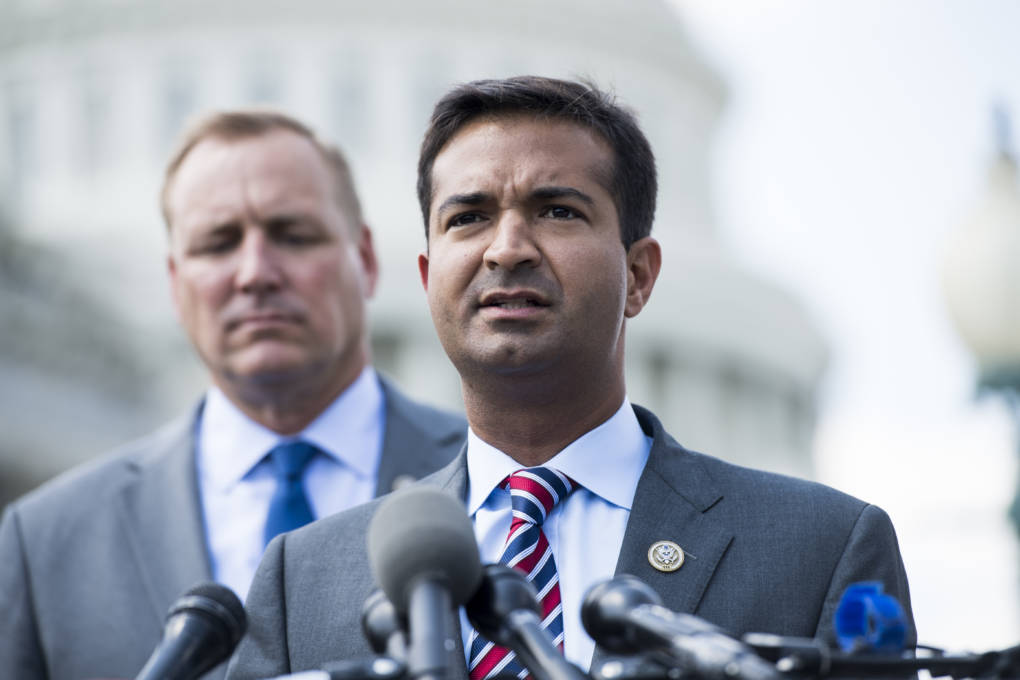
"caption": "U.S. Rep. Carlos Curbelo, R-Fla., holds a news conference on immigration reform Wednesday at the Capitol. Curbelo is seeking to circumvent Republican leaders to bring an immigration bill to the House floor.",
"description": "U.S. Rep. Carlos Curbelo, R-Fla., holds a news conference on immigration reform Wednesday at the Capitol. Curbelo is seeking to circumvent Republican leaders to bring an immigration bill to the House floor.",
"title": "U.S. Rep. Carlos Curbelo, R-Fla., holds a news conference on immigration reform Wednesday at the Capitol. Curbelo is seeking to circumvent Republican leaders to bring an immigration bill to the House floor.",
"credit": "Bill Clark/CQ-Roll Call Inc.",
"status": "inherit",
"isLoading": false,
"fetchFailed": false
},
"news_11667330": {
"type": "attachments",
"id": "news_11667330",
"meta": {
"index": "attachments_1716263798",
"site": "news",
"id": "11667330",
"found": true
},
"parent": 11667323,
"imgSizes": {
"small": {
"file": "https://ww2.kqed.org/app/uploads/sites/10/2018/05/MeTooSurvivorsMarch-520x375.jpg",
"width": 520,
"mimeType": "image/jpeg",
"height": 375
},
"twentyfourteen-full-width": {
"file": "https://ww2.kqed.org/app/uploads/sites/10/2018/05/MeTooSurvivorsMarch-1038x576.jpg",
"width": 1038,
"mimeType": "image/jpeg",
"height": 576
},
"thumbnail": {
"file": "https://ww2.kqed.org/app/uploads/sites/10/2018/05/MeTooSurvivorsMarch-160x115.jpg",
"width": 160,
"mimeType": "image/jpeg",
"height": 115
},
"fd-sm": {
"file": "https://ww2.kqed.org/app/uploads/sites/10/2018/05/MeTooSurvivorsMarch-960x692.jpg",
"width": 960,
"mimeType": "image/jpeg",
"height": 692
},
"post-thumbnail": {
"file": "https://ww2.kqed.org/app/uploads/sites/10/2018/05/MeTooSurvivorsMarch-672x372.jpg",
"width": 672,
"mimeType": "image/jpeg",
"height": 372
},
"xsmall": {
"file": "https://ww2.kqed.org/app/uploads/sites/10/2018/05/MeTooSurvivorsMarch-375x270.jpg",
"width": 375,
"mimeType": "image/jpeg",
"height": 270
},
"kqedFullSize": {
"file": "https://ww2.kqed.org/app/uploads/sites/10/2018/05/MeTooSurvivorsMarch.jpg",
"width": 1920,
"height": 1384
},
"large": {
"file": "https://ww2.kqed.org/app/uploads/sites/10/2018/05/MeTooSurvivorsMarch-1020x735.jpg",
"width": 1020,
"mimeType": "image/jpeg",
"height": 735
},
"xlarge": {
"file": "https://ww2.kqed.org/app/uploads/sites/10/2018/05/MeTooSurvivorsMarch-1180x851.jpg",
"width": 1180,
"mimeType": "image/jpeg",
"height": 851
},
"complete_open_graph": {
"file": "https://ww2.kqed.org/app/uploads/sites/10/2018/05/MeTooSurvivorsMarch-1200x865.jpg",
"width": 1200,
"mimeType": "image/jpeg",
"height": 865
},
"guest-author-50": {
"file": "https://ww2.kqed.org/app/uploads/sites/10/2018/05/MeTooSurvivorsMarch-50x50.jpg",
"width": 50,
"mimeType": "image/jpeg",
"height": 50
},
"guest-author-96": {
"file": "https://ww2.kqed.org/app/uploads/sites/10/2018/05/MeTooSurvivorsMarch-96x96.jpg",
"width": 96,
"mimeType": "image/jpeg",
"height": 96
},
"medium": {
"file": "https://ww2.kqed.org/app/uploads/sites/10/2018/05/MeTooSurvivorsMarch-800x577.jpg",
"width": 800,
"mimeType": "image/jpeg",
"height": 577
},
"guest-author-64": {
"file": "https://ww2.kqed.org/app/uploads/sites/10/2018/05/MeTooSurvivorsMarch-64x64.jpg",
"width": 64,
"mimeType": "image/jpeg",
"height": 64
},
"guest-author-32": {
"file": "https://ww2.kqed.org/app/uploads/sites/10/2018/05/MeTooSurvivorsMarch-32x32.jpg",
"width": 32,
"mimeType": "image/jpeg",
"height": 32
},
"fd-lrg": {
"file": "https://ww2.kqed.org/app/uploads/sites/10/2018/05/MeTooSurvivorsMarch-1920x1384.jpg",
"width": 1920,
"mimeType": "image/jpeg",
"height": 1384
},
"fd-med": {
"file": "https://ww2.kqed.org/app/uploads/sites/10/2018/05/MeTooSurvivorsMarch-1180x851.jpg",
"width": 1180,
"mimeType": "image/jpeg",
"height": 851
},
"full-width": {
"file": "https://ww2.kqed.org/app/uploads/sites/10/2018/05/MeTooSurvivorsMarch-1920x1384.jpg",
"width": 1920,
"mimeType": "image/jpeg",
"height": 1384
},
"detail": {
"file": "https://ww2.kqed.org/app/uploads/sites/10/2018/05/MeTooSurvivorsMarch-150x150.jpg",
"width": 150,
"mimeType": "image/jpeg",
"height": 150
},
"guest-author-128": {
"file": "https://ww2.kqed.org/app/uploads/sites/10/2018/05/MeTooSurvivorsMarch-128x128.jpg",
"width": 128,
"mimeType": "image/jpeg",
"height": 128
},
"xxsmall": {
"file": "https://ww2.kqed.org/app/uploads/sites/10/2018/05/MeTooSurvivorsMarch-240x173.jpg",
"width": 240,
"mimeType": "image/jpeg",
"height": 173
}
},
"publishDate": 1525895860,
"modified": 1525903627,
"caption": "Victims of sexual harassment, sexual assault, sexual abuse and their supporters protest during a #MeToo march in Hollywood on Nov. 12, 2017.",
"description": "Victims of sexual harassment, sexual assault, sexual abuse and their supporters protest during a #MeToo march in Hollywood on November 12, 2017.",
"title": "MeTooSurvivorsMarch",
"credit": "MARK RALSTON/AFP/Getty Images",
"status": "inherit",
"isLoading": false,
"fetchFailed": false
},
"news_11667092": {
"type": "attachments",
"id": "news_11667092",
"meta": {
"index": "attachments_1716263798",
"site": "news",
"id": "11667092",
"found": true
},
"parent": 11667077,
"imgSizes": {
"small": {
"file": "https://ww2.kqed.org/app/uploads/sites/10/2018/05/RS30855_alt_721-520x378.jpg",
"width": 520,
"mimeType": "image/jpeg",
"height": 378
},
"twentyfourteen-full-width": {
"file": "https://ww2.kqed.org/app/uploads/sites/10/2018/05/RS30855_alt_721-1038x576.jpg",
"width": 1038,
"mimeType": "image/jpeg",
"height": 576
},
"thumbnail": {
"file": "https://ww2.kqed.org/app/uploads/sites/10/2018/05/RS30855_alt_721-160x116.jpg",
"width": 160,
"mimeType": "image/jpeg",
"height": 116
},
"fd-sm": {
"file": "https://ww2.kqed.org/app/uploads/sites/10/2018/05/RS30855_alt_721-960x698.jpg",
"width": 960,
"mimeType": "image/jpeg",
"height": 698
},
"post-thumbnail": {
"file": "https://ww2.kqed.org/app/uploads/sites/10/2018/05/RS30855_alt_721-672x372.jpg",
"width": 672,
"mimeType": "image/jpeg",
"height": 372
},
"xsmall": {
"file": "https://ww2.kqed.org/app/uploads/sites/10/2018/05/RS30855_alt_721-375x273.jpg",
"width": 375,
"mimeType": "image/jpeg",
"height": 273
},
"kqedFullSize": {
"file": "https://ww2.kqed.org/app/uploads/sites/10/2018/05/RS30855_alt_721.jpg",
"width": 1920,
"height": 1396
},
"large": {
"file": "https://ww2.kqed.org/app/uploads/sites/10/2018/05/RS30855_alt_721-1020x742.jpg",
"width": 1020,
"mimeType": "image/jpeg",
"height": 742
},
"xlarge": {
"file": "https://ww2.kqed.org/app/uploads/sites/10/2018/05/RS30855_alt_721-1180x858.jpg",
"width": 1180,
"mimeType": "image/jpeg",
"height": 858
},
"complete_open_graph": {
"file": "https://ww2.kqed.org/app/uploads/sites/10/2018/05/RS30855_alt_721-1200x873.jpg",
"width": 1200,
"mimeType": "image/jpeg",
"height": 873
},
"guest-author-50": {
"file": "https://ww2.kqed.org/app/uploads/sites/10/2018/05/RS30855_alt_721-50x50.jpg",
"width": 50,
"mimeType": "image/jpeg",
"height": 50
},
"guest-author-96": {
"file": "https://ww2.kqed.org/app/uploads/sites/10/2018/05/RS30855_alt_721-96x96.jpg",
"width": 96,
"mimeType": "image/jpeg",
"height": 96
},
"medium": {
"file": "https://ww2.kqed.org/app/uploads/sites/10/2018/05/RS30855_alt_721-800x582.jpg",
"width": 800,
"mimeType": "image/jpeg",
"height": 582
},
"guest-author-64": {
"file": "https://ww2.kqed.org/app/uploads/sites/10/2018/05/RS30855_alt_721-64x64.jpg",
"width": 64,
"mimeType": "image/jpeg",
"height": 64
},
"guest-author-32": {
"file": "https://ww2.kqed.org/app/uploads/sites/10/2018/05/RS30855_alt_721-32x32.jpg",
"width": 32,
"mimeType": "image/jpeg",
"height": 32
},
"fd-lrg": {
"file": "https://ww2.kqed.org/app/uploads/sites/10/2018/05/RS30855_alt_721-1920x1396.jpg",
"width": 1920,
"mimeType": "image/jpeg",
"height": 1396
},
"fd-med": {
"file": "https://ww2.kqed.org/app/uploads/sites/10/2018/05/RS30855_alt_721-1180x858.jpg",
"width": 1180,
"mimeType": "image/jpeg",
"height": 858
},
"full-width": {
"file": "https://ww2.kqed.org/app/uploads/sites/10/2018/05/RS30855_alt_721-1920x1396.jpg",
"width": 1920,
"mimeType": "image/jpeg",
"height": 1396
},
"detail": {
"file": "https://ww2.kqed.org/app/uploads/sites/10/2018/05/RS30855_alt_721-150x150.jpg",
"width": 150,
"mimeType": "image/jpeg",
"height": 150
},
"guest-author-128": {
"file": "https://ww2.kqed.org/app/uploads/sites/10/2018/05/RS30855_alt_721-128x128.jpg",
"width": 128,
"mimeType": "image/jpeg",
"height": 128
},
"xxsmall": {
"file": "https://ww2.kqed.org/app/uploads/sites/10/2018/05/RS30855_alt_721-240x175.jpg",
"width": 240,
"mimeType": "image/jpeg",
"height": 175
}
},
"publishDate": 1525806661,
"modified": 1525806690,
"caption": null,
"description": null,
"title": "RS30855_alt_721",
"credit": "Alex Emslie/KQED",
"status": "inherit",
"isLoading": false,
"fetchFailed": false
},
"news_11464924": {
"type": "attachments",
"id": "news_11464924",
"meta": {
"index": "attachments_1716263798",
"site": "news",
"id": "11464924",
"found": true
},
"parent": 11463323,
"imgSizes": {
"small": {
"file": "https://ww2.kqed.org/app/uploads/sites/10/2017/05/khalsa-1920-520x350.jpg",
"width": 520,
"mimeType": "image/jpeg",
"height": 350
},
"twentyfourteen-full-width": {
"file": "https://ww2.kqed.org/app/uploads/sites/10/2017/05/khalsa-1920-1038x576.jpg",
"width": 1038,
"mimeType": "image/jpeg",
"height": 576
},
"thumbnail": {
"file": "https://ww2.kqed.org/app/uploads/sites/10/2017/05/khalsa-1920-160x108.jpg",
"width": 160,
"mimeType": "image/jpeg",
"height": 108
},
"fd-sm": {
"file": "https://ww2.kqed.org/app/uploads/sites/10/2017/05/khalsa-1920-960x647.jpg",
"width": 960,
"mimeType": "image/jpeg",
"height": 647
},
"post-thumbnail": {
"file": "https://ww2.kqed.org/app/uploads/sites/10/2017/05/khalsa-1920-672x372.jpg",
"width": 672,
"mimeType": "image/jpeg",
"height": 372
},
"xsmall": {
"file": "https://ww2.kqed.org/app/uploads/sites/10/2017/05/khalsa-1920-375x253.jpg",
"width": 375,
"mimeType": "image/jpeg",
"height": 253
},
"kqedFullSize": {
"file": "https://ww2.kqed.org/app/uploads/sites/10/2017/05/khalsa-1920.jpg",
"width": 1920,
"height": 1294
},
"large": {
"file": "https://ww2.kqed.org/app/uploads/sites/10/2017/05/khalsa-1920-1020x687.jpg",
"width": 1020,
"mimeType": "image/jpeg",
"height": 687
},
"xlarge": {
"file": "https://ww2.kqed.org/app/uploads/sites/10/2017/05/khalsa-1920-1180x795.jpg",
"width": 1180,
"mimeType": "image/jpeg",
"height": 795
},
"guest-author-50": {
"file": "https://ww2.kqed.org/app/uploads/sites/10/2017/05/khalsa-1920-50x50.jpg",
"width": 50,
"mimeType": "image/jpeg",
"height": 50
},
"guest-author-96": {
"file": "https://ww2.kqed.org/app/uploads/sites/10/2017/05/khalsa-1920-96x96.jpg",
"width": 96,
"mimeType": "image/jpeg",
"height": 96
},
"medium": {
"file": "https://ww2.kqed.org/app/uploads/sites/10/2017/05/khalsa-1920-800x539.jpg",
"width": 800,
"mimeType": "image/jpeg",
"height": 539
},
"guest-author-64": {
"file": "https://ww2.kqed.org/app/uploads/sites/10/2017/05/khalsa-1920-64x64.jpg",
"width": 64,
"mimeType": "image/jpeg",
"height": 64
},
"guest-author-32": {
"file": "https://ww2.kqed.org/app/uploads/sites/10/2017/05/khalsa-1920-32x32.jpg",
"width": 32,
"mimeType": "image/jpeg",
"height": 32
},
"fd-lrg": {
"file": "https://ww2.kqed.org/app/uploads/sites/10/2017/05/khalsa-1920-1920x1294.jpg",
"width": 1920,
"mimeType": "image/jpeg",
"height": 1294
},
"fd-med": {
"file": "https://ww2.kqed.org/app/uploads/sites/10/2017/05/khalsa-1920-1180x795.jpg",
"width": 1180,
"mimeType": "image/jpeg",
"height": 795
},
"full-width": {
"file": "https://ww2.kqed.org/app/uploads/sites/10/2017/05/khalsa-1920-1920x1294.jpg",
"width": 1920,
"mimeType": "image/jpeg",
"height": 1294
},
"detail": {
"file": "https://ww2.kqed.org/app/uploads/sites/10/2017/05/khalsa-1920-150x150.jpg",
"width": 150,
"mimeType": "image/jpeg",
"height": 150
},
"guest-author-128": {
"file": "https://ww2.kqed.org/app/uploads/sites/10/2017/05/khalsa-1920-128x128.jpg",
"width": 128,
"mimeType": "image/jpeg",
"height": 128
},
"xxsmall": {
"file": "https://ww2.kqed.org/app/uploads/sites/10/2017/05/khalsa-1920-240x162.jpg",
"width": 240,
"mimeType": "image/jpeg",
"height": 162
}
},
"publishDate": 1495130107,
"modified": 1495143539,
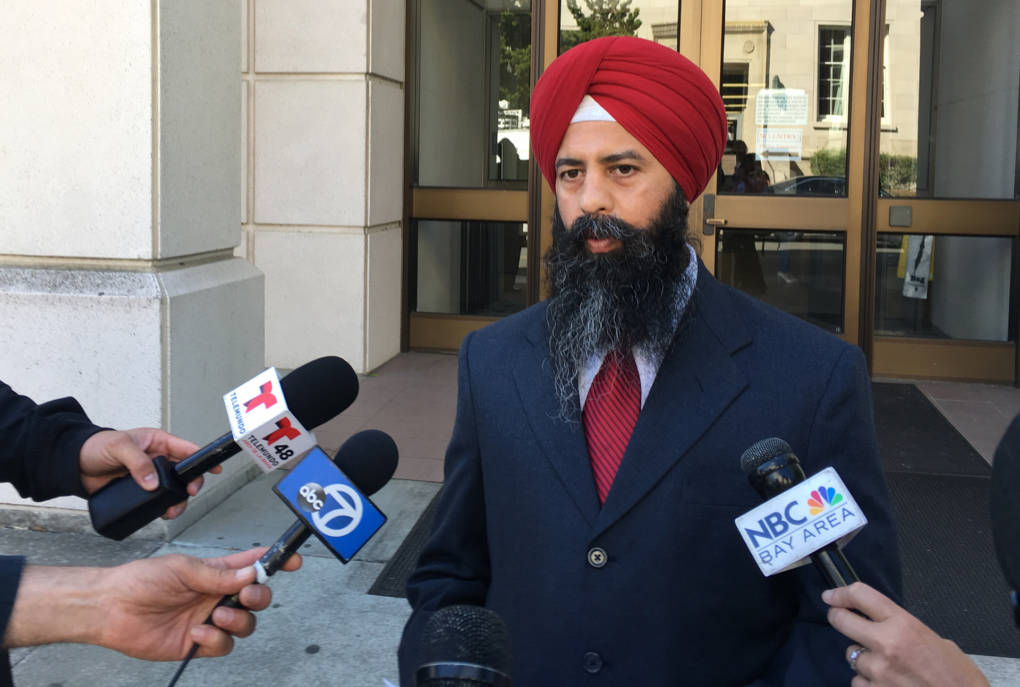
"caption": "Maan Singh Khalsa speaks to the press following a hearing in Martinez on May 18, 2017.",
"description": null,
"title": "khalsa-1920",
"credit": "Julie Small/KQED",
"status": "inherit",
"isLoading": false,
"fetchFailed": false
}
},
"audioPlayerReducer": {
"postId": "stream_live",
"isPaused": true,
"isPlaying": false,
"pfsActive": false,
"pledgeModalIsOpen": true,
"playerDrawerIsOpen": false,
"liveAudioPlayStartedAt": 0,
"liveAudioPlayContext": ""
},
"authorsReducer": {
"byline_news_11667587": {
"type": "authors",
"id": "byline_news_11667587",
"meta": {
"override": true
},
"slug": "byline_news_11667587",
"name": "John Burnett",
"isLoading": false
},
"byline_news_11667486": {
"type": "authors",
"id": "byline_news_11667486",
"meta": {
"override": true
},
"slug": "byline_news_11667486",
"name": "Michelle Wiley",
"isLoading": false
},
"byline_news_11667450": {
"type": "authors",
"id": "byline_news_11667450",
"meta": {
"override": true
},
"slug": "byline_news_11667450",
"name": "Kelsey Snell",
"isLoading": false
},
"byline_news_11667323": {
"type": "authors",
"id": "byline_news_11667323",
"meta": {
"override": true
},
"slug": "byline_news_11667323",
"name": "\u003cstrong>\u003ca href=\"https://calmatters.org/articles/author/antoinette-siu/\">Antoinette Siu\u003c/a>\u003c/strong>",
"isLoading": false
},
"kqed": {
"type": "authors",
"id": "236",
"meta": {
"index": "authors_1716337520",
"id": "236",
"found": true
},
"name": "KQED News Staff",
"firstName": "KQED News Staff",
"lastName": null,
"slug": "kqed",
"email": "faq@kqed.org",
"display_author_email": false,
"staff_mastheads": [],
"title": null,
"bio": null,
"avatar": "https://secure.gravatar.com/avatar/ef0e801a68c4c54afa9180db14084167?s=600&d=blank&r=g",
"twitter": null,
"facebook": null,
"instagram": null,
"linkedin": null,
"sites": [
{
"site": "arts",
"roles": [
"contributor"
]
},
{
"site": "news",
"roles": [
"editor"
]
},
{
"site": "futureofyou",
"roles": [
"author"
]
}
],
"headData": {
"title": "KQED News Staff | KQED",
"description": null,
"ogImgSrc": "https://secure.gravatar.com/avatar/ef0e801a68c4c54afa9180db14084167?s=600&d=blank&r=g",
"twImgSrc": "https://secure.gravatar.com/avatar/ef0e801a68c4c54afa9180db14084167?s=600&d=blank&r=g"
},
"isLoading": false,
"link": "/author/kqed"
},
"kqednewsstaffandwires": {
"type": "authors",
"id": "237",
"meta": {
"index": "authors_1716337520",
"id": "237",
"found": true
},
"name": "KQED News Staff and Wires",
"firstName": "KQED News Staff and Wires",
"lastName": null,
"slug": "kqednewsstaffandwires",
"email": "onlinenewsstaff@kqed.org",
"display_author_email": false,
"staff_mastheads": [],
"title": null,
"bio": null,
"avatar": "https://secure.gravatar.com/avatar/72295af8ebbfbd19a4948f5271285664?s=600&d=blank&r=g",
"twitter": null,
"facebook": null,
"instagram": null,
"linkedin": null,
"sites": [
{
"site": "arts",
"roles": [
"contributor"
]
},
{
"site": "news",
"roles": [
"contributor"
]
},
{
"site": "lowdown",
"roles": [
"author"
]
},
{
"site": "stateofhealth",
"roles": [
"contributor"
]
},
{
"site": "food",
"roles": [
"author"
]
}
],
"headData": {
"title": "KQED News Staff and Wires | KQED",
"description": null,
"ogImgSrc": "https://secure.gravatar.com/avatar/72295af8ebbfbd19a4948f5271285664?s=600&d=blank&r=g",
"twImgSrc": "https://secure.gravatar.com/avatar/72295af8ebbfbd19a4948f5271285664?s=600&d=blank&r=g"
},
"isLoading": false,
"link": "/author/kqednewsstaffandwires"
},
"tgoldberg": {
"type": "authors",
"id": "258",
"meta": {
"index": "authors_1716337520",
"id": "258",
"found": true
},
"name": "Ted Goldberg",
"firstName": "Ted",
"lastName": "Goldberg",
"slug": "tgoldberg",
"email": "tgoldberg@kqed.org",
"display_author_email": true,
"staff_mastheads": [
"news"
],
"title": "KQED Managing Editor, News and Newscasts",
"bio": "Ted Goldberg is Managing Editor of News and Newscasts at KQED. His main reporting beat is the Bay Area's oil refining industry.\r\n\r\nPrior to joining KQED in 2014, Ted worked at CBS News and WCBS AM in New York and Bay City News and KCBS Radio in San Francisco. He graduated from Oberlin College in Ohio in 1998.",
"avatar": "https://secure.gravatar.com/avatar/30ce2e4fe89135e104f89be2394d16225b9d36c121b5b3cb7651ce642978b96f?s=600&d=blank&r=g",
"twitter": "TedrickG",
"bluesky": null,
"facebook": null,
"instagram": null,
"linkedin": null,
"sites": [
{
"site": "news",
"roles": [
"editor"
]
},
{
"site": "science",
"roles": [
"editor"
]
}
],
"headData": {
"title": "Ted Goldberg | KQED",
"description": "KQED Managing Editor, News and Newscasts",
"ogImgSrc": "https://secure.gravatar.com/avatar/30ce2e4fe89135e104f89be2394d16225b9d36c121b5b3cb7651ce642978b96f?s=600&d=blank&r=g",
"twImgSrc": "https://secure.gravatar.com/avatar/30ce2e4fe89135e104f89be2394d16225b9d36c121b5b3cb7651ce642978b96f?s=600&d=blank&r=g"
},
"isLoading": false,
"link": "/author/tgoldberg"
},
"aemslie": {
"type": "authors",
"id": "3206",
"meta": {
"index": "authors_1716337520",
"id": "3206",
"found": true
},
"name": "Alex Emslie",
"firstName": "Alex",
"lastName": "Emslie",
"slug": "aemslie",
"email": "aemslie@kqed.org",
"display_author_email": true,
"staff_mastheads": [
"news"
],
"title": "KQED Senior Editor",
"bio": "Alex Emslie is senior editor of talent and development at KQED, where he manages dozens of early career journalists and oversees news department internships.\r\n\r\nHe is a former carpenter and proud graduate of City College of San Francisco and San Francisco State University, where he studied journalism and criminal justice before joining KQED in 2013.\r\n\r\nAlex produced investigative journalism focused on \u003ca href=\"https://www.kqed.org/news/11667594/the-trials-of-marvin-mutch-video\">criminal justice\u003c/a> and policing for most of a decade. He has broken major stories about \u003ca href=\"https://www.kqed.org/news/135682/amid-a-series-of-vallejo-police-shootings-one-officers-name-stands-out\">police use of deadly force\u003c/a>, \u003ca href=\"https://www.kqed.org/news/10454955/racist-texts-prompt-sfpd-internal-investigation\">officer misconduct\u003c/a> and \u003ca href=\"https://www.kqed.org/news/11712239/terrorist-or-troll-judge-to-weigh-whether-oakland-man-really-intended-to-attack-bay-area\">other\u003c/a> \u003ca href=\"https://www.kqed.org/news/11221414/hayward-paid-159000-to-husband-of-retired-police-chief-documents-show\">high\u003c/a>-\u003ca href=\"https://www.kqed.org/news/10622762/the-forgotten-tracking-two-homicides-in-san-francisco-public-housing\">profile\u003c/a> \u003ca href=\"https://www.kqed.org/news/11624516/federal-agency-promoted-ranger-just-months-after-his-gun-was-stolen-and-used-in-steinle-killing\">cases\u003c/a>. He co-founded the \u003ca href=\"https://projects.scpr.org/california-reporting-project/\">California Reporting Project\u003c/a> in 2019 to obtain and report on previously confidential police internal investigations. The effort produced well over 100 original stories and changed the course of multiple criminal cases.\r\n\r\nHis work has been recognized with numerous journalism awards, including a national Edward R. Murrow award for several years of \u003ca href=\"https://www.kqed.org/news/11688481/sfpd-officers-in-mario-woods-case-recount-shooting-in-newly-filed-depositions\">reporting\u003c/a> on the San Francisco Police shooting of Mario Woods. His \u003ca href=\"https://www.kqed.org/news/147854/half-of-those-killed-by-san-francisco-police-are-mentally-ill\">reporting\u003c/a> on police killings of people in psychiatric crisis was cited in amicus briefs before the U.S. Supreme Court.\r\n\r\nAlex now enjoys mentoring the next generation of journalists at KQED.",
"avatar": "https://secure.gravatar.com/avatar/e691e65209f20e9da202bd730ead5663?s=600&d=blank&r=g",
"twitter": "SFNewsReporter",
"facebook": null,
"instagram": null,
"linkedin": null,
"sites": [
{
"site": "arts",
"roles": [
"editor"
]
},
{
"site": "news",
"roles": [
"editor"
]
},
{
"site": "mindshift",
"roles": [
"editor"
]
},
{
"site": "stateofhealth",
"roles": [
"editor"
]
},
{
"site": "science",
"roles": [
"administrator"
]
}
],
"headData": {
"title": "Alex Emslie | KQED",
"description": "KQED Senior Editor",
"ogImgSrc": "https://secure.gravatar.com/avatar/e691e65209f20e9da202bd730ead5663?s=600&d=blank&r=g",
"twImgSrc": "https://secure.gravatar.com/avatar/e691e65209f20e9da202bd730ead5663?s=600&d=blank&r=g"
},
"isLoading": false,
"link": "/author/aemslie"
},
"shossaini": {
"type": "authors",
"id": "3214",
"meta": {
"index": "authors_1716337520",
"id": "3214",
"found": true
},
"name": "Sara Hossaini",
"firstName": "Sara",
"lastName": "Hossaini",
"slug": "shossaini",
"email": "shossaini@kqed.org",
"display_author_email": true,
"staff_mastheads": [
"news"
],
"title": "KQED Reporter",
"bio": "Sara Hossaini came to general assignment reporting at KQED in 2013 after two winters reporting at Wyoming Public Radio. She holds a bachelor's degree in broadcast journalism from the University of Nebraska-Lincoln. Her radio romance began after a bitter breakup with documentary film (Ok, maybe it's still complicated). Her first simultaneous jobs in San Francisco were as Associate Producer on a PBS film series through the Center for Asian American Media and as a butler. She likes to trot, plot and make things with her hands.",
"avatar": "https://secure.gravatar.com/avatar/060e9f56b9554e17942e89f413242774?s=600&d=blank&r=g",
"twitter": "mshossaini",
"facebook": null,
"instagram": null,
"linkedin": null,
"sites": [
{
"site": "news",
"roles": [
"author"
]
},
{
"site": "stateofhealth",
"roles": [
"author"
]
}
],
"headData": {
"title": "Sara Hossaini | KQED",
"description": "KQED Reporter",
"ogImgSrc": "https://secure.gravatar.com/avatar/060e9f56b9554e17942e89f413242774?s=600&d=blank&r=g",
"twImgSrc": "https://secure.gravatar.com/avatar/060e9f56b9554e17942e89f413242774?s=600&d=blank&r=g"
},
"isLoading": false,
"link": "/author/shossaini"
},
"dgorn": {
"type": "authors",
"id": "8656",
"meta": {
"index": "authors_1716337520",
"id": "8656",
"found": true
},
"name": "David Gorn",
"firstName": "David",
"lastName": "Gorn",
"slug": "dgorn",
"email": "dgorn+donotmail@sbcglobal.net",
"display_author_email": false,
"staff_mastheads": [],
"title": "KQED Contributor",
"bio": "David Gorn is the former Deputy News Director of KQED Radio. His public radio pieces have appeared on NPR, the World, Marketplace and the California Report.",
"avatar": "https://secure.gravatar.com/avatar/a6ad3e1eec1712e19b986b9395614010?s=600&d=blank&r=g",
"twitter": null,
"facebook": null,
"instagram": null,
"linkedin": null,
"sites": [
{
"site": "news",
"roles": [
"subscriber"
]
},
{
"site": "futureofyou",
"roles": [
"author"
]
},
{
"site": "science",
"roles": [
"author"
]
},
{
"site": "quest",
"roles": [
"editor"
]
}
],
"headData": {
"title": "David Gorn | KQED",
"description": "KQED Contributor",
"ogImgSrc": "https://secure.gravatar.com/avatar/a6ad3e1eec1712e19b986b9395614010?s=600&d=blank&r=g",
"twImgSrc": "https://secure.gravatar.com/avatar/a6ad3e1eec1712e19b986b9395614010?s=600&d=blank&r=g"
},
"isLoading": false,
"link": "/author/dgorn"
}
},
"pagesReducer": {
"news_category_law-and-justice": {
"type": "terms",
"id": "news_6188",
"meta": {
"index": "terms_1716263798",
"site": "news",
"id": "6188",
"score": 13.558288
},
"featImg": null,
"name": "Law and Justice",
"description": null,
"taxonomy": "category",
"headData": {
"twImgId": null,
"twTitle": null,
"ogTitle": null,
"ogImgId": null,
"twDescription": null,
"description": null,
"title": "Law and Justice Archives | KQED News",
"ogDescription": null
},
"ttid": 6212,
"slug": "law-and-justice",
"isLoading": false,
"title": "Law and Justice",
"pageMeta": {
"site": "news",
"WpPageTemplate": "page-topic-editorial",
"currentPage": 248
},
"blocks": [
{
"blockName": "kqed/post-list",
"attrs": {
"layout": "cardArticle2",
"query": "posts/news?category=law-and-justice",
"seeMore": false,
"paginated": true,
"page": 248
}
},
{
"blockName": "kqed/ad"
}
]
}
},
"pfsSessionReducer": {},
"postsReducer": {
"stream_live": {
"type": "live",
"id": "stream_live",
"audioUrl": "https://streams.kqed.org/kqedradio",
"title": "Live Stream",
"excerpt": "Live Stream information currently unavailable.",
"link": "/radio",
"featImg": "",
"label": {
"name": "KQED Live",
"link": "/"
}
},
"stream_kqedNewscast": {
"type": "posts",
"id": "stream_kqedNewscast",
"audioUrl": "https://www.kqed.org/.stream/anon/radio/RDnews/newscast.mp3?_=1",
"title": "KQED Newscast",
"featImg": "",
"label": {
"name": "88.5 FM",
"link": "/"
}
},
"news_11668156": {
"type": "posts",
"id": "news_11668156",
"meta": {
"index": "posts_1716263798",
"site": "news",
"id": "11668156",
"score": null,
"sort": [
1526309213000
]
},
"parent": 0,
"labelTerm": {},
"blocks": [],
"publishDate": 1526309213,
"format": "audio",
"disqusTitle": "San Diego Republican Supervisor Heads to Washington to Talk Immigration",
"title": "San Diego Republican Supervisor Heads to Washington to Talk Immigration",
"headTitle": "KQED News",
"content": "\u003ch2>San Diego Republican Supervisor Kristin Gaspar Heads to Washington to Talk Immigration\u003c/h2>\n\u003cp>President Donald Trump will meet with GOP San Diego Board of Supervisor Kristin Gaspar this week in Washington D.C. Gaspar is one of 15 local California officials who will meet with Trump and Attorney General Jeff Sessions in what is being described as a border strategy session, aimed at taking on California's Democrats.\u003cbr>\n\u003cem>Guest: Kristin Gaspar\u003c/em>\u003c/p>\n\u003ch2>California National Guard Begins Work Along Border\u003c/h2>\n\u003cp>California National Guard Troops are set to officially begin working at the U.S. Mexico border today. President Trump called for such deployments to increase border security, but Gov. Jerry Brown says troops will not be doing immigration enforcement.\u003cbr>\n\u003cem>Reporter: Chloe Veltman\u003c/em>\u003c/p>\n\u003ch2>San Diego Inmate Advocates Call for More Mental Health Training\u003c/h2>\n\u003cp>San Diego County has struggled with a high number of inmate suicides in its jails. There have been a number of reforms -- and last year there was just one suicide. But advocates for inmates say much more work is needed to improve mental health services.\u003cbr>\n\u003cem>Reporter: Julie Small\u003c/em>\u003c/p>\n\u003ch2>Refugio Oil Spill Trial Begins\u003c/h2>\n\u003cp>Opening arguments are scheduled for Monday in Santa Barbara in a criminal trial against a Texas-based oil pipeline company for its role in an oil spill three years ago this week. The offices of the California Attorney General and the Santa Barbara County District Attorney are jointly prosecuting the case.\u003cbr>\n\u003cem>Reporter: Stephanie O'Neill\u003c/em>\u003c/p>\n\u003ch2>\u003ca href=\"https://www.kqed.org/news/11667527/the-only-california-city-to-solve-veteran-homelessness-is-on-a-mission-to-go-bigger/\">The Only California City to Solve Veteran Homelessness Is on a Mission to Go Bigger\u003c/a>\u003c/h2>\n\u003cp>As California’s homeless population has surged, policymakers around the state have struggled with a response. Riverside offers one model of success: the city has successfully housed its population of homeless veterans and is now looking to expand the program.\u003cbr>\n\u003cem>Reporter: Amita Sharma\u003c/em>\u003c/p>\n\u003cp>[ad fullwidth]\u003c/p>\u003cp>\u003c/p>\n",
"disqusIdentifier": "11668156 https://ww2.kqed.org/news/?p=11668156",
"disqusUrl": "https://ww2.kqed.org/news/2018/05/14/san-diego-republican-supervisor-heads-to-washington-to-talk-immigration/",
"stats": {
"hasVideo": false,
"hasChartOrMap": false,
"hasAudio": false,
"hasPolis": false,
"wordCount": 300,
"hasGoogleForm": false,
"hasGallery": false,
"hasHearkenModule": false,
"iframeSrcs": [],
"paragraphCount": 7
},
"modified": 1526323348,
"excerpt": null,
"headData": {
"twImgId": "",
"twTitle": "",
"ogTitle": "",
"ogImgId": "",
"twDescription": "",
"description": "San Diego Republican Supervisor Kristin Gaspar Heads to Washington to Talk Immigration President Donald Trump will meet with GOP San Diego Board of Supervisor Kristin Gaspar this week in Washington D.C. Gaspar is one of 15 local California officials who will meet with Trump and Attorney General Jeff Sessions in what is being described as a",
"title": "San Diego Republican Supervisor Heads to Washington to Talk Immigration | KQED",
"ogDescription": "",
"schema": {
"@context": "https://schema.org",
"@type": "NewsArticle",
"headline": "San Diego Republican Supervisor Heads to Washington to Talk Immigration",
"datePublished": "2018-05-14T07:46:53-07:00",
"dateModified": "2018-05-14T11:42:28-07:00",
"image": "https://cdn.kqed.org/wp-content/uploads/2020/02/KQED-OG-Image@1x.png",
"isAccessibleForFree": "True",
"publisher": {
"@type": "NewsMediaOrganization",
"@id": "https://www.kqed.org/#organization",
"name": "KQED",
"logo": "https://cdn.kqed.org/wp-content/uploads/2020/02/KQED-OG-Image@1x.png",
"url": "https://www.kqed.org",
"sameAs": [
"https://www.facebook.com/KQED",
"https://twitter.com/KQED",
"https://www.instagram.com/kqed/",
"https://www.tiktok.com/@kqedofficial",
"https://www.linkedin.com/company/kqed",
"https://www.youtube.com/channel/UCeC0IOo7i1P_61zVUWbJ4nw"
]
}
}
},
"guestAuthors": [],
"slug": "san-diego-republican-supervisor-heads-to-washington-to-talk-immigration",
"status": "publish",
"sourceUrl": "https://www.kqed.org/news/tag/tcrarchive",
"audioUrl": "https://www.kqed.org/.stream/anon/radio/tcr/2018/05/TCRAM20180514Podcastv2.mp3",
"source": "Morning Report",
"path": "/news/11668156/san-diego-republican-supervisor-heads-to-washington-to-talk-immigration",
"audioDuration": 800000,
"audioTrackLength": null,
"parsedContent": [
{
"type": "contentString",
"content": "\u003cdiv class=\"post-body\">\u003cp>\u003ch2>San Diego Republican Supervisor Kristin Gaspar Heads to Washington to Talk Immigration\u003c/h2>\n\u003cp>President Donald Trump will meet with GOP San Diego Board of Supervisor Kristin Gaspar this week in Washington D.C. Gaspar is one of 15 local California officials who will meet with Trump and Attorney General Jeff Sessions in what is being described as a border strategy session, aimed at taking on California's Democrats.\u003cbr>\n\u003cem>Guest: Kristin Gaspar\u003c/em>\u003c/p>\n\u003ch2>California National Guard Begins Work Along Border\u003c/h2>\n\u003cp>California National Guard Troops are set to officially begin working at the U.S. Mexico border today. President Trump called for such deployments to increase border security, but Gov. Jerry Brown says troops will not be doing immigration enforcement.\u003cbr>\n\u003cem>Reporter: Chloe Veltman\u003c/em>\u003c/p>\n\u003ch2>San Diego Inmate Advocates Call for More Mental Health Training\u003c/h2>\n\u003cp>San Diego County has struggled with a high number of inmate suicides in its jails. There have been a number of reforms -- and last year there was just one suicide. But advocates for inmates say much more work is needed to improve mental health services.\u003cbr>\n\u003cem>Reporter: Julie Small\u003c/em>\u003c/p>\n\u003ch2>Refugio Oil Spill Trial Begins\u003c/h2>\n\u003cp>Opening arguments are scheduled for Monday in Santa Barbara in a criminal trial against a Texas-based oil pipeline company for its role in an oil spill three years ago this week. The offices of the California Attorney General and the Santa Barbara County District Attorney are jointly prosecuting the case.\u003cbr>\n\u003cem>Reporter: Stephanie O'Neill\u003c/em>\u003c/p>\n\u003ch2>\u003ca href=\"https://www.kqed.org/news/11667527/the-only-california-city-to-solve-veteran-homelessness-is-on-a-mission-to-go-bigger/\">The Only California City to Solve Veteran Homelessness Is on a Mission to Go Bigger\u003c/a>\u003c/h2>\n\u003cp>As California’s homeless population has surged, policymakers around the state have struggled with a response. Riverside offers one model of success: the city has successfully housed its population of homeless veterans and is now looking to expand the program.\u003cbr>\n\u003cem>Reporter: Amita Sharma\u003c/em>\u003c/p>\n\u003cp>\u003c/p>\u003c/div>",
"attributes": {
"named": {},
"numeric": []
}
},
{
"type": "component",
"content": "",
"name": "ad",
"attributes": {
"named": {
"label": "fullwidth"
},
"numeric": [
"fullwidth"
]
}
},
{
"type": "contentString",
"content": "\u003cdiv class=\"post-body\">\u003cp>\u003c/p>\u003cp>\u003c/p>\n\u003c/div>\u003c/p>",
"attributes": {
"named": {},
"numeric": []
}
}
],
"link": "/news/11668156/san-diego-republican-supervisor-heads-to-washington-to-talk-immigration",
"authors": [
"236"
],
"categories": [
"news_1169",
"news_6188",
"news_13"
],
"tags": [
"news_21998",
"news_21268"
],
"featImg": "news_11572756",
"label": "source_news_11668156"
},
"news_11667618": {
"type": "posts",
"id": "news_11667618",
"meta": {
"index": "posts_1716263798",
"site": "news",
"id": "11667618",
"score": null,
"sort": [
1526157959000
]
},
"parent": 0,
"labelTerm": {
"site": "news"
},
"blocks": [],
"publishDate": 1526157959,
"format": "standard",
"disqusTitle": "East Bay Goodwill to Pay $850,000 in Sexual Harassment Settlement",
"title": "East Bay Goodwill to Pay $850,000 in Sexual Harassment Settlement",
"headTitle": "KQED News",
"content": "\u003cp>Goodwill Industries of the Greater East Bay will pay $850,000 to settle an employee sexual harassment and retaliation lawsuit.\u003c/p>\n\u003cp>A federal judge signed off on the settlement with the U.S. Equal Employment Opportunity Commission yesterday.\u003c/p>\n\u003cp>Six female janitors on the night shift at the Oakland Federal Building between 2010 and 2012 say they were harassed by a direct supervisor at Calidad, the Goodwill affiliate that employs the severely physically or mentally disabled via its federal contracts, like cleaning the federal building. They claimed that then-supervisor Warren Ross engaged in repeated sexually offensive verbal and physical acts—including pressing his genitals against them, openly fondling himself through his clothing and asking about the women's sex lives, such as whether one's partner had \"hit that.\"\u003c/p>\n\u003cp>Former employee Crystal Edwards was 19-years-old when she worked at Calidad—her first job.\u003c/p>\n\u003cp>\"I enjoyed being able to earn my own money,” said Edwards. “But after my boss put his arms around me, I did not feel safe at work. My complaints were ignored. I'm so glad the EEOC filed this lawsuit to stop the harassment and to make sure it doesn’t happen to anyone else.”\u003c/p>\n\u003cp>[ad fullwidth]\u003c/p>\n\u003cp>Former employee Phyllis Sloan says she, too, wanted to protect others.\u003c/p>\n\u003cp>\"I just wanted justice,\" says Sloan, \"so that other disabled workers know that they don't have to put up with harassment from their bosses.”\u003c/p>\n\u003cp>Also featured in the lawsuit are a female manager in whom the women confided and a male manager who later supported their claims. The two managers allege they were unfairly criticized after helping raise the issue internally and with the EEOC.\u003c/p>\n\u003cp>Lisa Short, a former manager involved in the complaint, says that within weeks of her start date, back in 2012, employees began coming to her to describe their experiences.\u003c/p>\n\u003cp>\"I knew my job could be on the line,\" says Short, \"but I needed to make sure my workers were safe.”\u003c/p>\n\u003cp>An internal investigation only led to Ross's transfer. (He later quit.) Frustrated with the response, Short eventually resigned after she says she was subjected to unfair treatment and a hostile work environment.\u003c/p>\n\u003cp>Goodwill East Bay CEO Jim Caponigro joined the company in 2016, six years after the EEOC says an employee first complained to the corporate office. He says employee safety is his highest priority.\u003c/p>\n\u003cp>\"Unfortunately, we didn't do a good job of responding back to our employees and because of that, you know, we are paying for that. And that's good,\" says Caponigro, \"because the EEOC is bringing best practices to us and they're going to make us a better organization based on some of requirements that are in this agreement.\"\u003c/p>\n\u003cp>Among those requirements are more frequent trainings, better complaint and investigative procedures, and third-party monitoring of any sexual harassment or retaliation-related complaint.\u003c/p>\n\u003cp>EEOC trial attorney Siri Thanasombat says the strong injunctive relief over three years, including supervisors being held accountable in their reviews for how they handle any complaints, are remarkable.\u003c/p>\n\u003cp>\u003c/p>\n\u003cp>\"This happened in 2012 and it's taken a few years for this case to get to this point,\" says Thanasombat. \"We're very happy for them, I think they're very excited about the fact that they're getting some justice.\"\u003c/p>\n\n",
"disqusIdentifier": "11667618 https://ww2.kqed.org/news/?p=11667618",
"disqusUrl": "https://ww2.kqed.org/news/2018/05/12/east-bay-goodwill-to-pay-850000-in-sexual-harassment-settlement/",
"stats": {
"hasVideo": false,
"hasChartOrMap": false,
"hasAudio": false,
"hasPolis": false,
"wordCount": 557,
"hasGoogleForm": false,
"hasGallery": false,
"hasHearkenModule": false,
"iframeSrcs": [],
"paragraphCount": 18
},
"modified": 1526229401,
"excerpt": "Six female janitors say they were harassed by a supervisor from 2010 to 2012.",
"headData": {
"twImgId": "",
"twTitle": "",
"ogTitle": "",
"ogImgId": "",
"twDescription": "",
"description": "Six female janitors say they were harassed by a supervisor from 2010 to 2012.",
"title": "East Bay Goodwill to Pay $850,000 in Sexual Harassment Settlement | KQED",
"ogDescription": "",
"schema": {
"@context": "https://schema.org",
"@type": "NewsArticle",
"headline": "East Bay Goodwill to Pay $850,000 in Sexual Harassment Settlement",
"datePublished": "2018-05-12T13:45:59-07:00",
"dateModified": "2018-05-13T09:36:41-07:00",
"image": "https://cdn.kqed.org/wp-content/uploads/2020/02/KQED-OG-Image@1x.png",
"isAccessibleForFree": "True",
"publisher": {
"@type": "NewsMediaOrganization",
"@id": "https://www.kqed.org/#organization",
"name": "KQED",
"logo": "https://cdn.kqed.org/wp-content/uploads/2020/02/KQED-OG-Image@1x.png",
"url": "https://www.kqed.org",
"sameAs": [
"https://www.facebook.com/KQED",
"https://twitter.com/KQED",
"https://www.instagram.com/kqed/",
"https://www.tiktok.com/@kqedofficial",
"https://www.linkedin.com/company/kqed",
"https://www.youtube.com/channel/UCeC0IOo7i1P_61zVUWbJ4nw"
]
}
}
},
"guestAuthors": [],
"slug": "east-bay-goodwill-to-pay-850000-in-sexual-harassment-settlement",
"status": "publish",
"path": "/news/11667618/east-bay-goodwill-to-pay-850000-in-sexual-harassment-settlement",
"audioTrackLength": null,
"parsedContent": [
{
"type": "contentString",
"content": "\u003cdiv class=\"post-body\">\u003cp>\u003cp>Goodwill Industries of the Greater East Bay will pay $850,000 to settle an employee sexual harassment and retaliation lawsuit.\u003c/p>\n\u003cp>A federal judge signed off on the settlement with the U.S. Equal Employment Opportunity Commission yesterday.\u003c/p>\n\u003cp>Six female janitors on the night shift at the Oakland Federal Building between 2010 and 2012 say they were harassed by a direct supervisor at Calidad, the Goodwill affiliate that employs the severely physically or mentally disabled via its federal contracts, like cleaning the federal building. They claimed that then-supervisor Warren Ross engaged in repeated sexually offensive verbal and physical acts—including pressing his genitals against them, openly fondling himself through his clothing and asking about the women's sex lives, such as whether one's partner had \"hit that.\"\u003c/p>\n\u003cp>Former employee Crystal Edwards was 19-years-old when she worked at Calidad—her first job.\u003c/p>\n\u003cp>\"I enjoyed being able to earn my own money,” said Edwards. “But after my boss put his arms around me, I did not feel safe at work. My complaints were ignored. I'm so glad the EEOC filed this lawsuit to stop the harassment and to make sure it doesn’t happen to anyone else.”\u003c/p>\n\u003cp>\u003c/p>\u003c/div>",
"attributes": {
"named": {},
"numeric": []
}
},
{
"type": "component",
"content": "",
"name": "ad",
"attributes": {
"named": {
"label": "fullwidth"
},
"numeric": [
"fullwidth"
]
}
},
{
"type": "contentString",
"content": "\u003cdiv class=\"post-body\">\u003cp>\u003c/p>\n\u003cp>Former employee Phyllis Sloan says she, too, wanted to protect others.\u003c/p>\n\u003cp>\"I just wanted justice,\" says Sloan, \"so that other disabled workers know that they don't have to put up with harassment from their bosses.”\u003c/p>\n\u003cp>Also featured in the lawsuit are a female manager in whom the women confided and a male manager who later supported their claims. The two managers allege they were unfairly criticized after helping raise the issue internally and with the EEOC.\u003c/p>\n\u003cp>Lisa Short, a former manager involved in the complaint, says that within weeks of her start date, back in 2012, employees began coming to her to describe their experiences.\u003c/p>\n\u003cp>\"I knew my job could be on the line,\" says Short, \"but I needed to make sure my workers were safe.”\u003c/p>\n\u003cp>An internal investigation only led to Ross's transfer. (He later quit.) Frustrated with the response, Short eventually resigned after she says she was subjected to unfair treatment and a hostile work environment.\u003c/p>\n\u003cp>Goodwill East Bay CEO Jim Caponigro joined the company in 2016, six years after the EEOC says an employee first complained to the corporate office. He says employee safety is his highest priority.\u003c/p>\n\u003cp>\"Unfortunately, we didn't do a good job of responding back to our employees and because of that, you know, we are paying for that. And that's good,\" says Caponigro, \"because the EEOC is bringing best practices to us and they're going to make us a better organization based on some of requirements that are in this agreement.\"\u003c/p>\n\u003cp>Among those requirements are more frequent trainings, better complaint and investigative procedures, and third-party monitoring of any sexual harassment or retaliation-related complaint.\u003c/p>\n\u003cp>EEOC trial attorney Siri Thanasombat says the strong injunctive relief over three years, including supervisors being held accountable in their reviews for how they handle any complaints, are remarkable.\u003c/p>\n\u003cp>\u003c/p>\n\u003cp>\"This happened in 2012 and it's taken a few years for this case to get to this point,\" says Thanasombat. \"We're very happy for them, I think they're very excited about the fact that they're getting some justice.\"\u003c/p>\n\n\u003c/div>\u003c/p>",
"attributes": {
"named": {},
"numeric": []
}
}
],
"link": "/news/11667618/east-bay-goodwill-to-pay-850000-in-sexual-harassment-settlement",
"authors": [
"3214"
],
"categories": [
"news_6188",
"news_8"
],
"tags": [
"news_19542",
"news_2838"
],
"featImg": "news_11667757",
"label": "news"
},
"news_11667933": {
"type": "posts",
"id": "news_11667933",
"meta": {
"index": "posts_1716263798",
"site": "news",
"id": "11667933",
"score": null,
"sort": [
1526133622000
]
},
"parent": 0,
"labelTerm": {
"site": "news",
"term": 72
},
"blocks": [],
"publishDate": 1526133622,
"format": "audio",
"disqusTitle": "California National Guard Begins Border Training",
"title": "California National Guard Begins Border Training",
"headTitle": "The California Report | KQED News",
"content": "\u003cp>After a contentious standoff between the state and federal government, California National Guard troops started training Thursday with the U.S. Customs and Border Patrol to be camera operators, radio dispatchers and other support roles. Some troops could start their new jobs as soon as Sunday or Monday.\u003c/p>\n\u003cp>In April, \u003ca href=\"https://www.kqed.org/news/11659854\" target=\"_blank\" rel=\"noopener\">President Donald Trump ordered National Guard troops to deploy to the U.S.-Mexico border\u003c/a> to help federal authorities combat illegal immigration and drug trafficking. But California has battled the administration over immigration issues.\u003c/p>\n\u003cp>\u003ca href=\"https://www.kqed.org/news/11661626/california-to-join-guard-border-mission-but-with-conditions\" target=\"_blank\" rel=\"noopener\">Governor Jerry Brown ultimately agreed to contribute 400 troops\u003c/a> to the National Guard's border deployment to help go after drugs, guns and criminal gangs — not immigrants.\u003c/p>\n\u003cp>The governor has said \u003ca href=\"https://www.kqed.org/news/11663337/california-reaches-deal-on-national-guard-border-mission\" target=\"_blank\" rel=\"noopener\">under the terms of the agreement the state reached with the Trump administration\u003c/a>, California Guard cannot handle custody duties for anyone accused of immigration violations, build border barriers or have anything to do with immigration enforcement.\u003c/p>\n\u003cp>David Kim, an assistant chief patrol agent in Imperial Valley, says the National Guard troops will be in jobs that keep them out of contact with migrants, such as manning various surveillance platforms like camera systems, helping with maintenance, and conducting administrative support. This will free up his Border Patrol agents to focus on immigration law enforcement. \u003c/p>\n\u003cp>[ad fullwidth]\u003c/p>\n\u003cp>\"Anytime that Border Patrol agent is not out in the field conducting border patrol operations does have a real impact on border security,\" Kim said.\u003c/p>\n\u003cp>However, some critics point out this arrangement still ultimately implicates California National Guard troops in immigration enforcement. \u003c/p>\n\u003cp>\"It's giving the President exactly what he wants, while allowing the governor to say he's on the right side of the line that he drew for himself,\" said Dwight Stirling, Veterans Legal Institute CEO.\u003c/p>\n\u003cp>About 250 troops are training with supervisors in San Diego, but more troops may be added. The current plan has them at the border at least through September.\u003c/p>\n\u003cp>Maj. Kimberly Holman told The Associated Press that the National Guard troops so far involved all volunteered for the mission because they want to keep California safe.\u003c/p>\n\u003cp>\"Nobody has been ordered to come here,\" she said. \"Everyone is here by choice and has said, 'I would like to support this mission.'\"\u003c/p>\n\u003cp>Troops will work in the San Diego sector and in neighboring Imperial County. National Guard troops are also assisting agents in three other U.S. states bordering Mexico — Arizona, New Mexico and Texas — all governed by Republicans.\u003c/p>\n\u003cp>\u003cem>This article contains reporting from the Associated Press.\u003c/em>\u003c/p>\n\u003cp>\u003c/p>\n\u003cp>\u003cem>\u003ca href=\"https://www.kqed.org/author/cveltman\">Chloe Veltman\u003c/a> contributed to this report.\u003c/em>\u003c/p>\n\n",
"disqusIdentifier": "11667933 https://ww2.kqed.org/news/?p=11667933",
"disqusUrl": "https://ww2.kqed.org/news/2018/05/12/california-national-guard-begins-border-training/",
"stats": {
"hasVideo": false,
"hasChartOrMap": false,
"hasAudio": false,
"hasPolis": false,
"wordCount": 423,
"hasGoogleForm": false,
"hasGallery": false,
"hasHearkenModule": false,
"iframeSrcs": [],
"paragraphCount": 16
},
"modified": 1526326496,
"excerpt": "The 250 troops won't be involved in immigration enforcement, but will free up Border Patrol agents for that work.",
"headData": {
"twImgId": "",
"twTitle": "",
"ogTitle": "",
"ogImgId": "",
"twDescription": "",
"description": "The 250 troops won't be involved in immigration enforcement, but will free up Border Patrol agents for that work.",
"title": "California National Guard Begins Border Training | KQED",
"ogDescription": "",
"schema": {
"@context": "https://schema.org",
"@type": "NewsArticle",
"headline": "California National Guard Begins Border Training",
"datePublished": "2018-05-12T07:00:22-07:00",
"dateModified": "2018-05-14T12:34:56-07:00",
"image": "https://cdn.kqed.org/wp-content/uploads/2020/02/KQED-OG-Image@1x.png",
"isAccessibleForFree": "True",
"publisher": {
"@type": "NewsMediaOrganization",
"@id": "https://www.kqed.org/#organization",
"name": "KQED",
"logo": "https://cdn.kqed.org/wp-content/uploads/2020/02/KQED-OG-Image@1x.png",
"url": "https://www.kqed.org",
"sameAs": [
"https://www.facebook.com/KQED",
"https://twitter.com/KQED",
"https://www.instagram.com/kqed/",
"https://www.tiktok.com/@kqedofficial",
"https://www.linkedin.com/company/kqed",
"https://www.youtube.com/channel/UCeC0IOo7i1P_61zVUWbJ4nw"
]
}
}
},
"guestAuthors": [],
"slug": "california-national-guard-begins-border-training",
"status": "publish",
"audioUrl": "https://www.kqed.org/.stream/anon/radio/RDnews/2018/05/VeltmanNatlGuardBorder.mp3",
"path": "/news/11667933/california-national-guard-begins-border-training",
"audioDuration": 73000,
"audioTrackLength": null,
"parsedContent": [
{
"type": "contentString",
"content": "\u003cdiv class=\"post-body\">\u003cp>\u003cp>After a contentious standoff between the state and federal government, California National Guard troops started training Thursday with the U.S. Customs and Border Patrol to be camera operators, radio dispatchers and other support roles. Some troops could start their new jobs as soon as Sunday or Monday.\u003c/p>\n\u003cp>In April, \u003ca href=\"https://www.kqed.org/news/11659854\" target=\"_blank\" rel=\"noopener\">President Donald Trump ordered National Guard troops to deploy to the U.S.-Mexico border\u003c/a> to help federal authorities combat illegal immigration and drug trafficking. But California has battled the administration over immigration issues.\u003c/p>\n\u003cp>\u003ca href=\"https://www.kqed.org/news/11661626/california-to-join-guard-border-mission-but-with-conditions\" target=\"_blank\" rel=\"noopener\">Governor Jerry Brown ultimately agreed to contribute 400 troops\u003c/a> to the National Guard's border deployment to help go after drugs, guns and criminal gangs — not immigrants.\u003c/p>\n\u003cp>The governor has said \u003ca href=\"https://www.kqed.org/news/11663337/california-reaches-deal-on-national-guard-border-mission\" target=\"_blank\" rel=\"noopener\">under the terms of the agreement the state reached with the Trump administration\u003c/a>, California Guard cannot handle custody duties for anyone accused of immigration violations, build border barriers or have anything to do with immigration enforcement.\u003c/p>\n\u003cp>David Kim, an assistant chief patrol agent in Imperial Valley, says the National Guard troops will be in jobs that keep them out of contact with migrants, such as manning various surveillance platforms like camera systems, helping with maintenance, and conducting administrative support. This will free up his Border Patrol agents to focus on immigration law enforcement. \u003c/p>\n\u003cp>\u003c/p>\u003c/div>",
"attributes": {
"named": {},
"numeric": []
}
},
{
"type": "component",
"content": "",
"name": "ad",
"attributes": {
"named": {
"label": "fullwidth"
},
"numeric": [
"fullwidth"
]
}
},
{
"type": "contentString",
"content": "\u003cdiv class=\"post-body\">\u003cp>\u003c/p>\n\u003cp>\"Anytime that Border Patrol agent is not out in the field conducting border patrol operations does have a real impact on border security,\" Kim said.\u003c/p>\n\u003cp>However, some critics point out this arrangement still ultimately implicates California National Guard troops in immigration enforcement. \u003c/p>\n\u003cp>\"It's giving the President exactly what he wants, while allowing the governor to say he's on the right side of the line that he drew for himself,\" said Dwight Stirling, Veterans Legal Institute CEO.\u003c/p>\n\u003cp>About 250 troops are training with supervisors in San Diego, but more troops may be added. The current plan has them at the border at least through September.\u003c/p>\n\u003cp>Maj. Kimberly Holman told The Associated Press that the National Guard troops so far involved all volunteered for the mission because they want to keep California safe.\u003c/p>\n\u003cp>\"Nobody has been ordered to come here,\" she said. \"Everyone is here by choice and has said, 'I would like to support this mission.'\"\u003c/p>\n\u003cp>Troops will work in the San Diego sector and in neighboring Imperial County. National Guard troops are also assisting agents in three other U.S. states bordering Mexico — Arizona, New Mexico and Texas — all governed by Republicans.\u003c/p>\n\u003cp>\u003cem>This article contains reporting from the Associated Press.\u003c/em>\u003c/p>\n\u003cp>\u003c/p>\n\u003cp>\u003cem>\u003ca href=\"https://www.kqed.org/author/cveltman\">Chloe Veltman\u003c/a> contributed to this report.\u003c/em>\u003c/p>\n\n\u003c/div>\u003c/p>",
"attributes": {
"named": {},
"numeric": []
}
}
],
"link": "/news/11667933/california-national-guard-begins-border-training",
"authors": [
"237"
],
"programs": [
"news_72"
],
"categories": [
"news_1169",
"news_6188",
"news_8",
"news_13"
],
"tags": [
"news_20595",
"news_20098",
"news_1323",
"news_20202",
"news_21038"
],
"featImg": "news_11668022",
"label": "news_72"
},
"news_11668009": {
"type": "posts",
"id": "news_11668009",
"meta": {
"index": "posts_1716263798",
"site": "news",
"id": "11668009",
"score": null,
"sort": [
1526086448000
]
},
"guestAuthors": [],
"slug": "californias-opioid-crisis-iran-nuclear-deal-archer",
"title": "California’s Opioid Crisis, Iran Nuclear Deal, Archer",
"publishDate": 1526086448,
"format": "video",
"headTitle": "California’s Opioid Crisis, Iran Nuclear Deal, Archer | KQED",
"labelTerm": {
"term": 7052,
"site": "news"
},
"content": "\u003cp>\u003cb>California’s Opioid Crisis\u003cbr>\n\u003c/b>\u003cspan style=\"font-weight: 400\">This week, Marin County announced it will sue a dozen pharmaceutical companies for aggressively marketing highly addictive opioid medications. Thirty counties across California are separately suing drug companies to recoup tax dollars they’ve spent responding to the crisis. While opioid prescription rates have declined, overdose deaths continue to rise nationally. In California, more than 2,000 people died from opioid overdoses in 2016, according to the state’s Department of Public Health.\u003c/span>\u003c/p>\n\u003cp>\u003cspan style=\"font-weight: 400\">Guests:\u003c/span>\u003c/p>\n\u003cul>\n\u003cli style=\"font-weight: 400\">\u003cspan style=\"font-weight: 400\">Laura Klivans, KQED health reporter\u003c/span>\u003c/li>\n\u003cli style=\"font-weight: 400\">\u003cspan style=\"font-weight: 400\">Dr. Scott Steiger, UCSF associate professor of medicine and psychiatry\u003c/span>\u003c/li>\n\u003cli style=\"font-weight: 400\">\u003cspan style=\"font-weight: 400\">Brian Washington, Marin County counsel\u003c/span>\u003c/li>\n\u003c/ul>\n\u003cp>\u003cb>U.S. Withdraws From Iran Nuclear Deal\u003cbr>\n\u003c/b>\u003cspan style=\"font-weight: 400\">On Tuesday, President Trump announced he will withdraw the U.S. from the Iran nuclear deal. \u003c/span>\u003cspan style=\"font-weight: 400\">Signed in 2015, the deal was one of President Barack Obama’s key foreign policy achievements and required that Iran never build nuclear weapons in exchange for the lifting of economic sanctions. We interview the director of Iranian Studies at Stanford University, Professor Abbas Milani.\u003c/span>\u003c/p>\n\u003cp>\u003cb>The Archer Team: Fighting Terror with Tech\u003cbr>\n\u003c/b>\u003cspan style=\"font-weight: 400\">A group of UC Berkeley students are using their tech skills to fight terrorism. They created Archer, an online platform that offers tools to track connections between terror organizations and sanctions violations. The inspiration behind their nonprofit is personal for these students: in 2016, two of their classmates died in terrorist attacks in France and in Bangladesh. Today, nearly two dozen UC Berkeley students volunteer their time and skills at Archer, using data to fight human rights abuses, corruption and money laundering. \u003c/span>\u003c/p>\n\u003cp>\u003cspan style=\"font-weight: 400\">Guests:\u003c/span>\u003c/p>\n\u003cul>\n\u003cli style=\"font-weight: 400\">\u003cspan style=\"font-weight: 400\">Anjali Banerjee, UC Berkeley junior\u003c/span>\u003c/li>\n\u003cli style=\"font-weight: 400\">\u003cspan style=\"font-weight: 400\">Tyler Heintz, UC Berkeley junior\u003c/span>\u003c/li>\n\u003cli style=\"font-weight: 400\">\u003cspan style=\"font-weight: 400\">Alice Ma, UC Berkeley alumna\u003c/span>\u003c/li>\n\u003c/ul>\n\u003cp>[ad fullwidth]\u003c/p>\u003cp>\u003c/p>\n",
"blocks": [],
"excerpt": "Marin County announced it will sue a dozen pharmaceutical companies for aggressively marketing highly addictive opioid medications. ",
"status": "publish",
"parent": 0,
"modified": 1721116330,
"stats": {
"hasAudio": false,
"hasVideo": false,
"hasChartOrMap": false,
"iframeSrcs": [],
"hasGoogleForm": false,
"hasGallery": false,
"hasHearkenModule": false,
"hasPolis": false,
"paragraphCount": 7,
"wordCount": 278
},
"headData": {
"title": "California’s Opioid Crisis, Iran Nuclear Deal, Archer | KQED",
"description": "Marin County announced it will sue a dozen pharmaceutical companies for aggressively marketing highly addictive opioid medications. ",
"ogTitle": "",
"ogDescription": "",
"ogImgId": "",
"twTitle": "",
"twDescription": "",
"twImgId": "",
"schema": {
"@context": "https://schema.org",
"@type": "NewsArticle",
"headline": "California’s Opioid Crisis, Iran Nuclear Deal, Archer",
"datePublished": "2018-05-11T17:54:08-07:00",
"dateModified": "2024-07-16T00:52:10-07:00",
"image": "https://cdn.kqed.org/wp-content/uploads/2020/02/KQED-OG-Image@1x.png",
"isAccessibleForFree": "True",
"publisher": {
"@type": "NewsMediaOrganization",
"@id": "https://www.kqed.org/#organization",
"name": "KQED",
"logo": "https://cdn.kqed.org/wp-content/uploads/2020/02/KQED-OG-Image@1x.png",
"url": "https://www.kqed.org",
"sameAs": [
"https://www.facebook.com/KQED",
"https://twitter.com/KQED",
"https://www.instagram.com/kqed/",
"https://www.tiktok.com/@kqedofficial",
"https://www.linkedin.com/company/kqed",
"https://www.youtube.com/channel/UCeC0IOo7i1P_61zVUWbJ4nw"
]
}
}
},
"videoEmbed": "https://youtu.be/a-K4flhVLWo",
"sticky": false,
"path": "/news/11668009/californias-opioid-crisis-iran-nuclear-deal-archer",
"audioTrackLength": null,
"parsedContent": [
{
"type": "contentString",
"content": "\u003cdiv class=\"post-body\">\u003cp>\u003cp>\u003cb>California’s Opioid Crisis\u003cbr>\n\u003c/b>\u003cspan style=\"font-weight: 400\">This week, Marin County announced it will sue a dozen pharmaceutical companies for aggressively marketing highly addictive opioid medications. Thirty counties across California are separately suing drug companies to recoup tax dollars they’ve spent responding to the crisis. While opioid prescription rates have declined, overdose deaths continue to rise nationally. In California, more than 2,000 people died from opioid overdoses in 2016, according to the state’s Department of Public Health.\u003c/span>\u003c/p>\n\u003cp>\u003cspan style=\"font-weight: 400\">Guests:\u003c/span>\u003c/p>\n\u003cul>\n\u003cli style=\"font-weight: 400\">\u003cspan style=\"font-weight: 400\">Laura Klivans, KQED health reporter\u003c/span>\u003c/li>\n\u003cli style=\"font-weight: 400\">\u003cspan style=\"font-weight: 400\">Dr. Scott Steiger, UCSF associate professor of medicine and psychiatry\u003c/span>\u003c/li>\n\u003cli style=\"font-weight: 400\">\u003cspan style=\"font-weight: 400\">Brian Washington, Marin County counsel\u003c/span>\u003c/li>\n\u003c/ul>\n\u003cp>\u003cb>U.S. Withdraws From Iran Nuclear Deal\u003cbr>\n\u003c/b>\u003cspan style=\"font-weight: 400\">On Tuesday, President Trump announced he will withdraw the U.S. from the Iran nuclear deal. \u003c/span>\u003cspan style=\"font-weight: 400\">Signed in 2015, the deal was one of President Barack Obama’s key foreign policy achievements and required that Iran never build nuclear weapons in exchange for the lifting of economic sanctions. We interview the director of Iranian Studies at Stanford University, Professor Abbas Milani.\u003c/span>\u003c/p>\n\u003cp>\u003cb>The Archer Team: Fighting Terror with Tech\u003cbr>\n\u003c/b>\u003cspan style=\"font-weight: 400\">A group of UC Berkeley students are using their tech skills to fight terrorism. They created Archer, an online platform that offers tools to track connections between terror organizations and sanctions violations. The inspiration behind their nonprofit is personal for these students: in 2016, two of their classmates died in terrorist attacks in France and in Bangladesh. Today, nearly two dozen UC Berkeley students volunteer their time and skills at Archer, using data to fight human rights abuses, corruption and money laundering. \u003c/span>\u003c/p>\n\u003cp>\u003cspan style=\"font-weight: 400\">Guests:\u003c/span>\u003c/p>\n\u003cul>\n\u003cli style=\"font-weight: 400\">\u003cspan style=\"font-weight: 400\">Anjali Banerjee, UC Berkeley junior\u003c/span>\u003c/li>\n\u003cli style=\"font-weight: 400\">\u003cspan style=\"font-weight: 400\">Tyler Heintz, UC Berkeley junior\u003c/span>\u003c/li>\n\u003cli style=\"font-weight: 400\">\u003cspan style=\"font-weight: 400\">Alice Ma, UC Berkeley alumna\u003c/span>\u003c/li>\n\u003c/ul>\n\u003cp>\u003c/p>\u003c/div>",
"attributes": {
"named": {},
"numeric": []
}
},
{
"type": "component",
"content": "",
"name": "ad",
"attributes": {
"named": {
"label": "fullwidth"
},
"numeric": [
"fullwidth"
]
}
},
{
"type": "contentString",
"content": "\u003cdiv class=\"post-body\">\u003cp>\u003c/p>\u003cp>\u003c/p>\n\u003c/div>\u003c/p>",
"attributes": {
"named": {},
"numeric": []
}
}
],
"link": "/news/11668009/californias-opioid-crisis-iran-nuclear-deal-archer",
"authors": [
"236"
],
"programs": [
"news_7052"
],
"categories": [
"news_18540",
"news_457",
"news_6188",
"news_8",
"news_13"
],
"tags": [
"news_18538",
"news_20052",
"news_19177",
"news_21199",
"news_3729",
"news_2166",
"news_22774",
"news_17968",
"news_17597"
],
"featImg": "news_11668011",
"label": "news_7052"
},
"news_11667842": {
"type": "posts",
"id": "news_11667842",
"meta": {
"index": "posts_1716263798",
"site": "news",
"id": "11667842",
"score": null,
"sort": [
1526074027000
]
},
"guestAuthors": [],
"slug": "rebelling-against-californias-sanctuary-laws-from-inside-california",
"title": "Rebelling Against California's 'Sanctuary' Laws -- From Inside California",
"publishDate": 1526074027,
"format": "standard",
"headTitle": "Rebelling Against California’s ‘Sanctuary’ Laws — From Inside California | KQED",
"labelTerm": {},
"content": "\u003cp>The political whirlwind raging around California’s “sanctuary” laws isn’t doing much damage to the laws themselves, according to many state legal experts. In fact, the brunt of any legal damage may be felt most by the small city that started the rebellion.\u003c/p>\n\u003cp>“Los Alamitos could be in trouble,” said Jean Reisz of the University of Southern California’s Gould School of Law. She and other legal experts noted that the city went beyond passing a resolution of opposition, which more than a dozen other municipalities have done.\u003c/p>\n\u003cp>“What they’re doing is different from the other protests,” Reisz said. “They’re saying they won’t comply with state law.”\u003c/p>\n\u003cp>Reisz said that move — adoption of a noncompliance ordinance — may be unprecedented.\u003c/p>\n\u003cp>“A California city announcing it won’t follow state law? I haven’t been aware of that happening before,” she said. “The question is, can the [California Attorney General’s Office] force compliance? In this case, I think it can.”\u003c/p>\n\u003cp>[ad fullwidth]\u003c/p>\n\u003cp>At issue is whether California policy violates federal law by limiting cooperation with U.S. immigration authorities.\u003c/p>\n\u003cp>State officials, including the governor, say immigration officers aren’t impeded in any way and deportations are continuing in California — that the state’s not breaking any laws and is fully cooperating with federal officials. What it’s not doing is volunteering certain information, such as the names of some immigrants who were jailed for lesser offenses than the 800 serious crimes enumerated in state law.\u003c/p>\n\u003cp>Opponents of the sanctuary laws, including the California State Sheriffs’ Association, have argued that they cause confusion for law enforcement officers and business owners. And the state Republican Party has \u003ca href=\"https://calmatters.org/articles/balancing-act-how-california-republicans-hope-to-survive-in-the-resistance-state/\">seized on the issue\u003c/a> in its quest for gains in this year’s elections.\u003c/p>\n\u003cfigure id=\"attachment_11667857\" class=\"wp-caption aligncenter\" style=\"max-width: 800px\">\u003cimg loading=\"lazy\" decoding=\"async\" class=\"size-medium wp-image-11667857\" src=\"https://ww2.kqed.org/news/wp-content/uploads/sites/10/2018/05/TroyEdgar-800x501.jpg\" alt=\"Los Alamitos Mayor Troy Edgar talks to reporters.\" width=\"800\" height=\"501\" srcset=\"https://cdn.kqed.org/wp-content/uploads/sites/10/2018/05/TroyEdgar-800x501.jpg 800w, https://cdn.kqed.org/wp-content/uploads/sites/10/2018/05/TroyEdgar-160x100.jpg 160w, https://cdn.kqed.org/wp-content/uploads/sites/10/2018/05/TroyEdgar-1020x639.jpg 1020w, https://cdn.kqed.org/wp-content/uploads/sites/10/2018/05/TroyEdgar-1200x752.jpg 1200w, https://cdn.kqed.org/wp-content/uploads/sites/10/2018/05/TroyEdgar-1180x739.jpg 1180w, https://cdn.kqed.org/wp-content/uploads/sites/10/2018/05/TroyEdgar-960x602.jpg 960w, https://cdn.kqed.org/wp-content/uploads/sites/10/2018/05/TroyEdgar-240x150.jpg 240w, https://cdn.kqed.org/wp-content/uploads/sites/10/2018/05/TroyEdgar-375x235.jpg 375w, https://cdn.kqed.org/wp-content/uploads/sites/10/2018/05/TroyEdgar-520x326.jpg 520w, https://cdn.kqed.org/wp-content/uploads/sites/10/2018/05/TroyEdgar.jpg 1350w\" sizes=\"(max-width: 800px) 100vw, 800px\">\u003cfigcaption class=\"wp-caption-text\">Los Alamitos Mayor Troy Edgar talks to reporters. \u003ccite>(Courtesy Troy Edgar)\u003c/cite>\u003c/figcaption>\u003c/figure>\n\u003cp>Los Alamitos is a community of 12,000 tucked into western Orange County, roughly equidistant between the Long Beach harbor and Disneyland. It’s known for its horse-racing track, and now is also the birthplace of what President Trump called a “revolution” of opposition to the California laws.\u003c/p>\n\u003cp>In March, the City Council voted to \u003ca href=\"http://cityoflosalamitos.org/?wpfb_dl=3120\">exempt the city\u003c/a> from the California Values Act — one of three pieces of so-called sanctuary legislation that became law in January. The trio of measures does not offer \u003ca href=\"https://calmatters.org/articles/californias-new-sanctuary-law-will-aid-immigrants-not/\">sanctuary\u003c/a> in the way that, say, a church might. But they do offer some immigrants protection from being targeted by immigration officials and held for them.\u003c/p>\n\u003cp>Two of the three laws were not included in the Los Alamitos ordinance, which was finalized April 17. \u003ca href=\"https://leginfo.legislature.ca.gov/faces/billTextClient.xhtml?bill_id=201720180AB103\">One of those laws\u003c/a> puts a moratorium on expansion of immigration detention centers and gives the state attorney general power to monitor existing detention facilities. \u003ca href=\"https://leginfo.legislature.ca.gov/faces/billNavClient.xhtml?bill_id=201720180AB450\">The other\u003c/a> requires employers to make sure immigration agents have proper warrants to \u003ca href=\"https://calmatters.org/articles/caught-middle-california-businesses-face-conflicting-immigration-laws/\">enter workplaces\u003c/a> and to notify employees if immigration officials have requested to review immigration documents.\u003c/p>\n\u003cp>The city singled out the Values Act because of its limits on law enforcement. Los Alamitos wanted no part of that.\u003c/p>\n\u003cp>“When two governing documents contradict each other, the order of precedence needs to be invoked and followed,” stated a City Council staff report.\u003c/p>\n\u003cp>Mayor Troy Edgar, who advanced the measure, put it a little more colorfully: “You can’t just keep polishing the cannonball,” he said at the final hearing. “You got to shoot it.”\u003c/p>\n\u003cp>Since then, other cities and counties have piled on. Six counties, including San Diego and Orange, and at least 13 California cities have voiced opposition to the sanctuary laws, either by passing resolutions or by joining the U.S. Department of Justice lawsuit filed against California on March 6, which Los Alamitos also did.\u003c/p>\n\u003cp>\u003c!-- iframe plugin v.4.3 wordpress.org/plugins/iframe/ -->\u003cbr>\n\u003ciframe loading=\"lazy\" src=\"https://e.infogram.com/e83eefb4-18ab-4452-9c78-d1fb348bd8ad?src=embed\" title=\"sanctuary laws\" width=\"800\" height=\"700\" scrolling=\"no\" frameborder=\"0\" style=\"border:none;\" allowfullscreen=\"allowfullscreen\" class=\"iframe-class\">\u003c/iframe>\u003c/p>\n\u003cp>U.S. Attorney General Jeff Sessions said in announcing the suit that California had run afoul of the U.S. Constitution’s “supremacy clause,” which says states are subordinate to federal law. California Attorney General Xavier Becerra recently filed a \u003ca href=\"https://oag.ca.gov/system/files/attachments/press_releases/Dkt.%20No.%2074%20Defs%20Opp%20to%20PI%20Motion.pdf\">motion to dismiss\u003c/a> the suit.\u003c/p>\n\u003cp>According to Reisz, the resolutions and sign-ons to the federal lawsuit make political statements but carry no particular legal weight.\u003c/p>\n\u003cp>“I don’t think it changes anything at all,” Reisz said. “A judge doesn’t strike down law because it’s unpopular.”\u003c/p>\n\u003cp>That’s why Huntington Beach took another tack and sued the state, claiming the Values Act is unconstitutional because it restricts local government too tightly and spends general fund money that could be used by municipalities in other ways.\u003c/p>\n\u003cp>The Orange County Sheriff’s Department made its own statement in March, when it started listing the release dates of all inmates on its website, regardless of immigration status. The \u003ca href=\"https://leginfo.legislature.ca.gov/faces/billNavClient.xhtml?bill_id=201720180SB54\">state\u003c/a> bars local law enforcement agencies, including school police and security, from using money or personnel to perform immigration enforcement tasks.\u003c/p>\n\u003cp>If California isn’t technically breaking federal law, it’s certainly bending the intent of it, said Michelle Steel, a member of the Orange County Board of Supervisors who proposed joining the federal lawsuit against California.\u003c/p>\n\u003cp>“We cannot let the state begin cherry-picking which federal laws it decides to follow,” Steel said.\u003c/p>\n\u003cp>Ironically, the American Civil Liberties Union is making a similar cherry-picking argument in a lawsuit it recently filed against Los Alamitos.\u003c/p>\n\u003cp>The ACLU asserts that, beyond singling out a state law and deciding to disobey it, the Los Alamitos action promotes animosity toward immigrants. It also alleges the city is wasting taxpayer money by inviting state sanction and increasing legal expenses to make a political statement.\u003c/p>\n\u003cp>Becerra has not yet made a move — and would not say if he will — to counter the Los Alamitos ordinance, the Huntington Beach lawsuit or the cascading number of cities and counties adopting opposition resolutions.\u003c/p>\n\u003cp>“In this country, everyone has the right to express themselves,” Becerra said in an emailed statement. “However, the best place for us to figure out how to best move forward on this matter, whether we agree or disagree, is in federal court.”\u003c/p>\n\u003cfigure id=\"attachment_11617996\" class=\"wp-caption aligncenter\" style=\"max-width: 800px\">\u003cimg loading=\"lazy\" decoding=\"async\" class=\"size-medium wp-image-11617996\" src=\"https://ww2.kqed.org/news/wp-content/uploads/sites/10/2017/09/Becerra-800x544.jpg\" alt=\"California Attorney General Xavier Becerra.\" width=\"800\" height=\"544\" srcset=\"https://cdn.kqed.org/wp-content/uploads/sites/10/2017/09/Becerra-800x544.jpg 800w, https://cdn.kqed.org/wp-content/uploads/sites/10/2017/09/Becerra-160x109.jpg 160w, https://cdn.kqed.org/wp-content/uploads/sites/10/2017/09/Becerra-1020x694.jpg 1020w, https://cdn.kqed.org/wp-content/uploads/sites/10/2017/09/Becerra.jpg 1920w, https://cdn.kqed.org/wp-content/uploads/sites/10/2017/09/Becerra-1180x803.jpg 1180w, https://cdn.kqed.org/wp-content/uploads/sites/10/2017/09/Becerra-960x653.jpg 960w, https://cdn.kqed.org/wp-content/uploads/sites/10/2017/09/Becerra-240x163.jpg 240w, https://cdn.kqed.org/wp-content/uploads/sites/10/2017/09/Becerra-375x255.jpg 375w, https://cdn.kqed.org/wp-content/uploads/sites/10/2017/09/Becerra-520x354.jpg 520w\" sizes=\"(max-width: 800px) 100vw, 800px\">\u003cfigcaption class=\"wp-caption-text\">California Attorney General Xavier Becerra. \u003ccite>(Alex Wong/Getty Images)\u003c/cite>\u003c/figcaption>\u003c/figure>\n\u003cp>Becerra says the Values Act is legal and doesn’t conflict with federal law. “It works in concert with federal law,” he said.\u003c/p>\n\u003cp>Becerra does have the power to come down hard on Los Alamitos, according to Reisz — by withholding state law enforcement funding, for instance, or requesting a court injunction against its ordinance.\u003c/p>\n\u003cp>If the city were determined to have violated the sanctuary law in practice — by holding someone for immigration authorities without a warrant, for example — then the state might be able to impose more significant penalties on the city, she said.\u003c/p>\n\u003cp>Edgar said he understood from the beginning that his city could lose money.\u003c/p>\n\u003cp>“When we were first considering this, I looked at the penalties the state could levy,” Edgar said. “We get about $100,000 a year from the state for law enforcement. It’s something we don’t want to lose, of course. But if it came to that, that’s definitely something we considered.”\u003c/p>\n\u003cp>And the City Council knew it might need to fight its stance in court. But it’s worth it, Edgar said.\u003c/p>\n\u003cp>“This is a constitutional issue,” he said. “We knew exactly what we were doing. We consciously and deliberately exercised our power to take action for what we believe in.”\u003c/p>\n\u003cp>[ad floatright]\u003c/p>\n\u003cp>\u003ca href=\"http://calmatters.org/\">\u003cem>CALmatters.org\u003c/em>\u003c/a>\u003cem> is a nonprofit, nonpartisan media venture explaining California policies and politics.\u003c/em>\u003c/p>\n\n",
"blocks": [],
"excerpt": "The city of Los Alamitos ignited a rebellion by voting to exempt itself from state ’sanctuary’ laws. But will the brunt of any legal damage be felt most by ... Los Alamitos?",
"status": "publish",
"parent": 0,
"modified": 1721115383,
"stats": {
"hasAudio": false,
"hasVideo": false,
"hasChartOrMap": true,
"iframeSrcs": [
"https://e.infogram.com/e83eefb4-18ab-4452-9c78-d1fb348bd8ad"
],
"hasGoogleForm": false,
"hasGallery": false,
"hasHearkenModule": false,
"hasPolis": false,
"paragraphCount": 37,
"wordCount": 1304
},
"headData": {
"title": "Rebelling Against California's 'Sanctuary' Laws -- From Inside California | KQED",
"description": "The city of Los Alamitos ignited a rebellion by voting to exempt itself from state ’sanctuary’ laws. But will the brunt of any legal damage be felt most by ... Los Alamitos?",
"ogTitle": "",
"ogDescription": "",
"ogImgId": "",
"twTitle": "",
"twDescription": "",
"twImgId": "",
"schema": {
"@context": "https://schema.org",
"@type": "NewsArticle",
"headline": "Rebelling Against California's 'Sanctuary' Laws -- From Inside California",
"datePublished": "2018-05-11T14:27:07-07:00",
"dateModified": "2024-07-16T00:36:23-07:00",
"image": "https://cdn.kqed.org/wp-content/uploads/2020/02/KQED-OG-Image@1x.png",
"isAccessibleForFree": "True",
"publisher": {
"@type": "NewsMediaOrganization",
"@id": "https://www.kqed.org/#organization",
"name": "KQED",
"logo": "https://cdn.kqed.org/wp-content/uploads/2020/02/KQED-OG-Image@1x.png",
"url": "https://www.kqed.org",
"sameAs": [
"https://www.facebook.com/KQED",
"https://twitter.com/KQED",
"https://www.instagram.com/kqed/",
"https://www.tiktok.com/@kqedofficial",
"https://www.linkedin.com/company/kqed",
"https://www.youtube.com/channel/UCeC0IOo7i1P_61zVUWbJ4nw"
]
}
}
},
"source": "CALmatters",
"sourceUrl": "https://calmatters.org/",
"sticky": false,
"path": "/news/11667842/rebelling-against-californias-sanctuary-laws-from-inside-california",
"audioTrackLength": null,
"parsedContent": [
{
"type": "contentString",
"content": "\u003cdiv class=\"post-body\">\u003cp>\u003cp>The political whirlwind raging around California’s “sanctuary” laws isn’t doing much damage to the laws themselves, according to many state legal experts. In fact, the brunt of any legal damage may be felt most by the small city that started the rebellion.\u003c/p>\n\u003cp>“Los Alamitos could be in trouble,” said Jean Reisz of the University of Southern California’s Gould School of Law. She and other legal experts noted that the city went beyond passing a resolution of opposition, which more than a dozen other municipalities have done.\u003c/p>\n\u003cp>“What they’re doing is different from the other protests,” Reisz said. “They’re saying they won’t comply with state law.”\u003c/p>\n\u003cp>Reisz said that move — adoption of a noncompliance ordinance — may be unprecedented.\u003c/p>\n\u003cp>“A California city announcing it won’t follow state law? I haven’t been aware of that happening before,” she said. “The question is, can the [California Attorney General’s Office] force compliance? In this case, I think it can.”\u003c/p>\n\u003cp>\u003c/p>\u003c/div>",
"attributes": {
"named": {},
"numeric": []
}
},
{
"type": "component",
"content": "",
"name": "ad",
"attributes": {
"named": {
"label": "fullwidth"
},
"numeric": [
"fullwidth"
]
}
},
{
"type": "contentString",
"content": "\u003cdiv class=\"post-body\">\u003cp>\u003c/p>\n\u003cp>At issue is whether California policy violates federal law by limiting cooperation with U.S. immigration authorities.\u003c/p>\n\u003cp>State officials, including the governor, say immigration officers aren’t impeded in any way and deportations are continuing in California — that the state’s not breaking any laws and is fully cooperating with federal officials. What it’s not doing is volunteering certain information, such as the names of some immigrants who were jailed for lesser offenses than the 800 serious crimes enumerated in state law.\u003c/p>\n\u003cp>Opponents of the sanctuary laws, including the California State Sheriffs’ Association, have argued that they cause confusion for law enforcement officers and business owners. And the state Republican Party has \u003ca href=\"https://calmatters.org/articles/balancing-act-how-california-republicans-hope-to-survive-in-the-resistance-state/\">seized on the issue\u003c/a> in its quest for gains in this year’s elections.\u003c/p>\n\u003cfigure id=\"attachment_11667857\" class=\"wp-caption aligncenter\" style=\"max-width: 800px\">\u003cimg loading=\"lazy\" decoding=\"async\" class=\"size-medium wp-image-11667857\" src=\"https://ww2.kqed.org/news/wp-content/uploads/sites/10/2018/05/TroyEdgar-800x501.jpg\" alt=\"Los Alamitos Mayor Troy Edgar talks to reporters.\" width=\"800\" height=\"501\" srcset=\"https://cdn.kqed.org/wp-content/uploads/sites/10/2018/05/TroyEdgar-800x501.jpg 800w, https://cdn.kqed.org/wp-content/uploads/sites/10/2018/05/TroyEdgar-160x100.jpg 160w, https://cdn.kqed.org/wp-content/uploads/sites/10/2018/05/TroyEdgar-1020x639.jpg 1020w, https://cdn.kqed.org/wp-content/uploads/sites/10/2018/05/TroyEdgar-1200x752.jpg 1200w, https://cdn.kqed.org/wp-content/uploads/sites/10/2018/05/TroyEdgar-1180x739.jpg 1180w, https://cdn.kqed.org/wp-content/uploads/sites/10/2018/05/TroyEdgar-960x602.jpg 960w, https://cdn.kqed.org/wp-content/uploads/sites/10/2018/05/TroyEdgar-240x150.jpg 240w, https://cdn.kqed.org/wp-content/uploads/sites/10/2018/05/TroyEdgar-375x235.jpg 375w, https://cdn.kqed.org/wp-content/uploads/sites/10/2018/05/TroyEdgar-520x326.jpg 520w, https://cdn.kqed.org/wp-content/uploads/sites/10/2018/05/TroyEdgar.jpg 1350w\" sizes=\"(max-width: 800px) 100vw, 800px\">\u003cfigcaption class=\"wp-caption-text\">Los Alamitos Mayor Troy Edgar talks to reporters. \u003ccite>(Courtesy Troy Edgar)\u003c/cite>\u003c/figcaption>\u003c/figure>\n\u003cp>Los Alamitos is a community of 12,000 tucked into western Orange County, roughly equidistant between the Long Beach harbor and Disneyland. It’s known for its horse-racing track, and now is also the birthplace of what President Trump called a “revolution” of opposition to the California laws.\u003c/p>\n\u003cp>In March, the City Council voted to \u003ca href=\"http://cityoflosalamitos.org/?wpfb_dl=3120\">exempt the city\u003c/a> from the California Values Act — one of three pieces of so-called sanctuary legislation that became law in January. The trio of measures does not offer \u003ca href=\"https://calmatters.org/articles/californias-new-sanctuary-law-will-aid-immigrants-not/\">sanctuary\u003c/a> in the way that, say, a church might. But they do offer some immigrants protection from being targeted by immigration officials and held for them.\u003c/p>\n\u003cp>Two of the three laws were not included in the Los Alamitos ordinance, which was finalized April 17. \u003ca href=\"https://leginfo.legislature.ca.gov/faces/billTextClient.xhtml?bill_id=201720180AB103\">One of those laws\u003c/a> puts a moratorium on expansion of immigration detention centers and gives the state attorney general power to monitor existing detention facilities. \u003ca href=\"https://leginfo.legislature.ca.gov/faces/billNavClient.xhtml?bill_id=201720180AB450\">The other\u003c/a> requires employers to make sure immigration agents have proper warrants to \u003ca href=\"https://calmatters.org/articles/caught-middle-california-businesses-face-conflicting-immigration-laws/\">enter workplaces\u003c/a> and to notify employees if immigration officials have requested to review immigration documents.\u003c/p>\n\u003cp>The city singled out the Values Act because of its limits on law enforcement. Los Alamitos wanted no part of that.\u003c/p>\n\u003cp>“When two governing documents contradict each other, the order of precedence needs to be invoked and followed,” stated a City Council staff report.\u003c/p>\n\u003cp>Mayor Troy Edgar, who advanced the measure, put it a little more colorfully: “You can’t just keep polishing the cannonball,” he said at the final hearing. “You got to shoot it.”\u003c/p>\n\u003cp>Since then, other cities and counties have piled on. Six counties, including San Diego and Orange, and at least 13 California cities have voiced opposition to the sanctuary laws, either by passing resolutions or by joining the U.S. Department of Justice lawsuit filed against California on March 6, which Los Alamitos also did.\u003c/p>\n\u003cp>\u003c!-- iframe plugin v.4.3 wordpress.org/plugins/iframe/ -->\u003cbr>\n\u003ciframe loading=\"lazy\" src=\"https://e.infogram.com/e83eefb4-18ab-4452-9c78-d1fb348bd8ad?src=embed\" title=\"sanctuary laws\" width=\"800\" height=\"700\" scrolling=\"no\" frameborder=\"0\" style=\"border:none;\" allowfullscreen=\"allowfullscreen\" class=\"iframe-class\">\u003c/iframe>\u003c/p>\n\u003cp>U.S. Attorney General Jeff Sessions said in announcing the suit that California had run afoul of the U.S. Constitution’s “supremacy clause,” which says states are subordinate to federal law. California Attorney General Xavier Becerra recently filed a \u003ca href=\"https://oag.ca.gov/system/files/attachments/press_releases/Dkt.%20No.%2074%20Defs%20Opp%20to%20PI%20Motion.pdf\">motion to dismiss\u003c/a> the suit.\u003c/p>\n\u003cp>According to Reisz, the resolutions and sign-ons to the federal lawsuit make political statements but carry no particular legal weight.\u003c/p>\n\u003cp>“I don’t think it changes anything at all,” Reisz said. “A judge doesn’t strike down law because it’s unpopular.”\u003c/p>\n\u003cp>That’s why Huntington Beach took another tack and sued the state, claiming the Values Act is unconstitutional because it restricts local government too tightly and spends general fund money that could be used by municipalities in other ways.\u003c/p>\n\u003cp>The Orange County Sheriff’s Department made its own statement in March, when it started listing the release dates of all inmates on its website, regardless of immigration status. The \u003ca href=\"https://leginfo.legislature.ca.gov/faces/billNavClient.xhtml?bill_id=201720180SB54\">state\u003c/a> bars local law enforcement agencies, including school police and security, from using money or personnel to perform immigration enforcement tasks.\u003c/p>\n\u003cp>If California isn’t technically breaking federal law, it’s certainly bending the intent of it, said Michelle Steel, a member of the Orange County Board of Supervisors who proposed joining the federal lawsuit against California.\u003c/p>\n\u003cp>“We cannot let the state begin cherry-picking which federal laws it decides to follow,” Steel said.\u003c/p>\n\u003cp>Ironically, the American Civil Liberties Union is making a similar cherry-picking argument in a lawsuit it recently filed against Los Alamitos.\u003c/p>\n\u003cp>The ACLU asserts that, beyond singling out a state law and deciding to disobey it, the Los Alamitos action promotes animosity toward immigrants. It also alleges the city is wasting taxpayer money by inviting state sanction and increasing legal expenses to make a political statement.\u003c/p>\n\u003cp>Becerra has not yet made a move — and would not say if he will — to counter the Los Alamitos ordinance, the Huntington Beach lawsuit or the cascading number of cities and counties adopting opposition resolutions.\u003c/p>\n\u003cp>“In this country, everyone has the right to express themselves,” Becerra said in an emailed statement. “However, the best place for us to figure out how to best move forward on this matter, whether we agree or disagree, is in federal court.”\u003c/p>\n\u003cfigure id=\"attachment_11617996\" class=\"wp-caption aligncenter\" style=\"max-width: 800px\">\u003cimg loading=\"lazy\" decoding=\"async\" class=\"size-medium wp-image-11617996\" src=\"https://ww2.kqed.org/news/wp-content/uploads/sites/10/2017/09/Becerra-800x544.jpg\" alt=\"California Attorney General Xavier Becerra.\" width=\"800\" height=\"544\" srcset=\"https://cdn.kqed.org/wp-content/uploads/sites/10/2017/09/Becerra-800x544.jpg 800w, https://cdn.kqed.org/wp-content/uploads/sites/10/2017/09/Becerra-160x109.jpg 160w, https://cdn.kqed.org/wp-content/uploads/sites/10/2017/09/Becerra-1020x694.jpg 1020w, https://cdn.kqed.org/wp-content/uploads/sites/10/2017/09/Becerra.jpg 1920w, https://cdn.kqed.org/wp-content/uploads/sites/10/2017/09/Becerra-1180x803.jpg 1180w, https://cdn.kqed.org/wp-content/uploads/sites/10/2017/09/Becerra-960x653.jpg 960w, https://cdn.kqed.org/wp-content/uploads/sites/10/2017/09/Becerra-240x163.jpg 240w, https://cdn.kqed.org/wp-content/uploads/sites/10/2017/09/Becerra-375x255.jpg 375w, https://cdn.kqed.org/wp-content/uploads/sites/10/2017/09/Becerra-520x354.jpg 520w\" sizes=\"(max-width: 800px) 100vw, 800px\">\u003cfigcaption class=\"wp-caption-text\">California Attorney General Xavier Becerra. \u003ccite>(Alex Wong/Getty Images)\u003c/cite>\u003c/figcaption>\u003c/figure>\n\u003cp>Becerra says the Values Act is legal and doesn’t conflict with federal law. “It works in concert with federal law,” he said.\u003c/p>\n\u003cp>Becerra does have the power to come down hard on Los Alamitos, according to Reisz — by withholding state law enforcement funding, for instance, or requesting a court injunction against its ordinance.\u003c/p>\n\u003cp>If the city were determined to have violated the sanctuary law in practice — by holding someone for immigration authorities without a warrant, for example — then the state might be able to impose more significant penalties on the city, she said.\u003c/p>\n\u003cp>Edgar said he understood from the beginning that his city could lose money.\u003c/p>\n\u003cp>“When we were first considering this, I looked at the penalties the state could levy,” Edgar said. “We get about $100,000 a year from the state for law enforcement. It’s something we don’t want to lose, of course. But if it came to that, that’s definitely something we considered.”\u003c/p>\n\u003cp>And the City Council knew it might need to fight its stance in court. But it’s worth it, Edgar said.\u003c/p>\n\u003cp>“This is a constitutional issue,” he said. “We knew exactly what we were doing. We consciously and deliberately exercised our power to take action for what we believe in.”\u003c/p>\n\u003cp>\u003c/p>\u003c/div>",
"attributes": {
"named": {},
"numeric": []
}
},
{
"type": "component",
"content": "",
"name": "ad",
"attributes": {
"named": {
"label": "floatright"
},
"numeric": [
"floatright"
]
}
},
{
"type": "contentString",
"content": "\u003cdiv class=\"post-body\">\u003cp>\u003c/p>\n\u003cp>\u003ca href=\"http://calmatters.org/\">\u003cem>CALmatters.org\u003c/em>\u003c/a>\u003cem> is a nonprofit, nonpartisan media venture explaining California policies and politics.\u003c/em>\u003c/p>\n\n\u003c/div>\u003c/p>",
"attributes": {
"named": {},
"numeric": []
}
}
],
"link": "/news/11667842/rebelling-against-californias-sanctuary-laws-from-inside-california",
"authors": [
"8656"
],
"programs": [
"news_72"
],
"categories": [
"news_1169",
"news_6188",
"news_8",
"news_13"
],
"tags": [
"news_18538",
"news_20377",
"news_20445",
"news_22719",
"news_20529",
"news_244"
],
"affiliates": [
"news_18481"
],
"featImg": "news_11667861",
"label": "source_news_11667842"
},
"news_11666434": {
"type": "posts",
"id": "news_11666434",
"meta": {
"index": "posts_1716263798",
"site": "news",
"id": "11666434",
"score": null,
"sort": [
1525997955000
]
},
"parent": 0,
"labelTerm": {
"site": "news",
"term": 72
},
"blocks": [],
"publishDate": 1525997955,
"format": "standard",
"disqusTitle": "Top State Lawmaker: California Prisons Must Do More to Reduce Inmate Drug Overdoses",
"title": "Top State Lawmaker: California Prisons Must Do More to Reduce Inmate Drug Overdoses",
"headTitle": "The California Report | KQED News",
"content": "\u003cp>California prison officials need to find new ways to prevent illegal opioid drugs from entering the prison system, according to the lawmaker who runs the state legislative committee that oversees the state's correctional system.\u003c/p>\n\u003cp>State Sen. Nancy Skinner (D-Berkeley), who chairs the Senate's Public Safety Committee, says she wants the California Department of Corrections and Rehabilitation (CDCR) to explain what it's doing to reduce inmate overdoses.\u003c/p>\n\u003cp>Skinner said she's concerned that new programs and extra funding have failed to address the problem of illegal drugs in state lockups.\u003c/p>\n\u003cp>\"Visitors, guards, drones -- all are potential sources of bringing in drugs,\" Skinner said in an interview.\u003c/p>\n\u003cp>Skinner's comments follow suspected \u003ca href=\"https://www.kqed.org/news/11665693/fentanyl-blamed-for-apparent-overdoses-that-killed-california-prisoner-sickened-others\" target=\"_blank\" rel=\"noopener\">overdoses\u003c/a> last month at Mule Creek State Prison in Amador County. One inmate died and 12 got sick. Of those, 10 were treated at local hospitals.\u003c/p>\n\u003cp>[ad fullwidth]\u003c/p>\n\u003cp>State tests determined that fentanyl is the prime suspect in the apparent overdoses that occurred on April 21 and 22.\u003c/p>\n\u003cp>\"Clearly, when you have something like fentanyl, even a search could potentially not discover it, since such minute amounts are all that's needed\" for a user to overdose on the highly potent synthetic cousin of heroin, Skinner said.\u003c/p>\n\u003cp>The Centers for Disease Control and Prevention said fentanyl is \u003ca href=\"http://www.cdc.gov/drugoverdose/opioids/fentanyl.html\" target=\"_blank\" rel=\"noopener\">up to 100 times more potent\u003c/a> than morphine and many times stronger than heroin.\u003c/p>\n\u003ch2>Treating Addiction in Prison\u003c/h2>\n\u003cp>The state senator said she wants prison officials to consider different strategies to curb the demand for drugs behind bars.\u003c/p>\n\u003cp>\"We just do not use the medical treatments for addiction,\" Skinner said.\u003c/p>\n\u003cp>She believes drugs like naltrexone and buprenorphine, which are used to treat opioid addiction along with methadone, are underutilized in the prison system, she said.\u003c/p>\n\u003cp>The medical community supports using the two drugs in the criminal justice system, according to Dan Ciccarone, a professor of family and community medicine at UCSF.\u003c/p>\n\u003cp>\"I think the monthly buprenorphine injection will be a game changer for treatment of opioid use disorder in prison settings,\" Ciccarone said in an email.\u003c/p>\n\u003cp>CDCR spokeswoman Vicky Waters said the agency has begun a pilot program using naltrexone for inmates at the California Institution for Women in Corona and the California Institution for Men in Chino.\u003c/p>\n\u003cp>State prison officials say they treat substance abuse with \"detoxification\" and \"therapeutic rehabilitation.\"\u003c/p>\n\u003cp>The CDCR does not use buprenorphine, according to Waters.\u003c/p>\n\u003ch2>What Prisons Do Now to Combat Drugs\u003c/h2>\n\u003cp>Skinner plans to ask officials from the CDCR and the Office of Inspector General (OIG), which oversees the department, to speak to the state Senate's Public Safety Committee in the coming weeks and explain what they've done to cut down on opiates entering the prison system.\u003c/p>\n\u003cp>The corrections department uses baggage and parcel scanners and metal detectors to prevent drugs from getting inside prison walls, Waters said.\u003c/p>\n\u003cp>In recent years, the state has spent millions of dollars on drug-sniffing dogs, inmate body scans, visitor searches and restricting drones.\u003c/p>\n\u003cp>In 2014, the state Legislature approved a two-year, $10.4 million pilot program at 11 prisons to intensify some of those efforts. That funding expired last June.\u003c/p>\n\u003cp>In the last budget cycle, the CDCR received $6.7 million to expand its drug K-9 program.\u003c/p>\n\u003ch2>Drugs Still Flow In, Deadly Inmate Overdoses Increase\u003c/h2>\n\u003cp>\"Methods of introduction are getting more sophisticated,\" Waters said.\u003c/p>\n\u003cp>In 2016, 29 inmates died of drug overdoses in California's prisons, according to the CDCR. That year marked the highest rate of drug overdose deaths at state lockups since 2006. Of those cases, 27 were attributed to opioids or methamphetamine.\u003c/p>\n\u003cp>Between September 2015 and July 2016, seven state inmates died from fentanyl overdoses inside CDCR facilities, according to reports compiled by the OIG.\u003c/p>\n\u003cp>Donna Strugar-Fritsch, a correctional health consultant with Health Management Associates, said there are several theories that could explain the rise in overdose deaths among California inmates.\u003c/p>\n\u003cp>It could be that more drugs are entering the prison system, or that the drugs getting into state lockups are stronger, like fentanyl, or that more inmates entering California correctional facilities from county jails may be already addicted, Strugar-Fritsch said.\u003c/p>\n\u003ch2>San Quentin Overdoses\u003c/h2>\n\u003cp>Two inmates at San Quentin State Prison died from \"multiple drug intoxication\" in 2017 and two died from drug overdoses so far this year, according to Marin County Sheriff's Capt. David Augustus.\u003c/p>\n\u003cp>Of the four inmate deaths, two involved fentanyl, Augustus said.\u003c/p>\n\u003cp>This year at least five San Quentin prisoners have experienced suspected opioid overdoses, said Matt Willis, Marin County's public health officer.\u003c/p>\n\u003cp>\"The demand for opioids is present in every community, whether it's San Quentin or in the hills of Tiburon,\" Willis said in an interview.\u003c/p>\n\u003cp>\u003c/p>\n\u003cp>\"We are seeing, unfortunately, some fentanyl-related overdoses both within the inmate community and in the larger community,\" Willis said. \"That's a trend that's increasing and concerning because fentanyl is a very high-potency opioid and more frequently leads to fatal overdoses.\"\u003c/p>\n\n",
"disqusIdentifier": "11666434 https://ww2.kqed.org/news/?p=11666434",
"disqusUrl": "https://ww2.kqed.org/news/2018/05/10/top-state-lawmaker-california-prisons-must-do-more-to-reduce-inmate-drug-overdoses/",
"stats": {
"hasVideo": false,
"hasChartOrMap": false,
"hasAudio": false,
"hasPolis": false,
"wordCount": 838,
"hasGoogleForm": false,
"hasGallery": false,
"hasHearkenModule": false,
"iframeSrcs": [],
"paragraphCount": 33
},
"modified": 1525997955,
"excerpt": "Sen. Nancy Skinner's comments follow suspected overdoses last month at Mule Creek State Prison, where one inmate died and 12 got sick.",
"headData": {
"twImgId": "",
"twTitle": "",
"ogTitle": "",
"ogImgId": "",
"twDescription": "",
"description": "Sen. Nancy Skinner's comments follow suspected overdoses last month at Mule Creek State Prison, where one inmate died and 12 got sick.",
"title": "Top State Lawmaker: California Prisons Must Do More to Reduce Inmate Drug Overdoses | KQED",
"ogDescription": "",
"schema": {
"@context": "https://schema.org",
"@type": "NewsArticle",
"headline": "Top State Lawmaker: California Prisons Must Do More to Reduce Inmate Drug Overdoses",
"datePublished": "2018-05-10T17:19:15-07:00",
"dateModified": "2018-05-10T17:19:15-07:00",
"image": "https://cdn.kqed.org/wp-content/uploads/2020/02/KQED-OG-Image@1x.png",
"isAccessibleForFree": "True",
"publisher": {
"@type": "NewsMediaOrganization",
"@id": "https://www.kqed.org/#organization",
"name": "KQED",
"logo": "https://cdn.kqed.org/wp-content/uploads/2020/02/KQED-OG-Image@1x.png",
"url": "https://www.kqed.org",
"sameAs": [
"https://www.facebook.com/KQED",
"https://twitter.com/KQED",
"https://www.instagram.com/kqed/",
"https://www.tiktok.com/@kqedofficial",
"https://www.linkedin.com/company/kqed",
"https://www.youtube.com/channel/UCeC0IOo7i1P_61zVUWbJ4nw"
]
}
}
},
"guestAuthors": [],
"slug": "top-state-lawmaker-california-prisons-must-do-more-to-reduce-inmate-drug-overdoses",
"status": "publish",
"path": "/news/11666434/top-state-lawmaker-california-prisons-must-do-more-to-reduce-inmate-drug-overdoses",
"audioTrackLength": null,
"parsedContent": [
{
"type": "contentString",
"content": "\u003cdiv class=\"post-body\">\u003cp>\u003cp>California prison officials need to find new ways to prevent illegal opioid drugs from entering the prison system, according to the lawmaker who runs the state legislative committee that oversees the state's correctional system.\u003c/p>\n\u003cp>State Sen. Nancy Skinner (D-Berkeley), who chairs the Senate's Public Safety Committee, says she wants the California Department of Corrections and Rehabilitation (CDCR) to explain what it's doing to reduce inmate overdoses.\u003c/p>\n\u003cp>Skinner said she's concerned that new programs and extra funding have failed to address the problem of illegal drugs in state lockups.\u003c/p>\n\u003cp>\"Visitors, guards, drones -- all are potential sources of bringing in drugs,\" Skinner said in an interview.\u003c/p>\n\u003cp>Skinner's comments follow suspected \u003ca href=\"https://www.kqed.org/news/11665693/fentanyl-blamed-for-apparent-overdoses-that-killed-california-prisoner-sickened-others\" target=\"_blank\" rel=\"noopener\">overdoses\u003c/a> last month at Mule Creek State Prison in Amador County. One inmate died and 12 got sick. Of those, 10 were treated at local hospitals.\u003c/p>\n\u003cp>\u003c/p>\u003c/div>",
"attributes": {
"named": {},
"numeric": []
}
},
{
"type": "component",
"content": "",
"name": "ad",
"attributes": {
"named": {
"label": "fullwidth"
},
"numeric": [
"fullwidth"
]
}
},
{
"type": "contentString",
"content": "\u003cdiv class=\"post-body\">\u003cp>\u003c/p>\n\u003cp>State tests determined that fentanyl is the prime suspect in the apparent overdoses that occurred on April 21 and 22.\u003c/p>\n\u003cp>\"Clearly, when you have something like fentanyl, even a search could potentially not discover it, since such minute amounts are all that's needed\" for a user to overdose on the highly potent synthetic cousin of heroin, Skinner said.\u003c/p>\n\u003cp>The Centers for Disease Control and Prevention said fentanyl is \u003ca href=\"http://www.cdc.gov/drugoverdose/opioids/fentanyl.html\" target=\"_blank\" rel=\"noopener\">up to 100 times more potent\u003c/a> than morphine and many times stronger than heroin.\u003c/p>\n\u003ch2>Treating Addiction in Prison\u003c/h2>\n\u003cp>The state senator said she wants prison officials to consider different strategies to curb the demand for drugs behind bars.\u003c/p>\n\u003cp>\"We just do not use the medical treatments for addiction,\" Skinner said.\u003c/p>\n\u003cp>She believes drugs like naltrexone and buprenorphine, which are used to treat opioid addiction along with methadone, are underutilized in the prison system, she said.\u003c/p>\n\u003cp>The medical community supports using the two drugs in the criminal justice system, according to Dan Ciccarone, a professor of family and community medicine at UCSF.\u003c/p>\n\u003cp>\"I think the monthly buprenorphine injection will be a game changer for treatment of opioid use disorder in prison settings,\" Ciccarone said in an email.\u003c/p>\n\u003cp>CDCR spokeswoman Vicky Waters said the agency has begun a pilot program using naltrexone for inmates at the California Institution for Women in Corona and the California Institution for Men in Chino.\u003c/p>\n\u003cp>State prison officials say they treat substance abuse with \"detoxification\" and \"therapeutic rehabilitation.\"\u003c/p>\n\u003cp>The CDCR does not use buprenorphine, according to Waters.\u003c/p>\n\u003ch2>What Prisons Do Now to Combat Drugs\u003c/h2>\n\u003cp>Skinner plans to ask officials from the CDCR and the Office of Inspector General (OIG), which oversees the department, to speak to the state Senate's Public Safety Committee in the coming weeks and explain what they've done to cut down on opiates entering the prison system.\u003c/p>\n\u003cp>The corrections department uses baggage and parcel scanners and metal detectors to prevent drugs from getting inside prison walls, Waters said.\u003c/p>\n\u003cp>In recent years, the state has spent millions of dollars on drug-sniffing dogs, inmate body scans, visitor searches and restricting drones.\u003c/p>\n\u003cp>In 2014, the state Legislature approved a two-year, $10.4 million pilot program at 11 prisons to intensify some of those efforts. That funding expired last June.\u003c/p>\n\u003cp>In the last budget cycle, the CDCR received $6.7 million to expand its drug K-9 program.\u003c/p>\n\u003ch2>Drugs Still Flow In, Deadly Inmate Overdoses Increase\u003c/h2>\n\u003cp>\"Methods of introduction are getting more sophisticated,\" Waters said.\u003c/p>\n\u003cp>In 2016, 29 inmates died of drug overdoses in California's prisons, according to the CDCR. That year marked the highest rate of drug overdose deaths at state lockups since 2006. Of those cases, 27 were attributed to opioids or methamphetamine.\u003c/p>\n\u003cp>Between September 2015 and July 2016, seven state inmates died from fentanyl overdoses inside CDCR facilities, according to reports compiled by the OIG.\u003c/p>\n\u003cp>Donna Strugar-Fritsch, a correctional health consultant with Health Management Associates, said there are several theories that could explain the rise in overdose deaths among California inmates.\u003c/p>\n\u003cp>It could be that more drugs are entering the prison system, or that the drugs getting into state lockups are stronger, like fentanyl, or that more inmates entering California correctional facilities from county jails may be already addicted, Strugar-Fritsch said.\u003c/p>\n\u003ch2>San Quentin Overdoses\u003c/h2>\n\u003cp>Two inmates at San Quentin State Prison died from \"multiple drug intoxication\" in 2017 and two died from drug overdoses so far this year, according to Marin County Sheriff's Capt. David Augustus.\u003c/p>\n\u003cp>Of the four inmate deaths, two involved fentanyl, Augustus said.\u003c/p>\n\u003cp>This year at least five San Quentin prisoners have experienced suspected opioid overdoses, said Matt Willis, Marin County's public health officer.\u003c/p>\n\u003cp>\"The demand for opioids is present in every community, whether it's San Quentin or in the hills of Tiburon,\" Willis said in an interview.\u003c/p>\n\u003cp>\u003c/p>\n\u003cp>\"We are seeing, unfortunately, some fentanyl-related overdoses both within the inmate community and in the larger community,\" Willis said. \"That's a trend that's increasing and concerning because fentanyl is a very high-potency opioid and more frequently leads to fatal overdoses.\"\u003c/p>\n\n\u003c/div>\u003c/p>",
"attributes": {
"named": {},
"numeric": []
}
}
],
"link": "/news/11666434/top-state-lawmaker-california-prisons-must-do-more-to-reduce-inmate-drug-overdoses",
"authors": [
"258"
],
"programs": [
"news_72"
],
"categories": [
"news_457",
"news_6188",
"news_8",
"news_13"
],
"tags": [
"news_21434",
"news_616",
"news_2587",
"news_23051",
"news_3673",
"news_22774",
"news_22661"
],
"featImg": "news_147534",
"label": "news_72"
},
"news_11667587": {
"type": "posts",
"id": "news_11667587",
"meta": {
"index": "posts_1716263798",
"site": "news",
"id": "11667587",
"score": null,
"sort": [
1525985099000
]
},
"parent": 0,
"labelTerm": {},
"blocks": [],
"publishDate": 1525985099,
"format": "standard",
"disqusTitle": "Homeland Security Secretary Defends Separating Families of Illegal Border-Crossers",
"title": "Homeland Security Secretary Defends Separating Families of Illegal Border-Crossers",
"headTitle": "The California Report | KQED News",
"content": "\u003cp>Homeland Security Secretary Kirstjen Nielsen defended the Trump administration's \"zero tolerance\" policy that calls for separating families who cross the border illegally, saying the undocumented immigrants shouldn't get special treatment.\u003c/p>\n\u003cp>\"That's no different than what we do every day in every part of the United States — when an adult of a family commits a crime,\" she told NPR. \"If you as a parent break into a house, you will be incarcerated by police and thereby separated from your family.\"\u003c/p>\n\u003cp>\"Illegal aliens should not get just different rights because they happen to be illegal aliens,\" she added.\u003c/p>\n\u003cp>In a wide-ranging interview with NPR's John Burnett airing on \u003cem>All Things Considered\u003c/em>, Nielsen stood by the policy announced earlier this week, as well as the administration's broader crackdown on illegal immigration, saying her department is merely following the law.\u003c/p>\n\u003cp>She says if the public wants different immigration laws, then it is up to Congress to change them -- and that the fierce criticism directed at her department is unwarranted.\u003c/p>\n\u003cp>[ad fullwidth]\u003c/p>\n\u003cp>\"The pushback in terms of us enforcing the law is inappropriate and unacceptable. If somebody wants a different law, they should go to Congress and get a different law passed. But we took an oath and we will uphold the laws of this country,\" she said.\u003c/p>\n\u003cp>Nielsen's five-month tenure so far as Homeland Security secretary has already been consequential — and controversial.\u003c/p>\n\u003cp>Attorney General Jeff Sessions announced the zero tolerance policy earlier this week, and on Tuesday Nielsen appeared on Capitol Hill, where she faced questions from skeptical lawmakers.\u003c/p>\n\u003cp>Under the policy, DHS will begin referring for prosecution anyone it catches trying to enter the United States unlawfully. Immigrant advocates criticized the announcement, saying it's cruel to separate children from their parents.\u003c/p>\n\u003cp>\"The law says if you cross between the ports of entry, you are entering without inspection and that is a crime,\" Nielsen said. \"First time is misdemeanor.\u003c/p>\n\u003cp>\"After that it's a felony,\" she added, \"and then it goes on from there. So that hasn't changed, that's the underlying law. Our policy has not changed, and that if you break the law we will refer you for prosecution.\"\u003c/p>\n\u003cp>\u003c!-- iframe plugin v.4.3 wordpress.org/plugins/iframe/ -->\u003cbr>\n\u003ciframe src=\"https://www.npr.org/player/embed/609480137/610161918\" width=\"100%\" height=\"290\" frameborder=\"0\" scrolling=\"no\" title=\"NPR embedded audio player\" class=\"iframe-class\">\u003c/iframe>\u003c/p>\n\u003cp>Nielsen clarified that the policy is targeting families who try to illegally cross away from a port of entry. Families who present themselves at a port of entry can ask for asylum. They will get a \"credible fear\" interview, and they will not be prosecuted, she said.\u003c/p>\n\u003cp>Also on her watch, DHS \u003ca href=\"https://www.npr.org/sections/thetwo-way/2018/05/04/608654408/trump-administration-ends-temporary-protected-status-for-hondurans\">has canceled Temporary Protective Status\u003c/a>, TPS, for immigrants from a number of countries, including El Salvador, Honduras and Nepal. The program is a form of humanitarian relief offered to immigrants of countries struggling with the aftermath of war or natural disasters.\u003c/p>\n\u003cp>The \u003cem>Washington Post \u003c/em>\u003ca href=\"https://www.washingtonpost.com/world/national-security/us-embassy-cables-warned-against-expelling-300000-immigrants-trump-officials-did-it-anyway/2018/05/08/065e5702-4fe5-11e8-b966-bfb0da2dad62_story.html?utm_term=.bc78302ef52b\">reported\u003c/a> this week that U.S. diplomats in those countries had cabled the State Department, urging against revoking TPS for fear that the countries could not safely reabsorb tens of thousands of returning nationals.\u003c/p>\n\u003cp>Nielsen again insisted that she is only following the law.\u003c/p>\n\u003cp>\"I was required to take that action by the law, pure and simple,\" said Nielsen. \"The statute is very clear. If the conditions that originated from the designating event no longer exist, the statute says the secretary shall terminate. To pretend that conditions continue to exist from a hurricane 20 years ago is a fiction.\"\u003c/p>\n\u003cp>Nielsen was referring to a 1998 hurricane that struck Honduras, killing thousands and creating a migrant flow to the U.S. Administration officials insist that \u003ca href=\"https://www.npr.org/2018/05/05/608802896/dhs-ends-temporary-protected-status-for-hondurans\">conditions in Honduras have improved.\u003c/a>\u003c/p>\n\u003cp>As the Trump administration ends TPS for those countries, hundreds of thousands of people will lose legal status.\u003c/p>\n\u003cp>Nielsen, 45, previously served as chief of staff for Gen. John Kelly when he was Homeland Security secretary, then followed him to the White House when he became President Trump's chief of staff and continued as his deputy.\u003c/p>\n\u003cp>\u003c/p>\n\u003cp>President Trump nominated her to succeed Kelly at Homeland Security late last year. She was confirmed in December. Prior to that, she served in George W. Bush's administration as special assistant to the president and sat on the White House Homeland Security Council.\u003c/p>\n\u003cdiv class=\"fullattribution\">Copyright 2018 NPR. To see more, visit http://www.npr.org/.\u003cimg src=\"https://www.google-analytics.com/__utm.gif?utmac=UA-5828686-4&utmdt=Homeland+Security+Secretary+Defends+Separating+Families+Of+Illegal+Border-Crossers&utme=8(APIKey)9(MDAxOTAwOTE4MDEyMTkxMDAzNjczZDljZA004)\">\u003c/div>\n\n",
"disqusIdentifier": "11667587 https://ww2.kqed.org/news/?p=11667587",
"disqusUrl": "https://ww2.kqed.org/news/2018/05/10/homeland-security-secretary-defends-separating-families-of-illegal-border-crossers/",
"stats": {
"hasVideo": false,
"hasChartOrMap": false,
"hasAudio": false,
"hasPolis": false,
"wordCount": 706,
"hasGoogleForm": false,
"hasGallery": false,
"hasHearkenModule": false,
"iframeSrcs": [],
"paragraphCount": 23
},
"modified": 1525987267,
"excerpt": "In a wide-ranging interview with NPR, Kirstjen Nielsen insists the administration is merely following the law.",
"headData": {
"twImgId": "",
"twTitle": "",
"ogTitle": "",
"ogImgId": "",
"twDescription": "",
"description": "In a wide-ranging interview with NPR, Kirstjen Nielsen insists the administration is merely following the law.",
"title": "Homeland Security Secretary Defends Separating Families of Illegal Border-Crossers | KQED",
"ogDescription": "",
"schema": {
"@context": "https://schema.org",
"@type": "NewsArticle",
"headline": "Homeland Security Secretary Defends Separating Families of Illegal Border-Crossers",
"datePublished": "2018-05-10T13:44:59-07:00",
"dateModified": "2018-05-10T14:21:07-07:00",
"image": "https://cdn.kqed.org/wp-content/uploads/2020/02/KQED-OG-Image@1x.png",
"isAccessibleForFree": "True",
"publisher": {
"@type": "NewsMediaOrganization",
"@id": "https://www.kqed.org/#organization",
"name": "KQED",
"logo": "https://cdn.kqed.org/wp-content/uploads/2020/02/KQED-OG-Image@1x.png",
"url": "https://www.kqed.org",
"sameAs": [
"https://www.facebook.com/KQED",
"https://twitter.com/KQED",
"https://www.instagram.com/kqed/",
"https://www.tiktok.com/@kqedofficial",
"https://www.linkedin.com/company/kqed",
"https://www.youtube.com/channel/UCeC0IOo7i1P_61zVUWbJ4nw"
]
}
}
},
"guestAuthors": [],
"slug": "homeland-security-secretary-defends-separating-families-of-illegal-border-crossers",
"status": "publish",
"nprApiLink": "http://api.npr.org/query?id=609480137&apiKey=MDAxOTAwOTE4MDEyMTkxMDAzNjczZDljZA004",
"nprStoryDate": "Thu, 10 May 2018 16:04:00 -0400",
"nprLastModifiedDate": "Thu, 10 May 2018 16:10:37 -0400",
"nprHtmlLink": "https://www.npr.org/2018/05/10/609480137/homeland-security-secretary-defends-separating-families-of-illegal-border-crosse?ft=nprml&f=609480137",
"nprAudio": "https://ondemand.npr.org/anon.npr-mp3/npr/atc/2018/05/20180510_atc_homeland_security_secretary_defends_separating_families_of_illegal_border-crossers.mp3?orgId=1&topicId=1003&d=425&p=2&story=609480137&ft=nprml&f=609480137",
"nprImageAgency": "Getty Images",
"source": "NPR",
"nprAudioM3u": "http://api.npr.org/m3u/1610161918-c855ce.m3u?orgId=1&topicId=1003&d=425&p=2&story=609480137&ft=nprml&f=609480137",
"nprStoryId": "609480137",
"sourceUrl": "https://www.npr.org/",
"nprByline": "John Burnett",
"nprImageCredit": "Win McNamee",
"nprRetrievedStory": "1",
"nprPubDate": "Thu, 10 May 2018 16:09:00 -0400",
"path": "/news/11667587/homeland-security-secretary-defends-separating-families-of-illegal-border-crossers",
"audioUrl": "https://ondemand.npr.org/anon.npr-mp3/npr/atc/2018/05/20180510_atc_homeland_security_secretary_defends_separating_families_of_illegal_border-crossers.mp3?orgId=1&topicId=1003&d=425&p=2&story=609480137&ft=nprml&f=609480137",
"audioTrackLength": null,
"parsedContent": [
{
"type": "contentString",
"content": "\u003cdiv class=\"post-body\">\u003cp>\u003cp>Homeland Security Secretary Kirstjen Nielsen defended the Trump administration's \"zero tolerance\" policy that calls for separating families who cross the border illegally, saying the undocumented immigrants shouldn't get special treatment.\u003c/p>\n\u003cp>\"That's no different than what we do every day in every part of the United States — when an adult of a family commits a crime,\" she told NPR. \"If you as a parent break into a house, you will be incarcerated by police and thereby separated from your family.\"\u003c/p>\n\u003cp>\"Illegal aliens should not get just different rights because they happen to be illegal aliens,\" she added.\u003c/p>\n\u003cp>In a wide-ranging interview with NPR's John Burnett airing on \u003cem>All Things Considered\u003c/em>, Nielsen stood by the policy announced earlier this week, as well as the administration's broader crackdown on illegal immigration, saying her department is merely following the law.\u003c/p>\n\u003cp>She says if the public wants different immigration laws, then it is up to Congress to change them -- and that the fierce criticism directed at her department is unwarranted.\u003c/p>\n\u003cp>\u003c/p>\u003c/div>",
"attributes": {
"named": {},
"numeric": []
}
},
{
"type": "component",
"content": "",
"name": "ad",
"attributes": {
"named": {
"label": "fullwidth"
},
"numeric": [
"fullwidth"
]
}
},
{
"type": "contentString",
"content": "\u003cdiv class=\"post-body\">\u003cp>\u003c/p>\n\u003cp>\"The pushback in terms of us enforcing the law is inappropriate and unacceptable. If somebody wants a different law, they should go to Congress and get a different law passed. But we took an oath and we will uphold the laws of this country,\" she said.\u003c/p>\n\u003cp>Nielsen's five-month tenure so far as Homeland Security secretary has already been consequential — and controversial.\u003c/p>\n\u003cp>Attorney General Jeff Sessions announced the zero tolerance policy earlier this week, and on Tuesday Nielsen appeared on Capitol Hill, where she faced questions from skeptical lawmakers.\u003c/p>\n\u003cp>Under the policy, DHS will begin referring for prosecution anyone it catches trying to enter the United States unlawfully. Immigrant advocates criticized the announcement, saying it's cruel to separate children from their parents.\u003c/p>\n\u003cp>\"The law says if you cross between the ports of entry, you are entering without inspection and that is a crime,\" Nielsen said. \"First time is misdemeanor.\u003c/p>\n\u003cp>\"After that it's a felony,\" she added, \"and then it goes on from there. So that hasn't changed, that's the underlying law. Our policy has not changed, and that if you break the law we will refer you for prosecution.\"\u003c/p>\n\u003cp>\u003c!-- iframe plugin v.4.3 wordpress.org/plugins/iframe/ -->\u003cbr>\n\u003ciframe src=\"https://www.npr.org/player/embed/609480137/610161918\" width=\"100%\" height=\"290\" frameborder=\"0\" scrolling=\"no\" title=\"NPR embedded audio player\" class=\"iframe-class\">\u003c/iframe>\u003c/p>\n\u003cp>Nielsen clarified that the policy is targeting families who try to illegally cross away from a port of entry. Families who present themselves at a port of entry can ask for asylum. They will get a \"credible fear\" interview, and they will not be prosecuted, she said.\u003c/p>\n\u003cp>Also on her watch, DHS \u003ca href=\"https://www.npr.org/sections/thetwo-way/2018/05/04/608654408/trump-administration-ends-temporary-protected-status-for-hondurans\">has canceled Temporary Protective Status\u003c/a>, TPS, for immigrants from a number of countries, including El Salvador, Honduras and Nepal. The program is a form of humanitarian relief offered to immigrants of countries struggling with the aftermath of war or natural disasters.\u003c/p>\n\u003cp>The \u003cem>Washington Post \u003c/em>\u003ca href=\"https://www.washingtonpost.com/world/national-security/us-embassy-cables-warned-against-expelling-300000-immigrants-trump-officials-did-it-anyway/2018/05/08/065e5702-4fe5-11e8-b966-bfb0da2dad62_story.html?utm_term=.bc78302ef52b\">reported\u003c/a> this week that U.S. diplomats in those countries had cabled the State Department, urging against revoking TPS for fear that the countries could not safely reabsorb tens of thousands of returning nationals.\u003c/p>\n\u003cp>Nielsen again insisted that she is only following the law.\u003c/p>\n\u003cp>\"I was required to take that action by the law, pure and simple,\" said Nielsen. \"The statute is very clear. If the conditions that originated from the designating event no longer exist, the statute says the secretary shall terminate. To pretend that conditions continue to exist from a hurricane 20 years ago is a fiction.\"\u003c/p>\n\u003cp>Nielsen was referring to a 1998 hurricane that struck Honduras, killing thousands and creating a migrant flow to the U.S. Administration officials insist that \u003ca href=\"https://www.npr.org/2018/05/05/608802896/dhs-ends-temporary-protected-status-for-hondurans\">conditions in Honduras have improved.\u003c/a>\u003c/p>\n\u003cp>As the Trump administration ends TPS for those countries, hundreds of thousands of people will lose legal status.\u003c/p>\n\u003cp>Nielsen, 45, previously served as chief of staff for Gen. John Kelly when he was Homeland Security secretary, then followed him to the White House when he became President Trump's chief of staff and continued as his deputy.\u003c/p>\n\u003cp>\u003c/p>\n\u003cp>President Trump nominated her to succeed Kelly at Homeland Security late last year. She was confirmed in December. Prior to that, she served in George W. Bush's administration as special assistant to the president and sat on the White House Homeland Security Council.\u003c/p>\n\u003cdiv class=\"fullattribution\">Copyright 2018 NPR. To see more, visit http://www.npr.org/.\u003cimg src=\"https://www.google-analytics.com/__utm.gif?utmac=UA-5828686-4&utmdt=Homeland+Security+Secretary+Defends+Separating+Families+Of+Illegal+Border-Crossers&utme=8(APIKey)9(MDAxOTAwOTE4MDEyMTkxMDAzNjczZDljZA004)\">\u003c/div>\n\n\u003c/div>\u003c/p>",
"attributes": {
"named": {},
"numeric": []
}
}
],
"link": "/news/11667587/homeland-security-secretary-defends-separating-families-of-illegal-border-crossers",
"authors": [
"byline_news_11667587"
],
"programs": [
"news_72"
],
"categories": [
"news_1169",
"news_6188",
"news_8",
"news_13"
],
"tags": [
"news_20575",
"news_1323",
"news_18143",
"news_20377",
"news_23197",
"news_23138",
"news_22226",
"news_21038",
"news_244"
],
"featImg": "news_11667588",
"label": "source_news_11667587"
},
"news_11667486": {
"type": "posts",
"id": "news_11667486",
"meta": {
"index": "posts_1716263798",
"site": "news",
"id": "11667486",
"score": null,
"sort": [
1525981506000
]
},
"guestAuthors": [],
"slug": "voices-from-friendship-park-on-the-san-diego-tijuana-border",
"title": "Voices From Friendship Park on the San Diego-Tijuana Border",
"publishDate": 1525981506,
"format": "audio",
"headTitle": "Voices From Friendship Park on the San Diego-Tijuana Border | KQED",
"labelTerm": {
"term": 72,
"site": "news"
},
"content": "\u003cp>On Monday, \u003ca href=\"https://www.kqed.org/news/11667065/sessions-says-zero-tolerance-policy-for-border-crossers-may-split-families\" target=\"_blank\" rel=\"noopener\">Attorney General Jeff Sessions visited the border\u003c/a> to announce a new “zero tolerance policy” on illegal border crossings — even if young children are involved.\u003c/p>\n\u003cp>“If you cross the border unlawfully, then we will prosecute you — it’s that simple,” Sessions said. “If you smuggle illegal aliens across our border, we will prosecute you. If you are smuggling a child, we will prosecute you. And that child will be separated from you, as required by law.”\u003c/p>\n\u003cp>Most families crossing the border come from three Central American countries — Guatemala, Honduras and El Salvador — where gang violence is rampant and children are often threatened.\u003c/p>\n\u003cp>As Sessions made his proclamation on the U.S. side of the border, anxious protesters stood on the Tijuana side of Friendship Park, waiting to hear how the decision might change their futures.\u003c/p>\n\u003cfigure id=\"attachment_11667564\" class=\"wp-caption aligncenter\" style=\"max-width: 800px\">\u003cimg loading=\"lazy\" decoding=\"async\" class=\"wp-image-11667564 size-medium\" src=\"https://ww2.kqed.org/news/wp-content/uploads/sites/10/2018/05/VeteransWallNames-800x970.jpg\" alt=\"Names of Deported Veterans on the Tijuana side of the wall at Friendship Park. Some of them have died.\" width=\"800\" height=\"970\" srcset=\"https://cdn.kqed.org/wp-content/uploads/sites/10/2018/05/VeteransWallNames-800x970.jpg 800w, https://cdn.kqed.org/wp-content/uploads/sites/10/2018/05/VeteransWallNames-160x194.jpg 160w, https://cdn.kqed.org/wp-content/uploads/sites/10/2018/05/VeteransWallNames-1020x1237.jpg 1020w, https://cdn.kqed.org/wp-content/uploads/sites/10/2018/05/VeteransWallNames-989x1200.jpg 989w, https://cdn.kqed.org/wp-content/uploads/sites/10/2018/05/VeteransWallNames.jpg 1920w, https://cdn.kqed.org/wp-content/uploads/sites/10/2018/05/VeteransWallNames-1180x1431.jpg 1180w, https://cdn.kqed.org/wp-content/uploads/sites/10/2018/05/VeteransWallNames-960x1165.jpg 960w, https://cdn.kqed.org/wp-content/uploads/sites/10/2018/05/VeteransWallNames-240x291.jpg 240w, https://cdn.kqed.org/wp-content/uploads/sites/10/2018/05/VeteransWallNames-375x455.jpg 375w, https://cdn.kqed.org/wp-content/uploads/sites/10/2018/05/VeteransWallNames-520x631.jpg 520w\" sizes=\"(max-width: 800px) 100vw, 800px\">\u003cfigcaption class=\"wp-caption-text\">Names of deported veterans on the Tijuana side of the wall at Friendship Park. Some of them have died. \u003ccite>(Polly Stryker/KQED)\u003c/cite>\u003c/figcaption>\u003c/figure>\n\u003cp>Maria Galleta is an activist working at Madres Deportadas, a group that — among other things — helps deported families adjust to their new lives in Mexico. She says many of the deported children “don’t speak Spanish,” so they have difficulty adjusting to their new lives.\u003c/p>\n\u003cp>[ad fullwidth]\u003c/p>\n\u003cp>Hector Lopez is director of Unified U.S. Deported Veterans. He served in the U.S. Army Reserves from 1982 to 1988. After leaving the service, he was convicted of illegally selling marijuana to a police officer. He served four years in prison, two in a detention center, and ultimately had his green card revoked. He was deported a few days before Christmas in 2006.\u003c/p>\n\u003cp>Since leaving the United States over a decade ago, he has been living in Tijuana and doesn’t see his family.\u003c/p>\n\u003cp>Manuel Ocaño is a freelance journalist who has been reporting on the border for over a decade.\u003c/p>\n\u003cp>\u003c/p>\n\u003cp>He says Americans, particularly American politicians, “don’t know us. They don’t have an idea of how we are. How we live, how we cross the border all the time, how we relate to each other. How we are just like a community with this fence, this ugly fence in the middle.”\u003c/p>\n\u003cfigure id=\"attachment_11667491\" class=\"wp-caption aligncenter\" style=\"max-width: 1920px\">\u003cimg loading=\"lazy\" decoding=\"async\" class=\"size-full wp-image-11667491\" src=\"https://ww2.kqed.org/news/wp-content/uploads/sites/10/2018/05/Friendship-park_wall-to-sea-e1525966842736.jpg\" alt=\"The Friendship Park wall runs into the Pacific. KQED/Polly Stryker.\" width=\"1920\" height=\"1440\">\u003cfigcaption class=\"wp-caption-text\">The Friendship Park wall runs into the Pacific. \u003ccite>(Polly Stryker/KQED)\u003c/cite>\u003c/figcaption>\u003c/figure>\n\n",
"blocks": [],
"excerpt": "'American politicians don’t know us. How we live, how we cross the border all the time, how we relate to each other. How we are just like a community with this ugly fence in the middle.'",
"status": "publish",
"parent": 0,
"modified": 1727137073,
"stats": {
"hasAudio": false,
"hasVideo": false,
"hasChartOrMap": false,
"iframeSrcs": [],
"hasGoogleForm": false,
"hasGallery": false,
"hasHearkenModule": false,
"hasPolis": false,
"paragraphCount": 11,
"wordCount": 395
},
"headData": {
"title": "Voices From Friendship Park on the San Diego-Tijuana Border | KQED",
"description": "'American politicians don’t know us. How we live, how we cross the border all the time, how we relate to each other. How we are just like a community with this ugly fence in the middle.'",
"ogTitle": "",
"ogDescription": "",
"ogImgId": "",
"twTitle": "",
"twDescription": "",
"twImgId": "",
"schema": {
"@context": "https://schema.org",
"@type": "NewsArticle",
"headline": "Voices From Friendship Park on the San Diego-Tijuana Border",
"datePublished": "2018-05-10T12:45:06-07:00",
"dateModified": "2024-09-23T17:17:53-07:00",
"image": "https://cdn.kqed.org/wp-content/uploads/2020/02/KQED-OG-Image@1x.png",
"isAccessibleForFree": "True",
"publisher": {
"@type": "NewsMediaOrganization",
"@id": "https://www.kqed.org/#organization",
"name": "KQED",
"logo": "https://cdn.kqed.org/wp-content/uploads/2020/02/KQED-OG-Image@1x.png",
"url": "https://www.kqed.org",
"sameAs": [
"https://www.facebook.com/KQED",
"https://twitter.com/KQED",
"https://www.instagram.com/kqed/",
"https://www.tiktok.com/@kqedofficial",
"https://www.linkedin.com/company/kqed",
"https://www.youtube.com/channel/UCeC0IOo7i1P_61zVUWbJ4nw"
]
}
}
},
"audioUrl": "https://www.kqed.org/.stream/anon/radio/tcr/2018/05/StrykerandWileySessionsreact.mp3",
"sticky": false,
"nprByline": "Michelle Wiley",
"path": "/news/11667486/voices-from-friendship-park-on-the-san-diego-tijuana-border",
"audioTrackLength": null,
"parsedContent": [
{
"type": "contentString",
"content": "\u003cdiv class=\"post-body\">\u003cp>\u003cp>On Monday, \u003ca href=\"https://www.kqed.org/news/11667065/sessions-says-zero-tolerance-policy-for-border-crossers-may-split-families\" target=\"_blank\" rel=\"noopener\">Attorney General Jeff Sessions visited the border\u003c/a> to announce a new “zero tolerance policy” on illegal border crossings — even if young children are involved.\u003c/p>\n\u003cp>“If you cross the border unlawfully, then we will prosecute you — it’s that simple,” Sessions said. “If you smuggle illegal aliens across our border, we will prosecute you. If you are smuggling a child, we will prosecute you. And that child will be separated from you, as required by law.”\u003c/p>\n\u003cp>Most families crossing the border come from three Central American countries — Guatemala, Honduras and El Salvador — where gang violence is rampant and children are often threatened.\u003c/p>\n\u003cp>As Sessions made his proclamation on the U.S. side of the border, anxious protesters stood on the Tijuana side of Friendship Park, waiting to hear how the decision might change their futures.\u003c/p>\n\u003cfigure id=\"attachment_11667564\" class=\"wp-caption aligncenter\" style=\"max-width: 800px\">\u003cimg loading=\"lazy\" decoding=\"async\" class=\"wp-image-11667564 size-medium\" src=\"https://ww2.kqed.org/news/wp-content/uploads/sites/10/2018/05/VeteransWallNames-800x970.jpg\" alt=\"Names of Deported Veterans on the Tijuana side of the wall at Friendship Park. Some of them have died.\" width=\"800\" height=\"970\" srcset=\"https://cdn.kqed.org/wp-content/uploads/sites/10/2018/05/VeteransWallNames-800x970.jpg 800w, https://cdn.kqed.org/wp-content/uploads/sites/10/2018/05/VeteransWallNames-160x194.jpg 160w, https://cdn.kqed.org/wp-content/uploads/sites/10/2018/05/VeteransWallNames-1020x1237.jpg 1020w, https://cdn.kqed.org/wp-content/uploads/sites/10/2018/05/VeteransWallNames-989x1200.jpg 989w, https://cdn.kqed.org/wp-content/uploads/sites/10/2018/05/VeteransWallNames.jpg 1920w, https://cdn.kqed.org/wp-content/uploads/sites/10/2018/05/VeteransWallNames-1180x1431.jpg 1180w, https://cdn.kqed.org/wp-content/uploads/sites/10/2018/05/VeteransWallNames-960x1165.jpg 960w, https://cdn.kqed.org/wp-content/uploads/sites/10/2018/05/VeteransWallNames-240x291.jpg 240w, https://cdn.kqed.org/wp-content/uploads/sites/10/2018/05/VeteransWallNames-375x455.jpg 375w, https://cdn.kqed.org/wp-content/uploads/sites/10/2018/05/VeteransWallNames-520x631.jpg 520w\" sizes=\"(max-width: 800px) 100vw, 800px\">\u003cfigcaption class=\"wp-caption-text\">Names of deported veterans on the Tijuana side of the wall at Friendship Park. Some of them have died. \u003ccite>(Polly Stryker/KQED)\u003c/cite>\u003c/figcaption>\u003c/figure>\n\u003cp>Maria Galleta is an activist working at Madres Deportadas, a group that — among other things — helps deported families adjust to their new lives in Mexico. She says many of the deported children “don’t speak Spanish,” so they have difficulty adjusting to their new lives.\u003c/p>\n\u003cp>\u003c/p>\u003c/div>",
"attributes": {
"named": {},
"numeric": []
}
},
{
"type": "component",
"content": "",
"name": "ad",
"attributes": {
"named": {
"label": "fullwidth"
},
"numeric": [
"fullwidth"
]
}
},
{
"type": "contentString",
"content": "\u003cdiv class=\"post-body\">\u003cp>\u003c/p>\n\u003cp>Hector Lopez is director of Unified U.S. Deported Veterans. He served in the U.S. Army Reserves from 1982 to 1988. After leaving the service, he was convicted of illegally selling marijuana to a police officer. He served four years in prison, two in a detention center, and ultimately had his green card revoked. He was deported a few days before Christmas in 2006.\u003c/p>\n\u003cp>Since leaving the United States over a decade ago, he has been living in Tijuana and doesn’t see his family.\u003c/p>\n\u003cp>Manuel Ocaño is a freelance journalist who has been reporting on the border for over a decade.\u003c/p>\n\u003cp>\u003c/p>\n\u003cp>He says Americans, particularly American politicians, “don’t know us. They don’t have an idea of how we are. How we live, how we cross the border all the time, how we relate to each other. How we are just like a community with this fence, this ugly fence in the middle.”\u003c/p>\n\u003cfigure id=\"attachment_11667491\" class=\"wp-caption aligncenter\" style=\"max-width: 1920px\">\u003cimg loading=\"lazy\" decoding=\"async\" class=\"size-full wp-image-11667491\" src=\"https://ww2.kqed.org/news/wp-content/uploads/sites/10/2018/05/Friendship-park_wall-to-sea-e1525966842736.jpg\" alt=\"The Friendship Park wall runs into the Pacific. KQED/Polly Stryker.\" width=\"1920\" height=\"1440\">\u003cfigcaption class=\"wp-caption-text\">The Friendship Park wall runs into the Pacific. \u003ccite>(Polly Stryker/KQED)\u003c/cite>\u003c/figcaption>\u003c/figure>\n\n\u003c/div>\u003c/p>",
"attributes": {
"named": {},
"numeric": []
}
}
],
"link": "/news/11667486/voices-from-friendship-park-on-the-san-diego-tijuana-border",
"authors": [
"byline_news_11667486"
],
"programs": [
"news_72"
],
"categories": [
"news_1169",
"news_6188",
"news_8",
"news_33520"
],
"tags": [
"news_20458",
"news_20377",
"news_2905",
"news_17968",
"news_4486",
"news_18121"
],
"featImg": "news_11667560",
"label": "news_72"
},
"news_11667450": {
"type": "posts",
"id": "news_11667450",
"meta": {
"index": "posts_1716263798",
"site": "news",
"id": "11667450",
"score": null,
"sort": [
1525913482000
]
},
"parent": 0,
"labelTerm": {},
"blocks": [],
"publishDate": 1525913482,
"format": "standard",
"disqusTitle": "Group of House Republicans Trying to Force Vote on Immigration Legislation",
"title": "Group of House Republicans Trying to Force Vote on Immigration Legislation",
"headTitle": "The California Report | KQED News",
"content": "\u003cp>A small group of House Republicans began gathering support Wednesday for a plan to force votes on immigration legislation as early as this summer, despite protests from party leaders.\u003c/p>\n\u003cp>The long-shot legislative maneuver, known as a discharge petition, requires that they persuade at least 218 House members to sign a petition to overrule House Speaker Paul Ryan and other GOP leaders and compel votes on at least four immigration bills. The effort is a rare act of defiance of party leaders by legislators who are eager to avoid an ugly showdown over immigration ahead of the election in November.\u003c/p>\n\u003cp>Supporters of the petition say they are tired of waiting for leaders to act on immigration and are willing to resort to unusual steps to get their way. Florida Republican Carlos Curbelo told reporters Wednesday that he has been clear with leaders that he wants to empower lawmakers.\u003c/p>\n\u003cp>\"We believe this institution needs to act. Immigration has paralyzed the institution for too long,\" Curbelo said. \"We don't view this as [in] any way undermining House leaders.\"\u003c/p>\n\u003cp>Members on both sides say they are frustrated by negotiations with the White House over border security and protection for immigrants who are in the country after being brought as children to the country illegally.\u003c/p>\n\u003cp>[ad fullwidth]\u003c/p>\n\u003cp>The Senate attempted to take up immigration in February but failed to advance any bills after a week of debate.\u003c/p>\n\u003cp>\u003c!-- iframe plugin v.4.3 wordpress.org/plugins/iframe/ -->\u003cbr>\n\u003ciframe src=\"https://www.npr.org/player/embed/609851223/609851224\" width=\"100%\" height=\"290\" frameborder=\"0\" scrolling=\"no\" title=\"NPR embedded audio player\" class=\"iframe-class\">\u003c/iframe>\u003c/p>\n\u003cp>President Trump announced last year that he planned to revoke protections for roughly 700,000 of those immigrants who filed under the Deferred Action for Childhood Arrivals program. Courts have so far blocked him from following through but lawmakers say they want to step in and give immigrants certainty as soon as possible.\u003c/p>\n\u003cp>Curbelo said the plan is to allow votes on up to four bills. The first would be a moderate proposal that would include DACA protections and some bipartisan border security measures. The second bill would be a conservative measure drafted by Virginia Republican Bob Goodlatte to crack down on illegal immigration and place new limits on legal immigration. The other two options are still poorly defined, but at least one would be a bill crafted by GOP leaders and sponsored by Ryan.\u003c/p>\n\u003cp>It is rare for leaders to back a process that evades their control of the House floor. \u003c/p>\n\u003cp>House Majority Leader Kevin McCarthy, R-Calif., told reporters Wednesday that he \"doesn't like discharge petitions\" but declined to answer when asked if he was formally working to persuade members not to sign the immigration petition.\u003c/p>\n\u003cp>Ryan hasn't formally weighed in, but he has for months called on House members to work on crafting immigration legislation through normal committee channels — a position reiterated Wednesday by Ryan spokeswoman AshLee Strong.\u003c/p>\n\u003cp>\"We continue to work with our members to find a solution that can both pass the House and get the president's signature,\" Strong said in a statement\u003c/p>\n\u003cp>The measure is gaining steam despite leadership objections. \u003c/p>\n\u003cp>The discharge petition was filed Wednesday morning with seven signatures. The number more than doubled to 17 by midafternoon. Sponsors said they expect all 193 Democrats will eventually join them — meaning the effort could be fewer than 10 votes short of success.\u003c/p>\n\u003cp>\"Every member should be for this discharge petition and this process,\" Curbelo said.\u003c/p>\n\u003cp>It isn't rare for members to file discharge petitions; what's rare is for the petitions to succeed. Members have successfully forced votes on major legislation only twice in the past 20 years: the McCain-Feingold campaign reform bill in 2001 and a 2015 measure to reinstate the Export-Import Bank.\u003c/p>\n\u003cp>The unconventional plan has been in the works for several months, but it rapidly gained support in April after Ryan announced that he plans to retire at the end of 2018. Ryan had been pushing members to focus on crafting an immigration bill that Trump could support.\u003c/p>\n\u003cp>Forcing votes on immigration could be politically risky for Republicans who have struggled to find a unified message on the subject. A vote this summer could re-expose fissures within the party over protecting DACA recipients and deep disagreements with Trump over his demands for a wall along the border with Mexico.\u003c/p>\n\u003cp>Trump has said he won't sign new immigration protections without funding for the wall and greater border security. So far Congress has failed to come up with any legislation that would satisfy those demands while still getting the necessary votes from moderates in the House and Democrats in the Senate, where bipartisan support is needed to avoid a filibuster.\u003c/p>\n\u003cp>But supporting immigration is also good politics for some Republicans. \u003c/p>\n\u003cp>Utah Republican Mia Love, one of dozens of House Republicans facing a serious challenge in November, said she backs the petition precisely because it would give every member of Congress the opportunity to go on record on immigration.\u003c/p>\n\u003cp>\u003c/p>\n\u003cp>\"We want the White House to come up with their plans and the Senate to come up with their plans,\" Love said. \"Our job is to make sure all of the bills that all of us have worked really hard on have a voice on the floor.\" \u003c/p>\n\u003cdiv class=\"fullattribution\">Copyright 2018 NPR. To see more, visit http://www.npr.org/.\u003cimg src=\"https://www.google-analytics.com/__utm.gif?utmac=UA-5828686-4&utmdt=Group+Of+House+Republicans+Trying+To+Force+Vote+On+Immigration+Legislation&utme=8(APIKey)9(MDAxOTAwOTE4MDEyMTkxMDAzNjczZDljZA004)\">\u003c/div>\n\n",
"disqusIdentifier": "11667450 https://ww2.kqed.org/news/?p=11667450",
"disqusUrl": "https://ww2.kqed.org/news/2018/05/09/group-of-house-republicans-trying-to-force-vote-on-immigration-legislation/",
"stats": {
"hasVideo": false,
"hasChartOrMap": false,
"hasAudio": false,
"hasPolis": false,
"wordCount": 867,
"hasGoogleForm": false,
"hasGallery": false,
"hasHearkenModule": false,
"iframeSrcs": [],
"paragraphCount": 25
},
"modified": 1525913482,
"excerpt": "Some House Republicans are attempting to go around their leaders to pass immigration legislation that would give legal status to DACA recipients.",
"headData": {
"twImgId": "",
"twTitle": "",
"ogTitle": "",
"ogImgId": "",
"twDescription": "",
"description": "Some House Republicans are attempting to go around their leaders to pass immigration legislation that would give legal status to DACA recipients.",
"title": "Group of House Republicans Trying to Force Vote on Immigration Legislation | KQED",
"ogDescription": "",
"schema": {
"@context": "https://schema.org",
"@type": "NewsArticle",
"headline": "Group of House Republicans Trying to Force Vote on Immigration Legislation",
"datePublished": "2018-05-09T17:51:22-07:00",
"dateModified": "2018-05-09T17:51:22-07:00",
"image": "https://cdn.kqed.org/wp-content/uploads/2020/02/KQED-OG-Image@1x.png",
"isAccessibleForFree": "True",
"publisher": {
"@type": "NewsMediaOrganization",
"@id": "https://www.kqed.org/#organization",
"name": "KQED",
"logo": "https://cdn.kqed.org/wp-content/uploads/2020/02/KQED-OG-Image@1x.png",
"url": "https://www.kqed.org",
"sameAs": [
"https://www.facebook.com/KQED",
"https://twitter.com/KQED",
"https://www.instagram.com/kqed/",
"https://www.tiktok.com/@kqedofficial",
"https://www.linkedin.com/company/kqed",
"https://www.youtube.com/channel/UCeC0IOo7i1P_61zVUWbJ4nw"
]
}
}
},
"guestAuthors": [],
"slug": "group-of-house-republicans-trying-to-force-vote-on-immigration-legislation",
"status": "publish",
"nprApiLink": "http://api.npr.org/query?id=609851223&apiKey=MDAxOTAwOTE4MDEyMTkxMDAzNjczZDljZA004",
"nprStoryDate": "Wed, 09 May 2018 18:25:00 -0400",
"nprLastModifiedDate": "Wed, 09 May 2018 19:27:31 -0400",
"nprHtmlLink": "https://www.npr.org/2018/05/09/609851223/group-of-house-republicans-trying-to-force-vote-on-immigration-legislation?ft=nprml&f=609851223",
"nprAudio": "https://ondemand.npr.org/anon.npr-mp3/npr/atc/2018/05/20180509_atc_group_of_house_republicans_trying_to_force_vote_on_immigration_legislation.mp3?orgId=1&topicId=1014&d=257&p=2&story=609851223&ft=nprml&f=609851223",
"nprImageAgency": "CQ-Roll Call Inc.",
"source": "NPR",
"nprAudioM3u": "http://api.npr.org/m3u/1609851224-57d3f2.m3u?orgId=1&topicId=1014&d=257&p=2&story=609851223&ft=nprml&f=609851223",
"nprStoryId": "609851223",
"sourceUrl": "https://www.npr.org/",
"nprByline": "Kelsey Snell",
"nprImageCredit": "Bill Clark",
"nprRetrievedStory": "1",
"nprPubDate": "Wed, 09 May 2018 19:52:00 -0400",
"path": "/news/11667450/group-of-house-republicans-trying-to-force-vote-on-immigration-legislation",
"audioUrl": "https://ondemand.npr.org/anon.npr-mp3/npr/atc/2018/05/20180509_atc_group_of_house_republicans_trying_to_force_vote_on_immigration_legislation.mp3?orgId=1&topicId=1014&d=257&p=2&story=609851223&ft=nprml&f=609851223",
"audioTrackLength": null,
"parsedContent": [
{
"type": "contentString",
"content": "\u003cdiv class=\"post-body\">\u003cp>\u003cp>A small group of House Republicans began gathering support Wednesday for a plan to force votes on immigration legislation as early as this summer, despite protests from party leaders.\u003c/p>\n\u003cp>The long-shot legislative maneuver, known as a discharge petition, requires that they persuade at least 218 House members to sign a petition to overrule House Speaker Paul Ryan and other GOP leaders and compel votes on at least four immigration bills. The effort is a rare act of defiance of party leaders by legislators who are eager to avoid an ugly showdown over immigration ahead of the election in November.\u003c/p>\n\u003cp>Supporters of the petition say they are tired of waiting for leaders to act on immigration and are willing to resort to unusual steps to get their way. Florida Republican Carlos Curbelo told reporters Wednesday that he has been clear with leaders that he wants to empower lawmakers.\u003c/p>\n\u003cp>\"We believe this institution needs to act. Immigration has paralyzed the institution for too long,\" Curbelo said. \"We don't view this as [in] any way undermining House leaders.\"\u003c/p>\n\u003cp>Members on both sides say they are frustrated by negotiations with the White House over border security and protection for immigrants who are in the country after being brought as children to the country illegally.\u003c/p>\n\u003cp>\u003c/p>\u003c/div>",
"attributes": {
"named": {},
"numeric": []
}
},
{
"type": "component",
"content": "",
"name": "ad",
"attributes": {
"named": {
"label": "fullwidth"
},
"numeric": [
"fullwidth"
]
}
},
{
"type": "contentString",
"content": "\u003cdiv class=\"post-body\">\u003cp>\u003c/p>\n\u003cp>The Senate attempted to take up immigration in February but failed to advance any bills after a week of debate.\u003c/p>\n\u003cp>\u003c!-- iframe plugin v.4.3 wordpress.org/plugins/iframe/ -->\u003cbr>\n\u003ciframe src=\"https://www.npr.org/player/embed/609851223/609851224\" width=\"100%\" height=\"290\" frameborder=\"0\" scrolling=\"no\" title=\"NPR embedded audio player\" class=\"iframe-class\">\u003c/iframe>\u003c/p>\n\u003cp>President Trump announced last year that he planned to revoke protections for roughly 700,000 of those immigrants who filed under the Deferred Action for Childhood Arrivals program. Courts have so far blocked him from following through but lawmakers say they want to step in and give immigrants certainty as soon as possible.\u003c/p>\n\u003cp>Curbelo said the plan is to allow votes on up to four bills. The first would be a moderate proposal that would include DACA protections and some bipartisan border security measures. The second bill would be a conservative measure drafted by Virginia Republican Bob Goodlatte to crack down on illegal immigration and place new limits on legal immigration. The other two options are still poorly defined, but at least one would be a bill crafted by GOP leaders and sponsored by Ryan.\u003c/p>\n\u003cp>It is rare for leaders to back a process that evades their control of the House floor. \u003c/p>\n\u003cp>House Majority Leader Kevin McCarthy, R-Calif., told reporters Wednesday that he \"doesn't like discharge petitions\" but declined to answer when asked if he was formally working to persuade members not to sign the immigration petition.\u003c/p>\n\u003cp>Ryan hasn't formally weighed in, but he has for months called on House members to work on crafting immigration legislation through normal committee channels — a position reiterated Wednesday by Ryan spokeswoman AshLee Strong.\u003c/p>\n\u003cp>\"We continue to work with our members to find a solution that can both pass the House and get the president's signature,\" Strong said in a statement\u003c/p>\n\u003cp>The measure is gaining steam despite leadership objections. \u003c/p>\n\u003cp>The discharge petition was filed Wednesday morning with seven signatures. The number more than doubled to 17 by midafternoon. Sponsors said they expect all 193 Democrats will eventually join them — meaning the effort could be fewer than 10 votes short of success.\u003c/p>\n\u003cp>\"Every member should be for this discharge petition and this process,\" Curbelo said.\u003c/p>\n\u003cp>It isn't rare for members to file discharge petitions; what's rare is for the petitions to succeed. Members have successfully forced votes on major legislation only twice in the past 20 years: the McCain-Feingold campaign reform bill in 2001 and a 2015 measure to reinstate the Export-Import Bank.\u003c/p>\n\u003cp>The unconventional plan has been in the works for several months, but it rapidly gained support in April after Ryan announced that he plans to retire at the end of 2018. Ryan had been pushing members to focus on crafting an immigration bill that Trump could support.\u003c/p>\n\u003cp>Forcing votes on immigration could be politically risky for Republicans who have struggled to find a unified message on the subject. A vote this summer could re-expose fissures within the party over protecting DACA recipients and deep disagreements with Trump over his demands for a wall along the border with Mexico.\u003c/p>\n\u003cp>Trump has said he won't sign new immigration protections without funding for the wall and greater border security. So far Congress has failed to come up with any legislation that would satisfy those demands while still getting the necessary votes from moderates in the House and Democrats in the Senate, where bipartisan support is needed to avoid a filibuster.\u003c/p>\n\u003cp>But supporting immigration is also good politics for some Republicans. \u003c/p>\n\u003cp>Utah Republican Mia Love, one of dozens of House Republicans facing a serious challenge in November, said she backs the petition precisely because it would give every member of Congress the opportunity to go on record on immigration.\u003c/p>\n\u003cp>\u003c/p>\n\u003cp>\"We want the White House to come up with their plans and the Senate to come up with their plans,\" Love said. \"Our job is to make sure all of the bills that all of us have worked really hard on have a voice on the floor.\" \u003c/p>\n\u003cdiv class=\"fullattribution\">Copyright 2018 NPR. To see more, visit http://www.npr.org/.\u003cimg src=\"https://www.google-analytics.com/__utm.gif?utmac=UA-5828686-4&utmdt=Group+Of+House+Republicans+Trying+To+Force+Vote+On+Immigration+Legislation&utme=8(APIKey)9(MDAxOTAwOTE4MDEyMTkxMDAzNjczZDljZA004)\">\u003c/div>\n\n\u003c/div>\u003c/p>",
"attributes": {
"named": {},
"numeric": []
}
}
],
"link": "/news/11667450/group-of-house-republicans-trying-to-force-vote-on-immigration-legislation",
"authors": [
"byline_news_11667450"
],
"programs": [
"news_72"
],
"categories": [
"news_1169",
"news_6188",
"news_8",
"news_13"
],
"tags": [
"news_20226",
"news_1323",
"news_20415",
"news_1891",
"news_1889",
"news_387"
],
"affiliates": [
"news_253"
],
"featImg": "news_11667451",
"label": "source_news_11667450"
},
"news_11667323": {
"type": "posts",
"id": "news_11667323",
"meta": {
"index": "posts_1716263798",
"site": "news",
"id": "11667323",
"score": null,
"sort": [
1525902159000
]
},
"parent": 0,
"labelTerm": {},
"blocks": [],
"publishDate": 1525902159,
"format": "image",
"disqusTitle": "In California, Trying to End the Silence in the Wake of #MeToo",
"title": "In California, Trying to End the Silence in the Wake of #MeToo",
"headTitle": "The California Report | KQED News",
"content": "\u003cp>California lawmakers are speaking up about sexual harassment and pushing to make it easier for victims to take their stories public.\u003c/p>\n\u003cp>In recent months, the #MeToo movement has provided a platform for victims of sexual assault and harassment to speak up about their experiences. Many of those allegations were resolved behind closed doors, with settlements prohibiting victims from speaking publicly about the matter and allowing perpetrators to go on unexposed and unpunished.\u003c/p>\n\u003cp>New legislation in California could sharply reduce the use of nondisclosure agreements and similar legal tools that can tie victims’ hands.\u003c/p>\n\u003cp>“We just want to make sure the perpetrator is named,” said state Sen. Connie Leyva, a Chino Democrat.\u003c/p>\n\u003cp>In January, Leyva introduced Stand Together Against Non-Disclosures, also known as the \u003ca href=\"https://leginfo.legislature.ca.gov/faces/billNavClient.xhtml?bill_id=201720180SB820&firstNav=tracking\">STAND Act\u003c/a>, with the goal of banning confidentiality provisions in settlement agreements involving sexual offenses and discrimination.\u003c/p>\n\u003cp>[ad fullwidth]\u003c/p>\n\u003cp>Her measure would apply to public and private employers, and give plaintiffs more power to decide whether information should remain confidential.\u003c/p>\n\u003cp>Backed by the California Women’s Law Center and Consumer Attorneys of California, the legislation would also allow courts to consider those settlements when evaluating factual evidence during a trial.\u003c/p>\n\u003cp>Some details of sexual harassment cases -- such as settlement amounts -- can still remain private, but the basic facts should be made public, said Jacqueline Serna, legislative counsel at Consumer Attorneys of California.\u003c/p>\n\u003cp>“We’ve never been opposed to keeping the numbers confidential,” she said. “However, the underlying facts are important for the public to know so that they can identify where there’s a pattern of repeat offenders that women and men should know about.”\u003c/p>\n\u003cp>“Right now,” she said, “we never find out about it because it’s always kept secret.”\u003c/p>\n\u003cfigure id=\"attachment_11667328\" class=\"wp-caption alignright\" style=\"max-width: 800px\">\u003cimg class=\"size-medium wp-image-11667328\" src=\"https://ww2.kqed.org/news/wp-content/uploads/sites/10/2018/05/ConnieLeyva-800x910.jpg\" alt=\"State Sen. Connie Leyva.\" width=\"800\" height=\"910\" srcset=\"https://ww2.kqed.org/app/uploads/sites/10/2018/05/ConnieLeyva-800x910.jpg 800w, https://ww2.kqed.org/app/uploads/sites/10/2018/05/ConnieLeyva-160x182.jpg 160w, https://ww2.kqed.org/app/uploads/sites/10/2018/05/ConnieLeyva-1020x1161.jpg 1020w, https://ww2.kqed.org/app/uploads/sites/10/2018/05/ConnieLeyva-1054x1200.jpg 1054w, https://ww2.kqed.org/app/uploads/sites/10/2018/05/ConnieLeyva-1180x1343.jpg 1180w, https://ww2.kqed.org/app/uploads/sites/10/2018/05/ConnieLeyva-960x1093.jpg 960w, https://ww2.kqed.org/app/uploads/sites/10/2018/05/ConnieLeyva-240x273.jpg 240w, https://ww2.kqed.org/app/uploads/sites/10/2018/05/ConnieLeyva-375x427.jpg 375w, https://ww2.kqed.org/app/uploads/sites/10/2018/05/ConnieLeyva-520x592.jpg 520w, https://ww2.kqed.org/app/uploads/sites/10/2018/05/ConnieLeyva.jpg 1535w\" sizes=\"(max-width: 800px) 100vw, 800px\">\u003cfigcaption class=\"wp-caption-text\">State Sen. Connie Leyva. \u003ccite>(Laurel Rosenhall/CALmatters)\u003c/cite>\u003c/figcaption>\u003c/figure>\n\u003cp>Serna’s group approached Leyva last year about carrying a similar bill, but that one needed more work and was shelved. Public awareness stoked by the growing #MeToo movement made 2018 an ideal time to revisit the measure, Serna said.\u003c/p>\n\u003cp>“It’s all about timing,” she said.\u003c/p>\n\u003cp>In the aftermath of sexual harassment accusations and settlements involving Hollywood mogul Harvey Weinstein, other states, too, are exploring such options. \u003ca href=\"https://www.nysenate.gov/legislation/bills/2017/s6382\">New York\u003c/a>, for instance, is targeting contract provisions that waive people’s procedural rights to claims of discrimination and harassment. \u003ca href=\"http://www.njleg.state.nj.us/bills/BillView.asp\">New Jersey\u003c/a> is considering a similar measure, in addition to an effort to eliminate agreements that conceal information relating to discrimination claims.\u003c/p>\n\u003cp>While prohibiting nondisclosure agreements could make it easier for victims of sexual harassment and discrimination to speak out, the prospect has some businesses worried.\u003c/p>\n\u003cp>Evan Gibbs, an Atlanta employment lawyer at the firm Troutman Sanders, which has offices in California and elsewhere, handles lawsuits in which he mostly represents companies or their executives.\u003c/p>\n\u003cp>From where companies stand, he said, the agreements offer a guarantee that certain information will stay private. Without that guarantee, companies may be less interested in settling claims and making big payouts.\u003c/p>\n\u003cp>“Companies and individuals may settle the case without a nondisclosure provision, but pay a whole lot less than if there was a nondisclosure provision in the agreement,” Gibbs said.\u003c/p>\n\u003cp>Some organizations see other threats to their interests -- namely an increase in litigation, which is more costly and time-consuming than settling.\u003c/p>\n\u003cp>In a recent opposition letter, the California Chamber of Commerce joined several other associations in arguing that the STAND Act doesn’t actually protect victims. Rather, the groups say, it would primarily benefit trial lawyers while exposing employers to “a public presumption of guilt.”\u003c/p>\n\u003cp>“Elevating the confidentiality provision as more significant than the other contractual provisions in a settlement agreement interferes with the ability to settle these cases in an informal process and drives up litigation costs and fees,” the letter stated. “That only serves to benefit the trial attorneys.”\u003c/p>\n\u003cfigure id=\"attachment_11667363\" class=\"wp-caption aligncenter\" style=\"max-width: 800px\">\u003cimg class=\"size-medium wp-image-11667363\" src=\"https://ww2.kqed.org/news/wp-content/uploads/sites/10/2018/05/ForcedArbitration-800x618.jpg\" alt=\"Assemblywoman Lorena Gonzalez Fletcher introduces her bill, AB 3080.\" width=\"800\" height=\"618\" srcset=\"https://ww2.kqed.org/app/uploads/sites/10/2018/05/ForcedArbitration-800x618.jpg 800w, https://ww2.kqed.org/app/uploads/sites/10/2018/05/ForcedArbitration-160x124.jpg 160w, https://ww2.kqed.org/app/uploads/sites/10/2018/05/ForcedArbitration-1020x788.jpg 1020w, https://ww2.kqed.org/app/uploads/sites/10/2018/05/ForcedArbitration-1200x927.jpg 1200w, https://ww2.kqed.org/app/uploads/sites/10/2018/05/ForcedArbitration.jpg 1920w, https://ww2.kqed.org/app/uploads/sites/10/2018/05/ForcedArbitration-1180x911.jpg 1180w, https://ww2.kqed.org/app/uploads/sites/10/2018/05/ForcedArbitration-960x742.jpg 960w, https://ww2.kqed.org/app/uploads/sites/10/2018/05/ForcedArbitration-240x185.jpg 240w, https://ww2.kqed.org/app/uploads/sites/10/2018/05/ForcedArbitration-375x290.jpg 375w, https://ww2.kqed.org/app/uploads/sites/10/2018/05/ForcedArbitration-520x402.jpg 520w\" sizes=\"(max-width: 800px) 100vw, 800px\">\u003cfigcaption class=\"wp-caption-text\">Assemblywoman Lorena Gonzalez Fletcher introduces her bill, AB 3080. \u003ccite>(Dan Morain/CALmatters)\u003c/cite>\u003c/figcaption>\u003c/figure>\n\u003cp>Nondisclosure agreements are also common in employment contracts, some of which require workers to waive their right to pursue harassment, discrimination and other labor claims in court or with a state agency. When a claim is made, it’s often handled within the company through confidential arbitration.\u003c/p>\n\u003cp>Assemblywoman Lorena Gonzalez Fletcher, a San Diego Democrat, hopes to attack the secrecy of sexual harassment by stopping forced arbitration.\u003c/p>\n\u003cp>\u003ca href=\"https://leginfo.legislature.ca.gov/faces/billNavClient.xhtml?bill_id=201720180AB3080&firstNav=tracking\">Her bill\u003c/a>, AB 3080, would stop employers from threatening, terminating or discriminating against workers if they refuse to waive their rights to take claims involving sexual assault, harassment, pay equity or discrimination to court.\u003c/p>\n\u003cp>Serna said that bill and Leyva’s “really are going at the biggest problems in the #MeToo movement that have come to light.”\u003c/p>\n\u003cp>California already has a law, passed in 2016, restricting confidentiality agreements in civil settlements related to felony sexual assault or sexual exploitation of a minor.\u003c/p>\n\u003cp>The Legislature has not been immune to \u003ca href=\"https://calmatters.org/articles/blog/legislature-releases-details-on-5-older-harassment-cases/\">sexual misconduct allegations\u003c/a>. In February, legislative leaders began making public some of their records on sexual harassment, detailing more than 30 substantiated cases involving elected or other high-level officials.\u003c/p>\n\u003cp>The confluence of factors is creating momentum in the statehouse for more laws aimed at supporting victims, said Barry Broad, a lobbyist and managing partner at Broad & Gusman, a Sacramento law firm. Broad represents the Screen Actors Guild, a supporter of Leyva’s bill and a sponsor of Gonzalez Fletcher’s.\u003c/p>\n\u003cp>“The Legislature is in the mood to try and tackle issues of sexual harassment,” Broad said.\u003c/p>\n\u003cp>\u003c/p>\n\u003cp>\u003ca href=\"http://calmatters.org/\">\u003cem>CALmatters.org\u003c/em>\u003c/a>\u003cem> is a nonprofit, nonpartisan media venture explaining California policies and politics.\u003c/em>\u003c/p>\n\n",
"disqusIdentifier": "11667323 https://ww2.kqed.org/news/?p=11667323",
"disqusUrl": "https://ww2.kqed.org/news/2018/05/09/in-california-trying-to-end-the-silence-in-the-wake-of-metoo/",
"stats": {
"hasVideo": false,
"hasChartOrMap": false,
"hasAudio": false,
"hasPolis": false,
"wordCount": 944,
"hasGoogleForm": false,
"hasGallery": false,
"hasHearkenModule": false,
"iframeSrcs": [],
"paragraphCount": 31
},
"modified": 1525903786,
"excerpt": "Many sexual assault and harassment allegations are resolved by settlements that allow perpetrators to go on unexposed. New legislation would change that.",
"headData": {
"twImgId": "",
"twTitle": "",
"ogTitle": "",
"ogImgId": "",
"twDescription": "",
"description": "Many sexual assault and harassment allegations are resolved by settlements that allow perpetrators to go on unexposed. New legislation would change that.",
"title": "In California, Trying to End the Silence in the Wake of #MeToo | KQED",
"ogDescription": "",
"schema": {
"@context": "https://schema.org",
"@type": "NewsArticle",
"headline": "In California, Trying to End the Silence in the Wake of #MeToo",
"datePublished": "2018-05-09T14:42:39-07:00",
"dateModified": "2018-05-09T15:09:46-07:00",
"image": "https://cdn.kqed.org/wp-content/uploads/2020/02/KQED-OG-Image@1x.png",
"isAccessibleForFree": "True",
"publisher": {
"@type": "NewsMediaOrganization",
"@id": "https://www.kqed.org/#organization",
"name": "KQED",
"logo": "https://cdn.kqed.org/wp-content/uploads/2020/02/KQED-OG-Image@1x.png",
"url": "https://www.kqed.org",
"sameAs": [
"https://www.facebook.com/KQED",
"https://twitter.com/KQED",
"https://www.instagram.com/kqed/",
"https://www.tiktok.com/@kqedofficial",
"https://www.linkedin.com/company/kqed",
"https://www.youtube.com/channel/UCeC0IOo7i1P_61zVUWbJ4nw"
]
}
}
},
"guestAuthors": [],
"slug": "in-california-trying-to-end-the-silence-in-the-wake-of-metoo",
"status": "publish",
"sourceUrl": "https://calmatters.org/",
"nprByline": "\u003cstrong>\u003ca href=\"https://calmatters.org/articles/author/antoinette-siu/\">Antoinette Siu\u003c/a>\u003c/strong>",
"source": "CALmatters",
"path": "/news/11667323/in-california-trying-to-end-the-silence-in-the-wake-of-metoo",
"audioTrackLength": null,
"parsedContent": [
{
"type": "contentString",
"content": "\u003cdiv class=\"post-body\">\u003cp>\u003cp>California lawmakers are speaking up about sexual harassment and pushing to make it easier for victims to take their stories public.\u003c/p>\n\u003cp>In recent months, the #MeToo movement has provided a platform for victims of sexual assault and harassment to speak up about their experiences. Many of those allegations were resolved behind closed doors, with settlements prohibiting victims from speaking publicly about the matter and allowing perpetrators to go on unexposed and unpunished.\u003c/p>\n\u003cp>New legislation in California could sharply reduce the use of nondisclosure agreements and similar legal tools that can tie victims’ hands.\u003c/p>\n\u003cp>“We just want to make sure the perpetrator is named,” said state Sen. Connie Leyva, a Chino Democrat.\u003c/p>\n\u003cp>In January, Leyva introduced Stand Together Against Non-Disclosures, also known as the \u003ca href=\"https://leginfo.legislature.ca.gov/faces/billNavClient.xhtml?bill_id=201720180SB820&firstNav=tracking\">STAND Act\u003c/a>, with the goal of banning confidentiality provisions in settlement agreements involving sexual offenses and discrimination.\u003c/p>\n\u003cp>\u003c/p>\u003c/div>",
"attributes": {
"named": {},
"numeric": []
}
},
{
"type": "component",
"content": "",
"name": "ad",
"attributes": {
"named": {
"label": "fullwidth"
},
"numeric": [
"fullwidth"
]
}
},
{
"type": "contentString",
"content": "\u003cdiv class=\"post-body\">\u003cp>\u003c/p>\n\u003cp>Her measure would apply to public and private employers, and give plaintiffs more power to decide whether information should remain confidential.\u003c/p>\n\u003cp>Backed by the California Women’s Law Center and Consumer Attorneys of California, the legislation would also allow courts to consider those settlements when evaluating factual evidence during a trial.\u003c/p>\n\u003cp>Some details of sexual harassment cases -- such as settlement amounts -- can still remain private, but the basic facts should be made public, said Jacqueline Serna, legislative counsel at Consumer Attorneys of California.\u003c/p>\n\u003cp>“We’ve never been opposed to keeping the numbers confidential,” she said. “However, the underlying facts are important for the public to know so that they can identify where there’s a pattern of repeat offenders that women and men should know about.”\u003c/p>\n\u003cp>“Right now,” she said, “we never find out about it because it’s always kept secret.”\u003c/p>\n\u003cfigure id=\"attachment_11667328\" class=\"wp-caption alignright\" style=\"max-width: 800px\">\u003cimg class=\"size-medium wp-image-11667328\" src=\"https://ww2.kqed.org/news/wp-content/uploads/sites/10/2018/05/ConnieLeyva-800x910.jpg\" alt=\"State Sen. Connie Leyva.\" width=\"800\" height=\"910\" srcset=\"https://ww2.kqed.org/app/uploads/sites/10/2018/05/ConnieLeyva-800x910.jpg 800w, https://ww2.kqed.org/app/uploads/sites/10/2018/05/ConnieLeyva-160x182.jpg 160w, https://ww2.kqed.org/app/uploads/sites/10/2018/05/ConnieLeyva-1020x1161.jpg 1020w, https://ww2.kqed.org/app/uploads/sites/10/2018/05/ConnieLeyva-1054x1200.jpg 1054w, https://ww2.kqed.org/app/uploads/sites/10/2018/05/ConnieLeyva-1180x1343.jpg 1180w, https://ww2.kqed.org/app/uploads/sites/10/2018/05/ConnieLeyva-960x1093.jpg 960w, https://ww2.kqed.org/app/uploads/sites/10/2018/05/ConnieLeyva-240x273.jpg 240w, https://ww2.kqed.org/app/uploads/sites/10/2018/05/ConnieLeyva-375x427.jpg 375w, https://ww2.kqed.org/app/uploads/sites/10/2018/05/ConnieLeyva-520x592.jpg 520w, https://ww2.kqed.org/app/uploads/sites/10/2018/05/ConnieLeyva.jpg 1535w\" sizes=\"(max-width: 800px) 100vw, 800px\">\u003cfigcaption class=\"wp-caption-text\">State Sen. Connie Leyva. \u003ccite>(Laurel Rosenhall/CALmatters)\u003c/cite>\u003c/figcaption>\u003c/figure>\n\u003cp>Serna’s group approached Leyva last year about carrying a similar bill, but that one needed more work and was shelved. Public awareness stoked by the growing #MeToo movement made 2018 an ideal time to revisit the measure, Serna said.\u003c/p>\n\u003cp>“It’s all about timing,” she said.\u003c/p>\n\u003cp>In the aftermath of sexual harassment accusations and settlements involving Hollywood mogul Harvey Weinstein, other states, too, are exploring such options. \u003ca href=\"https://www.nysenate.gov/legislation/bills/2017/s6382\">New York\u003c/a>, for instance, is targeting contract provisions that waive people’s procedural rights to claims of discrimination and harassment. \u003ca href=\"http://www.njleg.state.nj.us/bills/BillView.asp\">New Jersey\u003c/a> is considering a similar measure, in addition to an effort to eliminate agreements that conceal information relating to discrimination claims.\u003c/p>\n\u003cp>While prohibiting nondisclosure agreements could make it easier for victims of sexual harassment and discrimination to speak out, the prospect has some businesses worried.\u003c/p>\n\u003cp>Evan Gibbs, an Atlanta employment lawyer at the firm Troutman Sanders, which has offices in California and elsewhere, handles lawsuits in which he mostly represents companies or their executives.\u003c/p>\n\u003cp>From where companies stand, he said, the agreements offer a guarantee that certain information will stay private. Without that guarantee, companies may be less interested in settling claims and making big payouts.\u003c/p>\n\u003cp>“Companies and individuals may settle the case without a nondisclosure provision, but pay a whole lot less than if there was a nondisclosure provision in the agreement,” Gibbs said.\u003c/p>\n\u003cp>Some organizations see other threats to their interests -- namely an increase in litigation, which is more costly and time-consuming than settling.\u003c/p>\n\u003cp>In a recent opposition letter, the California Chamber of Commerce joined several other associations in arguing that the STAND Act doesn’t actually protect victims. Rather, the groups say, it would primarily benefit trial lawyers while exposing employers to “a public presumption of guilt.”\u003c/p>\n\u003cp>“Elevating the confidentiality provision as more significant than the other contractual provisions in a settlement agreement interferes with the ability to settle these cases in an informal process and drives up litigation costs and fees,” the letter stated. “That only serves to benefit the trial attorneys.”\u003c/p>\n\u003cfigure id=\"attachment_11667363\" class=\"wp-caption aligncenter\" style=\"max-width: 800px\">\u003cimg class=\"size-medium wp-image-11667363\" src=\"https://ww2.kqed.org/news/wp-content/uploads/sites/10/2018/05/ForcedArbitration-800x618.jpg\" alt=\"Assemblywoman Lorena Gonzalez Fletcher introduces her bill, AB 3080.\" width=\"800\" height=\"618\" srcset=\"https://ww2.kqed.org/app/uploads/sites/10/2018/05/ForcedArbitration-800x618.jpg 800w, https://ww2.kqed.org/app/uploads/sites/10/2018/05/ForcedArbitration-160x124.jpg 160w, https://ww2.kqed.org/app/uploads/sites/10/2018/05/ForcedArbitration-1020x788.jpg 1020w, https://ww2.kqed.org/app/uploads/sites/10/2018/05/ForcedArbitration-1200x927.jpg 1200w, https://ww2.kqed.org/app/uploads/sites/10/2018/05/ForcedArbitration.jpg 1920w, https://ww2.kqed.org/app/uploads/sites/10/2018/05/ForcedArbitration-1180x911.jpg 1180w, https://ww2.kqed.org/app/uploads/sites/10/2018/05/ForcedArbitration-960x742.jpg 960w, https://ww2.kqed.org/app/uploads/sites/10/2018/05/ForcedArbitration-240x185.jpg 240w, https://ww2.kqed.org/app/uploads/sites/10/2018/05/ForcedArbitration-375x290.jpg 375w, https://ww2.kqed.org/app/uploads/sites/10/2018/05/ForcedArbitration-520x402.jpg 520w\" sizes=\"(max-width: 800px) 100vw, 800px\">\u003cfigcaption class=\"wp-caption-text\">Assemblywoman Lorena Gonzalez Fletcher introduces her bill, AB 3080. \u003ccite>(Dan Morain/CALmatters)\u003c/cite>\u003c/figcaption>\u003c/figure>\n\u003cp>Nondisclosure agreements are also common in employment contracts, some of which require workers to waive their right to pursue harassment, discrimination and other labor claims in court or with a state agency. When a claim is made, it’s often handled within the company through confidential arbitration.\u003c/p>\n\u003cp>Assemblywoman Lorena Gonzalez Fletcher, a San Diego Democrat, hopes to attack the secrecy of sexual harassment by stopping forced arbitration.\u003c/p>\n\u003cp>\u003ca href=\"https://leginfo.legislature.ca.gov/faces/billNavClient.xhtml?bill_id=201720180AB3080&firstNav=tracking\">Her bill\u003c/a>, AB 3080, would stop employers from threatening, terminating or discriminating against workers if they refuse to waive their rights to take claims involving sexual assault, harassment, pay equity or discrimination to court.\u003c/p>\n\u003cp>Serna said that bill and Leyva’s “really are going at the biggest problems in the #MeToo movement that have come to light.”\u003c/p>\n\u003cp>California already has a law, passed in 2016, restricting confidentiality agreements in civil settlements related to felony sexual assault or sexual exploitation of a minor.\u003c/p>\n\u003cp>The Legislature has not been immune to \u003ca href=\"https://calmatters.org/articles/blog/legislature-releases-details-on-5-older-harassment-cases/\">sexual misconduct allegations\u003c/a>. In February, legislative leaders began making public some of their records on sexual harassment, detailing more than 30 substantiated cases involving elected or other high-level officials.\u003c/p>\n\u003cp>The confluence of factors is creating momentum in the statehouse for more laws aimed at supporting victims, said Barry Broad, a lobbyist and managing partner at Broad & Gusman, a Sacramento law firm. Broad represents the Screen Actors Guild, a supporter of Leyva’s bill and a sponsor of Gonzalez Fletcher’s.\u003c/p>\n\u003cp>“The Legislature is in the mood to try and tackle issues of sexual harassment,” Broad said.\u003c/p>\n\u003cp>\u003c/p>\n\u003cp>\u003ca href=\"http://calmatters.org/\">\u003cem>CALmatters.org\u003c/em>\u003c/a>\u003cem> is a nonprofit, nonpartisan media venture explaining California policies and politics.\u003c/em>\u003c/p>\n\n\u003c/div>\u003c/p>",
"attributes": {
"named": {},
"numeric": []
}
}
],
"link": "/news/11667323/in-california-trying-to-end-the-silence-in-the-wake-of-metoo",
"authors": [
"byline_news_11667323"
],
"programs": [
"news_72"
],
"categories": [
"news_6188",
"news_8",
"news_13"
],
"tags": [
"news_2704",
"news_23186",
"news_21804",
"news_1527",
"news_2838"
],
"affiliates": [
"news_18481"
],
"featImg": "news_11667330",
"label": "source_news_11667323"
},
"news_11667077": {
"type": "posts",
"id": "news_11667077",
"meta": {
"index": "posts_1716263798",
"site": "news",
"id": "11667077",
"score": null,
"sort": [
1525902156000
]
},
"parent": 0,
"labelTerm": {
"site": "news",
"term": 72
},
"blocks": [],
"publishDate": 1525902156,
"format": "standard",
"disqusTitle": "As S.F. Appeals 'Textgate' Ruling, Accused Cops Collect Pay – At Least $2 Million So Far",
"title": "As S.F. Appeals 'Textgate' Ruling, Accused Cops Collect Pay – At Least $2 Million So Far",
"headTitle": "The California Report | KQED News",
"content": "\u003cp>A group of San Francisco police officers who exchanged text messages peppered with racist, homophobic, sexist and other bigoted language have racked up more than $2 million in pay since a Superior Court judge ordered them back on the city's payroll in 2015, according to the deputy city attorney who argued an appeal of that ruling on Wednesday.\u003c/p>\n\u003cp>Some of the \u003ca href=\"https://www.kqed.org/news/10476086/sfpd-suspends-eight-officers-in-text-messaging-scandal\" target=\"_blank\" rel=\"noopener\">14 officers\u003c/a> implicated in a search of convicted former SFPD Sgt. Ian Furminger's cellphone \u003ca href=\"https://www.kqed.org/news/10454955/racist-texts-prompt-sfpd-internal-investigation\" target=\"_blank\" rel=\"noopener\">resigned\u003c/a> in the days following the publication of some of the texts in a March 2015 federal \u003ca href=\"https://www.scribd.com/document/258662847/Government-Opposition-to-Furminger-Motion-for-Bail-Pending-Appeal\" target=\"_blank\" rel=\"noopener\">court filing\u003c/a>.\u003c/p>\n\u003cp>But nine officers -- backed by their union and led by named plaintiff Rain Daugherty -- \u003ca href=\"https://www.kqed.org/news/10523204/s-f-officers-accused-in-text-messaging-scandal-ask-judge-to-stop-firings\" target=\"_blank\" rel=\"noopener\">challenged\u003c/a> the Police Department's move to discipline them. The department, their \u003ca href=\"https://www.kqed.org/news/10573322/court-to-hear-sfpd-racist-texting-case-officers-back-on-paid-leave\" target=\"_blank\" rel=\"noopener\">attorneys argued\u003c/a> in court, blew through the state's one-year statute of limitations for responding to police misconduct by failing to act on the offending text messages for approximately three years while a federal investigation of \u003ca href=\"https://www.kqed.org/news/10441338/ex-sfpd-sergeant-sentenced-in-federal-corruption-case\" target=\"_blank\" rel=\"noopener\">Furminger\u003c/a> ran its course.\u003c/p>\n\u003cp>\"The law in our reading of it doesn’t prevent anything that the city did,\" Deputy City Attorney Kenneth Walczak said in an interview Tuesday as he prepared to argue San Francisco's position before the state's 1st District Court of Appeal.\u003c/p>\n\u003cp>\"The Superior Court was wrong here because it started that clock without accounting for the criminal investigation that led the department to discover the racist texts.\"\u003c/p>\n\u003cp>[ad fullwidth]\u003c/p>\n\u003cp>[documentcloud url=\"https://www.documentcloud.org/documents/4454517-Attachment-Government-Opposition-to-Defendant/\"]\u003c/p>\n\u003cp>Walczak said the law in question -- the Public Safety Officers Procedural Bill of Rights Act -- has explicit provisions that pause the statute of limitations for a criminal investigation.\u003c/p>\n\u003cp>Now-retired Superior Court Judge Ernest Goldsmith \u003ca href=\"https://www.kqed.org/news/10798240/judge-nears-ruling-on-s-f-cops-who-sent-bigoted-texts\" target=\"_blank\" rel=\"noopener\">didn't buy that argument\u003c/a> in late 2015, finding the text messages in question \"were not the subject of a criminal investigation.\"\u003c/p>\n\u003cp>\"The city is trying to piggyback on the Furminger investigation,\" Goldsmith said before making his final ruling in the case -- prohibiting the department from disciplining the officers and solidifying his earlier ruling that has kept them on the city's payroll.\u003c/p>\n\u003cp>Attorneys representing the officers point out that two SFPD lieutenants were aware of the text messages within the statute of limitations but didn't initiate a disciplinary probe, despite moving on other alleged misconduct discovered during the criminal investigation.\u003c/p>\n\u003cp>\"Twice during the joint investigation, Lieutenant [Jerome] DeFilippo exercised his authority to initiate misconduct investigations as a result of information obtained,\" says a brief opposing the city's appeal by attorney Alison Berry Wilkinson. \"Neither of the investigations Lieutenant DeFilippo initiated during the joint corruption investigation involved the text messages.\"\u003c/p>\n\u003cp>Another SFPD lieutenant had no problem with the officers remaining on the streets and testifying in court, according to the brief, \"despite knowing the character of the text messages.\"\u003c/p>\n\u003cp>\"Lieutenant [Michelle] Jean was not concerned with this misconduct because she had worked with each of the [officers], knew them to be good, effective police officers, and had never seen any of them act or enforce the laws in a racist, homophobic, or anti-Semitic manner,\" the brief says.\u003c/p>\n\u003cp>Deputy City Attorney Walczak said he's confident the appellate court will rule in San Francisco's favor, effectively allowing the nine officers to go through a closed-door disciplinary process before the Police Commission, where they will be allowed to further argue their case.\u003c/p>\n\u003cp>\"I think there is a cost to the city, both financially, paying officers who might have faced termination or might otherwise have been disciplined for this,\" Walczak said. \"But at the same time there’s also a cost in terms of the credibility of the department.\"\u003c/p>\n\u003cp>\u003c/p>\n\u003cp>The appellate court is expected to issue a ruling within three months.\u003c/p>\n\n",
"disqusIdentifier": "11667077 https://ww2.kqed.org/news/?p=11667077",
"disqusUrl": "https://ww2.kqed.org/news/2018/05/09/as-s-f-appeals-textgate-ruling-accused-cops-collect-pay-at-least-2-million-so-far/",
"stats": {
"hasVideo": false,
"hasChartOrMap": false,
"hasAudio": false,
"hasPolis": false,
"wordCount": 617,
"hasGoogleForm": false,
"hasGallery": false,
"hasHearkenModule": false,
"iframeSrcs": [],
"paragraphCount": 18
},
"modified": 1527535255,
"excerpt": "City challenges decision that blocked Police Department discipline of officers implicated in exchanging racist and homophobic messages. ",
"headData": {
"twImgId": "",
"twTitle": "",
"ogTitle": "",
"ogImgId": "",
"twDescription": "",
"description": "City challenges decision that blocked Police Department discipline of officers implicated in exchanging racist and homophobic messages. ",
"title": "As S.F. Appeals 'Textgate' Ruling, Accused Cops Collect Pay – At Least $2 Million So Far | KQED",
"ogDescription": "",
"schema": {
"@context": "https://schema.org",
"@type": "NewsArticle",
"headline": "As S.F. Appeals 'Textgate' Ruling, Accused Cops Collect Pay – At Least $2 Million So Far",
"datePublished": "2018-05-09T14:42:36-07:00",
"dateModified": "2018-05-28T12:20:55-07:00",
"image": "https://cdn.kqed.org/wp-content/uploads/2020/02/KQED-OG-Image@1x.png",
"isAccessibleForFree": "True",
"publisher": {
"@type": "NewsMediaOrganization",
"@id": "https://www.kqed.org/#organization",
"name": "KQED",
"logo": "https://cdn.kqed.org/wp-content/uploads/2020/02/KQED-OG-Image@1x.png",
"url": "https://www.kqed.org",
"sameAs": [
"https://www.facebook.com/KQED",
"https://twitter.com/KQED",
"https://www.instagram.com/kqed/",
"https://www.tiktok.com/@kqedofficial",
"https://www.linkedin.com/company/kqed",
"https://www.youtube.com/channel/UCeC0IOo7i1P_61zVUWbJ4nw"
]
}
}
},
"guestAuthors": [],
"slug": "as-s-f-appeals-textgate-ruling-accused-cops-collect-pay-at-least-2-million-so-far",
"status": "publish",
"path": "/news/11667077/as-s-f-appeals-textgate-ruling-accused-cops-collect-pay-at-least-2-million-so-far",
"audioTrackLength": null,
"parsedContent": [
{
"type": "contentString",
"content": "\u003cdiv class=\"post-body\">\u003cp>\u003cp>A group of San Francisco police officers who exchanged text messages peppered with racist, homophobic, sexist and other bigoted language have racked up more than $2 million in pay since a Superior Court judge ordered them back on the city's payroll in 2015, according to the deputy city attorney who argued an appeal of that ruling on Wednesday.\u003c/p>\n\u003cp>Some of the \u003ca href=\"https://www.kqed.org/news/10476086/sfpd-suspends-eight-officers-in-text-messaging-scandal\" target=\"_blank\" rel=\"noopener\">14 officers\u003c/a> implicated in a search of convicted former SFPD Sgt. Ian Furminger's cellphone \u003ca href=\"https://www.kqed.org/news/10454955/racist-texts-prompt-sfpd-internal-investigation\" target=\"_blank\" rel=\"noopener\">resigned\u003c/a> in the days following the publication of some of the texts in a March 2015 federal \u003ca href=\"https://www.scribd.com/document/258662847/Government-Opposition-to-Furminger-Motion-for-Bail-Pending-Appeal\" target=\"_blank\" rel=\"noopener\">court filing\u003c/a>.\u003c/p>\n\u003cp>But nine officers -- backed by their union and led by named plaintiff Rain Daugherty -- \u003ca href=\"https://www.kqed.org/news/10523204/s-f-officers-accused-in-text-messaging-scandal-ask-judge-to-stop-firings\" target=\"_blank\" rel=\"noopener\">challenged\u003c/a> the Police Department's move to discipline them. The department, their \u003ca href=\"https://www.kqed.org/news/10573322/court-to-hear-sfpd-racist-texting-case-officers-back-on-paid-leave\" target=\"_blank\" rel=\"noopener\">attorneys argued\u003c/a> in court, blew through the state's one-year statute of limitations for responding to police misconduct by failing to act on the offending text messages for approximately three years while a federal investigation of \u003ca href=\"https://www.kqed.org/news/10441338/ex-sfpd-sergeant-sentenced-in-federal-corruption-case\" target=\"_blank\" rel=\"noopener\">Furminger\u003c/a> ran its course.\u003c/p>\n\u003cp>\"The law in our reading of it doesn’t prevent anything that the city did,\" Deputy City Attorney Kenneth Walczak said in an interview Tuesday as he prepared to argue San Francisco's position before the state's 1st District Court of Appeal.\u003c/p>\n\u003cp>\"The Superior Court was wrong here because it started that clock without accounting for the criminal investigation that led the department to discover the racist texts.\"\u003c/p>\n\u003cp>\u003c/p>\u003c/div>",
"attributes": {
"named": {},
"numeric": []
}
},
{
"type": "component",
"content": "",
"name": "ad",
"attributes": {
"named": {
"label": "fullwidth"
},
"numeric": [
"fullwidth"
]
}
},
{
"type": "contentString",
"content": "\u003cdiv class=\"post-body\">\u003cp>\u003c/p>\n\u003cp>\u003c/p>\u003c/div>",
"attributes": {
"named": {},
"numeric": []
}
},
{
"type": "component",
"content": "",
"name": "documentcloud",
"attributes": {
"named": {
"url": "https://www.documentcloud.org/documents/4454517-Attachment-Government-Opposition-to-Defendant/",
"label": ""
},
"numeric": []
}
},
{
"type": "contentString",
"content": "\u003cdiv class=\"post-body\">\u003cp>\u003c/p>\n\u003cp>Walczak said the law in question -- the Public Safety Officers Procedural Bill of Rights Act -- has explicit provisions that pause the statute of limitations for a criminal investigation.\u003c/p>\n\u003cp>Now-retired Superior Court Judge Ernest Goldsmith \u003ca href=\"https://www.kqed.org/news/10798240/judge-nears-ruling-on-s-f-cops-who-sent-bigoted-texts\" target=\"_blank\" rel=\"noopener\">didn't buy that argument\u003c/a> in late 2015, finding the text messages in question \"were not the subject of a criminal investigation.\"\u003c/p>\n\u003cp>\"The city is trying to piggyback on the Furminger investigation,\" Goldsmith said before making his final ruling in the case -- prohibiting the department from disciplining the officers and solidifying his earlier ruling that has kept them on the city's payroll.\u003c/p>\n\u003cp>Attorneys representing the officers point out that two SFPD lieutenants were aware of the text messages within the statute of limitations but didn't initiate a disciplinary probe, despite moving on other alleged misconduct discovered during the criminal investigation.\u003c/p>\n\u003cp>\"Twice during the joint investigation, Lieutenant [Jerome] DeFilippo exercised his authority to initiate misconduct investigations as a result of information obtained,\" says a brief opposing the city's appeal by attorney Alison Berry Wilkinson. \"Neither of the investigations Lieutenant DeFilippo initiated during the joint corruption investigation involved the text messages.\"\u003c/p>\n\u003cp>Another SFPD lieutenant had no problem with the officers remaining on the streets and testifying in court, according to the brief, \"despite knowing the character of the text messages.\"\u003c/p>\n\u003cp>\"Lieutenant [Michelle] Jean was not concerned with this misconduct because she had worked with each of the [officers], knew them to be good, effective police officers, and had never seen any of them act or enforce the laws in a racist, homophobic, or anti-Semitic manner,\" the brief says.\u003c/p>\n\u003cp>Deputy City Attorney Walczak said he's confident the appellate court will rule in San Francisco's favor, effectively allowing the nine officers to go through a closed-door disciplinary process before the Police Commission, where they will be allowed to further argue their case.\u003c/p>\n\u003cp>\"I think there is a cost to the city, both financially, paying officers who might have faced termination or might otherwise have been disciplined for this,\" Walczak said. \"But at the same time there’s also a cost in terms of the credibility of the department.\"\u003c/p>\n\u003cp>\u003c/p>\n\u003cp>The appellate court is expected to issue a ruling within three months.\u003c/p>\n\n\u003c/div>\u003c/p>",
"attributes": {
"named": {},
"numeric": []
}
}
],
"link": "/news/11667077/as-s-f-appeals-textgate-ruling-accused-cops-collect-pay-at-least-2-million-so-far",
"authors": [
"3206"
],
"programs": [
"news_72"
],
"categories": [
"news_6188",
"news_8"
],
"tags": [
"news_545",
"news_17945"
],
"featImg": "news_11667092",
"label": "news_72"
},
"news_11666910": {
"type": "posts",
"id": "news_11666910",
"meta": {
"index": "posts_1716263798",
"site": "news",
"id": "11666910",
"score": null,
"sort": [
1525897908000
]
},
"parent": 0,
"labelTerm": {
"site": "news",
"term": 72
},
"blocks": [],
"publishDate": 1525897908,
"format": "standard",
"disqusTitle": "Pair Convicted of Attacking Sikh Man in Richmond Set to Be Released",
"title": "Pair Convicted of Attacking Sikh Man in Richmond Set to Be Released",
"headTitle": "The California Report | KQED News",
"content": "\u003cp>Two refinery workers convicted of beating a Sikh man in Richmond in September 2016 are due to be released from state prison later this month -- about two years earlier than the victim and prosecutor in the case expected.\u003c/p>\n\u003cp>Colton Leblanc and Chase Little pleaded no contest to felony assault charges with hate crime enhancements last May. The two Texas men were each \u003ca href=\"https://www.kqed.org/news/11463323\" target=\"_blank\" rel=\"noopener\">sentenced\u003c/a> to three years in prison.\u003c/p>\n\u003cp>They beat Maan Singh Khalsa through the window of his car at a stoplight, knocked off his turban and cut off a fistful of his hair. The attack left Khalsa with an injured eye and damage to his teeth, as well as head injuries. One of his fingers had to be amputated.\u003c/p>\n\u003cp>\"I was surprised to learn that my attackers will be released from custody so soon,\" Khalsa said in a statement sent through the Sikh Coalition, an advocacy group that brought attention to the case.\u003c/p>\n\u003cp>Leblanc and Little are currently assigned to inmate firefighting camps and are scheduled to be released the last week of May, according to Luis Patino, a spokesman for the California Department of Corrections and Rehabilitation.\u003c/p>\n\u003cp>[ad fullwidth]\u003c/p>\n\u003cp>Their prison stays will be completed in the coming weeks, in part because the state allows inmates in its firefighting program to get time off their sentences. They also got credit for several weeks they served in county jail and for good behavior while incarcerated.\u003c/p>\n\u003cp>The prosecutor who put Little and Leblanc behind bars was notified of their expected release dates by the Sikh Coalition, which learned of them from KQED.\u003c/p>\n\u003cp>Simon O'Connell, a Contra Costa County deputy district attorney, expressed concern that state prison officials had placed men convicted of assault with a hate crime enhancement in a program that allows inmates to shorten their sentences.\u003c/p>\n\u003cp>\"Given the extent of what this crime was, I am disappointed that they were deemed to be both eligible as well as suitable for the conservation camp,\" O'Connell said in an interview.\u003c/p>\n\u003cp>\"I hope that Little and Leblanc were placed in an ethnically diverse assignment,\" O'Connell said. \"Perhaps then, their sentence was what Maan Khalsa stood for all along, an opportunity for these two men to experience the commonality that we all share regardless of color or faith.\"\u003c/p>\n\u003cp>The two men's release comes at a time when California has been working to reduce the number of inmates in state prisons. That effort has included moving more prisoners to county jails and reducing certain drug possession felonies to misdemeanors.\u003c/p>\n\u003cp>O'Connell said Little and Leblanc are benefiting from the state's effort to reduce prison overcrowding.\u003c/p>\n\u003cp>\"This won't be the last chapter on this case,\" O'Connell. \"Maan's experience will forever impact the way that I look at prosecuting.\"\u003c/p>\n\u003cp>Khalsa and the Sikh Coalition were initially under the impression that the two convicts would get a parole board hearing.\u003c/p>\n\u003cp>Khalsa said he had planned to urge the parole board to require that his attackers write a \"sincere apology letter,\" that they get anger management counseling and take part in some sort of community service organization that promotes diversity.\u003c/p>\n\u003cp>\"I truly hope you will impose these conditions so the cycle of Mr. Little's and Mr. Leblanc's terrible conduct stops with me, and they are exposed to the truth behind who I am,\" Khalsa said in a statement he now intends to send to state parole officials.\u003c/p>\n\u003cp>The CDCR's Patino said the two men are not eligible for a parole hearing and that the parole board will not look at their case.\u003c/p>\n\u003cp>Amrith Kaur, the Sikh Coalition's legal director, said the case was never about the severity of the punishment meted out to Little and Leblanc.\u003c/p>\n\u003cp>\"Hate crime charges are not about enforcing a harsher criminal penalty, but rather confronting the impact that hate has on Sikhs and other religious minorities in America,\" Kaur said in a statement. \"The idea of restorative justice is central to the Sikh ethos and we remain optimistic that Mr. Khalsa's attackers will learn that their bigotry has no place in our society.\"\u003c/p>\n\u003cp>Khalsa has filed a civil lawsuit against Little and Leblanc.\u003c/p>\n\u003cp>After the attack, the two refinery workers and another man initially suspected of being involved in the attack, Dustin Albarado, were fired from their jobs with Koch Specialty Plant Services, a repair and maintenance firm that works in the oil, gas and petrochemical industries.\u003c/p>\n\u003cp>At the time of the Sept. 25, 2016, assault, the Koch Specialty employees were in the Bay Area doing contract work for Chevron's Richmond refinery.\u003c/p>\n\u003cp>Khalsa's suit originally included Chevron and Koch Specialty, but a Contra Costa County judge dropped the companies from the action in March, ruling that the firms could not have foreseen that its employees would take part in the incident.\u003c/p>\n\u003cp>Khalsa's lawyer, Emile Davis of the San Francisco-based Dolan Law Firm, says he hopes he can depose Little and Leblanc before they're released from custody.\u003c/p>\n\u003cp>\"The hate and violence suffered by Maan is unacceptable,\" Davis said.\u003c/p>\n\u003cp>Joseph Tully, a lawyer who represented Leblanc in the criminal case, called the incident \"horrific.\" He said his client regretted his actions and hopes to transfer his parole conditions out of California after he's released.\u003c/p>\n\u003cp>Tully said Leblanc did not get any \"free handouts\" or \"special favors\" that led to his early release.\u003c/p>\n\u003cp>Little's lawyer, Julia Jayne, said she presumes her client wants to return to Texas.\u003c/p>\n\u003cp>\"I haven't seen him since sentencing but I am sure he regrets the entire incident,\" Jayne said in an email.\u003c/p>\n\u003cp>\u003c/p>\n\u003cp>\u003cem>KQED's July Small contributed reporting to this story. \u003c/em>\u003c/p>\n\n",
"disqusIdentifier": "11666910 https://ww2.kqed.org/news/?p=11666910",
"disqusUrl": "https://ww2.kqed.org/news/2018/05/09/men-convicted-of-beating-sikh-man-in-richmond-set-to-be-released/",
"stats": {
"hasVideo": false,
"hasChartOrMap": false,
"hasAudio": false,
"hasPolis": false,
"wordCount": 954,
"hasGoogleForm": false,
"hasGallery": false,
"hasHearkenModule": false,
"iframeSrcs": [],
"paragraphCount": 32
},
"modified": 1525903725,
"excerpt": "Men who pleaded no contest to widely publicized September 2016 attack will serve a little more than a year of three-year sentence. ",
"headData": {
"twImgId": "",
"twTitle": "",
"ogTitle": "",
"ogImgId": "",
"twDescription": "",
"description": "Men who pleaded no contest to widely publicized September 2016 attack will serve a little more than a year of three-year sentence. ",
"title": "Pair Convicted of Attacking Sikh Man in Richmond Set to Be Released | KQED",
"ogDescription": "",
"schema": {
"@context": "https://schema.org",
"@type": "NewsArticle",
"headline": "Pair Convicted of Attacking Sikh Man in Richmond Set to Be Released",
"datePublished": "2018-05-09T13:31:48-07:00",
"dateModified": "2018-05-09T15:08:45-07:00",
"image": "https://cdn.kqed.org/wp-content/uploads/2020/02/KQED-OG-Image@1x.png",
"isAccessibleForFree": "True",
"publisher": {
"@type": "NewsMediaOrganization",
"@id": "https://www.kqed.org/#organization",
"name": "KQED",
"logo": "https://cdn.kqed.org/wp-content/uploads/2020/02/KQED-OG-Image@1x.png",
"url": "https://www.kqed.org",
"sameAs": [
"https://www.facebook.com/KQED",
"https://twitter.com/KQED",
"https://www.instagram.com/kqed/",
"https://www.tiktok.com/@kqedofficial",
"https://www.linkedin.com/company/kqed",
"https://www.youtube.com/channel/UCeC0IOo7i1P_61zVUWbJ4nw"
]
}
}
},
"guestAuthors": [],
"slug": "men-convicted-of-beating-sikh-man-in-richmond-set-to-be-released",
"status": "publish",
"path": "/news/11666910/men-convicted-of-beating-sikh-man-in-richmond-set-to-be-released",
"audioTrackLength": null,
"parsedContent": [
{
"type": "contentString",
"content": "\u003cdiv class=\"post-body\">\u003cp>\u003cp>Two refinery workers convicted of beating a Sikh man in Richmond in September 2016 are due to be released from state prison later this month -- about two years earlier than the victim and prosecutor in the case expected.\u003c/p>\n\u003cp>Colton Leblanc and Chase Little pleaded no contest to felony assault charges with hate crime enhancements last May. The two Texas men were each \u003ca href=\"https://www.kqed.org/news/11463323\" target=\"_blank\" rel=\"noopener\">sentenced\u003c/a> to three years in prison.\u003c/p>\n\u003cp>They beat Maan Singh Khalsa through the window of his car at a stoplight, knocked off his turban and cut off a fistful of his hair. The attack left Khalsa with an injured eye and damage to his teeth, as well as head injuries. One of his fingers had to be amputated.\u003c/p>\n\u003cp>\"I was surprised to learn that my attackers will be released from custody so soon,\" Khalsa said in a statement sent through the Sikh Coalition, an advocacy group that brought attention to the case.\u003c/p>\n\u003cp>Leblanc and Little are currently assigned to inmate firefighting camps and are scheduled to be released the last week of May, according to Luis Patino, a spokesman for the California Department of Corrections and Rehabilitation.\u003c/p>\n\u003cp>\u003c/p>\u003c/div>",
"attributes": {
"named": {},
"numeric": []
}
},
{
"type": "component",
"content": "",
"name": "ad",
"attributes": {
"named": {
"label": "fullwidth"
},
"numeric": [
"fullwidth"
]
}
},
{
"type": "contentString",
"content": "\u003cdiv class=\"post-body\">\u003cp>\u003c/p>\n\u003cp>Their prison stays will be completed in the coming weeks, in part because the state allows inmates in its firefighting program to get time off their sentences. They also got credit for several weeks they served in county jail and for good behavior while incarcerated.\u003c/p>\n\u003cp>The prosecutor who put Little and Leblanc behind bars was notified of their expected release dates by the Sikh Coalition, which learned of them from KQED.\u003c/p>\n\u003cp>Simon O'Connell, a Contra Costa County deputy district attorney, expressed concern that state prison officials had placed men convicted of assault with a hate crime enhancement in a program that allows inmates to shorten their sentences.\u003c/p>\n\u003cp>\"Given the extent of what this crime was, I am disappointed that they were deemed to be both eligible as well as suitable for the conservation camp,\" O'Connell said in an interview.\u003c/p>\n\u003cp>\"I hope that Little and Leblanc were placed in an ethnically diverse assignment,\" O'Connell said. \"Perhaps then, their sentence was what Maan Khalsa stood for all along, an opportunity for these two men to experience the commonality that we all share regardless of color or faith.\"\u003c/p>\n\u003cp>The two men's release comes at a time when California has been working to reduce the number of inmates in state prisons. That effort has included moving more prisoners to county jails and reducing certain drug possession felonies to misdemeanors.\u003c/p>\n\u003cp>O'Connell said Little and Leblanc are benefiting from the state's effort to reduce prison overcrowding.\u003c/p>\n\u003cp>\"This won't be the last chapter on this case,\" O'Connell. \"Maan's experience will forever impact the way that I look at prosecuting.\"\u003c/p>\n\u003cp>Khalsa and the Sikh Coalition were initially under the impression that the two convicts would get a parole board hearing.\u003c/p>\n\u003cp>Khalsa said he had planned to urge the parole board to require that his attackers write a \"sincere apology letter,\" that they get anger management counseling and take part in some sort of community service organization that promotes diversity.\u003c/p>\n\u003cp>\"I truly hope you will impose these conditions so the cycle of Mr. Little's and Mr. Leblanc's terrible conduct stops with me, and they are exposed to the truth behind who I am,\" Khalsa said in a statement he now intends to send to state parole officials.\u003c/p>\n\u003cp>The CDCR's Patino said the two men are not eligible for a parole hearing and that the parole board will not look at their case.\u003c/p>\n\u003cp>Amrith Kaur, the Sikh Coalition's legal director, said the case was never about the severity of the punishment meted out to Little and Leblanc.\u003c/p>\n\u003cp>\"Hate crime charges are not about enforcing a harsher criminal penalty, but rather confronting the impact that hate has on Sikhs and other religious minorities in America,\" Kaur said in a statement. \"The idea of restorative justice is central to the Sikh ethos and we remain optimistic that Mr. Khalsa's attackers will learn that their bigotry has no place in our society.\"\u003c/p>\n\u003cp>Khalsa has filed a civil lawsuit against Little and Leblanc.\u003c/p>\n\u003cp>After the attack, the two refinery workers and another man initially suspected of being involved in the attack, Dustin Albarado, were fired from their jobs with Koch Specialty Plant Services, a repair and maintenance firm that works in the oil, gas and petrochemical industries.\u003c/p>\n\u003cp>At the time of the Sept. 25, 2016, assault, the Koch Specialty employees were in the Bay Area doing contract work for Chevron's Richmond refinery.\u003c/p>\n\u003cp>Khalsa's suit originally included Chevron and Koch Specialty, but a Contra Costa County judge dropped the companies from the action in March, ruling that the firms could not have foreseen that its employees would take part in the incident.\u003c/p>\n\u003cp>Khalsa's lawyer, Emile Davis of the San Francisco-based Dolan Law Firm, says he hopes he can depose Little and Leblanc before they're released from custody.\u003c/p>\n\u003cp>\"The hate and violence suffered by Maan is unacceptable,\" Davis said.\u003c/p>\n\u003cp>Joseph Tully, a lawyer who represented Leblanc in the criminal case, called the incident \"horrific.\" He said his client regretted his actions and hopes to transfer his parole conditions out of California after he's released.\u003c/p>\n\u003cp>Tully said Leblanc did not get any \"free handouts\" or \"special favors\" that led to his early release.\u003c/p>\n\u003cp>Little's lawyer, Julia Jayne, said she presumes her client wants to return to Texas.\u003c/p>\n\u003cp>\"I haven't seen him since sentencing but I am sure he regrets the entire incident,\" Jayne said in an email.\u003c/p>\n\u003cp>\u003c/p>\n\u003cp>\u003cem>KQED's July Small contributed reporting to this story. \u003c/em>\u003c/p>\n\n\u003c/div>\u003c/p>",
"attributes": {
"named": {},
"numeric": []
}
}
],
"link": "/news/11666910/men-convicted-of-beating-sikh-man-in-richmond-set-to-be-released",
"authors": [
"258"
],
"programs": [
"news_72"
],
"categories": [
"news_6188",
"news_8"
],
"tags": [
"news_4273",
"news_579"
],
"featImg": "news_11464924",
"label": "news_72"
}
},
"podcastsReducer": {
"isFetching": false,
"fetchFailed": false,
"hasFetched": false,
"podcasts": {}
},
"radioProgramsReducer": {
"isFetching": false,
"fetchFailed": false,
"hasFetched": false,
"radioPrograms": {}
},
"radioSearchSegmentsReducer": {},
"programsReducer": {
"all-things-considered": {
"id": "all-things-considered",
"title": "All Things Considered",
"info": "Every weekday, \u003cem>All Things Considered\u003c/em> hosts Robert Siegel, Audie Cornish, Ari Shapiro, and Kelly McEvers present the program's trademark mix of news, interviews, commentaries, reviews, and offbeat features. Michel Martin hosts on the weekends.",
"airtime": "MON-FRI 1pm-2pm, 4:30pm-6:30pm\u003cbr />SAT-SUN 5pm-6pm",
"imageSrc": "https://cdn.kqed.org/wp-content/uploads/2024/04/All-Things-Considered-Podcast-Tile-360x360-1.jpg",
"officialWebsiteLink": "https://www.npr.org/programs/all-things-considered/",
"meta": {
"site": "news",
"source": "npr"
},
"link": "/radio/program/all-things-considered"
},
"american-suburb-podcast": {
"id": "american-suburb-podcast",
"title": "American Suburb: The Podcast",
"tagline": "The flip side of gentrification, told through one town",
"info": "Gentrification is changing cities across America, forcing people from neighborhoods they have long called home. Call them the displaced. Now those priced out of the Bay Area are looking for a better life in an unlikely place. American Suburb follows this migration to one California town along the Delta, 45 miles from San Francisco. But is this once sleepy suburb ready for them?",
"imageSrc": "https://cdn.kqed.org/wp-content/uploads/2024/04/American-Suburb-Podcast-Tile-703x703-1.jpg",
"officialWebsiteLink": "/news/series/american-suburb-podcast",
"meta": {
"site": "news",
"source": "kqed",
"order": 19
},
"link": "/news/series/american-suburb-podcast/",
"subscribe": {
"npr": "https://rpb3r.app.goo.gl/RBrW",
"apple": "https://itunes.apple.com/WebObjects/MZStore.woa/wa/viewPodcast?mt=2&id=1287748328",
"tuneIn": "https://tunein.com/radio/American-Suburb-p1086805/",
"rss": "https://ww2.kqed.org/news/series/american-suburb-podcast/feed/podcast",
"google": "https://podcasts.google.com/feed/aHR0cHM6Ly9mZWVkcy5tZWdhcGhvbmUuZm0vS1FJTkMzMDExODgxNjA5"
}
},
"baycurious": {
"id": "baycurious",
"title": "Bay Curious",
"tagline": "Exploring the Bay Area, one question at a time",
"info": "KQED’s new podcast, Bay Curious, gets to the bottom of the mysteries — both profound and peculiar — that give the Bay Area its unique identity. And we’ll do it with your help! You ask the questions. You decide what Bay Curious investigates. And you join us on the journey to find the answers.",
"imageSrc": "https://cdn.kqed.org/wp-content/uploads/2024/04/Bay-Curious-Podcast-Tile-703x703-1.jpg",
"imageAlt": "KQED Bay Curious",
"officialWebsiteLink": "/news/series/baycurious",
"meta": {
"site": "news",
"source": "kqed",
"order": 3
},
"link": "/podcasts/baycurious",
"subscribe": {
"apple": "https://podcasts.apple.com/us/podcast/bay-curious/id1172473406",
"npr": "https://www.npr.org/podcasts/500557090/bay-curious",
"rss": "https://ww2.kqed.org/news/category/bay-curious-podcast/feed/podcast",
"amazon": "https://music.amazon.com/podcasts/9a90d476-aa04-455d-9a4c-0871ed6216d4/bay-curious",
"stitcher": "https://www.stitcher.com/podcast/kqed/bay-curious",
"spotify": "https://open.spotify.com/show/6O76IdmhixfijmhTZLIJ8k"
}
},
"bbc-world-service": {
"id": "bbc-world-service",
"title": "BBC World Service",
"info": "The day's top stories from BBC News compiled twice daily in the week, once at weekends.",
"airtime": "MON-FRI 9pm-10pm, TUE-FRI 1am-2am",
"imageSrc": "https://cdn.kqed.org/wp-content/uploads/2024/04/BBC-World-Service-Podcast-Tile-360x360-1.jpg",
"officialWebsiteLink": "https://www.bbc.co.uk/sounds/play/live:bbc_world_service",
"meta": {
"site": "news",
"source": "BBC World Service"
},
"link": "/radio/program/bbc-world-service",
"subscribe": {
"apple": "https://itunes.apple.com/us/podcast/global-news-podcast/id135067274?mt=2",
"tuneIn": "https://tunein.com/radio/BBC-World-Service-p455581/",
"rss": "https://podcasts.files.bbci.co.uk/p02nq0gn.rss"
}
},
"californiareport": {
"id": "californiareport",
"title": "The California Report",
"tagline": "California, day by day",
"info": "KQED’s statewide radio news program providing daily coverage of issues, trends and public policy decisions.",
"imageSrc": "https://cdn.kqed.org/wp-content/uploads/2024/04/The-California-Report-Podcast-Tile-703x703-1.jpg",
"imageAlt": "KQED The California Report",
"officialWebsiteLink": "/californiareport",
"meta": {
"site": "news",
"source": "kqed",
"order": 8
},
"link": "/californiareport",
"subscribe": {
"apple": "https://podcasts.apple.com/us/podcast/kqeds-the-california-report/id79681292",
"amazon": "https://music.amazon.com/podcasts/26099305-72af-4542-9dde-ac1807fe36d5/kqed-s-the-california-report",
"npr": "https://www.npr.org/podcasts/432285393/the-california-report",
"stitcher": "https://www.stitcher.com/podcast/kqedfm-kqeds-the-california-report-podcast-8838",
"rss": "https://ww2.kqed.org/news/tag/tcram/feed/podcast"
}
},
"californiareportmagazine": {
"id": "californiareportmagazine",
"title": "The California Report Magazine",
"tagline": "Your state, your stories",
"info": "Every week, The California Report Magazine takes you on a road trip for the ears: to visit the places and meet the people who make California unique. The in-depth storytelling podcast from the California Report.",
"airtime": "FRI 4:30pm-5pm, 6:30pm-7pm, 11pm-11:30pm",
"imageSrc": "https://cdn.kqed.org/wp-content/uploads/2024/04/The-California-Report-Magazine-Podcast-Tile-703x703-1.jpg",
"imageAlt": "KQED The California Report Magazine",
"officialWebsiteLink": "/californiareportmagazine",
"meta": {
"site": "news",
"source": "kqed",
"order": 10
},
"link": "/californiareportmagazine",
"subscribe": {
"apple": "https://podcasts.apple.com/us/podcast/the-california-report-magazine/id1314750545",
"google": "https://podcasts.google.com/feed/aHR0cHM6Ly9mZWVkcy5tZWdhcGhvbmUuZm0vS1FJTkM3NjkwNjk1OTAz",
"npr": "https://www.npr.org/podcasts/564733126/the-california-report-magazine",
"stitcher": "https://www.stitcher.com/podcast/kqed/the-california-report-magazine",
"rss": "https://ww2.kqed.org/news/tag/tcrmag/feed/podcast"
}
},
"city-arts": {
"id": "city-arts",
"title": "City Arts & Lectures",
"info": "A one-hour radio program to hear celebrated writers, artists and thinkers address contemporary ideas and values, often discussing the creative process. Please note: tapes or transcripts are not available",
"imageSrc": "https://ww2.kqed.org/radio/wp-content/uploads/sites/50/2018/05/cityartsandlecture-300x300.jpg",
"officialWebsiteLink": "https://www.cityarts.net/",
"airtime": "SUN 1pm-2pm, TUE 10pm, WED 1am",
"meta": {
"site": "news",
"source": "City Arts & Lectures"
},
"link": "https://www.cityarts.net",
"subscribe": {
"tuneIn": "https://tunein.com/radio/City-Arts-and-Lectures-p692/",
"rss": "https://www.cityarts.net/feed/"
}
},
"closealltabs": {
"id": "closealltabs",
"title": "Close All Tabs",
"tagline": "Your irreverent guide to the trends redefining our world",
"info": "Close All Tabs breaks down how digital culture shapes our world through thoughtful insights and irreverent humor.",
"imageSrc": "https://cdn.kqed.org/wp-content/uploads/2025/02/CAT_2_Tile-scaled.jpg",
"imageAlt": "KQED Close All Tabs",
"officialWebsiteLink": "/podcasts/closealltabs",
"meta": {
"site": "news",
"source": "kqed",
"order": 1
},
"link": "/podcasts/closealltabs",
"subscribe": {
"apple": "https://podcasts.apple.com/us/podcast/close-all-tabs/id214663465",
"rss": "https://feeds.megaphone.fm/KQINC6993880386",
"amazon": "https://music.amazon.com/podcasts/92d9d4ac-67a3-4eed-b10a-fb45d45b1ef2/close-all-tabs",
"spotify": "https://open.spotify.com/show/6LAJFHnGK1pYXYzv6SIol6?si=deb0cae19813417c"
}
},
"code-switch-life-kit": {
"id": "code-switch-life-kit",
"title": "Code Switch / Life Kit",
"info": "\u003cem>Code Switch\u003c/em>, which listeners will hear in the first part of the hour, has fearless and much-needed conversations about race. Hosted by journalists of color, the show tackles the subject of race head-on, exploring how it impacts every part of society — from politics and pop culture to history, sports and more.\u003cbr />\u003cbr />\u003cem>Life Kit\u003c/em>, which will be in the second part of the hour, guides you through spaces and feelings no one prepares you for — from finances to mental health, from workplace microaggressions to imposter syndrome, from relationships to parenting. The show features experts with real world experience and shares their knowledge. Because everyone needs a little help being human.\u003cbr />\u003cbr />\u003ca href=\"https://www.npr.org/podcasts/510312/codeswitch\">\u003cem>Code Switch\u003c/em> offical site and podcast\u003c/a>\u003cbr />\u003ca href=\"https://www.npr.org/lifekit\">\u003cem>Life Kit\u003c/em> offical site and podcast\u003c/a>\u003cbr />",
"airtime": "SUN 9pm-10pm",
"imageSrc": "https://cdn.kqed.org/wp-content/uploads/2024/04/Code-Switch-Life-Kit-Podcast-Tile-360x360-1.jpg",
"meta": {
"site": "radio",
"source": "npr"
},
"link": "/radio/program/code-switch-life-kit",
"subscribe": {
"apple": "https://podcasts.apple.com/podcast/1112190608?mt=2&at=11l79Y&ct=nprdirectory",
"google": "https://podcasts.google.com/feed/aHR0cHM6Ly93d3cubnByLm9yZy9yc3MvcG9kY2FzdC5waHA_aWQ9NTEwMzEy",
"spotify": "https://open.spotify.com/show/3bExJ9JQpkwNhoHvaIIuyV",
"rss": "https://feeds.npr.org/510312/podcast.xml"
}
},
"commonwealth-club": {
"id": "commonwealth-club",
"title": "Commonwealth Club of California Podcast",
"info": "The Commonwealth Club of California is the nation's oldest and largest public affairs forum. As a non-partisan forum, The Club brings to the public airwaves diverse viewpoints on important topics. The Club's weekly radio broadcast - the oldest in the U.S., dating back to 1924 - is carried across the nation on public radio stations and is now podcasting. Our website archive features audio of our recent programs, as well as selected speeches from our long and distinguished history. This podcast feed is usually updated twice a week and is always un-edited.",
"airtime": "THU 10pm, FRI 1am",
"imageSrc": "https://cdn.kqed.org/wp-content/uploads/2024/04/Commonwealth-Club-Podcast-Tile-360x360-1.jpg",
"officialWebsiteLink": "https://www.commonwealthclub.org/podcasts",
"meta": {
"site": "news",
"source": "Commonwealth Club of California"
},
"link": "/radio/program/commonwealth-club",
"subscribe": {
"apple": "https://itunes.apple.com/us/podcast/commonwealth-club-of-california-podcast/id976334034?mt=2",
"google": "https://podcasts.google.com/feed/aHR0cDovL3d3dy5jb21tb253ZWFsdGhjbHViLm9yZy9hdWRpby9wb2RjYXN0L3dlZWtseS54bWw",
"tuneIn": "https://tunein.com/radio/Commonwealth-Club-of-California-p1060/"
}
},
"forum": {
"id": "forum",
"title": "Forum",
"tagline": "The conversation starts here",
"info": "KQED’s live call-in program discussing local, state, national and international issues, as well as in-depth interviews.",
"airtime": "MON-FRI 9am-11am, 10pm-11pm",
"imageSrc": "https://cdn.kqed.org/wp-content/uploads/2024/04/Forum-Podcast-Tile-703x703-1.jpg",
"imageAlt": "KQED Forum with Mina Kim and Alexis Madrigal",
"officialWebsiteLink": "/forum",
"meta": {
"site": "news",
"source": "kqed",
"order": 9
},
"link": "/forum",
"subscribe": {
"apple": "https://podcasts.apple.com/us/podcast/kqeds-forum/id73329719",
"google": "https://podcasts.google.com/feed/aHR0cHM6Ly9mZWVkcy5tZWdhcGhvbmUuZm0vS1FJTkM5NTU3MzgxNjMz",
"npr": "https://www.npr.org/podcasts/432307980/forum",
"stitcher": "https://www.stitcher.com/podcast/kqedfm-kqeds-forum-podcast",
"rss": "https://feeds.megaphone.fm/KQINC9557381633"
}
},
"freakonomics-radio": {
"id": "freakonomics-radio",
"title": "Freakonomics Radio",
"info": "Freakonomics Radio is a one-hour award-winning podcast and public-radio project hosted by Stephen Dubner, with co-author Steve Levitt as a regular guest. It is produced in partnership with WNYC.",
"imageSrc": "https://ww2.kqed.org/news/wp-content/uploads/sites/10/2018/05/freakonomicsRadio.png",
"officialWebsiteLink": "http://freakonomics.com/",
"airtime": "SUN 1am-2am, SAT 3pm-4pm",
"meta": {
"site": "radio",
"source": "WNYC"
},
"link": "/radio/program/freakonomics-radio",
"subscribe": {
"npr": "https://rpb3r.app.goo.gl/4s8b",
"apple": "https://itunes.apple.com/us/podcast/freakonomics-radio/id354668519",
"tuneIn": "https://tunein.com/podcasts/WNYC-Podcasts/Freakonomics-Radio-p272293/",
"rss": "https://feeds.feedburner.com/freakonomicsradio"
}
},
"fresh-air": {
"id": "fresh-air",
"title": "Fresh Air",
"info": "Hosted by Terry Gross, \u003cem>Fresh Air from WHYY\u003c/em> is the Peabody Award-winning weekday magazine of contemporary arts and issues. One of public radio's most popular programs, Fresh Air features intimate conversations with today's biggest luminaries.",
"airtime": "MON-FRI 7pm-8pm",
"imageSrc": "https://cdn.kqed.org/wp-content/uploads/2024/04/Fresh-Air-Podcast-Tile-360x360-1.jpg",
"officialWebsiteLink": "https://www.npr.org/programs/fresh-air/",
"meta": {
"site": "radio",
"source": "npr"
},
"link": "/radio/program/fresh-air",
"subscribe": {
"npr": "https://rpb3r.app.goo.gl/4s8b",
"apple": "https://itunes.apple.com/WebObjects/MZStore.woa/wa/viewPodcast?s=143441&mt=2&id=214089682&at=11l79Y&ct=nprdirectory",
"tuneIn": "https://tunein.com/radio/Fresh-Air-p17/",
"rss": "https://feeds.npr.org/381444908/podcast.xml"
}
},
"here-and-now": {
"id": "here-and-now",
"title": "Here & Now",
"info": "A live production of NPR and WBUR Boston, in collaboration with stations across the country, Here & Now reflects the fluid world of news as it's happening in the middle of the day, with timely, in-depth news, interviews and conversation. Hosted by Robin Young, Jeremy Hobson and Tonya Mosley.",
"airtime": "MON-THU 11am-12pm",
"imageSrc": "https://cdn.kqed.org/wp-content/uploads/2024/04/Here-And-Now-Podcast-Tile-360x360-1.jpg",
"officialWebsiteLink": "http://www.wbur.org/hereandnow",
"meta": {
"site": "news",
"source": "npr"
},
"link": "/radio/program/here-and-now",
"subsdcribe": {
"apple": "https://itunes.apple.com/WebObjects/MZStore.woa/wa/viewPodcast?mt=2&id=426698661",
"tuneIn": "https://tunein.com/radio/Here--Now-p211/",
"rss": "https://feeds.npr.org/510051/podcast.xml"
}
},
"hidden-brain": {
"id": "hidden-brain",
"title": "Hidden Brain",
"info": "Shankar Vedantam uses science and storytelling to reveal the unconscious patterns that drive human behavior, shape our choices and direct our relationships.",
"imageSrc": "https://ww2.kqed.org/radio/wp-content/uploads/sites/50/2018/05/hiddenbrain.jpg",
"officialWebsiteLink": "https://www.npr.org/series/423302056/hidden-brain",
"airtime": "SUN 7pm-8pm",
"meta": {
"site": "news",
"source": "NPR"
},
"link": "/radio/program/hidden-brain",
"subscribe": {
"apple": "https://itunes.apple.com/us/podcast/hidden-brain/id1028908750?mt=2",
"tuneIn": "https://tunein.com/podcasts/Science-Podcasts/Hidden-Brain-p787503/",
"rss": "https://feeds.npr.org/510308/podcast.xml"
}
},
"how-i-built-this": {
"id": "how-i-built-this",
"title": "How I Built This with Guy Raz",
"info": "Guy Raz dives into the stories behind some of the world's best known companies. How I Built This weaves a narrative journey about innovators, entrepreneurs and idealists—and the movements they built.",
"imageSrc": "https://ww2.kqed.org/news/wp-content/uploads/sites/10/2018/05/howIBuiltThis.png",
"officialWebsiteLink": "https://www.npr.org/podcasts/510313/how-i-built-this",
"airtime": "SUN 7:30pm-8pm",
"meta": {
"site": "news",
"source": "npr"
},
"link": "/radio/program/how-i-built-this",
"subscribe": {
"npr": "https://rpb3r.app.goo.gl/3zxy",
"apple": "https://itunes.apple.com/us/podcast/how-i-built-this-with-guy-raz/id1150510297?mt=2",
"tuneIn": "https://tunein.com/podcasts/Arts--Culture-Podcasts/How-I-Built-This-p910896/",
"rss": "https://feeds.npr.org/510313/podcast.xml"
}
},
"hyphenacion": {
"id": "hyphenacion",
"title": "Hyphenación",
"tagline": "Where conversation and cultura meet",
"info": "What kind of no sabo word is Hyphenación? For us, it’s about living within a hyphenation. Like being a third-gen Mexican-American from the Texas border now living that Bay Area Chicano life. Like Xorje! Each week we bring together a couple of hyphenated Latinos to talk all about personal life choices: family, careers, relationships, belonging … everything is on the table. ",
"imageSrc": "https://cdn.kqed.org/wp-content/uploads/2025/03/Hyphenacion_FinalAssets_PodcastTile.png",
"imageAlt": "KQED Hyphenación",
"officialWebsiteLink": "/podcasts/hyphenacion",
"meta": {
"site": "news",
"source": "kqed",
"order": 15
},
"link": "/podcasts/hyphenacion",
"subscribe": {
"apple": "https://podcasts.apple.com/us/podcast/hyphenaci%C3%B3n/id1191591838",
"spotify": "https://open.spotify.com/show/2p3Fifq96nw9BPcmFdIq0o?si=39209f7b25774f38",
"youtube": "https://www.youtube.com/c/kqedarts",
"amazon": "https://music.amazon.com/podcasts/6c3dd23c-93fb-4aab-97ba-1725fa6315f1/hyphenaci%C3%B3n",
"rss": "https://feeds.megaphone.fm/KQINC2275451163"
}
},
"jerrybrown": {
"id": "jerrybrown",
"title": "The Political Mind of Jerry Brown",
"tagline": "Lessons from a lifetime in politics",
"info": "The Political Mind of Jerry Brown brings listeners the wisdom of the former Governor, Mayor, and presidential candidate. Scott Shafer interviewed Brown for more than 40 hours, covering the former governor's life and half-century in the political game – and Brown has some lessons he'd like to share. ",
"imageSrc": "https://cdn.kqed.org/wp-content/uploads/2024/04/The-Political-Mind-of-Jerry-Brown-Podcast-Tile-703x703-1.jpg",
"imageAlt": "KQED The Political Mind of Jerry Brown",
"officialWebsiteLink": "/podcasts/jerrybrown",
"meta": {
"site": "news",
"source": "kqed",
"order": 18
},
"link": "/podcasts/jerrybrown",
"subscribe": {
"npr": "https://www.npr.org/podcasts/790253322/the-political-mind-of-jerry-brown",
"apple": "https://itunes.apple.com/us/podcast/id1492194549",
"rss": "https://ww2.kqed.org/news/series/jerrybrown/feed/podcast/",
"tuneIn": "http://tun.in/pjGcK",
"stitcher": "https://www.stitcher.com/podcast/kqed/the-political-mind-of-jerry-brown",
"spotify": "https://open.spotify.com/show/54C1dmuyFyKMFttY6X2j6r?si=K8SgRCoISNK6ZbjpXrX5-w",
"amazon": "https://music.amazon.com/podcasts/44420f75-3b0e-4301-ab3b-16da6b09e543/the-political-mind-of-jerry-brown"
}
},
"latino-usa": {
"id": "latino-usa",
"title": "Latino USA",
"airtime": "MON 1am-2am, SUN 6pm-7pm",
"info": "Latino USA, the radio journal of news and culture, is the only national, English-language radio program produced from a Latino perspective.",
"imageSrc": "https://ww2.kqed.org/radio/wp-content/uploads/sites/50/2018/04/latinoUsa.jpg",
"officialWebsiteLink": "http://latinousa.org/",
"meta": {
"site": "news",
"source": "npr"
},
"link": "/radio/program/latino-usa",
"subscribe": {
"npr": "https://rpb3r.app.goo.gl/xtTd",
"apple": "https://itunes.apple.com/WebObjects/MZStore.woa/wa/viewPodcast?s=143441&mt=2&id=79681317&at=11l79Y&ct=nprdirectory",
"tuneIn": "https://tunein.com/radio/Latino-USA-p621/",
"rss": "https://feeds.npr.org/510016/podcast.xml"
}
},
"marketplace": {
"id": "marketplace",
"title": "Marketplace",
"info": "Our flagship program, helmed by Kai Ryssdal, examines what the day in money delivered, through stories, conversations, newsworthy numbers and more. Updated Monday through Friday at about 3:30 p.m. PT.",
"airtime": "MON-FRI 4pm-4:30pm, MON-WED 6:30pm-7pm",
"imageSrc": "https://cdn.kqed.org/wp-content/uploads/2024/04/Marketplace-Podcast-Tile-360x360-1.jpg",
"officialWebsiteLink": "https://www.marketplace.org/",
"meta": {
"site": "news",
"source": "American Public Media"
},
"link": "/radio/program/marketplace",
"subscribe": {
"apple": "https://itunes.apple.com/WebObjects/MZStore.woa/wa/viewPodcast?s=143441&mt=2&id=201853034&at=11l79Y&ct=nprdirectory",
"tuneIn": "https://tunein.com/radio/APM-Marketplace-p88/",
"rss": "https://feeds.publicradio.org/public_feeds/marketplace-pm/rss/rss"
}
},
"masters-of-scale": {
"id": "masters-of-scale",
"title": "Masters of Scale",
"info": "Masters of Scale is an original podcast in which LinkedIn co-founder and Greylock Partner Reid Hoffman sets out to describe and prove theories that explain how great entrepreneurs take their companies from zero to a gazillion in ingenious fashion.",
"airtime": "Every other Wednesday June 12 through October 16 at 8pm (repeats Thursdays at 2am)",
"imageSrc": "https://cdn.kqed.org/wp-content/uploads/2024/04/Masters-of-Scale-Podcast-Tile-360x360-1.jpg",
"officialWebsiteLink": "https://mastersofscale.com/",
"meta": {
"site": "radio",
"source": "WaitWhat"
},
"link": "/radio/program/masters-of-scale",
"subscribe": {
"apple": "http://mastersofscale.app.link/",
"rss": "https://rss.art19.com/masters-of-scale"
}
},
"mindshift": {
"id": "mindshift",
"title": "MindShift",
"tagline": "A podcast about the future of learning and how we raise our kids",
"info": "The MindShift podcast explores the innovations in education that are shaping how kids learn. Hosts Ki Sung and Katrina Schwartz introduce listeners to educators, researchers, parents and students who are developing effective ways to improve how kids learn. We cover topics like how fed-up administrators are developing surprising tactics to deal with classroom disruptions; how listening to podcasts are helping kids develop reading skills; the consequences of overparenting; and why interdisciplinary learning can engage students on all ends of the traditional achievement spectrum. This podcast is part of the MindShift education site, a division of KQED News. KQED is an NPR/PBS member station based in San Francisco. You can also visit the MindShift website for episodes and supplemental blog posts or tweet us \u003ca href=\"https://twitter.com/MindShiftKQED\">@MindShiftKQED\u003c/a> or visit us at \u003ca href=\"/mindshift\">MindShift.KQED.org\u003c/a>",
"imageSrc": "https://cdn.kqed.org/wp-content/uploads/2024/04/Mindshift-Podcast-Tile-703x703-1.jpg",
"imageAlt": "KQED MindShift: How We Will Learn",
"officialWebsiteLink": "/mindshift/",
"meta": {
"site": "news",
"source": "kqed",
"order": 12
},
"link": "/podcasts/mindshift",
"subscribe": {
"apple": "https://podcasts.apple.com/us/podcast/mindshift-podcast/id1078765985",
"google": "https://podcasts.google.com/feed/aHR0cHM6Ly9mZWVkcy5tZWdhcGhvbmUuZm0vS1FJTkM1NzY0NjAwNDI5",
"npr": "https://www.npr.org/podcasts/464615685/mind-shift-podcast",
"stitcher": "https://www.stitcher.com/podcast/kqed/stories-teachers-share",
"spotify": "https://open.spotify.com/show/0MxSpNYZKNprFLCl7eEtyx"
}
},
"morning-edition": {
"id": "morning-edition",
"title": "Morning Edition",
"info": "\u003cem>Morning Edition\u003c/em> takes listeners around the country and the world with multi-faceted stories and commentaries every weekday. Hosts Steve Inskeep, David Greene and Rachel Martin bring you the latest breaking news and features to prepare you for the day.",
"airtime": "MON-FRI 3am-9am",
"imageSrc": "https://cdn.kqed.org/wp-content/uploads/2024/04/Morning-Edition-Podcast-Tile-360x360-1.jpg",
"officialWebsiteLink": "https://www.npr.org/programs/morning-edition/",
"meta": {
"site": "news",
"source": "npr"
},
"link": "/radio/program/morning-edition"
},
"onourwatch": {
"id": "onourwatch",
"title": "On Our Watch",
"tagline": "Deeply-reported investigative journalism",
"info": "For decades, the process for how police police themselves has been inconsistent – if not opaque. In some states, like California, these proceedings were completely hidden. After a new police transparency law unsealed scores of internal affairs files, our reporters set out to examine these cases and the shadow world of police discipline. On Our Watch brings listeners into the rooms where officers are questioned and witnesses are interrogated to find out who this system is really protecting. Is it the officers, or the public they've sworn to serve?",
"imageSrc": "https://cdn.kqed.org/wp-content/uploads/2024/04/On-Our-Watch-Podcast-Tile-703x703-1.jpg",
"imageAlt": "On Our Watch from NPR and KQED",
"officialWebsiteLink": "/podcasts/onourwatch",
"meta": {
"site": "news",
"source": "kqed",
"order": 11
},
"link": "/podcasts/onourwatch",
"subscribe": {
"apple": "https://podcasts.apple.com/podcast/id1567098962",
"google": "https://podcasts.google.com/feed/aHR0cHM6Ly9mZWVkcy5ucHIub3JnLzUxMDM2MC9wb2RjYXN0LnhtbD9zYz1nb29nbGVwb2RjYXN0cw",
"npr": "https://rpb3r.app.goo.gl/onourwatch",
"spotify": "https://open.spotify.com/show/0OLWoyizopu6tY1XiuX70x",
"tuneIn": "https://tunein.com/radio/On-Our-Watch-p1436229/",
"stitcher": "https://www.stitcher.com/show/on-our-watch",
"rss": "https://feeds.npr.org/510360/podcast.xml"
}
},
"on-the-media": {
"id": "on-the-media",
"title": "On The Media",
"info": "Our weekly podcast explores how the media 'sausage' is made, casts an incisive eye on fluctuations in the marketplace of ideas, and examines threats to the freedom of information and expression in America and abroad. For one hour a week, the show tries to lift the veil from the process of \"making media,\" especially news media, because it's through that lens that we see the world and the world sees us",
"airtime": "SUN 2pm-3pm, MON 12am-1am",
"imageSrc": "https://ww2.kqed.org/radio/wp-content/uploads/sites/50/2018/04/onTheMedia.png",
"officialWebsiteLink": "https://www.wnycstudios.org/shows/otm",
"meta": {
"site": "news",
"source": "wnyc"
},
"link": "/radio/program/on-the-media",
"subscribe": {
"apple": "https://itunes.apple.com/us/podcast/on-the-media/id73330715?mt=2",
"tuneIn": "https://tunein.com/radio/On-the-Media-p69/",
"rss": "http://feeds.wnyc.org/onthemedia"
}
},
"pbs-newshour": {
"id": "pbs-newshour",
"title": "PBS NewsHour",
"info": "Analysis, background reports and updates from the PBS NewsHour putting today's news in context.",
"airtime": "MON-FRI 3pm-4pm",
"imageSrc": "https://cdn.kqed.org/wp-content/uploads/2024/04/PBS-News-Hour-Podcast-Tile-360x360-1.jpg",
"officialWebsiteLink": "https://www.pbs.org/newshour/",
"meta": {
"site": "news",
"source": "pbs"
},
"link": "/radio/program/pbs-newshour",
"subscribe": {
"apple": "https://itunes.apple.com/us/podcast/pbs-newshour-full-show/id394432287?mt=2",
"tuneIn": "https://tunein.com/radio/PBS-NewsHour---Full-Show-p425698/",
"rss": "https://www.pbs.org/newshour/feeds/rss/podcasts/show"
}
},
"perspectives": {
"id": "perspectives",
"title": "Perspectives",
"tagline": "KQED's series of daily listener commentaries since 1991",
"info": "KQED's series of daily listener commentaries since 1991.",
"imageSrc": "https://cdn.kqed.org/wp-content/uploads/2025/01/Perspectives_Tile_Final.jpg",
"imageAlt": "KQED Perspectives",
"officialWebsiteLink": "/perspectives/",
"meta": {
"site": "radio",
"source": "kqed",
"order": 14
},
"link": "/perspectives",
"subscribe": {
"apple": "https://podcasts.apple.com/us/podcast/id73801135",
"npr": "https://www.npr.org/podcasts/432309616/perspectives",
"rss": "https://ww2.kqed.org/perspectives/category/perspectives/feed/",
"google": "https://podcasts.google.com/feed/aHR0cHM6Ly93dzIua3FlZC5vcmcvcGVyc3BlY3RpdmVzL2NhdGVnb3J5L3BlcnNwZWN0aXZlcy9mZWVkLw"
}
},
"planet-money": {
"id": "planet-money",
"title": "Planet Money",
"info": "The economy explained. Imagine you could call up a friend and say, Meet me at the bar and tell me what's going on with the economy. Now imagine that's actually a fun evening.",
"airtime": "SUN 3pm-4pm",
"imageSrc": "https://ww2.kqed.org/radio/wp-content/uploads/sites/50/2018/04/planetmoney.jpg",
"officialWebsiteLink": "https://www.npr.org/sections/money/",
"meta": {
"site": "news",
"source": "npr"
},
"link": "/radio/program/planet-money",
"subscribe": {
"npr": "https://rpb3r.app.goo.gl/M4f5",
"apple": "https://itunes.apple.com/us/podcast/planet-money/id290783428?mt=2",
"tuneIn": "https://tunein.com/podcasts/Business--Economics-Podcasts/Planet-Money-p164680/",
"rss": "https://feeds.npr.org/510289/podcast.xml"
}
},
"politicalbreakdown": {
"id": "politicalbreakdown",
"title": "Political Breakdown",
"tagline": "Politics from a personal perspective",
"info": "Political Breakdown is a new series that explores the political intersection of California and the nation. Each week hosts Scott Shafer and Marisa Lagos are joined with a new special guest to unpack politics -- with personality — and offer an insider’s glimpse at how politics happens.",
"airtime": "THU 6:30pm-7pm",
"imageSrc": "https://cdn.kqed.org/wp-content/uploads/2024/04/Political-Breakdown-2024-Podcast-Tile-703x703-1.jpg",
"imageAlt": "KQED Political Breakdown",
"officialWebsiteLink": "/podcasts/politicalbreakdown",
"meta": {
"site": "radio",
"source": "kqed",
"order": 5
},
"link": "/podcasts/politicalbreakdown",
"subscribe": {
"apple": "https://podcasts.apple.com/us/podcast/political-breakdown/id1327641087",
"amazon": "https://music.amazon.com/podcasts/e0c2d153-ad36-4c8d-901d-f1da6a724824/political-breakdown",
"npr": "https://www.npr.org/podcasts/572155894/political-breakdown",
"stitcher": "https://www.stitcher.com/podcast/kqed/political-breakdown",
"spotify": "https://open.spotify.com/show/07RVyIjIdk2WDuVehvBMoN",
"rss": "https://ww2.kqed.org/news/tag/political-breakdown/feed/podcast"
}
},
"possible": {
"id": "possible",
"title": "Possible",
"info": "Possible is hosted by entrepreneur Reid Hoffman and writer Aria Finger. Together in Possible, Hoffman and Finger lead enlightening discussions about building a brighter collective future. The show features interviews with visionary guests like Trevor Noah, Sam Altman and Janette Sadik-Khan. Possible paints an optimistic portrait of the world we can create through science, policy, business, art and our shared humanity. It asks: What if everything goes right for once? How can we get there? Each episode also includes a short fiction story generated by advanced AI GPT-4, serving as a thought-provoking springboard to speculate how humanity could leverage technology for good.",
"airtime": "SUN 2pm",
"imageSrc": "https://cdn.kqed.org/wp-content/uploads/2024/04/Possible-Podcast-Tile-360x360-1.jpg",
"officialWebsiteLink": "https://www.possible.fm/",
"meta": {
"site": "news",
"source": "Possible"
},
"link": "/radio/program/possible",
"subscribe": {
"apple": "https://podcasts.apple.com/us/podcast/possible/id1677184070",
"spotify": "https://open.spotify.com/show/730YpdUSNlMyPQwNnyjp4k"
}
},
"pri-the-world": {
"id": "pri-the-world",
"title": "PRI's The World: Latest Edition",
"info": "Each weekday, host Marco Werman and his team of producers bring you the world's most interesting stories in an hour of radio that reminds us just how small our planet really is.",
"airtime": "MON-FRI 2pm-3pm",
"imageSrc": "https://cdn.kqed.org/wp-content/uploads/2024/04/The-World-Podcast-Tile-360x360-1.jpg",
"officialWebsiteLink": "https://www.pri.org/programs/the-world",
"meta": {
"site": "news",
"source": "PRI"
},
"link": "/radio/program/pri-the-world",
"subscribe": {
"apple": "https://itunes.apple.com/us/podcast/pris-the-world-latest-edition/id278196007?mt=2",
"tuneIn": "https://tunein.com/podcasts/News--Politics-Podcasts/PRIs-The-World-p24/",
"rss": "http://feeds.feedburner.com/pri/theworld"
}
},
"radiolab": {
"id": "radiolab",
"title": "Radiolab",
"info": "A two-time Peabody Award-winner, Radiolab is an investigation told through sounds and stories, and centered around one big idea. In the Radiolab world, information sounds like music and science and culture collide. Hosted by Jad Abumrad and Robert Krulwich, the show is designed for listeners who demand skepticism, but appreciate wonder. WNYC Studios is the producer of other leading podcasts including Freakonomics Radio, Death, Sex & Money, On the Media and many more.",
"airtime": "SUN 12am-1am, SAT 2pm-3pm",
"imageSrc": "https://ww2.kqed.org/radio/wp-content/uploads/sites/50/2018/04/radiolab1400.png",
"officialWebsiteLink": "https://www.wnycstudios.org/shows/radiolab/",
"meta": {
"site": "science",
"source": "WNYC"
},
"link": "/radio/program/radiolab",
"subscribe": {
"apple": "https://itunes.apple.com/us/podcast/radiolab/id152249110?mt=2",
"tuneIn": "https://tunein.com/radio/RadioLab-p68032/",
"rss": "https://feeds.wnyc.org/radiolab"
}
},
"reveal": {
"id": "reveal",
"title": "Reveal",
"info": "Created by The Center for Investigative Reporting and PRX, Reveal is public radios first one-hour weekly radio show and podcast dedicated to investigative reporting. Credible, fact based and without a partisan agenda, Reveal combines the power and artistry of driveway moment storytelling with data-rich reporting on critically important issues. The result is stories that inform and inspire, arming our listeners with information to right injustices, hold the powerful accountable and improve lives.Reveal is hosted by Al Letson and showcases the award-winning work of CIR and newsrooms large and small across the nation. In a radio and podcast market crowded with choices, Reveal focuses on important and often surprising stories that illuminate the world for our listeners.",
"airtime": "SAT 4pm-5pm",
"imageSrc": "https://ww2.kqed.org/radio/wp-content/uploads/sites/50/2018/04/reveal300px.png",
"officialWebsiteLink": "https://www.revealnews.org/episodes/",
"meta": {
"site": "news",
"source": "npr"
},
"link": "/radio/program/reveal",
"subscribe": {
"apple": "https://itunes.apple.com/us/podcast/reveal/id886009669",
"tuneIn": "https://tunein.com/radio/Reveal-p679597/",
"rss": "http://feeds.revealradio.org/revealpodcast"
}
},
"rightnowish": {
"id": "rightnowish",
"title": "Rightnowish",
"tagline": "Art is where you find it",
"info": "Rightnowish digs into life in the Bay Area right now… ish. Journalist Pendarvis Harshaw takes us to galleries painted on the sides of liquor stores in West Oakland. We'll dance in warehouses in the Bayview, make smoothies with kids in South Berkeley, and listen to classical music in a 1984 Cutlass Supreme in Richmond. Every week, Pen talks to movers and shakers about how the Bay Area shapes what they create, and how they shape the place we call home.",
"imageSrc": "https://cdn.kqed.org/wp-content/uploads/2024/04/Rightnowish-Podcast-Tile-500x500-1.jpg",
"imageAlt": "KQED Rightnowish with Pendarvis Harshaw",
"officialWebsiteLink": "/podcasts/rightnowish",
"meta": {
"site": "arts",
"source": "kqed",
"order": 16
},
"link": "/podcasts/rightnowish",
"subscribe": {
"npr": "https://www.npr.org/podcasts/721590300/rightnowish",
"rss": "https://ww2.kqed.org/arts/programs/rightnowish/feed/podcast",
"apple": "https://podcasts.apple.com/us/podcast/rightnowish/id1482187648",
"stitcher": "https://www.stitcher.com/podcast/kqed/rightnowish",
"google": "https://podcasts.google.com/feed/aHR0cHM6Ly9mZWVkcy5tZWdhcGhvbmUuZm0vS1FJTkMxMjU5MTY3NDc4",
"spotify": "https://open.spotify.com/show/7kEJuafTzTVan7B78ttz1I"
}
},
"science-friday": {
"id": "science-friday",
"title": "Science Friday",
"info": "Science Friday is a weekly science talk show, broadcast live over public radio stations nationwide. Each week, the show focuses on science topics that are in the news and tries to bring an educated, balanced discussion to bear on the scientific issues at hand. Panels of expert guests join host Ira Flatow, a veteran science journalist, to discuss science and to take questions from listeners during the call-in portion of the program.",
"airtime": "FRI 11am-1pm",
"imageSrc": "https://cdn.kqed.org/wp-content/uploads/2024/04/Science-Friday-Podcast-Tile-360x360-1.jpg",
"officialWebsiteLink": "https://www.wnycstudios.org/shows/science-friday",
"meta": {
"site": "news",
"source": "npr"
},
"link": "/radio/program/science-friday",
"subscribe": {
"apple": "https://itunes.apple.com/WebObjects/MZStore.woa/wa/viewPodcast?s=143441&mt=2&id=73329284&at=11l79Y&ct=nprdirectory",
"tuneIn": "https://tunein.com/radio/Science-Friday-p394/",
"rss": "http://feeds.wnyc.org/science-friday"
}
},
"snap-judgment": {
"id": "snap-judgment",
"title": "Snap Judgment",
"tagline": "Real stories with killer beats",
"info": "The Snap Judgment radio show and podcast mixes real stories with killer beats to produce cinematic, dramatic radio. Snap's musical brand of storytelling dares listeners to see the world through the eyes of another. This is storytelling... with a BEAT!! Snap first aired on public radio stations nationwide in July 2010. Today, Snap Judgment airs on over 450 public radio stations and is brought to the airwaves by KQED & PRX.",
"airtime": "SAT 1pm-2pm, 9pm-10pm",
"imageSrc": "https://cdn.kqed.org/wp-content/uploads/2024/05/Snap-Judgment-Podcast-Tile-703x703-1.jpg",
"imageAlt": "KQED Snap Judgment",
"officialWebsiteLink": "https://snapjudgment.org",
"meta": {
"site": "arts",
"source": "kqed",
"order": 4
},
"link": "https://snapjudgment.org",
"subscribe": {
"apple": "https://podcasts.apple.com/us/podcast/snap-judgment/id283657561",
"npr": "https://www.npr.org/podcasts/449018144/snap-judgment",
"stitcher": "https://www.pandora.com/podcast/snap-judgment/PC:241?source=stitcher-sunset",
"spotify": "https://open.spotify.com/show/3Cct7ZWmxHNAtLgBTqjC5v",
"rss": "https://snap.feed.snapjudgment.org/"
}
},
"soldout": {
"id": "soldout",
"title": "SOLD OUT: Rethinking Housing in America",
"tagline": "A new future for housing",
"info": "Sold Out: Rethinking Housing in America",
"imageSrc": "https://cdn.kqed.org/wp-content/uploads/2024/04/Sold-Out-Podcast-Tile-703x703-1.jpg",
"imageAlt": "KQED Sold Out: Rethinking Housing in America",
"officialWebsiteLink": "/podcasts/soldout",
"meta": {
"site": "news",
"source": "kqed",
"order": 13
},
"link": "/podcasts/soldout",
"subscribe": {
"npr": "https://www.npr.org/podcasts/911586047/s-o-l-d-o-u-t-a-new-future-for-housing",
"apple": "https://podcasts.apple.com/us/podcast/introducing-sold-out-rethinking-housing-in-america/id1531354937",
"rss": "https://feeds.megaphone.fm/soldout",
"spotify": "https://open.spotify.com/show/38dTBSk2ISFoPiyYNoKn1X",
"stitcher": "https://www.stitcher.com/podcast/kqed/sold-out-rethinking-housing-in-america",
"tunein": "https://tunein.com/radio/SOLD-OUT-Rethinking-Housing-in-America-p1365871/"
}
},
"spooked": {
"id": "spooked",
"title": "Spooked",
"tagline": "True-life supernatural stories",
"info": "",
"imageSrc": "https://cdn.kqed.org/wp-content/uploads/2024/10/Spooked-Podcast-Tile-703x703-1.jpg",
"imageAlt": "KQED Spooked",
"officialWebsiteLink": "https://spookedpodcast.org/",
"meta": {
"site": "news",
"source": "kqed",
"order": 7
},
"link": "https://spookedpodcast.org/",
"subscribe": {
"apple": "https://podcasts.apple.com/us/podcast/spooked/id1279361017",
"npr": "https://www.npr.org/podcasts/549547848/snap-judgment-presents-spooked",
"spotify": "https://open.spotify.com/show/76571Rfl3m7PLJQZKQIGCT",
"rss": "https://feeds.simplecast.com/TBotaapn"
}
},
"tech-nation": {
"id": "tech-nation",
"title": "Tech Nation Radio Podcast",
"info": "Tech Nation is a weekly public radio program, hosted by Dr. Moira Gunn. Founded in 1993, it has grown from a simple interview show to a multi-faceted production, featuring conversations with noted technology and science leaders, and a weekly science and technology-related commentary.",
"airtime": "FRI 10pm",
"imageSrc": "https://cdn.kqed.org/wp-content/uploads/2024/04/Tech-Nation-Radio-Podcast-Tile-360x360-1.jpg",
"officialWebsiteLink": "http://technation.podomatic.com/",
"meta": {
"site": "science",
"source": "Tech Nation Media"
},
"link": "/radio/program/tech-nation",
"subscribe": {
"rss": "https://technation.podomatic.com/rss2.xml"
}
},
"ted-radio-hour": {
"id": "ted-radio-hour",
"title": "TED Radio Hour",
"info": "The TED Radio Hour is a journey through fascinating ideas, astonishing inventions, fresh approaches to old problems, and new ways to think and create.",
"airtime": "SUN 3pm-4pm, SAT 10pm-11pm",
"imageSrc": "https://ww2.kqed.org/radio/wp-content/uploads/sites/50/2018/04/tedRadioHour.jpg",
"officialWebsiteLink": "https://www.npr.org/programs/ted-radio-hour/?showDate=2018-06-22",
"meta": {
"site": "news",
"source": "npr"
},
"link": "/radio/program/ted-radio-hour",
"subscribe": {
"npr": "https://rpb3r.app.goo.gl/8vsS",
"apple": "https://itunes.apple.com/WebObjects/MZStore.woa/wa/viewPodcast?s=143441&mt=2&id=523121474&at=11l79Y&ct=nprdirectory",
"tuneIn": "https://tunein.com/radio/TED-Radio-Hour-p418021/",
"rss": "https://feeds.npr.org/510298/podcast.xml"
}
},
"thebay": {
"id": "thebay",
"title": "The Bay",
"tagline": "Local news to keep you rooted",
"info": "Host Devin Katayama walks you through the biggest story of the day with reporters and newsmakers.",
"imageSrc": "https://cdn.kqed.org/wp-content/uploads/2024/04/The-Bay-Podcast-Tile-703x703-1.jpg",
"imageAlt": "KQED The Bay",
"officialWebsiteLink": "/podcasts/thebay",
"meta": {
"site": "radio",
"source": "kqed",
"order": 2
},
"link": "/podcasts/thebay",
"subscribe": {
"apple": "https://podcasts.apple.com/us/podcast/the-bay/id1350043452",
"amazon": "https://music.amazon.com/podcasts/d800ea4c-7a2c-42f2-b861-edaf78a5db0b/the-bay",
"npr": "https://www.npr.org/podcasts/586725995/the-bay",
"stitcher": "https://www.stitcher.com/podcast/kqed/the-bay",
"spotify": "https://open.spotify.com/show/4BIKBKIujizLHlIlBNaAqQ",
"rss": "https://feeds.megaphone.fm/KQINC8259786327"
}
},
"thelatest": {
"id": "thelatest",
"title": "The Latest",
"tagline": "Trusted local news in real time",
"info": "",
"imageSrc": "https://cdn.kqed.org/wp-content/uploads/2025/05/The-Latest-2025-Podcast-Tile-703x703-1.jpg",
"imageAlt": "KQED The Latest",
"officialWebsiteLink": "/thelatest",
"meta": {
"site": "news",
"source": "kqed",
"order": 6
},
"link": "/thelatest",
"subscribe": {
"apple": "https://podcasts.apple.com/us/podcast/the-latest-from-kqed/id1197721799",
"npr": "https://www.npr.org/podcasts/1257949365/the-latest-from-k-q-e-d",
"spotify": "https://open.spotify.com/show/5KIIXMgM9GTi5AepwOYvIZ?si=bd3053fec7244dba",
"rss": "https://feeds.megaphone.fm/KQINC9137121918"
}
},
"theleap": {
"id": "theleap",
"title": "The Leap",
"tagline": "What if you closed your eyes, and jumped?",
"info": "Stories about people making dramatic, risky changes, told by award-winning public radio reporter Judy Campbell.",
"imageSrc": "https://cdn.kqed.org/wp-content/uploads/2024/04/The-Leap-Podcast-Tile-703x703-1.jpg",
"imageAlt": "KQED The Leap",
"officialWebsiteLink": "/podcasts/theleap",
"meta": {
"site": "news",
"source": "kqed",
"order": 17
},
"link": "/podcasts/theleap",
"subscribe": {
"apple": "https://podcasts.apple.com/us/podcast/the-leap/id1046668171",
"npr": "https://www.npr.org/podcasts/447248267/the-leap",
"stitcher": "https://www.stitcher.com/podcast/kqed/the-leap",
"spotify": "https://open.spotify.com/show/3sSlVHHzU0ytLwuGs1SD1U",
"rss": "https://ww2.kqed.org/news/programs/the-leap/feed/podcast"
}
},
"the-moth-radio-hour": {
"id": "the-moth-radio-hour",
"title": "The Moth Radio Hour",
"info": "Since its launch in 1997, The Moth has presented thousands of true stories, told live and without notes, to standing-room-only crowds worldwide. Moth storytellers stand alone, under a spotlight, with only a microphone and a roomful of strangers. The storyteller and the audience embark on a high-wire act of shared experience which is both terrifying and exhilarating. Since 2008, The Moth podcast has featured many of our favorite stories told live on Moth stages around the country. For information on all of our programs and live events, visit themoth.org.",
"airtime": "SAT 8pm-9pm and SUN 11am-12pm",
"imageSrc": "https://ww2.kqed.org/radio/wp-content/uploads/sites/50/2018/04/theMoth.jpg",
"officialWebsiteLink": "https://themoth.org/",
"meta": {
"site": "arts",
"source": "prx"
},
"link": "/radio/program/the-moth-radio-hour",
"subscribe": {
"apple": "https://itunes.apple.com/us/podcast/the-moth-podcast/id275699983?mt=2",
"tuneIn": "https://tunein.com/radio/The-Moth-p273888/",
"rss": "http://feeds.themoth.org/themothpodcast"
}
},
"the-new-yorker-radio-hour": {
"id": "the-new-yorker-radio-hour",
"title": "The New Yorker Radio Hour",
"info": "The New Yorker Radio Hour is a weekly program presented by the magazine's editor, David Remnick, and produced by WNYC Studios and The New Yorker. Each episode features a diverse mix of interviews, profiles, storytelling, and an occasional burst of humor inspired by the magazine, and shaped by its writers, artists, and editors. This isn't a radio version of a magazine, but something all its own, reflecting the rich possibilities of audio storytelling and conversation. Theme music for the show was composed and performed by Merrill Garbus of tUnE-YArDs.",
"airtime": "SAT 10am-11am",
"imageSrc": "https://cdn.kqed.org/wp-content/uploads/2024/04/The-New-Yorker-Podcast-Tile-360x360-1.jpg",
"officialWebsiteLink": "https://www.wnycstudios.org/shows/tnyradiohour",
"meta": {
"site": "arts",
"source": "WNYC"
},
"link": "/radio/program/the-new-yorker-radio-hour",
"subscribe": {
"apple": "https://itunes.apple.com/us/podcast/id1050430296",
"tuneIn": "https://tunein.com/podcasts/WNYC-Podcasts/New-Yorker-Radio-Hour-p803804/",
"rss": "https://feeds.feedburner.com/newyorkerradiohour"
}
},
"the-sam-sanders-show": {
"id": "the-sam-sanders-show",
"title": "The Sam Sanders Show",
"info": "One of public radio's most dynamic voices, Sam Sanders helped launch The NPR Politics Podcast and hosted NPR's hit show It's Been A Minute. Now, the award-winning host returns with something brand new, The Sam Sanders Show. Every week, Sam Sanders and friends dig into the culture that shapes our lives: what's driving the biggest trends, how artists really think, and even the memes you can't stop scrolling past. Sam is beloved for his way of unpacking the world and bringing you up close to fresh currents and engaging conversations. The Sam Sanders Show is smart, funny and always a good time.",
"airtime": "FRI 12-1pm AND SAT 11am-12pm",
"imageSrc": "https://cdn.kqed.org/wp-content/uploads/2025/11/The-Sam-Sanders-Show-Podcast-Tile-400x400-1.jpg",
"officialWebsiteLink": "https://www.kcrw.com/shows/the-sam-sanders-show/latest",
"meta": {
"site": "arts",
"source": "KCRW"
},
"link": "https://www.kcrw.com/shows/the-sam-sanders-show/latest",
"subscribe": {
"rss": "https://feed.cdnstream1.com/zjb/feed/download/ac/28/59/ac28594c-e1d0-4231-8728-61865cdc80e8.xml"
}
},
"the-splendid-table": {
"id": "the-splendid-table",
"title": "The Splendid Table",
"info": "\u003cem>The Splendid Table\u003c/em> hosts our nation's conversations about cooking, sustainability and food culture.",
"imageSrc": "https://cdn.kqed.org/wp-content/uploads/2024/04/The-Splendid-Table-Podcast-Tile-360x360-1.jpg",
"officialWebsiteLink": "https://www.splendidtable.org/",
"airtime": "SUN 10-11 pm",
"meta": {
"site": "radio",
"source": "npr"
},
"link": "/radio/program/the-splendid-table"
},
"this-american-life": {
"id": "this-american-life",
"title": "This American Life",
"info": "This American Life is a weekly public radio show, heard by 2.2 million people on more than 500 stations. Another 2.5 million people download the weekly podcast. It is hosted by Ira Glass, produced in collaboration with Chicago Public Media, delivered to stations by PRX The Public Radio Exchange, and has won all of the major broadcasting awards.",
"airtime": "SAT 12pm-1pm, 7pm-8pm",
"imageSrc": "https://ww2.kqed.org/radio/wp-content/uploads/sites/50/2018/04/thisAmericanLife.png",
"officialWebsiteLink": "https://www.thisamericanlife.org/",
"meta": {
"site": "news",
"source": "wbez"
},
"link": "/radio/program/this-american-life",
"subscribe": {
"apple": "https://itunes.apple.com/WebObjects/MZStore.woa/wa/viewPodcast?s=143441&mt=2&id=201671138&at=11l79Y&ct=nprdirectory",
"rss": "https://www.thisamericanlife.org/podcast/rss.xml"
}
},
"tinydeskradio": {
"id": "tinydeskradio",
"title": "Tiny Desk Radio",
"info": "We're bringing the best of Tiny Desk to the airwaves, only on public radio.",
"airtime": "SUN 8pm and SAT 9pm",
"imageSrc": "https://cdn.kqed.org/wp-content/uploads/2025/04/300x300-For-Member-Station-Logo-Tiny-Desk-Radio-@2x.png",
"officialWebsiteLink": "https://www.npr.org/series/g-s1-52030/tiny-desk-radio",
"meta": {
"site": "news",
"source": "npr"
},
"link": "/radio/program/tinydeskradio",
"subscribe": {
"rss": "https://feeds.npr.org/g-s1-52030/rss.xml"
}
},
"wait-wait-dont-tell-me": {
"id": "wait-wait-dont-tell-me",
"title": "Wait Wait... Don't Tell Me!",
"info": "Peter Sagal and Bill Kurtis host the weekly NPR News quiz show alongside some of the best and brightest news and entertainment personalities.",
"airtime": "SUN 10am-11am, SAT 11am-12pm, SAT 6pm-7pm",
"imageSrc": "https://cdn.kqed.org/wp-content/uploads/2024/04/Wait-Wait-Podcast-Tile-300x300-1.jpg",
"officialWebsiteLink": "https://www.npr.org/programs/wait-wait-dont-tell-me/",
"meta": {
"site": "news",
"source": "npr"
},
"link": "/radio/program/wait-wait-dont-tell-me",
"subscribe": {
"npr": "https://rpb3r.app.goo.gl/Xogv",
"apple": "https://itunes.apple.com/WebObjects/MZStore.woa/wa/viewPodcast?s=143441&mt=2&id=121493804&at=11l79Y&ct=nprdirectory",
"tuneIn": "https://tunein.com/radio/Wait-Wait-Dont-Tell-Me-p46/",
"rss": "https://feeds.npr.org/344098539/podcast.xml"
}
},
"weekend-edition-saturday": {
"id": "weekend-edition-saturday",
"title": "Weekend Edition Saturday",
"info": "Weekend Edition Saturday wraps up the week's news and offers a mix of analysis and features on a wide range of topics, including arts, sports, entertainment, and human interest stories. The two-hour program is hosted by NPR's Peabody Award-winning Scott Simon.",
"airtime": "SAT 5am-10am",
"imageSrc": "https://cdn.kqed.org/wp-content/uploads/2024/04/Weekend-Edition-Podcast-Tile-360x360-1.jpg",
"officialWebsiteLink": "https://www.npr.org/programs/weekend-edition-saturday/",
"meta": {
"site": "news",
"source": "npr"
},
"link": "/radio/program/weekend-edition-saturday"
},
"weekend-edition-sunday": {
"id": "weekend-edition-sunday",
"title": "Weekend Edition Sunday",
"info": "Weekend Edition Sunday features interviews with newsmakers, artists, scientists, politicians, musicians, writers, theologians and historians. The program has covered news events from Nelson Mandela's 1990 release from a South African prison to the capture of Saddam Hussein.",
"airtime": "SUN 5am-10am",
"imageSrc": "https://cdn.kqed.org/wp-content/uploads/2024/04/Weekend-Edition-Podcast-Tile-360x360-1.jpg",
"officialWebsiteLink": "https://www.npr.org/programs/weekend-edition-sunday/",
"meta": {
"site": "news",
"source": "npr"
},
"link": "/radio/program/weekend-edition-sunday"
}
},
"racesReducer": {},
"racesGenElectionReducer": {},
"racesGenElection2026Reducer": {},
"radioSchedulesReducer": {},
"listsReducer": {
"posts/news?category=law-and-justice": {
"isFetching": false,
"latestQuery": {
"from": 2964,
"size": 12
},
"vitalsOnly": false,
"totalRequested": 12,
"isLoading": false,
"isLoadingMore": true,
"total": {
"value": 6232,
"relation": "eq"
},
"items": [
"news_11668156",
"news_11667618",
"news_11667933",
"news_11668009",
"news_11667842",
"news_11666434",
"news_11667587",
"news_11667486",
"news_11667450",
"news_11667323",
"news_11667077",
"news_11666910"
],
"complete": true
}
},
"recallGuideReducer": {
"intros": {},
"policy": {},
"candidates": {}
},
"savedArticleReducer": {
"articles": [],
"status": {}
},
"newslettersReducer": {
"isFetching": false,
"fetchFailed": false,
"hasFetched": false,
"newsletters": {},
"isSubscribing": false,
"isUnsubscribing": false,
"subscribedNewsletters": {}
},
"termsReducer": {
"about": {
"name": "About",
"type": "terms",
"id": "about",
"slug": "about",
"link": "/about",
"taxonomy": "site"
},
"arts": {
"name": "Arts & Culture",
"grouping": [
"arts",
"pop",
"trulyca"
],
"description": "KQED Arts provides daily in-depth coverage of the Bay Area's music, art, film, performing arts, literature and arts news, as well as cultural commentary and criticism.",
"type": "terms",
"id": "arts",
"slug": "arts",
"link": "/arts",
"taxonomy": "site"
},
"artschool": {
"name": "Art School",
"parent": "arts",
"type": "terms",
"id": "artschool",
"slug": "artschool",
"link": "/artschool",
"taxonomy": "site"
},
"bayareabites": {
"name": "KQED food",
"grouping": [
"food",
"bayareabites",
"checkplease"
],
"parent": "food",
"type": "terms",
"id": "bayareabites",
"slug": "bayareabites",
"link": "/food",
"taxonomy": "site"
},
"bayareahiphop": {
"name": "Bay Area Hiphop",
"type": "terms",
"id": "bayareahiphop",
"slug": "bayareahiphop",
"link": "/bayareahiphop",
"taxonomy": "site"
},
"campaign21": {
"name": "Campaign 21",
"type": "terms",
"id": "campaign21",
"slug": "campaign21",
"link": "/campaign21",
"taxonomy": "site"
},
"careers": {
"name": "Careers",
"type": "terms",
"id": "careers",
"slug": "careers",
"link": "/careers",
"taxonomy": "site"
},
"checkplease": {
"name": "KQED food",
"grouping": [
"food",
"bayareabites",
"checkplease"
],
"parent": "food",
"type": "terms",
"id": "checkplease",
"slug": "checkplease",
"link": "/food",
"taxonomy": "site"
},
"education": {
"name": "Education",
"grouping": [
"education"
],
"type": "terms",
"id": "education",
"slug": "education",
"link": "/education",
"taxonomy": "site"
},
"elections": {
"name": "Elections",
"type": "terms",
"id": "elections",
"slug": "elections",
"link": "/elections",
"taxonomy": "site"
},
"events": {
"name": "Events",
"type": "terms",
"id": "events",
"slug": "events",
"link": "/events",
"taxonomy": "site"
},
"event": {
"name": "Event",
"alias": "events",
"type": "terms",
"id": "event",
"slug": "event",
"link": "/event",
"taxonomy": "site"
},
"filmschoolshorts": {
"name": "Film School Shorts",
"type": "terms",
"id": "filmschoolshorts",
"slug": "filmschoolshorts",
"link": "/filmschoolshorts",
"taxonomy": "site"
},
"food": {
"name": "KQED food",
"grouping": [
"food",
"bayareabites",
"checkplease"
],
"type": "terms",
"id": "food",
"slug": "food",
"link": "/food",
"taxonomy": "site"
},
"forum": {
"name": "Forum",
"relatedContentQuery": "posts/forum?",
"parent": "news",
"type": "terms",
"id": "forum",
"slug": "forum",
"link": "/forum",
"taxonomy": "site"
},
"futureofyou": {
"name": "Future of You",
"grouping": [
"science",
"futureofyou"
],
"parent": "science",
"type": "terms",
"id": "futureofyou",
"slug": "futureofyou",
"link": "/futureofyou",
"taxonomy": "site"
},
"jpepinheart": {
"name": "KQED food",
"relatedContentQuery": "posts/food,bayareabites,checkplease",
"parent": "food",
"type": "terms",
"id": "jpepinheart",
"slug": "jpepinheart",
"link": "/food",
"taxonomy": "site"
},
"liveblog": {
"name": "Live Blog",
"type": "terms",
"id": "liveblog",
"slug": "liveblog",
"link": "/liveblog",
"taxonomy": "site"
},
"livetv": {
"name": "Live TV",
"parent": "tv",
"type": "terms",
"id": "livetv",
"slug": "livetv",
"link": "/livetv",
"taxonomy": "site"
},
"lowdown": {
"name": "The Lowdown",
"relatedContentQuery": "posts/lowdown?",
"parent": "news",
"type": "terms",
"id": "lowdown",
"slug": "lowdown",
"link": "/lowdown",
"taxonomy": "site"
},
"mindshift": {
"name": "Mindshift",
"parent": "news",
"description": "MindShift explores the future of education by highlighting the innovative – and sometimes counterintuitive – ways educators and parents are helping all children succeed.",
"type": "terms",
"id": "mindshift",
"slug": "mindshift",
"link": "/mindshift",
"taxonomy": "site"
},
"news": {
"name": "News",
"grouping": [
"news",
"forum"
],
"type": "terms",
"id": "news",
"slug": "news",
"link": "/news",
"taxonomy": "site"
},
"newsletters": {
"name": "newsletters",
"type": "terms",
"id": "newsletters",
"slug": "newsletters",
"link": "/newsletters",
"taxonomy": "site"
},
"perspectives": {
"name": "Perspectives",
"parent": "radio",
"type": "terms",
"id": "perspectives",
"slug": "perspectives",
"link": "/perspectives",
"taxonomy": "site"
},
"podcasts": {
"name": "Podcasts",
"type": "terms",
"id": "podcasts",
"slug": "podcasts",
"link": "/podcasts",
"taxonomy": "site"
},
"pop": {
"name": "Pop",
"parent": "arts",
"type": "terms",
"id": "pop",
"slug": "pop",
"link": "/pop",
"taxonomy": "site"
},
"pressroom": {
"name": "Pressroom",
"type": "terms",
"id": "pressroom",
"slug": "pressroom",
"link": "/pressroom",
"taxonomy": "site"
},
"quest": {
"name": "Quest",
"parent": "science",
"type": "terms",
"id": "quest",
"slug": "quest",
"link": "/quest",
"taxonomy": "site"
},
"radio": {
"name": "Radio",
"grouping": [
"forum",
"perspectives"
],
"description": "Listen to KQED Public Radio – home of Forum and The California Report – on 88.5 FM in San Francisco, 89.3 FM in Sacramento, 88.3 FM in Santa Rosa and 88.1 FM in Martinez.",
"type": "terms",
"id": "radio",
"slug": "radio",
"link": "/radio",
"taxonomy": "site"
},
"root": {
"name": "KQED",
"image": "https://ww2.kqed.org/app/uploads/2020/02/KQED-OG-Image@1x.png",
"imageWidth": 1200,
"imageHeight": 630,
"headData": {
"title": "KQED | News, Radio, Podcasts, TV | Public Media for Northern California",
"description": "KQED provides public radio, television, and independent reporting on issues that matter to the Bay Area. We’re the NPR and PBS member station for Northern California."
},
"type": "terms",
"id": "root",
"slug": "root",
"link": "/root",
"taxonomy": "site"
},
"science": {
"name": "Science",
"grouping": [
"science",
"futureofyou"
],
"description": "KQED Science brings you award-winning science and environment coverage from the Bay Area and beyond.",
"type": "terms",
"id": "science",
"slug": "science",
"link": "/science",
"taxonomy": "site"
},
"stateofhealth": {
"name": "State of Health",
"parent": "science",
"type": "terms",
"id": "stateofhealth",
"slug": "stateofhealth",
"link": "/stateofhealth",
"taxonomy": "site"
},
"support": {
"name": "Support",
"type": "terms",
"id": "support",
"slug": "support",
"link": "/support",
"taxonomy": "site"
},
"thedolist": {
"name": "The Do List",
"parent": "arts",
"type": "terms",
"id": "thedolist",
"slug": "thedolist",
"link": "/thedolist",
"taxonomy": "site"
},
"trulyca": {
"name": "Truly CA",
"grouping": [
"arts",
"pop",
"trulyca"
],
"parent": "arts",
"type": "terms",
"id": "trulyca",
"slug": "trulyca",
"link": "/trulyca",
"taxonomy": "site"
},
"tv": {
"name": "TV",
"type": "terms",
"id": "tv",
"slug": "tv",
"link": "/tv",
"taxonomy": "site"
},
"voterguide": {
"name": "Voter Guide",
"parent": "elections",
"alias": "elections",
"type": "terms",
"id": "voterguide",
"slug": "voterguide",
"link": "/voterguide",
"taxonomy": "site"
},
"guiaelectoral": {
"name": "Guia Electoral",
"parent": "elections",
"alias": "elections",
"type": "terms",
"id": "guiaelectoral",
"slug": "guiaelectoral",
"link": "/guiaelectoral",
"taxonomy": "site"
},
"news_category_law-and-justice": {
"isLoading": true
},
"news_6188": {
"type": "terms",
"id": "news_6188",
"meta": {
"index": "terms_1716263798",
"site": "news",
"id": "6188",
"found": true
},
"relationships": {},
"featImg": null,
"name": "Law and Justice",
"description": null,
"taxonomy": "category",
"headData": {
"twImgId": null,
"twTitle": null,
"ogTitle": null,
"ogImgId": null,
"twDescription": null,
"description": null,
"title": "Law and Justice Archives | KQED News",
"ogDescription": null
},
"ttid": 6212,
"slug": "law-and-justice",
"isLoading": false,
"link": "/news/category/law-and-justice"
},
"source_news_11668156": {
"type": "terms",
"id": "source_news_11668156",
"meta": {
"override": true
},
"name": "Morning Report",
"link": "https://www.kqed.org/news/tag/tcrarchive",
"isLoading": false
},
"source_news_11667842": {
"type": "terms",
"id": "source_news_11667842",
"meta": {
"override": true
},
"name": "CALmatters",
"link": "https://calmatters.org/",
"isLoading": false
},
"source_news_11667587": {
"type": "terms",
"id": "source_news_11667587",
"meta": {
"override": true
},
"name": "NPR",
"link": "https://www.npr.org/",
"isLoading": false
},
"source_news_11667450": {
"type": "terms",
"id": "source_news_11667450",
"meta": {
"override": true
},
"name": "NPR",
"link": "https://www.npr.org/",
"isLoading": false
},
"source_news_11667323": {
"type": "terms",
"id": "source_news_11667323",
"meta": {
"override": true
},
"name": "CALmatters",
"link": "https://calmatters.org/",
"isLoading": false
},
"news_1169": {
"type": "terms",
"id": "news_1169",
"meta": {
"index": "terms_1716263798",
"site": "news",
"id": "1169",
"found": true
},
"relationships": {},
"featImg": null,
"name": "Immigration",
"description": null,
"taxonomy": "category",
"headData": {
"twImgId": null,
"twTitle": null,
"ogTitle": null,
"ogImgId": null,
"twDescription": null,
"description": null,
"title": "Immigration Archives | KQED News",
"ogDescription": null
},
"ttid": 1180,
"slug": "immigration",
"isLoading": false,
"link": "/news/category/immigration"
},
"news_13": {
"type": "terms",
"id": "news_13",
"meta": {
"index": "terms_1716263798",
"site": "news",
"id": "13",
"found": true
},
"relationships": {},
"name": "Politics",
"slug": "politics",
"taxonomy": "category",
"description": null,
"featImg": null,
"headData": {
"title": "Politics | KQED News",
"description": null,
"ogTitle": null,
"ogDescription": null,
"ogImgId": null,
"twTitle": null,
"twDescription": null,
"twImgId": null
},
"ttid": 13,
"isLoading": false,
"link": "/news/category/politics"
},
"news_21998": {
"type": "terms",
"id": "news_21998",
"meta": {
"index": "terms_1716263798",
"site": "news",
"id": "21998",
"found": true
},
"relationships": {},
"featImg": null,
"name": "TCRAM",
"description": null,
"taxonomy": "tag",
"headData": {
"twImgId": null,
"twTitle": null,
"ogTitle": null,
"ogImgId": null,
"twDescription": null,
"description": null,
"title": "TCRAM Archives | KQED News",
"ogDescription": null
},
"ttid": 22015,
"slug": "tcram",
"isLoading": false,
"link": "/news/tag/tcram"
},
"news_21268": {
"type": "terms",
"id": "news_21268",
"meta": {
"index": "terms_1716263798",
"site": "news",
"id": "21268",
"found": true
},
"relationships": {},
"featImg": null,
"name": "tcrarchive",
"description": null,
"taxonomy": "tag",
"headData": {
"twImgId": null,
"twTitle": null,
"ogTitle": null,
"ogImgId": null,
"twDescription": null,
"description": null,
"title": "tcrarchive Archives | KQED News",
"ogDescription": null
},
"ttid": 21285,
"slug": "tcrarchive",
"isLoading": false,
"link": "/news/tag/tcrarchive"
},
"news_8": {
"type": "terms",
"id": "news_8",
"meta": {
"index": "terms_1716263798",
"site": "news",
"id": "8",
"found": true
},
"relationships": {},
"featImg": null,
"name": "News",
"description": null,
"taxonomy": "category",
"headData": {
"twImgId": null,
"twTitle": null,
"ogTitle": null,
"ogImgId": null,
"twDescription": null,
"description": null,
"title": "News Archives | KQED News",
"ogDescription": null
},
"ttid": 8,
"slug": "news",
"isLoading": false,
"link": "/news/category/news"
},
"news_19542": {
"type": "terms",
"id": "news_19542",
"meta": {
"index": "terms_1716263798",
"site": "news",
"id": "19542",
"found": true
},
"relationships": {},
"featImg": null,
"name": "featured",
"description": null,
"taxonomy": "tag",
"headData": {
"twImgId": null,
"twTitle": null,
"ogTitle": null,
"ogImgId": null,
"twDescription": null,
"description": null,
"title": "featured Archives | KQED News",
"ogDescription": null
},
"ttid": 19559,
"slug": "featured",
"isLoading": false,
"link": "/news/tag/featured"
},
"news_2838": {
"type": "terms",
"id": "news_2838",
"meta": {
"index": "terms_1716263798",
"site": "news",
"id": "2838",
"found": true
},
"relationships": {},
"featImg": null,
"name": "sexual harassment",
"description": null,
"taxonomy": "tag",
"headData": {
"twImgId": null,
"twTitle": null,
"ogTitle": null,
"ogImgId": null,
"twDescription": null,
"description": null,
"title": "sexual harassment Archives | KQED News",
"ogDescription": null
},
"ttid": 2856,
"slug": "sexual-harassment",
"isLoading": false,
"link": "/news/tag/sexual-harassment"
},
"news_72": {
"type": "terms",
"id": "news_72",
"meta": {
"index": "terms_1716263798",
"site": "news",
"id": "72",
"found": true
},
"relationships": {},
"featImg": "https://ww2.kqed.org/app/uploads/sites/10/2014/10/TCR-2-Logo-Web-Banners-03.png",
"name": "The California Report",
"description": null,
"taxonomy": "program",
"headData": {
"twImgId": null,
"twTitle": null,
"ogTitle": null,
"ogImgId": null,
"twDescription": null,
"description": null,
"title": "The California Report Archives | KQED News",
"ogDescription": null
},
"ttid": 6969,
"slug": "the-california-report",
"isLoading": false,
"link": "/news/program/the-california-report"
},
"news_20595": {
"type": "terms",
"id": "news_20595",
"meta": {
"index": "terms_1716263798",
"site": "news",
"id": "20595",
"found": true
},
"relationships": {},
"featImg": null,
"name": "border patrol",
"description": null,
"taxonomy": "tag",
"headData": {
"twImgId": null,
"twTitle": null,
"ogTitle": null,
"ogImgId": null,
"twDescription": null,
"description": null,
"title": "border patrol Archives | KQED News",
"ogDescription": null
},
"ttid": 20612,
"slug": "border-patrol",
"isLoading": false,
"link": "/news/tag/border-patrol"
},
"news_20098": {
"type": "terms",
"id": "news_20098",
"meta": {
"index": "terms_1716263798",
"site": "news",
"id": "20098",
"found": true
},
"relationships": {},
"featImg": null,
"name": "California National Guard",
"description": null,
"taxonomy": "tag",
"headData": {
"twImgId": null,
"twTitle": null,
"ogTitle": null,
"ogImgId": null,
"twDescription": null,
"description": null,
"title": "California National Guard Archives | KQED News",
"ogDescription": null
},
"ttid": 20115,
"slug": "california-national-guard",
"isLoading": false,
"link": "/news/tag/california-national-guard"
},
"news_1323": {
"type": "terms",
"id": "news_1323",
"meta": {
"index": "terms_1716263798",
"site": "news",
"id": "1323",
"found": true
},
"relationships": {},
"featImg": null,
"name": "Donald Trump",
"description": null,
"taxonomy": "tag",
"headData": {
"twImgId": null,
"twTitle": null,
"ogTitle": null,
"ogImgId": null,
"twDescription": null,
"description": null,
"title": "Donald Trump Archives | KQED News",
"ogDescription": null
},
"ttid": 1335,
"slug": "donald-trump",
"isLoading": false,
"link": "/news/tag/donald-trump"
},
"news_20202": {
"type": "terms",
"id": "news_20202",
"meta": {
"index": "terms_1716263798",
"site": "news",
"id": "20202",
"found": true
},
"relationships": {},
"featImg": null,
"name": "immigration",
"description": null,
"taxonomy": "tag",
"headData": {
"twImgId": null,
"twTitle": null,
"ogTitle": null,
"ogImgId": null,
"twDescription": null,
"description": null,
"title": "immigration Archives | KQED News",
"ogDescription": null
},
"ttid": 20219,
"slug": "immigration",
"isLoading": false,
"link": "/news/tag/immigration"
},
"news_21038": {
"type": "terms",
"id": "news_21038",
"meta": {
"index": "terms_1716263798",
"site": "news",
"id": "21038",
"found": true
},
"relationships": {},
"featImg": null,
"name": "U.S. Mexico border",
"description": null,
"taxonomy": "tag",
"headData": {
"twImgId": null,
"twTitle": null,
"ogTitle": null,
"ogImgId": null,
"twDescription": null,
"description": null,
"title": "U.S. Mexico border Archives | KQED News",
"ogDescription": null
},
"ttid": 21055,
"slug": "u-s-mexico-border",
"isLoading": false,
"link": "/news/tag/u-s-mexico-border"
},
"news_7052": {
"type": "terms",
"id": "news_7052",
"meta": {
"index": "terms_1716263798",
"site": "news",
"id": "7052",
"found": true
},
"relationships": {
"ogImgId": {
"data": {
"type": "attachments",
"id": "news_117396"
}
}
},
"featImg": "https://ww2.kqed.org/app/uploads/sites/10/2014/10/KQED-Newsroom-Logo-Web-Banners-051.png",
"name": "KQED Newsroom",
"description": null,
"taxonomy": "program",
"headData": {
"twImgId": null,
"twTitle": null,
"ogTitle": "KQED Newsroom",
"ogImgId": "news_117396",
"twDescription": null,
"description": "KQED Newsroom airs every Friday on KQED-9",
"title": "KQED Newsroom | KQED Arts",
"ogDescription": "KQED Newsroom is our weekly show highlighting the issues that matter most to the people of Northern California."
},
"ttid": 7078,
"slug": "kqed-newsroom",
"isLoading": false,
"link": "/news/program/kqed-newsroom"
},
"news_18540": {
"type": "terms",
"id": "news_18540",
"meta": {
"index": "terms_1716263798",
"site": "news",
"id": "18540",
"found": true
},
"relationships": {},
"featImg": null,
"name": "Education",
"description": null,
"taxonomy": "category",
"headData": {
"twImgId": null,
"twTitle": null,
"ogTitle": null,
"ogImgId": null,
"twDescription": null,
"description": null,
"title": "Education Archives | KQED News",
"ogDescription": null
},
"ttid": 2595,
"slug": "education",
"isLoading": false,
"link": "/news/category/education"
},
"news_457": {
"type": "terms",
"id": "news_457",
"meta": {
"index": "terms_1716263798",
"site": "news",
"id": "457",
"found": true
},
"relationships": {},
"featImg": null,
"name": "Health",
"description": null,
"taxonomy": "category",
"headData": {
"twImgId": null,
"twTitle": null,
"ogTitle": null,
"ogImgId": null,
"twDescription": null,
"description": null,
"title": "Health Archives | KQED News",
"ogDescription": null
},
"ttid": 16998,
"slug": "health",
"isLoading": false,
"link": "/news/category/health"
},
"news_18538": {
"type": "terms",
"id": "news_18538",
"meta": {
"index": "terms_1716263798",
"site": "news",
"id": "18538",
"found": true
},
"relationships": {},
"featImg": null,
"name": "California",
"description": null,
"taxonomy": "tag",
"headData": {
"twImgId": null,
"twTitle": null,
"ogTitle": null,
"ogImgId": null,
"twDescription": null,
"description": null,
"title": "California Archives | KQED News",
"ogDescription": null
},
"ttid": 31,
"slug": "california",
"isLoading": false,
"link": "/news/tag/california"
},
"news_20052": {
"type": "terms",
"id": "news_20052",
"meta": {
"index": "terms_1716263798",
"site": "news",
"id": "20052",
"found": true
},
"relationships": {},
"featImg": null,
"name": "KQED Newsroom Segments",
"description": null,
"taxonomy": "tag",
"headData": {
"twImgId": null,
"twTitle": null,
"ogTitle": null,
"ogImgId": null,
"twDescription": null,
"description": null,
"title": "KQED Newsroom Segments Archives | KQED News",
"ogDescription": null
},
"ttid": 20069,
"slug": "kqed-newsroom-video",
"isLoading": false,
"link": "/news/tag/kqed-newsroom-video"
},
"news_19177": {
"type": "terms",
"id": "news_19177",
"meta": {
"index": "terms_1716263798",
"site": "news",
"id": "19177",
"found": true
},
"relationships": {},
"featImg": null,
"name": "kqed-newsroom-featured",
"description": null,
"taxonomy": "tag",
"headData": {
"twImgId": null,
"twTitle": null,
"ogTitle": null,
"ogImgId": null,
"twDescription": null,
"description": null,
"title": "kqed-newsroom-featured Archives | KQED News",
"ogDescription": null
},
"ttid": 19194,
"slug": "kqed-newsroom-featured",
"isLoading": false,
"link": "/news/tag/kqed-newsroom-featured"
},
"news_21199": {
"type": "terms",
"id": "news_21199",
"meta": {
"index": "terms_1716263798",
"site": "news",
"id": "21199",
"found": true
},
"relationships": {},
"featImg": null,
"name": "Laura Klivans",
"description": null,
"taxonomy": "tag",
"headData": {
"twImgId": null,
"twTitle": null,
"ogTitle": null,
"ogImgId": null,
"twDescription": null,
"description": null,
"title": "Laura Klivans Archives | KQED News",
"ogDescription": null
},
"ttid": 21216,
"slug": "laura-klivans",
"isLoading": false,
"link": "/news/tag/laura-klivans"
},
"news_3729": {
"type": "terms",
"id": "news_3729",
"meta": {
"index": "terms_1716263798",
"site": "news",
"id": "3729",
"found": true
},
"relationships": {},
"featImg": null,
"name": "Marin County",
"description": null,
"taxonomy": "tag",
"headData": {
"twImgId": null,
"twTitle": null,
"ogTitle": null,
"ogImgId": null,
"twDescription": null,
"description": null,
"title": "Marin County Archives | KQED News",
"ogDescription": null
},
"ttid": 3747,
"slug": "marin-county",
"isLoading": false,
"link": "/news/tag/marin-county"
},
"news_2166": {
"type": "terms",
"id": "news_2166",
"meta": {
"index": "terms_1716263798",
"site": "news",
"id": "2166",
"found": true
},
"relationships": {},
"featImg": null,
"name": "North Korea",
"description": null,
"taxonomy": "tag",
"headData": {
"twImgId": null,
"twTitle": null,
"ogTitle": null,
"ogImgId": null,
"twDescription": null,
"description": null,
"title": "North Korea Archives | KQED News",
"ogDescription": null
},
"ttid": 2181,
"slug": "north-korea",
"isLoading": false,
"link": "/news/tag/north-korea"
},
"news_22774": {
"type": "terms",
"id": "news_22774",
"meta": {
"index": "terms_1716263798",
"site": "news",
"id": "22774",
"found": true
},
"relationships": {},
"featImg": null,
"name": "opioids",
"description": null,
"taxonomy": "tag",
"headData": {
"twImgId": null,
"twTitle": null,
"ogTitle": null,
"ogImgId": null,
"twDescription": null,
"description": null,
"title": "opioids Archives | KQED News",
"ogDescription": null
},
"ttid": 22791,
"slug": "opioids",
"isLoading": false,
"link": "/news/tag/opioids"
},
"news_17968": {
"type": "terms",
"id": "news_17968",
"meta": {
"index": "terms_1716263798",
"site": "news",
"id": "17968",
"found": true
},
"relationships": {},
"name": "Politics",
"slug": "politics",
"taxonomy": "tag",
"description": null,
"featImg": null,
"headData": {
"title": "Politics | KQED News",
"description": null,
"ogTitle": null,
"ogDescription": null,
"ogImgId": null,
"twTitle": null,
"twDescription": null,
"twImgId": null
},
"ttid": 18002,
"isLoading": false,
"link": "/news/tag/politics"
},
"news_17597": {
"type": "terms",
"id": "news_17597",
"meta": {
"index": "terms_1716263798",
"site": "news",
"id": "17597",
"found": true
},
"relationships": {},
"featImg": null,
"name": "UC Berkeley",
"description": null,
"taxonomy": "tag",
"headData": {
"twImgId": null,
"twTitle": null,
"ogTitle": null,
"ogImgId": null,
"twDescription": null,
"description": null,
"title": "UC Berkeley Archives | KQED News",
"ogDescription": null
},
"ttid": 17631,
"slug": "uc-berkeley",
"isLoading": false,
"link": "/news/tag/uc-berkeley"
},
"news_20377": {
"type": "terms",
"id": "news_20377",
"meta": {
"index": "terms_1716263798",
"site": "news",
"id": "20377",
"found": true
},
"relationships": {},
"featImg": null,
"name": "jeff sessions",
"description": null,
"taxonomy": "tag",
"headData": {
"twImgId": null,
"twTitle": null,
"ogTitle": null,
"ogImgId": null,
"twDescription": null,
"description": null,
"title": "jeff sessions Archives | KQED News",
"ogDescription": null
},
"ttid": 20394,
"slug": "jeff-sessions",
"isLoading": false,
"link": "/news/tag/jeff-sessions"
},
"news_20445": {
"type": "terms",
"id": "news_20445",
"meta": {
"index": "terms_1716263798",
"site": "news",
"id": "20445",
"found": true
},
"relationships": {},
"featImg": null,
"name": "Sanctuary Cities",
"description": null,
"taxonomy": "tag",
"headData": {
"twImgId": null,
"twTitle": null,
"ogTitle": null,
"ogImgId": null,
"twDescription": null,
"description": null,
"title": "Sanctuary Cities Archives | KQED News",
"ogDescription": null
},
"ttid": 20462,
"slug": "sanctuary-cities",
"isLoading": false,
"link": "/news/tag/sanctuary-cities"
},
"news_22719": {
"type": "terms",
"id": "news_22719",
"meta": {
"index": "terms_1716263798",
"site": "news",
"id": "22719",
"found": true
},
"relationships": {},
"featImg": null,
"name": "Sanctuary Policy",
"description": null,
"taxonomy": "tag",
"headData": {
"twImgId": null,
"twTitle": null,
"ogTitle": null,
"ogImgId": null,
"twDescription": null,
"description": null,
"title": "Sanctuary Policy Archives | KQED News",
"ogDescription": null
},
"ttid": 22736,
"slug": "sanctuary-policy",
"isLoading": false,
"link": "/news/tag/sanctuary-policy"
},
"news_20529": {
"type": "terms",
"id": "news_20529",
"meta": {
"index": "terms_1716263798",
"site": "news",
"id": "20529",
"found": true
},
"relationships": {},
"featImg": null,
"name": "U.S. Immigration and Customs Enforcement",
"description": null,
"taxonomy": "tag",
"headData": {
"twImgId": null,
"twTitle": null,
"ogTitle": null,
"ogImgId": null,
"twDescription": null,
"description": null,
"title": "U.S. Immigration and Customs Enforcement Archives | KQED News",
"ogDescription": null
},
"ttid": 20546,
"slug": "u-s-immigration-and-customs-enforcement",
"isLoading": false,
"link": "/news/tag/u-s-immigration-and-customs-enforcement"
},
"news_244": {
"type": "terms",
"id": "news_244",
"meta": {
"index": "terms_1716263798",
"site": "news",
"id": "244",
"found": true
},
"relationships": {},
"featImg": null,
"name": "undocumented immigrants",
"description": null,
"taxonomy": "tag",
"headData": {
"twImgId": null,
"twTitle": null,
"ogTitle": null,
"ogImgId": null,
"twDescription": null,
"description": null,
"title": "undocumented immigrants Archives | KQED News",
"ogDescription": null
},
"ttid": 252,
"slug": "undocumented-immigrants",
"isLoading": false,
"link": "/news/tag/undocumented-immigrants"
},
"news_18481": {
"type": "terms",
"id": "news_18481",
"meta": {
"index": "terms_1716263798",
"site": "news",
"id": "18481",
"found": true
},
"relationships": {},
"featImg": null,
"name": "CALmatters",
"description": null,
"taxonomy": "affiliate",
"headData": {
"twImgId": null,
"twTitle": null,
"ogTitle": null,
"ogImgId": null,
"twDescription": null,
"description": null,
"title": "CALmatters Archives | KQED Arts",
"ogDescription": null
},
"ttid": 18515,
"slug": "calmatters",
"isLoading": false,
"link": "/news/affiliate/calmatters"
},
"news_21434": {
"type": "terms",
"id": "news_21434",
"meta": {
"index": "terms_1716263798",
"site": "news",
"id": "21434",
"found": true
},
"relationships": {},
"featImg": null,
"name": "addiction",
"description": null,
"taxonomy": "tag",
"headData": {
"twImgId": null,
"twTitle": null,
"ogTitle": null,
"ogImgId": null,
"twDescription": null,
"description": null,
"title": "addiction Archives | KQED News",
"ogDescription": null
},
"ttid": 21451,
"slug": "addiction",
"isLoading": false,
"link": "/news/tag/addiction"
},
"news_616": {
"type": "terms",
"id": "news_616",
"meta": {
"index": "terms_1716263798",
"site": "news",
"id": "616",
"found": true
},
"relationships": {},
"featImg": null,
"name": "California prisons",
"description": null,
"taxonomy": "tag",
"headData": {
"twImgId": null,
"twTitle": null,
"ogTitle": null,
"ogImgId": null,
"twDescription": null,
"description": null,
"title": "California prisons Archives | KQED News",
"ogDescription": null
},
"ttid": 625,
"slug": "california-prisons",
"isLoading": false,
"link": "/news/tag/california-prisons"
},
"news_2587": {
"type": "terms",
"id": "news_2587",
"meta": {
"index": "terms_1716263798",
"site": "news",
"id": "2587",
"found": true
},
"relationships": {},
"featImg": null,
"name": "drugs",
"description": null,
"taxonomy": "tag",
"headData": {
"twImgId": null,
"twTitle": null,
"ogTitle": null,
"ogImgId": null,
"twDescription": null,
"description": null,
"title": "drugs Archives | KQED News",
"ogDescription": null
},
"ttid": 2603,
"slug": "drugs",
"isLoading": false,
"link": "/news/tag/drugs"
},
"news_23051": {
"type": "terms",
"id": "news_23051",
"meta": {
"index": "terms_1716263798",
"site": "news",
"id": "23051",
"found": true
},
"relationships": {},
"featImg": null,
"name": "fentanyl",
"description": null,
"taxonomy": "tag",
"headData": {
"twImgId": null,
"twTitle": null,
"ogTitle": null,
"ogImgId": null,
"twDescription": null,
"description": null,
"title": "fentanyl Archives | KQED News",
"ogDescription": null
},
"ttid": 23068,
"slug": "fentanyl",
"isLoading": false,
"link": "/news/tag/fentanyl"
},
"news_3673": {
"type": "terms",
"id": "news_3673",
"meta": {
"index": "terms_1716263798",
"site": "news",
"id": "3673",
"found": true
},
"relationships": {},
"featImg": null,
"name": "Nancy Skinner",
"description": null,
"taxonomy": "tag",
"headData": {
"twImgId": null,
"twTitle": null,
"ogTitle": null,
"ogImgId": null,
"twDescription": null,
"description": null,
"title": "Nancy Skinner Archives | KQED News",
"ogDescription": null
},
"ttid": 3691,
"slug": "nancy-skinner",
"isLoading": false,
"link": "/news/tag/nancy-skinner"
},
"news_22661": {
"type": "terms",
"id": "news_22661",
"meta": {
"index": "terms_1716263798",
"site": "news",
"id": "22661",
"found": true
},
"relationships": {},
"featImg": null,
"name": "overdose",
"description": null,
"taxonomy": "tag",
"headData": {
"twImgId": null,
"twTitle": null,
"ogTitle": null,
"ogImgId": null,
"twDescription": null,
"description": null,
"title": "overdose Archives | KQED News",
"ogDescription": null
},
"ttid": 22678,
"slug": "overdose",
"isLoading": false,
"link": "/news/tag/overdose"
},
"news_20575": {
"type": "terms",
"id": "news_20575",
"meta": {
"index": "terms_1716263798",
"site": "news",
"id": "20575",
"found": true
},
"relationships": {},
"featImg": null,
"name": "Central America",
"description": null,
"taxonomy": "tag",
"headData": {
"twImgId": null,
"twTitle": null,
"ogTitle": null,
"ogImgId": null,
"twDescription": null,
"description": null,
"title": "Central America Archives | KQED News",
"ogDescription": null
},
"ttid": 20592,
"slug": "central-america",
"isLoading": false,
"link": "/news/tag/central-america"
},
"news_18143": {
"type": "terms",
"id": "news_18143",
"meta": {
"index": "terms_1716263798",
"site": "news",
"id": "18143",
"found": true
},
"relationships": {},
"featImg": null,
"name": "family",
"description": null,
"taxonomy": "tag",
"headData": {
"twImgId": null,
"twTitle": null,
"ogTitle": null,
"ogImgId": null,
"twDescription": null,
"description": null,
"title": "family Archives | KQED News",
"ogDescription": null
},
"ttid": 18177,
"slug": "family",
"isLoading": false,
"link": "/news/tag/family"
},
"news_23197": {
"type": "terms",
"id": "news_23197",
"meta": {
"index": "terms_1716263798",
"site": "news",
"id": "23197",
"found": true
},
"relationships": {},
"featImg": null,
"name": "Kirstjen Nielsen",
"description": null,
"taxonomy": "tag",
"headData": {
"twImgId": null,
"twTitle": null,
"ogTitle": null,
"ogImgId": null,
"twDescription": null,
"description": null,
"title": "Kirstjen Nielsen Archives | KQED News",
"ogDescription": null
},
"ttid": 23214,
"slug": "kirstjen-nielsen",
"isLoading": false,
"link": "/news/tag/kirstjen-nielsen"
},
"news_23138": {
"type": "terms",
"id": "news_23138",
"meta": {
"index": "terms_1716263798",
"site": "news",
"id": "23138",
"found": true
},
"relationships": {},
"featImg": null,
"name": "migrant caravan",
"description": null,
"taxonomy": "tag",
"headData": {
"twImgId": null,
"twTitle": null,
"ogTitle": null,
"ogImgId": null,
"twDescription": null,
"description": null,
"title": "migrant caravan Archives | KQED News",
"ogDescription": null
},
"ttid": 23155,
"slug": "migrant-caravan",
"isLoading": false,
"link": "/news/tag/migrant-caravan"
},
"news_22226": {
"type": "terms",
"id": "news_22226",
"meta": {
"index": "terms_1716263798",
"site": "news",
"id": "22226",
"found": true
},
"relationships": {},
"featImg": null,
"name": "U.S. Department of Homeland Security",
"description": null,
"taxonomy": "tag",
"headData": {
"twImgId": null,
"twTitle": null,
"ogTitle": null,
"ogImgId": null,
"twDescription": null,
"description": null,
"title": "U.S. Department of Homeland Security Archives | KQED News",
"ogDescription": null
},
"ttid": 22243,
"slug": "u-s-department-of-homeland-security",
"isLoading": false,
"link": "/news/tag/u-s-department-of-homeland-security"
},
"news_33520": {
"type": "terms",
"id": "news_33520",
"meta": {
"index": "terms_1716263798",
"site": "news",
"id": "33520",
"found": true
},
"relationships": {},
"featImg": null,
"name": "Podcast",
"description": null,
"taxonomy": "category",
"headData": {
"twImgId": null,
"twTitle": null,
"ogTitle": null,
"ogImgId": null,
"twDescription": null,
"description": null,
"title": "Podcast Archives | KQED News",
"ogDescription": null
},
"ttid": 33537,
"slug": "podcast",
"isLoading": false,
"link": "/news/category/podcast"
},
"news_20458": {
"type": "terms",
"id": "news_20458",
"meta": {
"index": "terms_1716263798",
"site": "news",
"id": "20458",
"found": true
},
"relationships": {},
"featImg": null,
"name": "border",
"description": null,
"taxonomy": "tag",
"headData": {
"twImgId": null,
"twTitle": null,
"ogTitle": null,
"ogImgId": null,
"twDescription": null,
"description": null,
"title": "border Archives | KQED News",
"ogDescription": null
},
"ttid": 20475,
"slug": "border",
"isLoading": false,
"link": "/news/tag/border"
},
"news_2905": {
"type": "terms",
"id": "news_2905",
"meta": {
"index": "terms_1716263798",
"site": "news",
"id": "2905",
"found": true
},
"relationships": {},
"featImg": null,
"name": "parks",
"description": null,
"taxonomy": "tag",
"headData": {
"twImgId": null,
"twTitle": null,
"ogTitle": null,
"ogImgId": null,
"twDescription": null,
"description": null,
"title": "parks Archives | KQED News",
"ogDescription": null
},
"ttid": 2923,
"slug": "parks",
"isLoading": false,
"link": "/news/tag/parks"
},
"news_4486": {
"type": "terms",
"id": "news_4486",
"meta": {
"index": "terms_1716263798",
"site": "news",
"id": "4486",
"found": true
},
"relationships": {},
"featImg": null,
"name": "San Diego",
"description": null,
"taxonomy": "tag",
"headData": {
"twImgId": null,
"twTitle": null,
"ogTitle": null,
"ogImgId": null,
"twDescription": null,
"description": null,
"title": "San Diego Archives | KQED News",
"ogDescription": null
},
"ttid": 4505,
"slug": "san-diego",
"isLoading": false,
"link": "/news/tag/san-diego"
},
"news_18121": {
"type": "terms",
"id": "news_18121",
"meta": {
"index": "terms_1716263798",
"site": "news",
"id": "18121",
"found": true
},
"relationships": {},
"featImg": null,
"name": "Tijuana",
"description": null,
"taxonomy": "tag",
"headData": {
"twImgId": null,
"twTitle": null,
"ogTitle": null,
"ogImgId": null,
"twDescription": null,
"description": null,
"title": "Tijuana Archives | KQED News",
"ogDescription": null
},
"ttid": 18155,
"slug": "tijuana",
"isLoading": false,
"link": "/news/tag/tijuana"
},
"news_20226": {
"type": "terms",
"id": "news_20226",
"meta": {
"index": "terms_1716263798",
"site": "news",
"id": "20226",
"found": true
},
"relationships": {},
"featImg": null,
"name": "DACA",
"description": null,
"taxonomy": "tag",
"headData": {
"twImgId": null,
"twTitle": null,
"ogTitle": null,
"ogImgId": null,
"twDescription": null,
"description": null,
"title": "DACA Archives | KQED News",
"ogDescription": null
},
"ttid": 20243,
"slug": "daca",
"isLoading": false,
"link": "/news/tag/daca"
},
"news_20415": {
"type": "terms",
"id": "news_20415",
"meta": {
"index": "terms_1716263798",
"site": "news",
"id": "20415",
"found": true
},
"relationships": {},
"featImg": null,
"name": "dreamers",
"description": null,
"taxonomy": "tag",
"headData": {
"twImgId": null,
"twTitle": null,
"ogTitle": null,
"ogImgId": null,
"twDescription": null,
"description": null,
"title": "dreamers Archives | KQED News",
"ogDescription": null
},
"ttid": 20432,
"slug": "dreamers",
"isLoading": false,
"link": "/news/tag/dreamers"
},
"news_1891": {
"type": "terms",
"id": "news_1891",
"meta": {
"index": "terms_1716263798",
"site": "news",
"id": "1891",
"found": true
},
"relationships": {},
"featImg": null,
"name": "Kevin McCarthy",
"description": null,
"taxonomy": "tag",
"headData": {
"twImgId": null,
"twTitle": null,
"ogTitle": null,
"ogImgId": null,
"twDescription": null,
"description": null,
"title": "Kevin McCarthy Archives | KQED News",
"ogDescription": null
},
"ttid": 1906,
"slug": "kevin-mccarthy",
"isLoading": false,
"link": "/news/tag/kevin-mccarthy"
},
"news_1889": {
"type": "terms",
"id": "news_1889",
"meta": {
"index": "terms_1716263798",
"site": "news",
"id": "1889",
"found": true
},
"relationships": {},
"featImg": null,
"name": "Paul Ryan",
"description": null,
"taxonomy": "tag",
"headData": {
"twImgId": null,
"twTitle": null,
"ogTitle": null,
"ogImgId": null,
"twDescription": null,
"description": null,
"title": "Paul Ryan Archives | KQED News",
"ogDescription": null
},
"ttid": 1904,
"slug": "paul-ryan",
"isLoading": false,
"link": "/news/tag/paul-ryan"
},
"news_387": {
"type": "terms",
"id": "news_387",
"meta": {
"index": "terms_1716263798",
"site": "news",
"id": "387",
"found": true
},
"relationships": {},
"featImg": null,
"name": "U.S. House of Representatives",
"description": null,
"taxonomy": "tag",
"headData": {
"twImgId": null,
"twTitle": null,
"ogTitle": null,
"ogImgId": null,
"twDescription": null,
"description": null,
"title": "U.S. House of Representatives Archives | KQED News",
"ogDescription": null
},
"ttid": 395,
"slug": "u-s-house-of-representatives",
"isLoading": false,
"link": "/news/tag/u-s-house-of-representatives"
},
"news_253": {
"type": "terms",
"id": "news_253",
"meta": {
"index": "terms_1716263798",
"site": "news",
"id": "253",
"found": true
},
"relationships": {},
"featImg": null,
"name": "NPR",
"description": null,
"taxonomy": "affiliate",
"headData": {
"twImgId": null,
"twTitle": null,
"ogTitle": null,
"ogImgId": null,
"twDescription": null,
"description": "KQED is the NPR station for the Bay Area, providing award-winning news, programming, and community engagement.",
"title": "NPR Archives - Get the Latest News and Reports from California | KQED",
"ogDescription": null
},
"ttid": 7083,
"slug": "npr",
"isLoading": false,
"link": "/news/affiliate/npr"
},
"news_2704": {
"type": "terms",
"id": "news_2704",
"meta": {
"index": "terms_1716263798",
"site": "news",
"id": "2704",
"found": true
},
"relationships": {},
"featImg": null,
"name": "California Legislature",
"description": null,
"taxonomy": "tag",
"headData": {
"twImgId": null,
"twTitle": null,
"ogTitle": null,
"ogImgId": null,
"twDescription": null,
"description": null,
"title": "California Legislature Archives | KQED News",
"ogDescription": null
},
"ttid": 2722,
"slug": "california-legislature",
"isLoading": false,
"link": "/news/tag/california-legislature"
},
"news_23186": {
"type": "terms",
"id": "news_23186",
"meta": {
"index": "terms_1716263798",
"site": "news",
"id": "23186",
"found": true
},
"relationships": {},
"featImg": null,
"name": "Connie Leyva",
"description": null,
"taxonomy": "tag",
"headData": {
"twImgId": null,
"twTitle": null,
"ogTitle": null,
"ogImgId": null,
"twDescription": null,
"description": null,
"title": "Connie Leyva Archives | KQED News",
"ogDescription": null
},
"ttid": 23203,
"slug": "connie-leyva",
"isLoading": false,
"link": "/news/tag/connie-leyva"
},
"news_21804": {
"type": "terms",
"id": "news_21804",
"meta": {
"index": "terms_1716263798",
"site": "news",
"id": "21804",
"found": true
},
"relationships": {},
"featImg": null,
"name": "MeToo",
"description": null,
"taxonomy": "tag",
"headData": {
"twImgId": null,
"twTitle": null,
"ogTitle": null,
"ogImgId": null,
"twDescription": null,
"description": null,
"title": "MeToo Archives | KQED News",
"ogDescription": null
},
"ttid": 21821,
"slug": "metoo",
"isLoading": false,
"link": "/news/tag/metoo"
},
"news_1527": {
"type": "terms",
"id": "news_1527",
"meta": {
"index": "terms_1716263798",
"site": "news",
"id": "1527",
"found": true
},
"relationships": {},
"featImg": null,
"name": "sexual assault",
"description": null,
"taxonomy": "tag",
"headData": {
"twImgId": null,
"twTitle": null,
"ogTitle": null,
"ogImgId": null,
"twDescription": null,
"description": null,
"title": "sexual assault Archives | KQED News",
"ogDescription": null
},
"ttid": 1539,
"slug": "sexual-assault",
"isLoading": false,
"link": "/news/tag/sexual-assault"
},
"news_545": {
"type": "terms",
"id": "news_545",
"meta": {
"index": "terms_1716263798",
"site": "news",
"id": "545",
"found": true
},
"relationships": {},
"featImg": null,
"name": "San Francisco Police Department",
"description": null,
"taxonomy": "tag",
"headData": {
"twImgId": null,
"twTitle": null,
"ogTitle": null,
"ogImgId": null,
"twDescription": null,
"description": null,
"title": "San Francisco Police Department Archives | KQED News",
"ogDescription": null
},
"ttid": 554,
"slug": "san-francisco-police-department",
"isLoading": false,
"link": "/news/tag/san-francisco-police-department"
},
"news_17945": {
"type": "terms",
"id": "news_17945",
"meta": {
"index": "terms_1716263798",
"site": "news",
"id": "17945",
"found": true
},
"relationships": {},
"featImg": null,
"name": "SFPD text messaging scandal",
"description": null,
"taxonomy": "tag",
"headData": {
"twImgId": null,
"twTitle": null,
"ogTitle": null,
"ogImgId": null,
"twDescription": null,
"description": null,
"title": "SFPD text messaging scandal Archives | KQED News",
"ogDescription": null
},
"ttid": 17979,
"slug": "sfpd-text-messaging-scandal",
"isLoading": false,
"link": "/news/tag/sfpd-text-messaging-scandal"
},
"news_4273": {
"type": "terms",
"id": "news_4273",
"meta": {
"index": "terms_1716263798",
"site": "news",
"id": "4273",
"found": true
},
"relationships": {},
"featImg": null,
"name": "hate crimes",
"description": null,
"taxonomy": "tag",
"headData": {
"twImgId": null,
"twTitle": null,
"ogTitle": null,
"ogImgId": null,
"twDescription": null,
"description": null,
"title": "hate crimes Archives | KQED News",
"ogDescription": null
},
"ttid": 4292,
"slug": "hate-crimes",
"isLoading": false,
"link": "/news/tag/hate-crimes"
},
"news_579": {
"type": "terms",
"id": "news_579",
"meta": {
"index": "terms_1716263798",
"site": "news",
"id": "579",
"found": true
},
"relationships": {},
"featImg": null,
"name": "Richmond",
"description": null,
"taxonomy": "tag",
"headData": {
"twImgId": null,
"twTitle": null,
"ogTitle": null,
"ogImgId": null,
"twDescription": null,
"description": null,
"title": "Richmond Archives | KQED News",
"ogDescription": null
},
"ttid": 2717,
"slug": "richmond",
"isLoading": false,
"link": "/news/tag/richmond"
}
},
"userPermissionsReducer": {
"wpLoggedIn": false
},
"eventsReducer": {},
"fssReducer": {},
"tvDailyScheduleReducer": {},
"tvWeeklyScheduleReducer": {},
"tvPrimetimeScheduleReducer": {},
"tvMonthlyScheduleReducer": {},
"userAccountReducer": {
"user": {
"email": null,
"emailStatus": "EMAIL_UNVALIDATED",
"loggedStatus": "LOGGED_OUT",
"loggingChecked": false,
"articles": [],
"firstName": null,
"lastName": null,
"phoneNumber": null,
"fetchingMembership": false,
"membershipError": false,
"memberships": [
{
"id": null,
"startDate": null,
"firstName": null,
"lastName": null,
"familyNumber": null,
"memberNumber": null,
"memberSince": null,
"expirationDate": null,
"pfsEligible": false,
"isSustaining": false,
"membershipLevel": "Prospect",
"membershipStatus": "Non Member",
"lastGiftDate": null,
"renewalDate": null,
"lastDonationAmount": null
}
]
},
"authModal": {
"isOpen": false,
"view": "LANDING_VIEW"
},
"error": null
},
"youthMediaReducer": {},
"checkPleaseReducer": {
"filterData": {
"region": {
"key": "Restaurant Region",
"filters": [
"Any Region"
]
},
"cuisine": {
"key": "Restaurant Cuisine",
"filters": [
"Any Cuisine"
]
}
},
"restaurantDataById": {},
"restaurantIdsSorted": [],
"error": null
},
"userAgentReducer": {
"userAgent": "Mozilla/5.0 AppleWebKit/537.36 (KHTML, like Gecko; compatible; ClaudeBot/1.0; +claudebot@anthropic.com)",
"isBot": true
},
"requestOutcomesReducer": {
"notFound": []
}
}