window.__IS_SSR__=true
window.__INITIAL_STATE__={
"attachmentsReducer": {
"audio_0": {
"type": "attachments",
"id": "audio_0",
"imgSizes": {
"kqedFullSize": {
"file": "https://ww2.kqed.org/news/wp-content/themes/KQED-unified/img/audio_bgs/background0.jpg"
}
}
},
"audio_1": {
"type": "attachments",
"id": "audio_1",
"imgSizes": {
"kqedFullSize": {
"file": "https://ww2.kqed.org/news/wp-content/themes/KQED-unified/img/audio_bgs/background1.jpg"
}
}
},
"audio_2": {
"type": "attachments",
"id": "audio_2",
"imgSizes": {
"kqedFullSize": {
"file": "https://ww2.kqed.org/news/wp-content/themes/KQED-unified/img/audio_bgs/background2.jpg"
}
}
},
"audio_3": {
"type": "attachments",
"id": "audio_3",
"imgSizes": {
"kqedFullSize": {
"file": "https://ww2.kqed.org/news/wp-content/themes/KQED-unified/img/audio_bgs/background3.jpg"
}
}
},
"audio_4": {
"type": "attachments",
"id": "audio_4",
"imgSizes": {
"kqedFullSize": {
"file": "https://ww2.kqed.org/news/wp-content/themes/KQED-unified/img/audio_bgs/background4.jpg"
}
}
},
"placeholder": {
"type": "attachments",
"id": "placeholder",
"imgSizes": {
"thumbnail": {
"file": "https://cdn.kqed.org/wp-content/uploads/2024/12/KQED-Default-Image-816638274-2000x1333-1-160x107.jpg",
"width": 160,
"height": 107,
"mimeType": "image/jpeg"
},
"medium": {
"file": "https://cdn.kqed.org/wp-content/uploads/2024/12/KQED-Default-Image-816638274-2000x1333-1-800x533.jpg",
"width": 800,
"height": 533,
"mimeType": "image/jpeg"
},
"medium_large": {
"file": "https://cdn.kqed.org/wp-content/uploads/2024/12/KQED-Default-Image-816638274-2000x1333-1-768x512.jpg",
"width": 768,
"height": 512,
"mimeType": "image/jpeg"
},
"large": {
"file": "https://cdn.kqed.org/wp-content/uploads/2024/12/KQED-Default-Image-816638274-2000x1333-1-1020x680.jpg",
"width": 1020,
"height": 680,
"mimeType": "image/jpeg"
},
"1536x1536": {
"file": "https://cdn.kqed.org/wp-content/uploads/2024/12/KQED-Default-Image-816638274-2000x1333-1-1536x1024.jpg",
"width": 1536,
"height": 1024,
"mimeType": "image/jpeg"
},
"fd-lrg": {
"file": "https://cdn.kqed.org/wp-content/uploads/2024/12/KQED-Default-Image-816638274-2000x1333-1-1536x1024.jpg",
"width": 1536,
"height": 1024,
"mimeType": "image/jpeg"
},
"fd-med": {
"file": "https://cdn.kqed.org/wp-content/uploads/2024/12/KQED-Default-Image-816638274-2000x1333-1-1020x680.jpg",
"width": 1020,
"height": 680,
"mimeType": "image/jpeg"
},
"fd-sm": {
"file": "https://cdn.kqed.org/wp-content/uploads/2024/12/KQED-Default-Image-816638274-2000x1333-1-800x533.jpg",
"width": 800,
"height": 533,
"mimeType": "image/jpeg"
},
"post-thumbnail": {
"file": "https://cdn.kqed.org/wp-content/uploads/2024/12/KQED-Default-Image-816638274-2000x1333-1-672x372.jpg",
"width": 672,
"height": 372,
"mimeType": "image/jpeg"
},
"twentyfourteen-full-width": {
"file": "https://cdn.kqed.org/wp-content/uploads/2024/12/KQED-Default-Image-816638274-2000x1333-1-1038x576.jpg",
"width": 1038,
"height": 576,
"mimeType": "image/jpeg"
},
"xxsmall": {
"file": "https://cdn.kqed.org/wp-content/uploads/2024/12/KQED-Default-Image-816638274-2000x1333-1-160x107.jpg",
"width": 160,
"height": 107,
"mimeType": "image/jpeg"
},
"xsmall": {
"file": "https://cdn.kqed.org/wp-content/uploads/2024/12/KQED-Default-Image-816638274-2000x1333-1-672x372.jpg",
"width": 672,
"height": 372,
"mimeType": "image/jpeg"
},
"small": {
"file": "https://cdn.kqed.org/wp-content/uploads/2024/12/KQED-Default-Image-816638274-2000x1333-1-672x372.jpg",
"width": 672,
"height": 372,
"mimeType": "image/jpeg"
},
"xlarge": {
"file": "https://cdn.kqed.org/wp-content/uploads/2024/12/KQED-Default-Image-816638274-2000x1333-1-1020x680.jpg",
"width": 1020,
"height": 680,
"mimeType": "image/jpeg"
},
"full-width": {
"file": "https://cdn.kqed.org/wp-content/uploads/2024/12/KQED-Default-Image-816638274-2000x1333-1-1920x1280.jpg",
"width": 1920,
"height": 1280,
"mimeType": "image/jpeg"
},
"guest-author-32": {
"file": "https://cdn.kqed.org/wp-content/uploads/2025/01/KQED-Default-Image-816638274-1333x1333-1-160x160.jpg",
"width": 32,
"height": 32,
"mimeType": "image/jpeg"
},
"guest-author-50": {
"file": "https://cdn.kqed.org/wp-content/uploads/2025/01/KQED-Default-Image-816638274-1333x1333-1-160x160.jpg",
"width": 50,
"height": 50,
"mimeType": "image/jpeg"
},
"guest-author-64": {
"file": "https://cdn.kqed.org/wp-content/uploads/2025/01/KQED-Default-Image-816638274-1333x1333-1-160x160.jpg",
"width": 64,
"height": 64,
"mimeType": "image/jpeg"
},
"guest-author-96": {
"file": "https://cdn.kqed.org/wp-content/uploads/2025/01/KQED-Default-Image-816638274-1333x1333-1-160x160.jpg",
"width": 96,
"height": 96,
"mimeType": "image/jpeg"
},
"guest-author-128": {
"file": "https://cdn.kqed.org/wp-content/uploads/2025/01/KQED-Default-Image-816638274-1333x1333-1-160x160.jpg",
"width": 128,
"height": 128,
"mimeType": "image/jpeg"
},
"detail": {
"file": "https://cdn.kqed.org/wp-content/uploads/2025/01/KQED-Default-Image-816638274-1333x1333-1-160x160.jpg",
"width": 160,
"height": 160,
"mimeType": "image/jpeg"
},
"kqedFullSize": {
"file": "https://cdn.kqed.org/wp-content/uploads/2024/12/KQED-Default-Image-816638274-2000x1333-1.jpg",
"width": 2000,
"height": 1333
}
}
},
"news_11675294": {
"type": "attachments",
"id": "news_11675294",
"meta": {
"index": "attachments_1716263798",
"site": "news",
"id": "11675294",
"found": true
},
"parent": 11675293,
"imgSizes": {
"small": {
"file": "https://ww2.kqed.org/app/uploads/sites/10/2018/06/GettyImages-959750734-520x346.jpg",
"width": 520,
"mimeType": "image/jpeg",
"height": 346
},
"twentyfourteen-full-width": {
"file": "https://ww2.kqed.org/app/uploads/sites/10/2018/06/GettyImages-959750734-1038x576.jpg",
"width": 1038,
"mimeType": "image/jpeg",
"height": 576
},
"thumbnail": {
"file": "https://ww2.kqed.org/app/uploads/sites/10/2018/06/GettyImages-959750734-160x107.jpg",
"width": 160,
"mimeType": "image/jpeg",
"height": 107
},
"fd-sm": {
"file": "https://ww2.kqed.org/app/uploads/sites/10/2018/06/GettyImages-959750734-960x639.jpg",
"width": 960,
"mimeType": "image/jpeg",
"height": 639
},
"post-thumbnail": {
"file": "https://ww2.kqed.org/app/uploads/sites/10/2018/06/GettyImages-959750734-672x372.jpg",
"width": 672,
"mimeType": "image/jpeg",
"height": 372
},
"xsmall": {
"file": "https://ww2.kqed.org/app/uploads/sites/10/2018/06/GettyImages-959750734-375x250.jpg",
"width": 375,
"mimeType": "image/jpeg",
"height": 250
},
"kqedFullSize": {
"file": "https://ww2.kqed.org/app/uploads/sites/10/2018/06/GettyImages-959750734-e1529166493598.jpg",
"width": 1920,
"height": 1278
},
"large": {
"file": "https://ww2.kqed.org/app/uploads/sites/10/2018/06/GettyImages-959750734-1020x679.jpg",
"width": 1020,
"mimeType": "image/jpeg",
"height": 679
},
"xlarge": {
"file": "https://ww2.kqed.org/app/uploads/sites/10/2018/06/GettyImages-959750734-1180x785.jpg",
"width": 1180,
"mimeType": "image/jpeg",
"height": 785
},
"complete_open_graph": {
"file": "https://ww2.kqed.org/app/uploads/sites/10/2018/06/GettyImages-959750734-1200x799.jpg",
"width": 1200,
"mimeType": "image/jpeg",
"height": 799
},
"guest-author-50": {
"file": "https://ww2.kqed.org/app/uploads/sites/10/2018/06/GettyImages-959750734-50x50.jpg",
"width": 50,
"mimeType": "image/jpeg",
"height": 50
},
"guest-author-96": {
"file": "https://ww2.kqed.org/app/uploads/sites/10/2018/06/GettyImages-959750734-96x96.jpg",
"width": 96,
"mimeType": "image/jpeg",
"height": 96
},
"medium": {
"file": "https://ww2.kqed.org/app/uploads/sites/10/2018/06/GettyImages-959750734-800x533.jpg",
"width": 800,
"mimeType": "image/jpeg",
"height": 533
},
"guest-author-64": {
"file": "https://ww2.kqed.org/app/uploads/sites/10/2018/06/GettyImages-959750734-64x64.jpg",
"width": 64,
"mimeType": "image/jpeg",
"height": 64
},
"guest-author-32": {
"file": "https://ww2.kqed.org/app/uploads/sites/10/2018/06/GettyImages-959750734-32x32.jpg",
"width": 32,
"mimeType": "image/jpeg",
"height": 32
},
"fd-lrg": {
"file": "https://ww2.kqed.org/app/uploads/sites/10/2018/06/GettyImages-959750734-1920x1278.jpg",
"width": 1920,
"mimeType": "image/jpeg",
"height": 1278
},
"fd-med": {
"file": "https://ww2.kqed.org/app/uploads/sites/10/2018/06/GettyImages-959750734-1180x785.jpg",
"width": 1180,
"mimeType": "image/jpeg",
"height": 785
},
"full-width": {
"file": "https://ww2.kqed.org/app/uploads/sites/10/2018/06/GettyImages-959750734-1920x1278.jpg",
"width": 1920,
"mimeType": "image/jpeg",
"height": 1278
},
"detail": {
"file": "https://ww2.kqed.org/app/uploads/sites/10/2018/06/GettyImages-959750734-150x150.jpg",
"width": 150,
"mimeType": "image/jpeg",
"height": 150
},
"guest-author-128": {
"file": "https://ww2.kqed.org/app/uploads/sites/10/2018/06/GettyImages-959750734-128x128.jpg",
"width": 128,
"mimeType": "image/jpeg",
"height": 128
},
"xxsmall": {
"file": "https://ww2.kqed.org/app/uploads/sites/10/2018/06/GettyImages-959750734-240x160.jpg",
"width": 240,
"mimeType": "image/jpeg",
"height": 160
}
},
"publishDate": 1529166460,
"modified": 1529166513,
"caption": "State health officials proposed a regulation change that would declare coffee doesn't present a significant cancer risk, countering a recent state court ruling that had shaken up some coffee drinkers. ",
"description": "State health officials proposed a regulation change that would declare coffee doesn't present a significant cancer risk, countering a recent state court ruling that had shaken up some coffee drinkers. ",
"title": "Palms Casino Resort Unveils Property Wide Renovations at From Dust To Gold Preview Party",
"credit": "David Becker/Getty Images for Palms Casino Resort",
"status": "inherit",
"isLoading": false,
"fetchFailed": false
},
"news_11674979": {
"type": "attachments",
"id": "news_11674979",
"meta": {
"index": "attachments_1716263798",
"site": "news",
"id": "11674979",
"found": true
},
"parent": 11674919,
"imgSizes": {
"small": {
"file": "https://ww2.kqed.org/app/uploads/sites/10/2018/06/RS31436_gowns-behind-bars_v1_current-qut-520x284.jpg",
"width": 520,
"mimeType": "image/jpeg",
"height": 284
},
"twentyfourteen-full-width": {
"file": "https://ww2.kqed.org/app/uploads/sites/10/2018/06/RS31436_gowns-behind-bars_v1_current-qut-1038x576.jpg",
"width": 1038,
"mimeType": "image/jpeg",
"height": 576
},
"thumbnail": {
"file": "https://ww2.kqed.org/app/uploads/sites/10/2018/06/RS31436_gowns-behind-bars_v1_current-qut-160x87.jpg",
"width": 160,
"mimeType": "image/jpeg",
"height": 87
},
"fd-sm": {
"file": "https://ww2.kqed.org/app/uploads/sites/10/2018/06/RS31436_gowns-behind-bars_v1_current-qut-960x524.jpg",
"width": 960,
"mimeType": "image/jpeg",
"height": 524
},
"post-thumbnail": {
"file": "https://ww2.kqed.org/app/uploads/sites/10/2018/06/RS31436_gowns-behind-bars_v1_current-qut-672x372.jpg",
"width": 672,
"mimeType": "image/jpeg",
"height": 372
},
"xsmall": {
"file": "https://ww2.kqed.org/app/uploads/sites/10/2018/06/RS31436_gowns-behind-bars_v1_current-qut-375x205.jpg",
"width": 375,
"mimeType": "image/jpeg",
"height": 205
},
"kqedFullSize": {
"file": "https://ww2.kqed.org/app/uploads/sites/10/2018/06/RS31436_gowns-behind-bars_v1_current-qut.jpg",
"width": 1920,
"height": 1048
},
"large": {
"file": "https://ww2.kqed.org/app/uploads/sites/10/2018/06/RS31436_gowns-behind-bars_v1_current-qut-1020x557.jpg",
"width": 1020,
"mimeType": "image/jpeg",
"height": 557
},
"xlarge": {
"file": "https://ww2.kqed.org/app/uploads/sites/10/2018/06/RS31436_gowns-behind-bars_v1_current-qut-1180x644.jpg",
"width": 1180,
"mimeType": "image/jpeg",
"height": 644
},
"complete_open_graph": {
"file": "https://ww2.kqed.org/app/uploads/sites/10/2018/06/RS31436_gowns-behind-bars_v1_current-qut-1200x655.jpg",
"width": 1200,
"mimeType": "image/jpeg",
"height": 655
},
"guest-author-50": {
"file": "https://ww2.kqed.org/app/uploads/sites/10/2018/06/RS31436_gowns-behind-bars_v1_current-qut-50x50.jpg",
"width": 50,
"mimeType": "image/jpeg",
"height": 50
},
"guest-author-96": {
"file": "https://ww2.kqed.org/app/uploads/sites/10/2018/06/RS31436_gowns-behind-bars_v1_current-qut-96x96.jpg",
"width": 96,
"mimeType": "image/jpeg",
"height": 96
},
"medium": {
"file": "https://ww2.kqed.org/app/uploads/sites/10/2018/06/RS31436_gowns-behind-bars_v1_current-qut-800x437.jpg",
"width": 800,
"mimeType": "image/jpeg",
"height": 437
},
"guest-author-64": {
"file": "https://ww2.kqed.org/app/uploads/sites/10/2018/06/RS31436_gowns-behind-bars_v1_current-qut-64x64.jpg",
"width": 64,
"mimeType": "image/jpeg",
"height": 64
},
"guest-author-32": {
"file": "https://ww2.kqed.org/app/uploads/sites/10/2018/06/RS31436_gowns-behind-bars_v1_current-qut-32x32.jpg",
"width": 32,
"mimeType": "image/jpeg",
"height": 32
},
"fd-lrg": {
"file": "https://ww2.kqed.org/app/uploads/sites/10/2018/06/RS31436_gowns-behind-bars_v1_current-qut-1920x1048.jpg",
"width": 1920,
"mimeType": "image/jpeg",
"height": 1048
},
"fd-med": {
"file": "https://ww2.kqed.org/app/uploads/sites/10/2018/06/RS31436_gowns-behind-bars_v1_current-qut-1180x644.jpg",
"width": 1180,
"mimeType": "image/jpeg",
"height": 644
},
"full-width": {
"file": "https://ww2.kqed.org/app/uploads/sites/10/2018/06/RS31436_gowns-behind-bars_v1_current-qut-1920x1048.jpg",
"width": 1920,
"mimeType": "image/jpeg",
"height": 1048
},
"detail": {
"file": "https://ww2.kqed.org/app/uploads/sites/10/2018/06/RS31436_gowns-behind-bars_v1_current-qut-150x150.jpg",
"width": 150,
"mimeType": "image/jpeg",
"height": 150
},
"guest-author-128": {
"file": "https://ww2.kqed.org/app/uploads/sites/10/2018/06/RS31436_gowns-behind-bars_v1_current-qut-128x128.jpg",
"width": 128,
"mimeType": "image/jpeg",
"height": 128
},
"xxsmall": {
"file": "https://ww2.kqed.org/app/uploads/sites/10/2018/06/RS31436_gowns-behind-bars_v1_current-qut-240x131.jpg",
"width": 240,
"mimeType": "image/jpeg",
"height": 131
}
},
"publishDate": 1529017918,
"modified": 1529017963,
"caption": "Five Keys Charter School graduates get ready to walk the stage on graduation day at San Francisco's Hall of Justice.",
"description": null,
"title": "RS31436_gowns behind bars_v1_current-qut",
"credit": "Image from \"The Corridor\"",
"status": "inherit",
"isLoading": false,
"fetchFailed": false
},
"news_11675800": {
"type": "attachments",
"id": "news_11675800",
"meta": {
"index": "attachments_1716263798",
"site": "news",
"id": "11675800",
"found": true
},
"parent": 11675793,
"imgSizes": {
"small": {
"file": "https://ww2.kqed.org/app/uploads/sites/10/2018/06/london-520x292.jpg",
"width": 520,
"mimeType": "image/jpeg",
"height": 292
},
"twentyfourteen-full-width": {
"file": "https://ww2.kqed.org/app/uploads/sites/10/2018/06/london-1038x576.jpg",
"width": 1038,
"mimeType": "image/jpeg",
"height": 576
},
"thumbnail": {
"file": "https://ww2.kqed.org/app/uploads/sites/10/2018/06/london-160x90.jpg",
"width": 160,
"mimeType": "image/jpeg",
"height": 90
},
"fd-sm": {
"file": "https://ww2.kqed.org/app/uploads/sites/10/2018/06/london-960x540.jpg",
"width": 960,
"mimeType": "image/jpeg",
"height": 540
},
"post-thumbnail": {
"file": "https://ww2.kqed.org/app/uploads/sites/10/2018/06/london-672x372.jpg",
"width": 672,
"mimeType": "image/jpeg",
"height": 372
},
"xsmall": {
"file": "https://ww2.kqed.org/app/uploads/sites/10/2018/06/london-375x211.jpg",
"width": 375,
"mimeType": "image/jpeg",
"height": 211
},
"kqedFullSize": {
"file": "https://ww2.kqed.org/app/uploads/sites/10/2018/06/london.jpg",
"width": 1668,
"height": 938
},
"large": {
"file": "https://ww2.kqed.org/app/uploads/sites/10/2018/06/london-1020x574.jpg",
"width": 1020,
"mimeType": "image/jpeg",
"height": 574
},
"xlarge": {
"file": "https://ww2.kqed.org/app/uploads/sites/10/2018/06/london-1180x664.jpg",
"width": 1180,
"mimeType": "image/jpeg",
"height": 664
},
"complete_open_graph": {
"file": "https://ww2.kqed.org/app/uploads/sites/10/2018/06/london-1200x675.jpg",
"width": 1200,
"mimeType": "image/jpeg",
"height": 675
},
"guest-author-50": {
"file": "https://ww2.kqed.org/app/uploads/sites/10/2018/06/london-50x50.jpg",
"width": 50,
"mimeType": "image/jpeg",
"height": 50
},
"guest-author-96": {
"file": "https://ww2.kqed.org/app/uploads/sites/10/2018/06/london-96x96.jpg",
"width": 96,
"mimeType": "image/jpeg",
"height": 96
},
"medium": {
"file": "https://ww2.kqed.org/app/uploads/sites/10/2018/06/london-800x450.jpg",
"width": 800,
"mimeType": "image/jpeg",
"height": 450
},
"guest-author-64": {
"file": "https://ww2.kqed.org/app/uploads/sites/10/2018/06/london-64x64.jpg",
"width": 64,
"mimeType": "image/jpeg",
"height": 64
},
"guest-author-32": {
"file": "https://ww2.kqed.org/app/uploads/sites/10/2018/06/london-32x32.jpg",
"width": 32,
"mimeType": "image/jpeg",
"height": 32
},
"fd-med": {
"file": "https://ww2.kqed.org/app/uploads/sites/10/2018/06/london-1180x664.jpg",
"width": 1180,
"mimeType": "image/jpeg",
"height": 664
},
"detail": {
"file": "https://ww2.kqed.org/app/uploads/sites/10/2018/06/london-150x150.jpg",
"width": 150,
"mimeType": "image/jpeg",
"height": 150
},
"guest-author-128": {
"file": "https://ww2.kqed.org/app/uploads/sites/10/2018/06/london-128x128.jpg",
"width": 128,
"mimeType": "image/jpeg",
"height": 128
},
"xxsmall": {
"file": "https://ww2.kqed.org/app/uploads/sites/10/2018/06/london-240x135.jpg",
"width": 240,
"mimeType": "image/jpeg",
"height": 135
}
},
"publishDate": 1529430006,
"modified": 1529430006,
"caption": null,
"description": null,
"title": "london",
"credit": null,
"status": "inherit",
"isLoading": false,
"fetchFailed": false
},
"news_11675046": {
"type": "attachments",
"id": "news_11675046",
"meta": {
"index": "attachments_1716263798",
"site": "news",
"id": "11675046",
"found": true
},
"parent": 11675042,
"imgSizes": {
"small": {
"file": "https://ww2.kqed.org/app/uploads/sites/10/2018/06/north-beach-ois-bodycam-2-520x292.png",
"width": 520,
"mimeType": "image/png",
"height": 292
},
"twentyfourteen-full-width": {
"file": "https://ww2.kqed.org/app/uploads/sites/10/2018/06/north-beach-ois-bodycam-2-1038x576.png",
"width": 1038,
"mimeType": "image/png",
"height": 576
},
"thumbnail": {
"file": "https://ww2.kqed.org/app/uploads/sites/10/2018/06/north-beach-ois-bodycam-2-160x90.png",
"width": 160,
"mimeType": "image/png",
"height": 90
},
"fd-sm": {
"file": "https://ww2.kqed.org/app/uploads/sites/10/2018/06/north-beach-ois-bodycam-2-960x540.png",
"width": 960,
"mimeType": "image/png",
"height": 540
},
"post-thumbnail": {
"file": "https://ww2.kqed.org/app/uploads/sites/10/2018/06/north-beach-ois-bodycam-2-672x372.png",
"width": 672,
"mimeType": "image/png",
"height": 372
},
"xsmall": {
"file": "https://ww2.kqed.org/app/uploads/sites/10/2018/06/north-beach-ois-bodycam-2-375x211.png",
"width": 375,
"mimeType": "image/png",
"height": 211
},
"kqedFullSize": {
"file": "https://ww2.kqed.org/app/uploads/sites/10/2018/06/north-beach-ois-bodycam-2.png",
"width": 1334,
"height": 750
},
"large": {
"file": "https://ww2.kqed.org/app/uploads/sites/10/2018/06/north-beach-ois-bodycam-2-1020x573.png",
"width": 1020,
"mimeType": "image/png",
"height": 573
},
"xlarge": {
"file": "https://ww2.kqed.org/app/uploads/sites/10/2018/06/north-beach-ois-bodycam-2-1180x663.png",
"width": 1180,
"mimeType": "image/png",
"height": 663
},
"complete_open_graph": {
"file": "https://ww2.kqed.org/app/uploads/sites/10/2018/06/north-beach-ois-bodycam-2-1200x675.png",
"width": 1200,
"mimeType": "image/png",
"height": 675
},
"guest-author-50": {
"file": "https://ww2.kqed.org/app/uploads/sites/10/2018/06/north-beach-ois-bodycam-2-50x50.png",
"width": 50,
"mimeType": "image/png",
"height": 50
},
"guest-author-96": {
"file": "https://ww2.kqed.org/app/uploads/sites/10/2018/06/north-beach-ois-bodycam-2-96x96.png",
"width": 96,
"mimeType": "image/png",
"height": 96
},
"medium": {
"file": "https://ww2.kqed.org/app/uploads/sites/10/2018/06/north-beach-ois-bodycam-2-800x450.png",
"width": 800,
"mimeType": "image/png",
"height": 450
},
"guest-author-64": {
"file": "https://ww2.kqed.org/app/uploads/sites/10/2018/06/north-beach-ois-bodycam-2-64x64.png",
"width": 64,
"mimeType": "image/png",
"height": 64
},
"guest-author-32": {
"file": "https://ww2.kqed.org/app/uploads/sites/10/2018/06/north-beach-ois-bodycam-2-32x32.png",
"width": 32,
"mimeType": "image/png",
"height": 32
},
"fd-med": {
"file": "https://ww2.kqed.org/app/uploads/sites/10/2018/06/north-beach-ois-bodycam-2-1180x663.png",
"width": 1180,
"mimeType": "image/png",
"height": 663
},
"detail": {
"file": "https://ww2.kqed.org/app/uploads/sites/10/2018/06/north-beach-ois-bodycam-2-150x150.png",
"width": 150,
"mimeType": "image/png",
"height": 150
},
"guest-author-128": {
"file": "https://ww2.kqed.org/app/uploads/sites/10/2018/06/north-beach-ois-bodycam-2-128x128.png",
"width": 128,
"mimeType": "image/png",
"height": 128
},
"xxsmall": {
"file": "https://ww2.kqed.org/app/uploads/sites/10/2018/06/north-beach-ois-bodycam-2-240x135.png",
"width": 240,
"mimeType": "image/png",
"height": 135
}
},
"publishDate": 1529044456,
"modified": 1529103753,
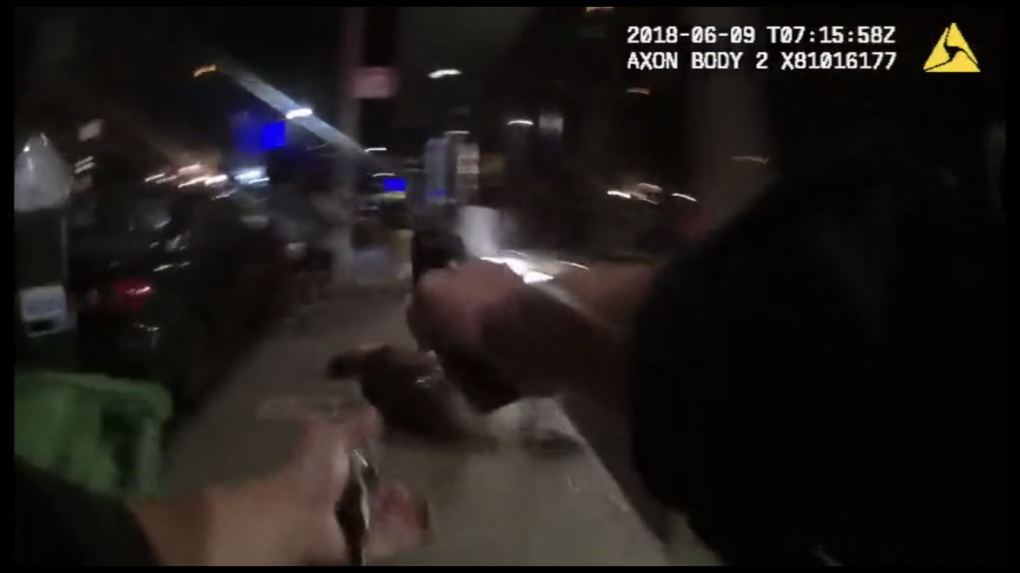
"caption": "Screen capture from San Francisco Police Department body-camera video showing an officer-involved shooting on June 9, 2018.",
"description": null,
"title": "north beach ois bodycam 2",
"credit": "San Francisco Police Department via Vimeo",
"status": "inherit",
"isLoading": false,
"fetchFailed": false
},
"news_11674989": {
"type": "attachments",
"id": "news_11674989",
"meta": {
"index": "attachments_1716263798",
"site": "news",
"id": "11674989",
"found": true
},
"parent": 11674663,
"imgSizes": {
"small": {
"file": "https://ww2.kqed.org/app/uploads/sites/10/2018/06/RS29506_IMG_3088-qut-520x347.jpg",
"width": 520,
"mimeType": "image/jpeg",
"height": 347
},
"twentyfourteen-full-width": {
"file": "https://ww2.kqed.org/app/uploads/sites/10/2018/06/RS29506_IMG_3088-qut-1038x576.jpg",
"width": 1038,
"mimeType": "image/jpeg",
"height": 576
},
"thumbnail": {
"file": "https://ww2.kqed.org/app/uploads/sites/10/2018/06/RS29506_IMG_3088-qut-160x107.jpg",
"width": 160,
"mimeType": "image/jpeg",
"height": 107
},
"fd-sm": {
"file": "https://ww2.kqed.org/app/uploads/sites/10/2018/06/RS29506_IMG_3088-qut-960x640.jpg",
"width": 960,
"mimeType": "image/jpeg",
"height": 640
},
"post-thumbnail": {
"file": "https://ww2.kqed.org/app/uploads/sites/10/2018/06/RS29506_IMG_3088-qut-672x372.jpg",
"width": 672,
"mimeType": "image/jpeg",
"height": 372
},
"xsmall": {
"file": "https://ww2.kqed.org/app/uploads/sites/10/2018/06/RS29506_IMG_3088-qut-375x250.jpg",
"width": 375,
"mimeType": "image/jpeg",
"height": 250
},
"kqedFullSize": {
"file": "https://ww2.kqed.org/app/uploads/sites/10/2018/06/RS29506_IMG_3088-qut.jpg",
"width": 1920,
"height": 1280
},
"large": {
"file": "https://ww2.kqed.org/app/uploads/sites/10/2018/06/RS29506_IMG_3088-qut-1020x680.jpg",
"width": 1020,
"mimeType": "image/jpeg",
"height": 680
},
"xlarge": {
"file": "https://ww2.kqed.org/app/uploads/sites/10/2018/06/RS29506_IMG_3088-qut-1180x787.jpg",
"width": 1180,
"mimeType": "image/jpeg",
"height": 787
},
"complete_open_graph": {
"file": "https://ww2.kqed.org/app/uploads/sites/10/2018/06/RS29506_IMG_3088-qut-1200x800.jpg",
"width": 1200,
"mimeType": "image/jpeg",
"height": 800
},
"guest-author-50": {
"file": "https://ww2.kqed.org/app/uploads/sites/10/2018/06/RS29506_IMG_3088-qut-50x50.jpg",
"width": 50,
"mimeType": "image/jpeg",
"height": 50
},
"guest-author-96": {
"file": "https://ww2.kqed.org/app/uploads/sites/10/2018/06/RS29506_IMG_3088-qut-96x96.jpg",
"width": 96,
"mimeType": "image/jpeg",
"height": 96
},
"medium": {
"file": "https://ww2.kqed.org/app/uploads/sites/10/2018/06/RS29506_IMG_3088-qut-800x533.jpg",
"width": 800,
"mimeType": "image/jpeg",
"height": 533
},
"guest-author-64": {
"file": "https://ww2.kqed.org/app/uploads/sites/10/2018/06/RS29506_IMG_3088-qut-64x64.jpg",
"width": 64,
"mimeType": "image/jpeg",
"height": 64
},
"guest-author-32": {
"file": "https://ww2.kqed.org/app/uploads/sites/10/2018/06/RS29506_IMG_3088-qut-32x32.jpg",
"width": 32,
"mimeType": "image/jpeg",
"height": 32
},
"fd-lrg": {
"file": "https://ww2.kqed.org/app/uploads/sites/10/2018/06/RS29506_IMG_3088-qut-1920x1280.jpg",
"width": 1920,
"mimeType": "image/jpeg",
"height": 1280
},
"fd-med": {
"file": "https://ww2.kqed.org/app/uploads/sites/10/2018/06/RS29506_IMG_3088-qut-1180x787.jpg",
"width": 1180,
"mimeType": "image/jpeg",
"height": 787
},
"full-width": {
"file": "https://ww2.kqed.org/app/uploads/sites/10/2018/06/RS29506_IMG_3088-qut-1920x1280.jpg",
"width": 1920,
"mimeType": "image/jpeg",
"height": 1280
},
"detail": {
"file": "https://ww2.kqed.org/app/uploads/sites/10/2018/06/RS29506_IMG_3088-qut-150x150.jpg",
"width": 150,
"mimeType": "image/jpeg",
"height": 150
},
"guest-author-128": {
"file": "https://ww2.kqed.org/app/uploads/sites/10/2018/06/RS29506_IMG_3088-qut-128x128.jpg",
"width": 128,
"mimeType": "image/jpeg",
"height": 128
},
"xxsmall": {
"file": "https://ww2.kqed.org/app/uploads/sites/10/2018/06/RS29506_IMG_3088-qut-240x160.jpg",
"width": 240,
"mimeType": "image/jpeg",
"height": 160
}
},
"publishDate": 1529019930,
"modified": 1529020883,
"caption": "Elly Diaz crouches near the remains of her house, which was leveled in the Redwood Valley Fire. PG&E equipment started the fire, officials determined recently, raising questions about the utility's liability and future. ",
"description": "Elly Diaz crouches near the remains of her house, which was leveled in the Redwood Valley Fire. PG&E equipment started the fire, officials determined recently, raising questions about the utility's liability and future. ",
"title": "RS29506_IMG_3088-qut",
"credit": "Marisa Lagos/KQED",
"status": "inherit",
"isLoading": false,
"fetchFailed": false
},
"news_11675045": {
"type": "attachments",
"id": "news_11675045",
"meta": {
"index": "attachments_1716263798",
"site": "news",
"id": "11675045",
"found": true
},
"parent": 11674887,
"imgSizes": {
"small": {
"file": "https://ww2.kqed.org/app/uploads/sites/10/2018/06/martz2-520x369.jpg",
"width": 520,
"mimeType": "image/jpeg",
"height": 369
},
"thumbnail": {
"file": "https://ww2.kqed.org/app/uploads/sites/10/2018/06/martz2-160x114.jpg",
"width": 160,
"mimeType": "image/jpeg",
"height": 114
},
"post-thumbnail": {
"file": "https://ww2.kqed.org/app/uploads/sites/10/2018/06/martz2-672x372.jpg",
"width": 672,
"mimeType": "image/jpeg",
"height": 372
},
"xsmall": {
"file": "https://ww2.kqed.org/app/uploads/sites/10/2018/06/martz2-375x266.jpg",
"width": 375,
"mimeType": "image/jpeg",
"height": 266
},
"kqedFullSize": {
"file": "https://ww2.kqed.org/app/uploads/sites/10/2018/06/martz2.jpg",
"width": 787,
"height": 559
},
"guest-author-50": {
"file": "https://ww2.kqed.org/app/uploads/sites/10/2018/06/martz2-50x50.jpg",
"width": 50,
"mimeType": "image/jpeg",
"height": 50
},
"guest-author-96": {
"file": "https://ww2.kqed.org/app/uploads/sites/10/2018/06/martz2-96x96.jpg",
"width": 96,
"mimeType": "image/jpeg",
"height": 96
},
"guest-author-64": {
"file": "https://ww2.kqed.org/app/uploads/sites/10/2018/06/martz2-64x64.jpg",
"width": 64,
"mimeType": "image/jpeg",
"height": 64
},
"detail": {
"file": "https://ww2.kqed.org/app/uploads/sites/10/2018/06/martz2-150x150.jpg",
"width": 150,
"mimeType": "image/jpeg",
"height": 150
},
"guest-author-32": {
"file": "https://ww2.kqed.org/app/uploads/sites/10/2018/06/martz2-32x32.jpg",
"width": 32,
"mimeType": "image/jpeg",
"height": 32
},
"guest-author-128": {
"file": "https://ww2.kqed.org/app/uploads/sites/10/2018/06/martz2-128x128.jpg",
"width": 128,
"mimeType": "image/jpeg",
"height": 128
},
"xxsmall": {
"file": "https://ww2.kqed.org/app/uploads/sites/10/2018/06/martz2-240x170.jpg",
"width": 240,
"mimeType": "image/jpeg",
"height": 170
}
},
"publishDate": 1529044389,
"modified": 1529044442,
"caption": "Photographer Barbara Martz, the victim of 1985 murder on Potrero Hill, in a portrait included in a retrospective of her work. ",
"description": null,
"title": "Barbara Martz",
"credit": "'Photographs by Barbara Martz,' 1987",
"status": "inherit",
"isLoading": false,
"fetchFailed": false
},
"news_11674912": {
"type": "attachments",
"id": "news_11674912",
"meta": {
"index": "attachments_1716263798",
"site": "news",
"id": "11674912",
"found": true
},
"title": "Annual Marijuana \"Holiday\" 4/20 Celebrated In San Francisco",
"publishDate": 1529012359,
"status": "inherit",
"parent": 11674907,
"modified": 1744314978,
"caption": "A proposal in Congress to ease the federal ban on marijuana could encourage more banks to do business with cannabis companies, but it appears to fall short of a cure-all for an industry that must operate mainly as a cash business in a credit card world. ",
"credit": "Justin Sullivan/Getty Images",
"altTag": "A proposal in Congress to ease the federal ban on marijuana could encourage more banks to do business with cannabis companies, but it appears to fall short of a cure-all for an industry that must operate mainly as a cash business in a credit card world.",
"description": "DO NOT REPUBLISH.",
"imgSizes": {
"thumbnail": {
"file": "https://cdn.kqed.org/wp-content/uploads/sites/10/2018/06/RS30551_GettyImages-949250040-qut-1-160x106.jpg",
"width": 160,
"height": 106,
"mimeType": "image/jpeg"
},
"medium": {
"file": "https://cdn.kqed.org/wp-content/uploads/sites/10/2018/06/RS30551_GettyImages-949250040-qut-1-800x528.jpg",
"width": 800,
"height": 528,
"mimeType": "image/jpeg"
},
"large": {
"file": "https://cdn.kqed.org/wp-content/uploads/sites/10/2018/06/RS30551_GettyImages-949250040-qut-1-1020x674.jpg",
"width": 1020,
"height": 674,
"mimeType": "image/jpeg"
},
"complete_open_graph": {
"file": "https://cdn.kqed.org/wp-content/uploads/sites/10/2018/06/RS30551_GettyImages-949250040-qut-1-1200x793.jpg",
"width": 1200,
"height": 793,
"mimeType": "image/jpeg"
},
"fd-lrg": {
"file": "https://cdn.kqed.org/wp-content/uploads/sites/10/2018/06/RS30551_GettyImages-949250040-qut-1-1920x1268.jpg",
"width": 1920,
"height": 1268,
"mimeType": "image/jpeg"
},
"fd-med": {
"file": "https://cdn.kqed.org/wp-content/uploads/sites/10/2018/06/RS30551_GettyImages-949250040-qut-1-1180x779.jpg",
"width": 1180,
"height": 779,
"mimeType": "image/jpeg"
},
"fd-sm": {
"file": "https://cdn.kqed.org/wp-content/uploads/sites/10/2018/06/RS30551_GettyImages-949250040-qut-1-960x634.jpg",
"width": 960,
"height": 634,
"mimeType": "image/jpeg"
},
"post-thumbnail": {
"file": "https://cdn.kqed.org/wp-content/uploads/sites/10/2018/06/RS30551_GettyImages-949250040-qut-1-672x372.jpg",
"width": 672,
"height": 372,
"mimeType": "image/jpeg"
},
"twentyfourteen-full-width": {
"file": "https://cdn.kqed.org/wp-content/uploads/sites/10/2018/06/RS30551_GettyImages-949250040-qut-1-1038x576.jpg",
"width": 1038,
"height": 576,
"mimeType": "image/jpeg"
},
"xxsmall": {
"file": "https://cdn.kqed.org/wp-content/uploads/sites/10/2018/06/RS30551_GettyImages-949250040-qut-1-240x159.jpg",
"width": 240,
"height": 159,
"mimeType": "image/jpeg"
},
"xsmall": {
"file": "https://cdn.kqed.org/wp-content/uploads/sites/10/2018/06/RS30551_GettyImages-949250040-qut-1-375x248.jpg",
"width": 375,
"height": 248,
"mimeType": "image/jpeg"
},
"small": {
"file": "https://cdn.kqed.org/wp-content/uploads/sites/10/2018/06/RS30551_GettyImages-949250040-qut-1-520x343.jpg",
"width": 520,
"height": 343,
"mimeType": "image/jpeg"
},
"xlarge": {
"file": "https://cdn.kqed.org/wp-content/uploads/sites/10/2018/06/RS30551_GettyImages-949250040-qut-1-1180x779.jpg",
"width": 1180,
"height": 779,
"mimeType": "image/jpeg"
},
"full-width": {
"file": "https://cdn.kqed.org/wp-content/uploads/sites/10/2018/06/RS30551_GettyImages-949250040-qut-1-1920x1268.jpg",
"width": 1920,
"height": 1268,
"mimeType": "image/jpeg"
},
"guest-author-32": {
"file": "https://cdn.kqed.org/wp-content/uploads/sites/10/2018/06/RS30551_GettyImages-949250040-qut-1-32x32.jpg",
"width": 32,
"height": 32,
"mimeType": "image/jpeg"
},
"guest-author-50": {
"file": "https://cdn.kqed.org/wp-content/uploads/sites/10/2018/06/RS30551_GettyImages-949250040-qut-1-50x50.jpg",
"width": 50,
"height": 50,
"mimeType": "image/jpeg"
},
"guest-author-64": {
"file": "https://cdn.kqed.org/wp-content/uploads/sites/10/2018/06/RS30551_GettyImages-949250040-qut-1-64x64.jpg",
"width": 64,
"height": 64,
"mimeType": "image/jpeg"
},
"guest-author-96": {
"file": "https://cdn.kqed.org/wp-content/uploads/sites/10/2018/06/RS30551_GettyImages-949250040-qut-1-96x96.jpg",
"width": 96,
"height": 96,
"mimeType": "image/jpeg"
},
"guest-author-128": {
"file": "https://cdn.kqed.org/wp-content/uploads/sites/10/2018/06/RS30551_GettyImages-949250040-qut-1-128x128.jpg",
"width": 128,
"height": 128,
"mimeType": "image/jpeg"
},
"detail": {
"file": "https://cdn.kqed.org/wp-content/uploads/sites/10/2018/06/RS30551_GettyImages-949250040-qut-1-150x150.jpg",
"width": 150,
"height": 150,
"mimeType": "image/jpeg"
},
"kqedFullSize": {
"file": "https://cdn.kqed.org/wp-content/uploads/sites/10/2018/06/RS30551_GettyImages-949250040-qut-1.jpg",
"width": 1920,
"height": 1268
}
},
"isLoading": false,
"fetchFailed": false
},
"news_11674860": {
"type": "attachments",
"id": "news_11674860",
"meta": {
"index": "attachments_1716263798",
"site": "news",
"id": "11674860",
"found": true
},
"parent": 11674859,
"imgSizes": {
"small": {
"file": "https://ww2.kqed.org/app/uploads/sites/10/2018/06/ap_271714397947_wide-8cfdc1c6ee883135581ea1638cbdffef57605d99-520x293.jpg",
"width": 520,
"mimeType": "image/jpeg",
"height": 293
},
"twentyfourteen-full-width": {
"file": "https://ww2.kqed.org/app/uploads/sites/10/2018/06/ap_271714397947_wide-8cfdc1c6ee883135581ea1638cbdffef57605d99-1038x576.jpg",
"width": 1038,
"mimeType": "image/jpeg",
"height": 576
},
"thumbnail": {
"file": "https://ww2.kqed.org/app/uploads/sites/10/2018/06/ap_271714397947_wide-8cfdc1c6ee883135581ea1638cbdffef57605d99-160x90.jpg",
"width": 160,
"mimeType": "image/jpeg",
"height": 90
},
"fd-sm": {
"file": "https://ww2.kqed.org/app/uploads/sites/10/2018/06/ap_271714397947_wide-8cfdc1c6ee883135581ea1638cbdffef57605d99-960x540.jpg",
"width": 960,
"mimeType": "image/jpeg",
"height": 540
},
"post-thumbnail": {
"file": "https://ww2.kqed.org/app/uploads/sites/10/2018/06/ap_271714397947_wide-8cfdc1c6ee883135581ea1638cbdffef57605d99-672x372.jpg",
"width": 672,
"mimeType": "image/jpeg",
"height": 372
},
"xsmall": {
"file": "https://ww2.kqed.org/app/uploads/sites/10/2018/06/ap_271714397947_wide-8cfdc1c6ee883135581ea1638cbdffef57605d99-375x211.jpg",
"width": 375,
"mimeType": "image/jpeg",
"height": 211
},
"kqedFullSize": {
"file": "https://ww2.kqed.org/app/uploads/sites/10/2018/06/ap_271714397947_wide-8cfdc1c6ee883135581ea1638cbdffef57605d99-e1529009429985.jpg",
"width": 1920,
"height": 1080
},
"large": {
"file": "https://ww2.kqed.org/app/uploads/sites/10/2018/06/ap_271714397947_wide-8cfdc1c6ee883135581ea1638cbdffef57605d99-1020x574.jpg",
"width": 1020,
"mimeType": "image/jpeg",
"height": 574
},
"xlarge": {
"file": "https://ww2.kqed.org/app/uploads/sites/10/2018/06/ap_271714397947_wide-8cfdc1c6ee883135581ea1638cbdffef57605d99-1180x664.jpg",
"width": 1180,
"mimeType": "image/jpeg",
"height": 664
},
"complete_open_graph": {
"file": "https://ww2.kqed.org/app/uploads/sites/10/2018/06/ap_271714397947_wide-8cfdc1c6ee883135581ea1638cbdffef57605d99-1200x675.jpg",
"width": 1200,
"mimeType": "image/jpeg",
"height": 675
},
"guest-author-50": {
"file": "https://ww2.kqed.org/app/uploads/sites/10/2018/06/ap_271714397947_wide-8cfdc1c6ee883135581ea1638cbdffef57605d99-50x50.jpg",
"width": 50,
"mimeType": "image/jpeg",
"height": 50
},
"guest-author-96": {
"file": "https://ww2.kqed.org/app/uploads/sites/10/2018/06/ap_271714397947_wide-8cfdc1c6ee883135581ea1638cbdffef57605d99-96x96.jpg",
"width": 96,
"mimeType": "image/jpeg",
"height": 96
},
"medium": {
"file": "https://ww2.kqed.org/app/uploads/sites/10/2018/06/ap_271714397947_wide-8cfdc1c6ee883135581ea1638cbdffef57605d99-800x450.jpg",
"width": 800,
"mimeType": "image/jpeg",
"height": 450
},
"guest-author-64": {
"file": "https://ww2.kqed.org/app/uploads/sites/10/2018/06/ap_271714397947_wide-8cfdc1c6ee883135581ea1638cbdffef57605d99-64x64.jpg",
"width": 64,
"mimeType": "image/jpeg",
"height": 64
},
"guest-author-32": {
"file": "https://ww2.kqed.org/app/uploads/sites/10/2018/06/ap_271714397947_wide-8cfdc1c6ee883135581ea1638cbdffef57605d99-32x32.jpg",
"width": 32,
"mimeType": "image/jpeg",
"height": 32
},
"fd-lrg": {
"file": "https://ww2.kqed.org/app/uploads/sites/10/2018/06/ap_271714397947_wide-8cfdc1c6ee883135581ea1638cbdffef57605d99-1920x1080.jpg",
"width": 1920,
"mimeType": "image/jpeg",
"height": 1080
},
"fd-med": {
"file": "https://ww2.kqed.org/app/uploads/sites/10/2018/06/ap_271714397947_wide-8cfdc1c6ee883135581ea1638cbdffef57605d99-1180x664.jpg",
"width": 1180,
"mimeType": "image/jpeg",
"height": 664
},
"full-width": {
"file": "https://ww2.kqed.org/app/uploads/sites/10/2018/06/ap_271714397947_wide-8cfdc1c6ee883135581ea1638cbdffef57605d99-1920x1080.jpg",
"width": 1920,
"mimeType": "image/jpeg",
"height": 1080
},
"detail": {
"file": "https://ww2.kqed.org/app/uploads/sites/10/2018/06/ap_271714397947_wide-8cfdc1c6ee883135581ea1638cbdffef57605d99-150x150.jpg",
"width": 150,
"mimeType": "image/jpeg",
"height": 150
},
"guest-author-128": {
"file": "https://ww2.kqed.org/app/uploads/sites/10/2018/06/ap_271714397947_wide-8cfdc1c6ee883135581ea1638cbdffef57605d99-128x128.jpg",
"width": 128,
"mimeType": "image/jpeg",
"height": 128
},
"xxsmall": {
"file": "https://ww2.kqed.org/app/uploads/sites/10/2018/06/ap_271714397947_wide-8cfdc1c6ee883135581ea1638cbdffef57605d99-240x135.jpg",
"width": 240,
"mimeType": "image/jpeg",
"height": 135
}
},
"publishDate": 1529001754,
"modified": 1529009417,
"caption": "A new Justice Department report faulted the decisions in 2016 made by then-FBI Director James Comey.",
"description": "A new Justice Department report faulted the decisions in 2016 made by then-FBI Director James Comey.",
"title": "A new Justice Department report faulted the decisions in 2016 made by then-Attorney General Loretta Lynch and then-FBI Director James Comey.",
"credit": "Chip Somodevilla/Getty Images",
"status": "inherit",
"isLoading": false,
"fetchFailed": false
},
"news_11674792": {
"type": "attachments",
"id": "news_11674792",
"meta": {
"index": "attachments_1716263798",
"site": "news",
"id": "11674792",
"found": true
},
"parent": 11674790,
"imgSizes": {
"small": {
"file": "https://ww2.kqed.org/app/uploads/sites/10/2018/06/RS25549_GettyImages-690981234-qut-520x330.jpg",
"width": 520,
"mimeType": "image/jpeg",
"height": 330
},
"twentyfourteen-full-width": {
"file": "https://ww2.kqed.org/app/uploads/sites/10/2018/06/RS25549_GettyImages-690981234-qut-1038x576.jpg",
"width": 1038,
"mimeType": "image/jpeg",
"height": 576
},
"thumbnail": {
"file": "https://ww2.kqed.org/app/uploads/sites/10/2018/06/RS25549_GettyImages-690981234-qut-160x101.jpg",
"width": 160,
"mimeType": "image/jpeg",
"height": 101
},
"fd-sm": {
"file": "https://ww2.kqed.org/app/uploads/sites/10/2018/06/RS25549_GettyImages-690981234-qut-960x609.jpg",
"width": 960,
"mimeType": "image/jpeg",
"height": 609
},
"post-thumbnail": {
"file": "https://ww2.kqed.org/app/uploads/sites/10/2018/06/RS25549_GettyImages-690981234-qut-672x372.jpg",
"width": 672,
"mimeType": "image/jpeg",
"height": 372
},
"xsmall": {
"file": "https://ww2.kqed.org/app/uploads/sites/10/2018/06/RS25549_GettyImages-690981234-qut-375x238.jpg",
"width": 375,
"mimeType": "image/jpeg",
"height": 238
},
"kqedFullSize": {
"file": "https://ww2.kqed.org/app/uploads/sites/10/2018/06/RS25549_GettyImages-690981234-qut.jpg",
"width": 1920,
"height": 1217
},
"large": {
"file": "https://ww2.kqed.org/app/uploads/sites/10/2018/06/RS25549_GettyImages-690981234-qut-1020x647.jpg",
"width": 1020,
"mimeType": "image/jpeg",
"height": 647
},
"xlarge": {
"file": "https://ww2.kqed.org/app/uploads/sites/10/2018/06/RS25549_GettyImages-690981234-qut-1180x748.jpg",
"width": 1180,
"mimeType": "image/jpeg",
"height": 748
},
"complete_open_graph": {
"file": "https://ww2.kqed.org/app/uploads/sites/10/2018/06/RS25549_GettyImages-690981234-qut-1200x761.jpg",
"width": 1200,
"mimeType": "image/jpeg",
"height": 761
},
"guest-author-50": {
"file": "https://ww2.kqed.org/app/uploads/sites/10/2018/06/RS25549_GettyImages-690981234-qut-50x50.jpg",
"width": 50,
"mimeType": "image/jpeg",
"height": 50
},
"guest-author-96": {
"file": "https://ww2.kqed.org/app/uploads/sites/10/2018/06/RS25549_GettyImages-690981234-qut-96x96.jpg",
"width": 96,
"mimeType": "image/jpeg",
"height": 96
},
"medium": {
"file": "https://ww2.kqed.org/app/uploads/sites/10/2018/06/RS25549_GettyImages-690981234-qut-800x507.jpg",
"width": 800,
"mimeType": "image/jpeg",
"height": 507
},
"guest-author-64": {
"file": "https://ww2.kqed.org/app/uploads/sites/10/2018/06/RS25549_GettyImages-690981234-qut-64x64.jpg",
"width": 64,
"mimeType": "image/jpeg",
"height": 64
},
"guest-author-32": {
"file": "https://ww2.kqed.org/app/uploads/sites/10/2018/06/RS25549_GettyImages-690981234-qut-32x32.jpg",
"width": 32,
"mimeType": "image/jpeg",
"height": 32
},
"fd-lrg": {
"file": "https://ww2.kqed.org/app/uploads/sites/10/2018/06/RS25549_GettyImages-690981234-qut-1920x1217.jpg",
"width": 1920,
"mimeType": "image/jpeg",
"height": 1217
},
"fd-med": {
"file": "https://ww2.kqed.org/app/uploads/sites/10/2018/06/RS25549_GettyImages-690981234-qut-1180x748.jpg",
"width": 1180,
"mimeType": "image/jpeg",
"height": 748
},
"full-width": {
"file": "https://ww2.kqed.org/app/uploads/sites/10/2018/06/RS25549_GettyImages-690981234-qut-1920x1217.jpg",
"width": 1920,
"mimeType": "image/jpeg",
"height": 1217
},
"detail": {
"file": "https://ww2.kqed.org/app/uploads/sites/10/2018/06/RS25549_GettyImages-690981234-qut-150x150.jpg",
"width": 150,
"mimeType": "image/jpeg",
"height": 150
},
"guest-author-128": {
"file": "https://ww2.kqed.org/app/uploads/sites/10/2018/06/RS25549_GettyImages-690981234-qut-128x128.jpg",
"width": 128,
"mimeType": "image/jpeg",
"height": 128
},
"xxsmall": {
"file": "https://ww2.kqed.org/app/uploads/sites/10/2018/06/RS25549_GettyImages-690981234-qut-240x152.jpg",
"width": 240,
"mimeType": "image/jpeg",
"height": 152
}
},
"publishDate": 1528990958,
"modified": 1528991060,
"caption": "The directors of the foundation named in the suit are President Trump and three of his children. The suit alleges unlawful political coordination and \"self-dealing\" that benefits Trump businesses.",
"description": "The directors of the foundation named in the suit are President Trump and three of his children. The suit alleges unlawful political coordination and \"self-dealing\" that benefits Trump businesses.",
"title": "Donald Trump Hosts Vietnamese Prime Minister Nguyen Xuan Phuc At White House",
"credit": "Olivier Douliery-Pool/Getty Images",
"status": "inherit",
"isLoading": false,
"fetchFailed": false
},
"news_11674385": {
"type": "attachments",
"id": "news_11674385",
"meta": {
"index": "attachments_1716263798",
"site": "news",
"id": "11674385",
"found": true
},
"parent": 11674384,
"imgSizes": {
"small": {
"file": "https://ww2.kqed.org/app/uploads/sites/10/2018/06/180607-f-in811-002-1-_custom-50fe7dc27ac6580c67004e783f55e92704de2920-520x587.jpg",
"width": 520,
"mimeType": "image/jpeg",
"height": 587
},
"twentyfourteen-full-width": {
"file": "https://ww2.kqed.org/app/uploads/sites/10/2018/06/180607-f-in811-002-1-_custom-50fe7dc27ac6580c67004e783f55e92704de2920-1038x576.jpg",
"width": 1038,
"mimeType": "image/jpeg",
"height": 576
},
"thumbnail": {
"file": "https://ww2.kqed.org/app/uploads/sites/10/2018/06/180607-f-in811-002-1-_custom-50fe7dc27ac6580c67004e783f55e92704de2920-160x181.jpg",
"width": 160,
"mimeType": "image/jpeg",
"height": 181
},
"fd-sm": {
"file": "https://ww2.kqed.org/app/uploads/sites/10/2018/06/180607-f-in811-002-1-_custom-50fe7dc27ac6580c67004e783f55e92704de2920-960x1084.jpg",
"width": 960,
"mimeType": "image/jpeg",
"height": 1084
},
"post-thumbnail": {
"file": "https://ww2.kqed.org/app/uploads/sites/10/2018/06/180607-f-in811-002-1-_custom-50fe7dc27ac6580c67004e783f55e92704de2920-672x372.jpg",
"width": 672,
"mimeType": "image/jpeg",
"height": 372
},
"xsmall": {
"file": "https://ww2.kqed.org/app/uploads/sites/10/2018/06/180607-f-in811-002-1-_custom-50fe7dc27ac6580c67004e783f55e92704de2920-375x423.jpg",
"width": 375,
"mimeType": "image/jpeg",
"height": 423
},
"kqedFullSize": {
"file": "https://ww2.kqed.org/app/uploads/sites/10/2018/06/180607-f-in811-002-1-_custom-50fe7dc27ac6580c67004e783f55e92704de2920-e1528829177483.jpg",
"width": 1920,
"height": 2167
},
"large": {
"file": "https://ww2.kqed.org/app/uploads/sites/10/2018/06/180607-f-in811-002-1-_custom-50fe7dc27ac6580c67004e783f55e92704de2920-1020x1151.jpg",
"width": 1020,
"mimeType": "image/jpeg",
"height": 1151
},
"xlarge": {
"file": "https://ww2.kqed.org/app/uploads/sites/10/2018/06/180607-f-in811-002-1-_custom-50fe7dc27ac6580c67004e783f55e92704de2920-1180x1332.jpg",
"width": 1180,
"mimeType": "image/jpeg",
"height": 1332
},
"complete_open_graph": {
"file": "https://ww2.kqed.org/app/uploads/sites/10/2018/06/180607-f-in811-002-1-_custom-50fe7dc27ac6580c67004e783f55e92704de2920-1063x1200.jpg",
"width": 1063,
"mimeType": "image/jpeg",
"height": 1200
},
"guest-author-50": {
"file": "https://ww2.kqed.org/app/uploads/sites/10/2018/06/180607-f-in811-002-1-_custom-50fe7dc27ac6580c67004e783f55e92704de2920-50x50.jpg",
"width": 50,
"mimeType": "image/jpeg",
"height": 50
},
"guest-author-96": {
"file": "https://ww2.kqed.org/app/uploads/sites/10/2018/06/180607-f-in811-002-1-_custom-50fe7dc27ac6580c67004e783f55e92704de2920-96x96.jpg",
"width": 96,
"mimeType": "image/jpeg",
"height": 96
},
"medium": {
"file": "https://ww2.kqed.org/app/uploads/sites/10/2018/06/180607-f-in811-002-1-_custom-50fe7dc27ac6580c67004e783f55e92704de2920-800x903.jpg",
"width": 800,
"mimeType": "image/jpeg",
"height": 903
},
"guest-author-64": {
"file": "https://ww2.kqed.org/app/uploads/sites/10/2018/06/180607-f-in811-002-1-_custom-50fe7dc27ac6580c67004e783f55e92704de2920-64x64.jpg",
"width": 64,
"mimeType": "image/jpeg",
"height": 64
},
"guest-author-32": {
"file": "https://ww2.kqed.org/app/uploads/sites/10/2018/06/180607-f-in811-002-1-_custom-50fe7dc27ac6580c67004e783f55e92704de2920-32x32.jpg",
"width": 32,
"mimeType": "image/jpeg",
"height": 32
},
"fd-lrg": {
"file": "https://ww2.kqed.org/app/uploads/sites/10/2018/06/180607-f-in811-002-1-_custom-50fe7dc27ac6580c67004e783f55e92704de2920-1920x2167.jpg",
"width": 1920,
"mimeType": "image/jpeg",
"height": 2167
},
"fd-med": {
"file": "https://ww2.kqed.org/app/uploads/sites/10/2018/06/180607-f-in811-002-1-_custom-50fe7dc27ac6580c67004e783f55e92704de2920-1180x1332.jpg",
"width": 1180,
"mimeType": "image/jpeg",
"height": 1332
},
"full-width": {
"file": "https://ww2.kqed.org/app/uploads/sites/10/2018/06/180607-f-in811-002-1-_custom-50fe7dc27ac6580c67004e783f55e92704de2920-1920x2167.jpg",
"width": 1920,
"mimeType": "image/jpeg",
"height": 2167
},
"detail": {
"file": "https://ww2.kqed.org/app/uploads/sites/10/2018/06/180607-f-in811-002-1-_custom-50fe7dc27ac6580c67004e783f55e92704de2920-150x150.jpg",
"width": 150,
"mimeType": "image/jpeg",
"height": 150
},
"guest-author-128": {
"file": "https://ww2.kqed.org/app/uploads/sites/10/2018/06/180607-f-in811-002-1-_custom-50fe7dc27ac6580c67004e783f55e92704de2920-128x128.jpg",
"width": 128,
"mimeType": "image/jpeg",
"height": 128
},
"xxsmall": {
"file": "https://ww2.kqed.org/app/uploads/sites/10/2018/06/180607-f-in811-002-1-_custom-50fe7dc27ac6580c67004e783f55e92704de2920-240x271.jpg",
"width": 240,
"mimeType": "image/jpeg",
"height": 271
}
},
"publishDate": 1528829035,
"modified": 1528848339,
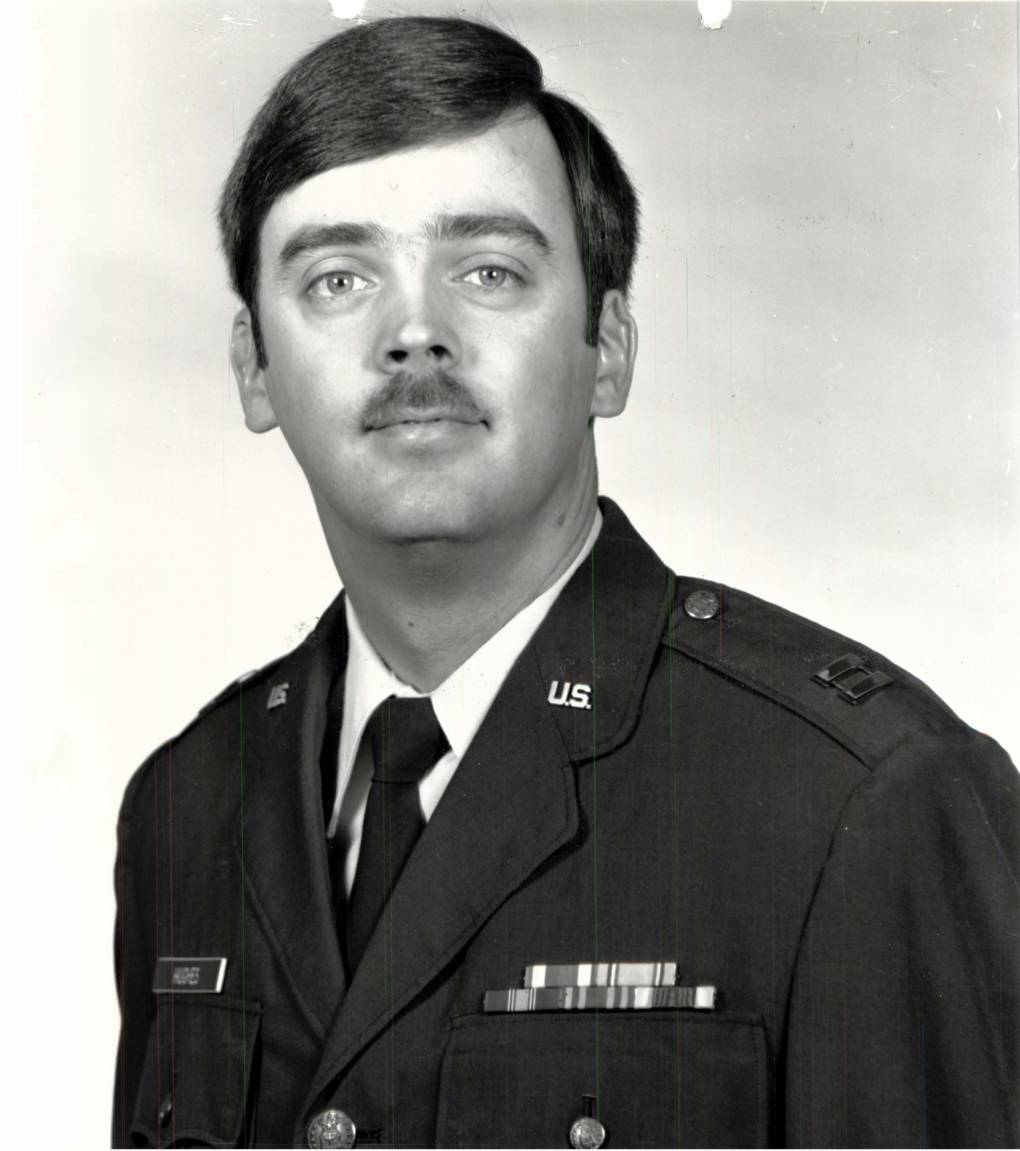
"caption": "Capt. William Howard Hughes Jr. was formally declared a deserter by the Air Force on Dec. 9, 1983. He was apprehended June 6, 2018, by Air Force Office of Special Investigations special agents and is awaiting pretrial confinement at Travis Air Force Base.",
"description": "Capt. William Howard Hughes Jr. was formally declared a deserter by the Air Force on Dec. 9, 1983. He was apprehended June 6, 2018, by Air Force Office of Special Investigations special agents and is awaiting pretrial confinement at Travis Air Force Base, Calif.",
"title": "Capt. William Howard Hughes Jr. was formally declared a deserter by the Air Force on Dec. 9, 1983. He was apprehended June 6, 2018, by Air Force Office of Special Investigations special agents and is awaiting pretrial confinement at Travis Air Force Base, Calif.",
"credit": "U.S. Air Force",
"status": "inherit",
"isLoading": false,
"fetchFailed": false
},
"news_11572756": {
"type": "attachments",
"id": "news_11572756",
"meta": {
"index": "attachments_1716263798",
"site": "news",
"id": "11572756",
"found": true
},
"parent": 0,
"imgSizes": {
"small": {
"file": "https://ww2.kqed.org/app/uploads/sites/10/2017/07/tcr_archive_background-520x195.jpg",
"width": 520,
"mimeType": "image/jpeg",
"height": 195
},
"twentyfourteen-full-width": {
"file": "https://ww2.kqed.org/app/uploads/sites/10/2017/07/tcr_archive_background-1038x450.jpg",
"width": 1038,
"mimeType": "image/jpeg",
"height": 450
},
"thumbnail": {
"file": "https://ww2.kqed.org/app/uploads/sites/10/2017/07/tcr_archive_background-160x60.jpg",
"width": 160,
"mimeType": "image/jpeg",
"height": 60
},
"fd-sm": {
"file": "https://ww2.kqed.org/app/uploads/sites/10/2017/07/tcr_archive_background-960x360.jpg",
"width": 960,
"mimeType": "image/jpeg",
"height": 360
},
"post-thumbnail": {
"file": "https://ww2.kqed.org/app/uploads/sites/10/2017/07/tcr_archive_background-672x372.jpg",
"width": 672,
"mimeType": "image/jpeg",
"height": 372
},
"xsmall": {
"file": "https://ww2.kqed.org/app/uploads/sites/10/2017/07/tcr_archive_background-375x141.jpg",
"width": 375,
"mimeType": "image/jpeg",
"height": 141
},
"kqedFullSize": {
"file": "https://ww2.kqed.org/app/uploads/sites/10/2017/07/tcr_archive_background.jpg",
"width": 1200,
"height": 450
},
"large": {
"file": "https://ww2.kqed.org/app/uploads/sites/10/2017/07/tcr_archive_background-1020x383.jpg",
"width": 1020,
"mimeType": "image/jpeg",
"height": 383
},
"xlarge": {
"file": "https://ww2.kqed.org/app/uploads/sites/10/2017/07/tcr_archive_background-1180x443.jpg",
"width": 1180,
"mimeType": "image/jpeg",
"height": 443
},
"guest-author-50": {
"file": "https://ww2.kqed.org/app/uploads/sites/10/2017/07/tcr_archive_background-50x50.jpg",
"width": 50,
"mimeType": "image/jpeg",
"height": 50
},
"guest-author-96": {
"file": "https://ww2.kqed.org/app/uploads/sites/10/2017/07/tcr_archive_background-96x96.jpg",
"width": 96,
"mimeType": "image/jpeg",
"height": 96
},
"medium": {
"file": "https://ww2.kqed.org/app/uploads/sites/10/2017/07/tcr_archive_background-800x300.jpg",
"width": 800,
"mimeType": "image/jpeg",
"height": 300
},
"guest-author-64": {
"file": "https://ww2.kqed.org/app/uploads/sites/10/2017/07/tcr_archive_background-64x64.jpg",
"width": 64,
"mimeType": "image/jpeg",
"height": 64
},
"guest-author-32": {
"file": "https://ww2.kqed.org/app/uploads/sites/10/2017/07/tcr_archive_background-32x32.jpg",
"width": 32,
"mimeType": "image/jpeg",
"height": 32
},
"fd-med": {
"file": "https://ww2.kqed.org/app/uploads/sites/10/2017/07/tcr_archive_background-1180x443.jpg",
"width": 1180,
"mimeType": "image/jpeg",
"height": 443
},
"detail": {
"file": "https://ww2.kqed.org/app/uploads/sites/10/2017/07/tcr_archive_background-150x150.jpg",
"width": 150,
"mimeType": "image/jpeg",
"height": 150
},
"guest-author-128": {
"file": "https://ww2.kqed.org/app/uploads/sites/10/2017/07/tcr_archive_background-128x128.jpg",
"width": 128,
"mimeType": "image/jpeg",
"height": 128
},
"xxsmall": {
"file": "https://ww2.kqed.org/app/uploads/sites/10/2017/07/tcr_archive_background-240x90.jpg",
"width": 240,
"mimeType": "image/jpeg",
"height": 90
}
},
"publishDate": 1500316142,
"modified": 1500316142,
"caption": null,
"description": null,
"title": "tcr_archive_background",
"credit": null,
"status": "inherit",
"isLoading": false,
"fetchFailed": false
},
"news_11674203": {
"type": "attachments",
"id": "news_11674203",
"meta": {
"index": "attachments_1716263798",
"site": "news",
"id": "11674203",
"found": true
},
"parent": 11674201,
"imgSizes": {
"small": {
"file": "https://ww2.kqed.org/app/uploads/sites/10/2018/06/blame_061118_final-520x333.jpg",
"width": 520,
"mimeType": "image/jpeg",
"height": 333
},
"twentyfourteen-full-width": {
"file": "https://ww2.kqed.org/app/uploads/sites/10/2018/06/blame_061118_final-1038x576.jpg",
"width": 1038,
"mimeType": "image/jpeg",
"height": 576
},
"thumbnail": {
"file": "https://ww2.kqed.org/app/uploads/sites/10/2018/06/blame_061118_final-160x103.jpg",
"width": 160,
"mimeType": "image/jpeg",
"height": 103
},
"fd-sm": {
"file": "https://ww2.kqed.org/app/uploads/sites/10/2018/06/blame_061118_final-960x616.jpg",
"width": 960,
"mimeType": "image/jpeg",
"height": 616
},
"post-thumbnail": {
"file": "https://ww2.kqed.org/app/uploads/sites/10/2018/06/blame_061118_final-672x372.jpg",
"width": 672,
"mimeType": "image/jpeg",
"height": 372
},
"xsmall": {
"file": "https://ww2.kqed.org/app/uploads/sites/10/2018/06/blame_061118_final-375x240.jpg",
"width": 375,
"mimeType": "image/jpeg",
"height": 240
},
"kqedFullSize": {
"file": "https://ww2.kqed.org/app/uploads/sites/10/2018/06/blame_061118_final.jpg",
"width": 1920,
"height": 1231
},
"large": {
"file": "https://ww2.kqed.org/app/uploads/sites/10/2018/06/blame_061118_final-1020x654.jpg",
"width": 1020,
"mimeType": "image/jpeg",
"height": 654
},
"xlarge": {
"file": "https://ww2.kqed.org/app/uploads/sites/10/2018/06/blame_061118_final-1180x757.jpg",
"width": 1180,
"mimeType": "image/jpeg",
"height": 757
},
"complete_open_graph": {
"file": "https://ww2.kqed.org/app/uploads/sites/10/2018/06/blame_061118_final-1200x769.jpg",
"width": 1200,
"mimeType": "image/jpeg",
"height": 769
},
"guest-author-50": {
"file": "https://ww2.kqed.org/app/uploads/sites/10/2018/06/blame_061118_final-50x50.jpg",
"width": 50,
"mimeType": "image/jpeg",
"height": 50
},
"guest-author-96": {
"file": "https://ww2.kqed.org/app/uploads/sites/10/2018/06/blame_061118_final-96x96.jpg",
"width": 96,
"mimeType": "image/jpeg",
"height": 96
},
"medium": {
"file": "https://ww2.kqed.org/app/uploads/sites/10/2018/06/blame_061118_final-800x513.jpg",
"width": 800,
"mimeType": "image/jpeg",
"height": 513
},
"guest-author-64": {
"file": "https://ww2.kqed.org/app/uploads/sites/10/2018/06/blame_061118_final-64x64.jpg",
"width": 64,
"mimeType": "image/jpeg",
"height": 64
},
"guest-author-32": {
"file": "https://ww2.kqed.org/app/uploads/sites/10/2018/06/blame_061118_final-32x32.jpg",
"width": 32,
"mimeType": "image/jpeg",
"height": 32
},
"fd-lrg": {
"file": "https://ww2.kqed.org/app/uploads/sites/10/2018/06/blame_061118_final-1920x1231.jpg",
"width": 1920,
"mimeType": "image/jpeg",
"height": 1231
},
"fd-med": {
"file": "https://ww2.kqed.org/app/uploads/sites/10/2018/06/blame_061118_final-1180x757.jpg",
"width": 1180,
"mimeType": "image/jpeg",
"height": 757
},
"full-width": {
"file": "https://ww2.kqed.org/app/uploads/sites/10/2018/06/blame_061118_final-1920x1231.jpg",
"width": 1920,
"mimeType": "image/jpeg",
"height": 1231
},
"detail": {
"file": "https://ww2.kqed.org/app/uploads/sites/10/2018/06/blame_061118_final-150x150.jpg",
"width": 150,
"mimeType": "image/jpeg",
"height": 150
},
"guest-author-128": {
"file": "https://ww2.kqed.org/app/uploads/sites/10/2018/06/blame_061118_final-128x128.jpg",
"width": 128,
"mimeType": "image/jpeg",
"height": 128
},
"xxsmall": {
"file": "https://ww2.kqed.org/app/uploads/sites/10/2018/06/blame_061118_final-240x154.jpg",
"width": 240,
"mimeType": "image/jpeg",
"height": 154
}
},
"publishDate": 1528752927,
"modified": 1528752952,
"caption": null,
"description": null,
"title": "blame_061118_final",
"credit": null,
"status": "inherit",
"isLoading": false,
"fetchFailed": false
}
},
"audioPlayerReducer": {
"postId": "stream_live",
"isPaused": true,
"isPlaying": false,
"pfsActive": false,
"pledgeModalIsOpen": true,
"playerDrawerIsOpen": false,
"liveAudioPlayStartedAt": 0,
"liveAudioPlayContext": ""
},
"authorsReducer": {
"byline_news_11675293": {
"type": "authors",
"id": "byline_news_11675293",
"meta": {
"override": true
},
"slug": "byline_news_11675293",
"name": "\u003cstrong>Brian Melley\u003c/strong>\u003c/br> Associated Press",
"isLoading": false
},
"byline_news_11674907": {
"type": "authors",
"id": "byline_news_11674907",
"meta": {
"override": true
},
"slug": "byline_news_11674907",
"name": "\u003cstrong>Michael R. Blood\u003c/strong>\u003c/br>Associated Press",
"isLoading": false
},
"byline_news_11674859": {
"type": "authors",
"id": "byline_news_11674859",
"meta": {
"override": true
},
"slug": "byline_news_11674859",
"name": "\u003cstrong>Carrie Johnson\u003c/strong>",
"isLoading": false
},
"byline_news_11674790": {
"type": "authors",
"id": "byline_news_11674790",
"meta": {
"override": true
},
"slug": "byline_news_11674790",
"name": "\u003cstrong>Laurel Wamsley \u003c/strong>",
"isLoading": false
},
"byline_news_11674384": {
"type": "authors",
"id": "byline_news_11674384",
"meta": {
"override": true
},
"slug": "byline_news_11674384",
"name": "\u003ca href=\"https://www.npr.org/people/348744968/camila-domonoske\">Camila Domonoske\u003c/a>",
"isLoading": false
},
"danbrekke": {
"type": "authors",
"id": "222",
"meta": {
"index": "authors_1716337520",
"id": "222",
"found": true
},
"name": "Dan Brekke",
"firstName": "Dan",
"lastName": "Brekke",
"slug": "danbrekke",
"email": "dbrekke@kqed.org",
"display_author_email": true,
"staff_mastheads": [
"news",
"science"
],
"title": "KQED Editor and Reporter",
"bio": "Dan Brekke is a reporter and editor for KQED News, responsible for coverage of topics ranging from California water issues to the Bay Area's transportation challenges. In a newsroom career that began in Chicago in 1972, Dan has worked for \u003cem>The San Francisco Examiner,\u003c/em> Wired and TechTV and has been published in The New York Times, The New York Times Magazine, Business 2.0, Salon and elsewhere.\r\n\r\nSince joining KQED in 2007, Dan has reported, edited and produced both radio and online features and breaking news pieces. He has shared as both editor and reporter in four Society of Professional Journalists Norcal Excellence in Journalism awards and one Edward R. Murrow regional award. He was chosen for a spring 2017 residency at the Mesa Refuge to advance his research on California salmon.\r\n\r\nEmail Dan at: \u003ca href=\"mailto:dbrekke@kqed.org\">dbrekke@kqed.org\u003c/a>\r\n\r\n\u003cstrong>Twitter:\u003c/strong> \u003ca href=\"https://twitter.com/danbrekke\" rel=\"noopener noreferrer\">twitter.com/danbrekke\u003c/a>\r\n\u003cstrong>Facebook:\u003c/strong> \u003ca href=\"https://www.facebook.com/danbrekke\" rel=\"noopener noreferrer\">www.facebook.com/danbrekke\u003c/a>\r\n\u003cstrong>LinkedIn:\u003c/strong> \u003ca href=\"https://www.linkedin.com/in/danbrekke\" rel=\"noopener noreferrer\">www.linkedin.com/in/danbrekke\u003c/a>",
"avatar": "https://secure.gravatar.com/avatar/c8126230345efca3f7aa89b1a402be45?s=600&d=mm&r=g",
"twitter": "danbrekke",
"facebook": null,
"instagram": "https://www.instagram.com/dan.brekke/",
"linkedin": "https://www.linkedin.com/in/danbrekke/",
"sites": [
{
"site": "news",
"roles": [
"administrator",
"create_posts"
]
},
{
"site": "stateofhealth",
"roles": [
"editor"
]
},
{
"site": "science",
"roles": [
"editor"
]
},
{
"site": "quest",
"roles": [
"contributor"
]
},
{
"site": "food",
"roles": [
"contributor"
]
},
{
"site": "forum",
"roles": [
"contributor"
]
},
{
"site": "liveblog",
"roles": [
"editor"
]
}
],
"headData": {
"title": "Dan Brekke | KQED",
"description": "KQED Editor and Reporter",
"ogImgSrc": "https://secure.gravatar.com/avatar/c8126230345efca3f7aa89b1a402be45?s=600&d=mm&r=g",
"twImgSrc": "https://secure.gravatar.com/avatar/c8126230345efca3f7aa89b1a402be45?s=600&d=mm&r=g"
},
"isLoading": false,
"link": "/author/danbrekke"
},
"kqed": {
"type": "authors",
"id": "236",
"meta": {
"index": "authors_1716337520",
"id": "236",
"found": true
},
"name": "KQED News Staff",
"firstName": "KQED News Staff",
"lastName": null,
"slug": "kqed",
"email": "faq@kqed.org",
"display_author_email": false,
"staff_mastheads": [],
"title": null,
"bio": null,
"avatar": "https://secure.gravatar.com/avatar/ef0e801a68c4c54afa9180db14084167?s=600&d=blank&r=g",
"twitter": null,
"facebook": null,
"instagram": null,
"linkedin": null,
"sites": [
{
"site": "arts",
"roles": [
"contributor"
]
},
{
"site": "news",
"roles": [
"editor"
]
},
{
"site": "futureofyou",
"roles": [
"author"
]
}
],
"headData": {
"title": "KQED News Staff | KQED",
"description": null,
"ogImgSrc": "https://secure.gravatar.com/avatar/ef0e801a68c4c54afa9180db14084167?s=600&d=blank&r=g",
"twImgSrc": "https://secure.gravatar.com/avatar/ef0e801a68c4c54afa9180db14084167?s=600&d=blank&r=g"
},
"isLoading": false,
"link": "/author/kqed"
},
"sasha-khokha": {
"type": "authors",
"id": "254",
"meta": {
"index": "authors_1716337520",
"id": "254",
"found": true
},
"name": "Sasha Khokha",
"firstName": "Sasha",
"lastName": "Khokha",
"slug": "sasha-khokha",
"email": "skhokha@kqed.org",
"display_author_email": true,
"staff_mastheads": [
"news"
],
"title": "Host, The California Report Magazine",
"bio": "Sasha Khokha is the host of \u003cem>The California Report's \u003c/em> weekly magazine program, which takes listeners on sound-rich excursions to meet the people that make the Golden State unique -- through audio documentaries and long-form stories. As \u003cem>The California Report's\u003c/em> Central Valley Bureau Chief based in Fresno for nearly a dozen years, Sasha brought the lives and concerns of rural Californians to listeners around the state. Her reporting helped expose the hidden price immigrant women janitors and farmworkers may pay to keep their jobs: sexual assault at work. It inspired two new California laws to protect them from sexual harassment. She was a key member of the reporting team for the Frontline film \u003cem>Rape on the Night Shift, \u003c/em>which was nominated for two national Emmys. Sasha has also won a national Edward R. Murrow and a national PRNDI award for investigative reporting, as well as multiple prizes from the Society for Professional Journalists. Sasha is a proud alum of the UC Berkeley Graduate School of Journalism and Brown University and a member of the South Asian Journalists Association.",
"avatar": "https://secure.gravatar.com/avatar/e4b5e1541aaeea2aa356aa1fb2a68950?s=600&d=blank&r=g",
"twitter": "KQEDSashaKhokha",
"facebook": null,
"instagram": null,
"linkedin": null,
"sites": [
{
"site": "news",
"roles": [
"editor"
]
},
{
"site": "stateofhealth",
"roles": [
"author"
]
},
{
"site": "science",
"roles": [
"author"
]
},
{
"site": "quest",
"roles": [
"subscriber"
]
}
],
"headData": {
"title": "Sasha Khokha | KQED",
"description": "Host, The California Report Magazine",
"ogImgSrc": "https://secure.gravatar.com/avatar/e4b5e1541aaeea2aa356aa1fb2a68950?s=600&d=blank&r=g",
"twImgSrc": "https://secure.gravatar.com/avatar/e4b5e1541aaeea2aa356aa1fb2a68950?s=600&d=blank&r=g"
},
"isLoading": false,
"link": "/author/sasha-khokha"
},
"markfiore": {
"type": "authors",
"id": "3236",
"meta": {
"index": "authors_1716337520",
"id": "3236",
"found": true
},
"name": "Mark Fiore",
"firstName": "Mark",
"lastName": "Fiore",
"slug": "markfiore",
"email": "mark@markfiore.com",
"display_author_email": false,
"staff_mastheads": [
"news"
],
"title": "KQED News Cartoonist",
"bio": "\u003ca href=\"http://www.MarkFiore.com\">MarkFiore.com\u003c/a> | \u003ca href=\"https://twitter.com/markfiore\">Follow on Twitter\u003c/a> | \u003ca href=\"https://www.facebook.com/pages/Mark-Fiore-Animated-Political-Cartoons/94451707396?ref=bookmarks\">Facebook\u003c/a> | \u003ca href=\"mailto:mark@markfiore.com\">email\u003c/a>\r\n\r\nPulitzer Prize-winner, Mark Fiore, who the Wall Street Journal has called “the undisputed guru of the form,” creates animated political cartoons in San Francisco, where his work has been featured regularly on the San Francisco Chronicle’s web site, SFGate.com. His work has appeared on Newsweek.com, Slate.com, CBSNews.com, MotherJones.com, DailyKos.com and NPR’s web site. Fiore’s political animation has appeared on CNN, Frontline, Bill Moyers Journal, Salon.com and cable and broadcast outlets across the globe.\r\n\r\nBeginning his professional life by drawing traditional political cartoons for newspapers, Fiore’s work appeared in publications ranging from the Washington Post to the Los Angeles Times. In the late 1990s, he began to experiment with animating political cartoons and, after a short stint at the San Jose Mercury News as their staff cartoonist, Fiore devoted all his energies to animation.\r\nGrowing up in California, Fiore also spent a good portion of his life in the backwoods of Idaho. It was this combination that shaped him politically. Mark majored in political science at Colorado College, where, in a perfect send-off for a cartoonist, he received his diploma in 1991 as commencement speaker Dick Cheney smiled approvingly.\r\nMark Fiore was awarded the Pulitzer Prize for political cartooning in 2010, a Robert F. Kennedy Journalism Award in 2004 and has twice received an Online Journalism Award for commentary from the Online News Association (2002, 2008). Fiore has received two awards for his work in new media from the National Cartoonists Society (2001, 2002), and in 2006 received The James Madison Freedom of Information Award from The Society of Professional Journalists.",
"avatar": "https://secure.gravatar.com/avatar/fc4e2a612b15b67bad0c6f0e1db4ca9b?s=600&d=blank&r=g",
"twitter": "MarkFiore",
"facebook": null,
"instagram": "https://www.instagram.com/markfiore/?hl=en",
"linkedin": null,
"sites": [
{
"site": "arts",
"roles": [
"contributor"
]
},
{
"site": "news",
"roles": [
"editor"
]
},
{
"site": "futureofyou",
"roles": [
"editor"
]
},
{
"site": "science",
"roles": [
"editor"
]
}
],
"headData": {
"title": "Mark Fiore | KQED",
"description": "KQED News Cartoonist",
"ogImgSrc": "https://secure.gravatar.com/avatar/fc4e2a612b15b67bad0c6f0e1db4ca9b?s=600&d=blank&r=g",
"twImgSrc": "https://secure.gravatar.com/avatar/fc4e2a612b15b67bad0c6f0e1db4ca9b?s=600&d=blank&r=g"
},
"isLoading": false,
"link": "/author/markfiore"
},
"mlagos": {
"type": "authors",
"id": "3239",
"meta": {
"index": "authors_1716337520",
"id": "3239",
"found": true
},
"name": "Marisa Lagos",
"firstName": "Marisa",
"lastName": "Lagos",
"slug": "mlagos",
"email": "mlagos@kqed.org",
"display_author_email": false,
"staff_mastheads": [
"news"
],
"title": "KQED Contributor",
"bio": "Marisa Lagos is a correspondent for KQED’s California Politics and Government Desk and co-hosts the award-winning show and podcast, Political Breakdown. At KQED, Lagos also conducts reporting, analysis and investigations into state, local and national politics for radio, TV, online and onstage. In 2022, she and co-host, Scott Shafer, moderated the only gubernatorial debate in California. In 2020, the \u003ci>Washington Post\u003c/i> named her one of the top political journalists in California; she was nominated for a Peabody and won several other awards for her work investigating the 2017 California wildfires. She has worked at the \u003ci>San Francisco Chronicle\u003c/i>, \u003ci>San Francisco Examiner\u003c/i> and \u003ci>Los Angeles Times\u003c/i>. A UC Santa Barbara graduate, she lives in San Francisco with her two sons and husband.",
"avatar": "https://secure.gravatar.com/avatar/a261a0d3696fc066871ef96b85b5e7d2?s=600&d=blank&r=g",
"twitter": "@mlagos",
"facebook": null,
"instagram": null,
"linkedin": null,
"sites": [
{
"site": "arts",
"roles": [
"author"
]
},
{
"site": "news",
"roles": [
"editor"
]
},
{
"site": "science",
"roles": [
"editor"
]
},
{
"site": "forum",
"roles": [
"author"
]
},
{
"site": "liveblog",
"roles": [
"author"
]
}
],
"headData": {
"title": "Marisa Lagos | KQED",
"description": "KQED Contributor",
"ogImgSrc": "https://secure.gravatar.com/avatar/a261a0d3696fc066871ef96b85b5e7d2?s=600&d=blank&r=g",
"twImgSrc": "https://secure.gravatar.com/avatar/a261a0d3696fc066871ef96b85b5e7d2?s=600&d=blank&r=g"
},
"isLoading": false,
"link": "/author/mlagos"
},
"jeremysiegel": {
"type": "authors",
"id": "11258",
"meta": {
"index": "authors_1716337520",
"id": "11258",
"found": true
},
"name": "Jeremy Siegel",
"firstName": "Jeremy",
"lastName": "Siegel",
"slug": "jeremysiegel",
"email": "jsiegel@kqed.org",
"display_author_email": false,
"staff_mastheads": [],
"title": "KQED Contributor",
"bio": "Jeremy Siegel is is the weekend afternoon news anchor for KQED. His reporting can be heard on KQED News, Morning Edition, All Things Considered and The California Report. Jeremy's coverage of the Camp Fire in Butte County won the 2019 Society of Professional Journalists, Northern California Chapter, Excellence in Journalism Award for Breaking News. Jeremy grew up in Cincinnati, Ohio, and graduated from UC Berkeley.",
"avatar": "https://secure.gravatar.com/avatar/3921a64ceb9ed5d0ba47d9ae9782f1ab?s=600&d=blank&r=g",
"twitter": "jersiegel",
"facebook": null,
"instagram": null,
"linkedin": null,
"sites": [
{
"site": "arts",
"roles": []
},
{
"site": "news",
"roles": [
"subscriber"
]
},
{
"site": "science",
"roles": []
}
],
"headData": {
"title": "Jeremy Siegel | KQED",
"description": "KQED Contributor",
"ogImgSrc": "https://secure.gravatar.com/avatar/3921a64ceb9ed5d0ba47d9ae9782f1ab?s=600&d=blank&r=g",
"twImgSrc": "https://secure.gravatar.com/avatar/3921a64ceb9ed5d0ba47d9ae9782f1ab?s=600&d=blank&r=g"
},
"isLoading": false,
"link": "/author/jeremysiegel"
}
},
"pagesReducer": {
"news_category_law-and-justice": {
"type": "terms",
"id": "news_6188",
"meta": {
"index": "terms_1716263798",
"site": "news",
"id": "6188",
"score": 13.558288
},
"featImg": null,
"name": "Law and Justice",
"description": null,
"taxonomy": "category",
"headData": {
"twImgId": null,
"twTitle": null,
"ogTitle": null,
"ogImgId": null,
"twDescription": null,
"description": null,
"title": "Law and Justice Archives | KQED News",
"ogDescription": null
},
"ttid": 6212,
"slug": "law-and-justice",
"isLoading": false,
"title": "Law and Justice",
"pageMeta": {
"site": "news",
"WpPageTemplate": "page-topic-editorial",
"currentPage": 241
},
"blocks": [
{
"blockName": "kqed/post-list",
"attrs": {
"layout": "cardArticle2",
"query": "posts/news?category=law-and-justice",
"seeMore": false,
"paginated": true,
"page": 241
}
},
{
"blockName": "kqed/ad"
}
]
}
},
"pfsSessionReducer": {},
"postsReducer": {
"stream_live": {
"type": "live",
"id": "stream_live",
"audioUrl": "https://streams.kqed.org/kqedradio",
"title": "Live Stream",
"excerpt": "Live Stream information currently unavailable.",
"link": "/radio",
"featImg": "",
"label": {
"name": "KQED Live",
"link": "/"
}
},
"stream_kqedNewscast": {
"type": "posts",
"id": "stream_kqedNewscast",
"audioUrl": "https://www.kqed.org/.stream/anon/radio/RDnews/newscast.mp3?_=1",
"title": "KQED Newscast",
"featImg": "",
"label": {
"name": "88.5 FM",
"link": "/"
}
},
"news_11675293": {
"type": "posts",
"id": "news_11675293",
"meta": {
"index": "posts_1716263798",
"site": "news",
"id": "11675293",
"score": null,
"sort": [
1529167277000
]
},
"guestAuthors": [],
"slug": "state-moves-to-clear-coffee-of-cancer-risk-stigma",
"title": "State Moves to Clear Coffee of Cancer-Risk Stigma",
"publishDate": 1529167277,
"format": "standard",
"headTitle": "State Moves to Clear Coffee of Cancer-Risk Stigma | KQED",
"labelTerm": {},
"content": "\u003cp>State officials, having concluded coffee drinking is not a risky pastime, are proposing a regulation that will essentially tell consumers of America’s favorite beverage they can drink up without fear.\u003c/p>\n\u003cp>The unprecedented action Friday by the Office of Environmental Health Hazard Assessment to propose a regulation to clear coffee of the stigma that it could pose a toxic risk followed a review of more than 1,000 studies published this week by the World Health Organization that found inadequate evidence that coffee causes cancer.\u003c/p>\n\u003cp>The state agency implements a law passed by voters in 1986 that requires warnings of chemicals known to cause cancer and birth defects. One of those chemicals is acrylamide, which is found in many things and is a byproduct of coffee roasting and brewing present in every cup of joe.\u003c/p>\n\u003cp>If the regulation is adopted, it would be a huge win for the coffee industry which faces potentially massive civil penalties after recently losing an \u003ca href=\"https://www.kqed.org/bayareabites/126358/fact-check-calif-judge-rules-coffee-must-come-with-a-cancer-warning-but-should-it\" rel=\"noopener\" target=\"_blank\">8-year-old lawsuit\u003c/a> in Los Angeles Superior Court that \u003ca href=\"https://www.kqed.org/science/1921850/california-judge-coffee-needs-cancer-warnings\" rel=\"noopener\" target=\"_blank\">could require scary warnings on all coffee packaging sold in California\u003c/a>.\u003c/p>\n\u003cp>Judge Elihu Berle found that Starbucks and other coffee roasters and retailers had failed to show that benefits from drinking coffee outweighed any cancer risks. He had previously ruled the companies hadn’t shown the threat from the chemical was insignificant.\u003c/p>\n\u003cp>[ad fullwidth]\u003c/p>\n\u003cp>The state’s action rejects that ruling.\u003c/p>\n\u003cp>“The proposed regulation would state that drinking coffee does not pose a significant cancer risk, despite the presence of chemicals created during the roasting and brewing process that are listed under Proposition 65 as known carcinogens,” the agency said in a statement. “The proposed regulation is based on extensive scientific evidence that drinking coffee has not been shown to increase the risk of cancer and may reduce the risk of some types of cancer.”\u003c/p>\n\u003cp>Attorney Raphael Metzger, who won the court case on behalf of The Council for Education and Research on Toxics, said he was shocked the agency would move to nullify the court decision and undermine its own report more than a decade ago that drinking even small amounts of coffee resulted in a significant cancer risk.\u003c/p>\n\u003cp>“The takeaway is that the state is proposing a rule contrary to its own scientific conclusion. That’s unprecedented and bad,” Metzger said. “The whole thing stinks to high hell.”\u003c/p>\n\u003cp>The National Coffee Association had no comment on the proposed change. In the past, the organization has said coffee has health benefits and that the lawsuit made a mockery of the state law intended to protect people from toxics.\u003c/p>\n\u003cp>\u003ca href=\"https://www.kqed.org/science/1921948/science-says-what-we-know-about-cancer-risk-and-coffee\" rel=\"noopener\" target=\"_blank\">Scientific evidence on coffee has gone back and forth over many years\u003c/a>, but concerns have eased recently about possible dangers, with some studies finding health benefits.\u003c/p>\n\u003cp>Big Coffee didn’t deny that acrylamide was found in the coffee, but argued it was only found at low levels and was outweighed by other benefits such as antioxidants that reduce cancer risk.\u003c/p>\n\u003cp>The state agency’s action comes about a week after bipartisan bills were introduced in both houses of Congress to require science-based criteria for labels on food and other products. One of the sponsors, Rep. Kurt Schrader, D-Oregon, alluded to the California coffee lawsuit as an example of misleading warnings.\u003c/p>\n\u003cp>“When we have mandatory cancer warnings on a cup of coffee, something has gone seriously wrong with the process,” Schrader said in a news release. “We now have so many warnings unrelated to the actual health risk posed to consumers, that most people just ignore them.”\u003c/p>\n\u003cp>The lawsuit against Starbucks and 90 companies was brought by the tiny nonprofit under a law that allows private citizens, advocacy groups and attorneys to sue on behalf of the state and collect a portion of civil penalties for failure to provide warnings.\u003c/p>\n\u003cp>The Safe Drinking Water and Toxic Enforcement Act, better known as Proposition 65, requires warning labels for about 900 chemicals known to cause cancer or birth defects.\u003c/p>\n\u003cp>\u003c/p>\n\u003cp>The law has been credited with reducing cancer-causing chemicals, but it has been criticized for leading to quick settlement shakedowns and vague warnings that are often ignored.\u003c/p>\n\n",
"blocks": [],
"excerpt": "State health officials proposed a regulation change that would declare coffee doesn't present a significant cancer risk, countering a recent state court ruling that had shaken up some coffee drinkers. ",
"status": "publish",
"parent": 0,
"modified": 1721114352,
"stats": {
"hasAudio": false,
"hasVideo": false,
"hasChartOrMap": false,
"iframeSrcs": [],
"hasGoogleForm": false,
"hasGallery": false,
"hasHearkenModule": false,
"hasPolis": false,
"paragraphCount": 19,
"wordCount": 703
},
"headData": {
"title": "State Moves to Clear Coffee of Cancer-Risk Stigma | KQED",
"description": "State health officials proposed a regulation change that would declare coffee doesn't present a significant cancer risk, countering a recent state court ruling that had shaken up some coffee drinkers. ",
"ogTitle": "",
"ogDescription": "",
"ogImgId": "",
"twTitle": "",
"twDescription": "",
"twImgId": "",
"schema": {
"@context": "https://schema.org",
"@type": "NewsArticle",
"headline": "State Moves to Clear Coffee of Cancer-Risk Stigma",
"datePublished": "2018-06-16T09:41:17-07:00",
"dateModified": "2024-07-16T00:19:12-07:00",
"image": "https://cdn.kqed.org/wp-content/uploads/2020/02/KQED-OG-Image@1x.png",
"isAccessibleForFree": "True",
"publisher": {
"@type": "NewsMediaOrganization",
"@id": "https://www.kqed.org/#organization",
"name": "KQED",
"logo": "https://cdn.kqed.org/wp-content/uploads/2020/02/KQED-OG-Image@1x.png",
"url": "https://www.kqed.org",
"sameAs": [
"https://www.facebook.com/KQED",
"https://twitter.com/KQED",
"https://www.instagram.com/kqed/",
"https://www.tiktok.com/@kqedofficial",
"https://www.linkedin.com/company/kqed",
"https://www.youtube.com/channel/UCeC0IOo7i1P_61zVUWbJ4nw"
]
}
}
},
"source": "Associated Press",
"sticky": false,
"nprByline": "\u003cstrong>Brian Melley\u003c/strong>\u003c/br> Associated Press",
"path": "/news/11675293/state-moves-to-clear-coffee-of-cancer-risk-stigma",
"audioTrackLength": null,
"parsedContent": [
{
"type": "contentString",
"content": "\u003cdiv class=\"post-body\">\u003cp>\u003cp>State officials, having concluded coffee drinking is not a risky pastime, are proposing a regulation that will essentially tell consumers of America’s favorite beverage they can drink up without fear.\u003c/p>\n\u003cp>The unprecedented action Friday by the Office of Environmental Health Hazard Assessment to propose a regulation to clear coffee of the stigma that it could pose a toxic risk followed a review of more than 1,000 studies published this week by the World Health Organization that found inadequate evidence that coffee causes cancer.\u003c/p>\n\u003cp>The state agency implements a law passed by voters in 1986 that requires warnings of chemicals known to cause cancer and birth defects. One of those chemicals is acrylamide, which is found in many things and is a byproduct of coffee roasting and brewing present in every cup of joe.\u003c/p>\n\u003cp>If the regulation is adopted, it would be a huge win for the coffee industry which faces potentially massive civil penalties after recently losing an \u003ca href=\"https://www.kqed.org/bayareabites/126358/fact-check-calif-judge-rules-coffee-must-come-with-a-cancer-warning-but-should-it\" rel=\"noopener\" target=\"_blank\">8-year-old lawsuit\u003c/a> in Los Angeles Superior Court that \u003ca href=\"https://www.kqed.org/science/1921850/california-judge-coffee-needs-cancer-warnings\" rel=\"noopener\" target=\"_blank\">could require scary warnings on all coffee packaging sold in California\u003c/a>.\u003c/p>\n\u003cp>Judge Elihu Berle found that Starbucks and other coffee roasters and retailers had failed to show that benefits from drinking coffee outweighed any cancer risks. He had previously ruled the companies hadn’t shown the threat from the chemical was insignificant.\u003c/p>\n\u003cp>\u003c/p>\u003c/div>",
"attributes": {
"named": {},
"numeric": []
}
},
{
"type": "component",
"content": "",
"name": "ad",
"attributes": {
"named": {
"label": "fullwidth"
},
"numeric": [
"fullwidth"
]
}
},
{
"type": "contentString",
"content": "\u003cdiv class=\"post-body\">\u003cp>\u003c/p>\n\u003cp>The state’s action rejects that ruling.\u003c/p>\n\u003cp>“The proposed regulation would state that drinking coffee does not pose a significant cancer risk, despite the presence of chemicals created during the roasting and brewing process that are listed under Proposition 65 as known carcinogens,” the agency said in a statement. “The proposed regulation is based on extensive scientific evidence that drinking coffee has not been shown to increase the risk of cancer and may reduce the risk of some types of cancer.”\u003c/p>\n\u003cp>Attorney Raphael Metzger, who won the court case on behalf of The Council for Education and Research on Toxics, said he was shocked the agency would move to nullify the court decision and undermine its own report more than a decade ago that drinking even small amounts of coffee resulted in a significant cancer risk.\u003c/p>\n\u003cp>“The takeaway is that the state is proposing a rule contrary to its own scientific conclusion. That’s unprecedented and bad,” Metzger said. “The whole thing stinks to high hell.”\u003c/p>\n\u003cp>The National Coffee Association had no comment on the proposed change. In the past, the organization has said coffee has health benefits and that the lawsuit made a mockery of the state law intended to protect people from toxics.\u003c/p>\n\u003cp>\u003ca href=\"https://www.kqed.org/science/1921948/science-says-what-we-know-about-cancer-risk-and-coffee\" rel=\"noopener\" target=\"_blank\">Scientific evidence on coffee has gone back and forth over many years\u003c/a>, but concerns have eased recently about possible dangers, with some studies finding health benefits.\u003c/p>\n\u003cp>Big Coffee didn’t deny that acrylamide was found in the coffee, but argued it was only found at low levels and was outweighed by other benefits such as antioxidants that reduce cancer risk.\u003c/p>\n\u003cp>The state agency’s action comes about a week after bipartisan bills were introduced in both houses of Congress to require science-based criteria for labels on food and other products. One of the sponsors, Rep. Kurt Schrader, D-Oregon, alluded to the California coffee lawsuit as an example of misleading warnings.\u003c/p>\n\u003cp>“When we have mandatory cancer warnings on a cup of coffee, something has gone seriously wrong with the process,” Schrader said in a news release. “We now have so many warnings unrelated to the actual health risk posed to consumers, that most people just ignore them.”\u003c/p>\n\u003cp>The lawsuit against Starbucks and 90 companies was brought by the tiny nonprofit under a law that allows private citizens, advocacy groups and attorneys to sue on behalf of the state and collect a portion of civil penalties for failure to provide warnings.\u003c/p>\n\u003cp>The Safe Drinking Water and Toxic Enforcement Act, better known as Proposition 65, requires warning labels for about 900 chemicals known to cause cancer or birth defects.\u003c/p>\n\u003cp>\u003c/p>\n\u003cp>The law has been credited with reducing cancer-causing chemicals, but it has been criticized for leading to quick settlement shakedowns and vague warnings that are often ignored.\u003c/p>\n\n\u003c/div>\u003c/p>",
"attributes": {
"named": {},
"numeric": []
}
}
],
"link": "/news/11675293/state-moves-to-clear-coffee-of-cancer-risk-stigma",
"authors": [
"byline_news_11675293"
],
"programs": [
"news_72"
],
"categories": [
"news_457",
"news_6188",
"news_8"
],
"tags": [
"news_18538",
"news_17617",
"news_333"
],
"featImg": "news_11675294",
"label": "source_news_11675293"
},
"news_11674919": {
"type": "posts",
"id": "news_11674919",
"meta": {
"index": "posts_1716263798",
"site": "news",
"id": "11674919",
"score": null,
"sort": [
1529100561000
]
},
"parent": 0,
"labelTerm": {
"site": "news",
"term": 72
},
"blocks": [],
"publishDate": 1529100561,
"format": "audio",
"disqusTitle": "New Film Explores Going to High School ... in a San Francisco Jail",
"title": "New Film Explores Going to High School ... in a San Francisco Jail",
"headTitle": "The California Report | KQED News",
"content": "\u003cp>\u003cem>\u003ca href=\"http://www.thecorridordocumentary.com/\">\"The Corridor\"\u003c/a> is a film about the nation's first high school inside an adult jail. \u003ca href=\"https://www.fivekeyscharter.org/school-locations/\">Five Keys Charter School\u003c/a> enrolls anyone arrested in San Francisco who doesn't have a high school diploma. Most of the students, in county jails for men and women, are awaiting sentencing or haven’t yet been convicted. The documentary follows teachers, students and correctional officers as they navigate how to run a school, or go to school, in a jail.\u003c/em>\u003c/p>\n\u003cp>https://www.youtube.com/watch?v=49oUq0pX6SA\u003c/p>\n\u003cp>\u003cem>The film kicks off a new season of \u003ca href=\"https://www.kqed.org/trulyca/\">Truly CA, \u003c/a>KQED's showcase for independently produced documentaries, on June 22 at 8 p.m. on KQED 9. \u003c/em>\u003c/p>\n\u003cp>\u003cem>Sasha Khokha, host of The California Report Magazine, talked with the film’s co-producer/director, Annelise Wunderlich, and Tyson Amir, a teacher at the school who’s also a writer, musician and activist. These are excerpts from that conversation, edited for brevity and clarity.\u003c/em>\u003c/p>\n\u003cp>\u003cstrong>On why the film is called “The Corridor”:\u003c/strong>\u003c/p>\n\u003cp>[ad fullwidth]\u003c/p>\n\u003cp>Wunderlich: The whole jail facility is actually built around the educational corridor. It’s the spine of the whole building. Everyone always talks about going down to the corridor, going from their pods [cells] into schools. But for me, it was more about a passage, a path towards freedom, intellectual freedom.\u003c/p>\n\u003cfigure id=\"attachment_11674990\" class=\"wp-caption aligncenter\" style=\"max-width: 1920px\">\u003cimg class=\"size-full wp-image-11674990\" src=\"https://ww2.kqed.org/news/wp-content/uploads/sites/10/2018/06/RS31445_Screen-Shot-2018-06-14-at-4.36.25-PM-qut.jpg\" alt=\"\" width=\"1920\" height=\"1236\" srcset=\"https://ww2.kqed.org/app/uploads/sites/10/2018/06/RS31445_Screen-Shot-2018-06-14-at-4.36.25-PM-qut.jpg 1920w, https://ww2.kqed.org/app/uploads/sites/10/2018/06/RS31445_Screen-Shot-2018-06-14-at-4.36.25-PM-qut-160x103.jpg 160w, https://ww2.kqed.org/app/uploads/sites/10/2018/06/RS31445_Screen-Shot-2018-06-14-at-4.36.25-PM-qut-800x515.jpg 800w, https://ww2.kqed.org/app/uploads/sites/10/2018/06/RS31445_Screen-Shot-2018-06-14-at-4.36.25-PM-qut-1020x657.jpg 1020w, https://ww2.kqed.org/app/uploads/sites/10/2018/06/RS31445_Screen-Shot-2018-06-14-at-4.36.25-PM-qut-1200x773.jpg 1200w, https://ww2.kqed.org/app/uploads/sites/10/2018/06/RS31445_Screen-Shot-2018-06-14-at-4.36.25-PM-qut-1180x760.jpg 1180w, https://ww2.kqed.org/app/uploads/sites/10/2018/06/RS31445_Screen-Shot-2018-06-14-at-4.36.25-PM-qut-960x618.jpg 960w, https://ww2.kqed.org/app/uploads/sites/10/2018/06/RS31445_Screen-Shot-2018-06-14-at-4.36.25-PM-qut-240x155.jpg 240w, https://ww2.kqed.org/app/uploads/sites/10/2018/06/RS31445_Screen-Shot-2018-06-14-at-4.36.25-PM-qut-375x241.jpg 375w, https://ww2.kqed.org/app/uploads/sites/10/2018/06/RS31445_Screen-Shot-2018-06-14-at-4.36.25-PM-qut-520x335.jpg 520w\" sizes=\"(max-width: 1920px) 100vw, 1920px\">\u003cfigcaption class=\"wp-caption-text\">Tyson Amir teaching his government class inside Five Keys Charter School. \u003ccite>(Image from \"The Corridor\")\u003c/cite>\u003c/figcaption>\u003c/figure>\n\u003cp>\u003cstrong>\u003cbr>\nOn teaching inside a jail, instead of a regular high school:\u003c/strong>\u003c/p>\n\u003cp>Amir: One of the things that the school provides is a sense of community, where students can develop self-esteem or just see themselves in a different light. Jail can be a place where dignity and humanity is stripped, so you can go into a classroom space and somebody can say, \"How are you doing today? What do you need? How are you? What are you interested in?\" It breaks up the monotony and the normalized routine of not seeing the humanity in a person.\u003c/p>\n\u003cp>We’re not saviors for anybody. But you develop these intense relationships, because you spend time with people, you see the good in people.\u003c/p>\n\u003cfigure id=\"attachment_11674980\" class=\"wp-caption aligncenter\" style=\"max-width: 1920px\">\u003cimg class=\"size-full wp-image-11674980\" src=\"https://ww2.kqed.org/news/wp-content/uploads/sites/10/2018/06/RS31440_students-in-Maishas-class_v1_current-qut.jpg\" alt=\"\" width=\"1920\" height=\"1074\" srcset=\"https://ww2.kqed.org/app/uploads/sites/10/2018/06/RS31440_students-in-Maishas-class_v1_current-qut.jpg 1920w, https://ww2.kqed.org/app/uploads/sites/10/2018/06/RS31440_students-in-Maishas-class_v1_current-qut-160x90.jpg 160w, https://ww2.kqed.org/app/uploads/sites/10/2018/06/RS31440_students-in-Maishas-class_v1_current-qut-800x448.jpg 800w, https://ww2.kqed.org/app/uploads/sites/10/2018/06/RS31440_students-in-Maishas-class_v1_current-qut-1020x571.jpg 1020w, https://ww2.kqed.org/app/uploads/sites/10/2018/06/RS31440_students-in-Maishas-class_v1_current-qut-1200x671.jpg 1200w, https://ww2.kqed.org/app/uploads/sites/10/2018/06/RS31440_students-in-Maishas-class_v1_current-qut-1180x660.jpg 1180w, https://ww2.kqed.org/app/uploads/sites/10/2018/06/RS31440_students-in-Maishas-class_v1_current-qut-960x537.jpg 960w, https://ww2.kqed.org/app/uploads/sites/10/2018/06/RS31440_students-in-Maishas-class_v1_current-qut-240x134.jpg 240w, https://ww2.kqed.org/app/uploads/sites/10/2018/06/RS31440_students-in-Maishas-class_v1_current-qut-375x210.jpg 375w, https://ww2.kqed.org/app/uploads/sites/10/2018/06/RS31440_students-in-Maishas-class_v1_current-qut-520x291.jpg 520w\" sizes=\"(max-width: 1920px) 100vw, 1920px\">\u003cfigcaption class=\"wp-caption-text\">A student in literature class at Five Keys Charter School. \u003ccite>(Image from \"The Corridor\")\u003c/cite>\u003c/figcaption>\u003c/figure>\n\u003cp>\u003cstrong>\u003cbr>\nOn what it’s like to teach when correctional officers can come in and use force on your students when they act out in class:\u003c/strong>\u003c/p>\n\u003cp>Amir: You have conflicts that arise, and law enforcement agents come in to deal with it. I think there could be another way to deal with that. The violence which happens in spaces like that [when students get violent] is not something that's naturally going to come out of people. But when you put people in a situation that's not suitable for them to survive, where they're denied their humanity, denied access to anything that's really important to them, they’re going to respond to those conditions in ways that they normally wouldn't respond. Sometimes we get this stereotype that people in [jail] are animals that are barbaric. These are just people who are trying to figure out how to survive in a place that is not fit for humans to be.\u003c/p>\n\u003cp>\u003cstrong>On seeing your students (some in their 50s and 60s) finally graduate, and get a high school diploma in prison:\u003c/strong>\u003c/p>\n\u003cp>Close to 2,500 people have graduated from Five Keys. And now [the idea has spread] to [17 county jails] across California. Each one of those areas is producing more graduates.\u003c/p>\n\u003cp>https://www.youtube.com/watch?v=7IwWV2u6-VM\u003c/p>\n\u003cp>\u003cstrong>On filming students like Bethany Vollmer, a 31-year-old mom of six who struggles with addiction: \u003c/strong>Annelise: When we sat down initially, she was much more guarded, and very nervous about sharing her story. I just took that extra time with her, because the more we talked, the more I could see this opening up. She just was very honest, very raw. I think she was clinging to [going to the high school] because it was a time when she could feel self-worth. One of her biggest struggles is self-esteem, just not liking herself, feeling that she’s letting her children and life mentors down. But in school she's very smart. At school, she was having all these teachers validate her intelligence. That became a rock for her. She felt intelligent and smart.\u003c/p>\n\u003cp>https://www.youtube.com/watch?v=6lNMyAhVrk4\u003c/p>\n\u003cp>\u003cstrong>\u003cbr>\nOn critics of the idea of a high school within a jail:\u003c/strong>\u003c/p>\n\u003cp>Wunderlich: One thing people don’t realize is that on a financial level, there’s huge cost savings for investing in education for folks instead of just keeping them trapped in this revolving door of incarceration, and getting out and recidivism. Nearly \u003ca href=\"http://www.bjs.gov/content/pub/pdf/ecp.pdf\">70 percent of people in jail nationally don't have a high school diploma\u003c/a>. If you invest upfront in their education, you're greatly reducing their chances of coming back there and increasing their chances of getting a good job. And all of that has a big cost savings for the whole community, not to mention empowering people, repairing families, and helping people make those connections that they need and find the support that they need to thrive.\u003c/p>\n\u003cfigure id=\"attachment_11674992\" class=\"wp-caption alignnone\" style=\"max-width: 800px\">\u003cimg class=\"wp-image-11674992 size-medium\" src=\"https://ww2.kqed.org/news/wp-content/uploads/sites/10/2018/06/RS31439_student-in-cap-and-gown-smiling_v1_current-qut-800x443.jpg\" alt=\"\" width=\"800\" height=\"443\" srcset=\"https://ww2.kqed.org/app/uploads/sites/10/2018/06/RS31439_student-in-cap-and-gown-smiling_v1_current-qut-800x443.jpg 800w, https://ww2.kqed.org/app/uploads/sites/10/2018/06/RS31439_student-in-cap-and-gown-smiling_v1_current-qut-160x89.jpg 160w, https://ww2.kqed.org/app/uploads/sites/10/2018/06/RS31439_student-in-cap-and-gown-smiling_v1_current-qut-1020x565.jpg 1020w, https://ww2.kqed.org/app/uploads/sites/10/2018/06/RS31439_student-in-cap-and-gown-smiling_v1_current-qut-1200x665.jpg 1200w, https://ww2.kqed.org/app/uploads/sites/10/2018/06/RS31439_student-in-cap-and-gown-smiling_v1_current-qut.jpg 1920w, https://ww2.kqed.org/app/uploads/sites/10/2018/06/RS31439_student-in-cap-and-gown-smiling_v1_current-qut-1180x654.jpg 1180w, https://ww2.kqed.org/app/uploads/sites/10/2018/06/RS31439_student-in-cap-and-gown-smiling_v1_current-qut-960x532.jpg 960w, https://ww2.kqed.org/app/uploads/sites/10/2018/06/RS31439_student-in-cap-and-gown-smiling_v1_current-qut-672x372.jpg 672w, https://ww2.kqed.org/app/uploads/sites/10/2018/06/RS31439_student-in-cap-and-gown-smiling_v1_current-qut-1038x576.jpg 1038w, https://ww2.kqed.org/app/uploads/sites/10/2018/06/RS31439_student-in-cap-and-gown-smiling_v1_current-qut-240x133.jpg 240w, https://ww2.kqed.org/app/uploads/sites/10/2018/06/RS31439_student-in-cap-and-gown-smiling_v1_current-qut-375x208.jpg 375w, https://ww2.kqed.org/app/uploads/sites/10/2018/06/RS31439_student-in-cap-and-gown-smiling_v1_current-qut-520x288.jpg 520w\" sizes=\"(max-width: 800px) 100vw, 800px\">\u003cfigcaption class=\"wp-caption-text\">A soon-to-be-graduate of Five Keys Charter School waits for his turn to get receive his diploma. \u003ccite>(Image from \"The Corridor\")\u003c/cite>\u003c/figcaption>\u003c/figure>\n\u003cp>\u003cstrong>What they hope people will take away from the film: \u003c/strong>\u003c/p>\n\u003cp>Wunderlich: I just hope people understand that the folks going through these experiences are not the sum of their mistakes. They’re people. They’re mothers, fathers, grandchildren, grandparents. They’re really like all of us, and they have so many cards stacked against them. Also, I’m really hoping people will understand how childhood trauma has this huge ripple effect. The vast majority of folks we interviewed in the jail had been abused as children, or had grown up in the foster care system, or had parents who are addicts. Recovering from that trauma is a huge lifelong process. It does require all of us to invest in supporting them. If we can’t do it in our public schools, then this is what is going to happen: It’s going to come later on down the line.\u003c/p>\n\u003cp>[ad floatright]\u003c/p>\n\u003cp>Amir: I actually tried to not be included in the film for the first year and a half of the shooting. I didn't ask for any of the cameras to be in my class. But now, I feel that what the film does extremely well is that it dignifies the experience of the men and women instead. Instead of having that stereotype [of] a violent person, a beast, an inmate, you get a chance to see more of who they are and understand how someone can end up in a space like that. And I think that's extremely important. The idea of empathy in our society. I think we need to tap into it a little bit more. This is a film that does that in a very beautiful way. It’s not preachy, it’s not cliche. This is who people are.\u003c/p>\n\n",
"disqusIdentifier": "11674919 https://ww2.kqed.org/news/?p=11674919",
"disqusUrl": "https://ww2.kqed.org/news/2018/06/15/new-film-explores-going-to-high-school-in-a-san-francisco-jail/",
"stats": {
"hasVideo": true,
"hasChartOrMap": false,
"hasAudio": false,
"hasPolis": false,
"wordCount": 1213,
"hasGoogleForm": false,
"hasGallery": false,
"hasHearkenModule": false,
"iframeSrcs": [],
"paragraphCount": 20
},
"modified": 1529107266,
"excerpt": "\"At 59 years old, I stand up here and I can say, I have finally completed something,\" says Five Keys Charter School graduate.",
"headData": {
"twImgId": "",
"twTitle": "",
"ogTitle": "",
"ogImgId": "",
"twDescription": "",
"description": ""At 59 years old, I stand up here and I can say, I have finally completed something," says Five Keys Charter School graduate.",
"title": "New Film Explores Going to High School ... in a San Francisco Jail | KQED",
"ogDescription": "",
"schema": {
"@context": "https://schema.org",
"@type": "NewsArticle",
"headline": "New Film Explores Going to High School ... in a San Francisco Jail",
"datePublished": "2018-06-15T15:09:21-07:00",
"dateModified": "2018-06-15T17:01:06-07:00",
"image": "https://cdn.kqed.org/wp-content/uploads/2020/02/KQED-OG-Image@1x.png",
"isAccessibleForFree": "True",
"publisher": {
"@type": "NewsMediaOrganization",
"@id": "https://www.kqed.org/#organization",
"name": "KQED",
"logo": "https://cdn.kqed.org/wp-content/uploads/2020/02/KQED-OG-Image@1x.png",
"url": "https://www.kqed.org",
"sameAs": [
"https://www.facebook.com/KQED",
"https://twitter.com/KQED",
"https://www.instagram.com/kqed/",
"https://www.tiktok.com/@kqedofficial",
"https://www.linkedin.com/company/kqed",
"https://www.youtube.com/channel/UCeC0IOo7i1P_61zVUWbJ4nw"
]
}
}
},
"guestAuthors": [],
"slug": "new-film-explores-going-to-high-school-in-a-san-francisco-jail",
"status": "publish",
"audioUrl": "https://www.kqed.org/.stream/anon/radio/tcrmag/2018/06/TCRMag20180615c.mp3",
"path": "/news/11674919/new-film-explores-going-to-high-school-in-a-san-francisco-jail",
"audioDuration": 552000,
"audioTrackLength": null,
"parsedContent": [
{
"type": "contentString",
"content": "\u003cdiv class=\"post-body\">\u003cp>\u003cp>\u003cem>\u003ca href=\"http://www.thecorridordocumentary.com/\">\"The Corridor\"\u003c/a> is a film about the nation's first high school inside an adult jail. \u003ca href=\"https://www.fivekeyscharter.org/school-locations/\">Five Keys Charter School\u003c/a> enrolls anyone arrested in San Francisco who doesn't have a high school diploma. Most of the students, in county jails for men and women, are awaiting sentencing or haven’t yet been convicted. The documentary follows teachers, students and correctional officers as they navigate how to run a school, or go to school, in a jail.\u003c/em>\u003c/p>\u003c/p>\u003cp>\u003cspan class='utils-parseShortcode-shortcodes-__youtubeShortcode__embedYoutube'>\n \u003cspan class='utils-parseShortcode-shortcodes-__youtubeShortcode__embedYoutubeInside'>\n \u003ciframe\n loading='lazy'\n class='utils-parseShortcode-shortcodes-__youtubeShortcode__youtubePlayer'\n type='text/html'\n src='//www.youtube.com/embed/49oUq0pX6SA'\n title='//www.youtube.com/embed/49oUq0pX6SA'\n allowfullscreen='true'\n style='border:0;'>\u003c/iframe>\n \u003c/span>\n \u003c/span>\u003c/p>\u003cp>\u003cp>\u003cem>The film kicks off a new season of \u003ca href=\"https://www.kqed.org/trulyca/\">Truly CA, \u003c/a>KQED's showcase for independently produced documentaries, on June 22 at 8 p.m. on KQED 9. \u003c/em>\u003c/p>\n\u003cp>\u003cem>Sasha Khokha, host of The California Report Magazine, talked with the film’s co-producer/director, Annelise Wunderlich, and Tyson Amir, a teacher at the school who’s also a writer, musician and activist. These are excerpts from that conversation, edited for brevity and clarity.\u003c/em>\u003c/p>\n\u003cp>\u003cstrong>On why the film is called “The Corridor”:\u003c/strong>\u003c/p>\n\u003cp>\u003c/p>\u003c/div>",
"attributes": {
"named": {},
"numeric": []
}
},
{
"type": "component",
"content": "",
"name": "ad",
"attributes": {
"named": {
"label": "fullwidth"
},
"numeric": [
"fullwidth"
]
}
},
{
"type": "contentString",
"content": "\u003cdiv class=\"post-body\">\u003cp>\u003c/p>\n\u003cp>Wunderlich: The whole jail facility is actually built around the educational corridor. It’s the spine of the whole building. Everyone always talks about going down to the corridor, going from their pods [cells] into schools. But for me, it was more about a passage, a path towards freedom, intellectual freedom.\u003c/p>\n\u003cfigure id=\"attachment_11674990\" class=\"wp-caption aligncenter\" style=\"max-width: 1920px\">\u003cimg class=\"size-full wp-image-11674990\" src=\"https://ww2.kqed.org/news/wp-content/uploads/sites/10/2018/06/RS31445_Screen-Shot-2018-06-14-at-4.36.25-PM-qut.jpg\" alt=\"\" width=\"1920\" height=\"1236\" srcset=\"https://ww2.kqed.org/app/uploads/sites/10/2018/06/RS31445_Screen-Shot-2018-06-14-at-4.36.25-PM-qut.jpg 1920w, https://ww2.kqed.org/app/uploads/sites/10/2018/06/RS31445_Screen-Shot-2018-06-14-at-4.36.25-PM-qut-160x103.jpg 160w, https://ww2.kqed.org/app/uploads/sites/10/2018/06/RS31445_Screen-Shot-2018-06-14-at-4.36.25-PM-qut-800x515.jpg 800w, https://ww2.kqed.org/app/uploads/sites/10/2018/06/RS31445_Screen-Shot-2018-06-14-at-4.36.25-PM-qut-1020x657.jpg 1020w, https://ww2.kqed.org/app/uploads/sites/10/2018/06/RS31445_Screen-Shot-2018-06-14-at-4.36.25-PM-qut-1200x773.jpg 1200w, https://ww2.kqed.org/app/uploads/sites/10/2018/06/RS31445_Screen-Shot-2018-06-14-at-4.36.25-PM-qut-1180x760.jpg 1180w, https://ww2.kqed.org/app/uploads/sites/10/2018/06/RS31445_Screen-Shot-2018-06-14-at-4.36.25-PM-qut-960x618.jpg 960w, https://ww2.kqed.org/app/uploads/sites/10/2018/06/RS31445_Screen-Shot-2018-06-14-at-4.36.25-PM-qut-240x155.jpg 240w, https://ww2.kqed.org/app/uploads/sites/10/2018/06/RS31445_Screen-Shot-2018-06-14-at-4.36.25-PM-qut-375x241.jpg 375w, https://ww2.kqed.org/app/uploads/sites/10/2018/06/RS31445_Screen-Shot-2018-06-14-at-4.36.25-PM-qut-520x335.jpg 520w\" sizes=\"(max-width: 1920px) 100vw, 1920px\">\u003cfigcaption class=\"wp-caption-text\">Tyson Amir teaching his government class inside Five Keys Charter School. \u003ccite>(Image from \"The Corridor\")\u003c/cite>\u003c/figcaption>\u003c/figure>\n\u003cp>\u003cstrong>\u003cbr>\nOn teaching inside a jail, instead of a regular high school:\u003c/strong>\u003c/p>\n\u003cp>Amir: One of the things that the school provides is a sense of community, where students can develop self-esteem or just see themselves in a different light. Jail can be a place where dignity and humanity is stripped, so you can go into a classroom space and somebody can say, \"How are you doing today? What do you need? How are you? What are you interested in?\" It breaks up the monotony and the normalized routine of not seeing the humanity in a person.\u003c/p>\n\u003cp>We’re not saviors for anybody. But you develop these intense relationships, because you spend time with people, you see the good in people.\u003c/p>\n\u003cfigure id=\"attachment_11674980\" class=\"wp-caption aligncenter\" style=\"max-width: 1920px\">\u003cimg class=\"size-full wp-image-11674980\" src=\"https://ww2.kqed.org/news/wp-content/uploads/sites/10/2018/06/RS31440_students-in-Maishas-class_v1_current-qut.jpg\" alt=\"\" width=\"1920\" height=\"1074\" srcset=\"https://ww2.kqed.org/app/uploads/sites/10/2018/06/RS31440_students-in-Maishas-class_v1_current-qut.jpg 1920w, https://ww2.kqed.org/app/uploads/sites/10/2018/06/RS31440_students-in-Maishas-class_v1_current-qut-160x90.jpg 160w, https://ww2.kqed.org/app/uploads/sites/10/2018/06/RS31440_students-in-Maishas-class_v1_current-qut-800x448.jpg 800w, https://ww2.kqed.org/app/uploads/sites/10/2018/06/RS31440_students-in-Maishas-class_v1_current-qut-1020x571.jpg 1020w, https://ww2.kqed.org/app/uploads/sites/10/2018/06/RS31440_students-in-Maishas-class_v1_current-qut-1200x671.jpg 1200w, https://ww2.kqed.org/app/uploads/sites/10/2018/06/RS31440_students-in-Maishas-class_v1_current-qut-1180x660.jpg 1180w, https://ww2.kqed.org/app/uploads/sites/10/2018/06/RS31440_students-in-Maishas-class_v1_current-qut-960x537.jpg 960w, https://ww2.kqed.org/app/uploads/sites/10/2018/06/RS31440_students-in-Maishas-class_v1_current-qut-240x134.jpg 240w, https://ww2.kqed.org/app/uploads/sites/10/2018/06/RS31440_students-in-Maishas-class_v1_current-qut-375x210.jpg 375w, https://ww2.kqed.org/app/uploads/sites/10/2018/06/RS31440_students-in-Maishas-class_v1_current-qut-520x291.jpg 520w\" sizes=\"(max-width: 1920px) 100vw, 1920px\">\u003cfigcaption class=\"wp-caption-text\">A student in literature class at Five Keys Charter School. \u003ccite>(Image from \"The Corridor\")\u003c/cite>\u003c/figcaption>\u003c/figure>\n\u003cp>\u003cstrong>\u003cbr>\nOn what it’s like to teach when correctional officers can come in and use force on your students when they act out in class:\u003c/strong>\u003c/p>\n\u003cp>Amir: You have conflicts that arise, and law enforcement agents come in to deal with it. I think there could be another way to deal with that. The violence which happens in spaces like that [when students get violent] is not something that's naturally going to come out of people. But when you put people in a situation that's not suitable for them to survive, where they're denied their humanity, denied access to anything that's really important to them, they’re going to respond to those conditions in ways that they normally wouldn't respond. Sometimes we get this stereotype that people in [jail] are animals that are barbaric. These are just people who are trying to figure out how to survive in a place that is not fit for humans to be.\u003c/p>\n\u003cp>\u003cstrong>On seeing your students (some in their 50s and 60s) finally graduate, and get a high school diploma in prison:\u003c/strong>\u003c/p>\n\u003cp>Close to 2,500 people have graduated from Five Keys. And now [the idea has spread] to [17 county jails] across California. Each one of those areas is producing more graduates.\u003c/p>\u003c/p>\u003cp>\u003cspan class='utils-parseShortcode-shortcodes-__youtubeShortcode__embedYoutube'>\n \u003cspan class='utils-parseShortcode-shortcodes-__youtubeShortcode__embedYoutubeInside'>\n \u003ciframe\n loading='lazy'\n class='utils-parseShortcode-shortcodes-__youtubeShortcode__youtubePlayer'\n type='text/html'\n src='//www.youtube.com/embed/7IwWV2u6-VM'\n title='//www.youtube.com/embed/7IwWV2u6-VM'\n allowfullscreen='true'\n style='border:0;'>\u003c/iframe>\n \u003c/span>\n \u003c/span>\u003c/p>\u003cp>\u003cp>\u003cstrong>On filming students like Bethany Vollmer, a 31-year-old mom of six who struggles with addiction: \u003c/strong>Annelise: When we sat down initially, she was much more guarded, and very nervous about sharing her story. I just took that extra time with her, because the more we talked, the more I could see this opening up. She just was very honest, very raw. I think she was clinging to [going to the high school] because it was a time when she could feel self-worth. One of her biggest struggles is self-esteem, just not liking herself, feeling that she’s letting her children and life mentors down. But in school she's very smart. At school, she was having all these teachers validate her intelligence. That became a rock for her. She felt intelligent and smart.\u003c/p>\u003c/p>\u003cp>\u003cspan class='utils-parseShortcode-shortcodes-__youtubeShortcode__embedYoutube'>\n \u003cspan class='utils-parseShortcode-shortcodes-__youtubeShortcode__embedYoutubeInside'>\n \u003ciframe\n loading='lazy'\n class='utils-parseShortcode-shortcodes-__youtubeShortcode__youtubePlayer'\n type='text/html'\n src='//www.youtube.com/embed/6lNMyAhVrk4'\n title='//www.youtube.com/embed/6lNMyAhVrk4'\n allowfullscreen='true'\n style='border:0;'>\u003c/iframe>\n \u003c/span>\n \u003c/span>\u003c/p>\u003cp>\u003cp>\u003cstrong>\u003cbr>\nOn critics of the idea of a high school within a jail:\u003c/strong>\u003c/p>\n\u003cp>Wunderlich: One thing people don’t realize is that on a financial level, there’s huge cost savings for investing in education for folks instead of just keeping them trapped in this revolving door of incarceration, and getting out and recidivism. Nearly \u003ca href=\"http://www.bjs.gov/content/pub/pdf/ecp.pdf\">70 percent of people in jail nationally don't have a high school diploma\u003c/a>. If you invest upfront in their education, you're greatly reducing their chances of coming back there and increasing their chances of getting a good job. And all of that has a big cost savings for the whole community, not to mention empowering people, repairing families, and helping people make those connections that they need and find the support that they need to thrive.\u003c/p>\n\u003cfigure id=\"attachment_11674992\" class=\"wp-caption alignnone\" style=\"max-width: 800px\">\u003cimg class=\"wp-image-11674992 size-medium\" src=\"https://ww2.kqed.org/news/wp-content/uploads/sites/10/2018/06/RS31439_student-in-cap-and-gown-smiling_v1_current-qut-800x443.jpg\" alt=\"\" width=\"800\" height=\"443\" srcset=\"https://ww2.kqed.org/app/uploads/sites/10/2018/06/RS31439_student-in-cap-and-gown-smiling_v1_current-qut-800x443.jpg 800w, https://ww2.kqed.org/app/uploads/sites/10/2018/06/RS31439_student-in-cap-and-gown-smiling_v1_current-qut-160x89.jpg 160w, https://ww2.kqed.org/app/uploads/sites/10/2018/06/RS31439_student-in-cap-and-gown-smiling_v1_current-qut-1020x565.jpg 1020w, https://ww2.kqed.org/app/uploads/sites/10/2018/06/RS31439_student-in-cap-and-gown-smiling_v1_current-qut-1200x665.jpg 1200w, https://ww2.kqed.org/app/uploads/sites/10/2018/06/RS31439_student-in-cap-and-gown-smiling_v1_current-qut.jpg 1920w, https://ww2.kqed.org/app/uploads/sites/10/2018/06/RS31439_student-in-cap-and-gown-smiling_v1_current-qut-1180x654.jpg 1180w, https://ww2.kqed.org/app/uploads/sites/10/2018/06/RS31439_student-in-cap-and-gown-smiling_v1_current-qut-960x532.jpg 960w, https://ww2.kqed.org/app/uploads/sites/10/2018/06/RS31439_student-in-cap-and-gown-smiling_v1_current-qut-672x372.jpg 672w, https://ww2.kqed.org/app/uploads/sites/10/2018/06/RS31439_student-in-cap-and-gown-smiling_v1_current-qut-1038x576.jpg 1038w, https://ww2.kqed.org/app/uploads/sites/10/2018/06/RS31439_student-in-cap-and-gown-smiling_v1_current-qut-240x133.jpg 240w, https://ww2.kqed.org/app/uploads/sites/10/2018/06/RS31439_student-in-cap-and-gown-smiling_v1_current-qut-375x208.jpg 375w, https://ww2.kqed.org/app/uploads/sites/10/2018/06/RS31439_student-in-cap-and-gown-smiling_v1_current-qut-520x288.jpg 520w\" sizes=\"(max-width: 800px) 100vw, 800px\">\u003cfigcaption class=\"wp-caption-text\">A soon-to-be-graduate of Five Keys Charter School waits for his turn to get receive his diploma. \u003ccite>(Image from \"The Corridor\")\u003c/cite>\u003c/figcaption>\u003c/figure>\n\u003cp>\u003cstrong>What they hope people will take away from the film: \u003c/strong>\u003c/p>\n\u003cp>Wunderlich: I just hope people understand that the folks going through these experiences are not the sum of their mistakes. They’re people. They’re mothers, fathers, grandchildren, grandparents. They’re really like all of us, and they have so many cards stacked against them. Also, I’m really hoping people will understand how childhood trauma has this huge ripple effect. The vast majority of folks we interviewed in the jail had been abused as children, or had grown up in the foster care system, or had parents who are addicts. Recovering from that trauma is a huge lifelong process. It does require all of us to invest in supporting them. If we can’t do it in our public schools, then this is what is going to happen: It’s going to come later on down the line.\u003c/p>\n\u003cp>\u003c/p>\u003c/div>",
"attributes": {
"named": {},
"numeric": []
}
},
{
"type": "component",
"content": "",
"name": "ad",
"attributes": {
"named": {
"label": "floatright"
},
"numeric": [
"floatright"
]
}
},
{
"type": "contentString",
"content": "\u003cdiv class=\"post-body\">\u003cp>\u003c/p>\n\u003cp>Amir: I actually tried to not be included in the film for the first year and a half of the shooting. I didn't ask for any of the cameras to be in my class. But now, I feel that what the film does extremely well is that it dignifies the experience of the men and women instead. Instead of having that stereotype [of] a violent person, a beast, an inmate, you get a chance to see more of who they are and understand how someone can end up in a space like that. And I think that's extremely important. The idea of empathy in our society. I think we need to tap into it a little bit more. This is a film that does that in a very beautiful way. It’s not preachy, it’s not cliche. This is who people are.\u003c/p>\n\n\u003c/div>\u003c/p>",
"attributes": {
"named": {},
"numeric": []
}
}
],
"link": "/news/11674919/new-film-explores-going-to-high-school-in-a-san-francisco-jail",
"authors": [
"254"
],
"programs": [
"news_72"
],
"categories": [
"news_223",
"news_6188",
"news_8"
],
"tags": [
"news_19374",
"news_38"
],
"featImg": "news_11674979",
"label": "news_72"
},
"news_11675793": {
"type": "posts",
"id": "news_11675793",
"meta": {
"index": "posts_1716263798",
"site": "news",
"id": "11675793",
"score": null,
"sort": [
1529084059000
]
},
"parent": 0,
"labelTerm": {
"site": "news"
},
"blocks": [],
"publishDate": 1529084059,
"format": "video",
"disqusTitle": "San Francisco Mayor-elect London Breed",
"title": "San Francisco Mayor-elect London Breed",
"headTitle": "KQED News",
"content": "\u003cp>This week, London Breed made history when she became the first African-American woman to become mayor of San Francisco. She narrowly prevailed against Mark Leno, the first openly gay man elected to the California State Senate. A native of San Francisco, Breed was elected to the San Francisco Board of Supervisors in 2012. She sat down with KQED Senior Editor of Politics and Government Scott Shafer to talk about her historic victory and top priorities.\u003c/p>\n\u003cp>[ad fullwidth]\u003c/p>\u003cp>\u003c/p>\n",
"disqusIdentifier": "11675793 https://ww2.kqed.org/news/?p=11675793",
"disqusUrl": "https://ww2.kqed.org/news/2018/06/15/san-francisco-mayor-elect-london-breed/",
"stats": {
"hasVideo": false,
"hasChartOrMap": false,
"hasAudio": false,
"hasPolis": false,
"wordCount": 78,
"hasGoogleForm": false,
"hasGallery": false,
"hasHearkenModule": false,
"iframeSrcs": [],
"paragraphCount": 3
},
"modified": 1529430026,
"excerpt": "London Breed made history when she became the first African-American woman to become mayor of San Francisco. ",
"headData": {
"twImgId": "",
"twTitle": "",
"ogTitle": "",
"ogImgId": "",
"twDescription": "",
"description": "London Breed made history when she became the first African-American woman to become mayor of San Francisco. ",
"title": "San Francisco Mayor-elect London Breed | KQED",
"ogDescription": "",
"schema": {
"@context": "https://schema.org",
"@type": "NewsArticle",
"headline": "San Francisco Mayor-elect London Breed",
"datePublished": "2018-06-15T10:34:19-07:00",
"dateModified": "2018-06-19T10:40:26-07:00",
"image": "https://cdn.kqed.org/wp-content/uploads/2020/02/KQED-OG-Image@1x.png",
"isAccessibleForFree": "True",
"publisher": {
"@type": "NewsMediaOrganization",
"@id": "https://www.kqed.org/#organization",
"name": "KQED",
"logo": "https://cdn.kqed.org/wp-content/uploads/2020/02/KQED-OG-Image@1x.png",
"url": "https://www.kqed.org",
"sameAs": [
"https://www.facebook.com/KQED",
"https://twitter.com/KQED",
"https://www.instagram.com/kqed/",
"https://www.tiktok.com/@kqedofficial",
"https://www.linkedin.com/company/kqed",
"https://www.youtube.com/channel/UCeC0IOo7i1P_61zVUWbJ4nw"
]
}
}
},
"guestAuthors": [],
"slug": "san-francisco-mayor-elect-london-breed",
"status": "publish",
"videoEmbed": "https://youtu.be/QCIecZPtXC8",
"path": "/news/11675793/san-francisco-mayor-elect-london-breed",
"audioTrackLength": null,
"parsedContent": [
{
"type": "contentString",
"content": "\u003cdiv class=\"post-body\">\u003cp>\u003cp>This week, London Breed made history when she became the first African-American woman to become mayor of San Francisco. She narrowly prevailed against Mark Leno, the first openly gay man elected to the California State Senate. A native of San Francisco, Breed was elected to the San Francisco Board of Supervisors in 2012. She sat down with KQED Senior Editor of Politics and Government Scott Shafer to talk about her historic victory and top priorities.\u003c/p>\n\u003cp>\u003c/p>\u003c/div>",
"attributes": {
"named": {},
"numeric": []
}
},
{
"type": "component",
"content": "",
"name": "ad",
"attributes": {
"named": {
"label": "fullwidth"
},
"numeric": [
"fullwidth"
]
}
},
{
"type": "contentString",
"content": "\u003cdiv class=\"post-body\">\u003cp>\u003c/p>\u003cp>\u003c/p>\n\u003c/div>\u003c/p>",
"attributes": {
"named": {},
"numeric": []
}
}
],
"link": "/news/11675793/san-francisco-mayor-elect-london-breed",
"authors": [
"236"
],
"categories": [
"news_1758",
"news_18540",
"news_19906",
"news_457",
"news_6266",
"news_6188",
"news_8",
"news_13"
],
"tags": [
"news_20052",
"news_6931",
"news_38"
],
"featImg": "news_11675800",
"label": "news"
},
"news_11675042": {
"type": "posts",
"id": "news_11675042",
"meta": {
"index": "posts_1716263798",
"site": "news",
"id": "11675042",
"score": null,
"sort": [
1529080751000
]
},
"parent": 0,
"labelTerm": {
"site": "news",
"term": 72
},
"blocks": [],
"publishDate": 1529080751,
"format": "standard",
"disqusTitle": "Bodycam Footage Shows SFPD Officer Shooting Man in the Back",
"title": "Bodycam Footage Shows SFPD Officer Shooting Man in the Back",
"headTitle": "The California Report | KQED News",
"content": "\u003cp>\u003ca href=\"https://vimeo.com/275146772\">Police bodycam footage\u003c/a> released Thursday night at a town hall meeting shows a San Francisco police officer shooting a man in the back during a brief foot chase early Saturday in the city’s North Beach neighborhood.\u003c/p>\n\u003cp>The man -- Oliver Barcenas, 28 -- is being treated at San Francisco General Hospital, which has not released details of his condition. Police say Barcenas was carrying a semi-automatic handgun at the time of the shooting.\u003c/p>\n\u003cp>The incident began just after midnight on June 9 at the corner of Grant Avenue and Vallejo Street, where two uniformed officers on patrol in a marked police vehicle approached a group of four men they believed were drinking in public.\u003c/p>\n\u003cp>One officer approached the group while his partner parked the car.\u003c/p>\n\u003cp>In the bodycam footage, the officer can be heard speaking with the four men about open alcohol containers and saying, \"No one's going anywhere,\" as Barcenas appeared to edge away from the group. The video then shows Barcenas turning and running along Grant Avenue. The officer chases Barcenas on foot.\u003c/p>\n\u003cp>[ad fullwidth]\u003c/p>\n\u003cp>Police say that as he ran, Barcenas took a Glock .45-caliber handgun from his waist. As the officer dashed past bystanders, he opened fire, and Barcenas fell to the sidewalk.\u003c/p>\n\u003cp>In the video, the officer’s weapon can be heard being discharged twice. Asked by another officer where Barcenas had been wounded, the officer who opened fire says, \"Two shots in the back.\" At another point, the officer reaches down to the wounded and apparently semi-conscious Barcenas and says, \"Dude, are you all right?\"\u003c/p>\n\u003cp>The video shows a chaotic scene in the immediate aftermath of the shooting, with an angry crowd advancing on and cursing the unidentified officer.\u003c/p>\n\u003cfigure id=\"attachment_11675047\" class=\"wp-caption aligncenter\" style=\"max-width: 800px\">\u003cimg class=\"size-medium wp-image-11675047\" src=\"https://ww2.kqed.org/news/wp-content/uploads/sites/10/2018/06/sfpd-town-hall-800x600.jpg\" alt=\"\" width=\"800\" height=\"600\" srcset=\"https://ww2.kqed.org/app/uploads/sites/10/2018/06/sfpd-town-hall-800x600.jpg 800w, https://ww2.kqed.org/app/uploads/sites/10/2018/06/sfpd-town-hall-160x120.jpg 160w, https://ww2.kqed.org/app/uploads/sites/10/2018/06/sfpd-town-hall-1020x765.jpg 1020w, https://ww2.kqed.org/app/uploads/sites/10/2018/06/sfpd-town-hall-1200x900.jpg 1200w, https://ww2.kqed.org/app/uploads/sites/10/2018/06/sfpd-town-hall-1920x1440.jpg 1920w, https://ww2.kqed.org/app/uploads/sites/10/2018/06/sfpd-town-hall-1180x885.jpg 1180w, https://ww2.kqed.org/app/uploads/sites/10/2018/06/sfpd-town-hall-960x720.jpg 960w, https://ww2.kqed.org/app/uploads/sites/10/2018/06/sfpd-town-hall-240x180.jpg 240w, https://ww2.kqed.org/app/uploads/sites/10/2018/06/sfpd-town-hall-375x281.jpg 375w, https://ww2.kqed.org/app/uploads/sites/10/2018/06/sfpd-town-hall-520x390.jpg 520w\" sizes=\"(max-width: 800px) 100vw, 800px\">\u003cfigcaption class=\"wp-caption-text\">San Francisco Police Chief William Scott at a town hall meeting on the June 9 North Beach shooting. \u003ccite>(Jeremy Siegel/KQED)\u003c/cite>\u003c/figcaption>\u003c/figure>\n\u003cp>There's no evidence in the video that Barcenas pointed his gun toward the officer. \u003ca href=\"https://sanfranciscopolice.org/sites/default/files/Documents/PoliceDocuments/DepartmentGeneralOrders/DGO%205.01%20Use%20of%20Force%20%28Rev.%2012-21-16%29.pdf\"> According to SFPD’s use-of-force policy\u003c/a>\u003cspan style=\"font-weight: 400\">, an officer should use deadly force only “as a last resort when reasonable alternatives have been exhausted or are not feasible to protect the safety of the public and police officers.”\u003c/span>\u003c/p>\n\u003cp>At the town hall, many residents criticized the shooting.\u003c/p>\n\u003cp>“It’s scary for me,” said Theresa Flandrich. “As a mother, and as someone who has lived here for decades in North Beach, I’m really concerned about the shooting.”\u003c/p>\n\u003cp>Wanda Ravernell echoed that sentiment. “A man running away wasn’t posing as much of a problem -- to me -- as the policeman who was shooting him,” she said.\u003c/p>\n\u003cfigure id=\"attachment_11675051\" class=\"wp-caption aligncenter\" style=\"max-width: 800px\">\u003cimg class=\"wp-image-11675051 size-medium\" src=\"https://ww2.kqed.org/news/wp-content/uploads/sites/10/2018/06/wanda-at-town-hall-800x600.jpg\" alt=\"\" width=\"800\" height=\"600\" srcset=\"https://ww2.kqed.org/app/uploads/sites/10/2018/06/wanda-at-town-hall-800x600.jpg 800w, https://ww2.kqed.org/app/uploads/sites/10/2018/06/wanda-at-town-hall-160x120.jpg 160w, https://ww2.kqed.org/app/uploads/sites/10/2018/06/wanda-at-town-hall-1020x765.jpg 1020w, https://ww2.kqed.org/app/uploads/sites/10/2018/06/wanda-at-town-hall-1200x900.jpg 1200w, https://ww2.kqed.org/app/uploads/sites/10/2018/06/wanda-at-town-hall-1920x1440.jpg 1920w, https://ww2.kqed.org/app/uploads/sites/10/2018/06/wanda-at-town-hall-1180x885.jpg 1180w, https://ww2.kqed.org/app/uploads/sites/10/2018/06/wanda-at-town-hall-960x720.jpg 960w, https://ww2.kqed.org/app/uploads/sites/10/2018/06/wanda-at-town-hall-240x180.jpg 240w, https://ww2.kqed.org/app/uploads/sites/10/2018/06/wanda-at-town-hall-375x281.jpg 375w, https://ww2.kqed.org/app/uploads/sites/10/2018/06/wanda-at-town-hall-520x390.jpg 520w\" sizes=\"(max-width: 800px) 100vw, 800px\">\u003cfigcaption class=\"wp-caption-text\">Wanda Ravernell, 64, speaks on June 14, 2018, at a town hall about an SFPD officer-involved shooting on June 9. \u003ccite>(Jeremy Siegel/KQED)\u003c/cite>\u003c/figcaption>\u003c/figure>\n\u003cp>San Francisco Supervisor Aaron Peskin, who represents North Beach, was also in attendance.\u003c/p>\n\u003cp>“Those videos do not look good,” he said.\u003c/p>\n\u003cp>Peskin commended SFPD’s efforts at transparency. “Policing and transparency has changed, and I’m appreciative of that,” he said.\u003c/p>\n\u003cfigure id=\"attachment_11675048\" class=\"wp-caption aligncenter\" style=\"max-width: 800px\">\u003cimg class=\"wp-image-11675048 size-medium\" src=\"https://ww2.kqed.org/news/wp-content/uploads/sites/10/2018/06/peskin-at-town-hall-800x600.jpg\" alt=\"\" width=\"800\" height=\"600\" srcset=\"https://ww2.kqed.org/app/uploads/sites/10/2018/06/peskin-at-town-hall-800x600.jpg 800w, https://ww2.kqed.org/app/uploads/sites/10/2018/06/peskin-at-town-hall-160x120.jpg 160w, https://ww2.kqed.org/app/uploads/sites/10/2018/06/peskin-at-town-hall-1020x765.jpg 1020w, https://ww2.kqed.org/app/uploads/sites/10/2018/06/peskin-at-town-hall-1200x900.jpg 1200w, https://ww2.kqed.org/app/uploads/sites/10/2018/06/peskin-at-town-hall-1920x1440.jpg 1920w, https://ww2.kqed.org/app/uploads/sites/10/2018/06/peskin-at-town-hall-1180x885.jpg 1180w, https://ww2.kqed.org/app/uploads/sites/10/2018/06/peskin-at-town-hall-960x720.jpg 960w, https://ww2.kqed.org/app/uploads/sites/10/2018/06/peskin-at-town-hall-240x180.jpg 240w, https://ww2.kqed.org/app/uploads/sites/10/2018/06/peskin-at-town-hall-375x281.jpg 375w, https://ww2.kqed.org/app/uploads/sites/10/2018/06/peskin-at-town-hall-520x390.jpg 520w\" sizes=\"(max-width: 800px) 100vw, 800px\">\u003cfigcaption class=\"wp-caption-text\">San Francisco Supervisor Aaron Peskin speaks at a North Beach public meeting on an officer-involved shooting on June 9, 2018. \u003ccite>(Jeremy Siegel/KQED)\u003c/cite>\u003c/figcaption>\u003c/figure>\n\u003cp>Natalie April, who said she’s a former co-worker of Barcenas, also questioned the officer’s actions.\u003c/p>\n\u003cp>“I just feel like the officer jumped the gun,” she said. “I think he was doing his job, but it looks really bad.”\u003c/p>\n\u003cp>Barcenas was previously shot by police in 2012. Assistant Chief Toney Chaplin -- a sergeant at the time -- shot Barcenas, who was carrying a loaded semi-automatic pistol, three times during a pursuit in the city’s Mission District.\u003c/p>\n\u003cp>\u003ca href=\"https://sfdistrictattorney.org/sites/default/files/FileCenter/Documents/322-14th%20St.%20%26%20Natoma%20St..pdf\"> An investigation\u003c/a> by the San Francisco District Attorney’s Office found that Chaplin acted lawfully in self-defense in that incident.\u003c/p>\n\u003cp>Police have not yet released the name of the officer in Saturday’s shooting, but say they will within 10 days of the incident, per department policy.\u003c/p>\n\u003cp>Barcenas was placed under arrest after the shooting and charged with delaying an officer, carrying a concealed firearm, exhibiting a firearm and being a convicted felon in possession of a firearm.\u003c/p>\n\u003cp>\u003c/p>\n\u003cp>SFPD’s homicide detail and internal affairs division, the San Francisco District Attorney’s Office and the city Department of Police Accountability are all investigating the shooting.\u003c/p>\n\n",
"disqusIdentifier": "11675042 https://ww2.kqed.org/news/?p=11675042",
"disqusUrl": "https://ww2.kqed.org/news/2018/06/15/bodycam-footage-shows-sfpd-officer-shooting-man-in-the-back/",
"stats": {
"hasVideo": false,
"hasChartOrMap": false,
"hasAudio": false,
"hasPolis": false,
"wordCount": 735,
"hasGoogleForm": false,
"hasGallery": false,
"hasHearkenModule": false,
"iframeSrcs": [],
"paragraphCount": 24
},
"modified": 1529418612,
"excerpt": "Incident happened after officers stopped a group of men they believed were drinking in public on a North Beach street. ",
"headData": {
"twImgId": "",
"twTitle": "",
"ogTitle": "",
"ogImgId": "",
"twDescription": "",
"description": "Incident happened after officers stopped a group of men they believed were drinking in public on a North Beach street. ",
"title": "Bodycam Footage Shows SFPD Officer Shooting Man in the Back | KQED",
"ogDescription": "",
"schema": {
"@context": "https://schema.org",
"@type": "NewsArticle",
"headline": "Bodycam Footage Shows SFPD Officer Shooting Man in the Back",
"datePublished": "2018-06-15T09:39:11-07:00",
"dateModified": "2018-06-19T07:30:12-07:00",
"image": "https://cdn.kqed.org/wp-content/uploads/2020/02/KQED-OG-Image@1x.png",
"isAccessibleForFree": "True",
"publisher": {
"@type": "NewsMediaOrganization",
"@id": "https://www.kqed.org/#organization",
"name": "KQED",
"logo": "https://cdn.kqed.org/wp-content/uploads/2020/02/KQED-OG-Image@1x.png",
"url": "https://www.kqed.org",
"sameAs": [
"https://www.facebook.com/KQED",
"https://twitter.com/KQED",
"https://www.instagram.com/kqed/",
"https://www.tiktok.com/@kqedofficial",
"https://www.linkedin.com/company/kqed",
"https://www.youtube.com/channel/UCeC0IOo7i1P_61zVUWbJ4nw"
]
}
}
},
"guestAuthors": [],
"slug": "bodycam-footage-shows-sfpd-officer-shooting-man-in-the-back",
"status": "publish",
"path": "/news/11675042/bodycam-footage-shows-sfpd-officer-shooting-man-in-the-back",
"audioTrackLength": null,
"parsedContent": [
{
"type": "contentString",
"content": "\u003cdiv class=\"post-body\">\u003cp>\u003cp>\u003ca href=\"https://vimeo.com/275146772\">Police bodycam footage\u003c/a> released Thursday night at a town hall meeting shows a San Francisco police officer shooting a man in the back during a brief foot chase early Saturday in the city’s North Beach neighborhood.\u003c/p>\n\u003cp>The man -- Oliver Barcenas, 28 -- is being treated at San Francisco General Hospital, which has not released details of his condition. Police say Barcenas was carrying a semi-automatic handgun at the time of the shooting.\u003c/p>\n\u003cp>The incident began just after midnight on June 9 at the corner of Grant Avenue and Vallejo Street, where two uniformed officers on patrol in a marked police vehicle approached a group of four men they believed were drinking in public.\u003c/p>\n\u003cp>One officer approached the group while his partner parked the car.\u003c/p>\n\u003cp>In the bodycam footage, the officer can be heard speaking with the four men about open alcohol containers and saying, \"No one's going anywhere,\" as Barcenas appeared to edge away from the group. The video then shows Barcenas turning and running along Grant Avenue. The officer chases Barcenas on foot.\u003c/p>\n\u003cp>\u003c/p>\u003c/div>",
"attributes": {
"named": {},
"numeric": []
}
},
{
"type": "component",
"content": "",
"name": "ad",
"attributes": {
"named": {
"label": "fullwidth"
},
"numeric": [
"fullwidth"
]
}
},
{
"type": "contentString",
"content": "\u003cdiv class=\"post-body\">\u003cp>\u003c/p>\n\u003cp>Police say that as he ran, Barcenas took a Glock .45-caliber handgun from his waist. As the officer dashed past bystanders, he opened fire, and Barcenas fell to the sidewalk.\u003c/p>\n\u003cp>In the video, the officer’s weapon can be heard being discharged twice. Asked by another officer where Barcenas had been wounded, the officer who opened fire says, \"Two shots in the back.\" At another point, the officer reaches down to the wounded and apparently semi-conscious Barcenas and says, \"Dude, are you all right?\"\u003c/p>\n\u003cp>The video shows a chaotic scene in the immediate aftermath of the shooting, with an angry crowd advancing on and cursing the unidentified officer.\u003c/p>\n\u003cfigure id=\"attachment_11675047\" class=\"wp-caption aligncenter\" style=\"max-width: 800px\">\u003cimg class=\"size-medium wp-image-11675047\" src=\"https://ww2.kqed.org/news/wp-content/uploads/sites/10/2018/06/sfpd-town-hall-800x600.jpg\" alt=\"\" width=\"800\" height=\"600\" srcset=\"https://ww2.kqed.org/app/uploads/sites/10/2018/06/sfpd-town-hall-800x600.jpg 800w, https://ww2.kqed.org/app/uploads/sites/10/2018/06/sfpd-town-hall-160x120.jpg 160w, https://ww2.kqed.org/app/uploads/sites/10/2018/06/sfpd-town-hall-1020x765.jpg 1020w, https://ww2.kqed.org/app/uploads/sites/10/2018/06/sfpd-town-hall-1200x900.jpg 1200w, https://ww2.kqed.org/app/uploads/sites/10/2018/06/sfpd-town-hall-1920x1440.jpg 1920w, https://ww2.kqed.org/app/uploads/sites/10/2018/06/sfpd-town-hall-1180x885.jpg 1180w, https://ww2.kqed.org/app/uploads/sites/10/2018/06/sfpd-town-hall-960x720.jpg 960w, https://ww2.kqed.org/app/uploads/sites/10/2018/06/sfpd-town-hall-240x180.jpg 240w, https://ww2.kqed.org/app/uploads/sites/10/2018/06/sfpd-town-hall-375x281.jpg 375w, https://ww2.kqed.org/app/uploads/sites/10/2018/06/sfpd-town-hall-520x390.jpg 520w\" sizes=\"(max-width: 800px) 100vw, 800px\">\u003cfigcaption class=\"wp-caption-text\">San Francisco Police Chief William Scott at a town hall meeting on the June 9 North Beach shooting. \u003ccite>(Jeremy Siegel/KQED)\u003c/cite>\u003c/figcaption>\u003c/figure>\n\u003cp>There's no evidence in the video that Barcenas pointed his gun toward the officer. \u003ca href=\"https://sanfranciscopolice.org/sites/default/files/Documents/PoliceDocuments/DepartmentGeneralOrders/DGO%205.01%20Use%20of%20Force%20%28Rev.%2012-21-16%29.pdf\"> According to SFPD’s use-of-force policy\u003c/a>\u003cspan style=\"font-weight: 400\">, an officer should use deadly force only “as a last resort when reasonable alternatives have been exhausted or are not feasible to protect the safety of the public and police officers.”\u003c/span>\u003c/p>\n\u003cp>At the town hall, many residents criticized the shooting.\u003c/p>\n\u003cp>“It’s scary for me,” said Theresa Flandrich. “As a mother, and as someone who has lived here for decades in North Beach, I’m really concerned about the shooting.”\u003c/p>\n\u003cp>Wanda Ravernell echoed that sentiment. “A man running away wasn’t posing as much of a problem -- to me -- as the policeman who was shooting him,” she said.\u003c/p>\n\u003cfigure id=\"attachment_11675051\" class=\"wp-caption aligncenter\" style=\"max-width: 800px\">\u003cimg class=\"wp-image-11675051 size-medium\" src=\"https://ww2.kqed.org/news/wp-content/uploads/sites/10/2018/06/wanda-at-town-hall-800x600.jpg\" alt=\"\" width=\"800\" height=\"600\" srcset=\"https://ww2.kqed.org/app/uploads/sites/10/2018/06/wanda-at-town-hall-800x600.jpg 800w, https://ww2.kqed.org/app/uploads/sites/10/2018/06/wanda-at-town-hall-160x120.jpg 160w, https://ww2.kqed.org/app/uploads/sites/10/2018/06/wanda-at-town-hall-1020x765.jpg 1020w, https://ww2.kqed.org/app/uploads/sites/10/2018/06/wanda-at-town-hall-1200x900.jpg 1200w, https://ww2.kqed.org/app/uploads/sites/10/2018/06/wanda-at-town-hall-1920x1440.jpg 1920w, https://ww2.kqed.org/app/uploads/sites/10/2018/06/wanda-at-town-hall-1180x885.jpg 1180w, https://ww2.kqed.org/app/uploads/sites/10/2018/06/wanda-at-town-hall-960x720.jpg 960w, https://ww2.kqed.org/app/uploads/sites/10/2018/06/wanda-at-town-hall-240x180.jpg 240w, https://ww2.kqed.org/app/uploads/sites/10/2018/06/wanda-at-town-hall-375x281.jpg 375w, https://ww2.kqed.org/app/uploads/sites/10/2018/06/wanda-at-town-hall-520x390.jpg 520w\" sizes=\"(max-width: 800px) 100vw, 800px\">\u003cfigcaption class=\"wp-caption-text\">Wanda Ravernell, 64, speaks on June 14, 2018, at a town hall about an SFPD officer-involved shooting on June 9. \u003ccite>(Jeremy Siegel/KQED)\u003c/cite>\u003c/figcaption>\u003c/figure>\n\u003cp>San Francisco Supervisor Aaron Peskin, who represents North Beach, was also in attendance.\u003c/p>\n\u003cp>“Those videos do not look good,” he said.\u003c/p>\n\u003cp>Peskin commended SFPD’s efforts at transparency. “Policing and transparency has changed, and I’m appreciative of that,” he said.\u003c/p>\n\u003cfigure id=\"attachment_11675048\" class=\"wp-caption aligncenter\" style=\"max-width: 800px\">\u003cimg class=\"wp-image-11675048 size-medium\" src=\"https://ww2.kqed.org/news/wp-content/uploads/sites/10/2018/06/peskin-at-town-hall-800x600.jpg\" alt=\"\" width=\"800\" height=\"600\" srcset=\"https://ww2.kqed.org/app/uploads/sites/10/2018/06/peskin-at-town-hall-800x600.jpg 800w, https://ww2.kqed.org/app/uploads/sites/10/2018/06/peskin-at-town-hall-160x120.jpg 160w, https://ww2.kqed.org/app/uploads/sites/10/2018/06/peskin-at-town-hall-1020x765.jpg 1020w, https://ww2.kqed.org/app/uploads/sites/10/2018/06/peskin-at-town-hall-1200x900.jpg 1200w, https://ww2.kqed.org/app/uploads/sites/10/2018/06/peskin-at-town-hall-1920x1440.jpg 1920w, https://ww2.kqed.org/app/uploads/sites/10/2018/06/peskin-at-town-hall-1180x885.jpg 1180w, https://ww2.kqed.org/app/uploads/sites/10/2018/06/peskin-at-town-hall-960x720.jpg 960w, https://ww2.kqed.org/app/uploads/sites/10/2018/06/peskin-at-town-hall-240x180.jpg 240w, https://ww2.kqed.org/app/uploads/sites/10/2018/06/peskin-at-town-hall-375x281.jpg 375w, https://ww2.kqed.org/app/uploads/sites/10/2018/06/peskin-at-town-hall-520x390.jpg 520w\" sizes=\"(max-width: 800px) 100vw, 800px\">\u003cfigcaption class=\"wp-caption-text\">San Francisco Supervisor Aaron Peskin speaks at a North Beach public meeting on an officer-involved shooting on June 9, 2018. \u003ccite>(Jeremy Siegel/KQED)\u003c/cite>\u003c/figcaption>\u003c/figure>\n\u003cp>Natalie April, who said she’s a former co-worker of Barcenas, also questioned the officer’s actions.\u003c/p>\n\u003cp>“I just feel like the officer jumped the gun,” she said. “I think he was doing his job, but it looks really bad.”\u003c/p>\n\u003cp>Barcenas was previously shot by police in 2012. Assistant Chief Toney Chaplin -- a sergeant at the time -- shot Barcenas, who was carrying a loaded semi-automatic pistol, three times during a pursuit in the city’s Mission District.\u003c/p>\n\u003cp>\u003ca href=\"https://sfdistrictattorney.org/sites/default/files/FileCenter/Documents/322-14th%20St.%20%26%20Natoma%20St..pdf\"> An investigation\u003c/a> by the San Francisco District Attorney’s Office found that Chaplin acted lawfully in self-defense in that incident.\u003c/p>\n\u003cp>Police have not yet released the name of the officer in Saturday’s shooting, but say they will within 10 days of the incident, per department policy.\u003c/p>\n\u003cp>Barcenas was placed under arrest after the shooting and charged with delaying an officer, carrying a concealed firearm, exhibiting a firearm and being a convicted felon in possession of a firearm.\u003c/p>\n\u003cp>\u003c/p>\n\u003cp>SFPD’s homicide detail and internal affairs division, the San Francisco District Attorney’s Office and the city Department of Police Accountability are all investigating the shooting.\u003c/p>\n\n\u003c/div>\u003c/p>",
"attributes": {
"named": {},
"numeric": []
}
}
],
"link": "/news/11675042/bodycam-footage-shows-sfpd-officer-shooting-man-in-the-back",
"authors": [
"11258"
],
"programs": [
"news_72"
],
"categories": [
"news_6188",
"news_8"
],
"tags": [
"news_19542",
"news_20038",
"news_545"
],
"featImg": "news_11675046",
"label": "news_72"
},
"news_11674663": {
"type": "posts",
"id": "news_11674663",
"meta": {
"index": "posts_1716263798",
"site": "news",
"id": "11674663",
"score": null,
"sort": [
1529046946000
]
},
"parent": 0,
"labelTerm": {
"site": "news",
"term": 72
},
"blocks": [],
"publishDate": 1529046946,
"format": "audio",
"disqusTitle": "With PG&E Implicated in Wildfire Catastrophe, a Fight Over Its Future",
"title": "With PG&E Implicated in Wildfire Catastrophe, a Fight Over Its Future",
"headTitle": "The California Report | KQED News",
"content": "\u003cp>After last week's \u003ca href=\"https://www.kqed.org/news/11673398/cal-fire-release-cause-of-a-dozen-more-october-fires-nearly-all-connected-to-pge\">announcement by state fire officials\u003c/a> that equipment owned by PG&E, California’s largest utility, was involved in nearly all of the deadly fires that swept through the North Bay last fall, a battle over who will pay for the damage -- and what that means for the company's future -- is reaching a fever pitch.\u003c/p>\n\u003cp>Investigators still haven’t said what caused the biggest and deadliest of the October blazes, the Tubbs Fire. But the initial findings raise questions about who will foot the bill for the more than $11 billion in damage caused by the fires. And they are fueling a debate over whether state laws need to change to protect the utility from financial ruin and customers from future disasters.\u003c/p>\n\u003cp>The battle is playing out on multiple fronts-- in courtrooms, at regulatory agencies and in the state Capitol.\u003c/p>\n\u003cp>Fire survivors and government agencies have already filed around 200 lawsuits against PG&E in relation to the fires. An investigation is ongoing at the California Public Utilities Commission, the agency that will determine whether the utility followed state laws and regulations governing how it maintains its lines, poles and other potentially vulnerable electrical equipment. Cal Fire investigators have said they believe PG&E could be criminally liable in 11 of the 16 fires they've looked at so far, and have referred those cases to local prosecutors for review.\u003c/p>\n\u003cp>But stakeholders are perhaps most focused on conversations in Sacramento, where PG&E \u003ca href=\"http://cal-access.sos.ca.gov/PDFGen/pdfgen.prg?filingid=2242938&amendid=0\">spent more than $500,000\u003c/a> in the first quarter of 2018 to lobby for changes to state law they say could save the company from bankruptcy.\u003c/p>\n\u003cp>[ad fullwidth]\u003c/p>\n\u003cp>\"There is growing evidence that these wildfires may become more destructive in future years and we must adapt,\" PG&E CEO Geisha Williams told investors on a recent phone call. \"It's important to have policies in place to provide a sustainable financial future for the state's energy companies.\"\u003c/p>\n\u003cp>Williams' remarks are part of a larger offensive the company launched in recent months to argue that drought and climate change have created a \"new normal\" in California and that state law needs to change to reflect that reality.\u003c/p>\n\u003cp>Williams and other executives argue the conversation isn't just about last year's fires, but the long-term survival of investor-owned utility companies. They warn that as climate change makes disasters more extreme, state law must adapt, too -- or PG&E could face bankruptcy.\u003c/p>\n\u003cp>Critics call this a cynical ploy to shift costs away from PG&E's Wall Street shareholders and to ratepayers, insurance companies and survivors of disasters like last year's blazes -- even when the utility's own negligence caused the damage.\u003c/p>\n\u003cp>Historically, state regulators have forced utilities to pay for damage caused by negligence out of their profits -- not by passing on those costs to ratepayers. That \u003ca href=\"https://www.kqed.org/news/11634079/san-diego-utility-cant-pass-2007-fire-costs-onto-customers\">happened last year in a Southern California case\u003c/a>. And it occurred after the 2010 San Bruno explosion, when a PG&E natural gas pipeline exploded, killing eight people.\u003c/p>\n\u003cp>\"If the utility company is responsible through negligence, through failing to obey the law -- if they cut corners on safety and didn't do what we already paid them to do, then it's the PG&E stock owners who are responsible for paying, not people struggling to make ends meet and paying their monthly bills,\" said Mark Toney, executive director of the consumer advocacy group TURN.\u003c/p>\n\u003cp>TURN has been working against \u003ca href=\"http://leginfo.legislature.ca.gov/faces/billNavClient.xhtml?bill_id=201720180SB1088\">legislation, SB 1088,\u003c/a> that they and other critics say would let PG&E shareholders off the hook when the utility’s negligence causes damage -- and leave ratepayers with the bill.\u003c/p>\n\u003cp>\"What that bill would do is require PG&E to submit a safety plan -- let's say to cut down 10,000 trees,\" Toney said. \"And as long as they cut down 10,000 trees, then even if there was negligence -- they would be off the hook. You and I would have to pay even when PG&E is negligent.\"\u003c/p>\n\u003cp>But SB 1088's author, state Sen. Bill Dodd, D-Napa, defends his bill. He represents areas that suffered catastrophic losses in the fires and says the bill is simply an effort to prevent future disasters by making sure that both utilities and state regulators are being proactive about safety.\u003c/p>\n\u003cp>“We need to have somebody looking out for us to make sure that number one, they do what they say they do, and if they don't that there are fines -- big, big fines,\" Dodd said.\u003c/p>\n\u003cp>But, Dodd said, if utilities do follow the safety plans, \"then they can use the fact that their plan was deemed complete in their rate-making process.\"\u003c/p>\n\u003cp>PG&E supports SB 1088, which was written by labor unions associated with the utility. But PG&E lobbyists and executives have also been arguing for an even bigger change to a state law known as “inverse condemnation.”\u003c/p>\n\u003cp>That legal principle essentially says that since investor-owned utilities like PG&E get access to public and private property for their equipment, if that equipment causes property damage, PG&E has to pay for it -- even when they haven't done anything negligent.\u003c/p>\n\u003cp>PG&E executives believe that if they cannot pass those costs on to ratepayers, the company's long-term financial future is in doubt -- especially if climate change continues to make wildfires and other disasters more and more destructive.\u003c/p>\n\u003cp>\"This means that if the utility's equipment is found to have been a substantial cause of the damage in an event like a wildfire -- even if the utility has followed established inspection and safety rules -- the utility may be liable for property damages and attorneys fees associated with that event,\" PG&E's Williams said during the recent call. \"So in essence this is a strict liability approach that presumes a commensurate cost recovery for investor-owned utilities. That just isn't true. We strongly believe this is not the right approach for our customers or our shareholders.\"\u003c/p>\n\u003cp>Attorney John Fiske is representing many of the cities and counties suing PG&E over the North Bay fires. He sees PG&E's efforts to change inverse condemnation as a cynical ploy and noted that the utility was convicted of multiple felonies in the San Bruno explosion.\u003c/p>\n\u003cp>\"What's interesting about this case is that, despite the storied history of PG&E as a felon, as being convicted of criminal negligence, as having fines imposed against it... in spite of all of that, PG&E's response in the Capitol is to take away the constitutional property rights of the very fire victims who have lost everything,\" he said. \"There is a disconnect caused by hubris.\"\u003c/p>\n\u003cp>So far, no one has introduced legislation to change inverse condemnation, although Gov. Jerry Brown does seem open to the idea. Critics like Fiske are concerned that Brown and lawmakers could try to tackle the issue at the end of the legislative session in August.\u003c/p>\n\u003cp>[ad floatright]\u003c/p>\n\u003cp>One thing everyone can agree on? No one wants to see PG&E go bankrupt and have all these complicated questions about liability be decided by a bankruptcy judge.\u003c/p>\n\n",
"disqusIdentifier": "11674663 https://ww2.kqed.org/news/?p=11674663",
"disqusUrl": "https://ww2.kqed.org/news/2018/06/15/with-pge-implicated-in-wildfire-catastrophe-a-fight-over-its-future/",
"stats": {
"hasVideo": false,
"hasChartOrMap": false,
"hasAudio": false,
"hasPolis": false,
"wordCount": 1228,
"hasGoogleForm": false,
"hasGallery": false,
"hasHearkenModule": false,
"iframeSrcs": [],
"paragraphCount": 26
},
"modified": 1530053585,
"excerpt": "The company is lobbying for changes in state law that critics say would reduce its liability and leave customers responsible for paying cost of disasters.",
"headData": {
"twImgId": "",
"twTitle": "",
"ogTitle": "",
"ogImgId": "",
"twDescription": "",
"description": "The company is lobbying for changes in state law that critics say would reduce its liability and leave customers responsible for paying cost of disasters.",
"title": "With PG&E Implicated in Wildfire Catastrophe, a Fight Over Its Future | KQED",
"ogDescription": "",
"schema": {
"@context": "https://schema.org",
"@type": "NewsArticle",
"headline": "With PG&E Implicated in Wildfire Catastrophe, a Fight Over Its Future",
"datePublished": "2018-06-15T00:15:46-07:00",
"dateModified": "2018-06-26T15:53:05-07:00",
"image": "https://cdn.kqed.org/wp-content/uploads/2020/02/KQED-OG-Image@1x.png",
"isAccessibleForFree": "True",
"publisher": {
"@type": "NewsMediaOrganization",
"@id": "https://www.kqed.org/#organization",
"name": "KQED",
"logo": "https://cdn.kqed.org/wp-content/uploads/2020/02/KQED-OG-Image@1x.png",
"url": "https://www.kqed.org",
"sameAs": [
"https://www.facebook.com/KQED",
"https://twitter.com/KQED",
"https://www.instagram.com/kqed/",
"https://www.tiktok.com/@kqedofficial",
"https://www.linkedin.com/company/kqed",
"https://www.youtube.com/channel/UCeC0IOo7i1P_61zVUWbJ4nw"
]
}
}
},
"guestAuthors": [],
"slug": "with-pge-implicated-in-wildfire-catastrophe-a-fight-over-its-future",
"status": "publish",
"audioUrl": "https://www.kqed.org/.stream/anon/radio/RDnews/2018/06/LagosPGEFirePayment.mp3",
"path": "/news/11674663/with-pge-implicated-in-wildfire-catastrophe-a-fight-over-its-future",
"audioDuration": 277000,
"audioTrackLength": null,
"parsedContent": [
{
"type": "contentString",
"content": "\u003cdiv class=\"post-body\">\u003cp>\u003cp>After last week's \u003ca href=\"https://www.kqed.org/news/11673398/cal-fire-release-cause-of-a-dozen-more-october-fires-nearly-all-connected-to-pge\">announcement by state fire officials\u003c/a> that equipment owned by PG&E, California’s largest utility, was involved in nearly all of the deadly fires that swept through the North Bay last fall, a battle over who will pay for the damage -- and what that means for the company's future -- is reaching a fever pitch.\u003c/p>\n\u003cp>Investigators still haven’t said what caused the biggest and deadliest of the October blazes, the Tubbs Fire. But the initial findings raise questions about who will foot the bill for the more than $11 billion in damage caused by the fires. And they are fueling a debate over whether state laws need to change to protect the utility from financial ruin and customers from future disasters.\u003c/p>\n\u003cp>The battle is playing out on multiple fronts-- in courtrooms, at regulatory agencies and in the state Capitol.\u003c/p>\n\u003cp>Fire survivors and government agencies have already filed around 200 lawsuits against PG&E in relation to the fires. An investigation is ongoing at the California Public Utilities Commission, the agency that will determine whether the utility followed state laws and regulations governing how it maintains its lines, poles and other potentially vulnerable electrical equipment. Cal Fire investigators have said they believe PG&E could be criminally liable in 11 of the 16 fires they've looked at so far, and have referred those cases to local prosecutors for review.\u003c/p>\n\u003cp>But stakeholders are perhaps most focused on conversations in Sacramento, where PG&E \u003ca href=\"http://cal-access.sos.ca.gov/PDFGen/pdfgen.prg?filingid=2242938&amendid=0\">spent more than $500,000\u003c/a> in the first quarter of 2018 to lobby for changes to state law they say could save the company from bankruptcy.\u003c/p>\n\u003cp>\u003c/p>\u003c/div>",
"attributes": {
"named": {},
"numeric": []
}
},
{
"type": "component",
"content": "",
"name": "ad",
"attributes": {
"named": {
"label": "fullwidth"
},
"numeric": [
"fullwidth"
]
}
},
{
"type": "contentString",
"content": "\u003cdiv class=\"post-body\">\u003cp>\u003c/p>\n\u003cp>\"There is growing evidence that these wildfires may become more destructive in future years and we must adapt,\" PG&E CEO Geisha Williams told investors on a recent phone call. \"It's important to have policies in place to provide a sustainable financial future for the state's energy companies.\"\u003c/p>\n\u003cp>Williams' remarks are part of a larger offensive the company launched in recent months to argue that drought and climate change have created a \"new normal\" in California and that state law needs to change to reflect that reality.\u003c/p>\n\u003cp>Williams and other executives argue the conversation isn't just about last year's fires, but the long-term survival of investor-owned utility companies. They warn that as climate change makes disasters more extreme, state law must adapt, too -- or PG&E could face bankruptcy.\u003c/p>\n\u003cp>Critics call this a cynical ploy to shift costs away from PG&E's Wall Street shareholders and to ratepayers, insurance companies and survivors of disasters like last year's blazes -- even when the utility's own negligence caused the damage.\u003c/p>\n\u003cp>Historically, state regulators have forced utilities to pay for damage caused by negligence out of their profits -- not by passing on those costs to ratepayers. That \u003ca href=\"https://www.kqed.org/news/11634079/san-diego-utility-cant-pass-2007-fire-costs-onto-customers\">happened last year in a Southern California case\u003c/a>. And it occurred after the 2010 San Bruno explosion, when a PG&E natural gas pipeline exploded, killing eight people.\u003c/p>\n\u003cp>\"If the utility company is responsible through negligence, through failing to obey the law -- if they cut corners on safety and didn't do what we already paid them to do, then it's the PG&E stock owners who are responsible for paying, not people struggling to make ends meet and paying their monthly bills,\" said Mark Toney, executive director of the consumer advocacy group TURN.\u003c/p>\n\u003cp>TURN has been working against \u003ca href=\"http://leginfo.legislature.ca.gov/faces/billNavClient.xhtml?bill_id=201720180SB1088\">legislation, SB 1088,\u003c/a> that they and other critics say would let PG&E shareholders off the hook when the utility’s negligence causes damage -- and leave ratepayers with the bill.\u003c/p>\n\u003cp>\"What that bill would do is require PG&E to submit a safety plan -- let's say to cut down 10,000 trees,\" Toney said. \"And as long as they cut down 10,000 trees, then even if there was negligence -- they would be off the hook. You and I would have to pay even when PG&E is negligent.\"\u003c/p>\n\u003cp>But SB 1088's author, state Sen. Bill Dodd, D-Napa, defends his bill. He represents areas that suffered catastrophic losses in the fires and says the bill is simply an effort to prevent future disasters by making sure that both utilities and state regulators are being proactive about safety.\u003c/p>\n\u003cp>“We need to have somebody looking out for us to make sure that number one, they do what they say they do, and if they don't that there are fines -- big, big fines,\" Dodd said.\u003c/p>\n\u003cp>But, Dodd said, if utilities do follow the safety plans, \"then they can use the fact that their plan was deemed complete in their rate-making process.\"\u003c/p>\n\u003cp>PG&E supports SB 1088, which was written by labor unions associated with the utility. But PG&E lobbyists and executives have also been arguing for an even bigger change to a state law known as “inverse condemnation.”\u003c/p>\n\u003cp>That legal principle essentially says that since investor-owned utilities like PG&E get access to public and private property for their equipment, if that equipment causes property damage, PG&E has to pay for it -- even when they haven't done anything negligent.\u003c/p>\n\u003cp>PG&E executives believe that if they cannot pass those costs on to ratepayers, the company's long-term financial future is in doubt -- especially if climate change continues to make wildfires and other disasters more and more destructive.\u003c/p>\n\u003cp>\"This means that if the utility's equipment is found to have been a substantial cause of the damage in an event like a wildfire -- even if the utility has followed established inspection and safety rules -- the utility may be liable for property damages and attorneys fees associated with that event,\" PG&E's Williams said during the recent call. \"So in essence this is a strict liability approach that presumes a commensurate cost recovery for investor-owned utilities. That just isn't true. We strongly believe this is not the right approach for our customers or our shareholders.\"\u003c/p>\n\u003cp>Attorney John Fiske is representing many of the cities and counties suing PG&E over the North Bay fires. He sees PG&E's efforts to change inverse condemnation as a cynical ploy and noted that the utility was convicted of multiple felonies in the San Bruno explosion.\u003c/p>\n\u003cp>\"What's interesting about this case is that, despite the storied history of PG&E as a felon, as being convicted of criminal negligence, as having fines imposed against it... in spite of all of that, PG&E's response in the Capitol is to take away the constitutional property rights of the very fire victims who have lost everything,\" he said. \"There is a disconnect caused by hubris.\"\u003c/p>\n\u003cp>So far, no one has introduced legislation to change inverse condemnation, although Gov. Jerry Brown does seem open to the idea. Critics like Fiske are concerned that Brown and lawmakers could try to tackle the issue at the end of the legislative session in August.\u003c/p>\n\u003cp>\u003c/p>\u003c/div>",
"attributes": {
"named": {},
"numeric": []
}
},
{
"type": "component",
"content": "",
"name": "ad",
"attributes": {
"named": {
"label": "floatright"
},
"numeric": [
"floatright"
]
}
},
{
"type": "contentString",
"content": "\u003cdiv class=\"post-body\">\u003cp>\u003c/p>\n\u003cp>One thing everyone can agree on? No one wants to see PG&E go bankrupt and have all these complicated questions about liability be decided by a bankruptcy judge.\u003c/p>\n\n\u003c/div>\u003c/p>",
"attributes": {
"named": {},
"numeric": []
}
}
],
"link": "/news/11674663/with-pge-implicated-in-wildfire-catastrophe-a-fight-over-its-future",
"authors": [
"3239"
],
"programs": [
"news_72"
],
"categories": [
"news_6188",
"news_8",
"news_13"
],
"tags": [
"news_22586",
"news_6383",
"news_22673",
"news_140"
],
"featImg": "news_11674989",
"label": "news_72"
},
"news_11674887": {
"type": "posts",
"id": "news_11674887",
"meta": {
"index": "posts_1716263798",
"site": "news",
"id": "11674887",
"score": null,
"sort": [
1529014911000
]
},
"guestAuthors": [],
"slug": "appeals-court-rejects-bid-to-overturn-verdict-in-s-f-cold-hit-murder-case",
"title": "Appeals Court Rejects Bid to Overturn Guilty Verdict in S.F. 'Cold Hit' Murder Case",
"publishDate": 1529014911,
"format": "standard",
"headTitle": "Appeals Court Rejects Bid to Overturn Guilty Verdict in S.F. ‘Cold Hit’ Murder Case | KQED",
"labelTerm": {
"term": 72,
"site": "news"
},
"content": "\u003cp>A state Court of Appeal panel has denied a San Francisco man’s bid to overturn his conviction for a 1985 rape and murder — a case police and prosecutors brought 17 years after the crime based on a “cold hit” in a DNA database.\u003c/p>\n\u003cp>In \u003ca href=\"http://www.courts.ca.gov/opinions/nonpub/A147593.PDF\" target=\"_blank\" rel=\"noopener\">an unpublished opinion\u003c/a> made public Thursday, a three-judge panel of the state Court of Appeal’s 1st District rejected arguments by lawyers for John Davis — \u003ca href=\"https://www.kqed.org/news/10846636/guilty-verdict-in-s-f-retrial-of-1985-cold-hit-murder-case\" target=\"_blank\" rel=\"noopener\">convicted in January 2016\u003c/a> of robbing, raping and fatally stabbing 28-year-old photographer Barbara Martz in her Potrero Hill home — that the San Francisco Superior Court judge in his 2016 trial erred in allowing the jury to hear details of an unrelated robbery.\u003c/p>\n\u003cp>In that episode, which occurred more than two years after Martz’s killing, Davis brandished a hatchet as he confronted a Potrero Hill couple in their home. At one point, Davis swung the hatchet to smash a teapot one of his victims was holding. He ultimately robbed the couple of $200 to $300 and fled without physically harming them.\u003c/p>\n\u003cp>One of the victims — the man holding the teapot — testified that he had not really been scared during the confrontation.\u003c/p>\n\u003cp>“The man was not that menacing,” he said. “He seemed high . . . I suppose I should have been scared with the hatchet. I didn’t believe he was capable of actually hitting me with that.”\u003c/p>\n\u003cp>[ad fullwidth]\u003c/p>\n\u003cp>Davis’ appellate lawyers argued that admitting the testimony about the hatchet incident and allowing the jury to consider it during deliberations violated his rights to due process and a fair trial.\u003c/p>\n\u003cp>In rejecting the appeal, the three-judge panel declared that in light of “the exceptionally strong evidence of [Davis’] guilt,” the relatively brief testimony about the hatchet incident did not prejudice the jury’s verdict.\u003c/p>\n\u003cp>The principal evidence against Davis was his DNA, found in sperm recovered from Martz’s body after she was found dead Dec. 4, 1985, and not identified as his until 2002.\u003c/p>\n\u003cp>Davis was tied to the killing after San Francisco police investigators chose the unsolved murder as one to pursue using new laboratory facilities. A DNA profile developed from the recovered sperm was found to match that of Davis, who was incarcerated in state prison at the time the investigation was reopened.\u003c/p>\n\u003cp>Davis told investigators he had never met Martz and denied having raped or killed her. In his first trial, in 2007, Davis’ lawyer, Gabriel Bassan, attacked the reliability of the genetic evidence implicating his client.\u003c/p>\n\u003cp>The jury in that trial found Davis guilty of murder, but a state appeals court threw out the verdict because of juror misconduct. The San Francisco District Attorney’s Office challenged the appellate court ruling and lost, leading to Davis’s 2016 trial.\u003c/p>\n\u003cp>In that proceeding, Bassan conceded at the outset that the DNA recovered from Martz’s body came from Davis. He explained that his client, who was 18 at the time of the killing, had consensual sex with Martz before the murder. In making his case, Bassan suggested an alternate suspect: Martz’s boyfriend, who discovered her body and made the initial report to police.\u003c/p>\n\u003cp>The appeals court, like the jury in the second trial, rejected Bassan’s assertions. The panel’s ruling called the defense’s claim that Martz and Davis had consensual sex “incredible,” noting there was no evidence “from any source remotely suggesting a possible consensual sexual encounter.”\u003c/p>\n\u003cp>\u003c/p>\n\u003cp>The opinion called the evidence produced to implicate Martz’s boyfriend “extremely weak.”\u003c/p>\n\n",
"blocks": [],
"excerpt": "Convicted killer was identified 17 years after 1985 murder. He challenged trial judge's decision to allow testimony about an unrelated robbery. ",
"status": "publish",
"parent": 0,
"modified": 1721150972,
"stats": {
"hasAudio": false,
"hasVideo": false,
"hasChartOrMap": false,
"iframeSrcs": [],
"hasGoogleForm": false,
"hasGallery": false,
"hasHearkenModule": false,
"hasPolis": false,
"paragraphCount": 16,
"wordCount": 615
},
"headData": {
"title": "Appeals Court Rejects Bid to Overturn Guilty Verdict in S.F. 'Cold Hit' Murder Case | KQED",
"description": "Convicted killer was identified 17 years after 1985 murder. He challenged trial judge's decision to allow testimony about an unrelated robbery. ",
"ogTitle": "",
"ogDescription": "",
"ogImgId": "",
"twTitle": "",
"twDescription": "",
"twImgId": "",
"schema": {
"@context": "https://schema.org",
"@type": "NewsArticle",
"headline": "Appeals Court Rejects Bid to Overturn Guilty Verdict in S.F. 'Cold Hit' Murder Case",
"datePublished": "2018-06-14T15:21:51-07:00",
"dateModified": "2024-07-16T10:29:32-07:00",
"image": "https://cdn.kqed.org/wp-content/uploads/2020/02/KQED-OG-Image@1x.png",
"isAccessibleForFree": "True",
"publisher": {
"@type": "NewsMediaOrganization",
"@id": "https://www.kqed.org/#organization",
"name": "KQED",
"logo": "https://cdn.kqed.org/wp-content/uploads/2020/02/KQED-OG-Image@1x.png",
"url": "https://www.kqed.org",
"sameAs": [
"https://www.facebook.com/KQED",
"https://twitter.com/KQED",
"https://www.instagram.com/kqed/",
"https://www.tiktok.com/@kqedofficial",
"https://www.linkedin.com/company/kqed",
"https://www.youtube.com/channel/UCeC0IOo7i1P_61zVUWbJ4nw"
]
}
}
},
"sticky": false,
"path": "/news/11674887/appeals-court-rejects-bid-to-overturn-verdict-in-s-f-cold-hit-murder-case",
"audioTrackLength": null,
"parsedContent": [
{
"type": "contentString",
"content": "\u003cdiv class=\"post-body\">\u003cp>\u003cp>A state Court of Appeal panel has denied a San Francisco man’s bid to overturn his conviction for a 1985 rape and murder — a case police and prosecutors brought 17 years after the crime based on a “cold hit” in a DNA database.\u003c/p>\n\u003cp>In \u003ca href=\"http://www.courts.ca.gov/opinions/nonpub/A147593.PDF\" target=\"_blank\" rel=\"noopener\">an unpublished opinion\u003c/a> made public Thursday, a three-judge panel of the state Court of Appeal’s 1st District rejected arguments by lawyers for John Davis — \u003ca href=\"https://www.kqed.org/news/10846636/guilty-verdict-in-s-f-retrial-of-1985-cold-hit-murder-case\" target=\"_blank\" rel=\"noopener\">convicted in January 2016\u003c/a> of robbing, raping and fatally stabbing 28-year-old photographer Barbara Martz in her Potrero Hill home — that the San Francisco Superior Court judge in his 2016 trial erred in allowing the jury to hear details of an unrelated robbery.\u003c/p>\n\u003cp>In that episode, which occurred more than two years after Martz’s killing, Davis brandished a hatchet as he confronted a Potrero Hill couple in their home. At one point, Davis swung the hatchet to smash a teapot one of his victims was holding. He ultimately robbed the couple of $200 to $300 and fled without physically harming them.\u003c/p>\n\u003cp>One of the victims — the man holding the teapot — testified that he had not really been scared during the confrontation.\u003c/p>\n\u003cp>“The man was not that menacing,” he said. “He seemed high . . . I suppose I should have been scared with the hatchet. I didn’t believe he was capable of actually hitting me with that.”\u003c/p>\n\u003cp>\u003c/p>\u003c/div>",
"attributes": {
"named": {},
"numeric": []
}
},
{
"type": "component",
"content": "",
"name": "ad",
"attributes": {
"named": {
"label": "fullwidth"
},
"numeric": [
"fullwidth"
]
}
},
{
"type": "contentString",
"content": "\u003cdiv class=\"post-body\">\u003cp>\u003c/p>\n\u003cp>Davis’ appellate lawyers argued that admitting the testimony about the hatchet incident and allowing the jury to consider it during deliberations violated his rights to due process and a fair trial.\u003c/p>\n\u003cp>In rejecting the appeal, the three-judge panel declared that in light of “the exceptionally strong evidence of [Davis’] guilt,” the relatively brief testimony about the hatchet incident did not prejudice the jury’s verdict.\u003c/p>\n\u003cp>The principal evidence against Davis was his DNA, found in sperm recovered from Martz’s body after she was found dead Dec. 4, 1985, and not identified as his until 2002.\u003c/p>\n\u003cp>Davis was tied to the killing after San Francisco police investigators chose the unsolved murder as one to pursue using new laboratory facilities. A DNA profile developed from the recovered sperm was found to match that of Davis, who was incarcerated in state prison at the time the investigation was reopened.\u003c/p>\n\u003cp>Davis told investigators he had never met Martz and denied having raped or killed her. In his first trial, in 2007, Davis’ lawyer, Gabriel Bassan, attacked the reliability of the genetic evidence implicating his client.\u003c/p>\n\u003cp>The jury in that trial found Davis guilty of murder, but a state appeals court threw out the verdict because of juror misconduct. The San Francisco District Attorney’s Office challenged the appellate court ruling and lost, leading to Davis’s 2016 trial.\u003c/p>\n\u003cp>In that proceeding, Bassan conceded at the outset that the DNA recovered from Martz’s body came from Davis. He explained that his client, who was 18 at the time of the killing, had consensual sex with Martz before the murder. In making his case, Bassan suggested an alternate suspect: Martz’s boyfriend, who discovered her body and made the initial report to police.\u003c/p>\n\u003cp>The appeals court, like the jury in the second trial, rejected Bassan’s assertions. The panel’s ruling called the defense’s claim that Martz and Davis had consensual sex “incredible,” noting there was no evidence “from any source remotely suggesting a possible consensual sexual encounter.”\u003c/p>\n\u003cp>\u003c/p>\n\u003cp>The opinion called the evidence produced to implicate Martz’s boyfriend “extremely weak.”\u003c/p>\n\n\u003c/div>\u003c/p>",
"attributes": {
"named": {},
"numeric": []
}
}
],
"link": "/news/11674887/appeals-court-rejects-bid-to-overturn-verdict-in-s-f-cold-hit-murder-case",
"authors": [
"222"
],
"programs": [
"news_72"
],
"categories": [
"news_6188",
"news_8"
],
"tags": [
"news_38"
],
"featImg": "news_11675045",
"label": "news_72"
},
"news_11674907": {
"type": "posts",
"id": "news_11674907",
"meta": {
"index": "posts_1716263798",
"site": "news",
"id": "11674907",
"score": null,
"sort": [
1529014532000
]
},
"guestAuthors": [],
"slug": "proposed-us-banking-fix-for-marijuana-may-not-open-all-doors",
"title": "Proposed U.S. Banking Fix for Marijuana May Not Open All Doors",
"publishDate": 1529014532,
"format": "standard",
"headTitle": "Proposed U.S. Banking Fix for Marijuana May Not Open All Doors | KQED",
"labelTerm": {},
"content": "\u003cp>A proposal in Congress to ease the U.S. ban on marijuana could encourage more banks to do business with cannabis companies, but it appears to fall short of a cure-all for an industry that must operate mainly as a cash business in a credit card world.\u003c/p>\n\u003cp>Marijuana is legal in some form in about 30 states, but companies that grow or sell it often are locked out at banks. Their money isn’t wanted because the drug is illegal under federal law and transactions tied to pot proceeds could expose financial institutions to money-laundering charges.\u003c/p>\n\u003cp>The bipartisan measure — \u003ca href=\"https://www.kqed.org/news/11662332/trump-vows-to-back-law-to-protext-marijuana-industry\" target=\"_blank\" rel=\"noopener\">which received tentative support from President Trump\u003c/a> — would ensure states have the right to determine the best approach to marijuana, without federal interference. It also includes language intended to address the banking gap caused by the federal ban.\u003c/p>\n\u003cp>The legislation has been praised as a strong step, but “standing alone, it’s likely not a silver bullet for the banking problem,” said California pot industry attorney Nicole Howell Neubert, a member of a state task force that studied the banking stalemate.\u003c/p>\n\u003cp>“Most financial institutions will be looking for even more affirmative direction from (Washington) to feel comfortable with banking cannabis companies,” she said in a statement.\u003c/p>\n\u003cp>[ad fullwidth]\u003c/p>\n\u003cp>The shortage of banking services has been a major obstacle to the industry, often forcing businesses to conduct sales and pay vendors and \u003ca href=\"https://www.kqed.org/news/11670945/measure-to-slash-state-marijuana-taxes-suffers-setback\" target=\"_blank\" rel=\"noopener\">taxes\u003c/a> in cash, sometimes in vast amounts that can become targets for criminals.\u003c/p>\n\u003cp>The number of financial institutions working with marijuana companies has been growing, but it’s still a small fraction overall.\u003c/p>\n\u003cp>The Mountain West Credit Union Association and the Maine Credit Union League said in a joint statement that the legislation would “provide the certainty we need … to service this growing industry.”\u003c/p>\n\u003cp>The measure, which faces an uncertain future in Congress, does not legalize marijuana nationally. But it takes steps to allow banks to handle marijuana funds without the risk of federal prosecution.\u003c/p>\n\u003cp>For example, it says money from marijuana businesses in states where the drug is legal would no longer be considered illegal proceeds, and it would allow banks to accept those funds without breaking money-laundering laws.\u003c/p>\n\u003cp>Even then, risk remains as banks face a range of compliance rules by accepting marijuana-linked money. The Bank Secrecy Act requires that banks know their customers well enough to ensure they are not engaging in money laundering, said Julie A. Hill, a professor at the University of Alabama School of Law.\u003c/p>\n\u003cp>“This likely means that a bank accepting marijuana money would have to do enough research to know that their customers are complying with state law regarding the sale of marijuana,” Hill said. “The bank would likely have to confirm that the marijuana is not sold to minors or sold for transport to states where it is illegal.”\u003c/p>\n\u003cp>Banks could face penalties if they don’t meet such requirements.\u003c/p>\n\u003cp>They also are urged to watch for warning signs of possible illegal activity, such as financial statements provided by a business not squaring with account activity.\u003c/p>\n\u003cp>Because the cost of doing such research would be high, some banks might choose to stay away from marijuana money, Hill said in an email.\u003c/p>\n\u003cp>If the legislation passes, it’s likely marijuana will stay illegal in some conservative-leaning states, such as South Dakota and Kansas. Some banks in those states might then be uneasy about handling marijuana dollars coming from places where the drug is legal.\u003c/p>\n\u003cp>“I don’t imagine the … financial institution would take that risk to take in funds from a business considered illegal in that state,” said Beth Mills of the Western Bankers Association.\u003c/p>\n\u003cp>Another uncertainty that could give banks pause: The conflict between Trump, who signaled his support for the legislation, and his own Justice Department.\u003c/p>\n\u003cp>Attorney General \u003ca href=\"https://www.kqed.org/news/11659088/marijuana-friendly-states-want-meeting-with-sessions\" target=\"_blank\" rel=\"noopener\">Jeff Sessions\u003c/a> staunchly opposes marijuana and lifted an Obama administration policy in order to allow federal prosecutors to more aggressively pursue cases in states that have legalized marijuana.\u003c/p>\n\u003cp>Colorado tried to set up a credit union in 2015 to serve the pot industry but the Federal Reserve blocked it. In Oregon, the state Department of Revenue built a fortress-like office for dropping off and counting cash.\u003c/p>\n\u003cp>Some pot businesses have tried to open bank accounts by setting up management companies or nonprofit organizations with ambiguous names — basically, by misleading the banks. But those accounts can be shut down if a bank realizes where the money is coming from.\u003c/p>\n\u003cp>Other proposals in Congress also are intended to open the way for more banks to handle marijuana dollars, but it’s not clear if any have enough support to reach Trump’s desk.\u003c/p>\n\u003cp>\u003c/p>\n\u003cp>After a House committee rejected one such measure Wednesday, Kevin Sabet, head of Smart Approaches to Marijuana, a nonpartisan group opposed to marijuana legalization, said it would have “opened up direct access to Wall Street investment into the sales and marketing of pot candies, cookies and ice creams.”\u003c/p>\n\n",
"blocks": [],
"excerpt": "A proposal in Congress to ease the federal ban on marijuana could encourage more banks to do business with cannabis companies, but it appears to fall short of a cure-all for an industry that must operate mainly as a cash business in a credit card world.",
"status": "publish",
"parent": 0,
"modified": 1740181468,
"stats": {
"hasAudio": false,
"hasVideo": false,
"hasChartOrMap": false,
"iframeSrcs": [],
"hasGoogleForm": false,
"hasGallery": false,
"hasHearkenModule": false,
"hasPolis": false,
"paragraphCount": 25,
"wordCount": 850
},
"headData": {
"title": "Proposed U.S. Banking Fix for Marijuana May Not Open All Doors | KQED",
"description": "A proposal in Congress to ease the federal ban on marijuana could encourage more banks to do business with cannabis companies, but it appears to fall short of a cure-all for an industry that must operate mainly as a cash business in a credit card world.",
"ogTitle": "",
"ogDescription": "",
"ogImgId": "",
"twTitle": "",
"twDescription": "",
"twImgId": "",
"schema": {
"@context": "https://schema.org",
"@type": "NewsArticle",
"headline": "Proposed U.S. Banking Fix for Marijuana May Not Open All Doors",
"datePublished": "2018-06-14T15:15:32-07:00",
"dateModified": "2025-02-21T15:44:28-08:00",
"image": "https://cdn.kqed.org/wp-content/uploads/2020/02/KQED-OG-Image@1x.png",
"isAccessibleForFree": "True",
"publisher": {
"@type": "NewsMediaOrganization",
"@id": "https://www.kqed.org/#organization",
"name": "KQED",
"logo": "https://cdn.kqed.org/wp-content/uploads/2020/02/KQED-OG-Image@1x.png",
"url": "https://www.kqed.org",
"sameAs": [
"https://www.facebook.com/KQED",
"https://twitter.com/KQED",
"https://www.instagram.com/kqed/",
"https://www.tiktok.com/@kqedofficial",
"https://www.linkedin.com/company/kqed",
"https://www.youtube.com/channel/UCeC0IOo7i1P_61zVUWbJ4nw"
]
}
}
},
"source": "Associated Press",
"sticky": false,
"WpOldSlug": "proposed-us-banking-fix-for-marijuana-may-not-open-all-doors__trashed",
"nprByline": "\u003cstrong>Michael R. Blood\u003c/strong>\u003c/br>Associated Press",
"path": "/news/11674907/proposed-us-banking-fix-for-marijuana-may-not-open-all-doors",
"audioTrackLength": null,
"parsedContent": [
{
"type": "contentString",
"content": "\u003cdiv class=\"post-body\">\u003cp>\u003cp>A proposal in Congress to ease the U.S. ban on marijuana could encourage more banks to do business with cannabis companies, but it appears to fall short of a cure-all for an industry that must operate mainly as a cash business in a credit card world.\u003c/p>\n\u003cp>Marijuana is legal in some form in about 30 states, but companies that grow or sell it often are locked out at banks. Their money isn’t wanted because the drug is illegal under federal law and transactions tied to pot proceeds could expose financial institutions to money-laundering charges.\u003c/p>\n\u003cp>The bipartisan measure — \u003ca href=\"https://www.kqed.org/news/11662332/trump-vows-to-back-law-to-protext-marijuana-industry\" target=\"_blank\" rel=\"noopener\">which received tentative support from President Trump\u003c/a> — would ensure states have the right to determine the best approach to marijuana, without federal interference. It also includes language intended to address the banking gap caused by the federal ban.\u003c/p>\n\u003cp>The legislation has been praised as a strong step, but “standing alone, it’s likely not a silver bullet for the banking problem,” said California pot industry attorney Nicole Howell Neubert, a member of a state task force that studied the banking stalemate.\u003c/p>\n\u003cp>“Most financial institutions will be looking for even more affirmative direction from (Washington) to feel comfortable with banking cannabis companies,” she said in a statement.\u003c/p>\n\u003cp>\u003c/p>\u003c/div>",
"attributes": {
"named": {},
"numeric": []
}
},
{
"type": "component",
"content": "",
"name": "ad",
"attributes": {
"named": {
"label": "fullwidth"
},
"numeric": [
"fullwidth"
]
}
},
{
"type": "contentString",
"content": "\u003cdiv class=\"post-body\">\u003cp>\u003c/p>\n\u003cp>The shortage of banking services has been a major obstacle to the industry, often forcing businesses to conduct sales and pay vendors and \u003ca href=\"https://www.kqed.org/news/11670945/measure-to-slash-state-marijuana-taxes-suffers-setback\" target=\"_blank\" rel=\"noopener\">taxes\u003c/a> in cash, sometimes in vast amounts that can become targets for criminals.\u003c/p>\n\u003cp>The number of financial institutions working with marijuana companies has been growing, but it’s still a small fraction overall.\u003c/p>\n\u003cp>The Mountain West Credit Union Association and the Maine Credit Union League said in a joint statement that the legislation would “provide the certainty we need … to service this growing industry.”\u003c/p>\n\u003cp>The measure, which faces an uncertain future in Congress, does not legalize marijuana nationally. But it takes steps to allow banks to handle marijuana funds without the risk of federal prosecution.\u003c/p>\n\u003cp>For example, it says money from marijuana businesses in states where the drug is legal would no longer be considered illegal proceeds, and it would allow banks to accept those funds without breaking money-laundering laws.\u003c/p>\n\u003cp>Even then, risk remains as banks face a range of compliance rules by accepting marijuana-linked money. The Bank Secrecy Act requires that banks know their customers well enough to ensure they are not engaging in money laundering, said Julie A. Hill, a professor at the University of Alabama School of Law.\u003c/p>\n\u003cp>“This likely means that a bank accepting marijuana money would have to do enough research to know that their customers are complying with state law regarding the sale of marijuana,” Hill said. “The bank would likely have to confirm that the marijuana is not sold to minors or sold for transport to states where it is illegal.”\u003c/p>\n\u003cp>Banks could face penalties if they don’t meet such requirements.\u003c/p>\n\u003cp>They also are urged to watch for warning signs of possible illegal activity, such as financial statements provided by a business not squaring with account activity.\u003c/p>\n\u003cp>Because the cost of doing such research would be high, some banks might choose to stay away from marijuana money, Hill said in an email.\u003c/p>\n\u003cp>If the legislation passes, it’s likely marijuana will stay illegal in some conservative-leaning states, such as South Dakota and Kansas. Some banks in those states might then be uneasy about handling marijuana dollars coming from places where the drug is legal.\u003c/p>\n\u003cp>“I don’t imagine the … financial institution would take that risk to take in funds from a business considered illegal in that state,” said Beth Mills of the Western Bankers Association.\u003c/p>\n\u003cp>Another uncertainty that could give banks pause: The conflict between Trump, who signaled his support for the legislation, and his own Justice Department.\u003c/p>\n\u003cp>Attorney General \u003ca href=\"https://www.kqed.org/news/11659088/marijuana-friendly-states-want-meeting-with-sessions\" target=\"_blank\" rel=\"noopener\">Jeff Sessions\u003c/a> staunchly opposes marijuana and lifted an Obama administration policy in order to allow federal prosecutors to more aggressively pursue cases in states that have legalized marijuana.\u003c/p>\n\u003cp>Colorado tried to set up a credit union in 2015 to serve the pot industry but the Federal Reserve blocked it. In Oregon, the state Department of Revenue built a fortress-like office for dropping off and counting cash.\u003c/p>\n\u003cp>Some pot businesses have tried to open bank accounts by setting up management companies or nonprofit organizations with ambiguous names — basically, by misleading the banks. But those accounts can be shut down if a bank realizes where the money is coming from.\u003c/p>\n\u003cp>Other proposals in Congress also are intended to open the way for more banks to handle marijuana dollars, but it’s not clear if any have enough support to reach Trump’s desk.\u003c/p>\n\u003cp>\u003c/p>\n\u003cp>After a House committee rejected one such measure Wednesday, Kevin Sabet, head of Smart Approaches to Marijuana, a nonpartisan group opposed to marijuana legalization, said it would have “opened up direct access to Wall Street investment into the sales and marketing of pot candies, cookies and ice creams.”\u003c/p>\n\n\u003c/div>\u003c/p>",
"attributes": {
"named": {},
"numeric": []
}
}
],
"link": "/news/11674907/proposed-us-banking-fix-for-marijuana-may-not-open-all-doors",
"authors": [
"byline_news_11674907"
],
"programs": [
"news_72"
],
"categories": [
"news_6188",
"news_8",
"news_33520"
],
"tags": [
"news_69",
"news_1323",
"news_102",
"news_22282"
],
"featImg": "news_11674912",
"label": "source_news_11674907"
},
"news_11674859": {
"type": "posts",
"id": "news_11674859",
"meta": {
"index": "posts_1716263798",
"site": "news",
"id": "11674859",
"score": null,
"sort": [
1529011510000
]
},
"guestAuthors": [],
"slug": "report-condemns-fbi-violations-in-2016-clinton-probe-but-finds-no-political-bias",
"title": "Report Condemns FBI Violations in 2016 Clinton Probe But Finds No Political Bias",
"publishDate": 1529011510,
"format": "standard",
"headTitle": "Report Condemns FBI Violations in 2016 Clinton Probe But Finds No Political Bias | KQED",
"labelTerm": {},
"content": "\u003cp>\u003cstrong>Updated at 4:28 p.m. ET\u003c/strong>\u003c/p>\n\u003cp>A Justice Department watchdog on Thursday criticized \u003ca href=\"https://www.npr.org/2017/05/15/527773206/what-just-happened-the-james-comey-saga-in-timeline-form\" target=\"_blank\" rel=\"noopener\">former FBI Director James Comey\u003c/a> for violating long-standing department guidelines and mishandling the Hillary Clinton email investigation in 2016.\u003c/p>\n\u003cp>The probe by Inspector General Michael E. Horowitz has already prompted reassignments and departures at the highest levels of the FBI. Former Deputy Director Andrew McCabe abruptly \u003ca href=\"https://www.npr.org/2018/01/29/581597193/fbi-deputy-director-target-of-partisan-ire-is-retiring-as-he-planned\" target=\"_blank\" rel=\"noopener\">left the bureau in January\u003c/a>, as watchdogs raced to finish their report, and \u003ca href=\"https://www.npr.org/2018/03/16/571671917/justice-department-fires-embattled-fbi-deputy-director-just-short-of-retirement\" target=\"_blank\" rel=\"noopener\">later was fired outright\u003c/a>.\u003c/p>\n\u003cp>McCabe’s lawyer later confirmed that \u003ca href=\"https://www.npr.org/2018/04/19/604048396/justice-department-refers-mccabe-to-prosecutors-but-unclear-if-theyll-charge-him\" target=\"_blank\" rel=\"noopener\">prosecutors in Washington, D.C., were considering a criminal referral on McCabe\u003c/a>, who allegedly lied to investigators.\u003c/p>\n\u003cp>\u003ca href=\"https://apps.npr.org/documents/document.html?id=4515892-2016-Election-Final-Report-06-14-18-0\" target=\"_blank\" rel=\"noopener\">Horowitz’s full report was released on Thursday\u003c/a> in a spray of new fuel onto the still smoldering political fires over the 2016 election that have never stopped burning.\u003c/p>\n\u003cp>[ad fullwidth]\u003c/p>\n\u003cp>Comey’s actions, it concluded, were “extraordinary and insubordinate,” and none of his explanations amounted to a “persuasive basis for deviating from well-established department policies.”\u003c/p>\n\u003cp>Comey responded swiftly Thursday afternoon once the report was released. “The conclusions are reasonable, even though I disagree with some,” \u003ca href=\"https://twitter.com/Comey/status/1007328935842123777\" target=\"_blank\" rel=\"noopener\">the former FBI director wrote on Twitter\u003c/a>. “People of good faith can see an unprecedented situation differently.” And Comey \u003ca href=\"https://www.nytimes.com/2018/06/14/opinion/comey-clinton-inspector-general.html\" target=\"_blank\" rel=\"noopener\">provided a longer response in a column for the New York Times\u003c/a> published online.\u003c/p>\n\u003cp>https://twitter.com/Comey/status/1007328935842123777\u003c/p>\n\u003cp>Comey wasn’t the only person whose conduct has undercut public faith in the Justice Department, the report found.\u003c/p>\n\u003cp>For example, two FBI officials, special agent Peter Strzok and lawyer Lisa Page, also have been under intense scrutiny after their text messages were collected during the inspector general investigation and later released to Congress and the public.\u003c/p>\n\u003cp>Page has left the FBI. The disclosures about the range of candid political and other opinions that Page traded with Strzok on their official government mobile phones have been an embarrassment for the bureau.\u003c/p>\n\u003cp>In one new message released on Thursday, Page writes to Strzok:\u003c/p>\n\u003cblockquote>\u003cp>Page -” (Trump’s) not ever going to become president right? Right?!\u003c/p>\n\u003cp>Strzok: No. No he’s not. We’ll stop it.”\u003c/p>\u003c/blockquote>\n\u003cp>The FBI officials did not “stop” Trump from being elected, but Trump and Republicans have cited those kinds of statements in months of attacks on federal law enforcement. “Biased” officials in the “deep state” are trying to frame Trump in another investigation, they contend — the one by special counsel Robert Mueller into the Russian attack on the 2016 election.\u003c/p>\n\u003cp>Trump and his Republicans allies also have accused then-Attorney General Loretta Lynch and other officials in the Obama administration of being too soft on Clinton. “Lock her up” was a campaign rally leitmotif in 2016 and remains a popular chant at the president’s campaign events now.\u003c/p>\n\u003cp>\u003ca href=\"https://www.buzzfeed.com/amberjamieson/trump-muhammad-ali-rodman-lebron-russia-leaks-g7-transcript?utm_term=.cjqXV09oA#.aq2o2nA0N\" target=\"_blank\" rel=\"noopener\">Speaking recently to reporters\u003c/a>, Trump suggested the inspector general’s findings could be something of a “birthday present” for him. Trump turns 72 on Thursday.\u003c/p>\n\u003cp>\u003cstrong>Dems: The feds didn’t go easy on Hillary. They hurt her\u003c/strong>\u003c/p>\n\u003cp>Democrats, meanwhile, said the findings of the report made it clear that the FBI had effectively helped elect Trump — by damaging Clinton.\u003c/p>\n\u003cp>For example, the minority leaders of the House Judiciary and Oversight Committees cited Comey’s choice to reveal the FBI’s investigation into Clinton but not its counterintelligence investigation into Trump aides’ ties to Russians.\u003c/p>\n\u003cp>“As we warned before the election, Director Comey had a double standard: he spoke publicly about the Clinton investigation while keeping secret from the American people the investigation of Donald Trump and Russia,” said Judiciary Committee ranking member Jerry Nadler of New York and Oversight Committee ranking member Elijah Cummings of Maryland.\u003c/p>\n\u003cp>The Democrats also said they are angry that Comey talked so much, so often, about a case that he ultimately had concluded should not result in any prosecution.\u003c/p>\n\u003cp>“The FBI should not have spoken publicly about the case after recommending against criminal charges,” Nadler and Cummings said. “They should not have revealed that they had reopened the case just days before the election. These actions violate long-standing guidelines designed to protect citizens from unfair attacks and avoid influencing elections.”\u003c/p>\n\u003cp>\u003cstrong>Justice, FBI vow to do better\u003c/strong>\u003c/p>\n\u003cp>Attorney General Jeff Sessions — whom Trump has said he regrets nominating — said on Thursday that he views the “errors” uncovered by the IG report as an opening the Justice Department can use to improve itself.\u003c/p>\n\u003cp>“Accordingly, this report must be seen as an opportunity for the FBI—long considered the world’s premier investigative agency — and all of us at the department to learn from past mistakes,” Sessions said. “The department is not above criticism, and it is accountable to the chief executive, Congress, and most importantly, the American people.”\u003c/p>\n\u003cp>FBI Director Christopher Wray, whom Trump nominated to replace Comey after an interregnum in which McCabe was acting director, picked up that theme from Sessions.\u003c/p>\n\u003cp>“The FBI is taking immediate remedial actions to reinforce the importance of maintaining a work environment free from the appearance of political bias,” he said. Wray said the actions include a review of whether commingling of work discussions and political commentary violates any FBI guidelines and “a review of how the FBI staffs, structures and supervises sensitive investigations.”\u003c/p>\n\u003cp>\u003ca href=\"https://apps.npr.org/documents/document.html?embed=true&id=4515903-DOJ-IG-Report-Executive-Summary\" target=\"_blank\" rel=\"noopener\">Read the report’s executive summary here\u003c/a>.\u003c/p>\n\u003cp>\u003cstrong>Those faulted in the report fire back\u003c/strong>\u003c/p>\n\u003cp>Comey has defended his actions in 2016 as the response to an unprecedented situation for which there was no instruction manual. \u003ca href=\"https://twitter.com/Comey/status/1007328935842123777\" target=\"_blank\" rel=\"noopener\">He said on Twitter\u003c/a> after the release of the IG report that he welcomed the work that investigators have now completed.\u003c/p>\n\u003cp>Comey also pointed out in \u003ca href=\"https://www.nytimes.com/2018/06/14/opinion/comey-clinton-inspector-general.html\" target=\"_blank\" rel=\"noopener\">a column in \u003cem>The New York Times\u003c/em>\u003c/a> that Horowitz’s report had effectively vindicated his decision-making — that there was no “prosecuteable” case against Clinton.\u003c/p>\n\u003cp>Others defended themselves on Thursday, too.\u003c/p>\n\u003cp>McCabe, who faces potential criminal charges, did not comment on the report but his attorney, Michael Bromwich, issued a statement defending him.\u003c/p>\n\u003cp>“In short, the report demonstrates that any and all claims that political bias or political influence affected Mr. McCabe’s actions, including charges from the president and other critics, are entirely baseless,” Bromwich said.\u003c/p>\n\u003cp>A lawyer for Strzok, Aitan Goelman, pointed to a section that said there is no evidence that the political views Strzok expressed “impacted the handling of the Clinton email investigation.”\u003c/p>\n\u003cp>Moreover, Goelman said, the IG report noted instances in which Strzok and Page supported investigative techniques even more aggressive than those supported by their bosses, including the potential use of search warrants or a grand jury to get witnesses testimony and issue subpoenas.\u003c/p>\n\u003cp>And David Laufman, the former Justice Department counterintelligence official who oversaw the Clinton email probe, defended the integrity of the investigation amid repeated attacks from the president and his allies.\u003c/p>\n\u003cp>“Particularly given the formidable circumstances, the Justice Department lawyers who conducted this investigation carried out their responsibilities with exceptional rigor, professionalism and integrity consistent with the finest traditions of the department,” he said.\u003c/p>\n\u003cp>\u003cstrong>The Clinton matter\u003c/strong>\u003c/p>\n\u003cp>The IG report has its origins in the tumultuous days after the 2016 presidential election, when politicians and Justice Department veterans of all stripes cried foul at the FBI’s public statements about its investigation of Clinton’s email practices.\u003c/p>\n\u003cp>Clinton used a private email server while she served as secretary of state under President Obama. Although she said she regretted the practice, Clinton said she never knowingly used it to handle classified information. Republicans alleged that she knowingly hazarded important secrets and received sympathetic treatment from then-Attorney General Lynch.\u003c/p>\n\u003cp>Thursday’s IG report faulted Lynch for not being more sensitive to the public perceptions she created by meeting privately with former President Bill Clinton aboard an airplane as the FBI investigation was taking place.\u003c/p>\n\u003cp>“Lynch’s failure to recognize the appearance problem created by former President Bill Clinton’s visit and to take action to cut the visit short was an error in judgment,” the report said. Her statements later about her decision not to recuse “created public confusion and didn’t adequately address the situation.”\u003c/p>\n\u003cp>Early last year, following calls from Congress, the DOJ inspector general announced he would review allegations that the FBI failed to follow procedures when Comey criticized Clinton in \u003ca href=\"https://www.fbi.gov/news/pressrel/press-releases/statement-by-fbi-director-james-b-comey-on-the-investigation-of-secretary-hillary-clinton2019s-use-of-a-personal-e-mail-system\" target=\"_blank\" rel=\"noopener\">a hastily called news conference on July 5, 2016\u003c/a>.\u003c/p>\n\u003cp>“Although we did not find clear evidence that Secretary Clinton or her colleagues intended to violate laws governing the handling of classified information, there is evidence that they were extremely careless in their handling of very sensitive, highly classified information,” Comey told reporters at the time.\u003c/p>\n\u003cp>“In this case, given the importance of the matter, I think unusual transparency is in order,” he also said.\u003c/p>\n\u003cp>Comey eventually appeared before lawmakers to explain his findings, and \u003ca href=\"https://www.npr.org/2016/07/07/485138667/fbi-director-faces-congress-over-hillary-clinton-email-investigation\" target=\"_blank\" rel=\"noopener\">promised to update them\u003c/a> if any new information came to light.\u003c/p>\n\u003cp>The FBI director notified Congress he had reopened the probe Oct. 28, 2016, because of emails that investigators had found on the laptop belonging to Anthony Weiner, the then-husband of longtime Clinton confidante and aide Huma Abedin.\u003c/p>\n\u003cp>And then, just days before the election, Comey went public again, to tell lawmakers he had found no new bombshells and would again close the investigation with no charges — on Nov. 6.\u003c/p>\n\u003cp>Clinton and her top aides blamed Comey’s verbosity for slowing her momentum in the waning days of the campaign and turning the election for her opponent, Donald Trump.\u003c/p>\n\u003cp>“I was on the way to winning until the combination of Jim Comey’s letter on Oct. 28 and Russian WikiLeaks raised doubts in the minds of people who were inclined to vote for me but got scared off,” \u003ca href=\"https://www.npr.org/2017/05/02/526586505/clinton-blames-2016-loss-on-comey-letter-russian-interference-and-herself\" target=\"_blank\" rel=\"noopener\">she later said\u003c/a>.\u003c/p>\n\u003cp>Comey, of course, was fired by Trump in May 2017, a move that helped prompt the Justice Department to appoint special counsel Robert S. Mueller III to investigate Russian election interference and whether any Americans took part.\u003c/p>\n\u003cp>In a book published this year, Comey defended himself as caught in a \u003ca href=\"https://www.npr.org/2018/04/17/602860452/james-comey-says-fbi-would-be-worse-today-if-not-for-his-actions\" target=\"_blank\" rel=\"noopener\">“500-year flood,”\u003c/a> and he concluded he would probably take the same actions that drew so much criticism of himself and the FBI.\u003c/p>\n\u003cp>\u003cstrong>Other matters\u003c/strong>\u003c/p>\n\u003cp>The other subjects under investigation by the inspector general included:\u003c/p>\n\u003cul>\n\u003cli>Whether Deputy FBI Director McCabe should have been recused from participating in the Clinton matter because his wife took donations from Clinton’s friend, Terry McAuliffe, in her unsuccessful run for the Virginia state Legislature.\u003c/li>\n\u003c/ul>\n\u003cul>\n\u003cli>Whether the Justice Department’s former top lobbyist improperly shared information with the Clinton campaign or should have been recused because of his friendship with campaign chairman John Podesta.\u003c/li>\n\u003c/ul>\n\u003cul>\n\u003cli>Whether any other DOJ or FBI employees disclosed nonpublic information about the email investigation.\u003c/li>\n\u003c/ul>\n\u003cul>\n\u003cli>Whether the FBI release of some Freedom of Information Act documents in late October and early November 2016 was influenced by improper political considerations.\u003c/li>\n\u003c/ul>\n\u003cp>Prior to its release Thursday, Horowitz established some limits about what he would conclude in his report.\u003c/p>\n\u003cp>“The review will not substitute the OIG’s judgment for the judgments made by the FBI or the Department regarding the substantive merits of investigative or prosecutive decisions,” the inspector general pledged in January 2017 when he launched the probe.\u003c/p>\n\u003cp>In other words, although the IG report faulted Comey and others, it did not second-guess their decisions not to press criminal charges against Clinton.\u003c/p>\n\u003cp>[ad floatright]\u003c/p>\n\u003cp>Horowitz, a former federal prosecutor who worked under both Democrats and Republicans, has drawn bipartisan support over his career. But he was the subject of a tweet from President Trump in February that called him “\u003ca href=\"https://twitter.com/realDonaldTrump/status/968856971075051521\" target=\"_blank\" rel=\"noopener\">an Obama guy.\u003c/a>”\u003c/p>\n\u003cdiv class=\"fullattribution\">Copyright 2018 NPR. To see more, visit http://www.npr.org/.\u003cimg decoding=\"async\" src=\"https://www.google-analytics.com/__utm.gif?utmac=UA-5828686-4&utmdt=Report+Condemns+FBI+Violations+In+2016+Clinton+Probe+But+Finds+No+Political+Bias&utme=8(APIKey)9(MDAxOTAwOTE4MDEyMTkxMDAzNjczZDljZA004)\">\u003c/div>\n\n",
"blocks": [],
"excerpt": "James Comey's actions, the report said, were \"extraordinary and insubordinate,\" and none of his explanations amounted to a \"persuasive basis for deviating from well-established department policies.\"",
"status": "publish",
"parent": 0,
"modified": 1721113989,
"stats": {
"hasAudio": false,
"hasVideo": false,
"hasChartOrMap": false,
"iframeSrcs": [],
"hasGoogleForm": false,
"hasGallery": false,
"hasHearkenModule": false,
"hasPolis": false,
"paragraphCount": 61,
"wordCount": 1997
},
"headData": {
"title": "Report Condemns FBI Violations in 2016 Clinton Probe But Finds No Political Bias | KQED",
"description": "James Comey's actions, the report said, were "extraordinary and insubordinate," and none of his explanations amounted to a "persuasive basis for deviating from well-established department policies."",
"ogTitle": "",
"ogDescription": "",
"ogImgId": "",
"twTitle": "",
"twDescription": "",
"twImgId": "",
"schema": {
"@context": "https://schema.org",
"@type": "NewsArticle",
"headline": "Report Condemns FBI Violations in 2016 Clinton Probe But Finds No Political Bias",
"datePublished": "2018-06-14T14:25:10-07:00",
"dateModified": "2024-07-16T00:13:09-07:00",
"image": "https://cdn.kqed.org/wp-content/uploads/2020/02/KQED-OG-Image@1x.png",
"isAccessibleForFree": "True",
"publisher": {
"@type": "NewsMediaOrganization",
"@id": "https://www.kqed.org/#organization",
"name": "KQED",
"logo": "https://cdn.kqed.org/wp-content/uploads/2020/02/KQED-OG-Image@1x.png",
"url": "https://www.kqed.org",
"sameAs": [
"https://www.facebook.com/KQED",
"https://twitter.com/KQED",
"https://www.instagram.com/kqed/",
"https://www.tiktok.com/@kqedofficial",
"https://www.linkedin.com/company/kqed",
"https://www.youtube.com/channel/UCeC0IOo7i1P_61zVUWbJ4nw"
]
}
}
},
"source": "NPR",
"sourceUrl": "http://www.npr.org/",
"sticky": false,
"nprImageCredit": "Jacquelyn Martin",
"nprByline": "\u003cstrong>Carrie Johnson\u003c/strong>",
"nprImageAgency": "AP",
"nprStoryId": "612387464",
"nprApiLink": "http://api.npr.org/query?id=612387464&apiKey=MDAxOTAwOTE4MDEyMTkxMDAzNjczZDljZA004",
"nprHtmlLink": "https://www.npr.org/2018/06/14/612387464/report-expected-to-condemn-fbi-violations-in-2016-clinton-email-investigation?ft=nprml&f=612387464",
"nprRetrievedStory": "1",
"nprPubDate": "Thu, 14 Jun 2018 16:33:00 -0400",
"nprStoryDate": "Thu, 14 Jun 2018 05:00:00 -0400",
"nprLastModifiedDate": "Thu, 14 Jun 2018 16:30:44 -0400",
"path": "/news/11674859/report-condemns-fbi-violations-in-2016-clinton-probe-but-finds-no-political-bias",
"audioTrackLength": null,
"parsedContent": [
{
"type": "contentString",
"content": "\u003cdiv class=\"post-body\">\u003cp>\u003cp>\u003cstrong>Updated at 4:28 p.m. ET\u003c/strong>\u003c/p>\n\u003cp>A Justice Department watchdog on Thursday criticized \u003ca href=\"https://www.npr.org/2017/05/15/527773206/what-just-happened-the-james-comey-saga-in-timeline-form\" target=\"_blank\" rel=\"noopener\">former FBI Director James Comey\u003c/a> for violating long-standing department guidelines and mishandling the Hillary Clinton email investigation in 2016.\u003c/p>\n\u003cp>The probe by Inspector General Michael E. Horowitz has already prompted reassignments and departures at the highest levels of the FBI. Former Deputy Director Andrew McCabe abruptly \u003ca href=\"https://www.npr.org/2018/01/29/581597193/fbi-deputy-director-target-of-partisan-ire-is-retiring-as-he-planned\" target=\"_blank\" rel=\"noopener\">left the bureau in January\u003c/a>, as watchdogs raced to finish their report, and \u003ca href=\"https://www.npr.org/2018/03/16/571671917/justice-department-fires-embattled-fbi-deputy-director-just-short-of-retirement\" target=\"_blank\" rel=\"noopener\">later was fired outright\u003c/a>.\u003c/p>\n\u003cp>McCabe’s lawyer later confirmed that \u003ca href=\"https://www.npr.org/2018/04/19/604048396/justice-department-refers-mccabe-to-prosecutors-but-unclear-if-theyll-charge-him\" target=\"_blank\" rel=\"noopener\">prosecutors in Washington, D.C., were considering a criminal referral on McCabe\u003c/a>, who allegedly lied to investigators.\u003c/p>\n\u003cp>\u003ca href=\"https://apps.npr.org/documents/document.html?id=4515892-2016-Election-Final-Report-06-14-18-0\" target=\"_blank\" rel=\"noopener\">Horowitz’s full report was released on Thursday\u003c/a> in a spray of new fuel onto the still smoldering political fires over the 2016 election that have never stopped burning.\u003c/p>\n\u003cp>\u003c/p>\u003c/div>",
"attributes": {
"named": {},
"numeric": []
}
},
{
"type": "component",
"content": "",
"name": "ad",
"attributes": {
"named": {
"label": "fullwidth"
},
"numeric": [
"fullwidth"
]
}
},
{
"type": "contentString",
"content": "\u003cdiv class=\"post-body\">\u003cp>\u003c/p>\n\u003cp>Comey’s actions, it concluded, were “extraordinary and insubordinate,” and none of his explanations amounted to a “persuasive basis for deviating from well-established department policies.”\u003c/p>\n\u003cp>Comey responded swiftly Thursday afternoon once the report was released. “The conclusions are reasonable, even though I disagree with some,” \u003ca href=\"https://twitter.com/Comey/status/1007328935842123777\" target=\"_blank\" rel=\"noopener\">the former FBI director wrote on Twitter\u003c/a>. “People of good faith can see an unprecedented situation differently.” And Comey \u003ca href=\"https://www.nytimes.com/2018/06/14/opinion/comey-clinton-inspector-general.html\" target=\"_blank\" rel=\"noopener\">provided a longer response in a column for the New York Times\u003c/a> published online.\u003c/p>\u003c/p>\u003c/div>",
"attributes": {
"named": {},
"numeric": []
}
},
{
"type": "component",
"content": "",
"name": "singleTwitterStatus",
"attributes": {
"named": {
"id": "1007328935842123777"
},
"numeric": []
}
},
{
"type": "contentString",
"content": "\u003cdiv class=\"post-body\">\u003cp>\n\u003cp>Comey wasn’t the only person whose conduct has undercut public faith in the Justice Department, the report found.\u003c/p>\n\u003cp>For example, two FBI officials, special agent Peter Strzok and lawyer Lisa Page, also have been under intense scrutiny after their text messages were collected during the inspector general investigation and later released to Congress and the public.\u003c/p>\n\u003cp>Page has left the FBI. The disclosures about the range of candid political and other opinions that Page traded with Strzok on their official government mobile phones have been an embarrassment for the bureau.\u003c/p>\n\u003cp>In one new message released on Thursday, Page writes to Strzok:\u003c/p>\n\u003cblockquote>\u003cp>Page -” (Trump’s) not ever going to become president right? Right?!\u003c/p>\n\u003cp>Strzok: No. No he’s not. We’ll stop it.”\u003c/p>\u003c/blockquote>\n\u003cp>The FBI officials did not “stop” Trump from being elected, but Trump and Republicans have cited those kinds of statements in months of attacks on federal law enforcement. “Biased” officials in the “deep state” are trying to frame Trump in another investigation, they contend — the one by special counsel Robert Mueller into the Russian attack on the 2016 election.\u003c/p>\n\u003cp>Trump and his Republicans allies also have accused then-Attorney General Loretta Lynch and other officials in the Obama administration of being too soft on Clinton. “Lock her up” was a campaign rally leitmotif in 2016 and remains a popular chant at the president’s campaign events now.\u003c/p>\n\u003cp>\u003ca href=\"https://www.buzzfeed.com/amberjamieson/trump-muhammad-ali-rodman-lebron-russia-leaks-g7-transcript?utm_term=.cjqXV09oA#.aq2o2nA0N\" target=\"_blank\" rel=\"noopener\">Speaking recently to reporters\u003c/a>, Trump suggested the inspector general’s findings could be something of a “birthday present” for him. Trump turns 72 on Thursday.\u003c/p>\n\u003cp>\u003cstrong>Dems: The feds didn’t go easy on Hillary. They hurt her\u003c/strong>\u003c/p>\n\u003cp>Democrats, meanwhile, said the findings of the report made it clear that the FBI had effectively helped elect Trump — by damaging Clinton.\u003c/p>\n\u003cp>For example, the minority leaders of the House Judiciary and Oversight Committees cited Comey’s choice to reveal the FBI’s investigation into Clinton but not its counterintelligence investigation into Trump aides’ ties to Russians.\u003c/p>\n\u003cp>“As we warned before the election, Director Comey had a double standard: he spoke publicly about the Clinton investigation while keeping secret from the American people the investigation of Donald Trump and Russia,” said Judiciary Committee ranking member Jerry Nadler of New York and Oversight Committee ranking member Elijah Cummings of Maryland.\u003c/p>\n\u003cp>The Democrats also said they are angry that Comey talked so much, so often, about a case that he ultimately had concluded should not result in any prosecution.\u003c/p>\n\u003cp>“The FBI should not have spoken publicly about the case after recommending against criminal charges,” Nadler and Cummings said. “They should not have revealed that they had reopened the case just days before the election. These actions violate long-standing guidelines designed to protect citizens from unfair attacks and avoid influencing elections.”\u003c/p>\n\u003cp>\u003cstrong>Justice, FBI vow to do better\u003c/strong>\u003c/p>\n\u003cp>Attorney General Jeff Sessions — whom Trump has said he regrets nominating — said on Thursday that he views the “errors” uncovered by the IG report as an opening the Justice Department can use to improve itself.\u003c/p>\n\u003cp>“Accordingly, this report must be seen as an opportunity for the FBI—long considered the world’s premier investigative agency — and all of us at the department to learn from past mistakes,” Sessions said. “The department is not above criticism, and it is accountable to the chief executive, Congress, and most importantly, the American people.”\u003c/p>\n\u003cp>FBI Director Christopher Wray, whom Trump nominated to replace Comey after an interregnum in which McCabe was acting director, picked up that theme from Sessions.\u003c/p>\n\u003cp>“The FBI is taking immediate remedial actions to reinforce the importance of maintaining a work environment free from the appearance of political bias,” he said. Wray said the actions include a review of whether commingling of work discussions and political commentary violates any FBI guidelines and “a review of how the FBI staffs, structures and supervises sensitive investigations.”\u003c/p>\n\u003cp>\u003ca href=\"https://apps.npr.org/documents/document.html?embed=true&id=4515903-DOJ-IG-Report-Executive-Summary\" target=\"_blank\" rel=\"noopener\">Read the report’s executive summary here\u003c/a>.\u003c/p>\n\u003cp>\u003cstrong>Those faulted in the report fire back\u003c/strong>\u003c/p>\n\u003cp>Comey has defended his actions in 2016 as the response to an unprecedented situation for which there was no instruction manual. \u003ca href=\"https://twitter.com/Comey/status/1007328935842123777\" target=\"_blank\" rel=\"noopener\">He said on Twitter\u003c/a> after the release of the IG report that he welcomed the work that investigators have now completed.\u003c/p>\n\u003cp>Comey also pointed out in \u003ca href=\"https://www.nytimes.com/2018/06/14/opinion/comey-clinton-inspector-general.html\" target=\"_blank\" rel=\"noopener\">a column in \u003cem>The New York Times\u003c/em>\u003c/a> that Horowitz’s report had effectively vindicated his decision-making — that there was no “prosecuteable” case against Clinton.\u003c/p>\n\u003cp>Others defended themselves on Thursday, too.\u003c/p>\n\u003cp>McCabe, who faces potential criminal charges, did not comment on the report but his attorney, Michael Bromwich, issued a statement defending him.\u003c/p>\n\u003cp>“In short, the report demonstrates that any and all claims that political bias or political influence affected Mr. McCabe’s actions, including charges from the president and other critics, are entirely baseless,” Bromwich said.\u003c/p>\n\u003cp>A lawyer for Strzok, Aitan Goelman, pointed to a section that said there is no evidence that the political views Strzok expressed “impacted the handling of the Clinton email investigation.”\u003c/p>\n\u003cp>Moreover, Goelman said, the IG report noted instances in which Strzok and Page supported investigative techniques even more aggressive than those supported by their bosses, including the potential use of search warrants or a grand jury to get witnesses testimony and issue subpoenas.\u003c/p>\n\u003cp>And David Laufman, the former Justice Department counterintelligence official who oversaw the Clinton email probe, defended the integrity of the investigation amid repeated attacks from the president and his allies.\u003c/p>\n\u003cp>“Particularly given the formidable circumstances, the Justice Department lawyers who conducted this investigation carried out their responsibilities with exceptional rigor, professionalism and integrity consistent with the finest traditions of the department,” he said.\u003c/p>\n\u003cp>\u003cstrong>The Clinton matter\u003c/strong>\u003c/p>\n\u003cp>The IG report has its origins in the tumultuous days after the 2016 presidential election, when politicians and Justice Department veterans of all stripes cried foul at the FBI’s public statements about its investigation of Clinton’s email practices.\u003c/p>\n\u003cp>Clinton used a private email server while she served as secretary of state under President Obama. Although she said she regretted the practice, Clinton said she never knowingly used it to handle classified information. Republicans alleged that she knowingly hazarded important secrets and received sympathetic treatment from then-Attorney General Lynch.\u003c/p>\n\u003cp>Thursday’s IG report faulted Lynch for not being more sensitive to the public perceptions she created by meeting privately with former President Bill Clinton aboard an airplane as the FBI investigation was taking place.\u003c/p>\n\u003cp>“Lynch’s failure to recognize the appearance problem created by former President Bill Clinton’s visit and to take action to cut the visit short was an error in judgment,” the report said. Her statements later about her decision not to recuse “created public confusion and didn’t adequately address the situation.”\u003c/p>\n\u003cp>Early last year, following calls from Congress, the DOJ inspector general announced he would review allegations that the FBI failed to follow procedures when Comey criticized Clinton in \u003ca href=\"https://www.fbi.gov/news/pressrel/press-releases/statement-by-fbi-director-james-b-comey-on-the-investigation-of-secretary-hillary-clinton2019s-use-of-a-personal-e-mail-system\" target=\"_blank\" rel=\"noopener\">a hastily called news conference on July 5, 2016\u003c/a>.\u003c/p>\n\u003cp>“Although we did not find clear evidence that Secretary Clinton or her colleagues intended to violate laws governing the handling of classified information, there is evidence that they were extremely careless in their handling of very sensitive, highly classified information,” Comey told reporters at the time.\u003c/p>\n\u003cp>“In this case, given the importance of the matter, I think unusual transparency is in order,” he also said.\u003c/p>\n\u003cp>Comey eventually appeared before lawmakers to explain his findings, and \u003ca href=\"https://www.npr.org/2016/07/07/485138667/fbi-director-faces-congress-over-hillary-clinton-email-investigation\" target=\"_blank\" rel=\"noopener\">promised to update them\u003c/a> if any new information came to light.\u003c/p>\n\u003cp>The FBI director notified Congress he had reopened the probe Oct. 28, 2016, because of emails that investigators had found on the laptop belonging to Anthony Weiner, the then-husband of longtime Clinton confidante and aide Huma Abedin.\u003c/p>\n\u003cp>And then, just days before the election, Comey went public again, to tell lawmakers he had found no new bombshells and would again close the investigation with no charges — on Nov. 6.\u003c/p>\n\u003cp>Clinton and her top aides blamed Comey’s verbosity for slowing her momentum in the waning days of the campaign and turning the election for her opponent, Donald Trump.\u003c/p>\n\u003cp>“I was on the way to winning until the combination of Jim Comey’s letter on Oct. 28 and Russian WikiLeaks raised doubts in the minds of people who were inclined to vote for me but got scared off,” \u003ca href=\"https://www.npr.org/2017/05/02/526586505/clinton-blames-2016-loss-on-comey-letter-russian-interference-and-herself\" target=\"_blank\" rel=\"noopener\">she later said\u003c/a>.\u003c/p>\n\u003cp>Comey, of course, was fired by Trump in May 2017, a move that helped prompt the Justice Department to appoint special counsel Robert S. Mueller III to investigate Russian election interference and whether any Americans took part.\u003c/p>\n\u003cp>In a book published this year, Comey defended himself as caught in a \u003ca href=\"https://www.npr.org/2018/04/17/602860452/james-comey-says-fbi-would-be-worse-today-if-not-for-his-actions\" target=\"_blank\" rel=\"noopener\">“500-year flood,”\u003c/a> and he concluded he would probably take the same actions that drew so much criticism of himself and the FBI.\u003c/p>\n\u003cp>\u003cstrong>Other matters\u003c/strong>\u003c/p>\n\u003cp>The other subjects under investigation by the inspector general included:\u003c/p>\n\u003cul>\n\u003cli>Whether Deputy FBI Director McCabe should have been recused from participating in the Clinton matter because his wife took donations from Clinton’s friend, Terry McAuliffe, in her unsuccessful run for the Virginia state Legislature.\u003c/li>\n\u003c/ul>\n\u003cul>\n\u003cli>Whether the Justice Department’s former top lobbyist improperly shared information with the Clinton campaign or should have been recused because of his friendship with campaign chairman John Podesta.\u003c/li>\n\u003c/ul>\n\u003cul>\n\u003cli>Whether any other DOJ or FBI employees disclosed nonpublic information about the email investigation.\u003c/li>\n\u003c/ul>\n\u003cul>\n\u003cli>Whether the FBI release of some Freedom of Information Act documents in late October and early November 2016 was influenced by improper political considerations.\u003c/li>\n\u003c/ul>\n\u003cp>Prior to its release Thursday, Horowitz established some limits about what he would conclude in his report.\u003c/p>\n\u003cp>“The review will not substitute the OIG’s judgment for the judgments made by the FBI or the Department regarding the substantive merits of investigative or prosecutive decisions,” the inspector general pledged in January 2017 when he launched the probe.\u003c/p>\n\u003cp>In other words, although the IG report faulted Comey and others, it did not second-guess their decisions not to press criminal charges against Clinton.\u003c/p>\n\u003cp>\u003c/p>\u003c/div>",
"attributes": {
"named": {},
"numeric": []
}
},
{
"type": "component",
"content": "",
"name": "ad",
"attributes": {
"named": {
"label": "floatright"
},
"numeric": [
"floatright"
]
}
},
{
"type": "contentString",
"content": "\u003cdiv class=\"post-body\">\u003cp>\u003c/p>\n\u003cp>Horowitz, a former federal prosecutor who worked under both Democrats and Republicans, has drawn bipartisan support over his career. But he was the subject of a tweet from President Trump in February that called him “\u003ca href=\"https://twitter.com/realDonaldTrump/status/968856971075051521\" target=\"_blank\" rel=\"noopener\">an Obama guy.\u003c/a>”\u003c/p>\n\u003cdiv class=\"fullattribution\">Copyright 2018 NPR. To see more, visit http://www.npr.org/.\u003cimg decoding=\"async\" src=\"https://www.google-analytics.com/__utm.gif?utmac=UA-5828686-4&utmdt=Report+Condemns+FBI+Violations+In+2016+Clinton+Probe+But+Finds+No+Political+Bias&utme=8(APIKey)9(MDAxOTAwOTE4MDEyMTkxMDAzNjczZDljZA004)\">\u003c/div>\n\n\u003c/div>\u003c/p>",
"attributes": {
"named": {},
"numeric": []
}
}
],
"link": "/news/11674859/report-condemns-fbi-violations-in-2016-clinton-probe-but-finds-no-political-bias",
"authors": [
"byline_news_11674859"
],
"programs": [
"news_72"
],
"categories": [
"news_6188",
"news_8",
"news_13"
],
"tags": [
"news_425",
"news_1866",
"news_20383",
"news_17968"
],
"affiliates": [
"news_253"
],
"featImg": "news_11674860",
"label": "source_news_11674859"
},
"news_11674790": {
"type": "posts",
"id": "news_11674790",
"meta": {
"index": "posts_1716263798",
"site": "news",
"id": "11674790",
"score": null,
"sort": [
1528999200000
]
},
"guestAuthors": [],
"slug": "new-yorks-attorney-general-sues-the-trump-foundation",
"title": "New York's Attorney General Sues the Trump Foundation",
"publishDate": 1528999200,
"format": "standard",
"headTitle": "New York’s Attorney General Sues the Trump Foundation | KQED",
"labelTerm": {},
"content": "\u003cp>\u003cstrong>Updated at 2:37 p.m. ET\u003c/strong>\u003c/p>\n\u003cp>New York Attorney General Barbara Underwood is suing the Donald J. Trump Foundation and its board of directors over what she calls “extensive and persistent violations of federal law,” her office announced Thursday.\u003c/p>\n\u003cp>The directors of the foundation named in the suit are President Trump and three of his children: Donald J. Trump Jr., Ivanka Trump and Eric Trump.\u003c/p>\n\u003cp>\u003ca href=\"https://ag.ny.gov/sites/default/files/court_stamped_petition.pdf\" target=\"_blank\" rel=\"noopener\">The suit\u003c/a> alleges “unlawful political coordination” with Trump’s 2016 presidential campaign, “self-dealing” that benefits Trump’s businesses, and other violations of the law. Underwood’s suit seeks to dissolve the Trump Foundation and collect nearly $3 million in penalties.\u003c/p>\n\u003cp>https://twitter.com/realDonaldTrump/status/1007278825661784064\u003c/p>\n\u003cp>[ad fullwidth]\u003c/p>\n\u003cp>Trump quickly \u003ca href=\"https://twitter.com/realDonaldTrump/status/1007278825661784064\" target=\"_blank\" rel=\"noopener\">replied\u003c/a> on Twitter: “The sleazy New York Democrats, and their now disgraced (and run out of town) A.G. Eric Schneiderman, are doing everything they can to sue me on a foundation that took in $18,800,000 and gave out to charity more money than it took in, $19,200,000. I won’t settle this case!”\u003c/p>\n\u003cp>“Schneiderman, who ran the Clinton campaign in New York, never had the guts to bring this ridiculous case, which lingered in their office for almost 2 years. Now he resigned his office in disgrace, and his disciples brought it when we would not settle,” \u003ca href=\"https://twitter.com/realDonaldTrump/status/1007278825661784064\" target=\"_blank\" rel=\"noopener\">he added\u003c/a>.\u003c/p>\n\u003cp>The 41-page petition to New York’s Supreme Court cites voluminous evidence, including photos and emails, in alleging that Trump used his foundation’s charitable assets to pay legal fees, to promote his hotels and other businesses, and to buy personal items.\u003c/p>\n\u003cp>It also alleges that at Trump’s request, the foundation “illegally provided extensive support to his 2016 presidential campaign by using the Trump Foundation’s name and funds it raised from the public to promote his campaign for presidency, including in the days before the Iowa nominating caucuses.”\u003c/p>\n\u003cp>The lawsuit states that the foundation’s board existed in name only and failed to provide oversight to the organization for at least the past 19 years: “It has not met since 1999 and does not oversee the activities of the Foundation in any way.” The petition says the foundation has no written criteria or protocol for the grants it considers or approves and that “Mr. Trump ran the Foundation according to his whim rather than the law.”\u003c/p>\n\u003cp>In addition to the penalties and dissolution of the foundation, the lawsuit seeks to ban President Trump from serving as director of a New York not-for-profit for 10 years and also a one-year ban for his children named in the suit. Underwood also sent letters Thursday to the \u003ca href=\"http://links.govdelivery.com:80/track?type=click&enid=ZWFzPTEmbXNpZD0mYXVpZD0mbWFpbGluZ2lkPTIwMTgwNjE0LjkxMTc3NDQxJm1lc3NhZ2VpZD1NREItUFJELUJVTC0yMDE4MDYxNC45MTE3NzQ0MSZkYXRhYmFzZWlkPTEwMDEmc2VyaWFsPTE3MDE2NDExJmVtYWlsaWQ9anJvc2VAbnByLm9yZyZ1c2VyaWQ9anJvc2VAbnByLm9yZyZ0YXJnZXRpZD0mZmw9JmV4dHJhPU11bHRpdmFyaWF0ZUlkPSYmJg==&&&102&&&https://ag.ny.gov/sites/default/files/irs_final_letter.pdf\" target=\"_blank\" rel=\"noopener\">Internal Revenue Service\u003c/a> and the \u003ca href=\"http://links.govdelivery.com:80/track?type=click&enid=ZWFzPTEmbXNpZD0mYXVpZD0mbWFpbGluZ2lkPTIwMTgwNjE0LjkxMTc3NDQxJm1lc3NhZ2VpZD1NREItUFJELUJVTC0yMDE4MDYxNC45MTE3NzQ0MSZkYXRhYmFzZWlkPTEwMDEmc2VyaWFsPTE3MDE2NDExJmVtYWlsaWQ9anJvc2VAbnByLm9yZyZ1c2VyaWQ9anJvc2VAbnByLm9yZyZ0YXJnZXRpZD0mZmw9JmV4dHJhPU11bHRpdmFyaWF0ZUlkPSYmJg==&&&103&&&https://ag.ny.gov/sites/default/files/fec_final_letter.pdf\" target=\"_blank\" rel=\"noopener\">Federal Election Commission\u003c/a>, “identifying possible violations of federal law for further investigation and legal action by those federal agencies.”\u003c/p>\n\u003cp>Underwood became New York’s attorney general last month, after Eric Schneiderman \u003ca href=\"https://www.npr.org/sections/thetwo-way/2018/05/08/609363984/manhattan-da-opens-investigation-of-allegations-against-n-y-attorney-general\" target=\"_blank\" rel=\"noopener\">resigned\u003c/a> the post. Schneiderman had pursued \u003ca href=\"https://www.nytimes.com/2017/12/26/nyregion/eric-schneiderman-attorney-general-new-york.html\" target=\"_blank\" rel=\"noopener\">a number of cases against Trump\u003c/a>, including one over Trump University, in which Trump \u003ca href=\"https://www.npr.org/sections/thetwo-way/2016/11/18/502620122/new-york-attorney-general-says-trump-agrees-to-settle-trump-university-lawsuits\" target=\"_blank\" rel=\"noopener\">agreed to pay\u003c/a> a $25 million settlement. The attorney general’s investigation of the Trump Foundation began in June 2016, according to the lawsuit.\u003c/p>\n\u003cp>In a statement Thursday, Underwood says that her office’s investigation found that “the Trump Foundation was little more than a checkbook for payments from Mr. Trump or his businesses to nonprofits, regardless of their purpose or legality.”\u003c/p>\n\u003cp>\u003c/p>\n\u003cp>“This is not how private foundations should function and my office intends to hold the Foundation and its directors accountable for its misuse of charitable assets,” Underwood adds.\u003c/p>\n\u003cdiv class=\"fullattribution\">Copyright 2018 NPR. To see more, visit http://www.npr.org/.\u003cimg decoding=\"async\" src=\"https://www.google-analytics.com/__utm.gif?utmac=UA-5828686-4&utmdt=New+York%27s+Attorney+General+Sues+The+Trump+Foundation&utme=8(APIKey)9(MDAxOTAwOTE4MDEyMTkxMDAzNjczZDljZA004)\">\u003c/div>\n\n",
"blocks": [],
"excerpt": "The directors of the foundation named in the suit are President Trump and three of his children. The suit alleges unlawful political coordination and \"self-dealing\" that benefits Trump businesses.",
"status": "publish",
"parent": 0,
"modified": 1727476100,
"stats": {
"hasAudio": false,
"hasVideo": false,
"hasChartOrMap": false,
"iframeSrcs": [],
"hasGoogleForm": false,
"hasGallery": false,
"hasHearkenModule": false,
"hasPolis": false,
"paragraphCount": 15,
"wordCount": 632
},
"headData": {
"title": "New York's Attorney General Sues the Trump Foundation | KQED",
"description": "The directors of the foundation named in the suit are President Trump and three of his children. The suit alleges unlawful political coordination and "self-dealing" that benefits Trump businesses.",
"ogTitle": "",
"ogDescription": "",
"ogImgId": "",
"twTitle": "",
"twDescription": "",
"twImgId": "",
"schema": {
"@context": "https://schema.org",
"@type": "NewsArticle",
"headline": "New York's Attorney General Sues the Trump Foundation",
"datePublished": "2018-06-14T11:00:00-07:00",
"dateModified": "2024-09-27T15:28:20-07:00",
"image": "https://cdn.kqed.org/wp-content/uploads/2020/02/KQED-OG-Image@1x.png",
"isAccessibleForFree": "True",
"publisher": {
"@type": "NewsMediaOrganization",
"@id": "https://www.kqed.org/#organization",
"name": "KQED",
"logo": "https://cdn.kqed.org/wp-content/uploads/2020/02/KQED-OG-Image@1x.png",
"url": "https://www.kqed.org",
"sameAs": [
"https://www.facebook.com/KQED",
"https://twitter.com/KQED",
"https://www.instagram.com/kqed/",
"https://www.tiktok.com/@kqedofficial",
"https://www.linkedin.com/company/kqed",
"https://www.youtube.com/channel/UCeC0IOo7i1P_61zVUWbJ4nw"
]
}
}
},
"source": "NPR",
"sourceUrl": "http://www.npr.org/",
"sticky": false,
"nprByline": "\u003cstrong>Laurel Wamsley \u003c/strong>",
"nprStoryId": "619959270",
"nprApiLink": "http://api.npr.org/query?id=619959270&apiKey=MDAxOTAwOTE4MDEyMTkxMDAzNjczZDljZA004",
"nprHtmlLink": "https://www.npr.org/2018/06/14/619959270/new-yorks-attorney-general-sues-the-trump-foundation?ft=nprml&f=619959270",
"nprRetrievedStory": "1",
"nprPubDate": "Thu, 14 Jun 2018 14:59:00 -0400",
"nprStoryDate": "Thu, 14 Jun 2018 11:22:00 -0400",
"nprLastModifiedDate": "Thu, 14 Jun 2018 14:59:26 -0400",
"path": "/news/11674790/new-yorks-attorney-general-sues-the-trump-foundation",
"audioTrackLength": null,
"parsedContent": [
{
"type": "contentString",
"content": "\u003cdiv class=\"post-body\">\u003cp>\u003cp>\u003cstrong>Updated at 2:37 p.m. ET\u003c/strong>\u003c/p>\n\u003cp>New York Attorney General Barbara Underwood is suing the Donald J. Trump Foundation and its board of directors over what she calls “extensive and persistent violations of federal law,” her office announced Thursday.\u003c/p>\n\u003cp>The directors of the foundation named in the suit are President Trump and three of his children: Donald J. Trump Jr., Ivanka Trump and Eric Trump.\u003c/p>\n\u003cp>\u003ca href=\"https://ag.ny.gov/sites/default/files/court_stamped_petition.pdf\" target=\"_blank\" rel=\"noopener\">The suit\u003c/a> alleges “unlawful political coordination” with Trump’s 2016 presidential campaign, “self-dealing” that benefits Trump’s businesses, and other violations of the law. Underwood’s suit seeks to dissolve the Trump Foundation and collect nearly $3 million in penalties.\u003c/p>\u003c/p>\u003c/div>",
"attributes": {
"named": {},
"numeric": []
}
},
{
"type": "component",
"content": "",
"name": "singleTwitterStatus",
"attributes": {
"named": {
"id": "1007278825661784064"
},
"numeric": []
}
},
{
"type": "contentString",
"content": "\u003cdiv class=\"post-body\">\u003cp>\n\u003cp>\u003c/p>\u003c/div>",
"attributes": {
"named": {},
"numeric": []
}
},
{
"type": "component",
"content": "",
"name": "ad",
"attributes": {
"named": {
"label": "fullwidth"
},
"numeric": [
"fullwidth"
]
}
},
{
"type": "contentString",
"content": "\u003cdiv class=\"post-body\">\u003cp>\u003c/p>\n\u003cp>Trump quickly \u003ca href=\"https://twitter.com/realDonaldTrump/status/1007278825661784064\" target=\"_blank\" rel=\"noopener\">replied\u003c/a> on Twitter: “The sleazy New York Democrats, and their now disgraced (and run out of town) A.G. Eric Schneiderman, are doing everything they can to sue me on a foundation that took in $18,800,000 and gave out to charity more money than it took in, $19,200,000. I won’t settle this case!”\u003c/p>\n\u003cp>“Schneiderman, who ran the Clinton campaign in New York, never had the guts to bring this ridiculous case, which lingered in their office for almost 2 years. Now he resigned his office in disgrace, and his disciples brought it when we would not settle,” \u003ca href=\"https://twitter.com/realDonaldTrump/status/1007278825661784064\" target=\"_blank\" rel=\"noopener\">he added\u003c/a>.\u003c/p>\n\u003cp>The 41-page petition to New York’s Supreme Court cites voluminous evidence, including photos and emails, in alleging that Trump used his foundation’s charitable assets to pay legal fees, to promote his hotels and other businesses, and to buy personal items.\u003c/p>\n\u003cp>It also alleges that at Trump’s request, the foundation “illegally provided extensive support to his 2016 presidential campaign by using the Trump Foundation’s name and funds it raised from the public to promote his campaign for presidency, including in the days before the Iowa nominating caucuses.”\u003c/p>\n\u003cp>The lawsuit states that the foundation’s board existed in name only and failed to provide oversight to the organization for at least the past 19 years: “It has not met since 1999 and does not oversee the activities of the Foundation in any way.” The petition says the foundation has no written criteria or protocol for the grants it considers or approves and that “Mr. Trump ran the Foundation according to his whim rather than the law.”\u003c/p>\n\u003cp>In addition to the penalties and dissolution of the foundation, the lawsuit seeks to ban President Trump from serving as director of a New York not-for-profit for 10 years and also a one-year ban for his children named in the suit. Underwood also sent letters Thursday to the \u003ca href=\"http://links.govdelivery.com:80/track?type=click&enid=ZWFzPTEmbXNpZD0mYXVpZD0mbWFpbGluZ2lkPTIwMTgwNjE0LjkxMTc3NDQxJm1lc3NhZ2VpZD1NREItUFJELUJVTC0yMDE4MDYxNC45MTE3NzQ0MSZkYXRhYmFzZWlkPTEwMDEmc2VyaWFsPTE3MDE2NDExJmVtYWlsaWQ9anJvc2VAbnByLm9yZyZ1c2VyaWQ9anJvc2VAbnByLm9yZyZ0YXJnZXRpZD0mZmw9JmV4dHJhPU11bHRpdmFyaWF0ZUlkPSYmJg==&&&102&&&https://ag.ny.gov/sites/default/files/irs_final_letter.pdf\" target=\"_blank\" rel=\"noopener\">Internal Revenue Service\u003c/a> and the \u003ca href=\"http://links.govdelivery.com:80/track?type=click&enid=ZWFzPTEmbXNpZD0mYXVpZD0mbWFpbGluZ2lkPTIwMTgwNjE0LjkxMTc3NDQxJm1lc3NhZ2VpZD1NREItUFJELUJVTC0yMDE4MDYxNC45MTE3NzQ0MSZkYXRhYmFzZWlkPTEwMDEmc2VyaWFsPTE3MDE2NDExJmVtYWlsaWQ9anJvc2VAbnByLm9yZyZ1c2VyaWQ9anJvc2VAbnByLm9yZyZ0YXJnZXRpZD0mZmw9JmV4dHJhPU11bHRpdmFyaWF0ZUlkPSYmJg==&&&103&&&https://ag.ny.gov/sites/default/files/fec_final_letter.pdf\" target=\"_blank\" rel=\"noopener\">Federal Election Commission\u003c/a>, “identifying possible violations of federal law for further investigation and legal action by those federal agencies.”\u003c/p>\n\u003cp>Underwood became New York’s attorney general last month, after Eric Schneiderman \u003ca href=\"https://www.npr.org/sections/thetwo-way/2018/05/08/609363984/manhattan-da-opens-investigation-of-allegations-against-n-y-attorney-general\" target=\"_blank\" rel=\"noopener\">resigned\u003c/a> the post. Schneiderman had pursued \u003ca href=\"https://www.nytimes.com/2017/12/26/nyregion/eric-schneiderman-attorney-general-new-york.html\" target=\"_blank\" rel=\"noopener\">a number of cases against Trump\u003c/a>, including one over Trump University, in which Trump \u003ca href=\"https://www.npr.org/sections/thetwo-way/2016/11/18/502620122/new-york-attorney-general-says-trump-agrees-to-settle-trump-university-lawsuits\" target=\"_blank\" rel=\"noopener\">agreed to pay\u003c/a> a $25 million settlement. The attorney general’s investigation of the Trump Foundation began in June 2016, according to the lawsuit.\u003c/p>\n\u003cp>In a statement Thursday, Underwood says that her office’s investigation found that “the Trump Foundation was little more than a checkbook for payments from Mr. Trump or his businesses to nonprofits, regardless of their purpose or legality.”\u003c/p>\n\u003cp>\u003c/p>\n\u003cp>“This is not how private foundations should function and my office intends to hold the Foundation and its directors accountable for its misuse of charitable assets,” Underwood adds.\u003c/p>\n\u003cdiv class=\"fullattribution\">Copyright 2018 NPR. To see more, visit http://www.npr.org/.\u003cimg decoding=\"async\" src=\"https://www.google-analytics.com/__utm.gif?utmac=UA-5828686-4&utmdt=New+York%27s+Attorney+General+Sues+The+Trump+Foundation&utme=8(APIKey)9(MDAxOTAwOTE4MDEyMTkxMDAzNjczZDljZA004)\">\u003c/div>\n\n\u003c/div>\u003c/p>",
"attributes": {
"named": {},
"numeric": []
}
}
],
"link": "/news/11674790/new-yorks-attorney-general-sues-the-trump-foundation",
"authors": [
"byline_news_11674790"
],
"programs": [
"news_72"
],
"categories": [
"news_6188",
"news_8",
"news_33520"
],
"tags": [
"news_1323"
],
"affiliates": [
"news_253"
],
"featImg": "news_11674792",
"label": "source_news_11674790"
},
"news_11674384": {
"type": "posts",
"id": "news_11674384",
"meta": {
"index": "posts_1716263798",
"site": "news",
"id": "11674384",
"score": null,
"sort": [
1528915724000
]
},
"parent": 0,
"labelTerm": {},
"blocks": [],
"publishDate": 1528915724,
"format": "standard",
"disqusTitle": "After 35 Years, Air Force Deserter Found Living in California Under False Name",
"title": "After 35 Years, Air Force Deserter Found Living in California Under False Name",
"headTitle": "The California Report | KQED News",
"content": "\u003cp>\u003cstrong>UPDATE: 11:53 a.m., June 13\u003c/strong>\u003c/p>\n\u003cp>William Howard Hughes Jr, who deserted the Air Force 35 years ago, worked for years as a consultant for the University of California system under an assumed name.\u003c/p>\n\u003cp>\u003ca href=\"https://www.sfchronicle.com/news/article/Man-who-Air-Force-calls-most-wanted-fugitive-12989359.php\" target=\"_blank\" rel=\"noopener\">The San Francisco Chronicle\u003c/a> reports university system colleagues knew William Howard Hughes Jr. as a personable, brainy number-cruncher for the system's vast health benefits program. University of California system colleagues say they knew him as a cheerful health benefits actuary and consultant for Deloitte in San Francisco and that he was contracted to work in the office of the system's president during the mid-2000s.\u003c/p>\n\u003cp>The Air Force Office of Special Investigations says Hughes was charged with desertion and is being held at Travis Air Force Base in California.\u003c/p>\n\u003cp>--\u003cbr>\n\u003cstrong>Original story:\u003c/strong>\u003c/p>\n\u003cp>[ad fullwidth]\u003c/p>\n\u003cp>An Air Force officer who deserted the military in 1983 has been located in California, where he was living under a false name, according to authorities.\u003c/p>\n\u003cp>The Air Force Office of Special Investigations \u003ca href=\"http://www.osi.af.mil/News/Article-Display/Article/1543759/osi-captures-most-wanted-af-fugitive/\">announced late last week\u003c/a> that William Howard Hughes Jr. had been apprehended \"without incident.\"\u003c/p>\n\u003cp>Hughes, who had top-secret clearance when he was in the Air Force, worked on classified NATO systems, the AFOSI says. He deserted in July 1983 after a temporary assignment in the Netherlands, and was last seen around Albuquerque, N.M., withdrawing $28,500 from 19 different bank locations.\u003c/p>\n\u003cp>\"Interviews of friends, associates and coworkers failed to disclose information regarding Hughes' whereabouts,\" the AFOSI wrote. \"Checks with law enforcement agencies both in the United States and overseas also failed to locate him.\"\u003c/p>\n\u003cp>But more than 30 years after he dropped off the grid, Hughes was caught. The U.S. State Department was investigating Hughes — who claimed to be \"Barry O'Beirne\" — for possible passport fraud when he revealed his true identity.\u003c/p>\n\u003cp>\"Capt. Hughes claimed that in 1983 he was depressed about being in the Air Force so he left, created the fictitious identity of O'Beirne and has been living in California ever since,\" the Air Force writes.\u003c/p>\n\u003cp>The \u003cem>Albuquerque Journal\u003c/em> \u003ca href=\"https://www.abqjournal.com/1183228/exofficer-missing-since-1983-found.html\">has more\u003c/a> on the search for Hughes in 1983:\u003c/p>\n\u003cblockquote>\u003cp>His car was found at the Albuquerque airport and a search of his home in the 1900 block of Chandelle Loop NE revealed notes of planned activities and books to read upon his return, according to reports.\u003c/p>\n\u003cp>After the Air Force formally declared Hughes a deserter in December 1983, his family said in an Associated Press article printed in the Journal on Jan. 20, 1984, they believed he had been abducted.\u003c/p>\n\u003cp>Hughes was unmarried when he disappeared, but the Seattle native had three sisters.\u003c/p>\n\u003cp>\"We do not feel he disappeared voluntarily,\" his sister, Christine Hughes, said in the article.\u003c/p>\u003c/blockquote>\n\u003cp>In 1986, journalist Tad Szulc \u003ca href=\"http://articles.latimes.com/1986-07-06/opinion/op-23298_1_u-s-air-force\">wrote\u003c/a> in a Los Angeles Times op-ed piece that at least some intelligence officers \"believe that Hughes was either captured by Soviet agents or voluntarily defected to the Soviet Union.\" Those officers suggested Hughes may have been linked to possible sabotage of some failed U.S. and French rocket launches.\u003c/p>\n\u003cp>A spokeswoman for the Air Force Office of Special Investigations \u003ca href=\"https://www.abqjournal.com/1183228/exofficer-missing-since-1983-found.html\">told the Albuquerque Journal\u003c/a> there's no sign Hughes leaked classified information or was involved with the Soviet Union, but that investigations are underway.\u003c/p>\n\u003cp>\"Until we have the whole story, we don't have the story,\" she told the newspaper.\u003c/p>\n\u003cp>\u003c/p>\n\u003cp>\u003cem>Copyright 2018 NPR. To see more, visit \u003ca href=\"http://www.npr.org/\" target=\"_blank\" rel=\"noopener\">www.npr.org\u003c/a>. With additional reporting from Associated Press.\u003c/em>\u003c/p>\n\n",
"disqusIdentifier": "11674384 https://ww2.kqed.org/news/?p=11674384",
"disqusUrl": "https://ww2.kqed.org/news/2018/06/13/after-35-years-air-force-deserter-found-living-in-california-under-false-name/",
"stats": {
"hasVideo": false,
"hasChartOrMap": false,
"hasAudio": false,
"hasPolis": false,
"wordCount": 571,
"hasGoogleForm": false,
"hasGallery": false,
"hasHearkenModule": false,
"iframeSrcs": [],
"paragraphCount": 22
},
"modified": 1528937620,
"excerpt": "Capt. William Howard Hughes Jr. had top-secret clearance and disappeared in 1983. His family was baffled, and some people speculated he'd defected to the Soviet Union.",
"headData": {
"twImgId": "",
"twTitle": "",
"ogTitle": "",
"ogImgId": "",
"twDescription": "",
"description": "Capt. William Howard Hughes Jr. had top-secret clearance and disappeared in 1983. His family was baffled, and some people speculated he'd defected to the Soviet Union.",
"title": "After 35 Years, Air Force Deserter Found Living in California Under False Name | KQED",
"ogDescription": "",
"schema": {
"@context": "https://schema.org",
"@type": "NewsArticle",
"headline": "After 35 Years, Air Force Deserter Found Living in California Under False Name",
"datePublished": "2018-06-13T11:48:44-07:00",
"dateModified": "2018-06-13T17:53:40-07:00",
"image": "https://cdn.kqed.org/wp-content/uploads/2020/02/KQED-OG-Image@1x.png",
"isAccessibleForFree": "True",
"publisher": {
"@type": "NewsMediaOrganization",
"@id": "https://www.kqed.org/#organization",
"name": "KQED",
"logo": "https://cdn.kqed.org/wp-content/uploads/2020/02/KQED-OG-Image@1x.png",
"url": "https://www.kqed.org",
"sameAs": [
"https://www.facebook.com/KQED",
"https://twitter.com/KQED",
"https://www.instagram.com/kqed/",
"https://www.tiktok.com/@kqedofficial",
"https://www.linkedin.com/company/kqed",
"https://www.youtube.com/channel/UCeC0IOo7i1P_61zVUWbJ4nw"
]
}
}
},
"guestAuthors": [],
"slug": "after-35-years-air-force-deserter-found-living-in-california-under-false-name",
"status": "publish",
"sourceUrl": "https://www.npr.org/2018/06/11/618901561/after-35-years-air-force-deserter-found-living-in-california-under-false-name",
"nprApiLink": "http://api.npr.org/query?id=618901561&apiKey=MDAxOTAwOTE4MDEyMTkxMDAzNjczZDljZA004",
"nprByline": "\u003ca href=\"https://www.npr.org/people/348744968/camila-domonoske\">Camila Domonoske\u003c/a>",
"nprStoryDate": "Mon, 11 Jun 2018 13:03:00 -0400",
"nprLastModifiedDate": "Tue, 12 Jun 2018 10:59:16 -0400",
"nprHtmlLink": "https://www.npr.org/2018/06/11/618901561/after-35-years-air-force-deserter-found-living-in-california-under-false-name?ft=nprml&f=618901561",
"nprImageAgency": "U.S. Air Force",
"source": "NPR",
"nprStoryId": "618901561",
"nprRetrievedStory": "1",
"nprPubDate": "Tue, 12 Jun 2018 10:59:00 -0400",
"path": "/news/11674384/after-35-years-air-force-deserter-found-living-in-california-under-false-name",
"audioTrackLength": null,
"parsedContent": [
{
"type": "contentString",
"content": "\u003cdiv class=\"post-body\">\u003cp>\u003cp>\u003cstrong>UPDATE: 11:53 a.m., June 13\u003c/strong>\u003c/p>\n\u003cp>William Howard Hughes Jr, who deserted the Air Force 35 years ago, worked for years as a consultant for the University of California system under an assumed name.\u003c/p>\n\u003cp>\u003ca href=\"https://www.sfchronicle.com/news/article/Man-who-Air-Force-calls-most-wanted-fugitive-12989359.php\" target=\"_blank\" rel=\"noopener\">The San Francisco Chronicle\u003c/a> reports university system colleagues knew William Howard Hughes Jr. as a personable, brainy number-cruncher for the system's vast health benefits program. University of California system colleagues say they knew him as a cheerful health benefits actuary and consultant for Deloitte in San Francisco and that he was contracted to work in the office of the system's president during the mid-2000s.\u003c/p>\n\u003cp>The Air Force Office of Special Investigations says Hughes was charged with desertion and is being held at Travis Air Force Base in California.\u003c/p>\n\u003cp>--\u003cbr>\n\u003cstrong>Original story:\u003c/strong>\u003c/p>\n\u003cp>\u003c/p>\u003c/div>",
"attributes": {
"named": {},
"numeric": []
}
},
{
"type": "component",
"content": "",
"name": "ad",
"attributes": {
"named": {
"label": "fullwidth"
},
"numeric": [
"fullwidth"
]
}
},
{
"type": "contentString",
"content": "\u003cdiv class=\"post-body\">\u003cp>\u003c/p>\n\u003cp>An Air Force officer who deserted the military in 1983 has been located in California, where he was living under a false name, according to authorities.\u003c/p>\n\u003cp>The Air Force Office of Special Investigations \u003ca href=\"http://www.osi.af.mil/News/Article-Display/Article/1543759/osi-captures-most-wanted-af-fugitive/\">announced late last week\u003c/a> that William Howard Hughes Jr. had been apprehended \"without incident.\"\u003c/p>\n\u003cp>Hughes, who had top-secret clearance when he was in the Air Force, worked on classified NATO systems, the AFOSI says. He deserted in July 1983 after a temporary assignment in the Netherlands, and was last seen around Albuquerque, N.M., withdrawing $28,500 from 19 different bank locations.\u003c/p>\n\u003cp>\"Interviews of friends, associates and coworkers failed to disclose information regarding Hughes' whereabouts,\" the AFOSI wrote. \"Checks with law enforcement agencies both in the United States and overseas also failed to locate him.\"\u003c/p>\n\u003cp>But more than 30 years after he dropped off the grid, Hughes was caught. The U.S. State Department was investigating Hughes — who claimed to be \"Barry O'Beirne\" — for possible passport fraud when he revealed his true identity.\u003c/p>\n\u003cp>\"Capt. Hughes claimed that in 1983 he was depressed about being in the Air Force so he left, created the fictitious identity of O'Beirne and has been living in California ever since,\" the Air Force writes.\u003c/p>\n\u003cp>The \u003cem>Albuquerque Journal\u003c/em> \u003ca href=\"https://www.abqjournal.com/1183228/exofficer-missing-since-1983-found.html\">has more\u003c/a> on the search for Hughes in 1983:\u003c/p>\n\u003cblockquote>\u003cp>His car was found at the Albuquerque airport and a search of his home in the 1900 block of Chandelle Loop NE revealed notes of planned activities and books to read upon his return, according to reports.\u003c/p>\n\u003cp>After the Air Force formally declared Hughes a deserter in December 1983, his family said in an Associated Press article printed in the Journal on Jan. 20, 1984, they believed he had been abducted.\u003c/p>\n\u003cp>Hughes was unmarried when he disappeared, but the Seattle native had three sisters.\u003c/p>\n\u003cp>\"We do not feel he disappeared voluntarily,\" his sister, Christine Hughes, said in the article.\u003c/p>\u003c/blockquote>\n\u003cp>In 1986, journalist Tad Szulc \u003ca href=\"http://articles.latimes.com/1986-07-06/opinion/op-23298_1_u-s-air-force\">wrote\u003c/a> in a Los Angeles Times op-ed piece that at least some intelligence officers \"believe that Hughes was either captured by Soviet agents or voluntarily defected to the Soviet Union.\" Those officers suggested Hughes may have been linked to possible sabotage of some failed U.S. and French rocket launches.\u003c/p>\n\u003cp>A spokeswoman for the Air Force Office of Special Investigations \u003ca href=\"https://www.abqjournal.com/1183228/exofficer-missing-since-1983-found.html\">told the Albuquerque Journal\u003c/a> there's no sign Hughes leaked classified information or was involved with the Soviet Union, but that investigations are underway.\u003c/p>\n\u003cp>\"Until we have the whole story, we don't have the story,\" she told the newspaper.\u003c/p>\n\u003cp>\u003c/p>\n\u003cp>\u003cem>Copyright 2018 NPR. To see more, visit \u003ca href=\"http://www.npr.org/\" target=\"_blank\" rel=\"noopener\">www.npr.org\u003c/a>. With additional reporting from Associated Press.\u003c/em>\u003c/p>\n\n\u003c/div>\u003c/p>",
"attributes": {
"named": {},
"numeric": []
}
}
],
"link": "/news/11674384/after-35-years-air-force-deserter-found-living-in-california-under-false-name",
"authors": [
"byline_news_11674384"
],
"programs": [
"news_6944",
"news_72"
],
"categories": [
"news_6188",
"news_8"
],
"tags": [
"news_21653"
],
"affiliates": [
"news_253"
],
"featImg": "news_11674385",
"label": "source_news_11674384"
},
"news_11674555": {
"type": "posts",
"id": "news_11674555",
"meta": {
"index": "posts_1716263798",
"site": "news",
"id": "11674555",
"score": null,
"sort": [
1528898192000
]
},
"parent": 0,
"labelTerm": {},
"blocks": [],
"publishDate": 1528898192,
"format": "audio",
"disqusTitle": "Did Orange County Meet Its Deadline to Create 3 New Homeless Shelters?",
"title": "Did Orange County Meet Its Deadline to Create 3 New Homeless Shelters?",
"headTitle": "KQED News",
"content": "\u003ch2>Did Orange County Meet Its Deadline to Create 3 New Homeless Shelters?\u003c/h2>\n\u003cp>Today is the day that Federal Judge David O. Carter in Orange County wants to know where three homeless shelters are going to go.\u003cbr>\n\u003cem>Reporter: Michelle Wiley\u003c/em>\u003c/p>\n\u003ch2>Attempt Led by California Republican to Help DACA Recipients Fails\u003c/h2>\n\u003cp>Moderate Republicans in Congress, led by California’s Jeff Denham, have failed in their effort to force a vote on bipartisan bills that would provide a path to citizenship for young immigrants brought to the country illegally as children. Instead, Republican leaders will move two more conservative immigration bills to a vote next week.\u003cbr>\n\u003cem>Reporters: Tyche Hendricks and John Sepulvado\u003c/em>\u003c/p>\n\u003ch2>Prop. 47 Has Led to Less Violent Crime But More Thefts\u003c/h2>\n\u003cp>Proposition 47, the 2014 law that cut penalties for non-violent crimes, hasn’t led to a rise in violent crime, but some thefts have gone up. That’s according to a new study from the Public Policy Institute of California.\u003cbr>\n\u003cem>Reporter: Sukey Lewis\u003c/em>\u003c/p>\n\u003ch2>California Funds Efforts to Curb Tobacco Sales to Minors\u003c/h2>\n\u003cp>California is setting aside $37 million to prevent the illegal sale of tobacco products to minors. The money will go to local governments to fund law enforcement, retailer training programs and youth outreach.\u003cbr>\n\u003cem>Reporter: Muna Danish\u003c/em>\u003c/p>\n\u003ch2>\u003ca href=\"https://www.kqed.org/news/11673412/highway-robbery-drivers-allege-rohnert-park-police-illegally-seized-cannabis-cash\">‘Highway Robbery’: Drivers Allege Rohnert Park Police Illegally Seized Cannabis, Cash\u003c/a>\u003c/h2>\n\u003cp>In 2016, Huedell Freeman was hauling legally grown marijuana through Sonoma County when he was pulled over by a local police officer. Did the officer act appropriately?\u003cbr>\n\u003cem>Guest: Sukey Lewis\u003c/em>\u003c/p>\n\u003ch2>A Boost to California Arts\u003c/h2>\n\u003cp>California announced more than $16 million in funding yesterday to help bolster the arts.\u003cbr>\n\u003cem>Reporter: Chloe Veltman\u003c/em>\u003c/p>\n\u003ch2>10-Year-Old Watsonville Resident Wins National Science Award\u003c/h2>\n\u003cp>Watsonville in Santa Cruz County is now home to a fifth-grader who won a prestigious national science award. He won over 100,000 other student competitors.\u003cbr>\n\u003cem>Reporter: Farida Jhabvala Romero\u003c/em>\u003c/p>\n\u003ch2>Initiative to Split California into 3 States Will Be on the November Ballot\u003c/h2>\n\u003cp>This November, voters will decide whether California should be three separate states. Silicon Valley investor Tim Draper, a billionaire, has been pushing the plan. And yesterday it made the ballot.\u003cbr>\n\u003cem>Reporter: John Sepulvado\u003c/em>\u003c/p>\n\u003cp>[ad fullwidth]\u003c/p>\u003cp>\u003c/p>\n",
"disqusIdentifier": "11674555 https://ww2.kqed.org/news/?p=11674555",
"disqusUrl": "https://ww2.kqed.org/news/2018/06/13/did-orange-county-meet-its-deadline-to-create-3-new-homeless-shelters/",
"stats": {
"hasVideo": false,
"hasChartOrMap": false,
"hasAudio": false,
"hasPolis": false,
"wordCount": 365,
"hasGoogleForm": false,
"hasGallery": false,
"hasHearkenModule": false,
"iframeSrcs": [],
"paragraphCount": 10
},
"modified": 1528934320,
"excerpt": null,
"headData": {
"twImgId": "",
"twTitle": "",
"ogTitle": "",
"ogImgId": "",
"twDescription": "",
"description": "Did Orange County Meet Its Deadline to Create 3 New Homeless Shelters? Today is the day that Federal Judge David O. Carter in Orange County wants to know where three homeless shelters are going to go. Reporter: Michelle Wiley Attempt Led by California Republican to Help DACA Recipients Fails Moderate Republicans in Congress, led by",
"title": "Did Orange County Meet Its Deadline to Create 3 New Homeless Shelters? | KQED",
"ogDescription": "",
"schema": {
"@context": "https://schema.org",
"@type": "NewsArticle",
"headline": "Did Orange County Meet Its Deadline to Create 3 New Homeless Shelters?",
"datePublished": "2018-06-13T06:56:32-07:00",
"dateModified": "2018-06-13T16:58:40-07:00",
"image": "https://cdn.kqed.org/wp-content/uploads/2020/02/KQED-OG-Image@1x.png",
"isAccessibleForFree": "True",
"publisher": {
"@type": "NewsMediaOrganization",
"@id": "https://www.kqed.org/#organization",
"name": "KQED",
"logo": "https://cdn.kqed.org/wp-content/uploads/2020/02/KQED-OG-Image@1x.png",
"url": "https://www.kqed.org",
"sameAs": [
"https://www.facebook.com/KQED",
"https://twitter.com/KQED",
"https://www.instagram.com/kqed/",
"https://www.tiktok.com/@kqedofficial",
"https://www.linkedin.com/company/kqed",
"https://www.youtube.com/channel/UCeC0IOo7i1P_61zVUWbJ4nw"
]
}
}
},
"guestAuthors": [],
"slug": "did-orange-county-meet-its-deadline-to-create-3-new-homeless-shelters",
"status": "publish",
"sourceUrl": "https://www.kqed.org/news/tag/tcrarchive",
"audioUrl": "https://www.kqed.org/.stream/anon/radio/tcr/2018/06/TCRPodcast61318.mp3",
"source": "Morning Report",
"path": "/news/11674555/did-orange-county-meet-its-deadline-to-create-3-new-homeless-shelters",
"audioDuration": 748000,
"audioTrackLength": null,
"parsedContent": [
{
"type": "contentString",
"content": "\u003cdiv class=\"post-body\">\u003cp>\u003ch2>Did Orange County Meet Its Deadline to Create 3 New Homeless Shelters?\u003c/h2>\n\u003cp>Today is the day that Federal Judge David O. Carter in Orange County wants to know where three homeless shelters are going to go.\u003cbr>\n\u003cem>Reporter: Michelle Wiley\u003c/em>\u003c/p>\n\u003ch2>Attempt Led by California Republican to Help DACA Recipients Fails\u003c/h2>\n\u003cp>Moderate Republicans in Congress, led by California’s Jeff Denham, have failed in their effort to force a vote on bipartisan bills that would provide a path to citizenship for young immigrants brought to the country illegally as children. Instead, Republican leaders will move two more conservative immigration bills to a vote next week.\u003cbr>\n\u003cem>Reporters: Tyche Hendricks and John Sepulvado\u003c/em>\u003c/p>\n\u003ch2>Prop. 47 Has Led to Less Violent Crime But More Thefts\u003c/h2>\n\u003cp>Proposition 47, the 2014 law that cut penalties for non-violent crimes, hasn’t led to a rise in violent crime, but some thefts have gone up. That’s according to a new study from the Public Policy Institute of California.\u003cbr>\n\u003cem>Reporter: Sukey Lewis\u003c/em>\u003c/p>\n\u003ch2>California Funds Efforts to Curb Tobacco Sales to Minors\u003c/h2>\n\u003cp>California is setting aside $37 million to prevent the illegal sale of tobacco products to minors. The money will go to local governments to fund law enforcement, retailer training programs and youth outreach.\u003cbr>\n\u003cem>Reporter: Muna Danish\u003c/em>\u003c/p>\n\u003ch2>\u003ca href=\"https://www.kqed.org/news/11673412/highway-robbery-drivers-allege-rohnert-park-police-illegally-seized-cannabis-cash\">‘Highway Robbery’: Drivers Allege Rohnert Park Police Illegally Seized Cannabis, Cash\u003c/a>\u003c/h2>\n\u003cp>In 2016, Huedell Freeman was hauling legally grown marijuana through Sonoma County when he was pulled over by a local police officer. Did the officer act appropriately?\u003cbr>\n\u003cem>Guest: Sukey Lewis\u003c/em>\u003c/p>\n\u003ch2>A Boost to California Arts\u003c/h2>\n\u003cp>California announced more than $16 million in funding yesterday to help bolster the arts.\u003cbr>\n\u003cem>Reporter: Chloe Veltman\u003c/em>\u003c/p>\n\u003ch2>10-Year-Old Watsonville Resident Wins National Science Award\u003c/h2>\n\u003cp>Watsonville in Santa Cruz County is now home to a fifth-grader who won a prestigious national science award. He won over 100,000 other student competitors.\u003cbr>\n\u003cem>Reporter: Farida Jhabvala Romero\u003c/em>\u003c/p>\n\u003ch2>Initiative to Split California into 3 States Will Be on the November Ballot\u003c/h2>\n\u003cp>This November, voters will decide whether California should be three separate states. Silicon Valley investor Tim Draper, a billionaire, has been pushing the plan. And yesterday it made the ballot.\u003cbr>\n\u003cem>Reporter: John Sepulvado\u003c/em>\u003c/p>\n\u003cp>\u003c/p>\u003c/div>",
"attributes": {
"named": {},
"numeric": []
}
},
{
"type": "component",
"content": "",
"name": "ad",
"attributes": {
"named": {
"label": "fullwidth"
},
"numeric": [
"fullwidth"
]
}
},
{
"type": "contentString",
"content": "\u003cdiv class=\"post-body\">\u003cp>\u003c/p>\u003cp>\u003c/p>\n\u003c/div>\u003c/p>",
"attributes": {
"named": {},
"numeric": []
}
}
],
"link": "/news/11674555/did-orange-county-meet-its-deadline-to-create-3-new-homeless-shelters",
"authors": [
"236"
],
"categories": [
"news_6188",
"news_13"
],
"tags": [
"news_21998",
"news_21268"
],
"featImg": "news_11572756",
"label": "source_news_11674555"
},
"news_11674201": {
"type": "posts",
"id": "news_11674201",
"meta": {
"index": "posts_1716263798",
"site": "news",
"id": "11674201",
"score": null,
"sort": [
1528757819000
]
},
"guestAuthors": [],
"slug": "cal-fire-attributes-more-fires-to-pge",
"title": "Cal Fire Attributes More Fires to PG&E",
"publishDate": 1528757819,
"format": "standard",
"headTitle": "Cal Fire Attributes More Fires to PG&E | KQED",
"labelTerm": {
"term": 18515,
"site": "news"
},
"content": "\u003cp>Cal Fire released its findings on 12 more Northern California fires that started last October, \u003ca href=\"http://bit.ly/fiorepgefires\">implicating PG&E\u003c/a> in all but one of the fires.\u003c/p>\n\u003cp>The one fire that was not attributed to PG&E was caused by a power line, although state fire regulators did not say who owned the line.\u003c/p>\n\u003cp>In response to Cal Fire’s findings, PG&E \u003ca href=\"http://www.pgecommitment.com/wp-content/uploads/2018/06/Release6.8.18.pdf\">released a statement\u003c/a> pointing out a “new normal” and calling on Californians to “meet the challenge of climate change.”\u003c/p>\n\u003cp>In addition to investigating these 12 fires, Cal Fire has also \u003ca href=\"https://www.kqed.org/news/11670763/cal-fire-says-pge-power-lines-caused-fires-in-butte-nevada-counties\">investigated four others\u003c/a>, determining all four of those fires were caused by PG&E equipment.\u003c/p>\n\u003cp>[ad fullwidth]\u003c/p>\u003cp>\u003c/p>\n",
"blocks": [],
"excerpt": "Cal Fire released its findings on 12 more Northern California fires that started last October, implicating PG&E in all but one of the fires.",
"status": "publish",
"parent": 0,
"modified": 1722635721,
"stats": {
"hasAudio": false,
"hasVideo": false,
"hasChartOrMap": false,
"iframeSrcs": [],
"hasGoogleForm": false,
"hasGallery": false,
"hasHearkenModule": false,
"hasPolis": false,
"paragraphCount": 6,
"wordCount": 117
},
"headData": {
"title": "Cal Fire Attributes More Fires to PG&E | KQED",
"description": "Cal Fire released its findings on 12 more Northern California fires that started last October, implicating PG&E in all but one of the fires.",
"ogTitle": "",
"ogDescription": "",
"ogImgId": "",
"twTitle": "",
"twDescription": "",
"twImgId": "",
"schema": {
"@context": "https://schema.org",
"@type": "NewsArticle",
"headline": "Cal Fire Attributes More Fires to PG&E",
"datePublished": "2018-06-11T15:56:59-07:00",
"dateModified": "2024-08-02T14:55:21-07:00",
"image": "https://cdn.kqed.org/wp-content/uploads/2020/02/KQED-OG-Image@1x.png",
"isAccessibleForFree": "True",
"publisher": {
"@type": "NewsMediaOrganization",
"@id": "https://www.kqed.org/#organization",
"name": "KQED",
"logo": "https://cdn.kqed.org/wp-content/uploads/2020/02/KQED-OG-Image@1x.png",
"url": "https://www.kqed.org",
"sameAs": [
"https://www.facebook.com/KQED",
"https://twitter.com/KQED",
"https://www.instagram.com/kqed/",
"https://www.tiktok.com/@kqedofficial",
"https://www.linkedin.com/company/kqed",
"https://www.youtube.com/channel/UCeC0IOo7i1P_61zVUWbJ4nw"
]
}
}
},
"sticky": false,
"path": "/news/11674201/cal-fire-attributes-more-fires-to-pge",
"audioTrackLength": null,
"parsedContent": [
{
"type": "contentString",
"content": "\u003cdiv class=\"post-body\">\u003cp>\u003cp>Cal Fire released its findings on 12 more Northern California fires that started last October, \u003ca href=\"http://bit.ly/fiorepgefires\">implicating PG&E\u003c/a> in all but one of the fires.\u003c/p>\n\u003cp>The one fire that was not attributed to PG&E was caused by a power line, although state fire regulators did not say who owned the line.\u003c/p>\n\u003cp>In response to Cal Fire’s findings, PG&E \u003ca href=\"http://www.pgecommitment.com/wp-content/uploads/2018/06/Release6.8.18.pdf\">released a statement\u003c/a> pointing out a “new normal” and calling on Californians to “meet the challenge of climate change.”\u003c/p>\n\u003cp>In addition to investigating these 12 fires, Cal Fire has also \u003ca href=\"https://www.kqed.org/news/11670763/cal-fire-says-pge-power-lines-caused-fires-in-butte-nevada-counties\">investigated four others\u003c/a>, determining all four of those fires were caused by PG&E equipment.\u003c/p>\n\u003cp>\u003c/p>\u003c/div>",
"attributes": {
"named": {},
"numeric": []
}
},
{
"type": "component",
"content": "",
"name": "ad",
"attributes": {
"named": {
"label": "fullwidth"
},
"numeric": [
"fullwidth"
]
}
},
{
"type": "contentString",
"content": "\u003cdiv class=\"post-body\">\u003cp>\u003c/p>\u003cp>\u003c/p>\n\u003c/div>\u003c/p>",
"attributes": {
"named": {},
"numeric": []
}
}
],
"link": "/news/11674201/cal-fire-attributes-more-fires-to-pge",
"authors": [
"3236"
],
"series": [
"news_18515"
],
"categories": [
"news_19906",
"news_6188",
"news_8"
],
"tags": [
"news_6383",
"news_20150",
"news_20949",
"news_140",
"news_4463"
],
"featImg": "news_11674203",
"label": "news_18515"
}
},
"podcastsReducer": {
"isFetching": false,
"fetchFailed": false,
"hasFetched": false,
"podcasts": {}
},
"radioProgramsReducer": {
"isFetching": false,
"fetchFailed": false,
"hasFetched": false,
"radioPrograms": {}
},
"radioSearchSegmentsReducer": {},
"programsReducer": {
"all-things-considered": {
"id": "all-things-considered",
"title": "All Things Considered",
"info": "Every weekday, \u003cem>All Things Considered\u003c/em> hosts Robert Siegel, Audie Cornish, Ari Shapiro, and Kelly McEvers present the program's trademark mix of news, interviews, commentaries, reviews, and offbeat features. Michel Martin hosts on the weekends.",
"airtime": "MON-FRI 1pm-2pm, 4:30pm-6:30pm\u003cbr />SAT-SUN 5pm-6pm",
"imageSrc": "https://cdn.kqed.org/wp-content/uploads/2024/04/All-Things-Considered-Podcast-Tile-360x360-1.jpg",
"officialWebsiteLink": "https://www.npr.org/programs/all-things-considered/",
"meta": {
"site": "news",
"source": "npr"
},
"link": "/radio/program/all-things-considered"
},
"american-suburb-podcast": {
"id": "american-suburb-podcast",
"title": "American Suburb: The Podcast",
"tagline": "The flip side of gentrification, told through one town",
"info": "Gentrification is changing cities across America, forcing people from neighborhoods they have long called home. Call them the displaced. Now those priced out of the Bay Area are looking for a better life in an unlikely place. American Suburb follows this migration to one California town along the Delta, 45 miles from San Francisco. But is this once sleepy suburb ready for them?",
"imageSrc": "https://cdn.kqed.org/wp-content/uploads/2024/04/American-Suburb-Podcast-Tile-703x703-1.jpg",
"officialWebsiteLink": "/news/series/american-suburb-podcast",
"meta": {
"site": "news",
"source": "kqed",
"order": 19
},
"link": "/news/series/american-suburb-podcast/",
"subscribe": {
"npr": "https://rpb3r.app.goo.gl/RBrW",
"apple": "https://itunes.apple.com/WebObjects/MZStore.woa/wa/viewPodcast?mt=2&id=1287748328",
"tuneIn": "https://tunein.com/radio/American-Suburb-p1086805/",
"rss": "https://ww2.kqed.org/news/series/american-suburb-podcast/feed/podcast",
"google": "https://podcasts.google.com/feed/aHR0cHM6Ly9mZWVkcy5tZWdhcGhvbmUuZm0vS1FJTkMzMDExODgxNjA5"
}
},
"baycurious": {
"id": "baycurious",
"title": "Bay Curious",
"tagline": "Exploring the Bay Area, one question at a time",
"info": "KQED’s new podcast, Bay Curious, gets to the bottom of the mysteries — both profound and peculiar — that give the Bay Area its unique identity. And we’ll do it with your help! You ask the questions. You decide what Bay Curious investigates. And you join us on the journey to find the answers.",
"imageSrc": "https://cdn.kqed.org/wp-content/uploads/2024/04/Bay-Curious-Podcast-Tile-703x703-1.jpg",
"imageAlt": "KQED Bay Curious",
"officialWebsiteLink": "/news/series/baycurious",
"meta": {
"site": "news",
"source": "kqed",
"order": 3
},
"link": "/podcasts/baycurious",
"subscribe": {
"apple": "https://podcasts.apple.com/us/podcast/bay-curious/id1172473406",
"npr": "https://www.npr.org/podcasts/500557090/bay-curious",
"rss": "https://ww2.kqed.org/news/category/bay-curious-podcast/feed/podcast",
"amazon": "https://music.amazon.com/podcasts/9a90d476-aa04-455d-9a4c-0871ed6216d4/bay-curious",
"stitcher": "https://www.stitcher.com/podcast/kqed/bay-curious",
"spotify": "https://open.spotify.com/show/6O76IdmhixfijmhTZLIJ8k"
}
},
"bbc-world-service": {
"id": "bbc-world-service",
"title": "BBC World Service",
"info": "The day's top stories from BBC News compiled twice daily in the week, once at weekends.",
"airtime": "MON-FRI 9pm-10pm, TUE-FRI 1am-2am",
"imageSrc": "https://cdn.kqed.org/wp-content/uploads/2024/04/BBC-World-Service-Podcast-Tile-360x360-1.jpg",
"officialWebsiteLink": "https://www.bbc.co.uk/sounds/play/live:bbc_world_service",
"meta": {
"site": "news",
"source": "BBC World Service"
},
"link": "/radio/program/bbc-world-service",
"subscribe": {
"apple": "https://itunes.apple.com/us/podcast/global-news-podcast/id135067274?mt=2",
"tuneIn": "https://tunein.com/radio/BBC-World-Service-p455581/",
"rss": "https://podcasts.files.bbci.co.uk/p02nq0gn.rss"
}
},
"californiareport": {
"id": "californiareport",
"title": "The California Report",
"tagline": "California, day by day",
"info": "KQED’s statewide radio news program providing daily coverage of issues, trends and public policy decisions.",
"imageSrc": "https://cdn.kqed.org/wp-content/uploads/2024/04/The-California-Report-Podcast-Tile-703x703-1.jpg",
"imageAlt": "KQED The California Report",
"officialWebsiteLink": "/californiareport",
"meta": {
"site": "news",
"source": "kqed",
"order": 8
},
"link": "/californiareport",
"subscribe": {
"apple": "https://podcasts.apple.com/us/podcast/kqeds-the-california-report/id79681292",
"amazon": "https://music.amazon.com/podcasts/26099305-72af-4542-9dde-ac1807fe36d5/kqed-s-the-california-report",
"npr": "https://www.npr.org/podcasts/432285393/the-california-report",
"stitcher": "https://www.stitcher.com/podcast/kqedfm-kqeds-the-california-report-podcast-8838",
"rss": "https://ww2.kqed.org/news/tag/tcram/feed/podcast"
}
},
"californiareportmagazine": {
"id": "californiareportmagazine",
"title": "The California Report Magazine",
"tagline": "Your state, your stories",
"info": "Every week, The California Report Magazine takes you on a road trip for the ears: to visit the places and meet the people who make California unique. The in-depth storytelling podcast from the California Report.",
"airtime": "FRI 4:30pm-5pm, 6:30pm-7pm, 11pm-11:30pm",
"imageSrc": "https://cdn.kqed.org/wp-content/uploads/2024/04/The-California-Report-Magazine-Podcast-Tile-703x703-1.jpg",
"imageAlt": "KQED The California Report Magazine",
"officialWebsiteLink": "/californiareportmagazine",
"meta": {
"site": "news",
"source": "kqed",
"order": 10
},
"link": "/californiareportmagazine",
"subscribe": {
"apple": "https://podcasts.apple.com/us/podcast/the-california-report-magazine/id1314750545",
"google": "https://podcasts.google.com/feed/aHR0cHM6Ly9mZWVkcy5tZWdhcGhvbmUuZm0vS1FJTkM3NjkwNjk1OTAz",
"npr": "https://www.npr.org/podcasts/564733126/the-california-report-magazine",
"stitcher": "https://www.stitcher.com/podcast/kqed/the-california-report-magazine",
"rss": "https://ww2.kqed.org/news/tag/tcrmag/feed/podcast"
}
},
"city-arts": {
"id": "city-arts",
"title": "City Arts & Lectures",
"info": "A one-hour radio program to hear celebrated writers, artists and thinkers address contemporary ideas and values, often discussing the creative process. Please note: tapes or transcripts are not available",
"imageSrc": "https://ww2.kqed.org/radio/wp-content/uploads/sites/50/2018/05/cityartsandlecture-300x300.jpg",
"officialWebsiteLink": "https://www.cityarts.net/",
"airtime": "SUN 1pm-2pm, TUE 10pm, WED 1am",
"meta": {
"site": "news",
"source": "City Arts & Lectures"
},
"link": "https://www.cityarts.net",
"subscribe": {
"tuneIn": "https://tunein.com/radio/City-Arts-and-Lectures-p692/",
"rss": "https://www.cityarts.net/feed/"
}
},
"closealltabs": {
"id": "closealltabs",
"title": "Close All Tabs",
"tagline": "Your irreverent guide to the trends redefining our world",
"info": "Close All Tabs breaks down how digital culture shapes our world through thoughtful insights and irreverent humor.",
"imageSrc": "https://cdn.kqed.org/wp-content/uploads/2025/02/CAT_2_Tile-scaled.jpg",
"imageAlt": "KQED Close All Tabs",
"officialWebsiteLink": "/podcasts/closealltabs",
"meta": {
"site": "news",
"source": "kqed",
"order": 1
},
"link": "/podcasts/closealltabs",
"subscribe": {
"apple": "https://podcasts.apple.com/us/podcast/close-all-tabs/id214663465",
"rss": "https://feeds.megaphone.fm/KQINC6993880386",
"amazon": "https://music.amazon.com/podcasts/92d9d4ac-67a3-4eed-b10a-fb45d45b1ef2/close-all-tabs",
"spotify": "https://open.spotify.com/show/6LAJFHnGK1pYXYzv6SIol6?si=deb0cae19813417c"
}
},
"code-switch-life-kit": {
"id": "code-switch-life-kit",
"title": "Code Switch / Life Kit",
"info": "\u003cem>Code Switch\u003c/em>, which listeners will hear in the first part of the hour, has fearless and much-needed conversations about race. Hosted by journalists of color, the show tackles the subject of race head-on, exploring how it impacts every part of society — from politics and pop culture to history, sports and more.\u003cbr />\u003cbr />\u003cem>Life Kit\u003c/em>, which will be in the second part of the hour, guides you through spaces and feelings no one prepares you for — from finances to mental health, from workplace microaggressions to imposter syndrome, from relationships to parenting. The show features experts with real world experience and shares their knowledge. Because everyone needs a little help being human.\u003cbr />\u003cbr />\u003ca href=\"https://www.npr.org/podcasts/510312/codeswitch\">\u003cem>Code Switch\u003c/em> offical site and podcast\u003c/a>\u003cbr />\u003ca href=\"https://www.npr.org/lifekit\">\u003cem>Life Kit\u003c/em> offical site and podcast\u003c/a>\u003cbr />",
"airtime": "SUN 9pm-10pm",
"imageSrc": "https://cdn.kqed.org/wp-content/uploads/2024/04/Code-Switch-Life-Kit-Podcast-Tile-360x360-1.jpg",
"meta": {
"site": "radio",
"source": "npr"
},
"link": "/radio/program/code-switch-life-kit",
"subscribe": {
"apple": "https://podcasts.apple.com/podcast/1112190608?mt=2&at=11l79Y&ct=nprdirectory",
"google": "https://podcasts.google.com/feed/aHR0cHM6Ly93d3cubnByLm9yZy9yc3MvcG9kY2FzdC5waHA_aWQ9NTEwMzEy",
"spotify": "https://open.spotify.com/show/3bExJ9JQpkwNhoHvaIIuyV",
"rss": "https://feeds.npr.org/510312/podcast.xml"
}
},
"commonwealth-club": {
"id": "commonwealth-club",
"title": "Commonwealth Club of California Podcast",
"info": "The Commonwealth Club of California is the nation's oldest and largest public affairs forum. As a non-partisan forum, The Club brings to the public airwaves diverse viewpoints on important topics. The Club's weekly radio broadcast - the oldest in the U.S., dating back to 1924 - is carried across the nation on public radio stations and is now podcasting. Our website archive features audio of our recent programs, as well as selected speeches from our long and distinguished history. This podcast feed is usually updated twice a week and is always un-edited.",
"airtime": "THU 10pm, FRI 1am",
"imageSrc": "https://cdn.kqed.org/wp-content/uploads/2024/04/Commonwealth-Club-Podcast-Tile-360x360-1.jpg",
"officialWebsiteLink": "https://www.commonwealthclub.org/podcasts",
"meta": {
"site": "news",
"source": "Commonwealth Club of California"
},
"link": "/radio/program/commonwealth-club",
"subscribe": {
"apple": "https://itunes.apple.com/us/podcast/commonwealth-club-of-california-podcast/id976334034?mt=2",
"google": "https://podcasts.google.com/feed/aHR0cDovL3d3dy5jb21tb253ZWFsdGhjbHViLm9yZy9hdWRpby9wb2RjYXN0L3dlZWtseS54bWw",
"tuneIn": "https://tunein.com/radio/Commonwealth-Club-of-California-p1060/"
}
},
"forum": {
"id": "forum",
"title": "Forum",
"tagline": "The conversation starts here",
"info": "KQED’s live call-in program discussing local, state, national and international issues, as well as in-depth interviews.",
"airtime": "MON-FRI 9am-11am, 10pm-11pm",
"imageSrc": "https://cdn.kqed.org/wp-content/uploads/2024/04/Forum-Podcast-Tile-703x703-1.jpg",
"imageAlt": "KQED Forum with Mina Kim and Alexis Madrigal",
"officialWebsiteLink": "/forum",
"meta": {
"site": "news",
"source": "kqed",
"order": 9
},
"link": "/forum",
"subscribe": {
"apple": "https://podcasts.apple.com/us/podcast/kqeds-forum/id73329719",
"google": "https://podcasts.google.com/feed/aHR0cHM6Ly9mZWVkcy5tZWdhcGhvbmUuZm0vS1FJTkM5NTU3MzgxNjMz",
"npr": "https://www.npr.org/podcasts/432307980/forum",
"stitcher": "https://www.stitcher.com/podcast/kqedfm-kqeds-forum-podcast",
"rss": "https://feeds.megaphone.fm/KQINC9557381633"
}
},
"freakonomics-radio": {
"id": "freakonomics-radio",
"title": "Freakonomics Radio",
"info": "Freakonomics Radio is a one-hour award-winning podcast and public-radio project hosted by Stephen Dubner, with co-author Steve Levitt as a regular guest. It is produced in partnership with WNYC.",
"imageSrc": "https://ww2.kqed.org/news/wp-content/uploads/sites/10/2018/05/freakonomicsRadio.png",
"officialWebsiteLink": "http://freakonomics.com/",
"airtime": "SUN 1am-2am, SAT 3pm-4pm",
"meta": {
"site": "radio",
"source": "WNYC"
},
"link": "/radio/program/freakonomics-radio",
"subscribe": {
"npr": "https://rpb3r.app.goo.gl/4s8b",
"apple": "https://itunes.apple.com/us/podcast/freakonomics-radio/id354668519",
"tuneIn": "https://tunein.com/podcasts/WNYC-Podcasts/Freakonomics-Radio-p272293/",
"rss": "https://feeds.feedburner.com/freakonomicsradio"
}
},
"fresh-air": {
"id": "fresh-air",
"title": "Fresh Air",
"info": "Hosted by Terry Gross, \u003cem>Fresh Air from WHYY\u003c/em> is the Peabody Award-winning weekday magazine of contemporary arts and issues. One of public radio's most popular programs, Fresh Air features intimate conversations with today's biggest luminaries.",
"airtime": "MON-FRI 7pm-8pm",
"imageSrc": "https://cdn.kqed.org/wp-content/uploads/2024/04/Fresh-Air-Podcast-Tile-360x360-1.jpg",
"officialWebsiteLink": "https://www.npr.org/programs/fresh-air/",
"meta": {
"site": "radio",
"source": "npr"
},
"link": "/radio/program/fresh-air",
"subscribe": {
"npr": "https://rpb3r.app.goo.gl/4s8b",
"apple": "https://itunes.apple.com/WebObjects/MZStore.woa/wa/viewPodcast?s=143441&mt=2&id=214089682&at=11l79Y&ct=nprdirectory",
"tuneIn": "https://tunein.com/radio/Fresh-Air-p17/",
"rss": "https://feeds.npr.org/381444908/podcast.xml"
}
},
"here-and-now": {
"id": "here-and-now",
"title": "Here & Now",
"info": "A live production of NPR and WBUR Boston, in collaboration with stations across the country, Here & Now reflects the fluid world of news as it's happening in the middle of the day, with timely, in-depth news, interviews and conversation. Hosted by Robin Young, Jeremy Hobson and Tonya Mosley.",
"airtime": "MON-THU 11am-12pm",
"imageSrc": "https://cdn.kqed.org/wp-content/uploads/2024/04/Here-And-Now-Podcast-Tile-360x360-1.jpg",
"officialWebsiteLink": "http://www.wbur.org/hereandnow",
"meta": {
"site": "news",
"source": "npr"
},
"link": "/radio/program/here-and-now",
"subsdcribe": {
"apple": "https://itunes.apple.com/WebObjects/MZStore.woa/wa/viewPodcast?mt=2&id=426698661",
"tuneIn": "https://tunein.com/radio/Here--Now-p211/",
"rss": "https://feeds.npr.org/510051/podcast.xml"
}
},
"hidden-brain": {
"id": "hidden-brain",
"title": "Hidden Brain",
"info": "Shankar Vedantam uses science and storytelling to reveal the unconscious patterns that drive human behavior, shape our choices and direct our relationships.",
"imageSrc": "https://ww2.kqed.org/radio/wp-content/uploads/sites/50/2018/05/hiddenbrain.jpg",
"officialWebsiteLink": "https://www.npr.org/series/423302056/hidden-brain",
"airtime": "SUN 7pm-8pm",
"meta": {
"site": "news",
"source": "NPR"
},
"link": "/radio/program/hidden-brain",
"subscribe": {
"apple": "https://itunes.apple.com/us/podcast/hidden-brain/id1028908750?mt=2",
"tuneIn": "https://tunein.com/podcasts/Science-Podcasts/Hidden-Brain-p787503/",
"rss": "https://feeds.npr.org/510308/podcast.xml"
}
},
"how-i-built-this": {
"id": "how-i-built-this",
"title": "How I Built This with Guy Raz",
"info": "Guy Raz dives into the stories behind some of the world's best known companies. How I Built This weaves a narrative journey about innovators, entrepreneurs and idealists—and the movements they built.",
"imageSrc": "https://ww2.kqed.org/news/wp-content/uploads/sites/10/2018/05/howIBuiltThis.png",
"officialWebsiteLink": "https://www.npr.org/podcasts/510313/how-i-built-this",
"airtime": "SUN 7:30pm-8pm",
"meta": {
"site": "news",
"source": "npr"
},
"link": "/radio/program/how-i-built-this",
"subscribe": {
"npr": "https://rpb3r.app.goo.gl/3zxy",
"apple": "https://itunes.apple.com/us/podcast/how-i-built-this-with-guy-raz/id1150510297?mt=2",
"tuneIn": "https://tunein.com/podcasts/Arts--Culture-Podcasts/How-I-Built-This-p910896/",
"rss": "https://feeds.npr.org/510313/podcast.xml"
}
},
"hyphenacion": {
"id": "hyphenacion",
"title": "Hyphenación",
"tagline": "Where conversation and cultura meet",
"info": "What kind of no sabo word is Hyphenación? For us, it’s about living within a hyphenation. Like being a third-gen Mexican-American from the Texas border now living that Bay Area Chicano life. Like Xorje! Each week we bring together a couple of hyphenated Latinos to talk all about personal life choices: family, careers, relationships, belonging … everything is on the table. ",
"imageSrc": "https://cdn.kqed.org/wp-content/uploads/2025/03/Hyphenacion_FinalAssets_PodcastTile.png",
"imageAlt": "KQED Hyphenación",
"officialWebsiteLink": "/podcasts/hyphenacion",
"meta": {
"site": "news",
"source": "kqed",
"order": 15
},
"link": "/podcasts/hyphenacion",
"subscribe": {
"apple": "https://podcasts.apple.com/us/podcast/hyphenaci%C3%B3n/id1191591838",
"spotify": "https://open.spotify.com/show/2p3Fifq96nw9BPcmFdIq0o?si=39209f7b25774f38",
"youtube": "https://www.youtube.com/c/kqedarts",
"amazon": "https://music.amazon.com/podcasts/6c3dd23c-93fb-4aab-97ba-1725fa6315f1/hyphenaci%C3%B3n",
"rss": "https://feeds.megaphone.fm/KQINC2275451163"
}
},
"jerrybrown": {
"id": "jerrybrown",
"title": "The Political Mind of Jerry Brown",
"tagline": "Lessons from a lifetime in politics",
"info": "The Political Mind of Jerry Brown brings listeners the wisdom of the former Governor, Mayor, and presidential candidate. Scott Shafer interviewed Brown for more than 40 hours, covering the former governor's life and half-century in the political game – and Brown has some lessons he'd like to share. ",
"imageSrc": "https://cdn.kqed.org/wp-content/uploads/2024/04/The-Political-Mind-of-Jerry-Brown-Podcast-Tile-703x703-1.jpg",
"imageAlt": "KQED The Political Mind of Jerry Brown",
"officialWebsiteLink": "/podcasts/jerrybrown",
"meta": {
"site": "news",
"source": "kqed",
"order": 18
},
"link": "/podcasts/jerrybrown",
"subscribe": {
"npr": "https://www.npr.org/podcasts/790253322/the-political-mind-of-jerry-brown",
"apple": "https://itunes.apple.com/us/podcast/id1492194549",
"rss": "https://ww2.kqed.org/news/series/jerrybrown/feed/podcast/",
"tuneIn": "http://tun.in/pjGcK",
"stitcher": "https://www.stitcher.com/podcast/kqed/the-political-mind-of-jerry-brown",
"spotify": "https://open.spotify.com/show/54C1dmuyFyKMFttY6X2j6r?si=K8SgRCoISNK6ZbjpXrX5-w",
"amazon": "https://music.amazon.com/podcasts/44420f75-3b0e-4301-ab3b-16da6b09e543/the-political-mind-of-jerry-brown"
}
},
"latino-usa": {
"id": "latino-usa",
"title": "Latino USA",
"airtime": "MON 1am-2am, SUN 6pm-7pm",
"info": "Latino USA, the radio journal of news and culture, is the only national, English-language radio program produced from a Latino perspective.",
"imageSrc": "https://ww2.kqed.org/radio/wp-content/uploads/sites/50/2018/04/latinoUsa.jpg",
"officialWebsiteLink": "http://latinousa.org/",
"meta": {
"site": "news",
"source": "npr"
},
"link": "/radio/program/latino-usa",
"subscribe": {
"npr": "https://rpb3r.app.goo.gl/xtTd",
"apple": "https://itunes.apple.com/WebObjects/MZStore.woa/wa/viewPodcast?s=143441&mt=2&id=79681317&at=11l79Y&ct=nprdirectory",
"tuneIn": "https://tunein.com/radio/Latino-USA-p621/",
"rss": "https://feeds.npr.org/510016/podcast.xml"
}
},
"marketplace": {
"id": "marketplace",
"title": "Marketplace",
"info": "Our flagship program, helmed by Kai Ryssdal, examines what the day in money delivered, through stories, conversations, newsworthy numbers and more. Updated Monday through Friday at about 3:30 p.m. PT.",
"airtime": "MON-FRI 4pm-4:30pm, MON-WED 6:30pm-7pm",
"imageSrc": "https://cdn.kqed.org/wp-content/uploads/2024/04/Marketplace-Podcast-Tile-360x360-1.jpg",
"officialWebsiteLink": "https://www.marketplace.org/",
"meta": {
"site": "news",
"source": "American Public Media"
},
"link": "/radio/program/marketplace",
"subscribe": {
"apple": "https://itunes.apple.com/WebObjects/MZStore.woa/wa/viewPodcast?s=143441&mt=2&id=201853034&at=11l79Y&ct=nprdirectory",
"tuneIn": "https://tunein.com/radio/APM-Marketplace-p88/",
"rss": "https://feeds.publicradio.org/public_feeds/marketplace-pm/rss/rss"
}
},
"masters-of-scale": {
"id": "masters-of-scale",
"title": "Masters of Scale",
"info": "Masters of Scale is an original podcast in which LinkedIn co-founder and Greylock Partner Reid Hoffman sets out to describe and prove theories that explain how great entrepreneurs take their companies from zero to a gazillion in ingenious fashion.",
"airtime": "Every other Wednesday June 12 through October 16 at 8pm (repeats Thursdays at 2am)",
"imageSrc": "https://cdn.kqed.org/wp-content/uploads/2024/04/Masters-of-Scale-Podcast-Tile-360x360-1.jpg",
"officialWebsiteLink": "https://mastersofscale.com/",
"meta": {
"site": "radio",
"source": "WaitWhat"
},
"link": "/radio/program/masters-of-scale",
"subscribe": {
"apple": "http://mastersofscale.app.link/",
"rss": "https://rss.art19.com/masters-of-scale"
}
},
"mindshift": {
"id": "mindshift",
"title": "MindShift",
"tagline": "A podcast about the future of learning and how we raise our kids",
"info": "The MindShift podcast explores the innovations in education that are shaping how kids learn. Hosts Ki Sung and Katrina Schwartz introduce listeners to educators, researchers, parents and students who are developing effective ways to improve how kids learn. We cover topics like how fed-up administrators are developing surprising tactics to deal with classroom disruptions; how listening to podcasts are helping kids develop reading skills; the consequences of overparenting; and why interdisciplinary learning can engage students on all ends of the traditional achievement spectrum. This podcast is part of the MindShift education site, a division of KQED News. KQED is an NPR/PBS member station based in San Francisco. You can also visit the MindShift website for episodes and supplemental blog posts or tweet us \u003ca href=\"https://twitter.com/MindShiftKQED\">@MindShiftKQED\u003c/a> or visit us at \u003ca href=\"/mindshift\">MindShift.KQED.org\u003c/a>",
"imageSrc": "https://cdn.kqed.org/wp-content/uploads/2024/04/Mindshift-Podcast-Tile-703x703-1.jpg",
"imageAlt": "KQED MindShift: How We Will Learn",
"officialWebsiteLink": "/mindshift/",
"meta": {
"site": "news",
"source": "kqed",
"order": 12
},
"link": "/podcasts/mindshift",
"subscribe": {
"apple": "https://podcasts.apple.com/us/podcast/mindshift-podcast/id1078765985",
"google": "https://podcasts.google.com/feed/aHR0cHM6Ly9mZWVkcy5tZWdhcGhvbmUuZm0vS1FJTkM1NzY0NjAwNDI5",
"npr": "https://www.npr.org/podcasts/464615685/mind-shift-podcast",
"stitcher": "https://www.stitcher.com/podcast/kqed/stories-teachers-share",
"spotify": "https://open.spotify.com/show/0MxSpNYZKNprFLCl7eEtyx"
}
},
"morning-edition": {
"id": "morning-edition",
"title": "Morning Edition",
"info": "\u003cem>Morning Edition\u003c/em> takes listeners around the country and the world with multi-faceted stories and commentaries every weekday. Hosts Steve Inskeep, David Greene and Rachel Martin bring you the latest breaking news and features to prepare you for the day.",
"airtime": "MON-FRI 3am-9am",
"imageSrc": "https://cdn.kqed.org/wp-content/uploads/2024/04/Morning-Edition-Podcast-Tile-360x360-1.jpg",
"officialWebsiteLink": "https://www.npr.org/programs/morning-edition/",
"meta": {
"site": "news",
"source": "npr"
},
"link": "/radio/program/morning-edition"
},
"onourwatch": {
"id": "onourwatch",
"title": "On Our Watch",
"tagline": "Deeply-reported investigative journalism",
"info": "For decades, the process for how police police themselves has been inconsistent – if not opaque. In some states, like California, these proceedings were completely hidden. After a new police transparency law unsealed scores of internal affairs files, our reporters set out to examine these cases and the shadow world of police discipline. On Our Watch brings listeners into the rooms where officers are questioned and witnesses are interrogated to find out who this system is really protecting. Is it the officers, or the public they've sworn to serve?",
"imageSrc": "https://cdn.kqed.org/wp-content/uploads/2024/04/On-Our-Watch-Podcast-Tile-703x703-1.jpg",
"imageAlt": "On Our Watch from NPR and KQED",
"officialWebsiteLink": "/podcasts/onourwatch",
"meta": {
"site": "news",
"source": "kqed",
"order": 11
},
"link": "/podcasts/onourwatch",
"subscribe": {
"apple": "https://podcasts.apple.com/podcast/id1567098962",
"google": "https://podcasts.google.com/feed/aHR0cHM6Ly9mZWVkcy5ucHIub3JnLzUxMDM2MC9wb2RjYXN0LnhtbD9zYz1nb29nbGVwb2RjYXN0cw",
"npr": "https://rpb3r.app.goo.gl/onourwatch",
"spotify": "https://open.spotify.com/show/0OLWoyizopu6tY1XiuX70x",
"tuneIn": "https://tunein.com/radio/On-Our-Watch-p1436229/",
"stitcher": "https://www.stitcher.com/show/on-our-watch",
"rss": "https://feeds.npr.org/510360/podcast.xml"
}
},
"on-the-media": {
"id": "on-the-media",
"title": "On The Media",
"info": "Our weekly podcast explores how the media 'sausage' is made, casts an incisive eye on fluctuations in the marketplace of ideas, and examines threats to the freedom of information and expression in America and abroad. For one hour a week, the show tries to lift the veil from the process of \"making media,\" especially news media, because it's through that lens that we see the world and the world sees us",
"airtime": "SUN 2pm-3pm, MON 12am-1am",
"imageSrc": "https://ww2.kqed.org/radio/wp-content/uploads/sites/50/2018/04/onTheMedia.png",
"officialWebsiteLink": "https://www.wnycstudios.org/shows/otm",
"meta": {
"site": "news",
"source": "wnyc"
},
"link": "/radio/program/on-the-media",
"subscribe": {
"apple": "https://itunes.apple.com/us/podcast/on-the-media/id73330715?mt=2",
"tuneIn": "https://tunein.com/radio/On-the-Media-p69/",
"rss": "http://feeds.wnyc.org/onthemedia"
}
},
"pbs-newshour": {
"id": "pbs-newshour",
"title": "PBS NewsHour",
"info": "Analysis, background reports and updates from the PBS NewsHour putting today's news in context.",
"airtime": "MON-FRI 3pm-4pm",
"imageSrc": "https://cdn.kqed.org/wp-content/uploads/2024/04/PBS-News-Hour-Podcast-Tile-360x360-1.jpg",
"officialWebsiteLink": "https://www.pbs.org/newshour/",
"meta": {
"site": "news",
"source": "pbs"
},
"link": "/radio/program/pbs-newshour",
"subscribe": {
"apple": "https://itunes.apple.com/us/podcast/pbs-newshour-full-show/id394432287?mt=2",
"tuneIn": "https://tunein.com/radio/PBS-NewsHour---Full-Show-p425698/",
"rss": "https://www.pbs.org/newshour/feeds/rss/podcasts/show"
}
},
"perspectives": {
"id": "perspectives",
"title": "Perspectives",
"tagline": "KQED's series of daily listener commentaries since 1991",
"info": "KQED's series of daily listener commentaries since 1991.",
"imageSrc": "https://cdn.kqed.org/wp-content/uploads/2025/01/Perspectives_Tile_Final.jpg",
"imageAlt": "KQED Perspectives",
"officialWebsiteLink": "/perspectives/",
"meta": {
"site": "radio",
"source": "kqed",
"order": 14
},
"link": "/perspectives",
"subscribe": {
"apple": "https://podcasts.apple.com/us/podcast/id73801135",
"npr": "https://www.npr.org/podcasts/432309616/perspectives",
"rss": "https://ww2.kqed.org/perspectives/category/perspectives/feed/",
"google": "https://podcasts.google.com/feed/aHR0cHM6Ly93dzIua3FlZC5vcmcvcGVyc3BlY3RpdmVzL2NhdGVnb3J5L3BlcnNwZWN0aXZlcy9mZWVkLw"
}
},
"planet-money": {
"id": "planet-money",
"title": "Planet Money",
"info": "The economy explained. Imagine you could call up a friend and say, Meet me at the bar and tell me what's going on with the economy. Now imagine that's actually a fun evening.",
"airtime": "SUN 3pm-4pm",
"imageSrc": "https://ww2.kqed.org/radio/wp-content/uploads/sites/50/2018/04/planetmoney.jpg",
"officialWebsiteLink": "https://www.npr.org/sections/money/",
"meta": {
"site": "news",
"source": "npr"
},
"link": "/radio/program/planet-money",
"subscribe": {
"npr": "https://rpb3r.app.goo.gl/M4f5",
"apple": "https://itunes.apple.com/us/podcast/planet-money/id290783428?mt=2",
"tuneIn": "https://tunein.com/podcasts/Business--Economics-Podcasts/Planet-Money-p164680/",
"rss": "https://feeds.npr.org/510289/podcast.xml"
}
},
"politicalbreakdown": {
"id": "politicalbreakdown",
"title": "Political Breakdown",
"tagline": "Politics from a personal perspective",
"info": "Political Breakdown is a new series that explores the political intersection of California and the nation. Each week hosts Scott Shafer and Marisa Lagos are joined with a new special guest to unpack politics -- with personality — and offer an insider’s glimpse at how politics happens.",
"airtime": "THU 6:30pm-7pm",
"imageSrc": "https://cdn.kqed.org/wp-content/uploads/2024/04/Political-Breakdown-2024-Podcast-Tile-703x703-1.jpg",
"imageAlt": "KQED Political Breakdown",
"officialWebsiteLink": "/podcasts/politicalbreakdown",
"meta": {
"site": "radio",
"source": "kqed",
"order": 5
},
"link": "/podcasts/politicalbreakdown",
"subscribe": {
"apple": "https://podcasts.apple.com/us/podcast/political-breakdown/id1327641087",
"amazon": "https://music.amazon.com/podcasts/e0c2d153-ad36-4c8d-901d-f1da6a724824/political-breakdown",
"npr": "https://www.npr.org/podcasts/572155894/political-breakdown",
"stitcher": "https://www.stitcher.com/podcast/kqed/political-breakdown",
"spotify": "https://open.spotify.com/show/07RVyIjIdk2WDuVehvBMoN",
"rss": "https://ww2.kqed.org/news/tag/political-breakdown/feed/podcast"
}
},
"possible": {
"id": "possible",
"title": "Possible",
"info": "Possible is hosted by entrepreneur Reid Hoffman and writer Aria Finger. Together in Possible, Hoffman and Finger lead enlightening discussions about building a brighter collective future. The show features interviews with visionary guests like Trevor Noah, Sam Altman and Janette Sadik-Khan. Possible paints an optimistic portrait of the world we can create through science, policy, business, art and our shared humanity. It asks: What if everything goes right for once? How can we get there? Each episode also includes a short fiction story generated by advanced AI GPT-4, serving as a thought-provoking springboard to speculate how humanity could leverage technology for good.",
"airtime": "SUN 2pm",
"imageSrc": "https://cdn.kqed.org/wp-content/uploads/2024/04/Possible-Podcast-Tile-360x360-1.jpg",
"officialWebsiteLink": "https://www.possible.fm/",
"meta": {
"site": "news",
"source": "Possible"
},
"link": "/radio/program/possible",
"subscribe": {
"apple": "https://podcasts.apple.com/us/podcast/possible/id1677184070",
"spotify": "https://open.spotify.com/show/730YpdUSNlMyPQwNnyjp4k"
}
},
"pri-the-world": {
"id": "pri-the-world",
"title": "PRI's The World: Latest Edition",
"info": "Each weekday, host Marco Werman and his team of producers bring you the world's most interesting stories in an hour of radio that reminds us just how small our planet really is.",
"airtime": "MON-FRI 2pm-3pm",
"imageSrc": "https://cdn.kqed.org/wp-content/uploads/2024/04/The-World-Podcast-Tile-360x360-1.jpg",
"officialWebsiteLink": "https://www.pri.org/programs/the-world",
"meta": {
"site": "news",
"source": "PRI"
},
"link": "/radio/program/pri-the-world",
"subscribe": {
"apple": "https://itunes.apple.com/us/podcast/pris-the-world-latest-edition/id278196007?mt=2",
"tuneIn": "https://tunein.com/podcasts/News--Politics-Podcasts/PRIs-The-World-p24/",
"rss": "http://feeds.feedburner.com/pri/theworld"
}
},
"radiolab": {
"id": "radiolab",
"title": "Radiolab",
"info": "A two-time Peabody Award-winner, Radiolab is an investigation told through sounds and stories, and centered around one big idea. In the Radiolab world, information sounds like music and science and culture collide. Hosted by Jad Abumrad and Robert Krulwich, the show is designed for listeners who demand skepticism, but appreciate wonder. WNYC Studios is the producer of other leading podcasts including Freakonomics Radio, Death, Sex & Money, On the Media and many more.",
"airtime": "SUN 12am-1am, SAT 2pm-3pm",
"imageSrc": "https://ww2.kqed.org/radio/wp-content/uploads/sites/50/2018/04/radiolab1400.png",
"officialWebsiteLink": "https://www.wnycstudios.org/shows/radiolab/",
"meta": {
"site": "science",
"source": "WNYC"
},
"link": "/radio/program/radiolab",
"subscribe": {
"apple": "https://itunes.apple.com/us/podcast/radiolab/id152249110?mt=2",
"tuneIn": "https://tunein.com/radio/RadioLab-p68032/",
"rss": "https://feeds.wnyc.org/radiolab"
}
},
"reveal": {
"id": "reveal",
"title": "Reveal",
"info": "Created by The Center for Investigative Reporting and PRX, Reveal is public radios first one-hour weekly radio show and podcast dedicated to investigative reporting. Credible, fact based and without a partisan agenda, Reveal combines the power and artistry of driveway moment storytelling with data-rich reporting on critically important issues. The result is stories that inform and inspire, arming our listeners with information to right injustices, hold the powerful accountable and improve lives.Reveal is hosted by Al Letson and showcases the award-winning work of CIR and newsrooms large and small across the nation. In a radio and podcast market crowded with choices, Reveal focuses on important and often surprising stories that illuminate the world for our listeners.",
"airtime": "SAT 4pm-5pm",
"imageSrc": "https://ww2.kqed.org/radio/wp-content/uploads/sites/50/2018/04/reveal300px.png",
"officialWebsiteLink": "https://www.revealnews.org/episodes/",
"meta": {
"site": "news",
"source": "npr"
},
"link": "/radio/program/reveal",
"subscribe": {
"apple": "https://itunes.apple.com/us/podcast/reveal/id886009669",
"tuneIn": "https://tunein.com/radio/Reveal-p679597/",
"rss": "http://feeds.revealradio.org/revealpodcast"
}
},
"rightnowish": {
"id": "rightnowish",
"title": "Rightnowish",
"tagline": "Art is where you find it",
"info": "Rightnowish digs into life in the Bay Area right now… ish. Journalist Pendarvis Harshaw takes us to galleries painted on the sides of liquor stores in West Oakland. We'll dance in warehouses in the Bayview, make smoothies with kids in South Berkeley, and listen to classical music in a 1984 Cutlass Supreme in Richmond. Every week, Pen talks to movers and shakers about how the Bay Area shapes what they create, and how they shape the place we call home.",
"imageSrc": "https://cdn.kqed.org/wp-content/uploads/2024/04/Rightnowish-Podcast-Tile-500x500-1.jpg",
"imageAlt": "KQED Rightnowish with Pendarvis Harshaw",
"officialWebsiteLink": "/podcasts/rightnowish",
"meta": {
"site": "arts",
"source": "kqed",
"order": 16
},
"link": "/podcasts/rightnowish",
"subscribe": {
"npr": "https://www.npr.org/podcasts/721590300/rightnowish",
"rss": "https://ww2.kqed.org/arts/programs/rightnowish/feed/podcast",
"apple": "https://podcasts.apple.com/us/podcast/rightnowish/id1482187648",
"stitcher": "https://www.stitcher.com/podcast/kqed/rightnowish",
"google": "https://podcasts.google.com/feed/aHR0cHM6Ly9mZWVkcy5tZWdhcGhvbmUuZm0vS1FJTkMxMjU5MTY3NDc4",
"spotify": "https://open.spotify.com/show/7kEJuafTzTVan7B78ttz1I"
}
},
"science-friday": {
"id": "science-friday",
"title": "Science Friday",
"info": "Science Friday is a weekly science talk show, broadcast live over public radio stations nationwide. Each week, the show focuses on science topics that are in the news and tries to bring an educated, balanced discussion to bear on the scientific issues at hand. Panels of expert guests join host Ira Flatow, a veteran science journalist, to discuss science and to take questions from listeners during the call-in portion of the program.",
"airtime": "FRI 11am-1pm",
"imageSrc": "https://cdn.kqed.org/wp-content/uploads/2024/04/Science-Friday-Podcast-Tile-360x360-1.jpg",
"officialWebsiteLink": "https://www.wnycstudios.org/shows/science-friday",
"meta": {
"site": "news",
"source": "npr"
},
"link": "/radio/program/science-friday",
"subscribe": {
"apple": "https://itunes.apple.com/WebObjects/MZStore.woa/wa/viewPodcast?s=143441&mt=2&id=73329284&at=11l79Y&ct=nprdirectory",
"tuneIn": "https://tunein.com/radio/Science-Friday-p394/",
"rss": "http://feeds.wnyc.org/science-friday"
}
},
"snap-judgment": {
"id": "snap-judgment",
"title": "Snap Judgment",
"tagline": "Real stories with killer beats",
"info": "The Snap Judgment radio show and podcast mixes real stories with killer beats to produce cinematic, dramatic radio. Snap's musical brand of storytelling dares listeners to see the world through the eyes of another. This is storytelling... with a BEAT!! Snap first aired on public radio stations nationwide in July 2010. Today, Snap Judgment airs on over 450 public radio stations and is brought to the airwaves by KQED & PRX.",
"airtime": "SAT 1pm-2pm, 9pm-10pm",
"imageSrc": "https://cdn.kqed.org/wp-content/uploads/2024/05/Snap-Judgment-Podcast-Tile-703x703-1.jpg",
"imageAlt": "KQED Snap Judgment",
"officialWebsiteLink": "https://snapjudgment.org",
"meta": {
"site": "arts",
"source": "kqed",
"order": 4
},
"link": "https://snapjudgment.org",
"subscribe": {
"apple": "https://podcasts.apple.com/us/podcast/snap-judgment/id283657561",
"npr": "https://www.npr.org/podcasts/449018144/snap-judgment",
"stitcher": "https://www.pandora.com/podcast/snap-judgment/PC:241?source=stitcher-sunset",
"spotify": "https://open.spotify.com/show/3Cct7ZWmxHNAtLgBTqjC5v",
"rss": "https://snap.feed.snapjudgment.org/"
}
},
"soldout": {
"id": "soldout",
"title": "SOLD OUT: Rethinking Housing in America",
"tagline": "A new future for housing",
"info": "Sold Out: Rethinking Housing in America",
"imageSrc": "https://cdn.kqed.org/wp-content/uploads/2024/04/Sold-Out-Podcast-Tile-703x703-1.jpg",
"imageAlt": "KQED Sold Out: Rethinking Housing in America",
"officialWebsiteLink": "/podcasts/soldout",
"meta": {
"site": "news",
"source": "kqed",
"order": 13
},
"link": "/podcasts/soldout",
"subscribe": {
"npr": "https://www.npr.org/podcasts/911586047/s-o-l-d-o-u-t-a-new-future-for-housing",
"apple": "https://podcasts.apple.com/us/podcast/introducing-sold-out-rethinking-housing-in-america/id1531354937",
"rss": "https://feeds.megaphone.fm/soldout",
"spotify": "https://open.spotify.com/show/38dTBSk2ISFoPiyYNoKn1X",
"stitcher": "https://www.stitcher.com/podcast/kqed/sold-out-rethinking-housing-in-america",
"tunein": "https://tunein.com/radio/SOLD-OUT-Rethinking-Housing-in-America-p1365871/"
}
},
"spooked": {
"id": "spooked",
"title": "Spooked",
"tagline": "True-life supernatural stories",
"info": "",
"imageSrc": "https://cdn.kqed.org/wp-content/uploads/2024/10/Spooked-Podcast-Tile-703x703-1.jpg",
"imageAlt": "KQED Spooked",
"officialWebsiteLink": "https://spookedpodcast.org/",
"meta": {
"site": "news",
"source": "kqed",
"order": 7
},
"link": "https://spookedpodcast.org/",
"subscribe": {
"apple": "https://podcasts.apple.com/us/podcast/spooked/id1279361017",
"npr": "https://www.npr.org/podcasts/549547848/snap-judgment-presents-spooked",
"spotify": "https://open.spotify.com/show/76571Rfl3m7PLJQZKQIGCT",
"rss": "https://feeds.simplecast.com/TBotaapn"
}
},
"tech-nation": {
"id": "tech-nation",
"title": "Tech Nation Radio Podcast",
"info": "Tech Nation is a weekly public radio program, hosted by Dr. Moira Gunn. Founded in 1993, it has grown from a simple interview show to a multi-faceted production, featuring conversations with noted technology and science leaders, and a weekly science and technology-related commentary.",
"airtime": "FRI 10pm",
"imageSrc": "https://cdn.kqed.org/wp-content/uploads/2024/04/Tech-Nation-Radio-Podcast-Tile-360x360-1.jpg",
"officialWebsiteLink": "http://technation.podomatic.com/",
"meta": {
"site": "science",
"source": "Tech Nation Media"
},
"link": "/radio/program/tech-nation",
"subscribe": {
"rss": "https://technation.podomatic.com/rss2.xml"
}
},
"ted-radio-hour": {
"id": "ted-radio-hour",
"title": "TED Radio Hour",
"info": "The TED Radio Hour is a journey through fascinating ideas, astonishing inventions, fresh approaches to old problems, and new ways to think and create.",
"airtime": "SUN 3pm-4pm, SAT 10pm-11pm",
"imageSrc": "https://ww2.kqed.org/radio/wp-content/uploads/sites/50/2018/04/tedRadioHour.jpg",
"officialWebsiteLink": "https://www.npr.org/programs/ted-radio-hour/?showDate=2018-06-22",
"meta": {
"site": "news",
"source": "npr"
},
"link": "/radio/program/ted-radio-hour",
"subscribe": {
"npr": "https://rpb3r.app.goo.gl/8vsS",
"apple": "https://itunes.apple.com/WebObjects/MZStore.woa/wa/viewPodcast?s=143441&mt=2&id=523121474&at=11l79Y&ct=nprdirectory",
"tuneIn": "https://tunein.com/radio/TED-Radio-Hour-p418021/",
"rss": "https://feeds.npr.org/510298/podcast.xml"
}
},
"thebay": {
"id": "thebay",
"title": "The Bay",
"tagline": "Local news to keep you rooted",
"info": "Host Devin Katayama walks you through the biggest story of the day with reporters and newsmakers.",
"imageSrc": "https://cdn.kqed.org/wp-content/uploads/2024/04/The-Bay-Podcast-Tile-703x703-1.jpg",
"imageAlt": "KQED The Bay",
"officialWebsiteLink": "/podcasts/thebay",
"meta": {
"site": "radio",
"source": "kqed",
"order": 2
},
"link": "/podcasts/thebay",
"subscribe": {
"apple": "https://podcasts.apple.com/us/podcast/the-bay/id1350043452",
"amazon": "https://music.amazon.com/podcasts/d800ea4c-7a2c-42f2-b861-edaf78a5db0b/the-bay",
"npr": "https://www.npr.org/podcasts/586725995/the-bay",
"stitcher": "https://www.stitcher.com/podcast/kqed/the-bay",
"spotify": "https://open.spotify.com/show/4BIKBKIujizLHlIlBNaAqQ",
"rss": "https://feeds.megaphone.fm/KQINC8259786327"
}
},
"thelatest": {
"id": "thelatest",
"title": "The Latest",
"tagline": "Trusted local news in real time",
"info": "",
"imageSrc": "https://cdn.kqed.org/wp-content/uploads/2025/05/The-Latest-2025-Podcast-Tile-703x703-1.jpg",
"imageAlt": "KQED The Latest",
"officialWebsiteLink": "/thelatest",
"meta": {
"site": "news",
"source": "kqed",
"order": 6
},
"link": "/thelatest",
"subscribe": {
"apple": "https://podcasts.apple.com/us/podcast/the-latest-from-kqed/id1197721799",
"npr": "https://www.npr.org/podcasts/1257949365/the-latest-from-k-q-e-d",
"spotify": "https://open.spotify.com/show/5KIIXMgM9GTi5AepwOYvIZ?si=bd3053fec7244dba",
"rss": "https://feeds.megaphone.fm/KQINC9137121918"
}
},
"theleap": {
"id": "theleap",
"title": "The Leap",
"tagline": "What if you closed your eyes, and jumped?",
"info": "Stories about people making dramatic, risky changes, told by award-winning public radio reporter Judy Campbell.",
"imageSrc": "https://cdn.kqed.org/wp-content/uploads/2024/04/The-Leap-Podcast-Tile-703x703-1.jpg",
"imageAlt": "KQED The Leap",
"officialWebsiteLink": "/podcasts/theleap",
"meta": {
"site": "news",
"source": "kqed",
"order": 17
},
"link": "/podcasts/theleap",
"subscribe": {
"apple": "https://podcasts.apple.com/us/podcast/the-leap/id1046668171",
"npr": "https://www.npr.org/podcasts/447248267/the-leap",
"stitcher": "https://www.stitcher.com/podcast/kqed/the-leap",
"spotify": "https://open.spotify.com/show/3sSlVHHzU0ytLwuGs1SD1U",
"rss": "https://ww2.kqed.org/news/programs/the-leap/feed/podcast"
}
},
"the-moth-radio-hour": {
"id": "the-moth-radio-hour",
"title": "The Moth Radio Hour",
"info": "Since its launch in 1997, The Moth has presented thousands of true stories, told live and without notes, to standing-room-only crowds worldwide. Moth storytellers stand alone, under a spotlight, with only a microphone and a roomful of strangers. The storyteller and the audience embark on a high-wire act of shared experience which is both terrifying and exhilarating. Since 2008, The Moth podcast has featured many of our favorite stories told live on Moth stages around the country. For information on all of our programs and live events, visit themoth.org.",
"airtime": "SAT 8pm-9pm and SUN 11am-12pm",
"imageSrc": "https://ww2.kqed.org/radio/wp-content/uploads/sites/50/2018/04/theMoth.jpg",
"officialWebsiteLink": "https://themoth.org/",
"meta": {
"site": "arts",
"source": "prx"
},
"link": "/radio/program/the-moth-radio-hour",
"subscribe": {
"apple": "https://itunes.apple.com/us/podcast/the-moth-podcast/id275699983?mt=2",
"tuneIn": "https://tunein.com/radio/The-Moth-p273888/",
"rss": "http://feeds.themoth.org/themothpodcast"
}
},
"the-new-yorker-radio-hour": {
"id": "the-new-yorker-radio-hour",
"title": "The New Yorker Radio Hour",
"info": "The New Yorker Radio Hour is a weekly program presented by the magazine's editor, David Remnick, and produced by WNYC Studios and The New Yorker. Each episode features a diverse mix of interviews, profiles, storytelling, and an occasional burst of humor inspired by the magazine, and shaped by its writers, artists, and editors. This isn't a radio version of a magazine, but something all its own, reflecting the rich possibilities of audio storytelling and conversation. Theme music for the show was composed and performed by Merrill Garbus of tUnE-YArDs.",
"airtime": "SAT 10am-11am",
"imageSrc": "https://cdn.kqed.org/wp-content/uploads/2024/04/The-New-Yorker-Podcast-Tile-360x360-1.jpg",
"officialWebsiteLink": "https://www.wnycstudios.org/shows/tnyradiohour",
"meta": {
"site": "arts",
"source": "WNYC"
},
"link": "/radio/program/the-new-yorker-radio-hour",
"subscribe": {
"apple": "https://itunes.apple.com/us/podcast/id1050430296",
"tuneIn": "https://tunein.com/podcasts/WNYC-Podcasts/New-Yorker-Radio-Hour-p803804/",
"rss": "https://feeds.feedburner.com/newyorkerradiohour"
}
},
"the-sam-sanders-show": {
"id": "the-sam-sanders-show",
"title": "The Sam Sanders Show",
"info": "One of public radio's most dynamic voices, Sam Sanders helped launch The NPR Politics Podcast and hosted NPR's hit show It's Been A Minute. Now, the award-winning host returns with something brand new, The Sam Sanders Show. Every week, Sam Sanders and friends dig into the culture that shapes our lives: what's driving the biggest trends, how artists really think, and even the memes you can't stop scrolling past. Sam is beloved for his way of unpacking the world and bringing you up close to fresh currents and engaging conversations. The Sam Sanders Show is smart, funny and always a good time.",
"airtime": "FRI 12-1pm AND SAT 11am-12pm",
"imageSrc": "https://cdn.kqed.org/wp-content/uploads/2025/11/The-Sam-Sanders-Show-Podcast-Tile-400x400-1.jpg",
"officialWebsiteLink": "https://www.kcrw.com/shows/the-sam-sanders-show/latest",
"meta": {
"site": "arts",
"source": "KCRW"
},
"link": "https://www.kcrw.com/shows/the-sam-sanders-show/latest",
"subscribe": {
"rss": "https://feed.cdnstream1.com/zjb/feed/download/ac/28/59/ac28594c-e1d0-4231-8728-61865cdc80e8.xml"
}
},
"the-splendid-table": {
"id": "the-splendid-table",
"title": "The Splendid Table",
"info": "\u003cem>The Splendid Table\u003c/em> hosts our nation's conversations about cooking, sustainability and food culture.",
"imageSrc": "https://cdn.kqed.org/wp-content/uploads/2024/04/The-Splendid-Table-Podcast-Tile-360x360-1.jpg",
"officialWebsiteLink": "https://www.splendidtable.org/",
"airtime": "SUN 10-11 pm",
"meta": {
"site": "radio",
"source": "npr"
},
"link": "/radio/program/the-splendid-table"
},
"this-american-life": {
"id": "this-american-life",
"title": "This American Life",
"info": "This American Life is a weekly public radio show, heard by 2.2 million people on more than 500 stations. Another 2.5 million people download the weekly podcast. It is hosted by Ira Glass, produced in collaboration with Chicago Public Media, delivered to stations by PRX The Public Radio Exchange, and has won all of the major broadcasting awards.",
"airtime": "SAT 12pm-1pm, 7pm-8pm",
"imageSrc": "https://ww2.kqed.org/radio/wp-content/uploads/sites/50/2018/04/thisAmericanLife.png",
"officialWebsiteLink": "https://www.thisamericanlife.org/",
"meta": {
"site": "news",
"source": "wbez"
},
"link": "/radio/program/this-american-life",
"subscribe": {
"apple": "https://itunes.apple.com/WebObjects/MZStore.woa/wa/viewPodcast?s=143441&mt=2&id=201671138&at=11l79Y&ct=nprdirectory",
"rss": "https://www.thisamericanlife.org/podcast/rss.xml"
}
},
"tinydeskradio": {
"id": "tinydeskradio",
"title": "Tiny Desk Radio",
"info": "We're bringing the best of Tiny Desk to the airwaves, only on public radio.",
"airtime": "SUN 8pm and SAT 9pm",
"imageSrc": "https://cdn.kqed.org/wp-content/uploads/2025/04/300x300-For-Member-Station-Logo-Tiny-Desk-Radio-@2x.png",
"officialWebsiteLink": "https://www.npr.org/series/g-s1-52030/tiny-desk-radio",
"meta": {
"site": "news",
"source": "npr"
},
"link": "/radio/program/tinydeskradio",
"subscribe": {
"rss": "https://feeds.npr.org/g-s1-52030/rss.xml"
}
},
"wait-wait-dont-tell-me": {
"id": "wait-wait-dont-tell-me",
"title": "Wait Wait... Don't Tell Me!",
"info": "Peter Sagal and Bill Kurtis host the weekly NPR News quiz show alongside some of the best and brightest news and entertainment personalities.",
"airtime": "SUN 10am-11am, SAT 11am-12pm, SAT 6pm-7pm",
"imageSrc": "https://cdn.kqed.org/wp-content/uploads/2024/04/Wait-Wait-Podcast-Tile-300x300-1.jpg",
"officialWebsiteLink": "https://www.npr.org/programs/wait-wait-dont-tell-me/",
"meta": {
"site": "news",
"source": "npr"
},
"link": "/radio/program/wait-wait-dont-tell-me",
"subscribe": {
"npr": "https://rpb3r.app.goo.gl/Xogv",
"apple": "https://itunes.apple.com/WebObjects/MZStore.woa/wa/viewPodcast?s=143441&mt=2&id=121493804&at=11l79Y&ct=nprdirectory",
"tuneIn": "https://tunein.com/radio/Wait-Wait-Dont-Tell-Me-p46/",
"rss": "https://feeds.npr.org/344098539/podcast.xml"
}
},
"weekend-edition-saturday": {
"id": "weekend-edition-saturday",
"title": "Weekend Edition Saturday",
"info": "Weekend Edition Saturday wraps up the week's news and offers a mix of analysis and features on a wide range of topics, including arts, sports, entertainment, and human interest stories. The two-hour program is hosted by NPR's Peabody Award-winning Scott Simon.",
"airtime": "SAT 5am-10am",
"imageSrc": "https://cdn.kqed.org/wp-content/uploads/2024/04/Weekend-Edition-Podcast-Tile-360x360-1.jpg",
"officialWebsiteLink": "https://www.npr.org/programs/weekend-edition-saturday/",
"meta": {
"site": "news",
"source": "npr"
},
"link": "/radio/program/weekend-edition-saturday"
},
"weekend-edition-sunday": {
"id": "weekend-edition-sunday",
"title": "Weekend Edition Sunday",
"info": "Weekend Edition Sunday features interviews with newsmakers, artists, scientists, politicians, musicians, writers, theologians and historians. The program has covered news events from Nelson Mandela's 1990 release from a South African prison to the capture of Saddam Hussein.",
"airtime": "SUN 5am-10am",
"imageSrc": "https://cdn.kqed.org/wp-content/uploads/2024/04/Weekend-Edition-Podcast-Tile-360x360-1.jpg",
"officialWebsiteLink": "https://www.npr.org/programs/weekend-edition-sunday/",
"meta": {
"site": "news",
"source": "npr"
},
"link": "/radio/program/weekend-edition-sunday"
}
},
"racesReducer": {},
"racesGenElectionReducer": {},
"racesGenElection2026Reducer": {},
"radioSchedulesReducer": {},
"listsReducer": {
"posts/news?category=law-and-justice": {
"isFetching": false,
"latestQuery": {
"from": 2880,
"size": 12
},
"vitalsOnly": false,
"totalRequested": 12,
"isLoading": false,
"isLoadingMore": true,
"total": {
"value": 6232,
"relation": "eq"
},
"items": [
"news_11675293",
"news_11674919",
"news_11675793",
"news_11675042",
"news_11674663",
"news_11674887",
"news_11674907",
"news_11674859",
"news_11674790",
"news_11674384",
"news_11674555",
"news_11674201"
],
"complete": true
}
},
"recallGuideReducer": {
"intros": {},
"policy": {},
"candidates": {}
},
"savedArticleReducer": {
"articles": [],
"status": {}
},
"newslettersReducer": {
"isFetching": false,
"fetchFailed": false,
"hasFetched": false,
"newsletters": {},
"isSubscribing": false,
"isUnsubscribing": false,
"subscribedNewsletters": {}
},
"termsReducer": {
"about": {
"name": "About",
"type": "terms",
"id": "about",
"slug": "about",
"link": "/about",
"taxonomy": "site"
},
"arts": {
"name": "Arts & Culture",
"grouping": [
"arts",
"pop",
"trulyca"
],
"description": "KQED Arts provides daily in-depth coverage of the Bay Area's music, art, film, performing arts, literature and arts news, as well as cultural commentary and criticism.",
"type": "terms",
"id": "arts",
"slug": "arts",
"link": "/arts",
"taxonomy": "site"
},
"artschool": {
"name": "Art School",
"parent": "arts",
"type": "terms",
"id": "artschool",
"slug": "artschool",
"link": "/artschool",
"taxonomy": "site"
},
"bayareabites": {
"name": "KQED food",
"grouping": [
"food",
"bayareabites",
"checkplease"
],
"parent": "food",
"type": "terms",
"id": "bayareabites",
"slug": "bayareabites",
"link": "/food",
"taxonomy": "site"
},
"bayareahiphop": {
"name": "Bay Area Hiphop",
"type": "terms",
"id": "bayareahiphop",
"slug": "bayareahiphop",
"link": "/bayareahiphop",
"taxonomy": "site"
},
"campaign21": {
"name": "Campaign 21",
"type": "terms",
"id": "campaign21",
"slug": "campaign21",
"link": "/campaign21",
"taxonomy": "site"
},
"careers": {
"name": "Careers",
"type": "terms",
"id": "careers",
"slug": "careers",
"link": "/careers",
"taxonomy": "site"
},
"checkplease": {
"name": "KQED food",
"grouping": [
"food",
"bayareabites",
"checkplease"
],
"parent": "food",
"type": "terms",
"id": "checkplease",
"slug": "checkplease",
"link": "/food",
"taxonomy": "site"
},
"education": {
"name": "Education",
"grouping": [
"education"
],
"type": "terms",
"id": "education",
"slug": "education",
"link": "/education",
"taxonomy": "site"
},
"elections": {
"name": "Elections",
"type": "terms",
"id": "elections",
"slug": "elections",
"link": "/elections",
"taxonomy": "site"
},
"events": {
"name": "Events",
"type": "terms",
"id": "events",
"slug": "events",
"link": "/events",
"taxonomy": "site"
},
"event": {
"name": "Event",
"alias": "events",
"type": "terms",
"id": "event",
"slug": "event",
"link": "/event",
"taxonomy": "site"
},
"filmschoolshorts": {
"name": "Film School Shorts",
"type": "terms",
"id": "filmschoolshorts",
"slug": "filmschoolshorts",
"link": "/filmschoolshorts",
"taxonomy": "site"
},
"food": {
"name": "KQED food",
"grouping": [
"food",
"bayareabites",
"checkplease"
],
"type": "terms",
"id": "food",
"slug": "food",
"link": "/food",
"taxonomy": "site"
},
"forum": {
"name": "Forum",
"relatedContentQuery": "posts/forum?",
"parent": "news",
"type": "terms",
"id": "forum",
"slug": "forum",
"link": "/forum",
"taxonomy": "site"
},
"futureofyou": {
"name": "Future of You",
"grouping": [
"science",
"futureofyou"
],
"parent": "science",
"type": "terms",
"id": "futureofyou",
"slug": "futureofyou",
"link": "/futureofyou",
"taxonomy": "site"
},
"jpepinheart": {
"name": "KQED food",
"relatedContentQuery": "posts/food,bayareabites,checkplease",
"parent": "food",
"type": "terms",
"id": "jpepinheart",
"slug": "jpepinheart",
"link": "/food",
"taxonomy": "site"
},
"liveblog": {
"name": "Live Blog",
"type": "terms",
"id": "liveblog",
"slug": "liveblog",
"link": "/liveblog",
"taxonomy": "site"
},
"livetv": {
"name": "Live TV",
"parent": "tv",
"type": "terms",
"id": "livetv",
"slug": "livetv",
"link": "/livetv",
"taxonomy": "site"
},
"lowdown": {
"name": "The Lowdown",
"relatedContentQuery": "posts/lowdown?",
"parent": "news",
"type": "terms",
"id": "lowdown",
"slug": "lowdown",
"link": "/lowdown",
"taxonomy": "site"
},
"mindshift": {
"name": "Mindshift",
"parent": "news",
"description": "MindShift explores the future of education by highlighting the innovative – and sometimes counterintuitive – ways educators and parents are helping all children succeed.",
"type": "terms",
"id": "mindshift",
"slug": "mindshift",
"link": "/mindshift",
"taxonomy": "site"
},
"news": {
"name": "News",
"grouping": [
"news",
"forum"
],
"type": "terms",
"id": "news",
"slug": "news",
"link": "/news",
"taxonomy": "site"
},
"newsletters": {
"name": "newsletters",
"type": "terms",
"id": "newsletters",
"slug": "newsletters",
"link": "/newsletters",
"taxonomy": "site"
},
"perspectives": {
"name": "Perspectives",
"parent": "radio",
"type": "terms",
"id": "perspectives",
"slug": "perspectives",
"link": "/perspectives",
"taxonomy": "site"
},
"podcasts": {
"name": "Podcasts",
"type": "terms",
"id": "podcasts",
"slug": "podcasts",
"link": "/podcasts",
"taxonomy": "site"
},
"pop": {
"name": "Pop",
"parent": "arts",
"type": "terms",
"id": "pop",
"slug": "pop",
"link": "/pop",
"taxonomy": "site"
},
"pressroom": {
"name": "Pressroom",
"type": "terms",
"id": "pressroom",
"slug": "pressroom",
"link": "/pressroom",
"taxonomy": "site"
},
"quest": {
"name": "Quest",
"parent": "science",
"type": "terms",
"id": "quest",
"slug": "quest",
"link": "/quest",
"taxonomy": "site"
},
"radio": {
"name": "Radio",
"grouping": [
"forum",
"perspectives"
],
"description": "Listen to KQED Public Radio – home of Forum and The California Report – on 88.5 FM in San Francisco, 89.3 FM in Sacramento, 88.3 FM in Santa Rosa and 88.1 FM in Martinez.",
"type": "terms",
"id": "radio",
"slug": "radio",
"link": "/radio",
"taxonomy": "site"
},
"root": {
"name": "KQED",
"image": "https://ww2.kqed.org/app/uploads/2020/02/KQED-OG-Image@1x.png",
"imageWidth": 1200,
"imageHeight": 630,
"headData": {
"title": "KQED | News, Radio, Podcasts, TV | Public Media for Northern California",
"description": "KQED provides public radio, television, and independent reporting on issues that matter to the Bay Area. We’re the NPR and PBS member station for Northern California."
},
"type": "terms",
"id": "root",
"slug": "root",
"link": "/root",
"taxonomy": "site"
},
"science": {
"name": "Science",
"grouping": [
"science",
"futureofyou"
],
"description": "KQED Science brings you award-winning science and environment coverage from the Bay Area and beyond.",
"type": "terms",
"id": "science",
"slug": "science",
"link": "/science",
"taxonomy": "site"
},
"stateofhealth": {
"name": "State of Health",
"parent": "science",
"type": "terms",
"id": "stateofhealth",
"slug": "stateofhealth",
"link": "/stateofhealth",
"taxonomy": "site"
},
"support": {
"name": "Support",
"type": "terms",
"id": "support",
"slug": "support",
"link": "/support",
"taxonomy": "site"
},
"thedolist": {
"name": "The Do List",
"parent": "arts",
"type": "terms",
"id": "thedolist",
"slug": "thedolist",
"link": "/thedolist",
"taxonomy": "site"
},
"trulyca": {
"name": "Truly CA",
"grouping": [
"arts",
"pop",
"trulyca"
],
"parent": "arts",
"type": "terms",
"id": "trulyca",
"slug": "trulyca",
"link": "/trulyca",
"taxonomy": "site"
},
"tv": {
"name": "TV",
"type": "terms",
"id": "tv",
"slug": "tv",
"link": "/tv",
"taxonomy": "site"
},
"voterguide": {
"name": "Voter Guide",
"parent": "elections",
"alias": "elections",
"type": "terms",
"id": "voterguide",
"slug": "voterguide",
"link": "/voterguide",
"taxonomy": "site"
},
"guiaelectoral": {
"name": "Guia Electoral",
"parent": "elections",
"alias": "elections",
"type": "terms",
"id": "guiaelectoral",
"slug": "guiaelectoral",
"link": "/guiaelectoral",
"taxonomy": "site"
},
"news_category_law-and-justice": {
"isLoading": true
},
"news_6188": {
"type": "terms",
"id": "news_6188",
"meta": {
"index": "terms_1716263798",
"site": "news",
"id": "6188",
"found": true
},
"relationships": {},
"featImg": null,
"name": "Law and Justice",
"description": null,
"taxonomy": "category",
"headData": {
"twImgId": null,
"twTitle": null,
"ogTitle": null,
"ogImgId": null,
"twDescription": null,
"description": null,
"title": "Law and Justice Archives | KQED News",
"ogDescription": null
},
"ttid": 6212,
"slug": "law-and-justice",
"isLoading": false,
"link": "/news/category/law-and-justice"
},
"source_news_11675293": {
"type": "terms",
"id": "source_news_11675293",
"meta": {
"override": true
},
"name": "Associated Press",
"isLoading": false
},
"source_news_11674907": {
"type": "terms",
"id": "source_news_11674907",
"meta": {
"override": true
},
"name": "Associated Press",
"isLoading": false
},
"source_news_11674859": {
"type": "terms",
"id": "source_news_11674859",
"meta": {
"override": true
},
"name": "NPR",
"link": "http://www.npr.org/",
"isLoading": false
},
"source_news_11674790": {
"type": "terms",
"id": "source_news_11674790",
"meta": {
"override": true
},
"name": "NPR",
"link": "http://www.npr.org/",
"isLoading": false
},
"source_news_11674384": {
"type": "terms",
"id": "source_news_11674384",
"meta": {
"override": true
},
"name": "NPR",
"link": "https://www.npr.org/2018/06/11/618901561/after-35-years-air-force-deserter-found-living-in-california-under-false-name",
"isLoading": false
},
"source_news_11674555": {
"type": "terms",
"id": "source_news_11674555",
"meta": {
"override": true
},
"name": "Morning Report",
"link": "https://www.kqed.org/news/tag/tcrarchive",
"isLoading": false
},
"news_72": {
"type": "terms",
"id": "news_72",
"meta": {
"index": "terms_1716263798",
"site": "news",
"id": "72",
"found": true
},
"relationships": {},
"featImg": "https://ww2.kqed.org/app/uploads/sites/10/2014/10/TCR-2-Logo-Web-Banners-03.png",
"name": "The California Report",
"description": null,
"taxonomy": "program",
"headData": {
"twImgId": null,
"twTitle": null,
"ogTitle": null,
"ogImgId": null,
"twDescription": null,
"description": null,
"title": "The California Report Archives | KQED News",
"ogDescription": null
},
"ttid": 6969,
"slug": "the-california-report",
"isLoading": false,
"link": "/news/program/the-california-report"
},
"news_457": {
"type": "terms",
"id": "news_457",
"meta": {
"index": "terms_1716263798",
"site": "news",
"id": "457",
"found": true
},
"relationships": {},
"featImg": null,
"name": "Health",
"description": null,
"taxonomy": "category",
"headData": {
"twImgId": null,
"twTitle": null,
"ogTitle": null,
"ogImgId": null,
"twDescription": null,
"description": null,
"title": "Health Archives | KQED News",
"ogDescription": null
},
"ttid": 16998,
"slug": "health",
"isLoading": false,
"link": "/news/category/health"
},
"news_8": {
"type": "terms",
"id": "news_8",
"meta": {
"index": "terms_1716263798",
"site": "news",
"id": "8",
"found": true
},
"relationships": {},
"featImg": null,
"name": "News",
"description": null,
"taxonomy": "category",
"headData": {
"twImgId": null,
"twTitle": null,
"ogTitle": null,
"ogImgId": null,
"twDescription": null,
"description": null,
"title": "News Archives | KQED News",
"ogDescription": null
},
"ttid": 8,
"slug": "news",
"isLoading": false,
"link": "/news/category/news"
},
"news_18538": {
"type": "terms",
"id": "news_18538",
"meta": {
"index": "terms_1716263798",
"site": "news",
"id": "18538",
"found": true
},
"relationships": {},
"featImg": null,
"name": "California",
"description": null,
"taxonomy": "tag",
"headData": {
"twImgId": null,
"twTitle": null,
"ogTitle": null,
"ogImgId": null,
"twDescription": null,
"description": null,
"title": "California Archives | KQED News",
"ogDescription": null
},
"ttid": 31,
"slug": "california",
"isLoading": false,
"link": "/news/tag/california"
},
"news_17617": {
"type": "terms",
"id": "news_17617",
"meta": {
"index": "terms_1716263798",
"site": "news",
"id": "17617",
"found": true
},
"relationships": {},
"featImg": null,
"name": "cancer",
"description": null,
"taxonomy": "tag",
"headData": {
"twImgId": null,
"twTitle": null,
"ogTitle": null,
"ogImgId": null,
"twDescription": null,
"description": null,
"title": "cancer Archives | KQED News",
"ogDescription": null
},
"ttid": 17651,
"slug": "cancer",
"isLoading": false,
"link": "/news/tag/cancer"
},
"news_333": {
"type": "terms",
"id": "news_333",
"meta": {
"index": "terms_1716263798",
"site": "news",
"id": "333",
"found": true
},
"relationships": {},
"featImg": null,
"name": "Food",
"description": null,
"taxonomy": "tag",
"headData": {
"twImgId": null,
"twTitle": null,
"ogTitle": null,
"ogImgId": null,
"twDescription": null,
"description": null,
"title": "Food Archives | KQED News",
"ogDescription": null
},
"ttid": 341,
"slug": "food",
"isLoading": false,
"link": "/news/tag/food"
},
"news_223": {
"type": "terms",
"id": "news_223",
"meta": {
"index": "terms_1716263798",
"site": "news",
"id": "223",
"found": true
},
"relationships": {},
"featImg": null,
"name": "Arts and Culture",
"description": null,
"taxonomy": "category",
"headData": {
"twImgId": null,
"twTitle": null,
"ogTitle": null,
"ogImgId": null,
"twDescription": null,
"description": null,
"title": "Arts and Culture Archives | KQED News",
"ogDescription": null
},
"ttid": 231,
"slug": "arts-and-culture",
"isLoading": false,
"link": "/news/category/arts-and-culture"
},
"news_19374": {
"type": "terms",
"id": "news_19374",
"meta": {
"index": "terms_1716263798",
"site": "news",
"id": "19374",
"found": true
},
"relationships": {},
"featImg": null,
"name": "documentary film",
"description": null,
"taxonomy": "tag",
"headData": {
"twImgId": null,
"twTitle": null,
"ogTitle": null,
"ogImgId": null,
"twDescription": null,
"description": null,
"title": "documentary film Archives | KQED News",
"ogDescription": null
},
"ttid": 19391,
"slug": "documentary-film",
"isLoading": false,
"link": "/news/tag/documentary-film"
},
"news_38": {
"type": "terms",
"id": "news_38",
"meta": {
"index": "terms_1716263798",
"site": "news",
"id": "38",
"found": true
},
"relationships": {},
"featImg": null,
"name": "San Francisco",
"description": null,
"taxonomy": "tag",
"headData": {
"twImgId": null,
"twTitle": null,
"ogTitle": null,
"ogImgId": null,
"twDescription": null,
"description": null,
"title": "San Francisco Archives | KQED News",
"ogDescription": null
},
"ttid": 58,
"slug": "san-francisco",
"isLoading": false,
"link": "/news/tag/san-francisco"
},
"news_1758": {
"type": "terms",
"id": "news_1758",
"meta": {
"index": "terms_1716263798",
"site": "news",
"id": "1758",
"found": true
},
"relationships": {},
"featImg": null,
"name": "Economy",
"description": null,
"taxonomy": "category",
"headData": {
"twImgId": null,
"twTitle": null,
"ogTitle": null,
"ogImgId": null,
"twDescription": null,
"description": "Full coverage of the economy",
"title": "Economy Archives | KQED News",
"ogDescription": null
},
"ttid": 2648,
"slug": "economy",
"isLoading": false,
"link": "/news/category/economy"
},
"news_18540": {
"type": "terms",
"id": "news_18540",
"meta": {
"index": "terms_1716263798",
"site": "news",
"id": "18540",
"found": true
},
"relationships": {},
"featImg": null,
"name": "Education",
"description": null,
"taxonomy": "category",
"headData": {
"twImgId": null,
"twTitle": null,
"ogTitle": null,
"ogImgId": null,
"twDescription": null,
"description": null,
"title": "Education Archives | KQED News",
"ogDescription": null
},
"ttid": 2595,
"slug": "education",
"isLoading": false,
"link": "/news/category/education"
},
"news_19906": {
"type": "terms",
"id": "news_19906",
"meta": {
"index": "terms_1716263798",
"site": "news",
"id": "19906",
"found": true
},
"relationships": {},
"featImg": null,
"name": "Environment",
"description": null,
"taxonomy": "category",
"headData": {
"twImgId": null,
"twTitle": null,
"ogTitle": null,
"ogImgId": null,
"twDescription": null,
"description": null,
"title": "Environment Archives | KQED News",
"ogDescription": null
},
"ttid": 19923,
"slug": "environment",
"isLoading": false,
"link": "/news/category/environment"
},
"news_6266": {
"type": "terms",
"id": "news_6266",
"meta": {
"index": "terms_1716263798",
"site": "news",
"id": "6266",
"found": true
},
"relationships": {},
"featImg": null,
"name": "Housing",
"description": null,
"taxonomy": "category",
"headData": {
"twImgId": null,
"twTitle": null,
"ogTitle": null,
"ogImgId": null,
"twDescription": null,
"description": null,
"title": "Housing Archives | KQED News",
"ogDescription": null
},
"ttid": 6290,
"slug": "housing",
"isLoading": false,
"link": "/news/category/housing"
},
"news_13": {
"type": "terms",
"id": "news_13",
"meta": {
"index": "terms_1716263798",
"site": "news",
"id": "13",
"found": true
},
"relationships": {},
"name": "Politics",
"slug": "politics",
"taxonomy": "category",
"description": null,
"featImg": null,
"headData": {
"title": "Politics | KQED News",
"description": null,
"ogTitle": null,
"ogDescription": null,
"ogImgId": null,
"twTitle": null,
"twDescription": null,
"twImgId": null
},
"ttid": 13,
"isLoading": false,
"link": "/news/category/politics"
},
"news_20052": {
"type": "terms",
"id": "news_20052",
"meta": {
"index": "terms_1716263798",
"site": "news",
"id": "20052",
"found": true
},
"relationships": {},
"featImg": null,
"name": "KQED Newsroom Segments",
"description": null,
"taxonomy": "tag",
"headData": {
"twImgId": null,
"twTitle": null,
"ogTitle": null,
"ogImgId": null,
"twDescription": null,
"description": null,
"title": "KQED Newsroom Segments Archives | KQED News",
"ogDescription": null
},
"ttid": 20069,
"slug": "kqed-newsroom-video",
"isLoading": false,
"link": "/news/tag/kqed-newsroom-video"
},
"news_6931": {
"type": "terms",
"id": "news_6931",
"meta": {
"index": "terms_1716263798",
"site": "news",
"id": "6931",
"found": true
},
"relationships": {},
"featImg": null,
"name": "London Breed",
"description": null,
"taxonomy": "tag",
"headData": {
"twImgId": null,
"twTitle": null,
"ogTitle": null,
"ogImgId": null,
"twDescription": null,
"description": null,
"title": "London Breed Archives | KQED News",
"ogDescription": null
},
"ttid": 6955,
"slug": "london-breed",
"isLoading": false,
"link": "/news/tag/london-breed"
},
"news_19542": {
"type": "terms",
"id": "news_19542",
"meta": {
"index": "terms_1716263798",
"site": "news",
"id": "19542",
"found": true
},
"relationships": {},
"featImg": null,
"name": "featured",
"description": null,
"taxonomy": "tag",
"headData": {
"twImgId": null,
"twTitle": null,
"ogTitle": null,
"ogImgId": null,
"twDescription": null,
"description": null,
"title": "featured Archives | KQED News",
"ogDescription": null
},
"ttid": 19559,
"slug": "featured",
"isLoading": false,
"link": "/news/tag/featured"
},
"news_20038": {
"type": "terms",
"id": "news_20038",
"meta": {
"index": "terms_1716263798",
"site": "news",
"id": "20038",
"found": true
},
"relationships": {},
"featImg": null,
"name": "officer-involed shooting",
"description": null,
"taxonomy": "tag",
"headData": {
"twImgId": null,
"twTitle": null,
"ogTitle": null,
"ogImgId": null,
"twDescription": null,
"description": null,
"title": "officer-involed shooting Archives | KQED News",
"ogDescription": null
},
"ttid": 20055,
"slug": "officer-involed-shooting",
"isLoading": false,
"link": "/news/tag/officer-involed-shooting"
},
"news_545": {
"type": "terms",
"id": "news_545",
"meta": {
"index": "terms_1716263798",
"site": "news",
"id": "545",
"found": true
},
"relationships": {},
"featImg": null,
"name": "San Francisco Police Department",
"description": null,
"taxonomy": "tag",
"headData": {
"twImgId": null,
"twTitle": null,
"ogTitle": null,
"ogImgId": null,
"twDescription": null,
"description": null,
"title": "San Francisco Police Department Archives | KQED News",
"ogDescription": null
},
"ttid": 554,
"slug": "san-francisco-police-department",
"isLoading": false,
"link": "/news/tag/san-francisco-police-department"
},
"news_22586": {
"type": "terms",
"id": "news_22586",
"meta": {
"index": "terms_1716263798",
"site": "news",
"id": "22586",
"found": true
},
"relationships": {},
"name": "_2018_lp",
"slug": "_2018_lp",
"taxonomy": "tag",
"description": null,
"featImg": null,
"headData": {
"title": "_2018_lp | KQED News",
"description": null,
"ogTitle": null,
"ogDescription": null,
"ogImgId": null,
"twTitle": null,
"twDescription": null,
"twImgId": null,
"metaRobotsNoIndex": "noindex"
},
"ttid": 22603,
"isLoading": false,
"link": "/news/tag/_2018_lp"
},
"news_6383": {
"type": "terms",
"id": "news_6383",
"meta": {
"index": "terms_1716263798",
"site": "news",
"id": "6383",
"found": true
},
"relationships": {},
"featImg": null,
"name": "Cal Fire",
"description": null,
"taxonomy": "tag",
"headData": {
"twImgId": null,
"twTitle": null,
"ogTitle": null,
"ogImgId": null,
"twDescription": null,
"description": null,
"title": "Cal Fire Archives | KQED News",
"ogDescription": null
},
"ttid": 6407,
"slug": "cal-fire",
"isLoading": false,
"link": "/news/tag/cal-fire"
},
"news_22673": {
"type": "terms",
"id": "news_22673",
"meta": {
"index": "terms_1716263798",
"site": "news",
"id": "22673",
"found": true
},
"relationships": {},
"featImg": null,
"name": "North Bay Fire Investigation",
"description": "A five-month KQED investigation into what happened that first night of the fires in October reveals communication failures, system breakdowns and delays in evacuation orders.",
"taxonomy": "tag",
"headData": {
"twImgId": null,
"twTitle": null,
"ogTitle": null,
"ogImgId": null,
"twDescription": null,
"description": "A five-month KQED investigation into what happened that first night of the fires in October reveals communication failures, system breakdowns and delays in evacuation orders.",
"title": "North Bay Fire Investigation Archives | KQED News",
"ogDescription": null
},
"ttid": 22690,
"slug": "fire-investigation",
"isLoading": false,
"link": "/news/tag/fire-investigation"
},
"news_140": {
"type": "terms",
"id": "news_140",
"meta": {
"index": "terms_1716263798",
"site": "news",
"id": "140",
"found": true
},
"relationships": {},
"featImg": null,
"name": "PG&E",
"description": null,
"taxonomy": "tag",
"headData": {
"twImgId": null,
"twTitle": null,
"ogTitle": null,
"ogImgId": null,
"twDescription": null,
"description": null,
"title": "PG&E Archives | KQED News",
"ogDescription": null
},
"ttid": 144,
"slug": "pge",
"isLoading": false,
"link": "/news/tag/pge"
},
"news_33520": {
"type": "terms",
"id": "news_33520",
"meta": {
"index": "terms_1716263798",
"site": "news",
"id": "33520",
"found": true
},
"relationships": {},
"featImg": null,
"name": "Podcast",
"description": null,
"taxonomy": "category",
"headData": {
"twImgId": null,
"twTitle": null,
"ogTitle": null,
"ogImgId": null,
"twDescription": null,
"description": null,
"title": "Podcast Archives | KQED News",
"ogDescription": null
},
"ttid": 33537,
"slug": "podcast",
"isLoading": false,
"link": "/news/category/podcast"
},
"news_69": {
"type": "terms",
"id": "news_69",
"meta": {
"index": "terms_1716263798",
"site": "news",
"id": "69",
"found": true
},
"relationships": {},
"name": "Banks",
"slug": "banks",
"taxonomy": "tag",
"description": null,
"featImg": null,
"headData": {
"title": "Banks | KQED News",
"description": null,
"ogTitle": null,
"ogDescription": null,
"ogImgId": null,
"twTitle": null,
"twDescription": null,
"twImgId": null
},
"ttid": 70,
"isLoading": false,
"link": "/news/tag/banks"
},
"news_1323": {
"type": "terms",
"id": "news_1323",
"meta": {
"index": "terms_1716263798",
"site": "news",
"id": "1323",
"found": true
},
"relationships": {},
"featImg": null,
"name": "Donald Trump",
"description": null,
"taxonomy": "tag",
"headData": {
"twImgId": null,
"twTitle": null,
"ogTitle": null,
"ogImgId": null,
"twDescription": null,
"description": null,
"title": "Donald Trump Archives | KQED News",
"ogDescription": null
},
"ttid": 1335,
"slug": "donald-trump",
"isLoading": false,
"link": "/news/tag/donald-trump"
},
"news_102": {
"type": "terms",
"id": "news_102",
"meta": {
"index": "terms_1716263798",
"site": "news",
"id": "102",
"found": true
},
"relationships": {},
"featImg": null,
"name": "marijuana",
"description": null,
"taxonomy": "tag",
"headData": {
"twImgId": null,
"twTitle": null,
"ogTitle": null,
"ogImgId": null,
"twDescription": null,
"description": null,
"title": "marijuana Archives | KQED News",
"ogDescription": null
},
"ttid": 106,
"slug": "marijuana",
"isLoading": false,
"link": "/news/tag/marijuana"
},
"news_22282": {
"type": "terms",
"id": "news_22282",
"meta": {
"index": "terms_1716263798",
"site": "news",
"id": "22282",
"found": true
},
"relationships": {},
"featImg": null,
"name": "pot",
"description": null,
"taxonomy": "tag",
"headData": {
"twImgId": null,
"twTitle": null,
"ogTitle": null,
"ogImgId": null,
"twDescription": null,
"description": null,
"title": "pot Archives | KQED News",
"ogDescription": null
},
"ttid": 22299,
"slug": "pot",
"isLoading": false,
"link": "/news/tag/pot"
},
"news_425": {
"type": "terms",
"id": "news_425",
"meta": {
"index": "terms_1716263798",
"site": "news",
"id": "425",
"found": true
},
"relationships": {},
"featImg": null,
"name": "FBI",
"description": null,
"taxonomy": "tag",
"headData": {
"twImgId": null,
"twTitle": null,
"ogTitle": null,
"ogImgId": null,
"twDescription": null,
"description": null,
"title": "FBI Archives | KQED News",
"ogDescription": null
},
"ttid": 434,
"slug": "fbi",
"isLoading": false,
"link": "/news/tag/fbi"
},
"news_1866": {
"type": "terms",
"id": "news_1866",
"meta": {
"index": "terms_1716263798",
"site": "news",
"id": "1866",
"found": true
},
"relationships": {},
"featImg": null,
"name": "Hillary Clinton",
"description": null,
"taxonomy": "tag",
"headData": {
"twImgId": null,
"twTitle": null,
"ogTitle": null,
"ogImgId": null,
"twDescription": null,
"description": null,
"title": "Hillary Clinton Archives | KQED News",
"ogDescription": null
},
"ttid": 1881,
"slug": "hillary-clinton",
"isLoading": false,
"link": "/news/tag/hillary-clinton"
},
"news_20383": {
"type": "terms",
"id": "news_20383",
"meta": {
"index": "terms_1716263798",
"site": "news",
"id": "20383",
"found": true
},
"relationships": {},
"featImg": null,
"name": "James Comey",
"description": null,
"taxonomy": "tag",
"headData": {
"twImgId": null,
"twTitle": null,
"ogTitle": null,
"ogImgId": null,
"twDescription": null,
"description": null,
"title": "James Comey Archives | KQED News",
"ogDescription": null
},
"ttid": 20400,
"slug": "james-comey",
"isLoading": false,
"link": "/news/tag/james-comey"
},
"news_17968": {
"type": "terms",
"id": "news_17968",
"meta": {
"index": "terms_1716263798",
"site": "news",
"id": "17968",
"found": true
},
"relationships": {},
"name": "Politics",
"slug": "politics",
"taxonomy": "tag",
"description": null,
"featImg": null,
"headData": {
"title": "Politics | KQED News",
"description": null,
"ogTitle": null,
"ogDescription": null,
"ogImgId": null,
"twTitle": null,
"twDescription": null,
"twImgId": null
},
"ttid": 18002,
"isLoading": false,
"link": "/news/tag/politics"
},
"news_253": {
"type": "terms",
"id": "news_253",
"meta": {
"index": "terms_1716263798",
"site": "news",
"id": "253",
"found": true
},
"relationships": {},
"featImg": null,
"name": "NPR",
"description": null,
"taxonomy": "affiliate",
"headData": {
"twImgId": null,
"twTitle": null,
"ogTitle": null,
"ogImgId": null,
"twDescription": null,
"description": "KQED is the NPR station for the Bay Area, providing award-winning news, programming, and community engagement.",
"title": "NPR Archives - Get the Latest News and Reports from California | KQED",
"ogDescription": null
},
"ttid": 7083,
"slug": "npr",
"isLoading": false,
"link": "/news/affiliate/npr"
},
"news_6944": {
"type": "terms",
"id": "news_6944",
"meta": {
"index": "terms_1716263798",
"site": "news",
"id": "6944",
"found": true
},
"relationships": {},
"featImg": "https://ww2.kqed.org/app/uploads/sites/10/2014/10/News-Fix-Logo-Web-Banners-04.png",
"name": "News Fix",
"description": null,
"taxonomy": "program",
"headData": {
"twImgId": null,
"twTitle": null,
"ogTitle": null,
"ogImgId": null,
"twDescription": null,
"description": "The News Fix is a daily news podcast from KQED that breaks down the latest headlines and provides in-depth analysis of the stories that matter to the Bay Area.",
"title": "News Fix - Daily Dose of Bay Area News | KQED",
"ogDescription": null
},
"ttid": 6968,
"slug": "news-fix",
"isLoading": false,
"link": "/news/program/news-fix"
},
"news_21653": {
"type": "terms",
"id": "news_21653",
"meta": {
"index": "terms_1716263798",
"site": "news",
"id": "21653",
"found": true
},
"relationships": {},
"featImg": null,
"name": "Air Force",
"description": null,
"taxonomy": "tag",
"headData": {
"twImgId": null,
"twTitle": null,
"ogTitle": null,
"ogImgId": null,
"twDescription": null,
"description": null,
"title": "Air Force Archives | KQED News",
"ogDescription": null
},
"ttid": 21670,
"slug": "air-force",
"isLoading": false,
"link": "/news/tag/air-force"
},
"news_21998": {
"type": "terms",
"id": "news_21998",
"meta": {
"index": "terms_1716263798",
"site": "news",
"id": "21998",
"found": true
},
"relationships": {},
"featImg": null,
"name": "TCRAM",
"description": null,
"taxonomy": "tag",
"headData": {
"twImgId": null,
"twTitle": null,
"ogTitle": null,
"ogImgId": null,
"twDescription": null,
"description": null,
"title": "TCRAM Archives | KQED News",
"ogDescription": null
},
"ttid": 22015,
"slug": "tcram",
"isLoading": false,
"link": "/news/tag/tcram"
},
"news_21268": {
"type": "terms",
"id": "news_21268",
"meta": {
"index": "terms_1716263798",
"site": "news",
"id": "21268",
"found": true
},
"relationships": {},
"featImg": null,
"name": "tcrarchive",
"description": null,
"taxonomy": "tag",
"headData": {
"twImgId": null,
"twTitle": null,
"ogTitle": null,
"ogImgId": null,
"twDescription": null,
"description": null,
"title": "tcrarchive Archives | KQED News",
"ogDescription": null
},
"ttid": 21285,
"slug": "tcrarchive",
"isLoading": false,
"link": "/news/tag/tcrarchive"
},
"news_18515": {
"type": "terms",
"id": "news_18515",
"meta": {
"index": "terms_1716263798",
"site": "news",
"id": "18515",
"found": true
},
"relationships": {},
"featImg": "https://ww2.kqed.org/app/uploads/sites/10/2015/09/DrawnBayHeader.jpg",
"name": "Mark Fiore: Drawn to the Bay",
"description": "\"Mark Fiore: Drawn to the Bay\" is a look at the Bay Area through the eyes of a longtime local cartoonist. Sometimes current, sometimes quirky, always interesting and engaging, you can find Drawn to the Bay here and on KQED’s Facebook, Twitter and Instagram feeds Monday through Friday. Mark Fiore is a Pulitzer Prize-winning political animator and cartoonist who hatched in California before the Intertubes were even invented.\r\n",
"taxonomy": "series",
"headData": {
"twImgId": null,
"twTitle": null,
"ogTitle": null,
"ogImgId": null,
"twDescription": null,
"description": "\"Mark Fiore: Drawn to the Bay\" is a look at the Bay Area through the eyes of a longtime local cartoonist. Sometimes current, sometimes quirky, always interesting and engaging, you can find Drawn to the Bay here and on KQED’s Facebook, Twitter and Instagram feeds Monday through Friday. Mark Fiore is a Pulitzer Prize-winning political animator and cartoonist who hatched in California before the Intertubes were even invented.",
"title": "Mark Fiore: Drawn to the Bay Archives | KQED News",
"ogDescription": null
},
"ttid": 18549,
"slug": "mark-fiore-drawn-to-the-bay",
"isLoading": false,
"link": "/news/series/mark-fiore-drawn-to-the-bay"
},
"news_20150": {
"type": "terms",
"id": "news_20150",
"meta": {
"index": "terms_1716263798",
"site": "news",
"id": "20150",
"found": true
},
"relationships": {},
"featImg": null,
"name": "exclude",
"description": null,
"taxonomy": "tag",
"headData": {
"twImgId": null,
"twTitle": null,
"ogTitle": null,
"ogImgId": null,
"twDescription": null,
"description": null,
"title": "exclude Archives | KQED News",
"ogDescription": null
},
"ttid": 20167,
"slug": "exclude",
"isLoading": false,
"link": "/news/tag/exclude"
},
"news_20949": {
"type": "terms",
"id": "news_20949",
"meta": {
"index": "terms_1716263798",
"site": "news",
"id": "20949",
"found": true
},
"relationships": {},
"featImg": null,
"name": "mark-fiore-drawn-to-the-bay-featured",
"description": null,
"taxonomy": "tag",
"headData": {
"twImgId": null,
"twTitle": null,
"ogTitle": null,
"ogImgId": null,
"twDescription": null,
"description": null,
"title": "mark-fiore-drawn-to-the-bay-featured Archives | KQED News",
"ogDescription": null
},
"ttid": 20966,
"slug": "mark-fiore-drawn-to-the-bay-featured",
"isLoading": false,
"link": "/news/tag/mark-fiore-drawn-to-the-bay-featured"
},
"news_4463": {
"type": "terms",
"id": "news_4463",
"meta": {
"index": "terms_1716263798",
"site": "news",
"id": "4463",
"found": true
},
"relationships": {},
"featImg": null,
"name": "wildfires",
"description": null,
"taxonomy": "tag",
"headData": {
"twImgId": null,
"twTitle": null,
"ogTitle": null,
"ogImgId": null,
"twDescription": null,
"description": null,
"title": "wildfires Archives | KQED News",
"ogDescription": null
},
"ttid": 4482,
"slug": "wildfires",
"isLoading": false,
"link": "/news/tag/wildfires"
}
},
"userPermissionsReducer": {
"wpLoggedIn": false
},
"eventsReducer": {},
"fssReducer": {},
"tvDailyScheduleReducer": {},
"tvWeeklyScheduleReducer": {},
"tvPrimetimeScheduleReducer": {},
"tvMonthlyScheduleReducer": {},
"userAccountReducer": {
"user": {
"email": null,
"emailStatus": "EMAIL_UNVALIDATED",
"loggedStatus": "LOGGED_OUT",
"loggingChecked": false,
"articles": [],
"firstName": null,
"lastName": null,
"phoneNumber": null,
"fetchingMembership": false,
"membershipError": false,
"memberships": [
{
"id": null,
"startDate": null,
"firstName": null,
"lastName": null,
"familyNumber": null,
"memberNumber": null,
"memberSince": null,
"expirationDate": null,
"pfsEligible": false,
"isSustaining": false,
"membershipLevel": "Prospect",
"membershipStatus": "Non Member",
"lastGiftDate": null,
"renewalDate": null,
"lastDonationAmount": null
}
]
},
"authModal": {
"isOpen": false,
"view": "LANDING_VIEW"
},
"error": null
},
"youthMediaReducer": {},
"checkPleaseReducer": {
"filterData": {
"region": {
"key": "Restaurant Region",
"filters": [
"Any Region"
]
},
"cuisine": {
"key": "Restaurant Cuisine",
"filters": [
"Any Cuisine"
]
}
},
"restaurantDataById": {},
"restaurantIdsSorted": [],
"error": null
},
"userAgentReducer": {
"userAgent": "Mozilla/5.0 AppleWebKit/537.36 (KHTML, like Gecko; compatible; ClaudeBot/1.0; +claudebot@anthropic.com)",
"isBot": true
},
"requestOutcomesReducer": {
"notFound": []
}
}