window.__IS_SSR__=true
window.__INITIAL_STATE__={
"attachmentsReducer": {
"audio_0": {
"type": "attachments",
"id": "audio_0",
"imgSizes": {
"kqedFullSize": {
"file": "https://ww2.kqed.org/news/wp-content/themes/KQED-unified/img/audio_bgs/background0.jpg"
}
}
},
"audio_1": {
"type": "attachments",
"id": "audio_1",
"imgSizes": {
"kqedFullSize": {
"file": "https://ww2.kqed.org/news/wp-content/themes/KQED-unified/img/audio_bgs/background1.jpg"
}
}
},
"audio_2": {
"type": "attachments",
"id": "audio_2",
"imgSizes": {
"kqedFullSize": {
"file": "https://ww2.kqed.org/news/wp-content/themes/KQED-unified/img/audio_bgs/background2.jpg"
}
}
},
"audio_3": {
"type": "attachments",
"id": "audio_3",
"imgSizes": {
"kqedFullSize": {
"file": "https://ww2.kqed.org/news/wp-content/themes/KQED-unified/img/audio_bgs/background3.jpg"
}
}
},
"audio_4": {
"type": "attachments",
"id": "audio_4",
"imgSizes": {
"kqedFullSize": {
"file": "https://ww2.kqed.org/news/wp-content/themes/KQED-unified/img/audio_bgs/background4.jpg"
}
}
},
"placeholder": {
"type": "attachments",
"id": "placeholder",
"imgSizes": {
"thumbnail": {
"file": "https://cdn.kqed.org/wp-content/uploads/2024/12/KQED-Default-Image-816638274-2000x1333-1-160x107.jpg",
"width": 160,
"height": 107,
"mimeType": "image/jpeg"
},
"medium": {
"file": "https://cdn.kqed.org/wp-content/uploads/2024/12/KQED-Default-Image-816638274-2000x1333-1-800x533.jpg",
"width": 800,
"height": 533,
"mimeType": "image/jpeg"
},
"medium_large": {
"file": "https://cdn.kqed.org/wp-content/uploads/2024/12/KQED-Default-Image-816638274-2000x1333-1-768x512.jpg",
"width": 768,
"height": 512,
"mimeType": "image/jpeg"
},
"large": {
"file": "https://cdn.kqed.org/wp-content/uploads/2024/12/KQED-Default-Image-816638274-2000x1333-1-1020x680.jpg",
"width": 1020,
"height": 680,
"mimeType": "image/jpeg"
},
"1536x1536": {
"file": "https://cdn.kqed.org/wp-content/uploads/2024/12/KQED-Default-Image-816638274-2000x1333-1-1536x1024.jpg",
"width": 1536,
"height": 1024,
"mimeType": "image/jpeg"
},
"fd-lrg": {
"file": "https://cdn.kqed.org/wp-content/uploads/2024/12/KQED-Default-Image-816638274-2000x1333-1-1536x1024.jpg",
"width": 1536,
"height": 1024,
"mimeType": "image/jpeg"
},
"fd-med": {
"file": "https://cdn.kqed.org/wp-content/uploads/2024/12/KQED-Default-Image-816638274-2000x1333-1-1020x680.jpg",
"width": 1020,
"height": 680,
"mimeType": "image/jpeg"
},
"fd-sm": {
"file": "https://cdn.kqed.org/wp-content/uploads/2024/12/KQED-Default-Image-816638274-2000x1333-1-800x533.jpg",
"width": 800,
"height": 533,
"mimeType": "image/jpeg"
},
"post-thumbnail": {
"file": "https://cdn.kqed.org/wp-content/uploads/2024/12/KQED-Default-Image-816638274-2000x1333-1-672x372.jpg",
"width": 672,
"height": 372,
"mimeType": "image/jpeg"
},
"twentyfourteen-full-width": {
"file": "https://cdn.kqed.org/wp-content/uploads/2024/12/KQED-Default-Image-816638274-2000x1333-1-1038x576.jpg",
"width": 1038,
"height": 576,
"mimeType": "image/jpeg"
},
"xxsmall": {
"file": "https://cdn.kqed.org/wp-content/uploads/2024/12/KQED-Default-Image-816638274-2000x1333-1-160x107.jpg",
"width": 160,
"height": 107,
"mimeType": "image/jpeg"
},
"xsmall": {
"file": "https://cdn.kqed.org/wp-content/uploads/2024/12/KQED-Default-Image-816638274-2000x1333-1-672x372.jpg",
"width": 672,
"height": 372,
"mimeType": "image/jpeg"
},
"small": {
"file": "https://cdn.kqed.org/wp-content/uploads/2024/12/KQED-Default-Image-816638274-2000x1333-1-672x372.jpg",
"width": 672,
"height": 372,
"mimeType": "image/jpeg"
},
"xlarge": {
"file": "https://cdn.kqed.org/wp-content/uploads/2024/12/KQED-Default-Image-816638274-2000x1333-1-1020x680.jpg",
"width": 1020,
"height": 680,
"mimeType": "image/jpeg"
},
"full-width": {
"file": "https://cdn.kqed.org/wp-content/uploads/2024/12/KQED-Default-Image-816638274-2000x1333-1-1920x1280.jpg",
"width": 1920,
"height": 1280,
"mimeType": "image/jpeg"
},
"guest-author-32": {
"file": "https://cdn.kqed.org/wp-content/uploads/2025/01/KQED-Default-Image-816638274-1333x1333-1-160x160.jpg",
"width": 32,
"height": 32,
"mimeType": "image/jpeg"
},
"guest-author-50": {
"file": "https://cdn.kqed.org/wp-content/uploads/2025/01/KQED-Default-Image-816638274-1333x1333-1-160x160.jpg",
"width": 50,
"height": 50,
"mimeType": "image/jpeg"
},
"guest-author-64": {
"file": "https://cdn.kqed.org/wp-content/uploads/2025/01/KQED-Default-Image-816638274-1333x1333-1-160x160.jpg",
"width": 64,
"height": 64,
"mimeType": "image/jpeg"
},
"guest-author-96": {
"file": "https://cdn.kqed.org/wp-content/uploads/2025/01/KQED-Default-Image-816638274-1333x1333-1-160x160.jpg",
"width": 96,
"height": 96,
"mimeType": "image/jpeg"
},
"guest-author-128": {
"file": "https://cdn.kqed.org/wp-content/uploads/2025/01/KQED-Default-Image-816638274-1333x1333-1-160x160.jpg",
"width": 128,
"height": 128,
"mimeType": "image/jpeg"
},
"detail": {
"file": "https://cdn.kqed.org/wp-content/uploads/2025/01/KQED-Default-Image-816638274-1333x1333-1-160x160.jpg",
"width": 160,
"height": 160,
"mimeType": "image/jpeg"
},
"kqedFullSize": {
"file": "https://cdn.kqed.org/wp-content/uploads/2024/12/KQED-Default-Image-816638274-2000x1333-1.jpg",
"width": 2000,
"height": 1333
}
}
},
"news_11673196": {
"type": "attachments",
"id": "news_11673196",
"meta": {
"index": "attachments_1716263798",
"site": "news",
"id": "11673196",
"found": true
},
"parent": 11673118,
"imgSizes": {
"small": {
"file": "https://ww2.kqed.org/app/uploads/sites/10/2018/06/JohnCox-520x347.jpg",
"width": 520,
"mimeType": "image/jpeg",
"height": 347
},
"twentyfourteen-full-width": {
"file": "https://ww2.kqed.org/app/uploads/sites/10/2018/06/JohnCox-1038x576.jpg",
"width": 1038,
"mimeType": "image/jpeg",
"height": 576
},
"thumbnail": {
"file": "https://ww2.kqed.org/app/uploads/sites/10/2018/06/JohnCox-160x107.jpg",
"width": 160,
"mimeType": "image/jpeg",
"height": 107
},
"fd-sm": {
"file": "https://ww2.kqed.org/app/uploads/sites/10/2018/06/JohnCox-960x641.jpg",
"width": 960,
"mimeType": "image/jpeg",
"height": 641
},
"post-thumbnail": {
"file": "https://ww2.kqed.org/app/uploads/sites/10/2018/06/JohnCox-672x372.jpg",
"width": 672,
"mimeType": "image/jpeg",
"height": 372
},
"xsmall": {
"file": "https://ww2.kqed.org/app/uploads/sites/10/2018/06/JohnCox-375x250.jpg",
"width": 375,
"mimeType": "image/jpeg",
"height": 250
},
"kqedFullSize": {
"file": "https://ww2.kqed.org/app/uploads/sites/10/2018/06/JohnCox.jpg",
"width": 1920,
"height": 1281
},
"large": {
"file": "https://ww2.kqed.org/app/uploads/sites/10/2018/06/JohnCox-1020x681.jpg",
"width": 1020,
"mimeType": "image/jpeg",
"height": 681
},
"xlarge": {
"file": "https://ww2.kqed.org/app/uploads/sites/10/2018/06/JohnCox-1180x787.jpg",
"width": 1180,
"mimeType": "image/jpeg",
"height": 787
},
"complete_open_graph": {
"file": "https://ww2.kqed.org/app/uploads/sites/10/2018/06/JohnCox-1200x801.jpg",
"width": 1200,
"mimeType": "image/jpeg",
"height": 801
},
"guest-author-50": {
"file": "https://ww2.kqed.org/app/uploads/sites/10/2018/06/JohnCox-50x50.jpg",
"width": 50,
"mimeType": "image/jpeg",
"height": 50
},
"guest-author-96": {
"file": "https://ww2.kqed.org/app/uploads/sites/10/2018/06/JohnCox-96x96.jpg",
"width": 96,
"mimeType": "image/jpeg",
"height": 96
},
"medium": {
"file": "https://ww2.kqed.org/app/uploads/sites/10/2018/06/JohnCox-800x534.jpg",
"width": 800,
"mimeType": "image/jpeg",
"height": 534
},
"guest-author-64": {
"file": "https://ww2.kqed.org/app/uploads/sites/10/2018/06/JohnCox-64x64.jpg",
"width": 64,
"mimeType": "image/jpeg",
"height": 64
},
"guest-author-32": {
"file": "https://ww2.kqed.org/app/uploads/sites/10/2018/06/JohnCox-32x32.jpg",
"width": 32,
"mimeType": "image/jpeg",
"height": 32
},
"fd-lrg": {
"file": "https://ww2.kqed.org/app/uploads/sites/10/2018/06/JohnCox-1920x1281.jpg",
"width": 1920,
"mimeType": "image/jpeg",
"height": 1281
},
"fd-med": {
"file": "https://ww2.kqed.org/app/uploads/sites/10/2018/06/JohnCox-1180x787.jpg",
"width": 1180,
"mimeType": "image/jpeg",
"height": 787
},
"full-width": {
"file": "https://ww2.kqed.org/app/uploads/sites/10/2018/06/JohnCox-1920x1281.jpg",
"width": 1920,
"mimeType": "image/jpeg",
"height": 1281
},
"detail": {
"file": "https://ww2.kqed.org/app/uploads/sites/10/2018/06/JohnCox-150x150.jpg",
"width": 150,
"mimeType": "image/jpeg",
"height": 150
},
"guest-author-128": {
"file": "https://ww2.kqed.org/app/uploads/sites/10/2018/06/JohnCox-128x128.jpg",
"width": 128,
"mimeType": "image/jpeg",
"height": 128
},
"xxsmall": {
"file": "https://ww2.kqed.org/app/uploads/sites/10/2018/06/JohnCox-240x160.jpg",
"width": 240,
"mimeType": "image/jpeg",
"height": 160
}
},
"publishDate": 1528324958,
"modified": 1528325009,
"caption": "Republican gubernatorial candidate John Cox speaks during an election eve party at the U.S. Grant Hotel on June 5, 2018 in San Diego.",
"description": "Republican gubernatorial candidate John Cox speaks during an election eve party at the U.S. Grant Hotel on June 5, 2018 in San Diego.",
"title": "JohnCox",
"credit": "Sandy Huffaker/Getty Images",
"status": "inherit",
"isLoading": false,
"fetchFailed": false
},
"news_11673008": {
"type": "attachments",
"id": "news_11673008",
"meta": {
"index": "attachments_1716263798",
"site": "news",
"id": "11673008",
"found": true
},
"parent": 11673002,
"imgSizes": {
"small": {
"file": "https://ww2.kqed.org/app/uploads/sites/10/2018/06/Walls-and-Bridges-Extremism-for-web-520x303.jpg",
"width": 520,
"mimeType": "image/jpeg",
"height": 303
},
"twentyfourteen-full-width": {
"file": "https://ww2.kqed.org/app/uploads/sites/10/2018/06/Walls-and-Bridges-Extremism-for-web-1038x576.jpg",
"width": 1038,
"mimeType": "image/jpeg",
"height": 576
},
"thumbnail": {
"file": "https://ww2.kqed.org/app/uploads/sites/10/2018/06/Walls-and-Bridges-Extremism-for-web-160x93.jpg",
"width": 160,
"mimeType": "image/jpeg",
"height": 93
},
"fd-sm": {
"file": "https://ww2.kqed.org/app/uploads/sites/10/2018/06/Walls-and-Bridges-Extremism-for-web-960x560.jpg",
"width": 960,
"mimeType": "image/jpeg",
"height": 560
},
"post-thumbnail": {
"file": "https://ww2.kqed.org/app/uploads/sites/10/2018/06/Walls-and-Bridges-Extremism-for-web-672x372.jpg",
"width": 672,
"mimeType": "image/jpeg",
"height": 372
},
"xsmall": {
"file": "https://ww2.kqed.org/app/uploads/sites/10/2018/06/Walls-and-Bridges-Extremism-for-web-375x219.jpg",
"width": 375,
"mimeType": "image/jpeg",
"height": 219
},
"kqedFullSize": {
"file": "https://ww2.kqed.org/app/uploads/sites/10/2018/06/Walls-and-Bridges-Extremism-for-web.jpg",
"width": 5760,
"height": 3360
},
"large": {
"file": "https://ww2.kqed.org/app/uploads/sites/10/2018/06/Walls-and-Bridges-Extremism-for-web-1020x595.jpg",
"width": 1020,
"mimeType": "image/jpeg",
"height": 595
},
"xlarge": {
"file": "https://ww2.kqed.org/app/uploads/sites/10/2018/06/Walls-and-Bridges-Extremism-for-web-1180x688.jpg",
"width": 1180,
"mimeType": "image/jpeg",
"height": 688
},
"complete_open_graph": {
"file": "https://ww2.kqed.org/app/uploads/sites/10/2018/06/Walls-and-Bridges-Extremism-for-web-1200x700.jpg",
"width": 1200,
"mimeType": "image/jpeg",
"height": 700
},
"guest-author-50": {
"file": "https://ww2.kqed.org/app/uploads/sites/10/2018/06/Walls-and-Bridges-Extremism-for-web-50x50.jpg",
"width": 50,
"mimeType": "image/jpeg",
"height": 50
},
"guest-author-96": {
"file": "https://ww2.kqed.org/app/uploads/sites/10/2018/06/Walls-and-Bridges-Extremism-for-web-96x96.jpg",
"width": 96,
"mimeType": "image/jpeg",
"height": 96
},
"medium": {
"file": "https://ww2.kqed.org/app/uploads/sites/10/2018/06/Walls-and-Bridges-Extremism-for-web-800x467.jpg",
"width": 800,
"mimeType": "image/jpeg",
"height": 467
},
"guest-author-64": {
"file": "https://ww2.kqed.org/app/uploads/sites/10/2018/06/Walls-and-Bridges-Extremism-for-web-64x64.jpg",
"width": 64,
"mimeType": "image/jpeg",
"height": 64
},
"guest-author-32": {
"file": "https://ww2.kqed.org/app/uploads/sites/10/2018/06/Walls-and-Bridges-Extremism-for-web-32x32.jpg",
"width": 32,
"mimeType": "image/jpeg",
"height": 32
},
"fd-lrg": {
"file": "https://ww2.kqed.org/app/uploads/sites/10/2018/06/Walls-and-Bridges-Extremism-for-web-1920x1120.jpg",
"width": 1920,
"mimeType": "image/jpeg",
"height": 1120
},
"fd-med": {
"file": "https://ww2.kqed.org/app/uploads/sites/10/2018/06/Walls-and-Bridges-Extremism-for-web-1180x688.jpg",
"width": 1180,
"mimeType": "image/jpeg",
"height": 688
},
"full-width": {
"file": "https://ww2.kqed.org/app/uploads/sites/10/2018/06/Walls-and-Bridges-Extremism-for-web-1920x1120.jpg",
"width": 1920,
"mimeType": "image/jpeg",
"height": 1120
},
"detail": {
"file": "https://ww2.kqed.org/app/uploads/sites/10/2018/06/Walls-and-Bridges-Extremism-for-web-150x150.jpg",
"width": 150,
"mimeType": "image/jpeg",
"height": 150
},
"guest-author-128": {
"file": "https://ww2.kqed.org/app/uploads/sites/10/2018/06/Walls-and-Bridges-Extremism-for-web-128x128.jpg",
"width": 128,
"mimeType": "image/jpeg",
"height": 128
},
"xxsmall": {
"file": "https://ww2.kqed.org/app/uploads/sites/10/2018/06/Walls-and-Bridges-Extremism-for-web-240x140.jpg",
"width": 240,
"mimeType": "image/jpeg",
"height": 140
}
},
"publishDate": 1528305108,
"modified": 1528305256,
"caption": "KQED's Mina Kim in conversation with Lawrence Rosenthal, Ijeoma Oluo and Brittan Heller at the Chinese Culture Center of San Francisco on April 10, 2018.",
"description": null,
"title": "Walls-and-Bridges-Extremism-for-web",
"credit": "Eric Slomanson/Slomo Photos",
"status": "inherit",
"isLoading": false,
"fetchFailed": false
},
"news_11672172": {
"type": "attachments",
"id": "news_11672172",
"meta": {
"index": "attachments_1716263798",
"site": "news",
"id": "11672172",
"found": true
},
"parent": 11672171,
"imgSizes": {
"small": {
"file": "https://ww2.kqed.org/app/uploads/sites/10/2018/06/img_2155_wide-102e43f9a1f3d9a16aade49315517116971350e6-520x293.jpg",
"width": 520,
"mimeType": "image/jpeg",
"height": 293
},
"twentyfourteen-full-width": {
"file": "https://ww2.kqed.org/app/uploads/sites/10/2018/06/img_2155_wide-102e43f9a1f3d9a16aade49315517116971350e6-1038x576.jpg",
"width": 1038,
"mimeType": "image/jpeg",
"height": 576
},
"thumbnail": {
"file": "https://ww2.kqed.org/app/uploads/sites/10/2018/06/img_2155_wide-102e43f9a1f3d9a16aade49315517116971350e6-160x90.jpg",
"width": 160,
"mimeType": "image/jpeg",
"height": 90
},
"fd-sm": {
"file": "https://ww2.kqed.org/app/uploads/sites/10/2018/06/img_2155_wide-102e43f9a1f3d9a16aade49315517116971350e6-960x540.jpg",
"width": 960,
"mimeType": "image/jpeg",
"height": 540
},
"post-thumbnail": {
"file": "https://ww2.kqed.org/app/uploads/sites/10/2018/06/img_2155_wide-102e43f9a1f3d9a16aade49315517116971350e6-672x372.jpg",
"width": 672,
"mimeType": "image/jpeg",
"height": 372
},
"xsmall": {
"file": "https://ww2.kqed.org/app/uploads/sites/10/2018/06/img_2155_wide-102e43f9a1f3d9a16aade49315517116971350e6-375x211.jpg",
"width": 375,
"mimeType": "image/jpeg",
"height": 211
},
"kqedFullSize": {
"file": "https://ww2.kqed.org/app/uploads/sites/10/2018/06/img_2155_wide-102e43f9a1f3d9a16aade49315517116971350e6-e1527961039952.jpg",
"width": 1920,
"height": 1080
},
"large": {
"file": "https://ww2.kqed.org/app/uploads/sites/10/2018/06/img_2155_wide-102e43f9a1f3d9a16aade49315517116971350e6-1020x574.jpg",
"width": 1020,
"mimeType": "image/jpeg",
"height": 574
},
"xlarge": {
"file": "https://ww2.kqed.org/app/uploads/sites/10/2018/06/img_2155_wide-102e43f9a1f3d9a16aade49315517116971350e6-1180x664.jpg",
"width": 1180,
"mimeType": "image/jpeg",
"height": 664
},
"complete_open_graph": {
"file": "https://ww2.kqed.org/app/uploads/sites/10/2018/06/img_2155_wide-102e43f9a1f3d9a16aade49315517116971350e6-1200x675.jpg",
"width": 1200,
"mimeType": "image/jpeg",
"height": 675
},
"guest-author-50": {
"file": "https://ww2.kqed.org/app/uploads/sites/10/2018/06/img_2155_wide-102e43f9a1f3d9a16aade49315517116971350e6-50x50.jpg",
"width": 50,
"mimeType": "image/jpeg",
"height": 50
},
"guest-author-96": {
"file": "https://ww2.kqed.org/app/uploads/sites/10/2018/06/img_2155_wide-102e43f9a1f3d9a16aade49315517116971350e6-96x96.jpg",
"width": 96,
"mimeType": "image/jpeg",
"height": 96
},
"medium": {
"file": "https://ww2.kqed.org/app/uploads/sites/10/2018/06/img_2155_wide-102e43f9a1f3d9a16aade49315517116971350e6-800x450.jpg",
"width": 800,
"mimeType": "image/jpeg",
"height": 450
},
"guest-author-64": {
"file": "https://ww2.kqed.org/app/uploads/sites/10/2018/06/img_2155_wide-102e43f9a1f3d9a16aade49315517116971350e6-64x64.jpg",
"width": 64,
"mimeType": "image/jpeg",
"height": 64
},
"guest-author-32": {
"file": "https://ww2.kqed.org/app/uploads/sites/10/2018/06/img_2155_wide-102e43f9a1f3d9a16aade49315517116971350e6-32x32.jpg",
"width": 32,
"mimeType": "image/jpeg",
"height": 32
},
"fd-lrg": {
"file": "https://ww2.kqed.org/app/uploads/sites/10/2018/06/img_2155_wide-102e43f9a1f3d9a16aade49315517116971350e6-1920x1080.jpg",
"width": 1920,
"mimeType": "image/jpeg",
"height": 1080
},
"fd-med": {
"file": "https://ww2.kqed.org/app/uploads/sites/10/2018/06/img_2155_wide-102e43f9a1f3d9a16aade49315517116971350e6-1180x664.jpg",
"width": 1180,
"mimeType": "image/jpeg",
"height": 664
},
"full-width": {
"file": "https://ww2.kqed.org/app/uploads/sites/10/2018/06/img_2155_wide-102e43f9a1f3d9a16aade49315517116971350e6-1920x1080.jpg",
"width": 1920,
"mimeType": "image/jpeg",
"height": 1080
},
"detail": {
"file": "https://ww2.kqed.org/app/uploads/sites/10/2018/06/img_2155_wide-102e43f9a1f3d9a16aade49315517116971350e6-150x150.jpg",
"width": 150,
"mimeType": "image/jpeg",
"height": 150
},
"guest-author-128": {
"file": "https://ww2.kqed.org/app/uploads/sites/10/2018/06/img_2155_wide-102e43f9a1f3d9a16aade49315517116971350e6-128x128.jpg",
"width": 128,
"mimeType": "image/jpeg",
"height": 128
},
"xxsmall": {
"file": "https://ww2.kqed.org/app/uploads/sites/10/2018/06/img_2155_wide-102e43f9a1f3d9a16aade49315517116971350e6-240x135.jpg",
"width": 240,
"mimeType": "image/jpeg",
"height": 135
}
},
"publishDate": 1527960930,
"modified": 1527961118,
"caption": "More than 100 people chanted and sang outside a Justice Department building in Washington, D.C., on Friday. The protesters gathered to condemn the Trump administration's practice of separating immigrant parents and children at the Southern border.",
"description": "More than 100 people chanted and sang outside a Justice Department building in Washington, D.C., on Friday. The protesters gathered to condemn the Trump administration's practice of separating immigrant parents and children at the Southern border.",
"title": "More than 100 people chanted and sang outside a Justice Department building in Washington, D.C., on Friday. The protesters gathered to condemn the Trump administration's practice of separating immigrant parents and children at the Southern border.",
"credit": "Marisa Peñaloza/NPR",
"status": "inherit",
"isLoading": false,
"fetchFailed": false
},
"news_11671987": {
"type": "attachments",
"id": "news_11671987",
"meta": {
"index": "attachments_1716263798",
"site": "news",
"id": "11671987",
"found": true
},
"parent": 11671945,
"imgSizes": {
"small": {
"file": "https://ww2.kqed.org/app/uploads/sites/10/2018/06/Stroe-Photo-3-520x390.jpg",
"width": 520,
"mimeType": "image/jpeg",
"height": 390
},
"twentyfourteen-full-width": {
"file": "https://ww2.kqed.org/app/uploads/sites/10/2018/06/Stroe-Photo-3-1038x576.jpg",
"width": 1038,
"mimeType": "image/jpeg",
"height": 576
},
"thumbnail": {
"file": "https://ww2.kqed.org/app/uploads/sites/10/2018/06/Stroe-Photo-3-160x120.jpg",
"width": 160,
"mimeType": "image/jpeg",
"height": 120
},
"fd-sm": {
"file": "https://ww2.kqed.org/app/uploads/sites/10/2018/06/Stroe-Photo-3-960x720.jpg",
"width": 960,
"mimeType": "image/jpeg",
"height": 720
},
"post-thumbnail": {
"file": "https://ww2.kqed.org/app/uploads/sites/10/2018/06/Stroe-Photo-3-672x372.jpg",
"width": 672,
"mimeType": "image/jpeg",
"height": 372
},
"xsmall": {
"file": "https://ww2.kqed.org/app/uploads/sites/10/2018/06/Stroe-Photo-3-375x281.jpg",
"width": 375,
"mimeType": "image/jpeg",
"height": 281
},
"kqedFullSize": {
"file": "https://ww2.kqed.org/app/uploads/sites/10/2018/06/Stroe-Photo-3-e1527894615924.jpg",
"width": 1920,
"height": 1440
},
"large": {
"file": "https://ww2.kqed.org/app/uploads/sites/10/2018/06/Stroe-Photo-3-1020x765.jpg",
"width": 1020,
"mimeType": "image/jpeg",
"height": 765
},
"xlarge": {
"file": "https://ww2.kqed.org/app/uploads/sites/10/2018/06/Stroe-Photo-3-1180x885.jpg",
"width": 1180,
"mimeType": "image/jpeg",
"height": 885
},
"complete_open_graph": {
"file": "https://ww2.kqed.org/app/uploads/sites/10/2018/06/Stroe-Photo-3-1200x900.jpg",
"width": 1200,
"mimeType": "image/jpeg",
"height": 900
},
"guest-author-50": {
"file": "https://ww2.kqed.org/app/uploads/sites/10/2018/06/Stroe-Photo-3-50x50.jpg",
"width": 50,
"mimeType": "image/jpeg",
"height": 50
},
"guest-author-96": {
"file": "https://ww2.kqed.org/app/uploads/sites/10/2018/06/Stroe-Photo-3-96x96.jpg",
"width": 96,
"mimeType": "image/jpeg",
"height": 96
},
"medium": {
"file": "https://ww2.kqed.org/app/uploads/sites/10/2018/06/Stroe-Photo-3-800x600.jpg",
"width": 800,
"mimeType": "image/jpeg",
"height": 600
},
"guest-author-64": {
"file": "https://ww2.kqed.org/app/uploads/sites/10/2018/06/Stroe-Photo-3-64x64.jpg",
"width": 64,
"mimeType": "image/jpeg",
"height": 64
},
"guest-author-32": {
"file": "https://ww2.kqed.org/app/uploads/sites/10/2018/06/Stroe-Photo-3-32x32.jpg",
"width": 32,
"mimeType": "image/jpeg",
"height": 32
},
"fd-lrg": {
"file": "https://ww2.kqed.org/app/uploads/sites/10/2018/06/Stroe-Photo-3-1920x1440.jpg",
"width": 1920,
"mimeType": "image/jpeg",
"height": 1440
},
"fd-med": {
"file": "https://ww2.kqed.org/app/uploads/sites/10/2018/06/Stroe-Photo-3-1180x885.jpg",
"width": 1180,
"mimeType": "image/jpeg",
"height": 885
},
"full-width": {
"file": "https://ww2.kqed.org/app/uploads/sites/10/2018/06/Stroe-Photo-3-1920x1440.jpg",
"width": 1920,
"mimeType": "image/jpeg",
"height": 1440
},
"detail": {
"file": "https://ww2.kqed.org/app/uploads/sites/10/2018/06/Stroe-Photo-3-150x150.jpg",
"width": 150,
"mimeType": "image/jpeg",
"height": 150
},
"guest-author-128": {
"file": "https://ww2.kqed.org/app/uploads/sites/10/2018/06/Stroe-Photo-3-128x128.jpg",
"width": 128,
"mimeType": "image/jpeg",
"height": 128
},
"xxsmall": {
"file": "https://ww2.kqed.org/app/uploads/sites/10/2018/06/Stroe-Photo-3-240x180.jpg",
"width": 240,
"mimeType": "image/jpeg",
"height": 180
}
},
"publishDate": 1527884304,
"modified": 1527894632,
"caption": "Sarah Stroe with her paternal grandparents, Mara and Angelo Stroe, in San Francisco's Golden Gate Park in the early 1990s. ",
"description": "Sarah Stroe with her paternal grandparents, Mara and Angelo Stroe, in San Francisco's Golden Gate Park in the early 1990s. ",
"title": "Stroe Photo 3",
"credit": "Courtesy Stroe Family",
"status": "inherit",
"isLoading": false,
"fetchFailed": false
},
"news_11671745": {
"type": "attachments",
"id": "news_11671745",
"meta": {
"index": "attachments_1716263798",
"site": "news",
"id": "11671745",
"found": true
},
"parent": 11671736,
"imgSizes": {
"small": {
"file": "https://ww2.kqed.org/app/uploads/sites/10/2018/05/TenderloinKidsMain-520x351.jpg",
"width": 520,
"mimeType": "image/jpeg",
"height": 351
},
"twentyfourteen-full-width": {
"file": "https://ww2.kqed.org/app/uploads/sites/10/2018/05/TenderloinKidsMain-1038x576.jpg",
"width": 1038,
"mimeType": "image/jpeg",
"height": 576
},
"thumbnail": {
"file": "https://ww2.kqed.org/app/uploads/sites/10/2018/05/TenderloinKidsMain-160x108.jpg",
"width": 160,
"mimeType": "image/jpeg",
"height": 108
},
"fd-sm": {
"file": "https://ww2.kqed.org/app/uploads/sites/10/2018/05/TenderloinKidsMain-960x648.jpg",
"width": 960,
"mimeType": "image/jpeg",
"height": 648
},
"post-thumbnail": {
"file": "https://ww2.kqed.org/app/uploads/sites/10/2018/05/TenderloinKidsMain-672x372.jpg",
"width": 672,
"mimeType": "image/jpeg",
"height": 372
},
"xsmall": {
"file": "https://ww2.kqed.org/app/uploads/sites/10/2018/05/TenderloinKidsMain-375x253.jpg",
"width": 375,
"mimeType": "image/jpeg",
"height": 253
},
"kqedFullSize": {
"file": "https://ww2.kqed.org/app/uploads/sites/10/2018/05/TenderloinKidsMain.jpg",
"width": 1920,
"height": 1296
},
"large": {
"file": "https://ww2.kqed.org/app/uploads/sites/10/2018/05/TenderloinKidsMain-1020x689.jpg",
"width": 1020,
"mimeType": "image/jpeg",
"height": 689
},
"xlarge": {
"file": "https://ww2.kqed.org/app/uploads/sites/10/2018/05/TenderloinKidsMain-1180x797.jpg",
"width": 1180,
"mimeType": "image/jpeg",
"height": 797
},
"complete_open_graph": {
"file": "https://ww2.kqed.org/app/uploads/sites/10/2018/05/TenderloinKidsMain-1200x810.jpg",
"width": 1200,
"mimeType": "image/jpeg",
"height": 810
},
"guest-author-50": {
"file": "https://ww2.kqed.org/app/uploads/sites/10/2018/05/TenderloinKidsMain-50x50.jpg",
"width": 50,
"mimeType": "image/jpeg",
"height": 50
},
"guest-author-96": {
"file": "https://ww2.kqed.org/app/uploads/sites/10/2018/05/TenderloinKidsMain-96x96.jpg",
"width": 96,
"mimeType": "image/jpeg",
"height": 96
},
"medium": {
"file": "https://ww2.kqed.org/app/uploads/sites/10/2018/05/TenderloinKidsMain-800x540.jpg",
"width": 800,
"mimeType": "image/jpeg",
"height": 540
},
"guest-author-64": {
"file": "https://ww2.kqed.org/app/uploads/sites/10/2018/05/TenderloinKidsMain-64x64.jpg",
"width": 64,
"mimeType": "image/jpeg",
"height": 64
},
"guest-author-32": {
"file": "https://ww2.kqed.org/app/uploads/sites/10/2018/05/TenderloinKidsMain-32x32.jpg",
"width": 32,
"mimeType": "image/jpeg",
"height": 32
},
"fd-lrg": {
"file": "https://ww2.kqed.org/app/uploads/sites/10/2018/05/TenderloinKidsMain-1920x1296.jpg",
"width": 1920,
"mimeType": "image/jpeg",
"height": 1296
},
"fd-med": {
"file": "https://ww2.kqed.org/app/uploads/sites/10/2018/05/TenderloinKidsMain-1180x797.jpg",
"width": 1180,
"mimeType": "image/jpeg",
"height": 797
},
"full-width": {
"file": "https://ww2.kqed.org/app/uploads/sites/10/2018/05/TenderloinKidsMain-1920x1296.jpg",
"width": 1920,
"mimeType": "image/jpeg",
"height": 1296
},
"detail": {
"file": "https://ww2.kqed.org/app/uploads/sites/10/2018/05/TenderloinKidsMain-150x150.jpg",
"width": 150,
"mimeType": "image/jpeg",
"height": 150
},
"guest-author-128": {
"file": "https://ww2.kqed.org/app/uploads/sites/10/2018/05/TenderloinKidsMain-128x128.jpg",
"width": 128,
"mimeType": "image/jpeg",
"height": 128
},
"xxsmall": {
"file": "https://ww2.kqed.org/app/uploads/sites/10/2018/05/TenderloinKidsMain-240x162.jpg",
"width": 240,
"mimeType": "image/jpeg",
"height": 162
}
},
"publishDate": 1527800343,
"modified": 1554155976,
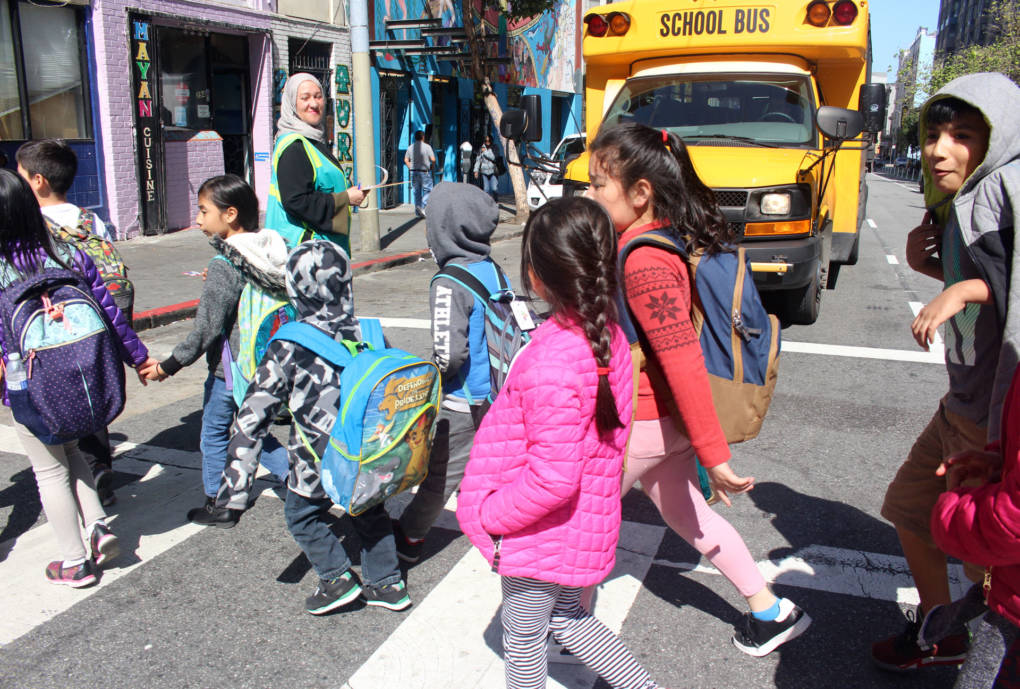
"caption": "Elementary school students cross Turk Street in San Francisco as Safe Passage volunteer Tatiana Alabsi observes them on April 24, 2018. ",
"description": "Elementary school students cross Turk Street in San Francisco as Safe Passage volunteer Tatiana Alabsi observes them on April 24, 2018. ",
"title": "TenderloinKidsMain",
"credit": "Farida Jhabvala Romero/KQED",
"status": "inherit",
"isLoading": false,
"fetchFailed": false
},
"news_11671727": {
"type": "attachments",
"id": "news_11671727",
"meta": {
"index": "attachments_1716263798",
"site": "news",
"id": "11671727",
"found": true
},
"parent": 11671527,
"imgSizes": {
"small": {
"file": "https://ww2.kqed.org/app/uploads/sites/10/2018/05/JeffDenham-520x356.jpg",
"width": 520,
"mimeType": "image/jpeg",
"height": 356
},
"twentyfourteen-full-width": {
"file": "https://ww2.kqed.org/app/uploads/sites/10/2018/05/JeffDenham-1038x576.jpg",
"width": 1038,
"mimeType": "image/jpeg",
"height": 576
},
"thumbnail": {
"file": "https://ww2.kqed.org/app/uploads/sites/10/2018/05/JeffDenham-160x110.jpg",
"width": 160,
"mimeType": "image/jpeg",
"height": 110
},
"fd-sm": {
"file": "https://ww2.kqed.org/app/uploads/sites/10/2018/05/JeffDenham-960x658.jpg",
"width": 960,
"mimeType": "image/jpeg",
"height": 658
},
"post-thumbnail": {
"file": "https://ww2.kqed.org/app/uploads/sites/10/2018/05/JeffDenham-672x372.jpg",
"width": 672,
"mimeType": "image/jpeg",
"height": 372
},
"xsmall": {
"file": "https://ww2.kqed.org/app/uploads/sites/10/2018/05/JeffDenham-375x257.jpg",
"width": 375,
"mimeType": "image/jpeg",
"height": 257
},
"kqedFullSize": {
"file": "https://ww2.kqed.org/app/uploads/sites/10/2018/05/JeffDenham.jpg",
"width": 1920,
"height": 1316
},
"large": {
"file": "https://ww2.kqed.org/app/uploads/sites/10/2018/05/JeffDenham-1020x699.jpg",
"width": 1020,
"mimeType": "image/jpeg",
"height": 699
},
"xlarge": {
"file": "https://ww2.kqed.org/app/uploads/sites/10/2018/05/JeffDenham-1180x809.jpg",
"width": 1180,
"mimeType": "image/jpeg",
"height": 809
},
"complete_open_graph": {
"file": "https://ww2.kqed.org/app/uploads/sites/10/2018/05/JeffDenham-1200x823.jpg",
"width": 1200,
"mimeType": "image/jpeg",
"height": 823
},
"guest-author-50": {
"file": "https://ww2.kqed.org/app/uploads/sites/10/2018/05/JeffDenham-50x50.jpg",
"width": 50,
"mimeType": "image/jpeg",
"height": 50
},
"guest-author-96": {
"file": "https://ww2.kqed.org/app/uploads/sites/10/2018/05/JeffDenham-96x96.jpg",
"width": 96,
"mimeType": "image/jpeg",
"height": 96
},
"medium": {
"file": "https://ww2.kqed.org/app/uploads/sites/10/2018/05/JeffDenham-800x548.jpg",
"width": 800,
"mimeType": "image/jpeg",
"height": 548
},
"guest-author-64": {
"file": "https://ww2.kqed.org/app/uploads/sites/10/2018/05/JeffDenham-64x64.jpg",
"width": 64,
"mimeType": "image/jpeg",
"height": 64
},
"guest-author-32": {
"file": "https://ww2.kqed.org/app/uploads/sites/10/2018/05/JeffDenham-32x32.jpg",
"width": 32,
"mimeType": "image/jpeg",
"height": 32
},
"fd-lrg": {
"file": "https://ww2.kqed.org/app/uploads/sites/10/2018/05/JeffDenham-1920x1316.jpg",
"width": 1920,
"mimeType": "image/jpeg",
"height": 1316
},
"fd-med": {
"file": "https://ww2.kqed.org/app/uploads/sites/10/2018/05/JeffDenham-1180x809.jpg",
"width": 1180,
"mimeType": "image/jpeg",
"height": 809
},
"full-width": {
"file": "https://ww2.kqed.org/app/uploads/sites/10/2018/05/JeffDenham-1920x1316.jpg",
"width": 1920,
"mimeType": "image/jpeg",
"height": 1316
},
"detail": {
"file": "https://ww2.kqed.org/app/uploads/sites/10/2018/05/JeffDenham-150x150.jpg",
"width": 150,
"mimeType": "image/jpeg",
"height": 150
},
"guest-author-128": {
"file": "https://ww2.kqed.org/app/uploads/sites/10/2018/05/JeffDenham-128x128.jpg",
"width": 128,
"mimeType": "image/jpeg",
"height": 128
},
"xxsmall": {
"file": "https://ww2.kqed.org/app/uploads/sites/10/2018/05/JeffDenham-240x165.jpg",
"width": 240,
"mimeType": "image/jpeg",
"height": 165
}
},
"publishDate": 1527794289,
"modified": 1527801652,
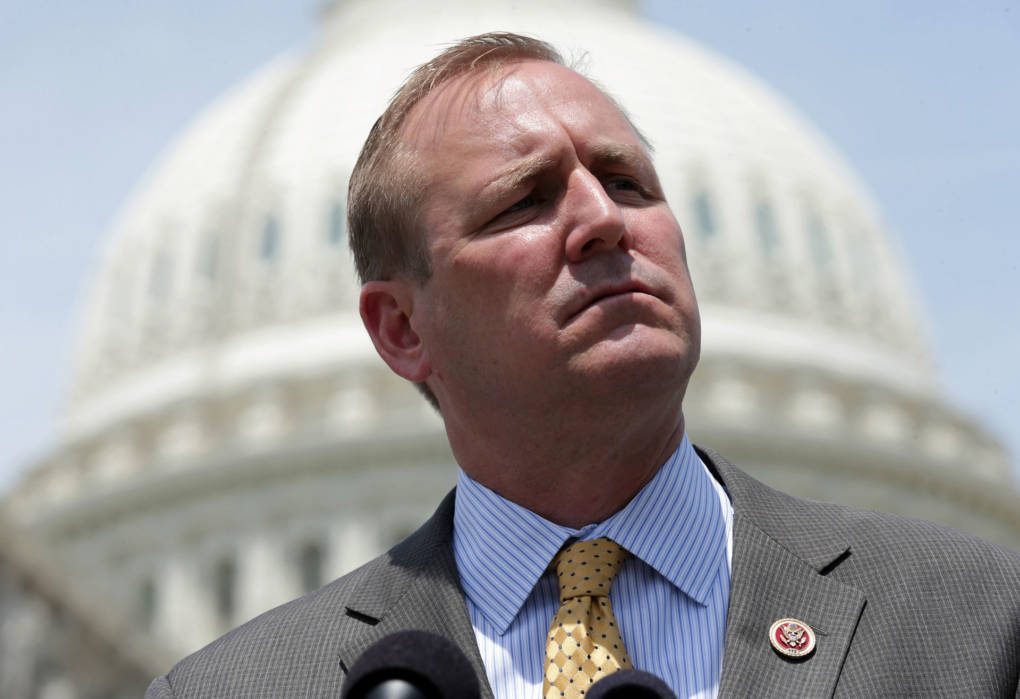
"caption": "Rep. Jeff Denham speaks at a news conference with military Dreamers at the U.S. Capitol in 2014.",
"description": "Rep. Jeff Denham speaks at a news conference with military 'DREAMers' at the U.S. Capitol in 2014.",
"title": "JeffDenham",
"credit": "Chip Somodevilla/Getty Images",
"status": "inherit",
"isLoading": false,
"fetchFailed": false
},
"news_11572756": {
"type": "attachments",
"id": "news_11572756",
"meta": {
"index": "attachments_1716263798",
"site": "news",
"id": "11572756",
"found": true
},
"parent": 0,
"imgSizes": {
"small": {
"file": "https://ww2.kqed.org/app/uploads/sites/10/2017/07/tcr_archive_background-520x195.jpg",
"width": 520,
"mimeType": "image/jpeg",
"height": 195
},
"twentyfourteen-full-width": {
"file": "https://ww2.kqed.org/app/uploads/sites/10/2017/07/tcr_archive_background-1038x450.jpg",
"width": 1038,
"mimeType": "image/jpeg",
"height": 450
},
"thumbnail": {
"file": "https://ww2.kqed.org/app/uploads/sites/10/2017/07/tcr_archive_background-160x60.jpg",
"width": 160,
"mimeType": "image/jpeg",
"height": 60
},
"fd-sm": {
"file": "https://ww2.kqed.org/app/uploads/sites/10/2017/07/tcr_archive_background-960x360.jpg",
"width": 960,
"mimeType": "image/jpeg",
"height": 360
},
"post-thumbnail": {
"file": "https://ww2.kqed.org/app/uploads/sites/10/2017/07/tcr_archive_background-672x372.jpg",
"width": 672,
"mimeType": "image/jpeg",
"height": 372
},
"xsmall": {
"file": "https://ww2.kqed.org/app/uploads/sites/10/2017/07/tcr_archive_background-375x141.jpg",
"width": 375,
"mimeType": "image/jpeg",
"height": 141
},
"kqedFullSize": {
"file": "https://ww2.kqed.org/app/uploads/sites/10/2017/07/tcr_archive_background.jpg",
"width": 1200,
"height": 450
},
"large": {
"file": "https://ww2.kqed.org/app/uploads/sites/10/2017/07/tcr_archive_background-1020x383.jpg",
"width": 1020,
"mimeType": "image/jpeg",
"height": 383
},
"xlarge": {
"file": "https://ww2.kqed.org/app/uploads/sites/10/2017/07/tcr_archive_background-1180x443.jpg",
"width": 1180,
"mimeType": "image/jpeg",
"height": 443
},
"guest-author-50": {
"file": "https://ww2.kqed.org/app/uploads/sites/10/2017/07/tcr_archive_background-50x50.jpg",
"width": 50,
"mimeType": "image/jpeg",
"height": 50
},
"guest-author-96": {
"file": "https://ww2.kqed.org/app/uploads/sites/10/2017/07/tcr_archive_background-96x96.jpg",
"width": 96,
"mimeType": "image/jpeg",
"height": 96
},
"medium": {
"file": "https://ww2.kqed.org/app/uploads/sites/10/2017/07/tcr_archive_background-800x300.jpg",
"width": 800,
"mimeType": "image/jpeg",
"height": 300
},
"guest-author-64": {
"file": "https://ww2.kqed.org/app/uploads/sites/10/2017/07/tcr_archive_background-64x64.jpg",
"width": 64,
"mimeType": "image/jpeg",
"height": 64
},
"guest-author-32": {
"file": "https://ww2.kqed.org/app/uploads/sites/10/2017/07/tcr_archive_background-32x32.jpg",
"width": 32,
"mimeType": "image/jpeg",
"height": 32
},
"fd-med": {
"file": "https://ww2.kqed.org/app/uploads/sites/10/2017/07/tcr_archive_background-1180x443.jpg",
"width": 1180,
"mimeType": "image/jpeg",
"height": 443
},
"detail": {
"file": "https://ww2.kqed.org/app/uploads/sites/10/2017/07/tcr_archive_background-150x150.jpg",
"width": 150,
"mimeType": "image/jpeg",
"height": 150
},
"guest-author-128": {
"file": "https://ww2.kqed.org/app/uploads/sites/10/2017/07/tcr_archive_background-128x128.jpg",
"width": 128,
"mimeType": "image/jpeg",
"height": 128
},
"xxsmall": {
"file": "https://ww2.kqed.org/app/uploads/sites/10/2017/07/tcr_archive_background-240x90.jpg",
"width": 240,
"mimeType": "image/jpeg",
"height": 90
}
},
"publishDate": 1500316142,
"modified": 1500316142,
"caption": null,
"description": null,
"title": "tcr_archive_background",
"credit": null,
"status": "inherit",
"isLoading": false,
"fetchFailed": false
},
"news_11671037": {
"type": "attachments",
"id": "news_11671037",
"meta": {
"index": "attachments_1716263798",
"site": "news",
"id": "11671037",
"found": true
},
"parent": 11671035,
"imgSizes": {
"small": {
"file": "https://ww2.kqed.org/app/uploads/sites/10/2018/05/RS10854_481763249-520x347.jpg",
"width": 520,
"mimeType": "image/jpeg",
"height": 347
},
"twentyfourteen-full-width": {
"file": "https://ww2.kqed.org/app/uploads/sites/10/2018/05/RS10854_481763249-1038x576.jpg",
"width": 1038,
"mimeType": "image/jpeg",
"height": 576
},
"thumbnail": {
"file": "https://ww2.kqed.org/app/uploads/sites/10/2018/05/RS10854_481763249-160x107.jpg",
"width": 160,
"mimeType": "image/jpeg",
"height": 107
},
"fd-sm": {
"file": "https://ww2.kqed.org/app/uploads/sites/10/2018/05/RS10854_481763249-960x640.jpg",
"width": 960,
"mimeType": "image/jpeg",
"height": 640
},
"post-thumbnail": {
"file": "https://ww2.kqed.org/app/uploads/sites/10/2018/05/RS10854_481763249-672x372.jpg",
"width": 672,
"mimeType": "image/jpeg",
"height": 372
},
"xsmall": {
"file": "https://ww2.kqed.org/app/uploads/sites/10/2018/05/RS10854_481763249-375x250.jpg",
"width": 375,
"mimeType": "image/jpeg",
"height": 250
},
"kqedFullSize": {
"file": "https://ww2.kqed.org/app/uploads/sites/10/2018/05/RS10854_481763249-e1527443635376.jpg",
"width": 1920,
"height": 1281
},
"large": {
"file": "https://ww2.kqed.org/app/uploads/sites/10/2018/05/RS10854_481763249-1020x680.jpg",
"width": 1020,
"mimeType": "image/jpeg",
"height": 680
},
"xlarge": {
"file": "https://ww2.kqed.org/app/uploads/sites/10/2018/05/RS10854_481763249-1180x787.jpg",
"width": 1180,
"mimeType": "image/jpeg",
"height": 787
},
"complete_open_graph": {
"file": "https://ww2.kqed.org/app/uploads/sites/10/2018/05/RS10854_481763249-1200x800.jpg",
"width": 1200,
"mimeType": "image/jpeg",
"height": 800
},
"guest-author-50": {
"file": "https://ww2.kqed.org/app/uploads/sites/10/2018/05/RS10854_481763249-50x50.jpg",
"width": 50,
"mimeType": "image/jpeg",
"height": 50
},
"guest-author-96": {
"file": "https://ww2.kqed.org/app/uploads/sites/10/2018/05/RS10854_481763249-96x96.jpg",
"width": 96,
"mimeType": "image/jpeg",
"height": 96
},
"medium": {
"file": "https://ww2.kqed.org/app/uploads/sites/10/2018/05/RS10854_481763249-800x534.jpg",
"width": 800,
"mimeType": "image/jpeg",
"height": 534
},
"guest-author-64": {
"file": "https://ww2.kqed.org/app/uploads/sites/10/2018/05/RS10854_481763249-64x64.jpg",
"width": 64,
"mimeType": "image/jpeg",
"height": 64
},
"guest-author-32": {
"file": "https://ww2.kqed.org/app/uploads/sites/10/2018/05/RS10854_481763249-32x32.jpg",
"width": 32,
"mimeType": "image/jpeg",
"height": 32
},
"fd-lrg": {
"file": "https://ww2.kqed.org/app/uploads/sites/10/2018/05/RS10854_481763249-1920x1281.jpg",
"width": 1920,
"mimeType": "image/jpeg",
"height": 1281
},
"fd-med": {
"file": "https://ww2.kqed.org/app/uploads/sites/10/2018/05/RS10854_481763249-1180x787.jpg",
"width": 1180,
"mimeType": "image/jpeg",
"height": 787
},
"full-width": {
"file": "https://ww2.kqed.org/app/uploads/sites/10/2018/05/RS10854_481763249-1920x1281.jpg",
"width": 1920,
"mimeType": "image/jpeg",
"height": 1281
},
"detail": {
"file": "https://ww2.kqed.org/app/uploads/sites/10/2018/05/RS10854_481763249-150x150.jpg",
"width": 150,
"mimeType": "image/jpeg",
"height": 150
},
"guest-author-128": {
"file": "https://ww2.kqed.org/app/uploads/sites/10/2018/05/RS10854_481763249-128x128.jpg",
"width": 128,
"mimeType": "image/jpeg",
"height": 128
},
"xxsmall": {
"file": "https://ww2.kqed.org/app/uploads/sites/10/2018/05/RS10854_481763249-240x160.jpg",
"width": 240,
"mimeType": "image/jpeg",
"height": 160
}
},
"publishDate": 1527443617,
"modified": 1527443667,
"caption": "A Democratic bid to extend government health coverage to all undocumented, low-income adults in California has been put on hold. Lawmakers now hope to cover at least the seniors and the disabled.",
"description": "A Democratic bid to extend government health coverage to all undocumented, low-income adults in California has been put on hold. Lawmakers now hope to cover at least the seniors and the disabled.",
"title": "Americans Register For Health Care On Final Day of ACA Enrollment Drive",
"credit": "Justin Sullivan/Getty Images",
"status": "inherit",
"isLoading": false,
"fetchFailed": false
},
"news_11670437": {
"type": "attachments",
"id": "news_11670437",
"meta": {
"index": "attachments_1716263798",
"site": "news",
"id": "11670437",
"found": true
},
"parent": 11670433,
"imgSizes": {
"small": {
"file": "https://ww2.kqed.org/app/uploads/sites/10/2018/05/RS31136_Jack1-qut-520x347.jpg",
"width": 520,
"mimeType": "image/jpeg",
"height": 347
},
"twentyfourteen-full-width": {
"file": "https://ww2.kqed.org/app/uploads/sites/10/2018/05/RS31136_Jack1-qut-1038x576.jpg",
"width": 1038,
"mimeType": "image/jpeg",
"height": 576
},
"thumbnail": {
"file": "https://ww2.kqed.org/app/uploads/sites/10/2018/05/RS31136_Jack1-qut-160x107.jpg",
"width": 160,
"mimeType": "image/jpeg",
"height": 107
},
"fd-sm": {
"file": "https://ww2.kqed.org/app/uploads/sites/10/2018/05/RS31136_Jack1-qut-960x640.jpg",
"width": 960,
"mimeType": "image/jpeg",
"height": 640
},
"post-thumbnail": {
"file": "https://ww2.kqed.org/app/uploads/sites/10/2018/05/RS31136_Jack1-qut-672x372.jpg",
"width": 672,
"mimeType": "image/jpeg",
"height": 372
},
"xsmall": {
"file": "https://ww2.kqed.org/app/uploads/sites/10/2018/05/RS31136_Jack1-qut-375x250.jpg",
"width": 375,
"mimeType": "image/jpeg",
"height": 250
},
"kqedFullSize": {
"file": "https://ww2.kqed.org/app/uploads/sites/10/2018/05/RS31136_Jack1-qut.jpg",
"width": 1920,
"height": 1280
},
"large": {
"file": "https://ww2.kqed.org/app/uploads/sites/10/2018/05/RS31136_Jack1-qut-1020x680.jpg",
"width": 1020,
"mimeType": "image/jpeg",
"height": 680
},
"xlarge": {
"file": "https://ww2.kqed.org/app/uploads/sites/10/2018/05/RS31136_Jack1-qut-1180x787.jpg",
"width": 1180,
"mimeType": "image/jpeg",
"height": 787
},
"complete_open_graph": {
"file": "https://ww2.kqed.org/app/uploads/sites/10/2018/05/RS31136_Jack1-qut-1200x800.jpg",
"width": 1200,
"mimeType": "image/jpeg",
"height": 800
},
"guest-author-50": {
"file": "https://ww2.kqed.org/app/uploads/sites/10/2018/05/RS31136_Jack1-qut-50x50.jpg",
"width": 50,
"mimeType": "image/jpeg",
"height": 50
},
"guest-author-96": {
"file": "https://ww2.kqed.org/app/uploads/sites/10/2018/05/RS31136_Jack1-qut-96x96.jpg",
"width": 96,
"mimeType": "image/jpeg",
"height": 96
},
"medium": {
"file": "https://ww2.kqed.org/app/uploads/sites/10/2018/05/RS31136_Jack1-qut-800x533.jpg",
"width": 800,
"mimeType": "image/jpeg",
"height": 533
},
"guest-author-64": {
"file": "https://ww2.kqed.org/app/uploads/sites/10/2018/05/RS31136_Jack1-qut-64x64.jpg",
"width": 64,
"mimeType": "image/jpeg",
"height": 64
},
"guest-author-32": {
"file": "https://ww2.kqed.org/app/uploads/sites/10/2018/05/RS31136_Jack1-qut-32x32.jpg",
"width": 32,
"mimeType": "image/jpeg",
"height": 32
},
"fd-lrg": {
"file": "https://ww2.kqed.org/app/uploads/sites/10/2018/05/RS31136_Jack1-qut-1920x1280.jpg",
"width": 1920,
"mimeType": "image/jpeg",
"height": 1280
},
"fd-med": {
"file": "https://ww2.kqed.org/app/uploads/sites/10/2018/05/RS31136_Jack1-qut-1180x787.jpg",
"width": 1180,
"mimeType": "image/jpeg",
"height": 787
},
"full-width": {
"file": "https://ww2.kqed.org/app/uploads/sites/10/2018/05/RS31136_Jack1-qut-1920x1280.jpg",
"width": 1920,
"mimeType": "image/jpeg",
"height": 1280
},
"detail": {
"file": "https://ww2.kqed.org/app/uploads/sites/10/2018/05/RS31136_Jack1-qut-150x150.jpg",
"width": 150,
"mimeType": "image/jpeg",
"height": 150
},
"guest-author-128": {
"file": "https://ww2.kqed.org/app/uploads/sites/10/2018/05/RS31136_Jack1-qut-128x128.jpg",
"width": 128,
"mimeType": "image/jpeg",
"height": 128
},
"xxsmall": {
"file": "https://ww2.kqed.org/app/uploads/sites/10/2018/05/RS31136_Jack1-qut-240x160.jpg",
"width": 240,
"mimeType": "image/jpeg",
"height": 160
}
},
"publishDate": 1527186360,
"modified": 1527282303,
"caption": "Jack Gerrittson sits with one of his \"No ICE\" signs in his driveway in Los Angeles. Gerrittson says he puts up around 500 signs a year across the city.",
"description": null,
"title": "RS31136_Jack1-qut",
"credit": "Tom Carroll/KQED",
"status": "inherit",
"isLoading": false,
"fetchFailed": false
},
"news_11631267": {
"type": "attachments",
"id": "news_11631267",
"meta": {
"index": "attachments_1716263798",
"site": "news",
"id": "11631267",
"found": true
},
"parent": 0,
"imgSizes": {
"small": {
"file": "https://ww2.kqed.org/app/uploads/sites/10/2017/11/TCRMag_iTunes_3000x3000-520x520.jpg",
"width": 520,
"mimeType": "image/jpeg",
"height": 520
},
"twentyfourteen-full-width": {
"file": "https://ww2.kqed.org/app/uploads/sites/10/2017/11/TCRMag_iTunes_3000x3000-1038x576.jpg",
"width": 1038,
"mimeType": "image/jpeg",
"height": 576
},
"thumbnail": {
"file": "https://ww2.kqed.org/app/uploads/sites/10/2017/11/TCRMag_iTunes_3000x3000-160x160.jpg",
"width": 160,
"mimeType": "image/jpeg",
"height": 160
},
"fd-sm": {
"file": "https://ww2.kqed.org/app/uploads/sites/10/2017/11/TCRMag_iTunes_3000x3000-960x960.jpg",
"width": 960,
"mimeType": "image/jpeg",
"height": 960
},
"post-thumbnail": {
"file": "https://ww2.kqed.org/app/uploads/sites/10/2017/11/TCRMag_iTunes_3000x3000-672x372.jpg",
"width": 672,
"mimeType": "image/jpeg",
"height": 372
},
"xsmall": {
"file": "https://ww2.kqed.org/app/uploads/sites/10/2017/11/TCRMag_iTunes_3000x3000-375x375.jpg",
"width": 375,
"mimeType": "image/jpeg",
"height": 375
},
"kqedFullSize": {
"file": "https://ww2.kqed.org/app/uploads/sites/10/2017/11/TCRMag_iTunes_3000x3000-e1511383661821.jpg",
"width": 1920,
"height": 1920
},
"large": {
"file": "https://ww2.kqed.org/app/uploads/sites/10/2017/11/TCRMag_iTunes_3000x3000-1020x1020.jpg",
"width": 1020,
"mimeType": "image/jpeg",
"height": 1020
},
"xlarge": {
"file": "https://ww2.kqed.org/app/uploads/sites/10/2017/11/TCRMag_iTunes_3000x3000-1180x1180.jpg",
"width": 1180,
"mimeType": "image/jpeg",
"height": 1180
},
"guest-author-50": {
"file": "https://ww2.kqed.org/app/uploads/sites/10/2017/11/TCRMag_iTunes_3000x3000-50x50.jpg",
"width": 50,
"mimeType": "image/jpeg",
"height": 50
},
"guest-author-96": {
"file": "https://ww2.kqed.org/app/uploads/sites/10/2017/11/TCRMag_iTunes_3000x3000-96x96.jpg",
"width": 96,
"mimeType": "image/jpeg",
"height": 96
},
"medium": {
"file": "https://ww2.kqed.org/app/uploads/sites/10/2017/11/TCRMag_iTunes_3000x3000-800x800.jpg",
"width": 800,
"mimeType": "image/jpeg",
"height": 800
},
"guest-author-64": {
"file": "https://ww2.kqed.org/app/uploads/sites/10/2017/11/TCRMag_iTunes_3000x3000-64x64.jpg",
"width": 64,
"mimeType": "image/jpeg",
"height": 64
},
"guest-author-32": {
"file": "https://ww2.kqed.org/app/uploads/sites/10/2017/11/TCRMag_iTunes_3000x3000-32x32.jpg",
"width": 32,
"mimeType": "image/jpeg",
"height": 32
},
"fd-lrg": {
"file": "https://ww2.kqed.org/app/uploads/sites/10/2017/11/TCRMag_iTunes_3000x3000-1920x1920.jpg",
"width": 1920,
"mimeType": "image/jpeg",
"height": 1920
},
"fd-med": {
"file": "https://ww2.kqed.org/app/uploads/sites/10/2017/11/TCRMag_iTunes_3000x3000-1180x1180.jpg",
"width": 1180,
"mimeType": "image/jpeg",
"height": 1180
},
"full-width": {
"file": "https://ww2.kqed.org/app/uploads/sites/10/2017/11/TCRMag_iTunes_3000x3000-1920x1920.jpg",
"width": 1920,
"mimeType": "image/jpeg",
"height": 1920
},
"detail": {
"file": "https://ww2.kqed.org/app/uploads/sites/10/2017/11/TCRMag_iTunes_3000x3000-150x150.jpg",
"width": 150,
"mimeType": "image/jpeg",
"height": 150
},
"guest-author-128": {
"file": "https://ww2.kqed.org/app/uploads/sites/10/2017/11/TCRMag_iTunes_3000x3000-128x128.jpg",
"width": 128,
"mimeType": "image/jpeg",
"height": 128
},
"xxsmall": {
"file": "https://ww2.kqed.org/app/uploads/sites/10/2017/11/TCRMag_iTunes_3000x3000-240x240.jpg",
"width": 240,
"mimeType": "image/jpeg",
"height": 240
}
},
"publishDate": 1510798019,
"modified": 1510965669,
"caption": null,
"description": null,
"title": "TCRMag_iTunes_3000x3000",
"credit": null,
"status": "inherit",
"isLoading": false,
"fetchFailed": false
},
"news_11670736": {
"type": "attachments",
"id": "news_11670736",
"meta": {
"index": "attachments_1716263798",
"site": "news",
"id": "11670736",
"found": true
},
"parent": 11670565,
"imgSizes": {
"small": {
"file": "https://ww2.kqed.org/app/uploads/sites/10/2018/05/WPR_RS26261__MG_3197-qut-520x347.jpg",
"width": 520,
"mimeType": "image/jpeg",
"height": 347
},
"twentyfourteen-full-width": {
"file": "https://ww2.kqed.org/app/uploads/sites/10/2018/05/WPR_RS26261__MG_3197-qut-1038x576.jpg",
"width": 1038,
"mimeType": "image/jpeg",
"height": 576
},
"thumbnail": {
"file": "https://ww2.kqed.org/app/uploads/sites/10/2018/05/WPR_RS26261__MG_3197-qut-160x107.jpg",
"width": 160,
"mimeType": "image/jpeg",
"height": 107
},
"fd-sm": {
"file": "https://ww2.kqed.org/app/uploads/sites/10/2018/05/WPR_RS26261__MG_3197-qut-960x640.jpg",
"width": 960,
"mimeType": "image/jpeg",
"height": 640
},
"post-thumbnail": {
"file": "https://ww2.kqed.org/app/uploads/sites/10/2018/05/WPR_RS26261__MG_3197-qut-672x372.jpg",
"width": 672,
"mimeType": "image/jpeg",
"height": 372
},
"xsmall": {
"file": "https://ww2.kqed.org/app/uploads/sites/10/2018/05/WPR_RS26261__MG_3197-qut-375x250.jpg",
"width": 375,
"mimeType": "image/jpeg",
"height": 250
},
"kqedFullSize": {
"file": "https://ww2.kqed.org/app/uploads/sites/10/2018/05/WPR_RS26261__MG_3197-qut.jpg",
"width": 1920,
"height": 1280
},
"large": {
"file": "https://ww2.kqed.org/app/uploads/sites/10/2018/05/WPR_RS26261__MG_3197-qut-1020x680.jpg",
"width": 1020,
"mimeType": "image/jpeg",
"height": 680
},
"xlarge": {
"file": "https://ww2.kqed.org/app/uploads/sites/10/2018/05/WPR_RS26261__MG_3197-qut-1180x787.jpg",
"width": 1180,
"mimeType": "image/jpeg",
"height": 787
},
"complete_open_graph": {
"file": "https://ww2.kqed.org/app/uploads/sites/10/2018/05/WPR_RS26261__MG_3197-qut-1200x800.jpg",
"width": 1200,
"mimeType": "image/jpeg",
"height": 800
},
"guest-author-50": {
"file": "https://ww2.kqed.org/app/uploads/sites/10/2018/05/WPR_RS26261__MG_3197-qut-50x50.jpg",
"width": 50,
"mimeType": "image/jpeg",
"height": 50
},
"guest-author-96": {
"file": "https://ww2.kqed.org/app/uploads/sites/10/2018/05/WPR_RS26261__MG_3197-qut-96x96.jpg",
"width": 96,
"mimeType": "image/jpeg",
"height": 96
},
"medium": {
"file": "https://ww2.kqed.org/app/uploads/sites/10/2018/05/WPR_RS26261__MG_3197-qut-800x533.jpg",
"width": 800,
"mimeType": "image/jpeg",
"height": 533
},
"guest-author-64": {
"file": "https://ww2.kqed.org/app/uploads/sites/10/2018/05/WPR_RS26261__MG_3197-qut-64x64.jpg",
"width": 64,
"mimeType": "image/jpeg",
"height": 64
},
"guest-author-32": {
"file": "https://ww2.kqed.org/app/uploads/sites/10/2018/05/WPR_RS26261__MG_3197-qut-32x32.jpg",
"width": 32,
"mimeType": "image/jpeg",
"height": 32
},
"fd-lrg": {
"file": "https://ww2.kqed.org/app/uploads/sites/10/2018/05/WPR_RS26261__MG_3197-qut-1920x1280.jpg",
"width": 1920,
"mimeType": "image/jpeg",
"height": 1280
},
"fd-med": {
"file": "https://ww2.kqed.org/app/uploads/sites/10/2018/05/WPR_RS26261__MG_3197-qut-1180x787.jpg",
"width": 1180,
"mimeType": "image/jpeg",
"height": 787
},
"full-width": {
"file": "https://ww2.kqed.org/app/uploads/sites/10/2018/05/WPR_RS26261__MG_3197-qut-1920x1280.jpg",
"width": 1920,
"mimeType": "image/jpeg",
"height": 1280
},
"detail": {
"file": "https://ww2.kqed.org/app/uploads/sites/10/2018/05/WPR_RS26261__MG_3197-qut-150x150.jpg",
"width": 150,
"mimeType": "image/jpeg",
"height": 150
},
"guest-author-128": {
"file": "https://ww2.kqed.org/app/uploads/sites/10/2018/05/WPR_RS26261__MG_3197-qut-128x128.jpg",
"width": 128,
"mimeType": "image/jpeg",
"height": 128
},
"xxsmall": {
"file": "https://ww2.kqed.org/app/uploads/sites/10/2018/05/WPR_RS26261__MG_3197-qut-240x160.jpg",
"width": 240,
"mimeType": "image/jpeg",
"height": 160
}
},
"publishDate": 1527278461,
"modified": 1527284832,
"caption": "Maria Mendoza-Sanchez sits on a couch in her Oakland home on Aug. 16, 2017, hours before she, her husband and son leave Oakland for Mexico City. Her daughter, Melin Sanchez, 21, cries as she watches her mother with concern.",
"description": "Maria Mendoza-Sanchez sits on a couch in her Oakland home on Aug. 16, 2017, hours before she, her husband and son leave Oakland for Mexico City. Her daughter, Melin Sanchez, 21, cries as she watches her mother with concern.",
"title": "WPR_RS26261__MG_3197-qut",
"credit": "Deborah Svoboda/KQED",
"status": "inherit",
"isLoading": false,
"fetchFailed": false
},
"news_11670419": {
"type": "attachments",
"id": "news_11670419",
"meta": {
"index": "attachments_1716263798",
"site": "news",
"id": "11670419",
"found": true
},
"parent": 11670400,
"imgSizes": {
"small": {
"file": "https://ww2.kqed.org/app/uploads/sites/10/2018/05/RS31134_sasha-3-qut-520x369.jpg",
"width": 520,
"mimeType": "image/jpeg",
"height": 369
},
"twentyfourteen-full-width": {
"file": "https://ww2.kqed.org/app/uploads/sites/10/2018/05/RS31134_sasha-3-qut-1038x576.jpg",
"width": 1038,
"mimeType": "image/jpeg",
"height": 576
},
"thumbnail": {
"file": "https://ww2.kqed.org/app/uploads/sites/10/2018/05/RS31134_sasha-3-qut-160x113.jpg",
"width": 160,
"mimeType": "image/jpeg",
"height": 113
},
"fd-sm": {
"file": "https://ww2.kqed.org/app/uploads/sites/10/2018/05/RS31134_sasha-3-qut-960x681.jpg",
"width": 960,
"mimeType": "image/jpeg",
"height": 681
},
"post-thumbnail": {
"file": "https://ww2.kqed.org/app/uploads/sites/10/2018/05/RS31134_sasha-3-qut-672x372.jpg",
"width": 672,
"mimeType": "image/jpeg",
"height": 372
},
"xsmall": {
"file": "https://ww2.kqed.org/app/uploads/sites/10/2018/05/RS31134_sasha-3-qut-375x266.jpg",
"width": 375,
"mimeType": "image/jpeg",
"height": 266
},
"kqedFullSize": {
"file": "https://ww2.kqed.org/app/uploads/sites/10/2018/05/RS31134_sasha-3-qut.jpg",
"width": 1403,
"height": 995
},
"large": {
"file": "https://ww2.kqed.org/app/uploads/sites/10/2018/05/RS31134_sasha-3-qut-1020x723.jpg",
"width": 1020,
"mimeType": "image/jpeg",
"height": 723
},
"xlarge": {
"file": "https://ww2.kqed.org/app/uploads/sites/10/2018/05/RS31134_sasha-3-qut-1180x837.jpg",
"width": 1180,
"mimeType": "image/jpeg",
"height": 837
},
"complete_open_graph": {
"file": "https://ww2.kqed.org/app/uploads/sites/10/2018/05/RS31134_sasha-3-qut-1200x851.jpg",
"width": 1200,
"mimeType": "image/jpeg",
"height": 851
},
"guest-author-50": {
"file": "https://ww2.kqed.org/app/uploads/sites/10/2018/05/RS31134_sasha-3-qut-50x50.jpg",
"width": 50,
"mimeType": "image/jpeg",
"height": 50
},
"guest-author-96": {
"file": "https://ww2.kqed.org/app/uploads/sites/10/2018/05/RS31134_sasha-3-qut-96x96.jpg",
"width": 96,
"mimeType": "image/jpeg",
"height": 96
},
"medium": {
"file": "https://ww2.kqed.org/app/uploads/sites/10/2018/05/RS31134_sasha-3-qut-800x567.jpg",
"width": 800,
"mimeType": "image/jpeg",
"height": 567
},
"guest-author-64": {
"file": "https://ww2.kqed.org/app/uploads/sites/10/2018/05/RS31134_sasha-3-qut-64x64.jpg",
"width": 64,
"mimeType": "image/jpeg",
"height": 64
},
"guest-author-32": {
"file": "https://ww2.kqed.org/app/uploads/sites/10/2018/05/RS31134_sasha-3-qut-32x32.jpg",
"width": 32,
"mimeType": "image/jpeg",
"height": 32
},
"fd-med": {
"file": "https://ww2.kqed.org/app/uploads/sites/10/2018/05/RS31134_sasha-3-qut-1180x837.jpg",
"width": 1180,
"mimeType": "image/jpeg",
"height": 837
},
"detail": {
"file": "https://ww2.kqed.org/app/uploads/sites/10/2018/05/RS31134_sasha-3-qut-150x150.jpg",
"width": 150,
"mimeType": "image/jpeg",
"height": 150
},
"guest-author-128": {
"file": "https://ww2.kqed.org/app/uploads/sites/10/2018/05/RS31134_sasha-3-qut-128x128.jpg",
"width": 128,
"mimeType": "image/jpeg",
"height": 128
},
"xxsmall": {
"file": "https://ww2.kqed.org/app/uploads/sites/10/2018/05/RS31134_sasha-3-qut-240x170.jpg",
"width": 240,
"mimeType": "image/jpeg",
"height": 170
}
},
"publishDate": 1527180508,
"modified": 1527288385,
"caption": "Sasha's parents, Anand and Ellen Khokha, welcoming newborn Sasha to their home in Los Angeles. ",
"description": null,
"title": "RS31134_sasha 3-qut",
"credit": "Courtesy of Sasha Khokha/KQED",
"status": "inherit",
"isLoading": false,
"fetchFailed": false
}
},
"audioPlayerReducer": {
"postId": "stream_live",
"isPaused": true,
"isPlaying": false,
"pfsActive": false,
"pledgeModalIsOpen": true,
"playerDrawerIsOpen": false,
"liveAudioPlayStartedAt": 0,
"liveAudioPlayContext": ""
},
"authorsReducer": {
"byline_news_11672171": {
"type": "authors",
"id": "byline_news_11672171",
"meta": {
"override": true
},
"slug": "byline_news_11672171",
"name": "Marisa Peñaloza",
"isLoading": false
},
"byline_news_11671945": {
"type": "authors",
"id": "byline_news_11671945",
"meta": {
"override": true
},
"slug": "byline_news_11671945",
"name": "Sarah Stroe",
"isLoading": false
},
"byline_news_11671035": {
"type": "authors",
"id": "byline_news_11671035",
"meta": {
"override": true
},
"slug": "byline_news_11671035",
"name": "\u003cstrong>David Gorn\u003c/strong>\u003c/br>CALmatters",
"isLoading": false
},
"byline_news_11670433": {
"type": "authors",
"id": "byline_news_11670433",
"meta": {
"override": true
},
"slug": "byline_news_11670433",
"name": "\u003cstrong>Tom Carroll\u003c/strong>",
"isLoading": false
},
"byline_news_11670565": {
"type": "authors",
"id": "byline_news_11670565",
"meta": {
"override": true
},
"slug": "byline_news_11670565",
"name": "Alyssa Jeong Perry and Levi Bridges",
"isLoading": false
},
"kqed": {
"type": "authors",
"id": "236",
"meta": {
"index": "authors_1716337520",
"id": "236",
"found": true
},
"name": "KQED News Staff",
"firstName": "KQED News Staff",
"lastName": null,
"slug": "kqed",
"email": "faq@kqed.org",
"display_author_email": false,
"staff_mastheads": [],
"title": null,
"bio": null,
"avatar": "https://secure.gravatar.com/avatar/ef0e801a68c4c54afa9180db14084167?s=600&d=blank&r=g",
"twitter": null,
"facebook": null,
"instagram": null,
"linkedin": null,
"sites": [
{
"site": "arts",
"roles": [
"contributor"
]
},
{
"site": "news",
"roles": [
"editor"
]
},
{
"site": "futureofyou",
"roles": [
"author"
]
}
],
"headData": {
"title": "KQED News Staff | KQED",
"description": null,
"ogImgSrc": "https://secure.gravatar.com/avatar/ef0e801a68c4c54afa9180db14084167?s=600&d=blank&r=g",
"twImgSrc": "https://secure.gravatar.com/avatar/ef0e801a68c4c54afa9180db14084167?s=600&d=blank&r=g"
},
"isLoading": false,
"link": "/author/kqed"
},
"sasha-khokha": {
"type": "authors",
"id": "254",
"meta": {
"index": "authors_1716337520",
"id": "254",
"found": true
},
"name": "Sasha Khokha",
"firstName": "Sasha",
"lastName": "Khokha",
"slug": "sasha-khokha",
"email": "skhokha@kqed.org",
"display_author_email": true,
"staff_mastheads": [
"news"
],
"title": "Host, The California Report Magazine",
"bio": "Sasha Khokha is the host of \u003cem>The California Report's \u003c/em> weekly magazine program, which takes listeners on sound-rich excursions to meet the people that make the Golden State unique -- through audio documentaries and long-form stories. As \u003cem>The California Report's\u003c/em> Central Valley Bureau Chief based in Fresno for nearly a dozen years, Sasha brought the lives and concerns of rural Californians to listeners around the state. Her reporting helped expose the hidden price immigrant women janitors and farmworkers may pay to keep their jobs: sexual assault at work. It inspired two new California laws to protect them from sexual harassment. She was a key member of the reporting team for the Frontline film \u003cem>Rape on the Night Shift, \u003c/em>which was nominated for two national Emmys. Sasha has also won a national Edward R. Murrow and a national PRNDI award for investigative reporting, as well as multiple prizes from the Society for Professional Journalists. Sasha is a proud alum of the UC Berkeley Graduate School of Journalism and Brown University and a member of the South Asian Journalists Association.",
"avatar": "https://secure.gravatar.com/avatar/e4b5e1541aaeea2aa356aa1fb2a68950?s=600&d=blank&r=g",
"twitter": "KQEDSashaKhokha",
"facebook": null,
"instagram": null,
"linkedin": null,
"sites": [
{
"site": "news",
"roles": [
"editor"
]
},
{
"site": "stateofhealth",
"roles": [
"author"
]
},
{
"site": "science",
"roles": [
"author"
]
},
{
"site": "quest",
"roles": [
"subscriber"
]
}
],
"headData": {
"title": "Sasha Khokha | KQED",
"description": "Host, The California Report Magazine",
"ogImgSrc": "https://secure.gravatar.com/avatar/e4b5e1541aaeea2aa356aa1fb2a68950?s=600&d=blank&r=g",
"twImgSrc": "https://secure.gravatar.com/avatar/e4b5e1541aaeea2aa356aa1fb2a68950?s=600&d=blank&r=g"
},
"isLoading": false,
"link": "/author/sasha-khokha"
},
"mlagos": {
"type": "authors",
"id": "3239",
"meta": {
"index": "authors_1716337520",
"id": "3239",
"found": true
},
"name": "Marisa Lagos",
"firstName": "Marisa",
"lastName": "Lagos",
"slug": "mlagos",
"email": "mlagos@kqed.org",
"display_author_email": false,
"staff_mastheads": [
"news"
],
"title": "KQED Contributor",
"bio": "Marisa Lagos is a correspondent for KQED’s California Politics and Government Desk and co-hosts the award-winning show and podcast, Political Breakdown. At KQED, Lagos also conducts reporting, analysis and investigations into state, local and national politics for radio, TV, online and onstage. In 2022, she and co-host, Scott Shafer, moderated the only gubernatorial debate in California. In 2020, the \u003ci>Washington Post\u003c/i> named her one of the top political journalists in California; she was nominated for a Peabody and won several other awards for her work investigating the 2017 California wildfires. She has worked at the \u003ci>San Francisco Chronicle\u003c/i>, \u003ci>San Francisco Examiner\u003c/i> and \u003ci>Los Angeles Times\u003c/i>. A UC Santa Barbara graduate, she lives in San Francisco with her two sons and husband.",
"avatar": "https://secure.gravatar.com/avatar/a261a0d3696fc066871ef96b85b5e7d2?s=600&d=blank&r=g",
"twitter": "@mlagos",
"facebook": null,
"instagram": null,
"linkedin": null,
"sites": [
{
"site": "arts",
"roles": [
"author"
]
},
{
"site": "news",
"roles": [
"editor"
]
},
{
"site": "science",
"roles": [
"editor"
]
},
{
"site": "forum",
"roles": [
"author"
]
},
{
"site": "liveblog",
"roles": [
"author"
]
}
],
"headData": {
"title": "Marisa Lagos | KQED",
"description": "KQED Contributor",
"ogImgSrc": "https://secure.gravatar.com/avatar/a261a0d3696fc066871ef96b85b5e7d2?s=600&d=blank&r=g",
"twImgSrc": "https://secure.gravatar.com/avatar/a261a0d3696fc066871ef96b85b5e7d2?s=600&d=blank&r=g"
},
"isLoading": false,
"link": "/author/mlagos"
},
"fjhabvala": {
"type": "authors",
"id": "8659",
"meta": {
"index": "authors_1716337520",
"id": "8659",
"found": true
},
"name": "Farida Jhabvala Romero",
"firstName": "Farida",
"lastName": "Jhabvala Romero",
"slug": "fjhabvala",
"email": "fjhabvala@kqed.org",
"display_author_email": true,
"staff_mastheads": [
"news"
],
"title": "KQED Contributor",
"bio": "Farida Jhabvala Romero is a Labor Correspondent for KQED. She previously covered immigration. Farida was \u003ca href=\"https://www.ccnma.org/2022-most-influential-latina-journalists\">named\u003c/a> one of the 10 Most Influential Latina Journalists in California in 2022 by the California Chicano News Media Association. Her work has won awards from the Society of Professional Journalists (Northern California), as well as a national and regional Edward M. Murrow Award for the collaborative reporting projects “Dangerous Air” and “Graying California.” Before joining KQED, Farida worked as a producer at Radio Bilingüe, a national public radio network. Farida earned her master’s degree in journalism from Stanford University.",
"avatar": "https://secure.gravatar.com/avatar/f9f022d4e2609741874222a1e9d41f48fea74011aa7c615eef91d9a50c944ebe?s=600&d=blank&r=g",
"twitter": "FaridaJhabvala",
"bluesky": null,
"facebook": null,
"instagram": null,
"linkedin": "https://www.linkedin.com/in/faridajhabvala/",
"sites": [
{
"site": "news",
"roles": [
"editor"
]
},
{
"site": "stateofhealth",
"roles": [
"author"
]
},
{
"site": "liveblog",
"roles": [
"author"
]
}
],
"headData": {
"title": "Farida Jhabvala Romero | KQED",
"description": "KQED Contributor",
"ogImgSrc": "https://secure.gravatar.com/avatar/f9f022d4e2609741874222a1e9d41f48fea74011aa7c615eef91d9a50c944ebe?s=600&d=blank&r=g",
"twImgSrc": "https://secure.gravatar.com/avatar/f9f022d4e2609741874222a1e9d41f48fea74011aa7c615eef91d9a50c944ebe?s=600&d=blank&r=g"
},
"isLoading": false,
"link": "/author/fjhabvala"
},
"korr": {
"type": "authors",
"id": "11200",
"meta": {
"index": "authors_1716337520",
"id": "11200",
"found": true
},
"name": "Katie Orr",
"firstName": "Katie",
"lastName": "Orr",
"slug": "korr",
"email": "korr@kqed.org",
"display_author_email": false,
"staff_mastheads": [],
"title": "KQED Contributor",
"bio": "Katie Orr was a Sacramento-based reporter for KQED's Politics and Government Desk, covering the state Capitol and a variety of issues including women in politics, voting and elections and legislation. Prior to joining KQED in 2016, Katie was state government reporter for Capital Public Radio in Sacramento. She's also worked for KPBS in San Diego, where she covered City Hall.\r\n\r\nKatie received her masters degree in political science from San Diego State University and holds a Bachelors degree in broadcast journalism from Arizona State University.\r\n\r\nIn 2015 Katie won a national Clarion Award for a series of stories she did on women in California politics. She's been honored by the Society for Professional Journalists and, in 2013, was named by \u003cem>The Washington Post\u003c/em> as one of the country's top state Capitol reporters. She's also reported for the award-winning documentary series \u003cem>The View from Here \u003c/em>and was part of the team that won national PRNDI and Gabriel Awards in 2015. She lives in Sacramento with her husband. Twitter: @1KatieOrr",
"avatar": "https://secure.gravatar.com/avatar/41a40b25845adc78f50808670860449e?s=600&d=blank&r=g",
"twitter": "1katieorr",
"facebook": null,
"instagram": null,
"linkedin": null,
"sites": [
{
"site": "news",
"roles": [
"subscriber"
]
},
{
"site": "stateofhealth",
"roles": [
"author"
]
},
{
"site": "forum",
"roles": [
"author"
]
}
],
"headData": {
"title": "Katie Orr | KQED",
"description": "KQED Contributor",
"ogImgSrc": "https://secure.gravatar.com/avatar/41a40b25845adc78f50808670860449e?s=600&d=blank&r=g",
"twImgSrc": "https://secure.gravatar.com/avatar/41a40b25845adc78f50808670860449e?s=600&d=blank&r=g"
},
"isLoading": false,
"link": "/author/korr"
},
"jeremysiegel": {
"type": "authors",
"id": "11258",
"meta": {
"index": "authors_1716337520",
"id": "11258",
"found": true
},
"name": "Jeremy Siegel",
"firstName": "Jeremy",
"lastName": "Siegel",
"slug": "jeremysiegel",
"email": "jsiegel@kqed.org",
"display_author_email": false,
"staff_mastheads": [],
"title": "KQED Contributor",
"bio": "Jeremy Siegel is is the weekend afternoon news anchor for KQED. His reporting can be heard on KQED News, Morning Edition, All Things Considered and The California Report. Jeremy's coverage of the Camp Fire in Butte County won the 2019 Society of Professional Journalists, Northern California Chapter, Excellence in Journalism Award for Breaking News. Jeremy grew up in Cincinnati, Ohio, and graduated from UC Berkeley.",
"avatar": "https://secure.gravatar.com/avatar/3921a64ceb9ed5d0ba47d9ae9782f1ab?s=600&d=blank&r=g",
"twitter": "jersiegel",
"facebook": null,
"instagram": null,
"linkedin": null,
"sites": [
{
"site": "arts",
"roles": []
},
{
"site": "news",
"roles": [
"subscriber"
]
},
{
"site": "science",
"roles": []
}
],
"headData": {
"title": "Jeremy Siegel | KQED",
"description": "KQED Contributor",
"ogImgSrc": "https://secure.gravatar.com/avatar/3921a64ceb9ed5d0ba47d9ae9782f1ab?s=600&d=blank&r=g",
"twImgSrc": "https://secure.gravatar.com/avatar/3921a64ceb9ed5d0ba47d9ae9782f1ab?s=600&d=blank&r=g"
},
"isLoading": false,
"link": "/author/jeremysiegel"
}
},
"pagesReducer": {
"news_category_immigration": {
"type": "terms",
"id": "news_1169",
"meta": {
"index": "terms_1716263798",
"site": "news",
"id": "1169",
"score": 10.910658
},
"featImg": null,
"name": "Immigration",
"description": null,
"taxonomy": "category",
"headData": {
"twImgId": null,
"twTitle": null,
"ogTitle": null,
"ogImgId": null,
"twDescription": null,
"description": null,
"title": "Immigration Archives | KQED News",
"ogDescription": null
},
"ttid": 1180,
"slug": "immigration",
"isLoading": false,
"title": "Immigration",
"pageMeta": {
"site": "news",
"WpPageTemplate": "page-topic-editorial",
"currentPage": 132
},
"blocks": [
{
"blockName": "kqed/post-list",
"attrs": {
"layout": "cardArticle2",
"query": "posts/news?category=immigration",
"seeMore": false,
"paginated": true,
"page": 132
}
},
{
"blockName": "kqed/ad"
}
]
}
},
"pfsSessionReducer": {},
"postsReducer": {
"stream_live": {
"type": "live",
"id": "stream_live",
"audioUrl": "https://streams.kqed.org/kqedradio",
"title": "Live Stream",
"excerpt": "Live Stream information currently unavailable.",
"link": "/radio",
"featImg": "",
"label": {
"name": "KQED Live",
"link": "/"
}
},
"stream_kqedNewscast": {
"type": "posts",
"id": "stream_kqedNewscast",
"audioUrl": "https://www.kqed.org/.stream/anon/radio/RDnews/newscast.mp3?_=1",
"title": "KQED Newscast",
"featImg": "",
"label": {
"name": "88.5 FM",
"link": "/"
}
},
"news_11673118": {
"type": "posts",
"id": "news_11673118",
"meta": {
"index": "posts_1716263798",
"site": "news",
"id": "11673118",
"score": null,
"sort": [
1528324357000
]
},
"parent": 0,
"labelTerm": {
"site": "news",
"term": 72
},
"blocks": [],
"publishDate": 1528324357,
"format": "audio",
"disqusTitle": "John Cox, Gavin Newsom Waste No Time Pivoting to November",
"title": "John Cox, Gavin Newsom Waste No Time Pivoting to November",
"headTitle": "The California Report | KQED News",
"content": "\u003cp>Republican businessman John Cox, who spent the lead-up to Tuesday's primary touting President Trump's endorsement and railing against California's sanctuary city law, indicated Wednesday that he'll at least tweak his message as he heads to a November gubernatorial matchup against Democratic Lt. Gov. Gavin Newsom.\u003c/p>\n\u003cp>Cox will need to woo more centrist voters to have any chance of competing against Newsom in a state where Republicans are now outnumbered by no party preference voters. But in an interview with KQED, Cox walked a fine line between keeping Trump close and turning his attention to his Democratic opponent, the clear favorite in the race for governor.\u003c/p>\n\u003cp>\"We are going to be talking about issues. We are going to have a substantive debate,\" Cox said. \"Gavin Newsom is going to make this about President Trump -- well, if he wants to do that, he ought to quit the governor's race and run for president.\"\u003c/p>\n\u003cp>Newsom has repeatedly sworn in recent months that he will not be running for president in 2020. For his part, the lieutenant governor said Wednesday at San Francisco's Ferry Building that he, too, hopes the race will focus on policy differences, not personality or style.\u003c/p>\n\u003cp>\"I like John ... I think he's a good guy and I'm not going to run a campaign that's scorched earth. I don't intend to,\" Newsom said. \"I just honestly think this is a great opportunity to ... to contrast visions. And I just think on policy there's so much there that I hope we don't get into a process and personality because I don't think we need to. And I don't think he feels differently than that.\"\u003c/p>\n\u003cp>[ad fullwidth]\u003c/p>\n\u003cp>Newsom noted one big policy difference: Cox's role in a Republican-led effort to repeal a $52 billion gas tax and vehicle registration fee hike approved by lawmakers last year, money being spent to fix California's crumbling roads. On issues like that, Newsom said, he's eager to debate his Republican opponent.\u003c/p>\n\u003cp>\"It's the right thing to do,\" Newsom said of the gas tax. \"You know it's $5 billion a year. It's one of the biggest complaints I get is infrastructure and the state roads and bridges that are falling apart. And if we want to repeal it, then it's going to cost our infrastructure.\"\u003c/p>\n\u003cp>The gas tax repeal was just one difference in a long list Cox rattled off as priorities he plans to focus on as he continues to introduce himself to California voters in the coming months. They included: improving schools; fixing roads without the gas tax; and tackling the state's housing shortage and affordability crisis by eliminating regulations.\u003c/p>\n\u003cfigure id=\"attachment_11673199\" class=\"wp-caption aligncenter\" style=\"max-width: 800px\">\u003cimg class=\"size-medium wp-image-11673199\" src=\"https://ww2.kqed.org/news/wp-content/uploads/sites/10/2018/06/GavinNewsom-800x533.jpg\" alt=\"Democratic gubernatorial candidate Lt. Gov. Gavin Newsom speaks during his primary election night gathering on June 5, 2018 in San Francisco.\" width=\"800\" height=\"533\" srcset=\"https://ww2.kqed.org/app/uploads/sites/10/2018/06/GavinNewsom-800x533.jpg 800w, https://ww2.kqed.org/app/uploads/sites/10/2018/06/GavinNewsom-160x107.jpg 160w, https://ww2.kqed.org/app/uploads/sites/10/2018/06/GavinNewsom-1020x680.jpg 1020w, https://ww2.kqed.org/app/uploads/sites/10/2018/06/GavinNewsom-1200x800.jpg 1200w, https://ww2.kqed.org/app/uploads/sites/10/2018/06/GavinNewsom.jpg 1920w, https://ww2.kqed.org/app/uploads/sites/10/2018/06/GavinNewsom-1180x787.jpg 1180w, https://ww2.kqed.org/app/uploads/sites/10/2018/06/GavinNewsom-960x640.jpg 960w, https://ww2.kqed.org/app/uploads/sites/10/2018/06/GavinNewsom-240x160.jpg 240w, https://ww2.kqed.org/app/uploads/sites/10/2018/06/GavinNewsom-375x250.jpg 375w, https://ww2.kqed.org/app/uploads/sites/10/2018/06/GavinNewsom-520x347.jpg 520w\" sizes=\"(max-width: 800px) 100vw, 800px\">\u003cfigcaption class=\"wp-caption-text\">Democratic gubernatorial candidate Lt. Gov. Gavin Newsom speaks during his primary election night gathering on June 5, 2018, in San Francisco. \u003ccite>(Justin Sullivan/Getty Images)\u003c/cite>\u003c/figcaption>\u003c/figure>\n\u003cp>He said Newsom's promises to expand government programs -- like universal preschool and single-payer health care -- would make California more like Venezuela, which has been plagued by food shortages and other crisis.\u003c/p>\n\u003cp>\"Venezuela is the classic case of politicians who want to promise everything to everybody,\" Cox said, insisting that the comparison isn't hyperbolic. \"It's one of the wealthiest countries in the world ... and you know what, there's no food on the shelves. A government that got into power by promising to be all things to all people. Well, you know what, that's exactly what Gavin Newsom is talking about.\"\u003c/p>\n\u003cp>Cox didn't back away from one other key issue dividing Democrats and Republicans: California's sanctuary state law, which prohibits local law enforcement from cooperating with immigration officials in many instances. Newsom supports the law, while Cox has been railing against it for months, saying it protects dangerous gang members.\u003c/p>\n\u003cp>Newsom said he welcomes that debate, too.\u003c/p>\n\u003cp>\"I mean, we can go down that rabbit hole, \"Newsom said. \"I think it sounds like we're going to, because I've been listening to a little bit of what he had to\u003ca href=\"http://video.foxnews.com/v/5794270455001/\"> say on Fox News\u003c/a>.\"\u003c/p>\n\u003cp>\u003c/p>\n\u003cp>\u003ci>Marisa Lagos and Scott Shafer are the hosts of \u003c/i>\u003ca href=\"https://ww2.kqed.org/news/tag/political-breakdown/\">Political Breakdown\u003c/a>\u003ci>, a weekly podcast and radio program on California politics. Subscribe on \u003ca href=\"https://itunes.apple.com/us/podcast/political-breakdown/id1327641087?mt=2\">Apple Podcasts\u003c/a>. \u003c/i>\u003c/p>\n\n",
"disqusIdentifier": "11673118 https://ww2.kqed.org/news/?p=11673118",
"disqusUrl": "https://ww2.kqed.org/news/2018/06/06/john-cox-gavin-newsom-waste-no-time-pivoting-to-november/",
"stats": {
"hasVideo": false,
"hasChartOrMap": false,
"hasAudio": false,
"hasPolis": false,
"wordCount": 710,
"hasGoogleForm": false,
"hasGallery": false,
"hasHearkenModule": false,
"iframeSrcs": [],
"paragraphCount": 16
},
"modified": 1528403183,
"excerpt": "Gubernatorial candidates John Cox and Gavin Newsom hit the campaign trail Wednesday as they looked toward facing off against each other in the November election.",
"headData": {
"twImgId": "",
"twTitle": "",
"ogTitle": "",
"ogImgId": "",
"twDescription": "",
"description": "Gubernatorial candidates John Cox and Gavin Newsom hit the campaign trail Wednesday as they looked toward facing off against each other in the November election.",
"title": "John Cox, Gavin Newsom Waste No Time Pivoting to November | KQED",
"ogDescription": "",
"schema": {
"@context": "https://schema.org",
"@type": "NewsArticle",
"headline": "John Cox, Gavin Newsom Waste No Time Pivoting to November",
"datePublished": "2018-06-06T15:32:37-07:00",
"dateModified": "2018-06-07T13:26:23-07:00",
"image": "https://cdn.kqed.org/wp-content/uploads/2020/02/KQED-OG-Image@1x.png",
"isAccessibleForFree": "True",
"publisher": {
"@type": "NewsMediaOrganization",
"@id": "https://www.kqed.org/#organization",
"name": "KQED",
"logo": "https://cdn.kqed.org/wp-content/uploads/2020/02/KQED-OG-Image@1x.png",
"url": "https://www.kqed.org",
"sameAs": [
"https://www.facebook.com/KQED",
"https://twitter.com/KQED",
"https://www.instagram.com/kqed/",
"https://www.tiktok.com/@kqedofficial",
"https://www.linkedin.com/company/kqed",
"https://www.youtube.com/channel/UCeC0IOo7i1P_61zVUWbJ4nw"
]
}
}
},
"guestAuthors": [],
"slug": "john-cox-gavin-newsom-waste-no-time-pivoting-to-november",
"status": "publish",
"audioUrl": "https://www.kqed.org/.stream/anon/radio/tcr/2018/06/LagosCoxNewsom.mp3",
"path": "/news/11673118/john-cox-gavin-newsom-waste-no-time-pivoting-to-november",
"audioDuration": 126000,
"audioTrackLength": null,
"parsedContent": [
{
"type": "contentString",
"content": "\u003cdiv class=\"post-body\">\u003cp>\u003cp>Republican businessman John Cox, who spent the lead-up to Tuesday's primary touting President Trump's endorsement and railing against California's sanctuary city law, indicated Wednesday that he'll at least tweak his message as he heads to a November gubernatorial matchup against Democratic Lt. Gov. Gavin Newsom.\u003c/p>\n\u003cp>Cox will need to woo more centrist voters to have any chance of competing against Newsom in a state where Republicans are now outnumbered by no party preference voters. But in an interview with KQED, Cox walked a fine line between keeping Trump close and turning his attention to his Democratic opponent, the clear favorite in the race for governor.\u003c/p>\n\u003cp>\"We are going to be talking about issues. We are going to have a substantive debate,\" Cox said. \"Gavin Newsom is going to make this about President Trump -- well, if he wants to do that, he ought to quit the governor's race and run for president.\"\u003c/p>\n\u003cp>Newsom has repeatedly sworn in recent months that he will not be running for president in 2020. For his part, the lieutenant governor said Wednesday at San Francisco's Ferry Building that he, too, hopes the race will focus on policy differences, not personality or style.\u003c/p>\n\u003cp>\"I like John ... I think he's a good guy and I'm not going to run a campaign that's scorched earth. I don't intend to,\" Newsom said. \"I just honestly think this is a great opportunity to ... to contrast visions. And I just think on policy there's so much there that I hope we don't get into a process and personality because I don't think we need to. And I don't think he feels differently than that.\"\u003c/p>\n\u003cp>\u003c/p>\u003c/div>",
"attributes": {
"named": {},
"numeric": []
}
},
{
"type": "component",
"content": "",
"name": "ad",
"attributes": {
"named": {
"label": "fullwidth"
},
"numeric": [
"fullwidth"
]
}
},
{
"type": "contentString",
"content": "\u003cdiv class=\"post-body\">\u003cp>\u003c/p>\n\u003cp>Newsom noted one big policy difference: Cox's role in a Republican-led effort to repeal a $52 billion gas tax and vehicle registration fee hike approved by lawmakers last year, money being spent to fix California's crumbling roads. On issues like that, Newsom said, he's eager to debate his Republican opponent.\u003c/p>\n\u003cp>\"It's the right thing to do,\" Newsom said of the gas tax. \"You know it's $5 billion a year. It's one of the biggest complaints I get is infrastructure and the state roads and bridges that are falling apart. And if we want to repeal it, then it's going to cost our infrastructure.\"\u003c/p>\n\u003cp>The gas tax repeal was just one difference in a long list Cox rattled off as priorities he plans to focus on as he continues to introduce himself to California voters in the coming months. They included: improving schools; fixing roads without the gas tax; and tackling the state's housing shortage and affordability crisis by eliminating regulations.\u003c/p>\n\u003cfigure id=\"attachment_11673199\" class=\"wp-caption aligncenter\" style=\"max-width: 800px\">\u003cimg class=\"size-medium wp-image-11673199\" src=\"https://ww2.kqed.org/news/wp-content/uploads/sites/10/2018/06/GavinNewsom-800x533.jpg\" alt=\"Democratic gubernatorial candidate Lt. Gov. Gavin Newsom speaks during his primary election night gathering on June 5, 2018 in San Francisco.\" width=\"800\" height=\"533\" srcset=\"https://ww2.kqed.org/app/uploads/sites/10/2018/06/GavinNewsom-800x533.jpg 800w, https://ww2.kqed.org/app/uploads/sites/10/2018/06/GavinNewsom-160x107.jpg 160w, https://ww2.kqed.org/app/uploads/sites/10/2018/06/GavinNewsom-1020x680.jpg 1020w, https://ww2.kqed.org/app/uploads/sites/10/2018/06/GavinNewsom-1200x800.jpg 1200w, https://ww2.kqed.org/app/uploads/sites/10/2018/06/GavinNewsom.jpg 1920w, https://ww2.kqed.org/app/uploads/sites/10/2018/06/GavinNewsom-1180x787.jpg 1180w, https://ww2.kqed.org/app/uploads/sites/10/2018/06/GavinNewsom-960x640.jpg 960w, https://ww2.kqed.org/app/uploads/sites/10/2018/06/GavinNewsom-240x160.jpg 240w, https://ww2.kqed.org/app/uploads/sites/10/2018/06/GavinNewsom-375x250.jpg 375w, https://ww2.kqed.org/app/uploads/sites/10/2018/06/GavinNewsom-520x347.jpg 520w\" sizes=\"(max-width: 800px) 100vw, 800px\">\u003cfigcaption class=\"wp-caption-text\">Democratic gubernatorial candidate Lt. Gov. Gavin Newsom speaks during his primary election night gathering on June 5, 2018, in San Francisco. \u003ccite>(Justin Sullivan/Getty Images)\u003c/cite>\u003c/figcaption>\u003c/figure>\n\u003cp>He said Newsom's promises to expand government programs -- like universal preschool and single-payer health care -- would make California more like Venezuela, which has been plagued by food shortages and other crisis.\u003c/p>\n\u003cp>\"Venezuela is the classic case of politicians who want to promise everything to everybody,\" Cox said, insisting that the comparison isn't hyperbolic. \"It's one of the wealthiest countries in the world ... and you know what, there's no food on the shelves. A government that got into power by promising to be all things to all people. Well, you know what, that's exactly what Gavin Newsom is talking about.\"\u003c/p>\n\u003cp>Cox didn't back away from one other key issue dividing Democrats and Republicans: California's sanctuary state law, which prohibits local law enforcement from cooperating with immigration officials in many instances. Newsom supports the law, while Cox has been railing against it for months, saying it protects dangerous gang members.\u003c/p>\n\u003cp>Newsom said he welcomes that debate, too.\u003c/p>\n\u003cp>\"I mean, we can go down that rabbit hole, \"Newsom said. \"I think it sounds like we're going to, because I've been listening to a little bit of what he had to\u003ca href=\"http://video.foxnews.com/v/5794270455001/\"> say on Fox News\u003c/a>.\"\u003c/p>\n\u003cp>\u003c/p>\n\u003cp>\u003ci>Marisa Lagos and Scott Shafer are the hosts of \u003c/i>\u003ca href=\"https://ww2.kqed.org/news/tag/political-breakdown/\">Political Breakdown\u003c/a>\u003ci>, a weekly podcast and radio program on California politics. Subscribe on \u003ca href=\"https://itunes.apple.com/us/podcast/political-breakdown/id1327641087?mt=2\">Apple Podcasts\u003c/a>. \u003c/i>\u003c/p>\n\n\u003c/div>\u003c/p>",
"attributes": {
"named": {},
"numeric": []
}
}
],
"link": "/news/11673118/john-cox-gavin-newsom-waste-no-time-pivoting-to-november",
"authors": [
"3239"
],
"programs": [
"news_72"
],
"categories": [
"news_18540",
"news_19906",
"news_1169",
"news_8",
"news_13"
],
"tags": [
"news_20191",
"news_19542",
"news_16",
"news_23202",
"news_20737",
"news_23272",
"news_17041"
],
"featImg": "news_11673196",
"label": "news_72"
},
"news_11673002": {
"type": "posts",
"id": "news_11673002",
"meta": {
"index": "posts_1716263798",
"site": "news",
"id": "11673002",
"score": null,
"sort": [
1528307122000
]
},
"parent": 0,
"labelTerm": {
"site": "news"
},
"blocks": [],
"publishDate": 1528307122,
"format": "image",
"disqusTitle": "Walls and Bridges: Extremism",
"title": "Walls and Bridges: Extremism",
"headTitle": "KQED News",
"content": "\u003cp>From Charlottesville to Silicon Valley, racism hate speech and extremism have become a regular part of the national conversation. So how should we talk about hate? In this special \u003ca href=\"https://www.kqed.org/news/11660122/walls-and-bridges-understanding-2018\">Walls and Bridges\u003c/a> conversation, KQED's Mina Kim talks with a panel of experts about polarized politics, emboldened white nationalists and how we can move forward in a time of intense division.\u003c/p>\n\u003cp>\u003cstrong>Guests:\u003c/strong>\u003cbr>\n\u003cstrong>Ijeoma Oluo\u003c/strong>, author, \"So You Want To Talk About Hate?\"\u003cbr>\n\u003cstrong>Lawrence Rosenthal\u003c/strong>, chair, UC Berkeley Center for Right-Wing Studies\u003cbr>\n\u003cstrong>Brittan\u003c/strong> Heller, director of Technology and Society, Anti-Defamation League\u003c/p>\n\u003cp>\u003cem>This conversation was recorded on April 10, 2018, at the Chinese Culture Center of San Francisco.\u003c/em>\u003c/p>\n\u003cp>[ad fullwidth]\u003c/p>\u003cp>\u003c/p>\n",
"disqusIdentifier": "11673002 https://ww2.kqed.org/news/?p=11673002",
"disqusUrl": "https://ww2.kqed.org/news/2018/06/06/walls-and-bridges-extremism/",
"stats": {
"hasVideo": false,
"hasChartOrMap": false,
"hasAudio": false,
"hasPolis": false,
"wordCount": 110,
"hasGoogleForm": false,
"hasGallery": false,
"hasHearkenModule": false,
"iframeSrcs": [],
"paragraphCount": 5
},
"modified": 1535307533,
"excerpt": "In this special Walls and Bridges conversation, KQED's Mina Kim talks with a panel of experts about polarized politics, emboldened white nationalists and how we can move forward in a time of intense division.",
"headData": {
"twImgId": "",
"twTitle": "",
"ogTitle": "",
"ogImgId": "",
"twDescription": "",
"description": "In this special Walls and Bridges conversation, KQED's Mina Kim talks with a panel of experts about polarized politics, emboldened white nationalists and how we can move forward in a time of intense division.",
"title": "Walls and Bridges: Extremism | KQED",
"ogDescription": "",
"schema": {
"@context": "https://schema.org",
"@type": "NewsArticle",
"headline": "Walls and Bridges: Extremism",
"datePublished": "2018-06-06T10:45:22-07:00",
"dateModified": "2018-08-26T11:18:53-07:00",
"image": "https://cdn.kqed.org/wp-content/uploads/2020/02/KQED-OG-Image@1x.png",
"isAccessibleForFree": "True",
"publisher": {
"@type": "NewsMediaOrganization",
"@id": "https://www.kqed.org/#organization",
"name": "KQED",
"logo": "https://cdn.kqed.org/wp-content/uploads/2020/02/KQED-OG-Image@1x.png",
"url": "https://www.kqed.org",
"sameAs": [
"https://www.facebook.com/KQED",
"https://twitter.com/KQED",
"https://www.instagram.com/kqed/",
"https://www.tiktok.com/@kqedofficial",
"https://www.linkedin.com/company/kqed",
"https://www.youtube.com/channel/UCeC0IOo7i1P_61zVUWbJ4nw"
]
}
}
},
"guestAuthors": [],
"slug": "walls-and-bridges-extremism",
"status": "publish",
"audioUrl": "https://www.kqed.org/.stream/anon/radio//2018/06/WallsandBridgesExtremismChineseCultureCenter041018.mp3",
"audioTrackLength": 3992,
"path": "/news/11673002/walls-and-bridges-extremism",
"audioDuration": 3992000,
"parsedContent": [
{
"type": "contentString",
"content": "\u003cdiv class=\"post-body\">\u003cp>\u003cp>From Charlottesville to Silicon Valley, racism hate speech and extremism have become a regular part of the national conversation. So how should we talk about hate? In this special \u003ca href=\"https://www.kqed.org/news/11660122/walls-and-bridges-understanding-2018\">Walls and Bridges\u003c/a> conversation, KQED's Mina Kim talks with a panel of experts about polarized politics, emboldened white nationalists and how we can move forward in a time of intense division.\u003c/p>\n\u003cp>\u003cstrong>Guests:\u003c/strong>\u003cbr>\n\u003cstrong>Ijeoma Oluo\u003c/strong>, author, \"So You Want To Talk About Hate?\"\u003cbr>\n\u003cstrong>Lawrence Rosenthal\u003c/strong>, chair, UC Berkeley Center for Right-Wing Studies\u003cbr>\n\u003cstrong>Brittan\u003c/strong> Heller, director of Technology and Society, Anti-Defamation League\u003c/p>\n\u003cp>\u003cem>This conversation was recorded on April 10, 2018, at the Chinese Culture Center of San Francisco.\u003c/em>\u003c/p>\n\u003cp>\u003c/p>\u003c/div>",
"attributes": {
"named": {},
"numeric": []
}
},
{
"type": "component",
"content": "",
"name": "ad",
"attributes": {
"named": {
"label": "fullwidth"
},
"numeric": [
"fullwidth"
]
}
},
{
"type": "contentString",
"content": "\u003cdiv class=\"post-body\">\u003cp>\u003c/p>\u003cp>\u003c/p>\n\u003c/div>\u003c/p>",
"attributes": {
"named": {},
"numeric": []
}
}
],
"link": "/news/11673002/walls-and-bridges-extremism",
"authors": [
"11258"
],
"categories": [
"news_1758",
"news_1169",
"news_6188",
"news_8",
"news_13"
],
"tags": [
"news_22915"
],
"featImg": "news_11673008",
"label": "news"
},
"news_11672171": {
"type": "posts",
"id": "news_11672171",
"meta": {
"index": "posts_1716263798",
"site": "news",
"id": "11672171",
"score": null,
"sort": [
1527961400000
]
},
"parent": 0,
"labelTerm": {},
"blocks": [],
"publishDate": 1527961400,
"format": "standard",
"disqusTitle": "Protesters Across the U.S. Decry Policy of Separating Immigrant Families",
"title": "Protesters Across the U.S. Decry Policy of Separating Immigrant Families",
"headTitle": "KQED News",
"content": "\u003cp>Protesters gathered in more than two dozen cities across the country on Friday to condemn the Trump administration's practice of separating immigrant parents and children at the Southern border.\u003c/p>\n\u003cp>At least 600 children were taken from their parents last month as part of the administration's crackdown on illegal immigration. \u003c/p>\n\u003cp>\"The stories are horrific,\" said Jessica Morales Rocketto, with the National Domestic Workers Alliance, who helped organize the protest in Washington, D.C. \u003c/p>\n\u003cp>\"It's like, babies being ripped out of their mothers' arms — literally ripped out of their mothers' arms. It's horrifying... that is happening in America. And we can't rest until it stops happening,\" Morales Rocketto said. \u003c/p>\n\u003cp>More than 100 protesters chanted and sang outside a Justice Department building in Washington. Cathy Schneider, who teaches at American University, felt compelled to join the protest. \u003c/p>\n\u003cp>[ad fullwidth]\u003c/p>\n\u003cp>\"I don't recognize this country,\" Schneider said. \"And I can't imagine how any American is not appalled by this.\"\u003c/p>\n\u003cp>The goal is to discourage immigrants from crossing the border illegally. The Trump administration has considered separating parents and children as a deterrent since last year.\u003c/p>\n\u003cp>And last month, Attorney General Jeff Sessions made it clear: Families that cross the border illegally will be separated. \u003c/p>\n\u003cp>\"If you don't want your child to be separated, then don't bring them across the border illegally,\" Sessions said in Scottsdale, Ariz., last month.\u003c/p>\n\u003cfigure id=\"attachment_11672173\" class=\"wp-caption aligncenter\" style=\"max-width: 800px\">\u003cimg src=\"https://ww2.kqed.org/news/wp-content/uploads/sites/10/2018/06/img_2151edited-be4583d5fcebd864044207ddc5e192267fa22523-800x600.jpg\" alt=\"Jessica Morales Rocketto organized Friday's protest in Washington, D.C.\" width=\"800\" height=\"600\" class=\"size-medium wp-image-11672173\" srcset=\"https://ww2.kqed.org/app/uploads/sites/10/2018/06/img_2151edited-be4583d5fcebd864044207ddc5e192267fa22523-800x600.jpg 800w, https://ww2.kqed.org/app/uploads/sites/10/2018/06/img_2151edited-be4583d5fcebd864044207ddc5e192267fa22523-160x120.jpg 160w, https://ww2.kqed.org/app/uploads/sites/10/2018/06/img_2151edited-be4583d5fcebd864044207ddc5e192267fa22523-1020x765.jpg 1020w, https://ww2.kqed.org/app/uploads/sites/10/2018/06/img_2151edited-be4583d5fcebd864044207ddc5e192267fa22523-1200x900.jpg 1200w, https://ww2.kqed.org/app/uploads/sites/10/2018/06/img_2151edited-be4583d5fcebd864044207ddc5e192267fa22523-1180x885.jpg 1180w, https://ww2.kqed.org/app/uploads/sites/10/2018/06/img_2151edited-be4583d5fcebd864044207ddc5e192267fa22523-960x720.jpg 960w, https://ww2.kqed.org/app/uploads/sites/10/2018/06/img_2151edited-be4583d5fcebd864044207ddc5e192267fa22523-240x180.jpg 240w, https://ww2.kqed.org/app/uploads/sites/10/2018/06/img_2151edited-be4583d5fcebd864044207ddc5e192267fa22523-375x281.jpg 375w, https://ww2.kqed.org/app/uploads/sites/10/2018/06/img_2151edited-be4583d5fcebd864044207ddc5e192267fa22523-520x390.jpg 520w, https://ww2.kqed.org/app/uploads/sites/10/2018/06/img_2151edited-be4583d5fcebd864044207ddc5e192267fa22523.jpg 1536w\" sizes=\"(max-width: 800px) 100vw, 800px\">\u003cfigcaption class=\"wp-caption-text\">Jessica Morales Rocketto organized Friday's protest in Washington, D.C. \u003ccite>(Marisa Peñaloza /NPR)\u003c/cite>\u003c/figcaption>\u003c/figure>\n\u003cp>The Justice Department says family separations are necessary because children can't go to jail with their parents. So they're placed in shelters run by the Department of Health and Human Services, while their parents face charges — in most cases, a misdemeanor charge for illegal entry. \u003c/p>\n\u003cp>This is a big departure from past practice. Previous administrations tried to keep parents and children together in family detention centers, or released them into the U.S. to wait for their immigration court dates. \u003c/p>\n\u003cp>Homeland Security Secretary Kirstjen Nielsen continues to defend the new policy. \u003c/p>\n\u003cp>\"We will refer 100 percent of illegal Southwest border crossings to the Department of Justice for prosecution,\" Nielsen said at a press conference near the Southwest border in Nogales, Ariz., on Thursday. \u003c/p>\n\u003cp>\"In communities across this country, if you commit a crime, the police will take you to jail,\" she said. \"It should be the same on the border.\"\u003c/p>\n\u003cp>But critics say this isn't really about law and order. They say separating immigrant families is cruel and immoral. Many of the people crossing the border are fleeing from violence and lawlessness in Central America and are seeking asylum in the U.S.\u003c/p>\n\u003cp>\"This is not who we are as Americans,\" said Rep. Joaquin Castro, D-Texas, at a protest Thursday night in San Antonio. \u003c/p>\n\u003cp>\"Your presence here tonight is a signal back to Washington,\" Castro said, \"that just because somebody crosses a border, doesn't make them nonhuman.\"\u003c/p>\n\u003cfigure id=\"attachment_11672174\" class=\"wp-caption aligncenter\" style=\"max-width: 800px\">\u003cimg src=\"https://ww2.kqed.org/news/wp-content/uploads/sites/10/2018/06/img_2154-0002fda0294681d2db68399d5aac849b331c03a9-800x600.jpg\" alt=\"Protesters gathered Friday in Washington, New York City, Miami, Atlanta and other cities.\" width=\"800\" height=\"600\" class=\"size-medium wp-image-11672174\">\u003cfigcaption class=\"wp-caption-text\">Protesters gathered Friday in Washington, New York City, Miami, Atlanta and other cities. \u003ccite>(Marisa Peñaloza /NPR)\u003c/cite>\u003c/figcaption>\u003c/figure>\n\u003cp>Protesters gathered Friday in New York City; Santa Monica, Calif.; Miami; Atlanta and other cities. And they held a protest last night on the steps of the county courthouse in El Paso, Texas. Immigration lawyers in this West Texas border town have been saying for months that they saw families separated, long before the Trump administration's \"zero tolerance\" policy became official. \u003c/p>\n\u003cp>\"For weeks or months, they'll go without knowing where their kids are, or without being able to talk to them,\" said Linda Rivas, executive director of the Las Americas Immigrant Advocacy Center in El Paso. Even when parents have served their time for illegal entry, Rivas says, they're often placed in immigration detention without their children. \u003c/p>\n\u003cp>\"It just ends up being a very helpless situation,\" she said. \u003c/p>\n\u003cp>Immigrant rights advocates aren't just protesting. They're appealing to the Organization of American States to put pressure on the Trump administration. And they've asked a federal court in California to step in and stop these family separations. \u003c/p>\n\u003cp>\u003c/p>\n\u003cp>They're still waiting for a ruling. \u003c/p>\n\u003cdiv class=\"fullattribution\">Copyright 2018 NPR. To see more, visit http://www.npr.org/.\u003cimg src=\"https://www.google-analytics.com/__utm.gif?utmac=UA-5828686-4&utmdt=Protesters+Across+The+U.S.+Decry+Policy+Of+Separating+Immigrant+Families&utme=8(APIKey)9(MDAxOTAwOTE4MDEyMTkxMDAzNjczZDljZA004)\">\u003c/div>\n\n",
"disqusIdentifier": "11672171 https://ww2.kqed.org/news/?p=11672171",
"disqusUrl": "https://ww2.kqed.org/news/2018/06/02/protesters-across-the-u-s-decry-policy-of-separating-immigrant-families/",
"stats": {
"hasVideo": false,
"hasChartOrMap": false,
"hasAudio": false,
"hasPolis": false,
"wordCount": 701,
"hasGoogleForm": false,
"hasGallery": false,
"hasHearkenModule": false,
"iframeSrcs": [],
"paragraphCount": 24
},
"modified": 1527961400,
"excerpt": "People gathered in cities across the country on Friday to protest the Trump administration's policy of separating immigrant parents and children at the Southern border.",
"headData": {
"twImgId": "",
"twTitle": "",
"ogTitle": "",
"ogImgId": "",
"twDescription": "",
"description": "People gathered in cities across the country on Friday to protest the Trump administration's policy of separating immigrant parents and children at the Southern border.",
"title": "Protesters Across the U.S. Decry Policy of Separating Immigrant Families | KQED",
"ogDescription": "",
"schema": {
"@context": "https://schema.org",
"@type": "NewsArticle",
"headline": "Protesters Across the U.S. Decry Policy of Separating Immigrant Families",
"datePublished": "2018-06-02T10:43:20-07:00",
"dateModified": "2018-06-02T10:43:20-07:00",
"image": "https://cdn.kqed.org/wp-content/uploads/2020/02/KQED-OG-Image@1x.png",
"isAccessibleForFree": "True",
"publisher": {
"@type": "NewsMediaOrganization",
"@id": "https://www.kqed.org/#organization",
"name": "KQED",
"logo": "https://cdn.kqed.org/wp-content/uploads/2020/02/KQED-OG-Image@1x.png",
"url": "https://www.kqed.org",
"sameAs": [
"https://www.facebook.com/KQED",
"https://twitter.com/KQED",
"https://www.instagram.com/kqed/",
"https://www.tiktok.com/@kqedofficial",
"https://www.linkedin.com/company/kqed",
"https://www.youtube.com/channel/UCeC0IOo7i1P_61zVUWbJ4nw"
]
}
}
},
"guestAuthors": [],
"slug": "protesters-across-the-u-s-decry-policy-of-separating-immigrant-families",
"status": "publish",
"nprApiLink": "http://api.npr.org/query?id=616257822&apiKey=MDAxOTAwOTE4MDEyMTkxMDAzNjczZDljZA004",
"nprStoryDate": "Fri, 01 Jun 2018 17:05:00 -0400",
"nprLastModifiedDate": "Fri, 01 Jun 2018 20:31:34 -0400",
"nprHtmlLink": "https://www.npr.org/2018/06/01/616257822/immigration-rights-activists-protest-trump-administration-child-separation-polic?ft=nprml&f=616257822",
"nprAudio": "https://ondemand.npr.org/anon.npr-mp3/npr/atc/2018/06/20180601_atc_family_separation_protests.mp3?orgId=1&topicId=1003&d=225&p=2&story=616257822&ft=nprml&f=616257822",
"nprImageAgency": "NPR",
"source": "NPR",
"nprAudioM3u": "http://api.npr.org/m3u/1616257823-fb0cd7.m3u?orgId=1&topicId=1003&d=225&p=2&story=616257822&ft=nprml&f=616257822",
"nprStoryId": "616257822",
"sourceUrl": "http://www.npr.org/",
"nprByline": "Marisa Peñaloza",
"nprImageCredit": "Marisa Peñaloza",
"nprRetrievedStory": "1",
"nprPubDate": "Fri, 01 Jun 2018 19:50:00 -0400",
"path": "/news/11672171/protesters-across-the-u-s-decry-policy-of-separating-immigrant-families",
"audioUrl": "https://ondemand.npr.org/anon.npr-mp3/npr/atc/2018/06/20180601_atc_family_separation_protests.mp3?orgId=1&topicId=1003&d=225&p=2&story=616257822&ft=nprml&f=616257822",
"audioTrackLength": null,
"parsedContent": [
{
"type": "contentString",
"content": "\u003cdiv class=\"post-body\">\u003cp>\u003cp>Protesters gathered in more than two dozen cities across the country on Friday to condemn the Trump administration's practice of separating immigrant parents and children at the Southern border.\u003c/p>\n\u003cp>At least 600 children were taken from their parents last month as part of the administration's crackdown on illegal immigration. \u003c/p>\n\u003cp>\"The stories are horrific,\" said Jessica Morales Rocketto, with the National Domestic Workers Alliance, who helped organize the protest in Washington, D.C. \u003c/p>\n\u003cp>\"It's like, babies being ripped out of their mothers' arms — literally ripped out of their mothers' arms. It's horrifying... that is happening in America. And we can't rest until it stops happening,\" Morales Rocketto said. \u003c/p>\n\u003cp>More than 100 protesters chanted and sang outside a Justice Department building in Washington. Cathy Schneider, who teaches at American University, felt compelled to join the protest. \u003c/p>\n\u003cp>\u003c/p>\u003c/div>",
"attributes": {
"named": {},
"numeric": []
}
},
{
"type": "component",
"content": "",
"name": "ad",
"attributes": {
"named": {
"label": "fullwidth"
},
"numeric": [
"fullwidth"
]
}
},
{
"type": "contentString",
"content": "\u003cdiv class=\"post-body\">\u003cp>\u003c/p>\n\u003cp>\"I don't recognize this country,\" Schneider said. \"And I can't imagine how any American is not appalled by this.\"\u003c/p>\n\u003cp>The goal is to discourage immigrants from crossing the border illegally. The Trump administration has considered separating parents and children as a deterrent since last year.\u003c/p>\n\u003cp>And last month, Attorney General Jeff Sessions made it clear: Families that cross the border illegally will be separated. \u003c/p>\n\u003cp>\"If you don't want your child to be separated, then don't bring them across the border illegally,\" Sessions said in Scottsdale, Ariz., last month.\u003c/p>\n\u003cfigure id=\"attachment_11672173\" class=\"wp-caption aligncenter\" style=\"max-width: 800px\">\u003cimg src=\"https://ww2.kqed.org/news/wp-content/uploads/sites/10/2018/06/img_2151edited-be4583d5fcebd864044207ddc5e192267fa22523-800x600.jpg\" alt=\"Jessica Morales Rocketto organized Friday's protest in Washington, D.C.\" width=\"800\" height=\"600\" class=\"size-medium wp-image-11672173\" srcset=\"https://ww2.kqed.org/app/uploads/sites/10/2018/06/img_2151edited-be4583d5fcebd864044207ddc5e192267fa22523-800x600.jpg 800w, https://ww2.kqed.org/app/uploads/sites/10/2018/06/img_2151edited-be4583d5fcebd864044207ddc5e192267fa22523-160x120.jpg 160w, https://ww2.kqed.org/app/uploads/sites/10/2018/06/img_2151edited-be4583d5fcebd864044207ddc5e192267fa22523-1020x765.jpg 1020w, https://ww2.kqed.org/app/uploads/sites/10/2018/06/img_2151edited-be4583d5fcebd864044207ddc5e192267fa22523-1200x900.jpg 1200w, https://ww2.kqed.org/app/uploads/sites/10/2018/06/img_2151edited-be4583d5fcebd864044207ddc5e192267fa22523-1180x885.jpg 1180w, https://ww2.kqed.org/app/uploads/sites/10/2018/06/img_2151edited-be4583d5fcebd864044207ddc5e192267fa22523-960x720.jpg 960w, https://ww2.kqed.org/app/uploads/sites/10/2018/06/img_2151edited-be4583d5fcebd864044207ddc5e192267fa22523-240x180.jpg 240w, https://ww2.kqed.org/app/uploads/sites/10/2018/06/img_2151edited-be4583d5fcebd864044207ddc5e192267fa22523-375x281.jpg 375w, https://ww2.kqed.org/app/uploads/sites/10/2018/06/img_2151edited-be4583d5fcebd864044207ddc5e192267fa22523-520x390.jpg 520w, https://ww2.kqed.org/app/uploads/sites/10/2018/06/img_2151edited-be4583d5fcebd864044207ddc5e192267fa22523.jpg 1536w\" sizes=\"(max-width: 800px) 100vw, 800px\">\u003cfigcaption class=\"wp-caption-text\">Jessica Morales Rocketto organized Friday's protest in Washington, D.C. \u003ccite>(Marisa Peñaloza /NPR)\u003c/cite>\u003c/figcaption>\u003c/figure>\n\u003cp>The Justice Department says family separations are necessary because children can't go to jail with their parents. So they're placed in shelters run by the Department of Health and Human Services, while their parents face charges — in most cases, a misdemeanor charge for illegal entry. \u003c/p>\n\u003cp>This is a big departure from past practice. Previous administrations tried to keep parents and children together in family detention centers, or released them into the U.S. to wait for their immigration court dates. \u003c/p>\n\u003cp>Homeland Security Secretary Kirstjen Nielsen continues to defend the new policy. \u003c/p>\n\u003cp>\"We will refer 100 percent of illegal Southwest border crossings to the Department of Justice for prosecution,\" Nielsen said at a press conference near the Southwest border in Nogales, Ariz., on Thursday. \u003c/p>\n\u003cp>\"In communities across this country, if you commit a crime, the police will take you to jail,\" she said. \"It should be the same on the border.\"\u003c/p>\n\u003cp>But critics say this isn't really about law and order. They say separating immigrant families is cruel and immoral. Many of the people crossing the border are fleeing from violence and lawlessness in Central America and are seeking asylum in the U.S.\u003c/p>\n\u003cp>\"This is not who we are as Americans,\" said Rep. Joaquin Castro, D-Texas, at a protest Thursday night in San Antonio. \u003c/p>\n\u003cp>\"Your presence here tonight is a signal back to Washington,\" Castro said, \"that just because somebody crosses a border, doesn't make them nonhuman.\"\u003c/p>\n\u003cfigure id=\"attachment_11672174\" class=\"wp-caption aligncenter\" style=\"max-width: 800px\">\u003cimg src=\"https://ww2.kqed.org/news/wp-content/uploads/sites/10/2018/06/img_2154-0002fda0294681d2db68399d5aac849b331c03a9-800x600.jpg\" alt=\"Protesters gathered Friday in Washington, New York City, Miami, Atlanta and other cities.\" width=\"800\" height=\"600\" class=\"size-medium wp-image-11672174\">\u003cfigcaption class=\"wp-caption-text\">Protesters gathered Friday in Washington, New York City, Miami, Atlanta and other cities. \u003ccite>(Marisa Peñaloza /NPR)\u003c/cite>\u003c/figcaption>\u003c/figure>\n\u003cp>Protesters gathered Friday in New York City; Santa Monica, Calif.; Miami; Atlanta and other cities. And they held a protest last night on the steps of the county courthouse in El Paso, Texas. Immigration lawyers in this West Texas border town have been saying for months that they saw families separated, long before the Trump administration's \"zero tolerance\" policy became official. \u003c/p>\n\u003cp>\"For weeks or months, they'll go without knowing where their kids are, or without being able to talk to them,\" said Linda Rivas, executive director of the Las Americas Immigrant Advocacy Center in El Paso. Even when parents have served their time for illegal entry, Rivas says, they're often placed in immigration detention without their children. \u003c/p>\n\u003cp>\"It just ends up being a very helpless situation,\" she said. \u003c/p>\n\u003cp>Immigrant rights advocates aren't just protesting. They're appealing to the Organization of American States to put pressure on the Trump administration. And they've asked a federal court in California to step in and stop these family separations. \u003c/p>\n\u003cp>\u003c/p>\n\u003cp>They're still waiting for a ruling. \u003c/p>\n\u003cdiv class=\"fullattribution\">Copyright 2018 NPR. To see more, visit http://www.npr.org/.\u003cimg src=\"https://www.google-analytics.com/__utm.gif?utmac=UA-5828686-4&utmdt=Protesters+Across+The+U.S.+Decry+Policy+Of+Separating+Immigrant+Families&utme=8(APIKey)9(MDAxOTAwOTE4MDEyMTkxMDAzNjczZDljZA004)\">\u003c/div>\n\n\u003c/div>\u003c/p>",
"attributes": {
"named": {},
"numeric": []
}
}
],
"link": "/news/11672171/protesters-across-the-u-s-decry-policy-of-separating-immigrant-families",
"authors": [
"byline_news_11672171"
],
"categories": [
"news_1169",
"news_8"
],
"tags": [
"news_20202",
"news_745"
],
"featImg": "news_11672172",
"label": "source_news_11672171"
},
"news_11671945": {
"type": "posts",
"id": "news_11671945",
"meta": {
"index": "posts_1716263798",
"site": "news",
"id": "11671945",
"score": null,
"sort": [
1527898818000
]
},
"guestAuthors": [],
"slug": "letter-to-my-california-dreamer-a-place-where-dreams-are-safe-to-grow",
"title": "Letter to My California Dreamer: A Place Where Dreams Are Safe to Grow",
"publishDate": 1527898818,
"format": "audio",
"headTitle": "Letter to My California Dreamer: A Place Where Dreams Are Safe to Grow | KQED",
"labelTerm": {
"term": 72,
"site": "news"
},
"content": "\u003cp>\u003cem>\u003ca href=\"http://itunes.apple.com/us/podcast/the-california-report-magazine/id1314750545?mt=2\" target=\"_blank\" rel=\"noopener\">Listen to this and more in-depth storytelling by subscribing to The California Report Magazine podcast.\u003c/a>\u003c/em>\u003c/p>\n\u003cp>For a series we’re calling “\u003ca href=\"https://www.kqed.org/news/tag/letters-to-my-california-dreamer\" target=\"_blank\" rel=\"noopener\">Letters To My California Dreamer\u003c/a>,” we’re asking Californians from all walks of life \u003ca href=\"http://bit.ly/californiadreamletter\" target=\"_blank\" rel=\"noopener\">to write a short letter\u003c/a> to one of the first people in their family who came to the Golden State. The letter should explain:\u003c/p>\n\u003cp>\u003cstrong>What was their California Dream?\u003c/strong>\u003cbr>\n\u003cstrong>What happened to it?\u003c/strong>\u003cbr>\n\u003cstrong>Is that California Dream still alive for you?\u003c/strong>\u003c/p>\n\u003cp>Here’s a letter from Sarah Stroe, a second-generation San Francisco native, to her grandparents:\u003c/p>\n\u003cp style=\"font-family: courier\">To my grandparents, all of them:\u003c/p>\n\u003cp>[ad fullwidth]\u003c/p>\n\u003cp style=\"font-family: courier\">I don’t know if you had a California dream, but I know you had dreamt of a place where dreams were safe to grow.\u003c/p>\n\u003cp style=\"font-family: courier\">All my grandparents immigrated from Europe after World War II to South America, fleeing the discrimination they faced as Jews. They settled in countries where they could get visas and start new lives in industries they had never known, learning a new language, climate and culture, and constantly striving for more, or at least different.\u003c/p>\n\u003cfigure id=\"attachment_11671989\" class=\"wp-caption aligncenter\" style=\"max-width: 640px\">\u003cimg loading=\"lazy\" decoding=\"async\" class=\"size-large wp-image-11671989\" src=\"https://ww2.kqed.org/news/wp-content/uploads/sites/10/2018/06/Stroe-Photo-1-1020x1360.jpg\" alt=\"\" width=\"640\" height=\"853\" srcset=\"https://cdn.kqed.org/wp-content/uploads/sites/10/2018/06/Stroe-Photo-1-1020x1360.jpg 1020w, https://cdn.kqed.org/wp-content/uploads/sites/10/2018/06/Stroe-Photo-1-160x213.jpg 160w, https://cdn.kqed.org/wp-content/uploads/sites/10/2018/06/Stroe-Photo-1-800x1067.jpg 800w, https://cdn.kqed.org/wp-content/uploads/sites/10/2018/06/Stroe-Photo-1-900x1200.jpg 900w, https://cdn.kqed.org/wp-content/uploads/sites/10/2018/06/Stroe-Photo-1-1920x2560.jpg 1920w, https://cdn.kqed.org/wp-content/uploads/sites/10/2018/06/Stroe-Photo-1-1180x1573.jpg 1180w, https://cdn.kqed.org/wp-content/uploads/sites/10/2018/06/Stroe-Photo-1-960x1280.jpg 960w, https://cdn.kqed.org/wp-content/uploads/sites/10/2018/06/Stroe-Photo-1-240x320.jpg 240w, https://cdn.kqed.org/wp-content/uploads/sites/10/2018/06/Stroe-Photo-1-375x500.jpg 375w, https://cdn.kqed.org/wp-content/uploads/sites/10/2018/06/Stroe-Photo-1-520x693.jpg 520w\" sizes=\"(max-width: 640px) 100vw, 640px\">\u003cfigcaption class=\"wp-caption-text\">Sarah Stroe’s maternal grandparents, Leo and Anne Hills, in front of their San Francisco home. \u003ccite>(Stroe Family)\u003c/cite>\u003c/figcaption>\u003c/figure>\n\u003cp style=\"font-family: courier\">They made their way to California, and they took opportunities that were presented: one grandfather worked as a tailor in San Francisco, eventually opening an art gallery. My other grandfather re-completed his medical training and opened a doctor’s office in South Central Los Angeles.\u003c/p>\n\u003cp style=\"font-family: courier\">They raised their children to both appreciate their roots and absorb their new homes. When my parents met, they were brought together in part by their similarities, grounded in history that was shared and known.\u003c/p>\n\u003cp style=\"font-family: courier\">I was raised in a Jewish household with a blend of cultural particularities: salsa in our matzo ball soup at Passover Seder, a mixture of Spanish and Yiddish peppering family conversation, an entire avocado as an after-school snack.\u003c/p>\n\u003cfigure id=\"attachment_11671990\" class=\"wp-caption aligncenter\" style=\"max-width: 640px\">\u003cimg loading=\"lazy\" decoding=\"async\" class=\"size-large wp-image-11671990\" src=\"https://ww2.kqed.org/news/wp-content/uploads/sites/10/2018/06/Stroe-Photo-2-1020x766.jpg\" alt=\"\" width=\"640\" height=\"481\" srcset=\"https://cdn.kqed.org/wp-content/uploads/sites/10/2018/06/Stroe-Photo-2-1020x766.jpg 1020w, https://cdn.kqed.org/wp-content/uploads/sites/10/2018/06/Stroe-Photo-2-160x120.jpg 160w, https://cdn.kqed.org/wp-content/uploads/sites/10/2018/06/Stroe-Photo-2-800x601.jpg 800w, https://cdn.kqed.org/wp-content/uploads/sites/10/2018/06/Stroe-Photo-2-1200x901.jpg 1200w, https://cdn.kqed.org/wp-content/uploads/sites/10/2018/06/Stroe-Photo-2-1920x1441.jpg 1920w, https://cdn.kqed.org/wp-content/uploads/sites/10/2018/06/Stroe-Photo-2-1180x886.jpg 1180w, https://cdn.kqed.org/wp-content/uploads/sites/10/2018/06/Stroe-Photo-2-960x721.jpg 960w, https://cdn.kqed.org/wp-content/uploads/sites/10/2018/06/Stroe-Photo-2-240x180.jpg 240w, https://cdn.kqed.org/wp-content/uploads/sites/10/2018/06/Stroe-Photo-2-375x282.jpg 375w, https://cdn.kqed.org/wp-content/uploads/sites/10/2018/06/Stroe-Photo-2-520x390.jpg 520w, https://cdn.kqed.org/wp-content/uploads/sites/10/2018/06/Stroe-Photo-2.jpg 2046w\" sizes=\"(max-width: 640px) 100vw, 640px\">\u003cfigcaption class=\"wp-caption-text\">Sarah Stroe with her parents, husband and brother at her parents’ house in Inverness.. \u003ccite>(Stroe Family)\u003c/cite>\u003c/figcaption>\u003c/figure>\n\u003cp style=\"font-family: courier\">I feel California in my blood and in my bones. I work for the city of San Francisco, and I am proud every day to serve some of the most vulnerable Californians as a social worker in a county hospital. My California dream is a California that embraces its history as a safe haven for immigrants, that loves and celebrates difference and takes pride in the ever-changing and mixing landscape of Californians.\u003c/p>\n\u003cp style=\"font-family: courier\">Love,\u003c/p>\n\u003cp style=\"font-family: courier\">Sarah\u003c/p>\n\u003cp>\u003c/p>\n\u003cp>We’d love to see your letter to your family’s California Dreamer. Maybe it was a parent, a great-great grandparent or maybe even you were the first in your family to come to California with a dream. \u003ca href=\"http://bit.ly/californiadreamletter\" target=\"_blank\" rel=\"noopener\">Fill out the form here\u003c/a> and share your story with us!\u003c/p>\n\n",
"blocks": [],
"excerpt": "We’re asking Californians from all walks of life to write a short letter to one of the first people in their family who came to the Golden State. This letter comes from Sarah Stroe, a second-generation San Francisco native, to her grandparents.",
"status": "publish",
"parent": 0,
"modified": 1721151739,
"stats": {
"hasAudio": false,
"hasVideo": false,
"hasChartOrMap": false,
"iframeSrcs": [],
"hasGoogleForm": false,
"hasGallery": false,
"hasHearkenModule": false,
"hasPolis": false,
"paragraphCount": 7,
"wordCount": 472
},
"headData": {
"title": "Letter to My California Dreamer: A Place Where Dreams Are Safe to Grow | KQED",
"description": "We’re asking Californians from all walks of life to write a short letter to one of the first people in their family who came to the Golden State. This letter comes from Sarah Stroe, a second-generation San Francisco native, to her grandparents.",
"ogTitle": "",
"ogDescription": "",
"ogImgId": "",
"twTitle": "",
"twDescription": "",
"twImgId": "",
"schema": {
"@context": "https://schema.org",
"@type": "NewsArticle",
"headline": "Letter to My California Dreamer: A Place Where Dreams Are Safe to Grow",
"datePublished": "2018-06-01T17:20:18-07:00",
"dateModified": "2024-07-16T10:42:19-07:00",
"image": "https://cdn.kqed.org/wp-content/uploads/2020/02/KQED-OG-Image@1x.png",
"isAccessibleForFree": "True",
"publisher": {
"@type": "NewsMediaOrganization",
"@id": "https://www.kqed.org/#organization",
"name": "KQED",
"logo": "https://cdn.kqed.org/wp-content/uploads/2020/02/KQED-OG-Image@1x.png",
"url": "https://www.kqed.org",
"sameAs": [
"https://www.facebook.com/KQED",
"https://twitter.com/KQED",
"https://www.instagram.com/kqed/",
"https://www.tiktok.com/@kqedofficial",
"https://www.linkedin.com/company/kqed",
"https://www.youtube.com/channel/UCeC0IOo7i1P_61zVUWbJ4nw"
]
}
}
},
"audioUrl": "https://www.kqed.org/.stream/anon/radio/tcrmag/2018/06/LetterDreamsSafetoGrow.mp3",
"sticky": false,
"nprByline": "Sarah Stroe",
"path": "/news/11671945/letter-to-my-california-dreamer-a-place-where-dreams-are-safe-to-grow",
"audioDuration": 210000,
"audioTrackLength": null,
"parsedContent": [
{
"type": "contentString",
"content": "\u003cdiv class=\"post-body\">\u003cp>\u003cp>\u003cem>\u003ca href=\"http://itunes.apple.com/us/podcast/the-california-report-magazine/id1314750545?mt=2\" target=\"_blank\" rel=\"noopener\">Listen to this and more in-depth storytelling by subscribing to The California Report Magazine podcast.\u003c/a>\u003c/em>\u003c/p>\n\u003cp>For a series we’re calling “\u003ca href=\"https://www.kqed.org/news/tag/letters-to-my-california-dreamer\" target=\"_blank\" rel=\"noopener\">Letters To My California Dreamer\u003c/a>,” we’re asking Californians from all walks of life \u003ca href=\"http://bit.ly/californiadreamletter\" target=\"_blank\" rel=\"noopener\">to write a short letter\u003c/a> to one of the first people in their family who came to the Golden State. The letter should explain:\u003c/p>\n\u003cp>\u003cstrong>What was their California Dream?\u003c/strong>\u003cbr>\n\u003cstrong>What happened to it?\u003c/strong>\u003cbr>\n\u003cstrong>Is that California Dream still alive for you?\u003c/strong>\u003c/p>\n\u003cp>Here’s a letter from Sarah Stroe, a second-generation San Francisco native, to her grandparents:\u003c/p>\n\u003cp style=\"font-family: courier\">To my grandparents, all of them:\u003c/p>\n\u003cp>\u003c/p>\u003c/div>",
"attributes": {
"named": {},
"numeric": []
}
},
{
"type": "component",
"content": "",
"name": "ad",
"attributes": {
"named": {
"label": "fullwidth"
},
"numeric": [
"fullwidth"
]
}
},
{
"type": "contentString",
"content": "\u003cdiv class=\"post-body\">\u003cp>\u003c/p>\n\u003cp style=\"font-family: courier\">I don’t know if you had a California dream, but I know you had dreamt of a place where dreams were safe to grow.\u003c/p>\n\u003cp style=\"font-family: courier\">All my grandparents immigrated from Europe after World War II to South America, fleeing the discrimination they faced as Jews. They settled in countries where they could get visas and start new lives in industries they had never known, learning a new language, climate and culture, and constantly striving for more, or at least different.\u003c/p>\n\u003cfigure id=\"attachment_11671989\" class=\"wp-caption aligncenter\" style=\"max-width: 640px\">\u003cimg loading=\"lazy\" decoding=\"async\" class=\"size-large wp-image-11671989\" src=\"https://ww2.kqed.org/news/wp-content/uploads/sites/10/2018/06/Stroe-Photo-1-1020x1360.jpg\" alt=\"\" width=\"640\" height=\"853\" srcset=\"https://cdn.kqed.org/wp-content/uploads/sites/10/2018/06/Stroe-Photo-1-1020x1360.jpg 1020w, https://cdn.kqed.org/wp-content/uploads/sites/10/2018/06/Stroe-Photo-1-160x213.jpg 160w, https://cdn.kqed.org/wp-content/uploads/sites/10/2018/06/Stroe-Photo-1-800x1067.jpg 800w, https://cdn.kqed.org/wp-content/uploads/sites/10/2018/06/Stroe-Photo-1-900x1200.jpg 900w, https://cdn.kqed.org/wp-content/uploads/sites/10/2018/06/Stroe-Photo-1-1920x2560.jpg 1920w, https://cdn.kqed.org/wp-content/uploads/sites/10/2018/06/Stroe-Photo-1-1180x1573.jpg 1180w, https://cdn.kqed.org/wp-content/uploads/sites/10/2018/06/Stroe-Photo-1-960x1280.jpg 960w, https://cdn.kqed.org/wp-content/uploads/sites/10/2018/06/Stroe-Photo-1-240x320.jpg 240w, https://cdn.kqed.org/wp-content/uploads/sites/10/2018/06/Stroe-Photo-1-375x500.jpg 375w, https://cdn.kqed.org/wp-content/uploads/sites/10/2018/06/Stroe-Photo-1-520x693.jpg 520w\" sizes=\"(max-width: 640px) 100vw, 640px\">\u003cfigcaption class=\"wp-caption-text\">Sarah Stroe’s maternal grandparents, Leo and Anne Hills, in front of their San Francisco home. \u003ccite>(Stroe Family)\u003c/cite>\u003c/figcaption>\u003c/figure>\n\u003cp style=\"font-family: courier\">They made their way to California, and they took opportunities that were presented: one grandfather worked as a tailor in San Francisco, eventually opening an art gallery. My other grandfather re-completed his medical training and opened a doctor’s office in South Central Los Angeles.\u003c/p>\n\u003cp style=\"font-family: courier\">They raised their children to both appreciate their roots and absorb their new homes. When my parents met, they were brought together in part by their similarities, grounded in history that was shared and known.\u003c/p>\n\u003cp style=\"font-family: courier\">I was raised in a Jewish household with a blend of cultural particularities: salsa in our matzo ball soup at Passover Seder, a mixture of Spanish and Yiddish peppering family conversation, an entire avocado as an after-school snack.\u003c/p>\n\u003cfigure id=\"attachment_11671990\" class=\"wp-caption aligncenter\" style=\"max-width: 640px\">\u003cimg loading=\"lazy\" decoding=\"async\" class=\"size-large wp-image-11671990\" src=\"https://ww2.kqed.org/news/wp-content/uploads/sites/10/2018/06/Stroe-Photo-2-1020x766.jpg\" alt=\"\" width=\"640\" height=\"481\" srcset=\"https://cdn.kqed.org/wp-content/uploads/sites/10/2018/06/Stroe-Photo-2-1020x766.jpg 1020w, https://cdn.kqed.org/wp-content/uploads/sites/10/2018/06/Stroe-Photo-2-160x120.jpg 160w, https://cdn.kqed.org/wp-content/uploads/sites/10/2018/06/Stroe-Photo-2-800x601.jpg 800w, https://cdn.kqed.org/wp-content/uploads/sites/10/2018/06/Stroe-Photo-2-1200x901.jpg 1200w, https://cdn.kqed.org/wp-content/uploads/sites/10/2018/06/Stroe-Photo-2-1920x1441.jpg 1920w, https://cdn.kqed.org/wp-content/uploads/sites/10/2018/06/Stroe-Photo-2-1180x886.jpg 1180w, https://cdn.kqed.org/wp-content/uploads/sites/10/2018/06/Stroe-Photo-2-960x721.jpg 960w, https://cdn.kqed.org/wp-content/uploads/sites/10/2018/06/Stroe-Photo-2-240x180.jpg 240w, https://cdn.kqed.org/wp-content/uploads/sites/10/2018/06/Stroe-Photo-2-375x282.jpg 375w, https://cdn.kqed.org/wp-content/uploads/sites/10/2018/06/Stroe-Photo-2-520x390.jpg 520w, https://cdn.kqed.org/wp-content/uploads/sites/10/2018/06/Stroe-Photo-2.jpg 2046w\" sizes=\"(max-width: 640px) 100vw, 640px\">\u003cfigcaption class=\"wp-caption-text\">Sarah Stroe with her parents, husband and brother at her parents’ house in Inverness.. \u003ccite>(Stroe Family)\u003c/cite>\u003c/figcaption>\u003c/figure>\n\u003cp style=\"font-family: courier\">I feel California in my blood and in my bones. I work for the city of San Francisco, and I am proud every day to serve some of the most vulnerable Californians as a social worker in a county hospital. My California dream is a California that embraces its history as a safe haven for immigrants, that loves and celebrates difference and takes pride in the ever-changing and mixing landscape of Californians.\u003c/p>\n\u003cp style=\"font-family: courier\">Love,\u003c/p>\n\u003cp style=\"font-family: courier\">Sarah\u003c/p>\n\u003cp>\u003c/p>\n\u003cp>We’d love to see your letter to your family’s California Dreamer. Maybe it was a parent, a great-great grandparent or maybe even you were the first in your family to come to California with a dream. \u003ca href=\"http://bit.ly/californiadreamletter\" target=\"_blank\" rel=\"noopener\">Fill out the form here\u003c/a> and share your story with us!\u003c/p>\n\n\u003c/div>\u003c/p>",
"attributes": {
"named": {},
"numeric": []
}
}
],
"link": "/news/11671945/letter-to-my-california-dreamer-a-place-where-dreams-are-safe-to-grow",
"authors": [
"byline_news_11671945"
],
"programs": [
"news_72"
],
"series": [
"news_21879"
],
"categories": [
"news_1169"
],
"tags": [
"news_18143",
"news_23499",
"news_23351",
"news_4",
"news_38"
],
"featImg": "news_11671987",
"label": "news_72"
},
"news_11671736": {
"type": "posts",
"id": "news_11671736",
"meta": {
"index": "posts_1716263798",
"site": "news",
"id": "11671736",
"score": null,
"sort": [
1527808424000
]
},
"parent": 0,
"labelTerm": {
"site": "news",
"term": 72
},
"blocks": [],
"publishDate": 1527808424,
"format": "video",
"disqusTitle": "Creating a Safe Passage for Kids in San Francisco's Gritty Tenderloin",
"title": "Creating a Safe Passage for Kids in San Francisco's Gritty Tenderloin",
"headTitle": "The California Dream | The California Report | KQED News",
"content": "\u003cp>On a wet sidewalk in San Francisco’s Tenderloin, Michael Cameron approached a middle-aged man snorting a white powder cupped in his hands. Cameron, a 65-year-old volunteer in the neighborhood, asked the drug user to move across the street. He knew hundreds of schoolchildren soon would be walking by.\u003c/p>\n\u003cp>“Guys were sitting there snorting coke and smoking dope and didn't want to move,” said Cameron, who grew up in the Tenderloin. “You know, they want time. But we got these babies coming by!”\u003c/p>\n\u003cp>Cameron is one of about two dozen volunteers with Safe Passage, a citizens’ effort that transforms the Tenderloin’s sidewalks into a more kid-friendly environment a couple of hours every schoolday.\u003c/p>\n\u003cp>[audio src=\"https://www.kqed.org/.stream/anon/radio/RDnews/2018/06/RomeroSafePassageTenderloin.mp3\" Image=\"https://ww2.kqed.org/news/wp-content/uploads/sites/10/2018/05/MenaTL-800x528.jpg\" Title=\"Creating a Safe Passage for Kids in San Francisco's Gritty Tenderloin\" program=\"The California Report\"] \u003c/p>\n\u003cp>The Tenderloin is notorious for the homelessness on its streets and open drug use and sales. But it is also one of the few affordable neighborhoods left in one of the most expensive cities in the nation, and is home to hundreds of low-income and immigrant families.\u003c/p>\n\u003cp>[ad fullwidth]\u003c/p>\n\u003cp>U.S. census figures report 2,200 children live in the Tenderloin, but local nonprofits estimate there are \u003ca href=\"https://www.bawcc.org/pdf/Survey_of_TL_Family_and_Children's_Issues_2016.pdf\">more than 3,000 \u003c/a>\u003ca href=\"https://www.bawcc.org/pdf/Survey_of_TL_Family_and_Children's_Issues_2016.pdf\">kids\u003c/a> in that neighborhood, between Union Square and the Civic Center.\u003c/p>\n\u003cp>For decades, the Tenderloin has attracted immigrant families and workers because of its high density of affordable housing. In a city where median rents have skyrocketed to \u003ca href=\"https://www.zillow.com/san-francisco-ca/home-values/\">nearly $4,200\u003c/a> a month, the Tenderloin represents an island of affordable studios, one-bedroom apartments and residential hotels.\u003c/p>\n\u003cp>“It’s a whole different world than the rest of San Francisco,” said Randy Shaw, who directs the nonprofit Tenderloin Housing Clinic and has worked in the neighborhood for about 40 years.\u003c/p>\n\u003cp>About 80 percent of the housing units in the neighborhood are under rent control or permanently affordable, according to \u003ca href=\"http://www.tndc.org/wp-content/uploads/TLDWDI-Action-Plan-June-2017.pdf\">a report\u003c/a> by the Tenderloin Neighborhood Development Corp.\u003c/p>\n\u003cfigure id=\"attachment_11671750\" class=\"wp-caption aligncenter\" style=\"max-width: 800px\">\u003cimg class=\"size-medium wp-image-11671750\" src=\"https://ww2.kqed.org/news/wp-content/uploads/sites/10/2018/05/MenaTL-800x528.jpg\" alt=\"Margarita Mena, 60, stops traffic for pedestrians in San Francisco’s Tenderloin neighborhood on April 24, 2018. Mena, a Tenderloin resident, helped start the Safe Passage program.\" width=\"800\" height=\"528\" srcset=\"https://ww2.kqed.org/app/uploads/sites/10/2018/05/MenaTL-800x528.jpg 800w, https://ww2.kqed.org/app/uploads/sites/10/2018/05/MenaTL-160x106.jpg 160w, https://ww2.kqed.org/app/uploads/sites/10/2018/05/MenaTL-1020x673.jpg 1020w, https://ww2.kqed.org/app/uploads/sites/10/2018/05/MenaTL-1200x791.jpg 1200w, https://ww2.kqed.org/app/uploads/sites/10/2018/05/MenaTL.jpg 1920w, https://ww2.kqed.org/app/uploads/sites/10/2018/05/MenaTL-1180x778.jpg 1180w, https://ww2.kqed.org/app/uploads/sites/10/2018/05/MenaTL-960x633.jpg 960w, https://ww2.kqed.org/app/uploads/sites/10/2018/05/MenaTL-240x158.jpg 240w, https://ww2.kqed.org/app/uploads/sites/10/2018/05/MenaTL-375x247.jpg 375w, https://ww2.kqed.org/app/uploads/sites/10/2018/05/MenaTL-520x343.jpg 520w\" sizes=\"(max-width: 800px) 100vw, 800px\">\u003cfigcaption class=\"wp-caption-text\">Margarita Mena, 60, stops traffic for pedestrians in San Francisco’s Tenderloin neighborhood on April 24, 2018. Mena, a Tenderloin resident, helped start the Safe Passage program. \u003ccite>(Farida Jhabvala Romero/KQED)\u003c/cite>\u003c/figcaption>\u003c/figure>\n\u003cp>Working-class families worried about safety in the Tenderloin have few options to move to other parts of the city where rents are higher.\u003c/p>\n\u003cp>“It’s hard for an adult to live here, and I don’t recommend it for kids,” said Margarita Mena, 60, who lives with three grandchildren in an apartment building for low-income families. “Children see people shooting up, people lying on the street, and syringes thrown out.”\u003c/p>\n\u003cp>Over 10 years ago, Mena and other moms in the Tenderloin began meeting with the goal of making streets safer for kids walking to and from three schools in the neighborhood. That push became Safe Passage.\u003c/p>\n\u003caside class=\"pullquote alignright\">'It's been fantastic. I've seen improvement in the cleanliness of the street. I've noticed that there's less crime and calls for service.'\u003ccite>Eric Robinson, SFPD\u003c/cite>\u003c/aside>\n\u003cp>“We said, ‘We need to do something!’ ” said Mena, who has lived in the Tenderloin since she immigrated to the United States from Mexico. “We need for somebody to be on the corners when kids are off school, helping them cross the street.”\u003c/p>\n\u003cp>During morning and afternoon shifts, Mena, Cameron and other volunteers head out in pairs to their assigned corners. The walkie-talkies they carry frequently crackle with short messages about what’s happening on their route -- if human waste litters sidewalks, or if people hanging out on the corners need medical attention.\u003c/p>\n\u003cp>The “corner captains” are easily recognizable because of the neon-green vests they wear as they hold up stop signs and help kids cross the busy intersections.\u003c/p>\n\u003cp>Safe Passage volunteers, most of whom are Tenderloin residents and parents, are now familiar faces to 8-year old Diana Eusebio.\u003c/p>\n\u003cp>“We always say hi because they are nice and because they're helping us not to be crushed by a car,” said Diana, a student at Tenderloin Community Elementary School. “They actually really make the streets nicer.”\u003c/p>\n\u003cfigure id=\"attachment_11671789\" class=\"wp-caption aligncenter\" style=\"max-width: 800px\">\u003cimg class=\"size-medium wp-image-11671789\" src=\"https://ww2.kqed.org/news/wp-content/uploads/sites/10/2018/05/Tenderloin4-800x566.jpg\" alt=\"Kate Robinson (R) greets school children after Safe Passage volunteers cleared the Tenderloin sidewalk of people openly using drugs on April 24, 2018.\" width=\"800\" height=\"566\" srcset=\"https://ww2.kqed.org/app/uploads/sites/10/2018/05/Tenderloin4-800x566.jpg 800w, https://ww2.kqed.org/app/uploads/sites/10/2018/05/Tenderloin4-160x113.jpg 160w, https://ww2.kqed.org/app/uploads/sites/10/2018/05/Tenderloin4-1020x721.jpg 1020w, https://ww2.kqed.org/app/uploads/sites/10/2018/05/Tenderloin4-1200x849.jpg 1200w, https://ww2.kqed.org/app/uploads/sites/10/2018/05/Tenderloin4.jpg 1920w, https://ww2.kqed.org/app/uploads/sites/10/2018/05/Tenderloin4-1180x835.jpg 1180w, https://ww2.kqed.org/app/uploads/sites/10/2018/05/Tenderloin4-960x679.jpg 960w, https://ww2.kqed.org/app/uploads/sites/10/2018/05/Tenderloin4-240x170.jpg 240w, https://ww2.kqed.org/app/uploads/sites/10/2018/05/Tenderloin4-375x265.jpg 375w, https://ww2.kqed.org/app/uploads/sites/10/2018/05/Tenderloin4-520x368.jpg 520w\" sizes=\"(max-width: 800px) 100vw, 800px\">\u003cfigcaption class=\"wp-caption-text\">Kate Robinson (R) greets schoolchildren after Safe Passage volunteers cleared the Tenderloin sidewalk of people openly using drugs on April 24, 2018. \u003ccite>(Farida Jhabvala Romero/KQED)\u003c/cite>\u003c/figcaption>\u003c/figure>\n\u003cp>Some of the Tenderloin streets that Diana and her classmates walk on are considered some of San Francisco’s biggest \u003ca href=\"https://www.documentcloud.org/documents/4489309-LEAD-BaselineCrimeAnalysis-PolicyCommittee-5-22-17.html\">“drug hotspots”\u003c/a> by city agencies. But when Safe Passage volunteers are out there, the community sees improved safety, said San Francisco police Officer Eric Robinson.\u003c/p>\n\u003cp>“I think it's been fantastic. I've seen improvement in the cleanliness of the street. I've noticed that there's less crime and calls for service,” said Robinson, who walks the Tenderloin beat.\u003c/p>\n\u003cp>Often, a couple of SFPD officers are visible along the Safe Passage route to help keep “a positive atmosphere,” said Kate Robinson, who directs Safe Passage and has no relation to Officer Robinson. It’s an example of the many collaborations people in the program have built over the years to be effective in the neighborhood.\u003c/p>\n\u003caside class=\"alignright\">\n\u003ch3>\u003ca href=\"https://www.kqed.org/news/11665527/why-hasnt-the-tenderloin-gentrified-like-the-rest-of-san-francisco\">Why Hasn't the Tenderloin Gentrified Like the Rest of San Francisco?\u003c/a>\u003c/h3>\n\u003cfigure>\u003ca href=\"https://www.kqed.org/news/11665527/why-hasnt-the-tenderloin-gentrified-like-the-rest-of-san-francisco\">\u003cimg src=\"https://ww2.kqed.org/news/wp-content/uploads/sites/10/2018/04/20171217_113056-e1525128581450-1180x885.jpg\" alt=\"\">\u003c/a>\u003c/figure>\n\u003c/aside>\n\u003cp>“A lot of people who don't spend time in the Tenderloin, they only see trash on the ground or people openly shooting up. And yes, we do grapple with that,” said Kate Robinson, who has worked in the area for over a decade. “But it has amazed me, you know, just how much community is here and how amazing the people who live here are.”\u003c/p>\n\u003cp>The experience of standing at the same corner for about six years has shown her a different side of the Tenderloin. She points to the time she witnessed a child falling out of a fourth-floor window.\u003c/p>\n\u003cp>“A group of drug dealers caught her and saved her life and nobody would know that story. We were standing there and we saw this happen,” she said.\u003c/p>\n\u003cp>Throughout its history, the Tenderloin has welcomed working people and, since the 1970s, many immigrant families. The neighborhood has also been an area for vice, said Katie Conry, executive director of the nonprofit Tenderloin Museum.\u003c/p>\n\u003cp>“That looked really different in the ’20s, ’30s and ’40s. It was more glitzy. The primary underground economy was gambling, but it’s still a vice area in a lot of ways,” said Conry.\u003c/p>\n\u003cfigure id=\"attachment_11671791\" class=\"wp-caption aligncenter\" style=\"max-width: 800px\">\u003cimg class=\"size-medium wp-image-11671791\" src=\"https://ww2.kqed.org/news/wp-content/uploads/sites/10/2018/05/Tenderloin5-800x485.jpg\" alt=\"\" width=\"800\" height=\"485\" srcset=\"https://ww2.kqed.org/app/uploads/sites/10/2018/05/Tenderloin5-800x485.jpg 800w, https://ww2.kqed.org/app/uploads/sites/10/2018/05/Tenderloin5-160x97.jpg 160w, https://ww2.kqed.org/app/uploads/sites/10/2018/05/Tenderloin5-1020x619.jpg 1020w, https://ww2.kqed.org/app/uploads/sites/10/2018/05/Tenderloin5-1200x728.jpg 1200w, https://ww2.kqed.org/app/uploads/sites/10/2018/05/Tenderloin5-1180x716.jpg 1180w, https://ww2.kqed.org/app/uploads/sites/10/2018/05/Tenderloin5-960x583.jpg 960w, https://ww2.kqed.org/app/uploads/sites/10/2018/05/Tenderloin5-240x146.jpg 240w, https://ww2.kqed.org/app/uploads/sites/10/2018/05/Tenderloin5-375x228.jpg 375w, https://ww2.kqed.org/app/uploads/sites/10/2018/05/Tenderloin5-520x316.jpg 520w, https://ww2.kqed.org/app/uploads/sites/10/2018/05/Tenderloin5.jpg 1648w\" sizes=\"(max-width: 800px) 100vw, 800px\">\u003cfigcaption class=\"wp-caption-text\">Safe Passage volunteer Michael Cameron takes pride in helping children navigate the Tenderloin. “I love what I do, and I really feel like I make a difference,” said Cameron, 65. \u003ccite>(Adam Grossberg/KQED)\u003c/cite>\u003c/figcaption>\u003c/figure>\n\u003cp>An often misunderstood or ignored neighborhood, the Tenderloin is an area where larger issues collide, such as income inequality and the housing crisis, said Conry.\u003c/p>\n\u003cp>About half of the \u003ca href=\"http://hsh.sfgov.org/research-reports/san-francisco-homeless-point-in-time-count-reports/\">city’s homeless population\u003c/a> -- and services for them -- are concentrated in the Tenderloin and a neighboring area.\u003c/p>\n\u003cp>“The Tenderloin is this place that’s really empathetic and supportive that didn’t cause all these issues to happen,” said Conry.\u003c/p>\n\u003cp>As San Francisco and the state wrestle with those huge problems, Margarita Mena said she’s proud of what she and other residents have accomplished with Safe Passage, which is now part of the nonprofit Tenderloin Community Benefit District. She will continue volunteering for the program as long as she lives in the Tenderloin.\u003c/p>\n\u003cp>“It makes you feel good, because you are doing something good for children and for your community,” she said.\u003c/p>\n\u003cp>\u003cem>Farida Jhabvala Romero reports on immigration, economic opportunity, and race and ethnicity for KQED.\u003c/em>\u003c/p>\n\u003cp>\u003cem>\u003ca href=\"https://www.kqed.org/news/series/californiadream/\" target=\"_blank\" rel=\"noopener\">The California Dream series\u003c/a> is a statewide media collaboration of CALmatters, KPBS, KPCC, KQED and Capital Public Radio with support from the Corporation for Public Broadcasting, the James Irvine Foundation and the College Futures Foundation.\u003c/em>\u003c/p>\n\u003cp>[ad floatright]\u003c/p>\n\u003cp>\u003cimg class=\"aligncenter size-full wp-image-11660142\" src=\"https://ww2.kqed.org/news/wp-content/uploads/sites/10/2018/04/CADreamBanner.jpg\" alt=\"\" width=\"1867\" height=\"512\" srcset=\"https://ww2.kqed.org/app/uploads/sites/10/2018/04/CADreamBanner.jpg 1867w, https://ww2.kqed.org/app/uploads/sites/10/2018/04/CADreamBanner-160x44.jpg 160w, https://ww2.kqed.org/app/uploads/sites/10/2018/04/CADreamBanner-800x219.jpg 800w, https://ww2.kqed.org/app/uploads/sites/10/2018/04/CADreamBanner-1020x280.jpg 1020w, https://ww2.kqed.org/app/uploads/sites/10/2018/04/CADreamBanner-1180x324.jpg 1180w, https://ww2.kqed.org/app/uploads/sites/10/2018/04/CADreamBanner-960x263.jpg 960w, https://ww2.kqed.org/app/uploads/sites/10/2018/04/CADreamBanner-240x66.jpg 240w, https://ww2.kqed.org/app/uploads/sites/10/2018/04/CADreamBanner-375x103.jpg 375w, https://ww2.kqed.org/app/uploads/sites/10/2018/04/CADreamBanner-520x143.jpg 520w\" sizes=\"(max-width: 1867px) 100vw, 1867px\">\u003c/p>\n\n",
"disqusIdentifier": "11671736 https://ww2.kqed.org/news/?p=11671736",
"disqusUrl": "https://ww2.kqed.org/news/2018/05/31/creating-a-safe-passage-for-kids-in-san-franciscos-gritty-tenderloin/",
"stats": {
"hasVideo": false,
"hasChartOrMap": false,
"hasAudio": true,
"hasPolis": false,
"wordCount": 1361,
"hasGoogleForm": false,
"hasGallery": false,
"hasHearkenModule": false,
"iframeSrcs": [],
"paragraphCount": 34
},
"modified": 1528475499,
"excerpt": "The Tenderloin is notorious for drug use and sales on its streets. But it's also one of the few affordable neighborhoods left in one of the nation’s most expensive cities.",
"headData": {
"twImgId": "",
"twTitle": "",
"ogTitle": "",
"ogImgId": "",
"twDescription": "",
"description": "The Tenderloin is notorious for drug use and sales on its streets. But it's also one of the few affordable neighborhoods left in one of the nation’s most expensive cities.",
"title": "Creating a Safe Passage for Kids in San Francisco's Gritty Tenderloin | KQED",
"ogDescription": "",
"schema": {
"@context": "https://schema.org",
"@type": "NewsArticle",
"headline": "Creating a Safe Passage for Kids in San Francisco's Gritty Tenderloin",
"datePublished": "2018-05-31T16:13:44-07:00",
"dateModified": "2018-06-08T09:31:39-07:00",
"image": "https://cdn.kqed.org/wp-content/uploads/2020/02/KQED-OG-Image@1x.png",
"isAccessibleForFree": "True",
"publisher": {
"@type": "NewsMediaOrganization",
"@id": "https://www.kqed.org/#organization",
"name": "KQED",
"logo": "https://cdn.kqed.org/wp-content/uploads/2020/02/KQED-OG-Image@1x.png",
"url": "https://www.kqed.org",
"sameAs": [
"https://www.facebook.com/KQED",
"https://twitter.com/KQED",
"https://www.instagram.com/kqed/",
"https://www.tiktok.com/@kqedofficial",
"https://www.linkedin.com/company/kqed",
"https://www.youtube.com/channel/UCeC0IOo7i1P_61zVUWbJ4nw"
]
}
}
},
"guestAuthors": [],
"slug": "creating-a-safe-passage-for-kids-in-san-franciscos-gritty-tenderloin",
"status": "publish",
"videoEmbed": "https://www.youtube.com/watch?v=Bse6fppF3e4",
"path": "/news/11671736/creating-a-safe-passage-for-kids-in-san-franciscos-gritty-tenderloin",
"audioTrackLength": null,
"parsedContent": [
{
"type": "contentString",
"content": "\u003cdiv class=\"post-body\">\u003cp>\u003cp>On a wet sidewalk in San Francisco’s Tenderloin, Michael Cameron approached a middle-aged man snorting a white powder cupped in his hands. Cameron, a 65-year-old volunteer in the neighborhood, asked the drug user to move across the street. He knew hundreds of schoolchildren soon would be walking by.\u003c/p>\n\u003cp>“Guys were sitting there snorting coke and smoking dope and didn't want to move,” said Cameron, who grew up in the Tenderloin. “You know, they want time. But we got these babies coming by!”\u003c/p>\n\u003cp>Cameron is one of about two dozen volunteers with Safe Passage, a citizens’ effort that transforms the Tenderloin’s sidewalks into a more kid-friendly environment a couple of hours every schoolday.\u003c/p>\n\u003cp>\u003c/p>\u003c/div>",
"attributes": {
"named": {},
"numeric": []
}
},
{
"type": "component",
"content": "",
"name": "audio",
"attributes": {
"named": {
"src": "https://www.kqed.org/.stream/anon/radio/RDnews/2018/06/RomeroSafePassageTenderloin.mp3",
"image": "https://ww2.kqed.org/news/wp-content/uploads/sites/10/2018/05/MenaTL-800x528.jpg",
"title": "Creating a Safe Passage for Kids in San Francisco's Gritty Tenderloin",
"program": "The California Report",
"label": ""
},
"numeric": []
}
},
{
"type": "contentString",
"content": "\u003cdiv class=\"post-body\">\u003cp> \u003c/p>\n\u003cp>The Tenderloin is notorious for the homelessness on its streets and open drug use and sales. But it is also one of the few affordable neighborhoods left in one of the most expensive cities in the nation, and is home to hundreds of low-income and immigrant families.\u003c/p>\n\u003cp>\u003c/p>\u003c/div>",
"attributes": {
"named": {},
"numeric": []
}
},
{
"type": "component",
"content": "",
"name": "ad",
"attributes": {
"named": {
"label": "fullwidth"
},
"numeric": [
"fullwidth"
]
}
},
{
"type": "contentString",
"content": "\u003cdiv class=\"post-body\">\u003cp>\u003c/p>\n\u003cp>U.S. census figures report 2,200 children live in the Tenderloin, but local nonprofits estimate there are \u003ca href=\"https://www.bawcc.org/pdf/Survey_of_TL_Family_and_Children's_Issues_2016.pdf\">more than 3,000 \u003c/a>\u003ca href=\"https://www.bawcc.org/pdf/Survey_of_TL_Family_and_Children's_Issues_2016.pdf\">kids\u003c/a> in that neighborhood, between Union Square and the Civic Center.\u003c/p>\n\u003cp>For decades, the Tenderloin has attracted immigrant families and workers because of its high density of affordable housing. In a city where median rents have skyrocketed to \u003ca href=\"https://www.zillow.com/san-francisco-ca/home-values/\">nearly $4,200\u003c/a> a month, the Tenderloin represents an island of affordable studios, one-bedroom apartments and residential hotels.\u003c/p>\n\u003cp>“It’s a whole different world than the rest of San Francisco,” said Randy Shaw, who directs the nonprofit Tenderloin Housing Clinic and has worked in the neighborhood for about 40 years.\u003c/p>\n\u003cp>About 80 percent of the housing units in the neighborhood are under rent control or permanently affordable, according to \u003ca href=\"http://www.tndc.org/wp-content/uploads/TLDWDI-Action-Plan-June-2017.pdf\">a report\u003c/a> by the Tenderloin Neighborhood Development Corp.\u003c/p>\n\u003cfigure id=\"attachment_11671750\" class=\"wp-caption aligncenter\" style=\"max-width: 800px\">\u003cimg class=\"size-medium wp-image-11671750\" src=\"https://ww2.kqed.org/news/wp-content/uploads/sites/10/2018/05/MenaTL-800x528.jpg\" alt=\"Margarita Mena, 60, stops traffic for pedestrians in San Francisco’s Tenderloin neighborhood on April 24, 2018. Mena, a Tenderloin resident, helped start the Safe Passage program.\" width=\"800\" height=\"528\" srcset=\"https://ww2.kqed.org/app/uploads/sites/10/2018/05/MenaTL-800x528.jpg 800w, https://ww2.kqed.org/app/uploads/sites/10/2018/05/MenaTL-160x106.jpg 160w, https://ww2.kqed.org/app/uploads/sites/10/2018/05/MenaTL-1020x673.jpg 1020w, https://ww2.kqed.org/app/uploads/sites/10/2018/05/MenaTL-1200x791.jpg 1200w, https://ww2.kqed.org/app/uploads/sites/10/2018/05/MenaTL.jpg 1920w, https://ww2.kqed.org/app/uploads/sites/10/2018/05/MenaTL-1180x778.jpg 1180w, https://ww2.kqed.org/app/uploads/sites/10/2018/05/MenaTL-960x633.jpg 960w, https://ww2.kqed.org/app/uploads/sites/10/2018/05/MenaTL-240x158.jpg 240w, https://ww2.kqed.org/app/uploads/sites/10/2018/05/MenaTL-375x247.jpg 375w, https://ww2.kqed.org/app/uploads/sites/10/2018/05/MenaTL-520x343.jpg 520w\" sizes=\"(max-width: 800px) 100vw, 800px\">\u003cfigcaption class=\"wp-caption-text\">Margarita Mena, 60, stops traffic for pedestrians in San Francisco’s Tenderloin neighborhood on April 24, 2018. Mena, a Tenderloin resident, helped start the Safe Passage program. \u003ccite>(Farida Jhabvala Romero/KQED)\u003c/cite>\u003c/figcaption>\u003c/figure>\n\u003cp>Working-class families worried about safety in the Tenderloin have few options to move to other parts of the city where rents are higher.\u003c/p>\n\u003cp>“It’s hard for an adult to live here, and I don’t recommend it for kids,” said Margarita Mena, 60, who lives with three grandchildren in an apartment building for low-income families. “Children see people shooting up, people lying on the street, and syringes thrown out.”\u003c/p>\n\u003cp>Over 10 years ago, Mena and other moms in the Tenderloin began meeting with the goal of making streets safer for kids walking to and from three schools in the neighborhood. That push became Safe Passage.\u003c/p>\n\u003caside class=\"pullquote alignright\">'It's been fantastic. I've seen improvement in the cleanliness of the street. I've noticed that there's less crime and calls for service.'\u003ccite>Eric Robinson, SFPD\u003c/cite>\u003c/aside>\n\u003cp>“We said, ‘We need to do something!’ ” said Mena, who has lived in the Tenderloin since she immigrated to the United States from Mexico. “We need for somebody to be on the corners when kids are off school, helping them cross the street.”\u003c/p>\n\u003cp>During morning and afternoon shifts, Mena, Cameron and other volunteers head out in pairs to their assigned corners. The walkie-talkies they carry frequently crackle with short messages about what’s happening on their route -- if human waste litters sidewalks, or if people hanging out on the corners need medical attention.\u003c/p>\n\u003cp>The “corner captains” are easily recognizable because of the neon-green vests they wear as they hold up stop signs and help kids cross the busy intersections.\u003c/p>\n\u003cp>Safe Passage volunteers, most of whom are Tenderloin residents and parents, are now familiar faces to 8-year old Diana Eusebio.\u003c/p>\n\u003cp>“We always say hi because they are nice and because they're helping us not to be crushed by a car,” said Diana, a student at Tenderloin Community Elementary School. “They actually really make the streets nicer.”\u003c/p>\n\u003cfigure id=\"attachment_11671789\" class=\"wp-caption aligncenter\" style=\"max-width: 800px\">\u003cimg class=\"size-medium wp-image-11671789\" src=\"https://ww2.kqed.org/news/wp-content/uploads/sites/10/2018/05/Tenderloin4-800x566.jpg\" alt=\"Kate Robinson (R) greets school children after Safe Passage volunteers cleared the Tenderloin sidewalk of people openly using drugs on April 24, 2018.\" width=\"800\" height=\"566\" srcset=\"https://ww2.kqed.org/app/uploads/sites/10/2018/05/Tenderloin4-800x566.jpg 800w, https://ww2.kqed.org/app/uploads/sites/10/2018/05/Tenderloin4-160x113.jpg 160w, https://ww2.kqed.org/app/uploads/sites/10/2018/05/Tenderloin4-1020x721.jpg 1020w, https://ww2.kqed.org/app/uploads/sites/10/2018/05/Tenderloin4-1200x849.jpg 1200w, https://ww2.kqed.org/app/uploads/sites/10/2018/05/Tenderloin4.jpg 1920w, https://ww2.kqed.org/app/uploads/sites/10/2018/05/Tenderloin4-1180x835.jpg 1180w, https://ww2.kqed.org/app/uploads/sites/10/2018/05/Tenderloin4-960x679.jpg 960w, https://ww2.kqed.org/app/uploads/sites/10/2018/05/Tenderloin4-240x170.jpg 240w, https://ww2.kqed.org/app/uploads/sites/10/2018/05/Tenderloin4-375x265.jpg 375w, https://ww2.kqed.org/app/uploads/sites/10/2018/05/Tenderloin4-520x368.jpg 520w\" sizes=\"(max-width: 800px) 100vw, 800px\">\u003cfigcaption class=\"wp-caption-text\">Kate Robinson (R) greets schoolchildren after Safe Passage volunteers cleared the Tenderloin sidewalk of people openly using drugs on April 24, 2018. \u003ccite>(Farida Jhabvala Romero/KQED)\u003c/cite>\u003c/figcaption>\u003c/figure>\n\u003cp>Some of the Tenderloin streets that Diana and her classmates walk on are considered some of San Francisco’s biggest \u003ca href=\"https://www.documentcloud.org/documents/4489309-LEAD-BaselineCrimeAnalysis-PolicyCommittee-5-22-17.html\">“drug hotspots”\u003c/a> by city agencies. But when Safe Passage volunteers are out there, the community sees improved safety, said San Francisco police Officer Eric Robinson.\u003c/p>\n\u003cp>“I think it's been fantastic. I've seen improvement in the cleanliness of the street. I've noticed that there's less crime and calls for service,” said Robinson, who walks the Tenderloin beat.\u003c/p>\n\u003cp>Often, a couple of SFPD officers are visible along the Safe Passage route to help keep “a positive atmosphere,” said Kate Robinson, who directs Safe Passage and has no relation to Officer Robinson. It’s an example of the many collaborations people in the program have built over the years to be effective in the neighborhood.\u003c/p>\n\u003caside class=\"alignright\">\n\u003ch3>\u003ca href=\"https://www.kqed.org/news/11665527/why-hasnt-the-tenderloin-gentrified-like-the-rest-of-san-francisco\">Why Hasn't the Tenderloin Gentrified Like the Rest of San Francisco?\u003c/a>\u003c/h3>\n\u003cfigure>\u003ca href=\"https://www.kqed.org/news/11665527/why-hasnt-the-tenderloin-gentrified-like-the-rest-of-san-francisco\">\u003cimg src=\"https://ww2.kqed.org/news/wp-content/uploads/sites/10/2018/04/20171217_113056-e1525128581450-1180x885.jpg\" alt=\"\">\u003c/a>\u003c/figure>\n\u003c/aside>\n\u003cp>“A lot of people who don't spend time in the Tenderloin, they only see trash on the ground or people openly shooting up. And yes, we do grapple with that,” said Kate Robinson, who has worked in the area for over a decade. “But it has amazed me, you know, just how much community is here and how amazing the people who live here are.”\u003c/p>\n\u003cp>The experience of standing at the same corner for about six years has shown her a different side of the Tenderloin. She points to the time she witnessed a child falling out of a fourth-floor window.\u003c/p>\n\u003cp>“A group of drug dealers caught her and saved her life and nobody would know that story. We were standing there and we saw this happen,” she said.\u003c/p>\n\u003cp>Throughout its history, the Tenderloin has welcomed working people and, since the 1970s, many immigrant families. The neighborhood has also been an area for vice, said Katie Conry, executive director of the nonprofit Tenderloin Museum.\u003c/p>\n\u003cp>“That looked really different in the ’20s, ’30s and ’40s. It was more glitzy. The primary underground economy was gambling, but it’s still a vice area in a lot of ways,” said Conry.\u003c/p>\n\u003cfigure id=\"attachment_11671791\" class=\"wp-caption aligncenter\" style=\"max-width: 800px\">\u003cimg class=\"size-medium wp-image-11671791\" src=\"https://ww2.kqed.org/news/wp-content/uploads/sites/10/2018/05/Tenderloin5-800x485.jpg\" alt=\"\" width=\"800\" height=\"485\" srcset=\"https://ww2.kqed.org/app/uploads/sites/10/2018/05/Tenderloin5-800x485.jpg 800w, https://ww2.kqed.org/app/uploads/sites/10/2018/05/Tenderloin5-160x97.jpg 160w, https://ww2.kqed.org/app/uploads/sites/10/2018/05/Tenderloin5-1020x619.jpg 1020w, https://ww2.kqed.org/app/uploads/sites/10/2018/05/Tenderloin5-1200x728.jpg 1200w, https://ww2.kqed.org/app/uploads/sites/10/2018/05/Tenderloin5-1180x716.jpg 1180w, https://ww2.kqed.org/app/uploads/sites/10/2018/05/Tenderloin5-960x583.jpg 960w, https://ww2.kqed.org/app/uploads/sites/10/2018/05/Tenderloin5-240x146.jpg 240w, https://ww2.kqed.org/app/uploads/sites/10/2018/05/Tenderloin5-375x228.jpg 375w, https://ww2.kqed.org/app/uploads/sites/10/2018/05/Tenderloin5-520x316.jpg 520w, https://ww2.kqed.org/app/uploads/sites/10/2018/05/Tenderloin5.jpg 1648w\" sizes=\"(max-width: 800px) 100vw, 800px\">\u003cfigcaption class=\"wp-caption-text\">Safe Passage volunteer Michael Cameron takes pride in helping children navigate the Tenderloin. “I love what I do, and I really feel like I make a difference,” said Cameron, 65. \u003ccite>(Adam Grossberg/KQED)\u003c/cite>\u003c/figcaption>\u003c/figure>\n\u003cp>An often misunderstood or ignored neighborhood, the Tenderloin is an area where larger issues collide, such as income inequality and the housing crisis, said Conry.\u003c/p>\n\u003cp>About half of the \u003ca href=\"http://hsh.sfgov.org/research-reports/san-francisco-homeless-point-in-time-count-reports/\">city’s homeless population\u003c/a> -- and services for them -- are concentrated in the Tenderloin and a neighboring area.\u003c/p>\n\u003cp>“The Tenderloin is this place that’s really empathetic and supportive that didn’t cause all these issues to happen,” said Conry.\u003c/p>\n\u003cp>As San Francisco and the state wrestle with those huge problems, Margarita Mena said she’s proud of what she and other residents have accomplished with Safe Passage, which is now part of the nonprofit Tenderloin Community Benefit District. She will continue volunteering for the program as long as she lives in the Tenderloin.\u003c/p>\n\u003cp>“It makes you feel good, because you are doing something good for children and for your community,” she said.\u003c/p>\n\u003cp>\u003cem>Farida Jhabvala Romero reports on immigration, economic opportunity, and race and ethnicity for KQED.\u003c/em>\u003c/p>\n\u003cp>\u003cem>\u003ca href=\"https://www.kqed.org/news/series/californiadream/\" target=\"_blank\" rel=\"noopener\">The California Dream series\u003c/a> is a statewide media collaboration of CALmatters, KPBS, KPCC, KQED and Capital Public Radio with support from the Corporation for Public Broadcasting, the James Irvine Foundation and the College Futures Foundation.\u003c/em>\u003c/p>\n\u003cp>\u003c/p>\u003c/div>",
"attributes": {
"named": {},
"numeric": []
}
},
{
"type": "component",
"content": "",
"name": "ad",
"attributes": {
"named": {
"label": "floatright"
},
"numeric": [
"floatright"
]
}
},
{
"type": "contentString",
"content": "\u003cdiv class=\"post-body\">\u003cp>\u003c/p>\n\u003cp>\u003cimg class=\"aligncenter size-full wp-image-11660142\" src=\"https://ww2.kqed.org/news/wp-content/uploads/sites/10/2018/04/CADreamBanner.jpg\" alt=\"\" width=\"1867\" height=\"512\" srcset=\"https://ww2.kqed.org/app/uploads/sites/10/2018/04/CADreamBanner.jpg 1867w, https://ww2.kqed.org/app/uploads/sites/10/2018/04/CADreamBanner-160x44.jpg 160w, https://ww2.kqed.org/app/uploads/sites/10/2018/04/CADreamBanner-800x219.jpg 800w, https://ww2.kqed.org/app/uploads/sites/10/2018/04/CADreamBanner-1020x280.jpg 1020w, https://ww2.kqed.org/app/uploads/sites/10/2018/04/CADreamBanner-1180x324.jpg 1180w, https://ww2.kqed.org/app/uploads/sites/10/2018/04/CADreamBanner-960x263.jpg 960w, https://ww2.kqed.org/app/uploads/sites/10/2018/04/CADreamBanner-240x66.jpg 240w, https://ww2.kqed.org/app/uploads/sites/10/2018/04/CADreamBanner-375x103.jpg 375w, https://ww2.kqed.org/app/uploads/sites/10/2018/04/CADreamBanner-520x143.jpg 520w\" sizes=\"(max-width: 1867px) 100vw, 1867px\">\u003c/p>\n\n\u003c/div>\u003c/p>",
"attributes": {
"named": {},
"numeric": []
}
}
],
"link": "/news/11671736/creating-a-safe-passage-for-kids-in-san-franciscos-gritty-tenderloin",
"authors": [
"8659"
],
"programs": [
"news_72"
],
"series": [
"news_21879"
],
"categories": [
"news_1758",
"news_457",
"news_6266",
"news_1169",
"news_8"
],
"tags": [
"news_21434",
"news_2043",
"news_2587",
"news_4020",
"news_1585",
"news_22456",
"news_38",
"news_3181",
"news_150"
],
"featImg": "news_11671745",
"label": "news_72"
},
"news_11671527": {
"type": "posts",
"id": "news_11671527",
"meta": {
"index": "posts_1716263798",
"site": "news",
"id": "11671527",
"score": null,
"sort": [
1527798185000
]
},
"guestAuthors": [],
"slug": "as-republican-jeff-denham-pushes-to-extend-daca-how-do-voters-feel",
"title": "As Republican Jeff Denham Pushes to Extend DACA, How Do Voters Feel?",
"publishDate": 1527798185,
"format": "audio",
"headTitle": "As Republican Jeff Denham Pushes to Extend DACA, How Do Voters Feel? | KQED",
"labelTerm": {
"term": 72,
"site": "news"
},
"content": "\u003cp>California Republican congressman Jeff Denham (R-Turlock) is among a group of lawmakers bucking his own party and trying to \u003ca href=\"https://riponadvance.com/stories/support-queen-hill-rule-denham-hurd-dreamer-bill-edges-closer-house-floor/\">force an immigration vote\u003c/a> in the House of Representatives.\u003c/p>\n\u003cp>He’s \u003ca href=\"https://denham.house.gov/uploadedfiles/usa_act_one_pager_-_english.pdf\">supporting a bill\u003c/a> that would extend the Deferred Action for Childhood Arrivals program (DACA), which provides protections to immigrants who were brought into the country illegally as children.\u003c/p>\n\u003cp>With Democrats \u003ca href=\"http://www.modbee.com/news/politics-government/election/article205419754.html\">targeting his seat\u003c/a>, Denham needs to appeal to moderates, without angering the Republican base. That could be tricky in a district that went for Democrat Hillary Clinton in the 2016 presidential election. The \u003ca href=\"http://elections.cdn.sos.ca.gov/ror/60day-stwddirprim-2018/congressional.pdf\">most recent data\u003c/a> show 38.51 percent of voters registered as Democrats, 35.66 percent as Republicans and 20.51 percent as no party preference.\u003c/p>\n\u003cp>An unscientific sampling of voters found a wide range of feelings about the four-term incumbent congressman.\u003c/p>\n\u003cfigure id=\"attachment_11671557\" class=\"wp-caption alignnone\" style=\"max-width: 800px\">\u003cimg loading=\"lazy\" decoding=\"async\" class=\"size-medium wp-image-11671557\" src=\"https://ww2.kqed.org/news/wp-content/uploads/sites/10/2018/05/RS31210_Concert-qut-800x450.jpg\" alt=\"People gather for a public concert in Modesto's 10th Street Plaza.\" width=\"800\" height=\"450\" srcset=\"https://cdn.kqed.org/wp-content/uploads/sites/10/2018/05/RS31210_Concert-qut-800x450.jpg 800w, https://cdn.kqed.org/wp-content/uploads/sites/10/2018/05/RS31210_Concert-qut-160x90.jpg 160w, https://cdn.kqed.org/wp-content/uploads/sites/10/2018/05/RS31210_Concert-qut-1020x574.jpg 1020w, https://cdn.kqed.org/wp-content/uploads/sites/10/2018/05/RS31210_Concert-qut-1200x675.jpg 1200w, https://cdn.kqed.org/wp-content/uploads/sites/10/2018/05/RS31210_Concert-qut.jpg 1920w, https://cdn.kqed.org/wp-content/uploads/sites/10/2018/05/RS31210_Concert-qut-1180x664.jpg 1180w, https://cdn.kqed.org/wp-content/uploads/sites/10/2018/05/RS31210_Concert-qut-960x540.jpg 960w, https://cdn.kqed.org/wp-content/uploads/sites/10/2018/05/RS31210_Concert-qut-240x135.jpg 240w, https://cdn.kqed.org/wp-content/uploads/sites/10/2018/05/RS31210_Concert-qut-375x211.jpg 375w, https://cdn.kqed.org/wp-content/uploads/sites/10/2018/05/RS31210_Concert-qut-520x293.jpg 520w\" sizes=\"(max-width: 800px) 100vw, 800px\">\u003cfigcaption class=\"wp-caption-text\">People gather for a public concert in Modesto’s 10th Street Plaza. \u003ccite>(Katie Orr/KQED)\u003c/cite>\u003c/figcaption>\u003c/figure>\n\u003cp>At a concert in Modesto’s 10th Street Plaza, Bill Heyden sat in a folding chair and watched as the band warmed up.\u003c/p>\n\u003cp>[ad fullwidth]\u003c/p>\n\u003cp>The property manager and one-time DJ already cast his mail-in ballot for Denham, and is generally supportive of tougher immigration policies. But he said kids shouldn’t be punished for their parents’ decisions.\u003c/p>\n\u003cp>“The parents are the ones who knew all along what they were doing and went along with the program,” Heyden said.\u003c/p>\n\u003cfigure id=\"attachment_11671560\" class=\"wp-caption aligncenter\" style=\"max-width: 800px\">\u003cimg loading=\"lazy\" decoding=\"async\" class=\"size-medium wp-image-11671560\" src=\"https://ww2.kqed.org/news/wp-content/uploads/sites/10/2018/05/RS31213_Race-2-qut-800x450.jpg\" alt=\"Runners prepare to start a Memorial Day 5K in Modesto.\" width=\"800\" height=\"450\" srcset=\"https://cdn.kqed.org/wp-content/uploads/sites/10/2018/05/RS31213_Race-2-qut-800x450.jpg 800w, https://cdn.kqed.org/wp-content/uploads/sites/10/2018/05/RS31213_Race-2-qut-160x90.jpg 160w, https://cdn.kqed.org/wp-content/uploads/sites/10/2018/05/RS31213_Race-2-qut-1020x574.jpg 1020w, https://cdn.kqed.org/wp-content/uploads/sites/10/2018/05/RS31213_Race-2-qut-1200x675.jpg 1200w, https://cdn.kqed.org/wp-content/uploads/sites/10/2018/05/RS31213_Race-2-qut.jpg 1920w, https://cdn.kqed.org/wp-content/uploads/sites/10/2018/05/RS31213_Race-2-qut-1180x664.jpg 1180w, https://cdn.kqed.org/wp-content/uploads/sites/10/2018/05/RS31213_Race-2-qut-960x540.jpg 960w, https://cdn.kqed.org/wp-content/uploads/sites/10/2018/05/RS31213_Race-2-qut-240x135.jpg 240w, https://cdn.kqed.org/wp-content/uploads/sites/10/2018/05/RS31213_Race-2-qut-375x211.jpg 375w, https://cdn.kqed.org/wp-content/uploads/sites/10/2018/05/RS31213_Race-2-qut-520x293.jpg 520w\" sizes=\"(max-width: 800px) 100vw, 800px\">\u003cfigcaption class=\"wp-caption-text\">Runners prepare to start a Memorial Day 5K in Modesto. \u003ccite>(Katie Orr/KQED)\u003c/cite>\u003c/figcaption>\u003c/figure>\n\u003cp>Heyden’s view echoed those of several other concertgoers. But opinions were a bit more mixed at a Memorial Day 5K race the next day. Ernestina Santana was there to cheer on her husband.\u003c/p>\n\u003cp>“Go Jesse! Go, babe, go! Come on, babe,” she yelled as he ran by.\u003c/p>\n\u003cp>Santana voted for Hillary Clinton in the 2016 presidential election and generally considers herself a Democrat. She’s not a supporter of Denham, but \u003cem>does\u003c/em> like his efforts to extend DACA.\u003c/p>\n\u003cp>“Well, it’s very important. It’s a lot of children, young adults that are going to be affected by it,” she said. “So they shouldn’t have to live in fear, in limbo of not knowing what their future is going to hold.”\u003c/p>\n\u003cp>Later that morning people were already lined up out the door of Mr. T’s Delicate Donut Shop, a local favorite. But the line moved quickly as boxes of glazed, sprinkled and chocolate doughnuts were quickly packed up and handed off to eager customers.\u003c/p>\n\u003cfigure id=\"attachment_11671563\" class=\"wp-caption aligncenter\" style=\"max-width: 800px\">\u003cimg loading=\"lazy\" decoding=\"async\" class=\"size-medium wp-image-11671563\" src=\"https://ww2.kqed.org/news/wp-content/uploads/sites/10/2018/05/RS31212_Donuts-qut-800x450.jpg\" alt=\"Donuts at Mr. T's Delicate Donut Shop in Modesto.\" width=\"800\" height=\"450\" srcset=\"https://cdn.kqed.org/wp-content/uploads/sites/10/2018/05/RS31212_Donuts-qut-800x450.jpg 800w, https://cdn.kqed.org/wp-content/uploads/sites/10/2018/05/RS31212_Donuts-qut-160x90.jpg 160w, https://cdn.kqed.org/wp-content/uploads/sites/10/2018/05/RS31212_Donuts-qut-1020x574.jpg 1020w, https://cdn.kqed.org/wp-content/uploads/sites/10/2018/05/RS31212_Donuts-qut-1200x675.jpg 1200w, https://cdn.kqed.org/wp-content/uploads/sites/10/2018/05/RS31212_Donuts-qut.jpg 1920w, https://cdn.kqed.org/wp-content/uploads/sites/10/2018/05/RS31212_Donuts-qut-1180x664.jpg 1180w, https://cdn.kqed.org/wp-content/uploads/sites/10/2018/05/RS31212_Donuts-qut-960x540.jpg 960w, https://cdn.kqed.org/wp-content/uploads/sites/10/2018/05/RS31212_Donuts-qut-240x135.jpg 240w, https://cdn.kqed.org/wp-content/uploads/sites/10/2018/05/RS31212_Donuts-qut-375x211.jpg 375w, https://cdn.kqed.org/wp-content/uploads/sites/10/2018/05/RS31212_Donuts-qut-520x293.jpg 520w\" sizes=\"(max-width: 800px) 100vw, 800px\">\u003cfigcaption class=\"wp-caption-text\">Donuts at Mr. T’s Delicate Donut Shop in Modesto. \u003ccite>(Katie Orr/KQED)\u003c/cite>\u003c/figcaption>\u003c/figure>\n\u003cp>Among those waiting was Peter Lejeck, who called Denham’s efforts to extend DACA “a last-ditch effort to get re-elected.” Lejeck said he’d been hoping to get Denham voted out of office for years.\u003c/p>\n\u003cp>“He has done nothing for us in this area and just repeatedly done things that are bad for us,” Lejeck said. “I mean, we heavily depended on the Obamacare and he voted to repeal.”\u003c/p>\n\u003cp>Denham is also facing pushback from people who used to support him.\u003c/p>\n\u003cp>In downtown Modesto, members of the conservative Central Valley Patriots recently held a “Constitutional March.” Several in the group said Denham has lost touch with his constituents. Member Terry Koster said he’s supporting a Republican challenger to Denham in the primary.\u003c/p>\n\u003cp>“Jeff Denham has turned his back on us,” Koster said. “And now he’s promoting illegal aliens. Which, nobody has a problem with legal immigration. What we have a problem with is breaking rules and coming into the country and cutting in the line.”\u003c/p>\n\u003cfigure id=\"attachment_11671565\" class=\"wp-caption aligncenter\" style=\"max-width: 800px\">\u003cimg loading=\"lazy\" decoding=\"async\" class=\"size-medium wp-image-11671565\" src=\"https://ww2.kqed.org/news/wp-content/uploads/sites/10/2018/05/RS31211_Farmers-market-qut-800x545.jpg\" alt=\"A booth at the Modesto Farmer's Market.\" width=\"800\" height=\"545\" srcset=\"https://cdn.kqed.org/wp-content/uploads/sites/10/2018/05/RS31211_Farmers-market-qut-800x545.jpg 800w, https://cdn.kqed.org/wp-content/uploads/sites/10/2018/05/RS31211_Farmers-market-qut-160x109.jpg 160w, https://cdn.kqed.org/wp-content/uploads/sites/10/2018/05/RS31211_Farmers-market-qut-1020x695.jpg 1020w, https://cdn.kqed.org/wp-content/uploads/sites/10/2018/05/RS31211_Farmers-market-qut-1200x818.jpg 1200w, https://cdn.kqed.org/wp-content/uploads/sites/10/2018/05/RS31211_Farmers-market-qut.jpg 1920w, https://cdn.kqed.org/wp-content/uploads/sites/10/2018/05/RS31211_Farmers-market-qut-1180x804.jpg 1180w, https://cdn.kqed.org/wp-content/uploads/sites/10/2018/05/RS31211_Farmers-market-qut-960x654.jpg 960w, https://cdn.kqed.org/wp-content/uploads/sites/10/2018/05/RS31211_Farmers-market-qut-240x164.jpg 240w, https://cdn.kqed.org/wp-content/uploads/sites/10/2018/05/RS31211_Farmers-market-qut-375x255.jpg 375w, https://cdn.kqed.org/wp-content/uploads/sites/10/2018/05/RS31211_Farmers-market-qut-520x354.jpg 520w\" sizes=\"(max-width: 800px) 100vw, 800px\">\u003cfigcaption class=\"wp-caption-text\">A booth at the Modesto farmers market. \u003ccite>(Katie Orr/KQED)\u003c/cite>\u003c/figcaption>\u003c/figure>\n\u003cp>A couple of blocks away at the Modesto farmers market, people strolled along with arms full of flowers, strawberries and tomatoes. Farmer John Bava watched it all. He grows almonds, walnuts and mushrooms. Bava said he has probably voted for Denham at some point but is undecided at the moment.\u003c/p>\n\u003cp>He’s frustrated by the lack of progress in Washington, D.C.\u003c/p>\n\u003cp>“You know, nobody gets along in this country anymore,” Bava said. “I have to sit out there in the county, I gotta get along with the workers, I gotta get along with the city management, I gotta get along with the county officials, I got the ag commissioners. If we don’t get along, nothing gets done.”\u003c/p>\n\u003cp>Bava said he’s ready for a political change and is considering his options. That thinking could mean trouble for Denham, but Republican political consultant Rob Stutzman said Denham has faced challenges before.\u003c/p>\n\u003cp>“Denham is a proven vote-getter in the valley for a couple decades. He’s faced well-funded challengers and even a recall when he was a state senator,” Stutzman said. “The Democrats have never been able to topple him.”\u003c/p>\n\u003cp>\u003c/p>\n\u003cp>Stutzman said efforts to push through a DACA fix show he’s in touch with what his voters want.\u003c/p>\n\n",
"blocks": [],
"excerpt": "The California congressman is bucking his own party and leading an effort to force an immigration vote in the House.",
"status": "publish",
"parent": 0,
"modified": 1721116445,
"stats": {
"hasAudio": false,
"hasVideo": false,
"hasChartOrMap": false,
"iframeSrcs": [],
"hasGoogleForm": false,
"hasGallery": false,
"hasHearkenModule": false,
"hasPolis": false,
"paragraphCount": 25,
"wordCount": 868
},
"headData": {
"title": "As Republican Jeff Denham Pushes to Extend DACA, How Do Voters Feel? | KQED",
"description": "The California congressman is bucking his own party and leading an effort to force an immigration vote in the House.",
"ogTitle": "",
"ogDescription": "",
"ogImgId": "",
"twTitle": "",
"twDescription": "",
"twImgId": "",
"schema": {
"@context": "https://schema.org",
"@type": "NewsArticle",
"headline": "As Republican Jeff Denham Pushes to Extend DACA, How Do Voters Feel?",
"datePublished": "2018-05-31T13:23:05-07:00",
"dateModified": "2024-07-16T00:54:05-07:00",
"image": "https://cdn.kqed.org/wp-content/uploads/2020/02/KQED-OG-Image@1x.png",
"isAccessibleForFree": "True",
"publisher": {
"@type": "NewsMediaOrganization",
"@id": "https://www.kqed.org/#organization",
"name": "KQED",
"logo": "https://cdn.kqed.org/wp-content/uploads/2020/02/KQED-OG-Image@1x.png",
"url": "https://www.kqed.org",
"sameAs": [
"https://www.facebook.com/KQED",
"https://twitter.com/KQED",
"https://www.instagram.com/kqed/",
"https://www.tiktok.com/@kqedofficial",
"https://www.linkedin.com/company/kqed",
"https://www.youtube.com/channel/UCeC0IOo7i1P_61zVUWbJ4nw"
]
}
}
},
"audioUrl": "https://www.kqed.org/.stream/anon/radio/tcr/2018/05/DenhamModestoOrr180531.mp3",
"sticky": false,
"path": "/news/11671527/as-republican-jeff-denham-pushes-to-extend-daca-how-do-voters-feel",
"audioDuration": 201000,
"audioTrackLength": null,
"parsedContent": [
{
"type": "contentString",
"content": "\u003cdiv class=\"post-body\">\u003cp>\u003cp>California Republican congressman Jeff Denham (R-Turlock) is among a group of lawmakers bucking his own party and trying to \u003ca href=\"https://riponadvance.com/stories/support-queen-hill-rule-denham-hurd-dreamer-bill-edges-closer-house-floor/\">force an immigration vote\u003c/a> in the House of Representatives.\u003c/p>\n\u003cp>He’s \u003ca href=\"https://denham.house.gov/uploadedfiles/usa_act_one_pager_-_english.pdf\">supporting a bill\u003c/a> that would extend the Deferred Action for Childhood Arrivals program (DACA), which provides protections to immigrants who were brought into the country illegally as children.\u003c/p>\n\u003cp>With Democrats \u003ca href=\"http://www.modbee.com/news/politics-government/election/article205419754.html\">targeting his seat\u003c/a>, Denham needs to appeal to moderates, without angering the Republican base. That could be tricky in a district that went for Democrat Hillary Clinton in the 2016 presidential election. The \u003ca href=\"http://elections.cdn.sos.ca.gov/ror/60day-stwddirprim-2018/congressional.pdf\">most recent data\u003c/a> show 38.51 percent of voters registered as Democrats, 35.66 percent as Republicans and 20.51 percent as no party preference.\u003c/p>\n\u003cp>An unscientific sampling of voters found a wide range of feelings about the four-term incumbent congressman.\u003c/p>\n\u003cfigure id=\"attachment_11671557\" class=\"wp-caption alignnone\" style=\"max-width: 800px\">\u003cimg loading=\"lazy\" decoding=\"async\" class=\"size-medium wp-image-11671557\" src=\"https://ww2.kqed.org/news/wp-content/uploads/sites/10/2018/05/RS31210_Concert-qut-800x450.jpg\" alt=\"People gather for a public concert in Modesto's 10th Street Plaza.\" width=\"800\" height=\"450\" srcset=\"https://cdn.kqed.org/wp-content/uploads/sites/10/2018/05/RS31210_Concert-qut-800x450.jpg 800w, https://cdn.kqed.org/wp-content/uploads/sites/10/2018/05/RS31210_Concert-qut-160x90.jpg 160w, https://cdn.kqed.org/wp-content/uploads/sites/10/2018/05/RS31210_Concert-qut-1020x574.jpg 1020w, https://cdn.kqed.org/wp-content/uploads/sites/10/2018/05/RS31210_Concert-qut-1200x675.jpg 1200w, https://cdn.kqed.org/wp-content/uploads/sites/10/2018/05/RS31210_Concert-qut.jpg 1920w, https://cdn.kqed.org/wp-content/uploads/sites/10/2018/05/RS31210_Concert-qut-1180x664.jpg 1180w, https://cdn.kqed.org/wp-content/uploads/sites/10/2018/05/RS31210_Concert-qut-960x540.jpg 960w, https://cdn.kqed.org/wp-content/uploads/sites/10/2018/05/RS31210_Concert-qut-240x135.jpg 240w, https://cdn.kqed.org/wp-content/uploads/sites/10/2018/05/RS31210_Concert-qut-375x211.jpg 375w, https://cdn.kqed.org/wp-content/uploads/sites/10/2018/05/RS31210_Concert-qut-520x293.jpg 520w\" sizes=\"(max-width: 800px) 100vw, 800px\">\u003cfigcaption class=\"wp-caption-text\">People gather for a public concert in Modesto’s 10th Street Plaza. \u003ccite>(Katie Orr/KQED)\u003c/cite>\u003c/figcaption>\u003c/figure>\n\u003cp>At a concert in Modesto’s 10th Street Plaza, Bill Heyden sat in a folding chair and watched as the band warmed up.\u003c/p>\n\u003cp>\u003c/p>\u003c/div>",
"attributes": {
"named": {},
"numeric": []
}
},
{
"type": "component",
"content": "",
"name": "ad",
"attributes": {
"named": {
"label": "fullwidth"
},
"numeric": [
"fullwidth"
]
}
},
{
"type": "contentString",
"content": "\u003cdiv class=\"post-body\">\u003cp>\u003c/p>\n\u003cp>The property manager and one-time DJ already cast his mail-in ballot for Denham, and is generally supportive of tougher immigration policies. But he said kids shouldn’t be punished for their parents’ decisions.\u003c/p>\n\u003cp>“The parents are the ones who knew all along what they were doing and went along with the program,” Heyden said.\u003c/p>\n\u003cfigure id=\"attachment_11671560\" class=\"wp-caption aligncenter\" style=\"max-width: 800px\">\u003cimg loading=\"lazy\" decoding=\"async\" class=\"size-medium wp-image-11671560\" src=\"https://ww2.kqed.org/news/wp-content/uploads/sites/10/2018/05/RS31213_Race-2-qut-800x450.jpg\" alt=\"Runners prepare to start a Memorial Day 5K in Modesto.\" width=\"800\" height=\"450\" srcset=\"https://cdn.kqed.org/wp-content/uploads/sites/10/2018/05/RS31213_Race-2-qut-800x450.jpg 800w, https://cdn.kqed.org/wp-content/uploads/sites/10/2018/05/RS31213_Race-2-qut-160x90.jpg 160w, https://cdn.kqed.org/wp-content/uploads/sites/10/2018/05/RS31213_Race-2-qut-1020x574.jpg 1020w, https://cdn.kqed.org/wp-content/uploads/sites/10/2018/05/RS31213_Race-2-qut-1200x675.jpg 1200w, https://cdn.kqed.org/wp-content/uploads/sites/10/2018/05/RS31213_Race-2-qut.jpg 1920w, https://cdn.kqed.org/wp-content/uploads/sites/10/2018/05/RS31213_Race-2-qut-1180x664.jpg 1180w, https://cdn.kqed.org/wp-content/uploads/sites/10/2018/05/RS31213_Race-2-qut-960x540.jpg 960w, https://cdn.kqed.org/wp-content/uploads/sites/10/2018/05/RS31213_Race-2-qut-240x135.jpg 240w, https://cdn.kqed.org/wp-content/uploads/sites/10/2018/05/RS31213_Race-2-qut-375x211.jpg 375w, https://cdn.kqed.org/wp-content/uploads/sites/10/2018/05/RS31213_Race-2-qut-520x293.jpg 520w\" sizes=\"(max-width: 800px) 100vw, 800px\">\u003cfigcaption class=\"wp-caption-text\">Runners prepare to start a Memorial Day 5K in Modesto. \u003ccite>(Katie Orr/KQED)\u003c/cite>\u003c/figcaption>\u003c/figure>\n\u003cp>Heyden’s view echoed those of several other concertgoers. But opinions were a bit more mixed at a Memorial Day 5K race the next day. Ernestina Santana was there to cheer on her husband.\u003c/p>\n\u003cp>“Go Jesse! Go, babe, go! Come on, babe,” she yelled as he ran by.\u003c/p>\n\u003cp>Santana voted for Hillary Clinton in the 2016 presidential election and generally considers herself a Democrat. She’s not a supporter of Denham, but \u003cem>does\u003c/em> like his efforts to extend DACA.\u003c/p>\n\u003cp>“Well, it’s very important. It’s a lot of children, young adults that are going to be affected by it,” she said. “So they shouldn’t have to live in fear, in limbo of not knowing what their future is going to hold.”\u003c/p>\n\u003cp>Later that morning people were already lined up out the door of Mr. T’s Delicate Donut Shop, a local favorite. But the line moved quickly as boxes of glazed, sprinkled and chocolate doughnuts were quickly packed up and handed off to eager customers.\u003c/p>\n\u003cfigure id=\"attachment_11671563\" class=\"wp-caption aligncenter\" style=\"max-width: 800px\">\u003cimg loading=\"lazy\" decoding=\"async\" class=\"size-medium wp-image-11671563\" src=\"https://ww2.kqed.org/news/wp-content/uploads/sites/10/2018/05/RS31212_Donuts-qut-800x450.jpg\" alt=\"Donuts at Mr. T's Delicate Donut Shop in Modesto.\" width=\"800\" height=\"450\" srcset=\"https://cdn.kqed.org/wp-content/uploads/sites/10/2018/05/RS31212_Donuts-qut-800x450.jpg 800w, https://cdn.kqed.org/wp-content/uploads/sites/10/2018/05/RS31212_Donuts-qut-160x90.jpg 160w, https://cdn.kqed.org/wp-content/uploads/sites/10/2018/05/RS31212_Donuts-qut-1020x574.jpg 1020w, https://cdn.kqed.org/wp-content/uploads/sites/10/2018/05/RS31212_Donuts-qut-1200x675.jpg 1200w, https://cdn.kqed.org/wp-content/uploads/sites/10/2018/05/RS31212_Donuts-qut.jpg 1920w, https://cdn.kqed.org/wp-content/uploads/sites/10/2018/05/RS31212_Donuts-qut-1180x664.jpg 1180w, https://cdn.kqed.org/wp-content/uploads/sites/10/2018/05/RS31212_Donuts-qut-960x540.jpg 960w, https://cdn.kqed.org/wp-content/uploads/sites/10/2018/05/RS31212_Donuts-qut-240x135.jpg 240w, https://cdn.kqed.org/wp-content/uploads/sites/10/2018/05/RS31212_Donuts-qut-375x211.jpg 375w, https://cdn.kqed.org/wp-content/uploads/sites/10/2018/05/RS31212_Donuts-qut-520x293.jpg 520w\" sizes=\"(max-width: 800px) 100vw, 800px\">\u003cfigcaption class=\"wp-caption-text\">Donuts at Mr. T’s Delicate Donut Shop in Modesto. \u003ccite>(Katie Orr/KQED)\u003c/cite>\u003c/figcaption>\u003c/figure>\n\u003cp>Among those waiting was Peter Lejeck, who called Denham’s efforts to extend DACA “a last-ditch effort to get re-elected.” Lejeck said he’d been hoping to get Denham voted out of office for years.\u003c/p>\n\u003cp>“He has done nothing for us in this area and just repeatedly done things that are bad for us,” Lejeck said. “I mean, we heavily depended on the Obamacare and he voted to repeal.”\u003c/p>\n\u003cp>Denham is also facing pushback from people who used to support him.\u003c/p>\n\u003cp>In downtown Modesto, members of the conservative Central Valley Patriots recently held a “Constitutional March.” Several in the group said Denham has lost touch with his constituents. Member Terry Koster said he’s supporting a Republican challenger to Denham in the primary.\u003c/p>\n\u003cp>“Jeff Denham has turned his back on us,” Koster said. “And now he’s promoting illegal aliens. Which, nobody has a problem with legal immigration. What we have a problem with is breaking rules and coming into the country and cutting in the line.”\u003c/p>\n\u003cfigure id=\"attachment_11671565\" class=\"wp-caption aligncenter\" style=\"max-width: 800px\">\u003cimg loading=\"lazy\" decoding=\"async\" class=\"size-medium wp-image-11671565\" src=\"https://ww2.kqed.org/news/wp-content/uploads/sites/10/2018/05/RS31211_Farmers-market-qut-800x545.jpg\" alt=\"A booth at the Modesto Farmer's Market.\" width=\"800\" height=\"545\" srcset=\"https://cdn.kqed.org/wp-content/uploads/sites/10/2018/05/RS31211_Farmers-market-qut-800x545.jpg 800w, https://cdn.kqed.org/wp-content/uploads/sites/10/2018/05/RS31211_Farmers-market-qut-160x109.jpg 160w, https://cdn.kqed.org/wp-content/uploads/sites/10/2018/05/RS31211_Farmers-market-qut-1020x695.jpg 1020w, https://cdn.kqed.org/wp-content/uploads/sites/10/2018/05/RS31211_Farmers-market-qut-1200x818.jpg 1200w, https://cdn.kqed.org/wp-content/uploads/sites/10/2018/05/RS31211_Farmers-market-qut.jpg 1920w, https://cdn.kqed.org/wp-content/uploads/sites/10/2018/05/RS31211_Farmers-market-qut-1180x804.jpg 1180w, https://cdn.kqed.org/wp-content/uploads/sites/10/2018/05/RS31211_Farmers-market-qut-960x654.jpg 960w, https://cdn.kqed.org/wp-content/uploads/sites/10/2018/05/RS31211_Farmers-market-qut-240x164.jpg 240w, https://cdn.kqed.org/wp-content/uploads/sites/10/2018/05/RS31211_Farmers-market-qut-375x255.jpg 375w, https://cdn.kqed.org/wp-content/uploads/sites/10/2018/05/RS31211_Farmers-market-qut-520x354.jpg 520w\" sizes=\"(max-width: 800px) 100vw, 800px\">\u003cfigcaption class=\"wp-caption-text\">A booth at the Modesto farmers market. \u003ccite>(Katie Orr/KQED)\u003c/cite>\u003c/figcaption>\u003c/figure>\n\u003cp>A couple of blocks away at the Modesto farmers market, people strolled along with arms full of flowers, strawberries and tomatoes. Farmer John Bava watched it all. He grows almonds, walnuts and mushrooms. Bava said he has probably voted for Denham at some point but is undecided at the moment.\u003c/p>\n\u003cp>He’s frustrated by the lack of progress in Washington, D.C.\u003c/p>\n\u003cp>“You know, nobody gets along in this country anymore,” Bava said. “I have to sit out there in the county, I gotta get along with the workers, I gotta get along with the city management, I gotta get along with the county officials, I got the ag commissioners. If we don’t get along, nothing gets done.”\u003c/p>\n\u003cp>Bava said he’s ready for a political change and is considering his options. That thinking could mean trouble for Denham, but Republican political consultant Rob Stutzman said Denham has faced challenges before.\u003c/p>\n\u003cp>“Denham is a proven vote-getter in the valley for a couple decades. He’s faced well-funded challengers and even a recall when he was a state senator,” Stutzman said. “The Democrats have never been able to topple him.”\u003c/p>\n\u003cp>\u003c/p>\n\u003cp>Stutzman said efforts to push through a DACA fix show he’s in touch with what his voters want.\u003c/p>\n\n\u003c/div>\u003c/p>",
"attributes": {
"named": {},
"numeric": []
}
}
],
"link": "/news/11671527/as-republican-jeff-denham-pushes-to-extend-daca-how-do-voters-feel",
"authors": [
"11200"
],
"programs": [
"news_72"
],
"categories": [
"news_1169",
"news_8",
"news_13"
],
"tags": [
"news_20226",
"news_20415",
"news_20191",
"news_23228",
"news_4874",
"news_1435",
"news_17968",
"news_17041",
"news_244"
],
"featImg": "news_11671727",
"label": "news_72"
},
"news_11671458": {
"type": "posts",
"id": "news_11671458",
"meta": {
"index": "posts_1716263798",
"site": "news",
"id": "11671458",
"score": null,
"sort": [
1527687111000
]
},
"parent": 0,
"labelTerm": {},
"blocks": [],
"publishDate": 1527687111,
"format": "audio",
"disqusTitle": "Criminal Investigation Into USC Gynecologist Expected to Grow",
"title": "Criminal Investigation Into USC Gynecologist Expected to Grow",
"headTitle": "KQED News",
"content": "\u003ch2>\u003ca href=\"https://www.kqed.org/news/11671505/criminal-investigation-into-usc-gynecologist-expected-to-grow-2\" target=\"_blank\" rel=\"noopener\">Criminal Investigation Into USC Gynecologist Expected to Grow\u003c/a>\u003c/h2>\n\u003cp>The criminal investigation of a former University of Southern California gynecologist alleged to have abused students is expected to grow, according to a Los Angeles Police Dept. announcement Tuesday.\u003cbr>\n\u003cem>Reporter: Adolfo Guzman-Lopez\u003c/em>\u003c/p>\n\u003ch2>San Diego Mayor: We Work with Mexico, But We're Not a Sanctuary City\u003c/h2>\n\u003cp>San Diego Mayor Kevin Faulconer was in San Francisco this week attending a California Supreme Court hearing. We caught up with him in the hallway afterwards and spoke about immigration at the border.\u003cbr>\n\u003cem>Reporter: Penny Nelson\u003c/em>\u003c/p>\n\u003ch2>\u003ca href=\"https://www.kqed.org/news/11668256/if-parents-are-arrested-and-separated-from-children-at-the-border-where-do-the-kids-go\" target=\"_blank\" rel=\"noopener\">If Parents Are Arrested and Separated From Children at the Border, Where do the Kids Go?\u003c/a>\u003c/h2>\n\u003cp>Federal officials recently acknowledged they lost track of nearly 1,500 unaccompanied migrant children placed with U.S. relatives or sponsors. This week, officials said the children aren’t really lost -- they just haven’t been able to contact them.\u003cbr>\n\u003cem>Reporter: Leslie Berestein Rojas\u003c/em>\u003c/p>\n\u003ch2>\u003ca href=\"https://www.kqed.org/science/1924321/proposition-68-money-for-parks-beaches-and-water-projects\" target=\"_blank\" rel=\"noopener\">Proposition 68: Money for Parks, Beaches and Water Projects\u003c/a>\u003c/h2>\n\u003cp>Californians love their parks, beaches and forests, but it’s been more than a decade since voters have approved any money for upgrades. That’s why a $4.1 billion bond is on the June 5th ballot. Proponents are excited that Proposition 68 dedicates a good chunk of the money to low-income neighborhoods.\u003cbr>\n\u003cem>Reporter: Lesley McClurg\u003c/em>\u003c/p>\n\u003ch2>California Governor Candidates Hit the Road\u003c/h2>\n\u003cp>The top contenders in the race for California governor are hitting the road this week to make their final pitch to voters ahead of next Tuesday's primary. Democratic Lieutenant Governor Gavin Newsom is leading in the polls…with former LA Mayor Antonio Villariagosa, also a Democrat, and San Diego Republican businessman John Cox fighting for second place under California’s top two primary system.\u003cbr>\n\u003cem>Reporters: Maria Lagos, Alex Hall and Monica Velez\u003c/em>\u003c/p>\n\u003cp>[ad fullwidth]\u003c/p>\u003cp>\u003c/p>\n",
"disqusIdentifier": "11671458 https://ww2.kqed.org/news/?p=11671458",
"disqusUrl": "https://ww2.kqed.org/news/2018/05/30/criminal-investigation-into-usc-gynecologist-expected-to-grow/",
"stats": {
"hasVideo": false,
"hasChartOrMap": false,
"hasAudio": false,
"hasPolis": false,
"wordCount": 304,
"hasGoogleForm": false,
"hasGallery": false,
"hasHearkenModule": false,
"iframeSrcs": [],
"paragraphCount": 7
},
"modified": 1527718163,
"excerpt": null,
"headData": {
"twImgId": "",
"twTitle": "",
"ogTitle": "",
"ogImgId": "",
"twDescription": "",
"description": "Criminal Investigation Into USC Gynecologist Expected to Grow The criminal investigation of a former University of Southern California gynecologist alleged to have abused students is expected to grow, according to a Los Angeles Police Dept. announcement Tuesday. Reporter: Adolfo Guzman-Lopez San Diego Mayor: We Work with Mexico, But We're Not a Sanctuary City San Diego",
"title": "Criminal Investigation Into USC Gynecologist Expected to Grow | KQED",
"ogDescription": "",
"schema": {
"@context": "https://schema.org",
"@type": "NewsArticle",
"headline": "Criminal Investigation Into USC Gynecologist Expected to Grow",
"datePublished": "2018-05-30T06:31:51-07:00",
"dateModified": "2018-05-30T15:09:23-07:00",
"image": "https://cdn.kqed.org/wp-content/uploads/2020/02/KQED-OG-Image@1x.png",
"isAccessibleForFree": "True",
"publisher": {
"@type": "NewsMediaOrganization",
"@id": "https://www.kqed.org/#organization",
"name": "KQED",
"logo": "https://cdn.kqed.org/wp-content/uploads/2020/02/KQED-OG-Image@1x.png",
"url": "https://www.kqed.org",
"sameAs": [
"https://www.facebook.com/KQED",
"https://twitter.com/KQED",
"https://www.instagram.com/kqed/",
"https://www.tiktok.com/@kqedofficial",
"https://www.linkedin.com/company/kqed",
"https://www.youtube.com/channel/UCeC0IOo7i1P_61zVUWbJ4nw"
]
}
}
},
"guestAuthors": [],
"slug": "criminal-investigation-into-usc-gynecologist-expected-to-grow",
"status": "publish",
"sourceUrl": "https://www.kqed.org/news/tag/tcrarchive",
"audioUrl": "https://www.kqed.org/.stream/anon/radio/tcr/2018/05/TCRPodcast530.mp3",
"source": "Morning Report",
"path": "/news/11671458/criminal-investigation-into-usc-gynecologist-expected-to-grow",
"audioDuration": 725000,
"audioTrackLength": null,
"parsedContent": [
{
"type": "contentString",
"content": "\u003cdiv class=\"post-body\">\u003cp>\u003ch2>\u003ca href=\"https://www.kqed.org/news/11671505/criminal-investigation-into-usc-gynecologist-expected-to-grow-2\" target=\"_blank\" rel=\"noopener\">Criminal Investigation Into USC Gynecologist Expected to Grow\u003c/a>\u003c/h2>\n\u003cp>The criminal investigation of a former University of Southern California gynecologist alleged to have abused students is expected to grow, according to a Los Angeles Police Dept. announcement Tuesday.\u003cbr>\n\u003cem>Reporter: Adolfo Guzman-Lopez\u003c/em>\u003c/p>\n\u003ch2>San Diego Mayor: We Work with Mexico, But We're Not a Sanctuary City\u003c/h2>\n\u003cp>San Diego Mayor Kevin Faulconer was in San Francisco this week attending a California Supreme Court hearing. We caught up with him in the hallway afterwards and spoke about immigration at the border.\u003cbr>\n\u003cem>Reporter: Penny Nelson\u003c/em>\u003c/p>\n\u003ch2>\u003ca href=\"https://www.kqed.org/news/11668256/if-parents-are-arrested-and-separated-from-children-at-the-border-where-do-the-kids-go\" target=\"_blank\" rel=\"noopener\">If Parents Are Arrested and Separated From Children at the Border, Where do the Kids Go?\u003c/a>\u003c/h2>\n\u003cp>Federal officials recently acknowledged they lost track of nearly 1,500 unaccompanied migrant children placed with U.S. relatives or sponsors. This week, officials said the children aren’t really lost -- they just haven’t been able to contact them.\u003cbr>\n\u003cem>Reporter: Leslie Berestein Rojas\u003c/em>\u003c/p>\n\u003ch2>\u003ca href=\"https://www.kqed.org/science/1924321/proposition-68-money-for-parks-beaches-and-water-projects\" target=\"_blank\" rel=\"noopener\">Proposition 68: Money for Parks, Beaches and Water Projects\u003c/a>\u003c/h2>\n\u003cp>Californians love their parks, beaches and forests, but it’s been more than a decade since voters have approved any money for upgrades. That’s why a $4.1 billion bond is on the June 5th ballot. Proponents are excited that Proposition 68 dedicates a good chunk of the money to low-income neighborhoods.\u003cbr>\n\u003cem>Reporter: Lesley McClurg\u003c/em>\u003c/p>\n\u003ch2>California Governor Candidates Hit the Road\u003c/h2>\n\u003cp>The top contenders in the race for California governor are hitting the road this week to make their final pitch to voters ahead of next Tuesday's primary. Democratic Lieutenant Governor Gavin Newsom is leading in the polls…with former LA Mayor Antonio Villariagosa, also a Democrat, and San Diego Republican businessman John Cox fighting for second place under California’s top two primary system.\u003cbr>\n\u003cem>Reporters: Maria Lagos, Alex Hall and Monica Velez\u003c/em>\u003c/p>\n\u003cp>\u003c/p>\u003c/div>",
"attributes": {
"named": {},
"numeric": []
}
},
{
"type": "component",
"content": "",
"name": "ad",
"attributes": {
"named": {
"label": "fullwidth"
},
"numeric": [
"fullwidth"
]
}
},
{
"type": "contentString",
"content": "\u003cdiv class=\"post-body\">\u003cp>\u003c/p>\u003cp>\u003c/p>\n\u003c/div>\u003c/p>",
"attributes": {
"named": {},
"numeric": []
}
}
],
"link": "/news/11671458/criminal-investigation-into-usc-gynecologist-expected-to-grow",
"authors": [
"236"
],
"categories": [
"news_19906",
"news_1169",
"news_6188",
"news_13"
],
"tags": [
"news_21998",
"news_21268"
],
"featImg": "news_11572756",
"label": "source_news_11671458"
},
"news_11671035": {
"type": "posts",
"id": "news_11671035",
"meta": {
"index": "posts_1716263798",
"site": "news",
"id": "11671035",
"score": null,
"sort": [
1527534058000
]
},
"guestAuthors": [],
"slug": "a-scaled-back-bid-to-care-for-undocumented-californians",
"title": "A Scaled-Back Bid to Care for Undocumented Californians",
"publishDate": 1527534058,
"format": "standard",
"headTitle": "A Scaled-Back Bid to Care for Undocumented Californians | KQED",
"labelTerm": {},
"content": "\u003cp>After shelving a plan to provide full government health benefits to all undocumented, low-income adults in the state, California lawmakers are trying to extend coverage to seniors and the disabled in that population.\u003c/p>\n\u003cp>An estimated 1.8 million adult immigrants live in California without authorization, and roughly 1.2 million of them are poor enough to qualify for Medi-Cal, the state’s version of Medicaid. They can get care in emergency rooms, but a proposed new law would have provided them with full Medi-Cal benefits, including preventive care. \u003c/p>\n\u003cp>That idea, contained in bills by Democratic Sens. Ricardo \u003ca href=\"https://leginfo.legislature.ca.gov/faces/billTextClient.xhtml?bill_id=201720180SB974\" rel=\"noopener\" target=\"_blank\">Lara\u003c/a> of Bell Gardens and Joaquin \u003ca href=\"https://leginfo.legislature.ca.gov/faces/billNavClient.xhtml?bill_id=201720180AB2965\" rel=\"noopener\" target=\"_blank\">Arambula\u003c/a> of Fresno, took a major hit this week when the measures were placed in the dreaded “suspense file,” where bills sit in limbo and often die. Instead, Democratic lawmakers have included a vastly scaled-back version in the ongoing budget negotiations, which will conclude in mid-June.\u003c/p>\n\u003cp>The original plan was estimated to cost California $3 billion a year, and Gov. Jerry Brown has signaled extreme reluctance to spend such a large portion of the state’s nearly $9 billion surplus. And billions in taxpayer funds for undocumented residents may be an especially hard sell in this election year, when state Republicans are using illegal immigration as a wedge issue, hoping to drive GOP voters to the polls to support their candidates and causes.\u003c/p>\n\u003cp>Democratic lawmakers are now pushing for $250 million in the next budget to cover roughly 114,000 low-income seniors and disabled residents who are undocumented. \u003c/p>\n\u003cp>[ad fullwidth]\u003c/p>\n\u003cp>In 2016, the state extended Medi-Cal benefits to undocumented children, and nearly 250,000 have enrolled since then, at a cost to the state of about $280 million. Adults’ health care is more expensive overall than children’s. \u003c/p>\n\u003cp>Opponents have said it’s a mistake for the state to pay for full-scope health care benefits to any portion of the undocumented population—whether it’s adults, children or seniors—not just because of the cost but also on principle, because many people without documentation are here illegally.\u003c/p>\n\u003cp>John Baackes is CEO of LA Care Health Plan, the largest publicly operated health plan in the nation. Baackes said the undocumented adult population is the largest segment of people in the state without health insurance, and getting them coverage is a huge cost-saver in the long run. \u003c/p>\n\u003cp>“Their care right now is episodic and inefficient—and expensive,” he said. California is already paying to care for them in emergency rooms and other urgent-care facilities, so the choice is whether or not to do that in a low-cost way, he said. \u003c/p>\n\u003cp>Including the low-income undocumented population in Medi-Cal potentially could save federal dollars, because it would ease the financial burden of free care received at federally qualified health centers. \u003c/p>\n\u003cp>Lara has argued that providing full care would save the state money, both in the expense of care and in increased worker productivity, because working adults wouldn’t wait till they’re really sick and rush to get expensive emergency room care. \u003c/p>\n\u003cp>He and others said the Trump administration’s crackdown on illegal immigration is deterring some residents from seeking needed care. Immigration and health care advocates have speculated that’s why enrollment of undocumented children in California’s public health services has been slower than expected. Many immigrants fear that using those services could lead immigration officials to deport them or family members. \u003c/p>\n\u003cp>“The fear-mongering is higher now,” Lara said. But he said California needs to blaze its own path, to look at its long-term future: “Fear in the immigrant community was there before Trump, and it will be there after Trump.”\u003c/p>\n\u003cp>In the end,Sacramento policy shifts almost always come down to cost, said Micah Weinberg, president of the Bay Area Council Economic Institute, a nonprofit think tank based in San Francisco.\u003c/p>\n\u003cp>Multiple studies have shown, he said, that immigrants are a benefit to communities where they live. The real problem, Weinberg said, is that health care costs too much, so adding undocumented adults becomes a pricier proposition than it should be. \u003c/p>\n\u003cp>“More health care for more people costs more money,” Weinberg said. “There’s no way around that.”\u003c/p>\n\u003cp>\u003c/p>\n\u003cp>\u003ca href=\"https://calmatters.org\" rel=\"noopener\" target=\"_blank\">CALmatters.org\u003c/a> is a nonprofit, nonpartisan media venture explaining California policies and politics.\u003c/p>\n\n",
"blocks": [],
"excerpt": "A Democratic bid to extend government health coverage to all undocumented, low-income adults in California has been put on hold. Lawmakers now hope to cover at least the seniors and the disabled.",
"status": "publish",
"parent": 0,
"modified": 1738186963,
"stats": {
"hasAudio": false,
"hasVideo": false,
"hasChartOrMap": false,
"iframeSrcs": [],
"hasGoogleForm": false,
"hasGallery": false,
"hasHearkenModule": false,
"hasPolis": false,
"paragraphCount": 19,
"wordCount": 745
},
"headData": {
"title": "A Scaled-Back Bid to Care for Undocumented Californians | KQED",
"description": "A Democratic bid to extend government health coverage to all undocumented, low-income adults in California has been put on hold. Lawmakers now hope to cover at least the seniors and the disabled.",
"ogTitle": "",
"ogDescription": "",
"ogImgId": "",
"twTitle": "",
"twDescription": "",
"twImgId": "",
"schema": {
"@context": "https://schema.org",
"@type": "NewsArticle",
"headline": "A Scaled-Back Bid to Care for Undocumented Californians",
"datePublished": "2018-05-28T12:00:58-07:00",
"dateModified": "2025-01-29T13:42:43-08:00",
"image": "https://cdn.kqed.org/wp-content/uploads/2020/02/KQED-OG-Image@1x.png",
"isAccessibleForFree": "True",
"publisher": {
"@type": "NewsMediaOrganization",
"@id": "https://www.kqed.org/#organization",
"name": "KQED",
"logo": "https://cdn.kqed.org/wp-content/uploads/2020/02/KQED-OG-Image@1x.png",
"url": "https://www.kqed.org",
"sameAs": [
"https://www.facebook.com/KQED",
"https://twitter.com/KQED",
"https://www.instagram.com/kqed/",
"https://www.tiktok.com/@kqedofficial",
"https://www.linkedin.com/company/kqed",
"https://www.youtube.com/channel/UCeC0IOo7i1P_61zVUWbJ4nw"
]
}
}
},
"source": "CALmatters",
"sourceUrl": "https://calmatters.org",
"sticky": false,
"nprByline": "\u003cstrong>David Gorn\u003c/strong>\u003c/br>CALmatters",
"path": "/news/11671035/a-scaled-back-bid-to-care-for-undocumented-californians",
"audioTrackLength": null,
"parsedContent": [
{
"type": "contentString",
"content": "\u003cdiv class=\"post-body\">\u003cp>\u003cp>After shelving a plan to provide full government health benefits to all undocumented, low-income adults in the state, California lawmakers are trying to extend coverage to seniors and the disabled in that population.\u003c/p>\n\u003cp>An estimated 1.8 million adult immigrants live in California without authorization, and roughly 1.2 million of them are poor enough to qualify for Medi-Cal, the state’s version of Medicaid. They can get care in emergency rooms, but a proposed new law would have provided them with full Medi-Cal benefits, including preventive care. \u003c/p>\n\u003cp>That idea, contained in bills by Democratic Sens. Ricardo \u003ca href=\"https://leginfo.legislature.ca.gov/faces/billTextClient.xhtml?bill_id=201720180SB974\" rel=\"noopener\" target=\"_blank\">Lara\u003c/a> of Bell Gardens and Joaquin \u003ca href=\"https://leginfo.legislature.ca.gov/faces/billNavClient.xhtml?bill_id=201720180AB2965\" rel=\"noopener\" target=\"_blank\">Arambula\u003c/a> of Fresno, took a major hit this week when the measures were placed in the dreaded “suspense file,” where bills sit in limbo and often die. Instead, Democratic lawmakers have included a vastly scaled-back version in the ongoing budget negotiations, which will conclude in mid-June.\u003c/p>\n\u003cp>The original plan was estimated to cost California $3 billion a year, and Gov. Jerry Brown has signaled extreme reluctance to spend such a large portion of the state’s nearly $9 billion surplus. And billions in taxpayer funds for undocumented residents may be an especially hard sell in this election year, when state Republicans are using illegal immigration as a wedge issue, hoping to drive GOP voters to the polls to support their candidates and causes.\u003c/p>\n\u003cp>Democratic lawmakers are now pushing for $250 million in the next budget to cover roughly 114,000 low-income seniors and disabled residents who are undocumented. \u003c/p>\n\u003cp>\u003c/p>\u003c/div>",
"attributes": {
"named": {},
"numeric": []
}
},
{
"type": "component",
"content": "",
"name": "ad",
"attributes": {
"named": {
"label": "fullwidth"
},
"numeric": [
"fullwidth"
]
}
},
{
"type": "contentString",
"content": "\u003cdiv class=\"post-body\">\u003cp>\u003c/p>\n\u003cp>In 2016, the state extended Medi-Cal benefits to undocumented children, and nearly 250,000 have enrolled since then, at a cost to the state of about $280 million. Adults’ health care is more expensive overall than children’s. \u003c/p>\n\u003cp>Opponents have said it’s a mistake for the state to pay for full-scope health care benefits to any portion of the undocumented population—whether it’s adults, children or seniors—not just because of the cost but also on principle, because many people without documentation are here illegally.\u003c/p>\n\u003cp>John Baackes is CEO of LA Care Health Plan, the largest publicly operated health plan in the nation. Baackes said the undocumented adult population is the largest segment of people in the state without health insurance, and getting them coverage is a huge cost-saver in the long run. \u003c/p>\n\u003cp>“Their care right now is episodic and inefficient—and expensive,” he said. California is already paying to care for them in emergency rooms and other urgent-care facilities, so the choice is whether or not to do that in a low-cost way, he said. \u003c/p>\n\u003cp>Including the low-income undocumented population in Medi-Cal potentially could save federal dollars, because it would ease the financial burden of free care received at federally qualified health centers. \u003c/p>\n\u003cp>Lara has argued that providing full care would save the state money, both in the expense of care and in increased worker productivity, because working adults wouldn’t wait till they’re really sick and rush to get expensive emergency room care. \u003c/p>\n\u003cp>He and others said the Trump administration’s crackdown on illegal immigration is deterring some residents from seeking needed care. Immigration and health care advocates have speculated that’s why enrollment of undocumented children in California’s public health services has been slower than expected. Many immigrants fear that using those services could lead immigration officials to deport them or family members. \u003c/p>\n\u003cp>“The fear-mongering is higher now,” Lara said. But he said California needs to blaze its own path, to look at its long-term future: “Fear in the immigrant community was there before Trump, and it will be there after Trump.”\u003c/p>\n\u003cp>In the end,Sacramento policy shifts almost always come down to cost, said Micah Weinberg, president of the Bay Area Council Economic Institute, a nonprofit think tank based in San Francisco.\u003c/p>\n\u003cp>Multiple studies have shown, he said, that immigrants are a benefit to communities where they live. The real problem, Weinberg said, is that health care costs too much, so adding undocumented adults becomes a pricier proposition than it should be. \u003c/p>\n\u003cp>“More health care for more people costs more money,” Weinberg said. “There’s no way around that.”\u003c/p>\n\u003cp>\u003c/p>\n\u003cp>\u003ca href=\"https://calmatters.org\" rel=\"noopener\" target=\"_blank\">CALmatters.org\u003c/a> is a nonprofit, nonpartisan media venture explaining California policies and politics.\u003c/p>\n\n\u003c/div>\u003c/p>",
"attributes": {
"named": {},
"numeric": []
}
}
],
"link": "/news/11671035/a-scaled-back-bid-to-care-for-undocumented-californians",
"authors": [
"byline_news_11671035"
],
"programs": [
"news_72"
],
"categories": [
"news_457",
"news_1169",
"news_8",
"news_33520"
],
"tags": [
"news_18543",
"news_2605",
"news_20666",
"news_244"
],
"affiliates": [
"news_18481"
],
"featImg": "news_11671037",
"label": "source_news_11671035"
},
"news_11670433": {
"type": "posts",
"id": "news_11670433",
"meta": {
"index": "posts_1716263798",
"site": "news",
"id": "11670433",
"score": null,
"sort": [
1527294408000
]
},
"parent": 0,
"labelTerm": {
"site": "news",
"term": 72
},
"blocks": [],
"publishDate": 1527294408,
"format": "audio",
"disqusTitle": "Meet L.A.'s 'No ICE' Man",
"title": "Meet L.A.'s 'No ICE' Man",
"headTitle": "The California Report | KQED News",
"content": "\u003cp>\u003cem>\u003ca href=\"http://itunes.apple.com/us/podcast/the-california-report-magazine/id1314750545?mt=2\" rel=\"noopener\" target=\"_blank\">Listen to this and more in-depth storytelling by subscribing to The California Report Magazine podcast.\u003c/a>\u003c/em>\u003c/p>\n\u003cp>Drive just about anywhere in Los Angeles and eventually you’ll pass under a laminated black-and-white sign: \"NO ICE,\" it will yell in capital letters.\u003c/p>\n\u003cp>\"ICE\" as in Immigration and Customs Enforcement, the federal agency that polices the U.S. border.\u003c/p>\n\u003cp>These handmade proclamations pop up on bridges spanning freeways across Southern California, secured by zip ties.\u003c/p>\n\u003cp>When I ran into an old white guy tying one of the signs to a fence, I was surprised. “You’re the 'NO ICE' guy?!” I said. “Yeah! You want to help?” he said, smiling back. He tells me his name is Jack Gerrittson, and he gives me his phone number.\u003c/p>\n\u003cfigure id=\"attachment_11670440\" class=\"wp-caption alignnone\" style=\"max-width: 800px\">\u003cimg class=\"wp-image-11670440 size-medium\" src=\"https://ww2.kqed.org/news/wp-content/uploads/sites/10/2018/05/RS31139_Jack4-qut-800x533.jpg\" alt=\"\" width=\"800\" height=\"533\" srcset=\"https://ww2.kqed.org/app/uploads/sites/10/2018/05/RS31139_Jack4-qut-800x533.jpg 800w, https://ww2.kqed.org/app/uploads/sites/10/2018/05/RS31139_Jack4-qut-160x107.jpg 160w, https://ww2.kqed.org/app/uploads/sites/10/2018/05/RS31139_Jack4-qut-1020x680.jpg 1020w, https://ww2.kqed.org/app/uploads/sites/10/2018/05/RS31139_Jack4-qut-1200x800.jpg 1200w, https://ww2.kqed.org/app/uploads/sites/10/2018/05/RS31139_Jack4-qut.jpg 1920w, https://ww2.kqed.org/app/uploads/sites/10/2018/05/RS31139_Jack4-qut-1180x787.jpg 1180w, https://ww2.kqed.org/app/uploads/sites/10/2018/05/RS31139_Jack4-qut-960x640.jpg 960w, https://ww2.kqed.org/app/uploads/sites/10/2018/05/RS31139_Jack4-qut-240x160.jpg 240w, https://ww2.kqed.org/app/uploads/sites/10/2018/05/RS31139_Jack4-qut-375x250.jpg 375w, https://ww2.kqed.org/app/uploads/sites/10/2018/05/RS31139_Jack4-qut-520x347.jpg 520w\" sizes=\"(max-width: 800px) 100vw, 800px\">\u003cfigcaption class=\"wp-caption-text\">Jack Gerrittson zip-ties the “NO” to a pedestrian bridge spanning the I-5 freeway. \u003ccite>(Tom Carroll)\u003c/cite>\u003c/figcaption>\u003c/figure>\n\u003cp>A few months later, I call him and ask him why he puts up signs. He answers resolutely, “I’m against ICE enforcement of separating families.”\u003c/p>\n\u003cp>[ad fullwidth]\u003c/p>\n\u003cp>Gerrittson is 81, and I couldn’t stop thinking about what would drive a man his age to climb up on bridges and overpasses all over Los Angeles.\u003c/p>\n\u003cp>Inside his one-room cottage early one morning, Gerrittson is finishing up his breakfast -- half an avocado and a bottle of Mexican coke. Standing 6 feet tall, with broad shoulders, he grabs a dozen rolled-up signs, a yellow rope and a fistful of zip ties.\u003c/p>\n\u003cp>The guiding force in Gerrittson’s life is his hatred of ICE. He estimates he hangs around 500 signs a year, even though he doesn’t drive. He lost his license after a second DUI conviction, so he relies on friends and family, and sometimes even a reporter like me, to cart him around L.A.\u003c/p>\n\u003cfigure id=\"attachment_11670442\" class=\"wp-caption alignnone\" style=\"max-width: 800px\">\u003cimg class=\"size-medium wp-image-11670442\" src=\"https://ww2.kqed.org/news/wp-content/uploads/sites/10/2018/05/RS31141_Jack6-qut-800x533.jpg\" alt=\"\" width=\"800\" height=\"533\" srcset=\"https://ww2.kqed.org/app/uploads/sites/10/2018/05/RS31141_Jack6-qut-800x533.jpg 800w, https://ww2.kqed.org/app/uploads/sites/10/2018/05/RS31141_Jack6-qut-160x107.jpg 160w, https://ww2.kqed.org/app/uploads/sites/10/2018/05/RS31141_Jack6-qut-1020x680.jpg 1020w, https://ww2.kqed.org/app/uploads/sites/10/2018/05/RS31141_Jack6-qut-1200x800.jpg 1200w, https://ww2.kqed.org/app/uploads/sites/10/2018/05/RS31141_Jack6-qut.jpg 1920w, https://ww2.kqed.org/app/uploads/sites/10/2018/05/RS31141_Jack6-qut-1180x787.jpg 1180w, https://ww2.kqed.org/app/uploads/sites/10/2018/05/RS31141_Jack6-qut-960x640.jpg 960w, https://ww2.kqed.org/app/uploads/sites/10/2018/05/RS31141_Jack6-qut-240x160.jpg 240w, https://ww2.kqed.org/app/uploads/sites/10/2018/05/RS31141_Jack6-qut-375x250.jpg 375w, https://ww2.kqed.org/app/uploads/sites/10/2018/05/RS31141_Jack6-qut-520x347.jpg 520w\" sizes=\"(max-width: 800px) 100vw, 800px\">\u003cfigcaption class=\"wp-caption-text\">Jack Gerrittson uses an iron to seal the laminate inside of his garage-turned-studio. \u003ccite>(Tom Carroll)\u003c/cite>\u003c/figcaption>\u003c/figure>\n\u003cp>We hop in my car, Gerrittson in camo pants and a cowboy hat from the 99 Cent Store, and we head to one of his favorite spots.\u003c/p>\n\u003cp>We pull off and park on the shoulder of a service road. Gerrittson has to cross a busy street, but in his 80s, he’s not as nimble as he used to be.\u003c/p>\n\u003cp>I tell him he has to run if he wants to make it across the street as a car zooms toward us. He picks up his pace a bit and yells, “I fall down a lot when I walk, so I don’t like to run.”\u003c/p>\n\u003cp>Hanging the signs isn’t a simple operation. Like a master mountaineer, Gerrittson has developed an elaborate system. There are ropes, hooks, zip ties and a razor blade.\u003c/p>\n\u003cp>He is halfway through hanging his sign when a truck driver blares his horn. “When they see me putting it up, they’ll honk at me,\" he says. \"It’s an indication of approval, I think.\"\u003c/p>\n\u003cp>Gerrittson likes the fact that in California, a center of resistance to federal immigration policies, he can broadcast to tens of thousands of sympathetic commuters every day.\u003c/p>\n\u003cp>“That’s the rewarding part of it, the positive response that I get,” he says.\u003c/p>\n\u003cp>But not everyone responds positively, and people can cut the signs down if they don’t like them, like in \u003ca href=\"https://www.youtube.com/watch?v=Rw-CONVDn8A\" target=\"_blank\" rel=\"noopener\">this video\u003c/a> uploaded by Robin Hvidston, in which she cheers on a man tearing down a sign in Azusa.\u003c/p>\n\u003cp>But Gerrittson doesn’t mind that his signs get ripped down. He says it adds to his struggle. \"Your life is redeemed not by winning a struggle, but by struggling,\" he says, quoting a Mexican proverb. \"That is what redeems you, the struggle for what is right. I’m taking chances.\"\u003c/p>\n\u003cp>His protest days go back to the Vietnam era, specifically a 1967 protest in Century City that devolved into a bloody melee. He says his distaste for authority dates back to run-ins with a bullying sergeant during the Korean War. “I had a sergeant kick my ass one time. Leaned me up against a jeep and kicked my ass,” he says with a laugh\u003c/p>\n\u003cfigure id=\"attachment_11670439\" class=\"wp-caption alignnone\" style=\"max-width: 800px\">\u003cimg class=\"size-medium wp-image-11670439\" src=\"https://ww2.kqed.org/news/wp-content/uploads/sites/10/2018/05/RS31138_Jack3-qut-800x533.jpg\" alt=\"\" width=\"800\" height=\"533\" srcset=\"https://ww2.kqed.org/app/uploads/sites/10/2018/05/RS31138_Jack3-qut-800x533.jpg 800w, https://ww2.kqed.org/app/uploads/sites/10/2018/05/RS31138_Jack3-qut-160x107.jpg 160w, https://ww2.kqed.org/app/uploads/sites/10/2018/05/RS31138_Jack3-qut-1020x680.jpg 1020w, https://ww2.kqed.org/app/uploads/sites/10/2018/05/RS31138_Jack3-qut-1200x800.jpg 1200w, https://ww2.kqed.org/app/uploads/sites/10/2018/05/RS31138_Jack3-qut.jpg 1920w, https://ww2.kqed.org/app/uploads/sites/10/2018/05/RS31138_Jack3-qut-1180x787.jpg 1180w, https://ww2.kqed.org/app/uploads/sites/10/2018/05/RS31138_Jack3-qut-960x640.jpg 960w, https://ww2.kqed.org/app/uploads/sites/10/2018/05/RS31138_Jack3-qut-240x160.jpg 240w, https://ww2.kqed.org/app/uploads/sites/10/2018/05/RS31138_Jack3-qut-375x250.jpg 375w, https://ww2.kqed.org/app/uploads/sites/10/2018/05/RS31138_Jack3-qut-520x347.jpg 520w\" sizes=\"(max-width: 800px) 100vw, 800px\">\u003cfigcaption class=\"wp-caption-text\">Jack Gerrittson throws the “NO” over the 710 freeway. \u003ccite>(Tom Carroll)\u003c/cite>\u003c/figcaption>\u003c/figure>\n\u003cp>But his opposition to ICE isn't just about being anti-authoritarian.\u003c/p>\n\u003cp>Gerrittson has a strong connection to L.A.’s Latino immigrant community. He’s been married three times, each time to a Latina. Through them, he spent time south of the border, and by the 1990s, he started transporting people north.\u003c/p>\n\u003cp>“I’ve been anti-ICE ever since they captured me transporting illegal aliens,” he says.\u003c/p>\n\u003cp>Gerrittson tells me about the night he was waiting in a truck near the border. Once he heard people climb in the back, he took off. He was pulled over, arrested, and later charged with transporting undocumented migrants.\u003c/p>\n\u003cp>At trial, he was convicted of one count, fined $800 and sentenced to two years probation. After handing down the sentence, the judge had a simple question for him: “Mr. Gerrittson, why are you taking these people to Los Angeles?” Gerrittson, on the verge of tears, responded, “Your honor, if you could see the face of a wife when I bring her husband back, you would understand. If you could see the faces of the children when I bring back their father, you would understand.”\u003c/p>\n\u003cp>Gerrittson is too old for night runs on the border these days. Putting up signs is more his speed.\u003c/p>\n\u003cp>Standing over Interstate 5, he has just finished hanging a sign. As we leave, I look back at his sign and notice something wrong and point. It takes him a second to realize that he has hung this \"No ICE\" sign backwards, and he lets out a loud cackle. “Oh well,” he says.\u003c/p>\n\u003cfigure id=\"attachment_11670441\" class=\"wp-caption aligncenter\" style=\"max-width: 800px\">\u003cimg class=\"wp-image-11670441 size-medium\" src=\"https://ww2.kqed.org/news/wp-content/uploads/sites/10/2018/05/RS31140_Jack5-qut-e1527282401839-800x648.jpg\" alt=\"Gerrittson lost focus and hung an “ICE” backwards.\" width=\"800\" height=\"648\" srcset=\"https://ww2.kqed.org/app/uploads/sites/10/2018/05/RS31140_Jack5-qut-e1527282401839-800x648.jpg 800w, https://ww2.kqed.org/app/uploads/sites/10/2018/05/RS31140_Jack5-qut-e1527282401839-160x130.jpg 160w, https://ww2.kqed.org/app/uploads/sites/10/2018/05/RS31140_Jack5-qut-e1527282401839-1020x826.jpg 1020w, https://ww2.kqed.org/app/uploads/sites/10/2018/05/RS31140_Jack5-qut-e1527282401839-1200x972.jpg 1200w, https://ww2.kqed.org/app/uploads/sites/10/2018/05/RS31140_Jack5-qut-e1527282401839.jpg 1920w, https://ww2.kqed.org/app/uploads/sites/10/2018/05/RS31140_Jack5-qut-e1527282401839-1180x956.jpg 1180w, https://ww2.kqed.org/app/uploads/sites/10/2018/05/RS31140_Jack5-qut-e1527282401839-960x778.jpg 960w, https://ww2.kqed.org/app/uploads/sites/10/2018/05/RS31140_Jack5-qut-e1527282401839-240x194.jpg 240w, https://ww2.kqed.org/app/uploads/sites/10/2018/05/RS31140_Jack5-qut-e1527282401839-375x304.jpg 375w, https://ww2.kqed.org/app/uploads/sites/10/2018/05/RS31140_Jack5-qut-e1527282401839-520x421.jpg 520w\" sizes=\"(max-width: 800px) 100vw, 800px\">\u003cfigcaption class=\"wp-caption-text\">Jack Gerrittson lost focus and hung an “ICE” backwards. \u003ccite>(Tom Carroll/KQED)\u003c/cite>\u003c/figcaption>\u003c/figure>\n\u003cp>Gerrittson knows that his signs won’t make ICE disappear, but he is fighting for the California Dream he believes in: the right to speak freely and to help immigrants fight for their California Dream.\u003c/p>\n\u003cp>[ad floatright]\u003c/p>\n\u003cp>\u003cem>This story was produced in collaboration with an advanced reporting class at the USC Annenberg School for Communication and Journalism. Students spent a semester examining what the California Dream means to Angelenos from different walks of life. \u003c/em>\u003c/p>\n\n",
"disqusIdentifier": "11670433 https://ww2.kqed.org/news/?p=11670433",
"disqusUrl": "https://ww2.kqed.org/news/2018/05/25/meet-l-a-s-no-ice-man/",
"stats": {
"hasVideo": false,
"hasChartOrMap": false,
"hasAudio": false,
"hasPolis": false,
"wordCount": 1093,
"hasGoogleForm": false,
"hasGallery": false,
"hasHearkenModule": false,
"iframeSrcs": [],
"paragraphCount": 30
},
"modified": 1527294408,
"excerpt": "Jack Gerrittson, who is 81, says he puts up around 500 'No ICE' signs across Los Angeles every year.",
"headData": {
"twImgId": "",
"twTitle": "",
"ogTitle": "",
"ogImgId": "",
"twDescription": "",
"description": "Jack Gerrittson, who is 81, says he puts up around 500 'No ICE' signs across Los Angeles every year.",
"title": "Meet L.A.'s 'No ICE' Man | KQED",
"ogDescription": "",
"schema": {
"@context": "https://schema.org",
"@type": "NewsArticle",
"headline": "Meet L.A.'s 'No ICE' Man",
"datePublished": "2018-05-25T17:26:48-07:00",
"dateModified": "2018-05-25T17:26:48-07:00",
"image": "https://cdn.kqed.org/wp-content/uploads/2020/02/KQED-OG-Image@1x.png",
"isAccessibleForFree": "True",
"publisher": {
"@type": "NewsMediaOrganization",
"@id": "https://www.kqed.org/#organization",
"name": "KQED",
"logo": "https://cdn.kqed.org/wp-content/uploads/2020/02/KQED-OG-Image@1x.png",
"url": "https://www.kqed.org",
"sameAs": [
"https://www.facebook.com/KQED",
"https://twitter.com/KQED",
"https://www.instagram.com/kqed/",
"https://www.tiktok.com/@kqedofficial",
"https://www.linkedin.com/company/kqed",
"https://www.youtube.com/channel/UCeC0IOo7i1P_61zVUWbJ4nw"
]
}
}
},
"guestAuthors": [],
"slug": "meet-l-a-s-no-ice-man",
"status": "publish",
"audioUrl": "https://www.kqed.org/.stream/anon/radio/tcrmag/2018/05/NOICEMan.mp3",
"nprByline": "\u003cstrong>Tom Carroll\u003c/strong>",
"path": "/news/11670433/meet-l-a-s-no-ice-man",
"audioDuration": 410000,
"audioTrackLength": null,
"parsedContent": [
{
"type": "contentString",
"content": "\u003cdiv class=\"post-body\">\u003cp>\u003cp>\u003cem>\u003ca href=\"http://itunes.apple.com/us/podcast/the-california-report-magazine/id1314750545?mt=2\" rel=\"noopener\" target=\"_blank\">Listen to this and more in-depth storytelling by subscribing to The California Report Magazine podcast.\u003c/a>\u003c/em>\u003c/p>\n\u003cp>Drive just about anywhere in Los Angeles and eventually you’ll pass under a laminated black-and-white sign: \"NO ICE,\" it will yell in capital letters.\u003c/p>\n\u003cp>\"ICE\" as in Immigration and Customs Enforcement, the federal agency that polices the U.S. border.\u003c/p>\n\u003cp>These handmade proclamations pop up on bridges spanning freeways across Southern California, secured by zip ties.\u003c/p>\n\u003cp>When I ran into an old white guy tying one of the signs to a fence, I was surprised. “You’re the 'NO ICE' guy?!” I said. “Yeah! You want to help?” he said, smiling back. He tells me his name is Jack Gerrittson, and he gives me his phone number.\u003c/p>\n\u003cfigure id=\"attachment_11670440\" class=\"wp-caption alignnone\" style=\"max-width: 800px\">\u003cimg class=\"wp-image-11670440 size-medium\" src=\"https://ww2.kqed.org/news/wp-content/uploads/sites/10/2018/05/RS31139_Jack4-qut-800x533.jpg\" alt=\"\" width=\"800\" height=\"533\" srcset=\"https://ww2.kqed.org/app/uploads/sites/10/2018/05/RS31139_Jack4-qut-800x533.jpg 800w, https://ww2.kqed.org/app/uploads/sites/10/2018/05/RS31139_Jack4-qut-160x107.jpg 160w, https://ww2.kqed.org/app/uploads/sites/10/2018/05/RS31139_Jack4-qut-1020x680.jpg 1020w, https://ww2.kqed.org/app/uploads/sites/10/2018/05/RS31139_Jack4-qut-1200x800.jpg 1200w, https://ww2.kqed.org/app/uploads/sites/10/2018/05/RS31139_Jack4-qut.jpg 1920w, https://ww2.kqed.org/app/uploads/sites/10/2018/05/RS31139_Jack4-qut-1180x787.jpg 1180w, https://ww2.kqed.org/app/uploads/sites/10/2018/05/RS31139_Jack4-qut-960x640.jpg 960w, https://ww2.kqed.org/app/uploads/sites/10/2018/05/RS31139_Jack4-qut-240x160.jpg 240w, https://ww2.kqed.org/app/uploads/sites/10/2018/05/RS31139_Jack4-qut-375x250.jpg 375w, https://ww2.kqed.org/app/uploads/sites/10/2018/05/RS31139_Jack4-qut-520x347.jpg 520w\" sizes=\"(max-width: 800px) 100vw, 800px\">\u003cfigcaption class=\"wp-caption-text\">Jack Gerrittson zip-ties the “NO” to a pedestrian bridge spanning the I-5 freeway. \u003ccite>(Tom Carroll)\u003c/cite>\u003c/figcaption>\u003c/figure>\n\u003cp>A few months later, I call him and ask him why he puts up signs. He answers resolutely, “I’m against ICE enforcement of separating families.”\u003c/p>\n\u003cp>\u003c/p>\u003c/div>",
"attributes": {
"named": {},
"numeric": []
}
},
{
"type": "component",
"content": "",
"name": "ad",
"attributes": {
"named": {
"label": "fullwidth"
},
"numeric": [
"fullwidth"
]
}
},
{
"type": "contentString",
"content": "\u003cdiv class=\"post-body\">\u003cp>\u003c/p>\n\u003cp>Gerrittson is 81, and I couldn’t stop thinking about what would drive a man his age to climb up on bridges and overpasses all over Los Angeles.\u003c/p>\n\u003cp>Inside his one-room cottage early one morning, Gerrittson is finishing up his breakfast -- half an avocado and a bottle of Mexican coke. Standing 6 feet tall, with broad shoulders, he grabs a dozen rolled-up signs, a yellow rope and a fistful of zip ties.\u003c/p>\n\u003cp>The guiding force in Gerrittson’s life is his hatred of ICE. He estimates he hangs around 500 signs a year, even though he doesn’t drive. He lost his license after a second DUI conviction, so he relies on friends and family, and sometimes even a reporter like me, to cart him around L.A.\u003c/p>\n\u003cfigure id=\"attachment_11670442\" class=\"wp-caption alignnone\" style=\"max-width: 800px\">\u003cimg class=\"size-medium wp-image-11670442\" src=\"https://ww2.kqed.org/news/wp-content/uploads/sites/10/2018/05/RS31141_Jack6-qut-800x533.jpg\" alt=\"\" width=\"800\" height=\"533\" srcset=\"https://ww2.kqed.org/app/uploads/sites/10/2018/05/RS31141_Jack6-qut-800x533.jpg 800w, https://ww2.kqed.org/app/uploads/sites/10/2018/05/RS31141_Jack6-qut-160x107.jpg 160w, https://ww2.kqed.org/app/uploads/sites/10/2018/05/RS31141_Jack6-qut-1020x680.jpg 1020w, https://ww2.kqed.org/app/uploads/sites/10/2018/05/RS31141_Jack6-qut-1200x800.jpg 1200w, https://ww2.kqed.org/app/uploads/sites/10/2018/05/RS31141_Jack6-qut.jpg 1920w, https://ww2.kqed.org/app/uploads/sites/10/2018/05/RS31141_Jack6-qut-1180x787.jpg 1180w, https://ww2.kqed.org/app/uploads/sites/10/2018/05/RS31141_Jack6-qut-960x640.jpg 960w, https://ww2.kqed.org/app/uploads/sites/10/2018/05/RS31141_Jack6-qut-240x160.jpg 240w, https://ww2.kqed.org/app/uploads/sites/10/2018/05/RS31141_Jack6-qut-375x250.jpg 375w, https://ww2.kqed.org/app/uploads/sites/10/2018/05/RS31141_Jack6-qut-520x347.jpg 520w\" sizes=\"(max-width: 800px) 100vw, 800px\">\u003cfigcaption class=\"wp-caption-text\">Jack Gerrittson uses an iron to seal the laminate inside of his garage-turned-studio. \u003ccite>(Tom Carroll)\u003c/cite>\u003c/figcaption>\u003c/figure>\n\u003cp>We hop in my car, Gerrittson in camo pants and a cowboy hat from the 99 Cent Store, and we head to one of his favorite spots.\u003c/p>\n\u003cp>We pull off and park on the shoulder of a service road. Gerrittson has to cross a busy street, but in his 80s, he’s not as nimble as he used to be.\u003c/p>\n\u003cp>I tell him he has to run if he wants to make it across the street as a car zooms toward us. He picks up his pace a bit and yells, “I fall down a lot when I walk, so I don’t like to run.”\u003c/p>\n\u003cp>Hanging the signs isn’t a simple operation. Like a master mountaineer, Gerrittson has developed an elaborate system. There are ropes, hooks, zip ties and a razor blade.\u003c/p>\n\u003cp>He is halfway through hanging his sign when a truck driver blares his horn. “When they see me putting it up, they’ll honk at me,\" he says. \"It’s an indication of approval, I think.\"\u003c/p>\n\u003cp>Gerrittson likes the fact that in California, a center of resistance to federal immigration policies, he can broadcast to tens of thousands of sympathetic commuters every day.\u003c/p>\n\u003cp>“That’s the rewarding part of it, the positive response that I get,” he says.\u003c/p>\n\u003cp>But not everyone responds positively, and people can cut the signs down if they don’t like them, like in \u003ca href=\"https://www.youtube.com/watch?v=Rw-CONVDn8A\" target=\"_blank\" rel=\"noopener\">this video\u003c/a> uploaded by Robin Hvidston, in which she cheers on a man tearing down a sign in Azusa.\u003c/p>\n\u003cp>But Gerrittson doesn’t mind that his signs get ripped down. He says it adds to his struggle. \"Your life is redeemed not by winning a struggle, but by struggling,\" he says, quoting a Mexican proverb. \"That is what redeems you, the struggle for what is right. I’m taking chances.\"\u003c/p>\n\u003cp>His protest days go back to the Vietnam era, specifically a 1967 protest in Century City that devolved into a bloody melee. He says his distaste for authority dates back to run-ins with a bullying sergeant during the Korean War. “I had a sergeant kick my ass one time. Leaned me up against a jeep and kicked my ass,” he says with a laugh\u003c/p>\n\u003cfigure id=\"attachment_11670439\" class=\"wp-caption alignnone\" style=\"max-width: 800px\">\u003cimg class=\"size-medium wp-image-11670439\" src=\"https://ww2.kqed.org/news/wp-content/uploads/sites/10/2018/05/RS31138_Jack3-qut-800x533.jpg\" alt=\"\" width=\"800\" height=\"533\" srcset=\"https://ww2.kqed.org/app/uploads/sites/10/2018/05/RS31138_Jack3-qut-800x533.jpg 800w, https://ww2.kqed.org/app/uploads/sites/10/2018/05/RS31138_Jack3-qut-160x107.jpg 160w, https://ww2.kqed.org/app/uploads/sites/10/2018/05/RS31138_Jack3-qut-1020x680.jpg 1020w, https://ww2.kqed.org/app/uploads/sites/10/2018/05/RS31138_Jack3-qut-1200x800.jpg 1200w, https://ww2.kqed.org/app/uploads/sites/10/2018/05/RS31138_Jack3-qut.jpg 1920w, https://ww2.kqed.org/app/uploads/sites/10/2018/05/RS31138_Jack3-qut-1180x787.jpg 1180w, https://ww2.kqed.org/app/uploads/sites/10/2018/05/RS31138_Jack3-qut-960x640.jpg 960w, https://ww2.kqed.org/app/uploads/sites/10/2018/05/RS31138_Jack3-qut-240x160.jpg 240w, https://ww2.kqed.org/app/uploads/sites/10/2018/05/RS31138_Jack3-qut-375x250.jpg 375w, https://ww2.kqed.org/app/uploads/sites/10/2018/05/RS31138_Jack3-qut-520x347.jpg 520w\" sizes=\"(max-width: 800px) 100vw, 800px\">\u003cfigcaption class=\"wp-caption-text\">Jack Gerrittson throws the “NO” over the 710 freeway. \u003ccite>(Tom Carroll)\u003c/cite>\u003c/figcaption>\u003c/figure>\n\u003cp>But his opposition to ICE isn't just about being anti-authoritarian.\u003c/p>\n\u003cp>Gerrittson has a strong connection to L.A.’s Latino immigrant community. He’s been married three times, each time to a Latina. Through them, he spent time south of the border, and by the 1990s, he started transporting people north.\u003c/p>\n\u003cp>“I’ve been anti-ICE ever since they captured me transporting illegal aliens,” he says.\u003c/p>\n\u003cp>Gerrittson tells me about the night he was waiting in a truck near the border. Once he heard people climb in the back, he took off. He was pulled over, arrested, and later charged with transporting undocumented migrants.\u003c/p>\n\u003cp>At trial, he was convicted of one count, fined $800 and sentenced to two years probation. After handing down the sentence, the judge had a simple question for him: “Mr. Gerrittson, why are you taking these people to Los Angeles?” Gerrittson, on the verge of tears, responded, “Your honor, if you could see the face of a wife when I bring her husband back, you would understand. If you could see the faces of the children when I bring back their father, you would understand.”\u003c/p>\n\u003cp>Gerrittson is too old for night runs on the border these days. Putting up signs is more his speed.\u003c/p>\n\u003cp>Standing over Interstate 5, he has just finished hanging a sign. As we leave, I look back at his sign and notice something wrong and point. It takes him a second to realize that he has hung this \"No ICE\" sign backwards, and he lets out a loud cackle. “Oh well,” he says.\u003c/p>\n\u003cfigure id=\"attachment_11670441\" class=\"wp-caption aligncenter\" style=\"max-width: 800px\">\u003cimg class=\"wp-image-11670441 size-medium\" src=\"https://ww2.kqed.org/news/wp-content/uploads/sites/10/2018/05/RS31140_Jack5-qut-e1527282401839-800x648.jpg\" alt=\"Gerrittson lost focus and hung an “ICE” backwards.\" width=\"800\" height=\"648\" srcset=\"https://ww2.kqed.org/app/uploads/sites/10/2018/05/RS31140_Jack5-qut-e1527282401839-800x648.jpg 800w, https://ww2.kqed.org/app/uploads/sites/10/2018/05/RS31140_Jack5-qut-e1527282401839-160x130.jpg 160w, https://ww2.kqed.org/app/uploads/sites/10/2018/05/RS31140_Jack5-qut-e1527282401839-1020x826.jpg 1020w, https://ww2.kqed.org/app/uploads/sites/10/2018/05/RS31140_Jack5-qut-e1527282401839-1200x972.jpg 1200w, https://ww2.kqed.org/app/uploads/sites/10/2018/05/RS31140_Jack5-qut-e1527282401839.jpg 1920w, https://ww2.kqed.org/app/uploads/sites/10/2018/05/RS31140_Jack5-qut-e1527282401839-1180x956.jpg 1180w, https://ww2.kqed.org/app/uploads/sites/10/2018/05/RS31140_Jack5-qut-e1527282401839-960x778.jpg 960w, https://ww2.kqed.org/app/uploads/sites/10/2018/05/RS31140_Jack5-qut-e1527282401839-240x194.jpg 240w, https://ww2.kqed.org/app/uploads/sites/10/2018/05/RS31140_Jack5-qut-e1527282401839-375x304.jpg 375w, https://ww2.kqed.org/app/uploads/sites/10/2018/05/RS31140_Jack5-qut-e1527282401839-520x421.jpg 520w\" sizes=\"(max-width: 800px) 100vw, 800px\">\u003cfigcaption class=\"wp-caption-text\">Jack Gerrittson lost focus and hung an “ICE” backwards. \u003ccite>(Tom Carroll/KQED)\u003c/cite>\u003c/figcaption>\u003c/figure>\n\u003cp>Gerrittson knows that his signs won’t make ICE disappear, but he is fighting for the California Dream he believes in: the right to speak freely and to help immigrants fight for their California Dream.\u003c/p>\n\u003cp>\u003c/p>\u003c/div>",
"attributes": {
"named": {},
"numeric": []
}
},
{
"type": "component",
"content": "",
"name": "ad",
"attributes": {
"named": {
"label": "floatright"
},
"numeric": [
"floatright"
]
}
},
{
"type": "contentString",
"content": "\u003cdiv class=\"post-body\">\u003cp>\u003c/p>\n\u003cp>\u003cem>This story was produced in collaboration with an advanced reporting class at the USC Annenberg School for Communication and Journalism. Students spent a semester examining what the California Dream means to Angelenos from different walks of life. \u003c/em>\u003c/p>\n\n\u003c/div>\u003c/p>",
"attributes": {
"named": {},
"numeric": []
}
}
],
"link": "/news/11670433/meet-l-a-s-no-ice-man",
"authors": [
"byline_news_11670433"
],
"programs": [
"news_72"
],
"categories": [
"news_1169",
"news_8"
],
"tags": [
"news_21027",
"news_20857",
"news_4",
"news_244"
],
"featImg": "news_11670437",
"label": "news_72"
},
"news_11670886": {
"type": "posts",
"id": "news_11670886",
"meta": {
"index": "posts_1716263798",
"site": "news",
"id": "11670886",
"score": null,
"sort": [
1527293011000
]
},
"parent": 0,
"labelTerm": {},
"blocks": [],
"publishDate": 1527293011,
"format": "audio",
"disqusTitle": "Immigrant Parents and the California Dream",
"title": "Immigrant Parents and the California Dream",
"headTitle": "KQED News",
"content": "\u003cp>\u003cem>This week, we're bringing you stories of immigrant parents and the California Dream.\u003c/em>\u003c/p>\n\u003ch2>\u003ca href=\"https://www.kqed.org/news/11670565/deported-nurse-is-now-raising-her-oakland-kids-from-mexico\" rel=\"noopener noreferrer\" target=\"_blank\">This Deported Nurse is Raising Her Oakland Kids - From Mexico\u003c/a>\u003c/h2>\n\u003cp>Over 1 million children here in California have parents who are undocumented. With the rise in deportations under the Trump administration, more families with mixed immigration status are being torn apart. Last summer Maria Mendoza and Eusebio Sanchez were deported to rural Mexico and made the difficult decision to leave their four children behind in Oakland. The family has been living apart for 9 months. Reporter Levi Bridges and KPCC’s Alyssa Jeong Perry checked in with this family on each side of the U.S.-Mexico border to see how they’re doing.\u003c/p>\n\u003ch2>A UC Dream, Deferred\u003c/h2>\n\u003cp>Miguel Eamiguel's parents, immigrants from the Philippines, were thrilled when he got into UC Berkeley. He dreamed of joining the military after college, and hoped for an ROTC scholarship. But he was rejected because his eyesight wasn’t up to military standards. That sent his life spiraling into chaos. Sasha Khokha brings us this profile.\u003c/p>\n\u003ch2>Meet the ‘No ICE’ Man\u003c/h2>\n\u003cp>People come to the West Coast in search of the California Dream, a place where they can be themselves and say what they want. From Vietnam protests at UC Berkeley to the Chicano Moratorium, there has historically been a freedom to speak your mind. One old man in Los Angeles, Jack Gerritson, has taken that to heart through his relentless protest against ICE, the federal Immigration and Customs Enforcement agency. Reporter Tom Carroll ran into him on a bridge over busy Southern California freeway.\u003c/p>\n\u003ch2>\u003ca href=\"https://www.kqed.org/news/11670400/letter-to-my-california-dreamer-how-my-parents-found-a-place-to-love-in-l-a\" rel=\"noopener noreferrer\" target=\"_blank\">Letter to My California Dreamer: How My Parents Found a Place to Love in L.A.\u003c/a>\u003c/h2>\n\u003cp>We’ve been doing a lot of stories lately about the California Dream and what that dream to means to people from different walks of life. Now we’ve got a chance for our listeners to tell us about their family’s California Dream. For a series we’re calling “Letters to my California Dreamer,” we’re asking listeners to write a short letter to one of the first people in their family who came to the Golden State. What was their California Dream? What happened to it? And is that California dream still alive for today’s generation? To kick us off, host Sasha Khokha reads a letter to her parents.\u003c/p>\n\u003cp>[ad fullwidth]\u003c/p>\u003cp>\u003c/p>\n",
"disqusIdentifier": "11670886 https://ww2.kqed.org/news/?p=11670886",
"disqusUrl": "https://ww2.kqed.org/news/2018/05/25/immigrant-parents-and-the-california-dream/",
"stats": {
"hasVideo": false,
"hasChartOrMap": false,
"hasAudio": false,
"hasPolis": false,
"wordCount": 410,
"hasGoogleForm": false,
"hasGallery": false,
"hasHearkenModule": false,
"iframeSrcs": [],
"paragraphCount": 7
},
"modified": 1594422754,
"excerpt": "Parents Deported, Big Sister in Charge; When UC is not the Golden Ticket; Tell Us Your California Dream Story; L.A.'s 'No ICE' Man",
"headData": {
"twImgId": "",
"twTitle": "",
"ogTitle": "",
"ogImgId": "",
"twDescription": "",
"description": "Parents Deported, Big Sister in Charge; When UC is not the Golden Ticket; Tell Us Your California Dream Story; L.A.'s 'No ICE' Man",
"title": "Immigrant Parents and the California Dream | KQED",
"ogDescription": "",
"schema": {
"@context": "https://schema.org",
"@type": "NewsArticle",
"headline": "Immigrant Parents and the California Dream",
"datePublished": "2018-05-25T17:03:31-07:00",
"dateModified": "2020-07-10T16:12:34-07:00",
"image": "https://cdn.kqed.org/wp-content/uploads/2020/02/KQED-OG-Image@1x.png",
"isAccessibleForFree": "True",
"publisher": {
"@type": "NewsMediaOrganization",
"@id": "https://www.kqed.org/#organization",
"name": "KQED",
"logo": "https://cdn.kqed.org/wp-content/uploads/2020/02/KQED-OG-Image@1x.png",
"url": "https://www.kqed.org",
"sameAs": [
"https://www.facebook.com/KQED",
"https://twitter.com/KQED",
"https://www.instagram.com/kqed/",
"https://www.tiktok.com/@kqedofficial",
"https://www.linkedin.com/company/kqed",
"https://www.youtube.com/channel/UCeC0IOo7i1P_61zVUWbJ4nw"
]
}
}
},
"guestAuthors": [],
"slug": "immigrant-parents-and-the-california-dream",
"status": "publish",
"sourceUrl": "https://www.kqed.org/news/tag/tcrarchive",
"audioUrl": "https://www.kqed.org/.stream/anon/radio/tcrmag/2018/05/TCRMAG20180525.mp3",
"source": "The California Report Magazine",
"path": "/news/11670886/immigrant-parents-and-the-california-dream",
"audioDuration": 1689000,
"audioTrackLength": null,
"parsedContent": [
{
"type": "contentString",
"content": "\u003cdiv class=\"post-body\">\u003cp>\u003cp>\u003cem>This week, we're bringing you stories of immigrant parents and the California Dream.\u003c/em>\u003c/p>\n\u003ch2>\u003ca href=\"https://www.kqed.org/news/11670565/deported-nurse-is-now-raising-her-oakland-kids-from-mexico\" rel=\"noopener noreferrer\" target=\"_blank\">This Deported Nurse is Raising Her Oakland Kids - From Mexico\u003c/a>\u003c/h2>\n\u003cp>Over 1 million children here in California have parents who are undocumented. With the rise in deportations under the Trump administration, more families with mixed immigration status are being torn apart. Last summer Maria Mendoza and Eusebio Sanchez were deported to rural Mexico and made the difficult decision to leave their four children behind in Oakland. The family has been living apart for 9 months. Reporter Levi Bridges and KPCC’s Alyssa Jeong Perry checked in with this family on each side of the U.S.-Mexico border to see how they’re doing.\u003c/p>\n\u003ch2>A UC Dream, Deferred\u003c/h2>\n\u003cp>Miguel Eamiguel's parents, immigrants from the Philippines, were thrilled when he got into UC Berkeley. He dreamed of joining the military after college, and hoped for an ROTC scholarship. But he was rejected because his eyesight wasn’t up to military standards. That sent his life spiraling into chaos. Sasha Khokha brings us this profile.\u003c/p>\n\u003ch2>Meet the ‘No ICE’ Man\u003c/h2>\n\u003cp>People come to the West Coast in search of the California Dream, a place where they can be themselves and say what they want. From Vietnam protests at UC Berkeley to the Chicano Moratorium, there has historically been a freedom to speak your mind. One old man in Los Angeles, Jack Gerritson, has taken that to heart through his relentless protest against ICE, the federal Immigration and Customs Enforcement agency. Reporter Tom Carroll ran into him on a bridge over busy Southern California freeway.\u003c/p>\n\u003ch2>\u003ca href=\"https://www.kqed.org/news/11670400/letter-to-my-california-dreamer-how-my-parents-found-a-place-to-love-in-l-a\" rel=\"noopener noreferrer\" target=\"_blank\">Letter to My California Dreamer: How My Parents Found a Place to Love in L.A.\u003c/a>\u003c/h2>\n\u003cp>We’ve been doing a lot of stories lately about the California Dream and what that dream to means to people from different walks of life. Now we’ve got a chance for our listeners to tell us about their family’s California Dream. For a series we’re calling “Letters to my California Dreamer,” we’re asking listeners to write a short letter to one of the first people in their family who came to the Golden State. What was their California Dream? What happened to it? And is that California dream still alive for today’s generation? To kick us off, host Sasha Khokha reads a letter to her parents.\u003c/p>\n\u003cp>\u003c/p>\u003c/div>",
"attributes": {
"named": {},
"numeric": []
}
},
{
"type": "component",
"content": "",
"name": "ad",
"attributes": {
"named": {
"label": "fullwidth"
},
"numeric": [
"fullwidth"
]
}
},
{
"type": "contentString",
"content": "\u003cdiv class=\"post-body\">\u003cp>\u003c/p>\u003cp>\u003c/p>\n\u003c/div>\u003c/p>",
"attributes": {
"named": {},
"numeric": []
}
}
],
"link": "/news/11670886/immigrant-parents-and-the-california-dream",
"authors": [
"236"
],
"categories": [
"news_1758",
"news_18540",
"news_1169",
"news_13"
],
"tags": [
"news_21268",
"news_22018",
"news_28235"
],
"featImg": "news_11631267",
"label": "source_news_11670886"
},
"news_11670565": {
"type": "posts",
"id": "news_11670565",
"meta": {
"index": "posts_1716263798",
"site": "news",
"id": "11670565",
"score": null,
"sort": [
1527290125000
]
},
"parent": 0,
"labelTerm": {
"site": "news",
"term": 72
},
"blocks": [],
"publishDate": 1527290125,
"format": "image",
"disqusTitle": "This Deported Nurse Is Now Raising Her Oakland Kids — From Mexico",
"title": "This Deported Nurse Is Now Raising Her Oakland Kids — From Mexico",
"headTitle": "The California Dream | The California Report | KQED News",
"content": "\u003cp>\u003cem>\u003ca href=\"http://itunes.apple.com/us/podcast/the-california-report-magazine/id1314750545?mt=2\" target=\"_blank\" rel=\"noopener\">Listen to this and more in-depth storytelling by subscribing to The California Report Magazine podcast.\u003c/a>\u003c/em>\u003c/p>\n\u003cp>[dropcap]I[/dropcap]n the winter of 1990, a private plane carrying a small group of passengers crashed on the high-altitude plateau of central Mexico.\u003c/p>\n\u003cp>For Maria Mendoza, the accident started a chain of events that sent her on a northward journey all the way to Oakland, California. And eventually, years later, back to the small town in the Mexican state of Hidalgo where she was born.\u003c/p>\n\u003cp>Sitting in her mother’s living room in Hidalgo on an armchair draped with a bright serape blanket, Maria reflected on the nursing career and family she built in California, and the deportation that wrenched her away -- unexpected outcomes of that long-ago crash.\u003c/p>\n\u003cp>She was just 18 the day the plane went down, and had already earned an accounting degree and gotten a good job as a secretary in a hospital near Mexico City. In addition to answering the phones, a doctor often called on Maria to help attend patients -- including the pilot injured in the plane crash. Maria got the pilot necessary blood transfusions, and his uncle was so grateful that he offered Maria a place to stay with family in Tijuana and promised to help her find a better hospital job in northern Mexico.\u003c/p>\n\u003cp>[ad fullwidth]\u003c/p>\n\u003cp>Opportunities had never just fallen into Maria’s lap. Born in Santa Monica, a small village with just 120 residents, Maria grew up with a father who farmed the land and resented the fact that most of his children were girls. Maria left home at 14 to work and put herself through school in the Mexican capital.\u003c/p>\n\u003cp>“I had to raise myself,” Maria said.\u003c/p>\n\u003cfigure id=\"attachment_11670732\" class=\"wp-caption aligncenter\" style=\"max-width: 800px\">\u003cimg class=\"size-medium wp-image-11670732\" src=\"https://ww2.kqed.org/news/wp-content/uploads/sites/10/2018/05/RS31157_Photo_5-qut-800x617.jpg\" alt='A baby portrait of Maria Mendoza (upper left) and her family in Hidalgo, Mexico. Mendoza left home at age 14 and put herself through school in Mexico City. \"I raised myself,\" she said.' width=\"800\" height=\"617\" srcset=\"https://ww2.kqed.org/app/uploads/sites/10/2018/05/RS31157_Photo_5-qut-800x617.jpg 800w, https://ww2.kqed.org/app/uploads/sites/10/2018/05/RS31157_Photo_5-qut-160x123.jpg 160w, https://ww2.kqed.org/app/uploads/sites/10/2018/05/RS31157_Photo_5-qut-1020x787.jpg 1020w, https://ww2.kqed.org/app/uploads/sites/10/2018/05/RS31157_Photo_5-qut-1200x926.jpg 1200w, https://ww2.kqed.org/app/uploads/sites/10/2018/05/RS31157_Photo_5-qut-1180x911.jpg 1180w, https://ww2.kqed.org/app/uploads/sites/10/2018/05/RS31157_Photo_5-qut-960x741.jpg 960w, https://ww2.kqed.org/app/uploads/sites/10/2018/05/RS31157_Photo_5-qut-240x185.jpg 240w, https://ww2.kqed.org/app/uploads/sites/10/2018/05/RS31157_Photo_5-qut-375x289.jpg 375w, https://ww2.kqed.org/app/uploads/sites/10/2018/05/RS31157_Photo_5-qut-520x401.jpg 520w, https://ww2.kqed.org/app/uploads/sites/10/2018/05/RS31157_Photo_5-qut.jpg 1376w\" sizes=\"(max-width: 800px) 100vw, 800px\">\u003cfigcaption class=\"wp-caption-text\">A baby portrait of Maria Mendoza (upper left) and her family in Hidalgo, Mexico. Mendoza left home at age 14 and put herself through school in Mexico City. \"I raised myself,\" she said. \u003ccite>(Levi Bridges/KQED)\u003c/cite>\u003c/figcaption>\u003c/figure>\n\u003cp>Maria took the bus to Tijuana, hoping to advance her career. But when she arrived in the distant border city, the pilot’s family refused to take in a stranger. Maria says they abandoned her.\u003c/p>\n\u003cp>She found a job exchanging money at a \u003ci>casa de cambio\u003c/i> in Tijuana near the San Ysidro port of entry into San Diego. Sometimes Maria would walk on the bridge above the Tijuana River and watch Border Patrol agents on the U.S. side chase migrants trying to run over the nearby hills into California.\u003c/p>\n\u003cp>“I never understood why people would want to risk their lives trying to cross the border into another country,” Maria said. “That wasn’t part of my dream.”\u003c/p>\n\u003cp>Love changed things.\u003c/p>\n\u003cp>While living in Tijuana, Maria started exchanging letters with an old boyfriend, Eusebio, who had also grown up in her hometown of Santa Monica. Eusebio was one of those migrants who, at age 18, ran across the border from Tijuana and crossed into California. He settled in Oakland, and Maria got a U.S. tourist visa to visit him.\u003c/p>\n\u003cp>Maria eventually decided to stay with Eusebio and they started a life together as young undocumented immigrants in California.\u003c/p>\n\u003cp>Almost three decades later, the couple has four children and a three-bedroom house in East Oakland. The letters they once exchanged are stored away safely in a plastic box in their house. The kids are in the house, too.\u003c/p>\n\u003cp>But Maria and Eusebio are more than 2,000 miles away in Hidalgo, Mexico, deported and separated from their children.\u003c/p>\n\u003cfigure id=\"attachment_11670730\" class=\"wp-caption aligncenter\" style=\"max-width: 800px\">\u003cimg class=\"size-medium wp-image-11670730\" src=\"https://ww2.kqed.org/news/wp-content/uploads/sites/10/2018/05/RS31155_Photo_2-qut-800x525.jpg\" alt=\"Eusebio Sanchez, 48, and Maria Mendoza, 47, grew up together in the Mexican state of Hidalgo and moved to Oakland, California, in their early 20s. They were deported to Mexico last August, leaving their four children behind in Oakland.\" width=\"800\" height=\"525\" srcset=\"https://ww2.kqed.org/app/uploads/sites/10/2018/05/RS31155_Photo_2-qut-800x525.jpg 800w, https://ww2.kqed.org/app/uploads/sites/10/2018/05/RS31155_Photo_2-qut-160x105.jpg 160w, https://ww2.kqed.org/app/uploads/sites/10/2018/05/RS31155_Photo_2-qut-1020x669.jpg 1020w, https://ww2.kqed.org/app/uploads/sites/10/2018/05/RS31155_Photo_2-qut-1200x787.jpg 1200w, https://ww2.kqed.org/app/uploads/sites/10/2018/05/RS31155_Photo_2-qut-1180x774.jpg 1180w, https://ww2.kqed.org/app/uploads/sites/10/2018/05/RS31155_Photo_2-qut-960x629.jpg 960w, https://ww2.kqed.org/app/uploads/sites/10/2018/05/RS31155_Photo_2-qut-240x157.jpg 240w, https://ww2.kqed.org/app/uploads/sites/10/2018/05/RS31155_Photo_2-qut-375x246.jpg 375w, https://ww2.kqed.org/app/uploads/sites/10/2018/05/RS31155_Photo_2-qut-520x341.jpg 520w, https://ww2.kqed.org/app/uploads/sites/10/2018/05/RS31155_Photo_2-qut.jpg 1856w\" sizes=\"(max-width: 800px) 100vw, 800px\">\u003cfigcaption class=\"wp-caption-text\">Eusebio Sanchez, 48, and Maria Mendoza, 47, grew up together in the Mexican state of Hidalgo and moved to Oakland, California, in their early 20s. They were deported to Mexico last August, leaving their four children behind in Oakland. \u003ccite>(Levi Bridges/KQED)\u003c/cite>\u003c/figcaption>\u003c/figure>\n\u003cp>Today Maria is 47, with wavy hair highlighted auburn. Every afternoon she video-chats with her kids in Oakland.\u003c/p>\n\u003cp>“How was school, baby?” she asked her 12-year-old son, Jesus, one recent evening.\u003c/p>\n\u003cp>“School was good,” Jesus said, his voice crackly over the line. The internet connection in rural Mexico frequently fizzles out and drops the calls.\u003c/p>\n\u003cp>Maria’s kids range in age from 12 to 24. As a young woman, Maria went back to Mexico to give birth to her first child, Vianney. Then she crossed back into California with the baby, illegally. The rest of Maria’s children are U.S. citizens. Vianney, now 24, is protected by the Obama-era DACA program that shields young adults who came to the U.S. illegally as children from deportation.\u003c/p>\n\u003cp>Now Vianney takes care of her siblings in California. And Maria is a long-distance mother, parenting her children over the phone.\u003c/p>\n\u003cfigure id=\"attachment_11670734\" class=\"wp-caption aligncenter\" style=\"max-width: 800px\">\u003cimg class=\"size-medium wp-image-11670734\" src=\"https://ww2.kqed.org/news/wp-content/uploads/sites/10/2018/05/RS31159_Photo_7-qut-800x621.jpg\" alt=\"Maria Mendoza's three daughters (left to right: Melin, 22, Elizabeth, 16, and Vianney, 24). The sisters have been living alone together with their younger brother, Jesus, 12, since their parents were deported to Mexico last year.\" width=\"800\" height=\"621\" srcset=\"https://ww2.kqed.org/app/uploads/sites/10/2018/05/RS31159_Photo_7-qut-800x621.jpg 800w, https://ww2.kqed.org/app/uploads/sites/10/2018/05/RS31159_Photo_7-qut-160x124.jpg 160w, https://ww2.kqed.org/app/uploads/sites/10/2018/05/RS31159_Photo_7-qut-1020x791.jpg 1020w, https://ww2.kqed.org/app/uploads/sites/10/2018/05/RS31159_Photo_7-qut-1200x931.jpg 1200w, https://ww2.kqed.org/app/uploads/sites/10/2018/05/RS31159_Photo_7-qut-1180x915.jpg 1180w, https://ww2.kqed.org/app/uploads/sites/10/2018/05/RS31159_Photo_7-qut-960x745.jpg 960w, https://ww2.kqed.org/app/uploads/sites/10/2018/05/RS31159_Photo_7-qut-240x186.jpg 240w, https://ww2.kqed.org/app/uploads/sites/10/2018/05/RS31159_Photo_7-qut-375x291.jpg 375w, https://ww2.kqed.org/app/uploads/sites/10/2018/05/RS31159_Photo_7-qut-520x403.jpg 520w, https://ww2.kqed.org/app/uploads/sites/10/2018/05/RS31159_Photo_7-qut.jpg 1646w\" sizes=\"(max-width: 800px) 100vw, 800px\">\u003cfigcaption class=\"wp-caption-text\">Maria Mendoza's three daughters (left to right: Melin, 22, Elizabeth, 16, and Vianney, 24). The sisters have been living alone together with their younger brother, Jesus, 12, since their parents were deported to Mexico last year. \u003ccite>(Courtesy of the Mendoza-Sanchez family.)\u003c/cite>\u003c/figcaption>\u003c/figure>\n\u003cp>Years earlier, Maria and Eusebio tried to avoid the situation they most feared -- deportation -- by attempting to regularize their immigration status.\u003c/p>\n\u003cp>Jesus had been born with congenital heart disease and the couple argued in court that he would suffer extreme hardship if his parents were ever deported. \u003c/p>\n\u003cp>Both parents were granted work permits in 2002 as their case slowly worked its way through the courts. While they waited for a decision, Maria studied nursing and eventually became an oncology nurse at Highland Hospital in Oakland.\u003c/p>\n\u003caside class=\"alignright\">\n\u003ch3>\u003ca href=\"https://www.kqed.org/news/11612563/forced-out-when-leaving-the-country-means-leaving-your-kids\">Forced Out: When Leaving the Country Means Leaving Your Kids\u003c/a>\u003c/h3>\n\u003cfigure>\u003ca href=\"https://www.kqed.org/news/11612563/forced-out-when-leaving-the-country-means-leaving-your-kids\">\u003cimg src=\"https://ww2.kqed.org/wp-content/uploads/sites/10/2017/08/Husband_Wife__MG_3176-qut-1180x787.jpg\" alt=\"\">\u003c/a>\u003c/figure>\n\u003c/aside>\n\u003cp>In 2011, a judge ruled that Maria and Eusebio couldn’t prove their children would suffer enough hardship to justify giving them legal residency. But under Obama-era priorities that favored keeping families intact, Maria and Eusebio were granted stays of deportation and continued work permits.\u003c/p>\n\u003cp>Last spring, things changed: The two parents received news that they would be deported in 90 days as part of the Trump administration’s crackdown on undocumented immigrants.\u003c/p>\n\u003cp>The couple returned to Mexico last August and have lived with Maria’s mother in a small orange house in their hometown of Santa Monica for the last nine months. No proof of hardship experienced by their children could save them.\u003c/p>\n\u003cp>“I guess nobody thought about the significant amount of emotional distress that the kids are going through right now,” Maria said. “That’s already a hardship in itself.”\u003c/p>\n\u003cfigure id=\"attachment_11670736\" class=\"wp-caption aligncenter\" style=\"max-width: 800px\">\u003cimg class=\"size-medium wp-image-11670736\" src=\"https://ww2.kqed.org/news/wp-content/uploads/sites/10/2018/05/WPR_RS26261__MG_3197-qut-800x533.jpg\" alt=\"Maria Mendoza-Sanchez sits on a couch in her Oakland home on Aug. 16, 2017, hours before she, her husband and son leave Oakland for Mexico City. Her daughter, Melin Sanchez, 21, cries as she watches her mother with concern.\" width=\"800\" height=\"533\" srcset=\"https://ww2.kqed.org/app/uploads/sites/10/2018/05/WPR_RS26261__MG_3197-qut-800x533.jpg 800w, https://ww2.kqed.org/app/uploads/sites/10/2018/05/WPR_RS26261__MG_3197-qut-160x107.jpg 160w, https://ww2.kqed.org/app/uploads/sites/10/2018/05/WPR_RS26261__MG_3197-qut-1020x680.jpg 1020w, https://ww2.kqed.org/app/uploads/sites/10/2018/05/WPR_RS26261__MG_3197-qut-1200x800.jpg 1200w, https://ww2.kqed.org/app/uploads/sites/10/2018/05/WPR_RS26261__MG_3197-qut.jpg 1920w, https://ww2.kqed.org/app/uploads/sites/10/2018/05/WPR_RS26261__MG_3197-qut-1180x787.jpg 1180w, https://ww2.kqed.org/app/uploads/sites/10/2018/05/WPR_RS26261__MG_3197-qut-960x640.jpg 960w, https://ww2.kqed.org/app/uploads/sites/10/2018/05/WPR_RS26261__MG_3197-qut-240x160.jpg 240w, https://ww2.kqed.org/app/uploads/sites/10/2018/05/WPR_RS26261__MG_3197-qut-375x250.jpg 375w, https://ww2.kqed.org/app/uploads/sites/10/2018/05/WPR_RS26261__MG_3197-qut-520x347.jpg 520w\" sizes=\"(max-width: 800px) 100vw, 800px\">\u003cfigcaption class=\"wp-caption-text\">Maria Mendoza-Sanchez sits on a couch in her Oakland home on Aug. 16, 2017, hours before she, her husband and son leave Oakland for Mexico City. Her daughter, Melin Sanchez, 21, cries as she watches her mother with concern. \u003ccite>(Deborah Svoboda/KQED)\u003c/cite>\u003c/figcaption>\u003c/figure>\n\u003cp>Santa Monica is a quiet town with a cemetery, a school and a couple of stores, set in an arid expanse of prickly pear cactuses and mesquite trees about two hours north of Mexico City. As the setting sun poured through the windows of her mother’s home, Maria pestered her son to prepare for an upcoming exam at his Oakland middle school.\u003c/p>\n\u003cp>“You have to eat a very good breakfast before you go off to school,” Maria told Jesus over the phone. “No excuses.”\u003c/p>\n\u003cp>After Maria hangs up each night she says she can breathe easy for a moment, knowing all the kids are safe and sound at home. She has spent hours researching how she might get a U.S. visa to return. But Maria and Eusebio are both currently barred from returning to the U.S. legally for 10 years.\u003c/p>\n\u003cp>Her deportation has taken a physical toll. Maria has grappled with depression and a heart condition that worsened in Mexico because of all the stress. This whole process has been devastating. Maria said her anxiety began during the 2016 election.\u003c/p>\n\u003cp>“The night of the elections, as the map was turning red, it was like if somebody was stabbing me little by little,” Maria said.\u003c/p>\n\u003cfigure id=\"attachment_11670728\" class=\"wp-caption aligncenter\" style=\"max-width: 800px\">\u003cimg class=\"size-medium wp-image-11670728\" src=\"https://ww2.kqed.org/news/wp-content/uploads/sites/10/2018/05/RS31154_Photo_1-qut-800x622.jpg\" alt=\"Maria Mendoza, 47, sits at her mother's house in Santa Monica, Hidalgo. Mendoza was deported to Mexico last summer after living in California for more than two decades.\" width=\"800\" height=\"622\" srcset=\"https://ww2.kqed.org/app/uploads/sites/10/2018/05/RS31154_Photo_1-qut-800x622.jpg 800w, https://ww2.kqed.org/app/uploads/sites/10/2018/05/RS31154_Photo_1-qut-160x124.jpg 160w, https://ww2.kqed.org/app/uploads/sites/10/2018/05/RS31154_Photo_1-qut-1020x792.jpg 1020w, https://ww2.kqed.org/app/uploads/sites/10/2018/05/RS31154_Photo_1-qut-1200x932.jpg 1200w, https://ww2.kqed.org/app/uploads/sites/10/2018/05/RS31154_Photo_1-qut-1180x917.jpg 1180w, https://ww2.kqed.org/app/uploads/sites/10/2018/05/RS31154_Photo_1-qut-960x746.jpg 960w, https://ww2.kqed.org/app/uploads/sites/10/2018/05/RS31154_Photo_1-qut-240x186.jpg 240w, https://ww2.kqed.org/app/uploads/sites/10/2018/05/RS31154_Photo_1-qut-375x291.jpg 375w, https://ww2.kqed.org/app/uploads/sites/10/2018/05/RS31154_Photo_1-qut-520x404.jpg 520w, https://ww2.kqed.org/app/uploads/sites/10/2018/05/RS31154_Photo_1-qut.jpg 1802w\" sizes=\"(max-width: 800px) 100vw, 800px\">\u003cfigcaption class=\"wp-caption-text\">Maria Mendoza, 47, sits at her mother's house in Santa Monica, Hidalgo. Mendoza was deported to Mexico last summer after living in California for more than two decades. \u003ccite>(Levi Bridges/KQED)\u003c/cite>\u003c/figcaption>\u003c/figure>\n\u003cp>After President Trump was elected, Maria started working extra shifts at the hospital to save up money for the kids in case she got deported. She figured every day of work could pay for one week of food for her kids.\u003c/p>\n\u003cp>The extra money Maria saved became vital. Paying the mortgage and putting four kids through school is hard enough in the Bay Area. But supporting a family in Oakland from rural Mexico is impossible -- Maria says nurses in Hidalgo make only $12 a day. Maria and Eusebio’s savings won’t last forever. Soon the kids will have to pay their mortgage.\u003c/p>\n\u003cp>Vianney and her younger siblings live together in the family home in Oakland with a flock of chickens out back. Inside there are family photos scattered throughout the living room and a big table in the kitchen where the family used to gather for meals.\u003c/p>\n\u003cp>Not long ago, Vianney was a college student. Now she’s the one who does the Costco runs, drives her siblings to school and cooks the meals. All of these new responsibilities have helped Vianney understand and respect her mother more. But parenting weighs heavily on her.\u003c/p>\n\u003cp>“I can't afford to let anything happen to me,” Vianney said, “I don't know what would happen to my siblings if I wasn't here.”\u003c/p>\n\u003cfigure id=\"attachment_11670735\" class=\"wp-caption aligncenter\" style=\"max-width: 800px\">\u003cimg class=\"size-medium wp-image-11670735\" src=\"https://ww2.kqed.org/news/wp-content/uploads/sites/10/2018/05/RS31160_Photo_8-qut-800x578.jpg\" alt=\"\" width=\"800\" height=\"578\" srcset=\"https://ww2.kqed.org/app/uploads/sites/10/2018/05/RS31160_Photo_8-qut-800x578.jpg 800w, https://ww2.kqed.org/app/uploads/sites/10/2018/05/RS31160_Photo_8-qut-160x116.jpg 160w, https://ww2.kqed.org/app/uploads/sites/10/2018/05/RS31160_Photo_8-qut-1020x737.jpg 1020w, https://ww2.kqed.org/app/uploads/sites/10/2018/05/RS31160_Photo_8-qut-1200x867.jpg 1200w, https://ww2.kqed.org/app/uploads/sites/10/2018/05/RS31160_Photo_8-qut-1180x852.jpg 1180w, https://ww2.kqed.org/app/uploads/sites/10/2018/05/RS31160_Photo_8-qut-960x694.jpg 960w, https://ww2.kqed.org/app/uploads/sites/10/2018/05/RS31160_Photo_8-qut-240x173.jpg 240w, https://ww2.kqed.org/app/uploads/sites/10/2018/05/RS31160_Photo_8-qut-375x271.jpg 375w, https://ww2.kqed.org/app/uploads/sites/10/2018/05/RS31160_Photo_8-qut-520x376.jpg 520w, https://ww2.kqed.org/app/uploads/sites/10/2018/05/RS31160_Photo_8-qut.jpg 1697w\" sizes=\"(max-width: 800px) 100vw, 800px\">\u003cfigcaption class=\"wp-caption-text\">Melin Sanchez (left), 22, recently celebrated her first birthday in Oakland without her parents. \u003ccite>(Courtesy of the Mendoza-Sanchez family.)\u003c/cite>\u003c/figcaption>\u003c/figure>\n\u003cp>Before her parents were deported, Vianney thought about following in her mother’s footsteps and becoming a nurse. Now her dreams are on hold.\u003c/p>\n\u003cp>Her sister, Melin, 22, has struggled to finish her last year at UC Santa Cruz with a degree in human biology. She goes home to Oakland every weekend to help. She says the family’s troubles make it tough to concentrate on her schoolwork.\u003c/p>\n\u003cp>“I have much more anxiety and my classes are getting harder because it’s my senior year,” Melin said.\u003c/p>\n\u003cp>Not long ago, Melin also had plans to go to medical school and become a pediatrician. But like Vianney, she can’t continue her education now. She expects to move home and help provide for her siblings.\u003c/p>\n\u003cp>Maria and Eusebio thought about bringing their kids to Mexico. But Maria says they have far more opportunities, like better schools, in California. Many people in Santa Monica raise sheep, herding flocks along dirt roads in the desert.\u003c/p>\n\u003cfigure id=\"attachment_11670733\" class=\"wp-caption aligncenter\" style=\"max-width: 800px\">\u003cimg class=\"size-medium wp-image-11670733\" src=\"https://ww2.kqed.org/news/wp-content/uploads/sites/10/2018/05/RS31158_Photo_6-qut-800x605.jpg\" alt=\"A church rises behind the cemetery in Santa Monica, Hidalgo.\" width=\"800\" height=\"605\" srcset=\"https://ww2.kqed.org/app/uploads/sites/10/2018/05/RS31158_Photo_6-qut-800x605.jpg 800w, https://ww2.kqed.org/app/uploads/sites/10/2018/05/RS31158_Photo_6-qut-160x121.jpg 160w, https://ww2.kqed.org/app/uploads/sites/10/2018/05/RS31158_Photo_6-qut-1020x772.jpg 1020w, https://ww2.kqed.org/app/uploads/sites/10/2018/05/RS31158_Photo_6-qut-1200x908.jpg 1200w, https://ww2.kqed.org/app/uploads/sites/10/2018/05/RS31158_Photo_6-qut-1180x893.jpg 1180w, https://ww2.kqed.org/app/uploads/sites/10/2018/05/RS31158_Photo_6-qut-960x726.jpg 960w, https://ww2.kqed.org/app/uploads/sites/10/2018/05/RS31158_Photo_6-qut-240x182.jpg 240w, https://ww2.kqed.org/app/uploads/sites/10/2018/05/RS31158_Photo_6-qut-375x284.jpg 375w, https://ww2.kqed.org/app/uploads/sites/10/2018/05/RS31158_Photo_6-qut-520x393.jpg 520w, https://ww2.kqed.org/app/uploads/sites/10/2018/05/RS31158_Photo_6-qut.jpg 1802w\" sizes=\"(max-width: 800px) 100vw, 800px\">\u003cfigcaption class=\"wp-caption-text\">A church rises behind the cemetery in Santa Monica, Hidalgo. \u003ccite>(Levi Bridges/KQED)\u003c/cite>\u003c/figcaption>\u003c/figure>\n\u003cp>Locals in Santa Monica make a living selling lamb tacos in Mexico City at street stands on weekends. But the cash they earn makes them targets for extortion by criminals. Maria’s sister sells tacos and was recently robbed at gunpoint in her own house.\u003c/p>\n\u003cp>This is not the life Maria wants for her kids.\u003c/p>\n\u003cp>“Sometimes you don't even make enough to survive and then on top of that you have to give some to criminals,” Maria said.\u003c/p>\n\u003cp>Maria still holds out hope that she can find a way back to her kids in California. Her old employer, Highland Hospital in Oakland, has even applied to bring her to the U.S. on an H-1B visa for skilled professionals. But those visas are chosen through a competitive lottery system. It’s still a long shot. And even if she were granted a visa, she would have to win an exemption to the bar against returning to the U.S.\u003c/p>\n\u003cp>Sitting on the serape blanket at her mother’s house, Maria said that her deportation has forced everyone in her family to grow and ultimately become stronger, better people. She has started to accept that things will never be the same. And she no longer sees herself as a victim of immigration laws that separate families.\u003c/p>\n\u003cp>“The system is broken,” Maria said, “and it just happened to be that I was there when that broken system became even more broken.”\u003c/p>\n\u003cp>Maria is proud of how her kids have stepped up during her absence.\u003c/p>\n\u003cp>Despite how hard the last year has been, her children in California still have far more advantages than Maria did when she set off to Mexico City as a 14-year-old with dreams of getting an education. And she’s found comfort in that.\u003c/p>\n\u003cp>If Maria gets denied for an H-1B visa to return to Oakland, she plans to apply for hospital jobs in Canada so she can pay the mortgage and put her kids through college and graduate school.\u003c/p>\n\u003cp>[ad floatright]\u003c/p>\n\u003cp>With a Canadian work visa, Maria could pay the kids’ tuition. But she won’t be able to attend their graduation.\u003c/p>\n\n",
"disqusIdentifier": "11670565 https://ww2.kqed.org/news/?p=11670565",
"disqusUrl": "https://ww2.kqed.org/news/2018/05/25/deported-nurse-is-now-raising-her-oakland-kids-from-mexico/",
"stats": {
"hasVideo": false,
"hasChartOrMap": false,
"hasAudio": false,
"hasPolis": false,
"wordCount": 2173,
"hasGoogleForm": false,
"hasGallery": false,
"hasHearkenModule": false,
"iframeSrcs": [],
"paragraphCount": 54
},
"modified": 1527293343,
"excerpt": "Maria Mendoza was working as a nurse at Oakland’s Highland Hospital and raising four children with her husband, until they were both deported.",
"headData": {
"twImgId": "",
"twTitle": "",
"ogTitle": "",
"ogImgId": "",
"twDescription": "",
"description": "Maria Mendoza was working as a nurse at Oakland’s Highland Hospital and raising four children with her husband, until they were both deported.",
"title": "This Deported Nurse Is Now Raising Her Oakland Kids — From Mexico | KQED",
"ogDescription": "",
"schema": {
"@context": "https://schema.org",
"@type": "NewsArticle",
"headline": "This Deported Nurse Is Now Raising Her Oakland Kids — From Mexico",
"datePublished": "2018-05-25T16:15:25-07:00",
"dateModified": "2018-05-25T17:09:03-07:00",
"image": "https://cdn.kqed.org/wp-content/uploads/2020/02/KQED-OG-Image@1x.png",
"isAccessibleForFree": "True",
"publisher": {
"@type": "NewsMediaOrganization",
"@id": "https://www.kqed.org/#organization",
"name": "KQED",
"logo": "https://cdn.kqed.org/wp-content/uploads/2020/02/KQED-OG-Image@1x.png",
"url": "https://www.kqed.org",
"sameAs": [
"https://www.facebook.com/KQED",
"https://twitter.com/KQED",
"https://www.instagram.com/kqed/",
"https://www.tiktok.com/@kqedofficial",
"https://www.linkedin.com/company/kqed",
"https://www.youtube.com/channel/UCeC0IOo7i1P_61zVUWbJ4nw"
]
}
}
},
"guestAuthors": [],
"slug": "deported-nurse-is-now-raising-her-oakland-kids-from-mexico",
"status": "publish",
"nprByline": "Alyssa Jeong Perry and Levi Bridges",
"path": "/news/11670565/deported-nurse-is-now-raising-her-oakland-kids-from-mexico",
"audioUrl": "https://www.kqed.org/.stream/anon/radio/tcrmag/2018/05/PerryBridgesDeportedMom.mp3",
"audioDuration": 608000,
"audioTrackLength": null,
"parsedContent": [
{
"type": "contentString",
"content": "\u003cdiv class=\"post-body\">\u003cp>\u003cp>\u003cem>\u003ca href=\"http://itunes.apple.com/us/podcast/the-california-report-magazine/id1314750545?mt=2\" target=\"_blank\" rel=\"noopener\">Listen to this and more in-depth storytelling by subscribing to The California Report Magazine podcast.\u003c/a>\u003c/em>\u003c/p>\n\u003cp>\u003c/p>\u003cp>\u003cspan class=\"utils-parseShortcode-shortcodes-__dropcapShortcode__dropcap\">I\u003c/span>\u003c/p>\u003cp>n the winter of 1990, a private plane carrying a small group of passengers crashed on the high-altitude plateau of central Mexico.\u003c/p>\n\u003cp>For Maria Mendoza, the accident started a chain of events that sent her on a northward journey all the way to Oakland, California. And eventually, years later, back to the small town in the Mexican state of Hidalgo where she was born.\u003c/p>\n\u003cp>Sitting in her mother’s living room in Hidalgo on an armchair draped with a bright serape blanket, Maria reflected on the nursing career and family she built in California, and the deportation that wrenched her away -- unexpected outcomes of that long-ago crash.\u003c/p>\n\u003cp>She was just 18 the day the plane went down, and had already earned an accounting degree and gotten a good job as a secretary in a hospital near Mexico City. In addition to answering the phones, a doctor often called on Maria to help attend patients -- including the pilot injured in the plane crash. Maria got the pilot necessary blood transfusions, and his uncle was so grateful that he offered Maria a place to stay with family in Tijuana and promised to help her find a better hospital job in northern Mexico.\u003c/p>\n\u003cp>\u003c/p>\u003c/div>",
"attributes": {
"named": {},
"numeric": []
}
},
{
"type": "component",
"content": "",
"name": "ad",
"attributes": {
"named": {
"label": "fullwidth"
},
"numeric": [
"fullwidth"
]
}
},
{
"type": "contentString",
"content": "\u003cdiv class=\"post-body\">\u003cp>\u003c/p>\n\u003cp>Opportunities had never just fallen into Maria’s lap. Born in Santa Monica, a small village with just 120 residents, Maria grew up with a father who farmed the land and resented the fact that most of his children were girls. Maria left home at 14 to work and put herself through school in the Mexican capital.\u003c/p>\n\u003cp>“I had to raise myself,” Maria said.\u003c/p>\n\u003cfigure id=\"attachment_11670732\" class=\"wp-caption aligncenter\" style=\"max-width: 800px\">\u003cimg class=\"size-medium wp-image-11670732\" src=\"https://ww2.kqed.org/news/wp-content/uploads/sites/10/2018/05/RS31157_Photo_5-qut-800x617.jpg\" alt='A baby portrait of Maria Mendoza (upper left) and her family in Hidalgo, Mexico. Mendoza left home at age 14 and put herself through school in Mexico City. \"I raised myself,\" she said.' width=\"800\" height=\"617\" srcset=\"https://ww2.kqed.org/app/uploads/sites/10/2018/05/RS31157_Photo_5-qut-800x617.jpg 800w, https://ww2.kqed.org/app/uploads/sites/10/2018/05/RS31157_Photo_5-qut-160x123.jpg 160w, https://ww2.kqed.org/app/uploads/sites/10/2018/05/RS31157_Photo_5-qut-1020x787.jpg 1020w, https://ww2.kqed.org/app/uploads/sites/10/2018/05/RS31157_Photo_5-qut-1200x926.jpg 1200w, https://ww2.kqed.org/app/uploads/sites/10/2018/05/RS31157_Photo_5-qut-1180x911.jpg 1180w, https://ww2.kqed.org/app/uploads/sites/10/2018/05/RS31157_Photo_5-qut-960x741.jpg 960w, https://ww2.kqed.org/app/uploads/sites/10/2018/05/RS31157_Photo_5-qut-240x185.jpg 240w, https://ww2.kqed.org/app/uploads/sites/10/2018/05/RS31157_Photo_5-qut-375x289.jpg 375w, https://ww2.kqed.org/app/uploads/sites/10/2018/05/RS31157_Photo_5-qut-520x401.jpg 520w, https://ww2.kqed.org/app/uploads/sites/10/2018/05/RS31157_Photo_5-qut.jpg 1376w\" sizes=\"(max-width: 800px) 100vw, 800px\">\u003cfigcaption class=\"wp-caption-text\">A baby portrait of Maria Mendoza (upper left) and her family in Hidalgo, Mexico. Mendoza left home at age 14 and put herself through school in Mexico City. \"I raised myself,\" she said. \u003ccite>(Levi Bridges/KQED)\u003c/cite>\u003c/figcaption>\u003c/figure>\n\u003cp>Maria took the bus to Tijuana, hoping to advance her career. But when she arrived in the distant border city, the pilot’s family refused to take in a stranger. Maria says they abandoned her.\u003c/p>\n\u003cp>She found a job exchanging money at a \u003ci>casa de cambio\u003c/i> in Tijuana near the San Ysidro port of entry into San Diego. Sometimes Maria would walk on the bridge above the Tijuana River and watch Border Patrol agents on the U.S. side chase migrants trying to run over the nearby hills into California.\u003c/p>\n\u003cp>“I never understood why people would want to risk their lives trying to cross the border into another country,” Maria said. “That wasn’t part of my dream.”\u003c/p>\n\u003cp>Love changed things.\u003c/p>\n\u003cp>While living in Tijuana, Maria started exchanging letters with an old boyfriend, Eusebio, who had also grown up in her hometown of Santa Monica. Eusebio was one of those migrants who, at age 18, ran across the border from Tijuana and crossed into California. He settled in Oakland, and Maria got a U.S. tourist visa to visit him.\u003c/p>\n\u003cp>Maria eventually decided to stay with Eusebio and they started a life together as young undocumented immigrants in California.\u003c/p>\n\u003cp>Almost three decades later, the couple has four children and a three-bedroom house in East Oakland. The letters they once exchanged are stored away safely in a plastic box in their house. The kids are in the house, too.\u003c/p>\n\u003cp>But Maria and Eusebio are more than 2,000 miles away in Hidalgo, Mexico, deported and separated from their children.\u003c/p>\n\u003cfigure id=\"attachment_11670730\" class=\"wp-caption aligncenter\" style=\"max-width: 800px\">\u003cimg class=\"size-medium wp-image-11670730\" src=\"https://ww2.kqed.org/news/wp-content/uploads/sites/10/2018/05/RS31155_Photo_2-qut-800x525.jpg\" alt=\"Eusebio Sanchez, 48, and Maria Mendoza, 47, grew up together in the Mexican state of Hidalgo and moved to Oakland, California, in their early 20s. They were deported to Mexico last August, leaving their four children behind in Oakland.\" width=\"800\" height=\"525\" srcset=\"https://ww2.kqed.org/app/uploads/sites/10/2018/05/RS31155_Photo_2-qut-800x525.jpg 800w, https://ww2.kqed.org/app/uploads/sites/10/2018/05/RS31155_Photo_2-qut-160x105.jpg 160w, https://ww2.kqed.org/app/uploads/sites/10/2018/05/RS31155_Photo_2-qut-1020x669.jpg 1020w, https://ww2.kqed.org/app/uploads/sites/10/2018/05/RS31155_Photo_2-qut-1200x787.jpg 1200w, https://ww2.kqed.org/app/uploads/sites/10/2018/05/RS31155_Photo_2-qut-1180x774.jpg 1180w, https://ww2.kqed.org/app/uploads/sites/10/2018/05/RS31155_Photo_2-qut-960x629.jpg 960w, https://ww2.kqed.org/app/uploads/sites/10/2018/05/RS31155_Photo_2-qut-240x157.jpg 240w, https://ww2.kqed.org/app/uploads/sites/10/2018/05/RS31155_Photo_2-qut-375x246.jpg 375w, https://ww2.kqed.org/app/uploads/sites/10/2018/05/RS31155_Photo_2-qut-520x341.jpg 520w, https://ww2.kqed.org/app/uploads/sites/10/2018/05/RS31155_Photo_2-qut.jpg 1856w\" sizes=\"(max-width: 800px) 100vw, 800px\">\u003cfigcaption class=\"wp-caption-text\">Eusebio Sanchez, 48, and Maria Mendoza, 47, grew up together in the Mexican state of Hidalgo and moved to Oakland, California, in their early 20s. They were deported to Mexico last August, leaving their four children behind in Oakland. \u003ccite>(Levi Bridges/KQED)\u003c/cite>\u003c/figcaption>\u003c/figure>\n\u003cp>Today Maria is 47, with wavy hair highlighted auburn. Every afternoon she video-chats with her kids in Oakland.\u003c/p>\n\u003cp>“How was school, baby?” she asked her 12-year-old son, Jesus, one recent evening.\u003c/p>\n\u003cp>“School was good,” Jesus said, his voice crackly over the line. The internet connection in rural Mexico frequently fizzles out and drops the calls.\u003c/p>\n\u003cp>Maria’s kids range in age from 12 to 24. As a young woman, Maria went back to Mexico to give birth to her first child, Vianney. Then she crossed back into California with the baby, illegally. The rest of Maria’s children are U.S. citizens. Vianney, now 24, is protected by the Obama-era DACA program that shields young adults who came to the U.S. illegally as children from deportation.\u003c/p>\n\u003cp>Now Vianney takes care of her siblings in California. And Maria is a long-distance mother, parenting her children over the phone.\u003c/p>\n\u003cfigure id=\"attachment_11670734\" class=\"wp-caption aligncenter\" style=\"max-width: 800px\">\u003cimg class=\"size-medium wp-image-11670734\" src=\"https://ww2.kqed.org/news/wp-content/uploads/sites/10/2018/05/RS31159_Photo_7-qut-800x621.jpg\" alt=\"Maria Mendoza's three daughters (left to right: Melin, 22, Elizabeth, 16, and Vianney, 24). The sisters have been living alone together with their younger brother, Jesus, 12, since their parents were deported to Mexico last year.\" width=\"800\" height=\"621\" srcset=\"https://ww2.kqed.org/app/uploads/sites/10/2018/05/RS31159_Photo_7-qut-800x621.jpg 800w, https://ww2.kqed.org/app/uploads/sites/10/2018/05/RS31159_Photo_7-qut-160x124.jpg 160w, https://ww2.kqed.org/app/uploads/sites/10/2018/05/RS31159_Photo_7-qut-1020x791.jpg 1020w, https://ww2.kqed.org/app/uploads/sites/10/2018/05/RS31159_Photo_7-qut-1200x931.jpg 1200w, https://ww2.kqed.org/app/uploads/sites/10/2018/05/RS31159_Photo_7-qut-1180x915.jpg 1180w, https://ww2.kqed.org/app/uploads/sites/10/2018/05/RS31159_Photo_7-qut-960x745.jpg 960w, https://ww2.kqed.org/app/uploads/sites/10/2018/05/RS31159_Photo_7-qut-240x186.jpg 240w, https://ww2.kqed.org/app/uploads/sites/10/2018/05/RS31159_Photo_7-qut-375x291.jpg 375w, https://ww2.kqed.org/app/uploads/sites/10/2018/05/RS31159_Photo_7-qut-520x403.jpg 520w, https://ww2.kqed.org/app/uploads/sites/10/2018/05/RS31159_Photo_7-qut.jpg 1646w\" sizes=\"(max-width: 800px) 100vw, 800px\">\u003cfigcaption class=\"wp-caption-text\">Maria Mendoza's three daughters (left to right: Melin, 22, Elizabeth, 16, and Vianney, 24). The sisters have been living alone together with their younger brother, Jesus, 12, since their parents were deported to Mexico last year. \u003ccite>(Courtesy of the Mendoza-Sanchez family.)\u003c/cite>\u003c/figcaption>\u003c/figure>\n\u003cp>Years earlier, Maria and Eusebio tried to avoid the situation they most feared -- deportation -- by attempting to regularize their immigration status.\u003c/p>\n\u003cp>Jesus had been born with congenital heart disease and the couple argued in court that he would suffer extreme hardship if his parents were ever deported. \u003c/p>\n\u003cp>Both parents were granted work permits in 2002 as their case slowly worked its way through the courts. While they waited for a decision, Maria studied nursing and eventually became an oncology nurse at Highland Hospital in Oakland.\u003c/p>\n\u003caside class=\"alignright\">\n\u003ch3>\u003ca href=\"https://www.kqed.org/news/11612563/forced-out-when-leaving-the-country-means-leaving-your-kids\">Forced Out: When Leaving the Country Means Leaving Your Kids\u003c/a>\u003c/h3>\n\u003cfigure>\u003ca href=\"https://www.kqed.org/news/11612563/forced-out-when-leaving-the-country-means-leaving-your-kids\">\u003cimg src=\"https://ww2.kqed.org/wp-content/uploads/sites/10/2017/08/Husband_Wife__MG_3176-qut-1180x787.jpg\" alt=\"\">\u003c/a>\u003c/figure>\n\u003c/aside>\n\u003cp>In 2011, a judge ruled that Maria and Eusebio couldn’t prove their children would suffer enough hardship to justify giving them legal residency. But under Obama-era priorities that favored keeping families intact, Maria and Eusebio were granted stays of deportation and continued work permits.\u003c/p>\n\u003cp>Last spring, things changed: The two parents received news that they would be deported in 90 days as part of the Trump administration’s crackdown on undocumented immigrants.\u003c/p>\n\u003cp>The couple returned to Mexico last August and have lived with Maria’s mother in a small orange house in their hometown of Santa Monica for the last nine months. No proof of hardship experienced by their children could save them.\u003c/p>\n\u003cp>“I guess nobody thought about the significant amount of emotional distress that the kids are going through right now,” Maria said. “That’s already a hardship in itself.”\u003c/p>\n\u003cfigure id=\"attachment_11670736\" class=\"wp-caption aligncenter\" style=\"max-width: 800px\">\u003cimg class=\"size-medium wp-image-11670736\" src=\"https://ww2.kqed.org/news/wp-content/uploads/sites/10/2018/05/WPR_RS26261__MG_3197-qut-800x533.jpg\" alt=\"Maria Mendoza-Sanchez sits on a couch in her Oakland home on Aug. 16, 2017, hours before she, her husband and son leave Oakland for Mexico City. Her daughter, Melin Sanchez, 21, cries as she watches her mother with concern.\" width=\"800\" height=\"533\" srcset=\"https://ww2.kqed.org/app/uploads/sites/10/2018/05/WPR_RS26261__MG_3197-qut-800x533.jpg 800w, https://ww2.kqed.org/app/uploads/sites/10/2018/05/WPR_RS26261__MG_3197-qut-160x107.jpg 160w, https://ww2.kqed.org/app/uploads/sites/10/2018/05/WPR_RS26261__MG_3197-qut-1020x680.jpg 1020w, https://ww2.kqed.org/app/uploads/sites/10/2018/05/WPR_RS26261__MG_3197-qut-1200x800.jpg 1200w, https://ww2.kqed.org/app/uploads/sites/10/2018/05/WPR_RS26261__MG_3197-qut.jpg 1920w, https://ww2.kqed.org/app/uploads/sites/10/2018/05/WPR_RS26261__MG_3197-qut-1180x787.jpg 1180w, https://ww2.kqed.org/app/uploads/sites/10/2018/05/WPR_RS26261__MG_3197-qut-960x640.jpg 960w, https://ww2.kqed.org/app/uploads/sites/10/2018/05/WPR_RS26261__MG_3197-qut-240x160.jpg 240w, https://ww2.kqed.org/app/uploads/sites/10/2018/05/WPR_RS26261__MG_3197-qut-375x250.jpg 375w, https://ww2.kqed.org/app/uploads/sites/10/2018/05/WPR_RS26261__MG_3197-qut-520x347.jpg 520w\" sizes=\"(max-width: 800px) 100vw, 800px\">\u003cfigcaption class=\"wp-caption-text\">Maria Mendoza-Sanchez sits on a couch in her Oakland home on Aug. 16, 2017, hours before she, her husband and son leave Oakland for Mexico City. Her daughter, Melin Sanchez, 21, cries as she watches her mother with concern. \u003ccite>(Deborah Svoboda/KQED)\u003c/cite>\u003c/figcaption>\u003c/figure>\n\u003cp>Santa Monica is a quiet town with a cemetery, a school and a couple of stores, set in an arid expanse of prickly pear cactuses and mesquite trees about two hours north of Mexico City. As the setting sun poured through the windows of her mother’s home, Maria pestered her son to prepare for an upcoming exam at his Oakland middle school.\u003c/p>\n\u003cp>“You have to eat a very good breakfast before you go off to school,” Maria told Jesus over the phone. “No excuses.”\u003c/p>\n\u003cp>After Maria hangs up each night she says she can breathe easy for a moment, knowing all the kids are safe and sound at home. She has spent hours researching how she might get a U.S. visa to return. But Maria and Eusebio are both currently barred from returning to the U.S. legally for 10 years.\u003c/p>\n\u003cp>Her deportation has taken a physical toll. Maria has grappled with depression and a heart condition that worsened in Mexico because of all the stress. This whole process has been devastating. Maria said her anxiety began during the 2016 election.\u003c/p>\n\u003cp>“The night of the elections, as the map was turning red, it was like if somebody was stabbing me little by little,” Maria said.\u003c/p>\n\u003cfigure id=\"attachment_11670728\" class=\"wp-caption aligncenter\" style=\"max-width: 800px\">\u003cimg class=\"size-medium wp-image-11670728\" src=\"https://ww2.kqed.org/news/wp-content/uploads/sites/10/2018/05/RS31154_Photo_1-qut-800x622.jpg\" alt=\"Maria Mendoza, 47, sits at her mother's house in Santa Monica, Hidalgo. Mendoza was deported to Mexico last summer after living in California for more than two decades.\" width=\"800\" height=\"622\" srcset=\"https://ww2.kqed.org/app/uploads/sites/10/2018/05/RS31154_Photo_1-qut-800x622.jpg 800w, https://ww2.kqed.org/app/uploads/sites/10/2018/05/RS31154_Photo_1-qut-160x124.jpg 160w, https://ww2.kqed.org/app/uploads/sites/10/2018/05/RS31154_Photo_1-qut-1020x792.jpg 1020w, https://ww2.kqed.org/app/uploads/sites/10/2018/05/RS31154_Photo_1-qut-1200x932.jpg 1200w, https://ww2.kqed.org/app/uploads/sites/10/2018/05/RS31154_Photo_1-qut-1180x917.jpg 1180w, https://ww2.kqed.org/app/uploads/sites/10/2018/05/RS31154_Photo_1-qut-960x746.jpg 960w, https://ww2.kqed.org/app/uploads/sites/10/2018/05/RS31154_Photo_1-qut-240x186.jpg 240w, https://ww2.kqed.org/app/uploads/sites/10/2018/05/RS31154_Photo_1-qut-375x291.jpg 375w, https://ww2.kqed.org/app/uploads/sites/10/2018/05/RS31154_Photo_1-qut-520x404.jpg 520w, https://ww2.kqed.org/app/uploads/sites/10/2018/05/RS31154_Photo_1-qut.jpg 1802w\" sizes=\"(max-width: 800px) 100vw, 800px\">\u003cfigcaption class=\"wp-caption-text\">Maria Mendoza, 47, sits at her mother's house in Santa Monica, Hidalgo. Mendoza was deported to Mexico last summer after living in California for more than two decades. \u003ccite>(Levi Bridges/KQED)\u003c/cite>\u003c/figcaption>\u003c/figure>\n\u003cp>After President Trump was elected, Maria started working extra shifts at the hospital to save up money for the kids in case she got deported. She figured every day of work could pay for one week of food for her kids.\u003c/p>\n\u003cp>The extra money Maria saved became vital. Paying the mortgage and putting four kids through school is hard enough in the Bay Area. But supporting a family in Oakland from rural Mexico is impossible -- Maria says nurses in Hidalgo make only $12 a day. Maria and Eusebio’s savings won’t last forever. Soon the kids will have to pay their mortgage.\u003c/p>\n\u003cp>Vianney and her younger siblings live together in the family home in Oakland with a flock of chickens out back. Inside there are family photos scattered throughout the living room and a big table in the kitchen where the family used to gather for meals.\u003c/p>\n\u003cp>Not long ago, Vianney was a college student. Now she’s the one who does the Costco runs, drives her siblings to school and cooks the meals. All of these new responsibilities have helped Vianney understand and respect her mother more. But parenting weighs heavily on her.\u003c/p>\n\u003cp>“I can't afford to let anything happen to me,” Vianney said, “I don't know what would happen to my siblings if I wasn't here.”\u003c/p>\n\u003cfigure id=\"attachment_11670735\" class=\"wp-caption aligncenter\" style=\"max-width: 800px\">\u003cimg class=\"size-medium wp-image-11670735\" src=\"https://ww2.kqed.org/news/wp-content/uploads/sites/10/2018/05/RS31160_Photo_8-qut-800x578.jpg\" alt=\"\" width=\"800\" height=\"578\" srcset=\"https://ww2.kqed.org/app/uploads/sites/10/2018/05/RS31160_Photo_8-qut-800x578.jpg 800w, https://ww2.kqed.org/app/uploads/sites/10/2018/05/RS31160_Photo_8-qut-160x116.jpg 160w, https://ww2.kqed.org/app/uploads/sites/10/2018/05/RS31160_Photo_8-qut-1020x737.jpg 1020w, https://ww2.kqed.org/app/uploads/sites/10/2018/05/RS31160_Photo_8-qut-1200x867.jpg 1200w, https://ww2.kqed.org/app/uploads/sites/10/2018/05/RS31160_Photo_8-qut-1180x852.jpg 1180w, https://ww2.kqed.org/app/uploads/sites/10/2018/05/RS31160_Photo_8-qut-960x694.jpg 960w, https://ww2.kqed.org/app/uploads/sites/10/2018/05/RS31160_Photo_8-qut-240x173.jpg 240w, https://ww2.kqed.org/app/uploads/sites/10/2018/05/RS31160_Photo_8-qut-375x271.jpg 375w, https://ww2.kqed.org/app/uploads/sites/10/2018/05/RS31160_Photo_8-qut-520x376.jpg 520w, https://ww2.kqed.org/app/uploads/sites/10/2018/05/RS31160_Photo_8-qut.jpg 1697w\" sizes=\"(max-width: 800px) 100vw, 800px\">\u003cfigcaption class=\"wp-caption-text\">Melin Sanchez (left), 22, recently celebrated her first birthday in Oakland without her parents. \u003ccite>(Courtesy of the Mendoza-Sanchez family.)\u003c/cite>\u003c/figcaption>\u003c/figure>\n\u003cp>Before her parents were deported, Vianney thought about following in her mother’s footsteps and becoming a nurse. Now her dreams are on hold.\u003c/p>\n\u003cp>Her sister, Melin, 22, has struggled to finish her last year at UC Santa Cruz with a degree in human biology. She goes home to Oakland every weekend to help. She says the family’s troubles make it tough to concentrate on her schoolwork.\u003c/p>\n\u003cp>“I have much more anxiety and my classes are getting harder because it’s my senior year,” Melin said.\u003c/p>\n\u003cp>Not long ago, Melin also had plans to go to medical school and become a pediatrician. But like Vianney, she can’t continue her education now. She expects to move home and help provide for her siblings.\u003c/p>\n\u003cp>Maria and Eusebio thought about bringing their kids to Mexico. But Maria says they have far more opportunities, like better schools, in California. Many people in Santa Monica raise sheep, herding flocks along dirt roads in the desert.\u003c/p>\n\u003cfigure id=\"attachment_11670733\" class=\"wp-caption aligncenter\" style=\"max-width: 800px\">\u003cimg class=\"size-medium wp-image-11670733\" src=\"https://ww2.kqed.org/news/wp-content/uploads/sites/10/2018/05/RS31158_Photo_6-qut-800x605.jpg\" alt=\"A church rises behind the cemetery in Santa Monica, Hidalgo.\" width=\"800\" height=\"605\" srcset=\"https://ww2.kqed.org/app/uploads/sites/10/2018/05/RS31158_Photo_6-qut-800x605.jpg 800w, https://ww2.kqed.org/app/uploads/sites/10/2018/05/RS31158_Photo_6-qut-160x121.jpg 160w, https://ww2.kqed.org/app/uploads/sites/10/2018/05/RS31158_Photo_6-qut-1020x772.jpg 1020w, https://ww2.kqed.org/app/uploads/sites/10/2018/05/RS31158_Photo_6-qut-1200x908.jpg 1200w, https://ww2.kqed.org/app/uploads/sites/10/2018/05/RS31158_Photo_6-qut-1180x893.jpg 1180w, https://ww2.kqed.org/app/uploads/sites/10/2018/05/RS31158_Photo_6-qut-960x726.jpg 960w, https://ww2.kqed.org/app/uploads/sites/10/2018/05/RS31158_Photo_6-qut-240x182.jpg 240w, https://ww2.kqed.org/app/uploads/sites/10/2018/05/RS31158_Photo_6-qut-375x284.jpg 375w, https://ww2.kqed.org/app/uploads/sites/10/2018/05/RS31158_Photo_6-qut-520x393.jpg 520w, https://ww2.kqed.org/app/uploads/sites/10/2018/05/RS31158_Photo_6-qut.jpg 1802w\" sizes=\"(max-width: 800px) 100vw, 800px\">\u003cfigcaption class=\"wp-caption-text\">A church rises behind the cemetery in Santa Monica, Hidalgo. \u003ccite>(Levi Bridges/KQED)\u003c/cite>\u003c/figcaption>\u003c/figure>\n\u003cp>Locals in Santa Monica make a living selling lamb tacos in Mexico City at street stands on weekends. But the cash they earn makes them targets for extortion by criminals. Maria’s sister sells tacos and was recently robbed at gunpoint in her own house.\u003c/p>\n\u003cp>This is not the life Maria wants for her kids.\u003c/p>\n\u003cp>“Sometimes you don't even make enough to survive and then on top of that you have to give some to criminals,” Maria said.\u003c/p>\n\u003cp>Maria still holds out hope that she can find a way back to her kids in California. Her old employer, Highland Hospital in Oakland, has even applied to bring her to the U.S. on an H-1B visa for skilled professionals. But those visas are chosen through a competitive lottery system. It’s still a long shot. And even if she were granted a visa, she would have to win an exemption to the bar against returning to the U.S.\u003c/p>\n\u003cp>Sitting on the serape blanket at her mother’s house, Maria said that her deportation has forced everyone in her family to grow and ultimately become stronger, better people. She has started to accept that things will never be the same. And she no longer sees herself as a victim of immigration laws that separate families.\u003c/p>\n\u003cp>“The system is broken,” Maria said, “and it just happened to be that I was there when that broken system became even more broken.”\u003c/p>\n\u003cp>Maria is proud of how her kids have stepped up during her absence.\u003c/p>\n\u003cp>Despite how hard the last year has been, her children in California still have far more advantages than Maria did when she set off to Mexico City as a 14-year-old with dreams of getting an education. And she’s found comfort in that.\u003c/p>\n\u003cp>If Maria gets denied for an H-1B visa to return to Oakland, she plans to apply for hospital jobs in Canada so she can pay the mortgage and put her kids through college and graduate school.\u003c/p>\n\u003cp>\u003c/p>\u003c/div>",
"attributes": {
"named": {},
"numeric": []
}
},
{
"type": "component",
"content": "",
"name": "ad",
"attributes": {
"named": {
"label": "floatright"
},
"numeric": [
"floatright"
]
}
},
{
"type": "contentString",
"content": "\u003cdiv class=\"post-body\">\u003cp>\u003c/p>\n\u003cp>With a Canadian work visa, Maria could pay the kids’ tuition. But she won’t be able to attend their graduation.\u003c/p>\n\n\u003c/div>\u003c/p>",
"attributes": {
"named": {},
"numeric": []
}
}
],
"link": "/news/11670565/deported-nurse-is-now-raising-her-oakland-kids-from-mexico",
"authors": [
"byline_news_11670565"
],
"programs": [
"news_72"
],
"series": [
"news_21879"
],
"categories": [
"news_1758",
"news_1169",
"news_6188",
"news_8",
"news_13"
],
"tags": [
"news_20226",
"news_18123",
"news_18143",
"news_2403",
"news_18",
"news_21038",
"news_244"
],
"featImg": "news_11670736",
"label": "news_72"
},
"news_11670400": {
"type": "posts",
"id": "news_11670400",
"meta": {
"index": "posts_1716263798",
"site": "news",
"id": "11670400",
"score": null,
"sort": [
1527285657000
]
},
"parent": 0,
"labelTerm": {
"site": "news",
"term": 72
},
"blocks": [],
"publishDate": 1527285657,
"format": "audio",
"disqusTitle": "Letter to My California Dreamer: How My Parents Found a Place to Love in L.A.",
"title": "Letter to My California Dreamer: How My Parents Found a Place to Love in L.A.",
"headTitle": "The California Dream | The California Report | KQED News",
"content": "\u003cp>For a series we’re calling “Letters To My California Dreamer,” we’re asking Californians from all walks of life \u003ca href=\"http://bit.ly/californiadreamletter\" target=\"_blank\" rel=\"noopener\">to write a short letter\u003c/a> to one of the first people in their family who came to the Golden State. The letter should explain:\u003c/p>\n\u003cp>\u003cstrong>What was their California Dream?\u003cbr>\n\u003c/strong>\u003cstrong>What happened to it?\u003cbr>\n\u003c/strong>\u003cstrong>Is that California Dream still alive for you?\u003c/strong>\u003c/p>\n\u003cp>Here's my letter to my parents, on their 50th anniversary of moving to California:\u003c/p>\n\u003cp> \u003c/p>\n\u003cp style=\"font-family: courier\">Dear Mom and Papa,\u003c/p>\n\u003cp>[ad fullwidth]\u003c/p>\n\u003cp style=\"font-family: courier\">I know you came to California with a dream: You both wanted to go to UCLA and also wanted to live in a place where your relationship would be accepted.\u003c/p>\n\u003cp style=\"font-family: courier\">You met at Purdue, surrounded by corn fields in Indiana. It was 1965. Mom, you were a rebellious Irish Catholic girl who had gotten kicked out of an all-girls college and wanted to go to a coed school. Papa, you were a skinny Indian engineer whose entire family had taken the train from Delhi to Bombay to wave goodbye as your ship sailed away.\u003c/p>\n\u003cfigure id=\"attachment_11670418\" class=\"wp-caption alignnone\" style=\"max-width: 800px\">\u003cimg class=\"size-medium wp-image-11670418\" src=\"https://ww2.kqed.org/news/wp-content/uploads/sites/10/2018/05/RS31135_sasha-4-qut-800x518.jpg\" alt=\"\" width=\"800\" height=\"518\" srcset=\"https://ww2.kqed.org/app/uploads/sites/10/2018/05/RS31135_sasha-4-qut-800x518.jpg 800w, https://ww2.kqed.org/app/uploads/sites/10/2018/05/RS31135_sasha-4-qut-160x104.jpg 160w, https://ww2.kqed.org/app/uploads/sites/10/2018/05/RS31135_sasha-4-qut-1020x660.jpg 1020w, https://ww2.kqed.org/app/uploads/sites/10/2018/05/RS31135_sasha-4-qut-960x621.jpg 960w, https://ww2.kqed.org/app/uploads/sites/10/2018/05/RS31135_sasha-4-qut-240x155.jpg 240w, https://ww2.kqed.org/app/uploads/sites/10/2018/05/RS31135_sasha-4-qut-375x243.jpg 375w, https://ww2.kqed.org/app/uploads/sites/10/2018/05/RS31135_sasha-4-qut-520x336.jpg 520w, https://ww2.kqed.org/app/uploads/sites/10/2018/05/RS31135_sasha-4-qut.jpg 1048w\" sizes=\"(max-width: 800px) 100vw, 800px\">\u003cfigcaption class=\"wp-caption-text\">Anand and Ellen Khokha, soon after meeting in the 1960s \u003ccite>(Courtesy of Sasha Khokha)\u003c/cite>\u003c/figcaption>\u003c/figure>\n\u003cp style=\"font-family: courier\">When you two met, interracial marriage was still illegal in Virginia, where Mom’s parents lived. Los Angeles was a place where people wouldn’t raise eyebrows if you lived together -- especially before you were married. Later, you could nurture us kids in an open-minded, multicultural city. Far away from cold winters, and attitudes.\u003c/p>\n\u003cp style=\"font-family: courier\">When you came to L.A. in August 1968, you both attended UCLA. Many years later, you would drive me and my brother past an old pink apartment building in Culver City to show us where you got your start in California.\u003c/p>\n\u003cfigure id=\"attachment_11670416\" class=\"wp-caption alignnone\" style=\"max-width: 800px\">\u003cimg class=\"size-medium wp-image-11670416\" src=\"https://ww2.kqed.org/news/wp-content/uploads/sites/10/2018/05/RS31132_sasha-1-qut-800x541.jpg\" alt=\"\" width=\"800\" height=\"541\" srcset=\"https://ww2.kqed.org/app/uploads/sites/10/2018/05/RS31132_sasha-1-qut-800x541.jpg 800w, https://ww2.kqed.org/app/uploads/sites/10/2018/05/RS31132_sasha-1-qut-160x108.jpg 160w, https://ww2.kqed.org/app/uploads/sites/10/2018/05/RS31132_sasha-1-qut-1020x690.jpg 1020w, https://ww2.kqed.org/app/uploads/sites/10/2018/05/RS31132_sasha-1-qut-1200x811.jpg 1200w, https://ww2.kqed.org/app/uploads/sites/10/2018/05/RS31132_sasha-1-qut-1180x798.jpg 1180w, https://ww2.kqed.org/app/uploads/sites/10/2018/05/RS31132_sasha-1-qut-960x649.jpg 960w, https://ww2.kqed.org/app/uploads/sites/10/2018/05/RS31132_sasha-1-qut-240x162.jpg 240w, https://ww2.kqed.org/app/uploads/sites/10/2018/05/RS31132_sasha-1-qut-375x254.jpg 375w, https://ww2.kqed.org/app/uploads/sites/10/2018/05/RS31132_sasha-1-qut-520x352.jpg 520w, https://ww2.kqed.org/app/uploads/sites/10/2018/05/RS31132_sasha-1-qut.jpg 1318w\" sizes=\"(max-width: 800px) 100vw, 800px\">\u003cfigcaption class=\"wp-caption-text\">Sasha and her father, Anand, on the beach in Los Angeles. \u003ccite>(Courtesy of Sasha Khokha)\u003c/cite>\u003c/figcaption>\u003c/figure>\n\u003cp style=\"font-family: courier\">You raised us to be California kids – sledding on the sand dunes at the beach in December, pushing us to learn Spanish early on. Sending us to an arts high school where, even though we didn’t have money like my classmates with Hollywood pedigrees, we learned to think and question and be open to new ideas.\u003c/p>\n\u003cfigure id=\"attachment_11670511\" class=\"wp-caption alignnone\" style=\"max-width: 800px\">\u003cimg class=\"size-medium wp-image-11670511\" src=\"https://ww2.kqed.org/news/wp-content/uploads/sites/10/2018/05/RS31144_IMG_7857-qut-800x686.jpg\" alt=\"\" width=\"800\" height=\"686\" srcset=\"https://ww2.kqed.org/app/uploads/sites/10/2018/05/RS31144_IMG_7857-qut-800x686.jpg 800w, https://ww2.kqed.org/app/uploads/sites/10/2018/05/RS31144_IMG_7857-qut-160x137.jpg 160w, https://ww2.kqed.org/app/uploads/sites/10/2018/05/RS31144_IMG_7857-qut-1020x875.jpg 1020w, https://ww2.kqed.org/app/uploads/sites/10/2018/05/RS31144_IMG_7857-qut-960x824.jpg 960w, https://ww2.kqed.org/app/uploads/sites/10/2018/05/RS31144_IMG_7857-qut-240x206.jpg 240w, https://ww2.kqed.org/app/uploads/sites/10/2018/05/RS31144_IMG_7857-qut-375x322.jpg 375w, https://ww2.kqed.org/app/uploads/sites/10/2018/05/RS31144_IMG_7857-qut-520x446.jpg 520w, https://ww2.kqed.org/app/uploads/sites/10/2018/05/RS31144_IMG_7857-qut.jpg 1119w\" sizes=\"(max-width: 800px) 100vw, 800px\">\u003cfigcaption class=\"wp-caption-text\">Anand and Ellen Khokha, their kids, grandkids, and extended family, in December 2015. \u003ccite>(Anand Khokha)\u003c/cite>\u003c/figcaption>\u003c/figure>\n\u003cp style=\"font-family: courier\">The California melting pot lives on in our family. I married a fellow Californian, whose parents are Japanese and Mexican. And we’re raising our kids in a multicultural stew, exposing them to new ideas and sledding on the beach. That was your California dream for us 50 years ago. And we’re still living it.\u003c/p>\n\u003cp style=\"font-family: courier\">Thank you!\u003c/p>\n\u003cp style=\"font-family: courier\">Love, Sasha\u003c/p>\n\u003cp>\u003c/p>\n\u003cp>We’d love to see your letter to your family’s California Dreamer. Maybe it was a parent, a great-great grandparent or maybe even you were the first in your family to come to California with a dream. \u003ca href=\"http://bit.ly/californiadreamletter\" target=\"_blank\" rel=\"noopener\">Fill out the form here\u003c/a> and share your story with us!\u003c/p>\n\n",
"disqusIdentifier": "11670400 https://ww2.kqed.org/news/?p=11670400",
"disqusUrl": "https://ww2.kqed.org/news/2018/05/25/letter-to-my-california-dreamer-how-my-parents-found-a-place-to-love-in-l-a/",
"stats": {
"hasVideo": false,
"hasChartOrMap": false,
"hasAudio": false,
"hasPolis": false,
"wordCount": 499,
"hasGoogleForm": false,
"hasGallery": false,
"hasHearkenModule": false,
"iframeSrcs": [],
"paragraphCount": 6
},
"modified": 1530222214,
"excerpt": "My parents came to L.A. in 1968 to go to UCLA. They found a warm multicultural city to raise their kids. ",
"headData": {
"twImgId": "",
"twTitle": "",
"ogTitle": "",
"ogImgId": "",
"twDescription": "",
"description": "My parents came to L.A. in 1968 to go to UCLA. They found a warm multicultural city to raise their kids. ",
"title": "Letter to My California Dreamer: How My Parents Found a Place to Love in L.A. | KQED",
"ogDescription": "",
"schema": {
"@context": "https://schema.org",
"@type": "NewsArticle",
"headline": "Letter to My California Dreamer: How My Parents Found a Place to Love in L.A.",
"datePublished": "2018-05-25T15:00:57-07:00",
"dateModified": "2018-06-28T14:43:34-07:00",
"image": "https://cdn.kqed.org/wp-content/uploads/2020/02/KQED-OG-Image@1x.png",
"isAccessibleForFree": "True",
"publisher": {
"@type": "NewsMediaOrganization",
"@id": "https://www.kqed.org/#organization",
"name": "KQED",
"logo": "https://cdn.kqed.org/wp-content/uploads/2020/02/KQED-OG-Image@1x.png",
"url": "https://www.kqed.org",
"sameAs": [
"https://www.facebook.com/KQED",
"https://twitter.com/KQED",
"https://www.instagram.com/kqed/",
"https://www.tiktok.com/@kqedofficial",
"https://www.linkedin.com/company/kqed",
"https://www.youtube.com/channel/UCeC0IOo7i1P_61zVUWbJ4nw"
]
}
}
},
"guestAuthors": [],
"slug": "letter-to-my-california-dreamer-how-my-parents-found-a-place-to-love-in-l-a",
"status": "publish",
"audioUrl": "https://www.kqed.org/.stream/anon/radio/tcrmag/2018/05/SashasLetter.mp3",
"path": "/news/11670400/letter-to-my-california-dreamer-how-my-parents-found-a-place-to-love-in-l-a",
"audioDuration": 227000,
"audioTrackLength": null,
"parsedContent": [
{
"type": "contentString",
"content": "\u003cdiv class=\"post-body\">\u003cp>\u003cp>For a series we’re calling “Letters To My California Dreamer,” we’re asking Californians from all walks of life \u003ca href=\"http://bit.ly/californiadreamletter\" target=\"_blank\" rel=\"noopener\">to write a short letter\u003c/a> to one of the first people in their family who came to the Golden State. The letter should explain:\u003c/p>\n\u003cp>\u003cstrong>What was their California Dream?\u003cbr>\n\u003c/strong>\u003cstrong>What happened to it?\u003cbr>\n\u003c/strong>\u003cstrong>Is that California Dream still alive for you?\u003c/strong>\u003c/p>\n\u003cp>Here's my letter to my parents, on their 50th anniversary of moving to California:\u003c/p>\n\u003cp> \u003c/p>\n\u003cp style=\"font-family: courier\">Dear Mom and Papa,\u003c/p>\n\u003cp>\u003c/p>\u003c/div>",
"attributes": {
"named": {},
"numeric": []
}
},
{
"type": "component",
"content": "",
"name": "ad",
"attributes": {
"named": {
"label": "fullwidth"
},
"numeric": [
"fullwidth"
]
}
},
{
"type": "contentString",
"content": "\u003cdiv class=\"post-body\">\u003cp>\u003c/p>\n\u003cp style=\"font-family: courier\">I know you came to California with a dream: You both wanted to go to UCLA and also wanted to live in a place where your relationship would be accepted.\u003c/p>\n\u003cp style=\"font-family: courier\">You met at Purdue, surrounded by corn fields in Indiana. It was 1965. Mom, you were a rebellious Irish Catholic girl who had gotten kicked out of an all-girls college and wanted to go to a coed school. Papa, you were a skinny Indian engineer whose entire family had taken the train from Delhi to Bombay to wave goodbye as your ship sailed away.\u003c/p>\n\u003cfigure id=\"attachment_11670418\" class=\"wp-caption alignnone\" style=\"max-width: 800px\">\u003cimg class=\"size-medium wp-image-11670418\" src=\"https://ww2.kqed.org/news/wp-content/uploads/sites/10/2018/05/RS31135_sasha-4-qut-800x518.jpg\" alt=\"\" width=\"800\" height=\"518\" srcset=\"https://ww2.kqed.org/app/uploads/sites/10/2018/05/RS31135_sasha-4-qut-800x518.jpg 800w, https://ww2.kqed.org/app/uploads/sites/10/2018/05/RS31135_sasha-4-qut-160x104.jpg 160w, https://ww2.kqed.org/app/uploads/sites/10/2018/05/RS31135_sasha-4-qut-1020x660.jpg 1020w, https://ww2.kqed.org/app/uploads/sites/10/2018/05/RS31135_sasha-4-qut-960x621.jpg 960w, https://ww2.kqed.org/app/uploads/sites/10/2018/05/RS31135_sasha-4-qut-240x155.jpg 240w, https://ww2.kqed.org/app/uploads/sites/10/2018/05/RS31135_sasha-4-qut-375x243.jpg 375w, https://ww2.kqed.org/app/uploads/sites/10/2018/05/RS31135_sasha-4-qut-520x336.jpg 520w, https://ww2.kqed.org/app/uploads/sites/10/2018/05/RS31135_sasha-4-qut.jpg 1048w\" sizes=\"(max-width: 800px) 100vw, 800px\">\u003cfigcaption class=\"wp-caption-text\">Anand and Ellen Khokha, soon after meeting in the 1960s \u003ccite>(Courtesy of Sasha Khokha)\u003c/cite>\u003c/figcaption>\u003c/figure>\n\u003cp style=\"font-family: courier\">When you two met, interracial marriage was still illegal in Virginia, where Mom’s parents lived. Los Angeles was a place where people wouldn’t raise eyebrows if you lived together -- especially before you were married. Later, you could nurture us kids in an open-minded, multicultural city. Far away from cold winters, and attitudes.\u003c/p>\n\u003cp style=\"font-family: courier\">When you came to L.A. in August 1968, you both attended UCLA. Many years later, you would drive me and my brother past an old pink apartment building in Culver City to show us where you got your start in California.\u003c/p>\n\u003cfigure id=\"attachment_11670416\" class=\"wp-caption alignnone\" style=\"max-width: 800px\">\u003cimg class=\"size-medium wp-image-11670416\" src=\"https://ww2.kqed.org/news/wp-content/uploads/sites/10/2018/05/RS31132_sasha-1-qut-800x541.jpg\" alt=\"\" width=\"800\" height=\"541\" srcset=\"https://ww2.kqed.org/app/uploads/sites/10/2018/05/RS31132_sasha-1-qut-800x541.jpg 800w, https://ww2.kqed.org/app/uploads/sites/10/2018/05/RS31132_sasha-1-qut-160x108.jpg 160w, https://ww2.kqed.org/app/uploads/sites/10/2018/05/RS31132_sasha-1-qut-1020x690.jpg 1020w, https://ww2.kqed.org/app/uploads/sites/10/2018/05/RS31132_sasha-1-qut-1200x811.jpg 1200w, https://ww2.kqed.org/app/uploads/sites/10/2018/05/RS31132_sasha-1-qut-1180x798.jpg 1180w, https://ww2.kqed.org/app/uploads/sites/10/2018/05/RS31132_sasha-1-qut-960x649.jpg 960w, https://ww2.kqed.org/app/uploads/sites/10/2018/05/RS31132_sasha-1-qut-240x162.jpg 240w, https://ww2.kqed.org/app/uploads/sites/10/2018/05/RS31132_sasha-1-qut-375x254.jpg 375w, https://ww2.kqed.org/app/uploads/sites/10/2018/05/RS31132_sasha-1-qut-520x352.jpg 520w, https://ww2.kqed.org/app/uploads/sites/10/2018/05/RS31132_sasha-1-qut.jpg 1318w\" sizes=\"(max-width: 800px) 100vw, 800px\">\u003cfigcaption class=\"wp-caption-text\">Sasha and her father, Anand, on the beach in Los Angeles. \u003ccite>(Courtesy of Sasha Khokha)\u003c/cite>\u003c/figcaption>\u003c/figure>\n\u003cp style=\"font-family: courier\">You raised us to be California kids – sledding on the sand dunes at the beach in December, pushing us to learn Spanish early on. Sending us to an arts high school where, even though we didn’t have money like my classmates with Hollywood pedigrees, we learned to think and question and be open to new ideas.\u003c/p>\n\u003cfigure id=\"attachment_11670511\" class=\"wp-caption alignnone\" style=\"max-width: 800px\">\u003cimg class=\"size-medium wp-image-11670511\" src=\"https://ww2.kqed.org/news/wp-content/uploads/sites/10/2018/05/RS31144_IMG_7857-qut-800x686.jpg\" alt=\"\" width=\"800\" height=\"686\" srcset=\"https://ww2.kqed.org/app/uploads/sites/10/2018/05/RS31144_IMG_7857-qut-800x686.jpg 800w, https://ww2.kqed.org/app/uploads/sites/10/2018/05/RS31144_IMG_7857-qut-160x137.jpg 160w, https://ww2.kqed.org/app/uploads/sites/10/2018/05/RS31144_IMG_7857-qut-1020x875.jpg 1020w, https://ww2.kqed.org/app/uploads/sites/10/2018/05/RS31144_IMG_7857-qut-960x824.jpg 960w, https://ww2.kqed.org/app/uploads/sites/10/2018/05/RS31144_IMG_7857-qut-240x206.jpg 240w, https://ww2.kqed.org/app/uploads/sites/10/2018/05/RS31144_IMG_7857-qut-375x322.jpg 375w, https://ww2.kqed.org/app/uploads/sites/10/2018/05/RS31144_IMG_7857-qut-520x446.jpg 520w, https://ww2.kqed.org/app/uploads/sites/10/2018/05/RS31144_IMG_7857-qut.jpg 1119w\" sizes=\"(max-width: 800px) 100vw, 800px\">\u003cfigcaption class=\"wp-caption-text\">Anand and Ellen Khokha, their kids, grandkids, and extended family, in December 2015. \u003ccite>(Anand Khokha)\u003c/cite>\u003c/figcaption>\u003c/figure>\n\u003cp style=\"font-family: courier\">The California melting pot lives on in our family. I married a fellow Californian, whose parents are Japanese and Mexican. And we’re raising our kids in a multicultural stew, exposing them to new ideas and sledding on the beach. That was your California dream for us 50 years ago. And we’re still living it.\u003c/p>\n\u003cp style=\"font-family: courier\">Thank you!\u003c/p>\n\u003cp style=\"font-family: courier\">Love, Sasha\u003c/p>\n\u003cp>\u003c/p>\n\u003cp>We’d love to see your letter to your family’s California Dreamer. Maybe it was a parent, a great-great grandparent or maybe even you were the first in your family to come to California with a dream. \u003ca href=\"http://bit.ly/californiadreamletter\" target=\"_blank\" rel=\"noopener\">Fill out the form here\u003c/a> and share your story with us!\u003c/p>\n\n\u003c/div>\u003c/p>",
"attributes": {
"named": {},
"numeric": []
}
}
],
"link": "/news/11670400/letter-to-my-california-dreamer-how-my-parents-found-a-place-to-love-in-l-a",
"authors": [
"254"
],
"programs": [
"news_72"
],
"series": [
"news_21879"
],
"categories": [
"news_1169",
"news_8"
],
"tags": [
"news_23333",
"news_17708",
"news_18436",
"news_23499",
"news_23351",
"news_4"
],
"featImg": "news_11670419",
"label": "news_72"
}
},
"podcastsReducer": {
"isFetching": false,
"fetchFailed": false,
"hasFetched": false,
"podcasts": {}
},
"radioProgramsReducer": {
"isFetching": false,
"fetchFailed": false,
"hasFetched": false,
"radioPrograms": {}
},
"radioSearchSegmentsReducer": {},
"programsReducer": {
"all-things-considered": {
"id": "all-things-considered",
"title": "All Things Considered",
"info": "Every weekday, \u003cem>All Things Considered\u003c/em> hosts Robert Siegel, Audie Cornish, Ari Shapiro, and Kelly McEvers present the program's trademark mix of news, interviews, commentaries, reviews, and offbeat features. Michel Martin hosts on the weekends.",
"airtime": "MON-FRI 1pm-2pm, 4:30pm-6:30pm\u003cbr />SAT-SUN 5pm-6pm",
"imageSrc": "https://cdn.kqed.org/wp-content/uploads/2024/04/All-Things-Considered-Podcast-Tile-360x360-1.jpg",
"officialWebsiteLink": "https://www.npr.org/programs/all-things-considered/",
"meta": {
"site": "news",
"source": "npr"
},
"link": "/radio/program/all-things-considered"
},
"american-suburb-podcast": {
"id": "american-suburb-podcast",
"title": "American Suburb: The Podcast",
"tagline": "The flip side of gentrification, told through one town",
"info": "Gentrification is changing cities across America, forcing people from neighborhoods they have long called home. Call them the displaced. Now those priced out of the Bay Area are looking for a better life in an unlikely place. American Suburb follows this migration to one California town along the Delta, 45 miles from San Francisco. But is this once sleepy suburb ready for them?",
"imageSrc": "https://cdn.kqed.org/wp-content/uploads/2024/04/American-Suburb-Podcast-Tile-703x703-1.jpg",
"officialWebsiteLink": "/news/series/american-suburb-podcast",
"meta": {
"site": "news",
"source": "kqed",
"order": 19
},
"link": "/news/series/american-suburb-podcast/",
"subscribe": {
"npr": "https://rpb3r.app.goo.gl/RBrW",
"apple": "https://itunes.apple.com/WebObjects/MZStore.woa/wa/viewPodcast?mt=2&id=1287748328",
"tuneIn": "https://tunein.com/radio/American-Suburb-p1086805/",
"rss": "https://ww2.kqed.org/news/series/american-suburb-podcast/feed/podcast",
"google": "https://podcasts.google.com/feed/aHR0cHM6Ly9mZWVkcy5tZWdhcGhvbmUuZm0vS1FJTkMzMDExODgxNjA5"
}
},
"baycurious": {
"id": "baycurious",
"title": "Bay Curious",
"tagline": "Exploring the Bay Area, one question at a time",
"info": "KQED’s new podcast, Bay Curious, gets to the bottom of the mysteries — both profound and peculiar — that give the Bay Area its unique identity. And we’ll do it with your help! You ask the questions. You decide what Bay Curious investigates. And you join us on the journey to find the answers.",
"imageSrc": "https://cdn.kqed.org/wp-content/uploads/2024/04/Bay-Curious-Podcast-Tile-703x703-1.jpg",
"imageAlt": "KQED Bay Curious",
"officialWebsiteLink": "/news/series/baycurious",
"meta": {
"site": "news",
"source": "kqed",
"order": 3
},
"link": "/podcasts/baycurious",
"subscribe": {
"apple": "https://podcasts.apple.com/us/podcast/bay-curious/id1172473406",
"npr": "https://www.npr.org/podcasts/500557090/bay-curious",
"rss": "https://ww2.kqed.org/news/category/bay-curious-podcast/feed/podcast",
"amazon": "https://music.amazon.com/podcasts/9a90d476-aa04-455d-9a4c-0871ed6216d4/bay-curious",
"stitcher": "https://www.stitcher.com/podcast/kqed/bay-curious",
"spotify": "https://open.spotify.com/show/6O76IdmhixfijmhTZLIJ8k"
}
},
"bbc-world-service": {
"id": "bbc-world-service",
"title": "BBC World Service",
"info": "The day's top stories from BBC News compiled twice daily in the week, once at weekends.",
"airtime": "MON-FRI 9pm-10pm, TUE-FRI 1am-2am",
"imageSrc": "https://cdn.kqed.org/wp-content/uploads/2024/04/BBC-World-Service-Podcast-Tile-360x360-1.jpg",
"officialWebsiteLink": "https://www.bbc.co.uk/sounds/play/live:bbc_world_service",
"meta": {
"site": "news",
"source": "BBC World Service"
},
"link": "/radio/program/bbc-world-service",
"subscribe": {
"apple": "https://itunes.apple.com/us/podcast/global-news-podcast/id135067274?mt=2",
"tuneIn": "https://tunein.com/radio/BBC-World-Service-p455581/",
"rss": "https://podcasts.files.bbci.co.uk/p02nq0gn.rss"
}
},
"californiareport": {
"id": "californiareport",
"title": "The California Report",
"tagline": "California, day by day",
"info": "KQED’s statewide radio news program providing daily coverage of issues, trends and public policy decisions.",
"imageSrc": "https://cdn.kqed.org/wp-content/uploads/2024/04/The-California-Report-Podcast-Tile-703x703-1.jpg",
"imageAlt": "KQED The California Report",
"officialWebsiteLink": "/californiareport",
"meta": {
"site": "news",
"source": "kqed",
"order": 8
},
"link": "/californiareport",
"subscribe": {
"apple": "https://podcasts.apple.com/us/podcast/kqeds-the-california-report/id79681292",
"amazon": "https://music.amazon.com/podcasts/26099305-72af-4542-9dde-ac1807fe36d5/kqed-s-the-california-report",
"npr": "https://www.npr.org/podcasts/432285393/the-california-report",
"stitcher": "https://www.stitcher.com/podcast/kqedfm-kqeds-the-california-report-podcast-8838",
"rss": "https://ww2.kqed.org/news/tag/tcram/feed/podcast"
}
},
"californiareportmagazine": {
"id": "californiareportmagazine",
"title": "The California Report Magazine",
"tagline": "Your state, your stories",
"info": "Every week, The California Report Magazine takes you on a road trip for the ears: to visit the places and meet the people who make California unique. The in-depth storytelling podcast from the California Report.",
"airtime": "FRI 4:30pm-5pm, 6:30pm-7pm, 11pm-11:30pm",
"imageSrc": "https://cdn.kqed.org/wp-content/uploads/2024/04/The-California-Report-Magazine-Podcast-Tile-703x703-1.jpg",
"imageAlt": "KQED The California Report Magazine",
"officialWebsiteLink": "/californiareportmagazine",
"meta": {
"site": "news",
"source": "kqed",
"order": 10
},
"link": "/californiareportmagazine",
"subscribe": {
"apple": "https://podcasts.apple.com/us/podcast/the-california-report-magazine/id1314750545",
"google": "https://podcasts.google.com/feed/aHR0cHM6Ly9mZWVkcy5tZWdhcGhvbmUuZm0vS1FJTkM3NjkwNjk1OTAz",
"npr": "https://www.npr.org/podcasts/564733126/the-california-report-magazine",
"stitcher": "https://www.stitcher.com/podcast/kqed/the-california-report-magazine",
"rss": "https://ww2.kqed.org/news/tag/tcrmag/feed/podcast"
}
},
"city-arts": {
"id": "city-arts",
"title": "City Arts & Lectures",
"info": "A one-hour radio program to hear celebrated writers, artists and thinkers address contemporary ideas and values, often discussing the creative process. Please note: tapes or transcripts are not available",
"imageSrc": "https://ww2.kqed.org/radio/wp-content/uploads/sites/50/2018/05/cityartsandlecture-300x300.jpg",
"officialWebsiteLink": "https://www.cityarts.net/",
"airtime": "SUN 1pm-2pm, TUE 10pm, WED 1am",
"meta": {
"site": "news",
"source": "City Arts & Lectures"
},
"link": "https://www.cityarts.net",
"subscribe": {
"tuneIn": "https://tunein.com/radio/City-Arts-and-Lectures-p692/",
"rss": "https://www.cityarts.net/feed/"
}
},
"closealltabs": {
"id": "closealltabs",
"title": "Close All Tabs",
"tagline": "Your irreverent guide to the trends redefining our world",
"info": "Close All Tabs breaks down how digital culture shapes our world through thoughtful insights and irreverent humor.",
"imageSrc": "https://cdn.kqed.org/wp-content/uploads/2025/02/CAT_2_Tile-scaled.jpg",
"imageAlt": "KQED Close All Tabs",
"officialWebsiteLink": "/podcasts/closealltabs",
"meta": {
"site": "news",
"source": "kqed",
"order": 1
},
"link": "/podcasts/closealltabs",
"subscribe": {
"apple": "https://podcasts.apple.com/us/podcast/close-all-tabs/id214663465",
"rss": "https://feeds.megaphone.fm/KQINC6993880386",
"amazon": "https://music.amazon.com/podcasts/92d9d4ac-67a3-4eed-b10a-fb45d45b1ef2/close-all-tabs",
"spotify": "https://open.spotify.com/show/6LAJFHnGK1pYXYzv6SIol6?si=deb0cae19813417c"
}
},
"code-switch-life-kit": {
"id": "code-switch-life-kit",
"title": "Code Switch / Life Kit",
"info": "\u003cem>Code Switch\u003c/em>, which listeners will hear in the first part of the hour, has fearless and much-needed conversations about race. Hosted by journalists of color, the show tackles the subject of race head-on, exploring how it impacts every part of society — from politics and pop culture to history, sports and more.\u003cbr />\u003cbr />\u003cem>Life Kit\u003c/em>, which will be in the second part of the hour, guides you through spaces and feelings no one prepares you for — from finances to mental health, from workplace microaggressions to imposter syndrome, from relationships to parenting. The show features experts with real world experience and shares their knowledge. Because everyone needs a little help being human.\u003cbr />\u003cbr />\u003ca href=\"https://www.npr.org/podcasts/510312/codeswitch\">\u003cem>Code Switch\u003c/em> offical site and podcast\u003c/a>\u003cbr />\u003ca href=\"https://www.npr.org/lifekit\">\u003cem>Life Kit\u003c/em> offical site and podcast\u003c/a>\u003cbr />",
"airtime": "SUN 9pm-10pm",
"imageSrc": "https://cdn.kqed.org/wp-content/uploads/2024/04/Code-Switch-Life-Kit-Podcast-Tile-360x360-1.jpg",
"meta": {
"site": "radio",
"source": "npr"
},
"link": "/radio/program/code-switch-life-kit",
"subscribe": {
"apple": "https://podcasts.apple.com/podcast/1112190608?mt=2&at=11l79Y&ct=nprdirectory",
"google": "https://podcasts.google.com/feed/aHR0cHM6Ly93d3cubnByLm9yZy9yc3MvcG9kY2FzdC5waHA_aWQ9NTEwMzEy",
"spotify": "https://open.spotify.com/show/3bExJ9JQpkwNhoHvaIIuyV",
"rss": "https://feeds.npr.org/510312/podcast.xml"
}
},
"commonwealth-club": {
"id": "commonwealth-club",
"title": "Commonwealth Club of California Podcast",
"info": "The Commonwealth Club of California is the nation's oldest and largest public affairs forum. As a non-partisan forum, The Club brings to the public airwaves diverse viewpoints on important topics. The Club's weekly radio broadcast - the oldest in the U.S., dating back to 1924 - is carried across the nation on public radio stations and is now podcasting. Our website archive features audio of our recent programs, as well as selected speeches from our long and distinguished history. This podcast feed is usually updated twice a week and is always un-edited.",
"airtime": "THU 10pm, FRI 1am",
"imageSrc": "https://cdn.kqed.org/wp-content/uploads/2024/04/Commonwealth-Club-Podcast-Tile-360x360-1.jpg",
"officialWebsiteLink": "https://www.commonwealthclub.org/podcasts",
"meta": {
"site": "news",
"source": "Commonwealth Club of California"
},
"link": "/radio/program/commonwealth-club",
"subscribe": {
"apple": "https://itunes.apple.com/us/podcast/commonwealth-club-of-california-podcast/id976334034?mt=2",
"google": "https://podcasts.google.com/feed/aHR0cDovL3d3dy5jb21tb253ZWFsdGhjbHViLm9yZy9hdWRpby9wb2RjYXN0L3dlZWtseS54bWw",
"tuneIn": "https://tunein.com/radio/Commonwealth-Club-of-California-p1060/"
}
},
"forum": {
"id": "forum",
"title": "Forum",
"tagline": "The conversation starts here",
"info": "KQED’s live call-in program discussing local, state, national and international issues, as well as in-depth interviews.",
"airtime": "MON-FRI 9am-11am, 10pm-11pm",
"imageSrc": "https://cdn.kqed.org/wp-content/uploads/2024/04/Forum-Podcast-Tile-703x703-1.jpg",
"imageAlt": "KQED Forum with Mina Kim and Alexis Madrigal",
"officialWebsiteLink": "/forum",
"meta": {
"site": "news",
"source": "kqed",
"order": 9
},
"link": "/forum",
"subscribe": {
"apple": "https://podcasts.apple.com/us/podcast/kqeds-forum/id73329719",
"google": "https://podcasts.google.com/feed/aHR0cHM6Ly9mZWVkcy5tZWdhcGhvbmUuZm0vS1FJTkM5NTU3MzgxNjMz",
"npr": "https://www.npr.org/podcasts/432307980/forum",
"stitcher": "https://www.stitcher.com/podcast/kqedfm-kqeds-forum-podcast",
"rss": "https://feeds.megaphone.fm/KQINC9557381633"
}
},
"freakonomics-radio": {
"id": "freakonomics-radio",
"title": "Freakonomics Radio",
"info": "Freakonomics Radio is a one-hour award-winning podcast and public-radio project hosted by Stephen Dubner, with co-author Steve Levitt as a regular guest. It is produced in partnership with WNYC.",
"imageSrc": "https://ww2.kqed.org/news/wp-content/uploads/sites/10/2018/05/freakonomicsRadio.png",
"officialWebsiteLink": "http://freakonomics.com/",
"airtime": "SUN 1am-2am, SAT 3pm-4pm",
"meta": {
"site": "radio",
"source": "WNYC"
},
"link": "/radio/program/freakonomics-radio",
"subscribe": {
"npr": "https://rpb3r.app.goo.gl/4s8b",
"apple": "https://itunes.apple.com/us/podcast/freakonomics-radio/id354668519",
"tuneIn": "https://tunein.com/podcasts/WNYC-Podcasts/Freakonomics-Radio-p272293/",
"rss": "https://feeds.feedburner.com/freakonomicsradio"
}
},
"fresh-air": {
"id": "fresh-air",
"title": "Fresh Air",
"info": "Hosted by Terry Gross, \u003cem>Fresh Air from WHYY\u003c/em> is the Peabody Award-winning weekday magazine of contemporary arts and issues. One of public radio's most popular programs, Fresh Air features intimate conversations with today's biggest luminaries.",
"airtime": "MON-FRI 7pm-8pm",
"imageSrc": "https://cdn.kqed.org/wp-content/uploads/2024/04/Fresh-Air-Podcast-Tile-360x360-1.jpg",
"officialWebsiteLink": "https://www.npr.org/programs/fresh-air/",
"meta": {
"site": "radio",
"source": "npr"
},
"link": "/radio/program/fresh-air",
"subscribe": {
"npr": "https://rpb3r.app.goo.gl/4s8b",
"apple": "https://itunes.apple.com/WebObjects/MZStore.woa/wa/viewPodcast?s=143441&mt=2&id=214089682&at=11l79Y&ct=nprdirectory",
"tuneIn": "https://tunein.com/radio/Fresh-Air-p17/",
"rss": "https://feeds.npr.org/381444908/podcast.xml"
}
},
"here-and-now": {
"id": "here-and-now",
"title": "Here & Now",
"info": "A live production of NPR and WBUR Boston, in collaboration with stations across the country, Here & Now reflects the fluid world of news as it's happening in the middle of the day, with timely, in-depth news, interviews and conversation. Hosted by Robin Young, Jeremy Hobson and Tonya Mosley.",
"airtime": "MON-THU 11am-12pm",
"imageSrc": "https://cdn.kqed.org/wp-content/uploads/2024/04/Here-And-Now-Podcast-Tile-360x360-1.jpg",
"officialWebsiteLink": "http://www.wbur.org/hereandnow",
"meta": {
"site": "news",
"source": "npr"
},
"link": "/radio/program/here-and-now",
"subsdcribe": {
"apple": "https://itunes.apple.com/WebObjects/MZStore.woa/wa/viewPodcast?mt=2&id=426698661",
"tuneIn": "https://tunein.com/radio/Here--Now-p211/",
"rss": "https://feeds.npr.org/510051/podcast.xml"
}
},
"hidden-brain": {
"id": "hidden-brain",
"title": "Hidden Brain",
"info": "Shankar Vedantam uses science and storytelling to reveal the unconscious patterns that drive human behavior, shape our choices and direct our relationships.",
"imageSrc": "https://ww2.kqed.org/radio/wp-content/uploads/sites/50/2018/05/hiddenbrain.jpg",
"officialWebsiteLink": "https://www.npr.org/series/423302056/hidden-brain",
"airtime": "SUN 7pm-8pm",
"meta": {
"site": "news",
"source": "NPR"
},
"link": "/radio/program/hidden-brain",
"subscribe": {
"apple": "https://itunes.apple.com/us/podcast/hidden-brain/id1028908750?mt=2",
"tuneIn": "https://tunein.com/podcasts/Science-Podcasts/Hidden-Brain-p787503/",
"rss": "https://feeds.npr.org/510308/podcast.xml"
}
},
"how-i-built-this": {
"id": "how-i-built-this",
"title": "How I Built This with Guy Raz",
"info": "Guy Raz dives into the stories behind some of the world's best known companies. How I Built This weaves a narrative journey about innovators, entrepreneurs and idealists—and the movements they built.",
"imageSrc": "https://ww2.kqed.org/news/wp-content/uploads/sites/10/2018/05/howIBuiltThis.png",
"officialWebsiteLink": "https://www.npr.org/podcasts/510313/how-i-built-this",
"airtime": "SUN 7:30pm-8pm",
"meta": {
"site": "news",
"source": "npr"
},
"link": "/radio/program/how-i-built-this",
"subscribe": {
"npr": "https://rpb3r.app.goo.gl/3zxy",
"apple": "https://itunes.apple.com/us/podcast/how-i-built-this-with-guy-raz/id1150510297?mt=2",
"tuneIn": "https://tunein.com/podcasts/Arts--Culture-Podcasts/How-I-Built-This-p910896/",
"rss": "https://feeds.npr.org/510313/podcast.xml"
}
},
"hyphenacion": {
"id": "hyphenacion",
"title": "Hyphenación",
"tagline": "Where conversation and cultura meet",
"info": "What kind of no sabo word is Hyphenación? For us, it’s about living within a hyphenation. Like being a third-gen Mexican-American from the Texas border now living that Bay Area Chicano life. Like Xorje! Each week we bring together a couple of hyphenated Latinos to talk all about personal life choices: family, careers, relationships, belonging … everything is on the table. ",
"imageSrc": "https://cdn.kqed.org/wp-content/uploads/2025/03/Hyphenacion_FinalAssets_PodcastTile.png",
"imageAlt": "KQED Hyphenación",
"officialWebsiteLink": "/podcasts/hyphenacion",
"meta": {
"site": "news",
"source": "kqed",
"order": 15
},
"link": "/podcasts/hyphenacion",
"subscribe": {
"apple": "https://podcasts.apple.com/us/podcast/hyphenaci%C3%B3n/id1191591838",
"spotify": "https://open.spotify.com/show/2p3Fifq96nw9BPcmFdIq0o?si=39209f7b25774f38",
"youtube": "https://www.youtube.com/c/kqedarts",
"amazon": "https://music.amazon.com/podcasts/6c3dd23c-93fb-4aab-97ba-1725fa6315f1/hyphenaci%C3%B3n",
"rss": "https://feeds.megaphone.fm/KQINC2275451163"
}
},
"jerrybrown": {
"id": "jerrybrown",
"title": "The Political Mind of Jerry Brown",
"tagline": "Lessons from a lifetime in politics",
"info": "The Political Mind of Jerry Brown brings listeners the wisdom of the former Governor, Mayor, and presidential candidate. Scott Shafer interviewed Brown for more than 40 hours, covering the former governor's life and half-century in the political game – and Brown has some lessons he'd like to share. ",
"imageSrc": "https://cdn.kqed.org/wp-content/uploads/2024/04/The-Political-Mind-of-Jerry-Brown-Podcast-Tile-703x703-1.jpg",
"imageAlt": "KQED The Political Mind of Jerry Brown",
"officialWebsiteLink": "/podcasts/jerrybrown",
"meta": {
"site": "news",
"source": "kqed",
"order": 18
},
"link": "/podcasts/jerrybrown",
"subscribe": {
"npr": "https://www.npr.org/podcasts/790253322/the-political-mind-of-jerry-brown",
"apple": "https://itunes.apple.com/us/podcast/id1492194549",
"rss": "https://ww2.kqed.org/news/series/jerrybrown/feed/podcast/",
"tuneIn": "http://tun.in/pjGcK",
"stitcher": "https://www.stitcher.com/podcast/kqed/the-political-mind-of-jerry-brown",
"spotify": "https://open.spotify.com/show/54C1dmuyFyKMFttY6X2j6r?si=K8SgRCoISNK6ZbjpXrX5-w",
"amazon": "https://music.amazon.com/podcasts/44420f75-3b0e-4301-ab3b-16da6b09e543/the-political-mind-of-jerry-brown"
}
},
"latino-usa": {
"id": "latino-usa",
"title": "Latino USA",
"airtime": "MON 1am-2am, SUN 6pm-7pm",
"info": "Latino USA, the radio journal of news and culture, is the only national, English-language radio program produced from a Latino perspective.",
"imageSrc": "https://ww2.kqed.org/radio/wp-content/uploads/sites/50/2018/04/latinoUsa.jpg",
"officialWebsiteLink": "http://latinousa.org/",
"meta": {
"site": "news",
"source": "npr"
},
"link": "/radio/program/latino-usa",
"subscribe": {
"npr": "https://rpb3r.app.goo.gl/xtTd",
"apple": "https://itunes.apple.com/WebObjects/MZStore.woa/wa/viewPodcast?s=143441&mt=2&id=79681317&at=11l79Y&ct=nprdirectory",
"tuneIn": "https://tunein.com/radio/Latino-USA-p621/",
"rss": "https://feeds.npr.org/510016/podcast.xml"
}
},
"marketplace": {
"id": "marketplace",
"title": "Marketplace",
"info": "Our flagship program, helmed by Kai Ryssdal, examines what the day in money delivered, through stories, conversations, newsworthy numbers and more. Updated Monday through Friday at about 3:30 p.m. PT.",
"airtime": "MON-FRI 4pm-4:30pm, MON-WED 6:30pm-7pm",
"imageSrc": "https://cdn.kqed.org/wp-content/uploads/2024/04/Marketplace-Podcast-Tile-360x360-1.jpg",
"officialWebsiteLink": "https://www.marketplace.org/",
"meta": {
"site": "news",
"source": "American Public Media"
},
"link": "/radio/program/marketplace",
"subscribe": {
"apple": "https://itunes.apple.com/WebObjects/MZStore.woa/wa/viewPodcast?s=143441&mt=2&id=201853034&at=11l79Y&ct=nprdirectory",
"tuneIn": "https://tunein.com/radio/APM-Marketplace-p88/",
"rss": "https://feeds.publicradio.org/public_feeds/marketplace-pm/rss/rss"
}
},
"masters-of-scale": {
"id": "masters-of-scale",
"title": "Masters of Scale",
"info": "Masters of Scale is an original podcast in which LinkedIn co-founder and Greylock Partner Reid Hoffman sets out to describe and prove theories that explain how great entrepreneurs take their companies from zero to a gazillion in ingenious fashion.",
"airtime": "Every other Wednesday June 12 through October 16 at 8pm (repeats Thursdays at 2am)",
"imageSrc": "https://cdn.kqed.org/wp-content/uploads/2024/04/Masters-of-Scale-Podcast-Tile-360x360-1.jpg",
"officialWebsiteLink": "https://mastersofscale.com/",
"meta": {
"site": "radio",
"source": "WaitWhat"
},
"link": "/radio/program/masters-of-scale",
"subscribe": {
"apple": "http://mastersofscale.app.link/",
"rss": "https://rss.art19.com/masters-of-scale"
}
},
"mindshift": {
"id": "mindshift",
"title": "MindShift",
"tagline": "A podcast about the future of learning and how we raise our kids",
"info": "The MindShift podcast explores the innovations in education that are shaping how kids learn. Hosts Ki Sung and Katrina Schwartz introduce listeners to educators, researchers, parents and students who are developing effective ways to improve how kids learn. We cover topics like how fed-up administrators are developing surprising tactics to deal with classroom disruptions; how listening to podcasts are helping kids develop reading skills; the consequences of overparenting; and why interdisciplinary learning can engage students on all ends of the traditional achievement spectrum. This podcast is part of the MindShift education site, a division of KQED News. KQED is an NPR/PBS member station based in San Francisco. You can also visit the MindShift website for episodes and supplemental blog posts or tweet us \u003ca href=\"https://twitter.com/MindShiftKQED\">@MindShiftKQED\u003c/a> or visit us at \u003ca href=\"/mindshift\">MindShift.KQED.org\u003c/a>",
"imageSrc": "https://cdn.kqed.org/wp-content/uploads/2024/04/Mindshift-Podcast-Tile-703x703-1.jpg",
"imageAlt": "KQED MindShift: How We Will Learn",
"officialWebsiteLink": "/mindshift/",
"meta": {
"site": "news",
"source": "kqed",
"order": 12
},
"link": "/podcasts/mindshift",
"subscribe": {
"apple": "https://podcasts.apple.com/us/podcast/mindshift-podcast/id1078765985",
"google": "https://podcasts.google.com/feed/aHR0cHM6Ly9mZWVkcy5tZWdhcGhvbmUuZm0vS1FJTkM1NzY0NjAwNDI5",
"npr": "https://www.npr.org/podcasts/464615685/mind-shift-podcast",
"stitcher": "https://www.stitcher.com/podcast/kqed/stories-teachers-share",
"spotify": "https://open.spotify.com/show/0MxSpNYZKNprFLCl7eEtyx"
}
},
"morning-edition": {
"id": "morning-edition",
"title": "Morning Edition",
"info": "\u003cem>Morning Edition\u003c/em> takes listeners around the country and the world with multi-faceted stories and commentaries every weekday. Hosts Steve Inskeep, David Greene and Rachel Martin bring you the latest breaking news and features to prepare you for the day.",
"airtime": "MON-FRI 3am-9am",
"imageSrc": "https://cdn.kqed.org/wp-content/uploads/2024/04/Morning-Edition-Podcast-Tile-360x360-1.jpg",
"officialWebsiteLink": "https://www.npr.org/programs/morning-edition/",
"meta": {
"site": "news",
"source": "npr"
},
"link": "/radio/program/morning-edition"
},
"onourwatch": {
"id": "onourwatch",
"title": "On Our Watch",
"tagline": "Deeply-reported investigative journalism",
"info": "For decades, the process for how police police themselves has been inconsistent – if not opaque. In some states, like California, these proceedings were completely hidden. After a new police transparency law unsealed scores of internal affairs files, our reporters set out to examine these cases and the shadow world of police discipline. On Our Watch brings listeners into the rooms where officers are questioned and witnesses are interrogated to find out who this system is really protecting. Is it the officers, or the public they've sworn to serve?",
"imageSrc": "https://cdn.kqed.org/wp-content/uploads/2024/04/On-Our-Watch-Podcast-Tile-703x703-1.jpg",
"imageAlt": "On Our Watch from NPR and KQED",
"officialWebsiteLink": "/podcasts/onourwatch",
"meta": {
"site": "news",
"source": "kqed",
"order": 11
},
"link": "/podcasts/onourwatch",
"subscribe": {
"apple": "https://podcasts.apple.com/podcast/id1567098962",
"google": "https://podcasts.google.com/feed/aHR0cHM6Ly9mZWVkcy5ucHIub3JnLzUxMDM2MC9wb2RjYXN0LnhtbD9zYz1nb29nbGVwb2RjYXN0cw",
"npr": "https://rpb3r.app.goo.gl/onourwatch",
"spotify": "https://open.spotify.com/show/0OLWoyizopu6tY1XiuX70x",
"tuneIn": "https://tunein.com/radio/On-Our-Watch-p1436229/",
"stitcher": "https://www.stitcher.com/show/on-our-watch",
"rss": "https://feeds.npr.org/510360/podcast.xml"
}
},
"on-the-media": {
"id": "on-the-media",
"title": "On The Media",
"info": "Our weekly podcast explores how the media 'sausage' is made, casts an incisive eye on fluctuations in the marketplace of ideas, and examines threats to the freedom of information and expression in America and abroad. For one hour a week, the show tries to lift the veil from the process of \"making media,\" especially news media, because it's through that lens that we see the world and the world sees us",
"airtime": "SUN 2pm-3pm, MON 12am-1am",
"imageSrc": "https://ww2.kqed.org/radio/wp-content/uploads/sites/50/2018/04/onTheMedia.png",
"officialWebsiteLink": "https://www.wnycstudios.org/shows/otm",
"meta": {
"site": "news",
"source": "wnyc"
},
"link": "/radio/program/on-the-media",
"subscribe": {
"apple": "https://itunes.apple.com/us/podcast/on-the-media/id73330715?mt=2",
"tuneIn": "https://tunein.com/radio/On-the-Media-p69/",
"rss": "http://feeds.wnyc.org/onthemedia"
}
},
"pbs-newshour": {
"id": "pbs-newshour",
"title": "PBS NewsHour",
"info": "Analysis, background reports and updates from the PBS NewsHour putting today's news in context.",
"airtime": "MON-FRI 3pm-4pm",
"imageSrc": "https://cdn.kqed.org/wp-content/uploads/2024/04/PBS-News-Hour-Podcast-Tile-360x360-1.jpg",
"officialWebsiteLink": "https://www.pbs.org/newshour/",
"meta": {
"site": "news",
"source": "pbs"
},
"link": "/radio/program/pbs-newshour",
"subscribe": {
"apple": "https://itunes.apple.com/us/podcast/pbs-newshour-full-show/id394432287?mt=2",
"tuneIn": "https://tunein.com/radio/PBS-NewsHour---Full-Show-p425698/",
"rss": "https://www.pbs.org/newshour/feeds/rss/podcasts/show"
}
},
"perspectives": {
"id": "perspectives",
"title": "Perspectives",
"tagline": "KQED's series of daily listener commentaries since 1991",
"info": "KQED's series of daily listener commentaries since 1991.",
"imageSrc": "https://cdn.kqed.org/wp-content/uploads/2025/01/Perspectives_Tile_Final.jpg",
"imageAlt": "KQED Perspectives",
"officialWebsiteLink": "/perspectives/",
"meta": {
"site": "radio",
"source": "kqed",
"order": 14
},
"link": "/perspectives",
"subscribe": {
"apple": "https://podcasts.apple.com/us/podcast/id73801135",
"npr": "https://www.npr.org/podcasts/432309616/perspectives",
"rss": "https://ww2.kqed.org/perspectives/category/perspectives/feed/",
"google": "https://podcasts.google.com/feed/aHR0cHM6Ly93dzIua3FlZC5vcmcvcGVyc3BlY3RpdmVzL2NhdGVnb3J5L3BlcnNwZWN0aXZlcy9mZWVkLw"
}
},
"planet-money": {
"id": "planet-money",
"title": "Planet Money",
"info": "The economy explained. Imagine you could call up a friend and say, Meet me at the bar and tell me what's going on with the economy. Now imagine that's actually a fun evening.",
"airtime": "SUN 3pm-4pm",
"imageSrc": "https://ww2.kqed.org/radio/wp-content/uploads/sites/50/2018/04/planetmoney.jpg",
"officialWebsiteLink": "https://www.npr.org/sections/money/",
"meta": {
"site": "news",
"source": "npr"
},
"link": "/radio/program/planet-money",
"subscribe": {
"npr": "https://rpb3r.app.goo.gl/M4f5",
"apple": "https://itunes.apple.com/us/podcast/planet-money/id290783428?mt=2",
"tuneIn": "https://tunein.com/podcasts/Business--Economics-Podcasts/Planet-Money-p164680/",
"rss": "https://feeds.npr.org/510289/podcast.xml"
}
},
"politicalbreakdown": {
"id": "politicalbreakdown",
"title": "Political Breakdown",
"tagline": "Politics from a personal perspective",
"info": "Political Breakdown is a new series that explores the political intersection of California and the nation. Each week hosts Scott Shafer and Marisa Lagos are joined with a new special guest to unpack politics -- with personality — and offer an insider’s glimpse at how politics happens.",
"airtime": "THU 6:30pm-7pm",
"imageSrc": "https://cdn.kqed.org/wp-content/uploads/2024/04/Political-Breakdown-2024-Podcast-Tile-703x703-1.jpg",
"imageAlt": "KQED Political Breakdown",
"officialWebsiteLink": "/podcasts/politicalbreakdown",
"meta": {
"site": "radio",
"source": "kqed",
"order": 5
},
"link": "/podcasts/politicalbreakdown",
"subscribe": {
"apple": "https://podcasts.apple.com/us/podcast/political-breakdown/id1327641087",
"amazon": "https://music.amazon.com/podcasts/e0c2d153-ad36-4c8d-901d-f1da6a724824/political-breakdown",
"npr": "https://www.npr.org/podcasts/572155894/political-breakdown",
"stitcher": "https://www.stitcher.com/podcast/kqed/political-breakdown",
"spotify": "https://open.spotify.com/show/07RVyIjIdk2WDuVehvBMoN",
"rss": "https://ww2.kqed.org/news/tag/political-breakdown/feed/podcast"
}
},
"possible": {
"id": "possible",
"title": "Possible",
"info": "Possible is hosted by entrepreneur Reid Hoffman and writer Aria Finger. Together in Possible, Hoffman and Finger lead enlightening discussions about building a brighter collective future. The show features interviews with visionary guests like Trevor Noah, Sam Altman and Janette Sadik-Khan. Possible paints an optimistic portrait of the world we can create through science, policy, business, art and our shared humanity. It asks: What if everything goes right for once? How can we get there? Each episode also includes a short fiction story generated by advanced AI GPT-4, serving as a thought-provoking springboard to speculate how humanity could leverage technology for good.",
"airtime": "SUN 2pm",
"imageSrc": "https://cdn.kqed.org/wp-content/uploads/2024/04/Possible-Podcast-Tile-360x360-1.jpg",
"officialWebsiteLink": "https://www.possible.fm/",
"meta": {
"site": "news",
"source": "Possible"
},
"link": "/radio/program/possible",
"subscribe": {
"apple": "https://podcasts.apple.com/us/podcast/possible/id1677184070",
"spotify": "https://open.spotify.com/show/730YpdUSNlMyPQwNnyjp4k"
}
},
"pri-the-world": {
"id": "pri-the-world",
"title": "PRI's The World: Latest Edition",
"info": "Each weekday, host Marco Werman and his team of producers bring you the world's most interesting stories in an hour of radio that reminds us just how small our planet really is.",
"airtime": "MON-FRI 2pm-3pm",
"imageSrc": "https://cdn.kqed.org/wp-content/uploads/2024/04/The-World-Podcast-Tile-360x360-1.jpg",
"officialWebsiteLink": "https://www.pri.org/programs/the-world",
"meta": {
"site": "news",
"source": "PRI"
},
"link": "/radio/program/pri-the-world",
"subscribe": {
"apple": "https://itunes.apple.com/us/podcast/pris-the-world-latest-edition/id278196007?mt=2",
"tuneIn": "https://tunein.com/podcasts/News--Politics-Podcasts/PRIs-The-World-p24/",
"rss": "http://feeds.feedburner.com/pri/theworld"
}
},
"radiolab": {
"id": "radiolab",
"title": "Radiolab",
"info": "A two-time Peabody Award-winner, Radiolab is an investigation told through sounds and stories, and centered around one big idea. In the Radiolab world, information sounds like music and science and culture collide. Hosted by Jad Abumrad and Robert Krulwich, the show is designed for listeners who demand skepticism, but appreciate wonder. WNYC Studios is the producer of other leading podcasts including Freakonomics Radio, Death, Sex & Money, On the Media and many more.",
"airtime": "SUN 12am-1am, SAT 2pm-3pm",
"imageSrc": "https://ww2.kqed.org/radio/wp-content/uploads/sites/50/2018/04/radiolab1400.png",
"officialWebsiteLink": "https://www.wnycstudios.org/shows/radiolab/",
"meta": {
"site": "science",
"source": "WNYC"
},
"link": "/radio/program/radiolab",
"subscribe": {
"apple": "https://itunes.apple.com/us/podcast/radiolab/id152249110?mt=2",
"tuneIn": "https://tunein.com/radio/RadioLab-p68032/",
"rss": "https://feeds.wnyc.org/radiolab"
}
},
"reveal": {
"id": "reveal",
"title": "Reveal",
"info": "Created by The Center for Investigative Reporting and PRX, Reveal is public radios first one-hour weekly radio show and podcast dedicated to investigative reporting. Credible, fact based and without a partisan agenda, Reveal combines the power and artistry of driveway moment storytelling with data-rich reporting on critically important issues. The result is stories that inform and inspire, arming our listeners with information to right injustices, hold the powerful accountable and improve lives.Reveal is hosted by Al Letson and showcases the award-winning work of CIR and newsrooms large and small across the nation. In a radio and podcast market crowded with choices, Reveal focuses on important and often surprising stories that illuminate the world for our listeners.",
"airtime": "SAT 4pm-5pm",
"imageSrc": "https://ww2.kqed.org/radio/wp-content/uploads/sites/50/2018/04/reveal300px.png",
"officialWebsiteLink": "https://www.revealnews.org/episodes/",
"meta": {
"site": "news",
"source": "npr"
},
"link": "/radio/program/reveal",
"subscribe": {
"apple": "https://itunes.apple.com/us/podcast/reveal/id886009669",
"tuneIn": "https://tunein.com/radio/Reveal-p679597/",
"rss": "http://feeds.revealradio.org/revealpodcast"
}
},
"rightnowish": {
"id": "rightnowish",
"title": "Rightnowish",
"tagline": "Art is where you find it",
"info": "Rightnowish digs into life in the Bay Area right now… ish. Journalist Pendarvis Harshaw takes us to galleries painted on the sides of liquor stores in West Oakland. We'll dance in warehouses in the Bayview, make smoothies with kids in South Berkeley, and listen to classical music in a 1984 Cutlass Supreme in Richmond. Every week, Pen talks to movers and shakers about how the Bay Area shapes what they create, and how they shape the place we call home.",
"imageSrc": "https://cdn.kqed.org/wp-content/uploads/2024/04/Rightnowish-Podcast-Tile-500x500-1.jpg",
"imageAlt": "KQED Rightnowish with Pendarvis Harshaw",
"officialWebsiteLink": "/podcasts/rightnowish",
"meta": {
"site": "arts",
"source": "kqed",
"order": 16
},
"link": "/podcasts/rightnowish",
"subscribe": {
"npr": "https://www.npr.org/podcasts/721590300/rightnowish",
"rss": "https://ww2.kqed.org/arts/programs/rightnowish/feed/podcast",
"apple": "https://podcasts.apple.com/us/podcast/rightnowish/id1482187648",
"stitcher": "https://www.stitcher.com/podcast/kqed/rightnowish",
"google": "https://podcasts.google.com/feed/aHR0cHM6Ly9mZWVkcy5tZWdhcGhvbmUuZm0vS1FJTkMxMjU5MTY3NDc4",
"spotify": "https://open.spotify.com/show/7kEJuafTzTVan7B78ttz1I"
}
},
"science-friday": {
"id": "science-friday",
"title": "Science Friday",
"info": "Science Friday is a weekly science talk show, broadcast live over public radio stations nationwide. Each week, the show focuses on science topics that are in the news and tries to bring an educated, balanced discussion to bear on the scientific issues at hand. Panels of expert guests join host Ira Flatow, a veteran science journalist, to discuss science and to take questions from listeners during the call-in portion of the program.",
"airtime": "FRI 11am-1pm",
"imageSrc": "https://cdn.kqed.org/wp-content/uploads/2024/04/Science-Friday-Podcast-Tile-360x360-1.jpg",
"officialWebsiteLink": "https://www.wnycstudios.org/shows/science-friday",
"meta": {
"site": "news",
"source": "npr"
},
"link": "/radio/program/science-friday",
"subscribe": {
"apple": "https://itunes.apple.com/WebObjects/MZStore.woa/wa/viewPodcast?s=143441&mt=2&id=73329284&at=11l79Y&ct=nprdirectory",
"tuneIn": "https://tunein.com/radio/Science-Friday-p394/",
"rss": "http://feeds.wnyc.org/science-friday"
}
},
"snap-judgment": {
"id": "snap-judgment",
"title": "Snap Judgment",
"tagline": "Real stories with killer beats",
"info": "The Snap Judgment radio show and podcast mixes real stories with killer beats to produce cinematic, dramatic radio. Snap's musical brand of storytelling dares listeners to see the world through the eyes of another. This is storytelling... with a BEAT!! Snap first aired on public radio stations nationwide in July 2010. Today, Snap Judgment airs on over 450 public radio stations and is brought to the airwaves by KQED & PRX.",
"airtime": "SAT 1pm-2pm, 9pm-10pm",
"imageSrc": "https://cdn.kqed.org/wp-content/uploads/2024/05/Snap-Judgment-Podcast-Tile-703x703-1.jpg",
"imageAlt": "KQED Snap Judgment",
"officialWebsiteLink": "https://snapjudgment.org",
"meta": {
"site": "arts",
"source": "kqed",
"order": 4
},
"link": "https://snapjudgment.org",
"subscribe": {
"apple": "https://podcasts.apple.com/us/podcast/snap-judgment/id283657561",
"npr": "https://www.npr.org/podcasts/449018144/snap-judgment",
"stitcher": "https://www.pandora.com/podcast/snap-judgment/PC:241?source=stitcher-sunset",
"spotify": "https://open.spotify.com/show/3Cct7ZWmxHNAtLgBTqjC5v",
"rss": "https://snap.feed.snapjudgment.org/"
}
},
"soldout": {
"id": "soldout",
"title": "SOLD OUT: Rethinking Housing in America",
"tagline": "A new future for housing",
"info": "Sold Out: Rethinking Housing in America",
"imageSrc": "https://cdn.kqed.org/wp-content/uploads/2024/04/Sold-Out-Podcast-Tile-703x703-1.jpg",
"imageAlt": "KQED Sold Out: Rethinking Housing in America",
"officialWebsiteLink": "/podcasts/soldout",
"meta": {
"site": "news",
"source": "kqed",
"order": 13
},
"link": "/podcasts/soldout",
"subscribe": {
"npr": "https://www.npr.org/podcasts/911586047/s-o-l-d-o-u-t-a-new-future-for-housing",
"apple": "https://podcasts.apple.com/us/podcast/introducing-sold-out-rethinking-housing-in-america/id1531354937",
"rss": "https://feeds.megaphone.fm/soldout",
"spotify": "https://open.spotify.com/show/38dTBSk2ISFoPiyYNoKn1X",
"stitcher": "https://www.stitcher.com/podcast/kqed/sold-out-rethinking-housing-in-america",
"tunein": "https://tunein.com/radio/SOLD-OUT-Rethinking-Housing-in-America-p1365871/"
}
},
"spooked": {
"id": "spooked",
"title": "Spooked",
"tagline": "True-life supernatural stories",
"info": "",
"imageSrc": "https://cdn.kqed.org/wp-content/uploads/2024/10/Spooked-Podcast-Tile-703x703-1.jpg",
"imageAlt": "KQED Spooked",
"officialWebsiteLink": "https://spookedpodcast.org/",
"meta": {
"site": "news",
"source": "kqed",
"order": 7
},
"link": "https://spookedpodcast.org/",
"subscribe": {
"apple": "https://podcasts.apple.com/us/podcast/spooked/id1279361017",
"npr": "https://www.npr.org/podcasts/549547848/snap-judgment-presents-spooked",
"spotify": "https://open.spotify.com/show/76571Rfl3m7PLJQZKQIGCT",
"rss": "https://feeds.simplecast.com/TBotaapn"
}
},
"tech-nation": {
"id": "tech-nation",
"title": "Tech Nation Radio Podcast",
"info": "Tech Nation is a weekly public radio program, hosted by Dr. Moira Gunn. Founded in 1993, it has grown from a simple interview show to a multi-faceted production, featuring conversations with noted technology and science leaders, and a weekly science and technology-related commentary.",
"airtime": "FRI 10pm",
"imageSrc": "https://cdn.kqed.org/wp-content/uploads/2024/04/Tech-Nation-Radio-Podcast-Tile-360x360-1.jpg",
"officialWebsiteLink": "http://technation.podomatic.com/",
"meta": {
"site": "science",
"source": "Tech Nation Media"
},
"link": "/radio/program/tech-nation",
"subscribe": {
"rss": "https://technation.podomatic.com/rss2.xml"
}
},
"ted-radio-hour": {
"id": "ted-radio-hour",
"title": "TED Radio Hour",
"info": "The TED Radio Hour is a journey through fascinating ideas, astonishing inventions, fresh approaches to old problems, and new ways to think and create.",
"airtime": "SUN 3pm-4pm, SAT 10pm-11pm",
"imageSrc": "https://ww2.kqed.org/radio/wp-content/uploads/sites/50/2018/04/tedRadioHour.jpg",
"officialWebsiteLink": "https://www.npr.org/programs/ted-radio-hour/?showDate=2018-06-22",
"meta": {
"site": "news",
"source": "npr"
},
"link": "/radio/program/ted-radio-hour",
"subscribe": {
"npr": "https://rpb3r.app.goo.gl/8vsS",
"apple": "https://itunes.apple.com/WebObjects/MZStore.woa/wa/viewPodcast?s=143441&mt=2&id=523121474&at=11l79Y&ct=nprdirectory",
"tuneIn": "https://tunein.com/radio/TED-Radio-Hour-p418021/",
"rss": "https://feeds.npr.org/510298/podcast.xml"
}
},
"thebay": {
"id": "thebay",
"title": "The Bay",
"tagline": "Local news to keep you rooted",
"info": "Host Devin Katayama walks you through the biggest story of the day with reporters and newsmakers.",
"imageSrc": "https://cdn.kqed.org/wp-content/uploads/2024/04/The-Bay-Podcast-Tile-703x703-1.jpg",
"imageAlt": "KQED The Bay",
"officialWebsiteLink": "/podcasts/thebay",
"meta": {
"site": "radio",
"source": "kqed",
"order": 2
},
"link": "/podcasts/thebay",
"subscribe": {
"apple": "https://podcasts.apple.com/us/podcast/the-bay/id1350043452",
"amazon": "https://music.amazon.com/podcasts/d800ea4c-7a2c-42f2-b861-edaf78a5db0b/the-bay",
"npr": "https://www.npr.org/podcasts/586725995/the-bay",
"stitcher": "https://www.stitcher.com/podcast/kqed/the-bay",
"spotify": "https://open.spotify.com/show/4BIKBKIujizLHlIlBNaAqQ",
"rss": "https://feeds.megaphone.fm/KQINC8259786327"
}
},
"thelatest": {
"id": "thelatest",
"title": "The Latest",
"tagline": "Trusted local news in real time",
"info": "",
"imageSrc": "https://cdn.kqed.org/wp-content/uploads/2025/05/The-Latest-2025-Podcast-Tile-703x703-1.jpg",
"imageAlt": "KQED The Latest",
"officialWebsiteLink": "/thelatest",
"meta": {
"site": "news",
"source": "kqed",
"order": 6
},
"link": "/thelatest",
"subscribe": {
"apple": "https://podcasts.apple.com/us/podcast/the-latest-from-kqed/id1197721799",
"npr": "https://www.npr.org/podcasts/1257949365/the-latest-from-k-q-e-d",
"spotify": "https://open.spotify.com/show/5KIIXMgM9GTi5AepwOYvIZ?si=bd3053fec7244dba",
"rss": "https://feeds.megaphone.fm/KQINC9137121918"
}
},
"theleap": {
"id": "theleap",
"title": "The Leap",
"tagline": "What if you closed your eyes, and jumped?",
"info": "Stories about people making dramatic, risky changes, told by award-winning public radio reporter Judy Campbell.",
"imageSrc": "https://cdn.kqed.org/wp-content/uploads/2024/04/The-Leap-Podcast-Tile-703x703-1.jpg",
"imageAlt": "KQED The Leap",
"officialWebsiteLink": "/podcasts/theleap",
"meta": {
"site": "news",
"source": "kqed",
"order": 17
},
"link": "/podcasts/theleap",
"subscribe": {
"apple": "https://podcasts.apple.com/us/podcast/the-leap/id1046668171",
"npr": "https://www.npr.org/podcasts/447248267/the-leap",
"stitcher": "https://www.stitcher.com/podcast/kqed/the-leap",
"spotify": "https://open.spotify.com/show/3sSlVHHzU0ytLwuGs1SD1U",
"rss": "https://ww2.kqed.org/news/programs/the-leap/feed/podcast"
}
},
"the-moth-radio-hour": {
"id": "the-moth-radio-hour",
"title": "The Moth Radio Hour",
"info": "Since its launch in 1997, The Moth has presented thousands of true stories, told live and without notes, to standing-room-only crowds worldwide. Moth storytellers stand alone, under a spotlight, with only a microphone and a roomful of strangers. The storyteller and the audience embark on a high-wire act of shared experience which is both terrifying and exhilarating. Since 2008, The Moth podcast has featured many of our favorite stories told live on Moth stages around the country. For information on all of our programs and live events, visit themoth.org.",
"airtime": "SAT 8pm-9pm and SUN 11am-12pm",
"imageSrc": "https://ww2.kqed.org/radio/wp-content/uploads/sites/50/2018/04/theMoth.jpg",
"officialWebsiteLink": "https://themoth.org/",
"meta": {
"site": "arts",
"source": "prx"
},
"link": "/radio/program/the-moth-radio-hour",
"subscribe": {
"apple": "https://itunes.apple.com/us/podcast/the-moth-podcast/id275699983?mt=2",
"tuneIn": "https://tunein.com/radio/The-Moth-p273888/",
"rss": "http://feeds.themoth.org/themothpodcast"
}
},
"the-new-yorker-radio-hour": {
"id": "the-new-yorker-radio-hour",
"title": "The New Yorker Radio Hour",
"info": "The New Yorker Radio Hour is a weekly program presented by the magazine's editor, David Remnick, and produced by WNYC Studios and The New Yorker. Each episode features a diverse mix of interviews, profiles, storytelling, and an occasional burst of humor inspired by the magazine, and shaped by its writers, artists, and editors. This isn't a radio version of a magazine, but something all its own, reflecting the rich possibilities of audio storytelling and conversation. Theme music for the show was composed and performed by Merrill Garbus of tUnE-YArDs.",
"airtime": "SAT 10am-11am",
"imageSrc": "https://cdn.kqed.org/wp-content/uploads/2024/04/The-New-Yorker-Podcast-Tile-360x360-1.jpg",
"officialWebsiteLink": "https://www.wnycstudios.org/shows/tnyradiohour",
"meta": {
"site": "arts",
"source": "WNYC"
},
"link": "/radio/program/the-new-yorker-radio-hour",
"subscribe": {
"apple": "https://itunes.apple.com/us/podcast/id1050430296",
"tuneIn": "https://tunein.com/podcasts/WNYC-Podcasts/New-Yorker-Radio-Hour-p803804/",
"rss": "https://feeds.feedburner.com/newyorkerradiohour"
}
},
"the-sam-sanders-show": {
"id": "the-sam-sanders-show",
"title": "The Sam Sanders Show",
"info": "One of public radio's most dynamic voices, Sam Sanders helped launch The NPR Politics Podcast and hosted NPR's hit show It's Been A Minute. Now, the award-winning host returns with something brand new, The Sam Sanders Show. Every week, Sam Sanders and friends dig into the culture that shapes our lives: what's driving the biggest trends, how artists really think, and even the memes you can't stop scrolling past. Sam is beloved for his way of unpacking the world and bringing you up close to fresh currents and engaging conversations. The Sam Sanders Show is smart, funny and always a good time.",
"airtime": "FRI 12-1pm AND SAT 11am-12pm",
"imageSrc": "https://cdn.kqed.org/wp-content/uploads/2025/11/The-Sam-Sanders-Show-Podcast-Tile-400x400-1.jpg",
"officialWebsiteLink": "https://www.kcrw.com/shows/the-sam-sanders-show/latest",
"meta": {
"site": "arts",
"source": "KCRW"
},
"link": "https://www.kcrw.com/shows/the-sam-sanders-show/latest",
"subscribe": {
"rss": "https://feed.cdnstream1.com/zjb/feed/download/ac/28/59/ac28594c-e1d0-4231-8728-61865cdc80e8.xml"
}
},
"the-splendid-table": {
"id": "the-splendid-table",
"title": "The Splendid Table",
"info": "\u003cem>The Splendid Table\u003c/em> hosts our nation's conversations about cooking, sustainability and food culture.",
"imageSrc": "https://cdn.kqed.org/wp-content/uploads/2024/04/The-Splendid-Table-Podcast-Tile-360x360-1.jpg",
"officialWebsiteLink": "https://www.splendidtable.org/",
"airtime": "SUN 10-11 pm",
"meta": {
"site": "radio",
"source": "npr"
},
"link": "/radio/program/the-splendid-table"
},
"this-american-life": {
"id": "this-american-life",
"title": "This American Life",
"info": "This American Life is a weekly public radio show, heard by 2.2 million people on more than 500 stations. Another 2.5 million people download the weekly podcast. It is hosted by Ira Glass, produced in collaboration with Chicago Public Media, delivered to stations by PRX The Public Radio Exchange, and has won all of the major broadcasting awards.",
"airtime": "SAT 12pm-1pm, 7pm-8pm",
"imageSrc": "https://ww2.kqed.org/radio/wp-content/uploads/sites/50/2018/04/thisAmericanLife.png",
"officialWebsiteLink": "https://www.thisamericanlife.org/",
"meta": {
"site": "news",
"source": "wbez"
},
"link": "/radio/program/this-american-life",
"subscribe": {
"apple": "https://itunes.apple.com/WebObjects/MZStore.woa/wa/viewPodcast?s=143441&mt=2&id=201671138&at=11l79Y&ct=nprdirectory",
"rss": "https://www.thisamericanlife.org/podcast/rss.xml"
}
},
"tinydeskradio": {
"id": "tinydeskradio",
"title": "Tiny Desk Radio",
"info": "We're bringing the best of Tiny Desk to the airwaves, only on public radio.",
"airtime": "SUN 8pm and SAT 9pm",
"imageSrc": "https://cdn.kqed.org/wp-content/uploads/2025/04/300x300-For-Member-Station-Logo-Tiny-Desk-Radio-@2x.png",
"officialWebsiteLink": "https://www.npr.org/series/g-s1-52030/tiny-desk-radio",
"meta": {
"site": "news",
"source": "npr"
},
"link": "/radio/program/tinydeskradio",
"subscribe": {
"rss": "https://feeds.npr.org/g-s1-52030/rss.xml"
}
},
"wait-wait-dont-tell-me": {
"id": "wait-wait-dont-tell-me",
"title": "Wait Wait... Don't Tell Me!",
"info": "Peter Sagal and Bill Kurtis host the weekly NPR News quiz show alongside some of the best and brightest news and entertainment personalities.",
"airtime": "SUN 10am-11am, SAT 11am-12pm, SAT 6pm-7pm",
"imageSrc": "https://cdn.kqed.org/wp-content/uploads/2024/04/Wait-Wait-Podcast-Tile-300x300-1.jpg",
"officialWebsiteLink": "https://www.npr.org/programs/wait-wait-dont-tell-me/",
"meta": {
"site": "news",
"source": "npr"
},
"link": "/radio/program/wait-wait-dont-tell-me",
"subscribe": {
"npr": "https://rpb3r.app.goo.gl/Xogv",
"apple": "https://itunes.apple.com/WebObjects/MZStore.woa/wa/viewPodcast?s=143441&mt=2&id=121493804&at=11l79Y&ct=nprdirectory",
"tuneIn": "https://tunein.com/radio/Wait-Wait-Dont-Tell-Me-p46/",
"rss": "https://feeds.npr.org/344098539/podcast.xml"
}
},
"weekend-edition-saturday": {
"id": "weekend-edition-saturday",
"title": "Weekend Edition Saturday",
"info": "Weekend Edition Saturday wraps up the week's news and offers a mix of analysis and features on a wide range of topics, including arts, sports, entertainment, and human interest stories. The two-hour program is hosted by NPR's Peabody Award-winning Scott Simon.",
"airtime": "SAT 5am-10am",
"imageSrc": "https://cdn.kqed.org/wp-content/uploads/2024/04/Weekend-Edition-Podcast-Tile-360x360-1.jpg",
"officialWebsiteLink": "https://www.npr.org/programs/weekend-edition-saturday/",
"meta": {
"site": "news",
"source": "npr"
},
"link": "/radio/program/weekend-edition-saturday"
},
"weekend-edition-sunday": {
"id": "weekend-edition-sunday",
"title": "Weekend Edition Sunday",
"info": "Weekend Edition Sunday features interviews with newsmakers, artists, scientists, politicians, musicians, writers, theologians and historians. The program has covered news events from Nelson Mandela's 1990 release from a South African prison to the capture of Saddam Hussein.",
"airtime": "SUN 5am-10am",
"imageSrc": "https://cdn.kqed.org/wp-content/uploads/2024/04/Weekend-Edition-Podcast-Tile-360x360-1.jpg",
"officialWebsiteLink": "https://www.npr.org/programs/weekend-edition-sunday/",
"meta": {
"site": "news",
"source": "npr"
},
"link": "/radio/program/weekend-edition-sunday"
}
},
"racesReducer": {},
"racesGenElectionReducer": {},
"racesGenElection2026Reducer": {},
"racesGenElection2026PresidentialReducer": {},
"radioSchedulesReducer": {},
"listsReducer": {
"posts/news?category=immigration": {
"isFetching": false,
"latestQuery": {
"from": 1572,
"size": 12
},
"vitalsOnly": false,
"totalRequested": 12,
"isLoading": false,
"isLoadingMore": true,
"total": {
"value": 2391,
"relation": "eq"
},
"items": [
"news_11673118",
"news_11673002",
"news_11672171",
"news_11671945",
"news_11671736",
"news_11671527",
"news_11671458",
"news_11671035",
"news_11670433",
"news_11670886",
"news_11670565",
"news_11670400"
],
"complete": true
}
},
"recallGuideReducer": {
"intros": {},
"policy": {},
"candidates": {}
},
"savedArticleReducer": {
"articles": [],
"status": {}
},
"newslettersReducer": {
"isFetching": false,
"fetchFailed": false,
"hasFetched": false,
"newsletters": {},
"isSubscribing": false,
"isUnsubscribing": false,
"subscribedNewsletters": {}
},
"termsReducer": {
"about": {
"name": "About",
"type": "terms",
"id": "about",
"slug": "about",
"link": "/about",
"taxonomy": "site"
},
"arts": {
"name": "Arts & Culture",
"grouping": [
"arts",
"pop",
"trulyca"
],
"description": "KQED Arts provides daily in-depth coverage of the Bay Area's music, art, film, performing arts, literature and arts news, as well as cultural commentary and criticism.",
"type": "terms",
"id": "arts",
"slug": "arts",
"link": "/arts",
"taxonomy": "site"
},
"artschool": {
"name": "Art School",
"parent": "arts",
"type": "terms",
"id": "artschool",
"slug": "artschool",
"link": "/artschool",
"taxonomy": "site"
},
"bayareabites": {
"name": "KQED food",
"grouping": [
"food",
"bayareabites",
"checkplease"
],
"parent": "food",
"type": "terms",
"id": "bayareabites",
"slug": "bayareabites",
"link": "/food",
"taxonomy": "site"
},
"bayareahiphop": {
"name": "Bay Area Hiphop",
"type": "terms",
"id": "bayareahiphop",
"slug": "bayareahiphop",
"link": "/bayareahiphop",
"taxonomy": "site"
},
"campaign21": {
"name": "Campaign 21",
"type": "terms",
"id": "campaign21",
"slug": "campaign21",
"link": "/campaign21",
"taxonomy": "site"
},
"careers": {
"name": "Careers",
"type": "terms",
"id": "careers",
"slug": "careers",
"link": "/careers",
"taxonomy": "site"
},
"checkplease": {
"name": "KQED food",
"grouping": [
"food",
"bayareabites",
"checkplease"
],
"parent": "food",
"type": "terms",
"id": "checkplease",
"slug": "checkplease",
"link": "/food",
"taxonomy": "site"
},
"education": {
"name": "Education",
"grouping": [
"education"
],
"type": "terms",
"id": "education",
"slug": "education",
"link": "/education",
"taxonomy": "site"
},
"elections": {
"name": "Elections",
"type": "terms",
"id": "elections",
"slug": "elections",
"link": "/elections",
"taxonomy": "site"
},
"events": {
"name": "Events",
"type": "terms",
"id": "events",
"slug": "events",
"link": "/events",
"taxonomy": "site"
},
"event": {
"name": "Event",
"alias": "events",
"type": "terms",
"id": "event",
"slug": "event",
"link": "/event",
"taxonomy": "site"
},
"filmschoolshorts": {
"name": "Film School Shorts",
"type": "terms",
"id": "filmschoolshorts",
"slug": "filmschoolshorts",
"link": "/filmschoolshorts",
"taxonomy": "site"
},
"food": {
"name": "KQED food",
"grouping": [
"food",
"bayareabites",
"checkplease"
],
"type": "terms",
"id": "food",
"slug": "food",
"link": "/food",
"taxonomy": "site"
},
"forum": {
"name": "Forum",
"relatedContentQuery": "posts/forum?",
"parent": "news",
"type": "terms",
"id": "forum",
"slug": "forum",
"link": "/forum",
"taxonomy": "site"
},
"futureofyou": {
"name": "Future of You",
"grouping": [
"science",
"futureofyou"
],
"parent": "science",
"type": "terms",
"id": "futureofyou",
"slug": "futureofyou",
"link": "/futureofyou",
"taxonomy": "site"
},
"jpepinheart": {
"name": "KQED food",
"relatedContentQuery": "posts/food,bayareabites,checkplease",
"parent": "food",
"type": "terms",
"id": "jpepinheart",
"slug": "jpepinheart",
"link": "/food",
"taxonomy": "site"
},
"liveblog": {
"name": "Live Blog",
"type": "terms",
"id": "liveblog",
"slug": "liveblog",
"link": "/liveblog",
"taxonomy": "site"
},
"livetv": {
"name": "Live TV",
"parent": "tv",
"type": "terms",
"id": "livetv",
"slug": "livetv",
"link": "/livetv",
"taxonomy": "site"
},
"lowdown": {
"name": "The Lowdown",
"relatedContentQuery": "posts/lowdown?",
"parent": "news",
"type": "terms",
"id": "lowdown",
"slug": "lowdown",
"link": "/lowdown",
"taxonomy": "site"
},
"mindshift": {
"name": "Mindshift",
"parent": "news",
"description": "MindShift explores the future of education by highlighting the innovative – and sometimes counterintuitive – ways educators and parents are helping all children succeed.",
"type": "terms",
"id": "mindshift",
"slug": "mindshift",
"link": "/mindshift",
"taxonomy": "site"
},
"news": {
"name": "News",
"grouping": [
"news",
"forum"
],
"type": "terms",
"id": "news",
"slug": "news",
"link": "/news",
"taxonomy": "site"
},
"newsletters": {
"name": "newsletters",
"type": "terms",
"id": "newsletters",
"slug": "newsletters",
"link": "/newsletters",
"taxonomy": "site"
},
"perspectives": {
"name": "Perspectives",
"parent": "radio",
"type": "terms",
"id": "perspectives",
"slug": "perspectives",
"link": "/perspectives",
"taxonomy": "site"
},
"podcasts": {
"name": "Podcasts",
"type": "terms",
"id": "podcasts",
"slug": "podcasts",
"link": "/podcasts",
"taxonomy": "site"
},
"pop": {
"name": "Pop",
"parent": "arts",
"type": "terms",
"id": "pop",
"slug": "pop",
"link": "/pop",
"taxonomy": "site"
},
"pressroom": {
"name": "Pressroom",
"type": "terms",
"id": "pressroom",
"slug": "pressroom",
"link": "/pressroom",
"taxonomy": "site"
},
"quest": {
"name": "Quest",
"parent": "science",
"type": "terms",
"id": "quest",
"slug": "quest",
"link": "/quest",
"taxonomy": "site"
},
"radio": {
"name": "Radio",
"grouping": [
"forum",
"perspectives"
],
"description": "Listen to KQED Public Radio – home of Forum and The California Report – on 88.5 FM in San Francisco, 89.3 FM in Sacramento, 88.3 FM in Santa Rosa and 88.1 FM in Martinez.",
"type": "terms",
"id": "radio",
"slug": "radio",
"link": "/radio",
"taxonomy": "site"
},
"root": {
"name": "KQED",
"image": "https://ww2.kqed.org/app/uploads/2020/02/KQED-OG-Image@1x.png",
"imageWidth": 1200,
"imageHeight": 630,
"headData": {
"title": "KQED | News, Radio, Podcasts, TV | Public Media for Northern California",
"description": "KQED provides public radio, television, and independent reporting on issues that matter to the Bay Area. We’re the NPR and PBS member station for Northern California."
},
"type": "terms",
"id": "root",
"slug": "root",
"link": "/root",
"taxonomy": "site"
},
"science": {
"name": "Science",
"grouping": [
"science",
"futureofyou"
],
"description": "KQED Science brings you award-winning science and environment coverage from the Bay Area and beyond.",
"type": "terms",
"id": "science",
"slug": "science",
"link": "/science",
"taxonomy": "site"
},
"stateofhealth": {
"name": "State of Health",
"parent": "science",
"type": "terms",
"id": "stateofhealth",
"slug": "stateofhealth",
"link": "/stateofhealth",
"taxonomy": "site"
},
"support": {
"name": "Support",
"type": "terms",
"id": "support",
"slug": "support",
"link": "/support",
"taxonomy": "site"
},
"thedolist": {
"name": "The Do List",
"parent": "arts",
"type": "terms",
"id": "thedolist",
"slug": "thedolist",
"link": "/thedolist",
"taxonomy": "site"
},
"trulyca": {
"name": "Truly CA",
"grouping": [
"arts",
"pop",
"trulyca"
],
"parent": "arts",
"type": "terms",
"id": "trulyca",
"slug": "trulyca",
"link": "/trulyca",
"taxonomy": "site"
},
"tv": {
"name": "TV",
"type": "terms",
"id": "tv",
"slug": "tv",
"link": "/tv",
"taxonomy": "site"
},
"voterguide": {
"name": "Voter Guide",
"parent": "elections",
"alias": "elections",
"type": "terms",
"id": "voterguide",
"slug": "voterguide",
"link": "/voterguide",
"taxonomy": "site"
},
"guiaelectoral": {
"name": "Guia Electoral",
"parent": "elections",
"alias": "elections",
"type": "terms",
"id": "guiaelectoral",
"slug": "guiaelectoral",
"link": "/guiaelectoral",
"taxonomy": "site"
},
"news_category_immigration": {
"isLoading": true
},
"news_1169": {
"type": "terms",
"id": "news_1169",
"meta": {
"index": "terms_1716263798",
"site": "news",
"id": "1169",
"found": true
},
"relationships": {},
"featImg": null,
"name": "Immigration",
"description": null,
"taxonomy": "category",
"headData": {
"twImgId": null,
"twTitle": null,
"ogTitle": null,
"ogImgId": null,
"twDescription": null,
"description": null,
"title": "Immigration Archives | KQED News",
"ogDescription": null
},
"ttid": 1180,
"slug": "immigration",
"isLoading": false,
"link": "/news/category/immigration"
},
"source_news_11672171": {
"type": "terms",
"id": "source_news_11672171",
"meta": {
"override": true
},
"name": "NPR",
"link": "http://www.npr.org/",
"isLoading": false
},
"source_news_11671458": {
"type": "terms",
"id": "source_news_11671458",
"meta": {
"override": true
},
"name": "Morning Report",
"link": "https://www.kqed.org/news/tag/tcrarchive",
"isLoading": false
},
"source_news_11671035": {
"type": "terms",
"id": "source_news_11671035",
"meta": {
"override": true
},
"name": "CALmatters",
"link": "https://calmatters.org",
"isLoading": false
},
"source_news_11670886": {
"type": "terms",
"id": "source_news_11670886",
"meta": {
"override": true
},
"name": "The California Report Magazine",
"link": "https://www.kqed.org/news/tag/tcrarchive",
"isLoading": false
},
"news_72": {
"type": "terms",
"id": "news_72",
"meta": {
"index": "terms_1716263798",
"site": "news",
"id": "72",
"found": true
},
"relationships": {},
"featImg": "https://ww2.kqed.org/app/uploads/sites/10/2014/10/TCR-2-Logo-Web-Banners-03.png",
"name": "The California Report",
"description": null,
"taxonomy": "program",
"headData": {
"twImgId": null,
"twTitle": null,
"ogTitle": null,
"ogImgId": null,
"twDescription": null,
"description": null,
"title": "The California Report Archives | KQED News",
"ogDescription": null
},
"ttid": 6969,
"slug": "the-california-report",
"isLoading": false,
"link": "/news/program/the-california-report"
},
"news_18540": {
"type": "terms",
"id": "news_18540",
"meta": {
"index": "terms_1716263798",
"site": "news",
"id": "18540",
"found": true
},
"relationships": {},
"featImg": null,
"name": "Education",
"description": null,
"taxonomy": "category",
"headData": {
"twImgId": null,
"twTitle": null,
"ogTitle": null,
"ogImgId": null,
"twDescription": null,
"description": null,
"title": "Education Archives | KQED News",
"ogDescription": null
},
"ttid": 2595,
"slug": "education",
"isLoading": false,
"link": "/news/category/education"
},
"news_19906": {
"type": "terms",
"id": "news_19906",
"meta": {
"index": "terms_1716263798",
"site": "news",
"id": "19906",
"found": true
},
"relationships": {},
"featImg": null,
"name": "Environment",
"description": null,
"taxonomy": "category",
"headData": {
"twImgId": null,
"twTitle": null,
"ogTitle": null,
"ogImgId": null,
"twDescription": null,
"description": null,
"title": "Environment Archives | KQED News",
"ogDescription": null
},
"ttid": 19923,
"slug": "environment",
"isLoading": false,
"link": "/news/category/environment"
},
"news_8": {
"type": "terms",
"id": "news_8",
"meta": {
"index": "terms_1716263798",
"site": "news",
"id": "8",
"found": true
},
"relationships": {},
"featImg": null,
"name": "News",
"description": null,
"taxonomy": "category",
"headData": {
"twImgId": null,
"twTitle": null,
"ogTitle": null,
"ogImgId": null,
"twDescription": null,
"description": null,
"title": "News Archives | KQED News",
"ogDescription": null
},
"ttid": 8,
"slug": "news",
"isLoading": false,
"link": "/news/category/news"
},
"news_13": {
"type": "terms",
"id": "news_13",
"meta": {
"index": "terms_1716263798",
"site": "news",
"id": "13",
"found": true
},
"relationships": {},
"name": "Politics",
"slug": "politics",
"taxonomy": "category",
"description": null,
"featImg": null,
"headData": {
"title": "Politics | KQED News",
"description": null,
"ogTitle": null,
"ogDescription": null,
"ogImgId": null,
"twTitle": null,
"twDescription": null,
"twImgId": null
},
"ttid": 13,
"isLoading": false,
"link": "/news/category/politics"
},
"news_20191": {
"type": "terms",
"id": "news_20191",
"meta": {
"index": "terms_1716263798",
"site": "news",
"id": "20191",
"found": true
},
"relationships": {},
"featImg": null,
"name": "election 2018",
"description": null,
"taxonomy": "tag",
"headData": {
"twImgId": null,
"twTitle": null,
"ogTitle": null,
"ogImgId": null,
"twDescription": null,
"description": null,
"title": "election 2018 Archives | KQED News",
"ogDescription": null
},
"ttid": 20208,
"slug": "election-2018",
"isLoading": false,
"link": "/news/tag/election-2018"
},
"news_19542": {
"type": "terms",
"id": "news_19542",
"meta": {
"index": "terms_1716263798",
"site": "news",
"id": "19542",
"found": true
},
"relationships": {},
"featImg": null,
"name": "featured",
"description": null,
"taxonomy": "tag",
"headData": {
"twImgId": null,
"twTitle": null,
"ogTitle": null,
"ogImgId": null,
"twDescription": null,
"description": null,
"title": "featured Archives | KQED News",
"ogDescription": null
},
"ttid": 19559,
"slug": "featured",
"isLoading": false,
"link": "/news/tag/featured"
},
"news_16": {
"type": "terms",
"id": "news_16",
"meta": {
"index": "terms_1716263798",
"site": "news",
"id": "16",
"found": true
},
"relationships": {},
"featImg": null,
"name": "Gavin Newsom",
"description": null,
"taxonomy": "tag",
"headData": {
"twImgId": null,
"twTitle": null,
"ogTitle": null,
"ogImgId": null,
"twDescription": null,
"description": null,
"title": "Gavin Newsom Archives | KQED News",
"ogDescription": null
},
"ttid": 16,
"slug": "gavin-newsom",
"isLoading": false,
"link": "/news/tag/gavin-newsom"
},
"news_23202": {
"type": "terms",
"id": "news_23202",
"meta": {
"index": "terms_1716263798",
"site": "news",
"id": "23202",
"found": true
},
"relationships": {},
"featImg": null,
"name": "Governor 2018",
"description": null,
"taxonomy": "tag",
"headData": {
"twImgId": null,
"twTitle": null,
"ogTitle": null,
"ogImgId": null,
"twDescription": null,
"description": null,
"title": "Governor 2018 Archives | KQED News",
"ogDescription": null
},
"ttid": 23219,
"slug": "governor-2018",
"isLoading": false,
"link": "/news/tag/governor-2018"
},
"news_20737": {
"type": "terms",
"id": "news_20737",
"meta": {
"index": "terms_1716263798",
"site": "news",
"id": "20737",
"found": true
},
"relationships": {},
"featImg": null,
"name": "john cox",
"description": null,
"taxonomy": "tag",
"headData": {
"twImgId": null,
"twTitle": null,
"ogTitle": null,
"ogImgId": null,
"twDescription": null,
"description": null,
"title": "john cox Archives | KQED News",
"ogDescription": null
},
"ttid": 20754,
"slug": "john-cox",
"isLoading": false,
"link": "/news/tag/john-cox"
},
"news_23272": {
"type": "terms",
"id": "news_23272",
"meta": {
"index": "terms_1716263798",
"site": "news",
"id": "23272",
"found": true
},
"relationships": {},
"featImg": null,
"name": "Sanctuary State",
"description": null,
"taxonomy": "tag",
"headData": {
"twImgId": null,
"twTitle": null,
"ogTitle": null,
"ogImgId": null,
"twDescription": null,
"description": null,
"title": "Sanctuary State Archives | KQED News",
"ogDescription": null
},
"ttid": 23289,
"slug": "sanctuary-state",
"isLoading": false,
"link": "/news/tag/sanctuary-state"
},
"news_17041": {
"type": "terms",
"id": "news_17041",
"meta": {
"index": "terms_1716263798",
"site": "news",
"id": "17041",
"found": true
},
"relationships": {},
"featImg": null,
"name": "the-california-report-featured",
"description": null,
"taxonomy": "tag",
"headData": {
"twImgId": null,
"twTitle": null,
"ogTitle": null,
"ogImgId": null,
"twDescription": null,
"description": null,
"title": "the-california-report-featured Archives | KQED News",
"ogDescription": null
},
"ttid": 17067,
"slug": "the-california-report-featured",
"isLoading": false,
"link": "/news/tag/the-california-report-featured"
},
"news_1758": {
"type": "terms",
"id": "news_1758",
"meta": {
"index": "terms_1716263798",
"site": "news",
"id": "1758",
"found": true
},
"relationships": {},
"featImg": null,
"name": "Economy",
"description": null,
"taxonomy": "category",
"headData": {
"twImgId": null,
"twTitle": null,
"ogTitle": null,
"ogImgId": null,
"twDescription": null,
"description": "Full coverage of the economy",
"title": "Economy Archives | KQED News",
"ogDescription": null
},
"ttid": 2648,
"slug": "economy",
"isLoading": false,
"link": "/news/category/economy"
},
"news_6188": {
"type": "terms",
"id": "news_6188",
"meta": {
"index": "terms_1716263798",
"site": "news",
"id": "6188",
"found": true
},
"relationships": {},
"featImg": null,
"name": "Law and Justice",
"description": null,
"taxonomy": "category",
"headData": {
"twImgId": null,
"twTitle": null,
"ogTitle": null,
"ogImgId": null,
"twDescription": null,
"description": null,
"title": "Law and Justice Archives | KQED News",
"ogDescription": null
},
"ttid": 6212,
"slug": "law-and-justice",
"isLoading": false,
"link": "/news/category/law-and-justice"
},
"news_22915": {
"type": "terms",
"id": "news_22915",
"meta": {
"index": "terms_1716263798",
"site": "news",
"id": "22915",
"found": true
},
"relationships": {},
"featImg": null,
"name": "Walls and Bridges",
"description": null,
"taxonomy": "tag",
"headData": {
"twImgId": null,
"twTitle": null,
"ogTitle": null,
"ogImgId": null,
"twDescription": null,
"description": null,
"title": "Walls and Bridges Archives | KQED News",
"ogDescription": null
},
"ttid": 22932,
"slug": "walls-and-bridges",
"isLoading": false,
"link": "/news/tag/walls-and-bridges"
},
"news_20202": {
"type": "terms",
"id": "news_20202",
"meta": {
"index": "terms_1716263798",
"site": "news",
"id": "20202",
"found": true
},
"relationships": {},
"featImg": null,
"name": "immigration",
"description": null,
"taxonomy": "tag",
"headData": {
"twImgId": null,
"twTitle": null,
"ogTitle": null,
"ogImgId": null,
"twDescription": null,
"description": null,
"title": "immigration Archives | KQED News",
"ogDescription": null
},
"ttid": 20219,
"slug": "immigration",
"isLoading": false,
"link": "/news/tag/immigration"
},
"news_745": {
"type": "terms",
"id": "news_745",
"meta": {
"index": "terms_1716263798",
"site": "news",
"id": "745",
"found": true
},
"relationships": {},
"featImg": null,
"name": "protests",
"description": null,
"taxonomy": "tag",
"headData": {
"twImgId": null,
"twTitle": null,
"ogTitle": null,
"ogImgId": null,
"twDescription": null,
"description": null,
"title": "protests Archives | KQED News",
"ogDescription": null
},
"ttid": 754,
"slug": "protests",
"isLoading": false,
"link": "/news/tag/protests"
},
"news_21879": {
"type": "terms",
"id": "news_21879",
"meta": {
"index": "terms_1716263798",
"site": "news",
"id": "21879",
"found": true
},
"relationships": {},
"featImg": "https://ww2.kqed.org/app/uploads/sites/10/2017/10/interstate-1920x1080-tight-crop.jpg",
"name": "The California Dream",
"description": "\u003ch1>The California Dream\u003c/h1>\r\nYou became a Californian because someone in your family believed in a dream. A strong public education. The promise of a job. The weather. (Ahhh, the weather.) In its long history, the California Dream has meant different things to different people. Today, the state’s identity is in marked contrast to the rest of the country. The dream may still be alive, but it’s challenged at every corner.\r\n\r\nWhat does it mean today?\r\n\r\nKQED and mission-driven media organizations around the state will explore the California Dream starting this year. Reporters and producers will tell the personal stories and discuss the ideas that make up the history, future and current state of the California Dream.\r\n\r\nIs the dream still attainable for most people who live here? \u003ca href=\"https://www.kqed.org/news/11671006/what-was-your-familys-california-dream\">\u003cstrong>Tell us your California Dream story\u003c/strong>\u003c/a>.\r\n\r\n\u003ca href=\"https://www.kqed.org/news/11671006/what-was-your-familys-california-dream\">\u003cimg class=\"aligncenter size-medium wp-image-11660152\" src=\"https://ww2.kqed.org/news/wp-content/uploads/sites/10/2018/04/CADreamBanner-1-800x219.jpg\" alt=\"\" width=\"800\" height=\"219\" />\u003c/a>",
"taxonomy": "series",
"headData": {
"twImgId": null,
"twTitle": null,
"ogTitle": null,
"ogImgId": null,
"twDescription": null,
"description": "The California Dream You became a Californian because someone in your family believed in a dream. A strong public education. The promise of a job. The weather. (Ahhh, the weather.) In its long history, the California Dream has meant different things to different people. Today, the state’s identity is in marked contrast to the rest of the country. The dream may still be alive, but it’s challenged at every corner. What does it mean today? KQED and mission-driven media organizations around the state will explore the California Dream starting this year. Reporters and producers will tell the personal stories and discuss the ideas that make up the history, future and current state of the California Dream. Is the dream still attainable for most people who live here? Tell us your California Dream story.",
"title": "The California Dream Archives | KQED News",
"ogDescription": null
},
"ttid": 21896,
"slug": "californiadream",
"isLoading": false,
"link": "/news/series/californiadream"
},
"news_18143": {
"type": "terms",
"id": "news_18143",
"meta": {
"index": "terms_1716263798",
"site": "news",
"id": "18143",
"found": true
},
"relationships": {},
"featImg": null,
"name": "family",
"description": null,
"taxonomy": "tag",
"headData": {
"twImgId": null,
"twTitle": null,
"ogTitle": null,
"ogImgId": null,
"twDescription": null,
"description": null,
"title": "family Archives | KQED News",
"ogDescription": null
},
"ttid": 18177,
"slug": "family",
"isLoading": false,
"link": "/news/tag/family"
},
"news_23499": {
"type": "terms",
"id": "news_23499",
"meta": {
"index": "terms_1716263798",
"site": "news",
"id": "23499",
"found": true
},
"relationships": {},
"featImg": null,
"name": "Letter to My California Dreamer",
"description": null,
"taxonomy": "tag",
"headData": {
"twImgId": null,
"twTitle": null,
"ogTitle": null,
"ogImgId": null,
"twDescription": null,
"description": null,
"title": "Letter to My California Dreamer Archives | KQED News",
"ogDescription": null
},
"ttid": 23516,
"slug": "letter-to-my-california-dreamer",
"isLoading": false,
"link": "/news/tag/letter-to-my-california-dreamer"
},
"news_23351": {
"type": "terms",
"id": "news_23351",
"meta": {
"index": "terms_1716263798",
"site": "news",
"id": "23351",
"found": true
},
"relationships": {},
"featImg": null,
"name": "Letters to My California Dreamer",
"description": null,
"taxonomy": "tag",
"headData": {
"twImgId": null,
"twTitle": null,
"ogTitle": null,
"ogImgId": null,
"twDescription": null,
"description": null,
"title": "Letters to My California Dreamer Archives | KQED News",
"ogDescription": null
},
"ttid": 23368,
"slug": "letters-to-my-california-dreamer",
"isLoading": false,
"link": "/news/tag/letters-to-my-california-dreamer"
},
"news_4": {
"type": "terms",
"id": "news_4",
"meta": {
"index": "terms_1716263798",
"site": "news",
"id": "4",
"found": true
},
"relationships": {},
"featImg": null,
"name": "los angeles",
"description": null,
"taxonomy": "tag",
"headData": {
"twImgId": null,
"twTitle": null,
"ogTitle": null,
"ogImgId": null,
"twDescription": null,
"description": null,
"title": "los angeles Archives | KQED News",
"ogDescription": null
},
"ttid": 4,
"slug": "los-angeles",
"isLoading": false,
"link": "/news/tag/los-angeles"
},
"news_38": {
"type": "terms",
"id": "news_38",
"meta": {
"index": "terms_1716263798",
"site": "news",
"id": "38",
"found": true
},
"relationships": {},
"featImg": null,
"name": "San Francisco",
"description": null,
"taxonomy": "tag",
"headData": {
"twImgId": null,
"twTitle": null,
"ogTitle": null,
"ogImgId": null,
"twDescription": null,
"description": null,
"title": "San Francisco Archives | KQED News",
"ogDescription": null
},
"ttid": 58,
"slug": "san-francisco",
"isLoading": false,
"link": "/news/tag/san-francisco"
},
"news_457": {
"type": "terms",
"id": "news_457",
"meta": {
"index": "terms_1716263798",
"site": "news",
"id": "457",
"found": true
},
"relationships": {},
"featImg": null,
"name": "Health",
"description": null,
"taxonomy": "category",
"headData": {
"twImgId": null,
"twTitle": null,
"ogTitle": null,
"ogImgId": null,
"twDescription": null,
"description": null,
"title": "Health Archives | KQED News",
"ogDescription": null
},
"ttid": 16998,
"slug": "health",
"isLoading": false,
"link": "/news/category/health"
},
"news_6266": {
"type": "terms",
"id": "news_6266",
"meta": {
"index": "terms_1716263798",
"site": "news",
"id": "6266",
"found": true
},
"relationships": {},
"featImg": null,
"name": "Housing",
"description": null,
"taxonomy": "category",
"headData": {
"twImgId": null,
"twTitle": null,
"ogTitle": null,
"ogImgId": null,
"twDescription": null,
"description": null,
"title": "Housing Archives | KQED News",
"ogDescription": null
},
"ttid": 6290,
"slug": "housing",
"isLoading": false,
"link": "/news/category/housing"
},
"news_21434": {
"type": "terms",
"id": "news_21434",
"meta": {
"index": "terms_1716263798",
"site": "news",
"id": "21434",
"found": true
},
"relationships": {},
"featImg": null,
"name": "addiction",
"description": null,
"taxonomy": "tag",
"headData": {
"twImgId": null,
"twTitle": null,
"ogTitle": null,
"ogImgId": null,
"twDescription": null,
"description": null,
"title": "addiction Archives | KQED News",
"ogDescription": null
},
"ttid": 21451,
"slug": "addiction",
"isLoading": false,
"link": "/news/tag/addiction"
},
"news_2043": {
"type": "terms",
"id": "news_2043",
"meta": {
"index": "terms_1716263798",
"site": "news",
"id": "2043",
"found": true
},
"relationships": {},
"featImg": null,
"name": "children",
"description": null,
"taxonomy": "tag",
"headData": {
"twImgId": null,
"twTitle": null,
"ogTitle": null,
"ogImgId": null,
"twDescription": null,
"description": null,
"title": "children Archives | KQED News",
"ogDescription": null
},
"ttid": 2058,
"slug": "children",
"isLoading": false,
"link": "/news/tag/children"
},
"news_2587": {
"type": "terms",
"id": "news_2587",
"meta": {
"index": "terms_1716263798",
"site": "news",
"id": "2587",
"found": true
},
"relationships": {},
"featImg": null,
"name": "drugs",
"description": null,
"taxonomy": "tag",
"headData": {
"twImgId": null,
"twTitle": null,
"ogTitle": null,
"ogImgId": null,
"twDescription": null,
"description": null,
"title": "drugs Archives | KQED News",
"ogDescription": null
},
"ttid": 2603,
"slug": "drugs",
"isLoading": false,
"link": "/news/tag/drugs"
},
"news_4020": {
"type": "terms",
"id": "news_4020",
"meta": {
"index": "terms_1716263798",
"site": "news",
"id": "4020",
"found": true
},
"relationships": {},
"name": "Homelessness",
"slug": "homelessness",
"taxonomy": "tag",
"description": null,
"featImg": null,
"headData": {
"title": "Homelessness | KQED News",
"description": null,
"ogTitle": null,
"ogDescription": null,
"ogImgId": null,
"twTitle": null,
"twDescription": null,
"twImgId": null,
"metaRobotsNoIndex": "index"
},
"ttid": 4039,
"isLoading": false,
"link": "/news/tag/homelessness"
},
"news_1585": {
"type": "terms",
"id": "news_1585",
"meta": {
"index": "terms_1716263798",
"site": "news",
"id": "1585",
"found": true
},
"relationships": {},
"featImg": null,
"name": "poverty",
"description": null,
"taxonomy": "tag",
"headData": {
"twImgId": null,
"twTitle": null,
"ogTitle": null,
"ogImgId": null,
"twDescription": null,
"description": null,
"title": "poverty Archives | KQED News",
"ogDescription": null
},
"ttid": 1597,
"slug": "poverty",
"isLoading": false,
"link": "/news/tag/poverty"
},
"news_22456": {
"type": "terms",
"id": "news_22456",
"meta": {
"index": "terms_1716263798",
"site": "news",
"id": "22456",
"found": true
},
"relationships": {},
"featImg": null,
"name": "public safety",
"description": null,
"taxonomy": "tag",
"headData": {
"twImgId": null,
"twTitle": null,
"ogTitle": null,
"ogImgId": null,
"twDescription": null,
"description": null,
"title": "public safety Archives | KQED News",
"ogDescription": null
},
"ttid": 22473,
"slug": "public-safety",
"isLoading": false,
"link": "/news/tag/public-safety"
},
"news_3181": {
"type": "terms",
"id": "news_3181",
"meta": {
"index": "terms_1716263798",
"site": "news",
"id": "3181",
"found": true
},
"relationships": {},
"featImg": null,
"name": "Tenderloin",
"description": null,
"taxonomy": "tag",
"headData": {
"twImgId": null,
"twTitle": null,
"ogTitle": null,
"ogImgId": null,
"twDescription": null,
"description": null,
"title": "Tenderloin Archives | KQED News",
"ogDescription": null
},
"ttid": 3199,
"slug": "tenderloin",
"isLoading": false,
"link": "/news/tag/tenderloin"
},
"news_150": {
"type": "terms",
"id": "news_150",
"meta": {
"index": "terms_1716263798",
"site": "news",
"id": "150",
"found": true
},
"relationships": {},
"featImg": null,
"name": "video",
"description": null,
"taxonomy": "tag",
"headData": {
"twImgId": null,
"twTitle": null,
"ogTitle": null,
"ogImgId": null,
"twDescription": null,
"description": null,
"title": "video Archives | KQED News",
"ogDescription": null
},
"ttid": 157,
"slug": "video",
"isLoading": false,
"link": "/news/tag/video"
},
"news_20226": {
"type": "terms",
"id": "news_20226",
"meta": {
"index": "terms_1716263798",
"site": "news",
"id": "20226",
"found": true
},
"relationships": {},
"featImg": null,
"name": "DACA",
"description": null,
"taxonomy": "tag",
"headData": {
"twImgId": null,
"twTitle": null,
"ogTitle": null,
"ogImgId": null,
"twDescription": null,
"description": null,
"title": "DACA Archives | KQED News",
"ogDescription": null
},
"ttid": 20243,
"slug": "daca",
"isLoading": false,
"link": "/news/tag/daca"
},
"news_20415": {
"type": "terms",
"id": "news_20415",
"meta": {
"index": "terms_1716263798",
"site": "news",
"id": "20415",
"found": true
},
"relationships": {},
"featImg": null,
"name": "dreamers",
"description": null,
"taxonomy": "tag",
"headData": {
"twImgId": null,
"twTitle": null,
"ogTitle": null,
"ogImgId": null,
"twDescription": null,
"description": null,
"title": "dreamers Archives | KQED News",
"ogDescription": null
},
"ttid": 20432,
"slug": "dreamers",
"isLoading": false,
"link": "/news/tag/dreamers"
},
"news_23228": {
"type": "terms",
"id": "news_23228",
"meta": {
"index": "terms_1716263798",
"site": "news",
"id": "23228",
"found": true
},
"relationships": {},
"featImg": null,
"name": "House 2018",
"description": null,
"taxonomy": "tag",
"headData": {
"twImgId": null,
"twTitle": null,
"ogTitle": null,
"ogImgId": null,
"twDescription": null,
"description": null,
"title": "House 2018 Archives | KQED News",
"ogDescription": null
},
"ttid": 23245,
"slug": "house-2018",
"isLoading": false,
"link": "/news/tag/house-2018"
},
"news_4874": {
"type": "terms",
"id": "news_4874",
"meta": {
"index": "terms_1716263798",
"site": "news",
"id": "4874",
"found": true
},
"relationships": {},
"featImg": null,
"name": "Jeff Denham",
"description": null,
"taxonomy": "tag",
"headData": {
"twImgId": null,
"twTitle": null,
"ogTitle": null,
"ogImgId": null,
"twDescription": null,
"description": null,
"title": "Jeff Denham Archives | KQED News",
"ogDescription": null
},
"ttid": 4893,
"slug": "jeff-denham",
"isLoading": false,
"link": "/news/tag/jeff-denham"
},
"news_1435": {
"type": "terms",
"id": "news_1435",
"meta": {
"index": "terms_1716263798",
"site": "news",
"id": "1435",
"found": true
},
"relationships": {},
"featImg": null,
"name": "Modesto",
"description": null,
"taxonomy": "tag",
"headData": {
"twImgId": null,
"twTitle": null,
"ogTitle": null,
"ogImgId": null,
"twDescription": null,
"description": null,
"title": "Modesto Archives | KQED News",
"ogDescription": null
},
"ttid": 1447,
"slug": "modesto",
"isLoading": false,
"link": "/news/tag/modesto"
},
"news_17968": {
"type": "terms",
"id": "news_17968",
"meta": {
"index": "terms_1716263798",
"site": "news",
"id": "17968",
"found": true
},
"relationships": {},
"name": "Politics",
"slug": "politics",
"taxonomy": "tag",
"description": null,
"featImg": null,
"headData": {
"title": "Politics | KQED News",
"description": null,
"ogTitle": null,
"ogDescription": null,
"ogImgId": null,
"twTitle": null,
"twDescription": null,
"twImgId": null
},
"ttid": 18002,
"isLoading": false,
"link": "/news/tag/politics"
},
"news_244": {
"type": "terms",
"id": "news_244",
"meta": {
"index": "terms_1716263798",
"site": "news",
"id": "244",
"found": true
},
"relationships": {},
"featImg": null,
"name": "undocumented immigrants",
"description": null,
"taxonomy": "tag",
"headData": {
"twImgId": null,
"twTitle": null,
"ogTitle": null,
"ogImgId": null,
"twDescription": null,
"description": null,
"title": "undocumented immigrants Archives | KQED News",
"ogDescription": null
},
"ttid": 252,
"slug": "undocumented-immigrants",
"isLoading": false,
"link": "/news/tag/undocumented-immigrants"
},
"news_21998": {
"type": "terms",
"id": "news_21998",
"meta": {
"index": "terms_1716263798",
"site": "news",
"id": "21998",
"found": true
},
"relationships": {},
"featImg": null,
"name": "TCRAM",
"description": null,
"taxonomy": "tag",
"headData": {
"twImgId": null,
"twTitle": null,
"ogTitle": null,
"ogImgId": null,
"twDescription": null,
"description": null,
"title": "TCRAM Archives | KQED News",
"ogDescription": null
},
"ttid": 22015,
"slug": "tcram",
"isLoading": false,
"link": "/news/tag/tcram"
},
"news_21268": {
"type": "terms",
"id": "news_21268",
"meta": {
"index": "terms_1716263798",
"site": "news",
"id": "21268",
"found": true
},
"relationships": {},
"featImg": null,
"name": "tcrarchive",
"description": null,
"taxonomy": "tag",
"headData": {
"twImgId": null,
"twTitle": null,
"ogTitle": null,
"ogImgId": null,
"twDescription": null,
"description": null,
"title": "tcrarchive Archives | KQED News",
"ogDescription": null
},
"ttid": 21285,
"slug": "tcrarchive",
"isLoading": false,
"link": "/news/tag/tcrarchive"
},
"news_33520": {
"type": "terms",
"id": "news_33520",
"meta": {
"index": "terms_1716263798",
"site": "news",
"id": "33520",
"found": true
},
"relationships": {},
"featImg": null,
"name": "Podcast",
"description": null,
"taxonomy": "category",
"headData": {
"twImgId": null,
"twTitle": null,
"ogTitle": null,
"ogImgId": null,
"twDescription": null,
"description": null,
"title": "Podcast Archives | KQED News",
"ogDescription": null
},
"ttid": 33537,
"slug": "podcast",
"isLoading": false,
"link": "/news/category/podcast"
},
"news_18543": {
"type": "terms",
"id": "news_18543",
"meta": {
"index": "terms_1716263798",
"site": "news",
"id": "18543",
"found": true
},
"relationships": {},
"featImg": null,
"name": "Health",
"description": null,
"taxonomy": "tag",
"headData": {
"twImgId": null,
"twTitle": null,
"ogTitle": null,
"ogImgId": null,
"twDescription": null,
"description": null,
"title": "Health Archives | KQED News",
"ogDescription": null
},
"ttid": 466,
"slug": "health",
"isLoading": false,
"link": "/news/tag/health"
},
"news_2605": {
"type": "terms",
"id": "news_2605",
"meta": {
"index": "terms_1716263798",
"site": "news",
"id": "2605",
"found": true
},
"relationships": {},
"featImg": null,
"name": "Medi-Cal",
"description": null,
"taxonomy": "tag",
"headData": {
"twImgId": null,
"twTitle": null,
"ogTitle": null,
"ogImgId": null,
"twDescription": null,
"description": null,
"title": "Medi-Cal Archives | KQED News",
"ogDescription": null
},
"ttid": 2621,
"slug": "medi-cal",
"isLoading": false,
"link": "/news/tag/medi-cal"
},
"news_20666": {
"type": "terms",
"id": "news_20666",
"meta": {
"index": "terms_1716263798",
"site": "news",
"id": "20666",
"found": true
},
"relationships": {},
"featImg": null,
"name": "Medicaid",
"description": null,
"taxonomy": "tag",
"headData": {
"twImgId": null,
"twTitle": null,
"ogTitle": null,
"ogImgId": null,
"twDescription": null,
"description": null,
"title": "Medicaid Archives | KQED News",
"ogDescription": null
},
"ttid": 20683,
"slug": "medicaid",
"isLoading": false,
"link": "/news/tag/medicaid"
},
"news_18481": {
"type": "terms",
"id": "news_18481",
"meta": {
"index": "terms_1716263798",
"site": "news",
"id": "18481",
"found": true
},
"relationships": {},
"featImg": null,
"name": "CALmatters",
"description": null,
"taxonomy": "affiliate",
"headData": {
"twImgId": null,
"twTitle": null,
"ogTitle": null,
"ogImgId": null,
"twDescription": null,
"description": null,
"title": "CALmatters Archives | KQED Arts",
"ogDescription": null
},
"ttid": 18515,
"slug": "calmatters",
"isLoading": false,
"link": "/news/affiliate/calmatters"
},
"news_21027": {
"type": "terms",
"id": "news_21027",
"meta": {
"index": "terms_1716263798",
"site": "news",
"id": "21027",
"found": true
},
"relationships": {},
"featImg": null,
"name": "ICE",
"description": null,
"taxonomy": "tag",
"headData": {
"twImgId": null,
"twTitle": null,
"ogTitle": null,
"ogImgId": null,
"twDescription": null,
"description": null,
"title": "ICE Archives | KQED News",
"ogDescription": null
},
"ttid": 21044,
"slug": "ice",
"isLoading": false,
"link": "/news/tag/ice"
},
"news_20857": {
"type": "terms",
"id": "news_20857",
"meta": {
"index": "terms_1716263798",
"site": "news",
"id": "20857",
"found": true
},
"relationships": {},
"featImg": null,
"name": "Immigration Customs and Enforcement",
"description": null,
"taxonomy": "tag",
"headData": {
"twImgId": null,
"twTitle": null,
"ogTitle": null,
"ogImgId": null,
"twDescription": null,
"description": null,
"title": "Immigration Customs and Enforcement Archives | KQED News",
"ogDescription": null
},
"ttid": 20874,
"slug": "immigration-customs-and-enforcement",
"isLoading": false,
"link": "/news/tag/immigration-customs-and-enforcement"
},
"news_22018": {
"type": "terms",
"id": "news_22018",
"meta": {
"index": "terms_1716263798",
"site": "news",
"id": "22018",
"found": true
},
"relationships": {},
"featImg": null,
"name": "TCRMag",
"description": null,
"taxonomy": "tag",
"headData": {
"twImgId": null,
"twTitle": null,
"ogTitle": null,
"ogImgId": null,
"twDescription": null,
"description": null,
"title": "TCRMag Archives | KQED News",
"ogDescription": null
},
"ttid": 22035,
"slug": "tcrmag",
"isLoading": false,
"link": "/news/tag/tcrmag"
},
"news_28235": {
"type": "terms",
"id": "news_28235",
"meta": {
"index": "terms_1716263798",
"site": "news",
"id": "28235",
"found": true
},
"relationships": {},
"featImg": null,
"name": "tcrmag4",
"description": null,
"taxonomy": "tag",
"headData": {
"twImgId": null,
"twTitle": null,
"ogTitle": null,
"ogImgId": null,
"twDescription": null,
"description": null,
"title": "tcrmag4 Archives | KQED News",
"ogDescription": null
},
"ttid": 28252,
"slug": "tcrmag4",
"isLoading": false,
"link": "/news/tag/tcrmag4"
},
"news_18123": {
"type": "terms",
"id": "news_18123",
"meta": {
"index": "terms_1716263798",
"site": "news",
"id": "18123",
"found": true
},
"relationships": {},
"featImg": null,
"name": "deportation",
"description": null,
"taxonomy": "tag",
"headData": {
"twImgId": null,
"twTitle": null,
"ogTitle": null,
"ogImgId": null,
"twDescription": null,
"description": null,
"title": "deportation Archives | KQED News",
"ogDescription": null
},
"ttid": 18157,
"slug": "deportation",
"isLoading": false,
"link": "/news/tag/deportation"
},
"news_2403": {
"type": "terms",
"id": "news_2403",
"meta": {
"index": "terms_1716263798",
"site": "news",
"id": "2403",
"found": true
},
"relationships": {},
"featImg": null,
"name": "Mexico",
"description": null,
"taxonomy": "tag",
"headData": {
"twImgId": null,
"twTitle": null,
"ogTitle": null,
"ogImgId": null,
"twDescription": null,
"description": null,
"title": "Mexico Archives | KQED News",
"ogDescription": null
},
"ttid": 2418,
"slug": "mexico",
"isLoading": false,
"link": "/news/tag/mexico"
},
"news_21038": {
"type": "terms",
"id": "news_21038",
"meta": {
"index": "terms_1716263798",
"site": "news",
"id": "21038",
"found": true
},
"relationships": {},
"featImg": null,
"name": "U.S. Mexico border",
"description": null,
"taxonomy": "tag",
"headData": {
"twImgId": null,
"twTitle": null,
"ogTitle": null,
"ogImgId": null,
"twDescription": null,
"description": null,
"title": "U.S. Mexico border Archives | KQED News",
"ogDescription": null
},
"ttid": 21055,
"slug": "u-s-mexico-border",
"isLoading": false,
"link": "/news/tag/u-s-mexico-border"
},
"news_23333": {
"type": "terms",
"id": "news_23333",
"meta": {
"index": "terms_1716263798",
"site": "news",
"id": "23333",
"found": true
},
"relationships": {},
"featImg": null,
"name": "families",
"description": null,
"taxonomy": "tag",
"headData": {
"twImgId": null,
"twTitle": null,
"ogTitle": null,
"ogImgId": null,
"twDescription": null,
"description": null,
"title": "families Archives | KQED News",
"ogDescription": null
},
"ttid": 23350,
"slug": "families",
"isLoading": false,
"link": "/news/tag/families"
},
"news_17708": {
"type": "terms",
"id": "news_17708",
"meta": {
"index": "terms_1716263798",
"site": "news",
"id": "17708",
"found": true
},
"relationships": {},
"featImg": null,
"name": "immigrants",
"description": null,
"taxonomy": "tag",
"headData": {
"twImgId": null,
"twTitle": null,
"ogTitle": null,
"ogImgId": null,
"twDescription": null,
"description": null,
"title": "immigrants Archives | KQED News",
"ogDescription": null
},
"ttid": 17742,
"slug": "immigrants",
"isLoading": false,
"link": "/news/tag/immigrants"
},
"news_18436": {
"type": "terms",
"id": "news_18436",
"meta": {
"index": "terms_1716263798",
"site": "news",
"id": "18436",
"found": true
},
"relationships": {},
"featImg": null,
"name": "India",
"description": null,
"taxonomy": "tag",
"headData": {
"twImgId": null,
"twTitle": null,
"ogTitle": null,
"ogImgId": null,
"twDescription": null,
"description": null,
"title": "India Archives | KQED News",
"ogDescription": null
},
"ttid": 18470,
"slug": "india",
"isLoading": false,
"link": "/news/tag/india"
}
},
"userPermissionsReducer": {
"wpLoggedIn": false
},
"eventsReducer": {},
"fssReducer": {},
"tvDailyScheduleReducer": {},
"tvWeeklyScheduleReducer": {},
"tvPrimetimeScheduleReducer": {},
"tvMonthlyScheduleReducer": {},
"userAccountReducer": {
"user": {
"email": null,
"emailStatus": "EMAIL_UNVALIDATED",
"loggedStatus": "LOGGED_OUT",
"loggingChecked": false,
"articles": [],
"firstName": null,
"lastName": null,
"phoneNumber": null,
"fetchingMembership": false,
"membershipError": false,
"memberships": [
{
"id": null,
"startDate": null,
"firstName": null,
"lastName": null,
"familyNumber": null,
"memberNumber": null,
"memberSince": null,
"expirationDate": null,
"pfsEligible": false,
"isSustaining": false,
"membershipLevel": "Prospect",
"membershipStatus": "Non Member",
"lastGiftDate": null,
"renewalDate": null,
"lastDonationAmount": null
}
]
},
"authModal": {
"isOpen": false,
"view": "LANDING_VIEW"
},
"error": null
},
"youthMediaReducer": {},
"checkPleaseReducer": {
"filterData": {
"region": {
"key": "Restaurant Region",
"filters": [
"Any Region"
]
},
"cuisine": {
"key": "Restaurant Cuisine",
"filters": [
"Any Cuisine"
]
}
},
"restaurantDataById": {},
"restaurantIdsSorted": [],
"error": null
},
"userAgentReducer": {
"userAgent": "Mozilla/5.0 AppleWebKit/537.36 (KHTML, like Gecko; compatible; ClaudeBot/1.0; +claudebot@anthropic.com)",
"isBot": true
},
"requestOutcomesReducer": {
"notFound": []
}
}