window.__IS_SSR__=true
window.__INITIAL_STATE__={
"attachmentsReducer": {
"audio_0": {
"type": "attachments",
"id": "audio_0",
"imgSizes": {
"kqedFullSize": {
"file": "https://ww2.kqed.org/news/wp-content/themes/KQED-unified/img/audio_bgs/background0.jpg"
}
}
},
"audio_1": {
"type": "attachments",
"id": "audio_1",
"imgSizes": {
"kqedFullSize": {
"file": "https://ww2.kqed.org/news/wp-content/themes/KQED-unified/img/audio_bgs/background1.jpg"
}
}
},
"audio_2": {
"type": "attachments",
"id": "audio_2",
"imgSizes": {
"kqedFullSize": {
"file": "https://ww2.kqed.org/news/wp-content/themes/KQED-unified/img/audio_bgs/background2.jpg"
}
}
},
"audio_3": {
"type": "attachments",
"id": "audio_3",
"imgSizes": {
"kqedFullSize": {
"file": "https://ww2.kqed.org/news/wp-content/themes/KQED-unified/img/audio_bgs/background3.jpg"
}
}
},
"audio_4": {
"type": "attachments",
"id": "audio_4",
"imgSizes": {
"kqedFullSize": {
"file": "https://ww2.kqed.org/news/wp-content/themes/KQED-unified/img/audio_bgs/background4.jpg"
}
}
},
"placeholder": {
"type": "attachments",
"id": "placeholder",
"imgSizes": {
"thumbnail": {
"file": "https://cdn.kqed.org/wp-content/uploads/2024/12/KQED-Default-Image-816638274-2000x1333-1-160x107.jpg",
"width": 160,
"height": 107,
"mimeType": "image/jpeg"
},
"medium": {
"file": "https://cdn.kqed.org/wp-content/uploads/2024/12/KQED-Default-Image-816638274-2000x1333-1-800x533.jpg",
"width": 800,
"height": 533,
"mimeType": "image/jpeg"
},
"medium_large": {
"file": "https://cdn.kqed.org/wp-content/uploads/2024/12/KQED-Default-Image-816638274-2000x1333-1-768x512.jpg",
"width": 768,
"height": 512,
"mimeType": "image/jpeg"
},
"large": {
"file": "https://cdn.kqed.org/wp-content/uploads/2024/12/KQED-Default-Image-816638274-2000x1333-1-1020x680.jpg",
"width": 1020,
"height": 680,
"mimeType": "image/jpeg"
},
"1536x1536": {
"file": "https://cdn.kqed.org/wp-content/uploads/2024/12/KQED-Default-Image-816638274-2000x1333-1-1536x1024.jpg",
"width": 1536,
"height": 1024,
"mimeType": "image/jpeg"
},
"fd-lrg": {
"file": "https://cdn.kqed.org/wp-content/uploads/2024/12/KQED-Default-Image-816638274-2000x1333-1-1536x1024.jpg",
"width": 1536,
"height": 1024,
"mimeType": "image/jpeg"
},
"fd-med": {
"file": "https://cdn.kqed.org/wp-content/uploads/2024/12/KQED-Default-Image-816638274-2000x1333-1-1020x680.jpg",
"width": 1020,
"height": 680,
"mimeType": "image/jpeg"
},
"fd-sm": {
"file": "https://cdn.kqed.org/wp-content/uploads/2024/12/KQED-Default-Image-816638274-2000x1333-1-800x533.jpg",
"width": 800,
"height": 533,
"mimeType": "image/jpeg"
},
"post-thumbnail": {
"file": "https://cdn.kqed.org/wp-content/uploads/2024/12/KQED-Default-Image-816638274-2000x1333-1-672x372.jpg",
"width": 672,
"height": 372,
"mimeType": "image/jpeg"
},
"twentyfourteen-full-width": {
"file": "https://cdn.kqed.org/wp-content/uploads/2024/12/KQED-Default-Image-816638274-2000x1333-1-1038x576.jpg",
"width": 1038,
"height": 576,
"mimeType": "image/jpeg"
},
"xxsmall": {
"file": "https://cdn.kqed.org/wp-content/uploads/2024/12/KQED-Default-Image-816638274-2000x1333-1-160x107.jpg",
"width": 160,
"height": 107,
"mimeType": "image/jpeg"
},
"xsmall": {
"file": "https://cdn.kqed.org/wp-content/uploads/2024/12/KQED-Default-Image-816638274-2000x1333-1-672x372.jpg",
"width": 672,
"height": 372,
"mimeType": "image/jpeg"
},
"small": {
"file": "https://cdn.kqed.org/wp-content/uploads/2024/12/KQED-Default-Image-816638274-2000x1333-1-672x372.jpg",
"width": 672,
"height": 372,
"mimeType": "image/jpeg"
},
"xlarge": {
"file": "https://cdn.kqed.org/wp-content/uploads/2024/12/KQED-Default-Image-816638274-2000x1333-1-1020x680.jpg",
"width": 1020,
"height": 680,
"mimeType": "image/jpeg"
},
"full-width": {
"file": "https://cdn.kqed.org/wp-content/uploads/2024/12/KQED-Default-Image-816638274-2000x1333-1-1920x1280.jpg",
"width": 1920,
"height": 1280,
"mimeType": "image/jpeg"
},
"guest-author-32": {
"file": "https://cdn.kqed.org/wp-content/uploads/2025/01/KQED-Default-Image-816638274-1333x1333-1-160x160.jpg",
"width": 32,
"height": 32,
"mimeType": "image/jpeg"
},
"guest-author-50": {
"file": "https://cdn.kqed.org/wp-content/uploads/2025/01/KQED-Default-Image-816638274-1333x1333-1-160x160.jpg",
"width": 50,
"height": 50,
"mimeType": "image/jpeg"
},
"guest-author-64": {
"file": "https://cdn.kqed.org/wp-content/uploads/2025/01/KQED-Default-Image-816638274-1333x1333-1-160x160.jpg",
"width": 64,
"height": 64,
"mimeType": "image/jpeg"
},
"guest-author-96": {
"file": "https://cdn.kqed.org/wp-content/uploads/2025/01/KQED-Default-Image-816638274-1333x1333-1-160x160.jpg",
"width": 96,
"height": 96,
"mimeType": "image/jpeg"
},
"guest-author-128": {
"file": "https://cdn.kqed.org/wp-content/uploads/2025/01/KQED-Default-Image-816638274-1333x1333-1-160x160.jpg",
"width": 128,
"height": 128,
"mimeType": "image/jpeg"
},
"detail": {
"file": "https://cdn.kqed.org/wp-content/uploads/2025/01/KQED-Default-Image-816638274-1333x1333-1-160x160.jpg",
"width": 160,
"height": 160,
"mimeType": "image/jpeg"
},
"kqedFullSize": {
"file": "https://cdn.kqed.org/wp-content/uploads/2024/12/KQED-Default-Image-816638274-2000x1333-1.jpg",
"width": 2000,
"height": 1333
}
}
},
"news_11682818": {
"type": "attachments",
"id": "news_11682818",
"meta": {
"index": "attachments_1716263798",
"site": "news",
"id": "11682818",
"found": true
},
"parent": 11682814,
"imgSizes": {
"small": {
"file": "https://ww2.kqed.org/app/uploads/sites/10/2018/07/GettyImages-1004311102-520x360.jpg",
"width": 520,
"mimeType": "image/jpeg",
"height": 360
},
"twentyfourteen-full-width": {
"file": "https://ww2.kqed.org/app/uploads/sites/10/2018/07/GettyImages-1004311102-1038x576.jpg",
"width": 1038,
"mimeType": "image/jpeg",
"height": 576
},
"thumbnail": {
"file": "https://ww2.kqed.org/app/uploads/sites/10/2018/07/GettyImages-1004311102-160x111.jpg",
"width": 160,
"mimeType": "image/jpeg",
"height": 111
},
"fd-sm": {
"file": "https://ww2.kqed.org/app/uploads/sites/10/2018/07/GettyImages-1004311102-960x665.jpg",
"width": 960,
"mimeType": "image/jpeg",
"height": 665
},
"post-thumbnail": {
"file": "https://ww2.kqed.org/app/uploads/sites/10/2018/07/GettyImages-1004311102-672x372.jpg",
"width": 672,
"mimeType": "image/jpeg",
"height": 372
},
"xsmall": {
"file": "https://ww2.kqed.org/app/uploads/sites/10/2018/07/GettyImages-1004311102-375x260.jpg",
"width": 375,
"mimeType": "image/jpeg",
"height": 260
},
"kqedFullSize": {
"file": "https://ww2.kqed.org/app/uploads/sites/10/2018/07/GettyImages-1004311102-e1532626185142.jpg",
"width": 1920,
"height": 1330
},
"large": {
"file": "https://ww2.kqed.org/app/uploads/sites/10/2018/07/GettyImages-1004311102-1020x707.jpg",
"width": 1020,
"mimeType": "image/jpeg",
"height": 707
},
"xlarge": {
"file": "https://ww2.kqed.org/app/uploads/sites/10/2018/07/GettyImages-1004311102-1180x817.jpg",
"width": 1180,
"mimeType": "image/jpeg",
"height": 817
},
"complete_open_graph": {
"file": "https://ww2.kqed.org/app/uploads/sites/10/2018/07/GettyImages-1004311102-1200x831.jpg",
"width": 1200,
"mimeType": "image/jpeg",
"height": 831
},
"guest-author-50": {
"file": "https://ww2.kqed.org/app/uploads/sites/10/2018/07/GettyImages-1004311102-50x50.jpg",
"width": 50,
"mimeType": "image/jpeg",
"height": 50
},
"guest-author-96": {
"file": "https://ww2.kqed.org/app/uploads/sites/10/2018/07/GettyImages-1004311102-96x96.jpg",
"width": 96,
"mimeType": "image/jpeg",
"height": 96
},
"medium": {
"file": "https://ww2.kqed.org/app/uploads/sites/10/2018/07/GettyImages-1004311102-800x554.jpg",
"width": 800,
"mimeType": "image/jpeg",
"height": 554
},
"guest-author-64": {
"file": "https://ww2.kqed.org/app/uploads/sites/10/2018/07/GettyImages-1004311102-64x64.jpg",
"width": 64,
"mimeType": "image/jpeg",
"height": 64
},
"guest-author-32": {
"file": "https://ww2.kqed.org/app/uploads/sites/10/2018/07/GettyImages-1004311102-32x32.jpg",
"width": 32,
"mimeType": "image/jpeg",
"height": 32
},
"fd-lrg": {
"file": "https://ww2.kqed.org/app/uploads/sites/10/2018/07/GettyImages-1004311102-1920x1330.jpg",
"width": 1920,
"mimeType": "image/jpeg",
"height": 1330
},
"fd-med": {
"file": "https://ww2.kqed.org/app/uploads/sites/10/2018/07/GettyImages-1004311102-1180x817.jpg",
"width": 1180,
"mimeType": "image/jpeg",
"height": 817
},
"full-width": {
"file": "https://ww2.kqed.org/app/uploads/sites/10/2018/07/GettyImages-1004311102-1920x1330.jpg",
"width": 1920,
"mimeType": "image/jpeg",
"height": 1330
},
"detail": {
"file": "https://ww2.kqed.org/app/uploads/sites/10/2018/07/GettyImages-1004311102-150x150.jpg",
"width": 150,
"mimeType": "image/jpeg",
"height": 150
},
"guest-author-128": {
"file": "https://ww2.kqed.org/app/uploads/sites/10/2018/07/GettyImages-1004311102-128x128.jpg",
"width": 128,
"mimeType": "image/jpeg",
"height": 128
},
"xxsmall": {
"file": "https://ww2.kqed.org/app/uploads/sites/10/2018/07/GettyImages-1004311102-240x166.jpg",
"width": 240,
"mimeType": "image/jpeg",
"height": 166
}
},
"publishDate": 1532626127,
"modified": 1532626634,
"caption": "Seven-year-old Andy is reunited with his mother, Arely, at Baltimore-Washington International Airport July 23, 2018 in Linthicum, Maryland. Originally from El Salvador, the mother and son were separated upon entering the United States on June 13 with Arely being detained at the Port Isabel Detention Center in south Texas, and Andy being detained in New York.",
"description": "Seven-year-old Andy is reunited with his mother, Arely, at Baltimore-Washington International Airport July 23, 2018 in Linthicum, Maryland. Originally from El Salvador, the mother and son were separated upon entering the United States on June 13 with Arely being detained at the Port Isabel Detention Center in south Texas, and Andy being detained in New York.",
"title": "El Salvadoran Mother And Son Separated Since June 13 At US Border Reunited At BWI",
"credit": "Win McNamee/Getty Images",
"status": "inherit",
"isLoading": false,
"fetchFailed": false
},
"news_11572756": {
"type": "attachments",
"id": "news_11572756",
"meta": {
"index": "attachments_1716263798",
"site": "news",
"id": "11572756",
"found": true
},
"parent": 0,
"imgSizes": {
"small": {
"file": "https://ww2.kqed.org/app/uploads/sites/10/2017/07/tcr_archive_background-520x195.jpg",
"width": 520,
"mimeType": "image/jpeg",
"height": 195
},
"twentyfourteen-full-width": {
"file": "https://ww2.kqed.org/app/uploads/sites/10/2017/07/tcr_archive_background-1038x450.jpg",
"width": 1038,
"mimeType": "image/jpeg",
"height": 450
},
"thumbnail": {
"file": "https://ww2.kqed.org/app/uploads/sites/10/2017/07/tcr_archive_background-160x60.jpg",
"width": 160,
"mimeType": "image/jpeg",
"height": 60
},
"fd-sm": {
"file": "https://ww2.kqed.org/app/uploads/sites/10/2017/07/tcr_archive_background-960x360.jpg",
"width": 960,
"mimeType": "image/jpeg",
"height": 360
},
"post-thumbnail": {
"file": "https://ww2.kqed.org/app/uploads/sites/10/2017/07/tcr_archive_background-672x372.jpg",
"width": 672,
"mimeType": "image/jpeg",
"height": 372
},
"xsmall": {
"file": "https://ww2.kqed.org/app/uploads/sites/10/2017/07/tcr_archive_background-375x141.jpg",
"width": 375,
"mimeType": "image/jpeg",
"height": 141
},
"kqedFullSize": {
"file": "https://ww2.kqed.org/app/uploads/sites/10/2017/07/tcr_archive_background.jpg",
"width": 1200,
"height": 450
},
"large": {
"file": "https://ww2.kqed.org/app/uploads/sites/10/2017/07/tcr_archive_background-1020x383.jpg",
"width": 1020,
"mimeType": "image/jpeg",
"height": 383
},
"xlarge": {
"file": "https://ww2.kqed.org/app/uploads/sites/10/2017/07/tcr_archive_background-1180x443.jpg",
"width": 1180,
"mimeType": "image/jpeg",
"height": 443
},
"guest-author-50": {
"file": "https://ww2.kqed.org/app/uploads/sites/10/2017/07/tcr_archive_background-50x50.jpg",
"width": 50,
"mimeType": "image/jpeg",
"height": 50
},
"guest-author-96": {
"file": "https://ww2.kqed.org/app/uploads/sites/10/2017/07/tcr_archive_background-96x96.jpg",
"width": 96,
"mimeType": "image/jpeg",
"height": 96
},
"medium": {
"file": "https://ww2.kqed.org/app/uploads/sites/10/2017/07/tcr_archive_background-800x300.jpg",
"width": 800,
"mimeType": "image/jpeg",
"height": 300
},
"guest-author-64": {
"file": "https://ww2.kqed.org/app/uploads/sites/10/2017/07/tcr_archive_background-64x64.jpg",
"width": 64,
"mimeType": "image/jpeg",
"height": 64
},
"guest-author-32": {
"file": "https://ww2.kqed.org/app/uploads/sites/10/2017/07/tcr_archive_background-32x32.jpg",
"width": 32,
"mimeType": "image/jpeg",
"height": 32
},
"fd-med": {
"file": "https://ww2.kqed.org/app/uploads/sites/10/2017/07/tcr_archive_background-1180x443.jpg",
"width": 1180,
"mimeType": "image/jpeg",
"height": 443
},
"detail": {
"file": "https://ww2.kqed.org/app/uploads/sites/10/2017/07/tcr_archive_background-150x150.jpg",
"width": 150,
"mimeType": "image/jpeg",
"height": 150
},
"guest-author-128": {
"file": "https://ww2.kqed.org/app/uploads/sites/10/2017/07/tcr_archive_background-128x128.jpg",
"width": 128,
"mimeType": "image/jpeg",
"height": 128
},
"xxsmall": {
"file": "https://ww2.kqed.org/app/uploads/sites/10/2017/07/tcr_archive_background-240x90.jpg",
"width": 240,
"mimeType": "image/jpeg",
"height": 90
}
},
"publishDate": 1500316142,
"modified": 1500316142,
"caption": null,
"description": null,
"title": "tcr_archive_background",
"credit": null,
"status": "inherit",
"isLoading": false,
"fetchFailed": false
},
"news_11706273": {
"type": "attachments",
"id": "news_11706273",
"meta": {
"index": "attachments_1716263798",
"site": "news",
"id": "11706273",
"found": true
},
"parent": 11706272,
"imgSizes": {
"twentyfourteen-full-width": {
"file": "https://ww2.kqed.org/app/uploads/sites/10/2018/11/ap_18317828476499-874f4fa0fe757addb641fd371a28dfbcb8ee0f98-e1542225238655-1038x576.jpg",
"width": 1038,
"mimeType": "image/jpeg",
"height": 576
},
"thumbnail": {
"file": "https://ww2.kqed.org/app/uploads/sites/10/2018/11/ap_18317828476499-874f4fa0fe757addb641fd371a28dfbcb8ee0f98-e1542225238655-160x120.jpg",
"width": 160,
"mimeType": "image/jpeg",
"height": 120
},
"post-thumbnail": {
"file": "https://ww2.kqed.org/app/uploads/sites/10/2018/11/ap_18317828476499-874f4fa0fe757addb641fd371a28dfbcb8ee0f98-e1542225238655-672x372.jpg",
"width": 672,
"mimeType": "image/jpeg",
"height": 372
},
"kqedFullSize": {
"file": "https://ww2.kqed.org/app/uploads/sites/10/2018/11/ap_18317828476499-874f4fa0fe757addb641fd371a28dfbcb8ee0f98-e1542225238655.jpg",
"width": 1920,
"height": 1440
},
"large": {
"file": "https://ww2.kqed.org/app/uploads/sites/10/2018/11/ap_18317828476499-874f4fa0fe757addb641fd371a28dfbcb8ee0f98-e1542225238655-1020x765.jpg",
"width": 1020,
"mimeType": "image/jpeg",
"height": 765
},
"complete_open_graph": {
"file": "https://ww2.kqed.org/app/uploads/sites/10/2018/11/ap_18317828476499-874f4fa0fe757addb641fd371a28dfbcb8ee0f98-e1542225238655-1200x900.jpg",
"width": 1200,
"mimeType": "image/jpeg",
"height": 900
},
"guest-author-50": {
"file": "https://ww2.kqed.org/app/uploads/sites/10/2018/11/ap_18317828476499-874f4fa0fe757addb641fd371a28dfbcb8ee0f98-e1542225238655-50x50.jpg",
"width": 50,
"mimeType": "image/jpeg",
"height": 50
},
"guest-author-96": {
"file": "https://ww2.kqed.org/app/uploads/sites/10/2018/11/ap_18317828476499-874f4fa0fe757addb641fd371a28dfbcb8ee0f98-e1542225238655-96x96.jpg",
"width": 96,
"mimeType": "image/jpeg",
"height": 96
},
"medium": {
"file": "https://ww2.kqed.org/app/uploads/sites/10/2018/11/ap_18317828476499-874f4fa0fe757addb641fd371a28dfbcb8ee0f98-e1542225238655-800x600.jpg",
"width": 800,
"mimeType": "image/jpeg",
"height": 600
},
"guest-author-64": {
"file": "https://ww2.kqed.org/app/uploads/sites/10/2018/11/ap_18317828476499-874f4fa0fe757addb641fd371a28dfbcb8ee0f98-e1542225238655-64x64.jpg",
"width": 64,
"mimeType": "image/jpeg",
"height": 64
},
"guest-author-32": {
"file": "https://ww2.kqed.org/app/uploads/sites/10/2018/11/ap_18317828476499-874f4fa0fe757addb641fd371a28dfbcb8ee0f98-e1542225238655-32x32.jpg",
"width": 32,
"mimeType": "image/jpeg",
"height": 32
},
"full-width": {
"file": "https://ww2.kqed.org/app/uploads/sites/10/2018/11/ap_18317828476499-874f4fa0fe757addb641fd371a28dfbcb8ee0f98-e1542225238655-1920x1440.jpg",
"width": 1920,
"mimeType": "image/jpeg",
"height": 1440
},
"detail": {
"file": "https://ww2.kqed.org/app/uploads/sites/10/2018/11/ap_18317828476499-874f4fa0fe757addb641fd371a28dfbcb8ee0f98-e1542225238655-150x150.jpg",
"width": 150,
"mimeType": "image/jpeg",
"height": 150
},
"guest-author-128": {
"file": "https://ww2.kqed.org/app/uploads/sites/10/2018/11/ap_18317828476499-874f4fa0fe757addb641fd371a28dfbcb8ee0f98-e1542225238655-128x128.jpg",
"width": 128,
"mimeType": "image/jpeg",
"height": 128
}
},
"publishDate": 1542224098,
"modified": 1542225267,
"caption": "A group of mostly LGBT Central American migrants are the first to reach northern Mexico. On Sunday about 80 of them arrived in Tijuana. They plan to apply for asylum as early as Thursday. ",
"description": null,
"title": "A group of mostly LGBT Central American migrants are the first to reach northern Mexico. On Sunday about 80 of them arrived in Tijuana. They plan to apply for asylum as early as Thursday.",
"credit": "Rodrigo Abd/AP",
"status": "inherit",
"isLoading": false,
"fetchFailed": false
},
"news_11706010": {
"type": "attachments",
"id": "news_11706010",
"meta": {
"index": "attachments_1716263798",
"site": "news",
"id": "11706010",
"found": true
},
"parent": 11705992,
"imgSizes": {
"twentyfourteen-full-width": {
"file": "https://ww2.kqed.org/app/uploads/sites/10/2018/11/GettyImages-1056338190-e1542140626798-1038x576.jpg",
"width": 1038,
"mimeType": "image/jpeg",
"height": 576
},
"thumbnail": {
"file": "https://ww2.kqed.org/app/uploads/sites/10/2018/11/GettyImages-1056338190-e1542140626798-160x107.jpg",
"width": 160,
"mimeType": "image/jpeg",
"height": 107
},
"post-thumbnail": {
"file": "https://ww2.kqed.org/app/uploads/sites/10/2018/11/GettyImages-1056338190-e1542140626798-672x372.jpg",
"width": 672,
"mimeType": "image/jpeg",
"height": 372
},
"kqedFullSize": {
"file": "https://ww2.kqed.org/app/uploads/sites/10/2018/11/GettyImages-1056338190-e1542140626798.jpg",
"width": 1920,
"height": 1280
},
"large": {
"file": "https://ww2.kqed.org/app/uploads/sites/10/2018/11/GettyImages-1056338190-e1542140626798-1020x680.jpg",
"width": 1020,
"mimeType": "image/jpeg",
"height": 680
},
"complete_open_graph": {
"file": "https://ww2.kqed.org/app/uploads/sites/10/2018/11/GettyImages-1056338190-e1542140626798-1200x800.jpg",
"width": 1200,
"mimeType": "image/jpeg",
"height": 800
},
"guest-author-50": {
"file": "https://ww2.kqed.org/app/uploads/sites/10/2018/11/GettyImages-1056338190-e1542140626798-50x50.jpg",
"width": 50,
"mimeType": "image/jpeg",
"height": 50
},
"guest-author-96": {
"file": "https://ww2.kqed.org/app/uploads/sites/10/2018/11/GettyImages-1056338190-e1542140626798-96x96.jpg",
"width": 96,
"mimeType": "image/jpeg",
"height": 96
},
"medium": {
"file": "https://ww2.kqed.org/app/uploads/sites/10/2018/11/GettyImages-1056338190-e1542140626798-800x533.jpg",
"width": 800,
"mimeType": "image/jpeg",
"height": 533
},
"guest-author-64": {
"file": "https://ww2.kqed.org/app/uploads/sites/10/2018/11/GettyImages-1056338190-e1542140626798-64x64.jpg",
"width": 64,
"mimeType": "image/jpeg",
"height": 64
},
"guest-author-32": {
"file": "https://ww2.kqed.org/app/uploads/sites/10/2018/11/GettyImages-1056338190-e1542140626798-32x32.jpg",
"width": 32,
"mimeType": "image/jpeg",
"height": 32
},
"full-width": {
"file": "https://ww2.kqed.org/app/uploads/sites/10/2018/11/GettyImages-1056338190-e1542140626798-1920x1280.jpg",
"width": 1920,
"mimeType": "image/jpeg",
"height": 1280
},
"detail": {
"file": "https://ww2.kqed.org/app/uploads/sites/10/2018/11/GettyImages-1056338190-e1542140626798-150x150.jpg",
"width": 150,
"mimeType": "image/jpeg",
"height": 150
},
"guest-author-128": {
"file": "https://ww2.kqed.org/app/uploads/sites/10/2018/11/GettyImages-1056338190-e1542140626798-128x128.jpg",
"width": 128,
"mimeType": "image/jpeg",
"height": 128
}
},
"publishDate": 1542140562,
"modified": 1542150351,
"caption": "Members of an LGBT group traveling with the other Central American migrant caravan wait for a ride on Nov. 1, 2018, in Juchitan de Zaragoza, Mexico. The group of migrants, many of them fleeing violence in their home countries, took a rest day and then resumed their journey toward the United States border. ",
"description": null,
"title": "Thousands Of Hondurans In Migrant Caravan Continue March Through Mexico",
"credit": "Spencer Platt/Getty Images",
"status": "inherit",
"isLoading": false,
"fetchFailed": false
},
"news_11705968": {
"type": "attachments",
"id": "news_11705968",
"meta": {
"index": "attachments_1716263798",
"site": "news",
"id": "11705968",
"found": true
},
"parent": 11705958,
"imgSizes": {
"twentyfourteen-full-width": {
"file": "https://ww2.kqed.org/app/uploads/sites/10/2018/11/GettyImages-1061160044-e1542137452145-1038x576.jpg",
"width": 1038,
"mimeType": "image/jpeg",
"height": 576
},
"thumbnail": {
"file": "https://ww2.kqed.org/app/uploads/sites/10/2018/11/GettyImages-1061160044-e1542137452145-160x107.jpg",
"width": 160,
"mimeType": "image/jpeg",
"height": 107
},
"post-thumbnail": {
"file": "https://ww2.kqed.org/app/uploads/sites/10/2018/11/GettyImages-1061160044-e1542137452145-672x372.jpg",
"width": 672,
"mimeType": "image/jpeg",
"height": 372
},
"kqedFullSize": {
"file": "https://ww2.kqed.org/app/uploads/sites/10/2018/11/GettyImages-1061160044-e1542137452145.jpg",
"width": 1920,
"height": 1280
},
"large": {
"file": "https://ww2.kqed.org/app/uploads/sites/10/2018/11/GettyImages-1061160044-e1542137452145-1020x680.jpg",
"width": 1020,
"mimeType": "image/jpeg",
"height": 680
},
"complete_open_graph": {
"file": "https://ww2.kqed.org/app/uploads/sites/10/2018/11/GettyImages-1061160044-e1542137452145-1200x800.jpg",
"width": 1200,
"mimeType": "image/jpeg",
"height": 800
},
"guest-author-50": {
"file": "https://ww2.kqed.org/app/uploads/sites/10/2018/11/GettyImages-1061160044-e1542137452145-50x50.jpg",
"width": 50,
"mimeType": "image/jpeg",
"height": 50
},
"guest-author-96": {
"file": "https://ww2.kqed.org/app/uploads/sites/10/2018/11/GettyImages-1061160044-e1542137452145-96x96.jpg",
"width": 96,
"mimeType": "image/jpeg",
"height": 96
},
"medium": {
"file": "https://ww2.kqed.org/app/uploads/sites/10/2018/11/GettyImages-1061160044-e1542137452145-800x533.jpg",
"width": 800,
"mimeType": "image/jpeg",
"height": 533
},
"guest-author-64": {
"file": "https://ww2.kqed.org/app/uploads/sites/10/2018/11/GettyImages-1061160044-e1542137452145-64x64.jpg",
"width": 64,
"mimeType": "image/jpeg",
"height": 64
},
"guest-author-32": {
"file": "https://ww2.kqed.org/app/uploads/sites/10/2018/11/GettyImages-1061160044-e1542137452145-32x32.jpg",
"width": 32,
"mimeType": "image/jpeg",
"height": 32
},
"full-width": {
"file": "https://ww2.kqed.org/app/uploads/sites/10/2018/11/GettyImages-1061160044-e1542137452145-1920x1280.jpg",
"width": 1920,
"mimeType": "image/jpeg",
"height": 1280
},
"detail": {
"file": "https://ww2.kqed.org/app/uploads/sites/10/2018/11/GettyImages-1061160044-e1542137452145-150x150.jpg",
"width": 150,
"mimeType": "image/jpeg",
"height": 150
},
"guest-author-128": {
"file": "https://ww2.kqed.org/app/uploads/sites/10/2018/11/GettyImages-1061160044-e1542137452145-128x128.jpg",
"width": 128,
"mimeType": "image/jpeg",
"height": 128
}
},
"publishDate": 1542137432,
"modified": 1542148442,
"caption": "U.S. Department of Defense personnel install barriers requested by Custom and Border Protection at the San Ysidro port of entry, San Diego, U.S., under the Operation Secure Line anticipating the arrival of Central American migrants heading toward the border on Nov. 13, 2018. ",
"description": null,
"title": "MEXICO-HONDURAS-US-MIGRATION",
"credit": "Guillermo Arias/AFP/Getty Images",
"status": "inherit",
"isLoading": false,
"fetchFailed": false
},
"news_11705535": {
"type": "attachments",
"id": "news_11705535",
"meta": {
"index": "attachments_1716263798",
"site": "news",
"id": "11705535",
"found": true
},
"parent": 11705442,
"imgSizes": {
"small": {
"file": "https://ww2.kqed.org/app/uploads/sites/10/2018/11/RS7730_450630139-520x347.jpg",
"width": 520,
"mimeType": "image/jpeg",
"height": 347
},
"twentyfourteen-full-width": {
"file": "https://ww2.kqed.org/app/uploads/sites/10/2018/11/RS7730_450630139-1038x576.jpg",
"width": 1038,
"mimeType": "image/jpeg",
"height": 576
},
"thumbnail": {
"file": "https://ww2.kqed.org/app/uploads/sites/10/2018/11/RS7730_450630139-160x107.jpg",
"width": 160,
"mimeType": "image/jpeg",
"height": 107
},
"fd-sm": {
"file": "https://ww2.kqed.org/app/uploads/sites/10/2018/11/RS7730_450630139-960x640.jpg",
"width": 960,
"mimeType": "image/jpeg",
"height": 640
},
"post-thumbnail": {
"file": "https://ww2.kqed.org/app/uploads/sites/10/2018/11/RS7730_450630139-672x372.jpg",
"width": 672,
"mimeType": "image/jpeg",
"height": 372
},
"xsmall": {
"file": "https://ww2.kqed.org/app/uploads/sites/10/2018/11/RS7730_450630139-375x250.jpg",
"width": 375,
"mimeType": "image/jpeg",
"height": 250
},
"kqedFullSize": {
"file": "https://ww2.kqed.org/app/uploads/sites/10/2018/11/RS7730_450630139-e1541880109764.jpg",
"width": 1920,
"height": 1280
},
"large": {
"file": "https://ww2.kqed.org/app/uploads/sites/10/2018/11/RS7730_450630139-1020x680.jpg",
"width": 1020,
"mimeType": "image/jpeg",
"height": 680
},
"xlarge": {
"file": "https://ww2.kqed.org/app/uploads/sites/10/2018/11/RS7730_450630139-1180x787.jpg",
"width": 1180,
"mimeType": "image/jpeg",
"height": 787
},
"complete_open_graph": {
"file": "https://ww2.kqed.org/app/uploads/sites/10/2018/11/RS7730_450630139-1200x800.jpg",
"width": 1200,
"mimeType": "image/jpeg",
"height": 800
},
"guest-author-50": {
"file": "https://ww2.kqed.org/app/uploads/sites/10/2018/11/RS7730_450630139-50x50.jpg",
"width": 50,
"mimeType": "image/jpeg",
"height": 50
},
"guest-author-96": {
"file": "https://ww2.kqed.org/app/uploads/sites/10/2018/11/RS7730_450630139-96x96.jpg",
"width": 96,
"mimeType": "image/jpeg",
"height": 96
},
"medium": {
"file": "https://ww2.kqed.org/app/uploads/sites/10/2018/11/RS7730_450630139-800x533.jpg",
"width": 800,
"mimeType": "image/jpeg",
"height": 533
},
"guest-author-64": {
"file": "https://ww2.kqed.org/app/uploads/sites/10/2018/11/RS7730_450630139-64x64.jpg",
"width": 64,
"mimeType": "image/jpeg",
"height": 64
},
"guest-author-32": {
"file": "https://ww2.kqed.org/app/uploads/sites/10/2018/11/RS7730_450630139-32x32.jpg",
"width": 32,
"mimeType": "image/jpeg",
"height": 32
},
"fd-lrg": {
"file": "https://ww2.kqed.org/app/uploads/sites/10/2018/11/RS7730_450630139-1920x1280.jpg",
"width": 1920,
"mimeType": "image/jpeg",
"height": 1280
},
"fd-med": {
"file": "https://ww2.kqed.org/app/uploads/sites/10/2018/11/RS7730_450630139-1180x787.jpg",
"width": 1180,
"mimeType": "image/jpeg",
"height": 787
},
"full-width": {
"file": "https://ww2.kqed.org/app/uploads/sites/10/2018/11/RS7730_450630139-1920x1280.jpg",
"width": 1920,
"mimeType": "image/jpeg",
"height": 1280
},
"detail": {
"file": "https://ww2.kqed.org/app/uploads/sites/10/2018/11/RS7730_450630139-150x150.jpg",
"width": 150,
"mimeType": "image/jpeg",
"height": 150
},
"guest-author-128": {
"file": "https://ww2.kqed.org/app/uploads/sites/10/2018/11/RS7730_450630139-128x128.jpg",
"width": 128,
"mimeType": "image/jpeg",
"height": 128
},
"xxsmall": {
"file": "https://ww2.kqed.org/app/uploads/sites/10/2018/11/RS7730_450630139-240x160.jpg",
"width": 240,
"mimeType": "image/jpeg",
"height": 160
}
},
"publishDate": 1541880037,
"modified": 1541880125,
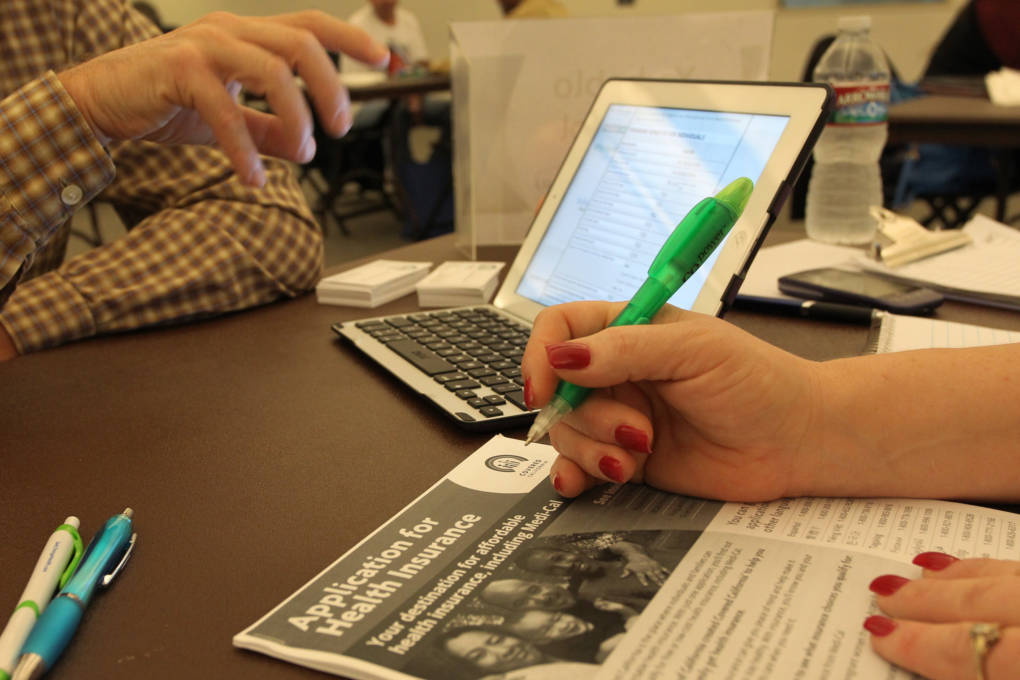
"caption": "A proposed “public charge” rule would penalize immigrants who use health, housing and nutrition benefits. ",
"description": "A proposed “public charge” rule would penalize immigrants who use health, housing and nutrition benefits. ",
"title": "Affordable Care Act (ACA) Enrollment Fair Held In Southern California",
"credit": "David McNew/Getty Images",
"status": "inherit",
"isLoading": false,
"fetchFailed": false
},
"news_11705454": {
"type": "attachments",
"id": "news_11705454",
"meta": {
"index": "attachments_1716263798",
"site": "news",
"id": "11705454",
"found": true
},
"parent": 11705377,
"imgSizes": {
"twentyfourteen-full-width": {
"file": "https://ww2.kqed.org/app/uploads/sites/10/2018/11/MARQUEE-LOFGREN_2-1038x576.jpg",
"width": 1038,
"mimeType": "image/jpeg",
"height": 576
},
"thumbnail": {
"file": "https://ww2.kqed.org/app/uploads/sites/10/2018/11/MARQUEE-LOFGREN_2-160x90.jpg",
"width": 160,
"mimeType": "image/jpeg",
"height": 90
},
"post-thumbnail": {
"file": "https://ww2.kqed.org/app/uploads/sites/10/2018/11/MARQUEE-LOFGREN_2-672x372.jpg",
"width": 672,
"mimeType": "image/jpeg",
"height": 372
},
"kqedFullSize": {
"file": "https://ww2.kqed.org/app/uploads/sites/10/2018/11/MARQUEE-LOFGREN_2.jpg",
"width": 1280,
"height": 720
},
"large": {
"file": "https://ww2.kqed.org/app/uploads/sites/10/2018/11/MARQUEE-LOFGREN_2-1020x574.jpg",
"width": 1020,
"mimeType": "image/jpeg",
"height": 574
},
"complete_open_graph": {
"file": "https://ww2.kqed.org/app/uploads/sites/10/2018/11/MARQUEE-LOFGREN_2-1200x675.jpg",
"width": 1200,
"mimeType": "image/jpeg",
"height": 675
},
"guest-author-50": {
"file": "https://ww2.kqed.org/app/uploads/sites/10/2018/11/MARQUEE-LOFGREN_2-50x50.jpg",
"width": 50,
"mimeType": "image/jpeg",
"height": 50
},
"guest-author-96": {
"file": "https://ww2.kqed.org/app/uploads/sites/10/2018/11/MARQUEE-LOFGREN_2-96x96.jpg",
"width": 96,
"mimeType": "image/jpeg",
"height": 96
},
"medium": {
"file": "https://ww2.kqed.org/app/uploads/sites/10/2018/11/MARQUEE-LOFGREN_2-800x450.jpg",
"width": 800,
"mimeType": "image/jpeg",
"height": 450
},
"guest-author-64": {
"file": "https://ww2.kqed.org/app/uploads/sites/10/2018/11/MARQUEE-LOFGREN_2-64x64.jpg",
"width": 64,
"mimeType": "image/jpeg",
"height": 64
},
"guest-author-32": {
"file": "https://ww2.kqed.org/app/uploads/sites/10/2018/11/MARQUEE-LOFGREN_2-32x32.jpg",
"width": 32,
"mimeType": "image/jpeg",
"height": 32
},
"detail": {
"file": "https://ww2.kqed.org/app/uploads/sites/10/2018/11/MARQUEE-LOFGREN_2-150x150.jpg",
"width": 150,
"mimeType": "image/jpeg",
"height": 150
},
"guest-author-128": {
"file": "https://ww2.kqed.org/app/uploads/sites/10/2018/11/MARQUEE-LOFGREN_2-128x128.jpg",
"width": 128,
"mimeType": "image/jpeg",
"height": 128
}
},
"publishDate": 1541813576,
"modified": 1541813576,
"caption": null,
"description": null,
"title": "MARQUEE LOFGREN_2",
"credit": null,
"status": "inherit",
"isLoading": false,
"fetchFailed": false
},
"news_11705386": {
"type": "attachments",
"id": "news_11705386",
"meta": {
"index": "attachments_1716263798",
"site": "news",
"id": "11705386",
"found": true
},
"parent": 11705361,
"imgSizes": {
"small": {
"file": "https://ww2.kqed.org/app/uploads/sites/10/2018/11/RS32045_IMG_1721-qut-520x347.jpg",
"width": 520,
"mimeType": "image/jpeg",
"height": 347
},
"twentyfourteen-full-width": {
"file": "https://ww2.kqed.org/app/uploads/sites/10/2018/11/RS32045_IMG_1721-qut-1038x576.jpg",
"width": 1038,
"mimeType": "image/jpeg",
"height": 576
},
"thumbnail": {
"file": "https://ww2.kqed.org/app/uploads/sites/10/2018/11/RS32045_IMG_1721-qut-160x107.jpg",
"width": 160,
"mimeType": "image/jpeg",
"height": 107
},
"fd-sm": {
"file": "https://ww2.kqed.org/app/uploads/sites/10/2018/11/RS32045_IMG_1721-qut-960x640.jpg",
"width": 960,
"mimeType": "image/jpeg",
"height": 640
},
"post-thumbnail": {
"file": "https://ww2.kqed.org/app/uploads/sites/10/2018/11/RS32045_IMG_1721-qut-672x372.jpg",
"width": 672,
"mimeType": "image/jpeg",
"height": 372
},
"xsmall": {
"file": "https://ww2.kqed.org/app/uploads/sites/10/2018/11/RS32045_IMG_1721-qut-375x250.jpg",
"width": 375,
"mimeType": "image/jpeg",
"height": 250
},
"kqedFullSize": {
"file": "https://ww2.kqed.org/app/uploads/sites/10/2018/11/RS32045_IMG_1721-qut.jpg",
"width": 1920,
"height": 1280
},
"large": {
"file": "https://ww2.kqed.org/app/uploads/sites/10/2018/11/RS32045_IMG_1721-qut-1020x680.jpg",
"width": 1020,
"mimeType": "image/jpeg",
"height": 680
},
"xlarge": {
"file": "https://ww2.kqed.org/app/uploads/sites/10/2018/11/RS32045_IMG_1721-qut-1180x787.jpg",
"width": 1180,
"mimeType": "image/jpeg",
"height": 787
},
"complete_open_graph": {
"file": "https://ww2.kqed.org/app/uploads/sites/10/2018/11/RS32045_IMG_1721-qut-1200x800.jpg",
"width": 1200,
"mimeType": "image/jpeg",
"height": 800
},
"guest-author-50": {
"file": "https://ww2.kqed.org/app/uploads/sites/10/2018/11/RS32045_IMG_1721-qut-50x50.jpg",
"width": 50,
"mimeType": "image/jpeg",
"height": 50
},
"guest-author-96": {
"file": "https://ww2.kqed.org/app/uploads/sites/10/2018/11/RS32045_IMG_1721-qut-96x96.jpg",
"width": 96,
"mimeType": "image/jpeg",
"height": 96
},
"medium": {
"file": "https://ww2.kqed.org/app/uploads/sites/10/2018/11/RS32045_IMG_1721-qut-800x533.jpg",
"width": 800,
"mimeType": "image/jpeg",
"height": 533
},
"guest-author-64": {
"file": "https://ww2.kqed.org/app/uploads/sites/10/2018/11/RS32045_IMG_1721-qut-64x64.jpg",
"width": 64,
"mimeType": "image/jpeg",
"height": 64
},
"guest-author-32": {
"file": "https://ww2.kqed.org/app/uploads/sites/10/2018/11/RS32045_IMG_1721-qut-32x32.jpg",
"width": 32,
"mimeType": "image/jpeg",
"height": 32
},
"fd-lrg": {
"file": "https://ww2.kqed.org/app/uploads/sites/10/2018/11/RS32045_IMG_1721-qut-1920x1280.jpg",
"width": 1920,
"mimeType": "image/jpeg",
"height": 1280
},
"fd-med": {
"file": "https://ww2.kqed.org/app/uploads/sites/10/2018/11/RS32045_IMG_1721-qut-1180x787.jpg",
"width": 1180,
"mimeType": "image/jpeg",
"height": 787
},
"full-width": {
"file": "https://ww2.kqed.org/app/uploads/sites/10/2018/11/RS32045_IMG_1721-qut-1920x1280.jpg",
"width": 1920,
"mimeType": "image/jpeg",
"height": 1280
},
"detail": {
"file": "https://ww2.kqed.org/app/uploads/sites/10/2018/11/RS32045_IMG_1721-qut-150x150.jpg",
"width": 150,
"mimeType": "image/jpeg",
"height": 150
},
"guest-author-128": {
"file": "https://ww2.kqed.org/app/uploads/sites/10/2018/11/RS32045_IMG_1721-qut-128x128.jpg",
"width": 128,
"mimeType": "image/jpeg",
"height": 128
},
"xxsmall": {
"file": "https://ww2.kqed.org/app/uploads/sites/10/2018/11/RS32045_IMG_1721-qut-240x160.jpg",
"width": 240,
"mimeType": "image/jpeg",
"height": 160
}
},
"publishDate": 1541806097,
"modified": 1541807302,
"caption": "The view from \"Bunker Hill\" area where you can see Mexico on the left and the United States on the right divided by a border wall.",
"description": "The view from \"Bunker Hill\" area where you can see Mexico on the left and the United States on the right divided by a border wall.",
"title": "RS32045_IMG_1721-qut",
"credit": "Ariana Drehsler/KQED",
"status": "inherit",
"isLoading": false,
"fetchFailed": false
},
"news_11705128": {
"type": "attachments",
"id": "news_11705128",
"meta": {
"index": "attachments_1716263798",
"site": "news",
"id": "11705128",
"found": true
},
"parent": 11705114,
"imgSizes": {
"twentyfourteen-full-width": {
"file": "https://ww2.kqed.org/app/uploads/sites/10/2018/11/RS26227_IMG_0297-qut-1038x576.jpg",
"width": 1038,
"mimeType": "image/jpeg",
"height": 576
},
"thumbnail": {
"file": "https://ww2.kqed.org/app/uploads/sites/10/2018/11/RS26227_IMG_0297-qut-160x120.jpg",
"width": 160,
"mimeType": "image/jpeg",
"height": 120
},
"post-thumbnail": {
"file": "https://ww2.kqed.org/app/uploads/sites/10/2018/11/RS26227_IMG_0297-qut-672x372.jpg",
"width": 672,
"mimeType": "image/jpeg",
"height": 372
},
"kqedFullSize": {
"file": "https://ww2.kqed.org/app/uploads/sites/10/2018/11/RS26227_IMG_0297-qut.jpg",
"width": 1920,
"height": 1440
},
"large": {
"file": "https://ww2.kqed.org/app/uploads/sites/10/2018/11/RS26227_IMG_0297-qut-1020x765.jpg",
"width": 1020,
"mimeType": "image/jpeg",
"height": 765
},
"complete_open_graph": {
"file": "https://ww2.kqed.org/app/uploads/sites/10/2018/11/RS26227_IMG_0297-qut-1200x900.jpg",
"width": 1200,
"mimeType": "image/jpeg",
"height": 900
},
"guest-author-50": {
"file": "https://ww2.kqed.org/app/uploads/sites/10/2018/11/RS26227_IMG_0297-qut-50x50.jpg",
"width": 50,
"mimeType": "image/jpeg",
"height": 50
},
"guest-author-96": {
"file": "https://ww2.kqed.org/app/uploads/sites/10/2018/11/RS26227_IMG_0297-qut-96x96.jpg",
"width": 96,
"mimeType": "image/jpeg",
"height": 96
},
"medium": {
"file": "https://ww2.kqed.org/app/uploads/sites/10/2018/11/RS26227_IMG_0297-qut-800x600.jpg",
"width": 800,
"mimeType": "image/jpeg",
"height": 600
},
"guest-author-64": {
"file": "https://ww2.kqed.org/app/uploads/sites/10/2018/11/RS26227_IMG_0297-qut-64x64.jpg",
"width": 64,
"mimeType": "image/jpeg",
"height": 64
},
"guest-author-32": {
"file": "https://ww2.kqed.org/app/uploads/sites/10/2018/11/RS26227_IMG_0297-qut-32x32.jpg",
"width": 32,
"mimeType": "image/jpeg",
"height": 32
},
"full-width": {
"file": "https://ww2.kqed.org/app/uploads/sites/10/2018/11/RS26227_IMG_0297-qut-1920x1440.jpg",
"width": 1920,
"mimeType": "image/jpeg",
"height": 1440
},
"detail": {
"file": "https://ww2.kqed.org/app/uploads/sites/10/2018/11/RS26227_IMG_0297-qut-150x150.jpg",
"width": 150,
"mimeType": "image/jpeg",
"height": 150
},
"guest-author-128": {
"file": "https://ww2.kqed.org/app/uploads/sites/10/2018/11/RS26227_IMG_0297-qut-128x128.jpg",
"width": 128,
"mimeType": "image/jpeg",
"height": 128
}
},
"publishDate": 1541727184,
"modified": 1541729878,
"caption": "Jasmine Mongue, Kim Wilson and Caitlin Lang (L-R) hold signs at a pro-DACA rally in San Francisco's Financial District on Tuesday, August 15, 2017.",
"description": null,
"title": "RS26227_IMG_0297-qut",
"credit": "Ryan Levi/KQED",
"status": "inherit",
"isLoading": false,
"fetchFailed": false
},
"news_11704945": {
"type": "attachments",
"id": "news_11704945",
"meta": {
"index": "attachments_1716263798",
"site": "news",
"id": "11704945",
"found": true
},
"parent": 11704922,
"imgSizes": {
"twentyfourteen-full-width": {
"file": "https://ww2.kqed.org/app/uploads/sites/10/2018/11/RS11177_450883188-e1541711545767-1038x576.jpg",
"width": 1038,
"mimeType": "image/jpeg",
"height": 576
},
"thumbnail": {
"file": "https://ww2.kqed.org/app/uploads/sites/10/2018/11/RS11177_450883188-e1541711545767-160x107.jpg",
"width": 160,
"mimeType": "image/jpeg",
"height": 107
},
"post-thumbnail": {
"file": "https://ww2.kqed.org/app/uploads/sites/10/2018/11/RS11177_450883188-e1541711545767-672x372.jpg",
"width": 672,
"mimeType": "image/jpeg",
"height": 372
},
"kqedFullSize": {
"file": "https://ww2.kqed.org/app/uploads/sites/10/2018/11/RS11177_450883188-e1541711545767.jpg",
"width": 1920,
"height": 1280
},
"large": {
"file": "https://ww2.kqed.org/app/uploads/sites/10/2018/11/RS11177_450883188-e1541711545767-1020x680.jpg",
"width": 1020,
"mimeType": "image/jpeg",
"height": 680
},
"complete_open_graph": {
"file": "https://ww2.kqed.org/app/uploads/sites/10/2018/11/RS11177_450883188-e1541711545767-1200x800.jpg",
"width": 1200,
"mimeType": "image/jpeg",
"height": 800
},
"guest-author-50": {
"file": "https://ww2.kqed.org/app/uploads/sites/10/2018/11/RS11177_450883188-e1541711545767-50x50.jpg",
"width": 50,
"mimeType": "image/jpeg",
"height": 50
},
"guest-author-96": {
"file": "https://ww2.kqed.org/app/uploads/sites/10/2018/11/RS11177_450883188-e1541711545767-96x96.jpg",
"width": 96,
"mimeType": "image/jpeg",
"height": 96
},
"medium": {
"file": "https://ww2.kqed.org/app/uploads/sites/10/2018/11/RS11177_450883188-e1541711545767-800x533.jpg",
"width": 800,
"mimeType": "image/jpeg",
"height": 533
},
"guest-author-64": {
"file": "https://ww2.kqed.org/app/uploads/sites/10/2018/11/RS11177_450883188-e1541711545767-64x64.jpg",
"width": 64,
"mimeType": "image/jpeg",
"height": 64
},
"guest-author-32": {
"file": "https://ww2.kqed.org/app/uploads/sites/10/2018/11/RS11177_450883188-e1541711545767-32x32.jpg",
"width": 32,
"mimeType": "image/jpeg",
"height": 32
},
"full-width": {
"file": "https://ww2.kqed.org/app/uploads/sites/10/2018/11/RS11177_450883188-e1541711545767-1920x1280.jpg",
"width": 1920,
"mimeType": "image/jpeg",
"height": 1280
},
"detail": {
"file": "https://ww2.kqed.org/app/uploads/sites/10/2018/11/RS11177_450883188-e1541711545767-150x150.jpg",
"width": 150,
"mimeType": "image/jpeg",
"height": 150
},
"guest-author-128": {
"file": "https://ww2.kqed.org/app/uploads/sites/10/2018/11/RS11177_450883188-e1541711545767-128x128.jpg",
"width": 128,
"mimeType": "image/jpeg",
"height": 128
}
},
"publishDate": 1541709880,
"modified": 1541711754,
"caption": "Two migrant children sleep in a holding cell as detainees are separated by age group and gender at the U.S. Customs and Border Protection Nogales Placement Center on June 18, 2014. A pilot program aims to speed up legal proceedings for some of the 13,000 migrant children who remain in federal custody by using video testimony in their hearings.",
"description": null,
"title": "Familes and Children Held In U.S. Customs and Border Protection Processing Facility",
"credit": "Ross D. Franklin-Pool/Getty Images",
"status": "inherit",
"isLoading": false,
"fetchFailed": false
},
"news_11704211": {
"type": "attachments",
"id": "news_11704211",
"meta": {
"index": "attachments_1716263798",
"site": "news",
"id": "11704211",
"found": true
},
"parent": 11704210,
"imgSizes": {
"twentyfourteen-full-width": {
"file": "https://ww2.kqed.org/app/uploads/sites/10/2018/11/gettyimages-801354822_wide-0be532b5f2bdf9a28ab7b9792ee5cc0a02def536-e1541549429953-1038x576.jpg",
"width": 1038,
"mimeType": "image/jpeg",
"height": 576
},
"thumbnail": {
"file": "https://ww2.kqed.org/app/uploads/sites/10/2018/11/gettyimages-801354822_wide-0be532b5f2bdf9a28ab7b9792ee5cc0a02def536-e1541549429953-160x90.jpg",
"width": 160,
"mimeType": "image/jpeg",
"height": 90
},
"post-thumbnail": {
"file": "https://ww2.kqed.org/app/uploads/sites/10/2018/11/gettyimages-801354822_wide-0be532b5f2bdf9a28ab7b9792ee5cc0a02def536-e1541549429953-672x372.jpg",
"width": 672,
"mimeType": "image/jpeg",
"height": 372
},
"kqedFullSize": {
"file": "https://ww2.kqed.org/app/uploads/sites/10/2018/11/gettyimages-801354822_wide-0be532b5f2bdf9a28ab7b9792ee5cc0a02def536-e1541549429953.jpg",
"width": 1920,
"height": 1080
},
"large": {
"file": "https://ww2.kqed.org/app/uploads/sites/10/2018/11/gettyimages-801354822_wide-0be532b5f2bdf9a28ab7b9792ee5cc0a02def536-e1541549429953-1020x574.jpg",
"width": 1020,
"mimeType": "image/jpeg",
"height": 574
},
"complete_open_graph": {
"file": "https://ww2.kqed.org/app/uploads/sites/10/2018/11/gettyimages-801354822_wide-0be532b5f2bdf9a28ab7b9792ee5cc0a02def536-e1541549429953-1200x675.jpg",
"width": 1200,
"mimeType": "image/jpeg",
"height": 675
},
"guest-author-50": {
"file": "https://ww2.kqed.org/app/uploads/sites/10/2018/11/gettyimages-801354822_wide-0be532b5f2bdf9a28ab7b9792ee5cc0a02def536-e1541549429953-50x50.jpg",
"width": 50,
"mimeType": "image/jpeg",
"height": 50
},
"guest-author-96": {
"file": "https://ww2.kqed.org/app/uploads/sites/10/2018/11/gettyimages-801354822_wide-0be532b5f2bdf9a28ab7b9792ee5cc0a02def536-e1541549429953-96x96.jpg",
"width": 96,
"mimeType": "image/jpeg",
"height": 96
},
"medium": {
"file": "https://ww2.kqed.org/app/uploads/sites/10/2018/11/gettyimages-801354822_wide-0be532b5f2bdf9a28ab7b9792ee5cc0a02def536-e1541549429953-800x450.jpg",
"width": 800,
"mimeType": "image/jpeg",
"height": 450
},
"guest-author-64": {
"file": "https://ww2.kqed.org/app/uploads/sites/10/2018/11/gettyimages-801354822_wide-0be532b5f2bdf9a28ab7b9792ee5cc0a02def536-e1541549429953-64x64.jpg",
"width": 64,
"mimeType": "image/jpeg",
"height": 64
},
"guest-author-32": {
"file": "https://ww2.kqed.org/app/uploads/sites/10/2018/11/gettyimages-801354822_wide-0be532b5f2bdf9a28ab7b9792ee5cc0a02def536-e1541549429953-32x32.jpg",
"width": 32,
"mimeType": "image/jpeg",
"height": 32
},
"full-width": {
"file": "https://ww2.kqed.org/app/uploads/sites/10/2018/11/gettyimages-801354822_wide-0be532b5f2bdf9a28ab7b9792ee5cc0a02def536-e1541549429953-1920x1080.jpg",
"width": 1920,
"mimeType": "image/jpeg",
"height": 1080
},
"detail": {
"file": "https://ww2.kqed.org/app/uploads/sites/10/2018/11/gettyimages-801354822_wide-0be532b5f2bdf9a28ab7b9792ee5cc0a02def536-e1541549429953-150x150.jpg",
"width": 150,
"mimeType": "image/jpeg",
"height": 150
},
"guest-author-128": {
"file": "https://ww2.kqed.org/app/uploads/sites/10/2018/11/gettyimages-801354822_wide-0be532b5f2bdf9a28ab7b9792ee5cc0a02def536-e1541549429953-128x128.jpg",
"width": 128,
"mimeType": "image/jpeg",
"height": 128
}
},
"publishDate": 1541547660,
"modified": 1541549449,
"caption": "The U.S. Supreme Court has been asked to intervene in pending cases about the legality of the Trump administration's decision to end the DACA program.",
"description": "The U.S. Supreme Court has been asked to intervene in pending cases about the legality of the Trump administration's decision to end the DACA program.",
"title": "The U.S. Supreme Court has been asked to intervene in pending cases about the legality of the Trump administration's decision to end the DACA program.",
"credit": "Eric Thayer/Getty Images",
"status": "inherit",
"isLoading": false,
"fetchFailed": false
},
"news_11680907": {
"type": "attachments",
"id": "news_11680907",
"meta": {
"index": "attachments_1716263798",
"site": "news",
"id": "11680907",
"found": true
},
"parent": 11680868,
"imgSizes": {
"small": {
"file": "https://ww2.kqed.org/app/uploads/sites/10/2018/07/IVotedButton-520x347.jpg",
"width": 520,
"mimeType": "image/jpeg",
"height": 347
},
"twentyfourteen-full-width": {
"file": "https://ww2.kqed.org/app/uploads/sites/10/2018/07/IVotedButton-1038x576.jpg",
"width": 1038,
"mimeType": "image/jpeg",
"height": 576
},
"thumbnail": {
"file": "https://ww2.kqed.org/app/uploads/sites/10/2018/07/IVotedButton-160x107.jpg",
"width": 160,
"mimeType": "image/jpeg",
"height": 107
},
"fd-sm": {
"file": "https://ww2.kqed.org/app/uploads/sites/10/2018/07/IVotedButton-960x640.jpg",
"width": 960,
"mimeType": "image/jpeg",
"height": 640
},
"post-thumbnail": {
"file": "https://ww2.kqed.org/app/uploads/sites/10/2018/07/IVotedButton-672x372.jpg",
"width": 672,
"mimeType": "image/jpeg",
"height": 372
},
"xsmall": {
"file": "https://ww2.kqed.org/app/uploads/sites/10/2018/07/IVotedButton-375x250.jpg",
"width": 375,
"mimeType": "image/jpeg",
"height": 250
},
"kqedFullSize": {
"file": "https://ww2.kqed.org/app/uploads/sites/10/2018/07/IVotedButton.jpg",
"width": 1920,
"height": 1280
},
"large": {
"file": "https://ww2.kqed.org/app/uploads/sites/10/2018/07/IVotedButton-1020x680.jpg",
"width": 1020,
"mimeType": "image/jpeg",
"height": 680
},
"xlarge": {
"file": "https://ww2.kqed.org/app/uploads/sites/10/2018/07/IVotedButton-1180x787.jpg",
"width": 1180,
"mimeType": "image/jpeg",
"height": 787
},
"complete_open_graph": {
"file": "https://ww2.kqed.org/app/uploads/sites/10/2018/07/IVotedButton-1200x800.jpg",
"width": 1200,
"mimeType": "image/jpeg",
"height": 800
},
"guest-author-50": {
"file": "https://ww2.kqed.org/app/uploads/sites/10/2018/07/IVotedButton-50x50.jpg",
"width": 50,
"mimeType": "image/jpeg",
"height": 50
},
"guest-author-96": {
"file": "https://ww2.kqed.org/app/uploads/sites/10/2018/07/IVotedButton-96x96.jpg",
"width": 96,
"mimeType": "image/jpeg",
"height": 96
},
"medium": {
"file": "https://ww2.kqed.org/app/uploads/sites/10/2018/07/IVotedButton-800x533.jpg",
"width": 800,
"mimeType": "image/jpeg",
"height": 533
},
"guest-author-64": {
"file": "https://ww2.kqed.org/app/uploads/sites/10/2018/07/IVotedButton-64x64.jpg",
"width": 64,
"mimeType": "image/jpeg",
"height": 64
},
"guest-author-32": {
"file": "https://ww2.kqed.org/app/uploads/sites/10/2018/07/IVotedButton-32x32.jpg",
"width": 32,
"mimeType": "image/jpeg",
"height": 32
},
"fd-lrg": {
"file": "https://ww2.kqed.org/app/uploads/sites/10/2018/07/IVotedButton-1920x1280.jpg",
"width": 1920,
"mimeType": "image/jpeg",
"height": 1280
},
"fd-med": {
"file": "https://ww2.kqed.org/app/uploads/sites/10/2018/07/IVotedButton-1180x787.jpg",
"width": 1180,
"mimeType": "image/jpeg",
"height": 787
},
"full-width": {
"file": "https://ww2.kqed.org/app/uploads/sites/10/2018/07/IVotedButton-1920x1280.jpg",
"width": 1920,
"mimeType": "image/jpeg",
"height": 1280
},
"detail": {
"file": "https://ww2.kqed.org/app/uploads/sites/10/2018/07/IVotedButton-150x150.jpg",
"width": 150,
"mimeType": "image/jpeg",
"height": 150
},
"guest-author-128": {
"file": "https://ww2.kqed.org/app/uploads/sites/10/2018/07/IVotedButton-128x128.jpg",
"width": 128,
"mimeType": "image/jpeg",
"height": 128
},
"xxsmall": {
"file": "https://ww2.kqed.org/app/uploads/sites/10/2018/07/IVotedButton-240x160.jpg",
"width": 240,
"mimeType": "image/jpeg",
"height": 160
}
},
"publishDate": 1531790402,
"modified": 1531862480,
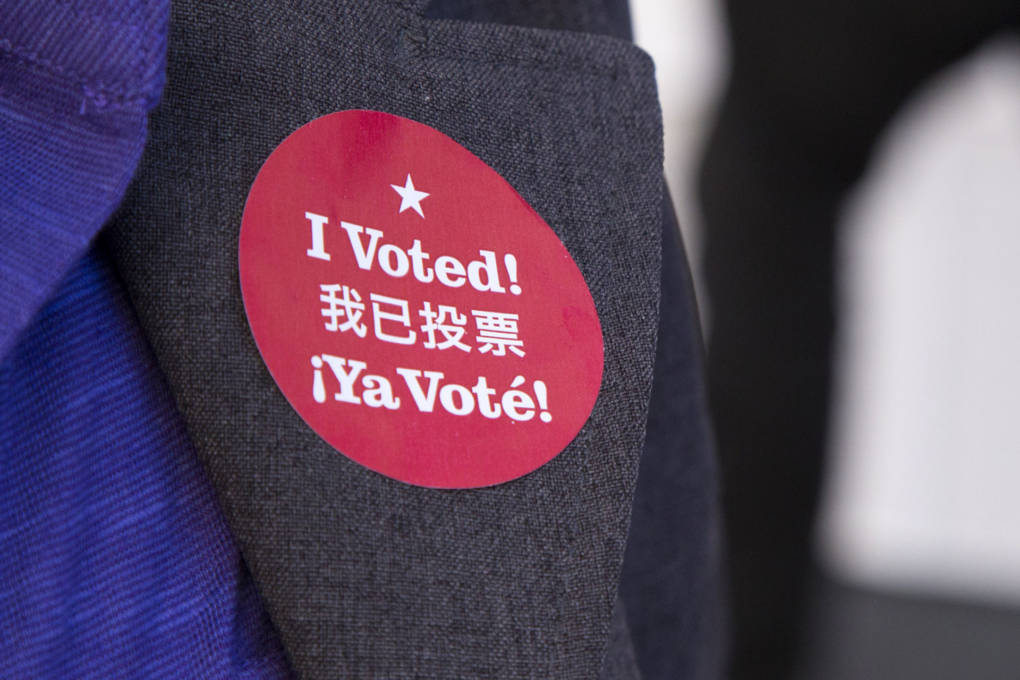
"caption": "In November 2016, San Francisco voters approved Proposition N, authorizing noncitizen voting in school board elections.",
"description": "In Nov. 2016, San Francisco voters approved Proposition N, authorizing non-citizen voting in school board elections.",
"title": "IVotedButton",
"credit": "Alan Toth/KQED",
"status": "inherit",
"isLoading": false,
"fetchFailed": false
}
},
"audioPlayerReducer": {
"postId": "stream_live",
"isPaused": true,
"isPlaying": false,
"pfsActive": false,
"pledgeModalIsOpen": true,
"playerDrawerIsOpen": false,
"liveAudioPlayStartedAt": 0,
"liveAudioPlayContext": ""
},
"authorsReducer": {
"byline_news_11706272": {
"type": "authors",
"id": "byline_news_11706272",
"meta": {
"override": true
},
"slug": "byline_news_11706272",
"name": "Vanessa Romo",
"isLoading": false
},
"byline_news_11705992": {
"type": "authors",
"id": "byline_news_11705992",
"meta": {
"override": true
},
"slug": "byline_news_11705992",
"name": "\u003cstrong>Sonia Perez D. \u003cbr />Associated Press\u003c/strong>",
"isLoading": false
},
"byline_news_11705958": {
"type": "authors",
"id": "byline_news_11705958",
"meta": {
"override": true
},
"slug": "byline_news_11705958",
"name": "\u003cstrong>Maria Versa\u003cbr />Associated Press\u003c/strong>",
"isLoading": false
},
"byline_news_11705361": {
"type": "authors",
"id": "byline_news_11705361",
"meta": {
"override": true
},
"slug": "byline_news_11705361",
"name": "Colleen Long\u003cbr>\u003cstrong>Associated Press\u003c/strong>",
"isLoading": false
},
"byline_news_11705114": {
"type": "authors",
"id": "byline_news_11705114",
"meta": {
"override": true
},
"slug": "byline_news_11705114",
"name": "\u003cstrong>\u003ca href=\"https://www.npr.org/people/2100569/richard-gonzales\">Richard Gonzales\u003c/a>\u003c/strong>",
"isLoading": false
},
"byline_news_11704922": {
"type": "authors",
"id": "byline_news_11704922",
"meta": {
"override": true
},
"slug": "byline_news_11704922",
"name": "Martha Mendoza and Garance Burke\u003c/br>Associated Press",
"isLoading": false
},
"byline_news_11704210": {
"type": "authors",
"id": "byline_news_11704210",
"meta": {
"override": true
},
"slug": "byline_news_11704210",
"name": "Camila Domonoske",
"isLoading": false
},
"kqed": {
"type": "authors",
"id": "236",
"meta": {
"index": "authors_1716337520",
"id": "236",
"found": true
},
"name": "KQED News Staff",
"firstName": "KQED News Staff",
"lastName": null,
"slug": "kqed",
"email": "faq@kqed.org",
"display_author_email": false,
"staff_mastheads": [],
"title": null,
"bio": null,
"avatar": "https://secure.gravatar.com/avatar/ef0e801a68c4c54afa9180db14084167?s=600&d=blank&r=g",
"twitter": null,
"facebook": null,
"instagram": null,
"linkedin": null,
"sites": [
{
"site": "arts",
"roles": [
"contributor"
]
},
{
"site": "news",
"roles": [
"editor"
]
},
{
"site": "futureofyou",
"roles": [
"author"
]
}
],
"headData": {
"title": "KQED News Staff | KQED",
"description": null,
"ogImgSrc": "https://secure.gravatar.com/avatar/ef0e801a68c4c54afa9180db14084167?s=600&d=blank&r=g",
"twImgSrc": "https://secure.gravatar.com/avatar/ef0e801a68c4c54afa9180db14084167?s=600&d=blank&r=g"
},
"isLoading": false,
"link": "/author/kqed"
},
"jsmall": {
"type": "authors",
"id": "6625",
"meta": {
"index": "authors_1716337520",
"id": "6625",
"found": true
},
"name": "Julie Small",
"firstName": "Julie",
"lastName": "Small",
"slug": "jsmall",
"email": "jsmall@kqed.org",
"display_author_email": true,
"staff_mastheads": [
"news"
],
"title": "KQED Contributor",
"bio": "Julie Small reports on criminal justice and immigration.\r\n\r\nShe was part of a team at KQED awarded a regional 2019 Edward R. Murrow award for continuing coverage of the Trump Administration's family separation policy.\r\n\r\nThe Society for Professional Journalists recognized Julie's 2018 \u003ca href=\"https://www.kqed.org/news/11636262/the-officer-tased-him-31-times-the-sheriff-called-his-death-an-accident\">reporting\u003c/a> on the San Joaquin County Sheriff's \u003ca href=\"https://www.kqed.org/news/11634689/autopsy-doctors-sheriff-overrode-death-findings-to-protect-law-enforcement\">interference\u003c/a> in death investigations with an Excellence in Journalism Award for Ongoing Coverage.\r\n\r\nJulie's\u003ca href=\"https://www.kqed.org/news/11039666/two-mentally-ill-inmates-died-one-month-in-santa-clara\"> reporting\u003c/a> with Lisa Pickoff-White on the treatment of mentally ill offenders in California jails earned a 2017 regional Edward R. Murrow Award for news reporting and an investigative reporting award from the SPJ of Northern California.\r\n\r\nBefore joining KQED, Julie covered government and politics in Sacramento for Southern California Public Radio (SCPR). Her 2010 \u003ca href=\"https://www.scpr.org/specials/prisonmedical/\">series\u003c/a> on lapses in California’s prison medical care also won a regional Edward R. Murrow Award for investigative reporting and a Golden Mic Award from the RTNDA of Southern California.\r\n\r\nJulie began her career in journalism in 2000 as the deputy foreign editor for public radio's \u003cem>Marketplace, \u003c/em>while earning her master's degree in journalism from USC’s Annenberg School of Communication.",
"avatar": "https://secure.gravatar.com/avatar/4baedf201468df97be97c2a9dd7585d0?s=600&d=blank&r=g",
"twitter": "@SmallRadio2",
"facebook": null,
"instagram": null,
"linkedin": null,
"sites": [
{
"site": "news",
"roles": [
"editor"
]
},
{
"site": "stateofhealth",
"roles": [
"author"
]
},
{
"site": "science",
"roles": [
"author"
]
}
],
"headData": {
"title": "Julie Small | KQED",
"description": "KQED Contributor",
"ogImgSrc": "https://secure.gravatar.com/avatar/4baedf201468df97be97c2a9dd7585d0?s=600&d=blank&r=g",
"twImgSrc": "https://secure.gravatar.com/avatar/4baedf201468df97be97c2a9dd7585d0?s=600&d=blank&r=g"
},
"isLoading": false,
"link": "/author/jsmall"
},
"cveltman": {
"type": "authors",
"id": "8608",
"meta": {
"index": "authors_1716337520",
"id": "8608",
"found": true
},
"name": "Chloe Veltman",
"firstName": "Chloe",
"lastName": "Veltman",
"slug": "cveltman",
"email": "cveltman@kqed.org",
"display_author_email": true,
"staff_mastheads": [],
"title": "Arts and Culture Reporter",
"bio": "Chloe Veltman is a former arts and culture reporter for KQED. Prior to joining the organization, she launched and led the arts bureau at Colorado Public Radio, served as the Bay Area's culture columnist for the New York Times, and was the founder, host and executive producer of VoiceBox, a national award-winning weekly podcast/radio show and live events series all about the human voice. Chloe is the recipient of numerous prizes, grants and fellowships including a Webby Award for her work on interactive storytelling, both the John S Knight Journalism Fellowship and Humanities Center Fellowship at Stanford University, the Sundance Arts Writing Fellowship and a Library of Congress Research Fellowship. She is the author of the book \"On Acting\" and has appeared as a guest lecturer at Yale University and the San Francisco Conservatory of Music among other institutions. She holds a BA in english literature from King's College, Cambridge, and a Masters in Dramaturgy from the Central School of Speech and Drama/Harvard Institute for Advanced Theater Training.\r\n\u003ca href=\"https://www.chloeveltman.com\">www.chloeveltman.com\u003c/a>",
"avatar": "https://secure.gravatar.com/avatar/55403394b00a1ddab683952c2eb2cf85?s=600&d=blank&r=g",
"twitter": "chloeveltman",
"facebook": null,
"instagram": null,
"linkedin": null,
"sites": [
{
"site": "arts",
"roles": []
},
{
"site": "news",
"roles": [
"author"
]
},
{
"site": "pop",
"roles": [
"editor"
]
},
{
"site": "science",
"roles": []
}
],
"headData": {
"title": "Chloe Veltman | KQED",
"description": "Arts and Culture Reporter",
"ogImgSrc": "https://secure.gravatar.com/avatar/55403394b00a1ddab683952c2eb2cf85?s=600&d=blank&r=g",
"twImgSrc": "https://secure.gravatar.com/avatar/55403394b00a1ddab683952c2eb2cf85?s=600&d=blank&r=g"
},
"isLoading": false,
"link": "/author/cveltman"
},
"fjhabvala": {
"type": "authors",
"id": "8659",
"meta": {
"index": "authors_1716337520",
"id": "8659",
"found": true
},
"name": "Farida Jhabvala Romero",
"firstName": "Farida",
"lastName": "Jhabvala Romero",
"slug": "fjhabvala",
"email": "fjhabvala@kqed.org",
"display_author_email": true,
"staff_mastheads": [
"news"
],
"title": "KQED Contributor",
"bio": "Farida Jhabvala Romero is a Labor Correspondent for KQED. She previously covered immigration. Farida was \u003ca href=\"https://www.ccnma.org/2022-most-influential-latina-journalists\">named\u003c/a> one of the 10 Most Influential Latina Journalists in California in 2022 by the California Chicano News Media Association. Her work has won awards from the Society of Professional Journalists (Northern California), as well as a national and regional Edward M. Murrow Award for the collaborative reporting projects “Dangerous Air” and “Graying California.” Before joining KQED, Farida worked as a producer at Radio Bilingüe, a national public radio network. Farida earned her master’s degree in journalism from Stanford University.",
"avatar": "https://secure.gravatar.com/avatar/f9f022d4e2609741874222a1e9d41f48fea74011aa7c615eef91d9a50c944ebe?s=600&d=blank&r=g",
"twitter": "FaridaJhabvala",
"bluesky": null,
"facebook": null,
"instagram": null,
"linkedin": "https://www.linkedin.com/in/faridajhabvala/",
"sites": [
{
"site": "news",
"roles": [
"editor"
]
},
{
"site": "stateofhealth",
"roles": [
"author"
]
},
{
"site": "liveblog",
"roles": [
"author"
]
}
],
"headData": {
"title": "Farida Jhabvala Romero | KQED",
"description": "KQED Contributor",
"ogImgSrc": "https://secure.gravatar.com/avatar/f9f022d4e2609741874222a1e9d41f48fea74011aa7c615eef91d9a50c944ebe?s=600&d=blank&r=g",
"twImgSrc": "https://secure.gravatar.com/avatar/f9f022d4e2609741874222a1e9d41f48fea74011aa7c615eef91d9a50c944ebe?s=600&d=blank&r=g"
},
"isLoading": false,
"link": "/author/fjhabvala"
},
"vrancano": {
"type": "authors",
"id": "11276",
"meta": {
"index": "authors_1716337520",
"id": "11276",
"found": true
},
"name": "Vanessa Rancaño",
"firstName": "Vanessa",
"lastName": "Rancaño",
"slug": "vrancano",
"email": "vrancano@kqed.org",
"display_author_email": false,
"staff_mastheads": [
"news"
],
"title": "Reporter",
"bio": "Vanessa Rancaño is a features reporter for KQED. She’s also covered homelessness and education for the station and reported from the Central Valley. Her work has aired across public radio, from flagship national news shows to longform narrative podcasts. Before taking up a mic, she worked as a freelance print journalist. She’s been recognized with a number of national and regional awards. Vanessa grew up in California's Central Valley. She's a former NPR Kroc Fellow, and a graduate of the UC Berkeley Graduate School of Journalism.",
"avatar": "https://secure.gravatar.com/avatar/b3a383dfb0e7ee1c17568f2cf067904ab654d6e3de9743fc661f3c788ade1bed?s=600&d=blank&r=g",
"twitter": "vanessarancano",
"bluesky": null,
"facebook": null,
"instagram": null,
"linkedin": null,
"sites": [
{
"site": "arts",
"roles": [
"editor"
]
},
{
"site": "news",
"roles": [
"editor"
]
},
{
"site": "liveblog",
"roles": [
"contributor"
]
}
],
"headData": {
"title": "Vanessa Rancaño | KQED",
"description": "Reporter",
"ogImgSrc": "https://secure.gravatar.com/avatar/b3a383dfb0e7ee1c17568f2cf067904ab654d6e3de9743fc661f3c788ade1bed?s=600&d=blank&r=g",
"twImgSrc": "https://secure.gravatar.com/avatar/b3a383dfb0e7ee1c17568f2cf067904ab654d6e3de9743fc661f3c788ade1bed?s=600&d=blank&r=g"
},
"isLoading": false,
"link": "/author/vrancano"
}
},
"pagesReducer": {
"news_category_immigration": {
"type": "terms",
"id": "news_1169",
"meta": {
"index": "terms_1716263798",
"site": "news",
"id": "1169",
"score": 10.910702
},
"featImg": null,
"name": "Immigration",
"description": null,
"taxonomy": "category",
"headData": {
"twImgId": null,
"twTitle": null,
"ogTitle": null,
"ogImgId": null,
"twDescription": null,
"description": null,
"title": "Immigration Archives | KQED News",
"ogDescription": null
},
"ttid": 1180,
"slug": "immigration",
"isLoading": false,
"title": "Immigration",
"pageMeta": {
"site": "news",
"WpPageTemplate": "page-topic-editorial",
"currentPage": 112
},
"blocks": [
{
"blockName": "kqed/post-list",
"attrs": {
"layout": "cardArticle2",
"query": "posts/news?category=immigration",
"seeMore": false,
"paginated": true,
"page": 112
}
},
{
"blockName": "kqed/ad"
}
]
}
},
"pfsSessionReducer": {},
"postsReducer": {
"stream_live": {
"type": "live",
"id": "stream_live",
"audioUrl": "https://streams.kqed.org/kqedradio",
"title": "Live Stream",
"excerpt": "Live Stream information currently unavailable.",
"link": "/radio",
"featImg": "",
"label": {
"name": "KQED Live",
"link": "/"
}
},
"stream_kqedNewscast": {
"type": "posts",
"id": "stream_kqedNewscast",
"audioUrl": "https://www.kqed.org/.stream/anon/radio/RDnews/newscast.mp3?_=1",
"title": "KQED Newscast",
"featImg": "",
"label": {
"name": "88.5 FM",
"link": "/"
}
},
"news_11701148": {
"type": "posts",
"id": "news_11701148",
"meta": {
"index": "posts_1716263798",
"site": "news",
"id": "11701148",
"score": null,
"sort": [
1542386941000
]
},
"guestAuthors": [],
"slug": "federal-judge-approves-deal-for-separated-migrant-families-to-seek-asylum",
"title": "Federal Judge Approves Deal for Separated Migrant Families to Seek Asylum",
"publishDate": 1542386941,
"format": "standard",
"headTitle": "Federal Judge Approves Deal for Separated Migrant Families to Seek Asylum | KQED",
"labelTerm": {
"term": 72,
"site": "news"
},
"content": "\u003cp>A federal judge in California has approved a settlement that allows most of the nearly 2,700 migrant children taken from parents at the border this year to get another chance to apply for asylum. Many of their parents will also get that chance.\u003c/p>\n\u003cp>The settlement, reached between the government and the American Civil Liberties Union, resolved three lawsuits challenging the separation of migrant families.\u003c/p>\n\u003cp>“The settlement is a remarkable piece of work, accomplished through a great deal of time and effort by the parties,” said U.S. District Judge Dana Sabraw at a hearing in San Diego Thursday. “It’s not perfect, but we are dealing with a situation that is far from perfect.”\u003c/p>\n\u003cp>The agreement applies to children who were still in U.S. custody on June 26 — the date when Sabraw \u003ca href=\"https://www.kqed.org/news/11677646/judge-bars-migrant-family-separations-orders-return-of-children-within-30-days\" target=\"_blank\" rel=\"noopener\">ordered\u003c/a> the government to reunite the families. Parents of eligible children can also apply, but only if they are still in the United States.\u003c/p>\n\u003cp>“We believe it will help hundreds, if not thousands, of families,” said ACLU attorney Lee Gelernt after the hearing.\u003c/p>\n\u003cp>[ad fullwidth]\u003c/p>\n\u003cp>The plaintiffs argued that families had been so traumatized by the forcible separation that they may not have been able to make credible asylum claims initially.\u003c/p>\n\u003cp>But some advocates \u003ca href=\"https://www.kqed.org/news/11698629/parents-deported-without-their-kids-face-untenable-choice\" target=\"_blank\" rel=\"noopener\">objected\u003c/a> to the settlement because it excludes more than 400 parents who were deported without their children.\u003c/p>\n\u003cp>Those parents had to choose between being reunited with their children in their home countries or leaving their children in the U.S. in hopes they’d be allowed to stay.\u003c/p>\n\u003cp>In overruling that objection, Sabraw said the settlement addresses the issue of deported parents by allowing the ACLU to bring individual cases to the government to reconsider allowing them to reapply for asylum.\u003c/p>\n\u003cp>“The judge instructed the government to operate in good faith when reviewing these cases,” Gelernt said. “We’re hopeful the government will agree to return these parents and, if not, we may have to bring that issue back to Judge Sabraw.”\u003c/p>\n\u003cp>Attorneys have 30 days to decide which cases of deported parents to bring to the government.\u003c/p>\n\u003cp>Gelernt was also satisfied that the court ordered the government to fix some issues that affect a minority of the families.\u003c/p>\n\u003cp>For example, two women who petitioned the court to be included in the settlement are legal guardians of children — not parents — who are still in the U.S. They said they should be allowed to reapply for asylum, the same as any parent.\u003c/p>\n\u003cp>The judge ordered the parties to meet and confer to resolve the question.\u003c/p>\n\u003cp>\u003cstrong>Most Children Reunited With Families\u003c/strong>\u003c/p>\n\u003cp>Even as the settlement agreement winds down, the court will continue to oversee the reunification of families that remain separated.\u003c/p>\n\u003cp>In court papers filed Nov. 8, the government reported that 2,666 children have been identified as having been taken from a parent. And of those, 2,458 children have already been discharged from the government’s care to a parent, relative or sponsor.\u003c/p>\n\u003cp>Judge Sabraw has set a status conference for Nov. 30 to get an update on the reunification process.\u003c/p>\n\u003cp>\u003cstrong>‘Unfit’ Parents\u003c/strong>\u003c/p>\n\u003cp>Not all issues will be resolved in the settlement, including the question of what happens to 30 children who will not be returned to parents whom the government deemed “unfit” or dangerous.\u003c/p>\n\u003cp>In one such case, “Ms. Q”, a mother from El Salvador, was separated from her 3-year-old son, “J”, at the border. She was sent to U.S. Immigration and Customs Enforcement detention in Laredo, Texas. Her son was sent to a child care facility in Chicago. After three months the government informed Ms. Q she was “unfit” to be reunited with her son because the Salvadoran government had issued a warrant for her arrest on suspicion that she was affiliated with a gang. Through attorneys, she said she came to the U.S. to escape gang violence, after she was badly beaten by gang members.\u003c/p>\n\u003cp>Attorneys representing Ms. Q and her son recently challenged the government’s decision not to reunite them, in U.S. District Court in Washington, D.C.\u003c/p>\n\u003cp>\u003cstrong>The Policy That Was Not a Policy\u003c/strong>\u003c/p>\n\u003cp>The Trump administration has denied any official policy of separating families, but said families had to be split apart when parents faced criminal prosecution for entering the country illegally.\u003c/p>\n\u003cp>The “zero-tolerance policy” of prosecuting all adults crossing the border unlawfully, was adopted in April this year and publicly announced by the U.S. Department of Justice in May.\u003c/p>\n\u003cp>When U.S. Customs and Border Protection officials transferred parents to courthouses along the border to face charges, they sent the children to facilities managed by the Office of Refugee Resettlement.\u003c/p>\n\u003cp>Parents who pleaded guilty to misdemeanor illegal entry were often returned to Border Patrol stations within hours, only to discover that their children had been taken away with no explanation of where they had been sent.\u003c/p>\n\u003cp>\u003c/p>\n\u003cp>The separation of children, including infants, from their parents so outraged Americans that in June, President Trump issued an executive order to end the practice. That was followed, days later, by Sabraw’s order to reunite the families.\u003c/p>\n\n",
"blocks": [],
"excerpt": "Hundreds of children and parents will get another chance to apply for asylum. Advocates say families separated at the border were so traumatized they couldn't initially make a strong case. ",
"status": "publish",
"parent": 0,
"modified": 1721118954,
"stats": {
"hasAudio": false,
"hasVideo": false,
"hasChartOrMap": false,
"iframeSrcs": [],
"hasGoogleForm": false,
"hasGallery": false,
"hasHearkenModule": false,
"hasPolis": false,
"paragraphCount": 30,
"wordCount": 889
},
"headData": {
"title": "Federal Judge Approves Deal for Separated Migrant Families to Seek Asylum | KQED",
"description": "Hundreds of children and parents will get another chance to apply for asylum. Advocates say families separated at the border were so traumatized they couldn't initially make a strong case. ",
"ogTitle": "",
"ogDescription": "",
"ogImgId": "",
"twTitle": "",
"twDescription": "",
"twImgId": "",
"schema": {
"@context": "https://schema.org",
"@type": "NewsArticle",
"headline": "Federal Judge Approves Deal for Separated Migrant Families to Seek Asylum",
"datePublished": "2018-11-16T08:49:01-08:00",
"dateModified": "2024-07-16T01:35:54-07:00",
"image": "https://cdn.kqed.org/wp-content/uploads/2020/02/KQED-OG-Image@1x.png",
"isAccessibleForFree": "True",
"publisher": {
"@type": "NewsMediaOrganization",
"@id": "https://www.kqed.org/#organization",
"name": "KQED",
"logo": "https://cdn.kqed.org/wp-content/uploads/2020/02/KQED-OG-Image@1x.png",
"url": "https://www.kqed.org",
"sameAs": [
"https://www.facebook.com/KQED",
"https://twitter.com/KQED",
"https://www.instagram.com/kqed/",
"https://www.tiktok.com/@kqedofficial",
"https://www.linkedin.com/company/kqed",
"https://www.youtube.com/channel/UCeC0IOo7i1P_61zVUWbJ4nw"
]
}
}
},
"sticky": false,
"path": "/news/11701148/federal-judge-approves-deal-for-separated-migrant-families-to-seek-asylum",
"audioTrackLength": null,
"parsedContent": [
{
"type": "contentString",
"content": "\u003cdiv class=\"post-body\">\u003cp>\u003cp>A federal judge in California has approved a settlement that allows most of the nearly 2,700 migrant children taken from parents at the border this year to get another chance to apply for asylum. Many of their parents will also get that chance.\u003c/p>\n\u003cp>The settlement, reached between the government and the American Civil Liberties Union, resolved three lawsuits challenging the separation of migrant families.\u003c/p>\n\u003cp>“The settlement is a remarkable piece of work, accomplished through a great deal of time and effort by the parties,” said U.S. District Judge Dana Sabraw at a hearing in San Diego Thursday. “It’s not perfect, but we are dealing with a situation that is far from perfect.”\u003c/p>\n\u003cp>The agreement applies to children who were still in U.S. custody on June 26 — the date when Sabraw \u003ca href=\"https://www.kqed.org/news/11677646/judge-bars-migrant-family-separations-orders-return-of-children-within-30-days\" target=\"_blank\" rel=\"noopener\">ordered\u003c/a> the government to reunite the families. Parents of eligible children can also apply, but only if they are still in the United States.\u003c/p>\n\u003cp>“We believe it will help hundreds, if not thousands, of families,” said ACLU attorney Lee Gelernt after the hearing.\u003c/p>\n\u003cp>\u003c/p>\u003c/div>",
"attributes": {
"named": {},
"numeric": []
}
},
{
"type": "component",
"content": "",
"name": "ad",
"attributes": {
"named": {
"label": "fullwidth"
},
"numeric": [
"fullwidth"
]
}
},
{
"type": "contentString",
"content": "\u003cdiv class=\"post-body\">\u003cp>\u003c/p>\n\u003cp>The plaintiffs argued that families had been so traumatized by the forcible separation that they may not have been able to make credible asylum claims initially.\u003c/p>\n\u003cp>But some advocates \u003ca href=\"https://www.kqed.org/news/11698629/parents-deported-without-their-kids-face-untenable-choice\" target=\"_blank\" rel=\"noopener\">objected\u003c/a> to the settlement because it excludes more than 400 parents who were deported without their children.\u003c/p>\n\u003cp>Those parents had to choose between being reunited with their children in their home countries or leaving their children in the U.S. in hopes they’d be allowed to stay.\u003c/p>\n\u003cp>In overruling that objection, Sabraw said the settlement addresses the issue of deported parents by allowing the ACLU to bring individual cases to the government to reconsider allowing them to reapply for asylum.\u003c/p>\n\u003cp>“The judge instructed the government to operate in good faith when reviewing these cases,” Gelernt said. “We’re hopeful the government will agree to return these parents and, if not, we may have to bring that issue back to Judge Sabraw.”\u003c/p>\n\u003cp>Attorneys have 30 days to decide which cases of deported parents to bring to the government.\u003c/p>\n\u003cp>Gelernt was also satisfied that the court ordered the government to fix some issues that affect a minority of the families.\u003c/p>\n\u003cp>For example, two women who petitioned the court to be included in the settlement are legal guardians of children — not parents — who are still in the U.S. They said they should be allowed to reapply for asylum, the same as any parent.\u003c/p>\n\u003cp>The judge ordered the parties to meet and confer to resolve the question.\u003c/p>\n\u003cp>\u003cstrong>Most Children Reunited With Families\u003c/strong>\u003c/p>\n\u003cp>Even as the settlement agreement winds down, the court will continue to oversee the reunification of families that remain separated.\u003c/p>\n\u003cp>In court papers filed Nov. 8, the government reported that 2,666 children have been identified as having been taken from a parent. And of those, 2,458 children have already been discharged from the government’s care to a parent, relative or sponsor.\u003c/p>\n\u003cp>Judge Sabraw has set a status conference for Nov. 30 to get an update on the reunification process.\u003c/p>\n\u003cp>\u003cstrong>‘Unfit’ Parents\u003c/strong>\u003c/p>\n\u003cp>Not all issues will be resolved in the settlement, including the question of what happens to 30 children who will not be returned to parents whom the government deemed “unfit” or dangerous.\u003c/p>\n\u003cp>In one such case, “Ms. Q”, a mother from El Salvador, was separated from her 3-year-old son, “J”, at the border. She was sent to U.S. Immigration and Customs Enforcement detention in Laredo, Texas. Her son was sent to a child care facility in Chicago. After three months the government informed Ms. Q she was “unfit” to be reunited with her son because the Salvadoran government had issued a warrant for her arrest on suspicion that she was affiliated with a gang. Through attorneys, she said she came to the U.S. to escape gang violence, after she was badly beaten by gang members.\u003c/p>\n\u003cp>Attorneys representing Ms. Q and her son recently challenged the government’s decision not to reunite them, in U.S. District Court in Washington, D.C.\u003c/p>\n\u003cp>\u003cstrong>The Policy That Was Not a Policy\u003c/strong>\u003c/p>\n\u003cp>The Trump administration has denied any official policy of separating families, but said families had to be split apart when parents faced criminal prosecution for entering the country illegally.\u003c/p>\n\u003cp>The “zero-tolerance policy” of prosecuting all adults crossing the border unlawfully, was adopted in April this year and publicly announced by the U.S. Department of Justice in May.\u003c/p>\n\u003cp>When U.S. Customs and Border Protection officials transferred parents to courthouses along the border to face charges, they sent the children to facilities managed by the Office of Refugee Resettlement.\u003c/p>\n\u003cp>Parents who pleaded guilty to misdemeanor illegal entry were often returned to Border Patrol stations within hours, only to discover that their children had been taken away with no explanation of where they had been sent.\u003c/p>\n\u003cp>\u003c/p>\n\u003cp>The separation of children, including infants, from their parents so outraged Americans that in June, President Trump issued an executive order to end the practice. That was followed, days later, by Sabraw’s order to reunite the families.\u003c/p>\n\n\u003c/div>\u003c/p>",
"attributes": {
"named": {},
"numeric": []
}
}
],
"link": "/news/11701148/federal-judge-approves-deal-for-separated-migrant-families-to-seek-asylum",
"authors": [
"6625"
],
"programs": [
"news_72"
],
"categories": [
"news_1169",
"news_6188",
"news_8",
"news_13"
],
"tags": [
"news_1323",
"news_23456",
"news_20202"
],
"featImg": "news_11682818",
"label": "news_72"
},
"news_11706792": {
"type": "posts",
"id": "news_11706792",
"meta": {
"index": "posts_1716263798",
"site": "news",
"id": "11706792",
"score": null,
"sort": [
1542378318000
]
},
"parent": 0,
"labelTerm": {},
"blocks": [],
"publishDate": 1542378318,
"format": "audio",
"disqusTitle": "Elderly, Disabled Residents and Their Treacherous Escape From the Camp Fire",
"title": "Elderly, Disabled Residents and Their Treacherous Escape From the Camp Fire",
"headTitle": "KQED News",
"content": "\u003ch2>Elderly, Disabled Residents & Their Treacherous Escape from the Camp Fire\u003c/h2>\n\u003cp>At least 63 people are now reporting dead in the Camp Fire, and the list of missing persons has ballooned to 631 names. A week into this disaster, a picture is starting to emerge of the population hit hardest by this fire. Many of the town’s elderly and disabled residents couldn’t get out on their own.\u003cbr>\n\u003cem>Reporter: Sukey Lewis\u003c/em>\u003c/p>\n\u003ch2>Getting Your Post-Fire Life Together, One Package at a Time\u003c/h2>\n\u003cp>Just over week since the fire broke out, evacuees are still grappling with immense loss, while having to figure out basics like where to sleep, how to pay for meals and even how to get their mail.\u003cbr>\n\u003cem>Reporter: Peter Arcuni\u003c/em>\u003c/p>\n\u003ch2>\u003ca href=\"https://www.kqed.org/news/11706641/californias-chief-regulator-calls-for-review-of-pges-structure\" rel=\"noopener\" target=\"_blank\">California’s Chief Regulator Calls for Review of PG&E’s Structure\u003c/a>\u003c/h2>\n\u003cp>With questions swirling about whether Pacific Gas & Electric Co. equipment could have sparked the Camp Fire — the state's deadliest and most destructive blaze on record — California's top utility regulator says he will expand an existing probe into PG&E's overall structure.\u003cbr>\n\u003cem>Reporter: Marisa Lagos\u003c/em>\u003c/p>\n\u003ch2>Sheriff's Sergeant Remembered as Admirable at His Funeral\u003c/h2>\n\u003cp>Thousands gathered at Calvary Community Church near Thousand Oaks on Wednesday to celebrate the life of Sergeant Ron Helus, who died last week confronting the shooter at the Borderline Bar and Grill.\u003cbr>\n\u003cem>Reporter: Michelle Wiley\u003c/em>\u003c/p>\n\u003ch2>Tijuana NIMBYs\u003c/h2>\n\u003cp>Hundreds more migrants from a largely Honduran exodus arrived in Tijuana yesterday. The sight of so many people on the streets triggered anger and fear among many Mexican residents who don’t want them there.\u003cbr>\n\u003cem>Reporters: Jean Guerrero and Sasha Khokha\u003c/em>\u003c/p>\n\u003ch2>What's the Military Doing at the Border?\u003c/h2>\n\u003cp>150 U.S. Marines are putting razor wire on already existing fencing at the U.S.-Mexico border.\u003cbr>\n\u003cem>Guest: U.S. Army Captain Guster Cunningham\u003c/em>\u003c/p>\n\u003cp>[ad fullwidth]\u003c/p>\u003cp>\u003c/p>\n",
"disqusIdentifier": "11706792 https://ww2.kqed.org/news/?p=11706792",
"disqusUrl": "https://ww2.kqed.org/news/2018/11/16/elderly-disabled-residents-their-treacherous-escape-from-the-camp-fire/",
"stats": {
"hasVideo": false,
"hasChartOrMap": false,
"hasAudio": false,
"hasPolis": false,
"wordCount": 314,
"hasGoogleForm": false,
"hasGallery": false,
"hasHearkenModule": false,
"iframeSrcs": [],
"paragraphCount": 8
},
"modified": 1542397236,
"excerpt": null,
"headData": {
"twImgId": "",
"twTitle": "",
"ogTitle": "",
"ogImgId": "",
"twDescription": "",
"description": "Elderly, Disabled Residents & Their Treacherous Escape from the Camp Fire At least 63 people are now reporting dead in the Camp Fire, and the list of missing persons has ballooned to 631 names. A week into this disaster, a picture is starting to emerge of the population hit hardest by this fire. Many of",
"title": "Elderly, Disabled Residents and Their Treacherous Escape From the Camp Fire | KQED",
"ogDescription": "",
"schema": {
"@context": "https://schema.org",
"@type": "NewsArticle",
"headline": "Elderly, Disabled Residents and Their Treacherous Escape From the Camp Fire",
"datePublished": "2018-11-16T06:25:18-08:00",
"dateModified": "2018-11-16T11:40:36-08:00",
"image": "https://cdn.kqed.org/wp-content/uploads/2020/02/KQED-OG-Image@1x.png",
"isAccessibleForFree": "True",
"publisher": {
"@type": "NewsMediaOrganization",
"@id": "https://www.kqed.org/#organization",
"name": "KQED",
"logo": "https://cdn.kqed.org/wp-content/uploads/2020/02/KQED-OG-Image@1x.png",
"url": "https://www.kqed.org",
"sameAs": [
"https://www.facebook.com/KQED",
"https://twitter.com/KQED",
"https://www.instagram.com/kqed/",
"https://www.tiktok.com/@kqedofficial",
"https://www.linkedin.com/company/kqed",
"https://www.youtube.com/channel/UCeC0IOo7i1P_61zVUWbJ4nw"
]
}
}
},
"guestAuthors": [],
"slug": "elderly-disabled-residents-their-treacherous-escape-from-the-camp-fire",
"status": "publish",
"sourceUrl": "https://www.kqed.org/news/tag/tcrarchive/",
"audioUrl": "https://www.kqed.org/.stream/anon/radio/tcr/2018/11/TCRPodcast1116EDL.mp3",
"audioTrackLength": 752,
"source": "Morning Report",
"path": "/news/11706792/elderly-disabled-residents-their-treacherous-escape-from-the-camp-fire",
"audioDuration": 754000,
"parsedContent": [
{
"type": "contentString",
"content": "\u003cdiv class=\"post-body\">\u003cp>\u003ch2>Elderly, Disabled Residents & Their Treacherous Escape from the Camp Fire\u003c/h2>\n\u003cp>At least 63 people are now reporting dead in the Camp Fire, and the list of missing persons has ballooned to 631 names. A week into this disaster, a picture is starting to emerge of the population hit hardest by this fire. Many of the town’s elderly and disabled residents couldn’t get out on their own.\u003cbr>\n\u003cem>Reporter: Sukey Lewis\u003c/em>\u003c/p>\n\u003ch2>Getting Your Post-Fire Life Together, One Package at a Time\u003c/h2>\n\u003cp>Just over week since the fire broke out, evacuees are still grappling with immense loss, while having to figure out basics like where to sleep, how to pay for meals and even how to get their mail.\u003cbr>\n\u003cem>Reporter: Peter Arcuni\u003c/em>\u003c/p>\n\u003ch2>\u003ca href=\"https://www.kqed.org/news/11706641/californias-chief-regulator-calls-for-review-of-pges-structure\" rel=\"noopener\" target=\"_blank\">California’s Chief Regulator Calls for Review of PG&E’s Structure\u003c/a>\u003c/h2>\n\u003cp>With questions swirling about whether Pacific Gas & Electric Co. equipment could have sparked the Camp Fire — the state's deadliest and most destructive blaze on record — California's top utility regulator says he will expand an existing probe into PG&E's overall structure.\u003cbr>\n\u003cem>Reporter: Marisa Lagos\u003c/em>\u003c/p>\n\u003ch2>Sheriff's Sergeant Remembered as Admirable at His Funeral\u003c/h2>\n\u003cp>Thousands gathered at Calvary Community Church near Thousand Oaks on Wednesday to celebrate the life of Sergeant Ron Helus, who died last week confronting the shooter at the Borderline Bar and Grill.\u003cbr>\n\u003cem>Reporter: Michelle Wiley\u003c/em>\u003c/p>\n\u003ch2>Tijuana NIMBYs\u003c/h2>\n\u003cp>Hundreds more migrants from a largely Honduran exodus arrived in Tijuana yesterday. The sight of so many people on the streets triggered anger and fear among many Mexican residents who don’t want them there.\u003cbr>\n\u003cem>Reporters: Jean Guerrero and Sasha Khokha\u003c/em>\u003c/p>\n\u003ch2>What's the Military Doing at the Border?\u003c/h2>\n\u003cp>150 U.S. Marines are putting razor wire on already existing fencing at the U.S.-Mexico border.\u003cbr>\n\u003cem>Guest: U.S. Army Captain Guster Cunningham\u003c/em>\u003c/p>\n\u003cp>\u003c/p>\u003c/div>",
"attributes": {
"named": {},
"numeric": []
}
},
{
"type": "component",
"content": "",
"name": "ad",
"attributes": {
"named": {
"label": "fullwidth"
},
"numeric": [
"fullwidth"
]
}
},
{
"type": "contentString",
"content": "\u003cdiv class=\"post-body\">\u003cp>\u003c/p>\u003cp>\u003c/p>\n\u003c/div>\u003c/p>",
"attributes": {
"named": {},
"numeric": []
}
}
],
"link": "/news/11706792/elderly-disabled-residents-their-treacherous-escape-from-the-camp-fire",
"authors": [
"236"
],
"categories": [
"news_1758",
"news_1169"
],
"tags": [
"news_21998",
"news_21268"
],
"featImg": "news_11572756",
"label": "source_news_11706792"
},
"news_11706272": {
"type": "posts",
"id": "news_11706272",
"meta": {
"index": "posts_1716263798",
"site": "news",
"id": "11706272",
"score": null,
"sort": [
1542225641000
]
},
"parent": 0,
"labelTerm": {},
"blocks": [],
"publishDate": 1542225641,
"format": "standard",
"disqusTitle": "LGBT Splinter Group From Migrant Caravan Is 1st to Arrive in Tijuana",
"title": "LGBT Splinter Group From Migrant Caravan Is 1st to Arrive in Tijuana",
"headTitle": "The California Report | KQED News",
"content": "\u003cp>A group of LGBT migrants who were part of the massive caravan slowly marching toward the U.S. made it to the coastal border city of Tijuana on Sunday. They are the first of more than 3,600 Central Americans to reach the northern border of Mexico.\u003c/p>\n\u003cp>About 80 migrants, the majority of whom identify as LGBT, splintered off from the larger group in Mexico City after weeks of what they say was discriminatory treatment by local residents and other travelers, Honduran migrant Cesar Mejia told reporters at a \u003ca href=\"https://www.facebook.com/Frontera.info/videos/1111726772327510/\">news conference\u003c/a> on Sunday.\u003c/p>\n\u003cp>\"Whenever we arrived at a stopping point the LGBT community was the last to be taken into account in every way. So our goal was to change that and say, 'This time we are going to be first,' \" Mejia said.\u003c/p>\n\u003cp>Members of the group in Tijuana include Honduran, Guatemalan, Nicaraguan and Salvadoran men and women, including transgender men and women, and also a handful of children. They are weeks ahead of the thousands who are on foot; the largest group of migrants is in Guadalajara, Mexico — nearly 1,400 miles south of Tijuana.\u003c/p>\n\u003cp>Most plan to use their status as members of a persecuted class to request asylum in the U.S. as early as Thursday.\u003c/p>\n\u003cp>[ad fullwidth]\u003c/p>\n\u003cp>\"We are fleeing a country where there's a lot of crime against us,\" an unidentified transgender woman told reporters.\u003c/p>\n\u003cp>The LGBT migrants gravitated toward one another within the caravan and began organizing en route. An internal count revealed there were more than 120 LGBT people among them, \u003ca href=\"https://www.voiceofsandiego.org/topics/news/border-report-a-caravan-within-the-caravan-has-arrived-in-tijuana/\">Voice of San Diego reported\u003c/a>. Their numbers emboldened the collective to forge their own path northward, which they did after linking up with an assortment of U.S. and Mexico-based LGBT groups that paid for the asylum-seekers to travel by bus, \u003ca href=\"https://www.univision.com/noticias/inmigracion/eeuu-se-prepara-para-recibir-a-la-caravana-de-migrantes-cierra-carriles-en-dos-garitas-fronterizas-e-instala-barreras-para-guiarlos\">Univision said\u003c/a>.\u003c/p>\n\u003cp>\"When we entered Mexican territory, those organizations began to help us. We did not contact them; they learned from our group thanks to the media and decided to help us,\" Mejia said.\u003c/p>\n\u003cp>On Sunday the group arrived at an upscale neighborhood called Coronado in Playas de Tijuana just a few miles from the San Diego port of entry. They were dropped off in the tony enclave in small groups by Mexican immigration officials who had been alerted of the migrants' arrival in nearby Mexicali. But upon their arrival they were met with anger from local residents who said they should have been warned by local authorities that LGBT people would be renting the four-bedroom house.\u003c/p>\n\u003cp>\"This is a peaceful neighborhood and we don't want any trouble,\" Jose Roberto Martinez told Mejia. He said he lived in the neighborhood and that families in the area had survived terrible violence that plagued the region in the early 2000s — a result of the vicious drug wars in Tijuana.\u003c/p>\n\u003cp>\"We aren't safe here,\" a woman who lives in the neighborhood said. \"There could be someone within your group that could hurt us.\"\u003c/p>\n\u003cp>Another woman demanded to know how the group had come up with the money to pay the rental fee for the expensive house. Mejia assured the community they were not backed by narcotraffickers.\u003c/p>\n\u003cp>Mejia spoke with reporters about the arduous journey that began on Oct. 12, recounting instances in which many LGBT migrants were denied food and access to showers by other members of the caravan or local groups providing aid.\u003c/p>\n\u003cp>\"There was no physical abuse but there was plenty of verbal abuse,\" a transgender woman told reporters, although she added it was nothing compared to the reality of living as a transgender woman in her home country of Honduras.\u003c/p>\n\u003cp>Erick Dubon \u003ca href=\"https://www.telemundo20.com/noticias/eeuu/primeros-migrantes-de-la-caravana-llegan-a-la-frontera--500241841.html\">told Telemundo 20\u003c/a> that he was forced into prostitution in Honduras. With no options for any other type of work, he said, he had to choose between becoming a thief or sleeping with men for money. He chose the latter and that made him vulnerable to attacks. Telemundo reported Dubon's body is covered in scars from a violent assault.\u003c/p>\n\u003cp>Nehemias de Leon shared similar stories about living in Guatemala. He said the trip north was difficult and frightening, and that the chances of obtaining asylum are slim in light of the Trump administration's rhetoric regarding the caravan and immigrants in general. But Leon said he'll never go back. \"It would be a death sentence,\" he said.\u003c/p>\n\u003cp>Among the few possessions Leon has carried with him along the 2,400-mile journey are documents he said are proof of the danger he faces living as a gay man in his country of origin.\u003c/p>\n\u003cp>\"We want to do things in order, in the right way,\" Mejia told reporters. He said the LGBT group plans to request asylum at the San Ysidro or Otay Mesa ports of entry. \"We are waiting for our representatives,\" he added.\u003c/p>\n\u003cp>\u003c/p>\n\u003cp>César Palencia, the head of migrant services for Tijuana's municipal government, told Univision there are more than 2,000 people already waiting for an interview with U.S. Customs and Border Protection officials. He anticipates anyone who applies now will have to wait until the end of the year for an interview.\u003c/p>\n\u003cdiv class=\"fullattribution\">Copyright 2018 NPR. To see more, visit http://www.npr.org/.\u003cimg src=\"https://www.google-analytics.com/__utm.gif?utmac=UA-5828686-4&utmdt=LGBT+Splinter+Group+From+Migrant+Caravan+Is+The+1st+To+Arrive+In+Tijuana&utme=8(APIKey)9(MDAxOTAwOTE4MDEyMTkxMDAzNjczZDljZA004)\">\u003c/div>\n\n",
"disqusIdentifier": "11706272 https://ww2.kqed.org/news/?p=11706272",
"disqusUrl": "https://ww2.kqed.org/news/2018/11/14/lgbt-splinter-group-from-migrant-caravan-is-the-1st-to-arrive-in-tijuana/",
"stats": {
"hasVideo": false,
"hasChartOrMap": false,
"hasAudio": false,
"hasPolis": false,
"wordCount": 871,
"hasGoogleForm": false,
"hasGallery": false,
"hasHearkenModule": false,
"iframeSrcs": [],
"paragraphCount": 21
},
"modified": 1542240263,
"excerpt": "About 80 mostly LGBT migrants reached the border city south of San Diego on Sunday. They plan to seek political asylum as early as Thursday, arriving weeks ahead of thousands en route to the U.S.",
"headData": {
"twImgId": "",
"twTitle": "",
"ogTitle": "",
"ogImgId": "",
"twDescription": "",
"description": "About 80 mostly LGBT migrants reached the border city south of San Diego on Sunday. They plan to seek political asylum as early as Thursday, arriving weeks ahead of thousands en route to the U.S.",
"title": "LGBT Splinter Group From Migrant Caravan Is 1st to Arrive in Tijuana | KQED",
"ogDescription": "",
"schema": {
"@context": "https://schema.org",
"@type": "NewsArticle",
"headline": "LGBT Splinter Group From Migrant Caravan Is 1st to Arrive in Tijuana",
"datePublished": "2018-11-14T12:00:41-08:00",
"dateModified": "2018-11-14T16:04:23-08:00",
"image": "https://cdn.kqed.org/wp-content/uploads/2020/02/KQED-OG-Image@1x.png",
"isAccessibleForFree": "True",
"publisher": {
"@type": "NewsMediaOrganization",
"@id": "https://www.kqed.org/#organization",
"name": "KQED",
"logo": "https://cdn.kqed.org/wp-content/uploads/2020/02/KQED-OG-Image@1x.png",
"url": "https://www.kqed.org",
"sameAs": [
"https://www.facebook.com/KQED",
"https://twitter.com/KQED",
"https://www.instagram.com/kqed/",
"https://www.tiktok.com/@kqedofficial",
"https://www.linkedin.com/company/kqed",
"https://www.youtube.com/channel/UCeC0IOo7i1P_61zVUWbJ4nw"
]
}
}
},
"guestAuthors": [],
"slug": "lgbt-splinter-group-from-migrant-caravan-is-the-1st-to-arrive-in-tijuana",
"status": "publish",
"sourceUrl": "https://www.npr.org/2018/11/13/667622622/lgbt-caravan-splinter-group-is-the-first-to-arrive-in-tijuana",
"nprApiLink": "http://api.npr.org/query?id=667622622&apiKey=MDAxOTAwOTE4MDEyMTkxMDAzNjczZDljZA004",
"nprByline": "Vanessa Romo",
"nprStoryDate": "Tue, 13 Nov 2018 20:07:24 -0500",
"nprLastModifiedDate": "Tue, 13 Nov 2018 20:30:03 -0500",
"nprHtmlLink": "https://www.npr.org/2018/11/13/667622622/lgbt-caravan-splinter-group-is-the-first-to-arrive-in-tijuana?ft=nprml&f=667622622",
"nprImageAgency": "AP",
"nprImageCredit": "Rodrigo Abd",
"source": "NPR",
"nprStoryId": "667622622",
"nprRetrievedStory": "1",
"nprPubDate": "Tue, 13 Nov 2018 20:30:00 -0500",
"path": "/news/11706272/lgbt-splinter-group-from-migrant-caravan-is-the-1st-to-arrive-in-tijuana",
"audioTrackLength": null,
"parsedContent": [
{
"type": "contentString",
"content": "\u003cdiv class=\"post-body\">\u003cp>\u003cp>A group of LGBT migrants who were part of the massive caravan slowly marching toward the U.S. made it to the coastal border city of Tijuana on Sunday. They are the first of more than 3,600 Central Americans to reach the northern border of Mexico.\u003c/p>\n\u003cp>About 80 migrants, the majority of whom identify as LGBT, splintered off from the larger group in Mexico City after weeks of what they say was discriminatory treatment by local residents and other travelers, Honduran migrant Cesar Mejia told reporters at a \u003ca href=\"https://www.facebook.com/Frontera.info/videos/1111726772327510/\">news conference\u003c/a> on Sunday.\u003c/p>\n\u003cp>\"Whenever we arrived at a stopping point the LGBT community was the last to be taken into account in every way. So our goal was to change that and say, 'This time we are going to be first,' \" Mejia said.\u003c/p>\n\u003cp>Members of the group in Tijuana include Honduran, Guatemalan, Nicaraguan and Salvadoran men and women, including transgender men and women, and also a handful of children. They are weeks ahead of the thousands who are on foot; the largest group of migrants is in Guadalajara, Mexico — nearly 1,400 miles south of Tijuana.\u003c/p>\n\u003cp>Most plan to use their status as members of a persecuted class to request asylum in the U.S. as early as Thursday.\u003c/p>\n\u003cp>\u003c/p>\u003c/div>",
"attributes": {
"named": {},
"numeric": []
}
},
{
"type": "component",
"content": "",
"name": "ad",
"attributes": {
"named": {
"label": "fullwidth"
},
"numeric": [
"fullwidth"
]
}
},
{
"type": "contentString",
"content": "\u003cdiv class=\"post-body\">\u003cp>\u003c/p>\n\u003cp>\"We are fleeing a country where there's a lot of crime against us,\" an unidentified transgender woman told reporters.\u003c/p>\n\u003cp>The LGBT migrants gravitated toward one another within the caravan and began organizing en route. An internal count revealed there were more than 120 LGBT people among them, \u003ca href=\"https://www.voiceofsandiego.org/topics/news/border-report-a-caravan-within-the-caravan-has-arrived-in-tijuana/\">Voice of San Diego reported\u003c/a>. Their numbers emboldened the collective to forge their own path northward, which they did after linking up with an assortment of U.S. and Mexico-based LGBT groups that paid for the asylum-seekers to travel by bus, \u003ca href=\"https://www.univision.com/noticias/inmigracion/eeuu-se-prepara-para-recibir-a-la-caravana-de-migrantes-cierra-carriles-en-dos-garitas-fronterizas-e-instala-barreras-para-guiarlos\">Univision said\u003c/a>.\u003c/p>\n\u003cp>\"When we entered Mexican territory, those organizations began to help us. We did not contact them; they learned from our group thanks to the media and decided to help us,\" Mejia said.\u003c/p>\n\u003cp>On Sunday the group arrived at an upscale neighborhood called Coronado in Playas de Tijuana just a few miles from the San Diego port of entry. They were dropped off in the tony enclave in small groups by Mexican immigration officials who had been alerted of the migrants' arrival in nearby Mexicali. But upon their arrival they were met with anger from local residents who said they should have been warned by local authorities that LGBT people would be renting the four-bedroom house.\u003c/p>\n\u003cp>\"This is a peaceful neighborhood and we don't want any trouble,\" Jose Roberto Martinez told Mejia. He said he lived in the neighborhood and that families in the area had survived terrible violence that plagued the region in the early 2000s — a result of the vicious drug wars in Tijuana.\u003c/p>\n\u003cp>\"We aren't safe here,\" a woman who lives in the neighborhood said. \"There could be someone within your group that could hurt us.\"\u003c/p>\n\u003cp>Another woman demanded to know how the group had come up with the money to pay the rental fee for the expensive house. Mejia assured the community they were not backed by narcotraffickers.\u003c/p>\n\u003cp>Mejia spoke with reporters about the arduous journey that began on Oct. 12, recounting instances in which many LGBT migrants were denied food and access to showers by other members of the caravan or local groups providing aid.\u003c/p>\n\u003cp>\"There was no physical abuse but there was plenty of verbal abuse,\" a transgender woman told reporters, although she added it was nothing compared to the reality of living as a transgender woman in her home country of Honduras.\u003c/p>\n\u003cp>Erick Dubon \u003ca href=\"https://www.telemundo20.com/noticias/eeuu/primeros-migrantes-de-la-caravana-llegan-a-la-frontera--500241841.html\">told Telemundo 20\u003c/a> that he was forced into prostitution in Honduras. With no options for any other type of work, he said, he had to choose between becoming a thief or sleeping with men for money. He chose the latter and that made him vulnerable to attacks. Telemundo reported Dubon's body is covered in scars from a violent assault.\u003c/p>\n\u003cp>Nehemias de Leon shared similar stories about living in Guatemala. He said the trip north was difficult and frightening, and that the chances of obtaining asylum are slim in light of the Trump administration's rhetoric regarding the caravan and immigrants in general. But Leon said he'll never go back. \"It would be a death sentence,\" he said.\u003c/p>\n\u003cp>Among the few possessions Leon has carried with him along the 2,400-mile journey are documents he said are proof of the danger he faces living as a gay man in his country of origin.\u003c/p>\n\u003cp>\"We want to do things in order, in the right way,\" Mejia told reporters. He said the LGBT group plans to request asylum at the San Ysidro or Otay Mesa ports of entry. \"We are waiting for our representatives,\" he added.\u003c/p>\n\u003cp>\u003c/p>\n\u003cp>César Palencia, the head of migrant services for Tijuana's municipal government, told Univision there are more than 2,000 people already waiting for an interview with U.S. Customs and Border Protection officials. He anticipates anyone who applies now will have to wait until the end of the year for an interview.\u003c/p>\n\u003cdiv class=\"fullattribution\">Copyright 2018 NPR. To see more, visit http://www.npr.org/.\u003cimg src=\"https://www.google-analytics.com/__utm.gif?utmac=UA-5828686-4&utmdt=LGBT+Splinter+Group+From+Migrant+Caravan+Is+The+1st+To+Arrive+In+Tijuana&utme=8(APIKey)9(MDAxOTAwOTE4MDEyMTkxMDAzNjczZDljZA004)\">\u003c/div>\n\n\u003c/div>\u003c/p>",
"attributes": {
"named": {},
"numeric": []
}
}
],
"link": "/news/11706272/lgbt-splinter-group-from-migrant-caravan-is-the-1st-to-arrive-in-tijuana",
"authors": [
"byline_news_11706272"
],
"programs": [
"news_72"
],
"categories": [
"news_1169",
"news_6188",
"news_8",
"news_13"
],
"tags": [
"news_82",
"news_2403",
"news_23138",
"news_18121"
],
"affiliates": [
"news_253"
],
"featImg": "news_11706273",
"label": "source_news_11706272"
},
"news_11705992": {
"type": "posts",
"id": "news_11705992",
"meta": {
"index": "posts_1716263798",
"site": "news",
"id": "11705992",
"score": null,
"sort": [
1542151641000
]
},
"parent": 0,
"labelTerm": {
"site": "news",
"term": 72
},
"blocks": [],
"publishDate": 1542151641,
"format": "audio",
"disqusTitle": "In Mexico Caravan, LGBTQ Migrants Stick Together for Safety",
"title": "In Mexico Caravan, LGBTQ Migrants Stick Together for Safety",
"headTitle": "The California Report | KQED News",
"content": "\u003cp>Dozens of transgender women and gay men in the \u003ca href=\"https://www.kqed.org/news/tag/migrant-caravan/\">caravan moving through Mexico\u003c/a> with hopes of seeking asylum in the United States have banded together for protection — not from the uncertainty of a journey fraught with danger from the gangs who prey on migrants, but from their fellow travelers.\u003c/p>\n\u003cp>Fleeing violence and discrimination back home because of their gender identity or sexual orientation, these LGBTQ migrants have found the journey north to be just as threatening amid catcalls and even physical abuse.\u003c/p>\n\u003caside class=\"pullquote alignright\">'In my country there is violence, a lack of work and opportunities. In the caravan there is also violence — against the LGBTQ community.'\u003ccite> Loly Mendez,\u003cbr>\nTransgender woman from El Salvador\u003c/cite>\u003c/aside>\n\u003cp>\"Sweet little thing!\" ''Baby, where you going?\" ''How much do you charge?\" These all-too-familiar jeers are spewed at them as they make their way with the caravan of several thousand.\u003c/p>\n\u003cp>Loly Mendez, a 28-year-old who began transitioning to a woman in her native El Salvador, knows all too well the dangers her fellow transgender migrants faced back home: Her best friend, also a transgender woman, was murdered for doing the same.\u003c/p>\n\u003cp>Then Loly herself began getting threats — \"that if my breasts were going to grow, they would cut them off,\" she said. They were always anonymously delivered, which only made her more fearful and finally drove her to flee.\u003c/p>\n\u003cp>[ad fullwidth]\u003c/p>\n\u003cp>\"In my country there is violence, a lack of work and opportunities,\" said Loly, who like many of the transgender women in the group preferred using only her first name. \"In the caravan there is also violence — against the LGBTQ community.\"\u003c/p>\n\u003cfigure id=\"attachment_11706014\" class=\"wp-caption alignright\" style=\"max-width: 3000px\">\u003ca href=\"https://ww2.kqed.org/news/wp-content/uploads/sites/10/2018/11/GettyImages-1056338208.jpg\">\u003cimg class=\"wp-image-11706014 size-full\" src=\"https://ww2.kqed.org/news/wp-content/uploads/sites/10/2018/11/GettyImages-1056338208.jpg\" alt=\"\" width=\"3000\" height=\"2000\" srcset=\"https://ww2.kqed.org/app/uploads/sites/10/2018/11/GettyImages-1056338208.jpg 3000w, https://ww2.kqed.org/app/uploads/sites/10/2018/11/GettyImages-1056338208-160x107.jpg 160w, https://ww2.kqed.org/app/uploads/sites/10/2018/11/GettyImages-1056338208-800x533.jpg 800w, https://ww2.kqed.org/app/uploads/sites/10/2018/11/GettyImages-1056338208-1020x680.jpg 1020w, https://ww2.kqed.org/app/uploads/sites/10/2018/11/GettyImages-1056338208-1200x800.jpg 1200w, https://ww2.kqed.org/app/uploads/sites/10/2018/11/GettyImages-1056338208-1920x1280.jpg 1920w\" sizes=\"(max-width: 3000px) 100vw, 3000px\">\u003c/a>\u003cfigcaption class=\"wp-caption-text\">Members of an LGBT group traveling with the other Central American migrant caravan wait for a ride on Nov. 1, 2018, in Juchitan de Zaragoza, Mexico. \u003ccite>(Spencer Platt/Getty Images)\u003c/cite>\u003c/figcaption>\u003c/figure>\n\u003cp>Loly linked up with the caravan in Tapachula, in southern Mexico, and hopes to work in the United States and save up to start a beauty products company — perhaps in Los Angeles or New York. It's something she has planned for a long time, all the way down to the business logo, but she's never had the money.\u003c/p>\n\u003cp>\"I am going to a country where I know I will achieve my dreams,\" Loly said hopefully.\u003c/p>\n\u003cp>Reports are common in much of Central America of LGBTQ people being murdered, assaulted and discriminated against, due to their gender identity or sexual orientation.\u003c/p>\n\u003cp>But getting U.S. asylum is difficult even with proof someone has been the victim of persecution for being transgender, said Lynly Egyes, director of litigation at the \u003ca href=\"https://transgenderlawcenter.org\">Transgender Law Center\u003c/a> in Oakland.\u003c/p>\n\u003cp>It often takes days or weeks for transgender immigrants to get a hearing before an asylum officer. If they are allowed to move forward in the process, many are traumatized and struggle to tell their story, Egyes said. They are also much less likely to be granted asylum without a lawyer.\u003c/p>\n\u003cp>\"It is a horrifying process, and not everybody makes it through,\" she said.\u003c/p>\n\u003cfigure id=\"attachment_11706013\" class=\"wp-caption alignnone\" style=\"max-width: 1920px\">\u003ca href=\"https://ww2.kqed.org/news/wp-content/uploads/sites/10/2018/11/GettyImages-1060780478-e1542141283732.jpg\">\u003cimg class=\"wp-image-11706013 size-full\" src=\"https://ww2.kqed.org/news/wp-content/uploads/sites/10/2018/11/GettyImages-1060780478-e1542141283732.jpg\" alt=\"\" width=\"1920\" height=\"1440\" srcset=\"https://ww2.kqed.org/app/uploads/sites/10/2018/11/GettyImages-1060780478-e1542141283732.jpg 1920w, https://ww2.kqed.org/app/uploads/sites/10/2018/11/GettyImages-1060780478-e1542141283732-160x120.jpg 160w, https://ww2.kqed.org/app/uploads/sites/10/2018/11/GettyImages-1060780478-e1542141283732-800x600.jpg 800w, https://ww2.kqed.org/app/uploads/sites/10/2018/11/GettyImages-1060780478-e1542141283732-1020x765.jpg 1020w, https://ww2.kqed.org/app/uploads/sites/10/2018/11/GettyImages-1060780478-e1542141283732-1200x900.jpg 1200w\" sizes=\"(max-width: 1920px) 100vw, 1920px\">\u003c/a>\u003cfigcaption class=\"wp-caption-text\">Members of the LGBTQ community split from a caravan of Central American migrants heading to the U.S. (L-R, top to bottom) Honduran Mariela Ordonez, 22; Honduran Nati Venegas, 16; Salvadoran Britany Rachel, 36; Honduran Joana Stefani, 27; Honduran Alixon Maricela Rivera, 19; Honduran Lady Mejia, 23; Honduran Teresa Perez, 20; and Nicaraguan Sinai Cortez, 19, pose at a house used as shelter on Nov. 12, 2018, in Tijuana, Mexico. \u003ccite>(Guillermo Arias/AFP/Getty Images)\u003c/cite>\u003c/figcaption>\u003c/figure>\n\u003cp>Many of the migrants have said they joined the caravan because it offered safety in numbers. The 50 or so LGBTQ migrants traveling together, most of them in their 20s but some as young as 17 or as old as 60, say they, too, banded together for safety — a sort of caravan within the caravan.\u003c/p>\n\u003cp>Sticking out in their bright-colored clothing and makeup, the group has suffered verbal harassment, especially from men, and has been the victim of robbery and other aggressions.\u003c/p>\n\u003cp>One recent day as they walked in a row on the highway to Isla, in the Mexican Gulf Coast state of Veracruz, a group of fellow migrants passed by on a flatbed truck and showered them with water, oranges, rinds and other refuse.\u003c/p>\n\u003cp>Fearful of being attacked more violently or sexually assaulted, they stick by each other's sides 24 hours a day, walking and sleeping in a group and even using the buddy system for going to the bathroom.\u003c/p>\n\u003cp>In Matias Romero, in the southern Mexican state of Oaxaca, rather than sleep outdoors they took over an abandoned hotel damaged in last year's deadly earthquake. Dirty, windowless and with no electricity or running water, it was nonetheless a place to have a roof over their heads and be safe. They bathed by the light of a small lantern, dressed themselves and applied makeup as dozens of men milled about outside.\u003c/p>\n\u003cp>Each night they sift through piles of donated clothing to try to look as sharp as possible. And they face a dilemma: Where to dress and relieve themselves?\u003c/p>\n\u003cp>\"We have problems when it comes time to go to the bathroom,\" said Nakai Flotte, a transgender woman and activist. \"We bathe in the men's, sometimes in the women's, but it's difficult. There isn't one for us.\"\u003c/p>\n\u003cp>Flotte was accompanying the migrants to provide support and information about making asylum claims.\u003c/p>\n\u003cp>The U.S. \"should take into account their condition of vulnerability and violence,\" she said.\u003c/p>\n\u003cp>However, a decision by then-Attorney General Jeff Sessions this year to deny asylum to victims of domestic and gang violence could also have a negative impact on transgender women and men because many are victims of gang violence who are targeted for being transgender.\u003c/p>\n\u003cp>\"I know it will be difficult to win asylum,\" said Alexa Amaya, a 24-year-old from Honduras, \"but we have to make the attempt.\"\u003c/p>\n\u003cfigure id=\"attachment_11706015\" class=\"wp-caption alignnone\" style=\"max-width: 1920px\">\u003ca href=\"https://ww2.kqed.org/news/wp-content/uploads/sites/10/2018/11/GettyImages-1060766332-e1542141908594.jpg\">\u003cimg class=\"size-full wp-image-11706015\" src=\"https://ww2.kqed.org/news/wp-content/uploads/sites/10/2018/11/GettyImages-1060766332-e1542141908594.jpg\" alt=\"\" width=\"1920\" height=\"1280\" srcset=\"https://ww2.kqed.org/app/uploads/sites/10/2018/11/GettyImages-1060766332-e1542141908594.jpg 1920w, https://ww2.kqed.org/app/uploads/sites/10/2018/11/GettyImages-1060766332-e1542141908594-160x107.jpg 160w, https://ww2.kqed.org/app/uploads/sites/10/2018/11/GettyImages-1060766332-e1542141908594-800x533.jpg 800w, https://ww2.kqed.org/app/uploads/sites/10/2018/11/GettyImages-1060766332-e1542141908594-1020x680.jpg 1020w, https://ww2.kqed.org/app/uploads/sites/10/2018/11/GettyImages-1060766332-e1542141908594-1200x800.jpg 1200w\" sizes=\"(max-width: 1920px) 100vw, 1920px\">\u003c/a>\u003cfigcaption class=\"wp-caption-text\">Members of the LGBTQ community arrive at the Diversidad Migrante NGO headquarters, which they will use as shelter, on Nov. 11, 2018, in Tijuana, Mexico. \u003ccite>(Guillermo Arias/AFP/Getty Images)\u003c/cite>\u003c/figcaption>\u003c/figure>\n\u003cp>The caravan has traveled more than 1,000 miles in the month since its initial participants set out from San Pedro Sula, Honduras. As it traverses Mexico's central highlands, it's still about the same distance from its goal of Tijuana, across the border from San Diego. It's unclear how many will make it. A similar caravan earlier this year fizzled to just about 200 who reached the U.S. frontier.\u003c/p>\n\u003cp>Much of the trek has been on foot, but hitching rides in pickup trucks, minibuses and tractor-trailers has been crucial lately, especially on days when they travel 100 miles or more. For the LGBTQ group, it's been tougher to find those rides.\u003c/p>\n\u003cp>\"A taxi driver kicked us out of his car,\" said Lady Perez, a 23-year-old from Honduras, adding that sometimes truck drivers who often transport migrants for a small fee have doubled or tripled the price for her group.\u003c/p>\n\u003cp>Lady began identifying as transgender at age 5, and her father ultimately disowned her. She was subjected to insults and beatings, her boyfriend was killed and she was warned to leave Honduras or else.\u003c/p>\n\u003cp>\"In our country the rights of the LGBTQ community are not respected, and anti-social groups take advantage of that,\" Lady said.\u003cbr>\nWalking on the highway in a black miniskirt, red lipstick and black eyeliner, she said many men in the caravan have been harassing her and the others.\u003c/p>\n\u003cp>\"They have denigrated us. Supposedly you're emigrating from your country because of the violence, the discrimination, the homophobia, and it turns out that in the very caravan you face this kind of violence,\" she said.\u003c/p>\n\u003cp>In the face of the near-constant harassment, march organizers and human rights workers have sought to provide the group some security in the form of two men in green vests who travel with them and try to ward off any attacks.\u003c/p>\n\u003cp>If the verbal harassment doesn't cross the line, \"we feel protected,\" Loly said. \"If someone does cross the line, human rights is with us to protect us.\"\u003c/p>\n\u003cp>[ad floatright]\u003c/p>\n\u003cp>\u003cem>Associated Press writer Astrid Galvan in Phoenix contributed to this report.\u003c/em>\u003c/p>\n\n",
"disqusIdentifier": "11705992 https://ww2.kqed.org/news/?p=11705992",
"disqusUrl": "https://ww2.kqed.org/news/2018/11/13/in-mexico-caravan-lgbtq-migrants-stick-together-for-safety/",
"stats": {
"hasVideo": false,
"hasChartOrMap": false,
"hasAudio": false,
"hasPolis": false,
"wordCount": 1371,
"hasGoogleForm": false,
"hasGallery": false,
"hasHearkenModule": false,
"iframeSrcs": [],
"paragraphCount": 34
},
"modified": 1542151641,
"excerpt": "They have found the journey north to be just as threatening as the discrimination they faced back home.",
"headData": {
"twImgId": "",
"twTitle": "",
"ogTitle": "",
"ogImgId": "",
"twDescription": "",
"description": "They have found the journey north to be just as threatening as the discrimination they faced back home.",
"title": "In Mexico Caravan, LGBTQ Migrants Stick Together for Safety | KQED",
"ogDescription": "",
"schema": {
"@context": "https://schema.org",
"@type": "NewsArticle",
"headline": "In Mexico Caravan, LGBTQ Migrants Stick Together for Safety",
"datePublished": "2018-11-13T15:27:21-08:00",
"dateModified": "2018-11-13T15:27:21-08:00",
"image": "https://cdn.kqed.org/wp-content/uploads/2020/02/KQED-OG-Image@1x.png",
"isAccessibleForFree": "True",
"publisher": {
"@type": "NewsMediaOrganization",
"@id": "https://www.kqed.org/#organization",
"name": "KQED",
"logo": "https://cdn.kqed.org/wp-content/uploads/2020/02/KQED-OG-Image@1x.png",
"url": "https://www.kqed.org",
"sameAs": [
"https://www.facebook.com/KQED",
"https://twitter.com/KQED",
"https://www.instagram.com/kqed/",
"https://www.tiktok.com/@kqedofficial",
"https://www.linkedin.com/company/kqed",
"https://www.youtube.com/channel/UCeC0IOo7i1P_61zVUWbJ4nw"
]
}
}
},
"guestAuthors": [],
"slug": "in-mexico-caravan-lgbtq-migrants-stick-together-for-safety",
"status": "publish",
"audioUrl": "https://www.kqed.org/.stream/anon/radio/tcr/2018/11/TCRAM20181113Lane2way.mp3",
"nprByline": "\u003cstrong>Sonia Perez D. \u003cbr />Associated Press\u003c/strong>",
"audioTrackLength": 163,
"path": "/news/11705992/in-mexico-caravan-lgbtq-migrants-stick-together-for-safety",
"parsedContent": [
{
"type": "contentString",
"content": "\u003cdiv class=\"post-body\">\u003cp>\u003cp>Dozens of transgender women and gay men in the \u003ca href=\"https://www.kqed.org/news/tag/migrant-caravan/\">caravan moving through Mexico\u003c/a> with hopes of seeking asylum in the United States have banded together for protection — not from the uncertainty of a journey fraught with danger from the gangs who prey on migrants, but from their fellow travelers.\u003c/p>\n\u003cp>Fleeing violence and discrimination back home because of their gender identity or sexual orientation, these LGBTQ migrants have found the journey north to be just as threatening amid catcalls and even physical abuse.\u003c/p>\n\u003caside class=\"pullquote alignright\">'In my country there is violence, a lack of work and opportunities. In the caravan there is also violence — against the LGBTQ community.'\u003ccite> Loly Mendez,\u003cbr>\nTransgender woman from El Salvador\u003c/cite>\u003c/aside>\n\u003cp>\"Sweet little thing!\" ''Baby, where you going?\" ''How much do you charge?\" These all-too-familiar jeers are spewed at them as they make their way with the caravan of several thousand.\u003c/p>\n\u003cp>Loly Mendez, a 28-year-old who began transitioning to a woman in her native El Salvador, knows all too well the dangers her fellow transgender migrants faced back home: Her best friend, also a transgender woman, was murdered for doing the same.\u003c/p>\n\u003cp>Then Loly herself began getting threats — \"that if my breasts were going to grow, they would cut them off,\" she said. They were always anonymously delivered, which only made her more fearful and finally drove her to flee.\u003c/p>\n\u003cp>\u003c/p>\u003c/div>",
"attributes": {
"named": {},
"numeric": []
}
},
{
"type": "component",
"content": "",
"name": "ad",
"attributes": {
"named": {
"label": "fullwidth"
},
"numeric": [
"fullwidth"
]
}
},
{
"type": "contentString",
"content": "\u003cdiv class=\"post-body\">\u003cp>\u003c/p>\n\u003cp>\"In my country there is violence, a lack of work and opportunities,\" said Loly, who like many of the transgender women in the group preferred using only her first name. \"In the caravan there is also violence — against the LGBTQ community.\"\u003c/p>\n\u003cfigure id=\"attachment_11706014\" class=\"wp-caption alignright\" style=\"max-width: 3000px\">\u003ca href=\"https://ww2.kqed.org/news/wp-content/uploads/sites/10/2018/11/GettyImages-1056338208.jpg\">\u003cimg class=\"wp-image-11706014 size-full\" src=\"https://ww2.kqed.org/news/wp-content/uploads/sites/10/2018/11/GettyImages-1056338208.jpg\" alt=\"\" width=\"3000\" height=\"2000\" srcset=\"https://ww2.kqed.org/app/uploads/sites/10/2018/11/GettyImages-1056338208.jpg 3000w, https://ww2.kqed.org/app/uploads/sites/10/2018/11/GettyImages-1056338208-160x107.jpg 160w, https://ww2.kqed.org/app/uploads/sites/10/2018/11/GettyImages-1056338208-800x533.jpg 800w, https://ww2.kqed.org/app/uploads/sites/10/2018/11/GettyImages-1056338208-1020x680.jpg 1020w, https://ww2.kqed.org/app/uploads/sites/10/2018/11/GettyImages-1056338208-1200x800.jpg 1200w, https://ww2.kqed.org/app/uploads/sites/10/2018/11/GettyImages-1056338208-1920x1280.jpg 1920w\" sizes=\"(max-width: 3000px) 100vw, 3000px\">\u003c/a>\u003cfigcaption class=\"wp-caption-text\">Members of an LGBT group traveling with the other Central American migrant caravan wait for a ride on Nov. 1, 2018, in Juchitan de Zaragoza, Mexico. \u003ccite>(Spencer Platt/Getty Images)\u003c/cite>\u003c/figcaption>\u003c/figure>\n\u003cp>Loly linked up with the caravan in Tapachula, in southern Mexico, and hopes to work in the United States and save up to start a beauty products company — perhaps in Los Angeles or New York. It's something she has planned for a long time, all the way down to the business logo, but she's never had the money.\u003c/p>\n\u003cp>\"I am going to a country where I know I will achieve my dreams,\" Loly said hopefully.\u003c/p>\n\u003cp>Reports are common in much of Central America of LGBTQ people being murdered, assaulted and discriminated against, due to their gender identity or sexual orientation.\u003c/p>\n\u003cp>But getting U.S. asylum is difficult even with proof someone has been the victim of persecution for being transgender, said Lynly Egyes, director of litigation at the \u003ca href=\"https://transgenderlawcenter.org\">Transgender Law Center\u003c/a> in Oakland.\u003c/p>\n\u003cp>It often takes days or weeks for transgender immigrants to get a hearing before an asylum officer. If they are allowed to move forward in the process, many are traumatized and struggle to tell their story, Egyes said. They are also much less likely to be granted asylum without a lawyer.\u003c/p>\n\u003cp>\"It is a horrifying process, and not everybody makes it through,\" she said.\u003c/p>\n\u003cfigure id=\"attachment_11706013\" class=\"wp-caption alignnone\" style=\"max-width: 1920px\">\u003ca href=\"https://ww2.kqed.org/news/wp-content/uploads/sites/10/2018/11/GettyImages-1060780478-e1542141283732.jpg\">\u003cimg class=\"wp-image-11706013 size-full\" src=\"https://ww2.kqed.org/news/wp-content/uploads/sites/10/2018/11/GettyImages-1060780478-e1542141283732.jpg\" alt=\"\" width=\"1920\" height=\"1440\" srcset=\"https://ww2.kqed.org/app/uploads/sites/10/2018/11/GettyImages-1060780478-e1542141283732.jpg 1920w, https://ww2.kqed.org/app/uploads/sites/10/2018/11/GettyImages-1060780478-e1542141283732-160x120.jpg 160w, https://ww2.kqed.org/app/uploads/sites/10/2018/11/GettyImages-1060780478-e1542141283732-800x600.jpg 800w, https://ww2.kqed.org/app/uploads/sites/10/2018/11/GettyImages-1060780478-e1542141283732-1020x765.jpg 1020w, https://ww2.kqed.org/app/uploads/sites/10/2018/11/GettyImages-1060780478-e1542141283732-1200x900.jpg 1200w\" sizes=\"(max-width: 1920px) 100vw, 1920px\">\u003c/a>\u003cfigcaption class=\"wp-caption-text\">Members of the LGBTQ community split from a caravan of Central American migrants heading to the U.S. (L-R, top to bottom) Honduran Mariela Ordonez, 22; Honduran Nati Venegas, 16; Salvadoran Britany Rachel, 36; Honduran Joana Stefani, 27; Honduran Alixon Maricela Rivera, 19; Honduran Lady Mejia, 23; Honduran Teresa Perez, 20; and Nicaraguan Sinai Cortez, 19, pose at a house used as shelter on Nov. 12, 2018, in Tijuana, Mexico. \u003ccite>(Guillermo Arias/AFP/Getty Images)\u003c/cite>\u003c/figcaption>\u003c/figure>\n\u003cp>Many of the migrants have said they joined the caravan because it offered safety in numbers. The 50 or so LGBTQ migrants traveling together, most of them in their 20s but some as young as 17 or as old as 60, say they, too, banded together for safety — a sort of caravan within the caravan.\u003c/p>\n\u003cp>Sticking out in their bright-colored clothing and makeup, the group has suffered verbal harassment, especially from men, and has been the victim of robbery and other aggressions.\u003c/p>\n\u003cp>One recent day as they walked in a row on the highway to Isla, in the Mexican Gulf Coast state of Veracruz, a group of fellow migrants passed by on a flatbed truck and showered them with water, oranges, rinds and other refuse.\u003c/p>\n\u003cp>Fearful of being attacked more violently or sexually assaulted, they stick by each other's sides 24 hours a day, walking and sleeping in a group and even using the buddy system for going to the bathroom.\u003c/p>\n\u003cp>In Matias Romero, in the southern Mexican state of Oaxaca, rather than sleep outdoors they took over an abandoned hotel damaged in last year's deadly earthquake. Dirty, windowless and with no electricity or running water, it was nonetheless a place to have a roof over their heads and be safe. They bathed by the light of a small lantern, dressed themselves and applied makeup as dozens of men milled about outside.\u003c/p>\n\u003cp>Each night they sift through piles of donated clothing to try to look as sharp as possible. And they face a dilemma: Where to dress and relieve themselves?\u003c/p>\n\u003cp>\"We have problems when it comes time to go to the bathroom,\" said Nakai Flotte, a transgender woman and activist. \"We bathe in the men's, sometimes in the women's, but it's difficult. There isn't one for us.\"\u003c/p>\n\u003cp>Flotte was accompanying the migrants to provide support and information about making asylum claims.\u003c/p>\n\u003cp>The U.S. \"should take into account their condition of vulnerability and violence,\" she said.\u003c/p>\n\u003cp>However, a decision by then-Attorney General Jeff Sessions this year to deny asylum to victims of domestic and gang violence could also have a negative impact on transgender women and men because many are victims of gang violence who are targeted for being transgender.\u003c/p>\n\u003cp>\"I know it will be difficult to win asylum,\" said Alexa Amaya, a 24-year-old from Honduras, \"but we have to make the attempt.\"\u003c/p>\n\u003cfigure id=\"attachment_11706015\" class=\"wp-caption alignnone\" style=\"max-width: 1920px\">\u003ca href=\"https://ww2.kqed.org/news/wp-content/uploads/sites/10/2018/11/GettyImages-1060766332-e1542141908594.jpg\">\u003cimg class=\"size-full wp-image-11706015\" src=\"https://ww2.kqed.org/news/wp-content/uploads/sites/10/2018/11/GettyImages-1060766332-e1542141908594.jpg\" alt=\"\" width=\"1920\" height=\"1280\" srcset=\"https://ww2.kqed.org/app/uploads/sites/10/2018/11/GettyImages-1060766332-e1542141908594.jpg 1920w, https://ww2.kqed.org/app/uploads/sites/10/2018/11/GettyImages-1060766332-e1542141908594-160x107.jpg 160w, https://ww2.kqed.org/app/uploads/sites/10/2018/11/GettyImages-1060766332-e1542141908594-800x533.jpg 800w, https://ww2.kqed.org/app/uploads/sites/10/2018/11/GettyImages-1060766332-e1542141908594-1020x680.jpg 1020w, https://ww2.kqed.org/app/uploads/sites/10/2018/11/GettyImages-1060766332-e1542141908594-1200x800.jpg 1200w\" sizes=\"(max-width: 1920px) 100vw, 1920px\">\u003c/a>\u003cfigcaption class=\"wp-caption-text\">Members of the LGBTQ community arrive at the Diversidad Migrante NGO headquarters, which they will use as shelter, on Nov. 11, 2018, in Tijuana, Mexico. \u003ccite>(Guillermo Arias/AFP/Getty Images)\u003c/cite>\u003c/figcaption>\u003c/figure>\n\u003cp>The caravan has traveled more than 1,000 miles in the month since its initial participants set out from San Pedro Sula, Honduras. As it traverses Mexico's central highlands, it's still about the same distance from its goal of Tijuana, across the border from San Diego. It's unclear how many will make it. A similar caravan earlier this year fizzled to just about 200 who reached the U.S. frontier.\u003c/p>\n\u003cp>Much of the trek has been on foot, but hitching rides in pickup trucks, minibuses and tractor-trailers has been crucial lately, especially on days when they travel 100 miles or more. For the LGBTQ group, it's been tougher to find those rides.\u003c/p>\n\u003cp>\"A taxi driver kicked us out of his car,\" said Lady Perez, a 23-year-old from Honduras, adding that sometimes truck drivers who often transport migrants for a small fee have doubled or tripled the price for her group.\u003c/p>\n\u003cp>Lady began identifying as transgender at age 5, and her father ultimately disowned her. She was subjected to insults and beatings, her boyfriend was killed and she was warned to leave Honduras or else.\u003c/p>\n\u003cp>\"In our country the rights of the LGBTQ community are not respected, and anti-social groups take advantage of that,\" Lady said.\u003cbr>\nWalking on the highway in a black miniskirt, red lipstick and black eyeliner, she said many men in the caravan have been harassing her and the others.\u003c/p>\n\u003cp>\"They have denigrated us. Supposedly you're emigrating from your country because of the violence, the discrimination, the homophobia, and it turns out that in the very caravan you face this kind of violence,\" she said.\u003c/p>\n\u003cp>In the face of the near-constant harassment, march organizers and human rights workers have sought to provide the group some security in the form of two men in green vests who travel with them and try to ward off any attacks.\u003c/p>\n\u003cp>If the verbal harassment doesn't cross the line, \"we feel protected,\" Loly said. \"If someone does cross the line, human rights is with us to protect us.\"\u003c/p>\n\u003cp>\u003c/p>\u003c/div>",
"attributes": {
"named": {},
"numeric": []
}
},
{
"type": "component",
"content": "",
"name": "ad",
"attributes": {
"named": {
"label": "floatright"
},
"numeric": [
"floatright"
]
}
},
{
"type": "contentString",
"content": "\u003cdiv class=\"post-body\">\u003cp>\u003c/p>\n\u003cp>\u003cem>Associated Press writer Astrid Galvan in Phoenix contributed to this report.\u003c/em>\u003c/p>\n\n\u003c/div>\u003c/p>",
"attributes": {
"named": {},
"numeric": []
}
}
],
"link": "/news/11705992/in-mexico-caravan-lgbtq-migrants-stick-together-for-safety",
"authors": [
"byline_news_11705992"
],
"programs": [
"news_72"
],
"categories": [
"news_1169",
"news_8"
],
"tags": [
"news_20575",
"news_20004",
"news_23138"
],
"featImg": "news_11706010",
"label": "news_72"
},
"news_11705958": {
"type": "posts",
"id": "news_11705958",
"meta": {
"index": "posts_1716263798",
"site": "news",
"id": "11705958",
"score": null,
"sort": [
1542148531000
]
},
"parent": 0,
"labelTerm": {
"site": "news",
"term": 72
},
"blocks": [],
"publishDate": 1542148531,
"format": "audio",
"disqusTitle": "U.S. Hardens Border at Tijuana to Prepare for Migrant Caravan",
"title": "U.S. Hardens Border at Tijuana to Prepare for Migrant Caravan",
"headTitle": "The California Report | KQED News",
"content": "\u003cp>The U.S. government said it was starting work on Tuesday to \"harden\" the border crossing from Tijuana, Mexico, to prepare for the arrival of a \u003ca href=\"https://www.kqed.org/news/tag/migrant-caravan/\">migrant caravan\u003c/a> leapfrogging its way across western Mexico.\u003c/p>\n\u003cp>Customs and Border Protection announced it was closing four lanes at the busy San Ysidro and Otay Mesa ports of entry in San Diego.\u003c/p>\n\u003cp>It said the closures were needed \"to install and pre-position port hardening infrastructure equipment in preparation for the migrant caravan and the potential safety and security risk that it could cause.\"\u003c/p>\n\u003cp>The caravans became a campaign issue in U.S. midterm elections and President Trump has ordered the deployment of over 5,000 military troops to the border to help fend off the migrants. Trump has \u003ca href=\"https://www.kqed.org/news/11703507/fact-check-migrants-are-not-overwhelming-the-southwest-border\">insinuated without proof\u003c/a> that there are criminals or even terrorists in the group.\u003c/p>\n\u003cfigure id=\"attachment_11705971\" class=\"wp-caption alignnone\" style=\"max-width: 1920px\">\u003ca href=\"https://ww2.kqed.org/news/wp-content/uploads/sites/10/2018/11/GettyImages-1060687462.jpg\">\u003cimg class=\"wp-image-11705971 size-full\" src=\"https://ww2.kqed.org/news/wp-content/uploads/sites/10/2018/11/GettyImages-1060687462-e1542138150634.jpg\" alt=\"\" width=\"1920\" height=\"1236\">\u003c/a>\u003cfigcaption class=\"wp-caption-text\">A woman taking part in a caravan of migrants from poor Central American countries moving toward the United States in hopes of a better life carries a baby as she waits along the Irapuato-Guadalajara highway in the Mexican state of Guanajuato for a ride to Guadalajara on their trek north, on Nov. 12, 2018. \u003ccite>(Alfredo EstrellaAFP/Getty Images)\u003c/cite>\u003c/figcaption>\u003c/figure>\n\u003cp>To the thousands of Central American migrants making their way toward Mexico's Pacific Coast state of Nayarit, the prospect of meeting a hostile reception at the border is nothing new.\u003c/p>\n\u003cp>After a month on the road, through three countries, migrants like Maribel, 22, from La Ceiba, Honduras, are used to tough conditions.\u003c/p>\n\u003cp>Maribel, who did not want her last name used for fear of reprisals in Honduras, pushed a baby carriage with her 1-year-old daughter while her husband pushed another with their 3-year-old son along a highway leading from Guadalajara to the Nayarit capital of Tepic.\u003c/p>\n\u003cp>\"We are well aware of everything Trump has been saying,\" Maribel said. \"Let them close whatever they want to close, but we are going to get through anyway.\"\u003c/p>\n\u003cp>[ad fullwidth]\u003c/p>\n\u003cp>The thousands of Central American migrants left shelters in Guadalajara early Tuesday and were taken by bus to a highway toll booth to wait for rides to their next destination.\u003c/p>\n\u003cp>They thought other buses would be waiting for them to take them through hurricane-ravaged Nayarit to the neighboring state of Sinaloa, further north. But no other buses showed up and few trucks passed to pick them up, leaving many to walk.\u003c/p>\n\u003cp>Most appeared intent on taking the Pacific Coast route northward to the border city of Tijuana, which was still about 1,350 miles away. The migrants have come about 1,500 miles since they started out in Honduras around Oct. 13.\u003c/p>\n\u003cp>While they previously suffered from the heat on their journey through Honduras, Guatemala and southern Mexico, they now trek along highways wrapped in blankets to fend off the morning chill.\u003c/p>\n\u003cfigure id=\"attachment_11705970\" class=\"wp-caption alignright\" style=\"max-width: 1920px\">\u003ca href=\"https://ww2.kqed.org/news/wp-content/uploads/sites/10/2018/11/GettyImages-1060237168-e1542138184731.jpg\">\u003cimg class=\"size-full wp-image-11705970\" src=\"https://ww2.kqed.org/news/wp-content/uploads/sites/10/2018/11/GettyImages-1060237168-e1542138184731.jpg\" alt=\"\" width=\"1920\" height=\"1278\" srcset=\"https://ww2.kqed.org/app/uploads/sites/10/2018/11/GettyImages-1060237168-e1542138184731.jpg 1920w, https://ww2.kqed.org/app/uploads/sites/10/2018/11/GettyImages-1060237168-e1542138184731-160x107.jpg 160w, https://ww2.kqed.org/app/uploads/sites/10/2018/11/GettyImages-1060237168-e1542138184731-800x533.jpg 800w, https://ww2.kqed.org/app/uploads/sites/10/2018/11/GettyImages-1060237168-e1542138184731-1020x679.jpg 1020w, https://ww2.kqed.org/app/uploads/sites/10/2018/11/GettyImages-1060237168-e1542138184731-1200x799.jpg 1200w\" sizes=\"(max-width: 1920px) 100vw, 1920px\">\u003c/a>\u003cfigcaption class=\"wp-caption-text\">Central American migrants get on board a truck heading to Irapuato in the state of Guanajuato on Nov. 11, 2018. \u003ccite>(Alfredo Estrella/AFP/Getty Images)\u003c/cite>\u003c/figcaption>\u003c/figure>\n\u003cp>While the caravan previously averaged only about 30 miles a day, the migrants are now covering daily distances of 185 miles or more, partly because they are relying on hitchhiking rather than walking.\u003c/p>\n\u003cp>Migrants have hopped aboard different kinds of trucks, regardless of comfort or safety. Some have stacked themselves four levels high on a truck intended for pigs. On Monday, a few boarded a truck carrying a shipment of coffins, while others squeezed into a truck with narrow cages used for transporting chickens.\u003c/p>\n\u003cp>Many, especially men, travel on open platform trailers used to transport steel and cars or get in the freight containers of 18-wheelers and ride with one of the back doors open to provide air flow.\u003c/p>\n\u003cp>Last month, a Honduran man in the caravan died when he fell from a platform truck in the Mexican state of Chiapas.\u003c/p>\n\u003cfigure id=\"attachment_11705977\" class=\"wp-caption alignnone\" style=\"max-width: 1920px\">\u003ca href=\"https://ww2.kqed.org/news/wp-content/uploads/sites/10/2018/11/GettyImages-1060407892-e1542138449115.jpg\">\u003cimg class=\"wp-image-11705977 size-full\" src=\"https://ww2.kqed.org/news/wp-content/uploads/sites/10/2018/11/GettyImages-1060407892-e1542138449115.jpg\" alt=\"\" width=\"1920\" height=\"1278\" srcset=\"https://ww2.kqed.org/app/uploads/sites/10/2018/11/GettyImages-1060407892-e1542138449115.jpg 1920w, https://ww2.kqed.org/app/uploads/sites/10/2018/11/GettyImages-1060407892-e1542138449115-160x107.jpg 160w, https://ww2.kqed.org/app/uploads/sites/10/2018/11/GettyImages-1060407892-e1542138449115-800x533.jpg 800w, https://ww2.kqed.org/app/uploads/sites/10/2018/11/GettyImages-1060407892-e1542138449115-1020x679.jpg 1020w, https://ww2.kqed.org/app/uploads/sites/10/2018/11/GettyImages-1060407892-e1542138449115-1200x799.jpg 1200w\" sizes=\"(max-width: 1920px) 100vw, 1920px\">\u003c/a>\u003cfigcaption class=\"wp-caption-text\">Central American migrants, taking part in a caravan heading to the U.S., rest at a temporary shelter in Irapuato, Guanajuato state, Mexico on Nov. 11, 2018. \u003ccite>(Alfredo Estrella/AFP/Getty Images))\u003c/cite>\u003c/figcaption>\u003c/figure>\n\u003cp>A smaller, second caravan began arriving in Mexico City on Monday. By Tuesday, over 1,000 migrants had set up camp at the same Mexico City sports complex the larger caravan left Saturday. A third caravan was heading toward the capital.\u003c/p>\n\u003cp>Many say they are fleeing rampant poverty, gang violence and political instability primarily in Honduras, Guatemala, El Salvador and Nicaragua.\u003c/p>\n\u003cp>Mexico has offered refuge, asylum or work visas, and its government said Monday that 2,697 temporary visas had been issued to individuals and families to cover them during the 45-day application process for more permanent status. Some 533 migrants had requested a voluntary return to their countries, the government reported.\u003c/p>\n\u003cp>\u003c/p>\n",
"disqusIdentifier": "11705958 https://ww2.kqed.org/news/?p=11705958",
"disqusUrl": "https://ww2.kqed.org/news/2018/11/13/u-s-hardens-border-at-tijuana-to-prepare-for-migrant-caravan/",
"stats": {
"hasVideo": false,
"hasChartOrMap": false,
"hasAudio": false,
"hasPolis": false,
"wordCount": 784,
"hasGoogleForm": false,
"hasGallery": false,
"hasHearkenModule": false,
"iframeSrcs": [],
"paragraphCount": 21
},
"modified": 1542154124,
"excerpt": "President Trump has ordered the deployment of over 5,000 military troops to the border.",
"headData": {
"twImgId": "",
"twTitle": "",
"ogTitle": "",
"ogImgId": "",
"twDescription": "",
"description": "President Trump has ordered the deployment of over 5,000 military troops to the border.",
"title": "U.S. Hardens Border at Tijuana to Prepare for Migrant Caravan | KQED",
"ogDescription": "",
"schema": {
"@context": "https://schema.org",
"@type": "NewsArticle",
"headline": "U.S. Hardens Border at Tijuana to Prepare for Migrant Caravan",
"datePublished": "2018-11-13T14:35:31-08:00",
"dateModified": "2018-11-13T16:08:44-08:00",
"image": "https://cdn.kqed.org/wp-content/uploads/2020/02/KQED-OG-Image@1x.png",
"isAccessibleForFree": "True",
"publisher": {
"@type": "NewsMediaOrganization",
"@id": "https://www.kqed.org/#organization",
"name": "KQED",
"logo": "https://cdn.kqed.org/wp-content/uploads/2020/02/KQED-OG-Image@1x.png",
"url": "https://www.kqed.org",
"sameAs": [
"https://www.facebook.com/KQED",
"https://twitter.com/KQED",
"https://www.instagram.com/kqed/",
"https://www.tiktok.com/@kqedofficial",
"https://www.linkedin.com/company/kqed",
"https://www.youtube.com/channel/UCeC0IOo7i1P_61zVUWbJ4nw"
]
}
}
},
"guestAuthors": [],
"slug": "u-s-hardens-border-at-tijuana-to-prepare-for-migrant-caravan",
"status": "publish",
"audioUrl": "https://www.kqed.org/.stream/anon/radio/tcr/2018/11/TCRAM20181113WalshMarinesUPDATED.mp3",
"nprByline": "\u003cstrong>Maria Versa\u003cbr />Associated Press\u003c/strong>",
"path": "/news/11705958/u-s-hardens-border-at-tijuana-to-prepare-for-migrant-caravan",
"audioTrackLength": null,
"parsedContent": [
{
"type": "contentString",
"content": "\u003cdiv class=\"post-body\">\u003cp>\u003cp>The U.S. government said it was starting work on Tuesday to \"harden\" the border crossing from Tijuana, Mexico, to prepare for the arrival of a \u003ca href=\"https://www.kqed.org/news/tag/migrant-caravan/\">migrant caravan\u003c/a> leapfrogging its way across western Mexico.\u003c/p>\n\u003cp>Customs and Border Protection announced it was closing four lanes at the busy San Ysidro and Otay Mesa ports of entry in San Diego.\u003c/p>\n\u003cp>It said the closures were needed \"to install and pre-position port hardening infrastructure equipment in preparation for the migrant caravan and the potential safety and security risk that it could cause.\"\u003c/p>\n\u003cp>The caravans became a campaign issue in U.S. midterm elections and President Trump has ordered the deployment of over 5,000 military troops to the border to help fend off the migrants. Trump has \u003ca href=\"https://www.kqed.org/news/11703507/fact-check-migrants-are-not-overwhelming-the-southwest-border\">insinuated without proof\u003c/a> that there are criminals or even terrorists in the group.\u003c/p>\n\u003cfigure id=\"attachment_11705971\" class=\"wp-caption alignnone\" style=\"max-width: 1920px\">\u003ca href=\"https://ww2.kqed.org/news/wp-content/uploads/sites/10/2018/11/GettyImages-1060687462.jpg\">\u003cimg class=\"wp-image-11705971 size-full\" src=\"https://ww2.kqed.org/news/wp-content/uploads/sites/10/2018/11/GettyImages-1060687462-e1542138150634.jpg\" alt=\"\" width=\"1920\" height=\"1236\">\u003c/a>\u003cfigcaption class=\"wp-caption-text\">A woman taking part in a caravan of migrants from poor Central American countries moving toward the United States in hopes of a better life carries a baby as she waits along the Irapuato-Guadalajara highway in the Mexican state of Guanajuato for a ride to Guadalajara on their trek north, on Nov. 12, 2018. \u003ccite>(Alfredo EstrellaAFP/Getty Images)\u003c/cite>\u003c/figcaption>\u003c/figure>\n\u003cp>To the thousands of Central American migrants making their way toward Mexico's Pacific Coast state of Nayarit, the prospect of meeting a hostile reception at the border is nothing new.\u003c/p>\n\u003cp>After a month on the road, through three countries, migrants like Maribel, 22, from La Ceiba, Honduras, are used to tough conditions.\u003c/p>\n\u003cp>Maribel, who did not want her last name used for fear of reprisals in Honduras, pushed a baby carriage with her 1-year-old daughter while her husband pushed another with their 3-year-old son along a highway leading from Guadalajara to the Nayarit capital of Tepic.\u003c/p>\n\u003cp>\"We are well aware of everything Trump has been saying,\" Maribel said. \"Let them close whatever they want to close, but we are going to get through anyway.\"\u003c/p>\n\u003cp>\u003c/p>\u003c/div>",
"attributes": {
"named": {},
"numeric": []
}
},
{
"type": "component",
"content": "",
"name": "ad",
"attributes": {
"named": {
"label": "fullwidth"
},
"numeric": [
"fullwidth"
]
}
},
{
"type": "contentString",
"content": "\u003cdiv class=\"post-body\">\u003cp>\u003c/p>\n\u003cp>The thousands of Central American migrants left shelters in Guadalajara early Tuesday and were taken by bus to a highway toll booth to wait for rides to their next destination.\u003c/p>\n\u003cp>They thought other buses would be waiting for them to take them through hurricane-ravaged Nayarit to the neighboring state of Sinaloa, further north. But no other buses showed up and few trucks passed to pick them up, leaving many to walk.\u003c/p>\n\u003cp>Most appeared intent on taking the Pacific Coast route northward to the border city of Tijuana, which was still about 1,350 miles away. The migrants have come about 1,500 miles since they started out in Honduras around Oct. 13.\u003c/p>\n\u003cp>While they previously suffered from the heat on their journey through Honduras, Guatemala and southern Mexico, they now trek along highways wrapped in blankets to fend off the morning chill.\u003c/p>\n\u003cfigure id=\"attachment_11705970\" class=\"wp-caption alignright\" style=\"max-width: 1920px\">\u003ca href=\"https://ww2.kqed.org/news/wp-content/uploads/sites/10/2018/11/GettyImages-1060237168-e1542138184731.jpg\">\u003cimg class=\"size-full wp-image-11705970\" src=\"https://ww2.kqed.org/news/wp-content/uploads/sites/10/2018/11/GettyImages-1060237168-e1542138184731.jpg\" alt=\"\" width=\"1920\" height=\"1278\" srcset=\"https://ww2.kqed.org/app/uploads/sites/10/2018/11/GettyImages-1060237168-e1542138184731.jpg 1920w, https://ww2.kqed.org/app/uploads/sites/10/2018/11/GettyImages-1060237168-e1542138184731-160x107.jpg 160w, https://ww2.kqed.org/app/uploads/sites/10/2018/11/GettyImages-1060237168-e1542138184731-800x533.jpg 800w, https://ww2.kqed.org/app/uploads/sites/10/2018/11/GettyImages-1060237168-e1542138184731-1020x679.jpg 1020w, https://ww2.kqed.org/app/uploads/sites/10/2018/11/GettyImages-1060237168-e1542138184731-1200x799.jpg 1200w\" sizes=\"(max-width: 1920px) 100vw, 1920px\">\u003c/a>\u003cfigcaption class=\"wp-caption-text\">Central American migrants get on board a truck heading to Irapuato in the state of Guanajuato on Nov. 11, 2018. \u003ccite>(Alfredo Estrella/AFP/Getty Images)\u003c/cite>\u003c/figcaption>\u003c/figure>\n\u003cp>While the caravan previously averaged only about 30 miles a day, the migrants are now covering daily distances of 185 miles or more, partly because they are relying on hitchhiking rather than walking.\u003c/p>\n\u003cp>Migrants have hopped aboard different kinds of trucks, regardless of comfort or safety. Some have stacked themselves four levels high on a truck intended for pigs. On Monday, a few boarded a truck carrying a shipment of coffins, while others squeezed into a truck with narrow cages used for transporting chickens.\u003c/p>\n\u003cp>Many, especially men, travel on open platform trailers used to transport steel and cars or get in the freight containers of 18-wheelers and ride with one of the back doors open to provide air flow.\u003c/p>\n\u003cp>Last month, a Honduran man in the caravan died when he fell from a platform truck in the Mexican state of Chiapas.\u003c/p>\n\u003cfigure id=\"attachment_11705977\" class=\"wp-caption alignnone\" style=\"max-width: 1920px\">\u003ca href=\"https://ww2.kqed.org/news/wp-content/uploads/sites/10/2018/11/GettyImages-1060407892-e1542138449115.jpg\">\u003cimg class=\"wp-image-11705977 size-full\" src=\"https://ww2.kqed.org/news/wp-content/uploads/sites/10/2018/11/GettyImages-1060407892-e1542138449115.jpg\" alt=\"\" width=\"1920\" height=\"1278\" srcset=\"https://ww2.kqed.org/app/uploads/sites/10/2018/11/GettyImages-1060407892-e1542138449115.jpg 1920w, https://ww2.kqed.org/app/uploads/sites/10/2018/11/GettyImages-1060407892-e1542138449115-160x107.jpg 160w, https://ww2.kqed.org/app/uploads/sites/10/2018/11/GettyImages-1060407892-e1542138449115-800x533.jpg 800w, https://ww2.kqed.org/app/uploads/sites/10/2018/11/GettyImages-1060407892-e1542138449115-1020x679.jpg 1020w, https://ww2.kqed.org/app/uploads/sites/10/2018/11/GettyImages-1060407892-e1542138449115-1200x799.jpg 1200w\" sizes=\"(max-width: 1920px) 100vw, 1920px\">\u003c/a>\u003cfigcaption class=\"wp-caption-text\">Central American migrants, taking part in a caravan heading to the U.S., rest at a temporary shelter in Irapuato, Guanajuato state, Mexico on Nov. 11, 2018. \u003ccite>(Alfredo Estrella/AFP/Getty Images))\u003c/cite>\u003c/figcaption>\u003c/figure>\n\u003cp>A smaller, second caravan began arriving in Mexico City on Monday. By Tuesday, over 1,000 migrants had set up camp at the same Mexico City sports complex the larger caravan left Saturday. A third caravan was heading toward the capital.\u003c/p>\n\u003cp>Many say they are fleeing rampant poverty, gang violence and political instability primarily in Honduras, Guatemala, El Salvador and Nicaragua.\u003c/p>\n\u003cp>Mexico has offered refuge, asylum or work visas, and its government said Monday that 2,697 temporary visas had been issued to individuals and families to cover them during the 45-day application process for more permanent status. Some 533 migrants had requested a voluntary return to their countries, the government reported.\u003c/p>\n\u003cp>\u003c/p>\n\u003c/div>\u003c/p>",
"attributes": {
"named": {},
"numeric": []
}
}
],
"link": "/news/11705958/u-s-hardens-border-at-tijuana-to-prepare-for-migrant-caravan",
"authors": [
"byline_news_11705958"
],
"programs": [
"news_72"
],
"categories": [
"news_1169",
"news_8"
],
"tags": [
"news_20575",
"news_1323",
"news_23138",
"news_21038"
],
"featImg": "news_11705968",
"label": "news_72"
},
"news_11705442": {
"type": "posts",
"id": "news_11705442",
"meta": {
"index": "posts_1716263798",
"site": "news",
"id": "11705442",
"score": null,
"sort": [
1541880146000
]
},
"parent": 0,
"labelTerm": {
"site": "news",
"term": 72
},
"blocks": [],
"publishDate": 1541880146,
"format": "standard",
"disqusTitle": "Thousands in Bay Area Could Shun Safety Net Assistance if Trump Plan Takes Effect",
"title": "Thousands in Bay Area Could Shun Safety Net Assistance if Trump Plan Takes Effect",
"headTitle": "The California Report | KQED News",
"content": "\u003cp>A new plan by the Trump administration to penalize legal immigrants if they use certain public benefits is causing widespread concern among Bay Area health and social service providers, who say the proposed rule is already compelling nervous immigrant parents to skip health and nutrition programs for their U.S. citizen children.\u003c/p>\n\u003cp>If the rule is implemented, the ripple effects could be felt among hundreds of thousands of people in the Bay Area, according to a \u003ca href=\"https://www.documentcloud.org/documents/5032856-Chilling-Effects-Bay-Area-Migration-Policy.html\" target=\"_blank\" rel=\"noopener\">new analysis\u003c/a> by the Migration Policy Institute, a non-partisan think tank in Washington, D.C., that was prepared for the Silicon Valley Community Foundation.\u003c/p>\n\u003cp>Under the Trump administration’s so-called \u003ca href=\"https://www.dhs.gov/news/2018/09/22/dhs-announces-new-proposed-immigration-rule-enforce-long-standing-law-promotes-self\" target=\"_blank\" rel=\"noopener\">“public charge” proposal\u003c/a>, non-citizens in the U.S. on temporary visas would have a tougher road qualifying for green cards — and eventually U.S. citizenship — if they use Medi-Cal, food stamps, Section 8 housing vouchers and other taxpayer-funded benefits.\u003c/p>\n\u003cp>Officials with the U.S. Department of Homeland Security say the changes are needed to protect American taxpayers.\u003c/p>\n\u003cp>The 447-page plan notes that the use of public benefits by U.S. citizen children should not hurt an immigrant parent’s application for a green card, or lawful permanent residence.\u003c/p>\n\u003cp>[ad fullwidth]\u003c/p>\n\u003cp>Still, families are already dropping out of programs, even those that are not targeted by the draft rule, such as subsidies for school lunches, said Anna Dyer, director of services at the Second Harvest Food Bank in Santa Clara and San Mateo counties.\u003c/p>\n\u003cp>“It just has an incredible fear factor. People want to get away from anything that’s associated with public benefits,” said Dyer. “But we're afraid of the health repercussions if they don't get the healthy food they need.”\u003c/p>\n\u003cp>The public charge rule could trigger a big disenrollment from safety net programs that health and social service providers in California have worked for years to promote, said Michael Fix, a researcher with the Migration Policy Institute.\u003c/p>\n\u003cp>Fix believes the reaction among immigrants could be similar to what happened after the passage of the 1996 welfare reform act.\u003c/p>\n\u003cp>“We found the impact on immigrants was not just broad but it had unanticipated outcomes,” he said. “By that I mean, populations that weren’t the target of the law disenrolled from public benefit programs out of fear and confusion.”\u003c/p>\n\u003cp>Fix estimates only about 26,000 non-citizens in the Bay Area today depend on the government for cash assistance — Supplemental Security Income and Temporary Assistance for Needy Families — and could currently be considered a public charge by immigration officials.\u003c/p>\n\u003cp>But if the federal government expands the public charge test to Medi-Cal and food stamp users, thousands more immigrants could face difficulty if they apply for a green card. And uncertainty could lead as many as one million people in the region to consider abandoning programs they are eligible for, said Fix.\u003c/p>\n\u003cp>“What we're talking about here is people who live in family situations that would be likely to feel the kind of chilling effects we saw with the 1996 law,” said Fix, who presented his findings at a meeting of dozens of county workers and non-profit service providers this week in San Mateo.\u003c/p>\n\u003cp>The proposed changes aim to “promote immigrant self-sufficiency and protect finite resources by ensuring that they are not likely to become burdens on American taxpayers,\" said Homeland Security Secretary Kirstjen Nielsen in a statement.\u003c/p>\n\u003cp>But that reasoning doesn’t make sense to Hope Nakamura, an attorney who runs the public benefits practice at the Legal Aid Society of San Mateo County.\u003c/p>\n\u003cp>“These support programs that they’re trying to add to the public charge roll actually help families in the long run become self-sufficient,” Nakamura said.\u003c/p>\n\u003cp>“I have many years of experience seeing immigrant families who relied on public benefits temporarily because of an injury or becoming unemployed, and then they become self-sufficient citizens in our community,” she said. “Their kids graduate from UC Berkeley.”\u003c/p>\n\u003cp>The \u003ca href=\"https://www.regulations.gov/document?D=USCIS-2010-0012-0001\" target=\"_blank\" rel=\"noopener\">public can weigh in\u003c/a> on the proposed rule until Dec. 10. Already, 46,200 comments have been submitted.\u003c/p>\n\u003cp>\u003c/p>\n\u003cp>Unauthorized immigrants are not eligible for most taxpayer-funded benefits.\u003c/p>\n\n",
"disqusIdentifier": "11705442 https://ww2.kqed.org/news/?p=11705442",
"disqusUrl": "https://ww2.kqed.org/news/2018/11/10/thousands-in-bay-area-could-shun-safety-net-assistance-if-trump-plan-takes-effect/",
"stats": {
"hasVideo": false,
"hasChartOrMap": false,
"hasAudio": false,
"hasPolis": false,
"wordCount": 716,
"hasGoogleForm": false,
"hasGallery": false,
"hasHearkenModule": false,
"iframeSrcs": [],
"paragraphCount": 21
},
"modified": 1541905765,
"excerpt": "A proposed “public charge” rule would penalize immigrants who use health, housing and nutrition benefits.",
"headData": {
"twImgId": "",
"twTitle": "",
"ogTitle": "",
"ogImgId": "",
"twDescription": "",
"description": "A proposed “public charge” rule would penalize immigrants who use health, housing and nutrition benefits.",
"title": "Thousands in Bay Area Could Shun Safety Net Assistance if Trump Plan Takes Effect | KQED",
"ogDescription": "",
"schema": {
"@context": "https://schema.org",
"@type": "NewsArticle",
"headline": "Thousands in Bay Area Could Shun Safety Net Assistance if Trump Plan Takes Effect",
"datePublished": "2018-11-10T12:02:26-08:00",
"dateModified": "2018-11-10T19:09:25-08:00",
"image": "https://cdn.kqed.org/wp-content/uploads/2020/02/KQED-OG-Image@1x.png",
"isAccessibleForFree": "True",
"publisher": {
"@type": "NewsMediaOrganization",
"@id": "https://www.kqed.org/#organization",
"name": "KQED",
"logo": "https://cdn.kqed.org/wp-content/uploads/2020/02/KQED-OG-Image@1x.png",
"url": "https://www.kqed.org",
"sameAs": [
"https://www.facebook.com/KQED",
"https://twitter.com/KQED",
"https://www.instagram.com/kqed/",
"https://www.tiktok.com/@kqedofficial",
"https://www.linkedin.com/company/kqed",
"https://www.youtube.com/channel/UCeC0IOo7i1P_61zVUWbJ4nw"
]
}
}
},
"guestAuthors": [],
"slug": "thousands-in-bay-area-could-shun-safety-net-assistance-if-trump-plan-takes-effect",
"status": "publish",
"path": "/news/11705442/thousands-in-bay-area-could-shun-safety-net-assistance-if-trump-plan-takes-effect",
"audioTrackLength": null,
"parsedContent": [
{
"type": "contentString",
"content": "\u003cdiv class=\"post-body\">\u003cp>\u003cp>A new plan by the Trump administration to penalize legal immigrants if they use certain public benefits is causing widespread concern among Bay Area health and social service providers, who say the proposed rule is already compelling nervous immigrant parents to skip health and nutrition programs for their U.S. citizen children.\u003c/p>\n\u003cp>If the rule is implemented, the ripple effects could be felt among hundreds of thousands of people in the Bay Area, according to a \u003ca href=\"https://www.documentcloud.org/documents/5032856-Chilling-Effects-Bay-Area-Migration-Policy.html\" target=\"_blank\" rel=\"noopener\">new analysis\u003c/a> by the Migration Policy Institute, a non-partisan think tank in Washington, D.C., that was prepared for the Silicon Valley Community Foundation.\u003c/p>\n\u003cp>Under the Trump administration’s so-called \u003ca href=\"https://www.dhs.gov/news/2018/09/22/dhs-announces-new-proposed-immigration-rule-enforce-long-standing-law-promotes-self\" target=\"_blank\" rel=\"noopener\">“public charge” proposal\u003c/a>, non-citizens in the U.S. on temporary visas would have a tougher road qualifying for green cards — and eventually U.S. citizenship — if they use Medi-Cal, food stamps, Section 8 housing vouchers and other taxpayer-funded benefits.\u003c/p>\n\u003cp>Officials with the U.S. Department of Homeland Security say the changes are needed to protect American taxpayers.\u003c/p>\n\u003cp>The 447-page plan notes that the use of public benefits by U.S. citizen children should not hurt an immigrant parent’s application for a green card, or lawful permanent residence.\u003c/p>\n\u003cp>\u003c/p>\u003c/div>",
"attributes": {
"named": {},
"numeric": []
}
},
{
"type": "component",
"content": "",
"name": "ad",
"attributes": {
"named": {
"label": "fullwidth"
},
"numeric": [
"fullwidth"
]
}
},
{
"type": "contentString",
"content": "\u003cdiv class=\"post-body\">\u003cp>\u003c/p>\n\u003cp>Still, families are already dropping out of programs, even those that are not targeted by the draft rule, such as subsidies for school lunches, said Anna Dyer, director of services at the Second Harvest Food Bank in Santa Clara and San Mateo counties.\u003c/p>\n\u003cp>“It just has an incredible fear factor. People want to get away from anything that’s associated with public benefits,” said Dyer. “But we're afraid of the health repercussions if they don't get the healthy food they need.”\u003c/p>\n\u003cp>The public charge rule could trigger a big disenrollment from safety net programs that health and social service providers in California have worked for years to promote, said Michael Fix, a researcher with the Migration Policy Institute.\u003c/p>\n\u003cp>Fix believes the reaction among immigrants could be similar to what happened after the passage of the 1996 welfare reform act.\u003c/p>\n\u003cp>“We found the impact on immigrants was not just broad but it had unanticipated outcomes,” he said. “By that I mean, populations that weren’t the target of the law disenrolled from public benefit programs out of fear and confusion.”\u003c/p>\n\u003cp>Fix estimates only about 26,000 non-citizens in the Bay Area today depend on the government for cash assistance — Supplemental Security Income and Temporary Assistance for Needy Families — and could currently be considered a public charge by immigration officials.\u003c/p>\n\u003cp>But if the federal government expands the public charge test to Medi-Cal and food stamp users, thousands more immigrants could face difficulty if they apply for a green card. And uncertainty could lead as many as one million people in the region to consider abandoning programs they are eligible for, said Fix.\u003c/p>\n\u003cp>“What we're talking about here is people who live in family situations that would be likely to feel the kind of chilling effects we saw with the 1996 law,” said Fix, who presented his findings at a meeting of dozens of county workers and non-profit service providers this week in San Mateo.\u003c/p>\n\u003cp>The proposed changes aim to “promote immigrant self-sufficiency and protect finite resources by ensuring that they are not likely to become burdens on American taxpayers,\" said Homeland Security Secretary Kirstjen Nielsen in a statement.\u003c/p>\n\u003cp>But that reasoning doesn’t make sense to Hope Nakamura, an attorney who runs the public benefits practice at the Legal Aid Society of San Mateo County.\u003c/p>\n\u003cp>“These support programs that they’re trying to add to the public charge roll actually help families in the long run become self-sufficient,” Nakamura said.\u003c/p>\n\u003cp>“I have many years of experience seeing immigrant families who relied on public benefits temporarily because of an injury or becoming unemployed, and then they become self-sufficient citizens in our community,” she said. “Their kids graduate from UC Berkeley.”\u003c/p>\n\u003cp>The \u003ca href=\"https://www.regulations.gov/document?D=USCIS-2010-0012-0001\" target=\"_blank\" rel=\"noopener\">public can weigh in\u003c/a> on the proposed rule until Dec. 10. Already, 46,200 comments have been submitted.\u003c/p>\n\u003cp>\u003c/p>\n\u003cp>Unauthorized immigrants are not eligible for most taxpayer-funded benefits.\u003c/p>\n\n\u003c/div>\u003c/p>",
"attributes": {
"named": {},
"numeric": []
}
}
],
"link": "/news/11705442/thousands-in-bay-area-could-shun-safety-net-assistance-if-trump-plan-takes-effect",
"authors": [
"8659"
],
"programs": [
"news_72"
],
"categories": [
"news_24114",
"news_457",
"news_6266",
"news_1169",
"news_8"
],
"tags": [
"news_20829",
"news_20611",
"news_24494"
],
"featImg": "news_11705535",
"label": "news_72"
},
"news_11705377": {
"type": "posts",
"id": "news_11705377",
"meta": {
"index": "posts_1716263798",
"site": "news",
"id": "11705377",
"score": null,
"sort": [
1541816383000
]
},
"guestAuthors": [],
"slug": "zoe-lofgren-midterm-results-women-in-politics",
"title": "Rep. Zoe Lofgren, Midterm Results, Women in Politics",
"publishDate": 1541816383,
"format": "video",
"headTitle": "Rep. Zoe Lofgren, Midterm Results, Women in Politics | KQED",
"labelTerm": {
"term": 7052,
"site": "news"
},
"content": "\u003cp>\u003ca href=\"https://www.kqed.org/news/program/kqed-newsroom/\">\u003cspan style=\"font-weight: 400\">KQED Newsroom\u003c/span>\u003c/a>\u003cbr>\n\u003cspan style=\"font-weight: 400\">Friday, Nov. 9, 2018\u003c/span>\u003cbr>\n\u003cspan style=\"font-weight: 400\">7 p.m. on Channel 9\u003c/span>\u003c/p>\n\u003cp>\u003cb>Rep. Zoe Lofgren, Midterm Results, Women in Politics \u003c/b>\u003c/p>\n\u003cp>\u003cb>Congresswoman Zoe Lofgren\u003c/b>\u003cbr>\n\u003cspan style=\"font-weight: 400\">This week, President Trump issued a proclamation to deny asylum to anyone entering the U.S. illegally, a stark reversal of decades of immigration policy. In a separate move, the president also forced out Attorney General Jeff Sessions and appointed Matthew Whitaker as his replacement. We talk to newly re-elected San Jose congresswoman Zoe Lofgren about this latest news, and how the Democratic Caucus plans to move forward. Rep. Lofgren sits on the House Judiciary Subcommittee on Immigration and Border Security, and is in line to lead the Committee on House Administration after the new Congress begins in January.\u003c/span>\u003c/p>\n\u003cp>\u003cb>Midterm Results\u003c/b>\u003cbr>\n\u003cspan style=\"font-weight: 400\">In the days following Tuesday’s midterm elections, we take stock of notable wins in California races. With the Democrats winning a majority in the House, Minority Leader Nancy Pelosi is poised to resume her role as speaker, and has outlined an agenda that leads with issues like prescription drug costs and infrastructure. We also discuss Gov.-elect Gavin Newsom’s plans for the state, including issues like gun control in the wake of the latest mass shooting in Thousand Oaks on Wednesday night. Plus, a look at the state propositions on housing that won and lost, and what it says about the mindset of voters when it comes to housing affordability. \u003c/span>\u003c/p>\n\u003cp>\u003cspan style=\"font-weight: 400\">Guests: KQED’s California Politics and Government Desk\u003c/span>\u003c/p>\n\u003cul>\n\u003cli>\u003cspan style=\"font-weight: 400\"> Scott Shafer, Senior Editor \u003c/span>\u003c/li>\n\u003cli>\u003cspan style=\"font-weight: 400\"> Marisa Lagos, Reporter\u003c/span>\u003c/li>\n\u003cli>\u003cspan style=\"font-weight: 400\"> Guy Marzorati, Reporter and Producer\u003c/span>\u003c/li>\n\u003cli>\u003cspan style=\"font-weight: 400\"> Katie Orr, Reporter \u003c/span>\u003c/li>\n\u003c/ul>\n\u003cp>\u003cb>Women in Politics\u003c/b>\u003cbr>\n\u003cspan style=\"font-weight: 400\">This year’s midterm elections saw record numbers of women running for office. Nationwide, at least 121 women have won so far out of a field of almost 300 female candidates for governor and Congress. Among the wins are many firsts, including the first two Native American women elected to Congress, the first woman senator from Tennessee, and the first female governors of Maine and South Dakota. Women candidates were also a force behind flipping a number of traditionally red seats to blue, giving the Democrats control of the House. We discuss these historic results and what they mean for the future of women in politics. \u003c/span>\u003c/p>\n\u003cp>[ad fullwidth]\u003c/p>\n\u003cp>\u003c/p>\n\u003cp>\u003cspan style=\"font-weight: 400\">Guests:\u003c/span>\u003c/p>\n\u003cul>\n\u003cli>\u003cspan style=\"font-weight: 400\"> Anne Moses, President of IGNITE\u003c/span>\u003c/li>\n\u003cli>\u003cspan style=\"font-weight: 400\"> Amanda Renteria, Emerge America board member\u003c/span>\u003c/li>\n\u003c/ul>\n\n",
"blocks": [],
"excerpt": "Interviews with Senate candidate Kevin de León, White House photog Pete Souza, and the week in Politics",
"status": "publish",
"parent": 0,
"modified": 1721118925,
"stats": {
"hasAudio": false,
"hasVideo": false,
"hasChartOrMap": false,
"iframeSrcs": [],
"hasGoogleForm": false,
"hasGallery": false,
"hasHearkenModule": false,
"hasPolis": false,
"paragraphCount": 9,
"wordCount": 436
},
"headData": {
"title": "Rep. Zoe Lofgren, Midterm Results, Women in Politics | KQED",
"description": "Interviews with Senate candidate Kevin de León, White House photog Pete Souza, and the week in Politics",
"ogTitle": "",
"ogDescription": "",
"ogImgId": "",
"twTitle": "",
"twDescription": "",
"twImgId": "",
"schema": {
"@context": "https://schema.org",
"@type": "NewsArticle",
"headline": "Rep. Zoe Lofgren, Midterm Results, Women in Politics",
"datePublished": "2018-11-09T18:19:43-08:00",
"dateModified": "2024-07-16T01:35:25-07:00",
"image": "https://cdn.kqed.org/wp-content/uploads/2020/02/KQED-OG-Image@1x.png",
"isAccessibleForFree": "True",
"publisher": {
"@type": "NewsMediaOrganization",
"@id": "https://www.kqed.org/#organization",
"name": "KQED",
"logo": "https://cdn.kqed.org/wp-content/uploads/2020/02/KQED-OG-Image@1x.png",
"url": "https://www.kqed.org",
"sameAs": [
"https://www.facebook.com/KQED",
"https://twitter.com/KQED",
"https://www.instagram.com/kqed/",
"https://www.tiktok.com/@kqedofficial",
"https://www.linkedin.com/company/kqed",
"https://www.youtube.com/channel/UCeC0IOo7i1P_61zVUWbJ4nw"
]
}
}
},
"videoEmbed": "https://youtu.be/IsnH_vbPvI8",
"sticky": false,
"path": "/news/11705377/zoe-lofgren-midterm-results-women-in-politics",
"audioTrackLength": null,
"parsedContent": [
{
"type": "contentString",
"content": "\u003cdiv class=\"post-body\">\u003cp>\u003cp>\u003ca href=\"https://www.kqed.org/news/program/kqed-newsroom/\">\u003cspan style=\"font-weight: 400\">KQED Newsroom\u003c/span>\u003c/a>\u003cbr>\n\u003cspan style=\"font-weight: 400\">Friday, Nov. 9, 2018\u003c/span>\u003cbr>\n\u003cspan style=\"font-weight: 400\">7 p.m. on Channel 9\u003c/span>\u003c/p>\n\u003cp>\u003cb>Rep. Zoe Lofgren, Midterm Results, Women in Politics \u003c/b>\u003c/p>\n\u003cp>\u003cb>Congresswoman Zoe Lofgren\u003c/b>\u003cbr>\n\u003cspan style=\"font-weight: 400\">This week, President Trump issued a proclamation to deny asylum to anyone entering the U.S. illegally, a stark reversal of decades of immigration policy. In a separate move, the president also forced out Attorney General Jeff Sessions and appointed Matthew Whitaker as his replacement. We talk to newly re-elected San Jose congresswoman Zoe Lofgren about this latest news, and how the Democratic Caucus plans to move forward. Rep. Lofgren sits on the House Judiciary Subcommittee on Immigration and Border Security, and is in line to lead the Committee on House Administration after the new Congress begins in January.\u003c/span>\u003c/p>\n\u003cp>\u003cb>Midterm Results\u003c/b>\u003cbr>\n\u003cspan style=\"font-weight: 400\">In the days following Tuesday’s midterm elections, we take stock of notable wins in California races. With the Democrats winning a majority in the House, Minority Leader Nancy Pelosi is poised to resume her role as speaker, and has outlined an agenda that leads with issues like prescription drug costs and infrastructure. We also discuss Gov.-elect Gavin Newsom’s plans for the state, including issues like gun control in the wake of the latest mass shooting in Thousand Oaks on Wednesday night. Plus, a look at the state propositions on housing that won and lost, and what it says about the mindset of voters when it comes to housing affordability. \u003c/span>\u003c/p>\n\u003cp>\u003cspan style=\"font-weight: 400\">Guests: KQED’s California Politics and Government Desk\u003c/span>\u003c/p>\n\u003cul>\n\u003cli>\u003cspan style=\"font-weight: 400\"> Scott Shafer, Senior Editor \u003c/span>\u003c/li>\n\u003cli>\u003cspan style=\"font-weight: 400\"> Marisa Lagos, Reporter\u003c/span>\u003c/li>\n\u003cli>\u003cspan style=\"font-weight: 400\"> Guy Marzorati, Reporter and Producer\u003c/span>\u003c/li>\n\u003cli>\u003cspan style=\"font-weight: 400\"> Katie Orr, Reporter \u003c/span>\u003c/li>\n\u003c/ul>\n\u003cp>\u003cb>Women in Politics\u003c/b>\u003cbr>\n\u003cspan style=\"font-weight: 400\">This year’s midterm elections saw record numbers of women running for office. Nationwide, at least 121 women have won so far out of a field of almost 300 female candidates for governor and Congress. Among the wins are many firsts, including the first two Native American women elected to Congress, the first woman senator from Tennessee, and the first female governors of Maine and South Dakota. Women candidates were also a force behind flipping a number of traditionally red seats to blue, giving the Democrats control of the House. We discuss these historic results and what they mean for the future of women in politics. \u003c/span>\u003c/p>\n\u003cp>\u003c/p>\u003c/div>",
"attributes": {
"named": {},
"numeric": []
}
},
{
"type": "component",
"content": "",
"name": "ad",
"attributes": {
"named": {
"label": "fullwidth"
},
"numeric": [
"fullwidth"
]
}
},
{
"type": "contentString",
"content": "\u003cdiv class=\"post-body\">\u003cp>\u003c/p>\n\u003cp>\u003c/p>\n\u003cp>\u003cspan style=\"font-weight: 400\">Guests:\u003c/span>\u003c/p>\n\u003cul>\n\u003cli>\u003cspan style=\"font-weight: 400\"> Anne Moses, President of IGNITE\u003c/span>\u003c/li>\n\u003cli>\u003cspan style=\"font-weight: 400\"> Amanda Renteria, Emerge America board member\u003c/span>\u003c/li>\n\u003c/ul>\n\n\u003c/div>\u003c/p>",
"attributes": {
"named": {},
"numeric": []
}
}
],
"link": "/news/11705377/zoe-lofgren-midterm-results-women-in-politics",
"authors": [
"236"
],
"programs": [
"news_7052"
],
"categories": [
"news_6266",
"news_1169",
"news_6188",
"news_8",
"news_13"
],
"tags": [
"news_22593",
"news_20191",
"news_16",
"news_23289",
"news_20202",
"news_20870",
"news_20297",
"news_19177",
"news_20562",
"news_24474",
"news_177",
"news_17968",
"news_163",
"news_2013"
],
"featImg": "news_11705454",
"label": "news_7052"
},
"news_11705361": {
"type": "posts",
"id": "news_11705361",
"meta": {
"index": "posts_1716263798",
"site": "news",
"id": "11705361",
"score": null,
"sort": [
1541806447000
]
},
"parent": 0,
"labelTerm": {},
"blocks": [],
"publishDate": 1541806447,
"format": "standard",
"disqusTitle": "Trump's Move to Limit Asylum is Challenged in Court",
"title": "Trump's Move to Limit Asylum is Challenged in Court",
"headTitle": "The California Report | KQED News",
"content": "\u003cp>President Donald Trump issued an \u003ca href=\"https://www.whitehouse.gov/presidential-actions/presidential-proclamation-addressing-mass-migration-southern-border-united-states/\" target=\"_blank\" rel=\"noopener\">order\u003c/a> Friday to deny asylum to migrants who enter the country illegally, tightening the border \u003ca href=\"https://www.kqed.org/news/tag/migrant-caravan/\" target=\"_blank\" rel=\"noopener\">as a caravans of Central Americans\u003c/a> slowly approaches the United States. The plan was immediately challenged in court.\u003c/p>\n\u003cp>Trump invoked the same powers he used last year to impose a travel ban that was \u003ca href=\"https://www.kqed.org/news/11677303/in-big-win-for-white-house-supreme-court-upholds-president-trumps-travel-ban\" target=\"_blank\" rel=\"noopener\">upheld by the Supreme Court\u003c/a>. The new regulations are intended to circumvent laws stating that anyone is eligible for asylum no matter how he or she enters the country. About 70,000 people per year who enter the country illegally claim asylum, officials said.\u003c/p>\n\u003caside class=\"alignright\">\n\u003cul>\n\u003cli>\n\u003ca href=\"https://www.kqed.org/news/11703507/fact-check-migrants-are-not-overwhelming-the-southwest-border\" target=\"_blank\">FACT CHECK: Migrants Are Not Overwhelming the Southwest Border\u003cbr>\n\u003c/a>\n\u003c/li>\n\u003c/ul>\n\u003c/aside>\n\u003cp>The litigation also seeks to put the rules on hold while the suit progresses through court.\"We need people in our country but they have to come in legally,\" Trump said Friday as he departed for Paris.\u003c/p>\n\u003cp>The American Civil Liberties Union and other legal groups quickly sued in federal court in Northern California to block the regulations, arguing the measures were clearly illegal.\u003c/p>\n\u003cp>\"The president is simply trying to run roughshod over Congress's decision to provide asylum to those in danger regardless of the manner of one's entry,\" said ACLU attorney Lee Gelernt.\u003c/p>\n\u003cp>[ad fullwidth]\u003c/p>\n\u003cp>It wasn't clear whether the case would be heard by a judge before the rules go into effect Saturday. Those rules would be in place for at least three months but could be extended, and don't affect people already in the country.\u003c/p>\n\u003cp>Trump's announcement was the latest push to enforce a hard-line stance on immigration through regulatory changes and presidential orders, bypassing Congress, which has not passed any immigration law reform. But those efforts have been largely thwarted by legal challenges and, in the case of \u003ca href=\"https://www.kqed.org/news/tag/family-separation\" target=\"_blank\" rel=\"noopener\">family separations\u003c/a> this year, stymied by a global outcry that prompted Trump to retreat.\u003c/p>\n\u003cp>Officials said the asylum law changes are meant to funnel migrants through official border crossings for speedy rulings instead of having them try to circumvent such crossings on the nearly 2,000-mile border. Border Patrol agents in Yuma said they arrested nearly 450 migrants in Western Arizona this week.\u003c/p>\n\u003cp>But the busy ports of entry already have long lines and waits, forcing immigration officials to tell some migrants to turn around and come back to make their claims. Even despite that, illegal crossings are historically low.\u003c/p>\n\u003cp>Backlogs have become especially bad in recent months at crossings in California, Arizona and Texas, with some people waiting five weeks to try to claim asylum at San Diego's main crossing.\u003c/p>\n\u003cp>\"The arrival of large numbers ... will contribute to the overloading of our immigration and asylum system and to the release of thousands ... into the interior of the United States,\" Trump said in the \u003ca href=\"https://www.whitehouse.gov/presidential-actions/presidential-proclamation-addressing-mass-migration-southern-border-united-states/\" target=\"_blank\" rel=\"noopener\">proclamation\u003c/a>, calling it a crisis.\u003c/p>\n\u003caside class=\"pullquote alignright\">'The arrival of large numbers ... will contribute to the overloading of our immigration and asylum system and to the release of thousands ... into the interior of the United States.'\u003ccite>President Trump, in his proclamation\u003c/cite>\u003c/aside>\n\u003cp>Administration officials said those denied asylum under the new rules may be eligible for similar forms of protection if they fear returning to their countries, though they would be subject to a tougher threshold. Those forms of protection include \"withholding of removal\" — which is similar to asylum, but doesn't allow for green cards or bringing families into the U.S. too — or protection under the United Nations Convention Against Torture.\u003c/p>\n\u003cp>Homeland Security officials said they were adding staffing at the border crossings to manage the expected crush, but it's not clear how migrants, specifically families, would be held as their cases are adjudicated. Family detention centers are largely at capacity. Trump has said he wanted to erect \"tent cities,\" but nothing has been funded or decided.\u003c/p>\n\u003cp>The U.S. is also working with Mexico in an effort to send some migrants back across the border. Right now, laws allow only Mexican nationals to be swiftly returned and increasingly those claiming asylum are from Central America, not Mexico.\u003c/p>\n\u003cp>Trump pushed immigration issues hard in the days leading up to Tuesday's midterm elections, railing against the caravans that are still hundreds of miles from the border.\u003c/p>\n\u003cp>He has made little mention of the issue since the election, but has sent troops to the border in response. As of Thursday, there were more than 5,600 U.S. troops deployed, with about 550 actually working on the border in Texas.\u003c/p>\n\u003cp>Trump also suggested he'd \u003ca href=\"https://www.kqed.org/news/11702389/trump-says-he-will-void-birthright-citizenship-law-through-executive-order\" target=\"_blank\" rel=\"noopener\">revoke the right to citizenship for babies born to non-U.S. citizens on American soil\u003c/a> and erect massive \"tent cities\" to detain migrants. Those issues were not addressed by the proclamation. But Trump insisted the citizenship issue would be pushed through.\u003c/p>\n\u003cp>\"We're signing it. We're doing it,\" he said.\u003c/p>\n\u003cp>The administration has long said immigration officials are drowning in asylum cases partly because people falsely claim asylum and then live in the U.S. with work permits. In 2017, the U.S. fielded 331,700 asylum claims, nearly double the number two years earlier and surpassing Germany as the highest in the world.\u003c/p>\n\u003cp>Migrants who cross illegally are generally arrested and often seek asylum or some other form of protection. Claims have spiked in recent years and the immigration court backlog has more than doubled to 1.1 million cases in about two years, according to Syracuse University's Transactional Records Access Clearinghouse. Generally, only about 20 percent of applicants are approved.\u003c/p>\n\u003cp>It's unclear how many people en route to the U.S. will even make it to the border. Roughly 5,000 migrants — more than 1,700 under the age of 18 — sheltered in a Mexico City sports complex decided to depart Friday for the northern city of Tijuana, opting for the longer but likely safer route to the U.S. border.\u003c/p>\n\u003cp>Similar caravans have gathered regularly over the years and have generally dwindled by the time they reach the southern border, particularly to Tijuana. Most have passed largely unnoticed.\u003c/p>\n\u003cp>___\u003c/p>\n\u003cp>\u003c/p>\n\u003cp>\u003cem>Associated Press writers Elliot Spagat in San Diego and Jill Colvin and Zeke Miller in Washington contributed to this report.\u003c/em>\u003c/p>\n\n",
"disqusIdentifier": "11705361 https://ww2.kqed.org/news/?p=11705361",
"disqusUrl": "https://ww2.kqed.org/news/2018/11/09/trumps-move-to-limit-asylum-is-challenged-in-court/",
"stats": {
"hasVideo": false,
"hasChartOrMap": false,
"hasAudio": false,
"hasPolis": false,
"wordCount": 1025,
"hasGoogleForm": false,
"hasGallery": false,
"hasHearkenModule": false,
"iframeSrcs": [],
"paragraphCount": 26
},
"modified": 1541807305,
"excerpt": "President Donald Trump issued an order Friday to deny asylum to migrants who enter the country illegally.",
"headData": {
"twImgId": "",
"twTitle": "",
"ogTitle": "",
"ogImgId": "",
"twDescription": "",
"description": "President Donald Trump issued an order Friday to deny asylum to migrants who enter the country illegally.",
"title": "Trump's Move to Limit Asylum is Challenged in Court | KQED",
"ogDescription": "",
"schema": {
"@context": "https://schema.org",
"@type": "NewsArticle",
"headline": "Trump's Move to Limit Asylum is Challenged in Court",
"datePublished": "2018-11-09T15:34:07-08:00",
"dateModified": "2018-11-09T15:48:25-08:00",
"image": "https://cdn.kqed.org/wp-content/uploads/2020/02/KQED-OG-Image@1x.png",
"isAccessibleForFree": "True",
"publisher": {
"@type": "NewsMediaOrganization",
"@id": "https://www.kqed.org/#organization",
"name": "KQED",
"logo": "https://cdn.kqed.org/wp-content/uploads/2020/02/KQED-OG-Image@1x.png",
"url": "https://www.kqed.org",
"sameAs": [
"https://www.facebook.com/KQED",
"https://twitter.com/KQED",
"https://www.instagram.com/kqed/",
"https://www.tiktok.com/@kqedofficial",
"https://www.linkedin.com/company/kqed",
"https://www.youtube.com/channel/UCeC0IOo7i1P_61zVUWbJ4nw"
]
}
}
},
"guestAuthors": [],
"slug": "trumps-move-to-limit-asylum-is-challenged-in-court",
"status": "publish",
"nprByline": "Colleen Long\u003cbr>\u003cstrong>Associated Press\u003c/strong>",
"source": "Associated Press",
"path": "/news/11705361/trumps-move-to-limit-asylum-is-challenged-in-court",
"audioTrackLength": null,
"parsedContent": [
{
"type": "contentString",
"content": "\u003cdiv class=\"post-body\">\u003cp>\u003cp>President Donald Trump issued an \u003ca href=\"https://www.whitehouse.gov/presidential-actions/presidential-proclamation-addressing-mass-migration-southern-border-united-states/\" target=\"_blank\" rel=\"noopener\">order\u003c/a> Friday to deny asylum to migrants who enter the country illegally, tightening the border \u003ca href=\"https://www.kqed.org/news/tag/migrant-caravan/\" target=\"_blank\" rel=\"noopener\">as a caravans of Central Americans\u003c/a> slowly approaches the United States. The plan was immediately challenged in court.\u003c/p>\n\u003cp>Trump invoked the same powers he used last year to impose a travel ban that was \u003ca href=\"https://www.kqed.org/news/11677303/in-big-win-for-white-house-supreme-court-upholds-president-trumps-travel-ban\" target=\"_blank\" rel=\"noopener\">upheld by the Supreme Court\u003c/a>. The new regulations are intended to circumvent laws stating that anyone is eligible for asylum no matter how he or she enters the country. About 70,000 people per year who enter the country illegally claim asylum, officials said.\u003c/p>\n\u003caside class=\"alignright\">\n\u003cul>\n\u003cli>\n\u003ca href=\"https://www.kqed.org/news/11703507/fact-check-migrants-are-not-overwhelming-the-southwest-border\" target=\"_blank\">FACT CHECK: Migrants Are Not Overwhelming the Southwest Border\u003cbr>\n\u003c/a>\n\u003c/li>\n\u003c/ul>\n\u003c/aside>\n\u003cp>The litigation also seeks to put the rules on hold while the suit progresses through court.\"We need people in our country but they have to come in legally,\" Trump said Friday as he departed for Paris.\u003c/p>\n\u003cp>The American Civil Liberties Union and other legal groups quickly sued in federal court in Northern California to block the regulations, arguing the measures were clearly illegal.\u003c/p>\n\u003cp>\"The president is simply trying to run roughshod over Congress's decision to provide asylum to those in danger regardless of the manner of one's entry,\" said ACLU attorney Lee Gelernt.\u003c/p>\n\u003cp>\u003c/p>\u003c/div>",
"attributes": {
"named": {},
"numeric": []
}
},
{
"type": "component",
"content": "",
"name": "ad",
"attributes": {
"named": {
"label": "fullwidth"
},
"numeric": [
"fullwidth"
]
}
},
{
"type": "contentString",
"content": "\u003cdiv class=\"post-body\">\u003cp>\u003c/p>\n\u003cp>It wasn't clear whether the case would be heard by a judge before the rules go into effect Saturday. Those rules would be in place for at least three months but could be extended, and don't affect people already in the country.\u003c/p>\n\u003cp>Trump's announcement was the latest push to enforce a hard-line stance on immigration through regulatory changes and presidential orders, bypassing Congress, which has not passed any immigration law reform. But those efforts have been largely thwarted by legal challenges and, in the case of \u003ca href=\"https://www.kqed.org/news/tag/family-separation\" target=\"_blank\" rel=\"noopener\">family separations\u003c/a> this year, stymied by a global outcry that prompted Trump to retreat.\u003c/p>\n\u003cp>Officials said the asylum law changes are meant to funnel migrants through official border crossings for speedy rulings instead of having them try to circumvent such crossings on the nearly 2,000-mile border. Border Patrol agents in Yuma said they arrested nearly 450 migrants in Western Arizona this week.\u003c/p>\n\u003cp>But the busy ports of entry already have long lines and waits, forcing immigration officials to tell some migrants to turn around and come back to make their claims. Even despite that, illegal crossings are historically low.\u003c/p>\n\u003cp>Backlogs have become especially bad in recent months at crossings in California, Arizona and Texas, with some people waiting five weeks to try to claim asylum at San Diego's main crossing.\u003c/p>\n\u003cp>\"The arrival of large numbers ... will contribute to the overloading of our immigration and asylum system and to the release of thousands ... into the interior of the United States,\" Trump said in the \u003ca href=\"https://www.whitehouse.gov/presidential-actions/presidential-proclamation-addressing-mass-migration-southern-border-united-states/\" target=\"_blank\" rel=\"noopener\">proclamation\u003c/a>, calling it a crisis.\u003c/p>\n\u003caside class=\"pullquote alignright\">'The arrival of large numbers ... will contribute to the overloading of our immigration and asylum system and to the release of thousands ... into the interior of the United States.'\u003ccite>President Trump, in his proclamation\u003c/cite>\u003c/aside>\n\u003cp>Administration officials said those denied asylum under the new rules may be eligible for similar forms of protection if they fear returning to their countries, though they would be subject to a tougher threshold. Those forms of protection include \"withholding of removal\" — which is similar to asylum, but doesn't allow for green cards or bringing families into the U.S. too — or protection under the United Nations Convention Against Torture.\u003c/p>\n\u003cp>Homeland Security officials said they were adding staffing at the border crossings to manage the expected crush, but it's not clear how migrants, specifically families, would be held as their cases are adjudicated. Family detention centers are largely at capacity. Trump has said he wanted to erect \"tent cities,\" but nothing has been funded or decided.\u003c/p>\n\u003cp>The U.S. is also working with Mexico in an effort to send some migrants back across the border. Right now, laws allow only Mexican nationals to be swiftly returned and increasingly those claiming asylum are from Central America, not Mexico.\u003c/p>\n\u003cp>Trump pushed immigration issues hard in the days leading up to Tuesday's midterm elections, railing against the caravans that are still hundreds of miles from the border.\u003c/p>\n\u003cp>He has made little mention of the issue since the election, but has sent troops to the border in response. As of Thursday, there were more than 5,600 U.S. troops deployed, with about 550 actually working on the border in Texas.\u003c/p>\n\u003cp>Trump also suggested he'd \u003ca href=\"https://www.kqed.org/news/11702389/trump-says-he-will-void-birthright-citizenship-law-through-executive-order\" target=\"_blank\" rel=\"noopener\">revoke the right to citizenship for babies born to non-U.S. citizens on American soil\u003c/a> and erect massive \"tent cities\" to detain migrants. Those issues were not addressed by the proclamation. But Trump insisted the citizenship issue would be pushed through.\u003c/p>\n\u003cp>\"We're signing it. We're doing it,\" he said.\u003c/p>\n\u003cp>The administration has long said immigration officials are drowning in asylum cases partly because people falsely claim asylum and then live in the U.S. with work permits. In 2017, the U.S. fielded 331,700 asylum claims, nearly double the number two years earlier and surpassing Germany as the highest in the world.\u003c/p>\n\u003cp>Migrants who cross illegally are generally arrested and often seek asylum or some other form of protection. Claims have spiked in recent years and the immigration court backlog has more than doubled to 1.1 million cases in about two years, according to Syracuse University's Transactional Records Access Clearinghouse. Generally, only about 20 percent of applicants are approved.\u003c/p>\n\u003cp>It's unclear how many people en route to the U.S. will even make it to the border. Roughly 5,000 migrants — more than 1,700 under the age of 18 — sheltered in a Mexico City sports complex decided to depart Friday for the northern city of Tijuana, opting for the longer but likely safer route to the U.S. border.\u003c/p>\n\u003cp>Similar caravans have gathered regularly over the years and have generally dwindled by the time they reach the southern border, particularly to Tijuana. Most have passed largely unnoticed.\u003c/p>\n\u003cp>___\u003c/p>\n\u003cp>\u003c/p>\n\u003cp>\u003cem>Associated Press writers Elliot Spagat in San Diego and Jill Colvin and Zeke Miller in Washington contributed to this report.\u003c/em>\u003c/p>\n\n\u003c/div>\u003c/p>",
"attributes": {
"named": {},
"numeric": []
}
}
],
"link": "/news/11705361/trumps-move-to-limit-asylum-is-challenged-in-court",
"authors": [
"byline_news_11705361"
],
"programs": [
"news_72"
],
"categories": [
"news_1169",
"news_8",
"news_13"
],
"tags": [
"news_23087",
"news_23629",
"news_1323",
"news_23138"
],
"featImg": "news_11705386",
"label": "source_news_11705361"
},
"news_11705114": {
"type": "posts",
"id": "news_11705114",
"meta": {
"index": "posts_1716263798",
"site": "news",
"id": "11705114",
"score": null,
"sort": [
1541732692000
]
},
"parent": 0,
"labelTerm": {},
"blocks": [],
"publishDate": 1541732692,
"format": "standard",
"disqusTitle": "Federal Appeals Court Deals Trump Another Setback on DACA",
"title": "Federal Appeals Court Deals Trump Another Setback on DACA",
"headTitle": "The California Report | KQED News",
"content": "\u003cp>A federal appeals court in California has \u003ca href=\"http://cdn.ca9.uscourts.gov/datastore/general/2018/11/08/18-15068%20Opinion.pdf\">blocked\u003c/a> the Trump administration from immediately terminating an Obama-era program protecting from deportation young immigrants brought illegally to the U.S. as children.\u003c/p>\n\u003cp>A three-judge panel of the U.S. 9th Circuit Court of Appeals, based in San Francisco, ruled unanimously in favor of a lower court's \u003ca href=\"https://assets.documentcloud.org/documents/4345906/1-9-18-DACA-Opinion.pdf\">preliminary injunction\u003c/a> against the administration's attempt to phase out Deferred Action for Childhood Arrivals.\u003c/p>\n\u003cp>The program allows about \u003ca href=\"https://www.uscis.gov/sites/default/files/USCIS/Resources/Reports%20and%20Studies/Immigration%20Forms%20Data/All%20Form%20Types/DACA/DACA_Population_Data_July_31_2018.pdf\" target=\"_blank\" rel=\"noopener\">703,000 young immigrants\u003c/a> to stay and work in the United States—201,000 of them live in California. In January, U.S. District Judge William Alsup \u003ca href=\"https://www.npr.org/sections/thetwo-way/2018/01/10/576963434/federal-judge-temporarily-blocks-trumps-decision-to-end-daca\">granted a request\u003c/a> to keep DACA operational while its future was being litigated.\u003c/p>\n\u003cp>The ruling is the latest legal setback for the Trump administration over DACA.\u003c/p>\n\u003cfigure id=\"attachment_11705151\" class=\"wp-caption alignright\" style=\"max-width: 3000px\">\u003ca href=\"https://ww2.kqed.org/news/wp-content/uploads/sites/10/2018/11/RS5735_027.jpg\">\u003cimg class=\"size-full wp-image-11705151\" src=\"https://ww2.kqed.org/news/wp-content/uploads/sites/10/2018/11/RS5735_027.jpg\" alt=\"\" width=\"3000\" height=\"2000\">\u003c/a>\u003cfigcaption class=\"wp-caption-text\">Janet Napolitano, President of the University of California, sued the Trump administration over its decision to end DACA. \u003ccite>(Deborah Svoboda/KQED)\u003c/cite>\u003c/figcaption>\u003c/figure>\n\u003cp>\"What that means for our students and for DACA students around the country is they can continue to be enrolled and to reenroll,\" Janet Napolitano, President of the University of California, told KQED.\u003c/p>\n\u003cp>\u003cspan style=\"font-weight: 400\">Napolitano helped create DACA in 2012 when she worked as former President Obama's Homeland Security Secretary. \u003c/span>\u003c/p>\n\u003cp>\u003cspan style=\"font-weight: 400\">Last year, she brought the lawsuit on behalf of UC students that has kept DACA alive thus far. \u003c/span>\u003c/p>\n\u003cp>\u003cspan style=\"font-weight: 400\">\"I take it a bit personally when the next administration just eliminated the program, with seemingly little thought for the hardships they were causing,\" she said.\u003c/span>\u003c/p>\n\u003cp>\u003cspan style=\"font-weight: 400\">Earlier this week, the U.S. Department of Justice \u003ca href=\"https://www.politico.com/story/2018/11/05/trump-administration-supreme-court-daca-927891\" target=\"_blank\" rel=\"noopener\">asked\u003c/a> the Supreme Court to intervene intervene, even before the 9th Circuit issued its ruling. The administration argues the program is unlawful.\u003c/span>\u003c/p>\n\u003cp>\u003cspan style=\"font-weight: 400\">\"The Department of Homeland Security acted within its lawful authority in deciding to wind down DACA in an orderly manner,\" said Steven Stafford, a spokesman for the Justice Department. \u003c/span>\u003c/p>\n\u003cp>\u003cspan style=\"font-weight: 400\">\"While we are disappointed with today's (9th Circuit) ruling, we are pleased that the court has finally acted and that the Supreme Court now can consider our petition for review,\" he said.\u003c/span>\u003c/p>\n\u003cp>\u003cstrong>History of Legal Challenges\u003c/strong>\u003c/p>\n\u003cp>Last year, President Trump announced his intention to end DACA to avoid a lawsuit by Texas and other states. But the president's action drew immediate \u003ca href=\"https://www.npr.org/sections/thetwo-way/2017/09/07/549047054/states-sue-to-block-daca-termination-citing-trumps-racial-animus\">legal challenges\u003c/a>.\u003c/p>\n\u003cp>In February, a federal judge in New York also \u003ca href=\"https://www.npr.org/sections/thetwo-way/2018/02/13/585597527/second-federal-court-blocks-trump-from-rescinding-daca\">blocked\u003c/a> the administration from ending DACA.\u003c/p>\n\u003cp>In April, a third federal judge, in Washington, D.C., also \u003ca href=\"https://www.politico.com/story/2018/04/24/third-judge-rules-against-trump-daca-550092\">ruled against\u003c/a> the administration.\u003c/p>\n\u003cp>\"When President Trump announced the decision of to end the DACA program, we knew right away here in California that we needed to take legal action,\" said California Attorney General Xavier Becerra at a press conference. \"We are home to more than one of every four dreamers in this country.\"\u003c/p>\n\u003cp>[ad fullwidth]\u003c/p>\n\u003cp>In this latest ruling, the first by an appellate panel, the judges rejected the government's arguments that the court has no jurisdiction in the matter and said that DACA supporters are likely to succeed in their claim that the administration was acting in an arbitrary and capricious manner.\u003c/p>\n\u003cp>\"In upholding Judge Alsup's preliminary injunction, the Court recognized that... DACA was put in place to prevent 'the cruelty and wastefulness of deporting productive young people to countries with which they have no ties,'\" said attorney Ethan Dettmer of Gibson, Dunn & Crutcher LLP, a firm representing some of the DACA plaintiffs, in a statement.\u003c/p>\n\u003cp>The high court has not responded to the federal government's request to review three rulings across the country blocking the administration's plan to terminate DACA.\u003c/p>\n\u003cp>But virtually all legal observers anticipate that the Supreme Court will ultimately decide the program's fate.\u003c/p>\n\u003cp>\u003cem>KQED's Farida Jhabvala Romero contributed to this report.\u003c/em>\u003c/p>\n\u003cp>\u003c/p>\n",
"disqusIdentifier": "11705114 https://ww2.kqed.org/news/?p=11705114",
"disqusUrl": "https://ww2.kqed.org/news/2018/11/08/federal-appeals-court-deals-trump-another-setback-on-daca/",
"stats": {
"hasVideo": false,
"hasChartOrMap": false,
"hasAudio": false,
"hasPolis": false,
"wordCount": 613,
"hasGoogleForm": false,
"hasGallery": false,
"hasHearkenModule": false,
"iframeSrcs": [],
"paragraphCount": 23
},
"modified": 1541792550,
"excerpt": "The U.S. 9th Circuit Court of Appeals is the first appellate court to rule on ending Deferred Action for Childhood Arrivals. Judges rejected government arguments that the court has no jurisdiction.",
"headData": {
"twImgId": "",
"twTitle": "",
"ogTitle": "",
"ogImgId": "",
"twDescription": "",
"description": "The U.S. 9th Circuit Court of Appeals is the first appellate court to rule on ending Deferred Action for Childhood Arrivals. Judges rejected government arguments that the court has no jurisdiction.",
"title": "Federal Appeals Court Deals Trump Another Setback on DACA | KQED",
"ogDescription": "",
"schema": {
"@context": "https://schema.org",
"@type": "NewsArticle",
"headline": "Federal Appeals Court Deals Trump Another Setback on DACA",
"datePublished": "2018-11-08T19:04:52-08:00",
"dateModified": "2018-11-09T11:42:30-08:00",
"image": "https://cdn.kqed.org/wp-content/uploads/2020/02/KQED-OG-Image@1x.png",
"isAccessibleForFree": "True",
"publisher": {
"@type": "NewsMediaOrganization",
"@id": "https://www.kqed.org/#organization",
"name": "KQED",
"logo": "https://cdn.kqed.org/wp-content/uploads/2020/02/KQED-OG-Image@1x.png",
"url": "https://www.kqed.org",
"sameAs": [
"https://www.facebook.com/KQED",
"https://twitter.com/KQED",
"https://www.instagram.com/kqed/",
"https://www.tiktok.com/@kqedofficial",
"https://www.linkedin.com/company/kqed",
"https://www.youtube.com/channel/UCeC0IOo7i1P_61zVUWbJ4nw"
]
}
}
},
"guestAuthors": [],
"slug": "federal-appeals-court-deals-trump-another-setback-on-daca",
"status": "publish",
"sourceUrl": "http://www.npr.org/",
"nprApiLink": "http://api.npr.org/query?id=665916995&apiKey=MDAxOTAwOTE4MDEyMTkxMDAzNjczZDljZA004",
"nprByline": "\u003cstrong>\u003ca href=\"https://www.npr.org/people/2100569/richard-gonzales\">Richard Gonzales\u003c/a>\u003c/strong>",
"nprStoryDate": "Thu, 08 Nov 2018 18:49:15 -0500",
"nprLastModifiedDate": "Thu, 08 Nov 2018 20:10:20 -0500",
"nprHtmlLink": "https://www.npr.org/2018/11/08/665916995/federal-appeals-court-deals-trump-another-setback-on-daca?ft=nprml&f=665916995",
"nprImageAgency": "AP",
"nprImageCredit": "J. Scott Applewhite",
"source": "NPR",
"nprStoryId": "665916995",
"nprRetrievedStory": "1",
"nprPubDate": "Thu, 08 Nov 2018 20:10:00 -0500",
"path": "/news/11705114/federal-appeals-court-deals-trump-another-setback-on-daca",
"audioTrackLength": null,
"parsedContent": [
{
"type": "contentString",
"content": "\u003cdiv class=\"post-body\">\u003cp>\u003cp>A federal appeals court in California has \u003ca href=\"http://cdn.ca9.uscourts.gov/datastore/general/2018/11/08/18-15068%20Opinion.pdf\">blocked\u003c/a> the Trump administration from immediately terminating an Obama-era program protecting from deportation young immigrants brought illegally to the U.S. as children.\u003c/p>\n\u003cp>A three-judge panel of the U.S. 9th Circuit Court of Appeals, based in San Francisco, ruled unanimously in favor of a lower court's \u003ca href=\"https://assets.documentcloud.org/documents/4345906/1-9-18-DACA-Opinion.pdf\">preliminary injunction\u003c/a> against the administration's attempt to phase out Deferred Action for Childhood Arrivals.\u003c/p>\n\u003cp>The program allows about \u003ca href=\"https://www.uscis.gov/sites/default/files/USCIS/Resources/Reports%20and%20Studies/Immigration%20Forms%20Data/All%20Form%20Types/DACA/DACA_Population_Data_July_31_2018.pdf\" target=\"_blank\" rel=\"noopener\">703,000 young immigrants\u003c/a> to stay and work in the United States—201,000 of them live in California. In January, U.S. District Judge William Alsup \u003ca href=\"https://www.npr.org/sections/thetwo-way/2018/01/10/576963434/federal-judge-temporarily-blocks-trumps-decision-to-end-daca\">granted a request\u003c/a> to keep DACA operational while its future was being litigated.\u003c/p>\n\u003cp>The ruling is the latest legal setback for the Trump administration over DACA.\u003c/p>\n\u003cfigure id=\"attachment_11705151\" class=\"wp-caption alignright\" style=\"max-width: 3000px\">\u003ca href=\"https://ww2.kqed.org/news/wp-content/uploads/sites/10/2018/11/RS5735_027.jpg\">\u003cimg class=\"size-full wp-image-11705151\" src=\"https://ww2.kqed.org/news/wp-content/uploads/sites/10/2018/11/RS5735_027.jpg\" alt=\"\" width=\"3000\" height=\"2000\">\u003c/a>\u003cfigcaption class=\"wp-caption-text\">Janet Napolitano, President of the University of California, sued the Trump administration over its decision to end DACA. \u003ccite>(Deborah Svoboda/KQED)\u003c/cite>\u003c/figcaption>\u003c/figure>\n\u003cp>\"What that means for our students and for DACA students around the country is they can continue to be enrolled and to reenroll,\" Janet Napolitano, President of the University of California, told KQED.\u003c/p>\n\u003cp>\u003cspan style=\"font-weight: 400\">Napolitano helped create DACA in 2012 when she worked as former President Obama's Homeland Security Secretary. \u003c/span>\u003c/p>\n\u003cp>\u003cspan style=\"font-weight: 400\">Last year, she brought the lawsuit on behalf of UC students that has kept DACA alive thus far. \u003c/span>\u003c/p>\n\u003cp>\u003cspan style=\"font-weight: 400\">\"I take it a bit personally when the next administration just eliminated the program, with seemingly little thought for the hardships they were causing,\" she said.\u003c/span>\u003c/p>\n\u003cp>\u003cspan style=\"font-weight: 400\">Earlier this week, the U.S. Department of Justice \u003ca href=\"https://www.politico.com/story/2018/11/05/trump-administration-supreme-court-daca-927891\" target=\"_blank\" rel=\"noopener\">asked\u003c/a> the Supreme Court to intervene intervene, even before the 9th Circuit issued its ruling. The administration argues the program is unlawful.\u003c/span>\u003c/p>\n\u003cp>\u003cspan style=\"font-weight: 400\">\"The Department of Homeland Security acted within its lawful authority in deciding to wind down DACA in an orderly manner,\" said Steven Stafford, a spokesman for the Justice Department. \u003c/span>\u003c/p>\n\u003cp>\u003cspan style=\"font-weight: 400\">\"While we are disappointed with today's (9th Circuit) ruling, we are pleased that the court has finally acted and that the Supreme Court now can consider our petition for review,\" he said.\u003c/span>\u003c/p>\n\u003cp>\u003cstrong>History of Legal Challenges\u003c/strong>\u003c/p>\n\u003cp>Last year, President Trump announced his intention to end DACA to avoid a lawsuit by Texas and other states. But the president's action drew immediate \u003ca href=\"https://www.npr.org/sections/thetwo-way/2017/09/07/549047054/states-sue-to-block-daca-termination-citing-trumps-racial-animus\">legal challenges\u003c/a>.\u003c/p>\n\u003cp>In February, a federal judge in New York also \u003ca href=\"https://www.npr.org/sections/thetwo-way/2018/02/13/585597527/second-federal-court-blocks-trump-from-rescinding-daca\">blocked\u003c/a> the administration from ending DACA.\u003c/p>\n\u003cp>In April, a third federal judge, in Washington, D.C., also \u003ca href=\"https://www.politico.com/story/2018/04/24/third-judge-rules-against-trump-daca-550092\">ruled against\u003c/a> the administration.\u003c/p>\n\u003cp>\"When President Trump announced the decision of to end the DACA program, we knew right away here in California that we needed to take legal action,\" said California Attorney General Xavier Becerra at a press conference. \"We are home to more than one of every four dreamers in this country.\"\u003c/p>\n\u003cp>\u003c/p>\u003c/div>",
"attributes": {
"named": {},
"numeric": []
}
},
{
"type": "component",
"content": "",
"name": "ad",
"attributes": {
"named": {
"label": "fullwidth"
},
"numeric": [
"fullwidth"
]
}
},
{
"type": "contentString",
"content": "\u003cdiv class=\"post-body\">\u003cp>\u003c/p>\n\u003cp>In this latest ruling, the first by an appellate panel, the judges rejected the government's arguments that the court has no jurisdiction in the matter and said that DACA supporters are likely to succeed in their claim that the administration was acting in an arbitrary and capricious manner.\u003c/p>\n\u003cp>\"In upholding Judge Alsup's preliminary injunction, the Court recognized that... DACA was put in place to prevent 'the cruelty and wastefulness of deporting productive young people to countries with which they have no ties,'\" said attorney Ethan Dettmer of Gibson, Dunn & Crutcher LLP, a firm representing some of the DACA plaintiffs, in a statement.\u003c/p>\n\u003cp>The high court has not responded to the federal government's request to review three rulings across the country blocking the administration's plan to terminate DACA.\u003c/p>\n\u003cp>But virtually all legal observers anticipate that the Supreme Court will ultimately decide the program's fate.\u003c/p>\n\u003cp>\u003cem>KQED's Farida Jhabvala Romero contributed to this report.\u003c/em>\u003c/p>\n\u003cp>\u003c/p>\n\u003c/div>\u003c/p>",
"attributes": {
"named": {},
"numeric": []
}
}
],
"link": "/news/11705114/federal-appeals-court-deals-trump-another-setback-on-daca",
"authors": [
"byline_news_11705114"
],
"programs": [
"news_72"
],
"categories": [
"news_1169",
"news_6188",
"news_8"
],
"tags": [
"news_20226",
"news_21021",
"news_1323",
"news_20415",
"news_6904",
"news_1790",
"news_206",
"news_20378"
],
"affiliates": [
"news_253"
],
"featImg": "news_11705128",
"label": "source_news_11705114"
},
"news_11704922": {
"type": "posts",
"id": "news_11704922",
"meta": {
"index": "posts_1716263798",
"site": "news",
"id": "11704922",
"score": null,
"sort": [
1541716908000
]
},
"parent": 0,
"labelTerm": {
"site": "news",
"term": 72
},
"blocks": [],
"publishDate": 1541716908,
"format": "standard",
"disqusTitle": "Immigrant Advocates Slam Video Hearings for Detained Kids",
"title": "Immigrant Advocates Slam Video Hearings for Detained Kids",
"headTitle": "The California Report | KQED News",
"content": "\u003cp>The Trump administration says it is trying to speed up legal proceedings for some of the record 13,000 migrant children in federal custody by using video hearings to stream testimony from detained youths into courtrooms, The Associated Press has learned.\u003c/p>\n\u003cp>The problem, some attorneys and judges say, is that technical glitches — including bad audio, weak connections and pixelated screens — are actually making it much harder for the teens in shelters to have a fair hearing. It can be challenging for judges to assess children's credibility without eye-to-eye contact, they say. And it further obscures the cases, which legally are supposed to be public.\u003c/p>\n\u003cp>But the \u003ca href=\"https://www.acf.hhs.gov/orr\">Office of Refugee Resettlement\u003c/a>, which has custody of the teens, says its unannounced pilot program will save money and allows youths, some of whom are being housed at a cost of more than $775 a night, to appear before a judge more quickly.\u003c/p>\n\u003cp>The program for teens, piloted in conjunction with the \u003ca href=\"https://www.justice.gov/eoir\">Justice Department's Executive Office for Immigration Review\u003c/a>, launched several weeks ago. Video teleconferencing already has been widely used in a variety of adult legal proceedings.\u003c/p>\n\u003cp>So far, about 30 youths have appeared via videoconferencing before immigration judges in Phoenix and Harlingen, Texas, said Lydia Holt, an ORR spokeswoman. Similar hearings have been conducted in immigration courts in Miami and New York City, said Kathryn Mattingly, an EOIR spokeswoman. The AP learned they also have been scheduled in Los Angeles, Philadelphia, El Paso, Seattle, Tucson and San Francisco.\u003c/p>\n\u003cfigure id=\"attachment_11704936\" class=\"wp-caption alignnone\" style=\"max-width: 1920px\">\u003ca href=\"https://ww2.kqed.org/news/wp-content/uploads/sites/10/2018/11/RS31986_GettyImages-982169256-qut.jpg\">\u003cimg class=\"wp-image-11704936 size-full\" src=\"https://ww2.kqed.org/news/wp-content/uploads/sites/10/2018/11/RS31986_GettyImages-982169256-qut.jpg\" alt=\"\" width=\"1920\" height=\"1626\" srcset=\"https://ww2.kqed.org/app/uploads/sites/10/2018/11/RS31986_GettyImages-982169256-qut.jpg 1920w, https://ww2.kqed.org/app/uploads/sites/10/2018/11/RS31986_GettyImages-982169256-qut-160x136.jpg 160w, https://ww2.kqed.org/app/uploads/sites/10/2018/11/RS31986_GettyImages-982169256-qut-800x678.jpg 800w, https://ww2.kqed.org/app/uploads/sites/10/2018/11/RS31986_GettyImages-982169256-qut-1020x864.jpg 1020w, https://ww2.kqed.org/app/uploads/sites/10/2018/11/RS31986_GettyImages-982169256-qut-1200x1016.jpg 1200w\" sizes=\"(max-width: 1920px) 100vw, 1920px\">\u003c/a>\u003cfigcaption class=\"wp-caption-text\">A migrant child looks out the window of a bus on June 23, 2018, in McAllen, Texas. The Trump administration faced criticism during the summer because the immigration system requires children to appear before judges for legal proceedings. \u003ccite>(Spencer Platt/Getty Images)\u003c/cite>\u003c/figcaption>\u003c/figure>\n\u003cp>\u003cstrong>A Need for Speed\u003c/strong>\u003c/p>\n\u003cp>This summer, the optics of \u003ca href=\"https://www.npr.org/2014/07/09/330180259/for-kids-in-immigration-court-legal-counsel-is-catch-as-catch-can\">children in court\u003c/a> became an embarrassment to the administration, with critics seizing on the fact that the immigration system requires children — some still in diapers — to appear before judges for legal proceedings.\u003c/p>\n\u003cp>Holt said the administration has recommended 75 more unaccompanied children for video hearings, typically migrants between the ages of 15 and 17 who have been in custody for a longer period of time and want their immigration cases heard swiftly.\u003c/p>\n\u003cp>\"If at all possible, ORR does not want children to stay longer than necessary in our facilities while waiting for their immigration case to be heard,\" she said.\u003c/p>\n\u003cp>ORR shelters are nearly full, mostly with children who immigrated without their parents and have family or friends in the U.S. willing to take them in. But the children can spend months in detention as the government arranges their deportation or release to parents or other sponsors, who are now facing stricter guidelines for vetting in the U.S.\u003c/p>\n\u003cp>Almost 60 percent of all migrant children who had their first court date in fiscal year 2017 still did not have lawyers by this August, according to the \u003ca href=\"http://trac.syr.edu/immigration/reports/482/\">Transactional Records Access Clearinghouse\u003c/a>.\u003c/p>\n\u003cp>[ad fullwidth]\u003c/p>\n\u003cfigure id=\"attachment_11704948\" class=\"wp-caption alignnone\" style=\"max-width: 2000px\">\u003ca href=\"https://ww2.kqed.org/news/wp-content/uploads/sites/10/2018/11/GettyImages-978855704.jpg\">\u003cimg class=\"wp-image-11704948 size-full\" src=\"https://ww2.kqed.org/news/wp-content/uploads/sites/10/2018/11/GettyImages-978855704.jpg\" alt=\"\" width=\"2000\" height=\"1288\">\u003c/a>\u003cfigcaption class=\"wp-caption-text\">Young migrants play football at a temporary detention center in Tornillo, Texas, on June 18, 2018. The Trump administration has recommended video hearings for some unaccompanied children who await trial. \u003ccite>(Herika Martinez/AFP/Getty Images)\u003c/cite>\u003c/figcaption>\u003c/figure>\n\u003cp>\u003cstrong>Technical Difficulties\u003c/strong>\u003c/p>\n\u003cp>In states where children have been appearing before judges via video, attorneys say the new process hasn't worked well thus far and risks rolling back due process. Much of the legal representation is pro bono, and organizations can't afford to have two attorneys at each appearance — one in the courtroom and another in the shelter.\u003c/p>\n\u003cp>In one case, there was no way to transmit court documents remotely, so someone had to drive to the shelter to serve the detained teen with paperwork. Another teen stopped talking and started looking around the room when the video feed coming from the court went blank, confusing the judge trying to evaluate the teen's credibility.\u003c/p>\n\u003cp>The government is asking shelter workers to set up mock hearing rooms, complete with a table for the child and empty tables for the judge and the government attorney.\u003c/p>\n\u003cp>Judge Ashley Tabaddor, president of the \u003ca href=\"https://www.naij-usa.org\">National Association of Immigration Judges\u003c/a>, called the video teleconference equipment \"very, very difficult to work with.\"\u003c/p>\n\u003cp>She said she recently oversaw a video hearing in her Los Angeles courtroom: It took a half-hour to set up the connection, for a proceeding that would have taken five minutes in person.\u003c/p>\n\u003caside class=\"pullquote alignright\">\"It's very hard to talk about that to a screen and not to a human being.\"\u003ccite>Archi Pyati, a New York-based attorney, about clients discussing personal trauma in court\u003c/cite>\u003c/aside>\n\u003cp>Phone lines drop, screens get fuzzy and participants have difficulty hearing each other, an issue exacerbated by language interpreters, who often aren't at both locations.\u003c/p>\n\u003cp>\"There is nothing that can substitute for an in-person hearing,\" Tabaddor said.\u003c/p>\n\u003cp>Ingrid Eagly, a law professor at UCLA who has analyzed thousands of cases of detained adult immigrants, found that those who saw judges on a monitor were more likely to be deported than those who appeared in court. The reason: During in-person hearings, detainees often better understood their options and sought legal counsel and other relief.\u003c/p>\n\u003cp>Inside the detention centers, immigrants were frustrated with technical problems and felt the proceedings were unfair, so tended to give up, she found.\u003c/p>\n\u003cp>Immigration courts began using video hearings for adults 25 years ago, a process the federal government considers a \"force multiplier\" by saving time and money. It gives the government greater scheduling flexibility and allows judges in other regions to help clear dockets. And they have ramped up dramatically in the past decade.\u003c/p>\n\u003cp>Archi Pyati, a New York-based attorney for the \u003ca href=\"https://www.tahirih.org\">Tahirih Justice Center\u003c/a>, which represents migrant children, said the government's growing effort to move immigrant children into remote, locked facilities is making it tougher to provide them their legal recourse.\u003cbr>\nSometimes, clients need to talk about deeply personal trauma, abuse and fear, Pyati said.\u003c/p>\n\u003cp>\"It's very hard to talk about that to a screen and not to a human being,\" she said.\u003c/p>\n\u003cp>\u003c/p>\n",
"disqusIdentifier": "11704922 https://ww2.kqed.org/news/?p=11704922",
"disqusUrl": "https://ww2.kqed.org/news/2018/11/08/immigrant-advocates-slam-video-hearings-for-detained-kids/",
"stats": {
"hasVideo": false,
"hasChartOrMap": false,
"hasAudio": false,
"hasPolis": false,
"wordCount": 1010,
"hasGoogleForm": false,
"hasGallery": false,
"hasHearkenModule": false,
"iframeSrcs": [],
"paragraphCount": 26
},
"modified": 1541717454,
"excerpt": "Similar hearings have been scheduled in immigration courts in San Francisco, Los Angeles, Philadelphia, El Paso, Seattle and Tucson.",
"headData": {
"twImgId": "",
"twTitle": "",
"ogTitle": "",
"ogImgId": "",
"twDescription": "",
"description": "Similar hearings have been scheduled in immigration courts in San Francisco, Los Angeles, Philadelphia, El Paso, Seattle and Tucson.",
"title": "Immigrant Advocates Slam Video Hearings for Detained Kids | KQED",
"ogDescription": "",
"schema": {
"@context": "https://schema.org",
"@type": "NewsArticle",
"headline": "Immigrant Advocates Slam Video Hearings for Detained Kids",
"datePublished": "2018-11-08T14:41:48-08:00",
"dateModified": "2018-11-08T14:50:54-08:00",
"image": "https://cdn.kqed.org/wp-content/uploads/2020/02/KQED-OG-Image@1x.png",
"isAccessibleForFree": "True",
"publisher": {
"@type": "NewsMediaOrganization",
"@id": "https://www.kqed.org/#organization",
"name": "KQED",
"logo": "https://cdn.kqed.org/wp-content/uploads/2020/02/KQED-OG-Image@1x.png",
"url": "https://www.kqed.org",
"sameAs": [
"https://www.facebook.com/KQED",
"https://twitter.com/KQED",
"https://www.instagram.com/kqed/",
"https://www.tiktok.com/@kqedofficial",
"https://www.linkedin.com/company/kqed",
"https://www.youtube.com/channel/UCeC0IOo7i1P_61zVUWbJ4nw"
]
}
}
},
"guestAuthors": [],
"slug": "immigrant-advocates-slam-video-hearings-for-detained-kids",
"status": "publish",
"nprByline": "Martha Mendoza and Garance Burke\u003c/br>Associated Press",
"path": "/news/11704922/immigrant-advocates-slam-video-hearings-for-detained-kids",
"audioTrackLength": null,
"parsedContent": [
{
"type": "contentString",
"content": "\u003cdiv class=\"post-body\">\u003cp>\u003cp>The Trump administration says it is trying to speed up legal proceedings for some of the record 13,000 migrant children in federal custody by using video hearings to stream testimony from detained youths into courtrooms, The Associated Press has learned.\u003c/p>\n\u003cp>The problem, some attorneys and judges say, is that technical glitches — including bad audio, weak connections and pixelated screens — are actually making it much harder for the teens in shelters to have a fair hearing. It can be challenging for judges to assess children's credibility without eye-to-eye contact, they say. And it further obscures the cases, which legally are supposed to be public.\u003c/p>\n\u003cp>But the \u003ca href=\"https://www.acf.hhs.gov/orr\">Office of Refugee Resettlement\u003c/a>, which has custody of the teens, says its unannounced pilot program will save money and allows youths, some of whom are being housed at a cost of more than $775 a night, to appear before a judge more quickly.\u003c/p>\n\u003cp>The program for teens, piloted in conjunction with the \u003ca href=\"https://www.justice.gov/eoir\">Justice Department's Executive Office for Immigration Review\u003c/a>, launched several weeks ago. Video teleconferencing already has been widely used in a variety of adult legal proceedings.\u003c/p>\n\u003cp>So far, about 30 youths have appeared via videoconferencing before immigration judges in Phoenix and Harlingen, Texas, said Lydia Holt, an ORR spokeswoman. Similar hearings have been conducted in immigration courts in Miami and New York City, said Kathryn Mattingly, an EOIR spokeswoman. The AP learned they also have been scheduled in Los Angeles, Philadelphia, El Paso, Seattle, Tucson and San Francisco.\u003c/p>\n\u003cfigure id=\"attachment_11704936\" class=\"wp-caption alignnone\" style=\"max-width: 1920px\">\u003ca href=\"https://ww2.kqed.org/news/wp-content/uploads/sites/10/2018/11/RS31986_GettyImages-982169256-qut.jpg\">\u003cimg class=\"wp-image-11704936 size-full\" src=\"https://ww2.kqed.org/news/wp-content/uploads/sites/10/2018/11/RS31986_GettyImages-982169256-qut.jpg\" alt=\"\" width=\"1920\" height=\"1626\" srcset=\"https://ww2.kqed.org/app/uploads/sites/10/2018/11/RS31986_GettyImages-982169256-qut.jpg 1920w, https://ww2.kqed.org/app/uploads/sites/10/2018/11/RS31986_GettyImages-982169256-qut-160x136.jpg 160w, https://ww2.kqed.org/app/uploads/sites/10/2018/11/RS31986_GettyImages-982169256-qut-800x678.jpg 800w, https://ww2.kqed.org/app/uploads/sites/10/2018/11/RS31986_GettyImages-982169256-qut-1020x864.jpg 1020w, https://ww2.kqed.org/app/uploads/sites/10/2018/11/RS31986_GettyImages-982169256-qut-1200x1016.jpg 1200w\" sizes=\"(max-width: 1920px) 100vw, 1920px\">\u003c/a>\u003cfigcaption class=\"wp-caption-text\">A migrant child looks out the window of a bus on June 23, 2018, in McAllen, Texas. The Trump administration faced criticism during the summer because the immigration system requires children to appear before judges for legal proceedings. \u003ccite>(Spencer Platt/Getty Images)\u003c/cite>\u003c/figcaption>\u003c/figure>\n\u003cp>\u003cstrong>A Need for Speed\u003c/strong>\u003c/p>\n\u003cp>This summer, the optics of \u003ca href=\"https://www.npr.org/2014/07/09/330180259/for-kids-in-immigration-court-legal-counsel-is-catch-as-catch-can\">children in court\u003c/a> became an embarrassment to the administration, with critics seizing on the fact that the immigration system requires children — some still in diapers — to appear before judges for legal proceedings.\u003c/p>\n\u003cp>Holt said the administration has recommended 75 more unaccompanied children for video hearings, typically migrants between the ages of 15 and 17 who have been in custody for a longer period of time and want their immigration cases heard swiftly.\u003c/p>\n\u003cp>\"If at all possible, ORR does not want children to stay longer than necessary in our facilities while waiting for their immigration case to be heard,\" she said.\u003c/p>\n\u003cp>ORR shelters are nearly full, mostly with children who immigrated without their parents and have family or friends in the U.S. willing to take them in. But the children can spend months in detention as the government arranges their deportation or release to parents or other sponsors, who are now facing stricter guidelines for vetting in the U.S.\u003c/p>\n\u003cp>Almost 60 percent of all migrant children who had their first court date in fiscal year 2017 still did not have lawyers by this August, according to the \u003ca href=\"http://trac.syr.edu/immigration/reports/482/\">Transactional Records Access Clearinghouse\u003c/a>.\u003c/p>\n\u003cp>\u003c/p>\u003c/div>",
"attributes": {
"named": {},
"numeric": []
}
},
{
"type": "component",
"content": "",
"name": "ad",
"attributes": {
"named": {
"label": "fullwidth"
},
"numeric": [
"fullwidth"
]
}
},
{
"type": "contentString",
"content": "\u003cdiv class=\"post-body\">\u003cp>\u003c/p>\n\u003cfigure id=\"attachment_11704948\" class=\"wp-caption alignnone\" style=\"max-width: 2000px\">\u003ca href=\"https://ww2.kqed.org/news/wp-content/uploads/sites/10/2018/11/GettyImages-978855704.jpg\">\u003cimg class=\"wp-image-11704948 size-full\" src=\"https://ww2.kqed.org/news/wp-content/uploads/sites/10/2018/11/GettyImages-978855704.jpg\" alt=\"\" width=\"2000\" height=\"1288\">\u003c/a>\u003cfigcaption class=\"wp-caption-text\">Young migrants play football at a temporary detention center in Tornillo, Texas, on June 18, 2018. The Trump administration has recommended video hearings for some unaccompanied children who await trial. \u003ccite>(Herika Martinez/AFP/Getty Images)\u003c/cite>\u003c/figcaption>\u003c/figure>\n\u003cp>\u003cstrong>Technical Difficulties\u003c/strong>\u003c/p>\n\u003cp>In states where children have been appearing before judges via video, attorneys say the new process hasn't worked well thus far and risks rolling back due process. Much of the legal representation is pro bono, and organizations can't afford to have two attorneys at each appearance — one in the courtroom and another in the shelter.\u003c/p>\n\u003cp>In one case, there was no way to transmit court documents remotely, so someone had to drive to the shelter to serve the detained teen with paperwork. Another teen stopped talking and started looking around the room when the video feed coming from the court went blank, confusing the judge trying to evaluate the teen's credibility.\u003c/p>\n\u003cp>The government is asking shelter workers to set up mock hearing rooms, complete with a table for the child and empty tables for the judge and the government attorney.\u003c/p>\n\u003cp>Judge Ashley Tabaddor, president of the \u003ca href=\"https://www.naij-usa.org\">National Association of Immigration Judges\u003c/a>, called the video teleconference equipment \"very, very difficult to work with.\"\u003c/p>\n\u003cp>She said she recently oversaw a video hearing in her Los Angeles courtroom: It took a half-hour to set up the connection, for a proceeding that would have taken five minutes in person.\u003c/p>\n\u003caside class=\"pullquote alignright\">\"It's very hard to talk about that to a screen and not to a human being.\"\u003ccite>Archi Pyati, a New York-based attorney, about clients discussing personal trauma in court\u003c/cite>\u003c/aside>\n\u003cp>Phone lines drop, screens get fuzzy and participants have difficulty hearing each other, an issue exacerbated by language interpreters, who often aren't at both locations.\u003c/p>\n\u003cp>\"There is nothing that can substitute for an in-person hearing,\" Tabaddor said.\u003c/p>\n\u003cp>Ingrid Eagly, a law professor at UCLA who has analyzed thousands of cases of detained adult immigrants, found that those who saw judges on a monitor were more likely to be deported than those who appeared in court. The reason: During in-person hearings, detainees often better understood their options and sought legal counsel and other relief.\u003c/p>\n\u003cp>Inside the detention centers, immigrants were frustrated with technical problems and felt the proceedings were unfair, so tended to give up, she found.\u003c/p>\n\u003cp>Immigration courts began using video hearings for adults 25 years ago, a process the federal government considers a \"force multiplier\" by saving time and money. It gives the government greater scheduling flexibility and allows judges in other regions to help clear dockets. And they have ramped up dramatically in the past decade.\u003c/p>\n\u003cp>Archi Pyati, a New York-based attorney for the \u003ca href=\"https://www.tahirih.org\">Tahirih Justice Center\u003c/a>, which represents migrant children, said the government's growing effort to move immigrant children into remote, locked facilities is making it tougher to provide them their legal recourse.\u003cbr>\nSometimes, clients need to talk about deeply personal trauma, abuse and fear, Pyati said.\u003c/p>\n\u003cp>\"It's very hard to talk about that to a screen and not to a human being,\" she said.\u003c/p>\n\u003cp>\u003c/p>\n\u003c/div>\u003c/p>",
"attributes": {
"named": {},
"numeric": []
}
}
],
"link": "/news/11704922/immigrant-advocates-slam-video-hearings-for-detained-kids",
"authors": [
"byline_news_11704922"
],
"programs": [
"news_72"
],
"categories": [
"news_1169",
"news_6188",
"news_8"
],
"tags": [
"news_24082",
"news_23138"
],
"featImg": "news_11704945",
"label": "news_72"
},
"news_11704210": {
"type": "posts",
"id": "news_11704210",
"meta": {
"index": "posts_1716263798",
"site": "news",
"id": "11704210",
"score": null,
"sort": [
1541549719000
]
},
"parent": 0,
"labelTerm": {},
"blocks": [],
"publishDate": 1541549719,
"format": "standard",
"disqusTitle": "White House Asks Supreme Court to Rule on DACA Sooner, Not Later",
"title": "White House Asks Supreme Court to Rule on DACA Sooner, Not Later",
"headTitle": "The California Report | KQED News",
"content": "\u003cp>The Department of Justice has once again petitioned the Supreme Court to intervene in pending cases over the future of DACA, or Deferred Action for Childhood Arrivals, the Obama-era program that protects immigrants who were brought to the U.S. illegally as children.\u003c/p>\n\u003cp>The program is keeping about 700,000 young people from being deported, NPR's Joel Rose notes. At the moment, DACA is accepting renewals but not new applicants. If the program is ended, currently protected individuals could be deported, though it's not clear how quickly that might happen.\u003c/p>\n\u003cp>More than a year ago, the Trump administration announced it was ending the program. Multiple judges have blocked that change, and three cases have worked their way to the federal appellate level.\u003c/p>\n\u003caside class=\"alignright\">\n\u003ch3>\u003ca href=\"https://www.kqed.org/news/11682247/janet-napolitano-on-family-separations-border-security-and-daca\">UC President Janet Napolitano on Family Separations, Border Security and DACA\u003c/a>\u003c/h3>\n\u003cfigure>\u003ca href=\"https://www.kqed.org/news/11682247/janet-napolitano-on-family-separations-border-security-and-daca\">\u003cimg src=\"https://ww2.kqed.org/news/wp-content/uploads/sites/10/2018/07/Napolitano2-800x533.jpg\" alt=\"\">\u003c/a>\u003c/figure>\n\u003c/aside>\n\u003cp>But the Trump administration is asking the Supreme Court to skip ahead in the process — and step in before the lower courts are finished.\u003c/p>\n\u003cp>In a filing dated Tuesday, the department said that allowing the cases to continue to move through the normal appeals process would cause an \"untenable and unnecessary\" delay in the administration's efforts to eliminate the policy.\u003c/p>\n\u003cp>This is not the first time the federal government has made this request.\u003c/p>\n\u003cp>In early January, after a federal judge in California blocked the administration's plans, the Justice Department sought direct review from the Supreme Court. In a \u003ca href=\"https://www.justice.gov/opa/pr/justice-department-files-notice-appeal-and-intends-petition-immediate-supreme-court-review\">statement\u003c/a>, the department called that a \"rare step.\"\u003c/p>\n\u003cp>But the Supreme Court denied that request. The court said it believed the lower court \"will proceed expeditiously to decide this case.\"\u003c/p>\n\u003cp>Ten months later, the Justice Department says that isn't happening, arguing that without intervention from the Supreme Court now, \"there is little chance the Court would resolve this dispute for at least another year,\" the department argues.\u003c/p>\n\u003cp>The sticking point is a lawsuit filed by the Regents of the University of California, the university system's governing board. The case is currently before the 9th U.S. Circuit Court of Appeals, which is widely viewed as a liberal-leaning court. Oral arguments were held in May, and a decision has not been issued.\u003c/p>\n\u003caside class=\"pullquote alignleft\">\"The irregularity of the government's procedural choices mirrors the irregularity of the government's rescission of DACA itself.\" — Jeffrey Davidson, an attorney representing the Regents of the University of California\u003c/aside>\n\u003cp>In that case — like in the other lawsuits over this issue — challengers say that the White House acted \"capriciously and arbitrarily\" in ending DACA. Instead of providing a policy explanation for withdrawing DACA, the Trump administration claims that the program was always illegal.\u003c/p>\n\u003cp>The Justice Department maintains that position and has vigorously defended the president's authority to end DACA.\u003c/p>\n\u003cp>\"The last administration started DACA without a mandate or even an authorization from Congress or the courts; this administration can therefore end DACA at any time,\" Attorney General Jeff Sessions said in a statement Monday. \"That is what we have done, and it was the lawful thing to do.\"\u003c/p>\n\u003cp>Jeffrey Davidson, an attorney representing the Regents of the University of California, said in a statement that the case should \"be reviewed in the ordinary course.\"\u003c/p>\n\u003cp>[ad fullwidth]\u003c/p>\n\u003cp>\"This is the second time the Trump administration has attempted to shortcut the normal appellate process by seeking Supreme Court review prior to any decision by the Courts of Appeals,\" Davidson said. \"The irregularity of the government's procedural choices mirrors the irregularity of the government's rescission of DACA itself.\"\u003c/p>\n\u003cp>Meanwhile, it's worth noting that the status of DACA recipients also could be resolved \u003ca href=\"https://www.npr.org/2017/09/06/548766330/here-s-how-congress-could-act-to-save-daca\">through an act of Congress \u003c/a>— but in recent years, Congress has had a notoriously difficult time taking action on immigration issues.\u003c/p>\n\u003cdiv class=\"fullattribution\">Copyright 2018 NPR. To see more, visit http://www.npr.org/.\u003cimg src=\"https://www.google-analytics.com/__utm.gif?utmac=UA-5828686-4&utmdt=White+House+Asks+Supreme+Court+To+Rule+On+DACA+Sooner%2C+Not+Later&utme=8(APIKey)9(MDAxOTAwOTE4MDEyMTkxMDAzNjczZDljZA004)\">\u003c/div>\n\u003cp>\u003c/p>\n",
"disqusIdentifier": "11704210 https://ww2.kqed.org/news/?p=11704210",
"disqusUrl": "https://ww2.kqed.org/news/2018/11/06/white-house-asks-supreme-court-to-rule-on-daca-sooner-not-later/",
"stats": {
"hasVideo": false,
"hasChartOrMap": false,
"hasAudio": false,
"hasPolis": false,
"wordCount": 631,
"hasGoogleForm": false,
"hasGallery": false,
"hasHearkenModule": false,
"iframeSrcs": [],
"paragraphCount": 18
},
"modified": 1541549719,
"excerpt": "The Justice Department has asked the court to decide whether the Trump administration can dismantle the Deferred Action for Childhood Arrivals program — without waiting for rulings from lower courts. ",
"headData": {
"twImgId": "",
"twTitle": "",
"ogTitle": "",
"ogImgId": "",
"twDescription": "",
"description": "The Justice Department has asked the court to decide whether the Trump administration can dismantle the Deferred Action for Childhood Arrivals program — without waiting for rulings from lower courts. ",
"title": "White House Asks Supreme Court to Rule on DACA Sooner, Not Later | KQED",
"ogDescription": "",
"schema": {
"@context": "https://schema.org",
"@type": "NewsArticle",
"headline": "White House Asks Supreme Court to Rule on DACA Sooner, Not Later",
"datePublished": "2018-11-06T16:15:19-08:00",
"dateModified": "2018-11-06T16:15:19-08:00",
"image": "https://cdn.kqed.org/wp-content/uploads/2020/02/KQED-OG-Image@1x.png",
"isAccessibleForFree": "True",
"publisher": {
"@type": "NewsMediaOrganization",
"@id": "https://www.kqed.org/#organization",
"name": "KQED",
"logo": "https://cdn.kqed.org/wp-content/uploads/2020/02/KQED-OG-Image@1x.png",
"url": "https://www.kqed.org",
"sameAs": [
"https://www.facebook.com/KQED",
"https://twitter.com/KQED",
"https://www.instagram.com/kqed/",
"https://www.tiktok.com/@kqedofficial",
"https://www.linkedin.com/company/kqed",
"https://www.youtube.com/channel/UCeC0IOo7i1P_61zVUWbJ4nw"
]
}
}
},
"guestAuthors": [],
"slug": "white-house-asks-supreme-court-to-rule-on-daca-sooner-not-later",
"status": "publish",
"sourceUrl": "www.npr.org",
"nprApiLink": "http://api.npr.org/query?id=664649161&apiKey=MDAxOTAwOTE4MDEyMTkxMDAzNjczZDljZA004",
"nprByline": "Camila Domonoske",
"nprStoryDate": "Tue, 06 Nov 2018 12:23:13 -0500",
"nprLastModifiedDate": "Tue, 06 Nov 2018 13:32:24 -0500",
"nprHtmlLink": "https://www.npr.org/2018/11/06/664649161/white-house-asks-supreme-court-to-rule-on-daca-sooner-not-later?ft=nprml&f=664649161",
"nprImageAgency": "Getty Images",
"nprImageCredit": "Eric Thayer",
"source": "NPR",
"nprStoryId": "664649161",
"nprRetrievedStory": "1",
"nprPubDate": "Tue, 06 Nov 2018 13:32:00 -0500",
"path": "/news/11704210/white-house-asks-supreme-court-to-rule-on-daca-sooner-not-later",
"audioTrackLength": null,
"parsedContent": [
{
"type": "contentString",
"content": "\u003cdiv class=\"post-body\">\u003cp>\u003cp>The Department of Justice has once again petitioned the Supreme Court to intervene in pending cases over the future of DACA, or Deferred Action for Childhood Arrivals, the Obama-era program that protects immigrants who were brought to the U.S. illegally as children.\u003c/p>\n\u003cp>The program is keeping about 700,000 young people from being deported, NPR's Joel Rose notes. At the moment, DACA is accepting renewals but not new applicants. If the program is ended, currently protected individuals could be deported, though it's not clear how quickly that might happen.\u003c/p>\n\u003cp>More than a year ago, the Trump administration announced it was ending the program. Multiple judges have blocked that change, and three cases have worked their way to the federal appellate level.\u003c/p>\n\u003caside class=\"alignright\">\n\u003ch3>\u003ca href=\"https://www.kqed.org/news/11682247/janet-napolitano-on-family-separations-border-security-and-daca\">UC President Janet Napolitano on Family Separations, Border Security and DACA\u003c/a>\u003c/h3>\n\u003cfigure>\u003ca href=\"https://www.kqed.org/news/11682247/janet-napolitano-on-family-separations-border-security-and-daca\">\u003cimg src=\"https://ww2.kqed.org/news/wp-content/uploads/sites/10/2018/07/Napolitano2-800x533.jpg\" alt=\"\">\u003c/a>\u003c/figure>\n\u003c/aside>\n\u003cp>But the Trump administration is asking the Supreme Court to skip ahead in the process — and step in before the lower courts are finished.\u003c/p>\n\u003cp>In a filing dated Tuesday, the department said that allowing the cases to continue to move through the normal appeals process would cause an \"untenable and unnecessary\" delay in the administration's efforts to eliminate the policy.\u003c/p>\n\u003cp>This is not the first time the federal government has made this request.\u003c/p>\n\u003cp>In early January, after a federal judge in California blocked the administration's plans, the Justice Department sought direct review from the Supreme Court. In a \u003ca href=\"https://www.justice.gov/opa/pr/justice-department-files-notice-appeal-and-intends-petition-immediate-supreme-court-review\">statement\u003c/a>, the department called that a \"rare step.\"\u003c/p>\n\u003cp>But the Supreme Court denied that request. The court said it believed the lower court \"will proceed expeditiously to decide this case.\"\u003c/p>\n\u003cp>Ten months later, the Justice Department says that isn't happening, arguing that without intervention from the Supreme Court now, \"there is little chance the Court would resolve this dispute for at least another year,\" the department argues.\u003c/p>\n\u003cp>The sticking point is a lawsuit filed by the Regents of the University of California, the university system's governing board. The case is currently before the 9th U.S. Circuit Court of Appeals, which is widely viewed as a liberal-leaning court. Oral arguments were held in May, and a decision has not been issued.\u003c/p>\n\u003caside class=\"pullquote alignleft\">\"The irregularity of the government's procedural choices mirrors the irregularity of the government's rescission of DACA itself.\" — Jeffrey Davidson, an attorney representing the Regents of the University of California\u003c/aside>\n\u003cp>In that case — like in the other lawsuits over this issue — challengers say that the White House acted \"capriciously and arbitrarily\" in ending DACA. Instead of providing a policy explanation for withdrawing DACA, the Trump administration claims that the program was always illegal.\u003c/p>\n\u003cp>The Justice Department maintains that position and has vigorously defended the president's authority to end DACA.\u003c/p>\n\u003cp>\"The last administration started DACA without a mandate or even an authorization from Congress or the courts; this administration can therefore end DACA at any time,\" Attorney General Jeff Sessions said in a statement Monday. \"That is what we have done, and it was the lawful thing to do.\"\u003c/p>\n\u003cp>Jeffrey Davidson, an attorney representing the Regents of the University of California, said in a statement that the case should \"be reviewed in the ordinary course.\"\u003c/p>\n\u003cp>\u003c/p>\u003c/div>",
"attributes": {
"named": {},
"numeric": []
}
},
{
"type": "component",
"content": "",
"name": "ad",
"attributes": {
"named": {
"label": "fullwidth"
},
"numeric": [
"fullwidth"
]
}
},
{
"type": "contentString",
"content": "\u003cdiv class=\"post-body\">\u003cp>\u003c/p>\n\u003cp>\"This is the second time the Trump administration has attempted to shortcut the normal appellate process by seeking Supreme Court review prior to any decision by the Courts of Appeals,\" Davidson said. \"The irregularity of the government's procedural choices mirrors the irregularity of the government's rescission of DACA itself.\"\u003c/p>\n\u003cp>Meanwhile, it's worth noting that the status of DACA recipients also could be resolved \u003ca href=\"https://www.npr.org/2017/09/06/548766330/here-s-how-congress-could-act-to-save-daca\">through an act of Congress \u003c/a>— but in recent years, Congress has had a notoriously difficult time taking action on immigration issues.\u003c/p>\n\u003cdiv class=\"fullattribution\">Copyright 2018 NPR. To see more, visit http://www.npr.org/.\u003cimg src=\"https://www.google-analytics.com/__utm.gif?utmac=UA-5828686-4&utmdt=White+House+Asks+Supreme+Court+To+Rule+On+DACA+Sooner%2C+Not+Later&utme=8(APIKey)9(MDAxOTAwOTE4MDEyMTkxMDAzNjczZDljZA004)\">\u003c/div>\n\u003cp>\u003c/p>\n\u003c/div>\u003c/p>",
"attributes": {
"named": {},
"numeric": []
}
}
],
"link": "/news/11704210/white-house-asks-supreme-court-to-rule-on-daca-sooner-not-later",
"authors": [
"byline_news_11704210"
],
"programs": [
"news_72"
],
"categories": [
"news_1169",
"news_6188",
"news_8",
"news_13"
],
"tags": [
"news_20226",
"news_21021",
"news_1323",
"news_1790",
"news_201",
"news_1172",
"news_206"
],
"affiliates": [
"news_253"
],
"featImg": "news_11704211",
"label": "source_news_11704210"
},
"news_11680868": {
"type": "posts",
"id": "news_11680868",
"meta": {
"index": "posts_1716263798",
"site": "news",
"id": "11680868",
"score": null,
"sort": [
1541529034000
]
},
"parent": 0,
"labelTerm": {
"site": "news",
"term": 72
},
"blocks": [],
"publishDate": 1541529034,
"format": "standard",
"disqusTitle": "Noncitizens Allowed to Vote in S.F. School Board Election, But Few Will",
"title": "Noncitizens Allowed to Vote in S.F. School Board Election, But Few Will",
"headTitle": "The California Report | KQED News",
"content": "\u003cp>\u003cstrong>Update, Nov. 6, 10:30 a.m.:\u003c/strong>\u003c/p>\n\u003cp>San Francisco became the largest city in the United States to allow noncitizens to vote in a local election today — but few newly enfranchised residents were ready to take the city up on the offer.\u003c/p>\n\u003cp>After months of outreach and over $300,000 spent on a new registration system and efforts to educate prospective voters about the new program, a total of 56 noncitizens registered to vote in today’s school board election.\u003c/p>\n\u003cp>Supervisor Sandra Fewer, who supported the move to allow noncitizen voting, said she’s not surprised given the Trump administration’s rhetoric and action on immigration.\u003c/p>\n\u003cp>Fewer played a key role in securing funding for a robust campaign to educate potential voters about the risks associated with the program. \u003c/p>\n\u003cp>[ad fullwidth]\u003c/p>\n\u003cp>“We had to make sure every voter is an informed voter,” she said, noting that despite its sanctuary designation, the city cannot guarantee privacy in this case. Voter registration information is public. \u003c/p>\n\u003cp>“We hope it will not always be so,” she said of the low participation, but made clear she’s not daunted. “It is never a failure to expand the number of people who have a right to vote, to encourage people to be involved in the political system. It is never a waste of money to give people more information about voting, and about voting rights.\"\u003c/p>\n\u003cp>Community organizers see benefits to the program beyond voting. Hong Mei Pang of the advocacy organization Chinese for Affirmative Action says the education campaign encouraged parents to get involved in their children’s schools in all kinds of ways, from questioning candidates for the school board at forums, to joining PTAs and English Learner Advisory Committees.\u003c/p>\n\u003cp>She had a different take on the numbers. As Pang sees it, \"Fifty-six people showed tremendous political courage.\"\u003c/p>\n\u003cp>\u003cstrong>Original post, July 17, 2018:\u003c/strong>\u003cbr>\nFor the first time in California history noncitizens, including undocumented immigrants, can now \u003ca href=\"https://sfelections.sfgov.org/non-citizen-registration-and-voting\" target=\"_blank\" rel=\"noopener\">register to vote in upcoming school board elections\u003c/a> in San Francisco.\u003c/p>\n\u003cp>In November 2016, San Francisco voters approved Proposition N, authorizing noncitizen voting in school board elections. Two previous attempts to do so failed at the ballot box.\u003c/p>\n\u003cp>To be eligible, a noncitizen must not be in prison or on parole for a felony conviction, and must be a parent, legal guardian or legally recognized caregiver of a child under the age of 19 living in San Francisco.\u003c/p>\n\u003cp>The city joins the few around the U.S. to grant undocumented immigrants limited local voting rights. The practice doesn’t extend to state and federal elections.\u003c/p>\n\u003cp>The move could be significant in a school district where one in three students come from immigrant families.\u003c/p>\n\u003cp>Dozens of parents, politicians and community activists gathered to celebrate the opening of voter registration for noncitizens in front of City Hall on Monday.\u003c/p>\n\u003cfigure id=\"attachment_11680903\" class=\"wp-caption aligncenter\" style=\"max-width: 800px\">\u003cimg class=\"size-medium wp-image-11680903\" src=\"https://ww2.kqed.org/news/wp-content/uploads/sites/10/2018/07/FewerSpeaks-800x550.jpg\" alt=\"Supervisor Sandra Fewer speaks outside San Francisco City Hall.\" width=\"800\" height=\"550\" srcset=\"https://ww2.kqed.org/app/uploads/sites/10/2018/07/FewerSpeaks.jpg 800w, https://ww2.kqed.org/app/uploads/sites/10/2018/07/FewerSpeaks-160x110.jpg 160w, https://ww2.kqed.org/app/uploads/sites/10/2018/07/FewerSpeaks-240x165.jpg 240w, https://ww2.kqed.org/app/uploads/sites/10/2018/07/FewerSpeaks-375x258.jpg 375w, https://ww2.kqed.org/app/uploads/sites/10/2018/07/FewerSpeaks-520x358.jpg 520w\" sizes=\"(max-width: 800px) 100vw, 800px\">\u003cfigcaption class=\"wp-caption-text\">Supervisor Sandra Fewer speaks outside San Francisco City Hall. \u003ccite>(Chloe Veltman/KQED)\u003c/cite>\u003c/figcaption>\u003c/figure>\n\u003cp>\"Many of our public school families have come to the U.S. for opportunities like a free public education,\" said San Francisco Supervisor Sandra Fewer, one of the key supporters of the legislation. \"It is only right that they would have a say in who will be governing the education of their children.\"\u003c/p>\n\u003cp>Immigrant mother of two Ruiyi Li came to the U.S. from mainland China four years ago.\u003c/p>\n\u003cp>She told KQED in Cantonese through an interpreter that being able to vote will improve her kids’ education.\u003c/p>\n\u003cp>\"I want my kids to have the best education that they can have,\" Li said. \"I believe that it is important for parents to be part of this whole process to fight for as much resources as we can get.\"\u003c/p>\n\u003cfigure id=\"attachment_11680890\" class=\"wp-caption aligncenter\" style=\"max-width: 800px\">\u003cimg class=\"size-medium wp-image-11680890\" src=\"https://ww2.kqed.org/news/wp-content/uploads/sites/10/2018/07/Ruiyi-Lee-800x600.jpg\" alt=\"Mother of two Ruiyi Li came to the U.S. from China four years ago and is excited about getting the chance to vote.\" width=\"800\" height=\"600\" srcset=\"https://ww2.kqed.org/app/uploads/sites/10/2018/07/Ruiyi-Lee-800x600.jpg 800w, https://ww2.kqed.org/app/uploads/sites/10/2018/07/Ruiyi-Lee-160x120.jpg 160w, https://ww2.kqed.org/app/uploads/sites/10/2018/07/Ruiyi-Lee-1020x765.jpg 1020w, https://ww2.kqed.org/app/uploads/sites/10/2018/07/Ruiyi-Lee-1200x900.jpg 1200w, https://ww2.kqed.org/app/uploads/sites/10/2018/07/Ruiyi-Lee-1920x1440.jpg 1920w, https://ww2.kqed.org/app/uploads/sites/10/2018/07/Ruiyi-Lee-1180x885.jpg 1180w, https://ww2.kqed.org/app/uploads/sites/10/2018/07/Ruiyi-Lee-960x720.jpg 960w, https://ww2.kqed.org/app/uploads/sites/10/2018/07/Ruiyi-Lee-240x180.jpg 240w, https://ww2.kqed.org/app/uploads/sites/10/2018/07/Ruiyi-Lee-375x281.jpg 375w, https://ww2.kqed.org/app/uploads/sites/10/2018/07/Ruiyi-Lee-520x390.jpg 520w\" sizes=\"(max-width: 800px) 100vw, 800px\">\u003cfigcaption class=\"wp-caption-text\">Mother of two Ruiyi Li came to the U.S. from China four years ago and is excited about getting the chance to vote. \u003ccite>(Photo: Chloe Veltman/KQED)\u003c/cite>\u003c/figcaption>\u003c/figure>\n\u003cp>For noncitizens, registering to vote comes with risks.\u003c/p>\n\u003cp>\"There's a lot of concern regarding the federal government obtaining the personal information of voters who would register as noncitizens,\" said San Francisco Department of Elections Director John Arntz.\u003c/p>\n\u003cp>To help mitigate this reality, Arntz said the city has allocated $150,000 to help provide community outreach around the new legislation.\u003c/p>\n\u003cfigure id=\"attachment_11680891\" class=\"wp-caption aligncenter\" style=\"max-width: 800px\">\u003cimg class=\"size-medium wp-image-11680891\" src=\"https://ww2.kqed.org/news/wp-content/uploads/sites/10/2018/07/john-arntz-800x600.jpg\" alt=\"John Arntz, director of San Francisco's elections department.\" width=\"800\" height=\"600\" srcset=\"https://ww2.kqed.org/app/uploads/sites/10/2018/07/john-arntz-800x600.jpg 800w, https://ww2.kqed.org/app/uploads/sites/10/2018/07/john-arntz-160x120.jpg 160w, https://ww2.kqed.org/app/uploads/sites/10/2018/07/john-arntz-1020x765.jpg 1020w, https://ww2.kqed.org/app/uploads/sites/10/2018/07/john-arntz-1200x900.jpg 1200w, https://ww2.kqed.org/app/uploads/sites/10/2018/07/john-arntz-1920x1440.jpg 1920w, https://ww2.kqed.org/app/uploads/sites/10/2018/07/john-arntz-1180x885.jpg 1180w, https://ww2.kqed.org/app/uploads/sites/10/2018/07/john-arntz-960x720.jpg 960w, https://ww2.kqed.org/app/uploads/sites/10/2018/07/john-arntz-240x180.jpg 240w, https://ww2.kqed.org/app/uploads/sites/10/2018/07/john-arntz-375x281.jpg 375w, https://ww2.kqed.org/app/uploads/sites/10/2018/07/john-arntz-520x390.jpg 520w\" sizes=\"(max-width: 800px) 100vw, 800px\">\u003cfigcaption class=\"wp-caption-text\">John Arntz, director of San Francisco's elections department. \u003ccite>(Chloe Veltman/KQED)\u003c/cite>\u003c/figcaption>\u003c/figure>\n\u003cp>Voter registration information is available in \u003ca href=\"https://sfelections.sfgov.org/non-citizen-registration-and-voting\" target=\"_blank\" rel=\"noopener\">48 languages online\u003c/a>.\u003c/p>\n\u003cp>Arntz said San Francisco's \u003ca href=\"https://sfgov.org/oceia/\" target=\"_blank\" rel=\"noopener\">Office of Civic Engagement & Immigration Affairs\u003c/a> is working with a set of local immigration support groups to provide advice and information for noncitizens, including those seeking to find out if their status might be potentially harmed by registering to vote.\u003c/p>\n\u003cp>One such support group is \u003ca href=\"http://caasf.org\">Chinese for Affirmative Action\u003c/a> (CAA).\u003c/p>\n\u003cp>\"Given the political climate, it's so important that voters are aware that this visibility to the federal government is present,\" said Hong Mei Pang, director of advocacy for CAA.\u003c/p>\n\u003cp>\"How it would affect their immigration situation differs from family to family. So our work is really making sure that community members are aware and that they are making the best decision they can for their families.\"\u003c/p>\n\u003cfigure id=\"attachment_11680892\" class=\"wp-caption aligncenter\" style=\"max-width: 800px\">\u003cimg class=\"size-medium wp-image-11680892\" src=\"https://ww2.kqed.org/news/wp-content/uploads/sites/10/2018/07/Hongmei-Pang-800x600.jpg\" alt=\"Hongmei Pang of Chinese Affirmative Action, one of many local groups on hand to advise immigrants on the voter registration process.\" width=\"800\" height=\"600\" srcset=\"https://ww2.kqed.org/app/uploads/sites/10/2018/07/Hongmei-Pang-800x600.jpg 800w, https://ww2.kqed.org/app/uploads/sites/10/2018/07/Hongmei-Pang-160x120.jpg 160w, https://ww2.kqed.org/app/uploads/sites/10/2018/07/Hongmei-Pang-1020x765.jpg 1020w, https://ww2.kqed.org/app/uploads/sites/10/2018/07/Hongmei-Pang-1200x900.jpg 1200w, https://ww2.kqed.org/app/uploads/sites/10/2018/07/Hongmei-Pang-1920x1440.jpg 1920w, https://ww2.kqed.org/app/uploads/sites/10/2018/07/Hongmei-Pang-1180x885.jpg 1180w, https://ww2.kqed.org/app/uploads/sites/10/2018/07/Hongmei-Pang-960x720.jpg 960w, https://ww2.kqed.org/app/uploads/sites/10/2018/07/Hongmei-Pang-240x180.jpg 240w, https://ww2.kqed.org/app/uploads/sites/10/2018/07/Hongmei-Pang-375x281.jpg 375w, https://ww2.kqed.org/app/uploads/sites/10/2018/07/Hongmei-Pang-520x390.jpg 520w\" sizes=\"(max-width: 800px) 100vw, 800px\">\u003cfigcaption class=\"wp-caption-text\">Hong Mei Pang of Chinese Affirmative Action, one of many local groups on hand to advise immigrants on the voter registration process. \u003ccite>(Photo: Chloe Veltman/KQED)\u003c/cite>\u003c/figcaption>\u003c/figure>\n\u003cp>For her part, Ruiyi Lee said she plans to get advice from community support groups like CAA, before deciding whether to go ahead and register. But right now she’s excited about the prospect of casting her ballot in November.\u003c/p>\n\u003cp>\u003c/p>\n\u003cp>\"At the end of the day, the choice is yours to assess that risk and to decide whether or not this is the right time for you to register to vote,\" Lee said. \"The important thing is that right now, we actually have a choice to make, the right to choose.\"\u003c/p>\n\n",
"disqusIdentifier": "11680868 https://ww2.kqed.org/news/?p=11680868",
"disqusUrl": "https://ww2.kqed.org/news/2018/11/06/voter-registration-for-non-citizens-begins-in-s-f-school-board-election/",
"stats": {
"hasVideo": false,
"hasChartOrMap": false,
"hasAudio": false,
"hasPolis": false,
"wordCount": 973,
"hasGoogleForm": false,
"hasGallery": false,
"hasHearkenModule": false,
"iframeSrcs": [],
"paragraphCount": 31
},
"modified": 1541530634,
"excerpt": "San Francisco became the largest city in the nation to allow noncitizens to vote in a local election today. But few newly enfranchised residents were ready to take the city up on the offer.",
"headData": {
"twImgId": "",
"twTitle": "",
"ogTitle": "",
"ogImgId": "",
"twDescription": "",
"description": "San Francisco became the largest city in the nation to allow noncitizens to vote in a local election today. But few newly enfranchised residents were ready to take the city up on the offer.",
"title": "Noncitizens Allowed to Vote in S.F. School Board Election, But Few Will | KQED",
"ogDescription": "",
"schema": {
"@context": "https://schema.org",
"@type": "NewsArticle",
"headline": "Noncitizens Allowed to Vote in S.F. School Board Election, But Few Will",
"datePublished": "2018-11-06T10:30:34-08:00",
"dateModified": "2018-11-06T10:57:14-08:00",
"image": "https://cdn.kqed.org/wp-content/uploads/2020/02/KQED-OG-Image@1x.png",
"isAccessibleForFree": "True",
"publisher": {
"@type": "NewsMediaOrganization",
"@id": "https://www.kqed.org/#organization",
"name": "KQED",
"logo": "https://cdn.kqed.org/wp-content/uploads/2020/02/KQED-OG-Image@1x.png",
"url": "https://www.kqed.org",
"sameAs": [
"https://www.facebook.com/KQED",
"https://twitter.com/KQED",
"https://www.instagram.com/kqed/",
"https://www.tiktok.com/@kqedofficial",
"https://www.linkedin.com/company/kqed",
"https://www.youtube.com/channel/UCeC0IOo7i1P_61zVUWbJ4nw"
]
}
}
},
"guestAuthors": [],
"slug": "voter-registration-for-non-citizens-begins-in-s-f-school-board-election",
"status": "publish",
"audioTrackLength": 113,
"path": "/news/11680868/voter-registration-for-non-citizens-begins-in-s-f-school-board-election",
"parsedContent": [
{
"type": "contentString",
"content": "\u003cdiv class=\"post-body\">\u003cp>\u003cp>\u003cstrong>Update, Nov. 6, 10:30 a.m.:\u003c/strong>\u003c/p>\n\u003cp>San Francisco became the largest city in the United States to allow noncitizens to vote in a local election today — but few newly enfranchised residents were ready to take the city up on the offer.\u003c/p>\n\u003cp>After months of outreach and over $300,000 spent on a new registration system and efforts to educate prospective voters about the new program, a total of 56 noncitizens registered to vote in today’s school board election.\u003c/p>\n\u003cp>Supervisor Sandra Fewer, who supported the move to allow noncitizen voting, said she’s not surprised given the Trump administration’s rhetoric and action on immigration.\u003c/p>\n\u003cp>Fewer played a key role in securing funding for a robust campaign to educate potential voters about the risks associated with the program. \u003c/p>\n\u003cp>\u003c/p>\u003c/div>",
"attributes": {
"named": {},
"numeric": []
}
},
{
"type": "component",
"content": "",
"name": "ad",
"attributes": {
"named": {
"label": "fullwidth"
},
"numeric": [
"fullwidth"
]
}
},
{
"type": "contentString",
"content": "\u003cdiv class=\"post-body\">\u003cp>\u003c/p>\n\u003cp>“We had to make sure every voter is an informed voter,” she said, noting that despite its sanctuary designation, the city cannot guarantee privacy in this case. Voter registration information is public. \u003c/p>\n\u003cp>“We hope it will not always be so,” she said of the low participation, but made clear she’s not daunted. “It is never a failure to expand the number of people who have a right to vote, to encourage people to be involved in the political system. It is never a waste of money to give people more information about voting, and about voting rights.\"\u003c/p>\n\u003cp>Community organizers see benefits to the program beyond voting. Hong Mei Pang of the advocacy organization Chinese for Affirmative Action says the education campaign encouraged parents to get involved in their children’s schools in all kinds of ways, from questioning candidates for the school board at forums, to joining PTAs and English Learner Advisory Committees.\u003c/p>\n\u003cp>She had a different take on the numbers. As Pang sees it, \"Fifty-six people showed tremendous political courage.\"\u003c/p>\n\u003cp>\u003cstrong>Original post, July 17, 2018:\u003c/strong>\u003cbr>\nFor the first time in California history noncitizens, including undocumented immigrants, can now \u003ca href=\"https://sfelections.sfgov.org/non-citizen-registration-and-voting\" target=\"_blank\" rel=\"noopener\">register to vote in upcoming school board elections\u003c/a> in San Francisco.\u003c/p>\n\u003cp>In November 2016, San Francisco voters approved Proposition N, authorizing noncitizen voting in school board elections. Two previous attempts to do so failed at the ballot box.\u003c/p>\n\u003cp>To be eligible, a noncitizen must not be in prison or on parole for a felony conviction, and must be a parent, legal guardian or legally recognized caregiver of a child under the age of 19 living in San Francisco.\u003c/p>\n\u003cp>The city joins the few around the U.S. to grant undocumented immigrants limited local voting rights. The practice doesn’t extend to state and federal elections.\u003c/p>\n\u003cp>The move could be significant in a school district where one in three students come from immigrant families.\u003c/p>\n\u003cp>Dozens of parents, politicians and community activists gathered to celebrate the opening of voter registration for noncitizens in front of City Hall on Monday.\u003c/p>\n\u003cfigure id=\"attachment_11680903\" class=\"wp-caption aligncenter\" style=\"max-width: 800px\">\u003cimg class=\"size-medium wp-image-11680903\" src=\"https://ww2.kqed.org/news/wp-content/uploads/sites/10/2018/07/FewerSpeaks-800x550.jpg\" alt=\"Supervisor Sandra Fewer speaks outside San Francisco City Hall.\" width=\"800\" height=\"550\" srcset=\"https://ww2.kqed.org/app/uploads/sites/10/2018/07/FewerSpeaks.jpg 800w, https://ww2.kqed.org/app/uploads/sites/10/2018/07/FewerSpeaks-160x110.jpg 160w, https://ww2.kqed.org/app/uploads/sites/10/2018/07/FewerSpeaks-240x165.jpg 240w, https://ww2.kqed.org/app/uploads/sites/10/2018/07/FewerSpeaks-375x258.jpg 375w, https://ww2.kqed.org/app/uploads/sites/10/2018/07/FewerSpeaks-520x358.jpg 520w\" sizes=\"(max-width: 800px) 100vw, 800px\">\u003cfigcaption class=\"wp-caption-text\">Supervisor Sandra Fewer speaks outside San Francisco City Hall. \u003ccite>(Chloe Veltman/KQED)\u003c/cite>\u003c/figcaption>\u003c/figure>\n\u003cp>\"Many of our public school families have come to the U.S. for opportunities like a free public education,\" said San Francisco Supervisor Sandra Fewer, one of the key supporters of the legislation. \"It is only right that they would have a say in who will be governing the education of their children.\"\u003c/p>\n\u003cp>Immigrant mother of two Ruiyi Li came to the U.S. from mainland China four years ago.\u003c/p>\n\u003cp>She told KQED in Cantonese through an interpreter that being able to vote will improve her kids’ education.\u003c/p>\n\u003cp>\"I want my kids to have the best education that they can have,\" Li said. \"I believe that it is important for parents to be part of this whole process to fight for as much resources as we can get.\"\u003c/p>\n\u003cfigure id=\"attachment_11680890\" class=\"wp-caption aligncenter\" style=\"max-width: 800px\">\u003cimg class=\"size-medium wp-image-11680890\" src=\"https://ww2.kqed.org/news/wp-content/uploads/sites/10/2018/07/Ruiyi-Lee-800x600.jpg\" alt=\"Mother of two Ruiyi Li came to the U.S. from China four years ago and is excited about getting the chance to vote.\" width=\"800\" height=\"600\" srcset=\"https://ww2.kqed.org/app/uploads/sites/10/2018/07/Ruiyi-Lee-800x600.jpg 800w, https://ww2.kqed.org/app/uploads/sites/10/2018/07/Ruiyi-Lee-160x120.jpg 160w, https://ww2.kqed.org/app/uploads/sites/10/2018/07/Ruiyi-Lee-1020x765.jpg 1020w, https://ww2.kqed.org/app/uploads/sites/10/2018/07/Ruiyi-Lee-1200x900.jpg 1200w, https://ww2.kqed.org/app/uploads/sites/10/2018/07/Ruiyi-Lee-1920x1440.jpg 1920w, https://ww2.kqed.org/app/uploads/sites/10/2018/07/Ruiyi-Lee-1180x885.jpg 1180w, https://ww2.kqed.org/app/uploads/sites/10/2018/07/Ruiyi-Lee-960x720.jpg 960w, https://ww2.kqed.org/app/uploads/sites/10/2018/07/Ruiyi-Lee-240x180.jpg 240w, https://ww2.kqed.org/app/uploads/sites/10/2018/07/Ruiyi-Lee-375x281.jpg 375w, https://ww2.kqed.org/app/uploads/sites/10/2018/07/Ruiyi-Lee-520x390.jpg 520w\" sizes=\"(max-width: 800px) 100vw, 800px\">\u003cfigcaption class=\"wp-caption-text\">Mother of two Ruiyi Li came to the U.S. from China four years ago and is excited about getting the chance to vote. \u003ccite>(Photo: Chloe Veltman/KQED)\u003c/cite>\u003c/figcaption>\u003c/figure>\n\u003cp>For noncitizens, registering to vote comes with risks.\u003c/p>\n\u003cp>\"There's a lot of concern regarding the federal government obtaining the personal information of voters who would register as noncitizens,\" said San Francisco Department of Elections Director John Arntz.\u003c/p>\n\u003cp>To help mitigate this reality, Arntz said the city has allocated $150,000 to help provide community outreach around the new legislation.\u003c/p>\n\u003cfigure id=\"attachment_11680891\" class=\"wp-caption aligncenter\" style=\"max-width: 800px\">\u003cimg class=\"size-medium wp-image-11680891\" src=\"https://ww2.kqed.org/news/wp-content/uploads/sites/10/2018/07/john-arntz-800x600.jpg\" alt=\"John Arntz, director of San Francisco's elections department.\" width=\"800\" height=\"600\" srcset=\"https://ww2.kqed.org/app/uploads/sites/10/2018/07/john-arntz-800x600.jpg 800w, https://ww2.kqed.org/app/uploads/sites/10/2018/07/john-arntz-160x120.jpg 160w, https://ww2.kqed.org/app/uploads/sites/10/2018/07/john-arntz-1020x765.jpg 1020w, https://ww2.kqed.org/app/uploads/sites/10/2018/07/john-arntz-1200x900.jpg 1200w, https://ww2.kqed.org/app/uploads/sites/10/2018/07/john-arntz-1920x1440.jpg 1920w, https://ww2.kqed.org/app/uploads/sites/10/2018/07/john-arntz-1180x885.jpg 1180w, https://ww2.kqed.org/app/uploads/sites/10/2018/07/john-arntz-960x720.jpg 960w, https://ww2.kqed.org/app/uploads/sites/10/2018/07/john-arntz-240x180.jpg 240w, https://ww2.kqed.org/app/uploads/sites/10/2018/07/john-arntz-375x281.jpg 375w, https://ww2.kqed.org/app/uploads/sites/10/2018/07/john-arntz-520x390.jpg 520w\" sizes=\"(max-width: 800px) 100vw, 800px\">\u003cfigcaption class=\"wp-caption-text\">John Arntz, director of San Francisco's elections department. \u003ccite>(Chloe Veltman/KQED)\u003c/cite>\u003c/figcaption>\u003c/figure>\n\u003cp>Voter registration information is available in \u003ca href=\"https://sfelections.sfgov.org/non-citizen-registration-and-voting\" target=\"_blank\" rel=\"noopener\">48 languages online\u003c/a>.\u003c/p>\n\u003cp>Arntz said San Francisco's \u003ca href=\"https://sfgov.org/oceia/\" target=\"_blank\" rel=\"noopener\">Office of Civic Engagement & Immigration Affairs\u003c/a> is working with a set of local immigration support groups to provide advice and information for noncitizens, including those seeking to find out if their status might be potentially harmed by registering to vote.\u003c/p>\n\u003cp>One such support group is \u003ca href=\"http://caasf.org\">Chinese for Affirmative Action\u003c/a> (CAA).\u003c/p>\n\u003cp>\"Given the political climate, it's so important that voters are aware that this visibility to the federal government is present,\" said Hong Mei Pang, director of advocacy for CAA.\u003c/p>\n\u003cp>\"How it would affect their immigration situation differs from family to family. So our work is really making sure that community members are aware and that they are making the best decision they can for their families.\"\u003c/p>\n\u003cfigure id=\"attachment_11680892\" class=\"wp-caption aligncenter\" style=\"max-width: 800px\">\u003cimg class=\"size-medium wp-image-11680892\" src=\"https://ww2.kqed.org/news/wp-content/uploads/sites/10/2018/07/Hongmei-Pang-800x600.jpg\" alt=\"Hongmei Pang of Chinese Affirmative Action, one of many local groups on hand to advise immigrants on the voter registration process.\" width=\"800\" height=\"600\" srcset=\"https://ww2.kqed.org/app/uploads/sites/10/2018/07/Hongmei-Pang-800x600.jpg 800w, https://ww2.kqed.org/app/uploads/sites/10/2018/07/Hongmei-Pang-160x120.jpg 160w, https://ww2.kqed.org/app/uploads/sites/10/2018/07/Hongmei-Pang-1020x765.jpg 1020w, https://ww2.kqed.org/app/uploads/sites/10/2018/07/Hongmei-Pang-1200x900.jpg 1200w, https://ww2.kqed.org/app/uploads/sites/10/2018/07/Hongmei-Pang-1920x1440.jpg 1920w, https://ww2.kqed.org/app/uploads/sites/10/2018/07/Hongmei-Pang-1180x885.jpg 1180w, https://ww2.kqed.org/app/uploads/sites/10/2018/07/Hongmei-Pang-960x720.jpg 960w, https://ww2.kqed.org/app/uploads/sites/10/2018/07/Hongmei-Pang-240x180.jpg 240w, https://ww2.kqed.org/app/uploads/sites/10/2018/07/Hongmei-Pang-375x281.jpg 375w, https://ww2.kqed.org/app/uploads/sites/10/2018/07/Hongmei-Pang-520x390.jpg 520w\" sizes=\"(max-width: 800px) 100vw, 800px\">\u003cfigcaption class=\"wp-caption-text\">Hong Mei Pang of Chinese Affirmative Action, one of many local groups on hand to advise immigrants on the voter registration process. \u003ccite>(Photo: Chloe Veltman/KQED)\u003c/cite>\u003c/figcaption>\u003c/figure>\n\u003cp>For her part, Ruiyi Lee said she plans to get advice from community support groups like CAA, before deciding whether to go ahead and register. But right now she’s excited about the prospect of casting her ballot in November.\u003c/p>\n\u003cp>\u003c/p>\n\u003cp>\"At the end of the day, the choice is yours to assess that risk and to decide whether or not this is the right time for you to register to vote,\" Lee said. \"The important thing is that right now, we actually have a choice to make, the right to choose.\"\u003c/p>\n\n\u003c/div>\u003c/p>",
"attributes": {
"named": {},
"numeric": []
}
}
],
"link": "/news/11680868/voter-registration-for-non-citizens-begins-in-s-f-school-board-election",
"authors": [
"8608",
"11276"
],
"programs": [
"news_72"
],
"categories": [
"news_18540",
"news_1169",
"news_8",
"news_13"
],
"tags": [
"news_20191",
"news_24446",
"news_38",
"news_123",
"news_17041",
"news_244",
"news_2027"
],
"featImg": "news_11680907",
"label": "news_72"
}
},
"podcastsReducer": {
"isFetching": false,
"fetchFailed": false,
"hasFetched": false,
"podcasts": {}
},
"radioProgramsReducer": {
"isFetching": false,
"fetchFailed": false,
"hasFetched": false,
"radioPrograms": {}
},
"radioSearchSegmentsReducer": {},
"programsReducer": {
"all-things-considered": {
"id": "all-things-considered",
"title": "All Things Considered",
"info": "Every weekday, \u003cem>All Things Considered\u003c/em> hosts Robert Siegel, Audie Cornish, Ari Shapiro, and Kelly McEvers present the program's trademark mix of news, interviews, commentaries, reviews, and offbeat features. Michel Martin hosts on the weekends.",
"airtime": "MON-FRI 1pm-2pm, 4:30pm-6:30pm\u003cbr />SAT-SUN 5pm-6pm",
"imageSrc": "https://cdn.kqed.org/wp-content/uploads/2024/04/All-Things-Considered-Podcast-Tile-360x360-1.jpg",
"officialWebsiteLink": "https://www.npr.org/programs/all-things-considered/",
"meta": {
"site": "news",
"source": "npr"
},
"link": "/radio/program/all-things-considered"
},
"american-suburb-podcast": {
"id": "american-suburb-podcast",
"title": "American Suburb: The Podcast",
"tagline": "The flip side of gentrification, told through one town",
"info": "Gentrification is changing cities across America, forcing people from neighborhoods they have long called home. Call them the displaced. Now those priced out of the Bay Area are looking for a better life in an unlikely place. American Suburb follows this migration to one California town along the Delta, 45 miles from San Francisco. But is this once sleepy suburb ready for them?",
"imageSrc": "https://cdn.kqed.org/wp-content/uploads/2024/04/American-Suburb-Podcast-Tile-703x703-1.jpg",
"officialWebsiteLink": "/news/series/american-suburb-podcast",
"meta": {
"site": "news",
"source": "kqed",
"order": 19
},
"link": "/news/series/american-suburb-podcast/",
"subscribe": {
"npr": "https://rpb3r.app.goo.gl/RBrW",
"apple": "https://itunes.apple.com/WebObjects/MZStore.woa/wa/viewPodcast?mt=2&id=1287748328",
"tuneIn": "https://tunein.com/radio/American-Suburb-p1086805/",
"rss": "https://ww2.kqed.org/news/series/american-suburb-podcast/feed/podcast",
"google": "https://podcasts.google.com/feed/aHR0cHM6Ly9mZWVkcy5tZWdhcGhvbmUuZm0vS1FJTkMzMDExODgxNjA5"
}
},
"baycurious": {
"id": "baycurious",
"title": "Bay Curious",
"tagline": "Exploring the Bay Area, one question at a time",
"info": "KQED’s new podcast, Bay Curious, gets to the bottom of the mysteries — both profound and peculiar — that give the Bay Area its unique identity. And we’ll do it with your help! You ask the questions. You decide what Bay Curious investigates. And you join us on the journey to find the answers.",
"imageSrc": "https://cdn.kqed.org/wp-content/uploads/2024/04/Bay-Curious-Podcast-Tile-703x703-1.jpg",
"imageAlt": "KQED Bay Curious",
"officialWebsiteLink": "/news/series/baycurious",
"meta": {
"site": "news",
"source": "kqed",
"order": 3
},
"link": "/podcasts/baycurious",
"subscribe": {
"apple": "https://podcasts.apple.com/us/podcast/bay-curious/id1172473406",
"npr": "https://www.npr.org/podcasts/500557090/bay-curious",
"rss": "https://ww2.kqed.org/news/category/bay-curious-podcast/feed/podcast",
"amazon": "https://music.amazon.com/podcasts/9a90d476-aa04-455d-9a4c-0871ed6216d4/bay-curious",
"stitcher": "https://www.stitcher.com/podcast/kqed/bay-curious",
"spotify": "https://open.spotify.com/show/6O76IdmhixfijmhTZLIJ8k"
}
},
"bbc-world-service": {
"id": "bbc-world-service",
"title": "BBC World Service",
"info": "The day's top stories from BBC News compiled twice daily in the week, once at weekends.",
"airtime": "MON-FRI 9pm-10pm, TUE-FRI 1am-2am",
"imageSrc": "https://cdn.kqed.org/wp-content/uploads/2024/04/BBC-World-Service-Podcast-Tile-360x360-1.jpg",
"officialWebsiteLink": "https://www.bbc.co.uk/sounds/play/live:bbc_world_service",
"meta": {
"site": "news",
"source": "BBC World Service"
},
"link": "/radio/program/bbc-world-service",
"subscribe": {
"apple": "https://itunes.apple.com/us/podcast/global-news-podcast/id135067274?mt=2",
"tuneIn": "https://tunein.com/radio/BBC-World-Service-p455581/",
"rss": "https://podcasts.files.bbci.co.uk/p02nq0gn.rss"
}
},
"californiareport": {
"id": "californiareport",
"title": "The California Report",
"tagline": "California, day by day",
"info": "KQED’s statewide radio news program providing daily coverage of issues, trends and public policy decisions.",
"imageSrc": "https://cdn.kqed.org/wp-content/uploads/2024/04/The-California-Report-Podcast-Tile-703x703-1.jpg",
"imageAlt": "KQED The California Report",
"officialWebsiteLink": "/californiareport",
"meta": {
"site": "news",
"source": "kqed",
"order": 8
},
"link": "/californiareport",
"subscribe": {
"apple": "https://podcasts.apple.com/us/podcast/kqeds-the-california-report/id79681292",
"amazon": "https://music.amazon.com/podcasts/26099305-72af-4542-9dde-ac1807fe36d5/kqed-s-the-california-report",
"npr": "https://www.npr.org/podcasts/432285393/the-california-report",
"stitcher": "https://www.stitcher.com/podcast/kqedfm-kqeds-the-california-report-podcast-8838",
"rss": "https://ww2.kqed.org/news/tag/tcram/feed/podcast"
}
},
"californiareportmagazine": {
"id": "californiareportmagazine",
"title": "The California Report Magazine",
"tagline": "Your state, your stories",
"info": "Every week, The California Report Magazine takes you on a road trip for the ears: to visit the places and meet the people who make California unique. The in-depth storytelling podcast from the California Report.",
"airtime": "FRI 4:30pm-5pm, 6:30pm-7pm, 11pm-11:30pm",
"imageSrc": "https://cdn.kqed.org/wp-content/uploads/2024/04/The-California-Report-Magazine-Podcast-Tile-703x703-1.jpg",
"imageAlt": "KQED The California Report Magazine",
"officialWebsiteLink": "/californiareportmagazine",
"meta": {
"site": "news",
"source": "kqed",
"order": 10
},
"link": "/californiareportmagazine",
"subscribe": {
"apple": "https://podcasts.apple.com/us/podcast/the-california-report-magazine/id1314750545",
"google": "https://podcasts.google.com/feed/aHR0cHM6Ly9mZWVkcy5tZWdhcGhvbmUuZm0vS1FJTkM3NjkwNjk1OTAz",
"npr": "https://www.npr.org/podcasts/564733126/the-california-report-magazine",
"stitcher": "https://www.stitcher.com/podcast/kqed/the-california-report-magazine",
"rss": "https://ww2.kqed.org/news/tag/tcrmag/feed/podcast"
}
},
"city-arts": {
"id": "city-arts",
"title": "City Arts & Lectures",
"info": "A one-hour radio program to hear celebrated writers, artists and thinkers address contemporary ideas and values, often discussing the creative process. Please note: tapes or transcripts are not available",
"imageSrc": "https://ww2.kqed.org/radio/wp-content/uploads/sites/50/2018/05/cityartsandlecture-300x300.jpg",
"officialWebsiteLink": "https://www.cityarts.net/",
"airtime": "SUN 1pm-2pm, TUE 10pm, WED 1am",
"meta": {
"site": "news",
"source": "City Arts & Lectures"
},
"link": "https://www.cityarts.net",
"subscribe": {
"tuneIn": "https://tunein.com/radio/City-Arts-and-Lectures-p692/",
"rss": "https://www.cityarts.net/feed/"
}
},
"closealltabs": {
"id": "closealltabs",
"title": "Close All Tabs",
"tagline": "Your irreverent guide to the trends redefining our world",
"info": "Close All Tabs breaks down how digital culture shapes our world through thoughtful insights and irreverent humor.",
"imageSrc": "https://cdn.kqed.org/wp-content/uploads/2025/02/CAT_2_Tile-scaled.jpg",
"imageAlt": "KQED Close All Tabs",
"officialWebsiteLink": "/podcasts/closealltabs",
"meta": {
"site": "news",
"source": "kqed",
"order": 1
},
"link": "/podcasts/closealltabs",
"subscribe": {
"apple": "https://podcasts.apple.com/us/podcast/close-all-tabs/id214663465",
"rss": "https://feeds.megaphone.fm/KQINC6993880386",
"amazon": "https://music.amazon.com/podcasts/92d9d4ac-67a3-4eed-b10a-fb45d45b1ef2/close-all-tabs",
"spotify": "https://open.spotify.com/show/6LAJFHnGK1pYXYzv6SIol6?si=deb0cae19813417c"
}
},
"code-switch-life-kit": {
"id": "code-switch-life-kit",
"title": "Code Switch / Life Kit",
"info": "\u003cem>Code Switch\u003c/em>, which listeners will hear in the first part of the hour, has fearless and much-needed conversations about race. Hosted by journalists of color, the show tackles the subject of race head-on, exploring how it impacts every part of society — from politics and pop culture to history, sports and more.\u003cbr />\u003cbr />\u003cem>Life Kit\u003c/em>, which will be in the second part of the hour, guides you through spaces and feelings no one prepares you for — from finances to mental health, from workplace microaggressions to imposter syndrome, from relationships to parenting. The show features experts with real world experience and shares their knowledge. Because everyone needs a little help being human.\u003cbr />\u003cbr />\u003ca href=\"https://www.npr.org/podcasts/510312/codeswitch\">\u003cem>Code Switch\u003c/em> offical site and podcast\u003c/a>\u003cbr />\u003ca href=\"https://www.npr.org/lifekit\">\u003cem>Life Kit\u003c/em> offical site and podcast\u003c/a>\u003cbr />",
"airtime": "SUN 9pm-10pm",
"imageSrc": "https://cdn.kqed.org/wp-content/uploads/2024/04/Code-Switch-Life-Kit-Podcast-Tile-360x360-1.jpg",
"meta": {
"site": "radio",
"source": "npr"
},
"link": "/radio/program/code-switch-life-kit",
"subscribe": {
"apple": "https://podcasts.apple.com/podcast/1112190608?mt=2&at=11l79Y&ct=nprdirectory",
"google": "https://podcasts.google.com/feed/aHR0cHM6Ly93d3cubnByLm9yZy9yc3MvcG9kY2FzdC5waHA_aWQ9NTEwMzEy",
"spotify": "https://open.spotify.com/show/3bExJ9JQpkwNhoHvaIIuyV",
"rss": "https://feeds.npr.org/510312/podcast.xml"
}
},
"commonwealth-club": {
"id": "commonwealth-club",
"title": "Commonwealth Club of California Podcast",
"info": "The Commonwealth Club of California is the nation's oldest and largest public affairs forum. As a non-partisan forum, The Club brings to the public airwaves diverse viewpoints on important topics. The Club's weekly radio broadcast - the oldest in the U.S., dating back to 1924 - is carried across the nation on public radio stations and is now podcasting. Our website archive features audio of our recent programs, as well as selected speeches from our long and distinguished history. This podcast feed is usually updated twice a week and is always un-edited.",
"airtime": "THU 10pm, FRI 1am",
"imageSrc": "https://cdn.kqed.org/wp-content/uploads/2024/04/Commonwealth-Club-Podcast-Tile-360x360-1.jpg",
"officialWebsiteLink": "https://www.commonwealthclub.org/podcasts",
"meta": {
"site": "news",
"source": "Commonwealth Club of California"
},
"link": "/radio/program/commonwealth-club",
"subscribe": {
"apple": "https://itunes.apple.com/us/podcast/commonwealth-club-of-california-podcast/id976334034?mt=2",
"google": "https://podcasts.google.com/feed/aHR0cDovL3d3dy5jb21tb253ZWFsdGhjbHViLm9yZy9hdWRpby9wb2RjYXN0L3dlZWtseS54bWw",
"tuneIn": "https://tunein.com/radio/Commonwealth-Club-of-California-p1060/"
}
},
"forum": {
"id": "forum",
"title": "Forum",
"tagline": "The conversation starts here",
"info": "KQED’s live call-in program discussing local, state, national and international issues, as well as in-depth interviews.",
"airtime": "MON-FRI 9am-11am, 10pm-11pm",
"imageSrc": "https://cdn.kqed.org/wp-content/uploads/2024/04/Forum-Podcast-Tile-703x703-1.jpg",
"imageAlt": "KQED Forum with Mina Kim and Alexis Madrigal",
"officialWebsiteLink": "/forum",
"meta": {
"site": "news",
"source": "kqed",
"order": 9
},
"link": "/forum",
"subscribe": {
"apple": "https://podcasts.apple.com/us/podcast/kqeds-forum/id73329719",
"google": "https://podcasts.google.com/feed/aHR0cHM6Ly9mZWVkcy5tZWdhcGhvbmUuZm0vS1FJTkM5NTU3MzgxNjMz",
"npr": "https://www.npr.org/podcasts/432307980/forum",
"stitcher": "https://www.stitcher.com/podcast/kqedfm-kqeds-forum-podcast",
"rss": "https://feeds.megaphone.fm/KQINC9557381633"
}
},
"freakonomics-radio": {
"id": "freakonomics-radio",
"title": "Freakonomics Radio",
"info": "Freakonomics Radio is a one-hour award-winning podcast and public-radio project hosted by Stephen Dubner, with co-author Steve Levitt as a regular guest. It is produced in partnership with WNYC.",
"imageSrc": "https://ww2.kqed.org/news/wp-content/uploads/sites/10/2018/05/freakonomicsRadio.png",
"officialWebsiteLink": "http://freakonomics.com/",
"airtime": "SUN 1am-2am, SAT 3pm-4pm",
"meta": {
"site": "radio",
"source": "WNYC"
},
"link": "/radio/program/freakonomics-radio",
"subscribe": {
"npr": "https://rpb3r.app.goo.gl/4s8b",
"apple": "https://itunes.apple.com/us/podcast/freakonomics-radio/id354668519",
"tuneIn": "https://tunein.com/podcasts/WNYC-Podcasts/Freakonomics-Radio-p272293/",
"rss": "https://feeds.feedburner.com/freakonomicsradio"
}
},
"fresh-air": {
"id": "fresh-air",
"title": "Fresh Air",
"info": "Hosted by Terry Gross, \u003cem>Fresh Air from WHYY\u003c/em> is the Peabody Award-winning weekday magazine of contemporary arts and issues. One of public radio's most popular programs, Fresh Air features intimate conversations with today's biggest luminaries.",
"airtime": "MON-FRI 7pm-8pm",
"imageSrc": "https://cdn.kqed.org/wp-content/uploads/2024/04/Fresh-Air-Podcast-Tile-360x360-1.jpg",
"officialWebsiteLink": "https://www.npr.org/programs/fresh-air/",
"meta": {
"site": "radio",
"source": "npr"
},
"link": "/radio/program/fresh-air",
"subscribe": {
"npr": "https://rpb3r.app.goo.gl/4s8b",
"apple": "https://itunes.apple.com/WebObjects/MZStore.woa/wa/viewPodcast?s=143441&mt=2&id=214089682&at=11l79Y&ct=nprdirectory",
"tuneIn": "https://tunein.com/radio/Fresh-Air-p17/",
"rss": "https://feeds.npr.org/381444908/podcast.xml"
}
},
"here-and-now": {
"id": "here-and-now",
"title": "Here & Now",
"info": "A live production of NPR and WBUR Boston, in collaboration with stations across the country, Here & Now reflects the fluid world of news as it's happening in the middle of the day, with timely, in-depth news, interviews and conversation. Hosted by Robin Young, Jeremy Hobson and Tonya Mosley.",
"airtime": "MON-THU 11am-12pm",
"imageSrc": "https://cdn.kqed.org/wp-content/uploads/2024/04/Here-And-Now-Podcast-Tile-360x360-1.jpg",
"officialWebsiteLink": "http://www.wbur.org/hereandnow",
"meta": {
"site": "news",
"source": "npr"
},
"link": "/radio/program/here-and-now",
"subsdcribe": {
"apple": "https://itunes.apple.com/WebObjects/MZStore.woa/wa/viewPodcast?mt=2&id=426698661",
"tuneIn": "https://tunein.com/radio/Here--Now-p211/",
"rss": "https://feeds.npr.org/510051/podcast.xml"
}
},
"hidden-brain": {
"id": "hidden-brain",
"title": "Hidden Brain",
"info": "Shankar Vedantam uses science and storytelling to reveal the unconscious patterns that drive human behavior, shape our choices and direct our relationships.",
"imageSrc": "https://ww2.kqed.org/radio/wp-content/uploads/sites/50/2018/05/hiddenbrain.jpg",
"officialWebsiteLink": "https://www.npr.org/series/423302056/hidden-brain",
"airtime": "SUN 7pm-8pm",
"meta": {
"site": "news",
"source": "NPR"
},
"link": "/radio/program/hidden-brain",
"subscribe": {
"apple": "https://itunes.apple.com/us/podcast/hidden-brain/id1028908750?mt=2",
"tuneIn": "https://tunein.com/podcasts/Science-Podcasts/Hidden-Brain-p787503/",
"rss": "https://feeds.npr.org/510308/podcast.xml"
}
},
"how-i-built-this": {
"id": "how-i-built-this",
"title": "How I Built This with Guy Raz",
"info": "Guy Raz dives into the stories behind some of the world's best known companies. How I Built This weaves a narrative journey about innovators, entrepreneurs and idealists—and the movements they built.",
"imageSrc": "https://ww2.kqed.org/news/wp-content/uploads/sites/10/2018/05/howIBuiltThis.png",
"officialWebsiteLink": "https://www.npr.org/podcasts/510313/how-i-built-this",
"airtime": "SUN 7:30pm-8pm",
"meta": {
"site": "news",
"source": "npr"
},
"link": "/radio/program/how-i-built-this",
"subscribe": {
"npr": "https://rpb3r.app.goo.gl/3zxy",
"apple": "https://itunes.apple.com/us/podcast/how-i-built-this-with-guy-raz/id1150510297?mt=2",
"tuneIn": "https://tunein.com/podcasts/Arts--Culture-Podcasts/How-I-Built-This-p910896/",
"rss": "https://feeds.npr.org/510313/podcast.xml"
}
},
"hyphenacion": {
"id": "hyphenacion",
"title": "Hyphenación",
"tagline": "Where conversation and cultura meet",
"info": "What kind of no sabo word is Hyphenación? For us, it’s about living within a hyphenation. Like being a third-gen Mexican-American from the Texas border now living that Bay Area Chicano life. Like Xorje! Each week we bring together a couple of hyphenated Latinos to talk all about personal life choices: family, careers, relationships, belonging … everything is on the table. ",
"imageSrc": "https://cdn.kqed.org/wp-content/uploads/2025/03/Hyphenacion_FinalAssets_PodcastTile.png",
"imageAlt": "KQED Hyphenación",
"officialWebsiteLink": "/podcasts/hyphenacion",
"meta": {
"site": "news",
"source": "kqed",
"order": 15
},
"link": "/podcasts/hyphenacion",
"subscribe": {
"apple": "https://podcasts.apple.com/us/podcast/hyphenaci%C3%B3n/id1191591838",
"spotify": "https://open.spotify.com/show/2p3Fifq96nw9BPcmFdIq0o?si=39209f7b25774f38",
"youtube": "https://www.youtube.com/c/kqedarts",
"amazon": "https://music.amazon.com/podcasts/6c3dd23c-93fb-4aab-97ba-1725fa6315f1/hyphenaci%C3%B3n",
"rss": "https://feeds.megaphone.fm/KQINC2275451163"
}
},
"jerrybrown": {
"id": "jerrybrown",
"title": "The Political Mind of Jerry Brown",
"tagline": "Lessons from a lifetime in politics",
"info": "The Political Mind of Jerry Brown brings listeners the wisdom of the former Governor, Mayor, and presidential candidate. Scott Shafer interviewed Brown for more than 40 hours, covering the former governor's life and half-century in the political game – and Brown has some lessons he'd like to share. ",
"imageSrc": "https://cdn.kqed.org/wp-content/uploads/2024/04/The-Political-Mind-of-Jerry-Brown-Podcast-Tile-703x703-1.jpg",
"imageAlt": "KQED The Political Mind of Jerry Brown",
"officialWebsiteLink": "/podcasts/jerrybrown",
"meta": {
"site": "news",
"source": "kqed",
"order": 18
},
"link": "/podcasts/jerrybrown",
"subscribe": {
"npr": "https://www.npr.org/podcasts/790253322/the-political-mind-of-jerry-brown",
"apple": "https://itunes.apple.com/us/podcast/id1492194549",
"rss": "https://ww2.kqed.org/news/series/jerrybrown/feed/podcast/",
"tuneIn": "http://tun.in/pjGcK",
"stitcher": "https://www.stitcher.com/podcast/kqed/the-political-mind-of-jerry-brown",
"spotify": "https://open.spotify.com/show/54C1dmuyFyKMFttY6X2j6r?si=K8SgRCoISNK6ZbjpXrX5-w",
"amazon": "https://music.amazon.com/podcasts/44420f75-3b0e-4301-ab3b-16da6b09e543/the-political-mind-of-jerry-brown"
}
},
"latino-usa": {
"id": "latino-usa",
"title": "Latino USA",
"airtime": "MON 1am-2am, SUN 6pm-7pm",
"info": "Latino USA, the radio journal of news and culture, is the only national, English-language radio program produced from a Latino perspective.",
"imageSrc": "https://ww2.kqed.org/radio/wp-content/uploads/sites/50/2018/04/latinoUsa.jpg",
"officialWebsiteLink": "http://latinousa.org/",
"meta": {
"site": "news",
"source": "npr"
},
"link": "/radio/program/latino-usa",
"subscribe": {
"npr": "https://rpb3r.app.goo.gl/xtTd",
"apple": "https://itunes.apple.com/WebObjects/MZStore.woa/wa/viewPodcast?s=143441&mt=2&id=79681317&at=11l79Y&ct=nprdirectory",
"tuneIn": "https://tunein.com/radio/Latino-USA-p621/",
"rss": "https://feeds.npr.org/510016/podcast.xml"
}
},
"marketplace": {
"id": "marketplace",
"title": "Marketplace",
"info": "Our flagship program, helmed by Kai Ryssdal, examines what the day in money delivered, through stories, conversations, newsworthy numbers and more. Updated Monday through Friday at about 3:30 p.m. PT.",
"airtime": "MON-FRI 4pm-4:30pm, MON-WED 6:30pm-7pm",
"imageSrc": "https://cdn.kqed.org/wp-content/uploads/2024/04/Marketplace-Podcast-Tile-360x360-1.jpg",
"officialWebsiteLink": "https://www.marketplace.org/",
"meta": {
"site": "news",
"source": "American Public Media"
},
"link": "/radio/program/marketplace",
"subscribe": {
"apple": "https://itunes.apple.com/WebObjects/MZStore.woa/wa/viewPodcast?s=143441&mt=2&id=201853034&at=11l79Y&ct=nprdirectory",
"tuneIn": "https://tunein.com/radio/APM-Marketplace-p88/",
"rss": "https://feeds.publicradio.org/public_feeds/marketplace-pm/rss/rss"
}
},
"masters-of-scale": {
"id": "masters-of-scale",
"title": "Masters of Scale",
"info": "Masters of Scale is an original podcast in which LinkedIn co-founder and Greylock Partner Reid Hoffman sets out to describe and prove theories that explain how great entrepreneurs take their companies from zero to a gazillion in ingenious fashion.",
"airtime": "Every other Wednesday June 12 through October 16 at 8pm (repeats Thursdays at 2am)",
"imageSrc": "https://cdn.kqed.org/wp-content/uploads/2024/04/Masters-of-Scale-Podcast-Tile-360x360-1.jpg",
"officialWebsiteLink": "https://mastersofscale.com/",
"meta": {
"site": "radio",
"source": "WaitWhat"
},
"link": "/radio/program/masters-of-scale",
"subscribe": {
"apple": "http://mastersofscale.app.link/",
"rss": "https://rss.art19.com/masters-of-scale"
}
},
"mindshift": {
"id": "mindshift",
"title": "MindShift",
"tagline": "A podcast about the future of learning and how we raise our kids",
"info": "The MindShift podcast explores the innovations in education that are shaping how kids learn. Hosts Ki Sung and Katrina Schwartz introduce listeners to educators, researchers, parents and students who are developing effective ways to improve how kids learn. We cover topics like how fed-up administrators are developing surprising tactics to deal with classroom disruptions; how listening to podcasts are helping kids develop reading skills; the consequences of overparenting; and why interdisciplinary learning can engage students on all ends of the traditional achievement spectrum. This podcast is part of the MindShift education site, a division of KQED News. KQED is an NPR/PBS member station based in San Francisco. You can also visit the MindShift website for episodes and supplemental blog posts or tweet us \u003ca href=\"https://twitter.com/MindShiftKQED\">@MindShiftKQED\u003c/a> or visit us at \u003ca href=\"/mindshift\">MindShift.KQED.org\u003c/a>",
"imageSrc": "https://cdn.kqed.org/wp-content/uploads/2024/04/Mindshift-Podcast-Tile-703x703-1.jpg",
"imageAlt": "KQED MindShift: How We Will Learn",
"officialWebsiteLink": "/mindshift/",
"meta": {
"site": "news",
"source": "kqed",
"order": 12
},
"link": "/podcasts/mindshift",
"subscribe": {
"apple": "https://podcasts.apple.com/us/podcast/mindshift-podcast/id1078765985",
"google": "https://podcasts.google.com/feed/aHR0cHM6Ly9mZWVkcy5tZWdhcGhvbmUuZm0vS1FJTkM1NzY0NjAwNDI5",
"npr": "https://www.npr.org/podcasts/464615685/mind-shift-podcast",
"stitcher": "https://www.stitcher.com/podcast/kqed/stories-teachers-share",
"spotify": "https://open.spotify.com/show/0MxSpNYZKNprFLCl7eEtyx"
}
},
"morning-edition": {
"id": "morning-edition",
"title": "Morning Edition",
"info": "\u003cem>Morning Edition\u003c/em> takes listeners around the country and the world with multi-faceted stories and commentaries every weekday. Hosts Steve Inskeep, David Greene and Rachel Martin bring you the latest breaking news and features to prepare you for the day.",
"airtime": "MON-FRI 3am-9am",
"imageSrc": "https://cdn.kqed.org/wp-content/uploads/2024/04/Morning-Edition-Podcast-Tile-360x360-1.jpg",
"officialWebsiteLink": "https://www.npr.org/programs/morning-edition/",
"meta": {
"site": "news",
"source": "npr"
},
"link": "/radio/program/morning-edition"
},
"onourwatch": {
"id": "onourwatch",
"title": "On Our Watch",
"tagline": "Deeply-reported investigative journalism",
"info": "For decades, the process for how police police themselves has been inconsistent – if not opaque. In some states, like California, these proceedings were completely hidden. After a new police transparency law unsealed scores of internal affairs files, our reporters set out to examine these cases and the shadow world of police discipline. On Our Watch brings listeners into the rooms where officers are questioned and witnesses are interrogated to find out who this system is really protecting. Is it the officers, or the public they've sworn to serve?",
"imageSrc": "https://cdn.kqed.org/wp-content/uploads/2024/04/On-Our-Watch-Podcast-Tile-703x703-1.jpg",
"imageAlt": "On Our Watch from NPR and KQED",
"officialWebsiteLink": "/podcasts/onourwatch",
"meta": {
"site": "news",
"source": "kqed",
"order": 11
},
"link": "/podcasts/onourwatch",
"subscribe": {
"apple": "https://podcasts.apple.com/podcast/id1567098962",
"google": "https://podcasts.google.com/feed/aHR0cHM6Ly9mZWVkcy5ucHIub3JnLzUxMDM2MC9wb2RjYXN0LnhtbD9zYz1nb29nbGVwb2RjYXN0cw",
"npr": "https://rpb3r.app.goo.gl/onourwatch",
"spotify": "https://open.spotify.com/show/0OLWoyizopu6tY1XiuX70x",
"tuneIn": "https://tunein.com/radio/On-Our-Watch-p1436229/",
"stitcher": "https://www.stitcher.com/show/on-our-watch",
"rss": "https://feeds.npr.org/510360/podcast.xml"
}
},
"on-the-media": {
"id": "on-the-media",
"title": "On The Media",
"info": "Our weekly podcast explores how the media 'sausage' is made, casts an incisive eye on fluctuations in the marketplace of ideas, and examines threats to the freedom of information and expression in America and abroad. For one hour a week, the show tries to lift the veil from the process of \"making media,\" especially news media, because it's through that lens that we see the world and the world sees us",
"airtime": "SUN 2pm-3pm, MON 12am-1am",
"imageSrc": "https://ww2.kqed.org/radio/wp-content/uploads/sites/50/2018/04/onTheMedia.png",
"officialWebsiteLink": "https://www.wnycstudios.org/shows/otm",
"meta": {
"site": "news",
"source": "wnyc"
},
"link": "/radio/program/on-the-media",
"subscribe": {
"apple": "https://itunes.apple.com/us/podcast/on-the-media/id73330715?mt=2",
"tuneIn": "https://tunein.com/radio/On-the-Media-p69/",
"rss": "http://feeds.wnyc.org/onthemedia"
}
},
"pbs-newshour": {
"id": "pbs-newshour",
"title": "PBS NewsHour",
"info": "Analysis, background reports and updates from the PBS NewsHour putting today's news in context.",
"airtime": "MON-FRI 3pm-4pm",
"imageSrc": "https://cdn.kqed.org/wp-content/uploads/2024/04/PBS-News-Hour-Podcast-Tile-360x360-1.jpg",
"officialWebsiteLink": "https://www.pbs.org/newshour/",
"meta": {
"site": "news",
"source": "pbs"
},
"link": "/radio/program/pbs-newshour",
"subscribe": {
"apple": "https://itunes.apple.com/us/podcast/pbs-newshour-full-show/id394432287?mt=2",
"tuneIn": "https://tunein.com/radio/PBS-NewsHour---Full-Show-p425698/",
"rss": "https://www.pbs.org/newshour/feeds/rss/podcasts/show"
}
},
"perspectives": {
"id": "perspectives",
"title": "Perspectives",
"tagline": "KQED's series of daily listener commentaries since 1991",
"info": "KQED's series of daily listener commentaries since 1991.",
"imageSrc": "https://cdn.kqed.org/wp-content/uploads/2025/01/Perspectives_Tile_Final.jpg",
"imageAlt": "KQED Perspectives",
"officialWebsiteLink": "/perspectives/",
"meta": {
"site": "radio",
"source": "kqed",
"order": 14
},
"link": "/perspectives",
"subscribe": {
"apple": "https://podcasts.apple.com/us/podcast/id73801135",
"npr": "https://www.npr.org/podcasts/432309616/perspectives",
"rss": "https://ww2.kqed.org/perspectives/category/perspectives/feed/",
"google": "https://podcasts.google.com/feed/aHR0cHM6Ly93dzIua3FlZC5vcmcvcGVyc3BlY3RpdmVzL2NhdGVnb3J5L3BlcnNwZWN0aXZlcy9mZWVkLw"
}
},
"planet-money": {
"id": "planet-money",
"title": "Planet Money",
"info": "The economy explained. Imagine you could call up a friend and say, Meet me at the bar and tell me what's going on with the economy. Now imagine that's actually a fun evening.",
"airtime": "SUN 3pm-4pm",
"imageSrc": "https://ww2.kqed.org/radio/wp-content/uploads/sites/50/2018/04/planetmoney.jpg",
"officialWebsiteLink": "https://www.npr.org/sections/money/",
"meta": {
"site": "news",
"source": "npr"
},
"link": "/radio/program/planet-money",
"subscribe": {
"npr": "https://rpb3r.app.goo.gl/M4f5",
"apple": "https://itunes.apple.com/us/podcast/planet-money/id290783428?mt=2",
"tuneIn": "https://tunein.com/podcasts/Business--Economics-Podcasts/Planet-Money-p164680/",
"rss": "https://feeds.npr.org/510289/podcast.xml"
}
},
"politicalbreakdown": {
"id": "politicalbreakdown",
"title": "Political Breakdown",
"tagline": "Politics from a personal perspective",
"info": "Political Breakdown is a new series that explores the political intersection of California and the nation. Each week hosts Scott Shafer and Marisa Lagos are joined with a new special guest to unpack politics -- with personality — and offer an insider’s glimpse at how politics happens.",
"airtime": "THU 6:30pm-7pm",
"imageSrc": "https://cdn.kqed.org/wp-content/uploads/2024/04/Political-Breakdown-2024-Podcast-Tile-703x703-1.jpg",
"imageAlt": "KQED Political Breakdown",
"officialWebsiteLink": "/podcasts/politicalbreakdown",
"meta": {
"site": "radio",
"source": "kqed",
"order": 5
},
"link": "/podcasts/politicalbreakdown",
"subscribe": {
"apple": "https://podcasts.apple.com/us/podcast/political-breakdown/id1327641087",
"amazon": "https://music.amazon.com/podcasts/e0c2d153-ad36-4c8d-901d-f1da6a724824/political-breakdown",
"npr": "https://www.npr.org/podcasts/572155894/political-breakdown",
"stitcher": "https://www.stitcher.com/podcast/kqed/political-breakdown",
"spotify": "https://open.spotify.com/show/07RVyIjIdk2WDuVehvBMoN",
"rss": "https://ww2.kqed.org/news/tag/political-breakdown/feed/podcast"
}
},
"possible": {
"id": "possible",
"title": "Possible",
"info": "Possible is hosted by entrepreneur Reid Hoffman and writer Aria Finger. Together in Possible, Hoffman and Finger lead enlightening discussions about building a brighter collective future. The show features interviews with visionary guests like Trevor Noah, Sam Altman and Janette Sadik-Khan. Possible paints an optimistic portrait of the world we can create through science, policy, business, art and our shared humanity. It asks: What if everything goes right for once? How can we get there? Each episode also includes a short fiction story generated by advanced AI GPT-4, serving as a thought-provoking springboard to speculate how humanity could leverage technology for good.",
"airtime": "SUN 2pm",
"imageSrc": "https://cdn.kqed.org/wp-content/uploads/2024/04/Possible-Podcast-Tile-360x360-1.jpg",
"officialWebsiteLink": "https://www.possible.fm/",
"meta": {
"site": "news",
"source": "Possible"
},
"link": "/radio/program/possible",
"subscribe": {
"apple": "https://podcasts.apple.com/us/podcast/possible/id1677184070",
"spotify": "https://open.spotify.com/show/730YpdUSNlMyPQwNnyjp4k"
}
},
"pri-the-world": {
"id": "pri-the-world",
"title": "PRI's The World: Latest Edition",
"info": "Each weekday, host Marco Werman and his team of producers bring you the world's most interesting stories in an hour of radio that reminds us just how small our planet really is.",
"airtime": "MON-FRI 2pm-3pm",
"imageSrc": "https://cdn.kqed.org/wp-content/uploads/2024/04/The-World-Podcast-Tile-360x360-1.jpg",
"officialWebsiteLink": "https://www.pri.org/programs/the-world",
"meta": {
"site": "news",
"source": "PRI"
},
"link": "/radio/program/pri-the-world",
"subscribe": {
"apple": "https://itunes.apple.com/us/podcast/pris-the-world-latest-edition/id278196007?mt=2",
"tuneIn": "https://tunein.com/podcasts/News--Politics-Podcasts/PRIs-The-World-p24/",
"rss": "http://feeds.feedburner.com/pri/theworld"
}
},
"radiolab": {
"id": "radiolab",
"title": "Radiolab",
"info": "A two-time Peabody Award-winner, Radiolab is an investigation told through sounds and stories, and centered around one big idea. In the Radiolab world, information sounds like music and science and culture collide. Hosted by Jad Abumrad and Robert Krulwich, the show is designed for listeners who demand skepticism, but appreciate wonder. WNYC Studios is the producer of other leading podcasts including Freakonomics Radio, Death, Sex & Money, On the Media and many more.",
"airtime": "SUN 12am-1am, SAT 2pm-3pm",
"imageSrc": "https://ww2.kqed.org/radio/wp-content/uploads/sites/50/2018/04/radiolab1400.png",
"officialWebsiteLink": "https://www.wnycstudios.org/shows/radiolab/",
"meta": {
"site": "science",
"source": "WNYC"
},
"link": "/radio/program/radiolab",
"subscribe": {
"apple": "https://itunes.apple.com/us/podcast/radiolab/id152249110?mt=2",
"tuneIn": "https://tunein.com/radio/RadioLab-p68032/",
"rss": "https://feeds.wnyc.org/radiolab"
}
},
"reveal": {
"id": "reveal",
"title": "Reveal",
"info": "Created by The Center for Investigative Reporting and PRX, Reveal is public radios first one-hour weekly radio show and podcast dedicated to investigative reporting. Credible, fact based and without a partisan agenda, Reveal combines the power and artistry of driveway moment storytelling with data-rich reporting on critically important issues. The result is stories that inform and inspire, arming our listeners with information to right injustices, hold the powerful accountable and improve lives.Reveal is hosted by Al Letson and showcases the award-winning work of CIR and newsrooms large and small across the nation. In a radio and podcast market crowded with choices, Reveal focuses on important and often surprising stories that illuminate the world for our listeners.",
"airtime": "SAT 4pm-5pm",
"imageSrc": "https://ww2.kqed.org/radio/wp-content/uploads/sites/50/2018/04/reveal300px.png",
"officialWebsiteLink": "https://www.revealnews.org/episodes/",
"meta": {
"site": "news",
"source": "npr"
},
"link": "/radio/program/reveal",
"subscribe": {
"apple": "https://itunes.apple.com/us/podcast/reveal/id886009669",
"tuneIn": "https://tunein.com/radio/Reveal-p679597/",
"rss": "http://feeds.revealradio.org/revealpodcast"
}
},
"rightnowish": {
"id": "rightnowish",
"title": "Rightnowish",
"tagline": "Art is where you find it",
"info": "Rightnowish digs into life in the Bay Area right now… ish. Journalist Pendarvis Harshaw takes us to galleries painted on the sides of liquor stores in West Oakland. We'll dance in warehouses in the Bayview, make smoothies with kids in South Berkeley, and listen to classical music in a 1984 Cutlass Supreme in Richmond. Every week, Pen talks to movers and shakers about how the Bay Area shapes what they create, and how they shape the place we call home.",
"imageSrc": "https://cdn.kqed.org/wp-content/uploads/2024/04/Rightnowish-Podcast-Tile-500x500-1.jpg",
"imageAlt": "KQED Rightnowish with Pendarvis Harshaw",
"officialWebsiteLink": "/podcasts/rightnowish",
"meta": {
"site": "arts",
"source": "kqed",
"order": 16
},
"link": "/podcasts/rightnowish",
"subscribe": {
"npr": "https://www.npr.org/podcasts/721590300/rightnowish",
"rss": "https://ww2.kqed.org/arts/programs/rightnowish/feed/podcast",
"apple": "https://podcasts.apple.com/us/podcast/rightnowish/id1482187648",
"stitcher": "https://www.stitcher.com/podcast/kqed/rightnowish",
"google": "https://podcasts.google.com/feed/aHR0cHM6Ly9mZWVkcy5tZWdhcGhvbmUuZm0vS1FJTkMxMjU5MTY3NDc4",
"spotify": "https://open.spotify.com/show/7kEJuafTzTVan7B78ttz1I"
}
},
"science-friday": {
"id": "science-friday",
"title": "Science Friday",
"info": "Science Friday is a weekly science talk show, broadcast live over public radio stations nationwide. Each week, the show focuses on science topics that are in the news and tries to bring an educated, balanced discussion to bear on the scientific issues at hand. Panels of expert guests join host Ira Flatow, a veteran science journalist, to discuss science and to take questions from listeners during the call-in portion of the program.",
"airtime": "FRI 11am-1pm",
"imageSrc": "https://cdn.kqed.org/wp-content/uploads/2024/04/Science-Friday-Podcast-Tile-360x360-1.jpg",
"officialWebsiteLink": "https://www.wnycstudios.org/shows/science-friday",
"meta": {
"site": "news",
"source": "npr"
},
"link": "/radio/program/science-friday",
"subscribe": {
"apple": "https://itunes.apple.com/WebObjects/MZStore.woa/wa/viewPodcast?s=143441&mt=2&id=73329284&at=11l79Y&ct=nprdirectory",
"tuneIn": "https://tunein.com/radio/Science-Friday-p394/",
"rss": "http://feeds.wnyc.org/science-friday"
}
},
"snap-judgment": {
"id": "snap-judgment",
"title": "Snap Judgment",
"tagline": "Real stories with killer beats",
"info": "The Snap Judgment radio show and podcast mixes real stories with killer beats to produce cinematic, dramatic radio. Snap's musical brand of storytelling dares listeners to see the world through the eyes of another. This is storytelling... with a BEAT!! Snap first aired on public radio stations nationwide in July 2010. Today, Snap Judgment airs on over 450 public radio stations and is brought to the airwaves by KQED & PRX.",
"airtime": "SAT 1pm-2pm, 9pm-10pm",
"imageSrc": "https://cdn.kqed.org/wp-content/uploads/2024/05/Snap-Judgment-Podcast-Tile-703x703-1.jpg",
"imageAlt": "KQED Snap Judgment",
"officialWebsiteLink": "https://snapjudgment.org",
"meta": {
"site": "arts",
"source": "kqed",
"order": 4
},
"link": "https://snapjudgment.org",
"subscribe": {
"apple": "https://podcasts.apple.com/us/podcast/snap-judgment/id283657561",
"npr": "https://www.npr.org/podcasts/449018144/snap-judgment",
"stitcher": "https://www.pandora.com/podcast/snap-judgment/PC:241?source=stitcher-sunset",
"spotify": "https://open.spotify.com/show/3Cct7ZWmxHNAtLgBTqjC5v",
"rss": "https://snap.feed.snapjudgment.org/"
}
},
"soldout": {
"id": "soldout",
"title": "SOLD OUT: Rethinking Housing in America",
"tagline": "A new future for housing",
"info": "Sold Out: Rethinking Housing in America",
"imageSrc": "https://cdn.kqed.org/wp-content/uploads/2024/04/Sold-Out-Podcast-Tile-703x703-1.jpg",
"imageAlt": "KQED Sold Out: Rethinking Housing in America",
"officialWebsiteLink": "/podcasts/soldout",
"meta": {
"site": "news",
"source": "kqed",
"order": 13
},
"link": "/podcasts/soldout",
"subscribe": {
"npr": "https://www.npr.org/podcasts/911586047/s-o-l-d-o-u-t-a-new-future-for-housing",
"apple": "https://podcasts.apple.com/us/podcast/introducing-sold-out-rethinking-housing-in-america/id1531354937",
"rss": "https://feeds.megaphone.fm/soldout",
"spotify": "https://open.spotify.com/show/38dTBSk2ISFoPiyYNoKn1X",
"stitcher": "https://www.stitcher.com/podcast/kqed/sold-out-rethinking-housing-in-america",
"tunein": "https://tunein.com/radio/SOLD-OUT-Rethinking-Housing-in-America-p1365871/"
}
},
"spooked": {
"id": "spooked",
"title": "Spooked",
"tagline": "True-life supernatural stories",
"info": "",
"imageSrc": "https://cdn.kqed.org/wp-content/uploads/2024/10/Spooked-Podcast-Tile-703x703-1.jpg",
"imageAlt": "KQED Spooked",
"officialWebsiteLink": "https://spookedpodcast.org/",
"meta": {
"site": "news",
"source": "kqed",
"order": 7
},
"link": "https://spookedpodcast.org/",
"subscribe": {
"apple": "https://podcasts.apple.com/us/podcast/spooked/id1279361017",
"npr": "https://www.npr.org/podcasts/549547848/snap-judgment-presents-spooked",
"spotify": "https://open.spotify.com/show/76571Rfl3m7PLJQZKQIGCT",
"rss": "https://feeds.simplecast.com/TBotaapn"
}
},
"tech-nation": {
"id": "tech-nation",
"title": "Tech Nation Radio Podcast",
"info": "Tech Nation is a weekly public radio program, hosted by Dr. Moira Gunn. Founded in 1993, it has grown from a simple interview show to a multi-faceted production, featuring conversations with noted technology and science leaders, and a weekly science and technology-related commentary.",
"airtime": "FRI 10pm",
"imageSrc": "https://cdn.kqed.org/wp-content/uploads/2024/04/Tech-Nation-Radio-Podcast-Tile-360x360-1.jpg",
"officialWebsiteLink": "http://technation.podomatic.com/",
"meta": {
"site": "science",
"source": "Tech Nation Media"
},
"link": "/radio/program/tech-nation",
"subscribe": {
"rss": "https://technation.podomatic.com/rss2.xml"
}
},
"ted-radio-hour": {
"id": "ted-radio-hour",
"title": "TED Radio Hour",
"info": "The TED Radio Hour is a journey through fascinating ideas, astonishing inventions, fresh approaches to old problems, and new ways to think and create.",
"airtime": "SUN 3pm-4pm, SAT 10pm-11pm",
"imageSrc": "https://ww2.kqed.org/radio/wp-content/uploads/sites/50/2018/04/tedRadioHour.jpg",
"officialWebsiteLink": "https://www.npr.org/programs/ted-radio-hour/?showDate=2018-06-22",
"meta": {
"site": "news",
"source": "npr"
},
"link": "/radio/program/ted-radio-hour",
"subscribe": {
"npr": "https://rpb3r.app.goo.gl/8vsS",
"apple": "https://itunes.apple.com/WebObjects/MZStore.woa/wa/viewPodcast?s=143441&mt=2&id=523121474&at=11l79Y&ct=nprdirectory",
"tuneIn": "https://tunein.com/radio/TED-Radio-Hour-p418021/",
"rss": "https://feeds.npr.org/510298/podcast.xml"
}
},
"thebay": {
"id": "thebay",
"title": "The Bay",
"tagline": "Local news to keep you rooted",
"info": "Host Devin Katayama walks you through the biggest story of the day with reporters and newsmakers.",
"imageSrc": "https://cdn.kqed.org/wp-content/uploads/2024/04/The-Bay-Podcast-Tile-703x703-1.jpg",
"imageAlt": "KQED The Bay",
"officialWebsiteLink": "/podcasts/thebay",
"meta": {
"site": "radio",
"source": "kqed",
"order": 2
},
"link": "/podcasts/thebay",
"subscribe": {
"apple": "https://podcasts.apple.com/us/podcast/the-bay/id1350043452",
"amazon": "https://music.amazon.com/podcasts/d800ea4c-7a2c-42f2-b861-edaf78a5db0b/the-bay",
"npr": "https://www.npr.org/podcasts/586725995/the-bay",
"stitcher": "https://www.stitcher.com/podcast/kqed/the-bay",
"spotify": "https://open.spotify.com/show/4BIKBKIujizLHlIlBNaAqQ",
"rss": "https://feeds.megaphone.fm/KQINC8259786327"
}
},
"thelatest": {
"id": "thelatest",
"title": "The Latest",
"tagline": "Trusted local news in real time",
"info": "",
"imageSrc": "https://cdn.kqed.org/wp-content/uploads/2025/05/The-Latest-2025-Podcast-Tile-703x703-1.jpg",
"imageAlt": "KQED The Latest",
"officialWebsiteLink": "/thelatest",
"meta": {
"site": "news",
"source": "kqed",
"order": 6
},
"link": "/thelatest",
"subscribe": {
"apple": "https://podcasts.apple.com/us/podcast/the-latest-from-kqed/id1197721799",
"npr": "https://www.npr.org/podcasts/1257949365/the-latest-from-k-q-e-d",
"spotify": "https://open.spotify.com/show/5KIIXMgM9GTi5AepwOYvIZ?si=bd3053fec7244dba",
"rss": "https://feeds.megaphone.fm/KQINC9137121918"
}
},
"theleap": {
"id": "theleap",
"title": "The Leap",
"tagline": "What if you closed your eyes, and jumped?",
"info": "Stories about people making dramatic, risky changes, told by award-winning public radio reporter Judy Campbell.",
"imageSrc": "https://cdn.kqed.org/wp-content/uploads/2024/04/The-Leap-Podcast-Tile-703x703-1.jpg",
"imageAlt": "KQED The Leap",
"officialWebsiteLink": "/podcasts/theleap",
"meta": {
"site": "news",
"source": "kqed",
"order": 17
},
"link": "/podcasts/theleap",
"subscribe": {
"apple": "https://podcasts.apple.com/us/podcast/the-leap/id1046668171",
"npr": "https://www.npr.org/podcasts/447248267/the-leap",
"stitcher": "https://www.stitcher.com/podcast/kqed/the-leap",
"spotify": "https://open.spotify.com/show/3sSlVHHzU0ytLwuGs1SD1U",
"rss": "https://ww2.kqed.org/news/programs/the-leap/feed/podcast"
}
},
"the-moth-radio-hour": {
"id": "the-moth-radio-hour",
"title": "The Moth Radio Hour",
"info": "Since its launch in 1997, The Moth has presented thousands of true stories, told live and without notes, to standing-room-only crowds worldwide. Moth storytellers stand alone, under a spotlight, with only a microphone and a roomful of strangers. The storyteller and the audience embark on a high-wire act of shared experience which is both terrifying and exhilarating. Since 2008, The Moth podcast has featured many of our favorite stories told live on Moth stages around the country. For information on all of our programs and live events, visit themoth.org.",
"airtime": "SAT 8pm-9pm and SUN 11am-12pm",
"imageSrc": "https://ww2.kqed.org/radio/wp-content/uploads/sites/50/2018/04/theMoth.jpg",
"officialWebsiteLink": "https://themoth.org/",
"meta": {
"site": "arts",
"source": "prx"
},
"link": "/radio/program/the-moth-radio-hour",
"subscribe": {
"apple": "https://itunes.apple.com/us/podcast/the-moth-podcast/id275699983?mt=2",
"tuneIn": "https://tunein.com/radio/The-Moth-p273888/",
"rss": "http://feeds.themoth.org/themothpodcast"
}
},
"the-new-yorker-radio-hour": {
"id": "the-new-yorker-radio-hour",
"title": "The New Yorker Radio Hour",
"info": "The New Yorker Radio Hour is a weekly program presented by the magazine's editor, David Remnick, and produced by WNYC Studios and The New Yorker. Each episode features a diverse mix of interviews, profiles, storytelling, and an occasional burst of humor inspired by the magazine, and shaped by its writers, artists, and editors. This isn't a radio version of a magazine, but something all its own, reflecting the rich possibilities of audio storytelling and conversation. Theme music for the show was composed and performed by Merrill Garbus of tUnE-YArDs.",
"airtime": "SAT 10am-11am",
"imageSrc": "https://cdn.kqed.org/wp-content/uploads/2024/04/The-New-Yorker-Podcast-Tile-360x360-1.jpg",
"officialWebsiteLink": "https://www.wnycstudios.org/shows/tnyradiohour",
"meta": {
"site": "arts",
"source": "WNYC"
},
"link": "/radio/program/the-new-yorker-radio-hour",
"subscribe": {
"apple": "https://itunes.apple.com/us/podcast/id1050430296",
"tuneIn": "https://tunein.com/podcasts/WNYC-Podcasts/New-Yorker-Radio-Hour-p803804/",
"rss": "https://feeds.feedburner.com/newyorkerradiohour"
}
},
"the-sam-sanders-show": {
"id": "the-sam-sanders-show",
"title": "The Sam Sanders Show",
"info": "One of public radio's most dynamic voices, Sam Sanders helped launch The NPR Politics Podcast and hosted NPR's hit show It's Been A Minute. Now, the award-winning host returns with something brand new, The Sam Sanders Show. Every week, Sam Sanders and friends dig into the culture that shapes our lives: what's driving the biggest trends, how artists really think, and even the memes you can't stop scrolling past. Sam is beloved for his way of unpacking the world and bringing you up close to fresh currents and engaging conversations. The Sam Sanders Show is smart, funny and always a good time.",
"airtime": "FRI 12-1pm AND SAT 11am-12pm",
"imageSrc": "https://cdn.kqed.org/wp-content/uploads/2025/11/The-Sam-Sanders-Show-Podcast-Tile-400x400-1.jpg",
"officialWebsiteLink": "https://www.kcrw.com/shows/the-sam-sanders-show/latest",
"meta": {
"site": "arts",
"source": "KCRW"
},
"link": "https://www.kcrw.com/shows/the-sam-sanders-show/latest",
"subscribe": {
"rss": "https://feed.cdnstream1.com/zjb/feed/download/ac/28/59/ac28594c-e1d0-4231-8728-61865cdc80e8.xml"
}
},
"the-splendid-table": {
"id": "the-splendid-table",
"title": "The Splendid Table",
"info": "\u003cem>The Splendid Table\u003c/em> hosts our nation's conversations about cooking, sustainability and food culture.",
"imageSrc": "https://cdn.kqed.org/wp-content/uploads/2024/04/The-Splendid-Table-Podcast-Tile-360x360-1.jpg",
"officialWebsiteLink": "https://www.splendidtable.org/",
"airtime": "SUN 10-11 pm",
"meta": {
"site": "radio",
"source": "npr"
},
"link": "/radio/program/the-splendid-table"
},
"this-american-life": {
"id": "this-american-life",
"title": "This American Life",
"info": "This American Life is a weekly public radio show, heard by 2.2 million people on more than 500 stations. Another 2.5 million people download the weekly podcast. It is hosted by Ira Glass, produced in collaboration with Chicago Public Media, delivered to stations by PRX The Public Radio Exchange, and has won all of the major broadcasting awards.",
"airtime": "SAT 12pm-1pm, 7pm-8pm",
"imageSrc": "https://ww2.kqed.org/radio/wp-content/uploads/sites/50/2018/04/thisAmericanLife.png",
"officialWebsiteLink": "https://www.thisamericanlife.org/",
"meta": {
"site": "news",
"source": "wbez"
},
"link": "/radio/program/this-american-life",
"subscribe": {
"apple": "https://itunes.apple.com/WebObjects/MZStore.woa/wa/viewPodcast?s=143441&mt=2&id=201671138&at=11l79Y&ct=nprdirectory",
"rss": "https://www.thisamericanlife.org/podcast/rss.xml"
}
},
"tinydeskradio": {
"id": "tinydeskradio",
"title": "Tiny Desk Radio",
"info": "We're bringing the best of Tiny Desk to the airwaves, only on public radio.",
"airtime": "SUN 8pm and SAT 9pm",
"imageSrc": "https://cdn.kqed.org/wp-content/uploads/2025/04/300x300-For-Member-Station-Logo-Tiny-Desk-Radio-@2x.png",
"officialWebsiteLink": "https://www.npr.org/series/g-s1-52030/tiny-desk-radio",
"meta": {
"site": "news",
"source": "npr"
},
"link": "/radio/program/tinydeskradio",
"subscribe": {
"rss": "https://feeds.npr.org/g-s1-52030/rss.xml"
}
},
"wait-wait-dont-tell-me": {
"id": "wait-wait-dont-tell-me",
"title": "Wait Wait... Don't Tell Me!",
"info": "Peter Sagal and Bill Kurtis host the weekly NPR News quiz show alongside some of the best and brightest news and entertainment personalities.",
"airtime": "SUN 10am-11am, SAT 11am-12pm, SAT 6pm-7pm",
"imageSrc": "https://cdn.kqed.org/wp-content/uploads/2024/04/Wait-Wait-Podcast-Tile-300x300-1.jpg",
"officialWebsiteLink": "https://www.npr.org/programs/wait-wait-dont-tell-me/",
"meta": {
"site": "news",
"source": "npr"
},
"link": "/radio/program/wait-wait-dont-tell-me",
"subscribe": {
"npr": "https://rpb3r.app.goo.gl/Xogv",
"apple": "https://itunes.apple.com/WebObjects/MZStore.woa/wa/viewPodcast?s=143441&mt=2&id=121493804&at=11l79Y&ct=nprdirectory",
"tuneIn": "https://tunein.com/radio/Wait-Wait-Dont-Tell-Me-p46/",
"rss": "https://feeds.npr.org/344098539/podcast.xml"
}
},
"weekend-edition-saturday": {
"id": "weekend-edition-saturday",
"title": "Weekend Edition Saturday",
"info": "Weekend Edition Saturday wraps up the week's news and offers a mix of analysis and features on a wide range of topics, including arts, sports, entertainment, and human interest stories. The two-hour program is hosted by NPR's Peabody Award-winning Scott Simon.",
"airtime": "SAT 5am-10am",
"imageSrc": "https://cdn.kqed.org/wp-content/uploads/2024/04/Weekend-Edition-Podcast-Tile-360x360-1.jpg",
"officialWebsiteLink": "https://www.npr.org/programs/weekend-edition-saturday/",
"meta": {
"site": "news",
"source": "npr"
},
"link": "/radio/program/weekend-edition-saturday"
},
"weekend-edition-sunday": {
"id": "weekend-edition-sunday",
"title": "Weekend Edition Sunday",
"info": "Weekend Edition Sunday features interviews with newsmakers, artists, scientists, politicians, musicians, writers, theologians and historians. The program has covered news events from Nelson Mandela's 1990 release from a South African prison to the capture of Saddam Hussein.",
"airtime": "SUN 5am-10am",
"imageSrc": "https://cdn.kqed.org/wp-content/uploads/2024/04/Weekend-Edition-Podcast-Tile-360x360-1.jpg",
"officialWebsiteLink": "https://www.npr.org/programs/weekend-edition-sunday/",
"meta": {
"site": "news",
"source": "npr"
},
"link": "/radio/program/weekend-edition-sunday"
}
},
"racesReducer": {},
"racesGenElectionReducer": {},
"racesGenElection2026Reducer": {},
"racesGenElection2026PresidentialReducer": {},
"radioSchedulesReducer": {},
"listsReducer": {
"posts/news?category=immigration": {
"isFetching": false,
"latestQuery": {
"from": 1332,
"size": 12
},
"vitalsOnly": false,
"totalRequested": 12,
"isLoading": false,
"isLoadingMore": true,
"total": {
"value": 2391,
"relation": "eq"
},
"items": [
"news_11701148",
"news_11706792",
"news_11706272",
"news_11705992",
"news_11705958",
"news_11705442",
"news_11705377",
"news_11705361",
"news_11705114",
"news_11704922",
"news_11704210",
"news_11680868"
],
"complete": true
}
},
"recallGuideReducer": {
"intros": {},
"policy": {},
"candidates": {}
},
"savedArticleReducer": {
"articles": [],
"status": {}
},
"newslettersReducer": {
"isFetching": false,
"fetchFailed": false,
"hasFetched": false,
"newsletters": {},
"isSubscribing": false,
"isUnsubscribing": false,
"subscribedNewsletters": {}
},
"termsReducer": {
"about": {
"name": "About",
"type": "terms",
"id": "about",
"slug": "about",
"link": "/about",
"taxonomy": "site"
},
"arts": {
"name": "Arts & Culture",
"grouping": [
"arts",
"pop",
"trulyca"
],
"description": "KQED Arts provides daily in-depth coverage of the Bay Area's music, art, film, performing arts, literature and arts news, as well as cultural commentary and criticism.",
"type": "terms",
"id": "arts",
"slug": "arts",
"link": "/arts",
"taxonomy": "site"
},
"artschool": {
"name": "Art School",
"parent": "arts",
"type": "terms",
"id": "artschool",
"slug": "artschool",
"link": "/artschool",
"taxonomy": "site"
},
"bayareabites": {
"name": "KQED food",
"grouping": [
"food",
"bayareabites",
"checkplease"
],
"parent": "food",
"type": "terms",
"id": "bayareabites",
"slug": "bayareabites",
"link": "/food",
"taxonomy": "site"
},
"bayareahiphop": {
"name": "Bay Area Hiphop",
"type": "terms",
"id": "bayareahiphop",
"slug": "bayareahiphop",
"link": "/bayareahiphop",
"taxonomy": "site"
},
"campaign21": {
"name": "Campaign 21",
"type": "terms",
"id": "campaign21",
"slug": "campaign21",
"link": "/campaign21",
"taxonomy": "site"
},
"careers": {
"name": "Careers",
"type": "terms",
"id": "careers",
"slug": "careers",
"link": "/careers",
"taxonomy": "site"
},
"checkplease": {
"name": "KQED food",
"grouping": [
"food",
"bayareabites",
"checkplease"
],
"parent": "food",
"type": "terms",
"id": "checkplease",
"slug": "checkplease",
"link": "/food",
"taxonomy": "site"
},
"education": {
"name": "Education",
"grouping": [
"education"
],
"type": "terms",
"id": "education",
"slug": "education",
"link": "/education",
"taxonomy": "site"
},
"elections": {
"name": "Elections",
"type": "terms",
"id": "elections",
"slug": "elections",
"link": "/elections",
"taxonomy": "site"
},
"events": {
"name": "Events",
"type": "terms",
"id": "events",
"slug": "events",
"link": "/events",
"taxonomy": "site"
},
"event": {
"name": "Event",
"alias": "events",
"type": "terms",
"id": "event",
"slug": "event",
"link": "/event",
"taxonomy": "site"
},
"filmschoolshorts": {
"name": "Film School Shorts",
"type": "terms",
"id": "filmschoolshorts",
"slug": "filmschoolshorts",
"link": "/filmschoolshorts",
"taxonomy": "site"
},
"food": {
"name": "KQED food",
"grouping": [
"food",
"bayareabites",
"checkplease"
],
"type": "terms",
"id": "food",
"slug": "food",
"link": "/food",
"taxonomy": "site"
},
"forum": {
"name": "Forum",
"relatedContentQuery": "posts/forum?",
"parent": "news",
"type": "terms",
"id": "forum",
"slug": "forum",
"link": "/forum",
"taxonomy": "site"
},
"futureofyou": {
"name": "Future of You",
"grouping": [
"science",
"futureofyou"
],
"parent": "science",
"type": "terms",
"id": "futureofyou",
"slug": "futureofyou",
"link": "/futureofyou",
"taxonomy": "site"
},
"jpepinheart": {
"name": "KQED food",
"relatedContentQuery": "posts/food,bayareabites,checkplease",
"parent": "food",
"type": "terms",
"id": "jpepinheart",
"slug": "jpepinheart",
"link": "/food",
"taxonomy": "site"
},
"liveblog": {
"name": "Live Blog",
"type": "terms",
"id": "liveblog",
"slug": "liveblog",
"link": "/liveblog",
"taxonomy": "site"
},
"livetv": {
"name": "Live TV",
"parent": "tv",
"type": "terms",
"id": "livetv",
"slug": "livetv",
"link": "/livetv",
"taxonomy": "site"
},
"lowdown": {
"name": "The Lowdown",
"relatedContentQuery": "posts/lowdown?",
"parent": "news",
"type": "terms",
"id": "lowdown",
"slug": "lowdown",
"link": "/lowdown",
"taxonomy": "site"
},
"mindshift": {
"name": "Mindshift",
"parent": "news",
"description": "MindShift explores the future of education by highlighting the innovative – and sometimes counterintuitive – ways educators and parents are helping all children succeed.",
"type": "terms",
"id": "mindshift",
"slug": "mindshift",
"link": "/mindshift",
"taxonomy": "site"
},
"news": {
"name": "News",
"grouping": [
"news",
"forum"
],
"type": "terms",
"id": "news",
"slug": "news",
"link": "/news",
"taxonomy": "site"
},
"newsletters": {
"name": "newsletters",
"type": "terms",
"id": "newsletters",
"slug": "newsletters",
"link": "/newsletters",
"taxonomy": "site"
},
"perspectives": {
"name": "Perspectives",
"parent": "radio",
"type": "terms",
"id": "perspectives",
"slug": "perspectives",
"link": "/perspectives",
"taxonomy": "site"
},
"podcasts": {
"name": "Podcasts",
"type": "terms",
"id": "podcasts",
"slug": "podcasts",
"link": "/podcasts",
"taxonomy": "site"
},
"pop": {
"name": "Pop",
"parent": "arts",
"type": "terms",
"id": "pop",
"slug": "pop",
"link": "/pop",
"taxonomy": "site"
},
"pressroom": {
"name": "Pressroom",
"type": "terms",
"id": "pressroom",
"slug": "pressroom",
"link": "/pressroom",
"taxonomy": "site"
},
"quest": {
"name": "Quest",
"parent": "science",
"type": "terms",
"id": "quest",
"slug": "quest",
"link": "/quest",
"taxonomy": "site"
},
"radio": {
"name": "Radio",
"grouping": [
"forum",
"perspectives"
],
"description": "Listen to KQED Public Radio – home of Forum and The California Report – on 88.5 FM in San Francisco, 89.3 FM in Sacramento, 88.3 FM in Santa Rosa and 88.1 FM in Martinez.",
"type": "terms",
"id": "radio",
"slug": "radio",
"link": "/radio",
"taxonomy": "site"
},
"root": {
"name": "KQED",
"image": "https://ww2.kqed.org/app/uploads/2020/02/KQED-OG-Image@1x.png",
"imageWidth": 1200,
"imageHeight": 630,
"headData": {
"title": "KQED | News, Radio, Podcasts, TV | Public Media for Northern California",
"description": "KQED provides public radio, television, and independent reporting on issues that matter to the Bay Area. We’re the NPR and PBS member station for Northern California."
},
"type": "terms",
"id": "root",
"slug": "root",
"link": "/root",
"taxonomy": "site"
},
"science": {
"name": "Science",
"grouping": [
"science",
"futureofyou"
],
"description": "KQED Science brings you award-winning science and environment coverage from the Bay Area and beyond.",
"type": "terms",
"id": "science",
"slug": "science",
"link": "/science",
"taxonomy": "site"
},
"stateofhealth": {
"name": "State of Health",
"parent": "science",
"type": "terms",
"id": "stateofhealth",
"slug": "stateofhealth",
"link": "/stateofhealth",
"taxonomy": "site"
},
"support": {
"name": "Support",
"type": "terms",
"id": "support",
"slug": "support",
"link": "/support",
"taxonomy": "site"
},
"thedolist": {
"name": "The Do List",
"parent": "arts",
"type": "terms",
"id": "thedolist",
"slug": "thedolist",
"link": "/thedolist",
"taxonomy": "site"
},
"trulyca": {
"name": "Truly CA",
"grouping": [
"arts",
"pop",
"trulyca"
],
"parent": "arts",
"type": "terms",
"id": "trulyca",
"slug": "trulyca",
"link": "/trulyca",
"taxonomy": "site"
},
"tv": {
"name": "TV",
"type": "terms",
"id": "tv",
"slug": "tv",
"link": "/tv",
"taxonomy": "site"
},
"voterguide": {
"name": "Voter Guide",
"parent": "elections",
"alias": "elections",
"type": "terms",
"id": "voterguide",
"slug": "voterguide",
"link": "/voterguide",
"taxonomy": "site"
},
"guiaelectoral": {
"name": "Guia Electoral",
"parent": "elections",
"alias": "elections",
"type": "terms",
"id": "guiaelectoral",
"slug": "guiaelectoral",
"link": "/guiaelectoral",
"taxonomy": "site"
},
"news_category_immigration": {
"isLoading": true
},
"news_1169": {
"type": "terms",
"id": "news_1169",
"meta": {
"index": "terms_1716263798",
"site": "news",
"id": "1169",
"found": true
},
"relationships": {},
"featImg": null,
"name": "Immigration",
"description": null,
"taxonomy": "category",
"headData": {
"twImgId": null,
"twTitle": null,
"ogTitle": null,
"ogImgId": null,
"twDescription": null,
"description": null,
"title": "Immigration Archives | KQED News",
"ogDescription": null
},
"ttid": 1180,
"slug": "immigration",
"isLoading": false,
"link": "/news/category/immigration"
},
"source_news_11706792": {
"type": "terms",
"id": "source_news_11706792",
"meta": {
"override": true
},
"name": "Morning Report",
"link": "https://www.kqed.org/news/tag/tcrarchive/",
"isLoading": false
},
"source_news_11706272": {
"type": "terms",
"id": "source_news_11706272",
"meta": {
"override": true
},
"name": "NPR",
"link": "https://www.npr.org/2018/11/13/667622622/lgbt-caravan-splinter-group-is-the-first-to-arrive-in-tijuana",
"isLoading": false
},
"source_news_11705361": {
"type": "terms",
"id": "source_news_11705361",
"meta": {
"override": true
},
"name": "Associated Press",
"isLoading": false
},
"source_news_11705114": {
"type": "terms",
"id": "source_news_11705114",
"meta": {
"override": true
},
"name": "NPR",
"link": "http://www.npr.org/",
"isLoading": false
},
"source_news_11704210": {
"type": "terms",
"id": "source_news_11704210",
"meta": {
"override": true
},
"name": "NPR",
"link": "www.npr.org",
"isLoading": false
},
"news_72": {
"type": "terms",
"id": "news_72",
"meta": {
"index": "terms_1716263798",
"site": "news",
"id": "72",
"found": true
},
"relationships": {},
"featImg": "https://ww2.kqed.org/app/uploads/sites/10/2014/10/TCR-2-Logo-Web-Banners-03.png",
"name": "The California Report",
"description": null,
"taxonomy": "program",
"headData": {
"twImgId": null,
"twTitle": null,
"ogTitle": null,
"ogImgId": null,
"twDescription": null,
"description": null,
"title": "The California Report Archives | KQED News",
"ogDescription": null
},
"ttid": 6969,
"slug": "the-california-report",
"isLoading": false,
"link": "/news/program/the-california-report"
},
"news_6188": {
"type": "terms",
"id": "news_6188",
"meta": {
"index": "terms_1716263798",
"site": "news",
"id": "6188",
"found": true
},
"relationships": {},
"featImg": null,
"name": "Law and Justice",
"description": null,
"taxonomy": "category",
"headData": {
"twImgId": null,
"twTitle": null,
"ogTitle": null,
"ogImgId": null,
"twDescription": null,
"description": null,
"title": "Law and Justice Archives | KQED News",
"ogDescription": null
},
"ttid": 6212,
"slug": "law-and-justice",
"isLoading": false,
"link": "/news/category/law-and-justice"
},
"news_8": {
"type": "terms",
"id": "news_8",
"meta": {
"index": "terms_1716263798",
"site": "news",
"id": "8",
"found": true
},
"relationships": {},
"featImg": null,
"name": "News",
"description": null,
"taxonomy": "category",
"headData": {
"twImgId": null,
"twTitle": null,
"ogTitle": null,
"ogImgId": null,
"twDescription": null,
"description": null,
"title": "News Archives | KQED News",
"ogDescription": null
},
"ttid": 8,
"slug": "news",
"isLoading": false,
"link": "/news/category/news"
},
"news_13": {
"type": "terms",
"id": "news_13",
"meta": {
"index": "terms_1716263798",
"site": "news",
"id": "13",
"found": true
},
"relationships": {},
"name": "Politics",
"slug": "politics",
"taxonomy": "category",
"description": null,
"featImg": null,
"headData": {
"title": "Politics | KQED News",
"description": null,
"ogTitle": null,
"ogDescription": null,
"ogImgId": null,
"twTitle": null,
"twDescription": null,
"twImgId": null
},
"ttid": 13,
"isLoading": false,
"link": "/news/category/politics"
},
"news_1323": {
"type": "terms",
"id": "news_1323",
"meta": {
"index": "terms_1716263798",
"site": "news",
"id": "1323",
"found": true
},
"relationships": {},
"featImg": null,
"name": "Donald Trump",
"description": null,
"taxonomy": "tag",
"headData": {
"twImgId": null,
"twTitle": null,
"ogTitle": null,
"ogImgId": null,
"twDescription": null,
"description": null,
"title": "Donald Trump Archives | KQED News",
"ogDescription": null
},
"ttid": 1335,
"slug": "donald-trump",
"isLoading": false,
"link": "/news/tag/donald-trump"
},
"news_23456": {
"type": "terms",
"id": "news_23456",
"meta": {
"index": "terms_1716263798",
"site": "news",
"id": "23456",
"found": true
},
"relationships": {},
"featImg": null,
"name": "family separation",
"description": null,
"taxonomy": "tag",
"headData": {
"twImgId": null,
"twTitle": null,
"ogTitle": null,
"ogImgId": null,
"twDescription": null,
"description": null,
"title": "family separation Archives | KQED News",
"ogDescription": null
},
"ttid": 23473,
"slug": "family-separation",
"isLoading": false,
"link": "/news/tag/family-separation"
},
"news_20202": {
"type": "terms",
"id": "news_20202",
"meta": {
"index": "terms_1716263798",
"site": "news",
"id": "20202",
"found": true
},
"relationships": {},
"featImg": null,
"name": "immigration",
"description": null,
"taxonomy": "tag",
"headData": {
"twImgId": null,
"twTitle": null,
"ogTitle": null,
"ogImgId": null,
"twDescription": null,
"description": null,
"title": "immigration Archives | KQED News",
"ogDescription": null
},
"ttid": 20219,
"slug": "immigration",
"isLoading": false,
"link": "/news/tag/immigration"
},
"news_1758": {
"type": "terms",
"id": "news_1758",
"meta": {
"index": "terms_1716263798",
"site": "news",
"id": "1758",
"found": true
},
"relationships": {},
"featImg": null,
"name": "Economy",
"description": null,
"taxonomy": "category",
"headData": {
"twImgId": null,
"twTitle": null,
"ogTitle": null,
"ogImgId": null,
"twDescription": null,
"description": "Full coverage of the economy",
"title": "Economy Archives | KQED News",
"ogDescription": null
},
"ttid": 2648,
"slug": "economy",
"isLoading": false,
"link": "/news/category/economy"
},
"news_21998": {
"type": "terms",
"id": "news_21998",
"meta": {
"index": "terms_1716263798",
"site": "news",
"id": "21998",
"found": true
},
"relationships": {},
"featImg": null,
"name": "TCRAM",
"description": null,
"taxonomy": "tag",
"headData": {
"twImgId": null,
"twTitle": null,
"ogTitle": null,
"ogImgId": null,
"twDescription": null,
"description": null,
"title": "TCRAM Archives | KQED News",
"ogDescription": null
},
"ttid": 22015,
"slug": "tcram",
"isLoading": false,
"link": "/news/tag/tcram"
},
"news_21268": {
"type": "terms",
"id": "news_21268",
"meta": {
"index": "terms_1716263798",
"site": "news",
"id": "21268",
"found": true
},
"relationships": {},
"featImg": null,
"name": "tcrarchive",
"description": null,
"taxonomy": "tag",
"headData": {
"twImgId": null,
"twTitle": null,
"ogTitle": null,
"ogImgId": null,
"twDescription": null,
"description": null,
"title": "tcrarchive Archives | KQED News",
"ogDescription": null
},
"ttid": 21285,
"slug": "tcrarchive",
"isLoading": false,
"link": "/news/tag/tcrarchive"
},
"news_82": {
"type": "terms",
"id": "news_82",
"meta": {
"index": "terms_1716263798",
"site": "news",
"id": "82",
"found": true
},
"relationships": {},
"featImg": null,
"name": "LGBT",
"description": null,
"taxonomy": "tag",
"headData": {
"twImgId": null,
"twTitle": null,
"ogTitle": null,
"ogImgId": null,
"twDescription": null,
"description": null,
"title": "LGBT Archives | KQED News",
"ogDescription": null
},
"ttid": 83,
"slug": "lgbt",
"isLoading": false,
"link": "/news/tag/lgbt"
},
"news_2403": {
"type": "terms",
"id": "news_2403",
"meta": {
"index": "terms_1716263798",
"site": "news",
"id": "2403",
"found": true
},
"relationships": {},
"featImg": null,
"name": "Mexico",
"description": null,
"taxonomy": "tag",
"headData": {
"twImgId": null,
"twTitle": null,
"ogTitle": null,
"ogImgId": null,
"twDescription": null,
"description": null,
"title": "Mexico Archives | KQED News",
"ogDescription": null
},
"ttid": 2418,
"slug": "mexico",
"isLoading": false,
"link": "/news/tag/mexico"
},
"news_23138": {
"type": "terms",
"id": "news_23138",
"meta": {
"index": "terms_1716263798",
"site": "news",
"id": "23138",
"found": true
},
"relationships": {},
"featImg": null,
"name": "migrant caravan",
"description": null,
"taxonomy": "tag",
"headData": {
"twImgId": null,
"twTitle": null,
"ogTitle": null,
"ogImgId": null,
"twDescription": null,
"description": null,
"title": "migrant caravan Archives | KQED News",
"ogDescription": null
},
"ttid": 23155,
"slug": "migrant-caravan",
"isLoading": false,
"link": "/news/tag/migrant-caravan"
},
"news_18121": {
"type": "terms",
"id": "news_18121",
"meta": {
"index": "terms_1716263798",
"site": "news",
"id": "18121",
"found": true
},
"relationships": {},
"featImg": null,
"name": "Tijuana",
"description": null,
"taxonomy": "tag",
"headData": {
"twImgId": null,
"twTitle": null,
"ogTitle": null,
"ogImgId": null,
"twDescription": null,
"description": null,
"title": "Tijuana Archives | KQED News",
"ogDescription": null
},
"ttid": 18155,
"slug": "tijuana",
"isLoading": false,
"link": "/news/tag/tijuana"
},
"news_253": {
"type": "terms",
"id": "news_253",
"meta": {
"index": "terms_1716263798",
"site": "news",
"id": "253",
"found": true
},
"relationships": {},
"featImg": null,
"name": "NPR",
"description": null,
"taxonomy": "affiliate",
"headData": {
"twImgId": null,
"twTitle": null,
"ogTitle": null,
"ogImgId": null,
"twDescription": null,
"description": "KQED is the NPR station for the Bay Area, providing award-winning news, programming, and community engagement.",
"title": "NPR Archives - Get the Latest News and Reports from California | KQED",
"ogDescription": null
},
"ttid": 7083,
"slug": "npr",
"isLoading": false,
"link": "/news/affiliate/npr"
},
"news_20575": {
"type": "terms",
"id": "news_20575",
"meta": {
"index": "terms_1716263798",
"site": "news",
"id": "20575",
"found": true
},
"relationships": {},
"featImg": null,
"name": "Central America",
"description": null,
"taxonomy": "tag",
"headData": {
"twImgId": null,
"twTitle": null,
"ogTitle": null,
"ogImgId": null,
"twDescription": null,
"description": null,
"title": "Central America Archives | KQED News",
"ogDescription": null
},
"ttid": 20592,
"slug": "central-america",
"isLoading": false,
"link": "/news/tag/central-america"
},
"news_20004": {
"type": "terms",
"id": "news_20004",
"meta": {
"index": "terms_1716263798",
"site": "news",
"id": "20004",
"found": true
},
"relationships": {},
"featImg": null,
"name": "LGBTQ",
"description": null,
"taxonomy": "tag",
"headData": {
"twImgId": null,
"twTitle": null,
"ogTitle": null,
"ogImgId": null,
"twDescription": null,
"description": null,
"title": "LGBTQ Archives | KQED News",
"ogDescription": null
},
"ttid": 20021,
"slug": "lgbtq",
"isLoading": false,
"link": "/news/tag/lgbtq"
},
"news_21038": {
"type": "terms",
"id": "news_21038",
"meta": {
"index": "terms_1716263798",
"site": "news",
"id": "21038",
"found": true
},
"relationships": {},
"featImg": null,
"name": "U.S. Mexico border",
"description": null,
"taxonomy": "tag",
"headData": {
"twImgId": null,
"twTitle": null,
"ogTitle": null,
"ogImgId": null,
"twDescription": null,
"description": null,
"title": "U.S. Mexico border Archives | KQED News",
"ogDescription": null
},
"ttid": 21055,
"slug": "u-s-mexico-border",
"isLoading": false,
"link": "/news/tag/u-s-mexico-border"
},
"news_24114": {
"type": "terms",
"id": "news_24114",
"meta": {
"index": "terms_1716263798",
"site": "news",
"id": "24114",
"found": true
},
"relationships": {},
"featImg": null,
"name": "Food",
"description": null,
"taxonomy": "category",
"headData": {
"twImgId": null,
"twTitle": null,
"ogTitle": null,
"ogImgId": null,
"twDescription": null,
"description": null,
"title": "Food Archives | KQED News",
"ogDescription": null
},
"ttid": 24131,
"slug": "food",
"isLoading": false,
"link": "/news/category/food"
},
"news_457": {
"type": "terms",
"id": "news_457",
"meta": {
"index": "terms_1716263798",
"site": "news",
"id": "457",
"found": true
},
"relationships": {},
"featImg": null,
"name": "Health",
"description": null,
"taxonomy": "category",
"headData": {
"twImgId": null,
"twTitle": null,
"ogTitle": null,
"ogImgId": null,
"twDescription": null,
"description": null,
"title": "Health Archives | KQED News",
"ogDescription": null
},
"ttid": 16998,
"slug": "health",
"isLoading": false,
"link": "/news/category/health"
},
"news_6266": {
"type": "terms",
"id": "news_6266",
"meta": {
"index": "terms_1716263798",
"site": "news",
"id": "6266",
"found": true
},
"relationships": {},
"featImg": null,
"name": "Housing",
"description": null,
"taxonomy": "category",
"headData": {
"twImgId": null,
"twTitle": null,
"ogTitle": null,
"ogImgId": null,
"twDescription": null,
"description": null,
"title": "Housing Archives | KQED News",
"ogDescription": null
},
"ttid": 6290,
"slug": "housing",
"isLoading": false,
"link": "/news/category/housing"
},
"news_20829": {
"type": "terms",
"id": "news_20829",
"meta": {
"index": "terms_1716263798",
"site": "news",
"id": "20829",
"found": true
},
"relationships": {},
"featImg": null,
"name": "green card",
"description": null,
"taxonomy": "tag",
"headData": {
"twImgId": null,
"twTitle": null,
"ogTitle": null,
"ogImgId": null,
"twDescription": null,
"description": null,
"title": "green card Archives | KQED News",
"ogDescription": null
},
"ttid": 20846,
"slug": "green-card",
"isLoading": false,
"link": "/news/tag/green-card"
},
"news_20611": {
"type": "terms",
"id": "news_20611",
"meta": {
"index": "terms_1716263798",
"site": "news",
"id": "20611",
"found": true
},
"relationships": {},
"featImg": null,
"name": "immigrant",
"description": null,
"taxonomy": "tag",
"headData": {
"twImgId": null,
"twTitle": null,
"ogTitle": null,
"ogImgId": null,
"twDescription": null,
"description": null,
"title": "immigrant Archives | KQED News",
"ogDescription": null
},
"ttid": 20628,
"slug": "immigrant",
"isLoading": false,
"link": "/news/tag/immigrant"
},
"news_24494": {
"type": "terms",
"id": "news_24494",
"meta": {
"index": "terms_1716263798",
"site": "news",
"id": "24494",
"found": true
},
"relationships": {},
"featImg": null,
"name": "public charge",
"description": null,
"taxonomy": "tag",
"headData": {
"twImgId": null,
"twTitle": null,
"ogTitle": null,
"ogImgId": null,
"twDescription": null,
"description": null,
"title": "public charge Archives | KQED News",
"ogDescription": null
},
"ttid": 24511,
"slug": "public-charge",
"isLoading": false,
"link": "/news/tag/public-charge"
},
"news_7052": {
"type": "terms",
"id": "news_7052",
"meta": {
"index": "terms_1716263798",
"site": "news",
"id": "7052",
"found": true
},
"relationships": {
"ogImgId": {
"data": {
"type": "attachments",
"id": "news_117396"
}
}
},
"featImg": "https://ww2.kqed.org/app/uploads/sites/10/2014/10/KQED-Newsroom-Logo-Web-Banners-051.png",
"name": "KQED Newsroom",
"description": null,
"taxonomy": "program",
"headData": {
"twImgId": null,
"twTitle": null,
"ogTitle": "KQED Newsroom",
"ogImgId": "news_117396",
"twDescription": null,
"description": "KQED Newsroom airs every Friday on KQED-9",
"title": "KQED Newsroom | KQED Arts",
"ogDescription": "KQED Newsroom is our weekly show highlighting the issues that matter most to the people of Northern California."
},
"ttid": 7078,
"slug": "kqed-newsroom",
"isLoading": false,
"link": "/news/program/kqed-newsroom"
},
"news_22593": {
"type": "terms",
"id": "news_22593",
"meta": {
"index": "terms_1716263798",
"site": "news",
"id": "22593",
"found": true
},
"relationships": {},
"name": "Amanda Renteria",
"slug": "amanda-renteria",
"taxonomy": "tag",
"description": null,
"featImg": null,
"headData": {
"title": "Amanda Renteria | KQED News",
"description": null,
"ogTitle": null,
"ogDescription": null,
"ogImgId": null,
"twTitle": null,
"twDescription": null,
"twImgId": null,
"metaRobotsNoIndex": "noindex"
},
"ttid": 22610,
"isLoading": false,
"link": "/news/tag/amanda-renteria"
},
"news_20191": {
"type": "terms",
"id": "news_20191",
"meta": {
"index": "terms_1716263798",
"site": "news",
"id": "20191",
"found": true
},
"relationships": {},
"featImg": null,
"name": "election 2018",
"description": null,
"taxonomy": "tag",
"headData": {
"twImgId": null,
"twTitle": null,
"ogTitle": null,
"ogImgId": null,
"twDescription": null,
"description": null,
"title": "election 2018 Archives | KQED News",
"ogDescription": null
},
"ttid": 20208,
"slug": "election-2018",
"isLoading": false,
"link": "/news/tag/election-2018"
},
"news_16": {
"type": "terms",
"id": "news_16",
"meta": {
"index": "terms_1716263798",
"site": "news",
"id": "16",
"found": true
},
"relationships": {},
"featImg": null,
"name": "Gavin Newsom",
"description": null,
"taxonomy": "tag",
"headData": {
"twImgId": null,
"twTitle": null,
"ogTitle": null,
"ogImgId": null,
"twDescription": null,
"description": null,
"title": "Gavin Newsom Archives | KQED News",
"ogDescription": null
},
"ttid": 16,
"slug": "gavin-newsom",
"isLoading": false,
"link": "/news/tag/gavin-newsom"
},
"news_23289": {
"type": "terms",
"id": "news_23289",
"meta": {
"index": "terms_1716263798",
"site": "news",
"id": "23289",
"found": true
},
"relationships": {},
"featImg": null,
"name": "Guy Marzorati",
"description": null,
"taxonomy": "tag",
"headData": {
"twImgId": null,
"twTitle": null,
"ogTitle": null,
"ogImgId": null,
"twDescription": null,
"description": null,
"title": "Guy Marzorati Archives | KQED News",
"ogDescription": null
},
"ttid": 23306,
"slug": "guy-marzorati",
"isLoading": false,
"link": "/news/tag/guy-marzorati"
},
"news_20870": {
"type": "terms",
"id": "news_20870",
"meta": {
"index": "terms_1716263798",
"site": "news",
"id": "20870",
"found": true
},
"relationships": {},
"featImg": null,
"name": "katie orr",
"description": null,
"taxonomy": "tag",
"headData": {
"twImgId": null,
"twTitle": null,
"ogTitle": null,
"ogImgId": null,
"twDescription": null,
"description": null,
"title": "katie orr Archives | KQED News",
"ogDescription": null
},
"ttid": 20887,
"slug": "katie-orr",
"isLoading": false,
"link": "/news/tag/katie-orr"
},
"news_20297": {
"type": "terms",
"id": "news_20297",
"meta": {
"index": "terms_1716263798",
"site": "news",
"id": "20297",
"found": true
},
"relationships": {},
"featImg": "https://ww2.kqed.org/app/uploads/sites/10/2014/10/KQED-Newsroom-Logo-Web-Banners-051.png",
"name": "KQED Newsroom Full Episodes",
"description": null,
"taxonomy": "tag",
"headData": {
"twImgId": null,
"twTitle": null,
"ogTitle": null,
"ogImgId": null,
"twDescription": null,
"description": null,
"title": "KQED Newsroom Full Episodes Archives | KQED News",
"ogDescription": null
},
"ttid": 20314,
"slug": "kqed-newsroom-episode",
"isLoading": false,
"link": "/news/tag/kqed-newsroom-episode"
},
"news_19177": {
"type": "terms",
"id": "news_19177",
"meta": {
"index": "terms_1716263798",
"site": "news",
"id": "19177",
"found": true
},
"relationships": {},
"featImg": null,
"name": "kqed-newsroom-featured",
"description": null,
"taxonomy": "tag",
"headData": {
"twImgId": null,
"twTitle": null,
"ogTitle": null,
"ogImgId": null,
"twDescription": null,
"description": null,
"title": "kqed-newsroom-featured Archives | KQED News",
"ogDescription": null
},
"ttid": 19194,
"slug": "kqed-newsroom-featured",
"isLoading": false,
"link": "/news/tag/kqed-newsroom-featured"
},
"news_20562": {
"type": "terms",
"id": "news_20562",
"meta": {
"index": "terms_1716263798",
"site": "news",
"id": "20562",
"found": true
},
"relationships": {},
"featImg": null,
"name": "Marisa Lagos",
"description": null,
"taxonomy": "tag",
"headData": {
"twImgId": null,
"twTitle": null,
"ogTitle": null,
"ogImgId": null,
"twDescription": null,
"description": null,
"title": "Marisa Lagos Archives | KQED News",
"ogDescription": null
},
"ttid": 20579,
"slug": "marisa-lagos",
"isLoading": false,
"link": "/news/tag/marisa-lagos"
},
"news_24474": {
"type": "terms",
"id": "news_24474",
"meta": {
"index": "terms_1716263798",
"site": "news",
"id": "24474",
"found": true
},
"relationships": {},
"featImg": null,
"name": "midterm election",
"description": null,
"taxonomy": "tag",
"headData": {
"twImgId": null,
"twTitle": null,
"ogTitle": null,
"ogImgId": null,
"twDescription": null,
"description": null,
"title": "midterm election Archives | KQED News",
"ogDescription": null
},
"ttid": 24491,
"slug": "midterm-election",
"isLoading": false,
"link": "/news/tag/midterm-election"
},
"news_177": {
"type": "terms",
"id": "news_177",
"meta": {
"index": "terms_1716263798",
"site": "news",
"id": "177",
"found": true
},
"relationships": {},
"featImg": null,
"name": "Nancy Pelosi",
"description": null,
"taxonomy": "tag",
"headData": {
"twImgId": null,
"twTitle": null,
"ogTitle": null,
"ogImgId": null,
"twDescription": null,
"description": null,
"title": "Nancy Pelosi Archives | KQED News",
"ogDescription": null
},
"ttid": 184,
"slug": "nancy-pelosi",
"isLoading": false,
"link": "/news/tag/nancy-pelosi"
},
"news_17968": {
"type": "terms",
"id": "news_17968",
"meta": {
"index": "terms_1716263798",
"site": "news",
"id": "17968",
"found": true
},
"relationships": {},
"name": "Politics",
"slug": "politics",
"taxonomy": "tag",
"description": null,
"featImg": null,
"headData": {
"title": "Politics | KQED News",
"description": null,
"ogTitle": null,
"ogDescription": null,
"ogImgId": null,
"twTitle": null,
"twDescription": null,
"twImgId": null
},
"ttid": 18002,
"isLoading": false,
"link": "/news/tag/politics"
},
"news_163": {
"type": "terms",
"id": "news_163",
"meta": {
"index": "terms_1716263798",
"site": "news",
"id": "163",
"found": true
},
"relationships": {},
"featImg": null,
"name": "Scott Shafer",
"description": null,
"taxonomy": "tag",
"headData": {
"twImgId": null,
"twTitle": null,
"ogTitle": null,
"ogImgId": null,
"twDescription": null,
"description": null,
"title": "Scott Shafer Archives | KQED News",
"ogDescription": null
},
"ttid": 170,
"slug": "scott-shafer",
"isLoading": false,
"link": "/news/tag/scott-shafer"
},
"news_2013": {
"type": "terms",
"id": "news_2013",
"meta": {
"index": "terms_1716263798",
"site": "news",
"id": "2013",
"found": true
},
"relationships": {},
"featImg": null,
"name": "Zoe Lofgren",
"description": null,
"taxonomy": "tag",
"headData": {
"twImgId": null,
"twTitle": null,
"ogTitle": null,
"ogImgId": null,
"twDescription": null,
"description": null,
"title": "Zoe Lofgren Archives | KQED News",
"ogDescription": null
},
"ttid": 2028,
"slug": "zoe-lofgren",
"isLoading": false,
"link": "/news/tag/zoe-lofgren"
},
"news_23087": {
"type": "terms",
"id": "news_23087",
"meta": {
"index": "terms_1716263798",
"site": "news",
"id": "23087",
"found": true
},
"relationships": {},
"featImg": null,
"name": "Asylum",
"description": null,
"taxonomy": "tag",
"headData": {
"twImgId": null,
"twTitle": null,
"ogTitle": null,
"ogImgId": null,
"twDescription": null,
"description": null,
"title": "Asylum Archives | KQED News",
"ogDescription": null
},
"ttid": 23104,
"slug": "asylum",
"isLoading": false,
"link": "/news/tag/asylum"
},
"news_23629": {
"type": "terms",
"id": "news_23629",
"meta": {
"index": "terms_1716263798",
"site": "news",
"id": "23629",
"found": true
},
"relationships": {},
"featImg": null,
"name": "border crossings",
"description": null,
"taxonomy": "tag",
"headData": {
"twImgId": null,
"twTitle": null,
"ogTitle": null,
"ogImgId": null,
"twDescription": null,
"description": null,
"title": "border crossings Archives | KQED News",
"ogDescription": null
},
"ttid": 23646,
"slug": "border-crossings",
"isLoading": false,
"link": "/news/tag/border-crossings"
},
"news_20226": {
"type": "terms",
"id": "news_20226",
"meta": {
"index": "terms_1716263798",
"site": "news",
"id": "20226",
"found": true
},
"relationships": {},
"featImg": null,
"name": "DACA",
"description": null,
"taxonomy": "tag",
"headData": {
"twImgId": null,
"twTitle": null,
"ogTitle": null,
"ogImgId": null,
"twDescription": null,
"description": null,
"title": "DACA Archives | KQED News",
"ogDescription": null
},
"ttid": 20243,
"slug": "daca",
"isLoading": false,
"link": "/news/tag/daca"
},
"news_21021": {
"type": "terms",
"id": "news_21021",
"meta": {
"index": "terms_1716263798",
"site": "news",
"id": "21021",
"found": true
},
"relationships": {},
"featImg": null,
"name": "Deferred Action for Childhood Arrivals",
"description": null,
"taxonomy": "tag",
"headData": {
"twImgId": null,
"twTitle": null,
"ogTitle": null,
"ogImgId": null,
"twDescription": null,
"description": null,
"title": "Deferred Action for Childhood Arrivals Archives | KQED News",
"ogDescription": null
},
"ttid": 21038,
"slug": "deferred-action-for-childhood-arrivals",
"isLoading": false,
"link": "/news/tag/deferred-action-for-childhood-arrivals"
},
"news_20415": {
"type": "terms",
"id": "news_20415",
"meta": {
"index": "terms_1716263798",
"site": "news",
"id": "20415",
"found": true
},
"relationships": {},
"featImg": null,
"name": "dreamers",
"description": null,
"taxonomy": "tag",
"headData": {
"twImgId": null,
"twTitle": null,
"ogTitle": null,
"ogImgId": null,
"twDescription": null,
"description": null,
"title": "dreamers Archives | KQED News",
"ogDescription": null
},
"ttid": 20432,
"slug": "dreamers",
"isLoading": false,
"link": "/news/tag/dreamers"
},
"news_6904": {
"type": "terms",
"id": "news_6904",
"meta": {
"index": "terms_1716263798",
"site": "news",
"id": "6904",
"found": true
},
"relationships": {},
"featImg": null,
"name": "immigrant children",
"description": null,
"taxonomy": "tag",
"headData": {
"twImgId": null,
"twTitle": null,
"ogTitle": null,
"ogImgId": null,
"twDescription": null,
"description": null,
"title": "immigrant children Archives | KQED News",
"ogDescription": null
},
"ttid": 6928,
"slug": "immigrant-children",
"isLoading": false,
"link": "/news/tag/immigrant-children"
},
"news_1790": {
"type": "terms",
"id": "news_1790",
"meta": {
"index": "terms_1716263798",
"site": "news",
"id": "1790",
"found": true
},
"relationships": {},
"featImg": null,
"name": "Janet Napolitano",
"description": null,
"taxonomy": "tag",
"headData": {
"twImgId": null,
"twTitle": null,
"ogTitle": null,
"ogImgId": null,
"twDescription": null,
"description": null,
"title": "Janet Napolitano Archives | KQED News",
"ogDescription": null
},
"ttid": 1805,
"slug": "janet-napolitano",
"isLoading": false,
"link": "/news/tag/janet-napolitano"
},
"news_206": {
"type": "terms",
"id": "news_206",
"meta": {
"index": "terms_1716263798",
"site": "news",
"id": "206",
"found": true
},
"relationships": {},
"featImg": null,
"name": "University of California",
"description": null,
"taxonomy": "tag",
"headData": {
"twImgId": null,
"twTitle": null,
"ogTitle": null,
"ogImgId": null,
"twDescription": null,
"description": null,
"title": "University of California Archives | KQED News",
"ogDescription": null
},
"ttid": 214,
"slug": "university-of-california",
"isLoading": false,
"link": "/news/tag/university-of-california"
},
"news_20378": {
"type": "terms",
"id": "news_20378",
"meta": {
"index": "terms_1716263798",
"site": "news",
"id": "20378",
"found": true
},
"relationships": {},
"featImg": null,
"name": "Xavier Becerra",
"description": null,
"taxonomy": "tag",
"headData": {
"twImgId": null,
"twTitle": null,
"ogTitle": null,
"ogImgId": null,
"twDescription": null,
"description": null,
"title": "Xavier Becerra Archives | KQED News",
"ogDescription": null
},
"ttid": 20395,
"slug": "xavier-becerra",
"isLoading": false,
"link": "/news/tag/xavier-becerra"
},
"news_24082": {
"type": "terms",
"id": "news_24082",
"meta": {
"index": "terms_1716263798",
"site": "news",
"id": "24082",
"found": true
},
"relationships": {},
"featImg": null,
"name": "child migrants",
"description": null,
"taxonomy": "tag",
"headData": {
"twImgId": null,
"twTitle": null,
"ogTitle": null,
"ogImgId": null,
"twDescription": null,
"description": null,
"title": "child migrants Archives | KQED News",
"ogDescription": null
},
"ttid": 24099,
"slug": "child-migrants",
"isLoading": false,
"link": "/news/tag/child-migrants"
},
"news_201": {
"type": "terms",
"id": "news_201",
"meta": {
"index": "terms_1716263798",
"site": "news",
"id": "201",
"found": true
},
"relationships": {},
"featImg": null,
"name": "SCOTUS",
"description": null,
"taxonomy": "tag",
"headData": {
"twImgId": null,
"twTitle": null,
"ogTitle": null,
"ogImgId": null,
"twDescription": null,
"description": null,
"title": "SCOTUS Archives | KQED News",
"ogDescription": null
},
"ttid": 209,
"slug": "scotus",
"isLoading": false,
"link": "/news/tag/scotus"
},
"news_1172": {
"type": "terms",
"id": "news_1172",
"meta": {
"index": "terms_1716263798",
"site": "news",
"id": "1172",
"found": true
},
"relationships": {},
"featImg": null,
"name": "U.S. Supreme Court",
"description": null,
"taxonomy": "tag",
"headData": {
"twImgId": null,
"twTitle": null,
"ogTitle": null,
"ogImgId": null,
"twDescription": null,
"description": null,
"title": "U.S. Supreme Court Archives | KQED News",
"ogDescription": null
},
"ttid": 1183,
"slug": "u-s-supreme-court",
"isLoading": false,
"link": "/news/tag/u-s-supreme-court"
},
"news_18540": {
"type": "terms",
"id": "news_18540",
"meta": {
"index": "terms_1716263798",
"site": "news",
"id": "18540",
"found": true
},
"relationships": {},
"featImg": null,
"name": "Education",
"description": null,
"taxonomy": "category",
"headData": {
"twImgId": null,
"twTitle": null,
"ogTitle": null,
"ogImgId": null,
"twDescription": null,
"description": null,
"title": "Education Archives | KQED News",
"ogDescription": null
},
"ttid": 2595,
"slug": "education",
"isLoading": false,
"link": "/news/category/education"
},
"news_24446": {
"type": "terms",
"id": "news_24446",
"meta": {
"index": "terms_1716263798",
"site": "news",
"id": "24446",
"found": true
},
"relationships": {},
"featImg": null,
"name": "local 2018",
"description": null,
"taxonomy": "tag",
"headData": {
"twImgId": null,
"twTitle": null,
"ogTitle": null,
"ogImgId": null,
"twDescription": null,
"description": null,
"title": "local 2018 Archives | KQED News",
"ogDescription": null
},
"ttid": 24463,
"slug": "local-2018",
"isLoading": false,
"link": "/news/tag/local-2018"
},
"news_38": {
"type": "terms",
"id": "news_38",
"meta": {
"index": "terms_1716263798",
"site": "news",
"id": "38",
"found": true
},
"relationships": {},
"featImg": null,
"name": "San Francisco",
"description": null,
"taxonomy": "tag",
"headData": {
"twImgId": null,
"twTitle": null,
"ogTitle": null,
"ogImgId": null,
"twDescription": null,
"description": null,
"title": "San Francisco Archives | KQED News",
"ogDescription": null
},
"ttid": 58,
"slug": "san-francisco",
"isLoading": false,
"link": "/news/tag/san-francisco"
},
"news_123": {
"type": "terms",
"id": "news_123",
"meta": {
"index": "terms_1716263798",
"site": "news",
"id": "123",
"found": true
},
"relationships": {},
"featImg": null,
"name": "San Francisco School Board",
"description": null,
"taxonomy": "tag",
"headData": {
"twImgId": null,
"twTitle": null,
"ogTitle": null,
"ogImgId": null,
"twDescription": null,
"description": null,
"title": "San Francisco School Board Archives | KQED News",
"ogDescription": null
},
"ttid": 127,
"slug": "san-francisco-school-board",
"isLoading": false,
"link": "/news/tag/san-francisco-school-board"
},
"news_17041": {
"type": "terms",
"id": "news_17041",
"meta": {
"index": "terms_1716263798",
"site": "news",
"id": "17041",
"found": true
},
"relationships": {},
"featImg": null,
"name": "the-california-report-featured",
"description": null,
"taxonomy": "tag",
"headData": {
"twImgId": null,
"twTitle": null,
"ogTitle": null,
"ogImgId": null,
"twDescription": null,
"description": null,
"title": "the-california-report-featured Archives | KQED News",
"ogDescription": null
},
"ttid": 17067,
"slug": "the-california-report-featured",
"isLoading": false,
"link": "/news/tag/the-california-report-featured"
},
"news_244": {
"type": "terms",
"id": "news_244",
"meta": {
"index": "terms_1716263798",
"site": "news",
"id": "244",
"found": true
},
"relationships": {},
"featImg": null,
"name": "undocumented immigrants",
"description": null,
"taxonomy": "tag",
"headData": {
"twImgId": null,
"twTitle": null,
"ogTitle": null,
"ogImgId": null,
"twDescription": null,
"description": null,
"title": "undocumented immigrants Archives | KQED News",
"ogDescription": null
},
"ttid": 252,
"slug": "undocumented-immigrants",
"isLoading": false,
"link": "/news/tag/undocumented-immigrants"
},
"news_2027": {
"type": "terms",
"id": "news_2027",
"meta": {
"index": "terms_1716263798",
"site": "news",
"id": "2027",
"found": true
},
"relationships": {},
"featImg": null,
"name": "voting",
"description": null,
"taxonomy": "tag",
"headData": {
"twImgId": null,
"twTitle": null,
"ogTitle": null,
"ogImgId": null,
"twDescription": null,
"description": null,
"title": "voting Archives | KQED News",
"ogDescription": null
},
"ttid": 2042,
"slug": "voting",
"isLoading": false,
"link": "/news/tag/voting"
}
},
"userPermissionsReducer": {
"wpLoggedIn": false
},
"eventsReducer": {},
"fssReducer": {},
"tvDailyScheduleReducer": {},
"tvWeeklyScheduleReducer": {},
"tvPrimetimeScheduleReducer": {},
"tvMonthlyScheduleReducer": {},
"userAccountReducer": {
"user": {
"email": null,
"emailStatus": "EMAIL_UNVALIDATED",
"loggedStatus": "LOGGED_OUT",
"loggingChecked": false,
"articles": [],
"firstName": null,
"lastName": null,
"phoneNumber": null,
"fetchingMembership": false,
"membershipError": false,
"memberships": [
{
"id": null,
"startDate": null,
"firstName": null,
"lastName": null,
"familyNumber": null,
"memberNumber": null,
"memberSince": null,
"expirationDate": null,
"pfsEligible": false,
"isSustaining": false,
"membershipLevel": "Prospect",
"membershipStatus": "Non Member",
"lastGiftDate": null,
"renewalDate": null,
"lastDonationAmount": null
}
]
},
"authModal": {
"isOpen": false,
"view": "LANDING_VIEW"
},
"error": null
},
"youthMediaReducer": {},
"checkPleaseReducer": {
"filterData": {
"region": {
"key": "Restaurant Region",
"filters": [
"Any Region"
]
},
"cuisine": {
"key": "Restaurant Cuisine",
"filters": [
"Any Cuisine"
]
}
},
"restaurantDataById": {},
"restaurantIdsSorted": [],
"error": null
},
"userAgentReducer": {
"userAgent": "Mozilla/5.0 AppleWebKit/537.36 (KHTML, like Gecko; compatible; ClaudeBot/1.0; +claudebot@anthropic.com)",
"isBot": true
},
"requestOutcomesReducer": {
"notFound": []
}
}