window.__IS_SSR__=true
window.__INITIAL_STATE__={
"attachmentsReducer": {
"audio_0": {
"type": "attachments",
"id": "audio_0",
"imgSizes": {
"kqedFullSize": {
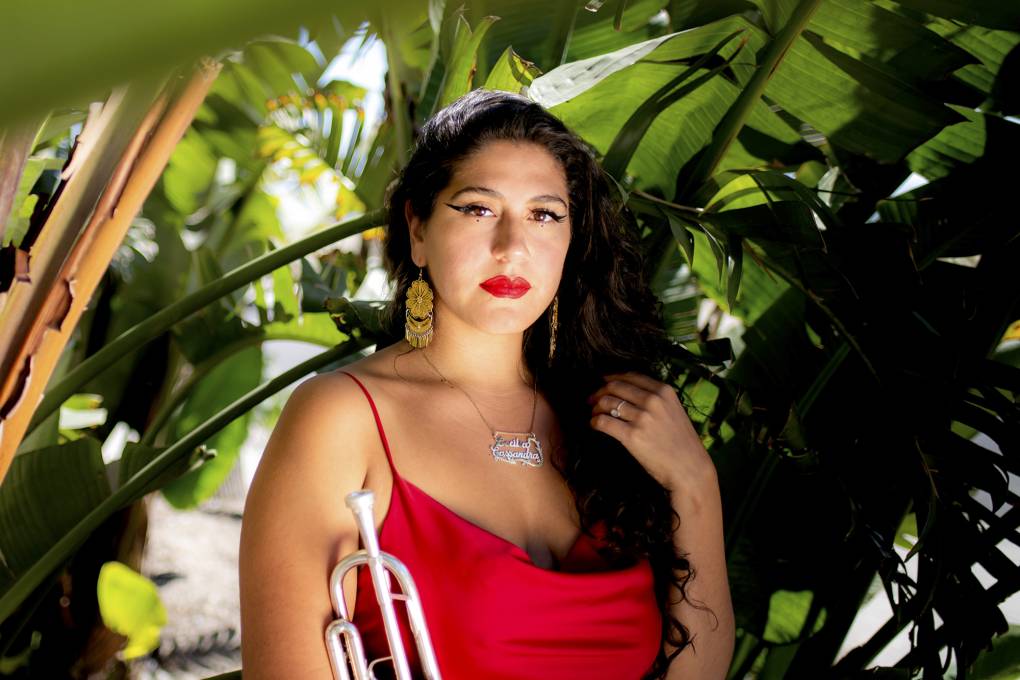
"file": "https://ww2.kqed.org/news/wp-content/themes/KQED-unified/img/audio_bgs/background0.jpg"
}
}
},
"audio_1": {
"type": "attachments",
"id": "audio_1",
"imgSizes": {
"kqedFullSize": {
"file": "https://ww2.kqed.org/news/wp-content/themes/KQED-unified/img/audio_bgs/background1.jpg"
}
}
},
"audio_2": {
"type": "attachments",
"id": "audio_2",
"imgSizes": {
"kqedFullSize": {
"file": "https://ww2.kqed.org/news/wp-content/themes/KQED-unified/img/audio_bgs/background2.jpg"
}
}
},
"audio_3": {
"type": "attachments",
"id": "audio_3",
"imgSizes": {
"kqedFullSize": {
"file": "https://ww2.kqed.org/news/wp-content/themes/KQED-unified/img/audio_bgs/background3.jpg"
}
}
},
"audio_4": {
"type": "attachments",
"id": "audio_4",
"imgSizes": {
"kqedFullSize": {
"file": "https://ww2.kqed.org/news/wp-content/themes/KQED-unified/img/audio_bgs/background4.jpg"
}
}
},
"placeholder": {
"type": "attachments",
"id": "placeholder",
"imgSizes": {
"thumbnail": {
"file": "https://cdn.kqed.org/wp-content/uploads/2024/12/KQED-Default-Image-816638274-2000x1333-1-160x107.jpg",
"width": 160,
"height": 107,
"mimeType": "image/jpeg"
},
"medium": {
"file": "https://cdn.kqed.org/wp-content/uploads/2024/12/KQED-Default-Image-816638274-2000x1333-1-800x533.jpg",
"width": 800,
"height": 533,
"mimeType": "image/jpeg"
},
"medium_large": {
"file": "https://cdn.kqed.org/wp-content/uploads/2024/12/KQED-Default-Image-816638274-2000x1333-1-768x512.jpg",
"width": 768,
"height": 512,
"mimeType": "image/jpeg"
},
"large": {
"file": "https://cdn.kqed.org/wp-content/uploads/2024/12/KQED-Default-Image-816638274-2000x1333-1-1020x680.jpg",
"width": 1020,
"height": 680,
"mimeType": "image/jpeg"
},
"1536x1536": {
"file": "https://cdn.kqed.org/wp-content/uploads/2024/12/KQED-Default-Image-816638274-2000x1333-1-1536x1024.jpg",
"width": 1536,
"height": 1024,
"mimeType": "image/jpeg"
},
"fd-lrg": {
"file": "https://cdn.kqed.org/wp-content/uploads/2024/12/KQED-Default-Image-816638274-2000x1333-1-1536x1024.jpg",
"width": 1536,
"height": 1024,
"mimeType": "image/jpeg"
},
"fd-med": {
"file": "https://cdn.kqed.org/wp-content/uploads/2024/12/KQED-Default-Image-816638274-2000x1333-1-1020x680.jpg",
"width": 1020,
"height": 680,
"mimeType": "image/jpeg"
},
"fd-sm": {
"file": "https://cdn.kqed.org/wp-content/uploads/2024/12/KQED-Default-Image-816638274-2000x1333-1-800x533.jpg",
"width": 800,
"height": 533,
"mimeType": "image/jpeg"
},
"post-thumbnail": {
"file": "https://cdn.kqed.org/wp-content/uploads/2024/12/KQED-Default-Image-816638274-2000x1333-1-672x372.jpg",
"width": 672,
"height": 372,
"mimeType": "image/jpeg"
},
"twentyfourteen-full-width": {
"file": "https://cdn.kqed.org/wp-content/uploads/2024/12/KQED-Default-Image-816638274-2000x1333-1-1038x576.jpg",
"width": 1038,
"height": 576,
"mimeType": "image/jpeg"
},
"xxsmall": {
"file": "https://cdn.kqed.org/wp-content/uploads/2024/12/KQED-Default-Image-816638274-2000x1333-1-160x107.jpg",
"width": 160,
"height": 107,
"mimeType": "image/jpeg"
},
"xsmall": {
"file": "https://cdn.kqed.org/wp-content/uploads/2024/12/KQED-Default-Image-816638274-2000x1333-1-672x372.jpg",
"width": 672,
"height": 372,
"mimeType": "image/jpeg"
},
"small": {
"file": "https://cdn.kqed.org/wp-content/uploads/2024/12/KQED-Default-Image-816638274-2000x1333-1-672x372.jpg",
"width": 672,
"height": 372,
"mimeType": "image/jpeg"
},
"xlarge": {
"file": "https://cdn.kqed.org/wp-content/uploads/2024/12/KQED-Default-Image-816638274-2000x1333-1-1020x680.jpg",
"width": 1020,
"height": 680,
"mimeType": "image/jpeg"
},
"full-width": {
"file": "https://cdn.kqed.org/wp-content/uploads/2024/12/KQED-Default-Image-816638274-2000x1333-1-1920x1280.jpg",
"width": 1920,
"height": 1280,
"mimeType": "image/jpeg"
},
"guest-author-32": {
"file": "https://cdn.kqed.org/wp-content/uploads/2025/01/KQED-Default-Image-816638274-1333x1333-1-160x160.jpg",
"width": 32,
"height": 32,
"mimeType": "image/jpeg"
},
"guest-author-50": {
"file": "https://cdn.kqed.org/wp-content/uploads/2025/01/KQED-Default-Image-816638274-1333x1333-1-160x160.jpg",
"width": 50,
"height": 50,
"mimeType": "image/jpeg"
},
"guest-author-64": {
"file": "https://cdn.kqed.org/wp-content/uploads/2025/01/KQED-Default-Image-816638274-1333x1333-1-160x160.jpg",
"width": 64,
"height": 64,
"mimeType": "image/jpeg"
},
"guest-author-96": {
"file": "https://cdn.kqed.org/wp-content/uploads/2025/01/KQED-Default-Image-816638274-1333x1333-1-160x160.jpg",
"width": 96,
"height": 96,
"mimeType": "image/jpeg"
},
"guest-author-128": {
"file": "https://cdn.kqed.org/wp-content/uploads/2025/01/KQED-Default-Image-816638274-1333x1333-1-160x160.jpg",
"width": 128,
"height": 128,
"mimeType": "image/jpeg"
},
"detail": {
"file": "https://cdn.kqed.org/wp-content/uploads/2025/01/KQED-Default-Image-816638274-1333x1333-1-160x160.jpg",
"width": 160,
"height": 160,
"mimeType": "image/jpeg"
},
"kqedFullSize": {
"file": "https://cdn.kqed.org/wp-content/uploads/2024/12/KQED-Default-Image-816638274-2000x1333-1.jpg",
"width": 2000,
"height": 1333
}
}
},
"news_12034709": {
"type": "attachments",
"id": "news_12034709",
"meta": {
"index": "attachments_1716263798",
"site": "news",
"id": "12034709",
"found": true
},
"title": "005_KQEDARTS_ALAMEDA_LADONA_07202021-KQED",
"publishDate": 1744045536,
"status": "inherit",
"parent": 0,
"modified": 1744045589,
"caption": "San Francisco artist La Doña released \"Corrido Palestina\" on her 2024 album.",
"credit": "Beth La Berge/KQED",
"altTag": null,
"description": null,
"imgSizes": {
"medium": {
"file": "https://cdn.kqed.org/wp-content/uploads/sites/10/2025/04/005_KQEDARTS_ALAMEDA_LADONA_07202021-KQED-800x533.jpg",
"width": 800,
"height": 533,
"mimeType": "image/jpeg"
},
"large": {
"file": "https://cdn.kqed.org/wp-content/uploads/sites/10/2025/04/005_KQEDARTS_ALAMEDA_LADONA_07202021-KQED-1020x680.jpg",
"width": 1020,
"height": 680,
"mimeType": "image/jpeg"
},
"thumbnail": {
"file": "https://cdn.kqed.org/wp-content/uploads/sites/10/2025/04/005_KQEDARTS_ALAMEDA_LADONA_07202021-KQED-160x107.jpg",
"width": 160,
"height": 107,
"mimeType": "image/jpeg"
},
"1536x1536": {
"file": "https://cdn.kqed.org/wp-content/uploads/sites/10/2025/04/005_KQEDARTS_ALAMEDA_LADONA_07202021-KQED-1536x1024.jpg",
"width": 1536,
"height": 1024,
"mimeType": "image/jpeg"
},
"post-thumbnail": {
"file": "https://cdn.kqed.org/wp-content/uploads/sites/10/2025/04/005_KQEDARTS_ALAMEDA_LADONA_07202021-KQED-672x372.jpg",
"width": 672,
"height": 372,
"mimeType": "image/jpeg"
},
"twentyfourteen-full-width": {
"file": "https://cdn.kqed.org/wp-content/uploads/sites/10/2025/04/005_KQEDARTS_ALAMEDA_LADONA_07202021-KQED-1038x576.jpg",
"width": 1038,
"height": 576,
"mimeType": "image/jpeg"
},
"full-width": {
"file": "https://cdn.kqed.org/wp-content/uploads/sites/10/2025/04/005_KQEDARTS_ALAMEDA_LADONA_07202021-KQED-1920x1280.jpg",
"width": 1920,
"height": 1280,
"mimeType": "image/jpeg"
},
"kqedFullSize": {
"file": "https://cdn.kqed.org/wp-content/uploads/sites/10/2025/04/005_KQEDARTS_ALAMEDA_LADONA_07202021-KQED.jpg",
"width": 2000,
"height": 1333
}
},
"isLoading": false,
"fetchFailed": false
},
"news_12029485": {
"type": "attachments",
"id": "news_12029485",
"meta": {
"index": "attachments_1716263798",
"site": "news",
"id": "12029485",
"found": true
},
"title": "al akhbar band",
"publishDate": 1741038793,
"status": "inherit",
"parent": 12029482,
"modified": 1741291157,
"caption": "The San Diego band Al Akhbar poses for a photo on Jan. 6, 2025. From left to right: keyboardist Tamir Persekian, vocalist and Arab instrumentalist Salem Kattar, drummer Naji Shaban, saxophonist Richard Albert IV and bass player Hank Lee Nelson.",
"credit": "Al Akhbar",
"altTag": null,
"description": null,
"imgSizes": {
"medium": {
"file": "https://cdn.kqed.org/wp-content/uploads/sites/10/2025/03/al-akbar-band-800x538.jpg",
"width": 800,
"height": 538,
"mimeType": "image/jpeg"
},
"large": {
"file": "https://cdn.kqed.org/wp-content/uploads/sites/10/2025/03/al-akbar-band-1020x686.jpg",
"width": 1020,
"height": 686,
"mimeType": "image/jpeg"
},
"thumbnail": {
"file": "https://cdn.kqed.org/wp-content/uploads/sites/10/2025/03/al-akbar-band-160x108.jpg",
"width": 160,
"height": 108,
"mimeType": "image/jpeg"
},
"1536x1536": {
"file": "https://cdn.kqed.org/wp-content/uploads/sites/10/2025/03/al-akbar-band-1536x1033.jpg",
"width": 1536,
"height": 1033,
"mimeType": "image/jpeg"
},
"2048x2048": {
"file": "https://cdn.kqed.org/wp-content/uploads/sites/10/2025/03/al-akbar-band-2048x1378.jpg",
"width": 2048,
"height": 1378,
"mimeType": "image/jpeg"
},
"post-thumbnail": {
"file": "https://cdn.kqed.org/wp-content/uploads/sites/10/2025/03/al-akbar-band-672x372.jpg",
"width": 672,
"height": 372,
"mimeType": "image/jpeg"
},
"twentyfourteen-full-width": {
"file": "https://cdn.kqed.org/wp-content/uploads/sites/10/2025/03/al-akbar-band-1038x576.jpg",
"width": 1038,
"height": 576,
"mimeType": "image/jpeg"
},
"full-width": {
"file": "https://cdn.kqed.org/wp-content/uploads/sites/10/2025/03/al-akbar-band-1920x1292.jpg",
"width": 1920,
"height": 1292,
"mimeType": "image/jpeg"
},
"kqedFullSize": {
"file": "https://cdn.kqed.org/wp-content/uploads/sites/10/2025/03/al-akbar-band-e1741038826551.jpg",
"width": 2000,
"height": 1345
}
},
"isLoading": false,
"fetchFailed": false
},
"news_12029577": {
"type": "attachments",
"id": "news_12029577",
"meta": {
"index": "attachments_1716263798",
"site": "news",
"id": "12029577",
"found": true
},
"title": "250205-WildSideWest-21-BL_qed",
"publishDate": 1741112042,
"status": "inherit",
"parent": 12029551,
"modified": 1741112085,
"caption": "(From left) Timotha Doane, Beth Stephens, and Annie Sprinkle sit at the bar at Wild Side West in San Francisco’s Bernal Heights neighborhood on Feb. 6, 2025. Founded in 1962, Wild Side West is a historic lesbian bar that began in Oakland before relocating to San Francisco, where it became a gathering space known for its eclectic decor, lush garden, and deep roots in the LGBTQ+ community.",
"credit": "Beth LaBerge/KQED",
"altTag": null,
"description": null,
"imgSizes": {
"medium": {
"file": "https://cdn.kqed.org/wp-content/uploads/sites/10/2025/03/250205-WildSideWest-21-BL_qed-800x533.jpg",
"width": 800,
"height": 533,
"mimeType": "image/jpeg"
},
"large": {
"file": "https://cdn.kqed.org/wp-content/uploads/sites/10/2025/03/250205-WildSideWest-21-BL_qed-1020x680.jpg",
"width": 1020,
"height": 680,
"mimeType": "image/jpeg"
},
"thumbnail": {
"file": "https://cdn.kqed.org/wp-content/uploads/sites/10/2025/03/250205-WildSideWest-21-BL_qed-160x107.jpg",
"width": 160,
"height": 107,
"mimeType": "image/jpeg"
},
"1536x1536": {
"file": "https://cdn.kqed.org/wp-content/uploads/sites/10/2025/03/250205-WildSideWest-21-BL_qed-1536x1024.jpg",
"width": 1536,
"height": 1024,
"mimeType": "image/jpeg"
},
"post-thumbnail": {
"file": "https://cdn.kqed.org/wp-content/uploads/sites/10/2025/03/250205-WildSideWest-21-BL_qed-672x372.jpg",
"width": 672,
"height": 372,
"mimeType": "image/jpeg"
},
"twentyfourteen-full-width": {
"file": "https://cdn.kqed.org/wp-content/uploads/sites/10/2025/03/250205-WildSideWest-21-BL_qed-1038x576.jpg",
"width": 1038,
"height": 576,
"mimeType": "image/jpeg"
},
"full-width": {
"file": "https://cdn.kqed.org/wp-content/uploads/sites/10/2025/03/250205-WildSideWest-21-BL_qed-1920x1280.jpg",
"width": 1920,
"height": 1280,
"mimeType": "image/jpeg"
},
"kqedFullSize": {
"file": "https://cdn.kqed.org/wp-content/uploads/sites/10/2025/03/250205-WildSideWest-21-BL_qed.jpg",
"width": 2000,
"height": 1333
}
},
"isLoading": false,
"fetchFailed": false
},
"news_12027213": {
"type": "attachments",
"id": "news_12027213",
"meta": {
"index": "attachments_1716263798",
"site": "news",
"id": "12027213",
"found": true
},
"title": "A women watches the fog bank cover the Golden Gate Bridge from the Albany Waterfront Trail Tuesday July 5, 2011.",
"publishDate": 1739563579,
"status": "inherit",
"parent": 12027188,
"modified": 1739563612,
"caption": null,
"credit": "Lance Iversen/San Francisco Chronicle via Getty Images",
"altTag": null,
"description": null,
"imgSizes": {
"medium": {
"file": "https://cdn.kqed.org/wp-content/uploads/sites/10/2025/02/GettyImages-1298809222-800x473.jpg",
"width": 800,
"height": 473,
"mimeType": "image/jpeg"
},
"large": {
"file": "https://cdn.kqed.org/wp-content/uploads/sites/10/2025/02/GettyImages-1298809222-1020x604.jpg",
"width": 1020,
"height": 604,
"mimeType": "image/jpeg"
},
"thumbnail": {
"file": "https://cdn.kqed.org/wp-content/uploads/sites/10/2025/02/GettyImages-1298809222-160x95.jpg",
"width": 160,
"height": 95,
"mimeType": "image/jpeg"
},
"post-thumbnail": {
"file": "https://cdn.kqed.org/wp-content/uploads/sites/10/2025/02/GettyImages-1298809222-672x372.jpg",
"width": 672,
"height": 372,
"mimeType": "image/jpeg"
},
"twentyfourteen-full-width": {
"file": "https://cdn.kqed.org/wp-content/uploads/sites/10/2025/02/GettyImages-1298809222-1024x576.jpg",
"width": 1024,
"height": 576,
"mimeType": "image/jpeg"
},
"kqedFullSize": {
"file": "https://cdn.kqed.org/wp-content/uploads/sites/10/2025/02/GettyImages-1298809222.jpg",
"width": 1024,
"height": 606
}
},
"isLoading": false,
"fetchFailed": false
},
"news_12013502": {
"type": "attachments",
"id": "news_12013502",
"meta": {
"index": "attachments_1716263798",
"site": "news",
"id": "12013502",
"found": true
},
"title": "BreedLurie02",
"publishDate": 1731016763,
"status": "inherit",
"parent": 0,
"modified": 1731016963,
"caption": "San Francisco Mayor London Breed (left) and mayoral candidate Daniel Lurie.",
"credit": "Martin do Nascimento, Aryk Copley/KQED",
"altTag": null,
"description": null,
"imgSizes": {
"medium": {
"file": "https://cdn.kqed.org/wp-content/uploads/sites/10/2024/11/BreedLurie02-800x533.jpg",
"width": 800,
"height": 533,
"mimeType": "image/jpeg"
},
"large": {
"file": "https://cdn.kqed.org/wp-content/uploads/sites/10/2024/11/BreedLurie02-1020x680.jpg",
"width": 1020,
"height": 680,
"mimeType": "image/jpeg"
},
"thumbnail": {
"file": "https://cdn.kqed.org/wp-content/uploads/sites/10/2024/11/BreedLurie02-160x107.jpg",
"width": 160,
"height": 107,
"mimeType": "image/jpeg"
},
"1536x1536": {
"file": "https://cdn.kqed.org/wp-content/uploads/sites/10/2024/11/BreedLurie02-1536x1024.jpg",
"width": 1536,
"height": 1024,
"mimeType": "image/jpeg"
},
"post-thumbnail": {
"file": "https://cdn.kqed.org/wp-content/uploads/sites/10/2024/11/BreedLurie02-672x372.jpg",
"width": 672,
"height": 372,
"mimeType": "image/jpeg"
},
"twentyfourteen-full-width": {
"file": "https://cdn.kqed.org/wp-content/uploads/sites/10/2024/11/BreedLurie02-1038x576.jpg",
"width": 1038,
"height": 576,
"mimeType": "image/jpeg"
},
"full-width": {
"file": "https://cdn.kqed.org/wp-content/uploads/sites/10/2024/11/BreedLurie02-1920x1280.jpg",
"width": 1920,
"height": 1280,
"mimeType": "image/jpeg"
},
"kqedFullSize": {
"file": "https://cdn.kqed.org/wp-content/uploads/sites/10/2024/11/BreedLurie02.jpg",
"width": 2000,
"height": 1333
}
},
"isLoading": false,
"fetchFailed": false
},
"news_12018920": {
"type": "attachments",
"id": "news_12018920",
"meta": {
"index": "attachments_1716263798",
"site": "news",
"id": "12018920",
"found": true
},
"title": "241217-ProfsandPints-09-BL",
"publishDate": 1734561924,
"status": "inherit",
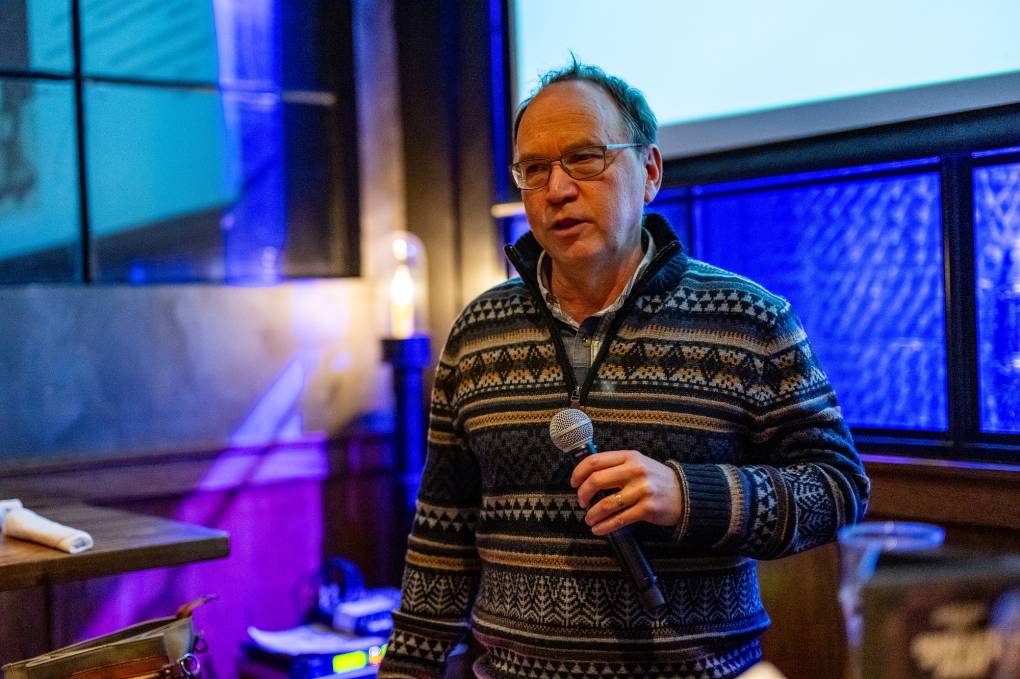
"parent": 0,
"modified": 1734562260,
"caption": "Tim Tangherlini, professor of Nordic folklore at the University of California at Berkeley, gives a talk about the historical origins of American holiday practices during Profs and Pints at Barlett Hall in San Francisco on Dec. 18, 2024.",
"credit": "Beth LaBerge/KQED",
"altTag": null,
"description": null,
"imgSizes": {
"medium": {
"file": "https://cdn.kqed.org/wp-content/uploads/sites/10/2024/12/241217-ProfsandPints-09-BL-800x533.jpg",
"width": 800,
"height": 533,
"mimeType": "image/jpeg"
},
"large": {
"file": "https://cdn.kqed.org/wp-content/uploads/sites/10/2024/12/241217-ProfsandPints-09-BL-1020x679.jpg",
"width": 1020,
"height": 679,
"mimeType": "image/jpeg"
},
"thumbnail": {
"file": "https://cdn.kqed.org/wp-content/uploads/sites/10/2024/12/241217-ProfsandPints-09-BL-160x107.jpg",
"width": 160,
"height": 107,
"mimeType": "image/jpeg"
},
"1536x1536": {
"file": "https://cdn.kqed.org/wp-content/uploads/sites/10/2024/12/241217-ProfsandPints-09-BL-1536x1023.jpg",
"width": 1536,
"height": 1023,
"mimeType": "image/jpeg"
},
"post-thumbnail": {
"file": "https://cdn.kqed.org/wp-content/uploads/sites/10/2024/12/241217-ProfsandPints-09-BL-672x372.jpg",
"width": 672,
"height": 372,
"mimeType": "image/jpeg"
},
"twentyfourteen-full-width": {
"file": "https://cdn.kqed.org/wp-content/uploads/sites/10/2024/12/241217-ProfsandPints-09-BL-1038x576.jpg",
"width": 1038,
"height": 576,
"mimeType": "image/jpeg"
},
"full-width": {
"file": "https://cdn.kqed.org/wp-content/uploads/sites/10/2024/12/241217-ProfsandPints-09-BL-1920x1279.jpg",
"width": 1920,
"height": 1279,
"mimeType": "image/jpeg"
},
"kqedFullSize": {
"file": "https://cdn.kqed.org/wp-content/uploads/sites/10/2024/12/241217-ProfsandPints-09-BL.jpg",
"width": 2000,
"height": 1332
}
},
"isLoading": false,
"fetchFailed": false
},
"news_11992083": {
"type": "attachments",
"id": "news_11992083",
"meta": {
"index": "attachments_1716263798",
"site": "news",
"id": "11992083",
"found": true
},
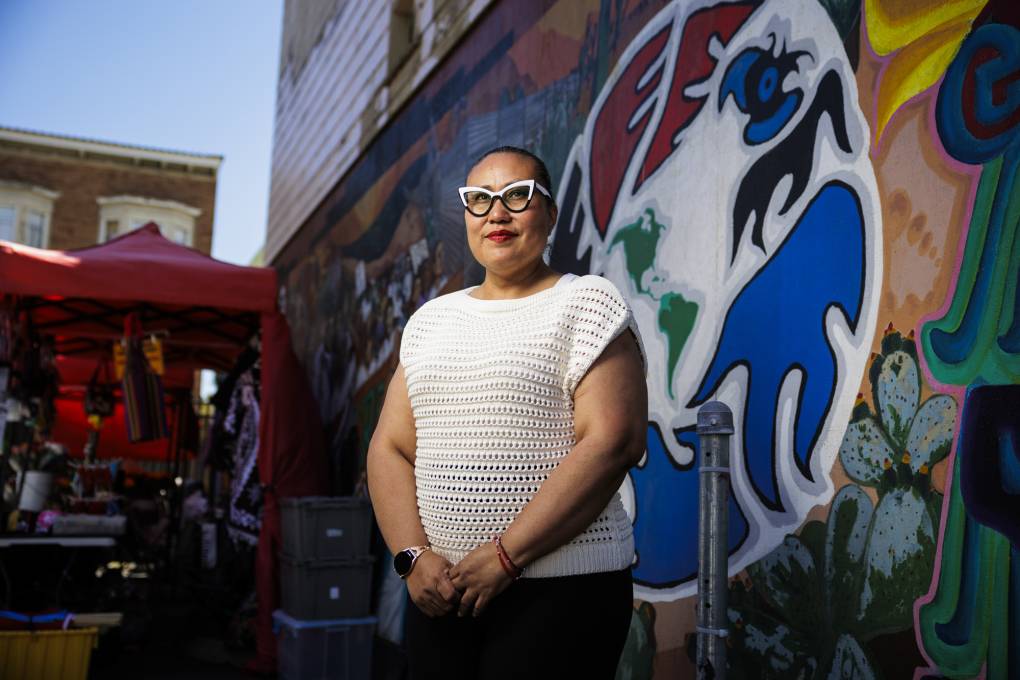
"title": "Susana Rojas outside of the Calle 24 Offices in San Francisco on June 26, 2024.",
"publishDate": 1719431731,
"status": "inherit",
"parent": 0,
"modified": 1719433248,
"caption": "Susana Rojas in La Placita on 24th Street in San Francisco on June 26, 2024.",
"credit": "Martin do Nascimento/KQED",
"altTag": null,
"description": null,
"imgSizes": {
"medium": {
"file": "https://cdn.kqed.org/wp-content/uploads/sites/10/2024/06/240626-SUSANA-ROJAS-MD-04-KQED-800x533.jpg",
"width": 800,
"height": 533,
"mimeType": "image/jpeg"
},
"large": {
"file": "https://cdn.kqed.org/wp-content/uploads/sites/10/2024/06/240626-SUSANA-ROJAS-MD-04-KQED-1020x680.jpg",
"width": 1020,
"height": 680,
"mimeType": "image/jpeg"
},
"thumbnail": {
"file": "https://cdn.kqed.org/wp-content/uploads/sites/10/2024/06/240626-SUSANA-ROJAS-MD-04-KQED-160x107.jpg",
"width": 160,
"height": 107,
"mimeType": "image/jpeg"
},
"1536x1536": {
"file": "https://cdn.kqed.org/wp-content/uploads/sites/10/2024/06/240626-SUSANA-ROJAS-MD-04-KQED-1536x1024.jpg",
"width": 1536,
"height": 1024,
"mimeType": "image/jpeg"
},
"post-thumbnail": {
"file": "https://cdn.kqed.org/wp-content/uploads/sites/10/2024/06/240626-SUSANA-ROJAS-MD-04-KQED-672x372.jpg",
"width": 672,
"height": 372,
"mimeType": "image/jpeg"
},
"twentyfourteen-full-width": {
"file": "https://cdn.kqed.org/wp-content/uploads/sites/10/2024/06/240626-SUSANA-ROJAS-MD-04-KQED-1038x576.jpg",
"width": 1038,
"height": 576,
"mimeType": "image/jpeg"
},
"full-width": {
"file": "https://cdn.kqed.org/wp-content/uploads/sites/10/2024/06/240626-SUSANA-ROJAS-MD-04-KQED-1920x1280.jpg",
"width": 1920,
"height": 1280,
"mimeType": "image/jpeg"
},
"kqedFullSize": {
"file": "https://cdn.kqed.org/wp-content/uploads/sites/10/2024/06/240626-SUSANA-ROJAS-MD-04-KQED.jpg",
"width": 2000,
"height": 1333
}
},
"isLoading": false,
"fetchFailed": false
}
},
"audioPlayerReducer": {
"postId": "stream_live",
"isPaused": true,
"isPlaying": false,
"pfsActive": false,
"pledgeModalIsOpen": true,
"playerDrawerIsOpen": false,
"liveAudioPlayStartedAt": 0,
"liveAudioPlayContext": ""
},
"authorsReducer": {
"byline_news_12029482": {
"type": "authors",
"id": "byline_news_12029482",
"meta": {
"override": true
},
"slug": "byline_news_12029482",
"name": "Hussain Khan",
"isLoading": false
},
"minakim": {
"type": "authors",
"id": "243",
"meta": {
"index": "authors_1716337520",
"id": "243",
"found": true
},
"name": "Mina Kim",
"firstName": "Mina",
"lastName": "Kim",
"slug": "minakim",
"email": "mkim@kqed.org",
"display_author_email": false,
"staff_mastheads": [
"news"
],
"title": "Host, Forum",
"bio": "Mina Kim is host of the 10 a.m. statewide hour of Forum; a live daily talk show for curious Californians on issues that matter to the state and nation, with a particular emphasis on race and equity.\r\n\r\nBefore joining the Forum team, Mina was KQED’s evening news anchor, and health reporter for The California Report. Her award-winning work has included natural disasters in Napa and gun violence in Oakland. Mina grew up in St. John’s, Newfoundland.",
"avatar": "https://secure.gravatar.com/avatar/145ce657a2d08cb86d93686beb958982?s=600&d=blank&r=g",
"twitter": "mkimreporter",
"facebook": null,
"instagram": null,
"linkedin": null,
"sites": [
{
"site": "news",
"roles": [
"contributor"
]
},
{
"site": "stateofhealth",
"roles": [
"author"
]
},
{
"site": "forum",
"roles": [
"editor"
]
}
],
"headData": {
"title": "Mina Kim | KQED",
"description": "Host, Forum",
"ogImgSrc": "https://secure.gravatar.com/avatar/145ce657a2d08cb86d93686beb958982?s=600&d=blank&r=g",
"twImgSrc": "https://secure.gravatar.com/avatar/145ce657a2d08cb86d93686beb958982?s=600&d=blank&r=g"
},
"isLoading": false,
"link": "/author/minakim"
},
"scottshafer": {
"type": "authors",
"id": "255",
"meta": {
"index": "authors_1716337520",
"id": "255",
"found": true
},
"name": "Scott Shafer",
"firstName": "Scott",
"lastName": "Shafer",
"slug": "scottshafer",
"email": "sshafer@kqed.org",
"display_author_email": false,
"staff_mastheads": [
"news"
],
"title": "KQED Contributor",
"bio": "Scott Shafer is a senior editor with the KQED Politics and Government desk. He is co-host of Political Breakdown, the award-winning radio show and podcast with a personal take on the world of politics. Scott came to KQED in 1998 to host the statewide\u003cem> California Report\u003c/em>. Prior to that he had extended stints in politics and government\u003cem>.\u003c/em> He uses that inside experience at KQED in his, reporting, hosting and analysis for the politics desk. Scott collaborated \u003cem>Political Breakdown a\u003c/em>nd on \u003cem>The Political Mind of Jerry Brown, \u003c/em>an eight-part series about the life and extraordinary political career of the former governor. For fun, he plays water polo with the San Francisco Tsunami.",
"avatar": "https://secure.gravatar.com/avatar/a62ebae45b79d7aed1a39a0e3bf68104?s=600&d=blank&r=g",
"twitter": "scottshafer",
"bluesky": null,
"facebook": null,
"instagram": null,
"linkedin": null,
"sites": [
{
"site": "news",
"roles": [
"editor"
]
},
{
"site": "stateofhealth",
"roles": [
"author"
]
},
{
"site": "science",
"roles": [
"author"
]
},
{
"site": "forum",
"roles": [
"subscriber"
]
},
{
"site": "liveblog",
"roles": [
"author"
]
}
],
"headData": {
"title": "Scott Shafer | KQED",
"description": "KQED Contributor",
"ogImgSrc": "https://secure.gravatar.com/avatar/a62ebae45b79d7aed1a39a0e3bf68104?s=600&d=blank&r=g",
"twImgSrc": "https://secure.gravatar.com/avatar/a62ebae45b79d7aed1a39a0e3bf68104?s=600&d=blank&r=g"
},
"isLoading": false,
"link": "/author/scottshafer"
},
"btorres": {
"type": "authors",
"id": "11666",
"meta": {
"index": "authors_1716337520",
"id": "11666",
"found": true
},
"name": "Blanca Torres",
"firstName": "Blanca",
"lastName": "Torres",
"slug": "btorres",
"email": "btorres@kqed.org",
"display_author_email": true,
"staff_mastheads": [
"news"
],
"title": "Producer, Forum",
"bio": "Blanca Torres brings sharp news judgement and keen sense of lively conversation to her work as producer for Forum. She loves producing shows that leave listeners feeling like they heard distinctive voices, learned something new and gained a fresh perspective.\r\n\r\nShe joined KQED in January of 2020 after 16 years of working as a newspaper reporter most recently at the \u003cem>San Francisco Business Times,\u003c/em> where she wrote about real estate and economic development. Before that, she covered a variety of beats including crime, education, retail, workplace, the economy, consumer issues, and small business for the \u003cem>Contra Costa Times, Baltimore Sun\u003c/em> and\u003cem> The Seattle Times\u003c/em>. In addition to reporting, she worked as an editorial writer and columnist for the \u003cem>Seattle Times\u003c/em>. From 2017 to 2020, Blanca won a total of ten awards from the National Association of Real Estate Editors and won first place for land use reporting from the California News Publishers Association two years in a row. She is also a member and former board member for the National Association of Hispanic Journalists.\r\n\r\nA native of the Pacific Northwest, Blanca earned her bachelor's degree from Vanderbilt University in Nashville and a master's in fine arts in creative writing at Mills College. She lives in the East Bay with her family.",
"avatar": "https://secure.gravatar.com/avatar/50b49d19b14a1eed34f26ebf4681152cdd81574ed21851100871ccd29e578cdc?s=600&d=blank&r=g",
"twitter": "@blancawrites",
"bluesky": null,
"facebook": null,
"instagram": null,
"linkedin": null,
"sites": [
{
"site": "arts",
"roles": [
"editor"
]
},
{
"site": "news",
"roles": [
"editor"
]
},
{
"site": "forum",
"roles": [
"editor"
]
}
],
"headData": {
"title": "Blanca Torres | KQED",
"description": "Producer, Forum",
"ogImgSrc": "https://secure.gravatar.com/avatar/50b49d19b14a1eed34f26ebf4681152cdd81574ed21851100871ccd29e578cdc?s=600&d=blank&r=g",
"twImgSrc": "https://secure.gravatar.com/avatar/50b49d19b14a1eed34f26ebf4681152cdd81574ed21851100871ccd29e578cdc?s=600&d=blank&r=g"
},
"isLoading": false,
"link": "/author/btorres"
},
"ccabreralomeli": {
"type": "authors",
"id": "11708",
"meta": {
"index": "authors_1716337520",
"id": "11708",
"found": true
},
"name": "Carlos Cabrera-Lomelí",
"firstName": "Carlos",
"lastName": "Cabrera-Lomelí",
"slug": "ccabreralomeli",
"email": "ccabreralomeli@KQED.org",
"display_author_email": true,
"staff_mastheads": [
"news"
],
"title": "Community Reporter",
"bio": "Carlos Cabrera-Lomelí is a community reporter with KQED's digital engagement team. He also reports and co-produces for KQED's bilingual news hub KQED en Español. He grew up in San Francisco's Mission District and has previously worked with Univision, 48 Hills and REFORMA in Mexico City.",
"avatar": "https://secure.gravatar.com/avatar/c309be9665e484f887b818c89e273ecc673004f426f36b24d00a4d813a2e0518?s=600&d=blank&r=g",
"twitter": "@LomeliCabrera",
"bluesky": null,
"facebook": null,
"instagram": null,
"linkedin": null,
"sites": [
{
"site": "arts",
"roles": [
"editor"
]
},
{
"site": "news",
"roles": [
"editor"
]
},
{
"site": "about",
"roles": [
"editor"
]
},
{
"site": "science",
"roles": [
"editor"
]
},
{
"site": "perspectives",
"roles": [
"editor"
]
},
{
"site": "elections",
"roles": [
"editor"
]
},
{
"site": "liveblog",
"roles": [
"contributor"
]
}
],
"headData": {
"title": "Carlos Cabrera-Lomelí | KQED",
"description": "Community Reporter",
"ogImgSrc": "https://secure.gravatar.com/avatar/c309be9665e484f887b818c89e273ecc673004f426f36b24d00a4d813a2e0518?s=600&d=blank&r=g",
"twImgSrc": "https://secure.gravatar.com/avatar/c309be9665e484f887b818c89e273ecc673004f426f36b24d00a4d813a2e0518?s=600&d=blank&r=g"
},
"isLoading": false,
"link": "/author/ccabreralomeli"
},
"adahlstromeckman": {
"type": "authors",
"id": "11785",
"meta": {
"index": "authors_1716337520",
"id": "11785",
"found": true
},
"name": "Azul Dahlstrom-Eckman",
"firstName": "Azul",
"lastName": "Dahlstrom-Eckman",
"slug": "adahlstromeckman",
"email": "adahlstrom-eckman@kqed.org",
"display_author_email": true,
"staff_mastheads": [],
"title": "Reporter",
"bio": "Azul is a reporter for KQED focusing on transportation and features. He joined KQED in 2021 as an alumna of KALW's Audio Academy radio journalism training program.",
"avatar": "https://secure.gravatar.com/avatar/9cb750298435add7815a777f55bf1f46845c1386bb8452555c60a7b820b5aba3?s=600&d=blank&r=g",
"twitter": "@zuliemann",
"bluesky": "@azul415.bsky.social",
"facebook": null,
"instagram": null,
"linkedin": null,
"sites": [
{
"site": "arts",
"roles": [
"editor"
]
},
{
"site": "news",
"roles": [
"editor"
]
},
{
"site": "science",
"roles": [
"editor"
]
},
{
"site": "liveblog",
"roles": [
"author"
]
}
],
"headData": {
"title": "Azul Dahlstrom-Eckman | KQED",
"description": "Reporter",
"ogImgSrc": "https://secure.gravatar.com/avatar/9cb750298435add7815a777f55bf1f46845c1386bb8452555c60a7b820b5aba3?s=600&d=blank&r=g",
"twImgSrc": "https://secure.gravatar.com/avatar/9cb750298435add7815a777f55bf1f46845c1386bb8452555c60a7b820b5aba3?s=600&d=blank&r=g"
},
"isLoading": false,
"link": "/author/adahlstromeckman"
},
"aamaral": {
"type": "authors",
"id": "11947",
"meta": {
"index": "authors_1716337520",
"id": "11947",
"found": true
},
"name": "Ana De Almeida Amaral",
"firstName": "Ana",
"lastName": "De Almeida Amaral",
"slug": "aamaral",
"email": "aamaral@kqed.org",
"display_author_email": false,
"staff_mastheads": [],
"title": "KQED Contributor",
"bio": null,
"avatar": "https://secure.gravatar.com/avatar/eb08e0e3effedf89fc5153d5f7416228a3359f82750571d5de728615b88e8c32?s=600&d=blank&r=g",
"twitter": null,
"bluesky": null,
"facebook": null,
"instagram": null,
"linkedin": null,
"sites": [
{
"site": "arts",
"roles": [
"editor"
]
},
{
"site": "news",
"roles": [
"editor"
]
},
{
"site": "forum",
"roles": [
"editor"
]
}
],
"headData": {
"title": "Ana De Almeida Amaral | KQED",
"description": "KQED Contributor",
"ogImgSrc": "https://secure.gravatar.com/avatar/eb08e0e3effedf89fc5153d5f7416228a3359f82750571d5de728615b88e8c32?s=600&d=blank&r=g",
"twImgSrc": "https://secure.gravatar.com/avatar/eb08e0e3effedf89fc5153d5f7416228a3359f82750571d5de728615b88e8c32?s=600&d=blank&r=g"
},
"isLoading": false,
"link": "/author/aamaral"
}
},
"pagesReducer": {
"news_category_cultural-commentary": {
"type": "terms",
"id": "news_34169",
"meta": {
"index": "terms_1716263798",
"site": "news",
"id": "34169",
"score": 14.4072075
},
"name": "Cultural Commentary",
"slug": "cultural-commentary",
"taxonomy": "category",
"description": null,
"featImg": null,
"headData": {
"title": "Cultural Commentary Archives | KQED News",
"description": null,
"ogTitle": null,
"ogDescription": null,
"ogImgId": null,
"twTitle": null,
"twDescription": null,
"twImgId": null
},
"ttid": 34186,
"isLoading": false,
"title": "Cultural Commentary",
"pageMeta": {
"site": "news",
"WpPageTemplate": "page-topic-editorial",
"currentPage": 3
},
"blocks": [
{
"blockName": "kqed/post-list",
"attrs": {
"layout": "cardArticle2",
"query": "posts/news?category=cultural-commentary",
"seeMore": false,
"paginated": true,
"page": 3
}
},
{
"blockName": "kqed/ad"
}
]
}
},
"pfsSessionReducer": {},
"postsReducer": {
"stream_live": {
"type": "live",
"id": "stream_live",
"audioUrl": "https://streams.kqed.org/kqedradio",
"title": "Live Stream",
"excerpt": "Live Stream information currently unavailable.",
"link": "/radio",
"featImg": "",
"label": {
"name": "KQED Live",
"link": "/"
}
},
"stream_kqedNewscast": {
"type": "posts",
"id": "stream_kqedNewscast",
"audioUrl": "https://www.kqed.org/.stream/anon/radio/RDnews/newscast.mp3?_=1",
"title": "KQED Newscast",
"featImg": "",
"label": {
"name": "88.5 FM",
"link": "/"
}
},
"news_12034651": {
"type": "posts",
"id": "news_12034651",
"meta": {
"index": "posts_1716263798",
"site": "news",
"id": "12034651",
"score": null,
"sort": [
1744117224000
]
},
"guestAuthors": [],
"slug": "k-onda-april",
"title": "Bay Area Musicians Discuss How Corridos Are Connecting New Generations Across Cultures",
"publishDate": 1744117224,
"format": "standard",
"headTitle": "Bay Area Musicians Discuss How Corridos Are Connecting New Generations Across Cultures | KQED",
"labelTerm": {},
"content": "\u003cp>\u003cstrong>\u003cem>This story was reported for K Onda KQED, a monthly newsletter focused on the Bay Area’s Latinx community. \u003ca href=\"https://www.kqed.org/newsletters/k-onda\">Click here to subscribe\u003c/a>.\u003c/em>\u003c/strong>\u003c/p>\n\u003cp>Oakland artist DELACiiO’s latest EP features a corrido titled “R94,” which tells the story of a teenager who hustles to make money, only to find himself in trouble.\u003c/p>\n\u003cp>One verse contains the following lyrics in Spanish: “En las calles de East Oakland / Yo me he ganado el respeto / Muchos dan la mano /Pero te ponen el dedo (But they snitch on you).” In English, it translates to: “On the streets of East Oakland / I have earned respect / Many shake your hand / But they snitch on you.”\u003c/p>\n\u003cp>The song is one of many corridos that have come out of the Bay Area music scene since the 1960s. Corridos are a type of a narrative ballad — a song that tells a story — that is one of the most cherished traditions within the genre of Mexican regional music.\u003c/p>\n\u003cp>[ad fullwidth]\u003c/p>\n\u003cp>The 28-year-old DELACiiO, whose actual name is Ignacio Lopez Jr., started rapping as a teenager but \u003ca href=\"https://www.kqed.org/arts/13953430/oakland-delaciio-regional-mexican-music\">changed gears to Mexican music\u003c/a>.\u003c/p>\n\u003cp>“Once I started dabbling with corridos, it was just something super fun, natural and organic because I was writing what was going on around me in my neighborhood and in Oakland where I’m from,” he said.\u003c/p>\n\u003cp>I wanted to know more about how corridos have evolved and why younger generations think they are cool, so I talked to three Bay Area musicians who have recorded corridos, as well as a UC Berkeley professor who studies corridos as a tool for teaching literacy to young people.\u003c/p>\n\u003cp>“The corrido, as it emerged in the late 1800s in Northern Mexico, was really a type of oral tradition, oral storytelling and story sharing,” said San Francisco artist La Doña, whose real name is Cecilia Peña-Govea. La Doña, 32, grew up listening to and performing corridos with her family’s band.\u003c/p>\n\u003cp>“A big role of art, especially during times of social upheaval, is to witness and to document,” she said. “One of my favorite things about corridos is that it takes you into a time and place, a moment in that story.”\u003c/p>\n\u003cfigure id=\"attachment_12034711\" class=\"wp-caption aligncenter\" style=\"max-width: 2000px\">\u003cimg loading=\"lazy\" decoding=\"async\" class=\"size-full wp-image-12034711\" src=\"https://cdn.kqed.org/wp-content/uploads/sites/10/2025/04/CATI-DE-LOS-RIOS-HEADSHOT-KQED.jpg\" alt=\"\" width=\"2000\" height=\"1196\" srcset=\"https://cdn.kqed.org/wp-content/uploads/sites/10/2025/04/CATI-DE-LOS-RIOS-HEADSHOT-KQED.jpg 2000w, https://cdn.kqed.org/wp-content/uploads/sites/10/2025/04/CATI-DE-LOS-RIOS-HEADSHOT-KQED-800x478.jpg 800w, https://cdn.kqed.org/wp-content/uploads/sites/10/2025/04/CATI-DE-LOS-RIOS-HEADSHOT-KQED-1020x610.jpg 1020w, https://cdn.kqed.org/wp-content/uploads/sites/10/2025/04/CATI-DE-LOS-RIOS-HEADSHOT-KQED-160x96.jpg 160w, https://cdn.kqed.org/wp-content/uploads/sites/10/2025/04/CATI-DE-LOS-RIOS-HEADSHOT-KQED-1536x919.jpg 1536w, https://cdn.kqed.org/wp-content/uploads/sites/10/2025/04/CATI-DE-LOS-RIOS-HEADSHOT-KQED-1920x1148.jpg 1920w\" sizes=\"auto, (max-width: 2000px) 100vw, 2000px\">\u003cfigcaption class=\"wp-caption-text\">Cati de los Ríos is a professor at UC Berkeley who incorporates corridos as a teaching tool in the courses she teaches on literacy and multilingual education. \u003ccite>(Roger Viet Chung / Courtesy of Cati de los Ríos)\u003c/cite>\u003c/figcaption>\u003c/figure>\n\u003cp>Twenty years ago, Cati de los Ríos taught high school in Southern California to students who were mostly immigrants or children of immigrants who spoke Spanish at home. Schools, she said, often treated those students as if they hadn’t been exposed to literature or literary traditions, when in fact many of them were voracious consumers of corridos. She saw an opportunity to use corridos to teach literature and storytelling.\u003c/p>\n\u003cp>“I was so thirsty for materials,” to use in classrooms, she said. She created them through academic research, earning a doctorate from Columbia University. She now teaches courses on literacy and multilingual education at UC Berkeley.\u003c/p>\n\u003cp>“I felt this desire to enter the world of teacher education, get my PhD, and prepare future teachers to not just acknowledge these literacy practices, but sanction them as a legitimate academic practice,” she said.\u003c/p>\n\u003cfigure id=\"attachment_12034710\" class=\"wp-caption aligncenter\" style=\"max-width: 2000px\">\u003cimg loading=\"lazy\" decoding=\"async\" class=\"size-full wp-image-12034710\" src=\"https://cdn.kqed.org/wp-content/uploads/sites/10/2025/04/231101-MUSICTHERAPYHMBFARMWORKERS-43-BL_QED-KQED.jpg\" alt=\"\" width=\"2000\" height=\"1333\" srcset=\"https://cdn.kqed.org/wp-content/uploads/sites/10/2025/04/231101-MUSICTHERAPYHMBFARMWORKERS-43-BL_QED-KQED.jpg 2000w, https://cdn.kqed.org/wp-content/uploads/sites/10/2025/04/231101-MUSICTHERAPYHMBFARMWORKERS-43-BL_QED-KQED-800x533.jpg 800w, https://cdn.kqed.org/wp-content/uploads/sites/10/2025/04/231101-MUSICTHERAPYHMBFARMWORKERS-43-BL_QED-KQED-1020x680.jpg 1020w, https://cdn.kqed.org/wp-content/uploads/sites/10/2025/04/231101-MUSICTHERAPYHMBFARMWORKERS-43-BL_QED-KQED-160x107.jpg 160w, https://cdn.kqed.org/wp-content/uploads/sites/10/2025/04/231101-MUSICTHERAPYHMBFARMWORKERS-43-BL_QED-KQED-1536x1024.jpg 1536w, https://cdn.kqed.org/wp-content/uploads/sites/10/2025/04/231101-MUSICTHERAPYHMBFARMWORKERS-43-BL_QED-KQED-1920x1280.jpg 1920w\" sizes=\"auto, (max-width: 2000px) 100vw, 2000px\">\u003cfigcaption class=\"wp-caption-text\">Hernan Hernandez Jr. is the lead singer of Bay Area band Suenatron, which performs corridos and other musical styles. \u003ccite>(Beth LaBerge/KQED)\u003c/cite>\u003c/figcaption>\u003c/figure>\n\u003cp>Hernan Hernandez Jr. is the lead singer of the Bay Area band Suenatron, which blends a variety of musical genres from cumbia to norteño. The band plans to release a corrido later this year, titled “El Robo,” about a son who turns to crime to pay for his ailing mother’s medical care. Another song, “Bienvenidos,” explores the kinds of welcomes immigrants receive when they arrive in the U.S.\u003c/p>\n\u003cp>Hernandez grew up immersed in corridos, especially those popularized by his father’s group, Los Tigres Del Norte, a legendary band that formed in San José in the late 1960s. Some of Los Tigres’ biggest hits include “Contrabando Y Traición,” a story about a scorned woman who takes revenge, and “La Jaula de Oro,” about a man who feels trapped in the United States after his children assimilate.[aside postID=news_11904539 hero='https://cdn.kqed.org/wp-content/uploads/sites/10/2022/02/Chalino-master.jpg']“When I was a kid, I would see people bumping rap songs; now I see young kids bumping corridos. When I was a kid, people were embarrassed to talk about corridos,” said Hernandez, 45. “I like how corridos have evolved and how they are becoming something new and fresh. This younger generation in the United States, that’s how they connect with the culture, through food or art or music.”\u003c/p>\n\u003cp>DELACiiO agrees that there was a time when corridos were seen as music for family parties and parents.\u003c/p>\n\u003cp>“I compare corridos to reggaetón. Reggaetón had to break the walls and the barriers to get a worldwide platform and be accepted by everybody,” he said. “I feel like corrido is doing the same thing. You have artists like Natanael Cano and Peso Pluma that cross boundaries.”\u003c/p>\n\u003cp>Cano and Peso Pluma are known for corridos tumbados, a fusion of American hip-hop and trap music with Mexican norteño and banda rhythms.\u003c/p>\n\u003cfigure id=\"attachment_12034712\" class=\"wp-caption alignleft\" style=\"max-width: 800px\">\u003cimg loading=\"lazy\" decoding=\"async\" class=\"size-full wp-image-12034712\" src=\"https://cdn.kqed.org/wp-content/uploads/sites/10/2025/04/DELACiiO_KQED.jpg\" alt=\"\" width=\"800\" height=\"1066\" srcset=\"https://cdn.kqed.org/wp-content/uploads/sites/10/2025/04/DELACiiO_KQED.jpg 800w, https://cdn.kqed.org/wp-content/uploads/sites/10/2025/04/DELACiiO_KQED-160x213.jpg 160w\" sizes=\"auto, (max-width: 800px) 100vw, 800px\">\u003cfigcaption class=\"wp-caption-text\">Oakland artist DELACiiO’s latest EP features a corrido titled “R94.” \u003ccite>(Luis Montoya / Courtesy of DELACiiO)\u003c/cite>\u003c/figcaption>\u003c/figure>\n\u003cp>“This music slaps with everybody, right?” de los Ríos said. “When I am doing some research in the East Bay at different high schools, and I hear Southeast Asian kids blasting Peso Pluma, I hear African-American kids blasting Peso Pluma. The horn-driven sound, the accordion, the acoustic guitars — that sound really speaks to a lot of young people in different ways.\u003c/p>\n\u003cp>“But I’m also seeing for the first time a lot kids saying like, ‘Wow, my culture is at the center for once.’”\u003c/p>\n\u003cp>De los Ríos said that while corridos are a valuable art form, some go beyond telling a story to condoning and glorifying misogyny, crime and violence. The current president of Mexico, Claudia Sheinbaum, recently \u003ca href=\"https://www.latimes.com/delos/story/2025-04-02/mexican-corrido-band-us-government-cancel-visas\">called for an investigation\u003c/a> of a musical group that displayed the photo of a notorious cartel leader during a concert.\u003c/p>\n\u003cp>On the other hand, corridos, de los Ríos said, have also been a powerful tool for challenging authority.\u003c/p>\n\u003cp>“My favorite corrido that I’ve written is called ‘Corrido Palestina,’ and it’s about the genocide happening in Palestine, and it really takes to heart that role of truth telling, witnessing and documenting,” said La Doña.\u003c/p>\n\u003cp>The song talks calls for a cease fire and ends with “Viva Palestina.” After she \u003ca href=\"https://www.kqed.org/arts/13963789/la-dona-los-altos-de-la-soledad\">released the song last fall\u003c/a>, blowback was swift from supporters of Israel.\u003c/p>\n\u003cp>“I’ve lost a lot of gigs. I have lost performance opportunities. I have lost contact with certain people in the industry. It has definitely been felt financially, spiritually, and in a lot of ways,” she said. “I expected it, and it’s been difficult, but it’s also not a surprise.”\u003c/p>\n\u003cp>The fact that the song received pushback demonstrates the power of corridos today, La Doña said. She hopes young artists continue producing corridos and reinventing the art form.\u003c/p>\n\u003cp>“Representation of any type of Latinx stories is really important within the pop culture canon,” she said. “I also see a lot of opportunity for diversifying narratives like having more female stories, having more queer stories, having like a lot of different experiences being reflected in a genre that’s typically been very machista, male-dominated and patriarchal.”\u003c/p>\n\u003cp>[ad floatright]\u003c/p>\n",
"blocks": [],
"excerpt": "Corridos, one of the most cherished traditions in Mexican regional music, have become a powerful tool for challenging authority.",
"status": "publish",
"parent": 0,
"modified": 1744059204,
"stats": {
"hasAudio": false,
"hasVideo": false,
"hasChartOrMap": false,
"iframeSrcs": [],
"hasGoogleForm": false,
"hasGallery": false,
"hasHearkenModule": false,
"hasPolis": false,
"paragraphCount": 28,
"wordCount": 1365
},
"headData": {
"title": "Bay Area Musicians Discuss How Corridos Are Connecting New Generations Across Cultures | KQED",
"description": "Corridos, one of the most cherished traditions in Mexican regional music, have become a powerful tool for challenging authority.",
"ogTitle": "",
"ogDescription": "",
"ogImgId": "",
"twTitle": "",
"twDescription": "",
"twImgId": "",
"schema": {
"@context": "https://schema.org",
"@type": "NewsArticle",
"headline": "Bay Area Musicians Discuss How Corridos Are Connecting New Generations Across Cultures",
"datePublished": "2025-04-08T06:00:24-07:00",
"dateModified": "2025-04-07T13:53:24-07:00",
"image": "https://cdn.kqed.org/wp-content/uploads/2020/02/KQED-OG-Image@1x.png",
"isAccessibleForFree": "True",
"publisher": {
"@type": "NewsMediaOrganization",
"@id": "https://www.kqed.org/#organization",
"name": "KQED",
"logo": "https://cdn.kqed.org/wp-content/uploads/2020/02/KQED-OG-Image@1x.png",
"url": "https://www.kqed.org",
"sameAs": [
"https://www.facebook.com/KQED",
"https://twitter.com/KQED",
"https://www.instagram.com/kqed/",
"https://www.tiktok.com/@kqedofficial",
"https://www.linkedin.com/company/kqed",
"https://www.youtube.com/channel/UCeC0IOo7i1P_61zVUWbJ4nw"
]
}
}
},
"source": "COMMENTARY",
"sticky": false,
"templateType": "standard",
"featuredImageType": "standard",
"excludeFromSiteSearch": "Include",
"articleAge": "0",
"path": "/news/12034651/k-onda-april",
"audioTrackLength": null,
"parsedContent": [
{
"type": "contentString",
"content": "\u003cdiv class=\"post-body\">\u003cp>\u003cp>\u003cstrong>\u003cem>This story was reported for K Onda KQED, a monthly newsletter focused on the Bay Area’s Latinx community. \u003ca href=\"https://www.kqed.org/newsletters/k-onda\">Click here to subscribe\u003c/a>.\u003c/em>\u003c/strong>\u003c/p>\n\u003cp>Oakland artist DELACiiO’s latest EP features a corrido titled “R94,” which tells the story of a teenager who hustles to make money, only to find himself in trouble.\u003c/p>\n\u003cp>One verse contains the following lyrics in Spanish: “En las calles de East Oakland / Yo me he ganado el respeto / Muchos dan la mano /Pero te ponen el dedo (But they snitch on you).” In English, it translates to: “On the streets of East Oakland / I have earned respect / Many shake your hand / But they snitch on you.”\u003c/p>\n\u003cp>The song is one of many corridos that have come out of the Bay Area music scene since the 1960s. Corridos are a type of a narrative ballad — a song that tells a story — that is one of the most cherished traditions within the genre of Mexican regional music.\u003c/p>\n\u003cp>\u003c/p>\u003c/div>",
"attributes": {
"named": {},
"numeric": []
}
},
{
"type": "component",
"content": "",
"name": "ad",
"attributes": {
"named": {
"label": "fullwidth"
},
"numeric": [
"fullwidth"
]
}
},
{
"type": "contentString",
"content": "\u003cdiv class=\"post-body\">\u003cp>\u003c/p>\n\u003cp>The 28-year-old DELACiiO, whose actual name is Ignacio Lopez Jr., started rapping as a teenager but \u003ca href=\"https://www.kqed.org/arts/13953430/oakland-delaciio-regional-mexican-music\">changed gears to Mexican music\u003c/a>.\u003c/p>\n\u003cp>“Once I started dabbling with corridos, it was just something super fun, natural and organic because I was writing what was going on around me in my neighborhood and in Oakland where I’m from,” he said.\u003c/p>\n\u003cp>I wanted to know more about how corridos have evolved and why younger generations think they are cool, so I talked to three Bay Area musicians who have recorded corridos, as well as a UC Berkeley professor who studies corridos as a tool for teaching literacy to young people.\u003c/p>\n\u003cp>“The corrido, as it emerged in the late 1800s in Northern Mexico, was really a type of oral tradition, oral storytelling and story sharing,” said San Francisco artist La Doña, whose real name is Cecilia Peña-Govea. La Doña, 32, grew up listening to and performing corridos with her family’s band.\u003c/p>\n\u003cp>“A big role of art, especially during times of social upheaval, is to witness and to document,” she said. “One of my favorite things about corridos is that it takes you into a time and place, a moment in that story.”\u003c/p>\n\u003cfigure id=\"attachment_12034711\" class=\"wp-caption aligncenter\" style=\"max-width: 2000px\">\u003cimg loading=\"lazy\" decoding=\"async\" class=\"size-full wp-image-12034711\" src=\"https://cdn.kqed.org/wp-content/uploads/sites/10/2025/04/CATI-DE-LOS-RIOS-HEADSHOT-KQED.jpg\" alt=\"\" width=\"2000\" height=\"1196\" srcset=\"https://cdn.kqed.org/wp-content/uploads/sites/10/2025/04/CATI-DE-LOS-RIOS-HEADSHOT-KQED.jpg 2000w, https://cdn.kqed.org/wp-content/uploads/sites/10/2025/04/CATI-DE-LOS-RIOS-HEADSHOT-KQED-800x478.jpg 800w, https://cdn.kqed.org/wp-content/uploads/sites/10/2025/04/CATI-DE-LOS-RIOS-HEADSHOT-KQED-1020x610.jpg 1020w, https://cdn.kqed.org/wp-content/uploads/sites/10/2025/04/CATI-DE-LOS-RIOS-HEADSHOT-KQED-160x96.jpg 160w, https://cdn.kqed.org/wp-content/uploads/sites/10/2025/04/CATI-DE-LOS-RIOS-HEADSHOT-KQED-1536x919.jpg 1536w, https://cdn.kqed.org/wp-content/uploads/sites/10/2025/04/CATI-DE-LOS-RIOS-HEADSHOT-KQED-1920x1148.jpg 1920w\" sizes=\"auto, (max-width: 2000px) 100vw, 2000px\">\u003cfigcaption class=\"wp-caption-text\">Cati de los Ríos is a professor at UC Berkeley who incorporates corridos as a teaching tool in the courses she teaches on literacy and multilingual education. \u003ccite>(Roger Viet Chung / Courtesy of Cati de los Ríos)\u003c/cite>\u003c/figcaption>\u003c/figure>\n\u003cp>Twenty years ago, Cati de los Ríos taught high school in Southern California to students who were mostly immigrants or children of immigrants who spoke Spanish at home. Schools, she said, often treated those students as if they hadn’t been exposed to literature or literary traditions, when in fact many of them were voracious consumers of corridos. She saw an opportunity to use corridos to teach literature and storytelling.\u003c/p>\n\u003cp>“I was so thirsty for materials,” to use in classrooms, she said. She created them through academic research, earning a doctorate from Columbia University. She now teaches courses on literacy and multilingual education at UC Berkeley.\u003c/p>\n\u003cp>“I felt this desire to enter the world of teacher education, get my PhD, and prepare future teachers to not just acknowledge these literacy practices, but sanction them as a legitimate academic practice,” she said.\u003c/p>\n\u003cfigure id=\"attachment_12034710\" class=\"wp-caption aligncenter\" style=\"max-width: 2000px\">\u003cimg loading=\"lazy\" decoding=\"async\" class=\"size-full wp-image-12034710\" src=\"https://cdn.kqed.org/wp-content/uploads/sites/10/2025/04/231101-MUSICTHERAPYHMBFARMWORKERS-43-BL_QED-KQED.jpg\" alt=\"\" width=\"2000\" height=\"1333\" srcset=\"https://cdn.kqed.org/wp-content/uploads/sites/10/2025/04/231101-MUSICTHERAPYHMBFARMWORKERS-43-BL_QED-KQED.jpg 2000w, https://cdn.kqed.org/wp-content/uploads/sites/10/2025/04/231101-MUSICTHERAPYHMBFARMWORKERS-43-BL_QED-KQED-800x533.jpg 800w, https://cdn.kqed.org/wp-content/uploads/sites/10/2025/04/231101-MUSICTHERAPYHMBFARMWORKERS-43-BL_QED-KQED-1020x680.jpg 1020w, https://cdn.kqed.org/wp-content/uploads/sites/10/2025/04/231101-MUSICTHERAPYHMBFARMWORKERS-43-BL_QED-KQED-160x107.jpg 160w, https://cdn.kqed.org/wp-content/uploads/sites/10/2025/04/231101-MUSICTHERAPYHMBFARMWORKERS-43-BL_QED-KQED-1536x1024.jpg 1536w, https://cdn.kqed.org/wp-content/uploads/sites/10/2025/04/231101-MUSICTHERAPYHMBFARMWORKERS-43-BL_QED-KQED-1920x1280.jpg 1920w\" sizes=\"auto, (max-width: 2000px) 100vw, 2000px\">\u003cfigcaption class=\"wp-caption-text\">Hernan Hernandez Jr. is the lead singer of Bay Area band Suenatron, which performs corridos and other musical styles. \u003ccite>(Beth LaBerge/KQED)\u003c/cite>\u003c/figcaption>\u003c/figure>\n\u003cp>Hernan Hernandez Jr. is the lead singer of the Bay Area band Suenatron, which blends a variety of musical genres from cumbia to norteño. The band plans to release a corrido later this year, titled “El Robo,” about a son who turns to crime to pay for his ailing mother’s medical care. Another song, “Bienvenidos,” explores the kinds of welcomes immigrants receive when they arrive in the U.S.\u003c/p>\n\u003cp>Hernandez grew up immersed in corridos, especially those popularized by his father’s group, Los Tigres Del Norte, a legendary band that formed in San José in the late 1960s. Some of Los Tigres’ biggest hits include “Contrabando Y Traición,” a story about a scorned woman who takes revenge, and “La Jaula de Oro,” about a man who feels trapped in the United States after his children assimilate.\u003c/p>\u003c/div>",
"attributes": {
"named": {},
"numeric": []
}
},
{
"type": "component",
"content": "",
"name": "aside",
"attributes": {
"named": {
"postid": "news_11904539",
"hero": "https://cdn.kqed.org/wp-content/uploads/sites/10/2022/02/Chalino-master.jpg",
"label": ""
},
"numeric": []
}
},
{
"type": "contentString",
"content": "\u003cdiv class=\"post-body\">\u003cp>“When I was a kid, I would see people bumping rap songs; now I see young kids bumping corridos. When I was a kid, people were embarrassed to talk about corridos,” said Hernandez, 45. “I like how corridos have evolved and how they are becoming something new and fresh. This younger generation in the United States, that’s how they connect with the culture, through food or art or music.”\u003c/p>\n\u003cp>DELACiiO agrees that there was a time when corridos were seen as music for family parties and parents.\u003c/p>\n\u003cp>“I compare corridos to reggaetón. Reggaetón had to break the walls and the barriers to get a worldwide platform and be accepted by everybody,” he said. “I feel like corrido is doing the same thing. You have artists like Natanael Cano and Peso Pluma that cross boundaries.”\u003c/p>\n\u003cp>Cano and Peso Pluma are known for corridos tumbados, a fusion of American hip-hop and trap music with Mexican norteño and banda rhythms.\u003c/p>\n\u003cfigure id=\"attachment_12034712\" class=\"wp-caption alignleft\" style=\"max-width: 800px\">\u003cimg loading=\"lazy\" decoding=\"async\" class=\"size-full wp-image-12034712\" src=\"https://cdn.kqed.org/wp-content/uploads/sites/10/2025/04/DELACiiO_KQED.jpg\" alt=\"\" width=\"800\" height=\"1066\" srcset=\"https://cdn.kqed.org/wp-content/uploads/sites/10/2025/04/DELACiiO_KQED.jpg 800w, https://cdn.kqed.org/wp-content/uploads/sites/10/2025/04/DELACiiO_KQED-160x213.jpg 160w\" sizes=\"auto, (max-width: 800px) 100vw, 800px\">\u003cfigcaption class=\"wp-caption-text\">Oakland artist DELACiiO’s latest EP features a corrido titled “R94.” \u003ccite>(Luis Montoya / Courtesy of DELACiiO)\u003c/cite>\u003c/figcaption>\u003c/figure>\n\u003cp>“This music slaps with everybody, right?” de los Ríos said. “When I am doing some research in the East Bay at different high schools, and I hear Southeast Asian kids blasting Peso Pluma, I hear African-American kids blasting Peso Pluma. The horn-driven sound, the accordion, the acoustic guitars — that sound really speaks to a lot of young people in different ways.\u003c/p>\n\u003cp>“But I’m also seeing for the first time a lot kids saying like, ‘Wow, my culture is at the center for once.’”\u003c/p>\n\u003cp>De los Ríos said that while corridos are a valuable art form, some go beyond telling a story to condoning and glorifying misogyny, crime and violence. The current president of Mexico, Claudia Sheinbaum, recently \u003ca href=\"https://www.latimes.com/delos/story/2025-04-02/mexican-corrido-band-us-government-cancel-visas\">called for an investigation\u003c/a> of a musical group that displayed the photo of a notorious cartel leader during a concert.\u003c/p>\n\u003cp>On the other hand, corridos, de los Ríos said, have also been a powerful tool for challenging authority.\u003c/p>\n\u003cp>“My favorite corrido that I’ve written is called ‘Corrido Palestina,’ and it’s about the genocide happening in Palestine, and it really takes to heart that role of truth telling, witnessing and documenting,” said La Doña.\u003c/p>\n\u003cp>The song talks calls for a cease fire and ends with “Viva Palestina.” After she \u003ca href=\"https://www.kqed.org/arts/13963789/la-dona-los-altos-de-la-soledad\">released the song last fall\u003c/a>, blowback was swift from supporters of Israel.\u003c/p>\n\u003cp>“I’ve lost a lot of gigs. I have lost performance opportunities. I have lost contact with certain people in the industry. It has definitely been felt financially, spiritually, and in a lot of ways,” she said. “I expected it, and it’s been difficult, but it’s also not a surprise.”\u003c/p>\n\u003cp>The fact that the song received pushback demonstrates the power of corridos today, La Doña said. She hopes young artists continue producing corridos and reinventing the art form.\u003c/p>\n\u003cp>“Representation of any type of Latinx stories is really important within the pop culture canon,” she said. “I also see a lot of opportunity for diversifying narratives like having more female stories, having more queer stories, having like a lot of different experiences being reflected in a genre that’s typically been very machista, male-dominated and patriarchal.”\u003c/p>\n\u003cp>\u003c/p>\u003c/div>",
"attributes": {
"named": {},
"numeric": []
}
},
{
"type": "component",
"content": "",
"name": "ad",
"attributes": {
"named": {
"label": "floatright"
},
"numeric": [
"floatright"
]
}
},
{
"type": "contentString",
"content": "\u003cdiv class=\"post-body\">\u003cp>\u003c/p>\n\u003c/div>\u003c/p>",
"attributes": {
"named": {},
"numeric": []
}
}
],
"link": "/news/12034651/k-onda-april",
"authors": [
"11666"
],
"categories": [
"news_31795",
"news_34169",
"news_8"
],
"tags": [
"news_18538",
"news_34270",
"news_20202",
"news_20605",
"news_25409"
],
"featImg": "news_12034709",
"label": "source_news_12034651"
},
"news_12029482": {
"type": "posts",
"id": "news_12029482",
"meta": {
"index": "posts_1716263798",
"site": "news",
"id": "12029482",
"score": null,
"sort": [
1741366803000
]
},
"guestAuthors": [],
"slug": "san-diegos-al-akhbar-fuses-worlds-and-sounds-with-middle-east-jazz",
"title": "San Diego's 'Al Akhbar' Fuses Cultures and Sounds With Middle Eastern Jazz",
"publishDate": 1741366803,
"format": "standard",
"headTitle": "San Diego’s ‘Al Akhbar’ Fuses Cultures and Sounds With Middle Eastern Jazz | KQED",
"labelTerm": {
"term": 26731,
"site": "news"
},
"content": "\u003cp>On an October night, a crowd packed tightly in San Diego’s Lightbulb Coffee murmured with excitement as they waited for a concert to begin.\u003c/p>\n\u003cp>It was only a few days before \u003ca href=\"https://www.kqed.org/news/tag/israel-hamas-war\">the first anniversary of the Israel-Hamas war\u003c/a> and the atmosphere was tense.\u003c/p>\n\u003cp>“We have heavy, heavy hearts,” Sarab Aziz, a Syrian concert attendee, told KQED.\u003c/p>\n\u003cp>[ad fullwidth]\u003c/p>\n\u003cp>A saxophone let out a melancholic sound, accompanied by an agitated hum of a cymbal. Suddenly, the playful melodies of the \u003cem>nye\u003c/em> — an Arabic reed flute — joined in. The atmosphere in the coffee shop transformed from heaviness to joy as the crowd recognized “Khosara,” a popular Egyptian song made even more famous when Jay-Z sampled it in his 2000 hit “Big Pimpin’.” But this wasn’t the version of the song most may be familiar with or traditional Arabic music at all: it was a jazz cover.\u003c/p>\n\u003cp>The band on stage was Al Akhbar, which means “the news” in Arabic. The San Diego-based group weaves together the instrumentation and rhythms of the Middle East with Western jazz, bringing audiences from diverse backgrounds together with their unique sound.\u003c/p>\n\u003cfigure id=\"attachment_12030085\" class=\"wp-caption alignnone\" style=\"max-width: 2000px\">\u003ca href=\"https://cdn.kqed.org/wp-content/uploads/sites/10/2025/03/tamir-scaled-e1741288667392.jpg\">\u003cimg loading=\"lazy\" decoding=\"async\" class=\"size-full wp-image-12030085\" src=\"https://cdn.kqed.org/wp-content/uploads/sites/10/2025/03/tamir-scaled-e1741288667392.jpg\" alt=\"\" width=\"2000\" height=\"1334\">\u003c/a>\u003cfigcaption class=\"wp-caption-text\">Keyboardist Tamir Persekian performs at SWANACON, an event at UC Riverside on Jan. 18, 2025. \u003ccite>( Daniel Nasr Photography)\u003c/cite>\u003c/figcaption>\u003c/figure>\n\u003cp>The origin of the band follows multiple, interweaving stories. Keyboardist Tamir Persekian’s story begins across the ocean in East Jerusalem, where he was raised. The earliest sounds Persekian remembers are from family mornings.\u003c/p>\n\u003cp>“You’d hear the spoon just stirring in the pot,” he said, “My parents making coffee with the radio on.”\u003c/p>\n\u003cp>While Persekian grew up with all kinds of music, his first love was hip-hop.\u003c/p>\n\u003cp>“All the hip-hop that was coming out of Palestine was like a form of protest,” he said.\u003c/p>\n\u003cp>As a teenager, he loved listening to Palestinian rappers such as Shadia Mansour and DAM, as well as Black American musicians like Kendrick Lamar and J Dilla. Their music spoke to Persekian’s experiences of seeing family members harassed by Israeli soldiers in the streets and at military checkpoints.\u003c/p>\n\u003cp>[aside postID=news_12021919 hero='https://cdn.kqed.org/wp-content/uploads/sites/10/2025/01/20250115_JapaneseAmericanActivism_GC-47-1020x680.jpg']\u003c/p>\n\u003cp>“It got to the point where it’s like, ‘All right guys, can we listen to some hip-hop that’s not about occupation?’” Persekian said. “But it’s hard, ‘cause that’s what you live, breathe, eat, drink. Every single day.”\u003c/p>\n\u003cp>After graduating from high school, Persekian came to the United States to study music at Mesa College in San Diego. There, he met drummer Naji Chaaban, who was also studying jazz. The two connected immediately.\u003c/p>\n\u003cp>“Music is not something I do just for fun,” said Chaaban. “It’s my language. It’s how I express myself on a very deep level.”\u003c/p>\n\u003cp>Chaaban has been playing music since he was a toddler. When his mother couldn’t find him inside the house one day, she saw kitchen cabinets emptied and, hearing noise, walked to their backyard.\u003c/p>\n\u003cp>“She found me just banging on a bunch of pots,” he said. “I had them set up in a tuned way.\u003c/p>\n\u003cp>Although he was born in the United States, Chaaban grew up visiting relatives in Aleppo, Syria, during summers. He can still recall the smell of the jasmine growing on their apartment entrance. However, the trips stopped abruptly after the Syrian Civil War broke out in 2011. He was around 10.\u003c/p>\n\u003cp>“Not being able to go there just like every other Syrian is definitely a sense feeling lost,” Chaaban said.\u003c/p>\n\u003cp>This loss prompted an identity crisis.\u003c/p>\n\u003cfigure id=\"attachment_12030086\" class=\"wp-caption alignnone\" style=\"max-width: 2000px\">\u003ca href=\"https://cdn.kqed.org/wp-content/uploads/sites/10/2025/03/band-photo-scaled-e1741288702582.jpg\">\u003cimg loading=\"lazy\" decoding=\"async\" class=\"size-full wp-image-12030086\" src=\"https://cdn.kqed.org/wp-content/uploads/sites/10/2025/03/band-photo-scaled-e1741288702582.jpg\" alt=\"\" width=\"2000\" height=\"1584\">\u003c/a>\u003cfigcaption class=\"wp-caption-text\">Al Akhbar performed at UC Riverside’s SWANACON on Jan. 18, 2025. \u003ccite>(Daniel Nasr Photography)\u003c/cite>\u003c/figcaption>\u003c/figure>\n\u003cp>“I felt like I was a bit too Arab for the Americans and then not Arab enough for the Arabs,” he said. “It kind of just threw me off for a while.”\u003c/p>\n\u003cp>During the COVID-19 pandemic, Chaaban researched Arabic music. He dug deep into \u003ca href=\"https://global.oup.com/academic/product/inside-arabic-music-9780190658366\">\u003cem>Inside Arabic Music\u003c/em>\u003c/a>, a book that breaks down maqams, or Arabic melodies and their theories. As he read, Chaaban realized there were overlaps between jazz and Arabic music, like the emphasis on rhythm and the political circumstances that gave rise to both genres.\u003c/p>\n\u003cp>“Revolution music is a good way to describe Black American music,” he said. “Resistance music is a great way to describe Middle Eastern music.”\u003c/p>\n\u003cp>Persekian saw these links too, and soon, the two began experimenting, combining the music they were raised with and the music they adopted and performing jazz-inspired covers of Arabic music.\u003c/p>\n\u003cp>Soon after, Persekian went to a local Arab classical music concert put on by an organization called Mazikaa Enterprises, led by Layan Amkieh.\u003c/p>\n\u003cp>“That scarcity, that feeling of always carrying an armor,” Amkieh began, “led to the need for a space where we could take off that armor. A space that we could look in the mirror, be fully us.”[aside postID=news_12023476 hero='https://cdn.kqed.org/wp-content/uploads/sites/10/2025/01/240403-DrSubeh-005-BL-1020x680.jpg']Amkieh is also Syrian, and she grew up between the United States and the Middle East. She said she felt like she had to buffer her national, cultural and religious identity from others. So, in 2023, she started Mazikaa Enterprises with her sister, Nour Amikeh, in order to curate spaces where Southwest Asian and North African cultures, known as SWANA, could be celebrated in diaspora communities.\u003c/p>\n\u003cp>When Amkieh and Persekian spoke, he broached the idea of fusion music with her. She loved it and became the band’s manager to make it happen.\u003c/p>\n\u003cp>Persekian enlisted additional friends, including saxophone player Richard Albert IV, who goes by Riva, and bassist Hank Lee Nelson.\u003c/p>\n\u003cp>According to Albert, who grew up in Texas with Mexican and Puerto Rican parents, playing Arabic music has deepened his connection to his Latin American roots.\u003c/p>\n\u003cp>“Those percussive elements and some of the harmonic elements [in Latin music] belong to Arabic culture that … through generations and generations are passed down,” he said. “So learning my own culture through Arabic culture…it’s such a crazy journey as well.”\u003c/p>\n\u003cp>Originally from the Bay Area, Nelson’s path to Al Akhbar was more dramatic. One night, he was out with Albert and other friends when Persekian called him in a panic.\u003c/p>\n\u003cp>“He’s like, ‘Yo, the bassist dropped out. Can you pull up and play?’” Nelson recalled. He was floored.\u003c/p>\n\u003cp>“You want me to play bass at your gig that starts in like 15 minutes?” he responded.\u003c/p>\n\u003cfigure id=\"attachment_12030108\" class=\"wp-caption alignnone\" style=\"max-width: 1707px\">\u003ca href=\"https://cdn.kqed.org/wp-content/uploads/sites/10/2025/03/Mazikaa-salar-149-2-scaled.jpg\">\u003cimg loading=\"lazy\" decoding=\"async\" class=\"size-full wp-image-12030108\" src=\"https://cdn.kqed.org/wp-content/uploads/sites/10/2025/03/Mazikaa-salar-149-2-scaled.jpg\" alt=\"\" width=\"1707\" height=\"2560\" srcset=\"https://cdn.kqed.org/wp-content/uploads/sites/10/2025/03/Mazikaa-salar-149-2-scaled.jpg 1707w, https://cdn.kqed.org/wp-content/uploads/sites/10/2025/03/Mazikaa-salar-149-2-800x1200.jpg 800w, https://cdn.kqed.org/wp-content/uploads/sites/10/2025/03/Mazikaa-salar-149-2-1020x1530.jpg 1020w, https://cdn.kqed.org/wp-content/uploads/sites/10/2025/03/Mazikaa-salar-149-2-160x240.jpg 160w, https://cdn.kqed.org/wp-content/uploads/sites/10/2025/03/Mazikaa-salar-149-2-1024x1536.jpg 1024w, https://cdn.kqed.org/wp-content/uploads/sites/10/2025/03/Mazikaa-salar-149-2-1365x2048.jpg 1365w, https://cdn.kqed.org/wp-content/uploads/sites/10/2025/03/Mazikaa-salar-149-2-1920x2880.jpg 1920w\" sizes=\"auto, (max-width: 1707px) 100vw, 1707px\">\u003c/a>\u003cfigcaption class=\"wp-caption-text\">Persekian, a keyboardist with roots in East Jerusalem, founded Al Akhbar with drummer Naji Chaaban in San Diego. \u003ccite>(Mazikaa by Salar)\u003c/cite>\u003c/figcaption>\u003c/figure>\n\u003cp>Nelson had only practiced the music once. When the concert started, he was shaking as he strummed.\u003c/p>\n\u003cp>“I don’t know how or why, but [Nelson] killed it,” Persekian recalled of that night.\u003c/p>\n\u003cp>The last member to join the band was vocalist and Arab instrumentalist Salem Khattar. Growing up, Khattar’s Lebanese parents would take him to their home country in the summers. Khattar said he felt the musical spark when his grandparents took him to a music festival, where he saw a band play Arabic music live for the first time.\u003c/p>\n\u003cp>“I was obsessed with it, and I wanted to learn so bad,” he said.\u003c/p>\n\u003cp>His family bought him his first \u003cem>nye\u003c/em> soon after.\u003c/p>\n\u003cp>Years later, while attending law school, Khattar threw himself into practicing the \u003cem>oud\u003c/em>, a lute. Like Persekian, Khattar met Amkieh, the band’s manager, at a concert, exchanging Instagram handles. Then, he joined one of their rehearsals.[aside postID=news_11997602 hero='https://cdn.kqed.org/wp-content/uploads/sites/10/2024/10/20240623_GAZAEVACUATION_GC-9-KQED.jpg']“When I met Naji, I was like, ‘I’ll break your legs if you don’t let me into this group,” Khattar said as he laughed.\u003c/p>\n\u003cp>San Diego contains many diasporic communities, as about a quarter of its population was born outside the country, \u003ca href=\"https://datausa.io/profile/geo/san-diego-ca\">according to 2022 census data\u003c/a>. San Diego County has historically \u003ca href=\"https://calmatters.org/justice/2017/07/san-diego-welcomes-refugees-california-county/\">welcomed\u003c/a> more refugees than others in California.\u003c/p>\n\u003cp>The band also attracts a multicultural audience.\u003c/p>\n\u003cp>Megan Kirie, who identifies as Boricua, or Puerto Rican, said the music that Al Akhbar played at Lightbulb Coffee resonated with her. It reminded her of the tunes her parents would dance to back home in New York and brought back memories of her time volunteering in the occupied West Bank.\u003c/p>\n\u003cp>“Music is our language. It’s what connects us and brings us together,” she said, referring to the Global South. “It’s how we survive as a people.”\u003c/p>\n\u003cp>Kirie said the Israel-Hamas war has taken an emotional toll on her. It reminded her of her Palestinian friends. She stifled a sob as she explained that the music evoked thoughts of both ancestors and current events.\u003c/p>\n\u003cp>“It’s never just the people in the room,” Kirie said. “It’s always who’s not with us in the room as well.”\u003c/p>\n\u003cp>The layered emotions aren’t unfamiliar to Al Akhbar, as war and upheaval in the Middle East have impacted band members. Khattar has, at times, felt guilty about performing, worried about his relatives in Lebanon.\u003c/p>\n\u003cfigure id=\"attachment_12030087\" class=\"wp-caption alignnone\" style=\"max-width: 2000px\">\u003ca href=\"https://cdn.kqed.org/wp-content/uploads/sites/10/2025/03/Mazikaa-audience-2-scaled-e1741288850383.jpg\">\u003cimg loading=\"lazy\" decoding=\"async\" class=\"size-full wp-image-12030087\" src=\"https://cdn.kqed.org/wp-content/uploads/sites/10/2025/03/Mazikaa-audience-2-scaled-e1741288850383.jpg\" alt=\"\" width=\"2000\" height=\"1334\">\u003c/a>\u003cfigcaption class=\"wp-caption-text\">A crowd danced at a Mazikaa event in San Diego on Dec. 15, 2024. Khattar told KQED that joy was a form of resistance. \u003ccite>(Mazikaa by Salar)\u003c/cite>\u003c/figcaption>\u003c/figure>\n\u003cp>“I’m going to play a party, and they’re worried about tomorrow, you know?” he said.\u003c/p>\n\u003cp>Persekian also missed his family in East Jerusalem and is unsure when he can visit them.\u003c/p>\n\u003cp>“It just breaks my heart because it just feels like there’s less chances of us returning or being able to be together,” he said.\u003c/p>\n\u003cp>Khattar’s family abroad has offered support, commenting on his Instagram posts about the band.\u003c/p>\n\u003cp>“My relatives back home personally have reached out to me on my Stories and said, ‘Good for you,’” he said.\u003c/p>\n\u003cp>For him and other band members, performing has become a means of resistance.\u003c/p>\n\u003cp>“Not only is war like an attack on infrastructure or on humans, but it’s also a psychological thing,” Khattar said. “Like, you shouldn’t be happy, and they don’t want you to be happy. So being joyful and having a good time is almost like a rebellion in itself.”\u003c/p>\n\u003cp>Persekian agrees, viewing the band’s music as a way to keep their culture alive while it’s under siege. Gaza’s health ministry has reported that Israel’s military campaign has killed more than \u003ca href=\"https://www.ochaopt.org/content/reported-impact-snapshot-gaza-strip-4-march-2025\">48,000 Palestinians\u003c/a>, and the war has leveled the architecture of cultural life as well. \u003ca href=\"https://www.aljazeera.com/news/2024/1/14/a-cultural-genocide-which-of-gazas-heritage-sites-have-been-destroyed\">Mosques\u003c/a>, \u003ca href=\"https://www.aljazeera.com/news/2024/1/14/a-cultural-genocide-which-of-gazas-heritage-sites-have-been-destroyed\">churches\u003c/a>, \u003ca href=\"https://www.thenation.com/article/world/gaza-students-future/\">universities\u003c/a> and \u003ca href=\"https://www.smithsonianmag.com/smart-news/arts-center-in-gaza-destroyed-180984142/\">art galleries\u003c/a> have been destroyed.\u003c/p>\n\u003cp>“When your culture is being stolen, you gotta be louder than ever,” he said.\u003c/p>\n\u003cp>\u003cem>[\u003cstrong>March 9:\u003c/strong> A previous version of this story misspelled the names of Layan Amkieh, Salem Khattar, Naji Chaaban, Nour Amikeh and Mazikaa Enterprises. The story has been updated.]\u003c/em>\u003c/p>\n\u003cp>[ad floatright]\u003c/p>\n",
"blocks": [],
"excerpt": "The band weaves together the instrumentation and rhythms of the Middle East with Western jazz, uniting audiences with a unique sound.",
"status": "publish",
"parent": 0,
"modified": 1748362334,
"stats": {
"hasAudio": false,
"hasVideo": false,
"hasChartOrMap": false,
"iframeSrcs": [],
"hasGoogleForm": false,
"hasGallery": false,
"hasHearkenModule": false,
"hasPolis": false,
"paragraphCount": 57,
"wordCount": 1929
},
"headData": {
"title": "San Diego's 'Al Akhbar' Fuses Cultures and Sounds With Middle Eastern Jazz | KQED",
"description": "The band weaves together the instrumentation and rhythms of the Middle East with Western jazz, uniting audiences with a unique sound.",
"ogTitle": "",
"ogDescription": "",
"ogImgId": "",
"twTitle": "",
"twDescription": "",
"twImgId": "",
"schema": {
"@context": "https://schema.org",
"@type": "NewsArticle",
"headline": "San Diego's 'Al Akhbar' Fuses Cultures and Sounds With Middle Eastern Jazz",
"datePublished": "2025-03-07T09:00:03-08:00",
"dateModified": "2025-05-27T09:12:14-07:00",
"image": "https://cdn.kqed.org/wp-content/uploads/2020/02/KQED-OG-Image@1x.png",
"isAccessibleForFree": "True",
"publisher": {
"@type": "NewsMediaOrganization",
"@id": "https://www.kqed.org/#organization",
"name": "KQED",
"logo": "https://cdn.kqed.org/wp-content/uploads/2020/02/KQED-OG-Image@1x.png",
"url": "https://www.kqed.org",
"sameAs": [
"https://www.facebook.com/KQED",
"https://twitter.com/KQED",
"https://www.instagram.com/kqed/",
"https://www.tiktok.com/@kqedofficial",
"https://www.linkedin.com/company/kqed",
"https://www.youtube.com/channel/UCeC0IOo7i1P_61zVUWbJ4nw"
]
}
}
},
"audioUrl": "https://traffic.omny.fm/d/clips/0af137ef-751e-4b19-a055-aaef00d2d578/ffca7e9f-6831-41c5-bcaf-aaef00f5a073/b5b0b239-b458-4811-9df0-b298012458c2/audio.mp3?accessToken=eyJhbGciOiJIUzI1NiIsImtpZCI6IjlzYTZ6N20wdUVtT0VhcnZBUGdxVHciLCJ0eXAiOiJKV1QifQ.eyJjbGlwIjoiYjViMGIyMzktYjQ1OC00ODExLTlkZjAtYjI5ODAxMjQ1OGMyIiwiYWRzIjowfQ.xO6yULJ-ARGz2BHhLaCHEE86lXUaQy5upic5ElWVoXI",
"sticky": false,
"nprByline": "Hussain Khan",
"nprStoryId": "kqed-12029482",
"templateType": "standard",
"featuredImageType": "standard",
"excludeFromSiteSearch": "Include",
"showOnAuthorArchivePages": "No",
"articleAge": "0",
"path": "/news/12029482/san-diegos-al-akhbar-fuses-worlds-and-sounds-with-middle-east-jazz",
"audioTrackLength": null,
"parsedContent": [
{
"type": "contentString",
"content": "\u003cdiv class=\"post-body\">\u003cp>\u003cp>On an October night, a crowd packed tightly in San Diego’s Lightbulb Coffee murmured with excitement as they waited for a concert to begin.\u003c/p>\n\u003cp>It was only a few days before \u003ca href=\"https://www.kqed.org/news/tag/israel-hamas-war\">the first anniversary of the Israel-Hamas war\u003c/a> and the atmosphere was tense.\u003c/p>\n\u003cp>“We have heavy, heavy hearts,” Sarab Aziz, a Syrian concert attendee, told KQED.\u003c/p>\n\u003cp>\u003c/p>\u003c/div>",
"attributes": {
"named": {},
"numeric": []
}
},
{
"type": "component",
"content": "",
"name": "ad",
"attributes": {
"named": {
"label": "fullwidth"
},
"numeric": [
"fullwidth"
]
}
},
{
"type": "contentString",
"content": "\u003cdiv class=\"post-body\">\u003cp>\u003c/p>\n\u003cp>A saxophone let out a melancholic sound, accompanied by an agitated hum of a cymbal. Suddenly, the playful melodies of the \u003cem>nye\u003c/em> — an Arabic reed flute — joined in. The atmosphere in the coffee shop transformed from heaviness to joy as the crowd recognized “Khosara,” a popular Egyptian song made even more famous when Jay-Z sampled it in his 2000 hit “Big Pimpin’.” But this wasn’t the version of the song most may be familiar with or traditional Arabic music at all: it was a jazz cover.\u003c/p>\n\u003cp>The band on stage was Al Akhbar, which means “the news” in Arabic. The San Diego-based group weaves together the instrumentation and rhythms of the Middle East with Western jazz, bringing audiences from diverse backgrounds together with their unique sound.\u003c/p>\n\u003cfigure id=\"attachment_12030085\" class=\"wp-caption alignnone\" style=\"max-width: 2000px\">\u003ca href=\"https://cdn.kqed.org/wp-content/uploads/sites/10/2025/03/tamir-scaled-e1741288667392.jpg\">\u003cimg loading=\"lazy\" decoding=\"async\" class=\"size-full wp-image-12030085\" src=\"https://cdn.kqed.org/wp-content/uploads/sites/10/2025/03/tamir-scaled-e1741288667392.jpg\" alt=\"\" width=\"2000\" height=\"1334\">\u003c/a>\u003cfigcaption class=\"wp-caption-text\">Keyboardist Tamir Persekian performs at SWANACON, an event at UC Riverside on Jan. 18, 2025. \u003ccite>( Daniel Nasr Photography)\u003c/cite>\u003c/figcaption>\u003c/figure>\n\u003cp>The origin of the band follows multiple, interweaving stories. Keyboardist Tamir Persekian’s story begins across the ocean in East Jerusalem, where he was raised. The earliest sounds Persekian remembers are from family mornings.\u003c/p>\n\u003cp>“You’d hear the spoon just stirring in the pot,” he said, “My parents making coffee with the radio on.”\u003c/p>\n\u003cp>While Persekian grew up with all kinds of music, his first love was hip-hop.\u003c/p>\n\u003cp>“All the hip-hop that was coming out of Palestine was like a form of protest,” he said.\u003c/p>\n\u003cp>As a teenager, he loved listening to Palestinian rappers such as Shadia Mansour and DAM, as well as Black American musicians like Kendrick Lamar and J Dilla. Their music spoke to Persekian’s experiences of seeing family members harassed by Israeli soldiers in the streets and at military checkpoints.\u003c/p>\n\u003cp>\u003c/p>\u003c/div>",
"attributes": {
"named": {},
"numeric": []
}
},
{
"type": "component",
"content": "",
"name": "aside",
"attributes": {
"named": {
"postid": "news_12021919",
"hero": "https://cdn.kqed.org/wp-content/uploads/sites/10/2025/01/20250115_JapaneseAmericanActivism_GC-47-1020x680.jpg",
"label": ""
},
"numeric": []
}
},
{
"type": "contentString",
"content": "\u003cdiv class=\"post-body\">\u003cp>\u003c/p>\n\u003cp>“It got to the point where it’s like, ‘All right guys, can we listen to some hip-hop that’s not about occupation?’” Persekian said. “But it’s hard, ‘cause that’s what you live, breathe, eat, drink. Every single day.”\u003c/p>\n\u003cp>After graduating from high school, Persekian came to the United States to study music at Mesa College in San Diego. There, he met drummer Naji Chaaban, who was also studying jazz. The two connected immediately.\u003c/p>\n\u003cp>“Music is not something I do just for fun,” said Chaaban. “It’s my language. It’s how I express myself on a very deep level.”\u003c/p>\n\u003cp>Chaaban has been playing music since he was a toddler. When his mother couldn’t find him inside the house one day, she saw kitchen cabinets emptied and, hearing noise, walked to their backyard.\u003c/p>\n\u003cp>“She found me just banging on a bunch of pots,” he said. “I had them set up in a tuned way.\u003c/p>\n\u003cp>Although he was born in the United States, Chaaban grew up visiting relatives in Aleppo, Syria, during summers. He can still recall the smell of the jasmine growing on their apartment entrance. However, the trips stopped abruptly after the Syrian Civil War broke out in 2011. He was around 10.\u003c/p>\n\u003cp>“Not being able to go there just like every other Syrian is definitely a sense feeling lost,” Chaaban said.\u003c/p>\n\u003cp>This loss prompted an identity crisis.\u003c/p>\n\u003cfigure id=\"attachment_12030086\" class=\"wp-caption alignnone\" style=\"max-width: 2000px\">\u003ca href=\"https://cdn.kqed.org/wp-content/uploads/sites/10/2025/03/band-photo-scaled-e1741288702582.jpg\">\u003cimg loading=\"lazy\" decoding=\"async\" class=\"size-full wp-image-12030086\" src=\"https://cdn.kqed.org/wp-content/uploads/sites/10/2025/03/band-photo-scaled-e1741288702582.jpg\" alt=\"\" width=\"2000\" height=\"1584\">\u003c/a>\u003cfigcaption class=\"wp-caption-text\">Al Akhbar performed at UC Riverside’s SWANACON on Jan. 18, 2025. \u003ccite>(Daniel Nasr Photography)\u003c/cite>\u003c/figcaption>\u003c/figure>\n\u003cp>“I felt like I was a bit too Arab for the Americans and then not Arab enough for the Arabs,” he said. “It kind of just threw me off for a while.”\u003c/p>\n\u003cp>During the COVID-19 pandemic, Chaaban researched Arabic music. He dug deep into \u003ca href=\"https://global.oup.com/academic/product/inside-arabic-music-9780190658366\">\u003cem>Inside Arabic Music\u003c/em>\u003c/a>, a book that breaks down maqams, or Arabic melodies and their theories. As he read, Chaaban realized there were overlaps between jazz and Arabic music, like the emphasis on rhythm and the political circumstances that gave rise to both genres.\u003c/p>\n\u003cp>“Revolution music is a good way to describe Black American music,” he said. “Resistance music is a great way to describe Middle Eastern music.”\u003c/p>\n\u003cp>Persekian saw these links too, and soon, the two began experimenting, combining the music they were raised with and the music they adopted and performing jazz-inspired covers of Arabic music.\u003c/p>\n\u003cp>Soon after, Persekian went to a local Arab classical music concert put on by an organization called Mazikaa Enterprises, led by Layan Amkieh.\u003c/p>\n\u003cp>“That scarcity, that feeling of always carrying an armor,” Amkieh began, “led to the need for a space where we could take off that armor. A space that we could look in the mirror, be fully us.”\u003c/p>\u003c/div>",
"attributes": {
"named": {},
"numeric": []
}
},
{
"type": "component",
"content": "",
"name": "aside",
"attributes": {
"named": {
"postid": "news_12023476",
"hero": "https://cdn.kqed.org/wp-content/uploads/sites/10/2025/01/240403-DrSubeh-005-BL-1020x680.jpg",
"label": ""
},
"numeric": []
}
},
{
"type": "contentString",
"content": "\u003cdiv class=\"post-body\">\u003cp>Amkieh is also Syrian, and she grew up between the United States and the Middle East. She said she felt like she had to buffer her national, cultural and religious identity from others. So, in 2023, she started Mazikaa Enterprises with her sister, Nour Amikeh, in order to curate spaces where Southwest Asian and North African cultures, known as SWANA, could be celebrated in diaspora communities.\u003c/p>\n\u003cp>When Amkieh and Persekian spoke, he broached the idea of fusion music with her. She loved it and became the band’s manager to make it happen.\u003c/p>\n\u003cp>Persekian enlisted additional friends, including saxophone player Richard Albert IV, who goes by Riva, and bassist Hank Lee Nelson.\u003c/p>\n\u003cp>According to Albert, who grew up in Texas with Mexican and Puerto Rican parents, playing Arabic music has deepened his connection to his Latin American roots.\u003c/p>\n\u003cp>“Those percussive elements and some of the harmonic elements [in Latin music] belong to Arabic culture that … through generations and generations are passed down,” he said. “So learning my own culture through Arabic culture…it’s such a crazy journey as well.”\u003c/p>\n\u003cp>Originally from the Bay Area, Nelson’s path to Al Akhbar was more dramatic. One night, he was out with Albert and other friends when Persekian called him in a panic.\u003c/p>\n\u003cp>“He’s like, ‘Yo, the bassist dropped out. Can you pull up and play?’” Nelson recalled. He was floored.\u003c/p>\n\u003cp>“You want me to play bass at your gig that starts in like 15 minutes?” he responded.\u003c/p>\n\u003cfigure id=\"attachment_12030108\" class=\"wp-caption alignnone\" style=\"max-width: 1707px\">\u003ca href=\"https://cdn.kqed.org/wp-content/uploads/sites/10/2025/03/Mazikaa-salar-149-2-scaled.jpg\">\u003cimg loading=\"lazy\" decoding=\"async\" class=\"size-full wp-image-12030108\" src=\"https://cdn.kqed.org/wp-content/uploads/sites/10/2025/03/Mazikaa-salar-149-2-scaled.jpg\" alt=\"\" width=\"1707\" height=\"2560\" srcset=\"https://cdn.kqed.org/wp-content/uploads/sites/10/2025/03/Mazikaa-salar-149-2-scaled.jpg 1707w, https://cdn.kqed.org/wp-content/uploads/sites/10/2025/03/Mazikaa-salar-149-2-800x1200.jpg 800w, https://cdn.kqed.org/wp-content/uploads/sites/10/2025/03/Mazikaa-salar-149-2-1020x1530.jpg 1020w, https://cdn.kqed.org/wp-content/uploads/sites/10/2025/03/Mazikaa-salar-149-2-160x240.jpg 160w, https://cdn.kqed.org/wp-content/uploads/sites/10/2025/03/Mazikaa-salar-149-2-1024x1536.jpg 1024w, https://cdn.kqed.org/wp-content/uploads/sites/10/2025/03/Mazikaa-salar-149-2-1365x2048.jpg 1365w, https://cdn.kqed.org/wp-content/uploads/sites/10/2025/03/Mazikaa-salar-149-2-1920x2880.jpg 1920w\" sizes=\"auto, (max-width: 1707px) 100vw, 1707px\">\u003c/a>\u003cfigcaption class=\"wp-caption-text\">Persekian, a keyboardist with roots in East Jerusalem, founded Al Akhbar with drummer Naji Chaaban in San Diego. \u003ccite>(Mazikaa by Salar)\u003c/cite>\u003c/figcaption>\u003c/figure>\n\u003cp>Nelson had only practiced the music once. When the concert started, he was shaking as he strummed.\u003c/p>\n\u003cp>“I don’t know how or why, but [Nelson] killed it,” Persekian recalled of that night.\u003c/p>\n\u003cp>The last member to join the band was vocalist and Arab instrumentalist Salem Khattar. Growing up, Khattar’s Lebanese parents would take him to their home country in the summers. Khattar said he felt the musical spark when his grandparents took him to a music festival, where he saw a band play Arabic music live for the first time.\u003c/p>\n\u003cp>“I was obsessed with it, and I wanted to learn so bad,” he said.\u003c/p>\n\u003cp>His family bought him his first \u003cem>nye\u003c/em> soon after.\u003c/p>\n\u003cp>Years later, while attending law school, Khattar threw himself into practicing the \u003cem>oud\u003c/em>, a lute. Like Persekian, Khattar met Amkieh, the band’s manager, at a concert, exchanging Instagram handles. Then, he joined one of their rehearsals.\u003c/p>\u003c/div>",
"attributes": {
"named": {},
"numeric": []
}
},
{
"type": "component",
"content": "",
"name": "aside",
"attributes": {
"named": {
"postid": "news_11997602",
"hero": "https://cdn.kqed.org/wp-content/uploads/sites/10/2024/10/20240623_GAZAEVACUATION_GC-9-KQED.jpg",
"label": ""
},
"numeric": []
}
},
{
"type": "contentString",
"content": "\u003cdiv class=\"post-body\">\u003cp>“When I met Naji, I was like, ‘I’ll break your legs if you don’t let me into this group,” Khattar said as he laughed.\u003c/p>\n\u003cp>San Diego contains many diasporic communities, as about a quarter of its population was born outside the country, \u003ca href=\"https://datausa.io/profile/geo/san-diego-ca\">according to 2022 census data\u003c/a>. San Diego County has historically \u003ca href=\"https://calmatters.org/justice/2017/07/san-diego-welcomes-refugees-california-county/\">welcomed\u003c/a> more refugees than others in California.\u003c/p>\n\u003cp>The band also attracts a multicultural audience.\u003c/p>\n\u003cp>Megan Kirie, who identifies as Boricua, or Puerto Rican, said the music that Al Akhbar played at Lightbulb Coffee resonated with her. It reminded her of the tunes her parents would dance to back home in New York and brought back memories of her time volunteering in the occupied West Bank.\u003c/p>\n\u003cp>“Music is our language. It’s what connects us and brings us together,” she said, referring to the Global South. “It’s how we survive as a people.”\u003c/p>\n\u003cp>Kirie said the Israel-Hamas war has taken an emotional toll on her. It reminded her of her Palestinian friends. She stifled a sob as she explained that the music evoked thoughts of both ancestors and current events.\u003c/p>\n\u003cp>“It’s never just the people in the room,” Kirie said. “It’s always who’s not with us in the room as well.”\u003c/p>\n\u003cp>The layered emotions aren’t unfamiliar to Al Akhbar, as war and upheaval in the Middle East have impacted band members. Khattar has, at times, felt guilty about performing, worried about his relatives in Lebanon.\u003c/p>\n\u003cfigure id=\"attachment_12030087\" class=\"wp-caption alignnone\" style=\"max-width: 2000px\">\u003ca href=\"https://cdn.kqed.org/wp-content/uploads/sites/10/2025/03/Mazikaa-audience-2-scaled-e1741288850383.jpg\">\u003cimg loading=\"lazy\" decoding=\"async\" class=\"size-full wp-image-12030087\" src=\"https://cdn.kqed.org/wp-content/uploads/sites/10/2025/03/Mazikaa-audience-2-scaled-e1741288850383.jpg\" alt=\"\" width=\"2000\" height=\"1334\">\u003c/a>\u003cfigcaption class=\"wp-caption-text\">A crowd danced at a Mazikaa event in San Diego on Dec. 15, 2024. Khattar told KQED that joy was a form of resistance. \u003ccite>(Mazikaa by Salar)\u003c/cite>\u003c/figcaption>\u003c/figure>\n\u003cp>“I’m going to play a party, and they’re worried about tomorrow, you know?” he said.\u003c/p>\n\u003cp>Persekian also missed his family in East Jerusalem and is unsure when he can visit them.\u003c/p>\n\u003cp>“It just breaks my heart because it just feels like there’s less chances of us returning or being able to be together,” he said.\u003c/p>\n\u003cp>Khattar’s family abroad has offered support, commenting on his Instagram posts about the band.\u003c/p>\n\u003cp>“My relatives back home personally have reached out to me on my Stories and said, ‘Good for you,’” he said.\u003c/p>\n\u003cp>For him and other band members, performing has become a means of resistance.\u003c/p>\n\u003cp>“Not only is war like an attack on infrastructure or on humans, but it’s also a psychological thing,” Khattar said. “Like, you shouldn’t be happy, and they don’t want you to be happy. So being joyful and having a good time is almost like a rebellion in itself.”\u003c/p>\n\u003cp>Persekian agrees, viewing the band’s music as a way to keep their culture alive while it’s under siege. Gaza’s health ministry has reported that Israel’s military campaign has killed more than \u003ca href=\"https://www.ochaopt.org/content/reported-impact-snapshot-gaza-strip-4-march-2025\">48,000 Palestinians\u003c/a>, and the war has leveled the architecture of cultural life as well. \u003ca href=\"https://www.aljazeera.com/news/2024/1/14/a-cultural-genocide-which-of-gazas-heritage-sites-have-been-destroyed\">Mosques\u003c/a>, \u003ca href=\"https://www.aljazeera.com/news/2024/1/14/a-cultural-genocide-which-of-gazas-heritage-sites-have-been-destroyed\">churches\u003c/a>, \u003ca href=\"https://www.thenation.com/article/world/gaza-students-future/\">universities\u003c/a> and \u003ca href=\"https://www.smithsonianmag.com/smart-news/arts-center-in-gaza-destroyed-180984142/\">art galleries\u003c/a> have been destroyed.\u003c/p>\n\u003cp>“When your culture is being stolen, you gotta be louder than ever,” he said.\u003c/p>\n\u003cp>\u003cem>[\u003cstrong>March 9:\u003c/strong> A previous version of this story misspelled the names of Layan Amkieh, Salem Khattar, Naji Chaaban, Nour Amikeh and Mazikaa Enterprises. The story has been updated.]\u003c/em>\u003c/p>\n\u003cp>\u003c/p>\u003c/div>",
"attributes": {
"named": {},
"numeric": []
}
},
{
"type": "component",
"content": "",
"name": "ad",
"attributes": {
"named": {
"label": "floatright"
},
"numeric": [
"floatright"
]
}
},
{
"type": "contentString",
"content": "\u003cdiv class=\"post-body\">\u003cp>\u003c/p>\n\u003c/div>\u003c/p>",
"attributes": {
"named": {},
"numeric": []
}
}
],
"link": "/news/12029482/san-diegos-al-akhbar-fuses-worlds-and-sounds-with-middle-east-jazz",
"authors": [
"byline_news_12029482"
],
"programs": [
"news_26731"
],
"categories": [
"news_31795",
"news_34169",
"news_8"
],
"tags": [
"news_20257",
"news_18538",
"news_27626",
"news_33333",
"news_33449",
"news_1425",
"news_29475",
"news_4486"
],
"featImg": "news_12029485",
"label": "news_26731"
},
"news_12029551": {
"type": "posts",
"id": "news_12029551",
"meta": {
"index": "posts_1716263798",
"site": "news",
"id": "12029551",
"score": null,
"sort": [
1741258826000
]
},
"guestAuthors": [],
"slug": "san-franciscos-oldest-lesbian-bar-has-been-a-safe-space-for-more-than-60-years",
"title": "San Francisco’s Oldest Lesbian Bar Has Been a Safe Space for More Than 60 Years",
"publishDate": 1741258826,
"format": "standard",
"headTitle": "San Francisco’s Oldest Lesbian Bar Has Been a Safe Space for More Than 60 Years | KQED",
"labelTerm": {
"term": 33523,
"site": "news"
},
"content": "\u003cp>\u003cem>\u003ca href=\"#A\">View the full episode transcript.\u003c/a>\u003c/em>\u003c/p>\n\u003cp>San Francisco has long been an epicenter for lesbian life and culture. Even back in the 1930s, spots like Mona’s 440 Club were known as hubs for lesbians to enjoy drag king performances and socialize. But in the past 30 years, the number of lesbian bars all over the country has seen \u003ca href=\"https://www.kqed.org/forum/2010101895055/why-are-there-so-few-lesbian-bars\">a steep decline\u003c/a>.\u003c/p>\n\u003cp>[baycuriouspodcastinfo]\u003c/p>\n\u003cp>Of the few remaining lesbian bars in San Francisco, there’s one spot that stands out for its longevity. The Wild Side West has been a staple of lesbian culture in the city for the past 63 years.\u003c/p>\n\u003cp>Located in the Bernal Heights neighborhood of San Francisco, The Wild Side West is an iconic spot. Inside, the bar feels like it’s always been this way, with women playing pool, kegs lining the walls, and paintings of nude women hanging from the ceiling.\u003c/p>\n\u003cp>And if there is one person who knows this bar well, it’s Timotha Doane, an 80-year-old lesbian who has been a regular at the bar since she was 24. When she walks into the bar, everyone seems to know her.\u003c/p>\n\u003cfigure id=\"attachment_12029582\" class=\"wp-caption aligncenter\" style=\"max-width: 2000px\">\u003ca href=\"https://cdn.kqed.org/wp-content/uploads/sites/10/2025/03/250205-WildSideWest-15-BL_qed.jpg\">\u003cimg loading=\"lazy\" decoding=\"async\" class=\"size-full wp-image-12029582\" src=\"https://cdn.kqed.org/wp-content/uploads/sites/10/2025/03/250205-WildSideWest-15-BL_qed.jpg\" alt=\"\" width=\"2000\" height=\"1333\" srcset=\"https://cdn.kqed.org/wp-content/uploads/sites/10/2025/03/250205-WildSideWest-15-BL_qed.jpg 2000w, https://cdn.kqed.org/wp-content/uploads/sites/10/2025/03/250205-WildSideWest-15-BL_qed-800x533.jpg 800w, https://cdn.kqed.org/wp-content/uploads/sites/10/2025/03/250205-WildSideWest-15-BL_qed-1020x680.jpg 1020w, https://cdn.kqed.org/wp-content/uploads/sites/10/2025/03/250205-WildSideWest-15-BL_qed-160x107.jpg 160w, https://cdn.kqed.org/wp-content/uploads/sites/10/2025/03/250205-WildSideWest-15-BL_qed-1536x1024.jpg 1536w, https://cdn.kqed.org/wp-content/uploads/sites/10/2025/03/250205-WildSideWest-15-BL_qed-1920x1280.jpg 1920w\" sizes=\"auto, (max-width: 2000px) 100vw, 2000px\">\u003c/a>\u003cfigcaption class=\"wp-caption-text\">Bartender Heather Dunham works at the Wild Side West on Feb. 6, 2025. \u003ccite>(Beth LaBerge/KQED)\u003c/cite>\u003c/figcaption>\u003c/figure>\n\u003cfigure id=\"attachment_12029585\" class=\"wp-caption aligncenter\" style=\"max-width: 2500px\">\u003ca href=\"https://cdn.kqed.org/wp-content/uploads/sites/10/2025/03/Copy-of-KQED-side-by-side-downpage-image-2.jpg\">\u003cimg loading=\"lazy\" decoding=\"async\" class=\"size-full wp-image-12029585\" src=\"https://cdn.kqed.org/wp-content/uploads/sites/10/2025/03/Copy-of-KQED-side-by-side-downpage-image-2.jpg\" alt=\"\" width=\"2500\" height=\"833\" srcset=\"https://cdn.kqed.org/wp-content/uploads/sites/10/2025/03/Copy-of-KQED-side-by-side-downpage-image-2.jpg 2500w, https://cdn.kqed.org/wp-content/uploads/sites/10/2025/03/Copy-of-KQED-side-by-side-downpage-image-2-800x267.jpg 800w, https://cdn.kqed.org/wp-content/uploads/sites/10/2025/03/Copy-of-KQED-side-by-side-downpage-image-2-1020x340.jpg 1020w, https://cdn.kqed.org/wp-content/uploads/sites/10/2025/03/Copy-of-KQED-side-by-side-downpage-image-2-160x53.jpg 160w, https://cdn.kqed.org/wp-content/uploads/sites/10/2025/03/Copy-of-KQED-side-by-side-downpage-image-2-1536x512.jpg 1536w, https://cdn.kqed.org/wp-content/uploads/sites/10/2025/03/Copy-of-KQED-side-by-side-downpage-image-2-2048x682.jpg 2048w, https://cdn.kqed.org/wp-content/uploads/sites/10/2025/03/Copy-of-KQED-side-by-side-downpage-image-2-1920x640.jpg 1920w\" sizes=\"auto, (max-width: 2500px) 100vw, 2500px\">\u003c/a>\u003cfigcaption class=\"wp-caption-text\">Left: The exterior of The Wild Side West. Right: Timotha Doane talks with fellow patrons at the Wild Side West on Jan. 28, 2025. \u003ccite>(Beth LaBerge/KQED)\u003c/cite>\u003c/figcaption>\u003c/figure>\n\u003cp>“I come here almost every day,” Doane said with a laugh. “Sometimes I take a break. I don’t want to encourage too much drinking.”\u003c/p>\n\u003cp>Doane said she’s had some wild nights here over the decades. She remembers when Janis Joplin was a regular and had stories to tell about many past girlfriends.\u003c/p>\n\u003cp>“There’s just so much history [here],” she said.\u003c/p>\n\u003cp>Originally called The Wild Side, Pat Ramseyer and Nancy White were lesbian partners who founded this bar in North Oakland in 1962. Shortly after opening, they relocated the business to San Francisco and became The Wild Side \u003cem>West\u003c/em>, laying down roots in the North Beach neighborhood on Broadway.\u003c/p>\n\u003cfigure id=\"attachment_12029588\" class=\"wp-caption aligncenter\" style=\"max-width: 2000px\">\u003ca href=\"https://cdn.kqed.org/wp-content/uploads/sites/10/2025/03/250205-WildSideWest-01-BL_qed.jpg\">\u003cimg loading=\"lazy\" decoding=\"async\" class=\"size-full wp-image-12029588\" src=\"https://cdn.kqed.org/wp-content/uploads/sites/10/2025/03/250205-WildSideWest-01-BL_qed.jpg\" alt=\"\" width=\"2000\" height=\"1333\" srcset=\"https://cdn.kqed.org/wp-content/uploads/sites/10/2025/03/250205-WildSideWest-01-BL_qed.jpg 2000w, https://cdn.kqed.org/wp-content/uploads/sites/10/2025/03/250205-WildSideWest-01-BL_qed-800x533.jpg 800w, https://cdn.kqed.org/wp-content/uploads/sites/10/2025/03/250205-WildSideWest-01-BL_qed-1020x680.jpg 1020w, https://cdn.kqed.org/wp-content/uploads/sites/10/2025/03/250205-WildSideWest-01-BL_qed-160x107.jpg 160w, https://cdn.kqed.org/wp-content/uploads/sites/10/2025/03/250205-WildSideWest-01-BL_qed-1536x1024.jpg 1536w, https://cdn.kqed.org/wp-content/uploads/sites/10/2025/03/250205-WildSideWest-01-BL_qed-1920x1280.jpg 1920w\" sizes=\"auto, (max-width: 2000px) 100vw, 2000px\">\u003c/a>\u003cfigcaption class=\"wp-caption-text\">Paintings hang on the wall at The Wild Side West. \u003ccite>(Beth LaBerge/KQED)\u003c/cite>\u003c/figcaption>\u003c/figure>\n\u003cp>While San Francisco at the time was already becoming a cultural hub for the LGBTQ community, queerness during the early 1960s was still marked by policing, discrimination and violence.\u003c/p>\n\u003cp>Even in the most progressive cities, the dominant narrative around LGBTQ was that homosexuality was a sickness, a problem that needed to be handled. Doane remembers one time in New York City in the ’60s when she was targeted for her lesbian identity and masculine presentation. Several young men beat her up in broad daylight.\u003c/p>\n\u003cp>At the time The Wild Side West opened, consensual acts between same-sex individuals were still criminalized in California, and it was illegal to employ women bartenders. In San Francisco, well-known gay and lesbian watering holes were often raided by police. Officers would arrest patrons and were known to extort money from bar and club owners.\u003c/p>\n\u003cfigure id=\"attachment_12029589\" class=\"wp-caption aligncenter\" style=\"max-width: 2500px\">\u003ca href=\"https://cdn.kqed.org/wp-content/uploads/sites/10/2025/03/Copy-of-KQED-side-by-side-downpage-image-3.jpg\">\u003cimg loading=\"lazy\" decoding=\"async\" class=\"size-full wp-image-12029589\" src=\"https://cdn.kqed.org/wp-content/uploads/sites/10/2025/03/Copy-of-KQED-side-by-side-downpage-image-3.jpg\" alt=\"\" width=\"2500\" height=\"833\" srcset=\"https://cdn.kqed.org/wp-content/uploads/sites/10/2025/03/Copy-of-KQED-side-by-side-downpage-image-3.jpg 2500w, https://cdn.kqed.org/wp-content/uploads/sites/10/2025/03/Copy-of-KQED-side-by-side-downpage-image-3-800x267.jpg 800w, https://cdn.kqed.org/wp-content/uploads/sites/10/2025/03/Copy-of-KQED-side-by-side-downpage-image-3-1020x340.jpg 1020w, https://cdn.kqed.org/wp-content/uploads/sites/10/2025/03/Copy-of-KQED-side-by-side-downpage-image-3-160x53.jpg 160w, https://cdn.kqed.org/wp-content/uploads/sites/10/2025/03/Copy-of-KQED-side-by-side-downpage-image-3-1536x512.jpg 1536w, https://cdn.kqed.org/wp-content/uploads/sites/10/2025/03/Copy-of-KQED-side-by-side-downpage-image-3-2048x682.jpg 2048w, https://cdn.kqed.org/wp-content/uploads/sites/10/2025/03/Copy-of-KQED-side-by-side-downpage-image-3-1920x640.jpg 1920w\" sizes=\"auto, (max-width: 2500px) 100vw, 2500px\">\u003c/a>\u003cfigcaption class=\"wp-caption-text\">Left: Patrons play pool at Wild Side West on Jan. 28, 2025. Right: The wall behind a pool table is filled with posters and photos at The Wild Side West. \u003ccite>(Beth LaBerge/KQED)\u003c/cite>\u003c/figcaption>\u003c/figure>\n\u003cp>In this climate, a bar owned by lesbians, catering to the lesbian community, was bold.\u003c/p>\n\u003cp>The Wild Side West quickly became a space of joy and community for many women. It was a place where dancers from the nearby strip clubs gathered, where lesbians could find safety, and where an eccentric crowd of artists drank.\u003c/p>\n\u003cp>[ad fullwidth]\u003c/p>\n\u003cp>“It’s hard to express what it means to find a refuge and respect,” Doane said. “A place where you can have fun and not worry about being attacked.”\u003c/p>\n\u003cp>But anti-gay sentiment was still alive in San Francisco just outside the doors of the bar.[aside postID=forum_2010101906556 hero='https://cdn.kqed.org/wp-content/uploads/sites/43/2024/07/M6A1369_qed-1020x680.jpg']When The Wild Side West moved to its current Bernal Heights location in 1976, some neighbors weren’t happy about it. It was not uncommon for trash, broken toilets, and bathtubs to be dumped against the door of the bar.\u003c/p>\n\u003cp>“On a very, very regular basis, [Pat and Nancy] would have to move all of those things in order to get the bar open,” said long-time regular Mimi Caesar.\u003c/p>\n\u003cp>Pat Ramseyer and Nancy White would drag the broken sinks and bathtubs to the back of the bar and turn them into art pieces or planters. Decades later, those pieces make unique seating areas for patrons, adorned with vines and surrounded by eclectic statues.\u003c/p>\n\u003cfigure id=\"attachment_12029593\" class=\"wp-caption aligncenter\" style=\"max-width: 2000px\">\u003ca href=\"https://cdn.kqed.org/wp-content/uploads/sites/10/2025/03/250128-WildSideWest-09-BL_qed.jpg\">\u003cimg loading=\"lazy\" decoding=\"async\" class=\"size-full wp-image-12029593\" src=\"https://cdn.kqed.org/wp-content/uploads/sites/10/2025/03/250128-WildSideWest-09-BL_qed.jpg\" alt=\"\" width=\"2000\" height=\"1333\" srcset=\"https://cdn.kqed.org/wp-content/uploads/sites/10/2025/03/250128-WildSideWest-09-BL_qed.jpg 2000w, https://cdn.kqed.org/wp-content/uploads/sites/10/2025/03/250128-WildSideWest-09-BL_qed-800x533.jpg 800w, https://cdn.kqed.org/wp-content/uploads/sites/10/2025/03/250128-WildSideWest-09-BL_qed-1020x680.jpg 1020w, https://cdn.kqed.org/wp-content/uploads/sites/10/2025/03/250128-WildSideWest-09-BL_qed-160x107.jpg 160w, https://cdn.kqed.org/wp-content/uploads/sites/10/2025/03/250128-WildSideWest-09-BL_qed-1536x1024.jpg 1536w, https://cdn.kqed.org/wp-content/uploads/sites/10/2025/03/250128-WildSideWest-09-BL_qed-1920x1280.jpg 1920w\" sizes=\"auto, (max-width: 2000px) 100vw, 2000px\">\u003c/a>\u003cfigcaption class=\"wp-caption-text\">The bar opens to a sculpture-filled garden at The Wild Side West. \u003ccite>(Beth LaBerge/KQED)\u003c/cite>\u003c/figcaption>\u003c/figure>\n\u003cp>In recent years, many lesbian establishments across San Francisco\u003ca href=\"https://www.kqed.org/arts/13929998/historic-lesbian-bars-san-francisco-mauds-pegs-front-anns-monas-440-tommy-vasu\"> have closed\u003c/a>, but it’s hard to know exactly why. Some people think that the rise of dating apps has made it easier to meet romantic partners, rendering physical lesbian bars less necessary. Some former lesbian bar owners cite gentrification as a root cause. Or, it could be that in a city as expensive as San Francisco, it’s hard for bars to stay afloat if they cater exclusively to women — especially gay women, many of whom have\u003ca href=\"https://www.kqed.org/forum/2010101895055/why-are-there-so-few-lesbian-bars\"> faced discrimination in the workplace \u003c/a>for both gender and sexuality, which can lower earnings and limit spending power.\u003c/p>\n\u003cp>But The Wild Side West has managed to stay open. One reason it has survived is the committed clientele. Some people have been consistently coming to the bar for 10, 20, or even 50 years, like Timotha Doane. It might also be that in recent years, more men have started going to the bar. Either way, The Wild Side West has continued to be a refuge for lesbians in a time where the LGBTQ community faces a new wave of attacks.\u003c/p>\n\u003cp>“Women come here, and they feel safe to be whoever they are, however they want to be,” Doane said. “And to me, that is a treasure that cannot be praised highly enough.”\u003c/p>\n\u003cp>[baycuriousquestion]\u003c/p>\n\u003ch2>\u003ca id=\"A\">\u003c/a>Episode Transcript\u003c/h2>\n\u003cp>\u003cem>This is a computer-generated transcript. While our team has reviewed it, there may be errors.\u003c/em>\u003c/p>\n\u003cp>\u003cstrong>Olivia Allen-Price:\u003c/strong> Maybe you’ve seen this iconic picture of San Francisco history — two women, walking proudly in San Francisco’s gay freedom parade in 1979.\u003c/p>\n\u003cp>\u003cem>Sounds of a parade\u003c/em>\u003c/p>\n\u003cp>\u003cstrong>Olivia Allen-Price: \u003c/strong>They’re holding up a huge banner that says: “A day without lesbians is like a day without sunshine.”\u003c/p>\n\u003cp>The Bay Area has long been known as an epicenter for queer life — and queer women have been building community in San Francisco for almost \u003cem>100 years\u003c/em>.\u003c/p>\n\u003cp>\u003cem>1930s era music starts playing\u003c/em>\u003c/p>\n\u003cp>Even way back in the 1930’s San Francisco already had places like Mona’s 440 Club.\u003c/p>\n\u003cp>\u003cstrong>Olivia Allen-Price:\u003c/strong> It was known as the first lesbian night club in San Francisco and it was \u003cem>the \u003c/em>destination for genderfluid lesbians. At Mona’s, drag king performances were front and center, and the club was advertised as a place “Where girls can be boys.”\u003c/p>\n\u003cp>Since then, San Francisco has seen a lot of lesbian establishments come and go. But, there is one spot that has survived the longest — The Wild Side West.\u003c/p>\n\u003cp>This week on Bay Curious, we’re heading to the Bernal Heights bar that has been serving lesbians since 1962. We meet a longtime patron who has seen the culture of the city and the lesbian community transform over the decades.\u003c/p>\n\u003cp>I’m Olivia Allen-Price, stay with us.\u003c/p>\n\u003cp>\u003cem>Music ends\u003c/em>\u003c/p>\n\u003cp>\u003cem>[SPONSOR MESSAGE]\u003c/em>\u003c/p>\n\u003cp>\u003cstrong>Olivia Allen-Price: \u003c/strong>To tell us about lesbian history in San Francisco, we’re passing it to our very own queer reporter Ana De Almeida Amaral.\u003c/p>\n\u003cp>\u003cstrong>Ana De Almeida Amaral: \u003c/strong>The Wild Side West has been around for over 60 years. And while so much has changed in the decades since it opened, the inside of the bar feels like it’s always been this way. Kegs lined up against the wall, old portraits of nude women hanging from the ceiling. But the\u003cem> defining\u003c/em> characteristic of the Wild Side West is the garden. To get there you walk through the bar, out the back door and down a steep flight of wooden stairs.\u003c/p>\n\u003cp>\u003cstrong>Ana De Almeida Amaral in tape: \u003c/strong>So there’s a sign that says Pat’s magical garden. And there is just already so many really odd pieces of art. A lot of frog statues … quite a few mannequin limbs. And then over here, there’s like an old bathtub that has been turned into a planter and it has a bunch of plants growing out of it.\u003c/p>\n\u003cp>\u003cstrong>Ana De Almeida Amaral: \u003c/strong>People sit and chat among a maze of greenery and statues. The space feels whimsical and intimate.\u003c/p>\n\u003cp>The Wild Side West is located in the Bernal Heights neighborhood of San Francisco, which for a while was known as a lesbian enclave. And while today, some may consider it to be a neighborhood dive bar, the identity of this place and the commitment of its patrons make it an institution.\u003c/p>\n\u003cp>And if there is anyone who can tell us about the history and spirit of this bar, it is Timotha Doane.\u003c/p>\n\u003cp>\u003cstrong>Timotha Doane: \u003c/strong>I am talking to you in the oldest lesbian bar in San Francisco, and I’m the oldest lesbian in it \u003cem>(laughs)\u003c/em>.\u003c/p>\n\u003cp>\u003cstrong>Ana De Almeida Amaral: \u003c/strong>Timotha is 80 years old and has been coming to this bar for 57 years. The original owners of The Wild Side West have passed away, so Timotha is one of few people who have been coming here since its very early days. She’s someone who can talk about what it was like to be a lesbian at the time this bar was founded.\u003c/p>\n\u003cp>I met Timotha at the bar on a weekday afternoon.\u003c/p>\n\u003cp>\u003cem>Music and sounds of the bar start \u003c/em>\u003c/p>\n\u003cp>\u003cstrong>Timotha Doane: \u003c/strong>I come here almost every day. Sometimes I take a break. I don’t want to encourage too much drinking \u003cem>(laughs)\u003c/em>.\u003c/p>\n\u003cp>\u003cstrong>Ana De Almeida Amaral: \u003c/strong>We sit down next to a painting of a topless woman and she starts telling me about herself.\u003c/p>\n\u003cp>\u003cstrong>Timotha Doane: \u003c/strong>I came out when I was 18, in 1962.\u003c/p>\n\u003cp>\u003cstrong>Ana De Almeida Amaral: \u003c/strong>She says there were moments when being as open as she is made her a target for violence\u003cem>. \u003c/em>She told me about one instance in New York City, when she was in college in the 60’s, just a short time after she came out.\u003c/p>\n\u003cp>\u003cstrong>Timotha Doane:\u003c/strong> I don’t know why this is coming up in my mind right now, but it is — walking down MacDougal Street and me and my butch self, I’ve got two women, one on each arm. On the other side of the street is a group of men my same age, 18, 19 years old. And they came across the street, got in my face. You think you don’t need a man, bitch? And beat the shit out of me.\u003c/p>\n\u003cp>\u003cstrong>Ana De Almeida Amaral: \u003c/strong>Timotha says this was a pivotal moment of awakening for her.\u003c/p>\n\u003cp>\u003cstrong>Timotha Doane: \u003c/strong>So that was the beginning of it. And I just felt like I need to make being a lesbian a safe, reasonable, honest thing to do.\u003c/p>\n\u003cp>\u003cem>Sounds of the bar fade out\u003c/em>\u003c/p>\n\u003cp>\u003cstrong>Ana De Almeida Amaral: \u003c/strong>Being openly lesbian, like Timotha, was still a radical act in the 1960s. And even in the most progressive cities like New York and San Francisco, queer people faced discrimination and violence.\u003c/p>\n\u003cp>\u003cem>Cascade of archival news tape\u003c/em>\u003c/p>\n\u003cp>\u003cstrong>Clip 1: \u003c/strong>During the year 1964, we arrested 3,000 homosexuals. Don’t think you won’t get caught because this is one thing you will not get away with. And the rest of your life will be a living hell.\u003c/p>\n\u003cp>\u003cstrong>Clip 2: \u003c/strong>The problem of homosexuality …\u003c/p>\n\u003cp>\u003cstrong>Clip 3: \u003c/strong>We do not employ homosexuals and if we discover homosexuals in our department, we discharge them.\u003c/p>\n\u003cp>\u003cem>Music starts\u003c/em>\u003c/p>\n\u003cp>\u003cstrong>Ana De Almeida Amaral: \u003c/strong>The dominant narrative around gay people was that they were sick or a problem to be dealt with. And it was in this climate, in 1962, that Pat Ramseyer and Nancy White opened The Wild Side in North Oakland.\u003c/p>\n\u003cp>A few years later it moved to San Francisco and became the Wild Side West. Pat and Nancy were lesbians and life partners who managed to open the bar during a time when it was still illegal to employ women as bartenders in California. They’ve both since passed away, but Timotha remembers them fondly.\u003c/p>\n\u003cp>\u003cstrong>Timotha Doane: \u003c/strong>They were wild women, but they were also good business women. And we respected them for that. And at the time, having places for women only took courage.\u003c/p>\n\u003cp>\u003cem>Music fades out\u003c/em>\u003c/p>\n\u003cp>\u003cstrong>Ana De Almeida Amaral: \u003c/strong>When the bar set up shop on Broadway in North Beach, the relationship between the LGBT community and the city was … complicated. On one hand, San Francisco had already been established as a capital for gay life. But even here, the policing of queer life was pervasive and consensual acts between same-sex adults were criminalized. The police were known to extort money from gay and lesbian establishments and often raided them to arrest patrons. All of this was part of a playbook to keep queer people from freely socializing. So a bar owned by lesbians, catering to lesbians was bold.\u003c/p>\n\u003cp>\u003cem>Music starts\u003c/em>\u003c/p>\n\u003cp>During this era, Timotha moved to SF and found The Wild Side West.\u003c/p>\n\u003cp>\u003cstrong>Timotha Doane: \u003c/strong>And I started coming to this bar when I was 24 years old. I was working as a stripper on Broadway. Just two doors up the street. So on my breaks, I would put a trench coat on over my G-string and trot on up the street.\u003c/p>\n\u003cp>\u003cstrong>Ana De Almeida Amaral: \u003c/strong>Since then, Wild Side West has been a place of joy and community for her. It’s where dancers gathered, where lesbians could flirt and hang out, and where an eccentric crowd of artists drank with friends.\u003c/p>\n\u003cp>\u003cem>Music posts\u003c/em>\u003c/p>\n\u003cp>\u003cstrong>Timotha Doane:\u003c/strong> It’s hard to express what it means to find a refuge. And respect and a place where you can have fun and not worry about being attacked.\u003c/p>\n\u003cp>\u003cstrong>Ana De Almeida Amaral: \u003c/strong>But anti-gay sentiment was still-alive just outside the doors of the bar.\u003c/p>\n\u003cp>\u003cem>Music starts\u003c/em>\u003c/p>\n\u003cp>\u003cstrong>Ana De Almeida Amaral: \u003c/strong>In 1976, the bar moved to its current Bernal Heights location and some neighbors weren’t happy about it. Mimi, a long-time regular, remembers this era.\u003c/p>\n\u003cp>\u003cstrong>Mimi: \u003c/strong>The folks up there who did not want a lesbian bar, would pretty much show up every morning before opening and put toilet bowls and bathtubs and sinks up against the door so that they couldn’t open it. And on a very, very regular basis, they would have to move all of those things in order to get the bar open.\u003c/p>\n\u003cp>\u003cstrong>Ana De Almeida Amaral: \u003c/strong>Nancy and Pat would lug the toilets and broken sinks to the backyard and transform them into planters, becoming the first pieces in their eccentric backyard collection.\u003c/p>\n\u003cp>Today, The Wild Side West is one of three dedicated lesbian bars in San Francisco. But there used to be many more.\u003c/p>\n\u003cp>Here’s Mimi again:\u003c/p>\n\u003cp>\u003cstrong>Mimi: \u003c/strong>When I first got here, there were 10 or 11, seven-day-a-week lesbian bars. And one by one by one drifted. But almost every neighborhood in this city had them, and they all had a different flavor. But that did change.\u003c/p>\n\u003cp>\u003cstrong>Ana De Almeida Amaral: \u003c/strong>It’s hard to know why lesbian bars have been going out of business over the last 20 years.\u003c/p>\n\u003cp>\u003cem>Music starts\u003c/em>\u003c/p>\n\u003cp>Some people think dating apps have made it easier to meet romantic partners, making physical lesbian bars less necessary. Others say our culture has changed and lots of spaces now feel safe to queer folks. Or, it could be that in a city as expensive as San Francisco, it’s hard for bars to stay afloat if they cater exclusively to women.\u003c/p>\n\u003cp>But the Wild Side West has endured despite the odds. One obvious explanation is the committed clientele. I mean, there are regulars who’ve been coming here 10, 20 … even 50 years … like Timotha. And in more recent years, it’s also not uncommon to see men here.\u003c/p>\n\u003cp>\u003cem>Music fades out\u003c/em>\u003c/p>\n\u003cp>\u003cstrong>Timotha Doane: \u003c/strong>At the time I started coming here there weren’t any men. But economically, the dyke community couldn’t have supported it to become what it is now.\u003c/p>\n\u003cp>\u003cstrong>Ana De Almeida Amaral: \u003c/strong>Either way, the gritty and tough spirit of this bar perseveres.\u003c/p>\n\u003cp>\u003cem>Music starts\u003c/em>\u003c/p>\n\u003cp>The Wild Side West is a staple of lesbian history in San Francisco and it’s the oldest, still standing lesbian bar in the city. Lesbians have gathered here for decades. It’s always been a refuge from the violence and discrimination of the outside world.\u003c/p>\n\u003cp>\u003cstrong>Timotha Doane: \u003c/strong>Women come here and they feel safe. And to me, that is a treasure that cannot be praised highly enough.\u003c/p>\n\u003cp>\u003cstrong>Ana De Almeida Amaral: \u003c/strong>As the LGBT community faces a new wave of attacks, regulars like Timotha are once again reminded of how powerful a sanctuary like this can be. They hope the Wild Side West remains a safe place for generations of lesbians to come.\u003c/p>\n\u003cp>\u003cstrong>Olivia Allen-Price: \u003c/strong>That was KQED’s Ana De Almeida Amaral.\u003c/p>\n\u003cp>\u003cem>Music ends\u003c/em>\u003c/p>\n\u003cp>Special thanks to Caroline Smith, who collected tape for this episode.\u003c/p>\n\u003cp>Bay Curious is made in San Francisco at member-supported KQED. Individual support from our audience means more than ever right now. If you’d like to help keep shows like Bay Curious going, head to \u003ca href=\"http://kqed.org/donate\">KQED.org/donate\u003c/a>. Every bit does help. Thanks!\u003c/p>\n\u003cp>Our show is made by: Katrina Schwartz, Christopher Beale, and me, Olivia Allen-Price.\u003c/p>\n\u003cp>Additional engineering this week by Brian Douglas.\u003c/p>\n\u003cp>Special thanks to those in the KQED podcasting department: Maha Sanad, Katie Springer, Alana Wilson, Jen Chien, Holly Kernan, and everyone on Team KQED.\u003c/p>\n\u003cp>Some members of the KQED podcast team are represented by The Screen Actors Guild, American Federation of Television and Radio Artists. San Francisco Northern California Local.\u003c/p>\n\u003cp>I’m Olivia Allen-Price. Have a great week!\u003c/p>\n\u003cp>[ad floatright]\u003c/p>\n",
"blocks": [],
"excerpt": "How The Wild Side West continues to be a mainstay — while many lesbian bars in the city are closing.",
"status": "publish",
"parent": 0,
"modified": 1758150843,
"stats": {
"hasAudio": false,
"hasVideo": false,
"hasChartOrMap": false,
"iframeSrcs": [],
"hasGoogleForm": false,
"hasGallery": false,
"hasHearkenModule": true,
"hasPolis": false,
"paragraphCount": 101,
"wordCount": 3095
},
"headData": {
"title": "San Francisco’s Oldest Lesbian Bar Has Been a Safe Space for More Than 60 Years | KQED",
"description": "How The Wild Side West continues to be a mainstay — while many lesbian bars in the city are closing.",
"ogTitle": "",
"ogDescription": "",
"ogImgId": "",
"twTitle": "",
"twDescription": "",
"twImgId": "",
"schema": {
"@context": "https://schema.org",
"@type": "NewsArticle",
"headline": "San Francisco’s Oldest Lesbian Bar Has Been a Safe Space for More Than 60 Years",
"datePublished": "2025-03-06T03:00:26-08:00",
"dateModified": "2025-09-17T16:14:03-07:00",
"image": "https://cdn.kqed.org/wp-content/uploads/2020/02/KQED-OG-Image@1x.png",
"isAccessibleForFree": "True",
"publisher": {
"@type": "NewsMediaOrganization",
"@id": "https://www.kqed.org/#organization",
"name": "KQED",
"logo": "https://cdn.kqed.org/wp-content/uploads/2020/02/KQED-OG-Image@1x.png",
"url": "https://www.kqed.org",
"sameAs": [
"https://www.facebook.com/KQED",
"https://twitter.com/KQED",
"https://www.instagram.com/kqed/",
"https://www.tiktok.com/@kqedofficial",
"https://www.linkedin.com/company/kqed",
"https://www.youtube.com/channel/UCeC0IOo7i1P_61zVUWbJ4nw"
]
}
}
},
"primaryCategory": {
"termId": 223,
"slug": "arts-and-culture",
"name": "Arts and Culture"
},
"audioUrl": "https://dcs-spotify.megaphone.fm/KQINC1610734152.mp3?key=d9b84d5296135d56b38ca88e57fb29f1&request_event_id=65dbf155-2105-4f27-ae60-7f201a572be1&timetoken=1741230334_8A7696EA77224CFCFB8F60B89C1B635E",
"sticky": false,
"nprStoryId": "kqed-12029551",
"templateType": "standard",
"featuredImageType": "standard",
"excludeFromSiteSearch": "Include",
"showOnAuthorArchivePages": "No",
"articleAge": "0",
"path": "/news/12029551/san-franciscos-oldest-lesbian-bar-has-been-a-safe-space-for-more-than-60-years",
"audioTrackLength": null,
"parsedContent": [
{
"type": "contentString",
"content": "\u003cdiv class=\"post-body\">\u003cp>\u003cp>\u003cem>\u003ca href=\"#A\">View the full episode transcript.\u003c/a>\u003c/em>\u003c/p>\n\u003cp>San Francisco has long been an epicenter for lesbian life and culture. Even back in the 1930s, spots like Mona’s 440 Club were known as hubs for lesbians to enjoy drag king performances and socialize. But in the past 30 years, the number of lesbian bars all over the country has seen \u003ca href=\"https://www.kqed.org/forum/2010101895055/why-are-there-so-few-lesbian-bars\">a steep decline\u003c/a>.\u003c/p>\n\u003cp>\u003c/p>\u003cp>\u003caside class=\"alignleft utils-parseShortcode-shortcodes-__bayCuriousPodcastShortcode__bayCurious\">\u003cimg src=https://cdn.kqed.org/wp-content/uploads/2023/02/bayCuriousLogo.png alt=\"Bay Curious Podcast\" loading=\"lazy\" />\n \u003ca href=\"/news/series/baycurious\">Bay Curious\u003c/a> is a podcast that answers your questions about the Bay Area.\n Subscribe on \u003ca href=\"https://itunes.apple.com/us/podcast/bay-curious/id1172473406\" target=\"_blank\" rel=\"noopener noreferrer\">Apple Podcasts\u003c/a>,\n \u003ca href=\"http://www.npr.org/podcasts/500557090/bay-curious\" target=\"_blank\" rel=\"noopener noreferrer\">NPR One\u003c/a> or your favorite podcast platform.\u003c/aside>\u003c/p>\u003cp>\u003c/p>\n\u003cp>Of the few remaining lesbian bars in San Francisco, there’s one spot that stands out for its longevity. The Wild Side West has been a staple of lesbian culture in the city for the past 63 years.\u003c/p>\n\u003cp>Located in the Bernal Heights neighborhood of San Francisco, The Wild Side West is an iconic spot. Inside, the bar feels like it’s always been this way, with women playing pool, kegs lining the walls, and paintings of nude women hanging from the ceiling.\u003c/p>\n\u003cp>And if there is one person who knows this bar well, it’s Timotha Doane, an 80-year-old lesbian who has been a regular at the bar since she was 24. When she walks into the bar, everyone seems to know her.\u003c/p>\n\u003cfigure id=\"attachment_12029582\" class=\"wp-caption aligncenter\" style=\"max-width: 2000px\">\u003ca href=\"https://cdn.kqed.org/wp-content/uploads/sites/10/2025/03/250205-WildSideWest-15-BL_qed.jpg\">\u003cimg loading=\"lazy\" decoding=\"async\" class=\"size-full wp-image-12029582\" src=\"https://cdn.kqed.org/wp-content/uploads/sites/10/2025/03/250205-WildSideWest-15-BL_qed.jpg\" alt=\"\" width=\"2000\" height=\"1333\" srcset=\"https://cdn.kqed.org/wp-content/uploads/sites/10/2025/03/250205-WildSideWest-15-BL_qed.jpg 2000w, https://cdn.kqed.org/wp-content/uploads/sites/10/2025/03/250205-WildSideWest-15-BL_qed-800x533.jpg 800w, https://cdn.kqed.org/wp-content/uploads/sites/10/2025/03/250205-WildSideWest-15-BL_qed-1020x680.jpg 1020w, https://cdn.kqed.org/wp-content/uploads/sites/10/2025/03/250205-WildSideWest-15-BL_qed-160x107.jpg 160w, https://cdn.kqed.org/wp-content/uploads/sites/10/2025/03/250205-WildSideWest-15-BL_qed-1536x1024.jpg 1536w, https://cdn.kqed.org/wp-content/uploads/sites/10/2025/03/250205-WildSideWest-15-BL_qed-1920x1280.jpg 1920w\" sizes=\"auto, (max-width: 2000px) 100vw, 2000px\">\u003c/a>\u003cfigcaption class=\"wp-caption-text\">Bartender Heather Dunham works at the Wild Side West on Feb. 6, 2025. \u003ccite>(Beth LaBerge/KQED)\u003c/cite>\u003c/figcaption>\u003c/figure>\n\u003cfigure id=\"attachment_12029585\" class=\"wp-caption aligncenter\" style=\"max-width: 2500px\">\u003ca href=\"https://cdn.kqed.org/wp-content/uploads/sites/10/2025/03/Copy-of-KQED-side-by-side-downpage-image-2.jpg\">\u003cimg loading=\"lazy\" decoding=\"async\" class=\"size-full wp-image-12029585\" src=\"https://cdn.kqed.org/wp-content/uploads/sites/10/2025/03/Copy-of-KQED-side-by-side-downpage-image-2.jpg\" alt=\"\" width=\"2500\" height=\"833\" srcset=\"https://cdn.kqed.org/wp-content/uploads/sites/10/2025/03/Copy-of-KQED-side-by-side-downpage-image-2.jpg 2500w, https://cdn.kqed.org/wp-content/uploads/sites/10/2025/03/Copy-of-KQED-side-by-side-downpage-image-2-800x267.jpg 800w, https://cdn.kqed.org/wp-content/uploads/sites/10/2025/03/Copy-of-KQED-side-by-side-downpage-image-2-1020x340.jpg 1020w, https://cdn.kqed.org/wp-content/uploads/sites/10/2025/03/Copy-of-KQED-side-by-side-downpage-image-2-160x53.jpg 160w, https://cdn.kqed.org/wp-content/uploads/sites/10/2025/03/Copy-of-KQED-side-by-side-downpage-image-2-1536x512.jpg 1536w, https://cdn.kqed.org/wp-content/uploads/sites/10/2025/03/Copy-of-KQED-side-by-side-downpage-image-2-2048x682.jpg 2048w, https://cdn.kqed.org/wp-content/uploads/sites/10/2025/03/Copy-of-KQED-side-by-side-downpage-image-2-1920x640.jpg 1920w\" sizes=\"auto, (max-width: 2500px) 100vw, 2500px\">\u003c/a>\u003cfigcaption class=\"wp-caption-text\">Left: The exterior of The Wild Side West. Right: Timotha Doane talks with fellow patrons at the Wild Side West on Jan. 28, 2025. \u003ccite>(Beth LaBerge/KQED)\u003c/cite>\u003c/figcaption>\u003c/figure>\n\u003cp>“I come here almost every day,” Doane said with a laugh. “Sometimes I take a break. I don’t want to encourage too much drinking.”\u003c/p>\n\u003cp>Doane said she’s had some wild nights here over the decades. She remembers when Janis Joplin was a regular and had stories to tell about many past girlfriends.\u003c/p>\n\u003cp>“There’s just so much history [here],” she said.\u003c/p>\n\u003cp>Originally called The Wild Side, Pat Ramseyer and Nancy White were lesbian partners who founded this bar in North Oakland in 1962. Shortly after opening, they relocated the business to San Francisco and became The Wild Side \u003cem>West\u003c/em>, laying down roots in the North Beach neighborhood on Broadway.\u003c/p>\n\u003cfigure id=\"attachment_12029588\" class=\"wp-caption aligncenter\" style=\"max-width: 2000px\">\u003ca href=\"https://cdn.kqed.org/wp-content/uploads/sites/10/2025/03/250205-WildSideWest-01-BL_qed.jpg\">\u003cimg loading=\"lazy\" decoding=\"async\" class=\"size-full wp-image-12029588\" src=\"https://cdn.kqed.org/wp-content/uploads/sites/10/2025/03/250205-WildSideWest-01-BL_qed.jpg\" alt=\"\" width=\"2000\" height=\"1333\" srcset=\"https://cdn.kqed.org/wp-content/uploads/sites/10/2025/03/250205-WildSideWest-01-BL_qed.jpg 2000w, https://cdn.kqed.org/wp-content/uploads/sites/10/2025/03/250205-WildSideWest-01-BL_qed-800x533.jpg 800w, https://cdn.kqed.org/wp-content/uploads/sites/10/2025/03/250205-WildSideWest-01-BL_qed-1020x680.jpg 1020w, https://cdn.kqed.org/wp-content/uploads/sites/10/2025/03/250205-WildSideWest-01-BL_qed-160x107.jpg 160w, https://cdn.kqed.org/wp-content/uploads/sites/10/2025/03/250205-WildSideWest-01-BL_qed-1536x1024.jpg 1536w, https://cdn.kqed.org/wp-content/uploads/sites/10/2025/03/250205-WildSideWest-01-BL_qed-1920x1280.jpg 1920w\" sizes=\"auto, (max-width: 2000px) 100vw, 2000px\">\u003c/a>\u003cfigcaption class=\"wp-caption-text\">Paintings hang on the wall at The Wild Side West. \u003ccite>(Beth LaBerge/KQED)\u003c/cite>\u003c/figcaption>\u003c/figure>\n\u003cp>While San Francisco at the time was already becoming a cultural hub for the LGBTQ community, queerness during the early 1960s was still marked by policing, discrimination and violence.\u003c/p>\n\u003cp>Even in the most progressive cities, the dominant narrative around LGBTQ was that homosexuality was a sickness, a problem that needed to be handled. Doane remembers one time in New York City in the ’60s when she was targeted for her lesbian identity and masculine presentation. Several young men beat her up in broad daylight.\u003c/p>\n\u003cp>At the time The Wild Side West opened, consensual acts between same-sex individuals were still criminalized in California, and it was illegal to employ women bartenders. In San Francisco, well-known gay and lesbian watering holes were often raided by police. Officers would arrest patrons and were known to extort money from bar and club owners.\u003c/p>\n\u003cfigure id=\"attachment_12029589\" class=\"wp-caption aligncenter\" style=\"max-width: 2500px\">\u003ca href=\"https://cdn.kqed.org/wp-content/uploads/sites/10/2025/03/Copy-of-KQED-side-by-side-downpage-image-3.jpg\">\u003cimg loading=\"lazy\" decoding=\"async\" class=\"size-full wp-image-12029589\" src=\"https://cdn.kqed.org/wp-content/uploads/sites/10/2025/03/Copy-of-KQED-side-by-side-downpage-image-3.jpg\" alt=\"\" width=\"2500\" height=\"833\" srcset=\"https://cdn.kqed.org/wp-content/uploads/sites/10/2025/03/Copy-of-KQED-side-by-side-downpage-image-3.jpg 2500w, https://cdn.kqed.org/wp-content/uploads/sites/10/2025/03/Copy-of-KQED-side-by-side-downpage-image-3-800x267.jpg 800w, https://cdn.kqed.org/wp-content/uploads/sites/10/2025/03/Copy-of-KQED-side-by-side-downpage-image-3-1020x340.jpg 1020w, https://cdn.kqed.org/wp-content/uploads/sites/10/2025/03/Copy-of-KQED-side-by-side-downpage-image-3-160x53.jpg 160w, https://cdn.kqed.org/wp-content/uploads/sites/10/2025/03/Copy-of-KQED-side-by-side-downpage-image-3-1536x512.jpg 1536w, https://cdn.kqed.org/wp-content/uploads/sites/10/2025/03/Copy-of-KQED-side-by-side-downpage-image-3-2048x682.jpg 2048w, https://cdn.kqed.org/wp-content/uploads/sites/10/2025/03/Copy-of-KQED-side-by-side-downpage-image-3-1920x640.jpg 1920w\" sizes=\"auto, (max-width: 2500px) 100vw, 2500px\">\u003c/a>\u003cfigcaption class=\"wp-caption-text\">Left: Patrons play pool at Wild Side West on Jan. 28, 2025. Right: The wall behind a pool table is filled with posters and photos at The Wild Side West. \u003ccite>(Beth LaBerge/KQED)\u003c/cite>\u003c/figcaption>\u003c/figure>\n\u003cp>In this climate, a bar owned by lesbians, catering to the lesbian community, was bold.\u003c/p>\n\u003cp>The Wild Side West quickly became a space of joy and community for many women. It was a place where dancers from the nearby strip clubs gathered, where lesbians could find safety, and where an eccentric crowd of artists drank.\u003c/p>\n\u003cp>\u003c/p>\u003c/div>",
"attributes": {
"named": {},
"numeric": []
}
},
{
"type": "component",
"content": "",
"name": "ad",
"attributes": {
"named": {
"label": "fullwidth"
},
"numeric": [
"fullwidth"
]
}
},
{
"type": "contentString",
"content": "\u003cdiv class=\"post-body\">\u003cp>\u003c/p>\n\u003cp>“It’s hard to express what it means to find a refuge and respect,” Doane said. “A place where you can have fun and not worry about being attacked.”\u003c/p>\n\u003cp>But anti-gay sentiment was still alive in San Francisco just outside the doors of the bar.\u003c/p>\u003c/div>",
"attributes": {
"named": {},
"numeric": []
}
},
{
"type": "component",
"content": "",
"name": "aside",
"attributes": {
"named": {
"postid": "forum_2010101906556",
"hero": "https://cdn.kqed.org/wp-content/uploads/sites/43/2024/07/M6A1369_qed-1020x680.jpg",
"label": ""
},
"numeric": []
}
},
{
"type": "contentString",
"content": "\u003cdiv class=\"post-body\">\u003cp>When The Wild Side West moved to its current Bernal Heights location in 1976, some neighbors weren’t happy about it. It was not uncommon for trash, broken toilets, and bathtubs to be dumped against the door of the bar.\u003c/p>\n\u003cp>“On a very, very regular basis, [Pat and Nancy] would have to move all of those things in order to get the bar open,” said long-time regular Mimi Caesar.\u003c/p>\n\u003cp>Pat Ramseyer and Nancy White would drag the broken sinks and bathtubs to the back of the bar and turn them into art pieces or planters. Decades later, those pieces make unique seating areas for patrons, adorned with vines and surrounded by eclectic statues.\u003c/p>\n\u003cfigure id=\"attachment_12029593\" class=\"wp-caption aligncenter\" style=\"max-width: 2000px\">\u003ca href=\"https://cdn.kqed.org/wp-content/uploads/sites/10/2025/03/250128-WildSideWest-09-BL_qed.jpg\">\u003cimg loading=\"lazy\" decoding=\"async\" class=\"size-full wp-image-12029593\" src=\"https://cdn.kqed.org/wp-content/uploads/sites/10/2025/03/250128-WildSideWest-09-BL_qed.jpg\" alt=\"\" width=\"2000\" height=\"1333\" srcset=\"https://cdn.kqed.org/wp-content/uploads/sites/10/2025/03/250128-WildSideWest-09-BL_qed.jpg 2000w, https://cdn.kqed.org/wp-content/uploads/sites/10/2025/03/250128-WildSideWest-09-BL_qed-800x533.jpg 800w, https://cdn.kqed.org/wp-content/uploads/sites/10/2025/03/250128-WildSideWest-09-BL_qed-1020x680.jpg 1020w, https://cdn.kqed.org/wp-content/uploads/sites/10/2025/03/250128-WildSideWest-09-BL_qed-160x107.jpg 160w, https://cdn.kqed.org/wp-content/uploads/sites/10/2025/03/250128-WildSideWest-09-BL_qed-1536x1024.jpg 1536w, https://cdn.kqed.org/wp-content/uploads/sites/10/2025/03/250128-WildSideWest-09-BL_qed-1920x1280.jpg 1920w\" sizes=\"auto, (max-width: 2000px) 100vw, 2000px\">\u003c/a>\u003cfigcaption class=\"wp-caption-text\">The bar opens to a sculpture-filled garden at The Wild Side West. \u003ccite>(Beth LaBerge/KQED)\u003c/cite>\u003c/figcaption>\u003c/figure>\n\u003cp>In recent years, many lesbian establishments across San Francisco\u003ca href=\"https://www.kqed.org/arts/13929998/historic-lesbian-bars-san-francisco-mauds-pegs-front-anns-monas-440-tommy-vasu\"> have closed\u003c/a>, but it’s hard to know exactly why. Some people think that the rise of dating apps has made it easier to meet romantic partners, rendering physical lesbian bars less necessary. Some former lesbian bar owners cite gentrification as a root cause. Or, it could be that in a city as expensive as San Francisco, it’s hard for bars to stay afloat if they cater exclusively to women — especially gay women, many of whom have\u003ca href=\"https://www.kqed.org/forum/2010101895055/why-are-there-so-few-lesbian-bars\"> faced discrimination in the workplace \u003c/a>for both gender and sexuality, which can lower earnings and limit spending power.\u003c/p>\n\u003cp>But The Wild Side West has managed to stay open. One reason it has survived is the committed clientele. Some people have been consistently coming to the bar for 10, 20, or even 50 years, like Timotha Doane. It might also be that in recent years, more men have started going to the bar. Either way, The Wild Side West has continued to be a refuge for lesbians in a time where the LGBTQ community faces a new wave of attacks.\u003c/p>\n\u003cp>“Women come here, and they feel safe to be whoever they are, however they want to be,” Doane said. “And to me, that is a treasure that cannot be praised highly enough.”\u003c/p>\n\u003cp>\u003c/p>\u003c/div>",
"attributes": {
"named": {},
"numeric": []
}
},
{
"type": "component",
"content": "",
"name": "baycuriousquestion",
"attributes": {
"named": {
"label": ""
},
"numeric": []
}
},
{
"type": "contentString",
"content": "\u003cdiv class=\"post-body\">\u003cp>\u003c/p>\n\u003ch2>\u003ca id=\"A\">\u003c/a>Episode Transcript\u003c/h2>\n\u003cp>\u003cem>This is a computer-generated transcript. While our team has reviewed it, there may be errors.\u003c/em>\u003c/p>\n\u003cp>\u003cstrong>Olivia Allen-Price:\u003c/strong> Maybe you’ve seen this iconic picture of San Francisco history — two women, walking proudly in San Francisco’s gay freedom parade in 1979.\u003c/p>\n\u003cp>\u003cem>Sounds of a parade\u003c/em>\u003c/p>\n\u003cp>\u003cstrong>Olivia Allen-Price: \u003c/strong>They’re holding up a huge banner that says: “A day without lesbians is like a day without sunshine.”\u003c/p>\n\u003cp>The Bay Area has long been known as an epicenter for queer life — and queer women have been building community in San Francisco for almost \u003cem>100 years\u003c/em>.\u003c/p>\n\u003cp>\u003cem>1930s era music starts playing\u003c/em>\u003c/p>\n\u003cp>Even way back in the 1930’s San Francisco already had places like Mona’s 440 Club.\u003c/p>\n\u003cp>\u003cstrong>Olivia Allen-Price:\u003c/strong> It was known as the first lesbian night club in San Francisco and it was \u003cem>the \u003c/em>destination for genderfluid lesbians. At Mona’s, drag king performances were front and center, and the club was advertised as a place “Where girls can be boys.”\u003c/p>\n\u003cp>Since then, San Francisco has seen a lot of lesbian establishments come and go. But, there is one spot that has survived the longest — The Wild Side West.\u003c/p>\n\u003cp>This week on Bay Curious, we’re heading to the Bernal Heights bar that has been serving lesbians since 1962. We meet a longtime patron who has seen the culture of the city and the lesbian community transform over the decades.\u003c/p>\n\u003cp>I’m Olivia Allen-Price, stay with us.\u003c/p>\n\u003cp>\u003cem>Music ends\u003c/em>\u003c/p>\n\u003cp>\u003cem>[SPONSOR MESSAGE]\u003c/em>\u003c/p>\n\u003cp>\u003cstrong>Olivia Allen-Price: \u003c/strong>To tell us about lesbian history in San Francisco, we’re passing it to our very own queer reporter Ana De Almeida Amaral.\u003c/p>\n\u003cp>\u003cstrong>Ana De Almeida Amaral: \u003c/strong>The Wild Side West has been around for over 60 years. And while so much has changed in the decades since it opened, the inside of the bar feels like it’s always been this way. Kegs lined up against the wall, old portraits of nude women hanging from the ceiling. But the\u003cem> defining\u003c/em> characteristic of the Wild Side West is the garden. To get there you walk through the bar, out the back door and down a steep flight of wooden stairs.\u003c/p>\n\u003cp>\u003cstrong>Ana De Almeida Amaral in tape: \u003c/strong>So there’s a sign that says Pat’s magical garden. And there is just already so many really odd pieces of art. A lot of frog statues … quite a few mannequin limbs. And then over here, there’s like an old bathtub that has been turned into a planter and it has a bunch of plants growing out of it.\u003c/p>\n\u003cp>\u003cstrong>Ana De Almeida Amaral: \u003c/strong>People sit and chat among a maze of greenery and statues. The space feels whimsical and intimate.\u003c/p>\n\u003cp>The Wild Side West is located in the Bernal Heights neighborhood of San Francisco, which for a while was known as a lesbian enclave. And while today, some may consider it to be a neighborhood dive bar, the identity of this place and the commitment of its patrons make it an institution.\u003c/p>\n\u003cp>And if there is anyone who can tell us about the history and spirit of this bar, it is Timotha Doane.\u003c/p>\n\u003cp>\u003cstrong>Timotha Doane: \u003c/strong>I am talking to you in the oldest lesbian bar in San Francisco, and I’m the oldest lesbian in it \u003cem>(laughs)\u003c/em>.\u003c/p>\n\u003cp>\u003cstrong>Ana De Almeida Amaral: \u003c/strong>Timotha is 80 years old and has been coming to this bar for 57 years. The original owners of The Wild Side West have passed away, so Timotha is one of few people who have been coming here since its very early days. She’s someone who can talk about what it was like to be a lesbian at the time this bar was founded.\u003c/p>\n\u003cp>I met Timotha at the bar on a weekday afternoon.\u003c/p>\n\u003cp>\u003cem>Music and sounds of the bar start \u003c/em>\u003c/p>\n\u003cp>\u003cstrong>Timotha Doane: \u003c/strong>I come here almost every day. Sometimes I take a break. I don’t want to encourage too much drinking \u003cem>(laughs)\u003c/em>.\u003c/p>\n\u003cp>\u003cstrong>Ana De Almeida Amaral: \u003c/strong>We sit down next to a painting of a topless woman and she starts telling me about herself.\u003c/p>\n\u003cp>\u003cstrong>Timotha Doane: \u003c/strong>I came out when I was 18, in 1962.\u003c/p>\n\u003cp>\u003cstrong>Ana De Almeida Amaral: \u003c/strong>She says there were moments when being as open as she is made her a target for violence\u003cem>. \u003c/em>She told me about one instance in New York City, when she was in college in the 60’s, just a short time after she came out.\u003c/p>\n\u003cp>\u003cstrong>Timotha Doane:\u003c/strong> I don’t know why this is coming up in my mind right now, but it is — walking down MacDougal Street and me and my butch self, I’ve got two women, one on each arm. On the other side of the street is a group of men my same age, 18, 19 years old. And they came across the street, got in my face. You think you don’t need a man, bitch? And beat the shit out of me.\u003c/p>\n\u003cp>\u003cstrong>Ana De Almeida Amaral: \u003c/strong>Timotha says this was a pivotal moment of awakening for her.\u003c/p>\n\u003cp>\u003cstrong>Timotha Doane: \u003c/strong>So that was the beginning of it. And I just felt like I need to make being a lesbian a safe, reasonable, honest thing to do.\u003c/p>\n\u003cp>\u003cem>Sounds of the bar fade out\u003c/em>\u003c/p>\n\u003cp>\u003cstrong>Ana De Almeida Amaral: \u003c/strong>Being openly lesbian, like Timotha, was still a radical act in the 1960s. And even in the most progressive cities like New York and San Francisco, queer people faced discrimination and violence.\u003c/p>\n\u003cp>\u003cem>Cascade of archival news tape\u003c/em>\u003c/p>\n\u003cp>\u003cstrong>Clip 1: \u003c/strong>During the year 1964, we arrested 3,000 homosexuals. Don’t think you won’t get caught because this is one thing you will not get away with. And the rest of your life will be a living hell.\u003c/p>\n\u003cp>\u003cstrong>Clip 2: \u003c/strong>The problem of homosexuality …\u003c/p>\n\u003cp>\u003cstrong>Clip 3: \u003c/strong>We do not employ homosexuals and if we discover homosexuals in our department, we discharge them.\u003c/p>\n\u003cp>\u003cem>Music starts\u003c/em>\u003c/p>\n\u003cp>\u003cstrong>Ana De Almeida Amaral: \u003c/strong>The dominant narrative around gay people was that they were sick or a problem to be dealt with. And it was in this climate, in 1962, that Pat Ramseyer and Nancy White opened The Wild Side in North Oakland.\u003c/p>\n\u003cp>A few years later it moved to San Francisco and became the Wild Side West. Pat and Nancy were lesbians and life partners who managed to open the bar during a time when it was still illegal to employ women as bartenders in California. They’ve both since passed away, but Timotha remembers them fondly.\u003c/p>\n\u003cp>\u003cstrong>Timotha Doane: \u003c/strong>They were wild women, but they were also good business women. And we respected them for that. And at the time, having places for women only took courage.\u003c/p>\n\u003cp>\u003cem>Music fades out\u003c/em>\u003c/p>\n\u003cp>\u003cstrong>Ana De Almeida Amaral: \u003c/strong>When the bar set up shop on Broadway in North Beach, the relationship between the LGBT community and the city was … complicated. On one hand, San Francisco had already been established as a capital for gay life. But even here, the policing of queer life was pervasive and consensual acts between same-sex adults were criminalized. The police were known to extort money from gay and lesbian establishments and often raided them to arrest patrons. All of this was part of a playbook to keep queer people from freely socializing. So a bar owned by lesbians, catering to lesbians was bold.\u003c/p>\n\u003cp>\u003cem>Music starts\u003c/em>\u003c/p>\n\u003cp>During this era, Timotha moved to SF and found The Wild Side West.\u003c/p>\n\u003cp>\u003cstrong>Timotha Doane: \u003c/strong>And I started coming to this bar when I was 24 years old. I was working as a stripper on Broadway. Just two doors up the street. So on my breaks, I would put a trench coat on over my G-string and trot on up the street.\u003c/p>\n\u003cp>\u003cstrong>Ana De Almeida Amaral: \u003c/strong>Since then, Wild Side West has been a place of joy and community for her. It’s where dancers gathered, where lesbians could flirt and hang out, and where an eccentric crowd of artists drank with friends.\u003c/p>\n\u003cp>\u003cem>Music posts\u003c/em>\u003c/p>\n\u003cp>\u003cstrong>Timotha Doane:\u003c/strong> It’s hard to express what it means to find a refuge. And respect and a place where you can have fun and not worry about being attacked.\u003c/p>\n\u003cp>\u003cstrong>Ana De Almeida Amaral: \u003c/strong>But anti-gay sentiment was still-alive just outside the doors of the bar.\u003c/p>\n\u003cp>\u003cem>Music starts\u003c/em>\u003c/p>\n\u003cp>\u003cstrong>Ana De Almeida Amaral: \u003c/strong>In 1976, the bar moved to its current Bernal Heights location and some neighbors weren’t happy about it. Mimi, a long-time regular, remembers this era.\u003c/p>\n\u003cp>\u003cstrong>Mimi: \u003c/strong>The folks up there who did not want a lesbian bar, would pretty much show up every morning before opening and put toilet bowls and bathtubs and sinks up against the door so that they couldn’t open it. And on a very, very regular basis, they would have to move all of those things in order to get the bar open.\u003c/p>\n\u003cp>\u003cstrong>Ana De Almeida Amaral: \u003c/strong>Nancy and Pat would lug the toilets and broken sinks to the backyard and transform them into planters, becoming the first pieces in their eccentric backyard collection.\u003c/p>\n\u003cp>Today, The Wild Side West is one of three dedicated lesbian bars in San Francisco. But there used to be many more.\u003c/p>\n\u003cp>Here’s Mimi again:\u003c/p>\n\u003cp>\u003cstrong>Mimi: \u003c/strong>When I first got here, there were 10 or 11, seven-day-a-week lesbian bars. And one by one by one drifted. But almost every neighborhood in this city had them, and they all had a different flavor. But that did change.\u003c/p>\n\u003cp>\u003cstrong>Ana De Almeida Amaral: \u003c/strong>It’s hard to know why lesbian bars have been going out of business over the last 20 years.\u003c/p>\n\u003cp>\u003cem>Music starts\u003c/em>\u003c/p>\n\u003cp>Some people think dating apps have made it easier to meet romantic partners, making physical lesbian bars less necessary. Others say our culture has changed and lots of spaces now feel safe to queer folks. Or, it could be that in a city as expensive as San Francisco, it’s hard for bars to stay afloat if they cater exclusively to women.\u003c/p>\n\u003cp>But the Wild Side West has endured despite the odds. One obvious explanation is the committed clientele. I mean, there are regulars who’ve been coming here 10, 20 … even 50 years … like Timotha. And in more recent years, it’s also not uncommon to see men here.\u003c/p>\n\u003cp>\u003cem>Music fades out\u003c/em>\u003c/p>\n\u003cp>\u003cstrong>Timotha Doane: \u003c/strong>At the time I started coming here there weren’t any men. But economically, the dyke community couldn’t have supported it to become what it is now.\u003c/p>\n\u003cp>\u003cstrong>Ana De Almeida Amaral: \u003c/strong>Either way, the gritty and tough spirit of this bar perseveres.\u003c/p>\n\u003cp>\u003cem>Music starts\u003c/em>\u003c/p>\n\u003cp>The Wild Side West is a staple of lesbian history in San Francisco and it’s the oldest, still standing lesbian bar in the city. Lesbians have gathered here for decades. It’s always been a refuge from the violence and discrimination of the outside world.\u003c/p>\n\u003cp>\u003cstrong>Timotha Doane: \u003c/strong>Women come here and they feel safe. And to me, that is a treasure that cannot be praised highly enough.\u003c/p>\n\u003cp>\u003cstrong>Ana De Almeida Amaral: \u003c/strong>As the LGBT community faces a new wave of attacks, regulars like Timotha are once again reminded of how powerful a sanctuary like this can be. They hope the Wild Side West remains a safe place for generations of lesbians to come.\u003c/p>\n\u003cp>\u003cstrong>Olivia Allen-Price: \u003c/strong>That was KQED’s Ana De Almeida Amaral.\u003c/p>\n\u003cp>\u003cem>Music ends\u003c/em>\u003c/p>\n\u003cp>Special thanks to Caroline Smith, who collected tape for this episode.\u003c/p>\n\u003cp>Bay Curious is made in San Francisco at member-supported KQED. Individual support from our audience means more than ever right now. If you’d like to help keep shows like Bay Curious going, head to \u003ca href=\"http://kqed.org/donate\">KQED.org/donate\u003c/a>. Every bit does help. Thanks!\u003c/p>\n\u003cp>Our show is made by: Katrina Schwartz, Christopher Beale, and me, Olivia Allen-Price.\u003c/p>\n\u003cp>Additional engineering this week by Brian Douglas.\u003c/p>\n\u003cp>Special thanks to those in the KQED podcasting department: Maha Sanad, Katie Springer, Alana Wilson, Jen Chien, Holly Kernan, and everyone on Team KQED.\u003c/p>\n\u003cp>Some members of the KQED podcast team are represented by The Screen Actors Guild, American Federation of Television and Radio Artists. San Francisco Northern California Local.\u003c/p>\n\u003cp>I’m Olivia Allen-Price. Have a great week!\u003c/p>\n\u003cp>\u003c/p>\u003c/div>",
"attributes": {
"named": {},
"numeric": []
}
},
{
"type": "component",
"content": "",
"name": "ad",
"attributes": {
"named": {
"label": "floatright"
},
"numeric": [
"floatright"
]
}
},
{
"type": "contentString",
"content": "\u003cdiv class=\"post-body\">\u003cp>\u003c/p>\n\u003c/div>\u003c/p>",
"attributes": {
"named": {},
"numeric": []
}
}
],
"link": "/news/12029551/san-franciscos-oldest-lesbian-bar-has-been-a-safe-space-for-more-than-60-years",
"authors": [
"11947"
],
"programs": [
"news_33523"
],
"series": [
"news_17986"
],
"categories": [
"news_223",
"news_34169",
"news_8"
],
"tags": [
"news_24050",
"news_18426",
"news_20004",
"news_20003",
"news_38"
],
"featImg": "news_12029577",
"label": "news_33523"
},
"news_12027188": {
"type": "posts",
"id": "news_12027188",
"meta": {
"index": "posts_1716263798",
"site": "news",
"id": "12027188",
"score": null,
"sort": [
1739568604000
]
},
"guestAuthors": [],
"slug": "single-on-valentines-day-how-to-embrace-this-part-of-life",
"title": "Why You Shouldn't Wait for a Partner to Start Living",
"publishDate": 1739568604,
"format": "standard",
"headTitle": "Why You Shouldn’t Wait for a Partner to Start Living | KQED",
"labelTerm": {
"site": "news"
},
"content": "\u003cp>Some years, you might spend Valentine’s Day with a romantic partner. And there are other years when Feb. 14 rolls around and you’re single.\u003c/p>\n\u003cp>“After all,” said Carrie Bradshaw on HBO’s \u003cem>Sex and the City\u003c/em>, “computers crash, people die, relationships fall apart.”\u003c/p>\n\u003cp>But whether you’re single for a day or a decade, “you shouldn’t wait for a partner for your life to start,” said Nicola Slawson — a journalist who writes \u003ca href=\"https://thesinglesupplement.substack.com/\">The Single Supplement\u003c/a> newsletter for single women and the author of the new book \u003cem>Single: Living a Complete Life on Your Own Terms\u003c/em>.\u003c/p>\n\u003cp>Slawson, who has been single for more than a decade, has created online communities where single people can openly share their experiences — both good and bad — about living unattached to a partner. In her newsletters, she reminds readers that, in many cases, feeling ashamed about being single is due to social pressures and that happiness comes from within — not necessarily from a relationship.\u003c/p>\n\u003cp>On Wednesday, \u003ca href=\"https://www.kqed.org/forum/2010101908870/what-do-you-love-about-being-single\">Slawson spoke with Mina Kim on KQED Forum\u003c/a> to talk about why it’s so important to make the most of life regardless of your relationship status, the liberating elements of being single, and how to have real, tough conversations about what being single later in life — or when you want kids — can look like.\u003c/p>\n\u003cp>\u003cem>This conversation has been edited for length and clarity.\u003c/em>\u003c/p>\n\u003cp>[ad fullwidth]\u003c/p>\n\u003ch2>\u003cstrong>How being single lets you build a relationship with the most important person in your life (yourself)\u003c/strong>\u003c/h2>\n\u003cp>\u003cstrong>Nicola Slawson:\u003c/strong> When I was going through these relationships, I was jumping from one to another and getting my heart broken in each one. I just didn’t really think of myself and look after myself. Becoming single and learning to actually stand on my own two feet and look after myself has been incredibly empowering and beautiful.\u003c/p>\n\u003cp>I hate when people say, “You have to love yourself before anyone else will love you,” because even when I didn’t love myself, lots of people in my life loved me. My parents loved me; my friends loved me. Learning to love myself and learning self-respect has been life-changing, but I’ve done that for myself. I haven’t done that to impress someone.\u003c/p>\n\u003cp>At the same time, I do think that when I do get into a relationship in the future, it’ll stand me in good stead that I do have all those things, and I do look after myself.\u003c/p>\n\u003ch2>\u003cstrong>What being single can free you from\u003c/strong>\u003c/h2>\n\u003cp>I was so obsessed with getting a boyfriend when I was a teenager and in my early twenties that I would just completely ignore red flags and basically have no self-respect because I thought that having a boyfriend was the most important thing and that would give me validation. And so it’s very freeing when you realize that’s actually not true.\u003c/p>\n\u003cp>I think when you’re single, you really nurture your friendships and you really nurture your community. My friends are the loves of my life, and I’ve really invested in them — which I’ve been able to do because I wasn’t sort of sidetracked by a man.\u003c/p>\n\u003cp>It’s not just about “things that you do on your own,” although that is also very liberating.\u003c/p>\n\u003ch2>\u003cstrong>Being single will always have its ups and downs\u003c/strong>\u003c/h2>\n\u003cp>Sometimes, people would react to the fact that I had a newsletter called The Single Supplement, saying, “But I don’t want to be single,” “I don’t like being single,” or “I’m unhappy being single.”\u003c/p>\n\u003cp>That’s not what the newsletter or my book is about. It’s not about making you feel better about being single and just ignoring all the challenges.\u003c/p>\n\u003cp>I hope to have a romantic relationship in the future. I’m comfortable and confident being single at the moment, but it’s something I do want in the future.\u003c/p>\n\u003cp>I think that sometimes, there’s a tendency to sort of be very all or nothing: “We’re going to talk about single positivity. It’s amazing being single!” … and then completely overlook all the challenges and the difficulties. Or the fact that you might not want to be single, which is why I say in the book, “Whether you’re single for a day or a decade, it’s about making the most of the moment — and not putting your life on hold in this moment.”\u003c/p>\n\u003ch2>\u003cstrong>Why it’s important to leave behind the stigma of being single\u003c/strong>\u003c/h2>\n\u003cp>In the disability community, they say, “You should be interested and care about disability rights because one day you probably will end up disabled.” … And it’s a similar thing with being single.\u003c/p>\n\u003cp>I interviewed people who were widowed, who were divorced, and some of the ones that were divorced, they had no idea it was coming.\u003c/p>\n\u003cp>For people who were in really toxic relationships or even abusive relationships, there’s an idea that everyone buys into: That you should \u003cem>feel\u003c/em> lucky to be in a relationship. And if we can break that a little bit and make people realize that actually being single isn’t the worst thing in the world, I think it would help people leave situations where they shouldn’t be in — or even unhappy ones, even if they’re not abusive or anything like that.\u003c/p>\n\u003cp>You just never know when you might end up on your own.\u003c/p>\n\u003ch2>\u003cstrong>Addressing fears of being alone in later life\u003c/strong>\u003c/h2>\n\u003cp>That is something that comes up a lot in the community that I run … and it’s quite a painful topic for some people. Some people have had to have quite honest and painful conversations with family members — with nieces and nephews, for example.\u003c/p>\n\u003cp>There are people who are looking into retirement villages, paying a lot more into pensions to make sure they’re okay, life insurance and things like that. And it is something that people do worry about and they also feel like they don’t want to be a burden.\u003c/p>\n\u003cp>And it’s a really hard thing because you’ve got to have conversations with people so they know what you want as you’re getting older. You might need somebody to be the person making decisions about your health care, for example.\u003c/p>\n\u003cp>But some people in the community will say, “Actually, this is more about society as a whole and how we look after the older people, rather than necessarily [about] being single.”\u003c/p>\n\u003ch2>\u003cstrong>Being single when you want — or have — children\u003c/strong>\u003c/h2>\n\u003cp>So I spent years being single and wishing I was a mom … I was really, really struggling with it when I was approaching thirty-five … I began to panic about it. It was almost like the soundtrack of my whole life was, “How am I going to have a baby?”\u003c/p>\n\u003cp>But at the same time, I was feeling really good about being single, and I didn’t want to date just to find somebody to have a baby with — because that felt really forced and also just really awkward. So I was looking into solo motherhood, with a sperm donor, but the cost of that was really prohibitive for me. I’m a freelancer, and I just felt like I would have had to save up for years and years, and that would have been my fertility years.\u003c/p>\n\u003cp>But luckily, I had another idea, which was when I met a lesbian couple who platonically co-parent with a gay friend — and so that was the idea in the back of my head because that worked out really well for them. Then, during the pandemic, I met a gay guy called Tom, and we quickly became really good friends. We actually bonded over the fact that all of our friends had kids and we didn’t, and we had no one to hang out with … I realized that he would make a really good dad.\u003c/p>\n\u003cp>Obviously, we spent months and months discussing it and all the ways it could possibly go wrong. But we’re now parents of a 10-month-old baby girl … Tom and I are actually housemates, so we’re at the moment parenting completely 100% all of the time. It’ll only be in the future where we split our time … and that will be a whole new experience for me.\u003c/p>\n\u003cp>I think writing the book really made me really reflect on what was important and what I needed to do because I’m writing about how you shouldn’t wait for a partner for your life to start. And I needed to take my own advice because the thing I wanted most was to be a mom.\u003c/p>\n\u003cp>[ad floatright]\u003c/p>\n",
"blocks": [],
"excerpt": "On Valentine's Day weekend, we share highlights from the conversation between author Nicola Slawson and Mina Kim on KQED Forum to talk about why it’s so important to make the most of life regardless of your relationship status.",
"status": "publish",
"parent": 0,
"modified": 1749135617,
"stats": {
"hasAudio": false,
"hasVideo": false,
"hasChartOrMap": false,
"iframeSrcs": [],
"hasGoogleForm": false,
"hasGallery": false,
"hasHearkenModule": false,
"hasPolis": false,
"paragraphCount": 31,
"wordCount": 1546
},
"headData": {
"title": "Embracing Singlehood: Living Fully Without a Partner | KQED",
"description": "Learn how to embrace single life and find fulfillment on your own terms. Insights from Nicola Slawson on thriving independently.",
"ogTitle": "",
"ogDescription": "",
"ogImgId": "",
"twTitle": "",
"twDescription": "",
"twImgId": "",
"socialTitle": "Embracing Singlehood: Living Fully Without a Partner | KQED",
"socialDescription": "Learn how to embrace single life and find fulfillment on your own terms. Insights from Nicola Slawson on thriving independently.",
"schema": {
"@context": "https://schema.org",
"@type": "NewsArticle",
"headline": "Why You Shouldn't Wait for a Partner to Start Living",
"datePublished": "2025-02-14T13:30:04-08:00",
"dateModified": "2025-06-05T08:00:17-07:00",
"image": "https://cdn.kqed.org/wp-content/uploads/2020/02/KQED-OG-Image@1x.png",
"isAccessibleForFree": "True",
"publisher": {
"@type": "NewsMediaOrganization",
"@id": "https://www.kqed.org/#organization",
"name": "KQED",
"logo": "https://cdn.kqed.org/wp-content/uploads/2020/02/KQED-OG-Image@1x.png",
"url": "https://www.kqed.org",
"sameAs": [
"https://www.facebook.com/KQED",
"https://twitter.com/KQED",
"https://www.instagram.com/kqed/",
"https://www.tiktok.com/@kqedofficial",
"https://www.linkedin.com/company/kqed",
"https://www.youtube.com/channel/UCeC0IOo7i1P_61zVUWbJ4nw"
]
}
}
},
"sticky": false,
"nprStoryId": "kqed-12027188",
"templateType": "standard",
"featuredImageType": "standard",
"excludeFromSiteSearch": "Include",
"articleAge": "0",
"path": "/news/12027188/single-on-valentines-day-how-to-embrace-this-part-of-life",
"audioTrackLength": null,
"parsedContent": [
{
"type": "contentString",
"content": "\u003cdiv class=\"post-body\">\u003cp>\u003cp>Some years, you might spend Valentine’s Day with a romantic partner. And there are other years when Feb. 14 rolls around and you’re single.\u003c/p>\n\u003cp>“After all,” said Carrie Bradshaw on HBO’s \u003cem>Sex and the City\u003c/em>, “computers crash, people die, relationships fall apart.”\u003c/p>\n\u003cp>But whether you’re single for a day or a decade, “you shouldn’t wait for a partner for your life to start,” said Nicola Slawson — a journalist who writes \u003ca href=\"https://thesinglesupplement.substack.com/\">The Single Supplement\u003c/a> newsletter for single women and the author of the new book \u003cem>Single: Living a Complete Life on Your Own Terms\u003c/em>.\u003c/p>\n\u003cp>Slawson, who has been single for more than a decade, has created online communities where single people can openly share their experiences — both good and bad — about living unattached to a partner. In her newsletters, she reminds readers that, in many cases, feeling ashamed about being single is due to social pressures and that happiness comes from within — not necessarily from a relationship.\u003c/p>\n\u003cp>On Wednesday, \u003ca href=\"https://www.kqed.org/forum/2010101908870/what-do-you-love-about-being-single\">Slawson spoke with Mina Kim on KQED Forum\u003c/a> to talk about why it’s so important to make the most of life regardless of your relationship status, the liberating elements of being single, and how to have real, tough conversations about what being single later in life — or when you want kids — can look like.\u003c/p>\n\u003cp>\u003cem>This conversation has been edited for length and clarity.\u003c/em>\u003c/p>\n\u003cp>\u003c/p>\u003c/div>",
"attributes": {
"named": {},
"numeric": []
}
},
{
"type": "component",
"content": "",
"name": "ad",
"attributes": {
"named": {
"label": "fullwidth"
},
"numeric": [
"fullwidth"
]
}
},
{
"type": "contentString",
"content": "\u003cdiv class=\"post-body\">\u003cp>\u003c/p>\n\u003ch2>\u003cstrong>How being single lets you build a relationship with the most important person in your life (yourself)\u003c/strong>\u003c/h2>\n\u003cp>\u003cstrong>Nicola Slawson:\u003c/strong> When I was going through these relationships, I was jumping from one to another and getting my heart broken in each one. I just didn’t really think of myself and look after myself. Becoming single and learning to actually stand on my own two feet and look after myself has been incredibly empowering and beautiful.\u003c/p>\n\u003cp>I hate when people say, “You have to love yourself before anyone else will love you,” because even when I didn’t love myself, lots of people in my life loved me. My parents loved me; my friends loved me. Learning to love myself and learning self-respect has been life-changing, but I’ve done that for myself. I haven’t done that to impress someone.\u003c/p>\n\u003cp>At the same time, I do think that when I do get into a relationship in the future, it’ll stand me in good stead that I do have all those things, and I do look after myself.\u003c/p>\n\u003ch2>\u003cstrong>What being single can free you from\u003c/strong>\u003c/h2>\n\u003cp>I was so obsessed with getting a boyfriend when I was a teenager and in my early twenties that I would just completely ignore red flags and basically have no self-respect because I thought that having a boyfriend was the most important thing and that would give me validation. And so it’s very freeing when you realize that’s actually not true.\u003c/p>\n\u003cp>I think when you’re single, you really nurture your friendships and you really nurture your community. My friends are the loves of my life, and I’ve really invested in them — which I’ve been able to do because I wasn’t sort of sidetracked by a man.\u003c/p>\n\u003cp>It’s not just about “things that you do on your own,” although that is also very liberating.\u003c/p>\n\u003ch2>\u003cstrong>Being single will always have its ups and downs\u003c/strong>\u003c/h2>\n\u003cp>Sometimes, people would react to the fact that I had a newsletter called The Single Supplement, saying, “But I don’t want to be single,” “I don’t like being single,” or “I’m unhappy being single.”\u003c/p>\n\u003cp>That’s not what the newsletter or my book is about. It’s not about making you feel better about being single and just ignoring all the challenges.\u003c/p>\n\u003cp>I hope to have a romantic relationship in the future. I’m comfortable and confident being single at the moment, but it’s something I do want in the future.\u003c/p>\n\u003cp>I think that sometimes, there’s a tendency to sort of be very all or nothing: “We’re going to talk about single positivity. It’s amazing being single!” … and then completely overlook all the challenges and the difficulties. Or the fact that you might not want to be single, which is why I say in the book, “Whether you’re single for a day or a decade, it’s about making the most of the moment — and not putting your life on hold in this moment.”\u003c/p>\n\u003ch2>\u003cstrong>Why it’s important to leave behind the stigma of being single\u003c/strong>\u003c/h2>\n\u003cp>In the disability community, they say, “You should be interested and care about disability rights because one day you probably will end up disabled.” … And it’s a similar thing with being single.\u003c/p>\n\u003cp>I interviewed people who were widowed, who were divorced, and some of the ones that were divorced, they had no idea it was coming.\u003c/p>\n\u003cp>For people who were in really toxic relationships or even abusive relationships, there’s an idea that everyone buys into: That you should \u003cem>feel\u003c/em> lucky to be in a relationship. And if we can break that a little bit and make people realize that actually being single isn’t the worst thing in the world, I think it would help people leave situations where they shouldn’t be in — or even unhappy ones, even if they’re not abusive or anything like that.\u003c/p>\n\u003cp>You just never know when you might end up on your own.\u003c/p>\n\u003ch2>\u003cstrong>Addressing fears of being alone in later life\u003c/strong>\u003c/h2>\n\u003cp>That is something that comes up a lot in the community that I run … and it’s quite a painful topic for some people. Some people have had to have quite honest and painful conversations with family members — with nieces and nephews, for example.\u003c/p>\n\u003cp>There are people who are looking into retirement villages, paying a lot more into pensions to make sure they’re okay, life insurance and things like that. And it is something that people do worry about and they also feel like they don’t want to be a burden.\u003c/p>\n\u003cp>And it’s a really hard thing because you’ve got to have conversations with people so they know what you want as you’re getting older. You might need somebody to be the person making decisions about your health care, for example.\u003c/p>\n\u003cp>But some people in the community will say, “Actually, this is more about society as a whole and how we look after the older people, rather than necessarily [about] being single.”\u003c/p>\n\u003ch2>\u003cstrong>Being single when you want — or have — children\u003c/strong>\u003c/h2>\n\u003cp>So I spent years being single and wishing I was a mom … I was really, really struggling with it when I was approaching thirty-five … I began to panic about it. It was almost like the soundtrack of my whole life was, “How am I going to have a baby?”\u003c/p>\n\u003cp>But at the same time, I was feeling really good about being single, and I didn’t want to date just to find somebody to have a baby with — because that felt really forced and also just really awkward. So I was looking into solo motherhood, with a sperm donor, but the cost of that was really prohibitive for me. I’m a freelancer, and I just felt like I would have had to save up for years and years, and that would have been my fertility years.\u003c/p>\n\u003cp>But luckily, I had another idea, which was when I met a lesbian couple who platonically co-parent with a gay friend — and so that was the idea in the back of my head because that worked out really well for them. Then, during the pandemic, I met a gay guy called Tom, and we quickly became really good friends. We actually bonded over the fact that all of our friends had kids and we didn’t, and we had no one to hang out with … I realized that he would make a really good dad.\u003c/p>\n\u003cp>Obviously, we spent months and months discussing it and all the ways it could possibly go wrong. But we’re now parents of a 10-month-old baby girl … Tom and I are actually housemates, so we’re at the moment parenting completely 100% all of the time. It’ll only be in the future where we split our time … and that will be a whole new experience for me.\u003c/p>\n\u003cp>I think writing the book really made me really reflect on what was important and what I needed to do because I’m writing about how you shouldn’t wait for a partner for your life to start. And I needed to take my own advice because the thing I wanted most was to be a mom.\u003c/p>\n\u003cp>\u003c/p>\u003c/div>",
"attributes": {
"named": {},
"numeric": []
}
},
{
"type": "component",
"content": "",
"name": "ad",
"attributes": {
"named": {
"label": "floatright"
},
"numeric": [
"floatright"
]
}
},
{
"type": "contentString",
"content": "\u003cdiv class=\"post-body\">\u003cp>\u003c/p>\n\u003c/div>\u003c/p>",
"attributes": {
"named": {},
"numeric": []
}
}
],
"link": "/news/12027188/single-on-valentines-day-how-to-embrace-this-part-of-life",
"authors": [
"11708",
"243"
],
"categories": [
"news_34169",
"news_34168",
"news_8"
],
"tags": [
"news_32707",
"news_28161",
"news_5946",
"news_2301"
],
"featImg": "news_12027213",
"label": "news"
},
"news_12020409": {
"type": "posts",
"id": "news_12020409",
"meta": {
"index": "posts_1716263798",
"site": "news",
"id": "12020409",
"score": null,
"sort": [
1736286031000
]
},
"guestAuthors": [],
"slug": "a-lot-can-go-wrong-san-francisco-mayoral-transition-i-would-know",
"title": "A Lot Can Go Wrong in a San Francisco Mayoral Transition. I Would Know",
"publishDate": 1736286031,
"format": "standard",
"headTitle": "A Lot Can Go Wrong in a San Francisco Mayoral Transition. I Would Know | KQED",
"labelTerm": {},
"content": "\u003cp>\u003ca href=\"https://www.kqed.org/news/tag/daniel-lurie\">Daniel Lurie\u003c/a> ran a successful campaign for San Francisco mayor by leaning into his status as an outsider, going so far as to say of Mayor \u003ca href=\"https://www.kqed.org/news/tag/london-breed\">London Breed\u003c/a> and his other opponents, “Look where all their experience has gotten us.”\u003c/p>\n\u003cp>But when Lurie takes the oath of office Wednesday afternoon, he will \u003ca href=\"https://www.kqed.org/news/12013667/daniel-lurie-san-franciscos-next-mayor-what-will-that-look-like\">be the \u003cem>chief insider\u003c/em>\u003c/a> — inheriting responsibility for a city government with a $16 billion budget and sprawling bureaucracy with some 34,000 employees.\u003c/p>\n\u003cp>It means firing department heads who don’t align with your priorities — or inviting them \u003ca href=\"https://www.kqed.org/news/12018056/san-francisco-public-transit-boss-jeffrey-tumlin-to-resign\">to leave\u003c/a>, hiring new ones, filling dozens of city commissions, meeting with new and old members of the Board of Supervisors and just plain getting to know the people who will be reporting to you.\u003c/p>\n\u003cp>[ad fullwidth]\u003c/p>\n\u003cp>In recent decades, transitions from one mayor to the next in San Francisco have happened following assassinations, the election of a mayor to higher office, the sudden death of a mayor and the removal of the acting mayor for someone else.\u003c/p>\n\u003cp>\u003cem>This \u003c/em>transition is pretty orderly by comparison. But even routine transitions can be rocky.\u003c/p>\n\u003cfigure id=\"attachment_10741235\" class=\"wp-caption aligncenter\" style=\"max-width: 1920px\">\u003cimg loading=\"lazy\" decoding=\"async\" class=\"size-full wp-image-10741235\" src=\"https://cdn.kqed.org/wp-content/uploads/sites/10/2015/10/7323_transform.jpg\" alt=\"\" width=\"1920\" height=\"1278\" srcset=\"https://cdn.kqed.org/wp-content/uploads/sites/10/2015/10/7323_transform.jpg 1920w, https://cdn.kqed.org/wp-content/uploads/sites/10/2015/10/7323_transform-400x266.jpg 400w, https://cdn.kqed.org/wp-content/uploads/sites/10/2015/10/7323_transform-800x533.jpg 800w, https://cdn.kqed.org/wp-content/uploads/sites/10/2015/10/7323_transform-1440x959.jpg 1440w, https://cdn.kqed.org/wp-content/uploads/sites/10/2015/10/7323_transform-1180x785.jpg 1180w, https://cdn.kqed.org/wp-content/uploads/sites/10/2015/10/7323_transform-960x639.jpg 960w\" sizes=\"auto, (max-width: 1920px) 100vw, 1920px\">\u003cfigcaption class=\"wp-caption-text\">Former San Francisco Mayor Art Agnos. \u003ccite>(Monica Lam/KQED)\u003c/cite>\u003c/figcaption>\u003c/figure>\n\u003cp>In 1988, I worked for Art Agnos when he took over as mayor for \u003ca href=\"https://www.kqed.org/news/tag/dianne-feinstein\">Dianne Feinstein\u003c/a>, who somewhat reluctantly left office due to term limits. Agnos and Feinstein were not allies or even friendly, and it showed in the transition.\u003c/p>\n\u003cp>“She really had a tough time with it,” Agnos said this week. “And she cleared out the office. All the furniture was gone when we got there.”\u003c/p>\n\u003cp>No desk. No conference table. Fortunately, Agnos kept some Feinstein staffers, like unpaid protocol chief Charlotte Mailliard-Swig, who helped Agnos find furniture.\u003c/p>\n\u003cp>For months, Feinstein and Agnos had a very public argument about the $180 million deficit he inherited from her. That was not helpful.\u003c/p>\n\u003cp>Lurie will have a place to sit in his new office, but almost immediately, he’ll face \u003ca href=\"https://www.kqed.org/news/11998404/breed-signs-15-9-billion-sf-budget-that-boosts-police-funding-cuts-from-public-health\">a massive city budget deficit\u003c/a> of more than $800 million — and he’ll be working with the people in charge of his predecessor’s spending plan.\u003c/p>\n\u003cfigure id=\"attachment_12002541\" class=\"wp-caption aligncenter\" style=\"max-width: 2000px\">\u003cimg loading=\"lazy\" decoding=\"async\" class=\"size-full wp-image-12002541\" src=\"https://cdn.kqed.org/wp-content/uploads/sites/10/2024/08/240722-SFKamalaHarrisRally-08-BL_qed-1.jpg\" alt=\"\" width=\"2000\" height=\"1333\" srcset=\"https://cdn.kqed.org/wp-content/uploads/sites/10/2024/08/240722-SFKamalaHarrisRally-08-BL_qed-1.jpg 2000w, https://cdn.kqed.org/wp-content/uploads/sites/10/2024/08/240722-SFKamalaHarrisRally-08-BL_qed-1-800x533.jpg 800w, https://cdn.kqed.org/wp-content/uploads/sites/10/2024/08/240722-SFKamalaHarrisRally-08-BL_qed-1-1020x680.jpg 1020w, https://cdn.kqed.org/wp-content/uploads/sites/10/2024/08/240722-SFKamalaHarrisRally-08-BL_qed-1-160x107.jpg 160w, https://cdn.kqed.org/wp-content/uploads/sites/10/2024/08/240722-SFKamalaHarrisRally-08-BL_qed-1-1536x1024.jpg 1536w, https://cdn.kqed.org/wp-content/uploads/sites/10/2024/08/240722-SFKamalaHarrisRally-08-BL_qed-1-1920x1280.jpg 1920w\" sizes=\"auto, (max-width: 2000px) 100vw, 2000px\">\u003cfigcaption class=\"wp-caption-text\">San Francisco Mayor London Breed speaks during a rally at City Hall in San Francisco on July 22, 2024. \u003ccite>(Beth LaBerge/KQED)\u003c/cite>\u003c/figcaption>\u003c/figure>\n\u003cp>“They kept all of Mayor Breed’s budget staff, including her budget director,” said Sean Elsbernd, Breed’s chief of staff. “And I think it would have been a disaster to try to bring in someone new this fiscal year. Hiring, budgeting analysts — just through the regular process ain’t easy.”\u003c/p>\n\u003cp>That may well change once the new mayor submits his first city budget to the Board of Supervisors. But for now, that continuity will save time and minimize disruption.\u003c/p>\n\u003cp>Meanwhile, Lurie will certainly put his own imprint on the city government he leads. He’ll do that by his appointments, staff, public comments and visibility, and simply responding to inevitable crises.\u003c/p>\n\u003cp>But there’s an old expression in politics that “you campaign in poetry and govern in prose.” It suggests that running for office requires inspirational speeches and grand ideas that captivate voters, while actually running something requires less exciting qualities like practicality, compromise and accountability.\u003c/p>\n\u003cfigure id=\"attachment_11986424\" class=\"wp-caption aligncenter\" style=\"max-width: 2000px\">\u003cimg loading=\"lazy\" decoding=\"async\" class=\"size-full wp-image-11986424\" src=\"https://cdn.kqed.org/wp-content/uploads/sites/10/2024/05/230926-DANIEL-LURIE-MD-13-KQED.jpg\" alt=\"\" width=\"2000\" height=\"1333\" srcset=\"https://cdn.kqed.org/wp-content/uploads/sites/10/2024/05/230926-DANIEL-LURIE-MD-13-KQED.jpg 2000w, https://cdn.kqed.org/wp-content/uploads/sites/10/2024/05/230926-DANIEL-LURIE-MD-13-KQED-800x533.jpg 800w, https://cdn.kqed.org/wp-content/uploads/sites/10/2024/05/230926-DANIEL-LURIE-MD-13-KQED-1020x680.jpg 1020w, https://cdn.kqed.org/wp-content/uploads/sites/10/2024/05/230926-DANIEL-LURIE-MD-13-KQED-160x107.jpg 160w, https://cdn.kqed.org/wp-content/uploads/sites/10/2024/05/230926-DANIEL-LURIE-MD-13-KQED-1536x1024.jpg 1536w, https://cdn.kqed.org/wp-content/uploads/sites/10/2024/05/230926-DANIEL-LURIE-MD-13-KQED-1920x1280.jpg 1920w\" sizes=\"auto, (max-width: 2000px) 100vw, 2000px\">\u003cfigcaption class=\"wp-caption-text\">Daniel Lurie when he announced his candidacy for Mayor of San Francisco at the Potrero Hill Neighborhood House in San Francisco on Sept. 26, 2023. \u003ccite>(Martin do Nascimento/KQED)\u003c/cite>\u003c/figcaption>\u003c/figure>\n\u003cp>Candidates can make promises or policy plans — as Lurie did — without knowing the limitations they’ll face from pending litigation they don’t have knowledge of due to attorney/client privilege.\u003c/p>\n\u003cp>For example, Lurie said he wanted to increase the use of ankle monitors to keep tabs on people awaiting trial for \u003ca href=\"https://www.kqed.org/news/12008970/its-maddening-addiction-experts-cry-foul-at-mayoral-candidates-push-for-drug-arrests\">drug-related charges\u003c/a>. “I mean, that’s, in concept, a wonderful idea,” Elsbernd said. “But there is a whole load of litigation about those right now that are significantly hampering Sheriff [Paul] Miyamoto, who’s responsible for that. The mayor is not. The sheriff is. And the judges of the Superior Court are.”\u003c/p>\n\u003cp>New mayors can make all the plans they want, but as Agnos often said, “When you’re mayor, you don’t choose the issues. The issues choose you.”\u003c/p>\n\u003cp>An obvious example: earthquakes or some other natural disaster that strikes unexpectedly. Lurie’s \u003ca href=\"https://www.kqed.org/news/12014714/san-francisco-mayor-elect-daniel-lurie-taps-openai-founder-transition-team\">transition chief\u003c/a>, Sara Fenske Bahat, said they’ve been in touch with the Department of Emergency Management for weeks “to make sure that the team going in is connected to that team before tomorrow.”\u003c/p>\n\u003cfigure id=\"attachment_12020497\" class=\"wp-caption aligncenter\" style=\"max-width: 2000px\">\u003cimg loading=\"lazy\" decoding=\"async\" class=\"size-full wp-image-12020497\" src=\"https://cdn.kqed.org/wp-content/uploads/sites/10/2025/01/250105-LurieInaugurationCleanup-17.jpg\" alt=\"\" width=\"2000\" height=\"1333\" srcset=\"https://cdn.kqed.org/wp-content/uploads/sites/10/2025/01/250105-LurieInaugurationCleanup-17.jpg 2000w, https://cdn.kqed.org/wp-content/uploads/sites/10/2025/01/250105-LurieInaugurationCleanup-17-800x533.jpg 800w, https://cdn.kqed.org/wp-content/uploads/sites/10/2025/01/250105-LurieInaugurationCleanup-17-1020x680.jpg 1020w, https://cdn.kqed.org/wp-content/uploads/sites/10/2025/01/250105-LurieInaugurationCleanup-17-160x107.jpg 160w, https://cdn.kqed.org/wp-content/uploads/sites/10/2025/01/250105-LurieInaugurationCleanup-17-1536x1024.jpg 1536w, https://cdn.kqed.org/wp-content/uploads/sites/10/2025/01/250105-LurieInaugurationCleanup-17-1920x1280.jpg 1920w\" sizes=\"auto, (max-width: 2000px) 100vw, 2000px\">\u003cfigcaption class=\"wp-caption-text\">San Francisco Mayor-elect Daniel Lurie speaks at Manny’s, a restaurant and events space in San Francisco, on Jan. 5, 2025, before a trash pickup in the Mission District, part of a weekend of service before his inauguration on Wednesday. \u003ccite>(Beth LaBerge/KQED)\u003c/cite>\u003c/figcaption>\u003c/figure>\n\u003cp>Fenske Bahat was working under New York City Mayor Rudy Giuliani when Michael Bloomberg took over. She says it’s important for change, which Lurie is promising, to be “in the spirit of the culture of this place, right? This is a place that embraces change. This is a place that embraces outsiders. That wants to innovate. This is a place that wants to be respected for the uniqueness of the city.”\u003c/p>\n\u003cp>Jeff Cretan, Mayor Breed’s press secretary, noted that the \u003ca href=\"https://www.kqed.org/news/12019956/how-daniel-lurie-will-balance-the-need-for-insider-knowledge-with-outsider-perspective-2\">push for change\u003c/a> should be balanced with continuity for the sake of the thousands of civil servants who will continue working with the city once Breed leaves.\u003c/p>\n\u003cp>“There will be pushes for new ideas,” Cretan said. “But the key thing is to make sure that the incoming administration understands all the things that are happening in the city … and so a lot of that [transition] work is making sure people are set up for that work to continue.”\u003c/p>\n\u003cp>Cretan said a lot of the transition is making sure Lurie is “aware of what he will be facing and what his team will be facing. But I don’t think it’s our job to be like, ‘This is how you need to do your job.’”\u003c/p>\n\u003cp>[aside postID=news_12020118 hero='https://cdn.kqed.org/wp-content/uploads/sites/10/2025/01/240819-DanielLuriePresser-03-BL_qed-1020x680.jpg']\u003c/p>\n\u003cp>Being a relative outsider to city government comes with one big advantage.\u003c/p>\n\u003cp>“I don’t owe anybody anything,” Lurie told KQED. “And so, I walk into that office unencumbered.”\u003c/p>\n\u003cp>That’s a mixed bag.\u003c/p>\n\u003cp>It means he can balance the budget by touching sacred cows that, for example, city unions might not want to see cut. At the same time, Elsbernd said, there are downsides that come with that fresh set of eyes.\u003c/p>\n\u003cp>“The benefit of being inside the building,” he said, “it’s not only do you see around corners, but you see around corners … and you see where the land mines are because you’ve landed on those land mines of the past.”\u003c/p>\n\u003cp>And as former Mayor Agnos notes, the toughest issues will find you “like heat-seeking missiles.”\u003c/p>\n\u003cp>“If it’s bad news, everybody ducks, and it comes straight into the mayor’s office and Room 200 [the mayor’s office at City Hall] and hits you right between the eyes.”\u003c/p>\n\u003cp>Lurie may or may not enjoy a honeymoon in the coming months, but either way, he’ll soon be held accountable for all the issues he promised to fix, including homelessness, drug overdoses and revitalizing downtown. He’ll need all the luck and goodwill he can get.\u003c/p>\n\u003cp>\u003cem>Jan. 8: A previous version of this story misstated the year that Art Agnos took office as San Francisco mayor.\u003c/em>\u003c/p>\n\u003cp>[ad floatright]\u003c/p>\n",
"blocks": [],
"excerpt": "Daniel Lurie, who ran as a City Hall outsider, will soon find himself the chief insider. He’ll have a lot on his plate, writes KQED’s Scott Shafer, who worked for Mayor Art Agnos when he took office.",
"status": "publish",
"parent": 0,
"modified": 1736375087,
"stats": {
"hasAudio": false,
"hasVideo": false,
"hasChartOrMap": false,
"iframeSrcs": [],
"hasGoogleForm": false,
"hasGallery": false,
"hasHearkenModule": false,
"hasPolis": false,
"paragraphCount": 34,
"wordCount": 1322
},
"headData": {
"title": "A Lot Can Go Wrong in a San Francisco Mayoral Transition. I Would Know | KQED",
"description": "Daniel Lurie, who ran as a City Hall outsider, will soon find himself the chief insider. He’ll have a lot on his plate, writes KQED’s Scott Shafer, who worked for Mayor Art Agnos when he took office.",
"ogTitle": "",
"ogDescription": "",
"ogImgId": "",
"twTitle": "",
"twDescription": "",
"twImgId": "",
"schema": {
"@context": "https://schema.org",
"@type": "NewsArticle",
"headline": "A Lot Can Go Wrong in a San Francisco Mayoral Transition. I Would Know",
"datePublished": "2025-01-07T13:40:31-08:00",
"dateModified": "2025-01-08T14:24:47-08:00",
"image": "https://cdn.kqed.org/wp-content/uploads/2020/02/KQED-OG-Image@1x.png",
"isAccessibleForFree": "True",
"publisher": {
"@type": "NewsMediaOrganization",
"@id": "https://www.kqed.org/#organization",
"name": "KQED",
"logo": "https://cdn.kqed.org/wp-content/uploads/2020/02/KQED-OG-Image@1x.png",
"url": "https://www.kqed.org",
"sameAs": [
"https://www.facebook.com/KQED",
"https://twitter.com/KQED",
"https://www.instagram.com/kqed/",
"https://www.tiktok.com/@kqedofficial",
"https://www.linkedin.com/company/kqed",
"https://www.youtube.com/channel/UCeC0IOo7i1P_61zVUWbJ4nw"
]
}
}
},
"source": "Commentary",
"sticky": false,
"nprStoryId": "kqed-12020409",
"excludeFromSiteSearch": "Include",
"articleAge": "0",
"path": "/news/12020409/a-lot-can-go-wrong-san-francisco-mayoral-transition-i-would-know",
"audioTrackLength": null,
"parsedContent": [
{
"type": "contentString",
"content": "\u003cdiv class=\"post-body\">\u003cp>\u003cp>\u003ca href=\"https://www.kqed.org/news/tag/daniel-lurie\">Daniel Lurie\u003c/a> ran a successful campaign for San Francisco mayor by leaning into his status as an outsider, going so far as to say of Mayor \u003ca href=\"https://www.kqed.org/news/tag/london-breed\">London Breed\u003c/a> and his other opponents, “Look where all their experience has gotten us.”\u003c/p>\n\u003cp>But when Lurie takes the oath of office Wednesday afternoon, he will \u003ca href=\"https://www.kqed.org/news/12013667/daniel-lurie-san-franciscos-next-mayor-what-will-that-look-like\">be the \u003cem>chief insider\u003c/em>\u003c/a> — inheriting responsibility for a city government with a $16 billion budget and sprawling bureaucracy with some 34,000 employees.\u003c/p>\n\u003cp>It means firing department heads who don’t align with your priorities — or inviting them \u003ca href=\"https://www.kqed.org/news/12018056/san-francisco-public-transit-boss-jeffrey-tumlin-to-resign\">to leave\u003c/a>, hiring new ones, filling dozens of city commissions, meeting with new and old members of the Board of Supervisors and just plain getting to know the people who will be reporting to you.\u003c/p>\n\u003cp>\u003c/p>\u003c/div>",
"attributes": {
"named": {},
"numeric": []
}
},
{
"type": "component",
"content": "",
"name": "ad",
"attributes": {
"named": {
"label": "fullwidth"
},
"numeric": [
"fullwidth"
]
}
},
{
"type": "contentString",
"content": "\u003cdiv class=\"post-body\">\u003cp>\u003c/p>\n\u003cp>In recent decades, transitions from one mayor to the next in San Francisco have happened following assassinations, the election of a mayor to higher office, the sudden death of a mayor and the removal of the acting mayor for someone else.\u003c/p>\n\u003cp>\u003cem>This \u003c/em>transition is pretty orderly by comparison. But even routine transitions can be rocky.\u003c/p>\n\u003cfigure id=\"attachment_10741235\" class=\"wp-caption aligncenter\" style=\"max-width: 1920px\">\u003cimg loading=\"lazy\" decoding=\"async\" class=\"size-full wp-image-10741235\" src=\"https://cdn.kqed.org/wp-content/uploads/sites/10/2015/10/7323_transform.jpg\" alt=\"\" width=\"1920\" height=\"1278\" srcset=\"https://cdn.kqed.org/wp-content/uploads/sites/10/2015/10/7323_transform.jpg 1920w, https://cdn.kqed.org/wp-content/uploads/sites/10/2015/10/7323_transform-400x266.jpg 400w, https://cdn.kqed.org/wp-content/uploads/sites/10/2015/10/7323_transform-800x533.jpg 800w, https://cdn.kqed.org/wp-content/uploads/sites/10/2015/10/7323_transform-1440x959.jpg 1440w, https://cdn.kqed.org/wp-content/uploads/sites/10/2015/10/7323_transform-1180x785.jpg 1180w, https://cdn.kqed.org/wp-content/uploads/sites/10/2015/10/7323_transform-960x639.jpg 960w\" sizes=\"auto, (max-width: 1920px) 100vw, 1920px\">\u003cfigcaption class=\"wp-caption-text\">Former San Francisco Mayor Art Agnos. \u003ccite>(Monica Lam/KQED)\u003c/cite>\u003c/figcaption>\u003c/figure>\n\u003cp>In 1988, I worked for Art Agnos when he took over as mayor for \u003ca href=\"https://www.kqed.org/news/tag/dianne-feinstein\">Dianne Feinstein\u003c/a>, who somewhat reluctantly left office due to term limits. Agnos and Feinstein were not allies or even friendly, and it showed in the transition.\u003c/p>\n\u003cp>“She really had a tough time with it,” Agnos said this week. “And she cleared out the office. All the furniture was gone when we got there.”\u003c/p>\n\u003cp>No desk. No conference table. Fortunately, Agnos kept some Feinstein staffers, like unpaid protocol chief Charlotte Mailliard-Swig, who helped Agnos find furniture.\u003c/p>\n\u003cp>For months, Feinstein and Agnos had a very public argument about the $180 million deficit he inherited from her. That was not helpful.\u003c/p>\n\u003cp>Lurie will have a place to sit in his new office, but almost immediately, he’ll face \u003ca href=\"https://www.kqed.org/news/11998404/breed-signs-15-9-billion-sf-budget-that-boosts-police-funding-cuts-from-public-health\">a massive city budget deficit\u003c/a> of more than $800 million — and he’ll be working with the people in charge of his predecessor’s spending plan.\u003c/p>\n\u003cfigure id=\"attachment_12002541\" class=\"wp-caption aligncenter\" style=\"max-width: 2000px\">\u003cimg loading=\"lazy\" decoding=\"async\" class=\"size-full wp-image-12002541\" src=\"https://cdn.kqed.org/wp-content/uploads/sites/10/2024/08/240722-SFKamalaHarrisRally-08-BL_qed-1.jpg\" alt=\"\" width=\"2000\" height=\"1333\" srcset=\"https://cdn.kqed.org/wp-content/uploads/sites/10/2024/08/240722-SFKamalaHarrisRally-08-BL_qed-1.jpg 2000w, https://cdn.kqed.org/wp-content/uploads/sites/10/2024/08/240722-SFKamalaHarrisRally-08-BL_qed-1-800x533.jpg 800w, https://cdn.kqed.org/wp-content/uploads/sites/10/2024/08/240722-SFKamalaHarrisRally-08-BL_qed-1-1020x680.jpg 1020w, https://cdn.kqed.org/wp-content/uploads/sites/10/2024/08/240722-SFKamalaHarrisRally-08-BL_qed-1-160x107.jpg 160w, https://cdn.kqed.org/wp-content/uploads/sites/10/2024/08/240722-SFKamalaHarrisRally-08-BL_qed-1-1536x1024.jpg 1536w, https://cdn.kqed.org/wp-content/uploads/sites/10/2024/08/240722-SFKamalaHarrisRally-08-BL_qed-1-1920x1280.jpg 1920w\" sizes=\"auto, (max-width: 2000px) 100vw, 2000px\">\u003cfigcaption class=\"wp-caption-text\">San Francisco Mayor London Breed speaks during a rally at City Hall in San Francisco on July 22, 2024. \u003ccite>(Beth LaBerge/KQED)\u003c/cite>\u003c/figcaption>\u003c/figure>\n\u003cp>“They kept all of Mayor Breed’s budget staff, including her budget director,” said Sean Elsbernd, Breed’s chief of staff. “And I think it would have been a disaster to try to bring in someone new this fiscal year. Hiring, budgeting analysts — just through the regular process ain’t easy.”\u003c/p>\n\u003cp>That may well change once the new mayor submits his first city budget to the Board of Supervisors. But for now, that continuity will save time and minimize disruption.\u003c/p>\n\u003cp>Meanwhile, Lurie will certainly put his own imprint on the city government he leads. He’ll do that by his appointments, staff, public comments and visibility, and simply responding to inevitable crises.\u003c/p>\n\u003cp>But there’s an old expression in politics that “you campaign in poetry and govern in prose.” It suggests that running for office requires inspirational speeches and grand ideas that captivate voters, while actually running something requires less exciting qualities like practicality, compromise and accountability.\u003c/p>\n\u003cfigure id=\"attachment_11986424\" class=\"wp-caption aligncenter\" style=\"max-width: 2000px\">\u003cimg loading=\"lazy\" decoding=\"async\" class=\"size-full wp-image-11986424\" src=\"https://cdn.kqed.org/wp-content/uploads/sites/10/2024/05/230926-DANIEL-LURIE-MD-13-KQED.jpg\" alt=\"\" width=\"2000\" height=\"1333\" srcset=\"https://cdn.kqed.org/wp-content/uploads/sites/10/2024/05/230926-DANIEL-LURIE-MD-13-KQED.jpg 2000w, https://cdn.kqed.org/wp-content/uploads/sites/10/2024/05/230926-DANIEL-LURIE-MD-13-KQED-800x533.jpg 800w, https://cdn.kqed.org/wp-content/uploads/sites/10/2024/05/230926-DANIEL-LURIE-MD-13-KQED-1020x680.jpg 1020w, https://cdn.kqed.org/wp-content/uploads/sites/10/2024/05/230926-DANIEL-LURIE-MD-13-KQED-160x107.jpg 160w, https://cdn.kqed.org/wp-content/uploads/sites/10/2024/05/230926-DANIEL-LURIE-MD-13-KQED-1536x1024.jpg 1536w, https://cdn.kqed.org/wp-content/uploads/sites/10/2024/05/230926-DANIEL-LURIE-MD-13-KQED-1920x1280.jpg 1920w\" sizes=\"auto, (max-width: 2000px) 100vw, 2000px\">\u003cfigcaption class=\"wp-caption-text\">Daniel Lurie when he announced his candidacy for Mayor of San Francisco at the Potrero Hill Neighborhood House in San Francisco on Sept. 26, 2023. \u003ccite>(Martin do Nascimento/KQED)\u003c/cite>\u003c/figcaption>\u003c/figure>\n\u003cp>Candidates can make promises or policy plans — as Lurie did — without knowing the limitations they’ll face from pending litigation they don’t have knowledge of due to attorney/client privilege.\u003c/p>\n\u003cp>For example, Lurie said he wanted to increase the use of ankle monitors to keep tabs on people awaiting trial for \u003ca href=\"https://www.kqed.org/news/12008970/its-maddening-addiction-experts-cry-foul-at-mayoral-candidates-push-for-drug-arrests\">drug-related charges\u003c/a>. “I mean, that’s, in concept, a wonderful idea,” Elsbernd said. “But there is a whole load of litigation about those right now that are significantly hampering Sheriff [Paul] Miyamoto, who’s responsible for that. The mayor is not. The sheriff is. And the judges of the Superior Court are.”\u003c/p>\n\u003cp>New mayors can make all the plans they want, but as Agnos often said, “When you’re mayor, you don’t choose the issues. The issues choose you.”\u003c/p>\n\u003cp>An obvious example: earthquakes or some other natural disaster that strikes unexpectedly. Lurie’s \u003ca href=\"https://www.kqed.org/news/12014714/san-francisco-mayor-elect-daniel-lurie-taps-openai-founder-transition-team\">transition chief\u003c/a>, Sara Fenske Bahat, said they’ve been in touch with the Department of Emergency Management for weeks “to make sure that the team going in is connected to that team before tomorrow.”\u003c/p>\n\u003cfigure id=\"attachment_12020497\" class=\"wp-caption aligncenter\" style=\"max-width: 2000px\">\u003cimg loading=\"lazy\" decoding=\"async\" class=\"size-full wp-image-12020497\" src=\"https://cdn.kqed.org/wp-content/uploads/sites/10/2025/01/250105-LurieInaugurationCleanup-17.jpg\" alt=\"\" width=\"2000\" height=\"1333\" srcset=\"https://cdn.kqed.org/wp-content/uploads/sites/10/2025/01/250105-LurieInaugurationCleanup-17.jpg 2000w, https://cdn.kqed.org/wp-content/uploads/sites/10/2025/01/250105-LurieInaugurationCleanup-17-800x533.jpg 800w, https://cdn.kqed.org/wp-content/uploads/sites/10/2025/01/250105-LurieInaugurationCleanup-17-1020x680.jpg 1020w, https://cdn.kqed.org/wp-content/uploads/sites/10/2025/01/250105-LurieInaugurationCleanup-17-160x107.jpg 160w, https://cdn.kqed.org/wp-content/uploads/sites/10/2025/01/250105-LurieInaugurationCleanup-17-1536x1024.jpg 1536w, https://cdn.kqed.org/wp-content/uploads/sites/10/2025/01/250105-LurieInaugurationCleanup-17-1920x1280.jpg 1920w\" sizes=\"auto, (max-width: 2000px) 100vw, 2000px\">\u003cfigcaption class=\"wp-caption-text\">San Francisco Mayor-elect Daniel Lurie speaks at Manny’s, a restaurant and events space in San Francisco, on Jan. 5, 2025, before a trash pickup in the Mission District, part of a weekend of service before his inauguration on Wednesday. \u003ccite>(Beth LaBerge/KQED)\u003c/cite>\u003c/figcaption>\u003c/figure>\n\u003cp>Fenske Bahat was working under New York City Mayor Rudy Giuliani when Michael Bloomberg took over. She says it’s important for change, which Lurie is promising, to be “in the spirit of the culture of this place, right? This is a place that embraces change. This is a place that embraces outsiders. That wants to innovate. This is a place that wants to be respected for the uniqueness of the city.”\u003c/p>\n\u003cp>Jeff Cretan, Mayor Breed’s press secretary, noted that the \u003ca href=\"https://www.kqed.org/news/12019956/how-daniel-lurie-will-balance-the-need-for-insider-knowledge-with-outsider-perspective-2\">push for change\u003c/a> should be balanced with continuity for the sake of the thousands of civil servants who will continue working with the city once Breed leaves.\u003c/p>\n\u003cp>“There will be pushes for new ideas,” Cretan said. “But the key thing is to make sure that the incoming administration understands all the things that are happening in the city … and so a lot of that [transition] work is making sure people are set up for that work to continue.”\u003c/p>\n\u003cp>Cretan said a lot of the transition is making sure Lurie is “aware of what he will be facing and what his team will be facing. But I don’t think it’s our job to be like, ‘This is how you need to do your job.’”\u003c/p>\n\u003cp>\u003c/p>\u003c/div>",
"attributes": {
"named": {},
"numeric": []
}
},
{
"type": "component",
"content": "",
"name": "aside",
"attributes": {
"named": {
"postid": "news_12020118",
"hero": "https://cdn.kqed.org/wp-content/uploads/sites/10/2025/01/240819-DanielLuriePresser-03-BL_qed-1020x680.jpg",
"label": ""
},
"numeric": []
}
},
{
"type": "contentString",
"content": "\u003cdiv class=\"post-body\">\u003cp>\u003c/p>\n\u003cp>Being a relative outsider to city government comes with one big advantage.\u003c/p>\n\u003cp>“I don’t owe anybody anything,” Lurie told KQED. “And so, I walk into that office unencumbered.”\u003c/p>\n\u003cp>That’s a mixed bag.\u003c/p>\n\u003cp>It means he can balance the budget by touching sacred cows that, for example, city unions might not want to see cut. At the same time, Elsbernd said, there are downsides that come with that fresh set of eyes.\u003c/p>\n\u003cp>“The benefit of being inside the building,” he said, “it’s not only do you see around corners, but you see around corners … and you see where the land mines are because you’ve landed on those land mines of the past.”\u003c/p>\n\u003cp>And as former Mayor Agnos notes, the toughest issues will find you “like heat-seeking missiles.”\u003c/p>\n\u003cp>“If it’s bad news, everybody ducks, and it comes straight into the mayor’s office and Room 200 [the mayor’s office at City Hall] and hits you right between the eyes.”\u003c/p>\n\u003cp>Lurie may or may not enjoy a honeymoon in the coming months, but either way, he’ll soon be held accountable for all the issues he promised to fix, including homelessness, drug overdoses and revitalizing downtown. He’ll need all the luck and goodwill he can get.\u003c/p>\n\u003cp>\u003cem>Jan. 8: A previous version of this story misstated the year that Art Agnos took office as San Francisco mayor.\u003c/em>\u003c/p>\n\u003cp>\u003c/p>\u003c/div>",
"attributes": {
"named": {},
"numeric": []
}
},
{
"type": "component",
"content": "",
"name": "ad",
"attributes": {
"named": {
"label": "floatright"
},
"numeric": [
"floatright"
]
}
},
{
"type": "contentString",
"content": "\u003cdiv class=\"post-body\">\u003cp>\u003c/p>\n\u003c/div>\u003c/p>",
"attributes": {
"named": {},
"numeric": []
}
}
],
"link": "/news/12020409/a-lot-can-go-wrong-san-francisco-mayoral-transition-i-would-know",
"authors": [
"255"
],
"categories": [
"news_34169",
"news_8",
"news_13"
],
"tags": [
"news_31116",
"news_34055",
"news_32839",
"news_27626",
"news_34377",
"news_6931",
"news_17968",
"news_38",
"news_34371"
],
"featImg": "news_12013502",
"label": "source_news_12020409"
},
"news_12019160": {
"type": "posts",
"id": "news_12019160",
"meta": {
"index": "posts_1716263798",
"site": "news",
"id": "12019160",
"score": null,
"sort": [
1734696048000
]
},
"guestAuthors": [],
"slug": "before-elf-on-a-shelf-there-were-homicidal-house-elves-professor-at-bar-explains",
"title": "Before Elf on a Shelf, There Were Homicidal House Elves, Professor at Brewery Explains",
"publishDate": 1734696048,
"format": "standard",
"headTitle": "Before Elf on a Shelf, There Were Homicidal House Elves, Professor at Brewery Explains | KQED",
"labelTerm": {
"site": "news"
},
"content": "\u003cp>Every morning during the holidays, KQED’s Senior Operations Manager Tiff Mitchell wakes up her seven-year-old daughter Kahlea with a mission: find Cookie, their elf, on a shelf.\u003c/p>\n\u003cp>Cookie is a miniature doll with a perpetual smile dressed in a red costume with white trim. Every night, Mitchell hides Cookie in a new place. The story goes that Cookie watches Kahlea during the day and reports back to Santa at night whether she has been naughty or nice.\u003c/p>\n\u003cfigure id=\"attachment_12019214\" class=\"wp-caption alignright\" style=\"max-width: 2000px\">\u003cimg loading=\"lazy\" decoding=\"async\" class=\"size-full wp-image-12019214\" src=\"https://cdn.kqed.org/wp-content/uploads/sites/10/2024/12/IMG_2018_sized.jpg\" alt=\"\" width=\"2000\" height=\"1333\" srcset=\"https://cdn.kqed.org/wp-content/uploads/sites/10/2024/12/IMG_2018_sized.jpg 2000w, https://cdn.kqed.org/wp-content/uploads/sites/10/2024/12/IMG_2018_sized-800x533.jpg 800w, https://cdn.kqed.org/wp-content/uploads/sites/10/2024/12/IMG_2018_sized-1020x680.jpg 1020w, https://cdn.kqed.org/wp-content/uploads/sites/10/2024/12/IMG_2018_sized-160x107.jpg 160w, https://cdn.kqed.org/wp-content/uploads/sites/10/2024/12/IMG_2018_sized-1536x1024.jpg 1536w, https://cdn.kqed.org/wp-content/uploads/sites/10/2024/12/IMG_2018_sized-1920x1280.jpg 1920w\" sizes=\"auto, (max-width: 2000px) 100vw, 2000px\">\u003cfigcaption class=\"wp-caption-text\">Tiff Mitchell’s Elf on a Shelf ‘Cookie’ takes a relaxing bubble bath. \u003ccite>(Tiff Mitchell/KQED)\u003c/cite>\u003c/figcaption>\u003c/figure>\n\u003cp>This is only the second year Mitchell has done Elf on a Shelf, and while both mother and daughter enjoy the tradition, Mitchell admits she has no idea where it comes from. She has questions.\u003c/p>\n\u003cp>“ Who thought of this, and how did it get here? Were there older elves?” Mitchell wondered.\u003c/p>\n\u003cp>While Elf on a Shelf is a relatively new tradition here in the United States (it gained popularity after the publication of a \u003ca href=\"https://en.wikipedia.org/wiki/The_Elf_on_the_Shelf#cite_note-utk-1\">book\u003c/a> in 2005), the cute elf is a descendant of a much more mischievous and, at times, homicidal brand of elves stretching all the way back to folk tales from 15th century Scandinavia.\u003c/p>\n\u003cp>That, and the Scandinavian origins of other Christmas traditions, was the subject of a recent talk by Timothy Tangherlini, a professor of Scandinavian folklore at UC Berkeley.\u003c/p>\n\u003cp>\u003cspan style=\"font-weight: 400;\">[ad fullwidth]\u003c/span>\u003c/p>\n\u003cp>Instead of a college lecture hall, the talk was held at a downtown San Francisco brewery, called Bartlett Hall, as part of the Profs and Pints lecture series, which hosts college professors to talk about their field of study in bars, cafés, company offices, and other off-campus venues across the country.\u003c/p>\n\u003cfigure id=\"attachment_12018925\" class=\"wp-caption aligncenter\" style=\"max-width: 2000px\">\u003cimg loading=\"lazy\" decoding=\"async\" class=\"size-full wp-image-12018925\" src=\"https://cdn.kqed.org/wp-content/uploads/sites/10/2024/12/241217-ProfsandPints-15-BL.jpg\" alt=\"\" width=\"2000\" height=\"1332\" srcset=\"https://cdn.kqed.org/wp-content/uploads/sites/10/2024/12/241217-ProfsandPints-15-BL.jpg 2000w, https://cdn.kqed.org/wp-content/uploads/sites/10/2024/12/241217-ProfsandPints-15-BL-800x533.jpg 800w, https://cdn.kqed.org/wp-content/uploads/sites/10/2024/12/241217-ProfsandPints-15-BL-1020x679.jpg 1020w, https://cdn.kqed.org/wp-content/uploads/sites/10/2024/12/241217-ProfsandPints-15-BL-160x107.jpg 160w, https://cdn.kqed.org/wp-content/uploads/sites/10/2024/12/241217-ProfsandPints-15-BL-1536x1023.jpg 1536w, https://cdn.kqed.org/wp-content/uploads/sites/10/2024/12/241217-ProfsandPints-15-BL-1920x1279.jpg 1920w\" sizes=\"auto, (max-width: 2000px) 100vw, 2000px\">\u003cfigcaption class=\"wp-caption-text\">Tim Tangherlini, professor of Nordic folklore at the University of California at Berkeley, gives a talk about the historical origins of American holiday practices during a Profs and Pints event at Barlett Hall in San Francisco on Dec. 18, 2024. \u003ccite>(Beth LaBerge/KQED)\u003c/cite>\u003c/figcaption>\u003c/figure>\n\u003cp>“This is not something I usually do,” Tangherlini admitted at the start of the talk.\u003c/p>\n\u003cp>“While my students might be drinking heavily while I lecture, they’re probably doing it clandestinely,” Tangherlini joked. “But I understand the beer here is very good, and I think the more beer we have, the better this lecture will be.”\u003c/p>\n\u003cp>Tangherlini said the Christmas elves we know today are folklore descendants of household spirits known throughout Scandinavia since the 15th century. They’re called \u003cem>Nisse\u003c/em> in Denmark.\u003c/p>\n\u003cp>“The Nisse doesn’t really care about the humans,” Tangherlini said. “They really care about the farm.”\u003c/p>\n\u003cp>They were about the size of children, had beards, were exclusively male, and were very strong — Tangherlini said they could do the work of 10 or 15 farm hands.\u003c/p>\n\u003cp>“Nisse weren’t really tied to Christmas except that they would expect to get their annual bowl of porridge either on Christmas Eve or New Years,” Tangherlini said.\u003c/p>\n\u003cp>The price for not keeping the Nisse happy could be fatal.\u003c/p>\n\u003cp>“If you don’t feed him the porridge with butter, he gets pissed off in ways that you can’t even imagine,” Tangherlini explained. “They were more than mischievous. They would kill you.”\u003c/p>\n\u003cfigure id=\"attachment_12018921\" class=\"wp-caption aligncenter\" style=\"max-width: 2000px\">\u003cimg loading=\"lazy\" decoding=\"async\" class=\"size-full wp-image-12018921\" src=\"https://cdn.kqed.org/wp-content/uploads/sites/10/2024/12/241217-ProfsandPints-11-BL.jpg\" alt=\"\" width=\"2000\" height=\"1332\" srcset=\"https://cdn.kqed.org/wp-content/uploads/sites/10/2024/12/241217-ProfsandPints-11-BL.jpg 2000w, https://cdn.kqed.org/wp-content/uploads/sites/10/2024/12/241217-ProfsandPints-11-BL-800x533.jpg 800w, https://cdn.kqed.org/wp-content/uploads/sites/10/2024/12/241217-ProfsandPints-11-BL-1020x679.jpg 1020w, https://cdn.kqed.org/wp-content/uploads/sites/10/2024/12/241217-ProfsandPints-11-BL-160x107.jpg 160w, https://cdn.kqed.org/wp-content/uploads/sites/10/2024/12/241217-ProfsandPints-11-BL-1536x1023.jpg 1536w, https://cdn.kqed.org/wp-content/uploads/sites/10/2024/12/241217-ProfsandPints-11-BL-1920x1279.jpg 1920w\" sizes=\"auto, (max-width: 2000px) 100vw, 2000px\">\u003cfigcaption class=\"wp-caption-text\">Shalaka Phadnis listens to Tim Tangherlini, professor of Nordic folklore at the University of California at Berkeley, give a talk about the historical origins of American holiday practices during a Profs and Pints event at Barlett Hall in San Francisco on Dec. 18, 2024. \u003ccite>(Beth LaBerge/KQED)\u003c/cite>\u003c/figcaption>\u003c/figure>\n\u003cp>Tangherlini said the Nisse folklore also served an important function for rural farmers in helping explain their lives.\u003c/p>\n\u003cp>“People try to understand why the farm over there seems to be doing so well, and you’ve got a ready-made story in the idea that ‘Oh, they must have a Nisse,’” Tangherlini said.\u003c/p>\n\u003cp>The stories and depictions of Nisse began to change in the 1800s. Tangherlini describes it as the Nisse becoming domesticated. They lost their beards, they got smaller, cuter, and they started being associated with Christmas.\u003c/p>\n\u003cp>“It’s the rise of both a reading public and a middle class that has disposable income to spend on things like Christmas presents and Christmas decorations, that creates a demand for various types of decorations, and the Nisse kind of gets caught up in that,” Tangherlini said.\u003c/p>\n\u003cp>One of those decorations involved paper cutouts of Danish Nisse that had tabs on them so you could hang them on your bookshelf. Once American advertising got a hold of the Nisse, the change was irreversible.\u003c/p>\n\u003cp>“ The Coca-Cola ads of the mid-20th century are the best known, where Santa has all of these elves helping him out at the North Pole,” Tangherlini said. “Those images of elves are mapped directly from this emerging sort of commercialization and domestication of the Danish Nisse.”\u003c/p>\n\u003cfigure id=\"attachment_12018919\" class=\"wp-caption aligncenter\" style=\"max-width: 2000px\">\u003cimg loading=\"lazy\" decoding=\"async\" class=\"size-full wp-image-12018919\" src=\"https://cdn.kqed.org/wp-content/uploads/sites/10/2024/12/241217-ProfsandPints-14-BL.jpg\" alt=\"\" width=\"2000\" height=\"1332\" srcset=\"https://cdn.kqed.org/wp-content/uploads/sites/10/2024/12/241217-ProfsandPints-14-BL.jpg 2000w, https://cdn.kqed.org/wp-content/uploads/sites/10/2024/12/241217-ProfsandPints-14-BL-800x533.jpg 800w, https://cdn.kqed.org/wp-content/uploads/sites/10/2024/12/241217-ProfsandPints-14-BL-1020x679.jpg 1020w, https://cdn.kqed.org/wp-content/uploads/sites/10/2024/12/241217-ProfsandPints-14-BL-160x107.jpg 160w, https://cdn.kqed.org/wp-content/uploads/sites/10/2024/12/241217-ProfsandPints-14-BL-1536x1023.jpg 1536w, https://cdn.kqed.org/wp-content/uploads/sites/10/2024/12/241217-ProfsandPints-14-BL-1920x1279.jpg 1920w\" sizes=\"auto, (max-width: 2000px) 100vw, 2000px\">\u003cfigcaption class=\"wp-caption-text\">A crowd listens to Tim Tangherlini, professor of Nordic folklore at the University of California at Berkeley, give a talk about the historical origins of American holiday practices during a Profs and Pints event at Barlett Hall in San Francisco on Dec. 18, 2024. \u003ccite>(Beth LaBerge/KQED)\u003c/cite>\u003c/figcaption>\u003c/figure>\n\u003cp>Among those attending the talk was Orion West. She said she wanted to learn more about the non-Christian roots of holiday traditions, as she originally thought Elf on a Shelf came from the movie “\u003ca href=\"https://www.imdb.com/title/tt0319343/\">Elf.\u003c/a>”\u003c/p>\n\u003cp>“It’s much more sinister than I realized,” West said. “I thought it was a tradition from a modern kids movie, and to know it comes from a Scandinavian tradition of elves who will murder you if you offend them and who have different morals from ours — so they’re easy to offend — that’s really interesting. Much scarier than I thought.”\u003c/p>\n\u003cp>Tangherlini said he enjoyed giving a lesson outside the classroom and that the boisterous holiday crowd that showed up on a dark, cold night — beers and food in hand — shows why people are so drawn to folk stories, especially during the holidays.\u003c/p>\n\u003cp>“These are the things that help us create identity and create community,” Tangherlini said, “and they’re these practices that might seem inconsequential but actually have a huge importance in our everyday life.”\u003c/p>\n\u003cp>[ad floatright]\u003c/p>\n",
"blocks": [],
"excerpt": "At a recent talk held by the group Profs and Pints, a professor of Scandinavian folklore explained how the cute holiday tradition has a much darker past. ",
"status": "publish",
"parent": 0,
"modified": 1734717134,
"stats": {
"hasAudio": false,
"hasVideo": false,
"hasChartOrMap": false,
"iframeSrcs": [],
"hasGoogleForm": false,
"hasGallery": false,
"hasHearkenModule": false,
"hasPolis": false,
"paragraphCount": 27,
"wordCount": 1080
},
"headData": {
"title": "Before Elf on a Shelf, There Were Homicidal House Elves, Professor at Brewery Explains | KQED",
"description": "At a recent talk held by the group Profs and Pints, a professor of Scandinavian folklore explained how the cute holiday tradition has a much darker past. ",
"ogTitle": "",
"ogDescription": "",
"ogImgId": "",
"twTitle": "",
"twDescription": "",
"twImgId": "",
"schema": {
"@context": "https://schema.org",
"@type": "NewsArticle",
"headline": "Before Elf on a Shelf, There Were Homicidal House Elves, Professor at Brewery Explains",
"datePublished": "2024-12-20T04:00:48-08:00",
"dateModified": "2024-12-20T09:52:14-08:00",
"image": "https://cdn.kqed.org/wp-content/uploads/2020/02/KQED-OG-Image@1x.png",
"isAccessibleForFree": "True",
"publisher": {
"@type": "NewsMediaOrganization",
"@id": "https://www.kqed.org/#organization",
"name": "KQED",
"logo": "https://cdn.kqed.org/wp-content/uploads/2020/02/KQED-OG-Image@1x.png",
"url": "https://www.kqed.org",
"sameAs": [
"https://www.facebook.com/KQED",
"https://twitter.com/KQED",
"https://www.instagram.com/kqed/",
"https://www.tiktok.com/@kqedofficial",
"https://www.linkedin.com/company/kqed",
"https://www.youtube.com/channel/UCeC0IOo7i1P_61zVUWbJ4nw"
]
}
}
},
"audioUrl": "https://traffic.omny.fm/d/clips/0af137ef-751e-4b19-a055-aaef00d2d578/ffca7e9f-6831-41c5-bcaf-aaef00f5a073/862faa38-9d50-49a8-818a-b24c011d977c/audio.mp3?download=true",
"sticky": false,
"nprStoryId": "kqed-12019160",
"excludeFromSiteSearch": "Include",
"articleAge": "0",
"path": "/news/12019160/before-elf-on-a-shelf-there-were-homicidal-house-elves-professor-at-bar-explains",
"audioTrackLength": null,
"parsedContent": [
{
"type": "contentString",
"content": "\u003cdiv class=\"post-body\">\u003cp>\u003cp>Every morning during the holidays, KQED’s Senior Operations Manager Tiff Mitchell wakes up her seven-year-old daughter Kahlea with a mission: find Cookie, their elf, on a shelf.\u003c/p>\n\u003cp>Cookie is a miniature doll with a perpetual smile dressed in a red costume with white trim. Every night, Mitchell hides Cookie in a new place. The story goes that Cookie watches Kahlea during the day and reports back to Santa at night whether she has been naughty or nice.\u003c/p>\n\u003cfigure id=\"attachment_12019214\" class=\"wp-caption alignright\" style=\"max-width: 2000px\">\u003cimg loading=\"lazy\" decoding=\"async\" class=\"size-full wp-image-12019214\" src=\"https://cdn.kqed.org/wp-content/uploads/sites/10/2024/12/IMG_2018_sized.jpg\" alt=\"\" width=\"2000\" height=\"1333\" srcset=\"https://cdn.kqed.org/wp-content/uploads/sites/10/2024/12/IMG_2018_sized.jpg 2000w, https://cdn.kqed.org/wp-content/uploads/sites/10/2024/12/IMG_2018_sized-800x533.jpg 800w, https://cdn.kqed.org/wp-content/uploads/sites/10/2024/12/IMG_2018_sized-1020x680.jpg 1020w, https://cdn.kqed.org/wp-content/uploads/sites/10/2024/12/IMG_2018_sized-160x107.jpg 160w, https://cdn.kqed.org/wp-content/uploads/sites/10/2024/12/IMG_2018_sized-1536x1024.jpg 1536w, https://cdn.kqed.org/wp-content/uploads/sites/10/2024/12/IMG_2018_sized-1920x1280.jpg 1920w\" sizes=\"auto, (max-width: 2000px) 100vw, 2000px\">\u003cfigcaption class=\"wp-caption-text\">Tiff Mitchell’s Elf on a Shelf ‘Cookie’ takes a relaxing bubble bath. \u003ccite>(Tiff Mitchell/KQED)\u003c/cite>\u003c/figcaption>\u003c/figure>\n\u003cp>This is only the second year Mitchell has done Elf on a Shelf, and while both mother and daughter enjoy the tradition, Mitchell admits she has no idea where it comes from. She has questions.\u003c/p>\n\u003cp>“ Who thought of this, and how did it get here? Were there older elves?” Mitchell wondered.\u003c/p>\n\u003cp>While Elf on a Shelf is a relatively new tradition here in the United States (it gained popularity after the publication of a \u003ca href=\"https://en.wikipedia.org/wiki/The_Elf_on_the_Shelf#cite_note-utk-1\">book\u003c/a> in 2005), the cute elf is a descendant of a much more mischievous and, at times, homicidal brand of elves stretching all the way back to folk tales from 15th century Scandinavia.\u003c/p>\n\u003cp>That, and the Scandinavian origins of other Christmas traditions, was the subject of a recent talk by Timothy Tangherlini, a professor of Scandinavian folklore at UC Berkeley.\u003c/p>\n\u003cp>\u003cspan style=\"font-weight: 400;\">\u003c/p>\u003c/div>",
"attributes": {
"named": {},
"numeric": []
}
},
{
"type": "component",
"content": "",
"name": "ad",
"attributes": {
"named": {
"label": "fullwidth"
},
"numeric": [
"fullwidth"
]
}
},
{
"type": "contentString",
"content": "\u003cdiv class=\"post-body\">\u003cp>\u003c/span>\u003c/p>\n\u003cp>Instead of a college lecture hall, the talk was held at a downtown San Francisco brewery, called Bartlett Hall, as part of the Profs and Pints lecture series, which hosts college professors to talk about their field of study in bars, cafés, company offices, and other off-campus venues across the country.\u003c/p>\n\u003cfigure id=\"attachment_12018925\" class=\"wp-caption aligncenter\" style=\"max-width: 2000px\">\u003cimg loading=\"lazy\" decoding=\"async\" class=\"size-full wp-image-12018925\" src=\"https://cdn.kqed.org/wp-content/uploads/sites/10/2024/12/241217-ProfsandPints-15-BL.jpg\" alt=\"\" width=\"2000\" height=\"1332\" srcset=\"https://cdn.kqed.org/wp-content/uploads/sites/10/2024/12/241217-ProfsandPints-15-BL.jpg 2000w, https://cdn.kqed.org/wp-content/uploads/sites/10/2024/12/241217-ProfsandPints-15-BL-800x533.jpg 800w, https://cdn.kqed.org/wp-content/uploads/sites/10/2024/12/241217-ProfsandPints-15-BL-1020x679.jpg 1020w, https://cdn.kqed.org/wp-content/uploads/sites/10/2024/12/241217-ProfsandPints-15-BL-160x107.jpg 160w, https://cdn.kqed.org/wp-content/uploads/sites/10/2024/12/241217-ProfsandPints-15-BL-1536x1023.jpg 1536w, https://cdn.kqed.org/wp-content/uploads/sites/10/2024/12/241217-ProfsandPints-15-BL-1920x1279.jpg 1920w\" sizes=\"auto, (max-width: 2000px) 100vw, 2000px\">\u003cfigcaption class=\"wp-caption-text\">Tim Tangherlini, professor of Nordic folklore at the University of California at Berkeley, gives a talk about the historical origins of American holiday practices during a Profs and Pints event at Barlett Hall in San Francisco on Dec. 18, 2024. \u003ccite>(Beth LaBerge/KQED)\u003c/cite>\u003c/figcaption>\u003c/figure>\n\u003cp>“This is not something I usually do,” Tangherlini admitted at the start of the talk.\u003c/p>\n\u003cp>“While my students might be drinking heavily while I lecture, they’re probably doing it clandestinely,” Tangherlini joked. “But I understand the beer here is very good, and I think the more beer we have, the better this lecture will be.”\u003c/p>\n\u003cp>Tangherlini said the Christmas elves we know today are folklore descendants of household spirits known throughout Scandinavia since the 15th century. They’re called \u003cem>Nisse\u003c/em> in Denmark.\u003c/p>\n\u003cp>“The Nisse doesn’t really care about the humans,” Tangherlini said. “They really care about the farm.”\u003c/p>\n\u003cp>They were about the size of children, had beards, were exclusively male, and were very strong — Tangherlini said they could do the work of 10 or 15 farm hands.\u003c/p>\n\u003cp>“Nisse weren’t really tied to Christmas except that they would expect to get their annual bowl of porridge either on Christmas Eve or New Years,” Tangherlini said.\u003c/p>\n\u003cp>The price for not keeping the Nisse happy could be fatal.\u003c/p>\n\u003cp>“If you don’t feed him the porridge with butter, he gets pissed off in ways that you can’t even imagine,” Tangherlini explained. “They were more than mischievous. They would kill you.”\u003c/p>\n\u003cfigure id=\"attachment_12018921\" class=\"wp-caption aligncenter\" style=\"max-width: 2000px\">\u003cimg loading=\"lazy\" decoding=\"async\" class=\"size-full wp-image-12018921\" src=\"https://cdn.kqed.org/wp-content/uploads/sites/10/2024/12/241217-ProfsandPints-11-BL.jpg\" alt=\"\" width=\"2000\" height=\"1332\" srcset=\"https://cdn.kqed.org/wp-content/uploads/sites/10/2024/12/241217-ProfsandPints-11-BL.jpg 2000w, https://cdn.kqed.org/wp-content/uploads/sites/10/2024/12/241217-ProfsandPints-11-BL-800x533.jpg 800w, https://cdn.kqed.org/wp-content/uploads/sites/10/2024/12/241217-ProfsandPints-11-BL-1020x679.jpg 1020w, https://cdn.kqed.org/wp-content/uploads/sites/10/2024/12/241217-ProfsandPints-11-BL-160x107.jpg 160w, https://cdn.kqed.org/wp-content/uploads/sites/10/2024/12/241217-ProfsandPints-11-BL-1536x1023.jpg 1536w, https://cdn.kqed.org/wp-content/uploads/sites/10/2024/12/241217-ProfsandPints-11-BL-1920x1279.jpg 1920w\" sizes=\"auto, (max-width: 2000px) 100vw, 2000px\">\u003cfigcaption class=\"wp-caption-text\">Shalaka Phadnis listens to Tim Tangherlini, professor of Nordic folklore at the University of California at Berkeley, give a talk about the historical origins of American holiday practices during a Profs and Pints event at Barlett Hall in San Francisco on Dec. 18, 2024. \u003ccite>(Beth LaBerge/KQED)\u003c/cite>\u003c/figcaption>\u003c/figure>\n\u003cp>Tangherlini said the Nisse folklore also served an important function for rural farmers in helping explain their lives.\u003c/p>\n\u003cp>“People try to understand why the farm over there seems to be doing so well, and you’ve got a ready-made story in the idea that ‘Oh, they must have a Nisse,’” Tangherlini said.\u003c/p>\n\u003cp>The stories and depictions of Nisse began to change in the 1800s. Tangherlini describes it as the Nisse becoming domesticated. They lost their beards, they got smaller, cuter, and they started being associated with Christmas.\u003c/p>\n\u003cp>“It’s the rise of both a reading public and a middle class that has disposable income to spend on things like Christmas presents and Christmas decorations, that creates a demand for various types of decorations, and the Nisse kind of gets caught up in that,” Tangherlini said.\u003c/p>\n\u003cp>One of those decorations involved paper cutouts of Danish Nisse that had tabs on them so you could hang them on your bookshelf. Once American advertising got a hold of the Nisse, the change was irreversible.\u003c/p>\n\u003cp>“ The Coca-Cola ads of the mid-20th century are the best known, where Santa has all of these elves helping him out at the North Pole,” Tangherlini said. “Those images of elves are mapped directly from this emerging sort of commercialization and domestication of the Danish Nisse.”\u003c/p>\n\u003cfigure id=\"attachment_12018919\" class=\"wp-caption aligncenter\" style=\"max-width: 2000px\">\u003cimg loading=\"lazy\" decoding=\"async\" class=\"size-full wp-image-12018919\" src=\"https://cdn.kqed.org/wp-content/uploads/sites/10/2024/12/241217-ProfsandPints-14-BL.jpg\" alt=\"\" width=\"2000\" height=\"1332\" srcset=\"https://cdn.kqed.org/wp-content/uploads/sites/10/2024/12/241217-ProfsandPints-14-BL.jpg 2000w, https://cdn.kqed.org/wp-content/uploads/sites/10/2024/12/241217-ProfsandPints-14-BL-800x533.jpg 800w, https://cdn.kqed.org/wp-content/uploads/sites/10/2024/12/241217-ProfsandPints-14-BL-1020x679.jpg 1020w, https://cdn.kqed.org/wp-content/uploads/sites/10/2024/12/241217-ProfsandPints-14-BL-160x107.jpg 160w, https://cdn.kqed.org/wp-content/uploads/sites/10/2024/12/241217-ProfsandPints-14-BL-1536x1023.jpg 1536w, https://cdn.kqed.org/wp-content/uploads/sites/10/2024/12/241217-ProfsandPints-14-BL-1920x1279.jpg 1920w\" sizes=\"auto, (max-width: 2000px) 100vw, 2000px\">\u003cfigcaption class=\"wp-caption-text\">A crowd listens to Tim Tangherlini, professor of Nordic folklore at the University of California at Berkeley, give a talk about the historical origins of American holiday practices during a Profs and Pints event at Barlett Hall in San Francisco on Dec. 18, 2024. \u003ccite>(Beth LaBerge/KQED)\u003c/cite>\u003c/figcaption>\u003c/figure>\n\u003cp>Among those attending the talk was Orion West. She said she wanted to learn more about the non-Christian roots of holiday traditions, as she originally thought Elf on a Shelf came from the movie “\u003ca href=\"https://www.imdb.com/title/tt0319343/\">Elf.\u003c/a>”\u003c/p>\n\u003cp>“It’s much more sinister than I realized,” West said. “I thought it was a tradition from a modern kids movie, and to know it comes from a Scandinavian tradition of elves who will murder you if you offend them and who have different morals from ours — so they’re easy to offend — that’s really interesting. Much scarier than I thought.”\u003c/p>\n\u003cp>Tangherlini said he enjoyed giving a lesson outside the classroom and that the boisterous holiday crowd that showed up on a dark, cold night — beers and food in hand — shows why people are so drawn to folk stories, especially during the holidays.\u003c/p>\n\u003cp>“These are the things that help us create identity and create community,” Tangherlini said, “and they’re these practices that might seem inconsequential but actually have a huge importance in our everyday life.”\u003c/p>\n\u003cp>\u003c/p>\u003c/div>",
"attributes": {
"named": {},
"numeric": []
}
},
{
"type": "component",
"content": "",
"name": "ad",
"attributes": {
"named": {
"label": "floatright"
},
"numeric": [
"floatright"
]
}
},
{
"type": "contentString",
"content": "\u003cdiv class=\"post-body\">\u003cp>\u003c/p>\n\u003c/div>\u003c/p>",
"attributes": {
"named": {},
"numeric": []
}
}
],
"link": "/news/12019160/before-elf-on-a-shelf-there-were-homicidal-house-elves-professor-at-bar-explains",
"authors": [
"11785"
],
"categories": [
"news_223",
"news_34169",
"news_28250",
"news_8"
],
"tags": [
"news_18909",
"news_20138"
],
"featImg": "news_12018920",
"label": "news"
},
"news_11993172": {
"type": "posts",
"id": "news_11993172",
"meta": {
"index": "posts_1716263798",
"site": "news",
"id": "11993172",
"score": null,
"sort": [
1720522831000
]
},
"guestAuthors": [],
"slug": "susana-rojas-and-calle-24-embody-latinidad-in-sfs-mission-district",
"title": "Susana Rojas and Calle 24 Embody Latinidad in SF's Mission District",
"publishDate": 1720522831,
"format": "standard",
"headTitle": "Susana Rojas and Calle 24 Embody Latinidad in SF’s Mission District | KQED",
"labelTerm": {
"site": "news"
},
"content": "\u003cp>On a recent weekday afternoon, Susana Rojas showed me around La Placita, an outdoor marketplace in a city-owned parking lot at 24th and Capp streets in San Francisco.\u003c/p>\n\u003cp>Calle 24 Latino Cultural District assembled the site after the city \u003ca href=\"https://www.kqed.org/news/11968298/sfs-mission-street-vending-ban-begins\">banned street vending on Mission Street\u003c/a> in November. The parking lot was mostly vacant with only a few vendors displaying jewelry, clothes, accessories and toys on the day I visited. Rojas, Calle 24’s executive director, told me this was a good thing because vendors are now back on Mission Street “where they belong.”\u003c/p>\n\u003cp>“Whenever you go to any Latin American country, you will see street vendors. You see artesanias and colorful things,” Rojas said. “[Street vending] not only represents our culture, but it also provides diversity of economy in our community.”\u003c/p>\n\u003cp>Culture can’t thrive without economic support, Rojas explained. The belief is central to Calle 24’s purpose of fostering a neighborhood where Latinx residents, entrepreneurs and immigrants feel welcomed and celebrated.\u003c/p>\n\u003cfigure id=\"attachment_11968232\" class=\"wp-caption aligncenter\" style=\"max-width: 1920px\">\u003cimg loading=\"lazy\" decoding=\"async\" class=\"size-full wp-image-11968232\" src=\"https://cdn.kqed.org/wp-content/uploads/sites/10/2023/11/231122-MissionStVendors-06-BL.jpg\" alt=\"A man holds a neon green protest sign with several people around him on a city street.\" width=\"1920\" height=\"1280\" srcset=\"https://cdn.kqed.org/wp-content/uploads/sites/10/2023/11/231122-MissionStVendors-06-BL.jpg 1920w, https://cdn.kqed.org/wp-content/uploads/sites/10/2023/11/231122-MissionStVendors-06-BL-800x533.jpg 800w, https://cdn.kqed.org/wp-content/uploads/sites/10/2023/11/231122-MissionStVendors-06-BL-1020x680.jpg 1020w, https://cdn.kqed.org/wp-content/uploads/sites/10/2023/11/231122-MissionStVendors-06-BL-160x107.jpg 160w, https://cdn.kqed.org/wp-content/uploads/sites/10/2023/11/231122-MissionStVendors-06-BL-1536x1024.jpg 1536w\" sizes=\"(max-width: 1920px) 100vw, 1920px\">\u003cfigcaption class=\"wp-caption-text\">Members of the recently formed Mission Vendor Association gather at the 24th Street BART plaza for a press conference in San Francisco on Nov. 22, 2023, condemning an upcoming rule banning vending on Mission Street. The ban would extend from Cesar Chavez Street to 14th Street on Mission Street, with some exceptions, and is set to begin on November 27. \u003ccite>(Beth LaBerge/KQED)\u003c/cite>\u003c/figcaption>\u003c/figure>\n\u003cp>The Mission’s culture, however, has been under threat for decades. Many people think efforts to combat gentrification are aimless, but Rojas disagreed. She said the community needs an organization that elevates Latinx culture now more than ever.\u003c/p>\n\u003cp>“We try to stop gentrification,” Rojas said. “We try to stop it one event at a time, one business at a time.”\u003c/p>\n\u003cp>[ad fullwidth]\u003c/p>\n\u003cp>Calle 24’s future as an organization is also under siege. Last year, the group’s annual budget was $1.7 million. But with the city facing an $800 million budget deficit, Calle 24’s funding was slashed to $430,000 for the 2024 fiscal year. Since December, Rojas has laid off five staff members.\u003c/p>\n\u003cp>The group is one of nine cultural districts San Francisco funds to preserve cultural heritage, promote arts and culture, protect vulnerable tenants, have a say in land use decisions and support business and workforce development.\u003c/p>\n\u003cp>Calle 24, established a decade ago, spans from Mission Street to Potrero Avenue and covers the area between 22nd Street and Cesar Chavez Street.\u003c/p>\n\u003cp>Calle 24 sponsors numerous festivals throughout the year. It holds educational workshops on topics such as tenants rights to help struggling residents stay in their homes, and the organization is working to bring more affordable housing to the neighborhood. The group provides financial support in the form of vouchers residents can spend at nearby grocery stores.\u003c/p>\n\u003cp>“We give a lot of resources straight to the community to keep the money circulating in the community,” Rojas said.\u003c/p>\n\u003cp>Calle 24 also meets with prospective business owners to see how they would elevate the neighborhood’s cultural legacy.\u003c/p>\n\u003cp>“We don’t block the investment. We want investment,” Rojas said. “We’re trying to make sure that when you come to the Mission, and in particular to our district, that you are valuing and honoring the Latino heritage and you’re not looking to push us out.”\u003c/p>\n\u003cp>[aside label='Related Coverage' tag='latinx']Calle 24 was criticized for keeping Jon Jacobo, who has faced allegations of rape and abusive behavior from multiple women, on its board. Jacobo, who resigned in April, was first publicly accused of rape in August 2021, according to \u003ca href=\"https://missionlocal.org/2024/04/jon-jacobo-newly-accused-rape-sexual-assault-resigns-todco/\">reporting\u003c/a> by Mission Local. Rojas declined to comment on Jacobo, as the San Francisco Democratic Party \u003ca href=\"https://www.sfchronicle.com/sf/article/new-allegations-against-s-f-politico-democrats-19552577.php\">confronts\u003c/a> sexual assault and harassment in local politics.\u003c/p>\n\u003cp>When I first met Rojas last year, I questioned how a Colombian immigrant is running the influential Calle 24. The Mission is known as San Francisco’s Latino neighborhood, but the culture has been steeped in Mexican and Central American heritage for generations.\u003c/p>\n\u003cp>For Rojas, leaning into her Latinidad was a lifeline. She spent the early part of her life in Colombia before immigrating to New York City as a child.\u003c/p>\n\u003cp>Thirty years ago, she came to San Francisco for the first time to visit her older sister, who lived in the Mission. Rojas was 20, pregnant and engaged to a man she said was abusive. During the trip, he left a threatening voicemail on her sister’s answering machine. It was clear she needed to leave New York for her safety. A few months after her daughter was born, she moved to the Mission with $200 in her pocket.\u003c/p>\n\u003cp>She felt like she belonged.\u003c/p>\n\u003cp>“The Colombianness wasn’t there, but the Latin — that was there,” said Rojas, 51, who attended City College before building a career running programs for service organizations, including Mission Neighborhood Centers and the Boys and Girls Club of San Francisco. “You’re walking down the street and you’re hearing the music, you’re hearing your language, you’re smelling that delicious food and you just feel at home.”\u003c/p>\n\u003cp>For Rojas, the feeling of home doesn’t mean that a place replicates how or where you grew up. Home is a place that provides connection, comfort and belonging.\u003c/p>\n\u003cp>The Mission is still a hub for recent immigrants to find community and familiarity, but it’s also a neighborhood where skyrocketing rents and home prices have displaced thousands of former residents, Rojas among them. She now lives in the Tenderloin.\u003c/p>\n\u003cp>Rojas remains committed to her work on 24th Street, what she calls the heart of the Mission with its tree-lined streets, Victorian homes and low building heights that create a more intimate feeling than Mission Street.\u003c/p>\n\u003cp>When I think of 24th Street, I recall visiting Casa Lucas to stock up on Mexican produce when my mom was in town, La Reyna Bakery & Coffee Shop that made conchas for my wedding and shopping at Medicine for Nightmares, one of my favorite bookstores. Another destination for me was the original Philz Coffee, which closed last year.\u003c/p>\n\u003cp>Neighborhoods change over time. Residents and businesses inevitably come and go, but the feeling of home can remain — as long as people like Rojas fight for it. But in order to keep going, Rojas said she needs to recoup funding from the city and secure money from other sources.\u003c/p>\n\u003cp>“We’re fighting for the soul of what makes San Francisco the city that [it] is — the city where dreamers come. The city where artists want to be. The city where people with hopes are coming,” she said. “What makes this city great is at stake. And I’m excited to be part of the resistance.”\u003c/p>\n\u003cp>\u003cem>This story was reported for K Onda KQED, a monthly newsletter focused on the Bay Area’s Latinx community. \u003ca href=\"https://www.kqed.org/newsletters/k-onda\">Click here to subscribe\u003c/a>.\u003c/em>\u003c/p>\n\u003cp>[ad floatright]\u003c/p>\n",
"blocks": [],
"excerpt": "In the Mission, Calle 24 fosters a neighborhood where Latinx residents, entrepreneurs and immigrants feel welcomed and celebrated. \r\n",
"status": "publish",
"parent": 0,
"modified": 1720559424,
"stats": {
"hasAudio": false,
"hasVideo": false,
"hasChartOrMap": false,
"iframeSrcs": [],
"hasGoogleForm": false,
"hasGallery": false,
"hasHearkenModule": false,
"hasPolis": false,
"paragraphCount": 28,
"wordCount": 1185
},
"headData": {
"title": "Susana Rojas and Calle 24 Embody Latinidad in SF's Mission District | KQED",
"description": "In the Mission, Calle 24 fosters a neighborhood where Latinx residents, entrepreneurs and immigrants feel welcomed and celebrated. \r\n",
"ogTitle": "",
"ogDescription": "",
"ogImgId": "",
"twTitle": "",
"twDescription": "",
"twImgId": "",
"schema": {
"@context": "https://schema.org",
"@type": "NewsArticle",
"headline": "Susana Rojas and Calle 24 Embody Latinidad in SF's Mission District",
"datePublished": "2024-07-09T04:00:31-07:00",
"dateModified": "2024-07-09T14:10:24-07:00",
"image": "https://cdn.kqed.org/wp-content/uploads/2020/02/KQED-OG-Image@1x.png",
"isAccessibleForFree": "True",
"publisher": {
"@type": "NewsMediaOrganization",
"@id": "https://www.kqed.org/#organization",
"name": "KQED",
"logo": "https://cdn.kqed.org/wp-content/uploads/2020/02/KQED-OG-Image@1x.png",
"url": "https://www.kqed.org",
"sameAs": [
"https://www.facebook.com/KQED",
"https://twitter.com/KQED",
"https://www.instagram.com/kqed/",
"https://www.tiktok.com/@kqedofficial",
"https://www.linkedin.com/company/kqed",
"https://www.youtube.com/channel/UCeC0IOo7i1P_61zVUWbJ4nw"
]
}
}
},
"sticky": false,
"nprStoryId": "kqed-11993172",
"excludeFromSiteSearch": "Include",
"articleAge": "0",
"path": "/news/11993172/susana-rojas-and-calle-24-embody-latinidad-in-sfs-mission-district",
"audioTrackLength": null,
"parsedContent": [
{
"type": "contentString",
"content": "\u003cdiv class=\"post-body\">\u003cp>\u003cp>On a recent weekday afternoon, Susana Rojas showed me around La Placita, an outdoor marketplace in a city-owned parking lot at 24th and Capp streets in San Francisco.\u003c/p>\n\u003cp>Calle 24 Latino Cultural District assembled the site after the city \u003ca href=\"https://www.kqed.org/news/11968298/sfs-mission-street-vending-ban-begins\">banned street vending on Mission Street\u003c/a> in November. The parking lot was mostly vacant with only a few vendors displaying jewelry, clothes, accessories and toys on the day I visited. Rojas, Calle 24’s executive director, told me this was a good thing because vendors are now back on Mission Street “where they belong.”\u003c/p>\n\u003cp>“Whenever you go to any Latin American country, you will see street vendors. You see artesanias and colorful things,” Rojas said. “[Street vending] not only represents our culture, but it also provides diversity of economy in our community.”\u003c/p>\n\u003cp>Culture can’t thrive without economic support, Rojas explained. The belief is central to Calle 24’s purpose of fostering a neighborhood where Latinx residents, entrepreneurs and immigrants feel welcomed and celebrated.\u003c/p>\n\u003cfigure id=\"attachment_11968232\" class=\"wp-caption aligncenter\" style=\"max-width: 1920px\">\u003cimg loading=\"lazy\" decoding=\"async\" class=\"size-full wp-image-11968232\" src=\"https://cdn.kqed.org/wp-content/uploads/sites/10/2023/11/231122-MissionStVendors-06-BL.jpg\" alt=\"A man holds a neon green protest sign with several people around him on a city street.\" width=\"1920\" height=\"1280\" srcset=\"https://cdn.kqed.org/wp-content/uploads/sites/10/2023/11/231122-MissionStVendors-06-BL.jpg 1920w, https://cdn.kqed.org/wp-content/uploads/sites/10/2023/11/231122-MissionStVendors-06-BL-800x533.jpg 800w, https://cdn.kqed.org/wp-content/uploads/sites/10/2023/11/231122-MissionStVendors-06-BL-1020x680.jpg 1020w, https://cdn.kqed.org/wp-content/uploads/sites/10/2023/11/231122-MissionStVendors-06-BL-160x107.jpg 160w, https://cdn.kqed.org/wp-content/uploads/sites/10/2023/11/231122-MissionStVendors-06-BL-1536x1024.jpg 1536w\" sizes=\"(max-width: 1920px) 100vw, 1920px\">\u003cfigcaption class=\"wp-caption-text\">Members of the recently formed Mission Vendor Association gather at the 24th Street BART plaza for a press conference in San Francisco on Nov. 22, 2023, condemning an upcoming rule banning vending on Mission Street. The ban would extend from Cesar Chavez Street to 14th Street on Mission Street, with some exceptions, and is set to begin on November 27. \u003ccite>(Beth LaBerge/KQED)\u003c/cite>\u003c/figcaption>\u003c/figure>\n\u003cp>The Mission’s culture, however, has been under threat for decades. Many people think efforts to combat gentrification are aimless, but Rojas disagreed. She said the community needs an organization that elevates Latinx culture now more than ever.\u003c/p>\n\u003cp>“We try to stop gentrification,” Rojas said. “We try to stop it one event at a time, one business at a time.”\u003c/p>\n\u003cp>\u003c/p>\u003c/div>",
"attributes": {
"named": {},
"numeric": []
}
},
{
"type": "component",
"content": "",
"name": "ad",
"attributes": {
"named": {
"label": "fullwidth"
},
"numeric": [
"fullwidth"
]
}
},
{
"type": "contentString",
"content": "\u003cdiv class=\"post-body\">\u003cp>\u003c/p>\n\u003cp>Calle 24’s future as an organization is also under siege. Last year, the group’s annual budget was $1.7 million. But with the city facing an $800 million budget deficit, Calle 24’s funding was slashed to $430,000 for the 2024 fiscal year. Since December, Rojas has laid off five staff members.\u003c/p>\n\u003cp>The group is one of nine cultural districts San Francisco funds to preserve cultural heritage, promote arts and culture, protect vulnerable tenants, have a say in land use decisions and support business and workforce development.\u003c/p>\n\u003cp>Calle 24, established a decade ago, spans from Mission Street to Potrero Avenue and covers the area between 22nd Street and Cesar Chavez Street.\u003c/p>\n\u003cp>Calle 24 sponsors numerous festivals throughout the year. It holds educational workshops on topics such as tenants rights to help struggling residents stay in their homes, and the organization is working to bring more affordable housing to the neighborhood. The group provides financial support in the form of vouchers residents can spend at nearby grocery stores.\u003c/p>\n\u003cp>“We give a lot of resources straight to the community to keep the money circulating in the community,” Rojas said.\u003c/p>\n\u003cp>Calle 24 also meets with prospective business owners to see how they would elevate the neighborhood’s cultural legacy.\u003c/p>\n\u003cp>“We don’t block the investment. We want investment,” Rojas said. “We’re trying to make sure that when you come to the Mission, and in particular to our district, that you are valuing and honoring the Latino heritage and you’re not looking to push us out.”\u003c/p>\n\u003cp>\u003c/p>\u003c/div>",
"attributes": {
"named": {},
"numeric": []
}
},
{
"type": "component",
"content": "",
"name": "aside",
"attributes": {
"named": {
"label": "Related Coverage ",
"tag": "latinx"
},
"numeric": []
}
},
{
"type": "contentString",
"content": "\u003cdiv class=\"post-body\">\u003cp>Calle 24 was criticized for keeping Jon Jacobo, who has faced allegations of rape and abusive behavior from multiple women, on its board. Jacobo, who resigned in April, was first publicly accused of rape in August 2021, according to \u003ca href=\"https://missionlocal.org/2024/04/jon-jacobo-newly-accused-rape-sexual-assault-resigns-todco/\">reporting\u003c/a> by Mission Local. Rojas declined to comment on Jacobo, as the San Francisco Democratic Party \u003ca href=\"https://www.sfchronicle.com/sf/article/new-allegations-against-s-f-politico-democrats-19552577.php\">confronts\u003c/a> sexual assault and harassment in local politics.\u003c/p>\n\u003cp>When I first met Rojas last year, I questioned how a Colombian immigrant is running the influential Calle 24. The Mission is known as San Francisco’s Latino neighborhood, but the culture has been steeped in Mexican and Central American heritage for generations.\u003c/p>\n\u003cp>For Rojas, leaning into her Latinidad was a lifeline. She spent the early part of her life in Colombia before immigrating to New York City as a child.\u003c/p>\n\u003cp>Thirty years ago, she came to San Francisco for the first time to visit her older sister, who lived in the Mission. Rojas was 20, pregnant and engaged to a man she said was abusive. During the trip, he left a threatening voicemail on her sister’s answering machine. It was clear she needed to leave New York for her safety. A few months after her daughter was born, she moved to the Mission with $200 in her pocket.\u003c/p>\n\u003cp>She felt like she belonged.\u003c/p>\n\u003cp>“The Colombianness wasn’t there, but the Latin — that was there,” said Rojas, 51, who attended City College before building a career running programs for service organizations, including Mission Neighborhood Centers and the Boys and Girls Club of San Francisco. “You’re walking down the street and you’re hearing the music, you’re hearing your language, you’re smelling that delicious food and you just feel at home.”\u003c/p>\n\u003cp>For Rojas, the feeling of home doesn’t mean that a place replicates how or where you grew up. Home is a place that provides connection, comfort and belonging.\u003c/p>\n\u003cp>The Mission is still a hub for recent immigrants to find community and familiarity, but it’s also a neighborhood where skyrocketing rents and home prices have displaced thousands of former residents, Rojas among them. She now lives in the Tenderloin.\u003c/p>\n\u003cp>Rojas remains committed to her work on 24th Street, what she calls the heart of the Mission with its tree-lined streets, Victorian homes and low building heights that create a more intimate feeling than Mission Street.\u003c/p>\n\u003cp>When I think of 24th Street, I recall visiting Casa Lucas to stock up on Mexican produce when my mom was in town, La Reyna Bakery & Coffee Shop that made conchas for my wedding and shopping at Medicine for Nightmares, one of my favorite bookstores. Another destination for me was the original Philz Coffee, which closed last year.\u003c/p>\n\u003cp>Neighborhoods change over time. Residents and businesses inevitably come and go, but the feeling of home can remain — as long as people like Rojas fight for it. But in order to keep going, Rojas said she needs to recoup funding from the city and secure money from other sources.\u003c/p>\n\u003cp>“We’re fighting for the soul of what makes San Francisco the city that [it] is — the city where dreamers come. The city where artists want to be. The city where people with hopes are coming,” she said. “What makes this city great is at stake. And I’m excited to be part of the resistance.”\u003c/p>\n\u003cp>\u003cem>This story was reported for K Onda KQED, a monthly newsletter focused on the Bay Area’s Latinx community. \u003ca href=\"https://www.kqed.org/newsletters/k-onda\">Click here to subscribe\u003c/a>.\u003c/em>\u003c/p>\n\u003cp>\u003c/p>\u003c/div>",
"attributes": {
"named": {},
"numeric": []
}
},
{
"type": "component",
"content": "",
"name": "ad",
"attributes": {
"named": {
"label": "floatright"
},
"numeric": [
"floatright"
]
}
},
{
"type": "contentString",
"content": "\u003cdiv class=\"post-body\">\u003cp>\u003c/p>\n\u003c/div>\u003c/p>",
"attributes": {
"named": {},
"numeric": []
}
}
],
"link": "/news/11993172/susana-rojas-and-calle-24-embody-latinidad-in-sfs-mission-district",
"authors": [
"11666"
],
"categories": [
"news_34169",
"news_1169",
"news_28250",
"news_8",
"news_13"
],
"tags": [
"news_31116",
"news_27626",
"news_20605",
"news_25409"
],
"featImg": "news_11992083",
"label": "news"
}
},
"podcastsReducer": {
"isFetching": false,
"fetchFailed": false,
"hasFetched": false,
"podcasts": {}
},
"radioProgramsReducer": {
"isFetching": false,
"fetchFailed": false,
"hasFetched": false,
"radioPrograms": {}
},
"radioSearchSegmentsReducer": {},
"programsReducer": {
"all-things-considered": {
"id": "all-things-considered",
"title": "All Things Considered",
"info": "Every weekday, \u003cem>All Things Considered\u003c/em> hosts Robert Siegel, Audie Cornish, Ari Shapiro, and Kelly McEvers present the program's trademark mix of news, interviews, commentaries, reviews, and offbeat features. Michel Martin hosts on the weekends.",
"airtime": "MON-FRI 1pm-2pm, 4:30pm-6:30pm\u003cbr />SAT-SUN 5pm-6pm",
"imageSrc": "https://cdn.kqed.org/wp-content/uploads/2024/04/All-Things-Considered-Podcast-Tile-360x360-1.jpg",
"officialWebsiteLink": "https://www.npr.org/programs/all-things-considered/",
"meta": {
"site": "news",
"source": "npr"
},
"link": "/radio/program/all-things-considered"
},
"american-suburb-podcast": {
"id": "american-suburb-podcast",
"title": "American Suburb: The Podcast",
"tagline": "The flip side of gentrification, told through one town",
"info": "Gentrification is changing cities across America, forcing people from neighborhoods they have long called home. Call them the displaced. Now those priced out of the Bay Area are looking for a better life in an unlikely place. American Suburb follows this migration to one California town along the Delta, 45 miles from San Francisco. But is this once sleepy suburb ready for them?",
"imageSrc": "https://cdn.kqed.org/wp-content/uploads/2024/04/American-Suburb-Podcast-Tile-703x703-1.jpg",
"officialWebsiteLink": "/news/series/american-suburb-podcast",
"meta": {
"site": "news",
"source": "kqed",
"order": 19
},
"link": "/news/series/american-suburb-podcast/",
"subscribe": {
"npr": "https://rpb3r.app.goo.gl/RBrW",
"apple": "https://itunes.apple.com/WebObjects/MZStore.woa/wa/viewPodcast?mt=2&id=1287748328",
"tuneIn": "https://tunein.com/radio/American-Suburb-p1086805/",
"rss": "https://ww2.kqed.org/news/series/american-suburb-podcast/feed/podcast",
"google": "https://podcasts.google.com/feed/aHR0cHM6Ly9mZWVkcy5tZWdhcGhvbmUuZm0vS1FJTkMzMDExODgxNjA5"
}
},
"baycurious": {
"id": "baycurious",
"title": "Bay Curious",
"tagline": "Exploring the Bay Area, one question at a time",
"info": "KQED’s new podcast, Bay Curious, gets to the bottom of the mysteries — both profound and peculiar — that give the Bay Area its unique identity. And we’ll do it with your help! You ask the questions. You decide what Bay Curious investigates. And you join us on the journey to find the answers.",
"imageSrc": "https://cdn.kqed.org/wp-content/uploads/2024/04/Bay-Curious-Podcast-Tile-703x703-1.jpg",
"imageAlt": "KQED Bay Curious",
"officialWebsiteLink": "/news/series/baycurious",
"meta": {
"site": "news",
"source": "kqed",
"order": 3
},
"link": "/podcasts/baycurious",
"subscribe": {
"apple": "https://podcasts.apple.com/us/podcast/bay-curious/id1172473406",
"npr": "https://www.npr.org/podcasts/500557090/bay-curious",
"rss": "https://ww2.kqed.org/news/category/bay-curious-podcast/feed/podcast",
"amazon": "https://music.amazon.com/podcasts/9a90d476-aa04-455d-9a4c-0871ed6216d4/bay-curious",
"stitcher": "https://www.stitcher.com/podcast/kqed/bay-curious",
"spotify": "https://open.spotify.com/show/6O76IdmhixfijmhTZLIJ8k"
}
},
"bbc-world-service": {
"id": "bbc-world-service",
"title": "BBC World Service",
"info": "The day's top stories from BBC News compiled twice daily in the week, once at weekends.",
"airtime": "MON-FRI 9pm-10pm, TUE-FRI 1am-2am",
"imageSrc": "https://cdn.kqed.org/wp-content/uploads/2024/04/BBC-World-Service-Podcast-Tile-360x360-1.jpg",
"officialWebsiteLink": "https://www.bbc.co.uk/sounds/play/live:bbc_world_service",
"meta": {
"site": "news",
"source": "BBC World Service"
},
"link": "/radio/program/bbc-world-service",
"subscribe": {
"apple": "https://itunes.apple.com/us/podcast/global-news-podcast/id135067274?mt=2",
"tuneIn": "https://tunein.com/radio/BBC-World-Service-p455581/",
"rss": "https://podcasts.files.bbci.co.uk/p02nq0gn.rss"
}
},
"californiareport": {
"id": "californiareport",
"title": "The California Report",
"tagline": "California, day by day",
"info": "KQED’s statewide radio news program providing daily coverage of issues, trends and public policy decisions.",
"imageSrc": "https://cdn.kqed.org/wp-content/uploads/2024/04/The-California-Report-Podcast-Tile-703x703-1.jpg",
"imageAlt": "KQED The California Report",
"officialWebsiteLink": "/californiareport",
"meta": {
"site": "news",
"source": "kqed",
"order": 8
},
"link": "/californiareport",
"subscribe": {
"apple": "https://podcasts.apple.com/us/podcast/kqeds-the-california-report/id79681292",
"amazon": "https://music.amazon.com/podcasts/26099305-72af-4542-9dde-ac1807fe36d5/kqed-s-the-california-report",
"npr": "https://www.npr.org/podcasts/432285393/the-california-report",
"stitcher": "https://www.stitcher.com/podcast/kqedfm-kqeds-the-california-report-podcast-8838",
"rss": "https://ww2.kqed.org/news/tag/tcram/feed/podcast"
}
},
"californiareportmagazine": {
"id": "californiareportmagazine",
"title": "The California Report Magazine",
"tagline": "Your state, your stories",
"info": "Every week, The California Report Magazine takes you on a road trip for the ears: to visit the places and meet the people who make California unique. The in-depth storytelling podcast from the California Report.",
"airtime": "FRI 4:30pm-5pm, 6:30pm-7pm, 11pm-11:30pm",
"imageSrc": "https://cdn.kqed.org/wp-content/uploads/2024/04/The-California-Report-Magazine-Podcast-Tile-703x703-1.jpg",
"imageAlt": "KQED The California Report Magazine",
"officialWebsiteLink": "/californiareportmagazine",
"meta": {
"site": "news",
"source": "kqed",
"order": 10
},
"link": "/californiareportmagazine",
"subscribe": {
"apple": "https://podcasts.apple.com/us/podcast/the-california-report-magazine/id1314750545",
"google": "https://podcasts.google.com/feed/aHR0cHM6Ly9mZWVkcy5tZWdhcGhvbmUuZm0vS1FJTkM3NjkwNjk1OTAz",
"npr": "https://www.npr.org/podcasts/564733126/the-california-report-magazine",
"stitcher": "https://www.stitcher.com/podcast/kqed/the-california-report-magazine",
"rss": "https://ww2.kqed.org/news/tag/tcrmag/feed/podcast"
}
},
"city-arts": {
"id": "city-arts",
"title": "City Arts & Lectures",
"info": "A one-hour radio program to hear celebrated writers, artists and thinkers address contemporary ideas and values, often discussing the creative process. Please note: tapes or transcripts are not available",
"imageSrc": "https://ww2.kqed.org/radio/wp-content/uploads/sites/50/2018/05/cityartsandlecture-300x300.jpg",
"officialWebsiteLink": "https://www.cityarts.net/",
"airtime": "SUN 1pm-2pm, TUE 10pm, WED 1am",
"meta": {
"site": "news",
"source": "City Arts & Lectures"
},
"link": "https://www.cityarts.net",
"subscribe": {
"tuneIn": "https://tunein.com/radio/City-Arts-and-Lectures-p692/",
"rss": "https://www.cityarts.net/feed/"
}
},
"closealltabs": {
"id": "closealltabs",
"title": "Close All Tabs",
"tagline": "Your irreverent guide to the trends redefining our world",
"info": "Close All Tabs breaks down how digital culture shapes our world through thoughtful insights and irreverent humor.",
"imageSrc": "https://cdn.kqed.org/wp-content/uploads/2025/02/CAT_2_Tile-scaled.jpg",
"imageAlt": "KQED Close All Tabs",
"officialWebsiteLink": "/podcasts/closealltabs",
"meta": {
"site": "news",
"source": "kqed",
"order": 1
},
"link": "/podcasts/closealltabs",
"subscribe": {
"apple": "https://podcasts.apple.com/us/podcast/close-all-tabs/id214663465",
"rss": "https://feeds.megaphone.fm/KQINC6993880386",
"amazon": "https://music.amazon.com/podcasts/92d9d4ac-67a3-4eed-b10a-fb45d45b1ef2/close-all-tabs",
"spotify": "https://open.spotify.com/show/6LAJFHnGK1pYXYzv6SIol6?si=deb0cae19813417c"
}
},
"code-switch-life-kit": {
"id": "code-switch-life-kit",
"title": "Code Switch / Life Kit",
"info": "\u003cem>Code Switch\u003c/em>, which listeners will hear in the first part of the hour, has fearless and much-needed conversations about race. Hosted by journalists of color, the show tackles the subject of race head-on, exploring how it impacts every part of society — from politics and pop culture to history, sports and more.\u003cbr />\u003cbr />\u003cem>Life Kit\u003c/em>, which will be in the second part of the hour, guides you through spaces and feelings no one prepares you for — from finances to mental health, from workplace microaggressions to imposter syndrome, from relationships to parenting. The show features experts with real world experience and shares their knowledge. Because everyone needs a little help being human.\u003cbr />\u003cbr />\u003ca href=\"https://www.npr.org/podcasts/510312/codeswitch\">\u003cem>Code Switch\u003c/em> offical site and podcast\u003c/a>\u003cbr />\u003ca href=\"https://www.npr.org/lifekit\">\u003cem>Life Kit\u003c/em> offical site and podcast\u003c/a>\u003cbr />",
"airtime": "SUN 9pm-10pm",
"imageSrc": "https://cdn.kqed.org/wp-content/uploads/2024/04/Code-Switch-Life-Kit-Podcast-Tile-360x360-1.jpg",
"meta": {
"site": "radio",
"source": "npr"
},
"link": "/radio/program/code-switch-life-kit",
"subscribe": {
"apple": "https://podcasts.apple.com/podcast/1112190608?mt=2&at=11l79Y&ct=nprdirectory",
"google": "https://podcasts.google.com/feed/aHR0cHM6Ly93d3cubnByLm9yZy9yc3MvcG9kY2FzdC5waHA_aWQ9NTEwMzEy",
"spotify": "https://open.spotify.com/show/3bExJ9JQpkwNhoHvaIIuyV",
"rss": "https://feeds.npr.org/510312/podcast.xml"
}
},
"commonwealth-club": {
"id": "commonwealth-club",
"title": "Commonwealth Club of California Podcast",
"info": "The Commonwealth Club of California is the nation's oldest and largest public affairs forum. As a non-partisan forum, The Club brings to the public airwaves diverse viewpoints on important topics. The Club's weekly radio broadcast - the oldest in the U.S., dating back to 1924 - is carried across the nation on public radio stations and is now podcasting. Our website archive features audio of our recent programs, as well as selected speeches from our long and distinguished history. This podcast feed is usually updated twice a week and is always un-edited.",
"airtime": "THU 10pm, FRI 1am",
"imageSrc": "https://cdn.kqed.org/wp-content/uploads/2024/04/Commonwealth-Club-Podcast-Tile-360x360-1.jpg",
"officialWebsiteLink": "https://www.commonwealthclub.org/podcasts",
"meta": {
"site": "news",
"source": "Commonwealth Club of California"
},
"link": "/radio/program/commonwealth-club",
"subscribe": {
"apple": "https://itunes.apple.com/us/podcast/commonwealth-club-of-california-podcast/id976334034?mt=2",
"google": "https://podcasts.google.com/feed/aHR0cDovL3d3dy5jb21tb253ZWFsdGhjbHViLm9yZy9hdWRpby9wb2RjYXN0L3dlZWtseS54bWw",
"tuneIn": "https://tunein.com/radio/Commonwealth-Club-of-California-p1060/"
}
},
"forum": {
"id": "forum",
"title": "Forum",
"tagline": "The conversation starts here",
"info": "KQED’s live call-in program discussing local, state, national and international issues, as well as in-depth interviews.",
"airtime": "MON-FRI 9am-11am, 10pm-11pm",
"imageSrc": "https://cdn.kqed.org/wp-content/uploads/2024/04/Forum-Podcast-Tile-703x703-1.jpg",
"imageAlt": "KQED Forum with Mina Kim and Alexis Madrigal",
"officialWebsiteLink": "/forum",
"meta": {
"site": "news",
"source": "kqed",
"order": 9
},
"link": "/forum",
"subscribe": {
"apple": "https://podcasts.apple.com/us/podcast/kqeds-forum/id73329719",
"google": "https://podcasts.google.com/feed/aHR0cHM6Ly9mZWVkcy5tZWdhcGhvbmUuZm0vS1FJTkM5NTU3MzgxNjMz",
"npr": "https://www.npr.org/podcasts/432307980/forum",
"stitcher": "https://www.stitcher.com/podcast/kqedfm-kqeds-forum-podcast",
"rss": "https://feeds.megaphone.fm/KQINC9557381633"
}
},
"freakonomics-radio": {
"id": "freakonomics-radio",
"title": "Freakonomics Radio",
"info": "Freakonomics Radio is a one-hour award-winning podcast and public-radio project hosted by Stephen Dubner, with co-author Steve Levitt as a regular guest. It is produced in partnership with WNYC.",
"imageSrc": "https://ww2.kqed.org/news/wp-content/uploads/sites/10/2018/05/freakonomicsRadio.png",
"officialWebsiteLink": "http://freakonomics.com/",
"airtime": "SUN 1am-2am, SAT 3pm-4pm",
"meta": {
"site": "radio",
"source": "WNYC"
},
"link": "/radio/program/freakonomics-radio",
"subscribe": {
"npr": "https://rpb3r.app.goo.gl/4s8b",
"apple": "https://itunes.apple.com/us/podcast/freakonomics-radio/id354668519",
"tuneIn": "https://tunein.com/podcasts/WNYC-Podcasts/Freakonomics-Radio-p272293/",
"rss": "https://feeds.feedburner.com/freakonomicsradio"
}
},
"fresh-air": {
"id": "fresh-air",
"title": "Fresh Air",
"info": "Hosted by Terry Gross, \u003cem>Fresh Air from WHYY\u003c/em> is the Peabody Award-winning weekday magazine of contemporary arts and issues. One of public radio's most popular programs, Fresh Air features intimate conversations with today's biggest luminaries.",
"airtime": "MON-FRI 7pm-8pm",
"imageSrc": "https://cdn.kqed.org/wp-content/uploads/2024/04/Fresh-Air-Podcast-Tile-360x360-1.jpg",
"officialWebsiteLink": "https://www.npr.org/programs/fresh-air/",
"meta": {
"site": "radio",
"source": "npr"
},
"link": "/radio/program/fresh-air",
"subscribe": {
"npr": "https://rpb3r.app.goo.gl/4s8b",
"apple": "https://itunes.apple.com/WebObjects/MZStore.woa/wa/viewPodcast?s=143441&mt=2&id=214089682&at=11l79Y&ct=nprdirectory",
"tuneIn": "https://tunein.com/radio/Fresh-Air-p17/",
"rss": "https://feeds.npr.org/381444908/podcast.xml"
}
},
"here-and-now": {
"id": "here-and-now",
"title": "Here & Now",
"info": "A live production of NPR and WBUR Boston, in collaboration with stations across the country, Here & Now reflects the fluid world of news as it's happening in the middle of the day, with timely, in-depth news, interviews and conversation. Hosted by Robin Young, Jeremy Hobson and Tonya Mosley.",
"airtime": "MON-THU 11am-12pm",
"imageSrc": "https://cdn.kqed.org/wp-content/uploads/2024/04/Here-And-Now-Podcast-Tile-360x360-1.jpg",
"officialWebsiteLink": "http://www.wbur.org/hereandnow",
"meta": {
"site": "news",
"source": "npr"
},
"link": "/radio/program/here-and-now",
"subsdcribe": {
"apple": "https://itunes.apple.com/WebObjects/MZStore.woa/wa/viewPodcast?mt=2&id=426698661",
"tuneIn": "https://tunein.com/radio/Here--Now-p211/",
"rss": "https://feeds.npr.org/510051/podcast.xml"
}
},
"hidden-brain": {
"id": "hidden-brain",
"title": "Hidden Brain",
"info": "Shankar Vedantam uses science and storytelling to reveal the unconscious patterns that drive human behavior, shape our choices and direct our relationships.",
"imageSrc": "https://ww2.kqed.org/radio/wp-content/uploads/sites/50/2018/05/hiddenbrain.jpg",
"officialWebsiteLink": "https://www.npr.org/series/423302056/hidden-brain",
"airtime": "SUN 7pm-8pm",
"meta": {
"site": "news",
"source": "NPR"
},
"link": "/radio/program/hidden-brain",
"subscribe": {
"apple": "https://itunes.apple.com/us/podcast/hidden-brain/id1028908750?mt=2",
"tuneIn": "https://tunein.com/podcasts/Science-Podcasts/Hidden-Brain-p787503/",
"rss": "https://feeds.npr.org/510308/podcast.xml"
}
},
"how-i-built-this": {
"id": "how-i-built-this",
"title": "How I Built This with Guy Raz",
"info": "Guy Raz dives into the stories behind some of the world's best known companies. How I Built This weaves a narrative journey about innovators, entrepreneurs and idealists—and the movements they built.",
"imageSrc": "https://ww2.kqed.org/news/wp-content/uploads/sites/10/2018/05/howIBuiltThis.png",
"officialWebsiteLink": "https://www.npr.org/podcasts/510313/how-i-built-this",
"airtime": "SUN 7:30pm-8pm",
"meta": {
"site": "news",
"source": "npr"
},
"link": "/radio/program/how-i-built-this",
"subscribe": {
"npr": "https://rpb3r.app.goo.gl/3zxy",
"apple": "https://itunes.apple.com/us/podcast/how-i-built-this-with-guy-raz/id1150510297?mt=2",
"tuneIn": "https://tunein.com/podcasts/Arts--Culture-Podcasts/How-I-Built-This-p910896/",
"rss": "https://feeds.npr.org/510313/podcast.xml"
}
},
"hyphenacion": {
"id": "hyphenacion",
"title": "Hyphenación",
"tagline": "Where conversation and cultura meet",
"info": "What kind of no sabo word is Hyphenación? For us, it’s about living within a hyphenation. Like being a third-gen Mexican-American from the Texas border now living that Bay Area Chicano life. Like Xorje! Each week we bring together a couple of hyphenated Latinos to talk all about personal life choices: family, careers, relationships, belonging … everything is on the table. ",
"imageSrc": "https://cdn.kqed.org/wp-content/uploads/2025/03/Hyphenacion_FinalAssets_PodcastTile.png",
"imageAlt": "KQED Hyphenación",
"officialWebsiteLink": "/podcasts/hyphenacion",
"meta": {
"site": "news",
"source": "kqed",
"order": 15
},
"link": "/podcasts/hyphenacion",
"subscribe": {
"apple": "https://podcasts.apple.com/us/podcast/hyphenaci%C3%B3n/id1191591838",
"spotify": "https://open.spotify.com/show/2p3Fifq96nw9BPcmFdIq0o?si=39209f7b25774f38",
"youtube": "https://www.youtube.com/c/kqedarts",
"amazon": "https://music.amazon.com/podcasts/6c3dd23c-93fb-4aab-97ba-1725fa6315f1/hyphenaci%C3%B3n",
"rss": "https://feeds.megaphone.fm/KQINC2275451163"
}
},
"jerrybrown": {
"id": "jerrybrown",
"title": "The Political Mind of Jerry Brown",
"tagline": "Lessons from a lifetime in politics",
"info": "The Political Mind of Jerry Brown brings listeners the wisdom of the former Governor, Mayor, and presidential candidate. Scott Shafer interviewed Brown for more than 40 hours, covering the former governor's life and half-century in the political game – and Brown has some lessons he'd like to share. ",
"imageSrc": "https://cdn.kqed.org/wp-content/uploads/2024/04/The-Political-Mind-of-Jerry-Brown-Podcast-Tile-703x703-1.jpg",
"imageAlt": "KQED The Political Mind of Jerry Brown",
"officialWebsiteLink": "/podcasts/jerrybrown",
"meta": {
"site": "news",
"source": "kqed",
"order": 18
},
"link": "/podcasts/jerrybrown",
"subscribe": {
"npr": "https://www.npr.org/podcasts/790253322/the-political-mind-of-jerry-brown",
"apple": "https://itunes.apple.com/us/podcast/id1492194549",
"rss": "https://ww2.kqed.org/news/series/jerrybrown/feed/podcast/",
"tuneIn": "http://tun.in/pjGcK",
"stitcher": "https://www.stitcher.com/podcast/kqed/the-political-mind-of-jerry-brown",
"spotify": "https://open.spotify.com/show/54C1dmuyFyKMFttY6X2j6r?si=K8SgRCoISNK6ZbjpXrX5-w",
"amazon": "https://music.amazon.com/podcasts/44420f75-3b0e-4301-ab3b-16da6b09e543/the-political-mind-of-jerry-brown"
}
},
"latino-usa": {
"id": "latino-usa",
"title": "Latino USA",
"airtime": "MON 1am-2am, SUN 6pm-7pm",
"info": "Latino USA, the radio journal of news and culture, is the only national, English-language radio program produced from a Latino perspective.",
"imageSrc": "https://ww2.kqed.org/radio/wp-content/uploads/sites/50/2018/04/latinoUsa.jpg",
"officialWebsiteLink": "http://latinousa.org/",
"meta": {
"site": "news",
"source": "npr"
},
"link": "/radio/program/latino-usa",
"subscribe": {
"npr": "https://rpb3r.app.goo.gl/xtTd",
"apple": "https://itunes.apple.com/WebObjects/MZStore.woa/wa/viewPodcast?s=143441&mt=2&id=79681317&at=11l79Y&ct=nprdirectory",
"tuneIn": "https://tunein.com/radio/Latino-USA-p621/",
"rss": "https://feeds.npr.org/510016/podcast.xml"
}
},
"marketplace": {
"id": "marketplace",
"title": "Marketplace",
"info": "Our flagship program, helmed by Kai Ryssdal, examines what the day in money delivered, through stories, conversations, newsworthy numbers and more. Updated Monday through Friday at about 3:30 p.m. PT.",
"airtime": "MON-FRI 4pm-4:30pm, MON-WED 6:30pm-7pm",
"imageSrc": "https://cdn.kqed.org/wp-content/uploads/2024/04/Marketplace-Podcast-Tile-360x360-1.jpg",
"officialWebsiteLink": "https://www.marketplace.org/",
"meta": {
"site": "news",
"source": "American Public Media"
},
"link": "/radio/program/marketplace",
"subscribe": {
"apple": "https://itunes.apple.com/WebObjects/MZStore.woa/wa/viewPodcast?s=143441&mt=2&id=201853034&at=11l79Y&ct=nprdirectory",
"tuneIn": "https://tunein.com/radio/APM-Marketplace-p88/",
"rss": "https://feeds.publicradio.org/public_feeds/marketplace-pm/rss/rss"
}
},
"masters-of-scale": {
"id": "masters-of-scale",
"title": "Masters of Scale",
"info": "Masters of Scale is an original podcast in which LinkedIn co-founder and Greylock Partner Reid Hoffman sets out to describe and prove theories that explain how great entrepreneurs take their companies from zero to a gazillion in ingenious fashion.",
"airtime": "Every other Wednesday June 12 through October 16 at 8pm (repeats Thursdays at 2am)",
"imageSrc": "https://cdn.kqed.org/wp-content/uploads/2024/04/Masters-of-Scale-Podcast-Tile-360x360-1.jpg",
"officialWebsiteLink": "https://mastersofscale.com/",
"meta": {
"site": "radio",
"source": "WaitWhat"
},
"link": "/radio/program/masters-of-scale",
"subscribe": {
"apple": "http://mastersofscale.app.link/",
"rss": "https://rss.art19.com/masters-of-scale"
}
},
"mindshift": {
"id": "mindshift",
"title": "MindShift",
"tagline": "A podcast about the future of learning and how we raise our kids",
"info": "The MindShift podcast explores the innovations in education that are shaping how kids learn. Hosts Ki Sung and Katrina Schwartz introduce listeners to educators, researchers, parents and students who are developing effective ways to improve how kids learn. We cover topics like how fed-up administrators are developing surprising tactics to deal with classroom disruptions; how listening to podcasts are helping kids develop reading skills; the consequences of overparenting; and why interdisciplinary learning can engage students on all ends of the traditional achievement spectrum. This podcast is part of the MindShift education site, a division of KQED News. KQED is an NPR/PBS member station based in San Francisco. You can also visit the MindShift website for episodes and supplemental blog posts or tweet us \u003ca href=\"https://twitter.com/MindShiftKQED\">@MindShiftKQED\u003c/a> or visit us at \u003ca href=\"/mindshift\">MindShift.KQED.org\u003c/a>",
"imageSrc": "https://cdn.kqed.org/wp-content/uploads/2024/04/Mindshift-Podcast-Tile-703x703-1.jpg",
"imageAlt": "KQED MindShift: How We Will Learn",
"officialWebsiteLink": "/mindshift/",
"meta": {
"site": "news",
"source": "kqed",
"order": 12
},
"link": "/podcasts/mindshift",
"subscribe": {
"apple": "https://podcasts.apple.com/us/podcast/mindshift-podcast/id1078765985",
"google": "https://podcasts.google.com/feed/aHR0cHM6Ly9mZWVkcy5tZWdhcGhvbmUuZm0vS1FJTkM1NzY0NjAwNDI5",
"npr": "https://www.npr.org/podcasts/464615685/mind-shift-podcast",
"stitcher": "https://www.stitcher.com/podcast/kqed/stories-teachers-share",
"spotify": "https://open.spotify.com/show/0MxSpNYZKNprFLCl7eEtyx"
}
},
"morning-edition": {
"id": "morning-edition",
"title": "Morning Edition",
"info": "\u003cem>Morning Edition\u003c/em> takes listeners around the country and the world with multi-faceted stories and commentaries every weekday. Hosts Steve Inskeep, David Greene and Rachel Martin bring you the latest breaking news and features to prepare you for the day.",
"airtime": "MON-FRI 3am-9am",
"imageSrc": "https://cdn.kqed.org/wp-content/uploads/2024/04/Morning-Edition-Podcast-Tile-360x360-1.jpg",
"officialWebsiteLink": "https://www.npr.org/programs/morning-edition/",
"meta": {
"site": "news",
"source": "npr"
},
"link": "/radio/program/morning-edition"
},
"onourwatch": {
"id": "onourwatch",
"title": "On Our Watch",
"tagline": "Deeply-reported investigative journalism",
"info": "For decades, the process for how police police themselves has been inconsistent – if not opaque. In some states, like California, these proceedings were completely hidden. After a new police transparency law unsealed scores of internal affairs files, our reporters set out to examine these cases and the shadow world of police discipline. On Our Watch brings listeners into the rooms where officers are questioned and witnesses are interrogated to find out who this system is really protecting. Is it the officers, or the public they've sworn to serve?",
"imageSrc": "https://cdn.kqed.org/wp-content/uploads/2024/04/On-Our-Watch-Podcast-Tile-703x703-1.jpg",
"imageAlt": "On Our Watch from NPR and KQED",
"officialWebsiteLink": "/podcasts/onourwatch",
"meta": {
"site": "news",
"source": "kqed",
"order": 11
},
"link": "/podcasts/onourwatch",
"subscribe": {
"apple": "https://podcasts.apple.com/podcast/id1567098962",
"google": "https://podcasts.google.com/feed/aHR0cHM6Ly9mZWVkcy5ucHIub3JnLzUxMDM2MC9wb2RjYXN0LnhtbD9zYz1nb29nbGVwb2RjYXN0cw",
"npr": "https://rpb3r.app.goo.gl/onourwatch",
"spotify": "https://open.spotify.com/show/0OLWoyizopu6tY1XiuX70x",
"tuneIn": "https://tunein.com/radio/On-Our-Watch-p1436229/",
"stitcher": "https://www.stitcher.com/show/on-our-watch",
"rss": "https://feeds.npr.org/510360/podcast.xml"
}
},
"on-the-media": {
"id": "on-the-media",
"title": "On The Media",
"info": "Our weekly podcast explores how the media 'sausage' is made, casts an incisive eye on fluctuations in the marketplace of ideas, and examines threats to the freedom of information and expression in America and abroad. For one hour a week, the show tries to lift the veil from the process of \"making media,\" especially news media, because it's through that lens that we see the world and the world sees us",
"airtime": "SUN 2pm-3pm, MON 12am-1am",
"imageSrc": "https://ww2.kqed.org/radio/wp-content/uploads/sites/50/2018/04/onTheMedia.png",
"officialWebsiteLink": "https://www.wnycstudios.org/shows/otm",
"meta": {
"site": "news",
"source": "wnyc"
},
"link": "/radio/program/on-the-media",
"subscribe": {
"apple": "https://itunes.apple.com/us/podcast/on-the-media/id73330715?mt=2",
"tuneIn": "https://tunein.com/radio/On-the-Media-p69/",
"rss": "http://feeds.wnyc.org/onthemedia"
}
},
"pbs-newshour": {
"id": "pbs-newshour",
"title": "PBS NewsHour",
"info": "Analysis, background reports and updates from the PBS NewsHour putting today's news in context.",
"airtime": "MON-FRI 3pm-4pm",
"imageSrc": "https://cdn.kqed.org/wp-content/uploads/2024/04/PBS-News-Hour-Podcast-Tile-360x360-1.jpg",
"officialWebsiteLink": "https://www.pbs.org/newshour/",
"meta": {
"site": "news",
"source": "pbs"
},
"link": "/radio/program/pbs-newshour",
"subscribe": {
"apple": "https://itunes.apple.com/us/podcast/pbs-newshour-full-show/id394432287?mt=2",
"tuneIn": "https://tunein.com/radio/PBS-NewsHour---Full-Show-p425698/",
"rss": "https://www.pbs.org/newshour/feeds/rss/podcasts/show"
}
},
"perspectives": {
"id": "perspectives",
"title": "Perspectives",
"tagline": "KQED's series of daily listener commentaries since 1991",
"info": "KQED's series of daily listener commentaries since 1991.",
"imageSrc": "https://cdn.kqed.org/wp-content/uploads/2025/01/Perspectives_Tile_Final.jpg",
"imageAlt": "KQED Perspectives",
"officialWebsiteLink": "/perspectives/",
"meta": {
"site": "radio",
"source": "kqed",
"order": 14
},
"link": "/perspectives",
"subscribe": {
"apple": "https://podcasts.apple.com/us/podcast/id73801135",
"npr": "https://www.npr.org/podcasts/432309616/perspectives",
"rss": "https://ww2.kqed.org/perspectives/category/perspectives/feed/",
"google": "https://podcasts.google.com/feed/aHR0cHM6Ly93dzIua3FlZC5vcmcvcGVyc3BlY3RpdmVzL2NhdGVnb3J5L3BlcnNwZWN0aXZlcy9mZWVkLw"
}
},
"planet-money": {
"id": "planet-money",
"title": "Planet Money",
"info": "The economy explained. Imagine you could call up a friend and say, Meet me at the bar and tell me what's going on with the economy. Now imagine that's actually a fun evening.",
"airtime": "SUN 3pm-4pm",
"imageSrc": "https://ww2.kqed.org/radio/wp-content/uploads/sites/50/2018/04/planetmoney.jpg",
"officialWebsiteLink": "https://www.npr.org/sections/money/",
"meta": {
"site": "news",
"source": "npr"
},
"link": "/radio/program/planet-money",
"subscribe": {
"npr": "https://rpb3r.app.goo.gl/M4f5",
"apple": "https://itunes.apple.com/us/podcast/planet-money/id290783428?mt=2",
"tuneIn": "https://tunein.com/podcasts/Business--Economics-Podcasts/Planet-Money-p164680/",
"rss": "https://feeds.npr.org/510289/podcast.xml"
}
},
"politicalbreakdown": {
"id": "politicalbreakdown",
"title": "Political Breakdown",
"tagline": "Politics from a personal perspective",
"info": "Political Breakdown is a new series that explores the political intersection of California and the nation. Each week hosts Scott Shafer and Marisa Lagos are joined with a new special guest to unpack politics -- with personality — and offer an insider’s glimpse at how politics happens.",
"airtime": "THU 6:30pm-7pm",
"imageSrc": "https://cdn.kqed.org/wp-content/uploads/2024/04/Political-Breakdown-2024-Podcast-Tile-703x703-1.jpg",
"imageAlt": "KQED Political Breakdown",
"officialWebsiteLink": "/podcasts/politicalbreakdown",
"meta": {
"site": "radio",
"source": "kqed",
"order": 5
},
"link": "/podcasts/politicalbreakdown",
"subscribe": {
"apple": "https://podcasts.apple.com/us/podcast/political-breakdown/id1327641087",
"amazon": "https://music.amazon.com/podcasts/e0c2d153-ad36-4c8d-901d-f1da6a724824/political-breakdown",
"npr": "https://www.npr.org/podcasts/572155894/political-breakdown",
"stitcher": "https://www.stitcher.com/podcast/kqed/political-breakdown",
"spotify": "https://open.spotify.com/show/07RVyIjIdk2WDuVehvBMoN",
"rss": "https://ww2.kqed.org/news/tag/political-breakdown/feed/podcast"
}
},
"possible": {
"id": "possible",
"title": "Possible",
"info": "Possible is hosted by entrepreneur Reid Hoffman and writer Aria Finger. Together in Possible, Hoffman and Finger lead enlightening discussions about building a brighter collective future. The show features interviews with visionary guests like Trevor Noah, Sam Altman and Janette Sadik-Khan. Possible paints an optimistic portrait of the world we can create through science, policy, business, art and our shared humanity. It asks: What if everything goes right for once? How can we get there? Each episode also includes a short fiction story generated by advanced AI GPT-4, serving as a thought-provoking springboard to speculate how humanity could leverage technology for good.",
"airtime": "SUN 2pm",
"imageSrc": "https://cdn.kqed.org/wp-content/uploads/2024/04/Possible-Podcast-Tile-360x360-1.jpg",
"officialWebsiteLink": "https://www.possible.fm/",
"meta": {
"site": "news",
"source": "Possible"
},
"link": "/radio/program/possible",
"subscribe": {
"apple": "https://podcasts.apple.com/us/podcast/possible/id1677184070",
"spotify": "https://open.spotify.com/show/730YpdUSNlMyPQwNnyjp4k"
}
},
"pri-the-world": {
"id": "pri-the-world",
"title": "PRI's The World: Latest Edition",
"info": "Each weekday, host Marco Werman and his team of producers bring you the world's most interesting stories in an hour of radio that reminds us just how small our planet really is.",
"airtime": "MON-FRI 2pm-3pm",
"imageSrc": "https://cdn.kqed.org/wp-content/uploads/2024/04/The-World-Podcast-Tile-360x360-1.jpg",
"officialWebsiteLink": "https://www.pri.org/programs/the-world",
"meta": {
"site": "news",
"source": "PRI"
},
"link": "/radio/program/pri-the-world",
"subscribe": {
"apple": "https://itunes.apple.com/us/podcast/pris-the-world-latest-edition/id278196007?mt=2",
"tuneIn": "https://tunein.com/podcasts/News--Politics-Podcasts/PRIs-The-World-p24/",
"rss": "http://feeds.feedburner.com/pri/theworld"
}
},
"radiolab": {
"id": "radiolab",
"title": "Radiolab",
"info": "A two-time Peabody Award-winner, Radiolab is an investigation told through sounds and stories, and centered around one big idea. In the Radiolab world, information sounds like music and science and culture collide. Hosted by Jad Abumrad and Robert Krulwich, the show is designed for listeners who demand skepticism, but appreciate wonder. WNYC Studios is the producer of other leading podcasts including Freakonomics Radio, Death, Sex & Money, On the Media and many more.",
"airtime": "SUN 12am-1am, SAT 2pm-3pm",
"imageSrc": "https://ww2.kqed.org/radio/wp-content/uploads/sites/50/2018/04/radiolab1400.png",
"officialWebsiteLink": "https://www.wnycstudios.org/shows/radiolab/",
"meta": {
"site": "science",
"source": "WNYC"
},
"link": "/radio/program/radiolab",
"subscribe": {
"apple": "https://itunes.apple.com/us/podcast/radiolab/id152249110?mt=2",
"tuneIn": "https://tunein.com/radio/RadioLab-p68032/",
"rss": "https://feeds.wnyc.org/radiolab"
}
},
"reveal": {
"id": "reveal",
"title": "Reveal",
"info": "Created by The Center for Investigative Reporting and PRX, Reveal is public radios first one-hour weekly radio show and podcast dedicated to investigative reporting. Credible, fact based and without a partisan agenda, Reveal combines the power and artistry of driveway moment storytelling with data-rich reporting on critically important issues. The result is stories that inform and inspire, arming our listeners with information to right injustices, hold the powerful accountable and improve lives.Reveal is hosted by Al Letson and showcases the award-winning work of CIR and newsrooms large and small across the nation. In a radio and podcast market crowded with choices, Reveal focuses on important and often surprising stories that illuminate the world for our listeners.",
"airtime": "SAT 4pm-5pm",
"imageSrc": "https://ww2.kqed.org/radio/wp-content/uploads/sites/50/2018/04/reveal300px.png",
"officialWebsiteLink": "https://www.revealnews.org/episodes/",
"meta": {
"site": "news",
"source": "npr"
},
"link": "/radio/program/reveal",
"subscribe": {
"apple": "https://itunes.apple.com/us/podcast/reveal/id886009669",
"tuneIn": "https://tunein.com/radio/Reveal-p679597/",
"rss": "http://feeds.revealradio.org/revealpodcast"
}
},
"rightnowish": {
"id": "rightnowish",
"title": "Rightnowish",
"tagline": "Art is where you find it",
"info": "Rightnowish digs into life in the Bay Area right now… ish. Journalist Pendarvis Harshaw takes us to galleries painted on the sides of liquor stores in West Oakland. We'll dance in warehouses in the Bayview, make smoothies with kids in South Berkeley, and listen to classical music in a 1984 Cutlass Supreme in Richmond. Every week, Pen talks to movers and shakers about how the Bay Area shapes what they create, and how they shape the place we call home.",
"imageSrc": "https://cdn.kqed.org/wp-content/uploads/2024/04/Rightnowish-Podcast-Tile-500x500-1.jpg",
"imageAlt": "KQED Rightnowish with Pendarvis Harshaw",
"officialWebsiteLink": "/podcasts/rightnowish",
"meta": {
"site": "arts",
"source": "kqed",
"order": 16
},
"link": "/podcasts/rightnowish",
"subscribe": {
"npr": "https://www.npr.org/podcasts/721590300/rightnowish",
"rss": "https://ww2.kqed.org/arts/programs/rightnowish/feed/podcast",
"apple": "https://podcasts.apple.com/us/podcast/rightnowish/id1482187648",
"stitcher": "https://www.stitcher.com/podcast/kqed/rightnowish",
"google": "https://podcasts.google.com/feed/aHR0cHM6Ly9mZWVkcy5tZWdhcGhvbmUuZm0vS1FJTkMxMjU5MTY3NDc4",
"spotify": "https://open.spotify.com/show/7kEJuafTzTVan7B78ttz1I"
}
},
"science-friday": {
"id": "science-friday",
"title": "Science Friday",
"info": "Science Friday is a weekly science talk show, broadcast live over public radio stations nationwide. Each week, the show focuses on science topics that are in the news and tries to bring an educated, balanced discussion to bear on the scientific issues at hand. Panels of expert guests join host Ira Flatow, a veteran science journalist, to discuss science and to take questions from listeners during the call-in portion of the program.",
"airtime": "FRI 11am-1pm",
"imageSrc": "https://cdn.kqed.org/wp-content/uploads/2024/04/Science-Friday-Podcast-Tile-360x360-1.jpg",
"officialWebsiteLink": "https://www.wnycstudios.org/shows/science-friday",
"meta": {
"site": "news",
"source": "npr"
},
"link": "/radio/program/science-friday",
"subscribe": {
"apple": "https://itunes.apple.com/WebObjects/MZStore.woa/wa/viewPodcast?s=143441&mt=2&id=73329284&at=11l79Y&ct=nprdirectory",
"tuneIn": "https://tunein.com/radio/Science-Friday-p394/",
"rss": "http://feeds.wnyc.org/science-friday"
}
},
"snap-judgment": {
"id": "snap-judgment",
"title": "Snap Judgment",
"tagline": "Real stories with killer beats",
"info": "The Snap Judgment radio show and podcast mixes real stories with killer beats to produce cinematic, dramatic radio. Snap's musical brand of storytelling dares listeners to see the world through the eyes of another. This is storytelling... with a BEAT!! Snap first aired on public radio stations nationwide in July 2010. Today, Snap Judgment airs on over 450 public radio stations and is brought to the airwaves by KQED & PRX.",
"airtime": "SAT 1pm-2pm, 9pm-10pm",
"imageSrc": "https://cdn.kqed.org/wp-content/uploads/2024/05/Snap-Judgment-Podcast-Tile-703x703-1.jpg",
"imageAlt": "KQED Snap Judgment",
"officialWebsiteLink": "https://snapjudgment.org",
"meta": {
"site": "arts",
"source": "kqed",
"order": 4
},
"link": "https://snapjudgment.org",
"subscribe": {
"apple": "https://podcasts.apple.com/us/podcast/snap-judgment/id283657561",
"npr": "https://www.npr.org/podcasts/449018144/snap-judgment",
"stitcher": "https://www.pandora.com/podcast/snap-judgment/PC:241?source=stitcher-sunset",
"spotify": "https://open.spotify.com/show/3Cct7ZWmxHNAtLgBTqjC5v",
"rss": "https://snap.feed.snapjudgment.org/"
}
},
"soldout": {
"id": "soldout",
"title": "SOLD OUT: Rethinking Housing in America",
"tagline": "A new future for housing",
"info": "Sold Out: Rethinking Housing in America",
"imageSrc": "https://cdn.kqed.org/wp-content/uploads/2024/04/Sold-Out-Podcast-Tile-703x703-1.jpg",
"imageAlt": "KQED Sold Out: Rethinking Housing in America",
"officialWebsiteLink": "/podcasts/soldout",
"meta": {
"site": "news",
"source": "kqed",
"order": 13
},
"link": "/podcasts/soldout",
"subscribe": {
"npr": "https://www.npr.org/podcasts/911586047/s-o-l-d-o-u-t-a-new-future-for-housing",
"apple": "https://podcasts.apple.com/us/podcast/introducing-sold-out-rethinking-housing-in-america/id1531354937",
"rss": "https://feeds.megaphone.fm/soldout",
"spotify": "https://open.spotify.com/show/38dTBSk2ISFoPiyYNoKn1X",
"stitcher": "https://www.stitcher.com/podcast/kqed/sold-out-rethinking-housing-in-america",
"tunein": "https://tunein.com/radio/SOLD-OUT-Rethinking-Housing-in-America-p1365871/"
}
},
"spooked": {
"id": "spooked",
"title": "Spooked",
"tagline": "True-life supernatural stories",
"info": "",
"imageSrc": "https://cdn.kqed.org/wp-content/uploads/2024/10/Spooked-Podcast-Tile-703x703-1.jpg",
"imageAlt": "KQED Spooked",
"officialWebsiteLink": "https://spookedpodcast.org/",
"meta": {
"site": "news",
"source": "kqed",
"order": 7
},
"link": "https://spookedpodcast.org/",
"subscribe": {
"apple": "https://podcasts.apple.com/us/podcast/spooked/id1279361017",
"npr": "https://www.npr.org/podcasts/549547848/snap-judgment-presents-spooked",
"spotify": "https://open.spotify.com/show/76571Rfl3m7PLJQZKQIGCT",
"rss": "https://feeds.simplecast.com/TBotaapn"
}
},
"tech-nation": {
"id": "tech-nation",
"title": "Tech Nation Radio Podcast",
"info": "Tech Nation is a weekly public radio program, hosted by Dr. Moira Gunn. Founded in 1993, it has grown from a simple interview show to a multi-faceted production, featuring conversations with noted technology and science leaders, and a weekly science and technology-related commentary.",
"airtime": "FRI 10pm",
"imageSrc": "https://cdn.kqed.org/wp-content/uploads/2024/04/Tech-Nation-Radio-Podcast-Tile-360x360-1.jpg",
"officialWebsiteLink": "http://technation.podomatic.com/",
"meta": {
"site": "science",
"source": "Tech Nation Media"
},
"link": "/radio/program/tech-nation",
"subscribe": {
"rss": "https://technation.podomatic.com/rss2.xml"
}
},
"ted-radio-hour": {
"id": "ted-radio-hour",
"title": "TED Radio Hour",
"info": "The TED Radio Hour is a journey through fascinating ideas, astonishing inventions, fresh approaches to old problems, and new ways to think and create.",
"airtime": "SUN 3pm-4pm, SAT 10pm-11pm",
"imageSrc": "https://ww2.kqed.org/radio/wp-content/uploads/sites/50/2018/04/tedRadioHour.jpg",
"officialWebsiteLink": "https://www.npr.org/programs/ted-radio-hour/?showDate=2018-06-22",
"meta": {
"site": "news",
"source": "npr"
},
"link": "/radio/program/ted-radio-hour",
"subscribe": {
"npr": "https://rpb3r.app.goo.gl/8vsS",
"apple": "https://itunes.apple.com/WebObjects/MZStore.woa/wa/viewPodcast?s=143441&mt=2&id=523121474&at=11l79Y&ct=nprdirectory",
"tuneIn": "https://tunein.com/radio/TED-Radio-Hour-p418021/",
"rss": "https://feeds.npr.org/510298/podcast.xml"
}
},
"thebay": {
"id": "thebay",
"title": "The Bay",
"tagline": "Local news to keep you rooted",
"info": "Host Devin Katayama walks you through the biggest story of the day with reporters and newsmakers.",
"imageSrc": "https://cdn.kqed.org/wp-content/uploads/2024/04/The-Bay-Podcast-Tile-703x703-1.jpg",
"imageAlt": "KQED The Bay",
"officialWebsiteLink": "/podcasts/thebay",
"meta": {
"site": "radio",
"source": "kqed",
"order": 2
},
"link": "/podcasts/thebay",
"subscribe": {
"apple": "https://podcasts.apple.com/us/podcast/the-bay/id1350043452",
"amazon": "https://music.amazon.com/podcasts/d800ea4c-7a2c-42f2-b861-edaf78a5db0b/the-bay",
"npr": "https://www.npr.org/podcasts/586725995/the-bay",
"stitcher": "https://www.stitcher.com/podcast/kqed/the-bay",
"spotify": "https://open.spotify.com/show/4BIKBKIujizLHlIlBNaAqQ",
"rss": "https://feeds.megaphone.fm/KQINC8259786327"
}
},
"thelatest": {
"id": "thelatest",
"title": "The Latest",
"tagline": "Trusted local news in real time",
"info": "",
"imageSrc": "https://cdn.kqed.org/wp-content/uploads/2025/05/The-Latest-2025-Podcast-Tile-703x703-1.jpg",
"imageAlt": "KQED The Latest",
"officialWebsiteLink": "/thelatest",
"meta": {
"site": "news",
"source": "kqed",
"order": 6
},
"link": "/thelatest",
"subscribe": {
"apple": "https://podcasts.apple.com/us/podcast/the-latest-from-kqed/id1197721799",
"npr": "https://www.npr.org/podcasts/1257949365/the-latest-from-k-q-e-d",
"spotify": "https://open.spotify.com/show/5KIIXMgM9GTi5AepwOYvIZ?si=bd3053fec7244dba",
"rss": "https://feeds.megaphone.fm/KQINC9137121918"
}
},
"theleap": {
"id": "theleap",
"title": "The Leap",
"tagline": "What if you closed your eyes, and jumped?",
"info": "Stories about people making dramatic, risky changes, told by award-winning public radio reporter Judy Campbell.",
"imageSrc": "https://cdn.kqed.org/wp-content/uploads/2024/04/The-Leap-Podcast-Tile-703x703-1.jpg",
"imageAlt": "KQED The Leap",
"officialWebsiteLink": "/podcasts/theleap",
"meta": {
"site": "news",
"source": "kqed",
"order": 17
},
"link": "/podcasts/theleap",
"subscribe": {
"apple": "https://podcasts.apple.com/us/podcast/the-leap/id1046668171",
"npr": "https://www.npr.org/podcasts/447248267/the-leap",
"stitcher": "https://www.stitcher.com/podcast/kqed/the-leap",
"spotify": "https://open.spotify.com/show/3sSlVHHzU0ytLwuGs1SD1U",
"rss": "https://ww2.kqed.org/news/programs/the-leap/feed/podcast"
}
},
"the-moth-radio-hour": {
"id": "the-moth-radio-hour",
"title": "The Moth Radio Hour",
"info": "Since its launch in 1997, The Moth has presented thousands of true stories, told live and without notes, to standing-room-only crowds worldwide. Moth storytellers stand alone, under a spotlight, with only a microphone and a roomful of strangers. The storyteller and the audience embark on a high-wire act of shared experience which is both terrifying and exhilarating. Since 2008, The Moth podcast has featured many of our favorite stories told live on Moth stages around the country. For information on all of our programs and live events, visit themoth.org.",
"airtime": "SAT 8pm-9pm and SUN 11am-12pm",
"imageSrc": "https://ww2.kqed.org/radio/wp-content/uploads/sites/50/2018/04/theMoth.jpg",
"officialWebsiteLink": "https://themoth.org/",
"meta": {
"site": "arts",
"source": "prx"
},
"link": "/radio/program/the-moth-radio-hour",
"subscribe": {
"apple": "https://itunes.apple.com/us/podcast/the-moth-podcast/id275699983?mt=2",
"tuneIn": "https://tunein.com/radio/The-Moth-p273888/",
"rss": "http://feeds.themoth.org/themothpodcast"
}
},
"the-new-yorker-radio-hour": {
"id": "the-new-yorker-radio-hour",
"title": "The New Yorker Radio Hour",
"info": "The New Yorker Radio Hour is a weekly program presented by the magazine's editor, David Remnick, and produced by WNYC Studios and The New Yorker. Each episode features a diverse mix of interviews, profiles, storytelling, and an occasional burst of humor inspired by the magazine, and shaped by its writers, artists, and editors. This isn't a radio version of a magazine, but something all its own, reflecting the rich possibilities of audio storytelling and conversation. Theme music for the show was composed and performed by Merrill Garbus of tUnE-YArDs.",
"airtime": "SAT 10am-11am",
"imageSrc": "https://cdn.kqed.org/wp-content/uploads/2024/04/The-New-Yorker-Podcast-Tile-360x360-1.jpg",
"officialWebsiteLink": "https://www.wnycstudios.org/shows/tnyradiohour",
"meta": {
"site": "arts",
"source": "WNYC"
},
"link": "/radio/program/the-new-yorker-radio-hour",
"subscribe": {
"apple": "https://itunes.apple.com/us/podcast/id1050430296",
"tuneIn": "https://tunein.com/podcasts/WNYC-Podcasts/New-Yorker-Radio-Hour-p803804/",
"rss": "https://feeds.feedburner.com/newyorkerradiohour"
}
},
"the-sam-sanders-show": {
"id": "the-sam-sanders-show",
"title": "The Sam Sanders Show",
"info": "One of public radio's most dynamic voices, Sam Sanders helped launch The NPR Politics Podcast and hosted NPR's hit show It's Been A Minute. Now, the award-winning host returns with something brand new, The Sam Sanders Show. Every week, Sam Sanders and friends dig into the culture that shapes our lives: what's driving the biggest trends, how artists really think, and even the memes you can't stop scrolling past. Sam is beloved for his way of unpacking the world and bringing you up close to fresh currents and engaging conversations. The Sam Sanders Show is smart, funny and always a good time.",
"airtime": "FRI 12-1pm AND SAT 11am-12pm",
"imageSrc": "https://cdn.kqed.org/wp-content/uploads/2025/11/The-Sam-Sanders-Show-Podcast-Tile-400x400-1.jpg",
"officialWebsiteLink": "https://www.kcrw.com/shows/the-sam-sanders-show/latest",
"meta": {
"site": "arts",
"source": "KCRW"
},
"link": "https://www.kcrw.com/shows/the-sam-sanders-show/latest",
"subscribe": {
"rss": "https://feed.cdnstream1.com/zjb/feed/download/ac/28/59/ac28594c-e1d0-4231-8728-61865cdc80e8.xml"
}
},
"the-splendid-table": {
"id": "the-splendid-table",
"title": "The Splendid Table",
"info": "\u003cem>The Splendid Table\u003c/em> hosts our nation's conversations about cooking, sustainability and food culture.",
"imageSrc": "https://cdn.kqed.org/wp-content/uploads/2024/04/The-Splendid-Table-Podcast-Tile-360x360-1.jpg",
"officialWebsiteLink": "https://www.splendidtable.org/",
"airtime": "SUN 10-11 pm",
"meta": {
"site": "radio",
"source": "npr"
},
"link": "/radio/program/the-splendid-table"
},
"this-american-life": {
"id": "this-american-life",
"title": "This American Life",
"info": "This American Life is a weekly public radio show, heard by 2.2 million people on more than 500 stations. Another 2.5 million people download the weekly podcast. It is hosted by Ira Glass, produced in collaboration with Chicago Public Media, delivered to stations by PRX The Public Radio Exchange, and has won all of the major broadcasting awards.",
"airtime": "SAT 12pm-1pm, 7pm-8pm",
"imageSrc": "https://ww2.kqed.org/radio/wp-content/uploads/sites/50/2018/04/thisAmericanLife.png",
"officialWebsiteLink": "https://www.thisamericanlife.org/",
"meta": {
"site": "news",
"source": "wbez"
},
"link": "/radio/program/this-american-life",
"subscribe": {
"apple": "https://itunes.apple.com/WebObjects/MZStore.woa/wa/viewPodcast?s=143441&mt=2&id=201671138&at=11l79Y&ct=nprdirectory",
"rss": "https://www.thisamericanlife.org/podcast/rss.xml"
}
},
"tinydeskradio": {
"id": "tinydeskradio",
"title": "Tiny Desk Radio",
"info": "We're bringing the best of Tiny Desk to the airwaves, only on public radio.",
"airtime": "SUN 8pm and SAT 9pm",
"imageSrc": "https://cdn.kqed.org/wp-content/uploads/2025/04/300x300-For-Member-Station-Logo-Tiny-Desk-Radio-@2x.png",
"officialWebsiteLink": "https://www.npr.org/series/g-s1-52030/tiny-desk-radio",
"meta": {
"site": "news",
"source": "npr"
},
"link": "/radio/program/tinydeskradio",
"subscribe": {
"rss": "https://feeds.npr.org/g-s1-52030/rss.xml"
}
},
"wait-wait-dont-tell-me": {
"id": "wait-wait-dont-tell-me",
"title": "Wait Wait... Don't Tell Me!",
"info": "Peter Sagal and Bill Kurtis host the weekly NPR News quiz show alongside some of the best and brightest news and entertainment personalities.",
"airtime": "SUN 10am-11am, SAT 11am-12pm, SAT 6pm-7pm",
"imageSrc": "https://cdn.kqed.org/wp-content/uploads/2024/04/Wait-Wait-Podcast-Tile-300x300-1.jpg",
"officialWebsiteLink": "https://www.npr.org/programs/wait-wait-dont-tell-me/",
"meta": {
"site": "news",
"source": "npr"
},
"link": "/radio/program/wait-wait-dont-tell-me",
"subscribe": {
"npr": "https://rpb3r.app.goo.gl/Xogv",
"apple": "https://itunes.apple.com/WebObjects/MZStore.woa/wa/viewPodcast?s=143441&mt=2&id=121493804&at=11l79Y&ct=nprdirectory",
"tuneIn": "https://tunein.com/radio/Wait-Wait-Dont-Tell-Me-p46/",
"rss": "https://feeds.npr.org/344098539/podcast.xml"
}
},
"weekend-edition-saturday": {
"id": "weekend-edition-saturday",
"title": "Weekend Edition Saturday",
"info": "Weekend Edition Saturday wraps up the week's news and offers a mix of analysis and features on a wide range of topics, including arts, sports, entertainment, and human interest stories. The two-hour program is hosted by NPR's Peabody Award-winning Scott Simon.",
"airtime": "SAT 5am-10am",
"imageSrc": "https://cdn.kqed.org/wp-content/uploads/2024/04/Weekend-Edition-Podcast-Tile-360x360-1.jpg",
"officialWebsiteLink": "https://www.npr.org/programs/weekend-edition-saturday/",
"meta": {
"site": "news",
"source": "npr"
},
"link": "/radio/program/weekend-edition-saturday"
},
"weekend-edition-sunday": {
"id": "weekend-edition-sunday",
"title": "Weekend Edition Sunday",
"info": "Weekend Edition Sunday features interviews with newsmakers, artists, scientists, politicians, musicians, writers, theologians and historians. The program has covered news events from Nelson Mandela's 1990 release from a South African prison to the capture of Saddam Hussein.",
"airtime": "SUN 5am-10am",
"imageSrc": "https://cdn.kqed.org/wp-content/uploads/2024/04/Weekend-Edition-Podcast-Tile-360x360-1.jpg",
"officialWebsiteLink": "https://www.npr.org/programs/weekend-edition-sunday/",
"meta": {
"site": "news",
"source": "npr"
},
"link": "/radio/program/weekend-edition-sunday"
}
},
"racesReducer": {},
"racesGenElectionReducer": {},
"racesGenElection2026Reducer": {},
"racesGenElection2026PresidentialReducer": {},
"radioSchedulesReducer": {},
"listsReducer": {
"posts/news?category=cultural-commentary": {
"isFetching": false,
"latestQuery": {
"from": 24,
"size": 12
},
"vitalsOnly": false,
"totalRequested": 7,
"isLoading": false,
"isLoadingMore": true,
"total": {
"value": 31,
"relation": "eq"
},
"items": [
"news_12034651",
"news_12029482",
"news_12029551",
"news_12027188",
"news_12020409",
"news_12019160",
"news_11993172"
],
"complete": true
}
},
"recallGuideReducer": {
"intros": {},
"policy": {},
"candidates": {}
},
"savedArticleReducer": {
"articles": [],
"status": {}
},
"newslettersReducer": {
"isFetching": false,
"fetchFailed": false,
"hasFetched": false,
"newsletters": {},
"isSubscribing": false,
"isUnsubscribing": false,
"subscribedNewsletters": {}
},
"termsReducer": {
"about": {
"name": "About",
"type": "terms",
"id": "about",
"slug": "about",
"link": "/about",
"taxonomy": "site"
},
"arts": {
"name": "Arts & Culture",
"grouping": [
"arts",
"pop",
"trulyca"
],
"description": "KQED Arts provides daily in-depth coverage of the Bay Area's music, art, film, performing arts, literature and arts news, as well as cultural commentary and criticism.",
"type": "terms",
"id": "arts",
"slug": "arts",
"link": "/arts",
"taxonomy": "site"
},
"artschool": {
"name": "Art School",
"parent": "arts",
"type": "terms",
"id": "artschool",
"slug": "artschool",
"link": "/artschool",
"taxonomy": "site"
},
"bayareabites": {
"name": "KQED food",
"grouping": [
"food",
"bayareabites",
"checkplease"
],
"parent": "food",
"type": "terms",
"id": "bayareabites",
"slug": "bayareabites",
"link": "/food",
"taxonomy": "site"
},
"bayareahiphop": {
"name": "Bay Area Hiphop",
"type": "terms",
"id": "bayareahiphop",
"slug": "bayareahiphop",
"link": "/bayareahiphop",
"taxonomy": "site"
},
"campaign21": {
"name": "Campaign 21",
"type": "terms",
"id": "campaign21",
"slug": "campaign21",
"link": "/campaign21",
"taxonomy": "site"
},
"careers": {
"name": "Careers",
"type": "terms",
"id": "careers",
"slug": "careers",
"link": "/careers",
"taxonomy": "site"
},
"checkplease": {
"name": "KQED food",
"grouping": [
"food",
"bayareabites",
"checkplease"
],
"parent": "food",
"type": "terms",
"id": "checkplease",
"slug": "checkplease",
"link": "/food",
"taxonomy": "site"
},
"education": {
"name": "Education",
"grouping": [
"education"
],
"type": "terms",
"id": "education",
"slug": "education",
"link": "/education",
"taxonomy": "site"
},
"elections": {
"name": "Elections",
"type": "terms",
"id": "elections",
"slug": "elections",
"link": "/elections",
"taxonomy": "site"
},
"events": {
"name": "Events",
"type": "terms",
"id": "events",
"slug": "events",
"link": "/events",
"taxonomy": "site"
},
"event": {
"name": "Event",
"alias": "events",
"type": "terms",
"id": "event",
"slug": "event",
"link": "/event",
"taxonomy": "site"
},
"filmschoolshorts": {
"name": "Film School Shorts",
"type": "terms",
"id": "filmschoolshorts",
"slug": "filmschoolshorts",
"link": "/filmschoolshorts",
"taxonomy": "site"
},
"food": {
"name": "KQED food",
"grouping": [
"food",
"bayareabites",
"checkplease"
],
"type": "terms",
"id": "food",
"slug": "food",
"link": "/food",
"taxonomy": "site"
},
"forum": {
"name": "Forum",
"relatedContentQuery": "posts/forum?",
"parent": "news",
"type": "terms",
"id": "forum",
"slug": "forum",
"link": "/forum",
"taxonomy": "site"
},
"futureofyou": {
"name": "Future of You",
"grouping": [
"science",
"futureofyou"
],
"parent": "science",
"type": "terms",
"id": "futureofyou",
"slug": "futureofyou",
"link": "/futureofyou",
"taxonomy": "site"
},
"jpepinheart": {
"name": "KQED food",
"relatedContentQuery": "posts/food,bayareabites,checkplease",
"parent": "food",
"type": "terms",
"id": "jpepinheart",
"slug": "jpepinheart",
"link": "/food",
"taxonomy": "site"
},
"liveblog": {
"name": "Live Blog",
"type": "terms",
"id": "liveblog",
"slug": "liveblog",
"link": "/liveblog",
"taxonomy": "site"
},
"livetv": {
"name": "Live TV",
"parent": "tv",
"type": "terms",
"id": "livetv",
"slug": "livetv",
"link": "/livetv",
"taxonomy": "site"
},
"lowdown": {
"name": "The Lowdown",
"relatedContentQuery": "posts/lowdown?",
"parent": "news",
"type": "terms",
"id": "lowdown",
"slug": "lowdown",
"link": "/lowdown",
"taxonomy": "site"
},
"mindshift": {
"name": "Mindshift",
"parent": "news",
"description": "MindShift explores the future of education by highlighting the innovative – and sometimes counterintuitive – ways educators and parents are helping all children succeed.",
"type": "terms",
"id": "mindshift",
"slug": "mindshift",
"link": "/mindshift",
"taxonomy": "site"
},
"news": {
"name": "News",
"grouping": [
"news",
"forum"
],
"type": "terms",
"id": "news",
"slug": "news",
"link": "/news",
"taxonomy": "site"
},
"newsletters": {
"name": "newsletters",
"type": "terms",
"id": "newsletters",
"slug": "newsletters",
"link": "/newsletters",
"taxonomy": "site"
},
"perspectives": {
"name": "Perspectives",
"parent": "radio",
"type": "terms",
"id": "perspectives",
"slug": "perspectives",
"link": "/perspectives",
"taxonomy": "site"
},
"podcasts": {
"name": "Podcasts",
"type": "terms",
"id": "podcasts",
"slug": "podcasts",
"link": "/podcasts",
"taxonomy": "site"
},
"pop": {
"name": "Pop",
"parent": "arts",
"type": "terms",
"id": "pop",
"slug": "pop",
"link": "/pop",
"taxonomy": "site"
},
"pressroom": {
"name": "Pressroom",
"type": "terms",
"id": "pressroom",
"slug": "pressroom",
"link": "/pressroom",
"taxonomy": "site"
},
"quest": {
"name": "Quest",
"parent": "science",
"type": "terms",
"id": "quest",
"slug": "quest",
"link": "/quest",
"taxonomy": "site"
},
"radio": {
"name": "Radio",
"grouping": [
"forum",
"perspectives"
],
"description": "Listen to KQED Public Radio – home of Forum and The California Report – on 88.5 FM in San Francisco, 89.3 FM in Sacramento, 88.3 FM in Santa Rosa and 88.1 FM in Martinez.",
"type": "terms",
"id": "radio",
"slug": "radio",
"link": "/radio",
"taxonomy": "site"
},
"root": {
"name": "KQED",
"image": "https://ww2.kqed.org/app/uploads/2020/02/KQED-OG-Image@1x.png",
"imageWidth": 1200,
"imageHeight": 630,
"headData": {
"title": "KQED | News, Radio, Podcasts, TV | Public Media for Northern California",
"description": "KQED provides public radio, television, and independent reporting on issues that matter to the Bay Area. We’re the NPR and PBS member station for Northern California."
},
"type": "terms",
"id": "root",
"slug": "root",
"link": "/root",
"taxonomy": "site"
},
"science": {
"name": "Science",
"grouping": [
"science",
"futureofyou"
],
"description": "KQED Science brings you award-winning science and environment coverage from the Bay Area and beyond.",
"type": "terms",
"id": "science",
"slug": "science",
"link": "/science",
"taxonomy": "site"
},
"stateofhealth": {
"name": "State of Health",
"parent": "science",
"type": "terms",
"id": "stateofhealth",
"slug": "stateofhealth",
"link": "/stateofhealth",
"taxonomy": "site"
},
"support": {
"name": "Support",
"type": "terms",
"id": "support",
"slug": "support",
"link": "/support",
"taxonomy": "site"
},
"thedolist": {
"name": "The Do List",
"parent": "arts",
"type": "terms",
"id": "thedolist",
"slug": "thedolist",
"link": "/thedolist",
"taxonomy": "site"
},
"trulyca": {
"name": "Truly CA",
"grouping": [
"arts",
"pop",
"trulyca"
],
"parent": "arts",
"type": "terms",
"id": "trulyca",
"slug": "trulyca",
"link": "/trulyca",
"taxonomy": "site"
},
"tv": {
"name": "TV",
"type": "terms",
"id": "tv",
"slug": "tv",
"link": "/tv",
"taxonomy": "site"
},
"voterguide": {
"name": "Voter Guide",
"parent": "elections",
"alias": "elections",
"type": "terms",
"id": "voterguide",
"slug": "voterguide",
"link": "/voterguide",
"taxonomy": "site"
},
"guiaelectoral": {
"name": "Guia Electoral",
"parent": "elections",
"alias": "elections",
"type": "terms",
"id": "guiaelectoral",
"slug": "guiaelectoral",
"link": "/guiaelectoral",
"taxonomy": "site"
},
"news_category_cultural-commentary": {
"isLoading": true
},
"news_34169": {
"type": "terms",
"id": "news_34169",
"meta": {
"index": "terms_1716263798",
"site": "news",
"id": "34169",
"found": true
},
"relationships": {},
"name": "Cultural Commentary",
"slug": "cultural-commentary",
"taxonomy": "category",
"description": null,
"featImg": null,
"headData": {
"title": "Cultural Commentary Archives | KQED News",
"description": null,
"ogTitle": null,
"ogDescription": null,
"ogImgId": null,
"twTitle": null,
"twDescription": null,
"twImgId": null
},
"ttid": 34186,
"isLoading": false,
"link": "/news/category/cultural-commentary"
},
"source_news_12034651": {
"type": "terms",
"id": "source_news_12034651",
"meta": {
"override": true
},
"name": "COMMENTARY",
"isLoading": false
},
"source_news_12020409": {
"type": "terms",
"id": "source_news_12020409",
"meta": {
"override": true
},
"name": "Commentary",
"isLoading": false
},
"news_31795": {
"type": "terms",
"id": "news_31795",
"meta": {
"index": "terms_1716263798",
"site": "news",
"id": "31795",
"found": true
},
"relationships": {},
"featImg": null,
"name": "California",
"description": null,
"taxonomy": "category",
"headData": {
"twImgId": null,
"twTitle": null,
"ogTitle": null,
"ogImgId": null,
"twDescription": null,
"description": null,
"title": "California Archives | KQED News",
"ogDescription": null
},
"ttid": 31812,
"slug": "california",
"isLoading": false,
"link": "/news/category/california"
},
"news_8": {
"type": "terms",
"id": "news_8",
"meta": {
"index": "terms_1716263798",
"site": "news",
"id": "8",
"found": true
},
"relationships": {},
"featImg": null,
"name": "News",
"description": null,
"taxonomy": "category",
"headData": {
"twImgId": null,
"twTitle": null,
"ogTitle": null,
"ogImgId": null,
"twDescription": null,
"description": null,
"title": "News Archives | KQED News",
"ogDescription": null
},
"ttid": 8,
"slug": "news",
"isLoading": false,
"link": "/news/category/news"
},
"news_18538": {
"type": "terms",
"id": "news_18538",
"meta": {
"index": "terms_1716263798",
"site": "news",
"id": "18538",
"found": true
},
"relationships": {},
"featImg": null,
"name": "California",
"description": null,
"taxonomy": "tag",
"headData": {
"twImgId": null,
"twTitle": null,
"ogTitle": null,
"ogImgId": null,
"twDescription": null,
"description": null,
"title": "California Archives | KQED News",
"ogDescription": null
},
"ttid": 31,
"slug": "california",
"isLoading": false,
"link": "/news/tag/california"
},
"news_34270": {
"type": "terms",
"id": "news_34270",
"meta": {
"index": "terms_1716263798",
"site": "news",
"id": "34270",
"found": true
},
"relationships": {},
"name": "corridos",
"slug": "corridos",
"taxonomy": "tag",
"description": null,
"featImg": null,
"headData": {
"title": "corridos Archives | KQED News",
"description": null,
"ogTitle": null,
"ogDescription": null,
"ogImgId": null,
"twTitle": null,
"twDescription": null,
"twImgId": null
},
"ttid": 34287,
"isLoading": false,
"link": "/news/tag/corridos"
},
"news_20202": {
"type": "terms",
"id": "news_20202",
"meta": {
"index": "terms_1716263798",
"site": "news",
"id": "20202",
"found": true
},
"relationships": {},
"featImg": null,
"name": "immigration",
"description": null,
"taxonomy": "tag",
"headData": {
"twImgId": null,
"twTitle": null,
"ogTitle": null,
"ogImgId": null,
"twDescription": null,
"description": null,
"title": "immigration Archives | KQED News",
"ogDescription": null
},
"ttid": 20219,
"slug": "immigration",
"isLoading": false,
"link": "/news/tag/immigration"
},
"news_20605": {
"type": "terms",
"id": "news_20605",
"meta": {
"index": "terms_1716263798",
"site": "news",
"id": "20605",
"found": true
},
"relationships": {},
"featImg": null,
"name": "Latino",
"description": null,
"taxonomy": "tag",
"headData": {
"twImgId": null,
"twTitle": null,
"ogTitle": null,
"ogImgId": null,
"twDescription": null,
"description": null,
"title": "Latino Archives | KQED News",
"ogDescription": null
},
"ttid": 20622,
"slug": "latino",
"isLoading": false,
"link": "/news/tag/latino"
},
"news_25409": {
"type": "terms",
"id": "news_25409",
"meta": {
"index": "terms_1716263798",
"site": "news",
"id": "25409",
"found": true
},
"relationships": {},
"featImg": null,
"name": "Latinx",
"description": null,
"taxonomy": "tag",
"headData": {
"twImgId": null,
"twTitle": null,
"ogTitle": null,
"ogImgId": null,
"twDescription": null,
"description": null,
"title": "Latinx Archives | KQED News",
"ogDescription": null
},
"ttid": 25426,
"slug": "latinx",
"isLoading": false,
"link": "/news/tag/latinx"
},
"news_33738": {
"type": "terms",
"id": "news_33738",
"meta": {
"index": "terms_1716263798",
"site": "news",
"id": "33738",
"found": true
},
"relationships": {},
"featImg": null,
"name": "California",
"description": null,
"taxonomy": "interest",
"headData": {
"twImgId": null,
"twTitle": null,
"ogTitle": null,
"ogImgId": null,
"twDescription": null,
"description": null,
"title": "California Archives | KQED News",
"ogDescription": null
},
"ttid": 33755,
"slug": "california",
"isLoading": false,
"link": "/news/interest/california"
},
"news_33748": {
"type": "terms",
"id": "news_33748",
"meta": {
"index": "terms_1716263798",
"site": "news",
"id": "33748",
"found": true
},
"relationships": {},
"featImg": null,
"name": "Immigration",
"description": null,
"taxonomy": "interest",
"headData": {
"twImgId": null,
"twTitle": null,
"ogTitle": null,
"ogImgId": null,
"twDescription": null,
"description": null,
"title": "Immigration Archives | KQED News",
"ogDescription": null
},
"ttid": 33765,
"slug": "immigration",
"isLoading": false,
"link": "/news/interest/immigration"
},
"news_33733": {
"type": "terms",
"id": "news_33733",
"meta": {
"index": "terms_1716263798",
"site": "news",
"id": "33733",
"found": true
},
"relationships": {},
"featImg": null,
"name": "News",
"description": null,
"taxonomy": "interest",
"headData": {
"twImgId": null,
"twTitle": null,
"ogTitle": null,
"ogImgId": null,
"twDescription": null,
"description": null,
"title": "News Archives | KQED News",
"ogDescription": null
},
"ttid": 33750,
"slug": "news",
"isLoading": false,
"link": "/news/interest/news"
},
"news_26731": {
"type": "terms",
"id": "news_26731",
"meta": {
"index": "terms_1716263798",
"site": "news",
"id": "26731",
"found": true
},
"relationships": {},
"featImg": null,
"name": "The California Report Magazine",
"description": null,
"taxonomy": "program",
"headData": {
"twImgId": null,
"twTitle": null,
"ogTitle": null,
"ogImgId": null,
"twDescription": null,
"description": null,
"title": "The California Report Magazine Archives | KQED News",
"ogDescription": null
},
"ttid": 26748,
"slug": "the-california-report-magazine",
"isLoading": false,
"link": "/news/program/the-california-report-magazine"
},
"news_20257": {
"type": "terms",
"id": "news_20257",
"meta": {
"index": "terms_1716263798",
"site": "news",
"id": "20257",
"found": true
},
"relationships": {},
"featImg": null,
"name": "art",
"description": null,
"taxonomy": "tag",
"headData": {
"twImgId": null,
"twTitle": null,
"ogTitle": null,
"ogImgId": null,
"twDescription": null,
"description": null,
"title": "art Archives | KQED News",
"ogDescription": null
},
"ttid": 20274,
"slug": "art",
"isLoading": false,
"link": "/news/tag/art"
},
"news_27626": {
"type": "terms",
"id": "news_27626",
"meta": {
"index": "terms_1716263798",
"site": "news",
"id": "27626",
"found": true
},
"relationships": {},
"featImg": null,
"name": "featured-news",
"description": null,
"taxonomy": "tag",
"headData": {
"twImgId": null,
"twTitle": null,
"ogTitle": null,
"ogImgId": null,
"twDescription": null,
"description": null,
"title": "featured-news Archives | KQED News",
"ogDescription": null
},
"ttid": 27643,
"slug": "featured-news",
"isLoading": false,
"link": "/news/tag/featured-news"
},
"news_33333": {
"type": "terms",
"id": "news_33333",
"meta": {
"index": "terms_1716263798",
"site": "news",
"id": "33333",
"found": true
},
"relationships": {},
"featImg": null,
"name": "Israel-Hamas War",
"description": null,
"taxonomy": "tag",
"headData": {
"twImgId": null,
"twTitle": null,
"ogTitle": null,
"ogImgId": null,
"twDescription": null,
"description": null,
"title": "Israel-Hamas War Archives | KQED News",
"ogDescription": null
},
"ttid": 33350,
"slug": "israel-hamas-war",
"isLoading": false,
"link": "/news/tag/israel-hamas-war"
},
"news_33449": {
"type": "terms",
"id": "news_33449",
"meta": {
"index": "terms_1716263798",
"site": "news",
"id": "33449",
"found": true
},
"relationships": {},
"featImg": null,
"name": "Middle East Conflict",
"description": null,
"taxonomy": "tag",
"headData": {
"twImgId": null,
"twTitle": null,
"ogTitle": null,
"ogImgId": null,
"twDescription": null,
"description": null,
"title": "Middle East Conflict Archives | KQED News",
"ogDescription": null
},
"ttid": 33466,
"slug": "middle-east-conflict",
"isLoading": false,
"link": "/news/tag/middle-east-conflict"
},
"news_1425": {
"type": "terms",
"id": "news_1425",
"meta": {
"index": "terms_1716263798",
"site": "news",
"id": "1425",
"found": true
},
"relationships": {},
"featImg": null,
"name": "music",
"description": null,
"taxonomy": "tag",
"headData": {
"twImgId": null,
"twTitle": null,
"ogTitle": null,
"ogImgId": null,
"twDescription": null,
"description": null,
"title": "music Archives | KQED News",
"ogDescription": null
},
"ttid": 1437,
"slug": "music",
"isLoading": false,
"link": "/news/tag/music"
},
"news_29475": {
"type": "terms",
"id": "news_29475",
"meta": {
"index": "terms_1716263798",
"site": "news",
"id": "29475",
"found": true
},
"relationships": {},
"featImg": null,
"name": "palestine",
"description": null,
"taxonomy": "tag",
"headData": {
"twImgId": null,
"twTitle": null,
"ogTitle": null,
"ogImgId": null,
"twDescription": null,
"description": null,
"title": "palestine Archives | KQED News",
"ogDescription": null
},
"ttid": 29492,
"slug": "palestine",
"isLoading": false,
"link": "/news/tag/palestine"
},
"news_4486": {
"type": "terms",
"id": "news_4486",
"meta": {
"index": "terms_1716263798",
"site": "news",
"id": "4486",
"found": true
},
"relationships": {},
"featImg": null,
"name": "San Diego",
"description": null,
"taxonomy": "tag",
"headData": {
"twImgId": null,
"twTitle": null,
"ogTitle": null,
"ogImgId": null,
"twDescription": null,
"description": null,
"title": "San Diego Archives | KQED News",
"ogDescription": null
},
"ttid": 4505,
"slug": "san-diego",
"isLoading": false,
"link": "/news/tag/san-diego"
},
"news_33736": {
"type": "terms",
"id": "news_33736",
"meta": {
"index": "terms_1716263798",
"site": "news",
"id": "33736",
"found": true
},
"relationships": {},
"featImg": null,
"name": "Arts and Culture",
"description": null,
"taxonomy": "interest",
"headData": {
"twImgId": null,
"twTitle": null,
"ogTitle": null,
"ogImgId": null,
"twDescription": null,
"description": null,
"title": "Arts and Culture Archives | KQED News",
"ogDescription": null
},
"ttid": 33753,
"slug": "arts-and-culture",
"isLoading": false,
"link": "/news/interest/arts-and-culture"
},
"news_33523": {
"type": "terms",
"id": "news_33523",
"meta": {
"index": "terms_1716263798",
"site": "news",
"id": "33523",
"found": true
},
"relationships": {},
"featImg": null,
"name": "Bay Curious",
"description": null,
"taxonomy": "program",
"headData": {
"twImgId": null,
"twTitle": null,
"ogTitle": null,
"ogImgId": null,
"twDescription": null,
"description": null,
"title": "Bay Curious Archives | KQED News",
"ogDescription": null
},
"ttid": 33540,
"slug": "bay-curious",
"isLoading": false,
"link": "/news/program/bay-curious"
},
"news_17986": {
"type": "terms",
"id": "news_17986",
"meta": {
"index": "terms_1716263798",
"site": "news",
"id": "17986",
"found": true
},
"relationships": {},
"featImg": "https://ww2.kqed.org/app/uploads/sites/10/2016/11/BayCuriousLogoFinal01-e1493662037229.png",
"name": "Bay Curious",
"description": "\u003ch2>A podcast exploring the Bay Area one question at a time\u003c/h2>\r\n\r\n\u003caside>\r\n\u003cdiv style=\"width: 100%; padding-right: 20px;\">\r\n\r\nKQED’s \u003cstrong>Bay Curious\u003c/strong> gets to the bottom of the mysteries — both profound and peculiar — that give the Bay Area its unique identity. And we’ll do it with your help! You ask the questions. You decide what Bay Curious investigates. And you join us on the journey to find the answers.\r\n\u003cbr />\r\n\u003cspan class=\"alignleft\">\u003ca href=\"https://itunes.apple.com/us/podcast/id1172473406\">\u003cimg width=\"75px\" src=\"https://ww2.kqed.org/news/wp-content/uploads/sites/10/2016/11/DownloadOniTunes_100x100.png\">\u003c/a> \u003ca href=\"https://goo.gl/app/playmusic?ibi=com.google.PlayMusic&isi=691797987&ius=googleplaymusic&link=https://play.google.com/music/m/Ipi2mc5aqfen4nr2daayiziiyuy?t%3DBay_Curious\">\u003cimg width=\"75px\" src=\"https://ww2.kqed.org/news/wp-content/uploads/sites/10/2016/11/Google_Play_100x100.png\">\u003c/a>\u003c/span>\u003c/div>\r\n\u003c/aside> \r\n\u003ch2>What's your question?\u003c/h2>\r\n\u003cdiv id=\"huxq6\" class=\"curiosity-module\" data-pym-src=\"//modules.wearehearken.com/kqed/curiosity_modules/133\">\u003c/div>\r\n\u003cscript src=\"//assets.wearehearken.com/production/thirdparty/p.m.js\">\u003c/script>\r\n\u003ch2>Bay Curious monthly newsletter\u003c/h2>\r\nWe're launching it soon! \u003ca href=\"https://docs.google.com/forms/d/e/1FAIpQLSdEtzbyNbSQkRHCCAkKhoGiAl3Bd0zWxhk0ZseJ1KH_o_ZDjQ/viewform\" target=\"_blank\">Sign up\u003c/a> so you don't miss it when it drops.\r\n",
"taxonomy": "series",
"headData": {
"twImgId": null,
"twTitle": null,
"ogTitle": null,
"ogImgId": null,
"twDescription": null,
"description": "A podcast exploring the Bay Area one question at a time KQED’s Bay Curious gets to the bottom of the mysteries — both profound and peculiar — that give the Bay Area its unique identity. And we’ll do it with your help! You ask the questions. You decide what Bay Curious investigates. And you join us on the journey to find the answers. What's your question? Bay Curious monthly newsletter We're launching it soon! Sign up so you don't miss it when it drops.",
"title": "Bay Curious Archives | KQED News",
"ogDescription": null
},
"ttid": 18020,
"slug": "baycurious",
"isLoading": false,
"link": "/news/series/baycurious"
},
"news_223": {
"type": "terms",
"id": "news_223",
"meta": {
"index": "terms_1716263798",
"site": "news",
"id": "223",
"found": true
},
"relationships": {},
"featImg": null,
"name": "Arts and Culture",
"description": null,
"taxonomy": "category",
"headData": {
"twImgId": null,
"twTitle": null,
"ogTitle": null,
"ogImgId": null,
"twDescription": null,
"description": null,
"title": "Arts and Culture Archives | KQED News",
"ogDescription": null
},
"ttid": 231,
"slug": "arts-and-culture",
"isLoading": false,
"link": "/news/category/arts-and-culture"
},
"news_24050": {
"type": "terms",
"id": "news_24050",
"meta": {
"index": "terms_1716263798",
"site": "news",
"id": "24050",
"found": true
},
"relationships": {},
"featImg": null,
"name": "bars",
"description": null,
"taxonomy": "tag",
"headData": {
"twImgId": null,
"twTitle": null,
"ogTitle": null,
"ogImgId": null,
"twDescription": null,
"description": null,
"title": "bars Archives | KQED News",
"ogDescription": null
},
"ttid": 24067,
"slug": "bars",
"isLoading": false,
"link": "/news/tag/bars"
},
"news_18426": {
"type": "terms",
"id": "news_18426",
"meta": {
"index": "terms_1716263798",
"site": "news",
"id": "18426",
"found": true
},
"relationships": {},
"featImg": null,
"name": "Bay Curious",
"description": null,
"taxonomy": "tag",
"headData": {
"twImgId": null,
"twTitle": null,
"ogTitle": null,
"ogImgId": null,
"twDescription": null,
"description": null,
"title": "Bay Curious Archives | KQED News",
"ogDescription": null
},
"ttid": 18460,
"slug": "bay-curious",
"isLoading": false,
"link": "/news/tag/bay-curious"
},
"news_20004": {
"type": "terms",
"id": "news_20004",
"meta": {
"index": "terms_1716263798",
"site": "news",
"id": "20004",
"found": true
},
"relationships": {},
"featImg": null,
"name": "LGBTQ",
"description": null,
"taxonomy": "tag",
"headData": {
"twImgId": null,
"twTitle": null,
"ogTitle": null,
"ogImgId": null,
"twDescription": null,
"description": null,
"title": "LGBTQ Archives | KQED News",
"ogDescription": null
},
"ttid": 20021,
"slug": "lgbtq",
"isLoading": false,
"link": "/news/tag/lgbtq"
},
"news_20003": {
"type": "terms",
"id": "news_20003",
"meta": {
"index": "terms_1716263798",
"site": "news",
"id": "20003",
"found": true
},
"relationships": {},
"featImg": null,
"name": "LGBTQ community",
"description": null,
"taxonomy": "tag",
"headData": {
"twImgId": null,
"twTitle": null,
"ogTitle": null,
"ogImgId": null,
"twDescription": null,
"description": null,
"title": "LGBTQ community Archives | KQED News",
"ogDescription": null
},
"ttid": 20020,
"slug": "lgbtq-community",
"isLoading": false,
"link": "/news/tag/lgbtq-community"
},
"news_38": {
"type": "terms",
"id": "news_38",
"meta": {
"index": "terms_1716263798",
"site": "news",
"id": "38",
"found": true
},
"relationships": {},
"featImg": null,
"name": "San Francisco",
"description": null,
"taxonomy": "tag",
"headData": {
"twImgId": null,
"twTitle": null,
"ogTitle": null,
"ogImgId": null,
"twDescription": null,
"description": null,
"title": "San Francisco Archives | KQED News",
"ogDescription": null
},
"ttid": 58,
"slug": "san-francisco",
"isLoading": false,
"link": "/news/tag/san-francisco"
},
"news_33749": {
"type": "terms",
"id": "news_33749",
"meta": {
"index": "terms_1716263798",
"site": "news",
"id": "33749",
"found": true
},
"relationships": {},
"featImg": null,
"name": "Entertainment",
"description": null,
"taxonomy": "interest",
"headData": {
"twImgId": null,
"twTitle": null,
"ogTitle": null,
"ogImgId": null,
"twDescription": null,
"description": null,
"title": "Entertainment Archives | KQED News",
"ogDescription": null
},
"ttid": 33766,
"slug": "entertainment",
"isLoading": false,
"link": "/news/interest/entertainment"
},
"news_33735": {
"type": "terms",
"id": "news_33735",
"meta": {
"index": "terms_1716263798",
"site": "news",
"id": "33735",
"found": true
},
"relationships": {},
"featImg": null,
"name": "Food and Drink",
"description": null,
"taxonomy": "interest",
"headData": {
"twImgId": null,
"twTitle": null,
"ogTitle": null,
"ogImgId": null,
"twDescription": null,
"description": null,
"title": "Food and Drink Archives | KQED News",
"ogDescription": null
},
"ttid": 33752,
"slug": "food-and-drink",
"isLoading": false,
"link": "/news/interest/food-and-drink"
},
"news_33729": {
"type": "terms",
"id": "news_33729",
"meta": {
"index": "terms_1716263798",
"site": "news",
"id": "33729",
"found": true
},
"relationships": {},
"featImg": null,
"name": "San Francisco",
"description": null,
"taxonomy": "interest",
"headData": {
"twImgId": null,
"twTitle": null,
"ogTitle": null,
"ogImgId": null,
"twDescription": null,
"description": null,
"title": "San Francisco Archives | KQED News",
"ogDescription": null
},
"ttid": 33746,
"slug": "san-francisco",
"isLoading": false,
"link": "/news/interest/san-francisco"
},
"news_34168": {
"type": "terms",
"id": "news_34168",
"meta": {
"index": "terms_1716263798",
"site": "news",
"id": "34168",
"found": true
},
"relationships": {},
"name": "Guides and Explainers",
"slug": "guides-and-explainers",
"taxonomy": "category",
"description": null,
"featImg": null,
"headData": {
"title": "Guides and Explainers Archives | KQED News",
"description": null,
"ogTitle": null,
"ogDescription": null,
"ogImgId": null,
"twTitle": null,
"twDescription": null,
"twImgId": null
},
"ttid": 34185,
"isLoading": false,
"link": "/news/category/guides-and-explainers"
},
"news_32707": {
"type": "terms",
"id": "news_32707",
"meta": {
"index": "terms_1716263798",
"site": "news",
"id": "32707",
"found": true
},
"relationships": {},
"featImg": null,
"name": "audience-news",
"description": null,
"taxonomy": "tag",
"headData": {
"twImgId": null,
"twTitle": null,
"ogTitle": null,
"ogImgId": null,
"twDescription": null,
"description": null,
"title": "audience-news Archives | KQED News",
"ogDescription": null
},
"ttid": 32724,
"slug": "audience-news",
"isLoading": false,
"link": "/news/tag/audience-news"
},
"news_28161": {
"type": "terms",
"id": "news_28161",
"meta": {
"index": "terms_1716263798",
"site": "news",
"id": "28161",
"found": true
},
"relationships": {},
"featImg": null,
"name": "dating",
"description": null,
"taxonomy": "tag",
"headData": {
"twImgId": null,
"twTitle": null,
"ogTitle": null,
"ogImgId": null,
"twDescription": null,
"description": null,
"title": "dating Archives | KQED News",
"ogDescription": null
},
"ttid": 28178,
"slug": "dating",
"isLoading": false,
"link": "/news/tag/dating"
},
"news_5946": {
"type": "terms",
"id": "news_5946",
"meta": {
"index": "terms_1716263798",
"site": "news",
"id": "5946",
"found": true
},
"relationships": {},
"featImg": null,
"name": "KQED Forum",
"description": null,
"taxonomy": "tag",
"headData": {
"twImgId": null,
"twTitle": null,
"ogTitle": null,
"ogImgId": null,
"twDescription": null,
"description": null,
"title": "KQED Forum Archives | KQED News",
"ogDescription": null
},
"ttid": 5970,
"slug": "kqed-forum",
"isLoading": false,
"link": "/news/tag/kqed-forum"
},
"news_2301": {
"type": "terms",
"id": "news_2301",
"meta": {
"index": "terms_1716263798",
"site": "news",
"id": "2301",
"found": true
},
"relationships": {},
"featImg": null,
"name": "Valentine's Day",
"description": null,
"taxonomy": "tag",
"headData": {
"twImgId": null,
"twTitle": null,
"ogTitle": null,
"ogImgId": null,
"twDescription": null,
"description": null,
"title": "Valentine's Day Archives | KQED News",
"ogDescription": null
},
"ttid": 2316,
"slug": "valentines-day",
"isLoading": false,
"link": "/news/tag/valentines-day"
},
"news_13": {
"type": "terms",
"id": "news_13",
"meta": {
"index": "terms_1716263798",
"site": "news",
"id": "13",
"found": true
},
"relationships": {},
"name": "Politics",
"slug": "politics",
"taxonomy": "category",
"description": null,
"featImg": null,
"headData": {
"title": "Politics | KQED News",
"description": null,
"ogTitle": null,
"ogDescription": null,
"ogImgId": null,
"twTitle": null,
"twDescription": null,
"twImgId": null
},
"ttid": 13,
"isLoading": false,
"link": "/news/category/politics"
},
"news_31116": {
"type": "terms",
"id": "news_31116",
"meta": {
"index": "terms_1716263798",
"site": "news",
"id": "31116",
"found": true
},
"relationships": {},
"featImg": null,
"name": "commentary",
"description": null,
"taxonomy": "tag",
"headData": {
"twImgId": null,
"twTitle": null,
"ogTitle": null,
"ogImgId": null,
"twDescription": null,
"description": null,
"title": "commentary Archives | KQED News",
"ogDescription": null
},
"ttid": 31133,
"slug": "commentary",
"isLoading": false,
"link": "/news/tag/commentary"
},
"news_34055": {
"type": "terms",
"id": "news_34055",
"meta": {
"index": "terms_1716263798",
"site": "news",
"id": "34055",
"found": true
},
"relationships": {},
"name": "Daniel Lurie",
"slug": "daniel-lurie",
"taxonomy": "tag",
"description": null,
"featImg": null,
"headData": {
"title": "Daniel Lurie | KQED News",
"description": null,
"ogTitle": null,
"ogDescription": null,
"ogImgId": null,
"twTitle": null,
"twDescription": null,
"twImgId": null
},
"ttid": 34072,
"isLoading": false,
"link": "/news/tag/daniel-lurie"
},
"news_32839": {
"type": "terms",
"id": "news_32839",
"meta": {
"index": "terms_1716263798",
"site": "news",
"id": "32839",
"found": true
},
"relationships": {},
"featImg": null,
"name": "Election 2024",
"description": null,
"taxonomy": "tag",
"headData": {
"twImgId": null,
"twTitle": null,
"ogTitle": null,
"ogImgId": null,
"twDescription": null,
"description": null,
"title": "Election 2024 Archives | KQED News",
"ogDescription": null
},
"ttid": 32856,
"slug": "election-2024",
"isLoading": false,
"link": "/news/tag/election-2024"
},
"news_34377": {
"type": "terms",
"id": "news_34377",
"meta": {
"index": "terms_1716263798",
"site": "news",
"id": "34377",
"found": true
},
"relationships": {},
"name": "featured-politics",
"slug": "featured-politics",
"taxonomy": "tag",
"description": null,
"featImg": null,
"headData": {
"title": "featured-politics Archives | KQED News",
"description": null,
"ogTitle": null,
"ogDescription": null,
"ogImgId": null,
"twTitle": null,
"twDescription": null,
"twImgId": null
},
"ttid": 34394,
"isLoading": false,
"link": "/news/tag/featured-politics"
},
"news_6931": {
"type": "terms",
"id": "news_6931",
"meta": {
"index": "terms_1716263798",
"site": "news",
"id": "6931",
"found": true
},
"relationships": {},
"featImg": null,
"name": "London Breed",
"description": null,
"taxonomy": "tag",
"headData": {
"twImgId": null,
"twTitle": null,
"ogTitle": null,
"ogImgId": null,
"twDescription": null,
"description": null,
"title": "London Breed Archives | KQED News",
"ogDescription": null
},
"ttid": 6955,
"slug": "london-breed",
"isLoading": false,
"link": "/news/tag/london-breed"
},
"news_17968": {
"type": "terms",
"id": "news_17968",
"meta": {
"index": "terms_1716263798",
"site": "news",
"id": "17968",
"found": true
},
"relationships": {},
"name": "Politics",
"slug": "politics",
"taxonomy": "tag",
"description": null,
"featImg": null,
"headData": {
"title": "Politics | KQED News",
"description": null,
"ogTitle": null,
"ogDescription": null,
"ogImgId": null,
"twTitle": null,
"twDescription": null,
"twImgId": null
},
"ttid": 18002,
"isLoading": false,
"link": "/news/tag/politics"
},
"news_34371": {
"type": "terms",
"id": "news_34371",
"meta": {
"index": "terms_1716263798",
"site": "news",
"id": "34371",
"found": true
},
"relationships": {},
"name": "San Francisco Mayor Election",
"slug": "san-francisco-mayor-election",
"taxonomy": "tag",
"description": null,
"featImg": null,
"headData": {
"title": "San Francisco Mayor Election Archives | KQED News",
"description": null,
"ogTitle": null,
"ogDescription": null,
"ogImgId": null,
"twTitle": null,
"twDescription": null,
"twImgId": null
},
"ttid": 34388,
"isLoading": false,
"link": "/news/tag/san-francisco-mayor-election"
},
"news_33734": {
"type": "terms",
"id": "news_33734",
"meta": {
"index": "terms_1716263798",
"site": "news",
"id": "33734",
"found": true
},
"relationships": {},
"featImg": null,
"name": "Local Politics",
"description": null,
"taxonomy": "interest",
"headData": {
"twImgId": null,
"twTitle": null,
"ogTitle": null,
"ogImgId": null,
"twDescription": null,
"description": null,
"title": "Local Politics Archives | KQED News",
"ogDescription": null
},
"ttid": 33751,
"slug": "local-politics",
"isLoading": false,
"link": "/news/interest/local-politics"
},
"news_28250": {
"type": "terms",
"id": "news_28250",
"meta": {
"index": "terms_1716263798",
"site": "news",
"id": "28250",
"found": true
},
"relationships": {},
"featImg": null,
"name": "Local",
"description": null,
"taxonomy": "category",
"headData": {
"twImgId": null,
"twTitle": null,
"ogTitle": null,
"ogImgId": null,
"twDescription": null,
"description": null,
"title": "Local Archives | KQED News",
"ogDescription": null
},
"ttid": 28267,
"slug": "local",
"isLoading": false,
"link": "/news/category/local"
},
"news_18909": {
"type": "terms",
"id": "news_18909",
"meta": {
"index": "terms_1716263798",
"site": "news",
"id": "18909",
"found": true
},
"relationships": {},
"featImg": null,
"name": "Christmas",
"description": null,
"taxonomy": "tag",
"headData": {
"twImgId": null,
"twTitle": null,
"ogTitle": null,
"ogImgId": null,
"twDescription": null,
"description": null,
"title": "Christmas Archives | KQED News",
"ogDescription": null
},
"ttid": 18926,
"slug": "christmas",
"isLoading": false,
"link": "/news/tag/christmas"
},
"news_20138": {
"type": "terms",
"id": "news_20138",
"meta": {
"index": "terms_1716263798",
"site": "news",
"id": "20138",
"found": true
},
"relationships": {},
"featImg": null,
"name": "holidays",
"description": null,
"taxonomy": "tag",
"headData": {
"twImgId": null,
"twTitle": null,
"ogTitle": null,
"ogImgId": null,
"twDescription": null,
"description": null,
"title": "holidays Archives | KQED News",
"ogDescription": null
},
"ttid": 20155,
"slug": "holidays",
"isLoading": false,
"link": "/news/tag/holidays"
},
"news_33742": {
"type": "terms",
"id": "news_33742",
"meta": {
"index": "terms_1716263798",
"site": "news",
"id": "33742",
"found": true
},
"relationships": {},
"featImg": null,
"name": "Berkeley",
"description": null,
"taxonomy": "interest",
"headData": {
"twImgId": null,
"twTitle": null,
"ogTitle": null,
"ogImgId": null,
"twDescription": null,
"description": null,
"title": "Berkeley Archives | KQED News",
"ogDescription": null
},
"ttid": 33759,
"slug": "berkeley",
"isLoading": false,
"link": "/news/interest/berkeley"
},
"news_33740": {
"type": "terms",
"id": "news_33740",
"meta": {
"index": "terms_1716263798",
"site": "news",
"id": "33740",
"found": true
},
"relationships": {},
"featImg": null,
"name": "Events",
"description": null,
"taxonomy": "interest",
"headData": {
"twImgId": null,
"twTitle": null,
"ogTitle": null,
"ogImgId": null,
"twDescription": null,
"description": null,
"title": "Events Archives | KQED News",
"ogDescription": null
},
"ttid": 33757,
"slug": "events",
"isLoading": false,
"link": "/news/interest/events"
},
"news_1169": {
"type": "terms",
"id": "news_1169",
"meta": {
"index": "terms_1716263798",
"site": "news",
"id": "1169",
"found": true
},
"relationships": {},
"featImg": null,
"name": "Immigration",
"description": null,
"taxonomy": "category",
"headData": {
"twImgId": null,
"twTitle": null,
"ogTitle": null,
"ogImgId": null,
"twDescription": null,
"description": null,
"title": "Immigration Archives | KQED News",
"ogDescription": null
},
"ttid": 1180,
"slug": "immigration",
"isLoading": false,
"link": "/news/category/immigration"
}
},
"userPermissionsReducer": {
"wpLoggedIn": false
},
"eventsReducer": {},
"fssReducer": {},
"tvDailyScheduleReducer": {},
"tvWeeklyScheduleReducer": {},
"tvPrimetimeScheduleReducer": {},
"tvMonthlyScheduleReducer": {},
"userAccountReducer": {
"user": {
"email": null,
"emailStatus": "EMAIL_UNVALIDATED",
"loggedStatus": "LOGGED_OUT",
"loggingChecked": false,
"articles": [],
"firstName": null,
"lastName": null,
"phoneNumber": null,
"fetchingMembership": false,
"membershipError": false,
"memberships": [
{
"id": null,
"startDate": null,
"firstName": null,
"lastName": null,
"familyNumber": null,
"memberNumber": null,
"memberSince": null,
"expirationDate": null,
"pfsEligible": false,
"isSustaining": false,
"membershipLevel": "Prospect",
"membershipStatus": "Non Member",
"lastGiftDate": null,
"renewalDate": null,
"lastDonationAmount": null
}
]
},
"authModal": {
"isOpen": false,
"view": "LANDING_VIEW"
},
"error": null
},
"youthMediaReducer": {},
"checkPleaseReducer": {
"filterData": {
"region": {
"key": "Restaurant Region",
"filters": [
"Any Region"
]
},
"cuisine": {
"key": "Restaurant Cuisine",
"filters": [
"Any Cuisine"
]
}
},
"restaurantDataById": {},
"restaurantIdsSorted": [],
"error": null
},
"userAgentReducer": {
"userAgent": "Mozilla/5.0 AppleWebKit/537.36 (KHTML, like Gecko; compatible; ClaudeBot/1.0; +claudebot@anthropic.com)",
"isBot": true
},
"requestOutcomesReducer": {
"notFound": []
}
}