window.__IS_SSR__=true
window.__INITIAL_STATE__={
"attachmentsReducer": {
"audio_0": {
"type": "attachments",
"id": "audio_0",
"imgSizes": {
"kqedFullSize": {
"file": "https://ww2.kqed.org/news/wp-content/themes/KQED-unified/img/audio_bgs/background0.jpg"
}
}
},
"audio_1": {
"type": "attachments",
"id": "audio_1",
"imgSizes": {
"kqedFullSize": {
"file": "https://ww2.kqed.org/news/wp-content/themes/KQED-unified/img/audio_bgs/background1.jpg"
}
}
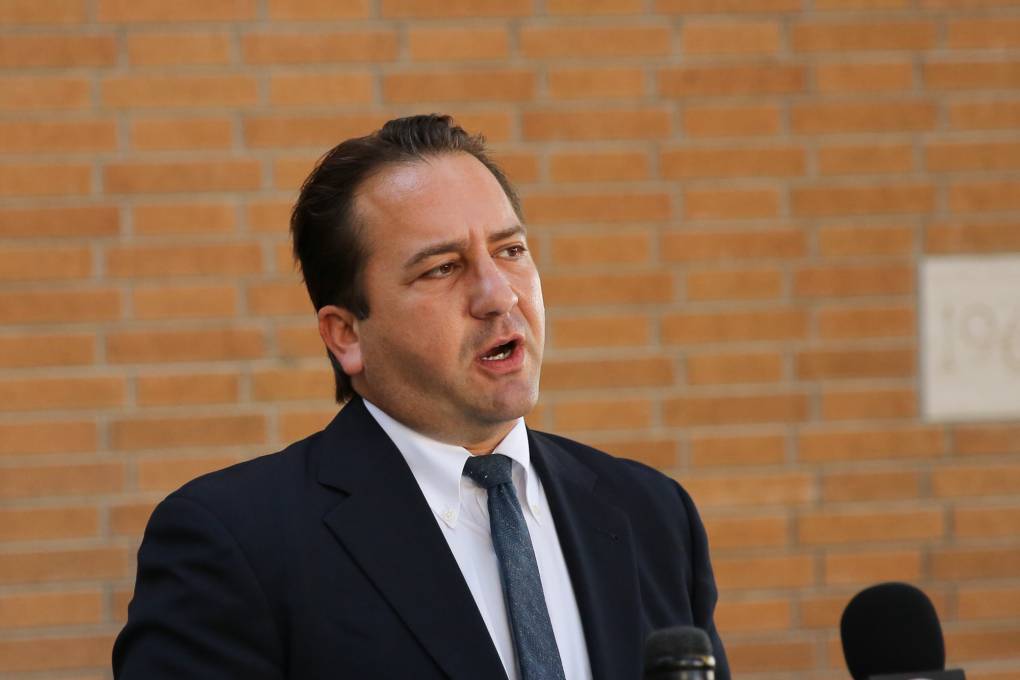
},
"audio_2": {
"type": "attachments",
"id": "audio_2",
"imgSizes": {
"kqedFullSize": {
"file": "https://ww2.kqed.org/news/wp-content/themes/KQED-unified/img/audio_bgs/background2.jpg"
}
}
},
"audio_3": {
"type": "attachments",
"id": "audio_3",
"imgSizes": {
"kqedFullSize": {
"file": "https://ww2.kqed.org/news/wp-content/themes/KQED-unified/img/audio_bgs/background3.jpg"
}
}
},
"audio_4": {
"type": "attachments",
"id": "audio_4",
"imgSizes": {
"kqedFullSize": {
"file": "https://ww2.kqed.org/news/wp-content/themes/KQED-unified/img/audio_bgs/background4.jpg"
}
}
},
"placeholder": {
"type": "attachments",
"id": "placeholder",
"imgSizes": {
"thumbnail": {
"file": "https://cdn.kqed.org/wp-content/uploads/2024/12/KQED-Default-Image-816638274-2000x1333-1-160x107.jpg",
"width": 160,
"height": 107,
"mimeType": "image/jpeg"
},
"medium": {
"file": "https://cdn.kqed.org/wp-content/uploads/2024/12/KQED-Default-Image-816638274-2000x1333-1-800x533.jpg",
"width": 800,
"height": 533,
"mimeType": "image/jpeg"
},
"medium_large": {
"file": "https://cdn.kqed.org/wp-content/uploads/2024/12/KQED-Default-Image-816638274-2000x1333-1-768x512.jpg",
"width": 768,
"height": 512,
"mimeType": "image/jpeg"
},
"large": {
"file": "https://cdn.kqed.org/wp-content/uploads/2024/12/KQED-Default-Image-816638274-2000x1333-1-1020x680.jpg",
"width": 1020,
"height": 680,
"mimeType": "image/jpeg"
},
"1536x1536": {
"file": "https://cdn.kqed.org/wp-content/uploads/2024/12/KQED-Default-Image-816638274-2000x1333-1-1536x1024.jpg",
"width": 1536,
"height": 1024,
"mimeType": "image/jpeg"
},
"fd-lrg": {
"file": "https://cdn.kqed.org/wp-content/uploads/2024/12/KQED-Default-Image-816638274-2000x1333-1-1536x1024.jpg",
"width": 1536,
"height": 1024,
"mimeType": "image/jpeg"
},
"fd-med": {
"file": "https://cdn.kqed.org/wp-content/uploads/2024/12/KQED-Default-Image-816638274-2000x1333-1-1020x680.jpg",
"width": 1020,
"height": 680,
"mimeType": "image/jpeg"
},
"fd-sm": {
"file": "https://cdn.kqed.org/wp-content/uploads/2024/12/KQED-Default-Image-816638274-2000x1333-1-800x533.jpg",
"width": 800,
"height": 533,
"mimeType": "image/jpeg"
},
"post-thumbnail": {
"file": "https://cdn.kqed.org/wp-content/uploads/2024/12/KQED-Default-Image-816638274-2000x1333-1-672x372.jpg",
"width": 672,
"height": 372,
"mimeType": "image/jpeg"
},
"twentyfourteen-full-width": {
"file": "https://cdn.kqed.org/wp-content/uploads/2024/12/KQED-Default-Image-816638274-2000x1333-1-1038x576.jpg",
"width": 1038,
"height": 576,
"mimeType": "image/jpeg"
},
"xxsmall": {
"file": "https://cdn.kqed.org/wp-content/uploads/2024/12/KQED-Default-Image-816638274-2000x1333-1-160x107.jpg",
"width": 160,
"height": 107,
"mimeType": "image/jpeg"
},
"xsmall": {
"file": "https://cdn.kqed.org/wp-content/uploads/2024/12/KQED-Default-Image-816638274-2000x1333-1-672x372.jpg",
"width": 672,
"height": 372,
"mimeType": "image/jpeg"
},
"small": {
"file": "https://cdn.kqed.org/wp-content/uploads/2024/12/KQED-Default-Image-816638274-2000x1333-1-672x372.jpg",
"width": 672,
"height": 372,
"mimeType": "image/jpeg"
},
"xlarge": {
"file": "https://cdn.kqed.org/wp-content/uploads/2024/12/KQED-Default-Image-816638274-2000x1333-1-1020x680.jpg",
"width": 1020,
"height": 680,
"mimeType": "image/jpeg"
},
"full-width": {
"file": "https://cdn.kqed.org/wp-content/uploads/2024/12/KQED-Default-Image-816638274-2000x1333-1-1920x1280.jpg",
"width": 1920,
"height": 1280,
"mimeType": "image/jpeg"
},
"guest-author-32": {
"file": "https://cdn.kqed.org/wp-content/uploads/2025/01/KQED-Default-Image-816638274-1333x1333-1-160x160.jpg",
"width": 32,
"height": 32,
"mimeType": "image/jpeg"
},
"guest-author-50": {
"file": "https://cdn.kqed.org/wp-content/uploads/2025/01/KQED-Default-Image-816638274-1333x1333-1-160x160.jpg",
"width": 50,
"height": 50,
"mimeType": "image/jpeg"
},
"guest-author-64": {
"file": "https://cdn.kqed.org/wp-content/uploads/2025/01/KQED-Default-Image-816638274-1333x1333-1-160x160.jpg",
"width": 64,
"height": 64,
"mimeType": "image/jpeg"
},
"guest-author-96": {
"file": "https://cdn.kqed.org/wp-content/uploads/2025/01/KQED-Default-Image-816638274-1333x1333-1-160x160.jpg",
"width": 96,
"height": 96,
"mimeType": "image/jpeg"
},
"guest-author-128": {
"file": "https://cdn.kqed.org/wp-content/uploads/2025/01/KQED-Default-Image-816638274-1333x1333-1-160x160.jpg",
"width": 128,
"height": 128,
"mimeType": "image/jpeg"
},
"detail": {
"file": "https://cdn.kqed.org/wp-content/uploads/2025/01/KQED-Default-Image-816638274-1333x1333-1-160x160.jpg",
"width": 160,
"height": 160,
"mimeType": "image/jpeg"
},
"kqedFullSize": {
"file": "https://cdn.kqed.org/wp-content/uploads/2024/12/KQED-Default-Image-816638274-2000x1333-1.jpg",
"width": 2000,
"height": 1333
}
}
},
"news_12006486": {
"type": "attachments",
"id": "news_12006486",
"meta": {
"index": "attachments_1716263798",
"site": "news",
"id": "12006486",
"found": true
},
"title": "240925-VTARRAIGN-JG-2",
"publishDate": 1727306273,
"status": "inherit",
"parent": 12006407,
"modified": 1727306406,
"caption": "Santa Clara County Deputy District Attorney Michael Gilman speaking outside of the Hall of Justice in San José on Wednesday, Sept. 25, 2024. ",
"credit": "Joseph Geha/KQED",
"altTag": null,
"description": null,
"imgSizes": {
"medium": {
"file": "https://cdn.kqed.org/wp-content/uploads/sites/10/2024/09/240925-VTARRAIGN-JG-2-800x533.jpg",
"width": 800,
"height": 533,
"mimeType": "image/jpeg"
},
"large": {
"file": "https://cdn.kqed.org/wp-content/uploads/sites/10/2024/09/240925-VTARRAIGN-JG-2-1020x680.jpg",
"width": 1020,
"height": 680,
"mimeType": "image/jpeg"
},
"thumbnail": {
"file": "https://cdn.kqed.org/wp-content/uploads/sites/10/2024/09/240925-VTARRAIGN-JG-2-160x107.jpg",
"width": 160,
"height": 107,
"mimeType": "image/jpeg"
},
"1536x1536": {
"file": "https://cdn.kqed.org/wp-content/uploads/sites/10/2024/09/240925-VTARRAIGN-JG-2-1536x1024.jpg",
"width": 1536,
"height": 1024,
"mimeType": "image/jpeg"
},
"post-thumbnail": {
"file": "https://cdn.kqed.org/wp-content/uploads/sites/10/2024/09/240925-VTARRAIGN-JG-2-672x372.jpg",
"width": 672,
"height": 372,
"mimeType": "image/jpeg"
},
"twentyfourteen-full-width": {
"file": "https://cdn.kqed.org/wp-content/uploads/sites/10/2024/09/240925-VTARRAIGN-JG-2-1038x576.jpg",
"width": 1038,
"height": 576,
"mimeType": "image/jpeg"
},
"full-width": {
"file": "https://cdn.kqed.org/wp-content/uploads/sites/10/2024/09/240925-VTARRAIGN-JG-2-1920x1280.jpg",
"width": 1920,
"height": 1280,
"mimeType": "image/jpeg"
},
"kqedFullSize": {
"file": "https://cdn.kqed.org/wp-content/uploads/sites/10/2024/09/240925-VTARRAIGN-JG-2.jpg",
"width": 2000,
"height": 1333
}
},
"isLoading": false,
"fetchFailed": false
},
"news_11956302": {
"type": "attachments",
"id": "news_11956302",
"meta": {
"index": "attachments_1716263798",
"site": "news",
"id": "11956302",
"found": true
},
"title": "Screenshot 2023-07-23 at 5.39.19 PM",
"publishDate": 1690159441,
"status": "inherit",
"parent": 11956286,
"modified": 1724200805,
"caption": "An exterior view of Antioch Police Department headquarters on April 19, 2023.",
"credit": "Terry Chea/The Associated Press",
"altTag": "A sign carved into stone reads \"Antioch Police Facility,\" with vegetation and a building in the background.",
"description": null,
"imgSizes": {
"medium": {
"file": "https://cdn.kqed.org/wp-content/uploads/sites/10/2023/07/Screenshot-2023-07-23-at-5.39.19-PM-e1690159469592-800x532.png",
"width": 800,
"height": 532,
"mimeType": "image/png"
},
"large": {
"file": "https://cdn.kqed.org/wp-content/uploads/sites/10/2023/07/Screenshot-2023-07-23-at-5.39.19-PM-e1690159469592-1020x679.png",
"width": 1020,
"height": 679,
"mimeType": "image/png"
},
"thumbnail": {
"file": "https://cdn.kqed.org/wp-content/uploads/sites/10/2023/07/Screenshot-2023-07-23-at-5.39.19-PM-e1690159469592-160x106.png",
"width": 160,
"height": 106,
"mimeType": "image/png"
},
"1536x1536": {
"file": "https://cdn.kqed.org/wp-content/uploads/sites/10/2023/07/Screenshot-2023-07-23-at-5.39.19-PM-1536x1022.png",
"width": 1536,
"height": 1022,
"mimeType": "image/png"
},
"post-thumbnail": {
"file": "https://cdn.kqed.org/wp-content/uploads/sites/10/2023/07/Screenshot-2023-07-23-at-5.39.19-PM-e1690159469592-672x372.png",
"width": 672,
"height": 372,
"mimeType": "image/png"
},
"twentyfourteen-full-width": {
"file": "https://cdn.kqed.org/wp-content/uploads/sites/10/2023/07/Screenshot-2023-07-23-at-5.39.19-PM-e1690159469592-1038x576.png",
"width": 1038,
"height": 576,
"mimeType": "image/png"
},
"kqedFullSize": {
"file": "https://cdn.kqed.org/wp-content/uploads/sites/10/2023/07/Screenshot-2023-07-23-at-5.39.19-PM-e1690159469592.png",
"width": 1428,
"height": 950
}
},
"isLoading": false,
"fetchFailed": false
},
"news_11926202": {
"type": "attachments",
"id": "news_11926202",
"meta": {
"index": "attachments_1716263798",
"site": "news",
"id": "11926202",
"found": true
},
"title": "RS57150_037_KQED_DABrookeJenkins_07072022-qut",
"publishDate": 1663613926,
"status": "inherit",
"parent": 11926200,
"modified": 1727224345,
"caption": "San Francisco District Attorney Brooke Jenkins speaks during a press conference at City Hall on July 7, 2022, shortly after Mayor London Breed appointed her to the position following the recall of Chesa Boudin.",
"credit": "Beth LaBerge/KQED",
"altTag": "A woman wearing a business suit stands in front of a microphone with the American flag in the background.",
"description": null,
"imgSizes": {
"medium": {
"file": "https://cdn.kqed.org/wp-content/uploads/sites/10/2022/09/RS57150_037_KQED_DABrookeJenkins_07072022-qut-800x533.jpg",
"width": 800,
"height": 533,
"mimeType": "image/jpeg"
},
"large": {
"file": "https://cdn.kqed.org/wp-content/uploads/sites/10/2022/09/RS57150_037_KQED_DABrookeJenkins_07072022-qut-1020x680.jpg",
"width": 1020,
"height": 680,
"mimeType": "image/jpeg"
},
"thumbnail": {
"file": "https://cdn.kqed.org/wp-content/uploads/sites/10/2022/09/RS57150_037_KQED_DABrookeJenkins_07072022-qut-160x107.jpg",
"width": 160,
"height": 107,
"mimeType": "image/jpeg"
},
"1536x1536": {
"file": "https://cdn.kqed.org/wp-content/uploads/sites/10/2022/09/RS57150_037_KQED_DABrookeJenkins_07072022-qut-1536x1024.jpg",
"width": 1536,
"height": 1024,
"mimeType": "image/jpeg"
},
"post-thumbnail": {
"file": "https://cdn.kqed.org/wp-content/uploads/sites/10/2022/09/RS57150_037_KQED_DABrookeJenkins_07072022-qut-672x372.jpg",
"width": 672,
"height": 372,
"mimeType": "image/jpeg"
},
"twentyfourteen-full-width": {
"file": "https://cdn.kqed.org/wp-content/uploads/sites/10/2022/09/RS57150_037_KQED_DABrookeJenkins_07072022-qut-1038x576.jpg",
"width": 1038,
"height": 576,
"mimeType": "image/jpeg"
},
"kqedFullSize": {
"file": "https://cdn.kqed.org/wp-content/uploads/sites/10/2022/09/RS57150_037_KQED_DABrookeJenkins_07072022-qut.jpg",
"width": 1920,
"height": 1280
}
},
"isLoading": false,
"fetchFailed": false
},
"news_12005816": {
"type": "attachments",
"id": "news_12005816",
"meta": {
"index": "attachments_1716263798",
"site": "news",
"id": "12005816",
"found": true
},
"title": "240617-VTAfile-01-BL_qed",
"publishDate": 1726957608,
"status": "inherit",
"parent": 12005814,
"modified": 1726957665,
"caption": "A Santa Clara Valley Transportation Authority bus drives on Meridian Avenue in San José on June 17, 2024.",
"credit": "Beth LaBerge/KQED",
"altTag": null,
"description": null,
"imgSizes": {
"medium": {
"file": "https://cdn.kqed.org/wp-content/uploads/sites/10/2024/09/240617-VTAfile-01-BL_qed-800x533.jpg",
"width": 800,
"height": 533,
"mimeType": "image/jpeg"
},
"large": {
"file": "https://cdn.kqed.org/wp-content/uploads/sites/10/2024/09/240617-VTAfile-01-BL_qed-1020x680.jpg",
"width": 1020,
"height": 680,
"mimeType": "image/jpeg"
},
"thumbnail": {
"file": "https://cdn.kqed.org/wp-content/uploads/sites/10/2024/09/240617-VTAfile-01-BL_qed-160x107.jpg",
"width": 160,
"height": 107,
"mimeType": "image/jpeg"
},
"1536x1536": {
"file": "https://cdn.kqed.org/wp-content/uploads/sites/10/2024/09/240617-VTAfile-01-BL_qed-1536x1024.jpg",
"width": 1536,
"height": 1024,
"mimeType": "image/jpeg"
},
"post-thumbnail": {
"file": "https://cdn.kqed.org/wp-content/uploads/sites/10/2024/09/240617-VTAfile-01-BL_qed-672x372.jpg",
"width": 672,
"height": 372,
"mimeType": "image/jpeg"
},
"twentyfourteen-full-width": {
"file": "https://cdn.kqed.org/wp-content/uploads/sites/10/2024/09/240617-VTAfile-01-BL_qed-1038x576.jpg",
"width": 1038,
"height": 576,
"mimeType": "image/jpeg"
},
"full-width": {
"file": "https://cdn.kqed.org/wp-content/uploads/sites/10/2024/09/240617-VTAfile-01-BL_qed-1920x1280.jpg",
"width": 1920,
"height": 1280,
"mimeType": "image/jpeg"
},
"kqedFullSize": {
"file": "https://cdn.kqed.org/wp-content/uploads/sites/10/2024/09/240617-VTAfile-01-BL_qed.jpg",
"width": 1999,
"height": 1333
}
},
"isLoading": false,
"fetchFailed": false
},
"news_12005472": {
"type": "attachments",
"id": "news_12005472",
"meta": {
"index": "attachments_1716263798",
"site": "news",
"id": "12005472",
"found": true
},
"title": "033_Alameda_MarioGonzalezPressConf_04272021_qed",
"publishDate": 1726774175,
"status": "inherit",
"parent": 12005470,
"modified": 1726777832,
"caption": "The mother of Mario Gonzalez, Edith Arenales, puts her head together with her son Geraldo Gonzalez before speaking at a news conference outside the Alameda Police Department on April 27, 2021. Attorneys for the Alameda officers charged in Mario Gonzalez’s death are seeking to dismiss the manslaughter charges.",
"credit": "Beth LaBerge/KQED",
"altTag": null,
"description": null,
"imgSizes": {
"medium": {
"file": "https://cdn.kqed.org/wp-content/uploads/sites/10/2024/09/033_Alameda_MarioGonzalezPressConf_04272021_qed-800x532.jpg",
"width": 800,
"height": 532,
"mimeType": "image/jpeg"
},
"large": {
"file": "https://cdn.kqed.org/wp-content/uploads/sites/10/2024/09/033_Alameda_MarioGonzalezPressConf_04272021_qed-1020x679.jpg",
"width": 1020,
"height": 679,
"mimeType": "image/jpeg"
},
"thumbnail": {
"file": "https://cdn.kqed.org/wp-content/uploads/sites/10/2024/09/033_Alameda_MarioGonzalezPressConf_04272021_qed-160x106.jpg",
"width": 160,
"height": 106,
"mimeType": "image/jpeg"
},
"1536x1536": {
"file": "https://cdn.kqed.org/wp-content/uploads/sites/10/2024/09/033_Alameda_MarioGonzalezPressConf_04272021_qed-1536x1022.jpg",
"width": 1536,
"height": 1022,
"mimeType": "image/jpeg"
},
"post-thumbnail": {
"file": "https://cdn.kqed.org/wp-content/uploads/sites/10/2024/09/033_Alameda_MarioGonzalezPressConf_04272021_qed-672x372.jpg",
"width": 672,
"height": 372,
"mimeType": "image/jpeg"
},
"twentyfourteen-full-width": {
"file": "https://cdn.kqed.org/wp-content/uploads/sites/10/2024/09/033_Alameda_MarioGonzalezPressConf_04272021_qed-1038x576.jpg",
"width": 1038,
"height": 576,
"mimeType": "image/jpeg"
},
"full-width": {
"file": "https://cdn.kqed.org/wp-content/uploads/sites/10/2024/09/033_Alameda_MarioGonzalezPressConf_04272021_qed-1920x1278.jpg",
"width": 1920,
"height": 1278,
"mimeType": "image/jpeg"
},
"kqedFullSize": {
"file": "https://cdn.kqed.org/wp-content/uploads/sites/10/2024/09/033_Alameda_MarioGonzalezPressConf_04272021_qed.jpg",
"width": 2000,
"height": 1331
}
},
"isLoading": false,
"fetchFailed": false
},
"news_12005552": {
"type": "attachments",
"id": "news_12005552",
"meta": {
"index": "attachments_1716263798",
"site": "news",
"id": "12005552",
"found": true
},
"title": "San Francisco Deploys License-Plate Reading Cameras To Catch Offenders",
"publishDate": 1726786577,
"status": "inherit",
"parent": 12005347,
"modified": 1726853688,
"caption": "An automated license plate reader is seen mounted on a pole on June 13, 2024, in San Francisco, California. Just across the Bay Bridge, Oakland is installing new automated license plate readers from the state.",
"credit": "Justin Sullivan/Getty Images",
"altTag": null,
"description": null,
"imgSizes": {
"medium": {
"file": "https://cdn.kqed.org/wp-content/uploads/sites/10/2024/09/SFLicensePlateReader-800x529.jpg",
"width": 800,
"height": 529,
"mimeType": "image/jpeg"
},
"large": {
"file": "https://cdn.kqed.org/wp-content/uploads/sites/10/2024/09/SFLicensePlateReader-1020x675.jpg",
"width": 1020,
"height": 675,
"mimeType": "image/jpeg"
},
"thumbnail": {
"file": "https://cdn.kqed.org/wp-content/uploads/sites/10/2024/09/SFLicensePlateReader-160x106.jpg",
"width": 160,
"height": 106,
"mimeType": "image/jpeg"
},
"1536x1536": {
"file": "https://cdn.kqed.org/wp-content/uploads/sites/10/2024/09/SFLicensePlateReader-1536x1016.jpg",
"width": 1536,
"height": 1016,
"mimeType": "image/jpeg"
},
"post-thumbnail": {
"file": "https://cdn.kqed.org/wp-content/uploads/sites/10/2024/09/SFLicensePlateReader-672x372.jpg",
"width": 672,
"height": 372,
"mimeType": "image/jpeg"
},
"twentyfourteen-full-width": {
"file": "https://cdn.kqed.org/wp-content/uploads/sites/10/2024/09/SFLicensePlateReader-1038x576.jpg",
"width": 1038,
"height": 576,
"mimeType": "image/jpeg"
},
"full-width": {
"file": "https://cdn.kqed.org/wp-content/uploads/sites/10/2024/09/SFLicensePlateReader-1920x1270.jpg",
"width": 1920,
"height": 1270,
"mimeType": "image/jpeg"
},
"kqedFullSize": {
"file": "https://cdn.kqed.org/wp-content/uploads/sites/10/2024/09/SFLicensePlateReader.jpg",
"width": 2000,
"height": 1323
}
},
"isLoading": false,
"fetchFailed": false
},
"news_12005061": {
"type": "attachments",
"id": "news_12005061",
"meta": {
"index": "attachments_1716263798",
"site": "news",
"id": "12005061",
"found": true
},
"title": "240917-AAMONTEHADLEYPRESS-51-BL-KQED",
"publishDate": 1726604722,
"status": "inherit",
"parent": 0,
"modified": 1726605657,
"caption": "Anthony, 12, Aamonte Hadley’s sibling, listens to speakers during a rally outside of County Jail #2, a jail that houses women, in San Francisco on Sept. 17, 2024, to call for justice for Hadley, who died at the jail on Sept. 2.",
"credit": "Beth LaBerge/KQED",
"altTag": null,
"description": null,
"imgSizes": {
"medium": {
"file": "https://cdn.kqed.org/wp-content/uploads/sites/10/2024/09/240917-AAMONTEHADLEYPRESS-51-BL-KQED-800x533.jpg",
"width": 800,
"height": 533,
"mimeType": "image/jpeg"
},
"large": {
"file": "https://cdn.kqed.org/wp-content/uploads/sites/10/2024/09/240917-AAMONTEHADLEYPRESS-51-BL-KQED-1020x680.jpg",
"width": 1020,
"height": 680,
"mimeType": "image/jpeg"
},
"thumbnail": {
"file": "https://cdn.kqed.org/wp-content/uploads/sites/10/2024/09/240917-AAMONTEHADLEYPRESS-51-BL-KQED-160x107.jpg",
"width": 160,
"height": 107,
"mimeType": "image/jpeg"
},
"1536x1536": {
"file": "https://cdn.kqed.org/wp-content/uploads/sites/10/2024/09/240917-AAMONTEHADLEYPRESS-51-BL-KQED-1536x1024.jpg",
"width": 1536,
"height": 1024,
"mimeType": "image/jpeg"
},
"post-thumbnail": {
"file": "https://cdn.kqed.org/wp-content/uploads/sites/10/2024/09/240917-AAMONTEHADLEYPRESS-51-BL-KQED-672x372.jpg",
"width": 672,
"height": 372,
"mimeType": "image/jpeg"
},
"twentyfourteen-full-width": {
"file": "https://cdn.kqed.org/wp-content/uploads/sites/10/2024/09/240917-AAMONTEHADLEYPRESS-51-BL-KQED-1038x576.jpg",
"width": 1038,
"height": 576,
"mimeType": "image/jpeg"
},
"full-width": {
"file": "https://cdn.kqed.org/wp-content/uploads/sites/10/2024/09/240917-AAMONTEHADLEYPRESS-51-BL-KQED-1920x1280.jpg",
"width": 1920,
"height": 1280,
"mimeType": "image/jpeg"
},
"kqedFullSize": {
"file": "https://cdn.kqed.org/wp-content/uploads/sites/10/2024/09/240917-AAMONTEHADLEYPRESS-51-BL-KQED.jpg",
"width": 2000,
"height": 1333
}
},
"isLoading": false,
"fetchFailed": false
},
"news_12004902": {
"type": "attachments",
"id": "news_12004902",
"meta": {
"index": "attachments_1716263798",
"site": "news",
"id": "12004902",
"found": true
},
"title": "LondonBreedSFPDTech",
"publishDate": 1726519477,
"status": "inherit",
"parent": 12004882,
"modified": 1726600671,
"caption": "Mayor London Breed speaks at the San Francisco Police Department press conference alongside District Attorney Brooke Jenkins and SFPD Chief of Police William Scott, discussing new AI surveillance structures to be installed across the city.",
"credit": "Gilare Zada/KQED",
"altTag": null,
"description": null,
"imgSizes": {
"medium": {
"file": "https://cdn.kqed.org/wp-content/uploads/sites/10/2024/09/LondonBreedSFPDTech-800x575.jpg",
"width": 800,
"height": 575,
"mimeType": "image/jpeg"
},
"large": {
"file": "https://cdn.kqed.org/wp-content/uploads/sites/10/2024/09/LondonBreedSFPDTech-1020x733.jpg",
"width": 1020,
"height": 733,
"mimeType": "image/jpeg"
},
"thumbnail": {
"file": "https://cdn.kqed.org/wp-content/uploads/sites/10/2024/09/LondonBreedSFPDTech-160x115.jpg",
"width": 160,
"height": 115,
"mimeType": "image/jpeg"
},
"1536x1536": {
"file": "https://cdn.kqed.org/wp-content/uploads/sites/10/2024/09/LondonBreedSFPDTech-1536x1104.jpg",
"width": 1536,
"height": 1104,
"mimeType": "image/jpeg"
},
"post-thumbnail": {
"file": "https://cdn.kqed.org/wp-content/uploads/sites/10/2024/09/LondonBreedSFPDTech-672x372.jpg",
"width": 672,
"height": 372,
"mimeType": "image/jpeg"
},
"twentyfourteen-full-width": {
"file": "https://cdn.kqed.org/wp-content/uploads/sites/10/2024/09/LondonBreedSFPDTech-1038x576.jpg",
"width": 1038,
"height": 576,
"mimeType": "image/jpeg"
},
"full-width": {
"file": "https://cdn.kqed.org/wp-content/uploads/sites/10/2024/09/LondonBreedSFPDTech-1920x1380.jpg",
"width": 1920,
"height": 1380,
"mimeType": "image/jpeg"
},
"kqedFullSize": {
"file": "https://cdn.kqed.org/wp-content/uploads/sites/10/2024/09/LondonBreedSFPDTech.jpg",
"width": 2000,
"height": 1437
}
},
"isLoading": false,
"fetchFailed": false
},
"news_12004890": {
"type": "attachments",
"id": "news_12004890",
"meta": {
"index": "attachments_1716263798",
"site": "news",
"id": "12004890",
"found": true
},
"title": "091124_InmateVoting_FM_CM-08",
"publishDate": 1726516319,
"status": "inherit",
"parent": 12004883,
"modified": 1726520151,
"caption": "Ronald Latney, 44, from San Francisco, speaks about voting while incarcerated in a San Francisco County Jail in San Bruno on Sept. 11, 2024.",
"credit": "Florence Middleton/CalMatters",
"altTag": "A Black, bearded, incarcerated man in an orange shirt sits at a table in front of a bookcase of legal books.",
"description": null,
"imgSizes": {
"medium": {
"file": "https://cdn.kqed.org/wp-content/uploads/sites/10/2024/09/091124_InmateVoting_FM_CM-08-800x533.jpeg",
"width": 800,
"height": 533,
"mimeType": "image/jpeg"
},
"large": {
"file": "https://cdn.kqed.org/wp-content/uploads/sites/10/2024/09/091124_InmateVoting_FM_CM-08-1020x680.jpeg",
"width": 1020,
"height": 680,
"mimeType": "image/jpeg"
},
"thumbnail": {
"file": "https://cdn.kqed.org/wp-content/uploads/sites/10/2024/09/091124_InmateVoting_FM_CM-08-160x107.jpeg",
"width": 160,
"height": 107,
"mimeType": "image/jpeg"
},
"1536x1536": {
"file": "https://cdn.kqed.org/wp-content/uploads/sites/10/2024/09/091124_InmateVoting_FM_CM-08-1536x1024.jpeg",
"width": 1536,
"height": 1024,
"mimeType": "image/jpeg"
},
"post-thumbnail": {
"file": "https://cdn.kqed.org/wp-content/uploads/sites/10/2024/09/091124_InmateVoting_FM_CM-08-672x372.jpeg",
"width": 672,
"height": 372,
"mimeType": "image/jpeg"
},
"twentyfourteen-full-width": {
"file": "https://cdn.kqed.org/wp-content/uploads/sites/10/2024/09/091124_InmateVoting_FM_CM-08-1038x576.jpeg",
"width": 1038,
"height": 576,
"mimeType": "image/jpeg"
},
"full-width": {
"file": "https://cdn.kqed.org/wp-content/uploads/sites/10/2024/09/091124_InmateVoting_FM_CM-08-1920x1280.jpeg",
"width": 1920,
"height": 1280,
"mimeType": "image/jpeg"
},
"kqedFullSize": {
"file": "https://cdn.kqed.org/wp-content/uploads/sites/10/2024/09/091124_InmateVoting_FM_CM-08.jpeg",
"width": 2000,
"height": 1333
}
},
"isLoading": false,
"fetchFailed": false
},
"news_12004694": {
"type": "attachments",
"id": "news_12004694",
"meta": {
"index": "attachments_1716263798",
"site": "news",
"id": "12004694",
"found": true
},
"title": "025_SanFrancisco_JuneteenthKickoffRally_06172021_qed",
"publishDate": 1726251894,
"status": "inherit",
"parent": 12004687,
"modified": 1726272741,
"caption": "Sheryl Davis, former head of the San Francisco Human Rights Commission, speaks during a Juneteenth kickoff rally on the steps of San Francisco City Hall on June 17, 2021. Davis, who resigned on Friday, is being investigated by San Francisco’s city attorney for spending more than $1.5 million.",
"credit": "Beth LaBerge/KQED",
"altTag": null,
"description": null,
"imgSizes": {
"medium": {
"file": "https://cdn.kqed.org/wp-content/uploads/sites/10/2024/09/025_SanFrancisco_JuneteenthKickoffRally_06172021_qed-800x532.jpg",
"width": 800,
"height": 532,
"mimeType": "image/jpeg"
},
"large": {
"file": "https://cdn.kqed.org/wp-content/uploads/sites/10/2024/09/025_SanFrancisco_JuneteenthKickoffRally_06172021_qed-1020x679.jpg",
"width": 1020,
"height": 679,
"mimeType": "image/jpeg"
},
"thumbnail": {
"file": "https://cdn.kqed.org/wp-content/uploads/sites/10/2024/09/025_SanFrancisco_JuneteenthKickoffRally_06172021_qed-160x106.jpg",
"width": 160,
"height": 106,
"mimeType": "image/jpeg"
},
"1536x1536": {
"file": "https://cdn.kqed.org/wp-content/uploads/sites/10/2024/09/025_SanFrancisco_JuneteenthKickoffRally_06172021_qed-1536x1022.jpg",
"width": 1536,
"height": 1022,
"mimeType": "image/jpeg"
},
"post-thumbnail": {
"file": "https://cdn.kqed.org/wp-content/uploads/sites/10/2024/09/025_SanFrancisco_JuneteenthKickoffRally_06172021_qed-672x372.jpg",
"width": 672,
"height": 372,
"mimeType": "image/jpeg"
},
"twentyfourteen-full-width": {
"file": "https://cdn.kqed.org/wp-content/uploads/sites/10/2024/09/025_SanFrancisco_JuneteenthKickoffRally_06172021_qed-1038x576.jpg",
"width": 1038,
"height": 576,
"mimeType": "image/jpeg"
},
"full-width": {
"file": "https://cdn.kqed.org/wp-content/uploads/sites/10/2024/09/025_SanFrancisco_JuneteenthKickoffRally_06172021_qed-1920x1278.jpg",
"width": 1920,
"height": 1278,
"mimeType": "image/jpeg"
},
"kqedFullSize": {
"file": "https://cdn.kqed.org/wp-content/uploads/sites/10/2024/09/025_SanFrancisco_JuneteenthKickoffRally_06172021_qed.jpg",
"width": 2000,
"height": 1331
}
},
"isLoading": false,
"fetchFailed": false
},
"news_12004765": {
"type": "attachments",
"id": "news_12004765",
"meta": {
"index": "attachments_1716263798",
"site": "news",
"id": "12004765",
"found": true
},
"title": "Bay Area Rapid Transit (BART) - Powell St. Station",
"publishDate": 1726267115,
"status": "inherit",
"parent": 12004742,
"modified": 1726268922,
"caption": "San Francisco police officers spotted an armed man in a car, police chief Bill Scott said and shot him after a dramatic pursuit into the Powell Street station.",
"credit": "iStock Editorial / Getty Images Plus",
"altTag": null,
"description": null,
"imgSizes": {
"medium": {
"file": "https://cdn.kqed.org/wp-content/uploads/sites/10/2024/09/PowellStreetBARTGetty1-800x533.jpg",
"width": 800,
"height": 533,
"mimeType": "image/jpeg"
},
"large": {
"file": "https://cdn.kqed.org/wp-content/uploads/sites/10/2024/09/PowellStreetBARTGetty1-1020x680.jpg",
"width": 1020,
"height": 680,
"mimeType": "image/jpeg"
},
"thumbnail": {
"file": "https://cdn.kqed.org/wp-content/uploads/sites/10/2024/09/PowellStreetBARTGetty1-160x107.jpg",
"width": 160,
"height": 107,
"mimeType": "image/jpeg"
},
"1536x1536": {
"file": "https://cdn.kqed.org/wp-content/uploads/sites/10/2024/09/PowellStreetBARTGetty1-1536x1024.jpg",
"width": 1536,
"height": 1024,
"mimeType": "image/jpeg"
},
"post-thumbnail": {
"file": "https://cdn.kqed.org/wp-content/uploads/sites/10/2024/09/PowellStreetBARTGetty1-672x372.jpg",
"width": 672,
"height": 372,
"mimeType": "image/jpeg"
},
"twentyfourteen-full-width": {
"file": "https://cdn.kqed.org/wp-content/uploads/sites/10/2024/09/PowellStreetBARTGetty1-1038x576.jpg",
"width": 1038,
"height": 576,
"mimeType": "image/jpeg"
},
"full-width": {
"file": "https://cdn.kqed.org/wp-content/uploads/sites/10/2024/09/PowellStreetBARTGetty1-1920x1280.jpg",
"width": 1920,
"height": 1280,
"mimeType": "image/jpeg"
},
"kqedFullSize": {
"file": "https://cdn.kqed.org/wp-content/uploads/sites/10/2024/09/PowellStreetBARTGetty1.jpg",
"width": 2000,
"height": 1333
}
},
"isLoading": false,
"fetchFailed": false
},
"news_11982704": {
"type": "attachments",
"id": "news_11982704",
"meta": {
"index": "attachments_1716263798",
"site": "news",
"id": "11982704",
"found": true
},
"title": "240411-BERKELEY LAW-MD-01-KQED-1",
"publishDate": 1712871442,
"status": "inherit",
"parent": 0,
"modified": 1726163805,
"caption": "UC Berkeley Law's Criminal Law and Justice Center is suing CDCR in Alameda County, claiming the department unlawfully withholds reentry funds, or \"gate money,\" owed to people upon release from prison.",
"credit": "Martin do Nascimento/KQED",
"altTag": null,
"description": null,
"imgSizes": {
"medium": {
"file": "https://cdn.kqed.org/wp-content/uploads/sites/10/2024/04/240411-BERKELEY-LAW-MD-01-KQED-1-800x533.jpg",
"width": 800,
"height": 533,
"mimeType": "image/jpeg"
},
"large": {
"file": "https://cdn.kqed.org/wp-content/uploads/sites/10/2024/04/240411-BERKELEY-LAW-MD-01-KQED-1-1020x680.jpg",
"width": 1020,
"height": 680,
"mimeType": "image/jpeg"
},
"thumbnail": {
"file": "https://cdn.kqed.org/wp-content/uploads/sites/10/2024/04/240411-BERKELEY-LAW-MD-01-KQED-1-160x107.jpg",
"width": 160,
"height": 107,
"mimeType": "image/jpeg"
},
"1536x1536": {
"file": "https://cdn.kqed.org/wp-content/uploads/sites/10/2024/04/240411-BERKELEY-LAW-MD-01-KQED-1-1536x1024.jpg",
"width": 1536,
"height": 1024,
"mimeType": "image/jpeg"
},
"post-thumbnail": {
"file": "https://cdn.kqed.org/wp-content/uploads/sites/10/2024/04/240411-BERKELEY-LAW-MD-01-KQED-1-672x372.jpg",
"width": 672,
"height": 372,
"mimeType": "image/jpeg"
},
"twentyfourteen-full-width": {
"file": "https://cdn.kqed.org/wp-content/uploads/sites/10/2024/04/240411-BERKELEY-LAW-MD-01-KQED-1-1038x576.jpg",
"width": 1038,
"height": 576,
"mimeType": "image/jpeg"
},
"full-width": {
"file": "https://cdn.kqed.org/wp-content/uploads/sites/10/2024/04/240411-BERKELEY-LAW-MD-01-KQED-1-1920x1280.jpg",
"width": 1920,
"height": 1280,
"mimeType": "image/jpeg"
},
"kqedFullSize": {
"file": "https://cdn.kqed.org/wp-content/uploads/sites/10/2024/04/240411-BERKELEY-LAW-MD-01-KQED-1.jpg",
"width": 2000,
"height": 1333
}
},
"isLoading": false,
"fetchFailed": false
}
},
"audioPlayerReducer": {
"postId": "stream_live",
"isPaused": true,
"isPlaying": false,
"pfsActive": false,
"pledgeModalIsOpen": true,
"playerDrawerIsOpen": false,
"liveAudioPlayStartedAt": 0,
"liveAudioPlayContext": ""
},
"authorsReducer": {
"byline_news_12004883": {
"type": "authors",
"id": "byline_news_12004883",
"meta": {
"override": true
},
"slug": "byline_news_12004883",
"name": "\u003ca href=\"https://calmatters.org/author/sameea-kamal/\">Sameea Kamal\u003c/a>, CalMatters",
"isLoading": false
},
"sjohnson": {
"type": "authors",
"id": "11840",
"meta": {
"index": "authors_1716337520",
"id": "11840",
"found": true
},
"name": "Sydney Johnson",
"firstName": "Sydney",
"lastName": "Johnson",
"slug": "sjohnson",
"email": "sjohnson@kqed.org",
"display_author_email": false,
"staff_mastheads": [
"news"
],
"title": "KQED Reporter",
"bio": "Sydney Johnson is a general assignment reporter at KQED. She previously reported on public health and city government at the San Francisco Examiner, and before that, she covered statewide education policy for EdSource. Her reporting has won multiple local, state and national awards. Sydney is a graduate of the University of California, Berkeley and lives in San Francisco.",
"avatar": "https://secure.gravatar.com/avatar/97855f2719b72ad6190b7c535fe642c8?s=600&d=blank&r=g",
"twitter": "sydneyfjohnson",
"facebook": null,
"instagram": null,
"linkedin": null,
"sites": [
{
"site": "news",
"roles": [
"editor"
]
}
],
"headData": {
"title": "Sydney Johnson | KQED",
"description": "KQED Reporter",
"ogImgSrc": "https://secure.gravatar.com/avatar/97855f2719b72ad6190b7c535fe642c8?s=600&d=blank&r=g",
"twImgSrc": "https://secure.gravatar.com/avatar/97855f2719b72ad6190b7c535fe642c8?s=600&d=blank&r=g"
},
"isLoading": false,
"link": "/author/sjohnson"
},
"jgeha": {
"type": "authors",
"id": "11906",
"meta": {
"index": "authors_1716337520",
"id": "11906",
"found": true
},
"name": "Joseph Geha",
"firstName": "Joseph",
"lastName": "Geha",
"slug": "jgeha",
"email": "jgeha@kqed.org",
"display_author_email": false,
"staff_mastheads": [
"news",
"science"
],
"title": "KQED Contributor",
"bio": null,
"avatar": "https://secure.gravatar.com/avatar/ea84d2b6dd93d6369d453edf19dd583f117cd1759d2d9c9c92f9de77017354fe?s=600&d=blank&r=g",
"twitter": null,
"bluesky": null,
"facebook": null,
"instagram": null,
"linkedin": null,
"sites": [
{
"site": "news",
"roles": [
"editor"
]
},
{
"site": "liveblog",
"roles": [
"author"
]
}
],
"headData": {
"title": "Joseph Geha | KQED",
"description": "KQED Contributor",
"ogImgSrc": "https://secure.gravatar.com/avatar/ea84d2b6dd93d6369d453edf19dd583f117cd1759d2d9c9c92f9de77017354fe?s=600&d=blank&r=g",
"twImgSrc": "https://secure.gravatar.com/avatar/ea84d2b6dd93d6369d453edf19dd583f117cd1759d2d9c9c92f9de77017354fe?s=600&d=blank&r=g"
},
"isLoading": false,
"link": "/author/jgeha"
},
"kdebenedetti": {
"type": "authors",
"id": "11913",
"meta": {
"index": "authors_1716337520",
"id": "11913",
"found": true
},
"name": "Katie DeBenedetti",
"firstName": "Katie",
"lastName": "DeBenedetti",
"slug": "kdebenedetti",
"email": "kdebenedetti@kqed.org",
"display_author_email": false,
"staff_mastheads": [
"news",
"science"
],
"title": "KQED Contributor",
"bio": "Katie DeBenedetti is a digital reporter covering daily news for the Express Desk. Prior to joining KQED as a culture reporting intern in January 2024, she covered education and city government for the Napa Valley Register.",
"avatar": "https://secure.gravatar.com/avatar/6e31073cb8f7e4214ab03f42771d0f45?s=600&d=blank&r=g",
"twitter": null,
"facebook": null,
"instagram": null,
"linkedin": null,
"sites": [
{
"site": "news",
"roles": [
"author"
]
},
{
"site": "science",
"roles": [
"author"
]
},
{
"site": "liveblog",
"roles": [
"author"
]
}
],
"headData": {
"title": "Katie DeBenedetti | KQED",
"description": "KQED Contributor",
"ogImgSrc": "https://secure.gravatar.com/avatar/6e31073cb8f7e4214ab03f42771d0f45?s=600&d=blank&r=g",
"twImgSrc": "https://secure.gravatar.com/avatar/6e31073cb8f7e4214ab03f42771d0f45?s=600&d=blank&r=g"
},
"isLoading": false,
"link": "/author/kdebenedetti"
},
"slim": {
"type": "authors",
"id": "11920",
"meta": {
"index": "authors_1716337520",
"id": "11920",
"found": true
},
"name": "Samantha Lim",
"firstName": "Samantha",
"lastName": "Lim",
"slug": "slim",
"email": "slim@KQED.org",
"display_author_email": false,
"staff_mastheads": [],
"title": "KQED Contributor",
"bio": null,
"avatar": "https://secure.gravatar.com/avatar/82e592e6c15fe1a04d385e8ad0fb0b4e?s=600&d=blank&r=g",
"twitter": null,
"facebook": null,
"instagram": null,
"linkedin": null,
"sites": [
{
"site": "news",
"roles": []
}
],
"headData": {
"title": "Samantha Lim | KQED",
"description": "KQED Contributor",
"ogImgSrc": "https://secure.gravatar.com/avatar/82e592e6c15fe1a04d385e8ad0fb0b4e?s=600&d=blank&r=g",
"twImgSrc": "https://secure.gravatar.com/avatar/82e592e6c15fe1a04d385e8ad0fb0b4e?s=600&d=blank&r=g"
},
"isLoading": false,
"link": "/author/slim"
},
"rcooke": {
"type": "authors",
"id": "11921",
"meta": {
"index": "authors_1716337520",
"id": "11921",
"found": true
},
"name": "Riley Cooke",
"firstName": "Riley",
"lastName": "Cooke",
"slug": "rcooke",
"email": "rcooke@kqed.org",
"display_author_email": true,
"staff_mastheads": [
"news"
],
"title": "KQED Contributor",
"bio": "Riley is a senior at UC Berkeley, where she studies political science and journalism. Her work has appeared in SFGate, NBC Bay Area, Local News Matters and more. She enjoys reporting on politics, housing and homelessness — and using as many em dashes as her editors will allow.",
"avatar": "https://secure.gravatar.com/avatar/792f98c126cc5e270a8a96f77f7224ea?s=600&d=blank&r=g",
"twitter": "rrileycooke",
"facebook": null,
"instagram": null,
"linkedin": null,
"sites": [
{
"site": "arts",
"roles": [
"author"
]
},
{
"site": "news",
"roles": [
"author"
]
}
],
"headData": {
"title": "Riley Cooke | KQED",
"description": "KQED Contributor",
"ogImgSrc": "https://secure.gravatar.com/avatar/792f98c126cc5e270a8a96f77f7224ea?s=600&d=blank&r=g",
"twImgSrc": "https://secure.gravatar.com/avatar/792f98c126cc5e270a8a96f77f7224ea?s=600&d=blank&r=g"
},
"isLoading": false,
"link": "/author/rcooke"
},
"emanoukian": {
"type": "authors",
"id": "11925",
"meta": {
"index": "authors_1716337520",
"id": "11925",
"found": true
},
"name": "Elize Manoukian",
"firstName": "Elize",
"lastName": "Manoukian",
"slug": "emanoukian",
"email": "emanoukian@KQED.org",
"display_author_email": false,
"staff_mastheads": [
"news"
],
"title": "Digital News Editor",
"bio": "Elize Manoukian is an award-winning audio producer and Senior Editor on the Express Desk, KQED's digital news platform. Her work has appeared on KPFA, Interlochen Public Radio, Oregon Public Broadcast, the New York Daily News, LA Times and the San Diego Union-Tribune.",
"avatar": "https://secure.gravatar.com/avatar/4525f1a8e46ccb30933b32653d9772064cfefe3fa655eb45b3b3a80341f6bdad?s=600&d=blank&r=g",
"twitter": null,
"bluesky": null,
"facebook": null,
"instagram": null,
"linkedin": null,
"sites": [
{
"site": "arts",
"roles": [
"editor"
]
},
{
"site": "news",
"roles": [
"editor"
]
},
{
"site": "science",
"roles": [
"editor"
]
}
],
"headData": {
"title": "Elize Manoukian | KQED",
"description": "Digital News Editor",
"ogImgSrc": "https://secure.gravatar.com/avatar/4525f1a8e46ccb30933b32653d9772064cfefe3fa655eb45b3b3a80341f6bdad?s=600&d=blank&r=g",
"twImgSrc": "https://secure.gravatar.com/avatar/4525f1a8e46ccb30933b32653d9772064cfefe3fa655eb45b3b3a80341f6bdad?s=600&d=blank&r=g"
},
"isLoading": false,
"link": "/author/emanoukian"
},
"gzada": {
"type": "authors",
"id": "11929",
"meta": {
"index": "authors_1716337520",
"id": "11929",
"found": true
},
"name": "Gilare Zada",
"firstName": "Gilare",
"lastName": "Zada",
"slug": "gzada",
"email": "gzada@kqed.org",
"display_author_email": true,
"staff_mastheads": [
"news"
],
"title": null,
"bio": "Gilare Zada is a Kurdish-American from San Diego, CA. Storytelling, fitness, and binge reading are some of her passions outside of news reporting. Her work has appeared in Mission Local, the Peninsula Press, the San Francisco Press Club, and more. She also writes as a class correspondent for the Stanford Magazine - go Card!",
"avatar": "https://secure.gravatar.com/avatar/33a75f2b947669a488a805edec3fbf3838c1cedaedda710e983770633b4d6a75?s=600&d=blank&r=g",
"twitter": null,
"bluesky": null,
"facebook": null,
"instagram": null,
"linkedin": null,
"sites": [
{
"site": "",
"roles": [
"editor"
]
},
{
"site": "arts",
"roles": [
"editor"
]
},
{
"site": "news",
"roles": [
"administrator"
]
},
{
"site": "science",
"roles": [
"editor"
]
}
],
"headData": {
"title": "Gilare Zada | KQED",
"description": null,
"ogImgSrc": "https://secure.gravatar.com/avatar/33a75f2b947669a488a805edec3fbf3838c1cedaedda710e983770633b4d6a75?s=600&d=blank&r=g",
"twImgSrc": "https://secure.gravatar.com/avatar/33a75f2b947669a488a805edec3fbf3838c1cedaedda710e983770633b4d6a75?s=600&d=blank&r=g"
},
"isLoading": false,
"link": "/author/gzada"
}
},
"pagesReducer": {
"news_category_criminal-justice": {
"type": "terms",
"id": "news_34167",
"meta": {
"index": "terms_1716263798",
"site": "news",
"id": "34167",
"score": 11.188038
},
"name": "Criminal Justice",
"slug": "criminal-justice",
"taxonomy": "category",
"description": null,
"featImg": null,
"headData": {
"title": "Criminal Justice Archives | KQED News",
"description": null,
"ogTitle": null,
"ogDescription": null,
"ogImgId": null,
"twTitle": null,
"twDescription": null,
"twImgId": null
},
"ttid": 34184,
"isLoading": false,
"title": "Criminal Justice",
"pageMeta": {
"site": "news",
"WpPageTemplate": "page-topic-editorial",
"currentPage": 37
},
"blocks": [
{
"blockName": "kqed/post-list",
"attrs": {
"layout": "cardArticle2",
"query": "posts/news?category=criminal-justice",
"seeMore": false,
"paginated": true,
"page": 37
}
},
{
"blockName": "kqed/ad"
}
]
}
},
"pfsSessionReducer": {},
"postsReducer": {
"stream_live": {
"type": "live",
"id": "stream_live",
"audioUrl": "https://streams.kqed.org/kqedradio",
"title": "Live Stream",
"excerpt": "Live Stream information currently unavailable.",
"link": "/radio",
"featImg": "",
"label": {
"name": "KQED Live",
"link": "/"
}
},
"stream_kqedNewscast": {
"type": "posts",
"id": "stream_kqedNewscast",
"audioUrl": "https://www.kqed.org/.stream/anon/radio/RDnews/newscast.mp3?_=1",
"title": "KQED Newscast",
"featImg": "",
"label": {
"name": "88.5 FM",
"link": "/"
}
},
"news_12006407": {
"type": "posts",
"id": "news_12006407",
"meta": {
"index": "posts_1716263798",
"site": "news",
"id": "12006407",
"score": null,
"sort": [
1727307174000
]
},
"guestAuthors": [],
"slug": "vta-driver-charged-in-death-of-coworker-over-nfl-college-football-betting-debts",
"title": "VTA Driver Charged in Death of Coworker Over NFL, College Football Betting Debts",
"publishDate": 1727307174,
"format": "standard",
"headTitle": "VTA Driver Charged in Death of Coworker Over NFL, College Football Betting Debts | KQED",
"labelTerm": {
"site": "news"
},
"content": "\u003cp>The VTA employee accused of \u003ca href=\"https://www.kqed.org/news/12005918/south-bay-authorities-arrest-vta-employee-in-fatal-shooting-of-coworker\">fatally shooting his coworker\u003c/a> in a bus yard parking lot last week allegedly owed his victim thousands of dollars from bets on NFL and college football games, according to new details released by authorities on Wednesday.\u003c/p>\n\u003cp>At a hearing in Santa Clara County Superior Court on Wednesday afternoon, Duc Minh Bui, 33, was formally charged with one count of murder, which carries a potential sentence of 25 years to life if convicted.\u003c/p>\n\u003cp>The District Attorney’s Office also filed various criminal enhancements, including allegations that the crime involved “an attempted or actual taking or damage of great monetary value” and displayed “a high degree of cruelty, viciousness, or callousness.”\u003c/p>\n\u003cp>Bui’s attorney from the public defender’s office requested the case be continued on Dec. 10 at 9 a.m. Bui will remain in county jail without bail.\u003c/p>\n\u003cp>[ad fullwidth]\u003c/p>\n\u003cp>Bui is accused of shooting Regulus Teotico, 45, a fellow bus driver, on Friday night in the employee parking lot of the VTA Chaboya bus yard in South San José. Both men, who were bus drivers for the transit agency, were San José residents.\u003c/p>\n\u003cp>According to a statement from Sheriff’s Office investigators, based on witness statements and security camera video footage, Bui allegedly shot Teotico multiple times while Teotico sat in the driver’s seat of his black Mercedes. The two had reportedly met so Bui could repay a debt.\u003c/p>\n\u003cp>Teotico told his friend days earlier that a coworker owed him money from betting on NFL and college football games.\u003c/p>\n\u003cp>[aside postID=news_12006410 hero='https://cdn.kqed.org/wp-content/uploads/sites/10/2023/07/Screenshot-2023-07-23-at-5.39.19-PM-e1690159469592-1020x679.png']\u003c/p>\n\u003cp>Less than an hour before his death, Teotico told a friend he was meeting with a coworker to collect money and asked the friend to accompany him to ensure the exchange went “smoothly,” according to investigators. That friend later called 911 to report the shooting on Friday night.\u003c/p>\n\u003cp>Around 9:30 p.m., however, Teotico’s friend was driving near the Chaboya bus yard, where he saw Teotico and another man speaking between two cars.\u003c/p>\n\u003cp>Teotico’s friend heard two to three “bangs” come from the parking lot and saw a white car parked next to Teotico’s vehicle drive past him, going southbound on South 7th Street toward Tully Road.\u003c/p>\n\u003cp>The friend followed the white car for a short time but then returned to the VTA parking lot to check on Teotico, who he found unresponsive and “slumped over backwards sitting in the driver’s seat with blood coming from his nose.”\u003c/p>\n\u003cp>Security camera footage from the VTA yard showed Bui and Teotico meeting at the rear of the Mercedes and looking into the trunk before Teotico closed it and went back to his driver’s seat.\u003c/p>\n\u003cp>Bui carried a black bag or folder in his left hand and had what appeared to be blue latex gloves, investigators said. When he walked to the front passenger door, he opened it, pulled a black firearm out of the bag and “fired several shots at Teotico.”\u003c/p>\n\u003cp>Detectives found three 40-caliber shell casings at the scene. A later search of Bui’s home turned up three guns registered to him, including two 40 caliber Glock-brand handguns.\u003c/p>\n\u003cp>Deputy District Attorney Michael Gilman said investigators are still looking into the firearms and plan to have crime labs analyze the weapons.\u003c/p>\n\u003cp>While the DA’s office is not currently alleging the murder was premeditated, Gilman said he feels the evidence will support that allegation, eventually, and the charge could be adjusted.\u003c/p>\n\u003cp>The money owed amounted to “thousands of dollars,” according to Gilman, but he didn’t offer a specific amount.\u003c/p>\n\u003cp>Earlier this week, VTA general manager Carolyn Gonot described Teotico as a “kind, hardworking driver who was well known amongst his colleagues.”\u003c/p>\n\u003cp>She said he was a father to two teenagers and that the VTA was “fortunate to have him as part of our staff for 10 years.”\u003c/p>\n\u003cp>The shooting of one VTA employee by another has stirred up painful trauma for many at the agency and in the community, officials said, as it came a little more than three and a half years after the May 2021 mass shooting at a VTA rail yard. In that shooting, a disgruntled VTA staffer fatally shot nine of his coworkers and then took his own life.\u003c/p>\n\u003cp>“We express our deepest condolences to the whole VTA community and the family of Mr. Teotico,” Gilman said. “We know that the VTA community is hurting. This is bringing back horrible memories from that horrible mass shooting.”\u003c/p>\n\u003cp>Gilman added that if any VTA workers need support, they can contact the agency’s Resiliency Center at 669-308-1475.\u003c/p>\n\u003cp>“There’s drop-in services, there’s mental health treatment groups to try to help move past both the original mass shooting and any horrible memories that are kind of brought back up because of this incident,” Gilman said.\u003c/p>\n\u003cp>\u003c/p>\n",
"blocks": [],
"excerpt": "Authorities formally charged Duc Minh Bui with the death of his coworker, citing gambling debts tied to professional and college football games as the apparent motive.",
"status": "publish",
"parent": 0,
"modified": 1727372659,
"stats": {
"hasAudio": false,
"hasVideo": false,
"hasChartOrMap": false,
"iframeSrcs": [],
"hasGoogleForm": false,
"hasGallery": false,
"hasHearkenModule": false,
"hasPolis": false,
"paragraphCount": 26,
"wordCount": 873
},
"headData": {
"title": "VTA Driver Charged in Death of Coworker Over NFL, College Football Betting Debts | KQED",
"description": "Authorities formally charged Duc Minh Bui with the death of his coworker, citing gambling debts tied to professional and college football games as the apparent motive.",
"ogTitle": "",
"ogDescription": "",
"ogImgId": "",
"twTitle": "",
"twDescription": "",
"twImgId": "",
"schema": {
"@context": "https://schema.org",
"@type": "NewsArticle",
"headline": "VTA Driver Charged in Death of Coworker Over NFL, College Football Betting Debts",
"datePublished": "2024-09-25T16:32:54-07:00",
"dateModified": "2024-09-26T10:44:19-07:00",
"image": "https://cdn.kqed.org/wp-content/uploads/2020/02/KQED-OG-Image@1x.png",
"isAccessibleForFree": "True",
"publisher": {
"@type": "NewsMediaOrganization",
"@id": "https://www.kqed.org/#organization",
"name": "KQED",
"logo": "https://cdn.kqed.org/wp-content/uploads/2020/02/KQED-OG-Image@1x.png",
"url": "https://www.kqed.org",
"sameAs": [
"https://www.facebook.com/KQED",
"https://twitter.com/KQED",
"https://www.instagram.com/kqed/",
"https://www.tiktok.com/@kqedofficial",
"https://www.linkedin.com/company/kqed",
"https://www.youtube.com/channel/UCeC0IOo7i1P_61zVUWbJ4nw"
]
}
}
},
"sticky": false,
"nprStoryId": "kqed-12006407",
"excludeFromSiteSearch": "Include",
"articleAge": "0",
"path": "/news/12006407/vta-driver-charged-in-death-of-coworker-over-nfl-college-football-betting-debts",
"audioTrackLength": null,
"parsedContent": [
{
"type": "contentString",
"content": "\u003cdiv class=\"post-body\">\u003cp>\u003cp>The VTA employee accused of \u003ca href=\"https://www.kqed.org/news/12005918/south-bay-authorities-arrest-vta-employee-in-fatal-shooting-of-coworker\">fatally shooting his coworker\u003c/a> in a bus yard parking lot last week allegedly owed his victim thousands of dollars from bets on NFL and college football games, according to new details released by authorities on Wednesday.\u003c/p>\n\u003cp>At a hearing in Santa Clara County Superior Court on Wednesday afternoon, Duc Minh Bui, 33, was formally charged with one count of murder, which carries a potential sentence of 25 years to life if convicted.\u003c/p>\n\u003cp>The District Attorney’s Office also filed various criminal enhancements, including allegations that the crime involved “an attempted or actual taking or damage of great monetary value” and displayed “a high degree of cruelty, viciousness, or callousness.”\u003c/p>\n\u003cp>Bui’s attorney from the public defender’s office requested the case be continued on Dec. 10 at 9 a.m. Bui will remain in county jail without bail.\u003c/p>\n\u003cp>\u003c/p>\u003c/div>",
"attributes": {
"named": {},
"numeric": []
}
},
{
"type": "component",
"content": "",
"name": "ad",
"attributes": {
"named": {
"label": "fullwidth"
},
"numeric": [
"fullwidth"
]
}
},
{
"type": "contentString",
"content": "\u003cdiv class=\"post-body\">\u003cp>\u003c/p>\n\u003cp>Bui is accused of shooting Regulus Teotico, 45, a fellow bus driver, on Friday night in the employee parking lot of the VTA Chaboya bus yard in South San José. Both men, who were bus drivers for the transit agency, were San José residents.\u003c/p>\n\u003cp>According to a statement from Sheriff’s Office investigators, based on witness statements and security camera video footage, Bui allegedly shot Teotico multiple times while Teotico sat in the driver’s seat of his black Mercedes. The two had reportedly met so Bui could repay a debt.\u003c/p>\n\u003cp>Teotico told his friend days earlier that a coworker owed him money from betting on NFL and college football games.\u003c/p>\n\u003cp>\u003c/p>\u003c/div>",
"attributes": {
"named": {},
"numeric": []
}
},
{
"type": "component",
"content": "",
"name": "aside",
"attributes": {
"named": {
"postid": "news_12006410",
"hero": "https://cdn.kqed.org/wp-content/uploads/sites/10/2023/07/Screenshot-2023-07-23-at-5.39.19-PM-e1690159469592-1020x679.png",
"label": ""
},
"numeric": []
}
},
{
"type": "contentString",
"content": "\u003cdiv class=\"post-body\">\u003cp>\u003c/p>\n\u003cp>Less than an hour before his death, Teotico told a friend he was meeting with a coworker to collect money and asked the friend to accompany him to ensure the exchange went “smoothly,” according to investigators. That friend later called 911 to report the shooting on Friday night.\u003c/p>\n\u003cp>Around 9:30 p.m., however, Teotico’s friend was driving near the Chaboya bus yard, where he saw Teotico and another man speaking between two cars.\u003c/p>\n\u003cp>Teotico’s friend heard two to three “bangs” come from the parking lot and saw a white car parked next to Teotico’s vehicle drive past him, going southbound on South 7th Street toward Tully Road.\u003c/p>\n\u003cp>The friend followed the white car for a short time but then returned to the VTA parking lot to check on Teotico, who he found unresponsive and “slumped over backwards sitting in the driver’s seat with blood coming from his nose.”\u003c/p>\n\u003cp>Security camera footage from the VTA yard showed Bui and Teotico meeting at the rear of the Mercedes and looking into the trunk before Teotico closed it and went back to his driver’s seat.\u003c/p>\n\u003cp>Bui carried a black bag or folder in his left hand and had what appeared to be blue latex gloves, investigators said. When he walked to the front passenger door, he opened it, pulled a black firearm out of the bag and “fired several shots at Teotico.”\u003c/p>\n\u003cp>Detectives found three 40-caliber shell casings at the scene. A later search of Bui’s home turned up three guns registered to him, including two 40 caliber Glock-brand handguns.\u003c/p>\n\u003cp>Deputy District Attorney Michael Gilman said investigators are still looking into the firearms and plan to have crime labs analyze the weapons.\u003c/p>\n\u003cp>While the DA’s office is not currently alleging the murder was premeditated, Gilman said he feels the evidence will support that allegation, eventually, and the charge could be adjusted.\u003c/p>\n\u003cp>The money owed amounted to “thousands of dollars,” according to Gilman, but he didn’t offer a specific amount.\u003c/p>\n\u003cp>Earlier this week, VTA general manager Carolyn Gonot described Teotico as a “kind, hardworking driver who was well known amongst his colleagues.”\u003c/p>\n\u003cp>She said he was a father to two teenagers and that the VTA was “fortunate to have him as part of our staff for 10 years.”\u003c/p>\n\u003cp>The shooting of one VTA employee by another has stirred up painful trauma for many at the agency and in the community, officials said, as it came a little more than three and a half years after the May 2021 mass shooting at a VTA rail yard. In that shooting, a disgruntled VTA staffer fatally shot nine of his coworkers and then took his own life.\u003c/p>\n\u003cp>“We express our deepest condolences to the whole VTA community and the family of Mr. Teotico,” Gilman said. “We know that the VTA community is hurting. This is bringing back horrible memories from that horrible mass shooting.”\u003c/p>\n\u003cp>Gilman added that if any VTA workers need support, they can contact the agency’s Resiliency Center at 669-308-1475.\u003c/p>\n\u003cp>“There’s drop-in services, there’s mental health treatment groups to try to help move past both the original mass shooting and any horrible memories that are kind of brought back up because of this incident,” Gilman said.\u003c/p>\n\u003cp>\u003c/p>\n\u003c/div>\u003c/p>",
"attributes": {
"named": {},
"numeric": []
}
}
],
"link": "/news/12006407/vta-driver-charged-in-death-of-coworker-over-nfl-college-football-betting-debts",
"authors": [
"11906"
],
"categories": [
"news_34167",
"news_8",
"news_1397"
],
"tags": [
"news_17626",
"news_17725",
"news_22434",
"news_27626",
"news_4245",
"news_22456",
"news_1533",
"news_18541",
"news_21285",
"news_20517",
"news_20675",
"news_29553"
],
"featImg": "news_12006486",
"label": "news"
},
"news_12006410": {
"type": "posts",
"id": "news_12006410",
"meta": {
"index": "posts_1716263798",
"site": "news",
"id": "12006410",
"score": null,
"sort": [
1727302272000
]
},
"guestAuthors": [],
"slug": "antioch-mayor-wants-to-call-in-help-from-other-police-agencies-amid-surge-in-shootings",
"title": "Antioch Mayor Wants to Call in Help From Other Police Agencies Amid Surge in Shootings",
"publishDate": 1727302272,
"format": "standard",
"headTitle": "Antioch Mayor Wants to Call in Help From Other Police Agencies Amid Surge in Shootings | KQED",
"labelTerm": {
"site": "news"
},
"content": "\u003cp>After a string of gang-related shootings that have rattled \u003ca href=\"https://www.kqed.org/news/tag/antioch\">Antioch\u003c/a> in recent weeks, the mayor on Wednesday announced a proposal to put $100,000 in city funds toward paying for help from other law enforcement agencies.\u003c/p>\n\u003cp>Since the fatal shooting of 21-year-old Elijah Scales on Sept. 2, there have been more than a dozen other shootings in the city — many of which are tied to gang territory disputes, Mayor Lamar Hernandez-Thorpe said.\u003c/p>\n\u003cp>Most of the violence has taken place in the area of Sycamore Drive in southwest Antioch, but the mayor said the city’s Police Department is too understaffed to fully address it.\u003c/p>\n\u003cp>[ad fullwidth]\u003c/p>\n\u003cp>“We’ve got to have mutual assistance because we just don’t have enough officers for that,” Hernandez-Thorpe said. “We have enough to be sporadic, but we don’t have enough to keep them there nonstop.”\u003c/p>\n\u003cp>Although police said some of the shootings have not been gang-related, the mayor described the majority of the violence as “gangs fighting over territory to sell dope.”\u003c/p>\n\u003cp>Police confirmed that a shooting on Saturday appeared to be related to Scales’ killing earlier this month. No one was struck, but at least 17 bullets were fired, and three nearby businesses were hit by gunfire.\u003c/p>\n\u003cp>Three other shootings since Friday are not related to gangs, according to police.\u003c/p>\n\u003cp>[aside postID=news_12002781 hero='https://cdn.kqed.org/wp-content/uploads/sites/10/2024/09/OPDOfficerGrowHouse1-1020x680.jpg']\u003c/p>\n\u003cp>Hernandez-Thorpe said he will ask to use city funds for mutual aid at the next council meeting on Oct. 8. One agency is interested in working with Antioch, he said, but he’s waiting until they can finalize negotiations before announcing it.\u003c/p>\n\u003cp>The mayor also said in a video announcement on Sunday that if the violence continues, he may escalate to instating a curfew in the neighborhood or asking the governor to call in the National Guard.\u003c/p>\n\u003cp>“Our efforts to combat gun violence have been kind of, you know, ‘We’ll get to it, we’ll get to it, we’ll get to it,’” Hernandez-Thorpe said. “This is what happens when we take too long to make things actionable.”\u003c/p>\n\u003cp>Both the mayor and City Councilmember Tamisha Torres-Walker — whose district includes the Sycamore community — said they wish more proactive measures were taken years ago to prevent the recent spike in shootings.\u003c/p>\n\u003cp>“There are a lot of community members who understand that policing is a necessary response that we need right now. But they’re saying, ‘Well, what about the long term?’” Torres-Walker said.\u003c/p>\n\u003cp>In addition to violence prevention programs and community engagement, she said one of the most important things in the aftermath is working with the families and children who are affected by the violence.\u003c/p>\n\u003cp>She also expressed concern that assigning too much overtime to police in the wake of these shootings could cause officers to get fatigued — and make mistakes.\u003c/p>\n\u003cp>“When a police officer makes a mistake, somebody loses their life,” she said. “We definitely need more sustainable solutions, and it can’t be all enforcement-based.”\u003c/p>\n\u003cp>\u003c/p>\n",
"blocks": [],
"excerpt": "The city has had more than a dozen shootings this month, and the mayor said many are tied to gang disputes. He aims to spend $100,000 in city funds on “mutual aid.”",
"status": "publish",
"parent": 0,
"modified": 1727307184,
"stats": {
"hasAudio": false,
"hasVideo": false,
"hasChartOrMap": false,
"iframeSrcs": [],
"hasGoogleForm": false,
"hasGallery": false,
"hasHearkenModule": false,
"hasPolis": false,
"paragraphCount": 18,
"wordCount": 549
},
"headData": {
"title": "Antioch Mayor Wants to Call in Help From Other Police Agencies Amid Surge in Shootings | KQED",
"description": "The city has had more than a dozen shootings this month, and the mayor said many are tied to gang disputes. He aims to spend $100,000 in city funds on “mutual aid.”",
"ogTitle": "",
"ogDescription": "",
"ogImgId": "",
"twTitle": "",
"twDescription": "",
"twImgId": "",
"schema": {
"@context": "https://schema.org",
"@type": "NewsArticle",
"headline": "Antioch Mayor Wants to Call in Help From Other Police Agencies Amid Surge in Shootings",
"datePublished": "2024-09-25T15:11:12-07:00",
"dateModified": "2024-09-25T16:33:04-07:00",
"image": "https://cdn.kqed.org/wp-content/uploads/2020/02/KQED-OG-Image@1x.png",
"isAccessibleForFree": "True",
"publisher": {
"@type": "NewsMediaOrganization",
"@id": "https://www.kqed.org/#organization",
"name": "KQED",
"logo": "https://cdn.kqed.org/wp-content/uploads/2020/02/KQED-OG-Image@1x.png",
"url": "https://www.kqed.org",
"sameAs": [
"https://www.facebook.com/KQED",
"https://twitter.com/KQED",
"https://www.instagram.com/kqed/",
"https://www.tiktok.com/@kqedofficial",
"https://www.linkedin.com/company/kqed",
"https://www.youtube.com/channel/UCeC0IOo7i1P_61zVUWbJ4nw"
]
}
}
},
"sticky": false,
"nprStoryId": "kqed-12006410",
"excludeFromSiteSearch": "Include",
"articleAge": "0",
"path": "/news/12006410/antioch-mayor-wants-to-call-in-help-from-other-police-agencies-amid-surge-in-shootings",
"audioTrackLength": null,
"parsedContent": [
{
"type": "contentString",
"content": "\u003cdiv class=\"post-body\">\u003cp>\u003cp>After a string of gang-related shootings that have rattled \u003ca href=\"https://www.kqed.org/news/tag/antioch\">Antioch\u003c/a> in recent weeks, the mayor on Wednesday announced a proposal to put $100,000 in city funds toward paying for help from other law enforcement agencies.\u003c/p>\n\u003cp>Since the fatal shooting of 21-year-old Elijah Scales on Sept. 2, there have been more than a dozen other shootings in the city — many of which are tied to gang territory disputes, Mayor Lamar Hernandez-Thorpe said.\u003c/p>\n\u003cp>Most of the violence has taken place in the area of Sycamore Drive in southwest Antioch, but the mayor said the city’s Police Department is too understaffed to fully address it.\u003c/p>\n\u003cp>\u003c/p>\u003c/div>",
"attributes": {
"named": {},
"numeric": []
}
},
{
"type": "component",
"content": "",
"name": "ad",
"attributes": {
"named": {
"label": "fullwidth"
},
"numeric": [
"fullwidth"
]
}
},
{
"type": "contentString",
"content": "\u003cdiv class=\"post-body\">\u003cp>\u003c/p>\n\u003cp>“We’ve got to have mutual assistance because we just don’t have enough officers for that,” Hernandez-Thorpe said. “We have enough to be sporadic, but we don’t have enough to keep them there nonstop.”\u003c/p>\n\u003cp>Although police said some of the shootings have not been gang-related, the mayor described the majority of the violence as “gangs fighting over territory to sell dope.”\u003c/p>\n\u003cp>Police confirmed that a shooting on Saturday appeared to be related to Scales’ killing earlier this month. No one was struck, but at least 17 bullets were fired, and three nearby businesses were hit by gunfire.\u003c/p>\n\u003cp>Three other shootings since Friday are not related to gangs, according to police.\u003c/p>\n\u003cp>\u003c/p>\u003c/div>",
"attributes": {
"named": {},
"numeric": []
}
},
{
"type": "component",
"content": "",
"name": "aside",
"attributes": {
"named": {
"postid": "news_12002781",
"hero": "https://cdn.kqed.org/wp-content/uploads/sites/10/2024/09/OPDOfficerGrowHouse1-1020x680.jpg",
"label": ""
},
"numeric": []
}
},
{
"type": "contentString",
"content": "\u003cdiv class=\"post-body\">\u003cp>\u003c/p>\n\u003cp>Hernandez-Thorpe said he will ask to use city funds for mutual aid at the next council meeting on Oct. 8. One agency is interested in working with Antioch, he said, but he’s waiting until they can finalize negotiations before announcing it.\u003c/p>\n\u003cp>The mayor also said in a video announcement on Sunday that if the violence continues, he may escalate to instating a curfew in the neighborhood or asking the governor to call in the National Guard.\u003c/p>\n\u003cp>“Our efforts to combat gun violence have been kind of, you know, ‘We’ll get to it, we’ll get to it, we’ll get to it,’” Hernandez-Thorpe said. “This is what happens when we take too long to make things actionable.”\u003c/p>\n\u003cp>Both the mayor and City Councilmember Tamisha Torres-Walker — whose district includes the Sycamore community — said they wish more proactive measures were taken years ago to prevent the recent spike in shootings.\u003c/p>\n\u003cp>“There are a lot of community members who understand that policing is a necessary response that we need right now. But they’re saying, ‘Well, what about the long term?’” Torres-Walker said.\u003c/p>\n\u003cp>In addition to violence prevention programs and community engagement, she said one of the most important things in the aftermath is working with the families and children who are affected by the violence.\u003c/p>\n\u003cp>She also expressed concern that assigning too much overtime to police in the wake of these shootings could cause officers to get fatigued — and make mistakes.\u003c/p>\n\u003cp>“When a police officer makes a mistake, somebody loses their life,” she said. “We definitely need more sustainable solutions, and it can’t be all enforcement-based.”\u003c/p>\n\u003cp>\u003c/p>\n\u003c/div>\u003c/p>",
"attributes": {
"named": {},
"numeric": []
}
}
],
"link": "/news/12006410/antioch-mayor-wants-to-call-in-help-from-other-police-agencies-amid-surge-in-shootings",
"authors": [
"11921"
],
"categories": [
"news_34167",
"news_8"
],
"tags": [
"news_19122",
"news_32621",
"news_1386",
"news_17626",
"news_18352",
"news_86",
"news_2795",
"news_22711",
"news_22456",
"news_18029"
],
"featImg": "news_11956302",
"label": "news"
},
"news_12006134": {
"type": "posts",
"id": "news_12006134",
"meta": {
"index": "posts_1716263798",
"site": "news",
"id": "12006134",
"score": null,
"sort": [
1727222364000
]
},
"guestAuthors": [],
"slug": "man-accused-of-selling-drugs-in-sf-was-coerced-into-it-jury-finds-in-unprecedented-verdict",
"title": "Man Accused of Selling Drugs in SF Was Coerced Into It, Jury Finds in Unprecedented Verdict",
"publishDate": 1727222364,
"format": "standard",
"headTitle": "Man Accused of Selling Drugs in SF Was Coerced Into It, Jury Finds in Unprecedented Verdict | KQED",
"labelTerm": {
"site": "news"
},
"content": "\u003cp>A \u003ca href=\"https://www.kqed.org/news/tag/san-francisco\">San Francisco\u003c/a> jury acquitted a man of felony drug charges last month after he was found to have been coerced into selling drugs in the Tenderloin, marking a first for the Bay Area, Public Defender Mano Raju announced Tuesday.\u003c/p>\n\u003cp>The verdict comes as Raju’s office is calling on District Attorney Brooke Jenkins, who faces a tight reelection bid this fall, to reconsider her office’s approach to drug dealing that the public defender says is being orchestrated by human traffickers. Local and federal law enforcement agencies have ramped up efforts to disrupt the sale of fentanyl through increased arrests, citations and deportations.\u003c/p>\n\u003cp>“There are a great number of cases being charged by the prosecution against our clients for very low-level drug dealing. Oftentimes, our clients are victims of human trafficking or labor trafficking,” Raju said at a rally outside the Hall of Justice. “And oftentimes they are selling drugs to avoid further violence being done to them.”\u003c/p>\n\u003cp>The defendant who was acquitted last month is a 27-year-old Honduran man whose name was not provided by attorneys. Raju said the district attorney’s office should treat such labor trafficking cases as it does sex trafficking cases and sign a certification stating that the acquitted defendant was a victim of a crime, which would qualify them for what’s known as a T-visa or U-visa.\u003c/p>\n\u003cp>[ad fullwidth]\u003c/p>\n\u003cp>The district attorney’s office, meanwhile, has filed more criminal charges against alleged drug dealers and users since Jenkins was elected in 2022, totaling nearly 1800, and her office reports that it has secured 314 felony narcotics convictions during that time. Attorneys with the public defender’s office said their caseloads have ballooned in recent years as prosecutors’ filings ticked up.\u003c/p>\n\u003cp>“My office has been filing pre-trial detention motions in the most egregious narcotics dealing cases and those involving repeat offenders because of the extreme public safety risk posed by these drug dealers,” Jenkins said in a previous statement to KQED. “We are making slow progress and need to continue our efforts to see more improvement.”\u003c/p>\n\u003cp>Last year, federal law enforcement agencies also stepped up drug-related arrests and deportation.\u003c/p>\n\u003cp>Although San Francisco’s sanctuary city policy bars most cooperation between local law enforcement and immigration agents, federal authorities, since last fall, have started prosecuting more drug dealing cases. Immigrants charged with federal crimes for low-level drug dealing have been offered plea deals that often end with credit for time served plus a one-day sentence — and because federal prosecutors are not barred from working directly with Immigration and Customs Enforcement, those plea deals can be a fast track to deportation.\u003c/p>\n\u003cp>[aside postID=news_12005687 hero='https://cdn.kqed.org/wp-content/uploads/sites/10/2024/09/240830-SFSideshowLegislation-28-BL_qed-1020x680.jpg']\u003c/p>\n\u003cp>Ismail Ramsey, the U.S. attorney for the Northern District of California, did not respond to requests for comment for this story. However, Ramsey told KQED in July that the approach has been used for more than 100 Tenderloin cases so far.\u003c/p>\n\u003cp>Cases that are “whisked away” to federal court stop the public defender’s office from being involved, Raju said, noting that of seven trials in which his office argued a human trafficking defense in the last two years, two ended in guilty verdicts, four ended in hung juries, and the most recent led to an acquittal.\u003c/p>\n\u003cp>Jenkins’ sole opponent in November’s election, Ryan Khojasteh, supports having federal authorities assist in arresting drug dealers but said the agencies should be more focused on high-level dealers and cartels.\u003c/p>\n\u003cp>“When it comes to really competently and holistically addressing the drug trade in our city, we have to go after those at the top to make a meaningful difference,” he said. “You can put away one low-level drug dealer and three are in their place tomorrow.”\u003c/p>\n\u003cp>One of the ways to do that, Khojasteh proposed, is by getting defendants to share confidential information in exchange for a favorable plea deal, which could include protected status to stay in the country.\u003c/p>\n\u003cp>“We should be finding out who is the one coercing these people,” he said.\u003c/p>\n\u003cp>Meanwhile, candidates vying for mayor have largely shown support for federal prosecutors’ and law enforcement agencies’ crackdown on the city’s drug markets.\u003c/p>\n\u003cp>Former supervisor and interim mayor Mark Farrell has called for a fentanyl state of emergency to leverage more resources and bring the National Guard to areas like the Tenderloin to further these efforts.\u003c/p>\n\u003cp>“Our sanctuary city policy was never meant to harbor criminals or those peddling death on our streets. Mayor Breed has had six years to do everything in her power to make a meaningful difference on our streets, and her latest efforts are too little too late for San Francisco,” Farrell said.\u003c/p>\n\u003cp>Supervisor Ahsha Safai, who immigrated to the U.S. from Iran as a child, is a strong supporter of the sanctuary city policy but said drug dealers should be held accountable as overdose rates continue at epidemic levels and neighborhoods struggle with the effects of street-level drug dealing.\u003c/p>\n\u003cp>“I’m sure there are a handful of cases of someone being legitimately trafficked. But ultimately, people are selling an extremely lethal weapon, this drug, on our streets,” he said. “And the feds are deciding to step in and resolve something that the local government and the mayor had let grow out of control, quite frankly.”\u003c/p>\n\u003cp>For her part, Mayor London Breed has touted the work the federal government has done with her administration so far.\u003c/p>\n\u003cp>Jeff Cretan, a spokesperson for the mayor’s office, said that the city “needed support for prosecuting these crimes” and that Breed believes the federal government can be effective in doing so. “The devastation that fentanyl is having in our city and across this country is powerful,” Cretan said. “While we aren’t changing our [sanctuary city] laws here locally, there is a need for more enforcement to stop the flow of this drug.”\u003c/p>\n\u003cp>\u003c/p>\n",
"blocks": [],
"excerpt": "The acquittal on a human trafficking defense is a first for the Bay Area, San Francisco’s public defender said as he called on prosecutors to reconsider their approach to reining in drug dealing.",
"status": "publish",
"parent": 0,
"modified": 1738095842,
"stats": {
"hasAudio": false,
"hasVideo": false,
"hasChartOrMap": false,
"iframeSrcs": [],
"hasGoogleForm": false,
"hasGallery": false,
"hasHearkenModule": false,
"hasPolis": false,
"paragraphCount": 24,
"wordCount": 1043
},
"headData": {
"title": "Man Accused of Selling Drugs in SF Was Coerced Into It, Jury Finds in Unprecedented Verdict | KQED",
"description": "The acquittal on a human trafficking defense is a first for the Bay Area, San Francisco’s public defender said as he called on prosecutors to reconsider their approach to reining in drug dealing.",
"ogTitle": "",
"ogDescription": "",
"ogImgId": "",
"twTitle": "",
"twDescription": "",
"twImgId": "",
"schema": {
"@context": "https://schema.org",
"@type": "NewsArticle",
"headline": "Man Accused of Selling Drugs in SF Was Coerced Into It, Jury Finds in Unprecedented Verdict",
"datePublished": "2024-09-24T16:59:24-07:00",
"dateModified": "2025-01-28T12:24:02-08:00",
"image": "https://cdn.kqed.org/wp-content/uploads/2020/02/KQED-OG-Image@1x.png",
"isAccessibleForFree": "True",
"publisher": {
"@type": "NewsMediaOrganization",
"@id": "https://www.kqed.org/#organization",
"name": "KQED",
"logo": "https://cdn.kqed.org/wp-content/uploads/2020/02/KQED-OG-Image@1x.png",
"url": "https://www.kqed.org",
"sameAs": [
"https://www.facebook.com/KQED",
"https://twitter.com/KQED",
"https://www.instagram.com/kqed/",
"https://www.tiktok.com/@kqedofficial",
"https://www.linkedin.com/company/kqed",
"https://www.youtube.com/channel/UCeC0IOo7i1P_61zVUWbJ4nw"
]
}
}
},
"sticky": false,
"nprStoryId": "kqed-12006134",
"excludeFromSiteSearch": "Include",
"articleAge": "0",
"path": "/news/12006134/man-accused-of-selling-drugs-in-sf-was-coerced-into-it-jury-finds-in-unprecedented-verdict",
"audioTrackLength": null,
"parsedContent": [
{
"type": "contentString",
"content": "\u003cdiv class=\"post-body\">\u003cp>\u003cp>A \u003ca href=\"https://www.kqed.org/news/tag/san-francisco\">San Francisco\u003c/a> jury acquitted a man of felony drug charges last month after he was found to have been coerced into selling drugs in the Tenderloin, marking a first for the Bay Area, Public Defender Mano Raju announced Tuesday.\u003c/p>\n\u003cp>The verdict comes as Raju’s office is calling on District Attorney Brooke Jenkins, who faces a tight reelection bid this fall, to reconsider her office’s approach to drug dealing that the public defender says is being orchestrated by human traffickers. Local and federal law enforcement agencies have ramped up efforts to disrupt the sale of fentanyl through increased arrests, citations and deportations.\u003c/p>\n\u003cp>“There are a great number of cases being charged by the prosecution against our clients for very low-level drug dealing. Oftentimes, our clients are victims of human trafficking or labor trafficking,” Raju said at a rally outside the Hall of Justice. “And oftentimes they are selling drugs to avoid further violence being done to them.”\u003c/p>\n\u003cp>The defendant who was acquitted last month is a 27-year-old Honduran man whose name was not provided by attorneys. Raju said the district attorney’s office should treat such labor trafficking cases as it does sex trafficking cases and sign a certification stating that the acquitted defendant was a victim of a crime, which would qualify them for what’s known as a T-visa or U-visa.\u003c/p>\n\u003cp>\u003c/p>\u003c/div>",
"attributes": {
"named": {},
"numeric": []
}
},
{
"type": "component",
"content": "",
"name": "ad",
"attributes": {
"named": {
"label": "fullwidth"
},
"numeric": [
"fullwidth"
]
}
},
{
"type": "contentString",
"content": "\u003cdiv class=\"post-body\">\u003cp>\u003c/p>\n\u003cp>The district attorney’s office, meanwhile, has filed more criminal charges against alleged drug dealers and users since Jenkins was elected in 2022, totaling nearly 1800, and her office reports that it has secured 314 felony narcotics convictions during that time. Attorneys with the public defender’s office said their caseloads have ballooned in recent years as prosecutors’ filings ticked up.\u003c/p>\n\u003cp>“My office has been filing pre-trial detention motions in the most egregious narcotics dealing cases and those involving repeat offenders because of the extreme public safety risk posed by these drug dealers,” Jenkins said in a previous statement to KQED. “We are making slow progress and need to continue our efforts to see more improvement.”\u003c/p>\n\u003cp>Last year, federal law enforcement agencies also stepped up drug-related arrests and deportation.\u003c/p>\n\u003cp>Although San Francisco’s sanctuary city policy bars most cooperation between local law enforcement and immigration agents, federal authorities, since last fall, have started prosecuting more drug dealing cases. Immigrants charged with federal crimes for low-level drug dealing have been offered plea deals that often end with credit for time served plus a one-day sentence — and because federal prosecutors are not barred from working directly with Immigration and Customs Enforcement, those plea deals can be a fast track to deportation.\u003c/p>\n\u003cp>\u003c/p>\u003c/div>",
"attributes": {
"named": {},
"numeric": []
}
},
{
"type": "component",
"content": "",
"name": "aside",
"attributes": {
"named": {
"postid": "news_12005687",
"hero": "https://cdn.kqed.org/wp-content/uploads/sites/10/2024/09/240830-SFSideshowLegislation-28-BL_qed-1020x680.jpg",
"label": ""
},
"numeric": []
}
},
{
"type": "contentString",
"content": "\u003cdiv class=\"post-body\">\u003cp>\u003c/p>\n\u003cp>Ismail Ramsey, the U.S. attorney for the Northern District of California, did not respond to requests for comment for this story. However, Ramsey told KQED in July that the approach has been used for more than 100 Tenderloin cases so far.\u003c/p>\n\u003cp>Cases that are “whisked away” to federal court stop the public defender’s office from being involved, Raju said, noting that of seven trials in which his office argued a human trafficking defense in the last two years, two ended in guilty verdicts, four ended in hung juries, and the most recent led to an acquittal.\u003c/p>\n\u003cp>Jenkins’ sole opponent in November’s election, Ryan Khojasteh, supports having federal authorities assist in arresting drug dealers but said the agencies should be more focused on high-level dealers and cartels.\u003c/p>\n\u003cp>“When it comes to really competently and holistically addressing the drug trade in our city, we have to go after those at the top to make a meaningful difference,” he said. “You can put away one low-level drug dealer and three are in their place tomorrow.”\u003c/p>\n\u003cp>One of the ways to do that, Khojasteh proposed, is by getting defendants to share confidential information in exchange for a favorable plea deal, which could include protected status to stay in the country.\u003c/p>\n\u003cp>“We should be finding out who is the one coercing these people,” he said.\u003c/p>\n\u003cp>Meanwhile, candidates vying for mayor have largely shown support for federal prosecutors’ and law enforcement agencies’ crackdown on the city’s drug markets.\u003c/p>\n\u003cp>Former supervisor and interim mayor Mark Farrell has called for a fentanyl state of emergency to leverage more resources and bring the National Guard to areas like the Tenderloin to further these efforts.\u003c/p>\n\u003cp>“Our sanctuary city policy was never meant to harbor criminals or those peddling death on our streets. Mayor Breed has had six years to do everything in her power to make a meaningful difference on our streets, and her latest efforts are too little too late for San Francisco,” Farrell said.\u003c/p>\n\u003cp>Supervisor Ahsha Safai, who immigrated to the U.S. from Iran as a child, is a strong supporter of the sanctuary city policy but said drug dealers should be held accountable as overdose rates continue at epidemic levels and neighborhoods struggle with the effects of street-level drug dealing.\u003c/p>\n\u003cp>“I’m sure there are a handful of cases of someone being legitimately trafficked. But ultimately, people are selling an extremely lethal weapon, this drug, on our streets,” he said. “And the feds are deciding to step in and resolve something that the local government and the mayor had let grow out of control, quite frankly.”\u003c/p>\n\u003cp>For her part, Mayor London Breed has touted the work the federal government has done with her administration so far.\u003c/p>\n\u003cp>Jeff Cretan, a spokesperson for the mayor’s office, said that the city “needed support for prosecuting these crimes” and that Breed believes the federal government can be effective in doing so. “The devastation that fentanyl is having in our city and across this country is powerful,” Cretan said. “While we aren’t changing our [sanctuary city] laws here locally, there is a need for more enforcement to stop the flow of this drug.”\u003c/p>\n\u003cp>\u003c/p>\n\u003c/div>\u003c/p>",
"attributes": {
"named": {},
"numeric": []
}
}
],
"link": "/news/12006134/man-accused-of-selling-drugs-in-sf-was-coerced-into-it-jury-finds-in-unprecedented-verdict",
"authors": [
"11840"
],
"categories": [
"news_31795",
"news_34167",
"news_8",
"news_13"
],
"tags": [
"news_31298",
"news_18538",
"news_17725",
"news_18123",
"news_27626",
"news_34377",
"news_23051",
"news_34468",
"news_22774",
"news_17968",
"news_38",
"news_559"
],
"featImg": "news_11926202",
"label": "news"
},
"news_12005918": {
"type": "posts",
"id": "news_12005918",
"meta": {
"index": "posts_1716263798",
"site": "news",
"id": "12005918",
"score": null,
"sort": [
1727113317000
]
},
"guestAuthors": [],
"slug": "south-bay-authorities-arrest-vta-employee-in-fatal-shooting-of-coworker",
"title": "South Bay Authorities Arrest VTA Employee in Fatal Shooting of Coworker",
"publishDate": 1727113317,
"format": "standard",
"headTitle": "South Bay Authorities Arrest VTA Employee in Fatal Shooting of Coworker | KQED",
"labelTerm": {
"site": "news"
},
"content": "\u003cp>South Bay authorities arrested a Santa Clara Valley Transportation Authority employee on Sunday on suspicion of \u003ca href=\"https://www.kqed.org/news/12005814/santa-clara-vta-bus-driver-shot-and-killed-in-san-jose\">fatally shooting another VTA employee\u003c/a> on Friday night in a South \u003ca href=\"https://www.kqed.org/news/tag/san-jose\">San José\u003c/a> bus yard parking lot.\u003c/p>\n\u003cp>Duc Minh Bui, 33, of San José was taken into custody just after noon on Sunday near his home, according to the Santa Clara County Sheriff’s Office, which said in a statement that “evidence suggests Bui is solely responsible for the victim’s death.”\u003c/p>\n\u003cp>Bui was booked into the Santa Clara County Main Jail on a charge of first-degree murder.\u003c/p>\n\u003cp>The killing comes a little less than three and a half years after a VTA employee \u003ca href=\"https://www.kqed.org/news/11875404/official-multiple-people-killed-in-shooting-at-san-jose-vta-railyard\">shot and killed nine of his coworkers\u003c/a>, and then himself, at a VTA rail yard in downtown San José.\u003c/p>\n\u003cp>[ad fullwidth]\u003c/p>\n\u003cp>VTA officials identified the man who was killed as Regulus Teotico, a bus driver who worked for VTA for 10 years.\u003c/p>\n\u003cp>“We are fortunate to have him as part of our staff for 10 years. He was a kind, hardworking driver who was well known amongst his colleagues,” VTA General Manager Carolyn Gonot said at a Monday afternoon press conference, noting Teotico went by the nickname Regis. “Regis was a father to two teenage children and everyone at VTA extends their deepest condolences to his family and friends.”\u003c/p>\n\u003cp>[aside postID=news_12001366 hero='https://cdn.kqed.org/wp-content/uploads/sites/10/2024/06/240424-SJPD-MD-01-KQED-1020x680.jpg']\u003c/p>\n\u003cp>While the investigation is ongoing, on Monday authorities said the shooting appeared to be motivated by a gambling debt.\u003c/p>\n\u003cp>“Both the victim and suspect were VTA employees, both employed as bus drivers and assigned to the Chaboya yard,” Capt. Sugey Jaimez of the sheriff’s office said during the news conference.\u003c/p>\n\u003cp>“They were known to participate in the same activities outside their VTA employment,” Jaimez continued. “Although this investigation is still ongoing, we believe the motive had to do with money owed between the two from their betting activities, which had nothing to do with their employment.”\u003c/p>\n\u003cp>Around 9:40 p.m. Friday, the San José Police Department received a 911 call from someone reporting that a person was shot at the VTA Chaboya bus yard parking lot. The transit agency confirmed the victim was a VTA employee but did not release their identity.\u003c/p>\n\u003cp>Santa Clara County Bob Jonsen referred to the fatal shooting as a “senseless crime.”\u003c/p>\n\u003cp>“And while it was an isolated, targeted event, we recognize the profound impact it has had on all of us,” Jonsen said. “Our thoughts are with the victim’s family and the VTA community during this difficult time.”\u003c/p>\n\u003cp>Officials did not elaborate on what might have happened in the lead up to the shooting, citing the ongoing investigation. Jaimez said authorities are not looking into any other people as possible suspects at this time. Officials said law enforcement presence would be stepped up at VTA yards and facilities for the foreseeable future.\u003c/p>\n\u003cp>On Monday, San José Mayor Matt Mahan applauded the sheriff’s office, as well as the San José’s police and fire departments for their quick response to the shooting and steadfast work to arrest Bui.\u003c/p>\n\u003cp>“I’m grateful to Sheriff Johnson and his entire team, who I know have had very little sleep over the last 72 hours,” he said. “I think that level of collaboration and coordination between all of our agencies is exactly what you expect and deserve from your government.”\u003c/p>\n\u003cp>Immediately after learning about the shooting, Gonot said the agency “made grief counselors available to employees and provided access to other resources.”\u003c/p>\n\u003cp>“VTA leaders, along with the unions, quickly joined our employees on site to lend physical and emotional support,” she continued. “These efforts will continue as long as needed.”\u003c/p>\n\u003cp>Santa Clara County Supervisor Cindy Chavez alluded to the May 2021 mass shooting at the VTA rail yard, acknowledging Friday night’s shooting could be a painful time for some VTA employees and others.\u003c/p>\n\u003cp>“We were rebuilding after the tragic incident of three years ago, and so for many people this is reliving one of the worst experiences they’ve ever had in their life,” Chavez said. “And that’s why the mental health services. And that’s why us really wrapping our arms around each other is so important.”\u003c/p>\n\u003cp>\u003cem>This story has been updated.\u003c/em>\u003c/p>\n\u003cp>\u003c/p>\n",
"blocks": [],
"excerpt": "The fatal shooting at a South San José bus yard comes nearly three and a half years after the 2021 mass shooting by a VTA employee at an agency rail yard. ",
"status": "publish",
"parent": 0,
"modified": 1727133083,
"stats": {
"hasAudio": false,
"hasVideo": false,
"hasChartOrMap": false,
"iframeSrcs": [],
"hasGoogleForm": false,
"hasGallery": false,
"hasHearkenModule": false,
"hasPolis": false,
"paragraphCount": 23,
"wordCount": 770
},
"headData": {
"title": "South Bay Authorities Arrest VTA Employee in Fatal Shooting of Coworker | KQED",
"description": "The fatal shooting at a South San José bus yard comes nearly three and a half years after the 2021 mass shooting by a VTA employee at an agency rail yard. ",
"ogTitle": "",
"ogDescription": "",
"ogImgId": "",
"twTitle": "",
"twDescription": "",
"twImgId": "",
"schema": {
"@context": "https://schema.org",
"@type": "NewsArticle",
"headline": "South Bay Authorities Arrest VTA Employee in Fatal Shooting of Coworker",
"datePublished": "2024-09-23T10:41:57-07:00",
"dateModified": "2024-09-23T16:11:23-07:00",
"image": "https://cdn.kqed.org/wp-content/uploads/2020/02/KQED-OG-Image@1x.png",
"isAccessibleForFree": "True",
"publisher": {
"@type": "NewsMediaOrganization",
"@id": "https://www.kqed.org/#organization",
"name": "KQED",
"logo": "https://cdn.kqed.org/wp-content/uploads/2020/02/KQED-OG-Image@1x.png",
"url": "https://www.kqed.org",
"sameAs": [
"https://www.facebook.com/KQED",
"https://twitter.com/KQED",
"https://www.instagram.com/kqed/",
"https://www.tiktok.com/@kqedofficial",
"https://www.linkedin.com/company/kqed",
"https://www.youtube.com/channel/UCeC0IOo7i1P_61zVUWbJ4nw"
]
}
}
},
"sticky": false,
"nprStoryId": "kqed-12005918",
"excludeFromSiteSearch": "Include",
"articleAge": "0",
"path": "/news/12005918/south-bay-authorities-arrest-vta-employee-in-fatal-shooting-of-coworker",
"audioTrackLength": null,
"parsedContent": [
{
"type": "contentString",
"content": "\u003cdiv class=\"post-body\">\u003cp>\u003cp>South Bay authorities arrested a Santa Clara Valley Transportation Authority employee on Sunday on suspicion of \u003ca href=\"https://www.kqed.org/news/12005814/santa-clara-vta-bus-driver-shot-and-killed-in-san-jose\">fatally shooting another VTA employee\u003c/a> on Friday night in a South \u003ca href=\"https://www.kqed.org/news/tag/san-jose\">San José\u003c/a> bus yard parking lot.\u003c/p>\n\u003cp>Duc Minh Bui, 33, of San José was taken into custody just after noon on Sunday near his home, according to the Santa Clara County Sheriff’s Office, which said in a statement that “evidence suggests Bui is solely responsible for the victim’s death.”\u003c/p>\n\u003cp>Bui was booked into the Santa Clara County Main Jail on a charge of first-degree murder.\u003c/p>\n\u003cp>The killing comes a little less than three and a half years after a VTA employee \u003ca href=\"https://www.kqed.org/news/11875404/official-multiple-people-killed-in-shooting-at-san-jose-vta-railyard\">shot and killed nine of his coworkers\u003c/a>, and then himself, at a VTA rail yard in downtown San José.\u003c/p>\n\u003cp>\u003c/p>\u003c/div>",
"attributes": {
"named": {},
"numeric": []
}
},
{
"type": "component",
"content": "",
"name": "ad",
"attributes": {
"named": {
"label": "fullwidth"
},
"numeric": [
"fullwidth"
]
}
},
{
"type": "contentString",
"content": "\u003cdiv class=\"post-body\">\u003cp>\u003c/p>\n\u003cp>VTA officials identified the man who was killed as Regulus Teotico, a bus driver who worked for VTA for 10 years.\u003c/p>\n\u003cp>“We are fortunate to have him as part of our staff for 10 years. He was a kind, hardworking driver who was well known amongst his colleagues,” VTA General Manager Carolyn Gonot said at a Monday afternoon press conference, noting Teotico went by the nickname Regis. “Regis was a father to two teenage children and everyone at VTA extends their deepest condolences to his family and friends.”\u003c/p>\n\u003cp>\u003c/p>\u003c/div>",
"attributes": {
"named": {},
"numeric": []
}
},
{
"type": "component",
"content": "",
"name": "aside",
"attributes": {
"named": {
"postid": "news_12001366",
"hero": "https://cdn.kqed.org/wp-content/uploads/sites/10/2024/06/240424-SJPD-MD-01-KQED-1020x680.jpg",
"label": ""
},
"numeric": []
}
},
{
"type": "contentString",
"content": "\u003cdiv class=\"post-body\">\u003cp>\u003c/p>\n\u003cp>While the investigation is ongoing, on Monday authorities said the shooting appeared to be motivated by a gambling debt.\u003c/p>\n\u003cp>“Both the victim and suspect were VTA employees, both employed as bus drivers and assigned to the Chaboya yard,” Capt. Sugey Jaimez of the sheriff’s office said during the news conference.\u003c/p>\n\u003cp>“They were known to participate in the same activities outside their VTA employment,” Jaimez continued. “Although this investigation is still ongoing, we believe the motive had to do with money owed between the two from their betting activities, which had nothing to do with their employment.”\u003c/p>\n\u003cp>Around 9:40 p.m. Friday, the San José Police Department received a 911 call from someone reporting that a person was shot at the VTA Chaboya bus yard parking lot. The transit agency confirmed the victim was a VTA employee but did not release their identity.\u003c/p>\n\u003cp>Santa Clara County Bob Jonsen referred to the fatal shooting as a “senseless crime.”\u003c/p>\n\u003cp>“And while it was an isolated, targeted event, we recognize the profound impact it has had on all of us,” Jonsen said. “Our thoughts are with the victim’s family and the VTA community during this difficult time.”\u003c/p>\n\u003cp>Officials did not elaborate on what might have happened in the lead up to the shooting, citing the ongoing investigation. Jaimez said authorities are not looking into any other people as possible suspects at this time. Officials said law enforcement presence would be stepped up at VTA yards and facilities for the foreseeable future.\u003c/p>\n\u003cp>On Monday, San José Mayor Matt Mahan applauded the sheriff’s office, as well as the San José’s police and fire departments for their quick response to the shooting and steadfast work to arrest Bui.\u003c/p>\n\u003cp>“I’m grateful to Sheriff Johnson and his entire team, who I know have had very little sleep over the last 72 hours,” he said. “I think that level of collaboration and coordination between all of our agencies is exactly what you expect and deserve from your government.”\u003c/p>\n\u003cp>Immediately after learning about the shooting, Gonot said the agency “made grief counselors available to employees and provided access to other resources.”\u003c/p>\n\u003cp>“VTA leaders, along with the unions, quickly joined our employees on site to lend physical and emotional support,” she continued. “These efforts will continue as long as needed.”\u003c/p>\n\u003cp>Santa Clara County Supervisor Cindy Chavez alluded to the May 2021 mass shooting at the VTA rail yard, acknowledging Friday night’s shooting could be a painful time for some VTA employees and others.\u003c/p>\n\u003cp>“We were rebuilding after the tragic incident of three years ago, and so for many people this is reliving one of the worst experiences they’ve ever had in their life,” Chavez said. “And that’s why the mental health services. And that’s why us really wrapping our arms around each other is so important.”\u003c/p>\n\u003cp>\u003cem>This story has been updated.\u003c/em>\u003c/p>\n\u003cp>\u003c/p>\n\u003c/div>\u003c/p>",
"attributes": {
"named": {},
"numeric": []
}
}
],
"link": "/news/12005918/south-bay-authorities-arrest-vta-employee-in-fatal-shooting-of-coworker",
"authors": [
"11906"
],
"categories": [
"news_34167",
"news_8",
"news_1397"
],
"tags": [
"news_17626",
"news_22434",
"news_27626",
"news_4245",
"news_1749",
"news_18188",
"news_29087",
"news_20517"
],
"featImg": "news_12005816",
"label": "news"
},
"news_12005470": {
"type": "posts",
"id": "news_12005470",
"meta": {
"index": "posts_1716263798",
"site": "news",
"id": "12005470",
"score": null,
"sort": [
1726861814000
]
},
"guestAuthors": [],
"slug": "attorneys-for-alameda-cops-charged-in-mario-gonzalez-death-try-to-dismiss-case-over-filing-deadlines",
"title": "Attorneys for Alameda Cops Charged in Mario Gonzalez Death Try to Dismiss Case Over Filing Deadlines",
"publishDate": 1726861814,
"format": "standard",
"headTitle": "Attorneys for Alameda Cops Charged in Mario Gonzalez Death Try to Dismiss Case Over Filing Deadlines | KQED",
"labelTerm": {
"site": "news"
},
"content": "\u003cp>\u003cem>Updated 12:46 p.m. Friday\u003c/em>\u003c/p>\n\u003cp>An Alameda County judge is considering a motion to dismiss the case against three Alameda police officers charged in connection with the death of Mario Gonzalez after their attorneys alleged that prosecutors failed to meet the statute of limitations on the case.\u003c/p>\n\u003cp>Gonzalez’s family and supporters rallied Friday morning outside the county courthouse in Oakland, where Judge Scott Patton listened to arguments at a hearing on the motion.\u003c/p>\n\u003cp>“He’s a human. My son was a human. In the United States, we’re supposed to respect the lives of human people, so they need to charge those three police officers,” said Edith Arenales, Gonzalez’s mother.\u003c/p>\n\u003cp>[ad fullwidth]\u003c/p>\n\u003cp>Patton did not issue a ruling on the motion, and the next hearing is scheduled for Oct. 11.\u003c/p>\n\u003cp>There was some commotion in the hallway after sheriff’s deputies asked members of the public to immediately vacate the courtroom following the hearing. Supporters wearing shirts that read “Justice for Mario Gonzalez” began to chant as the crowd filed out, and as the chants grew louder, deputies demanded that they stop and threatened legal action.\u003c/p>\n\u003cfigure id=\"attachment_12005495\" class=\"wp-caption aligncenter\" style=\"max-width: 2000px\">\u003cimg loading=\"lazy\" decoding=\"async\" class=\"size-full wp-image-12005495\" src=\"https://cdn.kqed.org/wp-content/uploads/sites/10/2024/09/021_Alameda_MarioGonzalezPressConf_04272021_qed.jpg\" alt=\"\" width=\"2000\" height=\"1331\" srcset=\"https://cdn.kqed.org/wp-content/uploads/sites/10/2024/09/021_Alameda_MarioGonzalezPressConf_04272021_qed.jpg 2000w, https://cdn.kqed.org/wp-content/uploads/sites/10/2024/09/021_Alameda_MarioGonzalezPressConf_04272021_qed-800x532.jpg 800w, https://cdn.kqed.org/wp-content/uploads/sites/10/2024/09/021_Alameda_MarioGonzalezPressConf_04272021_qed-1020x679.jpg 1020w, https://cdn.kqed.org/wp-content/uploads/sites/10/2024/09/021_Alameda_MarioGonzalezPressConf_04272021_qed-160x106.jpg 160w, https://cdn.kqed.org/wp-content/uploads/sites/10/2024/09/021_Alameda_MarioGonzalezPressConf_04272021_qed-1536x1022.jpg 1536w, https://cdn.kqed.org/wp-content/uploads/sites/10/2024/09/021_Alameda_MarioGonzalezPressConf_04272021_qed-1920x1278.jpg 1920w\" sizes=\"(max-width: 2000px) 100vw, 2000px\">\u003cfigcaption class=\"wp-caption-text\">Friends, family and supporters of Mario Gonzalez gather outside of the Alameda Police Department on April 27, 2021, for a press conference to address the body cam footage that was shown to Gonzalez’s family. \u003ccite>(Beth LaBerge/KQED)\u003c/cite>\u003c/figcaption>\u003c/figure>\n\u003cp>One protester was singled out by a deputy who approached and said they would be detained for allegedly causing the disruption. After the crowd began to scream and protest, the person was eventually allowed to leave, and no one was detained.\u003c/p>\n\u003cp>Alameda County District Attorney Pamela Price \u003ca href=\"https://www.kqed.org/news/11983439/alameda-county-da-files-manslaughter-charges-against-police-officers-in-mario-gonzalezs-death\">charged Eric McKinley, James Fisher and Cameron Leahy with involuntary manslaughter\u003c/a> for the 2021 death of Gonzalez earlier this year, reversing a decision by the previous district attorney, who did not charge them after finding no evidence of wrongdoing.\u003c/p>\n\u003cp>Price’s office filed the criminal complaint and obtained certificates of probable cause signed by a judge on April 18, but the officers’ attorneys argue that wasn’t enough to officially start the felony prosecution within the three-year statute of limitations because arrest warrants for the officers were never filed after Gonzalez’s death on April 19, 2021.\u003c/p>\n\u003cp>“The district attorney’s office has conceded that they did not secure an arrest warrant. In fact, they contend that they affirmatively declined one, which was a fatal error, in our view,” said Alison Berry Wilkinson, Leahy’s attorney.\u003c/p>\n\u003cfigure id=\"attachment_12005496\" class=\"wp-caption aligncenter\" style=\"max-width: 2000px\">\u003cimg loading=\"lazy\" decoding=\"async\" class=\"size-full wp-image-12005496\" src=\"https://cdn.kqed.org/wp-content/uploads/sites/10/2024/09/042_Alameda_MarioGonzalezPressConf_04272021_qed.jpg\" alt=\"\" width=\"2000\" height=\"1331\" srcset=\"https://cdn.kqed.org/wp-content/uploads/sites/10/2024/09/042_Alameda_MarioGonzalezPressConf_04272021_qed.jpg 2000w, https://cdn.kqed.org/wp-content/uploads/sites/10/2024/09/042_Alameda_MarioGonzalezPressConf_04272021_qed-800x532.jpg 800w, https://cdn.kqed.org/wp-content/uploads/sites/10/2024/09/042_Alameda_MarioGonzalezPressConf_04272021_qed-1020x679.jpg 1020w, https://cdn.kqed.org/wp-content/uploads/sites/10/2024/09/042_Alameda_MarioGonzalezPressConf_04272021_qed-160x106.jpg 160w, https://cdn.kqed.org/wp-content/uploads/sites/10/2024/09/042_Alameda_MarioGonzalezPressConf_04272021_qed-1536x1022.jpg 1536w, https://cdn.kqed.org/wp-content/uploads/sites/10/2024/09/042_Alameda_MarioGonzalezPressConf_04272021_qed-1920x1278.jpg 1920w\" sizes=\"(max-width: 2000px) 100vw, 2000px\">\u003cfigcaption class=\"wp-caption-text\">Friends, family and supporters of Mario Gonzalez gather outside of the Alameda Police Department on April 27, 2021. \u003ccite>(Beth LaBerge/KQED)\u003c/cite>\u003c/figcaption>\u003c/figure>\n\u003cp>Price’s office declined to comment in an email.\u003c/p>\n\u003cp>Gonzalez, 26, was unarmed when the officers responding to a call of a man behaving oddly pinned him to the ground in an Alameda park.\u003c/p>\n\u003cp>Body camera footage \u003ca href=\"https://www.kqed.org/news/11871345/city-of-alameda-releases-police-body-cam-footage-of-mario-gonzalez-death\">released by the city\u003c/a> shows Gonzalez, who does not appear to be fully lucid, mumble multiple responses to the officers’ questions and resist putting his hands behind his back when they try to handcuff him. After several minutes, officers pin Gonzalez on his stomach, and footage shows at least one officer press an elbow and knee into his back and shoulder as he cries out.\u003c/p>\n\u003cp>His calls become weaker, and he remains pinned down for about five minutes before appearing silent and motionless. About 15 seconds later, officers roll him onto his side and declare that he is becoming unresponsive.\u003c/p>\n\u003cp>Officers administered CPR and at least two doses of Narcan before Gonzalez was taken to a hospital, where he was pronounced dead.\u003c/p>\n\u003cp>Gonzalez’s family accused the officers of murder after viewing the video and called it a case of clear\u003ca href=\"https://www.kqed.org/news/11871345/city-of-alameda-releases-police-body-cam-footage-of-mario-gonzalez-death\"> police brutality\u003c/a>. An initial autopsy by the Alameda County coroner classified Gonzalez’s death as a homicide but noted contributing factors to his cardiac arrest were the “toxic effects of methamphetamine” and “other significant conditions,” including stress related to altercation and restraint, morbid obesity and alcoholism.\u003c/p>\n\u003cfigure id=\"attachment_11870697\" class=\"wp-caption aligncenter\" style=\"max-width: 1920px\">\u003cimg loading=\"lazy\" decoding=\"async\" class=\"size-full wp-image-11870697\" src=\"https://cdn.kqed.org/wp-content/uploads/sites/10/2021/04/RS48718_037_Alameda_MarioGonzalezVigil_04212021-qut.jpg\" alt=\"\" width=\"1920\" height=\"1280\" srcset=\"https://cdn.kqed.org/wp-content/uploads/sites/10/2021/04/RS48718_037_Alameda_MarioGonzalezVigil_04212021-qut.jpg 1920w, https://cdn.kqed.org/wp-content/uploads/sites/10/2021/04/RS48718_037_Alameda_MarioGonzalezVigil_04212021-qut-800x533.jpg 800w, https://cdn.kqed.org/wp-content/uploads/sites/10/2021/04/RS48718_037_Alameda_MarioGonzalezVigil_04212021-qut-1020x680.jpg 1020w, https://cdn.kqed.org/wp-content/uploads/sites/10/2021/04/RS48718_037_Alameda_MarioGonzalezVigil_04212021-qut-160x107.jpg 160w, https://cdn.kqed.org/wp-content/uploads/sites/10/2021/04/RS48718_037_Alameda_MarioGonzalezVigil_04212021-qut-1536x1024.jpg 1536w\" sizes=\"(max-width: 1920px) 100vw, 1920px\">\u003cfigcaption class=\"wp-caption-text\">A memorial for Mario Gonzalez during a vigil in his honor in Alameda on April 21, 2021. \u003ccite>(Beth LaBerge/KQED)\u003c/cite>\u003c/figcaption>\u003c/figure>\n\u003cp>The district attorney’s office, led at the time by Nancy O’Malley, cleared the involved officers of any criminal liability.\u003c/p>\n\u003cp>Shortly after taking office in January 2023, Price reopened Gonzalez’s case through her administration’s new Public Accountability Unit. A second, independent autopsy requested by attorneys representing Gonzalez’s family found that his death was “a result of restraint asphyxiation.”\u003c/p>\n\u003cp>Price’s office filed charges against the officers on April 18 and notified them of the charges the following day with a notice to appear in court.\u003c/p>\n\u003cp>Defense attorneys argue that simply filing the charges and obtaining the certificates of probable cause was not enough to meet the three-year statute of limitations, which Wilkinson said expired on April 18 at 11:59 p.m. In its opposition to the motion to dismiss, the district attorney’s office argued that the way the timeframe has been “consistently applied by California courts” would extend the statute of limitations through 11:59 p.m. on April 19 and that it began prosecution on time.\u003c/p>\n\u003cp>[aside postID=news_12004395 hero='https://cdn.kqed.org/wp-content/uploads/sites/10/2024/06/20240608_PriceRecallKickoff_GC-44_qut-1020x662.jpg']\u003c/p>\n\u003cp>“They say that they believe a notice to appear, which is an informal letter sent by the district attorney’s office to someone who has been charged with an offense, is sufficient,” Wilkinson said. “Unfortunately, the California Legislature doesn’t agree with them. And so the Legislature says one of four things has to happen.”\u003c/p>\n\u003cp>In their motion, the defense attorneys say prosecution commences when an indictment or information is filed, a complaint charging a misdemeanor or infraction is filed, the defendant is arraigned on a felony complaint, or an arrest or bench warrant is issued.\u003c/p>\n\u003cp>“They didn’t do any of the four,” Wilkinson said.\u003c/p>\n\u003cp>Price’s office responded in its opposition that it did commence timely prosecution and that by acknowledging receiving the complaint, probable cause declaration and notice to appear letter on April 19, “defendants cured any remaining jurisdictional defects.”\u003c/p>\n\u003cp>Those documents established probable cause to arrest and gave defendants notification of the prosecution before the deadline of April 19 at 11:59 p.m., Price wrote, adding that her office opted for that procedure instead of arrest warrants in part as a “courtesy” to the officers.\u003c/p>\n\u003cp>“The statute of limitations did not expire, and the case should not be dismissed,” Price wrote in her opposition.\u003c/p>\n\u003cp>However, Wilkinson believes Price failed to fulfill the “everyday steps required to start a criminal case” and that the charges might have been rushed because of the recall election Price faces in November.\u003c/p>\n\u003cp>“This filing occurred just within a day or so of the DA’s recall being certified,” she said. “It appears that they rushed to file these in a political effort to help support her recall campaign. We don’t know that for certain, but that is certainly how it appears.”\u003c/p>\n\u003cp>[ad floatright]\u003c/p>\n",
"blocks": [],
"excerpt": "Defense lawyers say Alameda County District Attorney Pamela Price’s office failed to start prosecution within the three-year statute of limitations.",
"status": "publish",
"parent": 0,
"modified": 1727476832,
"stats": {
"hasAudio": false,
"hasVideo": false,
"hasChartOrMap": false,
"iframeSrcs": [],
"hasGoogleForm": false,
"hasGallery": false,
"hasHearkenModule": false,
"hasPolis": false,
"paragraphCount": 31,
"wordCount": 1224
},
"headData": {
"title": "Attorneys for Alameda Cops Charged in Mario Gonzalez Death Try to Dismiss Case Over Filing Deadlines | KQED",
"description": "Defense lawyers say Alameda County District Attorney Pamela Price’s office failed to start prosecution within the three-year statute of limitations.",
"ogTitle": "",
"ogDescription": "",
"ogImgId": "",
"twTitle": "",
"twDescription": "",
"twImgId": "",
"schema": {
"@context": "https://schema.org",
"@type": "NewsArticle",
"headline": "Attorneys for Alameda Cops Charged in Mario Gonzalez Death Try to Dismiss Case Over Filing Deadlines",
"datePublished": "2024-09-20T12:50:14-07:00",
"dateModified": "2024-09-27T15:40:32-07:00",
"image": "https://cdn.kqed.org/wp-content/uploads/2020/02/KQED-OG-Image@1x.png",
"isAccessibleForFree": "True",
"publisher": {
"@type": "NewsMediaOrganization",
"@id": "https://www.kqed.org/#organization",
"name": "KQED",
"logo": "https://cdn.kqed.org/wp-content/uploads/2020/02/KQED-OG-Image@1x.png",
"url": "https://www.kqed.org",
"sameAs": [
"https://www.facebook.com/KQED",
"https://twitter.com/KQED",
"https://www.instagram.com/kqed/",
"https://www.tiktok.com/@kqedofficial",
"https://www.linkedin.com/company/kqed",
"https://www.youtube.com/channel/UCeC0IOo7i1P_61zVUWbJ4nw"
]
}
}
},
"sticky": false,
"nprStoryId": "kqed-12005470",
"excludeFromSiteSearch": "Include",
"articleAge": "0",
"path": "/news/12005470/attorneys-for-alameda-cops-charged-in-mario-gonzalez-death-try-to-dismiss-case-over-filing-deadlines",
"audioTrackLength": null,
"parsedContent": [
{
"type": "contentString",
"content": "\u003cdiv class=\"post-body\">\u003cp>\u003cp>\u003cem>Updated 12:46 p.m. Friday\u003c/em>\u003c/p>\n\u003cp>An Alameda County judge is considering a motion to dismiss the case against three Alameda police officers charged in connection with the death of Mario Gonzalez after their attorneys alleged that prosecutors failed to meet the statute of limitations on the case.\u003c/p>\n\u003cp>Gonzalez’s family and supporters rallied Friday morning outside the county courthouse in Oakland, where Judge Scott Patton listened to arguments at a hearing on the motion.\u003c/p>\n\u003cp>“He’s a human. My son was a human. In the United States, we’re supposed to respect the lives of human people, so they need to charge those three police officers,” said Edith Arenales, Gonzalez’s mother.\u003c/p>\n\u003cp>\u003c/p>\u003c/div>",
"attributes": {
"named": {},
"numeric": []
}
},
{
"type": "component",
"content": "",
"name": "ad",
"attributes": {
"named": {
"label": "fullwidth"
},
"numeric": [
"fullwidth"
]
}
},
{
"type": "contentString",
"content": "\u003cdiv class=\"post-body\">\u003cp>\u003c/p>\n\u003cp>Patton did not issue a ruling on the motion, and the next hearing is scheduled for Oct. 11.\u003c/p>\n\u003cp>There was some commotion in the hallway after sheriff’s deputies asked members of the public to immediately vacate the courtroom following the hearing. Supporters wearing shirts that read “Justice for Mario Gonzalez” began to chant as the crowd filed out, and as the chants grew louder, deputies demanded that they stop and threatened legal action.\u003c/p>\n\u003cfigure id=\"attachment_12005495\" class=\"wp-caption aligncenter\" style=\"max-width: 2000px\">\u003cimg loading=\"lazy\" decoding=\"async\" class=\"size-full wp-image-12005495\" src=\"https://cdn.kqed.org/wp-content/uploads/sites/10/2024/09/021_Alameda_MarioGonzalezPressConf_04272021_qed.jpg\" alt=\"\" width=\"2000\" height=\"1331\" srcset=\"https://cdn.kqed.org/wp-content/uploads/sites/10/2024/09/021_Alameda_MarioGonzalezPressConf_04272021_qed.jpg 2000w, https://cdn.kqed.org/wp-content/uploads/sites/10/2024/09/021_Alameda_MarioGonzalezPressConf_04272021_qed-800x532.jpg 800w, https://cdn.kqed.org/wp-content/uploads/sites/10/2024/09/021_Alameda_MarioGonzalezPressConf_04272021_qed-1020x679.jpg 1020w, https://cdn.kqed.org/wp-content/uploads/sites/10/2024/09/021_Alameda_MarioGonzalezPressConf_04272021_qed-160x106.jpg 160w, https://cdn.kqed.org/wp-content/uploads/sites/10/2024/09/021_Alameda_MarioGonzalezPressConf_04272021_qed-1536x1022.jpg 1536w, https://cdn.kqed.org/wp-content/uploads/sites/10/2024/09/021_Alameda_MarioGonzalezPressConf_04272021_qed-1920x1278.jpg 1920w\" sizes=\"(max-width: 2000px) 100vw, 2000px\">\u003cfigcaption class=\"wp-caption-text\">Friends, family and supporters of Mario Gonzalez gather outside of the Alameda Police Department on April 27, 2021, for a press conference to address the body cam footage that was shown to Gonzalez’s family. \u003ccite>(Beth LaBerge/KQED)\u003c/cite>\u003c/figcaption>\u003c/figure>\n\u003cp>One protester was singled out by a deputy who approached and said they would be detained for allegedly causing the disruption. After the crowd began to scream and protest, the person was eventually allowed to leave, and no one was detained.\u003c/p>\n\u003cp>Alameda County District Attorney Pamela Price \u003ca href=\"https://www.kqed.org/news/11983439/alameda-county-da-files-manslaughter-charges-against-police-officers-in-mario-gonzalezs-death\">charged Eric McKinley, James Fisher and Cameron Leahy with involuntary manslaughter\u003c/a> for the 2021 death of Gonzalez earlier this year, reversing a decision by the previous district attorney, who did not charge them after finding no evidence of wrongdoing.\u003c/p>\n\u003cp>Price’s office filed the criminal complaint and obtained certificates of probable cause signed by a judge on April 18, but the officers’ attorneys argue that wasn’t enough to officially start the felony prosecution within the three-year statute of limitations because arrest warrants for the officers were never filed after Gonzalez’s death on April 19, 2021.\u003c/p>\n\u003cp>“The district attorney’s office has conceded that they did not secure an arrest warrant. In fact, they contend that they affirmatively declined one, which was a fatal error, in our view,” said Alison Berry Wilkinson, Leahy’s attorney.\u003c/p>\n\u003cfigure id=\"attachment_12005496\" class=\"wp-caption aligncenter\" style=\"max-width: 2000px\">\u003cimg loading=\"lazy\" decoding=\"async\" class=\"size-full wp-image-12005496\" src=\"https://cdn.kqed.org/wp-content/uploads/sites/10/2024/09/042_Alameda_MarioGonzalezPressConf_04272021_qed.jpg\" alt=\"\" width=\"2000\" height=\"1331\" srcset=\"https://cdn.kqed.org/wp-content/uploads/sites/10/2024/09/042_Alameda_MarioGonzalezPressConf_04272021_qed.jpg 2000w, https://cdn.kqed.org/wp-content/uploads/sites/10/2024/09/042_Alameda_MarioGonzalezPressConf_04272021_qed-800x532.jpg 800w, https://cdn.kqed.org/wp-content/uploads/sites/10/2024/09/042_Alameda_MarioGonzalezPressConf_04272021_qed-1020x679.jpg 1020w, https://cdn.kqed.org/wp-content/uploads/sites/10/2024/09/042_Alameda_MarioGonzalezPressConf_04272021_qed-160x106.jpg 160w, https://cdn.kqed.org/wp-content/uploads/sites/10/2024/09/042_Alameda_MarioGonzalezPressConf_04272021_qed-1536x1022.jpg 1536w, https://cdn.kqed.org/wp-content/uploads/sites/10/2024/09/042_Alameda_MarioGonzalezPressConf_04272021_qed-1920x1278.jpg 1920w\" sizes=\"(max-width: 2000px) 100vw, 2000px\">\u003cfigcaption class=\"wp-caption-text\">Friends, family and supporters of Mario Gonzalez gather outside of the Alameda Police Department on April 27, 2021. \u003ccite>(Beth LaBerge/KQED)\u003c/cite>\u003c/figcaption>\u003c/figure>\n\u003cp>Price’s office declined to comment in an email.\u003c/p>\n\u003cp>Gonzalez, 26, was unarmed when the officers responding to a call of a man behaving oddly pinned him to the ground in an Alameda park.\u003c/p>\n\u003cp>Body camera footage \u003ca href=\"https://www.kqed.org/news/11871345/city-of-alameda-releases-police-body-cam-footage-of-mario-gonzalez-death\">released by the city\u003c/a> shows Gonzalez, who does not appear to be fully lucid, mumble multiple responses to the officers’ questions and resist putting his hands behind his back when they try to handcuff him. After several minutes, officers pin Gonzalez on his stomach, and footage shows at least one officer press an elbow and knee into his back and shoulder as he cries out.\u003c/p>\n\u003cp>His calls become weaker, and he remains pinned down for about five minutes before appearing silent and motionless. About 15 seconds later, officers roll him onto his side and declare that he is becoming unresponsive.\u003c/p>\n\u003cp>Officers administered CPR and at least two doses of Narcan before Gonzalez was taken to a hospital, where he was pronounced dead.\u003c/p>\n\u003cp>Gonzalez’s family accused the officers of murder after viewing the video and called it a case of clear\u003ca href=\"https://www.kqed.org/news/11871345/city-of-alameda-releases-police-body-cam-footage-of-mario-gonzalez-death\"> police brutality\u003c/a>. An initial autopsy by the Alameda County coroner classified Gonzalez’s death as a homicide but noted contributing factors to his cardiac arrest were the “toxic effects of methamphetamine” and “other significant conditions,” including stress related to altercation and restraint, morbid obesity and alcoholism.\u003c/p>\n\u003cfigure id=\"attachment_11870697\" class=\"wp-caption aligncenter\" style=\"max-width: 1920px\">\u003cimg loading=\"lazy\" decoding=\"async\" class=\"size-full wp-image-11870697\" src=\"https://cdn.kqed.org/wp-content/uploads/sites/10/2021/04/RS48718_037_Alameda_MarioGonzalezVigil_04212021-qut.jpg\" alt=\"\" width=\"1920\" height=\"1280\" srcset=\"https://cdn.kqed.org/wp-content/uploads/sites/10/2021/04/RS48718_037_Alameda_MarioGonzalezVigil_04212021-qut.jpg 1920w, https://cdn.kqed.org/wp-content/uploads/sites/10/2021/04/RS48718_037_Alameda_MarioGonzalezVigil_04212021-qut-800x533.jpg 800w, https://cdn.kqed.org/wp-content/uploads/sites/10/2021/04/RS48718_037_Alameda_MarioGonzalezVigil_04212021-qut-1020x680.jpg 1020w, https://cdn.kqed.org/wp-content/uploads/sites/10/2021/04/RS48718_037_Alameda_MarioGonzalezVigil_04212021-qut-160x107.jpg 160w, https://cdn.kqed.org/wp-content/uploads/sites/10/2021/04/RS48718_037_Alameda_MarioGonzalezVigil_04212021-qut-1536x1024.jpg 1536w\" sizes=\"(max-width: 1920px) 100vw, 1920px\">\u003cfigcaption class=\"wp-caption-text\">A memorial for Mario Gonzalez during a vigil in his honor in Alameda on April 21, 2021. \u003ccite>(Beth LaBerge/KQED)\u003c/cite>\u003c/figcaption>\u003c/figure>\n\u003cp>The district attorney’s office, led at the time by Nancy O’Malley, cleared the involved officers of any criminal liability.\u003c/p>\n\u003cp>Shortly after taking office in January 2023, Price reopened Gonzalez’s case through her administration’s new Public Accountability Unit. A second, independent autopsy requested by attorneys representing Gonzalez’s family found that his death was “a result of restraint asphyxiation.”\u003c/p>\n\u003cp>Price’s office filed charges against the officers on April 18 and notified them of the charges the following day with a notice to appear in court.\u003c/p>\n\u003cp>Defense attorneys argue that simply filing the charges and obtaining the certificates of probable cause was not enough to meet the three-year statute of limitations, which Wilkinson said expired on April 18 at 11:59 p.m. In its opposition to the motion to dismiss, the district attorney’s office argued that the way the timeframe has been “consistently applied by California courts” would extend the statute of limitations through 11:59 p.m. on April 19 and that it began prosecution on time.\u003c/p>\n\u003cp>\u003c/p>\u003c/div>",
"attributes": {
"named": {},
"numeric": []
}
},
{
"type": "component",
"content": "",
"name": "aside",
"attributes": {
"named": {
"postid": "news_12004395",
"hero": "https://cdn.kqed.org/wp-content/uploads/sites/10/2024/06/20240608_PriceRecallKickoff_GC-44_qut-1020x662.jpg",
"label": ""
},
"numeric": []
}
},
{
"type": "contentString",
"content": "\u003cdiv class=\"post-body\">\u003cp>\u003c/p>\n\u003cp>“They say that they believe a notice to appear, which is an informal letter sent by the district attorney’s office to someone who has been charged with an offense, is sufficient,” Wilkinson said. “Unfortunately, the California Legislature doesn’t agree with them. And so the Legislature says one of four things has to happen.”\u003c/p>\n\u003cp>In their motion, the defense attorneys say prosecution commences when an indictment or information is filed, a complaint charging a misdemeanor or infraction is filed, the defendant is arraigned on a felony complaint, or an arrest or bench warrant is issued.\u003c/p>\n\u003cp>“They didn’t do any of the four,” Wilkinson said.\u003c/p>\n\u003cp>Price’s office responded in its opposition that it did commence timely prosecution and that by acknowledging receiving the complaint, probable cause declaration and notice to appear letter on April 19, “defendants cured any remaining jurisdictional defects.”\u003c/p>\n\u003cp>Those documents established probable cause to arrest and gave defendants notification of the prosecution before the deadline of April 19 at 11:59 p.m., Price wrote, adding that her office opted for that procedure instead of arrest warrants in part as a “courtesy” to the officers.\u003c/p>\n\u003cp>“The statute of limitations did not expire, and the case should not be dismissed,” Price wrote in her opposition.\u003c/p>\n\u003cp>However, Wilkinson believes Price failed to fulfill the “everyday steps required to start a criminal case” and that the charges might have been rushed because of the recall election Price faces in November.\u003c/p>\n\u003cp>“This filing occurred just within a day or so of the DA’s recall being certified,” she said. “It appears that they rushed to file these in a political effort to help support her recall campaign. We don’t know that for certain, but that is certainly how it appears.”\u003c/p>\n\u003cp>\u003c/p>\u003c/div>",
"attributes": {
"named": {},
"numeric": []
}
},
{
"type": "component",
"content": "",
"name": "ad",
"attributes": {
"named": {
"label": "floatright"
},
"numeric": [
"floatright"
]
}
},
{
"type": "contentString",
"content": "\u003cdiv class=\"post-body\">\u003cp>\u003c/p>\n\u003c/div>\u003c/p>",
"attributes": {
"named": {},
"numeric": []
}
}
],
"link": "/news/12005470/attorneys-for-alameda-cops-charged-in-mario-gonzalez-death-try-to-dismiss-case-over-filing-deadlines",
"authors": [
"11913",
"11920"
],
"categories": [
"news_34167",
"news_8"
],
"tags": [
"news_18848",
"news_260",
"news_23318",
"news_17725",
"news_22434",
"news_29381",
"news_116"
],
"featImg": "news_12005472",
"label": "news"
},
"news_12005347": {
"type": "posts",
"id": "news_12005347",
"meta": {
"index": "posts_1716263798",
"site": "news",
"id": "12005347",
"score": null,
"sort": [
1726842651000
]
},
"guestAuthors": [],
"slug": "the-east-bay-has-hundreds-of-new-surveillance-cameras-and-more-are-on-the-way",
"title": "The East Bay Has Hundreds of New Surveillance Cameras, and More Are On the Way",
"publishDate": 1726842651,
"format": "standard",
"headTitle": "The East Bay Has Hundreds of New Surveillance Cameras, and More Are On the Way | KQED",
"labelTerm": {
"site": "news"
},
"content": "\u003cp>Matt Cagle was driving his daughter to the Oakland Zoo this week when he noticed some new eyes in the sky.\u003c/p>\n\u003cp>“I noticed them at the on and off ramps of 580, suddenly,” said Cagle, a senior staff attorney at the ACLU of Northern California. “They look like small digital cameras with a solar panel attached. It visually struck me as an Oakland resident.”\u003c/p>\n\u003cp>The cameras are among more than 300 automatic license plate readers that have been installed on city streets and state highways to thwart violence and freeway crime, according to Gov. Gavin Newsom and Oakland officials. The state-purchased cameras are part of a surge in California Highway Patrol operations in Oakland as local authorities face criticism over crime and public safety.\u003c/p>\n\u003cp>“This is going to be a game changer,” Oakland Mayor Sheng Thao said. “If you’re going to commit a crime in Oakland, just know that we have the data that is needed now to ensure that we apprehend those who are causing havoc in our communities.”\u003c/p>\n\u003cp>Flock Safety, the Atlanta company that makes the cameras, was contracted to provide 480 automatic license plate readers as part of the initiative, with 190 to be installed on highways and state right-of-ways and 290 on city streets. Last week, Newsom said, the CHP’s installation on state highways was completed.\u003c/p>\n\u003cp>[ad fullwidth]\u003c/p>\n\u003cp>Oakland has installed 126 on city streets so far and plans to finish with the rest by early November, Thao and police officials announced Thursday.\u003c/p>\n\u003cp>The cameras can capture key identifying details including car type, color, license plate state, make, bumper stickers and decals, and whether a vehicle has a missing or covered plate, according to Flock Safety. They scan cars for information and then compare the data with a crime database maintained by the FBI. If a vehicle is suspected of being linked to a crime, an automatic alert is sent to the CHP and Oakland Police Department in real time.\u003c/p>\n\u003cp>The footage obtained is stored and searchable within the cloud for 30 days and then purged, according to Flock Safety spokesperson Holly Beilin, and the state has said that only law enforcement will have access.\u003c/p>\n\u003cp>“Flock Safety is really committed to solving crime, improving public safety, but also balancing privacy protections,” Beilin said. “We have found that 30 days is a good balance between being able to help investigators actually solve crime, but also ensure that data isn’t being kept for longer than it necessarily needs to be kept.”\u003c/p>\n\u003cp>However, criminal justice advocates have called for more guardrails around the implementation of license plate reader technology, which often outpaces law enforcement and the public understanding of its use.\u003c/p>\n\u003cp>Cagle, from the ACLU of Northern California, said the cameras aren’t actually proven to reduce crime and instead create massive logs with intimate portraits of individuals — even those who haven’t committed crimes — and their movement.\u003c/p>\n\u003cp>“We think this latest expansion of surveillance in Oakland is yet another expansion based on thin evidence that it will truly prevent crime and bring about real public safety,” Cagle said.\u003c/p>\n\u003cp>Beryl Lipton, senior investigative researcher for the Electronic Frontier Foundation, worried about how long the data would be retained and how it could be shared across law enforcement agencies.\u003c/p>\n\u003cp>“We’ve seen that a lot of this information doesn’t need to be held indefinitely or even for days or weeks or months in order to be useful to law enforcement,” Lipton said. “At a certain point, it is just actually opening up opportunities for harm as opposed to supplementing the public safety mission of law enforcement.”\u003c/p>\n\u003cp>Earlier this year, the EFF revealed that dozens of California law enforcement agencies shared license plate information gathered by automatic readers with states with anti-abortion laws without a warrant, despite a state order prohibiting that data from being shared with states that could use the information to track people seeking or providing abortions.\u003c/p>\n\u003cp>Lipton called it “pretty troubling” to find that “there have been multiple police departments that — because of the ways these systems are set up — don’t realize or don’t care that they are sharing this type of information across the country.”\u003c/p>\n\u003cp>To address concerns, Oakland officials said they worked with the Privacy Advisory Commission, which advises the city on best practices to protect Oaklanders’ privacy rights, to create a use policy surrounding the technology.\u003c/p>\n\u003cp>“We will not be sharing this data with Homeland Security or any other organization,” Thao said. “We will be keeping it here just for the sake of any crimes. The only time we will share with another agency is if we are doing the work together to solve a particular crime.”\u003c/p>\n\u003cp>However, while Oakland PD may not choose to share the information directly with ICE or DHS, “having that information makes an agency vulnerable to demands from outsiders,” Cagle said.\u003c/p>\n\u003cp>At Thursday’s conference, OPD touted some of the early results of the cameras as a success. Officer Omar Daza-Quiroz said there were multiple success stories, including apprehending suspects from shootings earlier this month.\u003c/p>\n\u003cp>Other cities have taken similar measures to step up the use of technology in recent months. In June, San Francisco announced that 100 public safety cameras were installed at city intersections to combat retail and auto theft, and multiple arrests were made with the technology. San Jose aimed to have 500 cameras installed around the city by summer.\u003c/p>\n\u003cp>\u003c/p>\n\u003cp>\u003cem>KQED’s Alex Hall contributed to this report.\u003c/em>\u003c/p>\n\n",
"blocks": [],
"excerpt": "The automatic license plate readers, installed by CHP and Oakland police on highways and city streets, have drawn criticism from privacy advocates.",
"status": "publish",
"parent": 0,
"modified": 1726853692,
"stats": {
"hasAudio": false,
"hasVideo": false,
"hasChartOrMap": false,
"iframeSrcs": [],
"hasGoogleForm": false,
"hasGallery": false,
"hasHearkenModule": false,
"hasPolis": false,
"paragraphCount": 24,
"wordCount": 957
},
"headData": {
"title": "The East Bay Has Hundreds of New Surveillance Cameras, and More Are On the Way | KQED",
"description": "The automatic license plate readers, installed by CHP and Oakland police on highways and city streets, have drawn criticism from privacy advocates.",
"ogTitle": "",
"ogDescription": "",
"ogImgId": "",
"twTitle": "",
"twDescription": "",
"twImgId": "",
"schema": {
"@context": "https://schema.org",
"@type": "NewsArticle",
"headline": "The East Bay Has Hundreds of New Surveillance Cameras, and More Are On the Way",
"datePublished": "2024-09-20T07:30:51-07:00",
"dateModified": "2024-09-20T10:34:52-07:00",
"image": "https://cdn.kqed.org/wp-content/uploads/2020/02/KQED-OG-Image@1x.png",
"isAccessibleForFree": "True",
"publisher": {
"@type": "NewsMediaOrganization",
"@id": "https://www.kqed.org/#organization",
"name": "KQED",
"logo": "https://cdn.kqed.org/wp-content/uploads/2020/02/KQED-OG-Image@1x.png",
"url": "https://www.kqed.org",
"sameAs": [
"https://www.facebook.com/KQED",
"https://twitter.com/KQED",
"https://www.instagram.com/kqed/",
"https://www.tiktok.com/@kqedofficial",
"https://www.linkedin.com/company/kqed",
"https://www.youtube.com/channel/UCeC0IOo7i1P_61zVUWbJ4nw"
]
}
}
},
"sticky": false,
"nprStoryId": "kqed-12005347",
"excludeFromSiteSearch": "Include",
"articleAge": "0",
"path": "/news/12005347/the-east-bay-has-hundreds-of-new-surveillance-cameras-and-more-are-on-the-way",
"audioTrackLength": null,
"parsedContent": [
{
"type": "contentString",
"content": "\u003cdiv class=\"post-body\">\u003cp>\u003cp>Matt Cagle was driving his daughter to the Oakland Zoo this week when he noticed some new eyes in the sky.\u003c/p>\n\u003cp>“I noticed them at the on and off ramps of 580, suddenly,” said Cagle, a senior staff attorney at the ACLU of Northern California. “They look like small digital cameras with a solar panel attached. It visually struck me as an Oakland resident.”\u003c/p>\n\u003cp>The cameras are among more than 300 automatic license plate readers that have been installed on city streets and state highways to thwart violence and freeway crime, according to Gov. Gavin Newsom and Oakland officials. The state-purchased cameras are part of a surge in California Highway Patrol operations in Oakland as local authorities face criticism over crime and public safety.\u003c/p>\n\u003cp>“This is going to be a game changer,” Oakland Mayor Sheng Thao said. “If you’re going to commit a crime in Oakland, just know that we have the data that is needed now to ensure that we apprehend those who are causing havoc in our communities.”\u003c/p>\n\u003cp>Flock Safety, the Atlanta company that makes the cameras, was contracted to provide 480 automatic license plate readers as part of the initiative, with 190 to be installed on highways and state right-of-ways and 290 on city streets. Last week, Newsom said, the CHP’s installation on state highways was completed.\u003c/p>\n\u003cp>\u003c/p>\u003c/div>",
"attributes": {
"named": {},
"numeric": []
}
},
{
"type": "component",
"content": "",
"name": "ad",
"attributes": {
"named": {
"label": "fullwidth"
},
"numeric": [
"fullwidth"
]
}
},
{
"type": "contentString",
"content": "\u003cdiv class=\"post-body\">\u003cp>\u003c/p>\n\u003cp>Oakland has installed 126 on city streets so far and plans to finish with the rest by early November, Thao and police officials announced Thursday.\u003c/p>\n\u003cp>The cameras can capture key identifying details including car type, color, license plate state, make, bumper stickers and decals, and whether a vehicle has a missing or covered plate, according to Flock Safety. They scan cars for information and then compare the data with a crime database maintained by the FBI. If a vehicle is suspected of being linked to a crime, an automatic alert is sent to the CHP and Oakland Police Department in real time.\u003c/p>\n\u003cp>The footage obtained is stored and searchable within the cloud for 30 days and then purged, according to Flock Safety spokesperson Holly Beilin, and the state has said that only law enforcement will have access.\u003c/p>\n\u003cp>“Flock Safety is really committed to solving crime, improving public safety, but also balancing privacy protections,” Beilin said. “We have found that 30 days is a good balance between being able to help investigators actually solve crime, but also ensure that data isn’t being kept for longer than it necessarily needs to be kept.”\u003c/p>\n\u003cp>However, criminal justice advocates have called for more guardrails around the implementation of license plate reader technology, which often outpaces law enforcement and the public understanding of its use.\u003c/p>\n\u003cp>Cagle, from the ACLU of Northern California, said the cameras aren’t actually proven to reduce crime and instead create massive logs with intimate portraits of individuals — even those who haven’t committed crimes — and their movement.\u003c/p>\n\u003cp>“We think this latest expansion of surveillance in Oakland is yet another expansion based on thin evidence that it will truly prevent crime and bring about real public safety,” Cagle said.\u003c/p>\n\u003cp>Beryl Lipton, senior investigative researcher for the Electronic Frontier Foundation, worried about how long the data would be retained and how it could be shared across law enforcement agencies.\u003c/p>\n\u003cp>“We’ve seen that a lot of this information doesn’t need to be held indefinitely or even for days or weeks or months in order to be useful to law enforcement,” Lipton said. “At a certain point, it is just actually opening up opportunities for harm as opposed to supplementing the public safety mission of law enforcement.”\u003c/p>\n\u003cp>Earlier this year, the EFF revealed that dozens of California law enforcement agencies shared license plate information gathered by automatic readers with states with anti-abortion laws without a warrant, despite a state order prohibiting that data from being shared with states that could use the information to track people seeking or providing abortions.\u003c/p>\n\u003cp>Lipton called it “pretty troubling” to find that “there have been multiple police departments that — because of the ways these systems are set up — don’t realize or don’t care that they are sharing this type of information across the country.”\u003c/p>\n\u003cp>To address concerns, Oakland officials said they worked with the Privacy Advisory Commission, which advises the city on best practices to protect Oaklanders’ privacy rights, to create a use policy surrounding the technology.\u003c/p>\n\u003cp>“We will not be sharing this data with Homeland Security or any other organization,” Thao said. “We will be keeping it here just for the sake of any crimes. The only time we will share with another agency is if we are doing the work together to solve a particular crime.”\u003c/p>\n\u003cp>However, while Oakland PD may not choose to share the information directly with ICE or DHS, “having that information makes an agency vulnerable to demands from outsiders,” Cagle said.\u003c/p>\n\u003cp>At Thursday’s conference, OPD touted some of the early results of the cameras as a success. Officer Omar Daza-Quiroz said there were multiple success stories, including apprehending suspects from shootings earlier this month.\u003c/p>\n\u003cp>Other cities have taken similar measures to step up the use of technology in recent months. In June, San Francisco announced that 100 public safety cameras were installed at city intersections to combat retail and auto theft, and multiple arrests were made with the technology. San Jose aimed to have 500 cameras installed around the city by summer.\u003c/p>\n\u003cp>\u003c/p>\n\u003cp>\u003cem>KQED’s Alex Hall contributed to this report.\u003c/em>\u003c/p>\n\n\u003c/div>\u003c/p>",
"attributes": {
"named": {},
"numeric": []
}
}
],
"link": "/news/12005347/the-east-bay-has-hundreds-of-new-surveillance-cameras-and-more-are-on-the-way",
"authors": [
"11925"
],
"categories": [
"news_34167",
"news_8",
"news_248"
],
"tags": [
"news_17725",
"news_19903",
"news_34054",
"news_412",
"news_416",
"news_1631"
],
"featImg": "news_12005552",
"label": "news"
},
"news_12004964": {
"type": "posts",
"id": "news_12004964",
"meta": {
"index": "posts_1716263798",
"site": "news",
"id": "12004964",
"score": null,
"sort": [
1726613362000
]
},
"guestAuthors": [],
"slug": "weeks-later-death-of-young-black-woman-in-sf-jail-remains-shrouded-in-mystery",
"title": "Weeks Later, Death of Young Black Woman in SF Jail Remains Shrouded in Mystery",
"publishDate": 1726613362,
"format": "standard",
"headTitle": "Weeks Later, Death of Young Black Woman in SF Jail Remains Shrouded in Mystery | KQED",
"labelTerm": {
"site": "news"
},
"content": "\u003cp>\u003cem>Updated 11:28 a.m. Wednesday\u003c/em>\u003c/p>\n\u003cp>Weeks after a young Black woman died in \u003ca href=\"https://www.kqed.org/news/tag/san-francisco\">San Francisco\u003c/a> County Jail with little official word about what happened, her family members and advocates are still seeking answers.\u003c/p>\n\u003cp>Aamonte Hadley, 22, had been locked up awaiting trial for nearly two years when she was found dead on Sept. 3. Her death puts the spotlight on concerns over jail overcrowding and drops in referrals to mental health diversion programs, and comes as District Attorney Brooke Jenkins’ approach is being put to the test amid her reelection campaign.\u003c/p>\n\u003cp>The San Francisco Department of Police Accountability, the Medical Examiner’s Office and the Criminal Investigations Unit of the Sheriff’s Office are investigating Hadley’s death. But her family said they have not received any details.\u003c/p>\n\u003cp>[ad fullwidth]\u003c/p>\n\u003cp>“Nothing, nothing. They didn’t tell me anything. I still don’t know,” Adimika Blockman, Hadley’s mother, said at a rally joined by more than a dozen other relatives and supporters outside the San Francisco Women’s Jail on Tuesday.\u003c/p>\n\u003cp>They pointed to Hadley’s death in calling for Jenkins to seek out more alternatives to jail, such as mental health diversion programs. Hadley, who faced charges in connection with a string of robberies but had not been convicted, struggled with mental health challenges, according to her attorney and family members who sought treatment for her while in jail. The court ultimately denied their requests for mental health diversion.\u003c/p>\n\u003cfigure id=\"attachment_12005062\" class=\"wp-caption aligncenter\" style=\"max-width: 2000px\">\u003cimg loading=\"lazy\" decoding=\"async\" class=\"wp-image-12005062 size-full\" src=\"https://cdn.kqed.org/wp-content/uploads/sites/10/2024/09/240917-AAMONTEHADLEYPRESS-69-BL-KQED.jpg\" alt=\"\" width=\"2000\" height=\"1333\" srcset=\"https://cdn.kqed.org/wp-content/uploads/sites/10/2024/09/240917-AAMONTEHADLEYPRESS-69-BL-KQED.jpg 2000w, https://cdn.kqed.org/wp-content/uploads/sites/10/2024/09/240917-AAMONTEHADLEYPRESS-69-BL-KQED-800x533.jpg 800w, https://cdn.kqed.org/wp-content/uploads/sites/10/2024/09/240917-AAMONTEHADLEYPRESS-69-BL-KQED-1020x680.jpg 1020w, https://cdn.kqed.org/wp-content/uploads/sites/10/2024/09/240917-AAMONTEHADLEYPRESS-69-BL-KQED-160x107.jpg 160w, https://cdn.kqed.org/wp-content/uploads/sites/10/2024/09/240917-AAMONTEHADLEYPRESS-69-BL-KQED-1536x1024.jpg 1536w, https://cdn.kqed.org/wp-content/uploads/sites/10/2024/09/240917-AAMONTEHADLEYPRESS-69-BL-KQED-1920x1280.jpg 1920w\" sizes=\"(max-width: 2000px) 100vw, 2000px\">\u003cfigcaption class=\"wp-caption-text\">Lula Wright, an aunt of Aamonte Hadley, hugs Adimika Blockman, Hadley’s mother, during a rally outside of County Jail #2, a jail that houses women, in San Francisco on Sept. 17, 2024, to call for justice for Hadley. \u003ccite>(Beth LaBerge/KQED)\u003c/cite>\u003c/figcaption>\u003c/figure>\n\u003cp>“Ms. Hadley was charged with serious crimes, which were held to answer by the court. She was detained pretrial because of the public safety risk she posed,” Jenkins said in a written statement. “The court denied defense counsel’s numerous requests for mental health diversion because it was not warranted in this case.”\u003c/p>\n\u003cp>Richard Shikman, an attorney who represented Hadley, said she expressed remorse for what she had done and described her as “the poster child for compassionate treatment in jail.”\u003c/p>\n\u003cp>“We tried mightily for practically two years to get her mental health diversion, but it fell almost on deaf ears. She was calling out, begging for treatment, but they denied it,” Shikman said. “The expressed mental health diversion statute in the state is to have treatment, especially for a young person, and she had no criminal record.”\u003c/p>\n\u003cp>Jenkins called Hadley’s death “tragic and alarming” but further said in her statement that if the defense had “prepared to settle or go to trial sooner, the tragedy may have been avoided.”\u003c/p>\n\u003cfigure id=\"attachment_12005058\" class=\"wp-caption aligncenter\" style=\"max-width: 2000px\">\u003cimg loading=\"lazy\" decoding=\"async\" class=\"wp-image-12005058 size-full\" src=\"https://cdn.kqed.org/wp-content/uploads/sites/10/2024/09/240917-AAMONTEHADLEYPRESS-20-BL-KQED.jpg\" alt=\"\" width=\"2000\" height=\"1333\" srcset=\"https://cdn.kqed.org/wp-content/uploads/sites/10/2024/09/240917-AAMONTEHADLEYPRESS-20-BL-KQED.jpg 2000w, https://cdn.kqed.org/wp-content/uploads/sites/10/2024/09/240917-AAMONTEHADLEYPRESS-20-BL-KQED-800x533.jpg 800w, https://cdn.kqed.org/wp-content/uploads/sites/10/2024/09/240917-AAMONTEHADLEYPRESS-20-BL-KQED-1020x680.jpg 1020w, https://cdn.kqed.org/wp-content/uploads/sites/10/2024/09/240917-AAMONTEHADLEYPRESS-20-BL-KQED-160x107.jpg 160w, https://cdn.kqed.org/wp-content/uploads/sites/10/2024/09/240917-AAMONTEHADLEYPRESS-20-BL-KQED-1536x1024.jpg 1536w, https://cdn.kqed.org/wp-content/uploads/sites/10/2024/09/240917-AAMONTEHADLEYPRESS-20-BL-KQED-1920x1280.jpg 1920w\" sizes=\"(max-width: 2000px) 100vw, 2000px\">\u003cfigcaption class=\"wp-caption-text\">Patrice Bolton, Aamonte Hadley’s aunt, speaks during a rally outside of County Jail #2, a jail that houses women, in San Francisco on Sept. 17, 2024, to call for justice for Hadley. \u003ccite>(Beth LaBerge/KQED)\u003c/cite>\u003c/figcaption>\u003c/figure>\n\u003cp>Speakers at Tuesday’s rally took offense to the suggestion that settling may have saved Hadley, and they called on the district attorney to do more to provide actual treatment and mental health diversion.\u003c/p>\n\u003cp>The majority of people who are in county jails in California have mental health challenges, \u003ca href=\"https://www.ppic.org/blog/county-jails-house-fewer-inmates-but-over-half-face-mental-health-issues/\">according to the Public Policy Institute of California\u003c/a>.\u003c/p>\n\u003cp>Convictions increased while referrals to diversion programs have decreased under Jenkins’ tenure, \u003ca href=\"https://missionlocal.org/2023/09/sf-da-brooke-jenkins-reverses-decline-convictions/\">Mission Local reports\u003c/a>. At the same time, the city is struggling with \u003ca href=\"https://missionlocal.org/2024/05/what-was-the-plan-understaffed-overcrowded-sf-jails/\">overcrowding in jails\u003c/a>, which advocates and attorneys on Tuesday said has fueled physically and mentally unsafe conditions.\u003c/p>\n\u003cfigure id=\"attachment_12005060\" class=\"wp-caption aligncenter\" style=\"max-width: 2000px\">\u003cimg loading=\"lazy\" decoding=\"async\" class=\"wp-image-12005060 size-full\" src=\"https://cdn.kqed.org/wp-content/uploads/sites/10/2024/09/240917-AAMONTEHADLEYPRESS-44-BL-KQED.jpg\" alt=\"\" width=\"2000\" height=\"1333\" srcset=\"https://cdn.kqed.org/wp-content/uploads/sites/10/2024/09/240917-AAMONTEHADLEYPRESS-44-BL-KQED.jpg 2000w, https://cdn.kqed.org/wp-content/uploads/sites/10/2024/09/240917-AAMONTEHADLEYPRESS-44-BL-KQED-800x533.jpg 800w, https://cdn.kqed.org/wp-content/uploads/sites/10/2024/09/240917-AAMONTEHADLEYPRESS-44-BL-KQED-1020x680.jpg 1020w, https://cdn.kqed.org/wp-content/uploads/sites/10/2024/09/240917-AAMONTEHADLEYPRESS-44-BL-KQED-160x107.jpg 160w, https://cdn.kqed.org/wp-content/uploads/sites/10/2024/09/240917-AAMONTEHADLEYPRESS-44-BL-KQED-1536x1024.jpg 1536w, https://cdn.kqed.org/wp-content/uploads/sites/10/2024/09/240917-AAMONTEHADLEYPRESS-44-BL-KQED-1920x1280.jpg 1920w\" sizes=\"(max-width: 2000px) 100vw, 2000px\">\u003cfigcaption class=\"wp-caption-text\">Frances Travis, a cousin of Aamonte Hadley, holds a sign during a rally outside of County Jail #2, a jail that houses women, in San Francisco on Sept. 17, 2024. \u003ccite>(Beth LaBerge/KQED)\u003c/cite>\u003c/figcaption>\u003c/figure>\n\u003cp>“Those decisions matter when a district attorney or the courts make a decision to not let someone go to mental health diversion to get the treatment they need to move their life in a proper direction. It matters,” Public Defender Mano Raju said. “The consequences are devastating in so many ways.”\u003c/p>\n\u003cp>Raju and Shikman said they have seen larger caseloads, packed jails and slower movement in the courts as the pace of filings has picked up, setting up tragic outcomes for people like Hadley and her family.\u003c/p>\n\u003cp>Jenkins stood by her office’s approach and charges in Hadley’s case.\u003c/p>\n\u003cp>[aside postID=news_12003785 hero='https://cdn.kqed.org/wp-content/uploads/sites/10/2024/09/240910-TERRY-WILLIAMS-KQED-1020x680.jpg']\u003c/p>\n\u003cp>“My office is committed to fair and ethical prosecutions. We charge cases based on the facts, evidence and the law,” she said. “We do not overcharge cases and any assertions to the contrary are baseless.”\u003c/p>\n\u003cp>Jenkins’ sole opponent running for San Francisco district attorney this November, Ryan Khojasteh, said he hopes to restore levels of pretrial diversion for low-level and first-time offenses “so we can focus on prosecuting serious, violent and repeat crimes and take those to trial.”\u003c/p>\n\u003cp>“Two years for a case not to go to a trial or a resolution is not a responsible way for the criminal justice system to happen,” Khojasteh said. “Those referrals are proven to work. It’s a way to manage the criminal justice system so we aren’t exacerbating caseloads and the backlog of criminal cases at the Hall of Justice.”\u003c/p>\n\u003cp>On Tuesday, workers at San Francisco’s Superior Court also rallied outside the Hall of Justice to call out the city’s backlogged cases and resulting wait times that they said have caused people to languish in jail without access to their constitutional right to a speedy trial.\u003c/p>\n\u003cp>“Trying to get through the backlog without enough time or staffing leads to simple errors that cause real-world problems,” Robert Borders, a courtroom clerk in the Criminal Division, said in a statement. “A small mistake on paper can turn into a living nightmare for someone stuck in a jail cell waiting for their day in court.”\u003c/p>\n\u003cp>Friends and family described Hadley as a member of the LGBTQ community, a joyful young woman who prayed regularly, and someone who loved animals and wanted to one day be a veterinarian.\u003c/p>\n\u003cp>“She was my baby, and I knew she was the one person in the world that loved me the most,” Blockman said.\u003c/p>\n\u003cp>\u003cem>Sept. 18: A previous version of this story said attorneys have seen an increased pace of convictions leading to tragic outcomes for people like Hadley and her family. The public defender’s office clarified that the pace of filings, not conviction outcomes, is causing issues.\u003c/em>\u003c/p>\n\u003cp>[ad floatright]\u003c/p>\n",
"blocks": [],
"excerpt": "The family of Aamonte Hadley is still seeking answers and said her death underscores San Francisco’s need for alternatives to overcrowded jails.",
"status": "publish",
"parent": 0,
"modified": 1726684522,
"stats": {
"hasAudio": false,
"hasVideo": false,
"hasChartOrMap": false,
"iframeSrcs": [],
"hasGoogleForm": false,
"hasGallery": false,
"hasHearkenModule": false,
"hasPolis": false,
"paragraphCount": 27,
"wordCount": 1148
},
"headData": {
"title": "Weeks Later, Death of Young Black Woman in SF Jail Remains Shrouded in Mystery | KQED",
"description": "The family of Aamonte Hadley is still seeking answers and said her death underscores San Francisco’s need for alternatives to overcrowded jails.",
"ogTitle": "",
"ogDescription": "",
"ogImgId": "",
"twTitle": "",
"twDescription": "",
"twImgId": "",
"schema": {
"@context": "https://schema.org",
"@type": "NewsArticle",
"headline": "Weeks Later, Death of Young Black Woman in SF Jail Remains Shrouded in Mystery",
"datePublished": "2024-09-17T15:49:22-07:00",
"dateModified": "2024-09-18T11:35:22-07:00",
"image": "https://cdn.kqed.org/wp-content/uploads/2020/02/KQED-OG-Image@1x.png",
"isAccessibleForFree": "True",
"publisher": {
"@type": "NewsMediaOrganization",
"@id": "https://www.kqed.org/#organization",
"name": "KQED",
"logo": "https://cdn.kqed.org/wp-content/uploads/2020/02/KQED-OG-Image@1x.png",
"url": "https://www.kqed.org",
"sameAs": [
"https://www.facebook.com/KQED",
"https://twitter.com/KQED",
"https://www.instagram.com/kqed/",
"https://www.tiktok.com/@kqedofficial",
"https://www.linkedin.com/company/kqed",
"https://www.youtube.com/channel/UCeC0IOo7i1P_61zVUWbJ4nw"
]
}
}
},
"sticky": false,
"nprStoryId": "kqed-12004964",
"excludeFromSiteSearch": "Include",
"articleAge": "0",
"path": "/news/12004964/weeks-later-death-of-young-black-woman-in-sf-jail-remains-shrouded-in-mystery",
"audioTrackLength": null,
"parsedContent": [
{
"type": "contentString",
"content": "\u003cdiv class=\"post-body\">\u003cp>\u003cp>\u003cem>Updated 11:28 a.m. Wednesday\u003c/em>\u003c/p>\n\u003cp>Weeks after a young Black woman died in \u003ca href=\"https://www.kqed.org/news/tag/san-francisco\">San Francisco\u003c/a> County Jail with little official word about what happened, her family members and advocates are still seeking answers.\u003c/p>\n\u003cp>Aamonte Hadley, 22, had been locked up awaiting trial for nearly two years when she was found dead on Sept. 3. Her death puts the spotlight on concerns over jail overcrowding and drops in referrals to mental health diversion programs, and comes as District Attorney Brooke Jenkins’ approach is being put to the test amid her reelection campaign.\u003c/p>\n\u003cp>The San Francisco Department of Police Accountability, the Medical Examiner’s Office and the Criminal Investigations Unit of the Sheriff’s Office are investigating Hadley’s death. But her family said they have not received any details.\u003c/p>\n\u003cp>\u003c/p>\u003c/div>",
"attributes": {
"named": {},
"numeric": []
}
},
{
"type": "component",
"content": "",
"name": "ad",
"attributes": {
"named": {
"label": "fullwidth"
},
"numeric": [
"fullwidth"
]
}
},
{
"type": "contentString",
"content": "\u003cdiv class=\"post-body\">\u003cp>\u003c/p>\n\u003cp>“Nothing, nothing. They didn’t tell me anything. I still don’t know,” Adimika Blockman, Hadley’s mother, said at a rally joined by more than a dozen other relatives and supporters outside the San Francisco Women’s Jail on Tuesday.\u003c/p>\n\u003cp>They pointed to Hadley’s death in calling for Jenkins to seek out more alternatives to jail, such as mental health diversion programs. Hadley, who faced charges in connection with a string of robberies but had not been convicted, struggled with mental health challenges, according to her attorney and family members who sought treatment for her while in jail. The court ultimately denied their requests for mental health diversion.\u003c/p>\n\u003cfigure id=\"attachment_12005062\" class=\"wp-caption aligncenter\" style=\"max-width: 2000px\">\u003cimg loading=\"lazy\" decoding=\"async\" class=\"wp-image-12005062 size-full\" src=\"https://cdn.kqed.org/wp-content/uploads/sites/10/2024/09/240917-AAMONTEHADLEYPRESS-69-BL-KQED.jpg\" alt=\"\" width=\"2000\" height=\"1333\" srcset=\"https://cdn.kqed.org/wp-content/uploads/sites/10/2024/09/240917-AAMONTEHADLEYPRESS-69-BL-KQED.jpg 2000w, https://cdn.kqed.org/wp-content/uploads/sites/10/2024/09/240917-AAMONTEHADLEYPRESS-69-BL-KQED-800x533.jpg 800w, https://cdn.kqed.org/wp-content/uploads/sites/10/2024/09/240917-AAMONTEHADLEYPRESS-69-BL-KQED-1020x680.jpg 1020w, https://cdn.kqed.org/wp-content/uploads/sites/10/2024/09/240917-AAMONTEHADLEYPRESS-69-BL-KQED-160x107.jpg 160w, https://cdn.kqed.org/wp-content/uploads/sites/10/2024/09/240917-AAMONTEHADLEYPRESS-69-BL-KQED-1536x1024.jpg 1536w, https://cdn.kqed.org/wp-content/uploads/sites/10/2024/09/240917-AAMONTEHADLEYPRESS-69-BL-KQED-1920x1280.jpg 1920w\" sizes=\"(max-width: 2000px) 100vw, 2000px\">\u003cfigcaption class=\"wp-caption-text\">Lula Wright, an aunt of Aamonte Hadley, hugs Adimika Blockman, Hadley’s mother, during a rally outside of County Jail #2, a jail that houses women, in San Francisco on Sept. 17, 2024, to call for justice for Hadley. \u003ccite>(Beth LaBerge/KQED)\u003c/cite>\u003c/figcaption>\u003c/figure>\n\u003cp>“Ms. Hadley was charged with serious crimes, which were held to answer by the court. She was detained pretrial because of the public safety risk she posed,” Jenkins said in a written statement. “The court denied defense counsel’s numerous requests for mental health diversion because it was not warranted in this case.”\u003c/p>\n\u003cp>Richard Shikman, an attorney who represented Hadley, said she expressed remorse for what she had done and described her as “the poster child for compassionate treatment in jail.”\u003c/p>\n\u003cp>“We tried mightily for practically two years to get her mental health diversion, but it fell almost on deaf ears. She was calling out, begging for treatment, but they denied it,” Shikman said. “The expressed mental health diversion statute in the state is to have treatment, especially for a young person, and she had no criminal record.”\u003c/p>\n\u003cp>Jenkins called Hadley’s death “tragic and alarming” but further said in her statement that if the defense had “prepared to settle or go to trial sooner, the tragedy may have been avoided.”\u003c/p>\n\u003cfigure id=\"attachment_12005058\" class=\"wp-caption aligncenter\" style=\"max-width: 2000px\">\u003cimg loading=\"lazy\" decoding=\"async\" class=\"wp-image-12005058 size-full\" src=\"https://cdn.kqed.org/wp-content/uploads/sites/10/2024/09/240917-AAMONTEHADLEYPRESS-20-BL-KQED.jpg\" alt=\"\" width=\"2000\" height=\"1333\" srcset=\"https://cdn.kqed.org/wp-content/uploads/sites/10/2024/09/240917-AAMONTEHADLEYPRESS-20-BL-KQED.jpg 2000w, https://cdn.kqed.org/wp-content/uploads/sites/10/2024/09/240917-AAMONTEHADLEYPRESS-20-BL-KQED-800x533.jpg 800w, https://cdn.kqed.org/wp-content/uploads/sites/10/2024/09/240917-AAMONTEHADLEYPRESS-20-BL-KQED-1020x680.jpg 1020w, https://cdn.kqed.org/wp-content/uploads/sites/10/2024/09/240917-AAMONTEHADLEYPRESS-20-BL-KQED-160x107.jpg 160w, https://cdn.kqed.org/wp-content/uploads/sites/10/2024/09/240917-AAMONTEHADLEYPRESS-20-BL-KQED-1536x1024.jpg 1536w, https://cdn.kqed.org/wp-content/uploads/sites/10/2024/09/240917-AAMONTEHADLEYPRESS-20-BL-KQED-1920x1280.jpg 1920w\" sizes=\"(max-width: 2000px) 100vw, 2000px\">\u003cfigcaption class=\"wp-caption-text\">Patrice Bolton, Aamonte Hadley’s aunt, speaks during a rally outside of County Jail #2, a jail that houses women, in San Francisco on Sept. 17, 2024, to call for justice for Hadley. \u003ccite>(Beth LaBerge/KQED)\u003c/cite>\u003c/figcaption>\u003c/figure>\n\u003cp>Speakers at Tuesday’s rally took offense to the suggestion that settling may have saved Hadley, and they called on the district attorney to do more to provide actual treatment and mental health diversion.\u003c/p>\n\u003cp>The majority of people who are in county jails in California have mental health challenges, \u003ca href=\"https://www.ppic.org/blog/county-jails-house-fewer-inmates-but-over-half-face-mental-health-issues/\">according to the Public Policy Institute of California\u003c/a>.\u003c/p>\n\u003cp>Convictions increased while referrals to diversion programs have decreased under Jenkins’ tenure, \u003ca href=\"https://missionlocal.org/2023/09/sf-da-brooke-jenkins-reverses-decline-convictions/\">Mission Local reports\u003c/a>. At the same time, the city is struggling with \u003ca href=\"https://missionlocal.org/2024/05/what-was-the-plan-understaffed-overcrowded-sf-jails/\">overcrowding in jails\u003c/a>, which advocates and attorneys on Tuesday said has fueled physically and mentally unsafe conditions.\u003c/p>\n\u003cfigure id=\"attachment_12005060\" class=\"wp-caption aligncenter\" style=\"max-width: 2000px\">\u003cimg loading=\"lazy\" decoding=\"async\" class=\"wp-image-12005060 size-full\" src=\"https://cdn.kqed.org/wp-content/uploads/sites/10/2024/09/240917-AAMONTEHADLEYPRESS-44-BL-KQED.jpg\" alt=\"\" width=\"2000\" height=\"1333\" srcset=\"https://cdn.kqed.org/wp-content/uploads/sites/10/2024/09/240917-AAMONTEHADLEYPRESS-44-BL-KQED.jpg 2000w, https://cdn.kqed.org/wp-content/uploads/sites/10/2024/09/240917-AAMONTEHADLEYPRESS-44-BL-KQED-800x533.jpg 800w, https://cdn.kqed.org/wp-content/uploads/sites/10/2024/09/240917-AAMONTEHADLEYPRESS-44-BL-KQED-1020x680.jpg 1020w, https://cdn.kqed.org/wp-content/uploads/sites/10/2024/09/240917-AAMONTEHADLEYPRESS-44-BL-KQED-160x107.jpg 160w, https://cdn.kqed.org/wp-content/uploads/sites/10/2024/09/240917-AAMONTEHADLEYPRESS-44-BL-KQED-1536x1024.jpg 1536w, https://cdn.kqed.org/wp-content/uploads/sites/10/2024/09/240917-AAMONTEHADLEYPRESS-44-BL-KQED-1920x1280.jpg 1920w\" sizes=\"(max-width: 2000px) 100vw, 2000px\">\u003cfigcaption class=\"wp-caption-text\">Frances Travis, a cousin of Aamonte Hadley, holds a sign during a rally outside of County Jail #2, a jail that houses women, in San Francisco on Sept. 17, 2024. \u003ccite>(Beth LaBerge/KQED)\u003c/cite>\u003c/figcaption>\u003c/figure>\n\u003cp>“Those decisions matter when a district attorney or the courts make a decision to not let someone go to mental health diversion to get the treatment they need to move their life in a proper direction. It matters,” Public Defender Mano Raju said. “The consequences are devastating in so many ways.”\u003c/p>\n\u003cp>Raju and Shikman said they have seen larger caseloads, packed jails and slower movement in the courts as the pace of filings has picked up, setting up tragic outcomes for people like Hadley and her family.\u003c/p>\n\u003cp>Jenkins stood by her office’s approach and charges in Hadley’s case.\u003c/p>\n\u003cp>\u003c/p>\u003c/div>",
"attributes": {
"named": {},
"numeric": []
}
},
{
"type": "component",
"content": "",
"name": "aside",
"attributes": {
"named": {
"postid": "news_12003785",
"hero": "https://cdn.kqed.org/wp-content/uploads/sites/10/2024/09/240910-TERRY-WILLIAMS-KQED-1020x680.jpg",
"label": ""
},
"numeric": []
}
},
{
"type": "contentString",
"content": "\u003cdiv class=\"post-body\">\u003cp>\u003c/p>\n\u003cp>“My office is committed to fair and ethical prosecutions. We charge cases based on the facts, evidence and the law,” she said. “We do not overcharge cases and any assertions to the contrary are baseless.”\u003c/p>\n\u003cp>Jenkins’ sole opponent running for San Francisco district attorney this November, Ryan Khojasteh, said he hopes to restore levels of pretrial diversion for low-level and first-time offenses “so we can focus on prosecuting serious, violent and repeat crimes and take those to trial.”\u003c/p>\n\u003cp>“Two years for a case not to go to a trial or a resolution is not a responsible way for the criminal justice system to happen,” Khojasteh said. “Those referrals are proven to work. It’s a way to manage the criminal justice system so we aren’t exacerbating caseloads and the backlog of criminal cases at the Hall of Justice.”\u003c/p>\n\u003cp>On Tuesday, workers at San Francisco’s Superior Court also rallied outside the Hall of Justice to call out the city’s backlogged cases and resulting wait times that they said have caused people to languish in jail without access to their constitutional right to a speedy trial.\u003c/p>\n\u003cp>“Trying to get through the backlog without enough time or staffing leads to simple errors that cause real-world problems,” Robert Borders, a courtroom clerk in the Criminal Division, said in a statement. “A small mistake on paper can turn into a living nightmare for someone stuck in a jail cell waiting for their day in court.”\u003c/p>\n\u003cp>Friends and family described Hadley as a member of the LGBTQ community, a joyful young woman who prayed regularly, and someone who loved animals and wanted to one day be a veterinarian.\u003c/p>\n\u003cp>“She was my baby, and I knew she was the one person in the world that loved me the most,” Blockman said.\u003c/p>\n\u003cp>\u003cem>Sept. 18: A previous version of this story said attorneys have seen an increased pace of convictions leading to tragic outcomes for people like Hadley and her family. The public defender’s office clarified that the pace of filings, not conviction outcomes, is causing issues.\u003c/em>\u003c/p>\n\u003cp>\u003c/p>\u003c/div>",
"attributes": {
"named": {},
"numeric": []
}
},
{
"type": "component",
"content": "",
"name": "ad",
"attributes": {
"named": {
"label": "floatright"
},
"numeric": [
"floatright"
]
}
},
{
"type": "contentString",
"content": "\u003cdiv class=\"post-body\">\u003cp>\u003c/p>\n\u003c/div>\u003c/p>",
"attributes": {
"named": {},
"numeric": []
}
}
],
"link": "/news/12004964/weeks-later-death-of-young-black-woman-in-sf-jail-remains-shrouded-in-mystery",
"authors": [
"11840"
],
"categories": [
"news_34167",
"news_6188",
"news_8"
],
"tags": [
"news_31298",
"news_18538",
"news_17725",
"news_27626",
"news_34377",
"news_18563",
"news_28654",
"news_2687",
"news_19954",
"news_20004",
"news_19345",
"news_17968",
"news_38"
],
"featImg": "news_12005061",
"label": "news"
},
"news_12004882": {
"type": "posts",
"id": "news_12004882",
"meta": {
"index": "posts_1716263798",
"site": "news",
"id": "12004882",
"score": null,
"sort": [
1726600448000
]
},
"guestAuthors": [],
"slug": "san-francisco-to-deploy-mobile-surveillance-units-in-latest-expansion-of-police-tech",
"title": "San Francisco to Deploy Mobile Surveillance Units in Latest Expansion of Police Tech",
"publishDate": 1726600448,
"format": "standard",
"headTitle": "San Francisco to Deploy Mobile Surveillance Units in Latest Expansion of Police Tech | KQED",
"labelTerm": {
"site": "news"
},
"content": "\u003cp>\u003ca href=\"https://www.kqed.org/news/tag/san-francisco\">San Francisco\u003c/a> is set to continue its expansion of police technology by rolling out automated surveillance cameras across the city as part of a new public safety program.\u003c/p>\n\u003cp>The announcement comes as San Francisco supervisors are set to vote Tuesday afternoon on whether to allow police to keep using privately owned surveillance cameras and expand the use of drones for investigations after \u003ca href=\"https://www.kqed.org/news/11978236/propositions-e-and-f-in-san-francisco-appear-headed-for-victory\">voters granted police expanded powers\u003c/a> in March.\u003c/p>\n\u003cp>Mayor London Breed joined District Attorney Brooke Jenkins and other city officials at a press conference on Monday on the Embarcadero to introduce the new round-the-clock surveillance units, which they said will start to launch in the next few weeks.\u003c/p>\n\u003cp>[ad fullwidth]\u003c/p>\n\u003cp>The mobile units include a 22-foot mast with three cameras, a speaker, floodlights and strobes, similar to those that have been placed in some grocery store parking lots and work sites. They will first be deployed to the Mission District, where residents have complained about illegal sex work and related problems, and to the Mid-Market area downtown, where the city has aimed to \u003ca href=\"https://www.kqed.org/news/11989112/can-san-francisco-arrest-its-way-out-of-tenderloins-drug-crisis\">crack down on open-air drug markets\u003c/a>.\u003c/p>\n\u003cp>Those locations were chosen based on community feedback, according to Police Chief Bill Scott, who said that law enforcement has “been really relentless in addressing open-air drug use and drug sales.”\u003c/p>\n\u003cp>The developments follow \u003ca href=\"https://www.kqed.org/news/11978707/san-francisco-moderates-win-big\">the passage of Proposition E\u003c/a>, which gave San Francisco law enforcement officers more access to technological tools such as drones, automated license plate readers and surveillance and facial recognition cameras.\u003c/p>\n\u003cp>“We are in the tech capital of the world here in Silicon Valley, and we have to make sure that we are not behind the curve in using technology to our full advantage,” Jenkins said.\u003c/p>\n\u003cp>However, the fleet of mobile units could spark \u003ca href=\"https://www.kqed.org/news/11977185/police-want-drones-in-car-chases-how-sfs-prop-e-could-affect-that\">further backlash\u003c/a> over the potential repercussions of Proposition E, whose critics questioned the implications it could hold for privacy violations and predictive policing among communities of color.\u003c/p>\n\u003cp>[aside postID=news_12002515 hero='https://cdn.kqed.org/wp-content/uploads/sites/10/2024/08/240830-SFSIDESHOWLEGISLATION-07-BL-KQED-1020x680.jpg']\u003c/p>\n\u003cp>“Subjecting some of the most vulnerable populations in San Francisco to this dragnet surveillance is a ‘kitchen sink’ approach to public safety that capitalizes on residents’ fear of crime,” Matthew Guariglia, senior policy analyst at the Electronic Frontier Foundation, said in a statement. “The city must be clear about how it plans to use these technologies and the protections it will give residents.”\u003c/p>\n\u003cp>Nicole Ozer, technology and civil liberties director for the ACLU of Northern California, echoed Guariglia’s sentiments, calling for the city to “stop rolling out expensive and invasive surveillance gadgets and instead get serious about improving the services that actually get people healthy and housed.”\u003c/p>\n\u003cp>Police and city officials said they believe the surveillance units and other technology will help to suppress crime rates and support the work of patrol officers.\u003c/p>\n\u003cp>“This is yet another piece of technology, another tool for our officers that we can use in the spirit of having our officers identify crime when it happens — sometimes before it happens — so we can go out and be proactive,” Scott said.\u003c/p>\n\u003cp>LiveView Technologies will supply the units. The company’s Chief Revenue Officer Mark Cranny gave a live demonstration of how the units work, emphasizing their cloud-based capacity for 24/7 recording, live streaming, and use of artificial intelligence to monitor and report suspicious activity.\u003c/p>\n\u003cp>Cranny added that law enforcement would be readily able to access the cameras in real-time and retrieve “evidence of a crime or incident that’s been committed during or after it’s taken place.” Operators can also talk remotely through the units’ speakers, which could be used to deescalate a situation before police are dispatched, Cranny said.\u003c/p>\n\u003cp>Scott invited feedback from residents and others about the plan.\u003c/p>\n\u003cp>“Please get in touch with us. We want to do this right, and we want to make this right,” he said.\u003c/p>\n\u003cp>\u003c/p>\n",
"blocks": [],
"excerpt": "The announcement comes as supervisors are set to vote on whether to allow SFPD to keep using privately owned surveillance cameras and expand the use of drones.",
"status": "publish",
"parent": 0,
"modified": 1729709670,
"stats": {
"hasAudio": false,
"hasVideo": false,
"hasChartOrMap": false,
"iframeSrcs": [],
"hasGoogleForm": false,
"hasGallery": false,
"hasHearkenModule": false,
"hasPolis": false,
"paragraphCount": 19,
"wordCount": 678
},
"headData": {
"title": "San Francisco to Deploy Mobile Surveillance Units in Latest Expansion of Police Tech | KQED",
"description": "The announcement comes as supervisors are set to vote on whether to allow SFPD to keep using privately owned surveillance cameras and expand the use of drones.",
"ogTitle": "",
"ogDescription": "",
"ogImgId": "",
"twTitle": "",
"twDescription": "",
"twImgId": "",
"schema": {
"@context": "https://schema.org",
"@type": "NewsArticle",
"headline": "San Francisco to Deploy Mobile Surveillance Units in Latest Expansion of Police Tech",
"datePublished": "2024-09-17T12:14:08-07:00",
"dateModified": "2024-10-23T11:54:30-07:00",
"image": "https://cdn.kqed.org/wp-content/uploads/2020/02/KQED-OG-Image@1x.png",
"isAccessibleForFree": "True",
"publisher": {
"@type": "NewsMediaOrganization",
"@id": "https://www.kqed.org/#organization",
"name": "KQED",
"logo": "https://cdn.kqed.org/wp-content/uploads/2020/02/KQED-OG-Image@1x.png",
"url": "https://www.kqed.org",
"sameAs": [
"https://www.facebook.com/KQED",
"https://twitter.com/KQED",
"https://www.instagram.com/kqed/",
"https://www.tiktok.com/@kqedofficial",
"https://www.linkedin.com/company/kqed",
"https://www.youtube.com/channel/UCeC0IOo7i1P_61zVUWbJ4nw"
]
}
}
},
"sticky": false,
"nprStoryId": "kqed-12004882",
"excludeFromSiteSearch": "Include",
"showOnAuthorArchivePages": "No",
"articleAge": "0",
"path": "/news/12004882/san-francisco-to-deploy-mobile-surveillance-units-in-latest-expansion-of-police-tech",
"audioTrackLength": null,
"parsedContent": [
{
"type": "contentString",
"content": "\u003cdiv class=\"post-body\">\u003cp>\u003cp>\u003ca href=\"https://www.kqed.org/news/tag/san-francisco\">San Francisco\u003c/a> is set to continue its expansion of police technology by rolling out automated surveillance cameras across the city as part of a new public safety program.\u003c/p>\n\u003cp>The announcement comes as San Francisco supervisors are set to vote Tuesday afternoon on whether to allow police to keep using privately owned surveillance cameras and expand the use of drones for investigations after \u003ca href=\"https://www.kqed.org/news/11978236/propositions-e-and-f-in-san-francisco-appear-headed-for-victory\">voters granted police expanded powers\u003c/a> in March.\u003c/p>\n\u003cp>Mayor London Breed joined District Attorney Brooke Jenkins and other city officials at a press conference on Monday on the Embarcadero to introduce the new round-the-clock surveillance units, which they said will start to launch in the next few weeks.\u003c/p>\n\u003cp>\u003c/p>\u003c/div>",
"attributes": {
"named": {},
"numeric": []
}
},
{
"type": "component",
"content": "",
"name": "ad",
"attributes": {
"named": {
"label": "fullwidth"
},
"numeric": [
"fullwidth"
]
}
},
{
"type": "contentString",
"content": "\u003cdiv class=\"post-body\">\u003cp>\u003c/p>\n\u003cp>The mobile units include a 22-foot mast with three cameras, a speaker, floodlights and strobes, similar to those that have been placed in some grocery store parking lots and work sites. They will first be deployed to the Mission District, where residents have complained about illegal sex work and related problems, and to the Mid-Market area downtown, where the city has aimed to \u003ca href=\"https://www.kqed.org/news/11989112/can-san-francisco-arrest-its-way-out-of-tenderloins-drug-crisis\">crack down on open-air drug markets\u003c/a>.\u003c/p>\n\u003cp>Those locations were chosen based on community feedback, according to Police Chief Bill Scott, who said that law enforcement has “been really relentless in addressing open-air drug use and drug sales.”\u003c/p>\n\u003cp>The developments follow \u003ca href=\"https://www.kqed.org/news/11978707/san-francisco-moderates-win-big\">the passage of Proposition E\u003c/a>, which gave San Francisco law enforcement officers more access to technological tools such as drones, automated license plate readers and surveillance and facial recognition cameras.\u003c/p>\n\u003cp>“We are in the tech capital of the world here in Silicon Valley, and we have to make sure that we are not behind the curve in using technology to our full advantage,” Jenkins said.\u003c/p>\n\u003cp>However, the fleet of mobile units could spark \u003ca href=\"https://www.kqed.org/news/11977185/police-want-drones-in-car-chases-how-sfs-prop-e-could-affect-that\">further backlash\u003c/a> over the potential repercussions of Proposition E, whose critics questioned the implications it could hold for privacy violations and predictive policing among communities of color.\u003c/p>\n\u003cp>\u003c/p>\u003c/div>",
"attributes": {
"named": {},
"numeric": []
}
},
{
"type": "component",
"content": "",
"name": "aside",
"attributes": {
"named": {
"postid": "news_12002515",
"hero": "https://cdn.kqed.org/wp-content/uploads/sites/10/2024/08/240830-SFSIDESHOWLEGISLATION-07-BL-KQED-1020x680.jpg",
"label": ""
},
"numeric": []
}
},
{
"type": "contentString",
"content": "\u003cdiv class=\"post-body\">\u003cp>\u003c/p>\n\u003cp>“Subjecting some of the most vulnerable populations in San Francisco to this dragnet surveillance is a ‘kitchen sink’ approach to public safety that capitalizes on residents’ fear of crime,” Matthew Guariglia, senior policy analyst at the Electronic Frontier Foundation, said in a statement. “The city must be clear about how it plans to use these technologies and the protections it will give residents.”\u003c/p>\n\u003cp>Nicole Ozer, technology and civil liberties director for the ACLU of Northern California, echoed Guariglia’s sentiments, calling for the city to “stop rolling out expensive and invasive surveillance gadgets and instead get serious about improving the services that actually get people healthy and housed.”\u003c/p>\n\u003cp>Police and city officials said they believe the surveillance units and other technology will help to suppress crime rates and support the work of patrol officers.\u003c/p>\n\u003cp>“This is yet another piece of technology, another tool for our officers that we can use in the spirit of having our officers identify crime when it happens — sometimes before it happens — so we can go out and be proactive,” Scott said.\u003c/p>\n\u003cp>LiveView Technologies will supply the units. The company’s Chief Revenue Officer Mark Cranny gave a live demonstration of how the units work, emphasizing their cloud-based capacity for 24/7 recording, live streaming, and use of artificial intelligence to monitor and report suspicious activity.\u003c/p>\n\u003cp>Cranny added that law enforcement would be readily able to access the cameras in real-time and retrieve “evidence of a crime or incident that’s been committed during or after it’s taken place.” Operators can also talk remotely through the units’ speakers, which could be used to deescalate a situation before police are dispatched, Cranny said.\u003c/p>\n\u003cp>Scott invited feedback from residents and others about the plan.\u003c/p>\n\u003cp>“Please get in touch with us. We want to do this right, and we want to make this right,” he said.\u003c/p>\n\u003cp>\u003c/p>\n\u003c/div>\u003c/p>",
"attributes": {
"named": {},
"numeric": []
}
}
],
"link": "/news/12004882/san-francisco-to-deploy-mobile-surveillance-units-in-latest-expansion-of-police-tech",
"authors": [
"11929"
],
"categories": [
"news_34167",
"news_8",
"news_248"
],
"tags": [
"news_25782",
"news_27626",
"news_6931",
"news_116",
"news_22456",
"news_38",
"news_545",
"news_1631",
"news_20441"
],
"featImg": "news_12004902",
"label": "news"
},
"news_12004883": {
"type": "posts",
"id": "news_12004883",
"meta": {
"index": "posts_1716263798",
"site": "news",
"id": "12004883",
"score": null,
"sort": [
1726520418000
]
},
"guestAuthors": [],
"slug": "thousands-in-california-jails-have-the-right-to-vote-heres-why-many-wont",
"title": "Thousands in California Jails Have the Right to Vote. Here’s Why Many Won’t",
"publishDate": 1726520418,
"format": "standard",
"headTitle": "Thousands in California Jails Have the Right to Vote. Here’s Why Many Won’t | KQED",
"labelTerm": {
"term": 18481,
"site": "news"
},
"content": "\u003cp>Ronald Latney used to believe his vote didn’t matter. But after returning to jail this year, he realized the difference it can make — especially locally.\u003c/p>\n\u003cp>“I try to tell everybody … like, man, we need to vote because our lives depend on this,” he said, mentioning district attorney races and bail policies. “That’s very impactful on me and what I’m going through now.”\u003c/p>\n\u003cp>It also helps him feel involved in the world, he said: “Sometimes we feel like we’re forgotten about, so to speak, except for our family. But this does definitely make me feel like I’m a part of something.”\u003c/p>\n\u003cp>Latney is able to vote with relative ease at a jail in San Bruno, where he’s serving time. But his experience isn’t all that common.\u003c/p>\n\u003cp>While California prides itself on making voting easier, \u003ca href=\"https://calmatters.org/politics/2024/06/california-voters-access-visually-impaired/\">some groups of voters\u003c/a> still face barriers. That includes many people in county jails, though the state has allowed most of them to vote since 2016.\u003c/p>\n\u003cp>[ad fullwidth]\u003c/p>\n\u003cp>The latest data from the California Department of Corrections shows that about \u003ca href=\"https://www.cdcr.ca.gov/research/wp-content/uploads/sites/174/2024/09/Tpop1d240911.pdf\">92,000 people\u003c/a> are in state prisons, and many are ineligible to vote. But in 2023, another \u003ca href=\"https://www.prisonpolicy.org/profiles/CA.html\">78,000 were in county jails\u003c/a>, according to the Prison Policy Initiative, a Massachusetts-based nonpartisan research group and about 60% of them have not been convicted of a crime, so they are eligible to vote.\u003c/p>\n\u003cp>A disproportionate number of people in jails are Black or Latino and \u003ca href=\"https://calmatters.org/justice/2021/03/waiting-for-justice/\">sometimes wait years until they go to trial\u003c/a>.\u003c/p>\n\u003cp>Most California jails don’t offer in-person voting, and voting by mail can be challenging. People might be registered at one address, but even if mail is being forwarded to their jail, they may get released or transferred elsewhere.\u003c/p>\n\u003cp>Advocates who have tried to help incarcerated people vote list a host of hurdles that vary by county. Due to lengthy mail screening, some people in jails don’t get voter guides in time. Others don’t get voter guides at all because people in jail can only receive mail under a certain page limit or without staples.\u003c/p>\n\u003cp>Voter information is key to the process, advocates say — letting people know if they’re eligible or how to register or vote. However, advocates face their own barriers, such as limits on how often they can visit jails or how long they can stay.\u003c/p>\n\u003cp>The state does not track the number of incarcerated people who vote, but some counties have encouraged more participation: Since 2010, nearly 9,200 jail inmates have voted by mail or at in-jail booths in Los Angeles County.\u003c/p>\n\u003cp>[aside label=\"more on voting rights\" tag=\"voting-rights\"]Advocates want to build on that program through a bill introduced by Assemblymember \u003ca href=\"https://digitaldemocracy.calmatters.org/legislators/isaac-bryan-165440\">Isaac Bryan\u003c/a> that would start a \u003ca href=\"https://digitaldemocracy.calmatters.org/bills/ca_202320240ab544?slug=CA_202320240AB544\">pilot program for in-jail voting\u003c/a> in three counties. The bill passed the Legislature in the session’s final days in late August and awaits Gov. Gavin Newsom’s decision by Sept. 30.\u003c/p>\n\u003cp>While nearly all Republicans voted against it, the bill has no official opposition on file.\u003c/p>\n\u003cp>Topo Padilla, a board member of Crime Victims United, said that he did not understand the need for the Legislature to intervene. “I do not believe there’s a sheriff in the state of California that is saying lawful mail cannot be delivered to an inmate,” he said.\u003c/p>\n\u003cp>The bill, he said, shows him again that Democrats in California “focus more about taking care of people that have been convicted of crimes than they do about victims of crime.”\u003c/p>\n\u003cp>But for Latney, he believes his vote directly affects his ability to get out of jail — and stay out.\u003c/p>\n\u003cp>He arrived at the law library at the jail, in a visit last week arranged by the San Francisco Sheriff’s Office, with a red folder that held a write-up of his own experience with state laws and a printed-out opinion piece from former prisoner \u003ca href=\"https://calmatters.org/commentary/2024/09/after-prison-vote-first-time/\">Richard Richardson\u003c/a>, whose voting experience resonated with Latney.\u003c/p>\n\u003cp>“I can honestly say that I made my mistake. … I’m paying my debt to society, and I’m just ready for this to be over with,” he said. “I know that voting can make things like this possible and can help better my circumstances and later on in life.”\u003c/p>\n\u003ch2>The jail upon a hill\u003c/h2>\n\u003cp>Melinda Benson, director of Prisoner Legal Services for the San Francisco Sheriff’s Office, said every eligible person incarcerated in California should have a “meaningful” opportunity to vote.\u003c/p>\n\u003cp>“I say meaningful because it’s not meaningful in a lot of counties. It might be just that they make an announcement that you can reach out to the Department of Elections,” she said. “The rule is that the Department of Elections has to make that opportunity available, but that’s it. That’s really the only guidance.”\u003c/p>\n\u003cp>Benson’s staff of three provides legal services, and also goes cell-by-cell to talk through each person’s eligibility and steps to register. A big push at the San Francisco County Jail involves convincing those incarcerated that they really can vote.\u003c/p>\n\u003cp>“I’m a lawyer, and I’m telling them, ‘No, you’re absolutely legally eligible to vote.’ They don’t believe me,” Benson said. “And then when they have the opportunity to do it, it’s pretty moving.”\u003c/p>\n\u003cp>\u003c!-- iframe plugin v.4.3 wordpress.org/plugins/iframe/ -->\u003cbr>\n\u003ciframe loading=\"lazy\" src=\"https://datawrapper.dwcdn.net/PdQOr/2/\" width=\"800\" height=\"400\" scrolling=\"yes\" class=\"iframe-class\" frameborder=\"0\">\u003c/iframe>\u003c/p>\n\u003cp>The Sheriff’s Office began its voting outreach program in 2003, based on interest in San Francisco’s mayoral race, and worked with the elections office to ensure anyone eligible could fill out absentee ballot forms.\u003c/p>\n\u003cp>Since then, the state has gradually expanded eligibility, such as to those on parole. And a 2021 state law that ensures that a mail ballot is sent to everyone registered made the process much easier for Benson’s department.\u003c/p>\n\u003cp>Data from four elections in San Francisco from February 2022 to March 2024 show that a third to half of jailed people who requested voter information went on to cast ballots.\u003c/p>\n\u003cfigure id=\"attachment_12004891\" class=\"wp-caption alignnone\" style=\"max-width: 1568px\">\u003ca href=\"https://cdn.kqed.org/wp-content/uploads/sites/10/2024/09/091124_InmateVoting_FM_CM-12.jpeg\">\u003cimg loading=\"lazy\" decoding=\"async\" class=\"size-full wp-image-12004891\" src=\"https://cdn.kqed.org/wp-content/uploads/sites/10/2024/09/091124_InmateVoting_FM_CM-12.jpeg\" alt=\"A bearded incarcerated man with glasses, in an orange shirt sits at a table in front of a bookcase of legal books.\" width=\"1568\" height=\"1045\" srcset=\"https://cdn.kqed.org/wp-content/uploads/sites/10/2024/09/091124_InmateVoting_FM_CM-12.jpeg 1568w, https://cdn.kqed.org/wp-content/uploads/sites/10/2024/09/091124_InmateVoting_FM_CM-12-800x533.jpeg 800w, https://cdn.kqed.org/wp-content/uploads/sites/10/2024/09/091124_InmateVoting_FM_CM-12-1020x680.jpeg 1020w, https://cdn.kqed.org/wp-content/uploads/sites/10/2024/09/091124_InmateVoting_FM_CM-12-160x107.jpeg 160w, https://cdn.kqed.org/wp-content/uploads/sites/10/2024/09/091124_InmateVoting_FM_CM-12-1536x1024.jpeg 1536w\" sizes=\"(max-width: 1568px) 100vw, 1568px\">\u003c/a>\u003cfigcaption class=\"wp-caption-text\">Thomas Neal of San Francisco speaks about voting while incarcerated in a San Francisco County Jail in San Bruno on Sept. 11, 2024. Neal said that voting, particularly in local elections, is important and it’s something he has done most of his life. \u003ccite>(Florence Middleton/CalMatters)\u003c/cite>\u003c/figcaption>\u003c/figure>\n\u003cp>Thomas Neal, 45, who is also incarcerated at its San Bruno jail, said voting has always been important to him. He sees it as his civic duty. His experience in San Francisco County jail has been better than in other counties, where he said he had to petition for voting resources to be made available.\u003c/p>\n\u003cp>“I shouldn’t have to argue about wanting to vote. It’s my right to vote,” he said.\u003c/p>\n\u003ch2>Workarounds\u003c/h2>\n\u003cp>A big advantage of the San Francisco program is that the team is in-house. Elsewhere, outside advocacy groups have to go through a myriad of workarounds.\u003c/p>\n\u003cp>Spread the Vote tries to set up relationships with someone inside the jail — a priest, rabbi or a counselor — who can be a point of contact to answer voting questions. The group aims to boost voter participation by eliminating barriers such as not having an ID card.\u003c/p>\n\u003cp>Kat Calvin, executive director of Spread the Vote, said that it takes more than just providing pamphlets to empower those incarcerated to vote.\u003c/p>\n\u003cp>“We’ve tried to work with California jails, and we’re always told, ‘Oh, we’ve got it. We’re so great.’ But then I’ve gotten letters from people who are incarcerated in California jails saying, ‘I’m trying to vote, but they won’t give me a pen. They’ll only give me a pencil,’” she said. “It’s those little things that make it impossible.”\u003c/p>\n\u003cp>Spread the Vote works in 20 states and creates voting guides geared to those in jail, sent early enough to avoid mail processing delays. Depending on local rules, they might also set up ballot collection boxes in jail.\u003c/p>\n\u003cp>The VOICE program in the Alameda County public defender’s office has registered nearly 1,800 people since 2016, mostly at the Santa Rita Jail in Dublin. It shows prospective voters how to look at downloaded guides for statewide initiatives on their tablets to get around the limits on stapled guides.\u003c/p>\n\u003cfigure id=\"attachment_12004889\" class=\"wp-caption alignnone\" style=\"max-width: 1568px\">\u003ca href=\"https://cdn.kqed.org/wp-content/uploads/sites/10/2024/09/091124_InmateVoting_FM_CM-02.jpeg\">\u003cimg loading=\"lazy\" decoding=\"async\" class=\"size-full wp-image-12004889\" src=\"https://cdn.kqed.org/wp-content/uploads/sites/10/2024/09/091124_InmateVoting_FM_CM-02.jpeg\" alt=\"A paper guide and two pens. The guide says '5 Facts About Voting With a Criminal History'\" width=\"1568\" height=\"1045\" srcset=\"https://cdn.kqed.org/wp-content/uploads/sites/10/2024/09/091124_InmateVoting_FM_CM-02.jpeg 1568w, https://cdn.kqed.org/wp-content/uploads/sites/10/2024/09/091124_InmateVoting_FM_CM-02-800x533.jpeg 800w, https://cdn.kqed.org/wp-content/uploads/sites/10/2024/09/091124_InmateVoting_FM_CM-02-1020x680.jpeg 1020w, https://cdn.kqed.org/wp-content/uploads/sites/10/2024/09/091124_InmateVoting_FM_CM-02-160x107.jpeg 160w, https://cdn.kqed.org/wp-content/uploads/sites/10/2024/09/091124_InmateVoting_FM_CM-02-1536x1024.jpeg 1536w\" sizes=\"(max-width: 1568px) 100vw, 1568px\">\u003c/a>\u003cfigcaption class=\"wp-caption-text\">A flier made by the San Francisco Department of Elections to inform people who are incarcerated about their voting rights. \u003ccite>(Florence Middleton/CalMatters)\u003c/cite>\u003c/figcaption>\u003c/figure>\n\u003cp>Not all advocacy groups find success.\u003c/p>\n\u003cp>In San Diego, for example, the sheriff’s department denied access to Pillars of the Community, so the advocacy group partnered with the League of Women Voters, which already worked with the jail.\u003c/p>\n\u003cp>The San Diego Sheriff’s Department said it works closely with the Registrar of Voters and the League of Women Voters to ensure access to voter registration and participation. In the case of the Pillars group, a sheriff’s spokesperson said some volunteers did not get security clearance or didn’t submit requests early enough.\u003c/p>\n\u003cp>Some volunteers have criminal records, which could prevent them from getting clearance, said Brittany Stonesifer, a voting rights attorney with the American Civil Liberties Union of Northern California.\u003cbr>\n<h2″>Are there solutions in sight?\u003c/p>\n\u003cp>For Bryan, a Democratic lawmaker from Culver City, the only way to address inconsistent mail voting in county jails — sometimes due to a lack of technical assistance or staff — is to allow voting inside.\u003c/p>\n\u003cp>That’s why he introduced \u003ca href=\"https://digitaldemocracy.calmatters.org/bills/ca_202320240ab544?slug=CA_202320240AB544\">Assembly Bill 544\u003c/a>, which requires the Secretary of State to provide grants to the elections offices in San Benito, Santa Cruz and San Mateo counties to set up in-person voting in jails — when the Legislature allocates funding, which might be an uphill battle given the state’s budget crunch.\u003c/p>\n\u003cp>“It increases public safety, it increases civic awareness, and it produces the best kind of electoral outcomes — where all eligible voters are able to be heard in our democracy,” Bryan said.\u003c/p>\n\u003cfigure id=\"attachment_12004888\" class=\"wp-caption alignnone\" style=\"max-width: 1568px\">\u003ca href=\"https://cdn.kqed.org/wp-content/uploads/sites/10/2024/09/032723-Isaac-Bryan-MG-CM-01.jpeg\">\u003cimg loading=\"lazy\" decoding=\"async\" class=\"size-full wp-image-12004888\" src=\"https://cdn.kqed.org/wp-content/uploads/sites/10/2024/09/032723-Isaac-Bryan-MG-CM-01.jpeg\" alt=\"A young, bald Black man with a beard, wearing a grey suit, speak at a formal hearing.\" width=\"1568\" height=\"1045\" srcset=\"https://cdn.kqed.org/wp-content/uploads/sites/10/2024/09/032723-Isaac-Bryan-MG-CM-01.jpeg 1568w, https://cdn.kqed.org/wp-content/uploads/sites/10/2024/09/032723-Isaac-Bryan-MG-CM-01-800x533.jpeg 800w, https://cdn.kqed.org/wp-content/uploads/sites/10/2024/09/032723-Isaac-Bryan-MG-CM-01-1020x680.jpeg 1020w, https://cdn.kqed.org/wp-content/uploads/sites/10/2024/09/032723-Isaac-Bryan-MG-CM-01-160x107.jpeg 160w, https://cdn.kqed.org/wp-content/uploads/sites/10/2024/09/032723-Isaac-Bryan-MG-CM-01-1536x1024.jpeg 1536w\" sizes=\"(max-width: 1568px) 100vw, 1568px\">\u003c/a>\u003cfigcaption class=\"wp-caption-text\">Assemblymember Isaac Bryan (D-Culver City) on the Assembly floor at the state Capitol on March 27, 2023. \u003ccite>(Miguel Gutierrez Jr./CalMatters)\u003c/cite>\u003c/figcaption>\u003c/figure>\n\u003cp>If Newsom signs the bill, the pilot programs would be for elections in 2026 through 2028.\u003c/p>\n\u003cp>The proposal is based on the success of the Los Angeles County “\u003ca href=\"https://spsf.senate.ca.gov/system/files/2024-06/ab-544-analysis_0.pdf\">We All Count” campaign\u003c/a>, which set up in-person voting for the March 2020 presidential primary at the Century Regional Detention Facility. More than 90 people cast ballots, but the COVID-19 pandemic suspended the effort. In 2022, the county expanded to a second jail and 40 people cast ballots between the two facilities.\u003c/p>\n\u003cp>Benson, of San Francisco Prisoner Legal Services, said any state mandate would be helpful in case future sheriffs aren’t as supportive of voting access. “If there is a law in place, that will be followed, and if there are resources behind it — you know, now we’re talking,” she said. “So you’ve got to not just say that. It has to have some teeth.”\u003c/p>\n\u003cp>There are other ways the state could help short of in-jail voting.\u003c/p>\n\u003cp>Ucedrah Osby, president of the Bakersfield chapter of All of Us or None, an advocacy group for the incarcerated, said the state could spend more on voter education. And jails could allow outside groups more access since voting information can have more impact coming from those with connections to the incarcerated.\u003c/p>\n\u003cp>Thanh Tran, an advocate who served two-and-a-half years of his 10-year sentence in jail, agreed. He said he was focused mostly on surviving each day, and it didn’t even cross his mind that he was still eligible to vote when he was shackled and belly-chained just to walk down the hallway.\u003c/p>\n\u003cp>Tran, whose sentence was commuted by Newsom in 2022, said he spent many days in solitary confinement, where he read the news and books on politics. After his release, he worked as a fellow at the Ella Baker Center for Human Rights, where he helped advocate for Bryan’s bill.\u003c/p>\n\u003cp>[ad floatright]\u003c/p>\n\u003cp>“If I knew that I could participate in voting, I would have done it. But the thing is that I wasn’t offered it. I didn’t know it was a thing,” he said. “There were many, many barriers stopping me from even conceiving the thought of voting during my incarceration.”\u003c/p>\n\n",
"blocks": [],
"excerpt": "Even though incarcerated Californians in county jails who aren’t serving felony sentences are eligible to vote, most lock-ups don’t make it very easy. A bill on Gov. Gavin Newsom’s desk would test in-person voting in jails in three counties.\r\n",
"status": "publish",
"parent": 0,
"modified": 1726520555,
"stats": {
"hasAudio": false,
"hasVideo": false,
"hasChartOrMap": true,
"iframeSrcs": [
"https://datawrapper.dwcdn.net/PdQOr/2/"
],
"hasGoogleForm": false,
"hasGallery": false,
"hasHearkenModule": false,
"hasPolis": false,
"paragraphCount": 51,
"wordCount": 2151
},
"headData": {
"title": "Thousands in California Jails Have the Right to Vote. Here’s Why Many Won’t | KQED",
"description": "Even though incarcerated Californians in county jails who aren’t serving felony sentences are eligible to vote, most lock-ups don’t make it very easy. A bill on Gov. Gavin Newsom’s desk would test in-person voting in jails in three counties.\r\n",
"ogTitle": "",
"ogDescription": "",
"ogImgId": "",
"twTitle": "",
"twDescription": "",
"twImgId": "",
"schema": {
"@context": "https://schema.org",
"@type": "NewsArticle",
"headline": "Thousands in California Jails Have the Right to Vote. Here’s Why Many Won’t",
"datePublished": "2024-09-16T14:00:18-07:00",
"dateModified": "2024-09-16T14:02:35-07:00",
"image": "https://cdn.kqed.org/wp-content/uploads/2020/02/KQED-OG-Image@1x.png",
"isAccessibleForFree": "True",
"publisher": {
"@type": "NewsMediaOrganization",
"@id": "https://www.kqed.org/#organization",
"name": "KQED",
"logo": "https://cdn.kqed.org/wp-content/uploads/2020/02/KQED-OG-Image@1x.png",
"url": "https://www.kqed.org",
"sameAs": [
"https://www.facebook.com/KQED",
"https://twitter.com/KQED",
"https://www.instagram.com/kqed/",
"https://www.tiktok.com/@kqedofficial",
"https://www.linkedin.com/company/kqed",
"https://www.youtube.com/channel/UCeC0IOo7i1P_61zVUWbJ4nw"
]
}
}
},
"sticky": false,
"nprByline": "\u003ca href=\"https://calmatters.org/author/sameea-kamal/\">Sameea Kamal\u003c/a>, CalMatters",
"nprStoryId": "kqed-12004883",
"excludeFromSiteSearch": "Include",
"showOnAuthorArchivePages": "No",
"articleAge": "0",
"path": "/news/12004883/thousands-in-california-jails-have-the-right-to-vote-heres-why-many-wont",
"audioTrackLength": null,
"parsedContent": [
{
"type": "contentString",
"content": "\u003cdiv class=\"post-body\">\u003cp>\u003cp>Ronald Latney used to believe his vote didn’t matter. But after returning to jail this year, he realized the difference it can make — especially locally.\u003c/p>\n\u003cp>“I try to tell everybody … like, man, we need to vote because our lives depend on this,” he said, mentioning district attorney races and bail policies. “That’s very impactful on me and what I’m going through now.”\u003c/p>\n\u003cp>It also helps him feel involved in the world, he said: “Sometimes we feel like we’re forgotten about, so to speak, except for our family. But this does definitely make me feel like I’m a part of something.”\u003c/p>\n\u003cp>Latney is able to vote with relative ease at a jail in San Bruno, where he’s serving time. But his experience isn’t all that common.\u003c/p>\n\u003cp>While California prides itself on making voting easier, \u003ca href=\"https://calmatters.org/politics/2024/06/california-voters-access-visually-impaired/\">some groups of voters\u003c/a> still face barriers. That includes many people in county jails, though the state has allowed most of them to vote since 2016.\u003c/p>\n\u003cp>\u003c/p>\u003c/div>",
"attributes": {
"named": {},
"numeric": []
}
},
{
"type": "component",
"content": "",
"name": "ad",
"attributes": {
"named": {
"label": "fullwidth"
},
"numeric": [
"fullwidth"
]
}
},
{
"type": "contentString",
"content": "\u003cdiv class=\"post-body\">\u003cp>\u003c/p>\n\u003cp>The latest data from the California Department of Corrections shows that about \u003ca href=\"https://www.cdcr.ca.gov/research/wp-content/uploads/sites/174/2024/09/Tpop1d240911.pdf\">92,000 people\u003c/a> are in state prisons, and many are ineligible to vote. But in 2023, another \u003ca href=\"https://www.prisonpolicy.org/profiles/CA.html\">78,000 were in county jails\u003c/a>, according to the Prison Policy Initiative, a Massachusetts-based nonpartisan research group and about 60% of them have not been convicted of a crime, so they are eligible to vote.\u003c/p>\n\u003cp>A disproportionate number of people in jails are Black or Latino and \u003ca href=\"https://calmatters.org/justice/2021/03/waiting-for-justice/\">sometimes wait years until they go to trial\u003c/a>.\u003c/p>\n\u003cp>Most California jails don’t offer in-person voting, and voting by mail can be challenging. People might be registered at one address, but even if mail is being forwarded to their jail, they may get released or transferred elsewhere.\u003c/p>\n\u003cp>Advocates who have tried to help incarcerated people vote list a host of hurdles that vary by county. Due to lengthy mail screening, some people in jails don’t get voter guides in time. Others don’t get voter guides at all because people in jail can only receive mail under a certain page limit or without staples.\u003c/p>\n\u003cp>Voter information is key to the process, advocates say — letting people know if they’re eligible or how to register or vote. However, advocates face their own barriers, such as limits on how often they can visit jails or how long they can stay.\u003c/p>\n\u003cp>The state does not track the number of incarcerated people who vote, but some counties have encouraged more participation: Since 2010, nearly 9,200 jail inmates have voted by mail or at in-jail booths in Los Angeles County.\u003c/p>\n\u003cp>\u003c/p>\u003c/div>",
"attributes": {
"named": {},
"numeric": []
}
},
{
"type": "component",
"content": "",
"name": "aside",
"attributes": {
"named": {
"label": "more on voting rights ",
"tag": "voting-rights"
},
"numeric": []
}
},
{
"type": "contentString",
"content": "\u003cdiv class=\"post-body\">\u003cp>Advocates want to build on that program through a bill introduced by Assemblymember \u003ca href=\"https://digitaldemocracy.calmatters.org/legislators/isaac-bryan-165440\">Isaac Bryan\u003c/a> that would start a \u003ca href=\"https://digitaldemocracy.calmatters.org/bills/ca_202320240ab544?slug=CA_202320240AB544\">pilot program for in-jail voting\u003c/a> in three counties. The bill passed the Legislature in the session’s final days in late August and awaits Gov. Gavin Newsom’s decision by Sept. 30.\u003c/p>\n\u003cp>While nearly all Republicans voted against it, the bill has no official opposition on file.\u003c/p>\n\u003cp>Topo Padilla, a board member of Crime Victims United, said that he did not understand the need for the Legislature to intervene. “I do not believe there’s a sheriff in the state of California that is saying lawful mail cannot be delivered to an inmate,” he said.\u003c/p>\n\u003cp>The bill, he said, shows him again that Democrats in California “focus more about taking care of people that have been convicted of crimes than they do about victims of crime.”\u003c/p>\n\u003cp>But for Latney, he believes his vote directly affects his ability to get out of jail — and stay out.\u003c/p>\n\u003cp>He arrived at the law library at the jail, in a visit last week arranged by the San Francisco Sheriff’s Office, with a red folder that held a write-up of his own experience with state laws and a printed-out opinion piece from former prisoner \u003ca href=\"https://calmatters.org/commentary/2024/09/after-prison-vote-first-time/\">Richard Richardson\u003c/a>, whose voting experience resonated with Latney.\u003c/p>\n\u003cp>“I can honestly say that I made my mistake. … I’m paying my debt to society, and I’m just ready for this to be over with,” he said. “I know that voting can make things like this possible and can help better my circumstances and later on in life.”\u003c/p>\n\u003ch2>The jail upon a hill\u003c/h2>\n\u003cp>Melinda Benson, director of Prisoner Legal Services for the San Francisco Sheriff’s Office, said every eligible person incarcerated in California should have a “meaningful” opportunity to vote.\u003c/p>\n\u003cp>“I say meaningful because it’s not meaningful in a lot of counties. It might be just that they make an announcement that you can reach out to the Department of Elections,” she said. “The rule is that the Department of Elections has to make that opportunity available, but that’s it. That’s really the only guidance.”\u003c/p>\n\u003cp>Benson’s staff of three provides legal services, and also goes cell-by-cell to talk through each person’s eligibility and steps to register. A big push at the San Francisco County Jail involves convincing those incarcerated that they really can vote.\u003c/p>\n\u003cp>“I’m a lawyer, and I’m telling them, ‘No, you’re absolutely legally eligible to vote.’ They don’t believe me,” Benson said. “And then when they have the opportunity to do it, it’s pretty moving.”\u003c/p>\n\u003cp>\u003c!-- iframe plugin v.4.3 wordpress.org/plugins/iframe/ -->\u003cbr>\n\u003ciframe loading=\"lazy\" src=\"https://datawrapper.dwcdn.net/PdQOr/2/\" width=\"800\" height=\"400\" scrolling=\"yes\" class=\"iframe-class\" frameborder=\"0\">\u003c/iframe>\u003c/p>\n\u003cp>The Sheriff’s Office began its voting outreach program in 2003, based on interest in San Francisco’s mayoral race, and worked with the elections office to ensure anyone eligible could fill out absentee ballot forms.\u003c/p>\n\u003cp>Since then, the state has gradually expanded eligibility, such as to those on parole. And a 2021 state law that ensures that a mail ballot is sent to everyone registered made the process much easier for Benson’s department.\u003c/p>\n\u003cp>Data from four elections in San Francisco from February 2022 to March 2024 show that a third to half of jailed people who requested voter information went on to cast ballots.\u003c/p>\n\u003cfigure id=\"attachment_12004891\" class=\"wp-caption alignnone\" style=\"max-width: 1568px\">\u003ca href=\"https://cdn.kqed.org/wp-content/uploads/sites/10/2024/09/091124_InmateVoting_FM_CM-12.jpeg\">\u003cimg loading=\"lazy\" decoding=\"async\" class=\"size-full wp-image-12004891\" src=\"https://cdn.kqed.org/wp-content/uploads/sites/10/2024/09/091124_InmateVoting_FM_CM-12.jpeg\" alt=\"A bearded incarcerated man with glasses, in an orange shirt sits at a table in front of a bookcase of legal books.\" width=\"1568\" height=\"1045\" srcset=\"https://cdn.kqed.org/wp-content/uploads/sites/10/2024/09/091124_InmateVoting_FM_CM-12.jpeg 1568w, https://cdn.kqed.org/wp-content/uploads/sites/10/2024/09/091124_InmateVoting_FM_CM-12-800x533.jpeg 800w, https://cdn.kqed.org/wp-content/uploads/sites/10/2024/09/091124_InmateVoting_FM_CM-12-1020x680.jpeg 1020w, https://cdn.kqed.org/wp-content/uploads/sites/10/2024/09/091124_InmateVoting_FM_CM-12-160x107.jpeg 160w, https://cdn.kqed.org/wp-content/uploads/sites/10/2024/09/091124_InmateVoting_FM_CM-12-1536x1024.jpeg 1536w\" sizes=\"(max-width: 1568px) 100vw, 1568px\">\u003c/a>\u003cfigcaption class=\"wp-caption-text\">Thomas Neal of San Francisco speaks about voting while incarcerated in a San Francisco County Jail in San Bruno on Sept. 11, 2024. Neal said that voting, particularly in local elections, is important and it’s something he has done most of his life. \u003ccite>(Florence Middleton/CalMatters)\u003c/cite>\u003c/figcaption>\u003c/figure>\n\u003cp>Thomas Neal, 45, who is also incarcerated at its San Bruno jail, said voting has always been important to him. He sees it as his civic duty. His experience in San Francisco County jail has been better than in other counties, where he said he had to petition for voting resources to be made available.\u003c/p>\n\u003cp>“I shouldn’t have to argue about wanting to vote. It’s my right to vote,” he said.\u003c/p>\n\u003ch2>Workarounds\u003c/h2>\n\u003cp>A big advantage of the San Francisco program is that the team is in-house. Elsewhere, outside advocacy groups have to go through a myriad of workarounds.\u003c/p>\n\u003cp>Spread the Vote tries to set up relationships with someone inside the jail — a priest, rabbi or a counselor — who can be a point of contact to answer voting questions. The group aims to boost voter participation by eliminating barriers such as not having an ID card.\u003c/p>\n\u003cp>Kat Calvin, executive director of Spread the Vote, said that it takes more than just providing pamphlets to empower those incarcerated to vote.\u003c/p>\n\u003cp>“We’ve tried to work with California jails, and we’re always told, ‘Oh, we’ve got it. We’re so great.’ But then I’ve gotten letters from people who are incarcerated in California jails saying, ‘I’m trying to vote, but they won’t give me a pen. They’ll only give me a pencil,’” she said. “It’s those little things that make it impossible.”\u003c/p>\n\u003cp>Spread the Vote works in 20 states and creates voting guides geared to those in jail, sent early enough to avoid mail processing delays. Depending on local rules, they might also set up ballot collection boxes in jail.\u003c/p>\n\u003cp>The VOICE program in the Alameda County public defender’s office has registered nearly 1,800 people since 2016, mostly at the Santa Rita Jail in Dublin. It shows prospective voters how to look at downloaded guides for statewide initiatives on their tablets to get around the limits on stapled guides.\u003c/p>\n\u003cfigure id=\"attachment_12004889\" class=\"wp-caption alignnone\" style=\"max-width: 1568px\">\u003ca href=\"https://cdn.kqed.org/wp-content/uploads/sites/10/2024/09/091124_InmateVoting_FM_CM-02.jpeg\">\u003cimg loading=\"lazy\" decoding=\"async\" class=\"size-full wp-image-12004889\" src=\"https://cdn.kqed.org/wp-content/uploads/sites/10/2024/09/091124_InmateVoting_FM_CM-02.jpeg\" alt=\"A paper guide and two pens. The guide says '5 Facts About Voting With a Criminal History'\" width=\"1568\" height=\"1045\" srcset=\"https://cdn.kqed.org/wp-content/uploads/sites/10/2024/09/091124_InmateVoting_FM_CM-02.jpeg 1568w, https://cdn.kqed.org/wp-content/uploads/sites/10/2024/09/091124_InmateVoting_FM_CM-02-800x533.jpeg 800w, https://cdn.kqed.org/wp-content/uploads/sites/10/2024/09/091124_InmateVoting_FM_CM-02-1020x680.jpeg 1020w, https://cdn.kqed.org/wp-content/uploads/sites/10/2024/09/091124_InmateVoting_FM_CM-02-160x107.jpeg 160w, https://cdn.kqed.org/wp-content/uploads/sites/10/2024/09/091124_InmateVoting_FM_CM-02-1536x1024.jpeg 1536w\" sizes=\"(max-width: 1568px) 100vw, 1568px\">\u003c/a>\u003cfigcaption class=\"wp-caption-text\">A flier made by the San Francisco Department of Elections to inform people who are incarcerated about their voting rights. \u003ccite>(Florence Middleton/CalMatters)\u003c/cite>\u003c/figcaption>\u003c/figure>\n\u003cp>Not all advocacy groups find success.\u003c/p>\n\u003cp>In San Diego, for example, the sheriff’s department denied access to Pillars of the Community, so the advocacy group partnered with the League of Women Voters, which already worked with the jail.\u003c/p>\n\u003cp>The San Diego Sheriff’s Department said it works closely with the Registrar of Voters and the League of Women Voters to ensure access to voter registration and participation. In the case of the Pillars group, a sheriff’s spokesperson said some volunteers did not get security clearance or didn’t submit requests early enough.\u003c/p>\n\u003cp>Some volunteers have criminal records, which could prevent them from getting clearance, said Brittany Stonesifer, a voting rights attorney with the American Civil Liberties Union of Northern California.\u003cbr>\n<h2″>Are there solutions in sight?\u003c/p>\n\u003cp>For Bryan, a Democratic lawmaker from Culver City, the only way to address inconsistent mail voting in county jails — sometimes due to a lack of technical assistance or staff — is to allow voting inside.\u003c/p>\n\u003cp>That’s why he introduced \u003ca href=\"https://digitaldemocracy.calmatters.org/bills/ca_202320240ab544?slug=CA_202320240AB544\">Assembly Bill 544\u003c/a>, which requires the Secretary of State to provide grants to the elections offices in San Benito, Santa Cruz and San Mateo counties to set up in-person voting in jails — when the Legislature allocates funding, which might be an uphill battle given the state’s budget crunch.\u003c/p>\n\u003cp>“It increases public safety, it increases civic awareness, and it produces the best kind of electoral outcomes — where all eligible voters are able to be heard in our democracy,” Bryan said.\u003c/p>\n\u003cfigure id=\"attachment_12004888\" class=\"wp-caption alignnone\" style=\"max-width: 1568px\">\u003ca href=\"https://cdn.kqed.org/wp-content/uploads/sites/10/2024/09/032723-Isaac-Bryan-MG-CM-01.jpeg\">\u003cimg loading=\"lazy\" decoding=\"async\" class=\"size-full wp-image-12004888\" src=\"https://cdn.kqed.org/wp-content/uploads/sites/10/2024/09/032723-Isaac-Bryan-MG-CM-01.jpeg\" alt=\"A young, bald Black man with a beard, wearing a grey suit, speak at a formal hearing.\" width=\"1568\" height=\"1045\" srcset=\"https://cdn.kqed.org/wp-content/uploads/sites/10/2024/09/032723-Isaac-Bryan-MG-CM-01.jpeg 1568w, https://cdn.kqed.org/wp-content/uploads/sites/10/2024/09/032723-Isaac-Bryan-MG-CM-01-800x533.jpeg 800w, https://cdn.kqed.org/wp-content/uploads/sites/10/2024/09/032723-Isaac-Bryan-MG-CM-01-1020x680.jpeg 1020w, https://cdn.kqed.org/wp-content/uploads/sites/10/2024/09/032723-Isaac-Bryan-MG-CM-01-160x107.jpeg 160w, https://cdn.kqed.org/wp-content/uploads/sites/10/2024/09/032723-Isaac-Bryan-MG-CM-01-1536x1024.jpeg 1536w\" sizes=\"(max-width: 1568px) 100vw, 1568px\">\u003c/a>\u003cfigcaption class=\"wp-caption-text\">Assemblymember Isaac Bryan (D-Culver City) on the Assembly floor at the state Capitol on March 27, 2023. \u003ccite>(Miguel Gutierrez Jr./CalMatters)\u003c/cite>\u003c/figcaption>\u003c/figure>\n\u003cp>If Newsom signs the bill, the pilot programs would be for elections in 2026 through 2028.\u003c/p>\n\u003cp>The proposal is based on the success of the Los Angeles County “\u003ca href=\"https://spsf.senate.ca.gov/system/files/2024-06/ab-544-analysis_0.pdf\">We All Count” campaign\u003c/a>, which set up in-person voting for the March 2020 presidential primary at the Century Regional Detention Facility. More than 90 people cast ballots, but the COVID-19 pandemic suspended the effort. In 2022, the county expanded to a second jail and 40 people cast ballots between the two facilities.\u003c/p>\n\u003cp>Benson, of San Francisco Prisoner Legal Services, said any state mandate would be helpful in case future sheriffs aren’t as supportive of voting access. “If there is a law in place, that will be followed, and if there are resources behind it — you know, now we’re talking,” she said. “So you’ve got to not just say that. It has to have some teeth.”\u003c/p>\n\u003cp>There are other ways the state could help short of in-jail voting.\u003c/p>\n\u003cp>Ucedrah Osby, president of the Bakersfield chapter of All of Us or None, an advocacy group for the incarcerated, said the state could spend more on voter education. And jails could allow outside groups more access since voting information can have more impact coming from those with connections to the incarcerated.\u003c/p>\n\u003cp>Thanh Tran, an advocate who served two-and-a-half years of his 10-year sentence in jail, agreed. He said he was focused mostly on surviving each day, and it didn’t even cross his mind that he was still eligible to vote when he was shackled and belly-chained just to walk down the hallway.\u003c/p>\n\u003cp>Tran, whose sentence was commuted by Newsom in 2022, said he spent many days in solitary confinement, where he read the news and books on politics. After his release, he worked as a fellow at the Ella Baker Center for Human Rights, where he helped advocate for Bryan’s bill.\u003c/p>\n\u003cp>\u003c/p>\u003c/div>",
"attributes": {
"named": {},
"numeric": []
}
},
{
"type": "component",
"content": "",
"name": "ad",
"attributes": {
"named": {
"label": "floatright"
},
"numeric": [
"floatright"
]
}
},
{
"type": "contentString",
"content": "\u003cdiv class=\"post-body\">\u003cp>\u003c/p>\n\u003cp>“If I knew that I could participate in voting, I would have done it. But the thing is that I wasn’t offered it. I didn’t know it was a thing,” he said. “There were many, many barriers stopping me from even conceiving the thought of voting during my incarceration.”\u003c/p>\n\n\u003c/div>\u003c/p>",
"attributes": {
"named": {},
"numeric": []
}
}
],
"link": "/news/12004883/thousands-in-california-jails-have-the-right-to-vote-heres-why-many-wont",
"authors": [
"byline_news_12004883"
],
"categories": [
"news_34167",
"news_8",
"news_13"
],
"tags": [
"news_17725",
"news_2842",
"news_2069",
"news_23471"
],
"affiliates": [
"news_18481"
],
"featImg": "news_12004890",
"label": "news_18481"
},
"news_12004687": {
"type": "posts",
"id": "news_12004687",
"meta": {
"index": "posts_1716263798",
"site": "news",
"id": "12004687",
"score": null,
"sort": [
1726272880000
]
},
"guestAuthors": [],
"slug": "mayor-breed-taps-new-sf-human-rights-director-as-misspending-scrutiny-intensifies",
"title": "Mayor Breed Taps New SF Human Rights Director as Misspending Scrutiny Intensifies",
"publishDate": 1726272880,
"format": "standard",
"headTitle": "Mayor Breed Taps New SF Human Rights Director as Misspending Scrutiny Intensifies | KQED",
"labelTerm": {
"site": "news"
},
"content": "\u003cp>\u003cem>Updated 4:30 p.m. Friday\u003c/em>\u003c/p>\n\u003cp>Mayor \u003ca href=\"https://www.kqed.org/news/tag/london-breed\">London Breed\u003c/a> has tapped Mawuli Tugbenyoh to serve as the acting executive director of the San Francisco Human Rights Commission after former head Sheryl Davis resigned from the position on Friday morning following reports of potential misspending of public money.\u003c/p>\n\u003cp>In addition to announcing the appointment, Breed said that the city will expand oversight into the city’s Dream Keeper Initiative, which Davis oversaw in her position with the HRC.\u003c/p>\n\u003cp>“I am dedicated to upholding the highest standards of integrity as we advance the department’s mission,” said Tugbenyoh, who previously was the deputy director of the city’s Human Resources Department. “My focus will be on rebuilding the community’s trust through transparent, accountable actions that allow us to advance the transformative work of the Human Rights Commission.”\u003c/p>\n\u003cp>[ad fullwidth]\u003c/p>\n\u003cp>The Dream Keeper Initiative aims to support the Black community with homeownership opportunities, launch new small businesses and provide workforce training and more. Currently, in San Francisco, 30% of the Black population lives below the poverty level and the lowest rate of homeownership among the city’s racial demographics, at 31%.\u003c/p>\n\u003cp>Breed emphasized the importance of continuing the program despite pausing funding for it while investigations are underway.\u003c/p>\n\u003cfigure id=\"attachment_11998904\" class=\"wp-caption aligncenter\" style=\"max-width: 1999px\">\u003cimg loading=\"lazy\" decoding=\"async\" class=\"size-full wp-image-11998904\" src=\"https://cdn.kqed.org/wp-content/uploads/sites/10/2024/08/240612-SFMayoralDebate-36-BL_qed.jpg\" alt=\"\" width=\"1999\" height=\"1333\" srcset=\"https://cdn.kqed.org/wp-content/uploads/sites/10/2024/08/240612-SFMayoralDebate-36-BL_qed.jpg 1999w, https://cdn.kqed.org/wp-content/uploads/sites/10/2024/08/240612-SFMayoralDebate-36-BL_qed-800x533.jpg 800w, https://cdn.kqed.org/wp-content/uploads/sites/10/2024/08/240612-SFMayoralDebate-36-BL_qed-1020x680.jpg 1020w, https://cdn.kqed.org/wp-content/uploads/sites/10/2024/08/240612-SFMayoralDebate-36-BL_qed-160x107.jpg 160w, https://cdn.kqed.org/wp-content/uploads/sites/10/2024/08/240612-SFMayoralDebate-36-BL_qed-1536x1024.jpg 1536w, https://cdn.kqed.org/wp-content/uploads/sites/10/2024/08/240612-SFMayoralDebate-36-BL_qed-1920x1280.jpg 1920w\" sizes=\"(max-width: 1999px) 100vw, 1999px\">\u003cfigcaption class=\"wp-caption-text\">Mayor London Breed speaks during a San Francisco mayoral debate on June 12. \u003ccite>(Beth LaBerge/KQED)\u003c/cite>\u003c/figcaption>\u003c/figure>\n\u003cp>“Dream Keeper has led to unprecedented support for the Black community, and that work must continue,” Breed said. “Supporting this program means committing to strengthening transparency and accountability around how any and all organizations are being funded and how the funding is being used. It means leaving no questions unanswered.”\u003c/p>\n\u003cp>\u003cem>Original story, 1:30 p.m., Sept. 3\u003c/em>\u003c/p>\n\u003cp>The head of San Francisco’s Human Rights Commission, who led a multimillion-dollar initiative meant to steer city funds to \u003ca href=\"https://www.kqed.org/news/11862094/sf-mayor-breed-unveils-plan-for-reinvesting-120-million-from-police-into-black-communities\">programs benefiting the Black community\u003c/a>, is on leave amid questions surrounding her department’s handling of the money.\u003c/p>\n\u003cp>It’s the latest example of a city department head coming under scrutiny over their spending, an issue that candidates running for mayor this November have latched onto as they aim to prove to voters that they can clean up corruption in City Hall.\u003c/p>\n\u003cp>San Francisco’s city attorney is now investigating grants and contracts awarded by Sheryl Davis, the former HRC executive director whose office administers Mayor London Breed’s Dream Keeper Initiative that launched in 2021. This comes after a city audit found several instances of problematic spending at the department, including a lack of documentation and overpaying in some cases by tens of thousands of dollars.\u003c/p>\n\u003cp>“Questions have been raised around Dream Keeper spending and Mayor Breed is committed to ensuring the integrity of the program and continuing the good that it does with full transparency,” a spokesperson for the mayor’s office said. “The Mayor has already put in place stronger budget controls over the initiative during her most recent budget signed in August.”\u003c/p>\n\u003cp>Breed introduced the Dream Keeper Initiative amid the nationwide push for police reform in 2020, billing it as a way to redirect law enforcement funding to the Black community. More recently, concerns have been raised over whether the city is tracking how the funds are spent.\u003c/p>\n\u003cp>[aside postID=news_11998148 hero='https://cdn.kqed.org/wp-content/uploads/sites/10/2024/07/20240801_KyraWorthy_GC-1_qed-1020x680.jpg']\u003c/p>\n\u003cp>According to a report published Thursday by the \u003cem>San Francisco Chronicle\u003c/em>, Davis signed off on payments of nearly \u003ca href=\"https://www.sfchronicle.com/sf/article/marthas-vinyard-rental-questions-spending-19743302.php\">$10,000 for a house rental on Martha’s Vineyard\u003c/a> for Dream Keeper interns to stay during a conference without undergoing a competitive bidding process or signing a formal contract. A nonprofit director who filed a whistleblower complaint over the rental said Davis asked her to book the house and to split the invoice into two separate payments, the \u003cem>Chronicle\u003c/em> reported.\u003c/p>\n\u003cp>San Francisco’s Proposition Q allows such no-bid payments under a certain limit and bars departments from splitting invoices to meet that limit.\u003c/p>\n\u003cp>\u003ca href=\"https://sfstandard.com/2024/09/12/san-francisco-dream-keeper-initiative-sheryl-davis-james-spingola-nonprofit/\">\u003cem>The San Francisco Standard\u003c/em>\u003c/a> also reported Thursday that Davis approved up to $1.5 million in contracts for Collective Impact, a local nonprofit run by a man with whom she has a close relationship. Davis and James Spingola shared a home address and acknowledged their relationship in interviews, the Standard reported, but she has not formally disclosed it to the city.\u003c/p>\n\u003cp>KQED reached out to Davis for comment but did not receive a response before publication.\u003c/p>\n\u003cp>Breed’s opponents for mayor wasted no time criticizing her administration for enabling nepotism and improper spending and bookkeeping.\u003c/p>\n\u003cp>“In a matter of hours these two insiders have eroded public trust for years to come,” nonprofit executive Daniel Lurie said in a statement. “It’s time to turn the page on corruption in San Francisco. Our residents and taxpayers deserve accountable, effective leadership — no more backroom deals, conflicts of interest, or pay-to-play schemes.”\u003c/p>\n\u003cp>Lurie’s recently proposed anti-corruption plan includes removing campaign fundraising loopholes, raising filing fees for candidates who have records of ethics misconduct, fully funding the Ethics Commission, and creating an ethics enforcement dashboard to track financial reports and other potential conflicts of interest.\u003c/p>\n\u003cp>It also takes a direct swing at fellow mayoral candidate Mark Farrell, a former supervisor and interim mayor, who has come under scrutiny over committees that have raised millions of dollars backing a ballot measure he supports. Individual contributions to candidate campaigns are limited to $500, but Farrell’s opponents say he has been able to benefit from money raised for the ballot measure to slash the number of city commissions, which is supported by TogetherSF Action, a moderate political organizing group that has endorsed Farrell.\u003c/p>\n\u003cp>Meanwhile, Farrell said Breed should fire Davis “immediately” and called for federal authorities to investigate the mayor’s ties to the scandal. He has put forward his own anti-corruption plans, which include centralizing all third-party nonprofit contacts under the mayor’s office.\u003c/p>\n\u003cp>“It’s all too telling that one of Mayor Breed’s signature initiatives is rife with scandal, systemic misspending, and clear mismanagement. San Francisco taxpayers should not be left holding the bill for Mayor Breed’s failures,” Farrell said in a statement. “Our City needs leadership that will confront corruption head-on and ensure every taxpayer dollar spent delivers results for San Franciscans.”\u003c/p>\n\u003cp>Board of Supervisors President Aaron Peskin, also running for mayor, is backing Proposition C, which would create an inspector general whose job would be to monitor for conflicts of interest and financial misconduct and hold city officials accountable.\u003c/p>\n\u003cp>“The allegations that were made today are deeply disturbing and troubling,” said Peskin, who plans to call for a full investigation into the Human Rights Commission spending at the Board of Supervisors. “The number of corruption scandals under this mayor have shaken my confidence in her administration.”\u003c/p>\n\u003cp>The latest questions surrounding city spending come after the former leader of the nonprofit SF SAFE was \u003ca href=\"https://www.kqed.org/news/11998148/arrested-sf-nonprofit-chief-also-ran-a-richmond-charity-it-too-had-questionable-spending\">arrested in July and charged with 34 felonies\u003c/a> over accusations that she misused public funds and donations intended for crime-prevention programs. Prosecutors allege that Kyra Worthy submitted fake invoices, stopped paying employees’ payroll taxes and misused over $700,000 on lavish spending, parties and personal use.\u003c/p>\n\u003cp>That followed one of the city’s largest corruption scandals in recent years after a sprawling FBI investigation targeting bribery and fraud at City Hall. That case led to prison sentences for \u003ca href=\"https://www.kqed.org/news/11923588/disgraced-former-sf-public-works-chief-mohammed-nuru-sentenced-to-7-years-for-bribery-scheme\">Mohammed Nuru\u003c/a>, former head of the Department of Public Works, and \u003ca href=\"https://www.kqed.org/news/11955753/jury-convicts-top-sf-official-in-corruption-trial-here-are-5-takeaways\">Harlan Kelly\u003c/a>, former general manager of the Public Utilities Commission.\u003c/p>\n\u003cp>Earlier this month, Breed \u003ca href=\"https://www.kqed.org/news/12002617/mayor-breed-orders-increased-scrutiny-of-san-francisco-contract-work-grantees\">ordered city officials and staff\u003c/a> who work with any outside contractors or grantees to improve financial tracking and reporting and ordered the city administrator and city attorney to create a set of policies to better prevent conflicts of interest in City Hall.\u003c/p>\n\u003cp>\u003cem>KQED’s \u003c/em>\u003ca href=\"https://www.kqed.org/author/jlara\">\u003cem>Juan Carlos Lara\u003c/em>\u003c/a>\u003cem> and \u003c/em>\u003ca href=\"https://www.kqed.org/author/jsmall\">\u003cem>Julie Small\u003c/em>\u003c/a>\u003cem> contributed to this report. \u003c/em>\u003c/p>\n\u003cp>[ad floatright]\u003c/p>\n",
"blocks": [],
"excerpt": "San Francisco’s city attorney is investigating more than $1.5 million in spending by Human Rights Commission head Sheryl Davis, who resigned on Friday.",
"status": "publish",
"parent": 0,
"modified": 1726274152,
"stats": {
"hasAudio": false,
"hasVideo": false,
"hasChartOrMap": false,
"iframeSrcs": [],
"hasGoogleForm": false,
"hasGallery": false,
"hasHearkenModule": false,
"hasPolis": false,
"paragraphCount": 32,
"wordCount": 1358
},
"headData": {
"title": "Mayor Breed Taps New SF Human Rights Director as Misspending Scrutiny Intensifies | KQED",
"description": "San Francisco’s city attorney is investigating more than $1.5 million in spending by Human Rights Commission head Sheryl Davis, who resigned on Friday.",
"ogTitle": "",
"ogDescription": "",
"ogImgId": "",
"twTitle": "",
"twDescription": "",
"twImgId": "",
"schema": {
"@context": "https://schema.org",
"@type": "NewsArticle",
"headline": "Mayor Breed Taps New SF Human Rights Director as Misspending Scrutiny Intensifies",
"datePublished": "2024-09-13T17:14:40-07:00",
"dateModified": "2024-09-13T17:35:52-07:00",
"image": "https://cdn.kqed.org/wp-content/uploads/2020/02/KQED-OG-Image@1x.png",
"isAccessibleForFree": "True",
"publisher": {
"@type": "NewsMediaOrganization",
"@id": "https://www.kqed.org/#organization",
"name": "KQED",
"logo": "https://cdn.kqed.org/wp-content/uploads/2020/02/KQED-OG-Image@1x.png",
"url": "https://www.kqed.org",
"sameAs": [
"https://www.facebook.com/KQED",
"https://twitter.com/KQED",
"https://www.instagram.com/kqed/",
"https://www.tiktok.com/@kqedofficial",
"https://www.linkedin.com/company/kqed",
"https://www.youtube.com/channel/UCeC0IOo7i1P_61zVUWbJ4nw"
]
}
}
},
"sticky": false,
"WpOldSlug": "scrutiny-over-sf-racial-equity-program-once-again-raises-questions-of-misspending",
"nprStoryId": "kqed-12004687",
"excludeFromSiteSearch": "Include",
"articleAge": "0",
"path": "/news/12004687/mayor-breed-taps-new-sf-human-rights-director-as-misspending-scrutiny-intensifies",
"audioTrackLength": null,
"parsedContent": [
{
"type": "contentString",
"content": "\u003cdiv class=\"post-body\">\u003cp>\u003cp>\u003cem>Updated 4:30 p.m. Friday\u003c/em>\u003c/p>\n\u003cp>Mayor \u003ca href=\"https://www.kqed.org/news/tag/london-breed\">London Breed\u003c/a> has tapped Mawuli Tugbenyoh to serve as the acting executive director of the San Francisco Human Rights Commission after former head Sheryl Davis resigned from the position on Friday morning following reports of potential misspending of public money.\u003c/p>\n\u003cp>In addition to announcing the appointment, Breed said that the city will expand oversight into the city’s Dream Keeper Initiative, which Davis oversaw in her position with the HRC.\u003c/p>\n\u003cp>“I am dedicated to upholding the highest standards of integrity as we advance the department’s mission,” said Tugbenyoh, who previously was the deputy director of the city’s Human Resources Department. “My focus will be on rebuilding the community’s trust through transparent, accountable actions that allow us to advance the transformative work of the Human Rights Commission.”\u003c/p>\n\u003cp>\u003c/p>\u003c/div>",
"attributes": {
"named": {},
"numeric": []
}
},
{
"type": "component",
"content": "",
"name": "ad",
"attributes": {
"named": {
"label": "fullwidth"
},
"numeric": [
"fullwidth"
]
}
},
{
"type": "contentString",
"content": "\u003cdiv class=\"post-body\">\u003cp>\u003c/p>\n\u003cp>The Dream Keeper Initiative aims to support the Black community with homeownership opportunities, launch new small businesses and provide workforce training and more. Currently, in San Francisco, 30% of the Black population lives below the poverty level and the lowest rate of homeownership among the city’s racial demographics, at 31%.\u003c/p>\n\u003cp>Breed emphasized the importance of continuing the program despite pausing funding for it while investigations are underway.\u003c/p>\n\u003cfigure id=\"attachment_11998904\" class=\"wp-caption aligncenter\" style=\"max-width: 1999px\">\u003cimg loading=\"lazy\" decoding=\"async\" class=\"size-full wp-image-11998904\" src=\"https://cdn.kqed.org/wp-content/uploads/sites/10/2024/08/240612-SFMayoralDebate-36-BL_qed.jpg\" alt=\"\" width=\"1999\" height=\"1333\" srcset=\"https://cdn.kqed.org/wp-content/uploads/sites/10/2024/08/240612-SFMayoralDebate-36-BL_qed.jpg 1999w, https://cdn.kqed.org/wp-content/uploads/sites/10/2024/08/240612-SFMayoralDebate-36-BL_qed-800x533.jpg 800w, https://cdn.kqed.org/wp-content/uploads/sites/10/2024/08/240612-SFMayoralDebate-36-BL_qed-1020x680.jpg 1020w, https://cdn.kqed.org/wp-content/uploads/sites/10/2024/08/240612-SFMayoralDebate-36-BL_qed-160x107.jpg 160w, https://cdn.kqed.org/wp-content/uploads/sites/10/2024/08/240612-SFMayoralDebate-36-BL_qed-1536x1024.jpg 1536w, https://cdn.kqed.org/wp-content/uploads/sites/10/2024/08/240612-SFMayoralDebate-36-BL_qed-1920x1280.jpg 1920w\" sizes=\"(max-width: 1999px) 100vw, 1999px\">\u003cfigcaption class=\"wp-caption-text\">Mayor London Breed speaks during a San Francisco mayoral debate on June 12. \u003ccite>(Beth LaBerge/KQED)\u003c/cite>\u003c/figcaption>\u003c/figure>\n\u003cp>“Dream Keeper has led to unprecedented support for the Black community, and that work must continue,” Breed said. “Supporting this program means committing to strengthening transparency and accountability around how any and all organizations are being funded and how the funding is being used. It means leaving no questions unanswered.”\u003c/p>\n\u003cp>\u003cem>Original story, 1:30 p.m., Sept. 3\u003c/em>\u003c/p>\n\u003cp>The head of San Francisco’s Human Rights Commission, who led a multimillion-dollar initiative meant to steer city funds to \u003ca href=\"https://www.kqed.org/news/11862094/sf-mayor-breed-unveils-plan-for-reinvesting-120-million-from-police-into-black-communities\">programs benefiting the Black community\u003c/a>, is on leave amid questions surrounding her department’s handling of the money.\u003c/p>\n\u003cp>It’s the latest example of a city department head coming under scrutiny over their spending, an issue that candidates running for mayor this November have latched onto as they aim to prove to voters that they can clean up corruption in City Hall.\u003c/p>\n\u003cp>San Francisco’s city attorney is now investigating grants and contracts awarded by Sheryl Davis, the former HRC executive director whose office administers Mayor London Breed’s Dream Keeper Initiative that launched in 2021. This comes after a city audit found several instances of problematic spending at the department, including a lack of documentation and overpaying in some cases by tens of thousands of dollars.\u003c/p>\n\u003cp>“Questions have been raised around Dream Keeper spending and Mayor Breed is committed to ensuring the integrity of the program and continuing the good that it does with full transparency,” a spokesperson for the mayor’s office said. “The Mayor has already put in place stronger budget controls over the initiative during her most recent budget signed in August.”\u003c/p>\n\u003cp>Breed introduced the Dream Keeper Initiative amid the nationwide push for police reform in 2020, billing it as a way to redirect law enforcement funding to the Black community. More recently, concerns have been raised over whether the city is tracking how the funds are spent.\u003c/p>\n\u003cp>\u003c/p>\u003c/div>",
"attributes": {
"named": {},
"numeric": []
}
},
{
"type": "component",
"content": "",
"name": "aside",
"attributes": {
"named": {
"postid": "news_11998148",
"hero": "https://cdn.kqed.org/wp-content/uploads/sites/10/2024/07/20240801_KyraWorthy_GC-1_qed-1020x680.jpg",
"label": ""
},
"numeric": []
}
},
{
"type": "contentString",
"content": "\u003cdiv class=\"post-body\">\u003cp>\u003c/p>\n\u003cp>According to a report published Thursday by the \u003cem>San Francisco Chronicle\u003c/em>, Davis signed off on payments of nearly \u003ca href=\"https://www.sfchronicle.com/sf/article/marthas-vinyard-rental-questions-spending-19743302.php\">$10,000 for a house rental on Martha’s Vineyard\u003c/a> for Dream Keeper interns to stay during a conference without undergoing a competitive bidding process or signing a formal contract. A nonprofit director who filed a whistleblower complaint over the rental said Davis asked her to book the house and to split the invoice into two separate payments, the \u003cem>Chronicle\u003c/em> reported.\u003c/p>\n\u003cp>San Francisco’s Proposition Q allows such no-bid payments under a certain limit and bars departments from splitting invoices to meet that limit.\u003c/p>\n\u003cp>\u003ca href=\"https://sfstandard.com/2024/09/12/san-francisco-dream-keeper-initiative-sheryl-davis-james-spingola-nonprofit/\">\u003cem>The San Francisco Standard\u003c/em>\u003c/a> also reported Thursday that Davis approved up to $1.5 million in contracts for Collective Impact, a local nonprofit run by a man with whom she has a close relationship. Davis and James Spingola shared a home address and acknowledged their relationship in interviews, the Standard reported, but she has not formally disclosed it to the city.\u003c/p>\n\u003cp>KQED reached out to Davis for comment but did not receive a response before publication.\u003c/p>\n\u003cp>Breed’s opponents for mayor wasted no time criticizing her administration for enabling nepotism and improper spending and bookkeeping.\u003c/p>\n\u003cp>“In a matter of hours these two insiders have eroded public trust for years to come,” nonprofit executive Daniel Lurie said in a statement. “It’s time to turn the page on corruption in San Francisco. Our residents and taxpayers deserve accountable, effective leadership — no more backroom deals, conflicts of interest, or pay-to-play schemes.”\u003c/p>\n\u003cp>Lurie’s recently proposed anti-corruption plan includes removing campaign fundraising loopholes, raising filing fees for candidates who have records of ethics misconduct, fully funding the Ethics Commission, and creating an ethics enforcement dashboard to track financial reports and other potential conflicts of interest.\u003c/p>\n\u003cp>It also takes a direct swing at fellow mayoral candidate Mark Farrell, a former supervisor and interim mayor, who has come under scrutiny over committees that have raised millions of dollars backing a ballot measure he supports. Individual contributions to candidate campaigns are limited to $500, but Farrell’s opponents say he has been able to benefit from money raised for the ballot measure to slash the number of city commissions, which is supported by TogetherSF Action, a moderate political organizing group that has endorsed Farrell.\u003c/p>\n\u003cp>Meanwhile, Farrell said Breed should fire Davis “immediately” and called for federal authorities to investigate the mayor’s ties to the scandal. He has put forward his own anti-corruption plans, which include centralizing all third-party nonprofit contacts under the mayor’s office.\u003c/p>\n\u003cp>“It’s all too telling that one of Mayor Breed’s signature initiatives is rife with scandal, systemic misspending, and clear mismanagement. San Francisco taxpayers should not be left holding the bill for Mayor Breed’s failures,” Farrell said in a statement. “Our City needs leadership that will confront corruption head-on and ensure every taxpayer dollar spent delivers results for San Franciscans.”\u003c/p>\n\u003cp>Board of Supervisors President Aaron Peskin, also running for mayor, is backing Proposition C, which would create an inspector general whose job would be to monitor for conflicts of interest and financial misconduct and hold city officials accountable.\u003c/p>\n\u003cp>“The allegations that were made today are deeply disturbing and troubling,” said Peskin, who plans to call for a full investigation into the Human Rights Commission spending at the Board of Supervisors. “The number of corruption scandals under this mayor have shaken my confidence in her administration.”\u003c/p>\n\u003cp>The latest questions surrounding city spending come after the former leader of the nonprofit SF SAFE was \u003ca href=\"https://www.kqed.org/news/11998148/arrested-sf-nonprofit-chief-also-ran-a-richmond-charity-it-too-had-questionable-spending\">arrested in July and charged with 34 felonies\u003c/a> over accusations that she misused public funds and donations intended for crime-prevention programs. Prosecutors allege that Kyra Worthy submitted fake invoices, stopped paying employees’ payroll taxes and misused over $700,000 on lavish spending, parties and personal use.\u003c/p>\n\u003cp>That followed one of the city’s largest corruption scandals in recent years after a sprawling FBI investigation targeting bribery and fraud at City Hall. That case led to prison sentences for \u003ca href=\"https://www.kqed.org/news/11923588/disgraced-former-sf-public-works-chief-mohammed-nuru-sentenced-to-7-years-for-bribery-scheme\">Mohammed Nuru\u003c/a>, former head of the Department of Public Works, and \u003ca href=\"https://www.kqed.org/news/11955753/jury-convicts-top-sf-official-in-corruption-trial-here-are-5-takeaways\">Harlan Kelly\u003c/a>, former general manager of the Public Utilities Commission.\u003c/p>\n\u003cp>Earlier this month, Breed \u003ca href=\"https://www.kqed.org/news/12002617/mayor-breed-orders-increased-scrutiny-of-san-francisco-contract-work-grantees\">ordered city officials and staff\u003c/a> who work with any outside contractors or grantees to improve financial tracking and reporting and ordered the city administrator and city attorney to create a set of policies to better prevent conflicts of interest in City Hall.\u003c/p>\n\u003cp>\u003cem>KQED’s \u003c/em>\u003ca href=\"https://www.kqed.org/author/jlara\">\u003cem>Juan Carlos Lara\u003c/em>\u003c/a>\u003cem> and \u003c/em>\u003ca href=\"https://www.kqed.org/author/jsmall\">\u003cem>Julie Small\u003c/em>\u003c/a>\u003cem> contributed to this report. \u003c/em>\u003c/p>\n\u003cp>\u003c/p>\u003c/div>",
"attributes": {
"named": {},
"numeric": []
}
},
{
"type": "component",
"content": "",
"name": "ad",
"attributes": {
"named": {
"label": "floatright"
},
"numeric": [
"floatright"
]
}
},
{
"type": "contentString",
"content": "\u003cdiv class=\"post-body\">\u003cp>\u003c/p>\n\u003c/div>\u003c/p>",
"attributes": {
"named": {},
"numeric": []
}
}
],
"link": "/news/12004687/mayor-breed-taps-new-sf-human-rights-director-as-misspending-scrutiny-intensifies",
"authors": [
"11840"
],
"categories": [
"news_31795",
"news_34167",
"news_8"
],
"tags": [
"news_1386",
"news_18538",
"news_17626",
"news_17725",
"news_23052",
"news_686",
"news_3424",
"news_38",
"news_4500"
],
"featImg": "news_12004694",
"label": "news"
},
"news_12004742": {
"type": "posts",
"id": "news_12004742",
"meta": {
"index": "posts_1716263798",
"site": "news",
"id": "12004742",
"score": null,
"sort": [
1726267656000
]
},
"guestAuthors": [],
"slug": "san-francisco-police-shoot-reportedly-armed-man-at-powell-bart-station",
"title": "San Francisco Police Shoot Reportedly Armed Man at Powell BART Station",
"publishDate": 1726267656,
"format": "standard",
"headTitle": "San Francisco Police Shoot Reportedly Armed Man at Powell BART Station | KQED",
"labelTerm": {
"site": "news"
},
"content": "\u003cp>San Francisco police shot and wounded a man Friday morning, temporarily shutting down the Powell Street transit station, authorities said.\u003c/p>\n\u003cp>Officers observed a man in a car armed with a gun shortly after 10 a.m., Police Chief Bill Scott said in a press conference, adding that the car was stolen. Police chased the suspect into a liquor store on Mint Plaza, then pursued him on foot to the BART station, where three officers drew guns and shot the person, \u003ca href=\"https://missionlocal.org/2024/09/sfpd-officers-shoot-powell-bart-station/\">according to Mission Local\u003c/a>.\u003c/p>\n\u003cp>The man was reportedly conscious and speaking with medics, and Scott said he was in fair condition. He was the only person injured, Scott said.\u003c/p>\n\u003cp>[ad fullwidth]\u003c/p>\n\u003cp>A swarm of armed officers and two squad cars were parked outside the entrance to the GNG liquor store on 5th and Stevenson streets, footage posted on the X account\u003ca href=\"https://x.com/friscolive415/status/1834667140231950736\"> FriscoLive415 showed\u003c/a>.\u003c/p>\n\u003cp>“There is a suspect inside; come out with your hands up, please,” an officer in the video can be heard saying on a loudspeaker. “Out with your hands up.”\u003c/p>\n\u003cfigure id=\"attachment_12004750\" class=\"wp-caption aligncenter\" style=\"max-width: 2000px\">\u003cimg loading=\"lazy\" decoding=\"async\" class=\"size-full wp-image-12004750\" src=\"https://cdn.kqed.org/wp-content/uploads/sites/10/2024/09/DowntownSFGetty1.jpg\" alt=\"\" width=\"2000\" height=\"1333\" srcset=\"https://cdn.kqed.org/wp-content/uploads/sites/10/2024/09/DowntownSFGetty1.jpg 2000w, https://cdn.kqed.org/wp-content/uploads/sites/10/2024/09/DowntownSFGetty1-800x533.jpg 800w, https://cdn.kqed.org/wp-content/uploads/sites/10/2024/09/DowntownSFGetty1-1020x680.jpg 1020w, https://cdn.kqed.org/wp-content/uploads/sites/10/2024/09/DowntownSFGetty1-160x107.jpg 160w, https://cdn.kqed.org/wp-content/uploads/sites/10/2024/09/DowntownSFGetty1-1536x1024.jpg 1536w, https://cdn.kqed.org/wp-content/uploads/sites/10/2024/09/DowntownSFGetty1-1920x1280.jpg 1920w\" sizes=\"(max-width: 2000px) 100vw, 2000px\">\u003cfigcaption class=\"wp-caption-text\">Powell and Market streets in downtown San Francisco. \u003ccite>(Vichie81/Getty Images)\u003c/cite>\u003c/figcaption>\u003c/figure>\n\u003cp>In a dramatic scene, a person wearing a white baseball cap walks out of the liquor store toward the BART station with what appears to be a gun in hand. Police and sheriff’s deputies with large guns run toward the station, and shots ring out.\u003c/p>\n\u003cp>Witnesses\u003ca href=\"https://archive.ph/X1OZP#selection-1325.0-1343.116\"> reported an individual\u003c/a> being wheeled into an ambulance by medics from the San Francisco Fire Department.\u003c/p>\n\u003cp>Police recovered the suspect’s firearm, Scott said.\u003c/p>\n\u003cp>[aside postID=news_12002515 hero='https://cdn.kqed.org/wp-content/uploads/sites/10/2024/08/240830-SFSIDESHOWLEGISLATION-07-BL-KQED-1020x680.jpg']\u003c/p>\n\u003cp>“Our officers were deployed very heavily in this area for this very reason. We are committed to having a safe, clean city,” Scott said.\u003c/p>\n\u003cp>“They took the appropriate action in terms of engaging with this person,” he added.\u003c/p>\n\u003cp>Both BART and Muni trains were closed at Powell at 10 a.m. but have since resumed service.\u003c/p>\n\u003cp>As of 1 p.m., BART and Muni say the station entrance at 5th and Market streets remains closed, but the entrance on 4th Street is open.\u003c/p>\n\u003cp>San Francisco Police Department officials did not respond to a request for comment.\u003c/p>\n\u003cp>The incident came just days after a high-profile shooting of San Francisco 49ers rookie wide receiver Ricky Pearsall in nearby Union Square. A 17-year-old suspect has been \u003ca href=\"https://www.kqed.org/news/12002868/teen-accused-of-shooting-49ers-rookie-ricky-pearsall-is-charged-with-attempted-murder\">charged with attempted murder\u003c/a>, assault with a semiautomatic weapon, and attempted second-degree robbery.\u003c/p>\n\u003cp>In a \u003ca href=\"https://www.sanfranciscopolice.org/news/tenderloin-district-officer-involved-shooting-24-105\">statement\u003c/a> Friday, the SFPD said the case remains “an open and active investigation” and said there would be a town hall on the incident within the next 10 days.\u003c/p>\n\u003cp>\u003c/p>\n",
"blocks": [],
"excerpt": "San Francisco police officers spotted the armed man in a car, the chief said and shot him after a dramatic pursuit into the Powell Street station.",
"status": "publish",
"parent": 0,
"modified": 1726359235,
"stats": {
"hasAudio": false,
"hasVideo": false,
"hasChartOrMap": false,
"iframeSrcs": [],
"hasGoogleForm": false,
"hasGallery": false,
"hasHearkenModule": false,
"hasPolis": false,
"paragraphCount": 18,
"wordCount": 459
},
"headData": {
"title": "San Francisco Police Shoot Reportedly Armed Man at Powell BART Station | KQED",
"description": "San Francisco police officers spotted the armed man in a car, the chief said and shot him after a dramatic pursuit into the Powell Street station.",
"ogTitle": "",
"ogDescription": "",
"ogImgId": "",
"twTitle": "",
"twDescription": "",
"twImgId": "",
"schema": {
"@context": "https://schema.org",
"@type": "NewsArticle",
"headline": "San Francisco Police Shoot Reportedly Armed Man at Powell BART Station",
"datePublished": "2024-09-13T15:47:36-07:00",
"dateModified": "2024-09-14T17:13:55-07:00",
"image": "https://cdn.kqed.org/wp-content/uploads/2020/02/KQED-OG-Image@1x.png",
"isAccessibleForFree": "True",
"publisher": {
"@type": "NewsMediaOrganization",
"@id": "https://www.kqed.org/#organization",
"name": "KQED",
"logo": "https://cdn.kqed.org/wp-content/uploads/2020/02/KQED-OG-Image@1x.png",
"url": "https://www.kqed.org",
"sameAs": [
"https://www.facebook.com/KQED",
"https://twitter.com/KQED",
"https://www.instagram.com/kqed/",
"https://www.tiktok.com/@kqedofficial",
"https://www.linkedin.com/company/kqed",
"https://www.youtube.com/channel/UCeC0IOo7i1P_61zVUWbJ4nw"
]
}
}
},
"sticky": false,
"nprStoryId": "kqed-12004742",
"excludeFromSiteSearch": "Include",
"articleAge": "0",
"path": "/news/12004742/san-francisco-police-shoot-reportedly-armed-man-at-powell-bart-station",
"audioTrackLength": null,
"parsedContent": [
{
"type": "contentString",
"content": "\u003cdiv class=\"post-body\">\u003cp>\u003cp>San Francisco police shot and wounded a man Friday morning, temporarily shutting down the Powell Street transit station, authorities said.\u003c/p>\n\u003cp>Officers observed a man in a car armed with a gun shortly after 10 a.m., Police Chief Bill Scott said in a press conference, adding that the car was stolen. Police chased the suspect into a liquor store on Mint Plaza, then pursued him on foot to the BART station, where three officers drew guns and shot the person, \u003ca href=\"https://missionlocal.org/2024/09/sfpd-officers-shoot-powell-bart-station/\">according to Mission Local\u003c/a>.\u003c/p>\n\u003cp>The man was reportedly conscious and speaking with medics, and Scott said he was in fair condition. He was the only person injured, Scott said.\u003c/p>\n\u003cp>\u003c/p>\u003c/div>",
"attributes": {
"named": {},
"numeric": []
}
},
{
"type": "component",
"content": "",
"name": "ad",
"attributes": {
"named": {
"label": "fullwidth"
},
"numeric": [
"fullwidth"
]
}
},
{
"type": "contentString",
"content": "\u003cdiv class=\"post-body\">\u003cp>\u003c/p>\n\u003cp>A swarm of armed officers and two squad cars were parked outside the entrance to the GNG liquor store on 5th and Stevenson streets, footage posted on the X account\u003ca href=\"https://x.com/friscolive415/status/1834667140231950736\"> FriscoLive415 showed\u003c/a>.\u003c/p>\n\u003cp>“There is a suspect inside; come out with your hands up, please,” an officer in the video can be heard saying on a loudspeaker. “Out with your hands up.”\u003c/p>\n\u003cfigure id=\"attachment_12004750\" class=\"wp-caption aligncenter\" style=\"max-width: 2000px\">\u003cimg loading=\"lazy\" decoding=\"async\" class=\"size-full wp-image-12004750\" src=\"https://cdn.kqed.org/wp-content/uploads/sites/10/2024/09/DowntownSFGetty1.jpg\" alt=\"\" width=\"2000\" height=\"1333\" srcset=\"https://cdn.kqed.org/wp-content/uploads/sites/10/2024/09/DowntownSFGetty1.jpg 2000w, https://cdn.kqed.org/wp-content/uploads/sites/10/2024/09/DowntownSFGetty1-800x533.jpg 800w, https://cdn.kqed.org/wp-content/uploads/sites/10/2024/09/DowntownSFGetty1-1020x680.jpg 1020w, https://cdn.kqed.org/wp-content/uploads/sites/10/2024/09/DowntownSFGetty1-160x107.jpg 160w, https://cdn.kqed.org/wp-content/uploads/sites/10/2024/09/DowntownSFGetty1-1536x1024.jpg 1536w, https://cdn.kqed.org/wp-content/uploads/sites/10/2024/09/DowntownSFGetty1-1920x1280.jpg 1920w\" sizes=\"(max-width: 2000px) 100vw, 2000px\">\u003cfigcaption class=\"wp-caption-text\">Powell and Market streets in downtown San Francisco. \u003ccite>(Vichie81/Getty Images)\u003c/cite>\u003c/figcaption>\u003c/figure>\n\u003cp>In a dramatic scene, a person wearing a white baseball cap walks out of the liquor store toward the BART station with what appears to be a gun in hand. Police and sheriff’s deputies with large guns run toward the station, and shots ring out.\u003c/p>\n\u003cp>Witnesses\u003ca href=\"https://archive.ph/X1OZP#selection-1325.0-1343.116\"> reported an individual\u003c/a> being wheeled into an ambulance by medics from the San Francisco Fire Department.\u003c/p>\n\u003cp>Police recovered the suspect’s firearm, Scott said.\u003c/p>\n\u003cp>\u003c/p>\u003c/div>",
"attributes": {
"named": {},
"numeric": []
}
},
{
"type": "component",
"content": "",
"name": "aside",
"attributes": {
"named": {
"postid": "news_12002515",
"hero": "https://cdn.kqed.org/wp-content/uploads/sites/10/2024/08/240830-SFSIDESHOWLEGISLATION-07-BL-KQED-1020x680.jpg",
"label": ""
},
"numeric": []
}
},
{
"type": "contentString",
"content": "\u003cdiv class=\"post-body\">\u003cp>\u003c/p>\n\u003cp>“Our officers were deployed very heavily in this area for this very reason. We are committed to having a safe, clean city,” Scott said.\u003c/p>\n\u003cp>“They took the appropriate action in terms of engaging with this person,” he added.\u003c/p>\n\u003cp>Both BART and Muni trains were closed at Powell at 10 a.m. but have since resumed service.\u003c/p>\n\u003cp>As of 1 p.m., BART and Muni say the station entrance at 5th and Market streets remains closed, but the entrance on 4th Street is open.\u003c/p>\n\u003cp>San Francisco Police Department officials did not respond to a request for comment.\u003c/p>\n\u003cp>The incident came just days after a high-profile shooting of San Francisco 49ers rookie wide receiver Ricky Pearsall in nearby Union Square. A 17-year-old suspect has been \u003ca href=\"https://www.kqed.org/news/12002868/teen-accused-of-shooting-49ers-rookie-ricky-pearsall-is-charged-with-attempted-murder\">charged with attempted murder\u003c/a>, assault with a semiautomatic weapon, and attempted second-degree robbery.\u003c/p>\n\u003cp>In a \u003ca href=\"https://www.sanfranciscopolice.org/news/tenderloin-district-officer-involved-shooting-24-105\">statement\u003c/a> Friday, the SFPD said the case remains “an open and active investigation” and said there would be a town hall on the incident within the next 10 days.\u003c/p>\n\u003cp>\u003c/p>\n\u003c/div>\u003c/p>",
"attributes": {
"named": {},
"numeric": []
}
}
],
"link": "/news/12004742/san-francisco-police-shoot-reportedly-armed-man-at-powell-bart-station",
"authors": [
"11925"
],
"categories": [
"news_31795",
"news_34167",
"news_8"
],
"tags": [
"news_18538",
"news_4245",
"news_22850",
"news_4080",
"news_38",
"news_545",
"news_20331"
],
"featImg": "news_12004765",
"label": "news"
},
"news_12004499": {
"type": "posts",
"id": "news_12004499",
"meta": {
"index": "posts_1716263798",
"site": "news",
"id": "12004499",
"score": null,
"sort": [
1726180664000
]
},
"guestAuthors": [],
"slug": "california-illegally-withholds-money-from-people-being-released-from-prison-lawsuit-says",
"title": "California Illegally Withholds Money From People Being Released From Prison, Lawsuit Says",
"publishDate": 1726180664,
"format": "standard",
"headTitle": "California Illegally Withholds Money From People Being Released From Prison, Lawsuit Says | KQED",
"labelTerm": {
"site": "news"
},
"content": "\u003cp>The day John Vaesau was finally released from prison, he was so happy to be free that he almost forgot about his “gate money,” the $200 entitled by \u003ca href=\"https://www.kqed.org/news/tag/california-law\">California law\u003c/a> to help formerly incarcerated people reenter society.\u003c/p>\n\u003cp>“It didn’t even dawn on me at first because I was just so happy to be out,” Vaesau said.\u003c/p>\n\u003cp>However, as he transitioned back to life in San Francisco after 33 years behind bars, the money never arrived.\u003c/p>\n\u003cp>\u003cstrong>“\u003c/strong>I was thinking, ‘It’s going to come. I’ll probably get it in a couple of weeks,’” Vaesau said. “And then weeks turned into months, and months turned into a year.”\u003c/p>\n\u003cp>[ad fullwidth]\u003c/p>\n\u003cp>Vaesau is one of two men leading a proposed class-action lawsuit filed against the California Department of Corrections and Rehabilitation, alleging that over 1 million Californians who have served time may have been denied money owed them by law.\u003c/p>\n\u003cp>The suit, filed Wednesday in Alameda County Superior Court, alleges that CDCR has routinely neglected to fulfill its obligation to provide many of those reentering society with gate money within 60 days of release from prison. The allowance is meant to help cover the cost of basic items.\u003c/p>\n\u003cp>Instead, the funds are diverted to cover “the Department’s cost of clothing and transportation,” according to the complaint filed by attorneys from the UC Berkeley Criminal Law & Justice Center, including former San Francisco District Attorney Chesa Boudin, and Edelson PC.\u003c/p>\n\u003cp>Often, costs for bus or train tickets, or clothing purchased for the newly freed person, are improperly shifted onto the people being released, attorneys said. In Vaesau’s case, he said CDCR never gave him an explanation.\u003c/p>\n\u003cp>[aside postID=news_12003230 hero='https://cdn.kqed.org/wp-content/uploads/sites/10/2024/09/USDeptofJusticeGetty-1020x680.jpg']\u003c/p>\n\u003cp>“That money would have helped me out with a lot of things,” said Vaesau, who at age 16 was convicted as an adult of attempted murder but was eventually released after being resentenced under new laws. “I’m suing because I know there’s a lot of people who have been incarcerated for a long time, and right after they were done with us, they threw us out like garbage.”\u003c/p>\n\u003cp>CDCR declined to comment, citing pending litigation.\u003c/p>\n\u003cp>While the law states some exceptions — such as in case an individual absconds from parole or is incarcerated for less than six months — CDCR must otherwise provide the full sum to each newly freed person. But in 1994, California prison officials created a policy that allowed for special deductions like those for clothing or transportation, which the attorneys believe is unlawful, according to Yaman Salahi, one of the lead plaintiffs’ attorneys.\u003c/p>\n\u003cp>Assuming CDCR was following its own policy, over 1 million people released from California prisons may have been shortchanged, according to the complaint.\u003c/p>\n\u003cp>“We hope to find out in the lawsuit exactly how many people are affected and exactly how much money has been withheld from individuals that the Legislature intended to be used for their reentry support,” Salahi said.\u003c/p>\n\u003cp>“I just want to follow the money,” Vaesau added.\u003c/p>\n\u003cp>The amount of gate money given to each individual has not changed since \u003ca href=\"https://www.kqed.org/arts/13962624/involuntary-servitude-california-prop-6-san-quentin\">then-Gov. Ronald Reagan signed the law in the 1970s\u003c/a>. In 2022, \u003ca href=\"https://www.gov.ca.gov/wp-content/uploads/2022/09/SB-1304-VETO.pdf?emrc=c0a88e\">Gov. Gavin Newsom vetoed a bill\u003c/a> that would have increased it to an inflation-adjusted $1,300.\u003c/p>\n\u003cp>While $200 may seem like a relatively small sum, experts say it’s not insignificant. The first 72 hours after release can set the stage for successful reentry, according to research cited in the complaint. Gate money can provide a warm bed and a hot meal for someone’s first days outside.\u003c/p>\n\u003cp>“Some of the challenges people might face are as simple as how do I make a phone call? How do I figure out where I’m going to stay tonight?” Salahi said. “There’s virtually no support provided to people who are finishing a term of imprisonment to get on their feet properly. And this is one of the critical lifelines that’s supposed to be made available to them.”\u003c/p>\n\u003cp>CDCR has faced scrutiny over the reentry funds before. In 2008, a state Court of Appeal reprimanded the department for not following the law.\u003c/p>\n\u003cp>\u003cem>KQED’s \u003ca href=\"https://www.kqed.org/author/fjhabvala\">Farida Jhabvala Romero\u003c/a> contributed to this report. \u003c/em>\u003c/p>\n\u003cp>\u003c/p>\n",
"blocks": [],
"excerpt": "The lawsuit led by two formerly incarcerated men alleges that over 1 million Californians who have served time may have been denied money owed them by law.",
"status": "publish",
"parent": 0,
"modified": 1738777995,
"stats": {
"hasAudio": false,
"hasVideo": false,
"hasChartOrMap": false,
"iframeSrcs": [],
"hasGoogleForm": false,
"hasGallery": false,
"hasHearkenModule": false,
"hasPolis": false,
"paragraphCount": 22,
"wordCount": 749
},
"headData": {
"title": "California Illegally Withholds Money From People Being Released From Prison, Lawsuit Says | KQED",
"description": "The lawsuit led by two formerly incarcerated men alleges that over 1 million Californians who have served time may have been denied money owed them by law.",
"ogTitle": "",
"ogDescription": "",
"ogImgId": "",
"twTitle": "",
"twDescription": "",
"twImgId": "",
"schema": {
"@context": "https://schema.org",
"@type": "NewsArticle",
"headline": "California Illegally Withholds Money From People Being Released From Prison, Lawsuit Says",
"datePublished": "2024-09-12T15:37:44-07:00",
"dateModified": "2025-02-05T09:53:15-08:00",
"image": "https://cdn.kqed.org/wp-content/uploads/2020/02/KQED-OG-Image@1x.png",
"isAccessibleForFree": "True",
"publisher": {
"@type": "NewsMediaOrganization",
"@id": "https://www.kqed.org/#organization",
"name": "KQED",
"logo": "https://cdn.kqed.org/wp-content/uploads/2020/02/KQED-OG-Image@1x.png",
"url": "https://www.kqed.org",
"sameAs": [
"https://www.facebook.com/KQED",
"https://twitter.com/KQED",
"https://www.instagram.com/kqed/",
"https://www.tiktok.com/@kqedofficial",
"https://www.linkedin.com/company/kqed",
"https://www.youtube.com/channel/UCeC0IOo7i1P_61zVUWbJ4nw"
]
}
}
},
"sticky": false,
"nprStoryId": "kqed-12004499",
"excludeFromSiteSearch": "Include",
"articleAge": "0",
"path": "/news/12004499/california-illegally-withholds-money-from-people-being-released-from-prison-lawsuit-says",
"audioTrackLength": null,
"parsedContent": [
{
"type": "contentString",
"content": "\u003cdiv class=\"post-body\">\u003cp>\u003cp>The day John Vaesau was finally released from prison, he was so happy to be free that he almost forgot about his “gate money,” the $200 entitled by \u003ca href=\"https://www.kqed.org/news/tag/california-law\">California law\u003c/a> to help formerly incarcerated people reenter society.\u003c/p>\n\u003cp>“It didn’t even dawn on me at first because I was just so happy to be out,” Vaesau said.\u003c/p>\n\u003cp>However, as he transitioned back to life in San Francisco after 33 years behind bars, the money never arrived.\u003c/p>\n\u003cp>\u003cstrong>“\u003c/strong>I was thinking, ‘It’s going to come. I’ll probably get it in a couple of weeks,’” Vaesau said. “And then weeks turned into months, and months turned into a year.”\u003c/p>\n\u003cp>\u003c/p>\u003c/div>",
"attributes": {
"named": {},
"numeric": []
}
},
{
"type": "component",
"content": "",
"name": "ad",
"attributes": {
"named": {
"label": "fullwidth"
},
"numeric": [
"fullwidth"
]
}
},
{
"type": "contentString",
"content": "\u003cdiv class=\"post-body\">\u003cp>\u003c/p>\n\u003cp>Vaesau is one of two men leading a proposed class-action lawsuit filed against the California Department of Corrections and Rehabilitation, alleging that over 1 million Californians who have served time may have been denied money owed them by law.\u003c/p>\n\u003cp>The suit, filed Wednesday in Alameda County Superior Court, alleges that CDCR has routinely neglected to fulfill its obligation to provide many of those reentering society with gate money within 60 days of release from prison. The allowance is meant to help cover the cost of basic items.\u003c/p>\n\u003cp>Instead, the funds are diverted to cover “the Department’s cost of clothing and transportation,” according to the complaint filed by attorneys from the UC Berkeley Criminal Law & Justice Center, including former San Francisco District Attorney Chesa Boudin, and Edelson PC.\u003c/p>\n\u003cp>Often, costs for bus or train tickets, or clothing purchased for the newly freed person, are improperly shifted onto the people being released, attorneys said. In Vaesau’s case, he said CDCR never gave him an explanation.\u003c/p>\n\u003cp>\u003c/p>\u003c/div>",
"attributes": {
"named": {},
"numeric": []
}
},
{
"type": "component",
"content": "",
"name": "aside",
"attributes": {
"named": {
"postid": "news_12003230",
"hero": "https://cdn.kqed.org/wp-content/uploads/sites/10/2024/09/USDeptofJusticeGetty-1020x680.jpg",
"label": ""
},
"numeric": []
}
},
{
"type": "contentString",
"content": "\u003cdiv class=\"post-body\">\u003cp>\u003c/p>\n\u003cp>“That money would have helped me out with a lot of things,” said Vaesau, who at age 16 was convicted as an adult of attempted murder but was eventually released after being resentenced under new laws. “I’m suing because I know there’s a lot of people who have been incarcerated for a long time, and right after they were done with us, they threw us out like garbage.”\u003c/p>\n\u003cp>CDCR declined to comment, citing pending litigation.\u003c/p>\n\u003cp>While the law states some exceptions — such as in case an individual absconds from parole or is incarcerated for less than six months — CDCR must otherwise provide the full sum to each newly freed person. But in 1994, California prison officials created a policy that allowed for special deductions like those for clothing or transportation, which the attorneys believe is unlawful, according to Yaman Salahi, one of the lead plaintiffs’ attorneys.\u003c/p>\n\u003cp>Assuming CDCR was following its own policy, over 1 million people released from California prisons may have been shortchanged, according to the complaint.\u003c/p>\n\u003cp>“We hope to find out in the lawsuit exactly how many people are affected and exactly how much money has been withheld from individuals that the Legislature intended to be used for their reentry support,” Salahi said.\u003c/p>\n\u003cp>“I just want to follow the money,” Vaesau added.\u003c/p>\n\u003cp>The amount of gate money given to each individual has not changed since \u003ca href=\"https://www.kqed.org/arts/13962624/involuntary-servitude-california-prop-6-san-quentin\">then-Gov. Ronald Reagan signed the law in the 1970s\u003c/a>. In 2022, \u003ca href=\"https://www.gov.ca.gov/wp-content/uploads/2022/09/SB-1304-VETO.pdf?emrc=c0a88e\">Gov. Gavin Newsom vetoed a bill\u003c/a> that would have increased it to an inflation-adjusted $1,300.\u003c/p>\n\u003cp>While $200 may seem like a relatively small sum, experts say it’s not insignificant. The first 72 hours after release can set the stage for successful reentry, according to research cited in the complaint. Gate money can provide a warm bed and a hot meal for someone’s first days outside.\u003c/p>\n\u003cp>“Some of the challenges people might face are as simple as how do I make a phone call? How do I figure out where I’m going to stay tonight?” Salahi said. “There’s virtually no support provided to people who are finishing a term of imprisonment to get on their feet properly. And this is one of the critical lifelines that’s supposed to be made available to them.”\u003c/p>\n\u003cp>CDCR has faced scrutiny over the reentry funds before. In 2008, a state Court of Appeal reprimanded the department for not following the law.\u003c/p>\n\u003cp>\u003cem>KQED’s \u003ca href=\"https://www.kqed.org/author/fjhabvala\">Farida Jhabvala Romero\u003c/a> contributed to this report. \u003c/em>\u003c/p>\n\u003cp>\u003c/p>\n\u003c/div>\u003c/p>",
"attributes": {
"named": {},
"numeric": []
}
}
],
"link": "/news/12004499/california-illegally-withholds-money-from-people-being-released-from-prison-lawsuit-says",
"authors": [
"11925"
],
"categories": [
"news_31795",
"news_34167",
"news_6188",
"news_8"
],
"tags": [
"news_18538",
"news_27626",
"news_2842",
"news_21891",
"news_1471"
],
"featImg": "news_11982704",
"label": "news"
}
},
"podcastsReducer": {
"isFetching": false,
"fetchFailed": false,
"hasFetched": false,
"podcasts": {}
},
"radioProgramsReducer": {
"isFetching": false,
"fetchFailed": false,
"hasFetched": false,
"radioPrograms": {}
},
"radioSearchSegmentsReducer": {},
"programsReducer": {
"all-things-considered": {
"id": "all-things-considered",
"title": "All Things Considered",
"info": "Every weekday, \u003cem>All Things Considered\u003c/em> hosts Robert Siegel, Audie Cornish, Ari Shapiro, and Kelly McEvers present the program's trademark mix of news, interviews, commentaries, reviews, and offbeat features. Michel Martin hosts on the weekends.",
"airtime": "MON-FRI 1pm-2pm, 4:30pm-6:30pm\u003cbr />SAT-SUN 5pm-6pm",
"imageSrc": "https://cdn.kqed.org/wp-content/uploads/2024/04/All-Things-Considered-Podcast-Tile-360x360-1.jpg",
"officialWebsiteLink": "https://www.npr.org/programs/all-things-considered/",
"meta": {
"site": "news",
"source": "npr"
},
"link": "/radio/program/all-things-considered"
},
"american-suburb-podcast": {
"id": "american-suburb-podcast",
"title": "American Suburb: The Podcast",
"tagline": "The flip side of gentrification, told through one town",
"info": "Gentrification is changing cities across America, forcing people from neighborhoods they have long called home. Call them the displaced. Now those priced out of the Bay Area are looking for a better life in an unlikely place. American Suburb follows this migration to one California town along the Delta, 45 miles from San Francisco. But is this once sleepy suburb ready for them?",
"imageSrc": "https://cdn.kqed.org/wp-content/uploads/2024/04/American-Suburb-Podcast-Tile-703x703-1.jpg",
"officialWebsiteLink": "/news/series/american-suburb-podcast",
"meta": {
"site": "news",
"source": "kqed",
"order": 19
},
"link": "/news/series/american-suburb-podcast/",
"subscribe": {
"npr": "https://rpb3r.app.goo.gl/RBrW",
"apple": "https://itunes.apple.com/WebObjects/MZStore.woa/wa/viewPodcast?mt=2&id=1287748328",
"tuneIn": "https://tunein.com/radio/American-Suburb-p1086805/",
"rss": "https://ww2.kqed.org/news/series/american-suburb-podcast/feed/podcast",
"google": "https://podcasts.google.com/feed/aHR0cHM6Ly9mZWVkcy5tZWdhcGhvbmUuZm0vS1FJTkMzMDExODgxNjA5"
}
},
"baycurious": {
"id": "baycurious",
"title": "Bay Curious",
"tagline": "Exploring the Bay Area, one question at a time",
"info": "KQED’s new podcast, Bay Curious, gets to the bottom of the mysteries — both profound and peculiar — that give the Bay Area its unique identity. And we’ll do it with your help! You ask the questions. You decide what Bay Curious investigates. And you join us on the journey to find the answers.",
"imageSrc": "https://cdn.kqed.org/wp-content/uploads/2024/04/Bay-Curious-Podcast-Tile-703x703-1.jpg",
"imageAlt": "KQED Bay Curious",
"officialWebsiteLink": "/news/series/baycurious",
"meta": {
"site": "news",
"source": "kqed",
"order": 3
},
"link": "/podcasts/baycurious",
"subscribe": {
"apple": "https://podcasts.apple.com/us/podcast/bay-curious/id1172473406",
"npr": "https://www.npr.org/podcasts/500557090/bay-curious",
"rss": "https://ww2.kqed.org/news/category/bay-curious-podcast/feed/podcast",
"amazon": "https://music.amazon.com/podcasts/9a90d476-aa04-455d-9a4c-0871ed6216d4/bay-curious",
"stitcher": "https://www.stitcher.com/podcast/kqed/bay-curious",
"spotify": "https://open.spotify.com/show/6O76IdmhixfijmhTZLIJ8k"
}
},
"bbc-world-service": {
"id": "bbc-world-service",
"title": "BBC World Service",
"info": "The day's top stories from BBC News compiled twice daily in the week, once at weekends.",
"airtime": "MON-FRI 9pm-10pm, TUE-FRI 1am-2am",
"imageSrc": "https://cdn.kqed.org/wp-content/uploads/2024/04/BBC-World-Service-Podcast-Tile-360x360-1.jpg",
"officialWebsiteLink": "https://www.bbc.co.uk/sounds/play/live:bbc_world_service",
"meta": {
"site": "news",
"source": "BBC World Service"
},
"link": "/radio/program/bbc-world-service",
"subscribe": {
"apple": "https://itunes.apple.com/us/podcast/global-news-podcast/id135067274?mt=2",
"tuneIn": "https://tunein.com/radio/BBC-World-Service-p455581/",
"rss": "https://podcasts.files.bbci.co.uk/p02nq0gn.rss"
}
},
"californiareport": {
"id": "californiareport",
"title": "The California Report",
"tagline": "California, day by day",
"info": "KQED’s statewide radio news program providing daily coverage of issues, trends and public policy decisions.",
"imageSrc": "https://cdn.kqed.org/wp-content/uploads/2024/04/The-California-Report-Podcast-Tile-703x703-1.jpg",
"imageAlt": "KQED The California Report",
"officialWebsiteLink": "/californiareport",
"meta": {
"site": "news",
"source": "kqed",
"order": 8
},
"link": "/californiareport",
"subscribe": {
"apple": "https://podcasts.apple.com/us/podcast/kqeds-the-california-report/id79681292",
"amazon": "https://music.amazon.com/podcasts/26099305-72af-4542-9dde-ac1807fe36d5/kqed-s-the-california-report",
"npr": "https://www.npr.org/podcasts/432285393/the-california-report",
"stitcher": "https://www.stitcher.com/podcast/kqedfm-kqeds-the-california-report-podcast-8838",
"rss": "https://ww2.kqed.org/news/tag/tcram/feed/podcast"
}
},
"californiareportmagazine": {
"id": "californiareportmagazine",
"title": "The California Report Magazine",
"tagline": "Your state, your stories",
"info": "Every week, The California Report Magazine takes you on a road trip for the ears: to visit the places and meet the people who make California unique. The in-depth storytelling podcast from the California Report.",
"airtime": "FRI 4:30pm-5pm, 6:30pm-7pm, 11pm-11:30pm",
"imageSrc": "https://cdn.kqed.org/wp-content/uploads/2024/04/The-California-Report-Magazine-Podcast-Tile-703x703-1.jpg",
"imageAlt": "KQED The California Report Magazine",
"officialWebsiteLink": "/californiareportmagazine",
"meta": {
"site": "news",
"source": "kqed",
"order": 10
},
"link": "/californiareportmagazine",
"subscribe": {
"apple": "https://podcasts.apple.com/us/podcast/the-california-report-magazine/id1314750545",
"google": "https://podcasts.google.com/feed/aHR0cHM6Ly9mZWVkcy5tZWdhcGhvbmUuZm0vS1FJTkM3NjkwNjk1OTAz",
"npr": "https://www.npr.org/podcasts/564733126/the-california-report-magazine",
"stitcher": "https://www.stitcher.com/podcast/kqed/the-california-report-magazine",
"rss": "https://ww2.kqed.org/news/tag/tcrmag/feed/podcast"
}
},
"city-arts": {
"id": "city-arts",
"title": "City Arts & Lectures",
"info": "A one-hour radio program to hear celebrated writers, artists and thinkers address contemporary ideas and values, often discussing the creative process. Please note: tapes or transcripts are not available",
"imageSrc": "https://ww2.kqed.org/radio/wp-content/uploads/sites/50/2018/05/cityartsandlecture-300x300.jpg",
"officialWebsiteLink": "https://www.cityarts.net/",
"airtime": "SUN 1pm-2pm, TUE 10pm, WED 1am",
"meta": {
"site": "news",
"source": "City Arts & Lectures"
},
"link": "https://www.cityarts.net",
"subscribe": {
"tuneIn": "https://tunein.com/radio/City-Arts-and-Lectures-p692/",
"rss": "https://www.cityarts.net/feed/"
}
},
"closealltabs": {
"id": "closealltabs",
"title": "Close All Tabs",
"tagline": "Your irreverent guide to the trends redefining our world",
"info": "Close All Tabs breaks down how digital culture shapes our world through thoughtful insights and irreverent humor.",
"imageSrc": "https://cdn.kqed.org/wp-content/uploads/2025/02/CAT_2_Tile-scaled.jpg",
"imageAlt": "KQED Close All Tabs",
"officialWebsiteLink": "/podcasts/closealltabs",
"meta": {
"site": "news",
"source": "kqed",
"order": 1
},
"link": "/podcasts/closealltabs",
"subscribe": {
"apple": "https://podcasts.apple.com/us/podcast/close-all-tabs/id214663465",
"rss": "https://feeds.megaphone.fm/KQINC6993880386",
"amazon": "https://music.amazon.com/podcasts/92d9d4ac-67a3-4eed-b10a-fb45d45b1ef2/close-all-tabs",
"spotify": "https://open.spotify.com/show/6LAJFHnGK1pYXYzv6SIol6?si=deb0cae19813417c"
}
},
"code-switch-life-kit": {
"id": "code-switch-life-kit",
"title": "Code Switch / Life Kit",
"info": "\u003cem>Code Switch\u003c/em>, which listeners will hear in the first part of the hour, has fearless and much-needed conversations about race. Hosted by journalists of color, the show tackles the subject of race head-on, exploring how it impacts every part of society — from politics and pop culture to history, sports and more.\u003cbr />\u003cbr />\u003cem>Life Kit\u003c/em>, which will be in the second part of the hour, guides you through spaces and feelings no one prepares you for — from finances to mental health, from workplace microaggressions to imposter syndrome, from relationships to parenting. The show features experts with real world experience and shares their knowledge. Because everyone needs a little help being human.\u003cbr />\u003cbr />\u003ca href=\"https://www.npr.org/podcasts/510312/codeswitch\">\u003cem>Code Switch\u003c/em> offical site and podcast\u003c/a>\u003cbr />\u003ca href=\"https://www.npr.org/lifekit\">\u003cem>Life Kit\u003c/em> offical site and podcast\u003c/a>\u003cbr />",
"airtime": "SUN 9pm-10pm",
"imageSrc": "https://cdn.kqed.org/wp-content/uploads/2024/04/Code-Switch-Life-Kit-Podcast-Tile-360x360-1.jpg",
"meta": {
"site": "radio",
"source": "npr"
},
"link": "/radio/program/code-switch-life-kit",
"subscribe": {
"apple": "https://podcasts.apple.com/podcast/1112190608?mt=2&at=11l79Y&ct=nprdirectory",
"google": "https://podcasts.google.com/feed/aHR0cHM6Ly93d3cubnByLm9yZy9yc3MvcG9kY2FzdC5waHA_aWQ9NTEwMzEy",
"spotify": "https://open.spotify.com/show/3bExJ9JQpkwNhoHvaIIuyV",
"rss": "https://feeds.npr.org/510312/podcast.xml"
}
},
"commonwealth-club": {
"id": "commonwealth-club",
"title": "Commonwealth Club of California Podcast",
"info": "The Commonwealth Club of California is the nation's oldest and largest public affairs forum. As a non-partisan forum, The Club brings to the public airwaves diverse viewpoints on important topics. The Club's weekly radio broadcast - the oldest in the U.S., dating back to 1924 - is carried across the nation on public radio stations and is now podcasting. Our website archive features audio of our recent programs, as well as selected speeches from our long and distinguished history. This podcast feed is usually updated twice a week and is always un-edited.",
"airtime": "THU 10pm, FRI 1am",
"imageSrc": "https://cdn.kqed.org/wp-content/uploads/2024/04/Commonwealth-Club-Podcast-Tile-360x360-1.jpg",
"officialWebsiteLink": "https://www.commonwealthclub.org/podcasts",
"meta": {
"site": "news",
"source": "Commonwealth Club of California"
},
"link": "/radio/program/commonwealth-club",
"subscribe": {
"apple": "https://itunes.apple.com/us/podcast/commonwealth-club-of-california-podcast/id976334034?mt=2",
"google": "https://podcasts.google.com/feed/aHR0cDovL3d3dy5jb21tb253ZWFsdGhjbHViLm9yZy9hdWRpby9wb2RjYXN0L3dlZWtseS54bWw",
"tuneIn": "https://tunein.com/radio/Commonwealth-Club-of-California-p1060/"
}
},
"forum": {
"id": "forum",
"title": "Forum",
"tagline": "The conversation starts here",
"info": "KQED’s live call-in program discussing local, state, national and international issues, as well as in-depth interviews.",
"airtime": "MON-FRI 9am-11am, 10pm-11pm",
"imageSrc": "https://cdn.kqed.org/wp-content/uploads/2024/04/Forum-Podcast-Tile-703x703-1.jpg",
"imageAlt": "KQED Forum with Mina Kim and Alexis Madrigal",
"officialWebsiteLink": "/forum",
"meta": {
"site": "news",
"source": "kqed",
"order": 9
},
"link": "/forum",
"subscribe": {
"apple": "https://podcasts.apple.com/us/podcast/kqeds-forum/id73329719",
"google": "https://podcasts.google.com/feed/aHR0cHM6Ly9mZWVkcy5tZWdhcGhvbmUuZm0vS1FJTkM5NTU3MzgxNjMz",
"npr": "https://www.npr.org/podcasts/432307980/forum",
"stitcher": "https://www.stitcher.com/podcast/kqedfm-kqeds-forum-podcast",
"rss": "https://feeds.megaphone.fm/KQINC9557381633"
}
},
"freakonomics-radio": {
"id": "freakonomics-radio",
"title": "Freakonomics Radio",
"info": "Freakonomics Radio is a one-hour award-winning podcast and public-radio project hosted by Stephen Dubner, with co-author Steve Levitt as a regular guest. It is produced in partnership with WNYC.",
"imageSrc": "https://ww2.kqed.org/news/wp-content/uploads/sites/10/2018/05/freakonomicsRadio.png",
"officialWebsiteLink": "http://freakonomics.com/",
"airtime": "SUN 1am-2am, SAT 3pm-4pm",
"meta": {
"site": "radio",
"source": "WNYC"
},
"link": "/radio/program/freakonomics-radio",
"subscribe": {
"npr": "https://rpb3r.app.goo.gl/4s8b",
"apple": "https://itunes.apple.com/us/podcast/freakonomics-radio/id354668519",
"tuneIn": "https://tunein.com/podcasts/WNYC-Podcasts/Freakonomics-Radio-p272293/",
"rss": "https://feeds.feedburner.com/freakonomicsradio"
}
},
"fresh-air": {
"id": "fresh-air",
"title": "Fresh Air",
"info": "Hosted by Terry Gross, \u003cem>Fresh Air from WHYY\u003c/em> is the Peabody Award-winning weekday magazine of contemporary arts and issues. One of public radio's most popular programs, Fresh Air features intimate conversations with today's biggest luminaries.",
"airtime": "MON-FRI 7pm-8pm",
"imageSrc": "https://cdn.kqed.org/wp-content/uploads/2024/04/Fresh-Air-Podcast-Tile-360x360-1.jpg",
"officialWebsiteLink": "https://www.npr.org/programs/fresh-air/",
"meta": {
"site": "radio",
"source": "npr"
},
"link": "/radio/program/fresh-air",
"subscribe": {
"npr": "https://rpb3r.app.goo.gl/4s8b",
"apple": "https://itunes.apple.com/WebObjects/MZStore.woa/wa/viewPodcast?s=143441&mt=2&id=214089682&at=11l79Y&ct=nprdirectory",
"tuneIn": "https://tunein.com/radio/Fresh-Air-p17/",
"rss": "https://feeds.npr.org/381444908/podcast.xml"
}
},
"here-and-now": {
"id": "here-and-now",
"title": "Here & Now",
"info": "A live production of NPR and WBUR Boston, in collaboration with stations across the country, Here & Now reflects the fluid world of news as it's happening in the middle of the day, with timely, in-depth news, interviews and conversation. Hosted by Robin Young, Jeremy Hobson and Tonya Mosley.",
"airtime": "MON-THU 11am-12pm",
"imageSrc": "https://cdn.kqed.org/wp-content/uploads/2024/04/Here-And-Now-Podcast-Tile-360x360-1.jpg",
"officialWebsiteLink": "http://www.wbur.org/hereandnow",
"meta": {
"site": "news",
"source": "npr"
},
"link": "/radio/program/here-and-now",
"subsdcribe": {
"apple": "https://itunes.apple.com/WebObjects/MZStore.woa/wa/viewPodcast?mt=2&id=426698661",
"tuneIn": "https://tunein.com/radio/Here--Now-p211/",
"rss": "https://feeds.npr.org/510051/podcast.xml"
}
},
"hidden-brain": {
"id": "hidden-brain",
"title": "Hidden Brain",
"info": "Shankar Vedantam uses science and storytelling to reveal the unconscious patterns that drive human behavior, shape our choices and direct our relationships.",
"imageSrc": "https://ww2.kqed.org/radio/wp-content/uploads/sites/50/2018/05/hiddenbrain.jpg",
"officialWebsiteLink": "https://www.npr.org/series/423302056/hidden-brain",
"airtime": "SUN 7pm-8pm",
"meta": {
"site": "news",
"source": "NPR"
},
"link": "/radio/program/hidden-brain",
"subscribe": {
"apple": "https://itunes.apple.com/us/podcast/hidden-brain/id1028908750?mt=2",
"tuneIn": "https://tunein.com/podcasts/Science-Podcasts/Hidden-Brain-p787503/",
"rss": "https://feeds.npr.org/510308/podcast.xml"
}
},
"how-i-built-this": {
"id": "how-i-built-this",
"title": "How I Built This with Guy Raz",
"info": "Guy Raz dives into the stories behind some of the world's best known companies. How I Built This weaves a narrative journey about innovators, entrepreneurs and idealists—and the movements they built.",
"imageSrc": "https://ww2.kqed.org/news/wp-content/uploads/sites/10/2018/05/howIBuiltThis.png",
"officialWebsiteLink": "https://www.npr.org/podcasts/510313/how-i-built-this",
"airtime": "SUN 7:30pm-8pm",
"meta": {
"site": "news",
"source": "npr"
},
"link": "/radio/program/how-i-built-this",
"subscribe": {
"npr": "https://rpb3r.app.goo.gl/3zxy",
"apple": "https://itunes.apple.com/us/podcast/how-i-built-this-with-guy-raz/id1150510297?mt=2",
"tuneIn": "https://tunein.com/podcasts/Arts--Culture-Podcasts/How-I-Built-This-p910896/",
"rss": "https://feeds.npr.org/510313/podcast.xml"
}
},
"hyphenacion": {
"id": "hyphenacion",
"title": "Hyphenación",
"tagline": "Where conversation and cultura meet",
"info": "What kind of no sabo word is Hyphenación? For us, it’s about living within a hyphenation. Like being a third-gen Mexican-American from the Texas border now living that Bay Area Chicano life. Like Xorje! Each week we bring together a couple of hyphenated Latinos to talk all about personal life choices: family, careers, relationships, belonging … everything is on the table. ",
"imageSrc": "https://cdn.kqed.org/wp-content/uploads/2025/03/Hyphenacion_FinalAssets_PodcastTile.png",
"imageAlt": "KQED Hyphenación",
"officialWebsiteLink": "/podcasts/hyphenacion",
"meta": {
"site": "news",
"source": "kqed",
"order": 15
},
"link": "/podcasts/hyphenacion",
"subscribe": {
"apple": "https://podcasts.apple.com/us/podcast/hyphenaci%C3%B3n/id1191591838",
"spotify": "https://open.spotify.com/show/2p3Fifq96nw9BPcmFdIq0o?si=39209f7b25774f38",
"youtube": "https://www.youtube.com/c/kqedarts",
"amazon": "https://music.amazon.com/podcasts/6c3dd23c-93fb-4aab-97ba-1725fa6315f1/hyphenaci%C3%B3n",
"rss": "https://feeds.megaphone.fm/KQINC2275451163"
}
},
"jerrybrown": {
"id": "jerrybrown",
"title": "The Political Mind of Jerry Brown",
"tagline": "Lessons from a lifetime in politics",
"info": "The Political Mind of Jerry Brown brings listeners the wisdom of the former Governor, Mayor, and presidential candidate. Scott Shafer interviewed Brown for more than 40 hours, covering the former governor's life and half-century in the political game – and Brown has some lessons he'd like to share. ",
"imageSrc": "https://cdn.kqed.org/wp-content/uploads/2024/04/The-Political-Mind-of-Jerry-Brown-Podcast-Tile-703x703-1.jpg",
"imageAlt": "KQED The Political Mind of Jerry Brown",
"officialWebsiteLink": "/podcasts/jerrybrown",
"meta": {
"site": "news",
"source": "kqed",
"order": 18
},
"link": "/podcasts/jerrybrown",
"subscribe": {
"npr": "https://www.npr.org/podcasts/790253322/the-political-mind-of-jerry-brown",
"apple": "https://itunes.apple.com/us/podcast/id1492194549",
"rss": "https://ww2.kqed.org/news/series/jerrybrown/feed/podcast/",
"tuneIn": "http://tun.in/pjGcK",
"stitcher": "https://www.stitcher.com/podcast/kqed/the-political-mind-of-jerry-brown",
"spotify": "https://open.spotify.com/show/54C1dmuyFyKMFttY6X2j6r?si=K8SgRCoISNK6ZbjpXrX5-w",
"amazon": "https://music.amazon.com/podcasts/44420f75-3b0e-4301-ab3b-16da6b09e543/the-political-mind-of-jerry-brown"
}
},
"latino-usa": {
"id": "latino-usa",
"title": "Latino USA",
"airtime": "MON 1am-2am, SUN 6pm-7pm",
"info": "Latino USA, the radio journal of news and culture, is the only national, English-language radio program produced from a Latino perspective.",
"imageSrc": "https://ww2.kqed.org/radio/wp-content/uploads/sites/50/2018/04/latinoUsa.jpg",
"officialWebsiteLink": "http://latinousa.org/",
"meta": {
"site": "news",
"source": "npr"
},
"link": "/radio/program/latino-usa",
"subscribe": {
"npr": "https://rpb3r.app.goo.gl/xtTd",
"apple": "https://itunes.apple.com/WebObjects/MZStore.woa/wa/viewPodcast?s=143441&mt=2&id=79681317&at=11l79Y&ct=nprdirectory",
"tuneIn": "https://tunein.com/radio/Latino-USA-p621/",
"rss": "https://feeds.npr.org/510016/podcast.xml"
}
},
"marketplace": {
"id": "marketplace",
"title": "Marketplace",
"info": "Our flagship program, helmed by Kai Ryssdal, examines what the day in money delivered, through stories, conversations, newsworthy numbers and more. Updated Monday through Friday at about 3:30 p.m. PT.",
"airtime": "MON-FRI 4pm-4:30pm, MON-WED 6:30pm-7pm",
"imageSrc": "https://cdn.kqed.org/wp-content/uploads/2024/04/Marketplace-Podcast-Tile-360x360-1.jpg",
"officialWebsiteLink": "https://www.marketplace.org/",
"meta": {
"site": "news",
"source": "American Public Media"
},
"link": "/radio/program/marketplace",
"subscribe": {
"apple": "https://itunes.apple.com/WebObjects/MZStore.woa/wa/viewPodcast?s=143441&mt=2&id=201853034&at=11l79Y&ct=nprdirectory",
"tuneIn": "https://tunein.com/radio/APM-Marketplace-p88/",
"rss": "https://feeds.publicradio.org/public_feeds/marketplace-pm/rss/rss"
}
},
"masters-of-scale": {
"id": "masters-of-scale",
"title": "Masters of Scale",
"info": "Masters of Scale is an original podcast in which LinkedIn co-founder and Greylock Partner Reid Hoffman sets out to describe and prove theories that explain how great entrepreneurs take their companies from zero to a gazillion in ingenious fashion.",
"airtime": "Every other Wednesday June 12 through October 16 at 8pm (repeats Thursdays at 2am)",
"imageSrc": "https://cdn.kqed.org/wp-content/uploads/2024/04/Masters-of-Scale-Podcast-Tile-360x360-1.jpg",
"officialWebsiteLink": "https://mastersofscale.com/",
"meta": {
"site": "radio",
"source": "WaitWhat"
},
"link": "/radio/program/masters-of-scale",
"subscribe": {
"apple": "http://mastersofscale.app.link/",
"rss": "https://rss.art19.com/masters-of-scale"
}
},
"mindshift": {
"id": "mindshift",
"title": "MindShift",
"tagline": "A podcast about the future of learning and how we raise our kids",
"info": "The MindShift podcast explores the innovations in education that are shaping how kids learn. Hosts Ki Sung and Katrina Schwartz introduce listeners to educators, researchers, parents and students who are developing effective ways to improve how kids learn. We cover topics like how fed-up administrators are developing surprising tactics to deal with classroom disruptions; how listening to podcasts are helping kids develop reading skills; the consequences of overparenting; and why interdisciplinary learning can engage students on all ends of the traditional achievement spectrum. This podcast is part of the MindShift education site, a division of KQED News. KQED is an NPR/PBS member station based in San Francisco. You can also visit the MindShift website for episodes and supplemental blog posts or tweet us \u003ca href=\"https://twitter.com/MindShiftKQED\">@MindShiftKQED\u003c/a> or visit us at \u003ca href=\"/mindshift\">MindShift.KQED.org\u003c/a>",
"imageSrc": "https://cdn.kqed.org/wp-content/uploads/2024/04/Mindshift-Podcast-Tile-703x703-1.jpg",
"imageAlt": "KQED MindShift: How We Will Learn",
"officialWebsiteLink": "/mindshift/",
"meta": {
"site": "news",
"source": "kqed",
"order": 12
},
"link": "/podcasts/mindshift",
"subscribe": {
"apple": "https://podcasts.apple.com/us/podcast/mindshift-podcast/id1078765985",
"google": "https://podcasts.google.com/feed/aHR0cHM6Ly9mZWVkcy5tZWdhcGhvbmUuZm0vS1FJTkM1NzY0NjAwNDI5",
"npr": "https://www.npr.org/podcasts/464615685/mind-shift-podcast",
"stitcher": "https://www.stitcher.com/podcast/kqed/stories-teachers-share",
"spotify": "https://open.spotify.com/show/0MxSpNYZKNprFLCl7eEtyx"
}
},
"morning-edition": {
"id": "morning-edition",
"title": "Morning Edition",
"info": "\u003cem>Morning Edition\u003c/em> takes listeners around the country and the world with multi-faceted stories and commentaries every weekday. Hosts Steve Inskeep, David Greene and Rachel Martin bring you the latest breaking news and features to prepare you for the day.",
"airtime": "MON-FRI 3am-9am",
"imageSrc": "https://cdn.kqed.org/wp-content/uploads/2024/04/Morning-Edition-Podcast-Tile-360x360-1.jpg",
"officialWebsiteLink": "https://www.npr.org/programs/morning-edition/",
"meta": {
"site": "news",
"source": "npr"
},
"link": "/radio/program/morning-edition"
},
"onourwatch": {
"id": "onourwatch",
"title": "On Our Watch",
"tagline": "Deeply-reported investigative journalism",
"info": "For decades, the process for how police police themselves has been inconsistent – if not opaque. In some states, like California, these proceedings were completely hidden. After a new police transparency law unsealed scores of internal affairs files, our reporters set out to examine these cases and the shadow world of police discipline. On Our Watch brings listeners into the rooms where officers are questioned and witnesses are interrogated to find out who this system is really protecting. Is it the officers, or the public they've sworn to serve?",
"imageSrc": "https://cdn.kqed.org/wp-content/uploads/2024/04/On-Our-Watch-Podcast-Tile-703x703-1.jpg",
"imageAlt": "On Our Watch from NPR and KQED",
"officialWebsiteLink": "/podcasts/onourwatch",
"meta": {
"site": "news",
"source": "kqed",
"order": 11
},
"link": "/podcasts/onourwatch",
"subscribe": {
"apple": "https://podcasts.apple.com/podcast/id1567098962",
"google": "https://podcasts.google.com/feed/aHR0cHM6Ly9mZWVkcy5ucHIub3JnLzUxMDM2MC9wb2RjYXN0LnhtbD9zYz1nb29nbGVwb2RjYXN0cw",
"npr": "https://rpb3r.app.goo.gl/onourwatch",
"spotify": "https://open.spotify.com/show/0OLWoyizopu6tY1XiuX70x",
"tuneIn": "https://tunein.com/radio/On-Our-Watch-p1436229/",
"stitcher": "https://www.stitcher.com/show/on-our-watch",
"rss": "https://feeds.npr.org/510360/podcast.xml"
}
},
"on-the-media": {
"id": "on-the-media",
"title": "On The Media",
"info": "Our weekly podcast explores how the media 'sausage' is made, casts an incisive eye on fluctuations in the marketplace of ideas, and examines threats to the freedom of information and expression in America and abroad. For one hour a week, the show tries to lift the veil from the process of \"making media,\" especially news media, because it's through that lens that we see the world and the world sees us",
"airtime": "SUN 2pm-3pm, MON 12am-1am",
"imageSrc": "https://ww2.kqed.org/radio/wp-content/uploads/sites/50/2018/04/onTheMedia.png",
"officialWebsiteLink": "https://www.wnycstudios.org/shows/otm",
"meta": {
"site": "news",
"source": "wnyc"
},
"link": "/radio/program/on-the-media",
"subscribe": {
"apple": "https://itunes.apple.com/us/podcast/on-the-media/id73330715?mt=2",
"tuneIn": "https://tunein.com/radio/On-the-Media-p69/",
"rss": "http://feeds.wnyc.org/onthemedia"
}
},
"pbs-newshour": {
"id": "pbs-newshour",
"title": "PBS NewsHour",
"info": "Analysis, background reports and updates from the PBS NewsHour putting today's news in context.",
"airtime": "MON-FRI 3pm-4pm",
"imageSrc": "https://cdn.kqed.org/wp-content/uploads/2024/04/PBS-News-Hour-Podcast-Tile-360x360-1.jpg",
"officialWebsiteLink": "https://www.pbs.org/newshour/",
"meta": {
"site": "news",
"source": "pbs"
},
"link": "/radio/program/pbs-newshour",
"subscribe": {
"apple": "https://itunes.apple.com/us/podcast/pbs-newshour-full-show/id394432287?mt=2",
"tuneIn": "https://tunein.com/radio/PBS-NewsHour---Full-Show-p425698/",
"rss": "https://www.pbs.org/newshour/feeds/rss/podcasts/show"
}
},
"perspectives": {
"id": "perspectives",
"title": "Perspectives",
"tagline": "KQED's series of daily listener commentaries since 1991",
"info": "KQED's series of daily listener commentaries since 1991.",
"imageSrc": "https://cdn.kqed.org/wp-content/uploads/2025/01/Perspectives_Tile_Final.jpg",
"imageAlt": "KQED Perspectives",
"officialWebsiteLink": "/perspectives/",
"meta": {
"site": "radio",
"source": "kqed",
"order": 14
},
"link": "/perspectives",
"subscribe": {
"apple": "https://podcasts.apple.com/us/podcast/id73801135",
"npr": "https://www.npr.org/podcasts/432309616/perspectives",
"rss": "https://ww2.kqed.org/perspectives/category/perspectives/feed/",
"google": "https://podcasts.google.com/feed/aHR0cHM6Ly93dzIua3FlZC5vcmcvcGVyc3BlY3RpdmVzL2NhdGVnb3J5L3BlcnNwZWN0aXZlcy9mZWVkLw"
}
},
"planet-money": {
"id": "planet-money",
"title": "Planet Money",
"info": "The economy explained. Imagine you could call up a friend and say, Meet me at the bar and tell me what's going on with the economy. Now imagine that's actually a fun evening.",
"airtime": "SUN 3pm-4pm",
"imageSrc": "https://ww2.kqed.org/radio/wp-content/uploads/sites/50/2018/04/planetmoney.jpg",
"officialWebsiteLink": "https://www.npr.org/sections/money/",
"meta": {
"site": "news",
"source": "npr"
},
"link": "/radio/program/planet-money",
"subscribe": {
"npr": "https://rpb3r.app.goo.gl/M4f5",
"apple": "https://itunes.apple.com/us/podcast/planet-money/id290783428?mt=2",
"tuneIn": "https://tunein.com/podcasts/Business--Economics-Podcasts/Planet-Money-p164680/",
"rss": "https://feeds.npr.org/510289/podcast.xml"
}
},
"politicalbreakdown": {
"id": "politicalbreakdown",
"title": "Political Breakdown",
"tagline": "Politics from a personal perspective",
"info": "Political Breakdown is a new series that explores the political intersection of California and the nation. Each week hosts Scott Shafer and Marisa Lagos are joined with a new special guest to unpack politics -- with personality — and offer an insider’s glimpse at how politics happens.",
"airtime": "THU 6:30pm-7pm",
"imageSrc": "https://cdn.kqed.org/wp-content/uploads/2024/04/Political-Breakdown-2024-Podcast-Tile-703x703-1.jpg",
"imageAlt": "KQED Political Breakdown",
"officialWebsiteLink": "/podcasts/politicalbreakdown",
"meta": {
"site": "radio",
"source": "kqed",
"order": 5
},
"link": "/podcasts/politicalbreakdown",
"subscribe": {
"apple": "https://podcasts.apple.com/us/podcast/political-breakdown/id1327641087",
"amazon": "https://music.amazon.com/podcasts/e0c2d153-ad36-4c8d-901d-f1da6a724824/political-breakdown",
"npr": "https://www.npr.org/podcasts/572155894/political-breakdown",
"stitcher": "https://www.stitcher.com/podcast/kqed/political-breakdown",
"spotify": "https://open.spotify.com/show/07RVyIjIdk2WDuVehvBMoN",
"rss": "https://ww2.kqed.org/news/tag/political-breakdown/feed/podcast"
}
},
"possible": {
"id": "possible",
"title": "Possible",
"info": "Possible is hosted by entrepreneur Reid Hoffman and writer Aria Finger. Together in Possible, Hoffman and Finger lead enlightening discussions about building a brighter collective future. The show features interviews with visionary guests like Trevor Noah, Sam Altman and Janette Sadik-Khan. Possible paints an optimistic portrait of the world we can create through science, policy, business, art and our shared humanity. It asks: What if everything goes right for once? How can we get there? Each episode also includes a short fiction story generated by advanced AI GPT-4, serving as a thought-provoking springboard to speculate how humanity could leverage technology for good.",
"airtime": "SUN 2pm",
"imageSrc": "https://cdn.kqed.org/wp-content/uploads/2024/04/Possible-Podcast-Tile-360x360-1.jpg",
"officialWebsiteLink": "https://www.possible.fm/",
"meta": {
"site": "news",
"source": "Possible"
},
"link": "/radio/program/possible",
"subscribe": {
"apple": "https://podcasts.apple.com/us/podcast/possible/id1677184070",
"spotify": "https://open.spotify.com/show/730YpdUSNlMyPQwNnyjp4k"
}
},
"pri-the-world": {
"id": "pri-the-world",
"title": "PRI's The World: Latest Edition",
"info": "Each weekday, host Marco Werman and his team of producers bring you the world's most interesting stories in an hour of radio that reminds us just how small our planet really is.",
"airtime": "MON-FRI 2pm-3pm",
"imageSrc": "https://cdn.kqed.org/wp-content/uploads/2024/04/The-World-Podcast-Tile-360x360-1.jpg",
"officialWebsiteLink": "https://www.pri.org/programs/the-world",
"meta": {
"site": "news",
"source": "PRI"
},
"link": "/radio/program/pri-the-world",
"subscribe": {
"apple": "https://itunes.apple.com/us/podcast/pris-the-world-latest-edition/id278196007?mt=2",
"tuneIn": "https://tunein.com/podcasts/News--Politics-Podcasts/PRIs-The-World-p24/",
"rss": "http://feeds.feedburner.com/pri/theworld"
}
},
"radiolab": {
"id": "radiolab",
"title": "Radiolab",
"info": "A two-time Peabody Award-winner, Radiolab is an investigation told through sounds and stories, and centered around one big idea. In the Radiolab world, information sounds like music and science and culture collide. Hosted by Jad Abumrad and Robert Krulwich, the show is designed for listeners who demand skepticism, but appreciate wonder. WNYC Studios is the producer of other leading podcasts including Freakonomics Radio, Death, Sex & Money, On the Media and many more.",
"airtime": "SUN 12am-1am, SAT 2pm-3pm",
"imageSrc": "https://ww2.kqed.org/radio/wp-content/uploads/sites/50/2018/04/radiolab1400.png",
"officialWebsiteLink": "https://www.wnycstudios.org/shows/radiolab/",
"meta": {
"site": "science",
"source": "WNYC"
},
"link": "/radio/program/radiolab",
"subscribe": {
"apple": "https://itunes.apple.com/us/podcast/radiolab/id152249110?mt=2",
"tuneIn": "https://tunein.com/radio/RadioLab-p68032/",
"rss": "https://feeds.wnyc.org/radiolab"
}
},
"reveal": {
"id": "reveal",
"title": "Reveal",
"info": "Created by The Center for Investigative Reporting and PRX, Reveal is public radios first one-hour weekly radio show and podcast dedicated to investigative reporting. Credible, fact based and without a partisan agenda, Reveal combines the power and artistry of driveway moment storytelling with data-rich reporting on critically important issues. The result is stories that inform and inspire, arming our listeners with information to right injustices, hold the powerful accountable and improve lives.Reveal is hosted by Al Letson and showcases the award-winning work of CIR and newsrooms large and small across the nation. In a radio and podcast market crowded with choices, Reveal focuses on important and often surprising stories that illuminate the world for our listeners.",
"airtime": "SAT 4pm-5pm",
"imageSrc": "https://ww2.kqed.org/radio/wp-content/uploads/sites/50/2018/04/reveal300px.png",
"officialWebsiteLink": "https://www.revealnews.org/episodes/",
"meta": {
"site": "news",
"source": "npr"
},
"link": "/radio/program/reveal",
"subscribe": {
"apple": "https://itunes.apple.com/us/podcast/reveal/id886009669",
"tuneIn": "https://tunein.com/radio/Reveal-p679597/",
"rss": "http://feeds.revealradio.org/revealpodcast"
}
},
"rightnowish": {
"id": "rightnowish",
"title": "Rightnowish",
"tagline": "Art is where you find it",
"info": "Rightnowish digs into life in the Bay Area right now… ish. Journalist Pendarvis Harshaw takes us to galleries painted on the sides of liquor stores in West Oakland. We'll dance in warehouses in the Bayview, make smoothies with kids in South Berkeley, and listen to classical music in a 1984 Cutlass Supreme in Richmond. Every week, Pen talks to movers and shakers about how the Bay Area shapes what they create, and how they shape the place we call home.",
"imageSrc": "https://cdn.kqed.org/wp-content/uploads/2024/04/Rightnowish-Podcast-Tile-500x500-1.jpg",
"imageAlt": "KQED Rightnowish with Pendarvis Harshaw",
"officialWebsiteLink": "/podcasts/rightnowish",
"meta": {
"site": "arts",
"source": "kqed",
"order": 16
},
"link": "/podcasts/rightnowish",
"subscribe": {
"npr": "https://www.npr.org/podcasts/721590300/rightnowish",
"rss": "https://ww2.kqed.org/arts/programs/rightnowish/feed/podcast",
"apple": "https://podcasts.apple.com/us/podcast/rightnowish/id1482187648",
"stitcher": "https://www.stitcher.com/podcast/kqed/rightnowish",
"google": "https://podcasts.google.com/feed/aHR0cHM6Ly9mZWVkcy5tZWdhcGhvbmUuZm0vS1FJTkMxMjU5MTY3NDc4",
"spotify": "https://open.spotify.com/show/7kEJuafTzTVan7B78ttz1I"
}
},
"science-friday": {
"id": "science-friday",
"title": "Science Friday",
"info": "Science Friday is a weekly science talk show, broadcast live over public radio stations nationwide. Each week, the show focuses on science topics that are in the news and tries to bring an educated, balanced discussion to bear on the scientific issues at hand. Panels of expert guests join host Ira Flatow, a veteran science journalist, to discuss science and to take questions from listeners during the call-in portion of the program.",
"airtime": "FRI 11am-1pm",
"imageSrc": "https://cdn.kqed.org/wp-content/uploads/2024/04/Science-Friday-Podcast-Tile-360x360-1.jpg",
"officialWebsiteLink": "https://www.wnycstudios.org/shows/science-friday",
"meta": {
"site": "news",
"source": "npr"
},
"link": "/radio/program/science-friday",
"subscribe": {
"apple": "https://itunes.apple.com/WebObjects/MZStore.woa/wa/viewPodcast?s=143441&mt=2&id=73329284&at=11l79Y&ct=nprdirectory",
"tuneIn": "https://tunein.com/radio/Science-Friday-p394/",
"rss": "http://feeds.wnyc.org/science-friday"
}
},
"snap-judgment": {
"id": "snap-judgment",
"title": "Snap Judgment",
"tagline": "Real stories with killer beats",
"info": "The Snap Judgment radio show and podcast mixes real stories with killer beats to produce cinematic, dramatic radio. Snap's musical brand of storytelling dares listeners to see the world through the eyes of another. This is storytelling... with a BEAT!! Snap first aired on public radio stations nationwide in July 2010. Today, Snap Judgment airs on over 450 public radio stations and is brought to the airwaves by KQED & PRX.",
"airtime": "SAT 1pm-2pm, 9pm-10pm",
"imageSrc": "https://cdn.kqed.org/wp-content/uploads/2024/05/Snap-Judgment-Podcast-Tile-703x703-1.jpg",
"imageAlt": "KQED Snap Judgment",
"officialWebsiteLink": "https://snapjudgment.org",
"meta": {
"site": "arts",
"source": "kqed",
"order": 4
},
"link": "https://snapjudgment.org",
"subscribe": {
"apple": "https://podcasts.apple.com/us/podcast/snap-judgment/id283657561",
"npr": "https://www.npr.org/podcasts/449018144/snap-judgment",
"stitcher": "https://www.pandora.com/podcast/snap-judgment/PC:241?source=stitcher-sunset",
"spotify": "https://open.spotify.com/show/3Cct7ZWmxHNAtLgBTqjC5v",
"rss": "https://snap.feed.snapjudgment.org/"
}
},
"soldout": {
"id": "soldout",
"title": "SOLD OUT: Rethinking Housing in America",
"tagline": "A new future for housing",
"info": "Sold Out: Rethinking Housing in America",
"imageSrc": "https://cdn.kqed.org/wp-content/uploads/2024/04/Sold-Out-Podcast-Tile-703x703-1.jpg",
"imageAlt": "KQED Sold Out: Rethinking Housing in America",
"officialWebsiteLink": "/podcasts/soldout",
"meta": {
"site": "news",
"source": "kqed",
"order": 13
},
"link": "/podcasts/soldout",
"subscribe": {
"npr": "https://www.npr.org/podcasts/911586047/s-o-l-d-o-u-t-a-new-future-for-housing",
"apple": "https://podcasts.apple.com/us/podcast/introducing-sold-out-rethinking-housing-in-america/id1531354937",
"rss": "https://feeds.megaphone.fm/soldout",
"spotify": "https://open.spotify.com/show/38dTBSk2ISFoPiyYNoKn1X",
"stitcher": "https://www.stitcher.com/podcast/kqed/sold-out-rethinking-housing-in-america",
"tunein": "https://tunein.com/radio/SOLD-OUT-Rethinking-Housing-in-America-p1365871/"
}
},
"spooked": {
"id": "spooked",
"title": "Spooked",
"tagline": "True-life supernatural stories",
"info": "",
"imageSrc": "https://cdn.kqed.org/wp-content/uploads/2024/10/Spooked-Podcast-Tile-703x703-1.jpg",
"imageAlt": "KQED Spooked",
"officialWebsiteLink": "https://spookedpodcast.org/",
"meta": {
"site": "news",
"source": "kqed",
"order": 7
},
"link": "https://spookedpodcast.org/",
"subscribe": {
"apple": "https://podcasts.apple.com/us/podcast/spooked/id1279361017",
"npr": "https://www.npr.org/podcasts/549547848/snap-judgment-presents-spooked",
"spotify": "https://open.spotify.com/show/76571Rfl3m7PLJQZKQIGCT",
"rss": "https://feeds.simplecast.com/TBotaapn"
}
},
"tech-nation": {
"id": "tech-nation",
"title": "Tech Nation Radio Podcast",
"info": "Tech Nation is a weekly public radio program, hosted by Dr. Moira Gunn. Founded in 1993, it has grown from a simple interview show to a multi-faceted production, featuring conversations with noted technology and science leaders, and a weekly science and technology-related commentary.",
"airtime": "FRI 10pm",
"imageSrc": "https://cdn.kqed.org/wp-content/uploads/2024/04/Tech-Nation-Radio-Podcast-Tile-360x360-1.jpg",
"officialWebsiteLink": "http://technation.podomatic.com/",
"meta": {
"site": "science",
"source": "Tech Nation Media"
},
"link": "/radio/program/tech-nation",
"subscribe": {
"rss": "https://technation.podomatic.com/rss2.xml"
}
},
"ted-radio-hour": {
"id": "ted-radio-hour",
"title": "TED Radio Hour",
"info": "The TED Radio Hour is a journey through fascinating ideas, astonishing inventions, fresh approaches to old problems, and new ways to think and create.",
"airtime": "SUN 3pm-4pm, SAT 10pm-11pm",
"imageSrc": "https://ww2.kqed.org/radio/wp-content/uploads/sites/50/2018/04/tedRadioHour.jpg",
"officialWebsiteLink": "https://www.npr.org/programs/ted-radio-hour/?showDate=2018-06-22",
"meta": {
"site": "news",
"source": "npr"
},
"link": "/radio/program/ted-radio-hour",
"subscribe": {
"npr": "https://rpb3r.app.goo.gl/8vsS",
"apple": "https://itunes.apple.com/WebObjects/MZStore.woa/wa/viewPodcast?s=143441&mt=2&id=523121474&at=11l79Y&ct=nprdirectory",
"tuneIn": "https://tunein.com/radio/TED-Radio-Hour-p418021/",
"rss": "https://feeds.npr.org/510298/podcast.xml"
}
},
"thebay": {
"id": "thebay",
"title": "The Bay",
"tagline": "Local news to keep you rooted",
"info": "Host Devin Katayama walks you through the biggest story of the day with reporters and newsmakers.",
"imageSrc": "https://cdn.kqed.org/wp-content/uploads/2024/04/The-Bay-Podcast-Tile-703x703-1.jpg",
"imageAlt": "KQED The Bay",
"officialWebsiteLink": "/podcasts/thebay",
"meta": {
"site": "radio",
"source": "kqed",
"order": 2
},
"link": "/podcasts/thebay",
"subscribe": {
"apple": "https://podcasts.apple.com/us/podcast/the-bay/id1350043452",
"amazon": "https://music.amazon.com/podcasts/d800ea4c-7a2c-42f2-b861-edaf78a5db0b/the-bay",
"npr": "https://www.npr.org/podcasts/586725995/the-bay",
"stitcher": "https://www.stitcher.com/podcast/kqed/the-bay",
"spotify": "https://open.spotify.com/show/4BIKBKIujizLHlIlBNaAqQ",
"rss": "https://feeds.megaphone.fm/KQINC8259786327"
}
},
"thelatest": {
"id": "thelatest",
"title": "The Latest",
"tagline": "Trusted local news in real time",
"info": "",
"imageSrc": "https://cdn.kqed.org/wp-content/uploads/2025/05/The-Latest-2025-Podcast-Tile-703x703-1.jpg",
"imageAlt": "KQED The Latest",
"officialWebsiteLink": "/thelatest",
"meta": {
"site": "news",
"source": "kqed",
"order": 6
},
"link": "/thelatest",
"subscribe": {
"apple": "https://podcasts.apple.com/us/podcast/the-latest-from-kqed/id1197721799",
"npr": "https://www.npr.org/podcasts/1257949365/the-latest-from-k-q-e-d",
"spotify": "https://open.spotify.com/show/5KIIXMgM9GTi5AepwOYvIZ?si=bd3053fec7244dba",
"rss": "https://feeds.megaphone.fm/KQINC9137121918"
}
},
"theleap": {
"id": "theleap",
"title": "The Leap",
"tagline": "What if you closed your eyes, and jumped?",
"info": "Stories about people making dramatic, risky changes, told by award-winning public radio reporter Judy Campbell.",
"imageSrc": "https://cdn.kqed.org/wp-content/uploads/2024/04/The-Leap-Podcast-Tile-703x703-1.jpg",
"imageAlt": "KQED The Leap",
"officialWebsiteLink": "/podcasts/theleap",
"meta": {
"site": "news",
"source": "kqed",
"order": 17
},
"link": "/podcasts/theleap",
"subscribe": {
"apple": "https://podcasts.apple.com/us/podcast/the-leap/id1046668171",
"npr": "https://www.npr.org/podcasts/447248267/the-leap",
"stitcher": "https://www.stitcher.com/podcast/kqed/the-leap",
"spotify": "https://open.spotify.com/show/3sSlVHHzU0ytLwuGs1SD1U",
"rss": "https://ww2.kqed.org/news/programs/the-leap/feed/podcast"
}
},
"the-moth-radio-hour": {
"id": "the-moth-radio-hour",
"title": "The Moth Radio Hour",
"info": "Since its launch in 1997, The Moth has presented thousands of true stories, told live and without notes, to standing-room-only crowds worldwide. Moth storytellers stand alone, under a spotlight, with only a microphone and a roomful of strangers. The storyteller and the audience embark on a high-wire act of shared experience which is both terrifying and exhilarating. Since 2008, The Moth podcast has featured many of our favorite stories told live on Moth stages around the country. For information on all of our programs and live events, visit themoth.org.",
"airtime": "SAT 8pm-9pm and SUN 11am-12pm",
"imageSrc": "https://ww2.kqed.org/radio/wp-content/uploads/sites/50/2018/04/theMoth.jpg",
"officialWebsiteLink": "https://themoth.org/",
"meta": {
"site": "arts",
"source": "prx"
},
"link": "/radio/program/the-moth-radio-hour",
"subscribe": {
"apple": "https://itunes.apple.com/us/podcast/the-moth-podcast/id275699983?mt=2",
"tuneIn": "https://tunein.com/radio/The-Moth-p273888/",
"rss": "http://feeds.themoth.org/themothpodcast"
}
},
"the-new-yorker-radio-hour": {
"id": "the-new-yorker-radio-hour",
"title": "The New Yorker Radio Hour",
"info": "The New Yorker Radio Hour is a weekly program presented by the magazine's editor, David Remnick, and produced by WNYC Studios and The New Yorker. Each episode features a diverse mix of interviews, profiles, storytelling, and an occasional burst of humor inspired by the magazine, and shaped by its writers, artists, and editors. This isn't a radio version of a magazine, but something all its own, reflecting the rich possibilities of audio storytelling and conversation. Theme music for the show was composed and performed by Merrill Garbus of tUnE-YArDs.",
"airtime": "SAT 10am-11am",
"imageSrc": "https://cdn.kqed.org/wp-content/uploads/2024/04/The-New-Yorker-Podcast-Tile-360x360-1.jpg",
"officialWebsiteLink": "https://www.wnycstudios.org/shows/tnyradiohour",
"meta": {
"site": "arts",
"source": "WNYC"
},
"link": "/radio/program/the-new-yorker-radio-hour",
"subscribe": {
"apple": "https://itunes.apple.com/us/podcast/id1050430296",
"tuneIn": "https://tunein.com/podcasts/WNYC-Podcasts/New-Yorker-Radio-Hour-p803804/",
"rss": "https://feeds.feedburner.com/newyorkerradiohour"
}
},
"the-sam-sanders-show": {
"id": "the-sam-sanders-show",
"title": "The Sam Sanders Show",
"info": "One of public radio's most dynamic voices, Sam Sanders helped launch The NPR Politics Podcast and hosted NPR's hit show It's Been A Minute. Now, the award-winning host returns with something brand new, The Sam Sanders Show. Every week, Sam Sanders and friends dig into the culture that shapes our lives: what's driving the biggest trends, how artists really think, and even the memes you can't stop scrolling past. Sam is beloved for his way of unpacking the world and bringing you up close to fresh currents and engaging conversations. The Sam Sanders Show is smart, funny and always a good time.",
"airtime": "FRI 12-1pm AND SAT 11am-12pm",
"imageSrc": "https://cdn.kqed.org/wp-content/uploads/2025/11/The-Sam-Sanders-Show-Podcast-Tile-400x400-1.jpg",
"officialWebsiteLink": "https://www.kcrw.com/shows/the-sam-sanders-show/latest",
"meta": {
"site": "arts",
"source": "KCRW"
},
"link": "https://www.kcrw.com/shows/the-sam-sanders-show/latest",
"subscribe": {
"rss": "https://feed.cdnstream1.com/zjb/feed/download/ac/28/59/ac28594c-e1d0-4231-8728-61865cdc80e8.xml"
}
},
"the-splendid-table": {
"id": "the-splendid-table",
"title": "The Splendid Table",
"info": "\u003cem>The Splendid Table\u003c/em> hosts our nation's conversations about cooking, sustainability and food culture.",
"imageSrc": "https://cdn.kqed.org/wp-content/uploads/2024/04/The-Splendid-Table-Podcast-Tile-360x360-1.jpg",
"officialWebsiteLink": "https://www.splendidtable.org/",
"airtime": "SUN 10-11 pm",
"meta": {
"site": "radio",
"source": "npr"
},
"link": "/radio/program/the-splendid-table"
},
"this-american-life": {
"id": "this-american-life",
"title": "This American Life",
"info": "This American Life is a weekly public radio show, heard by 2.2 million people on more than 500 stations. Another 2.5 million people download the weekly podcast. It is hosted by Ira Glass, produced in collaboration with Chicago Public Media, delivered to stations by PRX The Public Radio Exchange, and has won all of the major broadcasting awards.",
"airtime": "SAT 12pm-1pm, 7pm-8pm",
"imageSrc": "https://ww2.kqed.org/radio/wp-content/uploads/sites/50/2018/04/thisAmericanLife.png",
"officialWebsiteLink": "https://www.thisamericanlife.org/",
"meta": {
"site": "news",
"source": "wbez"
},
"link": "/radio/program/this-american-life",
"subscribe": {
"apple": "https://itunes.apple.com/WebObjects/MZStore.woa/wa/viewPodcast?s=143441&mt=2&id=201671138&at=11l79Y&ct=nprdirectory",
"rss": "https://www.thisamericanlife.org/podcast/rss.xml"
}
},
"tinydeskradio": {
"id": "tinydeskradio",
"title": "Tiny Desk Radio",
"info": "We're bringing the best of Tiny Desk to the airwaves, only on public radio.",
"airtime": "SUN 8pm and SAT 9pm",
"imageSrc": "https://cdn.kqed.org/wp-content/uploads/2025/04/300x300-For-Member-Station-Logo-Tiny-Desk-Radio-@2x.png",
"officialWebsiteLink": "https://www.npr.org/series/g-s1-52030/tiny-desk-radio",
"meta": {
"site": "news",
"source": "npr"
},
"link": "/radio/program/tinydeskradio",
"subscribe": {
"rss": "https://feeds.npr.org/g-s1-52030/rss.xml"
}
},
"wait-wait-dont-tell-me": {
"id": "wait-wait-dont-tell-me",
"title": "Wait Wait... Don't Tell Me!",
"info": "Peter Sagal and Bill Kurtis host the weekly NPR News quiz show alongside some of the best and brightest news and entertainment personalities.",
"airtime": "SUN 10am-11am, SAT 11am-12pm, SAT 6pm-7pm",
"imageSrc": "https://cdn.kqed.org/wp-content/uploads/2024/04/Wait-Wait-Podcast-Tile-300x300-1.jpg",
"officialWebsiteLink": "https://www.npr.org/programs/wait-wait-dont-tell-me/",
"meta": {
"site": "news",
"source": "npr"
},
"link": "/radio/program/wait-wait-dont-tell-me",
"subscribe": {
"npr": "https://rpb3r.app.goo.gl/Xogv",
"apple": "https://itunes.apple.com/WebObjects/MZStore.woa/wa/viewPodcast?s=143441&mt=2&id=121493804&at=11l79Y&ct=nprdirectory",
"tuneIn": "https://tunein.com/radio/Wait-Wait-Dont-Tell-Me-p46/",
"rss": "https://feeds.npr.org/344098539/podcast.xml"
}
},
"weekend-edition-saturday": {
"id": "weekend-edition-saturday",
"title": "Weekend Edition Saturday",
"info": "Weekend Edition Saturday wraps up the week's news and offers a mix of analysis and features on a wide range of topics, including arts, sports, entertainment, and human interest stories. The two-hour program is hosted by NPR's Peabody Award-winning Scott Simon.",
"airtime": "SAT 5am-10am",
"imageSrc": "https://cdn.kqed.org/wp-content/uploads/2024/04/Weekend-Edition-Podcast-Tile-360x360-1.jpg",
"officialWebsiteLink": "https://www.npr.org/programs/weekend-edition-saturday/",
"meta": {
"site": "news",
"source": "npr"
},
"link": "/radio/program/weekend-edition-saturday"
},
"weekend-edition-sunday": {
"id": "weekend-edition-sunday",
"title": "Weekend Edition Sunday",
"info": "Weekend Edition Sunday features interviews with newsmakers, artists, scientists, politicians, musicians, writers, theologians and historians. The program has covered news events from Nelson Mandela's 1990 release from a South African prison to the capture of Saddam Hussein.",
"airtime": "SUN 5am-10am",
"imageSrc": "https://cdn.kqed.org/wp-content/uploads/2024/04/Weekend-Edition-Podcast-Tile-360x360-1.jpg",
"officialWebsiteLink": "https://www.npr.org/programs/weekend-edition-sunday/",
"meta": {
"site": "news",
"source": "npr"
},
"link": "/radio/program/weekend-edition-sunday"
}
},
"racesReducer": {},
"racesGenElectionReducer": {},
"racesGenElection2026Reducer": {},
"racesGenElection2026PresidentialReducer": {},
"radioSchedulesReducer": {},
"listsReducer": {
"posts/news?category=criminal-justice": {
"isFetching": false,
"latestQuery": {
"from": 432,
"size": 12
},
"vitalsOnly": false,
"totalRequested": 12,
"isLoading": false,
"isLoadingMore": true,
"total": {
"value": 577,
"relation": "eq"
},
"items": [
"news_12006407",
"news_12006410",
"news_12006134",
"news_12005918",
"news_12005470",
"news_12005347",
"news_12004964",
"news_12004882",
"news_12004883",
"news_12004687",
"news_12004742",
"news_12004499"
],
"complete": true
}
},
"recallGuideReducer": {
"intros": {},
"policy": {},
"candidates": {}
},
"savedArticleReducer": {
"articles": [],
"status": {}
},
"newslettersReducer": {
"isFetching": false,
"fetchFailed": false,
"hasFetched": false,
"newsletters": {},
"isSubscribing": false,
"isUnsubscribing": false,
"subscribedNewsletters": {}
},
"termsReducer": {
"about": {
"name": "About",
"type": "terms",
"id": "about",
"slug": "about",
"link": "/about",
"taxonomy": "site"
},
"arts": {
"name": "Arts & Culture",
"grouping": [
"arts",
"pop",
"trulyca"
],
"description": "KQED Arts provides daily in-depth coverage of the Bay Area's music, art, film, performing arts, literature and arts news, as well as cultural commentary and criticism.",
"type": "terms",
"id": "arts",
"slug": "arts",
"link": "/arts",
"taxonomy": "site"
},
"artschool": {
"name": "Art School",
"parent": "arts",
"type": "terms",
"id": "artschool",
"slug": "artschool",
"link": "/artschool",
"taxonomy": "site"
},
"bayareabites": {
"name": "KQED food",
"grouping": [
"food",
"bayareabites",
"checkplease"
],
"parent": "food",
"type": "terms",
"id": "bayareabites",
"slug": "bayareabites",
"link": "/food",
"taxonomy": "site"
},
"bayareahiphop": {
"name": "Bay Area Hiphop",
"type": "terms",
"id": "bayareahiphop",
"slug": "bayareahiphop",
"link": "/bayareahiphop",
"taxonomy": "site"
},
"campaign21": {
"name": "Campaign 21",
"type": "terms",
"id": "campaign21",
"slug": "campaign21",
"link": "/campaign21",
"taxonomy": "site"
},
"careers": {
"name": "Careers",
"type": "terms",
"id": "careers",
"slug": "careers",
"link": "/careers",
"taxonomy": "site"
},
"checkplease": {
"name": "KQED food",
"grouping": [
"food",
"bayareabites",
"checkplease"
],
"parent": "food",
"type": "terms",
"id": "checkplease",
"slug": "checkplease",
"link": "/food",
"taxonomy": "site"
},
"education": {
"name": "Education",
"grouping": [
"education"
],
"type": "terms",
"id": "education",
"slug": "education",
"link": "/education",
"taxonomy": "site"
},
"elections": {
"name": "Elections",
"type": "terms",
"id": "elections",
"slug": "elections",
"link": "/elections",
"taxonomy": "site"
},
"events": {
"name": "Events",
"type": "terms",
"id": "events",
"slug": "events",
"link": "/events",
"taxonomy": "site"
},
"event": {
"name": "Event",
"alias": "events",
"type": "terms",
"id": "event",
"slug": "event",
"link": "/event",
"taxonomy": "site"
},
"filmschoolshorts": {
"name": "Film School Shorts",
"type": "terms",
"id": "filmschoolshorts",
"slug": "filmschoolshorts",
"link": "/filmschoolshorts",
"taxonomy": "site"
},
"food": {
"name": "KQED food",
"grouping": [
"food",
"bayareabites",
"checkplease"
],
"type": "terms",
"id": "food",
"slug": "food",
"link": "/food",
"taxonomy": "site"
},
"forum": {
"name": "Forum",
"relatedContentQuery": "posts/forum?",
"parent": "news",
"type": "terms",
"id": "forum",
"slug": "forum",
"link": "/forum",
"taxonomy": "site"
},
"futureofyou": {
"name": "Future of You",
"grouping": [
"science",
"futureofyou"
],
"parent": "science",
"type": "terms",
"id": "futureofyou",
"slug": "futureofyou",
"link": "/futureofyou",
"taxonomy": "site"
},
"jpepinheart": {
"name": "KQED food",
"relatedContentQuery": "posts/food,bayareabites,checkplease",
"parent": "food",
"type": "terms",
"id": "jpepinheart",
"slug": "jpepinheart",
"link": "/food",
"taxonomy": "site"
},
"liveblog": {
"name": "Live Blog",
"type": "terms",
"id": "liveblog",
"slug": "liveblog",
"link": "/liveblog",
"taxonomy": "site"
},
"livetv": {
"name": "Live TV",
"parent": "tv",
"type": "terms",
"id": "livetv",
"slug": "livetv",
"link": "/livetv",
"taxonomy": "site"
},
"lowdown": {
"name": "The Lowdown",
"relatedContentQuery": "posts/lowdown?",
"parent": "news",
"type": "terms",
"id": "lowdown",
"slug": "lowdown",
"link": "/lowdown",
"taxonomy": "site"
},
"mindshift": {
"name": "Mindshift",
"parent": "news",
"description": "MindShift explores the future of education by highlighting the innovative – and sometimes counterintuitive – ways educators and parents are helping all children succeed.",
"type": "terms",
"id": "mindshift",
"slug": "mindshift",
"link": "/mindshift",
"taxonomy": "site"
},
"news": {
"name": "News",
"grouping": [
"news",
"forum"
],
"type": "terms",
"id": "news",
"slug": "news",
"link": "/news",
"taxonomy": "site"
},
"newsletters": {
"name": "newsletters",
"type": "terms",
"id": "newsletters",
"slug": "newsletters",
"link": "/newsletters",
"taxonomy": "site"
},
"perspectives": {
"name": "Perspectives",
"parent": "radio",
"type": "terms",
"id": "perspectives",
"slug": "perspectives",
"link": "/perspectives",
"taxonomy": "site"
},
"podcasts": {
"name": "Podcasts",
"type": "terms",
"id": "podcasts",
"slug": "podcasts",
"link": "/podcasts",
"taxonomy": "site"
},
"pop": {
"name": "Pop",
"parent": "arts",
"type": "terms",
"id": "pop",
"slug": "pop",
"link": "/pop",
"taxonomy": "site"
},
"pressroom": {
"name": "Pressroom",
"type": "terms",
"id": "pressroom",
"slug": "pressroom",
"link": "/pressroom",
"taxonomy": "site"
},
"quest": {
"name": "Quest",
"parent": "science",
"type": "terms",
"id": "quest",
"slug": "quest",
"link": "/quest",
"taxonomy": "site"
},
"radio": {
"name": "Radio",
"grouping": [
"forum",
"perspectives"
],
"description": "Listen to KQED Public Radio – home of Forum and The California Report – on 88.5 FM in San Francisco, 89.3 FM in Sacramento, 88.3 FM in Santa Rosa and 88.1 FM in Martinez.",
"type": "terms",
"id": "radio",
"slug": "radio",
"link": "/radio",
"taxonomy": "site"
},
"root": {
"name": "KQED",
"image": "https://ww2.kqed.org/app/uploads/2020/02/KQED-OG-Image@1x.png",
"imageWidth": 1200,
"imageHeight": 630,
"headData": {
"title": "KQED | News, Radio, Podcasts, TV | Public Media for Northern California",
"description": "KQED provides public radio, television, and independent reporting on issues that matter to the Bay Area. We’re the NPR and PBS member station for Northern California."
},
"type": "terms",
"id": "root",
"slug": "root",
"link": "/root",
"taxonomy": "site"
},
"science": {
"name": "Science",
"grouping": [
"science",
"futureofyou"
],
"description": "KQED Science brings you award-winning science and environment coverage from the Bay Area and beyond.",
"type": "terms",
"id": "science",
"slug": "science",
"link": "/science",
"taxonomy": "site"
},
"stateofhealth": {
"name": "State of Health",
"parent": "science",
"type": "terms",
"id": "stateofhealth",
"slug": "stateofhealth",
"link": "/stateofhealth",
"taxonomy": "site"
},
"support": {
"name": "Support",
"type": "terms",
"id": "support",
"slug": "support",
"link": "/support",
"taxonomy": "site"
},
"thedolist": {
"name": "The Do List",
"parent": "arts",
"type": "terms",
"id": "thedolist",
"slug": "thedolist",
"link": "/thedolist",
"taxonomy": "site"
},
"trulyca": {
"name": "Truly CA",
"grouping": [
"arts",
"pop",
"trulyca"
],
"parent": "arts",
"type": "terms",
"id": "trulyca",
"slug": "trulyca",
"link": "/trulyca",
"taxonomy": "site"
},
"tv": {
"name": "TV",
"type": "terms",
"id": "tv",
"slug": "tv",
"link": "/tv",
"taxonomy": "site"
},
"voterguide": {
"name": "Voter Guide",
"parent": "elections",
"alias": "elections",
"type": "terms",
"id": "voterguide",
"slug": "voterguide",
"link": "/voterguide",
"taxonomy": "site"
},
"guiaelectoral": {
"name": "Guia Electoral",
"parent": "elections",
"alias": "elections",
"type": "terms",
"id": "guiaelectoral",
"slug": "guiaelectoral",
"link": "/guiaelectoral",
"taxonomy": "site"
},
"news_category_criminal-justice": {
"isLoading": true
},
"news_34167": {
"type": "terms",
"id": "news_34167",
"meta": {
"index": "terms_1716263798",
"site": "news",
"id": "34167",
"found": true
},
"relationships": {},
"name": "Criminal Justice",
"slug": "criminal-justice",
"taxonomy": "category",
"description": null,
"featImg": null,
"headData": {
"title": "Criminal Justice Archives | KQED News",
"description": null,
"ogTitle": null,
"ogDescription": null,
"ogImgId": null,
"twTitle": null,
"twDescription": null,
"twImgId": null
},
"ttid": 34184,
"isLoading": false,
"link": "/news/category/criminal-justice"
},
"news_8": {
"type": "terms",
"id": "news_8",
"meta": {
"index": "terms_1716263798",
"site": "news",
"id": "8",
"found": true
},
"relationships": {},
"featImg": null,
"name": "News",
"description": null,
"taxonomy": "category",
"headData": {
"twImgId": null,
"twTitle": null,
"ogTitle": null,
"ogImgId": null,
"twDescription": null,
"description": null,
"title": "News Archives | KQED News",
"ogDescription": null
},
"ttid": 8,
"slug": "news",
"isLoading": false,
"link": "/news/category/news"
},
"news_1397": {
"type": "terms",
"id": "news_1397",
"meta": {
"index": "terms_1716263798",
"site": "news",
"id": "1397",
"found": true
},
"relationships": {},
"featImg": null,
"name": "Transportation",
"description": null,
"taxonomy": "category",
"headData": {
"twImgId": null,
"twTitle": null,
"ogTitle": null,
"ogImgId": null,
"twDescription": null,
"description": null,
"title": "Transportation Archives | KQED News",
"ogDescription": null
},
"ttid": 1409,
"slug": "transportation",
"isLoading": false,
"link": "/news/category/transportation"
},
"news_17626": {
"type": "terms",
"id": "news_17626",
"meta": {
"index": "terms_1716263798",
"site": "news",
"id": "17626",
"found": true
},
"relationships": {},
"featImg": null,
"name": "crime",
"description": null,
"taxonomy": "tag",
"headData": {
"twImgId": null,
"twTitle": null,
"ogTitle": null,
"ogImgId": null,
"twDescription": null,
"description": null,
"title": "crime Archives | KQED News",
"ogDescription": null
},
"ttid": 17660,
"slug": "crime",
"isLoading": false,
"link": "/news/tag/crime"
},
"news_17725": {
"type": "terms",
"id": "news_17725",
"meta": {
"index": "terms_1716263798",
"site": "news",
"id": "17725",
"found": true
},
"relationships": {},
"featImg": null,
"name": "criminal justice",
"description": null,
"taxonomy": "tag",
"headData": {
"twImgId": null,
"twTitle": null,
"ogTitle": null,
"ogImgId": null,
"twDescription": null,
"description": null,
"title": "criminal justice Archives | KQED News",
"ogDescription": null
},
"ttid": 17759,
"slug": "criminal-justice",
"isLoading": false,
"link": "/news/tag/criminal-justice"
},
"news_22434": {
"type": "terms",
"id": "news_22434",
"meta": {
"index": "terms_1716263798",
"site": "news",
"id": "22434",
"found": true
},
"relationships": {},
"featImg": null,
"name": "death",
"description": null,
"taxonomy": "tag",
"headData": {
"twImgId": null,
"twTitle": null,
"ogTitle": null,
"ogImgId": null,
"twDescription": null,
"description": null,
"title": "death Archives | KQED News",
"ogDescription": null
},
"ttid": 22451,
"slug": "death",
"isLoading": false,
"link": "/news/tag/death"
},
"news_27626": {
"type": "terms",
"id": "news_27626",
"meta": {
"index": "terms_1716263798",
"site": "news",
"id": "27626",
"found": true
},
"relationships": {},
"featImg": null,
"name": "featured-news",
"description": null,
"taxonomy": "tag",
"headData": {
"twImgId": null,
"twTitle": null,
"ogTitle": null,
"ogImgId": null,
"twDescription": null,
"description": null,
"title": "featured-news Archives | KQED News",
"ogDescription": null
},
"ttid": 27643,
"slug": "featured-news",
"isLoading": false,
"link": "/news/tag/featured-news"
},
"news_4245": {
"type": "terms",
"id": "news_4245",
"meta": {
"index": "terms_1716263798",
"site": "news",
"id": "4245",
"found": true
},
"relationships": {},
"featImg": null,
"name": "gunshots",
"description": null,
"taxonomy": "tag",
"headData": {
"twImgId": null,
"twTitle": null,
"ogTitle": null,
"ogImgId": null,
"twDescription": null,
"description": null,
"title": "gunshots Archives | KQED News",
"ogDescription": null
},
"ttid": 4264,
"slug": "gunshots",
"isLoading": false,
"link": "/news/tag/gunshots"
},
"news_22456": {
"type": "terms",
"id": "news_22456",
"meta": {
"index": "terms_1716263798",
"site": "news",
"id": "22456",
"found": true
},
"relationships": {},
"featImg": null,
"name": "public safety",
"description": null,
"taxonomy": "tag",
"headData": {
"twImgId": null,
"twTitle": null,
"ogTitle": null,
"ogImgId": null,
"twDescription": null,
"description": null,
"title": "public safety Archives | KQED News",
"ogDescription": null
},
"ttid": 22473,
"slug": "public-safety",
"isLoading": false,
"link": "/news/tag/public-safety"
},
"news_1533": {
"type": "terms",
"id": "news_1533",
"meta": {
"index": "terms_1716263798",
"site": "news",
"id": "1533",
"found": true
},
"relationships": {},
"featImg": null,
"name": "public transportation",
"description": null,
"taxonomy": "tag",
"headData": {
"twImgId": null,
"twTitle": null,
"ogTitle": null,
"ogImgId": null,
"twDescription": null,
"description": null,
"title": "public transportation Archives | KQED News",
"ogDescription": null
},
"ttid": 1545,
"slug": "public-transportation",
"isLoading": false,
"link": "/news/tag/public-transportation"
},
"news_18541": {
"type": "terms",
"id": "news_18541",
"meta": {
"index": "terms_1716263798",
"site": "news",
"id": "18541",
"found": true
},
"relationships": {},
"featImg": null,
"name": "San Jose",
"description": null,
"taxonomy": "tag",
"headData": {
"twImgId": null,
"twTitle": null,
"ogTitle": null,
"ogImgId": null,
"twDescription": null,
"description": null,
"title": "San Jose Archives | KQED News",
"ogDescription": null
},
"ttid": 91,
"slug": "san-jose",
"isLoading": false,
"link": "/news/tag/san-jose"
},
"news_21285": {
"type": "terms",
"id": "news_21285",
"meta": {
"index": "terms_1716263798",
"site": "news",
"id": "21285",
"found": true
},
"relationships": {},
"featImg": null,
"name": "South Bay",
"description": null,
"taxonomy": "tag",
"headData": {
"twImgId": null,
"twTitle": null,
"ogTitle": null,
"ogImgId": null,
"twDescription": null,
"description": null,
"title": "South Bay Archives | KQED News",
"ogDescription": null
},
"ttid": 21302,
"slug": "south-bay",
"isLoading": false,
"link": "/news/tag/south-bay"
},
"news_20517": {
"type": "terms",
"id": "news_20517",
"meta": {
"index": "terms_1716263798",
"site": "news",
"id": "20517",
"found": true
},
"relationships": {},
"featImg": null,
"name": "transportation",
"description": null,
"taxonomy": "tag",
"headData": {
"twImgId": null,
"twTitle": null,
"ogTitle": null,
"ogImgId": null,
"twDescription": null,
"description": null,
"title": "transportation Archives | KQED News",
"ogDescription": null
},
"ttid": 20534,
"slug": "transportation",
"isLoading": false,
"link": "/news/tag/transportation"
},
"news_20675": {
"type": "terms",
"id": "news_20675",
"meta": {
"index": "terms_1716263798",
"site": "news",
"id": "20675",
"found": true
},
"relationships": {},
"featImg": null,
"name": "VTA",
"description": null,
"taxonomy": "tag",
"headData": {
"twImgId": null,
"twTitle": null,
"ogTitle": null,
"ogImgId": null,
"twDescription": null,
"description": null,
"title": "VTA Archives | KQED News",
"ogDescription": null
},
"ttid": 20692,
"slug": "vta",
"isLoading": false,
"link": "/news/tag/vta"
},
"news_29553": {
"type": "terms",
"id": "news_29553",
"meta": {
"index": "terms_1716263798",
"site": "news",
"id": "29553",
"found": true
},
"relationships": {},
"featImg": null,
"name": "VTA shooting",
"description": null,
"taxonomy": "tag",
"headData": {
"twImgId": null,
"twTitle": null,
"ogTitle": null,
"ogImgId": null,
"twDescription": null,
"description": null,
"title": "VTA shooting Archives | KQED News",
"ogDescription": null
},
"ttid": 29570,
"slug": "vta-shooting",
"isLoading": false,
"link": "/news/tag/vta-shooting"
},
"news_33745": {
"type": "terms",
"id": "news_33745",
"meta": {
"index": "terms_1716263798",
"site": "news",
"id": "33745",
"found": true
},
"relationships": {},
"featImg": null,
"name": "Criminal Justice",
"description": null,
"taxonomy": "interest",
"headData": {
"twImgId": null,
"twTitle": null,
"ogTitle": null,
"ogImgId": null,
"twDescription": null,
"description": null,
"title": "Criminal Justice Archives | KQED News",
"ogDescription": null
},
"ttid": 33762,
"slug": "criminal-justice",
"isLoading": false,
"link": "/news/interest/criminal-justice"
},
"news_33733": {
"type": "terms",
"id": "news_33733",
"meta": {
"index": "terms_1716263798",
"site": "news",
"id": "33733",
"found": true
},
"relationships": {},
"featImg": null,
"name": "News",
"description": null,
"taxonomy": "interest",
"headData": {
"twImgId": null,
"twTitle": null,
"ogTitle": null,
"ogImgId": null,
"twDescription": null,
"description": null,
"title": "News Archives | KQED News",
"ogDescription": null
},
"ttid": 33750,
"slug": "news",
"isLoading": false,
"link": "/news/interest/news"
},
"news_33731": {
"type": "terms",
"id": "news_33731",
"meta": {
"index": "terms_1716263798",
"site": "news",
"id": "33731",
"found": true
},
"relationships": {},
"featImg": null,
"name": "South Bay",
"description": null,
"taxonomy": "interest",
"headData": {
"twImgId": null,
"twTitle": null,
"ogTitle": null,
"ogImgId": null,
"twDescription": null,
"description": null,
"title": "South Bay Archives | KQED News",
"ogDescription": null
},
"ttid": 33748,
"slug": "south-bay",
"isLoading": false,
"link": "/news/interest/south-bay"
},
"news_19122": {
"type": "terms",
"id": "news_19122",
"meta": {
"index": "terms_1716263798",
"site": "news",
"id": "19122",
"found": true
},
"relationships": {},
"featImg": null,
"name": "Antioch",
"description": null,
"taxonomy": "tag",
"headData": {
"twImgId": null,
"twTitle": null,
"ogTitle": null,
"ogImgId": null,
"twDescription": null,
"description": null,
"title": "Antioch Archives | KQED News",
"ogDescription": null
},
"ttid": 19139,
"slug": "antioch",
"isLoading": false,
"link": "/news/tag/antioch"
},
"news_32621": {
"type": "terms",
"id": "news_32621",
"meta": {
"index": "terms_1716263798",
"site": "news",
"id": "32621",
"found": true
},
"relationships": {},
"featImg": null,
"name": "Antioch Police Department",
"description": null,
"taxonomy": "tag",
"headData": {
"twImgId": null,
"twTitle": null,
"ogTitle": null,
"ogImgId": null,
"twDescription": null,
"description": null,
"title": "Antioch Police Department Archives | KQED News",
"ogDescription": null
},
"ttid": 32638,
"slug": "antioch-police-department",
"isLoading": false,
"link": "/news/tag/antioch-police-department"
},
"news_1386": {
"type": "terms",
"id": "news_1386",
"meta": {
"index": "terms_1716263798",
"site": "news",
"id": "1386",
"found": true
},
"relationships": {},
"featImg": null,
"name": "Bay Area",
"description": null,
"taxonomy": "tag",
"headData": {
"twImgId": null,
"twTitle": null,
"ogTitle": null,
"ogImgId": null,
"twDescription": null,
"description": null,
"title": "Bay Area Archives | KQED News",
"ogDescription": null
},
"ttid": 1398,
"slug": "bay-area",
"isLoading": false,
"link": "/news/tag/bay-area"
},
"news_18352": {
"type": "terms",
"id": "news_18352",
"meta": {
"index": "terms_1716263798",
"site": "news",
"id": "18352",
"found": true
},
"relationships": {},
"featImg": null,
"name": "East Bay",
"description": null,
"taxonomy": "tag",
"headData": {
"twImgId": null,
"twTitle": null,
"ogTitle": null,
"ogImgId": null,
"twDescription": null,
"description": null,
"title": "East Bay Archives | KQED News",
"ogDescription": null
},
"ttid": 18386,
"slug": "east-bay",
"isLoading": false,
"link": "/news/tag/east-bay"
},
"news_86": {
"type": "terms",
"id": "news_86",
"meta": {
"index": "terms_1716263798",
"site": "news",
"id": "86",
"found": true
},
"relationships": {},
"featImg": null,
"name": "gangs",
"description": null,
"taxonomy": "tag",
"headData": {
"twImgId": null,
"twTitle": null,
"ogTitle": null,
"ogImgId": null,
"twDescription": null,
"description": null,
"title": "gangs Archives | KQED News",
"ogDescription": null
},
"ttid": 88,
"slug": "gangs",
"isLoading": false,
"link": "/news/tag/gangs"
},
"news_2795": {
"type": "terms",
"id": "news_2795",
"meta": {
"index": "terms_1716263798",
"site": "news",
"id": "2795",
"found": true
},
"relationships": {},
"featImg": null,
"name": "gun control",
"description": null,
"taxonomy": "tag",
"headData": {
"twImgId": null,
"twTitle": null,
"ogTitle": null,
"ogImgId": null,
"twDescription": null,
"description": null,
"title": "gun control Archives | KQED News",
"ogDescription": null
},
"ttid": 2813,
"slug": "gun-control",
"isLoading": false,
"link": "/news/tag/gun-control"
},
"news_22711": {
"type": "terms",
"id": "news_22711",
"meta": {
"index": "terms_1716263798",
"site": "news",
"id": "22711",
"found": true
},
"relationships": {},
"featImg": null,
"name": "gun laws",
"description": null,
"taxonomy": "tag",
"headData": {
"twImgId": null,
"twTitle": null,
"ogTitle": null,
"ogImgId": null,
"twDescription": null,
"description": null,
"title": "gun laws Archives | KQED News",
"ogDescription": null
},
"ttid": 22728,
"slug": "gun-laws",
"isLoading": false,
"link": "/news/tag/gun-laws"
},
"news_18029": {
"type": "terms",
"id": "news_18029",
"meta": {
"index": "terms_1716263798",
"site": "news",
"id": "18029",
"found": true
},
"relationships": {},
"featImg": null,
"name": "violence",
"description": null,
"taxonomy": "tag",
"headData": {
"twImgId": null,
"twTitle": null,
"ogTitle": null,
"ogImgId": null,
"twDescription": null,
"description": null,
"title": "violence Archives | KQED News",
"ogDescription": null
},
"ttid": 18063,
"slug": "violence",
"isLoading": false,
"link": "/news/tag/violence"
},
"news_33741": {
"type": "terms",
"id": "news_33741",
"meta": {
"index": "terms_1716263798",
"site": "news",
"id": "33741",
"found": true
},
"relationships": {},
"featImg": null,
"name": "East Bay",
"description": null,
"taxonomy": "interest",
"headData": {
"twImgId": null,
"twTitle": null,
"ogTitle": null,
"ogImgId": null,
"twDescription": null,
"description": null,
"title": "East Bay Archives | KQED News",
"ogDescription": null
},
"ttid": 33758,
"slug": "east-bay",
"isLoading": false,
"link": "/news/interest/east-bay"
},
"news_31795": {
"type": "terms",
"id": "news_31795",
"meta": {
"index": "terms_1716263798",
"site": "news",
"id": "31795",
"found": true
},
"relationships": {},
"featImg": null,
"name": "California",
"description": null,
"taxonomy": "category",
"headData": {
"twImgId": null,
"twTitle": null,
"ogTitle": null,
"ogImgId": null,
"twDescription": null,
"description": null,
"title": "California Archives | KQED News",
"ogDescription": null
},
"ttid": 31812,
"slug": "california",
"isLoading": false,
"link": "/news/category/california"
},
"news_13": {
"type": "terms",
"id": "news_13",
"meta": {
"index": "terms_1716263798",
"site": "news",
"id": "13",
"found": true
},
"relationships": {},
"name": "Politics",
"slug": "politics",
"taxonomy": "category",
"description": null,
"featImg": null,
"headData": {
"title": "Politics | KQED News",
"description": null,
"ogTitle": null,
"ogDescription": null,
"ogImgId": null,
"twTitle": null,
"twDescription": null,
"twImgId": null
},
"ttid": 13,
"isLoading": false,
"link": "/news/category/politics"
},
"news_31298": {
"type": "terms",
"id": "news_31298",
"meta": {
"index": "terms_1716263798",
"site": "news",
"id": "31298",
"found": true
},
"relationships": {},
"name": "Brooke Jenkins",
"slug": "brooke-jenkins",
"taxonomy": "tag",
"description": null,
"featImg": null,
"headData": {
"title": "Brooke Jenkins | KQED News",
"description": null,
"ogTitle": null,
"ogDescription": null,
"ogImgId": null,
"twTitle": null,
"twDescription": null,
"twImgId": null,
"metaRobotsNoIndex": "index"
},
"ttid": 31315,
"isLoading": false,
"link": "/news/tag/brooke-jenkins"
},
"news_18538": {
"type": "terms",
"id": "news_18538",
"meta": {
"index": "terms_1716263798",
"site": "news",
"id": "18538",
"found": true
},
"relationships": {},
"featImg": null,
"name": "California",
"description": null,
"taxonomy": "tag",
"headData": {
"twImgId": null,
"twTitle": null,
"ogTitle": null,
"ogImgId": null,
"twDescription": null,
"description": null,
"title": "California Archives | KQED News",
"ogDescription": null
},
"ttid": 31,
"slug": "california",
"isLoading": false,
"link": "/news/tag/california"
},
"news_18123": {
"type": "terms",
"id": "news_18123",
"meta": {
"index": "terms_1716263798",
"site": "news",
"id": "18123",
"found": true
},
"relationships": {},
"featImg": null,
"name": "deportation",
"description": null,
"taxonomy": "tag",
"headData": {
"twImgId": null,
"twTitle": null,
"ogTitle": null,
"ogImgId": null,
"twDescription": null,
"description": null,
"title": "deportation Archives | KQED News",
"ogDescription": null
},
"ttid": 18157,
"slug": "deportation",
"isLoading": false,
"link": "/news/tag/deportation"
},
"news_34377": {
"type": "terms",
"id": "news_34377",
"meta": {
"index": "terms_1716263798",
"site": "news",
"id": "34377",
"found": true
},
"relationships": {},
"name": "featured-politics",
"slug": "featured-politics",
"taxonomy": "tag",
"description": null,
"featImg": null,
"headData": {
"title": "featured-politics Archives | KQED News",
"description": null,
"ogTitle": null,
"ogDescription": null,
"ogImgId": null,
"twTitle": null,
"twDescription": null,
"twImgId": null
},
"ttid": 34394,
"isLoading": false,
"link": "/news/tag/featured-politics"
},
"news_23051": {
"type": "terms",
"id": "news_23051",
"meta": {
"index": "terms_1716263798",
"site": "news",
"id": "23051",
"found": true
},
"relationships": {},
"featImg": null,
"name": "fentanyl",
"description": null,
"taxonomy": "tag",
"headData": {
"twImgId": null,
"twTitle": null,
"ogTitle": null,
"ogImgId": null,
"twDescription": null,
"description": null,
"title": "fentanyl Archives | KQED News",
"ogDescription": null
},
"ttid": 23068,
"slug": "fentanyl",
"isLoading": false,
"link": "/news/tag/fentanyl"
},
"news_34468": {
"type": "terms",
"id": "news_34468",
"meta": {
"index": "terms_1716263798",
"site": "news",
"id": "34468",
"found": true
},
"relationships": {},
"name": "mass deportations",
"slug": "mass-deportations",
"taxonomy": "tag",
"description": null,
"featImg": null,
"headData": {
"title": "mass deportations | KQED News",
"description": null,
"ogTitle": null,
"ogDescription": null,
"ogImgId": null,
"twTitle": null,
"twDescription": null,
"twImgId": null
},
"ttid": 34485,
"isLoading": false,
"link": "/news/tag/mass-deportations"
},
"news_22774": {
"type": "terms",
"id": "news_22774",
"meta": {
"index": "terms_1716263798",
"site": "news",
"id": "22774",
"found": true
},
"relationships": {},
"featImg": null,
"name": "opioids",
"description": null,
"taxonomy": "tag",
"headData": {
"twImgId": null,
"twTitle": null,
"ogTitle": null,
"ogImgId": null,
"twDescription": null,
"description": null,
"title": "opioids Archives | KQED News",
"ogDescription": null
},
"ttid": 22791,
"slug": "opioids",
"isLoading": false,
"link": "/news/tag/opioids"
},
"news_17968": {
"type": "terms",
"id": "news_17968",
"meta": {
"index": "terms_1716263798",
"site": "news",
"id": "17968",
"found": true
},
"relationships": {},
"name": "Politics",
"slug": "politics",
"taxonomy": "tag",
"description": null,
"featImg": null,
"headData": {
"title": "Politics | KQED News",
"description": null,
"ogTitle": null,
"ogDescription": null,
"ogImgId": null,
"twTitle": null,
"twDescription": null,
"twImgId": null
},
"ttid": 18002,
"isLoading": false,
"link": "/news/tag/politics"
},
"news_38": {
"type": "terms",
"id": "news_38",
"meta": {
"index": "terms_1716263798",
"site": "news",
"id": "38",
"found": true
},
"relationships": {},
"featImg": null,
"name": "San Francisco",
"description": null,
"taxonomy": "tag",
"headData": {
"twImgId": null,
"twTitle": null,
"ogTitle": null,
"ogImgId": null,
"twDescription": null,
"description": null,
"title": "San Francisco Archives | KQED News",
"ogDescription": null
},
"ttid": 58,
"slug": "san-francisco",
"isLoading": false,
"link": "/news/tag/san-francisco"
},
"news_559": {
"type": "terms",
"id": "news_559",
"meta": {
"index": "terms_1716263798",
"site": "news",
"id": "559",
"found": true
},
"relationships": {},
"featImg": null,
"name": "San Francisco District Attorney",
"description": null,
"taxonomy": "tag",
"headData": {
"twImgId": null,
"twTitle": null,
"ogTitle": null,
"ogImgId": null,
"twDescription": null,
"description": null,
"title": "San Francisco District Attorney Archives | KQED News",
"ogDescription": null
},
"ttid": 568,
"slug": "san-francisco-district-attorney",
"isLoading": false,
"link": "/news/tag/san-francisco-district-attorney"
},
"news_33738": {
"type": "terms",
"id": "news_33738",
"meta": {
"index": "terms_1716263798",
"site": "news",
"id": "33738",
"found": true
},
"relationships": {},
"featImg": null,
"name": "California",
"description": null,
"taxonomy": "interest",
"headData": {
"twImgId": null,
"twTitle": null,
"ogTitle": null,
"ogImgId": null,
"twDescription": null,
"description": null,
"title": "California Archives | KQED News",
"ogDescription": null
},
"ttid": 33755,
"slug": "california",
"isLoading": false,
"link": "/news/interest/california"
},
"news_1749": {
"type": "terms",
"id": "news_1749",
"meta": {
"index": "terms_1716263798",
"site": "news",
"id": "1749",
"found": true
},
"relationships": {},
"featImg": null,
"name": "Santa Clara",
"description": null,
"taxonomy": "tag",
"headData": {
"twImgId": null,
"twTitle": null,
"ogTitle": null,
"ogImgId": null,
"twDescription": null,
"description": null,
"title": "Santa Clara Archives | KQED News",
"ogDescription": null
},
"ttid": 1761,
"slug": "santa-clara",
"isLoading": false,
"link": "/news/tag/santa-clara"
},
"news_18188": {
"type": "terms",
"id": "news_18188",
"meta": {
"index": "terms_1716263798",
"site": "news",
"id": "18188",
"found": true
},
"relationships": {},
"featImg": null,
"name": "Santa Clara County",
"description": null,
"taxonomy": "tag",
"headData": {
"twImgId": null,
"twTitle": null,
"ogTitle": null,
"ogImgId": null,
"twDescription": null,
"description": null,
"title": "Santa Clara County Archives | KQED News",
"ogDescription": null
},
"ttid": 18222,
"slug": "santa-clara-county",
"isLoading": false,
"link": "/news/tag/santa-clara-county"
},
"news_29087": {
"type": "terms",
"id": "news_29087",
"meta": {
"index": "terms_1716263798",
"site": "news",
"id": "29087",
"found": true
},
"relationships": {},
"featImg": null,
"name": "Santa Clara Valley Transportation Authority",
"description": null,
"taxonomy": "tag",
"headData": {
"twImgId": null,
"twTitle": null,
"ogTitle": null,
"ogImgId": null,
"twDescription": null,
"description": null,
"title": "Santa Clara Valley Transportation Authority Archives | KQED News",
"ogDescription": null
},
"ttid": 29104,
"slug": "santa-clara-valley-transportation-authority",
"isLoading": false,
"link": "/news/tag/santa-clara-valley-transportation-authority"
},
"news_18848": {
"type": "terms",
"id": "news_18848",
"meta": {
"index": "terms_1716263798",
"site": "news",
"id": "18848",
"found": true
},
"relationships": {},
"featImg": null,
"name": "Alameda",
"description": null,
"taxonomy": "tag",
"headData": {
"twImgId": null,
"twTitle": null,
"ogTitle": null,
"ogImgId": null,
"twDescription": null,
"description": null,
"title": "Alameda Archives | KQED News",
"ogDescription": null
},
"ttid": 18865,
"slug": "alameda",
"isLoading": false,
"link": "/news/tag/alameda"
},
"news_260": {
"type": "terms",
"id": "news_260",
"meta": {
"index": "terms_1716263798",
"site": "news",
"id": "260",
"found": true
},
"relationships": {},
"featImg": null,
"name": "Alameda County",
"description": null,
"taxonomy": "tag",
"headData": {
"twImgId": null,
"twTitle": null,
"ogTitle": null,
"ogImgId": null,
"twDescription": null,
"description": null,
"title": "Alameda County Archives | KQED News",
"ogDescription": null
},
"ttid": 268,
"slug": "alameda-county",
"isLoading": false,
"link": "/news/tag/alameda-county"
},
"news_23318": {
"type": "terms",
"id": "news_23318",
"meta": {
"index": "terms_1716263798",
"site": "news",
"id": "23318",
"found": true
},
"relationships": {},
"featImg": null,
"name": "Alameda County District Attorney's Office",
"description": null,
"taxonomy": "tag",
"headData": {
"twImgId": null,
"twTitle": null,
"ogTitle": null,
"ogImgId": null,
"twDescription": null,
"description": null,
"title": "Alameda County District Attorney's Office Archives | KQED News",
"ogDescription": null
},
"ttid": 23335,
"slug": "alameda-county-district-attorneys-office",
"isLoading": false,
"link": "/news/tag/alameda-county-district-attorneys-office"
},
"news_29381": {
"type": "terms",
"id": "news_29381",
"meta": {
"index": "terms_1716263798",
"site": "news",
"id": "29381",
"found": true
},
"relationships": {},
"featImg": null,
"name": "Mario Gonzalez",
"description": null,
"taxonomy": "tag",
"headData": {
"twImgId": null,
"twTitle": null,
"ogTitle": null,
"ogImgId": null,
"twDescription": null,
"description": null,
"title": "Mario Gonzalez Archives | KQED News",
"ogDescription": null
},
"ttid": 29398,
"slug": "mario-gonzalez",
"isLoading": false,
"link": "/news/tag/mario-gonzalez"
},
"news_116": {
"type": "terms",
"id": "news_116",
"meta": {
"index": "terms_1716263798",
"site": "news",
"id": "116",
"found": true
},
"relationships": {},
"featImg": null,
"name": "police",
"description": null,
"taxonomy": "tag",
"headData": {
"twImgId": null,
"twTitle": null,
"ogTitle": null,
"ogImgId": null,
"twDescription": null,
"description": null,
"title": "police Archives | KQED News",
"ogDescription": null
},
"ttid": 120,
"slug": "police",
"isLoading": false,
"link": "/news/tag/police"
},
"news_248": {
"type": "terms",
"id": "news_248",
"meta": {
"index": "terms_1716263798",
"site": "news",
"id": "248",
"found": true
},
"relationships": {},
"featImg": null,
"name": "Technology",
"description": null,
"taxonomy": "category",
"headData": {
"twImgId": null,
"twTitle": null,
"ogTitle": null,
"ogImgId": null,
"twDescription": null,
"description": null,
"title": "Technology Archives | KQED News",
"ogDescription": null
},
"ttid": 256,
"slug": "technology",
"isLoading": false,
"link": "/news/category/technology"
},
"news_19903": {
"type": "terms",
"id": "news_19903",
"meta": {
"index": "terms_1716263798",
"site": "news",
"id": "19903",
"found": true
},
"relationships": {},
"featImg": null,
"name": "law enforcement",
"description": null,
"taxonomy": "tag",
"headData": {
"twImgId": null,
"twTitle": null,
"ogTitle": null,
"ogImgId": null,
"twDescription": null,
"description": null,
"title": "law enforcement Archives | KQED News",
"ogDescription": null
},
"ttid": 19920,
"slug": "law-enforcement",
"isLoading": false,
"link": "/news/tag/law-enforcement"
},
"news_34054": {
"type": "terms",
"id": "news_34054",
"meta": {
"index": "terms_1716263798",
"site": "news",
"id": "34054",
"found": true
},
"relationships": {},
"featImg": null,
"name": "oakland",
"description": null,
"taxonomy": "tag",
"headData": {
"twImgId": null,
"twTitle": null,
"ogTitle": null,
"ogImgId": null,
"twDescription": null,
"description": null,
"title": "oakland Archives | KQED News",
"ogDescription": null
},
"ttid": 34071,
"slug": "oakland",
"isLoading": false,
"link": "/news/tag/oakland"
},
"news_412": {
"type": "terms",
"id": "news_412",
"meta": {
"index": "terms_1716263798",
"site": "news",
"id": "412",
"found": true
},
"relationships": {},
"featImg": null,
"name": "Oakland police",
"description": null,
"taxonomy": "tag",
"headData": {
"twImgId": null,
"twTitle": null,
"ogTitle": null,
"ogImgId": null,
"twDescription": null,
"description": null,
"title": "Oakland police Archives | KQED News",
"ogDescription": null
},
"ttid": 421,
"slug": "oakland-police",
"isLoading": false,
"link": "/news/tag/oakland-police"
},
"news_416": {
"type": "terms",
"id": "news_416",
"meta": {
"index": "terms_1716263798",
"site": "news",
"id": "416",
"found": true
},
"relationships": {},
"featImg": null,
"name": "Oakland Police Department",
"description": null,
"taxonomy": "tag",
"headData": {
"twImgId": null,
"twTitle": null,
"ogTitle": null,
"ogImgId": null,
"twDescription": null,
"description": null,
"title": "Oakland Police Department Archives | KQED News",
"ogDescription": null
},
"ttid": 425,
"slug": "oakland-police-department",
"isLoading": false,
"link": "/news/tag/oakland-police-department"
},
"news_1631": {
"type": "terms",
"id": "news_1631",
"meta": {
"index": "terms_1716263798",
"site": "news",
"id": "1631",
"found": true
},
"relationships": {},
"name": "Technology",
"slug": "technology",
"taxonomy": "tag",
"description": null,
"featImg": null,
"headData": {
"title": "Technology | KQED News",
"description": null,
"ogTitle": null,
"ogDescription": null,
"ogImgId": null,
"twTitle": null,
"twDescription": null,
"twImgId": null
},
"ttid": 1643,
"isLoading": false,
"link": "/news/tag/technology"
},
"news_33730": {
"type": "terms",
"id": "news_33730",
"meta": {
"index": "terms_1716263798",
"site": "news",
"id": "33730",
"found": true
},
"relationships": {},
"featImg": null,
"name": "Oakland",
"description": null,
"taxonomy": "interest",
"headData": {
"twImgId": null,
"twTitle": null,
"ogTitle": null,
"ogImgId": null,
"twDescription": null,
"description": null,
"title": "Oakland Archives | KQED News",
"ogDescription": null
},
"ttid": 33747,
"slug": "oakland",
"isLoading": false,
"link": "/news/interest/oakland"
},
"news_6188": {
"type": "terms",
"id": "news_6188",
"meta": {
"index": "terms_1716263798",
"site": "news",
"id": "6188",
"found": true
},
"relationships": {},
"featImg": null,
"name": "Law and Justice",
"description": null,
"taxonomy": "category",
"headData": {
"twImgId": null,
"twTitle": null,
"ogTitle": null,
"ogImgId": null,
"twDescription": null,
"description": null,
"title": "Law and Justice Archives | KQED News",
"ogDescription": null
},
"ttid": 6212,
"slug": "law-and-justice",
"isLoading": false,
"link": "/news/category/law-and-justice"
},
"news_18563": {
"type": "terms",
"id": "news_18563",
"meta": {
"index": "terms_1716263798",
"site": "news",
"id": "18563",
"found": true
},
"relationships": {},
"featImg": null,
"name": "in-custody death",
"description": null,
"taxonomy": "tag",
"headData": {
"twImgId": null,
"twTitle": null,
"ogTitle": null,
"ogImgId": null,
"twDescription": null,
"description": null,
"title": "in-custody death Archives | KQED News",
"ogDescription": null
},
"ttid": 18580,
"slug": "in-custody-death",
"isLoading": false,
"link": "/news/tag/in-custody-death"
},
"news_28654": {
"type": "terms",
"id": "news_28654",
"meta": {
"index": "terms_1716263798",
"site": "news",
"id": "28654",
"found": true
},
"relationships": {},
"featImg": null,
"name": "incarcerated",
"description": null,
"taxonomy": "tag",
"headData": {
"twImgId": null,
"twTitle": null,
"ogTitle": null,
"ogImgId": null,
"twDescription": null,
"description": null,
"title": "incarcerated Archives | KQED News",
"ogDescription": null
},
"ttid": 28671,
"slug": "incarcerated",
"isLoading": false,
"link": "/news/tag/incarcerated"
},
"news_2687": {
"type": "terms",
"id": "news_2687",
"meta": {
"index": "terms_1716263798",
"site": "news",
"id": "2687",
"found": true
},
"relationships": {},
"featImg": null,
"name": "jail",
"description": null,
"taxonomy": "tag",
"headData": {
"twImgId": null,
"twTitle": null,
"ogTitle": null,
"ogImgId": null,
"twDescription": null,
"description": null,
"title": "jail Archives | KQED News",
"ogDescription": null
},
"ttid": 2704,
"slug": "jail",
"isLoading": false,
"link": "/news/tag/jail"
},
"news_19954": {
"type": "terms",
"id": "news_19954",
"meta": {
"index": "terms_1716263798",
"site": "news",
"id": "19954",
"found": true
},
"relationships": {},
"featImg": null,
"name": "Law and Justice",
"description": null,
"taxonomy": "tag",
"headData": {
"twImgId": null,
"twTitle": null,
"ogTitle": null,
"ogImgId": null,
"twDescription": null,
"description": null,
"title": "Law and Justice Archives | KQED News",
"ogDescription": null
},
"ttid": 19971,
"slug": "law-and-justice",
"isLoading": false,
"link": "/news/tag/law-and-justice"
},
"news_20004": {
"type": "terms",
"id": "news_20004",
"meta": {
"index": "terms_1716263798",
"site": "news",
"id": "20004",
"found": true
},
"relationships": {},
"featImg": null,
"name": "LGBTQ",
"description": null,
"taxonomy": "tag",
"headData": {
"twImgId": null,
"twTitle": null,
"ogTitle": null,
"ogImgId": null,
"twDescription": null,
"description": null,
"title": "LGBTQ Archives | KQED News",
"ogDescription": null
},
"ttid": 20021,
"slug": "lgbtq",
"isLoading": false,
"link": "/news/tag/lgbtq"
},
"news_19345": {
"type": "terms",
"id": "news_19345",
"meta": {
"index": "terms_1716263798",
"site": "news",
"id": "19345",
"found": true
},
"relationships": {},
"featImg": null,
"name": "LGBTQ rights",
"description": null,
"taxonomy": "tag",
"headData": {
"twImgId": null,
"twTitle": null,
"ogTitle": null,
"ogImgId": null,
"twDescription": null,
"description": null,
"title": "LGBTQ rights Archives | KQED News",
"ogDescription": null
},
"ttid": 19362,
"slug": "lgbtq-rights",
"isLoading": false,
"link": "/news/tag/lgbtq-rights"
},
"news_33729": {
"type": "terms",
"id": "news_33729",
"meta": {
"index": "terms_1716263798",
"site": "news",
"id": "33729",
"found": true
},
"relationships": {},
"featImg": null,
"name": "San Francisco",
"description": null,
"taxonomy": "interest",
"headData": {
"twImgId": null,
"twTitle": null,
"ogTitle": null,
"ogImgId": null,
"twDescription": null,
"description": null,
"title": "San Francisco Archives | KQED News",
"ogDescription": null
},
"ttid": 33746,
"slug": "san-francisco",
"isLoading": false,
"link": "/news/interest/san-francisco"
},
"news_25782": {
"type": "terms",
"id": "news_25782",
"meta": {
"index": "terms_1716263798",
"site": "news",
"id": "25782",
"found": true
},
"relationships": {},
"featImg": null,
"name": "Bill Scott",
"description": null,
"taxonomy": "tag",
"headData": {
"twImgId": null,
"twTitle": null,
"ogTitle": null,
"ogImgId": null,
"twDescription": null,
"description": null,
"title": "Bill Scott Archives | KQED News",
"ogDescription": null
},
"ttid": 25799,
"slug": "bill-scott",
"isLoading": false,
"link": "/news/tag/bill-scott"
},
"news_6931": {
"type": "terms",
"id": "news_6931",
"meta": {
"index": "terms_1716263798",
"site": "news",
"id": "6931",
"found": true
},
"relationships": {},
"featImg": null,
"name": "London Breed",
"description": null,
"taxonomy": "tag",
"headData": {
"twImgId": null,
"twTitle": null,
"ogTitle": null,
"ogImgId": null,
"twDescription": null,
"description": null,
"title": "London Breed Archives | KQED News",
"ogDescription": null
},
"ttid": 6955,
"slug": "london-breed",
"isLoading": false,
"link": "/news/tag/london-breed"
},
"news_545": {
"type": "terms",
"id": "news_545",
"meta": {
"index": "terms_1716263798",
"site": "news",
"id": "545",
"found": true
},
"relationships": {},
"featImg": null,
"name": "San Francisco Police Department",
"description": null,
"taxonomy": "tag",
"headData": {
"twImgId": null,
"twTitle": null,
"ogTitle": null,
"ogImgId": null,
"twDescription": null,
"description": null,
"title": "San Francisco Police Department Archives | KQED News",
"ogDescription": null
},
"ttid": 554,
"slug": "san-francisco-police-department",
"isLoading": false,
"link": "/news/tag/san-francisco-police-department"
},
"news_20441": {
"type": "terms",
"id": "news_20441",
"meta": {
"index": "terms_1716263798",
"site": "news",
"id": "20441",
"found": true
},
"relationships": {},
"featImg": null,
"name": "William Scott",
"description": null,
"taxonomy": "tag",
"headData": {
"twImgId": null,
"twTitle": null,
"ogTitle": null,
"ogImgId": null,
"twDescription": null,
"description": null,
"title": "William Scott Archives | KQED News",
"ogDescription": null
},
"ttid": 20458,
"slug": "william-scott",
"isLoading": false,
"link": "/news/tag/william-scott"
},
"news_2842": {
"type": "terms",
"id": "news_2842",
"meta": {
"index": "terms_1716263798",
"site": "news",
"id": "2842",
"found": true
},
"relationships": {},
"featImg": null,
"name": "incarceration",
"description": null,
"taxonomy": "tag",
"headData": {
"twImgId": null,
"twTitle": null,
"ogTitle": null,
"ogImgId": null,
"twDescription": null,
"description": null,
"title": "incarceration Archives | KQED News",
"ogDescription": null
},
"ttid": 2860,
"slug": "incarceration",
"isLoading": false,
"link": "/news/tag/incarceration"
},
"news_2069": {
"type": "terms",
"id": "news_2069",
"meta": {
"index": "terms_1716263798",
"site": "news",
"id": "2069",
"found": true
},
"relationships": {},
"featImg": null,
"name": "Jails",
"description": null,
"taxonomy": "tag",
"headData": {
"twImgId": null,
"twTitle": null,
"ogTitle": null,
"ogImgId": null,
"twDescription": null,
"description": null,
"title": "Jails Archives | KQED News",
"ogDescription": null
},
"ttid": 2084,
"slug": "jails",
"isLoading": false,
"link": "/news/tag/jails"
},
"news_23471": {
"type": "terms",
"id": "news_23471",
"meta": {
"index": "terms_1716263798",
"site": "news",
"id": "23471",
"found": true
},
"relationships": {},
"featImg": null,
"name": "voting rights",
"description": null,
"taxonomy": "tag",
"headData": {
"twImgId": null,
"twTitle": null,
"ogTitle": null,
"ogImgId": null,
"twDescription": null,
"description": null,
"title": "voting rights Archives | KQED News",
"ogDescription": null
},
"ttid": 23488,
"slug": "voting-rights",
"isLoading": false,
"link": "/news/tag/voting-rights"
},
"news_18481": {
"type": "terms",
"id": "news_18481",
"meta": {
"index": "terms_1716263798",
"site": "news",
"id": "18481",
"found": true
},
"relationships": {},
"featImg": null,
"name": "CALmatters",
"description": null,
"taxonomy": "affiliate",
"headData": {
"twImgId": null,
"twTitle": null,
"ogTitle": null,
"ogImgId": null,
"twDescription": null,
"description": null,
"title": "CALmatters Archives | KQED Arts",
"ogDescription": null
},
"ttid": 18515,
"slug": "calmatters",
"isLoading": false,
"link": "/news/affiliate/calmatters"
},
"news_23052": {
"type": "terms",
"id": "news_23052",
"meta": {
"index": "terms_1716263798",
"site": "news",
"id": "23052",
"found": true
},
"relationships": {},
"featImg": null,
"name": "fraud",
"description": null,
"taxonomy": "tag",
"headData": {
"twImgId": null,
"twTitle": null,
"ogTitle": null,
"ogImgId": null,
"twDescription": null,
"description": null,
"title": "fraud Archives | KQED News",
"ogDescription": null
},
"ttid": 23069,
"slug": "fraud",
"isLoading": false,
"link": "/news/tag/fraud"
},
"news_686": {
"type": "terms",
"id": "news_686",
"meta": {
"index": "terms_1716263798",
"site": "news",
"id": "686",
"found": true
},
"relationships": {},
"featImg": null,
"name": "Human Rights",
"description": null,
"taxonomy": "tag",
"headData": {
"twImgId": null,
"twTitle": null,
"ogTitle": null,
"ogImgId": null,
"twDescription": null,
"description": null,
"title": "Human Rights Archives | KQED News",
"ogDescription": null
},
"ttid": 695,
"slug": "human-rights",
"isLoading": false,
"link": "/news/tag/human-rights"
},
"news_3424": {
"type": "terms",
"id": "news_3424",
"meta": {
"index": "terms_1716263798",
"site": "news",
"id": "3424",
"found": true
},
"relationships": {},
"featImg": null,
"name": "nonprofits",
"description": null,
"taxonomy": "tag",
"headData": {
"twImgId": null,
"twTitle": null,
"ogTitle": null,
"ogImgId": null,
"twDescription": null,
"description": null,
"title": "nonprofits Archives | KQED News",
"ogDescription": null
},
"ttid": 3442,
"slug": "nonprofits",
"isLoading": false,
"link": "/news/tag/nonprofits"
},
"news_4500": {
"type": "terms",
"id": "news_4500",
"meta": {
"index": "terms_1716263798",
"site": "news",
"id": "4500",
"found": true
},
"relationships": {},
"featImg": null,
"name": "theft",
"description": null,
"taxonomy": "tag",
"headData": {
"twImgId": null,
"twTitle": null,
"ogTitle": null,
"ogImgId": null,
"twDescription": null,
"description": null,
"title": "theft Archives | KQED News",
"ogDescription": null
},
"ttid": 4519,
"slug": "theft",
"isLoading": false,
"link": "/news/tag/theft"
},
"news_22850": {
"type": "terms",
"id": "news_22850",
"meta": {
"index": "terms_1716263798",
"site": "news",
"id": "22850",
"found": true
},
"relationships": {},
"featImg": null,
"name": "Police shooting",
"description": null,
"taxonomy": "tag",
"headData": {
"twImgId": null,
"twTitle": null,
"ogTitle": null,
"ogImgId": null,
"twDescription": null,
"description": null,
"title": "Police shooting Archives | KQED News",
"ogDescription": null
},
"ttid": 22867,
"slug": "police-shooting",
"isLoading": false,
"link": "/news/tag/police-shooting"
},
"news_4080": {
"type": "terms",
"id": "news_4080",
"meta": {
"index": "terms_1716263798",
"site": "news",
"id": "4080",
"found": true
},
"relationships": {},
"featImg": null,
"name": "Powell",
"description": null,
"taxonomy": "tag",
"headData": {
"twImgId": null,
"twTitle": null,
"ogTitle": null,
"ogImgId": null,
"twDescription": null,
"description": null,
"title": "Powell Archives | KQED News",
"ogDescription": null
},
"ttid": 4099,
"slug": "powell",
"isLoading": false,
"link": "/news/tag/powell"
},
"news_20331": {
"type": "terms",
"id": "news_20331",
"meta": {
"index": "terms_1716263798",
"site": "news",
"id": "20331",
"found": true
},
"relationships": {},
"featImg": null,
"name": "SFPD",
"description": null,
"taxonomy": "tag",
"headData": {
"twImgId": null,
"twTitle": null,
"ogTitle": null,
"ogImgId": null,
"twDescription": null,
"description": null,
"title": "SFPD Archives | KQED News",
"ogDescription": null
},
"ttid": 20348,
"slug": "sfpd",
"isLoading": false,
"link": "/news/tag/sfpd"
},
"news_21891": {
"type": "terms",
"id": "news_21891",
"meta": {
"index": "terms_1716263798",
"site": "news",
"id": "21891",
"found": true
},
"relationships": {},
"featImg": null,
"name": "lawsuits",
"description": null,
"taxonomy": "tag",
"headData": {
"twImgId": null,
"twTitle": null,
"ogTitle": null,
"ogImgId": null,
"twDescription": null,
"description": null,
"title": "lawsuits Archives | KQED News",
"ogDescription": null
},
"ttid": 21908,
"slug": "lawsuits",
"isLoading": false,
"link": "/news/tag/lawsuits"
},
"news_1471": {
"type": "terms",
"id": "news_1471",
"meta": {
"index": "terms_1716263798",
"site": "news",
"id": "1471",
"found": true
},
"relationships": {},
"featImg": null,
"name": "prisons",
"description": null,
"taxonomy": "tag",
"headData": {
"twImgId": null,
"twTitle": null,
"ogTitle": null,
"ogImgId": null,
"twDescription": null,
"description": null,
"title": "prisons Archives | KQED News",
"ogDescription": null
},
"ttid": 1483,
"slug": "prisons",
"isLoading": false,
"link": "/news/tag/prisons"
}
},
"userPermissionsReducer": {
"wpLoggedIn": false
},
"eventsReducer": {},
"fssReducer": {},
"tvDailyScheduleReducer": {},
"tvWeeklyScheduleReducer": {},
"tvPrimetimeScheduleReducer": {},
"tvMonthlyScheduleReducer": {},
"userAccountReducer": {
"user": {
"email": null,
"emailStatus": "EMAIL_UNVALIDATED",
"loggedStatus": "LOGGED_OUT",
"loggingChecked": false,
"articles": [],
"firstName": null,
"lastName": null,
"phoneNumber": null,
"fetchingMembership": false,
"membershipError": false,
"memberships": [
{
"id": null,
"startDate": null,
"firstName": null,
"lastName": null,
"familyNumber": null,
"memberNumber": null,
"memberSince": null,
"expirationDate": null,
"pfsEligible": false,
"isSustaining": false,
"membershipLevel": "Prospect",
"membershipStatus": "Non Member",
"lastGiftDate": null,
"renewalDate": null,
"lastDonationAmount": null
}
]
},
"authModal": {
"isOpen": false,
"view": "LANDING_VIEW"
},
"error": null
},
"youthMediaReducer": {},
"checkPleaseReducer": {
"filterData": {
"region": {
"key": "Restaurant Region",
"filters": [
"Any Region"
]
},
"cuisine": {
"key": "Restaurant Cuisine",
"filters": [
"Any Cuisine"
]
}
},
"restaurantDataById": {},
"restaurantIdsSorted": [],
"error": null
},
"userAgentReducer": {
"userAgent": "Mozilla/5.0 AppleWebKit/537.36 (KHTML, like Gecko; compatible; ClaudeBot/1.0; +claudebot@anthropic.com)",
"isBot": true
},
"requestOutcomesReducer": {
"notFound": []
}
}