window.__IS_SSR__=true
window.__INITIAL_STATE__={
"attachmentsReducer": {
"audio_0": {
"type": "attachments",
"id": "audio_0",
"imgSizes": {
"kqedFullSize": {
"file": "https://ww2.kqed.org/news/wp-content/themes/KQED-unified/img/audio_bgs/background0.jpg"
}
}
},
"audio_1": {
"type": "attachments",
"id": "audio_1",
"imgSizes": {
"kqedFullSize": {
"file": "https://ww2.kqed.org/news/wp-content/themes/KQED-unified/img/audio_bgs/background1.jpg"
}
}
},
"audio_2": {
"type": "attachments",
"id": "audio_2",
"imgSizes": {
"kqedFullSize": {
"file": "https://ww2.kqed.org/news/wp-content/themes/KQED-unified/img/audio_bgs/background2.jpg"
}
}
},
"audio_3": {
"type": "attachments",
"id": "audio_3",
"imgSizes": {
"kqedFullSize": {
"file": "https://ww2.kqed.org/news/wp-content/themes/KQED-unified/img/audio_bgs/background3.jpg"
}
}
},
"audio_4": {
"type": "attachments",
"id": "audio_4",
"imgSizes": {
"kqedFullSize": {
"file": "https://ww2.kqed.org/news/wp-content/themes/KQED-unified/img/audio_bgs/background4.jpg"
}
}
},
"placeholder": {
"type": "attachments",
"id": "placeholder",
"imgSizes": {
"thumbnail": {
"file": "https://cdn.kqed.org/wp-content/uploads/2024/12/KQED-Default-Image-816638274-2000x1333-1-160x107.jpg",
"width": 160,
"height": 107,
"mimeType": "image/jpeg"
},
"medium": {
"file": "https://cdn.kqed.org/wp-content/uploads/2024/12/KQED-Default-Image-816638274-2000x1333-1-800x533.jpg",
"width": 800,
"height": 533,
"mimeType": "image/jpeg"
},
"medium_large": {
"file": "https://cdn.kqed.org/wp-content/uploads/2024/12/KQED-Default-Image-816638274-2000x1333-1-768x512.jpg",
"width": 768,
"height": 512,
"mimeType": "image/jpeg"
},
"large": {
"file": "https://cdn.kqed.org/wp-content/uploads/2024/12/KQED-Default-Image-816638274-2000x1333-1-1020x680.jpg",
"width": 1020,
"height": 680,
"mimeType": "image/jpeg"
},
"1536x1536": {
"file": "https://cdn.kqed.org/wp-content/uploads/2024/12/KQED-Default-Image-816638274-2000x1333-1-1536x1024.jpg",
"width": 1536,
"height": 1024,
"mimeType": "image/jpeg"
},
"fd-lrg": {
"file": "https://cdn.kqed.org/wp-content/uploads/2024/12/KQED-Default-Image-816638274-2000x1333-1-1536x1024.jpg",
"width": 1536,
"height": 1024,
"mimeType": "image/jpeg"
},
"fd-med": {
"file": "https://cdn.kqed.org/wp-content/uploads/2024/12/KQED-Default-Image-816638274-2000x1333-1-1020x680.jpg",
"width": 1020,
"height": 680,
"mimeType": "image/jpeg"
},
"fd-sm": {
"file": "https://cdn.kqed.org/wp-content/uploads/2024/12/KQED-Default-Image-816638274-2000x1333-1-800x533.jpg",
"width": 800,
"height": 533,
"mimeType": "image/jpeg"
},
"post-thumbnail": {
"file": "https://cdn.kqed.org/wp-content/uploads/2024/12/KQED-Default-Image-816638274-2000x1333-1-672x372.jpg",
"width": 672,
"height": 372,
"mimeType": "image/jpeg"
},
"twentyfourteen-full-width": {
"file": "https://cdn.kqed.org/wp-content/uploads/2024/12/KQED-Default-Image-816638274-2000x1333-1-1038x576.jpg",
"width": 1038,
"height": 576,
"mimeType": "image/jpeg"
},
"xxsmall": {
"file": "https://cdn.kqed.org/wp-content/uploads/2024/12/KQED-Default-Image-816638274-2000x1333-1-160x107.jpg",
"width": 160,
"height": 107,
"mimeType": "image/jpeg"
},
"xsmall": {
"file": "https://cdn.kqed.org/wp-content/uploads/2024/12/KQED-Default-Image-816638274-2000x1333-1-672x372.jpg",
"width": 672,
"height": 372,
"mimeType": "image/jpeg"
},
"small": {
"file": "https://cdn.kqed.org/wp-content/uploads/2024/12/KQED-Default-Image-816638274-2000x1333-1-672x372.jpg",
"width": 672,
"height": 372,
"mimeType": "image/jpeg"
},
"xlarge": {
"file": "https://cdn.kqed.org/wp-content/uploads/2024/12/KQED-Default-Image-816638274-2000x1333-1-1020x680.jpg",
"width": 1020,
"height": 680,
"mimeType": "image/jpeg"
},
"full-width": {
"file": "https://cdn.kqed.org/wp-content/uploads/2024/12/KQED-Default-Image-816638274-2000x1333-1-1920x1280.jpg",
"width": 1920,
"height": 1280,
"mimeType": "image/jpeg"
},
"guest-author-32": {
"file": "https://cdn.kqed.org/wp-content/uploads/2025/01/KQED-Default-Image-816638274-1333x1333-1-160x160.jpg",
"width": 32,
"height": 32,
"mimeType": "image/jpeg"
},
"guest-author-50": {
"file": "https://cdn.kqed.org/wp-content/uploads/2025/01/KQED-Default-Image-816638274-1333x1333-1-160x160.jpg",
"width": 50,
"height": 50,
"mimeType": "image/jpeg"
},
"guest-author-64": {
"file": "https://cdn.kqed.org/wp-content/uploads/2025/01/KQED-Default-Image-816638274-1333x1333-1-160x160.jpg",
"width": 64,
"height": 64,
"mimeType": "image/jpeg"
},
"guest-author-96": {
"file": "https://cdn.kqed.org/wp-content/uploads/2025/01/KQED-Default-Image-816638274-1333x1333-1-160x160.jpg",
"width": 96,
"height": 96,
"mimeType": "image/jpeg"
},
"guest-author-128": {
"file": "https://cdn.kqed.org/wp-content/uploads/2025/01/KQED-Default-Image-816638274-1333x1333-1-160x160.jpg",
"width": 128,
"height": 128,
"mimeType": "image/jpeg"
},
"detail": {
"file": "https://cdn.kqed.org/wp-content/uploads/2025/01/KQED-Default-Image-816638274-1333x1333-1-160x160.jpg",
"width": 160,
"height": 160,
"mimeType": "image/jpeg"
},
"kqedFullSize": {
"file": "https://cdn.kqed.org/wp-content/uploads/2024/12/KQED-Default-Image-816638274-2000x1333-1.jpg",
"width": 2000,
"height": 1333
}
}
},
"news_12048478": {
"type": "attachments",
"id": "news_12048478",
"meta": {
"index": "attachments_1716263798",
"site": "news",
"id": "12048478",
"found": true
},
"title": "250716_Compton'sCafeteriaBuilding_GH_qed",
"publishDate": 1752728285,
"status": "inherit",
"parent": 0,
"modified": 1753208198,
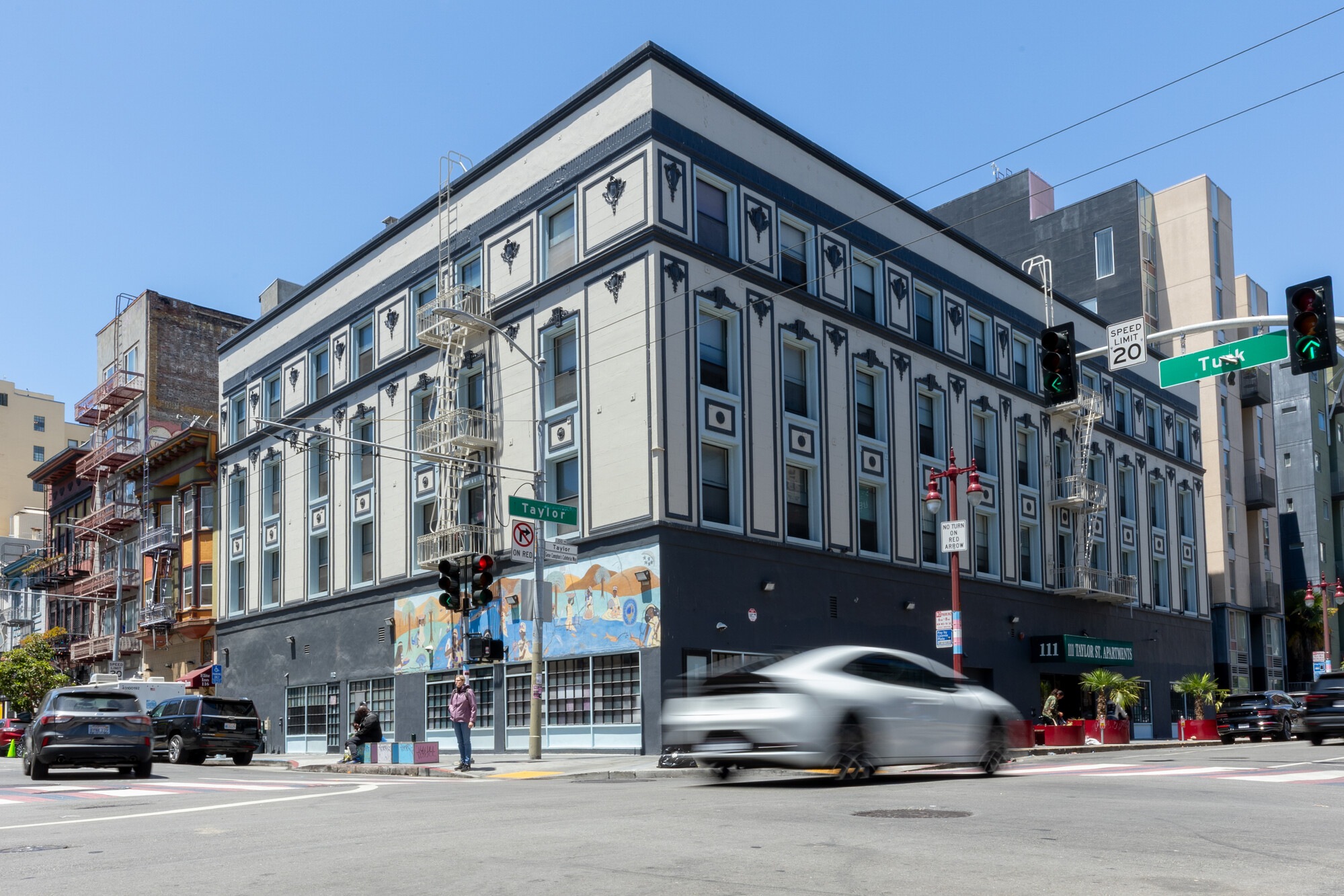
"caption": "The 111 Taylor St. building stands in San Francisco’s Tenderloin on July 16, 2025. Activists criticized conditions at the Tenderloin facility, the site of the 1966 Compton’s Cafeteria Riot, which is now a halfway house operated by private prison corporation Geo Group. ",
"credit": "Gustavo Hernandez/KQED",
"altTag": null,
"description": null,
"imgSizes": {
"thumbnail": {
"file": "https://cdn.kqed.org/wp-content/uploads/sites/10/2025/07/250716_ComptonsCafeteriaBuilding_GH_qed-160x107.jpg",
"width": 160,
"height": 107,
"mimeType": "image/jpeg"
},
"1536x1536": {
"file": "https://cdn.kqed.org/wp-content/uploads/sites/10/2025/07/250716_ComptonsCafeteriaBuilding_GH_qed-1536x1024.jpg",
"width": 1536,
"height": 1024,
"mimeType": "image/jpeg"
},
"post-thumbnail": {
"file": "https://cdn.kqed.org/wp-content/uploads/sites/10/2025/07/250716_ComptonsCafeteriaBuilding_GH_qed-672x372.jpg",
"width": 672,
"height": 372,
"mimeType": "image/jpeg"
},
"twentyfourteen-full-width": {
"file": "https://cdn.kqed.org/wp-content/uploads/sites/10/2025/07/250716_ComptonsCafeteriaBuilding_GH_qed-1038x576.jpg",
"width": 1038,
"height": 576,
"mimeType": "image/jpeg"
},
"kqedFullSize": {
"file": "https://cdn.kqed.org/wp-content/uploads/sites/10/2025/07/250716_ComptonsCafeteriaBuilding_GH_qed.jpg",
"width": 1999,
"height": 1333
}
},
"isLoading": false,
"fetchFailed": false
},
"news_12049091": {
"type": "attachments",
"id": "news_12049091",
"meta": {
"index": "attachments_1716263798",
"site": "news",
"id": "12049091",
"found": true
},
"title": "5212 photo Ryan McFadden Cindy Zimmerman is a Sexual Assualt Nurse Examiner SANE at St. Joseph's Medical Center; Here she is with oral swaps and the Sexual Assault Evidence Collection Kit (rape kit);",
"publishDate": 1753140405,
"status": "inherit",
"parent": 12048998,
"modified": 1753140440,
"caption": null,
"credit": "Ryan McFadden/MediaNews Group/Reading Eagle via Getty Images",
"altTag": null,
"description": null,
"imgSizes": {
"thumbnail": {
"file": "https://cdn.kqed.org/wp-content/uploads/sites/10/2025/07/SexualAssaultGetty1-160x106.jpg",
"width": 160,
"height": 106,
"mimeType": "image/jpeg"
},
"1536x1536": {
"file": "https://cdn.kqed.org/wp-content/uploads/sites/10/2025/07/SexualAssaultGetty1-1536x1020.jpg",
"width": 1536,
"height": 1020,
"mimeType": "image/jpeg"
},
"post-thumbnail": {
"file": "https://cdn.kqed.org/wp-content/uploads/sites/10/2025/07/SexualAssaultGetty1-672x372.jpg",
"width": 672,
"height": 372,
"mimeType": "image/jpeg"
},
"twentyfourteen-full-width": {
"file": "https://cdn.kqed.org/wp-content/uploads/sites/10/2025/07/SexualAssaultGetty1-1038x576.jpg",
"width": 1038,
"height": 576,
"mimeType": "image/jpeg"
},
"kqedFullSize": {
"file": "https://cdn.kqed.org/wp-content/uploads/sites/10/2025/07/SexualAssaultGetty1.jpg",
"width": 2000,
"height": 1328
}
},
"isLoading": false,
"fetchFailed": false
},
"news_12049055": {
"type": "attachments",
"id": "news_12049055",
"meta": {
"index": "attachments_1716263798",
"site": "news",
"id": "12049055",
"found": true
},
"title": "CALIFORNIA-OFICINA POSTAL-INCENDIO",
"publishDate": 1753135682,
"status": "inherit",
"parent": 12049042,
"modified": 1753140045,
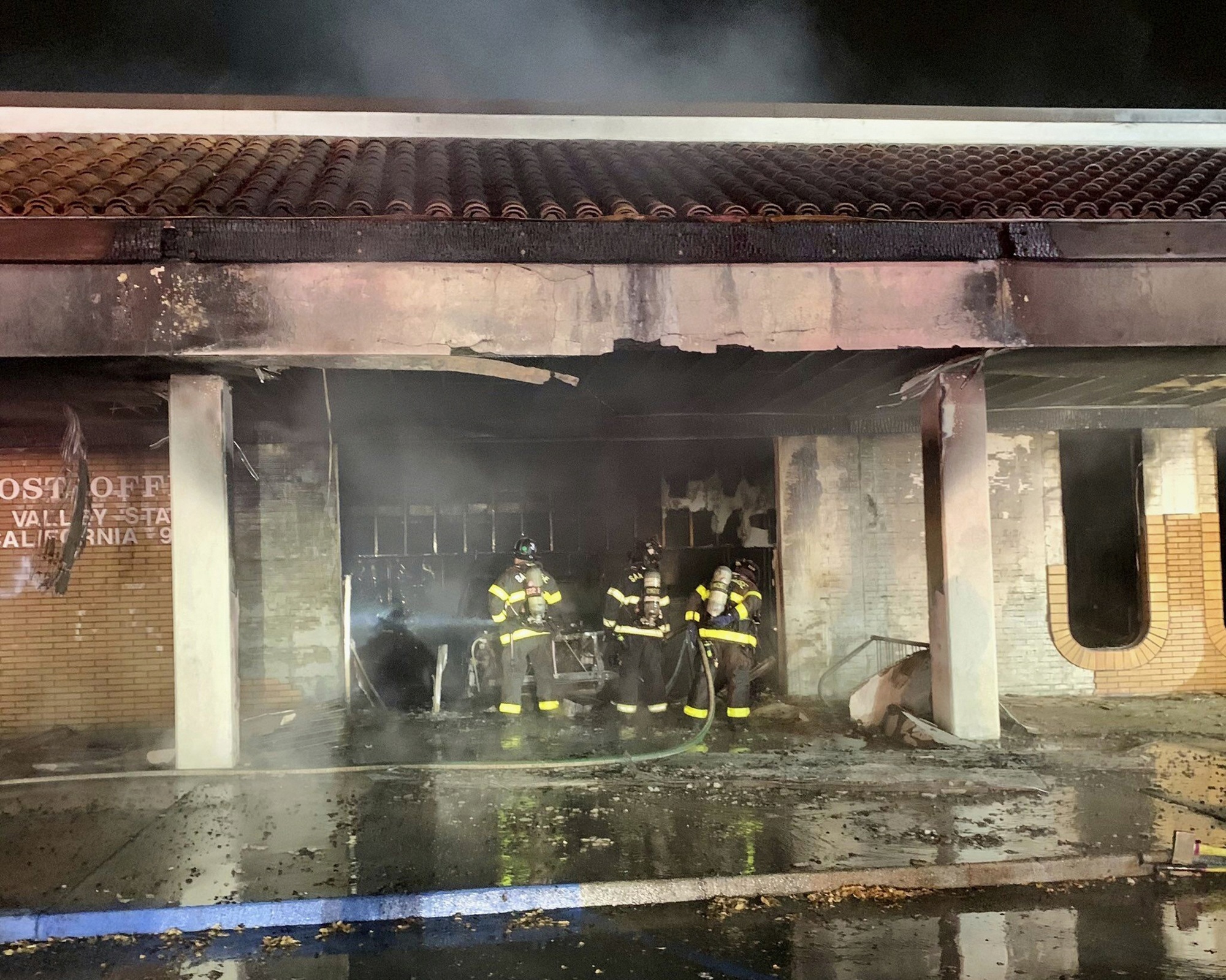
"caption": "San José Fire Department firefighters respond to a fire after a car crashed into a post office on Sunday, July 20, 2025, in San José, California.",
"credit": "Courtesy of San José Fire Department via AP",
"altTag": null,
"description": null,
"imgSizes": {
"thumbnail": {
"file": "https://cdn.kqed.org/wp-content/uploads/sites/10/2025/07/SanJosePostOfficeFireAP1-160x128.jpg",
"width": 160,
"height": 128,
"mimeType": "image/jpeg"
},
"1536x1536": {
"file": "https://cdn.kqed.org/wp-content/uploads/sites/10/2025/07/SanJosePostOfficeFireAP1-1536x1228.jpg",
"width": 1536,
"height": 1228,
"mimeType": "image/jpeg"
},
"post-thumbnail": {
"file": "https://cdn.kqed.org/wp-content/uploads/sites/10/2025/07/SanJosePostOfficeFireAP1-672x372.jpg",
"width": 672,
"height": 372,
"mimeType": "image/jpeg"
},
"twentyfourteen-full-width": {
"file": "https://cdn.kqed.org/wp-content/uploads/sites/10/2025/07/SanJosePostOfficeFireAP1-1038x576.jpg",
"width": 1038,
"height": 576,
"mimeType": "image/jpeg"
},
"kqedFullSize": {
"file": "https://cdn.kqed.org/wp-content/uploads/sites/10/2025/07/SanJosePostOfficeFireAP1.jpg",
"width": 2000,
"height": 1599
}
},
"isLoading": false,
"fetchFailed": false
},
"news_12048590": {
"type": "attachments",
"id": "news_12048590",
"meta": {
"index": "attachments_1716263798",
"site": "news",
"id": "12048590",
"found": true
},
"title": "Mt Tam Cemetery",
"publishDate": 1752788752,
"status": "inherit",
"parent": 0,
"modified": 1752870827,
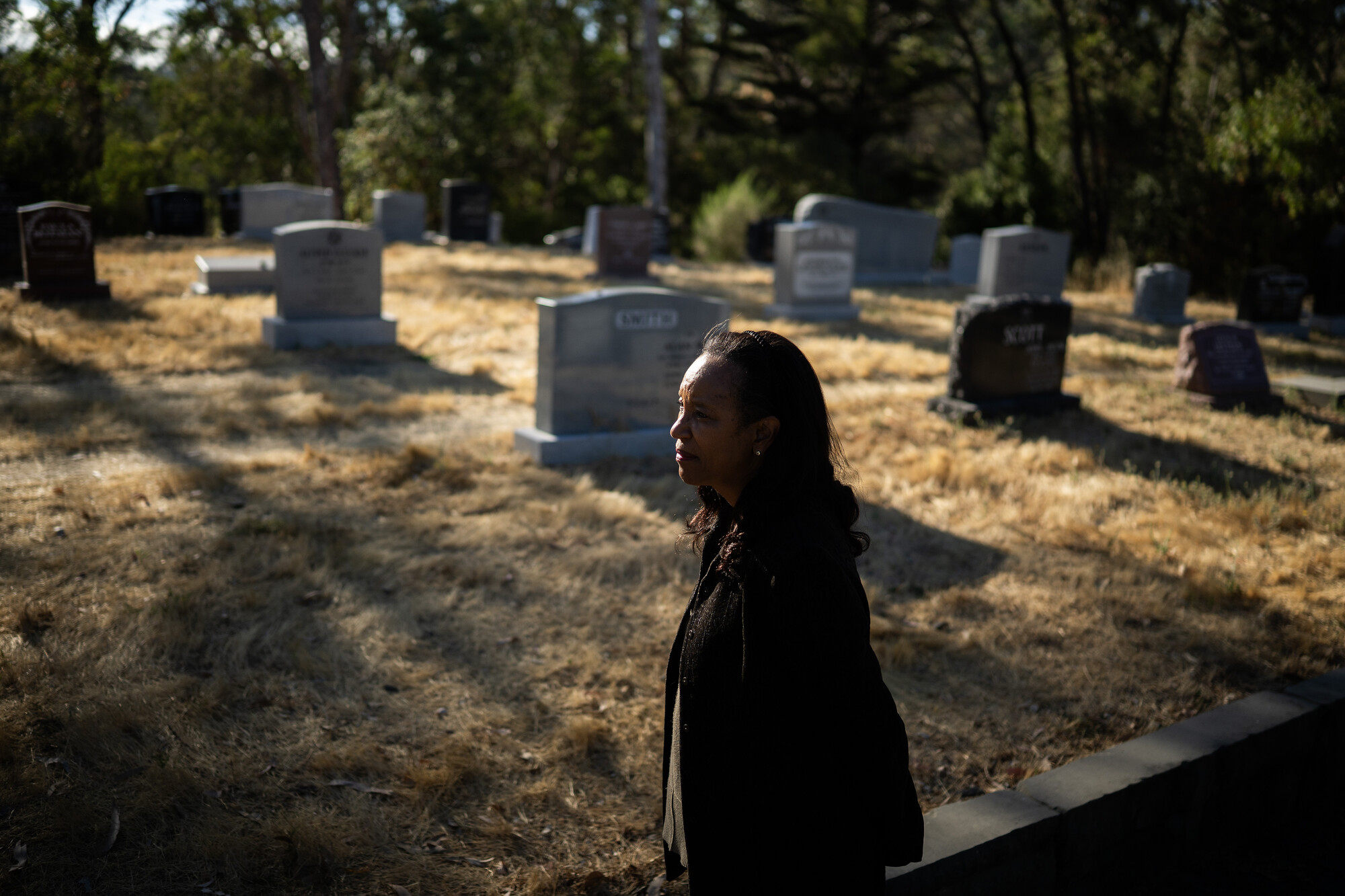
"caption": "The fate of Mount Tamalpais Cemetery remains in limbo several months after the state ordered it to shut down over allegations of financial mismanagement. Families who have loved ones buried at the cemetery are calling for accountability, saying conditions have worsened. Teveia Barnes, whose close cousin is buried at the site, and who plans to be buried there one day next to her husband, has watched the cemetery deteriorate in recent years.",
"credit": "Brian L. Frank/KQED",
"altTag": null,
"description": null,
"imgSizes": {
"thumbnail": {
"file": "https://cdn.kqed.org/wp-content/uploads/sites/10/2025/07/250717_MtTamCemetery_007_BF_KQED_qed-160x107.jpg",
"width": 160,
"height": 107,
"mimeType": "image/jpeg"
},
"1536x1536": {
"file": "https://cdn.kqed.org/wp-content/uploads/sites/10/2025/07/250717_MtTamCemetery_007_BF_KQED_qed-1536x1024.jpg",
"width": 1536,
"height": 1024,
"mimeType": "image/jpeg"
},
"post-thumbnail": {
"file": "https://cdn.kqed.org/wp-content/uploads/sites/10/2025/07/250717_MtTamCemetery_007_BF_KQED_qed-672x372.jpg",
"width": 672,
"height": 372,
"mimeType": "image/jpeg"
},
"twentyfourteen-full-width": {
"file": "https://cdn.kqed.org/wp-content/uploads/sites/10/2025/07/250717_MtTamCemetery_007_BF_KQED_qed-1038x576.jpg",
"width": 1038,
"height": 576,
"mimeType": "image/jpeg"
},
"kqedFullSize": {
"file": "https://cdn.kqed.org/wp-content/uploads/sites/10/2025/07/250717_MtTamCemetery_007_BF_KQED_qed.jpg",
"width": 2000,
"height": 1333
}
},
"isLoading": false,
"fetchFailed": false
},
"news_12048727": {
"type": "attachments",
"id": "news_12048727",
"meta": {
"index": "attachments_1716263798",
"site": "news",
"id": "12048727",
"found": true
},
"title": "250702-OAKLAND POLICE DEPARTMENT-MD-01_qed",
"publishDate": 1752858990,
"status": "inherit",
"parent": 12048706,
"modified": 1752859091,
"caption": "An Oakland Police Department vehicle parked on July 1, 2025.",
"credit": "Martin do Nascimento/KQED",
"altTag": null,
"description": null,
"imgSizes": {
"thumbnail": {
"file": "https://cdn.kqed.org/wp-content/uploads/sites/10/2025/07/250702-OAKLAND-POLICE-DEPARTMENT-MD-01_qed-160x107.jpg",
"width": 160,
"height": 107,
"mimeType": "image/jpeg"
},
"1536x1536": {
"file": "https://cdn.kqed.org/wp-content/uploads/sites/10/2025/07/250702-OAKLAND-POLICE-DEPARTMENT-MD-01_qed-1536x1024.jpg",
"width": 1536,
"height": 1024,
"mimeType": "image/jpeg"
},
"post-thumbnail": {
"file": "https://cdn.kqed.org/wp-content/uploads/sites/10/2025/07/250702-OAKLAND-POLICE-DEPARTMENT-MD-01_qed-672x372.jpg",
"width": 672,
"height": 372,
"mimeType": "image/jpeg"
},
"twentyfourteen-full-width": {
"file": "https://cdn.kqed.org/wp-content/uploads/sites/10/2025/07/250702-OAKLAND-POLICE-DEPARTMENT-MD-01_qed-1038x576.jpg",
"width": 1038,
"height": 576,
"mimeType": "image/jpeg"
},
"kqedFullSize": {
"file": "https://cdn.kqed.org/wp-content/uploads/sites/10/2025/07/250702-OAKLAND-POLICE-DEPARTMENT-MD-01_qed.jpg",
"width": 1999,
"height": 1333
}
},
"isLoading": false,
"fetchFailed": false
},
"news_12048500": {
"type": "attachments",
"id": "news_12048500",
"meta": {
"index": "attachments_1716263798",
"site": "news",
"id": "12048500",
"found": true
},
"title": "250624-ParkFile-30-BL_qed",
"publishDate": 1752769989,
"status": "inherit",
"parent": 12048495,
"modified": 1752770008,
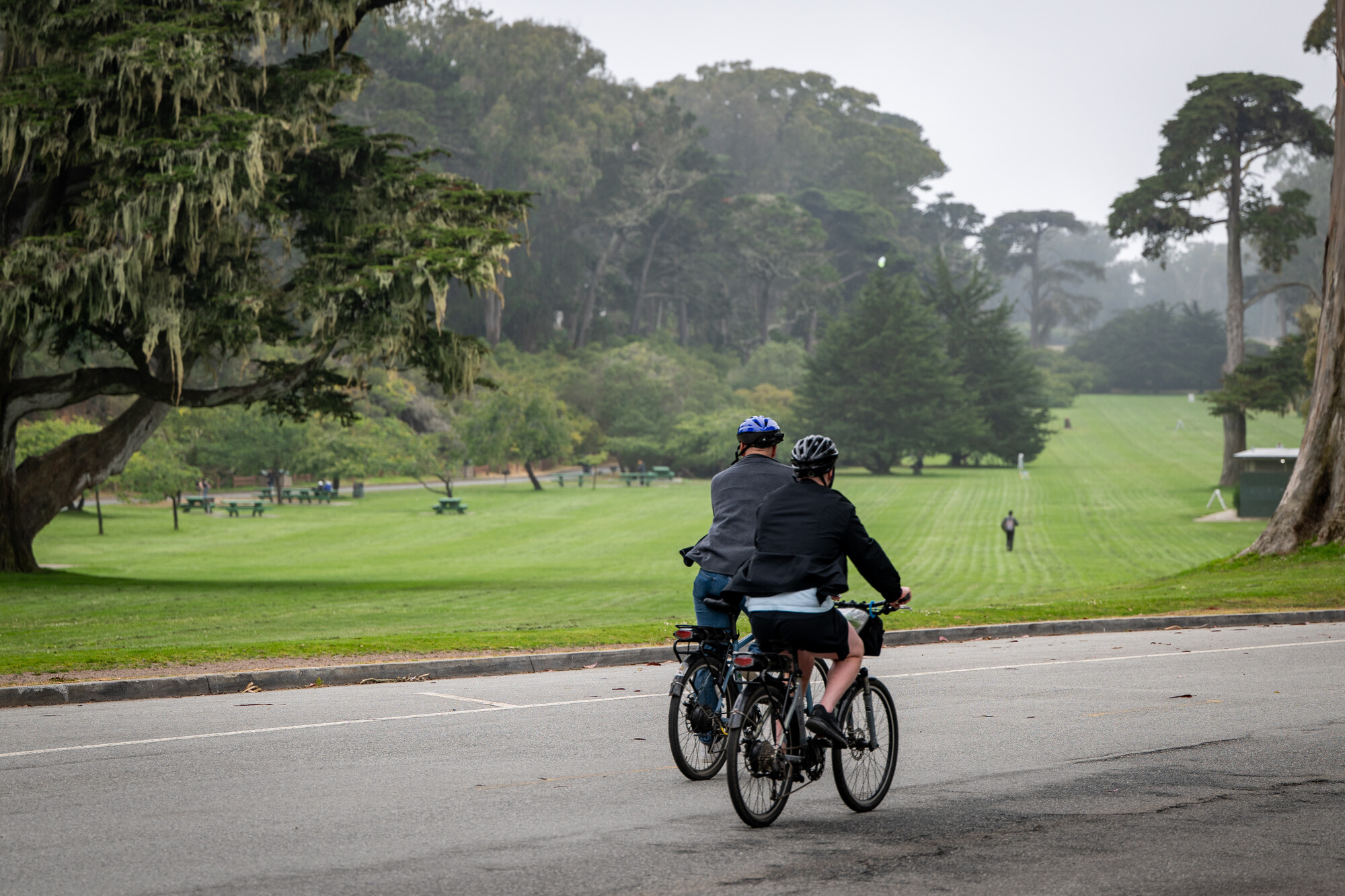
"caption": "Bicyclists ride past Hellman Hollow Picnic Area in Golden Gate Park in San Francisco on June 24, 2025.",
"credit": "Beth LaBerge/KQED",
"altTag": null,
"description": null,
"imgSizes": {
"thumbnail": {
"file": "https://cdn.kqed.org/wp-content/uploads/sites/10/2025/07/250624-ParkFile-30-BL_qed-160x107.jpg",
"width": 160,
"height": 107,
"mimeType": "image/jpeg"
},
"1536x1536": {
"file": "https://cdn.kqed.org/wp-content/uploads/sites/10/2025/07/250624-ParkFile-30-BL_qed-1536x1024.jpg",
"width": 1536,
"height": 1024,
"mimeType": "image/jpeg"
},
"post-thumbnail": {
"file": "https://cdn.kqed.org/wp-content/uploads/sites/10/2025/07/250624-ParkFile-30-BL_qed-672x372.jpg",
"width": 672,
"height": 372,
"mimeType": "image/jpeg"
},
"twentyfourteen-full-width": {
"file": "https://cdn.kqed.org/wp-content/uploads/sites/10/2025/07/250624-ParkFile-30-BL_qed-1038x576.jpg",
"width": 1038,
"height": 576,
"mimeType": "image/jpeg"
},
"kqedFullSize": {
"file": "https://cdn.kqed.org/wp-content/uploads/sites/10/2025/07/250624-ParkFile-30-BL_qed.jpg",
"width": 2000,
"height": 1333
}
},
"isLoading": false,
"fetchFailed": false
},
"news_12047902": {
"type": "attachments",
"id": "news_12047902",
"meta": {
"index": "attachments_1716263798",
"site": "news",
"id": "12047902",
"found": true
},
"title": "240418-SJPDFILE-JG-6_qed",
"publishDate": 1752514544,
"status": "inherit",
"parent": 12047900,
"modified": 1763510734,
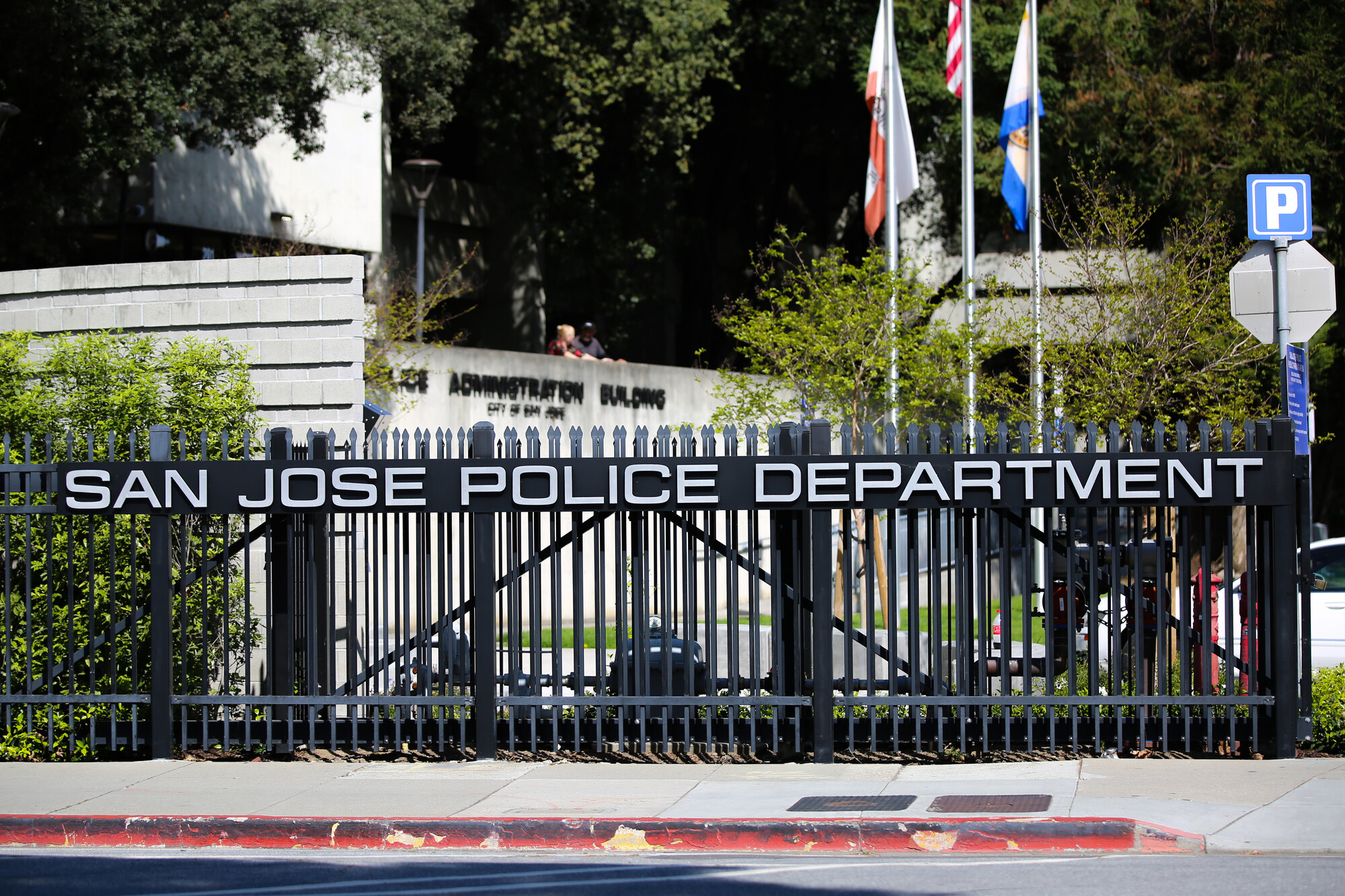
"caption": "The exterior of the San José Police Department headquarters on April 18, 2024.",
"credit": "Joseph Geha/KQED",
"altTag": null,
"description": null,
"imgSizes": {
"thumbnail": {
"file": "https://cdn.kqed.org/wp-content/uploads/sites/10/2025/07/240418-SJPDFILE-JG-6_qed-160x107.jpg",
"width": 160,
"height": 107,
"mimeType": "image/jpeg"
},
"1536x1536": {
"file": "https://cdn.kqed.org/wp-content/uploads/sites/10/2025/07/240418-SJPDFILE-JG-6_qed-1536x1024.jpg",
"width": 1536,
"height": 1024,
"mimeType": "image/jpeg"
},
"post-thumbnail": {
"file": "https://cdn.kqed.org/wp-content/uploads/sites/10/2025/07/240418-SJPDFILE-JG-6_qed-672x372.jpg",
"width": 672,
"height": 372,
"mimeType": "image/jpeg"
},
"twentyfourteen-full-width": {
"file": "https://cdn.kqed.org/wp-content/uploads/sites/10/2025/07/240418-SJPDFILE-JG-6_qed-1038x576.jpg",
"width": 1038,
"height": 576,
"mimeType": "image/jpeg"
},
"kqedFullSize": {
"file": "https://cdn.kqed.org/wp-content/uploads/sites/10/2025/07/240418-SJPDFILE-JG-6_qed.jpg",
"width": 2000,
"height": 1333
}
},
"isLoading": false,
"fetchFailed": false
},
"news_12018297": {
"type": "attachments",
"id": "news_12018297",
"meta": {
"index": "attachments_1716263798",
"site": "news",
"id": "12018297",
"found": true
},
"title": "Half Moon Bay shooting",
"publishDate": 1734134539,
"status": "inherit",
"parent": 12018283,
"modified": 1734134705,
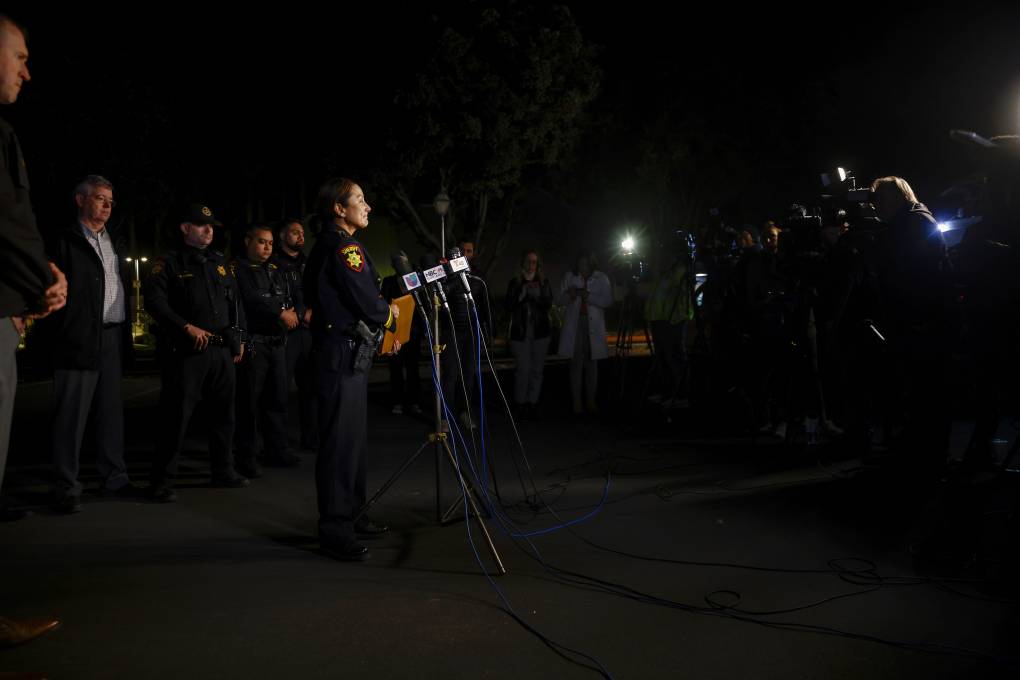
"caption": "San Mateo County Sheriff Christina Corpus speaks during a press conference in downtown Half Moon Bay on Jan. 23, 2023.",
"credit": "Nhat V. Meyer/MediaNews Group/East Bay Times via Getty Images",
"altTag": null,
"description": null,
"imgSizes": {
"medium": {
"file": "https://cdn.kqed.org/wp-content/uploads/sites/10/2024/12/GettyImages-1459218231-800x534.jpg",
"width": 800,
"height": 534,
"mimeType": "image/jpeg"
},
"large": {
"file": "https://cdn.kqed.org/wp-content/uploads/sites/10/2024/12/GettyImages-1459218231-1020x680.jpg",
"width": 1020,
"height": 680,
"mimeType": "image/jpeg"
},
"thumbnail": {
"file": "https://cdn.kqed.org/wp-content/uploads/sites/10/2024/12/GettyImages-1459218231-160x107.jpg",
"width": 160,
"height": 107,
"mimeType": "image/jpeg"
},
"1536x1536": {
"file": "https://cdn.kqed.org/wp-content/uploads/sites/10/2024/12/GettyImages-1459218231-1536x1025.jpg",
"width": 1536,
"height": 1025,
"mimeType": "image/jpeg"
},
"2048x2048": {
"file": "https://cdn.kqed.org/wp-content/uploads/sites/10/2024/12/GettyImages-1459218231-2048x1366.jpg",
"width": 2048,
"height": 1366,
"mimeType": "image/jpeg"
},
"post-thumbnail": {
"file": "https://cdn.kqed.org/wp-content/uploads/sites/10/2024/12/GettyImages-1459218231-672x372.jpg",
"width": 672,
"height": 372,
"mimeType": "image/jpeg"
},
"twentyfourteen-full-width": {
"file": "https://cdn.kqed.org/wp-content/uploads/sites/10/2024/12/GettyImages-1459218231-1038x576.jpg",
"width": 1038,
"height": 576,
"mimeType": "image/jpeg"
},
"full-width": {
"file": "https://cdn.kqed.org/wp-content/uploads/sites/10/2024/12/GettyImages-1459218231-1920x1281.jpg",
"width": 1920,
"height": 1281,
"mimeType": "image/jpeg"
},
"kqedFullSize": {
"file": "https://cdn.kqed.org/wp-content/uploads/sites/10/2024/12/GettyImages-1459218231-scaled-e1741196609411.jpg",
"width": 2000,
"height": 1334
}
},
"isLoading": false,
"fetchFailed": false
},
"news_12047567": {
"type": "attachments",
"id": "news_12047567",
"meta": {
"index": "attachments_1716263798",
"site": "news",
"id": "12047567",
"found": true
},
"title": "FireworksExplosionEspartoCalFire1",
"publishDate": 1752170832,
"status": "inherit",
"parent": 0,
"modified": 1752171018,
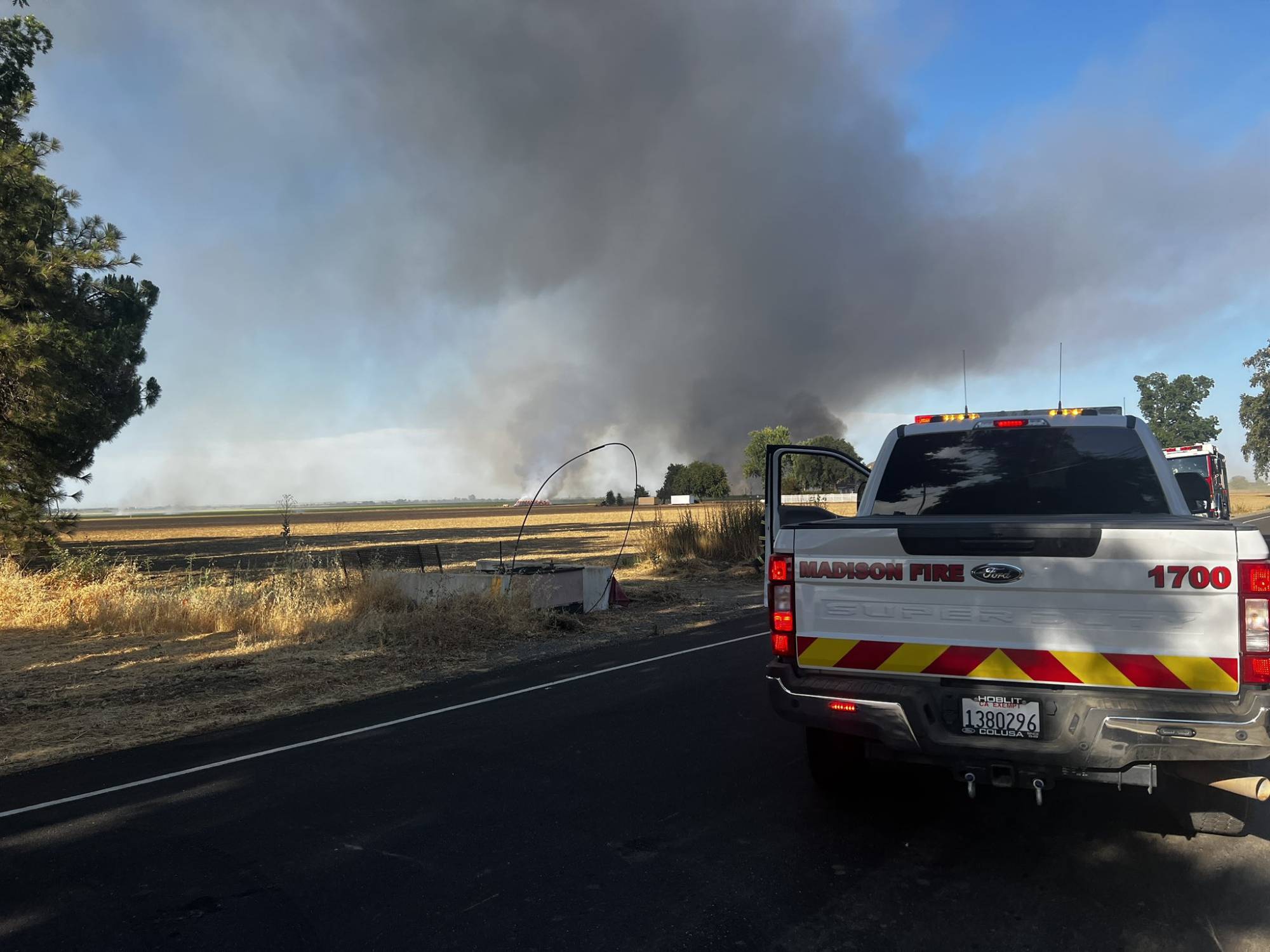
"caption": "Firefighters assisting Yolo County at the scene of a commercial fire that spread into nearby vegetation on Highway 16 and Oakdale Ranch Lane, in Esparto, California, on July 1, 2025. Cal Fire LNU sent air and ground resources to assist with the incident.",
"credit": "Courtesy of Cal Fire LNU",
"altTag": null,
"description": null,
"imgSizes": {
"medium": {
"file": "https://cdn.kqed.org/wp-content/uploads/sites/10/2025/07/FireworksExplosionEspartoCalFire1-2000x1500.jpg",
"width": 2000,
"height": 1500,
"mimeType": "image/jpeg"
},
"large": {
"file": "https://cdn.kqed.org/wp-content/uploads/sites/10/2025/07/FireworksExplosionEspartoCalFire1-2000x1500.jpg",
"width": 2000,
"height": 1500,
"mimeType": "image/jpeg"
},
"thumbnail": {
"file": "https://cdn.kqed.org/wp-content/uploads/sites/10/2025/07/FireworksExplosionEspartoCalFire1-160x120.jpg",
"width": 160,
"height": 120,
"mimeType": "image/jpeg"
},
"1536x1536": {
"file": "https://cdn.kqed.org/wp-content/uploads/sites/10/2025/07/FireworksExplosionEspartoCalFire1-1536x1152.jpg",
"width": 1536,
"height": 1152,
"mimeType": "image/jpeg"
},
"post-thumbnail": {
"file": "https://cdn.kqed.org/wp-content/uploads/sites/10/2025/07/FireworksExplosionEspartoCalFire1-672x372.jpg",
"width": 672,
"height": 372,
"mimeType": "image/jpeg"
},
"twentyfourteen-full-width": {
"file": "https://cdn.kqed.org/wp-content/uploads/sites/10/2025/07/FireworksExplosionEspartoCalFire1-1038x576.jpg",
"width": 1038,
"height": 576,
"mimeType": "image/jpeg"
},
"full-width": {
"file": "https://cdn.kqed.org/wp-content/uploads/sites/10/2025/07/FireworksExplosionEspartoCalFire1-2000x1500.jpg",
"width": 2000,
"height": 1500,
"mimeType": "image/jpeg"
},
"kqedFullSize": {
"file": "https://cdn.kqed.org/wp-content/uploads/sites/10/2025/07/FireworksExplosionEspartoCalFire1.jpg",
"width": 2048,
"height": 1536
}
},
"isLoading": false,
"fetchFailed": false
},
"news_12047326": {
"type": "attachments",
"id": "news_12047326",
"meta": {
"index": "attachments_1716263798",
"site": "news",
"id": "12047326",
"found": true
},
"title": "JHuffakerTrial6",
"publishDate": 1751994248,
"status": "inherit",
"parent": 0,
"modified": 1751995349,
"caption": "Former Rohnert Park police officer Joseph Huffaker in San Francisco federal court on Monday, July 7, 2025.",
"credit": "Vicki Behringer for KQED",
"altTag": null,
"description": null,
"imgSizes": {
"thumbnail": {
"file": "https://cdn.kqed.org/wp-content/uploads/sites/10/2025/07/JHuffakerTrial6-160x128.jpg",
"width": 160,
"height": 128,
"mimeType": "image/jpeg"
},
"1536x1536": {
"file": "https://cdn.kqed.org/wp-content/uploads/sites/10/2025/07/JHuffakerTrial6-1536x1227.jpg",
"width": 1536,
"height": 1227,
"mimeType": "image/jpeg"
},
"post-thumbnail": {
"file": "https://cdn.kqed.org/wp-content/uploads/sites/10/2025/07/JHuffakerTrial6-672x372.jpg",
"width": 672,
"height": 372,
"mimeType": "image/jpeg"
},
"twentyfourteen-full-width": {
"file": "https://cdn.kqed.org/wp-content/uploads/sites/10/2025/07/JHuffakerTrial6-1038x576.jpg",
"width": 1038,
"height": 576,
"mimeType": "image/jpeg"
},
"kqedFullSize": {
"file": "https://cdn.kqed.org/wp-content/uploads/sites/10/2025/07/JHuffakerTrial6.jpg",
"width": 2000,
"height": 1598
}
},
"isLoading": false,
"fetchFailed": false
},
"news_12047518": {
"type": "attachments",
"id": "news_12047518",
"meta": {
"index": "attachments_1716263798",
"site": "news",
"id": "12047518",
"found": true
},
"title": "Apple CEO Tim Cook Visits California School For The Deaf In Fremont, California",
"publishDate": 1752107430,
"status": "inherit",
"parent": 12047461,
"modified": 1752107468,
"caption": "FREMONT, CA - MAY 17: Apple CEO Tim Cook (C) and actor, model, and activist for the deaf community Nyle DiMarco (L) gesture while taking a picture with students at the California School for the Deaf on May 17, 2018 in Fremont, California. Cook and DiMarco visited students at the school on Global Accessibility Awareness Day to kick off the Everyone Can Code program that Apple is bringing to the California School for the Deaf and other schools for deaf and blind/low-vision students. ",
"credit": "Justin Sullivan/Getty Images",
"altTag": null,
"description": null,
"imgSizes": {
"thumbnail": {
"file": "https://cdn.kqed.org/wp-content/uploads/sites/10/2025/07/GettyImages-959592014_qed-160x107.jpg",
"width": 160,
"height": 107,
"mimeType": "image/jpeg"
},
"1536x1536": {
"file": "https://cdn.kqed.org/wp-content/uploads/sites/10/2025/07/GettyImages-959592014_qed-1536x1024.jpg",
"width": 1536,
"height": 1024,
"mimeType": "image/jpeg"
},
"post-thumbnail": {
"file": "https://cdn.kqed.org/wp-content/uploads/sites/10/2025/07/GettyImages-959592014_qed-672x372.jpg",
"width": 672,
"height": 372,
"mimeType": "image/jpeg"
},
"twentyfourteen-full-width": {
"file": "https://cdn.kqed.org/wp-content/uploads/sites/10/2025/07/GettyImages-959592014_qed-1038x576.jpg",
"width": 1038,
"height": 576,
"mimeType": "image/jpeg"
},
"kqedFullSize": {
"file": "https://cdn.kqed.org/wp-content/uploads/sites/10/2025/07/GettyImages-959592014_qed.jpg",
"width": 2000,
"height": 1333
}
},
"isLoading": false,
"fetchFailed": false
},
"news_12010520": {
"type": "attachments",
"id": "news_12010520",
"meta": {
"index": "attachments_1716263798",
"site": "news",
"id": "12010520",
"found": true
},
"title": "491213158_af42d77b95_o_qed",
"publishDate": 1729616051,
"status": "inherit",
"parent": 12010518,
"modified": 1729616081,
"caption": "San José officials will name the city's next permanent police chief on Tuesday. ",
"credit": "Thomas Hawk/Flickr",
"altTag": null,
"description": null,
"imgSizes": {
"medium": {
"file": "https://cdn.kqed.org/wp-content/uploads/sites/10/2024/10/491213158_af42d77b95_o_qed-800x492.jpg",
"width": 800,
"height": 492,
"mimeType": "image/jpeg"
},
"large": {
"file": "https://cdn.kqed.org/wp-content/uploads/sites/10/2024/10/491213158_af42d77b95_o_qed-1020x627.jpg",
"width": 1020,
"height": 627,
"mimeType": "image/jpeg"
},
"thumbnail": {
"file": "https://cdn.kqed.org/wp-content/uploads/sites/10/2024/10/491213158_af42d77b95_o_qed-160x98.jpg",
"width": 160,
"height": 98,
"mimeType": "image/jpeg"
},
"1536x1536": {
"file": "https://cdn.kqed.org/wp-content/uploads/sites/10/2024/10/491213158_af42d77b95_o_qed-1536x944.jpg",
"width": 1536,
"height": 944,
"mimeType": "image/jpeg"
},
"post-thumbnail": {
"file": "https://cdn.kqed.org/wp-content/uploads/sites/10/2024/10/491213158_af42d77b95_o_qed-672x372.jpg",
"width": 672,
"height": 372,
"mimeType": "image/jpeg"
},
"twentyfourteen-full-width": {
"file": "https://cdn.kqed.org/wp-content/uploads/sites/10/2024/10/491213158_af42d77b95_o_qed-1038x576.jpg",
"width": 1038,
"height": 576,
"mimeType": "image/jpeg"
},
"full-width": {
"file": "https://cdn.kqed.org/wp-content/uploads/sites/10/2024/10/491213158_af42d77b95_o_qed-1920x1180.jpg",
"width": 1920,
"height": 1180,
"mimeType": "image/jpeg"
},
"kqedFullSize": {
"file": "https://cdn.kqed.org/wp-content/uploads/sites/10/2024/10/491213158_af42d77b95_o_qed.jpg",
"width": 2000,
"height": 1229
}
},
"isLoading": false,
"fetchFailed": false
}
},
"audioPlayerReducer": {
"postId": "stream_live",
"isPaused": true,
"isPlaying": false,
"pfsActive": false,
"pledgeModalIsOpen": true,
"playerDrawerIsOpen": false,
"liveAudioPlayStartedAt": 0,
"liveAudioPlayContext": ""
},
"authorsReducer": {
"matthewgreen": {
"type": "authors",
"id": "1263",
"meta": {
"index": "authors_1716337520",
"id": "1263",
"found": true
},
"name": "Matthew Green",
"firstName": "Matthew",
"lastName": "Green",
"slug": "matthewgreen",
"email": "mgreen@kqed.org",
"display_author_email": false,
"staff_mastheads": [],
"title": "KQED Editor/Reporter",
"bio": "Matthew Green is a digital media producer for KQED News. He previously produced \u003ca href=\"http://www.kqed.org/lowdown\">The Lowdown\u003c/a>, KQED’s multimedia news education blog. Matthew's written for numerous Bay Area publications, including the Oakland Tribune and San Francisco Chronicle. He also taught journalism classes at Fremont High School in East Oakland.\r\n\r\nEmail: mgreen@kqed.org; Twitter: @MGreenKQED",
"avatar": "https://secure.gravatar.com/avatar/3bf498d1267ca02c8494f33d8cfc575e?s=600&d=blank&r=g",
"twitter": "MGreenKQED",
"facebook": null,
"instagram": null,
"linkedin": null,
"sites": [
{
"site": "news",
"roles": []
},
{
"site": "lowdown",
"roles": []
},
{
"site": "science",
"roles": []
},
{
"site": "education",
"roles": []
},
{
"site": "quest",
"roles": []
},
{
"site": "liveblog",
"roles": []
}
],
"headData": {
"title": "Matthew Green | KQED",
"description": "KQED Editor/Reporter",
"ogImgSrc": "https://secure.gravatar.com/avatar/3bf498d1267ca02c8494f33d8cfc575e?s=600&d=blank&r=g",
"twImgSrc": "https://secure.gravatar.com/avatar/3bf498d1267ca02c8494f33d8cfc575e?s=600&d=blank&r=g"
},
"isLoading": false,
"link": "/author/matthewgreen"
},
"slewis": {
"type": "authors",
"id": "8676",
"meta": {
"index": "authors_1716337520",
"id": "8676",
"found": true
},
"name": "Sukey Lewis",
"firstName": "Sukey",
"lastName": "Lewis",
"slug": "slewis",
"email": "slewis@kqed.org",
"display_author_email": true,
"staff_mastheads": [
"news"
],
"title": "KQED Contributor",
"bio": "Sukey Lewis is a criminal justice reporter and host of \u003cem>On Our Watch\u003c/em>, a new podcast from NPR and KQED about the shadow world of police discipline. In 2018, she co-founded the California Reporting Project, a coalition of newsrooms across the state focused on obtaining previously sealed internal affairs records from law enforcement. In addition to her reporting on police accountability, Sukey has investigated the bail bonds industry, California's wildfires and the high cost of prison phone calls. Sukey earned a master's degree in journalism from the University of California at Berkeley. Send news tips to slewis@kqed.org.",
"avatar": "https://secure.gravatar.com/avatar/03fd6b21024f99d8b0a1966654586de7?s=600&d=blank&r=g",
"twitter": "SukeyLewis",
"facebook": null,
"instagram": null,
"linkedin": null,
"sites": [
{
"site": "news",
"roles": [
"author",
"edit_others_posts"
]
}
],
"headData": {
"title": "Sukey Lewis | KQED",
"description": "KQED Contributor",
"ogImgSrc": "https://secure.gravatar.com/avatar/03fd6b21024f99d8b0a1966654586de7?s=600&d=blank&r=g",
"twImgSrc": "https://secure.gravatar.com/avatar/03fd6b21024f99d8b0a1966654586de7?s=600&d=blank&r=g"
},
"isLoading": false,
"link": "/author/slewis"
},
"sjohnson": {
"type": "authors",
"id": "11840",
"meta": {
"index": "authors_1716337520",
"id": "11840",
"found": true
},
"name": "Sydney Johnson",
"firstName": "Sydney",
"lastName": "Johnson",
"slug": "sjohnson",
"email": "sjohnson@kqed.org",
"display_author_email": false,
"staff_mastheads": [
"news"
],
"title": "KQED Reporter",
"bio": "Sydney Johnson is a general assignment reporter at KQED. She previously reported on public health and city government at the San Francisco Examiner, and before that, she covered statewide education policy for EdSource. Her reporting has won multiple local, state and national awards. Sydney is a graduate of the University of California, Berkeley and lives in San Francisco.",
"avatar": "https://secure.gravatar.com/avatar/97855f2719b72ad6190b7c535fe642c8?s=600&d=blank&r=g",
"twitter": "sydneyfjohnson",
"facebook": null,
"instagram": null,
"linkedin": null,
"sites": [
{
"site": "news",
"roles": [
"editor"
]
}
],
"headData": {
"title": "Sydney Johnson | KQED",
"description": "KQED Reporter",
"ogImgSrc": "https://secure.gravatar.com/avatar/97855f2719b72ad6190b7c535fe642c8?s=600&d=blank&r=g",
"twImgSrc": "https://secure.gravatar.com/avatar/97855f2719b72ad6190b7c535fe642c8?s=600&d=blank&r=g"
},
"isLoading": false,
"link": "/author/sjohnson"
},
"jgeha": {
"type": "authors",
"id": "11906",
"meta": {
"index": "authors_1716337520",
"id": "11906",
"found": true
},
"name": "Joseph Geha",
"firstName": "Joseph",
"lastName": "Geha",
"slug": "jgeha",
"email": "jgeha@kqed.org",
"display_author_email": false,
"staff_mastheads": [
"news",
"science"
],
"title": "KQED Contributor",
"bio": null,
"avatar": "https://secure.gravatar.com/avatar/ea84d2b6dd93d6369d453edf19dd583f117cd1759d2d9c9c92f9de77017354fe?s=600&d=blank&r=g",
"twitter": null,
"bluesky": null,
"facebook": null,
"instagram": null,
"linkedin": null,
"sites": [
{
"site": "news",
"roles": [
"editor"
]
},
{
"site": "liveblog",
"roles": [
"author"
]
}
],
"headData": {
"title": "Joseph Geha | KQED",
"description": "KQED Contributor",
"ogImgSrc": "https://secure.gravatar.com/avatar/ea84d2b6dd93d6369d453edf19dd583f117cd1759d2d9c9c92f9de77017354fe?s=600&d=blank&r=g",
"twImgSrc": "https://secure.gravatar.com/avatar/ea84d2b6dd93d6369d453edf19dd583f117cd1759d2d9c9c92f9de77017354fe?s=600&d=blank&r=g"
},
"isLoading": false,
"link": "/author/jgeha"
},
"kdebenedetti": {
"type": "authors",
"id": "11913",
"meta": {
"index": "authors_1716337520",
"id": "11913",
"found": true
},
"name": "Katie DeBenedetti",
"firstName": "Katie",
"lastName": "DeBenedetti",
"slug": "kdebenedetti",
"email": "kdebenedetti@kqed.org",
"display_author_email": false,
"staff_mastheads": [
"news",
"science"
],
"title": "KQED Contributor",
"bio": "Katie DeBenedetti is a digital reporter covering daily news for the Express Desk. Prior to joining KQED as a culture reporting intern in January 2024, she covered education and city government for the Napa Valley Register.",
"avatar": "https://secure.gravatar.com/avatar/6e31073cb8f7e4214ab03f42771d0f45?s=600&d=blank&r=g",
"twitter": null,
"facebook": null,
"instagram": null,
"linkedin": null,
"sites": [
{
"site": "news",
"roles": [
"author"
]
},
{
"site": "science",
"roles": [
"author"
]
},
{
"site": "liveblog",
"roles": [
"author"
]
}
],
"headData": {
"title": "Katie DeBenedetti | KQED",
"description": "KQED Contributor",
"ogImgSrc": "https://secure.gravatar.com/avatar/6e31073cb8f7e4214ab03f42771d0f45?s=600&d=blank&r=g",
"twImgSrc": "https://secure.gravatar.com/avatar/6e31073cb8f7e4214ab03f42771d0f45?s=600&d=blank&r=g"
},
"isLoading": false,
"link": "/author/kdebenedetti"
},
"slim": {
"type": "authors",
"id": "11920",
"meta": {
"index": "authors_1716337520",
"id": "11920",
"found": true
},
"name": "Samantha Lim",
"firstName": "Samantha",
"lastName": "Lim",
"slug": "slim",
"email": "slim@KQED.org",
"display_author_email": false,
"staff_mastheads": [],
"title": "KQED Contributor",
"bio": null,
"avatar": "https://secure.gravatar.com/avatar/82e592e6c15fe1a04d385e8ad0fb0b4e?s=600&d=blank&r=g",
"twitter": null,
"facebook": null,
"instagram": null,
"linkedin": null,
"sites": [
{
"site": "news",
"roles": []
}
],
"headData": {
"title": "Samantha Lim | KQED",
"description": "KQED Contributor",
"ogImgSrc": "https://secure.gravatar.com/avatar/82e592e6c15fe1a04d385e8ad0fb0b4e?s=600&d=blank&r=g",
"twImgSrc": "https://secure.gravatar.com/avatar/82e592e6c15fe1a04d385e8ad0fb0b4e?s=600&d=blank&r=g"
},
"isLoading": false,
"link": "/author/slim"
},
"bkrans": {
"type": "authors",
"id": "11923",
"meta": {
"index": "authors_1716337520",
"id": "11923",
"found": true
},
"name": "Brian Krans",
"firstName": "Brian",
"lastName": "Krans",
"slug": "bkrans",
"email": "bkrans@kqed.org",
"display_author_email": false,
"staff_mastheads": [
"news"
],
"title": "KQED Contributing Reporter",
"bio": "Brian Krans is an award-winning local news and investigative reporter who has been proudly working as a general assignment reporter for KQED since August 2023. He lives in Richmond, where he also reports on air pollution for Richmondside. He is also a founding member of the Vallejo Sun.",
"avatar": "https://secure.gravatar.com/avatar/71fa91f931774612559f7640390b53d9c2840ff72b20f195a25239aab2d9fbb9?s=600&d=blank&r=g",
"twitter": "citizenkrans",
"bluesky": null,
"facebook": null,
"instagram": null,
"linkedin": null,
"sites": [
{
"site": "news",
"roles": [
"editor"
]
}
],
"headData": {
"title": "Brian Krans | KQED",
"description": "KQED Contributing Reporter",
"ogImgSrc": "https://secure.gravatar.com/avatar/71fa91f931774612559f7640390b53d9c2840ff72b20f195a25239aab2d9fbb9?s=600&d=blank&r=g",
"twImgSrc": "https://secure.gravatar.com/avatar/71fa91f931774612559f7640390b53d9c2840ff72b20f195a25239aab2d9fbb9?s=600&d=blank&r=g"
},
"isLoading": false,
"link": "/author/bkrans"
},
"gzada": {
"type": "authors",
"id": "11929",
"meta": {
"index": "authors_1716337520",
"id": "11929",
"found": true
},
"name": "Gilare Zada",
"firstName": "Gilare",
"lastName": "Zada",
"slug": "gzada",
"email": "gzada@kqed.org",
"display_author_email": true,
"staff_mastheads": [
"news"
],
"title": null,
"bio": "Gilare Zada is a Kurdish-American from San Diego, CA. Storytelling, fitness, and binge reading are some of her passions outside of news reporting. Her work has appeared in Mission Local, the Peninsula Press, the San Francisco Press Club, and more. She also writes as a class correspondent for the Stanford Magazine - go Card!",
"avatar": "https://secure.gravatar.com/avatar/33a75f2b947669a488a805edec3fbf3838c1cedaedda710e983770633b4d6a75?s=600&d=blank&r=g",
"twitter": null,
"bluesky": null,
"facebook": null,
"instagram": null,
"linkedin": null,
"sites": [
{
"site": "",
"roles": [
"editor"
]
},
{
"site": "arts",
"roles": [
"editor"
]
},
{
"site": "news",
"roles": [
"administrator"
]
},
{
"site": "science",
"roles": [
"editor"
]
}
],
"headData": {
"title": "Gilare Zada | KQED",
"description": null,
"ogImgSrc": "https://secure.gravatar.com/avatar/33a75f2b947669a488a805edec3fbf3838c1cedaedda710e983770633b4d6a75?s=600&d=blank&r=g",
"twImgSrc": "https://secure.gravatar.com/avatar/33a75f2b947669a488a805edec3fbf3838c1cedaedda710e983770633b4d6a75?s=600&d=blank&r=g"
},
"isLoading": false,
"link": "/author/gzada"
}
},
"pagesReducer": {
"news_category_criminal-justice": {
"type": "terms",
"id": "news_34167",
"meta": {
"index": "terms_1716263798",
"site": "news",
"id": "34167",
"score": 11.18808
},
"name": "Criminal Justice",
"slug": "criminal-justice",
"taxonomy": "category",
"description": null,
"featImg": null,
"headData": {
"title": "Criminal Justice Archives | KQED News",
"description": null,
"ogTitle": null,
"ogDescription": null,
"ogImgId": null,
"twTitle": null,
"twDescription": null,
"twImgId": null
},
"ttid": 34184,
"isLoading": false,
"title": "Criminal Justice",
"pageMeta": {
"site": "news",
"WpPageTemplate": "page-topic-editorial",
"currentPage": 23
},
"blocks": [
{
"blockName": "kqed/post-list",
"attrs": {
"layout": "cardArticle2",
"query": "posts/news?category=criminal-justice",
"seeMore": false,
"paginated": true,
"page": 23
}
},
{
"blockName": "kqed/ad"
}
]
}
},
"pfsSessionReducer": {},
"postsReducer": {
"stream_live": {
"type": "live",
"id": "stream_live",
"audioUrl": "https://streams.kqed.org/kqedradio",
"title": "Live Stream",
"excerpt": "Live Stream information currently unavailable.",
"link": "/radio",
"featImg": "",
"label": {
"name": "KQED Live",
"link": "/"
}
},
"stream_kqedNewscast": {
"type": "posts",
"id": "stream_kqedNewscast",
"audioUrl": "https://www.kqed.org/.stream/anon/radio/RDnews/newscast.mp3?_=1",
"title": "KQED Newscast",
"featImg": "",
"label": {
"name": "88.5 FM",
"link": "/"
}
},
"news_12049169": {
"type": "posts",
"id": "news_12049169",
"meta": {
"index": "posts_1716263798",
"site": "news",
"id": "12049169",
"score": null,
"sort": [
1753208794000
]
},
"guestAuthors": [],
"slug": "sf-supervisor-to-probe-ice-contractor-after-death-of-halfway-house-resident",
"title": "SF Supervisor to Probe ICE Contractor After Death of Halfway House Resident",
"publishDate": 1753208794,
"format": "standard",
"headTitle": "SF Supervisor to Probe ICE Contractor After Death of Halfway House Resident | KQED",
"labelTerm": {
"site": "news"
},
"content": "\u003cp>\u003cem>Updated 1:10 p.m. Tuesday\u003c/em>\u003c/p>\n\u003cp>A San Francisco supervisor is demanding a hearing with one of the country’s largest private prison corporations after the death of one of its residents at a transitional housing facility in the \u003ca href=\"https://www.kqed.org/news/tag/tenderloin\">Tenderloin\u003c/a>.\u003c/p>\n\u003cp>Supervisor Bilal Mahmood, who oversees the Tenderloin, will call for the probe into Geo Group at Tuesday’s Board of Supervisors meeting. The company, which is also a contractor for Immigration and Customs Enforcement facilities, has come under fire over its facility at 111 Taylor St., which holds a place in LGBTQ history as the site of a 1966 riot for trans rights.\u003c/p>\n\u003cp>“This company runs ICE detention facilities for the Trump administration across the country,” Mahmood told KQED. “If someone is describing a private facility in S.F. as worse than a prison, we want to know what’s going on there. … We want to know how they are operating a facility in our own backyard.”\u003c/p>\n\u003cp>[ad fullwidth]\u003c/p>\n\u003cp>The push comes after Melvin Bulauan was found dead on the street in the Tenderloin on July 14, according to a \u003ca href=\"https://www.gofundme.com/f/for-the-dad-who-never-stopped-trying\">GoFundMe organized by his family\u003c/a>. Before he died, according to his family, he said he would “rather be back in prison” than continue living at 111 Taylor.\u003c/p>\n\u003cp>The same week, activists spoke out during a San Francisco Board of Appeals hearing to support \u003ca href=\"https://www.kqed.org/arts/13978869/trans-activists-vow-to-liberate-comptons-after-sf-board-of-appeals-loss\">efforts to convert the facility into a community center\u003c/a> for transgender and other LGBTQ residents.\u003c/p>\n\u003cfigure id=\"attachment_12034876\" class=\"wp-caption aligncenter\" style=\"max-width: 2000px\">\u003cimg loading=\"lazy\" decoding=\"async\" class=\"wp-image-12034876 size-full\" src=\"https://cdn.kqed.org/wp-content/uploads/sites/10/2025/04/240410-BilalMahmood-038-BL_qed.jpg\" alt=\"\" width=\"2000\" height=\"1333\" srcset=\"https://cdn.kqed.org/wp-content/uploads/sites/10/2025/04/240410-BilalMahmood-038-BL_qed.jpg 2000w, https://cdn.kqed.org/wp-content/uploads/sites/10/2025/04/240410-BilalMahmood-038-BL_qed-800x533.jpg 800w, https://cdn.kqed.org/wp-content/uploads/sites/10/2025/04/240410-BilalMahmood-038-BL_qed-1020x680.jpg 1020w, https://cdn.kqed.org/wp-content/uploads/sites/10/2025/04/240410-BilalMahmood-038-BL_qed-160x107.jpg 160w, https://cdn.kqed.org/wp-content/uploads/sites/10/2025/04/240410-BilalMahmood-038-BL_qed-1536x1024.jpg 1536w, https://cdn.kqed.org/wp-content/uploads/sites/10/2025/04/240410-BilalMahmood-038-BL_qed-1920x1280.jpg 1920w\" sizes=\"auto, (max-width: 2000px) 100vw, 2000px\">\u003cfigcaption class=\"wp-caption-text\">Supervisor Bilal Mahmood poses for a portrait after a press conference in San Francisco on April 10, 2024. Mahmood, who oversees the Tenderloin, will call for the probe into Geo Group at Tuesday’s Board of Supervisors meeting. \u003ccite>(Beth LaBerge/KQED)\u003c/cite>\u003c/figcaption>\u003c/figure>\n\u003cp>Mahmood said he plans to subpoena representatives from Geo Group and ask about living conditions at the 111 Taylor facility, including reports of civil rights violations. City officials believe it would be the company’s first such hearing before an elected municipal body.\u003c/p>\n\u003cp>The supervisor said his office is also planning to ask about Geo Group’s interactions with the federal government in its detention of immigrants amid escalating ICE raids.\u003c/p>\n\u003cp>After last week’s packed, five-hour hearing, the Board of Appeals upheld Geo Group’s use of 111 Taylor despite activists’ push to use zoning law to oust the private prison corporation.[aside postID=news_12048631 hero='https://cdn.kqed.org/wp-content/uploads/sites/10/2025/07/Lurie_3.jpg']The building at the corner of Turk and Taylor streets was formerly a diner called Gene Compton’s Cafeteria, frequented by women, queer and trans people. It has become known as a birthplace of transgender resistance after patrons fought back against a police raid at the diner, known as the Compton Cafeteria Riot — three years before a similar riot at Stonewall Inn in New York City.\u003c/p>\n\u003cp>Today, 111 Taylor sits at the center of the city’s historic Transgender Cultural District.\u003c/p>\n\u003cp>Geo Group purchased the site in 1989 and has since operated it as a halfway house for people on parole. At the Board of Appeals hearing last week, dozens of speakers described the site as having “prison-like” conditions.\u003c/p>\n\u003cp>“His death is not an isolated tragedy, but part of a larger pattern of institutional failure,” said Anjru Jaezon de Leon, Bulauan’s son. “We do not want our father’s death to go unnoticed. We are seeking truth, accountability, and allies, especially those willing to speak out about the harmful conditions in and around 111 Taylor St. and help us demand better for families like ours.”\u003c/p>\n\u003cp>In a press release, the family said that when they contacted Bulauan’s parole officer at Geo Group after identifying his body, the officer claimed to have no knowledge that their father had left the facility.\u003c/p>\n\u003cfigure id=\"attachment_11883912\" class=\"wp-caption aligncenter\" style=\"max-width: 2000px\">\u003cimg loading=\"lazy\" decoding=\"async\" class=\"size-full wp-image-11883912\" src=\"https://cdn.kqed.org/wp-content/uploads/sites/10/2021/08/Not-One-More-Girl-_53_MJA_04022021-scaled-e1753208640930.jpg\" alt=\"\" width=\"2000\" height=\"1334\">\u003cfigcaption class=\"wp-caption-text\">Santana Tapia, with the Not One More Girl campaign and co-founder of Fluid Coffee and Events\u003cbr>(center) at the launch of BART’s Not One More Girl Campaign. \u003ccite>(Maria J. Avila/BART)\u003c/cite>\u003c/figcaption>\u003c/figure>\n\u003cp>“This is about more than reclaiming a sacred space for San Francisco’s trans and queer community; it’s about justice for everyone who has been incarcerated, brutalized and killed by Geo Group,” Santana Tapia, a spokeswoman for the Compton’s x Coalition that sought to turn 111 Taylor into a community center, said in a statement.\u003c/p>\n\u003cp>Mahmood told KQED that concerns around immigration enforcement have heightened in the Tenderloin, the home of many immigrant families, as ICE raids have escalated in San Francisco. After hearing of Bulauan’s death, Mahmood said he sped up his efforts to find out about the site at 111 Taylor, which he said he had not entered himself.\u003c/p>\n\u003cp>A date has not been set yet for the hearing with Geo Group, but it will take place this fall.\u003c/p>\n\u003cp>“It’s heartbreaking to hear what the Bulauan family has experienced — no child should have to lose a parent under such circumstances,” Mahmood said in a statement. “It takes great courage and strength to turn pain into action.”\u003c/p>\n\u003cp>\u003cem>July 22: A previous version of this story said Bulauan’s family spoke out at the same public hearing where activists pushed for converting the 111 Taylor St. facility into a community center. They spoke at a different meeting of the city’s reentry council.\u003c/em>\u003c/p>\n\u003cp>\u003c/p>\n",
"blocks": [],
"excerpt": "Activists criticized conditions at the Tenderloin facility, the site of the 1966 Compton’s Cafeteria Riot, which is now a halfway house operated by private prison corporation Geo Group. ",
"status": "publish",
"parent": 0,
"modified": 1753215324,
"stats": {
"hasAudio": false,
"hasVideo": false,
"hasChartOrMap": false,
"iframeSrcs": [],
"hasGoogleForm": false,
"hasGallery": false,
"hasHearkenModule": false,
"hasPolis": false,
"paragraphCount": 20,
"wordCount": 916
},
"headData": {
"title": "SF Supervisor to Probe ICE Contractor After Death of Halfway House Resident | KQED",
"description": "Activists criticized conditions at the Tenderloin facility, the site of the 1966 Compton’s Cafeteria Riot, which is now a halfway house operated by private prison corporation Geo Group. ",
"ogTitle": "",
"ogDescription": "",
"ogImgId": "",
"twTitle": "",
"twDescription": "",
"twImgId": "",
"schema": {
"@context": "https://schema.org",
"@type": "NewsArticle",
"headline": "SF Supervisor to Probe ICE Contractor After Death of Halfway House Resident",
"datePublished": "2025-07-22T11:26:34-07:00",
"dateModified": "2025-07-22T13:15:24-07:00",
"image": "https://cdn.kqed.org/wp-content/uploads/2020/02/KQED-OG-Image@1x.png",
"isAccessibleForFree": "True",
"publisher": {
"@type": "NewsMediaOrganization",
"@id": "https://www.kqed.org/#organization",
"name": "KQED",
"logo": "https://cdn.kqed.org/wp-content/uploads/2020/02/KQED-OG-Image@1x.png",
"url": "https://www.kqed.org",
"sameAs": [
"https://www.facebook.com/KQED",
"https://twitter.com/KQED",
"https://www.instagram.com/kqed/",
"https://www.tiktok.com/@kqedofficial",
"https://www.linkedin.com/company/kqed",
"https://www.youtube.com/channel/UCeC0IOo7i1P_61zVUWbJ4nw"
]
}
}
},
"primaryCategory": {
"termId": 8,
"slug": "news",
"name": "News"
},
"sticky": false,
"nprStoryId": "kqed-12049169",
"templateType": "standard",
"featuredImageType": "standard",
"excludeFromSiteSearch": "Include",
"articleAge": "0",
"path": "/news/12049169/sf-supervisor-to-probe-ice-contractor-after-death-of-halfway-house-resident",
"audioTrackLength": null,
"parsedContent": [
{
"type": "contentString",
"content": "\u003cdiv class=\"post-body\">\u003cp>\u003cp>\u003cem>Updated 1:10 p.m. Tuesday\u003c/em>\u003c/p>\n\u003cp>A San Francisco supervisor is demanding a hearing with one of the country’s largest private prison corporations after the death of one of its residents at a transitional housing facility in the \u003ca href=\"https://www.kqed.org/news/tag/tenderloin\">Tenderloin\u003c/a>.\u003c/p>\n\u003cp>Supervisor Bilal Mahmood, who oversees the Tenderloin, will call for the probe into Geo Group at Tuesday’s Board of Supervisors meeting. The company, which is also a contractor for Immigration and Customs Enforcement facilities, has come under fire over its facility at 111 Taylor St., which holds a place in LGBTQ history as the site of a 1966 riot for trans rights.\u003c/p>\n\u003cp>“This company runs ICE detention facilities for the Trump administration across the country,” Mahmood told KQED. “If someone is describing a private facility in S.F. as worse than a prison, we want to know what’s going on there. … We want to know how they are operating a facility in our own backyard.”\u003c/p>\n\u003cp>\u003c/p>\u003c/div>",
"attributes": {
"named": {},
"numeric": []
}
},
{
"type": "component",
"content": "",
"name": "ad",
"attributes": {
"named": {
"label": "fullwidth"
},
"numeric": [
"fullwidth"
]
}
},
{
"type": "contentString",
"content": "\u003cdiv class=\"post-body\">\u003cp>\u003c/p>\n\u003cp>The push comes after Melvin Bulauan was found dead on the street in the Tenderloin on July 14, according to a \u003ca href=\"https://www.gofundme.com/f/for-the-dad-who-never-stopped-trying\">GoFundMe organized by his family\u003c/a>. Before he died, according to his family, he said he would “rather be back in prison” than continue living at 111 Taylor.\u003c/p>\n\u003cp>The same week, activists spoke out during a San Francisco Board of Appeals hearing to support \u003ca href=\"https://www.kqed.org/arts/13978869/trans-activists-vow-to-liberate-comptons-after-sf-board-of-appeals-loss\">efforts to convert the facility into a community center\u003c/a> for transgender and other LGBTQ residents.\u003c/p>\n\u003cfigure id=\"attachment_12034876\" class=\"wp-caption aligncenter\" style=\"max-width: 2000px\">\u003cimg loading=\"lazy\" decoding=\"async\" class=\"wp-image-12034876 size-full\" src=\"https://cdn.kqed.org/wp-content/uploads/sites/10/2025/04/240410-BilalMahmood-038-BL_qed.jpg\" alt=\"\" width=\"2000\" height=\"1333\" srcset=\"https://cdn.kqed.org/wp-content/uploads/sites/10/2025/04/240410-BilalMahmood-038-BL_qed.jpg 2000w, https://cdn.kqed.org/wp-content/uploads/sites/10/2025/04/240410-BilalMahmood-038-BL_qed-800x533.jpg 800w, https://cdn.kqed.org/wp-content/uploads/sites/10/2025/04/240410-BilalMahmood-038-BL_qed-1020x680.jpg 1020w, https://cdn.kqed.org/wp-content/uploads/sites/10/2025/04/240410-BilalMahmood-038-BL_qed-160x107.jpg 160w, https://cdn.kqed.org/wp-content/uploads/sites/10/2025/04/240410-BilalMahmood-038-BL_qed-1536x1024.jpg 1536w, https://cdn.kqed.org/wp-content/uploads/sites/10/2025/04/240410-BilalMahmood-038-BL_qed-1920x1280.jpg 1920w\" sizes=\"auto, (max-width: 2000px) 100vw, 2000px\">\u003cfigcaption class=\"wp-caption-text\">Supervisor Bilal Mahmood poses for a portrait after a press conference in San Francisco on April 10, 2024. Mahmood, who oversees the Tenderloin, will call for the probe into Geo Group at Tuesday’s Board of Supervisors meeting. \u003ccite>(Beth LaBerge/KQED)\u003c/cite>\u003c/figcaption>\u003c/figure>\n\u003cp>Mahmood said he plans to subpoena representatives from Geo Group and ask about living conditions at the 111 Taylor facility, including reports of civil rights violations. City officials believe it would be the company’s first such hearing before an elected municipal body.\u003c/p>\n\u003cp>The supervisor said his office is also planning to ask about Geo Group’s interactions with the federal government in its detention of immigrants amid escalating ICE raids.\u003c/p>\n\u003cp>After last week’s packed, five-hour hearing, the Board of Appeals upheld Geo Group’s use of 111 Taylor despite activists’ push to use zoning law to oust the private prison corporation.\u003c/p>\u003c/div>",
"attributes": {
"named": {},
"numeric": []
}
},
{
"type": "component",
"content": "",
"name": "aside",
"attributes": {
"named": {
"postid": "news_12048631",
"hero": "https://cdn.kqed.org/wp-content/uploads/sites/10/2025/07/Lurie_3.jpg",
"label": ""
},
"numeric": []
}
},
{
"type": "contentString",
"content": "\u003cdiv class=\"post-body\">\u003cp>The building at the corner of Turk and Taylor streets was formerly a diner called Gene Compton’s Cafeteria, frequented by women, queer and trans people. It has become known as a birthplace of transgender resistance after patrons fought back against a police raid at the diner, known as the Compton Cafeteria Riot — three years before a similar riot at Stonewall Inn in New York City.\u003c/p>\n\u003cp>Today, 111 Taylor sits at the center of the city’s historic Transgender Cultural District.\u003c/p>\n\u003cp>Geo Group purchased the site in 1989 and has since operated it as a halfway house for people on parole. At the Board of Appeals hearing last week, dozens of speakers described the site as having “prison-like” conditions.\u003c/p>\n\u003cp>“His death is not an isolated tragedy, but part of a larger pattern of institutional failure,” said Anjru Jaezon de Leon, Bulauan’s son. “We do not want our father’s death to go unnoticed. We are seeking truth, accountability, and allies, especially those willing to speak out about the harmful conditions in and around 111 Taylor St. and help us demand better for families like ours.”\u003c/p>\n\u003cp>In a press release, the family said that when they contacted Bulauan’s parole officer at Geo Group after identifying his body, the officer claimed to have no knowledge that their father had left the facility.\u003c/p>\n\u003cfigure id=\"attachment_11883912\" class=\"wp-caption aligncenter\" style=\"max-width: 2000px\">\u003cimg loading=\"lazy\" decoding=\"async\" class=\"size-full wp-image-11883912\" src=\"https://cdn.kqed.org/wp-content/uploads/sites/10/2021/08/Not-One-More-Girl-_53_MJA_04022021-scaled-e1753208640930.jpg\" alt=\"\" width=\"2000\" height=\"1334\">\u003cfigcaption class=\"wp-caption-text\">Santana Tapia, with the Not One More Girl campaign and co-founder of Fluid Coffee and Events\u003cbr>(center) at the launch of BART’s Not One More Girl Campaign. \u003ccite>(Maria J. Avila/BART)\u003c/cite>\u003c/figcaption>\u003c/figure>\n\u003cp>“This is about more than reclaiming a sacred space for San Francisco’s trans and queer community; it’s about justice for everyone who has been incarcerated, brutalized and killed by Geo Group,” Santana Tapia, a spokeswoman for the Compton’s x Coalition that sought to turn 111 Taylor into a community center, said in a statement.\u003c/p>\n\u003cp>Mahmood told KQED that concerns around immigration enforcement have heightened in the Tenderloin, the home of many immigrant families, as ICE raids have escalated in San Francisco. After hearing of Bulauan’s death, Mahmood said he sped up his efforts to find out about the site at 111 Taylor, which he said he had not entered himself.\u003c/p>\n\u003cp>A date has not been set yet for the hearing with Geo Group, but it will take place this fall.\u003c/p>\n\u003cp>“It’s heartbreaking to hear what the Bulauan family has experienced — no child should have to lose a parent under such circumstances,” Mahmood said in a statement. “It takes great courage and strength to turn pain into action.”\u003c/p>\n\u003cp>\u003cem>July 22: A previous version of this story said Bulauan’s family spoke out at the same public hearing where activists pushed for converting the 111 Taylor St. facility into a community center. They spoke at a different meeting of the city’s reentry council.\u003c/em>\u003c/p>\n\u003cp>\u003c/p>\n\u003c/div>\u003c/p>",
"attributes": {
"named": {},
"numeric": []
}
}
],
"link": "/news/12049169/sf-supervisor-to-probe-ice-contractor-after-death-of-halfway-house-resident",
"authors": [
"11840"
],
"categories": [
"news_31795",
"news_34167",
"news_8",
"news_13"
],
"tags": [
"news_18538",
"news_23544",
"news_17725",
"news_22434",
"news_27626",
"news_34377",
"news_24238",
"news_17835",
"news_17968",
"news_35037",
"news_2728",
"news_38",
"news_3181"
],
"featImg": "news_12048478",
"label": "news"
},
"news_12048998": {
"type": "posts",
"id": "news_12048998",
"meta": {
"index": "posts_1716263798",
"site": "news",
"id": "12048998",
"score": null,
"sort": [
1753140535000
]
},
"guestAuthors": [],
"slug": "brave-bay-area-nations-first-rape-crisis-center-to-shut-down-after-54-years",
"title": "BRAVE Bay Area, Nation’s First Rape Crisis Center, to Shut Down After 54 Years",
"publishDate": 1753140535,
"format": "standard",
"headTitle": "BRAVE Bay Area, Nation’s First Rape Crisis Center, to Shut Down After 54 Years | KQED",
"labelTerm": {
"site": "news"
},
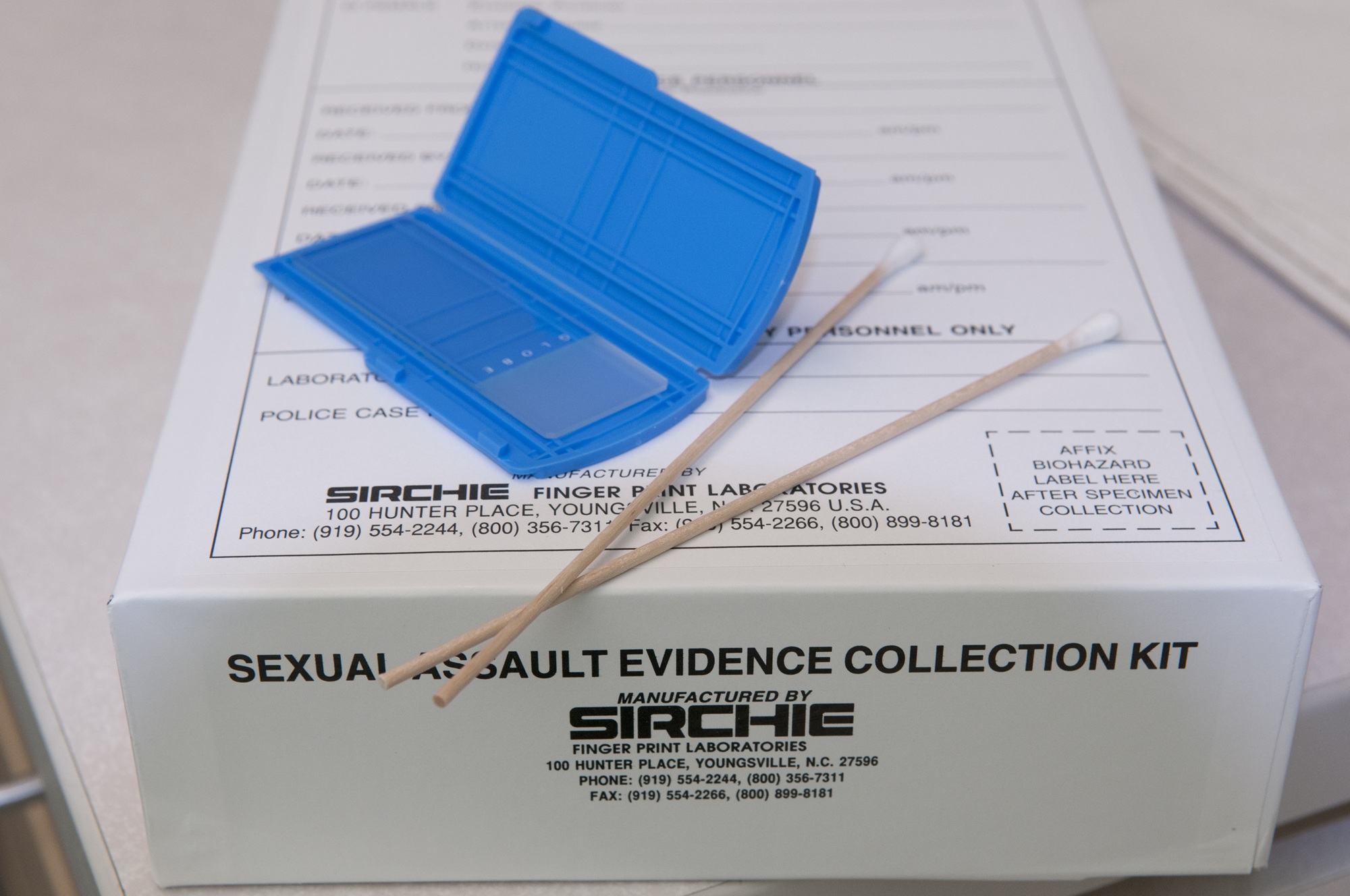
"content": "\u003cp>BRAVE \u003ca href=\"https://www.kqed.org/news/tag/bay-area\">Bay Area\u003c/a>, one of the nation’s first rape crisis centers, is closing its doors in September because of what organizers described as insurmountable financial challenges and understaffing.\u003c/p>\n\u003cp>The Alameda County-based organization, formerly known as Bay Area Women Against Rape, has been a cornerstone of support services and advocacy for survivors of gender-based violence across the region for more than five decades. In addition to providing counseling and training for advocates, BRAVE Bay Area also operates a 24/7 helpline — although the \u003cem>East Bay Times\u003c/em> recently reported that hundreds of calls go unanswered every month.\u003c/p>\n\u003cp>The nonprofit decided to shut down after years of anemic fundraising and challenges in finding new sources of funding. Since the COVID-19 pandemic, the organization’s service capacity has plummeted and organizers have tried, unsuccessfully, to curb the decline through collaboration with other local organizations.\u003c/p>\n\u003cp>[ad fullwidth]\u003c/p>\n\u003cp>Federal funding cuts have only exacerbated the nonprofit’s financial troubles. BRAVE Bay Area relies on federal grants for more than 90% of its operating budget, according to the nonprofit, and that funding dropped by 30% this year.\u003c/p>\n\u003cp>“While Rape Crisis Center funding has been threatened in the past — a fight we are familiar with — previous challenges were weathered with reserves and resources that are no longer available to us,” Leah Kimble-Price, executive director of BRAVE Bay Area, and Karen Schoonmaker, who chairs the organization’s board, said in a statement. “Today’s reality is starkly different.”\u003c/p>\n\u003cp>Kimble-Price and Schoonmaker noted that cuts to federal funding are not the only factor organizers are considering. The nonprofit is also severely understaffed because it’s lost volunteers. To meet labor standards for organizations focused on survivor support, BRAVE Bay Area would need to double its current workforce to continue providing a minimum level of service, they said.[aside postID=news_12043890 hero='https://ww2.kqed.org/app/uploads/sites/10/2020/03/004_KQED_DomesticAbuse_StagedPhoto_03232020_9827-1020x680.jpg']Instead of depleting further resources in an effort to keep the nonprofit open, BRAVE Bay Area is focused on sharing its services and institutional knowledge with local partners who are better equipped to service the community, Kimble-Price and Schoonmaker said.\u003c/p>\n\u003cp>They noted that the decision to end operations is “not a surrender.” After considering the options, they opted to step aside, they said. “Sometimes, the most courageous action is recognizing when passing the torch will better serve the cause we all believe in.”\u003c/p>\n\u003cp>It’s also possible that questions surrounding the organization’s leadership could have played a role in the announced closure. The \u003ca href=\"https://www.eastbaytimes.com/2025/07/20/what-led-to-the-closure-of-alameda-countys-first-in-the-nation-rape-crisis-center/\">\u003cem>East Bay Times\u003c/em>\u003c/a> recently reported that former BRAVE Bay Area volunteers were concerned about the nonprofit’s alleged noncompliance with state standards for helpline operators, including a requirement that certain survivor support services be made available 24/7.\u003c/p>\n\u003cp>BRAVE Bay Area did not respond to a request for comment on the allegations.\u003c/p>\n\u003cp>Sarah Lance, a campus advocate for survivors of sexual and domestic violence at UC Law San Francisco, said the loss of BRAVE Bay Area and its services is devastating. She works closely with BRAVE and other organizations to make sure that students and faculty receive comprehensive services that her office cannot provide, Lance said.\u003c/p>\n\u003cp>Making sure people can access a 24/7 helpline and volunteers who are equipped to support them is a crucial first step for many survivors, she said, adding that while other organizations in the East Bay, such as the Family Violence Law Center, can provide survivors with housing and legal aid, no one can replace BRAVE Bay Area.\u003c/p>\n\u003cp>“My heart is just breaking thinking about all of the people who work so hard to muster up the courage to call and ask for help, but aren’t going to have anyone on the other side of the line,” she said.\u003c/p>\n\u003cp>In response to the allegations brought against BRAVE’s leadership, Lance said she hasn’t heard directly from current or former volunteers. She noted, however, that compliance with standards of care is critical for organizations working with survivors.\u003c/p>\n\u003cp>\u003c/p>\n",
"blocks": [],
"excerpt": "Once a cornerstone of survivor support in Alameda County, BRAVE Bay Area struggled with dwindling resources, staffing shortages and federal funding cuts before deciding to shut down.",
"status": "publish",
"parent": 0,
"modified": 1753141644,
"stats": {
"hasAudio": false,
"hasVideo": false,
"hasChartOrMap": false,
"iframeSrcs": [],
"hasGoogleForm": false,
"hasGallery": false,
"hasHearkenModule": false,
"hasPolis": false,
"paragraphCount": 15,
"wordCount": 694
},
"headData": {
"title": "BRAVE Bay Area, Nation’s First Rape Crisis Center, to Shut Down After 54 Years | KQED",
"description": "Once a cornerstone of survivor support in Alameda County, BRAVE Bay Area struggled with dwindling resources, staffing shortages and federal funding cuts before deciding to shut down.",
"ogTitle": "",
"ogDescription": "",
"ogImgId": "",
"twTitle": "",
"twDescription": "",
"twImgId": "",
"schema": {
"@context": "https://schema.org",
"@type": "NewsArticle",
"headline": "BRAVE Bay Area, Nation’s First Rape Crisis Center, to Shut Down After 54 Years",
"datePublished": "2025-07-21T16:28:55-07:00",
"dateModified": "2025-07-21T16:47:24-07:00",
"image": "https://cdn.kqed.org/wp-content/uploads/2020/02/KQED-OG-Image@1x.png",
"isAccessibleForFree": "True",
"publisher": {
"@type": "NewsMediaOrganization",
"@id": "https://www.kqed.org/#organization",
"name": "KQED",
"logo": "https://cdn.kqed.org/wp-content/uploads/2020/02/KQED-OG-Image@1x.png",
"url": "https://www.kqed.org",
"sameAs": [
"https://www.facebook.com/KQED",
"https://twitter.com/KQED",
"https://www.instagram.com/kqed/",
"https://www.tiktok.com/@kqedofficial",
"https://www.linkedin.com/company/kqed",
"https://www.youtube.com/channel/UCeC0IOo7i1P_61zVUWbJ4nw"
]
}
}
},
"primaryCategory": {
"termId": 8,
"slug": "news",
"name": "News"
},
"sticky": false,
"nprStoryId": "kqed-12048998",
"templateType": "standard",
"featuredImageType": "standard",
"excludeFromSiteSearch": "Include",
"articleAge": "0",
"path": "/news/12048998/brave-bay-area-nations-first-rape-crisis-center-to-shut-down-after-54-years",
"audioTrackLength": null,
"parsedContent": [
{
"type": "contentString",
"content": "\u003cdiv class=\"post-body\">\u003cp>\u003cp>BRAVE \u003ca href=\"https://www.kqed.org/news/tag/bay-area\">Bay Area\u003c/a>, one of the nation’s first rape crisis centers, is closing its doors in September because of what organizers described as insurmountable financial challenges and understaffing.\u003c/p>\n\u003cp>The Alameda County-based organization, formerly known as Bay Area Women Against Rape, has been a cornerstone of support services and advocacy for survivors of gender-based violence across the region for more than five decades. In addition to providing counseling and training for advocates, BRAVE Bay Area also operates a 24/7 helpline — although the \u003cem>East Bay Times\u003c/em> recently reported that hundreds of calls go unanswered every month.\u003c/p>\n\u003cp>The nonprofit decided to shut down after years of anemic fundraising and challenges in finding new sources of funding. Since the COVID-19 pandemic, the organization’s service capacity has plummeted and organizers have tried, unsuccessfully, to curb the decline through collaboration with other local organizations.\u003c/p>\n\u003cp>\u003c/p>\u003c/div>",
"attributes": {
"named": {},
"numeric": []
}
},
{
"type": "component",
"content": "",
"name": "ad",
"attributes": {
"named": {
"label": "fullwidth"
},
"numeric": [
"fullwidth"
]
}
},
{
"type": "contentString",
"content": "\u003cdiv class=\"post-body\">\u003cp>\u003c/p>\n\u003cp>Federal funding cuts have only exacerbated the nonprofit’s financial troubles. BRAVE Bay Area relies on federal grants for more than 90% of its operating budget, according to the nonprofit, and that funding dropped by 30% this year.\u003c/p>\n\u003cp>“While Rape Crisis Center funding has been threatened in the past — a fight we are familiar with — previous challenges were weathered with reserves and resources that are no longer available to us,” Leah Kimble-Price, executive director of BRAVE Bay Area, and Karen Schoonmaker, who chairs the organization’s board, said in a statement. “Today’s reality is starkly different.”\u003c/p>\n\u003cp>Kimble-Price and Schoonmaker noted that cuts to federal funding are not the only factor organizers are considering. The nonprofit is also severely understaffed because it’s lost volunteers. To meet labor standards for organizations focused on survivor support, BRAVE Bay Area would need to double its current workforce to continue providing a minimum level of service, they said.\u003c/p>\u003c/div>",
"attributes": {
"named": {},
"numeric": []
}
},
{
"type": "component",
"content": "",
"name": "aside",
"attributes": {
"named": {
"postid": "news_12043890",
"hero": "https://ww2.kqed.org/app/uploads/sites/10/2020/03/004_KQED_DomesticAbuse_StagedPhoto_03232020_9827-1020x680.jpg",
"label": ""
},
"numeric": []
}
},
{
"type": "contentString",
"content": "\u003cdiv class=\"post-body\">\u003cp>Instead of depleting further resources in an effort to keep the nonprofit open, BRAVE Bay Area is focused on sharing its services and institutional knowledge with local partners who are better equipped to service the community, Kimble-Price and Schoonmaker said.\u003c/p>\n\u003cp>They noted that the decision to end operations is “not a surrender.” After considering the options, they opted to step aside, they said. “Sometimes, the most courageous action is recognizing when passing the torch will better serve the cause we all believe in.”\u003c/p>\n\u003cp>It’s also possible that questions surrounding the organization’s leadership could have played a role in the announced closure. The \u003ca href=\"https://www.eastbaytimes.com/2025/07/20/what-led-to-the-closure-of-alameda-countys-first-in-the-nation-rape-crisis-center/\">\u003cem>East Bay Times\u003c/em>\u003c/a> recently reported that former BRAVE Bay Area volunteers were concerned about the nonprofit’s alleged noncompliance with state standards for helpline operators, including a requirement that certain survivor support services be made available 24/7.\u003c/p>\n\u003cp>BRAVE Bay Area did not respond to a request for comment on the allegations.\u003c/p>\n\u003cp>Sarah Lance, a campus advocate for survivors of sexual and domestic violence at UC Law San Francisco, said the loss of BRAVE Bay Area and its services is devastating. She works closely with BRAVE and other organizations to make sure that students and faculty receive comprehensive services that her office cannot provide, Lance said.\u003c/p>\n\u003cp>Making sure people can access a 24/7 helpline and volunteers who are equipped to support them is a crucial first step for many survivors, she said, adding that while other organizations in the East Bay, such as the Family Violence Law Center, can provide survivors with housing and legal aid, no one can replace BRAVE Bay Area.\u003c/p>\n\u003cp>“My heart is just breaking thinking about all of the people who work so hard to muster up the courage to call and ask for help, but aren’t going to have anyone on the other side of the line,” she said.\u003c/p>\n\u003cp>In response to the allegations brought against BRAVE’s leadership, Lance said she hasn’t heard directly from current or former volunteers. She noted, however, that compliance with standards of care is critical for organizations working with survivors.\u003c/p>\n\u003cp>\u003c/p>\n\u003c/div>\u003c/p>",
"attributes": {
"named": {},
"numeric": []
}
}
],
"link": "/news/12048998/brave-bay-area-nations-first-rape-crisis-center-to-shut-down-after-54-years",
"authors": [
"11920"
],
"categories": [
"news_34167",
"news_457",
"news_8"
],
"tags": [
"news_260",
"news_1386",
"news_18543",
"news_2109",
"news_34054",
"news_22456",
"news_4435",
"news_20782",
"news_1917"
],
"featImg": "news_12049091",
"label": "news"
},
"news_12049042": {
"type": "posts",
"id": "news_12049042",
"meta": {
"index": "posts_1716263798",
"site": "news",
"id": "12049042",
"score": null,
"sort": [
1753139845000
]
},
"guestAuthors": [],
"slug": "pat-tillmans-brother-arrested-in-san-jose-post-office-fire-had-alarming-posts-online",
"title": "Pat Tillman’s Brother, Arrested in San José Post Office Fire, Had Alarming Posts Online",
"publishDate": 1753139845,
"format": "standard",
"headTitle": "Pat Tillman’s Brother, Arrested in San José Post Office Fire, Had Alarming Posts Online | KQED",
"labelTerm": {
"site": "news"
},
"content": "\u003cp>After the brother of late Army Ranger and former NFL player \u003ca href=\"https://www.kqed.org/arts/33330/the_tillman_story_one_familys_quest_for_the_truth\">Pat Tillman Jr.\u003c/a> was arrested in connection with a car crash at a South San José post office, his family said Monday that he has been affected by “severe mental health issues” for years.\u003c/p>\n\u003cp>Richard Tillman, 44, of San José, was booked into Santa Clara County Main Jail on suspicion of arson on Sunday after the crash. He is being held on $60,000 bail and is scheduled to appear in court on Wednesday, according to authorities.\u003c/p>\n\u003cp>Last week, Tillman posted a video to his YouTube account in which he referred to himself as a god and talked vaguely about doing something in the future. It was among a string of live videos he frequently posted to his account, which YouTube has since terminated.\u003c/p>\n\u003cp>[ad fullwidth]\u003c/p>\n\u003cp>A slew of posts on his Facebook profile also include apparent threats to the families of postal workers and other delivery companies that their loved ones could be “dropping dead” soon.\u003c/p>\n\u003cp>San José police officers responding to reports of a fire around 3 a.m. Sunday at the Almaden Valley U.S. Post Office branch said they found a car that had been driven into the post office, caught fire and caused the building to catch on fire. The San José Fire Department said in a social media \u003ca href=\"https://x.com/SJFD/status/1946954875553886618\">post\u003c/a> that about 50 firefighters responded to the blaze and had it knocked down by 4:31 a.m.\u003c/p>\n\u003cp>No injuries were reported, and Tillman was arrested in connection with the fire, police said.\u003c/p>\n\u003cfigure id=\"attachment_12049066\" class=\"wp-caption aligncenter\" style=\"max-width: 2000px\">\u003cimg loading=\"lazy\" decoding=\"async\" class=\"size-full wp-image-12049066\" src=\"https://cdn.kqed.org/wp-content/uploads/sites/10/2025/07/SanJosePostOfficeFireTwitter.jpg\" alt=\"\" width=\"2000\" height=\"1599\" srcset=\"https://cdn.kqed.org/wp-content/uploads/sites/10/2025/07/SanJosePostOfficeFireTwitter.jpg 2000w, https://cdn.kqed.org/wp-content/uploads/sites/10/2025/07/SanJosePostOfficeFireTwitter-160x128.jpg 160w, https://cdn.kqed.org/wp-content/uploads/sites/10/2025/07/SanJosePostOfficeFireTwitter-1536x1228.jpg 1536w\" sizes=\"auto, (max-width: 2000px) 100vw, 2000px\">\u003cfigcaption class=\"wp-caption-text\">San José Fire Department firefighters respond to a fire after a car crashed into a Post Office on Sunday, July 20, 2025, in San José, California. \u003ccite>(Courtesy of San José Fire Department via X)\u003c/cite>\u003c/figcaption>\u003c/figure>\n\u003cp>The U.S. Postal Inspection Service, the federal law enforcement arm of the postal service, took over the case.\u003c/p>\n\u003cp>Inspectors are looking into “whether this was an intentional act designed to damage the post office somehow and what possible motives or explanations there could be for that,” Matthew Norfleet, a U.S. postal inspector and spokesperson for the agency, told KQED on Monday.\u003c/p>\n\u003cp>“If this was intentional, there really can be no rational explanation for it. A post office is a facility that serves the community,” Norfleet said. “It’s there to make sure everybody gets what they need. So the idea that you would intentionally damage one and set it on fire, there’s just no way that could ever make sense.”\u003c/p>\n\u003cp>Tillman’s brother, Kevin Tillman, said in a statement shared with KQED on Monday on behalf of their family that they had limited information but were in communication with authorities.[aside postID=news_12047900 hero='https://cdn.kqed.org/wp-content/uploads/sites/10/2025/07/240418-SJPDFILE-JG-6_qed.jpg']“Our family is aware that my brother Richard has been arrested. First and foremost, we are relieved that no one was physically harmed,” the statement said.\u003c/p>\n\u003cp>“To be clear, it’s no secret that Richard has been battling severe mental health issues for many years,” it continued. “He has been livestreaming, what I’ll call, his altered self on social media for anyone to witness. Unfortunately, securing the proper care and support for him has proven incredibly difficult — or rather, impossible. As a result, none of this is as shocking as it should be.”\u003c/p>\n\u003cp>Pat Tillman Jr. was killed in Afghanistan in 2004 when members of his U.S. platoon fired on him and an Afghan militia member, mistaking them for enemy fighters. The U.S. government subsequently attempted to cover up the truth about the killing, including instructing an officer to lie to the soldier’s family about the circumstances of his death.\u003c/p>\n\u003cp>At the time, Richard Tillman \u003ca href=\"https://www.espn.com/espn/eticket/story?page=tillmanpart3&redirected=true\">told ESPN\u003c/a> he didn’t believe the story that the military told of his older brother’s death.\u003c/p>\n\u003cp>“I remember talking to my mom about it,” he said. “‘You know what? This is shady.’ It didn’t really go much further than that because you can’t, really. … So it is more a hindsight that you saw something weird. But we did verbalize it — that is for sure.”\u003c/p>\n\u003cp>In recent years, Tillman often livestreamed on his YouTube account from behind the wheel of a parked car. He referred to himself as a god by the name of “Yeshua,” railed against the government and addressed posts to Taylor Swift as “Sweet Divine Soulmate Baby.”\u003c/p>\n\u003cp>In a video uploaded five days before the crash — which also has since been removed — Tillman went on a profanity-laced diatribe about getting retribution for wrongs against him, referring to “Richard Tillman” as a past version of himself whom he was seeking vengeance for, one that no longer existed as he became “Yeshua.”\u003c/p>\n\u003cp>In that video, he alluded to doing “something” in the next few months, or as early as a few weeks.\u003c/p>\n\u003cp>“Uh, but don’t worry. I’m not going to harm anyone physically. So there’s nothing to worry about,” he said, laughing to himself. “Absolutely marvelous. You guys will find out what I’m laughing about one day.”\u003c/p>\n\u003cp>YouTube has not yet responded to a request from KQED to address a report that Tillman livestreamed the crash.\u003c/p>\n\u003cp>Other posts on Tillman’s Facebook page are often accompanied by captions with conspiratorial and persecutorial tones.\u003c/p>\n\u003cp>On May 6, 2023, Tillman posted a picture of himself on Facebook with the caption directed to “people in the postal service game” who were allegedly not delivering him his packages, such as hats and necklaces. He wrote: “So to any wives, or family members, of postal workers that start to see their family is dropping dead for no reason, understand they’re absolutely is a reason they did not follow their oath and they did not deliver the mail to The Most High God’s Son.”\u003c/p>\n\u003cp>Norfleet, the postal inspector, said there has been a question of whether the suspect “broadcast this when he was doing it, or may have made statements somewhere on social media, talking about what plans might have been for this event.”\u003c/p>\n\u003cp>Tillman’s posts also denounced the “Hollywood elite” and politicians. In May 2023, he posted: “Oh and Fresno /Clovis police, I am not suicidal, so don’t bother coming near my house because of this post. I am perfectly fine” followed by the laughing/crying emoji.\u003c/p>\n\u003cp>Another post that month includes a picture of him smiling, sitting on a bench with a bicycle next to him: “Keep spying, I love it! It’s an absolute joy to hunt the hunters! I eat cowards as a snack, and you are all cowards … Bill Clinton, George Bush, Mark Zuckerberg and the rest of you subhumans will reap what you sow, and I’ll be smiling and laughing the whole way through!”\u003c/p>\n\u003cp>In January 2024, Tillman posted a video of himself playing with his two sons on Facebook with the caption: “My family and the government said I’m a threat to my kids. … This video shows why family and government can be completely wrong and worthless.”\u003c/p>\n\u003cp>[ad floatright]\u003c/p>\n",
"blocks": [],
"excerpt": "The brother of the late Pat Tillman Jr. is suspected of starting a fire at a San José post office by crashing into it, and his family says he has had mental health issues for years.",
"status": "publish",
"parent": 0,
"modified": 1753141365,
"stats": {
"hasAudio": false,
"hasVideo": false,
"hasChartOrMap": false,
"iframeSrcs": [],
"hasGoogleForm": false,
"hasGallery": false,
"hasHearkenModule": false,
"hasPolis": false,
"paragraphCount": 27,
"wordCount": 1266
},
"headData": {
"title": "Pat Tillman’s Brother, Arrested in San José Post Office Fire, Had Alarming Posts Online | KQED",
"description": "The brother of the late Pat Tillman Jr. is suspected of starting a fire at a San José post office by crashing into it, and his family says he has had mental health issues for years.",
"ogTitle": "",
"ogDescription": "",
"ogImgId": "",
"twTitle": "",
"twDescription": "",
"twImgId": "",
"schema": {
"@context": "https://schema.org",
"@type": "NewsArticle",
"headline": "Pat Tillman’s Brother, Arrested in San José Post Office Fire, Had Alarming Posts Online",
"datePublished": "2025-07-21T16:17:25-07:00",
"dateModified": "2025-07-21T16:42:45-07:00",
"image": "https://cdn.kqed.org/wp-content/uploads/2020/02/KQED-OG-Image@1x.png",
"isAccessibleForFree": "True",
"publisher": {
"@type": "NewsMediaOrganization",
"@id": "https://www.kqed.org/#organization",
"name": "KQED",
"logo": "https://cdn.kqed.org/wp-content/uploads/2020/02/KQED-OG-Image@1x.png",
"url": "https://www.kqed.org",
"sameAs": [
"https://www.facebook.com/KQED",
"https://twitter.com/KQED",
"https://www.instagram.com/kqed/",
"https://www.tiktok.com/@kqedofficial",
"https://www.linkedin.com/company/kqed",
"https://www.youtube.com/channel/UCeC0IOo7i1P_61zVUWbJ4nw"
]
}
}
},
"primaryCategory": {
"termId": 8,
"slug": "news",
"name": "News"
},
"sticky": false,
"nprStoryId": "kqed-12049042",
"templateType": "standard",
"featuredImageType": "standard",
"excludeFromSiteSearch": "Include",
"articleAge": "0",
"path": "/news/12049042/pat-tillmans-brother-arrested-in-san-jose-post-office-fire-had-alarming-posts-online",
"audioTrackLength": null,
"parsedContent": [
{
"type": "contentString",
"content": "\u003cdiv class=\"post-body\">\u003cp>\u003cp>After the brother of late Army Ranger and former NFL player \u003ca href=\"https://www.kqed.org/arts/33330/the_tillman_story_one_familys_quest_for_the_truth\">Pat Tillman Jr.\u003c/a> was arrested in connection with a car crash at a South San José post office, his family said Monday that he has been affected by “severe mental health issues” for years.\u003c/p>\n\u003cp>Richard Tillman, 44, of San José, was booked into Santa Clara County Main Jail on suspicion of arson on Sunday after the crash. He is being held on $60,000 bail and is scheduled to appear in court on Wednesday, according to authorities.\u003c/p>\n\u003cp>Last week, Tillman posted a video to his YouTube account in which he referred to himself as a god and talked vaguely about doing something in the future. It was among a string of live videos he frequently posted to his account, which YouTube has since terminated.\u003c/p>\n\u003cp>\u003c/p>\u003c/div>",
"attributes": {
"named": {},
"numeric": []
}
},
{
"type": "component",
"content": "",
"name": "ad",
"attributes": {
"named": {
"label": "fullwidth"
},
"numeric": [
"fullwidth"
]
}
},
{
"type": "contentString",
"content": "\u003cdiv class=\"post-body\">\u003cp>\u003c/p>\n\u003cp>A slew of posts on his Facebook profile also include apparent threats to the families of postal workers and other delivery companies that their loved ones could be “dropping dead” soon.\u003c/p>\n\u003cp>San José police officers responding to reports of a fire around 3 a.m. Sunday at the Almaden Valley U.S. Post Office branch said they found a car that had been driven into the post office, caught fire and caused the building to catch on fire. The San José Fire Department said in a social media \u003ca href=\"https://x.com/SJFD/status/1946954875553886618\">post\u003c/a> that about 50 firefighters responded to the blaze and had it knocked down by 4:31 a.m.\u003c/p>\n\u003cp>No injuries were reported, and Tillman was arrested in connection with the fire, police said.\u003c/p>\n\u003cfigure id=\"attachment_12049066\" class=\"wp-caption aligncenter\" style=\"max-width: 2000px\">\u003cimg loading=\"lazy\" decoding=\"async\" class=\"size-full wp-image-12049066\" src=\"https://cdn.kqed.org/wp-content/uploads/sites/10/2025/07/SanJosePostOfficeFireTwitter.jpg\" alt=\"\" width=\"2000\" height=\"1599\" srcset=\"https://cdn.kqed.org/wp-content/uploads/sites/10/2025/07/SanJosePostOfficeFireTwitter.jpg 2000w, https://cdn.kqed.org/wp-content/uploads/sites/10/2025/07/SanJosePostOfficeFireTwitter-160x128.jpg 160w, https://cdn.kqed.org/wp-content/uploads/sites/10/2025/07/SanJosePostOfficeFireTwitter-1536x1228.jpg 1536w\" sizes=\"auto, (max-width: 2000px) 100vw, 2000px\">\u003cfigcaption class=\"wp-caption-text\">San José Fire Department firefighters respond to a fire after a car crashed into a Post Office on Sunday, July 20, 2025, in San José, California. \u003ccite>(Courtesy of San José Fire Department via X)\u003c/cite>\u003c/figcaption>\u003c/figure>\n\u003cp>The U.S. Postal Inspection Service, the federal law enforcement arm of the postal service, took over the case.\u003c/p>\n\u003cp>Inspectors are looking into “whether this was an intentional act designed to damage the post office somehow and what possible motives or explanations there could be for that,” Matthew Norfleet, a U.S. postal inspector and spokesperson for the agency, told KQED on Monday.\u003c/p>\n\u003cp>“If this was intentional, there really can be no rational explanation for it. A post office is a facility that serves the community,” Norfleet said. “It’s there to make sure everybody gets what they need. So the idea that you would intentionally damage one and set it on fire, there’s just no way that could ever make sense.”\u003c/p>\n\u003cp>Tillman’s brother, Kevin Tillman, said in a statement shared with KQED on Monday on behalf of their family that they had limited information but were in communication with authorities.\u003c/p>\u003c/div>",
"attributes": {
"named": {},
"numeric": []
}
},
{
"type": "component",
"content": "",
"name": "aside",
"attributes": {
"named": {
"postid": "news_12047900",
"hero": "https://cdn.kqed.org/wp-content/uploads/sites/10/2025/07/240418-SJPDFILE-JG-6_qed.jpg",
"label": ""
},
"numeric": []
}
},
{
"type": "contentString",
"content": "\u003cdiv class=\"post-body\">\u003cp>“Our family is aware that my brother Richard has been arrested. First and foremost, we are relieved that no one was physically harmed,” the statement said.\u003c/p>\n\u003cp>“To be clear, it’s no secret that Richard has been battling severe mental health issues for many years,” it continued. “He has been livestreaming, what I’ll call, his altered self on social media for anyone to witness. Unfortunately, securing the proper care and support for him has proven incredibly difficult — or rather, impossible. As a result, none of this is as shocking as it should be.”\u003c/p>\n\u003cp>Pat Tillman Jr. was killed in Afghanistan in 2004 when members of his U.S. platoon fired on him and an Afghan militia member, mistaking them for enemy fighters. The U.S. government subsequently attempted to cover up the truth about the killing, including instructing an officer to lie to the soldier’s family about the circumstances of his death.\u003c/p>\n\u003cp>At the time, Richard Tillman \u003ca href=\"https://www.espn.com/espn/eticket/story?page=tillmanpart3&redirected=true\">told ESPN\u003c/a> he didn’t believe the story that the military told of his older brother’s death.\u003c/p>\n\u003cp>“I remember talking to my mom about it,” he said. “‘You know what? This is shady.’ It didn’t really go much further than that because you can’t, really. … So it is more a hindsight that you saw something weird. But we did verbalize it — that is for sure.”\u003c/p>\n\u003cp>In recent years, Tillman often livestreamed on his YouTube account from behind the wheel of a parked car. He referred to himself as a god by the name of “Yeshua,” railed against the government and addressed posts to Taylor Swift as “Sweet Divine Soulmate Baby.”\u003c/p>\n\u003cp>In a video uploaded five days before the crash — which also has since been removed — Tillman went on a profanity-laced diatribe about getting retribution for wrongs against him, referring to “Richard Tillman” as a past version of himself whom he was seeking vengeance for, one that no longer existed as he became “Yeshua.”\u003c/p>\n\u003cp>In that video, he alluded to doing “something” in the next few months, or as early as a few weeks.\u003c/p>\n\u003cp>“Uh, but don’t worry. I’m not going to harm anyone physically. So there’s nothing to worry about,” he said, laughing to himself. “Absolutely marvelous. You guys will find out what I’m laughing about one day.”\u003c/p>\n\u003cp>YouTube has not yet responded to a request from KQED to address a report that Tillman livestreamed the crash.\u003c/p>\n\u003cp>Other posts on Tillman’s Facebook page are often accompanied by captions with conspiratorial and persecutorial tones.\u003c/p>\n\u003cp>On May 6, 2023, Tillman posted a picture of himself on Facebook with the caption directed to “people in the postal service game” who were allegedly not delivering him his packages, such as hats and necklaces. He wrote: “So to any wives, or family members, of postal workers that start to see their family is dropping dead for no reason, understand they’re absolutely is a reason they did not follow their oath and they did not deliver the mail to The Most High God’s Son.”\u003c/p>\n\u003cp>Norfleet, the postal inspector, said there has been a question of whether the suspect “broadcast this when he was doing it, or may have made statements somewhere on social media, talking about what plans might have been for this event.”\u003c/p>\n\u003cp>Tillman’s posts also denounced the “Hollywood elite” and politicians. In May 2023, he posted: “Oh and Fresno /Clovis police, I am not suicidal, so don’t bother coming near my house because of this post. I am perfectly fine” followed by the laughing/crying emoji.\u003c/p>\n\u003cp>Another post that month includes a picture of him smiling, sitting on a bench with a bicycle next to him: “Keep spying, I love it! It’s an absolute joy to hunt the hunters! I eat cowards as a snack, and you are all cowards … Bill Clinton, George Bush, Mark Zuckerberg and the rest of you subhumans will reap what you sow, and I’ll be smiling and laughing the whole way through!”\u003c/p>\n\u003cp>In January 2024, Tillman posted a video of himself playing with his two sons on Facebook with the caption: “My family and the government said I’m a threat to my kids. … This video shows why family and government can be completely wrong and worthless.”\u003c/p>\n\u003cp>\u003c/p>\u003c/div>",
"attributes": {
"named": {},
"numeric": []
}
},
{
"type": "component",
"content": "",
"name": "ad",
"attributes": {
"named": {
"label": "floatright"
},
"numeric": [
"floatright"
]
}
},
{
"type": "contentString",
"content": "\u003cdiv class=\"post-body\">\u003cp>\u003c/p>\n\u003c/div>\u003c/p>",
"attributes": {
"named": {},
"numeric": []
}
}
],
"link": "/news/12049042/pat-tillmans-brother-arrested-in-san-jose-post-office-fire-had-alarming-posts-online",
"authors": [
"11923",
"11906"
],
"categories": [
"news_34167",
"news_28250",
"news_8"
],
"tags": [
"news_24350",
"news_17626",
"news_17725",
"news_27626",
"news_19904",
"news_19954",
"news_34926",
"news_18541",
"news_21285"
],
"featImg": "news_12049055",
"label": "news"
},
"news_12048831": {
"type": "posts",
"id": "news_12048831",
"meta": {
"index": "posts_1716263798",
"site": "news",
"id": "12048831",
"score": null,
"sort": [
1753113646000
]
},
"guestAuthors": [],
"slug": "not-what-we-paid-for-families-mourn-cemeterys-decline-at-mt-tamalpais",
"title": "'Not What We Paid for': Families Mourn Cemetery’s Decline at Mount Tamalpais",
"publishDate": 1753113646,
"format": "standard",
"headTitle": "‘Not What We Paid for’: Families Mourn Cemetery’s Decline at Mount Tamalpais | KQED",
"labelTerm": {
"site": "news"
},
"content": "\u003cp>At the end of a winding road in a small neighborhood tucked into \u003ca href=\"https://www.kqed.org/news/tag/san-rafael\">San Rafael’s\u003c/a> estuarine landscape lies the entrance to \u003ca href=\"https://www.kqed.org/news/tag/mount-tamalpais\">Mount Tamalpais\u003c/a> Cemetery. The site has been in operation since 1879, bearing witness to thousands of burials, goodbyes and solemn visits on birthdays and anniversaries.\u003c/p>\n\u003cp>Teveia Barnes, a lawyer based in San Rafael, remembers when the cemetery was lush, green and well-manicured. Barnes is a member of Kol Shofar, a Tiburon-based synagogue that purchased more than 1,000 plots at Mount Tam Cemetery.\u003c/p>\n\u003cp>She recalls visiting with her husband in 2012 to look at plots together and thinking to herself, “This would be such a lovely place to be.” But in the years that followed, Barnes watched the grass give way to towering weeds, sturdy roads crack and potholes emerge.\u003c/p>\n\u003cp>[ad fullwidth]\u003c/p>\n\u003cp>“I came up here and I took pictures,” Barnes said. “That’s when I first appreciated how this whole area had deteriorated to such an extent that it didn’t resemble at all the cemetery that we had signed up to come to.”\u003c/p>\n\u003cp>At that time, Barnes had no idea what lay ahead for the cemetery — or her role in subsequent legal battles that would follow. She was simply planning for the future, having the inevitable conversation about where she and her loved ones would one day be laid to rest.\u003c/p>\n\u003cfigure id=\"attachment_12048592\" class=\"wp-caption aligncenter\" style=\"max-width: 2000px\">\u003cimg loading=\"lazy\" decoding=\"async\" class=\"size-full wp-image-12048592\" src=\"https://cdn.kqed.org/wp-content/uploads/sites/10/2025/07/250717_MtTamCemetery_008_BF_KQED_qed.jpg\" alt=\"\" width=\"2000\" height=\"1333\" srcset=\"https://cdn.kqed.org/wp-content/uploads/sites/10/2025/07/250717_MtTamCemetery_008_BF_KQED_qed.jpg 2000w, https://cdn.kqed.org/wp-content/uploads/sites/10/2025/07/250717_MtTamCemetery_008_BF_KQED_qed-160x107.jpg 160w, https://cdn.kqed.org/wp-content/uploads/sites/10/2025/07/250717_MtTamCemetery_008_BF_KQED_qed-1536x1024.jpg 1536w\" sizes=\"auto, (max-width: 2000px) 100vw, 2000px\" />\u003cfigcaption class=\"wp-caption-text\">The fate of Mount Tamalpais Cemetery remains in limbo several months after the state ordered it to shut down over allegations of financial mismanagement. Families who have loved ones buried at the cemetery are calling for accountability, saying conditions have worsened. Tall grass and weeds grow throughout the cemetery and surround many of its tombstones. \u003ccite>(Brian L. Frank/KQED)\u003c/cite>\u003c/figcaption>\u003c/figure>\n\u003cp>In June 2022, the state Attorney General’s office filed a formal \u003ca href=\"https://drive.google.com/file/d/1LuT2SmiT5PH4r0DXwzxaVHO3h0adu4Ui/view?usp=sharing\">accusation\u003c/a> against the owners of Mount Tamalpais Cemetery on behalf of California’s Cemetery and Funeral Bureau.\u003c/p>\n\u003cp>Bureau Chief Gina Sanchez accused the cemetery’s owners of mismanaging the Eternal Care Fund — or ECF — failing to maintain the grounds, and neglecting to comply with citations after delays in filing its annual reports.\u003c/p>\n\u003cp>Under \u003ca href=\"https://law.justia.com/codes/california/code-hsc/division-8/part-3/chapter-5/article-2/section-8726/\">state law\u003c/a>, cemetery owners are required to establish ECFs, funded by a portion of consumer plot purchases, with profits reserved for cemetery maintenance.[aside postID=science_1997579 hero='https://cdn.kqed.org/wp-content/uploads/sites/35/2025/07/GettyImages-1267735347-2000x1125.jpg']Following the formal accusation, Mount Tam Cemetery owner Buck Kamphausen, a Vallejo-based businessman, and his two partners were ordered to surrender their licenses and relinquish control of the cemetery’s ECF, which held around $50 million.\u003c/p>\n\u003cp>Just five months later, a nonprofit religious organization called Evergreen Ministries was \u003ca href=\"https://drive.google.com/file/d/1WIlwe95gjJRK-mdO-hXpvi0XA9nbU5Kz/view?usp=sharing\">formed\u003c/a>, with Kamphausen listed as its CEO. Court documents \u003ca href=\"https://drive.google.com/file/d/1MWIFISXN2Xk561cgm7LIwHKEqhkK0Nls/view?usp=sharing\">show\u003c/a> he attempted to transfer the funds and “donate the cemeteries” to Evergreen Ministries.\u003c/p>\n\u003cp>But the Cemetery and Funeral Bureau discovered the plan and petitioned the Solano County Superior Court to intervene and take control of the assets.\u003c/p>\n\u003cp>After a lengthy legal dispute, Judge Christine Carringer ultimately ruled that the state was within its rights to seize the ECF. She also noted that it appeared “Evergreen Ministries was formed for the purpose of avoiding governmental regulation, oversight and taxation.”\u003c/p>\n\u003cp>During the legal proceedings, members of Kol Shofar testified about watching the cemetery fall into disrepair. Barnes was among them.\u003c/p>\n\u003cfigure id=\"attachment_12048598\" class=\"wp-caption aligncenter\" style=\"max-width: 2000px\">\u003cimg loading=\"lazy\" decoding=\"async\" class=\"size-full wp-image-12048598\" src=\"https://cdn.kqed.org/wp-content/uploads/sites/10/2025/07/250717_MtTamCemetery_017_BF_KQED_qed.jpg\" alt=\"\" width=\"2000\" height=\"1333\" srcset=\"https://cdn.kqed.org/wp-content/uploads/sites/10/2025/07/250717_MtTamCemetery_017_BF_KQED_qed.jpg 2000w, https://cdn.kqed.org/wp-content/uploads/sites/10/2025/07/250717_MtTamCemetery_017_BF_KQED_qed-160x107.jpg 160w, https://cdn.kqed.org/wp-content/uploads/sites/10/2025/07/250717_MtTamCemetery_017_BF_KQED_qed-1536x1024.jpg 1536w\" sizes=\"auto, (max-width: 2000px) 100vw, 2000px\" />\u003cfigcaption class=\"wp-caption-text\">The fate of Mount Tamalpais Cemetery remains in limbo several months after the state ordered it to shut down over allegations of financial mismanagement. \u003ccite>(Brian L. Frank/KQED)\u003c/cite>\u003c/figcaption>\u003c/figure>\n\u003cp>She said she wanted to “be sure that Kol Shofar’s interest was protected, because Kol Shofar had a contract that was more encompassing than other contracts.”\u003c/p>\n\u003cp>At stake were the personal and financial investments of countless families, Kol Shofar’s Rabbi Paul Steinberg said.\u003c/p>\n\u003cp>“I’ve never had to tell families, listen, you better bring hiking boots,” Steinberg said. “Don’t wear your nice heels because you could easily trip over rocks.”\u003c/p>\n\u003cp>Carringer’s ruling did not strip Evergreen Ministries of ownership — only its control of the cemetery’s assets — so it remained the owner of Mount Tamalpais Cemetery.\u003c/p>\n\u003cfigure id=\"attachment_12048593\" class=\"wp-caption aligncenter\" style=\"max-width: 2000px\">\u003cimg loading=\"lazy\" decoding=\"async\" class=\"wp-image-12048593 size-full\" src=\"https://cdn.kqed.org/wp-content/uploads/sites/10/2025/07/250717_MtTamCemetery_011_BF_KQED_qed.jpg\" alt=\"\" width=\"2000\" height=\"1333\" srcset=\"https://cdn.kqed.org/wp-content/uploads/sites/10/2025/07/250717_MtTamCemetery_011_BF_KQED_qed.jpg 2000w, https://cdn.kqed.org/wp-content/uploads/sites/10/2025/07/250717_MtTamCemetery_011_BF_KQED_qed-160x107.jpg 160w, https://cdn.kqed.org/wp-content/uploads/sites/10/2025/07/250717_MtTamCemetery_011_BF_KQED_qed-1536x1024.jpg 1536w\" sizes=\"auto, (max-width: 2000px) 100vw, 2000px\" />\u003cfigcaption class=\"wp-caption-text\">The fate of Mount Tamalpais Cemetery remains in limbo several months after the state ordered it to shut down over allegations of financial mismanagement. Signs warning of wild animals and falling trees can be found throughout the cemetery. \u003ccite>(Brian L. Frank/KQED)\u003c/cite>\u003c/figcaption>\u003c/figure>\n\u003cp>But in March, the Cemetery and Funeral Bureau issued cease-and-desist \u003ca href=\"https://drive.google.com/file/d/10ShP4J26NnSuecG83H9gR1mJXXGPYB4g/view?usp=sharing\">orders\u003c/a> to all four cemeteries under Evergreen Ministries, including Mount Tam Cemetery, once again accusing the owners of financial mismanagement and neglect, and ordering all operations to stop.\u003c/p>\n\u003cp>In an email to KQED, the Bureau said it “does not have information regarding plans for future ownership,” and that unless the cemetery is purchased by a new owner and relicensed, “it is considered unlicensed or abandoned and falls outside the regulatory authority of the Bureau.”\u003c/p>\n\u003cp>Amidst the uncertainty, the cemetery has continued to deteriorate, according to those with loved ones buried there.\u003c/p>\n\u003cp>“Seeing the deterioration in the roads is the most worrisome thing, because some of those roads are quite narrow,” said Steve Gershik, whose parents are interred at Mount Tam.\u003c/p>\n\u003cfigure id=\"attachment_12048595\" class=\"wp-caption aligncenter\" style=\"max-width: 2000px\">\u003cimg loading=\"lazy\" decoding=\"async\" class=\"size-full wp-image-12048595\" src=\"https://cdn.kqed.org/wp-content/uploads/sites/10/2025/07/250717_MtTamCemetery_013_BF_KQED_qed.jpg\" alt=\"\" width=\"2000\" height=\"1333\" srcset=\"https://cdn.kqed.org/wp-content/uploads/sites/10/2025/07/250717_MtTamCemetery_013_BF_KQED_qed.jpg 2000w, https://cdn.kqed.org/wp-content/uploads/sites/10/2025/07/250717_MtTamCemetery_013_BF_KQED_qed-160x107.jpg 160w, https://cdn.kqed.org/wp-content/uploads/sites/10/2025/07/250717_MtTamCemetery_013_BF_KQED_qed-1536x1024.jpg 1536w\" sizes=\"auto, (max-width: 2000px) 100vw, 2000px\" />\u003cfigcaption class=\"wp-caption-text\">The fate of Mount Tamalpais Cemetery remains in limbo several months after the state ordered it to shut down over allegations of financial mismanagement. Tall grass and weeds grow throughout the property, including at the entry gate. \u003ccite>(Brian L. Frank/KQED)\u003c/cite>\u003c/figcaption>\u003c/figure>\n\u003cp>Gershik said he registered things turning south in 2013. “I noticed the erosion and how the weeds had grown up after just one year since their funeral,” he said.\u003c/p>\n\u003cp>Frustrated over the uncertainty surrounding the cemetery’s future, Gershik said he’s “really disappointed in the lack of aggression of the state to hold them accountable.”\u003c/p>\n\u003cp>“They seem to be really dragging their feet, and they could be doing a lot more to hold on to account the standards which all cemeteries in California should hold,” he continued.[aside postID=news_12044161 hero='https://cdn.kqed.org/wp-content/uploads/sites/10/2025/06/inntown-3-2000x1333.jpg']Barnes said some of her friends now bring gardening shears to trim the weeds themselves. “This isn’t the proper respect and honor that we expected,” she said. “So that adds another level of trauma to the experience of coming to visit.”\u003c/p>\n\u003cp>Kamphausen told KQED that he has already begun the appeal process against the Bureau’s most recent cease-and-desist order.\u003c/p>\n\u003cp>“I believe that we will prevail, and our attorneys do,” Kamphausen said. “It’s a matter of when we get to court.”\u003c/p>\n\u003cp>He said the cemetery’s current state reflects drought conditions, wildfire concerns, and invasive species like eucalyptus trees, which make upkeep more difficult.\u003c/p>\n\u003cp>Kol Shofar’s Executive Director Gordon Gladstone said the path forward may be complicated — but the need for change is clear.\u003c/p>\n\u003cp>“It takes a willingness to do it and a willingness to invest in the services and processes that make that possible,” Gladstone said. “So, magic wand in hand, we bring that same kind of care, compassion, and attentiveness to Mount Tamalpais.”\u003c/p>\n",
"blocks": [],
"excerpt": "California regulators accused Mount Tamalpais Cemetery’s owners of mismanaging millions in maintenance funds, sparking legal action and growing concern from families with loved ones buried there.",
"status": "publish",
"parent": 0,
"modified": 1789846639,
"stats": {
"hasAudio": false,
"hasVideo": false,
"hasChartOrMap": false,
"iframeSrcs": [],
"hasGoogleForm": false,
"hasGallery": false,
"hasHearkenModule": false,
"hasPolis": false,
"paragraphCount": 29,
"wordCount": 1171
},
"headData": {
"title": "'Not What We Paid for': Families Mourn Cemetery’s Decline at Mount Tamalpais | KQED",
"description": "California regulators accused Mount Tamalpais Cemetery’s owners of mismanaging millions in maintenance funds, sparking legal action and growing concern from families with loved ones buried there.",
"ogTitle": "",
"ogDescription": "",
"ogImgId": "",
"twTitle": "",
"twDescription": "",
"twImgId": "",
"schema": {
"@context": "https://schema.org",
"@type": "NewsArticle",
"headline": "'Not What We Paid for': Families Mourn Cemetery’s Decline at Mount Tamalpais",
"datePublished": "2025-07-21T09:00:46-07:00",
"dateModified": "2026-09-19T12:37:19-07:00",
"image": "https://cdn.kqed.org/wp-content/uploads/2020/02/KQED-OG-Image@1x.png",
"isAccessibleForFree": "True",
"publisher": {
"@type": "NewsMediaOrganization",
"@id": "https://www.kqed.org/#organization",
"name": "KQED",
"logo": "https://cdn.kqed.org/wp-content/uploads/2020/02/KQED-OG-Image@1x.png",
"url": "https://www.kqed.org",
"sameAs": [
"https://www.facebook.com/KQED",
"https://twitter.com/KQED",
"https://www.instagram.com/kqed/",
"https://www.tiktok.com/@kqedofficial",
"https://www.linkedin.com/company/kqed",
"https://www.youtube.com/channel/UCeC0IOo7i1P_61zVUWbJ4nw"
]
}
}
},
"primaryCategory": {
"termId": 8,
"slug": "news",
"name": "News"
},
"audioUrl": "https://traffic.omny.fm/d/clips/0af137ef-751e-4b19-a055-aaef00d2d578/ffca7e9f-6831-41c5-bcaf-aaef00f5a073/8714702a-a55a-4d90-8e3d-b323010e5786/audio.mp3",
"sticky": false,
"nprStoryId": "kqed-12048831",
"templateType": "standard",
"featuredImageType": "standard",
"excludeFromSiteSearch": "Include",
"articleAge": "0",
"path": "/news/12048831/not-what-we-paid-for-families-mourn-cemeterys-decline-at-mt-tamalpais",
"audioTrackLength": null,
"parsedContent": [
{
"type": "contentString",
"content": "\u003cdiv class=\"post-body\">\u003cp>\u003cp>At the end of a winding road in a small neighborhood tucked into \u003ca href=\"https://www.kqed.org/news/tag/san-rafael\">San Rafael’s\u003c/a> estuarine landscape lies the entrance to \u003ca href=\"https://www.kqed.org/news/tag/mount-tamalpais\">Mount Tamalpais\u003c/a> Cemetery. The site has been in operation since 1879, bearing witness to thousands of burials, goodbyes and solemn visits on birthdays and anniversaries.\u003c/p>\n\u003cp>Teveia Barnes, a lawyer based in San Rafael, remembers when the cemetery was lush, green and well-manicured. Barnes is a member of Kol Shofar, a Tiburon-based synagogue that purchased more than 1,000 plots at Mount Tam Cemetery.\u003c/p>\n\u003cp>She recalls visiting with her husband in 2012 to look at plots together and thinking to herself, “This would be such a lovely place to be.” But in the years that followed, Barnes watched the grass give way to towering weeds, sturdy roads crack and potholes emerge.\u003c/p>\n\u003cp>\u003c/p>\u003c/div>",
"attributes": {
"named": {},
"numeric": []
}
},
{
"type": "component",
"content": "",
"name": "ad",
"attributes": {
"named": {
"label": "fullwidth"
},
"numeric": [
"fullwidth"
]
}
},
{
"type": "contentString",
"content": "\u003cdiv class=\"post-body\">\u003cp>\u003c/p>\n\u003cp>“I came up here and I took pictures,” Barnes said. “That’s when I first appreciated how this whole area had deteriorated to such an extent that it didn’t resemble at all the cemetery that we had signed up to come to.”\u003c/p>\n\u003cp>At that time, Barnes had no idea what lay ahead for the cemetery — or her role in subsequent legal battles that would follow. She was simply planning for the future, having the inevitable conversation about where she and her loved ones would one day be laid to rest.\u003c/p>\n\u003cfigure id=\"attachment_12048592\" class=\"wp-caption aligncenter\" style=\"max-width: 2000px\">\u003cimg loading=\"lazy\" decoding=\"async\" class=\"size-full wp-image-12048592\" src=\"https://cdn.kqed.org/wp-content/uploads/sites/10/2025/07/250717_MtTamCemetery_008_BF_KQED_qed.jpg\" alt=\"\" width=\"2000\" height=\"1333\" srcset=\"https://cdn.kqed.org/wp-content/uploads/sites/10/2025/07/250717_MtTamCemetery_008_BF_KQED_qed.jpg 2000w, https://cdn.kqed.org/wp-content/uploads/sites/10/2025/07/250717_MtTamCemetery_008_BF_KQED_qed-160x107.jpg 160w, https://cdn.kqed.org/wp-content/uploads/sites/10/2025/07/250717_MtTamCemetery_008_BF_KQED_qed-1536x1024.jpg 1536w\" sizes=\"auto, (max-width: 2000px) 100vw, 2000px\" />\u003cfigcaption class=\"wp-caption-text\">The fate of Mount Tamalpais Cemetery remains in limbo several months after the state ordered it to shut down over allegations of financial mismanagement. Families who have loved ones buried at the cemetery are calling for accountability, saying conditions have worsened. Tall grass and weeds grow throughout the cemetery and surround many of its tombstones. \u003ccite>(Brian L. Frank/KQED)\u003c/cite>\u003c/figcaption>\u003c/figure>\n\u003cp>In June 2022, the state Attorney General’s office filed a formal \u003ca href=\"https://drive.google.com/file/d/1LuT2SmiT5PH4r0DXwzxaVHO3h0adu4Ui/view?usp=sharing\">accusation\u003c/a> against the owners of Mount Tamalpais Cemetery on behalf of California’s Cemetery and Funeral Bureau.\u003c/p>\n\u003cp>Bureau Chief Gina Sanchez accused the cemetery’s owners of mismanaging the Eternal Care Fund — or ECF — failing to maintain the grounds, and neglecting to comply with citations after delays in filing its annual reports.\u003c/p>\n\u003cp>Under \u003ca href=\"https://law.justia.com/codes/california/code-hsc/division-8/part-3/chapter-5/article-2/section-8726/\">state law\u003c/a>, cemetery owners are required to establish ECFs, funded by a portion of consumer plot purchases, with profits reserved for cemetery maintenance.\u003c/p>\u003c/div>",
"attributes": {
"named": {},
"numeric": []
}
},
{
"type": "component",
"content": "",
"name": "aside",
"attributes": {
"named": {
"postid": "science_1997579",
"hero": "https://cdn.kqed.org/wp-content/uploads/sites/35/2025/07/GettyImages-1267735347-2000x1125.jpg",
"label": ""
},
"numeric": []
}
},
{
"type": "contentString",
"content": "\u003cdiv class=\"post-body\">\u003cp>Following the formal accusation, Mount Tam Cemetery owner Buck Kamphausen, a Vallejo-based businessman, and his two partners were ordered to surrender their licenses and relinquish control of the cemetery’s ECF, which held around $50 million.\u003c/p>\n\u003cp>Just five months later, a nonprofit religious organization called Evergreen Ministries was \u003ca href=\"https://drive.google.com/file/d/1WIlwe95gjJRK-mdO-hXpvi0XA9nbU5Kz/view?usp=sharing\">formed\u003c/a>, with Kamphausen listed as its CEO. Court documents \u003ca href=\"https://drive.google.com/file/d/1MWIFISXN2Xk561cgm7LIwHKEqhkK0Nls/view?usp=sharing\">show\u003c/a> he attempted to transfer the funds and “donate the cemeteries” to Evergreen Ministries.\u003c/p>\n\u003cp>But the Cemetery and Funeral Bureau discovered the plan and petitioned the Solano County Superior Court to intervene and take control of the assets.\u003c/p>\n\u003cp>After a lengthy legal dispute, Judge Christine Carringer ultimately ruled that the state was within its rights to seize the ECF. She also noted that it appeared “Evergreen Ministries was formed for the purpose of avoiding governmental regulation, oversight and taxation.”\u003c/p>\n\u003cp>During the legal proceedings, members of Kol Shofar testified about watching the cemetery fall into disrepair. Barnes was among them.\u003c/p>\n\u003cfigure id=\"attachment_12048598\" class=\"wp-caption aligncenter\" style=\"max-width: 2000px\">\u003cimg loading=\"lazy\" decoding=\"async\" class=\"size-full wp-image-12048598\" src=\"https://cdn.kqed.org/wp-content/uploads/sites/10/2025/07/250717_MtTamCemetery_017_BF_KQED_qed.jpg\" alt=\"\" width=\"2000\" height=\"1333\" srcset=\"https://cdn.kqed.org/wp-content/uploads/sites/10/2025/07/250717_MtTamCemetery_017_BF_KQED_qed.jpg 2000w, https://cdn.kqed.org/wp-content/uploads/sites/10/2025/07/250717_MtTamCemetery_017_BF_KQED_qed-160x107.jpg 160w, https://cdn.kqed.org/wp-content/uploads/sites/10/2025/07/250717_MtTamCemetery_017_BF_KQED_qed-1536x1024.jpg 1536w\" sizes=\"auto, (max-width: 2000px) 100vw, 2000px\" />\u003cfigcaption class=\"wp-caption-text\">The fate of Mount Tamalpais Cemetery remains in limbo several months after the state ordered it to shut down over allegations of financial mismanagement. \u003ccite>(Brian L. Frank/KQED)\u003c/cite>\u003c/figcaption>\u003c/figure>\n\u003cp>She said she wanted to “be sure that Kol Shofar’s interest was protected, because Kol Shofar had a contract that was more encompassing than other contracts.”\u003c/p>\n\u003cp>At stake were the personal and financial investments of countless families, Kol Shofar’s Rabbi Paul Steinberg said.\u003c/p>\n\u003cp>“I’ve never had to tell families, listen, you better bring hiking boots,” Steinberg said. “Don’t wear your nice heels because you could easily trip over rocks.”\u003c/p>\n\u003cp>Carringer’s ruling did not strip Evergreen Ministries of ownership — only its control of the cemetery’s assets — so it remained the owner of Mount Tamalpais Cemetery.\u003c/p>\n\u003cfigure id=\"attachment_12048593\" class=\"wp-caption aligncenter\" style=\"max-width: 2000px\">\u003cimg loading=\"lazy\" decoding=\"async\" class=\"wp-image-12048593 size-full\" src=\"https://cdn.kqed.org/wp-content/uploads/sites/10/2025/07/250717_MtTamCemetery_011_BF_KQED_qed.jpg\" alt=\"\" width=\"2000\" height=\"1333\" srcset=\"https://cdn.kqed.org/wp-content/uploads/sites/10/2025/07/250717_MtTamCemetery_011_BF_KQED_qed.jpg 2000w, https://cdn.kqed.org/wp-content/uploads/sites/10/2025/07/250717_MtTamCemetery_011_BF_KQED_qed-160x107.jpg 160w, https://cdn.kqed.org/wp-content/uploads/sites/10/2025/07/250717_MtTamCemetery_011_BF_KQED_qed-1536x1024.jpg 1536w\" sizes=\"auto, (max-width: 2000px) 100vw, 2000px\" />\u003cfigcaption class=\"wp-caption-text\">The fate of Mount Tamalpais Cemetery remains in limbo several months after the state ordered it to shut down over allegations of financial mismanagement. Signs warning of wild animals and falling trees can be found throughout the cemetery. \u003ccite>(Brian L. Frank/KQED)\u003c/cite>\u003c/figcaption>\u003c/figure>\n\u003cp>But in March, the Cemetery and Funeral Bureau issued cease-and-desist \u003ca href=\"https://drive.google.com/file/d/10ShP4J26NnSuecG83H9gR1mJXXGPYB4g/view?usp=sharing\">orders\u003c/a> to all four cemeteries under Evergreen Ministries, including Mount Tam Cemetery, once again accusing the owners of financial mismanagement and neglect, and ordering all operations to stop.\u003c/p>\n\u003cp>In an email to KQED, the Bureau said it “does not have information regarding plans for future ownership,” and that unless the cemetery is purchased by a new owner and relicensed, “it is considered unlicensed or abandoned and falls outside the regulatory authority of the Bureau.”\u003c/p>\n\u003cp>Amidst the uncertainty, the cemetery has continued to deteriorate, according to those with loved ones buried there.\u003c/p>\n\u003cp>“Seeing the deterioration in the roads is the most worrisome thing, because some of those roads are quite narrow,” said Steve Gershik, whose parents are interred at Mount Tam.\u003c/p>\n\u003cfigure id=\"attachment_12048595\" class=\"wp-caption aligncenter\" style=\"max-width: 2000px\">\u003cimg loading=\"lazy\" decoding=\"async\" class=\"size-full wp-image-12048595\" src=\"https://cdn.kqed.org/wp-content/uploads/sites/10/2025/07/250717_MtTamCemetery_013_BF_KQED_qed.jpg\" alt=\"\" width=\"2000\" height=\"1333\" srcset=\"https://cdn.kqed.org/wp-content/uploads/sites/10/2025/07/250717_MtTamCemetery_013_BF_KQED_qed.jpg 2000w, https://cdn.kqed.org/wp-content/uploads/sites/10/2025/07/250717_MtTamCemetery_013_BF_KQED_qed-160x107.jpg 160w, https://cdn.kqed.org/wp-content/uploads/sites/10/2025/07/250717_MtTamCemetery_013_BF_KQED_qed-1536x1024.jpg 1536w\" sizes=\"auto, (max-width: 2000px) 100vw, 2000px\" />\u003cfigcaption class=\"wp-caption-text\">The fate of Mount Tamalpais Cemetery remains in limbo several months after the state ordered it to shut down over allegations of financial mismanagement. Tall grass and weeds grow throughout the property, including at the entry gate. \u003ccite>(Brian L. Frank/KQED)\u003c/cite>\u003c/figcaption>\u003c/figure>\n\u003cp>Gershik said he registered things turning south in 2013. “I noticed the erosion and how the weeds had grown up after just one year since their funeral,” he said.\u003c/p>\n\u003cp>Frustrated over the uncertainty surrounding the cemetery’s future, Gershik said he’s “really disappointed in the lack of aggression of the state to hold them accountable.”\u003c/p>\n\u003cp>“They seem to be really dragging their feet, and they could be doing a lot more to hold on to account the standards which all cemeteries in California should hold,” he continued.\u003c/p>\u003c/div>",
"attributes": {
"named": {},
"numeric": []
}
},
{
"type": "component",
"content": "",
"name": "aside",
"attributes": {
"named": {
"postid": "news_12044161",
"hero": "https://cdn.kqed.org/wp-content/uploads/sites/10/2025/06/inntown-3-2000x1333.jpg",
"label": ""
},
"numeric": []
}
},
{
"type": "contentString",
"content": "\u003cdiv class=\"post-body\">\u003cp>Barnes said some of her friends now bring gardening shears to trim the weeds themselves. “This isn’t the proper respect and honor that we expected,” she said. “So that adds another level of trauma to the experience of coming to visit.”\u003c/p>\n\u003cp>Kamphausen told KQED that he has already begun the appeal process against the Bureau’s most recent cease-and-desist order.\u003c/p>\n\u003cp>“I believe that we will prevail, and our attorneys do,” Kamphausen said. “It’s a matter of when we get to court.”\u003c/p>\n\u003cp>He said the cemetery’s current state reflects drought conditions, wildfire concerns, and invasive species like eucalyptus trees, which make upkeep more difficult.\u003c/p>\n\u003cp>Kol Shofar’s Executive Director Gordon Gladstone said the path forward may be complicated — but the need for change is clear.\u003c/p>\n\u003cp>“It takes a willingness to do it and a willingness to invest in the services and processes that make that possible,” Gladstone said. “So, magic wand in hand, we bring that same kind of care, compassion, and attentiveness to Mount Tamalpais.”\u003c/p>\n\u003c/div>\u003c/p>",
"attributes": {
"named": {},
"numeric": []
}
}
],
"link": "/news/12048831/not-what-we-paid-for-families-mourn-cemeterys-decline-at-mt-tamalpais",
"authors": [
"11929"
],
"categories": [
"news_31795",
"news_34167",
"news_28250",
"news_8"
],
"tags": [
"news_1386",
"news_17725",
"news_22434",
"news_23333",
"news_18143",
"news_19954",
"news_3729",
"news_5718",
"news_28952"
],
"featImg": "news_12048590",
"label": "news"
},
"news_12048706": {
"type": "posts",
"id": "news_12048706",
"meta": {
"index": "posts_1716263798",
"site": "news",
"id": "12048706",
"score": null,
"sort": [
1752859250000
]
},
"guestAuthors": [],
"slug": "california-parole-officer-is-shot-killed-in-east-oakland-office-building",
"title": "California Parole Officer Is Shot, Killed in East Oakland Office Building",
"publishDate": 1752859250,
"format": "standard",
"headTitle": "California Parole Officer Is Shot, Killed in East Oakland Office Building | KQED",
"labelTerm": {
"site": "news"
},
"content": "\u003cp style=\"text-align: left;\">\u003cstrong>\u003cem>Updated at 4:45 p.m.\u003c/em>\u003c/strong>\u003c/p>\n\u003cp>A suspect is in custody after a California parole agent was fatally shot while working in an \u003ca href=\"https://www.kqed.org/news/tag/east-oakland\">East Oakland\u003c/a> office building on Thursday, the California Highway Patrol said.\u003c/p>\n\u003cp>Parole Agent Joshua Lemont Byrd with the California Department of Corrections and Rehabilitation was shot and killed inside the Division of Adult Parole Operations office in Oakland just before 12:50 p.m.\u003c/p>\n\u003cp>According to the CHP, Oakland police officers responded and immediately brought Byrd to a hospital, where he died of his injuries.\u003c/p>\n\u003cp>The suspect, identified as Bryan Keith Hall of Oakland, fled and was later apprehended near 90th Avenue and International Boulevard, about two miles from the office, the CHP said.\u003c/p>\n\u003cp>[ad fullwidth]\u003c/p>\n\u003cp>Hall was booked into Santa Rita Jail late Thursday and is set to be arraigned on a first-degree murder charge on Monday morning.\u003c/p>\n\u003cp>A motive for the shooting remained unclear as of Friday,\u003c/p>\n\u003cp>Byrd’s death is the first line-of-duty fatality of a CDCR officer since 2018, the department said.\u003c/p>\n\u003cp>“This is a heartbreaking loss,” Gov. Gavin Newsom and Lt. Gov. Eleni Kounalakis, who is acting as governor while Newsom is out of the state, said in a statement on Thursday evening. “Agent Byrd served with integrity and courage — and we’re forever grateful. We are keeping his family in our prayers and we join the men and women of CDCR in mourning this tragedy.”\u003c/p>\n\u003cp>Byrd, 40, joined CDCR in 2014 as a cadet in its correctional officer academy and served as a correctional officer and sergeant before joining the department’s Oakland parole office in October. He previously served in the U.S. Navy.[aside postID=news_12047900 hero='https://cdn.kqed.org/wp-content/uploads/sites/10/2025/07/240418-SJPDFILE-JG-6_qed.jpg']“Our hearts are heavy as we remember Parole Agent Joshua Byrd, whose bravery and dedication led to his tragic death in the line of duty,” CDCR Secretary Jeff Macomber said in a statement. “We extend our deepest condolences to the law enforcement community, as well as to Agent Byrd’s family and friends.”\u003c/p>\n\u003cp>Newsom ordered flags at the California Capitol complex to be flown at half-staff in Byrd’s honor.\u003c/p>\n\u003cp>Hall has been arrested numerous times over the last 30 years according to court records \u003ca href=\"https://www.eastbaytimes.com/2025/07/18/details-emerge-about-suspected-gunman-in-oakland-parole-agent-killing/\">obtained\u003c/a> by the \u003cem>East Bay Times\u003c/em>. He was sentenced most recently in February for stabbing a man in the neck in an apparently random assault near Lake Merritt in 2022. In that case, a judge granted him pre-sentence credit for time served locally while awaiting sentencing and released him the same day on parole, according to CDCR.\u003c/p>\n\u003cp>On Thursday evening, law enforcement officers from multiple agencies waited outside Highland Hospital to pay tribute to Byrd. They joined a solemn procession as his casket, draped in an American flag, was carried to a coroner’s van.\u003c/p>\n\u003cp>Byrd’s body was driven Friday afternoon from Oakland to a funeral home in Sacramento, as law enforcement officers joined the procession and lined freeway overpasses to salute the fallen officer.\u003c/p>\n\u003cp>“His passing is a profound loss for his family, his colleagues, and the entire public safety communication,” Neil Flood, president of the California Correctional Peace Officers Association, said in a statement Thursday. “This tragic loss is a painful reminder of the real dangers our members face each day, whether inside facilities or in communities throughout the state.”\u003c/p>\n\u003cp>\u003c/p>\n",
"blocks": [],
"excerpt": "The man who was arrested on suspicion of first-degree murder was reportedly paroled in January after serving more than two years for a stabbing near the Lakeshore area.",
"status": "publish",
"parent": 0,
"modified": 1752897852,
"stats": {
"hasAudio": false,
"hasVideo": false,
"hasChartOrMap": false,
"iframeSrcs": [],
"hasGoogleForm": false,
"hasGallery": false,
"hasHearkenModule": false,
"hasPolis": false,
"paragraphCount": 16,
"wordCount": 587
},
"headData": {
"title": "California Parole Officer Is Shot, Killed in East Oakland Office Building | KQED",
"description": "The man who was arrested on suspicion of first-degree murder was reportedly paroled in January after serving more than two years for a stabbing near the Lakeshore area.",
"ogTitle": "",
"ogDescription": "",
"ogImgId": "",
"twTitle": "",
"twDescription": "",
"twImgId": "",
"schema": {
"@context": "https://schema.org",
"@type": "NewsArticle",
"headline": "California Parole Officer Is Shot, Killed in East Oakland Office Building",
"datePublished": "2025-07-18T10:20:50-07:00",
"dateModified": "2025-07-18T21:04:12-07:00",
"image": "https://cdn.kqed.org/wp-content/uploads/2020/02/KQED-OG-Image@1x.png",
"isAccessibleForFree": "True",
"publisher": {
"@type": "NewsMediaOrganization",
"@id": "https://www.kqed.org/#organization",
"name": "KQED",
"logo": "https://cdn.kqed.org/wp-content/uploads/2020/02/KQED-OG-Image@1x.png",
"url": "https://www.kqed.org",
"sameAs": [
"https://www.facebook.com/KQED",
"https://twitter.com/KQED",
"https://www.instagram.com/kqed/",
"https://www.tiktok.com/@kqedofficial",
"https://www.linkedin.com/company/kqed",
"https://www.youtube.com/channel/UCeC0IOo7i1P_61zVUWbJ4nw"
]
}
}
},
"primaryCategory": {
"termId": 8,
"slug": "news",
"name": "News"
},
"sticky": false,
"nprStoryId": "kqed-12048706",
"templateType": "standard",
"featuredImageType": "standard",
"excludeFromSiteSearch": "Include",
"articleAge": "0",
"path": "/news/12048706/california-parole-officer-is-shot-killed-in-east-oakland-office-building",
"audioTrackLength": null,
"parsedContent": [
{
"type": "contentString",
"content": "\u003cdiv class=\"post-body\">\u003cp>\u003cp style=\"text-align: left;\">\u003cstrong>\u003cem>Updated at 4:45 p.m.\u003c/em>\u003c/strong>\u003c/p>\n\u003cp>A suspect is in custody after a California parole agent was fatally shot while working in an \u003ca href=\"https://www.kqed.org/news/tag/east-oakland\">East Oakland\u003c/a> office building on Thursday, the California Highway Patrol said.\u003c/p>\n\u003cp>Parole Agent Joshua Lemont Byrd with the California Department of Corrections and Rehabilitation was shot and killed inside the Division of Adult Parole Operations office in Oakland just before 12:50 p.m.\u003c/p>\n\u003cp>According to the CHP, Oakland police officers responded and immediately brought Byrd to a hospital, where he died of his injuries.\u003c/p>\n\u003cp>The suspect, identified as Bryan Keith Hall of Oakland, fled and was later apprehended near 90th Avenue and International Boulevard, about two miles from the office, the CHP said.\u003c/p>\n\u003cp>\u003c/p>\u003c/div>",
"attributes": {
"named": {},
"numeric": []
}
},
{
"type": "component",
"content": "",
"name": "ad",
"attributes": {
"named": {
"label": "fullwidth"
},
"numeric": [
"fullwidth"
]
}
},
{
"type": "contentString",
"content": "\u003cdiv class=\"post-body\">\u003cp>\u003c/p>\n\u003cp>Hall was booked into Santa Rita Jail late Thursday and is set to be arraigned on a first-degree murder charge on Monday morning.\u003c/p>\n\u003cp>A motive for the shooting remained unclear as of Friday,\u003c/p>\n\u003cp>Byrd’s death is the first line-of-duty fatality of a CDCR officer since 2018, the department said.\u003c/p>\n\u003cp>“This is a heartbreaking loss,” Gov. Gavin Newsom and Lt. Gov. Eleni Kounalakis, who is acting as governor while Newsom is out of the state, said in a statement on Thursday evening. “Agent Byrd served with integrity and courage — and we’re forever grateful. We are keeping his family in our prayers and we join the men and women of CDCR in mourning this tragedy.”\u003c/p>\n\u003cp>Byrd, 40, joined CDCR in 2014 as a cadet in its correctional officer academy and served as a correctional officer and sergeant before joining the department’s Oakland parole office in October. He previously served in the U.S. Navy.\u003c/p>\u003c/div>",
"attributes": {
"named": {},
"numeric": []
}
},
{
"type": "component",
"content": "",
"name": "aside",
"attributes": {
"named": {
"postid": "news_12047900",
"hero": "https://cdn.kqed.org/wp-content/uploads/sites/10/2025/07/240418-SJPDFILE-JG-6_qed.jpg",
"label": ""
},
"numeric": []
}
},
{
"type": "contentString",
"content": "\u003cdiv class=\"post-body\">\u003cp>“Our hearts are heavy as we remember Parole Agent Joshua Byrd, whose bravery and dedication led to his tragic death in the line of duty,” CDCR Secretary Jeff Macomber said in a statement. “We extend our deepest condolences to the law enforcement community, as well as to Agent Byrd’s family and friends.”\u003c/p>\n\u003cp>Newsom ordered flags at the California Capitol complex to be flown at half-staff in Byrd’s honor.\u003c/p>\n\u003cp>Hall has been arrested numerous times over the last 30 years according to court records \u003ca href=\"https://www.eastbaytimes.com/2025/07/18/details-emerge-about-suspected-gunman-in-oakland-parole-agent-killing/\">obtained\u003c/a> by the \u003cem>East Bay Times\u003c/em>. He was sentenced most recently in February for stabbing a man in the neck in an apparently random assault near Lake Merritt in 2022. In that case, a judge granted him pre-sentence credit for time served locally while awaiting sentencing and released him the same day on parole, according to CDCR.\u003c/p>\n\u003cp>On Thursday evening, law enforcement officers from multiple agencies waited outside Highland Hospital to pay tribute to Byrd. They joined a solemn procession as his casket, draped in an American flag, was carried to a coroner’s van.\u003c/p>\n\u003cp>Byrd’s body was driven Friday afternoon from Oakland to a funeral home in Sacramento, as law enforcement officers joined the procession and lined freeway overpasses to salute the fallen officer.\u003c/p>\n\u003cp>“His passing is a profound loss for his family, his colleagues, and the entire public safety communication,” Neil Flood, president of the California Correctional Peace Officers Association, said in a statement Thursday. “This tragic loss is a painful reminder of the real dangers our members face each day, whether inside facilities or in communities throughout the state.”\u003c/p>\n\u003cp>\u003c/p>\n\u003c/div>\u003c/p>",
"attributes": {
"named": {},
"numeric": []
}
}
],
"link": "/news/12048706/california-parole-officer-is-shot-killed-in-east-oakland-office-building",
"authors": [
"11913",
"1263"
],
"categories": [
"news_34167",
"news_28250",
"news_8"
],
"tags": [
"news_260",
"news_17626",
"news_17725",
"news_22434",
"news_18352",
"news_18066",
"news_34054",
"news_17835",
"news_23074"
],
"featImg": "news_12048727",
"label": "news"
},
"news_12048495": {
"type": "posts",
"id": "news_12048495",
"meta": {
"index": "posts_1716263798",
"site": "news",
"id": "12048495",
"score": null,
"sort": [
1752774270000
]
},
"guestAuthors": [],
"slug": "ex-leaders-of-parks-alliance-to-testify-on-misuse-of-millions-in-sf-park-funds",
"title": "Ex-Leaders of Parks Alliance to Testify on Misuse of Millions in SF Park Funds",
"publishDate": 1752774270,
"format": "standard",
"headTitle": "Ex-Leaders of Parks Alliance to Testify on Misuse of Millions in SF Park Funds | KQED",
"labelTerm": {
"site": "news"
},
"content": "\u003cp>Former leaders of the \u003ca href=\"https://www.kqed.org/news/12043932/how-a-trusted-sf-nonprofit-unraveled-and-took-millions-with-it\">San Francisco nonprofit that shut down in June\u003c/a> after allegedly misspending millions of dollars meant for city parks will testify before the Board of Supervisors on Thursday.\u003c/p>\n\u003cp>The Government Audit and Oversight Committee is set to question former San Francisco Parks Alliance CEOs Robert Ogilvie and Drew Becher, as well as former treasurer Rick Hutchinson, about how the nonprofit mispent at least $3.8 million.\u003c/p>\n\u003cp>“I have questions about internal controls that were in place; how and who became aware of what and when; and how our community organizations in the city are going to be made whole if the funding has completely dried up,” Supervisor Jackie Fielder, who chairs the committee, told KQED on Wednesday.\u003c/p>\n\u003cp>[ad fullwidth]\u003c/p>\n\u003cp>\u003cstrong>What’s happening: \u003c/strong>Former leaders of the Parks Alliance, who the city’s government oversight committee \u003ca href=\"https://www.kqed.org/news/12042870/sf-supervisors-order-subpoenas-for-fraught-former-parks-nonprofit\">subpoenaed\u003c/a> in June, will take questions from supervisors on Thursday. They’re expected to explain how the Alliance, a nonprofit that worked closely with the city’s Recreation and Parks Department and acted as the fundraising arm for about 80 community groups, misspent nearly $4 million, though Fielder said they plan to appear with attorneys.\u003c/p>\n\u003cp>“Hopefully we’ll get some answers as to how this all transpired and happened, although it’s unclear … as they’re also going to be there with their lawyers,” Fielder said.\u003c/p>\n\u003cfigure id=\"attachment_12046160\" class=\"wp-caption aligncenter\" style=\"max-width: 2000px\">\u003cimg loading=\"lazy\" decoding=\"async\" class=\"size-full wp-image-12046160\" src=\"https://cdn.kqed.org/wp-content/uploads/sites/10/2025/06/250624-PARKFILE-25-BL-KQED.jpg\" alt=\"\" width=\"2000\" height=\"1333\" srcset=\"https://cdn.kqed.org/wp-content/uploads/sites/10/2025/06/250624-PARKFILE-25-BL-KQED.jpg 2000w, https://cdn.kqed.org/wp-content/uploads/sites/10/2025/06/250624-PARKFILE-25-BL-KQED-160x107.jpg 160w, https://cdn.kqed.org/wp-content/uploads/sites/10/2025/06/250624-PARKFILE-25-BL-KQED-1536x1024.jpg 1536w\" sizes=\"auto, (max-width: 2000px) 100vw, 2000px\">\u003cfigcaption class=\"wp-caption-text\">People row on a rental boat on Blue Heron Lake in Golden Gate Park in San Francisco on June 24, 2025. \u003ccite>(Beth LaBerge/KQED)\u003c/cite>\u003c/figcaption>\u003c/figure>\n\u003cp>\u003cstrong>Catch up fast: \u003c/strong>Partner organizations began raising concerns about the Parks Alliance’s finances in late April, after struggling to get reimbursements. In May, the board chair, Louise Mozingo, told a donor in leaked emails that the Alliance had used at least $3.8 million earmarked for specific projects to cover operating expenses, the \u003ca href=\"https://www.sfchronicle.com/sf/article/parks-alliance-20331332.php\">\u003cem>San Francisco Chronicle\u003c/em>\u003c/a> reported.\u003c/p>\n\u003cp>More than $1 million of the misspent money is owed to the city’s Recreation and Parks Department.\u003c/p>\n\u003cp>Days later, District Attorney Brooke Jenkins launched a \u003ca href=\"https://www.kqed.org/news/12043932/how-a-trusted-sf-nonprofit-unraveled-and-took-millions-with-it\">criminal investigation\u003c/a> into the Parks Alliance. City Attorney David Chiu and Controller Greg Wagner also announced a public integrity review of the nonprofit’s finances. On May 23, Mayor Daniel Lurie directed departments to halt all funding to the organization. The organization \u003ca href=\"https://www.kqed.org/news/12042526/sf-parks-alliance-to-shut-down-amid-misspending-scandal-leaving-partners-in-the-lurch\">collapsed\u003c/a> in early June.[aside postID=news_12043932 hero='https://cdn.kqed.org/wp-content/uploads/sites/10/2025/06/250624-PARKFILE-39-BL-KQED.jpg']\u003cstrong>Warning signs: \u003c/strong>This isn’t the first time the Parks Alliance has been mired in scandal. In 2020, former Public Works Director Mohammed Nuru funneled \u003ca href=\"https://www.kqed.org/news/11839531/report-corrupt-sf-official-directed-nonprofit-to-pay-60k-to-organizations-under-fbi-investigation\">nearly $1 million in donations\u003c/a> from city contractors into a Parks Alliance bank account for personal use. He was convicted of fraud and sentenced to seven years in federal prison two years later.\u003c/p>\n\u003cp>In 2021, Supervisor Connie Chan raised concerns that the nonprofit’s donations were unfairly influencing investment decisions by the parks department. Her concerns prompted a subpoena of financial transactions between the Parks Alliance and the parks department.\u003c/p>\n\u003cp>\u003cstrong>What we’re watching: \u003c/strong>One of the biggest questions now is \u003ca href=\"https://www.kqed.org/news/12042526/sf-parks-alliance-to-shut-down-amid-misspending-scandal-leaving-partners-in-the-lurch\">what happens to the Alliance’s many community partners\u003c/a> — groups that coordinate park cleanups, maintain public water fountains and staircases, and perform habitat restoration and trail maintenance, among other things.\u003c/p>\n\u003cp>Most of the groups don’t have tax-exempt status and rely on the Parks Alliance to hold and distribute funds. While many are volunteer-run, a few had employees who were technically employed by the Parks Alliance — and were laid off in June.\u003c/p>\n\u003cp>The groups said in June that about $1.7 million they raised collectively was misappropriated by the nonprofit.\u003c/p>\n\u003cp>“We put our money that we raised under very difficult circumstances, with trust into San Francisco Parks Alliance. And we’re wondering where that trust has gone and what can be done about it,” Devi Joseph, who founded Friends of Cabrillo Playground, told supervisors at a June oversight committee hearing.\u003c/p>\n\u003cp>\u003cem>KQED’s \u003ca href=\"https://www.kqed.org/author/matthewgreen\">Matthew Green\u003c/a> contributed to this report. \u003c/em>\u003c/p>\n\u003cp>\u003c/p>\n",
"blocks": [],
"excerpt": "Former leaders of the San Francisco Parks Alliance will testify before city supervisors about the alleged misuse of $3.8 million in public and donor funds, as criminal and regulatory investigations into the embattled California nonprofit continue.",
"status": "publish",
"parent": 0,
"modified": 1752776215,
"stats": {
"hasAudio": false,
"hasVideo": false,
"hasChartOrMap": false,
"iframeSrcs": [],
"hasGoogleForm": false,
"hasGallery": false,
"hasHearkenModule": false,
"hasPolis": false,
"paragraphCount": 16,
"wordCount": 682
},
"headData": {
"title": "Ex-Leaders of Parks Alliance to Testify on Misuse of Millions in SF Park Funds | KQED",
"description": "Former leaders of the San Francisco Parks Alliance will testify before city supervisors about the alleged misuse of $3.8 million in public and donor funds, as criminal and regulatory investigations into the embattled California nonprofit continue.",
"ogTitle": "",
"ogDescription": "",
"ogImgId": "",
"twTitle": "",
"twDescription": "",
"twImgId": "",
"schema": {
"@context": "https://schema.org",
"@type": "NewsArticle",
"headline": "Ex-Leaders of Parks Alliance to Testify on Misuse of Millions in SF Park Funds",
"datePublished": "2025-07-17T10:44:30-07:00",
"dateModified": "2025-07-17T11:16:55-07:00",
"image": "https://cdn.kqed.org/wp-content/uploads/2020/02/KQED-OG-Image@1x.png",
"isAccessibleForFree": "True",
"publisher": {
"@type": "NewsMediaOrganization",
"@id": "https://www.kqed.org/#organization",
"name": "KQED",
"logo": "https://cdn.kqed.org/wp-content/uploads/2020/02/KQED-OG-Image@1x.png",
"url": "https://www.kqed.org",
"sameAs": [
"https://www.facebook.com/KQED",
"https://twitter.com/KQED",
"https://www.instagram.com/kqed/",
"https://www.tiktok.com/@kqedofficial",
"https://www.linkedin.com/company/kqed",
"https://www.youtube.com/channel/UCeC0IOo7i1P_61zVUWbJ4nw"
]
}
}
},
"primaryCategory": {
"termId": 8,
"slug": "news",
"name": "News"
},
"sticky": false,
"nprStoryId": "kqed-12048495",
"templateType": "standard",
"featuredImageType": "standard",
"excludeFromSiteSearch": "Include",
"articleAge": "0",
"path": "/news/12048495/ex-leaders-of-parks-alliance-to-testify-on-misuse-of-millions-in-sf-park-funds",
"audioTrackLength": null,
"parsedContent": [
{
"type": "contentString",
"content": "\u003cdiv class=\"post-body\">\u003cp>\u003cp>Former leaders of the \u003ca href=\"https://www.kqed.org/news/12043932/how-a-trusted-sf-nonprofit-unraveled-and-took-millions-with-it\">San Francisco nonprofit that shut down in June\u003c/a> after allegedly misspending millions of dollars meant for city parks will testify before the Board of Supervisors on Thursday.\u003c/p>\n\u003cp>The Government Audit and Oversight Committee is set to question former San Francisco Parks Alliance CEOs Robert Ogilvie and Drew Becher, as well as former treasurer Rick Hutchinson, about how the nonprofit mispent at least $3.8 million.\u003c/p>\n\u003cp>“I have questions about internal controls that were in place; how and who became aware of what and when; and how our community organizations in the city are going to be made whole if the funding has completely dried up,” Supervisor Jackie Fielder, who chairs the committee, told KQED on Wednesday.\u003c/p>\n\u003cp>\u003c/p>\u003c/div>",
"attributes": {
"named": {},
"numeric": []
}
},
{
"type": "component",
"content": "",
"name": "ad",
"attributes": {
"named": {
"label": "fullwidth"
},
"numeric": [
"fullwidth"
]
}
},
{
"type": "contentString",
"content": "\u003cdiv class=\"post-body\">\u003cp>\u003c/p>\n\u003cp>\u003cstrong>What’s happening: \u003c/strong>Former leaders of the Parks Alliance, who the city’s government oversight committee \u003ca href=\"https://www.kqed.org/news/12042870/sf-supervisors-order-subpoenas-for-fraught-former-parks-nonprofit\">subpoenaed\u003c/a> in June, will take questions from supervisors on Thursday. They’re expected to explain how the Alliance, a nonprofit that worked closely with the city’s Recreation and Parks Department and acted as the fundraising arm for about 80 community groups, misspent nearly $4 million, though Fielder said they plan to appear with attorneys.\u003c/p>\n\u003cp>“Hopefully we’ll get some answers as to how this all transpired and happened, although it’s unclear … as they’re also going to be there with their lawyers,” Fielder said.\u003c/p>\n\u003cfigure id=\"attachment_12046160\" class=\"wp-caption aligncenter\" style=\"max-width: 2000px\">\u003cimg loading=\"lazy\" decoding=\"async\" class=\"size-full wp-image-12046160\" src=\"https://cdn.kqed.org/wp-content/uploads/sites/10/2025/06/250624-PARKFILE-25-BL-KQED.jpg\" alt=\"\" width=\"2000\" height=\"1333\" srcset=\"https://cdn.kqed.org/wp-content/uploads/sites/10/2025/06/250624-PARKFILE-25-BL-KQED.jpg 2000w, https://cdn.kqed.org/wp-content/uploads/sites/10/2025/06/250624-PARKFILE-25-BL-KQED-160x107.jpg 160w, https://cdn.kqed.org/wp-content/uploads/sites/10/2025/06/250624-PARKFILE-25-BL-KQED-1536x1024.jpg 1536w\" sizes=\"auto, (max-width: 2000px) 100vw, 2000px\">\u003cfigcaption class=\"wp-caption-text\">People row on a rental boat on Blue Heron Lake in Golden Gate Park in San Francisco on June 24, 2025. \u003ccite>(Beth LaBerge/KQED)\u003c/cite>\u003c/figcaption>\u003c/figure>\n\u003cp>\u003cstrong>Catch up fast: \u003c/strong>Partner organizations began raising concerns about the Parks Alliance’s finances in late April, after struggling to get reimbursements. In May, the board chair, Louise Mozingo, told a donor in leaked emails that the Alliance had used at least $3.8 million earmarked for specific projects to cover operating expenses, the \u003ca href=\"https://www.sfchronicle.com/sf/article/parks-alliance-20331332.php\">\u003cem>San Francisco Chronicle\u003c/em>\u003c/a> reported.\u003c/p>\n\u003cp>More than $1 million of the misspent money is owed to the city’s Recreation and Parks Department.\u003c/p>\n\u003cp>Days later, District Attorney Brooke Jenkins launched a \u003ca href=\"https://www.kqed.org/news/12043932/how-a-trusted-sf-nonprofit-unraveled-and-took-millions-with-it\">criminal investigation\u003c/a> into the Parks Alliance. City Attorney David Chiu and Controller Greg Wagner also announced a public integrity review of the nonprofit’s finances. On May 23, Mayor Daniel Lurie directed departments to halt all funding to the organization. The organization \u003ca href=\"https://www.kqed.org/news/12042526/sf-parks-alliance-to-shut-down-amid-misspending-scandal-leaving-partners-in-the-lurch\">collapsed\u003c/a> in early June.\u003c/p>\u003c/div>",
"attributes": {
"named": {},
"numeric": []
}
},
{
"type": "component",
"content": "",
"name": "aside",
"attributes": {
"named": {
"postid": "news_12043932",
"hero": "https://cdn.kqed.org/wp-content/uploads/sites/10/2025/06/250624-PARKFILE-39-BL-KQED.jpg",
"label": ""
},
"numeric": []
}
},
{
"type": "contentString",
"content": "\u003cdiv class=\"post-body\">\u003cp>\u003cstrong>Warning signs: \u003c/strong>This isn’t the first time the Parks Alliance has been mired in scandal. In 2020, former Public Works Director Mohammed Nuru funneled \u003ca href=\"https://www.kqed.org/news/11839531/report-corrupt-sf-official-directed-nonprofit-to-pay-60k-to-organizations-under-fbi-investigation\">nearly $1 million in donations\u003c/a> from city contractors into a Parks Alliance bank account for personal use. He was convicted of fraud and sentenced to seven years in federal prison two years later.\u003c/p>\n\u003cp>In 2021, Supervisor Connie Chan raised concerns that the nonprofit’s donations were unfairly influencing investment decisions by the parks department. Her concerns prompted a subpoena of financial transactions between the Parks Alliance and the parks department.\u003c/p>\n\u003cp>\u003cstrong>What we’re watching: \u003c/strong>One of the biggest questions now is \u003ca href=\"https://www.kqed.org/news/12042526/sf-parks-alliance-to-shut-down-amid-misspending-scandal-leaving-partners-in-the-lurch\">what happens to the Alliance’s many community partners\u003c/a> — groups that coordinate park cleanups, maintain public water fountains and staircases, and perform habitat restoration and trail maintenance, among other things.\u003c/p>\n\u003cp>Most of the groups don’t have tax-exempt status and rely on the Parks Alliance to hold and distribute funds. While many are volunteer-run, a few had employees who were technically employed by the Parks Alliance — and were laid off in June.\u003c/p>\n\u003cp>The groups said in June that about $1.7 million they raised collectively was misappropriated by the nonprofit.\u003c/p>\n\u003cp>“We put our money that we raised under very difficult circumstances, with trust into San Francisco Parks Alliance. And we’re wondering where that trust has gone and what can be done about it,” Devi Joseph, who founded Friends of Cabrillo Playground, told supervisors at a June oversight committee hearing.\u003c/p>\n\u003cp>\u003cem>KQED’s \u003ca href=\"https://www.kqed.org/author/matthewgreen\">Matthew Green\u003c/a> contributed to this report. \u003c/em>\u003c/p>\n\u003cp>\u003c/p>\n\u003c/div>\u003c/p>",
"attributes": {
"named": {},
"numeric": []
}
}
],
"link": "/news/12048495/ex-leaders-of-parks-alliance-to-testify-on-misuse-of-millions-in-sf-park-funds",
"authors": [
"11913"
],
"categories": [
"news_31795",
"news_34167",
"news_34551",
"news_28250",
"news_8"
],
"tags": [
"news_1386",
"news_17626",
"news_17725",
"news_823",
"news_19954",
"news_3424",
"news_2905",
"news_38"
],
"featImg": "news_12048500",
"label": "news"
},
"news_12047900": {
"type": "posts",
"id": "news_12047900",
"meta": {
"index": "posts_1716263798",
"site": "news",
"id": "12047900",
"score": null,
"sort": [
1752536404000
]
},
"guestAuthors": [],
"slug": "san-jose-police-fatally-shoot-suspect-in-park-stabbing-second-killing-in-a-week",
"title": "San José Police Say Father Killed His Son Before Being Shot by Officers",
"publishDate": 1752536404,
"format": "standard",
"headTitle": "San José Police Say Father Killed His Son Before Being Shot by Officers | KQED",
"labelTerm": {
"site": "news"
},
"content": "\u003cp>\u003cem>Updated 4:40 p.m. Monday\u003c/em>\u003c/p>\n\u003cp>\u003ca href=\"https://www.kqed.org/news/tag/san-jose\">San José\u003c/a> police say a man stabbed his own child to death in a North San José park on Sunday afternoon, then called 911 to report the killing before officers fatally shot him.\u003c/p>\n\u003cp>Police Chief Paul Joseph said during a Monday afternoon press conference that the man appears to have planned the act in an attempt to provoke officers to shoot him, which Joseph called “cowardly.”\u003c/p>\n\u003cp>Around 3:23 p.m. Sunday, Joseph said a man called 911 to report that someone had stabbed his 9-year-old son at Cataldi Park.\u003c/p>\n\u003cp>[ad fullwidth]\u003c/p>\n\u003cp>“The caller was hysterical, stating the assailant was still on scene and gave a description of the suspect that officers later discovered exactly described the caller himself,” Joseph said.\u003c/p>\n\u003cp>When officers arrived, they saw Mateusz Dzierbun, 48, of Fremont, hunched over a bloody child on the ground, armed with a large knife, Joseph said.\u003c/p>\n\u003cfigure id=\"attachment_12048044\" class=\"wp-caption alignleft\" style=\"max-width: 1116px\">\u003cimg loading=\"lazy\" decoding=\"async\" class=\"size-full wp-image-12048044\" src=\"https://cdn.kqed.org/wp-content/uploads/sites/10/2025/07/Screenshot-2025-07-14-at-4.27.38-PM.jpg\" alt=\"\" width=\"1116\" height=\"1538\" srcset=\"https://cdn.kqed.org/wp-content/uploads/sites/10/2025/07/Screenshot-2025-07-14-at-4.27.38-PM.jpg 1116w, https://cdn.kqed.org/wp-content/uploads/sites/10/2025/07/Screenshot-2025-07-14-at-4.27.38-PM-160x221.jpg 160w, https://cdn.kqed.org/wp-content/uploads/sites/10/2025/07/Screenshot-2025-07-14-at-4.27.38-PM-1115x1536.jpg 1115w\" sizes=\"auto, (max-width: 1116px) 100vw, 1116px\">\u003cfigcaption class=\"wp-caption-text\">Mateusz Dzierbun, 48, of Fremont, in a photo posted on Dzierbun’s Instagram account in 2017. \u003ccite>(Instagram)\u003c/cite>\u003c/figcaption>\u003c/figure>\n\u003cp>Joseph said officers “pleaded with the suspect to drop the knife,” but Dzierbun didn’t cooperate “and instead made several statements indicating he intended to be shot by the police.”\u003c/p>\n\u003cp>Dzierbun then stood up with the knife raised and charged at officers, who fired on him. Joseph said a sergeant with 19 years of experience and an officer with about four and a half years both fired their weapons.\u003c/p>\n\u003cp>Other officers were present with “less lethal” weapons, but Joseph said, “They weren’t able to try those options before [Dzierbun] forced the issue.” Officers arrived at the park around 3:31 p.m., and the shooting occurred about three minutes later, he said.\u003c/p>\n\u003cp>When officers reached the child, Joseph said the boy was already “clearly deceased,” and “suffered from injuries so severe that it’s unimaginable they could have been inflicted by his own father.”\u003c/p>\n\u003cp>Both officers are crisis intervention-trained and were wearing body cameras.\u003c/p>\n\u003cp>“The officers who responded that afternoon were running toward what they believed was a child desperately in need of help. They came intending to save a life, not to take one,” Joseph said.\u003c/p>\n\u003cp>“They had no way of knowing that this horrific and unfathomable act of violence had already led to the loss of an innocent child’s life before they even arrived. Now these officers have to carry a weight that was never theirs to bear, but one that was placed squarely on their shoulders by a man whose final act was as selfish as it was senseless,” he added.[aside postID=news_12047170 hero='https://cdn.kqed.org/wp-content/uploads/sites/10/2024/06/240424-SJPD-MD-01-KQED-1020x680.jpg']Joseph said Dzierbun doesn’t seem to have any documented mental health issues or criminal history in Alameda or Santa Clara counties.\u003c/p>\n\u003cp>However, he noted that Dzierbun “moved around the country quite a bit and so homicide detectives are trying to work to retrace his steps.”\u003c/p>\n\u003cp>The killing marks the second fatal police shooting in San José in a week. On July 6, officers fatally \u003ca href=\"https://www.kqed.org/news/12047170/heavily-armed-san-jose-man-fatally-shot-after-exchanging-fire-with-police-sjpd-says\">shot a man\u003c/a> in Almaden who, according to officials, was experiencing a mental health crisis and who shot at officers.\u003c/p>\n\u003cp>The department’s homicide unit is investigating Sunday’s shooting. Like all San José police shootings, it is also being investigated by the Santa Clara County District Attorney’s Office, and the case will be monitored administratively by the department’s internal affairs unit, the city attorney’s office and the office of the independent police auditor.\u003c/p>\n\u003cp>Joseph said the investigation is still in its early stages.\u003c/p>\n\u003cp>“What we know now may change as the investigation progresses,” he said. “There are some questions we may never know the answers to.”\u003c/p>\n\u003cp>\u003c/p>\n",
"blocks": [],
"excerpt": "San José police fatally shot a man who stabbed his 9-year-old son to death in Cataldi Park on Sunday afternoon, prompting a multi-agency investigation into the deadly incident.",
"status": "publish",
"parent": 0,
"modified": 1752540361,
"stats": {
"hasAudio": false,
"hasVideo": false,
"hasChartOrMap": false,
"iframeSrcs": [],
"hasGoogleForm": false,
"hasGallery": false,
"hasHearkenModule": false,
"hasPolis": false,
"paragraphCount": 20,
"wordCount": 666
},
"headData": {
"title": "San José Police Say Father Killed His Son Before Being Shot by Officers | KQED",
"description": "San José police fatally shot a man who stabbed his 9-year-old son to death in Cataldi Park on Sunday afternoon, prompting a multi-agency investigation into the deadly incident.",
"ogTitle": "",
"ogDescription": "",
"ogImgId": "",
"twTitle": "",
"twDescription": "",
"twImgId": "",
"schema": {
"@context": "https://schema.org",
"@type": "NewsArticle",
"headline": "San José Police Say Father Killed His Son Before Being Shot by Officers",
"datePublished": "2025-07-14T16:40:04-07:00",
"dateModified": "2025-07-14T17:46:01-07:00",
"image": "https://cdn.kqed.org/wp-content/uploads/2020/02/KQED-OG-Image@1x.png",
"isAccessibleForFree": "True",
"publisher": {
"@type": "NewsMediaOrganization",
"@id": "https://www.kqed.org/#organization",
"name": "KQED",
"logo": "https://cdn.kqed.org/wp-content/uploads/2020/02/KQED-OG-Image@1x.png",
"url": "https://www.kqed.org",
"sameAs": [
"https://www.facebook.com/KQED",
"https://twitter.com/KQED",
"https://www.instagram.com/kqed/",
"https://www.tiktok.com/@kqedofficial",
"https://www.linkedin.com/company/kqed",
"https://www.youtube.com/channel/UCeC0IOo7i1P_61zVUWbJ4nw"
]
}
}
},
"primaryCategory": {
"termId": 8,
"slug": "news",
"name": "News"
},
"sticky": false,
"nprStoryId": "kqed-12047900",
"templateType": "standard",
"featuredImageType": "standard",
"excludeFromSiteSearch": "Include",
"articleAge": "0",
"path": "/news/12047900/san-jose-police-fatally-shoot-suspect-in-park-stabbing-second-killing-in-a-week",
"audioTrackLength": null,
"parsedContent": [
{
"type": "contentString",
"content": "\u003cdiv class=\"post-body\">\u003cp>\u003cp>\u003cem>Updated 4:40 p.m. Monday\u003c/em>\u003c/p>\n\u003cp>\u003ca href=\"https://www.kqed.org/news/tag/san-jose\">San José\u003c/a> police say a man stabbed his own child to death in a North San José park on Sunday afternoon, then called 911 to report the killing before officers fatally shot him.\u003c/p>\n\u003cp>Police Chief Paul Joseph said during a Monday afternoon press conference that the man appears to have planned the act in an attempt to provoke officers to shoot him, which Joseph called “cowardly.”\u003c/p>\n\u003cp>Around 3:23 p.m. Sunday, Joseph said a man called 911 to report that someone had stabbed his 9-year-old son at Cataldi Park.\u003c/p>\n\u003cp>\u003c/p>\u003c/div>",
"attributes": {
"named": {},
"numeric": []
}
},
{
"type": "component",
"content": "",
"name": "ad",
"attributes": {
"named": {
"label": "fullwidth"
},
"numeric": [
"fullwidth"
]
}
},
{
"type": "contentString",
"content": "\u003cdiv class=\"post-body\">\u003cp>\u003c/p>\n\u003cp>“The caller was hysterical, stating the assailant was still on scene and gave a description of the suspect that officers later discovered exactly described the caller himself,” Joseph said.\u003c/p>\n\u003cp>When officers arrived, they saw Mateusz Dzierbun, 48, of Fremont, hunched over a bloody child on the ground, armed with a large knife, Joseph said.\u003c/p>\n\u003cfigure id=\"attachment_12048044\" class=\"wp-caption alignleft\" style=\"max-width: 1116px\">\u003cimg loading=\"lazy\" decoding=\"async\" class=\"size-full wp-image-12048044\" src=\"https://cdn.kqed.org/wp-content/uploads/sites/10/2025/07/Screenshot-2025-07-14-at-4.27.38-PM.jpg\" alt=\"\" width=\"1116\" height=\"1538\" srcset=\"https://cdn.kqed.org/wp-content/uploads/sites/10/2025/07/Screenshot-2025-07-14-at-4.27.38-PM.jpg 1116w, https://cdn.kqed.org/wp-content/uploads/sites/10/2025/07/Screenshot-2025-07-14-at-4.27.38-PM-160x221.jpg 160w, https://cdn.kqed.org/wp-content/uploads/sites/10/2025/07/Screenshot-2025-07-14-at-4.27.38-PM-1115x1536.jpg 1115w\" sizes=\"auto, (max-width: 1116px) 100vw, 1116px\">\u003cfigcaption class=\"wp-caption-text\">Mateusz Dzierbun, 48, of Fremont, in a photo posted on Dzierbun’s Instagram account in 2017. \u003ccite>(Instagram)\u003c/cite>\u003c/figcaption>\u003c/figure>\n\u003cp>Joseph said officers “pleaded with the suspect to drop the knife,” but Dzierbun didn’t cooperate “and instead made several statements indicating he intended to be shot by the police.”\u003c/p>\n\u003cp>Dzierbun then stood up with the knife raised and charged at officers, who fired on him. Joseph said a sergeant with 19 years of experience and an officer with about four and a half years both fired their weapons.\u003c/p>\n\u003cp>Other officers were present with “less lethal” weapons, but Joseph said, “They weren’t able to try those options before [Dzierbun] forced the issue.” Officers arrived at the park around 3:31 p.m., and the shooting occurred about three minutes later, he said.\u003c/p>\n\u003cp>When officers reached the child, Joseph said the boy was already “clearly deceased,” and “suffered from injuries so severe that it’s unimaginable they could have been inflicted by his own father.”\u003c/p>\n\u003cp>Both officers are crisis intervention-trained and were wearing body cameras.\u003c/p>\n\u003cp>“The officers who responded that afternoon were running toward what they believed was a child desperately in need of help. They came intending to save a life, not to take one,” Joseph said.\u003c/p>\n\u003cp>“They had no way of knowing that this horrific and unfathomable act of violence had already led to the loss of an innocent child’s life before they even arrived. Now these officers have to carry a weight that was never theirs to bear, but one that was placed squarely on their shoulders by a man whose final act was as selfish as it was senseless,” he added.\u003c/p>\u003c/div>",
"attributes": {
"named": {},
"numeric": []
}
},
{
"type": "component",
"content": "",
"name": "aside",
"attributes": {
"named": {
"postid": "news_12047170",
"hero": "https://cdn.kqed.org/wp-content/uploads/sites/10/2024/06/240424-SJPD-MD-01-KQED-1020x680.jpg",
"label": ""
},
"numeric": []
}
},
{
"type": "contentString",
"content": "\u003cdiv class=\"post-body\">\u003cp>Joseph said Dzierbun doesn’t seem to have any documented mental health issues or criminal history in Alameda or Santa Clara counties.\u003c/p>\n\u003cp>However, he noted that Dzierbun “moved around the country quite a bit and so homicide detectives are trying to work to retrace his steps.”\u003c/p>\n\u003cp>The killing marks the second fatal police shooting in San José in a week. On July 6, officers fatally \u003ca href=\"https://www.kqed.org/news/12047170/heavily-armed-san-jose-man-fatally-shot-after-exchanging-fire-with-police-sjpd-says\">shot a man\u003c/a> in Almaden who, according to officials, was experiencing a mental health crisis and who shot at officers.\u003c/p>\n\u003cp>The department’s homicide unit is investigating Sunday’s shooting. Like all San José police shootings, it is also being investigated by the Santa Clara County District Attorney’s Office, and the case will be monitored administratively by the department’s internal affairs unit, the city attorney’s office and the office of the independent police auditor.\u003c/p>\n\u003cp>Joseph said the investigation is still in its early stages.\u003c/p>\n\u003cp>“What we know now may change as the investigation progresses,” he said. “There are some questions we may never know the answers to.”\u003c/p>\n\u003cp>\u003c/p>\n\u003c/div>\u003c/p>",
"attributes": {
"named": {},
"numeric": []
}
}
],
"link": "/news/12047900/san-jose-police-fatally-shoot-suspect-in-park-stabbing-second-killing-in-a-week",
"authors": [
"11906"
],
"categories": [
"news_34167",
"news_28250",
"news_8"
],
"tags": [
"news_17725",
"news_22434",
"news_27626",
"news_19954",
"news_6104",
"news_22850",
"news_4379",
"news_18541",
"news_667",
"news_21285"
],
"featImg": "news_12047902",
"label": "news"
},
"news_12047905": {
"type": "posts",
"id": "news_12047905",
"meta": {
"index": "posts_1716263798",
"site": "news",
"id": "12047905",
"score": null,
"sort": [
1752531469000
]
},
"guestAuthors": [],
"slug": "san-mateo-sheriff-corpus-to-appear-in-court-after-misconduct-accusations",
"title": "San Mateo Sheriff Corpus to Appear in Court After Misconduct Accusations",
"publishDate": 1752531469,
"format": "standard",
"headTitle": "San Mateo Sheriff Corpus to Appear in Court After Misconduct Accusations | KQED",
"labelTerm": {
"site": "news"
},
"content": "\u003cp>\u003ca href=\"https://www.kqed.org/news/tag/san-mateo-county\">San Mateo County\u003c/a> Sheriff Christina Corpus is set to make her first court appearance on Tuesday after a civil grand jury formally accused her of engaging in unlawful and inappropriate conduct.\u003c/p>\n\u003cp>The San Mateo County Board of Supervisors \u003ca href=\"https://www.kqed.org/news/12045697/san-mateo-county-supervisors-take-historic-vote-to-remove-sheriff\">unanimously voted last month to remove Corpus\u003c/a> from her position after two independent investigations found she broke the law and abused her powers while on duty. Corpus and her attorneys previously said they plan to appeal the decision, accusing board members of bias and calling the investigations into her conduct “flawed.”\u003c/p>\n\u003cp>The \u003ca href=\"https://www.kqed.org/news/12014310/san-mateo-county-supervisors-to-hold-vote-of-no-confidence-in-sheriff-christina-corpus\">push to remove Corpus\u003c/a> began last year after several complaints were filed against her former executive director of administration, Victor Aenlle. An investigation conducted by retired Judge LaDoris Cordell, commissioned by the county, \u003ca href=\"https://www.kqed.org/news/12018283/california-sheriffs-are-rarely-removed-from-office-san-mateo-is-trying-anyway\">found Corpus and Aenlle were in a romantic relationship\u003c/a> and that her decision to hire him was a conflict of interest.\u003c/p>\n\u003cp>[ad fullwidth]\u003c/p>\n\u003cp>Corpus’ attorneys did not respond to a request for comment. She has previously denied the allegations.\u003c/p>\n\u003cp>“Lies, secrecy, intimidation, retaliation, conflicts of interest, and abuses of authority are the hallmarks of the Corpus administration,” Cordell wrote in the conclusion of her report. “Nothing short of new leadership can save this organization.”\u003c/p>\n\u003cp>Cordell’s investigation into Corpus also sustained accusations that she used derogatory language in the workplace and retaliated against law enforcement officials who were critical of her and her executive team. Sheriff’s deputies, for example, were allegedly ordered by Corpus to arrest Deputy Carlos Tapia, head of the deputies’ union and one of her vocal critics, following the release of Cordell’s findings.[aside postID=news_12046673 hero='https://cdn.kqed.org/wp-content/uploads/sites/10/2024/11/ChristinaCorpusGetty-1020x678.jpg']Tapia was arrested for time card fraud, an accusation that District Attorney Stephen Wagstaffe previously said was unsubstantiated and potentially politically motivated.\u003c/p>\n\u003cp>Wagstaffe and his office will appear in court opposite Corpus on Tuesday. He noted that Corpus’ attorneys had filed a motion to have the district attorney’s office removed as prosecutors in the case, citing conflict between the two parties. The hearing for the removal of Wagstaffe’s office is scheduled for Aug. 13.\u003c/p>\n\u003cp>“For the good of our county, the good of the people in our community, we need to get this behind us,” Wagstaffe said. “I have worked with Sheriff Corpus myself for two years … I’m saddened it’s come to this. I am more saddened by the fact of what it’s doing to our county with all the attention and resources.”\u003c/p>\n\u003cp>In a separate investigation into Corpus, the law firm Keker, Van Nest & Peters reported Corpus repeatedly violated the law by obstructing investigations and neglecting her sheriff’s duties.\u003c/p>\n\u003cp>Following the release of the so-called “Keker report,” San Mateo County Sgt. Joe Fava was placed on administrative leave by Corpus last week. He was one of several key witnesses named in the report, according to other news outlets.\u003c/p>\n\u003cp>While the temporary removal of Fava occurred after the civil grand jury issued its formal accusations, it could be brought up in trial if the presiding judge finds it relevant, Wagstaffe said.\u003c/p>\n\u003cp>\u003cem>KQED’s \u003c/em>\u003ca href=\"https://www.kqed.org/author/shossaini\">\u003cem>Sara Hossaini\u003c/em>\u003c/a>\u003cem> contributed to this report.\u003c/em>\u003c/p>\n\u003cp>\u003c/p>\n",
"blocks": [],
"excerpt": "Sheriff Christina Corpus will appear in court on Tuesday after a civil grand jury accused her of misconduct, including abuse of power and obstruction of investigations in San Mateo County.",
"status": "publish",
"parent": 0,
"modified": 1752532928,
"stats": {
"hasAudio": false,
"hasVideo": false,
"hasChartOrMap": false,
"iframeSrcs": [],
"hasGoogleForm": false,
"hasGallery": false,
"hasHearkenModule": false,
"hasPolis": false,
"paragraphCount": 14,
"wordCount": 553
},
"headData": {
"title": "San Mateo Sheriff Corpus to Appear in Court After Misconduct Accusations | KQED",
"description": "Sheriff Christina Corpus will appear in court on Tuesday after a civil grand jury accused her of misconduct, including abuse of power and obstruction of investigations in San Mateo County.",
"ogTitle": "",
"ogDescription": "",
"ogImgId": "",
"twTitle": "",
"twDescription": "",
"twImgId": "",
"schema": {
"@context": "https://schema.org",
"@type": "NewsArticle",
"headline": "San Mateo Sheriff Corpus to Appear in Court After Misconduct Accusations",
"datePublished": "2025-07-14T15:17:49-07:00",
"dateModified": "2025-07-14T15:42:08-07:00",
"image": "https://cdn.kqed.org/wp-content/uploads/2020/02/KQED-OG-Image@1x.png",
"isAccessibleForFree": "True",
"publisher": {
"@type": "NewsMediaOrganization",
"@id": "https://www.kqed.org/#organization",
"name": "KQED",
"logo": "https://cdn.kqed.org/wp-content/uploads/2020/02/KQED-OG-Image@1x.png",
"url": "https://www.kqed.org",
"sameAs": [
"https://www.facebook.com/KQED",
"https://twitter.com/KQED",
"https://www.instagram.com/kqed/",
"https://www.tiktok.com/@kqedofficial",
"https://www.linkedin.com/company/kqed",
"https://www.youtube.com/channel/UCeC0IOo7i1P_61zVUWbJ4nw"
]
}
}
},
"primaryCategory": {
"termId": 8,
"slug": "news",
"name": "News"
},
"sticky": false,
"nprStoryId": "kqed-12047905",
"templateType": "standard",
"featuredImageType": "standard",
"excludeFromSiteSearch": "Include",
"articleAge": "0",
"path": "/news/12047905/san-mateo-sheriff-corpus-to-appear-in-court-after-misconduct-accusations",
"audioTrackLength": null,
"parsedContent": [
{
"type": "contentString",
"content": "\u003cdiv class=\"post-body\">\u003cp>\u003cp>\u003ca href=\"https://www.kqed.org/news/tag/san-mateo-county\">San Mateo County\u003c/a> Sheriff Christina Corpus is set to make her first court appearance on Tuesday after a civil grand jury formally accused her of engaging in unlawful and inappropriate conduct.\u003c/p>\n\u003cp>The San Mateo County Board of Supervisors \u003ca href=\"https://www.kqed.org/news/12045697/san-mateo-county-supervisors-take-historic-vote-to-remove-sheriff\">unanimously voted last month to remove Corpus\u003c/a> from her position after two independent investigations found she broke the law and abused her powers while on duty. Corpus and her attorneys previously said they plan to appeal the decision, accusing board members of bias and calling the investigations into her conduct “flawed.”\u003c/p>\n\u003cp>The \u003ca href=\"https://www.kqed.org/news/12014310/san-mateo-county-supervisors-to-hold-vote-of-no-confidence-in-sheriff-christina-corpus\">push to remove Corpus\u003c/a> began last year after several complaints were filed against her former executive director of administration, Victor Aenlle. An investigation conducted by retired Judge LaDoris Cordell, commissioned by the county, \u003ca href=\"https://www.kqed.org/news/12018283/california-sheriffs-are-rarely-removed-from-office-san-mateo-is-trying-anyway\">found Corpus and Aenlle were in a romantic relationship\u003c/a> and that her decision to hire him was a conflict of interest.\u003c/p>\n\u003cp>\u003c/p>\u003c/div>",
"attributes": {
"named": {},
"numeric": []
}
},
{
"type": "component",
"content": "",
"name": "ad",
"attributes": {
"named": {
"label": "fullwidth"
},
"numeric": [
"fullwidth"
]
}
},
{
"type": "contentString",
"content": "\u003cdiv class=\"post-body\">\u003cp>\u003c/p>\n\u003cp>Corpus’ attorneys did not respond to a request for comment. She has previously denied the allegations.\u003c/p>\n\u003cp>“Lies, secrecy, intimidation, retaliation, conflicts of interest, and abuses of authority are the hallmarks of the Corpus administration,” Cordell wrote in the conclusion of her report. “Nothing short of new leadership can save this organization.”\u003c/p>\n\u003cp>Cordell’s investigation into Corpus also sustained accusations that she used derogatory language in the workplace and retaliated against law enforcement officials who were critical of her and her executive team. Sheriff’s deputies, for example, were allegedly ordered by Corpus to arrest Deputy Carlos Tapia, head of the deputies’ union and one of her vocal critics, following the release of Cordell’s findings.\u003c/p>\u003c/div>",
"attributes": {
"named": {},
"numeric": []
}
},
{
"type": "component",
"content": "",
"name": "aside",
"attributes": {
"named": {
"postid": "news_12046673",
"hero": "https://cdn.kqed.org/wp-content/uploads/sites/10/2024/11/ChristinaCorpusGetty-1020x678.jpg",
"label": ""
},
"numeric": []
}
},
{
"type": "contentString",
"content": "\u003cdiv class=\"post-body\">\u003cp>Tapia was arrested for time card fraud, an accusation that District Attorney Stephen Wagstaffe previously said was unsubstantiated and potentially politically motivated.\u003c/p>\n\u003cp>Wagstaffe and his office will appear in court opposite Corpus on Tuesday. He noted that Corpus’ attorneys had filed a motion to have the district attorney’s office removed as prosecutors in the case, citing conflict between the two parties. The hearing for the removal of Wagstaffe’s office is scheduled for Aug. 13.\u003c/p>\n\u003cp>“For the good of our county, the good of the people in our community, we need to get this behind us,” Wagstaffe said. “I have worked with Sheriff Corpus myself for two years … I’m saddened it’s come to this. I am more saddened by the fact of what it’s doing to our county with all the attention and resources.”\u003c/p>\n\u003cp>In a separate investigation into Corpus, the law firm Keker, Van Nest & Peters reported Corpus repeatedly violated the law by obstructing investigations and neglecting her sheriff’s duties.\u003c/p>\n\u003cp>Following the release of the so-called “Keker report,” San Mateo County Sgt. Joe Fava was placed on administrative leave by Corpus last week. He was one of several key witnesses named in the report, according to other news outlets.\u003c/p>\n\u003cp>While the temporary removal of Fava occurred after the civil grand jury issued its formal accusations, it could be brought up in trial if the presiding judge finds it relevant, Wagstaffe said.\u003c/p>\n\u003cp>\u003cem>KQED’s \u003c/em>\u003ca href=\"https://www.kqed.org/author/shossaini\">\u003cem>Sara Hossaini\u003c/em>\u003c/a>\u003cem> contributed to this report.\u003c/em>\u003c/p>\n\u003cp>\u003c/p>\n\u003c/div>\u003c/p>",
"attributes": {
"named": {},
"numeric": []
}
}
],
"link": "/news/12047905/san-mateo-sheriff-corpus-to-appear-in-court-after-misconduct-accusations",
"authors": [
"11920"
],
"categories": [
"news_31795",
"news_34167",
"news_28250",
"news_8"
],
"tags": [
"news_1386",
"news_32354",
"news_17725",
"news_19954",
"news_1259",
"news_19192",
"news_551",
"news_20846",
"news_34586"
],
"featImg": "news_12018297",
"label": "news"
},
"news_12047736": {
"type": "posts",
"id": "news_12047736",
"meta": {
"index": "posts_1716263798",
"site": "news",
"id": "12047736",
"score": null,
"sort": [
1752276631000
]
},
"guestAuthors": [],
"slug": "fireworks-warehouse-explosion-victims-included-4-from-bay-area-heres-what-we-know",
"title": "Fireworks Warehouse Explosion Victims Included 4 From Bay Area. Here’s What We Know",
"publishDate": 1752276631,
"format": "standard",
"headTitle": "Fireworks Warehouse Explosion Victims Included 4 From Bay Area. Here’s What We Know | KQED",
"labelTerm": {
"site": "news"
},
"content": "\u003cp>Four Bay Area residents were identified Friday as victims of a \u003ca href=\"https://www.kqed.org/news/12046998/fireworks-warehouse-in-yolo-county-a-major-bay-area-fireworks-supplier-goes-up-in-smoke\">deadly explosion at a fireworks warehouse\u003c/a> in Yolo County last week.\u003c/p>\n\u003cp>Neil Justin Li, 41, and Christopher Goltiao Bocog, 45, of San Francisco, as well as brothers Jesus Manaces Ramos, 18, and Jhony Ernesto Ramos, 22, of San Pablo, were among seven victims named by the Yolo County coroner’s office. The three others killed in the blast were Joel Jeremias Melendez, 28, of Sacramento; Angel Mathew Voller, 18, of Stockton; and Carlos Javier Rodriguez-Mora, 43, of San Andreas.\u003c/p>\n\u003cp>The July 1 blast, which released a mushroom cloud of explosives, debris and smoke and started a fire that spread for nearly 80 acres, is believed to have originated at the Esparto warehouse where the San Francisco-based company Devastating Pyrotechnics stored fireworks.\u003c/p>\n\u003cp>[ad fullwidth]\u003c/p>\n\u003cp>In the days since, local and state officials have been working to determine how the “very rare” incident began.\u003c/p>\n\u003cp>“I have not seen anything like this,” Esparto Fire Protection District Chief Curtis Lawrence said at a news conference the day after the explosion. “This is obviously an incident of great magnitude.”\u003c/p>\n\u003cp>In the weeks since, details have been slowly coming to light.\u003c/p>\n\u003cp>Here’s what we know so far about the explosion and the ongoing investigation.\u003c/p>\n\u003ch2>The explosion\u003c/h2>\n\u003cp>On the evening of July 1, the Esparto Fire Protection District and Cal Fire crews responded to reports of a potential fire and explosion at a commercial warehouse near County Roads 23 and 86A, about three miles west of Interstate 505.\u003c/p>\n\u003cp>Lawrence said the department arrived around 6 p.m. and worked to put out the blaze into the night. The incident prompted multi-day evacuation orders, and seven people were reported missing.\u003c/p>\n\u003cfigure id=\"attachment_12047755\" class=\"wp-caption aligncenter\" style=\"max-width: 2000px\">\u003cimg loading=\"lazy\" decoding=\"async\" class=\"size-full wp-image-12047755\" src=\"https://cdn.kqed.org/wp-content/uploads/sites/10/2025/07/FireworksExplosionEspartoCalFire2.jpg\" alt=\"\" width=\"2000\" height=\"1500\" srcset=\"https://cdn.kqed.org/wp-content/uploads/sites/10/2025/07/FireworksExplosionEspartoCalFire2.jpg 2000w, https://cdn.kqed.org/wp-content/uploads/sites/10/2025/07/FireworksExplosionEspartoCalFire2-160x120.jpg 160w, https://cdn.kqed.org/wp-content/uploads/sites/10/2025/07/FireworksExplosionEspartoCalFire2-1536x1152.jpg 1536w\" sizes=\"auto, (max-width: 2000px) 100vw, 2000px\">\u003cfigcaption class=\"wp-caption-text\">Firefighters assisting Yolo County at the scene of a commercial fire that spread into nearby vegetation on Highway 16 and Oakdale Ranch Lane, in Esparto, California, on July 1, 2025. \u003ccite>(Courtesy of Cal Fire LNU)\u003c/cite>\u003c/figcaption>\u003c/figure>\n\u003cp>On July 5, Yolo County sheriff’s officials announced they had found the bodies of the seven individuals, \u003ca href=\"https://www.kqed.org/news/12047521/a-week-after-deadly-fireworks-blast-families-wait-for-answers\">multiple of whom had already been identified by relatives\u003c/a>, including Jesus and Jhony Ramos, Contra Costa County residents who formerly attended school in San Francisco.\u003c/p>\n\u003cp>“We are deeply saddened to learn that two SFUSD alumni are impacted by the explosion at the fireworks factory in Yolo County. Our thoughts are with their family, friends, and loved ones during this difficult time,” the San Francisco Unified School District wrote on Facebook earlier this week.\u003c/p>\n\u003cp>According to a GoFundMe organized by SFUSD teacher Jeff Steeno, Jhony and Jesus had recently started working at the fireworks warehouse. Jesus, who was also expecting a child, was there for his first shift on the day of the explosion.\u003c/p>\n\u003cp>Both brothers were alumni of Buena Vista Horace Mann K-8 School in the Mission District, \u003ca href=\"https://missionlocal.org/2025/07/buena-vista-horace-mann-mourns-jesus-and-jhony-ramos-brothers-killed-in-yolo-county-fireworks-explosion/\">according to\u003cem> Mission Local.\u003c/em> \u003c/a>\u003c/p>\n\u003cp>The news outlet reported that the brothers had gotten the jobs at Devastating Pyrotechnics through their step-brother, Joel Melendez, 28, who was an employee.\u003c/p>\n\u003ch2>A larger investigation\u003c/h2>\n\u003cp>The unusual circumstances of the explosion and \u003ca href=\"https://www.capradio.org/articles/2025/07/10/this-is-a-huge-red-flag-fireworks-expert-raises-concerns-over-deadly-esparto-explosion/\">concerns from firework experts\u003c/a> have raised questions about the facility’s safety and compliance, especially after the Yolo County Sheriff’s Office told reporters that the incident was being treated as an active crime scene investigation and primarily as a “law enforcement incident.”\u003c/p>\n\u003cp>On Tuesday, investigators with the Office of the California State Fire Marshal, along with officials from the Yolo and Sacramento county sheriffs’ offices and the San Francisco Police Department, were seen conducting a search at a residence in San Francisco’s Inner Richmond District. The home is listed as Devastating Pyrotechnics’ business address on its state licenses.\u003c/p>\n\u003cfigure id=\"attachment_12047757\" class=\"wp-caption aligncenter\" style=\"max-width: 2000px\">\u003cimg loading=\"lazy\" decoding=\"async\" class=\"size-full wp-image-12047757\" src=\"https://cdn.kqed.org/wp-content/uploads/sites/10/2025/07/250418-SFPDFile-39-BL_qed-1.jpg\" alt=\"\" width=\"2000\" height=\"1333\" srcset=\"https://cdn.kqed.org/wp-content/uploads/sites/10/2025/07/250418-SFPDFile-39-BL_qed-1.jpg 2000w, https://cdn.kqed.org/wp-content/uploads/sites/10/2025/07/250418-SFPDFile-39-BL_qed-1-160x107.jpg 160w, https://cdn.kqed.org/wp-content/uploads/sites/10/2025/07/250418-SFPDFile-39-BL_qed-1-1536x1024.jpg 1536w\" sizes=\"auto, (max-width: 2000px) 100vw, 2000px\">\u003cfigcaption class=\"wp-caption-text\">A San Francisco Police Department officer in San Francisco on April 18, 2025. \u003ccite>(Beth LaBerge/KQED)\u003c/cite>\u003c/figcaption>\u003c/figure>\n\u003cp>While Devastating Pyrotechnics owner Kenneth Chee has three state-level fireworks licenses for importing and exporting, wholesale and public display, law enforcement officials said that facilities like the one in Esparto must also meet federal explosive storage requirements.\u003c/p>\n\u003cp>\u003ca href=\"https://www.sfchronicle.com/bayarea/article/fireworks-explosion-20761991.php\">The \u003cem>San Francisco Chronicle\u003c/em> reported\u003c/a> last week that Chee, who was previously convicted of assault with a firearm and firing a gun from a motor vehicle at a person, was denied a federal license by the Bureau of Alcohol, Tobacco, Firearms and Explosives.[aside postID=news_12046998 hero='https://cdn.kqed.org/wp-content/uploads/sites/10/2023/06/230628-SAN-FRANCISCO-FIREWORKS-GETTY-SM-KQED-1020x680.jpg']The Chronicle reported that another man, Gary Chan Jr., obtained a federal license to run Devastating Pyrotechnics in 2023.\u003c/p>\n\u003cp>The home on the 400 block of 2nd Avenue, where \u003ca href=\"https://hoodline.com/2025/07/bomb-squad-raids-inner-richmond-home-associated-with-devastating-pyrotechnics-after-deadly-blast-kills-seven/\">Hoodline San Francisco\u003c/a> observed officers conducting the search, is a previous address of Chee. The property is owned by Jack Lee, who is named as an employee of Devastating Pyrotechnics in contract proposals and company documents extending over multiple years.\u003c/p>\n\u003cp>The Office of the State Fire Marshal and other agencies KQED contacted for comment would not confirm that they had conducted a search of the site, but said, “Investigators are actively tracking down numerous leads and have served multiple search warrants as part of the investigation process.”\u003c/p>\n\u003cp>In a statement on Wednesday, Douglas Horngrad, an attorney who is representing Chee, said: “Kenny [Chee] is innocent of any wrongdoing in connection with the Yolo fire. This incident is currently under investigation. Until such investigation is completed, we will have no further public comment.”\u003c/p>\n\u003ch2>Ties to local public safety agencies\u003c/h2>\n\u003cp>The Esparto property where Devastating Pyrotechnics’ warehouse was located is also the home base for Blackstar Fireworks, which Craig Cutright, a volunteer with the Esparto Fire Protection District, owns.\u003c/p>\n\u003cp>Blackstar has an active public display fireworks license, according to Cal Fire.\u003c/p>\n\u003cp>In text messages to \u003ca href=\"https://www.abc10.com/article/news/investigations/investigating-northern-californias-fireworks-explosion/103-2cae9b54-25c6-4d45-a9c6-9c639d7e1514\">ABC 10\u003c/a> the night of the explosion, Cutright denied that any of his fireworks were involved, the TV station reported. He pointed to Devastating Pyrotechnics.\u003c/p>\n\u003cp>Company documents name Cutright as an employee of Devastating Pyrotechnics as recently as 2022. He’s described as a “senior show producer” on proposals for fireworks contracts with city governments.\u003c/p>\n\u003cp>The property where the warehouses are located is owned by Sam Machado, who operates his own ATF-licensed business, Sam’s Gun Sales, on the site and is a sheriff’s deputy in Yolo County.\u003c/p>\n\u003cp>Few details about the Office of the State Fire Marshal’s investigation have been made public thus far, but the agency said in a statement that it is ongoing, adding, “Please know that we are committed to conducting a thorough and comprehensive investigation.”\u003c/p>\n\u003cp>\u003cem>Correction: The fire that originated at the Esparto warehouse spread for nearly 80 acres, not miles, as this article previously stated.\u003c/em>\u003c/p>\n\u003cp>[ad floatright]\u003c/p>\n",
"blocks": [],
"excerpt": "Authorities identified the seven people who were killed last week when a Northern California fireworks warehouse exploded. Meanwhile, an investigation is ongoing.",
"status": "publish",
"parent": 0,
"modified": 1752425576,
"stats": {
"hasAudio": false,
"hasVideo": false,
"hasChartOrMap": false,
"iframeSrcs": [],
"hasGoogleForm": false,
"hasGallery": false,
"hasHearkenModule": false,
"hasPolis": false,
"paragraphCount": 30,
"wordCount": 1129
},
"headData": {
"title": "Fireworks Warehouse Explosion Victims Included 4 From Bay Area. Here’s What We Know | KQED",
"description": "Authorities identified the seven people who were killed last week when a Northern California fireworks warehouse exploded. Meanwhile, an investigation is ongoing.",
"ogTitle": "",
"ogDescription": "",
"ogImgId": "",
"twTitle": "",
"twDescription": "",
"twImgId": "",
"schema": {
"@context": "https://schema.org",
"@type": "NewsArticle",
"headline": "Fireworks Warehouse Explosion Victims Included 4 From Bay Area. Here’s What We Know",
"datePublished": "2025-07-11T16:30:31-07:00",
"dateModified": "2025-07-13T09:52:56-07:00",
"image": "https://cdn.kqed.org/wp-content/uploads/2020/02/KQED-OG-Image@1x.png",
"isAccessibleForFree": "True",
"publisher": {
"@type": "NewsMediaOrganization",
"@id": "https://www.kqed.org/#organization",
"name": "KQED",
"logo": "https://cdn.kqed.org/wp-content/uploads/2020/02/KQED-OG-Image@1x.png",
"url": "https://www.kqed.org",
"sameAs": [
"https://www.facebook.com/KQED",
"https://twitter.com/KQED",
"https://www.instagram.com/kqed/",
"https://www.tiktok.com/@kqedofficial",
"https://www.linkedin.com/company/kqed",
"https://www.youtube.com/channel/UCeC0IOo7i1P_61zVUWbJ4nw"
]
}
}
},
"primaryCategory": {
"termId": 8,
"slug": "news",
"name": "News"
},
"sticky": false,
"nprStoryId": "kqed-12047736",
"templateType": "standard",
"featuredImageType": "standard",
"excludeFromSiteSearch": "Include",
"articleAge": "0",
"path": "/news/12047736/fireworks-warehouse-explosion-victims-included-4-from-bay-area-heres-what-we-know",
"audioTrackLength": null,
"parsedContent": [
{
"type": "contentString",
"content": "\u003cdiv class=\"post-body\">\u003cp>\u003cp>Four Bay Area residents were identified Friday as victims of a \u003ca href=\"https://www.kqed.org/news/12046998/fireworks-warehouse-in-yolo-county-a-major-bay-area-fireworks-supplier-goes-up-in-smoke\">deadly explosion at a fireworks warehouse\u003c/a> in Yolo County last week.\u003c/p>\n\u003cp>Neil Justin Li, 41, and Christopher Goltiao Bocog, 45, of San Francisco, as well as brothers Jesus Manaces Ramos, 18, and Jhony Ernesto Ramos, 22, of San Pablo, were among seven victims named by the Yolo County coroner’s office. The three others killed in the blast were Joel Jeremias Melendez, 28, of Sacramento; Angel Mathew Voller, 18, of Stockton; and Carlos Javier Rodriguez-Mora, 43, of San Andreas.\u003c/p>\n\u003cp>The July 1 blast, which released a mushroom cloud of explosives, debris and smoke and started a fire that spread for nearly 80 acres, is believed to have originated at the Esparto warehouse where the San Francisco-based company Devastating Pyrotechnics stored fireworks.\u003c/p>\n\u003cp>\u003c/p>\u003c/div>",
"attributes": {
"named": {},
"numeric": []
}
},
{
"type": "component",
"content": "",
"name": "ad",
"attributes": {
"named": {
"label": "fullwidth"
},
"numeric": [
"fullwidth"
]
}
},
{
"type": "contentString",
"content": "\u003cdiv class=\"post-body\">\u003cp>\u003c/p>\n\u003cp>In the days since, local and state officials have been working to determine how the “very rare” incident began.\u003c/p>\n\u003cp>“I have not seen anything like this,” Esparto Fire Protection District Chief Curtis Lawrence said at a news conference the day after the explosion. “This is obviously an incident of great magnitude.”\u003c/p>\n\u003cp>In the weeks since, details have been slowly coming to light.\u003c/p>\n\u003cp>Here’s what we know so far about the explosion and the ongoing investigation.\u003c/p>\n\u003ch2>The explosion\u003c/h2>\n\u003cp>On the evening of July 1, the Esparto Fire Protection District and Cal Fire crews responded to reports of a potential fire and explosion at a commercial warehouse near County Roads 23 and 86A, about three miles west of Interstate 505.\u003c/p>\n\u003cp>Lawrence said the department arrived around 6 p.m. and worked to put out the blaze into the night. The incident prompted multi-day evacuation orders, and seven people were reported missing.\u003c/p>\n\u003cfigure id=\"attachment_12047755\" class=\"wp-caption aligncenter\" style=\"max-width: 2000px\">\u003cimg loading=\"lazy\" decoding=\"async\" class=\"size-full wp-image-12047755\" src=\"https://cdn.kqed.org/wp-content/uploads/sites/10/2025/07/FireworksExplosionEspartoCalFire2.jpg\" alt=\"\" width=\"2000\" height=\"1500\" srcset=\"https://cdn.kqed.org/wp-content/uploads/sites/10/2025/07/FireworksExplosionEspartoCalFire2.jpg 2000w, https://cdn.kqed.org/wp-content/uploads/sites/10/2025/07/FireworksExplosionEspartoCalFire2-160x120.jpg 160w, https://cdn.kqed.org/wp-content/uploads/sites/10/2025/07/FireworksExplosionEspartoCalFire2-1536x1152.jpg 1536w\" sizes=\"auto, (max-width: 2000px) 100vw, 2000px\">\u003cfigcaption class=\"wp-caption-text\">Firefighters assisting Yolo County at the scene of a commercial fire that spread into nearby vegetation on Highway 16 and Oakdale Ranch Lane, in Esparto, California, on July 1, 2025. \u003ccite>(Courtesy of Cal Fire LNU)\u003c/cite>\u003c/figcaption>\u003c/figure>\n\u003cp>On July 5, Yolo County sheriff’s officials announced they had found the bodies of the seven individuals, \u003ca href=\"https://www.kqed.org/news/12047521/a-week-after-deadly-fireworks-blast-families-wait-for-answers\">multiple of whom had already been identified by relatives\u003c/a>, including Jesus and Jhony Ramos, Contra Costa County residents who formerly attended school in San Francisco.\u003c/p>\n\u003cp>“We are deeply saddened to learn that two SFUSD alumni are impacted by the explosion at the fireworks factory in Yolo County. Our thoughts are with their family, friends, and loved ones during this difficult time,” the San Francisco Unified School District wrote on Facebook earlier this week.\u003c/p>\n\u003cp>According to a GoFundMe organized by SFUSD teacher Jeff Steeno, Jhony and Jesus had recently started working at the fireworks warehouse. Jesus, who was also expecting a child, was there for his first shift on the day of the explosion.\u003c/p>\n\u003cp>Both brothers were alumni of Buena Vista Horace Mann K-8 School in the Mission District, \u003ca href=\"https://missionlocal.org/2025/07/buena-vista-horace-mann-mourns-jesus-and-jhony-ramos-brothers-killed-in-yolo-county-fireworks-explosion/\">according to\u003cem> Mission Local.\u003c/em> \u003c/a>\u003c/p>\n\u003cp>The news outlet reported that the brothers had gotten the jobs at Devastating Pyrotechnics through their step-brother, Joel Melendez, 28, who was an employee.\u003c/p>\n\u003ch2>A larger investigation\u003c/h2>\n\u003cp>The unusual circumstances of the explosion and \u003ca href=\"https://www.capradio.org/articles/2025/07/10/this-is-a-huge-red-flag-fireworks-expert-raises-concerns-over-deadly-esparto-explosion/\">concerns from firework experts\u003c/a> have raised questions about the facility’s safety and compliance, especially after the Yolo County Sheriff’s Office told reporters that the incident was being treated as an active crime scene investigation and primarily as a “law enforcement incident.”\u003c/p>\n\u003cp>On Tuesday, investigators with the Office of the California State Fire Marshal, along with officials from the Yolo and Sacramento county sheriffs’ offices and the San Francisco Police Department, were seen conducting a search at a residence in San Francisco’s Inner Richmond District. The home is listed as Devastating Pyrotechnics’ business address on its state licenses.\u003c/p>\n\u003cfigure id=\"attachment_12047757\" class=\"wp-caption aligncenter\" style=\"max-width: 2000px\">\u003cimg loading=\"lazy\" decoding=\"async\" class=\"size-full wp-image-12047757\" src=\"https://cdn.kqed.org/wp-content/uploads/sites/10/2025/07/250418-SFPDFile-39-BL_qed-1.jpg\" alt=\"\" width=\"2000\" height=\"1333\" srcset=\"https://cdn.kqed.org/wp-content/uploads/sites/10/2025/07/250418-SFPDFile-39-BL_qed-1.jpg 2000w, https://cdn.kqed.org/wp-content/uploads/sites/10/2025/07/250418-SFPDFile-39-BL_qed-1-160x107.jpg 160w, https://cdn.kqed.org/wp-content/uploads/sites/10/2025/07/250418-SFPDFile-39-BL_qed-1-1536x1024.jpg 1536w\" sizes=\"auto, (max-width: 2000px) 100vw, 2000px\">\u003cfigcaption class=\"wp-caption-text\">A San Francisco Police Department officer in San Francisco on April 18, 2025. \u003ccite>(Beth LaBerge/KQED)\u003c/cite>\u003c/figcaption>\u003c/figure>\n\u003cp>While Devastating Pyrotechnics owner Kenneth Chee has three state-level fireworks licenses for importing and exporting, wholesale and public display, law enforcement officials said that facilities like the one in Esparto must also meet federal explosive storage requirements.\u003c/p>\n\u003cp>\u003ca href=\"https://www.sfchronicle.com/bayarea/article/fireworks-explosion-20761991.php\">The \u003cem>San Francisco Chronicle\u003c/em> reported\u003c/a> last week that Chee, who was previously convicted of assault with a firearm and firing a gun from a motor vehicle at a person, was denied a federal license by the Bureau of Alcohol, Tobacco, Firearms and Explosives.\u003c/p>\u003c/div>",
"attributes": {
"named": {},
"numeric": []
}
},
{
"type": "component",
"content": "",
"name": "aside",
"attributes": {
"named": {
"postid": "news_12046998",
"hero": "https://cdn.kqed.org/wp-content/uploads/sites/10/2023/06/230628-SAN-FRANCISCO-FIREWORKS-GETTY-SM-KQED-1020x680.jpg",
"label": ""
},
"numeric": []
}
},
{
"type": "contentString",
"content": "\u003cdiv class=\"post-body\">\u003cp>The Chronicle reported that another man, Gary Chan Jr., obtained a federal license to run Devastating Pyrotechnics in 2023.\u003c/p>\n\u003cp>The home on the 400 block of 2nd Avenue, where \u003ca href=\"https://hoodline.com/2025/07/bomb-squad-raids-inner-richmond-home-associated-with-devastating-pyrotechnics-after-deadly-blast-kills-seven/\">Hoodline San Francisco\u003c/a> observed officers conducting the search, is a previous address of Chee. The property is owned by Jack Lee, who is named as an employee of Devastating Pyrotechnics in contract proposals and company documents extending over multiple years.\u003c/p>\n\u003cp>The Office of the State Fire Marshal and other agencies KQED contacted for comment would not confirm that they had conducted a search of the site, but said, “Investigators are actively tracking down numerous leads and have served multiple search warrants as part of the investigation process.”\u003c/p>\n\u003cp>In a statement on Wednesday, Douglas Horngrad, an attorney who is representing Chee, said: “Kenny [Chee] is innocent of any wrongdoing in connection with the Yolo fire. This incident is currently under investigation. Until such investigation is completed, we will have no further public comment.”\u003c/p>\n\u003ch2>Ties to local public safety agencies\u003c/h2>\n\u003cp>The Esparto property where Devastating Pyrotechnics’ warehouse was located is also the home base for Blackstar Fireworks, which Craig Cutright, a volunteer with the Esparto Fire Protection District, owns.\u003c/p>\n\u003cp>Blackstar has an active public display fireworks license, according to Cal Fire.\u003c/p>\n\u003cp>In text messages to \u003ca href=\"https://www.abc10.com/article/news/investigations/investigating-northern-californias-fireworks-explosion/103-2cae9b54-25c6-4d45-a9c6-9c639d7e1514\">ABC 10\u003c/a> the night of the explosion, Cutright denied that any of his fireworks were involved, the TV station reported. He pointed to Devastating Pyrotechnics.\u003c/p>\n\u003cp>Company documents name Cutright as an employee of Devastating Pyrotechnics as recently as 2022. He’s described as a “senior show producer” on proposals for fireworks contracts with city governments.\u003c/p>\n\u003cp>The property where the warehouses are located is owned by Sam Machado, who operates his own ATF-licensed business, Sam’s Gun Sales, on the site and is a sheriff’s deputy in Yolo County.\u003c/p>\n\u003cp>Few details about the Office of the State Fire Marshal’s investigation have been made public thus far, but the agency said in a statement that it is ongoing, adding, “Please know that we are committed to conducting a thorough and comprehensive investigation.”\u003c/p>\n\u003cp>\u003cem>Correction: The fire that originated at the Esparto warehouse spread for nearly 80 acres, not miles, as this article previously stated.\u003c/em>\u003c/p>\n\u003cp>\u003c/p>\u003c/div>",
"attributes": {
"named": {},
"numeric": []
}
},
{
"type": "component",
"content": "",
"name": "ad",
"attributes": {
"named": {
"label": "floatright"
},
"numeric": [
"floatright"
]
}
},
{
"type": "contentString",
"content": "\u003cdiv class=\"post-body\">\u003cp>\u003c/p>\n\u003c/div>\u003c/p>",
"attributes": {
"named": {},
"numeric": []
}
}
],
"link": "/news/12047736/fireworks-warehouse-explosion-victims-included-4-from-bay-area-heres-what-we-know",
"authors": [
"11913"
],
"categories": [
"news_31795",
"news_34167",
"news_8"
],
"tags": [
"news_18538",
"news_17725",
"news_22434",
"news_1619",
"news_22456",
"news_95",
"news_38",
"news_34487",
"news_23623"
],
"featImg": "news_12047567",
"label": "news"
},
"news_12046733": {
"type": "posts",
"id": "news_12046733",
"meta": {
"index": "posts_1716263798",
"site": "news",
"id": "12046733",
"score": null,
"sort": [
1752275241000
]
},
"guestAuthors": [],
"slug": "trial-begins-for-ex-rohnert-park-officer-accused-of-seizing-marijuana-from-drivers",
"title": "Ex-Rohnert Park Officer Found Guilty in Highway 101 Marijuana Seizure Scheme",
"publishDate": 1752275241,
"format": "standard",
"headTitle": "Ex-Rohnert Park Officer Found Guilty in Highway 101 Marijuana Seizure Scheme | KQED",
"labelTerm": {
"site": "news"
},
"content": "\u003cp>Former \u003ca href=\"https://www.kqed.org/news/tag/rohnert-park\">Rohnert Park\u003c/a> police officer Joseph Huffaker was found guilty on Friday in San Francisco federal court of six counts, including conspiracy, extortion, falsifying records and impersonating a federal officer to seize marijuana from motorists on Highway 101, according to the U.S. attorney’s office.\u003c/p>\n\u003cp>The jury deliberated for about 90 minutes before reaching a unanimous verdict. During closing arguments on Friday, prosecutors focused on phone records that placed Huffaker — who illegally stopped motorists to steal their marijuana as part of a conspiracy with other officers — at the scene of one of the suspicious stops.\u003c/p>\n\u003cp>The defense strategy was to blame Brendon “Jacy” Tatum, Huffaker’s former partner, who testified during the trial, among others. The jury was not swayed.\u003c/p>\n\u003cp>[ad fullwidth]\u003c/p>\n\u003cp>After the verdict, Huedell Freeman, one of the victims of the seizure scheme, said he had goosebumps. Huffaker is scheduled to be sentenced Oct. 15.\u003c/p>\n\u003cp>“It does feel like there’s a small measure of justice,” he said. “And I’m gratified that the jury was able to sort through the facts, because there was a lot of obfuscation put up by the defense, which is their job.\u003c/p>\n\u003cp>“I’m really gratified and feel happy that — finally — justice for the unfairly much-maligned cannabis farmer is finally being served. I mean, they made us out to be rich people that needed to be robbed, and we are not that. We are anything but that.”\u003c/p>\n\u003cp>Richard Ceballos, Huffaker’s attorney, declined to comment, as did Assistant U.S. Attorney Abraham Fine.\u003c/p>\n\u003cp>Seven years ago, KQED \u003ca href=\"https://www.kqed.org/news/11673412/highway-robbery-drivers-allege-rohnert-park-police-illegally-seized-cannabis-cash\">first reported on a string of allegations\u003c/a> from drivers who said Rohnert Park cops, operating far outside the city’s limits, had unlawfully seized hundreds of pounds of cannabis during pretextual traffic stops.\u003c/p>\n\u003cp>As recreational marijuana became legal in 2018, growers who had operated in the grey area of the medical cannabis market finally felt safe to come forward. Huffaker’s trial promises a rare window into how local and federal officials responded to long-silenced complaints of police corruption.\u003c/p>\n\u003cp>“This has been a long time coming, and it is a very important case,” said Izaak Schwaiger, a defense and civil rights attorney who filed a lawsuit over the unlawful seizure scheme.\u003c/p>\n\u003cp>He said taking the case to trial demonstrates “the government’s willingness to start holding people accountable in a real sense — people who were given a free pass for so long precisely because they were cops.”\u003c/p>\n\u003cfigure id=\"attachment_11897846\" class=\"wp-caption aligncenter\" style=\"max-width: 2000px\">\u003cimg loading=\"lazy\" decoding=\"async\" class=\"wp-image-11897846 size-full\" src=\"https://cdn.kqed.org/wp-content/uploads/sites/10/2021/12/IMG_8039-scaled-e1737145446662.jpg\" alt=\"A man wearing a face mask and business suit walks into a building.\" width=\"2000\" height=\"1500\">\u003cfigcaption class=\"wp-caption-text\">Sgt. Brendon “Jacy” Tatum walks into the Phillip Burton Federal Building and U.S. Courthouse in San Francisco on Dec. 1, 2021. \u003ccite>(Sukey Lewis/KQED)\u003c/cite>\u003c/figcaption>\u003c/figure>\n\u003cp>Shortly after KQED published its investigation in 2018, Tatum resigned. The city moved to terminate Huffaker but later \u003ca href=\"https://www.kqed.org/news/11735983/probe-into-rohnert-park-cannabis-and-cash-seizures-will-stay-secret-despite-transparency-law\">agreed to a settlement\u003c/a>, ensuring that an internal affairs investigation into the interdiction team would remain secret, despite a new police transparency law.\u003c/p>\n\u003cp>The city of Rohnert Park has since \u003ca href=\"https://www.kqed.org/news/11802870/rohnert-park-payouts-set-to-top-1-8-million-over-marijuana-and-cash-seizures\">paid out more than $1.8 million\u003c/a> to settle civil lawsuits over the seizures. A \u003ca href=\"https://www.kqed.org/news/11889861/ex-rohnert-park-cops-indicted-on-federal-extortion-conspiracy-charges-linked-to-marijuana-seizures\">federal grand jury indicted\u003c/a> Huffaker and Tatum in September 2021.\u003c/p>\n\u003cp>Two months later, Tatum \u003ca href=\"https://www.kqed.org/news/11897845/ex-rohnert-park-cop-pleads-guilty-to-conspiracy-to-commit-extortion\">pleaded guilty\u003c/a> to conspiracy to commit extortion under “color of law,” falsifying records in a federal investigation and tax evasion.\u003c/p>\n\u003cp>Unlike Tatum, Huffaker chose to fight the charges, backed by the police union’s legal defense fund, according to court filings and documents reviewed by KQED.\u003c/p>\n\u003cp>Over the past four years, Huffaker has gone through at least seven different lawyers, including Chris Shea of Marin, who died unexpectedly just two weeks before Huffaker was set for trial in October 2023. Huffaker’s latest defense attorney, Richard Ceballos of Ferrone Law Group, said he can not comment on his client’s case until after the trial is over. The U.S. attorney’s office also declined to comment.\u003c/p>\n\u003cp>“There’s always been this gnawing feeling that these guys are still walking free,” said Freeman, who received a settlement from Rohnert Park. “They’ve never done any time for the crime.”\u003c/p>\n\u003cp>Even with extensive public scrutiny, the lawsuits and a federal indictment, this case continues to present surprises. In February, KQED discovered that Sonoma County Code Enforcement had busted Tatum for a large indoor marijuana grow on his Santa Rosa property. In March, prosecutors dropped one of the charges against Huffaker. And then in May, a new witness — a coconspirator who said he sold stolen weed on the officers’ behalf — was added to the case.\u003c/p>\n\u003ch2>‘Brady’ cop\u003c/h2>\n\u003cp>One of the key witnesses expected to take the stand is Tatum, whose plea deal includes an agreement to testify against his former partner.\u003c/p>\n\u003cp>Tatum was the sergeant in charge of Rohnert Park’s interdiction team, which oversaw the seizure of $3.6 million under civil asset forfeiture laws and at least 2.5 tons of marijuana between 2013 and 2018, according to documents obtained and analyzed by KQED.\u003c/p>\n\u003cp>In 2015, Rohnert Park’s mayor formally recognized Tatum for his drug suppression efforts.\u003c/p>\n\u003cfigure id=\"attachment_11864661\" class=\"wp-caption aligncenter\" style=\"max-width: 1920px\">\u003cimg loading=\"lazy\" decoding=\"async\" class=\"size-full wp-image-11864661\" src=\"https://cdn.kqed.org/wp-content/uploads/sites/10/2021/03/RS31347_IMG_3562-qut.jpg\" alt=\"\" width=\"1920\" height=\"1280\" srcset=\"https://cdn.kqed.org/wp-content/uploads/sites/10/2021/03/RS31347_IMG_3562-qut.jpg 1920w, https://cdn.kqed.org/wp-content/uploads/sites/10/2021/03/RS31347_IMG_3562-qut-800x533.jpg 800w, https://cdn.kqed.org/wp-content/uploads/sites/10/2021/03/RS31347_IMG_3562-qut-1020x680.jpg 1020w, https://cdn.kqed.org/wp-content/uploads/sites/10/2021/03/RS31347_IMG_3562-qut-160x107.jpg 160w, https://cdn.kqed.org/wp-content/uploads/sites/10/2021/03/RS31347_IMG_3562-qut-1536x1024.jpg 1536w\" sizes=\"auto, (max-width: 1920px) 100vw, 1920px\">\u003cfigcaption class=\"wp-caption-text\">Former Rohnert Park police officers Brendon Jacy Tatum and Joseph Huffaker are facing federal charges tied to alleged illegal stops and seizures of cash and marijuana along Highway 101. \u003ccite>(Adam Grossberg/KQED)\u003c/cite>\u003c/figcaption>\u003c/figure>\n\u003cp>But alongside the apparent success of the interdiction team, complaints about Tatum’s tactics and his \u003ca href=\"https://www.kqed.org/news/11701249/ex-cops-credibility-is-key-question-in-federal-suit-against-rohnert-park\">credibility began to mount\u003c/a>. By 2016, the Sonoma County District Attorney’s office had placed him on its “Brady list” — a list of officers with known integrity issues. When Tatum takes the stand, Ceballos will likely introduce materials from his record to impeach his testimony.\u003c/p>\n\u003cp>“He’s a habitual liar,” said Schwaiger, who gave the DA evidence of Tatum’s dishonesty, which led to his placement on the list of problem cops. But Schwaiger said that in this case, Tatum’s testimony will be backed up by hard evidence. “So, I don’t think that the case is made or lost on the testimony of any given witness,” he said.\u003c/p>\n\u003cp>Tatum has spent the past four years out of custody awaiting sentencing, which is currently scheduled for September. While under pretrial supervision, KQED discovered that \u003ca href=\"https://www.kqed.org/news/12022803/exclusive-ex-rohnert-park-cop-faces-few-consequences-illegal-cannabis-grow\">Tatum was fined by Sonoma County code enforcement\u003c/a> in 2024 for a large indoor cannabis grow on his property. Federal officials declined to comment on whether this violated the terms of Tatum’s $100,000 bond agreement.\u003c/p>\n\u003ch2>Proffer admissions\u003c/h2>\n\u003cp>In February 2022, court documents show that Huffaker sat down with the FBI and admitted that he and Tatum had “agreed to extort drivers under color of official right for marijuana in December of 2017, that they committed multiple such extortions, that Defendant expected to receive money from these extortions, and that he knew his acts were criminal.”\u003c/p>\n\u003cfigure id=\"attachment_12046906\" class=\"wp-caption aligncenter\" style=\"max-width: 2000px\">\u003cimg loading=\"lazy\" decoding=\"async\" class=\"size-full wp-image-12046906\" src=\"https://cdn.kqed.org/wp-content/uploads/sites/10/2025/07/250702-JOSEPHHUFFAKERTRIAL-17-BL-KQED.jpg\" alt=\"\" width=\"2000\" height=\"1333\" srcset=\"https://cdn.kqed.org/wp-content/uploads/sites/10/2025/07/250702-JOSEPHHUFFAKERTRIAL-17-BL-KQED.jpg 2000w, https://cdn.kqed.org/wp-content/uploads/sites/10/2025/07/250702-JOSEPHHUFFAKERTRIAL-17-BL-KQED-160x107.jpg 160w, https://cdn.kqed.org/wp-content/uploads/sites/10/2025/07/250702-JOSEPHHUFFAKERTRIAL-17-BL-KQED-1536x1024.jpg 1536w\" sizes=\"auto, (max-width: 2000px) 100vw, 2000px\">\u003cfigcaption class=\"wp-caption-text\">A sign for Rohnert Park on Commerce Boulevard in Rohnert Park on July 2, 2025. \u003ccite>(Beth LaBerge/KQED)\u003c/cite>\u003c/figcaption>\u003c/figure>\n\u003cp>Huffaker made these admissions during a proffer interview — part of a plea process in which defendants offer information to the government in exchange for leniency. But in this case, the negotiations “fell apart,” court records show, and Huffaker walked away from the deal.\u003c/p>\n\u003cp>Senior District Judge Maxine Chesney has allowed the government to use Huffaker’s statements during the proffer interview and to internal affairs as rebuttal evidence.\u003c/p>\n\u003cp>It is not clear yet if Huffaker will take the stand, but if he does, Schwaiger said these “prior statements” are likely to be introduced.\u003c/p>\n\u003ch2>A last-minute witness\u003c/h2>\n\u003cp>In the final month leading up to trial, prosecutors also introduced a new witness in their case against Huffaker: a man named William Timmins.\u003c/p>\n\u003cp>Timmins told the FBI that he saw Huffaker with Tatum around Dec. 4, 2017, and that he’d “assisted in unloading and loading of approximately 100 to 200 pounds of marijuana on the side of the highway,” according to court filings.\u003c/p>\n\u003cfigure id=\"attachment_12046768\" class=\"wp-caption aligncenter\" style=\"max-width: 2000px\">\u003cimg loading=\"lazy\" decoding=\"async\" class=\"wp-image-12046768 size-full\" src=\"https://cdn.kqed.org/wp-content/uploads/sites/10/2025/07/FBIJacketGetty1.jpg\" alt=\"\" width=\"2000\" height=\"1330\" srcset=\"https://cdn.kqed.org/wp-content/uploads/sites/10/2025/07/FBIJacketGetty1.jpg 2000w, https://cdn.kqed.org/wp-content/uploads/sites/10/2025/07/FBIJacketGetty1-160x106.jpg 160w, https://cdn.kqed.org/wp-content/uploads/sites/10/2025/07/FBIJacketGetty1-1536x1021.jpg 1536w\" sizes=\"auto, (max-width: 2000px) 100vw, 2000px\">\u003cfigcaption class=\"wp-caption-text\">Former Rohnert Park police officer Joseph Huffaker is on trial in San Francisco federal court, where prosecutors say he admitted to the FBI that he conspired to extort marijuana from drivers during traffic stops on Highway 101. \u003ccite>(Sebastian Barros/Nur Photo via Getty Images)\u003c/cite>\u003c/figcaption>\u003c/figure>\n\u003cp>Timmins also said it was his job to sell the stolen cannabis and that he’d split the proceeds with Tatum, court records show.\u003c/p>\n\u003cp>The defense filed a motion to exclude Timmins’s testimony, noting that the FBI interviewed Timmins at least four times in the past two years and that his story has changed. It wasn’t until May 2025 that Timmins admitted his involvement in the scheme and told the FBI that he’d seen Huffaker on the side of the road.\u003c/p>\n\u003cp>The judge will allow Timmins to testify. Court filings indicate he has been granted immunity in exchange for his testimony.\u003c/p>\n\u003ch2>Dropped charge\u003c/h2>\n\u003cp>Another witness long expected to testify for the prosecution is Texas resident Zeke Flatten. Flatten was the first driver to come forward and tell independent journalist Kym Kemp that on Dec. 5, 2017, officers claiming to work for the ATF — the U.S. Bureau of Alcohol, Tobacco, Firearms and Explosives — stole three pounds of cannabis from him.\u003c/p>\n\u003cp>As Kemp began to ask around, court records show that Tatum and Huffaker met at Huffaker’s house and used his wife’s computer to draft a press release claiming responsibility for the Dec. 5, 2017, traffic stop. But the incident report details were all wrong: the make and model of the car, the amount of cannabis and even the presence of Tatum.\u003c/p>\n\u003cp>The press release, written to cover up one incident, actually contained the accurate details of a different seizure and traffic stop that took place on Dec. 18, 2017.\u003c/p>\n\u003cp>“ They issued a press release after the fact regarding the seizure, but got all of the details wrong because they were unlawfully seizing too many people to keep track of everyone,” Schwaiger said. “It’s like these cops — nobody questioned them.”\u003c/p>\n\u003cp>From the beginning, Flatten has said that Tatum was not one of the officers who pulled him over. He has said Huffaker was there along with another older white man, both wearing green uniforms without name tags and large “POLICE” insignias. That man has never been identified and Huffaker later claimed he was not a part of Flatten’s stop.[aside postID=news_11673412 hero='https://cdn.kqed.org/wp-content/uploads/sites/10/2018/06/RS31344_IMG_3493-qut-672x372.jpg']Flatten’s complaints, filed with local, state and federal law enforcement, sparked public scrutiny and the FBI investigation that ultimately led to Tatum and Huffaker’s indictment.\u003c/p>\n\u003cp>But Flatten’s case is hard to boil down into a tidy story. In March, prosecutors dropped Flatten as a witness and dropped one of the extortion charges initially filed against Huffaker related to the Dec. 5, 2017, stop. At the time, Flatten said he was disappointed he wouldn’t get the chance to face Huffaker in court.\u003c/p>\n\u003cp>“After this many years and this much time put into it and very much life altering,” Flatten said. “And it’s not like I created something out of the air that didn’t happen. These guys were really doing it.”\u003c/p>\n\u003cp>Then, in another twist, the defense added Flatten to\u003cem> its \u003c/em>witness list in June. In court filings, Ceballos argued that excluding Flatten from the case would confuse the jury. He also claimed that federal prosecutors dropped Flatten because he was a “paid FBI informant,” which hadn’t been disclosed. Flatten said he did work as an undercover informant for the FBI many years ago, but was not working as an informant on Dec. 5, 2017.\u003c/p>\n\u003cp>Judge Chesney has yet to rule on whether or not Flatten can take the stand.\u003c/p>\n\u003ch2>Brothers in blue?\u003c/h2>\n\u003cp>Court filings show that the federal prosecution plans to focus on a single traffic stop — the one on Dec. 18, 2017, that Huffaker and Tatum conflated with Flatten’s stop on Dec. 5, 2017. However, more than two tons of cannabis were seized during the years that Tatum ran Rohnert Park’s interdiction task force.\u003c/p>\n\u003cp>Huffaker and Tatum pulled over Freeman on Dec. 29, 2016, and took 47 pounds of cannabis that he had grown legally in Mendocino County, for which he had documentation. The day after the stop, Freeman said he called Rohnert Park and spoke to Sgt. Eric Matzen, who assured him that he’d be able to get his property back.\u003c/p>\n\u003cfigure id=\"attachment_12046903\" class=\"wp-caption aligncenter\" style=\"max-width: 2000px\">\u003cimg loading=\"lazy\" decoding=\"async\" class=\"size-full wp-image-12046903\" src=\"https://cdn.kqed.org/wp-content/uploads/sites/10/2025/07/250702-JOSEPHHUFFAKERTRIAL-05-BL-KQED.jpg\" alt=\"\" width=\"2000\" height=\"1333\" srcset=\"https://cdn.kqed.org/wp-content/uploads/sites/10/2025/07/250702-JOSEPHHUFFAKERTRIAL-05-BL-KQED.jpg 2000w, https://cdn.kqed.org/wp-content/uploads/sites/10/2025/07/250702-JOSEPHHUFFAKERTRIAL-05-BL-KQED-160x107.jpg 160w, https://cdn.kqed.org/wp-content/uploads/sites/10/2025/07/250702-JOSEPHHUFFAKERTRIAL-05-BL-KQED-1536x1024.jpg 1536w\" sizes=\"auto, (max-width: 2000px) 100vw, 2000px\">\u003cfigcaption class=\"wp-caption-text\">A sign for the Rohnert Park Police Station on July 2, 2025. \u003ccite>(Beth LaBerge/KQED)\u003c/cite>\u003c/figcaption>\u003c/figure>\n\u003cp>A few days later, Freeman’s attorney also contacted the city, but the department never returned his property, and his complaints were never investigated.\u003c/p>\n\u003cp>“I lived in terror for two years after that,” Freeman said. “They bankrupted me.”\u003c/p>\n\u003cp>Matzen is listed as a witness for the prosecution, along with a handful of other command staff and records personnel from the Rohnert Park Public Safety Department, including former chief Brian Masterson, who retired in the wake of the scandal.[aside postID=news_12022803 hero='https://cdn.kqed.org/wp-content/uploads/sites/10/2025/01/5452-HALL-RD-RETURN-W-PIC_Page_4-1020x680.jpg']Four other officers took part in cannabis seizures alongside Tatum: Matthew Snodgrass, Nicholas Miller, Chris Snyder and Chris Medina.\u003c/p>\n\u003cp>Snodgrass is now a lieutenant for Rohnert Park. Snyder and Miller are deputies with the Sonoma County Sheriff’s Office. Medina worked for the Burlingame Police Department before returning to Rohnert Park, where he worked until 2021.\u003c/p>\n\u003cp>Initially, when Huffaker was set to go to trial in 2023, these men were on the prosecution’s witness list, court filings show. Now, if called, they will be witnesses for the defense.\u003c/p>\n\u003cp>Schwaiger said he hopes the outcome of this case sends the message “ to people who wear the uniform and the badge, that this is not a license to rob, to steal, to kill, to hurt people.”\u003c/p>\n\u003cp>Freeman said he will be attending the trial and hopes for a guilty verdict.\u003c/p>\n\u003cp>“ I feel bad about anybody that has to do time, but sometimes people deserve it,” he said. “I mean, they, really, really did incredible damage to a lot of people’s faith in law enforcement.”\u003c/p>\n\u003cp>[ad floatright]\u003c/p>\n",
"blocks": [],
"excerpt": "A federal jury convicted former Rohnert Park police officer Joseph Huffaker of stealing cannabis from drivers along Highway 101 in a yearslong marijuana seizure scheme.",
"status": "publish",
"parent": 0,
"modified": 1752277057,
"stats": {
"hasAudio": false,
"hasVideo": false,
"hasChartOrMap": false,
"iframeSrcs": [],
"hasGoogleForm": false,
"hasGallery": false,
"hasHearkenModule": false,
"hasPolis": false,
"paragraphCount": 54,
"wordCount": 2439
},
"headData": {
"title": "Ex-Rohnert Park Officer Found Guilty in Highway 101 Marijuana Seizure Scheme | KQED",
"description": "A federal jury convicted former Rohnert Park police officer Joseph Huffaker of stealing cannabis from drivers along Highway 101 in a yearslong marijuana seizure scheme.",
"ogTitle": "",
"ogDescription": "",
"ogImgId": "",
"twTitle": "",
"twDescription": "",
"twImgId": "",
"schema": {
"@context": "https://schema.org",
"@type": "NewsArticle",
"headline": "Ex-Rohnert Park Officer Found Guilty in Highway 101 Marijuana Seizure Scheme",
"datePublished": "2025-07-11T16:07:21-07:00",
"dateModified": "2025-07-11T16:37:37-07:00",
"image": "https://cdn.kqed.org/wp-content/uploads/2020/02/KQED-OG-Image@1x.png",
"isAccessibleForFree": "True",
"publisher": {
"@type": "NewsMediaOrganization",
"@id": "https://www.kqed.org/#organization",
"name": "KQED",
"logo": "https://cdn.kqed.org/wp-content/uploads/2020/02/KQED-OG-Image@1x.png",
"url": "https://www.kqed.org",
"sameAs": [
"https://www.facebook.com/KQED",
"https://twitter.com/KQED",
"https://www.instagram.com/kqed/",
"https://www.tiktok.com/@kqedofficial",
"https://www.linkedin.com/company/kqed",
"https://www.youtube.com/channel/UCeC0IOo7i1P_61zVUWbJ4nw"
]
}
}
},
"primaryCategory": {
"termId": 8,
"slug": "news",
"name": "News"
},
"sticky": false,
"nprStoryId": "kqed-12046733",
"templateType": "standard",
"featuredImageType": "standard",
"excludeFromSiteSearch": "Include",
"articleAge": "0",
"path": "/news/12046733/trial-begins-for-ex-rohnert-park-officer-accused-of-seizing-marijuana-from-drivers",
"audioTrackLength": null,
"parsedContent": [
{
"type": "contentString",
"content": "\u003cdiv class=\"post-body\">\u003cp>\u003cp>Former \u003ca href=\"https://www.kqed.org/news/tag/rohnert-park\">Rohnert Park\u003c/a> police officer Joseph Huffaker was found guilty on Friday in San Francisco federal court of six counts, including conspiracy, extortion, falsifying records and impersonating a federal officer to seize marijuana from motorists on Highway 101, according to the U.S. attorney’s office.\u003c/p>\n\u003cp>The jury deliberated for about 90 minutes before reaching a unanimous verdict. During closing arguments on Friday, prosecutors focused on phone records that placed Huffaker — who illegally stopped motorists to steal their marijuana as part of a conspiracy with other officers — at the scene of one of the suspicious stops.\u003c/p>\n\u003cp>The defense strategy was to blame Brendon “Jacy” Tatum, Huffaker’s former partner, who testified during the trial, among others. The jury was not swayed.\u003c/p>\n\u003cp>\u003c/p>\u003c/div>",
"attributes": {
"named": {},
"numeric": []
}
},
{
"type": "component",
"content": "",
"name": "ad",
"attributes": {
"named": {
"label": "fullwidth"
},
"numeric": [
"fullwidth"
]
}
},
{
"type": "contentString",
"content": "\u003cdiv class=\"post-body\">\u003cp>\u003c/p>\n\u003cp>After the verdict, Huedell Freeman, one of the victims of the seizure scheme, said he had goosebumps. Huffaker is scheduled to be sentenced Oct. 15.\u003c/p>\n\u003cp>“It does feel like there’s a small measure of justice,” he said. “And I’m gratified that the jury was able to sort through the facts, because there was a lot of obfuscation put up by the defense, which is their job.\u003c/p>\n\u003cp>“I’m really gratified and feel happy that — finally — justice for the unfairly much-maligned cannabis farmer is finally being served. I mean, they made us out to be rich people that needed to be robbed, and we are not that. We are anything but that.”\u003c/p>\n\u003cp>Richard Ceballos, Huffaker’s attorney, declined to comment, as did Assistant U.S. Attorney Abraham Fine.\u003c/p>\n\u003cp>Seven years ago, KQED \u003ca href=\"https://www.kqed.org/news/11673412/highway-robbery-drivers-allege-rohnert-park-police-illegally-seized-cannabis-cash\">first reported on a string of allegations\u003c/a> from drivers who said Rohnert Park cops, operating far outside the city’s limits, had unlawfully seized hundreds of pounds of cannabis during pretextual traffic stops.\u003c/p>\n\u003cp>As recreational marijuana became legal in 2018, growers who had operated in the grey area of the medical cannabis market finally felt safe to come forward. Huffaker’s trial promises a rare window into how local and federal officials responded to long-silenced complaints of police corruption.\u003c/p>\n\u003cp>“This has been a long time coming, and it is a very important case,” said Izaak Schwaiger, a defense and civil rights attorney who filed a lawsuit over the unlawful seizure scheme.\u003c/p>\n\u003cp>He said taking the case to trial demonstrates “the government’s willingness to start holding people accountable in a real sense — people who were given a free pass for so long precisely because they were cops.”\u003c/p>\n\u003cfigure id=\"attachment_11897846\" class=\"wp-caption aligncenter\" style=\"max-width: 2000px\">\u003cimg loading=\"lazy\" decoding=\"async\" class=\"wp-image-11897846 size-full\" src=\"https://cdn.kqed.org/wp-content/uploads/sites/10/2021/12/IMG_8039-scaled-e1737145446662.jpg\" alt=\"A man wearing a face mask and business suit walks into a building.\" width=\"2000\" height=\"1500\">\u003cfigcaption class=\"wp-caption-text\">Sgt. Brendon “Jacy” Tatum walks into the Phillip Burton Federal Building and U.S. Courthouse in San Francisco on Dec. 1, 2021. \u003ccite>(Sukey Lewis/KQED)\u003c/cite>\u003c/figcaption>\u003c/figure>\n\u003cp>Shortly after KQED published its investigation in 2018, Tatum resigned. The city moved to terminate Huffaker but later \u003ca href=\"https://www.kqed.org/news/11735983/probe-into-rohnert-park-cannabis-and-cash-seizures-will-stay-secret-despite-transparency-law\">agreed to a settlement\u003c/a>, ensuring that an internal affairs investigation into the interdiction team would remain secret, despite a new police transparency law.\u003c/p>\n\u003cp>The city of Rohnert Park has since \u003ca href=\"https://www.kqed.org/news/11802870/rohnert-park-payouts-set-to-top-1-8-million-over-marijuana-and-cash-seizures\">paid out more than $1.8 million\u003c/a> to settle civil lawsuits over the seizures. A \u003ca href=\"https://www.kqed.org/news/11889861/ex-rohnert-park-cops-indicted-on-federal-extortion-conspiracy-charges-linked-to-marijuana-seizures\">federal grand jury indicted\u003c/a> Huffaker and Tatum in September 2021.\u003c/p>\n\u003cp>Two months later, Tatum \u003ca href=\"https://www.kqed.org/news/11897845/ex-rohnert-park-cop-pleads-guilty-to-conspiracy-to-commit-extortion\">pleaded guilty\u003c/a> to conspiracy to commit extortion under “color of law,” falsifying records in a federal investigation and tax evasion.\u003c/p>\n\u003cp>Unlike Tatum, Huffaker chose to fight the charges, backed by the police union’s legal defense fund, according to court filings and documents reviewed by KQED.\u003c/p>\n\u003cp>Over the past four years, Huffaker has gone through at least seven different lawyers, including Chris Shea of Marin, who died unexpectedly just two weeks before Huffaker was set for trial in October 2023. Huffaker’s latest defense attorney, Richard Ceballos of Ferrone Law Group, said he can not comment on his client’s case until after the trial is over. The U.S. attorney’s office also declined to comment.\u003c/p>\n\u003cp>“There’s always been this gnawing feeling that these guys are still walking free,” said Freeman, who received a settlement from Rohnert Park. “They’ve never done any time for the crime.”\u003c/p>\n\u003cp>Even with extensive public scrutiny, the lawsuits and a federal indictment, this case continues to present surprises. In February, KQED discovered that Sonoma County Code Enforcement had busted Tatum for a large indoor marijuana grow on his Santa Rosa property. In March, prosecutors dropped one of the charges against Huffaker. And then in May, a new witness — a coconspirator who said he sold stolen weed on the officers’ behalf — was added to the case.\u003c/p>\n\u003ch2>‘Brady’ cop\u003c/h2>\n\u003cp>One of the key witnesses expected to take the stand is Tatum, whose plea deal includes an agreement to testify against his former partner.\u003c/p>\n\u003cp>Tatum was the sergeant in charge of Rohnert Park’s interdiction team, which oversaw the seizure of $3.6 million under civil asset forfeiture laws and at least 2.5 tons of marijuana between 2013 and 2018, according to documents obtained and analyzed by KQED.\u003c/p>\n\u003cp>In 2015, Rohnert Park’s mayor formally recognized Tatum for his drug suppression efforts.\u003c/p>\n\u003cfigure id=\"attachment_11864661\" class=\"wp-caption aligncenter\" style=\"max-width: 1920px\">\u003cimg loading=\"lazy\" decoding=\"async\" class=\"size-full wp-image-11864661\" src=\"https://cdn.kqed.org/wp-content/uploads/sites/10/2021/03/RS31347_IMG_3562-qut.jpg\" alt=\"\" width=\"1920\" height=\"1280\" srcset=\"https://cdn.kqed.org/wp-content/uploads/sites/10/2021/03/RS31347_IMG_3562-qut.jpg 1920w, https://cdn.kqed.org/wp-content/uploads/sites/10/2021/03/RS31347_IMG_3562-qut-800x533.jpg 800w, https://cdn.kqed.org/wp-content/uploads/sites/10/2021/03/RS31347_IMG_3562-qut-1020x680.jpg 1020w, https://cdn.kqed.org/wp-content/uploads/sites/10/2021/03/RS31347_IMG_3562-qut-160x107.jpg 160w, https://cdn.kqed.org/wp-content/uploads/sites/10/2021/03/RS31347_IMG_3562-qut-1536x1024.jpg 1536w\" sizes=\"auto, (max-width: 1920px) 100vw, 1920px\">\u003cfigcaption class=\"wp-caption-text\">Former Rohnert Park police officers Brendon Jacy Tatum and Joseph Huffaker are facing federal charges tied to alleged illegal stops and seizures of cash and marijuana along Highway 101. \u003ccite>(Adam Grossberg/KQED)\u003c/cite>\u003c/figcaption>\u003c/figure>\n\u003cp>But alongside the apparent success of the interdiction team, complaints about Tatum’s tactics and his \u003ca href=\"https://www.kqed.org/news/11701249/ex-cops-credibility-is-key-question-in-federal-suit-against-rohnert-park\">credibility began to mount\u003c/a>. By 2016, the Sonoma County District Attorney’s office had placed him on its “Brady list” — a list of officers with known integrity issues. When Tatum takes the stand, Ceballos will likely introduce materials from his record to impeach his testimony.\u003c/p>\n\u003cp>“He’s a habitual liar,” said Schwaiger, who gave the DA evidence of Tatum’s dishonesty, which led to his placement on the list of problem cops. But Schwaiger said that in this case, Tatum’s testimony will be backed up by hard evidence. “So, I don’t think that the case is made or lost on the testimony of any given witness,” he said.\u003c/p>\n\u003cp>Tatum has spent the past four years out of custody awaiting sentencing, which is currently scheduled for September. While under pretrial supervision, KQED discovered that \u003ca href=\"https://www.kqed.org/news/12022803/exclusive-ex-rohnert-park-cop-faces-few-consequences-illegal-cannabis-grow\">Tatum was fined by Sonoma County code enforcement\u003c/a> in 2024 for a large indoor cannabis grow on his property. Federal officials declined to comment on whether this violated the terms of Tatum’s $100,000 bond agreement.\u003c/p>\n\u003ch2>Proffer admissions\u003c/h2>\n\u003cp>In February 2022, court documents show that Huffaker sat down with the FBI and admitted that he and Tatum had “agreed to extort drivers under color of official right for marijuana in December of 2017, that they committed multiple such extortions, that Defendant expected to receive money from these extortions, and that he knew his acts were criminal.”\u003c/p>\n\u003cfigure id=\"attachment_12046906\" class=\"wp-caption aligncenter\" style=\"max-width: 2000px\">\u003cimg loading=\"lazy\" decoding=\"async\" class=\"size-full wp-image-12046906\" src=\"https://cdn.kqed.org/wp-content/uploads/sites/10/2025/07/250702-JOSEPHHUFFAKERTRIAL-17-BL-KQED.jpg\" alt=\"\" width=\"2000\" height=\"1333\" srcset=\"https://cdn.kqed.org/wp-content/uploads/sites/10/2025/07/250702-JOSEPHHUFFAKERTRIAL-17-BL-KQED.jpg 2000w, https://cdn.kqed.org/wp-content/uploads/sites/10/2025/07/250702-JOSEPHHUFFAKERTRIAL-17-BL-KQED-160x107.jpg 160w, https://cdn.kqed.org/wp-content/uploads/sites/10/2025/07/250702-JOSEPHHUFFAKERTRIAL-17-BL-KQED-1536x1024.jpg 1536w\" sizes=\"auto, (max-width: 2000px) 100vw, 2000px\">\u003cfigcaption class=\"wp-caption-text\">A sign for Rohnert Park on Commerce Boulevard in Rohnert Park on July 2, 2025. \u003ccite>(Beth LaBerge/KQED)\u003c/cite>\u003c/figcaption>\u003c/figure>\n\u003cp>Huffaker made these admissions during a proffer interview — part of a plea process in which defendants offer information to the government in exchange for leniency. But in this case, the negotiations “fell apart,” court records show, and Huffaker walked away from the deal.\u003c/p>\n\u003cp>Senior District Judge Maxine Chesney has allowed the government to use Huffaker’s statements during the proffer interview and to internal affairs as rebuttal evidence.\u003c/p>\n\u003cp>It is not clear yet if Huffaker will take the stand, but if he does, Schwaiger said these “prior statements” are likely to be introduced.\u003c/p>\n\u003ch2>A last-minute witness\u003c/h2>\n\u003cp>In the final month leading up to trial, prosecutors also introduced a new witness in their case against Huffaker: a man named William Timmins.\u003c/p>\n\u003cp>Timmins told the FBI that he saw Huffaker with Tatum around Dec. 4, 2017, and that he’d “assisted in unloading and loading of approximately 100 to 200 pounds of marijuana on the side of the highway,” according to court filings.\u003c/p>\n\u003cfigure id=\"attachment_12046768\" class=\"wp-caption aligncenter\" style=\"max-width: 2000px\">\u003cimg loading=\"lazy\" decoding=\"async\" class=\"wp-image-12046768 size-full\" src=\"https://cdn.kqed.org/wp-content/uploads/sites/10/2025/07/FBIJacketGetty1.jpg\" alt=\"\" width=\"2000\" height=\"1330\" srcset=\"https://cdn.kqed.org/wp-content/uploads/sites/10/2025/07/FBIJacketGetty1.jpg 2000w, https://cdn.kqed.org/wp-content/uploads/sites/10/2025/07/FBIJacketGetty1-160x106.jpg 160w, https://cdn.kqed.org/wp-content/uploads/sites/10/2025/07/FBIJacketGetty1-1536x1021.jpg 1536w\" sizes=\"auto, (max-width: 2000px) 100vw, 2000px\">\u003cfigcaption class=\"wp-caption-text\">Former Rohnert Park police officer Joseph Huffaker is on trial in San Francisco federal court, where prosecutors say he admitted to the FBI that he conspired to extort marijuana from drivers during traffic stops on Highway 101. \u003ccite>(Sebastian Barros/Nur Photo via Getty Images)\u003c/cite>\u003c/figcaption>\u003c/figure>\n\u003cp>Timmins also said it was his job to sell the stolen cannabis and that he’d split the proceeds with Tatum, court records show.\u003c/p>\n\u003cp>The defense filed a motion to exclude Timmins’s testimony, noting that the FBI interviewed Timmins at least four times in the past two years and that his story has changed. It wasn’t until May 2025 that Timmins admitted his involvement in the scheme and told the FBI that he’d seen Huffaker on the side of the road.\u003c/p>\n\u003cp>The judge will allow Timmins to testify. Court filings indicate he has been granted immunity in exchange for his testimony.\u003c/p>\n\u003ch2>Dropped charge\u003c/h2>\n\u003cp>Another witness long expected to testify for the prosecution is Texas resident Zeke Flatten. Flatten was the first driver to come forward and tell independent journalist Kym Kemp that on Dec. 5, 2017, officers claiming to work for the ATF — the U.S. Bureau of Alcohol, Tobacco, Firearms and Explosives — stole three pounds of cannabis from him.\u003c/p>\n\u003cp>As Kemp began to ask around, court records show that Tatum and Huffaker met at Huffaker’s house and used his wife’s computer to draft a press release claiming responsibility for the Dec. 5, 2017, traffic stop. But the incident report details were all wrong: the make and model of the car, the amount of cannabis and even the presence of Tatum.\u003c/p>\n\u003cp>The press release, written to cover up one incident, actually contained the accurate details of a different seizure and traffic stop that took place on Dec. 18, 2017.\u003c/p>\n\u003cp>“ They issued a press release after the fact regarding the seizure, but got all of the details wrong because they were unlawfully seizing too many people to keep track of everyone,” Schwaiger said. “It’s like these cops — nobody questioned them.”\u003c/p>\n\u003cp>From the beginning, Flatten has said that Tatum was not one of the officers who pulled him over. He has said Huffaker was there along with another older white man, both wearing green uniforms without name tags and large “POLICE” insignias. That man has never been identified and Huffaker later claimed he was not a part of Flatten’s stop.\u003c/p>\u003c/div>",
"attributes": {
"named": {},
"numeric": []
}
},
{
"type": "component",
"content": "",
"name": "aside",
"attributes": {
"named": {
"postid": "news_11673412",
"hero": "https://cdn.kqed.org/wp-content/uploads/sites/10/2018/06/RS31344_IMG_3493-qut-672x372.jpg",
"label": ""
},
"numeric": []
}
},
{
"type": "contentString",
"content": "\u003cdiv class=\"post-body\">\u003cp>Flatten’s complaints, filed with local, state and federal law enforcement, sparked public scrutiny and the FBI investigation that ultimately led to Tatum and Huffaker’s indictment.\u003c/p>\n\u003cp>But Flatten’s case is hard to boil down into a tidy story. In March, prosecutors dropped Flatten as a witness and dropped one of the extortion charges initially filed against Huffaker related to the Dec. 5, 2017, stop. At the time, Flatten said he was disappointed he wouldn’t get the chance to face Huffaker in court.\u003c/p>\n\u003cp>“After this many years and this much time put into it and very much life altering,” Flatten said. “And it’s not like I created something out of the air that didn’t happen. These guys were really doing it.”\u003c/p>\n\u003cp>Then, in another twist, the defense added Flatten to\u003cem> its \u003c/em>witness list in June. In court filings, Ceballos argued that excluding Flatten from the case would confuse the jury. He also claimed that federal prosecutors dropped Flatten because he was a “paid FBI informant,” which hadn’t been disclosed. Flatten said he did work as an undercover informant for the FBI many years ago, but was not working as an informant on Dec. 5, 2017.\u003c/p>\n\u003cp>Judge Chesney has yet to rule on whether or not Flatten can take the stand.\u003c/p>\n\u003ch2>Brothers in blue?\u003c/h2>\n\u003cp>Court filings show that the federal prosecution plans to focus on a single traffic stop — the one on Dec. 18, 2017, that Huffaker and Tatum conflated with Flatten’s stop on Dec. 5, 2017. However, more than two tons of cannabis were seized during the years that Tatum ran Rohnert Park’s interdiction task force.\u003c/p>\n\u003cp>Huffaker and Tatum pulled over Freeman on Dec. 29, 2016, and took 47 pounds of cannabis that he had grown legally in Mendocino County, for which he had documentation. The day after the stop, Freeman said he called Rohnert Park and spoke to Sgt. Eric Matzen, who assured him that he’d be able to get his property back.\u003c/p>\n\u003cfigure id=\"attachment_12046903\" class=\"wp-caption aligncenter\" style=\"max-width: 2000px\">\u003cimg loading=\"lazy\" decoding=\"async\" class=\"size-full wp-image-12046903\" src=\"https://cdn.kqed.org/wp-content/uploads/sites/10/2025/07/250702-JOSEPHHUFFAKERTRIAL-05-BL-KQED.jpg\" alt=\"\" width=\"2000\" height=\"1333\" srcset=\"https://cdn.kqed.org/wp-content/uploads/sites/10/2025/07/250702-JOSEPHHUFFAKERTRIAL-05-BL-KQED.jpg 2000w, https://cdn.kqed.org/wp-content/uploads/sites/10/2025/07/250702-JOSEPHHUFFAKERTRIAL-05-BL-KQED-160x107.jpg 160w, https://cdn.kqed.org/wp-content/uploads/sites/10/2025/07/250702-JOSEPHHUFFAKERTRIAL-05-BL-KQED-1536x1024.jpg 1536w\" sizes=\"auto, (max-width: 2000px) 100vw, 2000px\">\u003cfigcaption class=\"wp-caption-text\">A sign for the Rohnert Park Police Station on July 2, 2025. \u003ccite>(Beth LaBerge/KQED)\u003c/cite>\u003c/figcaption>\u003c/figure>\n\u003cp>A few days later, Freeman’s attorney also contacted the city, but the department never returned his property, and his complaints were never investigated.\u003c/p>\n\u003cp>“I lived in terror for two years after that,” Freeman said. “They bankrupted me.”\u003c/p>\n\u003cp>Matzen is listed as a witness for the prosecution, along with a handful of other command staff and records personnel from the Rohnert Park Public Safety Department, including former chief Brian Masterson, who retired in the wake of the scandal.\u003c/p>\u003c/div>",
"attributes": {
"named": {},
"numeric": []
}
},
{
"type": "component",
"content": "",
"name": "aside",
"attributes": {
"named": {
"postid": "news_12022803",
"hero": "https://cdn.kqed.org/wp-content/uploads/sites/10/2025/01/5452-HALL-RD-RETURN-W-PIC_Page_4-1020x680.jpg",
"label": ""
},
"numeric": []
}
},
{
"type": "contentString",
"content": "\u003cdiv class=\"post-body\">\u003cp>Four other officers took part in cannabis seizures alongside Tatum: Matthew Snodgrass, Nicholas Miller, Chris Snyder and Chris Medina.\u003c/p>\n\u003cp>Snodgrass is now a lieutenant for Rohnert Park. Snyder and Miller are deputies with the Sonoma County Sheriff’s Office. Medina worked for the Burlingame Police Department before returning to Rohnert Park, where he worked until 2021.\u003c/p>\n\u003cp>Initially, when Huffaker was set to go to trial in 2023, these men were on the prosecution’s witness list, court filings show. Now, if called, they will be witnesses for the defense.\u003c/p>\n\u003cp>Schwaiger said he hopes the outcome of this case sends the message “ to people who wear the uniform and the badge, that this is not a license to rob, to steal, to kill, to hurt people.”\u003c/p>\n\u003cp>Freeman said he will be attending the trial and hopes for a guilty verdict.\u003c/p>\n\u003cp>“ I feel bad about anybody that has to do time, but sometimes people deserve it,” he said. “I mean, they, really, really did incredible damage to a lot of people’s faith in law enforcement.”\u003c/p>\n\u003cp>\u003c/p>\u003c/div>",
"attributes": {
"named": {},
"numeric": []
}
},
{
"type": "component",
"content": "",
"name": "ad",
"attributes": {
"named": {
"label": "floatright"
},
"numeric": [
"floatright"
]
}
},
{
"type": "contentString",
"content": "\u003cdiv class=\"post-body\">\u003cp>\u003c/p>\n\u003c/div>\u003c/p>",
"attributes": {
"named": {},
"numeric": []
}
}
],
"link": "/news/12046733/trial-begins-for-ex-rohnert-park-officer-accused-of-seizing-marijuana-from-drivers",
"authors": [
"8676"
],
"categories": [
"news_31795",
"news_34167",
"news_6188",
"news_28250",
"news_8"
],
"tags": [
"news_18538",
"news_19963",
"news_17626",
"news_17725",
"news_425",
"news_27626",
"news_19954",
"news_102",
"news_5026"
],
"featImg": "news_12047326",
"label": "news"
},
"news_12047461": {
"type": "posts",
"id": "news_12047461",
"meta": {
"index": "posts_1716263798",
"site": "news",
"id": "12047461",
"score": null,
"sort": [
1752148847000
]
},
"guestAuthors": [],
"slug": "deaf-school-abuse-lawsuit",
"title": "California to Pay $14 Million to Former Student Abused at Deaf School in Fremont",
"publishDate": 1752148847,
"format": "standard",
"headTitle": "California to Pay $14 Million to Former Student Abused at Deaf School in Fremont | KQED",
"labelTerm": {
"site": "news"
},
"content": "\u003cp>The state of California will pay $14 million in a settlement involving a former student at the California School for the Deaf in Fremont, who allegedly endured years of abuse at the hands of a former employee.\u003c/p>\n\u003cp>The plaintiff, whose identity has been concealed, was enrolled at the California School for the Deaf Fremont, or CSDF, between 2009 and 2011. The state-funded boarding school serves about 400 deaf and hard-of-hearing students, ages 3 to 21, from 46 counties across California.\u003c/p>\n\u003cp>Doe filed a lawsuit in 2018, alleging that former employee Ricardo Rose abused him in his dorm room, beginning when Doe was 10 years old.\u003c/p>\n\u003cp>[ad fullwidth]\u003c/p>\n\u003cp>One of Doe’s attorneys, Dave Ring, said Rose had a history of complaints from students and staff for inappropriate behavior. Although Rose had no criminal record at the time of his hiring over 30 years ago, Ring said concerns about his conduct grew over time.\u003c/p>\n\u003cp>“A huge part of the problem is that the school had prior problems with this perpetrator,” Ring said. “They had had prior complaints from both students and from staff about his misconduct and behavior.”\u003c/p>\n\u003cp>Ring said one staff member felt that Rose “was harassing her and she was actually afraid of him.”\u003c/p>\n\u003cp>“She actually refused to work around him because she was in fear of him,” Ring said. “This was not some model employee.”\u003c/p>\n\u003cp>Despite repeated red flags, the school issued restrictions rather than asserting a zero-tolerance policy and removing Rose. One such restriction, Ring said, was that “he was not supposed to be anywhere near the bungalows after normal school hours, and yet he continued to go over there.”\u003c/p>\n\u003cp>“We’re talking about serious misconduct and serious complaints about boundary issues, about interactions with kids, about sexual harassment — and yet they don’t fire him,” Ring continued.[aside postID=news_11990571 hero='https://cdn.kqed.org/wp-content/uploads/sites/10/2023/06/RS66175_20230608_ksuzuki_adelanteschool-111-KQED-1020x678.jpg']\u003c/p>\n\u003cp>According to Ring, Rose, who is also deaf, threatened to “bite Doe’s fingers off” if he revealed the abuse to anyone, and at times choked him in his own dorm bed.\u003c/p>\n\u003cp>In 2011, after over two years of alleged abuse, Doe begged his parents to withdraw him from the school, though he didn’t explain why. It would be another seven years — once Doe turned 18 years old — before he came forward as an adult to report the abuse.\u003c/p>\n\u003cp>California’s expanded statute of limitations allows victims more time to bring forward abuse claims. After the police investigated Doe’s claims, the California Highway Patrol arrested Rose in the Hayward area on charges of child molestation and criminal threats.\u003c/p>\n\u003cp>Ring said the $14 million settlement is the largest the state has ever paid to a single survivor of sexual abuse.\u003c/p>\n\u003cp>“I know that there are other victims of this perpetrator,” Ring said, emphasizing his concern that Rose is not in custody. “If they haven’t come forward already, I would urge them to do so.”\u003c/p>\n\u003cp>In a statement, Liz Sanders, director of communications for the California Department of Education, said, “Student safety remains a top priority” for both the department and the state’s special schools, including the CSDF.\u003c/p>\n\u003cp>“Since learning of these incidents, CSDF has taken additional protective measures for students,” Sanders said.\u003c/p>\n\u003cp>Increasing residential staffing and providing additional training for residential staff are two of those actions, according to Sanders. She said the school has also “expanded monitoring capabilities” throughout the campus to help “ensure safe, supportive learning environments for current and future students.”\u003c/p>\n\u003cp>The CSDF did not respond to requests for comment.\u003c/p>\n\u003cp>Although the experience was deeply traumatizing for Doe, Ring said his client has been in therapy and the litigation did provide a sense of closure.\u003c/p>\n\u003cp>“It empowered him,” Ring said. “He made a difference, and they acknowledged that he had been seriously harmed. So all things considered, he is in a good spot right now.”\u003c/p>\n\u003cp>\u003c/p>\n",
"blocks": [],
"excerpt": "A former student at the California School for the Deaf in Fremont will receive $14 million from the state after alleging years of sexual and physical abuse by a longtime employee. ",
"status": "publish",
"parent": 0,
"modified": 1752168673,
"stats": {
"hasAudio": false,
"hasVideo": false,
"hasChartOrMap": false,
"iframeSrcs": [],
"hasGoogleForm": false,
"hasGallery": false,
"hasHearkenModule": false,
"hasPolis": false,
"paragraphCount": 22,
"wordCount": 700
},
"headData": {
"title": "California to Pay $14 Million to Former Student Abused at Deaf School in Fremont | KQED",
"description": "A former student at the California School for the Deaf in Fremont will receive $14 million from the state after alleging years of sexual and physical abuse by a longtime employee. ",
"ogTitle": "",
"ogDescription": "",
"ogImgId": "",
"twTitle": "",
"twDescription": "",
"twImgId": "",
"schema": {
"@context": "https://schema.org",
"@type": "NewsArticle",
"headline": "California to Pay $14 Million to Former Student Abused at Deaf School in Fremont",
"datePublished": "2025-07-10T05:00:47-07:00",
"dateModified": "2025-07-10T10:31:13-07:00",
"image": "https://cdn.kqed.org/wp-content/uploads/2020/02/KQED-OG-Image@1x.png",
"isAccessibleForFree": "True",
"publisher": {
"@type": "NewsMediaOrganization",
"@id": "https://www.kqed.org/#organization",
"name": "KQED",
"logo": "https://cdn.kqed.org/wp-content/uploads/2020/02/KQED-OG-Image@1x.png",
"url": "https://www.kqed.org",
"sameAs": [
"https://www.facebook.com/KQED",
"https://twitter.com/KQED",
"https://www.instagram.com/kqed/",
"https://www.tiktok.com/@kqedofficial",
"https://www.linkedin.com/company/kqed",
"https://www.youtube.com/channel/UCeC0IOo7i1P_61zVUWbJ4nw"
]
}
}
},
"primaryCategory": {
"termId": 8,
"slug": "news",
"name": "News"
},
"sticky": false,
"nprStoryId": "kqed-12047461",
"templateType": "standard",
"featuredImageType": "standard",
"excludeFromSiteSearch": "Include",
"articleAge": "0",
"path": "/news/12047461/deaf-school-abuse-lawsuit",
"audioTrackLength": null,
"parsedContent": [
{
"type": "contentString",
"content": "\u003cdiv class=\"post-body\">\u003cp>\u003cp>The state of California will pay $14 million in a settlement involving a former student at the California School for the Deaf in Fremont, who allegedly endured years of abuse at the hands of a former employee.\u003c/p>\n\u003cp>The plaintiff, whose identity has been concealed, was enrolled at the California School for the Deaf Fremont, or CSDF, between 2009 and 2011. The state-funded boarding school serves about 400 deaf and hard-of-hearing students, ages 3 to 21, from 46 counties across California.\u003c/p>\n\u003cp>Doe filed a lawsuit in 2018, alleging that former employee Ricardo Rose abused him in his dorm room, beginning when Doe was 10 years old.\u003c/p>\n\u003cp>\u003c/p>\u003c/div>",
"attributes": {
"named": {},
"numeric": []
}
},
{
"type": "component",
"content": "",
"name": "ad",
"attributes": {
"named": {
"label": "fullwidth"
},
"numeric": [
"fullwidth"
]
}
},
{
"type": "contentString",
"content": "\u003cdiv class=\"post-body\">\u003cp>\u003c/p>\n\u003cp>One of Doe’s attorneys, Dave Ring, said Rose had a history of complaints from students and staff for inappropriate behavior. Although Rose had no criminal record at the time of his hiring over 30 years ago, Ring said concerns about his conduct grew over time.\u003c/p>\n\u003cp>“A huge part of the problem is that the school had prior problems with this perpetrator,” Ring said. “They had had prior complaints from both students and from staff about his misconduct and behavior.”\u003c/p>\n\u003cp>Ring said one staff member felt that Rose “was harassing her and she was actually afraid of him.”\u003c/p>\n\u003cp>“She actually refused to work around him because she was in fear of him,” Ring said. “This was not some model employee.”\u003c/p>\n\u003cp>Despite repeated red flags, the school issued restrictions rather than asserting a zero-tolerance policy and removing Rose. One such restriction, Ring said, was that “he was not supposed to be anywhere near the bungalows after normal school hours, and yet he continued to go over there.”\u003c/p>\n\u003cp>“We’re talking about serious misconduct and serious complaints about boundary issues, about interactions with kids, about sexual harassment — and yet they don’t fire him,” Ring continued.\u003c/p>\u003c/div>",
"attributes": {
"named": {},
"numeric": []
}
},
{
"type": "component",
"content": "",
"name": "aside",
"attributes": {
"named": {
"postid": "news_11990571",
"hero": "https://cdn.kqed.org/wp-content/uploads/sites/10/2023/06/RS66175_20230608_ksuzuki_adelanteschool-111-KQED-1020x678.jpg",
"label": ""
},
"numeric": []
}
},
{
"type": "contentString",
"content": "\u003cdiv class=\"post-body\">\u003cp>\u003c/p>\n\u003cp>According to Ring, Rose, who is also deaf, threatened to “bite Doe’s fingers off” if he revealed the abuse to anyone, and at times choked him in his own dorm bed.\u003c/p>\n\u003cp>In 2011, after over two years of alleged abuse, Doe begged his parents to withdraw him from the school, though he didn’t explain why. It would be another seven years — once Doe turned 18 years old — before he came forward as an adult to report the abuse.\u003c/p>\n\u003cp>California’s expanded statute of limitations allows victims more time to bring forward abuse claims. After the police investigated Doe’s claims, the California Highway Patrol arrested Rose in the Hayward area on charges of child molestation and criminal threats.\u003c/p>\n\u003cp>Ring said the $14 million settlement is the largest the state has ever paid to a single survivor of sexual abuse.\u003c/p>\n\u003cp>“I know that there are other victims of this perpetrator,” Ring said, emphasizing his concern that Rose is not in custody. “If they haven’t come forward already, I would urge them to do so.”\u003c/p>\n\u003cp>In a statement, Liz Sanders, director of communications for the California Department of Education, said, “Student safety remains a top priority” for both the department and the state’s special schools, including the CSDF.\u003c/p>\n\u003cp>“Since learning of these incidents, CSDF has taken additional protective measures for students,” Sanders said.\u003c/p>\n\u003cp>Increasing residential staffing and providing additional training for residential staff are two of those actions, according to Sanders. She said the school has also “expanded monitoring capabilities” throughout the campus to help “ensure safe, supportive learning environments for current and future students.”\u003c/p>\n\u003cp>The CSDF did not respond to requests for comment.\u003c/p>\n\u003cp>Although the experience was deeply traumatizing for Doe, Ring said his client has been in therapy and the litigation did provide a sense of closure.\u003c/p>\n\u003cp>“It empowered him,” Ring said. “He made a difference, and they acknowledged that he had been seriously harmed. So all things considered, he is in a good spot right now.”\u003c/p>\n\u003cp>\u003c/p>\n\u003c/div>\u003c/p>",
"attributes": {
"named": {},
"numeric": []
}
}
],
"link": "/news/12047461/deaf-school-abuse-lawsuit",
"authors": [
"11929"
],
"categories": [
"news_34167",
"news_18540",
"news_8"
],
"tags": [
"news_18538",
"news_17725",
"news_18352",
"news_20013",
"news_66",
"news_19954",
"news_2700",
"news_1527"
],
"featImg": "news_12047518",
"label": "news"
},
"news_12047370": {
"type": "posts",
"id": "news_12047370",
"meta": {
"index": "posts_1716263798",
"site": "news",
"id": "12047370",
"score": null,
"sort": [
1752020673000
]
},
"guestAuthors": [],
"slug": "san-jose-police-officer-arrested-on-charges-of-sexual-assault-of-a-teenager",
"title": "San José Police Officer Arrested on Charges of Sexual Assault of a Teenager",
"publishDate": 1752020673,
"format": "standard",
"headTitle": "San José Police Officer Arrested on Charges of Sexual Assault of a Teenager | KQED",
"labelTerm": {
"site": "news"
},
"content": "\u003cp>A \u003ca href=\"https://www.kqed.org/news/tag/san-jose\">San José\u003c/a> police officer is facing felony charges of sexual assault against a minor stemming from more than a decade ago, when he served as a facilitator in a county program aimed at supporting parents of troubled teens.\u003c/p>\n\u003cp>Officer Saul Duran was arrested Monday and booked into Santa Clara County Main Jail, before being released after posting $250,000 bail, officials said.\u003c/p>\n\u003cp>Police Chief Paul Joseph said Duran’s alleged actions violate the immense trust the public must place in police officers.\u003c/p>\n\u003cp>[ad fullwidth]\u003c/p>\n\u003cp>“No badge, no uniform, no title can shield you from answering for the crimes alleged and I will do everything in my power to ensure our ranks are free of anyone who breaks the law,” Joseph said during a press conference on Tuesday.\u003c/p>\n\u003cp>Joseph said two sisters contacted police in mid-June, who alleged they were sexually victimized by Duran when they were teenagers, between 2008 and 2012.\u003c/p>\n\u003cp>Investigators believe Duran met the two sisters, who were 14 and 15 years old at the time, when he was a facilitator with \u003ca href=\"https://www.sccoe.org/parent/Pages/Parent-Project.aspx\">The Parent Project\u003c/a>, a collaboration between the District Attorney’s Office, local law enforcement, schools and counseling agencies to support parents who are having difficulties with their children.[aside postID=news_12046733 hero='https://cdn.kqed.org/wp-content/uploads/sites/10/2025/07/250702-JOSEPHHUFFAKERTRIAL-02-BL-KQED.jpg']“He was perceived by their mother to be a positive influence for her family,” Joseph said. After gaining the family’s trust, he violated program policy by spending time with the sisters outside the program, with their mother’s knowledge, which is when the alleged misconduct occurred, Joseph said.\u003c/p>\n\u003cp>While Duran’s participation in the program was voluntary, he served in his “official capacity as a police officer,” Joseph noted.\u003c/p>\n\u003cp>Santa Clara County District Attorney Jeff Rosen said Duran is alleged to have assaulted both sisters at the time, but the extended statute of limitations allowed for charges based only on his actions against the younger sister.\u003c/p>\n\u003cp>Duran is charged with five counts of lewd and lascivious acts on a child who is 14 or 15 years old, Rosen said. \u003c/p>\n\u003cp>Rosen noted the alleged conduct with the older sister, and some alleged conduct when the younger sister later turned 18, “will be very relevant for a jury to hear.”\u003c/p>\n\u003cp>Rosen said Duran was fired from The Parent Project based on complaints that he was spending time with women and girls involved with the program outside of its normal hours. None of the complaints described actions that were “criminal in nature,” Rosen said, “but in hindsight, were concerning.”\u003c/p>\n\u003cp>Both Rosen and Joseph encouraged anyone else with similar stories to the sisters to come forward to police, even if they were afraid to do so.\u003c/p>\n\u003cp>“Afraid because the offender was a police officer because too much time had passed, or because they believed he would be protected by his fellow officers,” Joseph said. “Our actions today will hopefully show that there is no protection for any officer who is alleged to have committed such a serious crime or who has caused harm.”\u003c/p>\n\u003cp>Rosen defended The Parent Project as an “extremely successful program,” and said nothing like this has been reported before, but said his office is now reevaluating “how we vet and train the teachers of the program to try to make sure that nothing like this happens again.”\u003c/p>\n\u003cp>Joseph said he ordered an “immediate review of all policies and procedures for all specific programs involving minors.”\u003c/p>\n\u003cp>Under requirements from a state law passed in 2021, the department also forwarded information about the sexual misconduct investigation to the California Commission on Peace Officer Standards and Training, known as the POST Commission. The information could later be used in a process to decertify Duran, which would prohibit him from working as a police officer in the state.\u003c/p>\n\u003cp>Duran, who was placed on administrative leave by the police department about a week before his arrest, is next scheduled to appear in court on Aug. 7.\u003c/p>\n\u003cp>“I want to thank both of these young women for their courage. Without them, we would all still be in the dark,” Rosen said. “We will get justice for them and protect this community.”\u003c/p>\n\u003cp>\u003cem>The police department said anyone who wants to share information about this case or similar experiences should contact Detective Sergeant Kilmer #3723 or Detective Sergeant Sanchez #4126 of the SJPD Internal Affairs, Criminal Investigations Detail by email at 3723@sanjoseca.gov and/or 4126@sanjoseca.gov, or 408-277-4082. \u003c/em>\u003c/p>\n\u003cp>\u003c/p>\n",
"blocks": [],
"excerpt": "San José Police Department leaders say they arrested one of their own officers on suspicion of sexual assault of a minor. ",
"status": "publish",
"parent": 0,
"modified": 1752022685,
"stats": {
"hasAudio": false,
"hasVideo": false,
"hasChartOrMap": false,
"iframeSrcs": [],
"hasGoogleForm": false,
"hasGallery": false,
"hasHearkenModule": false,
"hasPolis": false,
"paragraphCount": 21,
"wordCount": 783
},
"headData": {
"title": "San José Police Officer Arrested on Charges of Sexual Assault of a Teenager | KQED",
"description": "San José Police Department leaders say they arrested one of their own officers on suspicion of sexual assault of a minor. ",
"ogTitle": "",
"ogDescription": "",
"ogImgId": "",
"twTitle": "",
"twDescription": "",
"twImgId": "",
"schema": {
"@context": "https://schema.org",
"@type": "NewsArticle",
"headline": "San José Police Officer Arrested on Charges of Sexual Assault of a Teenager",
"datePublished": "2025-07-08T17:24:33-07:00",
"dateModified": "2025-07-08T17:58:05-07:00",
"image": "https://cdn.kqed.org/wp-content/uploads/2020/02/KQED-OG-Image@1x.png",
"isAccessibleForFree": "True",
"publisher": {
"@type": "NewsMediaOrganization",
"@id": "https://www.kqed.org/#organization",
"name": "KQED",
"logo": "https://cdn.kqed.org/wp-content/uploads/2020/02/KQED-OG-Image@1x.png",
"url": "https://www.kqed.org",
"sameAs": [
"https://www.facebook.com/KQED",
"https://twitter.com/KQED",
"https://www.instagram.com/kqed/",
"https://www.tiktok.com/@kqedofficial",
"https://www.linkedin.com/company/kqed",
"https://www.youtube.com/channel/UCeC0IOo7i1P_61zVUWbJ4nw"
]
}
}
},
"primaryCategory": {
"termId": 8,
"slug": "news",
"name": "News"
},
"sticky": false,
"nprStoryId": "kqed-12047370",
"templateType": "standard",
"featuredImageType": "standard",
"excludeFromSiteSearch": "Include",
"articleAge": "0",
"path": "/news/12047370/san-jose-police-officer-arrested-on-charges-of-sexual-assault-of-a-teenager",
"audioTrackLength": null,
"parsedContent": [
{
"type": "contentString",
"content": "\u003cdiv class=\"post-body\">\u003cp>\u003cp>A \u003ca href=\"https://www.kqed.org/news/tag/san-jose\">San José\u003c/a> police officer is facing felony charges of sexual assault against a minor stemming from more than a decade ago, when he served as a facilitator in a county program aimed at supporting parents of troubled teens.\u003c/p>\n\u003cp>Officer Saul Duran was arrested Monday and booked into Santa Clara County Main Jail, before being released after posting $250,000 bail, officials said.\u003c/p>\n\u003cp>Police Chief Paul Joseph said Duran’s alleged actions violate the immense trust the public must place in police officers.\u003c/p>\n\u003cp>\u003c/p>\u003c/div>",
"attributes": {
"named": {},
"numeric": []
}
},
{
"type": "component",
"content": "",
"name": "ad",
"attributes": {
"named": {
"label": "fullwidth"
},
"numeric": [
"fullwidth"
]
}
},
{
"type": "contentString",
"content": "\u003cdiv class=\"post-body\">\u003cp>\u003c/p>\n\u003cp>“No badge, no uniform, no title can shield you from answering for the crimes alleged and I will do everything in my power to ensure our ranks are free of anyone who breaks the law,” Joseph said during a press conference on Tuesday.\u003c/p>\n\u003cp>Joseph said two sisters contacted police in mid-June, who alleged they were sexually victimized by Duran when they were teenagers, between 2008 and 2012.\u003c/p>\n\u003cp>Investigators believe Duran met the two sisters, who were 14 and 15 years old at the time, when he was a facilitator with \u003ca href=\"https://www.sccoe.org/parent/Pages/Parent-Project.aspx\">The Parent Project\u003c/a>, a collaboration between the District Attorney’s Office, local law enforcement, schools and counseling agencies to support parents who are having difficulties with their children.\u003c/p>\u003c/div>",
"attributes": {
"named": {},
"numeric": []
}
},
{
"type": "component",
"content": "",
"name": "aside",
"attributes": {
"named": {
"postid": "news_12046733",
"hero": "https://cdn.kqed.org/wp-content/uploads/sites/10/2025/07/250702-JOSEPHHUFFAKERTRIAL-02-BL-KQED.jpg",
"label": ""
},
"numeric": []
}
},
{
"type": "contentString",
"content": "\u003cdiv class=\"post-body\">\u003cp>“He was perceived by their mother to be a positive influence for her family,” Joseph said. After gaining the family’s trust, he violated program policy by spending time with the sisters outside the program, with their mother’s knowledge, which is when the alleged misconduct occurred, Joseph said.\u003c/p>\n\u003cp>While Duran’s participation in the program was voluntary, he served in his “official capacity as a police officer,” Joseph noted.\u003c/p>\n\u003cp>Santa Clara County District Attorney Jeff Rosen said Duran is alleged to have assaulted both sisters at the time, but the extended statute of limitations allowed for charges based only on his actions against the younger sister.\u003c/p>\n\u003cp>Duran is charged with five counts of lewd and lascivious acts on a child who is 14 or 15 years old, Rosen said. \u003c/p>\n\u003cp>Rosen noted the alleged conduct with the older sister, and some alleged conduct when the younger sister later turned 18, “will be very relevant for a jury to hear.”\u003c/p>\n\u003cp>Rosen said Duran was fired from The Parent Project based on complaints that he was spending time with women and girls involved with the program outside of its normal hours. None of the complaints described actions that were “criminal in nature,” Rosen said, “but in hindsight, were concerning.”\u003c/p>\n\u003cp>Both Rosen and Joseph encouraged anyone else with similar stories to the sisters to come forward to police, even if they were afraid to do so.\u003c/p>\n\u003cp>“Afraid because the offender was a police officer because too much time had passed, or because they believed he would be protected by his fellow officers,” Joseph said. “Our actions today will hopefully show that there is no protection for any officer who is alleged to have committed such a serious crime or who has caused harm.”\u003c/p>\n\u003cp>Rosen defended The Parent Project as an “extremely successful program,” and said nothing like this has been reported before, but said his office is now reevaluating “how we vet and train the teachers of the program to try to make sure that nothing like this happens again.”\u003c/p>\n\u003cp>Joseph said he ordered an “immediate review of all policies and procedures for all specific programs involving minors.”\u003c/p>\n\u003cp>Under requirements from a state law passed in 2021, the department also forwarded information about the sexual misconduct investigation to the California Commission on Peace Officer Standards and Training, known as the POST Commission. The information could later be used in a process to decertify Duran, which would prohibit him from working as a police officer in the state.\u003c/p>\n\u003cp>Duran, who was placed on administrative leave by the police department about a week before his arrest, is next scheduled to appear in court on Aug. 7.\u003c/p>\n\u003cp>“I want to thank both of these young women for their courage. Without them, we would all still be in the dark,” Rosen said. “We will get justice for them and protect this community.”\u003c/p>\n\u003cp>\u003cem>The police department said anyone who wants to share information about this case or similar experiences should contact Detective Sergeant Kilmer #3723 or Detective Sergeant Sanchez #4126 of the SJPD Internal Affairs, Criminal Investigations Detail by email at 3723@sanjoseca.gov and/or 4126@sanjoseca.gov, or 408-277-4082. \u003c/em>\u003c/p>\n\u003cp>\u003c/p>\n\u003c/div>\u003c/p>",
"attributes": {
"named": {},
"numeric": []
}
}
],
"link": "/news/12047370/san-jose-police-officer-arrested-on-charges-of-sexual-assault-of-a-teenager",
"authors": [
"11906"
],
"categories": [
"news_31795",
"news_34167",
"news_8"
],
"tags": [
"news_17626",
"news_17725",
"news_19954",
"news_19969",
"news_20338",
"news_18541",
"news_667",
"news_18188",
"news_2700",
"news_1527"
],
"featImg": "news_12010520",
"label": "news"
}
},
"podcastsReducer": {
"isFetching": false,
"fetchFailed": false,
"hasFetched": false,
"podcasts": {}
},
"radioProgramsReducer": {
"isFetching": false,
"fetchFailed": false,
"hasFetched": false,
"radioPrograms": {}
},
"radioSearchSegmentsReducer": {},
"programsReducer": {
"all-things-considered": {
"id": "all-things-considered",
"title": "All Things Considered",
"info": "Every weekday, \u003cem>All Things Considered\u003c/em> hosts Robert Siegel, Audie Cornish, Ari Shapiro, and Kelly McEvers present the program's trademark mix of news, interviews, commentaries, reviews, and offbeat features. Michel Martin hosts on the weekends.",
"airtime": "MON-FRI 1pm-2pm, 4:30pm-6:30pm\u003cbr />SAT-SUN 5pm-6pm",
"imageSrc": "https://cdn.kqed.org/wp-content/uploads/2024/04/All-Things-Considered-Podcast-Tile-360x360-1.jpg",
"officialWebsiteLink": "https://www.npr.org/programs/all-things-considered/",
"meta": {
"site": "news",
"source": "npr"
},
"link": "/radio/program/all-things-considered"
},
"american-suburb-podcast": {
"id": "american-suburb-podcast",
"title": "American Suburb: The Podcast",
"tagline": "The flip side of gentrification, told through one town",
"info": "Gentrification is changing cities across America, forcing people from neighborhoods they have long called home. Call them the displaced. Now those priced out of the Bay Area are looking for a better life in an unlikely place. American Suburb follows this migration to one California town along the Delta, 45 miles from San Francisco. But is this once sleepy suburb ready for them?",
"imageSrc": "https://cdn.kqed.org/wp-content/uploads/2024/04/American-Suburb-Podcast-Tile-703x703-1.jpg",
"officialWebsiteLink": "/news/series/american-suburb-podcast",
"meta": {
"site": "news",
"source": "kqed",
"order": 19
},
"link": "/news/series/american-suburb-podcast/",
"subscribe": {
"npr": "https://rpb3r.app.goo.gl/RBrW",
"apple": "https://itunes.apple.com/WebObjects/MZStore.woa/wa/viewPodcast?mt=2&id=1287748328",
"tuneIn": "https://tunein.com/radio/American-Suburb-p1086805/",
"rss": "https://ww2.kqed.org/news/series/american-suburb-podcast/feed/podcast",
"google": "https://podcasts.google.com/feed/aHR0cHM6Ly9mZWVkcy5tZWdhcGhvbmUuZm0vS1FJTkMzMDExODgxNjA5"
}
},
"baycurious": {
"id": "baycurious",
"title": "Bay Curious",
"tagline": "Exploring the Bay Area, one question at a time",
"info": "KQED’s new podcast, Bay Curious, gets to the bottom of the mysteries — both profound and peculiar — that give the Bay Area its unique identity. And we’ll do it with your help! You ask the questions. You decide what Bay Curious investigates. And you join us on the journey to find the answers.",
"imageSrc": "https://cdn.kqed.org/wp-content/uploads/2024/04/Bay-Curious-Podcast-Tile-703x703-1.jpg",
"imageAlt": "KQED Bay Curious",
"officialWebsiteLink": "/news/series/baycurious",
"meta": {
"site": "news",
"source": "kqed",
"order": 3
},
"link": "/podcasts/baycurious",
"subscribe": {
"apple": "https://podcasts.apple.com/us/podcast/bay-curious/id1172473406",
"npr": "https://www.npr.org/podcasts/500557090/bay-curious",
"rss": "https://ww2.kqed.org/news/category/bay-curious-podcast/feed/podcast",
"amazon": "https://music.amazon.com/podcasts/9a90d476-aa04-455d-9a4c-0871ed6216d4/bay-curious",
"stitcher": "https://www.stitcher.com/podcast/kqed/bay-curious",
"spotify": "https://open.spotify.com/show/6O76IdmhixfijmhTZLIJ8k"
}
},
"bbc-world-service": {
"id": "bbc-world-service",
"title": "BBC World Service",
"info": "The day's top stories from BBC News compiled twice daily in the week, once at weekends.",
"airtime": "MON-FRI 9pm-10pm, TUE-FRI 1am-2am",
"imageSrc": "https://cdn.kqed.org/wp-content/uploads/2024/04/BBC-World-Service-Podcast-Tile-360x360-1.jpg",
"officialWebsiteLink": "https://www.bbc.co.uk/sounds/play/live:bbc_world_service",
"meta": {
"site": "news",
"source": "BBC World Service"
},
"link": "/radio/program/bbc-world-service",
"subscribe": {
"apple": "https://itunes.apple.com/us/podcast/global-news-podcast/id135067274?mt=2",
"tuneIn": "https://tunein.com/radio/BBC-World-Service-p455581/",
"rss": "https://podcasts.files.bbci.co.uk/p02nq0gn.rss"
}
},
"californiareport": {
"id": "californiareport",
"title": "The California Report",
"tagline": "California, day by day",
"info": "KQED’s statewide radio news program providing daily coverage of issues, trends and public policy decisions.",
"imageSrc": "https://cdn.kqed.org/wp-content/uploads/2024/04/The-California-Report-Podcast-Tile-703x703-1.jpg",
"imageAlt": "KQED The California Report",
"officialWebsiteLink": "/californiareport",
"meta": {
"site": "news",
"source": "kqed",
"order": 8
},
"link": "/californiareport",
"subscribe": {
"apple": "https://podcasts.apple.com/us/podcast/kqeds-the-california-report/id79681292",
"amazon": "https://music.amazon.com/podcasts/26099305-72af-4542-9dde-ac1807fe36d5/kqed-s-the-california-report",
"npr": "https://www.npr.org/podcasts/432285393/the-california-report",
"stitcher": "https://www.stitcher.com/podcast/kqedfm-kqeds-the-california-report-podcast-8838",
"rss": "https://ww2.kqed.org/news/tag/tcram/feed/podcast"
}
},
"californiareportmagazine": {
"id": "californiareportmagazine",
"title": "The California Report Magazine",
"tagline": "Your state, your stories",
"info": "Every week, The California Report Magazine takes you on a road trip for the ears: to visit the places and meet the people who make California unique. The in-depth storytelling podcast from the California Report.",
"airtime": "FRI 4:30pm-5pm, 6:30pm-7pm, 11pm-11:30pm",
"imageSrc": "https://cdn.kqed.org/wp-content/uploads/2024/04/The-California-Report-Magazine-Podcast-Tile-703x703-1.jpg",
"imageAlt": "KQED The California Report Magazine",
"officialWebsiteLink": "/californiareportmagazine",
"meta": {
"site": "news",
"source": "kqed",
"order": 10
},
"link": "/californiareportmagazine",
"subscribe": {
"apple": "https://podcasts.apple.com/us/podcast/the-california-report-magazine/id1314750545",
"google": "https://podcasts.google.com/feed/aHR0cHM6Ly9mZWVkcy5tZWdhcGhvbmUuZm0vS1FJTkM3NjkwNjk1OTAz",
"npr": "https://www.npr.org/podcasts/564733126/the-california-report-magazine",
"stitcher": "https://www.stitcher.com/podcast/kqed/the-california-report-magazine",
"rss": "https://ww2.kqed.org/news/tag/tcrmag/feed/podcast"
}
},
"city-arts": {
"id": "city-arts",
"title": "City Arts & Lectures",
"info": "A one-hour radio program to hear celebrated writers, artists and thinkers address contemporary ideas and values, often discussing the creative process. Please note: tapes or transcripts are not available",
"imageSrc": "https://ww2.kqed.org/radio/wp-content/uploads/sites/50/2018/05/cityartsandlecture-300x300.jpg",
"officialWebsiteLink": "https://www.cityarts.net/",
"airtime": "SUN 1pm-2pm, TUE 10pm, WED 1am",
"meta": {
"site": "news",
"source": "City Arts & Lectures"
},
"link": "https://www.cityarts.net",
"subscribe": {
"tuneIn": "https://tunein.com/radio/City-Arts-and-Lectures-p692/",
"rss": "https://www.cityarts.net/feed/"
}
},
"closealltabs": {
"id": "closealltabs",
"title": "Close All Tabs",
"tagline": "Your irreverent guide to the trends redefining our world",
"info": "Close All Tabs breaks down how digital culture shapes our world through thoughtful insights and irreverent humor.",
"imageSrc": "https://cdn.kqed.org/wp-content/uploads/2025/02/CAT_2_Tile-scaled.jpg",
"imageAlt": "KQED Close All Tabs",
"officialWebsiteLink": "/podcasts/closealltabs",
"meta": {
"site": "news",
"source": "kqed",
"order": 1
},
"link": "/podcasts/closealltabs",
"subscribe": {
"apple": "https://podcasts.apple.com/us/podcast/close-all-tabs/id214663465",
"rss": "https://feeds.megaphone.fm/KQINC6993880386",
"amazon": "https://music.amazon.com/podcasts/92d9d4ac-67a3-4eed-b10a-fb45d45b1ef2/close-all-tabs",
"spotify": "https://open.spotify.com/show/6LAJFHnGK1pYXYzv6SIol6?si=deb0cae19813417c"
}
},
"code-switch-life-kit": {
"id": "code-switch-life-kit",
"title": "Code Switch / Life Kit",
"info": "\u003cem>Code Switch\u003c/em>, which listeners will hear in the first part of the hour, has fearless and much-needed conversations about race. Hosted by journalists of color, the show tackles the subject of race head-on, exploring how it impacts every part of society — from politics and pop culture to history, sports and more.\u003cbr />\u003cbr />\u003cem>Life Kit\u003c/em>, which will be in the second part of the hour, guides you through spaces and feelings no one prepares you for — from finances to mental health, from workplace microaggressions to imposter syndrome, from relationships to parenting. The show features experts with real world experience and shares their knowledge. Because everyone needs a little help being human.\u003cbr />\u003cbr />\u003ca href=\"https://www.npr.org/podcasts/510312/codeswitch\">\u003cem>Code Switch\u003c/em> offical site and podcast\u003c/a>\u003cbr />\u003ca href=\"https://www.npr.org/lifekit\">\u003cem>Life Kit\u003c/em> offical site and podcast\u003c/a>\u003cbr />",
"airtime": "SUN 9pm-10pm",
"imageSrc": "https://cdn.kqed.org/wp-content/uploads/2024/04/Code-Switch-Life-Kit-Podcast-Tile-360x360-1.jpg",
"meta": {
"site": "radio",
"source": "npr"
},
"link": "/radio/program/code-switch-life-kit",
"subscribe": {
"apple": "https://podcasts.apple.com/podcast/1112190608?mt=2&at=11l79Y&ct=nprdirectory",
"google": "https://podcasts.google.com/feed/aHR0cHM6Ly93d3cubnByLm9yZy9yc3MvcG9kY2FzdC5waHA_aWQ9NTEwMzEy",
"spotify": "https://open.spotify.com/show/3bExJ9JQpkwNhoHvaIIuyV",
"rss": "https://feeds.npr.org/510312/podcast.xml"
}
},
"commonwealth-club": {
"id": "commonwealth-club",
"title": "Commonwealth Club of California Podcast",
"info": "The Commonwealth Club of California is the nation's oldest and largest public affairs forum. As a non-partisan forum, The Club brings to the public airwaves diverse viewpoints on important topics. The Club's weekly radio broadcast - the oldest in the U.S., dating back to 1924 - is carried across the nation on public radio stations and is now podcasting. Our website archive features audio of our recent programs, as well as selected speeches from our long and distinguished history. This podcast feed is usually updated twice a week and is always un-edited.",
"airtime": "THU 10pm, FRI 1am",
"imageSrc": "https://cdn.kqed.org/wp-content/uploads/2024/04/Commonwealth-Club-Podcast-Tile-360x360-1.jpg",
"officialWebsiteLink": "https://www.commonwealthclub.org/podcasts",
"meta": {
"site": "news",
"source": "Commonwealth Club of California"
},
"link": "/radio/program/commonwealth-club",
"subscribe": {
"apple": "https://itunes.apple.com/us/podcast/commonwealth-club-of-california-podcast/id976334034?mt=2",
"google": "https://podcasts.google.com/feed/aHR0cDovL3d3dy5jb21tb253ZWFsdGhjbHViLm9yZy9hdWRpby9wb2RjYXN0L3dlZWtseS54bWw",
"tuneIn": "https://tunein.com/radio/Commonwealth-Club-of-California-p1060/"
}
},
"forum": {
"id": "forum",
"title": "Forum",
"tagline": "The conversation starts here",
"info": "KQED’s live call-in program discussing local, state, national and international issues, as well as in-depth interviews.",
"airtime": "MON-FRI 9am-11am, 10pm-11pm",
"imageSrc": "https://cdn.kqed.org/wp-content/uploads/2024/04/Forum-Podcast-Tile-703x703-1.jpg",
"imageAlt": "KQED Forum with Mina Kim and Alexis Madrigal",
"officialWebsiteLink": "/forum",
"meta": {
"site": "news",
"source": "kqed",
"order": 9
},
"link": "/forum",
"subscribe": {
"apple": "https://podcasts.apple.com/us/podcast/kqeds-forum/id73329719",
"google": "https://podcasts.google.com/feed/aHR0cHM6Ly9mZWVkcy5tZWdhcGhvbmUuZm0vS1FJTkM5NTU3MzgxNjMz",
"npr": "https://www.npr.org/podcasts/432307980/forum",
"stitcher": "https://www.stitcher.com/podcast/kqedfm-kqeds-forum-podcast",
"rss": "https://feeds.megaphone.fm/KQINC9557381633"
}
},
"freakonomics-radio": {
"id": "freakonomics-radio",
"title": "Freakonomics Radio",
"info": "Freakonomics Radio is a one-hour award-winning podcast and public-radio project hosted by Stephen Dubner, with co-author Steve Levitt as a regular guest. It is produced in partnership with WNYC.",
"imageSrc": "https://ww2.kqed.org/news/wp-content/uploads/sites/10/2018/05/freakonomicsRadio.png",
"officialWebsiteLink": "http://freakonomics.com/",
"airtime": "SUN 1am-2am, SAT 3pm-4pm",
"meta": {
"site": "radio",
"source": "WNYC"
},
"link": "/radio/program/freakonomics-radio",
"subscribe": {
"npr": "https://rpb3r.app.goo.gl/4s8b",
"apple": "https://itunes.apple.com/us/podcast/freakonomics-radio/id354668519",
"tuneIn": "https://tunein.com/podcasts/WNYC-Podcasts/Freakonomics-Radio-p272293/",
"rss": "https://feeds.feedburner.com/freakonomicsradio"
}
},
"fresh-air": {
"id": "fresh-air",
"title": "Fresh Air",
"info": "Hosted by Terry Gross, \u003cem>Fresh Air from WHYY\u003c/em> is the Peabody Award-winning weekday magazine of contemporary arts and issues. One of public radio's most popular programs, Fresh Air features intimate conversations with today's biggest luminaries.",
"airtime": "MON-FRI 7pm-8pm",
"imageSrc": "https://cdn.kqed.org/wp-content/uploads/2024/04/Fresh-Air-Podcast-Tile-360x360-1.jpg",
"officialWebsiteLink": "https://www.npr.org/programs/fresh-air/",
"meta": {
"site": "radio",
"source": "npr"
},
"link": "/radio/program/fresh-air",
"subscribe": {
"npr": "https://rpb3r.app.goo.gl/4s8b",
"apple": "https://itunes.apple.com/WebObjects/MZStore.woa/wa/viewPodcast?s=143441&mt=2&id=214089682&at=11l79Y&ct=nprdirectory",
"tuneIn": "https://tunein.com/radio/Fresh-Air-p17/",
"rss": "https://feeds.npr.org/381444908/podcast.xml"
}
},
"here-and-now": {
"id": "here-and-now",
"title": "Here & Now",
"info": "A live production of NPR and WBUR Boston, in collaboration with stations across the country, Here & Now reflects the fluid world of news as it's happening in the middle of the day, with timely, in-depth news, interviews and conversation. Hosted by Robin Young, Jeremy Hobson and Tonya Mosley.",
"airtime": "MON-THU 11am-12pm",
"imageSrc": "https://cdn.kqed.org/wp-content/uploads/2024/04/Here-And-Now-Podcast-Tile-360x360-1.jpg",
"officialWebsiteLink": "http://www.wbur.org/hereandnow",
"meta": {
"site": "news",
"source": "npr"
},
"link": "/radio/program/here-and-now",
"subsdcribe": {
"apple": "https://itunes.apple.com/WebObjects/MZStore.woa/wa/viewPodcast?mt=2&id=426698661",
"tuneIn": "https://tunein.com/radio/Here--Now-p211/",
"rss": "https://feeds.npr.org/510051/podcast.xml"
}
},
"hidden-brain": {
"id": "hidden-brain",
"title": "Hidden Brain",
"info": "Shankar Vedantam uses science and storytelling to reveal the unconscious patterns that drive human behavior, shape our choices and direct our relationships.",
"imageSrc": "https://ww2.kqed.org/radio/wp-content/uploads/sites/50/2018/05/hiddenbrain.jpg",
"officialWebsiteLink": "https://www.npr.org/series/423302056/hidden-brain",
"airtime": "SUN 7pm-8pm",
"meta": {
"site": "news",
"source": "NPR"
},
"link": "/radio/program/hidden-brain",
"subscribe": {
"apple": "https://itunes.apple.com/us/podcast/hidden-brain/id1028908750?mt=2",
"tuneIn": "https://tunein.com/podcasts/Science-Podcasts/Hidden-Brain-p787503/",
"rss": "https://feeds.npr.org/510308/podcast.xml"
}
},
"how-i-built-this": {
"id": "how-i-built-this",
"title": "How I Built This with Guy Raz",
"info": "Guy Raz dives into the stories behind some of the world's best known companies. How I Built This weaves a narrative journey about innovators, entrepreneurs and idealists—and the movements they built.",
"imageSrc": "https://ww2.kqed.org/news/wp-content/uploads/sites/10/2018/05/howIBuiltThis.png",
"officialWebsiteLink": "https://www.npr.org/podcasts/510313/how-i-built-this",
"airtime": "SUN 7:30pm-8pm",
"meta": {
"site": "news",
"source": "npr"
},
"link": "/radio/program/how-i-built-this",
"subscribe": {
"npr": "https://rpb3r.app.goo.gl/3zxy",
"apple": "https://itunes.apple.com/us/podcast/how-i-built-this-with-guy-raz/id1150510297?mt=2",
"tuneIn": "https://tunein.com/podcasts/Arts--Culture-Podcasts/How-I-Built-This-p910896/",
"rss": "https://feeds.npr.org/510313/podcast.xml"
}
},
"hyphenacion": {
"id": "hyphenacion",
"title": "Hyphenación",
"tagline": "Where conversation and cultura meet",
"info": "What kind of no sabo word is Hyphenación? For us, it’s about living within a hyphenation. Like being a third-gen Mexican-American from the Texas border now living that Bay Area Chicano life. Like Xorje! Each week we bring together a couple of hyphenated Latinos to talk all about personal life choices: family, careers, relationships, belonging … everything is on the table. ",
"imageSrc": "https://cdn.kqed.org/wp-content/uploads/2025/03/Hyphenacion_FinalAssets_PodcastTile.png",
"imageAlt": "KQED Hyphenación",
"officialWebsiteLink": "/podcasts/hyphenacion",
"meta": {
"site": "news",
"source": "kqed",
"order": 15
},
"link": "/podcasts/hyphenacion",
"subscribe": {
"apple": "https://podcasts.apple.com/us/podcast/hyphenaci%C3%B3n/id1191591838",
"spotify": "https://open.spotify.com/show/2p3Fifq96nw9BPcmFdIq0o?si=39209f7b25774f38",
"youtube": "https://www.youtube.com/c/kqedarts",
"amazon": "https://music.amazon.com/podcasts/6c3dd23c-93fb-4aab-97ba-1725fa6315f1/hyphenaci%C3%B3n",
"rss": "https://feeds.megaphone.fm/KQINC2275451163"
}
},
"jerrybrown": {
"id": "jerrybrown",
"title": "The Political Mind of Jerry Brown",
"tagline": "Lessons from a lifetime in politics",
"info": "The Political Mind of Jerry Brown brings listeners the wisdom of the former Governor, Mayor, and presidential candidate. Scott Shafer interviewed Brown for more than 40 hours, covering the former governor's life and half-century in the political game – and Brown has some lessons he'd like to share. ",
"imageSrc": "https://cdn.kqed.org/wp-content/uploads/2024/04/The-Political-Mind-of-Jerry-Brown-Podcast-Tile-703x703-1.jpg",
"imageAlt": "KQED The Political Mind of Jerry Brown",
"officialWebsiteLink": "/podcasts/jerrybrown",
"meta": {
"site": "news",
"source": "kqed",
"order": 18
},
"link": "/podcasts/jerrybrown",
"subscribe": {
"npr": "https://www.npr.org/podcasts/790253322/the-political-mind-of-jerry-brown",
"apple": "https://itunes.apple.com/us/podcast/id1492194549",
"rss": "https://ww2.kqed.org/news/series/jerrybrown/feed/podcast/",
"tuneIn": "http://tun.in/pjGcK",
"stitcher": "https://www.stitcher.com/podcast/kqed/the-political-mind-of-jerry-brown",
"spotify": "https://open.spotify.com/show/54C1dmuyFyKMFttY6X2j6r?si=K8SgRCoISNK6ZbjpXrX5-w",
"amazon": "https://music.amazon.com/podcasts/44420f75-3b0e-4301-ab3b-16da6b09e543/the-political-mind-of-jerry-brown"
}
},
"latino-usa": {
"id": "latino-usa",
"title": "Latino USA",
"airtime": "MON 1am-2am, SUN 6pm-7pm",
"info": "Latino USA, the radio journal of news and culture, is the only national, English-language radio program produced from a Latino perspective.",
"imageSrc": "https://ww2.kqed.org/radio/wp-content/uploads/sites/50/2018/04/latinoUsa.jpg",
"officialWebsiteLink": "http://latinousa.org/",
"meta": {
"site": "news",
"source": "npr"
},
"link": "/radio/program/latino-usa",
"subscribe": {
"npr": "https://rpb3r.app.goo.gl/xtTd",
"apple": "https://itunes.apple.com/WebObjects/MZStore.woa/wa/viewPodcast?s=143441&mt=2&id=79681317&at=11l79Y&ct=nprdirectory",
"tuneIn": "https://tunein.com/radio/Latino-USA-p621/",
"rss": "https://feeds.npr.org/510016/podcast.xml"
}
},
"marketplace": {
"id": "marketplace",
"title": "Marketplace",
"info": "Our flagship program, helmed by Kai Ryssdal, examines what the day in money delivered, through stories, conversations, newsworthy numbers and more. Updated Monday through Friday at about 3:30 p.m. PT.",
"airtime": "MON-FRI 4pm-4:30pm, MON-WED 6:30pm-7pm",
"imageSrc": "https://cdn.kqed.org/wp-content/uploads/2024/04/Marketplace-Podcast-Tile-360x360-1.jpg",
"officialWebsiteLink": "https://www.marketplace.org/",
"meta": {
"site": "news",
"source": "American Public Media"
},
"link": "/radio/program/marketplace",
"subscribe": {
"apple": "https://itunes.apple.com/WebObjects/MZStore.woa/wa/viewPodcast?s=143441&mt=2&id=201853034&at=11l79Y&ct=nprdirectory",
"tuneIn": "https://tunein.com/radio/APM-Marketplace-p88/",
"rss": "https://feeds.publicradio.org/public_feeds/marketplace-pm/rss/rss"
}
},
"masters-of-scale": {
"id": "masters-of-scale",
"title": "Masters of Scale",
"info": "Masters of Scale is an original podcast in which LinkedIn co-founder and Greylock Partner Reid Hoffman sets out to describe and prove theories that explain how great entrepreneurs take their companies from zero to a gazillion in ingenious fashion.",
"airtime": "Every other Wednesday June 12 through October 16 at 8pm (repeats Thursdays at 2am)",
"imageSrc": "https://cdn.kqed.org/wp-content/uploads/2024/04/Masters-of-Scale-Podcast-Tile-360x360-1.jpg",
"officialWebsiteLink": "https://mastersofscale.com/",
"meta": {
"site": "radio",
"source": "WaitWhat"
},
"link": "/radio/program/masters-of-scale",
"subscribe": {
"apple": "http://mastersofscale.app.link/",
"rss": "https://rss.art19.com/masters-of-scale"
}
},
"mindshift": {
"id": "mindshift",
"title": "MindShift",
"tagline": "A podcast about the future of learning and how we raise our kids",
"info": "The MindShift podcast explores the innovations in education that are shaping how kids learn. Hosts Ki Sung and Katrina Schwartz introduce listeners to educators, researchers, parents and students who are developing effective ways to improve how kids learn. We cover topics like how fed-up administrators are developing surprising tactics to deal with classroom disruptions; how listening to podcasts are helping kids develop reading skills; the consequences of overparenting; and why interdisciplinary learning can engage students on all ends of the traditional achievement spectrum. This podcast is part of the MindShift education site, a division of KQED News. KQED is an NPR/PBS member station based in San Francisco. You can also visit the MindShift website for episodes and supplemental blog posts or tweet us \u003ca href=\"https://twitter.com/MindShiftKQED\">@MindShiftKQED\u003c/a> or visit us at \u003ca href=\"/mindshift\">MindShift.KQED.org\u003c/a>",
"imageSrc": "https://cdn.kqed.org/wp-content/uploads/2024/04/Mindshift-Podcast-Tile-703x703-1.jpg",
"imageAlt": "KQED MindShift: How We Will Learn",
"officialWebsiteLink": "/mindshift/",
"meta": {
"site": "news",
"source": "kqed",
"order": 12
},
"link": "/podcasts/mindshift",
"subscribe": {
"apple": "https://podcasts.apple.com/us/podcast/mindshift-podcast/id1078765985",
"google": "https://podcasts.google.com/feed/aHR0cHM6Ly9mZWVkcy5tZWdhcGhvbmUuZm0vS1FJTkM1NzY0NjAwNDI5",
"npr": "https://www.npr.org/podcasts/464615685/mind-shift-podcast",
"stitcher": "https://www.stitcher.com/podcast/kqed/stories-teachers-share",
"spotify": "https://open.spotify.com/show/0MxSpNYZKNprFLCl7eEtyx"
}
},
"morning-edition": {
"id": "morning-edition",
"title": "Morning Edition",
"info": "\u003cem>Morning Edition\u003c/em> takes listeners around the country and the world with multi-faceted stories and commentaries every weekday. Hosts Steve Inskeep, David Greene and Rachel Martin bring you the latest breaking news and features to prepare you for the day.",
"airtime": "MON-FRI 3am-9am",
"imageSrc": "https://cdn.kqed.org/wp-content/uploads/2024/04/Morning-Edition-Podcast-Tile-360x360-1.jpg",
"officialWebsiteLink": "https://www.npr.org/programs/morning-edition/",
"meta": {
"site": "news",
"source": "npr"
},
"link": "/radio/program/morning-edition"
},
"onourwatch": {
"id": "onourwatch",
"title": "On Our Watch",
"tagline": "Deeply-reported investigative journalism",
"info": "For decades, the process for how police police themselves has been inconsistent – if not opaque. In some states, like California, these proceedings were completely hidden. After a new police transparency law unsealed scores of internal affairs files, our reporters set out to examine these cases and the shadow world of police discipline. On Our Watch brings listeners into the rooms where officers are questioned and witnesses are interrogated to find out who this system is really protecting. Is it the officers, or the public they've sworn to serve?",
"imageSrc": "https://cdn.kqed.org/wp-content/uploads/2024/04/On-Our-Watch-Podcast-Tile-703x703-1.jpg",
"imageAlt": "On Our Watch from NPR and KQED",
"officialWebsiteLink": "/podcasts/onourwatch",
"meta": {
"site": "news",
"source": "kqed",
"order": 11
},
"link": "/podcasts/onourwatch",
"subscribe": {
"apple": "https://podcasts.apple.com/podcast/id1567098962",
"google": "https://podcasts.google.com/feed/aHR0cHM6Ly9mZWVkcy5ucHIub3JnLzUxMDM2MC9wb2RjYXN0LnhtbD9zYz1nb29nbGVwb2RjYXN0cw",
"npr": "https://rpb3r.app.goo.gl/onourwatch",
"spotify": "https://open.spotify.com/show/0OLWoyizopu6tY1XiuX70x",
"tuneIn": "https://tunein.com/radio/On-Our-Watch-p1436229/",
"stitcher": "https://www.stitcher.com/show/on-our-watch",
"rss": "https://feeds.npr.org/510360/podcast.xml"
}
},
"on-the-media": {
"id": "on-the-media",
"title": "On The Media",
"info": "Our weekly podcast explores how the media 'sausage' is made, casts an incisive eye on fluctuations in the marketplace of ideas, and examines threats to the freedom of information and expression in America and abroad. For one hour a week, the show tries to lift the veil from the process of \"making media,\" especially news media, because it's through that lens that we see the world and the world sees us",
"airtime": "SUN 2pm-3pm, MON 12am-1am",
"imageSrc": "https://ww2.kqed.org/radio/wp-content/uploads/sites/50/2018/04/onTheMedia.png",
"officialWebsiteLink": "https://www.wnycstudios.org/shows/otm",
"meta": {
"site": "news",
"source": "wnyc"
},
"link": "/radio/program/on-the-media",
"subscribe": {
"apple": "https://itunes.apple.com/us/podcast/on-the-media/id73330715?mt=2",
"tuneIn": "https://tunein.com/radio/On-the-Media-p69/",
"rss": "http://feeds.wnyc.org/onthemedia"
}
},
"pbs-newshour": {
"id": "pbs-newshour",
"title": "PBS NewsHour",
"info": "Analysis, background reports and updates from the PBS NewsHour putting today's news in context.",
"airtime": "MON-FRI 3pm-4pm",
"imageSrc": "https://cdn.kqed.org/wp-content/uploads/2024/04/PBS-News-Hour-Podcast-Tile-360x360-1.jpg",
"officialWebsiteLink": "https://www.pbs.org/newshour/",
"meta": {
"site": "news",
"source": "pbs"
},
"link": "/radio/program/pbs-newshour",
"subscribe": {
"apple": "https://itunes.apple.com/us/podcast/pbs-newshour-full-show/id394432287?mt=2",
"tuneIn": "https://tunein.com/radio/PBS-NewsHour---Full-Show-p425698/",
"rss": "https://www.pbs.org/newshour/feeds/rss/podcasts/show"
}
},
"perspectives": {
"id": "perspectives",
"title": "Perspectives",
"tagline": "KQED's series of daily listener commentaries since 1991",
"info": "KQED's series of daily listener commentaries since 1991.",
"imageSrc": "https://cdn.kqed.org/wp-content/uploads/2025/01/Perspectives_Tile_Final.jpg",
"imageAlt": "KQED Perspectives",
"officialWebsiteLink": "/perspectives/",
"meta": {
"site": "radio",
"source": "kqed",
"order": 14
},
"link": "/perspectives",
"subscribe": {
"apple": "https://podcasts.apple.com/us/podcast/id73801135",
"npr": "https://www.npr.org/podcasts/432309616/perspectives",
"rss": "https://ww2.kqed.org/perspectives/category/perspectives/feed/",
"google": "https://podcasts.google.com/feed/aHR0cHM6Ly93dzIua3FlZC5vcmcvcGVyc3BlY3RpdmVzL2NhdGVnb3J5L3BlcnNwZWN0aXZlcy9mZWVkLw"
}
},
"planet-money": {
"id": "planet-money",
"title": "Planet Money",
"info": "The economy explained. Imagine you could call up a friend and say, Meet me at the bar and tell me what's going on with the economy. Now imagine that's actually a fun evening.",
"airtime": "SUN 3pm-4pm",
"imageSrc": "https://ww2.kqed.org/radio/wp-content/uploads/sites/50/2018/04/planetmoney.jpg",
"officialWebsiteLink": "https://www.npr.org/sections/money/",
"meta": {
"site": "news",
"source": "npr"
},
"link": "/radio/program/planet-money",
"subscribe": {
"npr": "https://rpb3r.app.goo.gl/M4f5",
"apple": "https://itunes.apple.com/us/podcast/planet-money/id290783428?mt=2",
"tuneIn": "https://tunein.com/podcasts/Business--Economics-Podcasts/Planet-Money-p164680/",
"rss": "https://feeds.npr.org/510289/podcast.xml"
}
},
"politicalbreakdown": {
"id": "politicalbreakdown",
"title": "Political Breakdown",
"tagline": "Politics from a personal perspective",
"info": "Political Breakdown is a new series that explores the political intersection of California and the nation. Each week hosts Scott Shafer and Marisa Lagos are joined with a new special guest to unpack politics -- with personality — and offer an insider’s glimpse at how politics happens.",
"airtime": "THU 6:30pm-7pm",
"imageSrc": "https://cdn.kqed.org/wp-content/uploads/2024/04/Political-Breakdown-2024-Podcast-Tile-703x703-1.jpg",
"imageAlt": "KQED Political Breakdown",
"officialWebsiteLink": "/podcasts/politicalbreakdown",
"meta": {
"site": "radio",
"source": "kqed",
"order": 5
},
"link": "/podcasts/politicalbreakdown",
"subscribe": {
"apple": "https://podcasts.apple.com/us/podcast/political-breakdown/id1327641087",
"amazon": "https://music.amazon.com/podcasts/e0c2d153-ad36-4c8d-901d-f1da6a724824/political-breakdown",
"npr": "https://www.npr.org/podcasts/572155894/political-breakdown",
"stitcher": "https://www.stitcher.com/podcast/kqed/political-breakdown",
"spotify": "https://open.spotify.com/show/07RVyIjIdk2WDuVehvBMoN",
"rss": "https://ww2.kqed.org/news/tag/political-breakdown/feed/podcast"
}
},
"possible": {
"id": "possible",
"title": "Possible",
"info": "Possible is hosted by entrepreneur Reid Hoffman and writer Aria Finger. Together in Possible, Hoffman and Finger lead enlightening discussions about building a brighter collective future. The show features interviews with visionary guests like Trevor Noah, Sam Altman and Janette Sadik-Khan. Possible paints an optimistic portrait of the world we can create through science, policy, business, art and our shared humanity. It asks: What if everything goes right for once? How can we get there? Each episode also includes a short fiction story generated by advanced AI GPT-4, serving as a thought-provoking springboard to speculate how humanity could leverage technology for good.",
"airtime": "SUN 2pm",
"imageSrc": "https://cdn.kqed.org/wp-content/uploads/2024/04/Possible-Podcast-Tile-360x360-1.jpg",
"officialWebsiteLink": "https://www.possible.fm/",
"meta": {
"site": "news",
"source": "Possible"
},
"link": "/radio/program/possible",
"subscribe": {
"apple": "https://podcasts.apple.com/us/podcast/possible/id1677184070",
"spotify": "https://open.spotify.com/show/730YpdUSNlMyPQwNnyjp4k"
}
},
"pri-the-world": {
"id": "pri-the-world",
"title": "PRI's The World: Latest Edition",
"info": "Each weekday, host Marco Werman and his team of producers bring you the world's most interesting stories in an hour of radio that reminds us just how small our planet really is.",
"airtime": "MON-FRI 2pm-3pm",
"imageSrc": "https://cdn.kqed.org/wp-content/uploads/2024/04/The-World-Podcast-Tile-360x360-1.jpg",
"officialWebsiteLink": "https://www.pri.org/programs/the-world",
"meta": {
"site": "news",
"source": "PRI"
},
"link": "/radio/program/pri-the-world",
"subscribe": {
"apple": "https://itunes.apple.com/us/podcast/pris-the-world-latest-edition/id278196007?mt=2",
"tuneIn": "https://tunein.com/podcasts/News--Politics-Podcasts/PRIs-The-World-p24/",
"rss": "http://feeds.feedburner.com/pri/theworld"
}
},
"radiolab": {
"id": "radiolab",
"title": "Radiolab",
"info": "A two-time Peabody Award-winner, Radiolab is an investigation told through sounds and stories, and centered around one big idea. In the Radiolab world, information sounds like music and science and culture collide. Hosted by Jad Abumrad and Robert Krulwich, the show is designed for listeners who demand skepticism, but appreciate wonder. WNYC Studios is the producer of other leading podcasts including Freakonomics Radio, Death, Sex & Money, On the Media and many more.",
"airtime": "SUN 12am-1am, SAT 2pm-3pm",
"imageSrc": "https://ww2.kqed.org/radio/wp-content/uploads/sites/50/2018/04/radiolab1400.png",
"officialWebsiteLink": "https://www.wnycstudios.org/shows/radiolab/",
"meta": {
"site": "science",
"source": "WNYC"
},
"link": "/radio/program/radiolab",
"subscribe": {
"apple": "https://itunes.apple.com/us/podcast/radiolab/id152249110?mt=2",
"tuneIn": "https://tunein.com/radio/RadioLab-p68032/",
"rss": "https://feeds.wnyc.org/radiolab"
}
},
"reveal": {
"id": "reveal",
"title": "Reveal",
"info": "Created by The Center for Investigative Reporting and PRX, Reveal is public radios first one-hour weekly radio show and podcast dedicated to investigative reporting. Credible, fact based and without a partisan agenda, Reveal combines the power and artistry of driveway moment storytelling with data-rich reporting on critically important issues. The result is stories that inform and inspire, arming our listeners with information to right injustices, hold the powerful accountable and improve lives.Reveal is hosted by Al Letson and showcases the award-winning work of CIR and newsrooms large and small across the nation. In a radio and podcast market crowded with choices, Reveal focuses on important and often surprising stories that illuminate the world for our listeners.",
"airtime": "SAT 4pm-5pm",
"imageSrc": "https://ww2.kqed.org/radio/wp-content/uploads/sites/50/2018/04/reveal300px.png",
"officialWebsiteLink": "https://www.revealnews.org/episodes/",
"meta": {
"site": "news",
"source": "npr"
},
"link": "/radio/program/reveal",
"subscribe": {
"apple": "https://itunes.apple.com/us/podcast/reveal/id886009669",
"tuneIn": "https://tunein.com/radio/Reveal-p679597/",
"rss": "http://feeds.revealradio.org/revealpodcast"
}
},
"rightnowish": {
"id": "rightnowish",
"title": "Rightnowish",
"tagline": "Art is where you find it",
"info": "Rightnowish digs into life in the Bay Area right now… ish. Journalist Pendarvis Harshaw takes us to galleries painted on the sides of liquor stores in West Oakland. We'll dance in warehouses in the Bayview, make smoothies with kids in South Berkeley, and listen to classical music in a 1984 Cutlass Supreme in Richmond. Every week, Pen talks to movers and shakers about how the Bay Area shapes what they create, and how they shape the place we call home.",
"imageSrc": "https://cdn.kqed.org/wp-content/uploads/2024/04/Rightnowish-Podcast-Tile-500x500-1.jpg",
"imageAlt": "KQED Rightnowish with Pendarvis Harshaw",
"officialWebsiteLink": "/podcasts/rightnowish",
"meta": {
"site": "arts",
"source": "kqed",
"order": 16
},
"link": "/podcasts/rightnowish",
"subscribe": {
"npr": "https://www.npr.org/podcasts/721590300/rightnowish",
"rss": "https://ww2.kqed.org/arts/programs/rightnowish/feed/podcast",
"apple": "https://podcasts.apple.com/us/podcast/rightnowish/id1482187648",
"stitcher": "https://www.stitcher.com/podcast/kqed/rightnowish",
"google": "https://podcasts.google.com/feed/aHR0cHM6Ly9mZWVkcy5tZWdhcGhvbmUuZm0vS1FJTkMxMjU5MTY3NDc4",
"spotify": "https://open.spotify.com/show/7kEJuafTzTVan7B78ttz1I"
}
},
"science-friday": {
"id": "science-friday",
"title": "Science Friday",
"info": "Science Friday is a weekly science talk show, broadcast live over public radio stations nationwide. Each week, the show focuses on science topics that are in the news and tries to bring an educated, balanced discussion to bear on the scientific issues at hand. Panels of expert guests join host Ira Flatow, a veteran science journalist, to discuss science and to take questions from listeners during the call-in portion of the program.",
"airtime": "FRI 11am-1pm",
"imageSrc": "https://cdn.kqed.org/wp-content/uploads/2024/04/Science-Friday-Podcast-Tile-360x360-1.jpg",
"officialWebsiteLink": "https://www.wnycstudios.org/shows/science-friday",
"meta": {
"site": "news",
"source": "npr"
},
"link": "/radio/program/science-friday",
"subscribe": {
"apple": "https://itunes.apple.com/WebObjects/MZStore.woa/wa/viewPodcast?s=143441&mt=2&id=73329284&at=11l79Y&ct=nprdirectory",
"tuneIn": "https://tunein.com/radio/Science-Friday-p394/",
"rss": "http://feeds.wnyc.org/science-friday"
}
},
"snap-judgment": {
"id": "snap-judgment",
"title": "Snap Judgment",
"tagline": "Real stories with killer beats",
"info": "The Snap Judgment radio show and podcast mixes real stories with killer beats to produce cinematic, dramatic radio. Snap's musical brand of storytelling dares listeners to see the world through the eyes of another. This is storytelling... with a BEAT!! Snap first aired on public radio stations nationwide in July 2010. Today, Snap Judgment airs on over 450 public radio stations and is brought to the airwaves by KQED & PRX.",
"airtime": "SAT 1pm-2pm, 9pm-10pm",
"imageSrc": "https://cdn.kqed.org/wp-content/uploads/2024/05/Snap-Judgment-Podcast-Tile-703x703-1.jpg",
"imageAlt": "KQED Snap Judgment",
"officialWebsiteLink": "https://snapjudgment.org",
"meta": {
"site": "arts",
"source": "kqed",
"order": 4
},
"link": "https://snapjudgment.org",
"subscribe": {
"apple": "https://podcasts.apple.com/us/podcast/snap-judgment/id283657561",
"npr": "https://www.npr.org/podcasts/449018144/snap-judgment",
"stitcher": "https://www.pandora.com/podcast/snap-judgment/PC:241?source=stitcher-sunset",
"spotify": "https://open.spotify.com/show/3Cct7ZWmxHNAtLgBTqjC5v",
"rss": "https://snap.feed.snapjudgment.org/"
}
},
"soldout": {
"id": "soldout",
"title": "SOLD OUT: Rethinking Housing in America",
"tagline": "A new future for housing",
"info": "Sold Out: Rethinking Housing in America",
"imageSrc": "https://cdn.kqed.org/wp-content/uploads/2024/04/Sold-Out-Podcast-Tile-703x703-1.jpg",
"imageAlt": "KQED Sold Out: Rethinking Housing in America",
"officialWebsiteLink": "/podcasts/soldout",
"meta": {
"site": "news",
"source": "kqed",
"order": 13
},
"link": "/podcasts/soldout",
"subscribe": {
"npr": "https://www.npr.org/podcasts/911586047/s-o-l-d-o-u-t-a-new-future-for-housing",
"apple": "https://podcasts.apple.com/us/podcast/introducing-sold-out-rethinking-housing-in-america/id1531354937",
"rss": "https://feeds.megaphone.fm/soldout",
"spotify": "https://open.spotify.com/show/38dTBSk2ISFoPiyYNoKn1X",
"stitcher": "https://www.stitcher.com/podcast/kqed/sold-out-rethinking-housing-in-america",
"tunein": "https://tunein.com/radio/SOLD-OUT-Rethinking-Housing-in-America-p1365871/"
}
},
"spooked": {
"id": "spooked",
"title": "Spooked",
"tagline": "True-life supernatural stories",
"info": "",
"imageSrc": "https://cdn.kqed.org/wp-content/uploads/2024/10/Spooked-Podcast-Tile-703x703-1.jpg",
"imageAlt": "KQED Spooked",
"officialWebsiteLink": "https://spookedpodcast.org/",
"meta": {
"site": "news",
"source": "kqed",
"order": 7
},
"link": "https://spookedpodcast.org/",
"subscribe": {
"apple": "https://podcasts.apple.com/us/podcast/spooked/id1279361017",
"npr": "https://www.npr.org/podcasts/549547848/snap-judgment-presents-spooked",
"spotify": "https://open.spotify.com/show/76571Rfl3m7PLJQZKQIGCT",
"rss": "https://feeds.simplecast.com/TBotaapn"
}
},
"tech-nation": {
"id": "tech-nation",
"title": "Tech Nation Radio Podcast",
"info": "Tech Nation is a weekly public radio program, hosted by Dr. Moira Gunn. Founded in 1993, it has grown from a simple interview show to a multi-faceted production, featuring conversations with noted technology and science leaders, and a weekly science and technology-related commentary.",
"airtime": "FRI 10pm",
"imageSrc": "https://cdn.kqed.org/wp-content/uploads/2024/04/Tech-Nation-Radio-Podcast-Tile-360x360-1.jpg",
"officialWebsiteLink": "http://technation.podomatic.com/",
"meta": {
"site": "science",
"source": "Tech Nation Media"
},
"link": "/radio/program/tech-nation",
"subscribe": {
"rss": "https://technation.podomatic.com/rss2.xml"
}
},
"ted-radio-hour": {
"id": "ted-radio-hour",
"title": "TED Radio Hour",
"info": "The TED Radio Hour is a journey through fascinating ideas, astonishing inventions, fresh approaches to old problems, and new ways to think and create.",
"airtime": "SUN 3pm-4pm, SAT 10pm-11pm",
"imageSrc": "https://ww2.kqed.org/radio/wp-content/uploads/sites/50/2018/04/tedRadioHour.jpg",
"officialWebsiteLink": "https://www.npr.org/programs/ted-radio-hour/?showDate=2018-06-22",
"meta": {
"site": "news",
"source": "npr"
},
"link": "/radio/program/ted-radio-hour",
"subscribe": {
"npr": "https://rpb3r.app.goo.gl/8vsS",
"apple": "https://itunes.apple.com/WebObjects/MZStore.woa/wa/viewPodcast?s=143441&mt=2&id=523121474&at=11l79Y&ct=nprdirectory",
"tuneIn": "https://tunein.com/radio/TED-Radio-Hour-p418021/",
"rss": "https://feeds.npr.org/510298/podcast.xml"
}
},
"thebay": {
"id": "thebay",
"title": "The Bay",
"tagline": "Local news to keep you rooted",
"info": "Host Devin Katayama walks you through the biggest story of the day with reporters and newsmakers.",
"imageSrc": "https://cdn.kqed.org/wp-content/uploads/2024/04/The-Bay-Podcast-Tile-703x703-1.jpg",
"imageAlt": "KQED The Bay",
"officialWebsiteLink": "/podcasts/thebay",
"meta": {
"site": "radio",
"source": "kqed",
"order": 2
},
"link": "/podcasts/thebay",
"subscribe": {
"apple": "https://podcasts.apple.com/us/podcast/the-bay/id1350043452",
"amazon": "https://music.amazon.com/podcasts/d800ea4c-7a2c-42f2-b861-edaf78a5db0b/the-bay",
"npr": "https://www.npr.org/podcasts/586725995/the-bay",
"stitcher": "https://www.stitcher.com/podcast/kqed/the-bay",
"spotify": "https://open.spotify.com/show/4BIKBKIujizLHlIlBNaAqQ",
"rss": "https://feeds.megaphone.fm/KQINC8259786327"
}
},
"thelatest": {
"id": "thelatest",
"title": "The Latest",
"tagline": "Trusted local news in real time",
"info": "",
"imageSrc": "https://cdn.kqed.org/wp-content/uploads/2025/05/The-Latest-2025-Podcast-Tile-703x703-1.jpg",
"imageAlt": "KQED The Latest",
"officialWebsiteLink": "/thelatest",
"meta": {
"site": "news",
"source": "kqed",
"order": 6
},
"link": "/thelatest",
"subscribe": {
"apple": "https://podcasts.apple.com/us/podcast/the-latest-from-kqed/id1197721799",
"npr": "https://www.npr.org/podcasts/1257949365/the-latest-from-k-q-e-d",
"spotify": "https://open.spotify.com/show/5KIIXMgM9GTi5AepwOYvIZ?si=bd3053fec7244dba",
"rss": "https://feeds.megaphone.fm/KQINC9137121918"
}
},
"theleap": {
"id": "theleap",
"title": "The Leap",
"tagline": "What if you closed your eyes, and jumped?",
"info": "Stories about people making dramatic, risky changes, told by award-winning public radio reporter Judy Campbell.",
"imageSrc": "https://cdn.kqed.org/wp-content/uploads/2024/04/The-Leap-Podcast-Tile-703x703-1.jpg",
"imageAlt": "KQED The Leap",
"officialWebsiteLink": "/podcasts/theleap",
"meta": {
"site": "news",
"source": "kqed",
"order": 17
},
"link": "/podcasts/theleap",
"subscribe": {
"apple": "https://podcasts.apple.com/us/podcast/the-leap/id1046668171",
"npr": "https://www.npr.org/podcasts/447248267/the-leap",
"stitcher": "https://www.stitcher.com/podcast/kqed/the-leap",
"spotify": "https://open.spotify.com/show/3sSlVHHzU0ytLwuGs1SD1U",
"rss": "https://ww2.kqed.org/news/programs/the-leap/feed/podcast"
}
},
"the-moth-radio-hour": {
"id": "the-moth-radio-hour",
"title": "The Moth Radio Hour",
"info": "Since its launch in 1997, The Moth has presented thousands of true stories, told live and without notes, to standing-room-only crowds worldwide. Moth storytellers stand alone, under a spotlight, with only a microphone and a roomful of strangers. The storyteller and the audience embark on a high-wire act of shared experience which is both terrifying and exhilarating. Since 2008, The Moth podcast has featured many of our favorite stories told live on Moth stages around the country. For information on all of our programs and live events, visit themoth.org.",
"airtime": "SAT 8pm-9pm and SUN 11am-12pm",
"imageSrc": "https://ww2.kqed.org/radio/wp-content/uploads/sites/50/2018/04/theMoth.jpg",
"officialWebsiteLink": "https://themoth.org/",
"meta": {
"site": "arts",
"source": "prx"
},
"link": "/radio/program/the-moth-radio-hour",
"subscribe": {
"apple": "https://itunes.apple.com/us/podcast/the-moth-podcast/id275699983?mt=2",
"tuneIn": "https://tunein.com/radio/The-Moth-p273888/",
"rss": "http://feeds.themoth.org/themothpodcast"
}
},
"the-new-yorker-radio-hour": {
"id": "the-new-yorker-radio-hour",
"title": "The New Yorker Radio Hour",
"info": "The New Yorker Radio Hour is a weekly program presented by the magazine's editor, David Remnick, and produced by WNYC Studios and The New Yorker. Each episode features a diverse mix of interviews, profiles, storytelling, and an occasional burst of humor inspired by the magazine, and shaped by its writers, artists, and editors. This isn't a radio version of a magazine, but something all its own, reflecting the rich possibilities of audio storytelling and conversation. Theme music for the show was composed and performed by Merrill Garbus of tUnE-YArDs.",
"airtime": "SAT 10am-11am",
"imageSrc": "https://cdn.kqed.org/wp-content/uploads/2024/04/The-New-Yorker-Podcast-Tile-360x360-1.jpg",
"officialWebsiteLink": "https://www.wnycstudios.org/shows/tnyradiohour",
"meta": {
"site": "arts",
"source": "WNYC"
},
"link": "/radio/program/the-new-yorker-radio-hour",
"subscribe": {
"apple": "https://itunes.apple.com/us/podcast/id1050430296",
"tuneIn": "https://tunein.com/podcasts/WNYC-Podcasts/New-Yorker-Radio-Hour-p803804/",
"rss": "https://feeds.feedburner.com/newyorkerradiohour"
}
},
"the-sam-sanders-show": {
"id": "the-sam-sanders-show",
"title": "The Sam Sanders Show",
"info": "One of public radio's most dynamic voices, Sam Sanders helped launch The NPR Politics Podcast and hosted NPR's hit show It's Been A Minute. Now, the award-winning host returns with something brand new, The Sam Sanders Show. Every week, Sam Sanders and friends dig into the culture that shapes our lives: what's driving the biggest trends, how artists really think, and even the memes you can't stop scrolling past. Sam is beloved for his way of unpacking the world and bringing you up close to fresh currents and engaging conversations. The Sam Sanders Show is smart, funny and always a good time.",
"airtime": "FRI 12-1pm AND SAT 11am-12pm",
"imageSrc": "https://cdn.kqed.org/wp-content/uploads/2025/11/The-Sam-Sanders-Show-Podcast-Tile-400x400-1.jpg",
"officialWebsiteLink": "https://www.kcrw.com/shows/the-sam-sanders-show/latest",
"meta": {
"site": "arts",
"source": "KCRW"
},
"link": "https://www.kcrw.com/shows/the-sam-sanders-show/latest",
"subscribe": {
"rss": "https://feed.cdnstream1.com/zjb/feed/download/ac/28/59/ac28594c-e1d0-4231-8728-61865cdc80e8.xml"
}
},
"the-splendid-table": {
"id": "the-splendid-table",
"title": "The Splendid Table",
"info": "\u003cem>The Splendid Table\u003c/em> hosts our nation's conversations about cooking, sustainability and food culture.",
"imageSrc": "https://cdn.kqed.org/wp-content/uploads/2024/04/The-Splendid-Table-Podcast-Tile-360x360-1.jpg",
"officialWebsiteLink": "https://www.splendidtable.org/",
"airtime": "SUN 10-11 pm",
"meta": {
"site": "radio",
"source": "npr"
},
"link": "/radio/program/the-splendid-table"
},
"this-american-life": {
"id": "this-american-life",
"title": "This American Life",
"info": "This American Life is a weekly public radio show, heard by 2.2 million people on more than 500 stations. Another 2.5 million people download the weekly podcast. It is hosted by Ira Glass, produced in collaboration with Chicago Public Media, delivered to stations by PRX The Public Radio Exchange, and has won all of the major broadcasting awards.",
"airtime": "SAT 12pm-1pm, 7pm-8pm",
"imageSrc": "https://ww2.kqed.org/radio/wp-content/uploads/sites/50/2018/04/thisAmericanLife.png",
"officialWebsiteLink": "https://www.thisamericanlife.org/",
"meta": {
"site": "news",
"source": "wbez"
},
"link": "/radio/program/this-american-life",
"subscribe": {
"apple": "https://itunes.apple.com/WebObjects/MZStore.woa/wa/viewPodcast?s=143441&mt=2&id=201671138&at=11l79Y&ct=nprdirectory",
"rss": "https://www.thisamericanlife.org/podcast/rss.xml"
}
},
"tinydeskradio": {
"id": "tinydeskradio",
"title": "Tiny Desk Radio",
"info": "We're bringing the best of Tiny Desk to the airwaves, only on public radio.",
"airtime": "SUN 8pm and SAT 9pm",
"imageSrc": "https://cdn.kqed.org/wp-content/uploads/2025/04/300x300-For-Member-Station-Logo-Tiny-Desk-Radio-@2x.png",
"officialWebsiteLink": "https://www.npr.org/series/g-s1-52030/tiny-desk-radio",
"meta": {
"site": "news",
"source": "npr"
},
"link": "/radio/program/tinydeskradio",
"subscribe": {
"rss": "https://feeds.npr.org/g-s1-52030/rss.xml"
}
},
"wait-wait-dont-tell-me": {
"id": "wait-wait-dont-tell-me",
"title": "Wait Wait... Don't Tell Me!",
"info": "Peter Sagal and Bill Kurtis host the weekly NPR News quiz show alongside some of the best and brightest news and entertainment personalities.",
"airtime": "SUN 10am-11am, SAT 11am-12pm, SAT 6pm-7pm",
"imageSrc": "https://cdn.kqed.org/wp-content/uploads/2024/04/Wait-Wait-Podcast-Tile-300x300-1.jpg",
"officialWebsiteLink": "https://www.npr.org/programs/wait-wait-dont-tell-me/",
"meta": {
"site": "news",
"source": "npr"
},
"link": "/radio/program/wait-wait-dont-tell-me",
"subscribe": {
"npr": "https://rpb3r.app.goo.gl/Xogv",
"apple": "https://itunes.apple.com/WebObjects/MZStore.woa/wa/viewPodcast?s=143441&mt=2&id=121493804&at=11l79Y&ct=nprdirectory",
"tuneIn": "https://tunein.com/radio/Wait-Wait-Dont-Tell-Me-p46/",
"rss": "https://feeds.npr.org/344098539/podcast.xml"
}
},
"weekend-edition-saturday": {
"id": "weekend-edition-saturday",
"title": "Weekend Edition Saturday",
"info": "Weekend Edition Saturday wraps up the week's news and offers a mix of analysis and features on a wide range of topics, including arts, sports, entertainment, and human interest stories. The two-hour program is hosted by NPR's Peabody Award-winning Scott Simon.",
"airtime": "SAT 5am-10am",
"imageSrc": "https://cdn.kqed.org/wp-content/uploads/2024/04/Weekend-Edition-Podcast-Tile-360x360-1.jpg",
"officialWebsiteLink": "https://www.npr.org/programs/weekend-edition-saturday/",
"meta": {
"site": "news",
"source": "npr"
},
"link": "/radio/program/weekend-edition-saturday"
},
"weekend-edition-sunday": {
"id": "weekend-edition-sunday",
"title": "Weekend Edition Sunday",
"info": "Weekend Edition Sunday features interviews with newsmakers, artists, scientists, politicians, musicians, writers, theologians and historians. The program has covered news events from Nelson Mandela's 1990 release from a South African prison to the capture of Saddam Hussein.",
"airtime": "SUN 5am-10am",
"imageSrc": "https://cdn.kqed.org/wp-content/uploads/2024/04/Weekend-Edition-Podcast-Tile-360x360-1.jpg",
"officialWebsiteLink": "https://www.npr.org/programs/weekend-edition-sunday/",
"meta": {
"site": "news",
"source": "npr"
},
"link": "/radio/program/weekend-edition-sunday"
}
},
"racesReducer": {},
"racesGenElectionReducer": {},
"racesGenElection2026Reducer": {},
"racesGenElection2026PresidentialReducer": {},
"radioSchedulesReducer": {},
"listsReducer": {
"posts/news?category=criminal-justice": {
"isFetching": false,
"latestQuery": {
"from": 264,
"size": 12
},
"vitalsOnly": false,
"totalRequested": 12,
"isLoading": false,
"isLoadingMore": true,
"total": {
"value": 577,
"relation": "eq"
},
"items": [
"news_12049169",
"news_12048998",
"news_12049042",
"news_12048831",
"news_12048706",
"news_12048495",
"news_12047900",
"news_12047905",
"news_12047736",
"news_12046733",
"news_12047461",
"news_12047370"
],
"complete": true
}
},
"recallGuideReducer": {
"intros": {},
"policy": {},
"candidates": {}
},
"savedArticleReducer": {
"articles": [],
"status": {}
},
"newslettersReducer": {
"isFetching": false,
"fetchFailed": false,
"hasFetched": false,
"newsletters": {},
"isSubscribing": false,
"isUnsubscribing": false,
"subscribedNewsletters": {}
},
"termsReducer": {
"about": {
"name": "About",
"type": "terms",
"id": "about",
"slug": "about",
"link": "/about",
"taxonomy": "site"
},
"arts": {
"name": "Arts & Culture",
"grouping": [
"arts",
"pop",
"trulyca"
],
"description": "KQED Arts provides daily in-depth coverage of the Bay Area's music, art, film, performing arts, literature and arts news, as well as cultural commentary and criticism.",
"type": "terms",
"id": "arts",
"slug": "arts",
"link": "/arts",
"taxonomy": "site"
},
"artschool": {
"name": "Art School",
"parent": "arts",
"type": "terms",
"id": "artschool",
"slug": "artschool",
"link": "/artschool",
"taxonomy": "site"
},
"bayareabites": {
"name": "KQED food",
"grouping": [
"food",
"bayareabites",
"checkplease"
],
"parent": "food",
"type": "terms",
"id": "bayareabites",
"slug": "bayareabites",
"link": "/food",
"taxonomy": "site"
},
"bayareahiphop": {
"name": "Bay Area Hiphop",
"type": "terms",
"id": "bayareahiphop",
"slug": "bayareahiphop",
"link": "/bayareahiphop",
"taxonomy": "site"
},
"campaign21": {
"name": "Campaign 21",
"type": "terms",
"id": "campaign21",
"slug": "campaign21",
"link": "/campaign21",
"taxonomy": "site"
},
"careers": {
"name": "Careers",
"type": "terms",
"id": "careers",
"slug": "careers",
"link": "/careers",
"taxonomy": "site"
},
"checkplease": {
"name": "KQED food",
"grouping": [
"food",
"bayareabites",
"checkplease"
],
"parent": "food",
"type": "terms",
"id": "checkplease",
"slug": "checkplease",
"link": "/food",
"taxonomy": "site"
},
"education": {
"name": "Education",
"grouping": [
"education"
],
"type": "terms",
"id": "education",
"slug": "education",
"link": "/education",
"taxonomy": "site"
},
"elections": {
"name": "Elections",
"type": "terms",
"id": "elections",
"slug": "elections",
"link": "/elections",
"taxonomy": "site"
},
"events": {
"name": "Events",
"type": "terms",
"id": "events",
"slug": "events",
"link": "/events",
"taxonomy": "site"
},
"event": {
"name": "Event",
"alias": "events",
"type": "terms",
"id": "event",
"slug": "event",
"link": "/event",
"taxonomy": "site"
},
"filmschoolshorts": {
"name": "Film School Shorts",
"type": "terms",
"id": "filmschoolshorts",
"slug": "filmschoolshorts",
"link": "/filmschoolshorts",
"taxonomy": "site"
},
"food": {
"name": "KQED food",
"grouping": [
"food",
"bayareabites",
"checkplease"
],
"type": "terms",
"id": "food",
"slug": "food",
"link": "/food",
"taxonomy": "site"
},
"forum": {
"name": "Forum",
"relatedContentQuery": "posts/forum?",
"parent": "news",
"type": "terms",
"id": "forum",
"slug": "forum",
"link": "/forum",
"taxonomy": "site"
},
"futureofyou": {
"name": "Future of You",
"grouping": [
"science",
"futureofyou"
],
"parent": "science",
"type": "terms",
"id": "futureofyou",
"slug": "futureofyou",
"link": "/futureofyou",
"taxonomy": "site"
},
"jpepinheart": {
"name": "KQED food",
"relatedContentQuery": "posts/food,bayareabites,checkplease",
"parent": "food",
"type": "terms",
"id": "jpepinheart",
"slug": "jpepinheart",
"link": "/food",
"taxonomy": "site"
},
"liveblog": {
"name": "Live Blog",
"type": "terms",
"id": "liveblog",
"slug": "liveblog",
"link": "/liveblog",
"taxonomy": "site"
},
"livetv": {
"name": "Live TV",
"parent": "tv",
"type": "terms",
"id": "livetv",
"slug": "livetv",
"link": "/livetv",
"taxonomy": "site"
},
"lowdown": {
"name": "The Lowdown",
"relatedContentQuery": "posts/lowdown?",
"parent": "news",
"type": "terms",
"id": "lowdown",
"slug": "lowdown",
"link": "/lowdown",
"taxonomy": "site"
},
"mindshift": {
"name": "Mindshift",
"parent": "news",
"description": "MindShift explores the future of education by highlighting the innovative – and sometimes counterintuitive – ways educators and parents are helping all children succeed.",
"type": "terms",
"id": "mindshift",
"slug": "mindshift",
"link": "/mindshift",
"taxonomy": "site"
},
"news": {
"name": "News",
"grouping": [
"news",
"forum"
],
"type": "terms",
"id": "news",
"slug": "news",
"link": "/news",
"taxonomy": "site"
},
"newsletters": {
"name": "newsletters",
"type": "terms",
"id": "newsletters",
"slug": "newsletters",
"link": "/newsletters",
"taxonomy": "site"
},
"perspectives": {
"name": "Perspectives",
"parent": "radio",
"type": "terms",
"id": "perspectives",
"slug": "perspectives",
"link": "/perspectives",
"taxonomy": "site"
},
"podcasts": {
"name": "Podcasts",
"type": "terms",
"id": "podcasts",
"slug": "podcasts",
"link": "/podcasts",
"taxonomy": "site"
},
"pop": {
"name": "Pop",
"parent": "arts",
"type": "terms",
"id": "pop",
"slug": "pop",
"link": "/pop",
"taxonomy": "site"
},
"pressroom": {
"name": "Pressroom",
"type": "terms",
"id": "pressroom",
"slug": "pressroom",
"link": "/pressroom",
"taxonomy": "site"
},
"quest": {
"name": "Quest",
"parent": "science",
"type": "terms",
"id": "quest",
"slug": "quest",
"link": "/quest",
"taxonomy": "site"
},
"radio": {
"name": "Radio",
"grouping": [
"forum",
"perspectives"
],
"description": "Listen to KQED Public Radio – home of Forum and The California Report – on 88.5 FM in San Francisco, 89.3 FM in Sacramento, 88.3 FM in Santa Rosa and 88.1 FM in Martinez.",
"type": "terms",
"id": "radio",
"slug": "radio",
"link": "/radio",
"taxonomy": "site"
},
"root": {
"name": "KQED",
"image": "https://ww2.kqed.org/app/uploads/2020/02/KQED-OG-Image@1x.png",
"imageWidth": 1200,
"imageHeight": 630,
"headData": {
"title": "KQED | News, Radio, Podcasts, TV | Public Media for Northern California",
"description": "KQED provides public radio, television, and independent reporting on issues that matter to the Bay Area. We’re the NPR and PBS member station for Northern California."
},
"type": "terms",
"id": "root",
"slug": "root",
"link": "/root",
"taxonomy": "site"
},
"science": {
"name": "Science",
"grouping": [
"science",
"futureofyou"
],
"description": "KQED Science brings you award-winning science and environment coverage from the Bay Area and beyond.",
"type": "terms",
"id": "science",
"slug": "science",
"link": "/science",
"taxonomy": "site"
},
"stateofhealth": {
"name": "State of Health",
"parent": "science",
"type": "terms",
"id": "stateofhealth",
"slug": "stateofhealth",
"link": "/stateofhealth",
"taxonomy": "site"
},
"support": {
"name": "Support",
"type": "terms",
"id": "support",
"slug": "support",
"link": "/support",
"taxonomy": "site"
},
"thedolist": {
"name": "The Do List",
"parent": "arts",
"type": "terms",
"id": "thedolist",
"slug": "thedolist",
"link": "/thedolist",
"taxonomy": "site"
},
"trulyca": {
"name": "Truly CA",
"grouping": [
"arts",
"pop",
"trulyca"
],
"parent": "arts",
"type": "terms",
"id": "trulyca",
"slug": "trulyca",
"link": "/trulyca",
"taxonomy": "site"
},
"tv": {
"name": "TV",
"type": "terms",
"id": "tv",
"slug": "tv",
"link": "/tv",
"taxonomy": "site"
},
"voterguide": {
"name": "Voter Guide",
"parent": "elections",
"alias": "elections",
"type": "terms",
"id": "voterguide",
"slug": "voterguide",
"link": "/voterguide",
"taxonomy": "site"
},
"guiaelectoral": {
"name": "Guia Electoral",
"parent": "elections",
"alias": "elections",
"type": "terms",
"id": "guiaelectoral",
"slug": "guiaelectoral",
"link": "/guiaelectoral",
"taxonomy": "site"
},
"news_category_criminal-justice": {
"isLoading": true
},
"news_34167": {
"type": "terms",
"id": "news_34167",
"meta": {
"index": "terms_1716263798",
"site": "news",
"id": "34167",
"found": true
},
"relationships": {},
"name": "Criminal Justice",
"slug": "criminal-justice",
"taxonomy": "category",
"description": null,
"featImg": null,
"headData": {
"title": "Criminal Justice Archives | KQED News",
"description": null,
"ogTitle": null,
"ogDescription": null,
"ogImgId": null,
"twTitle": null,
"twDescription": null,
"twImgId": null
},
"ttid": 34184,
"isLoading": false,
"link": "/news/category/criminal-justice"
},
"news_31795": {
"type": "terms",
"id": "news_31795",
"meta": {
"index": "terms_1716263798",
"site": "news",
"id": "31795",
"found": true
},
"relationships": {},
"featImg": null,
"name": "California",
"description": null,
"taxonomy": "category",
"headData": {
"twImgId": null,
"twTitle": null,
"ogTitle": null,
"ogImgId": null,
"twDescription": null,
"description": null,
"title": "California Archives | KQED News",
"ogDescription": null
},
"ttid": 31812,
"slug": "california",
"isLoading": false,
"link": "/news/category/california"
},
"news_8": {
"type": "terms",
"id": "news_8",
"meta": {
"index": "terms_1716263798",
"site": "news",
"id": "8",
"found": true
},
"relationships": {},
"featImg": null,
"name": "News",
"description": null,
"taxonomy": "category",
"headData": {
"twImgId": null,
"twTitle": null,
"ogTitle": null,
"ogImgId": null,
"twDescription": null,
"description": null,
"title": "News Archives | KQED News",
"ogDescription": null
},
"ttid": 8,
"slug": "news",
"isLoading": false,
"link": "/news/category/news"
},
"news_13": {
"type": "terms",
"id": "news_13",
"meta": {
"index": "terms_1716263798",
"site": "news",
"id": "13",
"found": true
},
"relationships": {},
"name": "Politics",
"slug": "politics",
"taxonomy": "category",
"description": null,
"featImg": null,
"headData": {
"title": "Politics | KQED News",
"description": null,
"ogTitle": null,
"ogDescription": null,
"ogImgId": null,
"twTitle": null,
"twDescription": null,
"twImgId": null
},
"ttid": 13,
"isLoading": false,
"link": "/news/category/politics"
},
"news_18538": {
"type": "terms",
"id": "news_18538",
"meta": {
"index": "terms_1716263798",
"site": "news",
"id": "18538",
"found": true
},
"relationships": {},
"featImg": null,
"name": "California",
"description": null,
"taxonomy": "tag",
"headData": {
"twImgId": null,
"twTitle": null,
"ogTitle": null,
"ogImgId": null,
"twDescription": null,
"description": null,
"title": "California Archives | KQED News",
"ogDescription": null
},
"ttid": 31,
"slug": "california",
"isLoading": false,
"link": "/news/tag/california"
},
"news_23544": {
"type": "terms",
"id": "news_23544",
"meta": {
"index": "terms_1716263798",
"site": "news",
"id": "23544",
"found": true
},
"relationships": {},
"featImg": null,
"name": "Compton's Cafeteria Riot",
"description": null,
"taxonomy": "tag",
"headData": {
"twImgId": null,
"twTitle": null,
"ogTitle": null,
"ogImgId": null,
"twDescription": null,
"description": null,
"title": "Compton's Cafeteria Riot Archives | KQED News",
"ogDescription": null
},
"ttid": 23561,
"slug": "comptons-cafeteria-riot",
"isLoading": false,
"link": "/news/tag/comptons-cafeteria-riot"
},
"news_17725": {
"type": "terms",
"id": "news_17725",
"meta": {
"index": "terms_1716263798",
"site": "news",
"id": "17725",
"found": true
},
"relationships": {},
"featImg": null,
"name": "criminal justice",
"description": null,
"taxonomy": "tag",
"headData": {
"twImgId": null,
"twTitle": null,
"ogTitle": null,
"ogImgId": null,
"twDescription": null,
"description": null,
"title": "criminal justice Archives | KQED News",
"ogDescription": null
},
"ttid": 17759,
"slug": "criminal-justice",
"isLoading": false,
"link": "/news/tag/criminal-justice"
},
"news_22434": {
"type": "terms",
"id": "news_22434",
"meta": {
"index": "terms_1716263798",
"site": "news",
"id": "22434",
"found": true
},
"relationships": {},
"featImg": null,
"name": "death",
"description": null,
"taxonomy": "tag",
"headData": {
"twImgId": null,
"twTitle": null,
"ogTitle": null,
"ogImgId": null,
"twDescription": null,
"description": null,
"title": "death Archives | KQED News",
"ogDescription": null
},
"ttid": 22451,
"slug": "death",
"isLoading": false,
"link": "/news/tag/death"
},
"news_27626": {
"type": "terms",
"id": "news_27626",
"meta": {
"index": "terms_1716263798",
"site": "news",
"id": "27626",
"found": true
},
"relationships": {},
"featImg": null,
"name": "featured-news",
"description": null,
"taxonomy": "tag",
"headData": {
"twImgId": null,
"twTitle": null,
"ogTitle": null,
"ogImgId": null,
"twDescription": null,
"description": null,
"title": "featured-news Archives | KQED News",
"ogDescription": null
},
"ttid": 27643,
"slug": "featured-news",
"isLoading": false,
"link": "/news/tag/featured-news"
},
"news_34377": {
"type": "terms",
"id": "news_34377",
"meta": {
"index": "terms_1716263798",
"site": "news",
"id": "34377",
"found": true
},
"relationships": {},
"name": "featured-politics",
"slug": "featured-politics",
"taxonomy": "tag",
"description": null,
"featImg": null,
"headData": {
"title": "featured-politics Archives | KQED News",
"description": null,
"ogTitle": null,
"ogDescription": null,
"ogImgId": null,
"twTitle": null,
"twDescription": null,
"twImgId": null
},
"ttid": 34394,
"isLoading": false,
"link": "/news/tag/featured-politics"
},
"news_24238": {
"type": "terms",
"id": "news_24238",
"meta": {
"index": "terms_1716263798",
"site": "news",
"id": "24238",
"found": true
},
"relationships": {},
"featImg": null,
"name": "GEO Group",
"description": null,
"taxonomy": "tag",
"headData": {
"twImgId": null,
"twTitle": null,
"ogTitle": null,
"ogImgId": null,
"twDescription": null,
"description": null,
"title": "GEO Group Archives | KQED News",
"ogDescription": null
},
"ttid": 24255,
"slug": "geo-group",
"isLoading": false,
"link": "/news/tag/geo-group"
},
"news_17835": {
"type": "terms",
"id": "news_17835",
"meta": {
"index": "terms_1716263798",
"site": "news",
"id": "17835",
"found": true
},
"relationships": {},
"featImg": null,
"name": "parole",
"description": null,
"taxonomy": "tag",
"headData": {
"twImgId": null,
"twTitle": null,
"ogTitle": null,
"ogImgId": null,
"twDescription": null,
"description": null,
"title": "parole Archives | KQED News",
"ogDescription": null
},
"ttid": 17869,
"slug": "parole",
"isLoading": false,
"link": "/news/tag/parole"
},
"news_17968": {
"type": "terms",
"id": "news_17968",
"meta": {
"index": "terms_1716263798",
"site": "news",
"id": "17968",
"found": true
},
"relationships": {},
"name": "Politics",
"slug": "politics",
"taxonomy": "tag",
"description": null,
"featImg": null,
"headData": {
"title": "Politics | KQED News",
"description": null,
"ogTitle": null,
"ogDescription": null,
"ogImgId": null,
"twTitle": null,
"twDescription": null,
"twImgId": null
},
"ttid": 18002,
"isLoading": false,
"link": "/news/tag/politics"
},
"news_35037": {
"type": "terms",
"id": "news_35037",
"meta": {
"index": "terms_1716263798",
"site": "news",
"id": "35037",
"found": true
},
"relationships": {},
"name": "prison",
"slug": "prison",
"taxonomy": "tag",
"description": null,
"featImg": null,
"headData": {
"title": "prison | KQED News",
"description": null,
"ogTitle": null,
"ogDescription": null,
"ogImgId": null,
"twTitle": null,
"twDescription": null,
"twImgId": null
},
"ttid": 35054,
"isLoading": false,
"link": "/news/tag/prison"
},
"news_2728": {
"type": "terms",
"id": "news_2728",
"meta": {
"index": "terms_1716263798",
"site": "news",
"id": "2728",
"found": true
},
"relationships": {},
"featImg": null,
"name": "private prisons",
"description": null,
"taxonomy": "tag",
"headData": {
"twImgId": null,
"twTitle": null,
"ogTitle": null,
"ogImgId": null,
"twDescription": null,
"description": null,
"title": "private prisons Archives | KQED News",
"ogDescription": null
},
"ttid": 2746,
"slug": "private-prisons",
"isLoading": false,
"link": "/news/tag/private-prisons"
},
"news_38": {
"type": "terms",
"id": "news_38",
"meta": {
"index": "terms_1716263798",
"site": "news",
"id": "38",
"found": true
},
"relationships": {},
"featImg": null,
"name": "San Francisco",
"description": null,
"taxonomy": "tag",
"headData": {
"twImgId": null,
"twTitle": null,
"ogTitle": null,
"ogImgId": null,
"twDescription": null,
"description": null,
"title": "San Francisco Archives | KQED News",
"ogDescription": null
},
"ttid": 58,
"slug": "san-francisco",
"isLoading": false,
"link": "/news/tag/san-francisco"
},
"news_3181": {
"type": "terms",
"id": "news_3181",
"meta": {
"index": "terms_1716263798",
"site": "news",
"id": "3181",
"found": true
},
"relationships": {},
"featImg": null,
"name": "Tenderloin",
"description": null,
"taxonomy": "tag",
"headData": {
"twImgId": null,
"twTitle": null,
"ogTitle": null,
"ogImgId": null,
"twDescription": null,
"description": null,
"title": "Tenderloin Archives | KQED News",
"ogDescription": null
},
"ttid": 3199,
"slug": "tenderloin",
"isLoading": false,
"link": "/news/tag/tenderloin"
},
"news_33745": {
"type": "terms",
"id": "news_33745",
"meta": {
"index": "terms_1716263798",
"site": "news",
"id": "33745",
"found": true
},
"relationships": {},
"featImg": null,
"name": "Criminal Justice",
"description": null,
"taxonomy": "interest",
"headData": {
"twImgId": null,
"twTitle": null,
"ogTitle": null,
"ogImgId": null,
"twDescription": null,
"description": null,
"title": "Criminal Justice Archives | KQED News",
"ogDescription": null
},
"ttid": 33762,
"slug": "criminal-justice",
"isLoading": false,
"link": "/news/interest/criminal-justice"
},
"news_33733": {
"type": "terms",
"id": "news_33733",
"meta": {
"index": "terms_1716263798",
"site": "news",
"id": "33733",
"found": true
},
"relationships": {},
"featImg": null,
"name": "News",
"description": null,
"taxonomy": "interest",
"headData": {
"twImgId": null,
"twTitle": null,
"ogTitle": null,
"ogImgId": null,
"twDescription": null,
"description": null,
"title": "News Archives | KQED News",
"ogDescription": null
},
"ttid": 33750,
"slug": "news",
"isLoading": false,
"link": "/news/interest/news"
},
"news_33729": {
"type": "terms",
"id": "news_33729",
"meta": {
"index": "terms_1716263798",
"site": "news",
"id": "33729",
"found": true
},
"relationships": {},
"featImg": null,
"name": "San Francisco",
"description": null,
"taxonomy": "interest",
"headData": {
"twImgId": null,
"twTitle": null,
"ogTitle": null,
"ogImgId": null,
"twDescription": null,
"description": null,
"title": "San Francisco Archives | KQED News",
"ogDescription": null
},
"ttid": 33746,
"slug": "san-francisco",
"isLoading": false,
"link": "/news/interest/san-francisco"
},
"news_457": {
"type": "terms",
"id": "news_457",
"meta": {
"index": "terms_1716263798",
"site": "news",
"id": "457",
"found": true
},
"relationships": {},
"featImg": null,
"name": "Health",
"description": null,
"taxonomy": "category",
"headData": {
"twImgId": null,
"twTitle": null,
"ogTitle": null,
"ogImgId": null,
"twDescription": null,
"description": null,
"title": "Health Archives | KQED News",
"ogDescription": null
},
"ttid": 16998,
"slug": "health",
"isLoading": false,
"link": "/news/category/health"
},
"news_260": {
"type": "terms",
"id": "news_260",
"meta": {
"index": "terms_1716263798",
"site": "news",
"id": "260",
"found": true
},
"relationships": {},
"featImg": null,
"name": "Alameda County",
"description": null,
"taxonomy": "tag",
"headData": {
"twImgId": null,
"twTitle": null,
"ogTitle": null,
"ogImgId": null,
"twDescription": null,
"description": null,
"title": "Alameda County Archives | KQED News",
"ogDescription": null
},
"ttid": 268,
"slug": "alameda-county",
"isLoading": false,
"link": "/news/tag/alameda-county"
},
"news_1386": {
"type": "terms",
"id": "news_1386",
"meta": {
"index": "terms_1716263798",
"site": "news",
"id": "1386",
"found": true
},
"relationships": {},
"featImg": null,
"name": "Bay Area",
"description": null,
"taxonomy": "tag",
"headData": {
"twImgId": null,
"twTitle": null,
"ogTitle": null,
"ogImgId": null,
"twDescription": null,
"description": null,
"title": "Bay Area Archives | KQED News",
"ogDescription": null
},
"ttid": 1398,
"slug": "bay-area",
"isLoading": false,
"link": "/news/tag/bay-area"
},
"news_18543": {
"type": "terms",
"id": "news_18543",
"meta": {
"index": "terms_1716263798",
"site": "news",
"id": "18543",
"found": true
},
"relationships": {},
"featImg": null,
"name": "Health",
"description": null,
"taxonomy": "tag",
"headData": {
"twImgId": null,
"twTitle": null,
"ogTitle": null,
"ogImgId": null,
"twDescription": null,
"description": null,
"title": "Health Archives | KQED News",
"ogDescription": null
},
"ttid": 466,
"slug": "health",
"isLoading": false,
"link": "/news/tag/health"
},
"news_2109": {
"type": "terms",
"id": "news_2109",
"meta": {
"index": "terms_1716263798",
"site": "news",
"id": "2109",
"found": true
},
"relationships": {},
"featImg": null,
"name": "mental health",
"description": null,
"taxonomy": "tag",
"headData": {
"twImgId": null,
"twTitle": null,
"ogTitle": null,
"ogImgId": null,
"twDescription": null,
"description": null,
"title": "mental health Archives | KQED News",
"ogDescription": null
},
"ttid": 2124,
"slug": "mental-health",
"isLoading": false,
"link": "/news/tag/mental-health"
},
"news_34054": {
"type": "terms",
"id": "news_34054",
"meta": {
"index": "terms_1716263798",
"site": "news",
"id": "34054",
"found": true
},
"relationships": {},
"featImg": null,
"name": "oakland",
"description": null,
"taxonomy": "tag",
"headData": {
"twImgId": null,
"twTitle": null,
"ogTitle": null,
"ogImgId": null,
"twDescription": null,
"description": null,
"title": "oakland Archives | KQED News",
"ogDescription": null
},
"ttid": 34071,
"slug": "oakland",
"isLoading": false,
"link": "/news/tag/oakland"
},
"news_22456": {
"type": "terms",
"id": "news_22456",
"meta": {
"index": "terms_1716263798",
"site": "news",
"id": "22456",
"found": true
},
"relationships": {},
"featImg": null,
"name": "public safety",
"description": null,
"taxonomy": "tag",
"headData": {
"twImgId": null,
"twTitle": null,
"ogTitle": null,
"ogImgId": null,
"twDescription": null,
"description": null,
"title": "public safety Archives | KQED News",
"ogDescription": null
},
"ttid": 22473,
"slug": "public-safety",
"isLoading": false,
"link": "/news/tag/public-safety"
},
"news_4435": {
"type": "terms",
"id": "news_4435",
"meta": {
"index": "terms_1716263798",
"site": "news",
"id": "4435",
"found": true
},
"relationships": {},
"featImg": null,
"name": "Rape",
"description": null,
"taxonomy": "tag",
"headData": {
"twImgId": null,
"twTitle": null,
"ogTitle": null,
"ogImgId": null,
"twDescription": null,
"description": null,
"title": "Rape Archives | KQED News",
"ogDescription": null
},
"ttid": 4454,
"slug": "rape",
"isLoading": false,
"link": "/news/tag/rape"
},
"news_20782": {
"type": "terms",
"id": "news_20782",
"meta": {
"index": "terms_1716263798",
"site": "news",
"id": "20782",
"found": true
},
"relationships": {},
"featImg": null,
"name": "therapy",
"description": null,
"taxonomy": "tag",
"headData": {
"twImgId": null,
"twTitle": null,
"ogTitle": null,
"ogImgId": null,
"twDescription": null,
"description": null,
"title": "therapy Archives | KQED News",
"ogDescription": null
},
"ttid": 20799,
"slug": "therapy",
"isLoading": false,
"link": "/news/tag/therapy"
},
"news_1917": {
"type": "terms",
"id": "news_1917",
"meta": {
"index": "terms_1716263798",
"site": "news",
"id": "1917",
"found": true
},
"relationships": {},
"featImg": null,
"name": "women's rights",
"description": null,
"taxonomy": "tag",
"headData": {
"twImgId": null,
"twTitle": null,
"ogTitle": null,
"ogImgId": null,
"twDescription": null,
"description": null,
"title": "women's rights Archives | KQED News",
"ogDescription": null
},
"ttid": 1932,
"slug": "womens-rights",
"isLoading": false,
"link": "/news/tag/womens-rights"
},
"news_33747": {
"type": "terms",
"id": "news_33747",
"meta": {
"index": "terms_1716263798",
"site": "news",
"id": "33747",
"found": true
},
"relationships": {},
"featImg": null,
"name": "Health",
"description": null,
"taxonomy": "interest",
"headData": {
"twImgId": null,
"twTitle": null,
"ogTitle": null,
"ogImgId": null,
"twDescription": null,
"description": null,
"title": "Health Archives | KQED News",
"ogDescription": null
},
"ttid": 33764,
"slug": "health",
"isLoading": false,
"link": "/news/interest/health"
},
"news_33730": {
"type": "terms",
"id": "news_33730",
"meta": {
"index": "terms_1716263798",
"site": "news",
"id": "33730",
"found": true
},
"relationships": {},
"featImg": null,
"name": "Oakland",
"description": null,
"taxonomy": "interest",
"headData": {
"twImgId": null,
"twTitle": null,
"ogTitle": null,
"ogImgId": null,
"twDescription": null,
"description": null,
"title": "Oakland Archives | KQED News",
"ogDescription": null
},
"ttid": 33747,
"slug": "oakland",
"isLoading": false,
"link": "/news/interest/oakland"
},
"news_28250": {
"type": "terms",
"id": "news_28250",
"meta": {
"index": "terms_1716263798",
"site": "news",
"id": "28250",
"found": true
},
"relationships": {},
"featImg": null,
"name": "Local",
"description": null,
"taxonomy": "category",
"headData": {
"twImgId": null,
"twTitle": null,
"ogTitle": null,
"ogImgId": null,
"twDescription": null,
"description": null,
"title": "Local Archives | KQED News",
"ogDescription": null
},
"ttid": 28267,
"slug": "local",
"isLoading": false,
"link": "/news/category/local"
},
"news_24350": {
"type": "terms",
"id": "news_24350",
"meta": {
"index": "terms_1716263798",
"site": "news",
"id": "24350",
"found": true
},
"relationships": {},
"featImg": null,
"name": "arson",
"description": null,
"taxonomy": "tag",
"headData": {
"twImgId": null,
"twTitle": null,
"ogTitle": null,
"ogImgId": null,
"twDescription": null,
"description": null,
"title": "arson Archives | KQED News",
"ogDescription": null
},
"ttid": 24367,
"slug": "arson",
"isLoading": false,
"link": "/news/tag/arson"
},
"news_17626": {
"type": "terms",
"id": "news_17626",
"meta": {
"index": "terms_1716263798",
"site": "news",
"id": "17626",
"found": true
},
"relationships": {},
"featImg": null,
"name": "crime",
"description": null,
"taxonomy": "tag",
"headData": {
"twImgId": null,
"twTitle": null,
"ogTitle": null,
"ogImgId": null,
"twDescription": null,
"description": null,
"title": "crime Archives | KQED News",
"ogDescription": null
},
"ttid": 17660,
"slug": "crime",
"isLoading": false,
"link": "/news/tag/crime"
},
"news_19904": {
"type": "terms",
"id": "news_19904",
"meta": {
"index": "terms_1716263798",
"site": "news",
"id": "19904",
"found": true
},
"relationships": {},
"name": "Labor",
"slug": "labor",
"taxonomy": "tag",
"description": null,
"featImg": null,
"headData": {
"title": "Labor | KQED News",
"description": null,
"ogTitle": null,
"ogDescription": null,
"ogImgId": null,
"twTitle": null,
"twDescription": null,
"twImgId": null
},
"ttid": 19921,
"isLoading": false,
"link": "/news/tag/labor"
},
"news_19954": {
"type": "terms",
"id": "news_19954",
"meta": {
"index": "terms_1716263798",
"site": "news",
"id": "19954",
"found": true
},
"relationships": {},
"featImg": null,
"name": "Law and Justice",
"description": null,
"taxonomy": "tag",
"headData": {
"twImgId": null,
"twTitle": null,
"ogTitle": null,
"ogImgId": null,
"twDescription": null,
"description": null,
"title": "Law and Justice Archives | KQED News",
"ogDescription": null
},
"ttid": 19971,
"slug": "law-and-justice",
"isLoading": false,
"link": "/news/tag/law-and-justice"
},
"news_34926": {
"type": "terms",
"id": "news_34926",
"meta": {
"index": "terms_1716263798",
"site": "news",
"id": "34926",
"found": true
},
"relationships": {},
"name": "post office",
"slug": "post-office",
"taxonomy": "tag",
"description": null,
"featImg": null,
"headData": {
"title": "post office | KQED News",
"description": null,
"ogTitle": null,
"ogDescription": null,
"ogImgId": null,
"twTitle": null,
"twDescription": null,
"twImgId": null
},
"ttid": 34943,
"isLoading": false,
"link": "/news/tag/post-office"
},
"news_18541": {
"type": "terms",
"id": "news_18541",
"meta": {
"index": "terms_1716263798",
"site": "news",
"id": "18541",
"found": true
},
"relationships": {},
"featImg": null,
"name": "San Jose",
"description": null,
"taxonomy": "tag",
"headData": {
"twImgId": null,
"twTitle": null,
"ogTitle": null,
"ogImgId": null,
"twDescription": null,
"description": null,
"title": "San Jose Archives | KQED News",
"ogDescription": null
},
"ttid": 91,
"slug": "san-jose",
"isLoading": false,
"link": "/news/tag/san-jose"
},
"news_21285": {
"type": "terms",
"id": "news_21285",
"meta": {
"index": "terms_1716263798",
"site": "news",
"id": "21285",
"found": true
},
"relationships": {},
"featImg": null,
"name": "South Bay",
"description": null,
"taxonomy": "tag",
"headData": {
"twImgId": null,
"twTitle": null,
"ogTitle": null,
"ogImgId": null,
"twDescription": null,
"description": null,
"title": "South Bay Archives | KQED News",
"ogDescription": null
},
"ttid": 21302,
"slug": "south-bay",
"isLoading": false,
"link": "/news/tag/south-bay"
},
"news_33731": {
"type": "terms",
"id": "news_33731",
"meta": {
"index": "terms_1716263798",
"site": "news",
"id": "33731",
"found": true
},
"relationships": {},
"featImg": null,
"name": "South Bay",
"description": null,
"taxonomy": "interest",
"headData": {
"twImgId": null,
"twTitle": null,
"ogTitle": null,
"ogImgId": null,
"twDescription": null,
"description": null,
"title": "South Bay Archives | KQED News",
"ogDescription": null
},
"ttid": 33748,
"slug": "south-bay",
"isLoading": false,
"link": "/news/interest/south-bay"
},
"news_23333": {
"type": "terms",
"id": "news_23333",
"meta": {
"index": "terms_1716263798",
"site": "news",
"id": "23333",
"found": true
},
"relationships": {},
"featImg": null,
"name": "families",
"description": null,
"taxonomy": "tag",
"headData": {
"twImgId": null,
"twTitle": null,
"ogTitle": null,
"ogImgId": null,
"twDescription": null,
"description": null,
"title": "families Archives | KQED News",
"ogDescription": null
},
"ttid": 23350,
"slug": "families",
"isLoading": false,
"link": "/news/tag/families"
},
"news_18143": {
"type": "terms",
"id": "news_18143",
"meta": {
"index": "terms_1716263798",
"site": "news",
"id": "18143",
"found": true
},
"relationships": {},
"featImg": null,
"name": "family",
"description": null,
"taxonomy": "tag",
"headData": {
"twImgId": null,
"twTitle": null,
"ogTitle": null,
"ogImgId": null,
"twDescription": null,
"description": null,
"title": "family Archives | KQED News",
"ogDescription": null
},
"ttid": 18177,
"slug": "family",
"isLoading": false,
"link": "/news/tag/family"
},
"news_3729": {
"type": "terms",
"id": "news_3729",
"meta": {
"index": "terms_1716263798",
"site": "news",
"id": "3729",
"found": true
},
"relationships": {},
"featImg": null,
"name": "Marin County",
"description": null,
"taxonomy": "tag",
"headData": {
"twImgId": null,
"twTitle": null,
"ogTitle": null,
"ogImgId": null,
"twDescription": null,
"description": null,
"title": "Marin County Archives | KQED News",
"ogDescription": null
},
"ttid": 3747,
"slug": "marin-county",
"isLoading": false,
"link": "/news/tag/marin-county"
},
"news_5718": {
"type": "terms",
"id": "news_5718",
"meta": {
"index": "terms_1716263798",
"site": "news",
"id": "5718",
"found": true
},
"relationships": {},
"featImg": null,
"name": "Mount Tamalpais",
"description": null,
"taxonomy": "tag",
"headData": {
"twImgId": null,
"twTitle": null,
"ogTitle": null,
"ogImgId": null,
"twDescription": null,
"description": null,
"title": "Mount Tamalpais Archives | KQED News",
"ogDescription": null
},
"ttid": 5742,
"slug": "mount-tamalpais",
"isLoading": false,
"link": "/news/tag/mount-tamalpais"
},
"news_28952": {
"type": "terms",
"id": "news_28952",
"meta": {
"index": "terms_1716263798",
"site": "news",
"id": "28952",
"found": true
},
"relationships": {},
"featImg": null,
"name": "mourning",
"description": null,
"taxonomy": "tag",
"headData": {
"twImgId": null,
"twTitle": null,
"ogTitle": null,
"ogImgId": null,
"twDescription": null,
"description": null,
"title": "mourning Archives | KQED News",
"ogDescription": null
},
"ttid": 28969,
"slug": "mourning",
"isLoading": false,
"link": "/news/tag/mourning"
},
"news_33738": {
"type": "terms",
"id": "news_33738",
"meta": {
"index": "terms_1716263798",
"site": "news",
"id": "33738",
"found": true
},
"relationships": {},
"featImg": null,
"name": "California",
"description": null,
"taxonomy": "interest",
"headData": {
"twImgId": null,
"twTitle": null,
"ogTitle": null,
"ogImgId": null,
"twDescription": null,
"description": null,
"title": "California Archives | KQED News",
"ogDescription": null
},
"ttid": 33755,
"slug": "california",
"isLoading": false,
"link": "/news/interest/california"
},
"news_18352": {
"type": "terms",
"id": "news_18352",
"meta": {
"index": "terms_1716263798",
"site": "news",
"id": "18352",
"found": true
},
"relationships": {},
"featImg": null,
"name": "East Bay",
"description": null,
"taxonomy": "tag",
"headData": {
"twImgId": null,
"twTitle": null,
"ogTitle": null,
"ogImgId": null,
"twDescription": null,
"description": null,
"title": "East Bay Archives | KQED News",
"ogDescription": null
},
"ttid": 18386,
"slug": "east-bay",
"isLoading": false,
"link": "/news/tag/east-bay"
},
"news_18066": {
"type": "terms",
"id": "news_18066",
"meta": {
"index": "terms_1716263798",
"site": "news",
"id": "18066",
"found": true
},
"relationships": {},
"featImg": null,
"name": "east oakland",
"description": null,
"taxonomy": "tag",
"headData": {
"twImgId": null,
"twTitle": null,
"ogTitle": null,
"ogImgId": null,
"twDescription": null,
"description": null,
"title": "east oakland Archives | KQED News",
"ogDescription": null
},
"ttid": 18100,
"slug": "east-oakland",
"isLoading": false,
"link": "/news/tag/east-oakland"
},
"news_23074": {
"type": "terms",
"id": "news_23074",
"meta": {
"index": "terms_1716263798",
"site": "news",
"id": "23074",
"found": true
},
"relationships": {},
"featImg": null,
"name": "shootings",
"description": null,
"taxonomy": "tag",
"headData": {
"twImgId": null,
"twTitle": null,
"ogTitle": null,
"ogImgId": null,
"twDescription": null,
"description": null,
"title": "shootings Archives | KQED News",
"ogDescription": null
},
"ttid": 23091,
"slug": "shootings",
"isLoading": false,
"link": "/news/tag/shootings"
},
"news_34551": {
"type": "terms",
"id": "news_34551",
"meta": {
"index": "terms_1716263798",
"site": "news",
"id": "34551",
"found": true
},
"relationships": {},
"name": "Labor",
"slug": "labor",
"taxonomy": "category",
"description": "We examine worker safety, workplace regulation, employment trends and union organizing.",
"featImg": null,
"headData": {
"title": "Labor | KQED News",
"description": "We examine worker safety, workplace regulation, employment trends and union organizing.",
"ogTitle": null,
"ogDescription": null,
"ogImgId": null,
"twTitle": null,
"twDescription": null,
"twImgId": null
},
"ttid": 34568,
"isLoading": false,
"link": "/news/category/labor"
},
"news_823": {
"type": "terms",
"id": "news_823",
"meta": {
"index": "terms_1716263798",
"site": "news",
"id": "823",
"found": true
},
"relationships": {},
"featImg": null,
"name": "Golden Gate Park",
"description": null,
"taxonomy": "tag",
"headData": {
"twImgId": null,
"twTitle": null,
"ogTitle": null,
"ogImgId": null,
"twDescription": null,
"description": null,
"title": "Golden Gate Park Archives | KQED News",
"ogDescription": null
},
"ttid": 833,
"slug": "golden-gate-park",
"isLoading": false,
"link": "/news/tag/golden-gate-park"
},
"news_3424": {
"type": "terms",
"id": "news_3424",
"meta": {
"index": "terms_1716263798",
"site": "news",
"id": "3424",
"found": true
},
"relationships": {},
"featImg": null,
"name": "nonprofits",
"description": null,
"taxonomy": "tag",
"headData": {
"twImgId": null,
"twTitle": null,
"ogTitle": null,
"ogImgId": null,
"twDescription": null,
"description": null,
"title": "nonprofits Archives | KQED News",
"ogDescription": null
},
"ttid": 3442,
"slug": "nonprofits",
"isLoading": false,
"link": "/news/tag/nonprofits"
},
"news_2905": {
"type": "terms",
"id": "news_2905",
"meta": {
"index": "terms_1716263798",
"site": "news",
"id": "2905",
"found": true
},
"relationships": {},
"featImg": null,
"name": "parks",
"description": null,
"taxonomy": "tag",
"headData": {
"twImgId": null,
"twTitle": null,
"ogTitle": null,
"ogImgId": null,
"twDescription": null,
"description": null,
"title": "parks Archives | KQED News",
"ogDescription": null
},
"ttid": 2923,
"slug": "parks",
"isLoading": false,
"link": "/news/tag/parks"
},
"news_6104": {
"type": "terms",
"id": "news_6104",
"meta": {
"index": "terms_1716263798",
"site": "news",
"id": "6104",
"found": true
},
"relationships": {},
"featImg": null,
"name": "officer involved shootings",
"description": null,
"taxonomy": "tag",
"headData": {
"twImgId": null,
"twTitle": null,
"ogTitle": null,
"ogImgId": null,
"twDescription": null,
"description": null,
"title": "officer involved shootings Archives | KQED News",
"ogDescription": null
},
"ttid": 6128,
"slug": "officer-involved-shootings",
"isLoading": false,
"link": "/news/tag/officer-involved-shootings"
},
"news_22850": {
"type": "terms",
"id": "news_22850",
"meta": {
"index": "terms_1716263798",
"site": "news",
"id": "22850",
"found": true
},
"relationships": {},
"featImg": null,
"name": "Police shooting",
"description": null,
"taxonomy": "tag",
"headData": {
"twImgId": null,
"twTitle": null,
"ogTitle": null,
"ogImgId": null,
"twDescription": null,
"description": null,
"title": "Police shooting Archives | KQED News",
"ogDescription": null
},
"ttid": 22867,
"slug": "police-shooting",
"isLoading": false,
"link": "/news/tag/police-shooting"
},
"news_4379": {
"type": "terms",
"id": "news_4379",
"meta": {
"index": "terms_1716263798",
"site": "news",
"id": "4379",
"found": true
},
"relationships": {},
"featImg": null,
"name": "police shootings",
"description": null,
"taxonomy": "tag",
"headData": {
"twImgId": null,
"twTitle": null,
"ogTitle": null,
"ogImgId": null,
"twDescription": null,
"description": null,
"title": "police shootings Archives | KQED News",
"ogDescription": null
},
"ttid": 4398,
"slug": "police-shootings",
"isLoading": false,
"link": "/news/tag/police-shootings"
},
"news_667": {
"type": "terms",
"id": "news_667",
"meta": {
"index": "terms_1716263798",
"site": "news",
"id": "667",
"found": true
},
"relationships": {},
"featImg": null,
"name": "San Jose police",
"description": null,
"taxonomy": "tag",
"headData": {
"twImgId": null,
"twTitle": null,
"ogTitle": null,
"ogImgId": null,
"twDescription": null,
"description": null,
"title": "San Jose police Archives | KQED News",
"ogDescription": null
},
"ttid": 676,
"slug": "san-jose-police",
"isLoading": false,
"link": "/news/tag/san-jose-police"
},
"news_32354": {
"type": "terms",
"id": "news_32354",
"meta": {
"index": "terms_1716263798",
"site": "news",
"id": "32354",
"found": true
},
"relationships": {},
"featImg": null,
"name": "christina corpus",
"description": null,
"taxonomy": "tag",
"headData": {
"twImgId": null,
"twTitle": null,
"ogTitle": null,
"ogImgId": null,
"twDescription": null,
"description": null,
"title": "christina corpus Archives | KQED News",
"ogDescription": null
},
"ttid": 32371,
"slug": "christina-corpus",
"isLoading": false,
"link": "/news/tag/christina-corpus"
},
"news_1259": {
"type": "terms",
"id": "news_1259",
"meta": {
"index": "terms_1716263798",
"site": "news",
"id": "1259",
"found": true
},
"relationships": {},
"featImg": null,
"name": "Peninsula",
"description": null,
"taxonomy": "tag",
"headData": {
"twImgId": null,
"twTitle": null,
"ogTitle": null,
"ogImgId": null,
"twDescription": null,
"description": null,
"title": "Peninsula Archives | KQED News",
"ogDescription": null
},
"ttid": 1271,
"slug": "peninsula",
"isLoading": false,
"link": "/news/tag/peninsula"
},
"news_19192": {
"type": "terms",
"id": "news_19192",
"meta": {
"index": "terms_1716263798",
"site": "news",
"id": "19192",
"found": true
},
"relationships": {},
"featImg": null,
"name": "San Mateo",
"description": null,
"taxonomy": "tag",
"headData": {
"twImgId": null,
"twTitle": null,
"ogTitle": null,
"ogImgId": null,
"twDescription": null,
"description": null,
"title": "San Mateo Archives | KQED News",
"ogDescription": null
},
"ttid": 19209,
"slug": "san-mateo",
"isLoading": false,
"link": "/news/tag/san-mateo"
},
"news_551": {
"type": "terms",
"id": "news_551",
"meta": {
"index": "terms_1716263798",
"site": "news",
"id": "551",
"found": true
},
"relationships": {},
"featImg": null,
"name": "San Mateo County",
"description": null,
"taxonomy": "tag",
"headData": {
"twImgId": null,
"twTitle": null,
"ogTitle": null,
"ogImgId": null,
"twDescription": null,
"description": null,
"title": "San Mateo County Archives | KQED News",
"ogDescription": null
},
"ttid": 560,
"slug": "san-mateo-county",
"isLoading": false,
"link": "/news/tag/san-mateo-county"
},
"news_20846": {
"type": "terms",
"id": "news_20846",
"meta": {
"index": "terms_1716263798",
"site": "news",
"id": "20846",
"found": true
},
"relationships": {},
"featImg": null,
"name": "San Mateo County Sheriff's Office",
"description": null,
"taxonomy": "tag",
"headData": {
"twImgId": null,
"twTitle": null,
"ogTitle": null,
"ogImgId": null,
"twDescription": null,
"description": null,
"title": "San Mateo County Sheriff's Office Archives | KQED News",
"ogDescription": null
},
"ttid": 20863,
"slug": "san-mateo-county-sheriffs-office",
"isLoading": false,
"link": "/news/tag/san-mateo-county-sheriffs-office"
},
"news_34586": {
"type": "terms",
"id": "news_34586",
"meta": {
"index": "terms_1716263798",
"site": "news",
"id": "34586",
"found": true
},
"relationships": {},
"name": "Silicon Valley",
"slug": "silicon-valley",
"taxonomy": "tag",
"description": null,
"featImg": null,
"headData": {
"title": "Silicon Valley | KQED News",
"description": null,
"ogTitle": null,
"ogDescription": null,
"ogImgId": null,
"twTitle": null,
"twDescription": null,
"twImgId": null
},
"ttid": 34603,
"isLoading": false,
"link": "/news/tag/silicon-valley"
},
"news_33744": {
"type": "terms",
"id": "news_33744",
"meta": {
"index": "terms_1716263798",
"site": "news",
"id": "33744",
"found": true
},
"relationships": {},
"featImg": null,
"name": "Peninsula",
"description": null,
"taxonomy": "interest",
"headData": {
"twImgId": null,
"twTitle": null,
"ogTitle": null,
"ogImgId": null,
"twDescription": null,
"description": null,
"title": "Peninsula Archives | KQED News",
"ogDescription": null
},
"ttid": 33761,
"slug": "peninsula",
"isLoading": false,
"link": "/news/interest/peninsula"
},
"news_1619": {
"type": "terms",
"id": "news_1619",
"meta": {
"index": "terms_1716263798",
"site": "news",
"id": "1619",
"found": true
},
"relationships": {},
"featImg": null,
"name": "fireworks",
"description": null,
"taxonomy": "tag",
"headData": {
"twImgId": null,
"twTitle": null,
"ogTitle": null,
"ogImgId": null,
"twDescription": null,
"description": null,
"title": "fireworks Archives | KQED News",
"ogDescription": null
},
"ttid": 1631,
"slug": "fireworks",
"isLoading": false,
"link": "/news/tag/fireworks"
},
"news_95": {
"type": "terms",
"id": "news_95",
"meta": {
"index": "terms_1716263798",
"site": "news",
"id": "95",
"found": true
},
"relationships": {},
"featImg": null,
"name": "Sacramento",
"description": null,
"taxonomy": "tag",
"headData": {
"twImgId": null,
"twTitle": null,
"ogTitle": null,
"ogImgId": null,
"twDescription": null,
"description": null,
"title": "Sacramento Archives | KQED News",
"ogDescription": null
},
"ttid": 411,
"slug": "sacramento",
"isLoading": false,
"link": "/news/tag/sacramento"
},
"news_34487": {
"type": "terms",
"id": "news_34487",
"meta": {
"index": "terms_1716263798",
"site": "news",
"id": "34487",
"found": true
},
"relationships": {},
"name": "warehouses",
"slug": "warehouses",
"taxonomy": "tag",
"description": null,
"featImg": null,
"headData": {
"title": "warehouses | KQED News",
"description": null,
"ogTitle": null,
"ogDescription": null,
"ogImgId": null,
"twTitle": null,
"twDescription": null,
"twImgId": null
},
"ttid": 34504,
"isLoading": false,
"link": "/news/tag/warehouses"
},
"news_23623": {
"type": "terms",
"id": "news_23623",
"meta": {
"index": "terms_1716263798",
"site": "news",
"id": "23623",
"found": true
},
"relationships": {},
"featImg": null,
"name": "yolo county",
"description": null,
"taxonomy": "tag",
"headData": {
"twImgId": null,
"twTitle": null,
"ogTitle": null,
"ogImgId": null,
"twDescription": null,
"description": null,
"title": "yolo county Archives | KQED News",
"ogDescription": null
},
"ttid": 23640,
"slug": "yolo-county",
"isLoading": false,
"link": "/news/tag/yolo-county"
},
"news_6188": {
"type": "terms",
"id": "news_6188",
"meta": {
"index": "terms_1716263798",
"site": "news",
"id": "6188",
"found": true
},
"relationships": {},
"featImg": null,
"name": "Law and Justice",
"description": null,
"taxonomy": "category",
"headData": {
"twImgId": null,
"twTitle": null,
"ogTitle": null,
"ogImgId": null,
"twDescription": null,
"description": null,
"title": "Law and Justice Archives | KQED News",
"ogDescription": null
},
"ttid": 6212,
"slug": "law-and-justice",
"isLoading": false,
"link": "/news/category/law-and-justice"
},
"news_19963": {
"type": "terms",
"id": "news_19963",
"meta": {
"index": "terms_1716263798",
"site": "news",
"id": "19963",
"found": true
},
"relationships": {},
"featImg": null,
"name": "Cannabis",
"description": null,
"taxonomy": "tag",
"headData": {
"twImgId": null,
"twTitle": null,
"ogTitle": null,
"ogImgId": null,
"twDescription": null,
"description": null,
"title": "Cannabis Archives | KQED News",
"ogDescription": null
},
"ttid": 19980,
"slug": "cannabis",
"isLoading": false,
"link": "/news/tag/cannabis"
},
"news_425": {
"type": "terms",
"id": "news_425",
"meta": {
"index": "terms_1716263798",
"site": "news",
"id": "425",
"found": true
},
"relationships": {},
"featImg": null,
"name": "FBI",
"description": null,
"taxonomy": "tag",
"headData": {
"twImgId": null,
"twTitle": null,
"ogTitle": null,
"ogImgId": null,
"twDescription": null,
"description": null,
"title": "FBI Archives | KQED News",
"ogDescription": null
},
"ttid": 434,
"slug": "fbi",
"isLoading": false,
"link": "/news/tag/fbi"
},
"news_102": {
"type": "terms",
"id": "news_102",
"meta": {
"index": "terms_1716263798",
"site": "news",
"id": "102",
"found": true
},
"relationships": {},
"featImg": null,
"name": "marijuana",
"description": null,
"taxonomy": "tag",
"headData": {
"twImgId": null,
"twTitle": null,
"ogTitle": null,
"ogImgId": null,
"twDescription": null,
"description": null,
"title": "marijuana Archives | KQED News",
"ogDescription": null
},
"ttid": 106,
"slug": "marijuana",
"isLoading": false,
"link": "/news/tag/marijuana"
},
"news_5026": {
"type": "terms",
"id": "news_5026",
"meta": {
"index": "terms_1716263798",
"site": "news",
"id": "5026",
"found": true
},
"relationships": {},
"featImg": null,
"name": "Rohnert Park",
"description": null,
"taxonomy": "tag",
"headData": {
"twImgId": null,
"twTitle": null,
"ogTitle": null,
"ogImgId": null,
"twDescription": null,
"description": null,
"title": "Rohnert Park Archives | KQED News",
"ogDescription": null
},
"ttid": 5045,
"slug": "rohnert-park",
"isLoading": false,
"link": "/news/tag/rohnert-park"
},
"news_18540": {
"type": "terms",
"id": "news_18540",
"meta": {
"index": "terms_1716263798",
"site": "news",
"id": "18540",
"found": true
},
"relationships": {},
"featImg": null,
"name": "Education",
"description": null,
"taxonomy": "category",
"headData": {
"twImgId": null,
"twTitle": null,
"ogTitle": null,
"ogImgId": null,
"twDescription": null,
"description": null,
"title": "Education Archives | KQED News",
"ogDescription": null
},
"ttid": 2595,
"slug": "education",
"isLoading": false,
"link": "/news/category/education"
},
"news_20013": {
"type": "terms",
"id": "news_20013",
"meta": {
"index": "terms_1716263798",
"site": "news",
"id": "20013",
"found": true
},
"relationships": {},
"featImg": null,
"name": "education",
"description": null,
"taxonomy": "tag",
"headData": {
"twImgId": null,
"twTitle": null,
"ogTitle": null,
"ogImgId": null,
"twDescription": null,
"description": null,
"title": "education Archives | KQED News",
"ogDescription": null
},
"ttid": 20030,
"slug": "education",
"isLoading": false,
"link": "/news/tag/education"
},
"news_66": {
"type": "terms",
"id": "news_66",
"meta": {
"index": "terms_1716263798",
"site": "news",
"id": "66",
"found": true
},
"relationships": {},
"featImg": null,
"name": "Fremont",
"description": null,
"taxonomy": "tag",
"headData": {
"twImgId": null,
"twTitle": null,
"ogTitle": null,
"ogImgId": null,
"twDescription": null,
"description": null,
"title": "Fremont Archives | KQED News",
"ogDescription": null
},
"ttid": 67,
"slug": "fremont",
"isLoading": false,
"link": "/news/tag/fremont"
},
"news_2700": {
"type": "terms",
"id": "news_2700",
"meta": {
"index": "terms_1716263798",
"site": "news",
"id": "2700",
"found": true
},
"relationships": {},
"featImg": null,
"name": "sexual abuse",
"description": null,
"taxonomy": "tag",
"headData": {
"twImgId": null,
"twTitle": null,
"ogTitle": null,
"ogImgId": null,
"twDescription": null,
"description": null,
"title": "sexual abuse Archives | KQED News",
"ogDescription": null
},
"ttid": 2718,
"slug": "sexual-abuse",
"isLoading": false,
"link": "/news/tag/sexual-abuse"
},
"news_1527": {
"type": "terms",
"id": "news_1527",
"meta": {
"index": "terms_1716263798",
"site": "news",
"id": "1527",
"found": true
},
"relationships": {},
"featImg": null,
"name": "sexual assault",
"description": null,
"taxonomy": "tag",
"headData": {
"twImgId": null,
"twTitle": null,
"ogTitle": null,
"ogImgId": null,
"twDescription": null,
"description": null,
"title": "sexual assault Archives | KQED News",
"ogDescription": null
},
"ttid": 1539,
"slug": "sexual-assault",
"isLoading": false,
"link": "/news/tag/sexual-assault"
},
"news_33741": {
"type": "terms",
"id": "news_33741",
"meta": {
"index": "terms_1716263798",
"site": "news",
"id": "33741",
"found": true
},
"relationships": {},
"featImg": null,
"name": "East Bay",
"description": null,
"taxonomy": "interest",
"headData": {
"twImgId": null,
"twTitle": null,
"ogTitle": null,
"ogImgId": null,
"twDescription": null,
"description": null,
"title": "East Bay Archives | KQED News",
"ogDescription": null
},
"ttid": 33758,
"slug": "east-bay",
"isLoading": false,
"link": "/news/interest/east-bay"
},
"news_19969": {
"type": "terms",
"id": "news_19969",
"meta": {
"index": "terms_1716263798",
"site": "news",
"id": "19969",
"found": true
},
"relationships": {},
"featImg": null,
"name": "police sexual exploitation",
"description": null,
"taxonomy": "tag",
"headData": {
"twImgId": null,
"twTitle": null,
"ogTitle": null,
"ogImgId": null,
"twDescription": null,
"description": null,
"title": "police sexual exploitation Archives | KQED News",
"ogDescription": null
},
"ttid": 19986,
"slug": "police-sexual-exploitation",
"isLoading": false,
"link": "/news/tag/police-sexual-exploitation"
},
"news_20338": {
"type": "terms",
"id": "news_20338",
"meta": {
"index": "terms_1716263798",
"site": "news",
"id": "20338",
"found": true
},
"relationships": {},
"featImg": null,
"name": "Police sexual misconduct",
"description": null,
"taxonomy": "tag",
"headData": {
"twImgId": null,
"twTitle": null,
"ogTitle": null,
"ogImgId": null,
"twDescription": null,
"description": null,
"title": "Police sexual misconduct Archives | KQED News",
"ogDescription": null
},
"ttid": 20355,
"slug": "police-sexual-misconduct",
"isLoading": false,
"link": "/news/tag/police-sexual-misconduct"
},
"news_18188": {
"type": "terms",
"id": "news_18188",
"meta": {
"index": "terms_1716263798",
"site": "news",
"id": "18188",
"found": true
},
"relationships": {},
"featImg": null,
"name": "Santa Clara County",
"description": null,
"taxonomy": "tag",
"headData": {
"twImgId": null,
"twTitle": null,
"ogTitle": null,
"ogImgId": null,
"twDescription": null,
"description": null,
"title": "Santa Clara County Archives | KQED News",
"ogDescription": null
},
"ttid": 18222,
"slug": "santa-clara-county",
"isLoading": false,
"link": "/news/tag/santa-clara-county"
}
},
"userPermissionsReducer": {
"wpLoggedIn": false
},
"eventsReducer": {},
"fssReducer": {},
"tvDailyScheduleReducer": {},
"tvWeeklyScheduleReducer": {},
"tvPrimetimeScheduleReducer": {},
"tvMonthlyScheduleReducer": {},
"userAccountReducer": {
"user": {
"email": null,
"emailStatus": "EMAIL_UNVALIDATED",
"loggedStatus": "LOGGED_OUT",
"loggingChecked": false,
"articles": [],
"firstName": null,
"lastName": null,
"phoneNumber": null,
"fetchingMembership": false,
"membershipError": false,
"memberships": [
{
"id": null,
"startDate": null,
"firstName": null,
"lastName": null,
"familyNumber": null,
"memberNumber": null,
"memberSince": null,
"expirationDate": null,
"pfsEligible": false,
"isSustaining": false,
"membershipLevel": "Prospect",
"membershipStatus": "Non Member",
"lastGiftDate": null,
"renewalDate": null,
"lastDonationAmount": null
}
]
},
"authModal": {
"isOpen": false,
"view": "LANDING_VIEW"
},
"error": null
},
"youthMediaReducer": {},
"checkPleaseReducer": {
"filterData": {
"region": {
"key": "Restaurant Region",
"filters": [
"Any Region"
]
},
"cuisine": {
"key": "Restaurant Cuisine",
"filters": [
"Any Cuisine"
]
}
},
"restaurantDataById": {},
"restaurantIdsSorted": [],
"error": null
},
"userAgentReducer": {
"userAgent": "Mozilla/5.0 AppleWebKit/537.36 (KHTML, like Gecko; compatible; ClaudeBot/1.0; +claudebot@anthropic.com)",
"isBot": true
},
"requestOutcomesReducer": {
"notFound": []
}
}