window.__IS_SSR__=true
window.__INITIAL_STATE__={
"attachmentsReducer": {
"audio_0": {
"type": "attachments",
"id": "audio_0",
"imgSizes": {
"kqedFullSize": {
"file": "https://ww2.kqed.org/news/wp-content/themes/KQED-unified/img/audio_bgs/background0.jpg"
}
}
},
"audio_1": {
"type": "attachments",
"id": "audio_1",
"imgSizes": {
"kqedFullSize": {
"file": "https://ww2.kqed.org/news/wp-content/themes/KQED-unified/img/audio_bgs/background1.jpg"
}
}
},
"audio_2": {
"type": "attachments",
"id": "audio_2",
"imgSizes": {
"kqedFullSize": {
"file": "https://ww2.kqed.org/news/wp-content/themes/KQED-unified/img/audio_bgs/background2.jpg"
}
}
},
"audio_3": {
"type": "attachments",
"id": "audio_3",
"imgSizes": {
"kqedFullSize": {
"file": "https://ww2.kqed.org/news/wp-content/themes/KQED-unified/img/audio_bgs/background3.jpg"
}
}
},
"audio_4": {
"type": "attachments",
"id": "audio_4",
"imgSizes": {
"kqedFullSize": {
"file": "https://ww2.kqed.org/news/wp-content/themes/KQED-unified/img/audio_bgs/background4.jpg"
}
}
},
"placeholder": {
"type": "attachments",
"id": "placeholder",
"imgSizes": {
"thumbnail": {
"file": "https://cdn.kqed.org/wp-content/uploads/2024/12/KQED-Default-Image-816638274-2000x1333-1-160x107.jpg",
"width": 160,
"height": 107,
"mimeType": "image/jpeg"
},
"medium": {
"file": "https://cdn.kqed.org/wp-content/uploads/2024/12/KQED-Default-Image-816638274-2000x1333-1-800x533.jpg",
"width": 800,
"height": 533,
"mimeType": "image/jpeg"
},
"medium_large": {
"file": "https://cdn.kqed.org/wp-content/uploads/2024/12/KQED-Default-Image-816638274-2000x1333-1-768x512.jpg",
"width": 768,
"height": 512,
"mimeType": "image/jpeg"
},
"large": {
"file": "https://cdn.kqed.org/wp-content/uploads/2024/12/KQED-Default-Image-816638274-2000x1333-1-1020x680.jpg",
"width": 1020,
"height": 680,
"mimeType": "image/jpeg"
},
"1536x1536": {
"file": "https://cdn.kqed.org/wp-content/uploads/2024/12/KQED-Default-Image-816638274-2000x1333-1-1536x1024.jpg",
"width": 1536,
"height": 1024,
"mimeType": "image/jpeg"
},
"fd-lrg": {
"file": "https://cdn.kqed.org/wp-content/uploads/2024/12/KQED-Default-Image-816638274-2000x1333-1-1536x1024.jpg",
"width": 1536,
"height": 1024,
"mimeType": "image/jpeg"
},
"fd-med": {
"file": "https://cdn.kqed.org/wp-content/uploads/2024/12/KQED-Default-Image-816638274-2000x1333-1-1020x680.jpg",
"width": 1020,
"height": 680,
"mimeType": "image/jpeg"
},
"fd-sm": {
"file": "https://cdn.kqed.org/wp-content/uploads/2024/12/KQED-Default-Image-816638274-2000x1333-1-800x533.jpg",
"width": 800,
"height": 533,
"mimeType": "image/jpeg"
},
"post-thumbnail": {
"file": "https://cdn.kqed.org/wp-content/uploads/2024/12/KQED-Default-Image-816638274-2000x1333-1-672x372.jpg",
"width": 672,
"height": 372,
"mimeType": "image/jpeg"
},
"twentyfourteen-full-width": {
"file": "https://cdn.kqed.org/wp-content/uploads/2024/12/KQED-Default-Image-816638274-2000x1333-1-1038x576.jpg",
"width": 1038,
"height": 576,
"mimeType": "image/jpeg"
},
"xxsmall": {
"file": "https://cdn.kqed.org/wp-content/uploads/2024/12/KQED-Default-Image-816638274-2000x1333-1-160x107.jpg",
"width": 160,
"height": 107,
"mimeType": "image/jpeg"
},
"xsmall": {
"file": "https://cdn.kqed.org/wp-content/uploads/2024/12/KQED-Default-Image-816638274-2000x1333-1-672x372.jpg",
"width": 672,
"height": 372,
"mimeType": "image/jpeg"
},
"small": {
"file": "https://cdn.kqed.org/wp-content/uploads/2024/12/KQED-Default-Image-816638274-2000x1333-1-672x372.jpg",
"width": 672,
"height": 372,
"mimeType": "image/jpeg"
},
"xlarge": {
"file": "https://cdn.kqed.org/wp-content/uploads/2024/12/KQED-Default-Image-816638274-2000x1333-1-1020x680.jpg",
"width": 1020,
"height": 680,
"mimeType": "image/jpeg"
},
"full-width": {
"file": "https://cdn.kqed.org/wp-content/uploads/2024/12/KQED-Default-Image-816638274-2000x1333-1-1920x1280.jpg",
"width": 1920,
"height": 1280,
"mimeType": "image/jpeg"
},
"guest-author-32": {
"file": "https://cdn.kqed.org/wp-content/uploads/2025/01/KQED-Default-Image-816638274-1333x1333-1-160x160.jpg",
"width": 32,
"height": 32,
"mimeType": "image/jpeg"
},
"guest-author-50": {
"file": "https://cdn.kqed.org/wp-content/uploads/2025/01/KQED-Default-Image-816638274-1333x1333-1-160x160.jpg",
"width": 50,
"height": 50,
"mimeType": "image/jpeg"
},
"guest-author-64": {
"file": "https://cdn.kqed.org/wp-content/uploads/2025/01/KQED-Default-Image-816638274-1333x1333-1-160x160.jpg",
"width": 64,
"height": 64,
"mimeType": "image/jpeg"
},
"guest-author-96": {
"file": "https://cdn.kqed.org/wp-content/uploads/2025/01/KQED-Default-Image-816638274-1333x1333-1-160x160.jpg",
"width": 96,
"height": 96,
"mimeType": "image/jpeg"
},
"guest-author-128": {
"file": "https://cdn.kqed.org/wp-content/uploads/2025/01/KQED-Default-Image-816638274-1333x1333-1-160x160.jpg",
"width": 128,
"height": 128,
"mimeType": "image/jpeg"
},
"detail": {
"file": "https://cdn.kqed.org/wp-content/uploads/2025/01/KQED-Default-Image-816638274-1333x1333-1-160x160.jpg",
"width": 160,
"height": 160,
"mimeType": "image/jpeg"
},
"kqedFullSize": {
"file": "https://cdn.kqed.org/wp-content/uploads/2024/12/KQED-Default-Image-816638274-2000x1333-1.jpg",
"width": 2000,
"height": 1333
}
}
},
"news_11965489": {
"type": "attachments",
"id": "news_11965489",
"meta": {
"index": "attachments_1716263798",
"site": "news",
"id": "11965489",
"found": true
},
"parent": 0,
"imgSizes": {
"twentyfourteen-full-width": {
"file": "https://ww2.kqed.org/app/uploads/sites/10/2023/10/231024-Belva-Davis-Getty-CAG-KQED-1038x576.jpg",
"width": 1038,
"mimeType": "image/jpeg",
"height": 576
},
"thumbnail": {
"file": "https://ww2.kqed.org/app/uploads/sites/10/2023/10/231024-Belva-Davis-Getty-CAG-KQED-160x105.jpg",
"width": 160,
"mimeType": "image/jpeg",
"height": 105
},
"post-thumbnail": {
"file": "https://ww2.kqed.org/app/uploads/sites/10/2023/10/231024-Belva-Davis-Getty-CAG-KQED-672x372.jpg",
"width": 672,
"mimeType": "image/jpeg",
"height": 372
},
"kqedFullSize": {
"file": "https://ww2.kqed.org/app/uploads/sites/10/2023/10/231024-Belva-Davis-Getty-CAG-KQED.jpg",
"width": 2000,
"height": 1316
},
"large": {
"file": "https://ww2.kqed.org/app/uploads/sites/10/2023/10/231024-Belva-Davis-Getty-CAG-KQED-1020x671.jpg",
"width": 1020,
"mimeType": "image/jpeg",
"height": 671
},
"1536x1536": {
"file": "https://ww2.kqed.org/app/uploads/sites/10/2023/10/231024-Belva-Davis-Getty-CAG-KQED-1536x1011.jpg",
"width": 1536,
"mimeType": "image/jpeg",
"height": 1011
},
"full-width": {
"file": "https://ww2.kqed.org/app/uploads/sites/10/2023/10/231024-Belva-Davis-Getty-CAG-KQED-1920x1263.jpg",
"width": 1920,
"mimeType": "image/jpeg",
"height": 1263
},
"medium": {
"file": "https://ww2.kqed.org/app/uploads/sites/10/2023/10/231024-Belva-Davis-Getty-CAG-KQED-800x526.jpg",
"width": 800,
"mimeType": "image/jpeg",
"height": 526
}
},
"publishDate": 1698191387,
"modified": 1698264052,
"caption": "Belva Davis, a legend of Bay Area journalism and the first Black woman to be hired as a TV journalist on the West Coast, pictured speaking at an event in San Francisco in 2010.",
"description": null,
"title": "Mistress of Ceremonies, Belva Davis, addresses the audience during an event celebrating the life and work of Quentin Easter, founding executive director of the Lorraine Hansberry Theatre who passed away recently.The theater community came together at the",
"credit": "Carlos Avila Gonzalez/The San Francisco Chronicle via Getty Images",
"status": "inherit",
"altTag": "A person with long hair speaks into a set of microphones in a dark room.",
"isLoading": false,
"fetchFailed": false
},
"news_12037105": {
"type": "attachments",
"id": "news_12037105",
"meta": {
"index": "attachments_1716263798",
"site": "news",
"id": "12037105",
"found": true
},
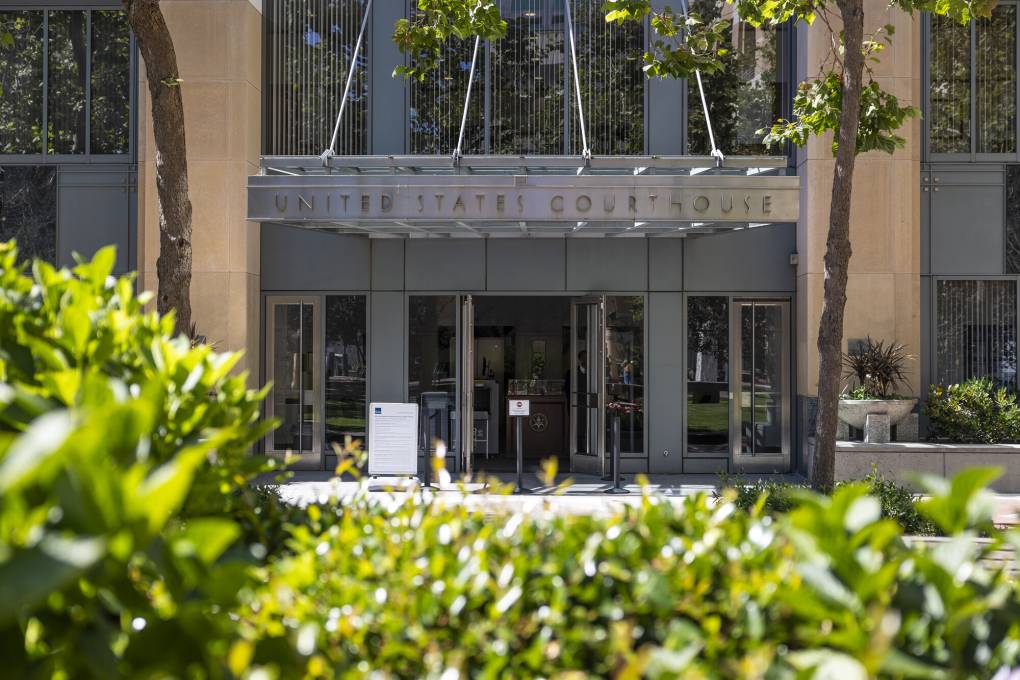
"title": "The Federal Courthouse in Oakland on Aug. 16, 2023.",
"publishDate": 1745345804,
"status": "inherit",
"parent": 12037103,
"modified": 1745345829,
"caption": "The Federal Courthouse in Oakland on Aug. 16, 2023.",
"credit": "Martin do Nascimento/KQED",
"altTag": null,
"description": null,
"imgSizes": {
"medium": {
"file": "https://cdn.kqed.org/wp-content/uploads/sites/10/2025/04/230816-Dublin-Womens-Prison-Suit-MD-01_qed-800x533.jpg",
"width": 800,
"height": 533,
"mimeType": "image/jpeg"
},
"large": {
"file": "https://cdn.kqed.org/wp-content/uploads/sites/10/2025/04/230816-Dublin-Womens-Prison-Suit-MD-01_qed-1020x680.jpg",
"width": 1020,
"height": 680,
"mimeType": "image/jpeg"
},
"thumbnail": {
"file": "https://cdn.kqed.org/wp-content/uploads/sites/10/2025/04/230816-Dublin-Womens-Prison-Suit-MD-01_qed-160x107.jpg",
"width": 160,
"height": 107,
"mimeType": "image/jpeg"
},
"1536x1536": {
"file": "https://cdn.kqed.org/wp-content/uploads/sites/10/2025/04/230816-Dublin-Womens-Prison-Suit-MD-01_qed-1536x1024.jpg",
"width": 1536,
"height": 1024,
"mimeType": "image/jpeg"
},
"post-thumbnail": {
"file": "https://cdn.kqed.org/wp-content/uploads/sites/10/2025/04/230816-Dublin-Womens-Prison-Suit-MD-01_qed-672x372.jpg",
"width": 672,
"height": 372,
"mimeType": "image/jpeg"
},
"twentyfourteen-full-width": {
"file": "https://cdn.kqed.org/wp-content/uploads/sites/10/2025/04/230816-Dublin-Womens-Prison-Suit-MD-01_qed-1038x576.jpg",
"width": 1038,
"height": 576,
"mimeType": "image/jpeg"
},
"full-width": {
"file": "https://cdn.kqed.org/wp-content/uploads/sites/10/2025/04/230816-Dublin-Womens-Prison-Suit-MD-01_qed-1920x1280.jpg",
"width": 1920,
"height": 1280,
"mimeType": "image/jpeg"
},
"kqedFullSize": {
"file": "https://cdn.kqed.org/wp-content/uploads/sites/10/2025/04/230816-Dublin-Womens-Prison-Suit-MD-01_qed.jpg",
"width": 2000,
"height": 1333
}
},
"isLoading": false,
"fetchFailed": false
},
"news_12042430": {
"type": "attachments",
"id": "news_12042430",
"meta": {
"index": "attachments_1716263798",
"site": "news",
"id": "12042430",
"found": true
},
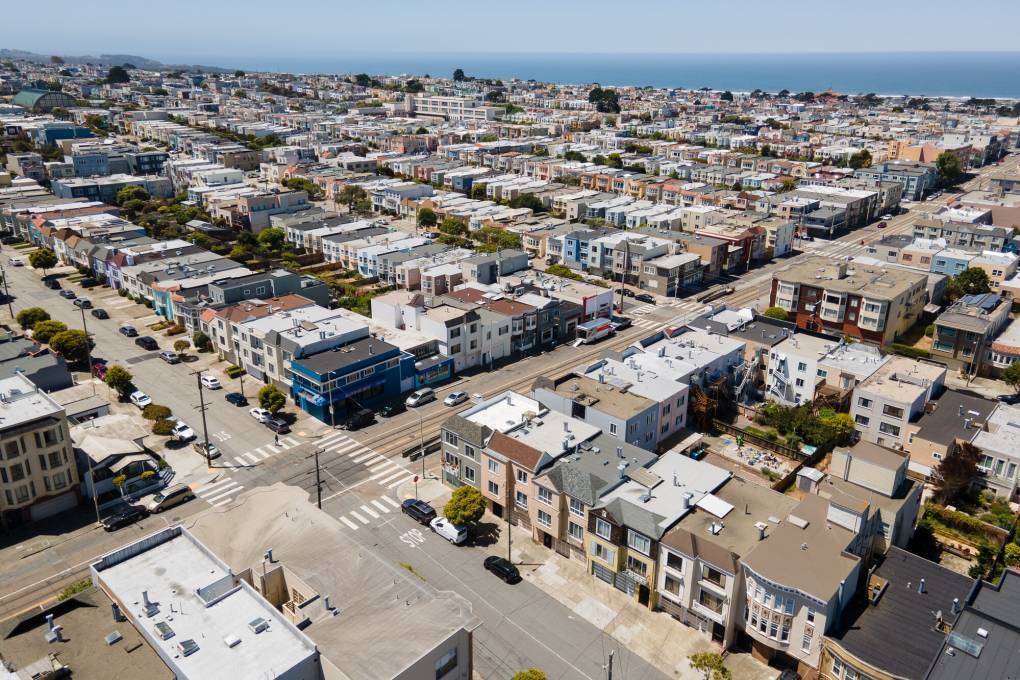
"title": "Housing in San Francisco’s Sunset District on May 19, 2025.",
"publishDate": 1748902889,
"status": "inherit",
"parent": 12042376,
"modified": 1748902889,
"caption": "Housing in San Francisco’s Sunset District on May 19, 2025.",
"credit": null,
"altTag": null,
"description": null,
"imgSizes": {
"medium": {
"file": "https://cdn.kqed.org/wp-content/uploads/sites/10/2025/06/250519-AffordableHousingFile-24-BL_qed-800x533.jpg",
"width": 800,
"height": 533,
"mimeType": "image/jpeg"
},
"large": {
"file": "https://cdn.kqed.org/wp-content/uploads/sites/10/2025/06/250519-AffordableHousingFile-24-BL_qed-1020x680.jpg",
"width": 1020,
"height": 680,
"mimeType": "image/jpeg"
},
"thumbnail": {
"file": "https://cdn.kqed.org/wp-content/uploads/sites/10/2025/06/250519-AffordableHousingFile-24-BL_qed-160x107.jpg",
"width": 160,
"height": 107,
"mimeType": "image/jpeg"
},
"1536x1536": {
"file": "https://cdn.kqed.org/wp-content/uploads/sites/10/2025/06/250519-AffordableHousingFile-24-BL_qed-1536x1024.jpg",
"width": 1536,
"height": 1024,
"mimeType": "image/jpeg"
},
"post-thumbnail": {
"file": "https://cdn.kqed.org/wp-content/uploads/sites/10/2025/06/250519-AffordableHousingFile-24-BL_qed-672x372.jpg",
"width": 672,
"height": 372,
"mimeType": "image/jpeg"
},
"twentyfourteen-full-width": {
"file": "https://cdn.kqed.org/wp-content/uploads/sites/10/2025/06/250519-AffordableHousingFile-24-BL_qed-1038x576.jpg",
"width": 1038,
"height": 576,
"mimeType": "image/jpeg"
},
"full-width": {
"file": "https://cdn.kqed.org/wp-content/uploads/sites/10/2025/06/250519-AffordableHousingFile-24-BL_qed-1920x1280.jpg",
"width": 1920,
"height": 1280,
"mimeType": "image/jpeg"
},
"kqedFullSize": {
"file": "https://cdn.kqed.org/wp-content/uploads/sites/10/2025/06/250519-AffordableHousingFile-24-BL_qed.jpg",
"width": 1999,
"height": 1333
}
},
"isLoading": false,
"fetchFailed": false
},
"news_12057381": {
"type": "attachments",
"id": "news_12057381",
"meta": {
"index": "attachments_1716263798",
"site": "news",
"id": "12057381",
"found": true
},
"title": "250923-LAFAYETTE PLAYGROUND-NS-01",
"publishDate": 1758732164,
"status": "inherit",
"parent": 0,
"modified": 1758734691,
"caption": "Lafayette Elementary hosted a playground reopening ceremony on Wednesday, Sept. 24, 2025. The playground was destroyed by a fire in May.",
"credit": "Nibras Suliman/KQED",
"altTag": null,
"description": null,
"imgSizes": {
"thumbnail": {
"file": "https://cdn.kqed.org/wp-content/uploads/sites/10/2025/09/250923-LAFAYETTE-PLAYGROUND-NS-01-160x107.jpg",
"width": 160,
"height": 107,
"mimeType": "image/jpeg"
},
"1536x1536": {
"file": "https://cdn.kqed.org/wp-content/uploads/sites/10/2025/09/250923-LAFAYETTE-PLAYGROUND-NS-01-1536x1024.jpg",
"width": 1536,
"height": 1024,
"mimeType": "image/jpeg"
},
"post-thumbnail": {
"file": "https://cdn.kqed.org/wp-content/uploads/sites/10/2025/09/250923-LAFAYETTE-PLAYGROUND-NS-01-672x372.jpg",
"width": 672,
"height": 372,
"mimeType": "image/jpeg"
},
"twentyfourteen-full-width": {
"file": "https://cdn.kqed.org/wp-content/uploads/sites/10/2025/09/250923-LAFAYETTE-PLAYGROUND-NS-01-1038x576.jpg",
"width": 1038,
"height": 576,
"mimeType": "image/jpeg"
},
"kqedFullSize": {
"file": "https://cdn.kqed.org/wp-content/uploads/sites/10/2025/09/250923-LAFAYETTE-PLAYGROUND-NS-01.jpg",
"width": 2000,
"height": 1333
}
},
"isLoading": false,
"fetchFailed": false
},
"news_12022252": {
"type": "attachments",
"id": "news_12022252",
"meta": {
"index": "attachments_1716263798",
"site": "news",
"id": "12022252",
"found": true
},
"title": "240114-SCCDCFS-JG-2",
"publishDate": 1736903215,
"status": "inherit",
"parent": 0,
"modified": 1736967073,
"caption": "Children's shoes are on display at a rally to represent the risk of harm to children due to understaffing outside the Santa Clara County Administration Building in San José, Tuesday, Jan. 14, 2025. The event was orgnaized by SEIU Local 521, representing workers in the Santa Clara County Department of Family and Children's Services.",
"credit": "Joseph Geha/KQED",
"altTag": null,
"description": null,
"imgSizes": {
"medium": {
"file": "https://cdn.kqed.org/wp-content/uploads/sites/10/2025/01/240114-SCCDCFS-JG-2-800x533.jpg",
"width": 800,
"height": 533,
"mimeType": "image/jpeg"
},
"large": {
"file": "https://cdn.kqed.org/wp-content/uploads/sites/10/2025/01/240114-SCCDCFS-JG-2-1020x680.jpg",
"width": 1020,
"height": 680,
"mimeType": "image/jpeg"
},
"thumbnail": {
"file": "https://cdn.kqed.org/wp-content/uploads/sites/10/2025/01/240114-SCCDCFS-JG-2-160x107.jpg",
"width": 160,
"height": 107,
"mimeType": "image/jpeg"
},
"1536x1536": {
"file": "https://cdn.kqed.org/wp-content/uploads/sites/10/2025/01/240114-SCCDCFS-JG-2-1536x1024.jpg",
"width": 1536,
"height": 1024,
"mimeType": "image/jpeg"
},
"post-thumbnail": {
"file": "https://cdn.kqed.org/wp-content/uploads/sites/10/2025/01/240114-SCCDCFS-JG-2-672x372.jpg",
"width": 672,
"height": 372,
"mimeType": "image/jpeg"
},
"twentyfourteen-full-width": {
"file": "https://cdn.kqed.org/wp-content/uploads/sites/10/2025/01/240114-SCCDCFS-JG-2-1038x576.jpg",
"width": 1038,
"height": 576,
"mimeType": "image/jpeg"
},
"full-width": {
"file": "https://cdn.kqed.org/wp-content/uploads/sites/10/2025/01/240114-SCCDCFS-JG-2-1920x1280.jpg",
"width": 1920,
"height": 1280,
"mimeType": "image/jpeg"
},
"kqedFullSize": {
"file": "https://cdn.kqed.org/wp-content/uploads/sites/10/2025/01/240114-SCCDCFS-JG-2.jpg",
"width": 2000,
"height": 1333
}
},
"isLoading": false,
"fetchFailed": false
},
"news_11974638": {
"type": "attachments",
"id": "news_11974638",
"meta": {
"index": "attachments_1716263798",
"site": "news",
"id": "11974638",
"found": true
},
"parent": 11936674,
"imgSizes": {
"twentyfourteen-full-width": {
"file": "https://cdn.kqed.org/wp-content/uploads/sites/10/2024/01/231218-RainFile-14-BL_qut-1038x576.jpg",
"width": 1038,
"mimeType": "image/jpeg",
"height": 576
},
"thumbnail": {
"file": "https://cdn.kqed.org/wp-content/uploads/sites/10/2024/01/231218-RainFile-14-BL_qut-160x107.jpg",
"width": 160,
"mimeType": "image/jpeg",
"height": 107
},
"post-thumbnail": {
"file": "https://cdn.kqed.org/wp-content/uploads/sites/10/2024/01/231218-RainFile-14-BL_qut-672x372.jpg",
"width": 672,
"mimeType": "image/jpeg",
"height": 372
},
"kqedFullSize": {
"file": "https://cdn.kqed.org/wp-content/uploads/sites/10/2024/01/231218-RainFile-14-BL_qut.jpg",
"width": 1920,
"height": 1280
},
"large": {
"file": "https://cdn.kqed.org/wp-content/uploads/sites/10/2024/01/231218-RainFile-14-BL_qut-1020x680.jpg",
"width": 1020,
"mimeType": "image/jpeg",
"height": 680
},
"1536x1536": {
"file": "https://cdn.kqed.org/wp-content/uploads/sites/10/2024/01/231218-RainFile-14-BL_qut-1536x1024.jpg",
"width": 1536,
"mimeType": "image/jpeg",
"height": 1024
},
"medium": {
"file": "https://cdn.kqed.org/wp-content/uploads/sites/10/2024/01/231218-RainFile-14-BL_qut-800x533.jpg",
"width": 800,
"mimeType": "image/jpeg",
"height": 533
}
},
"publishDate": 1706913206,
"modified": 1706913240,
"caption": "A person walks in the rain on Mission Street in San Francisco on Dec. 18, 2023.",
"description": null,
"title": "weather-forecast-rain-bay-area",
"credit": "Beth LaBerge/KQED",
"status": "inherit",
"altTag": null,
"isLoading": false,
"fetchFailed": false
},
"news_12057283": {
"type": "attachments",
"id": "news_12057283",
"meta": {
"index": "attachments_1716263798",
"site": "news",
"id": "12057283",
"found": true
},
"title": "calmatters_091825_Fresno-Courthouse_LV_10",
"publishDate": 1758654977,
"status": "inherit",
"parent": 12057278,
"modified": 1758655019,
"caption": "The Fresno County Courthouse on Sept. 17, 2025.",
"credit": "Larry Valenzuela, CalMatters/CatchLight Local",
"altTag": null,
"description": null,
"imgSizes": {
"thumbnail": {
"file": "https://cdn.kqed.org/wp-content/uploads/sites/10/2025/09/calmatters_091825_Fresno-Courthouse_LV_10-160x107.jpg",
"width": 160,
"height": 107,
"mimeType": "image/jpeg"
},
"1536x1536": {
"file": "https://cdn.kqed.org/wp-content/uploads/sites/10/2025/09/calmatters_091825_Fresno-Courthouse_LV_10-1536x1024.jpg",
"width": 1536,
"height": 1024,
"mimeType": "image/jpeg"
},
"post-thumbnail": {
"file": "https://cdn.kqed.org/wp-content/uploads/sites/10/2025/09/calmatters_091825_Fresno-Courthouse_LV_10-672x372.jpg",
"width": 672,
"height": 372,
"mimeType": "image/jpeg"
},
"twentyfourteen-full-width": {
"file": "https://cdn.kqed.org/wp-content/uploads/sites/10/2025/09/calmatters_091825_Fresno-Courthouse_LV_10-1038x576.jpg",
"width": 1038,
"height": 576,
"mimeType": "image/jpeg"
},
"kqedFullSize": {
"file": "https://cdn.kqed.org/wp-content/uploads/sites/10/2025/09/calmatters_091825_Fresno-Courthouse_LV_10.jpg",
"width": 2000,
"height": 1333
}
},
"isLoading": false,
"fetchFailed": false
},
"news_12055604": {
"type": "attachments",
"id": "news_12055604",
"meta": {
"index": "attachments_1716263798",
"site": "news",
"id": "12055604",
"found": true
},
"title": "250909-UCBINCARCERATED-01-BL-KQED",
"publishDate": 1757613109,
"status": "inherit",
"parent": 0,
"modified": 1757613199,
"caption": "Shani Shay (right), director of Incarceration to College, works with Laney College student Bryan Minero at the program’s offices on the UC Berkeley campus on Sept. 9, 2025. The initiative supports system-impacted youth in accessing higher education.",
"credit": "Beth LaBerge/KQED",
"altTag": null,
"description": null,
"imgSizes": {
"thumbnail": {
"file": "https://cdn.kqed.org/wp-content/uploads/sites/10/2025/09/250909-UCBINCARCERATED-01-BL-KQED-160x107.jpg",
"width": 160,
"height": 107,
"mimeType": "image/jpeg"
},
"1536x1536": {
"file": "https://cdn.kqed.org/wp-content/uploads/sites/10/2025/09/250909-UCBINCARCERATED-01-BL-KQED-1536x1024.jpg",
"width": 1536,
"height": 1024,
"mimeType": "image/jpeg"
},
"post-thumbnail": {
"file": "https://cdn.kqed.org/wp-content/uploads/sites/10/2025/09/250909-UCBINCARCERATED-01-BL-KQED-672x372.jpg",
"width": 672,
"height": 372,
"mimeType": "image/jpeg"
},
"twentyfourteen-full-width": {
"file": "https://cdn.kqed.org/wp-content/uploads/sites/10/2025/09/250909-UCBINCARCERATED-01-BL-KQED-1038x576.jpg",
"width": 1038,
"height": 576,
"mimeType": "image/jpeg"
},
"kqedFullSize": {
"file": "https://cdn.kqed.org/wp-content/uploads/sites/10/2025/09/250909-UCBINCARCERATED-01-BL-KQED.jpg",
"width": 2000,
"height": 1333
}
},
"isLoading": false,
"fetchFailed": false
},
"news_12056098": {
"type": "attachments",
"id": "news_12056098",
"meta": {
"index": "attachments_1716263798",
"site": "news",
"id": "12056098",
"found": true
},
"title": "The UC Berkeley Campus in Berkeley on Aug. 17, 2023.",
"publishDate": 1758043376,
"status": "inherit",
"parent": 12056089,
"modified": 1758043405,
"caption": "The UC Berkeley Campus in Berkeley on Aug. 17, 2023.",
"credit": "Martin do Nascimento/KQED",
"altTag": null,
"description": null,
"imgSizes": {
"thumbnail": {
"file": "https://cdn.kqed.org/wp-content/uploads/sites/10/2025/09/230817-UC-BERKELEY-CAMPUS-MD-02_qed-160x107.jpg",
"width": 160,
"height": 107,
"mimeType": "image/jpeg"
},
"1536x1536": {
"file": "https://cdn.kqed.org/wp-content/uploads/sites/10/2025/09/230817-UC-BERKELEY-CAMPUS-MD-02_qed-1536x1024.jpg",
"width": 1536,
"height": 1024,
"mimeType": "image/jpeg"
},
"post-thumbnail": {
"file": "https://cdn.kqed.org/wp-content/uploads/sites/10/2025/09/230817-UC-BERKELEY-CAMPUS-MD-02_qed-672x372.jpg",
"width": 672,
"height": 372,
"mimeType": "image/jpeg"
},
"twentyfourteen-full-width": {
"file": "https://cdn.kqed.org/wp-content/uploads/sites/10/2025/09/230817-UC-BERKELEY-CAMPUS-MD-02_qed-1038x576.jpg",
"width": 1038,
"height": 576,
"mimeType": "image/jpeg"
},
"kqedFullSize": {
"file": "https://cdn.kqed.org/wp-content/uploads/sites/10/2025/09/230817-UC-BERKELEY-CAMPUS-MD-02_qed.jpg",
"width": 2000,
"height": 1333
}
},
"isLoading": false,
"fetchFailed": false
},
"news_12057256": {
"type": "attachments",
"id": "news_12057256",
"meta": {
"index": "attachments_1716263798",
"site": "news",
"id": "12057256",
"found": true
},
"title": "Redistributing Rail Grants",
"publishDate": 1758650398,
"status": "inherit",
"parent": 12057238,
"modified": 1770154122,
"caption": "Ironworkers with the California High-Speed Rail Authority work on the Hanford Viaduct, April 15, 2025, in Kings County, California. ",
"credit": "Godofredo A. Vásquez/AP Photo",
"altTag": null,
"description": null,
"imgSizes": {
"medium": {
"file": "https://cdn.kqed.org/wp-content/uploads/sites/10/2025/09/AP25265725194713-1-2000x1333.jpg",
"width": 2000,
"height": 1333,
"mimeType": "image/jpeg"
},
"large": {
"file": "https://cdn.kqed.org/wp-content/uploads/sites/10/2025/09/AP25265725194713-1-2000x1333.jpg",
"width": 2000,
"height": 1333,
"mimeType": "image/jpeg"
},
"thumbnail": {
"file": "https://cdn.kqed.org/wp-content/uploads/sites/10/2025/09/AP25265725194713-1-160x107.jpg",
"width": 160,
"height": 107,
"mimeType": "image/jpeg"
},
"1536x1536": {
"file": "https://cdn.kqed.org/wp-content/uploads/sites/10/2025/09/AP25265725194713-1-1536x1024.jpg",
"width": 1536,
"height": 1024,
"mimeType": "image/jpeg"
},
"2048x2048": {
"file": "https://cdn.kqed.org/wp-content/uploads/sites/10/2025/09/AP25265725194713-1-2048x1365.jpg",
"width": 2048,
"height": 1365,
"mimeType": "image/jpeg"
},
"post-thumbnail": {
"file": "https://cdn.kqed.org/wp-content/uploads/sites/10/2025/09/AP25265725194713-1-672x372.jpg",
"width": 672,
"height": 372,
"mimeType": "image/jpeg"
},
"twentyfourteen-full-width": {
"file": "https://cdn.kqed.org/wp-content/uploads/sites/10/2025/09/AP25265725194713-1-1038x576.jpg",
"width": 1038,
"height": 576,
"mimeType": "image/jpeg"
},
"full-width": {
"file": "https://cdn.kqed.org/wp-content/uploads/sites/10/2025/09/AP25265725194713-1-2000x1333.jpg",
"width": 2000,
"height": 1333,
"mimeType": "image/jpeg"
},
"kqedFullSize": {
"file": "https://cdn.kqed.org/wp-content/uploads/sites/10/2025/09/AP25265725194713-1-scaled-e1758650487810.jpg",
"width": 2000,
"height": 1333
}
},
"isLoading": false,
"fetchFailed": false
},
"news_12057038": {
"type": "attachments",
"id": "news_12057038",
"meta": {
"index": "attachments_1716263798",
"site": "news",
"id": "12057038",
"found": true
},
"title": "Upload_091225_Laney-College_MO_CM_13",
"publishDate": 1758562963,
"status": "inherit",
"parent": 12057033,
"modified": 1758562983,
"caption": null,
"credit": "Manuel Orbegozo/CalMatters",
"altTag": null,
"description": null,
"imgSizes": {
"thumbnail": {
"file": "https://cdn.kqed.org/wp-content/uploads/sites/10/2025/09/Upload_091225_Laney-College_MO_CM_13-160x107.jpg",
"width": 160,
"height": 107,
"mimeType": "image/jpeg"
},
"1536x1536": {
"file": "https://cdn.kqed.org/wp-content/uploads/sites/10/2025/09/Upload_091225_Laney-College_MO_CM_13-1536x1024.jpg",
"width": 1536,
"height": 1024,
"mimeType": "image/jpeg"
},
"post-thumbnail": {
"file": "https://cdn.kqed.org/wp-content/uploads/sites/10/2025/09/Upload_091225_Laney-College_MO_CM_13-672x372.jpg",
"width": 672,
"height": 372,
"mimeType": "image/jpeg"
},
"twentyfourteen-full-width": {
"file": "https://cdn.kqed.org/wp-content/uploads/sites/10/2025/09/Upload_091225_Laney-College_MO_CM_13-1038x576.jpg",
"width": 1038,
"height": 576,
"mimeType": "image/jpeg"
},
"kqedFullSize": {
"file": "https://cdn.kqed.org/wp-content/uploads/sites/10/2025/09/Upload_091225_Laney-College_MO_CM_13.jpg",
"width": 2000,
"height": 1333
}
},
"isLoading": false,
"fetchFailed": false
},
"news_12055049": {
"type": "attachments",
"id": "news_12055049",
"meta": {
"index": "attachments_1716263798",
"site": "news",
"id": "12055049",
"found": true
},
"title": "250904_K ONDA SEPTEMBER NAIL ARTIST-_GH-2-KQED",
"publishDate": 1757336009,
"status": "inherit",
"parent": 0,
"modified": 1758581875,
"caption": "Laysa Cazares, a Hayward native and nail artist, at Sparkle SF studio in San Francisco on Sept. 4, 2025. Known for three-dimensional, airbrushed and hand-painted designs, Cazares draws on fashion and her Mexican heritage to transform manicures into art.",
"credit": "Gustavo Hernandez/KQED",
"altTag": null,
"description": null,
"imgSizes": {
"thumbnail": {
"file": "https://cdn.kqed.org/wp-content/uploads/sites/10/2025/09/250904_K-ONDA-SEPTEMBER-NAIL-ARTIST-_GH-2-KQED-160x107.jpg",
"width": 160,
"height": 107,
"mimeType": "image/jpeg"
},
"1536x1536": {
"file": "https://cdn.kqed.org/wp-content/uploads/sites/10/2025/09/250904_K-ONDA-SEPTEMBER-NAIL-ARTIST-_GH-2-KQED-1536x1024.jpg",
"width": 1536,
"height": 1024,
"mimeType": "image/jpeg"
},
"post-thumbnail": {
"file": "https://cdn.kqed.org/wp-content/uploads/sites/10/2025/09/250904_K-ONDA-SEPTEMBER-NAIL-ARTIST-_GH-2-KQED-672x372.jpg",
"width": 672,
"height": 372,
"mimeType": "image/jpeg"
},
"twentyfourteen-full-width": {
"file": "https://cdn.kqed.org/wp-content/uploads/sites/10/2025/09/250904_K-ONDA-SEPTEMBER-NAIL-ARTIST-_GH-2-KQED-1038x576.jpg",
"width": 1038,
"height": 576,
"mimeType": "image/jpeg"
},
"kqedFullSize": {
"file": "https://cdn.kqed.org/wp-content/uploads/sites/10/2025/09/250904_K-ONDA-SEPTEMBER-NAIL-ARTIST-_GH-2-KQED.jpg",
"width": 2000,
"height": 1333
}
},
"isLoading": false,
"fetchFailed": false
}
},
"audioPlayerReducer": {
"postId": "stream_live",
"isPaused": true,
"isPlaying": false,
"pfsActive": false,
"pledgeModalIsOpen": true,
"playerDrawerIsOpen": false,
"liveAudioPlayStartedAt": 0,
"liveAudioPlayContext": ""
},
"authorsReducer": {
"byline_news_12057278": {
"type": "authors",
"id": "byline_news_12057278",
"meta": {
"override": true
},
"slug": "byline_news_12057278",
"name": "Nigel Duara, CalMatters",
"isLoading": false
},
"byline_news_12057238": {
"type": "authors",
"id": "byline_news_12057238",
"meta": {
"override": true
},
"slug": "byline_news_12057238",
"name": "Josh Funk, The Associated Press",
"isLoading": false
},
"byline_news_12057033": {
"type": "authors",
"id": "byline_news_12057033",
"meta": {
"override": true
},
"slug": "byline_news_12057033",
"name": "Adam Echelman, CalMatters",
"isLoading": false
},
"scottshafer": {
"type": "authors",
"id": "255",
"meta": {
"index": "authors_1716337520",
"id": "255",
"found": true
},
"name": "Scott Shafer",
"firstName": "Scott",
"lastName": "Shafer",
"slug": "scottshafer",
"email": "sshafer@kqed.org",
"display_author_email": false,
"staff_mastheads": [
"news"
],
"title": "KQED Contributor",
"bio": "Scott Shafer is the senior politics correspondent with the KQED Politics and Government desk. He is co-host of \u003cem>Political Breakdown\u003c/em>, the award-winning radio show and podcast with a personal take on the world of politics. Scott came to KQED in 1998 to host the statewide \u003cem>California Report\u003c/em>. Prior to that he had extended stints in politics and government. He uses that inside experience at KQED in his, reporting, hosting and analysis for the politics desk. Scott recently completed a 5-part podcast titled \u003cem>The Speaker\u003c/em>, examining Rep. Nancy Pelosi's life and legacy. Previously he collaborated on \u003cem>Political Breakdown\u003c/em> and on \u003cem>The Political Mind of Jerry Brown\u003c/em>, an eight-part series about the life and extraordinary political career of the former governor. For fun, he plays water polo and swims with the San Francisco Tsunami.",
"avatar": "https://secure.gravatar.com/avatar/a269f2db8e99b39bacd3dfb517e1aea56c8d9706cde1d375abfd9fba57eede2c?s=600&d=blank&r=g",
"twitter": "scottshafer",
"bluesky": null,
"facebook": null,
"instagram": null,
"linkedin": null,
"sites": [
{
"site": "news",
"roles": [
"editor"
]
},
{
"site": "stateofhealth",
"roles": [
"author"
]
},
{
"site": "science",
"roles": [
"author"
]
},
{
"site": "forum",
"roles": [
"subscriber"
]
},
{
"site": "liveblog",
"roles": [
"author"
]
}
],
"headData": {
"title": "Scott Shafer | KQED",
"description": "KQED Contributor",
"ogImgSrc": "https://secure.gravatar.com/avatar/a269f2db8e99b39bacd3dfb517e1aea56c8d9706cde1d375abfd9fba57eede2c?s=600&d=blank&r=g",
"twImgSrc": "https://secure.gravatar.com/avatar/a269f2db8e99b39bacd3dfb517e1aea56c8d9706cde1d375abfd9fba57eede2c?s=600&d=blank&r=g"
},
"isLoading": false,
"link": "/author/scottshafer"
},
"shossaini": {
"type": "authors",
"id": "3214",
"meta": {
"index": "authors_1716337520",
"id": "3214",
"found": true
},
"name": "Sara Hossaini",
"firstName": "Sara",
"lastName": "Hossaini",
"slug": "shossaini",
"email": "shossaini@kqed.org",
"display_author_email": true,
"staff_mastheads": [
"news"
],
"title": "KQED Reporter",
"bio": "Sara Hossaini came to general assignment reporting at KQED in 2013 after two winters reporting at Wyoming Public Radio. She holds a bachelor's degree in broadcast journalism from the University of Nebraska-Lincoln. Her radio romance began after a bitter breakup with documentary film (Ok, maybe it's still complicated). Her first simultaneous jobs in San Francisco were as Associate Producer on a PBS film series through the Center for Asian American Media and as a butler. She likes to trot, plot and make things with her hands.",
"avatar": "https://secure.gravatar.com/avatar/060e9f56b9554e17942e89f413242774?s=600&d=blank&r=g",
"twitter": "mshossaini",
"facebook": null,
"instagram": null,
"linkedin": null,
"sites": [
{
"site": "news",
"roles": [
"author"
]
},
{
"site": "stateofhealth",
"roles": [
"author"
]
}
],
"headData": {
"title": "Sara Hossaini | KQED",
"description": "KQED Reporter",
"ogImgSrc": "https://secure.gravatar.com/avatar/060e9f56b9554e17942e89f413242774?s=600&d=blank&r=g",
"twImgSrc": "https://secure.gravatar.com/avatar/060e9f56b9554e17942e89f413242774?s=600&d=blank&r=g"
},
"isLoading": false,
"link": "/author/shossaini"
},
"btorres": {
"type": "authors",
"id": "11666",
"meta": {
"index": "authors_1716337520",
"id": "11666",
"found": true
},
"name": "Blanca Torres",
"firstName": "Blanca",
"lastName": "Torres",
"slug": "btorres",
"email": "btorres@kqed.org",
"display_author_email": true,
"staff_mastheads": [
"news"
],
"title": "Producer, Forum",
"bio": "Blanca Torres brings sharp news judgement and keen sense of lively conversation to her work as producer for Forum. She loves producing shows that leave listeners feeling like they heard distinctive voices, learned something new and gained a fresh perspective.\r\n\r\nShe joined KQED in January of 2020 after 16 years of working as a newspaper reporter most recently at the \u003cem>San Francisco Business Times,\u003c/em> where she wrote about real estate and economic development. Before that, she covered a variety of beats including crime, education, retail, workplace, the economy, consumer issues, and small business for the \u003cem>Contra Costa Times, Baltimore Sun\u003c/em> and\u003cem> The Seattle Times\u003c/em>. In addition to reporting, she worked as an editorial writer and columnist for the \u003cem>Seattle Times\u003c/em>. From 2017 to 2020, Blanca won a total of ten awards from the National Association of Real Estate Editors and won first place for land use reporting from the California News Publishers Association two years in a row. She is also a member and former board member for the National Association of Hispanic Journalists.\r\n\r\nA native of the Pacific Northwest, Blanca earned her bachelor's degree from Vanderbilt University in Nashville and a master's in fine arts in creative writing at Mills College. She lives in the East Bay with her family.",
"avatar": "https://secure.gravatar.com/avatar/50b49d19b14a1eed34f26ebf4681152cdd81574ed21851100871ccd29e578cdc?s=600&d=blank&r=g",
"twitter": "@blancawrites",
"bluesky": null,
"facebook": null,
"instagram": null,
"linkedin": null,
"sites": [
{
"site": "arts",
"roles": [
"editor"
]
},
{
"site": "news",
"roles": [
"editor"
]
},
{
"site": "forum",
"roles": [
"editor"
]
}
],
"headData": {
"title": "Blanca Torres | KQED",
"description": "Producer, Forum",
"ogImgSrc": "https://secure.gravatar.com/avatar/50b49d19b14a1eed34f26ebf4681152cdd81574ed21851100871ccd29e578cdc?s=600&d=blank&r=g",
"twImgSrc": "https://secure.gravatar.com/avatar/50b49d19b14a1eed34f26ebf4681152cdd81574ed21851100871ccd29e578cdc?s=600&d=blank&r=g"
},
"isLoading": false,
"link": "/author/btorres"
},
"abandlamudi": {
"type": "authors",
"id": "11672",
"meta": {
"index": "authors_1716337520",
"id": "11672",
"found": true
},
"name": "Adhiti Bandlamudi",
"firstName": "Adhiti",
"lastName": "Bandlamudi",
"slug": "abandlamudi",
"email": "abandlamudi@kqed.org",
"display_author_email": false,
"staff_mastheads": [
"news"
],
"title": "KQED Housing Reporter",
"bio": "Adhiti Bandlamudi reports for KQED's Housing desk. She focuses on how housing gets built across the Bay Area. Before joining KQED in 2020, she reported for WUNC in Durham, North Carolina, WABE in Atlanta, Georgia and Capital Public Radio in Sacramento. In 2017, she was awarded a Kroc Fellowship at NPR where she reported on everything from sprinkles to the Golden State Killer's arrest. When she's not reporting, she's baking new recipes in her kitchen or watching movies with friends and family. She's originally from Georgia and has strong opinions about Great British Bake Off.",
"avatar": "https://secure.gravatar.com/avatar/868129c8b257bb99a3500e2c86a65400?s=600&d=mm&r=g",
"twitter": "oddity_adhiti",
"facebook": null,
"instagram": null,
"linkedin": null,
"sites": [
{
"site": "arts",
"roles": [
"author"
]
},
{
"site": "news",
"roles": [
"editor"
]
},
{
"site": "liveblog",
"roles": [
"author"
]
}
],
"headData": {
"title": "Adhiti Bandlamudi | KQED",
"description": "KQED Housing Reporter",
"ogImgSrc": "https://secure.gravatar.com/avatar/868129c8b257bb99a3500e2c86a65400?s=600&d=mm&r=g",
"twImgSrc": "https://secure.gravatar.com/avatar/868129c8b257bb99a3500e2c86a65400?s=600&d=mm&r=g"
},
"isLoading": false,
"link": "/author/abandlamudi"
},
"jlara": {
"type": "authors",
"id": "11761",
"meta": {
"index": "authors_1716337520",
"id": "11761",
"found": true
},
"name": "Juan Carlos Lara",
"firstName": "Juan Carlos",
"lastName": "Lara",
"slug": "jlara",
"email": "jlara@kqed.org",
"display_author_email": false,
"staff_mastheads": [],
"title": "KQED Contributor",
"bio": null,
"avatar": "https://secure.gravatar.com/avatar/19e2052b9b05657c5ff2af2121846e9c?s=600&d=blank&r=g",
"twitter": null,
"facebook": null,
"instagram": null,
"linkedin": null,
"sites": [
{
"site": "arts",
"roles": [
"editor"
]
},
{
"site": "news",
"roles": [
"editor"
]
},
{
"site": "forum",
"roles": [
"editor"
]
},
{
"site": "liveblog",
"roles": [
"contributor"
]
}
],
"headData": {
"title": "Juan Carlos Lara | KQED",
"description": "KQED Contributor",
"ogImgSrc": "https://secure.gravatar.com/avatar/19e2052b9b05657c5ff2af2121846e9c?s=600&d=blank&r=g",
"twImgSrc": "https://secure.gravatar.com/avatar/19e2052b9b05657c5ff2af2121846e9c?s=600&d=blank&r=g"
},
"isLoading": false,
"link": "/author/jlara"
},
"kdebenedetti": {
"type": "authors",
"id": "11913",
"meta": {
"index": "authors_1716337520",
"id": "11913",
"found": true
},
"name": "Katie DeBenedetti",
"firstName": "Katie",
"lastName": "DeBenedetti",
"slug": "kdebenedetti",
"email": "kdebenedetti@kqed.org",
"display_author_email": false,
"staff_mastheads": [
"news",
"science"
],
"title": "KQED Contributor",
"bio": "Katie DeBenedetti is a digital reporter covering daily news for the Express Desk. Prior to joining KQED as a culture reporting intern in January 2024, she covered education and city government for the Napa Valley Register.",
"avatar": "https://secure.gravatar.com/avatar/6e31073cb8f7e4214ab03f42771d0f45?s=600&d=blank&r=g",
"twitter": null,
"facebook": null,
"instagram": null,
"linkedin": null,
"sites": [
{
"site": "news",
"roles": [
"author"
]
},
{
"site": "science",
"roles": [
"author"
]
},
{
"site": "liveblog",
"roles": [
"author"
]
}
],
"headData": {
"title": "Katie DeBenedetti | KQED",
"description": "KQED Contributor",
"ogImgSrc": "https://secure.gravatar.com/avatar/6e31073cb8f7e4214ab03f42771d0f45?s=600&d=blank&r=g",
"twImgSrc": "https://secure.gravatar.com/avatar/6e31073cb8f7e4214ab03f42771d0f45?s=600&d=blank&r=g"
},
"isLoading": false,
"link": "/author/kdebenedetti"
},
"emanoukian": {
"type": "authors",
"id": "11925",
"meta": {
"index": "authors_1716337520",
"id": "11925",
"found": true
},
"name": "Elize Manoukian",
"firstName": "Elize",
"lastName": "Manoukian",
"slug": "emanoukian",
"email": "emanoukian@KQED.org",
"display_author_email": false,
"staff_mastheads": [
"news"
],
"title": "Digital News Editor",
"bio": "Elize Manoukian is an award-winning audio producer and editor on the Express Desk, KQED's digital news platform. Her work has appeared on KPFA, Interlochen Public Radio, Oregon Public Broadcast, the New York Daily News, LA Times and the San Diego Union-Tribune. You can reach her at emanoukian@kqed.org.",
"avatar": "https://secure.gravatar.com/avatar/4525f1a8e46ccb30933b32653d9772064cfefe3fa655eb45b3b3a80341f6bdad?s=600&d=blank&r=g",
"twitter": null,
"bluesky": null,
"facebook": null,
"instagram": null,
"linkedin": null,
"sites": [
{
"site": "arts",
"roles": [
"editor"
]
},
{
"site": "news",
"roles": [
"editor"
]
},
{
"site": "science",
"roles": [
"editor"
]
}
],
"headData": {
"title": "Elize Manoukian | KQED",
"description": "Digital News Editor",
"ogImgSrc": "https://secure.gravatar.com/avatar/4525f1a8e46ccb30933b32653d9772064cfefe3fa655eb45b3b3a80341f6bdad?s=600&d=blank&r=g",
"twImgSrc": "https://secure.gravatar.com/avatar/4525f1a8e46ccb30933b32653d9772064cfefe3fa655eb45b3b3a80341f6bdad?s=600&d=blank&r=g"
},
"isLoading": false,
"link": "/author/emanoukian"
},
"nsuliman": {
"type": "authors",
"id": "11985",
"meta": {
"index": "authors_1716337520",
"id": "11985",
"found": true
},
"name": "Nibras Suliman",
"firstName": "Nibras",
"lastName": "Suliman",
"slug": "nsuliman",
"email": "nsuliman@kqed.org",
"display_author_email": false,
"staff_mastheads": [],
"title": "KQED Contributor",
"bio": null,
"avatar": "https://secure.gravatar.com/avatar/581946774e0249b1fcdfb01d4f143d12?s=600&d=blank&r=g",
"twitter": null,
"facebook": null,
"instagram": null,
"linkedin": null,
"sites": [
{
"site": "news",
"roles": []
}
],
"headData": {
"title": "Nibras Suliman | KQED",
"description": "KQED Contributor",
"ogImgSrc": "https://secure.gravatar.com/avatar/581946774e0249b1fcdfb01d4f143d12?s=600&d=blank&r=g",
"twImgSrc": "https://secure.gravatar.com/avatar/581946774e0249b1fcdfb01d4f143d12?s=600&d=blank&r=g"
},
"isLoading": false,
"link": "/author/nsuliman"
}
},
"pagesReducer": {
"news_category_california": {
"type": "terms",
"id": "news_31795",
"meta": {
"index": "terms_1716263798",
"site": "news",
"id": "31795",
"score": 10.849665
},
"featImg": null,
"name": "California",
"description": null,
"taxonomy": "category",
"headData": {
"twImgId": null,
"twTitle": null,
"ogTitle": null,
"ogImgId": null,
"twDescription": null,
"description": null,
"title": "California Archives | KQED News",
"ogDescription": null
},
"ttid": 31812,
"slug": "california",
"isLoading": false,
"title": "California",
"pageMeta": {
"site": "news",
"WpPageTemplate": "page-topic-editorial",
"currentPage": 102
},
"blocks": [
{
"blockName": "kqed/post-list",
"attrs": {
"layout": "cardArticle2",
"query": "posts/news?category=california",
"seeMore": false,
"paginated": true,
"page": 102
}
},
{
"blockName": "kqed/ad"
}
]
}
},
"pfsSessionReducer": {},
"postsReducer": {
"stream_live": {
"type": "live",
"id": "stream_live",
"audioUrl": "https://hls.kqed.org/hls/kqed_app/playlist.m3u8",
"title": "Live Stream",
"excerpt": "Live Stream information currently unavailable.",
"link": "/radio",
"featImg": "",
"label": {
"name": "KQED Live",
"link": "/"
}
},
"stream_kqedNewscast": {
"type": "posts",
"id": "stream_kqedNewscast",
"audioUrl": "https://www.kqed.org/.stream/anon/radio/RDnews/newscast.mp3?_=1",
"title": "KQED Newscast",
"featImg": "",
"label": {
"name": "88.5 FM",
"link": "/"
}
},
"news_11962918": {
"type": "posts",
"id": "news_11962918",
"meta": {
"index": "posts_1716263798",
"site": "news",
"id": "11962918",
"score": null,
"sort": [
1758763503000
]
},
"guestAuthors": [],
"slug": "groundbreaking-journalist-belva-davis-dies-at-92",
"title": "Groundbreaking Journalist Belva Davis Dies at 92",
"publishDate": 1758763503,
"format": "standard",
"headTitle": "Groundbreaking Journalist Belva Davis Dies at 92 | KQED",
"labelTerm": {
"site": "news"
},
"content": "\u003cp>Belva Davis, an Emmy Award-winning journalist who broke the color barrier in Bay Area radio and television in the 1960s, died Wednesday. She was 92.\u003c/p>\n\u003cp>Davis was the first Black woman to be hired as a television journalist on the West Coast when she took a position with KPIX-TV, the CBS affiliate in San Francisco, in 1966. She remained on the air for nearly five decades at KPIX, KRON and KQED. Davis rose to prominence during an era of pervasive sexism, racism and discrimination.\u003c/p>\n\u003cp>[pullquote size=\"medium\" align=\"right\" citation=\"Pam Moore, former KRON TV anchor\"]‘She is a legend and she was a mentor, a friend, a mom… You don’t work in California and journalism as a person of color and not know about Belva Davis.’[/pullquote]“Her legitimacy as an excellent reporter, her integrity, her professional accomplishments and her personal attributes made her the sort of person that everyone aspired to become,” said Mary Bitterman, who served as KQED’s CEO from 1993 to 2002.\u003c/p>\n\u003cp>“Her reputation as a journalist, reporter and anchor was always highly respected, noted for its fairness and for putting stories into context,” Bitterman noted.\u003c/p>\n\u003cp>Davis was hired by KQED TV in 1977 and continued working there until her retirement in 2012. Among the programs she hosted were KQED Newsroom and This Week in Northern California. She was known as much for her personal kindness and warmth as she was for her deep knowledge of journalism, Bay Area communities and politics.\u003c/p>\n\u003cp>“She is a legend and she was a mentor, a friend, a mom – you know, all of those things. And I just loved her,” said former KRON TV anchor Pam Moore, who met Davis early in her own career. “Certainly you don’t work in California and journalism as a person of color and not know about Belva Davis.”\u003c/p>\n\u003cfigure id=\"attachment_11963630\" class=\"wp-caption aligncenter\" style=\"max-width: 1615px\">\u003cimg loading=\"lazy\" decoding=\"async\" class=\"size-full wp-image-11963630\" src=\"https://ww2.kqed.org/app/uploads/sites/10/2023/10/27_Belva-Davis_TWINC-KQED.jpg\" alt='A person leans on a desk in a TV studio with the words \"This Week in Northern California\" written on the wall behind them.' width=\"1615\" height=\"2000\" srcset=\"https://cdn.kqed.org/wp-content/uploads/sites/10/2023/10/27_Belva-Davis_TWINC-KQED.jpg 1615w, https://cdn.kqed.org/wp-content/uploads/sites/10/2023/10/27_Belva-Davis_TWINC-KQED-800x991.jpg 800w, https://cdn.kqed.org/wp-content/uploads/sites/10/2023/10/27_Belva-Davis_TWINC-KQED-1020x1263.jpg 1020w, https://cdn.kqed.org/wp-content/uploads/sites/10/2023/10/27_Belva-Davis_TWINC-KQED-160x198.jpg 160w, https://cdn.kqed.org/wp-content/uploads/sites/10/2023/10/27_Belva-Davis_TWINC-KQED-1240x1536.jpg 1240w\" sizes=\"auto, (max-width: 1615px) 100vw, 1615px\">\u003cfigcaption class=\"wp-caption-text\">Belva Davis on the set of KQED’s ‘This Week in Northern California.’ \u003ccite>(KQED archives)\u003c/cite>\u003c/figcaption>\u003c/figure>\n\u003cp>Without any formal training, Davis broke into an industry with steep obstacles for Black women. Being hired for media jobs outside community-focused radio stations and newspapers, which aimed their programming and news coverage at predominantly Black audiences, was almost unheard of.\u003c/p>\n\u003cp>Working for radio station KDIA in 1964, Davis covered the Republican National Convention at San Francisco’s Cow Palace, where conservative Barry Goldwater was nominated for president. As one of the few journalists of color at the convention, Davis endured extraordinary abuse and discrimination.\u003c/p>\n\u003cp>[ad fullwidth]\u003c/p>\n\u003cp>During an interview at Google in 2011, Davis recalled the treatment she and others, including her radio news director, Louis Freeman, received that week, such as being denied press passes.\u003c/p>\n\u003cp>“We were in the rafters, sitting quietly, trying to make sure nobody found us,” she recalled. When Davis and Freeman were discovered, convention attendees yelled, “‘What are you [N-word] doing in here anyway?’,” Davis recalled. “We were driven out of that hall as people threw debris at my news director and I.”\u003c/p>\n\u003cp>The incident, \u003ca href=\"https://msmagazine.com/2020/08/24/republican-national-convention-conventional-ignorance-belva-daviss-confrontation-with-violent-racism-at-the-1964-rnc/\">which Davis also wrote about in her 2011 memoir, \u003cem>Never in My Wildest Dreams: A Black Woman’s Life in Journalism\u003c/em>\u003c/a>, shook but did not deter her. In fact, it deepened her resolve to stick with journalism to tell the stories of Black communities and others overlooked by mainstream media.\u003c/p>\n\u003cp>“Journalists were beginning to bring the stories of Black Americans out of the shadows … and into the light of day,” Davis wrote of her thoughts following the RNC incident. “They were reporting on the cross burnings and water hosings, the beatings and lynchings, in vivid details that the public could no longer ignore. I wanted to be one of them.”\u003c/p>\n\u003cp>“She confronted prejudice, confronted every possible barrier, and yet became the journalist who was most trusted and most believed,” former \u003cem>San Francisco Chronicle\u003c/em> and Politico journalist Carla Marinucci said.\u003c/p>\n\u003cp>“She had to put up with being thrown out of press conferences, being called names, being called ethnic slurs. She never let any of that deter her,” Marinucci said.\u003c/p>\n\u003cfigure id=\"attachment_11965647\" class=\"wp-caption aligncenter\" style=\"max-width: 1421px\">\u003cimg loading=\"lazy\" decoding=\"async\" class=\"size-full wp-image-11965647\" src=\"https://ww2.kqed.org/app/uploads/sites/10/2023/10/231025-BELVA-DAVIS-KAMALA-HARRIS-DM-KQED.jpg\" alt='Two people sit at a table talking to each other in front of a TV screen with the words \"This Week in Northern California\" written on it.' width=\"1421\" height=\"945\" srcset=\"https://cdn.kqed.org/wp-content/uploads/sites/10/2023/10/231025-BELVA-DAVIS-KAMALA-HARRIS-DM-KQED.jpg 1421w, https://cdn.kqed.org/wp-content/uploads/sites/10/2023/10/231025-BELVA-DAVIS-KAMALA-HARRIS-DM-KQED-800x532.jpg 800w, https://cdn.kqed.org/wp-content/uploads/sites/10/2023/10/231025-BELVA-DAVIS-KAMALA-HARRIS-DM-KQED-1020x678.jpg 1020w, https://cdn.kqed.org/wp-content/uploads/sites/10/2023/10/231025-BELVA-DAVIS-KAMALA-HARRIS-DM-KQED-160x106.jpg 160w\" sizes=\"auto, (max-width: 1421px) 100vw, 1421px\">\u003cfigcaption class=\"wp-caption-text\">Belva Davis (right) interviews Kamala Harris on This Week in Northern California in 2012. \u003ccite>(David Marks/KQED)\u003c/cite>\u003c/figcaption>\u003c/figure>\n\u003cp>Even as she was the focus of abuse at the RNC, Davis realized that television journalism was where she wanted to be.\u003c/p>\n\u003cp>“It was a bad, terrible incident, but it inspired me to do something that I might not have ever done had that been a pleasant, ordinary, normal convention,” Davis said years later.\u003c/p>\n\u003cp>Two years after that GOP convention, Davis was hired by KPIX TV, becoming the first Black woman to be hired as a full-time journalist on Bay Area television. It was just another step on a journey that began many miles from the Bay Area.\u003c/p>\n\u003cfigure id=\"attachment_11965469\" class=\"wp-caption aligncenter\" style=\"max-width: 1920px\">\u003cimg loading=\"lazy\" decoding=\"async\" class=\"size-full wp-image-11965469\" src=\"https://ww2.kqed.org/app/uploads/sites/10/2030/09/231003-BELVA-DAVIS-Romaine.jpg\" alt=\"A young Black woman smiles at the camera.\" width=\"1920\" height=\"2412\" srcset=\"https://cdn.kqed.org/wp-content/uploads/sites/10/2030/09/231003-BELVA-DAVIS-Romaine.jpg 1920w, https://cdn.kqed.org/wp-content/uploads/sites/10/2030/09/231003-BELVA-DAVIS-Romaine-800x1005.jpg 800w, https://cdn.kqed.org/wp-content/uploads/sites/10/2030/09/231003-BELVA-DAVIS-Romaine-1020x1281.jpg 1020w, https://cdn.kqed.org/wp-content/uploads/sites/10/2030/09/231003-BELVA-DAVIS-Romaine-160x201.jpg 160w, https://cdn.kqed.org/wp-content/uploads/sites/10/2030/09/231003-BELVA-DAVIS-Romaine-1223x1536.jpg 1223w, https://cdn.kqed.org/wp-content/uploads/sites/10/2030/09/231003-BELVA-DAVIS-Romaine-1630x2048.jpg 1630w\" sizes=\"auto, (max-width: 1920px) 100vw, 1920px\">\u003cfigcaption class=\"wp-caption-text\">A young Belva Davis’s first foray into journalism began as a freelancer for Jet Magazine in 1957. \u003ccite>(ROMAINE/KQED archives)\u003c/cite>\u003c/figcaption>\u003c/figure>\n\u003cp>Born Belvagene Melton in 1932 in Monroe, Louisiana, she was the oldest of four children. In the early 1940s, she and her family moved west to Oakland, where she attended public schools. She graduated from Berkeley High School in 1951, becoming the first in her family to get a high school diploma. Although she was accepted to San Francisco State University, she did not attend because her family could not afford the tuition.\u003c/p>\n\u003cp>Her first foray into the world of journalism came in 1957 when she wrote articles as a freelancer for Jet magazine. For the next few years, she wrote for other publications, such as the Sun-Reporter, which covered issues of particular interest to Black communities in the Bay Area.\u003c/p>\n\u003cp>“You know, neither one of us had gone to journalism school,” recalled retired news anchor Barbara Rodgers, who worked with Davis at KPIX. “And in fact, in her case, she always sort of felt she didn’t have everything she needed because she didn’t get to go to college … And I would tell her, you got your J-school education by doing it – the same way I got mine.”\u003c/p>\n\u003cp>Rodgers met Davis in 1979 when she moved to San Francisco from Rochester, New York, where she’d worked in local television. Friends told her to look Davis up when she came to town. Davis was known for hosting parties for the holidays, often inviting people new to the Bay Area who didn’t have a circle of friends.\u003c/p>\n\u003cp>“I went to her house for my first Thanksgiving dinner and almost every Thanksgiving after that, because Belva would put together every year this really eclectic group of people who were just so interesting,” Rodgers recalled.\u003c/p>\n\u003cp>“She was so gracious… She just took me under her wing anytime I had a question or needed some advice. So she became my San Francisco mom.”\u003c/p>\n\u003cp>In fact, Rodgers said, Davis helped pave the way for her and many women who followed her in Bay Area journalism.\u003c/p>\n\u003cp>“I say that Belva kicked open the door, but left her shoe in it,” Rodgers said. “She wanted to prop it open for all the rest of us and really encouraged us.”\u003c/p>\n\u003cp>But first she had to get in the door herself. Davis recalled being turned away by one Bay Area television news director who told her, “We’re not hiring any Negresses.”\u003c/p>\n\u003cp>“That may not sound like a harmful word, but even as a young woman starting out in the business world, that was something that was very hurtful,” she said years later on KQED’s Forum.\u003c/p>\n\u003cp>“It helped me in my resolve to demonstrate that I could do whatever they were doing in that station as well as anybody.”\u003c/p>\n\u003cp>Early in her career at KRON TV, Davis was assigned the title “urban affairs specialist,” but she soon burnished her credentials covering political stories more broadly.\u003c/p>\n\u003cfigure id=\"attachment_11963229\" class=\"wp-caption aligncenter\" style=\"max-width: 2000px\">\u003cimg loading=\"lazy\" decoding=\"async\" class=\"size-full wp-image-11963229\" src=\"https://ww2.kqed.org/app/uploads/sites/10/2023/10/231003-BELVA-DAVIS-04-KQED.jpg\" alt=\"A group of people sit around a large table in a TV studio.\" width=\"2000\" height=\"1296\" srcset=\"https://cdn.kqed.org/wp-content/uploads/sites/10/2023/10/231003-BELVA-DAVIS-04-KQED.jpg 2000w, https://cdn.kqed.org/wp-content/uploads/sites/10/2023/10/231003-BELVA-DAVIS-04-KQED-800x518.jpg 800w, https://cdn.kqed.org/wp-content/uploads/sites/10/2023/10/231003-BELVA-DAVIS-04-KQED-1020x661.jpg 1020w, https://cdn.kqed.org/wp-content/uploads/sites/10/2023/10/231003-BELVA-DAVIS-04-KQED-160x104.jpg 160w, https://cdn.kqed.org/wp-content/uploads/sites/10/2023/10/231003-BELVA-DAVIS-04-KQED-1536x995.jpg 1536w, https://cdn.kqed.org/wp-content/uploads/sites/10/2023/10/231003-BELVA-DAVIS-04-KQED-1920x1244.jpg 1920w\" sizes=\"auto, (max-width: 2000px) 100vw, 2000px\">\u003cfigcaption class=\"wp-caption-text\">Belva Davis leads a roundtable discussion during a 1993 broadcast of KQED’s ‘This Week in Northern California.’ Panelists include Anthony Moor of KRON-TV (far left) and Phil Matier of The San Francisco Chronicle (second from left). \u003ccite>(KQED archives)\u003c/cite>\u003c/figcaption>\u003c/figure>\n\u003cp>At KQED, Davis hosted several TV news-oriented programs that often focused on public affairs and politics. Over the years, she covered some of the most important stories and issues, including the deaths of hundreds of people at the Jonestown cult compound in Guyana, the assassinations of San Francisco Mayor George Moscone and openly gay Supervisor Harvey Milk, and the AIDS crisis, as well as many local, state and national elections. She interviewed some of the most iconic newsmakers, including Muhammad Ali, Coretta Scott King and Fidel Castro, among many others. She also reported early on about deadly use of force by local police.\u003c/p>\n\u003cp>Marinucci, a frequent guest on This Week in Northern California, called Davis “the gold standard for a generation of journalists.”\u003c/p>\n\u003cp>“Belva Davis was a trailblazer like no other. She was a pioneer as an African American woman, but also a mentor to so many of us all throughout the Bay Area and throughout the nation,” Marinucci said.\u003c/p>\n\u003cfigure id=\"attachment_11965466\" class=\"wp-caption aligncenter\" style=\"max-width: 1920px\">\u003cimg loading=\"lazy\" decoding=\"async\" class=\"size-full wp-image-11965466\" src=\"https://ww2.kqed.org/app/uploads/sites/10/2030/09/231003-BELVA-DAVIS-Roszak.jpg\" alt=\"Black and white photo showing a Black woman and white man having a discussion looking at prepared sheets of paper with an old-style CRT television in the background\" width=\"1920\" height=\"1247\" srcset=\"https://cdn.kqed.org/wp-content/uploads/sites/10/2030/09/231003-BELVA-DAVIS-Roszak.jpg 1920w, https://cdn.kqed.org/wp-content/uploads/sites/10/2030/09/231003-BELVA-DAVIS-Roszak-800x520.jpg 800w, https://cdn.kqed.org/wp-content/uploads/sites/10/2030/09/231003-BELVA-DAVIS-Roszak-1020x662.jpg 1020w, https://cdn.kqed.org/wp-content/uploads/sites/10/2030/09/231003-BELVA-DAVIS-Roszak-160x104.jpg 160w, https://cdn.kqed.org/wp-content/uploads/sites/10/2030/09/231003-BELVA-DAVIS-Roszak-1536x998.jpg 1536w\" sizes=\"auto, (max-width: 1920px) 100vw, 1920px\">\u003cfigcaption class=\"wp-caption-text\">Belva Davis and producer John Roszak behind the scenes of a 1993 broadcast of KQED’s ‘This Week in Northern California.’ \u003ccite>(KQED archives)\u003c/cite>\u003c/figcaption>\u003c/figure>\n\u003cp>Davis was also very active with her union, including a stint as vice president of the American Federation of Television and Radio Artists. In addition to the eight Emmy Awards she won from the San Francisco/Northern California chapter, Davis received lifetime achievement awards from the National Association of Black Journalists and American Women in Radio and Television.\u003c/p>\n\u003cp>She was often called upon to serve on boards and commissions in the Bay Area. Former San Francisco Mayor Willie Brown tapped Davis to help head fundraising efforts for the city’s Museum of the African Diaspora, which opened in 2005.\u003c/p>\n\u003cp>Davis’ oft-repeated motto was, “Don’t be afraid of the space between your dreams and reality. If you dream it, you can make it so.”\u003c/p>\n\u003cp>Reflecting on Davis’ professional and personal life, KQED’s Bitterman said, “Belva was always a gentle woman and a strong woman with high standards. And I think her influence will be felt for many years to come … we shall not soon see her like again.”\u003c/p>\n\u003cp>Davis is survived by her second husband, Bill Moore; two children from her first marriage, Darolyn Davis and Steven Davis; and a granddaughter, Sterling Davis.\u003c/p>\n\u003cp>[ad floatright]\u003c/p>\n",
"blocks": [],
"excerpt": "Davis, a legend of Bay Area journalism, was the first Black woman to be hired as a TV journalist on the West Coast.",
"status": "publish",
"parent": 0,
"modified": 1758823506,
"stats": {
"hasAudio": false,
"hasVideo": false,
"hasChartOrMap": false,
"iframeSrcs": [],
"hasGoogleForm": false,
"hasGallery": false,
"hasHearkenModule": false,
"hasPolis": false,
"paragraphCount": 39,
"wordCount": 1794
},
"headData": {
"title": "Groundbreaking Journalist Belva Davis Dies at 92 | KQED",
"description": "Davis, a legend of Bay Area journalism, was the first Black woman to be hired as a TV journalist on the West Coast.",
"ogTitle": "",
"ogDescription": "",
"ogImgId": "",
"twTitle": "",
"twDescription": "",
"twImgId": "",
"schema": {
"@context": "https://schema.org",
"@type": "NewsArticle",
"headline": "Groundbreaking Journalist Belva Davis Dies at 92",
"datePublished": "2025-09-24T18:25:03-07:00",
"dateModified": "2025-09-25T11:05:06-07:00",
"image": "https://cdn.kqed.org/wp-content/uploads/2020/02/KQED-OG-Image@1x.png",
"isAccessibleForFree": "True",
"publisher": {
"@type": "NewsMediaOrganization",
"@id": "https://www.kqed.org/#organization",
"name": "KQED",
"logo": "https://cdn.kqed.org/wp-content/uploads/2020/02/KQED-OG-Image@1x.png",
"url": "https://www.kqed.org",
"sameAs": [
"https://www.facebook.com/KQED",
"https://twitter.com/KQED",
"https://www.instagram.com/kqed/",
"https://www.tiktok.com/@kqedofficial",
"https://www.linkedin.com/company/kqed",
"https://www.youtube.com/channel/UCeC0IOo7i1P_61zVUWbJ4nw"
]
}
}
},
"primaryCategory": {
"termId": 8,
"slug": "news",
"name": "News"
},
"sticky": false,
"templateType": "standard",
"featuredImageType": "standard",
"excludeFromSiteSearch": "Include",
"articleAge": "0",
"path": "/news/11962918/groundbreaking-journalist-belva-davis-dies-at-92",
"audioTrackLength": null,
"parsedContent": [
{
"type": "contentString",
"content": "\u003cdiv class=\"post-body\">\u003cp>\u003cp>Belva Davis, an Emmy Award-winning journalist who broke the color barrier in Bay Area radio and television in the 1960s, died Wednesday. She was 92.\u003c/p>\n\u003cp>Davis was the first Black woman to be hired as a television journalist on the West Coast when she took a position with KPIX-TV, the CBS affiliate in San Francisco, in 1966. She remained on the air for nearly five decades at KPIX, KRON and KQED. Davis rose to prominence during an era of pervasive sexism, racism and discrimination.\u003c/p>\n\u003cp>\u003c/p>\u003c/div>",
"attributes": {
"named": {},
"numeric": []
}
},
{
"type": "component",
"content": "‘She is a legend and she was a mentor, a friend, a mom… You don’t work in California and journalism as a person of color and not know about Belva Davis.’",
"name": "pullquote",
"attributes": {
"named": {
"size": "medium",
"align": "right",
"citation": "Pam Moore, former KRON TV anchor",
"label": ""
},
"numeric": []
}
},
{
"type": "contentString",
"content": "\u003cdiv class=\"post-body\">\u003cp>“Her legitimacy as an excellent reporter, her integrity, her professional accomplishments and her personal attributes made her the sort of person that everyone aspired to become,” said Mary Bitterman, who served as KQED’s CEO from 1993 to 2002.\u003c/p>\n\u003cp>“Her reputation as a journalist, reporter and anchor was always highly respected, noted for its fairness and for putting stories into context,” Bitterman noted.\u003c/p>\n\u003cp>Davis was hired by KQED TV in 1977 and continued working there until her retirement in 2012. Among the programs she hosted were KQED Newsroom and This Week in Northern California. She was known as much for her personal kindness and warmth as she was for her deep knowledge of journalism, Bay Area communities and politics.\u003c/p>\n\u003cp>“She is a legend and she was a mentor, a friend, a mom – you know, all of those things. And I just loved her,” said former KRON TV anchor Pam Moore, who met Davis early in her own career. “Certainly you don’t work in California and journalism as a person of color and not know about Belva Davis.”\u003c/p>\n\u003cfigure id=\"attachment_11963630\" class=\"wp-caption aligncenter\" style=\"max-width: 1615px\">\u003cimg loading=\"lazy\" decoding=\"async\" class=\"size-full wp-image-11963630\" src=\"https://ww2.kqed.org/app/uploads/sites/10/2023/10/27_Belva-Davis_TWINC-KQED.jpg\" alt='A person leans on a desk in a TV studio with the words \"This Week in Northern California\" written on the wall behind them.' width=\"1615\" height=\"2000\" srcset=\"https://cdn.kqed.org/wp-content/uploads/sites/10/2023/10/27_Belva-Davis_TWINC-KQED.jpg 1615w, https://cdn.kqed.org/wp-content/uploads/sites/10/2023/10/27_Belva-Davis_TWINC-KQED-800x991.jpg 800w, https://cdn.kqed.org/wp-content/uploads/sites/10/2023/10/27_Belva-Davis_TWINC-KQED-1020x1263.jpg 1020w, https://cdn.kqed.org/wp-content/uploads/sites/10/2023/10/27_Belva-Davis_TWINC-KQED-160x198.jpg 160w, https://cdn.kqed.org/wp-content/uploads/sites/10/2023/10/27_Belva-Davis_TWINC-KQED-1240x1536.jpg 1240w\" sizes=\"auto, (max-width: 1615px) 100vw, 1615px\">\u003cfigcaption class=\"wp-caption-text\">Belva Davis on the set of KQED’s ‘This Week in Northern California.’ \u003ccite>(KQED archives)\u003c/cite>\u003c/figcaption>\u003c/figure>\n\u003cp>Without any formal training, Davis broke into an industry with steep obstacles for Black women. Being hired for media jobs outside community-focused radio stations and newspapers, which aimed their programming and news coverage at predominantly Black audiences, was almost unheard of.\u003c/p>\n\u003cp>Working for radio station KDIA in 1964, Davis covered the Republican National Convention at San Francisco’s Cow Palace, where conservative Barry Goldwater was nominated for president. As one of the few journalists of color at the convention, Davis endured extraordinary abuse and discrimination.\u003c/p>\n\u003cp>\u003c/p>\u003c/div>",
"attributes": {
"named": {},
"numeric": []
}
},
{
"type": "component",
"content": "",
"name": "ad",
"attributes": {
"named": {
"label": "fullwidth"
},
"numeric": [
"fullwidth"
]
}
},
{
"type": "contentString",
"content": "\u003cdiv class=\"post-body\">\u003cp>\u003c/p>\n\u003cp>During an interview at Google in 2011, Davis recalled the treatment she and others, including her radio news director, Louis Freeman, received that week, such as being denied press passes.\u003c/p>\n\u003cp>“We were in the rafters, sitting quietly, trying to make sure nobody found us,” she recalled. When Davis and Freeman were discovered, convention attendees yelled, “‘What are you [N-word] doing in here anyway?’,” Davis recalled. “We were driven out of that hall as people threw debris at my news director and I.”\u003c/p>\n\u003cp>The incident, \u003ca href=\"https://msmagazine.com/2020/08/24/republican-national-convention-conventional-ignorance-belva-daviss-confrontation-with-violent-racism-at-the-1964-rnc/\">which Davis also wrote about in her 2011 memoir, \u003cem>Never in My Wildest Dreams: A Black Woman’s Life in Journalism\u003c/em>\u003c/a>, shook but did not deter her. In fact, it deepened her resolve to stick with journalism to tell the stories of Black communities and others overlooked by mainstream media.\u003c/p>\n\u003cp>“Journalists were beginning to bring the stories of Black Americans out of the shadows … and into the light of day,” Davis wrote of her thoughts following the RNC incident. “They were reporting on the cross burnings and water hosings, the beatings and lynchings, in vivid details that the public could no longer ignore. I wanted to be one of them.”\u003c/p>\n\u003cp>“She confronted prejudice, confronted every possible barrier, and yet became the journalist who was most trusted and most believed,” former \u003cem>San Francisco Chronicle\u003c/em> and Politico journalist Carla Marinucci said.\u003c/p>\n\u003cp>“She had to put up with being thrown out of press conferences, being called names, being called ethnic slurs. She never let any of that deter her,” Marinucci said.\u003c/p>\n\u003cfigure id=\"attachment_11965647\" class=\"wp-caption aligncenter\" style=\"max-width: 1421px\">\u003cimg loading=\"lazy\" decoding=\"async\" class=\"size-full wp-image-11965647\" src=\"https://ww2.kqed.org/app/uploads/sites/10/2023/10/231025-BELVA-DAVIS-KAMALA-HARRIS-DM-KQED.jpg\" alt='Two people sit at a table talking to each other in front of a TV screen with the words \"This Week in Northern California\" written on it.' width=\"1421\" height=\"945\" srcset=\"https://cdn.kqed.org/wp-content/uploads/sites/10/2023/10/231025-BELVA-DAVIS-KAMALA-HARRIS-DM-KQED.jpg 1421w, https://cdn.kqed.org/wp-content/uploads/sites/10/2023/10/231025-BELVA-DAVIS-KAMALA-HARRIS-DM-KQED-800x532.jpg 800w, https://cdn.kqed.org/wp-content/uploads/sites/10/2023/10/231025-BELVA-DAVIS-KAMALA-HARRIS-DM-KQED-1020x678.jpg 1020w, https://cdn.kqed.org/wp-content/uploads/sites/10/2023/10/231025-BELVA-DAVIS-KAMALA-HARRIS-DM-KQED-160x106.jpg 160w\" sizes=\"auto, (max-width: 1421px) 100vw, 1421px\">\u003cfigcaption class=\"wp-caption-text\">Belva Davis (right) interviews Kamala Harris on This Week in Northern California in 2012. \u003ccite>(David Marks/KQED)\u003c/cite>\u003c/figcaption>\u003c/figure>\n\u003cp>Even as she was the focus of abuse at the RNC, Davis realized that television journalism was where she wanted to be.\u003c/p>\n\u003cp>“It was a bad, terrible incident, but it inspired me to do something that I might not have ever done had that been a pleasant, ordinary, normal convention,” Davis said years later.\u003c/p>\n\u003cp>Two years after that GOP convention, Davis was hired by KPIX TV, becoming the first Black woman to be hired as a full-time journalist on Bay Area television. It was just another step on a journey that began many miles from the Bay Area.\u003c/p>\n\u003cfigure id=\"attachment_11965469\" class=\"wp-caption aligncenter\" style=\"max-width: 1920px\">\u003cimg loading=\"lazy\" decoding=\"async\" class=\"size-full wp-image-11965469\" src=\"https://ww2.kqed.org/app/uploads/sites/10/2030/09/231003-BELVA-DAVIS-Romaine.jpg\" alt=\"A young Black woman smiles at the camera.\" width=\"1920\" height=\"2412\" srcset=\"https://cdn.kqed.org/wp-content/uploads/sites/10/2030/09/231003-BELVA-DAVIS-Romaine.jpg 1920w, https://cdn.kqed.org/wp-content/uploads/sites/10/2030/09/231003-BELVA-DAVIS-Romaine-800x1005.jpg 800w, https://cdn.kqed.org/wp-content/uploads/sites/10/2030/09/231003-BELVA-DAVIS-Romaine-1020x1281.jpg 1020w, https://cdn.kqed.org/wp-content/uploads/sites/10/2030/09/231003-BELVA-DAVIS-Romaine-160x201.jpg 160w, https://cdn.kqed.org/wp-content/uploads/sites/10/2030/09/231003-BELVA-DAVIS-Romaine-1223x1536.jpg 1223w, https://cdn.kqed.org/wp-content/uploads/sites/10/2030/09/231003-BELVA-DAVIS-Romaine-1630x2048.jpg 1630w\" sizes=\"auto, (max-width: 1920px) 100vw, 1920px\">\u003cfigcaption class=\"wp-caption-text\">A young Belva Davis’s first foray into journalism began as a freelancer for Jet Magazine in 1957. \u003ccite>(ROMAINE/KQED archives)\u003c/cite>\u003c/figcaption>\u003c/figure>\n\u003cp>Born Belvagene Melton in 1932 in Monroe, Louisiana, she was the oldest of four children. In the early 1940s, she and her family moved west to Oakland, where she attended public schools. She graduated from Berkeley High School in 1951, becoming the first in her family to get a high school diploma. Although she was accepted to San Francisco State University, she did not attend because her family could not afford the tuition.\u003c/p>\n\u003cp>Her first foray into the world of journalism came in 1957 when she wrote articles as a freelancer for Jet magazine. For the next few years, she wrote for other publications, such as the Sun-Reporter, which covered issues of particular interest to Black communities in the Bay Area.\u003c/p>\n\u003cp>“You know, neither one of us had gone to journalism school,” recalled retired news anchor Barbara Rodgers, who worked with Davis at KPIX. “And in fact, in her case, she always sort of felt she didn’t have everything she needed because she didn’t get to go to college … And I would tell her, you got your J-school education by doing it – the same way I got mine.”\u003c/p>\n\u003cp>Rodgers met Davis in 1979 when she moved to San Francisco from Rochester, New York, where she’d worked in local television. Friends told her to look Davis up when she came to town. Davis was known for hosting parties for the holidays, often inviting people new to the Bay Area who didn’t have a circle of friends.\u003c/p>\n\u003cp>“I went to her house for my first Thanksgiving dinner and almost every Thanksgiving after that, because Belva would put together every year this really eclectic group of people who were just so interesting,” Rodgers recalled.\u003c/p>\n\u003cp>“She was so gracious… She just took me under her wing anytime I had a question or needed some advice. So she became my San Francisco mom.”\u003c/p>\n\u003cp>In fact, Rodgers said, Davis helped pave the way for her and many women who followed her in Bay Area journalism.\u003c/p>\n\u003cp>“I say that Belva kicked open the door, but left her shoe in it,” Rodgers said. “She wanted to prop it open for all the rest of us and really encouraged us.”\u003c/p>\n\u003cp>But first she had to get in the door herself. Davis recalled being turned away by one Bay Area television news director who told her, “We’re not hiring any Negresses.”\u003c/p>\n\u003cp>“That may not sound like a harmful word, but even as a young woman starting out in the business world, that was something that was very hurtful,” she said years later on KQED’s Forum.\u003c/p>\n\u003cp>“It helped me in my resolve to demonstrate that I could do whatever they were doing in that station as well as anybody.”\u003c/p>\n\u003cp>Early in her career at KRON TV, Davis was assigned the title “urban affairs specialist,” but she soon burnished her credentials covering political stories more broadly.\u003c/p>\n\u003cfigure id=\"attachment_11963229\" class=\"wp-caption aligncenter\" style=\"max-width: 2000px\">\u003cimg loading=\"lazy\" decoding=\"async\" class=\"size-full wp-image-11963229\" src=\"https://ww2.kqed.org/app/uploads/sites/10/2023/10/231003-BELVA-DAVIS-04-KQED.jpg\" alt=\"A group of people sit around a large table in a TV studio.\" width=\"2000\" height=\"1296\" srcset=\"https://cdn.kqed.org/wp-content/uploads/sites/10/2023/10/231003-BELVA-DAVIS-04-KQED.jpg 2000w, https://cdn.kqed.org/wp-content/uploads/sites/10/2023/10/231003-BELVA-DAVIS-04-KQED-800x518.jpg 800w, https://cdn.kqed.org/wp-content/uploads/sites/10/2023/10/231003-BELVA-DAVIS-04-KQED-1020x661.jpg 1020w, https://cdn.kqed.org/wp-content/uploads/sites/10/2023/10/231003-BELVA-DAVIS-04-KQED-160x104.jpg 160w, https://cdn.kqed.org/wp-content/uploads/sites/10/2023/10/231003-BELVA-DAVIS-04-KQED-1536x995.jpg 1536w, https://cdn.kqed.org/wp-content/uploads/sites/10/2023/10/231003-BELVA-DAVIS-04-KQED-1920x1244.jpg 1920w\" sizes=\"auto, (max-width: 2000px) 100vw, 2000px\">\u003cfigcaption class=\"wp-caption-text\">Belva Davis leads a roundtable discussion during a 1993 broadcast of KQED’s ‘This Week in Northern California.’ Panelists include Anthony Moor of KRON-TV (far left) and Phil Matier of The San Francisco Chronicle (second from left). \u003ccite>(KQED archives)\u003c/cite>\u003c/figcaption>\u003c/figure>\n\u003cp>At KQED, Davis hosted several TV news-oriented programs that often focused on public affairs and politics. Over the years, she covered some of the most important stories and issues, including the deaths of hundreds of people at the Jonestown cult compound in Guyana, the assassinations of San Francisco Mayor George Moscone and openly gay Supervisor Harvey Milk, and the AIDS crisis, as well as many local, state and national elections. She interviewed some of the most iconic newsmakers, including Muhammad Ali, Coretta Scott King and Fidel Castro, among many others. She also reported early on about deadly use of force by local police.\u003c/p>\n\u003cp>Marinucci, a frequent guest on This Week in Northern California, called Davis “the gold standard for a generation of journalists.”\u003c/p>\n\u003cp>“Belva Davis was a trailblazer like no other. She was a pioneer as an African American woman, but also a mentor to so many of us all throughout the Bay Area and throughout the nation,” Marinucci said.\u003c/p>\n\u003cfigure id=\"attachment_11965466\" class=\"wp-caption aligncenter\" style=\"max-width: 1920px\">\u003cimg loading=\"lazy\" decoding=\"async\" class=\"size-full wp-image-11965466\" src=\"https://ww2.kqed.org/app/uploads/sites/10/2030/09/231003-BELVA-DAVIS-Roszak.jpg\" alt=\"Black and white photo showing a Black woman and white man having a discussion looking at prepared sheets of paper with an old-style CRT television in the background\" width=\"1920\" height=\"1247\" srcset=\"https://cdn.kqed.org/wp-content/uploads/sites/10/2030/09/231003-BELVA-DAVIS-Roszak.jpg 1920w, https://cdn.kqed.org/wp-content/uploads/sites/10/2030/09/231003-BELVA-DAVIS-Roszak-800x520.jpg 800w, https://cdn.kqed.org/wp-content/uploads/sites/10/2030/09/231003-BELVA-DAVIS-Roszak-1020x662.jpg 1020w, https://cdn.kqed.org/wp-content/uploads/sites/10/2030/09/231003-BELVA-DAVIS-Roszak-160x104.jpg 160w, https://cdn.kqed.org/wp-content/uploads/sites/10/2030/09/231003-BELVA-DAVIS-Roszak-1536x998.jpg 1536w\" sizes=\"auto, (max-width: 1920px) 100vw, 1920px\">\u003cfigcaption class=\"wp-caption-text\">Belva Davis and producer John Roszak behind the scenes of a 1993 broadcast of KQED’s ‘This Week in Northern California.’ \u003ccite>(KQED archives)\u003c/cite>\u003c/figcaption>\u003c/figure>\n\u003cp>Davis was also very active with her union, including a stint as vice president of the American Federation of Television and Radio Artists. In addition to the eight Emmy Awards she won from the San Francisco/Northern California chapter, Davis received lifetime achievement awards from the National Association of Black Journalists and American Women in Radio and Television.\u003c/p>\n\u003cp>She was often called upon to serve on boards and commissions in the Bay Area. Former San Francisco Mayor Willie Brown tapped Davis to help head fundraising efforts for the city’s Museum of the African Diaspora, which opened in 2005.\u003c/p>\n\u003cp>Davis’ oft-repeated motto was, “Don’t be afraid of the space between your dreams and reality. If you dream it, you can make it so.”\u003c/p>\n\u003cp>Reflecting on Davis’ professional and personal life, KQED’s Bitterman said, “Belva was always a gentle woman and a strong woman with high standards. And I think her influence will be felt for many years to come … we shall not soon see her like again.”\u003c/p>\n\u003cp>Davis is survived by her second husband, Bill Moore; two children from her first marriage, Darolyn Davis and Steven Davis; and a granddaughter, Sterling Davis.\u003c/p>\n\u003cp>\u003c/p>\u003c/div>",
"attributes": {
"named": {},
"numeric": []
}
},
{
"type": "component",
"content": "",
"name": "ad",
"attributes": {
"named": {
"label": "floatright"
},
"numeric": [
"floatright"
]
}
},
{
"type": "contentString",
"content": "\u003cdiv class=\"post-body\">\u003cp>\u003c/p>\n\u003c/div>\u003c/p>",
"attributes": {
"named": {},
"numeric": []
}
}
],
"link": "/news/11962918/groundbreaking-journalist-belva-davis-dies-at-92",
"authors": [
"255"
],
"categories": [
"news_31795",
"news_8",
"news_13"
],
"tags": [
"news_1698",
"news_18538",
"news_27626",
"news_22012",
"news_17968",
"news_38"
],
"featImg": "news_11965489",
"label": "news"
},
"news_12057486": {
"type": "posts",
"id": "news_12057486",
"meta": {
"index": "posts_1716263798",
"site": "news",
"id": "12057486",
"score": null,
"sort": [
1758756413000
]
},
"guestAuthors": [],
"slug": "jury-deadlocks-again-in-trial-of-ex-dublin-prison-officer-accused-of-sexual-abuse",
"title": "Jury Deadlocks Again in Trial of Ex-Dublin Prison Officer Accused of Sexual Abuse",
"publishDate": 1758756413,
"format": "standard",
"headTitle": "Jury Deadlocks Again in Trial of Ex-Dublin Prison Officer Accused of Sexual Abuse | KQED",
"labelTerm": {
"site": "news"
},
"content": "\u003cp>The retrial of the final ex-\u003ca href=\"https://www.kqed.org/news/tag/fci-dublin\">FCI Dublin\u003c/a> employee charged with sexual abuse ended Wednesday in a \u003ca href=\"https://www.kqed.org/news/12035958/mistrial-declared-fci-dublin-sex-abuse-case-jury-deadlocks-all-charges\">second deadlocked jury\u003c/a>.\u003c/p>\n\u003cp>Jurors reported they could not reach a unanimous decision on whether \u003ca href=\"https://www.kqed.org/news/12032044/in-court-women-detail-abuse-east-bay-federal-prison-officer\">Darrell Wayne Smith\u003c/a> was guilty of sexual misconduct toward women formerly incarcerated at FCI Dublin, where he worked as a correctional counselor and guard.\u003c/p>\n\u003cp>Smith is one of 10 former officials charged in connection with abuse at the shuttered East Bay women’s prison, dubbed the “Rape Club,” after a federal investigation became public in 2021. The other nine \u003ca href=\"https://www.kqed.org/news/12047086/just-a-few-of-the-many-east-bay-prison-abuse-victims-speak-out-after-more-charges\">have been convicted\u003c/a>.\u003c/p>\n\u003cp>[ad fullwidth]\u003c/p>\n\u003cp>Smith faced abuse allegations from four women incarcerated at Dublin between 2019 and 2021. They testified that he pushed them up against the walls of their cells and other secluded rooms in the housing units, forced his fingers inside of them, and, in one case, compelled a woman to have sex with him.\u003c/p>\n\u003cp>The weekslong trial, which \u003ca href=\"https://www.kqed.org/news/12053087/jury-selection-begins-for-retrial-of-former-fci-dublin-officer-known-as-dirty-dick\">began in August\u003c/a>, was Smith’s second. In the spring, U.S. District Judge Yvonne Gonzalez Rogers declared a mistrial after that jury deadlocked on all of the counts against him, plus a \u003ca href=\"https://www.kqed.org/news/12041857/after-mistrial-in-fci-dublin-abuse-case-new-charges-leave-out-one-of-the-accusers\">15th charge prosecutors later dropped\u003c/a>.\u003c/p>\n\u003cfigure id=\"attachment_12031934\" class=\"wp-caption aligncenter\" style=\"max-width: 2000px\">\u003cimg loading=\"lazy\" decoding=\"async\" class=\"size-full wp-image-12031934\" src=\"https://cdn.kqed.org/wp-content/uploads/sites/10/2025/03/250318-FCI-DUBLIN-VB-2B-KQED.jpg\" alt=\"\" width=\"2000\" height=\"1310\" srcset=\"https://cdn.kqed.org/wp-content/uploads/sites/10/2025/03/250318-FCI-DUBLIN-VB-2B-KQED.jpg 2000w, https://cdn.kqed.org/wp-content/uploads/sites/10/2025/03/250318-FCI-DUBLIN-VB-2B-KQED-800x524.jpg 800w, https://cdn.kqed.org/wp-content/uploads/sites/10/2025/03/250318-FCI-DUBLIN-VB-2B-KQED-1020x668.jpg 1020w, https://cdn.kqed.org/wp-content/uploads/sites/10/2025/03/250318-FCI-DUBLIN-VB-2B-KQED-160x105.jpg 160w, https://cdn.kqed.org/wp-content/uploads/sites/10/2025/03/250318-FCI-DUBLIN-VB-2B-KQED-1536x1006.jpg 1536w, https://cdn.kqed.org/wp-content/uploads/sites/10/2025/03/250318-FCI-DUBLIN-VB-2B-KQED-1920x1258.jpg 1920w\" sizes=\"auto, (max-width: 2000px) 100vw, 2000px\">\u003cfigcaption class=\"wp-caption-text\">A courtroom sketch of former FCI Dublin correctional officer Darrell Wayne Smith watching as a witness gives testimony against him in federal court in Oakland on March 18, 2025. \u003ccite>(Vicki Behringer for KQED)\u003c/cite>\u003c/figcaption>\u003c/figure>\n\u003cp>Smith’s first jury was reportedly split evenly on his guilt and said the case lacked concrete evidence. On Wednesday, according to a court observer, several male jurors wept as they told Gonzalez Rogers they were unable to reach a consensus.\u003c/p>\n\u003cp>Defense attorneys Naomi Chung and Joanna Sheridan again sought to \u003ca href=\"https://www.kqed.org/news/12056119/fci-dublin-was-plagued-by-abuse-that-led-to-false-accusations-ex-guards-attorneys-say\">undermine the women’s testimony\u003c/a>, pointing to rewards available to those who joined civil lawsuits against the Bureau of Prisons. They called witnesses who said the incarcerated women had been encouraged by attorneys to bring forward abuse claims.\u003c/p>\n\u003cp>During closing arguments, Chung argued the women stood to gain money and, in some cases, early release or asylum in the U.S. She said they viewed Smith as an easy target because he’d been demoted years earlier after facing — but ultimately cleared of — allegations of a sexual relationship with an incarcerated woman.[aside postID=news_12056119 hero='https://cdn.kqed.org/wp-content/uploads/sites/10/2025/03/250318-FCI-DUBLIN-VB-1B-KQED-1020x574.jpg']A defense witness, who was formerly incarcerated at Dublin, told the jury she overheard a meeting of dozens of women in the prison yard discussing how to join lawsuits against the facility. She said one woman told the others, including one of Smith’s accusers, to “jump on the bandwagon.”\u003c/p>\n\u003cp>It was not immediately clear how the case would proceed. Since testimony ended last week, prosecutors revealed they’ve launched a separate investigation into Smith’s finances.\u003c/p>\n\u003cp>The probe began after Smith’s wife testified to owning properties and cars that appeared to conflict with his sworn financial affidavit, which claimed he lacked assets to pay for his own defense.\u003c/p>\n\u003cp>Gonzalez Rogers demanded an evidentiary hearing on the matter. At a Tuesday hearing, prosecutors said Smith transferred more than $800,000 in assets to his wife around the time of his 2023 indictment, despite reporting $0 in “other property” that year.\u003c/p>\n\u003cp>Smith’s attorneys were allowed to defend his financial statements under seal. No decision has been made.\u003c/p>\n\u003cp>The U.S. Attorney’s office declined to comment on whether it would try the case a third time.\u003c/p>\n\u003cp>\u003c/p>\n",
"blocks": [],
"excerpt": "The mistrial deepens uncertainty over accountability at the shuttered FCI Dublin, where a yearslong FBI probe uncovered systemic abuse by correctional staff and led to multiple federal convictions.",
"status": "publish",
"parent": 0,
"modified": 1758761635,
"stats": {
"hasAudio": false,
"hasVideo": false,
"hasChartOrMap": false,
"iframeSrcs": [],
"hasGoogleForm": false,
"hasGallery": false,
"hasHearkenModule": false,
"hasPolis": false,
"paragraphCount": 15,
"wordCount": 594
},
"headData": {
"title": "Jury Deadlocks Again in Trial of Ex-Dublin Prison Officer Accused of Sexual Abuse | KQED",
"description": "The mistrial deepens uncertainty over accountability at the shuttered FCI Dublin, where a yearslong FBI probe uncovered systemic abuse by correctional staff and led to multiple federal convictions.",
"ogTitle": "",
"ogDescription": "",
"ogImgId": "",
"twTitle": "",
"twDescription": "",
"twImgId": "",
"schema": {
"@context": "https://schema.org",
"@type": "NewsArticle",
"headline": "Jury Deadlocks Again in Trial of Ex-Dublin Prison Officer Accused of Sexual Abuse",
"datePublished": "2025-09-24T16:26:53-07:00",
"dateModified": "2025-09-24T17:53:55-07:00",
"image": "https://cdn.kqed.org/wp-content/uploads/2020/02/KQED-OG-Image@1x.png",
"isAccessibleForFree": "True",
"publisher": {
"@type": "NewsMediaOrganization",
"@id": "https://www.kqed.org/#organization",
"name": "KQED",
"logo": "https://cdn.kqed.org/wp-content/uploads/2020/02/KQED-OG-Image@1x.png",
"url": "https://www.kqed.org",
"sameAs": [
"https://www.facebook.com/KQED",
"https://twitter.com/KQED",
"https://www.instagram.com/kqed/",
"https://www.tiktok.com/@kqedofficial",
"https://www.linkedin.com/company/kqed",
"https://www.youtube.com/channel/UCeC0IOo7i1P_61zVUWbJ4nw"
]
}
}
},
"primaryCategory": {
"termId": 8,
"slug": "news",
"name": "News"
},
"sticky": false,
"nprStoryId": "kqed-12057486",
"templateType": "standard",
"featuredImageType": "standard",
"excludeFromSiteSearch": "Include",
"articleAge": "0",
"path": "/news/12057486/jury-deadlocks-again-in-trial-of-ex-dublin-prison-officer-accused-of-sexual-abuse",
"audioTrackLength": null,
"parsedContent": [
{
"type": "contentString",
"content": "\u003cdiv class=\"post-body\">\u003cp>\u003cp>The retrial of the final ex-\u003ca href=\"https://www.kqed.org/news/tag/fci-dublin\">FCI Dublin\u003c/a> employee charged with sexual abuse ended Wednesday in a \u003ca href=\"https://www.kqed.org/news/12035958/mistrial-declared-fci-dublin-sex-abuse-case-jury-deadlocks-all-charges\">second deadlocked jury\u003c/a>.\u003c/p>\n\u003cp>Jurors reported they could not reach a unanimous decision on whether \u003ca href=\"https://www.kqed.org/news/12032044/in-court-women-detail-abuse-east-bay-federal-prison-officer\">Darrell Wayne Smith\u003c/a> was guilty of sexual misconduct toward women formerly incarcerated at FCI Dublin, where he worked as a correctional counselor and guard.\u003c/p>\n\u003cp>Smith is one of 10 former officials charged in connection with abuse at the shuttered East Bay women’s prison, dubbed the “Rape Club,” after a federal investigation became public in 2021. The other nine \u003ca href=\"https://www.kqed.org/news/12047086/just-a-few-of-the-many-east-bay-prison-abuse-victims-speak-out-after-more-charges\">have been convicted\u003c/a>.\u003c/p>\n\u003cp>\u003c/p>\u003c/div>",
"attributes": {
"named": {},
"numeric": []
}
},
{
"type": "component",
"content": "",
"name": "ad",
"attributes": {
"named": {
"label": "fullwidth"
},
"numeric": [
"fullwidth"
]
}
},
{
"type": "contentString",
"content": "\u003cdiv class=\"post-body\">\u003cp>\u003c/p>\n\u003cp>Smith faced abuse allegations from four women incarcerated at Dublin between 2019 and 2021. They testified that he pushed them up against the walls of their cells and other secluded rooms in the housing units, forced his fingers inside of them, and, in one case, compelled a woman to have sex with him.\u003c/p>\n\u003cp>The weekslong trial, which \u003ca href=\"https://www.kqed.org/news/12053087/jury-selection-begins-for-retrial-of-former-fci-dublin-officer-known-as-dirty-dick\">began in August\u003c/a>, was Smith’s second. In the spring, U.S. District Judge Yvonne Gonzalez Rogers declared a mistrial after that jury deadlocked on all of the counts against him, plus a \u003ca href=\"https://www.kqed.org/news/12041857/after-mistrial-in-fci-dublin-abuse-case-new-charges-leave-out-one-of-the-accusers\">15th charge prosecutors later dropped\u003c/a>.\u003c/p>\n\u003cfigure id=\"attachment_12031934\" class=\"wp-caption aligncenter\" style=\"max-width: 2000px\">\u003cimg loading=\"lazy\" decoding=\"async\" class=\"size-full wp-image-12031934\" src=\"https://cdn.kqed.org/wp-content/uploads/sites/10/2025/03/250318-FCI-DUBLIN-VB-2B-KQED.jpg\" alt=\"\" width=\"2000\" height=\"1310\" srcset=\"https://cdn.kqed.org/wp-content/uploads/sites/10/2025/03/250318-FCI-DUBLIN-VB-2B-KQED.jpg 2000w, https://cdn.kqed.org/wp-content/uploads/sites/10/2025/03/250318-FCI-DUBLIN-VB-2B-KQED-800x524.jpg 800w, https://cdn.kqed.org/wp-content/uploads/sites/10/2025/03/250318-FCI-DUBLIN-VB-2B-KQED-1020x668.jpg 1020w, https://cdn.kqed.org/wp-content/uploads/sites/10/2025/03/250318-FCI-DUBLIN-VB-2B-KQED-160x105.jpg 160w, https://cdn.kqed.org/wp-content/uploads/sites/10/2025/03/250318-FCI-DUBLIN-VB-2B-KQED-1536x1006.jpg 1536w, https://cdn.kqed.org/wp-content/uploads/sites/10/2025/03/250318-FCI-DUBLIN-VB-2B-KQED-1920x1258.jpg 1920w\" sizes=\"auto, (max-width: 2000px) 100vw, 2000px\">\u003cfigcaption class=\"wp-caption-text\">A courtroom sketch of former FCI Dublin correctional officer Darrell Wayne Smith watching as a witness gives testimony against him in federal court in Oakland on March 18, 2025. \u003ccite>(Vicki Behringer for KQED)\u003c/cite>\u003c/figcaption>\u003c/figure>\n\u003cp>Smith’s first jury was reportedly split evenly on his guilt and said the case lacked concrete evidence. On Wednesday, according to a court observer, several male jurors wept as they told Gonzalez Rogers they were unable to reach a consensus.\u003c/p>\n\u003cp>Defense attorneys Naomi Chung and Joanna Sheridan again sought to \u003ca href=\"https://www.kqed.org/news/12056119/fci-dublin-was-plagued-by-abuse-that-led-to-false-accusations-ex-guards-attorneys-say\">undermine the women’s testimony\u003c/a>, pointing to rewards available to those who joined civil lawsuits against the Bureau of Prisons. They called witnesses who said the incarcerated women had been encouraged by attorneys to bring forward abuse claims.\u003c/p>\n\u003cp>During closing arguments, Chung argued the women stood to gain money and, in some cases, early release or asylum in the U.S. She said they viewed Smith as an easy target because he’d been demoted years earlier after facing — but ultimately cleared of — allegations of a sexual relationship with an incarcerated woman.\u003c/p>\u003c/div>",
"attributes": {
"named": {},
"numeric": []
}
},
{
"type": "component",
"content": "",
"name": "aside",
"attributes": {
"named": {
"postid": "news_12056119",
"hero": "https://cdn.kqed.org/wp-content/uploads/sites/10/2025/03/250318-FCI-DUBLIN-VB-1B-KQED-1020x574.jpg",
"label": ""
},
"numeric": []
}
},
{
"type": "contentString",
"content": "\u003cdiv class=\"post-body\">\u003cp>A defense witness, who was formerly incarcerated at Dublin, told the jury she overheard a meeting of dozens of women in the prison yard discussing how to join lawsuits against the facility. She said one woman told the others, including one of Smith’s accusers, to “jump on the bandwagon.”\u003c/p>\n\u003cp>It was not immediately clear how the case would proceed. Since testimony ended last week, prosecutors revealed they’ve launched a separate investigation into Smith’s finances.\u003c/p>\n\u003cp>The probe began after Smith’s wife testified to owning properties and cars that appeared to conflict with his sworn financial affidavit, which claimed he lacked assets to pay for his own defense.\u003c/p>\n\u003cp>Gonzalez Rogers demanded an evidentiary hearing on the matter. At a Tuesday hearing, prosecutors said Smith transferred more than $800,000 in assets to his wife around the time of his 2023 indictment, despite reporting $0 in “other property” that year.\u003c/p>\n\u003cp>Smith’s attorneys were allowed to defend his financial statements under seal. No decision has been made.\u003c/p>\n\u003cp>The U.S. Attorney’s office declined to comment on whether it would try the case a third time.\u003c/p>\n\u003cp>\u003c/p>\n\u003c/div>\u003c/p>",
"attributes": {
"named": {},
"numeric": []
}
}
],
"link": "/news/12057486/jury-deadlocks-again-in-trial-of-ex-dublin-prison-officer-accused-of-sexual-abuse",
"authors": [
"11913"
],
"categories": [
"news_31795",
"news_34167",
"news_6188",
"news_28250",
"news_8"
],
"tags": [
"news_17725",
"news_3543",
"news_33723",
"news_27626",
"news_33888",
"news_19954",
"news_2700",
"news_1527",
"news_32043"
],
"featImg": "news_12037105",
"label": "news"
},
"news_12057448": {
"type": "posts",
"id": "news_12057448",
"meta": {
"index": "posts_1716263798",
"site": "news",
"id": "12057448",
"score": null,
"sort": [
1758755741000
]
},
"guestAuthors": [],
"slug": "on-sfs-west-side-a-push-to-protect-historic-landmarks-amid-plans-for-more-housing",
"title": "On SF’s West Side, a Push to Protect Historic Landmarks Amid Plans for More Housing",
"publishDate": 1758755741,
"format": "standard",
"headTitle": "On SF’s West Side, a Push to Protect Historic Landmarks Amid Plans for More Housing | KQED",
"labelTerm": {
"site": "news"
},
"content": "\u003cp>As San Francisco leaders finalize their plan to make way for \u003ca href=\"https://www.kqed.org/news/12033966/sfs-single-family-home-neighborhoods-apartments-65-story-towers-downtown\">thousands of new homes\u003c/a>, they have heard the same criticism: New construction could dramatically change the quaint and quirky character of San Francisco neighborhoods.\u003c/p>\n\u003cp>In an attempt to appease that concern, San Francisco’s Planning Department wants to find a compromise by identifying historic landmarks for preservation across the city, too.\u003c/p>\n\u003cp>That tug-of-war is especially tense on the city’s west side, where many new homes could be built by the plan’s upzoning of mostly single-family neighborhoods.\u003c/p>\n\u003cp>[ad fullwidth]\u003c/p>\n\u003cp>On Wednesday, the Planning Department and Supervisor Connie Chan will \u003ca href=\"https://sfplanning.org/sites/default/files/documents/preserv/landmarks_designation/hp-fzp-landmarks-program-district-01-forum-notification-112425.pdf\">host a community forum\u003c/a> to discuss designating 10 neighborhood buildings as historic landmarks there. The event will inform Mayor Daniel Lurie’s Family Zoning Plan, which includes a \u003ca href=\"https://sfplanning.org/landmark-designation-program\">landmark designation program\u003c/a>.\u003c/p>\n\u003cp>“The meeting will be a chance for us, alongside Supervisor Chan, to share information about the landmarking process, what it means, and about work we’ve done in District 1 so far — and to get feedback from the neighborhood,” Dan Sider, the department’s chief of staff, said in an email. “This is a step along the path to elevating the Richmond’s most special buildings.”\u003c/p>\n\u003cfigure id=\"attachment_12057522\" class=\"wp-caption aligncenter\" style=\"max-width: 2000px\">\u003cimg loading=\"lazy\" decoding=\"async\" class=\"size-full wp-image-12057522\" src=\"https://cdn.kqed.org/wp-content/uploads/sites/10/2025/09/building_qed.jpg\" alt=\"\" width=\"2000\" height=\"1333\" srcset=\"https://cdn.kqed.org/wp-content/uploads/sites/10/2025/09/building_qed.jpg 2000w, https://cdn.kqed.org/wp-content/uploads/sites/10/2025/09/building_qed-160x107.jpg 160w, https://cdn.kqed.org/wp-content/uploads/sites/10/2025/09/building_qed-1536x1024.jpg 1536w\" sizes=\"auto, (max-width: 2000px) 100vw, 2000px\">\u003cfigcaption class=\"wp-caption-text\">An apartment building in the Richmond District on April 4, 2015. \u003ccite>(Anya Schultz/KQED)\u003c/cite>\u003c/figcaption>\u003c/figure>\n\u003cp>The department has already held a forum in the Castro for District 8 and aims to hold such meetings in every supervisorial district eventually. The parcels under consideration in the Richmond include the Jefferson Airplane House on Fulton Street, the Star of the Sea Church on Geary Boulevard, and the Internet Archive on Funston Avenue.\u003c/p>\n\u003cp>But housing advocates worry the historic landmark program could make it harder to add housing in neighborhoods that have been historically lower-density.\u003c/p>\n\u003cp>San Francisco plans to upzone large swaths of those neighborhoods to make way for about 36,000 homes. The city’s efforts are part of a larger statewide mandate requiring every city and county to plan for a record number of homes by 2030. But historic designation, housing advocates warn, is \u003ca href=\"https://www.kqed.org/news/12022208/why-a-push-to-make-san-franciscos-north-beach-a-historic-district-has-housing-advocates-worried\">increasingly being used\u003c/a> as a tool to skirt those rules.[aside postID=news_12024770 hero='https://cdn.kqed.org/wp-content/uploads/sites/10/2025/01/20250113_North-Beach_DMB_00193-1020x680.jpg']Buildings that receive historic landmark status also enjoy special protections against demolitions and renovations. And if a developer wants to redevelop the historic property, their design often has to adhere to certain rules to maintain the building’s historic character.\u003c/p>\n\u003cp>Juliana Lamm-Perez, a volunteer lead with Grow the Richmond, agreed that some of the buildings under consideration should be protected, but said others are a stretch.\u003c/p>\n\u003cp>“There are also a few that it feels like they’re just being protected because they’re old and not necessarily because they have any sort of historical significance,” said Lamm-Perez, whose organization advocates for reducing obstacles to housing development. “We want to make sure that we are not creating more roadblocks to new housing — especially in the Richmond, [which] has seen so little growth in the last 30 years.”\u003c/p>\n\u003cp>She pointed to 3700 Geary Blvd., which currently houses an Office Depot and a large parking garage.\u003c/p>\n\u003cp>“I mean, [that’s] the store that I go to for my supplies, but ultimately, if there is an opportunity to create new housing there, we shouldn’t block it just because the building is old,” she said.\u003c/p>\n\u003cfigure id=\"attachment_12039193\" class=\"wp-caption aligncenter\" style=\"max-width: 2000px\">\u003cimg loading=\"lazy\" decoding=\"async\" class=\"size-full wp-image-12039193\" src=\"https://cdn.kqed.org/wp-content/uploads/sites/10/2025/05/250507-ALEXANDRIA-THEATER-MD-03-KQED.jpg\" alt=\"\" width=\"2000\" height=\"1334\" srcset=\"https://cdn.kqed.org/wp-content/uploads/sites/10/2025/05/250507-ALEXANDRIA-THEATER-MD-03-KQED.jpg 2000w, https://cdn.kqed.org/wp-content/uploads/sites/10/2025/05/250507-ALEXANDRIA-THEATER-MD-03-KQED-800x534.jpg 800w, https://cdn.kqed.org/wp-content/uploads/sites/10/2025/05/250507-ALEXANDRIA-THEATER-MD-03-KQED-1020x680.jpg 1020w, https://cdn.kqed.org/wp-content/uploads/sites/10/2025/05/250507-ALEXANDRIA-THEATER-MD-03-KQED-160x107.jpg 160w, https://cdn.kqed.org/wp-content/uploads/sites/10/2025/05/250507-ALEXANDRIA-THEATER-MD-03-KQED-1536x1025.jpg 1536w, https://cdn.kqed.org/wp-content/uploads/sites/10/2025/05/250507-ALEXANDRIA-THEATER-MD-03-KQED-1920x1281.jpg 1920w\" sizes=\"auto, (max-width: 2000px) 100vw, 2000px\">\u003cfigcaption class=\"wp-caption-text\">The Alexandria Theater building in San Francisco on May 7, 2025. \u003ccite>(Martin do Nascimento/KQED)\u003c/cite>\u003c/figcaption>\u003c/figure>\n\u003cp>Woody LaBounty, president of preservationist group SF Heritage, agreed that the building would be a great candidate for housing, particularly because it is adjacent to Arguello Boulevard, a busy thoroughfare. But he rejected the premise that historical designation would prevent housing from being built there.\u003c/p>\n\u003cp>According to the Western Neighborhoods Project, a nonprofit historical organization, \u003ca href=\"https://www.outsidelands.org/geary-st-cc-pwrhse.php\">the Larkins Building\u003c/a> was home to the Larkins Carriage Company in 1919. The building later became a garage for Muni buses, and following World War II, it became a car dealership.\u003c/p>\n\u003cp>“The Larkins building is important, both architecturally and to [the] history of transportation in the city,” he said. “But the big point here is: making it a landmark does not mean you can’t add housing to that building.”\u003c/p>\n\u003cp>He acknowledged that the designation adds a step to the development process; however, because any changes made to historic buildings often require additional environmental and design reviews.\u003c/p>\n\u003cp>When it created the list of potential historic sites, the Planning Department referred to previous surveys, worked with residents, property owners and supervisors, and made sure each site complied with the city’s \u003ca href=\"https://codelibrary.amlegal.com/codes/san_francisco/latest/sf_planning/0-0-0-27871\">existing historic designation standards\u003c/a>. Then, it whittled down the list to 10 properties.\u003c/p>\n\u003cp>“We want to share those buildings with the public tonight and get their feedback,” Dan Sider said. “I imagine that some of these folks will say, ‘Yeah, that’s great, we should definitely preserve it.’ Others might have a very different reaction. And people might show up and say, ‘Hey, look, why didn’t you consider some other address?’ That’s the purpose of tonight.”\u003c/p>\n\u003cp>\u003c/p>\n",
"blocks": [],
"excerpt": "San Francisco’s Planning Department is hosting a series of community conversations in each district to determine which buildings should be designated as landmarks. ",
"status": "publish",
"parent": 0,
"modified": 1758759640,
"stats": {
"hasAudio": false,
"hasVideo": false,
"hasChartOrMap": false,
"iframeSrcs": [],
"hasGoogleForm": false,
"hasGallery": false,
"hasHearkenModule": false,
"hasPolis": false,
"paragraphCount": 20,
"wordCount": 886
},
"headData": {
"title": "On SF’s West Side, a Push to Protect Historic Landmarks Amid Plans for More Housing | KQED",
"description": "San Francisco’s Planning Department is hosting a series of community conversations in each district to determine which buildings should be designated as landmarks. ",
"ogTitle": "",
"ogDescription": "",
"ogImgId": "",
"twTitle": "",
"twDescription": "",
"twImgId": "",
"schema": {
"@context": "https://schema.org",
"@type": "NewsArticle",
"headline": "On SF’s West Side, a Push to Protect Historic Landmarks Amid Plans for More Housing",
"datePublished": "2025-09-24T16:15:41-07:00",
"dateModified": "2025-09-24T17:20:40-07:00",
"image": "https://cdn.kqed.org/wp-content/uploads/2020/02/KQED-OG-Image@1x.png",
"isAccessibleForFree": "True",
"publisher": {
"@type": "NewsMediaOrganization",
"@id": "https://www.kqed.org/#organization",
"name": "KQED",
"logo": "https://cdn.kqed.org/wp-content/uploads/2020/02/KQED-OG-Image@1x.png",
"url": "https://www.kqed.org",
"sameAs": [
"https://www.facebook.com/KQED",
"https://twitter.com/KQED",
"https://www.instagram.com/kqed/",
"https://www.tiktok.com/@kqedofficial",
"https://www.linkedin.com/company/kqed",
"https://www.youtube.com/channel/UCeC0IOo7i1P_61zVUWbJ4nw"
]
}
}
},
"primaryCategory": {
"termId": 6266,
"slug": "housing",
"name": "Housing"
},
"sticky": false,
"nprStoryId": "kqed-12057448",
"templateType": "standard",
"featuredImageType": "standard",
"excludeFromSiteSearch": "Include",
"articleAge": "0",
"path": "/news/12057448/on-sfs-west-side-a-push-to-protect-historic-landmarks-amid-plans-for-more-housing",
"audioTrackLength": null,
"parsedContent": [
{
"type": "contentString",
"content": "\u003cdiv class=\"post-body\">\u003cp>\u003cp>As San Francisco leaders finalize their plan to make way for \u003ca href=\"https://www.kqed.org/news/12033966/sfs-single-family-home-neighborhoods-apartments-65-story-towers-downtown\">thousands of new homes\u003c/a>, they have heard the same criticism: New construction could dramatically change the quaint and quirky character of San Francisco neighborhoods.\u003c/p>\n\u003cp>In an attempt to appease that concern, San Francisco’s Planning Department wants to find a compromise by identifying historic landmarks for preservation across the city, too.\u003c/p>\n\u003cp>That tug-of-war is especially tense on the city’s west side, where many new homes could be built by the plan’s upzoning of mostly single-family neighborhoods.\u003c/p>\n\u003cp>\u003c/p>\u003c/div>",
"attributes": {
"named": {},
"numeric": []
}
},
{
"type": "component",
"content": "",
"name": "ad",
"attributes": {
"named": {
"label": "fullwidth"
},
"numeric": [
"fullwidth"
]
}
},
{
"type": "contentString",
"content": "\u003cdiv class=\"post-body\">\u003cp>\u003c/p>\n\u003cp>On Wednesday, the Planning Department and Supervisor Connie Chan will \u003ca href=\"https://sfplanning.org/sites/default/files/documents/preserv/landmarks_designation/hp-fzp-landmarks-program-district-01-forum-notification-112425.pdf\">host a community forum\u003c/a> to discuss designating 10 neighborhood buildings as historic landmarks there. The event will inform Mayor Daniel Lurie’s Family Zoning Plan, which includes a \u003ca href=\"https://sfplanning.org/landmark-designation-program\">landmark designation program\u003c/a>.\u003c/p>\n\u003cp>“The meeting will be a chance for us, alongside Supervisor Chan, to share information about the landmarking process, what it means, and about work we’ve done in District 1 so far — and to get feedback from the neighborhood,” Dan Sider, the department’s chief of staff, said in an email. “This is a step along the path to elevating the Richmond’s most special buildings.”\u003c/p>\n\u003cfigure id=\"attachment_12057522\" class=\"wp-caption aligncenter\" style=\"max-width: 2000px\">\u003cimg loading=\"lazy\" decoding=\"async\" class=\"size-full wp-image-12057522\" src=\"https://cdn.kqed.org/wp-content/uploads/sites/10/2025/09/building_qed.jpg\" alt=\"\" width=\"2000\" height=\"1333\" srcset=\"https://cdn.kqed.org/wp-content/uploads/sites/10/2025/09/building_qed.jpg 2000w, https://cdn.kqed.org/wp-content/uploads/sites/10/2025/09/building_qed-160x107.jpg 160w, https://cdn.kqed.org/wp-content/uploads/sites/10/2025/09/building_qed-1536x1024.jpg 1536w\" sizes=\"auto, (max-width: 2000px) 100vw, 2000px\">\u003cfigcaption class=\"wp-caption-text\">An apartment building in the Richmond District on April 4, 2015. \u003ccite>(Anya Schultz/KQED)\u003c/cite>\u003c/figcaption>\u003c/figure>\n\u003cp>The department has already held a forum in the Castro for District 8 and aims to hold such meetings in every supervisorial district eventually. The parcels under consideration in the Richmond include the Jefferson Airplane House on Fulton Street, the Star of the Sea Church on Geary Boulevard, and the Internet Archive on Funston Avenue.\u003c/p>\n\u003cp>But housing advocates worry the historic landmark program could make it harder to add housing in neighborhoods that have been historically lower-density.\u003c/p>\n\u003cp>San Francisco plans to upzone large swaths of those neighborhoods to make way for about 36,000 homes. The city’s efforts are part of a larger statewide mandate requiring every city and county to plan for a record number of homes by 2030. But historic designation, housing advocates warn, is \u003ca href=\"https://www.kqed.org/news/12022208/why-a-push-to-make-san-franciscos-north-beach-a-historic-district-has-housing-advocates-worried\">increasingly being used\u003c/a> as a tool to skirt those rules.\u003c/p>\u003c/div>",
"attributes": {
"named": {},
"numeric": []
}
},
{
"type": "component",
"content": "",
"name": "aside",
"attributes": {
"named": {
"postid": "news_12024770",
"hero": "https://cdn.kqed.org/wp-content/uploads/sites/10/2025/01/20250113_North-Beach_DMB_00193-1020x680.jpg",
"label": ""
},
"numeric": []
}
},
{
"type": "contentString",
"content": "\u003cdiv class=\"post-body\">\u003cp>Buildings that receive historic landmark status also enjoy special protections against demolitions and renovations. And if a developer wants to redevelop the historic property, their design often has to adhere to certain rules to maintain the building’s historic character.\u003c/p>\n\u003cp>Juliana Lamm-Perez, a volunteer lead with Grow the Richmond, agreed that some of the buildings under consideration should be protected, but said others are a stretch.\u003c/p>\n\u003cp>“There are also a few that it feels like they’re just being protected because they’re old and not necessarily because they have any sort of historical significance,” said Lamm-Perez, whose organization advocates for reducing obstacles to housing development. “We want to make sure that we are not creating more roadblocks to new housing — especially in the Richmond, [which] has seen so little growth in the last 30 years.”\u003c/p>\n\u003cp>She pointed to 3700 Geary Blvd., which currently houses an Office Depot and a large parking garage.\u003c/p>\n\u003cp>“I mean, [that’s] the store that I go to for my supplies, but ultimately, if there is an opportunity to create new housing there, we shouldn’t block it just because the building is old,” she said.\u003c/p>\n\u003cfigure id=\"attachment_12039193\" class=\"wp-caption aligncenter\" style=\"max-width: 2000px\">\u003cimg loading=\"lazy\" decoding=\"async\" class=\"size-full wp-image-12039193\" src=\"https://cdn.kqed.org/wp-content/uploads/sites/10/2025/05/250507-ALEXANDRIA-THEATER-MD-03-KQED.jpg\" alt=\"\" width=\"2000\" height=\"1334\" srcset=\"https://cdn.kqed.org/wp-content/uploads/sites/10/2025/05/250507-ALEXANDRIA-THEATER-MD-03-KQED.jpg 2000w, https://cdn.kqed.org/wp-content/uploads/sites/10/2025/05/250507-ALEXANDRIA-THEATER-MD-03-KQED-800x534.jpg 800w, https://cdn.kqed.org/wp-content/uploads/sites/10/2025/05/250507-ALEXANDRIA-THEATER-MD-03-KQED-1020x680.jpg 1020w, https://cdn.kqed.org/wp-content/uploads/sites/10/2025/05/250507-ALEXANDRIA-THEATER-MD-03-KQED-160x107.jpg 160w, https://cdn.kqed.org/wp-content/uploads/sites/10/2025/05/250507-ALEXANDRIA-THEATER-MD-03-KQED-1536x1025.jpg 1536w, https://cdn.kqed.org/wp-content/uploads/sites/10/2025/05/250507-ALEXANDRIA-THEATER-MD-03-KQED-1920x1281.jpg 1920w\" sizes=\"auto, (max-width: 2000px) 100vw, 2000px\">\u003cfigcaption class=\"wp-caption-text\">The Alexandria Theater building in San Francisco on May 7, 2025. \u003ccite>(Martin do Nascimento/KQED)\u003c/cite>\u003c/figcaption>\u003c/figure>\n\u003cp>Woody LaBounty, president of preservationist group SF Heritage, agreed that the building would be a great candidate for housing, particularly because it is adjacent to Arguello Boulevard, a busy thoroughfare. But he rejected the premise that historical designation would prevent housing from being built there.\u003c/p>\n\u003cp>According to the Western Neighborhoods Project, a nonprofit historical organization, \u003ca href=\"https://www.outsidelands.org/geary-st-cc-pwrhse.php\">the Larkins Building\u003c/a> was home to the Larkins Carriage Company in 1919. The building later became a garage for Muni buses, and following World War II, it became a car dealership.\u003c/p>\n\u003cp>“The Larkins building is important, both architecturally and to [the] history of transportation in the city,” he said. “But the big point here is: making it a landmark does not mean you can’t add housing to that building.”\u003c/p>\n\u003cp>He acknowledged that the designation adds a step to the development process; however, because any changes made to historic buildings often require additional environmental and design reviews.\u003c/p>\n\u003cp>When it created the list of potential historic sites, the Planning Department referred to previous surveys, worked with residents, property owners and supervisors, and made sure each site complied with the city’s \u003ca href=\"https://codelibrary.amlegal.com/codes/san_francisco/latest/sf_planning/0-0-0-27871\">existing historic designation standards\u003c/a>. Then, it whittled down the list to 10 properties.\u003c/p>\n\u003cp>“We want to share those buildings with the public tonight and get their feedback,” Dan Sider said. “I imagine that some of these folks will say, ‘Yeah, that’s great, we should definitely preserve it.’ Others might have a very different reaction. And people might show up and say, ‘Hey, look, why didn’t you consider some other address?’ That’s the purpose of tonight.”\u003c/p>\n\u003cp>\u003c/p>\n\u003c/div>\u003c/p>",
"attributes": {
"named": {},
"numeric": []
}
}
],
"link": "/news/12057448/on-sfs-west-side-a-push-to-protect-historic-landmarks-amid-plans-for-more-housing",
"authors": [
"11672"
],
"categories": [
"news_31795",
"news_6266",
"news_28250",
"news_8"
],
"tags": [
"news_3921",
"news_34062",
"news_1775",
"news_17996",
"news_38",
"news_6627",
"news_168",
"news_35898"
],
"featImg": "news_12042430",
"label": "news"
},
"news_12057396": {
"type": "posts",
"id": "news_12057396",
"meta": {
"index": "posts_1716263798",
"site": "news",
"id": "12057396",
"score": null,
"sort": [
1758753874000
]
},
"guestAuthors": [],
"slug": "sf-elementary-school-community-rebuilds-playground-lost-to-suspicious-fire",
"title": "SF Elementary School Community Rebuilds Playground Lost to Suspicious Fire",
"publishDate": 1758753874,
"format": "standard",
"headTitle": "SF Elementary School Community Rebuilds Playground Lost to Suspicious Fire | KQED",
"labelTerm": {
"site": "news"
},
"content": "\u003cp>Months after the playground at San Francisco’s Lafayette Elementary School was destroyed in \u003ca href=\"https://www.kqed.org/news/12041470/suspicious-playground-fires-parents-neighbors-sfs-outer-richmond-on-edge\">a suspicious fire\u003c/a>, students, parents and teachers gathered Wednesday morning to celebrate the unveiling of a replacement.\u003c/p>\n\u003cp>The school’s original playground was destroyed by a May 18 fire, which was the second to break out at the school that month and the third in a string of fires in the Outer Richmond that left residents on edge.\u003c/p>\n\u003cp>The first happened on May 1 outside the elementary school, when a storage container filled with PTA supplies was found on fire.\u003c/p>\n\u003cp>[ad fullwidth]\u003c/p>\n\u003cp>On May 10, a fire burned a small hole through one of the slides at nearby Lincoln Park. Just over a week later, the second Lafayette Elementary fire broke out on the school playground, leaving behind only rubble and ash.\u003c/p>\n\u003cp>The San Francisco Police Department arrested a suspect in relation to the fires on May 26, but it said in a \u003ca href=\"https://www.sanfranciscopolice.org/news/sfpd-arrests-arson-suspect-richmond-district-25-067\">press release\u003c/a> two days later that the investigation remains active and open. SFPD did not immediately respond to a request for an update on the investigation on Wednesday.\u003c/p>\n\u003cp>Trip Seibold, a father of two students at the school, found out about the fire when he dropped his kids off at school that morning.[aside postID=news_12041864 hero='https://cdn.kqed.org/wp-content/uploads/sites/10/2025/05/SFPlayground2-1020x765.jpg'] “How could this happen? Why did this happen? That’s what all the students and parents in the community were feeling,” he said\u003c/p>\n\u003cp>While the school staff did a great job of ensuring that the kids could engage in other activities the past few months, he said, his kids are excited to have their old playground back. But he’s concerned that the arson case is unresolved.\u003c/p>\n\u003cp>Parents and school officials had a meeting on Monday morning where questions regarding the investigation went unanswered, Seibold said.\u003c/p>\n\u003cp>“I think more transparency about what is the current state of the investigation being shared with the community at large, that’s really all I think what most parents want,” he said.\u003c/p>\n\u003cp>San Francisco Unified School District Superintendent Maria Su said the destruction of the playground was traumatic for the school community.\u003c/p>\n\u003cp>“It was very painful to see the ashes and to see the play yard in shambles,” she said. “It was melted down, it was dark. There was soot and dirt everywhere, and it really hurt.”\u003c/p>\n\u003cp>The playground was rebuilt four months after it was destroyed.\u003c/p>\n\u003cp>Parents and volunteers helped clean up what was left by the fire. Afterward, they decorated the playground’s fence.\u003c/p>\n\u003cp>“We as a community came together over the last three months to rally all our officials, state leaders, local leaders, to fast-track this project for our students,” Su said.\u003c/p>\n\u003cp>\u003c/p>\n",
"blocks": [],
"excerpt": "Months after the playground at Lafayette Elementary School was destroyed in one of a series of fires in the Outer Richmond, parents said they still have questions about the investigation.",
"status": "publish",
"parent": 0,
"modified": 1767641594,
"stats": {
"hasAudio": false,
"hasVideo": false,
"hasChartOrMap": false,
"iframeSrcs": [],
"hasGoogleForm": false,
"hasGallery": false,
"hasHearkenModule": false,
"hasPolis": false,
"paragraphCount": 16,
"wordCount": 477
},
"headData": {
"title": "SF Elementary School Community Rebuilds Playground Lost to Suspicious Fire | KQED",
"description": "Months after the playground at Lafayette Elementary School was destroyed in one of a series of fires in the Outer Richmond, parents said they still have questions about the investigation.",
"ogTitle": "",
"ogDescription": "",
"ogImgId": "",
"twTitle": "",
"twDescription": "",
"twImgId": "",
"schema": {
"@context": "https://schema.org",
"@type": "NewsArticle",
"headline": "SF Elementary School Community Rebuilds Playground Lost to Suspicious Fire",
"datePublished": "2025-09-24T15:44:34-07:00",
"dateModified": "2026-01-05T11:33:14-08:00",
"image": "https://cdn.kqed.org/wp-content/uploads/2020/02/KQED-OG-Image@1x.png",
"isAccessibleForFree": "True",
"publisher": {
"@type": "NewsMediaOrganization",
"@id": "https://www.kqed.org/#organization",
"name": "KQED",
"logo": "https://cdn.kqed.org/wp-content/uploads/2020/02/KQED-OG-Image@1x.png",
"url": "https://www.kqed.org",
"sameAs": [
"https://www.facebook.com/KQED",
"https://twitter.com/KQED",
"https://www.instagram.com/kqed/",
"https://www.tiktok.com/@kqedofficial",
"https://www.linkedin.com/company/kqed",
"https://www.youtube.com/channel/UCeC0IOo7i1P_61zVUWbJ4nw"
]
}
}
},
"primaryCategory": {
"termId": 28250,
"slug": "local",
"name": "Local"
},
"sticky": false,
"nprStoryId": "kqed-12057396",
"templateType": "standard",
"featuredImageType": "standard",
"excludeFromSiteSearch": "Include",
"showOnAuthorArchivePages": "No",
"articleAge": "0",
"path": "/news/12057396/sf-elementary-school-community-rebuilds-playground-lost-to-suspicious-fire",
"audioTrackLength": null,
"parsedContent": [
{
"type": "contentString",
"content": "\u003cdiv class=\"post-body\">\u003cp>\u003cp>Months after the playground at San Francisco’s Lafayette Elementary School was destroyed in \u003ca href=\"https://www.kqed.org/news/12041470/suspicious-playground-fires-parents-neighbors-sfs-outer-richmond-on-edge\">a suspicious fire\u003c/a>, students, parents and teachers gathered Wednesday morning to celebrate the unveiling of a replacement.\u003c/p>\n\u003cp>The school’s original playground was destroyed by a May 18 fire, which was the second to break out at the school that month and the third in a string of fires in the Outer Richmond that left residents on edge.\u003c/p>\n\u003cp>The first happened on May 1 outside the elementary school, when a storage container filled with PTA supplies was found on fire.\u003c/p>\n\u003cp>\u003c/p>\u003c/div>",
"attributes": {
"named": {},
"numeric": []
}
},
{
"type": "component",
"content": "",
"name": "ad",
"attributes": {
"named": {
"label": "fullwidth"
},
"numeric": [
"fullwidth"
]
}
},
{
"type": "contentString",
"content": "\u003cdiv class=\"post-body\">\u003cp>\u003c/p>\n\u003cp>On May 10, a fire burned a small hole through one of the slides at nearby Lincoln Park. Just over a week later, the second Lafayette Elementary fire broke out on the school playground, leaving behind only rubble and ash.\u003c/p>\n\u003cp>The San Francisco Police Department arrested a suspect in relation to the fires on May 26, but it said in a \u003ca href=\"https://www.sanfranciscopolice.org/news/sfpd-arrests-arson-suspect-richmond-district-25-067\">press release\u003c/a> two days later that the investigation remains active and open. SFPD did not immediately respond to a request for an update on the investigation on Wednesday.\u003c/p>\n\u003cp>Trip Seibold, a father of two students at the school, found out about the fire when he dropped his kids off at school that morning.\u003c/p>\u003c/div>",
"attributes": {
"named": {},
"numeric": []
}
},
{
"type": "component",
"content": "",
"name": "aside",
"attributes": {
"named": {
"postid": "news_12041864",
"hero": "https://cdn.kqed.org/wp-content/uploads/sites/10/2025/05/SFPlayground2-1020x765.jpg",
"label": ""
},
"numeric": []
}
},
{
"type": "contentString",
"content": "\u003cdiv class=\"post-body\">\u003cp> “How could this happen? Why did this happen? That’s what all the students and parents in the community were feeling,” he said\u003c/p>\n\u003cp>While the school staff did a great job of ensuring that the kids could engage in other activities the past few months, he said, his kids are excited to have their old playground back. But he’s concerned that the arson case is unresolved.\u003c/p>\n\u003cp>Parents and school officials had a meeting on Monday morning where questions regarding the investigation went unanswered, Seibold said.\u003c/p>\n\u003cp>“I think more transparency about what is the current state of the investigation being shared with the community at large, that’s really all I think what most parents want,” he said.\u003c/p>\n\u003cp>San Francisco Unified School District Superintendent Maria Su said the destruction of the playground was traumatic for the school community.\u003c/p>\n\u003cp>“It was very painful to see the ashes and to see the play yard in shambles,” she said. “It was melted down, it was dark. There was soot and dirt everywhere, and it really hurt.”\u003c/p>\n\u003cp>The playground was rebuilt four months after it was destroyed.\u003c/p>\n\u003cp>Parents and volunteers helped clean up what was left by the fire. Afterward, they decorated the playground’s fence.\u003c/p>\n\u003cp>“We as a community came together over the last three months to rally all our officials, state leaders, local leaders, to fast-track this project for our students,” Su said.\u003c/p>\n\u003cp>\u003c/p>\n\u003c/div>\u003c/p>",
"attributes": {
"named": {},
"numeric": []
}
}
],
"link": "/news/12057396/sf-elementary-school-community-rebuilds-playground-lost-to-suspicious-fire",
"authors": [
"11985"
],
"categories": [
"news_31795",
"news_18540",
"news_28250",
"news_8"
],
"tags": [
"news_24350",
"news_2043",
"news_20013",
"news_4462",
"news_17996",
"news_20516",
"news_38",
"news_1290",
"news_98"
],
"featImg": "news_12057381",
"label": "news"
},
"news_12057446": {
"type": "posts",
"id": "news_12057446",
"meta": {
"index": "posts_1716263798",
"site": "news",
"id": "12057446",
"score": null,
"sort": [
1758750420000
]
},
"guestAuthors": [],
"slug": "report-cites-delays-missed-warnings-in-alameda-county-child-welfare-cases",
"title": "Report Cites Delays, Missed Warnings in Alameda County Child Welfare Cases",
"publishDate": 1758750420,
"format": "standard",
"headTitle": "Report Cites Delays, Missed Warnings in Alameda County Child Welfare Cases | KQED",
"labelTerm": {
"site": "news"
},
"content": "\u003cp>\u003ca href=\"https://www.kqed.org/news/tag/alameda-county\">Alameda County’s\u003c/a> Department of Children and Family Services regularly fails to investigate allegations of child abuse and neglect in a timely manner, leaving children in potentially unsafe situations, according to a new state report.\u003c/p>\n\u003cp>In a \u003ca href=\"https://www.auditor.ca.gov/reports/2024-108/\">report\u003c/a> released Tuesday, state auditor Grant Parks found the department often did not start investigations within the required timeframe, failed to adequately report critical incidents at its Transitional Shelter Care Facility and did not ensure foster youth received necessary physical and mental health services promptly.\u003c/p>\n\u003cp>“Until the department addresses these significant shortcomings, it cannot ensure that it is taking sufficient action to address the health and safety needs of Alameda County’s youth,” Parks wrote.\u003c/p>\n\u003cp>[ad fullwidth]\u003c/p>\n\u003cp>State Sen. Aisha Wahab, D-Fremont, requested the audit last year amid ongoing concerns about the county’s foster care system, which has faced criticism after several high-profile cases where officials seemingly failed to act despite repeated warnings.\u003c/p>\n\u003cp>“I am requesting this audit due to years of issues within the Department of Children and Family Services within Alameda County’s Social Services Agency, especially concerning foster youth,” Wahab wrote in April 2024. “There are clear systemic failures and a lack of administrative planning to support foster youth with emerging and complex needs.”\u003c/p>\n\u003cp>The 2022 death of 8-year-old Sophia Mason drew criticism from family members and advocates after social workers reportedly missed multiple warnings of possible physical and sexual abuse. A \u003ca href=\"https://www.mercurynews.com/2023/04/09/this-tragedy-was-avoidable-new-records-show-how-hayward-police-found-8-year-old-sophias-mason-but-it-was-already-too-late/\">Bay Area News Group investigation\u003c/a> found that clinicians at Kaiser Permanente documented bruising and possible cigarette burns roughly six months before her death, but a social worker later concluded the concerns were unfounded.\u003c/p>\n\u003cfigure id=\"attachment_11899767\" class=\"wp-caption aligncenter\" style=\"max-width: 1920px\">\u003cimg loading=\"lazy\" decoding=\"async\" class=\"wp-image-11899767 size-full\" src=\"https://cdn.kqed.org/wp-content/uploads/sites/10/2021/12/026_SanJose_Immigration_08232021.jpg\" alt=\"Two people hold hands with late afternoon orange sunlight creating a shadow of the two people on the fence behind them.\" width=\"1920\" height=\"1280\" srcset=\"https://cdn.kqed.org/wp-content/uploads/sites/10/2021/12/026_SanJose_Immigration_08232021.jpg 1920w, https://cdn.kqed.org/wp-content/uploads/sites/10/2021/12/026_SanJose_Immigration_08232021-800x533.jpg 800w, https://cdn.kqed.org/wp-content/uploads/sites/10/2021/12/026_SanJose_Immigration_08232021-1020x680.jpg 1020w, https://cdn.kqed.org/wp-content/uploads/sites/10/2021/12/026_SanJose_Immigration_08232021-160x107.jpg 160w, https://cdn.kqed.org/wp-content/uploads/sites/10/2021/12/026_SanJose_Immigration_08232021-1536x1024.jpg 1536w\" sizes=\"auto, (max-width: 1920px) 100vw, 1920px\">\u003cfigcaption class=\"wp-caption-text\">Two people hold hands with late afternoon orange sunlight creating a shadow on Aug. 23, 2021 \u003ccite>(Beth LaBerge/KQED)\u003c/cite>\u003c/figcaption>\u003c/figure>\n\u003cp>“As a former foster youth, I know firsthand the difference that social services can make-and the damage when things aren’t up to standard. That is why we requested this audit,” Wahab said in a statement to KQED. “The findings are indisputable: Alameda County Social Services has failed too many children and families who rely on it the most. These are children in vulnerable situations and vulnerable communities.\u003c/p>\n\u003cp>“All kids deserve better, and it is unacceptable for government to fall short in its most basic duty of care. This audit is not the end of the conversation — it is a call to action. We must urgently rebuild trust, deliver accountability, and ensure every child has the support and protection they need to thrive.”\u003c/p>\n\u003cp>The county’s foster system also faced scrutiny following the 2015 fatal overdose of 3-year-old Mariah Mustafa, who had been returned to her foster home two weeks after being hospitalized for ingesting methamphetamine.\u003c/p>\n\u003cp>“Foster youth are some of the most vulnerable people in our community, especially young children,” Alameda County Board of Supervisors President David Haubert said. “We’re going to continue to up the pace of hiring new people, training them to do their job on time and effectively and hold them accountable for doing that.”\u003c/p>\n\u003cp>For immediate referrals, where youth are in imminent danger, investigations must begin within 24 hours. The audit found that the department met that standard in nearly 90% of cases.[aside postID=news_12055336 hero='https://cdn.kqed.org/wp-content/uploads/sites/10/2025/09/250911-ALAMEDASCHILDCARETAX-06-BL-KQED.jpg']For non-immediate referrals, which must begin within 10 days, investigations were started on time in only about half of cases.\u003c/p>\n\u003cp>Investigations also exceeded the required 30-day completion window. During the 2023–24 fiscal year, the average investigation for half of non-immediate referrals lasted 105 days.\u003c/p>\n\u003cp>“Although delays in initiating investigations of the referrals that we selected for review were beyond the department’s control — when, for example, the department was unable to contact a family member after repeated attempts — the department could not always demonstrate why its completion of investigations took so long,” Parks wrote.\u003c/p>\n\u003cp>The report cited high vacancy rates among child welfare workers as a contributing factor, which doubled from 17% to 34% between the 2019–20 and 2024–25 fiscal years.\u003c/p>\n\u003cp>Parks recommended that the department take several actions by January, including periodic reviews of referrals and timely supervisory review of investigation reports.\u003c/p>\n\u003cp>Other changes recommended by next October include a staff survey to identify recruitment and retention barriers, increased documentation of service referrals and at least monthly reviews to ensure youth receive services within agreed-upon time frames.\u003c/p>\n\u003cp>The county’s Social Services Agency, which houses the Department of Children and Family Services, did not return a request for comment.\u003c/p>\n\u003cp>\u003c/p>\n",
"blocks": [],
"excerpt": "A new state report says delays and gaps in investigations by Alameda County’s child welfare agency leave children at risk.",
"status": "publish",
"parent": 0,
"modified": 1758755181,
"stats": {
"hasAudio": false,
"hasVideo": false,
"hasChartOrMap": false,
"iframeSrcs": [],
"hasGoogleForm": false,
"hasGallery": false,
"hasHearkenModule": false,
"hasPolis": false,
"paragraphCount": 19,
"wordCount": 791
},
"headData": {
"title": "Report Cites Delays, Missed Warnings in Alameda County Child Welfare Cases | KQED",
"description": "A new state report says delays and gaps in investigations by Alameda County’s child welfare agency leave children at risk.",
"ogTitle": "",
"ogDescription": "",
"ogImgId": "",
"twTitle": "",
"twDescription": "",
"twImgId": "",
"schema": {
"@context": "https://schema.org",
"@type": "NewsArticle",
"headline": "Report Cites Delays, Missed Warnings in Alameda County Child Welfare Cases",
"datePublished": "2025-09-24T14:47:00-07:00",
"dateModified": "2025-09-24T16:06:21-07:00",
"image": "https://cdn.kqed.org/wp-content/uploads/2020/02/KQED-OG-Image@1x.png",
"isAccessibleForFree": "True",
"publisher": {
"@type": "NewsMediaOrganization",
"@id": "https://www.kqed.org/#organization",
"name": "KQED",
"logo": "https://cdn.kqed.org/wp-content/uploads/2020/02/KQED-OG-Image@1x.png",
"url": "https://www.kqed.org",
"sameAs": [
"https://www.facebook.com/KQED",
"https://twitter.com/KQED",
"https://www.instagram.com/kqed/",
"https://www.tiktok.com/@kqedofficial",
"https://www.linkedin.com/company/kqed",
"https://www.youtube.com/channel/UCeC0IOo7i1P_61zVUWbJ4nw"
]
}
}
},
"primaryCategory": {
"termId": 6188,
"slug": "law-and-justice",
"name": "Law and Justice"
},
"sticky": false,
"nprStoryId": "kqed-12057446",
"templateType": "standard",
"featuredImageType": "standard",
"excludeFromSiteSearch": "Include",
"articleAge": "0",
"path": "/news/12057446/report-cites-delays-missed-warnings-in-alameda-county-child-welfare-cases",
"audioTrackLength": null,
"parsedContent": [
{
"type": "contentString",
"content": "\u003cdiv class=\"post-body\">\u003cp>\u003cp>\u003ca href=\"https://www.kqed.org/news/tag/alameda-county\">Alameda County’s\u003c/a> Department of Children and Family Services regularly fails to investigate allegations of child abuse and neglect in a timely manner, leaving children in potentially unsafe situations, according to a new state report.\u003c/p>\n\u003cp>In a \u003ca href=\"https://www.auditor.ca.gov/reports/2024-108/\">report\u003c/a> released Tuesday, state auditor Grant Parks found the department often did not start investigations within the required timeframe, failed to adequately report critical incidents at its Transitional Shelter Care Facility and did not ensure foster youth received necessary physical and mental health services promptly.\u003c/p>\n\u003cp>“Until the department addresses these significant shortcomings, it cannot ensure that it is taking sufficient action to address the health and safety needs of Alameda County’s youth,” Parks wrote.\u003c/p>\n\u003cp>\u003c/p>\u003c/div>",
"attributes": {
"named": {},
"numeric": []
}
},
{
"type": "component",
"content": "",
"name": "ad",
"attributes": {
"named": {
"label": "fullwidth"
},
"numeric": [
"fullwidth"
]
}
},
{
"type": "contentString",
"content": "\u003cdiv class=\"post-body\">\u003cp>\u003c/p>\n\u003cp>State Sen. Aisha Wahab, D-Fremont, requested the audit last year amid ongoing concerns about the county’s foster care system, which has faced criticism after several high-profile cases where officials seemingly failed to act despite repeated warnings.\u003c/p>\n\u003cp>“I am requesting this audit due to years of issues within the Department of Children and Family Services within Alameda County’s Social Services Agency, especially concerning foster youth,” Wahab wrote in April 2024. “There are clear systemic failures and a lack of administrative planning to support foster youth with emerging and complex needs.”\u003c/p>\n\u003cp>The 2022 death of 8-year-old Sophia Mason drew criticism from family members and advocates after social workers reportedly missed multiple warnings of possible physical and sexual abuse. A \u003ca href=\"https://www.mercurynews.com/2023/04/09/this-tragedy-was-avoidable-new-records-show-how-hayward-police-found-8-year-old-sophias-mason-but-it-was-already-too-late/\">Bay Area News Group investigation\u003c/a> found that clinicians at Kaiser Permanente documented bruising and possible cigarette burns roughly six months before her death, but a social worker later concluded the concerns were unfounded.\u003c/p>\n\u003cfigure id=\"attachment_11899767\" class=\"wp-caption aligncenter\" style=\"max-width: 1920px\">\u003cimg loading=\"lazy\" decoding=\"async\" class=\"wp-image-11899767 size-full\" src=\"https://cdn.kqed.org/wp-content/uploads/sites/10/2021/12/026_SanJose_Immigration_08232021.jpg\" alt=\"Two people hold hands with late afternoon orange sunlight creating a shadow of the two people on the fence behind them.\" width=\"1920\" height=\"1280\" srcset=\"https://cdn.kqed.org/wp-content/uploads/sites/10/2021/12/026_SanJose_Immigration_08232021.jpg 1920w, https://cdn.kqed.org/wp-content/uploads/sites/10/2021/12/026_SanJose_Immigration_08232021-800x533.jpg 800w, https://cdn.kqed.org/wp-content/uploads/sites/10/2021/12/026_SanJose_Immigration_08232021-1020x680.jpg 1020w, https://cdn.kqed.org/wp-content/uploads/sites/10/2021/12/026_SanJose_Immigration_08232021-160x107.jpg 160w, https://cdn.kqed.org/wp-content/uploads/sites/10/2021/12/026_SanJose_Immigration_08232021-1536x1024.jpg 1536w\" sizes=\"auto, (max-width: 1920px) 100vw, 1920px\">\u003cfigcaption class=\"wp-caption-text\">Two people hold hands with late afternoon orange sunlight creating a shadow on Aug. 23, 2021 \u003ccite>(Beth LaBerge/KQED)\u003c/cite>\u003c/figcaption>\u003c/figure>\n\u003cp>“As a former foster youth, I know firsthand the difference that social services can make-and the damage when things aren’t up to standard. That is why we requested this audit,” Wahab said in a statement to KQED. “The findings are indisputable: Alameda County Social Services has failed too many children and families who rely on it the most. These are children in vulnerable situations and vulnerable communities.\u003c/p>\n\u003cp>“All kids deserve better, and it is unacceptable for government to fall short in its most basic duty of care. This audit is not the end of the conversation — it is a call to action. We must urgently rebuild trust, deliver accountability, and ensure every child has the support and protection they need to thrive.”\u003c/p>\n\u003cp>The county’s foster system also faced scrutiny following the 2015 fatal overdose of 3-year-old Mariah Mustafa, who had been returned to her foster home two weeks after being hospitalized for ingesting methamphetamine.\u003c/p>\n\u003cp>“Foster youth are some of the most vulnerable people in our community, especially young children,” Alameda County Board of Supervisors President David Haubert said. “We’re going to continue to up the pace of hiring new people, training them to do their job on time and effectively and hold them accountable for doing that.”\u003c/p>\n\u003cp>For immediate referrals, where youth are in imminent danger, investigations must begin within 24 hours. The audit found that the department met that standard in nearly 90% of cases.\u003c/p>\u003c/div>",
"attributes": {
"named": {},
"numeric": []
}
},
{
"type": "component",
"content": "",
"name": "aside",
"attributes": {
"named": {
"postid": "news_12055336",
"hero": "https://cdn.kqed.org/wp-content/uploads/sites/10/2025/09/250911-ALAMEDASCHILDCARETAX-06-BL-KQED.jpg",
"label": ""
},
"numeric": []
}
},
{
"type": "contentString",
"content": "\u003cdiv class=\"post-body\">\u003cp>For non-immediate referrals, which must begin within 10 days, investigations were started on time in only about half of cases.\u003c/p>\n\u003cp>Investigations also exceeded the required 30-day completion window. During the 2023–24 fiscal year, the average investigation for half of non-immediate referrals lasted 105 days.\u003c/p>\n\u003cp>“Although delays in initiating investigations of the referrals that we selected for review were beyond the department’s control — when, for example, the department was unable to contact a family member after repeated attempts — the department could not always demonstrate why its completion of investigations took so long,” Parks wrote.\u003c/p>\n\u003cp>The report cited high vacancy rates among child welfare workers as a contributing factor, which doubled from 17% to 34% between the 2019–20 and 2024–25 fiscal years.\u003c/p>\n\u003cp>Parks recommended that the department take several actions by January, including periodic reviews of referrals and timely supervisory review of investigation reports.\u003c/p>\n\u003cp>Other changes recommended by next October include a staff survey to identify recruitment and retention barriers, increased documentation of service referrals and at least monthly reviews to ensure youth receive services within agreed-upon time frames.\u003c/p>\n\u003cp>The county’s Social Services Agency, which houses the Department of Children and Family Services, did not return a request for comment.\u003c/p>\n\u003cp>\u003c/p>\n\u003c/div>\u003c/p>",
"attributes": {
"named": {},
"numeric": []
}
}
],
"link": "/news/12057446/report-cites-delays-missed-warnings-in-alameda-county-child-welfare-cases",
"authors": [
"11761"
],
"categories": [
"news_31795",
"news_6188",
"news_28250",
"news_8"
],
"tags": [
"news_260",
"news_2043",
"news_18143",
"news_4035",
"news_17629",
"news_33718"
],
"featImg": "news_12022252",
"label": "news"
},
"news_12057407": {
"type": "posts",
"id": "news_12057407",
"meta": {
"index": "posts_1716263798",
"site": "news",
"id": "12057407",
"score": null,
"sort": [
1758737965000
]
},
"guestAuthors": [],
"slug": "weather-in-san-francisco-and-the-bay-area-takes-a-dramatic-turn-after-record-heat",
"title": "Weather in San Francisco and the Bay Area Takes a Dramatic Turn After Record Heat",
"publishDate": 1758737965,
"format": "standard",
"headTitle": "Weather in San Francisco and the Bay Area Takes a Dramatic Turn After Record Heat | KQED",
"labelTerm": {
"site": "news"
},
"content": "\u003cp>Yes, that is rain misting the \u003ca href=\"https://www.kqed.org/news/tag/bay-area-weather\">Bay Area\u003c/a> on Wednesday morning — and no, you didn’t imagine Tuesday’s record heat.\u003c/p>\n\u003cp>The region’s weather took a dramatic turn after one of the hottest days so far this year, with temperatures plummeting almost 20 degrees overnight and scattered showers in some areas.\u003c/p>\n\u003cp>The rapid change is due to an upper-level storm system moving north from the Central Coast after dropping up to an inch of rain on parts of Monterey and San Benito counties overnight, said Lamont Bain, a meteorologist in the National Weather Service’s Bay Area office.\u003c/p>\n\u003cp>[ad fullwidth]\u003c/p>\n\u003cp>Thanks to drier air, the Bay Area is expected to collect much lower rainfall totals, ranging from mere sprinkles to a few tenths of an inch, Bain said. The southern Peninsula and South Bay are likely to get the most rainfall.\u003c/p>\n\u003cp>Initially, meteorologists warned that low humidity across Northern California created significant chances for dry lightning that could spark wildfires, but Bain said that risk is now low.\u003c/p>\n\u003cp>“As you progress north from the Central Coast, [we] cannot rule out maybe an isolated rumble of thunder or two, but that threat is really under 10%,” he said. “Right now it does look like we’ll see sufficient amounts of precipitation that would sort of curtail that threat.” [aside postID=news_12053125 hero='https://cdn.kqed.org/wp-content/uploads/sites/10/2025/08/20240711_HeatFeatures-4_qed.jpg'] As well as lessening the threat of dry lightning, Bain said the light rain is helping lower the risk for wildfires as California gets into its usual peak season.\u003c/p>\n\u003cp>“We’ll still need a little bit more [rain] to shut things down completely, and it’s not looking like that’s going to do that just yet, but this we kind of consider more of a wildfire season-slowing type of thing,” he told KQED.\u003c/p>\n\u003cp>The Bay Area could get a few more days of showers early next week before it looks to enter a period of warmer-than-average temperatures at the start of October.\u003c/p>\n\u003cp>Bain said \u003ca href=\"https://www.kqed.org/science/1998073/after-weeks-of-chill-the-bay-area-finally-gets-its-summer-sizzle\">San Francisco’s notorious “second summer”\u003c/a> is still on the way, despite the early-season rain and an \u003ca href=\"https://www.kqed.org/science/1997911/cool-for-the-summer-bay-area-sweater-weather-could-linger-into-august\">especially chilly start\u003c/a>.\u003c/p>\n\u003cp>“We are seeing the potential for above normal warmth at least over the next two weeks, and actually the signal is pretty strong,” Bain said, though he cautioned the weather could vary greatly day to day.\u003c/p>\n\u003cp>When thick fog blankets the Pacific Ocean, temperatures can drop quickly, like they did on Wednesday. But when the marine layer clears this time of year, he said, “that can allow those temperatures to really skyrocket.”\u003c/p>\n\u003cp>\u003c/p>\n",
"blocks": [],
"excerpt": "After one of the hottest days of the year, temperatures plummeted almost 20 degrees overnight and scattered showers are coming to some areas.",
"status": "publish",
"parent": 0,
"modified": 1759858054,
"stats": {
"hasAudio": false,
"hasVideo": false,
"hasChartOrMap": false,
"iframeSrcs": [],
"hasGoogleForm": false,
"hasGallery": false,
"hasHearkenModule": false,
"hasPolis": false,
"paragraphCount": 13,
"wordCount": 460
},
"headData": {
"title": "Weather in San Francisco and the Bay Area Takes a Dramatic Turn After Record Heat | KQED",
"description": "After one of the hottest days of the year, temperatures plummeted almost 20 degrees overnight and scattered showers are coming to some areas.",
"ogTitle": "",
"ogDescription": "",
"ogImgId": "",
"twTitle": "",
"twDescription": "",
"twImgId": "",
"schema": {
"@context": "https://schema.org",
"@type": "NewsArticle",
"headline": "Weather in San Francisco and the Bay Area Takes a Dramatic Turn After Record Heat",
"datePublished": "2025-09-24T11:19:25-07:00",
"dateModified": "2025-10-07T10:27:34-07:00",
"image": "https://cdn.kqed.org/wp-content/uploads/2020/02/KQED-OG-Image@1x.png",
"isAccessibleForFree": "True",
"publisher": {
"@type": "NewsMediaOrganization",
"@id": "https://www.kqed.org/#organization",
"name": "KQED",
"logo": "https://cdn.kqed.org/wp-content/uploads/2020/02/KQED-OG-Image@1x.png",
"url": "https://www.kqed.org",
"sameAs": [
"https://www.facebook.com/KQED",
"https://twitter.com/KQED",
"https://www.instagram.com/kqed/",
"https://www.tiktok.com/@kqedofficial",
"https://www.linkedin.com/company/kqed",
"https://www.youtube.com/channel/UCeC0IOo7i1P_61zVUWbJ4nw"
]
}
}
},
"primaryCategory": {
"termId": 34165,
"slug": "climate",
"name": "Climate"
},
"sticky": false,
"nprStoryId": "kqed-12057407",
"templateType": "standard",
"featuredImageType": "standard",
"excludeFromSiteSearch": "Include",
"articleAge": "0",
"path": "/news/12057407/weather-in-san-francisco-and-the-bay-area-takes-a-dramatic-turn-after-record-heat",
"audioTrackLength": null,
"parsedContent": [
{
"type": "contentString",
"content": "\u003cdiv class=\"post-body\">\u003cp>\u003cp>Yes, that is rain misting the \u003ca href=\"https://www.kqed.org/news/tag/bay-area-weather\">Bay Area\u003c/a> on Wednesday morning — and no, you didn’t imagine Tuesday’s record heat.\u003c/p>\n\u003cp>The region’s weather took a dramatic turn after one of the hottest days so far this year, with temperatures plummeting almost 20 degrees overnight and scattered showers in some areas.\u003c/p>\n\u003cp>The rapid change is due to an upper-level storm system moving north from the Central Coast after dropping up to an inch of rain on parts of Monterey and San Benito counties overnight, said Lamont Bain, a meteorologist in the National Weather Service’s Bay Area office.\u003c/p>\n\u003cp>\u003c/p>\u003c/div>",
"attributes": {
"named": {},
"numeric": []
}
},
{
"type": "component",
"content": "",
"name": "ad",
"attributes": {
"named": {
"label": "fullwidth"
},
"numeric": [
"fullwidth"
]
}
},
{
"type": "contentString",
"content": "\u003cdiv class=\"post-body\">\u003cp>\u003c/p>\n\u003cp>Thanks to drier air, the Bay Area is expected to collect much lower rainfall totals, ranging from mere sprinkles to a few tenths of an inch, Bain said. The southern Peninsula and South Bay are likely to get the most rainfall.\u003c/p>\n\u003cp>Initially, meteorologists warned that low humidity across Northern California created significant chances for dry lightning that could spark wildfires, but Bain said that risk is now low.\u003c/p>\n\u003cp>“As you progress north from the Central Coast, [we] cannot rule out maybe an isolated rumble of thunder or two, but that threat is really under 10%,” he said. “Right now it does look like we’ll see sufficient amounts of precipitation that would sort of curtail that threat.” \u003c/p>\u003c/div>",
"attributes": {
"named": {},
"numeric": []
}
},
{
"type": "component",
"content": "",
"name": "aside",
"attributes": {
"named": {
"postid": "news_12053125",
"hero": "https://cdn.kqed.org/wp-content/uploads/sites/10/2025/08/20240711_HeatFeatures-4_qed.jpg",
"label": ""
},
"numeric": []
}
},
{
"type": "contentString",
"content": "\u003cdiv class=\"post-body\">\u003cp> As well as lessening the threat of dry lightning, Bain said the light rain is helping lower the risk for wildfires as California gets into its usual peak season.\u003c/p>\n\u003cp>“We’ll still need a little bit more [rain] to shut things down completely, and it’s not looking like that’s going to do that just yet, but this we kind of consider more of a wildfire season-slowing type of thing,” he told KQED.\u003c/p>\n\u003cp>The Bay Area could get a few more days of showers early next week before it looks to enter a period of warmer-than-average temperatures at the start of October.\u003c/p>\n\u003cp>Bain said \u003ca href=\"https://www.kqed.org/science/1998073/after-weeks-of-chill-the-bay-area-finally-gets-its-summer-sizzle\">San Francisco’s notorious “second summer”\u003c/a> is still on the way, despite the early-season rain and an \u003ca href=\"https://www.kqed.org/science/1997911/cool-for-the-summer-bay-area-sweater-weather-could-linger-into-august\">especially chilly start\u003c/a>.\u003c/p>\n\u003cp>“We are seeing the potential for above normal warmth at least over the next two weeks, and actually the signal is pretty strong,” Bain said, though he cautioned the weather could vary greatly day to day.\u003c/p>\n\u003cp>When thick fog blankets the Pacific Ocean, temperatures can drop quickly, like they did on Wednesday. But when the marine layer clears this time of year, he said, “that can allow those temperatures to really skyrocket.”\u003c/p>\n\u003cp>\u003c/p>\n\u003c/div>\u003c/p>",
"attributes": {
"named": {},
"numeric": []
}
}
],
"link": "/news/12057407/weather-in-san-francisco-and-the-bay-area-takes-a-dramatic-turn-after-record-heat",
"authors": [
"11913"
],
"categories": [
"news_31795",
"news_34165",
"news_19906",
"news_8"
],
"tags": [
"news_34945",
"news_19204",
"news_461",
"news_5930",
"news_21285",
"news_3"
],
"featImg": "news_11974638",
"label": "news"
},
"news_12057278": {
"type": "posts",
"id": "news_12057278",
"meta": {
"index": "posts_1716263798",
"site": "news",
"id": "12057278",
"score": null,
"sort": [
1758733252000
]
},
"guestAuthors": [],
"slug": "california-law-forbids-ice-from-making-arrests-at-courthouses-officers-are-showing-up-anyway",
"title": "California Law Forbids ICE From Making Arrests at Courthouses. Officers are Showing Up Anyway",
"publishDate": 1758733252,
"format": "standard",
"headTitle": "California Law Forbids ICE From Making Arrests at Courthouses. Officers are Showing Up Anyway | KQED",
"labelTerm": {},
"content": "\u003cp>\u003cem>This story was originally published by \u003ca href=\"https://calmatters.org/\">CalMatters\u003c/a>. \u003ca href=\"https://calmatters.org/subscribe-to-calmatters/\">Sign up\u003c/a> for their newsletters.\u003c/em>\u003c/p>\n\u003cp>Jennifer isn’t saying her brother is a saint. Far from it. He was convicted of domestic violence last year and entered a one-year intervention program. He graduated on July 23 in a \u003ca href=\"https://www.kqed.org/news/tag/fresno\">Fresno\u003c/a> County courtroom, where a judge told him he had done a good job.\u003c/p>\n\u003cp>Minutes later, while leaving the courthouse, five men and one woman in plain clothes approached him.\u003c/p>\n\u003cp>“Someone came up to him, got in his face and said his name,” said Jennifer, who did not want CalMatters to use her last name because she was concerned about immigration enforcement agents targeting other relatives. “And they grabbed him, and I tried to get between them.”\u003c/p>\n\u003cp>[ad fullwidth]\u003c/p>\n\u003cp>Her brother, who is undocumented, didn’t provide them with an identification.\u003c/p>\n\u003cp>“They shoved him in this car, which was a plain, beat-up van,” Jennifer said. “Then one of them asked if they should wait for ‘the other guy,’ and a different person said ‘we’re good with this one,’ like he was just part of their quota that day.”\u003c/p>\n\u003cp>Her brother is already back in Mexico.\u003c/p>\n\u003cfigure id=\"attachment_11658200\" class=\"wp-caption aligncenter\" style=\"max-width: 1920px\">\u003cimg loading=\"lazy\" decoding=\"async\" class=\"wp-image-11658200 size-full\" src=\"https://cdn.kqed.org/wp-content/uploads/sites/10/2018/03/RS24379_GettyImages-492659304-qut.jpg\" alt=\"A man is detained by Immigration and Customs Enforcement (ICE), agents early on October 14, 2015 in Los Angeles, California.\" width=\"1920\" height=\"1280\" srcset=\"https://cdn.kqed.org/wp-content/uploads/sites/10/2018/03/RS24379_GettyImages-492659304-qut.jpg 1920w, https://cdn.kqed.org/wp-content/uploads/sites/10/2018/03/RS24379_GettyImages-492659304-qut-160x107.jpg 160w, https://cdn.kqed.org/wp-content/uploads/sites/10/2018/03/RS24379_GettyImages-492659304-qut-800x533.jpg 800w, https://cdn.kqed.org/wp-content/uploads/sites/10/2018/03/RS24379_GettyImages-492659304-qut-1020x680.jpg 1020w, https://cdn.kqed.org/wp-content/uploads/sites/10/2018/03/RS24379_GettyImages-492659304-qut-1180x787.jpg 1180w, https://cdn.kqed.org/wp-content/uploads/sites/10/2018/03/RS24379_GettyImages-492659304-qut-960x640.jpg 960w, https://cdn.kqed.org/wp-content/uploads/sites/10/2018/03/RS24379_GettyImages-492659304-qut-240x160.jpg 240w, https://cdn.kqed.org/wp-content/uploads/sites/10/2018/03/RS24379_GettyImages-492659304-qut-375x250.jpg 375w, https://cdn.kqed.org/wp-content/uploads/sites/10/2018/03/RS24379_GettyImages-492659304-qut-520x347.jpg 520w\" sizes=\"auto, (max-width: 1920px) 100vw, 1920px\">\u003cfigcaption class=\"wp-caption-text\">A man is detained by Immigration and Customs Enforcement (ICE) agents early on Oct. 14, 2015, in Los Angeles, California. \u003ccite>(John Moore/Getty Images)\u003c/cite>\u003c/figcaption>\u003c/figure>\n\u003cp>Social media is awash with videos of federal agents making arrests at immigration court hearings, which are on federal property, inside federal courthouses.\u003c/p>\n\u003cp>What’s different about the detention of Jennifer’s brother is that it took place on the grounds of a state courthouse. Local media have reported the detention of at least two dozen other people on the grounds of California court buildings in \u003ca href=\"https://www.modbee.com/news/local/article311886762.html\">Stanislaus\u003c/a>, \u003ca href=\"https://www.sacbee.com/news/politics-government/capitol-alert/article311556058.html\">Glenn\u003c/a>, \u003ca href=\"https://www.cbsnews.com/losangeles/news/la-county-judge-denounces-ice-arrest-outside-downtown-courthouse/\">Los Angeles\u003c/a> and Fresno counties, and \u003ca href=\"https://www.npr.org/2025/08/08/nx-s1-5496530/legal-experts-ice-criminal-courts-a-slower-path-to-justice\">NPR reports\u003c/a> federal immigration detentions in state courthouses across the country, from the Chicago suburbs to a county south of Boston.\u003c/p>\n\u003cp>During the last Trump administration, California Democrats were so concerned about ICE making arrests at superior court buildings and potentially discouraging witnesses from testifying that they \u003ca href=\"https://leginfo.legislature.ca.gov/faces/billTextClient.xhtml?bill_id=201920200AB668\">passed a law to forbid that kind of enforcement\u003c/a>.[aside postID=news_12055651 hero='https://cdn.kqed.org/wp-content/uploads/sites/10/2025/04/TravisAirForceBaseGetty3-1020x603.jpg']Picking people up at a courthouse can have a “potential chilling effect” on witnesses, victims and even suspects who are afraid to show up for court, California Supreme Court Chief Justice Patricia Guerrero \u003ca href=\"https://newsroom.courts.ca.gov/news/california-chief-justice-issues-statement-immigration-enforcement-california-courthouses\">said earlier this summer.\u003c/a>\u003c/p>\n\u003cp>“Making courthouses a focus of immigration enforcement hinders, rather than helps, the administration of justice by deterring witnesses and victims from coming forward and discouraging individuals from asserting their rights,” Guerrero said.\u003c/p>\n\u003cp>By waiting outside the courthouse, immigration agents appear to be complying with California law, though it’s unclear whether the word “courthouse” in the law includes the grounds outside the courthouse. Attorney General Rob Bonta’s office wouldn’t provide what it a spokesperson called “legal analysis” of those actions when CalMatters asked about them.\u003c/p>\n\u003cp>But at least one immigration enforcement action was a clear violation of state law.\u003c/p>\n\u003cp>In Butte County, immigration enforcement agents conducted an operation inside the county’s Oroville courthouse on July 28. State law forbids civil arrests “in a courthouse while attending a court proceeding or having legal business in the courthouse.”\u003c/p>\n\u003cfigure id=\"attachment_12056765\" class=\"wp-caption aligncenter\" style=\"max-width: 2000px\">\u003cimg loading=\"lazy\" decoding=\"async\" class=\"wp-image-12056765 size-full\" src=\"https://cdn.kqed.org/wp-content/uploads/sites/10/2025/09/250715-ImmigrationCourtProtests-16-BL_qed.jpg\" alt=\"\" width=\"2000\" height=\"1333\" srcset=\"https://cdn.kqed.org/wp-content/uploads/sites/10/2025/09/250715-ImmigrationCourtProtests-16-BL_qed.jpg 2000w, https://cdn.kqed.org/wp-content/uploads/sites/10/2025/09/250715-ImmigrationCourtProtests-16-BL_qed-160x107.jpg 160w, https://cdn.kqed.org/wp-content/uploads/sites/10/2025/09/250715-ImmigrationCourtProtests-16-BL_qed-1536x1024.jpg 1536w\" sizes=\"auto, (max-width: 2000px) 100vw, 2000px\">\u003cfigcaption class=\"wp-caption-text\">Supporters rally outside the U.S. District Court in San Francisco on July 15, 2025, calling on ICE to release a person ahead of a preliminary injunction hearing. \u003ccite>(Beth LaBerge/KQED)\u003c/cite>\u003c/figcaption>\u003c/figure>\n\u003cp>“As far as the court is aware, ICE had not conducted enforcement actions inside one of its courthouses prior to Monday, July 28th,” Butte County Superior Court executive officer Sharif Elmallah said in a statement.\u003c/p>\n\u003cp>“The court is concerned by the potential chilling effect and other potential adverse impacts on participation in the legal system that may occur due to these enforcement actions being conducted in and around courthouses.”\u003c/p>\n\u003cp>As with the \u003ca href=\"https://calmatters.org/justice/2025/09/newsom-new-immigration-laws/\">package of bills\u003c/a> Gov. Gavin Newsom signed Saturday meant to keep immigration enforcement agents out of schools and hospitals, it’s unclear what California law enforcement can actually do to enforce the law forbidding immigration agents from making arrests inside courthouses.\u003c/p>\n\u003cp>The state Justice Department’s \u003ca href=\"https://oag.ca.gov/immigrant#resources\">guidance to state courthouses\u003c/a> provides some latitude to immigration enforcement agents. They may make arrests inside a courthouse if the case involves a national security threat, someone’s life is in danger, evidence is in danger or agents are in “hot pursuit.”\u003c/p>\n\u003cp>Failing all of that, under California law, immigration agents can enter a courthouse to detain someone whom they believe poses a danger to public safety if they can’t find an alternate location and they have the approval of a federal immigration enforcement supervisor.\u003c/p>\n\u003ch2>ICE defends courthouse arrests\u003c/h2>\n\u003cp>Jennifer believes immigration agents ran her brother’s name through their own database when it was posted on the Fresno County Superior Court’s public online court docket, then waited for him to appear.\u003c/p>\n\u003cp>In response to questions from CalMatters, U.S. Immigration and Customs Enforcement responded with a July quote from a Department of Homeland Security spokesperson, which asserted the agency’s right to make arrests of “a lawbreaker where you find them.” The spokesperson also said the arrests are safer for immigration agents, since the people they’re arresting have been through security.\u003c/p>\n\u003cfigure id=\"attachment_12046907\" class=\"wp-caption aligncenter\" style=\"max-width: 2560px\">\u003cimg loading=\"lazy\" decoding=\"async\" class=\"wp-image-12046907 size-full\" src=\"https://cdn.kqed.org/wp-content/uploads/sites/10/2025/07/IMG_1067.jpg\" alt=\"\" width=\"2560\" height=\"1920\" srcset=\"https://cdn.kqed.org/wp-content/uploads/sites/10/2025/07/IMG_1067.jpg 2560w, https://cdn.kqed.org/wp-content/uploads/sites/10/2025/07/IMG_1067-2000x1500.jpg 2000w, https://cdn.kqed.org/wp-content/uploads/sites/10/2025/07/IMG_1067-160x120.jpg 160w, https://cdn.kqed.org/wp-content/uploads/sites/10/2025/07/IMG_1067-1536x1152.jpg 1536w, https://cdn.kqed.org/wp-content/uploads/sites/10/2025/07/IMG_1067-2048x1536.jpg 2048w\" sizes=\"auto, (max-width: 2560px) 100vw, 2560px\">\u003cfigcaption class=\"wp-caption-text\">ICE presence in immigration courts. \u003ccite>(Anna Vignet/KQED)\u003c/cite>\u003c/figcaption>\u003c/figure>\n\u003cp>Policies on courthouse arrests have seesawed through Democratic and Republican administrations.\u003c/p>\n\u003cp>The Obama administration in 2011 \u003ca href=\"https://www.ice.gov/doclib/ero-outreach/pdf/10029.2-policy.pdf\">designated schools, hospitals and religious buildings\u003c/a> as “sensitive locations” where immigration agents need permission to operate. ICE at the time said the list of sensitive locations was longer than those three types of places and urged agents to get permission from higher-ups before making arrests at any organization assisting “victims of crime.”\u003c/p>\n\u003cp>Trump undid that policy in 2018 with a directive instructing ICE agents to make arrests at state and local courthouses. They proceeded to do so, \u003ca href=\"https://apnews.com/56303dd4fea7b23d9375c1400d997364\">even in California\u003c/a>. In 2021, the Biden administration \u003ca href=\"https://www.dhs.gov/archive/news/2021/04/27/dhs-announces-new-guidance-limit-ice-and-cbp-civil-enforcement-actions-or-near\">reversed that guidance\u003c/a>, putting courthouses mostly off-limits. In May, Wired reported that the new Trump administration went even further than its 2018 directive, \u003ca href=\"https://www.wired.com/story/ice-quietly-scales-back-rules-for-courthouse-raids/\">explicitly removing instructions\u003c/a> to agents that they should respect local laws that would prevent them from arresting people.\u003c/p>\n\u003ch2>Are immigrants avoiding court?\u003c/h2>\n\u003cp>Jennifer said word has already gotten out among the immigrant community in Fresno to stop attending court. Family members even tried to discourage her brother from appearing on the day he was detained.\u003c/p>\n\u003cp>“In general, people are just avoiding going to the courthouse, even after meeting with groups who inform them that there’s consequences to not showing up,” said Nora Zaragoza-Yáñez, a program manager for the Valley Watch Network, an immigrant rights group.\u003c/p>\n\u003cfigure id=\"attachment_12043437\" class=\"wp-caption aligncenter\" style=\"max-width: 2000px\">\u003cimg loading=\"lazy\" decoding=\"async\" class=\"wp-image-12043437 size-full\" src=\"https://cdn.kqed.org/wp-content/uploads/sites/10/2025/06/250609-SEIUPROTESTS-22-BL-KQED.jpg\" alt=\"\" width=\"2000\" height=\"1333\" srcset=\"https://cdn.kqed.org/wp-content/uploads/sites/10/2025/06/250609-SEIUPROTESTS-22-BL-KQED.jpg 2000w, https://cdn.kqed.org/wp-content/uploads/sites/10/2025/06/250609-SEIUPROTESTS-22-BL-KQED-160x107.jpg 160w, https://cdn.kqed.org/wp-content/uploads/sites/10/2025/06/250609-SEIUPROTESTS-22-BL-KQED-1536x1024.jpg 1536w\" sizes=\"auto, (max-width: 2000px) 100vw, 2000px\">\u003cfigcaption class=\"wp-caption-text\">Demonstrators rally outside the California State Building in San Francisco on June 9, 2025. \u003ccite>(Beth LaBerge/KQED)\u003c/cite>\u003c/figcaption>\u003c/figure>\n\u003cp>A Fresno County Superior Court spokesperson said the court hasn’t seen a change in the number of people appearing, but noted that in a county of 1 million people, such shifts among a relatively small population would be hard to notice.\u003c/p>\n\u003cp>The state Department of Justice said it’s aware of the courthouse arrests. As a former member of the Assembly, Bonta, now the state attorney general, was a co-author of the law that was meant to deter immigration enforcement at California courthouses.\u003c/p>\n\u003cp>“We are very concerned with the Trump administration’s actions, which make our communities less safe by deterring victims or witnesses of crimes from coming forward out of fear of getting caught up in the President’s mass deportation dragnet,” the California Department of Justice said in an unsigned statement to CalMatters.\u003c/p>\n\u003cp>\u003cem>This article was \u003ca href=\"https://calmatters.org/justice/2025/09/ice-courthouse-arrests/\">originally published on CalMatters\u003c/a> and was republished under the \u003ca href=\"https://creativecommons.org/licenses/by-nc-nd/4.0/\">Creative Commons Attribution-NonCommercial-NoDerivatives\u003c/a> license.\u003c/em>\u003c/p>\n\u003cp>[ad floatright]\u003c/p>\n",
"blocks": [],
"excerpt": "A California law bans immigration enforcement at courthouses. ICE under the Trump administration is detaining people there, anyway, arguing it’s a safe place to apprehend someone.",
"status": "publish",
"parent": 0,
"modified": 1758733557,
"stats": {
"hasAudio": false,
"hasVideo": false,
"hasChartOrMap": false,
"iframeSrcs": [],
"hasGoogleForm": false,
"hasGallery": false,
"hasHearkenModule": false,
"hasPolis": false,
"paragraphCount": 32,
"wordCount": 1343
},
"headData": {
"title": "California Law Forbids ICE From Making Arrests at Courthouses. Officers are Showing Up Anyway | KQED",
"description": "A California law bans immigration enforcement at courthouses. ICE under the Trump administration is detaining people there, anyway, arguing it’s a safe place to apprehend someone.",
"ogTitle": "",
"ogDescription": "",
"ogImgId": "",
"twTitle": "",
"twDescription": "",
"twImgId": "",
"schema": {
"@context": "https://schema.org",
"@type": "NewsArticle",
"headline": "California Law Forbids ICE From Making Arrests at Courthouses. Officers are Showing Up Anyway",
"datePublished": "2025-09-24T10:00:52-07:00",
"dateModified": "2025-09-24T10:05:57-07:00",
"image": "https://cdn.kqed.org/wp-content/uploads/2020/02/KQED-OG-Image@1x.png",
"isAccessibleForFree": "True",
"publisher": {
"@type": "NewsMediaOrganization",
"@id": "https://www.kqed.org/#organization",
"name": "KQED",
"logo": "https://cdn.kqed.org/wp-content/uploads/2020/02/KQED-OG-Image@1x.png",
"url": "https://www.kqed.org",
"sameAs": [
"https://www.facebook.com/KQED",
"https://twitter.com/KQED",
"https://www.instagram.com/kqed/",
"https://www.tiktok.com/@kqedofficial",
"https://www.linkedin.com/company/kqed",
"https://www.youtube.com/channel/UCeC0IOo7i1P_61zVUWbJ4nw"
]
}
}
},
"primaryCategory": {
"termId": 1169,
"slug": "immigration",
"name": "Immigration"
},
"source": "CalMatters",
"sourceUrl": "http://calmatters.org",
"sticky": false,
"nprByline": "Nigel Duara, CalMatters",
"nprStoryId": "kqed-12057278",
"templateType": "standard",
"featuredImageType": "standard",
"excludeFromSiteSearch": "Include",
"showOnAuthorArchivePages": "No",
"articleAge": "0",
"path": "/news/12057278/california-law-forbids-ice-from-making-arrests-at-courthouses-officers-are-showing-up-anyway",
"audioTrackLength": null,
"parsedContent": [
{
"type": "contentString",
"content": "\u003cdiv class=\"post-body\">\u003cp>\u003cp>\u003cem>This story was originally published by \u003ca href=\"https://calmatters.org/\">CalMatters\u003c/a>. \u003ca href=\"https://calmatters.org/subscribe-to-calmatters/\">Sign up\u003c/a> for their newsletters.\u003c/em>\u003c/p>\n\u003cp>Jennifer isn’t saying her brother is a saint. Far from it. He was convicted of domestic violence last year and entered a one-year intervention program. He graduated on July 23 in a \u003ca href=\"https://www.kqed.org/news/tag/fresno\">Fresno\u003c/a> County courtroom, where a judge told him he had done a good job.\u003c/p>\n\u003cp>Minutes later, while leaving the courthouse, five men and one woman in plain clothes approached him.\u003c/p>\n\u003cp>“Someone came up to him, got in his face and said his name,” said Jennifer, who did not want CalMatters to use her last name because she was concerned about immigration enforcement agents targeting other relatives. “And they grabbed him, and I tried to get between them.”\u003c/p>\n\u003cp>\u003c/p>\u003c/div>",
"attributes": {
"named": {},
"numeric": []
}
},
{
"type": "component",
"content": "",
"name": "ad",
"attributes": {
"named": {
"label": "fullwidth"
},
"numeric": [
"fullwidth"
]
}
},
{
"type": "contentString",
"content": "\u003cdiv class=\"post-body\">\u003cp>\u003c/p>\n\u003cp>Her brother, who is undocumented, didn’t provide them with an identification.\u003c/p>\n\u003cp>“They shoved him in this car, which was a plain, beat-up van,” Jennifer said. “Then one of them asked if they should wait for ‘the other guy,’ and a different person said ‘we’re good with this one,’ like he was just part of their quota that day.”\u003c/p>\n\u003cp>Her brother is already back in Mexico.\u003c/p>\n\u003cfigure id=\"attachment_11658200\" class=\"wp-caption aligncenter\" style=\"max-width: 1920px\">\u003cimg loading=\"lazy\" decoding=\"async\" class=\"wp-image-11658200 size-full\" src=\"https://cdn.kqed.org/wp-content/uploads/sites/10/2018/03/RS24379_GettyImages-492659304-qut.jpg\" alt=\"A man is detained by Immigration and Customs Enforcement (ICE), agents early on October 14, 2015 in Los Angeles, California.\" width=\"1920\" height=\"1280\" srcset=\"https://cdn.kqed.org/wp-content/uploads/sites/10/2018/03/RS24379_GettyImages-492659304-qut.jpg 1920w, https://cdn.kqed.org/wp-content/uploads/sites/10/2018/03/RS24379_GettyImages-492659304-qut-160x107.jpg 160w, https://cdn.kqed.org/wp-content/uploads/sites/10/2018/03/RS24379_GettyImages-492659304-qut-800x533.jpg 800w, https://cdn.kqed.org/wp-content/uploads/sites/10/2018/03/RS24379_GettyImages-492659304-qut-1020x680.jpg 1020w, https://cdn.kqed.org/wp-content/uploads/sites/10/2018/03/RS24379_GettyImages-492659304-qut-1180x787.jpg 1180w, https://cdn.kqed.org/wp-content/uploads/sites/10/2018/03/RS24379_GettyImages-492659304-qut-960x640.jpg 960w, https://cdn.kqed.org/wp-content/uploads/sites/10/2018/03/RS24379_GettyImages-492659304-qut-240x160.jpg 240w, https://cdn.kqed.org/wp-content/uploads/sites/10/2018/03/RS24379_GettyImages-492659304-qut-375x250.jpg 375w, https://cdn.kqed.org/wp-content/uploads/sites/10/2018/03/RS24379_GettyImages-492659304-qut-520x347.jpg 520w\" sizes=\"auto, (max-width: 1920px) 100vw, 1920px\">\u003cfigcaption class=\"wp-caption-text\">A man is detained by Immigration and Customs Enforcement (ICE) agents early on Oct. 14, 2015, in Los Angeles, California. \u003ccite>(John Moore/Getty Images)\u003c/cite>\u003c/figcaption>\u003c/figure>\n\u003cp>Social media is awash with videos of federal agents making arrests at immigration court hearings, which are on federal property, inside federal courthouses.\u003c/p>\n\u003cp>What’s different about the detention of Jennifer’s brother is that it took place on the grounds of a state courthouse. Local media have reported the detention of at least two dozen other people on the grounds of California court buildings in \u003ca href=\"https://www.modbee.com/news/local/article311886762.html\">Stanislaus\u003c/a>, \u003ca href=\"https://www.sacbee.com/news/politics-government/capitol-alert/article311556058.html\">Glenn\u003c/a>, \u003ca href=\"https://www.cbsnews.com/losangeles/news/la-county-judge-denounces-ice-arrest-outside-downtown-courthouse/\">Los Angeles\u003c/a> and Fresno counties, and \u003ca href=\"https://www.npr.org/2025/08/08/nx-s1-5496530/legal-experts-ice-criminal-courts-a-slower-path-to-justice\">NPR reports\u003c/a> federal immigration detentions in state courthouses across the country, from the Chicago suburbs to a county south of Boston.\u003c/p>\n\u003cp>During the last Trump administration, California Democrats were so concerned about ICE making arrests at superior court buildings and potentially discouraging witnesses from testifying that they \u003ca href=\"https://leginfo.legislature.ca.gov/faces/billTextClient.xhtml?bill_id=201920200AB668\">passed a law to forbid that kind of enforcement\u003c/a>.\u003c/p>\u003c/div>",
"attributes": {
"named": {},
"numeric": []
}
},
{
"type": "component",
"content": "",
"name": "aside",
"attributes": {
"named": {
"postid": "news_12055651",
"hero": "https://cdn.kqed.org/wp-content/uploads/sites/10/2025/04/TravisAirForceBaseGetty3-1020x603.jpg",
"label": ""
},
"numeric": []
}
},
{
"type": "contentString",
"content": "\u003cdiv class=\"post-body\">\u003cp>Picking people up at a courthouse can have a “potential chilling effect” on witnesses, victims and even suspects who are afraid to show up for court, California Supreme Court Chief Justice Patricia Guerrero \u003ca href=\"https://newsroom.courts.ca.gov/news/california-chief-justice-issues-statement-immigration-enforcement-california-courthouses\">said earlier this summer.\u003c/a>\u003c/p>\n\u003cp>“Making courthouses a focus of immigration enforcement hinders, rather than helps, the administration of justice by deterring witnesses and victims from coming forward and discouraging individuals from asserting their rights,” Guerrero said.\u003c/p>\n\u003cp>By waiting outside the courthouse, immigration agents appear to be complying with California law, though it’s unclear whether the word “courthouse” in the law includes the grounds outside the courthouse. Attorney General Rob Bonta’s office wouldn’t provide what it a spokesperson called “legal analysis” of those actions when CalMatters asked about them.\u003c/p>\n\u003cp>But at least one immigration enforcement action was a clear violation of state law.\u003c/p>\n\u003cp>In Butte County, immigration enforcement agents conducted an operation inside the county’s Oroville courthouse on July 28. State law forbids civil arrests “in a courthouse while attending a court proceeding or having legal business in the courthouse.”\u003c/p>\n\u003cfigure id=\"attachment_12056765\" class=\"wp-caption aligncenter\" style=\"max-width: 2000px\">\u003cimg loading=\"lazy\" decoding=\"async\" class=\"wp-image-12056765 size-full\" src=\"https://cdn.kqed.org/wp-content/uploads/sites/10/2025/09/250715-ImmigrationCourtProtests-16-BL_qed.jpg\" alt=\"\" width=\"2000\" height=\"1333\" srcset=\"https://cdn.kqed.org/wp-content/uploads/sites/10/2025/09/250715-ImmigrationCourtProtests-16-BL_qed.jpg 2000w, https://cdn.kqed.org/wp-content/uploads/sites/10/2025/09/250715-ImmigrationCourtProtests-16-BL_qed-160x107.jpg 160w, https://cdn.kqed.org/wp-content/uploads/sites/10/2025/09/250715-ImmigrationCourtProtests-16-BL_qed-1536x1024.jpg 1536w\" sizes=\"auto, (max-width: 2000px) 100vw, 2000px\">\u003cfigcaption class=\"wp-caption-text\">Supporters rally outside the U.S. District Court in San Francisco on July 15, 2025, calling on ICE to release a person ahead of a preliminary injunction hearing. \u003ccite>(Beth LaBerge/KQED)\u003c/cite>\u003c/figcaption>\u003c/figure>\n\u003cp>“As far as the court is aware, ICE had not conducted enforcement actions inside one of its courthouses prior to Monday, July 28th,” Butte County Superior Court executive officer Sharif Elmallah said in a statement.\u003c/p>\n\u003cp>“The court is concerned by the potential chilling effect and other potential adverse impacts on participation in the legal system that may occur due to these enforcement actions being conducted in and around courthouses.”\u003c/p>\n\u003cp>As with the \u003ca href=\"https://calmatters.org/justice/2025/09/newsom-new-immigration-laws/\">package of bills\u003c/a> Gov. Gavin Newsom signed Saturday meant to keep immigration enforcement agents out of schools and hospitals, it’s unclear what California law enforcement can actually do to enforce the law forbidding immigration agents from making arrests inside courthouses.\u003c/p>\n\u003cp>The state Justice Department’s \u003ca href=\"https://oag.ca.gov/immigrant#resources\">guidance to state courthouses\u003c/a> provides some latitude to immigration enforcement agents. They may make arrests inside a courthouse if the case involves a national security threat, someone’s life is in danger, evidence is in danger or agents are in “hot pursuit.”\u003c/p>\n\u003cp>Failing all of that, under California law, immigration agents can enter a courthouse to detain someone whom they believe poses a danger to public safety if they can’t find an alternate location and they have the approval of a federal immigration enforcement supervisor.\u003c/p>\n\u003ch2>ICE defends courthouse arrests\u003c/h2>\n\u003cp>Jennifer believes immigration agents ran her brother’s name through their own database when it was posted on the Fresno County Superior Court’s public online court docket, then waited for him to appear.\u003c/p>\n\u003cp>In response to questions from CalMatters, U.S. Immigration and Customs Enforcement responded with a July quote from a Department of Homeland Security spokesperson, which asserted the agency’s right to make arrests of “a lawbreaker where you find them.” The spokesperson also said the arrests are safer for immigration agents, since the people they’re arresting have been through security.\u003c/p>\n\u003cfigure id=\"attachment_12046907\" class=\"wp-caption aligncenter\" style=\"max-width: 2560px\">\u003cimg loading=\"lazy\" decoding=\"async\" class=\"wp-image-12046907 size-full\" src=\"https://cdn.kqed.org/wp-content/uploads/sites/10/2025/07/IMG_1067.jpg\" alt=\"\" width=\"2560\" height=\"1920\" srcset=\"https://cdn.kqed.org/wp-content/uploads/sites/10/2025/07/IMG_1067.jpg 2560w, https://cdn.kqed.org/wp-content/uploads/sites/10/2025/07/IMG_1067-2000x1500.jpg 2000w, https://cdn.kqed.org/wp-content/uploads/sites/10/2025/07/IMG_1067-160x120.jpg 160w, https://cdn.kqed.org/wp-content/uploads/sites/10/2025/07/IMG_1067-1536x1152.jpg 1536w, https://cdn.kqed.org/wp-content/uploads/sites/10/2025/07/IMG_1067-2048x1536.jpg 2048w\" sizes=\"auto, (max-width: 2560px) 100vw, 2560px\">\u003cfigcaption class=\"wp-caption-text\">ICE presence in immigration courts. \u003ccite>(Anna Vignet/KQED)\u003c/cite>\u003c/figcaption>\u003c/figure>\n\u003cp>Policies on courthouse arrests have seesawed through Democratic and Republican administrations.\u003c/p>\n\u003cp>The Obama administration in 2011 \u003ca href=\"https://www.ice.gov/doclib/ero-outreach/pdf/10029.2-policy.pdf\">designated schools, hospitals and religious buildings\u003c/a> as “sensitive locations” where immigration agents need permission to operate. ICE at the time said the list of sensitive locations was longer than those three types of places and urged agents to get permission from higher-ups before making arrests at any organization assisting “victims of crime.”\u003c/p>\n\u003cp>Trump undid that policy in 2018 with a directive instructing ICE agents to make arrests at state and local courthouses. They proceeded to do so, \u003ca href=\"https://apnews.com/56303dd4fea7b23d9375c1400d997364\">even in California\u003c/a>. In 2021, the Biden administration \u003ca href=\"https://www.dhs.gov/archive/news/2021/04/27/dhs-announces-new-guidance-limit-ice-and-cbp-civil-enforcement-actions-or-near\">reversed that guidance\u003c/a>, putting courthouses mostly off-limits. In May, Wired reported that the new Trump administration went even further than its 2018 directive, \u003ca href=\"https://www.wired.com/story/ice-quietly-scales-back-rules-for-courthouse-raids/\">explicitly removing instructions\u003c/a> to agents that they should respect local laws that would prevent them from arresting people.\u003c/p>\n\u003ch2>Are immigrants avoiding court?\u003c/h2>\n\u003cp>Jennifer said word has already gotten out among the immigrant community in Fresno to stop attending court. Family members even tried to discourage her brother from appearing on the day he was detained.\u003c/p>\n\u003cp>“In general, people are just avoiding going to the courthouse, even after meeting with groups who inform them that there’s consequences to not showing up,” said Nora Zaragoza-Yáñez, a program manager for the Valley Watch Network, an immigrant rights group.\u003c/p>\n\u003cfigure id=\"attachment_12043437\" class=\"wp-caption aligncenter\" style=\"max-width: 2000px\">\u003cimg loading=\"lazy\" decoding=\"async\" class=\"wp-image-12043437 size-full\" src=\"https://cdn.kqed.org/wp-content/uploads/sites/10/2025/06/250609-SEIUPROTESTS-22-BL-KQED.jpg\" alt=\"\" width=\"2000\" height=\"1333\" srcset=\"https://cdn.kqed.org/wp-content/uploads/sites/10/2025/06/250609-SEIUPROTESTS-22-BL-KQED.jpg 2000w, https://cdn.kqed.org/wp-content/uploads/sites/10/2025/06/250609-SEIUPROTESTS-22-BL-KQED-160x107.jpg 160w, https://cdn.kqed.org/wp-content/uploads/sites/10/2025/06/250609-SEIUPROTESTS-22-BL-KQED-1536x1024.jpg 1536w\" sizes=\"auto, (max-width: 2000px) 100vw, 2000px\">\u003cfigcaption class=\"wp-caption-text\">Demonstrators rally outside the California State Building in San Francisco on June 9, 2025. \u003ccite>(Beth LaBerge/KQED)\u003c/cite>\u003c/figcaption>\u003c/figure>\n\u003cp>A Fresno County Superior Court spokesperson said the court hasn’t seen a change in the number of people appearing, but noted that in a county of 1 million people, such shifts among a relatively small population would be hard to notice.\u003c/p>\n\u003cp>The state Department of Justice said it’s aware of the courthouse arrests. As a former member of the Assembly, Bonta, now the state attorney general, was a co-author of the law that was meant to deter immigration enforcement at California courthouses.\u003c/p>\n\u003cp>“We are very concerned with the Trump administration’s actions, which make our communities less safe by deterring victims or witnesses of crimes from coming forward out of fear of getting caught up in the President’s mass deportation dragnet,” the California Department of Justice said in an unsigned statement to CalMatters.\u003c/p>\n\u003cp>\u003cem>This article was \u003ca href=\"https://calmatters.org/justice/2025/09/ice-courthouse-arrests/\">originally published on CalMatters\u003c/a> and was republished under the \u003ca href=\"https://creativecommons.org/licenses/by-nc-nd/4.0/\">Creative Commons Attribution-NonCommercial-NoDerivatives\u003c/a> license.\u003c/em>\u003c/p>\n\u003cp>\u003c/p>\u003c/div>",
"attributes": {
"named": {},
"numeric": []
}
},
{
"type": "component",
"content": "",
"name": "ad",
"attributes": {
"named": {
"label": "floatright"
},
"numeric": [
"floatright"
]
}
},
{
"type": "contentString",
"content": "\u003cdiv class=\"post-body\">\u003cp>\u003c/p>\n\u003c/div>\u003c/p>",
"attributes": {
"named": {},
"numeric": []
}
}
],
"link": "/news/12057278/california-law-forbids-ice-from-making-arrests-at-courthouses-officers-are-showing-up-anyway",
"authors": [
"byline_news_12057278"
],
"categories": [
"news_31795",
"news_1169",
"news_34551",
"news_6188",
"news_8"
],
"tags": [
"news_18538",
"news_21216",
"news_20202",
"news_35766",
"news_6883",
"news_20857",
"news_21791"
],
"affiliates": [
"news_18481"
],
"featImg": "news_12057283",
"label": "source_news_12057278"
},
"news_12055960": {
"type": "posts",
"id": "news_12055960",
"meta": {
"index": "posts_1716263798",
"site": "news",
"id": "12055960",
"score": null,
"sort": [
1758726011000
]
},
"guestAuthors": [],
"slug": "this-uc-berkeley-student-could-be-the-first-to-graduate-while-incarcerated",
"title": "This UC Berkeley Student Could Be the First to Graduate While Incarcerated",
"publishDate": 1758726011,
"format": "standard",
"headTitle": "This UC Berkeley Student Could Be the First to Graduate While Incarcerated | KQED",
"labelTerm": {
"site": "news"
},
"content": "\u003cp>The pinnacle experience for many \u003ca href=\"https://www.kqed.org/news/tag/uc-berkeley\">UC Berkeley\u003c/a> undergraduate students is the spring commencement ceremony. Wearing their cap and gowns, thousands crowd California Memorial Stadium, the Golden Bears’ historic home, to mark the beginning of a new chapter.\u003c/p>\n\u003cp>One Cal senior, Javier, knows he may miss this rite of passage and has prepared for a quieter triumph as the new fall semester gets underway this month. The 22-year-old sociology major, who plans to attend law school, is enrolled at UC Berkeley from Alameda County’s Juvenile Hall in San Leandro.\u003c/p>\n\u003cp>He has never set foot on campus.\u003c/p>\n\u003cp>[ad fullwidth]\u003c/p>\n\u003cp>“Although my body is physically confined, I keep my mind free by learning and educating myself and continuing to grow,” said Javier, who asked to be identified by his middle name on his lawyer’s advice, citing potential educational and legal repercussions, under KQED’s anonymous sources policy.\u003c/p>\n\u003cp>Javier, who awaits trial for an alleged violent crime, is expected to become California’s first \u003ca href=\"https://www.kqed.org/news/tag/incarcerated\">incarcerated\u003c/a> young person to graduate from a UC school after transferring from community college. His achievement is possible through a partnership between the Alameda County Office of Education and Incarceration to College, an outreach program for in-custody and out-of-custody youth.\u003c/p>\n\u003cfigure id=\"attachment_12057183\" class=\"wp-caption aligncenter\" style=\"max-width: 2000px\">\u003cimg loading=\"lazy\" decoding=\"async\" class=\"size-medium wp-image-12057183\" src=\"https://cdn.kqed.org/wp-content/uploads/sites/10/2025/09/IMG_1144-2000x1500.jpg\" alt=\"\" width=\"2000\" height=\"1500\" srcset=\"https://cdn.kqed.org/wp-content/uploads/sites/10/2025/09/IMG_1144-2000x1500.jpg 2000w, https://cdn.kqed.org/wp-content/uploads/sites/10/2025/09/IMG_1144-160x120.jpg 160w, https://cdn.kqed.org/wp-content/uploads/sites/10/2025/09/IMG_1144-1536x1152.jpg 1536w, https://cdn.kqed.org/wp-content/uploads/sites/10/2025/09/IMG_1144-2048x1536.jpg 2048w\" sizes=\"auto, (max-width: 2000px) 100vw, 2000px\">\u003cfigcaption class=\"wp-caption-text\">Incarceration to College, launched in 2020 at the height of the pandemic, has served more than 1,000 students across three Bay Area counties, giving them access to college readiness courses, tutoring and coaching. \u003ccite>(Illustration by Anna Vignet)\u003c/cite>\u003c/figcaption>\u003c/figure>\n\u003cp>The program, founded by a formerly incarcerated scholar and UC Berkeley graduate, provides college readiness courses, tutoring and coaching to incarcerated students in juvenile halls in Alameda, Contra Costa and San Francisco counties. Participants can be up to 25, the maximum age for a youth life sentence.\u003c/p>\n\u003cp>Incarceration to College, launched in 2020 at the height of the pandemic and grounded in cultural affirmation, has served more than 1,000 students across three counties. Last year, the program had 65 students enrolled in college while living at Bay Area juvenile halls, including eight at UC schools. This year, another incarcerated youth became the first to gain direct admission to a four-year California State University program.\u003c/p>\n\u003cp>“We don’t see them as people who are felons or have a record and now automatically need to go into the trades,” founder Shani Shay said. “Or now automatically should be looking at a job that doesn’t even align with some of the risks that they are willing to take to get out of poverty.”[aside postID=news_12001595 hero='https://cdn.kqed.org/wp-content/uploads/sites/10/2024/08/IMG_0745-1020x765.jpg']That struggle marked Javier’s own childhood. He grew up in a Mexican immigrant household in Hayward with nearly a dozen family members, including his mother, siblings and other relatives.\u003c/p>\n\u003cp>He said he was heavily influenced by the gang culture of his uncles and his neighborhood. By 13, he landed in juvenile hall for assault and armed robbery, he said.\u003c/p>\n\u003cp>“People knew what school I went to and who I involved myself with. So I didn’t really want to go to school,” he said.\u003c/p>\n\u003cp>At 15, he said, he and his friends survived a shooting. Shortly after, in ninth grade, he dropped out. He said he felt dismissed by teachers who routinely sent him to the principal’s office for what he described as small infractions.\u003c/p>\n\u003cp>At 17, Javier returned to juvenile hall. There, older friends from the neighborhood who were also incarcerated encouraged him to finish high school. At first, he was discouraged because he had only about a year’s worth of credits, he said.\u003c/p>\n\u003cp>“I was like, damn…I am pretty much nowhere. So that kind of made me feel ashamed,” he said.\u003c/p>\n\u003cp>But surrounded by peers with similar experiences, classes began to feel different, Javier said. He began to feel a sense of belonging and support.\u003c/p>\n\u003cfigure id=\"attachment_12055603\" class=\"wp-caption aligncenter\" style=\"max-width: 2000px\">\u003cimg loading=\"lazy\" decoding=\"async\" class=\"size-full wp-image-12055603\" src=\"https://cdn.kqed.org/wp-content/uploads/sites/10/2025/09/250909-UCBINCARCERATED-17-BL-KQED.jpg\" alt=\"\" width=\"2000\" height=\"1333\" srcset=\"https://cdn.kqed.org/wp-content/uploads/sites/10/2025/09/250909-UCBINCARCERATED-17-BL-KQED.jpg 2000w, https://cdn.kqed.org/wp-content/uploads/sites/10/2025/09/250909-UCBINCARCERATED-17-BL-KQED-160x107.jpg 160w, https://cdn.kqed.org/wp-content/uploads/sites/10/2025/09/250909-UCBINCARCERATED-17-BL-KQED-1536x1024.jpg 1536w\" sizes=\"auto, (max-width: 2000px) 100vw, 2000px\">\u003cfigcaption class=\"wp-caption-text\">The Alameda County Juvenile Justice Center in San Leandro on Sept. 9, 2025. \u003ccite>(Beth LaBerge/KQED)\u003c/cite>\u003c/figcaption>\u003c/figure>\n\u003cp>“I went from being quiet to being the main person answering all the questions on the whiteboard, being the first one to raise his hand,” he said.\u003c/p>\n\u003cp>In 2021, Javier graduated from high school and enrolled in online classes at Laney College in Oakland, with support from Incarceration to College. He excelled, lobbied to take a full-time course load and even cross-enrolled in a UC Berkeley class. As a junior, he transferred to Cal full-time.\u003c/p>\n\u003cp>“He shone. He was an A+ student,” said Victoria Robinson, a senior lecturer in ethnic studies at UC Berkeley. “He’s thirsty for education. You can’t give him enough material…to the point where the syllabus wasn’t enough. He just wants to keep learning.”\u003c/p>\n\u003cp>In a transformative move, Robinson flipped the classroom dynamic. Instead of Javier joining remotely, she brought the classroom to him — teaching from inside the juvenile hall while students tuned in via Zoom. Some students also went to Javier’s facility to attend class.\u003c/p>\n\u003cfigure id=\"attachment_12057234\" class=\"wp-caption aligncenter\" style=\"max-width: 2000px\">\u003cimg loading=\"lazy\" decoding=\"async\" class=\"size-full wp-image-12057234\" src=\"https://cdn.kqed.org/wp-content/uploads/sites/10/2025/09/250909-UCBIncarcerated-06-BL_qed.jpg\" alt=\"\" width=\"2000\" height=\"1333\" srcset=\"https://cdn.kqed.org/wp-content/uploads/sites/10/2025/09/250909-UCBIncarcerated-06-BL_qed.jpg 2000w, https://cdn.kqed.org/wp-content/uploads/sites/10/2025/09/250909-UCBIncarcerated-06-BL_qed-160x107.jpg 160w, https://cdn.kqed.org/wp-content/uploads/sites/10/2025/09/250909-UCBIncarcerated-06-BL_qed-1536x1024.jpg 1536w\" sizes=\"auto, (max-width: 2000px) 100vw, 2000px\">\u003cfigcaption class=\"wp-caption-text\">Shani Shay (right), director of Incarceration to College, works with Laney College student Bryan Minero at the program’s offices on the UC Berkeley campus on Sept. 9, 2025. The initiative supports system-impacted youth in accessing higher education. \u003ccite>(Beth LaBerge/ KQED)\u003c/cite>\u003c/figcaption>\u003c/figure>\n\u003cp>“It had a profound impact on UC Berkeley students,” Robinson said. At first, they had questions, but ultimately, they fully supported the arrangement. It also buoyed Jaiver, who said he sometimes faced pushback from juvenile hall staff questioning whether he was really receiving a UC Berkeley education.\u003c/p>\n\u003cp>Javier’s trajectory is uncommon, especially given the disparity in college achievement for formerly incarcerated adults. A 2018 study by the Prison Policy Initiative found 4% of formerly incarcerated people held a college degree, compared to 29% of the U.S. population. The report cited barriers, including \u003ca href=\"https://www.kqed.org/news/11962706/program-offering-pell-grants-to-incarcerated-people-in-heavy-demand-in-california\">financial aid eligibility\u003c/a> and discriminatory admissions practices. Those who complete a degree beyond high school may face licensing restrictions for certain careers.\u003c/p>\n\u003cp>The success of students like Javier has already made a cultural shift in Alameda County’s Juvenile Hall, with more students eager to pursue higher education, said Lucia Moritz, executive director of student programs at the Alameda County Office of Education.\u003c/p>\n\u003cp>“[Javier] mentors other students,” Moritz said. “There’s been a lot of youth who will say, like, he’s the one who motivated me to step up my work.”\u003c/p>\n\u003cp>As graduation nears, Javier wants to attend law school because of his familiarity with the juvenile justice system. He has faced legal limbo for years over whether he should be tried as an adult for a violent crime he is accused of committing when he was a minor.\u003c/p>\n\u003cp>Despite that uncertainty and the challenges of incarceration, he said education has given him a sanctuary.\u003c/p>\n\u003cp>“I don’t let these walls trap me in,” he said.\u003c/p>\n\u003cp>[ad floatright]\u003c/p>\n",
"blocks": [],
"excerpt": "A Bay Area program helping incarcerated youth earn college degrees is reshaping access to higher education across California.",
"status": "publish",
"parent": 0,
"modified": 1759428778,
"stats": {
"hasAudio": false,
"hasVideo": false,
"hasChartOrMap": false,
"iframeSrcs": [],
"hasGoogleForm": false,
"hasGallery": false,
"hasHearkenModule": false,
"hasPolis": false,
"paragraphCount": 27,
"wordCount": 1183
},
"headData": {
"title": "This UC Berkeley Student Could Be the First to Graduate While Incarcerated | KQED",
"description": "A Bay Area program helping incarcerated youth earn college degrees is reshaping access to higher education across California.",
"ogTitle": "",
"ogDescription": "",
"ogImgId": "",
"twTitle": "",
"twDescription": "",
"twImgId": "",
"schema": {
"@context": "https://schema.org",
"@type": "NewsArticle",
"headline": "This UC Berkeley Student Could Be the First to Graduate While Incarcerated",
"datePublished": "2025-09-24T08:00:11-07:00",
"dateModified": "2025-10-02T11:12:58-07:00",
"image": "https://cdn.kqed.org/wp-content/uploads/2020/02/KQED-OG-Image@1x.png",
"isAccessibleForFree": "True",
"publisher": {
"@type": "NewsMediaOrganization",
"@id": "https://www.kqed.org/#organization",
"name": "KQED",
"logo": "https://cdn.kqed.org/wp-content/uploads/2020/02/KQED-OG-Image@1x.png",
"url": "https://www.kqed.org",
"sameAs": [
"https://www.facebook.com/KQED",
"https://twitter.com/KQED",
"https://www.instagram.com/kqed/",
"https://www.tiktok.com/@kqedofficial",
"https://www.linkedin.com/company/kqed",
"https://www.youtube.com/channel/UCeC0IOo7i1P_61zVUWbJ4nw"
]
}
}
},
"primaryCategory": {
"termId": 18540,
"slug": "education",
"name": "Education"
},
"audioUrl": "https://traffic.omny.fm/d/clips/0af137ef-751e-4b19-a055-aaef00d2d578/ffca7e9f-6831-41c5-bcaf-aaef00f5a073/6dc992a2-7d53-455d-b465-b363010d072c/audio.mp3",
"sticky": false,
"nprStoryId": "kqed-12055960",
"templateType": "standard",
"featuredImageType": "standard",
"excludeFromSiteSearch": "Include",
"articleAge": "0",
"path": "/news/12055960/this-uc-berkeley-student-could-be-the-first-to-graduate-while-incarcerated",
"audioTrackLength": null,
"parsedContent": [
{
"type": "contentString",
"content": "\u003cdiv class=\"post-body\">\u003cp>\u003cp>The pinnacle experience for many \u003ca href=\"https://www.kqed.org/news/tag/uc-berkeley\">UC Berkeley\u003c/a> undergraduate students is the spring commencement ceremony. Wearing their cap and gowns, thousands crowd California Memorial Stadium, the Golden Bears’ historic home, to mark the beginning of a new chapter.\u003c/p>\n\u003cp>One Cal senior, Javier, knows he may miss this rite of passage and has prepared for a quieter triumph as the new fall semester gets underway this month. The 22-year-old sociology major, who plans to attend law school, is enrolled at UC Berkeley from Alameda County’s Juvenile Hall in San Leandro.\u003c/p>\n\u003cp>He has never set foot on campus.\u003c/p>\n\u003cp>\u003c/p>\u003c/div>",
"attributes": {
"named": {},
"numeric": []
}
},
{
"type": "component",
"content": "",
"name": "ad",
"attributes": {
"named": {
"label": "fullwidth"
},
"numeric": [
"fullwidth"
]
}
},
{
"type": "contentString",
"content": "\u003cdiv class=\"post-body\">\u003cp>\u003c/p>\n\u003cp>“Although my body is physically confined, I keep my mind free by learning and educating myself and continuing to grow,” said Javier, who asked to be identified by his middle name on his lawyer’s advice, citing potential educational and legal repercussions, under KQED’s anonymous sources policy.\u003c/p>\n\u003cp>Javier, who awaits trial for an alleged violent crime, is expected to become California’s first \u003ca href=\"https://www.kqed.org/news/tag/incarcerated\">incarcerated\u003c/a> young person to graduate from a UC school after transferring from community college. His achievement is possible through a partnership between the Alameda County Office of Education and Incarceration to College, an outreach program for in-custody and out-of-custody youth.\u003c/p>\n\u003cfigure id=\"attachment_12057183\" class=\"wp-caption aligncenter\" style=\"max-width: 2000px\">\u003cimg loading=\"lazy\" decoding=\"async\" class=\"size-medium wp-image-12057183\" src=\"https://cdn.kqed.org/wp-content/uploads/sites/10/2025/09/IMG_1144-2000x1500.jpg\" alt=\"\" width=\"2000\" height=\"1500\" srcset=\"https://cdn.kqed.org/wp-content/uploads/sites/10/2025/09/IMG_1144-2000x1500.jpg 2000w, https://cdn.kqed.org/wp-content/uploads/sites/10/2025/09/IMG_1144-160x120.jpg 160w, https://cdn.kqed.org/wp-content/uploads/sites/10/2025/09/IMG_1144-1536x1152.jpg 1536w, https://cdn.kqed.org/wp-content/uploads/sites/10/2025/09/IMG_1144-2048x1536.jpg 2048w\" sizes=\"auto, (max-width: 2000px) 100vw, 2000px\">\u003cfigcaption class=\"wp-caption-text\">Incarceration to College, launched in 2020 at the height of the pandemic, has served more than 1,000 students across three Bay Area counties, giving them access to college readiness courses, tutoring and coaching. \u003ccite>(Illustration by Anna Vignet)\u003c/cite>\u003c/figcaption>\u003c/figure>\n\u003cp>The program, founded by a formerly incarcerated scholar and UC Berkeley graduate, provides college readiness courses, tutoring and coaching to incarcerated students in juvenile halls in Alameda, Contra Costa and San Francisco counties. Participants can be up to 25, the maximum age for a youth life sentence.\u003c/p>\n\u003cp>Incarceration to College, launched in 2020 at the height of the pandemic and grounded in cultural affirmation, has served more than 1,000 students across three counties. Last year, the program had 65 students enrolled in college while living at Bay Area juvenile halls, including eight at UC schools. This year, another incarcerated youth became the first to gain direct admission to a four-year California State University program.\u003c/p>\n\u003cp>“We don’t see them as people who are felons or have a record and now automatically need to go into the trades,” founder Shani Shay said. “Or now automatically should be looking at a job that doesn’t even align with some of the risks that they are willing to take to get out of poverty.”\u003c/p>\u003c/div>",
"attributes": {
"named": {},
"numeric": []
}
},
{
"type": "component",
"content": "",
"name": "aside",
"attributes": {
"named": {
"postid": "news_12001595",
"hero": "https://cdn.kqed.org/wp-content/uploads/sites/10/2024/08/IMG_0745-1020x765.jpg",
"label": ""
},
"numeric": []
}
},
{
"type": "contentString",
"content": "\u003cdiv class=\"post-body\">\u003cp>That struggle marked Javier’s own childhood. He grew up in a Mexican immigrant household in Hayward with nearly a dozen family members, including his mother, siblings and other relatives.\u003c/p>\n\u003cp>He said he was heavily influenced by the gang culture of his uncles and his neighborhood. By 13, he landed in juvenile hall for assault and armed robbery, he said.\u003c/p>\n\u003cp>“People knew what school I went to and who I involved myself with. So I didn’t really want to go to school,” he said.\u003c/p>\n\u003cp>At 15, he said, he and his friends survived a shooting. Shortly after, in ninth grade, he dropped out. He said he felt dismissed by teachers who routinely sent him to the principal’s office for what he described as small infractions.\u003c/p>\n\u003cp>At 17, Javier returned to juvenile hall. There, older friends from the neighborhood who were also incarcerated encouraged him to finish high school. At first, he was discouraged because he had only about a year’s worth of credits, he said.\u003c/p>\n\u003cp>“I was like, damn…I am pretty much nowhere. So that kind of made me feel ashamed,” he said.\u003c/p>\n\u003cp>But surrounded by peers with similar experiences, classes began to feel different, Javier said. He began to feel a sense of belonging and support.\u003c/p>\n\u003cfigure id=\"attachment_12055603\" class=\"wp-caption aligncenter\" style=\"max-width: 2000px\">\u003cimg loading=\"lazy\" decoding=\"async\" class=\"size-full wp-image-12055603\" src=\"https://cdn.kqed.org/wp-content/uploads/sites/10/2025/09/250909-UCBINCARCERATED-17-BL-KQED.jpg\" alt=\"\" width=\"2000\" height=\"1333\" srcset=\"https://cdn.kqed.org/wp-content/uploads/sites/10/2025/09/250909-UCBINCARCERATED-17-BL-KQED.jpg 2000w, https://cdn.kqed.org/wp-content/uploads/sites/10/2025/09/250909-UCBINCARCERATED-17-BL-KQED-160x107.jpg 160w, https://cdn.kqed.org/wp-content/uploads/sites/10/2025/09/250909-UCBINCARCERATED-17-BL-KQED-1536x1024.jpg 1536w\" sizes=\"auto, (max-width: 2000px) 100vw, 2000px\">\u003cfigcaption class=\"wp-caption-text\">The Alameda County Juvenile Justice Center in San Leandro on Sept. 9, 2025. \u003ccite>(Beth LaBerge/KQED)\u003c/cite>\u003c/figcaption>\u003c/figure>\n\u003cp>“I went from being quiet to being the main person answering all the questions on the whiteboard, being the first one to raise his hand,” he said.\u003c/p>\n\u003cp>In 2021, Javier graduated from high school and enrolled in online classes at Laney College in Oakland, with support from Incarceration to College. He excelled, lobbied to take a full-time course load and even cross-enrolled in a UC Berkeley class. As a junior, he transferred to Cal full-time.\u003c/p>\n\u003cp>“He shone. He was an A+ student,” said Victoria Robinson, a senior lecturer in ethnic studies at UC Berkeley. “He’s thirsty for education. You can’t give him enough material…to the point where the syllabus wasn’t enough. He just wants to keep learning.”\u003c/p>\n\u003cp>In a transformative move, Robinson flipped the classroom dynamic. Instead of Javier joining remotely, she brought the classroom to him — teaching from inside the juvenile hall while students tuned in via Zoom. Some students also went to Javier’s facility to attend class.\u003c/p>\n\u003cfigure id=\"attachment_12057234\" class=\"wp-caption aligncenter\" style=\"max-width: 2000px\">\u003cimg loading=\"lazy\" decoding=\"async\" class=\"size-full wp-image-12057234\" src=\"https://cdn.kqed.org/wp-content/uploads/sites/10/2025/09/250909-UCBIncarcerated-06-BL_qed.jpg\" alt=\"\" width=\"2000\" height=\"1333\" srcset=\"https://cdn.kqed.org/wp-content/uploads/sites/10/2025/09/250909-UCBIncarcerated-06-BL_qed.jpg 2000w, https://cdn.kqed.org/wp-content/uploads/sites/10/2025/09/250909-UCBIncarcerated-06-BL_qed-160x107.jpg 160w, https://cdn.kqed.org/wp-content/uploads/sites/10/2025/09/250909-UCBIncarcerated-06-BL_qed-1536x1024.jpg 1536w\" sizes=\"auto, (max-width: 2000px) 100vw, 2000px\">\u003cfigcaption class=\"wp-caption-text\">Shani Shay (right), director of Incarceration to College, works with Laney College student Bryan Minero at the program’s offices on the UC Berkeley campus on Sept. 9, 2025. The initiative supports system-impacted youth in accessing higher education. \u003ccite>(Beth LaBerge/ KQED)\u003c/cite>\u003c/figcaption>\u003c/figure>\n\u003cp>“It had a profound impact on UC Berkeley students,” Robinson said. At first, they had questions, but ultimately, they fully supported the arrangement. It also buoyed Jaiver, who said he sometimes faced pushback from juvenile hall staff questioning whether he was really receiving a UC Berkeley education.\u003c/p>\n\u003cp>Javier’s trajectory is uncommon, especially given the disparity in college achievement for formerly incarcerated adults. A 2018 study by the Prison Policy Initiative found 4% of formerly incarcerated people held a college degree, compared to 29% of the U.S. population. The report cited barriers, including \u003ca href=\"https://www.kqed.org/news/11962706/program-offering-pell-grants-to-incarcerated-people-in-heavy-demand-in-california\">financial aid eligibility\u003c/a> and discriminatory admissions practices. Those who complete a degree beyond high school may face licensing restrictions for certain careers.\u003c/p>\n\u003cp>The success of students like Javier has already made a cultural shift in Alameda County’s Juvenile Hall, with more students eager to pursue higher education, said Lucia Moritz, executive director of student programs at the Alameda County Office of Education.\u003c/p>\n\u003cp>“[Javier] mentors other students,” Moritz said. “There’s been a lot of youth who will say, like, he’s the one who motivated me to step up my work.”\u003c/p>\n\u003cp>As graduation nears, Javier wants to attend law school because of his familiarity with the juvenile justice system. He has faced legal limbo for years over whether he should be tried as an adult for a violent crime he is accused of committing when he was a minor.\u003c/p>\n\u003cp>Despite that uncertainty and the challenges of incarceration, he said education has given him a sanctuary.\u003c/p>\n\u003cp>“I don’t let these walls trap me in,” he said.\u003c/p>\n\u003cp>\u003c/p>\u003c/div>",
"attributes": {
"named": {},
"numeric": []
}
},
{
"type": "component",
"content": "",
"name": "ad",
"attributes": {
"named": {
"label": "floatright"
},
"numeric": [
"floatright"
]
}
},
{
"type": "contentString",
"content": "\u003cdiv class=\"post-body\">\u003cp>\u003c/p>\n\u003c/div>\u003c/p>",
"attributes": {
"named": {},
"numeric": []
}
}
],
"link": "/news/12055960/this-uc-berkeley-student-could-be-the-first-to-graduate-while-incarcerated",
"authors": [
"3214"
],
"categories": [
"news_31795",
"news_18540",
"news_8"
],
"tags": [
"news_260",
"news_129",
"news_18538",
"news_20013",
"news_32212",
"news_35130",
"news_17597"
],
"featImg": "news_12055604",
"label": "news"
},
"news_12057272": {
"type": "posts",
"id": "news_12057272",
"meta": {
"index": "posts_1716263798",
"site": "news",
"id": "12057272",
"score": null,
"sort": [
1758667865000
]
},
"guestAuthors": [],
"slug": "uc-berkeley-cop-car-firebomber-receives-nearly-20-years-in-prison",
"title": "UC Berkeley Cop Car Firebomber Receives Nearly 20 Years in Prison",
"publishDate": 1758667865,
"format": "standard",
"headTitle": "UC Berkeley Cop Car Firebomber Receives Nearly 20 Years in Prison | KQED",
"labelTerm": {
"site": "news"
},
"content": "\u003cp>The person who admitted to \u003ca href=\"https://www.kqed.org/news/12022359/pro-palestinian-activist-admits-torching-uc-berkeley-police-car-4-other-fires\">torching a UC Berkeley police vehicle\u003c/a> as pro-Palestinian protests gripped the university last year was sentenced to more than 19 years in federal prison on Tuesday in Oakland.\u003c/p>\n\u003cp>Senior U.S. District Judge Jeffrey S. White gave Casey Robert Goonan, 35, a harsher sentence than prosecutors sought \u003cspan style=\"font-weight: 400\">and only a few months short of the maximum\u003c/span>. Before a courtroom packed with more than two dozen friends, family members and supporters, White said he did not believe “Goonan had ‘an ounce of remorse'” and that the punishment was necessary to demonstrate that “acts of terrorism cannot be tolerated in this or any court.”\u003c/p>\n\u003cp>The FBI and other law enforcement arrested Goonan in June 2024 on suspicion of lighting Molotov cocktails under an empty, parked police car and starting three other blazes on the campus. Earlier this year, Goonan pleaded guilty to one count of arson as part of a deal in which two other charges were dropped.\u003c/p>\n\u003cp>[ad fullwidth]\u003c/p>\n\u003cp>The Department of Justice said Goonan also claimed responsibility for attempting to set fire to the U.S. courthouse and federal building in downtown Oakland. According to court records, Goonan wrote a letter to a friend from Santa Rita Jail, where they are currently being held, and noted, “One amusing point to mention is that the federal building I attempted to burn down is the very courthouse that my hearings [h]ave been held at.”\u003c/p>\n\u003cp>According to Goonan’s counsel, the actions expressed solidarity with the \u003ca href=\"https://www.kqed.org/news/11997528/uc-berkeley-firebombing-suspect-pleads-not-guilty-in-federal-court\">protests over Israel’s war in Gaza\u003c/a> that were sweeping UC Berkeley and campuses throughout the country. An anonymous post allegedly written by Goonan also included a complaint about the police response to protests at another University of California campus, according to court records.\u003c/p>\n\u003cp>In a sentencing \u003ca href=\"https://storage.courtlistener.com/recap/gov.uscourts.cand.433081/gov.uscourts.cand.433081.60.0_1.pdf\">memorandum\u003c/a> asking for a 16-year prison term, federal prosecutors depicted Goonan as a “domestic terrorist” and “narcissistic violent ideologue” who hoped others would be encouraged to follow suit.[aside postID=news_12022359 hero='https://cdn.kqed.org/wp-content/uploads/sites/10/2024/07/240725-UC-BERKELEY-FIREBOMB-01-KQED-1020x679.jpg']“Individuals who Goonan seeks to inspire by his actions — those who he seeks to have consider him a political prisoner and a ‘martyr’ — must know that following in his footsteps will lead to a lengthy term of imprisonment,” U.S. Attorney Craig H. Missakian and Assistant U.S. Attorney Nikhil Bhagat wrote in the Sept. 16 filing.\u003c/p>\n\u003cp>The prosecution also argued that Goonan was not convicted for expressing or holding political beliefs, but for committing violence in furtherance of those beliefs. They made the case that the court should consider the rise of “endemic political violence” in America in sentencing, highlighting the assassinations of Minnesota state Rep. Melissa Hortman in June and Charlie Kirk earlier this month.\u003c/p>\n\u003cp>The judge also granted the prosecution’s request to place Goonan within a Communications Management Unit, a Bureau of Prisons facility that allows staff to more closely monitor communication between people in custody and those in the community. Prosecutors argued the restriction was necessary because of the “voluminous correspondence” Goonan sent and received while in pretrial custody. \u003c/p>\n\u003cp>White also sentenced Goonan to 15 years of supervised release, with special conditions limiting his computer use and banning anonymizing services. \u003c/p>\n\u003cp>One of Goonan’s attorneys, Jeff Wozniak, called the judge’s decision to impose a 235 month sentence “disappointing” and “more than necessary.”\u003c/p>\n\u003cp>“The bottom line of this case is that it’s property destruction, and nobody was harmed,” Wozniak told KQED.\u003c/p>\n\u003cp>Goonan’s defense, which asked the judge for a reduced sentence of eight years, argued that their client was suffering from untreated bipolar disorder, which motivated Goonan’s actions and explained many of their writings in jail. Goonan, who was born and raised in the East Bay, lived a non-violent and non-criminal life before age 33, defense attorneys argued. They included an opinion from a psychiatrist stating that Goonan’s “risk for future violence is very low when not suffering from symptoms of his psychiatric disorder.”\u003c/p>\n\u003cp>Wozniak and attorney Sarah Potter argued that Goonan, who has a doctorate in African American studies from Northwestern University, was involved with community organizing, especially related to support of incarcerated people and developmentally disabled adults, and “went too far” during a manic episode.\u003c/p>\n\u003cp>“Casey’s desire to raise awareness about the ongoing genocide and the U.S. support of that genocide in Gaza remains steadfast,” Wozniak added. “Their focus on Palestinian liberation remains and they will continue to raise awareness from the inside about these pressing issues and of course the issues facing political prisoners all across this country.”\u003c/p>\n\u003cp>Goonan has received some support from community organizers inside and outside of jail walls. Political \u003ca href=\"https://abolitionmedia.noblogs.org/9865/\">activists \u003c/a>across the country, including fellow \u003ca href=\"https://www.bellyzine.net/essays/statement-of-solidarity-with-casey-goonan-by-stevie-wilson\">incarcerated individuals\u003c/a>, have penned letters of solidarity with Goonan, highlighting their years of community activism.\u003c/p>\n\u003cp>\u003cem>KQED’s \u003c/em>\u003ca href=\"https://www.kqed.org/author/shossaini\">\u003cem>Sara Hossaini\u003c/em>\u003c/a>\u003cem> contributed to this report. \u003c/em>\u003c/p>\n\u003cp>\u003c/p>\n",
"blocks": [],
"excerpt": "A U.S. District Court judge said he believed the case should deter others from similar political acts.",
"status": "publish",
"parent": 0,
"modified": 1758674479,
"stats": {
"hasAudio": false,
"hasVideo": false,
"hasChartOrMap": false,
"iframeSrcs": [],
"hasGoogleForm": false,
"hasGallery": false,
"hasHearkenModule": false,
"hasPolis": false,
"paragraphCount": 18,
"wordCount": 865
},
"headData": {
"title": "UC Berkeley Cop Car Firebomber Receives Nearly 20 Years in Prison | KQED",
"description": "A U.S. District Court judge said he believed the case should deter others from similar political acts.",
"ogTitle": "",
"ogDescription": "",
"ogImgId": "",
"twTitle": "",
"twDescription": "",
"twImgId": "",
"schema": {
"@context": "https://schema.org",
"@type": "NewsArticle",
"headline": "UC Berkeley Cop Car Firebomber Receives Nearly 20 Years in Prison",
"datePublished": "2025-09-23T15:51:05-07:00",
"dateModified": "2025-09-23T17:41:19-07:00",
"image": "https://cdn.kqed.org/wp-content/uploads/2020/02/KQED-OG-Image@1x.png",
"isAccessibleForFree": "True",
"publisher": {
"@type": "NewsMediaOrganization",
"@id": "https://www.kqed.org/#organization",
"name": "KQED",
"logo": "https://cdn.kqed.org/wp-content/uploads/2020/02/KQED-OG-Image@1x.png",
"url": "https://www.kqed.org",
"sameAs": [
"https://www.facebook.com/KQED",
"https://twitter.com/KQED",
"https://www.instagram.com/kqed/",
"https://www.tiktok.com/@kqedofficial",
"https://www.linkedin.com/company/kqed",
"https://www.youtube.com/channel/UCeC0IOo7i1P_61zVUWbJ4nw"
]
}
}
},
"primaryCategory": {
"termId": 34167,
"slug": "criminal-justice",
"name": "Criminal Justice"
},
"sticky": false,
"nprStoryId": "kqed-12057272",
"templateType": "standard",
"featuredImageType": "standard",
"excludeFromSiteSearch": "Include",
"articleAge": "0",
"path": "/news/12057272/uc-berkeley-cop-car-firebomber-receives-nearly-20-years-in-prison",
"audioTrackLength": null,
"parsedContent": [
{
"type": "contentString",
"content": "\u003cdiv class=\"post-body\">\u003cp>\u003cp>The person who admitted to \u003ca href=\"https://www.kqed.org/news/12022359/pro-palestinian-activist-admits-torching-uc-berkeley-police-car-4-other-fires\">torching a UC Berkeley police vehicle\u003c/a> as pro-Palestinian protests gripped the university last year was sentenced to more than 19 years in federal prison on Tuesday in Oakland.\u003c/p>\n\u003cp>Senior U.S. District Judge Jeffrey S. White gave Casey Robert Goonan, 35, a harsher sentence than prosecutors sought \u003cspan style=\"font-weight: 400\">and only a few months short of the maximum\u003c/span>. Before a courtroom packed with more than two dozen friends, family members and supporters, White said he did not believe “Goonan had ‘an ounce of remorse'” and that the punishment was necessary to demonstrate that “acts of terrorism cannot be tolerated in this or any court.”\u003c/p>\n\u003cp>The FBI and other law enforcement arrested Goonan in June 2024 on suspicion of lighting Molotov cocktails under an empty, parked police car and starting three other blazes on the campus. Earlier this year, Goonan pleaded guilty to one count of arson as part of a deal in which two other charges were dropped.\u003c/p>\n\u003cp>\u003c/p>\u003c/div>",
"attributes": {
"named": {},
"numeric": []
}
},
{
"type": "component",
"content": "",
"name": "ad",
"attributes": {
"named": {
"label": "fullwidth"
},
"numeric": [
"fullwidth"
]
}
},
{
"type": "contentString",
"content": "\u003cdiv class=\"post-body\">\u003cp>\u003c/p>\n\u003cp>The Department of Justice said Goonan also claimed responsibility for attempting to set fire to the U.S. courthouse and federal building in downtown Oakland. According to court records, Goonan wrote a letter to a friend from Santa Rita Jail, where they are currently being held, and noted, “One amusing point to mention is that the federal building I attempted to burn down is the very courthouse that my hearings [h]ave been held at.”\u003c/p>\n\u003cp>According to Goonan’s counsel, the actions expressed solidarity with the \u003ca href=\"https://www.kqed.org/news/11997528/uc-berkeley-firebombing-suspect-pleads-not-guilty-in-federal-court\">protests over Israel’s war in Gaza\u003c/a> that were sweeping UC Berkeley and campuses throughout the country. An anonymous post allegedly written by Goonan also included a complaint about the police response to protests at another University of California campus, according to court records.\u003c/p>\n\u003cp>In a sentencing \u003ca href=\"https://storage.courtlistener.com/recap/gov.uscourts.cand.433081/gov.uscourts.cand.433081.60.0_1.pdf\">memorandum\u003c/a> asking for a 16-year prison term, federal prosecutors depicted Goonan as a “domestic terrorist” and “narcissistic violent ideologue” who hoped others would be encouraged to follow suit.\u003c/p>\u003c/div>",
"attributes": {
"named": {},
"numeric": []
}
},
{
"type": "component",
"content": "",
"name": "aside",
"attributes": {
"named": {
"postid": "news_12022359",
"hero": "https://cdn.kqed.org/wp-content/uploads/sites/10/2024/07/240725-UC-BERKELEY-FIREBOMB-01-KQED-1020x679.jpg",
"label": ""
},
"numeric": []
}
},
{
"type": "contentString",
"content": "\u003cdiv class=\"post-body\">\u003cp>“Individuals who Goonan seeks to inspire by his actions — those who he seeks to have consider him a political prisoner and a ‘martyr’ — must know that following in his footsteps will lead to a lengthy term of imprisonment,” U.S. Attorney Craig H. Missakian and Assistant U.S. Attorney Nikhil Bhagat wrote in the Sept. 16 filing.\u003c/p>\n\u003cp>The prosecution also argued that Goonan was not convicted for expressing or holding political beliefs, but for committing violence in furtherance of those beliefs. They made the case that the court should consider the rise of “endemic political violence” in America in sentencing, highlighting the assassinations of Minnesota state Rep. Melissa Hortman in June and Charlie Kirk earlier this month.\u003c/p>\n\u003cp>The judge also granted the prosecution’s request to place Goonan within a Communications Management Unit, a Bureau of Prisons facility that allows staff to more closely monitor communication between people in custody and those in the community. Prosecutors argued the restriction was necessary because of the “voluminous correspondence” Goonan sent and received while in pretrial custody. \u003c/p>\n\u003cp>White also sentenced Goonan to 15 years of supervised release, with special conditions limiting his computer use and banning anonymizing services. \u003c/p>\n\u003cp>One of Goonan’s attorneys, Jeff Wozniak, called the judge’s decision to impose a 235 month sentence “disappointing” and “more than necessary.”\u003c/p>\n\u003cp>“The bottom line of this case is that it’s property destruction, and nobody was harmed,” Wozniak told KQED.\u003c/p>\n\u003cp>Goonan’s defense, which asked the judge for a reduced sentence of eight years, argued that their client was suffering from untreated bipolar disorder, which motivated Goonan’s actions and explained many of their writings in jail. Goonan, who was born and raised in the East Bay, lived a non-violent and non-criminal life before age 33, defense attorneys argued. They included an opinion from a psychiatrist stating that Goonan’s “risk for future violence is very low when not suffering from symptoms of his psychiatric disorder.”\u003c/p>\n\u003cp>Wozniak and attorney Sarah Potter argued that Goonan, who has a doctorate in African American studies from Northwestern University, was involved with community organizing, especially related to support of incarcerated people and developmentally disabled adults, and “went too far” during a manic episode.\u003c/p>\n\u003cp>“Casey’s desire to raise awareness about the ongoing genocide and the U.S. support of that genocide in Gaza remains steadfast,” Wozniak added. “Their focus on Palestinian liberation remains and they will continue to raise awareness from the inside about these pressing issues and of course the issues facing political prisoners all across this country.”\u003c/p>\n\u003cp>Goonan has received some support from community organizers inside and outside of jail walls. Political \u003ca href=\"https://abolitionmedia.noblogs.org/9865/\">activists \u003c/a>across the country, including fellow \u003ca href=\"https://www.bellyzine.net/essays/statement-of-solidarity-with-casey-goonan-by-stevie-wilson\">incarcerated individuals\u003c/a>, have penned letters of solidarity with Goonan, highlighting their years of community activism.\u003c/p>\n\u003cp>\u003cem>KQED’s \u003c/em>\u003ca href=\"https://www.kqed.org/author/shossaini\">\u003cem>Sara Hossaini\u003c/em>\u003c/a>\u003cem> contributed to this report. \u003c/em>\u003c/p>\n\u003cp>\u003c/p>\n\u003c/div>\u003c/p>",
"attributes": {
"named": {},
"numeric": []
}
}
],
"link": "/news/12057272/uc-berkeley-cop-car-firebomber-receives-nearly-20-years-in-prison",
"authors": [
"11925"
],
"categories": [
"news_31795",
"news_34167",
"news_18540",
"news_6188",
"news_8"
],
"tags": [
"news_17725",
"news_4016",
"news_425",
"news_27626",
"news_34054",
"news_21568",
"news_17597"
],
"featImg": "news_12056098",
"label": "news"
},
"news_12057238": {
"type": "posts",
"id": "news_12057238",
"meta": {
"index": "posts_1716263798",
"site": "news",
"id": "12057238",
"score": null,
"sort": [
1758663006000
]
},
"guestAuthors": [],
"slug": "trump-administration-wants-to-hand-out-2-4-billion-it-took-from-californias-high-speed-railroad",
"title": "Trump Administration Wants to Hand Out $2.4 billion It Took From California's High-Speed Railroad",
"publishDate": 1758663006,
"format": "standard",
"headTitle": "Trump Administration Wants to Hand Out $2.4 billion It Took From California’s High-Speed Railroad | KQED",
"labelTerm": {
"site": "news"
},
"content": "\u003cp>The Trump administration wants to redistribute $2.4 billion \u003ca href=\"https://apnews.com/article/california-high-speed-rail-funding-federal-trump-efaabea020967ec42338c47bac863f4e\">it pulled\u003c/a> from California’s \u003ca href=\"https://apnews.com/article/california-high-speed-rail-ca70a2fe9174ee267bcbf24be201af2f\">high-speed rail project\u003c/a> as part of a new $5 billion program announced Monday to fund rail projects to boost passenger rail traffic nationwide.\u003c/p>\n\u003cp>The new program’s rules for states and others wanting to participate remove any mention of diversity or climate change, dating to the Biden administration. The new program will also put a priority on projects in areas with higher rates of birth and marriage and projects that improve safety at railroad crossings.\u003c/p>\n\u003cp>The Trump administration has removed climate change and so-called DEI language from other grant requirements, and Transportation Secretary Sean Duffy took a jab at that Biden-era language and California Gov. Gavin Newsom’s rail project in his announcement.\u003c/p>\n\u003cp>[ad fullwidth]\u003c/p>\n\u003cp>“Our new National Railroad Partnership Program will emphasize safety – our number one priority – without the radical … DEI and green grant requirements. Instead of wasting dollars on Governor Newsom’s high-speed rail boondoggle, these targeted investments will improve the lives of rail passengers, local drivers, and pedestrians,” Duffy said.\u003c/p>\n\u003cp>The biggest chunk of this money, the Federal Railroad Administration announced, comes from the $4 billion that was pulled from the California project. The rest of the money comes from a combination of what was announced last year and what is in this year’s budget.\u003c/p>\n\u003cfigure id=\"attachment_11913626\" class=\"wp-caption aligncenter\" style=\"max-width: 800px\">\u003cimg loading=\"lazy\" decoding=\"async\" class=\"size-medium wp-image-11913626\" src=\"https://cdn.kqed.org/wp-content/uploads/sites/10/2022/05/IMG_7318-800x600.jpeg\" alt=\"A long line of concrete columns.\" width=\"800\" height=\"600\">\u003cfigcaption class=\"wp-caption-text\">A long line of concrete columns near Fresno that will eventually support train tracks for one of the initial sections of California’s high speed rail project. \u003ccite>(Saul Gonzalez/KQED)\u003c/cite>\u003c/figcaption>\u003c/figure>\n\u003cp>President Donald Trump and Duffy have both criticized the decades-old California project for its cost overruns and many delays that have kept the train that’s designed to connect San Francisco and Los Angeles from becoming a reality.\u003c/p>\n\u003cp>California officials said they will fight the effort to redistribute money they believe should be going to their project. They had already filed a lawsuit challenging the Trump administration’s decision to pull federal funding from the rail project.\u003c/p>\n\u003cp>“The FRA’s decision to terminate federal funding for California high-speed rail was unlawful, unwarranted, and is being challenged in federal court. Now, their attempt to redirect a portion of that funding, currently the subject of litigation, is premature,” said Micah Flores, a spokesman for the California High-Speed Rail Authority. “The Authority has been prepared for this possibility and will take imminent legal action to block this misguided effort by the FRA.”[aside postID=news_12042706 hero='https://ww2.kqed.org/app/uploads/sites/10/2022/05/IMG_7164-1020x765.jpeg']The focus on areas with higher birth and marriage rates reflects Trump’s executive orders that make spending that benefits American families a priority in his administration, according to an FRA spokesman.\u003c/p>\n\u003cp>The Federal Railroad Administration said railroad crossings are important to address because \u003ca href=\"https://railroads.dot.gov/railroad-safety/divisions/crossing-safety-and-trespass-prevention/railroad-crossing-safety\">more than 200 people\u003c/a> a year are killed when trains collide with vehicles or pedestrians at crossings. That has long been something the government and railroads have worked to address, but it is costly to build bridges or underpasses that allow cars to safely bypass the tracks.\u003c/p>\n\u003cp>Even though the money is targeted toward improving passenger rail, some of it will almost certainly go to improvements on the nation’s major freight railroads because Amtrak uses their tracks for most of its long-distance routes across the country.\u003c/p>\n\u003cp>The administration also said it would give priority to projects that improve the traveling experience for families by adding amenities like nursing mothers’ rooms, expanded waiting areas and children’s play areas in train stations.\u003c/p>\n\u003cp>Applications for this money are due by Jan. 7.\u003c/p>\n\u003cp>\u003cem>Associated Press writer Sophie Austin contributed to this report from Sacramento, California.\u003c/em>\u003c/p>\n\u003cp>\u003c/p>\n",
"blocks": [],
"excerpt": "The Trump administration wants to redistribute $2.4 billion it pulled from California’s high-speed rail project to other uses as part of a new $5 billion program to fund rail projects that boost U.S. rail passenger traffic. ",
"status": "publish",
"parent": 0,
"modified": 1758653045,
"stats": {
"hasAudio": false,
"hasVideo": false,
"hasChartOrMap": false,
"iframeSrcs": [],
"hasGoogleForm": false,
"hasGallery": false,
"hasHearkenModule": false,
"hasPolis": false,
"paragraphCount": 15,
"wordCount": 642
},
"headData": {
"title": "Trump Administration Wants to Hand Out $2.4 billion It Took From California's High-Speed Railroad | KQED",
"description": "The Trump administration wants to redistribute $2.4 billion it pulled from California’s high-speed rail project to other uses as part of a new $5 billion program to fund rail projects that boost U.S. rail passenger traffic. ",
"ogTitle": "",
"ogDescription": "",
"ogImgId": "",
"twTitle": "",
"twDescription": "",
"twImgId": "",
"schema": {
"@context": "https://schema.org",
"@type": "NewsArticle",
"headline": "Trump Administration Wants to Hand Out $2.4 billion It Took From California's High-Speed Railroad",
"datePublished": "2025-09-23T14:30:06-07:00",
"dateModified": "2025-09-23T11:44:05-07:00",
"image": "https://cdn.kqed.org/wp-content/uploads/2020/02/KQED-OG-Image@1x.png",
"isAccessibleForFree": "True",
"publisher": {
"@type": "NewsMediaOrganization",
"@id": "https://www.kqed.org/#organization",
"name": "KQED",
"logo": "https://cdn.kqed.org/wp-content/uploads/2020/02/KQED-OG-Image@1x.png",
"url": "https://www.kqed.org",
"sameAs": [
"https://www.facebook.com/KQED",
"https://twitter.com/KQED",
"https://www.instagram.com/kqed/",
"https://www.tiktok.com/@kqedofficial",
"https://www.linkedin.com/company/kqed",
"https://www.youtube.com/channel/UCeC0IOo7i1P_61zVUWbJ4nw"
]
}
}
},
"primaryCategory": {
"termId": 1397,
"slug": "transportation",
"name": "Transportation"
},
"sticky": false,
"nprByline": "Josh Funk, The Associated Press",
"templateType": "standard",
"featuredImageType": "standard",
"excludeFromSiteSearch": "Include",
"showOnAuthorArchivePages": "No",
"articleAge": "0",
"path": "/news/12057238/trump-administration-wants-to-hand-out-2-4-billion-it-took-from-californias-high-speed-railroad",
"audioTrackLength": null,
"parsedContent": [
{
"type": "contentString",
"content": "\u003cdiv class=\"post-body\">\u003cp>\u003cp>The Trump administration wants to redistribute $2.4 billion \u003ca href=\"https://apnews.com/article/california-high-speed-rail-funding-federal-trump-efaabea020967ec42338c47bac863f4e\">it pulled\u003c/a> from California’s \u003ca href=\"https://apnews.com/article/california-high-speed-rail-ca70a2fe9174ee267bcbf24be201af2f\">high-speed rail project\u003c/a> as part of a new $5 billion program announced Monday to fund rail projects to boost passenger rail traffic nationwide.\u003c/p>\n\u003cp>The new program’s rules for states and others wanting to participate remove any mention of diversity or climate change, dating to the Biden administration. The new program will also put a priority on projects in areas with higher rates of birth and marriage and projects that improve safety at railroad crossings.\u003c/p>\n\u003cp>The Trump administration has removed climate change and so-called DEI language from other grant requirements, and Transportation Secretary Sean Duffy took a jab at that Biden-era language and California Gov. Gavin Newsom’s rail project in his announcement.\u003c/p>\n\u003cp>\u003c/p>\u003c/div>",
"attributes": {
"named": {},
"numeric": []
}
},
{
"type": "component",
"content": "",
"name": "ad",
"attributes": {
"named": {
"label": "fullwidth"
},
"numeric": [
"fullwidth"
]
}
},
{
"type": "contentString",
"content": "\u003cdiv class=\"post-body\">\u003cp>\u003c/p>\n\u003cp>“Our new National Railroad Partnership Program will emphasize safety – our number one priority – without the radical … DEI and green grant requirements. Instead of wasting dollars on Governor Newsom’s high-speed rail boondoggle, these targeted investments will improve the lives of rail passengers, local drivers, and pedestrians,” Duffy said.\u003c/p>\n\u003cp>The biggest chunk of this money, the Federal Railroad Administration announced, comes from the $4 billion that was pulled from the California project. The rest of the money comes from a combination of what was announced last year and what is in this year’s budget.\u003c/p>\n\u003cfigure id=\"attachment_11913626\" class=\"wp-caption aligncenter\" style=\"max-width: 800px\">\u003cimg loading=\"lazy\" decoding=\"async\" class=\"size-medium wp-image-11913626\" src=\"https://cdn.kqed.org/wp-content/uploads/sites/10/2022/05/IMG_7318-800x600.jpeg\" alt=\"A long line of concrete columns.\" width=\"800\" height=\"600\">\u003cfigcaption class=\"wp-caption-text\">A long line of concrete columns near Fresno that will eventually support train tracks for one of the initial sections of California’s high speed rail project. \u003ccite>(Saul Gonzalez/KQED)\u003c/cite>\u003c/figcaption>\u003c/figure>\n\u003cp>President Donald Trump and Duffy have both criticized the decades-old California project for its cost overruns and many delays that have kept the train that’s designed to connect San Francisco and Los Angeles from becoming a reality.\u003c/p>\n\u003cp>California officials said they will fight the effort to redistribute money they believe should be going to their project. They had already filed a lawsuit challenging the Trump administration’s decision to pull federal funding from the rail project.\u003c/p>\n\u003cp>“The FRA’s decision to terminate federal funding for California high-speed rail was unlawful, unwarranted, and is being challenged in federal court. Now, their attempt to redirect a portion of that funding, currently the subject of litigation, is premature,” said Micah Flores, a spokesman for the California High-Speed Rail Authority. “The Authority has been prepared for this possibility and will take imminent legal action to block this misguided effort by the FRA.”\u003c/p>\u003c/div>",
"attributes": {
"named": {},
"numeric": []
}
},
{
"type": "component",
"content": "",
"name": "aside",
"attributes": {
"named": {
"postid": "news_12042706",
"hero": "https://ww2.kqed.org/app/uploads/sites/10/2022/05/IMG_7164-1020x765.jpeg",
"label": ""
},
"numeric": []
}
},
{
"type": "contentString",
"content": "\u003cdiv class=\"post-body\">\u003cp>The focus on areas with higher birth and marriage rates reflects Trump’s executive orders that make spending that benefits American families a priority in his administration, according to an FRA spokesman.\u003c/p>\n\u003cp>The Federal Railroad Administration said railroad crossings are important to address because \u003ca href=\"https://railroads.dot.gov/railroad-safety/divisions/crossing-safety-and-trespass-prevention/railroad-crossing-safety\">more than 200 people\u003c/a> a year are killed when trains collide with vehicles or pedestrians at crossings. That has long been something the government and railroads have worked to address, but it is costly to build bridges or underpasses that allow cars to safely bypass the tracks.\u003c/p>\n\u003cp>Even though the money is targeted toward improving passenger rail, some of it will almost certainly go to improvements on the nation’s major freight railroads because Amtrak uses their tracks for most of its long-distance routes across the country.\u003c/p>\n\u003cp>The administration also said it would give priority to projects that improve the traveling experience for families by adding amenities like nursing mothers’ rooms, expanded waiting areas and children’s play areas in train stations.\u003c/p>\n\u003cp>Applications for this money are due by Jan. 7.\u003c/p>\n\u003cp>\u003cem>Associated Press writer Sophie Austin contributed to this report from Sacramento, California.\u003c/em>\u003c/p>\n\u003cp>\u003c/p>\n\u003c/div>\u003c/p>",
"attributes": {
"named": {},
"numeric": []
}
}
],
"link": "/news/12057238/trump-administration-wants-to-hand-out-2-4-billion-it-took-from-californias-high-speed-railroad",
"authors": [
"byline_news_12057238"
],
"categories": [
"news_31795",
"news_8",
"news_1397"
],
"tags": [
"news_307",
"news_20290",
"news_16",
"news_20517",
"news_35256"
],
"featImg": "news_12057256",
"label": "news"
},
"news_12057033": {
"type": "posts",
"id": "news_12057033",
"meta": {
"index": "posts_1716263798",
"site": "news",
"id": "12057033",
"score": null,
"sort": [
1758654001000
]
},
"guestAuthors": [],
"slug": "california-faces-steepest-cuts-as-trump-ends-diversity-grants-how-one-college-is-faring",
"title": "California Faces Steepest Cuts as Trump Ends Diversity Grants. How One College Is Faring",
"publishDate": 1758654001,
"format": "standard",
"headTitle": "California Faces Steepest Cuts as Trump Ends Diversity Grants. How One College Is Faring | KQED",
"labelTerm": {},
"content": "\u003cp>\u003cem>This story was originally published by \u003ca href=\"https://calmatters.org/\">CalMatters\u003c/a>. \u003ca href=\"https://calmatters.org/subscribe-to-calmatters/\">Sign up\u003c/a> for their newsletters.\u003c/em>\u003c/p>\n\u003cp>In a few weeks, over 100 colleges and universities across \u003ca href=\"https://www.kqed.org/news/tag/california\">California\u003c/a> will lose access to essential funding for tutoring, academic counseling and other support services aimed at helping Black, Latino, Asian and Native American students succeed in college.\u003c/p>\n\u003cp>The change comes after the U.S. Department of Education said earlier this month that it was ending \u003ca href=\"https://www.ed.gov/about/news/press-release/us-department-of-education-ends-funding-racially-discriminatory-discretionary-grant-programs-minority-serving-institutions\">a grant program \u003c/a>that supports “minority-serving institutions,” claiming that it illegally favors certain racial or ethnic groups.\u003c/p>\n\u003cp>Every state will lose money, but the Education Department’s decision hits California hardest. The state receives over a quarter of all of these diversity grants, since it has a high percentage of minority students, especially Latinos, and it has more college campuses than any other state.\u003c/p>\n\u003cp>[ad fullwidth]\u003c/p>\n\u003cp>The state’s community college system could lose $20 million next year as a result of the funding cuts, said Chris Ferguson, who supports finance and strategic relations at the California Community Colleges Chancellor’s Office. The Cal State University and the University of California systems, which also receive this money, did not respond to questions about the amount of funding at risk.\u003c/p>\n\u003cp>Laney College, located just a few blocks from Oakland’s Chinatown and Little Saignon, has used these federal grants for the past 15 years to run the Asian Pacific American Student Success center on campus, helping students improve their English, build community and find work.\u003c/p>\n\u003cfigure class=\"wp-caption alignnone\" style=\"max-width: 1023px\">\u003cimg loading=\"lazy\" decoding=\"async\" src=\"https://calmatters.org/wp-content/uploads/2025/09/091225_Laney-College_MO_CM_18-1024x682.jpg\" alt=\"A person in a dark blazer stands in a covered walkway holding a framed certificate of appreciation with both hands. The background shows a corridor with concrete walls, doors, and bulletin boards.\" width=\"1023\" height=\"682\">\u003cfigcaption class=\"wp-caption-text\">Director David Lee stands outside the Asian Pacific American Student Success center. Lee will be left without a job at the end of the month due to President Donald Trump’s cuts on funding for minority-serving colleges. Photo by Manuel Orbegozo for CalMatters\u003c/figcaption>\u003c/figure>\n\u003cp>At the end of the month, David Lee, its longtime director, will lose his job. “It’s like a gut punch,” he said, standing in his basement office, which doubles as the Asian student center. All around him are signs of his legacy — posters on the wall from various campus events, photos of students and staff who treat the center as a second home.\u003c/p>\n\u003cp>After CalMatters reached out to the college about the future of the student center, Laney College’s Vice President of Student Services Lily Espinoza sent an email to faculty, saying that the space will continue to be available to students after Lee leaves, although with fewer staff to support it.\u003c/p>\n\u003cp>Of California’s 116 community colleges, 22 California State University campuses, and 10 UC campuses, about two-thirds receive these diversity grants. Colleges that receive these grants get to decide how they use the money to support students. The grants max out at about $600,000 per school per year.[aside postID=news_12056908 hero='https://cdn.kqed.org/wp-content/uploads/sites/10/2024/07/230817-UC-BERKELEY-CAMPUS-MD-03-1020x680.jpg']Laney College gets much less than that, though. Lee said the school’s federal grant, about $300,000 a year, supports his salary, the salary of up to three part-time counselors and various expenses for events. The state also provides some money, and the college grants access to the basement office and community space for free.\u003c/p>\n\u003cp>The center is next to the boiler, which emits a loud humming noise for hours each day. A slanted pole runs through the middle of it, hiding wires and breaking up the space, which can only accommodate a few students at a time.\u003c/p>\n\u003cp>Still, Lee is proud of the program and the impact it has had. “There’s a lot of history here,” he said. “We’re the only center serving Asian students in Peralta.” Last year, roughly 5,500 Asian students attended one of the four schools in the Peralta Community College District, which includes Laney College, according to state data.\u003c/p>\n\u003cp>In his budget for next year, which was released in May, President Trump proposed expanding this federal grant program, known as “minority-serving institutions” grants, but he didn’t say why. Both Republicans and Democrats have long supported the program, especially those who represent states with large Latino populations such as California, Texas and Florida.\u003c/p>\n\u003cp>But Trump’s support for the program didn’t last long. In June, the attorney general for Tennessee and a legal advocacy group, Students for Fair Admissions, \u003ca href=\"https://www.tn.gov/content/dam/tn/attorneygeneral/documents/pr/2025/2025-6-hsi.pdf\">sued\u003c/a> the U.S. Department of Education, claiming that the grant program was discriminatory. In July, the Department of Justice, which is representing the Education Department in the case, told the judge it would not defend against the lawsuit, saying grants to certain minority-serving institutions violate the U.S. Constitution’s prohibition on \u003ca href=\"https://www.justice.gov/oip/media/1411811/dl?inline\">discrimination\u003c/a>.\u003c/p>\n\u003cfigure class=\"wp-caption aligncenter\" style=\"max-width: 1023px\">\u003cimg loading=\"lazy\" decoding=\"async\" src=\"https://calmatters.org/wp-content/uploads/2025/09/091225_Laney-College_MO_CM_32-1024x682.jpg\" alt=\"Office workspace with a large sign reading “APASS Asian and Pacific American Student Success” above cubicles, decorated with international flags, photos, papers, and a gift bag hanging from the cabinet.\" width=\"1023\" height=\"682\">\u003cfigcaption class=\"wp-caption-text\">The Asian Pacific American Student Success center has provided a platform for students to build community and access academic support as they navigate college life. Photo by Manuel Orbegozo for CalMatters\u003c/figcaption>\u003c/figure>\n\u003cp>The Education Department reiterated that reasoning with its decision last week to stop funding minority-serving institutions.\u003c/p>\n\u003cp>But some minority-serving institutions, namely historically Black colleges and tribal colleges, are exempt from the department’s decision. McMahon said last week that she’ll use the money that’s earmarked for minority-serving institutions, especially Hispanic-serving institutions, and \u003ca href=\"https://www.ed.gov/about/news/press-release/us-department-of-education-makes-historic-grant-investments-programs-bolster-educational-outcomes\">redirect\u003c/a> it toward those exempt schools instead.\u003c/p>\n\u003cp>The decision effectively pulls money away from California, which has a high concentration of Hispanic-serving institutions, and moves it to the exempt schools, which are generally located in \u003ca href=\"https://collegefund.org/tribal-colleges-and-universities/\">swing states\u003c/a> or \u003ca href=\"https://www.google.com/maps/d/u/0/viewer?mid=1zx-DKOdr0Mc42eGiC0nJbDBYz96EnJp9&ll=33.73239834721144%2C-86.34591083746132&z=5\">states that voted for Trump in 2024\u003c/a>. While California has many minority-serving institutions, and even one historically Black graduate school, none are recognized as historically Black colleges or official tribal colleges.\u003c/p>\n\u003ch2>The first Mongolian student club\u003c/h2>\n\u003cp>To be considered a historically Black college, the undergraduate institution must have been established prior to 1964 and have a track record of serving Black students, which is less applicable to a newer state like California. Becoming a registered tribal college is also difficult, even for \u003ca href=\"https://calmatters.org/education/higher-education/college-beat/2021/08/california-tribal-colleges/\">schools that might otherwise meet the criteria.\u003c/a>\u003c/p>\n\u003cp>As a result, most other minority-serving schools, including many schools with a high percentage of Black or Native American students, apply for a more general federal grant that only asks the institution to prove that it has less money per-student than the average school in the U.S. and that it serves a diverse population.\u003c/p>\n\u003cfigure class=\"wp-caption aligncenter\" style=\"max-width: 1024px\">\u003cimg loading=\"lazy\" decoding=\"async\" src=\"https://calmatters.org/wp-content/uploads/2025/09/091225_Laney-College_MO_CM_30-1024x683.jpg\" alt=\"A person sits at a desk in an office, partly hidden by the blurred foreground of another person holding a phone. The individual at the desk rests their hand on their chin while looking toward a computer screen, with stacks of papers, framed certificates, and colorful notes on the wall around them.\" width=\"1024\" height=\"683\">\u003cfigcaption class=\"wp-caption-text\">Staff assistant Huizhen Joan Su looks at student Narmandakh Suurinburneebaatar as she shows videos from a Mongolian cultural activity. Photos by Manuel Orbegozo for CalMatters\u003c/figcaption>\u003c/figure>\n\u003cp>Laney College easily qualifies. Its enrollment is almost equally divided among Latino, Asian, Black and white students. The school is \u003ca href=\"https://calmatters.org/education/2025/06/california-bay-area-community-colleges-funding-formula/\">struggling financially\u003c/a> under the state’s new community college funding formula, potentially requiring it to merge with another local college in the coming years. Its hard-scrabble reputation was depicted in the \u003ca href=\"https://www.youtube.com/watch?v=6wXRJL52ZD8\">2020 Netflix documentary\u003c/a> Last Chance U, which profiled Laney College football players and the issues they faced in addition to their sport — including hunger and caring for their kids.\u003c/p>\n\u003cp>Laney College uses all of its minority-serving institution grant funding for the Asian Pacific American Student Success center. Colleges are typically only eligible for one of these grants, even when it may have numerous communities that need support. Though the center is focused on Asian students, anyone is technically welcome to the services it provides.\u003c/p>\n\u003cp>The center is what kept Narmandakh Suurinburneebaatar in school. After moving from Mongolia to Oakland in 2008, she spent years knowing just a few words of English. When she enrolled in an English-language learning course at Laney College in 2013, she wasn’t aware of the Asian student center. She was nervous at the time and struggled to talk with other students and teachers, she said. She dropped out before the end of the semester. She also enrolled in 2016 but dropped out again after the first semester.\u003c/p>\n\u003cfigure>\n\u003cfigure>\u003c/figure>\n\u003c/figure>\n\u003cp>In 2022, Laney College offered free classes in light of the \u003ca href=\"https://calmatters.org/education/higher-education/2023/09/community-college-enrollment-3/#:~:text=At%20its%20lowest%20point%20following%20the%20start%20of%20the%20pandemic%2C%20the%20California%20Community%20Colleges%20system%20had%20lost%20just%20over%20417%2C000%20students%2C%20an%2018.5%25%20drop%C2%A0%20compared%20to%20the%202018%2D19%20academic%20year.\">decline in student enrollment \u003c/a>during the COVID-19 pandemic. Suurinburneebaatar’s son had also started moving through the Oakland school system, and she wanted to communicate with his teachers. She re-enrolled again, but this time, a representative from the Asian student center came to her English class, offering interpretation services for Mongolian speakers. It changed her entire trajectory.\u003c/p>\n\u003cfigure class=\"wp-caption aligncenter\" style=\"max-width: 1023px\">\u003cimg loading=\"lazy\" decoding=\"async\" src=\"https://calmatters.org/wp-content/uploads/2025/09/091225_Laney-College_MO_CM_10-1024x682.jpg\" alt=\"\" width=\"1023\" height=\"682\">\u003cfigcaption class=\"wp-caption-text\">According to Director David Lee, many of the students who work part time at the Asian Pacific American Student Success center are immigrant single mothers. Photos by Manuel Orbegozo for CalMatters\u003c/figcaption>\u003c/figure>\n\u003cp>The center offered support, she said repeatedly: support in school, in finding a job, and in taking care of her son.\u003c/p>\n\u003cp>In the fall of 2023, soon after discovering the Asian student center, she founded a Mongolian students club with a goal of strengthening the community, including one event that brought over 100 Mongolians to campus. Now Mongolian students from other colleges come to Laney because of its support services, and Suurinburneebaatar works part time at the Asian student center, tutoring others.\u003c/p>\n\u003ch2>Proven success\u003c/h2>\n\u003cp>The Asian center has never been financially secure, even before the Trump administration’s support for minority-serving institutions began to wane. The federal grant is awarded on a five-year cycle and Laney College’s final year was scheduled to end this month.\u003c/p>\n\u003cp>Though the college applied again for another five-year grant, and has received the grant for the past 15 years, successfully navigating three different grant cycles, it’s a competitive process and the money is \u003ca href=\"https://calmatters.org/education/higher-education/2024/05/hispanic-serving-institutions-programs-funding/\">never guaranteed\u003c/a>. To receive the money repeatedly, schools need to prove their programs are successful.\u003c/p>\n\u003cp>In 2019, Lee co-published \u003ca href=\"https://journals.sagepub.com/doi/abs/10.1177/15210251221134686\">a study\u003c/a> that looked at how counseling for English-language learners affected their performance. The study found that students who received counseling support were more likely to “return and re-enroll” than those who didn’t, though the study also found that academic performance was roughly the same for both groups.\u003c/p>\n\u003cfigure>\u003cimg decoding=\"async\" src=\"https://calmatters.org/wp-content/uploads/2025/09/091225_Laney-College_MO_CM_28-1024x682.jpg\" alt=\"Reflection through a circular surface showing an office with a desk, computer, certificate on the wall, and a banner for the Asian and Pacific American Student Success program. A person is seated at the desk, hand partially covering their face, surrounded by papers and office supplies.\">\u003cfigcaption>\u003cstrong> \u003c/strong>A clock hangs inside the Asian Pacific American Student Success center at Laney College. Photo by Manuel Orbegozo for CalMatters\u003c/figcaption>\u003c/figure>\n\u003cp>At Southwestern College, a community college and a federally designated Hispanic-serving institution near San Diego, students were invited to join what’s known as a “learning community,” where they had access to specialized counseling and content tailored for Latinos. An \u003ca href=\"https://public.tableau.com/app/profile/southwesterncollege/viz/EnrollmentandCourseOutcomesDashboard/EnrollmentandCourseOutcomesDashboard\">evaluation\u003c/a> conducted by the school found that students who participated in the grant-funded learning community were far more likely to stay in school, to graduate and to transfer to a four-year institution, said President Mark Sanchez.\u003c/p>\n\u003cp>Because minority-serving institutions have wide discretion as to how they use federal money, evaluating the efficacy of the entire program — including hundreds of institutions and thousands of programs — is tough, said Marcela Cuellar, a professor at UC Davis. Some programs are\u003ca href=\"https://calmatters.org/education/higher-education/college-beat/2022/11/hispanic-serving-institutions-california/\"> a mixed bag\u003c/a> in terms of results. Nonetheless, Cuellar pointed to a few studies that show the grants’ broad-reaching impact on increasing students’ retention, \u003ca href=\"https://www.ifo.de/en/cesifo/publications/2024/working-paper/impact-developing-hispanic-serving-institution-program-college\">reducing their debt\u003c/a>, and \u003ca href=\"https://journals.sagepub.com/doi/abs/10.1177/1538192718801792\">improving graduation rates\u003c/a>. She said the new cuts are “heartbreaking.”\u003c/p>\n\u003cp>Officials at both the community college system and the University of California system agreed with Cuellar, saying the cuts were concerning or troubling, according to their respective spokespeople. A spokesperson for the Cal State University system said it was too early to comment on the decision.\u003c/p>\n\u003cp>Using state funds, which currently represent about a quarter of the center’s annual budget, Espinoza said in her email to faculty that Laney College will replace Lee’s full-time position with a part-time faculty role next year. She also said the college will offer each student worker another campus job.\u003c/p>\n\u003cp>Lee has already offered Suurinburneebaatar a different campus job, but she said no. She’s taking five classes this semester in pursuit of a goal — to graduate this spring with an associate degree in business administration.\u003c/p>\n\u003cp>\u003cem>This article was \u003ca href=\"https://calmatters.org/education/higher-education/2025/09/minority-student-funding-california/\">originally published on CalMatters\u003c/a> and was republished under the \u003ca href=\"https://creativecommons.org/licenses/by-nc-nd/4.0/\">Creative Commons Attribution-NonCommercial-NoDerivatives\u003c/a> license.\u003c/em>\u003c/p>\n\u003cp>[ad floatright]\u003c/p>\n",
"blocks": [],
"excerpt": "As the U.S. Department of Education cuts back on grants to colleges and universities that serve Latino, Asian, Black and Native American students, California will lose millions — including money that will soon get sent to other institutions in swing states and states that voted for Trump in 2024.",
"status": "publish",
"parent": 0,
"modified": 1758566630,
"stats": {
"hasAudio": false,
"hasVideo": false,
"hasChartOrMap": false,
"iframeSrcs": [],
"hasGoogleForm": false,
"hasGallery": false,
"hasHearkenModule": false,
"hasPolis": false,
"paragraphCount": 35,
"wordCount": 2024
},
"headData": {
"title": "California Faces Steepest Cuts as Trump Ends Diversity Grants. How One College Is Faring | KQED",
"description": "As the U.S. Department of Education cuts back on grants to colleges and universities that serve Latino, Asian, Black and Native American students, California will lose millions — including money that will soon get sent to other institutions in swing states and states that voted for Trump in 2024.",
"ogTitle": "",
"ogDescription": "",
"ogImgId": "",
"twTitle": "",
"twDescription": "",
"twImgId": "",
"schema": {
"@context": "https://schema.org",
"@type": "NewsArticle",
"headline": "California Faces Steepest Cuts as Trump Ends Diversity Grants. How One College Is Faring",
"datePublished": "2025-09-23T12:00:01-07:00",
"dateModified": "2025-09-22T11:43:50-07:00",
"image": "https://cdn.kqed.org/wp-content/uploads/2020/02/KQED-OG-Image@1x.png",
"isAccessibleForFree": "True",
"publisher": {
"@type": "NewsMediaOrganization",
"@id": "https://www.kqed.org/#organization",
"name": "KQED",
"logo": "https://cdn.kqed.org/wp-content/uploads/2020/02/KQED-OG-Image@1x.png",
"url": "https://www.kqed.org",
"sameAs": [
"https://www.facebook.com/KQED",
"https://twitter.com/KQED",
"https://www.instagram.com/kqed/",
"https://www.tiktok.com/@kqedofficial",
"https://www.linkedin.com/company/kqed",
"https://www.youtube.com/channel/UCeC0IOo7i1P_61zVUWbJ4nw"
]
}
}
},
"primaryCategory": {
"termId": 18540,
"slug": "education",
"name": "Education"
},
"source": "CalMatters",
"sourceUrl": "http://calmatters.org",
"sticky": false,
"nprByline": "Adam Echelman, CalMatters",
"templateType": "standard",
"featuredImageType": "standard",
"excludeFromSiteSearch": "Include",
"showOnAuthorArchivePages": "No",
"articleAge": "0",
"path": "/news/12057033/california-faces-steepest-cuts-as-trump-ends-diversity-grants-how-one-college-is-faring",
"audioTrackLength": null,
"parsedContent": [
{
"type": "contentString",
"content": "\u003cdiv class=\"post-body\">\u003cp>\u003cp>\u003cem>This story was originally published by \u003ca href=\"https://calmatters.org/\">CalMatters\u003c/a>. \u003ca href=\"https://calmatters.org/subscribe-to-calmatters/\">Sign up\u003c/a> for their newsletters.\u003c/em>\u003c/p>\n\u003cp>In a few weeks, over 100 colleges and universities across \u003ca href=\"https://www.kqed.org/news/tag/california\">California\u003c/a> will lose access to essential funding for tutoring, academic counseling and other support services aimed at helping Black, Latino, Asian and Native American students succeed in college.\u003c/p>\n\u003cp>The change comes after the U.S. Department of Education said earlier this month that it was ending \u003ca href=\"https://www.ed.gov/about/news/press-release/us-department-of-education-ends-funding-racially-discriminatory-discretionary-grant-programs-minority-serving-institutions\">a grant program \u003c/a>that supports “minority-serving institutions,” claiming that it illegally favors certain racial or ethnic groups.\u003c/p>\n\u003cp>Every state will lose money, but the Education Department’s decision hits California hardest. The state receives over a quarter of all of these diversity grants, since it has a high percentage of minority students, especially Latinos, and it has more college campuses than any other state.\u003c/p>\n\u003cp>\u003c/p>\u003c/div>",
"attributes": {
"named": {},
"numeric": []
}
},
{
"type": "component",
"content": "",
"name": "ad",
"attributes": {
"named": {
"label": "fullwidth"
},
"numeric": [
"fullwidth"
]
}
},
{
"type": "contentString",
"content": "\u003cdiv class=\"post-body\">\u003cp>\u003c/p>\n\u003cp>The state’s community college system could lose $20 million next year as a result of the funding cuts, said Chris Ferguson, who supports finance and strategic relations at the California Community Colleges Chancellor’s Office. The Cal State University and the University of California systems, which also receive this money, did not respond to questions about the amount of funding at risk.\u003c/p>\n\u003cp>Laney College, located just a few blocks from Oakland’s Chinatown and Little Saignon, has used these federal grants for the past 15 years to run the Asian Pacific American Student Success center on campus, helping students improve their English, build community and find work.\u003c/p>\n\u003cfigure class=\"wp-caption alignnone\" style=\"max-width: 1023px\">\u003cimg loading=\"lazy\" decoding=\"async\" src=\"https://calmatters.org/wp-content/uploads/2025/09/091225_Laney-College_MO_CM_18-1024x682.jpg\" alt=\"A person in a dark blazer stands in a covered walkway holding a framed certificate of appreciation with both hands. The background shows a corridor with concrete walls, doors, and bulletin boards.\" width=\"1023\" height=\"682\">\u003cfigcaption class=\"wp-caption-text\">Director David Lee stands outside the Asian Pacific American Student Success center. Lee will be left without a job at the end of the month due to President Donald Trump’s cuts on funding for minority-serving colleges. Photo by Manuel Orbegozo for CalMatters\u003c/figcaption>\u003c/figure>\n\u003cp>At the end of the month, David Lee, its longtime director, will lose his job. “It’s like a gut punch,” he said, standing in his basement office, which doubles as the Asian student center. All around him are signs of his legacy — posters on the wall from various campus events, photos of students and staff who treat the center as a second home.\u003c/p>\n\u003cp>After CalMatters reached out to the college about the future of the student center, Laney College’s Vice President of Student Services Lily Espinoza sent an email to faculty, saying that the space will continue to be available to students after Lee leaves, although with fewer staff to support it.\u003c/p>\n\u003cp>Of California’s 116 community colleges, 22 California State University campuses, and 10 UC campuses, about two-thirds receive these diversity grants. Colleges that receive these grants get to decide how they use the money to support students. The grants max out at about $600,000 per school per year.\u003c/p>\u003c/div>",
"attributes": {
"named": {},
"numeric": []
}
},
{
"type": "component",
"content": "",
"name": "aside",
"attributes": {
"named": {
"postid": "news_12056908",
"hero": "https://cdn.kqed.org/wp-content/uploads/sites/10/2024/07/230817-UC-BERKELEY-CAMPUS-MD-03-1020x680.jpg",
"label": ""
},
"numeric": []
}
},
{
"type": "contentString",
"content": "\u003cdiv class=\"post-body\">\u003cp>Laney College gets much less than that, though. Lee said the school’s federal grant, about $300,000 a year, supports his salary, the salary of up to three part-time counselors and various expenses for events. The state also provides some money, and the college grants access to the basement office and community space for free.\u003c/p>\n\u003cp>The center is next to the boiler, which emits a loud humming noise for hours each day. A slanted pole runs through the middle of it, hiding wires and breaking up the space, which can only accommodate a few students at a time.\u003c/p>\n\u003cp>Still, Lee is proud of the program and the impact it has had. “There’s a lot of history here,” he said. “We’re the only center serving Asian students in Peralta.” Last year, roughly 5,500 Asian students attended one of the four schools in the Peralta Community College District, which includes Laney College, according to state data.\u003c/p>\n\u003cp>In his budget for next year, which was released in May, President Trump proposed expanding this federal grant program, known as “minority-serving institutions” grants, but he didn’t say why. Both Republicans and Democrats have long supported the program, especially those who represent states with large Latino populations such as California, Texas and Florida.\u003c/p>\n\u003cp>But Trump’s support for the program didn’t last long. In June, the attorney general for Tennessee and a legal advocacy group, Students for Fair Admissions, \u003ca href=\"https://www.tn.gov/content/dam/tn/attorneygeneral/documents/pr/2025/2025-6-hsi.pdf\">sued\u003c/a> the U.S. Department of Education, claiming that the grant program was discriminatory. In July, the Department of Justice, which is representing the Education Department in the case, told the judge it would not defend against the lawsuit, saying grants to certain minority-serving institutions violate the U.S. Constitution’s prohibition on \u003ca href=\"https://www.justice.gov/oip/media/1411811/dl?inline\">discrimination\u003c/a>.\u003c/p>\n\u003cfigure class=\"wp-caption aligncenter\" style=\"max-width: 1023px\">\u003cimg loading=\"lazy\" decoding=\"async\" src=\"https://calmatters.org/wp-content/uploads/2025/09/091225_Laney-College_MO_CM_32-1024x682.jpg\" alt=\"Office workspace with a large sign reading “APASS Asian and Pacific American Student Success” above cubicles, decorated with international flags, photos, papers, and a gift bag hanging from the cabinet.\" width=\"1023\" height=\"682\">\u003cfigcaption class=\"wp-caption-text\">The Asian Pacific American Student Success center has provided a platform for students to build community and access academic support as they navigate college life. Photo by Manuel Orbegozo for CalMatters\u003c/figcaption>\u003c/figure>\n\u003cp>The Education Department reiterated that reasoning with its decision last week to stop funding minority-serving institutions.\u003c/p>\n\u003cp>But some minority-serving institutions, namely historically Black colleges and tribal colleges, are exempt from the department’s decision. McMahon said last week that she’ll use the money that’s earmarked for minority-serving institutions, especially Hispanic-serving institutions, and \u003ca href=\"https://www.ed.gov/about/news/press-release/us-department-of-education-makes-historic-grant-investments-programs-bolster-educational-outcomes\">redirect\u003c/a> it toward those exempt schools instead.\u003c/p>\n\u003cp>The decision effectively pulls money away from California, which has a high concentration of Hispanic-serving institutions, and moves it to the exempt schools, which are generally located in \u003ca href=\"https://collegefund.org/tribal-colleges-and-universities/\">swing states\u003c/a> or \u003ca href=\"https://www.google.com/maps/d/u/0/viewer?mid=1zx-DKOdr0Mc42eGiC0nJbDBYz96EnJp9&ll=33.73239834721144%2C-86.34591083746132&z=5\">states that voted for Trump in 2024\u003c/a>. While California has many minority-serving institutions, and even one historically Black graduate school, none are recognized as historically Black colleges or official tribal colleges.\u003c/p>\n\u003ch2>The first Mongolian student club\u003c/h2>\n\u003cp>To be considered a historically Black college, the undergraduate institution must have been established prior to 1964 and have a track record of serving Black students, which is less applicable to a newer state like California. Becoming a registered tribal college is also difficult, even for \u003ca href=\"https://calmatters.org/education/higher-education/college-beat/2021/08/california-tribal-colleges/\">schools that might otherwise meet the criteria.\u003c/a>\u003c/p>\n\u003cp>As a result, most other minority-serving schools, including many schools with a high percentage of Black or Native American students, apply for a more general federal grant that only asks the institution to prove that it has less money per-student than the average school in the U.S. and that it serves a diverse population.\u003c/p>\n\u003cfigure class=\"wp-caption aligncenter\" style=\"max-width: 1024px\">\u003cimg loading=\"lazy\" decoding=\"async\" src=\"https://calmatters.org/wp-content/uploads/2025/09/091225_Laney-College_MO_CM_30-1024x683.jpg\" alt=\"A person sits at a desk in an office, partly hidden by the blurred foreground of another person holding a phone. The individual at the desk rests their hand on their chin while looking toward a computer screen, with stacks of papers, framed certificates, and colorful notes on the wall around them.\" width=\"1024\" height=\"683\">\u003cfigcaption class=\"wp-caption-text\">Staff assistant Huizhen Joan Su looks at student Narmandakh Suurinburneebaatar as she shows videos from a Mongolian cultural activity. Photos by Manuel Orbegozo for CalMatters\u003c/figcaption>\u003c/figure>\n\u003cp>Laney College easily qualifies. Its enrollment is almost equally divided among Latino, Asian, Black and white students. The school is \u003ca href=\"https://calmatters.org/education/2025/06/california-bay-area-community-colleges-funding-formula/\">struggling financially\u003c/a> under the state’s new community college funding formula, potentially requiring it to merge with another local college in the coming years. Its hard-scrabble reputation was depicted in the \u003ca href=\"https://www.youtube.com/watch?v=6wXRJL52ZD8\">2020 Netflix documentary\u003c/a> Last Chance U, which profiled Laney College football players and the issues they faced in addition to their sport — including hunger and caring for their kids.\u003c/p>\n\u003cp>Laney College uses all of its minority-serving institution grant funding for the Asian Pacific American Student Success center. Colleges are typically only eligible for one of these grants, even when it may have numerous communities that need support. Though the center is focused on Asian students, anyone is technically welcome to the services it provides.\u003c/p>\n\u003cp>The center is what kept Narmandakh Suurinburneebaatar in school. After moving from Mongolia to Oakland in 2008, she spent years knowing just a few words of English. When she enrolled in an English-language learning course at Laney College in 2013, she wasn’t aware of the Asian student center. She was nervous at the time and struggled to talk with other students and teachers, she said. She dropped out before the end of the semester. She also enrolled in 2016 but dropped out again after the first semester.\u003c/p>\n\u003cfigure>\n\u003cfigure>\u003c/figure>\n\u003c/figure>\n\u003cp>In 2022, Laney College offered free classes in light of the \u003ca href=\"https://calmatters.org/education/higher-education/2023/09/community-college-enrollment-3/#:~:text=At%20its%20lowest%20point%20following%20the%20start%20of%20the%20pandemic%2C%20the%20California%20Community%20Colleges%20system%20had%20lost%20just%20over%20417%2C000%20students%2C%20an%2018.5%25%20drop%C2%A0%20compared%20to%20the%202018%2D19%20academic%20year.\">decline in student enrollment \u003c/a>during the COVID-19 pandemic. Suurinburneebaatar’s son had also started moving through the Oakland school system, and she wanted to communicate with his teachers. She re-enrolled again, but this time, a representative from the Asian student center came to her English class, offering interpretation services for Mongolian speakers. It changed her entire trajectory.\u003c/p>\n\u003cfigure class=\"wp-caption aligncenter\" style=\"max-width: 1023px\">\u003cimg loading=\"lazy\" decoding=\"async\" src=\"https://calmatters.org/wp-content/uploads/2025/09/091225_Laney-College_MO_CM_10-1024x682.jpg\" alt=\"\" width=\"1023\" height=\"682\">\u003cfigcaption class=\"wp-caption-text\">According to Director David Lee, many of the students who work part time at the Asian Pacific American Student Success center are immigrant single mothers. Photos by Manuel Orbegozo for CalMatters\u003c/figcaption>\u003c/figure>\n\u003cp>The center offered support, she said repeatedly: support in school, in finding a job, and in taking care of her son.\u003c/p>\n\u003cp>In the fall of 2023, soon after discovering the Asian student center, she founded a Mongolian students club with a goal of strengthening the community, including one event that brought over 100 Mongolians to campus. Now Mongolian students from other colleges come to Laney because of its support services, and Suurinburneebaatar works part time at the Asian student center, tutoring others.\u003c/p>\n\u003ch2>Proven success\u003c/h2>\n\u003cp>The Asian center has never been financially secure, even before the Trump administration’s support for minority-serving institutions began to wane. The federal grant is awarded on a five-year cycle and Laney College’s final year was scheduled to end this month.\u003c/p>\n\u003cp>Though the college applied again for another five-year grant, and has received the grant for the past 15 years, successfully navigating three different grant cycles, it’s a competitive process and the money is \u003ca href=\"https://calmatters.org/education/higher-education/2024/05/hispanic-serving-institutions-programs-funding/\">never guaranteed\u003c/a>. To receive the money repeatedly, schools need to prove their programs are successful.\u003c/p>\n\u003cp>In 2019, Lee co-published \u003ca href=\"https://journals.sagepub.com/doi/abs/10.1177/15210251221134686\">a study\u003c/a> that looked at how counseling for English-language learners affected their performance. The study found that students who received counseling support were more likely to “return and re-enroll” than those who didn’t, though the study also found that academic performance was roughly the same for both groups.\u003c/p>\n\u003cfigure>\u003cimg decoding=\"async\" src=\"https://calmatters.org/wp-content/uploads/2025/09/091225_Laney-College_MO_CM_28-1024x682.jpg\" alt=\"Reflection through a circular surface showing an office with a desk, computer, certificate on the wall, and a banner for the Asian and Pacific American Student Success program. A person is seated at the desk, hand partially covering their face, surrounded by papers and office supplies.\">\u003cfigcaption>\u003cstrong> \u003c/strong>A clock hangs inside the Asian Pacific American Student Success center at Laney College. Photo by Manuel Orbegozo for CalMatters\u003c/figcaption>\u003c/figure>\n\u003cp>At Southwestern College, a community college and a federally designated Hispanic-serving institution near San Diego, students were invited to join what’s known as a “learning community,” where they had access to specialized counseling and content tailored for Latinos. An \u003ca href=\"https://public.tableau.com/app/profile/southwesterncollege/viz/EnrollmentandCourseOutcomesDashboard/EnrollmentandCourseOutcomesDashboard\">evaluation\u003c/a> conducted by the school found that students who participated in the grant-funded learning community were far more likely to stay in school, to graduate and to transfer to a four-year institution, said President Mark Sanchez.\u003c/p>\n\u003cp>Because minority-serving institutions have wide discretion as to how they use federal money, evaluating the efficacy of the entire program — including hundreds of institutions and thousands of programs — is tough, said Marcela Cuellar, a professor at UC Davis. Some programs are\u003ca href=\"https://calmatters.org/education/higher-education/college-beat/2022/11/hispanic-serving-institutions-california/\"> a mixed bag\u003c/a> in terms of results. Nonetheless, Cuellar pointed to a few studies that show the grants’ broad-reaching impact on increasing students’ retention, \u003ca href=\"https://www.ifo.de/en/cesifo/publications/2024/working-paper/impact-developing-hispanic-serving-institution-program-college\">reducing their debt\u003c/a>, and \u003ca href=\"https://journals.sagepub.com/doi/abs/10.1177/1538192718801792\">improving graduation rates\u003c/a>. She said the new cuts are “heartbreaking.”\u003c/p>\n\u003cp>Officials at both the community college system and the University of California system agreed with Cuellar, saying the cuts were concerning or troubling, according to their respective spokespeople. A spokesperson for the Cal State University system said it was too early to comment on the decision.\u003c/p>\n\u003cp>Using state funds, which currently represent about a quarter of the center’s annual budget, Espinoza said in her email to faculty that Laney College will replace Lee’s full-time position with a part-time faculty role next year. She also said the college will offer each student worker another campus job.\u003c/p>\n\u003cp>Lee has already offered Suurinburneebaatar a different campus job, but she said no. She’s taking five classes this semester in pursuit of a goal — to graduate this spring with an associate degree in business administration.\u003c/p>\n\u003cp>\u003cem>This article was \u003ca href=\"https://calmatters.org/education/higher-education/2025/09/minority-student-funding-california/\">originally published on CalMatters\u003c/a> and was republished under the \u003ca href=\"https://creativecommons.org/licenses/by-nc-nd/4.0/\">Creative Commons Attribution-NonCommercial-NoDerivatives\u003c/a> license.\u003c/em>\u003c/p>\n\u003cp>\u003c/p>\u003c/div>",
"attributes": {
"named": {},
"numeric": []
}
},
{
"type": "component",
"content": "",
"name": "ad",
"attributes": {
"named": {
"label": "floatright"
},
"numeric": [
"floatright"
]
}
},
{
"type": "contentString",
"content": "\u003cdiv class=\"post-body\">\u003cp>\u003c/p>\n\u003c/div>\u003c/p>",
"attributes": {
"named": {},
"numeric": []
}
}
],
"link": "/news/12057033/california-faces-steepest-cuts-as-trump-ends-diversity-grants-how-one-college-is-faring",
"authors": [
"byline_news_12057033"
],
"categories": [
"news_31795",
"news_1758",
"news_18540",
"news_28250",
"news_8",
"news_13"
],
"tags": [
"news_18538",
"news_18085",
"news_17687",
"news_1323",
"news_20013",
"news_35063",
"news_35760",
"news_35572",
"news_4843",
"news_20264",
"news_34054",
"news_21567"
],
"affiliates": [
"news_18481"
],
"featImg": "news_12057038",
"label": "source_news_12057033"
},
"news_12057037": {
"type": "posts",
"id": "news_12057037",
"meta": {
"index": "posts_1716263798",
"site": "news",
"id": "12057037",
"score": null,
"sort": [
1758648616000
]
},
"guestAuthors": [],
"slug": "san-francisco-nail-artist-turns-manicures-into-wearable-art-rooted-in-mexican-heritage",
"title": "San Francisco Nail Artist Turns Manicures Into Wearable Art Rooted in Mexican Heritage",
"publishDate": 1758648616,
"format": "standard",
"headTitle": "San Francisco Nail Artist Turns Manicures Into Wearable Art Rooted in Mexican Heritage | KQED",
"labelTerm": {
"site": "news"
},
"content": "\u003cp>\u003cem>Sign up for K Onda KQED, a monthly newsletter focused on the Bay Area’s Latinx community. \u003c/em>\u003ca href=\"https://www.kqed.org/newsletters/k-onda\">\u003cem>Click here to subscribe.\u003c/em>\u003c/a>\u003c/p>\n\u003cp>Against a sky blue backdrop, Laysa Cazares painted a series of \u003ca href=\"https://www.kqed.org/news/tag/california\">California\u003c/a> poppies. With a tiny brush, she used shades of orange to create petals just a few millimeters wide that looked like they were fluttering in a breeze.\u003c/p>\n\u003cp>A lifelong artist, Cazares’ favorite medium may seem unusual: fingernails.\u003c/p>\n\u003cp>“It’s a little canvas where you can put whatever you want, and it’s wearable art, which I think is really cool,” the 29-year-old said.\u003c/p>\n\u003cp>[ad fullwidth]\u003c/p>\n\u003cp>Cazares, raised in Manteca and now based in San Francisco, is among a growing number of high-end nail artists elevating traditional manicures into works of art amid the booming multibillion-dollar beauty industry. She has built a following for her three-dimensional, airbrushed and hand-painted nail designs that incorporate fashion, her Mexican heritage and meticulous artistry.\u003c/p>\n\u003cp>On a recent morning, her right hand featured metallic charcoal gray adorned with polka dots, which she said are trending. Her left hand showed a light blue-hued design with three-dimensional spheres inspired by a bubble bath.\u003c/p>\n\u003cfigure id=\"attachment_12055054\" class=\"wp-caption aligncenter\" style=\"max-width: 2000px\">\u003cimg loading=\"lazy\" decoding=\"async\" class=\"size-full wp-image-12055054\" src=\"https://cdn.kqed.org/wp-content/uploads/sites/10/2025/09/250904_K-ONDA-SEPTEMBER-NAIL-ARTIST-_GH-KQED.jpg\" alt=\"\" width=\"2000\" height=\"1333\" srcset=\"https://cdn.kqed.org/wp-content/uploads/sites/10/2025/09/250904_K-ONDA-SEPTEMBER-NAIL-ARTIST-_GH-KQED.jpg 2000w, https://cdn.kqed.org/wp-content/uploads/sites/10/2025/09/250904_K-ONDA-SEPTEMBER-NAIL-ARTIST-_GH-KQED-160x107.jpg 160w, https://cdn.kqed.org/wp-content/uploads/sites/10/2025/09/250904_K-ONDA-SEPTEMBER-NAIL-ARTIST-_GH-KQED-1536x1024.jpg 1536w\" sizes=\"auto, (max-width: 2000px) 100vw, 2000px\">\u003cfigcaption class=\"wp-caption-text\">Laysa Cazares pulls gel from a container during a nail-sculpting class at Sparkle SF in San Francisco on Sept. 4, 2025. Cazares, a Hayward native, is known for her detailed, three-dimensional nail art. \u003ccite>(Gustavo Hernandez/KQED)\u003c/cite>\u003c/figcaption>\u003c/figure>\n\u003cp>Cazares, who goes by the moniker \u003ca href=\"https://www.instagram.com/nailbruja/\">Nail Bruja\u003c/a> — “nail witch” in Spanglish — uses a variety of gels to layer on clients’ nails, create longer nails and sculpt 3D objects from scratch. She then applies paints and polishes to create intricate designs and effects like a cat-eye shimmer or reflective shine.\u003c/p>\n\u003cp>For one client, she created a tiny cat that looked like it was poking out from behind a nail. For another, she shaped long, pointy nails to resemble plant leaves dotted with 3D ladybugs and raindrops.\u003c/p>\n\u003cp>“It’s almost like clay, so you can just mold it and then you paint it and you can do whatever,” she said. “That wasn’t a thing 10 years ago until recently, so it’s really cool to be able to make whatever you want on your nail.”[aside postID=arts_13981143 hero='https://cdn.kqed.org/wp-content/uploads/sites/2/2024/09/240916_ElGrito_EG_007-1020x680.jpg']Her love affair with nails started early. She remembers waking up early — and sometimes being late — because she painted her nails in the morning to match her outfit. She credits her older sister for introducing her to painting, ceramics and other crafts.\u003c/p>\n\u003cp>After high school, Cazares decided against college but wanted a career in art. She didn’t see a clear path until her sister suggested she become a licensed nail technician, which she did in 2015.\u003c/p>\n\u003cp>Her parents were skeptical at first, questioning how she could earn a living wage doing manicures and pedicures. Nail technicians \u003ca href=\"https://www.bls.gov/ooh/personal-care-and-service/manicurists-and-pedicurists.htm\">made an average\u003c/a> of $16.66 per hour or about $34,660 a year in 2024, according to the U.S. Bureau of Labor Statistics. The industry has a \u003ca href=\"https://www.kqed.org/news/11275303/nail-salon-workers-allege-wage-theft-indicate-larger-exploitation\">history of labor exploitation\u003c/a>.\u003c/p>\n\u003cp>“I have immigrant parents, they’re from Mexico, and my mom, one of her favorite sayings, ‘I didn’t cross a country for you to not be successful,’” Cazeres said. That made her more determined to pursue nail art in a way that would be lucrative.\u003c/p>\n\u003cp>Six years ago, she immersed herself in nail art while working at a Fremont salon specializing in designs with long acrylic tips, which were popular at the time.\u003c/p>\n\u003cp>“I had a full clientele and it just clicked like, ‘Oh, I really could actually live off of this and have it be my career full time,” she said. “Sometimes I’m like, ‘Oh, maybe going to school would have been cool, too.’ But I love nails and I love art. So being a nail artist just works. I get to combine both.”\u003c/p>\n\u003cp>In 2022, she moved to Miami, which also has a robust nail industry. She returned to California last December and now works at Sparkle SF, a salon in San Francisco’s Mission District.\u003c/p>\n\u003cfigure id=\"attachment_12055050\" class=\"wp-caption aligncenter\" style=\"max-width: 2000px\">\u003cimg loading=\"lazy\" decoding=\"async\" class=\"size-full wp-image-12055050\" src=\"https://cdn.kqed.org/wp-content/uploads/sites/10/2025/09/250904_K-ONDA-SEPTEMBER-NAIL-ARTIST-_GH-5-KQED.jpg\" alt=\"\" width=\"2000\" height=\"1333\" srcset=\"https://cdn.kqed.org/wp-content/uploads/sites/10/2025/09/250904_K-ONDA-SEPTEMBER-NAIL-ARTIST-_GH-5-KQED.jpg 2000w, https://cdn.kqed.org/wp-content/uploads/sites/10/2025/09/250904_K-ONDA-SEPTEMBER-NAIL-ARTIST-_GH-5-KQED-160x107.jpg 160w, https://cdn.kqed.org/wp-content/uploads/sites/10/2025/09/250904_K-ONDA-SEPTEMBER-NAIL-ARTIST-_GH-5-KQED-1536x1024.jpg 1536w\" sizes=\"auto, (max-width: 2000px) 100vw, 2000px\">\u003cfigcaption class=\"wp-caption-text\">Polaroids of staff and visitors decorate a wall inside Sparkle SF in San Francisco on Sept. 4, 2025. The studio doubles as both a workplace and a creative hub for nail art. \u003ccite>(Gustavo Hernandez/KQED)\u003c/cite>\u003c/figcaption>\u003c/figure>\n\u003cp>“San Francisco is just such a fun, quirky, unique place where even the older generations are into nail art,” she said. “Younger people will do all the crazy stuff, and they’re not scared to get 3D. They’re not scared to like chrome or airbrush or anything. They’re down to try it all.”\u003c/p>\n\u003cp>Sparke SF is strictly for nail art and doesn’t offer pedicures, massages or facials, said owner Mia Rubie, who started the salon more than a decade ago and has watched nail art continuously evolve.\u003c/p>\n\u003cp>“Now, there’s so many possibilities with nail art,” thanks in part to social media, she said. Clients “are making it a very personalized experience, like something tailored to their own interests or something that they’re into or dedicating nails to somebody else or things like that. People are discovering that you can use it as a valid expression of art.”\u003c/p>\n\u003cp>“The history of nails is very multicultural,” said Jillian Hernandez, a professor of women’s studies at the University of Florida who leads the Full Set Project, a team of scholars researching the nail industry. The intricate nail designs innovated by Vietnamese nail techs caught on with Black and Latina women, who helped turn long, brightly decorated nails into bold fashion statements.\u003c/p>\n\u003cp>Her team plans to release a documentary, \u003ca href=\"https://historymiami.org/event/film-screening-panel-discussion-full-set-a-celebration-of-miami-nail-artistry/\">\u003cem>Nail Tech: Portrait of an Artist\u003c/em>\u003c/a>, in December, chronicling the career of Miami-based nail artist Kro Vargas.\u003c/p>\n\u003cfigure id=\"attachment_12055053\" class=\"wp-caption aligncenter\" style=\"max-width: 2000px\">\u003cimg loading=\"lazy\" decoding=\"async\" class=\"size-full wp-image-12055053\" src=\"https://cdn.kqed.org/wp-content/uploads/sites/10/2025/09/250904_K-ONDA-SEPTEMBER-NAIL-ARTIST-_GH-21-KQED.jpg\" alt=\"\" width=\"2000\" height=\"1333\" srcset=\"https://cdn.kqed.org/wp-content/uploads/sites/10/2025/09/250904_K-ONDA-SEPTEMBER-NAIL-ARTIST-_GH-21-KQED.jpg 2000w, https://cdn.kqed.org/wp-content/uploads/sites/10/2025/09/250904_K-ONDA-SEPTEMBER-NAIL-ARTIST-_GH-21-KQED-160x107.jpg 160w, https://cdn.kqed.org/wp-content/uploads/sites/10/2025/09/250904_K-ONDA-SEPTEMBER-NAIL-ARTIST-_GH-21-KQED-1536x1024.jpg 1536w\" sizes=\"auto, (max-width: 2000px) 100vw, 2000px\">\u003cfigcaption class=\"wp-caption-text\">An assortment of intricate nail designs displayed at Sparkle SF in San Francisco on Sept. 4, 2025. The salon is known for showcasing bold, colorful and three-dimensional nail artistry. \u003ccite>(Gustavo Hernandez/KQED)\u003c/cite>\u003c/figcaption>\u003c/figure>\n\u003cp>“Over the last decade, particularly the last five years since COVID, there was increasing interest in self-care practices, but also famous women of color like Cardi B, for example, entered the mainstream and also entered spaces of fashion and brought their own aesthetics to these spaces,” Hernandez said.\u003c/p>\n\u003cp>The shift from seeing nails as simple grooming to fashionable art is slowly changing how workers in the industry are viewed, Hernandez said.\u003c/p>\n\u003cp>“It gets to this fundamental question of how do we value workers? We tend to undervalue care work because it’s associated with women and people of color,” she said. “All nail techs are artists, and they should be respected for their labor, whether they’re in the corner salon or whether they’re in these highly specialized studios doing nails for celebrities. That’s extremely important.”\u003c/p>\n\u003cp>The cost of nail art is also rising as designs require more expertise and time. At Sparkle, prices start around $60 for a basic manicure, but intricate designs can cost a few hundred dollars and take several hours. Cazares said her designs typically last about a month.\u003c/p>\n\u003cfigure id=\"attachment_12055052\" class=\"wp-caption aligncenter\" style=\"max-width: 2000px\">\u003cimg loading=\"lazy\" decoding=\"async\" class=\"size-full wp-image-12055052\" src=\"https://cdn.kqed.org/wp-content/uploads/sites/10/2025/09/250904_K-ONDA-SEPTEMBER-NAIL-ARTIST-_GH-19-KQED.jpg\" alt=\"\" width=\"2000\" height=\"1333\" srcset=\"https://cdn.kqed.org/wp-content/uploads/sites/10/2025/09/250904_K-ONDA-SEPTEMBER-NAIL-ARTIST-_GH-19-KQED.jpg 2000w, https://cdn.kqed.org/wp-content/uploads/sites/10/2025/09/250904_K-ONDA-SEPTEMBER-NAIL-ARTIST-_GH-19-KQED-160x107.jpg 160w, https://cdn.kqed.org/wp-content/uploads/sites/10/2025/09/250904_K-ONDA-SEPTEMBER-NAIL-ARTIST-_GH-19-KQED-1536x1024.jpg 1536w\" sizes=\"auto, (max-width: 2000px) 100vw, 2000px\">\u003cfigcaption class=\"wp-caption-text\">Nail artist Laysa Cazares works at her station inside Sparkle SF in San Francisco on Sept. 4, 2025. \u003ccite>(Gustavo Hernandez/KQED)\u003c/cite>\u003c/figcaption>\u003c/figure>\n\u003cp>The most expensive set she has ever done took eight hours, covered both hands with Swarovski crystals and cost $1,400.\u003c/p>\n\u003cp>“Nails aren’t a necessity; they are a luxury,” Cazares said. “I love the feeling of feeling put together, and for a lot of people, this does that for them. For women who work corporate tech jobs, their jobs are so demanding; this is a form of self-expression.”\u003c/p>\n\u003cp>That resonates with San Mateo resident Cristina Medina, 30, who had her first manicure in middle school.\u003c/p>\n\u003cp>“My mom always had her nails done for as long as I can remember, so I think I got it from her, the habit of getting my nails done,” she said. “I’ve always correlated getting my nails done as a way of self-pampering, of taking care of myself. It helps me feel more put together.”\u003c/p>\n\u003cfigure id=\"attachment_12057050\" class=\"wp-caption aligncenter\" style=\"max-width: 2000px\">\u003cimg loading=\"lazy\" decoding=\"async\" class=\"size-full wp-image-12057050\" src=\"https://cdn.kqed.org/wp-content/uploads/sites/10/2025/09/250919-K-ONDA-NAIL-ARTIST-DIPTYCH-1.jpg\" alt=\"\" width=\"2000\" height=\"1129\" srcset=\"https://cdn.kqed.org/wp-content/uploads/sites/10/2025/09/250919-K-ONDA-NAIL-ARTIST-DIPTYCH-1.jpg 2000w, https://cdn.kqed.org/wp-content/uploads/sites/10/2025/09/250919-K-ONDA-NAIL-ARTIST-DIPTYCH-1-160x90.jpg 160w, https://cdn.kqed.org/wp-content/uploads/sites/10/2025/09/250919-K-ONDA-NAIL-ARTIST-DIPTYCH-1-1536x867.jpg 1536w\" sizes=\"auto, (max-width: 2000px) 100vw, 2000px\">\u003cfigcaption class=\"wp-caption-text\">Specialty designs by San Francisco nail artist Laysa Cazares. \u003ccite>(Courtesy of Laysa Cazares)\u003c/cite>\u003c/figcaption>\u003c/figure>\n\u003cp>Medina has a standing appointment every three weeks. Her designs range from a simple French tip to more seasonal creations.\u003c/p>\n\u003cp>“I like to spice it up during the holidays,” she said. “For example, Halloween and Dia de los Muertos are coming up, so I might mess with orange, brown colors or even pumpkin. It really gives me that creative freedom and gives me a way to express myself throughout the year.”\u003c/p>\n\u003cp>Cazares is hosting an event this month called \u003ca href=\"http://www.nomicreativestudios.com\">Hexed by Nail Bruja & Friends\u003c/a> to showcase nail art the way an art gallery exhibits paintings. The Friday event will also feature vendors, tarot card readings and cocktails, and will run from 6–9 p.m. at a retro pinball arcade at 1767 Waller St. in San Francisco. Tickets are $30.\u003c/p>\n\u003cp>\u003cem>\u003cstrong>Clarification:\u003c/strong> An earlier version of this story said “Latina and Black women pioneered long, brightly decorated nails as fashion statements well before the mainstream embraced the look, she said, while many Vietnamese women have worked in salons.” To clarify, the professor emphasized that Black and Latina women helped popularize and bring visibility to nail art as a cultural fashion statement, while Vietnamese women, many of them immigrants, played a central role in the nail salon industry where the style was widely practiced.\u003c/em>\u003c/p>\n\u003cp>[ad floatright]\u003c/p>\n",
"blocks": [],
"excerpt": "High-end nail art is booming in the Bay Area as Latina artists reshape the beauty industry with bold, hand-painted and sculpted designs.",
"status": "publish",
"parent": 0,
"modified": 1758734592,
"stats": {
"hasAudio": false,
"hasVideo": false,
"hasChartOrMap": false,
"iframeSrcs": [],
"hasGoogleForm": false,
"hasGallery": false,
"hasHearkenModule": false,
"hasPolis": false,
"paragraphCount": 34,
"wordCount": 1654
},
"headData": {
"title": "San Francisco Nail Artist Turns Manicures Into Wearable Art Rooted in Mexican Heritage | KQED",
"description": "High-end nail art is booming in the Bay Area as Latina artists reshape the beauty industry with bold, hand-painted and sculpted designs.",
"ogTitle": "",
"ogDescription": "",
"ogImgId": "",
"twTitle": "",
"twDescription": "",
"twImgId": "",
"schema": {
"@context": "https://schema.org",
"@type": "NewsArticle",
"headline": "San Francisco Nail Artist Turns Manicures Into Wearable Art Rooted in Mexican Heritage",
"datePublished": "2025-09-23T10:30:16-07:00",
"dateModified": "2025-09-24T10:23:12-07:00",
"image": "https://cdn.kqed.org/wp-content/uploads/2020/02/KQED-OG-Image@1x.png",
"isAccessibleForFree": "True",
"publisher": {
"@type": "NewsMediaOrganization",
"@id": "https://www.kqed.org/#organization",
"name": "KQED",
"logo": "https://cdn.kqed.org/wp-content/uploads/2020/02/KQED-OG-Image@1x.png",
"url": "https://www.kqed.org",
"sameAs": [
"https://www.facebook.com/KQED",
"https://twitter.com/KQED",
"https://www.instagram.com/kqed/",
"https://www.tiktok.com/@kqedofficial",
"https://www.linkedin.com/company/kqed",
"https://www.youtube.com/channel/UCeC0IOo7i1P_61zVUWbJ4nw"
]
}
}
},
"primaryCategory": {
"termId": 223,
"slug": "arts-and-culture",
"name": "Arts and Culture"
},
"sticky": false,
"nprStoryId": "kqed-12057037",
"templateType": "standard",
"featuredImageType": "standard",
"excludeFromSiteSearch": "Include",
"showOnAuthorArchivePages": "No",
"articleAge": "0",
"path": "/news/12057037/san-francisco-nail-artist-turns-manicures-into-wearable-art-rooted-in-mexican-heritage",
"audioTrackLength": null,
"parsedContent": [
{
"type": "contentString",
"content": "\u003cdiv class=\"post-body\">\u003cp>\u003cp>\u003cem>Sign up for K Onda KQED, a monthly newsletter focused on the Bay Area’s Latinx community. \u003c/em>\u003ca href=\"https://www.kqed.org/newsletters/k-onda\">\u003cem>Click here to subscribe.\u003c/em>\u003c/a>\u003c/p>\n\u003cp>Against a sky blue backdrop, Laysa Cazares painted a series of \u003ca href=\"https://www.kqed.org/news/tag/california\">California\u003c/a> poppies. With a tiny brush, she used shades of orange to create petals just a few millimeters wide that looked like they were fluttering in a breeze.\u003c/p>\n\u003cp>A lifelong artist, Cazares’ favorite medium may seem unusual: fingernails.\u003c/p>\n\u003cp>“It’s a little canvas where you can put whatever you want, and it’s wearable art, which I think is really cool,” the 29-year-old said.\u003c/p>\n\u003cp>\u003c/p>\u003c/div>",
"attributes": {
"named": {},
"numeric": []
}
},
{
"type": "component",
"content": "",
"name": "ad",
"attributes": {
"named": {
"label": "fullwidth"
},
"numeric": [
"fullwidth"
]
}
},
{
"type": "contentString",
"content": "\u003cdiv class=\"post-body\">\u003cp>\u003c/p>\n\u003cp>Cazares, raised in Manteca and now based in San Francisco, is among a growing number of high-end nail artists elevating traditional manicures into works of art amid the booming multibillion-dollar beauty industry. She has built a following for her three-dimensional, airbrushed and hand-painted nail designs that incorporate fashion, her Mexican heritage and meticulous artistry.\u003c/p>\n\u003cp>On a recent morning, her right hand featured metallic charcoal gray adorned with polka dots, which she said are trending. Her left hand showed a light blue-hued design with three-dimensional spheres inspired by a bubble bath.\u003c/p>\n\u003cfigure id=\"attachment_12055054\" class=\"wp-caption aligncenter\" style=\"max-width: 2000px\">\u003cimg loading=\"lazy\" decoding=\"async\" class=\"size-full wp-image-12055054\" src=\"https://cdn.kqed.org/wp-content/uploads/sites/10/2025/09/250904_K-ONDA-SEPTEMBER-NAIL-ARTIST-_GH-KQED.jpg\" alt=\"\" width=\"2000\" height=\"1333\" srcset=\"https://cdn.kqed.org/wp-content/uploads/sites/10/2025/09/250904_K-ONDA-SEPTEMBER-NAIL-ARTIST-_GH-KQED.jpg 2000w, https://cdn.kqed.org/wp-content/uploads/sites/10/2025/09/250904_K-ONDA-SEPTEMBER-NAIL-ARTIST-_GH-KQED-160x107.jpg 160w, https://cdn.kqed.org/wp-content/uploads/sites/10/2025/09/250904_K-ONDA-SEPTEMBER-NAIL-ARTIST-_GH-KQED-1536x1024.jpg 1536w\" sizes=\"auto, (max-width: 2000px) 100vw, 2000px\">\u003cfigcaption class=\"wp-caption-text\">Laysa Cazares pulls gel from a container during a nail-sculpting class at Sparkle SF in San Francisco on Sept. 4, 2025. Cazares, a Hayward native, is known for her detailed, three-dimensional nail art. \u003ccite>(Gustavo Hernandez/KQED)\u003c/cite>\u003c/figcaption>\u003c/figure>\n\u003cp>Cazares, who goes by the moniker \u003ca href=\"https://www.instagram.com/nailbruja/\">Nail Bruja\u003c/a> — “nail witch” in Spanglish — uses a variety of gels to layer on clients’ nails, create longer nails and sculpt 3D objects from scratch. She then applies paints and polishes to create intricate designs and effects like a cat-eye shimmer or reflective shine.\u003c/p>\n\u003cp>For one client, she created a tiny cat that looked like it was poking out from behind a nail. For another, she shaped long, pointy nails to resemble plant leaves dotted with 3D ladybugs and raindrops.\u003c/p>\n\u003cp>“It’s almost like clay, so you can just mold it and then you paint it and you can do whatever,” she said. “That wasn’t a thing 10 years ago until recently, so it’s really cool to be able to make whatever you want on your nail.”\u003c/p>\u003c/div>",
"attributes": {
"named": {},
"numeric": []
}
},
{
"type": "component",
"content": "",
"name": "aside",
"attributes": {
"named": {
"postid": "arts_13981143",
"hero": "https://cdn.kqed.org/wp-content/uploads/sites/2/2024/09/240916_ElGrito_EG_007-1020x680.jpg",
"label": ""
},
"numeric": []
}
},
{
"type": "contentString",
"content": "\u003cdiv class=\"post-body\">\u003cp>Her love affair with nails started early. She remembers waking up early — and sometimes being late — because she painted her nails in the morning to match her outfit. She credits her older sister for introducing her to painting, ceramics and other crafts.\u003c/p>\n\u003cp>After high school, Cazares decided against college but wanted a career in art. She didn’t see a clear path until her sister suggested she become a licensed nail technician, which she did in 2015.\u003c/p>\n\u003cp>Her parents were skeptical at first, questioning how she could earn a living wage doing manicures and pedicures. Nail technicians \u003ca href=\"https://www.bls.gov/ooh/personal-care-and-service/manicurists-and-pedicurists.htm\">made an average\u003c/a> of $16.66 per hour or about $34,660 a year in 2024, according to the U.S. Bureau of Labor Statistics. The industry has a \u003ca href=\"https://www.kqed.org/news/11275303/nail-salon-workers-allege-wage-theft-indicate-larger-exploitation\">history of labor exploitation\u003c/a>.\u003c/p>\n\u003cp>“I have immigrant parents, they’re from Mexico, and my mom, one of her favorite sayings, ‘I didn’t cross a country for you to not be successful,’” Cazeres said. That made her more determined to pursue nail art in a way that would be lucrative.\u003c/p>\n\u003cp>Six years ago, she immersed herself in nail art while working at a Fremont salon specializing in designs with long acrylic tips, which were popular at the time.\u003c/p>\n\u003cp>“I had a full clientele and it just clicked like, ‘Oh, I really could actually live off of this and have it be my career full time,” she said. “Sometimes I’m like, ‘Oh, maybe going to school would have been cool, too.’ But I love nails and I love art. So being a nail artist just works. I get to combine both.”\u003c/p>\n\u003cp>In 2022, she moved to Miami, which also has a robust nail industry. She returned to California last December and now works at Sparkle SF, a salon in San Francisco’s Mission District.\u003c/p>\n\u003cfigure id=\"attachment_12055050\" class=\"wp-caption aligncenter\" style=\"max-width: 2000px\">\u003cimg loading=\"lazy\" decoding=\"async\" class=\"size-full wp-image-12055050\" src=\"https://cdn.kqed.org/wp-content/uploads/sites/10/2025/09/250904_K-ONDA-SEPTEMBER-NAIL-ARTIST-_GH-5-KQED.jpg\" alt=\"\" width=\"2000\" height=\"1333\" srcset=\"https://cdn.kqed.org/wp-content/uploads/sites/10/2025/09/250904_K-ONDA-SEPTEMBER-NAIL-ARTIST-_GH-5-KQED.jpg 2000w, https://cdn.kqed.org/wp-content/uploads/sites/10/2025/09/250904_K-ONDA-SEPTEMBER-NAIL-ARTIST-_GH-5-KQED-160x107.jpg 160w, https://cdn.kqed.org/wp-content/uploads/sites/10/2025/09/250904_K-ONDA-SEPTEMBER-NAIL-ARTIST-_GH-5-KQED-1536x1024.jpg 1536w\" sizes=\"auto, (max-width: 2000px) 100vw, 2000px\">\u003cfigcaption class=\"wp-caption-text\">Polaroids of staff and visitors decorate a wall inside Sparkle SF in San Francisco on Sept. 4, 2025. The studio doubles as both a workplace and a creative hub for nail art. \u003ccite>(Gustavo Hernandez/KQED)\u003c/cite>\u003c/figcaption>\u003c/figure>\n\u003cp>“San Francisco is just such a fun, quirky, unique place where even the older generations are into nail art,” she said. “Younger people will do all the crazy stuff, and they’re not scared to get 3D. They’re not scared to like chrome or airbrush or anything. They’re down to try it all.”\u003c/p>\n\u003cp>Sparke SF is strictly for nail art and doesn’t offer pedicures, massages or facials, said owner Mia Rubie, who started the salon more than a decade ago and has watched nail art continuously evolve.\u003c/p>\n\u003cp>“Now, there’s so many possibilities with nail art,” thanks in part to social media, she said. Clients “are making it a very personalized experience, like something tailored to their own interests or something that they’re into or dedicating nails to somebody else or things like that. People are discovering that you can use it as a valid expression of art.”\u003c/p>\n\u003cp>“The history of nails is very multicultural,” said Jillian Hernandez, a professor of women’s studies at the University of Florida who leads the Full Set Project, a team of scholars researching the nail industry. The intricate nail designs innovated by Vietnamese nail techs caught on with Black and Latina women, who helped turn long, brightly decorated nails into bold fashion statements.\u003c/p>\n\u003cp>Her team plans to release a documentary, \u003ca href=\"https://historymiami.org/event/film-screening-panel-discussion-full-set-a-celebration-of-miami-nail-artistry/\">\u003cem>Nail Tech: Portrait of an Artist\u003c/em>\u003c/a>, in December, chronicling the career of Miami-based nail artist Kro Vargas.\u003c/p>\n\u003cfigure id=\"attachment_12055053\" class=\"wp-caption aligncenter\" style=\"max-width: 2000px\">\u003cimg loading=\"lazy\" decoding=\"async\" class=\"size-full wp-image-12055053\" src=\"https://cdn.kqed.org/wp-content/uploads/sites/10/2025/09/250904_K-ONDA-SEPTEMBER-NAIL-ARTIST-_GH-21-KQED.jpg\" alt=\"\" width=\"2000\" height=\"1333\" srcset=\"https://cdn.kqed.org/wp-content/uploads/sites/10/2025/09/250904_K-ONDA-SEPTEMBER-NAIL-ARTIST-_GH-21-KQED.jpg 2000w, https://cdn.kqed.org/wp-content/uploads/sites/10/2025/09/250904_K-ONDA-SEPTEMBER-NAIL-ARTIST-_GH-21-KQED-160x107.jpg 160w, https://cdn.kqed.org/wp-content/uploads/sites/10/2025/09/250904_K-ONDA-SEPTEMBER-NAIL-ARTIST-_GH-21-KQED-1536x1024.jpg 1536w\" sizes=\"auto, (max-width: 2000px) 100vw, 2000px\">\u003cfigcaption class=\"wp-caption-text\">An assortment of intricate nail designs displayed at Sparkle SF in San Francisco on Sept. 4, 2025. The salon is known for showcasing bold, colorful and three-dimensional nail artistry. \u003ccite>(Gustavo Hernandez/KQED)\u003c/cite>\u003c/figcaption>\u003c/figure>\n\u003cp>“Over the last decade, particularly the last five years since COVID, there was increasing interest in self-care practices, but also famous women of color like Cardi B, for example, entered the mainstream and also entered spaces of fashion and brought their own aesthetics to these spaces,” Hernandez said.\u003c/p>\n\u003cp>The shift from seeing nails as simple grooming to fashionable art is slowly changing how workers in the industry are viewed, Hernandez said.\u003c/p>\n\u003cp>“It gets to this fundamental question of how do we value workers? We tend to undervalue care work because it’s associated with women and people of color,” she said. “All nail techs are artists, and they should be respected for their labor, whether they’re in the corner salon or whether they’re in these highly specialized studios doing nails for celebrities. That’s extremely important.”\u003c/p>\n\u003cp>The cost of nail art is also rising as designs require more expertise and time. At Sparkle, prices start around $60 for a basic manicure, but intricate designs can cost a few hundred dollars and take several hours. Cazares said her designs typically last about a month.\u003c/p>\n\u003cfigure id=\"attachment_12055052\" class=\"wp-caption aligncenter\" style=\"max-width: 2000px\">\u003cimg loading=\"lazy\" decoding=\"async\" class=\"size-full wp-image-12055052\" src=\"https://cdn.kqed.org/wp-content/uploads/sites/10/2025/09/250904_K-ONDA-SEPTEMBER-NAIL-ARTIST-_GH-19-KQED.jpg\" alt=\"\" width=\"2000\" height=\"1333\" srcset=\"https://cdn.kqed.org/wp-content/uploads/sites/10/2025/09/250904_K-ONDA-SEPTEMBER-NAIL-ARTIST-_GH-19-KQED.jpg 2000w, https://cdn.kqed.org/wp-content/uploads/sites/10/2025/09/250904_K-ONDA-SEPTEMBER-NAIL-ARTIST-_GH-19-KQED-160x107.jpg 160w, https://cdn.kqed.org/wp-content/uploads/sites/10/2025/09/250904_K-ONDA-SEPTEMBER-NAIL-ARTIST-_GH-19-KQED-1536x1024.jpg 1536w\" sizes=\"auto, (max-width: 2000px) 100vw, 2000px\">\u003cfigcaption class=\"wp-caption-text\">Nail artist Laysa Cazares works at her station inside Sparkle SF in San Francisco on Sept. 4, 2025. \u003ccite>(Gustavo Hernandez/KQED)\u003c/cite>\u003c/figcaption>\u003c/figure>\n\u003cp>The most expensive set she has ever done took eight hours, covered both hands with Swarovski crystals and cost $1,400.\u003c/p>\n\u003cp>“Nails aren’t a necessity; they are a luxury,” Cazares said. “I love the feeling of feeling put together, and for a lot of people, this does that for them. For women who work corporate tech jobs, their jobs are so demanding; this is a form of self-expression.”\u003c/p>\n\u003cp>That resonates with San Mateo resident Cristina Medina, 30, who had her first manicure in middle school.\u003c/p>\n\u003cp>“My mom always had her nails done for as long as I can remember, so I think I got it from her, the habit of getting my nails done,” she said. “I’ve always correlated getting my nails done as a way of self-pampering, of taking care of myself. It helps me feel more put together.”\u003c/p>\n\u003cfigure id=\"attachment_12057050\" class=\"wp-caption aligncenter\" style=\"max-width: 2000px\">\u003cimg loading=\"lazy\" decoding=\"async\" class=\"size-full wp-image-12057050\" src=\"https://cdn.kqed.org/wp-content/uploads/sites/10/2025/09/250919-K-ONDA-NAIL-ARTIST-DIPTYCH-1.jpg\" alt=\"\" width=\"2000\" height=\"1129\" srcset=\"https://cdn.kqed.org/wp-content/uploads/sites/10/2025/09/250919-K-ONDA-NAIL-ARTIST-DIPTYCH-1.jpg 2000w, https://cdn.kqed.org/wp-content/uploads/sites/10/2025/09/250919-K-ONDA-NAIL-ARTIST-DIPTYCH-1-160x90.jpg 160w, https://cdn.kqed.org/wp-content/uploads/sites/10/2025/09/250919-K-ONDA-NAIL-ARTIST-DIPTYCH-1-1536x867.jpg 1536w\" sizes=\"auto, (max-width: 2000px) 100vw, 2000px\">\u003cfigcaption class=\"wp-caption-text\">Specialty designs by San Francisco nail artist Laysa Cazares. \u003ccite>(Courtesy of Laysa Cazares)\u003c/cite>\u003c/figcaption>\u003c/figure>\n\u003cp>Medina has a standing appointment every three weeks. Her designs range from a simple French tip to more seasonal creations.\u003c/p>\n\u003cp>“I like to spice it up during the holidays,” she said. “For example, Halloween and Dia de los Muertos are coming up, so I might mess with orange, brown colors or even pumpkin. It really gives me that creative freedom and gives me a way to express myself throughout the year.”\u003c/p>\n\u003cp>Cazares is hosting an event this month called \u003ca href=\"http://www.nomicreativestudios.com\">Hexed by Nail Bruja & Friends\u003c/a> to showcase nail art the way an art gallery exhibits paintings. The Friday event will also feature vendors, tarot card readings and cocktails, and will run from 6–9 p.m. at a retro pinball arcade at 1767 Waller St. in San Francisco. Tickets are $30.\u003c/p>\n\u003cp>\u003cem>\u003cstrong>Clarification:\u003c/strong> An earlier version of this story said “Latina and Black women pioneered long, brightly decorated nails as fashion statements well before the mainstream embraced the look, she said, while many Vietnamese women have worked in salons.” To clarify, the professor emphasized that Black and Latina women helped popularize and bring visibility to nail art as a cultural fashion statement, while Vietnamese women, many of them immigrants, played a central role in the nail salon industry where the style was widely practiced.\u003c/em>\u003c/p>\n\u003cp>\u003c/p>\u003c/div>",
"attributes": {
"named": {},
"numeric": []
}
},
{
"type": "component",
"content": "",
"name": "ad",
"attributes": {
"named": {
"label": "floatright"
},
"numeric": [
"floatright"
]
}
},
{
"type": "contentString",
"content": "\u003cdiv class=\"post-body\">\u003cp>\u003c/p>\n\u003c/div>\u003c/p>",
"attributes": {
"named": {},
"numeric": []
}
}
],
"link": "/news/12057037/san-francisco-nail-artist-turns-manicures-into-wearable-art-rooted-in-mexican-heritage",
"authors": [
"11666"
],
"categories": [
"news_29992",
"news_223",
"news_31795",
"news_34551",
"news_28250",
"news_8"
],
"tags": [
"news_19133",
"news_27626",
"news_18816",
"news_19904",
"news_25409",
"news_5624",
"news_5270",
"news_2457",
"news_17996",
"news_38"
],
"featImg": "news_12055049",
"label": "news"
}
},
"podcastsReducer": {
"isFetching": false,
"fetchFailed": false,
"hasFetched": false,
"podcasts": {}
},
"radioProgramsReducer": {
"isFetching": false,
"fetchFailed": false,
"hasFetched": false,
"radioPrograms": {}
},
"radioSearchSegmentsReducer": {},
"programsReducer": {
"all-things-considered": {
"id": "all-things-considered",
"title": "All Things Considered",
"info": "Every weekday, \u003cem>All Things Considered\u003c/em> hosts Robert Siegel, Audie Cornish, Ari Shapiro, and Kelly McEvers present the program's trademark mix of news, interviews, commentaries, reviews, and offbeat features. Michel Martin hosts on the weekends.",
"airtime": "MON-FRI 1pm-2pm, 4:30pm-6:30pm\u003cbr />SAT-SUN 5pm-6pm",
"imageSrc": "https://cdn.kqed.org/wp-content/uploads/2024/04/All-Things-Considered-Podcast-Tile-360x360-1.jpg",
"officialWebsiteLink": "https://www.npr.org/programs/all-things-considered/",
"meta": {
"site": "news",
"source": "npr"
},
"link": "/radio/program/all-things-considered"
},
"american-suburb-podcast": {
"id": "american-suburb-podcast",
"title": "American Suburb: The Podcast",
"tagline": "The flip side of gentrification, told through one town",
"info": "Gentrification is changing cities across America, forcing people from neighborhoods they have long called home. Call them the displaced. Now those priced out of the Bay Area are looking for a better life in an unlikely place. American Suburb follows this migration to one California town along the Delta, 45 miles from San Francisco. But is this once sleepy suburb ready for them?",
"imageSrc": "https://cdn.kqed.org/wp-content/uploads/2024/04/American-Suburb-Podcast-Tile-703x703-1.jpg",
"officialWebsiteLink": "/news/series/american-suburb-podcast",
"meta": {
"site": "news",
"source": "kqed",
"order": 19
},
"link": "/news/series/american-suburb-podcast/",
"subscribe": {
"npr": "https://rpb3r.app.goo.gl/RBrW",
"apple": "https://itunes.apple.com/WebObjects/MZStore.woa/wa/viewPodcast?mt=2&id=1287748328",
"tuneIn": "https://tunein.com/radio/American-Suburb-p1086805/",
"rss": "https://ww2.kqed.org/news/series/american-suburb-podcast/feed/podcast",
"google": "https://podcasts.google.com/feed/aHR0cHM6Ly9mZWVkcy5tZWdhcGhvbmUuZm0vS1FJTkMzMDExODgxNjA5"
}
},
"baycurious": {
"id": "baycurious",
"title": "Bay Curious",
"tagline": "Exploring the Bay Area, one question at a time",
"info": "KQED’s new podcast, Bay Curious, gets to the bottom of the mysteries — both profound and peculiar — that give the Bay Area its unique identity. And we’ll do it with your help! You ask the questions. You decide what Bay Curious investigates. And you join us on the journey to find the answers.",
"imageSrc": "https://cdn.kqed.org/wp-content/uploads/2024/04/Bay-Curious-Podcast-Tile-703x703-1.jpg",
"imageAlt": "KQED Bay Curious",
"officialWebsiteLink": "/news/series/baycurious",
"meta": {
"site": "news",
"source": "kqed",
"order": 3
},
"link": "/podcasts/baycurious",
"subscribe": {
"apple": "https://podcasts.apple.com/us/podcast/bay-curious/id1172473406",
"npr": "https://www.npr.org/podcasts/500557090/bay-curious",
"rss": "https://ww2.kqed.org/news/category/bay-curious-podcast/feed/podcast",
"amazon": "https://music.amazon.com/podcasts/9a90d476-aa04-455d-9a4c-0871ed6216d4/bay-curious",
"stitcher": "https://www.stitcher.com/podcast/kqed/bay-curious",
"spotify": "https://open.spotify.com/show/6O76IdmhixfijmhTZLIJ8k"
}
},
"bbc-world-service": {
"id": "bbc-world-service",
"title": "BBC World Service",
"info": "The day's top stories from BBC News compiled twice daily in the week, once at weekends.",
"airtime": "MON-FRI 9pm-10pm, TUE-FRI 1am-2am",
"imageSrc": "https://cdn.kqed.org/wp-content/uploads/2024/04/BBC-World-Service-Podcast-Tile-360x360-1.jpg",
"officialWebsiteLink": "https://www.bbc.co.uk/sounds/play/live:bbc_world_service",
"meta": {
"site": "news",
"source": "BBC World Service"
},
"link": "/radio/program/bbc-world-service",
"subscribe": {
"apple": "https://itunes.apple.com/us/podcast/global-news-podcast/id135067274?mt=2",
"tuneIn": "https://tunein.com/radio/BBC-World-Service-p455581/",
"rss": "https://podcasts.files.bbci.co.uk/p02nq0gn.rss"
}
},
"californiareport": {
"id": "californiareport",
"title": "The California Report",
"tagline": "California, day by day",
"info": "KQED’s statewide radio news program providing daily coverage of issues, trends and public policy decisions.",
"imageSrc": "https://cdn.kqed.org/wp-content/uploads/2024/04/The-California-Report-Podcast-Tile-703x703-1.jpg",
"imageAlt": "KQED The California Report",
"officialWebsiteLink": "/californiareport",
"meta": {
"site": "news",
"source": "kqed",
"order": 8
},
"link": "/californiareport",
"subscribe": {
"apple": "https://podcasts.apple.com/us/podcast/kqeds-the-california-report/id79681292",
"amazon": "https://music.amazon.com/podcasts/26099305-72af-4542-9dde-ac1807fe36d5/kqed-s-the-california-report",
"npr": "https://www.npr.org/podcasts/432285393/the-california-report",
"stitcher": "https://www.stitcher.com/podcast/kqedfm-kqeds-the-california-report-podcast-8838",
"rss": "https://ww2.kqed.org/news/tag/tcram/feed/podcast"
}
},
"californiareportmagazine": {
"id": "californiareportmagazine",
"title": "The California Report Magazine",
"tagline": "Your state, your stories",
"info": "Every week, The California Report Magazine takes you on a road trip for the ears: to visit the places and meet the people who make California unique. The in-depth storytelling podcast from the California Report.",
"airtime": "FRI 4:30pm-5pm, 6:30pm-7pm, 11pm-11:30pm",
"imageSrc": "https://cdn.kqed.org/wp-content/uploads/2024/04/The-California-Report-Magazine-Podcast-Tile-703x703-1.jpg",
"imageAlt": "KQED The California Report Magazine",
"officialWebsiteLink": "/californiareportmagazine",
"meta": {
"site": "news",
"source": "kqed",
"order": 10
},
"link": "/californiareportmagazine",
"subscribe": {
"apple": "https://podcasts.apple.com/us/podcast/the-california-report-magazine/id1314750545",
"google": "https://podcasts.google.com/feed/aHR0cHM6Ly9mZWVkcy5tZWdhcGhvbmUuZm0vS1FJTkM3NjkwNjk1OTAz",
"npr": "https://www.npr.org/podcasts/564733126/the-california-report-magazine",
"stitcher": "https://www.stitcher.com/podcast/kqed/the-california-report-magazine",
"rss": "https://ww2.kqed.org/news/tag/tcrmag/feed/podcast"
}
},
"city-arts": {
"id": "city-arts",
"title": "City Arts & Lectures",
"info": "A one-hour radio program to hear celebrated writers, artists and thinkers address contemporary ideas and values, often discussing the creative process. Please note: tapes or transcripts are not available",
"imageSrc": "https://ww2.kqed.org/radio/wp-content/uploads/sites/50/2018/05/cityartsandlecture-300x300.jpg",
"officialWebsiteLink": "https://www.cityarts.net/",
"airtime": "SUN 1pm-2pm, TUE 10pm, WED 1am",
"meta": {
"site": "news",
"source": "City Arts & Lectures"
},
"link": "https://www.cityarts.net",
"subscribe": {
"tuneIn": "https://tunein.com/radio/City-Arts-and-Lectures-p692/",
"rss": "https://www.cityarts.net/feed/"
}
},
"closealltabs": {
"id": "closealltabs",
"title": "Close All Tabs",
"tagline": "Your irreverent guide to the trends redefining our world",
"info": "Close All Tabs breaks down how digital culture shapes our world through thoughtful insights and irreverent humor.",
"imageSrc": "https://cdn.kqed.org/wp-content/uploads/2025/02/CAT_2_Tile-scaled.jpg",
"imageAlt": "KQED Close All Tabs",
"officialWebsiteLink": "/podcasts/closealltabs",
"meta": {
"site": "news",
"source": "kqed",
"order": 1
},
"link": "/podcasts/closealltabs",
"subscribe": {
"apple": "https://podcasts.apple.com/us/podcast/close-all-tabs/id214663465",
"rss": "https://feeds.megaphone.fm/KQINC6993880386",
"amazon": "https://music.amazon.com/podcasts/92d9d4ac-67a3-4eed-b10a-fb45d45b1ef2/close-all-tabs",
"spotify": "https://open.spotify.com/show/6LAJFHnGK1pYXYzv6SIol6?si=deb0cae19813417c"
}
},
"code-switch-life-kit": {
"id": "code-switch-life-kit",
"title": "Code Switch / Life Kit",
"info": "\u003cem>Code Switch\u003c/em>, which listeners will hear in the first part of the hour, has fearless and much-needed conversations about race. Hosted by journalists of color, the show tackles the subject of race head-on, exploring how it impacts every part of society — from politics and pop culture to history, sports and more.\u003cbr />\u003cbr />\u003cem>Life Kit\u003c/em>, which will be in the second part of the hour, guides you through spaces and feelings no one prepares you for — from finances to mental health, from workplace microaggressions to imposter syndrome, from relationships to parenting. The show features experts with real world experience and shares their knowledge. Because everyone needs a little help being human.\u003cbr />\u003cbr />\u003ca href=\"https://www.npr.org/podcasts/510312/codeswitch\">\u003cem>Code Switch\u003c/em> offical site and podcast\u003c/a>\u003cbr />\u003ca href=\"https://www.npr.org/lifekit\">\u003cem>Life Kit\u003c/em> offical site and podcast\u003c/a>\u003cbr />",
"airtime": "SUN 9pm-10pm",
"imageSrc": "https://cdn.kqed.org/wp-content/uploads/2024/04/Code-Switch-Life-Kit-Podcast-Tile-360x360-1.jpg",
"meta": {
"site": "radio",
"source": "npr"
},
"link": "/radio/program/code-switch-life-kit",
"subscribe": {
"apple": "https://podcasts.apple.com/podcast/1112190608?mt=2&at=11l79Y&ct=nprdirectory",
"google": "https://podcasts.google.com/feed/aHR0cHM6Ly93d3cubnByLm9yZy9yc3MvcG9kY2FzdC5waHA_aWQ9NTEwMzEy",
"spotify": "https://open.spotify.com/show/3bExJ9JQpkwNhoHvaIIuyV",
"rss": "https://feeds.npr.org/510312/podcast.xml"
}
},
"commonwealth-club": {
"id": "commonwealth-club",
"title": "Commonwealth Club of California Podcast",
"info": "The Commonwealth Club of California is the nation's oldest and largest public affairs forum. As a non-partisan forum, The Club brings to the public airwaves diverse viewpoints on important topics. The Club's weekly radio broadcast - the oldest in the U.S., dating back to 1924 - is carried across the nation on public radio stations and is now podcasting. Our website archive features audio of our recent programs, as well as selected speeches from our long and distinguished history. This podcast feed is usually updated twice a week and is always un-edited.",
"airtime": "THU 10pm, FRI 1am",
"imageSrc": "https://cdn.kqed.org/wp-content/uploads/2024/04/Commonwealth-Club-Podcast-Tile-360x360-1.jpg",
"officialWebsiteLink": "https://www.commonwealthclub.org/podcasts",
"meta": {
"site": "news",
"source": "Commonwealth Club of California"
},
"link": "/radio/program/commonwealth-club",
"subscribe": {
"apple": "https://itunes.apple.com/us/podcast/commonwealth-club-of-california-podcast/id976334034?mt=2",
"google": "https://podcasts.google.com/feed/aHR0cDovL3d3dy5jb21tb253ZWFsdGhjbHViLm9yZy9hdWRpby9wb2RjYXN0L3dlZWtseS54bWw",
"tuneIn": "https://tunein.com/radio/Commonwealth-Club-of-California-p1060/"
}
},
"forum": {
"id": "forum",
"title": "Forum",
"tagline": "The conversation starts here",
"info": "KQED’s live call-in program discussing local, state, national and international issues, as well as in-depth interviews.",
"airtime": "MON-FRI 9am-11am, 10pm-11pm",
"imageSrc": "https://cdn.kqed.org/wp-content/uploads/2024/04/Forum-Podcast-Tile-703x703-1.jpg",
"imageAlt": "KQED Forum with Mina Kim and Alexis Madrigal",
"officialWebsiteLink": "/forum",
"meta": {
"site": "news",
"source": "kqed",
"order": 9
},
"link": "/forum",
"subscribe": {
"apple": "https://podcasts.apple.com/us/podcast/kqeds-forum/id73329719",
"google": "https://podcasts.google.com/feed/aHR0cHM6Ly9mZWVkcy5tZWdhcGhvbmUuZm0vS1FJTkM5NTU3MzgxNjMz",
"npr": "https://www.npr.org/podcasts/432307980/forum",
"stitcher": "https://www.stitcher.com/podcast/kqedfm-kqeds-forum-podcast",
"rss": "https://feeds.megaphone.fm/KQINC9557381633"
}
},
"freakonomics-radio": {
"id": "freakonomics-radio",
"title": "Freakonomics Radio",
"info": "Freakonomics Radio is a one-hour award-winning podcast and public-radio project hosted by Stephen Dubner, with co-author Steve Levitt as a regular guest. It is produced in partnership with WNYC.",
"imageSrc": "https://ww2.kqed.org/news/wp-content/uploads/sites/10/2018/05/freakonomicsRadio.png",
"officialWebsiteLink": "http://freakonomics.com/",
"airtime": "SUN 1am-2am, SAT 3pm-4pm",
"meta": {
"site": "radio",
"source": "WNYC"
},
"link": "/radio/program/freakonomics-radio",
"subscribe": {
"npr": "https://rpb3r.app.goo.gl/4s8b",
"apple": "https://itunes.apple.com/us/podcast/freakonomics-radio/id354668519",
"tuneIn": "https://tunein.com/podcasts/WNYC-Podcasts/Freakonomics-Radio-p272293/",
"rss": "https://feeds.feedburner.com/freakonomicsradio"
}
},
"fresh-air": {
"id": "fresh-air",
"title": "Fresh Air",
"info": "Hosted by Terry Gross, \u003cem>Fresh Air from WHYY\u003c/em> is the Peabody Award-winning weekday magazine of contemporary arts and issues. One of public radio's most popular programs, Fresh Air features intimate conversations with today's biggest luminaries.",
"airtime": "MON-FRI 7pm-8pm",
"imageSrc": "https://cdn.kqed.org/wp-content/uploads/2024/04/Fresh-Air-Podcast-Tile-360x360-1.jpg",
"officialWebsiteLink": "https://www.npr.org/programs/fresh-air/",
"meta": {
"site": "radio",
"source": "npr"
},
"link": "/radio/program/fresh-air",
"subscribe": {
"npr": "https://rpb3r.app.goo.gl/4s8b",
"apple": "https://itunes.apple.com/WebObjects/MZStore.woa/wa/viewPodcast?s=143441&mt=2&id=214089682&at=11l79Y&ct=nprdirectory",
"tuneIn": "https://tunein.com/radio/Fresh-Air-p17/",
"rss": "https://feeds.npr.org/381444908/podcast.xml"
}
},
"here-and-now": {
"id": "here-and-now",
"title": "Here & Now",
"info": "A live production of NPR and WBUR Boston, in collaboration with stations across the country, Here & Now reflects the fluid world of news as it's happening in the middle of the day, with timely, in-depth news, interviews and conversation. Hosted by Robin Young, Jeremy Hobson and Tonya Mosley.",
"airtime": "MON-THU 11am-12pm",
"imageSrc": "https://cdn.kqed.org/wp-content/uploads/2024/04/Here-And-Now-Podcast-Tile-360x360-1.jpg",
"officialWebsiteLink": "http://www.wbur.org/hereandnow",
"meta": {
"site": "news",
"source": "npr"
},
"link": "/radio/program/here-and-now",
"subsdcribe": {
"apple": "https://itunes.apple.com/WebObjects/MZStore.woa/wa/viewPodcast?mt=2&id=426698661",
"tuneIn": "https://tunein.com/radio/Here--Now-p211/",
"rss": "https://feeds.npr.org/510051/podcast.xml"
}
},
"hidden-brain": {
"id": "hidden-brain",
"title": "Hidden Brain",
"info": "Shankar Vedantam uses science and storytelling to reveal the unconscious patterns that drive human behavior, shape our choices and direct our relationships.",
"imageSrc": "https://ww2.kqed.org/radio/wp-content/uploads/sites/50/2018/05/hiddenbrain.jpg",
"officialWebsiteLink": "https://www.npr.org/series/423302056/hidden-brain",
"airtime": "SUN 7pm-8pm",
"meta": {
"site": "news",
"source": "NPR"
},
"link": "/radio/program/hidden-brain",
"subscribe": {
"apple": "https://itunes.apple.com/us/podcast/hidden-brain/id1028908750?mt=2",
"tuneIn": "https://tunein.com/podcasts/Science-Podcasts/Hidden-Brain-p787503/",
"rss": "https://feeds.npr.org/510308/podcast.xml"
}
},
"how-i-built-this": {
"id": "how-i-built-this",
"title": "How I Built This with Guy Raz",
"info": "Guy Raz dives into the stories behind some of the world's best known companies. How I Built This weaves a narrative journey about innovators, entrepreneurs and idealists—and the movements they built.",
"imageSrc": "https://ww2.kqed.org/news/wp-content/uploads/sites/10/2018/05/howIBuiltThis.png",
"officialWebsiteLink": "https://www.npr.org/podcasts/510313/how-i-built-this",
"airtime": "SUN 7:30pm-8pm",
"meta": {
"site": "news",
"source": "npr"
},
"link": "/radio/program/how-i-built-this",
"subscribe": {
"npr": "https://rpb3r.app.goo.gl/3zxy",
"apple": "https://itunes.apple.com/us/podcast/how-i-built-this-with-guy-raz/id1150510297?mt=2",
"tuneIn": "https://tunein.com/podcasts/Arts--Culture-Podcasts/How-I-Built-This-p910896/",
"rss": "https://feeds.npr.org/510313/podcast.xml"
}
},
"hyphenacion": {
"id": "hyphenacion",
"title": "Hyphenación",
"tagline": "Where conversation and cultura meet",
"info": "What kind of no sabo word is Hyphenación? For us, it’s about living within a hyphenation. Like being a third-gen Mexican-American from the Texas border now living that Bay Area Chicano life. Like Xorje! Each week we bring together a couple of hyphenated Latinos to talk all about personal life choices: family, careers, relationships, belonging … everything is on the table. ",
"imageSrc": "https://cdn.kqed.org/wp-content/uploads/2025/03/Hyphenacion_FinalAssets_PodcastTile.png",
"imageAlt": "KQED Hyphenación",
"officialWebsiteLink": "/podcasts/hyphenacion",
"meta": {
"site": "news",
"source": "kqed",
"order": 15
},
"link": "/podcasts/hyphenacion",
"subscribe": {
"apple": "https://podcasts.apple.com/us/podcast/hyphenaci%C3%B3n/id1191591838",
"spotify": "https://open.spotify.com/show/2p3Fifq96nw9BPcmFdIq0o?si=39209f7b25774f38",
"youtube": "https://www.youtube.com/c/kqedarts",
"amazon": "https://music.amazon.com/podcasts/6c3dd23c-93fb-4aab-97ba-1725fa6315f1/hyphenaci%C3%B3n",
"rss": "https://feeds.megaphone.fm/KQINC2275451163"
}
},
"jerrybrown": {
"id": "jerrybrown",
"title": "The Political Mind of Jerry Brown",
"tagline": "Lessons from a lifetime in politics",
"info": "The Political Mind of Jerry Brown brings listeners the wisdom of the former Governor, Mayor, and presidential candidate. Scott Shafer interviewed Brown for more than 40 hours, covering the former governor's life and half-century in the political game – and Brown has some lessons he'd like to share. ",
"imageSrc": "https://cdn.kqed.org/wp-content/uploads/2024/04/The-Political-Mind-of-Jerry-Brown-Podcast-Tile-703x703-1.jpg",
"imageAlt": "KQED The Political Mind of Jerry Brown",
"officialWebsiteLink": "/podcasts/jerrybrown",
"meta": {
"site": "news",
"source": "kqed",
"order": 18
},
"link": "/podcasts/jerrybrown",
"subscribe": {
"npr": "https://www.npr.org/podcasts/790253322/the-political-mind-of-jerry-brown",
"apple": "https://itunes.apple.com/us/podcast/id1492194549",
"rss": "https://ww2.kqed.org/news/series/jerrybrown/feed/podcast/",
"tuneIn": "http://tun.in/pjGcK",
"stitcher": "https://www.stitcher.com/podcast/kqed/the-political-mind-of-jerry-brown",
"spotify": "https://open.spotify.com/show/54C1dmuyFyKMFttY6X2j6r?si=K8SgRCoISNK6ZbjpXrX5-w",
"amazon": "https://music.amazon.com/podcasts/44420f75-3b0e-4301-ab3b-16da6b09e543/the-political-mind-of-jerry-brown"
}
},
"latino-usa": {
"id": "latino-usa",
"title": "Latino USA",
"airtime": "MON 1am-2am, SUN 6pm-7pm",
"info": "Latino USA, the radio journal of news and culture, is the only national, English-language radio program produced from a Latino perspective.",
"imageSrc": "https://ww2.kqed.org/radio/wp-content/uploads/sites/50/2018/04/latinoUsa.jpg",
"officialWebsiteLink": "http://latinousa.org/",
"meta": {
"site": "news",
"source": "npr"
},
"link": "/radio/program/latino-usa",
"subscribe": {
"npr": "https://rpb3r.app.goo.gl/xtTd",
"apple": "https://itunes.apple.com/WebObjects/MZStore.woa/wa/viewPodcast?s=143441&mt=2&id=79681317&at=11l79Y&ct=nprdirectory",
"tuneIn": "https://tunein.com/radio/Latino-USA-p621/",
"rss": "https://feeds.npr.org/510016/podcast.xml"
}
},
"marketplace": {
"id": "marketplace",
"title": "Marketplace",
"info": "Our flagship program, helmed by Kai Ryssdal, examines what the day in money delivered, through stories, conversations, newsworthy numbers and more. Updated Monday through Friday at about 3:30 p.m. PT.",
"airtime": "MON-FRI 4pm-4:30pm, MON-WED 6:30pm-7pm",
"imageSrc": "https://cdn.kqed.org/wp-content/uploads/2024/04/Marketplace-Podcast-Tile-360x360-1.jpg",
"officialWebsiteLink": "https://www.marketplace.org/",
"meta": {
"site": "news",
"source": "American Public Media"
},
"link": "/radio/program/marketplace",
"subscribe": {
"apple": "https://itunes.apple.com/WebObjects/MZStore.woa/wa/viewPodcast?s=143441&mt=2&id=201853034&at=11l79Y&ct=nprdirectory",
"tuneIn": "https://tunein.com/radio/APM-Marketplace-p88/",
"rss": "https://feeds.publicradio.org/public_feeds/marketplace-pm/rss/rss"
}
},
"masters-of-scale": {
"id": "masters-of-scale",
"title": "Masters of Scale",
"info": "Masters of Scale is an original podcast in which LinkedIn co-founder and Greylock Partner Reid Hoffman sets out to describe and prove theories that explain how great entrepreneurs take their companies from zero to a gazillion in ingenious fashion.",
"airtime": "Every other Wednesday June 12 through October 16 at 8pm (repeats Thursdays at 2am)",
"imageSrc": "https://cdn.kqed.org/wp-content/uploads/2024/04/Masters-of-Scale-Podcast-Tile-360x360-1.jpg",
"officialWebsiteLink": "https://mastersofscale.com/",
"meta": {
"site": "radio",
"source": "WaitWhat"
},
"link": "/radio/program/masters-of-scale",
"subscribe": {
"apple": "http://mastersofscale.app.link/",
"rss": "https://rss.art19.com/masters-of-scale"
}
},
"mindshift": {
"id": "mindshift",
"title": "MindShift",
"tagline": "A podcast about the future of learning and how we raise our kids",
"info": "The MindShift podcast explores the innovations in education that are shaping how kids learn. Hosts Ki Sung and Katrina Schwartz introduce listeners to educators, researchers, parents and students who are developing effective ways to improve how kids learn. We cover topics like how fed-up administrators are developing surprising tactics to deal with classroom disruptions; how listening to podcasts are helping kids develop reading skills; the consequences of overparenting; and why interdisciplinary learning can engage students on all ends of the traditional achievement spectrum. This podcast is part of the MindShift education site, a division of KQED News. KQED is an NPR/PBS member station based in San Francisco. You can also visit the MindShift website for episodes and supplemental blog posts or tweet us \u003ca href=\"https://twitter.com/MindShiftKQED\">@MindShiftKQED\u003c/a> or visit us at \u003ca href=\"/mindshift\">MindShift.KQED.org\u003c/a>",
"imageSrc": "https://cdn.kqed.org/wp-content/uploads/2024/04/Mindshift-Podcast-Tile-703x703-1.jpg",
"imageAlt": "KQED MindShift: How We Will Learn",
"officialWebsiteLink": "/mindshift/",
"meta": {
"site": "news",
"source": "kqed",
"order": 12
},
"link": "/podcasts/mindshift",
"subscribe": {
"apple": "https://podcasts.apple.com/us/podcast/mindshift-podcast/id1078765985",
"google": "https://podcasts.google.com/feed/aHR0cHM6Ly9mZWVkcy5tZWdhcGhvbmUuZm0vS1FJTkM1NzY0NjAwNDI5",
"npr": "https://www.npr.org/podcasts/464615685/mind-shift-podcast",
"stitcher": "https://www.stitcher.com/podcast/kqed/stories-teachers-share",
"spotify": "https://open.spotify.com/show/0MxSpNYZKNprFLCl7eEtyx"
}
},
"morning-edition": {
"id": "morning-edition",
"title": "Morning Edition",
"info": "\u003cem>Morning Edition\u003c/em> takes listeners around the country and the world with multi-faceted stories and commentaries every weekday. Hosts Steve Inskeep, David Greene and Rachel Martin bring you the latest breaking news and features to prepare you for the day.",
"airtime": "MON-FRI 3am-9am",
"imageSrc": "https://cdn.kqed.org/wp-content/uploads/2024/04/Morning-Edition-Podcast-Tile-360x360-1.jpg",
"officialWebsiteLink": "https://www.npr.org/programs/morning-edition/",
"meta": {
"site": "news",
"source": "npr"
},
"link": "/radio/program/morning-edition"
},
"onourwatch": {
"id": "onourwatch",
"title": "On Our Watch",
"tagline": "Deeply-reported investigative journalism",
"info": "For decades, the process for how police police themselves has been inconsistent – if not opaque. In some states, like California, these proceedings were completely hidden. After a new police transparency law unsealed scores of internal affairs files, our reporters set out to examine these cases and the shadow world of police discipline. On Our Watch brings listeners into the rooms where officers are questioned and witnesses are interrogated to find out who this system is really protecting. Is it the officers, or the public they've sworn to serve?",
"imageSrc": "https://cdn.kqed.org/wp-content/uploads/2024/04/On-Our-Watch-Podcast-Tile-703x703-1.jpg",
"imageAlt": "On Our Watch from NPR and KQED",
"officialWebsiteLink": "/podcasts/onourwatch",
"meta": {
"site": "news",
"source": "kqed",
"order": 11
},
"link": "/podcasts/onourwatch",
"subscribe": {
"apple": "https://podcasts.apple.com/podcast/id1567098962",
"google": "https://podcasts.google.com/feed/aHR0cHM6Ly9mZWVkcy5ucHIub3JnLzUxMDM2MC9wb2RjYXN0LnhtbD9zYz1nb29nbGVwb2RjYXN0cw",
"npr": "https://rpb3r.app.goo.gl/onourwatch",
"spotify": "https://open.spotify.com/show/0OLWoyizopu6tY1XiuX70x",
"tuneIn": "https://tunein.com/radio/On-Our-Watch-p1436229/",
"stitcher": "https://www.stitcher.com/show/on-our-watch",
"rss": "https://feeds.npr.org/510360/podcast.xml"
}
},
"on-the-media": {
"id": "on-the-media",
"title": "On The Media",
"info": "Our weekly podcast explores how the media 'sausage' is made, casts an incisive eye on fluctuations in the marketplace of ideas, and examines threats to the freedom of information and expression in America and abroad. For one hour a week, the show tries to lift the veil from the process of \"making media,\" especially news media, because it's through that lens that we see the world and the world sees us",
"airtime": "SUN 2pm-3pm, MON 12am-1am",
"imageSrc": "https://ww2.kqed.org/radio/wp-content/uploads/sites/50/2018/04/onTheMedia.png",
"officialWebsiteLink": "https://www.wnycstudios.org/shows/otm",
"meta": {
"site": "news",
"source": "wnyc"
},
"link": "/radio/program/on-the-media",
"subscribe": {
"apple": "https://itunes.apple.com/us/podcast/on-the-media/id73330715?mt=2",
"tuneIn": "https://tunein.com/radio/On-the-Media-p69/",
"rss": "http://feeds.wnyc.org/onthemedia"
}
},
"pbs-newshour": {
"id": "pbs-newshour",
"title": "PBS NewsHour",
"info": "Analysis, background reports and updates from the PBS NewsHour putting today's news in context.",
"airtime": "MON-FRI 3pm-4pm",
"imageSrc": "https://cdn.kqed.org/wp-content/uploads/2024/04/PBS-News-Hour-Podcast-Tile-360x360-1.jpg",
"officialWebsiteLink": "https://www.pbs.org/newshour/",
"meta": {
"site": "news",
"source": "pbs"
},
"link": "/radio/program/pbs-newshour",
"subscribe": {
"apple": "https://itunes.apple.com/us/podcast/pbs-newshour-full-show/id394432287?mt=2",
"tuneIn": "https://tunein.com/radio/PBS-NewsHour---Full-Show-p425698/",
"rss": "https://www.pbs.org/newshour/feeds/rss/podcasts/show"
}
},
"perspectives": {
"id": "perspectives",
"title": "Perspectives",
"tagline": "KQED's series of daily listener commentaries since 1991",
"info": "KQED's series of daily listener commentaries since 1991.",
"imageSrc": "https://cdn.kqed.org/wp-content/uploads/2025/01/Perspectives_Tile_Final.jpg",
"imageAlt": "KQED Perspectives",
"officialWebsiteLink": "/perspectives/",
"meta": {
"site": "radio",
"source": "kqed",
"order": 14
},
"link": "/perspectives",
"subscribe": {
"apple": "https://podcasts.apple.com/us/podcast/id73801135",
"npr": "https://www.npr.org/podcasts/432309616/perspectives",
"rss": "https://ww2.kqed.org/perspectives/category/perspectives/feed/",
"google": "https://podcasts.google.com/feed/aHR0cHM6Ly93dzIua3FlZC5vcmcvcGVyc3BlY3RpdmVzL2NhdGVnb3J5L3BlcnNwZWN0aXZlcy9mZWVkLw"
}
},
"planet-money": {
"id": "planet-money",
"title": "Planet Money",
"info": "The economy explained. Imagine you could call up a friend and say, Meet me at the bar and tell me what's going on with the economy. Now imagine that's actually a fun evening.",
"airtime": "SUN 3pm-4pm",
"imageSrc": "https://ww2.kqed.org/radio/wp-content/uploads/sites/50/2018/04/planetmoney.jpg",
"officialWebsiteLink": "https://www.npr.org/sections/money/",
"meta": {
"site": "news",
"source": "npr"
},
"link": "/radio/program/planet-money",
"subscribe": {
"npr": "https://rpb3r.app.goo.gl/M4f5",
"apple": "https://itunes.apple.com/us/podcast/planet-money/id290783428?mt=2",
"tuneIn": "https://tunein.com/podcasts/Business--Economics-Podcasts/Planet-Money-p164680/",
"rss": "https://feeds.npr.org/510289/podcast.xml"
}
},
"politicalbreakdown": {
"id": "politicalbreakdown",
"title": "Political Breakdown",
"tagline": "Politics from a personal perspective",
"info": "Political Breakdown is a new series that explores the political intersection of California and the nation. Each week hosts Scott Shafer and Marisa Lagos are joined with a new special guest to unpack politics -- with personality — and offer an insider’s glimpse at how politics happens.",
"airtime": "THU 6:30pm-7pm",
"imageSrc": "https://cdn.kqed.org/wp-content/uploads/2024/04/Political-Breakdown-2024-Podcast-Tile-703x703-1.jpg",
"imageAlt": "KQED Political Breakdown",
"officialWebsiteLink": "/podcasts/politicalbreakdown",
"meta": {
"site": "radio",
"source": "kqed",
"order": 5
},
"link": "/podcasts/politicalbreakdown",
"subscribe": {
"apple": "https://podcasts.apple.com/us/podcast/political-breakdown/id1327641087",
"amazon": "https://music.amazon.com/podcasts/e0c2d153-ad36-4c8d-901d-f1da6a724824/political-breakdown",
"npr": "https://www.npr.org/podcasts/572155894/political-breakdown",
"stitcher": "https://www.stitcher.com/podcast/kqed/political-breakdown",
"spotify": "https://open.spotify.com/show/07RVyIjIdk2WDuVehvBMoN",
"rss": "https://ww2.kqed.org/news/tag/political-breakdown/feed/podcast"
}
},
"possible": {
"id": "possible",
"title": "Possible",
"info": "Possible is hosted by entrepreneur Reid Hoffman and writer Aria Finger. Together in Possible, Hoffman and Finger lead enlightening discussions about building a brighter collective future. The show features interviews with visionary guests like Trevor Noah, Sam Altman and Janette Sadik-Khan. Possible paints an optimistic portrait of the world we can create through science, policy, business, art and our shared humanity. It asks: What if everything goes right for once? How can we get there? Each episode also includes a short fiction story generated by advanced AI GPT-4, serving as a thought-provoking springboard to speculate how humanity could leverage technology for good.",
"airtime": "SUN 2pm",
"imageSrc": "https://cdn.kqed.org/wp-content/uploads/2024/04/Possible-Podcast-Tile-360x360-1.jpg",
"officialWebsiteLink": "https://www.possible.fm/",
"meta": {
"site": "news",
"source": "Possible"
},
"link": "/radio/program/possible",
"subscribe": {
"apple": "https://podcasts.apple.com/us/podcast/possible/id1677184070",
"spotify": "https://open.spotify.com/show/730YpdUSNlMyPQwNnyjp4k"
}
},
"pri-the-world": {
"id": "pri-the-world",
"title": "PRI's The World: Latest Edition",
"info": "Each weekday, host Marco Werman and his team of producers bring you the world's most interesting stories in an hour of radio that reminds us just how small our planet really is.",
"airtime": "MON-FRI 2pm-3pm",
"imageSrc": "https://cdn.kqed.org/wp-content/uploads/2024/04/The-World-Podcast-Tile-360x360-1.jpg",
"officialWebsiteLink": "https://www.pri.org/programs/the-world",
"meta": {
"site": "news",
"source": "PRI"
},
"link": "/radio/program/pri-the-world",
"subscribe": {
"apple": "https://itunes.apple.com/us/podcast/pris-the-world-latest-edition/id278196007?mt=2",
"tuneIn": "https://tunein.com/podcasts/News--Politics-Podcasts/PRIs-The-World-p24/",
"rss": "http://feeds.feedburner.com/pri/theworld"
}
},
"radiolab": {
"id": "radiolab",
"title": "Radiolab",
"info": "A two-time Peabody Award-winner, Radiolab is an investigation told through sounds and stories, and centered around one big idea. In the Radiolab world, information sounds like music and science and culture collide. Hosted by Jad Abumrad and Robert Krulwich, the show is designed for listeners who demand skepticism, but appreciate wonder. WNYC Studios is the producer of other leading podcasts including Freakonomics Radio, Death, Sex & Money, On the Media and many more.",
"airtime": "SUN 12am-1am, SAT 2pm-3pm",
"imageSrc": "https://ww2.kqed.org/radio/wp-content/uploads/sites/50/2018/04/radiolab1400.png",
"officialWebsiteLink": "https://www.wnycstudios.org/shows/radiolab/",
"meta": {
"site": "science",
"source": "WNYC"
},
"link": "/radio/program/radiolab",
"subscribe": {
"apple": "https://itunes.apple.com/us/podcast/radiolab/id152249110?mt=2",
"tuneIn": "https://tunein.com/radio/RadioLab-p68032/",
"rss": "https://feeds.wnyc.org/radiolab"
}
},
"reveal": {
"id": "reveal",
"title": "Reveal",
"info": "Created by The Center for Investigative Reporting and PRX, Reveal is public radios first one-hour weekly radio show and podcast dedicated to investigative reporting. Credible, fact based and without a partisan agenda, Reveal combines the power and artistry of driveway moment storytelling with data-rich reporting on critically important issues. The result is stories that inform and inspire, arming our listeners with information to right injustices, hold the powerful accountable and improve lives.Reveal is hosted by Al Letson and showcases the award-winning work of CIR and newsrooms large and small across the nation. In a radio and podcast market crowded with choices, Reveal focuses on important and often surprising stories that illuminate the world for our listeners.",
"airtime": "SAT 4pm-5pm",
"imageSrc": "https://ww2.kqed.org/radio/wp-content/uploads/sites/50/2018/04/reveal300px.png",
"officialWebsiteLink": "https://www.revealnews.org/episodes/",
"meta": {
"site": "news",
"source": "npr"
},
"link": "/radio/program/reveal",
"subscribe": {
"apple": "https://itunes.apple.com/us/podcast/reveal/id886009669",
"tuneIn": "https://tunein.com/radio/Reveal-p679597/",
"rss": "http://feeds.revealradio.org/revealpodcast"
}
},
"rightnowish": {
"id": "rightnowish",
"title": "Rightnowish",
"tagline": "Art is where you find it",
"info": "Rightnowish digs into life in the Bay Area right now… ish. Journalist Pendarvis Harshaw takes us to galleries painted on the sides of liquor stores in West Oakland. We'll dance in warehouses in the Bayview, make smoothies with kids in South Berkeley, and listen to classical music in a 1984 Cutlass Supreme in Richmond. Every week, Pen talks to movers and shakers about how the Bay Area shapes what they create, and how they shape the place we call home.",
"imageSrc": "https://cdn.kqed.org/wp-content/uploads/2024/04/Rightnowish-Podcast-Tile-500x500-1.jpg",
"imageAlt": "KQED Rightnowish with Pendarvis Harshaw",
"officialWebsiteLink": "/podcasts/rightnowish",
"meta": {
"site": "arts",
"source": "kqed",
"order": 16
},
"link": "/podcasts/rightnowish",
"subscribe": {
"npr": "https://www.npr.org/podcasts/721590300/rightnowish",
"rss": "https://ww2.kqed.org/arts/programs/rightnowish/feed/podcast",
"apple": "https://podcasts.apple.com/us/podcast/rightnowish/id1482187648",
"stitcher": "https://www.stitcher.com/podcast/kqed/rightnowish",
"google": "https://podcasts.google.com/feed/aHR0cHM6Ly9mZWVkcy5tZWdhcGhvbmUuZm0vS1FJTkMxMjU5MTY3NDc4",
"spotify": "https://open.spotify.com/show/7kEJuafTzTVan7B78ttz1I"
}
},
"science-friday": {
"id": "science-friday",
"title": "Science Friday",
"info": "Science Friday is a weekly science talk show, broadcast live over public radio stations nationwide. Each week, the show focuses on science topics that are in the news and tries to bring an educated, balanced discussion to bear on the scientific issues at hand. Panels of expert guests join host Ira Flatow, a veteran science journalist, to discuss science and to take questions from listeners during the call-in portion of the program.",
"airtime": "FRI 11am-1pm",
"imageSrc": "https://cdn.kqed.org/wp-content/uploads/2024/04/Science-Friday-Podcast-Tile-360x360-1.jpg",
"officialWebsiteLink": "https://www.wnycstudios.org/shows/science-friday",
"meta": {
"site": "news",
"source": "npr"
},
"link": "/radio/program/science-friday",
"subscribe": {
"apple": "https://itunes.apple.com/WebObjects/MZStore.woa/wa/viewPodcast?s=143441&mt=2&id=73329284&at=11l79Y&ct=nprdirectory",
"tuneIn": "https://tunein.com/radio/Science-Friday-p394/",
"rss": "http://feeds.wnyc.org/science-friday"
}
},
"snap-judgment": {
"id": "snap-judgment",
"title": "Snap Judgment",
"tagline": "Real stories with killer beats",
"info": "The Snap Judgment radio show and podcast mixes real stories with killer beats to produce cinematic, dramatic radio. Snap's musical brand of storytelling dares listeners to see the world through the eyes of another. This is storytelling... with a BEAT!! Snap first aired on public radio stations nationwide in July 2010. Today, Snap Judgment airs on over 450 public radio stations and is brought to the airwaves by KQED & PRX.",
"airtime": "SAT 1pm-2pm, 9pm-10pm",
"imageSrc": "https://cdn.kqed.org/wp-content/uploads/2024/05/Snap-Judgment-Podcast-Tile-703x703-1.jpg",
"imageAlt": "KQED Snap Judgment",
"officialWebsiteLink": "https://snapjudgment.org",
"meta": {
"site": "arts",
"source": "kqed",
"order": 4
},
"link": "https://snapjudgment.org",
"subscribe": {
"apple": "https://podcasts.apple.com/us/podcast/snap-judgment/id283657561",
"npr": "https://www.npr.org/podcasts/449018144/snap-judgment",
"stitcher": "https://www.pandora.com/podcast/snap-judgment/PC:241?source=stitcher-sunset",
"spotify": "https://open.spotify.com/show/3Cct7ZWmxHNAtLgBTqjC5v",
"rss": "https://snap.feed.snapjudgment.org/"
}
},
"soldout": {
"id": "soldout",
"title": "SOLD OUT: Rethinking Housing in America",
"tagline": "A new future for housing",
"info": "Sold Out: Rethinking Housing in America",
"imageSrc": "https://cdn.kqed.org/wp-content/uploads/2024/04/Sold-Out-Podcast-Tile-703x703-1.jpg",
"imageAlt": "KQED Sold Out: Rethinking Housing in America",
"officialWebsiteLink": "/podcasts/soldout",
"meta": {
"site": "news",
"source": "kqed",
"order": 13
},
"link": "/podcasts/soldout",
"subscribe": {
"npr": "https://www.npr.org/podcasts/911586047/s-o-l-d-o-u-t-a-new-future-for-housing",
"apple": "https://podcasts.apple.com/us/podcast/introducing-sold-out-rethinking-housing-in-america/id1531354937",
"rss": "https://feeds.megaphone.fm/soldout",
"spotify": "https://open.spotify.com/show/38dTBSk2ISFoPiyYNoKn1X",
"stitcher": "https://www.stitcher.com/podcast/kqed/sold-out-rethinking-housing-in-america",
"tunein": "https://tunein.com/radio/SOLD-OUT-Rethinking-Housing-in-America-p1365871/"
}
},
"spooked": {
"id": "spooked",
"title": "Spooked",
"tagline": "True-life supernatural stories",
"info": "",
"imageSrc": "https://cdn.kqed.org/wp-content/uploads/2024/10/Spooked-Podcast-Tile-703x703-1.jpg",
"imageAlt": "KQED Spooked",
"officialWebsiteLink": "https://spookedpodcast.org/",
"meta": {
"site": "news",
"source": "kqed",
"order": 7
},
"link": "https://spookedpodcast.org/",
"subscribe": {
"apple": "https://podcasts.apple.com/us/podcast/spooked/id1279361017",
"npr": "https://www.npr.org/podcasts/549547848/snap-judgment-presents-spooked",
"spotify": "https://open.spotify.com/show/76571Rfl3m7PLJQZKQIGCT",
"rss": "https://feeds.simplecast.com/TBotaapn"
}
},
"tech-nation": {
"id": "tech-nation",
"title": "Tech Nation Radio Podcast",
"info": "Tech Nation is a weekly public radio program, hosted by Dr. Moira Gunn. Founded in 1993, it has grown from a simple interview show to a multi-faceted production, featuring conversations with noted technology and science leaders, and a weekly science and technology-related commentary.",
"airtime": "FRI 10pm",
"imageSrc": "https://cdn.kqed.org/wp-content/uploads/2024/04/Tech-Nation-Radio-Podcast-Tile-360x360-1.jpg",
"officialWebsiteLink": "http://technation.podomatic.com/",
"meta": {
"site": "science",
"source": "Tech Nation Media"
},
"link": "/radio/program/tech-nation",
"subscribe": {
"rss": "https://technation.podomatic.com/rss2.xml"
}
},
"ted-radio-hour": {
"id": "ted-radio-hour",
"title": "TED Radio Hour",
"info": "The TED Radio Hour is a journey through fascinating ideas, astonishing inventions, fresh approaches to old problems, and new ways to think and create.",
"airtime": "SUN 3pm-4pm, SAT 10pm-11pm",
"imageSrc": "https://ww2.kqed.org/radio/wp-content/uploads/sites/50/2018/04/tedRadioHour.jpg",
"officialWebsiteLink": "https://www.npr.org/programs/ted-radio-hour/?showDate=2018-06-22",
"meta": {
"site": "news",
"source": "npr"
},
"link": "/radio/program/ted-radio-hour",
"subscribe": {
"npr": "https://rpb3r.app.goo.gl/8vsS",
"apple": "https://itunes.apple.com/WebObjects/MZStore.woa/wa/viewPodcast?s=143441&mt=2&id=523121474&at=11l79Y&ct=nprdirectory",
"tuneIn": "https://tunein.com/radio/TED-Radio-Hour-p418021/",
"rss": "https://feeds.npr.org/510298/podcast.xml"
}
},
"thebay": {
"id": "thebay",
"title": "The Bay",
"tagline": "Local news to keep you rooted",
"info": "Host Devin Katayama walks you through the biggest story of the day with reporters and newsmakers.",
"imageSrc": "https://cdn.kqed.org/wp-content/uploads/2024/04/The-Bay-Podcast-Tile-703x703-1.jpg",
"imageAlt": "KQED The Bay",
"officialWebsiteLink": "/podcasts/thebay",
"meta": {
"site": "radio",
"source": "kqed",
"order": 2
},
"link": "/podcasts/thebay",
"subscribe": {
"apple": "https://podcasts.apple.com/us/podcast/the-bay/id1350043452",
"amazon": "https://music.amazon.com/podcasts/d800ea4c-7a2c-42f2-b861-edaf78a5db0b/the-bay",
"npr": "https://www.npr.org/podcasts/586725995/the-bay",
"stitcher": "https://www.stitcher.com/podcast/kqed/the-bay",
"spotify": "https://open.spotify.com/show/4BIKBKIujizLHlIlBNaAqQ",
"rss": "https://feeds.megaphone.fm/KQINC8259786327"
}
},
"thelatest": {
"id": "thelatest",
"title": "The Latest",
"tagline": "Trusted local news in real time",
"info": "",
"imageSrc": "https://cdn.kqed.org/wp-content/uploads/2025/05/The-Latest-2025-Podcast-Tile-703x703-1.jpg",
"imageAlt": "KQED The Latest",
"officialWebsiteLink": "/thelatest",
"meta": {
"site": "news",
"source": "kqed",
"order": 6
},
"link": "/thelatest",
"subscribe": {
"apple": "https://podcasts.apple.com/us/podcast/the-latest-from-kqed/id1197721799",
"npr": "https://www.npr.org/podcasts/1257949365/the-latest-from-k-q-e-d",
"spotify": "https://open.spotify.com/show/5KIIXMgM9GTi5AepwOYvIZ?si=bd3053fec7244dba",
"rss": "https://feeds.megaphone.fm/KQINC9137121918"
}
},
"theleap": {
"id": "theleap",
"title": "The Leap",
"tagline": "What if you closed your eyes, and jumped?",
"info": "Stories about people making dramatic, risky changes, told by award-winning public radio reporter Judy Campbell.",
"imageSrc": "https://cdn.kqed.org/wp-content/uploads/2024/04/The-Leap-Podcast-Tile-703x703-1.jpg",
"imageAlt": "KQED The Leap",
"officialWebsiteLink": "/podcasts/theleap",
"meta": {
"site": "news",
"source": "kqed",
"order": 17
},
"link": "/podcasts/theleap",
"subscribe": {
"apple": "https://podcasts.apple.com/us/podcast/the-leap/id1046668171",
"npr": "https://www.npr.org/podcasts/447248267/the-leap",
"stitcher": "https://www.stitcher.com/podcast/kqed/the-leap",
"spotify": "https://open.spotify.com/show/3sSlVHHzU0ytLwuGs1SD1U",
"rss": "https://ww2.kqed.org/news/programs/the-leap/feed/podcast"
}
},
"the-moth-radio-hour": {
"id": "the-moth-radio-hour",
"title": "The Moth Radio Hour",
"info": "Since its launch in 1997, The Moth has presented thousands of true stories, told live and without notes, to standing-room-only crowds worldwide. Moth storytellers stand alone, under a spotlight, with only a microphone and a roomful of strangers. The storyteller and the audience embark on a high-wire act of shared experience which is both terrifying and exhilarating. Since 2008, The Moth podcast has featured many of our favorite stories told live on Moth stages around the country. For information on all of our programs and live events, visit themoth.org.",
"airtime": "SAT 8pm-9pm and SUN 11am-12pm",
"imageSrc": "https://ww2.kqed.org/radio/wp-content/uploads/sites/50/2018/04/theMoth.jpg",
"officialWebsiteLink": "https://themoth.org/",
"meta": {
"site": "arts",
"source": "prx"
},
"link": "/radio/program/the-moth-radio-hour",
"subscribe": {
"apple": "https://itunes.apple.com/us/podcast/the-moth-podcast/id275699983?mt=2",
"tuneIn": "https://tunein.com/radio/The-Moth-p273888/",
"rss": "http://feeds.themoth.org/themothpodcast"
}
},
"the-new-yorker-radio-hour": {
"id": "the-new-yorker-radio-hour",
"title": "The New Yorker Radio Hour",
"info": "The New Yorker Radio Hour is a weekly program presented by the magazine's editor, David Remnick, and produced by WNYC Studios and The New Yorker. Each episode features a diverse mix of interviews, profiles, storytelling, and an occasional burst of humor inspired by the magazine, and shaped by its writers, artists, and editors. This isn't a radio version of a magazine, but something all its own, reflecting the rich possibilities of audio storytelling and conversation. Theme music for the show was composed and performed by Merrill Garbus of tUnE-YArDs.",
"airtime": "SAT 10am-11am",
"imageSrc": "https://cdn.kqed.org/wp-content/uploads/2024/04/The-New-Yorker-Podcast-Tile-360x360-1.jpg",
"officialWebsiteLink": "https://www.wnycstudios.org/shows/tnyradiohour",
"meta": {
"site": "arts",
"source": "WNYC"
},
"link": "/radio/program/the-new-yorker-radio-hour",
"subscribe": {
"apple": "https://itunes.apple.com/us/podcast/id1050430296",
"tuneIn": "https://tunein.com/podcasts/WNYC-Podcasts/New-Yorker-Radio-Hour-p803804/",
"rss": "https://feeds.feedburner.com/newyorkerradiohour"
}
},
"the-sam-sanders-show": {
"id": "the-sam-sanders-show",
"title": "The Sam Sanders Show",
"info": "One of public radio's most dynamic voices, Sam Sanders helped launch The NPR Politics Podcast and hosted NPR's hit show It's Been A Minute. Now, the award-winning host returns with something brand new, The Sam Sanders Show. Every week, Sam Sanders and friends dig into the culture that shapes our lives: what's driving the biggest trends, how artists really think, and even the memes you can't stop scrolling past. Sam is beloved for his way of unpacking the world and bringing you up close to fresh currents and engaging conversations. The Sam Sanders Show is smart, funny and always a good time.",
"airtime": "FRI 12-1pm AND SAT 11am-12pm",
"imageSrc": "https://cdn.kqed.org/wp-content/uploads/2025/11/The-Sam-Sanders-Show-Podcast-Tile-400x400-1.jpg",
"officialWebsiteLink": "https://www.kcrw.com/shows/the-sam-sanders-show/latest",
"meta": {
"site": "arts",
"source": "KCRW"
},
"link": "https://www.kcrw.com/shows/the-sam-sanders-show/latest",
"subscribe": {
"rss": "https://feed.cdnstream1.com/zjb/feed/download/ac/28/59/ac28594c-e1d0-4231-8728-61865cdc80e8.xml"
}
},
"the-splendid-table": {
"id": "the-splendid-table",
"title": "The Splendid Table",
"info": "\u003cem>The Splendid Table\u003c/em> hosts our nation's conversations about cooking, sustainability and food culture.",
"imageSrc": "https://cdn.kqed.org/wp-content/uploads/2024/04/The-Splendid-Table-Podcast-Tile-360x360-1.jpg",
"officialWebsiteLink": "https://www.splendidtable.org/",
"airtime": "SUN 10-11 pm",
"meta": {
"site": "radio",
"source": "npr"
},
"link": "/radio/program/the-splendid-table"
},
"this-american-life": {
"id": "this-american-life",
"title": "This American Life",
"info": "This American Life is a weekly public radio show, heard by 2.2 million people on more than 500 stations. Another 2.5 million people download the weekly podcast. It is hosted by Ira Glass, produced in collaboration with Chicago Public Media, delivered to stations by PRX The Public Radio Exchange, and has won all of the major broadcasting awards.",
"airtime": "SAT 12pm-1pm, 7pm-8pm",
"imageSrc": "https://ww2.kqed.org/radio/wp-content/uploads/sites/50/2018/04/thisAmericanLife.png",
"officialWebsiteLink": "https://www.thisamericanlife.org/",
"meta": {
"site": "news",
"source": "wbez"
},
"link": "/radio/program/this-american-life",
"subscribe": {
"apple": "https://itunes.apple.com/WebObjects/MZStore.woa/wa/viewPodcast?s=143441&mt=2&id=201671138&at=11l79Y&ct=nprdirectory",
"rss": "https://www.thisamericanlife.org/podcast/rss.xml"
}
},
"tinydeskradio": {
"id": "tinydeskradio",
"title": "Tiny Desk Radio",
"info": "We're bringing the best of Tiny Desk to the airwaves, only on public radio.",
"airtime": "SUN 8pm and SAT 9pm",
"imageSrc": "https://cdn.kqed.org/wp-content/uploads/2025/04/300x300-For-Member-Station-Logo-Tiny-Desk-Radio-@2x.png",
"officialWebsiteLink": "https://www.npr.org/series/g-s1-52030/tiny-desk-radio",
"meta": {
"site": "news",
"source": "npr"
},
"link": "/radio/program/tinydeskradio",
"subscribe": {
"rss": "https://feeds.npr.org/g-s1-52030/rss.xml"
}
},
"wait-wait-dont-tell-me": {
"id": "wait-wait-dont-tell-me",
"title": "Wait Wait... Don't Tell Me!",
"info": "Peter Sagal and Bill Kurtis host the weekly NPR News quiz show alongside some of the best and brightest news and entertainment personalities.",
"airtime": "SUN 10am-11am, SAT 11am-12pm, SAT 6pm-7pm",
"imageSrc": "https://cdn.kqed.org/wp-content/uploads/2024/04/Wait-Wait-Podcast-Tile-300x300-1.jpg",
"officialWebsiteLink": "https://www.npr.org/programs/wait-wait-dont-tell-me/",
"meta": {
"site": "news",
"source": "npr"
},
"link": "/radio/program/wait-wait-dont-tell-me",
"subscribe": {
"npr": "https://rpb3r.app.goo.gl/Xogv",
"apple": "https://itunes.apple.com/WebObjects/MZStore.woa/wa/viewPodcast?s=143441&mt=2&id=121493804&at=11l79Y&ct=nprdirectory",
"tuneIn": "https://tunein.com/radio/Wait-Wait-Dont-Tell-Me-p46/",
"rss": "https://feeds.npr.org/344098539/podcast.xml"
}
},
"weekend-edition-saturday": {
"id": "weekend-edition-saturday",
"title": "Weekend Edition Saturday",
"info": "Weekend Edition Saturday wraps up the week's news and offers a mix of analysis and features on a wide range of topics, including arts, sports, entertainment, and human interest stories. The two-hour program is hosted by NPR's Peabody Award-winning Scott Simon.",
"airtime": "SAT 5am-10am",
"imageSrc": "https://cdn.kqed.org/wp-content/uploads/2024/04/Weekend-Edition-Podcast-Tile-360x360-1.jpg",
"officialWebsiteLink": "https://www.npr.org/programs/weekend-edition-saturday/",
"meta": {
"site": "news",
"source": "npr"
},
"link": "/radio/program/weekend-edition-saturday"
},
"weekend-edition-sunday": {
"id": "weekend-edition-sunday",
"title": "Weekend Edition Sunday",
"info": "Weekend Edition Sunday features interviews with newsmakers, artists, scientists, politicians, musicians, writers, theologians and historians. The program has covered news events from Nelson Mandela's 1990 release from a South African prison to the capture of Saddam Hussein.",
"airtime": "SUN 5am-10am",
"imageSrc": "https://cdn.kqed.org/wp-content/uploads/2024/04/Weekend-Edition-Podcast-Tile-360x360-1.jpg",
"officialWebsiteLink": "https://www.npr.org/programs/weekend-edition-sunday/",
"meta": {
"site": "news",
"source": "npr"
},
"link": "/radio/program/weekend-edition-sunday"
}
},
"racesReducer": {},
"racesGenElectionReducer": {},
"racesGenElection2026Reducer": {},
"racesGeneralEl2026Reducer": {},
"radioSchedulesReducer": {},
"listsReducer": {
"posts/news?category=california": {
"isFetching": false,
"latestQuery": {
"from": 1212,
"size": 12
},
"vitalsOnly": false,
"totalRequested": 12,
"isLoading": false,
"isLoadingMore": true,
"total": {
"value": 2956,
"relation": "eq"
},
"items": [
"news_11962918",
"news_12057486",
"news_12057448",
"news_12057396",
"news_12057446",
"news_12057407",
"news_12057278",
"news_12055960",
"news_12057272",
"news_12057238",
"news_12057033",
"news_12057037"
],
"complete": true
}
},
"recallGuideReducer": {
"intros": {},
"policy": {},
"candidates": {}
},
"savedArticleReducer": {
"articles": [],
"status": {}
},
"newslettersReducer": {
"isFetching": false,
"fetchFailed": false,
"hasFetched": false,
"newsletters": {},
"isSubscribing": false,
"isUnsubscribing": false,
"subscribedNewsletters": {}
},
"termsReducer": {
"about": {
"name": "About",
"type": "terms",
"id": "about",
"slug": "about",
"link": "/about",
"taxonomy": "site"
},
"arts": {
"name": "Arts & Culture",
"grouping": [
"arts",
"pop",
"trulyca"
],
"description": "KQED Arts provides daily in-depth coverage of the Bay Area's music, art, film, performing arts, literature and arts news, as well as cultural commentary and criticism.",
"type": "terms",
"id": "arts",
"slug": "arts",
"link": "/arts",
"taxonomy": "site"
},
"artschool": {
"name": "Art School",
"parent": "arts",
"type": "terms",
"id": "artschool",
"slug": "artschool",
"link": "/artschool",
"taxonomy": "site"
},
"bayareabites": {
"name": "KQED food",
"grouping": [
"food",
"bayareabites",
"checkplease"
],
"parent": "food",
"type": "terms",
"id": "bayareabites",
"slug": "bayareabites",
"link": "/food",
"taxonomy": "site"
},
"bayareahiphop": {
"name": "Bay Area Hiphop",
"type": "terms",
"id": "bayareahiphop",
"slug": "bayareahiphop",
"link": "/bayareahiphop",
"taxonomy": "site"
},
"campaign21": {
"name": "Campaign 21",
"type": "terms",
"id": "campaign21",
"slug": "campaign21",
"link": "/campaign21",
"taxonomy": "site"
},
"careers": {
"name": "Careers",
"type": "terms",
"id": "careers",
"slug": "careers",
"link": "/careers",
"taxonomy": "site"
},
"checkplease": {
"name": "KQED food",
"grouping": [
"food",
"bayareabites",
"checkplease"
],
"parent": "food",
"type": "terms",
"id": "checkplease",
"slug": "checkplease",
"link": "/food",
"taxonomy": "site"
},
"education": {
"name": "Education",
"grouping": [
"education"
],
"type": "terms",
"id": "education",
"slug": "education",
"link": "/education",
"taxonomy": "site"
},
"elections": {
"name": "Elections",
"type": "terms",
"id": "elections",
"slug": "elections",
"link": "/elections",
"taxonomy": "site"
},
"events": {
"name": "Events",
"type": "terms",
"id": "events",
"slug": "events",
"link": "/events",
"taxonomy": "site"
},
"event": {
"name": "Event",
"alias": "events",
"type": "terms",
"id": "event",
"slug": "event",
"link": "/event",
"taxonomy": "site"
},
"filmschoolshorts": {
"name": "Film School Shorts",
"type": "terms",
"id": "filmschoolshorts",
"slug": "filmschoolshorts",
"link": "/filmschoolshorts",
"taxonomy": "site"
},
"food": {
"name": "KQED food",
"grouping": [
"food",
"bayareabites",
"checkplease"
],
"type": "terms",
"id": "food",
"slug": "food",
"link": "/food",
"taxonomy": "site"
},
"forum": {
"name": "Forum",
"relatedContentQuery": "posts/forum?",
"parent": "news",
"type": "terms",
"id": "forum",
"slug": "forum",
"link": "/forum",
"taxonomy": "site"
},
"futureofyou": {
"name": "Future of You",
"grouping": [
"science",
"futureofyou"
],
"parent": "science",
"type": "terms",
"id": "futureofyou",
"slug": "futureofyou",
"link": "/futureofyou",
"taxonomy": "site"
},
"jpepinheart": {
"name": "KQED food",
"relatedContentQuery": "posts/food,bayareabites,checkplease",
"parent": "food",
"type": "terms",
"id": "jpepinheart",
"slug": "jpepinheart",
"link": "/food",
"taxonomy": "site"
},
"liveblog": {
"name": "Live Blog",
"type": "terms",
"id": "liveblog",
"slug": "liveblog",
"link": "/liveblog",
"taxonomy": "site"
},
"livetv": {
"name": "Live TV",
"parent": "tv",
"type": "terms",
"id": "livetv",
"slug": "livetv",
"link": "/livetv",
"taxonomy": "site"
},
"lowdown": {
"name": "The Lowdown",
"relatedContentQuery": "posts/lowdown?",
"parent": "news",
"type": "terms",
"id": "lowdown",
"slug": "lowdown",
"link": "/lowdown",
"taxonomy": "site"
},
"mindshift": {
"name": "Mindshift",
"parent": "news",
"description": "MindShift explores the future of education by highlighting the innovative – and sometimes counterintuitive – ways educators and parents are helping all children succeed.",
"type": "terms",
"id": "mindshift",
"slug": "mindshift",
"link": "/mindshift",
"taxonomy": "site"
},
"news": {
"name": "News",
"grouping": [
"news",
"forum"
],
"type": "terms",
"id": "news",
"slug": "news",
"link": "/news",
"taxonomy": "site"
},
"newsletters": {
"name": "newsletters",
"type": "terms",
"id": "newsletters",
"slug": "newsletters",
"link": "/newsletters",
"taxonomy": "site"
},
"perspectives": {
"name": "Perspectives",
"parent": "radio",
"type": "terms",
"id": "perspectives",
"slug": "perspectives",
"link": "/perspectives",
"taxonomy": "site"
},
"podcasts": {
"name": "Podcasts",
"type": "terms",
"id": "podcasts",
"slug": "podcasts",
"link": "/podcasts",
"taxonomy": "site"
},
"pop": {
"name": "Pop",
"parent": "arts",
"type": "terms",
"id": "pop",
"slug": "pop",
"link": "/pop",
"taxonomy": "site"
},
"pressroom": {
"name": "Pressroom",
"type": "terms",
"id": "pressroom",
"slug": "pressroom",
"link": "/pressroom",
"taxonomy": "site"
},
"quest": {
"name": "Quest",
"parent": "science",
"type": "terms",
"id": "quest",
"slug": "quest",
"link": "/quest",
"taxonomy": "site"
},
"radio": {
"name": "Radio",
"grouping": [
"forum",
"perspectives"
],
"description": "Listen to KQED Public Radio – home of Forum and The California Report – on 88.5 FM in San Francisco, 89.3 FM in Sacramento, 88.3 FM in Santa Rosa and 88.1 FM in Martinez.",
"type": "terms",
"id": "radio",
"slug": "radio",
"link": "/radio",
"taxonomy": "site"
},
"root": {
"name": "KQED",
"image": "https://ww2.kqed.org/app/uploads/2020/02/KQED-OG-Image@1x.png",
"imageWidth": 1200,
"imageHeight": 630,
"headData": {
"title": "KQED | News, Radio, Podcasts, TV | Public Media for Northern California",
"description": "KQED provides public radio, television, and independent reporting on issues that matter to the Bay Area. We’re the NPR and PBS member station for Northern California."
},
"type": "terms",
"id": "root",
"slug": "root",
"link": "/root",
"taxonomy": "site"
},
"science": {
"name": "Science",
"grouping": [
"science",
"futureofyou"
],
"description": "KQED Science brings you award-winning science and environment coverage from the Bay Area and beyond.",
"type": "terms",
"id": "science",
"slug": "science",
"link": "/science",
"taxonomy": "site"
},
"stateofhealth": {
"name": "State of Health",
"parent": "science",
"type": "terms",
"id": "stateofhealth",
"slug": "stateofhealth",
"link": "/stateofhealth",
"taxonomy": "site"
},
"support": {
"name": "Support",
"type": "terms",
"id": "support",
"slug": "support",
"link": "/support",
"taxonomy": "site"
},
"thedolist": {
"name": "The Do List",
"parent": "arts",
"type": "terms",
"id": "thedolist",
"slug": "thedolist",
"link": "/thedolist",
"taxonomy": "site"
},
"trulyca": {
"name": "Truly CA",
"grouping": [
"arts",
"pop",
"trulyca"
],
"parent": "arts",
"type": "terms",
"id": "trulyca",
"slug": "trulyca",
"link": "/trulyca",
"taxonomy": "site"
},
"tv": {
"name": "TV",
"type": "terms",
"id": "tv",
"slug": "tv",
"link": "/tv",
"taxonomy": "site"
},
"voterguide": {
"name": "Voter Guide",
"parent": "elections",
"alias": "elections",
"type": "terms",
"id": "voterguide",
"slug": "voterguide",
"link": "/voterguide",
"taxonomy": "site"
},
"guiaelectoral": {
"name": "Guia Electoral",
"parent": "elections",
"alias": "elections",
"type": "terms",
"id": "guiaelectoral",
"slug": "guiaelectoral",
"link": "/guiaelectoral",
"taxonomy": "site"
},
"news_category_california": {
"isLoading": true
},
"news_31795": {
"type": "terms",
"id": "news_31795",
"meta": {
"index": "terms_1716263798",
"site": "news",
"id": "31795",
"found": true
},
"relationships": {},
"featImg": null,
"name": "California",
"description": null,
"taxonomy": "category",
"headData": {
"twImgId": null,
"twTitle": null,
"ogTitle": null,
"ogImgId": null,
"twDescription": null,
"description": null,
"title": "California Archives | KQED News",
"ogDescription": null
},
"ttid": 31812,
"slug": "california",
"isLoading": false,
"link": "/news/category/california"
},
"source_news_12057278": {
"type": "terms",
"id": "source_news_12057278",
"meta": {
"override": true
},
"name": "CalMatters",
"link": "http://calmatters.org",
"isLoading": false
},
"source_news_12057033": {
"type": "terms",
"id": "source_news_12057033",
"meta": {
"override": true
},
"name": "CalMatters",
"link": "http://calmatters.org",
"isLoading": false
},
"news_8": {
"type": "terms",
"id": "news_8",
"meta": {
"index": "terms_1716263798",
"site": "news",
"id": "8",
"found": true
},
"relationships": {},
"featImg": null,
"name": "News",
"description": null,
"taxonomy": "category",
"headData": {
"twImgId": null,
"twTitle": null,
"ogTitle": null,
"ogImgId": null,
"twDescription": null,
"description": null,
"title": "News Archives | KQED News",
"ogDescription": null
},
"ttid": 8,
"slug": "news",
"isLoading": false,
"link": "/news/category/news"
},
"news_13": {
"type": "terms",
"id": "news_13",
"meta": {
"index": "terms_1716263798",
"site": "news",
"id": "13",
"found": true
},
"relationships": {},
"name": "Politics",
"slug": "politics",
"taxonomy": "category",
"description": null,
"featImg": null,
"headData": {
"title": "Politics | KQED News",
"description": null,
"ogTitle": null,
"ogDescription": null,
"ogImgId": null,
"twTitle": null,
"twDescription": null,
"twImgId": null
},
"ttid": 13,
"isLoading": false,
"link": "/news/category/politics"
},
"news_1698": {
"type": "terms",
"id": "news_1698",
"meta": {
"index": "terms_1716263798",
"site": "news",
"id": "1698",
"found": true
},
"relationships": {},
"featImg": null,
"name": "Belva Davis",
"description": null,
"taxonomy": "tag",
"headData": {
"twImgId": null,
"twTitle": null,
"ogTitle": null,
"ogImgId": null,
"twDescription": null,
"description": null,
"title": "Belva Davis Archives | KQED News",
"ogDescription": null
},
"ttid": 1710,
"slug": "belva-davis",
"isLoading": false,
"link": "/news/tag/belva-davis"
},
"news_18538": {
"type": "terms",
"id": "news_18538",
"meta": {
"index": "terms_1716263798",
"site": "news",
"id": "18538",
"found": true
},
"relationships": {},
"featImg": null,
"name": "California",
"description": null,
"taxonomy": "tag",
"headData": {
"twImgId": null,
"twTitle": null,
"ogTitle": null,
"ogImgId": null,
"twDescription": null,
"description": null,
"title": "California Archives | KQED News",
"ogDescription": null
},
"ttid": 31,
"slug": "california",
"isLoading": false,
"link": "/news/tag/california"
},
"news_27626": {
"type": "terms",
"id": "news_27626",
"meta": {
"index": "terms_1716263798",
"site": "news",
"id": "27626",
"found": true
},
"relationships": {},
"featImg": null,
"name": "featured-news",
"description": null,
"taxonomy": "tag",
"headData": {
"twImgId": null,
"twTitle": null,
"ogTitle": null,
"ogImgId": null,
"twDescription": null,
"description": null,
"title": "featured-news Archives | KQED News",
"ogDescription": null
},
"ttid": 27643,
"slug": "featured-news",
"isLoading": false,
"link": "/news/tag/featured-news"
},
"news_22012": {
"type": "terms",
"id": "news_22012",
"meta": {
"index": "terms_1716263798",
"site": "news",
"id": "22012",
"found": true
},
"relationships": {},
"featImg": null,
"name": "obituaries",
"description": null,
"taxonomy": "tag",
"headData": {
"twImgId": null,
"twTitle": null,
"ogTitle": null,
"ogImgId": null,
"twDescription": null,
"description": null,
"title": "obituaries Archives | KQED News",
"ogDescription": null
},
"ttid": 22029,
"slug": "obituaries",
"isLoading": false,
"link": "/news/tag/obituaries"
},
"news_17968": {
"type": "terms",
"id": "news_17968",
"meta": {
"index": "terms_1716263798",
"site": "news",
"id": "17968",
"found": true
},
"relationships": {},
"name": "Politics",
"slug": "politics",
"taxonomy": "tag",
"description": null,
"featImg": null,
"headData": {
"title": "Politics | KQED News",
"description": null,
"ogTitle": null,
"ogDescription": null,
"ogImgId": null,
"twTitle": null,
"twDescription": null,
"twImgId": null
},
"ttid": 18002,
"isLoading": false,
"link": "/news/tag/politics"
},
"news_38": {
"type": "terms",
"id": "news_38",
"meta": {
"index": "terms_1716263798",
"site": "news",
"id": "38",
"found": true
},
"relationships": {},
"featImg": null,
"name": "San Francisco",
"description": null,
"taxonomy": "tag",
"headData": {
"twImgId": null,
"twTitle": null,
"ogTitle": null,
"ogImgId": null,
"twDescription": null,
"description": null,
"title": "San Francisco Archives | KQED News",
"ogDescription": null
},
"ttid": 58,
"slug": "san-francisco",
"isLoading": false,
"link": "/news/tag/san-francisco"
},
"news_34167": {
"type": "terms",
"id": "news_34167",
"meta": {
"index": "terms_1716263798",
"site": "news",
"id": "34167",
"found": true
},
"relationships": {},
"name": "Criminal Justice",
"slug": "criminal-justice",
"taxonomy": "category",
"description": null,
"featImg": null,
"headData": {
"title": "Criminal Justice Archives | KQED News",
"description": null,
"ogTitle": null,
"ogDescription": null,
"ogImgId": null,
"twTitle": null,
"twDescription": null,
"twImgId": null
},
"ttid": 34184,
"isLoading": false,
"link": "/news/category/criminal-justice"
},
"news_6188": {
"type": "terms",
"id": "news_6188",
"meta": {
"index": "terms_1716263798",
"site": "news",
"id": "6188",
"found": true
},
"relationships": {},
"featImg": null,
"name": "Law and Justice",
"description": null,
"taxonomy": "category",
"headData": {
"twImgId": null,
"twTitle": null,
"ogTitle": null,
"ogImgId": null,
"twDescription": null,
"description": null,
"title": "Law and Justice Archives | KQED News",
"ogDescription": null
},
"ttid": 6212,
"slug": "law-and-justice",
"isLoading": false,
"link": "/news/category/law-and-justice"
},
"news_28250": {
"type": "terms",
"id": "news_28250",
"meta": {
"index": "terms_1716263798",
"site": "news",
"id": "28250",
"found": true
},
"relationships": {},
"featImg": null,
"name": "Local",
"description": null,
"taxonomy": "category",
"headData": {
"twImgId": null,
"twTitle": null,
"ogTitle": null,
"ogImgId": null,
"twDescription": null,
"description": null,
"title": "Local Archives | KQED News",
"ogDescription": null
},
"ttid": 28267,
"slug": "local",
"isLoading": false,
"link": "/news/category/local"
},
"news_17725": {
"type": "terms",
"id": "news_17725",
"meta": {
"index": "terms_1716263798",
"site": "news",
"id": "17725",
"found": true
},
"relationships": {},
"featImg": null,
"name": "criminal justice",
"description": null,
"taxonomy": "tag",
"headData": {
"twImgId": null,
"twTitle": null,
"ogTitle": null,
"ogImgId": null,
"twDescription": null,
"description": null,
"title": "criminal justice Archives | KQED News",
"ogDescription": null
},
"ttid": 17759,
"slug": "criminal-justice",
"isLoading": false,
"link": "/news/tag/criminal-justice"
},
"news_3543": {
"type": "terms",
"id": "news_3543",
"meta": {
"index": "terms_1716263798",
"site": "news",
"id": "3543",
"found": true
},
"relationships": {},
"featImg": null,
"name": "Dublin",
"description": null,
"taxonomy": "tag",
"headData": {
"twImgId": null,
"twTitle": null,
"ogTitle": null,
"ogImgId": null,
"twDescription": null,
"description": null,
"title": "Dublin Archives | KQED News",
"ogDescription": null
},
"ttid": 3561,
"slug": "dublin",
"isLoading": false,
"link": "/news/tag/dublin"
},
"news_33723": {
"type": "terms",
"id": "news_33723",
"meta": {
"index": "terms_1716263798",
"site": "news",
"id": "33723",
"found": true
},
"relationships": {},
"featImg": null,
"name": "fci dublin",
"description": null,
"taxonomy": "tag",
"headData": {
"twImgId": null,
"twTitle": null,
"ogTitle": null,
"ogImgId": null,
"twDescription": null,
"description": null,
"title": "fci dublin Archives | KQED News",
"ogDescription": null
},
"ttid": 33740,
"slug": "fci-dublin",
"isLoading": false,
"link": "/news/tag/fci-dublin"
},
"news_33888": {
"type": "terms",
"id": "news_33888",
"meta": {
"index": "terms_1716263798",
"site": "news",
"id": "33888",
"found": true
},
"relationships": {},
"featImg": null,
"name": "Federal Correctional Institution in Dublin",
"description": null,
"taxonomy": "tag",
"headData": {
"twImgId": null,
"twTitle": null,
"ogTitle": null,
"ogImgId": null,
"twDescription": null,
"description": null,
"title": "Federal Correctional Institution in Dublin Archives | KQED News",
"ogDescription": null
},
"ttid": 33905,
"slug": "federal-correctional-institution-in-dublin",
"isLoading": false,
"link": "/news/tag/federal-correctional-institution-in-dublin"
},
"news_19954": {
"type": "terms",
"id": "news_19954",
"meta": {
"index": "terms_1716263798",
"site": "news",
"id": "19954",
"found": true
},
"relationships": {},
"featImg": null,
"name": "Law and Justice",
"description": null,
"taxonomy": "tag",
"headData": {
"twImgId": null,
"twTitle": null,
"ogTitle": null,
"ogImgId": null,
"twDescription": null,
"description": null,
"title": "Law and Justice Archives | KQED News",
"ogDescription": null
},
"ttid": 19971,
"slug": "law-and-justice",
"isLoading": false,
"link": "/news/tag/law-and-justice"
},
"news_2700": {
"type": "terms",
"id": "news_2700",
"meta": {
"index": "terms_1716263798",
"site": "news",
"id": "2700",
"found": true
},
"relationships": {},
"featImg": null,
"name": "sexual abuse",
"description": null,
"taxonomy": "tag",
"headData": {
"twImgId": null,
"twTitle": null,
"ogTitle": null,
"ogImgId": null,
"twDescription": null,
"description": null,
"title": "sexual abuse Archives | KQED News",
"ogDescription": null
},
"ttid": 2718,
"slug": "sexual-abuse",
"isLoading": false,
"link": "/news/tag/sexual-abuse"
},
"news_1527": {
"type": "terms",
"id": "news_1527",
"meta": {
"index": "terms_1716263798",
"site": "news",
"id": "1527",
"found": true
},
"relationships": {},
"featImg": null,
"name": "sexual assault",
"description": null,
"taxonomy": "tag",
"headData": {
"twImgId": null,
"twTitle": null,
"ogTitle": null,
"ogImgId": null,
"twDescription": null,
"description": null,
"title": "sexual assault Archives | KQED News",
"ogDescription": null
},
"ttid": 1539,
"slug": "sexual-assault",
"isLoading": false,
"link": "/news/tag/sexual-assault"
},
"news_32043": {
"type": "terms",
"id": "news_32043",
"meta": {
"index": "terms_1716263798",
"site": "news",
"id": "32043",
"found": true
},
"relationships": {},
"featImg": null,
"name": "women's prison",
"description": null,
"taxonomy": "tag",
"headData": {
"twImgId": null,
"twTitle": null,
"ogTitle": null,
"ogImgId": null,
"twDescription": null,
"description": null,
"title": "women's prison Archives | KQED News",
"ogDescription": null
},
"ttid": 32060,
"slug": "womens-prison",
"isLoading": false,
"link": "/news/tag/womens-prison"
},
"news_6266": {
"type": "terms",
"id": "news_6266",
"meta": {
"index": "terms_1716263798",
"site": "news",
"id": "6266",
"found": true
},
"relationships": {},
"featImg": null,
"name": "Housing",
"description": null,
"taxonomy": "category",
"headData": {
"twImgId": null,
"twTitle": null,
"ogTitle": null,
"ogImgId": null,
"twDescription": null,
"description": null,
"title": "Housing Archives | KQED News",
"ogDescription": null
},
"ttid": 6290,
"slug": "housing",
"isLoading": false,
"link": "/news/category/housing"
},
"news_3921": {
"type": "terms",
"id": "news_3921",
"meta": {
"index": "terms_1716263798",
"site": "news",
"id": "3921",
"found": true
},
"relationships": {},
"featImg": null,
"name": "affordable housing",
"description": null,
"taxonomy": "tag",
"headData": {
"twImgId": null,
"twTitle": null,
"ogTitle": null,
"ogImgId": null,
"twDescription": null,
"description": null,
"title": "affordable housing Archives | KQED News",
"ogDescription": null
},
"ttid": 3940,
"slug": "affordable-housing",
"isLoading": false,
"link": "/news/tag/affordable-housing"
},
"news_34062": {
"type": "terms",
"id": "news_34062",
"meta": {
"index": "terms_1716263798",
"site": "news",
"id": "34062",
"found": true
},
"relationships": {},
"name": "city planning",
"slug": "city-planning",
"taxonomy": "tag",
"description": null,
"featImg": null,
"headData": {
"title": "city planning | KQED News",
"description": null,
"ogTitle": null,
"ogDescription": null,
"ogImgId": null,
"twTitle": null,
"twDescription": null,
"twImgId": null,
"metaRobotsNoIndex": "noindex"
},
"ttid": 34079,
"isLoading": false,
"link": "/news/tag/city-planning"
},
"news_1775": {
"type": "terms",
"id": "news_1775",
"meta": {
"index": "terms_1716263798",
"site": "news",
"id": "1775",
"found": true
},
"relationships": {},
"featImg": null,
"name": "housing",
"description": null,
"taxonomy": "tag",
"headData": {
"twImgId": null,
"twTitle": null,
"ogTitle": null,
"ogImgId": null,
"twDescription": null,
"description": null,
"title": "housing Archives | KQED News",
"ogDescription": null
},
"ttid": 1790,
"slug": "housing",
"isLoading": false,
"link": "/news/tag/housing"
},
"news_17996": {
"type": "terms",
"id": "news_17996",
"meta": {
"index": "terms_1716263798",
"site": "news",
"id": "17996",
"found": true
},
"relationships": {},
"featImg": null,
"name": "News",
"description": null,
"taxonomy": "tag",
"headData": {
"twImgId": null,
"twTitle": null,
"ogTitle": null,
"ogImgId": null,
"twDescription": null,
"description": null,
"title": "News Archives | KQED News",
"ogDescription": null
},
"ttid": 18030,
"slug": "news",
"isLoading": false,
"link": "/news/tag/news"
},
"news_6627": {
"type": "terms",
"id": "news_6627",
"meta": {
"index": "terms_1716263798",
"site": "news",
"id": "6627",
"found": true
},
"relationships": {},
"featImg": null,
"name": "San Francisco history",
"description": null,
"taxonomy": "tag",
"headData": {
"twImgId": null,
"twTitle": null,
"ogTitle": null,
"ogImgId": null,
"twDescription": null,
"description": null,
"title": "San Francisco history Archives | KQED News",
"ogDescription": null
},
"ttid": 6651,
"slug": "san-francisco-history",
"isLoading": false,
"link": "/news/tag/san-francisco-history"
},
"news_168": {
"type": "terms",
"id": "news_168",
"meta": {
"index": "terms_1716263798",
"site": "news",
"id": "168",
"found": true
},
"relationships": {},
"featImg": null,
"name": "San Francisco Supervisors",
"description": null,
"taxonomy": "tag",
"headData": {
"twImgId": null,
"twTitle": null,
"ogTitle": null,
"ogImgId": null,
"twDescription": null,
"description": null,
"title": "San Francisco Supervisors Archives | KQED News",
"ogDescription": null
},
"ttid": 175,
"slug": "san-francisco-supervisors",
"isLoading": false,
"link": "/news/tag/san-francisco-supervisors"
},
"news_35898": {
"type": "terms",
"id": "news_35898",
"meta": {
"index": "terms_1716263798",
"site": "news",
"id": "35898",
"found": true
},
"relationships": {},
"name": "yimby",
"slug": "yimby",
"taxonomy": "tag",
"description": null,
"featImg": null,
"headData": {
"title": "yimby | KQED News",
"description": null,
"ogTitle": null,
"ogDescription": null,
"ogImgId": null,
"twTitle": null,
"twDescription": null,
"twImgId": null
},
"ttid": 35915,
"isLoading": false,
"link": "/news/tag/yimby"
},
"news_33739": {
"type": "terms",
"id": "news_33739",
"meta": {
"index": "terms_1716263798",
"site": "news",
"id": "33739",
"found": true
},
"relationships": {},
"featImg": null,
"name": "Housing",
"description": null,
"taxonomy": "interest",
"headData": {
"twImgId": null,
"twTitle": null,
"ogTitle": null,
"ogImgId": null,
"twDescription": null,
"description": null,
"title": "Housing Archives | KQED News",
"ogDescription": null
},
"ttid": 33756,
"slug": "housing",
"isLoading": false,
"link": "/news/interest/housing"
},
"news_33733": {
"type": "terms",
"id": "news_33733",
"meta": {
"index": "terms_1716263798",
"site": "news",
"id": "33733",
"found": true
},
"relationships": {},
"featImg": null,
"name": "News",
"description": null,
"taxonomy": "interest",
"headData": {
"twImgId": null,
"twTitle": null,
"ogTitle": null,
"ogImgId": null,
"twDescription": null,
"description": null,
"title": "News Archives | KQED News",
"ogDescription": null
},
"ttid": 33750,
"slug": "news",
"isLoading": false,
"link": "/news/interest/news"
},
"news_33729": {
"type": "terms",
"id": "news_33729",
"meta": {
"index": "terms_1716263798",
"site": "news",
"id": "33729",
"found": true
},
"relationships": {},
"featImg": null,
"name": "San Francisco",
"description": null,
"taxonomy": "interest",
"headData": {
"twImgId": null,
"twTitle": null,
"ogTitle": null,
"ogImgId": null,
"twDescription": null,
"description": null,
"title": "San Francisco Archives | KQED News",
"ogDescription": null
},
"ttid": 33746,
"slug": "san-francisco",
"isLoading": false,
"link": "/news/interest/san-francisco"
},
"news_18540": {
"type": "terms",
"id": "news_18540",
"meta": {
"index": "terms_1716263798",
"site": "news",
"id": "18540",
"found": true
},
"relationships": {},
"featImg": null,
"name": "Education",
"description": null,
"taxonomy": "category",
"headData": {
"twImgId": null,
"twTitle": null,
"ogTitle": null,
"ogImgId": null,
"twDescription": null,
"description": null,
"title": "Education Archives | KQED News",
"ogDescription": null
},
"ttid": 2595,
"slug": "education",
"isLoading": false,
"link": "/news/category/education"
},
"news_24350": {
"type": "terms",
"id": "news_24350",
"meta": {
"index": "terms_1716263798",
"site": "news",
"id": "24350",
"found": true
},
"relationships": {},
"featImg": null,
"name": "arson",
"description": null,
"taxonomy": "tag",
"headData": {
"twImgId": null,
"twTitle": null,
"ogTitle": null,
"ogImgId": null,
"twDescription": null,
"description": null,
"title": "arson Archives | KQED News",
"ogDescription": null
},
"ttid": 24367,
"slug": "arson",
"isLoading": false,
"link": "/news/tag/arson"
},
"news_2043": {
"type": "terms",
"id": "news_2043",
"meta": {
"index": "terms_1716263798",
"site": "news",
"id": "2043",
"found": true
},
"relationships": {},
"featImg": null,
"name": "children",
"description": null,
"taxonomy": "tag",
"headData": {
"twImgId": null,
"twTitle": null,
"ogTitle": null,
"ogImgId": null,
"twDescription": null,
"description": null,
"title": "children Archives | KQED News",
"ogDescription": null
},
"ttid": 2058,
"slug": "children",
"isLoading": false,
"link": "/news/tag/children"
},
"news_20013": {
"type": "terms",
"id": "news_20013",
"meta": {
"index": "terms_1716263798",
"site": "news",
"id": "20013",
"found": true
},
"relationships": {},
"featImg": null,
"name": "education",
"description": null,
"taxonomy": "tag",
"headData": {
"twImgId": null,
"twTitle": null,
"ogTitle": null,
"ogImgId": null,
"twDescription": null,
"description": null,
"title": "education Archives | KQED News",
"ogDescription": null
},
"ttid": 20030,
"slug": "education",
"isLoading": false,
"link": "/news/tag/education"
},
"news_4462": {
"type": "terms",
"id": "news_4462",
"meta": {
"index": "terms_1716263798",
"site": "news",
"id": "4462",
"found": true
},
"relationships": {},
"featImg": null,
"name": "fires",
"description": null,
"taxonomy": "tag",
"headData": {
"twImgId": null,
"twTitle": null,
"ogTitle": null,
"ogImgId": null,
"twDescription": null,
"description": null,
"title": "fires Archives | KQED News",
"ogDescription": null
},
"ttid": 4481,
"slug": "fires",
"isLoading": false,
"link": "/news/tag/fires"
},
"news_20516": {
"type": "terms",
"id": "news_20516",
"meta": {
"index": "terms_1716263798",
"site": "news",
"id": "20516",
"found": true
},
"relationships": {},
"featImg": null,
"name": "public schools",
"description": null,
"taxonomy": "tag",
"headData": {
"twImgId": null,
"twTitle": null,
"ogTitle": null,
"ogImgId": null,
"twDescription": null,
"description": null,
"title": "public schools Archives | KQED News",
"ogDescription": null
},
"ttid": 20533,
"slug": "public-schools",
"isLoading": false,
"link": "/news/tag/public-schools"
},
"news_1290": {
"type": "terms",
"id": "news_1290",
"meta": {
"index": "terms_1716263798",
"site": "news",
"id": "1290",
"found": true
},
"relationships": {},
"featImg": null,
"name": "SFUSD",
"description": null,
"taxonomy": "tag",
"headData": {
"twImgId": null,
"twTitle": null,
"ogTitle": null,
"ogImgId": null,
"twDescription": null,
"description": null,
"title": "SFUSD Archives | KQED News",
"ogDescription": null
},
"ttid": 1302,
"slug": "sfusd",
"isLoading": false,
"link": "/news/tag/sfusd"
},
"news_98": {
"type": "terms",
"id": "news_98",
"meta": {
"index": "terms_1716263798",
"site": "news",
"id": "98",
"found": true
},
"relationships": {},
"featImg": null,
"name": "Youth",
"description": null,
"taxonomy": "tag",
"headData": {
"twImgId": null,
"twTitle": null,
"ogTitle": null,
"ogImgId": null,
"twDescription": null,
"description": null,
"title": "Youth Archives | KQED News",
"ogDescription": null
},
"ttid": 101,
"slug": "youth",
"isLoading": false,
"link": "/news/tag/youth"
},
"news_33746": {
"type": "terms",
"id": "news_33746",
"meta": {
"index": "terms_1716263798",
"site": "news",
"id": "33746",
"found": true
},
"relationships": {},
"featImg": null,
"name": "Education",
"description": null,
"taxonomy": "interest",
"headData": {
"twImgId": null,
"twTitle": null,
"ogTitle": null,
"ogImgId": null,
"twDescription": null,
"description": null,
"title": "Education Archives | KQED News",
"ogDescription": null
},
"ttid": 33763,
"slug": "education",
"isLoading": false,
"link": "/news/interest/education"
},
"news_260": {
"type": "terms",
"id": "news_260",
"meta": {
"index": "terms_1716263798",
"site": "news",
"id": "260",
"found": true
},
"relationships": {},
"featImg": null,
"name": "Alameda County",
"description": null,
"taxonomy": "tag",
"headData": {
"twImgId": null,
"twTitle": null,
"ogTitle": null,
"ogImgId": null,
"twDescription": null,
"description": null,
"title": "Alameda County Archives | KQED News",
"ogDescription": null
},
"ttid": 268,
"slug": "alameda-county",
"isLoading": false,
"link": "/news/tag/alameda-county"
},
"news_18143": {
"type": "terms",
"id": "news_18143",
"meta": {
"index": "terms_1716263798",
"site": "news",
"id": "18143",
"found": true
},
"relationships": {},
"featImg": null,
"name": "family",
"description": null,
"taxonomy": "tag",
"headData": {
"twImgId": null,
"twTitle": null,
"ogTitle": null,
"ogImgId": null,
"twDescription": null,
"description": null,
"title": "family Archives | KQED News",
"ogDescription": null
},
"ttid": 18177,
"slug": "family",
"isLoading": false,
"link": "/news/tag/family"
},
"news_4035": {
"type": "terms",
"id": "news_4035",
"meta": {
"index": "terms_1716263798",
"site": "news",
"id": "4035",
"found": true
},
"relationships": {},
"featImg": null,
"name": "foster care",
"description": null,
"taxonomy": "tag",
"headData": {
"twImgId": null,
"twTitle": null,
"ogTitle": null,
"ogImgId": null,
"twDescription": null,
"description": null,
"title": "foster care Archives | KQED News",
"ogDescription": null
},
"ttid": 4054,
"slug": "foster-care",
"isLoading": false,
"link": "/news/tag/foster-care"
},
"news_17629": {
"type": "terms",
"id": "news_17629",
"meta": {
"index": "terms_1716263798",
"site": "news",
"id": "17629",
"found": true
},
"relationships": {},
"featImg": null,
"name": "foster kids",
"description": null,
"taxonomy": "tag",
"headData": {
"twImgId": null,
"twTitle": null,
"ogTitle": null,
"ogImgId": null,
"twDescription": null,
"description": null,
"title": "foster kids Archives | KQED News",
"ogDescription": null
},
"ttid": 17663,
"slug": "foster-kids",
"isLoading": false,
"link": "/news/tag/foster-kids"
},
"news_33718": {
"type": "terms",
"id": "news_33718",
"meta": {
"index": "terms_1716263798",
"site": "news",
"id": "33718",
"found": true
},
"relationships": {},
"name": "foster youth",
"slug": "foster-youth",
"taxonomy": "tag",
"description": null,
"featImg": null,
"headData": {
"title": "foster youth | KQED News",
"description": null,
"ogTitle": null,
"ogDescription": null,
"ogImgId": null,
"twTitle": null,
"twDescription": null,
"twImgId": null,
"metaRobotsNoIndex": "noindex"
},
"ttid": 33735,
"isLoading": false,
"link": "/news/tag/foster-youth"
},
"news_33738": {
"type": "terms",
"id": "news_33738",
"meta": {
"index": "terms_1716263798",
"site": "news",
"id": "33738",
"found": true
},
"relationships": {},
"featImg": null,
"name": "California",
"description": null,
"taxonomy": "interest",
"headData": {
"twImgId": null,
"twTitle": null,
"ogTitle": null,
"ogImgId": null,
"twDescription": null,
"description": null,
"title": "California Archives | KQED News",
"ogDescription": null
},
"ttid": 33755,
"slug": "california",
"isLoading": false,
"link": "/news/interest/california"
},
"news_33741": {
"type": "terms",
"id": "news_33741",
"meta": {
"index": "terms_1716263798",
"site": "news",
"id": "33741",
"found": true
},
"relationships": {},
"featImg": null,
"name": "East Bay",
"description": null,
"taxonomy": "interest",
"headData": {
"twImgId": null,
"twTitle": null,
"ogTitle": null,
"ogImgId": null,
"twDescription": null,
"description": null,
"title": "East Bay Archives | KQED News",
"ogDescription": null
},
"ttid": 33758,
"slug": "east-bay",
"isLoading": false,
"link": "/news/interest/east-bay"
},
"news_34165": {
"type": "terms",
"id": "news_34165",
"meta": {
"index": "terms_1716263798",
"site": "news",
"id": "34165",
"found": true
},
"relationships": {},
"name": "Climate",
"slug": "climate",
"taxonomy": "category",
"description": null,
"featImg": null,
"headData": {
"title": "Climate Archives | KQED News",
"description": null,
"ogTitle": null,
"ogDescription": null,
"ogImgId": null,
"twTitle": null,
"twDescription": null,
"twImgId": null
},
"ttid": 34182,
"isLoading": false,
"link": "/news/category/climate"
},
"news_19906": {
"type": "terms",
"id": "news_19906",
"meta": {
"index": "terms_1716263798",
"site": "news",
"id": "19906",
"found": true
},
"relationships": {},
"featImg": null,
"name": "Environment",
"description": null,
"taxonomy": "category",
"headData": {
"twImgId": null,
"twTitle": null,
"ogTitle": null,
"ogImgId": null,
"twDescription": null,
"description": null,
"title": "Environment Archives | KQED News",
"ogDescription": null
},
"ttid": 19923,
"slug": "environment",
"isLoading": false,
"link": "/news/category/environment"
},
"news_34945": {
"type": "terms",
"id": "news_34945",
"meta": {
"index": "terms_1716263798",
"site": "news",
"id": "34945",
"found": true
},
"relationships": {},
"name": "bay area weather",
"slug": "bay-area-weather",
"taxonomy": "tag",
"description": null,
"featImg": null,
"headData": {
"title": "bay area weather | KQED News",
"description": null,
"ogTitle": null,
"ogDescription": null,
"ogImgId": null,
"twTitle": null,
"twDescription": null,
"twImgId": null
},
"ttid": 34962,
"isLoading": false,
"link": "/news/tag/bay-area-weather"
},
"news_19204": {
"type": "terms",
"id": "news_19204",
"meta": {
"index": "terms_1716263798",
"site": "news",
"id": "19204",
"found": true
},
"relationships": {},
"featImg": null,
"name": "climate",
"description": null,
"taxonomy": "tag",
"headData": {
"twImgId": null,
"twTitle": null,
"ogTitle": null,
"ogImgId": null,
"twDescription": null,
"description": null,
"title": "climate Archives | KQED News",
"ogDescription": null
},
"ttid": 19221,
"slug": "climate",
"isLoading": false,
"link": "/news/tag/climate"
},
"news_461": {
"type": "terms",
"id": "news_461",
"meta": {
"index": "terms_1716263798",
"site": "news",
"id": "461",
"found": true
},
"relationships": {},
"featImg": null,
"name": "National Weather Service",
"description": null,
"taxonomy": "tag",
"headData": {
"twImgId": null,
"twTitle": null,
"ogTitle": null,
"ogImgId": null,
"twDescription": null,
"description": null,
"title": "National Weather Service Archives | KQED News",
"ogDescription": null
},
"ttid": 470,
"slug": "national-weather-service",
"isLoading": false,
"link": "/news/tag/national-weather-service"
},
"news_5930": {
"type": "terms",
"id": "news_5930",
"meta": {
"index": "terms_1716263798",
"site": "news",
"id": "5930",
"found": true
},
"relationships": {},
"featImg": null,
"name": "Northern California",
"description": null,
"taxonomy": "tag",
"headData": {
"twImgId": null,
"twTitle": null,
"ogTitle": null,
"ogImgId": null,
"twDescription": null,
"description": null,
"title": "Northern California Archives | KQED News",
"ogDescription": null
},
"ttid": 5954,
"slug": "northern-california",
"isLoading": false,
"link": "/news/tag/northern-california"
},
"news_21285": {
"type": "terms",
"id": "news_21285",
"meta": {
"index": "terms_1716263798",
"site": "news",
"id": "21285",
"found": true
},
"relationships": {},
"featImg": null,
"name": "South Bay",
"description": null,
"taxonomy": "tag",
"headData": {
"twImgId": null,
"twTitle": null,
"ogTitle": null,
"ogImgId": null,
"twDescription": null,
"description": null,
"title": "South Bay Archives | KQED News",
"ogDescription": null
},
"ttid": 21302,
"slug": "south-bay",
"isLoading": false,
"link": "/news/tag/south-bay"
},
"news_3": {
"type": "terms",
"id": "news_3",
"meta": {
"index": "terms_1716263798",
"site": "news",
"id": "3",
"found": true
},
"relationships": {},
"featImg": null,
"name": "weather",
"description": null,
"taxonomy": "tag",
"headData": {
"twImgId": null,
"twTitle": null,
"ogTitle": null,
"ogImgId": null,
"twDescription": null,
"description": null,
"title": "weather Archives | KQED News",
"ogDescription": null
},
"ttid": 3,
"slug": "weather",
"isLoading": false,
"link": "/news/tag/weather"
},
"news_33750": {
"type": "terms",
"id": "news_33750",
"meta": {
"index": "terms_1716263798",
"site": "news",
"id": "33750",
"found": true
},
"relationships": {},
"featImg": null,
"name": "Climate",
"description": null,
"taxonomy": "interest",
"headData": {
"twImgId": null,
"twTitle": null,
"ogTitle": null,
"ogImgId": null,
"twDescription": null,
"description": null,
"title": "Climate Archives | KQED News",
"ogDescription": null
},
"ttid": 33767,
"slug": "climate",
"isLoading": false,
"link": "/news/interest/climate"
},
"news_1169": {
"type": "terms",
"id": "news_1169",
"meta": {
"index": "terms_1716263798",
"site": "news",
"id": "1169",
"found": true
},
"relationships": {},
"featImg": null,
"name": "Immigration",
"description": null,
"taxonomy": "category",
"headData": {
"twImgId": null,
"twTitle": null,
"ogTitle": null,
"ogImgId": null,
"twDescription": null,
"description": null,
"title": "Immigration Archives | KQED News",
"ogDescription": null
},
"ttid": 1180,
"slug": "immigration",
"isLoading": false,
"link": "/news/category/immigration"
},
"news_34551": {
"type": "terms",
"id": "news_34551",
"meta": {
"index": "terms_1716263798",
"site": "news",
"id": "34551",
"found": true
},
"relationships": {},
"name": "Labor",
"slug": "labor",
"taxonomy": "category",
"description": "We examine worker safety, workplace regulation, employment trends and union organizing.",
"featImg": null,
"headData": {
"title": "Labor | KQED News",
"description": "We examine worker safety, workplace regulation, employment trends and union organizing.",
"ogTitle": null,
"ogDescription": null,
"ogImgId": null,
"twTitle": null,
"twDescription": null,
"twImgId": null
},
"ttid": 34568,
"isLoading": false,
"link": "/news/category/labor"
},
"news_21216": {
"type": "terms",
"id": "news_21216",
"meta": {
"index": "terms_1716263798",
"site": "news",
"id": "21216",
"found": true
},
"relationships": {},
"featImg": null,
"name": "Fresno County",
"description": null,
"taxonomy": "tag",
"headData": {
"twImgId": null,
"twTitle": null,
"ogTitle": null,
"ogImgId": null,
"twDescription": null,
"description": null,
"title": "Fresno County Archives | KQED News",
"ogDescription": null
},
"ttid": 21233,
"slug": "fresno-county",
"isLoading": false,
"link": "/news/tag/fresno-county"
},
"news_20202": {
"type": "terms",
"id": "news_20202",
"meta": {
"index": "terms_1716263798",
"site": "news",
"id": "20202",
"found": true
},
"relationships": {},
"featImg": null,
"name": "immigration",
"description": null,
"taxonomy": "tag",
"headData": {
"twImgId": null,
"twTitle": null,
"ogTitle": null,
"ogImgId": null,
"twDescription": null,
"description": null,
"title": "immigration Archives | KQED News",
"ogDescription": null
},
"ttid": 20219,
"slug": "immigration",
"isLoading": false,
"link": "/news/tag/immigration"
},
"news_35766": {
"type": "terms",
"id": "news_35766",
"meta": {
"index": "terms_1716263798",
"site": "news",
"id": "35766",
"found": true
},
"relationships": {},
"name": "immigration arrest",
"slug": "immigration-arrest",
"taxonomy": "tag",
"description": null,
"featImg": null,
"headData": {
"title": "immigration arrest | KQED News",
"description": null,
"ogTitle": null,
"ogDescription": null,
"ogImgId": null,
"twTitle": null,
"twDescription": null,
"twImgId": null
},
"ttid": 35783,
"isLoading": false,
"link": "/news/tag/immigration-arrest"
},
"news_6883": {
"type": "terms",
"id": "news_6883",
"meta": {
"index": "terms_1716263798",
"site": "news",
"id": "6883",
"found": true
},
"relationships": {},
"featImg": null,
"name": "immigration courts",
"description": null,
"taxonomy": "tag",
"headData": {
"twImgId": null,
"twTitle": null,
"ogTitle": null,
"ogImgId": null,
"twDescription": null,
"description": null,
"title": "immigration courts Archives | KQED News",
"ogDescription": null
},
"ttid": 6907,
"slug": "immigration-courts",
"isLoading": false,
"link": "/news/tag/immigration-courts"
},
"news_20857": {
"type": "terms",
"id": "news_20857",
"meta": {
"index": "terms_1716263798",
"site": "news",
"id": "20857",
"found": true
},
"relationships": {},
"featImg": null,
"name": "Immigration Customs and Enforcement",
"description": null,
"taxonomy": "tag",
"headData": {
"twImgId": null,
"twTitle": null,
"ogTitle": null,
"ogImgId": null,
"twDescription": null,
"description": null,
"title": "Immigration Customs and Enforcement Archives | KQED News",
"ogDescription": null
},
"ttid": 20874,
"slug": "immigration-customs-and-enforcement",
"isLoading": false,
"link": "/news/tag/immigration-customs-and-enforcement"
},
"news_21791": {
"type": "terms",
"id": "news_21791",
"meta": {
"index": "terms_1716263798",
"site": "news",
"id": "21791",
"found": true
},
"relationships": {},
"featImg": null,
"name": "immigration enforcement",
"description": null,
"taxonomy": "tag",
"headData": {
"twImgId": null,
"twTitle": null,
"ogTitle": null,
"ogImgId": null,
"twDescription": null,
"description": null,
"title": "immigration enforcement Archives | KQED News",
"ogDescription": null
},
"ttid": 21808,
"slug": "immigration-enforcement",
"isLoading": false,
"link": "/news/tag/immigration-enforcement"
},
"news_18481": {
"type": "terms",
"id": "news_18481",
"meta": {
"index": "terms_1716263798",
"site": "news",
"id": "18481",
"found": true
},
"relationships": {},
"featImg": null,
"name": "CALmatters",
"description": null,
"taxonomy": "affiliate",
"headData": {
"twImgId": null,
"twTitle": null,
"ogTitle": null,
"ogImgId": null,
"twDescription": null,
"description": null,
"title": "CALmatters Archives | KQED Arts",
"ogDescription": null
},
"ttid": 18515,
"slug": "calmatters",
"isLoading": false,
"link": "/news/affiliate/calmatters"
},
"news_33748": {
"type": "terms",
"id": "news_33748",
"meta": {
"index": "terms_1716263798",
"site": "news",
"id": "33748",
"found": true
},
"relationships": {},
"featImg": null,
"name": "Immigration",
"description": null,
"taxonomy": "interest",
"headData": {
"twImgId": null,
"twTitle": null,
"ogTitle": null,
"ogImgId": null,
"twDescription": null,
"description": null,
"title": "Immigration Archives | KQED News",
"ogDescription": null
},
"ttid": 33765,
"slug": "immigration",
"isLoading": false,
"link": "/news/interest/immigration"
},
"news_129": {
"type": "terms",
"id": "news_129",
"meta": {
"index": "terms_1716263798",
"site": "news",
"id": "129",
"found": true
},
"relationships": {},
"featImg": null,
"name": "Berkeley",
"description": null,
"taxonomy": "tag",
"headData": {
"twImgId": null,
"twTitle": null,
"ogTitle": null,
"ogImgId": null,
"twDescription": null,
"description": null,
"title": "Berkeley Archives | KQED News",
"ogDescription": null
},
"ttid": 133,
"slug": "berkeley",
"isLoading": false,
"link": "/news/tag/berkeley"
},
"news_32212": {
"type": "terms",
"id": "news_32212",
"meta": {
"index": "terms_1716263798",
"site": "news",
"id": "32212",
"found": true
},
"relationships": {},
"featImg": null,
"name": "formerly incarcerated",
"description": null,
"taxonomy": "tag",
"headData": {
"twImgId": null,
"twTitle": null,
"ogTitle": null,
"ogImgId": null,
"twDescription": null,
"description": null,
"title": "formerly incarcerated Archives | KQED News",
"ogDescription": null
},
"ttid": 32229,
"slug": "formerly-incarcerated",
"isLoading": false,
"link": "/news/tag/formerly-incarcerated"
},
"news_35130": {
"type": "terms",
"id": "news_35130",
"meta": {
"index": "terms_1716263798",
"site": "news",
"id": "35130",
"found": true
},
"relationships": {},
"name": "juvenile hall",
"slug": "juvenile-hall",
"taxonomy": "tag",
"description": null,
"featImg": null,
"headData": {
"title": "juvenile hall | KQED News",
"description": null,
"ogTitle": null,
"ogDescription": null,
"ogImgId": null,
"twTitle": null,
"twDescription": null,
"twImgId": null
},
"ttid": 35147,
"isLoading": false,
"link": "/news/tag/juvenile-hall"
},
"news_17597": {
"type": "terms",
"id": "news_17597",
"meta": {
"index": "terms_1716263798",
"site": "news",
"id": "17597",
"found": true
},
"relationships": {},
"featImg": null,
"name": "UC Berkeley",
"description": null,
"taxonomy": "tag",
"headData": {
"twImgId": null,
"twTitle": null,
"ogTitle": null,
"ogImgId": null,
"twDescription": null,
"description": null,
"title": "UC Berkeley Archives | KQED News",
"ogDescription": null
},
"ttid": 17631,
"slug": "uc-berkeley",
"isLoading": false,
"link": "/news/tag/uc-berkeley"
},
"news_33742": {
"type": "terms",
"id": "news_33742",
"meta": {
"index": "terms_1716263798",
"site": "news",
"id": "33742",
"found": true
},
"relationships": {},
"featImg": null,
"name": "Berkeley",
"description": null,
"taxonomy": "interest",
"headData": {
"twImgId": null,
"twTitle": null,
"ogTitle": null,
"ogImgId": null,
"twDescription": null,
"description": null,
"title": "Berkeley Archives | KQED News",
"ogDescription": null
},
"ttid": 33759,
"slug": "berkeley",
"isLoading": false,
"link": "/news/interest/berkeley"
},
"news_4016": {
"type": "terms",
"id": "news_4016",
"meta": {
"index": "terms_1716263798",
"site": "news",
"id": "4016",
"found": true
},
"relationships": {},
"featImg": null,
"name": "Department of Justice",
"description": null,
"taxonomy": "tag",
"headData": {
"twImgId": null,
"twTitle": null,
"ogTitle": null,
"ogImgId": null,
"twDescription": null,
"description": null,
"title": "Department of Justice Archives | KQED News",
"ogDescription": null
},
"ttid": 4035,
"slug": "department-of-justice",
"isLoading": false,
"link": "/news/tag/department-of-justice"
},
"news_425": {
"type": "terms",
"id": "news_425",
"meta": {
"index": "terms_1716263798",
"site": "news",
"id": "425",
"found": true
},
"relationships": {},
"featImg": null,
"name": "FBI",
"description": null,
"taxonomy": "tag",
"headData": {
"twImgId": null,
"twTitle": null,
"ogTitle": null,
"ogImgId": null,
"twDescription": null,
"description": null,
"title": "FBI Archives | KQED News",
"ogDescription": null
},
"ttid": 434,
"slug": "fbi",
"isLoading": false,
"link": "/news/tag/fbi"
},
"news_34054": {
"type": "terms",
"id": "news_34054",
"meta": {
"index": "terms_1716263798",
"site": "news",
"id": "34054",
"found": true
},
"relationships": {},
"featImg": null,
"name": "oakland",
"description": null,
"taxonomy": "tag",
"headData": {
"twImgId": null,
"twTitle": null,
"ogTitle": null,
"ogImgId": null,
"twDescription": null,
"description": null,
"title": "oakland Archives | KQED News",
"ogDescription": null
},
"ttid": 34071,
"slug": "oakland",
"isLoading": false,
"link": "/news/tag/oakland"
},
"news_21568": {
"type": "terms",
"id": "news_21568",
"meta": {
"index": "terms_1716263798",
"site": "news",
"id": "21568",
"found": true
},
"relationships": {},
"featImg": null,
"name": "Santa Rita jail",
"description": null,
"taxonomy": "tag",
"headData": {
"twImgId": null,
"twTitle": null,
"ogTitle": null,
"ogImgId": null,
"twDescription": null,
"description": null,
"title": "Santa Rita jail Archives | KQED News",
"ogDescription": null
},
"ttid": 21585,
"slug": "santa-rita-jail",
"isLoading": false,
"link": "/news/tag/santa-rita-jail"
},
"news_33745": {
"type": "terms",
"id": "news_33745",
"meta": {
"index": "terms_1716263798",
"site": "news",
"id": "33745",
"found": true
},
"relationships": {},
"featImg": null,
"name": "Criminal Justice",
"description": null,
"taxonomy": "interest",
"headData": {
"twImgId": null,
"twTitle": null,
"ogTitle": null,
"ogImgId": null,
"twDescription": null,
"description": null,
"title": "Criminal Justice Archives | KQED News",
"ogDescription": null
},
"ttid": 33762,
"slug": "criminal-justice",
"isLoading": false,
"link": "/news/interest/criminal-justice"
},
"news_1397": {
"type": "terms",
"id": "news_1397",
"meta": {
"index": "terms_1716263798",
"site": "news",
"id": "1397",
"found": true
},
"relationships": {},
"featImg": null,
"name": "Transportation",
"description": null,
"taxonomy": "category",
"headData": {
"twImgId": null,
"twTitle": null,
"ogTitle": null,
"ogImgId": null,
"twDescription": null,
"description": null,
"title": "Transportation Archives | KQED News",
"ogDescription": null
},
"ttid": 1409,
"slug": "transportation",
"isLoading": false,
"link": "/news/category/transportation"
},
"news_307": {
"type": "terms",
"id": "news_307",
"meta": {
"index": "terms_1716263798",
"site": "news",
"id": "307",
"found": true
},
"relationships": {},
"featImg": null,
"name": "California High Speed Rail Authority",
"description": null,
"taxonomy": "tag",
"headData": {
"twImgId": null,
"twTitle": null,
"ogTitle": null,
"ogImgId": null,
"twDescription": null,
"description": null,
"title": "California High Speed Rail Authority Archives | KQED News",
"ogDescription": null
},
"ttid": 315,
"slug": "california-high-speed-rail-authority",
"isLoading": false,
"link": "/news/tag/california-high-speed-rail-authority"
},
"news_20290": {
"type": "terms",
"id": "news_20290",
"meta": {
"index": "terms_1716263798",
"site": "news",
"id": "20290",
"found": true
},
"relationships": {},
"featImg": null,
"name": "California High-Speed Rail",
"description": null,
"taxonomy": "tag",
"headData": {
"twImgId": null,
"twTitle": null,
"ogTitle": null,
"ogImgId": null,
"twDescription": null,
"description": null,
"title": "California High-Speed Rail Archives | KQED News",
"ogDescription": null
},
"ttid": 20307,
"slug": "california-high-speed-rail",
"isLoading": false,
"link": "/news/tag/california-high-speed-rail"
},
"news_16": {
"type": "terms",
"id": "news_16",
"meta": {
"index": "terms_1716263798",
"site": "news",
"id": "16",
"found": true
},
"relationships": {},
"featImg": null,
"name": "Gavin Newsom",
"description": null,
"taxonomy": "tag",
"headData": {
"twImgId": null,
"twTitle": null,
"ogTitle": null,
"ogImgId": null,
"twDescription": null,
"description": null,
"title": "Gavin Newsom Archives | KQED News",
"ogDescription": null
},
"ttid": 16,
"slug": "gavin-newsom",
"isLoading": false,
"link": "/news/tag/gavin-newsom"
},
"news_20517": {
"type": "terms",
"id": "news_20517",
"meta": {
"index": "terms_1716263798",
"site": "news",
"id": "20517",
"found": true
},
"relationships": {},
"featImg": null,
"name": "transportation",
"description": null,
"taxonomy": "tag",
"headData": {
"twImgId": null,
"twTitle": null,
"ogTitle": null,
"ogImgId": null,
"twDescription": null,
"description": null,
"title": "transportation Archives | KQED News",
"ogDescription": null
},
"ttid": 20534,
"slug": "transportation",
"isLoading": false,
"link": "/news/tag/transportation"
},
"news_35256": {
"type": "terms",
"id": "news_35256",
"meta": {
"index": "terms_1716263798",
"site": "news",
"id": "35256",
"found": true
},
"relationships": {},
"name": "Trump Administration",
"slug": "trump-administration",
"taxonomy": "tag",
"description": null,
"featImg": null,
"headData": {
"title": "Trump Administration | KQED News",
"description": null,
"ogTitle": null,
"ogDescription": null,
"ogImgId": null,
"twTitle": null,
"twDescription": null,
"twImgId": null
},
"ttid": 35273,
"isLoading": false,
"link": "/news/tag/trump-administration"
},
"news_1758": {
"type": "terms",
"id": "news_1758",
"meta": {
"index": "terms_1716263798",
"site": "news",
"id": "1758",
"found": true
},
"relationships": {},
"featImg": null,
"name": "Economy",
"description": null,
"taxonomy": "category",
"headData": {
"twImgId": null,
"twTitle": null,
"ogTitle": null,
"ogImgId": null,
"twDescription": null,
"description": "Full coverage of the economy",
"title": "Economy Archives | KQED News",
"ogDescription": null
},
"ttid": 2648,
"slug": "economy",
"isLoading": false,
"link": "/news/category/economy"
},
"news_18085": {
"type": "terms",
"id": "news_18085",
"meta": {
"index": "terms_1716263798",
"site": "news",
"id": "18085",
"found": true
},
"relationships": {},
"name": "College",
"slug": "college",
"taxonomy": "tag",
"description": null,
"featImg": null,
"headData": {
"title": "College | KQED News",
"description": null,
"ogTitle": null,
"ogDescription": null,
"ogImgId": null,
"twTitle": null,
"twDescription": null,
"twImgId": null
},
"ttid": 18119,
"isLoading": false,
"link": "/news/tag/college"
},
"news_17687": {
"type": "terms",
"id": "news_17687",
"meta": {
"index": "terms_1716263798",
"site": "news",
"id": "17687",
"found": true
},
"relationships": {},
"featImg": null,
"name": "diversity",
"description": null,
"taxonomy": "tag",
"headData": {
"twImgId": null,
"twTitle": null,
"ogTitle": null,
"ogImgId": null,
"twDescription": null,
"description": null,
"title": "diversity Archives | KQED News",
"ogDescription": null
},
"ttid": 17721,
"slug": "diversity",
"isLoading": false,
"link": "/news/tag/diversity"
},
"news_1323": {
"type": "terms",
"id": "news_1323",
"meta": {
"index": "terms_1716263798",
"site": "news",
"id": "1323",
"found": true
},
"relationships": {},
"featImg": null,
"name": "Donald Trump",
"description": null,
"taxonomy": "tag",
"headData": {
"twImgId": null,
"twTitle": null,
"ogTitle": null,
"ogImgId": null,
"twDescription": null,
"description": null,
"title": "Donald Trump Archives | KQED News",
"ogDescription": null
},
"ttid": 1335,
"slug": "donald-trump",
"isLoading": false,
"link": "/news/tag/donald-trump"
},
"news_35063": {
"type": "terms",
"id": "news_35063",
"meta": {
"index": "terms_1716263798",
"site": "news",
"id": "35063",
"found": true
},
"relationships": {},
"name": "federal funding",
"slug": "federal-funding",
"taxonomy": "tag",
"description": null,
"featImg": null,
"headData": {
"title": "federal funding | KQED News",
"description": null,
"ogTitle": null,
"ogDescription": null,
"ogImgId": null,
"twTitle": null,
"twDescription": null,
"twImgId": null
},
"ttid": 35080,
"isLoading": false,
"link": "/news/tag/federal-funding"
},
"news_35760": {
"type": "terms",
"id": "news_35760",
"meta": {
"index": "terms_1716263798",
"site": "news",
"id": "35760",
"found": true
},
"relationships": {},
"name": "funding cuts",
"slug": "funding-cuts",
"taxonomy": "tag",
"description": null,
"featImg": null,
"headData": {
"title": "funding cuts | KQED News",
"description": null,
"ogTitle": null,
"ogDescription": null,
"ogImgId": null,
"twTitle": null,
"twDescription": null,
"twImgId": null
},
"ttid": 35777,
"isLoading": false,
"link": "/news/tag/funding-cuts"
},
"news_35572": {
"type": "terms",
"id": "news_35572",
"meta": {
"index": "terms_1716263798",
"site": "news",
"id": "35572",
"found": true
},
"relationships": {},
"name": "grants",
"slug": "grants",
"taxonomy": "tag",
"description": null,
"featImg": null,
"headData": {
"title": "grants | KQED News",
"description": null,
"ogTitle": null,
"ogDescription": null,
"ogImgId": null,
"twTitle": null,
"twDescription": null,
"twImgId": null
},
"ttid": 35589,
"isLoading": false,
"link": "/news/tag/grants"
},
"news_4843": {
"type": "terms",
"id": "news_4843",
"meta": {
"index": "terms_1716263798",
"site": "news",
"id": "4843",
"found": true
},
"relationships": {},
"featImg": null,
"name": "higher education",
"description": null,
"taxonomy": "tag",
"headData": {
"twImgId": null,
"twTitle": null,
"ogTitle": null,
"ogImgId": null,
"twDescription": null,
"description": null,
"title": "higher education Archives | KQED News",
"ogDescription": null
},
"ttid": 4862,
"slug": "higher-education",
"isLoading": false,
"link": "/news/tag/higher-education"
},
"news_20264": {
"type": "terms",
"id": "news_20264",
"meta": {
"index": "terms_1716263798",
"site": "news",
"id": "20264",
"found": true
},
"relationships": {},
"name": "Laney College",
"slug": "laney-college",
"taxonomy": "tag",
"description": null,
"featImg": null,
"headData": {
"title": "Laney College | KQED News",
"description": null,
"ogTitle": null,
"ogDescription": null,
"ogImgId": null,
"twTitle": null,
"twDescription": null,
"twImgId": null,
"metaRobotsNoIndex": "noindex"
},
"ttid": 20281,
"isLoading": false,
"link": "/news/tag/laney-college"
},
"news_21567": {
"type": "terms",
"id": "news_21567",
"meta": {
"index": "terms_1716263798",
"site": "news",
"id": "21567",
"found": true
},
"relationships": {},
"featImg": null,
"name": "U.S. Department of Education",
"description": null,
"taxonomy": "tag",
"headData": {
"twImgId": null,
"twTitle": null,
"ogTitle": null,
"ogImgId": null,
"twDescription": null,
"description": null,
"title": "U.S. Department of Education Archives | KQED News",
"ogDescription": null
},
"ttid": 21584,
"slug": "u-s-department-of-education",
"isLoading": false,
"link": "/news/tag/u-s-department-of-education"
},
"news_29992": {
"type": "terms",
"id": "news_29992",
"meta": {
"index": "terms_1716263798",
"site": "news",
"id": "29992",
"found": true
},
"relationships": {},
"featImg": null,
"name": "Arts",
"description": null,
"taxonomy": "category",
"headData": {
"twImgId": null,
"twTitle": null,
"ogTitle": null,
"ogImgId": null,
"twDescription": null,
"description": null,
"title": "Arts Archives | KQED News",
"ogDescription": null
},
"ttid": 30009,
"slug": "arts",
"isLoading": false,
"link": "/news/category/arts"
},
"news_223": {
"type": "terms",
"id": "news_223",
"meta": {
"index": "terms_1716263798",
"site": "news",
"id": "223",
"found": true
},
"relationships": {},
"featImg": null,
"name": "Arts and Culture",
"description": null,
"taxonomy": "category",
"headData": {
"twImgId": null,
"twTitle": null,
"ogTitle": null,
"ogImgId": null,
"twDescription": null,
"description": null,
"title": "Arts and Culture Archives | KQED News",
"ogDescription": null
},
"ttid": 231,
"slug": "arts-and-culture",
"isLoading": false,
"link": "/news/category/arts-and-culture"
},
"news_19133": {
"type": "terms",
"id": "news_19133",
"meta": {
"index": "terms_1716263798",
"site": "news",
"id": "19133",
"found": true
},
"relationships": {},
"featImg": null,
"name": "Arts",
"description": null,
"taxonomy": "tag",
"headData": {
"twImgId": null,
"twTitle": null,
"ogTitle": null,
"ogImgId": null,
"twDescription": null,
"description": null,
"title": "Arts Archives | KQED News",
"ogDescription": null
},
"ttid": 19150,
"slug": "arts",
"isLoading": false,
"link": "/news/tag/arts"
},
"news_18816": {
"type": "terms",
"id": "news_18816",
"meta": {
"index": "terms_1716263798",
"site": "news",
"id": "18816",
"found": true
},
"relationships": {},
"featImg": null,
"name": "Halloween",
"description": null,
"taxonomy": "tag",
"headData": {
"twImgId": null,
"twTitle": null,
"ogTitle": null,
"ogImgId": null,
"twDescription": null,
"description": null,
"title": "Halloween Archives | KQED News",
"ogDescription": null
},
"ttid": 18833,
"slug": "halloween",
"isLoading": false,
"link": "/news/tag/halloween"
},
"news_19904": {
"type": "terms",
"id": "news_19904",
"meta": {
"index": "terms_1716263798",
"site": "news",
"id": "19904",
"found": true
},
"relationships": {},
"name": "Labor",
"slug": "labor",
"taxonomy": "tag",
"description": null,
"featImg": null,
"headData": {
"title": "Labor | KQED News",
"description": null,
"ogTitle": null,
"ogDescription": null,
"ogImgId": null,
"twTitle": null,
"twDescription": null,
"twImgId": null
},
"ttid": 19921,
"isLoading": false,
"link": "/news/tag/labor"
},
"news_25409": {
"type": "terms",
"id": "news_25409",
"meta": {
"index": "terms_1716263798",
"site": "news",
"id": "25409",
"found": true
},
"relationships": {},
"featImg": null,
"name": "Latinx",
"description": null,
"taxonomy": "tag",
"headData": {
"twImgId": null,
"twTitle": null,
"ogTitle": null,
"ogImgId": null,
"twDescription": null,
"description": null,
"title": "Latinx Archives | KQED News",
"ogDescription": null
},
"ttid": 25426,
"slug": "latinx",
"isLoading": false,
"link": "/news/tag/latinx"
},
"news_5624": {
"type": "terms",
"id": "news_5624",
"meta": {
"index": "terms_1716263798",
"site": "news",
"id": "5624",
"found": true
},
"relationships": {},
"featImg": null,
"name": "Manteca",
"description": null,
"taxonomy": "tag",
"headData": {
"twImgId": null,
"twTitle": null,
"ogTitle": null,
"ogImgId": null,
"twDescription": null,
"description": null,
"title": "Manteca Archives | KQED News",
"ogDescription": null
},
"ttid": 5648,
"slug": "manteca",
"isLoading": false,
"link": "/news/tag/manteca"
},
"news_5270": {
"type": "terms",
"id": "news_5270",
"meta": {
"index": "terms_1716263798",
"site": "news",
"id": "5270",
"found": true
},
"relationships": {},
"featImg": null,
"name": "Mission District",
"description": null,
"taxonomy": "tag",
"headData": {
"twImgId": null,
"twTitle": null,
"ogTitle": null,
"ogImgId": null,
"twDescription": null,
"description": null,
"title": "Mission District Archives | KQED News",
"ogDescription": null
},
"ttid": 5292,
"slug": "mission-district",
"isLoading": false,
"link": "/news/tag/mission-district"
},
"news_2457": {
"type": "terms",
"id": "news_2457",
"meta": {
"index": "terms_1716263798",
"site": "news",
"id": "2457",
"found": true
},
"relationships": {},
"name": "nail polish",
"slug": "nail-polish",
"taxonomy": "tag",
"description": null,
"featImg": null,
"headData": {
"title": "nail polish | KQED News",
"description": null,
"ogTitle": null,
"ogDescription": null,
"ogImgId": null,
"twTitle": null,
"twDescription": null,
"twImgId": null,
"metaRobotsNoIndex": "noindex"
},
"ttid": 2472,
"isLoading": false,
"link": "/news/tag/nail-polish"
},
"news_33736": {
"type": "terms",
"id": "news_33736",
"meta": {
"index": "terms_1716263798",
"site": "news",
"id": "33736",
"found": true
},
"relationships": {},
"featImg": null,
"name": "Arts and Culture",
"description": null,
"taxonomy": "interest",
"headData": {
"twImgId": null,
"twTitle": null,
"ogTitle": null,
"ogImgId": null,
"twDescription": null,
"description": null,
"title": "Arts and Culture Archives | KQED News",
"ogDescription": null
},
"ttid": 33753,
"slug": "arts-and-culture",
"isLoading": false,
"link": "/news/interest/arts-and-culture"
},
"news_33740": {
"type": "terms",
"id": "news_33740",
"meta": {
"index": "terms_1716263798",
"site": "news",
"id": "33740",
"found": true
},
"relationships": {},
"featImg": null,
"name": "Events",
"description": null,
"taxonomy": "interest",
"headData": {
"twImgId": null,
"twTitle": null,
"ogTitle": null,
"ogImgId": null,
"twDescription": null,
"description": null,
"title": "Events Archives | KQED News",
"ogDescription": null
},
"ttid": 33757,
"slug": "events",
"isLoading": false,
"link": "/news/interest/events"
}
},
"userPermissionsReducer": {
"wpLoggedIn": false
},
"eventsReducer": {},
"fssReducer": {},
"tvDailyScheduleReducer": {},
"tvWeeklyScheduleReducer": {},
"tvPrimetimeScheduleReducer": {},
"tvMonthlyScheduleReducer": {},
"userAccountReducer": {
"user": {
"email": null,
"emailStatus": "EMAIL_UNVALIDATED",
"loggedStatus": "LOGGED_OUT",
"loggingChecked": false,
"articles": [],
"firstName": null,
"lastName": null,
"phoneNumber": null,
"fetchingMembership": false,
"membershipError": false,
"memberships": [
{
"id": null,
"startDate": null,
"firstName": null,
"lastName": null,
"familyNumber": null,
"memberNumber": null,
"memberSince": null,
"expirationDate": null,
"pfsEligible": false,
"isSustaining": false,
"membershipLevel": "Prospect",
"membershipStatus": "Non Member",
"lastGiftDate": null,
"renewalDate": null,
"lastDonationAmount": null
}
]
},
"authModal": {
"isOpen": false,
"view": "LANDING_VIEW"
},
"error": null
},
"youthMediaReducer": {},
"checkPleaseReducer": {
"filterData": {
"region": {
"key": "Restaurant Region",
"filters": [
"Any Region"
]
},
"cuisine": {
"key": "Restaurant Cuisine",
"filters": [
"Any Cuisine"
]
}
},
"restaurantDataById": {},
"restaurantIdsSorted": [],
"error": null
},
"userAgentReducer": {
"userAgent": "Mozilla/5.0 AppleWebKit/537.36 (KHTML, like Gecko; compatible; ClaudeBot/1.0; +claudebot@anthropic.com)",
"isBot": true
},
"requestOutcomesReducer": {
"notFound": []
},
"navPromosReducer": {
"isFetching": false,
"fetchFailed": false,
"hasFetched": true,
"promos": {
"news": {},
"podcasts-radio": {},
"video-tv": {},
"events": {},
"support": {
"name": "Shop exclusive Bay Area offers",
"link": "https://shop.kqed.org/",
"imageURL": "https://cdn.kqed.org/wp-content/uploads/2026/11/Nav-Support-KQED-Marketplace@2x-e29b8111.png",
"description": "100% of net proceeds go to support KQED’s mission."
}
}
}
}