window.__IS_SSR__=true
window.__INITIAL_STATE__={
"attachmentsReducer": {
"audio_0": {
"type": "attachments",
"id": "audio_0",
"imgSizes": {
"kqedFullSize": {
"file": "https://ww2.kqed.org/news/wp-content/themes/KQED-unified/img/audio_bgs/background0.jpg"
}
}
},
"audio_1": {
"type": "attachments",
"id": "audio_1",
"imgSizes": {
"kqedFullSize": {
"file": "https://ww2.kqed.org/news/wp-content/themes/KQED-unified/img/audio_bgs/background1.jpg"
}
}
},
"audio_2": {
"type": "attachments",
"id": "audio_2",
"imgSizes": {
"kqedFullSize": {
"file": "https://ww2.kqed.org/news/wp-content/themes/KQED-unified/img/audio_bgs/background2.jpg"
}
}
},
"audio_3": {
"type": "attachments",
"id": "audio_3",
"imgSizes": {
"kqedFullSize": {
"file": "https://ww2.kqed.org/news/wp-content/themes/KQED-unified/img/audio_bgs/background3.jpg"
}
}
},
"audio_4": {
"type": "attachments",
"id": "audio_4",
"imgSizes": {
"kqedFullSize": {
"file": "https://ww2.kqed.org/news/wp-content/themes/KQED-unified/img/audio_bgs/background4.jpg"
}
}
},
"placeholder": {
"type": "attachments",
"id": "placeholder",
"imgSizes": {
"thumbnail": {
"file": "https://cdn.kqed.org/wp-content/uploads/2024/12/KQED-Default-Image-816638274-2000x1333-1-160x107.jpg",
"width": 160,
"height": 107,
"mimeType": "image/jpeg"
},
"medium": {
"file": "https://cdn.kqed.org/wp-content/uploads/2024/12/KQED-Default-Image-816638274-2000x1333-1-800x533.jpg",
"width": 800,
"height": 533,
"mimeType": "image/jpeg"
},
"medium_large": {
"file": "https://cdn.kqed.org/wp-content/uploads/2024/12/KQED-Default-Image-816638274-2000x1333-1-768x512.jpg",
"width": 768,
"height": 512,
"mimeType": "image/jpeg"
},
"large": {
"file": "https://cdn.kqed.org/wp-content/uploads/2024/12/KQED-Default-Image-816638274-2000x1333-1-1020x680.jpg",
"width": 1020,
"height": 680,
"mimeType": "image/jpeg"
},
"1536x1536": {
"file": "https://cdn.kqed.org/wp-content/uploads/2024/12/KQED-Default-Image-816638274-2000x1333-1-1536x1024.jpg",
"width": 1536,
"height": 1024,
"mimeType": "image/jpeg"
},
"fd-lrg": {
"file": "https://cdn.kqed.org/wp-content/uploads/2024/12/KQED-Default-Image-816638274-2000x1333-1-1536x1024.jpg",
"width": 1536,
"height": 1024,
"mimeType": "image/jpeg"
},
"fd-med": {
"file": "https://cdn.kqed.org/wp-content/uploads/2024/12/KQED-Default-Image-816638274-2000x1333-1-1020x680.jpg",
"width": 1020,
"height": 680,
"mimeType": "image/jpeg"
},
"fd-sm": {
"file": "https://cdn.kqed.org/wp-content/uploads/2024/12/KQED-Default-Image-816638274-2000x1333-1-800x533.jpg",
"width": 800,
"height": 533,
"mimeType": "image/jpeg"
},
"post-thumbnail": {
"file": "https://cdn.kqed.org/wp-content/uploads/2024/12/KQED-Default-Image-816638274-2000x1333-1-672x372.jpg",
"width": 672,
"height": 372,
"mimeType": "image/jpeg"
},
"twentyfourteen-full-width": {
"file": "https://cdn.kqed.org/wp-content/uploads/2024/12/KQED-Default-Image-816638274-2000x1333-1-1038x576.jpg",
"width": 1038,
"height": 576,
"mimeType": "image/jpeg"
},
"xxsmall": {
"file": "https://cdn.kqed.org/wp-content/uploads/2024/12/KQED-Default-Image-816638274-2000x1333-1-160x107.jpg",
"width": 160,
"height": 107,
"mimeType": "image/jpeg"
},
"xsmall": {
"file": "https://cdn.kqed.org/wp-content/uploads/2024/12/KQED-Default-Image-816638274-2000x1333-1-672x372.jpg",
"width": 672,
"height": 372,
"mimeType": "image/jpeg"
},
"small": {
"file": "https://cdn.kqed.org/wp-content/uploads/2024/12/KQED-Default-Image-816638274-2000x1333-1-672x372.jpg",
"width": 672,
"height": 372,
"mimeType": "image/jpeg"
},
"xlarge": {
"file": "https://cdn.kqed.org/wp-content/uploads/2024/12/KQED-Default-Image-816638274-2000x1333-1-1020x680.jpg",
"width": 1020,
"height": 680,
"mimeType": "image/jpeg"
},
"full-width": {
"file": "https://cdn.kqed.org/wp-content/uploads/2024/12/KQED-Default-Image-816638274-2000x1333-1-1920x1280.jpg",
"width": 1920,
"height": 1280,
"mimeType": "image/jpeg"
},
"guest-author-32": {
"file": "https://cdn.kqed.org/wp-content/uploads/2025/01/KQED-Default-Image-816638274-1333x1333-1-160x160.jpg",
"width": 32,
"height": 32,
"mimeType": "image/jpeg"
},
"guest-author-50": {
"file": "https://cdn.kqed.org/wp-content/uploads/2025/01/KQED-Default-Image-816638274-1333x1333-1-160x160.jpg",
"width": 50,
"height": 50,
"mimeType": "image/jpeg"
},
"guest-author-64": {
"file": "https://cdn.kqed.org/wp-content/uploads/2025/01/KQED-Default-Image-816638274-1333x1333-1-160x160.jpg",
"width": 64,
"height": 64,
"mimeType": "image/jpeg"
},
"guest-author-96": {
"file": "https://cdn.kqed.org/wp-content/uploads/2025/01/KQED-Default-Image-816638274-1333x1333-1-160x160.jpg",
"width": 96,
"height": 96,
"mimeType": "image/jpeg"
},
"guest-author-128": {
"file": "https://cdn.kqed.org/wp-content/uploads/2025/01/KQED-Default-Image-816638274-1333x1333-1-160x160.jpg",
"width": 128,
"height": 128,
"mimeType": "image/jpeg"
},
"detail": {
"file": "https://cdn.kqed.org/wp-content/uploads/2025/01/KQED-Default-Image-816638274-1333x1333-1-160x160.jpg",
"width": 160,
"height": 160,
"mimeType": "image/jpeg"
},
"kqedFullSize": {
"file": "https://cdn.kqed.org/wp-content/uploads/2024/12/KQED-Default-Image-816638274-2000x1333-1.jpg",
"width": 2000,
"height": 1333
}
}
},
"news_11653502": {
"type": "attachments",
"id": "news_11653502",
"meta": {
"index": "attachments_1716263798",
"site": "news",
"id": "11653502",
"found": true
},
"parent": 11653499,
"imgSizes": {
"small": {
"file": "https://ww2.kqed.org/app/uploads/sites/10/2018/03/grumpy_030218_final-520x520.jpg",
"width": 520,
"mimeType": "image/jpeg",
"height": 520
},
"twentyfourteen-full-width": {
"file": "https://ww2.kqed.org/app/uploads/sites/10/2018/03/grumpy_030218_final-1038x576.jpg",
"width": 1038,
"mimeType": "image/jpeg",
"height": 576
},
"thumbnail": {
"file": "https://ww2.kqed.org/app/uploads/sites/10/2018/03/grumpy_030218_final-160x160.jpg",
"width": 160,
"mimeType": "image/jpeg",
"height": 160
},
"fd-sm": {
"file": "https://ww2.kqed.org/app/uploads/sites/10/2018/03/grumpy_030218_final-960x960.jpg",
"width": 960,
"mimeType": "image/jpeg",
"height": 960
},
"post-thumbnail": {
"file": "https://ww2.kqed.org/app/uploads/sites/10/2018/03/grumpy_030218_final-672x372.jpg",
"width": 672,
"mimeType": "image/jpeg",
"height": 372
},
"xsmall": {
"file": "https://ww2.kqed.org/app/uploads/sites/10/2018/03/grumpy_030218_final-375x375.jpg",
"width": 375,
"mimeType": "image/jpeg",
"height": 375
},
"kqedFullSize": {
"file": "https://ww2.kqed.org/app/uploads/sites/10/2018/03/grumpy_030218_final.jpg",
"width": 1920,
"height": 1920
},
"large": {
"file": "https://ww2.kqed.org/app/uploads/sites/10/2018/03/grumpy_030218_final-1020x1020.jpg",
"width": 1020,
"mimeType": "image/jpeg",
"height": 1020
},
"xlarge": {
"file": "https://ww2.kqed.org/app/uploads/sites/10/2018/03/grumpy_030218_final-1180x1180.jpg",
"width": 1180,
"mimeType": "image/jpeg",
"height": 1180
},
"guest-author-50": {
"file": "https://ww2.kqed.org/app/uploads/sites/10/2018/03/grumpy_030218_final-50x50.jpg",
"width": 50,
"mimeType": "image/jpeg",
"height": 50
},
"guest-author-96": {
"file": "https://ww2.kqed.org/app/uploads/sites/10/2018/03/grumpy_030218_final-96x96.jpg",
"width": 96,
"mimeType": "image/jpeg",
"height": 96
},
"medium": {
"file": "https://ww2.kqed.org/app/uploads/sites/10/2018/03/grumpy_030218_final-800x800.jpg",
"width": 800,
"mimeType": "image/jpeg",
"height": 800
},
"guest-author-64": {
"file": "https://ww2.kqed.org/app/uploads/sites/10/2018/03/grumpy_030218_final-64x64.jpg",
"width": 64,
"mimeType": "image/jpeg",
"height": 64
},
"guest-author-32": {
"file": "https://ww2.kqed.org/app/uploads/sites/10/2018/03/grumpy_030218_final-32x32.jpg",
"width": 32,
"mimeType": "image/jpeg",
"height": 32
},
"fd-lrg": {
"file": "https://ww2.kqed.org/app/uploads/sites/10/2018/03/grumpy_030218_final-1920x1920.jpg",
"width": 1920,
"mimeType": "image/jpeg",
"height": 1920
},
"fd-med": {
"file": "https://ww2.kqed.org/app/uploads/sites/10/2018/03/grumpy_030218_final-1180x1180.jpg",
"width": 1180,
"mimeType": "image/jpeg",
"height": 1180
},
"full-width": {
"file": "https://ww2.kqed.org/app/uploads/sites/10/2018/03/grumpy_030218_final-1920x1920.jpg",
"width": 1920,
"mimeType": "image/jpeg",
"height": 1920
},
"detail": {
"file": "https://ww2.kqed.org/app/uploads/sites/10/2018/03/grumpy_030218_final-150x150.jpg",
"width": 150,
"mimeType": "image/jpeg",
"height": 150
},
"guest-author-128": {
"file": "https://ww2.kqed.org/app/uploads/sites/10/2018/03/grumpy_030218_final-128x128.jpg",
"width": 128,
"mimeType": "image/jpeg",
"height": 128
},
"xxsmall": {
"file": "https://ww2.kqed.org/app/uploads/sites/10/2018/03/grumpy_030218_final-240x240.jpg",
"width": 240,
"mimeType": "image/jpeg",
"height": 240
}
},
"publishDate": 1520036389,
"modified": 1520036405,
"caption": null,
"description": null,
"title": "grumpy_030218_final",
"credit": null,
"status": "inherit",
"isLoading": false,
"fetchFailed": false
},
"news_11652982": {
"type": "attachments",
"id": "news_11652982",
"meta": {
"index": "attachments_1716263798",
"site": "news",
"id": "11652982",
"found": true
},
"parent": 11652981,
"imgSizes": {
"small": {
"file": "https://ww2.kqed.org/app/uploads/sites/10/2018/03/hollywoodland-file-20171107-6733-1pjbpw5-520x353.jpg",
"width": 520,
"mimeType": "image/jpeg",
"height": 353
},
"twentyfourteen-full-width": {
"file": "https://ww2.kqed.org/app/uploads/sites/10/2018/03/hollywoodland-file-20171107-6733-1pjbpw5-1000x576.jpg",
"width": 1000,
"mimeType": "image/jpeg",
"height": 576
},
"thumbnail": {
"file": "https://ww2.kqed.org/app/uploads/sites/10/2018/03/hollywoodland-file-20171107-6733-1pjbpw5-160x108.jpg",
"width": 160,
"mimeType": "image/jpeg",
"height": 108
},
"fd-sm": {
"file": "https://ww2.kqed.org/app/uploads/sites/10/2018/03/hollywoodland-file-20171107-6733-1pjbpw5-960x651.jpg",
"width": 960,
"mimeType": "image/jpeg",
"height": 651
},
"post-thumbnail": {
"file": "https://ww2.kqed.org/app/uploads/sites/10/2018/03/hollywoodland-file-20171107-6733-1pjbpw5-672x372.jpg",
"width": 672,
"mimeType": "image/jpeg",
"height": 372
},
"xsmall": {
"file": "https://ww2.kqed.org/app/uploads/sites/10/2018/03/hollywoodland-file-20171107-6733-1pjbpw5-375x254.jpg",
"width": 375,
"mimeType": "image/jpeg",
"height": 254
},
"kqedFullSize": {
"file": "https://ww2.kqed.org/app/uploads/sites/10/2018/03/hollywoodland-file-20171107-6733-1pjbpw5.jpg",
"width": 1000,
"height": 678
},
"guest-author-50": {
"file": "https://ww2.kqed.org/app/uploads/sites/10/2018/03/hollywoodland-file-20171107-6733-1pjbpw5-50x50.jpg",
"width": 50,
"mimeType": "image/jpeg",
"height": 50
},
"guest-author-96": {
"file": "https://ww2.kqed.org/app/uploads/sites/10/2018/03/hollywoodland-file-20171107-6733-1pjbpw5-96x96.jpg",
"width": 96,
"mimeType": "image/jpeg",
"height": 96
},
"medium": {
"file": "https://ww2.kqed.org/app/uploads/sites/10/2018/03/hollywoodland-file-20171107-6733-1pjbpw5-800x542.jpg",
"width": 800,
"mimeType": "image/jpeg",
"height": 542
},
"guest-author-64": {
"file": "https://ww2.kqed.org/app/uploads/sites/10/2018/03/hollywoodland-file-20171107-6733-1pjbpw5-64x64.jpg",
"width": 64,
"mimeType": "image/jpeg",
"height": 64
},
"guest-author-32": {
"file": "https://ww2.kqed.org/app/uploads/sites/10/2018/03/hollywoodland-file-20171107-6733-1pjbpw5-32x32.jpg",
"width": 32,
"mimeType": "image/jpeg",
"height": 32
},
"detail": {
"file": "https://ww2.kqed.org/app/uploads/sites/10/2018/03/hollywoodland-file-20171107-6733-1pjbpw5-150x150.jpg",
"width": 150,
"mimeType": "image/jpeg",
"height": 150
},
"guest-author-128": {
"file": "https://ww2.kqed.org/app/uploads/sites/10/2018/03/hollywoodland-file-20171107-6733-1pjbpw5-128x128.jpg",
"width": 128,
"mimeType": "image/jpeg",
"height": 128
},
"xxsmall": {
"file": "https://ww2.kqed.org/app/uploads/sites/10/2018/03/hollywoodland-file-20171107-6733-1pjbpw5-240x163.jpg",
"width": 240,
"mimeType": "image/jpeg",
"height": 163
}
},
"publishDate": 1519923801,
"modified": 1520022014,
"caption": "A sweeping view of the Hollywoodland sign.",
"description": "A sweeping view of the Hollywoodland sign.",
"title": "hollywoodland-file-20171107-6733-1pjbpw5",
"credit": "\u003ca class=\"source\" href=\"https://c2.staticflickr.com/8/7561/15647647441_0d8d1d1bf0_z.jpg\">Breve Storia del Cinema\u003c/a>/Flickr",
"status": "inherit",
"isLoading": false,
"fetchFailed": false
},
"news_11653321": {
"type": "attachments",
"id": "news_11653321",
"meta": {
"index": "attachments_1716263798",
"site": "news",
"id": "11653321",
"found": true
},
"parent": 11652705,
"imgSizes": {
"small": {
"file": "https://ww2.kqed.org/app/uploads/sites/10/2018/03/His-Imperial-Majesty-Emperor-Norton-I-portrait-crop-e1519862812657-JJJH-520x403.jpg",
"width": 520,
"mimeType": "image/jpeg",
"height": 403
},
"thumbnail": {
"file": "https://ww2.kqed.org/app/uploads/sites/10/2018/03/His-Imperial-Majesty-Emperor-Norton-I-portrait-crop-e1519862812657-JJJH-160x124.jpg",
"width": 160,
"mimeType": "image/jpeg",
"height": 124
},
"post-thumbnail": {
"file": "https://ww2.kqed.org/app/uploads/sites/10/2018/03/His-Imperial-Majesty-Emperor-Norton-I-portrait-crop-e1519862812657-JJJH-522x372.jpg",
"width": 522,
"mimeType": "image/jpeg",
"height": 372
},
"xsmall": {
"file": "https://ww2.kqed.org/app/uploads/sites/10/2018/03/His-Imperial-Majesty-Emperor-Norton-I-portrait-crop-e1519862812657-JJJH-375x291.jpg",
"width": 375,
"mimeType": "image/jpeg",
"height": 291
},
"kqedFullSize": {
"file": "https://ww2.kqed.org/app/uploads/sites/10/2018/03/His-Imperial-Majesty-Emperor-Norton-I-portrait-crop-e1519862812657-JJJH.jpg",
"width": 522,
"height": 405
},
"guest-author-50": {
"file": "https://ww2.kqed.org/app/uploads/sites/10/2018/03/His-Imperial-Majesty-Emperor-Norton-I-portrait-crop-e1519862812657-JJJH-50x50.jpg",
"width": 50,
"mimeType": "image/jpeg",
"height": 50
},
"guest-author-96": {
"file": "https://ww2.kqed.org/app/uploads/sites/10/2018/03/His-Imperial-Majesty-Emperor-Norton-I-portrait-crop-e1519862812657-JJJH-96x96.jpg",
"width": 96,
"mimeType": "image/jpeg",
"height": 96
},
"guest-author-64": {
"file": "https://ww2.kqed.org/app/uploads/sites/10/2018/03/His-Imperial-Majesty-Emperor-Norton-I-portrait-crop-e1519862812657-JJJH-64x64.jpg",
"width": 64,
"mimeType": "image/jpeg",
"height": 64
},
"detail": {
"file": "https://ww2.kqed.org/app/uploads/sites/10/2018/03/His-Imperial-Majesty-Emperor-Norton-I-portrait-crop-e1519862812657-JJJH-150x150.jpg",
"width": 150,
"mimeType": "image/jpeg",
"height": 150
},
"guest-author-32": {
"file": "https://ww2.kqed.org/app/uploads/sites/10/2018/03/His-Imperial-Majesty-Emperor-Norton-I-portrait-crop-e1519862812657-JJJH-32x32.jpg",
"width": 32,
"mimeType": "image/jpeg",
"height": 32
},
"guest-author-128": {
"file": "https://ww2.kqed.org/app/uploads/sites/10/2018/03/His-Imperial-Majesty-Emperor-Norton-I-portrait-crop-e1519862812657-JJJH-128x128.jpg",
"width": 128,
"mimeType": "image/jpeg",
"height": 128
},
"xxsmall": {
"file": "https://ww2.kqed.org/app/uploads/sites/10/2018/03/His-Imperial-Majesty-Emperor-Norton-I-portrait-crop-e1519862812657-JJJH-240x186.jpg",
"width": 240,
"mimeType": "image/jpeg",
"height": 186
}
},
"publishDate": 1519958344,
"modified": 1554321023,
"caption": "Joshua Abraham Norton, better known as San Francisco's Emperor Norton.",
"description": "Joshua Abraham Norton, better known as San Francisco's Emperor Norton.",
"title": "His-Imperial-Majesty-Emperor-Norton-I-portrait-crop-e1519862812657--JJJH",
"credit": "Wikimedia Commons",
"status": "inherit",
"isLoading": false,
"fetchFailed": false
},
"news_11652585": {
"type": "attachments",
"id": "news_11652585",
"meta": {
"index": "attachments_1716263798",
"site": "news",
"id": "11652585",
"found": true
},
"parent": 11652366,
"imgSizes": {
"small": {
"file": "https://ww2.kqed.org/app/uploads/sites/10/2018/02/gurbaedit-copy-520x297.jpg",
"width": 520,
"mimeType": "image/jpeg",
"height": 297
},
"thumbnail": {
"file": "https://ww2.kqed.org/app/uploads/sites/10/2018/02/gurbaedit-copy-160x91.jpg",
"width": 160,
"mimeType": "image/jpeg",
"height": 91
},
"fd-sm": {
"file": "https://ww2.kqed.org/app/uploads/sites/10/2018/02/gurbaedit-copy-960x548.jpg",
"width": 960,
"mimeType": "image/jpeg",
"height": 548
},
"post-thumbnail": {
"file": "https://ww2.kqed.org/app/uploads/sites/10/2018/02/gurbaedit-copy-672x372.jpg",
"width": 672,
"mimeType": "image/jpeg",
"height": 372
},
"xsmall": {
"file": "https://ww2.kqed.org/app/uploads/sites/10/2018/02/gurbaedit-copy-375x214.jpg",
"width": 375,
"mimeType": "image/jpeg",
"height": 214
},
"kqedFullSize": {
"file": "https://ww2.kqed.org/app/uploads/sites/10/2018/02/gurbaedit-copy.jpg",
"width": 960,
"height": 548
},
"guest-author-50": {
"file": "https://ww2.kqed.org/app/uploads/sites/10/2018/02/gurbaedit-copy-50x50.jpg",
"width": 50,
"mimeType": "image/jpeg",
"height": 50
},
"guest-author-96": {
"file": "https://ww2.kqed.org/app/uploads/sites/10/2018/02/gurbaedit-copy-96x96.jpg",
"width": 96,
"mimeType": "image/jpeg",
"height": 96
},
"medium": {
"file": "https://ww2.kqed.org/app/uploads/sites/10/2018/02/gurbaedit-copy-800x457.jpg",
"width": 800,
"mimeType": "image/jpeg",
"height": 457
},
"guest-author-64": {
"file": "https://ww2.kqed.org/app/uploads/sites/10/2018/02/gurbaedit-copy-64x64.jpg",
"width": 64,
"mimeType": "image/jpeg",
"height": 64
},
"guest-author-32": {
"file": "https://ww2.kqed.org/app/uploads/sites/10/2018/02/gurbaedit-copy-32x32.jpg",
"width": 32,
"mimeType": "image/jpeg",
"height": 32
},
"detail": {
"file": "https://ww2.kqed.org/app/uploads/sites/10/2018/02/gurbaedit-copy-150x150.jpg",
"width": 150,
"mimeType": "image/jpeg",
"height": 150
},
"guest-author-128": {
"file": "https://ww2.kqed.org/app/uploads/sites/10/2018/02/gurbaedit-copy-128x128.jpg",
"width": 128,
"mimeType": "image/jpeg",
"height": 128
},
"xxsmall": {
"file": "https://ww2.kqed.org/app/uploads/sites/10/2018/02/gurbaedit-copy-240x137.jpg",
"width": 240,
"mimeType": "image/jpeg",
"height": 137
}
},
"publishDate": 1519770032,
"modified": 1519776682,
"caption": "Author Myriam Gurba. Her latest work, 'Mean,' is a memoir about coming of age as a queer, mixed-race Chicana on the Central Coast. ",
"description": "Author Myriam Gurba. Her latest work, Mean, is a memoir about coming of age as a queer, mixed-race Chicana on the Central Coast. ",
"title": "gurbaedit copy",
"credit": "Courtesy of Myriam Gurba",
"status": "inherit",
"isLoading": false,
"fetchFailed": false
},
"news_11652159": {
"type": "attachments",
"id": "news_11652159",
"meta": {
"index": "attachments_1716263798",
"site": "news",
"id": "11652159",
"found": true
},
"parent": 11652158,
"imgSizes": {
"small": {
"file": "https://ww2.kqed.org/app/uploads/sites/10/2018/02/gettyimages-924020316_custom-03c1e6ddb88c18cbc5b433a6af7ee6041890f969-520x352.jpg",
"width": 520,
"mimeType": "image/jpeg",
"height": 352
},
"twentyfourteen-full-width": {
"file": "https://ww2.kqed.org/app/uploads/sites/10/2018/02/gettyimages-924020316_custom-03c1e6ddb88c18cbc5b433a6af7ee6041890f969-1038x576.jpg",
"width": 1038,
"mimeType": "image/jpeg",
"height": 576
},
"thumbnail": {
"file": "https://ww2.kqed.org/app/uploads/sites/10/2018/02/gettyimages-924020316_custom-03c1e6ddb88c18cbc5b433a6af7ee6041890f969-160x108.jpg",
"width": 160,
"mimeType": "image/jpeg",
"height": 108
},
"fd-sm": {
"file": "https://ww2.kqed.org/app/uploads/sites/10/2018/02/gettyimages-924020316_custom-03c1e6ddb88c18cbc5b433a6af7ee6041890f969-960x649.jpg",
"width": 960,
"mimeType": "image/jpeg",
"height": 649
},
"post-thumbnail": {
"file": "https://ww2.kqed.org/app/uploads/sites/10/2018/02/gettyimages-924020316_custom-03c1e6ddb88c18cbc5b433a6af7ee6041890f969-672x372.jpg",
"width": 672,
"mimeType": "image/jpeg",
"height": 372
},
"xsmall": {
"file": "https://ww2.kqed.org/app/uploads/sites/10/2018/02/gettyimages-924020316_custom-03c1e6ddb88c18cbc5b433a6af7ee6041890f969-375x254.jpg",
"width": 375,
"mimeType": "image/jpeg",
"height": 254
},
"kqedFullSize": {
"file": "https://ww2.kqed.org/app/uploads/sites/10/2018/02/gettyimages-924020316_custom-03c1e6ddb88c18cbc5b433a6af7ee6041890f969-e1519586348573.jpg",
"width": 1920,
"height": 1298
},
"large": {
"file": "https://ww2.kqed.org/app/uploads/sites/10/2018/02/gettyimages-924020316_custom-03c1e6ddb88c18cbc5b433a6af7ee6041890f969-1020x690.jpg",
"width": 1020,
"mimeType": "image/jpeg",
"height": 690
},
"xlarge": {
"file": "https://ww2.kqed.org/app/uploads/sites/10/2018/02/gettyimages-924020316_custom-03c1e6ddb88c18cbc5b433a6af7ee6041890f969-1180x798.jpg",
"width": 1180,
"mimeType": "image/jpeg",
"height": 798
},
"guest-author-50": {
"file": "https://ww2.kqed.org/app/uploads/sites/10/2018/02/gettyimages-924020316_custom-03c1e6ddb88c18cbc5b433a6af7ee6041890f969-50x50.jpg",
"width": 50,
"mimeType": "image/jpeg",
"height": 50
},
"guest-author-96": {
"file": "https://ww2.kqed.org/app/uploads/sites/10/2018/02/gettyimages-924020316_custom-03c1e6ddb88c18cbc5b433a6af7ee6041890f969-96x96.jpg",
"width": 96,
"mimeType": "image/jpeg",
"height": 96
},
"medium": {
"file": "https://ww2.kqed.org/app/uploads/sites/10/2018/02/gettyimages-924020316_custom-03c1e6ddb88c18cbc5b433a6af7ee6041890f969-800x541.jpg",
"width": 800,
"mimeType": "image/jpeg",
"height": 541
},
"guest-author-64": {
"file": "https://ww2.kqed.org/app/uploads/sites/10/2018/02/gettyimages-924020316_custom-03c1e6ddb88c18cbc5b433a6af7ee6041890f969-64x64.jpg",
"width": 64,
"mimeType": "image/jpeg",
"height": 64
},
"guest-author-32": {
"file": "https://ww2.kqed.org/app/uploads/sites/10/2018/02/gettyimages-924020316_custom-03c1e6ddb88c18cbc5b433a6af7ee6041890f969-32x32.jpg",
"width": 32,
"mimeType": "image/jpeg",
"height": 32
},
"fd-lrg": {
"file": "https://ww2.kqed.org/app/uploads/sites/10/2018/02/gettyimages-924020316_custom-03c1e6ddb88c18cbc5b433a6af7ee6041890f969-1920x1298.jpg",
"width": 1920,
"mimeType": "image/jpeg",
"height": 1298
},
"fd-med": {
"file": "https://ww2.kqed.org/app/uploads/sites/10/2018/02/gettyimages-924020316_custom-03c1e6ddb88c18cbc5b433a6af7ee6041890f969-1180x798.jpg",
"width": 1180,
"mimeType": "image/jpeg",
"height": 798
},
"full-width": {
"file": "https://ww2.kqed.org/app/uploads/sites/10/2018/02/gettyimages-924020316_custom-03c1e6ddb88c18cbc5b433a6af7ee6041890f969-1920x1298.jpg",
"width": 1920,
"mimeType": "image/jpeg",
"height": 1298
},
"detail": {
"file": "https://ww2.kqed.org/app/uploads/sites/10/2018/02/gettyimages-924020316_custom-03c1e6ddb88c18cbc5b433a6af7ee6041890f969-150x150.jpg",
"width": 150,
"mimeType": "image/jpeg",
"height": 150
},
"guest-author-128": {
"file": "https://ww2.kqed.org/app/uploads/sites/10/2018/02/gettyimages-924020316_custom-03c1e6ddb88c18cbc5b433a6af7ee6041890f969-128x128.jpg",
"width": 128,
"mimeType": "image/jpeg",
"height": 128
},
"xxsmall": {
"file": "https://ww2.kqed.org/app/uploads/sites/10/2018/02/gettyimages-924020316_custom-03c1e6ddb88c18cbc5b433a6af7ee6041890f969-240x162.jpg",
"width": 240,
"mimeType": "image/jpeg",
"height": 162
}
},
"publishDate": 1519586020,
"modified": 1519586369,
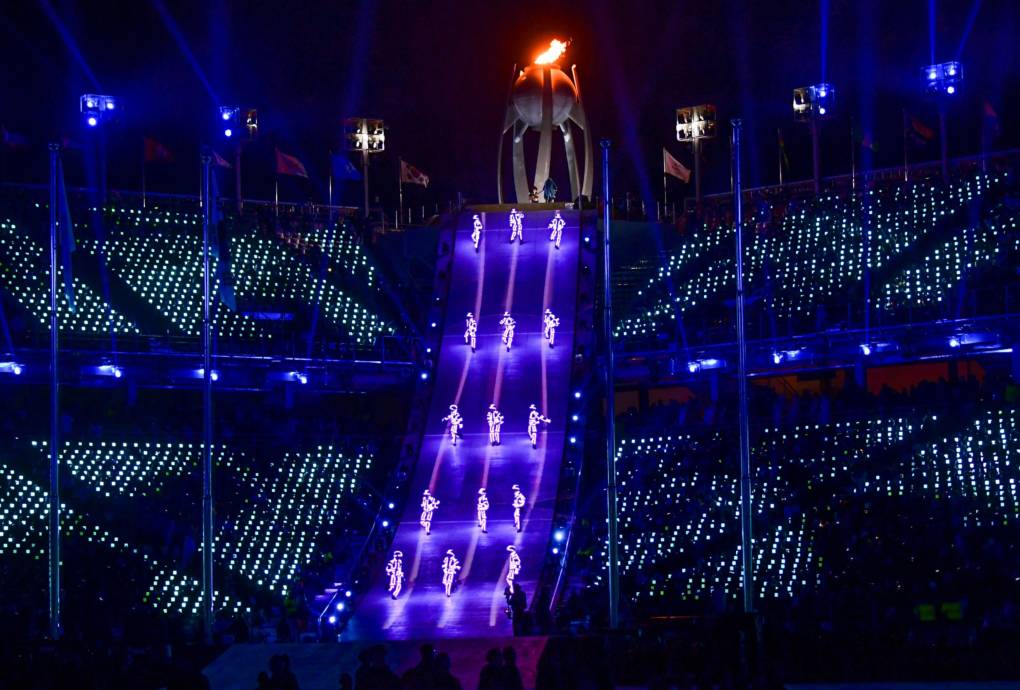
"caption": "Artists perform near the Olympic flame during the closing ceremony. \"Although parting is sad, we will remember Pyeongchang with beautiful memories,\" said Lee Hee-beom, the Pyeongchang Olympics organizing committee president.\n",
"description": "Artists perform near the Olympic flame during the closing ceremony. \"Although parting is sad, we will remember Pyeongchang with beautiful memories,\" said Lee Hee-beom, the Pyeongchang Olympics organizing committee president.\n",
"title": "Artists perform near the Olympic flame during the closing ceremony. \"Although parting is sad, we will remember Pyeongchang with beautiful memories,\" said Lee Hee-beom, the Pyeongchang Olympics organizing committee president.",
"credit": "Martin Bernetti/AFP/Getty Images",
"status": "inherit",
"isLoading": false,
"fetchFailed": false
},
"news_11652105": {
"type": "attachments",
"id": "news_11652105",
"meta": {
"index": "attachments_1716263798",
"site": "news",
"id": "11652105",
"found": true
},
"parent": 11652104,
"imgSizes": {
"small": {
"file": "https://ww2.kqed.org/app/uploads/sites/10/2018/02/RS29575_parade-4-qut-520x347.jpg",
"width": 520,
"mimeType": "image/jpeg",
"height": 347
},
"twentyfourteen-full-width": {
"file": "https://ww2.kqed.org/app/uploads/sites/10/2018/02/RS29575_parade-4-qut-1038x576.jpg",
"width": 1038,
"mimeType": "image/jpeg",
"height": 576
},
"thumbnail": {
"file": "https://ww2.kqed.org/app/uploads/sites/10/2018/02/RS29575_parade-4-qut-160x107.jpg",
"width": 160,
"mimeType": "image/jpeg",
"height": 107
},
"fd-sm": {
"file": "https://ww2.kqed.org/app/uploads/sites/10/2018/02/RS29575_parade-4-qut-960x640.jpg",
"width": 960,
"mimeType": "image/jpeg",
"height": 640
},
"post-thumbnail": {
"file": "https://ww2.kqed.org/app/uploads/sites/10/2018/02/RS29575_parade-4-qut-672x372.jpg",
"width": 672,
"mimeType": "image/jpeg",
"height": 372
},
"xsmall": {
"file": "https://ww2.kqed.org/app/uploads/sites/10/2018/02/RS29575_parade-4-qut-375x250.jpg",
"width": 375,
"mimeType": "image/jpeg",
"height": 250
},
"kqedFullSize": {
"file": "https://ww2.kqed.org/app/uploads/sites/10/2018/02/RS29575_parade-4-qut.jpg",
"width": 1920,
"height": 1280
},
"large": {
"file": "https://ww2.kqed.org/app/uploads/sites/10/2018/02/RS29575_parade-4-qut-1020x680.jpg",
"width": 1020,
"mimeType": "image/jpeg",
"height": 680
},
"xlarge": {
"file": "https://ww2.kqed.org/app/uploads/sites/10/2018/02/RS29575_parade-4-qut-1180x787.jpg",
"width": 1180,
"mimeType": "image/jpeg",
"height": 787
},
"guest-author-50": {
"file": "https://ww2.kqed.org/app/uploads/sites/10/2018/02/RS29575_parade-4-qut-50x50.jpg",
"width": 50,
"mimeType": "image/jpeg",
"height": 50
},
"guest-author-96": {
"file": "https://ww2.kqed.org/app/uploads/sites/10/2018/02/RS29575_parade-4-qut-96x96.jpg",
"width": 96,
"mimeType": "image/jpeg",
"height": 96
},
"medium": {
"file": "https://ww2.kqed.org/app/uploads/sites/10/2018/02/RS29575_parade-4-qut-800x533.jpg",
"width": 800,
"mimeType": "image/jpeg",
"height": 533
},
"guest-author-64": {
"file": "https://ww2.kqed.org/app/uploads/sites/10/2018/02/RS29575_parade-4-qut-64x64.jpg",
"width": 64,
"mimeType": "image/jpeg",
"height": 64
},
"guest-author-32": {
"file": "https://ww2.kqed.org/app/uploads/sites/10/2018/02/RS29575_parade-4-qut-32x32.jpg",
"width": 32,
"mimeType": "image/jpeg",
"height": 32
},
"fd-lrg": {
"file": "https://ww2.kqed.org/app/uploads/sites/10/2018/02/RS29575_parade-4-qut-1920x1280.jpg",
"width": 1920,
"mimeType": "image/jpeg",
"height": 1280
},
"fd-med": {
"file": "https://ww2.kqed.org/app/uploads/sites/10/2018/02/RS29575_parade-4-qut-1180x787.jpg",
"width": 1180,
"mimeType": "image/jpeg",
"height": 787
},
"full-width": {
"file": "https://ww2.kqed.org/app/uploads/sites/10/2018/02/RS29575_parade-4-qut-1920x1280.jpg",
"width": 1920,
"mimeType": "image/jpeg",
"height": 1280
},
"detail": {
"file": "https://ww2.kqed.org/app/uploads/sites/10/2018/02/RS29575_parade-4-qut-150x150.jpg",
"width": 150,
"mimeType": "image/jpeg",
"height": 150
},
"guest-author-128": {
"file": "https://ww2.kqed.org/app/uploads/sites/10/2018/02/RS29575_parade-4-qut-128x128.jpg",
"width": 128,
"mimeType": "image/jpeg",
"height": 128
},
"xxsmall": {
"file": "https://ww2.kqed.org/app/uploads/sites/10/2018/02/RS29575_parade-4-qut-240x160.jpg",
"width": 240,
"mimeType": "image/jpeg",
"height": 160
}
},
"publishDate": 1519575252,
"modified": 1519579569,
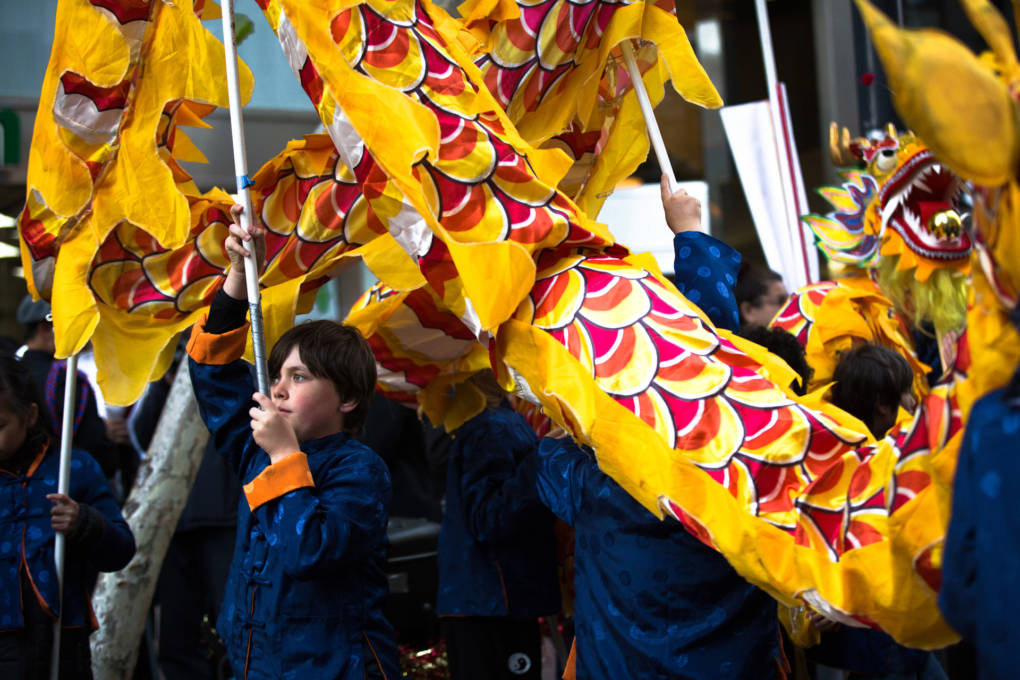
"caption": "The Lunar New Year Parade kicked off on February 24, 2018 in celebration of the start of a new lunar calendar. The parade has taken place in San Francisco since the 18th century and is the largest celebration of Asian culture outside of Asia.",
"description": "The Lunar New Year Parade kicked off on February 24, 2018 in celebration of the start of a new lunar calendar. The parade has taken place in San Francisco since the 18th century and is the largest celebration of Asian culture outside of Asia.",
"title": "RS29575_parade-4-qut",
"credit": "Samantha Shanahan/KQED",
"status": "inherit",
"isLoading": false,
"fetchFailed": false
},
"news_11651108": {
"type": "attachments",
"id": "news_11651108",
"meta": {
"index": "attachments_1716263798",
"site": "news",
"id": "11651108",
"found": true
},
"parent": 11651103,
"imgSizes": {
"small": {
"file": "https://ww2.kqed.org/app/uploads/sites/10/2018/02/Mark-1-e1519088151805-520x390.jpg",
"width": 520,
"mimeType": "image/jpeg",
"height": 390
},
"twentyfourteen-full-width": {
"file": "https://ww2.kqed.org/app/uploads/sites/10/2018/02/Mark-1-e1519088151805-1038x576.jpg",
"width": 1038,
"mimeType": "image/jpeg",
"height": 576
},
"thumbnail": {
"file": "https://ww2.kqed.org/app/uploads/sites/10/2018/02/Mark-1-e1519088151805-160x120.jpg",
"width": 160,
"mimeType": "image/jpeg",
"height": 120
},
"fd-sm": {
"file": "https://ww2.kqed.org/app/uploads/sites/10/2018/02/Mark-1-e1519088151805-960x720.jpg",
"width": 960,
"mimeType": "image/jpeg",
"height": 720
},
"post-thumbnail": {
"file": "https://ww2.kqed.org/app/uploads/sites/10/2018/02/Mark-1-e1519088151805-672x372.jpg",
"width": 672,
"mimeType": "image/jpeg",
"height": 372
},
"xsmall": {
"file": "https://ww2.kqed.org/app/uploads/sites/10/2018/02/Mark-1-e1519088151805-375x281.jpg",
"width": 375,
"mimeType": "image/jpeg",
"height": 281
},
"kqedFullSize": {
"file": "https://ww2.kqed.org/app/uploads/sites/10/2018/02/Mark-1-e1520039012602.jpg",
"width": 1920,
"height": 1440
},
"large": {
"file": "https://ww2.kqed.org/app/uploads/sites/10/2018/02/Mark-1-e1519088151805-1020x765.jpg",
"width": 1020,
"mimeType": "image/jpeg",
"height": 765
},
"xlarge": {
"file": "https://ww2.kqed.org/app/uploads/sites/10/2018/02/Mark-1-e1519088151805-1180x885.jpg",
"width": 1180,
"mimeType": "image/jpeg",
"height": 885
},
"guest-author-50": {
"file": "https://ww2.kqed.org/app/uploads/sites/10/2018/02/Mark-1-e1519088151805-50x50.jpg",
"width": 50,
"mimeType": "image/jpeg",
"height": 50
},
"guest-author-96": {
"file": "https://ww2.kqed.org/app/uploads/sites/10/2018/02/Mark-1-e1519088151805-96x96.jpg",
"width": 96,
"mimeType": "image/jpeg",
"height": 96
},
"medium": {
"file": "https://ww2.kqed.org/app/uploads/sites/10/2018/02/Mark-1-e1519088151805-800x600.jpg",
"width": 800,
"mimeType": "image/jpeg",
"height": 600
},
"guest-author-64": {
"file": "https://ww2.kqed.org/app/uploads/sites/10/2018/02/Mark-1-e1519088151805-64x64.jpg",
"width": 64,
"mimeType": "image/jpeg",
"height": 64
},
"guest-author-32": {
"file": "https://ww2.kqed.org/app/uploads/sites/10/2018/02/Mark-1-e1519088151805-32x32.jpg",
"width": 32,
"mimeType": "image/jpeg",
"height": 32
},
"fd-lrg": {
"file": "https://ww2.kqed.org/app/uploads/sites/10/2018/02/Mark-1-e1519088151805-1920x1440.jpg",
"width": 1920,
"mimeType": "image/jpeg",
"height": 1440
},
"fd-med": {
"file": "https://ww2.kqed.org/app/uploads/sites/10/2018/02/Mark-1-e1519088151805-1180x885.jpg",
"width": 1180,
"mimeType": "image/jpeg",
"height": 885
},
"full-width": {
"file": "https://ww2.kqed.org/app/uploads/sites/10/2018/02/Mark-1-e1519088151805-1920x1440.jpg",
"width": 1920,
"mimeType": "image/jpeg",
"height": 1440
},
"detail": {
"file": "https://ww2.kqed.org/app/uploads/sites/10/2018/02/Mark-1-e1519088151805-150x150.jpg",
"width": 150,
"mimeType": "image/jpeg",
"height": 150
},
"guest-author-128": {
"file": "https://ww2.kqed.org/app/uploads/sites/10/2018/02/Mark-1-e1519088151805-128x128.jpg",
"width": 128,
"mimeType": "image/jpeg",
"height": 128
},
"xxsmall": {
"file": "https://ww2.kqed.org/app/uploads/sites/10/2018/02/Mark-1-e1519088151805-240x180.jpg",
"width": 240,
"mimeType": "image/jpeg",
"height": 180
}
},
"publishDate": 1519088128,
"modified": 1519508839,
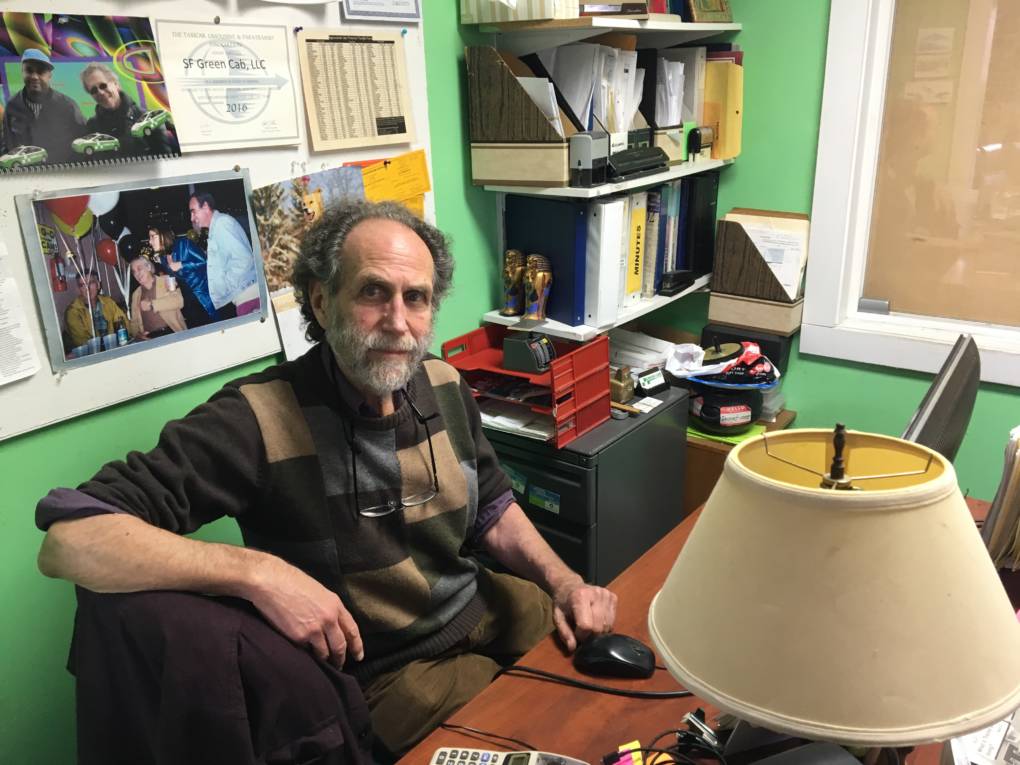
"caption": "Mark Gruberg says Uber and Lyft have even taken away the biggest taxi paydays, like Valentines Day, Halloween, and New Years Eve.",
"description": "Mark Gruberg says Uber and Lyft have even taken away the biggest taxi paydays, like Valentines Day, Halloween, and New Years Eve.",
"title": "Mark 1",
"credit": "Sam Harnett/KQED",
"status": "inherit",
"isLoading": false,
"fetchFailed": false
},
"news_11651905": {
"type": "attachments",
"id": "news_11651905",
"meta": {
"index": "attachments_1716263798",
"site": "news",
"id": "11651905",
"found": true
},
"parent": 11651802,
"imgSizes": {
"small": {
"file": "https://ww2.kqed.org/app/uploads/sites/10/2018/02/Group1-520x347.jpg",
"width": 520,
"mimeType": "image/jpeg",
"height": 347
},
"twentyfourteen-full-width": {
"file": "https://ww2.kqed.org/app/uploads/sites/10/2018/02/Group1-1038x576.jpg",
"width": 1038,
"mimeType": "image/jpeg",
"height": 576
},
"thumbnail": {
"file": "https://ww2.kqed.org/app/uploads/sites/10/2018/02/Group1-160x107.jpg",
"width": 160,
"mimeType": "image/jpeg",
"height": 107
},
"fd-sm": {
"file": "https://ww2.kqed.org/app/uploads/sites/10/2018/02/Group1-960x640.jpg",
"width": 960,
"mimeType": "image/jpeg",
"height": 640
},
"post-thumbnail": {
"file": "https://ww2.kqed.org/app/uploads/sites/10/2018/02/Group1-672x372.jpg",
"width": 672,
"mimeType": "image/jpeg",
"height": 372
},
"xsmall": {
"file": "https://ww2.kqed.org/app/uploads/sites/10/2018/02/Group1-375x250.jpg",
"width": 375,
"mimeType": "image/jpeg",
"height": 250
},
"kqedFullSize": {
"file": "https://ww2.kqed.org/app/uploads/sites/10/2018/02/Group1-e1519429543760.jpg",
"width": 1920,
"height": 1280
},
"large": {
"file": "https://ww2.kqed.org/app/uploads/sites/10/2018/02/Group1-1020x680.jpg",
"width": 1020,
"mimeType": "image/jpeg",
"height": 680
},
"xlarge": {
"file": "https://ww2.kqed.org/app/uploads/sites/10/2018/02/Group1-1180x787.jpg",
"width": 1180,
"mimeType": "image/jpeg",
"height": 787
},
"guest-author-50": {
"file": "https://ww2.kqed.org/app/uploads/sites/10/2018/02/Group1-50x50.jpg",
"width": 50,
"mimeType": "image/jpeg",
"height": 50
},
"guest-author-96": {
"file": "https://ww2.kqed.org/app/uploads/sites/10/2018/02/Group1-96x96.jpg",
"width": 96,
"mimeType": "image/jpeg",
"height": 96
},
"medium": {
"file": "https://ww2.kqed.org/app/uploads/sites/10/2018/02/Group1-800x533.jpg",
"width": 800,
"mimeType": "image/jpeg",
"height": 533
},
"guest-author-64": {
"file": "https://ww2.kqed.org/app/uploads/sites/10/2018/02/Group1-64x64.jpg",
"width": 64,
"mimeType": "image/jpeg",
"height": 64
},
"guest-author-32": {
"file": "https://ww2.kqed.org/app/uploads/sites/10/2018/02/Group1-32x32.jpg",
"width": 32,
"mimeType": "image/jpeg",
"height": 32
},
"fd-lrg": {
"file": "https://ww2.kqed.org/app/uploads/sites/10/2018/02/Group1-1920x1280.jpg",
"width": 1920,
"mimeType": "image/jpeg",
"height": 1280
},
"fd-med": {
"file": "https://ww2.kqed.org/app/uploads/sites/10/2018/02/Group1-1180x787.jpg",
"width": 1180,
"mimeType": "image/jpeg",
"height": 787
},
"full-width": {
"file": "https://ww2.kqed.org/app/uploads/sites/10/2018/02/Group1-1920x1280.jpg",
"width": 1920,
"mimeType": "image/jpeg",
"height": 1280
},
"detail": {
"file": "https://ww2.kqed.org/app/uploads/sites/10/2018/02/Group1-150x150.jpg",
"width": 150,
"mimeType": "image/jpeg",
"height": 150
},
"guest-author-128": {
"file": "https://ww2.kqed.org/app/uploads/sites/10/2018/02/Group1-128x128.jpg",
"width": 128,
"mimeType": "image/jpeg",
"height": 128
},
"xxsmall": {
"file": "https://ww2.kqed.org/app/uploads/sites/10/2018/02/Group1-240x160.jpg",
"width": 240,
"mimeType": "image/jpeg",
"height": 160
}
},
"publishDate": 1519429509,
"modified": 1519509349,
"caption": "The \"Lady Bird\" walking tour group poses in front of the stately blue home from the film.",
"description": "The \"Lady Bird\" walking tour group poses in front of the stately blue home from the film.",
"title": "Group1",
"credit": "Allen Young/KQED",
"status": "inherit",
"isLoading": false,
"fetchFailed": false
},
"news_11650063": {
"type": "attachments",
"id": "news_11650063",
"meta": {
"index": "attachments_1716263798",
"site": "news",
"id": "11650063",
"found": true
},
"parent": 11650014,
"imgSizes": {
"small": {
"file": "https://ww2.kqed.org/app/uploads/sites/10/2018/02/RS29443_02_TIMBUCTOO-MainStreet_LibraryofCongress-qut-520x427.jpg",
"width": 520,
"mimeType": "image/jpeg",
"height": 427
},
"twentyfourteen-full-width": {
"file": "https://ww2.kqed.org/app/uploads/sites/10/2018/02/RS29443_02_TIMBUCTOO-MainStreet_LibraryofCongress-qut-1038x576.jpg",
"width": 1038,
"mimeType": "image/jpeg",
"height": 576
},
"thumbnail": {
"file": "https://ww2.kqed.org/app/uploads/sites/10/2018/02/RS29443_02_TIMBUCTOO-MainStreet_LibraryofCongress-qut-160x131.jpg",
"width": 160,
"mimeType": "image/jpeg",
"height": 131
},
"fd-sm": {
"file": "https://ww2.kqed.org/app/uploads/sites/10/2018/02/RS29443_02_TIMBUCTOO-MainStreet_LibraryofCongress-qut-960x789.jpg",
"width": 960,
"mimeType": "image/jpeg",
"height": 789
},
"post-thumbnail": {
"file": "https://ww2.kqed.org/app/uploads/sites/10/2018/02/RS29443_02_TIMBUCTOO-MainStreet_LibraryofCongress-qut-672x372.jpg",
"width": 672,
"mimeType": "image/jpeg",
"height": 372
},
"xsmall": {
"file": "https://ww2.kqed.org/app/uploads/sites/10/2018/02/RS29443_02_TIMBUCTOO-MainStreet_LibraryofCongress-qut-375x308.jpg",
"width": 375,
"mimeType": "image/jpeg",
"height": 308
},
"kqedFullSize": {
"file": "https://ww2.kqed.org/app/uploads/sites/10/2018/02/RS29443_02_TIMBUCTOO-MainStreet_LibraryofCongress-qut.jpg",
"width": 1920,
"height": 1577
},
"large": {
"file": "https://ww2.kqed.org/app/uploads/sites/10/2018/02/RS29443_02_TIMBUCTOO-MainStreet_LibraryofCongress-qut-1020x838.jpg",
"width": 1020,
"mimeType": "image/jpeg",
"height": 838
},
"xlarge": {
"file": "https://ww2.kqed.org/app/uploads/sites/10/2018/02/RS29443_02_TIMBUCTOO-MainStreet_LibraryofCongress-qut-1180x969.jpg",
"width": 1180,
"mimeType": "image/jpeg",
"height": 969
},
"guest-author-50": {
"file": "https://ww2.kqed.org/app/uploads/sites/10/2018/02/RS29443_02_TIMBUCTOO-MainStreet_LibraryofCongress-qut-50x50.jpg",
"width": 50,
"mimeType": "image/jpeg",
"height": 50
},
"guest-author-96": {
"file": "https://ww2.kqed.org/app/uploads/sites/10/2018/02/RS29443_02_TIMBUCTOO-MainStreet_LibraryofCongress-qut-96x96.jpg",
"width": 96,
"mimeType": "image/jpeg",
"height": 96
},
"medium": {
"file": "https://ww2.kqed.org/app/uploads/sites/10/2018/02/RS29443_02_TIMBUCTOO-MainStreet_LibraryofCongress-qut-800x657.jpg",
"width": 800,
"mimeType": "image/jpeg",
"height": 657
},
"guest-author-64": {
"file": "https://ww2.kqed.org/app/uploads/sites/10/2018/02/RS29443_02_TIMBUCTOO-MainStreet_LibraryofCongress-qut-64x64.jpg",
"width": 64,
"mimeType": "image/jpeg",
"height": 64
},
"guest-author-32": {
"file": "https://ww2.kqed.org/app/uploads/sites/10/2018/02/RS29443_02_TIMBUCTOO-MainStreet_LibraryofCongress-qut-32x32.jpg",
"width": 32,
"mimeType": "image/jpeg",
"height": 32
},
"fd-lrg": {
"file": "https://ww2.kqed.org/app/uploads/sites/10/2018/02/RS29443_02_TIMBUCTOO-MainStreet_LibraryofCongress-qut-1920x1577.jpg",
"width": 1920,
"mimeType": "image/jpeg",
"height": 1577
},
"fd-med": {
"file": "https://ww2.kqed.org/app/uploads/sites/10/2018/02/RS29443_02_TIMBUCTOO-MainStreet_LibraryofCongress-qut-1180x969.jpg",
"width": 1180,
"mimeType": "image/jpeg",
"height": 969
},
"full-width": {
"file": "https://ww2.kqed.org/app/uploads/sites/10/2018/02/RS29443_02_TIMBUCTOO-MainStreet_LibraryofCongress-qut-1920x1577.jpg",
"width": 1920,
"mimeType": "image/jpeg",
"height": 1577
},
"detail": {
"file": "https://ww2.kqed.org/app/uploads/sites/10/2018/02/RS29443_02_TIMBUCTOO-MainStreet_LibraryofCongress-qut-150x150.jpg",
"width": 150,
"mimeType": "image/jpeg",
"height": 150
},
"guest-author-128": {
"file": "https://ww2.kqed.org/app/uploads/sites/10/2018/02/RS29443_02_TIMBUCTOO-MainStreet_LibraryofCongress-qut-128x128.jpg",
"width": 128,
"mimeType": "image/jpeg",
"height": 128
},
"xxsmall": {
"file": "https://ww2.kqed.org/app/uploads/sites/10/2018/02/RS29443_02_TIMBUCTOO-MainStreet_LibraryofCongress-qut-240x197.jpg",
"width": 240,
"mimeType": "image/jpeg",
"height": 197
}
},
"publishDate": 1518642790,
"modified": 1518642908,
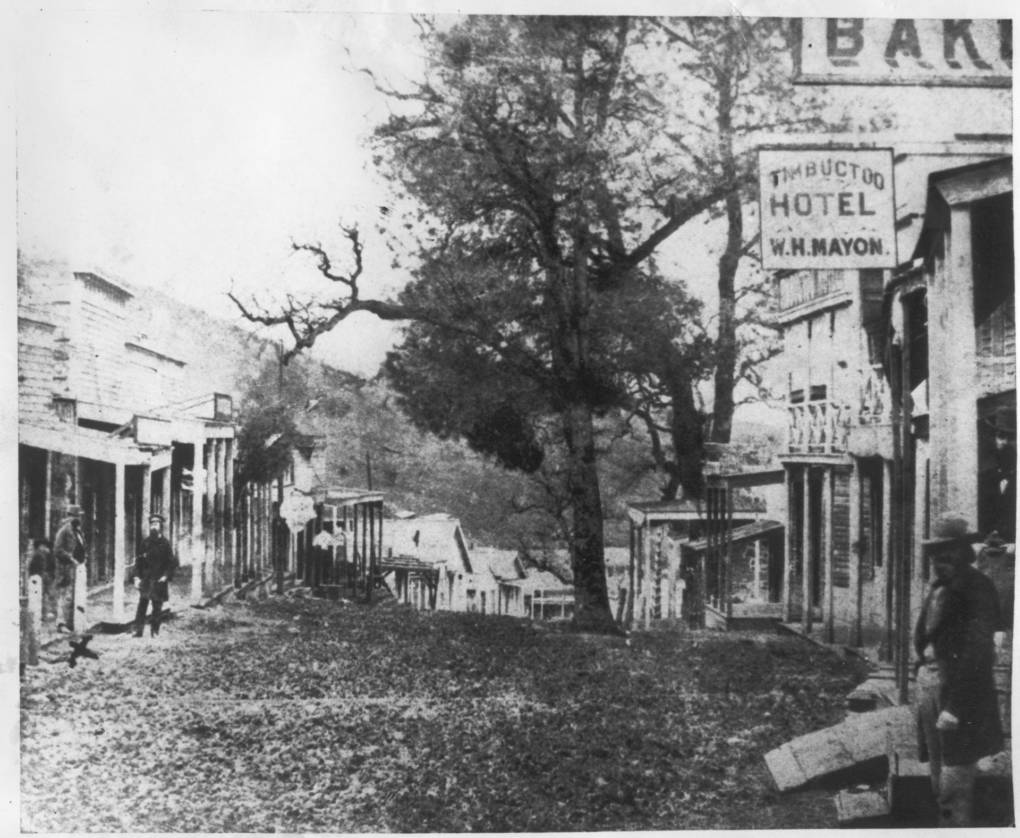
"caption": "Timbuctoo's Main Street (now called Timbuctoo Road), taken in 1859.",
"description": null,
"title": "RS29443_02_TIMBUCTOO-MainStreet_LibraryofCongress-qut",
"credit": "Courtesy of Library of Congress",
"status": "inherit",
"isLoading": false,
"fetchFailed": false
},
"news_11651390": {
"type": "attachments",
"id": "news_11651390",
"meta": {
"index": "attachments_1716263798",
"site": "news",
"id": "11651390",
"found": true
},
"parent": 11651369,
"imgSizes": {
"small": {
"file": "https://ww2.kqed.org/app/uploads/sites/10/2018/02/Scan-23_1250-520x374.jpg",
"width": 520,
"mimeType": "image/jpeg",
"height": 374
},
"twentyfourteen-full-width": {
"file": "https://ww2.kqed.org/app/uploads/sites/10/2018/02/Scan-23_1250-1038x576.jpg",
"width": 1038,
"mimeType": "image/jpeg",
"height": 576
},
"thumbnail": {
"file": "https://ww2.kqed.org/app/uploads/sites/10/2018/02/Scan-23_1250-160x115.jpg",
"width": 160,
"mimeType": "image/jpeg",
"height": 115
},
"fd-sm": {
"file": "https://ww2.kqed.org/app/uploads/sites/10/2018/02/Scan-23_1250-960x691.jpg",
"width": 960,
"mimeType": "image/jpeg",
"height": 691
},
"post-thumbnail": {
"file": "https://ww2.kqed.org/app/uploads/sites/10/2018/02/Scan-23_1250-672x372.jpg",
"width": 672,
"mimeType": "image/jpeg",
"height": 372
},
"xsmall": {
"file": "https://ww2.kqed.org/app/uploads/sites/10/2018/02/Scan-23_1250-375x270.jpg",
"width": 375,
"mimeType": "image/jpeg",
"height": 270
},
"kqedFullSize": {
"file": "https://ww2.kqed.org/app/uploads/sites/10/2018/02/Scan-23_1250.jpg",
"width": 1250,
"height": 900
},
"large": {
"file": "https://ww2.kqed.org/app/uploads/sites/10/2018/02/Scan-23_1250-1020x734.jpg",
"width": 1020,
"mimeType": "image/jpeg",
"height": 734
},
"xlarge": {
"file": "https://ww2.kqed.org/app/uploads/sites/10/2018/02/Scan-23_1250-1180x850.jpg",
"width": 1180,
"mimeType": "image/jpeg",
"height": 850
},
"guest-author-50": {
"file": "https://ww2.kqed.org/app/uploads/sites/10/2018/02/Scan-23_1250-50x50.jpg",
"width": 50,
"mimeType": "image/jpeg",
"height": 50
},
"guest-author-96": {
"file": "https://ww2.kqed.org/app/uploads/sites/10/2018/02/Scan-23_1250-96x96.jpg",
"width": 96,
"mimeType": "image/jpeg",
"height": 96
},
"medium": {
"file": "https://ww2.kqed.org/app/uploads/sites/10/2018/02/Scan-23_1250-800x576.jpg",
"width": 800,
"mimeType": "image/jpeg",
"height": 576
},
"guest-author-64": {
"file": "https://ww2.kqed.org/app/uploads/sites/10/2018/02/Scan-23_1250-64x64.jpg",
"width": 64,
"mimeType": "image/jpeg",
"height": 64
},
"guest-author-32": {
"file": "https://ww2.kqed.org/app/uploads/sites/10/2018/02/Scan-23_1250-32x32.jpg",
"width": 32,
"mimeType": "image/jpeg",
"height": 32
},
"fd-med": {
"file": "https://ww2.kqed.org/app/uploads/sites/10/2018/02/Scan-23_1250-1180x850.jpg",
"width": 1180,
"mimeType": "image/jpeg",
"height": 850
},
"detail": {
"file": "https://ww2.kqed.org/app/uploads/sites/10/2018/02/Scan-23_1250-150x150.jpg",
"width": 150,
"mimeType": "image/jpeg",
"height": 150
},
"guest-author-128": {
"file": "https://ww2.kqed.org/app/uploads/sites/10/2018/02/Scan-23_1250-128x128.jpg",
"width": 128,
"mimeType": "image/jpeg",
"height": 128
},
"xxsmall": {
"file": "https://ww2.kqed.org/app/uploads/sites/10/2018/02/Scan-23_1250-240x173.jpg",
"width": 240,
"mimeType": "image/jpeg",
"height": 173
}
},
"publishDate": 1519247976,
"modified": 1519258805,
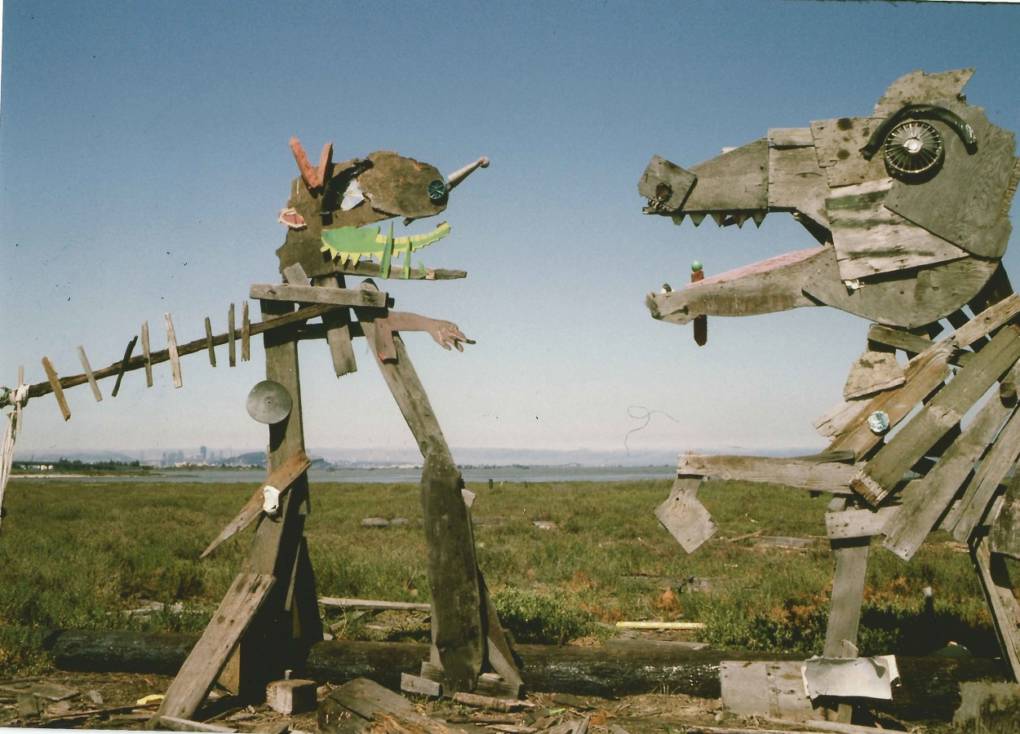
"caption": "These are among the many creatures that used to inhabit the Emeryville Mudflats.",
"description": "These are among the many creatures that used to inhabit the Emeryville Mudflats.",
"title": "Scan-23_1250",
"credit": "Courtesy of Walt Ringbom",
"status": "inherit",
"isLoading": false,
"fetchFailed": false
},
"news_11651162": {
"type": "attachments",
"id": "news_11651162",
"meta": {
"index": "attachments_1716263798",
"site": "news",
"id": "11651162",
"found": true
},
"parent": 11651161,
"imgSizes": {
"small": {
"file": "https://ww2.kqed.org/app/uploads/sites/10/2018/02/jenn-liv-opener_wide-f9863eb804b1ecf111b54e4ab78ac0e2a7ac36d1-520x292.png",
"width": 520,
"mimeType": "image/png",
"height": 292
},
"twentyfourteen-full-width": {
"file": "https://ww2.kqed.org/app/uploads/sites/10/2018/02/jenn-liv-opener_wide-f9863eb804b1ecf111b54e4ab78ac0e2a7ac36d1-1038x576.png",
"width": 1038,
"mimeType": "image/png",
"height": 576
},
"thumbnail": {
"file": "https://ww2.kqed.org/app/uploads/sites/10/2018/02/jenn-liv-opener_wide-f9863eb804b1ecf111b54e4ab78ac0e2a7ac36d1-160x90.png",
"width": 160,
"mimeType": "image/png",
"height": 90
},
"fd-sm": {
"file": "https://ww2.kqed.org/app/uploads/sites/10/2018/02/jenn-liv-opener_wide-f9863eb804b1ecf111b54e4ab78ac0e2a7ac36d1-960x540.png",
"width": 960,
"mimeType": "image/png",
"height": 540
},
"post-thumbnail": {
"file": "https://ww2.kqed.org/app/uploads/sites/10/2018/02/jenn-liv-opener_wide-f9863eb804b1ecf111b54e4ab78ac0e2a7ac36d1-672x372.png",
"width": 672,
"mimeType": "image/png",
"height": 372
},
"xsmall": {
"file": "https://ww2.kqed.org/app/uploads/sites/10/2018/02/jenn-liv-opener_wide-f9863eb804b1ecf111b54e4ab78ac0e2a7ac36d1-375x211.png",
"width": 375,
"mimeType": "image/png",
"height": 211
},
"kqedFullSize": {
"file": "https://ww2.kqed.org/app/uploads/sites/10/2018/02/jenn-liv-opener_wide-f9863eb804b1ecf111b54e4ab78ac0e2a7ac36d1.png",
"width": 1997,
"height": 1123
},
"large": {
"file": "https://ww2.kqed.org/app/uploads/sites/10/2018/02/jenn-liv-opener_wide-f9863eb804b1ecf111b54e4ab78ac0e2a7ac36d1-1020x574.png",
"width": 1020,
"mimeType": "image/png",
"height": 574
},
"xlarge": {
"file": "https://ww2.kqed.org/app/uploads/sites/10/2018/02/jenn-liv-opener_wide-f9863eb804b1ecf111b54e4ab78ac0e2a7ac36d1-1180x664.png",
"width": 1180,
"mimeType": "image/png",
"height": 664
},
"guest-author-50": {
"file": "https://ww2.kqed.org/app/uploads/sites/10/2018/02/jenn-liv-opener_wide-f9863eb804b1ecf111b54e4ab78ac0e2a7ac36d1-50x50.png",
"width": 50,
"mimeType": "image/png",
"height": 50
},
"guest-author-96": {
"file": "https://ww2.kqed.org/app/uploads/sites/10/2018/02/jenn-liv-opener_wide-f9863eb804b1ecf111b54e4ab78ac0e2a7ac36d1-96x96.png",
"width": 96,
"mimeType": "image/png",
"height": 96
},
"medium": {
"file": "https://ww2.kqed.org/app/uploads/sites/10/2018/02/jenn-liv-opener_wide-f9863eb804b1ecf111b54e4ab78ac0e2a7ac36d1-800x450.png",
"width": 800,
"mimeType": "image/png",
"height": 450
},
"guest-author-64": {
"file": "https://ww2.kqed.org/app/uploads/sites/10/2018/02/jenn-liv-opener_wide-f9863eb804b1ecf111b54e4ab78ac0e2a7ac36d1-64x64.png",
"width": 64,
"mimeType": "image/png",
"height": 64
},
"guest-author-32": {
"file": "https://ww2.kqed.org/app/uploads/sites/10/2018/02/jenn-liv-opener_wide-f9863eb804b1ecf111b54e4ab78ac0e2a7ac36d1-32x32.png",
"width": 32,
"mimeType": "image/png",
"height": 32
},
"fd-lrg": {
"file": "https://ww2.kqed.org/app/uploads/sites/10/2018/02/jenn-liv-opener_wide-f9863eb804b1ecf111b54e4ab78ac0e2a7ac36d1-1920x1080.png",
"width": 1920,
"mimeType": "image/png",
"height": 1080
},
"fd-med": {
"file": "https://ww2.kqed.org/app/uploads/sites/10/2018/02/jenn-liv-opener_wide-f9863eb804b1ecf111b54e4ab78ac0e2a7ac36d1-1180x664.png",
"width": 1180,
"mimeType": "image/png",
"height": 664
},
"full-width": {
"file": "https://ww2.kqed.org/app/uploads/sites/10/2018/02/jenn-liv-opener_wide-f9863eb804b1ecf111b54e4ab78ac0e2a7ac36d1-1920x1080.png",
"width": 1920,
"mimeType": "image/png",
"height": 1080
},
"detail": {
"file": "https://ww2.kqed.org/app/uploads/sites/10/2018/02/jenn-liv-opener_wide-f9863eb804b1ecf111b54e4ab78ac0e2a7ac36d1-150x150.png",
"width": 150,
"mimeType": "image/png",
"height": 150
},
"guest-author-128": {
"file": "https://ww2.kqed.org/app/uploads/sites/10/2018/02/jenn-liv-opener_wide-f9863eb804b1ecf111b54e4ab78ac0e2a7ac36d1-128x128.png",
"width": 128,
"mimeType": "image/png",
"height": 128
},
"xxsmall": {
"file": "https://ww2.kqed.org/app/uploads/sites/10/2018/02/jenn-liv-opener_wide-f9863eb804b1ecf111b54e4ab78ac0e2a7ac36d1-240x135.png",
"width": 240,
"mimeType": "image/png",
"height": 135
}
},
"publishDate": 1519158348,
"modified": 1519158454,
"caption": null,
"description": null,
"title": "Science fiction predictions",
"credit": "Jenn Liv for NPR",
"status": "inherit",
"isLoading": false,
"fetchFailed": false
},
"news_11650972": {
"type": "attachments",
"id": "news_11650972",
"meta": {
"index": "attachments_1716263798",
"site": "news",
"id": "11650972",
"found": true
},
"parent": 11650964,
"imgSizes": {
"small": {
"file": "https://ww2.kqed.org/app/uploads/sites/10/2018/02/Kenyatta_Retrieval-2-of-11-e1518988819820-520x320.jpg",
"width": 520,
"mimeType": "image/jpeg",
"height": 320
},
"twentyfourteen-full-width": {
"file": "https://ww2.kqed.org/app/uploads/sites/10/2018/02/Kenyatta_Retrieval-2-of-11-e1518988819820-1038x576.jpg",
"width": 1038,
"mimeType": "image/jpeg",
"height": 576
},
"thumbnail": {
"file": "https://ww2.kqed.org/app/uploads/sites/10/2018/02/Kenyatta_Retrieval-2-of-11-e1518988819820-160x98.jpg",
"width": 160,
"mimeType": "image/jpeg",
"height": 98
},
"fd-sm": {
"file": "https://ww2.kqed.org/app/uploads/sites/10/2018/02/Kenyatta_Retrieval-2-of-11-e1518988819820-960x590.jpg",
"width": 960,
"mimeType": "image/jpeg",
"height": 590
},
"post-thumbnail": {
"file": "https://ww2.kqed.org/app/uploads/sites/10/2018/02/Kenyatta_Retrieval-2-of-11-e1518988819820-672x372.jpg",
"width": 672,
"mimeType": "image/jpeg",
"height": 372
},
"xsmall": {
"file": "https://ww2.kqed.org/app/uploads/sites/10/2018/02/Kenyatta_Retrieval-2-of-11-e1518988819820-375x231.jpg",
"width": 375,
"mimeType": "image/jpeg",
"height": 231
},
"kqedFullSize": {
"file": "https://ww2.kqed.org/app/uploads/sites/10/2018/02/Kenyatta_Retrieval-2-of-11-e1518993033460.jpg",
"width": 1920,
"height": 1180
},
"large": {
"file": "https://ww2.kqed.org/app/uploads/sites/10/2018/02/Kenyatta_Retrieval-2-of-11-e1518988819820-1020x627.jpg",
"width": 1020,
"mimeType": "image/jpeg",
"height": 627
},
"xlarge": {
"file": "https://ww2.kqed.org/app/uploads/sites/10/2018/02/Kenyatta_Retrieval-2-of-11-e1518988819820-1180x726.jpg",
"width": 1180,
"mimeType": "image/jpeg",
"height": 726
},
"guest-author-50": {
"file": "https://ww2.kqed.org/app/uploads/sites/10/2018/02/Kenyatta_Retrieval-2-of-11-e1518988819820-50x50.jpg",
"width": 50,
"mimeType": "image/jpeg",
"height": 50
},
"guest-author-96": {
"file": "https://ww2.kqed.org/app/uploads/sites/10/2018/02/Kenyatta_Retrieval-2-of-11-e1518988819820-96x96.jpg",
"width": 96,
"mimeType": "image/jpeg",
"height": 96
},
"medium": {
"file": "https://ww2.kqed.org/app/uploads/sites/10/2018/02/Kenyatta_Retrieval-2-of-11-e1518988819820-800x492.jpg",
"width": 800,
"mimeType": "image/jpeg",
"height": 492
},
"guest-author-64": {
"file": "https://ww2.kqed.org/app/uploads/sites/10/2018/02/Kenyatta_Retrieval-2-of-11-e1518988819820-64x64.jpg",
"width": 64,
"mimeType": "image/jpeg",
"height": 64
},
"guest-author-32": {
"file": "https://ww2.kqed.org/app/uploads/sites/10/2018/02/Kenyatta_Retrieval-2-of-11-e1518988819820-32x32.jpg",
"width": 32,
"mimeType": "image/jpeg",
"height": 32
},
"fd-lrg": {
"file": "https://ww2.kqed.org/app/uploads/sites/10/2018/02/Kenyatta_Retrieval-2-of-11-e1518988819820-1920x1180.jpg",
"width": 1920,
"mimeType": "image/jpeg",
"height": 1180
},
"fd-med": {
"file": "https://ww2.kqed.org/app/uploads/sites/10/2018/02/Kenyatta_Retrieval-2-of-11-e1518988819820-1180x726.jpg",
"width": 1180,
"mimeType": "image/jpeg",
"height": 726
},
"full-width": {
"file": "https://ww2.kqed.org/app/uploads/sites/10/2018/02/Kenyatta_Retrieval-2-of-11-e1518988819820-1920x1180.jpg",
"width": 1920,
"mimeType": "image/jpeg",
"height": 1180
},
"detail": {
"file": "https://ww2.kqed.org/app/uploads/sites/10/2018/02/Kenyatta_Retrieval-2-of-11-e1518988819820-150x150.jpg",
"width": 150,
"mimeType": "image/jpeg",
"height": 150
},
"guest-author-128": {
"file": "https://ww2.kqed.org/app/uploads/sites/10/2018/02/Kenyatta_Retrieval-2-of-11-e1518988819820-128x128.jpg",
"width": 128,
"mimeType": "image/jpeg",
"height": 128
},
"xxsmall": {
"file": "https://ww2.kqed.org/app/uploads/sites/10/2018/02/Kenyatta_Retrieval-2-of-11-e1518988819820-240x148.jpg",
"width": 240,
"mimeType": "image/jpeg",
"height": 148
}
},
"publishDate": 1518986510,
"modified": 1518986594,
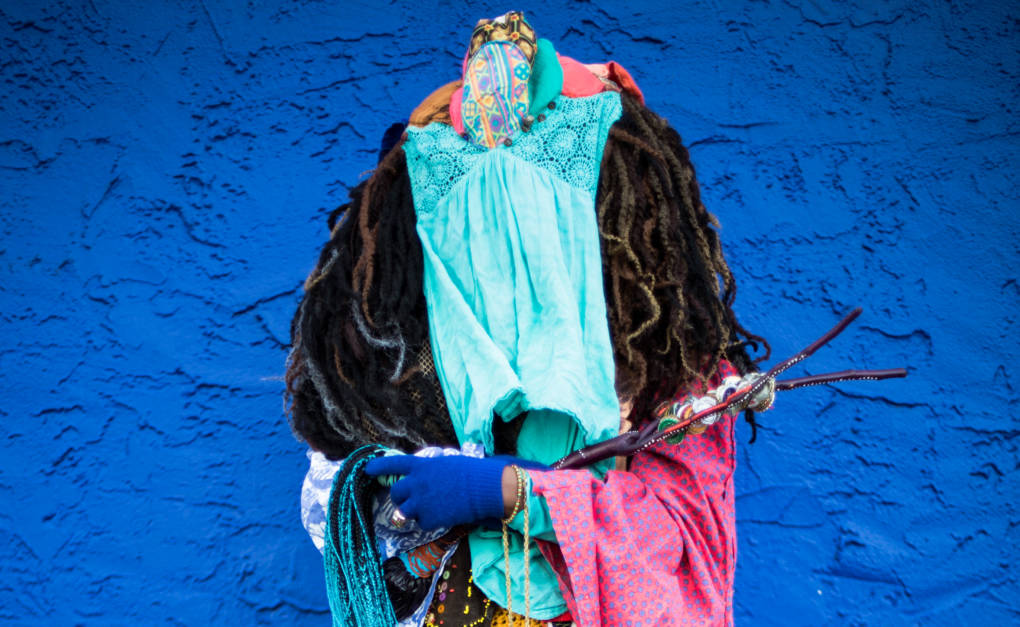
"caption": "The Retriever: Kentifrican Ashentee Healer Figure",
"description": null,
"title": "Kenyatta_Retrieval (2 of 11)",
"credit": "Angelica Ekeke/courtesy",
"status": "inherit",
"isLoading": false,
"fetchFailed": false
}
},
"audioPlayerReducer": {
"postId": "stream_live",
"isPaused": true,
"isPlaying": false,
"pfsActive": false,
"pledgeModalIsOpen": true,
"playerDrawerIsOpen": false,
"liveAudioPlayStartedAt": 0,
"liveAudioPlayContext": ""
},
"authorsReducer": {
"byline_news_11652981": {
"type": "authors",
"id": "byline_news_11652981",
"meta": {
"override": true
},
"slug": "byline_news_11652981",
"name": "\u003cstrong>\u003ca href=\"https://theconversation.com/profiles/leo-braudy-298056\" target=\"_blank\" rel=\"noopener\">Manuel Pastor\u003c/a>\u003c/strong>\u003cbr />\u003cem>University of Southern California, for \u003ca href=\"https://theconversation.com\">The Conversation\u003c/a>\u003c/em>",
"isLoading": false
},
"byline_news_11652158": {
"type": "authors",
"id": "byline_news_11652158",
"meta": {
"override": true
},
"slug": "byline_news_11652158",
"name": "\u003cstrong>Hannah Bloch\u003c/strong> and \u003cstrong>Nicole Werbeck\u003c/strong>",
"isLoading": false
},
"byline_news_11652104": {
"type": "authors",
"id": "byline_news_11652104",
"meta": {
"override": true
},
"slug": "byline_news_11652104",
"name": "\u003cstrong>Samantha Shanahan\u003c/strong>",
"isLoading": false
},
"byline_news_11651802": {
"type": "authors",
"id": "byline_news_11651802",
"meta": {
"override": true
},
"slug": "byline_news_11651802",
"name": "\u003cstrong>Allen Young\u003c/strong>",
"isLoading": false
},
"byline_news_11651369": {
"type": "authors",
"id": "byline_news_11651369",
"meta": {
"override": true
},
"slug": "byline_news_11651369",
"name": "\u003cstrong>Jessica Placzek, Maddie Gobbo and Sarah Hotchkiss\u003c/strong>",
"isLoading": false
},
"byline_news_11651161": {
"type": "authors",
"id": "byline_news_11651161",
"meta": {
"override": true
},
"slug": "byline_news_11651161",
"name": "Laura Sydell",
"isLoading": false
},
"sracho": {
"type": "authors",
"id": "107",
"meta": {
"index": "authors_1716337520",
"id": "107",
"found": true
},
"name": "Suzie Racho",
"firstName": "Suzie",
"lastName": "Racho",
"slug": "sracho",
"email": "SRacho@KQED.org",
"display_author_email": false,
"staff_mastheads": [
"news"
],
"title": "KQED Contributor",
"bio": "Suzie Racho is a correspondent-producer with \u003cem>The California Report Magazine\u003c/em>\u003cem>. S\u003c/em>he has also worked with several other KQED productions, including Bay Curious, Truth Be Told, The Do List and KQED News.\r\n\r\nSuzie came to KQED in 1996 after receiving a BA in journalism from San Francisco State University and spending several years working in the music industry. As part of \u003cem>The California Report\u003c/em> team, her work has been recognized by the Society for Professional Journalists, National Federation of Community Broadcasters and Public Radio News Directors Incorporated, among others. She was recognized with a national Gracie Award in 2019. She spends her free time baking, listening to K-pop and rooting for the Giants and Valkyries.",
"avatar": "https://secure.gravatar.com/avatar/842e457a9830b0f3c1ce3ab70ed3518d616d1e25e315c6292eab8cd611d98601?s=600&d=blank&r=g",
"twitter": null,
"bluesky": null,
"facebook": null,
"instagram": null,
"linkedin": null,
"sites": [
{
"site": "arts",
"roles": [
"editor"
]
},
{
"site": "news",
"roles": [
"editor"
]
}
],
"headData": {
"title": "Suzie Racho | KQED",
"description": "KQED Contributor",
"ogImgSrc": "https://secure.gravatar.com/avatar/842e457a9830b0f3c1ce3ab70ed3518d616d1e25e315c6292eab8cd611d98601?s=600&d=blank&r=g",
"twImgSrc": "https://secure.gravatar.com/avatar/842e457a9830b0f3c1ce3ab70ed3518d616d1e25e315c6292eab8cd611d98601?s=600&d=blank&r=g"
},
"isLoading": false,
"link": "/author/sracho"
},
"markfiore": {
"type": "authors",
"id": "3236",
"meta": {
"index": "authors_1716337520",
"id": "3236",
"found": true
},
"name": "Mark Fiore",
"firstName": "Mark",
"lastName": "Fiore",
"slug": "markfiore",
"email": "mark@markfiore.com",
"display_author_email": false,
"staff_mastheads": [
"news"
],
"title": "KQED News Cartoonist",
"bio": "\u003ca href=\"http://www.MarkFiore.com\">MarkFiore.com\u003c/a> | \u003ca href=\"https://twitter.com/markfiore\">Follow on Twitter\u003c/a> | \u003ca href=\"https://www.facebook.com/pages/Mark-Fiore-Animated-Political-Cartoons/94451707396?ref=bookmarks\">Facebook\u003c/a> | \u003ca href=\"mailto:mark@markfiore.com\">email\u003c/a>\r\n\r\nPulitzer Prize-winner, Mark Fiore, who the Wall Street Journal has called “the undisputed guru of the form,” creates animated political cartoons in San Francisco, where his work has been featured regularly on the San Francisco Chronicle’s web site, SFGate.com. His work has appeared on Newsweek.com, Slate.com, CBSNews.com, MotherJones.com, DailyKos.com and NPR’s web site. Fiore’s political animation has appeared on CNN, Frontline, Bill Moyers Journal, Salon.com and cable and broadcast outlets across the globe.\r\n\r\nBeginning his professional life by drawing traditional political cartoons for newspapers, Fiore’s work appeared in publications ranging from the Washington Post to the Los Angeles Times. In the late 1990s, he began to experiment with animating political cartoons and, after a short stint at the San Jose Mercury News as their staff cartoonist, Fiore devoted all his energies to animation.\r\nGrowing up in California, Fiore also spent a good portion of his life in the backwoods of Idaho. It was this combination that shaped him politically. Mark majored in political science at Colorado College, where, in a perfect send-off for a cartoonist, he received his diploma in 1991 as commencement speaker Dick Cheney smiled approvingly.\r\nMark Fiore was awarded the Pulitzer Prize for political cartooning in 2010, a Robert F. Kennedy Journalism Award in 2004 and has twice received an Online Journalism Award for commentary from the Online News Association (2002, 2008). Fiore has received two awards for his work in new media from the National Cartoonists Society (2001, 2002), and in 2006 received The James Madison Freedom of Information Award from The Society of Professional Journalists.",
"avatar": "https://secure.gravatar.com/avatar/fc4e2a612b15b67bad0c6f0e1db4ca9b?s=600&d=blank&r=g",
"twitter": "MarkFiore",
"facebook": null,
"instagram": "https://www.instagram.com/markfiore/?hl=en",
"linkedin": null,
"sites": [
{
"site": "arts",
"roles": [
"contributor"
]
},
{
"site": "news",
"roles": [
"editor"
]
},
{
"site": "futureofyou",
"roles": [
"editor"
]
},
{
"site": "science",
"roles": [
"editor"
]
}
],
"headData": {
"title": "Mark Fiore | KQED",
"description": "KQED News Cartoonist",
"ogImgSrc": "https://secure.gravatar.com/avatar/fc4e2a612b15b67bad0c6f0e1db4ca9b?s=600&d=blank&r=g",
"twImgSrc": "https://secure.gravatar.com/avatar/fc4e2a612b15b67bad0c6f0e1db4ca9b?s=600&d=blank&r=g"
},
"isLoading": false,
"link": "/author/markfiore"
},
"jeremysiegel": {
"type": "authors",
"id": "11258",
"meta": {
"index": "authors_1716337520",
"id": "11258",
"found": true
},
"name": "Jeremy Siegel",
"firstName": "Jeremy",
"lastName": "Siegel",
"slug": "jeremysiegel",
"email": "jsiegel@kqed.org",
"display_author_email": false,
"staff_mastheads": [],
"title": "KQED Contributor",
"bio": "Jeremy Siegel is is the weekend afternoon news anchor for KQED. His reporting can be heard on KQED News, Morning Edition, All Things Considered and The California Report. Jeremy's coverage of the Camp Fire in Butte County won the 2019 Society of Professional Journalists, Northern California Chapter, Excellence in Journalism Award for Breaking News. Jeremy grew up in Cincinnati, Ohio, and graduated from UC Berkeley.",
"avatar": "https://secure.gravatar.com/avatar/3921a64ceb9ed5d0ba47d9ae9782f1ab?s=600&d=blank&r=g",
"twitter": "jersiegel",
"facebook": null,
"instagram": null,
"linkedin": null,
"sites": [
{
"site": "arts",
"roles": []
},
{
"site": "news",
"roles": [
"subscriber"
]
},
{
"site": "science",
"roles": []
}
],
"headData": {
"title": "Jeremy Siegel | KQED",
"description": "KQED Contributor",
"ogImgSrc": "https://secure.gravatar.com/avatar/3921a64ceb9ed5d0ba47d9ae9782f1ab?s=600&d=blank&r=g",
"twImgSrc": "https://secure.gravatar.com/avatar/3921a64ceb9ed5d0ba47d9ae9782f1ab?s=600&d=blank&r=g"
},
"isLoading": false,
"link": "/author/jeremysiegel"
},
"rlevi": {
"type": "authors",
"id": "11260",
"meta": {
"index": "authors_1716337520",
"id": "11260",
"found": true
},
"name": "Ryan Levi",
"firstName": "Ryan",
"lastName": "Levi",
"slug": "rlevi",
"email": "rlevi@KQED.org",
"display_author_email": false,
"staff_mastheads": [],
"title": "KQED Contributor",
"bio": "Ryan Levi was a reporter and podcast producer at KQED News from 2016-2019. He worked on \u003ca href=\"https://www.kqed.org/news/series/baycurious\">Bay Curious\u003c/a>, \u003ca href=\"https://www.kqed.org/news/tag/the-bay/\">The Bay, \u003c/a>and \u003ca href=\"https://podcasts.apple.com/us/podcast/the-california-report-magazine/id1314750545\">The California Report Magazine\u003c/a>, as well as hosting and producing the weekly \u003ca href=\"https://www.kqed.org/news/program/qedup/\">Q'ed Up podcast. \u003c/a>He also helped inaugurate KQED's weekend news coverage in 2017 as one of two original digital producers. Ryan holds degrees in multimedia journalism and Spanish from the University of Missouri.",
"avatar": "https://secure.gravatar.com/avatar/4cb2ddd028ac8807d1adf09609c5555d?s=600&d=blank&r=g",
"twitter": "ryan_levi",
"facebook": null,
"instagram": null,
"linkedin": null,
"sites": [
{
"site": "arts",
"roles": [
"editor"
]
},
{
"site": "news",
"roles": [
"subscriber"
]
},
{
"site": "stateofhealth",
"roles": [
"editor"
]
},
{
"site": "science",
"roles": [
"editor"
]
},
{
"site": "forum",
"roles": [
"administrator"
]
},
{
"site": "perspectives",
"roles": [
"administrator"
]
}
],
"headData": {
"title": "Ryan Levi | KQED",
"description": "KQED Contributor",
"ogImgSrc": "https://secure.gravatar.com/avatar/4cb2ddd028ac8807d1adf09609c5555d?s=600&d=blank&r=g",
"twImgSrc": "https://secure.gravatar.com/avatar/4cb2ddd028ac8807d1adf09609c5555d?s=600&d=blank&r=g"
},
"isLoading": false,
"link": "/author/rlevi"
},
"nsebai": {
"type": "authors",
"id": "11412",
"meta": {
"index": "authors_1716337520",
"id": "11412",
"found": true
},
"name": "Nadine Sebai",
"firstName": "Nadine",
"lastName": "Sebai",
"slug": "nsebai",
"email": "nsebai@kqed.org",
"display_author_email": false,
"staff_mastheads": [],
"title": null,
"bio": null,
"avatar": "https://secure.gravatar.com/avatar/19a519d943a3c1cb0537d495677de5b5?s=600&d=blank&r=g",
"twitter": "@NadineSebai",
"facebook": null,
"instagram": null,
"linkedin": null,
"sites": [
{
"site": "news",
"roles": [
"author",
"edit_others_posts"
]
}
],
"headData": {
"title": "Nadine Sebai | KQED",
"description": null,
"ogImgSrc": "https://secure.gravatar.com/avatar/19a519d943a3c1cb0537d495677de5b5?s=600&d=blank&r=g",
"twImgSrc": "https://secure.gravatar.com/avatar/19a519d943a3c1cb0537d495677de5b5?s=600&d=blank&r=g"
},
"isLoading": false,
"link": "/author/nsebai"
}
},
"pagesReducer": {
"news_category_arts-and-culture": {
"type": "terms",
"id": "news_223",
"meta": {
"index": "terms_1716263798",
"site": "news",
"id": "223",
"score": 11.24217
},
"featImg": null,
"name": "Arts and Culture",
"description": null,
"taxonomy": "category",
"headData": {
"twImgId": null,
"twTitle": null,
"ogTitle": null,
"ogImgId": null,
"twDescription": null,
"description": null,
"title": "Arts and Culture Archives | KQED News",
"ogDescription": null
},
"ttid": 231,
"slug": "arts-and-culture",
"isLoading": false,
"title": "Arts and Culture",
"pageMeta": {
"site": "news",
"WpPageTemplate": "page-topic-editorial",
"currentPage": 82
},
"blocks": [
{
"blockName": "kqed/post-list",
"attrs": {
"layout": "cardArticle2",
"query": "posts/news?category=arts-and-culture",
"seeMore": false,
"paginated": true,
"page": 82
}
},
{
"blockName": "kqed/ad"
}
]
}
},
"pfsSessionReducer": {},
"postsReducer": {
"stream_live": {
"type": "live",
"id": "stream_live",
"audioUrl": "https://streams.kqed.org/kqedradio",
"title": "Live Stream",
"excerpt": "Live Stream information currently unavailable.",
"link": "/radio",
"featImg": "",
"label": {
"name": "KQED Live",
"link": "/"
}
},
"stream_kqedNewscast": {
"type": "posts",
"id": "stream_kqedNewscast",
"audioUrl": "https://www.kqed.org/.stream/anon/radio/RDnews/newscast.mp3?_=1",
"title": "KQED Newscast",
"featImg": "",
"label": {
"name": "88.5 FM",
"link": "/"
}
},
"news_11653499": {
"type": "posts",
"id": "news_11653499",
"meta": {
"index": "posts_1716263798",
"site": "news",
"id": "11653499",
"score": null,
"sort": [
1520037570000
]
},
"parent": 0,
"labelTerm": {
"site": "news",
"term": 18515
},
"blocks": [],
"publishDate": 1520037570,
"format": "standard",
"disqusTitle": "The Not-So-Magic Kingdom?",
"title": "The Not-So-Magic Kingdom?",
"headTitle": "Mark Fiore: Drawn to the Bay | KQED News",
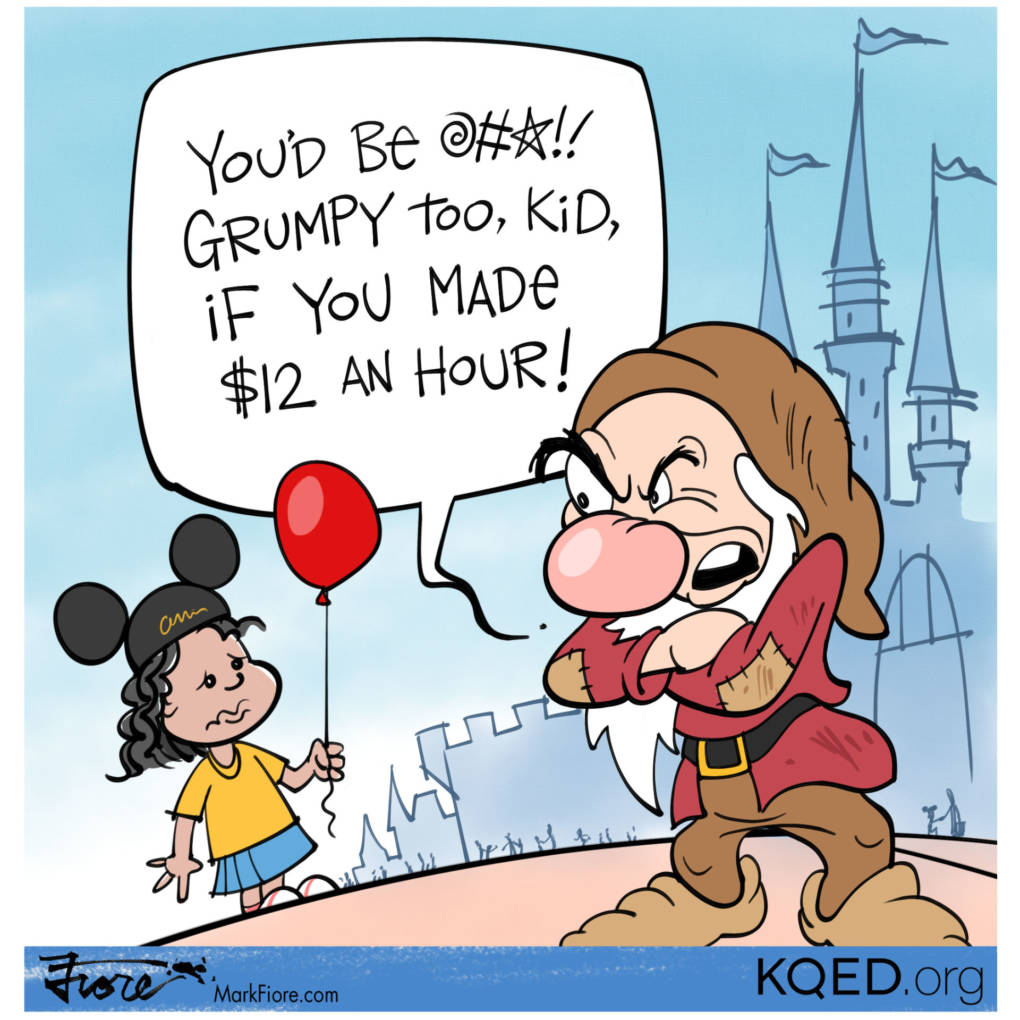
"content": "\u003cp>\u003ca href=\"http://bit.ly/fioredisney\">A survey of Disneyland employees\u003c/a> found food insecurity, homelessness and a decreasing average hourly wage.\u003c/p>\n\u003cp>According to the report, a majority of union employees at Disneyland \u003ca href=\"https://ww2.kqed.org/news/2018/03/01/the-california-report-1870/\">make less than $15 an hour.\u003c/a>\u003c/p>\n\u003cp>The Walt Disney Company reported a 13% increase in \u003ca href=\"http://www.insidethemagic.net/2018/02/disney-parks-resorts-revenue-boosted-5-2-billion-last-fiscal-quarter/\">revenue last quarter to $5.2 billion\u003c/a>.\u003c/p>\n\u003cp>[ad fullwidth]\u003c/p>\u003cp>\u003c/p>\n",
"disqusIdentifier": "11653499 https://ww2.kqed.org/news/?p=11653499",
"disqusUrl": "https://ww2.kqed.org/news/2018/03/02/the-not-so-magic-kingdom/",
"stats": {
"hasVideo": false,
"hasChartOrMap": false,
"hasAudio": false,
"hasPolis": false,
"wordCount": 50,
"hasGoogleForm": false,
"hasGallery": false,
"hasHearkenModule": false,
"iframeSrcs": [],
"paragraphCount": 5
},
"modified": 1520037570,
"excerpt": "A survey of Disneyland employees found food insecurity, homelessness and a decreasing average hourly wage. ",
"headData": {
"twImgId": "",
"twTitle": "",
"ogTitle": "",
"ogImgId": "",
"twDescription": "",
"description": "A survey of Disneyland employees found food insecurity, homelessness and a decreasing average hourly wage. ",
"title": "The Not-So-Magic Kingdom? | KQED",
"ogDescription": "",
"schema": {
"@context": "https://schema.org",
"@type": "NewsArticle",
"headline": "The Not-So-Magic Kingdom?",
"datePublished": "2018-03-02T16:39:30-08:00",
"dateModified": "2018-03-02T16:39:30-08:00",
"image": "https://cdn.kqed.org/wp-content/uploads/2020/02/KQED-OG-Image@1x.png",
"isAccessibleForFree": "True",
"publisher": {
"@type": "NewsMediaOrganization",
"@id": "https://www.kqed.org/#organization",
"name": "KQED",
"logo": "https://cdn.kqed.org/wp-content/uploads/2020/02/KQED-OG-Image@1x.png",
"url": "https://www.kqed.org",
"sameAs": [
"https://www.facebook.com/KQED",
"https://twitter.com/KQED",
"https://www.instagram.com/kqed/",
"https://www.tiktok.com/@kqedofficial",
"https://www.linkedin.com/company/kqed",
"https://www.youtube.com/channel/UCeC0IOo7i1P_61zVUWbJ4nw"
]
}
}
},
"guestAuthors": [],
"slug": "the-not-so-magic-kingdom",
"status": "publish",
"path": "/news/11653499/the-not-so-magic-kingdom",
"audioTrackLength": null,
"parsedContent": [
{
"type": "contentString",
"content": "\u003cdiv class=\"post-body\">\u003cp>\u003cp>\u003ca href=\"http://bit.ly/fioredisney\">A survey of Disneyland employees\u003c/a> found food insecurity, homelessness and a decreasing average hourly wage.\u003c/p>\n\u003cp>According to the report, a majority of union employees at Disneyland \u003ca href=\"https://ww2.kqed.org/news/2018/03/01/the-california-report-1870/\">make less than $15 an hour.\u003c/a>\u003c/p>\n\u003cp>The Walt Disney Company reported a 13% increase in \u003ca href=\"http://www.insidethemagic.net/2018/02/disney-parks-resorts-revenue-boosted-5-2-billion-last-fiscal-quarter/\">revenue last quarter to $5.2 billion\u003c/a>.\u003c/p>\n\u003cp>\u003c/p>\u003c/div>",
"attributes": {
"named": {},
"numeric": []
}
},
{
"type": "component",
"content": "",
"name": "ad",
"attributes": {
"named": {
"label": "fullwidth"
},
"numeric": [
"fullwidth"
]
}
},
{
"type": "contentString",
"content": "\u003cdiv class=\"post-body\">\u003cp>\u003c/p>\u003cp>\u003c/p>\n\u003c/div>\u003c/p>",
"attributes": {
"named": {},
"numeric": []
}
}
],
"link": "/news/11653499/the-not-so-magic-kingdom",
"authors": [
"3236"
],
"series": [
"news_18515"
],
"categories": [
"news_223",
"news_1758",
"news_6266",
"news_8"
],
"tags": [
"news_20356",
"news_22568",
"news_20150",
"news_20482",
"news_20949",
"news_794"
],
"featImg": "news_11653502",
"label": "news_18515"
},
"news_11652981": {
"type": "posts",
"id": "news_11652981",
"meta": {
"index": "posts_1716263798",
"site": "news",
"id": "11652981",
"score": null,
"sort": [
1520023252000
]
},
"parent": 0,
"labelTerm": {
"site": "news",
"term": 72
},
"blocks": [],
"publishDate": 1520023252,
"format": "standard",
"disqusTitle": "The History of the Hollywood Sign, From Public Nuisance to Symbol of Stardom",
"title": "The History of the Hollywood Sign, From Public Nuisance to Symbol of Stardom",
"headTitle": "The California Dream | The California Report | KQED News",
"content": "\u003cp>\u003cem>\u003ca href=\"https://theconversation.com/profiles/leo-braudy-298056\" rel=\"noopener\">Leo Braudy\u003c/a> is Leo S. Bing Chair in English and American Literature at the \u003ca href=\"http://theconversation.com/institutions/university-of-southern-california-dornsife-college-of-letters-arts-and-sciences-2669\" target=\"_blank\" rel=\"noopener\">University of Southern California Dornsife College of Letters, Arts and Sciences\u003c/a>\u003c/em>\u003c/p>\n\u003cp>Every year at the Oscars, the cameras pan to the famed Hollywood sign and its bold white letters.\u003c/p>\n\u003cp>Ask someone today what the sign symbolizes, and the same words will likely crop up: \u003cem>Movies. Stardom. Glamour.\u003c/em>\u003c/p>\n\u003cp>But as I point in \u003ca href=\"https://books.google.com/books?id=eEnLlfsGfGkC&printsec=frontcover&dq=hollywood+sign+leo+braudy&hl=en&sa=X&ved=0ahUKEwjLkpmk7b_ZAhUFR6wKHR0pCq8Q6AEIJzAA#v=onepage&q&f=false\" rel=\"noopener\">my book on the Hollywood sign\u003c/a>, the sign didn’t always represent fame and fortune. As the city changed, so did the meaning of the sign, which, at one point, was even considered a public nuisance.\u003c/p>\n\u003ch2>Come to … Hollywoodland?\u003c/h2>\n\u003cp>California has long possessed the lure of material and personal fulfillment.\u003c/p>\n\u003cp>[ad fullwidth]\u003c/p>\n\u003cp>What started as a destination for those hoping to strike gold became, in the late 19th century, a mecca for anyone with real or imagined ailments. The state’s temperate climate and natural springs, \u003ca href=\"https://books.google.com/books?id=zm5oBAAAQBAJ&pg=PA43&lpg=PA43&dq=california+health+destination+19th+century&source=bl&ots=gFkRyLbfW1&sig=5hWBgDNks80_z2mnZvn7ITx1a-o&hl=en&sa=X&ved=0ahUKEwjW0tesscnZAhUBMqwKHcnRANAQ6AEITzAF#v=onepage&q=california%20health%20destination%2019th%20century&f=false\" rel=\"noopener\">guidebooks claimed\u003c/a>, possessed “restorative powers for weakened dispositions.”\u003c/p>\n\u003cp>The state’s gold has since been drained, and the quest for perfect health has spread to rest of the country. But the erection of the famed Hollywood sign in 1923 marked the start of another phase, one still with us today.\u003c/p>\n\u003cp>During that decade, a real estate development group, one of whose principal backers was Los Angeles Times publisher Harry Chandler, built a large sign – essentially a billboard – on an unnamed mountain between the Los Angeles basin and the San Fernando Valley.\u003c/p>\n\u003cp>“Hollywoodland,” the sign read. Its 40,000 blinking light bulbs advertised a new housing development built to accommodate the city’s surging population, which \u003ca href=\"http://www.laalmanac.com/population/po02.php\" rel=\"noopener\">more than doubled\u003c/a> during the 1920s to become the fifth largest in the country, as the city drew people from all over the country for its weather, open spaces and jobs.\u003c/p>\n\u003cp>The city of Hollywood \u003ca href=\"https://www.discoverlosangeles.com/blog/historical-timeline-los-angeles\">had been absorbed\u003c/a> into Los Angeles only a decade earlier. At the time, it was a wealthy area that had grudgingly accepted the movie business. Many mansions dotted the hillsides below the sign, and utopian communities like \u003ca href=\"https://la.curbed.com/2014/5/22/10099768/the-creation-of-beachwood-canyons-theosophist-dreamland-1\" rel=\"noopener\">Krotona\u003c/a>, the U.S. headquarters of a mystical organization called the Theosophical Society, had sprung up in the foothills and on the flats.\u003c/p>\n\u003cp>Accordingly, early advertising for Hollywoodland emphasized the development’s exclusivity. It would offer an escape from the smog, dirt and unwelcome neighbors of downtown Los Angeles.\u003c/p>\n\u003ch2>Saving the sign\u003c/h2>\n\u003cp>Because the sign holds such a prominent place in the nation’s cultural imagination today, it may be surprising to learn that it wasn’t until fairly recently that it achieved its iconic status.\u003c/p>\n\u003cp>In the 1930s and 1940s, the sign makes an appearance in only a few of the movies that were about Hollywood or the movie industry. Other Hollywood institutions, like the \u003ca href=\"http://brownderbyhollywood.com/about.html\" rel=\"noopener\">Brown Derby restaurant\u003c/a>, tended to represent the film world.\u003c/p>\n\u003cp>In the 1940s, Los Angeles – as both city and symbol – started to change. A dense smog settled over the metropolis, which would be featured as the grim, shadowy setting of noir films like “\u003ca href=\"http://www.imdb.com/title/tt0038355/\" rel=\"noopener\">The Big Sleep\u003c/a>” and “\u003ca href=\"http://www.imdb.com/title/tt0036775/\" rel=\"noopener\">Double Indemnity\u003c/a>.”\u003c/p>\n\u003cp>The sign – a little dingier, a little more unslightly – reflected the changing city. Since it was originally intended as an advertisement, few had considered its permanence or long-term significance.\u003c/p>\n\u003cp>The hillside where it had been built was dangerously steep; workers had cut the letters from thin sheet metal, which they tacked onto telephone poles. Heavy winds could easily rip the letters away, and by the late 1940s, there had been so much deterioration that the city of Los Angeles proposed to tear it down, calling it a dangerous public nuisance.\u003c/p>\n\u003cfigure id=\"attachment_11652983\" class=\"wp-caption aligncenter\" style=\"max-width: 800px\">\u003cimg class=\"size-medium wp-image-11652983\" src=\"https://ww2.kqed.org/news/wp-content/uploads/sites/10/2018/03/RS27116_Hollywood-TC-800x533.jpg\" alt=\"Color photo of the Hollywood sign with blue sky above\" width=\"800\" height=\"533\" srcset=\"https://ww2.kqed.org/app/uploads/sites/10/2018/03/RS27116_Hollywood-TC-800x533.jpg 800w, https://ww2.kqed.org/app/uploads/sites/10/2018/03/RS27116_Hollywood-TC-160x107.jpg 160w, https://ww2.kqed.org/app/uploads/sites/10/2018/03/RS27116_Hollywood-TC-1020x680.jpg 1020w, https://ww2.kqed.org/app/uploads/sites/10/2018/03/RS27116_Hollywood-TC-1920x1280.jpg 1920w, https://ww2.kqed.org/app/uploads/sites/10/2018/03/RS27116_Hollywood-TC-1180x787.jpg 1180w, https://ww2.kqed.org/app/uploads/sites/10/2018/03/RS27116_Hollywood-TC-960x640.jpg 960w, https://ww2.kqed.org/app/uploads/sites/10/2018/03/RS27116_Hollywood-TC-240x160.jpg 240w, https://ww2.kqed.org/app/uploads/sites/10/2018/03/RS27116_Hollywood-TC-375x250.jpg 375w, https://ww2.kqed.org/app/uploads/sites/10/2018/03/RS27116_Hollywood-TC-520x347.jpg 520w\" sizes=\"(max-width: 800px) 100vw, 800px\">\u003cfigcaption class=\"wp-caption-text\">The Hollywood Sign after a 2005 refurbishment \u003ccite>(Photo by David Livingston/Getty Images)\u003c/cite>\u003c/figcaption>\u003c/figure>\n\u003cp>That dismissive view of the sign began to change in 1949, when the Hollywood Chamber of Commerce \u003ca href=\"https://www.cbsnews.com/news/hollywood-sign-sold-for-450k/\">told the city that it would take over its ownership and maintenance\u003c/a>. With that exchange, the “land” suffix was dropped. We could say that this is the point that the Hollywood sign we know today was actually born.\u003c/p>\n\u003cp>However, improvements and maintenance occurred in fits and starts. By the early 1970s, committees were being formed to “save” the sign in order to restore it beyond shoddy paint jobs and patchwork repairs.\u003c/p>\n\u003cp>Finally, in 1978 a committee headed by Hugh Hefner and Alice Cooper collected the funds – about $27,000 per letter – to not simply repair, \u003ca href=\"https://www.vanityfair.com/hollywood/2017/09/hugh-hefner-hollywood-sign\" rel=\"noopener\">but rebuild the sign\u003c/a>.\u003c/p>\n\u003cp>Today the big white letters are a permanent fixture in the Los Angeles landscape, and it’s even withstood the attempts of adventurous vandals to emulate \u003ca href=\"http://www.cnn.com/2017/01/01/us/hollywood-hollyweed-sign/index.html\" rel=\"noopener\">the art student\u003c/a> who, in 1976, tweaked the sign to read “\u003ca href=\"http://www.trbimg.com/img-58694e84/turbine/la-lnelson-1483296437-snap-photo\" rel=\"noopener\">Hollyweed\u003c/a>.”\u003c/p>\n\u003cp>\u003cimg src=\"https://counter.theconversation.com/content/78584/count.gif?distributor=republish-lightbox-basic\" alt=\"The Conversation\" width=\"1\" height=\"1\">In their own way, these vandals are trying to carve out their own slice of the Hollywood dream – a quest not for gold or for health, but for recognition and fame, whether by talent, ambition or selfie.\u003c/p>\n\u003cp>\u003cem>\u003ca href=\"https://www.kqed.org/news/series/californiadream/\" target=\"_blank\" rel=\"noopener\">The California Dream series\u003c/a> is a statewide media collaboration of CALmatters, KPBS, KPCC, KQED and Capital Public Radio with support from the Corporation for Public Broadcasting, the James Irvine Foundation and the College Futures Foundation.\u003c/em>\u003c/p>\n\u003cp>\u003c/p>\n\u003cp>\u003cimg class=\"aligncenter size-medium wp-image-11660142\" src=\"https://ww2.kqed.org/news/wp-content/uploads/sites/10/2018/04/CADreamBanner-800x219.jpg\" alt=\"\" width=\"800\" height=\"219\" srcset=\"https://ww2.kqed.org/app/uploads/sites/10/2018/04/CADreamBanner-800x219.jpg 800w, https://ww2.kqed.org/app/uploads/sites/10/2018/04/CADreamBanner-160x44.jpg 160w, https://ww2.kqed.org/app/uploads/sites/10/2018/04/CADreamBanner-1020x280.jpg 1020w, https://ww2.kqed.org/app/uploads/sites/10/2018/04/CADreamBanner-1180x324.jpg 1180w, https://ww2.kqed.org/app/uploads/sites/10/2018/04/CADreamBanner-960x263.jpg 960w, https://ww2.kqed.org/app/uploads/sites/10/2018/04/CADreamBanner-240x66.jpg 240w, https://ww2.kqed.org/app/uploads/sites/10/2018/04/CADreamBanner-375x103.jpg 375w, https://ww2.kqed.org/app/uploads/sites/10/2018/04/CADreamBanner-520x143.jpg 520w, https://ww2.kqed.org/app/uploads/sites/10/2018/04/CADreamBanner.jpg 1867w\" sizes=\"(max-width: 800px) 100vw, 800px\">\u003c/p>\n\n",
"disqusIdentifier": "11652981 https://ww2.kqed.org/news/?p=11652981",
"disqusUrl": "https://ww2.kqed.org/news/2018/03/02/the-history-of-the-hollywood-sign-from-public-nuisance-to-symbol-of-stardom/",
"stats": {
"hasVideo": false,
"hasChartOrMap": false,
"hasAudio": false,
"hasPolis": false,
"wordCount": 865,
"hasGoogleForm": false,
"hasGallery": false,
"hasHearkenModule": false,
"iframeSrcs": [],
"paragraphCount": 25
},
"modified": 1523647361,
"excerpt": "Only recently did the iconic sign come to represent the dream of fame.",
"headData": {
"twImgId": "",
"twTitle": "",
"ogTitle": "",
"ogImgId": "",
"twDescription": "",
"description": "Only recently did the iconic sign come to represent the dream of fame.",
"title": "The History of the Hollywood Sign, From Public Nuisance to Symbol of Stardom | KQED",
"ogDescription": "",
"schema": {
"@context": "https://schema.org",
"@type": "NewsArticle",
"headline": "The History of the Hollywood Sign, From Public Nuisance to Symbol of Stardom",
"datePublished": "2018-03-02T12:40:52-08:00",
"dateModified": "2018-04-13T12:22:41-07:00",
"image": "https://cdn.kqed.org/wp-content/uploads/2020/02/KQED-OG-Image@1x.png",
"isAccessibleForFree": "True",
"publisher": {
"@type": "NewsMediaOrganization",
"@id": "https://www.kqed.org/#organization",
"name": "KQED",
"logo": "https://cdn.kqed.org/wp-content/uploads/2020/02/KQED-OG-Image@1x.png",
"url": "https://www.kqed.org",
"sameAs": [
"https://www.facebook.com/KQED",
"https://twitter.com/KQED",
"https://www.instagram.com/kqed/",
"https://www.tiktok.com/@kqedofficial",
"https://www.linkedin.com/company/kqed",
"https://www.youtube.com/channel/UCeC0IOo7i1P_61zVUWbJ4nw"
]
}
}
},
"guestAuthors": [],
"slug": "the-history-of-the-hollywood-sign-from-public-nuisance-to-symbol-of-stardom",
"status": "publish",
"nprByline": "\u003cstrong>\u003ca href=\"https://theconversation.com/profiles/leo-braudy-298056\" target=\"_blank\" rel=\"noopener\">Manuel Pastor\u003c/a>\u003c/strong>\u003cbr />\u003cem>University of Southern California, for \u003ca href=\"https://theconversation.com\">The Conversation\u003c/a>\u003c/em>",
"path": "/news/11652981/the-history-of-the-hollywood-sign-from-public-nuisance-to-symbol-of-stardom",
"audioTrackLength": null,
"parsedContent": [
{
"type": "contentString",
"content": "\u003cdiv class=\"post-body\">\u003cp>\u003cp>\u003cem>\u003ca href=\"https://theconversation.com/profiles/leo-braudy-298056\" rel=\"noopener\">Leo Braudy\u003c/a> is Leo S. Bing Chair in English and American Literature at the \u003ca href=\"http://theconversation.com/institutions/university-of-southern-california-dornsife-college-of-letters-arts-and-sciences-2669\" target=\"_blank\" rel=\"noopener\">University of Southern California Dornsife College of Letters, Arts and Sciences\u003c/a>\u003c/em>\u003c/p>\n\u003cp>Every year at the Oscars, the cameras pan to the famed Hollywood sign and its bold white letters.\u003c/p>\n\u003cp>Ask someone today what the sign symbolizes, and the same words will likely crop up: \u003cem>Movies. Stardom. Glamour.\u003c/em>\u003c/p>\n\u003cp>But as I point in \u003ca href=\"https://books.google.com/books?id=eEnLlfsGfGkC&printsec=frontcover&dq=hollywood+sign+leo+braudy&hl=en&sa=X&ved=0ahUKEwjLkpmk7b_ZAhUFR6wKHR0pCq8Q6AEIJzAA#v=onepage&q&f=false\" rel=\"noopener\">my book on the Hollywood sign\u003c/a>, the sign didn’t always represent fame and fortune. As the city changed, so did the meaning of the sign, which, at one point, was even considered a public nuisance.\u003c/p>\n\u003ch2>Come to … Hollywoodland?\u003c/h2>\n\u003cp>California has long possessed the lure of material and personal fulfillment.\u003c/p>\n\u003cp>\u003c/p>\u003c/div>",
"attributes": {
"named": {},
"numeric": []
}
},
{
"type": "component",
"content": "",
"name": "ad",
"attributes": {
"named": {
"label": "fullwidth"
},
"numeric": [
"fullwidth"
]
}
},
{
"type": "contentString",
"content": "\u003cdiv class=\"post-body\">\u003cp>\u003c/p>\n\u003cp>What started as a destination for those hoping to strike gold became, in the late 19th century, a mecca for anyone with real or imagined ailments. The state’s temperate climate and natural springs, \u003ca href=\"https://books.google.com/books?id=zm5oBAAAQBAJ&pg=PA43&lpg=PA43&dq=california+health+destination+19th+century&source=bl&ots=gFkRyLbfW1&sig=5hWBgDNks80_z2mnZvn7ITx1a-o&hl=en&sa=X&ved=0ahUKEwjW0tesscnZAhUBMqwKHcnRANAQ6AEITzAF#v=onepage&q=california%20health%20destination%2019th%20century&f=false\" rel=\"noopener\">guidebooks claimed\u003c/a>, possessed “restorative powers for weakened dispositions.”\u003c/p>\n\u003cp>The state’s gold has since been drained, and the quest for perfect health has spread to rest of the country. But the erection of the famed Hollywood sign in 1923 marked the start of another phase, one still with us today.\u003c/p>\n\u003cp>During that decade, a real estate development group, one of whose principal backers was Los Angeles Times publisher Harry Chandler, built a large sign – essentially a billboard – on an unnamed mountain between the Los Angeles basin and the San Fernando Valley.\u003c/p>\n\u003cp>“Hollywoodland,” the sign read. Its 40,000 blinking light bulbs advertised a new housing development built to accommodate the city’s surging population, which \u003ca href=\"http://www.laalmanac.com/population/po02.php\" rel=\"noopener\">more than doubled\u003c/a> during the 1920s to become the fifth largest in the country, as the city drew people from all over the country for its weather, open spaces and jobs.\u003c/p>\n\u003cp>The city of Hollywood \u003ca href=\"https://www.discoverlosangeles.com/blog/historical-timeline-los-angeles\">had been absorbed\u003c/a> into Los Angeles only a decade earlier. At the time, it was a wealthy area that had grudgingly accepted the movie business. Many mansions dotted the hillsides below the sign, and utopian communities like \u003ca href=\"https://la.curbed.com/2014/5/22/10099768/the-creation-of-beachwood-canyons-theosophist-dreamland-1\" rel=\"noopener\">Krotona\u003c/a>, the U.S. headquarters of a mystical organization called the Theosophical Society, had sprung up in the foothills and on the flats.\u003c/p>\n\u003cp>Accordingly, early advertising for Hollywoodland emphasized the development’s exclusivity. It would offer an escape from the smog, dirt and unwelcome neighbors of downtown Los Angeles.\u003c/p>\n\u003ch2>Saving the sign\u003c/h2>\n\u003cp>Because the sign holds such a prominent place in the nation’s cultural imagination today, it may be surprising to learn that it wasn’t until fairly recently that it achieved its iconic status.\u003c/p>\n\u003cp>In the 1930s and 1940s, the sign makes an appearance in only a few of the movies that were about Hollywood or the movie industry. Other Hollywood institutions, like the \u003ca href=\"http://brownderbyhollywood.com/about.html\" rel=\"noopener\">Brown Derby restaurant\u003c/a>, tended to represent the film world.\u003c/p>\n\u003cp>In the 1940s, Los Angeles – as both city and symbol – started to change. A dense smog settled over the metropolis, which would be featured as the grim, shadowy setting of noir films like “\u003ca href=\"http://www.imdb.com/title/tt0038355/\" rel=\"noopener\">The Big Sleep\u003c/a>” and “\u003ca href=\"http://www.imdb.com/title/tt0036775/\" rel=\"noopener\">Double Indemnity\u003c/a>.”\u003c/p>\n\u003cp>The sign – a little dingier, a little more unslightly – reflected the changing city. Since it was originally intended as an advertisement, few had considered its permanence or long-term significance.\u003c/p>\n\u003cp>The hillside where it had been built was dangerously steep; workers had cut the letters from thin sheet metal, which they tacked onto telephone poles. Heavy winds could easily rip the letters away, and by the late 1940s, there had been so much deterioration that the city of Los Angeles proposed to tear it down, calling it a dangerous public nuisance.\u003c/p>\n\u003cfigure id=\"attachment_11652983\" class=\"wp-caption aligncenter\" style=\"max-width: 800px\">\u003cimg class=\"size-medium wp-image-11652983\" src=\"https://ww2.kqed.org/news/wp-content/uploads/sites/10/2018/03/RS27116_Hollywood-TC-800x533.jpg\" alt=\"Color photo of the Hollywood sign with blue sky above\" width=\"800\" height=\"533\" srcset=\"https://ww2.kqed.org/app/uploads/sites/10/2018/03/RS27116_Hollywood-TC-800x533.jpg 800w, https://ww2.kqed.org/app/uploads/sites/10/2018/03/RS27116_Hollywood-TC-160x107.jpg 160w, https://ww2.kqed.org/app/uploads/sites/10/2018/03/RS27116_Hollywood-TC-1020x680.jpg 1020w, https://ww2.kqed.org/app/uploads/sites/10/2018/03/RS27116_Hollywood-TC-1920x1280.jpg 1920w, https://ww2.kqed.org/app/uploads/sites/10/2018/03/RS27116_Hollywood-TC-1180x787.jpg 1180w, https://ww2.kqed.org/app/uploads/sites/10/2018/03/RS27116_Hollywood-TC-960x640.jpg 960w, https://ww2.kqed.org/app/uploads/sites/10/2018/03/RS27116_Hollywood-TC-240x160.jpg 240w, https://ww2.kqed.org/app/uploads/sites/10/2018/03/RS27116_Hollywood-TC-375x250.jpg 375w, https://ww2.kqed.org/app/uploads/sites/10/2018/03/RS27116_Hollywood-TC-520x347.jpg 520w\" sizes=\"(max-width: 800px) 100vw, 800px\">\u003cfigcaption class=\"wp-caption-text\">The Hollywood Sign after a 2005 refurbishment \u003ccite>(Photo by David Livingston/Getty Images)\u003c/cite>\u003c/figcaption>\u003c/figure>\n\u003cp>That dismissive view of the sign began to change in 1949, when the Hollywood Chamber of Commerce \u003ca href=\"https://www.cbsnews.com/news/hollywood-sign-sold-for-450k/\">told the city that it would take over its ownership and maintenance\u003c/a>. With that exchange, the “land” suffix was dropped. We could say that this is the point that the Hollywood sign we know today was actually born.\u003c/p>\n\u003cp>However, improvements and maintenance occurred in fits and starts. By the early 1970s, committees were being formed to “save” the sign in order to restore it beyond shoddy paint jobs and patchwork repairs.\u003c/p>\n\u003cp>Finally, in 1978 a committee headed by Hugh Hefner and Alice Cooper collected the funds – about $27,000 per letter – to not simply repair, \u003ca href=\"https://www.vanityfair.com/hollywood/2017/09/hugh-hefner-hollywood-sign\" rel=\"noopener\">but rebuild the sign\u003c/a>.\u003c/p>\n\u003cp>Today the big white letters are a permanent fixture in the Los Angeles landscape, and it’s even withstood the attempts of adventurous vandals to emulate \u003ca href=\"http://www.cnn.com/2017/01/01/us/hollywood-hollyweed-sign/index.html\" rel=\"noopener\">the art student\u003c/a> who, in 1976, tweaked the sign to read “\u003ca href=\"http://www.trbimg.com/img-58694e84/turbine/la-lnelson-1483296437-snap-photo\" rel=\"noopener\">Hollyweed\u003c/a>.”\u003c/p>\n\u003cp>\u003cimg src=\"https://counter.theconversation.com/content/78584/count.gif?distributor=republish-lightbox-basic\" alt=\"The Conversation\" width=\"1\" height=\"1\">In their own way, these vandals are trying to carve out their own slice of the Hollywood dream – a quest not for gold or for health, but for recognition and fame, whether by talent, ambition or selfie.\u003c/p>\n\u003cp>\u003cem>\u003ca href=\"https://www.kqed.org/news/series/californiadream/\" target=\"_blank\" rel=\"noopener\">The California Dream series\u003c/a> is a statewide media collaboration of CALmatters, KPBS, KPCC, KQED and Capital Public Radio with support from the Corporation for Public Broadcasting, the James Irvine Foundation and the College Futures Foundation.\u003c/em>\u003c/p>\n\u003cp>\u003c/p>\n\u003cp>\u003cimg class=\"aligncenter size-medium wp-image-11660142\" src=\"https://ww2.kqed.org/news/wp-content/uploads/sites/10/2018/04/CADreamBanner-800x219.jpg\" alt=\"\" width=\"800\" height=\"219\" srcset=\"https://ww2.kqed.org/app/uploads/sites/10/2018/04/CADreamBanner-800x219.jpg 800w, https://ww2.kqed.org/app/uploads/sites/10/2018/04/CADreamBanner-160x44.jpg 160w, https://ww2.kqed.org/app/uploads/sites/10/2018/04/CADreamBanner-1020x280.jpg 1020w, https://ww2.kqed.org/app/uploads/sites/10/2018/04/CADreamBanner-1180x324.jpg 1180w, https://ww2.kqed.org/app/uploads/sites/10/2018/04/CADreamBanner-960x263.jpg 960w, https://ww2.kqed.org/app/uploads/sites/10/2018/04/CADreamBanner-240x66.jpg 240w, https://ww2.kqed.org/app/uploads/sites/10/2018/04/CADreamBanner-375x103.jpg 375w, https://ww2.kqed.org/app/uploads/sites/10/2018/04/CADreamBanner-520x143.jpg 520w, https://ww2.kqed.org/app/uploads/sites/10/2018/04/CADreamBanner.jpg 1867w\" sizes=\"(max-width: 800px) 100vw, 800px\">\u003c/p>\n\n\u003c/div>\u003c/p>",
"attributes": {
"named": {},
"numeric": []
}
}
],
"link": "/news/11652981/the-history-of-the-hollywood-sign-from-public-nuisance-to-symbol-of-stardom",
"authors": [
"byline_news_11652981"
],
"programs": [
"news_6944",
"news_72"
],
"series": [
"news_21879"
],
"categories": [
"news_223",
"news_8"
],
"tags": [
"news_917",
"news_21840",
"news_5396",
"news_4",
"news_17286"
],
"featImg": "news_11652982",
"label": "news_72"
},
"news_11652705": {
"type": "posts",
"id": "news_11652705",
"meta": {
"index": "posts_1716263798",
"site": "news",
"id": "11652705",
"score": null,
"sort": [
1519902034000
]
},
"parent": 0,
"labelTerm": {},
"blocks": [],
"publishDate": 1519902034,
"format": "audio",
"title": "America's Emperor, San Francisco's Treasure: Who Was Emperor Norton?",
"headTitle": "America’s Emperor, San Francisco’s Treasure: Who Was Emperor Norton? | KQED",
"content": "\u003cp>If you’ve taken a walking tour of San Francisco, there’s a good chance you’ve heard the name Emperor Norton.\u003c/p>\n\u003cp>That was how Bay Curious listener and Oakland resident Jennifer Jacobs first learned about the beloved San Francisco eccentric after she moved to the Bay Area from Michigan in 1999.\u003c/p>\n\u003cp>“I was just like, ‘Wow, this is a whole other world. They have their own emperor here in San Francisco,’ ” Jennifer says.\u003cbr>\n[baycuriouspodcastinfo]\u003cbr>\nEver since, Jennifer has wanted to know more. Who was Emperor Norton? How was he seen in his own time? And why is he still remembered and revered today, almost 140 years after his death?\u003c/p>\n\u003cp>Not much is known about Emperor Norton’s early life, according to John Lumea, president of the \u003ca href=\"http://www.emperorsbridge.org/\" target=\"_blank\" rel=\"noopener\">Emperor’s Bridge Campaign\u003c/a>, which focuses on researching Norton’s life and sharing it with the public.\u003c/p>\n\u003cp>Here’s what we do know.\u003c/p>\n\u003ch3>The rise and fall of a Gold Rush businessman\u003c/h3>\n\u003cp>Emperor Norton was born Joshua Abraham Norton in 1818 to Jewish parents in present-day London. At age 2, he moved with his parents to South Africa, where his dad set up a successful ship supplies business.\u003c/p>\n\u003cp>[ad fullwidth]\u003c/p>\n\u003cp>At 21, with help from his father, Norton opened his own ship supplies business, but it went bankrupt within 18 months. Things went from bad to worse over the next few years, and by 1848, both of Norton’s parents and two of his siblings had died.\u003c/p>\n\u003cp>The following year, Norton left South Africa, and after a short stop in South America, landed in San Francisco in late 1849.\u003c/p>\n\u003cp>Norton arrived in a lawless, Wild West version of San Francisco. The Gold Rush transformed a small town of a few hundred people to a bustling metropolis of 25,000 within a few years.\u003c/p>\n\u003cp>It was also a town of constant rebirth. People were making and losing their fortunes in the blink of an eye. The city was almost \u003ca href=\"https://thebolditalic.com/5-times-san-francisco-was-almost-destroyed-the-bold-italic-san-francisco-697dcf1177b8\" target=\"_blank\" rel=\"noopener\">destroyed by fires\u003c/a> seven times between 1849 and 1851.\u003c/p>\n\u003cp>Norton, who had already built and lost a business in South Africa, fit right into this boom-and-bust town. He established himself as a successful businessman selling commodities like rice and flour. He invested in real estate, erecting buildings on three of the four corners of Sansome and Jackson streets — one of the most popular intersections in town — plus plots in North Beach and a lucrative waterfront property.\u003c/p>\n\u003cfigure id=\"attachment_10981646\" class=\"wp-caption alignright\" style=\"max-width: 900px\">\u003cimg decoding=\"async\" loading=\"lazy\" class=\"size-full wp-image-10981646\" src=\"https://ww2.kqed.org/news/wp-content/uploads/sites/10/2016/06/Ship-in-the-Bay.jpg\" alt=\"\" width=\"900\" height=\"723\" srcset=\"https://ww2.kqed.org/app/uploads/sites/10/2016/06/Ship-in-the-Bay.jpg 900w, https://ww2.kqed.org/app/uploads/sites/10/2016/06/Ship-in-the-Bay-400x321.jpg 400w, https://ww2.kqed.org/app/uploads/sites/10/2016/06/Ship-in-the-Bay-800x643.jpg 800w\" sizes=\"(max-width: 900px) 100vw, 900px\">\u003cfigcaption class=\"wp-caption-text\">The San Francisco waterfront in 1851. (San Francisco Maritime Museum National Historical Park)\u003c/figcaption>\u003c/figure>\n\u003cp>“He made a great amount of money and was very influential,” Lumea says of Norton’s early days in the city. “He was in with all the right people, attended all the right clubs and all the right restaurants.”\u003c/p>\n\u003cp>Riding high, Norton planned his next business move. With a rice famine underway in China, Norton was presented with a chance to corner the rice market by buying up a shipload of Peruvian rice. Expecting rice prices to soar, Norton went in with a couple of business partners in 1852 and staked $25,000 on the venture.\u003c/p>\n\u003cp>And then it all went wrong.\u003c/p>\n\u003cp>“Within a [few] days, ship after ship after ship of rice comes in, and so the bottom falls out of the market,” Lumea says. “This idea, which at one point seemed so great, now isn’t so great.”\u003c/p>\n\u003cp>The deal, and the subsequent years of legal wrangling, ruined Norton. By the time Norton was 38, in 1856, he was bankrupt for the second time.\u003c/p>\n\u003ch3>An imperial transformation\u003c/h3>\n\u003cp>After his financial ruin, Norton went quiet for a few years. He moved out of his prestigious home, and fell out of favor with some members of the social elite.\u003c/p>\n\u003cp>He re-emerged on Sept. 17, 1859, on the pages on the San Francisco Evening Bulletin newspaper. Earlier in the day, he had walked into the paper’s offices and presented the editor with a short notice he asked to have published in that day’s edition.\u003c/p>\n\u003cp>“At the peremptory request of a large majority of the citizens of these United States, I, Joshua Norton, formerly of Algoa Bay, Cape of Good Hope, and now for the last nine years and ten months past of San Francisco, California, declare and proclaim myself Emperor of these United States,” the notice began.\u003c/p>\n\u003cfigure id=\"attachment_11652849\" class=\"wp-caption aligncenter\" style=\"max-width: 411px\">\u003ca href=\"https://ww2.kqed.org/news/wp-content/uploads/sites/10/2018/02/RS29665_First-Norton-Proclamation-qut.jpg\">\u003cimg decoding=\"async\" loading=\"lazy\" class=\"wp-image-11652849 size-full\" src=\"https://ww2.kqed.org/news/wp-content/uploads/sites/10/2018/02/RS29665_First-Norton-Proclamation-qut.jpg\" alt=\"The proclamation in the September 17, 1859, edition of the San Francisco Evening Bulletin that transformed Joshua Abraham Norton into Emperor Norton.\" width=\"411\" height=\"481\" srcset=\"https://ww2.kqed.org/app/uploads/sites/10/2018/02/RS29665_First-Norton-Proclamation-qut.jpg 411w, https://ww2.kqed.org/app/uploads/sites/10/2018/02/RS29665_First-Norton-Proclamation-qut-160x187.jpg 160w, https://ww2.kqed.org/app/uploads/sites/10/2018/02/RS29665_First-Norton-Proclamation-qut-240x281.jpg 240w, https://ww2.kqed.org/app/uploads/sites/10/2018/02/RS29665_First-Norton-Proclamation-qut-375x439.jpg 375w\" sizes=\"(max-width: 411px) 100vw, 411px\">\u003c/a>\u003cfigcaption class=\"wp-caption-text\">The proclamation in the September 17, 1859, edition of the San Francisco Evening Bulletin that transformed Joshua Abraham Norton into Emperor Norton. \u003ccite>(San Francisco Public Library)\u003c/cite>\u003c/figcaption>\u003c/figure>\n\u003cp>At age 41, three years after losing everything, Norton christened himself Emperor of the United States. When France’s Napoleon III invaded Mexico in 1861, Norton added “Protector of Mexico” to his imperial title.\u003c/p>\n\u003cp>This astonishing transformation has always fascinated Bay Curious listener Jacobs.\u003c/p>\n\u003cp>“I majored in psychology, so I couldn’t help thinking he must have had some kind of a nervous breakdown or something happened in those few years,” she says. “I was thinking schizophrenia or bipolar disorder maybe.”\u003c/p>\n\u003cp>There are no sure answers about Norton’s mental health before or after his imperial declaration, but some people think his money troubles led him into a deep depression and that becoming Emperor Norton was a coping mechanism.\u003c/p>\n\u003cfigure id=\"attachment_11652931\" class=\"wp-caption alignleft\" style=\"max-width: 400px\">\u003cimg decoding=\"async\" loading=\"lazy\" class=\"wp-image-11652931\" src=\"https://ww2.kqed.org/news/wp-content/uploads/sites/10/2018/02/bike.jpg\" alt=\"A snarky caption is scrawled below this image of Norton on a bicycle.\" width=\"400\" height=\"552\" srcset=\"https://ww2.kqed.org/app/uploads/sites/10/2018/02/bike.jpg 522w, https://ww2.kqed.org/app/uploads/sites/10/2018/02/bike-160x221.jpg 160w, https://ww2.kqed.org/app/uploads/sites/10/2018/02/bike-240x331.jpg 240w, https://ww2.kqed.org/app/uploads/sites/10/2018/02/bike-375x517.jpg 375w, https://ww2.kqed.org/app/uploads/sites/10/2018/02/bike-520x717.jpg 520w\" sizes=\"(max-width: 400px) 100vw, 400px\">\u003cfigcaption class=\"wp-caption-text\">A snarky caption is scrawled below this image of Norton on a bicycle. \u003ccite>(California State Library)\u003c/cite>\u003c/figcaption>\u003c/figure>\n\u003cp>“There’s a sense in which the persona of the Emperor actually saved him in a way,” Lumea says.\u003c/p>\n\u003cp>Later in his declaration, Norton called on representatives of all the states to assemble the following February to establish his empire and “to make such alterations in the existing laws of the Union to ameliorate the evils under which the country is laboring.”\u003c/p>\n\u003cp>Unsurprisingly, nobody showed up.\u003c/p>\n\u003cp>But that didn’t stop Norton. He had declared himself emperor. And he was going to act like it for the next 20 years.\u003c/p>\n\u003ch3>Emperor of the United States, Protector of Mexico\u003c/h3>\n\u003cp>Norton continued issuing imperial proclamations on items big, like calling for the end of presidential elections, and small, like chastising the skating rink operator who wouldn’t let him use a pair of skates.\u003c/p>\n\u003cp>Even though he was Emperor of the United States, his proclamations were often very local in nature. He didn’t hesitate to call out San Francisco’s police and elected officials. Perhaps his most well-known proclamations were the ones calling for the construction of a bridge connecting Oakland and San Francisco through Yerba Buena Island — what we recognize today as the Bay Bridge.\u003c/p>\n\u003cp>[gallery type=\"rectangular\" ids=\"11652859,11652858,11652857,11652856\"]\u003c/p>\n\u003cp>Norton also adopted an imperial wardrobe. He started with either a blue or gray military jacket, switching between the two early in his “reign” to maintain his neutrality in the ongoing Civil War.\u003c/p>\n\u003cp>After the war, he settled on a blue officer’s jacket furnished with large, fringed, golden shoulder epaulets. His balding head was almost always covered with a hat, most often a small military kepi or a garish beaver fur top hat with a cascade of colorful feathers pinned to the front.\u003c/p>\n\u003cp>Being emperor did not pay very well. Norton spent most of his reign subsisting off the generosity of the public and the support of a few wealthy friends from his high society days.\u003c/p>\n\u003cp>In 1870, with the newly-completed transcontinental railroad bringing more tourists to San Francisco from across the country, Norton helped fill his coffers by selling “imperial bonds” for 50 cents each.\u003c/p>\n\u003cfigure id=\"attachment_11652847\" class=\"wp-caption alignright\" style=\"max-width: 800px\">\u003ca href=\"https://ww2.kqed.org/news/wp-content/uploads/sites/10/2018/02/Emperor_Joshua_A._Norton_I.jpg\">\u003cimg decoding=\"async\" loading=\"lazy\" class=\"size-medium wp-image-11652847\" src=\"https://ww2.kqed.org/news/wp-content/uploads/sites/10/2018/02/Emperor_Joshua_A._Norton_I-800x1212.jpg\" alt=\"Emperor Norton in his traditional imperial outfit around 1875.\" width=\"800\" height=\"1212\" srcset=\"https://ww2.kqed.org/app/uploads/sites/10/2018/02/Emperor_Joshua_A._Norton_I-800x1212.jpg 800w, https://ww2.kqed.org/app/uploads/sites/10/2018/02/Emperor_Joshua_A._Norton_I-160x242.jpg 160w, https://ww2.kqed.org/app/uploads/sites/10/2018/02/Emperor_Joshua_A._Norton_I-240x364.jpg 240w, https://ww2.kqed.org/app/uploads/sites/10/2018/02/Emperor_Joshua_A._Norton_I-375x568.jpg 375w, https://ww2.kqed.org/app/uploads/sites/10/2018/02/Emperor_Joshua_A._Norton_I-520x788.jpg 520w, https://ww2.kqed.org/app/uploads/sites/10/2018/02/Emperor_Joshua_A._Norton_I.jpg 866w\" sizes=\"(max-width: 800px) 100vw, 800px\">\u003c/a>\u003cfigcaption class=\"wp-caption-text\">Emperor Norton in his traditional imperial outfit around 1875. \u003ccite>(Bancroft Library, UC Berkeley)\u003c/cite>\u003c/figcaption>\u003c/figure>\n\u003cp>He didn’t need much money. His lodgings on Commercial Street cost him only 50 cents a night, and he spent most of his day reading the newspapers, talking with other forty-niners in Portsmouth Square and writing proclamations at the Mechanics’ Institute Library on Post Street.\u003c/p>\n\u003cp>For lunch, Norton could go to almost any tavern in town and for the price of a drink, no more than 25 cents, get access to a full lunch spread of salmon, roast beef, tomatoes and more.\u003c/p>\n\u003cp>“He really makes himself part of the life of the city,” Lumea says. “He goes to political meetings. He goes to the theater. He goes to the saloons. He makes himself a public presence. He’s in the streets.”\u003c/p>\n\u003cp>The city’s newspapers saw Norton as a bit of a buffoon and regularly published fake proclamations with his name attached. So, in 1870, he started publishing his genuine proclamations almost exclusively in an African-American-owned and operated abolitionist weekly, The Pacific Appeal.\u003c/p>\n\u003cp>[gallery type=\"slideshow\" ids=\"11652840,11652839,11652838,11652837,11652836,11652835,11652834,11652833,11652832,11652831,11652830,11652829,11652828,11652827,11652826,11652825,11652824\"]\u003c/p>\n\u003cp>Many of Norton’s proclamations, especially those in The Pacific Appeal, were surprisingly progressive for his time.\u003c/p>\n\u003cp>“He’s talking about how African-Americans should have the right to attend public schools, ride public streetcars. How the Chinese should be able to have their testimony heard in court,” Lumea says. Norton also argued for the rights of Native Americans and against political corruption.\u003c/p>\n\u003cp>“So he’s really making himself into an early champion of the values of fairness and tolerance and the common good that really later become a great symbol of San Francisco,” Lumea says.\u003c/p>\n\u003ch3>‘Le roi est mort’\u003c/h3>\n\u003cp>Jan. 8, 1880, was a cold and rainy night in San Francisco. Norton left his room on Commercial Street to walk the few short blocks to a debate at the Academy of Natural Sciences.\u003c/p>\n\u003cp>On his way there, he collapsed on the street and died of a suspected stroke.\u003c/p>\n\u003cfigure id=\"attachment_11652860\" class=\"wp-caption alignright\" style=\"max-width: 800px\">\u003ca href=\"https://ww2.kqed.org/news/wp-content/uploads/sites/10/2018/02/4436597737_cae5796fb3_o-1.jpg\">\u003cimg decoding=\"async\" loading=\"lazy\" class=\"size-medium wp-image-11652860\" src=\"https://ww2.kqed.org/news/wp-content/uploads/sites/10/2018/02/4436597737_cae5796fb3_o-1-800x1067.jpg\" alt=\"Emperor Norton's grave, which was moved from the Masonic Cemetery in San Francisco to Colma.\" width=\"800\" height=\"1067\" srcset=\"https://ww2.kqed.org/app/uploads/sites/10/2018/02/4436597737_cae5796fb3_o-1-800x1067.jpg 800w, https://ww2.kqed.org/app/uploads/sites/10/2018/02/4436597737_cae5796fb3_o-1-160x213.jpg 160w, https://ww2.kqed.org/app/uploads/sites/10/2018/02/4436597737_cae5796fb3_o-1-1020x1360.jpg 1020w, https://ww2.kqed.org/app/uploads/sites/10/2018/02/4436597737_cae5796fb3_o-1-1180x1573.jpg 1180w, https://ww2.kqed.org/app/uploads/sites/10/2018/02/4436597737_cae5796fb3_o-1-960x1280.jpg 960w, https://ww2.kqed.org/app/uploads/sites/10/2018/02/4436597737_cae5796fb3_o-1-240x320.jpg 240w, https://ww2.kqed.org/app/uploads/sites/10/2018/02/4436597737_cae5796fb3_o-1-375x500.jpg 375w, https://ww2.kqed.org/app/uploads/sites/10/2018/02/4436597737_cae5796fb3_o-1-520x693.jpg 520w, https://ww2.kqed.org/app/uploads/sites/10/2018/02/4436597737_cae5796fb3_o-1.jpg 1536w\" sizes=\"(max-width: 800px) 100vw, 800px\">\u003c/a>\u003cfigcaption class=\"wp-caption-text\">Emperor Norton’s grave, which was moved from the Masonic Cemetery in San Francisco to Colma. \u003ccite>(Joshua Neff/Flickr)\u003c/cite>\u003c/figcaption>\u003c/figure>\n\u003cp>Ten thousand people came to Norton’s funeral. The headline of his obituary in the San Francisco Chronicle read, “Le roi est mort.”\u003c/p>\n\u003cp>Norton died with just a few dollars in his pockets and would have been sent to a pauper’s grave, if not for the intercession of his old friends in business, who paid for a fancy rosewood coffin adorned with silver and a burial plot in the Masonic Cemetery.\u003c/p>\n\u003cp>“Even though often in the official world of journalism or politics he was somewhat seen as a figure of ridicule,” Lumea says, “to the people in the streets who saw him on a day-to-day basis for 20 years, he was known as a very kind person.”\u003c/p>\n\u003ch3>Norton at 200\u003c/h3>\n\u003cp>Almost 140 years after his death, Norton continues to captivate San Francisco.\u003c/p>\n\u003cp>Lumea started the Emperor’s Bridge Campaign in 2013 to try to get the Bay Bridge renamed for Emperor Norton, in recognition of him publishing the idea decades before it came to be. The Board of Supervisors designated February 2018 as \u003ca href=\"https://twitter.com/EmperorsBridge/status/960568176013541376\" target=\"_blank\" rel=\"noopener\">“Emperor Norton Month,”\u003c/a> and City Hall and Coit Tower were lit up gold on Feb. 4, 2018, in honor of Norton’s 200th birthday.\u003c/p>\n\u003cp>“Nobody really encompasses the spirit of San Francisco better than Emperor Norton,” says Joseph Amster, one of two men who walk the streets of San Francisco as official Emperor Norton impersonators.\u003c/p>\n\u003cp>Amster and his fellow Norton, Rick Saber, both showed up in full imperial regalia at Norton’s 200th birthday party in February at one of Norton’s favorite spots, the Mechanics’ Institute Library.\u003c/p>\n\u003cfigure id=\"attachment_11652852\" class=\"wp-caption aligncenter\" style=\"max-width: 800px\">\u003ca href=\"https://ww2.kqed.org/news/wp-content/uploads/sites/10/2018/02/RS29664_DSC_1504-qut.jpg\">\u003cimg decoding=\"async\" loading=\"lazy\" class=\"size-medium wp-image-11652852\" src=\"https://ww2.kqed.org/news/wp-content/uploads/sites/10/2018/02/RS29664_DSC_1504-qut-800x530.jpg\" alt=\"Jennifer Jacobs stands with Rick Saber (L) and Joseph Amster (R), two official Emperor Norton impersonators at Emperor Norton's 200th birthday party at the Mechanics' Institute in San Francisco on Feb. 7, 2018.\" width=\"800\" height=\"530\" srcset=\"https://ww2.kqed.org/app/uploads/sites/10/2018/02/RS29664_DSC_1504-qut-800x530.jpg 800w, https://ww2.kqed.org/app/uploads/sites/10/2018/02/RS29664_DSC_1504-qut-160x106.jpg 160w, https://ww2.kqed.org/app/uploads/sites/10/2018/02/RS29664_DSC_1504-qut-1020x676.jpg 1020w, https://ww2.kqed.org/app/uploads/sites/10/2018/02/RS29664_DSC_1504-qut.jpg 1920w, https://ww2.kqed.org/app/uploads/sites/10/2018/02/RS29664_DSC_1504-qut-1180x782.jpg 1180w, https://ww2.kqed.org/app/uploads/sites/10/2018/02/RS29664_DSC_1504-qut-960x636.jpg 960w, https://ww2.kqed.org/app/uploads/sites/10/2018/02/RS29664_DSC_1504-qut-240x159.jpg 240w, https://ww2.kqed.org/app/uploads/sites/10/2018/02/RS29664_DSC_1504-qut-375x248.jpg 375w, https://ww2.kqed.org/app/uploads/sites/10/2018/02/RS29664_DSC_1504-qut-520x345.jpg 520w\" sizes=\"(max-width: 800px) 100vw, 800px\">\u003c/a>\u003cfigcaption class=\"wp-caption-text\">Jennifer Jacobs stands with Rick Saber (L) and Joseph Amster (R), two official Emperor Norton impersonators, at Emperor Norton’s 200th birthday party at the Mechanics’ Institute Library in San Francisco on Feb. 7, 2018. \u003ccite>(Ryan Levi/KQED)\u003c/cite>\u003c/figcaption>\u003c/figure>\n\u003cp>Guests came dressed in their 19th century finest, from Wild West leather chaps to Victorian dresses, to honor Norton. Kazuo Sayama came all the way from Japan to attend the party. He first learned about Norton decades ago while he was doing research for a book about San Francisco, and he was so enthralled by his story that he dedicated an entire book to just Norton and is working on a second.\u003c/p>\n\u003cp>“You have so many presidents,” Sayama says of the United States, “but no emperor in history. But people admire him as emperor.”\u003c/p>\n\u003cp>For many at the party and across the city, Norton represents the best of the Bay Area: an advocate of fairness and tolerance, a kind person and a bit of an oddball.\u003c/p>\n\u003cp>“He’s kind of a symbol of why this isn’t New York or why this isn’t Florida or why this isn’t Seattle,” says Tito Young, who came to the party dressed as a Wild West cowboy in brown leather chaps. “I think there’s something wonderfully eccentric about this gentleman, which I can very much identify with.”\u003cbr>\n[baycuriousbug]\u003cbr>\n“I’m glad there’s a strong personality in my family tree,” says Julie Driver, Norton’s great-great-great-great-niece. She lives in Ontario, Canada, and learned about her famous relative from her dad. “He found a way to make a name for himself after he lost his fortune, and I think that’s something that we should learn from.”\u003c/p>\n\u003cp>Bay Curious listener Jennifer Jacobs was blown away by the sustained love and attention the city continues to give Emperor Norton, and she can’t imagine it happening in any other city.\u003c/p>\n\u003cp>“San Francisco is a quirky town in a lot of ways,” she says, “and he kind of embodies that.”\u003c/p>\n\u003cp>[ad floatright]\u003c/p>\n\u003cp>[baycuriousquestion]\u003c/p>\n\n",
"stats": {
"hasVideo": false,
"hasChartOrMap": false,
"hasAudio": false,
"hasPolis": false,
"wordCount": 2318,
"hasGoogleForm": false,
"hasGallery": true,
"hasHearkenModule": true,
"iframeSrcs": [],
"paragraphCount": 60
},
"modified": 1700596974,
"excerpt": "Almost 140 years after his death, the beloved eccentric is still celebrated and revered in San Francisco. So who was he?",
"headData": {
"twImgId": "",
"twTitle": "",
"ogTitle": "",
"ogImgId": "",
"twDescription": "",
"description": "Almost 140 years after his death, the beloved eccentric is still celebrated and revered in San Francisco. So who was he?",
"title": "America's Emperor, San Francisco's Treasure: Who Was Emperor Norton? | KQED",
"ogDescription": "",
"schema": {
"@context": "https://schema.org",
"@type": "NewsArticle",
"headline": "America's Emperor, San Francisco's Treasure: Who Was Emperor Norton?",
"datePublished": "2018-03-01T03:00:34-08:00",
"dateModified": "2023-11-21T12:02:54-08:00",
"image": "https://cdn.kqed.org/wp-content/uploads/2020/02/KQED-OG-Image@1x.png",
"isAccessibleForFree": "True",
"publisher": {
"@type": "NewsMediaOrganization",
"@id": "https://www.kqed.org/#organization",
"name": "KQED",
"logo": "https://cdn.kqed.org/wp-content/uploads/2020/02/KQED-OG-Image@1x.png",
"url": "https://www.kqed.org",
"sameAs": [
"https://www.facebook.com/KQED",
"https://twitter.com/KQED",
"https://www.instagram.com/kqed/",
"https://www.tiktok.com/@kqedofficial",
"https://www.linkedin.com/company/kqed",
"https://www.youtube.com/channel/UCeC0IOo7i1P_61zVUWbJ4nw"
]
}
}
},
"guestAuthors": [],
"slug": "americas-emperor-san-franciscos-treasure-who-was-emperor-norton",
"status": "publish",
"sourceUrl": "http://ww2.kqed.org/news/series/baycurious/",
"audioUrl": "https://www.kqed.org/.stream/anon/radio/bay-curious/2018/02/EmperorNorton.mp3",
"audioTrackLength": 726,
"source": "Bay Curious",
"path": "/news/11652705/americas-emperor-san-franciscos-treasure-who-was-emperor-norton",
"audioDuration": 742000,
"parsedContent": [
{
"type": "contentString",
"content": "\u003cdiv class=\"post-body\">\u003cp>\u003cp>If you’ve taken a walking tour of San Francisco, there’s a good chance you’ve heard the name Emperor Norton.\u003c/p>\n\u003cp>That was how Bay Curious listener and Oakland resident Jennifer Jacobs first learned about the beloved San Francisco eccentric after she moved to the Bay Area from Michigan in 1999.\u003c/p>\n\u003cp>“I was just like, ‘Wow, this is a whole other world. They have their own emperor here in San Francisco,’ ” Jennifer says.\u003cbr>\n\u003c/p>\u003cp>\u003caside class=\"alignleft utils-parseShortcode-shortcodes-__bayCuriousPodcastShortcode__bayCurious\">\u003cimg src=https://cdn.kqed.org/wp-content/uploads/2023/02/bayCuriousLogo.png alt=\"Bay Curious Podcast\" loading=\"lazy\" />\n \u003ca href=\"/news/series/baycurious\">Bay Curious\u003c/a> is a podcast that answers your questions about the Bay Area.\n Subscribe on \u003ca href=\"https://itunes.apple.com/us/podcast/bay-curious/id1172473406\" target=\"_blank\" rel=\"noopener noreferrer\">Apple Podcasts\u003c/a>,\n \u003ca href=\"http://www.npr.org/podcasts/500557090/bay-curious\" target=\"_blank\" rel=\"noopener noreferrer\">NPR One\u003c/a> or your favorite podcast platform.\u003c/aside>\u003c/p>\u003cp>\u003cbr>\nEver since, Jennifer has wanted to know more. Who was Emperor Norton? How was he seen in his own time? And why is he still remembered and revered today, almost 140 years after his death?\u003c/p>\n\u003cp>Not much is known about Emperor Norton’s early life, according to John Lumea, president of the \u003ca href=\"http://www.emperorsbridge.org/\" target=\"_blank\" rel=\"noopener\">Emperor’s Bridge Campaign\u003c/a>, which focuses on researching Norton’s life and sharing it with the public.\u003c/p>\n\u003cp>Here’s what we do know.\u003c/p>\n\u003ch3>The rise and fall of a Gold Rush businessman\u003c/h3>\n\u003cp>Emperor Norton was born Joshua Abraham Norton in 1818 to Jewish parents in present-day London. At age 2, he moved with his parents to South Africa, where his dad set up a successful ship supplies business.\u003c/p>\n\u003cp>\u003c/p>\u003c/div>",
"attributes": {
"named": {},
"numeric": []
}
},
{
"type": "component",
"content": "",
"name": "ad",
"attributes": {
"named": {
"label": "fullwidth"
},
"numeric": [
"fullwidth"
]
}
},
{
"type": "contentString",
"content": "\u003cdiv class=\"post-body\">\u003cp>\u003c/p>\n\u003cp>At 21, with help from his father, Norton opened his own ship supplies business, but it went bankrupt within 18 months. Things went from bad to worse over the next few years, and by 1848, both of Norton’s parents and two of his siblings had died.\u003c/p>\n\u003cp>The following year, Norton left South Africa, and after a short stop in South America, landed in San Francisco in late 1849.\u003c/p>\n\u003cp>Norton arrived in a lawless, Wild West version of San Francisco. The Gold Rush transformed a small town of a few hundred people to a bustling metropolis of 25,000 within a few years.\u003c/p>\n\u003cp>It was also a town of constant rebirth. People were making and losing their fortunes in the blink of an eye. The city was almost \u003ca href=\"https://thebolditalic.com/5-times-san-francisco-was-almost-destroyed-the-bold-italic-san-francisco-697dcf1177b8\" target=\"_blank\" rel=\"noopener\">destroyed by fires\u003c/a> seven times between 1849 and 1851.\u003c/p>\n\u003cp>Norton, who had already built and lost a business in South Africa, fit right into this boom-and-bust town. He established himself as a successful businessman selling commodities like rice and flour. He invested in real estate, erecting buildings on three of the four corners of Sansome and Jackson streets — one of the most popular intersections in town — plus plots in North Beach and a lucrative waterfront property.\u003c/p>\n\u003cfigure id=\"attachment_10981646\" class=\"wp-caption alignright\" style=\"max-width: 900px\">\u003cimg decoding=\"async\" loading=\"lazy\" class=\"size-full wp-image-10981646\" src=\"https://ww2.kqed.org/news/wp-content/uploads/sites/10/2016/06/Ship-in-the-Bay.jpg\" alt=\"\" width=\"900\" height=\"723\" srcset=\"https://ww2.kqed.org/app/uploads/sites/10/2016/06/Ship-in-the-Bay.jpg 900w, https://ww2.kqed.org/app/uploads/sites/10/2016/06/Ship-in-the-Bay-400x321.jpg 400w, https://ww2.kqed.org/app/uploads/sites/10/2016/06/Ship-in-the-Bay-800x643.jpg 800w\" sizes=\"(max-width: 900px) 100vw, 900px\">\u003cfigcaption class=\"wp-caption-text\">The San Francisco waterfront in 1851. (San Francisco Maritime Museum National Historical Park)\u003c/figcaption>\u003c/figure>\n\u003cp>“He made a great amount of money and was very influential,” Lumea says of Norton’s early days in the city. “He was in with all the right people, attended all the right clubs and all the right restaurants.”\u003c/p>\n\u003cp>Riding high, Norton planned his next business move. With a rice famine underway in China, Norton was presented with a chance to corner the rice market by buying up a shipload of Peruvian rice. Expecting rice prices to soar, Norton went in with a couple of business partners in 1852 and staked $25,000 on the venture.\u003c/p>\n\u003cp>And then it all went wrong.\u003c/p>\n\u003cp>“Within a [few] days, ship after ship after ship of rice comes in, and so the bottom falls out of the market,” Lumea says. “This idea, which at one point seemed so great, now isn’t so great.”\u003c/p>\n\u003cp>The deal, and the subsequent years of legal wrangling, ruined Norton. By the time Norton was 38, in 1856, he was bankrupt for the second time.\u003c/p>\n\u003ch3>An imperial transformation\u003c/h3>\n\u003cp>After his financial ruin, Norton went quiet for a few years. He moved out of his prestigious home, and fell out of favor with some members of the social elite.\u003c/p>\n\u003cp>He re-emerged on Sept. 17, 1859, on the pages on the San Francisco Evening Bulletin newspaper. Earlier in the day, he had walked into the paper’s offices and presented the editor with a short notice he asked to have published in that day’s edition.\u003c/p>\n\u003cp>“At the peremptory request of a large majority of the citizens of these United States, I, Joshua Norton, formerly of Algoa Bay, Cape of Good Hope, and now for the last nine years and ten months past of San Francisco, California, declare and proclaim myself Emperor of these United States,” the notice began.\u003c/p>\n\u003cfigure id=\"attachment_11652849\" class=\"wp-caption aligncenter\" style=\"max-width: 411px\">\u003ca href=\"https://ww2.kqed.org/news/wp-content/uploads/sites/10/2018/02/RS29665_First-Norton-Proclamation-qut.jpg\">\u003cimg decoding=\"async\" loading=\"lazy\" class=\"wp-image-11652849 size-full\" src=\"https://ww2.kqed.org/news/wp-content/uploads/sites/10/2018/02/RS29665_First-Norton-Proclamation-qut.jpg\" alt=\"The proclamation in the September 17, 1859, edition of the San Francisco Evening Bulletin that transformed Joshua Abraham Norton into Emperor Norton.\" width=\"411\" height=\"481\" srcset=\"https://ww2.kqed.org/app/uploads/sites/10/2018/02/RS29665_First-Norton-Proclamation-qut.jpg 411w, https://ww2.kqed.org/app/uploads/sites/10/2018/02/RS29665_First-Norton-Proclamation-qut-160x187.jpg 160w, https://ww2.kqed.org/app/uploads/sites/10/2018/02/RS29665_First-Norton-Proclamation-qut-240x281.jpg 240w, https://ww2.kqed.org/app/uploads/sites/10/2018/02/RS29665_First-Norton-Proclamation-qut-375x439.jpg 375w\" sizes=\"(max-width: 411px) 100vw, 411px\">\u003c/a>\u003cfigcaption class=\"wp-caption-text\">The proclamation in the September 17, 1859, edition of the San Francisco Evening Bulletin that transformed Joshua Abraham Norton into Emperor Norton. \u003ccite>(San Francisco Public Library)\u003c/cite>\u003c/figcaption>\u003c/figure>\n\u003cp>At age 41, three years after losing everything, Norton christened himself Emperor of the United States. When France’s Napoleon III invaded Mexico in 1861, Norton added “Protector of Mexico” to his imperial title.\u003c/p>\n\u003cp>This astonishing transformation has always fascinated Bay Curious listener Jacobs.\u003c/p>\n\u003cp>“I majored in psychology, so I couldn’t help thinking he must have had some kind of a nervous breakdown or something happened in those few years,” she says. “I was thinking schizophrenia or bipolar disorder maybe.”\u003c/p>\n\u003cp>There are no sure answers about Norton’s mental health before or after his imperial declaration, but some people think his money troubles led him into a deep depression and that becoming Emperor Norton was a coping mechanism.\u003c/p>\n\u003cfigure id=\"attachment_11652931\" class=\"wp-caption alignleft\" style=\"max-width: 400px\">\u003cimg decoding=\"async\" loading=\"lazy\" class=\"wp-image-11652931\" src=\"https://ww2.kqed.org/news/wp-content/uploads/sites/10/2018/02/bike.jpg\" alt=\"A snarky caption is scrawled below this image of Norton on a bicycle.\" width=\"400\" height=\"552\" srcset=\"https://ww2.kqed.org/app/uploads/sites/10/2018/02/bike.jpg 522w, https://ww2.kqed.org/app/uploads/sites/10/2018/02/bike-160x221.jpg 160w, https://ww2.kqed.org/app/uploads/sites/10/2018/02/bike-240x331.jpg 240w, https://ww2.kqed.org/app/uploads/sites/10/2018/02/bike-375x517.jpg 375w, https://ww2.kqed.org/app/uploads/sites/10/2018/02/bike-520x717.jpg 520w\" sizes=\"(max-width: 400px) 100vw, 400px\">\u003cfigcaption class=\"wp-caption-text\">A snarky caption is scrawled below this image of Norton on a bicycle. \u003ccite>(California State Library)\u003c/cite>\u003c/figcaption>\u003c/figure>\n\u003cp>“There’s a sense in which the persona of the Emperor actually saved him in a way,” Lumea says.\u003c/p>\n\u003cp>Later in his declaration, Norton called on representatives of all the states to assemble the following February to establish his empire and “to make such alterations in the existing laws of the Union to ameliorate the evils under which the country is laboring.”\u003c/p>\n\u003cp>Unsurprisingly, nobody showed up.\u003c/p>\n\u003cp>But that didn’t stop Norton. He had declared himself emperor. And he was going to act like it for the next 20 years.\u003c/p>\n\u003ch3>Emperor of the United States, Protector of Mexico\u003c/h3>\n\u003cp>Norton continued issuing imperial proclamations on items big, like calling for the end of presidential elections, and small, like chastising the skating rink operator who wouldn’t let him use a pair of skates.\u003c/p>\n\u003cp>Even though he was Emperor of the United States, his proclamations were often very local in nature. He didn’t hesitate to call out San Francisco’s police and elected officials. Perhaps his most well-known proclamations were the ones calling for the construction of a bridge connecting Oakland and San Francisco through Yerba Buena Island — what we recognize today as the Bay Bridge.\u003c/p>\n\u003cp>\u003c/p>\u003c/div>",
"attributes": {
"named": {},
"numeric": []
}
},
{
"type": "component",
"content": "",
"name": "gallery",
"attributes": {
"named": {
"type": "rectangular",
"ids": "11652859,11652858,11652857,11652856",
"label": ""
},
"numeric": []
}
},
{
"type": "contentString",
"content": "\u003cdiv class=\"post-body\">\u003cp>\u003c/p>\n\u003cp>Norton also adopted an imperial wardrobe. He started with either a blue or gray military jacket, switching between the two early in his “reign” to maintain his neutrality in the ongoing Civil War.\u003c/p>\n\u003cp>After the war, he settled on a blue officer’s jacket furnished with large, fringed, golden shoulder epaulets. His balding head was almost always covered with a hat, most often a small military kepi or a garish beaver fur top hat with a cascade of colorful feathers pinned to the front.\u003c/p>\n\u003cp>Being emperor did not pay very well. Norton spent most of his reign subsisting off the generosity of the public and the support of a few wealthy friends from his high society days.\u003c/p>\n\u003cp>In 1870, with the newly-completed transcontinental railroad bringing more tourists to San Francisco from across the country, Norton helped fill his coffers by selling “imperial bonds” for 50 cents each.\u003c/p>\n\u003cfigure id=\"attachment_11652847\" class=\"wp-caption alignright\" style=\"max-width: 800px\">\u003ca href=\"https://ww2.kqed.org/news/wp-content/uploads/sites/10/2018/02/Emperor_Joshua_A._Norton_I.jpg\">\u003cimg decoding=\"async\" loading=\"lazy\" class=\"size-medium wp-image-11652847\" src=\"https://ww2.kqed.org/news/wp-content/uploads/sites/10/2018/02/Emperor_Joshua_A._Norton_I-800x1212.jpg\" alt=\"Emperor Norton in his traditional imperial outfit around 1875.\" width=\"800\" height=\"1212\" srcset=\"https://ww2.kqed.org/app/uploads/sites/10/2018/02/Emperor_Joshua_A._Norton_I-800x1212.jpg 800w, https://ww2.kqed.org/app/uploads/sites/10/2018/02/Emperor_Joshua_A._Norton_I-160x242.jpg 160w, https://ww2.kqed.org/app/uploads/sites/10/2018/02/Emperor_Joshua_A._Norton_I-240x364.jpg 240w, https://ww2.kqed.org/app/uploads/sites/10/2018/02/Emperor_Joshua_A._Norton_I-375x568.jpg 375w, https://ww2.kqed.org/app/uploads/sites/10/2018/02/Emperor_Joshua_A._Norton_I-520x788.jpg 520w, https://ww2.kqed.org/app/uploads/sites/10/2018/02/Emperor_Joshua_A._Norton_I.jpg 866w\" sizes=\"(max-width: 800px) 100vw, 800px\">\u003c/a>\u003cfigcaption class=\"wp-caption-text\">Emperor Norton in his traditional imperial outfit around 1875. \u003ccite>(Bancroft Library, UC Berkeley)\u003c/cite>\u003c/figcaption>\u003c/figure>\n\u003cp>He didn’t need much money. His lodgings on Commercial Street cost him only 50 cents a night, and he spent most of his day reading the newspapers, talking with other forty-niners in Portsmouth Square and writing proclamations at the Mechanics’ Institute Library on Post Street.\u003c/p>\n\u003cp>For lunch, Norton could go to almost any tavern in town and for the price of a drink, no more than 25 cents, get access to a full lunch spread of salmon, roast beef, tomatoes and more.\u003c/p>\n\u003cp>“He really makes himself part of the life of the city,” Lumea says. “He goes to political meetings. He goes to the theater. He goes to the saloons. He makes himself a public presence. He’s in the streets.”\u003c/p>\n\u003cp>The city’s newspapers saw Norton as a bit of a buffoon and regularly published fake proclamations with his name attached. So, in 1870, he started publishing his genuine proclamations almost exclusively in an African-American-owned and operated abolitionist weekly, The Pacific Appeal.\u003c/p>\n\u003cp>\u003c/p>\u003c/div>",
"attributes": {
"named": {},
"numeric": []
}
},
{
"type": "component",
"content": "",
"name": "gallery",
"attributes": {
"named": {
"type": "slideshow",
"ids": "11652840,11652839,11652838,11652837,11652836,11652835,11652834,11652833,11652832,11652831,11652830,11652829,11652828,11652827,11652826,11652825,11652824",
"label": ""
},
"numeric": []
}
},
{
"type": "contentString",
"content": "\u003cdiv class=\"post-body\">\u003cp>\u003c/p>\n\u003cp>Many of Norton’s proclamations, especially those in The Pacific Appeal, were surprisingly progressive for his time.\u003c/p>\n\u003cp>“He’s talking about how African-Americans should have the right to attend public schools, ride public streetcars. How the Chinese should be able to have their testimony heard in court,” Lumea says. Norton also argued for the rights of Native Americans and against political corruption.\u003c/p>\n\u003cp>“So he’s really making himself into an early champion of the values of fairness and tolerance and the common good that really later become a great symbol of San Francisco,” Lumea says.\u003c/p>\n\u003ch3>‘Le roi est mort’\u003c/h3>\n\u003cp>Jan. 8, 1880, was a cold and rainy night in San Francisco. Norton left his room on Commercial Street to walk the few short blocks to a debate at the Academy of Natural Sciences.\u003c/p>\n\u003cp>On his way there, he collapsed on the street and died of a suspected stroke.\u003c/p>\n\u003cfigure id=\"attachment_11652860\" class=\"wp-caption alignright\" style=\"max-width: 800px\">\u003ca href=\"https://ww2.kqed.org/news/wp-content/uploads/sites/10/2018/02/4436597737_cae5796fb3_o-1.jpg\">\u003cimg decoding=\"async\" loading=\"lazy\" class=\"size-medium wp-image-11652860\" src=\"https://ww2.kqed.org/news/wp-content/uploads/sites/10/2018/02/4436597737_cae5796fb3_o-1-800x1067.jpg\" alt=\"Emperor Norton's grave, which was moved from the Masonic Cemetery in San Francisco to Colma.\" width=\"800\" height=\"1067\" srcset=\"https://ww2.kqed.org/app/uploads/sites/10/2018/02/4436597737_cae5796fb3_o-1-800x1067.jpg 800w, https://ww2.kqed.org/app/uploads/sites/10/2018/02/4436597737_cae5796fb3_o-1-160x213.jpg 160w, https://ww2.kqed.org/app/uploads/sites/10/2018/02/4436597737_cae5796fb3_o-1-1020x1360.jpg 1020w, https://ww2.kqed.org/app/uploads/sites/10/2018/02/4436597737_cae5796fb3_o-1-1180x1573.jpg 1180w, https://ww2.kqed.org/app/uploads/sites/10/2018/02/4436597737_cae5796fb3_o-1-960x1280.jpg 960w, https://ww2.kqed.org/app/uploads/sites/10/2018/02/4436597737_cae5796fb3_o-1-240x320.jpg 240w, https://ww2.kqed.org/app/uploads/sites/10/2018/02/4436597737_cae5796fb3_o-1-375x500.jpg 375w, https://ww2.kqed.org/app/uploads/sites/10/2018/02/4436597737_cae5796fb3_o-1-520x693.jpg 520w, https://ww2.kqed.org/app/uploads/sites/10/2018/02/4436597737_cae5796fb3_o-1.jpg 1536w\" sizes=\"(max-width: 800px) 100vw, 800px\">\u003c/a>\u003cfigcaption class=\"wp-caption-text\">Emperor Norton’s grave, which was moved from the Masonic Cemetery in San Francisco to Colma. \u003ccite>(Joshua Neff/Flickr)\u003c/cite>\u003c/figcaption>\u003c/figure>\n\u003cp>Ten thousand people came to Norton’s funeral. The headline of his obituary in the San Francisco Chronicle read, “Le roi est mort.”\u003c/p>\n\u003cp>Norton died with just a few dollars in his pockets and would have been sent to a pauper’s grave, if not for the intercession of his old friends in business, who paid for a fancy rosewood coffin adorned with silver and a burial plot in the Masonic Cemetery.\u003c/p>\n\u003cp>“Even though often in the official world of journalism or politics he was somewhat seen as a figure of ridicule,” Lumea says, “to the people in the streets who saw him on a day-to-day basis for 20 years, he was known as a very kind person.”\u003c/p>\n\u003ch3>Norton at 200\u003c/h3>\n\u003cp>Almost 140 years after his death, Norton continues to captivate San Francisco.\u003c/p>\n\u003cp>Lumea started the Emperor’s Bridge Campaign in 2013 to try to get the Bay Bridge renamed for Emperor Norton, in recognition of him publishing the idea decades before it came to be. The Board of Supervisors designated February 2018 as \u003ca href=\"https://twitter.com/EmperorsBridge/status/960568176013541376\" target=\"_blank\" rel=\"noopener\">“Emperor Norton Month,”\u003c/a> and City Hall and Coit Tower were lit up gold on Feb. 4, 2018, in honor of Norton’s 200th birthday.\u003c/p>\n\u003cp>“Nobody really encompasses the spirit of San Francisco better than Emperor Norton,” says Joseph Amster, one of two men who walk the streets of San Francisco as official Emperor Norton impersonators.\u003c/p>\n\u003cp>Amster and his fellow Norton, Rick Saber, both showed up in full imperial regalia at Norton’s 200th birthday party in February at one of Norton’s favorite spots, the Mechanics’ Institute Library.\u003c/p>\n\u003cfigure id=\"attachment_11652852\" class=\"wp-caption aligncenter\" style=\"max-width: 800px\">\u003ca href=\"https://ww2.kqed.org/news/wp-content/uploads/sites/10/2018/02/RS29664_DSC_1504-qut.jpg\">\u003cimg decoding=\"async\" loading=\"lazy\" class=\"size-medium wp-image-11652852\" src=\"https://ww2.kqed.org/news/wp-content/uploads/sites/10/2018/02/RS29664_DSC_1504-qut-800x530.jpg\" alt=\"Jennifer Jacobs stands with Rick Saber (L) and Joseph Amster (R), two official Emperor Norton impersonators at Emperor Norton's 200th birthday party at the Mechanics' Institute in San Francisco on Feb. 7, 2018.\" width=\"800\" height=\"530\" srcset=\"https://ww2.kqed.org/app/uploads/sites/10/2018/02/RS29664_DSC_1504-qut-800x530.jpg 800w, https://ww2.kqed.org/app/uploads/sites/10/2018/02/RS29664_DSC_1504-qut-160x106.jpg 160w, https://ww2.kqed.org/app/uploads/sites/10/2018/02/RS29664_DSC_1504-qut-1020x676.jpg 1020w, https://ww2.kqed.org/app/uploads/sites/10/2018/02/RS29664_DSC_1504-qut.jpg 1920w, https://ww2.kqed.org/app/uploads/sites/10/2018/02/RS29664_DSC_1504-qut-1180x782.jpg 1180w, https://ww2.kqed.org/app/uploads/sites/10/2018/02/RS29664_DSC_1504-qut-960x636.jpg 960w, https://ww2.kqed.org/app/uploads/sites/10/2018/02/RS29664_DSC_1504-qut-240x159.jpg 240w, https://ww2.kqed.org/app/uploads/sites/10/2018/02/RS29664_DSC_1504-qut-375x248.jpg 375w, https://ww2.kqed.org/app/uploads/sites/10/2018/02/RS29664_DSC_1504-qut-520x345.jpg 520w\" sizes=\"(max-width: 800px) 100vw, 800px\">\u003c/a>\u003cfigcaption class=\"wp-caption-text\">Jennifer Jacobs stands with Rick Saber (L) and Joseph Amster (R), two official Emperor Norton impersonators, at Emperor Norton’s 200th birthday party at the Mechanics’ Institute Library in San Francisco on Feb. 7, 2018. \u003ccite>(Ryan Levi/KQED)\u003c/cite>\u003c/figcaption>\u003c/figure>\n\u003cp>Guests came dressed in their 19th century finest, from Wild West leather chaps to Victorian dresses, to honor Norton. Kazuo Sayama came all the way from Japan to attend the party. He first learned about Norton decades ago while he was doing research for a book about San Francisco, and he was so enthralled by his story that he dedicated an entire book to just Norton and is working on a second.\u003c/p>\n\u003cp>“You have so many presidents,” Sayama says of the United States, “but no emperor in history. But people admire him as emperor.”\u003c/p>\n\u003cp>For many at the party and across the city, Norton represents the best of the Bay Area: an advocate of fairness and tolerance, a kind person and a bit of an oddball.\u003c/p>\n\u003cp>“He’s kind of a symbol of why this isn’t New York or why this isn’t Florida or why this isn’t Seattle,” says Tito Young, who came to the party dressed as a Wild West cowboy in brown leather chaps. “I think there’s something wonderfully eccentric about this gentleman, which I can very much identify with.”\u003cbr>\n\u003c/p>\u003cp>\u003caside class=\"alignleft utils-parseShortcode-shortcodes-__bayCuriousPodcastShortcode__bayCurious\">\u003cimg src=https://cdn.kqed.org/wp-content/uploads/2023/02/bayCuriousLogo.png alt=\"Bay Curious Podcast\" loading=\"lazy\" />\n What do you wonder about the Bay Area, its culture or people that you want KQED to investigate?\n \u003ca href=\"/news/series/baycurious\">Ask Bay Curious.\u003c/a>\u003c/aside>\u003c/p>\u003cp>\u003cbr>\n“I’m glad there’s a strong personality in my family tree,” says Julie Driver, Norton’s great-great-great-great-niece. She lives in Ontario, Canada, and learned about her famous relative from her dad. “He found a way to make a name for himself after he lost his fortune, and I think that’s something that we should learn from.”\u003c/p>\n\u003cp>Bay Curious listener Jennifer Jacobs was blown away by the sustained love and attention the city continues to give Emperor Norton, and she can’t imagine it happening in any other city.\u003c/p>\n\u003cp>“San Francisco is a quirky town in a lot of ways,” she says, “and he kind of embodies that.”\u003c/p>\n\u003cp>\u003c/p>\u003c/div>",
"attributes": {
"named": {},
"numeric": []
}
},
{
"type": "component",
"content": "",
"name": "ad",
"attributes": {
"named": {
"label": "floatright"
},
"numeric": [
"floatright"
]
}
},
{
"type": "contentString",
"content": "\u003cdiv class=\"post-body\">\u003cp>\u003c/p>\n\u003cp>\u003c/p>\u003c/div>",
"attributes": {
"named": {},
"numeric": []
}
},
{
"type": "component",
"content": "",
"name": "baycuriousquestion",
"attributes": {
"named": {
"label": ""
},
"numeric": []
}
},
{
"type": "contentString",
"content": "\u003cdiv class=\"post-body\">\u003cp>\u003c/p>\n\n\u003c/div>\u003c/p>",
"attributes": {
"named": {},
"numeric": []
}
}
],
"link": "/news/11652705/americas-emperor-san-franciscos-treasure-who-was-emperor-norton",
"authors": [
"11260"
],
"programs": [
"news_6944",
"news_33523"
],
"series": [
"news_17986"
],
"categories": [
"news_223",
"news_8",
"news_33520"
],
"tags": [
"news_18426",
"news_5727",
"news_19542",
"news_18607",
"news_38"
],
"featImg": "news_11653321",
"label": "source_news_11652705"
},
"news_11652366": {
"type": "posts",
"id": "news_11652366",
"meta": {
"index": "posts_1716263798",
"site": "news",
"id": "11652366",
"score": null,
"sort": [
1519766288000
]
},
"parent": 0,
"labelTerm": {
"site": "news",
"term": 72
},
"blocks": [],
"publishDate": 1519766288,
"format": "audio",
"disqusTitle": "Myriam Gurba's 'Mean': A Memoir of Hurt and Humor",
"title": "Myriam Gurba's 'Mean': A Memoir of Hurt and Humor",
"headTitle": "The California Report | KQED News",
"content": "\u003cp>Author Myriam Gurba’s latest work, \"Mean,\" is a memoir about coming of age as a queer, mixed-race Chicana on the Central Coast. It’s funny and honest, but it also has a brutal edge to it: The book opens with the rape and murder of a young woman. Gurba's connection to this violent attack is part of the unconventional path through her book. She talked to \u003cem>The California Report's\u003c/em> Sasha Khokha.\u003c/p>\n\u003cp>\u003cem>This interview was edited for brevity and clarity.\u003c/em>\u003c/p>\n\u003cp>\u003cstrong>So this book has a lot of biting humor in it and in some ways ... it's a love letter to Santa Maria and your childhood there. But one of the through lines of the book is something really painful, which is that you were raped and attacked in Santa Maria by a stranger. What made you decide to revisit that assault some 20 years later?\u003c/strong>\u003c/p>\n\u003cp>Myriam Gurba: I was interested in writing about rape in ways that I hadn't read before. And so I approached writing about my experience of rape experimentally, and that was what largely motivated the creation of the book. I was also interested in trying to find some sort of meaning in my survival. One of the other women who was attacked by the man who attacked me was murdered by him, and for 20 years I carried around a lot of survivor guilt because I share a lot in common with the other victim that didn't survive. But one of the things we don't share in common is survival. And so I wanted to just sort of construct some sort of meaning to come to some sort of understanding to give myself permission to enjoy being alive.\u003c/p>\n\u003cp>\u003cstrong>\u003cimg class=\"alignleft wp-image-11652373\" src=\"https://ww2.kqed.org/news/wp-content/uploads/sites/10/2018/02/RS29602_Gurba_Mean_9781566894913_1024x1024-qut.jpg\" alt=\"\" width=\"300\" height=\"449\" srcset=\"https://ww2.kqed.org/app/uploads/sites/10/2018/02/RS29602_Gurba_Mean_9781566894913_1024x1024-qut.jpg 684w, https://ww2.kqed.org/app/uploads/sites/10/2018/02/RS29602_Gurba_Mean_9781566894913_1024x1024-qut-160x240.jpg 160w, https://ww2.kqed.org/app/uploads/sites/10/2018/02/RS29602_Gurba_Mean_9781566894913_1024x1024-qut-240x359.jpg 240w, https://ww2.kqed.org/app/uploads/sites/10/2018/02/RS29602_Gurba_Mean_9781566894913_1024x1024-qut-375x561.jpg 375w, https://ww2.kqed.org/app/uploads/sites/10/2018/02/RS29602_Gurba_Mean_9781566894913_1024x1024-qut-520x778.jpg 520w\" sizes=\"(max-width: 300px) 100vw, 300px\">In some ways this is also a ghost story and one of the ghosts in this book is Sophia Torres, a farmworker who was attacked and killed. Why was it important to tell her story, too?\u003c/strong>\u003c/p>\n\u003cp>[ad fullwidth]\u003c/p>\n\u003cp>Gurba: It felt incredibly important to tell her story because nobody cared. She would frequently be referred to as \"the transient who was bludgeoned to death in Oakley Park.\" That's her legacy, and it became glaringly disgusting to me when the Michael Jackson trial was occurring. His trial happened in Santa Maria at the same courthouse where Tommy Martinez was brought to trial for murdering Sophia Torres and attacking a number of local women, including myself. There was minimal concern for her death. The Jackson case drew international attention and it made me incredibly sad that this woman had such a difficult life from birth. And then [she] endured such a degrading, humiliating death, and that even in death, she was still nobody. In some ways I wanted to make her somebody, at least in death.\u003c/p>\n\u003cp>\u003cstrong>Do you see writing about your assault as a way to take back power or be able to tell your side of the story?\u003c/strong>\u003c/p>\n\u003cp>Gurba: Not necessarily. I don't treat writing as something that's particularly cathartic. In fact, it was really painful and really difficult and I think I actually retraumatized myself at times, because I had to visit certain legal documents that detailed the murder of Sophia Torres. There were details that I did not know about her murder that now live in my memory, that I now have to reconcile and reckon with.\u003c/p>\n\u003cp>\u003cstrong>Talk about the title of the book, \"Mean.\" The word can translate into vicious or aggressive. Why did you decide to call the book \"Mean\"?\u003c/strong>\u003c/p>\n\u003cp>Gurba: I like really biting short direct titles. And the book is, in some senses, a celebration of feminine meanness and girlish pettiness and malice. Quite frequently there are anecdotes in the book where girls are engaging in recreational meanness to bond. But in addition to referring to that sort of meanness, I'm also using the word \"mean\" as a shorthand for cruelty. Because the book is also largely a meditation on the nature of cruelty. And on the impact of cruelty. The book is also a meditation on meaning.\u003c/p>\n\u003cp>\u003cstrong>The structure of the book is so interesting, because some of the chapters are just a few words or sentences long. Also the arc of \"Mean\"\u003cem> \u003c/em>doesn't follow a literal timeline.\u003c/strong>\u003c/p>\n\u003cp>Gurba: The structure is meant to give just enough chronology to the reader so that they can trace the vestiges of a linear narrative. But the linear narrative has been disrupted by something: violence. In particular, [this is evident] by beginning the book with such a violent story. I don't inform the reader what my connection to this story is and that's intended to reflect the symptoms of PTSD, particularly the intrusive symptoms where one feels as if they're being ambushed by flashbacks and memories. And so that story is intended to sort of serve as a haunting.\u003c/p>\n\u003cp>\u003cstrong>Your book is coming out right at the time when this #MeToo movement is gaining steam. How do you feel about the fact that some people are connecting your book with that movement?\u003c/strong>\u003c/p>\n\u003cp>Gurba: I have very mixed feelings about those connections. On the one hand, I understand why those connections would be drawn because my book focuses largely on misogny and it focuses quite a bit on sexual abuse and sexual violence. However, much of the violence that I describe in the book stands apart from #MeToo's interests, in the sense that much of #MeToo is concerned with how to reform existing relationships. For example, workplace relationships between men and women or relationships that occur within the framework of dating. Whereas the violence that I describe in \"Mean\"\u003cem> \u003c/em>is violence that is largely perpetrated by a stranger. And so that sort of stranger violence doesn't necessarily fit into those frameworks. So I think that a different framework is necessary for discussing that particular kind of violence because the quality and the impact of it are different.\u003c/p>\n\u003cp>\u003cstrong> What are you working on now?\u003c/strong>\u003c/p>\n\u003cp>[ad floatright]\u003c/p>\n\u003cp>Gurba: I'm working right now on essays about California that focus on regions that haven't necessarily gotten the spotlight. I'm interested in writing about Lampo or Santa Ynez, Santa Maria or Fresno. The parts of California that nobody necessarily makes it a point to visit or shine a spotlight on.\u003c/p>\n\n",
"disqusIdentifier": "11652366 https://ww2.kqed.org/news/?p=11652366",
"disqusUrl": "https://ww2.kqed.org/news/2018/02/27/myriam-gurbas-mean-a-memoir-of-hurt-and-humor/",
"stats": {
"hasVideo": false,
"hasChartOrMap": false,
"hasAudio": false,
"hasPolis": false,
"wordCount": 1056,
"hasGoogleForm": false,
"hasGallery": false,
"hasHearkenModule": false,
"iframeSrcs": [],
"paragraphCount": 18
},
"modified": 1519776737,
"excerpt": "Myriam Gurba’s memoir, \"Mean,\" recounts her painful coming of age on the Central Coast.",
"headData": {
"twImgId": "",
"twTitle": "",
"ogTitle": "",
"ogImgId": "",
"twDescription": "",
"description": "Myriam Gurba’s memoir, "Mean," recounts her painful coming of age on the Central Coast.",
"title": "Myriam Gurba's 'Mean': A Memoir of Hurt and Humor | KQED",
"ogDescription": "",
"schema": {
"@context": "https://schema.org",
"@type": "NewsArticle",
"headline": "Myriam Gurba's 'Mean': A Memoir of Hurt and Humor",
"datePublished": "2018-02-27T13:18:08-08:00",
"dateModified": "2018-02-27T16:12:17-08:00",
"image": "https://cdn.kqed.org/wp-content/uploads/2020/02/KQED-OG-Image@1x.png",
"isAccessibleForFree": "True",
"publisher": {
"@type": "NewsMediaOrganization",
"@id": "https://www.kqed.org/#organization",
"name": "KQED",
"logo": "https://cdn.kqed.org/wp-content/uploads/2020/02/KQED-OG-Image@1x.png",
"url": "https://www.kqed.org",
"sameAs": [
"https://www.facebook.com/KQED",
"https://twitter.com/KQED",
"https://www.instagram.com/kqed/",
"https://www.tiktok.com/@kqedofficial",
"https://www.linkedin.com/company/kqed",
"https://www.youtube.com/channel/UCeC0IOo7i1P_61zVUWbJ4nw"
]
}
}
},
"guestAuthors": [],
"slug": "myriam-gurbas-mean-a-memoir-of-hurt-and-humor",
"status": "publish",
"audioUrl": "https://www.kqed.org/.stream/anon/radio/tcrmag/2018/02/meaninterview.mp3",
"path": "/news/11652366/myriam-gurbas-mean-a-memoir-of-hurt-and-humor",
"audioDuration": 470000,
"audioTrackLength": null,
"parsedContent": [
{
"type": "contentString",
"content": "\u003cdiv class=\"post-body\">\u003cp>\u003cp>Author Myriam Gurba’s latest work, \"Mean,\" is a memoir about coming of age as a queer, mixed-race Chicana on the Central Coast. It’s funny and honest, but it also has a brutal edge to it: The book opens with the rape and murder of a young woman. Gurba's connection to this violent attack is part of the unconventional path through her book. She talked to \u003cem>The California Report's\u003c/em> Sasha Khokha.\u003c/p>\n\u003cp>\u003cem>This interview was edited for brevity and clarity.\u003c/em>\u003c/p>\n\u003cp>\u003cstrong>So this book has a lot of biting humor in it and in some ways ... it's a love letter to Santa Maria and your childhood there. But one of the through lines of the book is something really painful, which is that you were raped and attacked in Santa Maria by a stranger. What made you decide to revisit that assault some 20 years later?\u003c/strong>\u003c/p>\n\u003cp>Myriam Gurba: I was interested in writing about rape in ways that I hadn't read before. And so I approached writing about my experience of rape experimentally, and that was what largely motivated the creation of the book. I was also interested in trying to find some sort of meaning in my survival. One of the other women who was attacked by the man who attacked me was murdered by him, and for 20 years I carried around a lot of survivor guilt because I share a lot in common with the other victim that didn't survive. But one of the things we don't share in common is survival. And so I wanted to just sort of construct some sort of meaning to come to some sort of understanding to give myself permission to enjoy being alive.\u003c/p>\n\u003cp>\u003cstrong>\u003cimg class=\"alignleft wp-image-11652373\" src=\"https://ww2.kqed.org/news/wp-content/uploads/sites/10/2018/02/RS29602_Gurba_Mean_9781566894913_1024x1024-qut.jpg\" alt=\"\" width=\"300\" height=\"449\" srcset=\"https://ww2.kqed.org/app/uploads/sites/10/2018/02/RS29602_Gurba_Mean_9781566894913_1024x1024-qut.jpg 684w, https://ww2.kqed.org/app/uploads/sites/10/2018/02/RS29602_Gurba_Mean_9781566894913_1024x1024-qut-160x240.jpg 160w, https://ww2.kqed.org/app/uploads/sites/10/2018/02/RS29602_Gurba_Mean_9781566894913_1024x1024-qut-240x359.jpg 240w, https://ww2.kqed.org/app/uploads/sites/10/2018/02/RS29602_Gurba_Mean_9781566894913_1024x1024-qut-375x561.jpg 375w, https://ww2.kqed.org/app/uploads/sites/10/2018/02/RS29602_Gurba_Mean_9781566894913_1024x1024-qut-520x778.jpg 520w\" sizes=\"(max-width: 300px) 100vw, 300px\">In some ways this is also a ghost story and one of the ghosts in this book is Sophia Torres, a farmworker who was attacked and killed. Why was it important to tell her story, too?\u003c/strong>\u003c/p>\n\u003cp>\u003c/p>\u003c/div>",
"attributes": {
"named": {},
"numeric": []
}
},
{
"type": "component",
"content": "",
"name": "ad",
"attributes": {
"named": {
"label": "fullwidth"
},
"numeric": [
"fullwidth"
]
}
},
{
"type": "contentString",
"content": "\u003cdiv class=\"post-body\">\u003cp>\u003c/p>\n\u003cp>Gurba: It felt incredibly important to tell her story because nobody cared. She would frequently be referred to as \"the transient who was bludgeoned to death in Oakley Park.\" That's her legacy, and it became glaringly disgusting to me when the Michael Jackson trial was occurring. His trial happened in Santa Maria at the same courthouse where Tommy Martinez was brought to trial for murdering Sophia Torres and attacking a number of local women, including myself. There was minimal concern for her death. The Jackson case drew international attention and it made me incredibly sad that this woman had such a difficult life from birth. And then [she] endured such a degrading, humiliating death, and that even in death, she was still nobody. In some ways I wanted to make her somebody, at least in death.\u003c/p>\n\u003cp>\u003cstrong>Do you see writing about your assault as a way to take back power or be able to tell your side of the story?\u003c/strong>\u003c/p>\n\u003cp>Gurba: Not necessarily. I don't treat writing as something that's particularly cathartic. In fact, it was really painful and really difficult and I think I actually retraumatized myself at times, because I had to visit certain legal documents that detailed the murder of Sophia Torres. There were details that I did not know about her murder that now live in my memory, that I now have to reconcile and reckon with.\u003c/p>\n\u003cp>\u003cstrong>Talk about the title of the book, \"Mean.\" The word can translate into vicious or aggressive. Why did you decide to call the book \"Mean\"?\u003c/strong>\u003c/p>\n\u003cp>Gurba: I like really biting short direct titles. And the book is, in some senses, a celebration of feminine meanness and girlish pettiness and malice. Quite frequently there are anecdotes in the book where girls are engaging in recreational meanness to bond. But in addition to referring to that sort of meanness, I'm also using the word \"mean\" as a shorthand for cruelty. Because the book is also largely a meditation on the nature of cruelty. And on the impact of cruelty. The book is also a meditation on meaning.\u003c/p>\n\u003cp>\u003cstrong>The structure of the book is so interesting, because some of the chapters are just a few words or sentences long. Also the arc of \"Mean\"\u003cem> \u003c/em>doesn't follow a literal timeline.\u003c/strong>\u003c/p>\n\u003cp>Gurba: The structure is meant to give just enough chronology to the reader so that they can trace the vestiges of a linear narrative. But the linear narrative has been disrupted by something: violence. In particular, [this is evident] by beginning the book with such a violent story. I don't inform the reader what my connection to this story is and that's intended to reflect the symptoms of PTSD, particularly the intrusive symptoms where one feels as if they're being ambushed by flashbacks and memories. And so that story is intended to sort of serve as a haunting.\u003c/p>\n\u003cp>\u003cstrong>Your book is coming out right at the time when this #MeToo movement is gaining steam. How do you feel about the fact that some people are connecting your book with that movement?\u003c/strong>\u003c/p>\n\u003cp>Gurba: I have very mixed feelings about those connections. On the one hand, I understand why those connections would be drawn because my book focuses largely on misogny and it focuses quite a bit on sexual abuse and sexual violence. However, much of the violence that I describe in the book stands apart from #MeToo's interests, in the sense that much of #MeToo is concerned with how to reform existing relationships. For example, workplace relationships between men and women or relationships that occur within the framework of dating. Whereas the violence that I describe in \"Mean\"\u003cem> \u003c/em>is violence that is largely perpetrated by a stranger. And so that sort of stranger violence doesn't necessarily fit into those frameworks. So I think that a different framework is necessary for discussing that particular kind of violence because the quality and the impact of it are different.\u003c/p>\n\u003cp>\u003cstrong> What are you working on now?\u003c/strong>\u003c/p>\n\u003cp>\u003c/p>\u003c/div>",
"attributes": {
"named": {},
"numeric": []
}
},
{
"type": "component",
"content": "",
"name": "ad",
"attributes": {
"named": {
"label": "floatright"
},
"numeric": [
"floatright"
]
}
},
{
"type": "contentString",
"content": "\u003cdiv class=\"post-body\">\u003cp>\u003c/p>\n\u003cp>Gurba: I'm working right now on essays about California that focus on regions that haven't necessarily gotten the spotlight. I'm interested in writing about Lampo or Santa Ynez, Santa Maria or Fresno. The parts of California that nobody necessarily makes it a point to visit or shine a spotlight on.\u003c/p>\n\n\u003c/div>\u003c/p>",
"attributes": {
"named": {},
"numeric": []
}
}
],
"link": "/news/11652366/myriam-gurbas-mean-a-memoir-of-hurt-and-humor",
"authors": [
"107"
],
"programs": [
"news_72"
],
"categories": [
"news_223",
"news_8"
],
"tags": [
"news_82",
"news_20004",
"news_21804",
"news_4435",
"news_17286"
],
"featImg": "news_11652585",
"label": "news_72"
},
"news_11652158": {
"type": "posts",
"id": "news_11652158",
"meta": {
"index": "posts_1716263798",
"site": "news",
"id": "11652158",
"score": null,
"sort": [
1519587664000
]
},
"guestAuthors": [],
"slug": "highlights-of-the-pyeongchang-olympics-closing-ceremony-in-photos",
"title": "Highlights of the Pyeongchang Olympics Closing Ceremony, in Photos",
"publishDate": 1519587664,
"format": "image",
"headTitle": "Highlights of the Pyeongchang Olympics Closing Ceremony, in Photos | KQED",
"labelTerm": {},
"content": "\u003cp>The Pyeongchang Winter Olympics concluded Sunday evening in South Korea. The closing ceremony saw fewer athletes than the opening event 17 days ago — some Olympians have already gone home — but didn’t stint on pageantry, K-pop and expressions of hope for peace between the two Koreas.\u003c/p>\n\u003cp>Ivanka Trump, daughter of the U.S. president, and South Korean President Moon Jae-in sat near a visiting North Korean general, Kim Yong Chol, believed to be a former spy chief, whose delegation had earlier been met with a sit-in by conservative South Korean lawmakers near the border crossing.\u003c/p>\n\u003cfigure id=\"attachment_11652161\" class=\"wp-caption aligncenter\" style=\"max-width: 800px\">\u003cimg loading=\"lazy\" decoding=\"async\" src=\"https://ww2.kqed.org/news/wp-content/uploads/sites/10/2018/02/gettyimages-924018072_custom-04864a8329e8214955f364fafb81b058354879b1-800x572.jpg\" alt=\"South Korea's President Moon Jae-in (left), his wife Kim Jung-sook (second left), Ivanka Trump (second right) and North Korean Gen. Kim Yong Chol (back right) attend the closing ceremony.\" width=\"800\" height=\"572\" class=\"size-medium wp-image-11652161\" srcset=\"https://cdn.kqed.org/wp-content/uploads/sites/10/2018/02/gettyimages-924018072_custom-04864a8329e8214955f364fafb81b058354879b1-800x572.jpg 800w, https://cdn.kqed.org/wp-content/uploads/sites/10/2018/02/gettyimages-924018072_custom-04864a8329e8214955f364fafb81b058354879b1-160x114.jpg 160w, https://cdn.kqed.org/wp-content/uploads/sites/10/2018/02/gettyimages-924018072_custom-04864a8329e8214955f364fafb81b058354879b1-1020x729.jpg 1020w, https://cdn.kqed.org/wp-content/uploads/sites/10/2018/02/gettyimages-924018072_custom-04864a8329e8214955f364fafb81b058354879b1-1920x1373.jpg 1920w, https://cdn.kqed.org/wp-content/uploads/sites/10/2018/02/gettyimages-924018072_custom-04864a8329e8214955f364fafb81b058354879b1-1180x844.jpg 1180w, https://cdn.kqed.org/wp-content/uploads/sites/10/2018/02/gettyimages-924018072_custom-04864a8329e8214955f364fafb81b058354879b1-960x686.jpg 960w, https://cdn.kqed.org/wp-content/uploads/sites/10/2018/02/gettyimages-924018072_custom-04864a8329e8214955f364fafb81b058354879b1-240x172.jpg 240w, https://cdn.kqed.org/wp-content/uploads/sites/10/2018/02/gettyimages-924018072_custom-04864a8329e8214955f364fafb81b058354879b1-375x268.jpg 375w, https://cdn.kqed.org/wp-content/uploads/sites/10/2018/02/gettyimages-924018072_custom-04864a8329e8214955f364fafb81b058354879b1-520x372.jpg 520w\" sizes=\"(max-width: 800px) 100vw, 800px\">\u003cfigcaption class=\"wp-caption-text\">South Korea’s President Moon Jae-in (left), his wife Kim Jung-sook (second left), Ivanka Trump (second right) and North Korean Gen. Kim Yong Chol (back right) attend the closing ceremony. \u003ccite>(Wang Zhao/AFP/Getty Images)\u003c/cite>\u003c/figcaption>\u003c/figure>\n\u003cp>“Although parting is sad, we will remember Pyeongchang with beautiful memories. Athletes, you are true champions,” said Lee Hee-beom, the Pyeongchang Olympics organizing committee president. “The seed of peace you have planted here in Pyeongchang will grow as a big tree in the not-distant future. The hope and aspirations of South and North Korean athletes together with cheerleaders will definitely serve as a cornerstone of the unification of the Korean Peninsula.”\u003c/p>\n\u003cp>Thomas Bach, the head of the International Olympic Committee, said North and South Korea “have shown how sport brings people together in our very fragile world. You have shown how sport builds bridges.”\u003c/p>\n\u003cp>With the Olympic flame extinguished in Pyeongchang, the torch has been passed to Beijing. In 2022, the Chinese capital will host the next Winter Games. In the meantime, we have the Summer Olympics to look forward to in Tokyo in 2020. \u003c/p>\n\u003cfigure id=\"attachment_11652162\" class=\"wp-caption aligncenter\" style=\"max-width: 800px\">\u003cimg loading=\"lazy\" decoding=\"async\" src=\"https://ww2.kqed.org/news/wp-content/uploads/sites/10/2018/02/dandeliondone-8e3c40e242cd19a166fb4509cb55e0dafc90a0cf-800x600.jpg\" alt=\"Dancers perform during the closing ceremony.\" width=\"800\" height=\"600\" class=\"size-medium wp-image-11652162\" srcset=\"https://cdn.kqed.org/wp-content/uploads/sites/10/2018/02/dandeliondone-8e3c40e242cd19a166fb4509cb55e0dafc90a0cf-800x600.jpg 800w, https://cdn.kqed.org/wp-content/uploads/sites/10/2018/02/dandeliondone-8e3c40e242cd19a166fb4509cb55e0dafc90a0cf-160x120.jpg 160w, https://cdn.kqed.org/wp-content/uploads/sites/10/2018/02/dandeliondone-8e3c40e242cd19a166fb4509cb55e0dafc90a0cf-1020x765.jpg 1020w, https://cdn.kqed.org/wp-content/uploads/sites/10/2018/02/dandeliondone-8e3c40e242cd19a166fb4509cb55e0dafc90a0cf-1180x884.jpg 1180w, https://cdn.kqed.org/wp-content/uploads/sites/10/2018/02/dandeliondone-8e3c40e242cd19a166fb4509cb55e0dafc90a0cf-960x720.jpg 960w, https://cdn.kqed.org/wp-content/uploads/sites/10/2018/02/dandeliondone-8e3c40e242cd19a166fb4509cb55e0dafc90a0cf-240x180.jpg 240w, https://cdn.kqed.org/wp-content/uploads/sites/10/2018/02/dandeliondone-8e3c40e242cd19a166fb4509cb55e0dafc90a0cf-375x281.jpg 375w, https://cdn.kqed.org/wp-content/uploads/sites/10/2018/02/dandeliondone-8e3c40e242cd19a166fb4509cb55e0dafc90a0cf-520x390.jpg 520w, https://cdn.kqed.org/wp-content/uploads/sites/10/2018/02/dandeliondone-8e3c40e242cd19a166fb4509cb55e0dafc90a0cf.jpg 1745w\" sizes=\"(max-width: 800px) 100vw, 800px\">\u003cfigcaption class=\"wp-caption-text\">Dancers perform during the closing ceremony.\u003cbr> \u003ccite>(Javier Soriano/AFP/Getty Images)\u003c/cite>\u003c/figcaption>\u003c/figure>\n\u003cfigure id=\"attachment_11652163\" class=\"wp-caption aligncenter\" style=\"max-width: 800px\">\u003cimg loading=\"lazy\" decoding=\"async\" src=\"https://ww2.kqed.org/news/wp-content/uploads/sites/10/2018/02/gettyimages-924030148_custom-56125e4e09f8e438b09520ec632a040a4647fab1-800x536.jpg\" alt=\"Figure skaters Vanessa James and Morgan Cipres of France march in the Parade of Athletes.\" width=\"800\" height=\"536\" class=\"size-medium wp-image-11652163\" srcset=\"https://cdn.kqed.org/wp-content/uploads/sites/10/2018/02/gettyimages-924030148_custom-56125e4e09f8e438b09520ec632a040a4647fab1-800x536.jpg 800w, https://cdn.kqed.org/wp-content/uploads/sites/10/2018/02/gettyimages-924030148_custom-56125e4e09f8e438b09520ec632a040a4647fab1-160x107.jpg 160w, https://cdn.kqed.org/wp-content/uploads/sites/10/2018/02/gettyimages-924030148_custom-56125e4e09f8e438b09520ec632a040a4647fab1-1020x684.jpg 1020w, https://cdn.kqed.org/wp-content/uploads/sites/10/2018/02/gettyimages-924030148_custom-56125e4e09f8e438b09520ec632a040a4647fab1-1920x1287.jpg 1920w, https://cdn.kqed.org/wp-content/uploads/sites/10/2018/02/gettyimages-924030148_custom-56125e4e09f8e438b09520ec632a040a4647fab1-1180x791.jpg 1180w, https://cdn.kqed.org/wp-content/uploads/sites/10/2018/02/gettyimages-924030148_custom-56125e4e09f8e438b09520ec632a040a4647fab1-960x644.jpg 960w, https://cdn.kqed.org/wp-content/uploads/sites/10/2018/02/gettyimages-924030148_custom-56125e4e09f8e438b09520ec632a040a4647fab1-240x161.jpg 240w, https://cdn.kqed.org/wp-content/uploads/sites/10/2018/02/gettyimages-924030148_custom-56125e4e09f8e438b09520ec632a040a4647fab1-375x251.jpg 375w, https://cdn.kqed.org/wp-content/uploads/sites/10/2018/02/gettyimages-924030148_custom-56125e4e09f8e438b09520ec632a040a4647fab1-520x349.jpg 520w\" sizes=\"(max-width: 800px) 100vw, 800px\">\u003cfigcaption class=\"wp-caption-text\">Figure skaters Vanessa James and Morgan Cipres of France march in the Parade of Athletes.\u003cbr> \u003ccite>(Maddie Meyer/Getty Images)\u003c/cite>\u003c/figcaption>\u003c/figure>\n\u003cfigure id=\"attachment_11652160\" class=\"wp-caption aligncenter\" style=\"max-width: 800px\">\u003cimg loading=\"lazy\" decoding=\"async\" src=\"https://ww2.kqed.org/news/wp-content/uploads/sites/10/2018/02/gettyimages-924021048_custom-9587b0d04f0cb21e21f269716947ba2f63cc6bad-800x533.jpg\" alt=\"Flags are projected on the stands as athletes enter the stadium.\" width=\"800\" height=\"533\" class=\"size-medium wp-image-11652160\" srcset=\"https://cdn.kqed.org/wp-content/uploads/sites/10/2018/02/gettyimages-924021048_custom-9587b0d04f0cb21e21f269716947ba2f63cc6bad-800x533.jpg 800w, https://cdn.kqed.org/wp-content/uploads/sites/10/2018/02/gettyimages-924021048_custom-9587b0d04f0cb21e21f269716947ba2f63cc6bad-160x107.jpg 160w, https://cdn.kqed.org/wp-content/uploads/sites/10/2018/02/gettyimages-924021048_custom-9587b0d04f0cb21e21f269716947ba2f63cc6bad-1020x680.jpg 1020w, https://cdn.kqed.org/wp-content/uploads/sites/10/2018/02/gettyimages-924021048_custom-9587b0d04f0cb21e21f269716947ba2f63cc6bad-1920x1280.jpg 1920w, https://cdn.kqed.org/wp-content/uploads/sites/10/2018/02/gettyimages-924021048_custom-9587b0d04f0cb21e21f269716947ba2f63cc6bad-1180x787.jpg 1180w, https://cdn.kqed.org/wp-content/uploads/sites/10/2018/02/gettyimages-924021048_custom-9587b0d04f0cb21e21f269716947ba2f63cc6bad-960x640.jpg 960w, https://cdn.kqed.org/wp-content/uploads/sites/10/2018/02/gettyimages-924021048_custom-9587b0d04f0cb21e21f269716947ba2f63cc6bad-240x160.jpg 240w, https://cdn.kqed.org/wp-content/uploads/sites/10/2018/02/gettyimages-924021048_custom-9587b0d04f0cb21e21f269716947ba2f63cc6bad-375x250.jpg 375w, https://cdn.kqed.org/wp-content/uploads/sites/10/2018/02/gettyimages-924021048_custom-9587b0d04f0cb21e21f269716947ba2f63cc6bad-520x347.jpg 520w\" sizes=\"(max-width: 800px) 100vw, 800px\">\u003cfigcaption class=\"wp-caption-text\">Flags are projected on the stands as athletes enter the stadium.\u003cbr> \u003ccite>(Francois Xavier-Marit/AFP/Getty Images)\u003c/cite>\u003c/figcaption>\u003c/figure>\n\u003cfigure id=\"attachment_11652164\" class=\"wp-caption aligncenter\" style=\"max-width: 800px\">\u003cimg loading=\"lazy\" decoding=\"async\" src=\"https://ww2.kqed.org/news/wp-content/uploads/sites/10/2018/02/gettyimages-924046390_custom-b427c37163925c2031201e7355447e7e10bff89a-800x355.jpg\" alt=\"Performers hold LED balls.\" width=\"800\" height=\"355\" class=\"size-medium wp-image-11652164\" srcset=\"https://cdn.kqed.org/wp-content/uploads/sites/10/2018/02/gettyimages-924046390_custom-b427c37163925c2031201e7355447e7e10bff89a-800x355.jpg 800w, https://cdn.kqed.org/wp-content/uploads/sites/10/2018/02/gettyimages-924046390_custom-b427c37163925c2031201e7355447e7e10bff89a-160x71.jpg 160w, https://cdn.kqed.org/wp-content/uploads/sites/10/2018/02/gettyimages-924046390_custom-b427c37163925c2031201e7355447e7e10bff89a-1020x453.jpg 1020w, https://cdn.kqed.org/wp-content/uploads/sites/10/2018/02/gettyimages-924046390_custom-b427c37163925c2031201e7355447e7e10bff89a-1920x853.jpg 1920w, https://cdn.kqed.org/wp-content/uploads/sites/10/2018/02/gettyimages-924046390_custom-b427c37163925c2031201e7355447e7e10bff89a-1180x524.jpg 1180w, https://cdn.kqed.org/wp-content/uploads/sites/10/2018/02/gettyimages-924046390_custom-b427c37163925c2031201e7355447e7e10bff89a-960x426.jpg 960w, https://cdn.kqed.org/wp-content/uploads/sites/10/2018/02/gettyimages-924046390_custom-b427c37163925c2031201e7355447e7e10bff89a-240x107.jpg 240w, https://cdn.kqed.org/wp-content/uploads/sites/10/2018/02/gettyimages-924046390_custom-b427c37163925c2031201e7355447e7e10bff89a-375x167.jpg 375w, https://cdn.kqed.org/wp-content/uploads/sites/10/2018/02/gettyimages-924046390_custom-b427c37163925c2031201e7355447e7e10bff89a-520x231.jpg 520w\" sizes=\"(max-width: 800px) 100vw, 800px\">\u003cfigcaption class=\"wp-caption-text\">Performers hold LED balls.\u003cbr> \u003ccite>(Martin Bernetti/AFP/Getty Images)\u003c/cite>\u003c/figcaption>\u003c/figure>\n\u003cfigure id=\"attachment_11652167\" class=\"wp-caption aligncenter\" style=\"max-width: 800px\">\u003cimg loading=\"lazy\" decoding=\"async\" src=\"https://ww2.kqed.org/news/wp-content/uploads/sites/10/2018/02/gettyimages-924044038_custom-d28c00e93e0b33aaa62c3b6291835ccf350f1d96-s1300-c85-800x536.jpg\" alt=\"Tongan cross country skier Pita Taufatofua (left) once again marched bare-chested in frigid temperatures, and met onstage with China's silver medalist snowboarder Liu Jiayu and U.S. gold medalist Lindsey Vonn.\" width=\"800\" height=\"536\" class=\"size-medium wp-image-11652167\" srcset=\"https://cdn.kqed.org/wp-content/uploads/sites/10/2018/02/gettyimages-924044038_custom-d28c00e93e0b33aaa62c3b6291835ccf350f1d96-s1300-c85-800x536.jpg 800w, https://cdn.kqed.org/wp-content/uploads/sites/10/2018/02/gettyimages-924044038_custom-d28c00e93e0b33aaa62c3b6291835ccf350f1d96-s1300-c85-160x107.jpg 160w, https://cdn.kqed.org/wp-content/uploads/sites/10/2018/02/gettyimages-924044038_custom-d28c00e93e0b33aaa62c3b6291835ccf350f1d96-s1300-c85-1020x683.jpg 1020w, https://cdn.kqed.org/wp-content/uploads/sites/10/2018/02/gettyimages-924044038_custom-d28c00e93e0b33aaa62c3b6291835ccf350f1d96-s1300-c85-1180x791.jpg 1180w, https://cdn.kqed.org/wp-content/uploads/sites/10/2018/02/gettyimages-924044038_custom-d28c00e93e0b33aaa62c3b6291835ccf350f1d96-s1300-c85-960x643.jpg 960w, https://cdn.kqed.org/wp-content/uploads/sites/10/2018/02/gettyimages-924044038_custom-d28c00e93e0b33aaa62c3b6291835ccf350f1d96-s1300-c85-240x161.jpg 240w, https://cdn.kqed.org/wp-content/uploads/sites/10/2018/02/gettyimages-924044038_custom-d28c00e93e0b33aaa62c3b6291835ccf350f1d96-s1300-c85-375x251.jpg 375w, https://cdn.kqed.org/wp-content/uploads/sites/10/2018/02/gettyimages-924044038_custom-d28c00e93e0b33aaa62c3b6291835ccf350f1d96-s1300-c85-520x348.jpg 520w, https://cdn.kqed.org/wp-content/uploads/sites/10/2018/02/gettyimages-924044038_custom-d28c00e93e0b33aaa62c3b6291835ccf350f1d96-s1300-c85.jpg 1300w\" sizes=\"(max-width: 800px) 100vw, 800px\">\u003cfigcaption class=\"wp-caption-text\">Tongan cross country skier Pita Taufatofua (left) once again marched bare-chested in frigid temperatures, and met onstage with China’s silver medalist snowboarder Liu Jiayu and U.S. gold medalist Lindsey Vonn.\u003cbr> \u003ccite>(Jonathan Nackstrand/AFP/Getty Images)\u003c/cite>\u003c/figcaption>\u003c/figure>\n\u003cfigure id=\"attachment_11652169\" class=\"wp-caption aligncenter\" style=\"max-width: 800px\">\u003cimg loading=\"lazy\" decoding=\"async\" src=\"https://ww2.kqed.org/news/wp-content/uploads/sites/10/2018/02/gettyimages-924044518_custom-d4b502bdf34a2aeb56ba3fe59aa8dce8ab1b4890-s1300-c85-800x535.jpg\" alt=\"Fireworks are set off.\" width=\"800\" height=\"535\" class=\"size-medium wp-image-11652169\" srcset=\"https://cdn.kqed.org/wp-content/uploads/sites/10/2018/02/gettyimages-924044518_custom-d4b502bdf34a2aeb56ba3fe59aa8dce8ab1b4890-s1300-c85-800x535.jpg 800w, https://cdn.kqed.org/wp-content/uploads/sites/10/2018/02/gettyimages-924044518_custom-d4b502bdf34a2aeb56ba3fe59aa8dce8ab1b4890-s1300-c85-160x107.jpg 160w, https://cdn.kqed.org/wp-content/uploads/sites/10/2018/02/gettyimages-924044518_custom-d4b502bdf34a2aeb56ba3fe59aa8dce8ab1b4890-s1300-c85-1020x682.jpg 1020w, https://cdn.kqed.org/wp-content/uploads/sites/10/2018/02/gettyimages-924044518_custom-d4b502bdf34a2aeb56ba3fe59aa8dce8ab1b4890-s1300-c85-1180x789.jpg 1180w, https://cdn.kqed.org/wp-content/uploads/sites/10/2018/02/gettyimages-924044518_custom-d4b502bdf34a2aeb56ba3fe59aa8dce8ab1b4890-s1300-c85-960x642.jpg 960w, https://cdn.kqed.org/wp-content/uploads/sites/10/2018/02/gettyimages-924044518_custom-d4b502bdf34a2aeb56ba3fe59aa8dce8ab1b4890-s1300-c85-240x160.jpg 240w, https://cdn.kqed.org/wp-content/uploads/sites/10/2018/02/gettyimages-924044518_custom-d4b502bdf34a2aeb56ba3fe59aa8dce8ab1b4890-s1300-c85-375x251.jpg 375w, https://cdn.kqed.org/wp-content/uploads/sites/10/2018/02/gettyimages-924044518_custom-d4b502bdf34a2aeb56ba3fe59aa8dce8ab1b4890-s1300-c85-520x348.jpg 520w, https://cdn.kqed.org/wp-content/uploads/sites/10/2018/02/gettyimages-924044518_custom-d4b502bdf34a2aeb56ba3fe59aa8dce8ab1b4890-s1300-c85.jpg 1300w\" sizes=\"(max-width: 800px) 100vw, 800px\">\u003cfigcaption class=\"wp-caption-text\">Fireworks are set off.\u003cbr> \u003ccite>(Francois Xavier-Marit/AFP/Getty Images)\u003c/cite>\u003c/figcaption>\u003c/figure>\n\u003cfigure id=\"attachment_11652170\" class=\"wp-caption aligncenter\" style=\"max-width: 800px\">\u003cimg loading=\"lazy\" decoding=\"async\" src=\"https://ww2.kqed.org/news/wp-content/uploads/sites/10/2018/02/gettyimages-924021304_custom-def647d91141d430211c5118f87ca13fa2efe34a-s1300-c85-800x538.jpg\" alt=\"Four-time Olympian Arianna Fontana of Italy, celebrating in the Parade of Athletes, won gold, silver and bronze in Pyeongchang.\" width=\"800\" height=\"538\" class=\"size-medium wp-image-11652170\" srcset=\"https://cdn.kqed.org/wp-content/uploads/sites/10/2018/02/gettyimages-924021304_custom-def647d91141d430211c5118f87ca13fa2efe34a-s1300-c85-800x538.jpg 800w, https://cdn.kqed.org/wp-content/uploads/sites/10/2018/02/gettyimages-924021304_custom-def647d91141d430211c5118f87ca13fa2efe34a-s1300-c85-160x108.jpg 160w, https://cdn.kqed.org/wp-content/uploads/sites/10/2018/02/gettyimages-924021304_custom-def647d91141d430211c5118f87ca13fa2efe34a-s1300-c85-1020x686.jpg 1020w, https://cdn.kqed.org/wp-content/uploads/sites/10/2018/02/gettyimages-924021304_custom-def647d91141d430211c5118f87ca13fa2efe34a-s1300-c85-1180x793.jpg 1180w, https://cdn.kqed.org/wp-content/uploads/sites/10/2018/02/gettyimages-924021304_custom-def647d91141d430211c5118f87ca13fa2efe34a-s1300-c85-960x645.jpg 960w, https://cdn.kqed.org/wp-content/uploads/sites/10/2018/02/gettyimages-924021304_custom-def647d91141d430211c5118f87ca13fa2efe34a-s1300-c85-240x161.jpg 240w, https://cdn.kqed.org/wp-content/uploads/sites/10/2018/02/gettyimages-924021304_custom-def647d91141d430211c5118f87ca13fa2efe34a-s1300-c85-375x252.jpg 375w, https://cdn.kqed.org/wp-content/uploads/sites/10/2018/02/gettyimages-924021304_custom-def647d91141d430211c5118f87ca13fa2efe34a-s1300-c85-520x350.jpg 520w, https://cdn.kqed.org/wp-content/uploads/sites/10/2018/02/gettyimages-924021304_custom-def647d91141d430211c5118f87ca13fa2efe34a-s1300-c85.jpg 1300w\" sizes=\"(max-width: 800px) 100vw, 800px\">\u003cfigcaption class=\"wp-caption-text\">Four-time Olympian Arianna Fontana of Italy, celebrating in the Parade of Athletes, won gold, silver and bronze in Pyeongchang.\u003cbr> \u003ccite>(David Ramos/Getty Images)\u003c/cite>\u003c/figcaption>\u003c/figure>\n\u003cfigure id=\"attachment_11652171\" class=\"wp-caption aligncenter\" style=\"max-width: 800px\">\u003cimg loading=\"lazy\" decoding=\"async\" src=\"https://ww2.kqed.org/news/wp-content/uploads/sites/10/2018/02/gettyimages-924051748_custom-09a34b90835cf260edea7b882f2a9eed4ce6dfc9-s1300-c85-800x1080.jpg\" alt=\"The Olympic flame is extinguished amid fireworks.\" width=\"800\" height=\"1080\" class=\"size-medium wp-image-11652171\" srcset=\"https://cdn.kqed.org/wp-content/uploads/sites/10/2018/02/gettyimages-924051748_custom-09a34b90835cf260edea7b882f2a9eed4ce6dfc9-s1300-c85-800x1080.jpg 800w, https://cdn.kqed.org/wp-content/uploads/sites/10/2018/02/gettyimages-924051748_custom-09a34b90835cf260edea7b882f2a9eed4ce6dfc9-s1300-c85-160x216.jpg 160w, https://cdn.kqed.org/wp-content/uploads/sites/10/2018/02/gettyimages-924051748_custom-09a34b90835cf260edea7b882f2a9eed4ce6dfc9-s1300-c85-1020x1377.jpg 1020w, https://cdn.kqed.org/wp-content/uploads/sites/10/2018/02/gettyimages-924051748_custom-09a34b90835cf260edea7b882f2a9eed4ce6dfc9-s1300-c85-1180x1593.jpg 1180w, https://cdn.kqed.org/wp-content/uploads/sites/10/2018/02/gettyimages-924051748_custom-09a34b90835cf260edea7b882f2a9eed4ce6dfc9-s1300-c85-960x1296.jpg 960w, https://cdn.kqed.org/wp-content/uploads/sites/10/2018/02/gettyimages-924051748_custom-09a34b90835cf260edea7b882f2a9eed4ce6dfc9-s1300-c85-240x324.jpg 240w, https://cdn.kqed.org/wp-content/uploads/sites/10/2018/02/gettyimages-924051748_custom-09a34b90835cf260edea7b882f2a9eed4ce6dfc9-s1300-c85-375x506.jpg 375w, https://cdn.kqed.org/wp-content/uploads/sites/10/2018/02/gettyimages-924051748_custom-09a34b90835cf260edea7b882f2a9eed4ce6dfc9-s1300-c85-520x702.jpg 520w, https://cdn.kqed.org/wp-content/uploads/sites/10/2018/02/gettyimages-924051748_custom-09a34b90835cf260edea7b882f2a9eed4ce6dfc9-s1300-c85.jpg 1300w\" sizes=\"(max-width: 800px) 100vw, 800px\">\u003cfigcaption class=\"wp-caption-text\">The Olympic flame is extinguished amid fireworks.\u003cbr> \u003ccite>(Florian Choblet/AFP/Getty Images)\u003c/cite>\u003c/figcaption>\u003c/figure>\n\u003cfigure id=\"attachment_11652172\" class=\"wp-caption aligncenter\" style=\"max-width: 800px\">\u003cimg loading=\"lazy\" decoding=\"async\" src=\"https://ww2.kqed.org/news/wp-content/uploads/sites/10/2018/02/pandadone_custom-f70f45e7bd7ac46ec6c2f3275fd034d351fc8b3c-s1300-c85-800x775.jpg\" alt=\"Dancers perform in Pyeongchang.\" width=\"800\" height=\"775\" class=\"size-medium wp-image-11652172\" srcset=\"https://cdn.kqed.org/wp-content/uploads/sites/10/2018/02/pandadone_custom-f70f45e7bd7ac46ec6c2f3275fd034d351fc8b3c-s1300-c85-800x775.jpg 800w, https://cdn.kqed.org/wp-content/uploads/sites/10/2018/02/pandadone_custom-f70f45e7bd7ac46ec6c2f3275fd034d351fc8b3c-s1300-c85-160x155.jpg 160w, https://cdn.kqed.org/wp-content/uploads/sites/10/2018/02/pandadone_custom-f70f45e7bd7ac46ec6c2f3275fd034d351fc8b3c-s1300-c85-1020x988.jpg 1020w, https://cdn.kqed.org/wp-content/uploads/sites/10/2018/02/pandadone_custom-f70f45e7bd7ac46ec6c2f3275fd034d351fc8b3c-s1300-c85-1180x1143.jpg 1180w, https://cdn.kqed.org/wp-content/uploads/sites/10/2018/02/pandadone_custom-f70f45e7bd7ac46ec6c2f3275fd034d351fc8b3c-s1300-c85-960x930.jpg 960w, https://cdn.kqed.org/wp-content/uploads/sites/10/2018/02/pandadone_custom-f70f45e7bd7ac46ec6c2f3275fd034d351fc8b3c-s1300-c85-240x232.jpg 240w, https://cdn.kqed.org/wp-content/uploads/sites/10/2018/02/pandadone_custom-f70f45e7bd7ac46ec6c2f3275fd034d351fc8b3c-s1300-c85-375x363.jpg 375w, https://cdn.kqed.org/wp-content/uploads/sites/10/2018/02/pandadone_custom-f70f45e7bd7ac46ec6c2f3275fd034d351fc8b3c-s1300-c85-520x504.jpg 520w, https://cdn.kqed.org/wp-content/uploads/sites/10/2018/02/pandadone_custom-f70f45e7bd7ac46ec6c2f3275fd034d351fc8b3c-s1300-c85-32x32.jpg 32w, https://cdn.kqed.org/wp-content/uploads/sites/10/2018/02/pandadone_custom-f70f45e7bd7ac46ec6c2f3275fd034d351fc8b3c-s1300-c85.jpg 1300w\" sizes=\"(max-width: 800px) 100vw, 800px\">\u003cfigcaption class=\"wp-caption-text\">Dancers perform in Pyeongchang.\u003cbr> \u003ccite>(Javier Soriano/AFP/Getty Images)\u003c/cite>\u003c/figcaption>\u003c/figure>\n\u003cfigure id=\"attachment_11652173\" class=\"wp-caption aligncenter\" style=\"max-width: 800px\">\u003cimg loading=\"lazy\" decoding=\"async\" src=\"https://ww2.kqed.org/news/wp-content/uploads/sites/10/2018/02/gettyimages-924053398_custom-e7b6555b4162dc71836cb8fa4535f164d101b72f-s1300-c85-800x539.jpg\" alt=\"France's biathlon champion Martin Fourcade (center), who won three gold medals in Pyeongchang, poses for a selfie with athletes and volunteers during the closing ceremony.\" width=\"800\" height=\"539\" class=\"size-medium wp-image-11652173\" srcset=\"https://cdn.kqed.org/wp-content/uploads/sites/10/2018/02/gettyimages-924053398_custom-e7b6555b4162dc71836cb8fa4535f164d101b72f-s1300-c85-800x539.jpg 800w, https://cdn.kqed.org/wp-content/uploads/sites/10/2018/02/gettyimages-924053398_custom-e7b6555b4162dc71836cb8fa4535f164d101b72f-s1300-c85-160x108.jpg 160w, https://cdn.kqed.org/wp-content/uploads/sites/10/2018/02/gettyimages-924053398_custom-e7b6555b4162dc71836cb8fa4535f164d101b72f-s1300-c85-1020x687.jpg 1020w, https://cdn.kqed.org/wp-content/uploads/sites/10/2018/02/gettyimages-924053398_custom-e7b6555b4162dc71836cb8fa4535f164d101b72f-s1300-c85-1180x795.jpg 1180w, https://cdn.kqed.org/wp-content/uploads/sites/10/2018/02/gettyimages-924053398_custom-e7b6555b4162dc71836cb8fa4535f164d101b72f-s1300-c85-960x647.jpg 960w, https://cdn.kqed.org/wp-content/uploads/sites/10/2018/02/gettyimages-924053398_custom-e7b6555b4162dc71836cb8fa4535f164d101b72f-s1300-c85-240x162.jpg 240w, https://cdn.kqed.org/wp-content/uploads/sites/10/2018/02/gettyimages-924053398_custom-e7b6555b4162dc71836cb8fa4535f164d101b72f-s1300-c85-375x253.jpg 375w, https://cdn.kqed.org/wp-content/uploads/sites/10/2018/02/gettyimages-924053398_custom-e7b6555b4162dc71836cb8fa4535f164d101b72f-s1300-c85-520x350.jpg 520w, https://cdn.kqed.org/wp-content/uploads/sites/10/2018/02/gettyimages-924053398_custom-e7b6555b4162dc71836cb8fa4535f164d101b72f-s1300-c85.jpg 1300w\" sizes=\"(max-width: 800px) 100vw, 800px\">\u003cfigcaption class=\"wp-caption-text\">France’s biathlon champion Martin Fourcade (center), who won three gold medals in Pyeongchang, poses for a selfie with athletes and volunteers during the closing ceremony.\u003cbr> \u003ccite>(Jonathan Nackstrand/AFP/Getty Images)\u003c/cite>\u003c/figcaption>\u003c/figure>\n\u003cfigure id=\"attachment_11652174\" class=\"wp-caption aligncenter\" style=\"max-width: 800px\">\u003cimg loading=\"lazy\" decoding=\"async\" src=\"https://ww2.kqed.org/news/wp-content/uploads/sites/10/2018/02/gettyimages-924044574_custom-6748f71028433b0f6a70b6e4de78ba1ee71ba2de-s1300-c85-800x538.jpg\" alt=\"The Olympic flame is extinguished in the cauldron.\" width=\"800\" height=\"538\" class=\"size-medium wp-image-11652174\" srcset=\"https://cdn.kqed.org/wp-content/uploads/sites/10/2018/02/gettyimages-924044574_custom-6748f71028433b0f6a70b6e4de78ba1ee71ba2de-s1300-c85-800x538.jpg 800w, https://cdn.kqed.org/wp-content/uploads/sites/10/2018/02/gettyimages-924044574_custom-6748f71028433b0f6a70b6e4de78ba1ee71ba2de-s1300-c85-160x108.jpg 160w, https://cdn.kqed.org/wp-content/uploads/sites/10/2018/02/gettyimages-924044574_custom-6748f71028433b0f6a70b6e4de78ba1ee71ba2de-s1300-c85-1020x687.jpg 1020w, https://cdn.kqed.org/wp-content/uploads/sites/10/2018/02/gettyimages-924044574_custom-6748f71028433b0f6a70b6e4de78ba1ee71ba2de-s1300-c85-1180x794.jpg 1180w, https://cdn.kqed.org/wp-content/uploads/sites/10/2018/02/gettyimages-924044574_custom-6748f71028433b0f6a70b6e4de78ba1ee71ba2de-s1300-c85-960x646.jpg 960w, https://cdn.kqed.org/wp-content/uploads/sites/10/2018/02/gettyimages-924044574_custom-6748f71028433b0f6a70b6e4de78ba1ee71ba2de-s1300-c85-240x162.jpg 240w, https://cdn.kqed.org/wp-content/uploads/sites/10/2018/02/gettyimages-924044574_custom-6748f71028433b0f6a70b6e4de78ba1ee71ba2de-s1300-c85-375x252.jpg 375w, https://cdn.kqed.org/wp-content/uploads/sites/10/2018/02/gettyimages-924044574_custom-6748f71028433b0f6a70b6e4de78ba1ee71ba2de-s1300-c85-520x350.jpg 520w, https://cdn.kqed.org/wp-content/uploads/sites/10/2018/02/gettyimages-924044574_custom-6748f71028433b0f6a70b6e4de78ba1ee71ba2de-s1300-c85.jpg 1300w\" sizes=\"(max-width: 800px) 100vw, 800px\">\u003cfigcaption class=\"wp-caption-text\">The Olympic flame is extinguished in the cauldron.\u003cbr> \u003ccite>(Javier Soriano/AFP/Getty Images)\u003c/cite>\u003c/figcaption>\u003c/figure>\n\u003cfigure id=\"attachment_11652175\" class=\"wp-caption aligncenter\" style=\"max-width: 800px\">\u003cimg loading=\"lazy\" decoding=\"async\" src=\"https://ww2.kqed.org/news/wp-content/uploads/sites/10/2018/02/gettyimages-924051362_custom-79a7dc7f41071afd061f067e63e2b2dbede75532-s1300-c85-800x532.jpg\" alt=\"Members of Olympic Athletes from Russia walk in the Parade of Athletes during the closing ceremony.\" width=\"800\" height=\"532\" class=\"size-medium wp-image-11652175\" srcset=\"https://cdn.kqed.org/wp-content/uploads/sites/10/2018/02/gettyimages-924051362_custom-79a7dc7f41071afd061f067e63e2b2dbede75532-s1300-c85-800x532.jpg 800w, https://cdn.kqed.org/wp-content/uploads/sites/10/2018/02/gettyimages-924051362_custom-79a7dc7f41071afd061f067e63e2b2dbede75532-s1300-c85-160x106.jpg 160w, https://cdn.kqed.org/wp-content/uploads/sites/10/2018/02/gettyimages-924051362_custom-79a7dc7f41071afd061f067e63e2b2dbede75532-s1300-c85-1020x679.jpg 1020w, https://cdn.kqed.org/wp-content/uploads/sites/10/2018/02/gettyimages-924051362_custom-79a7dc7f41071afd061f067e63e2b2dbede75532-s1300-c85-1180x785.jpg 1180w, https://cdn.kqed.org/wp-content/uploads/sites/10/2018/02/gettyimages-924051362_custom-79a7dc7f41071afd061f067e63e2b2dbede75532-s1300-c85-960x639.jpg 960w, https://cdn.kqed.org/wp-content/uploads/sites/10/2018/02/gettyimages-924051362_custom-79a7dc7f41071afd061f067e63e2b2dbede75532-s1300-c85-240x160.jpg 240w, https://cdn.kqed.org/wp-content/uploads/sites/10/2018/02/gettyimages-924051362_custom-79a7dc7f41071afd061f067e63e2b2dbede75532-s1300-c85-375x250.jpg 375w, https://cdn.kqed.org/wp-content/uploads/sites/10/2018/02/gettyimages-924051362_custom-79a7dc7f41071afd061f067e63e2b2dbede75532-s1300-c85-520x346.jpg 520w, https://cdn.kqed.org/wp-content/uploads/sites/10/2018/02/gettyimages-924051362_custom-79a7dc7f41071afd061f067e63e2b2dbede75532-s1300-c85.jpg 1300w\" sizes=\"(max-width: 800px) 100vw, 800px\">\u003cfigcaption class=\"wp-caption-text\">Members of Olympic Athletes from Russia walk in the Parade of Athletes during the closing ceremony.\u003cbr> \u003ccite>(Dean Mouhtaropoulos/Getty Images)\u003c/cite>\u003c/figcaption>\u003c/figure>\n\u003cfigure id=\"attachment_11652176\" class=\"wp-caption aligncenter\" style=\"max-width: 800px\">\u003cimg loading=\"lazy\" decoding=\"async\" src=\"https://ww2.kqed.org/news/wp-content/uploads/sites/10/2018/02/gettyimages-924025022_custom-6b7c22c4da4575ab309959de3e63ae42dfb111e0-s1300-c85-800x563.jpg\" alt=\"Drones light up the sky in the shape of Soohorang, the white tiger Pyeongchang Winter Olympic Games mascot.\" width=\"800\" height=\"563\" class=\"size-medium wp-image-11652176\" srcset=\"https://cdn.kqed.org/wp-content/uploads/sites/10/2018/02/gettyimages-924025022_custom-6b7c22c4da4575ab309959de3e63ae42dfb111e0-s1300-c85-800x563.jpg 800w, https://cdn.kqed.org/wp-content/uploads/sites/10/2018/02/gettyimages-924025022_custom-6b7c22c4da4575ab309959de3e63ae42dfb111e0-s1300-c85-160x113.jpg 160w, https://cdn.kqed.org/wp-content/uploads/sites/10/2018/02/gettyimages-924025022_custom-6b7c22c4da4575ab309959de3e63ae42dfb111e0-s1300-c85-1020x718.jpg 1020w, https://cdn.kqed.org/wp-content/uploads/sites/10/2018/02/gettyimages-924025022_custom-6b7c22c4da4575ab309959de3e63ae42dfb111e0-s1300-c85-1180x831.jpg 1180w, https://cdn.kqed.org/wp-content/uploads/sites/10/2018/02/gettyimages-924025022_custom-6b7c22c4da4575ab309959de3e63ae42dfb111e0-s1300-c85-960x676.jpg 960w, https://cdn.kqed.org/wp-content/uploads/sites/10/2018/02/gettyimages-924025022_custom-6b7c22c4da4575ab309959de3e63ae42dfb111e0-s1300-c85-240x169.jpg 240w, https://cdn.kqed.org/wp-content/uploads/sites/10/2018/02/gettyimages-924025022_custom-6b7c22c4da4575ab309959de3e63ae42dfb111e0-s1300-c85-375x264.jpg 375w, https://cdn.kqed.org/wp-content/uploads/sites/10/2018/02/gettyimages-924025022_custom-6b7c22c4da4575ab309959de3e63ae42dfb111e0-s1300-c85-520x366.jpg 520w, https://cdn.kqed.org/wp-content/uploads/sites/10/2018/02/gettyimages-924025022_custom-6b7c22c4da4575ab309959de3e63ae42dfb111e0-s1300-c85.jpg 1300w\" sizes=\"(max-width: 800px) 100vw, 800px\">\u003cfigcaption class=\"wp-caption-text\">Drones light up the sky in the shape of Soohorang, the white tiger Pyeongchang Winter Olympic Games mascot.\u003cbr> \u003ccite>(Martin Bernetti/AFP/Getty Images)\u003c/cite>\u003c/figcaption>\u003c/figure>\n\u003cfigure id=\"attachment_11652177\" class=\"wp-caption aligncenter\" style=\"max-width: 800px\">\u003cimg loading=\"lazy\" decoding=\"async\" src=\"https://ww2.kqed.org/news/wp-content/uploads/sites/10/2018/02/gettyimages-924022138_custom-8dbac56367090f0b7de9441056e74f5c342f3d5a-s1300-c85-800x533.jpg\" alt=\"Performers deliver a South Korean flag.\" width=\"800\" height=\"533\" class=\"size-medium wp-image-11652177\" srcset=\"https://cdn.kqed.org/wp-content/uploads/sites/10/2018/02/gettyimages-924022138_custom-8dbac56367090f0b7de9441056e74f5c342f3d5a-s1300-c85-800x533.jpg 800w, https://cdn.kqed.org/wp-content/uploads/sites/10/2018/02/gettyimages-924022138_custom-8dbac56367090f0b7de9441056e74f5c342f3d5a-s1300-c85-160x107.jpg 160w, https://cdn.kqed.org/wp-content/uploads/sites/10/2018/02/gettyimages-924022138_custom-8dbac56367090f0b7de9441056e74f5c342f3d5a-s1300-c85-1020x679.jpg 1020w, https://cdn.kqed.org/wp-content/uploads/sites/10/2018/02/gettyimages-924022138_custom-8dbac56367090f0b7de9441056e74f5c342f3d5a-s1300-c85-1180x786.jpg 1180w, https://cdn.kqed.org/wp-content/uploads/sites/10/2018/02/gettyimages-924022138_custom-8dbac56367090f0b7de9441056e74f5c342f3d5a-s1300-c85-960x640.jpg 960w, https://cdn.kqed.org/wp-content/uploads/sites/10/2018/02/gettyimages-924022138_custom-8dbac56367090f0b7de9441056e74f5c342f3d5a-s1300-c85-240x160.jpg 240w, https://cdn.kqed.org/wp-content/uploads/sites/10/2018/02/gettyimages-924022138_custom-8dbac56367090f0b7de9441056e74f5c342f3d5a-s1300-c85-375x250.jpg 375w, https://cdn.kqed.org/wp-content/uploads/sites/10/2018/02/gettyimages-924022138_custom-8dbac56367090f0b7de9441056e74f5c342f3d5a-s1300-c85-520x346.jpg 520w, https://cdn.kqed.org/wp-content/uploads/sites/10/2018/02/gettyimages-924022138_custom-8dbac56367090f0b7de9441056e74f5c342f3d5a-s1300-c85.jpg 1300w\" sizes=\"(max-width: 800px) 100vw, 800px\">\u003cfigcaption class=\"wp-caption-text\">Performers deliver a South Korean flag.\u003cbr> \u003ccite>(Jonathan Nackstrand/AFP/Getty Images)\u003c/cite>\u003c/figcaption>\u003c/figure>\n\u003cdiv class=\"fullattribution\">Copyright 2018 NPR. To see more, visit http://www.npr.org/.\u003cimg decoding=\"async\" src=\"https://www.google-analytics.com/__utm.gif?utmac=UA-5828686-4&utmdt=Highlights+Of+The+Pyeongchang+Olympics+Closing+Ceremony%2C+In+Photos&utme=8(APIKey)9(MDAxOTAwOTE4MDEyMTkxMDAzNjczZDljZA004)\">\u003c/div>\n\u003cp>[ad fullwidth]\u003c/p>\u003cp>\u003c/p>\n",
"blocks": [],
"excerpt": "The flame is extinguished and the torch is passed to Beijing, host of the next Winter Games.",
"status": "publish",
"parent": 0,
"modified": 1721153504,
"stats": {
"hasAudio": false,
"hasVideo": false,
"hasChartOrMap": false,
"iframeSrcs": [],
"hasGoogleForm": false,
"hasGallery": false,
"hasHearkenModule": false,
"hasPolis": false,
"paragraphCount": 7,
"wordCount": 554
},
"headData": {
"title": "Highlights of the Pyeongchang Olympics Closing Ceremony, in Photos | KQED",
"description": "The flame is extinguished and the torch is passed to Beijing, host of the next Winter Games.",
"ogTitle": "",
"ogDescription": "",
"ogImgId": "",
"twTitle": "",
"twDescription": "",
"twImgId": "",
"schema": {
"@context": "https://schema.org",
"@type": "NewsArticle",
"headline": "Highlights of the Pyeongchang Olympics Closing Ceremony, in Photos",
"datePublished": "2018-02-25T11:41:04-08:00",
"dateModified": "2024-07-16T11:11:44-07:00",
"image": "https://cdn.kqed.org/wp-content/uploads/2020/02/KQED-OG-Image@1x.png",
"isAccessibleForFree": "True",
"publisher": {
"@type": "NewsMediaOrganization",
"@id": "https://www.kqed.org/#organization",
"name": "KQED",
"logo": "https://cdn.kqed.org/wp-content/uploads/2020/02/KQED-OG-Image@1x.png",
"url": "https://www.kqed.org",
"sameAs": [
"https://www.facebook.com/KQED",
"https://twitter.com/KQED",
"https://www.instagram.com/kqed/",
"https://www.tiktok.com/@kqedofficial",
"https://www.linkedin.com/company/kqed",
"https://www.youtube.com/channel/UCeC0IOo7i1P_61zVUWbJ4nw"
]
}
}
},
"source": "NPR",
"sourceUrl": "https://www.npr.org",
"sticky": false,
"nprImageCredit": "Martin Bernetti",
"nprByline": "\u003cstrong>Hannah Bloch\u003c/strong> and \u003cstrong>Nicole Werbeck\u003c/strong>",
"nprImageAgency": "AFP/Getty Images",
"path": "/news/11652158/highlights-of-the-pyeongchang-olympics-closing-ceremony-in-photos",
"audioTrackLength": null,
"parsedContent": [
{
"type": "contentString",
"content": "\u003cdiv class=\"post-body\">\u003cp>\u003cp>The Pyeongchang Winter Olympics concluded Sunday evening in South Korea. The closing ceremony saw fewer athletes than the opening event 17 days ago — some Olympians have already gone home — but didn’t stint on pageantry, K-pop and expressions of hope for peace between the two Koreas.\u003c/p>\n\u003cp>Ivanka Trump, daughter of the U.S. president, and South Korean President Moon Jae-in sat near a visiting North Korean general, Kim Yong Chol, believed to be a former spy chief, whose delegation had earlier been met with a sit-in by conservative South Korean lawmakers near the border crossing.\u003c/p>\n\u003cfigure id=\"attachment_11652161\" class=\"wp-caption aligncenter\" style=\"max-width: 800px\">\u003cimg loading=\"lazy\" decoding=\"async\" src=\"https://ww2.kqed.org/news/wp-content/uploads/sites/10/2018/02/gettyimages-924018072_custom-04864a8329e8214955f364fafb81b058354879b1-800x572.jpg\" alt=\"South Korea's President Moon Jae-in (left), his wife Kim Jung-sook (second left), Ivanka Trump (second right) and North Korean Gen. Kim Yong Chol (back right) attend the closing ceremony.\" width=\"800\" height=\"572\" class=\"size-medium wp-image-11652161\" srcset=\"https://cdn.kqed.org/wp-content/uploads/sites/10/2018/02/gettyimages-924018072_custom-04864a8329e8214955f364fafb81b058354879b1-800x572.jpg 800w, https://cdn.kqed.org/wp-content/uploads/sites/10/2018/02/gettyimages-924018072_custom-04864a8329e8214955f364fafb81b058354879b1-160x114.jpg 160w, https://cdn.kqed.org/wp-content/uploads/sites/10/2018/02/gettyimages-924018072_custom-04864a8329e8214955f364fafb81b058354879b1-1020x729.jpg 1020w, https://cdn.kqed.org/wp-content/uploads/sites/10/2018/02/gettyimages-924018072_custom-04864a8329e8214955f364fafb81b058354879b1-1920x1373.jpg 1920w, https://cdn.kqed.org/wp-content/uploads/sites/10/2018/02/gettyimages-924018072_custom-04864a8329e8214955f364fafb81b058354879b1-1180x844.jpg 1180w, https://cdn.kqed.org/wp-content/uploads/sites/10/2018/02/gettyimages-924018072_custom-04864a8329e8214955f364fafb81b058354879b1-960x686.jpg 960w, https://cdn.kqed.org/wp-content/uploads/sites/10/2018/02/gettyimages-924018072_custom-04864a8329e8214955f364fafb81b058354879b1-240x172.jpg 240w, https://cdn.kqed.org/wp-content/uploads/sites/10/2018/02/gettyimages-924018072_custom-04864a8329e8214955f364fafb81b058354879b1-375x268.jpg 375w, https://cdn.kqed.org/wp-content/uploads/sites/10/2018/02/gettyimages-924018072_custom-04864a8329e8214955f364fafb81b058354879b1-520x372.jpg 520w\" sizes=\"(max-width: 800px) 100vw, 800px\">\u003cfigcaption class=\"wp-caption-text\">South Korea’s President Moon Jae-in (left), his wife Kim Jung-sook (second left), Ivanka Trump (second right) and North Korean Gen. Kim Yong Chol (back right) attend the closing ceremony. \u003ccite>(Wang Zhao/AFP/Getty Images)\u003c/cite>\u003c/figcaption>\u003c/figure>\n\u003cp>“Although parting is sad, we will remember Pyeongchang with beautiful memories. Athletes, you are true champions,” said Lee Hee-beom, the Pyeongchang Olympics organizing committee president. “The seed of peace you have planted here in Pyeongchang will grow as a big tree in the not-distant future. The hope and aspirations of South and North Korean athletes together with cheerleaders will definitely serve as a cornerstone of the unification of the Korean Peninsula.”\u003c/p>\n\u003cp>Thomas Bach, the head of the International Olympic Committee, said North and South Korea “have shown how sport brings people together in our very fragile world. You have shown how sport builds bridges.”\u003c/p>\n\u003cp>With the Olympic flame extinguished in Pyeongchang, the torch has been passed to Beijing. In 2022, the Chinese capital will host the next Winter Games. In the meantime, we have the Summer Olympics to look forward to in Tokyo in 2020. \u003c/p>\n\u003cfigure id=\"attachment_11652162\" class=\"wp-caption aligncenter\" style=\"max-width: 800px\">\u003cimg loading=\"lazy\" decoding=\"async\" src=\"https://ww2.kqed.org/news/wp-content/uploads/sites/10/2018/02/dandeliondone-8e3c40e242cd19a166fb4509cb55e0dafc90a0cf-800x600.jpg\" alt=\"Dancers perform during the closing ceremony.\" width=\"800\" height=\"600\" class=\"size-medium wp-image-11652162\" srcset=\"https://cdn.kqed.org/wp-content/uploads/sites/10/2018/02/dandeliondone-8e3c40e242cd19a166fb4509cb55e0dafc90a0cf-800x600.jpg 800w, https://cdn.kqed.org/wp-content/uploads/sites/10/2018/02/dandeliondone-8e3c40e242cd19a166fb4509cb55e0dafc90a0cf-160x120.jpg 160w, https://cdn.kqed.org/wp-content/uploads/sites/10/2018/02/dandeliondone-8e3c40e242cd19a166fb4509cb55e0dafc90a0cf-1020x765.jpg 1020w, https://cdn.kqed.org/wp-content/uploads/sites/10/2018/02/dandeliondone-8e3c40e242cd19a166fb4509cb55e0dafc90a0cf-1180x884.jpg 1180w, https://cdn.kqed.org/wp-content/uploads/sites/10/2018/02/dandeliondone-8e3c40e242cd19a166fb4509cb55e0dafc90a0cf-960x720.jpg 960w, https://cdn.kqed.org/wp-content/uploads/sites/10/2018/02/dandeliondone-8e3c40e242cd19a166fb4509cb55e0dafc90a0cf-240x180.jpg 240w, https://cdn.kqed.org/wp-content/uploads/sites/10/2018/02/dandeliondone-8e3c40e242cd19a166fb4509cb55e0dafc90a0cf-375x281.jpg 375w, https://cdn.kqed.org/wp-content/uploads/sites/10/2018/02/dandeliondone-8e3c40e242cd19a166fb4509cb55e0dafc90a0cf-520x390.jpg 520w, https://cdn.kqed.org/wp-content/uploads/sites/10/2018/02/dandeliondone-8e3c40e242cd19a166fb4509cb55e0dafc90a0cf.jpg 1745w\" sizes=\"(max-width: 800px) 100vw, 800px\">\u003cfigcaption class=\"wp-caption-text\">Dancers perform during the closing ceremony.\u003cbr> \u003ccite>(Javier Soriano/AFP/Getty Images)\u003c/cite>\u003c/figcaption>\u003c/figure>\n\u003cfigure id=\"attachment_11652163\" class=\"wp-caption aligncenter\" style=\"max-width: 800px\">\u003cimg loading=\"lazy\" decoding=\"async\" src=\"https://ww2.kqed.org/news/wp-content/uploads/sites/10/2018/02/gettyimages-924030148_custom-56125e4e09f8e438b09520ec632a040a4647fab1-800x536.jpg\" alt=\"Figure skaters Vanessa James and Morgan Cipres of France march in the Parade of Athletes.\" width=\"800\" height=\"536\" class=\"size-medium wp-image-11652163\" srcset=\"https://cdn.kqed.org/wp-content/uploads/sites/10/2018/02/gettyimages-924030148_custom-56125e4e09f8e438b09520ec632a040a4647fab1-800x536.jpg 800w, https://cdn.kqed.org/wp-content/uploads/sites/10/2018/02/gettyimages-924030148_custom-56125e4e09f8e438b09520ec632a040a4647fab1-160x107.jpg 160w, https://cdn.kqed.org/wp-content/uploads/sites/10/2018/02/gettyimages-924030148_custom-56125e4e09f8e438b09520ec632a040a4647fab1-1020x684.jpg 1020w, https://cdn.kqed.org/wp-content/uploads/sites/10/2018/02/gettyimages-924030148_custom-56125e4e09f8e438b09520ec632a040a4647fab1-1920x1287.jpg 1920w, https://cdn.kqed.org/wp-content/uploads/sites/10/2018/02/gettyimages-924030148_custom-56125e4e09f8e438b09520ec632a040a4647fab1-1180x791.jpg 1180w, https://cdn.kqed.org/wp-content/uploads/sites/10/2018/02/gettyimages-924030148_custom-56125e4e09f8e438b09520ec632a040a4647fab1-960x644.jpg 960w, https://cdn.kqed.org/wp-content/uploads/sites/10/2018/02/gettyimages-924030148_custom-56125e4e09f8e438b09520ec632a040a4647fab1-240x161.jpg 240w, https://cdn.kqed.org/wp-content/uploads/sites/10/2018/02/gettyimages-924030148_custom-56125e4e09f8e438b09520ec632a040a4647fab1-375x251.jpg 375w, https://cdn.kqed.org/wp-content/uploads/sites/10/2018/02/gettyimages-924030148_custom-56125e4e09f8e438b09520ec632a040a4647fab1-520x349.jpg 520w\" sizes=\"(max-width: 800px) 100vw, 800px\">\u003cfigcaption class=\"wp-caption-text\">Figure skaters Vanessa James and Morgan Cipres of France march in the Parade of Athletes.\u003cbr> \u003ccite>(Maddie Meyer/Getty Images)\u003c/cite>\u003c/figcaption>\u003c/figure>\n\u003cfigure id=\"attachment_11652160\" class=\"wp-caption aligncenter\" style=\"max-width: 800px\">\u003cimg loading=\"lazy\" decoding=\"async\" src=\"https://ww2.kqed.org/news/wp-content/uploads/sites/10/2018/02/gettyimages-924021048_custom-9587b0d04f0cb21e21f269716947ba2f63cc6bad-800x533.jpg\" alt=\"Flags are projected on the stands as athletes enter the stadium.\" width=\"800\" height=\"533\" class=\"size-medium wp-image-11652160\" srcset=\"https://cdn.kqed.org/wp-content/uploads/sites/10/2018/02/gettyimages-924021048_custom-9587b0d04f0cb21e21f269716947ba2f63cc6bad-800x533.jpg 800w, https://cdn.kqed.org/wp-content/uploads/sites/10/2018/02/gettyimages-924021048_custom-9587b0d04f0cb21e21f269716947ba2f63cc6bad-160x107.jpg 160w, https://cdn.kqed.org/wp-content/uploads/sites/10/2018/02/gettyimages-924021048_custom-9587b0d04f0cb21e21f269716947ba2f63cc6bad-1020x680.jpg 1020w, https://cdn.kqed.org/wp-content/uploads/sites/10/2018/02/gettyimages-924021048_custom-9587b0d04f0cb21e21f269716947ba2f63cc6bad-1920x1280.jpg 1920w, https://cdn.kqed.org/wp-content/uploads/sites/10/2018/02/gettyimages-924021048_custom-9587b0d04f0cb21e21f269716947ba2f63cc6bad-1180x787.jpg 1180w, https://cdn.kqed.org/wp-content/uploads/sites/10/2018/02/gettyimages-924021048_custom-9587b0d04f0cb21e21f269716947ba2f63cc6bad-960x640.jpg 960w, https://cdn.kqed.org/wp-content/uploads/sites/10/2018/02/gettyimages-924021048_custom-9587b0d04f0cb21e21f269716947ba2f63cc6bad-240x160.jpg 240w, https://cdn.kqed.org/wp-content/uploads/sites/10/2018/02/gettyimages-924021048_custom-9587b0d04f0cb21e21f269716947ba2f63cc6bad-375x250.jpg 375w, https://cdn.kqed.org/wp-content/uploads/sites/10/2018/02/gettyimages-924021048_custom-9587b0d04f0cb21e21f269716947ba2f63cc6bad-520x347.jpg 520w\" sizes=\"(max-width: 800px) 100vw, 800px\">\u003cfigcaption class=\"wp-caption-text\">Flags are projected on the stands as athletes enter the stadium.\u003cbr> \u003ccite>(Francois Xavier-Marit/AFP/Getty Images)\u003c/cite>\u003c/figcaption>\u003c/figure>\n\u003cfigure id=\"attachment_11652164\" class=\"wp-caption aligncenter\" style=\"max-width: 800px\">\u003cimg loading=\"lazy\" decoding=\"async\" src=\"https://ww2.kqed.org/news/wp-content/uploads/sites/10/2018/02/gettyimages-924046390_custom-b427c37163925c2031201e7355447e7e10bff89a-800x355.jpg\" alt=\"Performers hold LED balls.\" width=\"800\" height=\"355\" class=\"size-medium wp-image-11652164\" srcset=\"https://cdn.kqed.org/wp-content/uploads/sites/10/2018/02/gettyimages-924046390_custom-b427c37163925c2031201e7355447e7e10bff89a-800x355.jpg 800w, https://cdn.kqed.org/wp-content/uploads/sites/10/2018/02/gettyimages-924046390_custom-b427c37163925c2031201e7355447e7e10bff89a-160x71.jpg 160w, https://cdn.kqed.org/wp-content/uploads/sites/10/2018/02/gettyimages-924046390_custom-b427c37163925c2031201e7355447e7e10bff89a-1020x453.jpg 1020w, https://cdn.kqed.org/wp-content/uploads/sites/10/2018/02/gettyimages-924046390_custom-b427c37163925c2031201e7355447e7e10bff89a-1920x853.jpg 1920w, https://cdn.kqed.org/wp-content/uploads/sites/10/2018/02/gettyimages-924046390_custom-b427c37163925c2031201e7355447e7e10bff89a-1180x524.jpg 1180w, https://cdn.kqed.org/wp-content/uploads/sites/10/2018/02/gettyimages-924046390_custom-b427c37163925c2031201e7355447e7e10bff89a-960x426.jpg 960w, https://cdn.kqed.org/wp-content/uploads/sites/10/2018/02/gettyimages-924046390_custom-b427c37163925c2031201e7355447e7e10bff89a-240x107.jpg 240w, https://cdn.kqed.org/wp-content/uploads/sites/10/2018/02/gettyimages-924046390_custom-b427c37163925c2031201e7355447e7e10bff89a-375x167.jpg 375w, https://cdn.kqed.org/wp-content/uploads/sites/10/2018/02/gettyimages-924046390_custom-b427c37163925c2031201e7355447e7e10bff89a-520x231.jpg 520w\" sizes=\"(max-width: 800px) 100vw, 800px\">\u003cfigcaption class=\"wp-caption-text\">Performers hold LED balls.\u003cbr> \u003ccite>(Martin Bernetti/AFP/Getty Images)\u003c/cite>\u003c/figcaption>\u003c/figure>\n\u003cfigure id=\"attachment_11652167\" class=\"wp-caption aligncenter\" style=\"max-width: 800px\">\u003cimg loading=\"lazy\" decoding=\"async\" src=\"https://ww2.kqed.org/news/wp-content/uploads/sites/10/2018/02/gettyimages-924044038_custom-d28c00e93e0b33aaa62c3b6291835ccf350f1d96-s1300-c85-800x536.jpg\" alt=\"Tongan cross country skier Pita Taufatofua (left) once again marched bare-chested in frigid temperatures, and met onstage with China's silver medalist snowboarder Liu Jiayu and U.S. gold medalist Lindsey Vonn.\" width=\"800\" height=\"536\" class=\"size-medium wp-image-11652167\" srcset=\"https://cdn.kqed.org/wp-content/uploads/sites/10/2018/02/gettyimages-924044038_custom-d28c00e93e0b33aaa62c3b6291835ccf350f1d96-s1300-c85-800x536.jpg 800w, https://cdn.kqed.org/wp-content/uploads/sites/10/2018/02/gettyimages-924044038_custom-d28c00e93e0b33aaa62c3b6291835ccf350f1d96-s1300-c85-160x107.jpg 160w, https://cdn.kqed.org/wp-content/uploads/sites/10/2018/02/gettyimages-924044038_custom-d28c00e93e0b33aaa62c3b6291835ccf350f1d96-s1300-c85-1020x683.jpg 1020w, https://cdn.kqed.org/wp-content/uploads/sites/10/2018/02/gettyimages-924044038_custom-d28c00e93e0b33aaa62c3b6291835ccf350f1d96-s1300-c85-1180x791.jpg 1180w, https://cdn.kqed.org/wp-content/uploads/sites/10/2018/02/gettyimages-924044038_custom-d28c00e93e0b33aaa62c3b6291835ccf350f1d96-s1300-c85-960x643.jpg 960w, https://cdn.kqed.org/wp-content/uploads/sites/10/2018/02/gettyimages-924044038_custom-d28c00e93e0b33aaa62c3b6291835ccf350f1d96-s1300-c85-240x161.jpg 240w, https://cdn.kqed.org/wp-content/uploads/sites/10/2018/02/gettyimages-924044038_custom-d28c00e93e0b33aaa62c3b6291835ccf350f1d96-s1300-c85-375x251.jpg 375w, https://cdn.kqed.org/wp-content/uploads/sites/10/2018/02/gettyimages-924044038_custom-d28c00e93e0b33aaa62c3b6291835ccf350f1d96-s1300-c85-520x348.jpg 520w, https://cdn.kqed.org/wp-content/uploads/sites/10/2018/02/gettyimages-924044038_custom-d28c00e93e0b33aaa62c3b6291835ccf350f1d96-s1300-c85.jpg 1300w\" sizes=\"(max-width: 800px) 100vw, 800px\">\u003cfigcaption class=\"wp-caption-text\">Tongan cross country skier Pita Taufatofua (left) once again marched bare-chested in frigid temperatures, and met onstage with China’s silver medalist snowboarder Liu Jiayu and U.S. gold medalist Lindsey Vonn.\u003cbr> \u003ccite>(Jonathan Nackstrand/AFP/Getty Images)\u003c/cite>\u003c/figcaption>\u003c/figure>\n\u003cfigure id=\"attachment_11652169\" class=\"wp-caption aligncenter\" style=\"max-width: 800px\">\u003cimg loading=\"lazy\" decoding=\"async\" src=\"https://ww2.kqed.org/news/wp-content/uploads/sites/10/2018/02/gettyimages-924044518_custom-d4b502bdf34a2aeb56ba3fe59aa8dce8ab1b4890-s1300-c85-800x535.jpg\" alt=\"Fireworks are set off.\" width=\"800\" height=\"535\" class=\"size-medium wp-image-11652169\" srcset=\"https://cdn.kqed.org/wp-content/uploads/sites/10/2018/02/gettyimages-924044518_custom-d4b502bdf34a2aeb56ba3fe59aa8dce8ab1b4890-s1300-c85-800x535.jpg 800w, https://cdn.kqed.org/wp-content/uploads/sites/10/2018/02/gettyimages-924044518_custom-d4b502bdf34a2aeb56ba3fe59aa8dce8ab1b4890-s1300-c85-160x107.jpg 160w, https://cdn.kqed.org/wp-content/uploads/sites/10/2018/02/gettyimages-924044518_custom-d4b502bdf34a2aeb56ba3fe59aa8dce8ab1b4890-s1300-c85-1020x682.jpg 1020w, https://cdn.kqed.org/wp-content/uploads/sites/10/2018/02/gettyimages-924044518_custom-d4b502bdf34a2aeb56ba3fe59aa8dce8ab1b4890-s1300-c85-1180x789.jpg 1180w, https://cdn.kqed.org/wp-content/uploads/sites/10/2018/02/gettyimages-924044518_custom-d4b502bdf34a2aeb56ba3fe59aa8dce8ab1b4890-s1300-c85-960x642.jpg 960w, https://cdn.kqed.org/wp-content/uploads/sites/10/2018/02/gettyimages-924044518_custom-d4b502bdf34a2aeb56ba3fe59aa8dce8ab1b4890-s1300-c85-240x160.jpg 240w, https://cdn.kqed.org/wp-content/uploads/sites/10/2018/02/gettyimages-924044518_custom-d4b502bdf34a2aeb56ba3fe59aa8dce8ab1b4890-s1300-c85-375x251.jpg 375w, https://cdn.kqed.org/wp-content/uploads/sites/10/2018/02/gettyimages-924044518_custom-d4b502bdf34a2aeb56ba3fe59aa8dce8ab1b4890-s1300-c85-520x348.jpg 520w, https://cdn.kqed.org/wp-content/uploads/sites/10/2018/02/gettyimages-924044518_custom-d4b502bdf34a2aeb56ba3fe59aa8dce8ab1b4890-s1300-c85.jpg 1300w\" sizes=\"(max-width: 800px) 100vw, 800px\">\u003cfigcaption class=\"wp-caption-text\">Fireworks are set off.\u003cbr> \u003ccite>(Francois Xavier-Marit/AFP/Getty Images)\u003c/cite>\u003c/figcaption>\u003c/figure>\n\u003cfigure id=\"attachment_11652170\" class=\"wp-caption aligncenter\" style=\"max-width: 800px\">\u003cimg loading=\"lazy\" decoding=\"async\" src=\"https://ww2.kqed.org/news/wp-content/uploads/sites/10/2018/02/gettyimages-924021304_custom-def647d91141d430211c5118f87ca13fa2efe34a-s1300-c85-800x538.jpg\" alt=\"Four-time Olympian Arianna Fontana of Italy, celebrating in the Parade of Athletes, won gold, silver and bronze in Pyeongchang.\" width=\"800\" height=\"538\" class=\"size-medium wp-image-11652170\" srcset=\"https://cdn.kqed.org/wp-content/uploads/sites/10/2018/02/gettyimages-924021304_custom-def647d91141d430211c5118f87ca13fa2efe34a-s1300-c85-800x538.jpg 800w, https://cdn.kqed.org/wp-content/uploads/sites/10/2018/02/gettyimages-924021304_custom-def647d91141d430211c5118f87ca13fa2efe34a-s1300-c85-160x108.jpg 160w, https://cdn.kqed.org/wp-content/uploads/sites/10/2018/02/gettyimages-924021304_custom-def647d91141d430211c5118f87ca13fa2efe34a-s1300-c85-1020x686.jpg 1020w, https://cdn.kqed.org/wp-content/uploads/sites/10/2018/02/gettyimages-924021304_custom-def647d91141d430211c5118f87ca13fa2efe34a-s1300-c85-1180x793.jpg 1180w, https://cdn.kqed.org/wp-content/uploads/sites/10/2018/02/gettyimages-924021304_custom-def647d91141d430211c5118f87ca13fa2efe34a-s1300-c85-960x645.jpg 960w, https://cdn.kqed.org/wp-content/uploads/sites/10/2018/02/gettyimages-924021304_custom-def647d91141d430211c5118f87ca13fa2efe34a-s1300-c85-240x161.jpg 240w, https://cdn.kqed.org/wp-content/uploads/sites/10/2018/02/gettyimages-924021304_custom-def647d91141d430211c5118f87ca13fa2efe34a-s1300-c85-375x252.jpg 375w, https://cdn.kqed.org/wp-content/uploads/sites/10/2018/02/gettyimages-924021304_custom-def647d91141d430211c5118f87ca13fa2efe34a-s1300-c85-520x350.jpg 520w, https://cdn.kqed.org/wp-content/uploads/sites/10/2018/02/gettyimages-924021304_custom-def647d91141d430211c5118f87ca13fa2efe34a-s1300-c85.jpg 1300w\" sizes=\"(max-width: 800px) 100vw, 800px\">\u003cfigcaption class=\"wp-caption-text\">Four-time Olympian Arianna Fontana of Italy, celebrating in the Parade of Athletes, won gold, silver and bronze in Pyeongchang.\u003cbr> \u003ccite>(David Ramos/Getty Images)\u003c/cite>\u003c/figcaption>\u003c/figure>\n\u003cfigure id=\"attachment_11652171\" class=\"wp-caption aligncenter\" style=\"max-width: 800px\">\u003cimg loading=\"lazy\" decoding=\"async\" src=\"https://ww2.kqed.org/news/wp-content/uploads/sites/10/2018/02/gettyimages-924051748_custom-09a34b90835cf260edea7b882f2a9eed4ce6dfc9-s1300-c85-800x1080.jpg\" alt=\"The Olympic flame is extinguished amid fireworks.\" width=\"800\" height=\"1080\" class=\"size-medium wp-image-11652171\" srcset=\"https://cdn.kqed.org/wp-content/uploads/sites/10/2018/02/gettyimages-924051748_custom-09a34b90835cf260edea7b882f2a9eed4ce6dfc9-s1300-c85-800x1080.jpg 800w, https://cdn.kqed.org/wp-content/uploads/sites/10/2018/02/gettyimages-924051748_custom-09a34b90835cf260edea7b882f2a9eed4ce6dfc9-s1300-c85-160x216.jpg 160w, https://cdn.kqed.org/wp-content/uploads/sites/10/2018/02/gettyimages-924051748_custom-09a34b90835cf260edea7b882f2a9eed4ce6dfc9-s1300-c85-1020x1377.jpg 1020w, https://cdn.kqed.org/wp-content/uploads/sites/10/2018/02/gettyimages-924051748_custom-09a34b90835cf260edea7b882f2a9eed4ce6dfc9-s1300-c85-1180x1593.jpg 1180w, https://cdn.kqed.org/wp-content/uploads/sites/10/2018/02/gettyimages-924051748_custom-09a34b90835cf260edea7b882f2a9eed4ce6dfc9-s1300-c85-960x1296.jpg 960w, https://cdn.kqed.org/wp-content/uploads/sites/10/2018/02/gettyimages-924051748_custom-09a34b90835cf260edea7b882f2a9eed4ce6dfc9-s1300-c85-240x324.jpg 240w, https://cdn.kqed.org/wp-content/uploads/sites/10/2018/02/gettyimages-924051748_custom-09a34b90835cf260edea7b882f2a9eed4ce6dfc9-s1300-c85-375x506.jpg 375w, https://cdn.kqed.org/wp-content/uploads/sites/10/2018/02/gettyimages-924051748_custom-09a34b90835cf260edea7b882f2a9eed4ce6dfc9-s1300-c85-520x702.jpg 520w, https://cdn.kqed.org/wp-content/uploads/sites/10/2018/02/gettyimages-924051748_custom-09a34b90835cf260edea7b882f2a9eed4ce6dfc9-s1300-c85.jpg 1300w\" sizes=\"(max-width: 800px) 100vw, 800px\">\u003cfigcaption class=\"wp-caption-text\">The Olympic flame is extinguished amid fireworks.\u003cbr> \u003ccite>(Florian Choblet/AFP/Getty Images)\u003c/cite>\u003c/figcaption>\u003c/figure>\n\u003cfigure id=\"attachment_11652172\" class=\"wp-caption aligncenter\" style=\"max-width: 800px\">\u003cimg loading=\"lazy\" decoding=\"async\" src=\"https://ww2.kqed.org/news/wp-content/uploads/sites/10/2018/02/pandadone_custom-f70f45e7bd7ac46ec6c2f3275fd034d351fc8b3c-s1300-c85-800x775.jpg\" alt=\"Dancers perform in Pyeongchang.\" width=\"800\" height=\"775\" class=\"size-medium wp-image-11652172\" srcset=\"https://cdn.kqed.org/wp-content/uploads/sites/10/2018/02/pandadone_custom-f70f45e7bd7ac46ec6c2f3275fd034d351fc8b3c-s1300-c85-800x775.jpg 800w, https://cdn.kqed.org/wp-content/uploads/sites/10/2018/02/pandadone_custom-f70f45e7bd7ac46ec6c2f3275fd034d351fc8b3c-s1300-c85-160x155.jpg 160w, https://cdn.kqed.org/wp-content/uploads/sites/10/2018/02/pandadone_custom-f70f45e7bd7ac46ec6c2f3275fd034d351fc8b3c-s1300-c85-1020x988.jpg 1020w, https://cdn.kqed.org/wp-content/uploads/sites/10/2018/02/pandadone_custom-f70f45e7bd7ac46ec6c2f3275fd034d351fc8b3c-s1300-c85-1180x1143.jpg 1180w, https://cdn.kqed.org/wp-content/uploads/sites/10/2018/02/pandadone_custom-f70f45e7bd7ac46ec6c2f3275fd034d351fc8b3c-s1300-c85-960x930.jpg 960w, https://cdn.kqed.org/wp-content/uploads/sites/10/2018/02/pandadone_custom-f70f45e7bd7ac46ec6c2f3275fd034d351fc8b3c-s1300-c85-240x232.jpg 240w, https://cdn.kqed.org/wp-content/uploads/sites/10/2018/02/pandadone_custom-f70f45e7bd7ac46ec6c2f3275fd034d351fc8b3c-s1300-c85-375x363.jpg 375w, https://cdn.kqed.org/wp-content/uploads/sites/10/2018/02/pandadone_custom-f70f45e7bd7ac46ec6c2f3275fd034d351fc8b3c-s1300-c85-520x504.jpg 520w, https://cdn.kqed.org/wp-content/uploads/sites/10/2018/02/pandadone_custom-f70f45e7bd7ac46ec6c2f3275fd034d351fc8b3c-s1300-c85-32x32.jpg 32w, https://cdn.kqed.org/wp-content/uploads/sites/10/2018/02/pandadone_custom-f70f45e7bd7ac46ec6c2f3275fd034d351fc8b3c-s1300-c85.jpg 1300w\" sizes=\"(max-width: 800px) 100vw, 800px\">\u003cfigcaption class=\"wp-caption-text\">Dancers perform in Pyeongchang.\u003cbr> \u003ccite>(Javier Soriano/AFP/Getty Images)\u003c/cite>\u003c/figcaption>\u003c/figure>\n\u003cfigure id=\"attachment_11652173\" class=\"wp-caption aligncenter\" style=\"max-width: 800px\">\u003cimg loading=\"lazy\" decoding=\"async\" src=\"https://ww2.kqed.org/news/wp-content/uploads/sites/10/2018/02/gettyimages-924053398_custom-e7b6555b4162dc71836cb8fa4535f164d101b72f-s1300-c85-800x539.jpg\" alt=\"France's biathlon champion Martin Fourcade (center), who won three gold medals in Pyeongchang, poses for a selfie with athletes and volunteers during the closing ceremony.\" width=\"800\" height=\"539\" class=\"size-medium wp-image-11652173\" srcset=\"https://cdn.kqed.org/wp-content/uploads/sites/10/2018/02/gettyimages-924053398_custom-e7b6555b4162dc71836cb8fa4535f164d101b72f-s1300-c85-800x539.jpg 800w, https://cdn.kqed.org/wp-content/uploads/sites/10/2018/02/gettyimages-924053398_custom-e7b6555b4162dc71836cb8fa4535f164d101b72f-s1300-c85-160x108.jpg 160w, https://cdn.kqed.org/wp-content/uploads/sites/10/2018/02/gettyimages-924053398_custom-e7b6555b4162dc71836cb8fa4535f164d101b72f-s1300-c85-1020x687.jpg 1020w, https://cdn.kqed.org/wp-content/uploads/sites/10/2018/02/gettyimages-924053398_custom-e7b6555b4162dc71836cb8fa4535f164d101b72f-s1300-c85-1180x795.jpg 1180w, https://cdn.kqed.org/wp-content/uploads/sites/10/2018/02/gettyimages-924053398_custom-e7b6555b4162dc71836cb8fa4535f164d101b72f-s1300-c85-960x647.jpg 960w, https://cdn.kqed.org/wp-content/uploads/sites/10/2018/02/gettyimages-924053398_custom-e7b6555b4162dc71836cb8fa4535f164d101b72f-s1300-c85-240x162.jpg 240w, https://cdn.kqed.org/wp-content/uploads/sites/10/2018/02/gettyimages-924053398_custom-e7b6555b4162dc71836cb8fa4535f164d101b72f-s1300-c85-375x253.jpg 375w, https://cdn.kqed.org/wp-content/uploads/sites/10/2018/02/gettyimages-924053398_custom-e7b6555b4162dc71836cb8fa4535f164d101b72f-s1300-c85-520x350.jpg 520w, https://cdn.kqed.org/wp-content/uploads/sites/10/2018/02/gettyimages-924053398_custom-e7b6555b4162dc71836cb8fa4535f164d101b72f-s1300-c85.jpg 1300w\" sizes=\"(max-width: 800px) 100vw, 800px\">\u003cfigcaption class=\"wp-caption-text\">France’s biathlon champion Martin Fourcade (center), who won three gold medals in Pyeongchang, poses for a selfie with athletes and volunteers during the closing ceremony.\u003cbr> \u003ccite>(Jonathan Nackstrand/AFP/Getty Images)\u003c/cite>\u003c/figcaption>\u003c/figure>\n\u003cfigure id=\"attachment_11652174\" class=\"wp-caption aligncenter\" style=\"max-width: 800px\">\u003cimg loading=\"lazy\" decoding=\"async\" src=\"https://ww2.kqed.org/news/wp-content/uploads/sites/10/2018/02/gettyimages-924044574_custom-6748f71028433b0f6a70b6e4de78ba1ee71ba2de-s1300-c85-800x538.jpg\" alt=\"The Olympic flame is extinguished in the cauldron.\" width=\"800\" height=\"538\" class=\"size-medium wp-image-11652174\" srcset=\"https://cdn.kqed.org/wp-content/uploads/sites/10/2018/02/gettyimages-924044574_custom-6748f71028433b0f6a70b6e4de78ba1ee71ba2de-s1300-c85-800x538.jpg 800w, https://cdn.kqed.org/wp-content/uploads/sites/10/2018/02/gettyimages-924044574_custom-6748f71028433b0f6a70b6e4de78ba1ee71ba2de-s1300-c85-160x108.jpg 160w, https://cdn.kqed.org/wp-content/uploads/sites/10/2018/02/gettyimages-924044574_custom-6748f71028433b0f6a70b6e4de78ba1ee71ba2de-s1300-c85-1020x687.jpg 1020w, https://cdn.kqed.org/wp-content/uploads/sites/10/2018/02/gettyimages-924044574_custom-6748f71028433b0f6a70b6e4de78ba1ee71ba2de-s1300-c85-1180x794.jpg 1180w, https://cdn.kqed.org/wp-content/uploads/sites/10/2018/02/gettyimages-924044574_custom-6748f71028433b0f6a70b6e4de78ba1ee71ba2de-s1300-c85-960x646.jpg 960w, https://cdn.kqed.org/wp-content/uploads/sites/10/2018/02/gettyimages-924044574_custom-6748f71028433b0f6a70b6e4de78ba1ee71ba2de-s1300-c85-240x162.jpg 240w, https://cdn.kqed.org/wp-content/uploads/sites/10/2018/02/gettyimages-924044574_custom-6748f71028433b0f6a70b6e4de78ba1ee71ba2de-s1300-c85-375x252.jpg 375w, https://cdn.kqed.org/wp-content/uploads/sites/10/2018/02/gettyimages-924044574_custom-6748f71028433b0f6a70b6e4de78ba1ee71ba2de-s1300-c85-520x350.jpg 520w, https://cdn.kqed.org/wp-content/uploads/sites/10/2018/02/gettyimages-924044574_custom-6748f71028433b0f6a70b6e4de78ba1ee71ba2de-s1300-c85.jpg 1300w\" sizes=\"(max-width: 800px) 100vw, 800px\">\u003cfigcaption class=\"wp-caption-text\">The Olympic flame is extinguished in the cauldron.\u003cbr> \u003ccite>(Javier Soriano/AFP/Getty Images)\u003c/cite>\u003c/figcaption>\u003c/figure>\n\u003cfigure id=\"attachment_11652175\" class=\"wp-caption aligncenter\" style=\"max-width: 800px\">\u003cimg loading=\"lazy\" decoding=\"async\" src=\"https://ww2.kqed.org/news/wp-content/uploads/sites/10/2018/02/gettyimages-924051362_custom-79a7dc7f41071afd061f067e63e2b2dbede75532-s1300-c85-800x532.jpg\" alt=\"Members of Olympic Athletes from Russia walk in the Parade of Athletes during the closing ceremony.\" width=\"800\" height=\"532\" class=\"size-medium wp-image-11652175\" srcset=\"https://cdn.kqed.org/wp-content/uploads/sites/10/2018/02/gettyimages-924051362_custom-79a7dc7f41071afd061f067e63e2b2dbede75532-s1300-c85-800x532.jpg 800w, https://cdn.kqed.org/wp-content/uploads/sites/10/2018/02/gettyimages-924051362_custom-79a7dc7f41071afd061f067e63e2b2dbede75532-s1300-c85-160x106.jpg 160w, https://cdn.kqed.org/wp-content/uploads/sites/10/2018/02/gettyimages-924051362_custom-79a7dc7f41071afd061f067e63e2b2dbede75532-s1300-c85-1020x679.jpg 1020w, https://cdn.kqed.org/wp-content/uploads/sites/10/2018/02/gettyimages-924051362_custom-79a7dc7f41071afd061f067e63e2b2dbede75532-s1300-c85-1180x785.jpg 1180w, https://cdn.kqed.org/wp-content/uploads/sites/10/2018/02/gettyimages-924051362_custom-79a7dc7f41071afd061f067e63e2b2dbede75532-s1300-c85-960x639.jpg 960w, https://cdn.kqed.org/wp-content/uploads/sites/10/2018/02/gettyimages-924051362_custom-79a7dc7f41071afd061f067e63e2b2dbede75532-s1300-c85-240x160.jpg 240w, https://cdn.kqed.org/wp-content/uploads/sites/10/2018/02/gettyimages-924051362_custom-79a7dc7f41071afd061f067e63e2b2dbede75532-s1300-c85-375x250.jpg 375w, https://cdn.kqed.org/wp-content/uploads/sites/10/2018/02/gettyimages-924051362_custom-79a7dc7f41071afd061f067e63e2b2dbede75532-s1300-c85-520x346.jpg 520w, https://cdn.kqed.org/wp-content/uploads/sites/10/2018/02/gettyimages-924051362_custom-79a7dc7f41071afd061f067e63e2b2dbede75532-s1300-c85.jpg 1300w\" sizes=\"(max-width: 800px) 100vw, 800px\">\u003cfigcaption class=\"wp-caption-text\">Members of Olympic Athletes from Russia walk in the Parade of Athletes during the closing ceremony.\u003cbr> \u003ccite>(Dean Mouhtaropoulos/Getty Images)\u003c/cite>\u003c/figcaption>\u003c/figure>\n\u003cfigure id=\"attachment_11652176\" class=\"wp-caption aligncenter\" style=\"max-width: 800px\">\u003cimg loading=\"lazy\" decoding=\"async\" src=\"https://ww2.kqed.org/news/wp-content/uploads/sites/10/2018/02/gettyimages-924025022_custom-6b7c22c4da4575ab309959de3e63ae42dfb111e0-s1300-c85-800x563.jpg\" alt=\"Drones light up the sky in the shape of Soohorang, the white tiger Pyeongchang Winter Olympic Games mascot.\" width=\"800\" height=\"563\" class=\"size-medium wp-image-11652176\" srcset=\"https://cdn.kqed.org/wp-content/uploads/sites/10/2018/02/gettyimages-924025022_custom-6b7c22c4da4575ab309959de3e63ae42dfb111e0-s1300-c85-800x563.jpg 800w, https://cdn.kqed.org/wp-content/uploads/sites/10/2018/02/gettyimages-924025022_custom-6b7c22c4da4575ab309959de3e63ae42dfb111e0-s1300-c85-160x113.jpg 160w, https://cdn.kqed.org/wp-content/uploads/sites/10/2018/02/gettyimages-924025022_custom-6b7c22c4da4575ab309959de3e63ae42dfb111e0-s1300-c85-1020x718.jpg 1020w, https://cdn.kqed.org/wp-content/uploads/sites/10/2018/02/gettyimages-924025022_custom-6b7c22c4da4575ab309959de3e63ae42dfb111e0-s1300-c85-1180x831.jpg 1180w, https://cdn.kqed.org/wp-content/uploads/sites/10/2018/02/gettyimages-924025022_custom-6b7c22c4da4575ab309959de3e63ae42dfb111e0-s1300-c85-960x676.jpg 960w, https://cdn.kqed.org/wp-content/uploads/sites/10/2018/02/gettyimages-924025022_custom-6b7c22c4da4575ab309959de3e63ae42dfb111e0-s1300-c85-240x169.jpg 240w, https://cdn.kqed.org/wp-content/uploads/sites/10/2018/02/gettyimages-924025022_custom-6b7c22c4da4575ab309959de3e63ae42dfb111e0-s1300-c85-375x264.jpg 375w, https://cdn.kqed.org/wp-content/uploads/sites/10/2018/02/gettyimages-924025022_custom-6b7c22c4da4575ab309959de3e63ae42dfb111e0-s1300-c85-520x366.jpg 520w, https://cdn.kqed.org/wp-content/uploads/sites/10/2018/02/gettyimages-924025022_custom-6b7c22c4da4575ab309959de3e63ae42dfb111e0-s1300-c85.jpg 1300w\" sizes=\"(max-width: 800px) 100vw, 800px\">\u003cfigcaption class=\"wp-caption-text\">Drones light up the sky in the shape of Soohorang, the white tiger Pyeongchang Winter Olympic Games mascot.\u003cbr> \u003ccite>(Martin Bernetti/AFP/Getty Images)\u003c/cite>\u003c/figcaption>\u003c/figure>\n\u003cfigure id=\"attachment_11652177\" class=\"wp-caption aligncenter\" style=\"max-width: 800px\">\u003cimg loading=\"lazy\" decoding=\"async\" src=\"https://ww2.kqed.org/news/wp-content/uploads/sites/10/2018/02/gettyimages-924022138_custom-8dbac56367090f0b7de9441056e74f5c342f3d5a-s1300-c85-800x533.jpg\" alt=\"Performers deliver a South Korean flag.\" width=\"800\" height=\"533\" class=\"size-medium wp-image-11652177\" srcset=\"https://cdn.kqed.org/wp-content/uploads/sites/10/2018/02/gettyimages-924022138_custom-8dbac56367090f0b7de9441056e74f5c342f3d5a-s1300-c85-800x533.jpg 800w, https://cdn.kqed.org/wp-content/uploads/sites/10/2018/02/gettyimages-924022138_custom-8dbac56367090f0b7de9441056e74f5c342f3d5a-s1300-c85-160x107.jpg 160w, https://cdn.kqed.org/wp-content/uploads/sites/10/2018/02/gettyimages-924022138_custom-8dbac56367090f0b7de9441056e74f5c342f3d5a-s1300-c85-1020x679.jpg 1020w, https://cdn.kqed.org/wp-content/uploads/sites/10/2018/02/gettyimages-924022138_custom-8dbac56367090f0b7de9441056e74f5c342f3d5a-s1300-c85-1180x786.jpg 1180w, https://cdn.kqed.org/wp-content/uploads/sites/10/2018/02/gettyimages-924022138_custom-8dbac56367090f0b7de9441056e74f5c342f3d5a-s1300-c85-960x640.jpg 960w, https://cdn.kqed.org/wp-content/uploads/sites/10/2018/02/gettyimages-924022138_custom-8dbac56367090f0b7de9441056e74f5c342f3d5a-s1300-c85-240x160.jpg 240w, https://cdn.kqed.org/wp-content/uploads/sites/10/2018/02/gettyimages-924022138_custom-8dbac56367090f0b7de9441056e74f5c342f3d5a-s1300-c85-375x250.jpg 375w, https://cdn.kqed.org/wp-content/uploads/sites/10/2018/02/gettyimages-924022138_custom-8dbac56367090f0b7de9441056e74f5c342f3d5a-s1300-c85-520x346.jpg 520w, https://cdn.kqed.org/wp-content/uploads/sites/10/2018/02/gettyimages-924022138_custom-8dbac56367090f0b7de9441056e74f5c342f3d5a-s1300-c85.jpg 1300w\" sizes=\"(max-width: 800px) 100vw, 800px\">\u003cfigcaption class=\"wp-caption-text\">Performers deliver a South Korean flag.\u003cbr> \u003ccite>(Jonathan Nackstrand/AFP/Getty Images)\u003c/cite>\u003c/figcaption>\u003c/figure>\n\u003cdiv class=\"fullattribution\">Copyright 2018 NPR. To see more, visit http://www.npr.org/.\u003cimg decoding=\"async\" src=\"https://www.google-analytics.com/__utm.gif?utmac=UA-5828686-4&utmdt=Highlights+Of+The+Pyeongchang+Olympics+Closing+Ceremony%2C+In+Photos&utme=8(APIKey)9(MDAxOTAwOTE4MDEyMTkxMDAzNjczZDljZA004)\">\u003c/div>\n\u003cp>\u003c/p>\u003c/div>",
"attributes": {
"named": {},
"numeric": []
}
},
{
"type": "component",
"content": "",
"name": "ad",
"attributes": {
"named": {
"label": "fullwidth"
},
"numeric": [
"fullwidth"
]
}
},
{
"type": "contentString",
"content": "\u003cdiv class=\"post-body\">\u003cp>\u003c/p>\u003cp>\u003c/p>\n\u003c/div>\u003c/p>",
"attributes": {
"named": {},
"numeric": []
}
}
],
"link": "/news/11652158/highlights-of-the-pyeongchang-olympics-closing-ceremony-in-photos",
"authors": [
"byline_news_11652158"
],
"programs": [
"news_6944"
],
"categories": [
"news_223",
"news_8",
"news_10"
],
"tags": [
"news_22526",
"news_34078",
"news_5637"
],
"featImg": "news_11652159",
"label": "source_news_11652158"
},
"news_11652104": {
"type": "posts",
"id": "news_11652104",
"meta": {
"index": "posts_1716263798",
"site": "news",
"id": "11652104",
"score": null,
"sort": [
1519581247000
]
},
"guestAuthors": [],
"slug": "photos-chinese-new-year-parade-illuminates-san-francisco",
"title": "PHOTOS: Chinese New Year Parade Illuminates San Francisco",
"publishDate": 1519581247,
"format": "image",
"headTitle": "PHOTOS: Chinese New Year Parade Illuminates San Francisco | KQED",
"labelTerm": {
"term": 6944,
"site": "news"
},
"content": "\u003cp>Last night’s \u003ca href=\"http://www.chineseparade.com/\" target=\"_blank\" rel=\"noopener\">Chinese New Year Parade\u003c/a> held in San Francisco is considered one of the largest Chinese New Year celebrations outside of China. The parade has taken place since the 1860s and attracts millions of spectators in person and on TV.\u003c/p>\n\u003cp>Based on the lunar calendar, the 2018 Chinese New Year started on Feb. 16. Celebrations have already been underway across the Bay Area, with \u003ca href=\"https://ww2.kqed.org/news/2018/02/11/photos-chinese-new-year-preparations-underway-at-flower-market-fair/\" target=\"_blank\" rel=\"noopener\">markets\u003c/a>, lunar festivals and \u003ca href=\"https://ww2.kqed.org/bayareabites/2018/02/07/eight-eateries-to-celebrate-the-lunar-new-year-in-san-francisco/\" target=\"_blank\" rel=\"noopener\">culinary delights\u003c/a>.\u003c/p>\n\u003cp>Last night’s event is one of the few remaining illuminated parades in the country. It featured floats, costumes, lion dances, firecrackers and the newly crowned Miss Chinatown USA.\u003c/p>\n\u003cfigure id=\"attachment_11652107\" class=\"wp-caption aligncenter\" style=\"max-width: 800px\">\u003cimg loading=\"lazy\" decoding=\"async\" class=\"size-medium wp-image-11652107\" src=\"https://ww2.kqed.org/news/wp-content/uploads/sites/10/2018/02/RS29573_environmport-qut-800x533.jpg\" alt=\"Chinatown's shop owners welcomed crowds of tourists and locals alike during the two week festival. In Lunar New Year tradition, giving fruit, like apples or oranges, as a gift for a host or hostess brings health and prosperity.\" width=\"800\" height=\"533\" srcset=\"https://cdn.kqed.org/wp-content/uploads/sites/10/2018/02/RS29573_environmport-qut-800x533.jpg 800w, https://cdn.kqed.org/wp-content/uploads/sites/10/2018/02/RS29573_environmport-qut-160x107.jpg 160w, https://cdn.kqed.org/wp-content/uploads/sites/10/2018/02/RS29573_environmport-qut-1020x680.jpg 1020w, https://cdn.kqed.org/wp-content/uploads/sites/10/2018/02/RS29573_environmport-qut.jpg 1920w, https://cdn.kqed.org/wp-content/uploads/sites/10/2018/02/RS29573_environmport-qut-1180x787.jpg 1180w, https://cdn.kqed.org/wp-content/uploads/sites/10/2018/02/RS29573_environmport-qut-960x640.jpg 960w, https://cdn.kqed.org/wp-content/uploads/sites/10/2018/02/RS29573_environmport-qut-240x160.jpg 240w, https://cdn.kqed.org/wp-content/uploads/sites/10/2018/02/RS29573_environmport-qut-375x250.jpg 375w, https://cdn.kqed.org/wp-content/uploads/sites/10/2018/02/RS29573_environmport-qut-520x347.jpg 520w\" sizes=\"(max-width: 800px) 100vw, 800px\">\u003cfigcaption class=\"wp-caption-text\">Chinatown’s shop owners welcomed crowds of tourists and locals alike during the two week festival. In Lunar New Year tradition, giving fruit, like apples or oranges, as a gift for a host or hostess brings health and prosperity. \u003ccite>(Samantha Shanahan/KQED)\u003c/cite>\u003c/figcaption>\u003c/figure>\n\u003cfigure id=\"attachment_11652108\" class=\"wp-caption aligncenter\" style=\"max-width: 800px\">\u003cimg loading=\"lazy\" decoding=\"async\" class=\"size-medium wp-image-11652108\" src=\"https://ww2.kqed.org/news/wp-content/uploads/sites/10/2018/02/RS29576_parade-6-qut-800x533.jpg\" alt=\"Parade participants carry flags with symbols of the Chinese Zodiac in the Lunar New Year parade in San Francisco. The new year ended the Year of the Rooster in favor of the Year of the Dog. The Chinese Zodiac consists of 12 animals that rotate in 12-year cycles, and the animal that pertains to your birth year is said to reveal your future fortune, personality and career.\" width=\"800\" height=\"533\" srcset=\"https://cdn.kqed.org/wp-content/uploads/sites/10/2018/02/RS29576_parade-6-qut-800x533.jpg 800w, https://cdn.kqed.org/wp-content/uploads/sites/10/2018/02/RS29576_parade-6-qut-160x107.jpg 160w, https://cdn.kqed.org/wp-content/uploads/sites/10/2018/02/RS29576_parade-6-qut-1020x680.jpg 1020w, https://cdn.kqed.org/wp-content/uploads/sites/10/2018/02/RS29576_parade-6-qut.jpg 1920w, https://cdn.kqed.org/wp-content/uploads/sites/10/2018/02/RS29576_parade-6-qut-1180x787.jpg 1180w, https://cdn.kqed.org/wp-content/uploads/sites/10/2018/02/RS29576_parade-6-qut-960x640.jpg 960w, https://cdn.kqed.org/wp-content/uploads/sites/10/2018/02/RS29576_parade-6-qut-240x160.jpg 240w, https://cdn.kqed.org/wp-content/uploads/sites/10/2018/02/RS29576_parade-6-qut-375x250.jpg 375w, https://cdn.kqed.org/wp-content/uploads/sites/10/2018/02/RS29576_parade-6-qut-520x347.jpg 520w\" sizes=\"(max-width: 800px) 100vw, 800px\">\u003cfigcaption class=\"wp-caption-text\">Parade participants carry flags with symbols of the Chinese Zodiac in the Lunar New Year parade in San Francisco. The new year ended the Year of the Rooster in favor of the Year of the Dog. The Chinese Zodiac consists of 12 animals that rotate in 12-year cycles, and the animal that pertains to your birth year is said to reveal your future fortune, personality and career. \u003ccite>(Samantha Shanahan/KQED)\u003c/cite>\u003c/figcaption>\u003c/figure>\n\u003cfigure id=\"attachment_11652109\" class=\"wp-caption aligncenter\" style=\"max-width: 800px\">\u003cimg loading=\"lazy\" decoding=\"async\" class=\"size-medium wp-image-11652109\" src=\"https://ww2.kqed.org/news/wp-content/uploads/sites/10/2018/02/RS29577_parade-7-qut-800x533.jpg\" alt=\"Parade participants march down Market Street alongside thousands of spectators to kick off the annual Lunar New Year Parade on February 24, 2018 in San Francisco.\" width=\"800\" height=\"533\" srcset=\"https://cdn.kqed.org/wp-content/uploads/sites/10/2018/02/RS29577_parade-7-qut-800x533.jpg 800w, https://cdn.kqed.org/wp-content/uploads/sites/10/2018/02/RS29577_parade-7-qut-160x107.jpg 160w, https://cdn.kqed.org/wp-content/uploads/sites/10/2018/02/RS29577_parade-7-qut-1020x680.jpg 1020w, https://cdn.kqed.org/wp-content/uploads/sites/10/2018/02/RS29577_parade-7-qut.jpg 1920w, https://cdn.kqed.org/wp-content/uploads/sites/10/2018/02/RS29577_parade-7-qut-1180x787.jpg 1180w, https://cdn.kqed.org/wp-content/uploads/sites/10/2018/02/RS29577_parade-7-qut-960x640.jpg 960w, https://cdn.kqed.org/wp-content/uploads/sites/10/2018/02/RS29577_parade-7-qut-240x160.jpg 240w, https://cdn.kqed.org/wp-content/uploads/sites/10/2018/02/RS29577_parade-7-qut-375x250.jpg 375w, https://cdn.kqed.org/wp-content/uploads/sites/10/2018/02/RS29577_parade-7-qut-520x347.jpg 520w\" sizes=\"(max-width: 800px) 100vw, 800px\">\u003cfigcaption class=\"wp-caption-text\">Parade participants march down Market Street alongside thousands of spectators to kick off the annual Lunar New Year Parade on February 24, 2018 in San Francisco. \u003ccite>(Samantha Shanahan/KQED)\u003c/cite>\u003c/figcaption>\u003c/figure>\n\u003cfigure id=\"attachment_11652110\" class=\"wp-caption aligncenter\" style=\"max-width: 800px\">\u003cimg loading=\"lazy\" decoding=\"async\" class=\"size-medium wp-image-11652110\" src=\"https://ww2.kqed.org/news/wp-content/uploads/sites/10/2018/02/RS29578_parade-10-qut-800x533.jpg\" alt=\"A float resembling a BART train car rolls down Market leaving a trail of bubbles to celebrate the Year of the Dog.\" width=\"800\" height=\"533\" srcset=\"https://cdn.kqed.org/wp-content/uploads/sites/10/2018/02/RS29578_parade-10-qut-800x533.jpg 800w, https://cdn.kqed.org/wp-content/uploads/sites/10/2018/02/RS29578_parade-10-qut-160x107.jpg 160w, https://cdn.kqed.org/wp-content/uploads/sites/10/2018/02/RS29578_parade-10-qut-1020x680.jpg 1020w, https://cdn.kqed.org/wp-content/uploads/sites/10/2018/02/RS29578_parade-10-qut.jpg 1920w, https://cdn.kqed.org/wp-content/uploads/sites/10/2018/02/RS29578_parade-10-qut-1180x787.jpg 1180w, https://cdn.kqed.org/wp-content/uploads/sites/10/2018/02/RS29578_parade-10-qut-960x640.jpg 960w, https://cdn.kqed.org/wp-content/uploads/sites/10/2018/02/RS29578_parade-10-qut-240x160.jpg 240w, https://cdn.kqed.org/wp-content/uploads/sites/10/2018/02/RS29578_parade-10-qut-375x250.jpg 375w, https://cdn.kqed.org/wp-content/uploads/sites/10/2018/02/RS29578_parade-10-qut-520x347.jpg 520w\" sizes=\"(max-width: 800px) 100vw, 800px\">\u003cfigcaption class=\"wp-caption-text\">A float resembling a BART train car rolls down Market leaving a trail of bubbles to celebrate the Year of the Dog. \u003ccite>(Samantha Shanahan/KQED)\u003c/cite>\u003c/figcaption>\u003c/figure>\n\u003cfigure id=\"attachment_11652112\" class=\"wp-caption aligncenter\" style=\"max-width: 800px\">\u003cimg loading=\"lazy\" decoding=\"async\" class=\"size-medium wp-image-11652112\" src=\"https://ww2.kqed.org/news/wp-content/uploads/sites/10/2018/02/RS29579_parade-11-qut-800x533.jpg\" alt=\"The bass drums of marching bands boomed down Market at the height of the Lunar New Year Parade in San Francisco, revving up the the crowd despite cold temperatures.\" width=\"800\" height=\"533\" srcset=\"https://cdn.kqed.org/wp-content/uploads/sites/10/2018/02/RS29579_parade-11-qut-800x533.jpg 800w, https://cdn.kqed.org/wp-content/uploads/sites/10/2018/02/RS29579_parade-11-qut-160x107.jpg 160w, https://cdn.kqed.org/wp-content/uploads/sites/10/2018/02/RS29579_parade-11-qut-1020x680.jpg 1020w, https://cdn.kqed.org/wp-content/uploads/sites/10/2018/02/RS29579_parade-11-qut.jpg 1920w, https://cdn.kqed.org/wp-content/uploads/sites/10/2018/02/RS29579_parade-11-qut-1180x787.jpg 1180w, https://cdn.kqed.org/wp-content/uploads/sites/10/2018/02/RS29579_parade-11-qut-960x640.jpg 960w, https://cdn.kqed.org/wp-content/uploads/sites/10/2018/02/RS29579_parade-11-qut-240x160.jpg 240w, https://cdn.kqed.org/wp-content/uploads/sites/10/2018/02/RS29579_parade-11-qut-375x250.jpg 375w, https://cdn.kqed.org/wp-content/uploads/sites/10/2018/02/RS29579_parade-11-qut-520x347.jpg 520w\" sizes=\"(max-width: 800px) 100vw, 800px\">\u003cfigcaption class=\"wp-caption-text\">The bass drums of marching bands boomed down Market at the height of the Lunar New Year Parade in San Francisco, revving up the the crowd despite cold temperatures. \u003ccite>(Samantha Shanahan/KQED)\u003c/cite>\u003c/figcaption>\u003c/figure>\n\u003cfigure id=\"attachment_11652113\" class=\"wp-caption aligncenter\" style=\"max-width: 800px\">\u003cimg loading=\"lazy\" decoding=\"async\" class=\"size-medium wp-image-11652113\" src=\"https://ww2.kqed.org/news/wp-content/uploads/sites/10/2018/02/RS29574_parade-3-qut-800x533.jpg\" alt=\"Boys dressed as the Eight Immortals, popular mythological figures in Chinese custom, towered above the crowds as they waited their turn to join the Lunar New Year Parade in San Francisco.\" width=\"800\" height=\"533\" srcset=\"https://cdn.kqed.org/wp-content/uploads/sites/10/2018/02/RS29574_parade-3-qut-800x533.jpg 800w, https://cdn.kqed.org/wp-content/uploads/sites/10/2018/02/RS29574_parade-3-qut-160x107.jpg 160w, https://cdn.kqed.org/wp-content/uploads/sites/10/2018/02/RS29574_parade-3-qut-1020x680.jpg 1020w, https://cdn.kqed.org/wp-content/uploads/sites/10/2018/02/RS29574_parade-3-qut.jpg 1920w, https://cdn.kqed.org/wp-content/uploads/sites/10/2018/02/RS29574_parade-3-qut-1180x787.jpg 1180w, https://cdn.kqed.org/wp-content/uploads/sites/10/2018/02/RS29574_parade-3-qut-960x640.jpg 960w, https://cdn.kqed.org/wp-content/uploads/sites/10/2018/02/RS29574_parade-3-qut-240x160.jpg 240w, https://cdn.kqed.org/wp-content/uploads/sites/10/2018/02/RS29574_parade-3-qut-375x250.jpg 375w, https://cdn.kqed.org/wp-content/uploads/sites/10/2018/02/RS29574_parade-3-qut-520x347.jpg 520w\" sizes=\"(max-width: 800px) 100vw, 800px\">\u003cfigcaption class=\"wp-caption-text\">Boys dressed as the Eight Immortals, popular mythological figures in Chinese custom, towered above the crowds as they waited their turn to join the Lunar New Year Parade in San Francisco. \u003ccite>(Samantha Shanahan/KQED)\u003c/cite>\u003c/figcaption>\u003c/figure>\n\u003cfigure id=\"attachment_11652114\" class=\"wp-caption aligncenter\" style=\"max-width: 800px\">\u003cimg loading=\"lazy\" decoding=\"async\" class=\"size-medium wp-image-11652114\" src=\"https://ww2.kqed.org/news/wp-content/uploads/sites/10/2018/02/RS29580_parade-13-qut-800x533.jpg\" alt=\"Students from the Tat Wong Kung Fu Academy show off their best moves to the crowd while marching in the Lunar New Year Parade in San Francisco.\" width=\"800\" height=\"533\" srcset=\"https://cdn.kqed.org/wp-content/uploads/sites/10/2018/02/RS29580_parade-13-qut-800x533.jpg 800w, https://cdn.kqed.org/wp-content/uploads/sites/10/2018/02/RS29580_parade-13-qut-160x107.jpg 160w, https://cdn.kqed.org/wp-content/uploads/sites/10/2018/02/RS29580_parade-13-qut-1020x680.jpg 1020w, https://cdn.kqed.org/wp-content/uploads/sites/10/2018/02/RS29580_parade-13-qut.jpg 1920w, https://cdn.kqed.org/wp-content/uploads/sites/10/2018/02/RS29580_parade-13-qut-1180x787.jpg 1180w, https://cdn.kqed.org/wp-content/uploads/sites/10/2018/02/RS29580_parade-13-qut-960x640.jpg 960w, https://cdn.kqed.org/wp-content/uploads/sites/10/2018/02/RS29580_parade-13-qut-240x160.jpg 240w, https://cdn.kqed.org/wp-content/uploads/sites/10/2018/02/RS29580_parade-13-qut-375x250.jpg 375w, https://cdn.kqed.org/wp-content/uploads/sites/10/2018/02/RS29580_parade-13-qut-520x347.jpg 520w\" sizes=\"(max-width: 800px) 100vw, 800px\">\u003cfigcaption class=\"wp-caption-text\">Students from the Tat Wong Kung Fu Academy show off their best moves to the crowd while marching in the Lunar New Year Parade in San Francisco. \u003ccite>(Samantha Shanahan/KQED)\u003c/cite>\u003c/figcaption>\u003c/figure>\n\u003cfigure id=\"attachment_11652115\" class=\"wp-caption aligncenter\" style=\"max-width: 800px\">\u003cimg loading=\"lazy\" decoding=\"async\" class=\"size-medium wp-image-11652115\" src=\"https://ww2.kqed.org/news/wp-content/uploads/sites/10/2018/02/RS29571_environmport-5-qut-800x533.jpg\" alt=\"Ribbon dancers prance down Market Street in synchronization, entertaining a crowd of thousands of spectators.\" width=\"800\" height=\"533\" srcset=\"https://cdn.kqed.org/wp-content/uploads/sites/10/2018/02/RS29571_environmport-5-qut-800x533.jpg 800w, https://cdn.kqed.org/wp-content/uploads/sites/10/2018/02/RS29571_environmport-5-qut-160x107.jpg 160w, https://cdn.kqed.org/wp-content/uploads/sites/10/2018/02/RS29571_environmport-5-qut-1020x680.jpg 1020w, https://cdn.kqed.org/wp-content/uploads/sites/10/2018/02/RS29571_environmport-5-qut.jpg 1920w, https://cdn.kqed.org/wp-content/uploads/sites/10/2018/02/RS29571_environmport-5-qut-1180x787.jpg 1180w, https://cdn.kqed.org/wp-content/uploads/sites/10/2018/02/RS29571_environmport-5-qut-960x640.jpg 960w, https://cdn.kqed.org/wp-content/uploads/sites/10/2018/02/RS29571_environmport-5-qut-240x160.jpg 240w, https://cdn.kqed.org/wp-content/uploads/sites/10/2018/02/RS29571_environmport-5-qut-375x250.jpg 375w, https://cdn.kqed.org/wp-content/uploads/sites/10/2018/02/RS29571_environmport-5-qut-520x347.jpg 520w\" sizes=\"(max-width: 800px) 100vw, 800px\">\u003cfigcaption class=\"wp-caption-text\">Ribbon dancers prance down Market Street in synchronization, entertaining a crowd of thousands of spectators. \u003ccite>(Samantha Shanahan/KQED)\u003c/cite>\u003c/figcaption>\u003c/figure>\n\u003cfigure id=\"attachment_11652116\" class=\"wp-caption aligncenter\" style=\"max-width: 800px\">\u003cimg loading=\"lazy\" decoding=\"async\" class=\"size-medium wp-image-11652116\" src=\"https://ww2.kqed.org/news/wp-content/uploads/sites/10/2018/02/RS29572_environmport-8-qut-800x533.jpg\" alt=\"A young girl observes the crowd below on a float decorated with illuminated red and gold lanterns. In traditional Chinese culture, red and gold signify luck and prosperity for the upcoming year.\" width=\"800\" height=\"533\" srcset=\"https://cdn.kqed.org/wp-content/uploads/sites/10/2018/02/RS29572_environmport-8-qut-800x533.jpg 800w, https://cdn.kqed.org/wp-content/uploads/sites/10/2018/02/RS29572_environmport-8-qut-160x107.jpg 160w, https://cdn.kqed.org/wp-content/uploads/sites/10/2018/02/RS29572_environmport-8-qut-1020x680.jpg 1020w, https://cdn.kqed.org/wp-content/uploads/sites/10/2018/02/RS29572_environmport-8-qut.jpg 1920w, https://cdn.kqed.org/wp-content/uploads/sites/10/2018/02/RS29572_environmport-8-qut-1180x787.jpg 1180w, https://cdn.kqed.org/wp-content/uploads/sites/10/2018/02/RS29572_environmport-8-qut-960x640.jpg 960w, https://cdn.kqed.org/wp-content/uploads/sites/10/2018/02/RS29572_environmport-8-qut-240x160.jpg 240w, https://cdn.kqed.org/wp-content/uploads/sites/10/2018/02/RS29572_environmport-8-qut-375x250.jpg 375w, https://cdn.kqed.org/wp-content/uploads/sites/10/2018/02/RS29572_environmport-8-qut-520x347.jpg 520w\" sizes=\"(max-width: 800px) 100vw, 800px\">\u003cfigcaption class=\"wp-caption-text\">A young girl observes the crowd below on a float decorated with illuminated red and gold lanterns. In traditional Chinese culture, red and gold signify luck and prosperity for the upcoming year. \u003ccite>(Samantha Shanahan/KQED)\u003c/cite>\u003c/figcaption>\u003c/figure>\n\u003cfigure id=\"attachment_11652117\" class=\"wp-caption aligncenter\" style=\"max-width: 800px\">\u003cimg loading=\"lazy\" decoding=\"async\" class=\"wp-image-11652117 size-medium\" src=\"https://ww2.kqed.org/news/wp-content/uploads/sites/10/2018/02/RS29584_parade-29-qut-800x533.jpg\" alt=\"Parade spectators visit Chinatown's many shops and street vendors to shop for souvenirs after the parade.\" width=\"800\" height=\"533\" srcset=\"https://cdn.kqed.org/wp-content/uploads/sites/10/2018/02/RS29584_parade-29-qut-800x533.jpg 800w, https://cdn.kqed.org/wp-content/uploads/sites/10/2018/02/RS29584_parade-29-qut-160x107.jpg 160w, https://cdn.kqed.org/wp-content/uploads/sites/10/2018/02/RS29584_parade-29-qut-1020x680.jpg 1020w, https://cdn.kqed.org/wp-content/uploads/sites/10/2018/02/RS29584_parade-29-qut.jpg 1920w, https://cdn.kqed.org/wp-content/uploads/sites/10/2018/02/RS29584_parade-29-qut-1180x787.jpg 1180w, https://cdn.kqed.org/wp-content/uploads/sites/10/2018/02/RS29584_parade-29-qut-960x640.jpg 960w, https://cdn.kqed.org/wp-content/uploads/sites/10/2018/02/RS29584_parade-29-qut-240x160.jpg 240w, https://cdn.kqed.org/wp-content/uploads/sites/10/2018/02/RS29584_parade-29-qut-375x250.jpg 375w, https://cdn.kqed.org/wp-content/uploads/sites/10/2018/02/RS29584_parade-29-qut-520x347.jpg 520w\" sizes=\"(max-width: 800px) 100vw, 800px\">\u003cfigcaption class=\"wp-caption-text\">Parade spectators visit Chinatown’s many shops and street vendors to shop for souvenirs after the parade. \u003ccite>(Samantha Shanahan/KQED)\u003c/cite>\u003c/figcaption>\u003c/figure>\n\u003cfigure id=\"attachment_11652118\" class=\"wp-caption aligncenter\" style=\"max-width: 800px\">\u003cimg loading=\"lazy\" decoding=\"async\" class=\"wp-image-11652118 size-medium\" src=\"https://ww2.kqed.org/news/wp-content/uploads/sites/10/2018/02/RS29581_parade-19-qut-800x533.jpg\" alt=\"Parade spectators battled crowds and cold temperatures to ring in the Lunar New Year.\" width=\"800\" height=\"533\" srcset=\"https://cdn.kqed.org/wp-content/uploads/sites/10/2018/02/RS29581_parade-19-qut-800x533.jpg 800w, https://cdn.kqed.org/wp-content/uploads/sites/10/2018/02/RS29581_parade-19-qut-160x107.jpg 160w, https://cdn.kqed.org/wp-content/uploads/sites/10/2018/02/RS29581_parade-19-qut-1020x680.jpg 1020w, https://cdn.kqed.org/wp-content/uploads/sites/10/2018/02/RS29581_parade-19-qut.jpg 1920w, https://cdn.kqed.org/wp-content/uploads/sites/10/2018/02/RS29581_parade-19-qut-1180x787.jpg 1180w, https://cdn.kqed.org/wp-content/uploads/sites/10/2018/02/RS29581_parade-19-qut-960x640.jpg 960w, https://cdn.kqed.org/wp-content/uploads/sites/10/2018/02/RS29581_parade-19-qut-240x160.jpg 240w, https://cdn.kqed.org/wp-content/uploads/sites/10/2018/02/RS29581_parade-19-qut-375x250.jpg 375w, https://cdn.kqed.org/wp-content/uploads/sites/10/2018/02/RS29581_parade-19-qut-520x347.jpg 520w\" sizes=\"(max-width: 800px) 100vw, 800px\">\u003cfigcaption class=\"wp-caption-text\">Parade spectators battled crowds and cold temperatures to ring in the Lunar New Year. \u003ccite>(Samantha Shanahan/KQED)\u003c/cite>\u003c/figcaption>\u003c/figure>\n\u003cfigure id=\"attachment_11652119\" class=\"wp-caption aligncenter\" style=\"max-width: 800px\">\u003cimg loading=\"lazy\" decoding=\"async\" class=\"size-medium wp-image-11652119\" src=\"https://ww2.kqed.org/news/wp-content/uploads/sites/10/2018/02/RS29583_parade-27-qut-800x533.jpg\" alt=\"After the parade, participants of all ages lit up the streets of Chinatown by lighting sparklers and firecrackers.\" width=\"800\" height=\"533\" srcset=\"https://cdn.kqed.org/wp-content/uploads/sites/10/2018/02/RS29583_parade-27-qut-800x533.jpg 800w, https://cdn.kqed.org/wp-content/uploads/sites/10/2018/02/RS29583_parade-27-qut-160x107.jpg 160w, https://cdn.kqed.org/wp-content/uploads/sites/10/2018/02/RS29583_parade-27-qut-1020x680.jpg 1020w, https://cdn.kqed.org/wp-content/uploads/sites/10/2018/02/RS29583_parade-27-qut.jpg 1920w, https://cdn.kqed.org/wp-content/uploads/sites/10/2018/02/RS29583_parade-27-qut-1180x787.jpg 1180w, https://cdn.kqed.org/wp-content/uploads/sites/10/2018/02/RS29583_parade-27-qut-960x640.jpg 960w, https://cdn.kqed.org/wp-content/uploads/sites/10/2018/02/RS29583_parade-27-qut-240x160.jpg 240w, https://cdn.kqed.org/wp-content/uploads/sites/10/2018/02/RS29583_parade-27-qut-375x250.jpg 375w, https://cdn.kqed.org/wp-content/uploads/sites/10/2018/02/RS29583_parade-27-qut-520x347.jpg 520w\" sizes=\"(max-width: 800px) 100vw, 800px\">\u003cfigcaption class=\"wp-caption-text\">After the parade, participants of all ages lit up the streets of Chinatown by lighting sparklers and firecrackers. \u003ccite>(Samantha Shanahan/KQED)\u003c/cite>\u003c/figcaption>\u003c/figure>\n\u003cfigure id=\"attachment_11652120\" class=\"wp-caption aligncenter\" style=\"max-width: 800px\">\u003cimg loading=\"lazy\" decoding=\"async\" class=\"size-medium wp-image-11652120\" src=\"https://ww2.kqed.org/news/wp-content/uploads/sites/10/2018/02/RS29582_parade-24-qut-800x533.jpg\" alt=\"The chilly weather had parade onlookers lining up for hot noodle soup like malatang and other Chinese staples.\" width=\"800\" height=\"533\" srcset=\"https://cdn.kqed.org/wp-content/uploads/sites/10/2018/02/RS29582_parade-24-qut-800x533.jpg 800w, https://cdn.kqed.org/wp-content/uploads/sites/10/2018/02/RS29582_parade-24-qut-160x107.jpg 160w, https://cdn.kqed.org/wp-content/uploads/sites/10/2018/02/RS29582_parade-24-qut-1020x680.jpg 1020w, https://cdn.kqed.org/wp-content/uploads/sites/10/2018/02/RS29582_parade-24-qut.jpg 1920w, https://cdn.kqed.org/wp-content/uploads/sites/10/2018/02/RS29582_parade-24-qut-1180x787.jpg 1180w, https://cdn.kqed.org/wp-content/uploads/sites/10/2018/02/RS29582_parade-24-qut-960x640.jpg 960w, https://cdn.kqed.org/wp-content/uploads/sites/10/2018/02/RS29582_parade-24-qut-240x160.jpg 240w, https://cdn.kqed.org/wp-content/uploads/sites/10/2018/02/RS29582_parade-24-qut-375x250.jpg 375w, https://cdn.kqed.org/wp-content/uploads/sites/10/2018/02/RS29582_parade-24-qut-520x347.jpg 520w\" sizes=\"(max-width: 800px) 100vw, 800px\">\u003cfigcaption class=\"wp-caption-text\">The chilly weather had parade onlookers lining up for hot noodle soup like malatang and other Chinese staples. \u003ccite>(Samantha Shanahan/KQED)\u003c/cite>\u003c/figcaption>\u003c/figure>\n\u003cfigure id=\"attachment_11652121\" class=\"wp-caption aligncenter\" style=\"max-width: 800px\">\u003cimg loading=\"lazy\" decoding=\"async\" class=\"size-medium wp-image-11652121\" src=\"https://ww2.kqed.org/news/wp-content/uploads/sites/10/2018/02/RS29570_environmport-2-qut-800x533.jpg\" alt=\"Firecracker debris litters the ground of Chinatown after a successful Lunar New Year celebration in San Francisco.\" width=\"800\" height=\"533\" srcset=\"https://cdn.kqed.org/wp-content/uploads/sites/10/2018/02/RS29570_environmport-2-qut-800x533.jpg 800w, https://cdn.kqed.org/wp-content/uploads/sites/10/2018/02/RS29570_environmport-2-qut-160x107.jpg 160w, https://cdn.kqed.org/wp-content/uploads/sites/10/2018/02/RS29570_environmport-2-qut-1020x680.jpg 1020w, https://cdn.kqed.org/wp-content/uploads/sites/10/2018/02/RS29570_environmport-2-qut.jpg 1920w, https://cdn.kqed.org/wp-content/uploads/sites/10/2018/02/RS29570_environmport-2-qut-1180x787.jpg 1180w, https://cdn.kqed.org/wp-content/uploads/sites/10/2018/02/RS29570_environmport-2-qut-960x640.jpg 960w, https://cdn.kqed.org/wp-content/uploads/sites/10/2018/02/RS29570_environmport-2-qut-240x160.jpg 240w, https://cdn.kqed.org/wp-content/uploads/sites/10/2018/02/RS29570_environmport-2-qut-375x250.jpg 375w, https://cdn.kqed.org/wp-content/uploads/sites/10/2018/02/RS29570_environmport-2-qut-520x347.jpg 520w\" sizes=\"(max-width: 800px) 100vw, 800px\">\u003cfigcaption class=\"wp-caption-text\">Firecracker debris litters the ground of Chinatown after a successful Lunar New Year celebration in San Francisco. \u003ccite>(Samantha Shanahan/KQED)\u003c/cite>\u003c/figcaption>\u003c/figure>\n\u003cp>[ad fullwidth]\u003c/p>\u003cp>\u003c/p>\n",
"blocks": [],
"excerpt": "The Chinese New Year Parade held in San Francisco is considered one of the largest Chinese New Year celebrations outside of China.",
"status": "publish",
"parent": 0,
"modified": 1721101593,
"stats": {
"hasAudio": false,
"hasVideo": false,
"hasChartOrMap": false,
"iframeSrcs": [],
"hasGoogleForm": false,
"hasGallery": false,
"hasHearkenModule": false,
"hasPolis": false,
"paragraphCount": 5,
"wordCount": 522
},
"headData": {
"title": "PHOTOS: Chinese New Year Parade Illuminates San Francisco | KQED",
"description": "The Chinese New Year Parade held in San Francisco is considered one of the largest Chinese New Year celebrations outside of China.",
"ogTitle": "",
"ogDescription": "",
"ogImgId": "",
"twTitle": "",
"twDescription": "",
"twImgId": "",
"schema": {
"@context": "https://schema.org",
"@type": "NewsArticle",
"headline": "PHOTOS: Chinese New Year Parade Illuminates San Francisco",
"datePublished": "2018-02-25T09:54:07-08:00",
"dateModified": "2024-07-15T20:46:33-07:00",
"image": "https://cdn.kqed.org/wp-content/uploads/2020/02/KQED-OG-Image@1x.png",
"isAccessibleForFree": "True",
"publisher": {
"@type": "NewsMediaOrganization",
"@id": "https://www.kqed.org/#organization",
"name": "KQED",
"logo": "https://cdn.kqed.org/wp-content/uploads/2020/02/KQED-OG-Image@1x.png",
"url": "https://www.kqed.org",
"sameAs": [
"https://www.facebook.com/KQED",
"https://twitter.com/KQED",
"https://www.instagram.com/kqed/",
"https://www.tiktok.com/@kqedofficial",
"https://www.linkedin.com/company/kqed",
"https://www.youtube.com/channel/UCeC0IOo7i1P_61zVUWbJ4nw"
]
}
}
},
"sticky": false,
"nprByline": "\u003cstrong>Samantha Shanahan\u003c/strong>",
"path": "/news/11652104/photos-chinese-new-year-parade-illuminates-san-francisco",
"audioTrackLength": null,
"parsedContent": [
{
"type": "contentString",
"content": "\u003cdiv class=\"post-body\">\u003cp>\u003cp>Last night’s \u003ca href=\"http://www.chineseparade.com/\" target=\"_blank\" rel=\"noopener\">Chinese New Year Parade\u003c/a> held in San Francisco is considered one of the largest Chinese New Year celebrations outside of China. The parade has taken place since the 1860s and attracts millions of spectators in person and on TV.\u003c/p>\n\u003cp>Based on the lunar calendar, the 2018 Chinese New Year started on Feb. 16. Celebrations have already been underway across the Bay Area, with \u003ca href=\"https://ww2.kqed.org/news/2018/02/11/photos-chinese-new-year-preparations-underway-at-flower-market-fair/\" target=\"_blank\" rel=\"noopener\">markets\u003c/a>, lunar festivals and \u003ca href=\"https://ww2.kqed.org/bayareabites/2018/02/07/eight-eateries-to-celebrate-the-lunar-new-year-in-san-francisco/\" target=\"_blank\" rel=\"noopener\">culinary delights\u003c/a>.\u003c/p>\n\u003cp>Last night’s event is one of the few remaining illuminated parades in the country. It featured floats, costumes, lion dances, firecrackers and the newly crowned Miss Chinatown USA.\u003c/p>\n\u003cfigure id=\"attachment_11652107\" class=\"wp-caption aligncenter\" style=\"max-width: 800px\">\u003cimg loading=\"lazy\" decoding=\"async\" class=\"size-medium wp-image-11652107\" src=\"https://ww2.kqed.org/news/wp-content/uploads/sites/10/2018/02/RS29573_environmport-qut-800x533.jpg\" alt=\"Chinatown's shop owners welcomed crowds of tourists and locals alike during the two week festival. In Lunar New Year tradition, giving fruit, like apples or oranges, as a gift for a host or hostess brings health and prosperity.\" width=\"800\" height=\"533\" srcset=\"https://cdn.kqed.org/wp-content/uploads/sites/10/2018/02/RS29573_environmport-qut-800x533.jpg 800w, https://cdn.kqed.org/wp-content/uploads/sites/10/2018/02/RS29573_environmport-qut-160x107.jpg 160w, https://cdn.kqed.org/wp-content/uploads/sites/10/2018/02/RS29573_environmport-qut-1020x680.jpg 1020w, https://cdn.kqed.org/wp-content/uploads/sites/10/2018/02/RS29573_environmport-qut.jpg 1920w, https://cdn.kqed.org/wp-content/uploads/sites/10/2018/02/RS29573_environmport-qut-1180x787.jpg 1180w, https://cdn.kqed.org/wp-content/uploads/sites/10/2018/02/RS29573_environmport-qut-960x640.jpg 960w, https://cdn.kqed.org/wp-content/uploads/sites/10/2018/02/RS29573_environmport-qut-240x160.jpg 240w, https://cdn.kqed.org/wp-content/uploads/sites/10/2018/02/RS29573_environmport-qut-375x250.jpg 375w, https://cdn.kqed.org/wp-content/uploads/sites/10/2018/02/RS29573_environmport-qut-520x347.jpg 520w\" sizes=\"(max-width: 800px) 100vw, 800px\">\u003cfigcaption class=\"wp-caption-text\">Chinatown’s shop owners welcomed crowds of tourists and locals alike during the two week festival. In Lunar New Year tradition, giving fruit, like apples or oranges, as a gift for a host or hostess brings health and prosperity. \u003ccite>(Samantha Shanahan/KQED)\u003c/cite>\u003c/figcaption>\u003c/figure>\n\u003cfigure id=\"attachment_11652108\" class=\"wp-caption aligncenter\" style=\"max-width: 800px\">\u003cimg loading=\"lazy\" decoding=\"async\" class=\"size-medium wp-image-11652108\" src=\"https://ww2.kqed.org/news/wp-content/uploads/sites/10/2018/02/RS29576_parade-6-qut-800x533.jpg\" alt=\"Parade participants carry flags with symbols of the Chinese Zodiac in the Lunar New Year parade in San Francisco. The new year ended the Year of the Rooster in favor of the Year of the Dog. The Chinese Zodiac consists of 12 animals that rotate in 12-year cycles, and the animal that pertains to your birth year is said to reveal your future fortune, personality and career.\" width=\"800\" height=\"533\" srcset=\"https://cdn.kqed.org/wp-content/uploads/sites/10/2018/02/RS29576_parade-6-qut-800x533.jpg 800w, https://cdn.kqed.org/wp-content/uploads/sites/10/2018/02/RS29576_parade-6-qut-160x107.jpg 160w, https://cdn.kqed.org/wp-content/uploads/sites/10/2018/02/RS29576_parade-6-qut-1020x680.jpg 1020w, https://cdn.kqed.org/wp-content/uploads/sites/10/2018/02/RS29576_parade-6-qut.jpg 1920w, https://cdn.kqed.org/wp-content/uploads/sites/10/2018/02/RS29576_parade-6-qut-1180x787.jpg 1180w, https://cdn.kqed.org/wp-content/uploads/sites/10/2018/02/RS29576_parade-6-qut-960x640.jpg 960w, https://cdn.kqed.org/wp-content/uploads/sites/10/2018/02/RS29576_parade-6-qut-240x160.jpg 240w, https://cdn.kqed.org/wp-content/uploads/sites/10/2018/02/RS29576_parade-6-qut-375x250.jpg 375w, https://cdn.kqed.org/wp-content/uploads/sites/10/2018/02/RS29576_parade-6-qut-520x347.jpg 520w\" sizes=\"(max-width: 800px) 100vw, 800px\">\u003cfigcaption class=\"wp-caption-text\">Parade participants carry flags with symbols of the Chinese Zodiac in the Lunar New Year parade in San Francisco. The new year ended the Year of the Rooster in favor of the Year of the Dog. The Chinese Zodiac consists of 12 animals that rotate in 12-year cycles, and the animal that pertains to your birth year is said to reveal your future fortune, personality and career. \u003ccite>(Samantha Shanahan/KQED)\u003c/cite>\u003c/figcaption>\u003c/figure>\n\u003cfigure id=\"attachment_11652109\" class=\"wp-caption aligncenter\" style=\"max-width: 800px\">\u003cimg loading=\"lazy\" decoding=\"async\" class=\"size-medium wp-image-11652109\" src=\"https://ww2.kqed.org/news/wp-content/uploads/sites/10/2018/02/RS29577_parade-7-qut-800x533.jpg\" alt=\"Parade participants march down Market Street alongside thousands of spectators to kick off the annual Lunar New Year Parade on February 24, 2018 in San Francisco.\" width=\"800\" height=\"533\" srcset=\"https://cdn.kqed.org/wp-content/uploads/sites/10/2018/02/RS29577_parade-7-qut-800x533.jpg 800w, https://cdn.kqed.org/wp-content/uploads/sites/10/2018/02/RS29577_parade-7-qut-160x107.jpg 160w, https://cdn.kqed.org/wp-content/uploads/sites/10/2018/02/RS29577_parade-7-qut-1020x680.jpg 1020w, https://cdn.kqed.org/wp-content/uploads/sites/10/2018/02/RS29577_parade-7-qut.jpg 1920w, https://cdn.kqed.org/wp-content/uploads/sites/10/2018/02/RS29577_parade-7-qut-1180x787.jpg 1180w, https://cdn.kqed.org/wp-content/uploads/sites/10/2018/02/RS29577_parade-7-qut-960x640.jpg 960w, https://cdn.kqed.org/wp-content/uploads/sites/10/2018/02/RS29577_parade-7-qut-240x160.jpg 240w, https://cdn.kqed.org/wp-content/uploads/sites/10/2018/02/RS29577_parade-7-qut-375x250.jpg 375w, https://cdn.kqed.org/wp-content/uploads/sites/10/2018/02/RS29577_parade-7-qut-520x347.jpg 520w\" sizes=\"(max-width: 800px) 100vw, 800px\">\u003cfigcaption class=\"wp-caption-text\">Parade participants march down Market Street alongside thousands of spectators to kick off the annual Lunar New Year Parade on February 24, 2018 in San Francisco. \u003ccite>(Samantha Shanahan/KQED)\u003c/cite>\u003c/figcaption>\u003c/figure>\n\u003cfigure id=\"attachment_11652110\" class=\"wp-caption aligncenter\" style=\"max-width: 800px\">\u003cimg loading=\"lazy\" decoding=\"async\" class=\"size-medium wp-image-11652110\" src=\"https://ww2.kqed.org/news/wp-content/uploads/sites/10/2018/02/RS29578_parade-10-qut-800x533.jpg\" alt=\"A float resembling a BART train car rolls down Market leaving a trail of bubbles to celebrate the Year of the Dog.\" width=\"800\" height=\"533\" srcset=\"https://cdn.kqed.org/wp-content/uploads/sites/10/2018/02/RS29578_parade-10-qut-800x533.jpg 800w, https://cdn.kqed.org/wp-content/uploads/sites/10/2018/02/RS29578_parade-10-qut-160x107.jpg 160w, https://cdn.kqed.org/wp-content/uploads/sites/10/2018/02/RS29578_parade-10-qut-1020x680.jpg 1020w, https://cdn.kqed.org/wp-content/uploads/sites/10/2018/02/RS29578_parade-10-qut.jpg 1920w, https://cdn.kqed.org/wp-content/uploads/sites/10/2018/02/RS29578_parade-10-qut-1180x787.jpg 1180w, https://cdn.kqed.org/wp-content/uploads/sites/10/2018/02/RS29578_parade-10-qut-960x640.jpg 960w, https://cdn.kqed.org/wp-content/uploads/sites/10/2018/02/RS29578_parade-10-qut-240x160.jpg 240w, https://cdn.kqed.org/wp-content/uploads/sites/10/2018/02/RS29578_parade-10-qut-375x250.jpg 375w, https://cdn.kqed.org/wp-content/uploads/sites/10/2018/02/RS29578_parade-10-qut-520x347.jpg 520w\" sizes=\"(max-width: 800px) 100vw, 800px\">\u003cfigcaption class=\"wp-caption-text\">A float resembling a BART train car rolls down Market leaving a trail of bubbles to celebrate the Year of the Dog. \u003ccite>(Samantha Shanahan/KQED)\u003c/cite>\u003c/figcaption>\u003c/figure>\n\u003cfigure id=\"attachment_11652112\" class=\"wp-caption aligncenter\" style=\"max-width: 800px\">\u003cimg loading=\"lazy\" decoding=\"async\" class=\"size-medium wp-image-11652112\" src=\"https://ww2.kqed.org/news/wp-content/uploads/sites/10/2018/02/RS29579_parade-11-qut-800x533.jpg\" alt=\"The bass drums of marching bands boomed down Market at the height of the Lunar New Year Parade in San Francisco, revving up the the crowd despite cold temperatures.\" width=\"800\" height=\"533\" srcset=\"https://cdn.kqed.org/wp-content/uploads/sites/10/2018/02/RS29579_parade-11-qut-800x533.jpg 800w, https://cdn.kqed.org/wp-content/uploads/sites/10/2018/02/RS29579_parade-11-qut-160x107.jpg 160w, https://cdn.kqed.org/wp-content/uploads/sites/10/2018/02/RS29579_parade-11-qut-1020x680.jpg 1020w, https://cdn.kqed.org/wp-content/uploads/sites/10/2018/02/RS29579_parade-11-qut.jpg 1920w, https://cdn.kqed.org/wp-content/uploads/sites/10/2018/02/RS29579_parade-11-qut-1180x787.jpg 1180w, https://cdn.kqed.org/wp-content/uploads/sites/10/2018/02/RS29579_parade-11-qut-960x640.jpg 960w, https://cdn.kqed.org/wp-content/uploads/sites/10/2018/02/RS29579_parade-11-qut-240x160.jpg 240w, https://cdn.kqed.org/wp-content/uploads/sites/10/2018/02/RS29579_parade-11-qut-375x250.jpg 375w, https://cdn.kqed.org/wp-content/uploads/sites/10/2018/02/RS29579_parade-11-qut-520x347.jpg 520w\" sizes=\"(max-width: 800px) 100vw, 800px\">\u003cfigcaption class=\"wp-caption-text\">The bass drums of marching bands boomed down Market at the height of the Lunar New Year Parade in San Francisco, revving up the the crowd despite cold temperatures. \u003ccite>(Samantha Shanahan/KQED)\u003c/cite>\u003c/figcaption>\u003c/figure>\n\u003cfigure id=\"attachment_11652113\" class=\"wp-caption aligncenter\" style=\"max-width: 800px\">\u003cimg loading=\"lazy\" decoding=\"async\" class=\"size-medium wp-image-11652113\" src=\"https://ww2.kqed.org/news/wp-content/uploads/sites/10/2018/02/RS29574_parade-3-qut-800x533.jpg\" alt=\"Boys dressed as the Eight Immortals, popular mythological figures in Chinese custom, towered above the crowds as they waited their turn to join the Lunar New Year Parade in San Francisco.\" width=\"800\" height=\"533\" srcset=\"https://cdn.kqed.org/wp-content/uploads/sites/10/2018/02/RS29574_parade-3-qut-800x533.jpg 800w, https://cdn.kqed.org/wp-content/uploads/sites/10/2018/02/RS29574_parade-3-qut-160x107.jpg 160w, https://cdn.kqed.org/wp-content/uploads/sites/10/2018/02/RS29574_parade-3-qut-1020x680.jpg 1020w, https://cdn.kqed.org/wp-content/uploads/sites/10/2018/02/RS29574_parade-3-qut.jpg 1920w, https://cdn.kqed.org/wp-content/uploads/sites/10/2018/02/RS29574_parade-3-qut-1180x787.jpg 1180w, https://cdn.kqed.org/wp-content/uploads/sites/10/2018/02/RS29574_parade-3-qut-960x640.jpg 960w, https://cdn.kqed.org/wp-content/uploads/sites/10/2018/02/RS29574_parade-3-qut-240x160.jpg 240w, https://cdn.kqed.org/wp-content/uploads/sites/10/2018/02/RS29574_parade-3-qut-375x250.jpg 375w, https://cdn.kqed.org/wp-content/uploads/sites/10/2018/02/RS29574_parade-3-qut-520x347.jpg 520w\" sizes=\"(max-width: 800px) 100vw, 800px\">\u003cfigcaption class=\"wp-caption-text\">Boys dressed as the Eight Immortals, popular mythological figures in Chinese custom, towered above the crowds as they waited their turn to join the Lunar New Year Parade in San Francisco. \u003ccite>(Samantha Shanahan/KQED)\u003c/cite>\u003c/figcaption>\u003c/figure>\n\u003cfigure id=\"attachment_11652114\" class=\"wp-caption aligncenter\" style=\"max-width: 800px\">\u003cimg loading=\"lazy\" decoding=\"async\" class=\"size-medium wp-image-11652114\" src=\"https://ww2.kqed.org/news/wp-content/uploads/sites/10/2018/02/RS29580_parade-13-qut-800x533.jpg\" alt=\"Students from the Tat Wong Kung Fu Academy show off their best moves to the crowd while marching in the Lunar New Year Parade in San Francisco.\" width=\"800\" height=\"533\" srcset=\"https://cdn.kqed.org/wp-content/uploads/sites/10/2018/02/RS29580_parade-13-qut-800x533.jpg 800w, https://cdn.kqed.org/wp-content/uploads/sites/10/2018/02/RS29580_parade-13-qut-160x107.jpg 160w, https://cdn.kqed.org/wp-content/uploads/sites/10/2018/02/RS29580_parade-13-qut-1020x680.jpg 1020w, https://cdn.kqed.org/wp-content/uploads/sites/10/2018/02/RS29580_parade-13-qut.jpg 1920w, https://cdn.kqed.org/wp-content/uploads/sites/10/2018/02/RS29580_parade-13-qut-1180x787.jpg 1180w, https://cdn.kqed.org/wp-content/uploads/sites/10/2018/02/RS29580_parade-13-qut-960x640.jpg 960w, https://cdn.kqed.org/wp-content/uploads/sites/10/2018/02/RS29580_parade-13-qut-240x160.jpg 240w, https://cdn.kqed.org/wp-content/uploads/sites/10/2018/02/RS29580_parade-13-qut-375x250.jpg 375w, https://cdn.kqed.org/wp-content/uploads/sites/10/2018/02/RS29580_parade-13-qut-520x347.jpg 520w\" sizes=\"(max-width: 800px) 100vw, 800px\">\u003cfigcaption class=\"wp-caption-text\">Students from the Tat Wong Kung Fu Academy show off their best moves to the crowd while marching in the Lunar New Year Parade in San Francisco. \u003ccite>(Samantha Shanahan/KQED)\u003c/cite>\u003c/figcaption>\u003c/figure>\n\u003cfigure id=\"attachment_11652115\" class=\"wp-caption aligncenter\" style=\"max-width: 800px\">\u003cimg loading=\"lazy\" decoding=\"async\" class=\"size-medium wp-image-11652115\" src=\"https://ww2.kqed.org/news/wp-content/uploads/sites/10/2018/02/RS29571_environmport-5-qut-800x533.jpg\" alt=\"Ribbon dancers prance down Market Street in synchronization, entertaining a crowd of thousands of spectators.\" width=\"800\" height=\"533\" srcset=\"https://cdn.kqed.org/wp-content/uploads/sites/10/2018/02/RS29571_environmport-5-qut-800x533.jpg 800w, https://cdn.kqed.org/wp-content/uploads/sites/10/2018/02/RS29571_environmport-5-qut-160x107.jpg 160w, https://cdn.kqed.org/wp-content/uploads/sites/10/2018/02/RS29571_environmport-5-qut-1020x680.jpg 1020w, https://cdn.kqed.org/wp-content/uploads/sites/10/2018/02/RS29571_environmport-5-qut.jpg 1920w, https://cdn.kqed.org/wp-content/uploads/sites/10/2018/02/RS29571_environmport-5-qut-1180x787.jpg 1180w, https://cdn.kqed.org/wp-content/uploads/sites/10/2018/02/RS29571_environmport-5-qut-960x640.jpg 960w, https://cdn.kqed.org/wp-content/uploads/sites/10/2018/02/RS29571_environmport-5-qut-240x160.jpg 240w, https://cdn.kqed.org/wp-content/uploads/sites/10/2018/02/RS29571_environmport-5-qut-375x250.jpg 375w, https://cdn.kqed.org/wp-content/uploads/sites/10/2018/02/RS29571_environmport-5-qut-520x347.jpg 520w\" sizes=\"(max-width: 800px) 100vw, 800px\">\u003cfigcaption class=\"wp-caption-text\">Ribbon dancers prance down Market Street in synchronization, entertaining a crowd of thousands of spectators. \u003ccite>(Samantha Shanahan/KQED)\u003c/cite>\u003c/figcaption>\u003c/figure>\n\u003cfigure id=\"attachment_11652116\" class=\"wp-caption aligncenter\" style=\"max-width: 800px\">\u003cimg loading=\"lazy\" decoding=\"async\" class=\"size-medium wp-image-11652116\" src=\"https://ww2.kqed.org/news/wp-content/uploads/sites/10/2018/02/RS29572_environmport-8-qut-800x533.jpg\" alt=\"A young girl observes the crowd below on a float decorated with illuminated red and gold lanterns. In traditional Chinese culture, red and gold signify luck and prosperity for the upcoming year.\" width=\"800\" height=\"533\" srcset=\"https://cdn.kqed.org/wp-content/uploads/sites/10/2018/02/RS29572_environmport-8-qut-800x533.jpg 800w, https://cdn.kqed.org/wp-content/uploads/sites/10/2018/02/RS29572_environmport-8-qut-160x107.jpg 160w, https://cdn.kqed.org/wp-content/uploads/sites/10/2018/02/RS29572_environmport-8-qut-1020x680.jpg 1020w, https://cdn.kqed.org/wp-content/uploads/sites/10/2018/02/RS29572_environmport-8-qut.jpg 1920w, https://cdn.kqed.org/wp-content/uploads/sites/10/2018/02/RS29572_environmport-8-qut-1180x787.jpg 1180w, https://cdn.kqed.org/wp-content/uploads/sites/10/2018/02/RS29572_environmport-8-qut-960x640.jpg 960w, https://cdn.kqed.org/wp-content/uploads/sites/10/2018/02/RS29572_environmport-8-qut-240x160.jpg 240w, https://cdn.kqed.org/wp-content/uploads/sites/10/2018/02/RS29572_environmport-8-qut-375x250.jpg 375w, https://cdn.kqed.org/wp-content/uploads/sites/10/2018/02/RS29572_environmport-8-qut-520x347.jpg 520w\" sizes=\"(max-width: 800px) 100vw, 800px\">\u003cfigcaption class=\"wp-caption-text\">A young girl observes the crowd below on a float decorated with illuminated red and gold lanterns. In traditional Chinese culture, red and gold signify luck and prosperity for the upcoming year. \u003ccite>(Samantha Shanahan/KQED)\u003c/cite>\u003c/figcaption>\u003c/figure>\n\u003cfigure id=\"attachment_11652117\" class=\"wp-caption aligncenter\" style=\"max-width: 800px\">\u003cimg loading=\"lazy\" decoding=\"async\" class=\"wp-image-11652117 size-medium\" src=\"https://ww2.kqed.org/news/wp-content/uploads/sites/10/2018/02/RS29584_parade-29-qut-800x533.jpg\" alt=\"Parade spectators visit Chinatown's many shops and street vendors to shop for souvenirs after the parade.\" width=\"800\" height=\"533\" srcset=\"https://cdn.kqed.org/wp-content/uploads/sites/10/2018/02/RS29584_parade-29-qut-800x533.jpg 800w, https://cdn.kqed.org/wp-content/uploads/sites/10/2018/02/RS29584_parade-29-qut-160x107.jpg 160w, https://cdn.kqed.org/wp-content/uploads/sites/10/2018/02/RS29584_parade-29-qut-1020x680.jpg 1020w, https://cdn.kqed.org/wp-content/uploads/sites/10/2018/02/RS29584_parade-29-qut.jpg 1920w, https://cdn.kqed.org/wp-content/uploads/sites/10/2018/02/RS29584_parade-29-qut-1180x787.jpg 1180w, https://cdn.kqed.org/wp-content/uploads/sites/10/2018/02/RS29584_parade-29-qut-960x640.jpg 960w, https://cdn.kqed.org/wp-content/uploads/sites/10/2018/02/RS29584_parade-29-qut-240x160.jpg 240w, https://cdn.kqed.org/wp-content/uploads/sites/10/2018/02/RS29584_parade-29-qut-375x250.jpg 375w, https://cdn.kqed.org/wp-content/uploads/sites/10/2018/02/RS29584_parade-29-qut-520x347.jpg 520w\" sizes=\"(max-width: 800px) 100vw, 800px\">\u003cfigcaption class=\"wp-caption-text\">Parade spectators visit Chinatown’s many shops and street vendors to shop for souvenirs after the parade. \u003ccite>(Samantha Shanahan/KQED)\u003c/cite>\u003c/figcaption>\u003c/figure>\n\u003cfigure id=\"attachment_11652118\" class=\"wp-caption aligncenter\" style=\"max-width: 800px\">\u003cimg loading=\"lazy\" decoding=\"async\" class=\"wp-image-11652118 size-medium\" src=\"https://ww2.kqed.org/news/wp-content/uploads/sites/10/2018/02/RS29581_parade-19-qut-800x533.jpg\" alt=\"Parade spectators battled crowds and cold temperatures to ring in the Lunar New Year.\" width=\"800\" height=\"533\" srcset=\"https://cdn.kqed.org/wp-content/uploads/sites/10/2018/02/RS29581_parade-19-qut-800x533.jpg 800w, https://cdn.kqed.org/wp-content/uploads/sites/10/2018/02/RS29581_parade-19-qut-160x107.jpg 160w, https://cdn.kqed.org/wp-content/uploads/sites/10/2018/02/RS29581_parade-19-qut-1020x680.jpg 1020w, https://cdn.kqed.org/wp-content/uploads/sites/10/2018/02/RS29581_parade-19-qut.jpg 1920w, https://cdn.kqed.org/wp-content/uploads/sites/10/2018/02/RS29581_parade-19-qut-1180x787.jpg 1180w, https://cdn.kqed.org/wp-content/uploads/sites/10/2018/02/RS29581_parade-19-qut-960x640.jpg 960w, https://cdn.kqed.org/wp-content/uploads/sites/10/2018/02/RS29581_parade-19-qut-240x160.jpg 240w, https://cdn.kqed.org/wp-content/uploads/sites/10/2018/02/RS29581_parade-19-qut-375x250.jpg 375w, https://cdn.kqed.org/wp-content/uploads/sites/10/2018/02/RS29581_parade-19-qut-520x347.jpg 520w\" sizes=\"(max-width: 800px) 100vw, 800px\">\u003cfigcaption class=\"wp-caption-text\">Parade spectators battled crowds and cold temperatures to ring in the Lunar New Year. \u003ccite>(Samantha Shanahan/KQED)\u003c/cite>\u003c/figcaption>\u003c/figure>\n\u003cfigure id=\"attachment_11652119\" class=\"wp-caption aligncenter\" style=\"max-width: 800px\">\u003cimg loading=\"lazy\" decoding=\"async\" class=\"size-medium wp-image-11652119\" src=\"https://ww2.kqed.org/news/wp-content/uploads/sites/10/2018/02/RS29583_parade-27-qut-800x533.jpg\" alt=\"After the parade, participants of all ages lit up the streets of Chinatown by lighting sparklers and firecrackers.\" width=\"800\" height=\"533\" srcset=\"https://cdn.kqed.org/wp-content/uploads/sites/10/2018/02/RS29583_parade-27-qut-800x533.jpg 800w, https://cdn.kqed.org/wp-content/uploads/sites/10/2018/02/RS29583_parade-27-qut-160x107.jpg 160w, https://cdn.kqed.org/wp-content/uploads/sites/10/2018/02/RS29583_parade-27-qut-1020x680.jpg 1020w, https://cdn.kqed.org/wp-content/uploads/sites/10/2018/02/RS29583_parade-27-qut.jpg 1920w, https://cdn.kqed.org/wp-content/uploads/sites/10/2018/02/RS29583_parade-27-qut-1180x787.jpg 1180w, https://cdn.kqed.org/wp-content/uploads/sites/10/2018/02/RS29583_parade-27-qut-960x640.jpg 960w, https://cdn.kqed.org/wp-content/uploads/sites/10/2018/02/RS29583_parade-27-qut-240x160.jpg 240w, https://cdn.kqed.org/wp-content/uploads/sites/10/2018/02/RS29583_parade-27-qut-375x250.jpg 375w, https://cdn.kqed.org/wp-content/uploads/sites/10/2018/02/RS29583_parade-27-qut-520x347.jpg 520w\" sizes=\"(max-width: 800px) 100vw, 800px\">\u003cfigcaption class=\"wp-caption-text\">After the parade, participants of all ages lit up the streets of Chinatown by lighting sparklers and firecrackers. \u003ccite>(Samantha Shanahan/KQED)\u003c/cite>\u003c/figcaption>\u003c/figure>\n\u003cfigure id=\"attachment_11652120\" class=\"wp-caption aligncenter\" style=\"max-width: 800px\">\u003cimg loading=\"lazy\" decoding=\"async\" class=\"size-medium wp-image-11652120\" src=\"https://ww2.kqed.org/news/wp-content/uploads/sites/10/2018/02/RS29582_parade-24-qut-800x533.jpg\" alt=\"The chilly weather had parade onlookers lining up for hot noodle soup like malatang and other Chinese staples.\" width=\"800\" height=\"533\" srcset=\"https://cdn.kqed.org/wp-content/uploads/sites/10/2018/02/RS29582_parade-24-qut-800x533.jpg 800w, https://cdn.kqed.org/wp-content/uploads/sites/10/2018/02/RS29582_parade-24-qut-160x107.jpg 160w, https://cdn.kqed.org/wp-content/uploads/sites/10/2018/02/RS29582_parade-24-qut-1020x680.jpg 1020w, https://cdn.kqed.org/wp-content/uploads/sites/10/2018/02/RS29582_parade-24-qut.jpg 1920w, https://cdn.kqed.org/wp-content/uploads/sites/10/2018/02/RS29582_parade-24-qut-1180x787.jpg 1180w, https://cdn.kqed.org/wp-content/uploads/sites/10/2018/02/RS29582_parade-24-qut-960x640.jpg 960w, https://cdn.kqed.org/wp-content/uploads/sites/10/2018/02/RS29582_parade-24-qut-240x160.jpg 240w, https://cdn.kqed.org/wp-content/uploads/sites/10/2018/02/RS29582_parade-24-qut-375x250.jpg 375w, https://cdn.kqed.org/wp-content/uploads/sites/10/2018/02/RS29582_parade-24-qut-520x347.jpg 520w\" sizes=\"(max-width: 800px) 100vw, 800px\">\u003cfigcaption class=\"wp-caption-text\">The chilly weather had parade onlookers lining up for hot noodle soup like malatang and other Chinese staples. \u003ccite>(Samantha Shanahan/KQED)\u003c/cite>\u003c/figcaption>\u003c/figure>\n\u003cfigure id=\"attachment_11652121\" class=\"wp-caption aligncenter\" style=\"max-width: 800px\">\u003cimg loading=\"lazy\" decoding=\"async\" class=\"size-medium wp-image-11652121\" src=\"https://ww2.kqed.org/news/wp-content/uploads/sites/10/2018/02/RS29570_environmport-2-qut-800x533.jpg\" alt=\"Firecracker debris litters the ground of Chinatown after a successful Lunar New Year celebration in San Francisco.\" width=\"800\" height=\"533\" srcset=\"https://cdn.kqed.org/wp-content/uploads/sites/10/2018/02/RS29570_environmport-2-qut-800x533.jpg 800w, https://cdn.kqed.org/wp-content/uploads/sites/10/2018/02/RS29570_environmport-2-qut-160x107.jpg 160w, https://cdn.kqed.org/wp-content/uploads/sites/10/2018/02/RS29570_environmport-2-qut-1020x680.jpg 1020w, https://cdn.kqed.org/wp-content/uploads/sites/10/2018/02/RS29570_environmport-2-qut.jpg 1920w, https://cdn.kqed.org/wp-content/uploads/sites/10/2018/02/RS29570_environmport-2-qut-1180x787.jpg 1180w, https://cdn.kqed.org/wp-content/uploads/sites/10/2018/02/RS29570_environmport-2-qut-960x640.jpg 960w, https://cdn.kqed.org/wp-content/uploads/sites/10/2018/02/RS29570_environmport-2-qut-240x160.jpg 240w, https://cdn.kqed.org/wp-content/uploads/sites/10/2018/02/RS29570_environmport-2-qut-375x250.jpg 375w, https://cdn.kqed.org/wp-content/uploads/sites/10/2018/02/RS29570_environmport-2-qut-520x347.jpg 520w\" sizes=\"(max-width: 800px) 100vw, 800px\">\u003cfigcaption class=\"wp-caption-text\">Firecracker debris litters the ground of Chinatown after a successful Lunar New Year celebration in San Francisco. \u003ccite>(Samantha Shanahan/KQED)\u003c/cite>\u003c/figcaption>\u003c/figure>\n\u003cp>\u003c/p>\u003c/div>",
"attributes": {
"named": {},
"numeric": []
}
},
{
"type": "component",
"content": "",
"name": "ad",
"attributes": {
"named": {
"label": "fullwidth"
},
"numeric": [
"fullwidth"
]
}
},
{
"type": "contentString",
"content": "\u003cdiv class=\"post-body\">\u003cp>\u003c/p>\u003cp>\u003c/p>\n\u003c/div>\u003c/p>",
"attributes": {
"named": {},
"numeric": []
}
}
],
"link": "/news/11652104/photos-chinese-new-year-parade-illuminates-san-francisco",
"authors": [
"byline_news_11652104"
],
"programs": [
"news_6944"
],
"categories": [
"news_223",
"news_8"
],
"tags": [
"news_393",
"news_2293",
"news_24932",
"news_38"
],
"featImg": "news_11652105",
"label": "news_6944"
},
"news_11651798": {
"type": "posts",
"id": "news_11651798",
"meta": {
"index": "posts_1716263798",
"site": "news",
"id": "11651798",
"score": null,
"sort": [
1519524237000
]
},
"guestAuthors": [],
"slug": "you-drive-until-you-die-driving-a-cab-in-the-age-of-uber-and-lyft",
"title": "'You Drive Until You Die': Driving a Cab in the Age of Uber and Lyft",
"publishDate": 1519524237,
"format": "audio",
"headTitle": "‘You Drive Until You Die’: Driving a Cab in the Age of Uber and Lyft | KQED",
"labelTerm": {},
"content": "\u003cp>More indictments, more Olympics, more news.\u003c/p>\n\u003cp>What else you got?\u003c/p>\n\u003ch3>1. \u003ca href=\"https://ww2.kqed.org/news/2018/02/21/the-human-cost-of-uber-and-lyft-life-in-the-dying-taxi-industry/\" target=\"_blank\" rel=\"noopener\">The human cost of Uber and Lyft\u003c/a>\u003c/h3>\n\u003cfigure id=\"attachment_11651107\" class=\"wp-caption aligncenter\" style=\"max-width: 800px\">\u003ca href=\"https://ww2.kqed.org/news/wp-content/uploads/sites/10/2018/02/Office-e1519254145353.jpg\">\u003cimg loading=\"lazy\" decoding=\"async\" class=\"size-medium wp-image-11651107\" src=\"https://ww2.kqed.org/news/wp-content/uploads/sites/10/2018/02/Office-e1519088025430-800x600.jpg\" alt=\"The office for Green Cab, which has been downsized from 19 to six members.\" width=\"800\" height=\"600\">\u003c/a>\u003cfigcaption class=\"wp-caption-text\">The office for Green Cab, which has been downsized from 19 to six members. \u003ccite>(Sam Harnett/KQED)\u003c/cite>\u003c/figcaption>\u003c/figure>\n\u003cp>I took a taxi last summer for the first time in a long time. I was visiting Washington D.C., and I’d forgotten that there was this whole industry full of people who know their cities like the back of their hands and don’t need an app or GPS to get us where we need to go.\u003c/p>\n\u003cp>But in the age of Uber and Lyft, that knowledge doesn’t pay much. KQED’s Sam Harnett \u003ca href=\"https://ww2.kqed.org/news/2018/02/21/the-human-cost-of-uber-and-lyft-life-in-the-dying-taxi-industry/\" target=\"_blank\" rel=\"noopener\">talked with cabbies\u003c/a> in San Francisco who are really struggling. They say retirement is a pipe dream, some of them are on welfare, and there’s no end in sight.\u003c/p>\n\u003ch3>2. \u003ca href=\"https://ww2.kqed.org/news/2018/02/23/sacramento-finds-and-celebrates-itself-in-new-lady-bird-walking-tour/\" target=\"_blank\" rel=\"noopener\">Sacramento loves ‘Lady Bird’ … a lot\u003c/a>\u003c/h3>\n\u003cfigure id=\"attachment_11651905\" class=\"wp-caption aligncenter\" style=\"max-width: 800px\">\u003ca href=\"https://ww2.kqed.org/news/wp-content/uploads/sites/10/2018/02/Group1-e1519429543760.jpg\">\u003cimg loading=\"lazy\" decoding=\"async\" class=\"size-medium wp-image-11651905\" src=\"https://ww2.kqed.org/news/wp-content/uploads/sites/10/2018/02/Group1-800x533.jpg\" alt='The \"Lady Bird\" walking tour group poses in front of the stately blue home from the film.' width=\"800\" height=\"533\">\u003c/a>\u003cfigcaption class=\"wp-caption-text\">The “Lady Bird” walking tour group poses in front of the stately blue home from the film. \u003ccite>(Allen Young/KQED)\u003c/cite>\u003c/figcaption>\u003c/figure>\n\u003cp>In the same way that ‘Black Panther’ made me well up with \u003ca href=\"https://ww2.kqed.org/news/2018/02/17/if-you-hella-love-oakland-youll-hella-love-black-panther/\" target=\"_blank\" rel=\"noopener\">pride for Oakland\u003c/a> even though I’ve never lived there, ‘Lady Bird’ had me smitten with Sacramento.\u003c/p>\n\u003cp>[ad fullwidth]\u003c/p>\n\u003cp>And Sacramento is definitely smitten with ‘Lady Bird.’ You can even take a \u003ca href=\"https://ww2.kqed.org/news/2018/02/23/sacramento-finds-and-celebrates-itself-in-new-lady-bird-walking-tour/\" target=\"_blank\" rel=\"noopener\">‘Lady Bird’ walking tour\u003c/a> through the city, hitting all the classic spots from the film and some from director and Sacramento native Greta Gerwig’s life.\u003c/p>\n\u003cp>The quote that really showed me how much this movie could mean to our state capital was from 67-year-old Quincy Brown, Sacramento born and bred: “I think we’re a good cow town. I’m OK with that. But I think this is a great town, and I think even a great city, that hasn’t gotten the credit it deserves. This movie gave us the hug that we needed.”\u003c/p>\n\u003ch3>3. \u003ca href=\"https://ww2.kqed.org/news/2018/02/23/librarians-on-the-line-evaluating-childrens-books-about-police/\" target=\"_blank\" rel=\"noopener\">Rethinking how police are portrayed in kids books\u003c/a>\u003c/h3>\n\u003cfigure id=\"attachment_11650919\" class=\"wp-caption aligncenter\" style=\"max-width: 800px\">\u003ca href=\"https://ww2.kqed.org/news/wp-content/uploads/sites/10/2018/02/Aleem-reads-to-group.jpg\">\u003cimg loading=\"lazy\" decoding=\"async\" class=\"size-medium wp-image-11650919\" src=\"https://ww2.kqed.org/news/wp-content/uploads/sites/10/2018/02/Aleem-reads-to-group-800x600.jpg\" alt=\"Children’s librarian Mahasin Abuwi Aleem reads to children at story time at Oakland's main library.\" width=\"800\" height=\"600\" srcset=\"https://cdn.kqed.org/wp-content/uploads/sites/10/2018/02/Aleem-reads-to-group-800x600.jpg 800w, https://cdn.kqed.org/wp-content/uploads/sites/10/2018/02/Aleem-reads-to-group-160x120.jpg 160w, https://cdn.kqed.org/wp-content/uploads/sites/10/2018/02/Aleem-reads-to-group-1020x765.jpg 1020w, https://cdn.kqed.org/wp-content/uploads/sites/10/2018/02/Aleem-reads-to-group.jpg 1920w, https://cdn.kqed.org/wp-content/uploads/sites/10/2018/02/Aleem-reads-to-group-1180x885.jpg 1180w, https://cdn.kqed.org/wp-content/uploads/sites/10/2018/02/Aleem-reads-to-group-960x720.jpg 960w, https://cdn.kqed.org/wp-content/uploads/sites/10/2018/02/Aleem-reads-to-group-240x180.jpg 240w, https://cdn.kqed.org/wp-content/uploads/sites/10/2018/02/Aleem-reads-to-group-375x281.jpg 375w, https://cdn.kqed.org/wp-content/uploads/sites/10/2018/02/Aleem-reads-to-group-520x390.jpg 520w\" sizes=\"(max-width: 800px) 100vw, 800px\">\u003c/a>\u003cfigcaption class=\"wp-caption-text\">Children’s librarian Mahasin Abuwi Aleem reads to children at story time at Oakland’s main library. \u003ccite>(Andrew Stelzer)\u003c/cite>\u003c/figcaption>\u003c/figure>\n\u003cp>How were the police portrayed in the books you read as a kid? The good guys? Friendly and trustworthy? Unfortunately, the reality isn’t that simple, especially for communities of color that have seen so many of their friends and family members killed by police.\u003c/p>\n\u003cp>Librarians in Oakland have \u003ca href=\"https://ww2.kqed.org/news/2018/02/23/librarians-on-the-line-evaluating-childrens-books-about-police/\" target=\"_blank\" rel=\"noopener\">created a toolkit\u003c/a> to help other librarians and educators examine how books portray police and the law.\u003c/p>\n\u003cblockquote>\u003cp>The toolkit doesn’t review specific books. Instead, it provides questions, like: Does this book explain children’s rights to have a parent or other adult present during questioning? Does it imply that children will always be safe if they follow officers’ instructions? Does the book make a distinction between prison and jail?\u003c/p>\u003c/blockquote>\n\u003ch3>4. \u003ca href=\"https://ww2.kqed.org/science/2018/02/22/californias-recurring-nightmare-nearly-half-the-state-is-back-in-drought/\" target=\"_blank\" rel=\"noopener\">Long time, no rain: Drought is on its way back\u003c/a>\u003c/h3>\n\u003cfigure id=\"attachment_11651551\" class=\"wp-caption aligncenter\" style=\"max-width: 800px\">\u003ca href=\"https://ww2.kqed.org/news/wp-content/uploads/sites/10/2018/02/ww2.kqed_.orgusdm_20180220_CA_text-5153c6ad7b72c6ae0e2d308d154db69b5d83879c.jpg\">\u003cimg loading=\"lazy\" decoding=\"async\" class=\"size-medium wp-image-11651551\" src=\"https://ww2.kqed.org/news/wp-content/uploads/sites/10/2018/02/ww2.kqed_.orgusdm_20180220_CA_text-5153c6ad7b72c6ae0e2d308d154db69b5d83879c-800x618.jpg\" alt=\"Click image to enlarge. \" width=\"800\" height=\"618\">\u003c/a>\u003cfigcaption class=\"wp-caption-text\">Click image to enlarge.\u003c/figcaption>\u003c/figure>\n\u003cp>Any time my boyfriend takes a long shower or leaves the water tap running, I jokingly yell at him, “We’re in a drought!” He always shoots back that we technically aren’t in a drought anymore.\u003c/p>\n\u003cp>Looks like I’m going to be right pretty soon.\u003c/p>\n\u003cp>According to the U.S. Drought Monitor, almost \u003ca href=\"https://ww2.kqed.org/science/2018/02/22/californias-recurring-nightmare-nearly-half-the-state-is-back-in-drought/\" target=\"_blank\" rel=\"noopener\">half the state is experiencing at least a “moderate drought.”\u003c/a> More than 91 percent of the state, including the Bay Area, is at least “abnormally dry,” the stepping stone to drought.\u003c/p>\n\u003ch3>5. \u003ca href=\"https://ww2.kqed.org/news/2018/02/20/high-court-refusal-to-hear-california-gun-case-provokes-bitter-dissent-from-clarence-thomas/\" target=\"_blank\" rel=\"noopener\">This Supreme Court justice does not like these California gun laws\u003c/a>\u003c/h3>\n\u003cfigure id=\"attachment_11651146\" class=\"wp-caption aligncenter\" style=\"max-width: 800px\">\u003ca href=\"https://ww2.kqed.org/news/wp-content/uploads/sites/10/2018/02/GettyImages-691161322-e1519156239708.jpg\">\u003cimg loading=\"lazy\" decoding=\"async\" class=\"size-medium wp-image-11651146\" src=\"https://ww2.kqed.org/news/wp-content/uploads/sites/10/2018/02/GettyImages-691161322-800x583.jpg\" alt=\"\" width=\"800\" height=\"583\">\u003c/a>\u003cfigcaption class=\"wp-caption-text\">Supreme Court Associate Justice Clarence Thomas during official portrait session in June 2017. \u003ccite>(Saul Loeb/AFP-Getty Images)\u003c/cite>\u003c/figcaption>\u003c/figure>\n\u003cp>The U.S. Supreme Court did something it does all the time this week: it chose not to review a case. The case was a challenge to a California law requiring a 10-day waiting period on gun purchases, even if the buyer had already cleared a previous background check.\u003c/p>\n\u003cp>This did not sit well with Justice Clarence Thomas. He wrote a scathing \u003ca href=\"https://assets.documentcloud.org/documents/4383125/Silvester-v-Becerra.pdf\" target=\"_blank\" rel=\"noopener\">14-page dissent\u003c/a> railing against the decision, saying the court doesn’t respect the Second Amendment as much as other civil liberties.\u003c/p>\n\u003cp>Here’s a taste of Thomas’ displeasure, directed at the 9th U.S. Circuit Court of Appeals, the federal appeals court that covers California:\u003c/p>\n\u003cblockquote>\u003cp>The Ninth Circuit struck down a county’s 5-day waiting period for nude-dancing licenses because it “unreasonably prevent[ed] a dancer from exercising first amendment rights while an application [was] pending.” The Ninth Circuit found it dispositive there, but not here, that the county “failed to demonstrate a need for [the] five-day delay period.” In another case, the Ninth Circuit held that laws embracing traditional marriage failed heightened scrutiny because the states presented “no evidence” other than “speculation and conclusory assertions” to support them. While those laws reflected the wisdom of “thousands of years of human history in every society known to have populated the planet,” they faced a much tougher time in the Ninth Circuit than California’s new and unusual waiting period for firearms. In the Ninth Circuit, it seems, rights that have no basis in the Constitution receive greater protection than the Second Amendment, which is enumerated in the text.\u003c/p>\u003c/blockquote>\n\u003ch1>\u003ca href=\"https://ww2.kqed.org/forum/2018/02/15/national-park-services-betty-reid-soskin-publishes-memoir-at-96/\" target=\"_blank\" rel=\"noopener\">Before you go…\u003c/a>\u003c/h1>\n\u003cp>Betty Reid Soskin is a \u003ca href=\"https://ww2.kqed.org/forum/2018/02/15/national-park-services-betty-reid-soskin-publishes-memoir-at-96/\" target=\"_blank\" rel=\"noopener\">96-year-old full-time national park ranger\u003c/a>. Need I say more?\u003c/p>\n\u003cp>\u003c/p>\n\u003cp>https://www.youtube.com/watch?v=re-EjNHty64\u003c/p>\n\n",
"blocks": [],
"excerpt": "How cab drivers are dealing with the death of their industry, 'Lady Bird' love in Sacramento, a return to drought and more stories you might've missed.",
"status": "publish",
"parent": 0,
"modified": 1729029310,
"stats": {
"hasAudio": false,
"hasVideo": true,
"hasChartOrMap": false,
"iframeSrcs": [],
"hasGoogleForm": false,
"hasGallery": false,
"hasHearkenModule": false,
"hasPolis": false,
"paragraphCount": 20,
"wordCount": 938
},
"headData": {
"title": "'You Drive Until You Die': Driving a Cab in the Age of Uber and Lyft | KQED",
"description": "How cab drivers are dealing with the death of their industry, 'Lady Bird' love in Sacramento, a return to drought and more stories you might've missed.",
"ogTitle": "",
"ogDescription": "",
"ogImgId": "",
"twTitle": "",
"twDescription": "",
"twImgId": "",
"schema": {
"@context": "https://schema.org",
"@type": "NewsArticle",
"headline": "'You Drive Until You Die': Driving a Cab in the Age of Uber and Lyft",
"datePublished": "2018-02-24T18:03:57-08:00",
"dateModified": "2024-10-15T14:55:10-07:00",
"image": "https://cdn.kqed.org/wp-content/uploads/2020/02/KQED-OG-Image@1x.png",
"isAccessibleForFree": "True",
"publisher": {
"@type": "NewsMediaOrganization",
"@id": "https://www.kqed.org/#organization",
"name": "KQED",
"logo": "https://cdn.kqed.org/wp-content/uploads/2020/02/KQED-OG-Image@1x.png",
"url": "https://www.kqed.org",
"sameAs": [
"https://www.facebook.com/KQED",
"https://twitter.com/KQED",
"https://www.instagram.com/kqed/",
"https://www.tiktok.com/@kqedofficial",
"https://www.linkedin.com/company/kqed",
"https://www.youtube.com/channel/UCeC0IOo7i1P_61zVUWbJ4nw"
]
}
}
},
"source": "Q'ed Up",
"sourceUrl": "https://ww2.kqed.org/news/programs/qedup/",
"audioUrl": "https://www.kqed.org/.stream/anon/radio/qed-up/2018/02/QEDUP120224FINAL.mp3",
"sticky": false,
"path": "/news/11651798/you-drive-until-you-die-driving-a-cab-in-the-age-of-uber-and-lyft",
"audioTrackLength": null,
"parsedContent": [
{
"type": "contentString",
"content": "\u003cdiv class=\"post-body\">\u003cp>\u003cp>More indictments, more Olympics, more news.\u003c/p>\n\u003cp>What else you got?\u003c/p>\n\u003ch3>1. \u003ca href=\"https://ww2.kqed.org/news/2018/02/21/the-human-cost-of-uber-and-lyft-life-in-the-dying-taxi-industry/\" target=\"_blank\" rel=\"noopener\">The human cost of Uber and Lyft\u003c/a>\u003c/h3>\n\u003cfigure id=\"attachment_11651107\" class=\"wp-caption aligncenter\" style=\"max-width: 800px\">\u003ca href=\"https://ww2.kqed.org/news/wp-content/uploads/sites/10/2018/02/Office-e1519254145353.jpg\">\u003cimg loading=\"lazy\" decoding=\"async\" class=\"size-medium wp-image-11651107\" src=\"https://ww2.kqed.org/news/wp-content/uploads/sites/10/2018/02/Office-e1519088025430-800x600.jpg\" alt=\"The office for Green Cab, which has been downsized from 19 to six members.\" width=\"800\" height=\"600\">\u003c/a>\u003cfigcaption class=\"wp-caption-text\">The office for Green Cab, which has been downsized from 19 to six members. \u003ccite>(Sam Harnett/KQED)\u003c/cite>\u003c/figcaption>\u003c/figure>\n\u003cp>I took a taxi last summer for the first time in a long time. I was visiting Washington D.C., and I’d forgotten that there was this whole industry full of people who know their cities like the back of their hands and don’t need an app or GPS to get us where we need to go.\u003c/p>\n\u003cp>But in the age of Uber and Lyft, that knowledge doesn’t pay much. KQED’s Sam Harnett \u003ca href=\"https://ww2.kqed.org/news/2018/02/21/the-human-cost-of-uber-and-lyft-life-in-the-dying-taxi-industry/\" target=\"_blank\" rel=\"noopener\">talked with cabbies\u003c/a> in San Francisco who are really struggling. They say retirement is a pipe dream, some of them are on welfare, and there’s no end in sight.\u003c/p>\n\u003ch3>2. \u003ca href=\"https://ww2.kqed.org/news/2018/02/23/sacramento-finds-and-celebrates-itself-in-new-lady-bird-walking-tour/\" target=\"_blank\" rel=\"noopener\">Sacramento loves ‘Lady Bird’ … a lot\u003c/a>\u003c/h3>\n\u003cfigure id=\"attachment_11651905\" class=\"wp-caption aligncenter\" style=\"max-width: 800px\">\u003ca href=\"https://ww2.kqed.org/news/wp-content/uploads/sites/10/2018/02/Group1-e1519429543760.jpg\">\u003cimg loading=\"lazy\" decoding=\"async\" class=\"size-medium wp-image-11651905\" src=\"https://ww2.kqed.org/news/wp-content/uploads/sites/10/2018/02/Group1-800x533.jpg\" alt='The \"Lady Bird\" walking tour group poses in front of the stately blue home from the film.' width=\"800\" height=\"533\">\u003c/a>\u003cfigcaption class=\"wp-caption-text\">The “Lady Bird” walking tour group poses in front of the stately blue home from the film. \u003ccite>(Allen Young/KQED)\u003c/cite>\u003c/figcaption>\u003c/figure>\n\u003cp>In the same way that ‘Black Panther’ made me well up with \u003ca href=\"https://ww2.kqed.org/news/2018/02/17/if-you-hella-love-oakland-youll-hella-love-black-panther/\" target=\"_blank\" rel=\"noopener\">pride for Oakland\u003c/a> even though I’ve never lived there, ‘Lady Bird’ had me smitten with Sacramento.\u003c/p>\n\u003cp>\u003c/p>\u003c/div>",
"attributes": {
"named": {},
"numeric": []
}
},
{
"type": "component",
"content": "",
"name": "ad",
"attributes": {
"named": {
"label": "fullwidth"
},
"numeric": [
"fullwidth"
]
}
},
{
"type": "contentString",
"content": "\u003cdiv class=\"post-body\">\u003cp>\u003c/p>\n\u003cp>And Sacramento is definitely smitten with ‘Lady Bird.’ You can even take a \u003ca href=\"https://ww2.kqed.org/news/2018/02/23/sacramento-finds-and-celebrates-itself-in-new-lady-bird-walking-tour/\" target=\"_blank\" rel=\"noopener\">‘Lady Bird’ walking tour\u003c/a> through the city, hitting all the classic spots from the film and some from director and Sacramento native Greta Gerwig’s life.\u003c/p>\n\u003cp>The quote that really showed me how much this movie could mean to our state capital was from 67-year-old Quincy Brown, Sacramento born and bred: “I think we’re a good cow town. I’m OK with that. But I think this is a great town, and I think even a great city, that hasn’t gotten the credit it deserves. This movie gave us the hug that we needed.”\u003c/p>\n\u003ch3>3. \u003ca href=\"https://ww2.kqed.org/news/2018/02/23/librarians-on-the-line-evaluating-childrens-books-about-police/\" target=\"_blank\" rel=\"noopener\">Rethinking how police are portrayed in kids books\u003c/a>\u003c/h3>\n\u003cfigure id=\"attachment_11650919\" class=\"wp-caption aligncenter\" style=\"max-width: 800px\">\u003ca href=\"https://ww2.kqed.org/news/wp-content/uploads/sites/10/2018/02/Aleem-reads-to-group.jpg\">\u003cimg loading=\"lazy\" decoding=\"async\" class=\"size-medium wp-image-11650919\" src=\"https://ww2.kqed.org/news/wp-content/uploads/sites/10/2018/02/Aleem-reads-to-group-800x600.jpg\" alt=\"Children’s librarian Mahasin Abuwi Aleem reads to children at story time at Oakland's main library.\" width=\"800\" height=\"600\" srcset=\"https://cdn.kqed.org/wp-content/uploads/sites/10/2018/02/Aleem-reads-to-group-800x600.jpg 800w, https://cdn.kqed.org/wp-content/uploads/sites/10/2018/02/Aleem-reads-to-group-160x120.jpg 160w, https://cdn.kqed.org/wp-content/uploads/sites/10/2018/02/Aleem-reads-to-group-1020x765.jpg 1020w, https://cdn.kqed.org/wp-content/uploads/sites/10/2018/02/Aleem-reads-to-group.jpg 1920w, https://cdn.kqed.org/wp-content/uploads/sites/10/2018/02/Aleem-reads-to-group-1180x885.jpg 1180w, https://cdn.kqed.org/wp-content/uploads/sites/10/2018/02/Aleem-reads-to-group-960x720.jpg 960w, https://cdn.kqed.org/wp-content/uploads/sites/10/2018/02/Aleem-reads-to-group-240x180.jpg 240w, https://cdn.kqed.org/wp-content/uploads/sites/10/2018/02/Aleem-reads-to-group-375x281.jpg 375w, https://cdn.kqed.org/wp-content/uploads/sites/10/2018/02/Aleem-reads-to-group-520x390.jpg 520w\" sizes=\"(max-width: 800px) 100vw, 800px\">\u003c/a>\u003cfigcaption class=\"wp-caption-text\">Children’s librarian Mahasin Abuwi Aleem reads to children at story time at Oakland’s main library. \u003ccite>(Andrew Stelzer)\u003c/cite>\u003c/figcaption>\u003c/figure>\n\u003cp>How were the police portrayed in the books you read as a kid? The good guys? Friendly and trustworthy? Unfortunately, the reality isn’t that simple, especially for communities of color that have seen so many of their friends and family members killed by police.\u003c/p>\n\u003cp>Librarians in Oakland have \u003ca href=\"https://ww2.kqed.org/news/2018/02/23/librarians-on-the-line-evaluating-childrens-books-about-police/\" target=\"_blank\" rel=\"noopener\">created a toolkit\u003c/a> to help other librarians and educators examine how books portray police and the law.\u003c/p>\n\u003cblockquote>\u003cp>The toolkit doesn’t review specific books. Instead, it provides questions, like: Does this book explain children’s rights to have a parent or other adult present during questioning? Does it imply that children will always be safe if they follow officers’ instructions? Does the book make a distinction between prison and jail?\u003c/p>\u003c/blockquote>\n\u003ch3>4. \u003ca href=\"https://ww2.kqed.org/science/2018/02/22/californias-recurring-nightmare-nearly-half-the-state-is-back-in-drought/\" target=\"_blank\" rel=\"noopener\">Long time, no rain: Drought is on its way back\u003c/a>\u003c/h3>\n\u003cfigure id=\"attachment_11651551\" class=\"wp-caption aligncenter\" style=\"max-width: 800px\">\u003ca href=\"https://ww2.kqed.org/news/wp-content/uploads/sites/10/2018/02/ww2.kqed_.orgusdm_20180220_CA_text-5153c6ad7b72c6ae0e2d308d154db69b5d83879c.jpg\">\u003cimg loading=\"lazy\" decoding=\"async\" class=\"size-medium wp-image-11651551\" src=\"https://ww2.kqed.org/news/wp-content/uploads/sites/10/2018/02/ww2.kqed_.orgusdm_20180220_CA_text-5153c6ad7b72c6ae0e2d308d154db69b5d83879c-800x618.jpg\" alt=\"Click image to enlarge. \" width=\"800\" height=\"618\">\u003c/a>\u003cfigcaption class=\"wp-caption-text\">Click image to enlarge.\u003c/figcaption>\u003c/figure>\n\u003cp>Any time my boyfriend takes a long shower or leaves the water tap running, I jokingly yell at him, “We’re in a drought!” He always shoots back that we technically aren’t in a drought anymore.\u003c/p>\n\u003cp>Looks like I’m going to be right pretty soon.\u003c/p>\n\u003cp>According to the U.S. Drought Monitor, almost \u003ca href=\"https://ww2.kqed.org/science/2018/02/22/californias-recurring-nightmare-nearly-half-the-state-is-back-in-drought/\" target=\"_blank\" rel=\"noopener\">half the state is experiencing at least a “moderate drought.”\u003c/a> More than 91 percent of the state, including the Bay Area, is at least “abnormally dry,” the stepping stone to drought.\u003c/p>\n\u003ch3>5. \u003ca href=\"https://ww2.kqed.org/news/2018/02/20/high-court-refusal-to-hear-california-gun-case-provokes-bitter-dissent-from-clarence-thomas/\" target=\"_blank\" rel=\"noopener\">This Supreme Court justice does not like these California gun laws\u003c/a>\u003c/h3>\n\u003cfigure id=\"attachment_11651146\" class=\"wp-caption aligncenter\" style=\"max-width: 800px\">\u003ca href=\"https://ww2.kqed.org/news/wp-content/uploads/sites/10/2018/02/GettyImages-691161322-e1519156239708.jpg\">\u003cimg loading=\"lazy\" decoding=\"async\" class=\"size-medium wp-image-11651146\" src=\"https://ww2.kqed.org/news/wp-content/uploads/sites/10/2018/02/GettyImages-691161322-800x583.jpg\" alt=\"\" width=\"800\" height=\"583\">\u003c/a>\u003cfigcaption class=\"wp-caption-text\">Supreme Court Associate Justice Clarence Thomas during official portrait session in June 2017. \u003ccite>(Saul Loeb/AFP-Getty Images)\u003c/cite>\u003c/figcaption>\u003c/figure>\n\u003cp>The U.S. Supreme Court did something it does all the time this week: it chose not to review a case. The case was a challenge to a California law requiring a 10-day waiting period on gun purchases, even if the buyer had already cleared a previous background check.\u003c/p>\n\u003cp>This did not sit well with Justice Clarence Thomas. He wrote a scathing \u003ca href=\"https://assets.documentcloud.org/documents/4383125/Silvester-v-Becerra.pdf\" target=\"_blank\" rel=\"noopener\">14-page dissent\u003c/a> railing against the decision, saying the court doesn’t respect the Second Amendment as much as other civil liberties.\u003c/p>\n\u003cp>Here’s a taste of Thomas’ displeasure, directed at the 9th U.S. Circuit Court of Appeals, the federal appeals court that covers California:\u003c/p>\n\u003cblockquote>\u003cp>The Ninth Circuit struck down a county’s 5-day waiting period for nude-dancing licenses because it “unreasonably prevent[ed] a dancer from exercising first amendment rights while an application [was] pending.” The Ninth Circuit found it dispositive there, but not here, that the county “failed to demonstrate a need for [the] five-day delay period.” In another case, the Ninth Circuit held that laws embracing traditional marriage failed heightened scrutiny because the states presented “no evidence” other than “speculation and conclusory assertions” to support them. While those laws reflected the wisdom of “thousands of years of human history in every society known to have populated the planet,” they faced a much tougher time in the Ninth Circuit than California’s new and unusual waiting period for firearms. In the Ninth Circuit, it seems, rights that have no basis in the Constitution receive greater protection than the Second Amendment, which is enumerated in the text.\u003c/p>\u003c/blockquote>\n\u003ch1>\u003ca href=\"https://ww2.kqed.org/forum/2018/02/15/national-park-services-betty-reid-soskin-publishes-memoir-at-96/\" target=\"_blank\" rel=\"noopener\">Before you go…\u003c/a>\u003c/h1>\n\u003cp>Betty Reid Soskin is a \u003ca href=\"https://ww2.kqed.org/forum/2018/02/15/national-park-services-betty-reid-soskin-publishes-memoir-at-96/\" target=\"_blank\" rel=\"noopener\">96-year-old full-time national park ranger\u003c/a>. Need I say more?\u003c/p>\n\u003cp>\u003c/p>\u003c/p>\u003cp>\u003cspan class='utils-parseShortcode-shortcodes-__youtubeShortcode__embedYoutube'>\n \u003cspan class='utils-parseShortcode-shortcodes-__youtubeShortcode__embedYoutubeInside'>\n \u003ciframe\n loading='lazy'\n class='utils-parseShortcode-shortcodes-__youtubeShortcode__youtubePlayer'\n type='text/html'\n src='//www.youtube.com/embed/re-EjNHty64'\n title='//www.youtube.com/embed/re-EjNHty64'\n allowfullscreen='true'\n style='border:0;'>\u003c/iframe>\n \u003c/span>\n \u003c/span>\u003c/p>\u003cp>\n\u003c/div>\u003c/p>",
"attributes": {
"named": {},
"numeric": []
}
}
],
"link": "/news/11651798/you-drive-until-you-die-driving-a-cab-in-the-age-of-uber-and-lyft",
"authors": [
"11260"
],
"programs": [
"news_6944",
"news_20407"
],
"categories": [
"news_223",
"news_8",
"news_13",
"news_356",
"news_248"
],
"tags": [
"news_19542",
"news_4524",
"news_20564",
"news_23370",
"news_2024",
"news_1631",
"news_4523"
],
"featImg": "news_11651108",
"label": "source_news_11651798"
},
"news_11651802": {
"type": "posts",
"id": "news_11651802",
"meta": {
"index": "posts_1716263798",
"site": "news",
"id": "11651802",
"score": null,
"sort": [
1519425226000
]
},
"parent": 0,
"labelTerm": {
"site": "news",
"term": 72
},
"blocks": [],
"publishDate": 1519425226,
"format": "audio",
"disqusTitle": "Sacramento Finds and Celebrates Itself in New 'Lady Bird' Walking Tour",
"title": "Sacramento Finds and Celebrates Itself in New 'Lady Bird' Walking Tour",
"headTitle": "The California Report | KQED News",
"content": "\u003cp>In the coming-of-age film \"Lady Bird,\" the teenage protagonist, who can’t wait to leave Sacramento, begrudgingly refers to her hometown as the “Midwest of California.”\u003c/p>\n\u003cp>But director Greta Gerwig calls her movie a love letter to California’s capital, where Gerwig herself grew up. The film is up for five Oscars and has been universally adored by critics. Yet nowhere is \"Lady Bird\" more celebrated than in Sacramento. In fact, a brand-new \u003ca href=\"http://www.sacrunningtours.com/ladybirdtours/\">walking tour\u003c/a> visits film locations for fans eager to relive the mood evoked by the sleeper hit.\u003c/p>\n\u003cp>The tour begins in the \"Fabulous Forties,\" an upper-class neighborhood envied by the title character for its rows of Craftsman mansions, sycamore trees and manicured lawns. Tour guide Jenn Kistler-McCoy informs the group that we won’t only be visiting some of the landmarks of \"Lady Bird.\" The route also includes the actual sidewalk where director Greta Gerwig used to walk as a child with her mother.\u003c/p>\n\u003cfigure id=\"attachment_11651845\" class=\"wp-caption aligncenter\" style=\"max-width: 640px\">\u003cimg class=\"size-full wp-image-11651845\" src=\"https://ww2.kqed.org/news/wp-content/uploads/sites/10/2018/02/RS29561_Jenn-qut.jpg\" alt=\"Tour guide Jenn Kistler-McCoy, founder of Sac Running Tours, showcases the iconic blue house to her walking tour.\" width=\"640\" height=\"427\" srcset=\"https://ww2.kqed.org/app/uploads/sites/10/2018/02/RS29561_Jenn-qut.jpg 640w, https://ww2.kqed.org/app/uploads/sites/10/2018/02/RS29561_Jenn-qut-160x107.jpg 160w, https://ww2.kqed.org/app/uploads/sites/10/2018/02/RS29561_Jenn-qut-240x160.jpg 240w, https://ww2.kqed.org/app/uploads/sites/10/2018/02/RS29561_Jenn-qut-375x250.jpg 375w, https://ww2.kqed.org/app/uploads/sites/10/2018/02/RS29561_Jenn-qut-520x347.jpg 520w\" sizes=\"(max-width: 640px) 100vw, 640px\">\u003cfigcaption class=\"wp-caption-text\">Tour guide Jenn Kistler-McCoy, founder of Sac Running Tours, showcases the iconic blue house from the film \"Lady Bird\" in her walking tour. \u003ccite>(Allen Young/KQED)\u003c/cite>\u003c/figcaption>\u003c/figure>\n\u003cp>“How you learn a city is by walking through it,\" says Kistler-McCoy. \"And so I just feel like it's fitting that we're walking through East Sacramento, up to H Street where (Gerwig) and her mom probably walked to McKinley Park.\"\u003c/p>\n\u003cp>Our first stop is Club Raven, a neighborhood bar with an iconic neon sign that flickers briefly in the film. Kistler-McCoy tells us they’ve created a special Lady Bird cocktail with vodka, blackberry and a hint of lime. Our tour consists of about 30 people, mostly women, who each paid $20 to be here. It’s nothing like those Hollywood bus tours that draw people from all over the world. Every “tourist” in our group lives in Sacramento or a neighboring city.\u003c/p>\n\u003cfigure id=\"attachment_11651841\" class=\"wp-caption aligncenter\" style=\"max-width: 640px\">\u003cimg class=\"wp-image-11651841 size-full\" src=\"https://ww2.kqed.org/news/wp-content/uploads/sites/10/2018/02/RS29560_group-shot-qut.jpg\" alt=\"Seventeen-year-old Riley Burke (Left) is an aspiring writer and filmmaker and draws inspiration from director Greta Gerwig.\" width=\"640\" height=\"427\" srcset=\"https://ww2.kqed.org/app/uploads/sites/10/2018/02/RS29560_group-shot-qut.jpg 640w, https://ww2.kqed.org/app/uploads/sites/10/2018/02/RS29560_group-shot-qut-160x107.jpg 160w, https://ww2.kqed.org/app/uploads/sites/10/2018/02/RS29560_group-shot-qut-240x160.jpg 240w, https://ww2.kqed.org/app/uploads/sites/10/2018/02/RS29560_group-shot-qut-375x250.jpg 375w, https://ww2.kqed.org/app/uploads/sites/10/2018/02/RS29560_group-shot-qut-520x347.jpg 520w\" sizes=\"(max-width: 640px) 100vw, 640px\">\u003cfigcaption class=\"wp-caption-text\">Seventeen-year-old Riley Burke (left) is an aspiring writer and filmmaker and draws inspiration from director Greta Gerwig. \u003ccite>(Allen Young/KQED)\u003c/cite>\u003c/figcaption>\u003c/figure>\n\u003cp>I meet Riley Burke, a 17-year-old high school junior who has grown up in Sacramento. She’s wearing a vintage pink jacket that Lady Bird might have worn. She proudly calls the film \"a story for women, by women.\"\u003c/p>\n\u003cp>[ad fullwidth]\u003c/p>\n\u003cp>“Seeing this happen, seeing a woman who is from my city succeed, was insanely powerful and inspirational,” says Burke.\u003c/p>\n\u003cp>Like the filmmaker, Lady Bird, the character, has a complicated relationship with her hometown. In one scene, Sister Sarah Joan, the high school principal, tells the protagonist that her college essay shows how much she actually loves Sacramento. Lady Bird replies, “I guess I pay attention.” The nun counters, “Don’t you think they are the same thing — love and attention?”\u003c/p>\n\u003cp>At our next stop, the McKinley Park Rose Garden, I meet Carrie Blythe. She’s 30, and she grew up in the neighboring town of Carmichael. Blythe tells me she signed up for this tour as part of a New Year’s resolution to pay more attention to the beautiful landmarks around her, like this one.\u003c/p>\n\u003cp>“I think it’s going to help Sacramento and maybe people who live here and (are) growing up here appreciate it more,” she says. “It’s bringing attention to things that people took for granted.”\u003c/p>\n\u003cp>Another trekker on the tour, Karlee Cemo-McIntosh, is wearing a purple T-shirt with the words \"Home is Sacramento\" printed on the front. Growing up here, Cemo-McIntosh says she also took Sacramento for granted. But she moved back home after graduating from San Diego State University. That was eight years ago, and Cemo-McIntosh says she never questioned the decision. The story of \"Lady Bird\" transcends Sacramento, she says. It’s a familiar voice reminding us of the time we dauntlessly declared we’d outgrown our hometown, then left only to realize we could never fully separate from that protective place.\u003c/p>\n\u003cp>“It’s not just people from Sacramento who are appreciating it. It’s people from all over that had a place they grew up and left, or stayed, and came back,” says Cemo-McIntosh. “There’s a reason for that, like why they came back or why they love their hometown.”\u003c/p>\n\u003cfigure id=\"attachment_11651842\" class=\"wp-caption aligncenter\" style=\"max-width: 640px\">\u003cimg class=\"size-full wp-image-11651842\" src=\"https://ww2.kqed.org/news/wp-content/uploads/sites/10/2018/02/RS29562_pasty-qut.jpg\" alt=\"The Pasty Shack sign flashes briefly onscreen in Lady Bird. An employee said the cameo boosted business this winter.\" width=\"640\" height=\"427\" srcset=\"https://ww2.kqed.org/app/uploads/sites/10/2018/02/RS29562_pasty-qut.jpg 640w, https://ww2.kqed.org/app/uploads/sites/10/2018/02/RS29562_pasty-qut-160x107.jpg 160w, https://ww2.kqed.org/app/uploads/sites/10/2018/02/RS29562_pasty-qut-240x160.jpg 240w, https://ww2.kqed.org/app/uploads/sites/10/2018/02/RS29562_pasty-qut-375x250.jpg 375w, https://ww2.kqed.org/app/uploads/sites/10/2018/02/RS29562_pasty-qut-520x347.jpg 520w\" sizes=\"(max-width: 640px) 100vw, 640px\">\u003cfigcaption class=\"wp-caption-text\">The Pasty Shack sign flashes briefly on screen in \"Lady Bird.\" An employee said the cameo boosted business this winter. \u003ccite>(Allen Young/KQED)\u003c/cite>\u003c/figcaption>\u003c/figure>\n\u003cp>Next we head to the Pasty Shack, a small pastry shop with a sign featured in the movie. A friendly stranger strolls up.\u003c/p>\n\u003cp>“This has to be a 'Lady Bird' tour,” he says. The crowd cheers. “And good on you. I’ve been hanging out here for too many years.\"\u003c/p>\n\u003cp>It turns out the stranger’s name is Quincy Brown, a 67-year-old Sacramento native. Quincy tells me that some residents have a chip on their shoulder after years of being overlooked as a “cow town.”\u003c/p>\n\u003cp>“I don’t mind a cow town,” he says. “I think we’re a good cow town. I’m OK with that. But I think this is a great town, and I think even a great city, that hasn’t gotten the credit it deserves. This movie gave us the hug that we needed.\"\u003c/p>\n\u003cfigure id=\"attachment_11651843\" class=\"wp-caption alignright\" style=\"max-width: 400px\">\u003cimg class=\"wp-image-11651843\" src=\"https://ww2.kqed.org/news/wp-content/uploads/sites/10/2018/02/RS29563_Bank-qut.jpg\" alt=\"In one scene in the film, Lady Bird and her father Larry enter the El Dorado Savings Bank to figure out how they will pay for college. Filmmaker Greta Gerwig has a personal connection to the bank: she used to babysit one of the bank tellers.\" width=\"400\" height=\"267\" srcset=\"https://ww2.kqed.org/app/uploads/sites/10/2018/02/RS29563_Bank-qut.jpg 640w, https://ww2.kqed.org/app/uploads/sites/10/2018/02/RS29563_Bank-qut-160x107.jpg 160w, https://ww2.kqed.org/app/uploads/sites/10/2018/02/RS29563_Bank-qut-240x160.jpg 240w, https://ww2.kqed.org/app/uploads/sites/10/2018/02/RS29563_Bank-qut-375x250.jpg 375w, https://ww2.kqed.org/app/uploads/sites/10/2018/02/RS29563_Bank-qut-520x347.jpg 520w\" sizes=\"(max-width: 400px) 100vw, 400px\">\u003cfigcaption class=\"wp-caption-text\">In one scene in the film, Lady Bird and her father Larry enter the El Dorado Savings Bank to figure out how they will pay for college. Filmmaker Greta Gerwig has a personal connection to the bank: she used to babysit one of the bank tellers. \u003ccite>(Allen Young/KQED)\u003c/cite>\u003c/figcaption>\u003c/figure>\n\u003cp>Next to the Pasty Shack is El Dorado Savings Bank. In the film, Lady Bird’s father Larry brings her here to figure out how they can pay for college. Bank supervisor Keith Lyles introduces himself to the tour, and shares a personal anecdote that makes it seem as though everyone in Sacramento shares a personal connection to Greta Gerwig and her family.\u003c/p>\n\u003cp>“Even our teller we have here, Greta used to baby-sit him,” says Lyles. “When they did film the movie, Greta came in and said, ‘I used to change his diaper.’ Funny stuff.”\u003c/p>\n\u003cp>The \"Lady Bird\" walking tour ends at a lavish blue house where, in the movie, Lady Bird pretends to live, even though the house actually belongs to her boyfriend's grandmother. In one scene, that boyfriend, Danny, turns to Lady Bird and says, \"Your mom is hard on you.\" To which Lady Bird replies, \"She loves me.\"\u003c/p>\n\u003cp>[ad floatright]\u003c/p>\n\u003cp>Sacramento can be its own harshest critic, but the locals widely agree the fragile pride associated with living here was captured in this authentic portrait. It's a beautiful picture.\u003c/p>\n\n",
"disqusIdentifier": "11651802 https://ww2.kqed.org/news/?p=11651802",
"disqusUrl": "https://ww2.kqed.org/news/2018/02/23/sacramento-finds-and-celebrates-itself-in-new-lady-bird-walking-tour/",
"stats": {
"hasVideo": false,
"hasChartOrMap": false,
"hasAudio": false,
"hasPolis": false,
"wordCount": 1162,
"hasGoogleForm": false,
"hasGallery": false,
"hasHearkenModule": false,
"iframeSrcs": [],
"paragraphCount": 22
},
"modified": 1519439642,
"excerpt": "It’s nothing like those Hollywood tours that draw folks from all over the world. This tour is for locals.",
"headData": {
"twImgId": "",
"twTitle": "",
"ogTitle": "",
"ogImgId": "",
"twDescription": "",
"description": "It’s nothing like those Hollywood tours that draw folks from all over the world. This tour is for locals.",
"title": "Sacramento Finds and Celebrates Itself in New 'Lady Bird' Walking Tour | KQED",
"ogDescription": "",
"schema": {
"@context": "https://schema.org",
"@type": "NewsArticle",
"headline": "Sacramento Finds and Celebrates Itself in New 'Lady Bird' Walking Tour",
"datePublished": "2018-02-23T14:33:46-08:00",
"dateModified": "2018-02-23T18:34:02-08:00",
"image": "https://cdn.kqed.org/wp-content/uploads/2020/02/KQED-OG-Image@1x.png",
"isAccessibleForFree": "True",
"publisher": {
"@type": "NewsMediaOrganization",
"@id": "https://www.kqed.org/#organization",
"name": "KQED",
"logo": "https://cdn.kqed.org/wp-content/uploads/2020/02/KQED-OG-Image@1x.png",
"url": "https://www.kqed.org",
"sameAs": [
"https://www.facebook.com/KQED",
"https://twitter.com/KQED",
"https://www.instagram.com/kqed/",
"https://www.tiktok.com/@kqedofficial",
"https://www.linkedin.com/company/kqed",
"https://www.youtube.com/channel/UCeC0IOo7i1P_61zVUWbJ4nw"
]
}
}
},
"guestAuthors": [],
"slug": "sacramento-finds-and-celebrates-itself-in-new-lady-bird-walking-tour",
"status": "publish",
"audioUrl": "https://www.kqed.org/.stream/anon/radio/tcrmag/2018/02/ladybirdtour.mp3",
"nprByline": "\u003cstrong>Allen Young\u003c/strong>",
"path": "/news/11651802/sacramento-finds-and-celebrates-itself-in-new-lady-bird-walking-tour",
"audioTrackLength": null,
"parsedContent": [
{
"type": "contentString",
"content": "\u003cdiv class=\"post-body\">\u003cp>\u003cp>In the coming-of-age film \"Lady Bird,\" the teenage protagonist, who can’t wait to leave Sacramento, begrudgingly refers to her hometown as the “Midwest of California.”\u003c/p>\n\u003cp>But director Greta Gerwig calls her movie a love letter to California’s capital, where Gerwig herself grew up. The film is up for five Oscars and has been universally adored by critics. Yet nowhere is \"Lady Bird\" more celebrated than in Sacramento. In fact, a brand-new \u003ca href=\"http://www.sacrunningtours.com/ladybirdtours/\">walking tour\u003c/a> visits film locations for fans eager to relive the mood evoked by the sleeper hit.\u003c/p>\n\u003cp>The tour begins in the \"Fabulous Forties,\" an upper-class neighborhood envied by the title character for its rows of Craftsman mansions, sycamore trees and manicured lawns. Tour guide Jenn Kistler-McCoy informs the group that we won’t only be visiting some of the landmarks of \"Lady Bird.\" The route also includes the actual sidewalk where director Greta Gerwig used to walk as a child with her mother.\u003c/p>\n\u003cfigure id=\"attachment_11651845\" class=\"wp-caption aligncenter\" style=\"max-width: 640px\">\u003cimg class=\"size-full wp-image-11651845\" src=\"https://ww2.kqed.org/news/wp-content/uploads/sites/10/2018/02/RS29561_Jenn-qut.jpg\" alt=\"Tour guide Jenn Kistler-McCoy, founder of Sac Running Tours, showcases the iconic blue house to her walking tour.\" width=\"640\" height=\"427\" srcset=\"https://ww2.kqed.org/app/uploads/sites/10/2018/02/RS29561_Jenn-qut.jpg 640w, https://ww2.kqed.org/app/uploads/sites/10/2018/02/RS29561_Jenn-qut-160x107.jpg 160w, https://ww2.kqed.org/app/uploads/sites/10/2018/02/RS29561_Jenn-qut-240x160.jpg 240w, https://ww2.kqed.org/app/uploads/sites/10/2018/02/RS29561_Jenn-qut-375x250.jpg 375w, https://ww2.kqed.org/app/uploads/sites/10/2018/02/RS29561_Jenn-qut-520x347.jpg 520w\" sizes=\"(max-width: 640px) 100vw, 640px\">\u003cfigcaption class=\"wp-caption-text\">Tour guide Jenn Kistler-McCoy, founder of Sac Running Tours, showcases the iconic blue house from the film \"Lady Bird\" in her walking tour. \u003ccite>(Allen Young/KQED)\u003c/cite>\u003c/figcaption>\u003c/figure>\n\u003cp>“How you learn a city is by walking through it,\" says Kistler-McCoy. \"And so I just feel like it's fitting that we're walking through East Sacramento, up to H Street where (Gerwig) and her mom probably walked to McKinley Park.\"\u003c/p>\n\u003cp>Our first stop is Club Raven, a neighborhood bar with an iconic neon sign that flickers briefly in the film. Kistler-McCoy tells us they’ve created a special Lady Bird cocktail with vodka, blackberry and a hint of lime. Our tour consists of about 30 people, mostly women, who each paid $20 to be here. It’s nothing like those Hollywood bus tours that draw people from all over the world. Every “tourist” in our group lives in Sacramento or a neighboring city.\u003c/p>\n\u003cfigure id=\"attachment_11651841\" class=\"wp-caption aligncenter\" style=\"max-width: 640px\">\u003cimg class=\"wp-image-11651841 size-full\" src=\"https://ww2.kqed.org/news/wp-content/uploads/sites/10/2018/02/RS29560_group-shot-qut.jpg\" alt=\"Seventeen-year-old Riley Burke (Left) is an aspiring writer and filmmaker and draws inspiration from director Greta Gerwig.\" width=\"640\" height=\"427\" srcset=\"https://ww2.kqed.org/app/uploads/sites/10/2018/02/RS29560_group-shot-qut.jpg 640w, https://ww2.kqed.org/app/uploads/sites/10/2018/02/RS29560_group-shot-qut-160x107.jpg 160w, https://ww2.kqed.org/app/uploads/sites/10/2018/02/RS29560_group-shot-qut-240x160.jpg 240w, https://ww2.kqed.org/app/uploads/sites/10/2018/02/RS29560_group-shot-qut-375x250.jpg 375w, https://ww2.kqed.org/app/uploads/sites/10/2018/02/RS29560_group-shot-qut-520x347.jpg 520w\" sizes=\"(max-width: 640px) 100vw, 640px\">\u003cfigcaption class=\"wp-caption-text\">Seventeen-year-old Riley Burke (left) is an aspiring writer and filmmaker and draws inspiration from director Greta Gerwig. \u003ccite>(Allen Young/KQED)\u003c/cite>\u003c/figcaption>\u003c/figure>\n\u003cp>I meet Riley Burke, a 17-year-old high school junior who has grown up in Sacramento. She’s wearing a vintage pink jacket that Lady Bird might have worn. She proudly calls the film \"a story for women, by women.\"\u003c/p>\n\u003cp>\u003c/p>\u003c/div>",
"attributes": {
"named": {},
"numeric": []
}
},
{
"type": "component",
"content": "",
"name": "ad",
"attributes": {
"named": {
"label": "fullwidth"
},
"numeric": [
"fullwidth"
]
}
},
{
"type": "contentString",
"content": "\u003cdiv class=\"post-body\">\u003cp>\u003c/p>\n\u003cp>“Seeing this happen, seeing a woman who is from my city succeed, was insanely powerful and inspirational,” says Burke.\u003c/p>\n\u003cp>Like the filmmaker, Lady Bird, the character, has a complicated relationship with her hometown. In one scene, Sister Sarah Joan, the high school principal, tells the protagonist that her college essay shows how much she actually loves Sacramento. Lady Bird replies, “I guess I pay attention.” The nun counters, “Don’t you think they are the same thing — love and attention?”\u003c/p>\n\u003cp>At our next stop, the McKinley Park Rose Garden, I meet Carrie Blythe. She’s 30, and she grew up in the neighboring town of Carmichael. Blythe tells me she signed up for this tour as part of a New Year’s resolution to pay more attention to the beautiful landmarks around her, like this one.\u003c/p>\n\u003cp>“I think it’s going to help Sacramento and maybe people who live here and (are) growing up here appreciate it more,” she says. “It’s bringing attention to things that people took for granted.”\u003c/p>\n\u003cp>Another trekker on the tour, Karlee Cemo-McIntosh, is wearing a purple T-shirt with the words \"Home is Sacramento\" printed on the front. Growing up here, Cemo-McIntosh says she also took Sacramento for granted. But she moved back home after graduating from San Diego State University. That was eight years ago, and Cemo-McIntosh says she never questioned the decision. The story of \"Lady Bird\" transcends Sacramento, she says. It’s a familiar voice reminding us of the time we dauntlessly declared we’d outgrown our hometown, then left only to realize we could never fully separate from that protective place.\u003c/p>\n\u003cp>“It’s not just people from Sacramento who are appreciating it. It’s people from all over that had a place they grew up and left, or stayed, and came back,” says Cemo-McIntosh. “There’s a reason for that, like why they came back or why they love their hometown.”\u003c/p>\n\u003cfigure id=\"attachment_11651842\" class=\"wp-caption aligncenter\" style=\"max-width: 640px\">\u003cimg class=\"size-full wp-image-11651842\" src=\"https://ww2.kqed.org/news/wp-content/uploads/sites/10/2018/02/RS29562_pasty-qut.jpg\" alt=\"The Pasty Shack sign flashes briefly onscreen in Lady Bird. An employee said the cameo boosted business this winter.\" width=\"640\" height=\"427\" srcset=\"https://ww2.kqed.org/app/uploads/sites/10/2018/02/RS29562_pasty-qut.jpg 640w, https://ww2.kqed.org/app/uploads/sites/10/2018/02/RS29562_pasty-qut-160x107.jpg 160w, https://ww2.kqed.org/app/uploads/sites/10/2018/02/RS29562_pasty-qut-240x160.jpg 240w, https://ww2.kqed.org/app/uploads/sites/10/2018/02/RS29562_pasty-qut-375x250.jpg 375w, https://ww2.kqed.org/app/uploads/sites/10/2018/02/RS29562_pasty-qut-520x347.jpg 520w\" sizes=\"(max-width: 640px) 100vw, 640px\">\u003cfigcaption class=\"wp-caption-text\">The Pasty Shack sign flashes briefly on screen in \"Lady Bird.\" An employee said the cameo boosted business this winter. \u003ccite>(Allen Young/KQED)\u003c/cite>\u003c/figcaption>\u003c/figure>\n\u003cp>Next we head to the Pasty Shack, a small pastry shop with a sign featured in the movie. A friendly stranger strolls up.\u003c/p>\n\u003cp>“This has to be a 'Lady Bird' tour,” he says. The crowd cheers. “And good on you. I’ve been hanging out here for too many years.\"\u003c/p>\n\u003cp>It turns out the stranger’s name is Quincy Brown, a 67-year-old Sacramento native. Quincy tells me that some residents have a chip on their shoulder after years of being overlooked as a “cow town.”\u003c/p>\n\u003cp>“I don’t mind a cow town,” he says. “I think we’re a good cow town. I’m OK with that. But I think this is a great town, and I think even a great city, that hasn’t gotten the credit it deserves. This movie gave us the hug that we needed.\"\u003c/p>\n\u003cfigure id=\"attachment_11651843\" class=\"wp-caption alignright\" style=\"max-width: 400px\">\u003cimg class=\"wp-image-11651843\" src=\"https://ww2.kqed.org/news/wp-content/uploads/sites/10/2018/02/RS29563_Bank-qut.jpg\" alt=\"In one scene in the film, Lady Bird and her father Larry enter the El Dorado Savings Bank to figure out how they will pay for college. Filmmaker Greta Gerwig has a personal connection to the bank: she used to babysit one of the bank tellers.\" width=\"400\" height=\"267\" srcset=\"https://ww2.kqed.org/app/uploads/sites/10/2018/02/RS29563_Bank-qut.jpg 640w, https://ww2.kqed.org/app/uploads/sites/10/2018/02/RS29563_Bank-qut-160x107.jpg 160w, https://ww2.kqed.org/app/uploads/sites/10/2018/02/RS29563_Bank-qut-240x160.jpg 240w, https://ww2.kqed.org/app/uploads/sites/10/2018/02/RS29563_Bank-qut-375x250.jpg 375w, https://ww2.kqed.org/app/uploads/sites/10/2018/02/RS29563_Bank-qut-520x347.jpg 520w\" sizes=\"(max-width: 400px) 100vw, 400px\">\u003cfigcaption class=\"wp-caption-text\">In one scene in the film, Lady Bird and her father Larry enter the El Dorado Savings Bank to figure out how they will pay for college. Filmmaker Greta Gerwig has a personal connection to the bank: she used to babysit one of the bank tellers. \u003ccite>(Allen Young/KQED)\u003c/cite>\u003c/figcaption>\u003c/figure>\n\u003cp>Next to the Pasty Shack is El Dorado Savings Bank. In the film, Lady Bird’s father Larry brings her here to figure out how they can pay for college. Bank supervisor Keith Lyles introduces himself to the tour, and shares a personal anecdote that makes it seem as though everyone in Sacramento shares a personal connection to Greta Gerwig and her family.\u003c/p>\n\u003cp>“Even our teller we have here, Greta used to baby-sit him,” says Lyles. “When they did film the movie, Greta came in and said, ‘I used to change his diaper.’ Funny stuff.”\u003c/p>\n\u003cp>The \"Lady Bird\" walking tour ends at a lavish blue house where, in the movie, Lady Bird pretends to live, even though the house actually belongs to her boyfriend's grandmother. In one scene, that boyfriend, Danny, turns to Lady Bird and says, \"Your mom is hard on you.\" To which Lady Bird replies, \"She loves me.\"\u003c/p>\n\u003cp>\u003c/p>\u003c/div>",
"attributes": {
"named": {},
"numeric": []
}
},
{
"type": "component",
"content": "",
"name": "ad",
"attributes": {
"named": {
"label": "floatright"
},
"numeric": [
"floatright"
]
}
},
{
"type": "contentString",
"content": "\u003cdiv class=\"post-body\">\u003cp>\u003c/p>\n\u003cp>Sacramento can be its own harshest critic, but the locals widely agree the fragile pride associated with living here was captured in this authentic portrait. It's a beautiful picture.\u003c/p>\n\n\u003c/div>\u003c/p>",
"attributes": {
"named": {},
"numeric": []
}
}
],
"link": "/news/11651802/sacramento-finds-and-celebrates-itself-in-new-lady-bird-walking-tour",
"authors": [
"byline_news_11651802"
],
"programs": [
"news_72"
],
"categories": [
"news_223",
"news_8"
],
"tags": [
"news_95",
"news_17286"
],
"featImg": "news_11651905",
"label": "news_72"
},
"news_11650014": {
"type": "posts",
"id": "news_11650014",
"meta": {
"index": "posts_1716263798",
"site": "news",
"id": "11650014",
"score": null,
"sort": [
1519419012000
]
},
"parent": 0,
"labelTerm": {
"site": "news",
"term": 72
},
"blocks": [],
"publishDate": 1519419012,
"format": "audio",
"disqusTitle": "Timbuctoo: The Ghost of a Ghost Town",
"title": "Timbuctoo: The Ghost of a Ghost Town",
"headTitle": "A Place Called What?! | The California Report | KQED News",
"content": "\u003cp>\u003cem>A lot of us Californians like to hit the open road, explore miles of highway and venture off onto some back roads. Sometimes, we come across towns with some pretty bizarre and surprising names. For this installment in our series “\u003ca href=\"https://ww2.kqed.org/news/series/a-place-called-what/\" target=\"_blank\" rel=\"noopener\">A Place Called What?!\u003c/a>” we head to Timbuctoo in Yuba County. \u003c/em>\u003c/p>\n\u003cp>\u003cem>Know a California spot with an unusual name? Tell us about it in the comments below, or send a note to calreport@kqed.org.\u003c/em>\u003c/p>\n\u003cp>Lane Parker says that when miners came to the area, they wanted to name it for a place that was far away and rich in gold. \"They were thinking of Timbuktu in Africa,\" Parker says. \"That stuck. They just changed the spelling.\"\u003c/p>\n\u003cp>Parker, who has written a book about Timbuctoo, says he became interested in it when he found a travel diary entry from his great-grandmother saying she had visited the town. \"I had never heard of [it] before,\" says Parker, who lives in San Francisco, \"and so I wanted to know more.\"\u003c/p>\n\u003cfigure id=\"attachment_11650072\" class=\"wp-caption alignnone\" style=\"max-width: 800px\">\u003cimg class=\"size-medium wp-image-11650072\" src=\"https://ww2.kqed.org/news/wp-content/uploads/sites/10/2018/02/RS29442_01_TIMBUCTOO-HydrolicMining_LibraryofCongress-qut-800x722.jpg\" alt=\"\" width=\"800\" height=\"722\" srcset=\"https://ww2.kqed.org/app/uploads/sites/10/2018/02/RS29442_01_TIMBUCTOO-HydrolicMining_LibraryofCongress-qut-800x722.jpg 800w, https://ww2.kqed.org/app/uploads/sites/10/2018/02/RS29442_01_TIMBUCTOO-HydrolicMining_LibraryofCongress-qut-160x144.jpg 160w, https://ww2.kqed.org/app/uploads/sites/10/2018/02/RS29442_01_TIMBUCTOO-HydrolicMining_LibraryofCongress-qut-1020x921.jpg 1020w, https://ww2.kqed.org/app/uploads/sites/10/2018/02/RS29442_01_TIMBUCTOO-HydrolicMining_LibraryofCongress-qut.jpg 1920w, https://ww2.kqed.org/app/uploads/sites/10/2018/02/RS29442_01_TIMBUCTOO-HydrolicMining_LibraryofCongress-qut-1180x1065.jpg 1180w, https://ww2.kqed.org/app/uploads/sites/10/2018/02/RS29442_01_TIMBUCTOO-HydrolicMining_LibraryofCongress-qut-960x867.jpg 960w, https://ww2.kqed.org/app/uploads/sites/10/2018/02/RS29442_01_TIMBUCTOO-HydrolicMining_LibraryofCongress-qut-240x217.jpg 240w, https://ww2.kqed.org/app/uploads/sites/10/2018/02/RS29442_01_TIMBUCTOO-HydrolicMining_LibraryofCongress-qut-375x338.jpg 375w, https://ww2.kqed.org/app/uploads/sites/10/2018/02/RS29442_01_TIMBUCTOO-HydrolicMining_LibraryofCongress-qut-520x469.jpg 520w\" sizes=\"(max-width: 800px) 100vw, 800px\">\u003cfigcaption class=\"wp-caption-text\">Hydraulic mining operations at Timbuctoo diggings site in 1866. \u003ccite>(Courtesy of Library of Congress)\u003c/cite>\u003c/figcaption>\u003c/figure>\n\u003cp>Parker left San Francisco on his motorcycle in search of Timbuctoo. \"I couldn't find anything and I couldn't believe that there was just no town there,\" he says. \"If I couldn't find the place where it was, then I wanted to find it at least on paper.\"\u003c/p>\n\u003cp>[ad fullwidth]\u003c/p>\n\u003cp>A couple of years later, Parker realized he had made a wrong turn during his first trip. Timbuctoo \"was on the other side of the road a little bit farther up,\" he explains, but there really wasn't much to see anyway.\u003c/p>\n\u003cfigure id=\"attachment_11650065\" class=\"wp-caption alignnone\" style=\"max-width: 800px\">\u003cimg class=\"size-medium wp-image-11650065\" src=\"https://ww2.kqed.org/news/wp-content/uploads/sites/10/2018/02/RS29445_04_TIMBUCTOO-WellsFargoBuilding-1940s_Library-of-Congress-qut-800x503.jpg\" alt=\"\" width=\"800\" height=\"503\" srcset=\"https://ww2.kqed.org/app/uploads/sites/10/2018/02/RS29445_04_TIMBUCTOO-WellsFargoBuilding-1940s_Library-of-Congress-qut-800x503.jpg 800w, https://ww2.kqed.org/app/uploads/sites/10/2018/02/RS29445_04_TIMBUCTOO-WellsFargoBuilding-1940s_Library-of-Congress-qut-160x101.jpg 160w, https://ww2.kqed.org/app/uploads/sites/10/2018/02/RS29445_04_TIMBUCTOO-WellsFargoBuilding-1940s_Library-of-Congress-qut-1020x641.jpg 1020w, https://ww2.kqed.org/app/uploads/sites/10/2018/02/RS29445_04_TIMBUCTOO-WellsFargoBuilding-1940s_Library-of-Congress-qut.jpg 1920w, https://ww2.kqed.org/app/uploads/sites/10/2018/02/RS29445_04_TIMBUCTOO-WellsFargoBuilding-1940s_Library-of-Congress-qut-1180x741.jpg 1180w, https://ww2.kqed.org/app/uploads/sites/10/2018/02/RS29445_04_TIMBUCTOO-WellsFargoBuilding-1940s_Library-of-Congress-qut-960x603.jpg 960w, https://ww2.kqed.org/app/uploads/sites/10/2018/02/RS29445_04_TIMBUCTOO-WellsFargoBuilding-1940s_Library-of-Congress-qut-240x151.jpg 240w, https://ww2.kqed.org/app/uploads/sites/10/2018/02/RS29445_04_TIMBUCTOO-WellsFargoBuilding-1940s_Library-of-Congress-qut-375x236.jpg 375w, https://ww2.kqed.org/app/uploads/sites/10/2018/02/RS29445_04_TIMBUCTOO-WellsFargoBuilding-1940s_Library-of-Congress-qut-520x327.jpg 520w\" sizes=\"(max-width: 800px) 100vw, 800px\">\u003cfigcaption class=\"wp-caption-text\">The Wells Fargo building at Timbuctoo, taken in the 1940s, when it was open as a museum. \u003ccite>(Courtesy of Library of Congress)\u003c/cite>\u003c/figcaption>\u003c/figure>\n\u003cp>\"There [are] the ruins of the most famous building of that town called the Wells Fargo Stewart Brothers Store,\" Parker says. \"It's an 1855 building, built of brick and iron doors because it held Wells Fargo gold.\"\u003c/p>\n\u003cp>Parker says there was also a theater in Timbuctoo that seated 800 people. \"It ended up being used by Chinese miners, who came in after all the white miners had left, and the Chinese used to sleep in the basement of that theater,\" he says.\u003c/p>\n\u003cfigure id=\"attachment_11650066\" class=\"wp-caption alignnone\" style=\"max-width: 800px\">\u003cimg class=\"size-medium wp-image-11650066\" src=\"https://ww2.kqed.org/news/wp-content/uploads/sites/10/2018/02/RS29444_03_TIMBUCTOO-Theater_California-Historical-Society-qut-800x480.jpg\" alt=\"\" width=\"800\" height=\"480\" srcset=\"https://ww2.kqed.org/app/uploads/sites/10/2018/02/RS29444_03_TIMBUCTOO-Theater_California-Historical-Society-qut-800x480.jpg 800w, https://ww2.kqed.org/app/uploads/sites/10/2018/02/RS29444_03_TIMBUCTOO-Theater_California-Historical-Society-qut-160x96.jpg 160w, https://ww2.kqed.org/app/uploads/sites/10/2018/02/RS29444_03_TIMBUCTOO-Theater_California-Historical-Society-qut-1020x613.jpg 1020w, https://ww2.kqed.org/app/uploads/sites/10/2018/02/RS29444_03_TIMBUCTOO-Theater_California-Historical-Society-qut-1180x709.jpg 1180w, https://ww2.kqed.org/app/uploads/sites/10/2018/02/RS29444_03_TIMBUCTOO-Theater_California-Historical-Society-qut-960x577.jpg 960w, https://ww2.kqed.org/app/uploads/sites/10/2018/02/RS29444_03_TIMBUCTOO-Theater_California-Historical-Society-qut-240x144.jpg 240w, https://ww2.kqed.org/app/uploads/sites/10/2018/02/RS29444_03_TIMBUCTOO-Theater_California-Historical-Society-qut-375x225.jpg 375w, https://ww2.kqed.org/app/uploads/sites/10/2018/02/RS29444_03_TIMBUCTOO-Theater_California-Historical-Society-qut-520x312.jpg 520w, https://ww2.kqed.org/app/uploads/sites/10/2018/02/RS29444_03_TIMBUCTOO-Theater_California-Historical-Society-qut.jpg 1640w\" sizes=\"(max-width: 800px) 100vw, 800px\">\u003cfigcaption class=\"wp-caption-text\">A photo taken in the early 1900s shows the brick remains of the Timbuctoo Theater. \u003ccite>(Courtesy of California Historical Society)\u003c/cite>\u003c/figcaption>\u003c/figure>\n\u003cp>But good luck trying to find this theater. If you know where to look, Parker says, you can see the graded smooth parts of the plots of the theater. \"But you cannot see anything of what the town used to be except the Wells Fargo ruins. You cannot see anything.\"\u003c/p>\n\u003cp>\"That's interesting to me,\" Parker says. \"How a number of factors can create the perfect storm and a town just withers and dies.\"\u003c/p>\n\u003cp>\u003c/p>\n\u003cp>\"Timbuctoo,\" he says, \"is the ghost of a ghost town.\"\u003c/p>\n\n",
"disqusIdentifier": "11650014 https://ww2.kqed.org/news/?p=11650014",
"disqusUrl": "https://ww2.kqed.org/news/2018/02/23/timbuctoo-the-ghost-of-a-ghost-town/",
"stats": {
"hasVideo": false,
"hasChartOrMap": false,
"hasAudio": false,
"hasPolis": false,
"wordCount": 489,
"hasGoogleForm": false,
"hasGallery": false,
"hasHearkenModule": false,
"iframeSrcs": [],
"paragraphCount": 13
},
"modified": 1519439598,
"excerpt": "The ruins may not look like much, but this ghost town with an extravagant name was once a busy Gold Rush site. ",
"headData": {
"twImgId": "",
"twTitle": "",
"ogTitle": "",
"ogImgId": "",
"twDescription": "",
"description": "The ruins may not look like much, but this ghost town with an extravagant name was once a busy Gold Rush site. ",
"title": "Timbuctoo: The Ghost of a Ghost Town | KQED",
"ogDescription": "",
"schema": {
"@context": "https://schema.org",
"@type": "NewsArticle",
"headline": "Timbuctoo: The Ghost of a Ghost Town",
"datePublished": "2018-02-23T12:50:12-08:00",
"dateModified": "2018-02-23T18:33:18-08:00",
"image": "https://cdn.kqed.org/wp-content/uploads/2020/02/KQED-OG-Image@1x.png",
"isAccessibleForFree": "True",
"publisher": {
"@type": "NewsMediaOrganization",
"@id": "https://www.kqed.org/#organization",
"name": "KQED",
"logo": "https://cdn.kqed.org/wp-content/uploads/2020/02/KQED-OG-Image@1x.png",
"url": "https://www.kqed.org",
"sameAs": [
"https://www.facebook.com/KQED",
"https://twitter.com/KQED",
"https://www.instagram.com/kqed/",
"https://www.tiktok.com/@kqedofficial",
"https://www.linkedin.com/company/kqed",
"https://www.youtube.com/channel/UCeC0IOo7i1P_61zVUWbJ4nw"
]
}
}
},
"guestAuthors": [],
"slug": "timbuctoo-the-ghost-of-a-ghost-town",
"status": "publish",
"audioUrl": "https://www.kqed.org/.stream/anon/radio/tcrmag/2018/02/timbuctoo.mp3",
"path": "/news/11650014/timbuctoo-the-ghost-of-a-ghost-town",
"audioTrackLength": null,
"parsedContent": [
{
"type": "contentString",
"content": "\u003cdiv class=\"post-body\">\u003cp>\u003cp>\u003cem>A lot of us Californians like to hit the open road, explore miles of highway and venture off onto some back roads. Sometimes, we come across towns with some pretty bizarre and surprising names. For this installment in our series “\u003ca href=\"https://ww2.kqed.org/news/series/a-place-called-what/\" target=\"_blank\" rel=\"noopener\">A Place Called What?!\u003c/a>” we head to Timbuctoo in Yuba County. \u003c/em>\u003c/p>\n\u003cp>\u003cem>Know a California spot with an unusual name? Tell us about it in the comments below, or send a note to calreport@kqed.org.\u003c/em>\u003c/p>\n\u003cp>Lane Parker says that when miners came to the area, they wanted to name it for a place that was far away and rich in gold. \"They were thinking of Timbuktu in Africa,\" Parker says. \"That stuck. They just changed the spelling.\"\u003c/p>\n\u003cp>Parker, who has written a book about Timbuctoo, says he became interested in it when he found a travel diary entry from his great-grandmother saying she had visited the town. \"I had never heard of [it] before,\" says Parker, who lives in San Francisco, \"and so I wanted to know more.\"\u003c/p>\n\u003cfigure id=\"attachment_11650072\" class=\"wp-caption alignnone\" style=\"max-width: 800px\">\u003cimg class=\"size-medium wp-image-11650072\" src=\"https://ww2.kqed.org/news/wp-content/uploads/sites/10/2018/02/RS29442_01_TIMBUCTOO-HydrolicMining_LibraryofCongress-qut-800x722.jpg\" alt=\"\" width=\"800\" height=\"722\" srcset=\"https://ww2.kqed.org/app/uploads/sites/10/2018/02/RS29442_01_TIMBUCTOO-HydrolicMining_LibraryofCongress-qut-800x722.jpg 800w, https://ww2.kqed.org/app/uploads/sites/10/2018/02/RS29442_01_TIMBUCTOO-HydrolicMining_LibraryofCongress-qut-160x144.jpg 160w, https://ww2.kqed.org/app/uploads/sites/10/2018/02/RS29442_01_TIMBUCTOO-HydrolicMining_LibraryofCongress-qut-1020x921.jpg 1020w, https://ww2.kqed.org/app/uploads/sites/10/2018/02/RS29442_01_TIMBUCTOO-HydrolicMining_LibraryofCongress-qut.jpg 1920w, https://ww2.kqed.org/app/uploads/sites/10/2018/02/RS29442_01_TIMBUCTOO-HydrolicMining_LibraryofCongress-qut-1180x1065.jpg 1180w, https://ww2.kqed.org/app/uploads/sites/10/2018/02/RS29442_01_TIMBUCTOO-HydrolicMining_LibraryofCongress-qut-960x867.jpg 960w, https://ww2.kqed.org/app/uploads/sites/10/2018/02/RS29442_01_TIMBUCTOO-HydrolicMining_LibraryofCongress-qut-240x217.jpg 240w, https://ww2.kqed.org/app/uploads/sites/10/2018/02/RS29442_01_TIMBUCTOO-HydrolicMining_LibraryofCongress-qut-375x338.jpg 375w, https://ww2.kqed.org/app/uploads/sites/10/2018/02/RS29442_01_TIMBUCTOO-HydrolicMining_LibraryofCongress-qut-520x469.jpg 520w\" sizes=\"(max-width: 800px) 100vw, 800px\">\u003cfigcaption class=\"wp-caption-text\">Hydraulic mining operations at Timbuctoo diggings site in 1866. \u003ccite>(Courtesy of Library of Congress)\u003c/cite>\u003c/figcaption>\u003c/figure>\n\u003cp>Parker left San Francisco on his motorcycle in search of Timbuctoo. \"I couldn't find anything and I couldn't believe that there was just no town there,\" he says. \"If I couldn't find the place where it was, then I wanted to find it at least on paper.\"\u003c/p>\n\u003cp>\u003c/p>\u003c/div>",
"attributes": {
"named": {},
"numeric": []
}
},
{
"type": "component",
"content": "",
"name": "ad",
"attributes": {
"named": {
"label": "fullwidth"
},
"numeric": [
"fullwidth"
]
}
},
{
"type": "contentString",
"content": "\u003cdiv class=\"post-body\">\u003cp>\u003c/p>\n\u003cp>A couple of years later, Parker realized he had made a wrong turn during his first trip. Timbuctoo \"was on the other side of the road a little bit farther up,\" he explains, but there really wasn't much to see anyway.\u003c/p>\n\u003cfigure id=\"attachment_11650065\" class=\"wp-caption alignnone\" style=\"max-width: 800px\">\u003cimg class=\"size-medium wp-image-11650065\" src=\"https://ww2.kqed.org/news/wp-content/uploads/sites/10/2018/02/RS29445_04_TIMBUCTOO-WellsFargoBuilding-1940s_Library-of-Congress-qut-800x503.jpg\" alt=\"\" width=\"800\" height=\"503\" srcset=\"https://ww2.kqed.org/app/uploads/sites/10/2018/02/RS29445_04_TIMBUCTOO-WellsFargoBuilding-1940s_Library-of-Congress-qut-800x503.jpg 800w, https://ww2.kqed.org/app/uploads/sites/10/2018/02/RS29445_04_TIMBUCTOO-WellsFargoBuilding-1940s_Library-of-Congress-qut-160x101.jpg 160w, https://ww2.kqed.org/app/uploads/sites/10/2018/02/RS29445_04_TIMBUCTOO-WellsFargoBuilding-1940s_Library-of-Congress-qut-1020x641.jpg 1020w, https://ww2.kqed.org/app/uploads/sites/10/2018/02/RS29445_04_TIMBUCTOO-WellsFargoBuilding-1940s_Library-of-Congress-qut.jpg 1920w, https://ww2.kqed.org/app/uploads/sites/10/2018/02/RS29445_04_TIMBUCTOO-WellsFargoBuilding-1940s_Library-of-Congress-qut-1180x741.jpg 1180w, https://ww2.kqed.org/app/uploads/sites/10/2018/02/RS29445_04_TIMBUCTOO-WellsFargoBuilding-1940s_Library-of-Congress-qut-960x603.jpg 960w, https://ww2.kqed.org/app/uploads/sites/10/2018/02/RS29445_04_TIMBUCTOO-WellsFargoBuilding-1940s_Library-of-Congress-qut-240x151.jpg 240w, https://ww2.kqed.org/app/uploads/sites/10/2018/02/RS29445_04_TIMBUCTOO-WellsFargoBuilding-1940s_Library-of-Congress-qut-375x236.jpg 375w, https://ww2.kqed.org/app/uploads/sites/10/2018/02/RS29445_04_TIMBUCTOO-WellsFargoBuilding-1940s_Library-of-Congress-qut-520x327.jpg 520w\" sizes=\"(max-width: 800px) 100vw, 800px\">\u003cfigcaption class=\"wp-caption-text\">The Wells Fargo building at Timbuctoo, taken in the 1940s, when it was open as a museum. \u003ccite>(Courtesy of Library of Congress)\u003c/cite>\u003c/figcaption>\u003c/figure>\n\u003cp>\"There [are] the ruins of the most famous building of that town called the Wells Fargo Stewart Brothers Store,\" Parker says. \"It's an 1855 building, built of brick and iron doors because it held Wells Fargo gold.\"\u003c/p>\n\u003cp>Parker says there was also a theater in Timbuctoo that seated 800 people. \"It ended up being used by Chinese miners, who came in after all the white miners had left, and the Chinese used to sleep in the basement of that theater,\" he says.\u003c/p>\n\u003cfigure id=\"attachment_11650066\" class=\"wp-caption alignnone\" style=\"max-width: 800px\">\u003cimg class=\"size-medium wp-image-11650066\" src=\"https://ww2.kqed.org/news/wp-content/uploads/sites/10/2018/02/RS29444_03_TIMBUCTOO-Theater_California-Historical-Society-qut-800x480.jpg\" alt=\"\" width=\"800\" height=\"480\" srcset=\"https://ww2.kqed.org/app/uploads/sites/10/2018/02/RS29444_03_TIMBUCTOO-Theater_California-Historical-Society-qut-800x480.jpg 800w, https://ww2.kqed.org/app/uploads/sites/10/2018/02/RS29444_03_TIMBUCTOO-Theater_California-Historical-Society-qut-160x96.jpg 160w, https://ww2.kqed.org/app/uploads/sites/10/2018/02/RS29444_03_TIMBUCTOO-Theater_California-Historical-Society-qut-1020x613.jpg 1020w, https://ww2.kqed.org/app/uploads/sites/10/2018/02/RS29444_03_TIMBUCTOO-Theater_California-Historical-Society-qut-1180x709.jpg 1180w, https://ww2.kqed.org/app/uploads/sites/10/2018/02/RS29444_03_TIMBUCTOO-Theater_California-Historical-Society-qut-960x577.jpg 960w, https://ww2.kqed.org/app/uploads/sites/10/2018/02/RS29444_03_TIMBUCTOO-Theater_California-Historical-Society-qut-240x144.jpg 240w, https://ww2.kqed.org/app/uploads/sites/10/2018/02/RS29444_03_TIMBUCTOO-Theater_California-Historical-Society-qut-375x225.jpg 375w, https://ww2.kqed.org/app/uploads/sites/10/2018/02/RS29444_03_TIMBUCTOO-Theater_California-Historical-Society-qut-520x312.jpg 520w, https://ww2.kqed.org/app/uploads/sites/10/2018/02/RS29444_03_TIMBUCTOO-Theater_California-Historical-Society-qut.jpg 1640w\" sizes=\"(max-width: 800px) 100vw, 800px\">\u003cfigcaption class=\"wp-caption-text\">A photo taken in the early 1900s shows the brick remains of the Timbuctoo Theater. \u003ccite>(Courtesy of California Historical Society)\u003c/cite>\u003c/figcaption>\u003c/figure>\n\u003cp>But good luck trying to find this theater. If you know where to look, Parker says, you can see the graded smooth parts of the plots of the theater. \"But you cannot see anything of what the town used to be except the Wells Fargo ruins. You cannot see anything.\"\u003c/p>\n\u003cp>\"That's interesting to me,\" Parker says. \"How a number of factors can create the perfect storm and a town just withers and dies.\"\u003c/p>\n\u003cp>\u003c/p>\n\u003cp>\"Timbuctoo,\" he says, \"is the ghost of a ghost town.\"\u003c/p>\n\n\u003c/div>\u003c/p>",
"attributes": {
"named": {},
"numeric": []
}
}
],
"link": "/news/11650014/timbuctoo-the-ghost-of-a-ghost-town",
"authors": [
"11412"
],
"programs": [
"news_72"
],
"series": [
"news_21844"
],
"categories": [
"news_223",
"news_8"
],
"tags": [
"news_160",
"news_17286",
"news_21355"
],
"featImg": "news_11650063",
"label": "news_72"
},
"news_11651369": {
"type": "posts",
"id": "news_11651369",
"meta": {
"index": "posts_1716263798",
"site": "news",
"id": "11651369",
"score": null,
"sort": [
1519297252000
]
},
"parent": 0,
"labelTerm": {},
"blocks": [],
"publishDate": 1519297252,
"format": "audio",
"title": "The Sculpture Wonderland That Once Delighted I-80 Drivers",
"headTitle": "The Sculpture Wonderland That Once Delighted I-80 Drivers | KQED",
"content": "\u003cp>Back in the day, \u003ca href=\"http://ww2.kqed.org/news/series/baycurious/\" target=\"_blank\" rel=\"noopener\">Bay Curious\u003c/a> listener Lisa Schwartz remembers seeing something odd in Emeryville. Nestled in the \u003ca href=\"https://www.google.com/maps/d/u/0/embed?mid=1naQRXhQ-gotqrigL-juFYkJxGnNsnada&ll=37.831920800000006%2C-122.29527710000002&z=17\" target=\"_blank\" rel=\"noopener\">armpit of The Maze\u003c/a> — across Interstate 80 from where IKEA is today — was a stretch of muddy tidal flat full of creatures.\u003c/p>\n\u003cp>[baycuriouspodcastinfo]\u003c/p>\n\u003cp>There was a ramshackle warrior riding a horse into battle. Fifty feet away – a wooden dog playing an electric guitar. And when the sun was setting just right, the silhouette of a toothy sea monster emerged from the muck.\u003c/p>\n\u003cp>If you were a kid in the back seat of a car, driving by the Emeryville Mudflats was magic.\u003c/p>\n\u003cp>Our listener, Lisa Schwartz, wants to know: What happened to those sculptures? Or was it all a dream?\u003c/p>\n\u003cfigure id=\"attachment_11651385\" class=\"wp-caption aligncenter\" style=\"max-width: 800px\">\u003cimg decoding=\"async\" loading=\"lazy\" class=\"size-medium wp-image-11651385\" src=\"https://ww2.kqed.org/news/wp-content/uploads/sites/10/2018/02/Scan-16_1250-800x616.jpg\" alt=\"For decades, artists would make, destroy and remake sculptures on the mudflats. \" width=\"800\" height=\"616\" srcset=\"https://ww2.kqed.org/app/uploads/sites/10/2018/02/Scan-16_1250-800x616.jpg 800w, https://ww2.kqed.org/app/uploads/sites/10/2018/02/Scan-16_1250-160x123.jpg 160w, https://ww2.kqed.org/app/uploads/sites/10/2018/02/Scan-16_1250-1020x785.jpg 1020w, https://ww2.kqed.org/app/uploads/sites/10/2018/02/Scan-16_1250-1180x908.jpg 1180w, https://ww2.kqed.org/app/uploads/sites/10/2018/02/Scan-16_1250-960x739.jpg 960w, https://ww2.kqed.org/app/uploads/sites/10/2018/02/Scan-16_1250-240x185.jpg 240w, https://ww2.kqed.org/app/uploads/sites/10/2018/02/Scan-16_1250-375x289.jpg 375w, https://ww2.kqed.org/app/uploads/sites/10/2018/02/Scan-16_1250-520x400.jpg 520w, https://ww2.kqed.org/app/uploads/sites/10/2018/02/Scan-16_1250.jpg 1250w\" sizes=\"(max-width: 800px) 100vw, 800px\">\u003cfigcaption class=\"wp-caption-text\">For decades, artists would make, destroy and remake sculptures on the mudflats. \u003ccite>(Courtesy of Walt Ringbom.)\u003c/cite>\u003c/figcaption>\u003c/figure>\n\u003cp>At the beginning of the 1960s the mudflats were a wasteland of space by the side of the freeway approaching the Bay Bridge.\u003c/p>\n\u003cp>[ad fullwidth]\u003c/p>\n\u003cp>“The Emeryville Crescent was in probably the loudest, most busiest spot in the whole area,” says \u003ca href=\"http://joeyenos.net/\" target=\"_blank\" rel=\"noopener\">Joey Enos\u003c/a>, a sculptor and historian for the Emeryville Mudflats. “You have three or four major freeways meeting right there.”\u003c/p>\n\u003cp>Tons of driftwood, trash and debris would float into the area during tidal changes. To many it was an eyesore … but to a few artists, it was an opportunity.\u003c/p>\n\u003caside class=\"alignright noborder\">\n\u003c!-- iframe plugin v.4.3 wordpress.org/plugins/iframe/ -->\u003cbr>\n\u003ciframe loading=\"lazy\" src=\"https://www.google.com/maps/d/u/0/embed?mid=1naQRXhQ-gotqrigL-juFYkJxGnNsnada\" width=\"350\" height=\"270\" scrolling=\"yes\" class=\"iframe-class\" frameborder=\"0\">\u003c/iframe>\u003cbr>\n\u003c/aside>\n\u003cp>After an initial ad hoc sculpture popped up (accounts differ as to who was responsible for the first installation, though Enos likes \u003ca href=\"https://www.davidzwirner.com/artists/john-mccracken\" target=\"_blank\" rel=\"noopener\">John McCracken\u003c/a> for it), the Mudflats became a venue for anonymous public art. Contributors included professional artists, students, local factory workers and housewives.\u003c/p>\n\u003cp>People built hands rising from the mud, vikings, dragons, sphinxes, kangaroos, birds and trains. These forms were built with driftwood, foam, hubcaps, brooms, plastic jugs and buckets — basically, it was a lot of junk, nailed together to create something beautiful.\u003c/p>\n\u003cp>The lawless space for free expression lasted for about 30 years. Enos’ mother actually announced her pregnancy to his father by building a baby buggy sculpture at the Mudflats.\u003c/p>\n\u003cp>“It was really kicking in the ’70s,” Enos says of the Mudflats’ visiting sculptors. “Technically, they were trespassing, but no one bothered them. Emeryville loved it, because it made them look classy.”\u003c/p>\n\u003cp>It was not a static space. People would borrow pieces from one sculpture to build a new one. When activists heard about the sculpture garden, they used it to transmit political messages to passing cars.\u003c/p>\n\u003cp>[gallery type=\"slideshow\" size=\"full\" ids=\"11651381,11651382,11651383,11651384,11651385,11651386,11651387,11651388,11651389,11651390,11651391,11651392,11651393\"]\u003c/p>\n\u003cp>“If you made anything political, it was asking for people to mess with it,” Enos says. “To either add to it, or flatten it, because they disagreed.”\u003c/p>\n\u003cp>This flattening and rebuilding process was called “editing” and it was actually shown in a \u003ca href=\"https://www.youtube.com/watch?v=XmCZmeemDzQ\" target=\"_blank\" rel=\"noopener\">deleted scene\u003c/a> from the cult classic film, “Harold and Maude.” The titular couple are sitting along the freeway enjoying the sculptures and a sunset over the bay when two figures emerge and start attacking a sign that spells out F-U-C-K W-A-R. When they leave, all that is left is the word WAR.\u003c/p>\n\u003cfigure id=\"attachment_11651388\" class=\"wp-caption aligncenter\" style=\"max-width: 800px\">\u003cimg decoding=\"async\" loading=\"lazy\" class=\"size-medium wp-image-11651388\" src=\"https://ww2.kqed.org/news/wp-content/uploads/sites/10/2018/02/Scan-20_1250-800x559.jpg\" alt='An expletive-free version of the \"FUCK WAR\" sculpture.' width=\"800\" height=\"559\" srcset=\"https://ww2.kqed.org/app/uploads/sites/10/2018/02/Scan-20_1250-800x559.jpg 800w, https://ww2.kqed.org/app/uploads/sites/10/2018/02/Scan-20_1250-160x112.jpg 160w, https://ww2.kqed.org/app/uploads/sites/10/2018/02/Scan-20_1250-1020x712.jpg 1020w, https://ww2.kqed.org/app/uploads/sites/10/2018/02/Scan-20_1250-1180x824.jpg 1180w, https://ww2.kqed.org/app/uploads/sites/10/2018/02/Scan-20_1250-960x670.jpg 960w, https://ww2.kqed.org/app/uploads/sites/10/2018/02/Scan-20_1250-240x168.jpg 240w, https://ww2.kqed.org/app/uploads/sites/10/2018/02/Scan-20_1250-375x262.jpg 375w, https://ww2.kqed.org/app/uploads/sites/10/2018/02/Scan-20_1250-520x363.jpg 520w, https://ww2.kqed.org/app/uploads/sites/10/2018/02/Scan-20_1250.jpg 1250w\" sizes=\"(max-width: 800px) 100vw, 800px\">\u003cfigcaption class=\"wp-caption-text\">An expletive-free version of the “FUCK WAR” sculpture. \u003ccite>(Courtesy of Walt Ringbom.)\u003c/cite>\u003c/figcaption>\u003c/figure>\n\u003cp>Something else speaks to Enos about the Mudflats: It proved anybody could make public art, or augment it and make it their own. Even if academically trained artists got things started, ordinary people and folk artists were the ones who kept the space alive.\u003c/p>\n\u003cp>“I’m really into this idea that people showed up in California, and they had this beautiful Italianesque landscape around them and they were like, ‘You know what this needs? A giant artichoke! You know what this needs? A giant igloo in the desert!’ ” Enos says. “Making your own world, by any means necessary, is really interesting to me.”\u003c/p>\n\u003cp>On a recent visit, the only sculptures one could see were two horses made of buckets. That’s a far cry from the dozens and dozens of sculptures that once filled the area. So what happened?\u003c/p>\n\u003cp>[baycuriousbug]\u003c/p>\n\u003cp>Land along the waterfront in Emeryville was sold, and new Miami-style condos with floor-to-ceiling windows were built next to the mudflats. For the condo’s new residents, all that junk art spoiled the epic views they’d been promised.\u003c/p>\n\u003cp>Around the same time the sculptures started getting flattened at rapid rates.\u003c/p>\n\u003cp>“There were a lot of conspiracy theories,” says Enos. “Some people suspect the developers themselves were dismantling the sculptures, smashing them to bits or even setting some on fire.”\u003c/p>\n\u003cp>Environmentalists in the Bay Area also disapproved of the sculptures. The junk and the artists were disruptive to the area’s delicate ecosystem.\u003c/p>\n\u003cp>Then in 1989 came the Loma Prieta earthquake. The 6.9 magnitude earthquake damaged sections of Emeryville, including the highway that ran alongside the mudflats. A new highway was built that no longer had a clear view of the mudflats. With less of an audience, artists were further disincentivized to make work.\u003c/p>\n\u003cp>Finally came the cleanup. In 1998, Caltrans spent millions to cart away tons of garbage and driftwood by helicopter. Without access to free materials, the sculpture garden was finished.\u003c/p>\n\u003cp>\u003c/p>\n\u003cp>[baycuriousquestion]\u003c/p>\n\n",
"stats": {
"hasVideo": false,
"hasChartOrMap": true,
"hasAudio": false,
"hasPolis": false,
"wordCount": 904,
"hasGoogleForm": false,
"hasGallery": true,
"hasHearkenModule": true,
"iframeSrcs": [
"https://www.google.com/maps/d/u/0/embed"
],
"paragraphCount": 29
},
"modified": 1700597004,
"excerpt": "Anonymous artists once created sculptures made from driftwood and trash at the Emeryville Mudflats. ",
"headData": {
"twImgId": "",
"twTitle": "",
"ogTitle": "",
"ogImgId": "",
"twDescription": "",
"description": "Anonymous artists once created sculptures made from driftwood and trash at the Emeryville Mudflats. ",
"title": "The Sculpture Wonderland That Once Delighted I-80 Drivers | KQED",
"ogDescription": "",
"schema": {
"@context": "https://schema.org",
"@type": "NewsArticle",
"headline": "The Sculpture Wonderland That Once Delighted I-80 Drivers",
"datePublished": "2018-02-22T03:00:52-08:00",
"dateModified": "2023-11-21T12:03:24-08:00",
"image": "https://cdn.kqed.org/wp-content/uploads/2020/02/KQED-OG-Image@1x.png",
"isAccessibleForFree": "True",
"publisher": {
"@type": "NewsMediaOrganization",
"@id": "https://www.kqed.org/#organization",
"name": "KQED",
"logo": "https://cdn.kqed.org/wp-content/uploads/2020/02/KQED-OG-Image@1x.png",
"url": "https://www.kqed.org",
"sameAs": [
"https://www.facebook.com/KQED",
"https://twitter.com/KQED",
"https://www.instagram.com/kqed/",
"https://www.tiktok.com/@kqedofficial",
"https://www.linkedin.com/company/kqed",
"https://www.youtube.com/channel/UCeC0IOo7i1P_61zVUWbJ4nw"
]
}
}
},
"guestAuthors": [],
"slug": "the-sculpture-wonderland-that-once-delighted-i-80-drivers",
"status": "publish",
"audioUrl": "https://www.kqed.org/.stream/anon/radio/bay-curious/2018/02/BCMudflats.mp3",
"nprByline": "\u003cstrong>Jessica Placzek, Maddie Gobbo and Sarah Hotchkiss\u003c/strong>",
"source": "Bay Curious",
"path": "/news/11651369/the-sculpture-wonderland-that-once-delighted-i-80-drivers",
"audioDuration": 584000,
"audioTrackLength": null,
"parsedContent": [
{
"type": "contentString",
"content": "\u003cdiv class=\"post-body\">\u003cp>\u003cp>Back in the day, \u003ca href=\"http://ww2.kqed.org/news/series/baycurious/\" target=\"_blank\" rel=\"noopener\">Bay Curious\u003c/a> listener Lisa Schwartz remembers seeing something odd in Emeryville. Nestled in the \u003ca href=\"https://www.google.com/maps/d/u/0/embed?mid=1naQRXhQ-gotqrigL-juFYkJxGnNsnada&ll=37.831920800000006%2C-122.29527710000002&z=17\" target=\"_blank\" rel=\"noopener\">armpit of The Maze\u003c/a> — across Interstate 80 from where IKEA is today — was a stretch of muddy tidal flat full of creatures.\u003c/p>\n\u003cp>\u003c/p>\u003cp>\u003caside class=\"alignleft utils-parseShortcode-shortcodes-__bayCuriousPodcastShortcode__bayCurious\">\u003cimg src=https://cdn.kqed.org/wp-content/uploads/2023/02/bayCuriousLogo.png alt=\"Bay Curious Podcast\" loading=\"lazy\" />\n \u003ca href=\"/news/series/baycurious\">Bay Curious\u003c/a> is a podcast that answers your questions about the Bay Area.\n Subscribe on \u003ca href=\"https://itunes.apple.com/us/podcast/bay-curious/id1172473406\" target=\"_blank\" rel=\"noopener noreferrer\">Apple Podcasts\u003c/a>,\n \u003ca href=\"http://www.npr.org/podcasts/500557090/bay-curious\" target=\"_blank\" rel=\"noopener noreferrer\">NPR One\u003c/a> or your favorite podcast platform.\u003c/aside>\u003c/p>\u003cp>\u003c/p>\n\u003cp>There was a ramshackle warrior riding a horse into battle. Fifty feet away – a wooden dog playing an electric guitar. And when the sun was setting just right, the silhouette of a toothy sea monster emerged from the muck.\u003c/p>\n\u003cp>If you were a kid in the back seat of a car, driving by the Emeryville Mudflats was magic.\u003c/p>\n\u003cp>Our listener, Lisa Schwartz, wants to know: What happened to those sculptures? Or was it all a dream?\u003c/p>\n\u003cfigure id=\"attachment_11651385\" class=\"wp-caption aligncenter\" style=\"max-width: 800px\">\u003cimg decoding=\"async\" loading=\"lazy\" class=\"size-medium wp-image-11651385\" src=\"https://ww2.kqed.org/news/wp-content/uploads/sites/10/2018/02/Scan-16_1250-800x616.jpg\" alt=\"For decades, artists would make, destroy and remake sculptures on the mudflats. \" width=\"800\" height=\"616\" srcset=\"https://ww2.kqed.org/app/uploads/sites/10/2018/02/Scan-16_1250-800x616.jpg 800w, https://ww2.kqed.org/app/uploads/sites/10/2018/02/Scan-16_1250-160x123.jpg 160w, https://ww2.kqed.org/app/uploads/sites/10/2018/02/Scan-16_1250-1020x785.jpg 1020w, https://ww2.kqed.org/app/uploads/sites/10/2018/02/Scan-16_1250-1180x908.jpg 1180w, https://ww2.kqed.org/app/uploads/sites/10/2018/02/Scan-16_1250-960x739.jpg 960w, https://ww2.kqed.org/app/uploads/sites/10/2018/02/Scan-16_1250-240x185.jpg 240w, https://ww2.kqed.org/app/uploads/sites/10/2018/02/Scan-16_1250-375x289.jpg 375w, https://ww2.kqed.org/app/uploads/sites/10/2018/02/Scan-16_1250-520x400.jpg 520w, https://ww2.kqed.org/app/uploads/sites/10/2018/02/Scan-16_1250.jpg 1250w\" sizes=\"(max-width: 800px) 100vw, 800px\">\u003cfigcaption class=\"wp-caption-text\">For decades, artists would make, destroy and remake sculptures on the mudflats. \u003ccite>(Courtesy of Walt Ringbom.)\u003c/cite>\u003c/figcaption>\u003c/figure>\n\u003cp>At the beginning of the 1960s the mudflats were a wasteland of space by the side of the freeway approaching the Bay Bridge.\u003c/p>\n\u003cp>\u003c/p>\u003c/div>",
"attributes": {
"named": {},
"numeric": []
}
},
{
"type": "component",
"content": "",
"name": "ad",
"attributes": {
"named": {
"label": "fullwidth"
},
"numeric": [
"fullwidth"
]
}
},
{
"type": "contentString",
"content": "\u003cdiv class=\"post-body\">\u003cp>\u003c/p>\n\u003cp>“The Emeryville Crescent was in probably the loudest, most busiest spot in the whole area,” says \u003ca href=\"http://joeyenos.net/\" target=\"_blank\" rel=\"noopener\">Joey Enos\u003c/a>, a sculptor and historian for the Emeryville Mudflats. “You have three or four major freeways meeting right there.”\u003c/p>\n\u003cp>Tons of driftwood, trash and debris would float into the area during tidal changes. To many it was an eyesore … but to a few artists, it was an opportunity.\u003c/p>\n\u003caside class=\"alignright noborder\">\n\u003c!-- iframe plugin v.4.3 wordpress.org/plugins/iframe/ -->\u003cbr>\n\u003ciframe loading=\"lazy\" src=\"https://www.google.com/maps/d/u/0/embed?mid=1naQRXhQ-gotqrigL-juFYkJxGnNsnada\" width=\"350\" height=\"270\" scrolling=\"yes\" class=\"iframe-class\" frameborder=\"0\">\u003c/iframe>\u003cbr>\n\u003c/aside>\n\u003cp>After an initial ad hoc sculpture popped up (accounts differ as to who was responsible for the first installation, though Enos likes \u003ca href=\"https://www.davidzwirner.com/artists/john-mccracken\" target=\"_blank\" rel=\"noopener\">John McCracken\u003c/a> for it), the Mudflats became a venue for anonymous public art. Contributors included professional artists, students, local factory workers and housewives.\u003c/p>\n\u003cp>People built hands rising from the mud, vikings, dragons, sphinxes, kangaroos, birds and trains. These forms were built with driftwood, foam, hubcaps, brooms, plastic jugs and buckets — basically, it was a lot of junk, nailed together to create something beautiful.\u003c/p>\n\u003cp>The lawless space for free expression lasted for about 30 years. Enos’ mother actually announced her pregnancy to his father by building a baby buggy sculpture at the Mudflats.\u003c/p>\n\u003cp>“It was really kicking in the ’70s,” Enos says of the Mudflats’ visiting sculptors. “Technically, they were trespassing, but no one bothered them. Emeryville loved it, because it made them look classy.”\u003c/p>\n\u003cp>It was not a static space. People would borrow pieces from one sculpture to build a new one. When activists heard about the sculpture garden, they used it to transmit political messages to passing cars.\u003c/p>\n\u003cp>\u003c/p>\u003c/div>",
"attributes": {
"named": {},
"numeric": []
}
},
{
"type": "component",
"content": "",
"name": "gallery",
"attributes": {
"named": {
"type": "slideshow",
"size": "full",
"ids": "11651381,11651382,11651383,11651384,11651385,11651386,11651387,11651388,11651389,11651390,11651391,11651392,11651393",
"label": ""
},
"numeric": []
}
},
{
"type": "contentString",
"content": "\u003cdiv class=\"post-body\">\u003cp>\u003c/p>\n\u003cp>“If you made anything political, it was asking for people to mess with it,” Enos says. “To either add to it, or flatten it, because they disagreed.”\u003c/p>\n\u003cp>This flattening and rebuilding process was called “editing” and it was actually shown in a \u003ca href=\"https://www.youtube.com/watch?v=XmCZmeemDzQ\" target=\"_blank\" rel=\"noopener\">deleted scene\u003c/a> from the cult classic film, “Harold and Maude.” The titular couple are sitting along the freeway enjoying the sculptures and a sunset over the bay when two figures emerge and start attacking a sign that spells out F-U-C-K W-A-R. When they leave, all that is left is the word WAR.\u003c/p>\n\u003cfigure id=\"attachment_11651388\" class=\"wp-caption aligncenter\" style=\"max-width: 800px\">\u003cimg decoding=\"async\" loading=\"lazy\" class=\"size-medium wp-image-11651388\" src=\"https://ww2.kqed.org/news/wp-content/uploads/sites/10/2018/02/Scan-20_1250-800x559.jpg\" alt='An expletive-free version of the \"FUCK WAR\" sculpture.' width=\"800\" height=\"559\" srcset=\"https://ww2.kqed.org/app/uploads/sites/10/2018/02/Scan-20_1250-800x559.jpg 800w, https://ww2.kqed.org/app/uploads/sites/10/2018/02/Scan-20_1250-160x112.jpg 160w, https://ww2.kqed.org/app/uploads/sites/10/2018/02/Scan-20_1250-1020x712.jpg 1020w, https://ww2.kqed.org/app/uploads/sites/10/2018/02/Scan-20_1250-1180x824.jpg 1180w, https://ww2.kqed.org/app/uploads/sites/10/2018/02/Scan-20_1250-960x670.jpg 960w, https://ww2.kqed.org/app/uploads/sites/10/2018/02/Scan-20_1250-240x168.jpg 240w, https://ww2.kqed.org/app/uploads/sites/10/2018/02/Scan-20_1250-375x262.jpg 375w, https://ww2.kqed.org/app/uploads/sites/10/2018/02/Scan-20_1250-520x363.jpg 520w, https://ww2.kqed.org/app/uploads/sites/10/2018/02/Scan-20_1250.jpg 1250w\" sizes=\"(max-width: 800px) 100vw, 800px\">\u003cfigcaption class=\"wp-caption-text\">An expletive-free version of the “FUCK WAR” sculpture. \u003ccite>(Courtesy of Walt Ringbom.)\u003c/cite>\u003c/figcaption>\u003c/figure>\n\u003cp>Something else speaks to Enos about the Mudflats: It proved anybody could make public art, or augment it and make it their own. Even if academically trained artists got things started, ordinary people and folk artists were the ones who kept the space alive.\u003c/p>\n\u003cp>“I’m really into this idea that people showed up in California, and they had this beautiful Italianesque landscape around them and they were like, ‘You know what this needs? A giant artichoke! You know what this needs? A giant igloo in the desert!’ ” Enos says. “Making your own world, by any means necessary, is really interesting to me.”\u003c/p>\n\u003cp>On a recent visit, the only sculptures one could see were two horses made of buckets. That’s a far cry from the dozens and dozens of sculptures that once filled the area. So what happened?\u003c/p>\n\u003cp>\u003c/p>\u003cp>\u003caside class=\"alignleft utils-parseShortcode-shortcodes-__bayCuriousPodcastShortcode__bayCurious\">\u003cimg src=https://cdn.kqed.org/wp-content/uploads/2023/02/bayCuriousLogo.png alt=\"Bay Curious Podcast\" loading=\"lazy\" />\n What do you wonder about the Bay Area, its culture or people that you want KQED to investigate?\n \u003ca href=\"/news/series/baycurious\">Ask Bay Curious.\u003c/a>\u003c/aside>\u003c/p>\u003cp>\u003c/p>\n\u003cp>Land along the waterfront in Emeryville was sold, and new Miami-style condos with floor-to-ceiling windows were built next to the mudflats. For the condo’s new residents, all that junk art spoiled the epic views they’d been promised.\u003c/p>\n\u003cp>Around the same time the sculptures started getting flattened at rapid rates.\u003c/p>\n\u003cp>“There were a lot of conspiracy theories,” says Enos. “Some people suspect the developers themselves were dismantling the sculptures, smashing them to bits or even setting some on fire.”\u003c/p>\n\u003cp>Environmentalists in the Bay Area also disapproved of the sculptures. The junk and the artists were disruptive to the area’s delicate ecosystem.\u003c/p>\n\u003cp>Then in 1989 came the Loma Prieta earthquake. The 6.9 magnitude earthquake damaged sections of Emeryville, including the highway that ran alongside the mudflats. A new highway was built that no longer had a clear view of the mudflats. With less of an audience, artists were further disincentivized to make work.\u003c/p>\n\u003cp>Finally came the cleanup. In 1998, Caltrans spent millions to cart away tons of garbage and driftwood by helicopter. Without access to free materials, the sculpture garden was finished.\u003c/p>\n\u003cp>\u003c/p>\n\u003cp>\u003c/p>\u003c/div>",
"attributes": {
"named": {},
"numeric": []
}
},
{
"type": "component",
"content": "",
"name": "baycuriousquestion",
"attributes": {
"named": {
"label": ""
},
"numeric": []
}
},
{
"type": "contentString",
"content": "\u003cdiv class=\"post-body\">\u003cp>\u003c/p>\n\n\u003c/div>\u003c/p>",
"attributes": {
"named": {},
"numeric": []
}
}
],
"link": "/news/11651369/the-sculpture-wonderland-that-once-delighted-i-80-drivers",
"authors": [
"byline_news_11651369"
],
"programs": [
"news_6944",
"news_33523"
],
"series": [
"news_17986"
],
"categories": [
"news_223",
"news_8",
"news_33520"
],
"tags": [
"news_18426",
"news_460"
],
"featImg": "news_11651390",
"label": "source_news_11651369"
},
"news_11651161": {
"type": "posts",
"id": "news_11651161",
"meta": {
"index": "posts_1716263798",
"site": "news",
"id": "11651161",
"score": null,
"sort": [
1519159123000
]
},
"guestAuthors": [],
"slug": "the-father-of-the-internet-sees-his-invention-reflected-back-through-a-black-mirror",
"title": "The Father of the Internet Sees His Invention Reflected Back Through a 'Black Mirror'",
"publishDate": 1519159123,
"format": "image",
"headTitle": "The Father of the Internet Sees His Invention Reflected Back Through a ‘Black Mirror’ | KQED",
"labelTerm": {},
"content": "\u003cp>In 1984, two men were thinking a lot about the Internet. One of them invented it. The other is an artist who would see its impact on society with uncanny prescience.\u003c/p>\n\u003cp>First is the man often called “the father of the Internet,” Vint Cerf. Between the early 1970s and early ’80s, he led a team of scientists supported by research from the Defense Department.\u003c/p>\n\u003cp>Initially, Cerf was trying to create an Internet through which scientists and academics from all over the world could share data and research.\u003c/p>\n\u003cp>Then, one day in 1988, Cerf says he went to a conference for commercial vendors where they were selling products for the Internet.\u003c/p>\n\u003cp>“I just stood there thinking, ‘My God! Somebody thinks they’re going to make money out of the Internet.’ ” Cerf was surprised and happy. “I was a big proponent of that. My friends in the community thought I was nuts. ‘Why would you let the unwashed masses get access to the Internet?’ And I said, ‘Because I want everybody to take advantage of its capability.’ ”\u003c/p>\n\u003cp>[ad fullwidth]\u003c/p>\n\u003cp>\u003c!-- iframe plugin v.4.3 wordpress.org/plugins/iframe/ -->\u003cbr>\n\u003ciframe loading=\"lazy\" src=\"https://www.npr.org/player/embed/583682937/587195961\" width=\"100%\" height=\"290\" frameborder=\"0\" scrolling=\"no\" title=\"NPR embedded audio player\" class=\"iframe-class\">\u003c/iframe>\u003c/p>\n\u003cp>Clearly, Cerf is an optimist. That is what allowed him to dream big. But, in retrospect, some of the decisions his team made seem hopelessly naive, especially for a bunch of geniuses.\u003c/p>\n\u003cp>They made it possible to surf the Internet anonymously — unlike a telephone, you don’t have a unique number that announces who you are. We know how that turned out. People with less lofty ambitions than Cerf used that loophole for cybercrime, international espionage and online harassment.\u003c/p>\n\u003cp>Cerf admits all that dark stuff never crossed his mind. “And we have to cope with that — I mean, welcome to the real world,” he says.\u003c/p>\n\u003cp>And in a way, why would Cerf have imagined all this? He was a scientist deeply engaged in solving a great technical problem.\u003c/p>\n\u003cfigure id=\"attachment_11651166\" class=\"wp-caption aligncenter\" style=\"max-width: 800px\">\u003cimg loading=\"lazy\" decoding=\"async\" src=\"https://ww2.kqed.org/news/wp-content/uploads/sites/10/2018/02/gettyimages-461078056_custom-eff51ac1e90995ec05aa2ae8a30b54a1c560df5e-s1600-c85-800x533.jpg\" alt='Vint Cerf, now a Google vice president, is often called the \"father of the Internet.\" He admits that when he and his team created the Internet, he never imagined how it would turn out.' width=\"800\" height=\"533\" class=\"size-medium wp-image-11651166\" srcset=\"https://cdn.kqed.org/wp-content/uploads/sites/10/2018/02/gettyimages-461078056_custom-eff51ac1e90995ec05aa2ae8a30b54a1c560df5e-s1600-c85-800x533.jpg 800w, https://cdn.kqed.org/wp-content/uploads/sites/10/2018/02/gettyimages-461078056_custom-eff51ac1e90995ec05aa2ae8a30b54a1c560df5e-s1600-c85-160x107.jpg 160w, https://cdn.kqed.org/wp-content/uploads/sites/10/2018/02/gettyimages-461078056_custom-eff51ac1e90995ec05aa2ae8a30b54a1c560df5e-s1600-c85-1020x679.jpg 1020w, https://cdn.kqed.org/wp-content/uploads/sites/10/2018/02/gettyimages-461078056_custom-eff51ac1e90995ec05aa2ae8a30b54a1c560df5e-s1600-c85-1180x785.jpg 1180w, https://cdn.kqed.org/wp-content/uploads/sites/10/2018/02/gettyimages-461078056_custom-eff51ac1e90995ec05aa2ae8a30b54a1c560df5e-s1600-c85-960x639.jpg 960w, https://cdn.kqed.org/wp-content/uploads/sites/10/2018/02/gettyimages-461078056_custom-eff51ac1e90995ec05aa2ae8a30b54a1c560df5e-s1600-c85-240x160.jpg 240w, https://cdn.kqed.org/wp-content/uploads/sites/10/2018/02/gettyimages-461078056_custom-eff51ac1e90995ec05aa2ae8a30b54a1c560df5e-s1600-c85-375x250.jpg 375w, https://cdn.kqed.org/wp-content/uploads/sites/10/2018/02/gettyimages-461078056_custom-eff51ac1e90995ec05aa2ae8a30b54a1c560df5e-s1600-c85-520x346.jpg 520w, https://cdn.kqed.org/wp-content/uploads/sites/10/2018/02/gettyimages-461078056_custom-eff51ac1e90995ec05aa2ae8a30b54a1c560df5e-s1600-c85.jpg 1600w\" sizes=\"(max-width: 800px) 100vw, 800px\">\u003cfigcaption class=\"wp-caption-text\">Vint Cerf, now a Google vice president, is often called the “father of the Internet.” He admits that when he and his team created the Internet, he never imagined how it would turn out. \u003ccite>(Chandan Khanna/AFP/Getty Images)\u003c/cite>\u003c/figcaption>\u003c/figure>\n\u003cp>While Cerf and his colleagues were busy inventing, the young aspiring science fiction writer William Gibson was looking for a place to set his first novel. Gibson was living in Seattle, and he had friends who worked in the budding tech industry. They told him about computers and the Internet, “and I was sitting with a yellow legal pad trying to come up with trippy names for a new arena in which science fiction could be staged.”\u003c/p>\n\u003cp>The name Gibson came up with: cyberspace. And for a guy who had never seen it, he did a great job describing it in that 1984 book, \u003cem>Neuromancer\u003c/em>: “A graphic representation of data abstracted from the banks of every computer in the human system. Unthinkable complexity. Lines of light ranged in the nonspace of the mind, clusters and constellations of data. Like city lights, receding.”\u003c/p>\n\u003cp>Somehow Gibson was able to imagine the potential scale of it — all those computers connected together.\u003c/p>\n\u003cp>[contextly_sidebar id=”ksesNCAmwR6qaXhjyHE0yRJ34BYVJ0Ab”]\u003c/p>\n\u003cp>But, it isn’t just the Internet that Gibson saw coming. In \u003cem>Neuromancer\u003c/em>, the Internet has become dominated by huge multinational corporations fighting off hackers. The main character is a washed-up criminal hacker who goes to work for an ex-military officer to regain his glory. And get this: The ex-military guy is deeply involved in cyber-espionage between the U.S. and Russia.\u003c/p>\n\u003cp>Gibson says he didn’t need to try a computer or see the Internet to imagine this future. “The first people to embrace a technology are the first to lose the ability to see it objectively,” he says.\u003c/p>\n\u003cp>He says he’s more interested in how people behave around new technologies. He likes to tell a story about how TV changed New York City neighborhoods in the 1940s.\u003c/p>\n\u003cp>“Fewer people sat out on the stoops at night and talked to their neighbors, and it was because everyone was inside watching television,” he says. “No one really noticed it at the time as a kind of epochal event, which I think it was.”\u003c/p>\n\u003cp>After years of covering Silicon Valley and speaking with brilliant inventors, I found Gibson’s point a revelation. Our tech entrepreneurs are focused almost exclusively on how their devices will be used by individuals — not how those devices will change society. They want to make things that are addictive and entertaining. That is why I’ve started to take science fiction more seriously.\u003c/p>\n\u003cp>Among the sci-fi artists looking at today’s latest technologies is \u003ca href=\"https://www.npr.org/2016/10/20/498683379/black-mirror-creator-dramatizes-our-worst-nightmares-about-technology\">Charlie Brooker\u003c/a>, the creator and writer of the Netflix show \u003cem>Black Mirror\u003c/em>.\u003c/p>\n\u003cp>[contextly_sidebar id=”pRj5t3aSlyGPaGOIkkU8A5fxKRS3WLQb”]\u003c/p>\n\u003cp>Brooker has a certain amount of frustration with the leaders in tech. “It’s felt like tech companies have for years just put this stuff out there,” he says. “And they distance themselves from the effects of their product effectively by saying, ‘Oh, we’re just offering a service.’ ”\u003c/p>\n\u003cp>Brooker sees each new technology more like an untested drug waiting to launch us on a very bad trip. Each episode of \u003cem>Black Mirror\u003c/em> is like its own laboratory testing a technology that is already out, but pushing it by mixing in common human behaviors and desires.\u003c/p>\n\u003cp>In one episode, everyone \u003ca href=\"https://www.theverge.com/2016/10/24/13379204/black-mirror-season-3-episode-1-nosedive-recap\">ranks one another\u003c/a> on how well they interact socially in real time. It’s like Yelp on steroids. The result is a nightmare society — every smile is forced; it’s impossible to be honest with anyone.\u003c/p>\n\u003cp>In another episode, a grieving women hires a service that scans social media and other accounts of her deceased lover. It uses the information to bring him back as a humanoid robot. He speaks and responds almost exactly like the man she lost. And in case you’re wondering: Such technology is \u003ca href=\"https://qz.com/896207/death-technology-will-allow-grieving-people-to-bring-back-their-loved-ones-from-the-dead-digitally/\">already in the works\u003c/a>.\u003c/p>\n\u003cp>[contextly_sidebar id=”egwQHUAix0ujlZTr6aUl9EJRXPpDPD38″]\u003c/p>\n\u003cp>Brooker says he does admire inventors. He knows he could never be one.\u003c/p>\n\u003cp>“I could scarcely have invented the shoe,” Brooker says. “I’d be worrying that that would restrict your feet.”\u003c/p>\n\u003cp>There is a kind of optimism that it takes to be an inventor. But the father of the Internet thinks inventors need the artists.\u003c/p>\n\u003cp>“It’s the mind-stretching practice of trying to think what the implications of technology will be that makes me enjoy science fiction,” Cerf says. “It teaches me that when you’re inventing something you should try to think about what the consequences might be.”\u003c/p>\n\u003cp>[ad floatright]\u003c/p>\n\u003cp>The artists are the ones who recognize a fundamental truth: Human nature hasn’t changed much since Shakespeare’s time, no matter what fancy new tools you give us. \u003c/p>\n\u003cdiv class=\"fullattribution\">Copyright 2018 NPR. To see more, visit http://www.npr.org/.\u003cimg decoding=\"async\" src=\"https://www.google-analytics.com/__utm.gif?utmac=UA-5828686-4&utmdt=The+Father+Of+The+Internet+Sees+His+Invention+Reflected+Back+Through+A+%27Black+Mirror%27&utme=8(APIKey)9(MDAxOTAwOTE4MDEyMTkxMDAzNjczZDljZA004)\">\u003c/div>\n\n",
"blocks": [],
"excerpt": "The titans of Silicon Valley have a grand vision of the future. But they have a tendency to miss the downside of their inventions — think cybercrime and online harassment.",
"status": "publish",
"parent": 0,
"modified": 1729029316,
"stats": {
"hasAudio": false,
"hasVideo": false,
"hasChartOrMap": false,
"iframeSrcs": [],
"hasGoogleForm": false,
"hasGallery": false,
"hasHearkenModule": false,
"hasPolis": false,
"paragraphCount": 33,
"wordCount": 1181
},
"headData": {
"title": "The Father of the Internet Sees His Invention Reflected Back Through a 'Black Mirror' | KQED",
"description": "The titans of Silicon Valley have a grand vision of the future. But they have a tendency to miss the downside of their inventions — think cybercrime and online harassment.",
"ogTitle": "",
"ogDescription": "",
"ogImgId": "",
"twTitle": "",
"twDescription": "",
"twImgId": "",
"schema": {
"@context": "https://schema.org",
"@type": "NewsArticle",
"headline": "The Father of the Internet Sees His Invention Reflected Back Through a 'Black Mirror'",
"datePublished": "2018-02-20T12:38:43-08:00",
"dateModified": "2024-10-15T14:55:16-07:00",
"image": "https://cdn.kqed.org/wp-content/uploads/2020/02/KQED-OG-Image@1x.png",
"isAccessibleForFree": "True",
"publisher": {
"@type": "NewsMediaOrganization",
"@id": "https://www.kqed.org/#organization",
"name": "KQED",
"logo": "https://cdn.kqed.org/wp-content/uploads/2020/02/KQED-OG-Image@1x.png",
"url": "https://www.kqed.org",
"sameAs": [
"https://www.facebook.com/KQED",
"https://twitter.com/KQED",
"https://www.instagram.com/kqed/",
"https://www.tiktok.com/@kqedofficial",
"https://www.linkedin.com/company/kqed",
"https://www.youtube.com/channel/UCeC0IOo7i1P_61zVUWbJ4nw"
]
}
}
},
"source": "NPR",
"sourceUrl": "https://www.npr.org/",
"sticky": false,
"nprByline": "Laura Sydell",
"nprImageAgency": "Jenn Liv for NPR",
"nprStoryId": "583682937",
"nprApiLink": "http://api.npr.org/query?id=583682937&apiKey=MDAxOTAwOTE4MDEyMTkxMDAzNjczZDljZA004",
"nprHtmlLink": "https://www.npr.org/sections/alltechconsidered/2018/02/20/583682937/the-father-of-the-internet-sees-his-invention-reflected-back-through-a-black-mir?ft=nprml&f=583682937",
"nprRetrievedStory": "1",
"nprPubDate": "Tue, 20 Feb 2018 13:45:00 -0500",
"nprStoryDate": "Tue, 20 Feb 2018 04:59:00 -0500",
"nprLastModifiedDate": "Tue, 20 Feb 2018 10:42:43 -0500",
"nprAudio": "https://ondemand.npr.org/anon.npr-mp3/npr/me/2018/02/20180220_me_the_father_of_the_internet_sees_his_invention_reflected_back_through_a_black_mirror.mp3?orgId=1&topicId=1019&aggIds=587233380&d=438&p=3&story=583682937&ft=nprml&f=583682937",
"nprAudioM3u": "http://api.npr.org/m3u/1587195961-aa67b4.m3u?orgId=1&topicId=1019&aggIds=587233380&d=438&p=3&story=583682937&ft=nprml&f=583682937",
"path": "/news/11651161/the-father-of-the-internet-sees-his-invention-reflected-back-through-a-black-mirror",
"audioUrl": "https://ondemand.npr.org/anon.npr-mp3/npr/me/2018/02/20180220_me_the_father_of_the_internet_sees_his_invention_reflected_back_through_a_black_mirror.mp3?orgId=1&topicId=1019&aggIds=587233380&d=438&p=3&story=583682937&ft=nprml&f=583682937",
"audioTrackLength": null,
"parsedContent": [
{
"type": "contentString",
"content": "\u003cdiv class=\"post-body\">\u003cp>\u003cp>In 1984, two men were thinking a lot about the Internet. One of them invented it. The other is an artist who would see its impact on society with uncanny prescience.\u003c/p>\n\u003cp>First is the man often called “the father of the Internet,” Vint Cerf. Between the early 1970s and early ’80s, he led a team of scientists supported by research from the Defense Department.\u003c/p>\n\u003cp>Initially, Cerf was trying to create an Internet through which scientists and academics from all over the world could share data and research.\u003c/p>\n\u003cp>Then, one day in 1988, Cerf says he went to a conference for commercial vendors where they were selling products for the Internet.\u003c/p>\n\u003cp>“I just stood there thinking, ‘My God! Somebody thinks they’re going to make money out of the Internet.’ ” Cerf was surprised and happy. “I was a big proponent of that. My friends in the community thought I was nuts. ‘Why would you let the unwashed masses get access to the Internet?’ And I said, ‘Because I want everybody to take advantage of its capability.’ ”\u003c/p>\n\u003cp>\u003c/p>\u003c/div>",
"attributes": {
"named": {},
"numeric": []
}
},
{
"type": "component",
"content": "",
"name": "ad",
"attributes": {
"named": {
"label": "fullwidth"
},
"numeric": [
"fullwidth"
]
}
},
{
"type": "contentString",
"content": "\u003cdiv class=\"post-body\">\u003cp>\u003c/p>\n\u003cp>\u003c!-- iframe plugin v.4.3 wordpress.org/plugins/iframe/ -->\u003cbr>\n\u003ciframe loading=\"lazy\" src=\"https://www.npr.org/player/embed/583682937/587195961\" width=\"100%\" height=\"290\" frameborder=\"0\" scrolling=\"no\" title=\"NPR embedded audio player\" class=\"iframe-class\">\u003c/iframe>\u003c/p>\n\u003cp>Clearly, Cerf is an optimist. That is what allowed him to dream big. But, in retrospect, some of the decisions his team made seem hopelessly naive, especially for a bunch of geniuses.\u003c/p>\n\u003cp>They made it possible to surf the Internet anonymously — unlike a telephone, you don’t have a unique number that announces who you are. We know how that turned out. People with less lofty ambitions than Cerf used that loophole for cybercrime, international espionage and online harassment.\u003c/p>\n\u003cp>Cerf admits all that dark stuff never crossed his mind. “And we have to cope with that — I mean, welcome to the real world,” he says.\u003c/p>\n\u003cp>And in a way, why would Cerf have imagined all this? He was a scientist deeply engaged in solving a great technical problem.\u003c/p>\n\u003cfigure id=\"attachment_11651166\" class=\"wp-caption aligncenter\" style=\"max-width: 800px\">\u003cimg loading=\"lazy\" decoding=\"async\" src=\"https://ww2.kqed.org/news/wp-content/uploads/sites/10/2018/02/gettyimages-461078056_custom-eff51ac1e90995ec05aa2ae8a30b54a1c560df5e-s1600-c85-800x533.jpg\" alt='Vint Cerf, now a Google vice president, is often called the \"father of the Internet.\" He admits that when he and his team created the Internet, he never imagined how it would turn out.' width=\"800\" height=\"533\" class=\"size-medium wp-image-11651166\" srcset=\"https://cdn.kqed.org/wp-content/uploads/sites/10/2018/02/gettyimages-461078056_custom-eff51ac1e90995ec05aa2ae8a30b54a1c560df5e-s1600-c85-800x533.jpg 800w, https://cdn.kqed.org/wp-content/uploads/sites/10/2018/02/gettyimages-461078056_custom-eff51ac1e90995ec05aa2ae8a30b54a1c560df5e-s1600-c85-160x107.jpg 160w, https://cdn.kqed.org/wp-content/uploads/sites/10/2018/02/gettyimages-461078056_custom-eff51ac1e90995ec05aa2ae8a30b54a1c560df5e-s1600-c85-1020x679.jpg 1020w, https://cdn.kqed.org/wp-content/uploads/sites/10/2018/02/gettyimages-461078056_custom-eff51ac1e90995ec05aa2ae8a30b54a1c560df5e-s1600-c85-1180x785.jpg 1180w, https://cdn.kqed.org/wp-content/uploads/sites/10/2018/02/gettyimages-461078056_custom-eff51ac1e90995ec05aa2ae8a30b54a1c560df5e-s1600-c85-960x639.jpg 960w, https://cdn.kqed.org/wp-content/uploads/sites/10/2018/02/gettyimages-461078056_custom-eff51ac1e90995ec05aa2ae8a30b54a1c560df5e-s1600-c85-240x160.jpg 240w, https://cdn.kqed.org/wp-content/uploads/sites/10/2018/02/gettyimages-461078056_custom-eff51ac1e90995ec05aa2ae8a30b54a1c560df5e-s1600-c85-375x250.jpg 375w, https://cdn.kqed.org/wp-content/uploads/sites/10/2018/02/gettyimages-461078056_custom-eff51ac1e90995ec05aa2ae8a30b54a1c560df5e-s1600-c85-520x346.jpg 520w, https://cdn.kqed.org/wp-content/uploads/sites/10/2018/02/gettyimages-461078056_custom-eff51ac1e90995ec05aa2ae8a30b54a1c560df5e-s1600-c85.jpg 1600w\" sizes=\"(max-width: 800px) 100vw, 800px\">\u003cfigcaption class=\"wp-caption-text\">Vint Cerf, now a Google vice president, is often called the “father of the Internet.” He admits that when he and his team created the Internet, he never imagined how it would turn out. \u003ccite>(Chandan Khanna/AFP/Getty Images)\u003c/cite>\u003c/figcaption>\u003c/figure>\n\u003cp>While Cerf and his colleagues were busy inventing, the young aspiring science fiction writer William Gibson was looking for a place to set his first novel. Gibson was living in Seattle, and he had friends who worked in the budding tech industry. They told him about computers and the Internet, “and I was sitting with a yellow legal pad trying to come up with trippy names for a new arena in which science fiction could be staged.”\u003c/p>\n\u003cp>The name Gibson came up with: cyberspace. And for a guy who had never seen it, he did a great job describing it in that 1984 book, \u003cem>Neuromancer\u003c/em>: “A graphic representation of data abstracted from the banks of every computer in the human system. Unthinkable complexity. Lines of light ranged in the nonspace of the mind, clusters and constellations of data. Like city lights, receding.”\u003c/p>\n\u003cp>Somehow Gibson was able to imagine the potential scale of it — all those computers connected together.\u003c/p>\n\u003cp>\u003c/p>\u003cp>\u003c/p>\u003cp>\u003c/p>\n\u003cp>But, it isn’t just the Internet that Gibson saw coming. In \u003cem>Neuromancer\u003c/em>, the Internet has become dominated by huge multinational corporations fighting off hackers. The main character is a washed-up criminal hacker who goes to work for an ex-military officer to regain his glory. And get this: The ex-military guy is deeply involved in cyber-espionage between the U.S. and Russia.\u003c/p>\n\u003cp>Gibson says he didn’t need to try a computer or see the Internet to imagine this future. “The first people to embrace a technology are the first to lose the ability to see it objectively,” he says.\u003c/p>\n\u003cp>He says he’s more interested in how people behave around new technologies. He likes to tell a story about how TV changed New York City neighborhoods in the 1940s.\u003c/p>\n\u003cp>“Fewer people sat out on the stoops at night and talked to their neighbors, and it was because everyone was inside watching television,” he says. “No one really noticed it at the time as a kind of epochal event, which I think it was.”\u003c/p>\n\u003cp>After years of covering Silicon Valley and speaking with brilliant inventors, I found Gibson’s point a revelation. Our tech entrepreneurs are focused almost exclusively on how their devices will be used by individuals — not how those devices will change society. They want to make things that are addictive and entertaining. That is why I’ve started to take science fiction more seriously.\u003c/p>\n\u003cp>Among the sci-fi artists looking at today’s latest technologies is \u003ca href=\"https://www.npr.org/2016/10/20/498683379/black-mirror-creator-dramatizes-our-worst-nightmares-about-technology\">Charlie Brooker\u003c/a>, the creator and writer of the Netflix show \u003cem>Black Mirror\u003c/em>.\u003c/p>\n\u003cp>\u003c/p>\u003cp>\u003c/p>\u003cp>\u003c/p>\n\u003cp>Brooker has a certain amount of frustration with the leaders in tech. “It’s felt like tech companies have for years just put this stuff out there,” he says. “And they distance themselves from the effects of their product effectively by saying, ‘Oh, we’re just offering a service.’ ”\u003c/p>\n\u003cp>Brooker sees each new technology more like an untested drug waiting to launch us on a very bad trip. Each episode of \u003cem>Black Mirror\u003c/em> is like its own laboratory testing a technology that is already out, but pushing it by mixing in common human behaviors and desires.\u003c/p>\n\u003cp>In one episode, everyone \u003ca href=\"https://www.theverge.com/2016/10/24/13379204/black-mirror-season-3-episode-1-nosedive-recap\">ranks one another\u003c/a> on how well they interact socially in real time. It’s like Yelp on steroids. The result is a nightmare society — every smile is forced; it’s impossible to be honest with anyone.\u003c/p>\n\u003cp>In another episode, a grieving women hires a service that scans social media and other accounts of her deceased lover. It uses the information to bring him back as a humanoid robot. He speaks and responds almost exactly like the man she lost. And in case you’re wondering: Such technology is \u003ca href=\"https://qz.com/896207/death-technology-will-allow-grieving-people-to-bring-back-their-loved-ones-from-the-dead-digitally/\">already in the works\u003c/a>.\u003c/p>\n\u003cp>\u003c/p>\u003cp>\u003c/p>\u003cp>\u003c/p>\n\u003cp>Brooker says he does admire inventors. He knows he could never be one.\u003c/p>\n\u003cp>“I could scarcely have invented the shoe,” Brooker says. “I’d be worrying that that would restrict your feet.”\u003c/p>\n\u003cp>There is a kind of optimism that it takes to be an inventor. But the father of the Internet thinks inventors need the artists.\u003c/p>\n\u003cp>“It’s the mind-stretching practice of trying to think what the implications of technology will be that makes me enjoy science fiction,” Cerf says. “It teaches me that when you’re inventing something you should try to think about what the consequences might be.”\u003c/p>\n\u003cp>\u003c/p>\u003c/div>",
"attributes": {
"named": {},
"numeric": []
}
},
{
"type": "component",
"content": "",
"name": "ad",
"attributes": {
"named": {
"label": "floatright"
},
"numeric": [
"floatright"
]
}
},
{
"type": "contentString",
"content": "\u003cdiv class=\"post-body\">\u003cp>\u003c/p>\n\u003cp>The artists are the ones who recognize a fundamental truth: Human nature hasn’t changed much since Shakespeare’s time, no matter what fancy new tools you give us. \u003c/p>\n\u003cdiv class=\"fullattribution\">Copyright 2018 NPR. To see more, visit http://www.npr.org/.\u003cimg decoding=\"async\" src=\"https://www.google-analytics.com/__utm.gif?utmac=UA-5828686-4&utmdt=The+Father+Of+The+Internet+Sees+His+Invention+Reflected+Back+Through+A+%27Black+Mirror%27&utme=8(APIKey)9(MDAxOTAwOTE4MDEyMTkxMDAzNjczZDljZA004)\">\u003c/div>\n\n\u003c/div>\u003c/p>",
"attributes": {
"named": {},
"numeric": []
}
}
],
"link": "/news/11651161/the-father-of-the-internet-sees-his-invention-reflected-back-through-a-black-mirror",
"authors": [
"byline_news_11651161"
],
"programs": [
"news_6944",
"news_72"
],
"categories": [
"news_223",
"news_8",
"news_33520",
"news_248"
],
"tags": [
"news_17619",
"news_3137",
"news_17286",
"news_1631"
],
"affiliates": [
"news_253"
],
"featImg": "news_11651162",
"label": "source_news_11651161"
},
"news_11650964": {
"type": "posts",
"id": "news_11650964",
"meta": {
"index": "posts_1716263798",
"site": "news",
"id": "11650964",
"score": null,
"sort": [
1519030807000
]
},
"guestAuthors": [],
"slug": "bay-area-artist-retrieves-missing-young-black-women",
"title": "Bay Area Artist ‘Retrieves’ Missing Young Black Women",
"publishDate": 1519030807,
"format": "audio",
"headTitle": "Bay Area Artist ‘Retrieves’ Missing Young Black Women | KQED",
"labelTerm": {
"term": 6944,
"site": "news"
},
"content": "\u003cp>“How can we go from pretending this isn’t an issue to actually doing something about it?”\u003c/p>\n\u003cp>That’s the central question Oakland and Los Angeles-based artist Kenyatta A.C. Hinkle poses in “The Retrieval,” a new solo exhibition at the \u003ca href=\"http://www.sfartscommission.org/\" target=\"_blank\" rel=\"noopener\">San Francisco Arts Commission’s\u003c/a> main gallery, featuring a series of works inspired by young black women who have gone missing due to human trafficking.\u003c/p>\n\u003cp>“It’s a global issue, it’s a historical issue and it’s present issue,” Hinkle says, “And hopefully, it’s not a future issue.”\u003c/p>\n\u003cp>According to the \u003ca href=\"http://blackandmissing.org/\" target=\"_blank\" rel=\"noopener\">Black and Missing Foundation\u003c/a>, 64,000 black women were missing in the U.S. in 2014. “The Retrieval” marks an attempt to shed light on the issue, and to conjure up the presences of those missing women through ghostly impressions.\u003c/p>\n\u003cp>“Each time a woman or presence appears, I don’t judge whatever’s coming out,” Hinkle says. “I just do what I need to do to help them have whatever they need. Whether they want 70 legs or five breasts — I just try to make it happen.”\u003c/p>\n\u003cp>[ad fullwidth]\u003c/p>\n\u003cp>Hinkle calls her paper and ink pieces “unportraits,” meaning they’re not literal depictions of missing or trafficked women; they’re inspired by them.\u003c/p>\n\u003cfigure id=\"attachment_11650970\" class=\"wp-caption aligncenter\" style=\"max-width: 800px\">\u003cimg loading=\"lazy\" decoding=\"async\" class=\"wp-image-11650970 size-medium\" src=\"https://ww2.kqed.org/news/wp-content/uploads/sites/10/2018/02/The-Evanesced-Transformer-800x1334.jpg\" alt=\"\" width=\"800\" height=\"1334\" srcset=\"https://cdn.kqed.org/wp-content/uploads/sites/10/2018/02/The-Evanesced-Transformer-800x1334.jpg 800w, https://cdn.kqed.org/wp-content/uploads/sites/10/2018/02/The-Evanesced-Transformer-160x267.jpg 160w, https://cdn.kqed.org/wp-content/uploads/sites/10/2018/02/The-Evanesced-Transformer-1020x1700.jpg 1020w, https://cdn.kqed.org/wp-content/uploads/sites/10/2018/02/The-Evanesced-Transformer-1920x3201.jpg 1920w, https://cdn.kqed.org/wp-content/uploads/sites/10/2018/02/The-Evanesced-Transformer-1180x1967.jpg 1180w, https://cdn.kqed.org/wp-content/uploads/sites/10/2018/02/The-Evanesced-Transformer-960x1600.jpg 960w, https://cdn.kqed.org/wp-content/uploads/sites/10/2018/02/The-Evanesced-Transformer-240x400.jpg 240w, https://cdn.kqed.org/wp-content/uploads/sites/10/2018/02/The-Evanesced-Transformer-375x625.jpg 375w, https://cdn.kqed.org/wp-content/uploads/sites/10/2018/02/The-Evanesced-Transformer-520x867.jpg 520w\" sizes=\"(max-width: 800px) 100vw, 800px\">\u003cfigcaption class=\"wp-caption-text\">The Retrieval: The Evanesced: Transformer \u003ccite>(Courtesy of Kenyatta A.C. Hinkle)\u003c/cite>\u003c/figcaption>\u003c/figure>\n\u003cp>“They’re not here for our gaze,” she says. “They’re joyful, they’re having their own moments, and the ink is like blood, just flowing onto the page.”\u003c/p>\n\u003cp>To channel the presences of her subjects, Hinkle says she danced to music from the African diaspora and used handmade brushes — sometimes “as big as her body” — built from found materials.\u003c/p>\n\u003cfigure id=\"attachment_11650971\" class=\"wp-caption alignright\" style=\"max-width: 800px\">\u003cimg loading=\"lazy\" decoding=\"async\" class=\"wp-image-11650971 size-medium\" src=\"https://ww2.kqed.org/news/wp-content/uploads/sites/10/2018/02/The-Evanesced-Smoulder-800x1403.jpg\" alt=\"\" width=\"800\" height=\"1403\" srcset=\"https://cdn.kqed.org/wp-content/uploads/sites/10/2018/02/The-Evanesced-Smoulder-800x1403.jpg 800w, https://cdn.kqed.org/wp-content/uploads/sites/10/2018/02/The-Evanesced-Smoulder-160x281.jpg 160w, https://cdn.kqed.org/wp-content/uploads/sites/10/2018/02/The-Evanesced-Smoulder-1020x1788.jpg 1020w, https://cdn.kqed.org/wp-content/uploads/sites/10/2018/02/The-Evanesced-Smoulder-1920x3367.jpg 1920w, https://cdn.kqed.org/wp-content/uploads/sites/10/2018/02/The-Evanesced-Smoulder-1180x2069.jpg 1180w, https://cdn.kqed.org/wp-content/uploads/sites/10/2018/02/The-Evanesced-Smoulder-960x1683.jpg 960w, https://cdn.kqed.org/wp-content/uploads/sites/10/2018/02/The-Evanesced-Smoulder-240x421.jpg 240w, https://cdn.kqed.org/wp-content/uploads/sites/10/2018/02/The-Evanesced-Smoulder-375x658.jpg 375w, https://cdn.kqed.org/wp-content/uploads/sites/10/2018/02/The-Evanesced-Smoulder-520x912.jpg 520w\" sizes=\"(max-width: 800px) 100vw, 800px\">\u003cfigcaption class=\"wp-caption-text\">The Retrieval: The Evanesced: Smoulder \u003ccite>(Courtesy of Kenyatta A.C. Hinkle)\u003c/cite>\u003c/figcaption>\u003c/figure>\n\u003cp>61 unportraits line the walls of the SFAC gallery — each unique, marked by varied strokes of cloudy ink. And, as Hinkle notes, the ink — like blood — extends beyond the confines of each page, breathing a sort of collective life into her body of work.\u003c/p>\n\u003cp>“These presences, they’re uncodified,” Hinkle says. “They oscillate between flesh and not flesh. And I really wanted them to be these vessels of energy … this bursting out of certain different forms, slipping in and out, so you can’t quite pin them down.”\u003c/p>\n\u003cp>While Hinkle’s unportraits are primarily composed of black, gray and white brushstrokes, the centerpiece of the exhibition is a three-dimensional figure, coated in a vibrant, multi-colored costume.\u003c/p>\n\u003cp>It’s a healer, inspired by Hinkle’s time spent in Nigeria as part of the \u003ca href=\"https://us.fulbrightonline.org/\">Fullbright Program\u003c/a>.\u003c/p>\n\u003cfigure id=\"attachment_11650986\" class=\"wp-caption alignnone\" style=\"max-width: 800px\">\u003cimg loading=\"lazy\" decoding=\"async\" class=\"wp-image-11650986 size-medium\" src=\"https://ww2.kqed.org/news/wp-content/uploads/sites/10/2018/02/Kenyatta_Retrieval-2-of-11-1-800x1200.jpg\" alt=\"\" width=\"800\" height=\"1200\" srcset=\"https://cdn.kqed.org/wp-content/uploads/sites/10/2018/02/Kenyatta_Retrieval-2-of-11-1-800x1200.jpg 800w, https://cdn.kqed.org/wp-content/uploads/sites/10/2018/02/Kenyatta_Retrieval-2-of-11-1-160x240.jpg 160w, https://cdn.kqed.org/wp-content/uploads/sites/10/2018/02/Kenyatta_Retrieval-2-of-11-1-1020x1530.jpg 1020w, https://cdn.kqed.org/wp-content/uploads/sites/10/2018/02/Kenyatta_Retrieval-2-of-11-1-1920x2880.jpg 1920w, https://cdn.kqed.org/wp-content/uploads/sites/10/2018/02/Kenyatta_Retrieval-2-of-11-1-1180x1770.jpg 1180w, https://cdn.kqed.org/wp-content/uploads/sites/10/2018/02/Kenyatta_Retrieval-2-of-11-1-960x1440.jpg 960w, https://cdn.kqed.org/wp-content/uploads/sites/10/2018/02/Kenyatta_Retrieval-2-of-11-1-240x360.jpg 240w, https://cdn.kqed.org/wp-content/uploads/sites/10/2018/02/Kenyatta_Retrieval-2-of-11-1-375x562.jpg 375w, https://cdn.kqed.org/wp-content/uploads/sites/10/2018/02/Kenyatta_Retrieval-2-of-11-1-520x780.jpg 520w\" sizes=\"(max-width: 800px) 100vw, 800px\">\u003cfigcaption class=\"wp-caption-text\">The Retriever: Kentifrican Ashentee Healer Figure \u003ccite>(Angelica Ekeke/courtesy)\u003c/cite>\u003c/figcaption>\u003c/figure>\n\u003cp>“I studied a lot of Nigerian sculpture and customs,” Hinkle says. “And this figure is inspired by the \u003ca href=\"https://www.youtube.com/watch?v=sCjOzZdzdi8\" target=\"_blank\" rel=\"noopener\">Engungun Masquerade of the Yoruba\u003c/a>.”\u003c/p>\n\u003cp>The figure, Hinkle says, is a protector — a living ghost of an ancestor that comes to impart wisdom and knowledge. It’s part of her ongoing “\u003ca href=\"http://www.kachstudio.com/kentifrica\">Kentifrica\u003c/a>” project, a cultural study of a contested African geography.\u003c/p>\n\u003cp>“They’re able to go into the psyche of young women and girls who are being trafficked in order to make them harder targets for manipulation,” she says. “And this figure can also get into the minds of policymakers to see what we can do about protecting these young women.”\u003c/p>\n\u003cp>The garment piece is also paired with a video (made in collaboration with Bay Area filmmaker \u003ca href=\"http://www.oneworldjournalist.com/\" target=\"_blank\" rel=\"noopener\">Angelica Ekeke\u003c/a>), projected onto a gallery wall, in which Hinkle brings the healer figure to life, wearing the colorful textiles herself.\u003c/p>\n\u003cp>In the film, a costumed Hinkle can be seen moving through some known Bay Area trafficking centers, like \u003ca href=\"https://www.eastbaytimes.com/2017/01/10/spotlight-oaklands-child-sex-trafficking-epidemic/\" target=\"_blank\" rel=\"noopener\">Oakland’s International Boulevard\u003c/a>, “activating” the spaces through ritual.\u003c/p>\n\u003cp>“We were very aware that we definitely wanted to situate this body of work within issues that were happening within this very community in San Francisco and Oakland,” Hinkle says. “So the Bay Area is very much a part of this piece.”\u003c/p>\n\u003cdiv class=\"mceTemp\">\u003c/div>\n\u003cfigure id=\"attachment_11650974\" class=\"wp-caption alignright\" style=\"max-width: 800px\">\u003cimg loading=\"lazy\" decoding=\"async\" class=\"wp-image-11650974 size-medium\" src=\"https://ww2.kqed.org/news/wp-content/uploads/sites/10/2018/02/The-Evanesced-Commander-800x1335.jpg\" alt=\"\" width=\"800\" height=\"1335\" srcset=\"https://cdn.kqed.org/wp-content/uploads/sites/10/2018/02/The-Evanesced-Commander-800x1335.jpg 800w, https://cdn.kqed.org/wp-content/uploads/sites/10/2018/02/The-Evanesced-Commander-160x267.jpg 160w, https://cdn.kqed.org/wp-content/uploads/sites/10/2018/02/The-Evanesced-Commander-1020x1702.jpg 1020w, https://cdn.kqed.org/wp-content/uploads/sites/10/2018/02/The-Evanesced-Commander-1920x3204.jpg 1920w, https://cdn.kqed.org/wp-content/uploads/sites/10/2018/02/The-Evanesced-Commander-1180x1969.jpg 1180w, https://cdn.kqed.org/wp-content/uploads/sites/10/2018/02/The-Evanesced-Commander-960x1602.jpg 960w, https://cdn.kqed.org/wp-content/uploads/sites/10/2018/02/The-Evanesced-Commander-240x400.jpg 240w, https://cdn.kqed.org/wp-content/uploads/sites/10/2018/02/The-Evanesced-Commander-375x626.jpg 375w, https://cdn.kqed.org/wp-content/uploads/sites/10/2018/02/The-Evanesced-Commander-520x868.jpg 520w\" sizes=\"(max-width: 800px) 100vw, 800px\">\u003cfigcaption class=\"wp-caption-text\">The Retrieval: The Evanesced: Commander \u003ccite>(Courtesy of Kenyatta A.C. Hinkle)\u003c/cite>\u003c/figcaption>\u003c/figure>\n\u003cp>“The Retrieval” marks the first solo exhibition at the SFAC’s main gallery, which first opened its doors in January 2016.\u003c/p>\n\u003cp>“It became a solo show,” gallery director Meg Shiffler says. “I don’t know that we set out from the beginning to create a solo show with Kenyatta, but as our relationship grew, and as our understanding of the work grew, it grew into this project.”\u003c/p>\n\u003cp>Shiffler says she hopes viewers grasp the multifaceted nature of the exhibition. “We can really dig into the subject matter of the visibility and the perception of black women and the black female body,” she says. “But there is also process — and the process that Kenyatta undertakes to create this work is complex and full of joy and full of connection.”\u003c/p>\n\u003cp>And for Hinkle, that process and the subject matter are inextricably linked. By conjuring the presences of missing women through dance, ink and ritual, she hopes to inspire viewers to become agents of social change.\u003c/p>\n\u003cp>“The exhibition is a call to action,” Hinkle says. “So I really want us think about how we can all be retrievers within our communities.”\u003c/p>\n\u003cp>\u003c/p>\n\u003cp>\u003cem>“The Retrieval” is on display at the San Francisco Arts Commission Main Gallery through April 7 and is free to the public.\u003c/em>\u003c/p>\n\n",
"blocks": [],
"excerpt": "A new solo exhibition at the San Francisco Arts Commission’s main gallery features of works inspired by young black women who have gone missing due to human trafficking.",
"status": "publish",
"parent": 0,
"modified": 1721114414,
"stats": {
"hasAudio": false,
"hasVideo": false,
"hasChartOrMap": false,
"iframeSrcs": [],
"hasGoogleForm": false,
"hasGallery": false,
"hasHearkenModule": false,
"hasPolis": false,
"paragraphCount": 26,
"wordCount": 963
},
"headData": {
"title": "Bay Area Artist ‘Retrieves’ Missing Young Black Women | KQED",
"description": "A new solo exhibition at the San Francisco Arts Commission’s main gallery features of works inspired by young black women who have gone missing due to human trafficking.",
"ogTitle": "",
"ogDescription": "",
"ogImgId": "",
"twTitle": "",
"twDescription": "",
"twImgId": "",
"schema": {
"@context": "https://schema.org",
"@type": "NewsArticle",
"headline": "Bay Area Artist ‘Retrieves’ Missing Young Black Women",
"datePublished": "2018-02-19T01:00:07-08:00",
"dateModified": "2024-07-16T00:20:14-07:00",
"image": "https://cdn.kqed.org/wp-content/uploads/2020/02/KQED-OG-Image@1x.png",
"isAccessibleForFree": "True",
"publisher": {
"@type": "NewsMediaOrganization",
"@id": "https://www.kqed.org/#organization",
"name": "KQED",
"logo": "https://cdn.kqed.org/wp-content/uploads/2020/02/KQED-OG-Image@1x.png",
"url": "https://www.kqed.org",
"sameAs": [
"https://www.facebook.com/KQED",
"https://twitter.com/KQED",
"https://www.instagram.com/kqed/",
"https://www.tiktok.com/@kqedofficial",
"https://www.linkedin.com/company/kqed",
"https://www.youtube.com/channel/UCeC0IOo7i1P_61zVUWbJ4nw"
]
}
}
},
"audioUrl": "https://www.kqed.org/.stream/anon/radio/RDnews/2018/02/ArtistRetrievesMissingYoungBlackWomen.mp3",
"sticky": false,
"path": "/news/11650964/bay-area-artist-retrieves-missing-young-black-women",
"audioTrackLength": null,
"parsedContent": [
{
"type": "contentString",
"content": "\u003cdiv class=\"post-body\">\u003cp>\u003cp>“How can we go from pretending this isn’t an issue to actually doing something about it?”\u003c/p>\n\u003cp>That’s the central question Oakland and Los Angeles-based artist Kenyatta A.C. Hinkle poses in “The Retrieval,” a new solo exhibition at the \u003ca href=\"http://www.sfartscommission.org/\" target=\"_blank\" rel=\"noopener\">San Francisco Arts Commission’s\u003c/a> main gallery, featuring a series of works inspired by young black women who have gone missing due to human trafficking.\u003c/p>\n\u003cp>“It’s a global issue, it’s a historical issue and it’s present issue,” Hinkle says, “And hopefully, it’s not a future issue.”\u003c/p>\n\u003cp>According to the \u003ca href=\"http://blackandmissing.org/\" target=\"_blank\" rel=\"noopener\">Black and Missing Foundation\u003c/a>, 64,000 black women were missing in the U.S. in 2014. “The Retrieval” marks an attempt to shed light on the issue, and to conjure up the presences of those missing women through ghostly impressions.\u003c/p>\n\u003cp>“Each time a woman or presence appears, I don’t judge whatever’s coming out,” Hinkle says. “I just do what I need to do to help them have whatever they need. Whether they want 70 legs or five breasts — I just try to make it happen.”\u003c/p>\n\u003cp>\u003c/p>\u003c/div>",
"attributes": {
"named": {},
"numeric": []
}
},
{
"type": "component",
"content": "",
"name": "ad",
"attributes": {
"named": {
"label": "fullwidth"
},
"numeric": [
"fullwidth"
]
}
},
{
"type": "contentString",
"content": "\u003cdiv class=\"post-body\">\u003cp>\u003c/p>\n\u003cp>Hinkle calls her paper and ink pieces “unportraits,” meaning they’re not literal depictions of missing or trafficked women; they’re inspired by them.\u003c/p>\n\u003cfigure id=\"attachment_11650970\" class=\"wp-caption aligncenter\" style=\"max-width: 800px\">\u003cimg loading=\"lazy\" decoding=\"async\" class=\"wp-image-11650970 size-medium\" src=\"https://ww2.kqed.org/news/wp-content/uploads/sites/10/2018/02/The-Evanesced-Transformer-800x1334.jpg\" alt=\"\" width=\"800\" height=\"1334\" srcset=\"https://cdn.kqed.org/wp-content/uploads/sites/10/2018/02/The-Evanesced-Transformer-800x1334.jpg 800w, https://cdn.kqed.org/wp-content/uploads/sites/10/2018/02/The-Evanesced-Transformer-160x267.jpg 160w, https://cdn.kqed.org/wp-content/uploads/sites/10/2018/02/The-Evanesced-Transformer-1020x1700.jpg 1020w, https://cdn.kqed.org/wp-content/uploads/sites/10/2018/02/The-Evanesced-Transformer-1920x3201.jpg 1920w, https://cdn.kqed.org/wp-content/uploads/sites/10/2018/02/The-Evanesced-Transformer-1180x1967.jpg 1180w, https://cdn.kqed.org/wp-content/uploads/sites/10/2018/02/The-Evanesced-Transformer-960x1600.jpg 960w, https://cdn.kqed.org/wp-content/uploads/sites/10/2018/02/The-Evanesced-Transformer-240x400.jpg 240w, https://cdn.kqed.org/wp-content/uploads/sites/10/2018/02/The-Evanesced-Transformer-375x625.jpg 375w, https://cdn.kqed.org/wp-content/uploads/sites/10/2018/02/The-Evanesced-Transformer-520x867.jpg 520w\" sizes=\"(max-width: 800px) 100vw, 800px\">\u003cfigcaption class=\"wp-caption-text\">The Retrieval: The Evanesced: Transformer \u003ccite>(Courtesy of Kenyatta A.C. Hinkle)\u003c/cite>\u003c/figcaption>\u003c/figure>\n\u003cp>“They’re not here for our gaze,” she says. “They’re joyful, they’re having their own moments, and the ink is like blood, just flowing onto the page.”\u003c/p>\n\u003cp>To channel the presences of her subjects, Hinkle says she danced to music from the African diaspora and used handmade brushes — sometimes “as big as her body” — built from found materials.\u003c/p>\n\u003cfigure id=\"attachment_11650971\" class=\"wp-caption alignright\" style=\"max-width: 800px\">\u003cimg loading=\"lazy\" decoding=\"async\" class=\"wp-image-11650971 size-medium\" src=\"https://ww2.kqed.org/news/wp-content/uploads/sites/10/2018/02/The-Evanesced-Smoulder-800x1403.jpg\" alt=\"\" width=\"800\" height=\"1403\" srcset=\"https://cdn.kqed.org/wp-content/uploads/sites/10/2018/02/The-Evanesced-Smoulder-800x1403.jpg 800w, https://cdn.kqed.org/wp-content/uploads/sites/10/2018/02/The-Evanesced-Smoulder-160x281.jpg 160w, https://cdn.kqed.org/wp-content/uploads/sites/10/2018/02/The-Evanesced-Smoulder-1020x1788.jpg 1020w, https://cdn.kqed.org/wp-content/uploads/sites/10/2018/02/The-Evanesced-Smoulder-1920x3367.jpg 1920w, https://cdn.kqed.org/wp-content/uploads/sites/10/2018/02/The-Evanesced-Smoulder-1180x2069.jpg 1180w, https://cdn.kqed.org/wp-content/uploads/sites/10/2018/02/The-Evanesced-Smoulder-960x1683.jpg 960w, https://cdn.kqed.org/wp-content/uploads/sites/10/2018/02/The-Evanesced-Smoulder-240x421.jpg 240w, https://cdn.kqed.org/wp-content/uploads/sites/10/2018/02/The-Evanesced-Smoulder-375x658.jpg 375w, https://cdn.kqed.org/wp-content/uploads/sites/10/2018/02/The-Evanesced-Smoulder-520x912.jpg 520w\" sizes=\"(max-width: 800px) 100vw, 800px\">\u003cfigcaption class=\"wp-caption-text\">The Retrieval: The Evanesced: Smoulder \u003ccite>(Courtesy of Kenyatta A.C. Hinkle)\u003c/cite>\u003c/figcaption>\u003c/figure>\n\u003cp>61 unportraits line the walls of the SFAC gallery — each unique, marked by varied strokes of cloudy ink. And, as Hinkle notes, the ink — like blood — extends beyond the confines of each page, breathing a sort of collective life into her body of work.\u003c/p>\n\u003cp>“These presences, they’re uncodified,” Hinkle says. “They oscillate between flesh and not flesh. And I really wanted them to be these vessels of energy … this bursting out of certain different forms, slipping in and out, so you can’t quite pin them down.”\u003c/p>\n\u003cp>While Hinkle’s unportraits are primarily composed of black, gray and white brushstrokes, the centerpiece of the exhibition is a three-dimensional figure, coated in a vibrant, multi-colored costume.\u003c/p>\n\u003cp>It’s a healer, inspired by Hinkle’s time spent in Nigeria as part of the \u003ca href=\"https://us.fulbrightonline.org/\">Fullbright Program\u003c/a>.\u003c/p>\n\u003cfigure id=\"attachment_11650986\" class=\"wp-caption alignnone\" style=\"max-width: 800px\">\u003cimg loading=\"lazy\" decoding=\"async\" class=\"wp-image-11650986 size-medium\" src=\"https://ww2.kqed.org/news/wp-content/uploads/sites/10/2018/02/Kenyatta_Retrieval-2-of-11-1-800x1200.jpg\" alt=\"\" width=\"800\" height=\"1200\" srcset=\"https://cdn.kqed.org/wp-content/uploads/sites/10/2018/02/Kenyatta_Retrieval-2-of-11-1-800x1200.jpg 800w, https://cdn.kqed.org/wp-content/uploads/sites/10/2018/02/Kenyatta_Retrieval-2-of-11-1-160x240.jpg 160w, https://cdn.kqed.org/wp-content/uploads/sites/10/2018/02/Kenyatta_Retrieval-2-of-11-1-1020x1530.jpg 1020w, https://cdn.kqed.org/wp-content/uploads/sites/10/2018/02/Kenyatta_Retrieval-2-of-11-1-1920x2880.jpg 1920w, https://cdn.kqed.org/wp-content/uploads/sites/10/2018/02/Kenyatta_Retrieval-2-of-11-1-1180x1770.jpg 1180w, https://cdn.kqed.org/wp-content/uploads/sites/10/2018/02/Kenyatta_Retrieval-2-of-11-1-960x1440.jpg 960w, https://cdn.kqed.org/wp-content/uploads/sites/10/2018/02/Kenyatta_Retrieval-2-of-11-1-240x360.jpg 240w, https://cdn.kqed.org/wp-content/uploads/sites/10/2018/02/Kenyatta_Retrieval-2-of-11-1-375x562.jpg 375w, https://cdn.kqed.org/wp-content/uploads/sites/10/2018/02/Kenyatta_Retrieval-2-of-11-1-520x780.jpg 520w\" sizes=\"(max-width: 800px) 100vw, 800px\">\u003cfigcaption class=\"wp-caption-text\">The Retriever: Kentifrican Ashentee Healer Figure \u003ccite>(Angelica Ekeke/courtesy)\u003c/cite>\u003c/figcaption>\u003c/figure>\n\u003cp>“I studied a lot of Nigerian sculpture and customs,” Hinkle says. “And this figure is inspired by the \u003ca href=\"https://www.youtube.com/watch?v=sCjOzZdzdi8\" target=\"_blank\" rel=\"noopener\">Engungun Masquerade of the Yoruba\u003c/a>.”\u003c/p>\n\u003cp>The figure, Hinkle says, is a protector — a living ghost of an ancestor that comes to impart wisdom and knowledge. It’s part of her ongoing “\u003ca href=\"http://www.kachstudio.com/kentifrica\">Kentifrica\u003c/a>” project, a cultural study of a contested African geography.\u003c/p>\n\u003cp>“They’re able to go into the psyche of young women and girls who are being trafficked in order to make them harder targets for manipulation,” she says. “And this figure can also get into the minds of policymakers to see what we can do about protecting these young women.”\u003c/p>\n\u003cp>The garment piece is also paired with a video (made in collaboration with Bay Area filmmaker \u003ca href=\"http://www.oneworldjournalist.com/\" target=\"_blank\" rel=\"noopener\">Angelica Ekeke\u003c/a>), projected onto a gallery wall, in which Hinkle brings the healer figure to life, wearing the colorful textiles herself.\u003c/p>\n\u003cp>In the film, a costumed Hinkle can be seen moving through some known Bay Area trafficking centers, like \u003ca href=\"https://www.eastbaytimes.com/2017/01/10/spotlight-oaklands-child-sex-trafficking-epidemic/\" target=\"_blank\" rel=\"noopener\">Oakland’s International Boulevard\u003c/a>, “activating” the spaces through ritual.\u003c/p>\n\u003cp>“We were very aware that we definitely wanted to situate this body of work within issues that were happening within this very community in San Francisco and Oakland,” Hinkle says. “So the Bay Area is very much a part of this piece.”\u003c/p>\n\u003cdiv class=\"mceTemp\">\u003c/div>\n\u003cfigure id=\"attachment_11650974\" class=\"wp-caption alignright\" style=\"max-width: 800px\">\u003cimg loading=\"lazy\" decoding=\"async\" class=\"wp-image-11650974 size-medium\" src=\"https://ww2.kqed.org/news/wp-content/uploads/sites/10/2018/02/The-Evanesced-Commander-800x1335.jpg\" alt=\"\" width=\"800\" height=\"1335\" srcset=\"https://cdn.kqed.org/wp-content/uploads/sites/10/2018/02/The-Evanesced-Commander-800x1335.jpg 800w, https://cdn.kqed.org/wp-content/uploads/sites/10/2018/02/The-Evanesced-Commander-160x267.jpg 160w, https://cdn.kqed.org/wp-content/uploads/sites/10/2018/02/The-Evanesced-Commander-1020x1702.jpg 1020w, https://cdn.kqed.org/wp-content/uploads/sites/10/2018/02/The-Evanesced-Commander-1920x3204.jpg 1920w, https://cdn.kqed.org/wp-content/uploads/sites/10/2018/02/The-Evanesced-Commander-1180x1969.jpg 1180w, https://cdn.kqed.org/wp-content/uploads/sites/10/2018/02/The-Evanesced-Commander-960x1602.jpg 960w, https://cdn.kqed.org/wp-content/uploads/sites/10/2018/02/The-Evanesced-Commander-240x400.jpg 240w, https://cdn.kqed.org/wp-content/uploads/sites/10/2018/02/The-Evanesced-Commander-375x626.jpg 375w, https://cdn.kqed.org/wp-content/uploads/sites/10/2018/02/The-Evanesced-Commander-520x868.jpg 520w\" sizes=\"(max-width: 800px) 100vw, 800px\">\u003cfigcaption class=\"wp-caption-text\">The Retrieval: The Evanesced: Commander \u003ccite>(Courtesy of Kenyatta A.C. Hinkle)\u003c/cite>\u003c/figcaption>\u003c/figure>\n\u003cp>“The Retrieval” marks the first solo exhibition at the SFAC’s main gallery, which first opened its doors in January 2016.\u003c/p>\n\u003cp>“It became a solo show,” gallery director Meg Shiffler says. “I don’t know that we set out from the beginning to create a solo show with Kenyatta, but as our relationship grew, and as our understanding of the work grew, it grew into this project.”\u003c/p>\n\u003cp>Shiffler says she hopes viewers grasp the multifaceted nature of the exhibition. “We can really dig into the subject matter of the visibility and the perception of black women and the black female body,” she says. “But there is also process — and the process that Kenyatta undertakes to create this work is complex and full of joy and full of connection.”\u003c/p>\n\u003cp>And for Hinkle, that process and the subject matter are inextricably linked. By conjuring the presences of missing women through dance, ink and ritual, she hopes to inspire viewers to become agents of social change.\u003c/p>\n\u003cp>“The exhibition is a call to action,” Hinkle says. “So I really want us think about how we can all be retrievers within our communities.”\u003c/p>\n\u003cp>\u003c/p>\n\u003cp>\u003cem>“The Retrieval” is on display at the San Francisco Arts Commission Main Gallery through April 7 and is free to the public.\u003c/em>\u003c/p>\n\n\u003c/div>\u003c/p>",
"attributes": {
"named": {},
"numeric": []
}
}
],
"link": "/news/11650964/bay-area-artist-retrieves-missing-young-black-women",
"authors": [
"11258"
],
"programs": [
"news_6944"
],
"categories": [
"news_223",
"news_8"
],
"tags": [
"news_19133",
"news_685"
],
"featImg": "news_11650972",
"label": "news_6944"
}
},
"podcastsReducer": {
"isFetching": false,
"fetchFailed": false,
"hasFetched": false,
"podcasts": {}
},
"radioProgramsReducer": {
"isFetching": false,
"fetchFailed": false,
"hasFetched": false,
"radioPrograms": {}
},
"radioSearchSegmentsReducer": {},
"programsReducer": {
"all-things-considered": {
"id": "all-things-considered",
"title": "All Things Considered",
"info": "Every weekday, \u003cem>All Things Considered\u003c/em> hosts Robert Siegel, Audie Cornish, Ari Shapiro, and Kelly McEvers present the program's trademark mix of news, interviews, commentaries, reviews, and offbeat features. Michel Martin hosts on the weekends.",
"airtime": "MON-FRI 1pm-2pm, 4:30pm-6:30pm\u003cbr />SAT-SUN 5pm-6pm",
"imageSrc": "https://cdn.kqed.org/wp-content/uploads/2024/04/All-Things-Considered-Podcast-Tile-360x360-1.jpg",
"officialWebsiteLink": "https://www.npr.org/programs/all-things-considered/",
"meta": {
"site": "news",
"source": "npr"
},
"link": "/radio/program/all-things-considered"
},
"american-suburb-podcast": {
"id": "american-suburb-podcast",
"title": "American Suburb: The Podcast",
"tagline": "The flip side of gentrification, told through one town",
"info": "Gentrification is changing cities across America, forcing people from neighborhoods they have long called home. Call them the displaced. Now those priced out of the Bay Area are looking for a better life in an unlikely place. American Suburb follows this migration to one California town along the Delta, 45 miles from San Francisco. But is this once sleepy suburb ready for them?",
"imageSrc": "https://cdn.kqed.org/wp-content/uploads/2024/04/American-Suburb-Podcast-Tile-703x703-1.jpg",
"officialWebsiteLink": "/news/series/american-suburb-podcast",
"meta": {
"site": "news",
"source": "kqed",
"order": 19
},
"link": "/news/series/american-suburb-podcast/",
"subscribe": {
"npr": "https://rpb3r.app.goo.gl/RBrW",
"apple": "https://itunes.apple.com/WebObjects/MZStore.woa/wa/viewPodcast?mt=2&id=1287748328",
"tuneIn": "https://tunein.com/radio/American-Suburb-p1086805/",
"rss": "https://ww2.kqed.org/news/series/american-suburb-podcast/feed/podcast",
"google": "https://podcasts.google.com/feed/aHR0cHM6Ly9mZWVkcy5tZWdhcGhvbmUuZm0vS1FJTkMzMDExODgxNjA5"
}
},
"baycurious": {
"id": "baycurious",
"title": "Bay Curious",
"tagline": "Exploring the Bay Area, one question at a time",
"info": "KQED’s new podcast, Bay Curious, gets to the bottom of the mysteries — both profound and peculiar — that give the Bay Area its unique identity. And we’ll do it with your help! You ask the questions. You decide what Bay Curious investigates. And you join us on the journey to find the answers.",
"imageSrc": "https://cdn.kqed.org/wp-content/uploads/2024/04/Bay-Curious-Podcast-Tile-703x703-1.jpg",
"imageAlt": "KQED Bay Curious",
"officialWebsiteLink": "/news/series/baycurious",
"meta": {
"site": "news",
"source": "kqed",
"order": 3
},
"link": "/podcasts/baycurious",
"subscribe": {
"apple": "https://podcasts.apple.com/us/podcast/bay-curious/id1172473406",
"npr": "https://www.npr.org/podcasts/500557090/bay-curious",
"rss": "https://ww2.kqed.org/news/category/bay-curious-podcast/feed/podcast",
"amazon": "https://music.amazon.com/podcasts/9a90d476-aa04-455d-9a4c-0871ed6216d4/bay-curious",
"stitcher": "https://www.stitcher.com/podcast/kqed/bay-curious",
"spotify": "https://open.spotify.com/show/6O76IdmhixfijmhTZLIJ8k"
}
},
"bbc-world-service": {
"id": "bbc-world-service",
"title": "BBC World Service",
"info": "The day's top stories from BBC News compiled twice daily in the week, once at weekends.",
"airtime": "MON-FRI 9pm-10pm, TUE-FRI 1am-2am",
"imageSrc": "https://cdn.kqed.org/wp-content/uploads/2024/04/BBC-World-Service-Podcast-Tile-360x360-1.jpg",
"officialWebsiteLink": "https://www.bbc.co.uk/sounds/play/live:bbc_world_service",
"meta": {
"site": "news",
"source": "BBC World Service"
},
"link": "/radio/program/bbc-world-service",
"subscribe": {
"apple": "https://itunes.apple.com/us/podcast/global-news-podcast/id135067274?mt=2",
"tuneIn": "https://tunein.com/radio/BBC-World-Service-p455581/",
"rss": "https://podcasts.files.bbci.co.uk/p02nq0gn.rss"
}
},
"californiareport": {
"id": "californiareport",
"title": "The California Report",
"tagline": "California, day by day",
"info": "KQED’s statewide radio news program providing daily coverage of issues, trends and public policy decisions.",
"imageSrc": "https://cdn.kqed.org/wp-content/uploads/2024/04/The-California-Report-Podcast-Tile-703x703-1.jpg",
"imageAlt": "KQED The California Report",
"officialWebsiteLink": "/californiareport",
"meta": {
"site": "news",
"source": "kqed",
"order": 8
},
"link": "/californiareport",
"subscribe": {
"apple": "https://podcasts.apple.com/us/podcast/kqeds-the-california-report/id79681292",
"amazon": "https://music.amazon.com/podcasts/26099305-72af-4542-9dde-ac1807fe36d5/kqed-s-the-california-report",
"npr": "https://www.npr.org/podcasts/432285393/the-california-report",
"stitcher": "https://www.stitcher.com/podcast/kqedfm-kqeds-the-california-report-podcast-8838",
"rss": "https://ww2.kqed.org/news/tag/tcram/feed/podcast"
}
},
"californiareportmagazine": {
"id": "californiareportmagazine",
"title": "The California Report Magazine",
"tagline": "Your state, your stories",
"info": "Every week, The California Report Magazine takes you on a road trip for the ears: to visit the places and meet the people who make California unique. The in-depth storytelling podcast from the California Report.",
"airtime": "FRI 4:30pm-5pm, 6:30pm-7pm, 11pm-11:30pm",
"imageSrc": "https://cdn.kqed.org/wp-content/uploads/2024/04/The-California-Report-Magazine-Podcast-Tile-703x703-1.jpg",
"imageAlt": "KQED The California Report Magazine",
"officialWebsiteLink": "/californiareportmagazine",
"meta": {
"site": "news",
"source": "kqed",
"order": 10
},
"link": "/californiareportmagazine",
"subscribe": {
"apple": "https://podcasts.apple.com/us/podcast/the-california-report-magazine/id1314750545",
"google": "https://podcasts.google.com/feed/aHR0cHM6Ly9mZWVkcy5tZWdhcGhvbmUuZm0vS1FJTkM3NjkwNjk1OTAz",
"npr": "https://www.npr.org/podcasts/564733126/the-california-report-magazine",
"stitcher": "https://www.stitcher.com/podcast/kqed/the-california-report-magazine",
"rss": "https://ww2.kqed.org/news/tag/tcrmag/feed/podcast"
}
},
"city-arts": {
"id": "city-arts",
"title": "City Arts & Lectures",
"info": "A one-hour radio program to hear celebrated writers, artists and thinkers address contemporary ideas and values, often discussing the creative process. Please note: tapes or transcripts are not available",
"imageSrc": "https://ww2.kqed.org/radio/wp-content/uploads/sites/50/2018/05/cityartsandlecture-300x300.jpg",
"officialWebsiteLink": "https://www.cityarts.net/",
"airtime": "SUN 1pm-2pm, TUE 10pm, WED 1am",
"meta": {
"site": "news",
"source": "City Arts & Lectures"
},
"link": "https://www.cityarts.net",
"subscribe": {
"tuneIn": "https://tunein.com/radio/City-Arts-and-Lectures-p692/",
"rss": "https://www.cityarts.net/feed/"
}
},
"closealltabs": {
"id": "closealltabs",
"title": "Close All Tabs",
"tagline": "Your irreverent guide to the trends redefining our world",
"info": "Close All Tabs breaks down how digital culture shapes our world through thoughtful insights and irreverent humor.",
"imageSrc": "https://cdn.kqed.org/wp-content/uploads/2025/02/CAT_2_Tile-scaled.jpg",
"imageAlt": "KQED Close All Tabs",
"officialWebsiteLink": "/podcasts/closealltabs",
"meta": {
"site": "news",
"source": "kqed",
"order": 1
},
"link": "/podcasts/closealltabs",
"subscribe": {
"apple": "https://podcasts.apple.com/us/podcast/close-all-tabs/id214663465",
"rss": "https://feeds.megaphone.fm/KQINC6993880386",
"amazon": "https://music.amazon.com/podcasts/92d9d4ac-67a3-4eed-b10a-fb45d45b1ef2/close-all-tabs",
"spotify": "https://open.spotify.com/show/6LAJFHnGK1pYXYzv6SIol6?si=deb0cae19813417c"
}
},
"code-switch-life-kit": {
"id": "code-switch-life-kit",
"title": "Code Switch / Life Kit",
"info": "\u003cem>Code Switch\u003c/em>, which listeners will hear in the first part of the hour, has fearless and much-needed conversations about race. Hosted by journalists of color, the show tackles the subject of race head-on, exploring how it impacts every part of society — from politics and pop culture to history, sports and more.\u003cbr />\u003cbr />\u003cem>Life Kit\u003c/em>, which will be in the second part of the hour, guides you through spaces and feelings no one prepares you for — from finances to mental health, from workplace microaggressions to imposter syndrome, from relationships to parenting. The show features experts with real world experience and shares their knowledge. Because everyone needs a little help being human.\u003cbr />\u003cbr />\u003ca href=\"https://www.npr.org/podcasts/510312/codeswitch\">\u003cem>Code Switch\u003c/em> offical site and podcast\u003c/a>\u003cbr />\u003ca href=\"https://www.npr.org/lifekit\">\u003cem>Life Kit\u003c/em> offical site and podcast\u003c/a>\u003cbr />",
"airtime": "SUN 9pm-10pm",
"imageSrc": "https://cdn.kqed.org/wp-content/uploads/2024/04/Code-Switch-Life-Kit-Podcast-Tile-360x360-1.jpg",
"meta": {
"site": "radio",
"source": "npr"
},
"link": "/radio/program/code-switch-life-kit",
"subscribe": {
"apple": "https://podcasts.apple.com/podcast/1112190608?mt=2&at=11l79Y&ct=nprdirectory",
"google": "https://podcasts.google.com/feed/aHR0cHM6Ly93d3cubnByLm9yZy9yc3MvcG9kY2FzdC5waHA_aWQ9NTEwMzEy",
"spotify": "https://open.spotify.com/show/3bExJ9JQpkwNhoHvaIIuyV",
"rss": "https://feeds.npr.org/510312/podcast.xml"
}
},
"commonwealth-club": {
"id": "commonwealth-club",
"title": "Commonwealth Club of California Podcast",
"info": "The Commonwealth Club of California is the nation's oldest and largest public affairs forum. As a non-partisan forum, The Club brings to the public airwaves diverse viewpoints on important topics. The Club's weekly radio broadcast - the oldest in the U.S., dating back to 1924 - is carried across the nation on public radio stations and is now podcasting. Our website archive features audio of our recent programs, as well as selected speeches from our long and distinguished history. This podcast feed is usually updated twice a week and is always un-edited.",
"airtime": "THU 10pm, FRI 1am",
"imageSrc": "https://cdn.kqed.org/wp-content/uploads/2024/04/Commonwealth-Club-Podcast-Tile-360x360-1.jpg",
"officialWebsiteLink": "https://www.commonwealthclub.org/podcasts",
"meta": {
"site": "news",
"source": "Commonwealth Club of California"
},
"link": "/radio/program/commonwealth-club",
"subscribe": {
"apple": "https://itunes.apple.com/us/podcast/commonwealth-club-of-california-podcast/id976334034?mt=2",
"google": "https://podcasts.google.com/feed/aHR0cDovL3d3dy5jb21tb253ZWFsdGhjbHViLm9yZy9hdWRpby9wb2RjYXN0L3dlZWtseS54bWw",
"tuneIn": "https://tunein.com/radio/Commonwealth-Club-of-California-p1060/"
}
},
"forum": {
"id": "forum",
"title": "Forum",
"tagline": "The conversation starts here",
"info": "KQED’s live call-in program discussing local, state, national and international issues, as well as in-depth interviews.",
"airtime": "MON-FRI 9am-11am, 10pm-11pm",
"imageSrc": "https://cdn.kqed.org/wp-content/uploads/2024/04/Forum-Podcast-Tile-703x703-1.jpg",
"imageAlt": "KQED Forum with Mina Kim and Alexis Madrigal",
"officialWebsiteLink": "/forum",
"meta": {
"site": "news",
"source": "kqed",
"order": 9
},
"link": "/forum",
"subscribe": {
"apple": "https://podcasts.apple.com/us/podcast/kqeds-forum/id73329719",
"google": "https://podcasts.google.com/feed/aHR0cHM6Ly9mZWVkcy5tZWdhcGhvbmUuZm0vS1FJTkM5NTU3MzgxNjMz",
"npr": "https://www.npr.org/podcasts/432307980/forum",
"stitcher": "https://www.stitcher.com/podcast/kqedfm-kqeds-forum-podcast",
"rss": "https://feeds.megaphone.fm/KQINC9557381633"
}
},
"freakonomics-radio": {
"id": "freakonomics-radio",
"title": "Freakonomics Radio",
"info": "Freakonomics Radio is a one-hour award-winning podcast and public-radio project hosted by Stephen Dubner, with co-author Steve Levitt as a regular guest. It is produced in partnership with WNYC.",
"imageSrc": "https://ww2.kqed.org/news/wp-content/uploads/sites/10/2018/05/freakonomicsRadio.png",
"officialWebsiteLink": "http://freakonomics.com/",
"airtime": "SUN 1am-2am, SAT 3pm-4pm",
"meta": {
"site": "radio",
"source": "WNYC"
},
"link": "/radio/program/freakonomics-radio",
"subscribe": {
"npr": "https://rpb3r.app.goo.gl/4s8b",
"apple": "https://itunes.apple.com/us/podcast/freakonomics-radio/id354668519",
"tuneIn": "https://tunein.com/podcasts/WNYC-Podcasts/Freakonomics-Radio-p272293/",
"rss": "https://feeds.feedburner.com/freakonomicsradio"
}
},
"fresh-air": {
"id": "fresh-air",
"title": "Fresh Air",
"info": "Hosted by Terry Gross, \u003cem>Fresh Air from WHYY\u003c/em> is the Peabody Award-winning weekday magazine of contemporary arts and issues. One of public radio's most popular programs, Fresh Air features intimate conversations with today's biggest luminaries.",
"airtime": "MON-FRI 7pm-8pm",
"imageSrc": "https://cdn.kqed.org/wp-content/uploads/2024/04/Fresh-Air-Podcast-Tile-360x360-1.jpg",
"officialWebsiteLink": "https://www.npr.org/programs/fresh-air/",
"meta": {
"site": "radio",
"source": "npr"
},
"link": "/radio/program/fresh-air",
"subscribe": {
"npr": "https://rpb3r.app.goo.gl/4s8b",
"apple": "https://itunes.apple.com/WebObjects/MZStore.woa/wa/viewPodcast?s=143441&mt=2&id=214089682&at=11l79Y&ct=nprdirectory",
"tuneIn": "https://tunein.com/radio/Fresh-Air-p17/",
"rss": "https://feeds.npr.org/381444908/podcast.xml"
}
},
"here-and-now": {
"id": "here-and-now",
"title": "Here & Now",
"info": "A live production of NPR and WBUR Boston, in collaboration with stations across the country, Here & Now reflects the fluid world of news as it's happening in the middle of the day, with timely, in-depth news, interviews and conversation. Hosted by Robin Young, Jeremy Hobson and Tonya Mosley.",
"airtime": "MON-THU 11am-12pm",
"imageSrc": "https://cdn.kqed.org/wp-content/uploads/2024/04/Here-And-Now-Podcast-Tile-360x360-1.jpg",
"officialWebsiteLink": "http://www.wbur.org/hereandnow",
"meta": {
"site": "news",
"source": "npr"
},
"link": "/radio/program/here-and-now",
"subsdcribe": {
"apple": "https://itunes.apple.com/WebObjects/MZStore.woa/wa/viewPodcast?mt=2&id=426698661",
"tuneIn": "https://tunein.com/radio/Here--Now-p211/",
"rss": "https://feeds.npr.org/510051/podcast.xml"
}
},
"hidden-brain": {
"id": "hidden-brain",
"title": "Hidden Brain",
"info": "Shankar Vedantam uses science and storytelling to reveal the unconscious patterns that drive human behavior, shape our choices and direct our relationships.",
"imageSrc": "https://ww2.kqed.org/radio/wp-content/uploads/sites/50/2018/05/hiddenbrain.jpg",
"officialWebsiteLink": "https://www.npr.org/series/423302056/hidden-brain",
"airtime": "SUN 7pm-8pm",
"meta": {
"site": "news",
"source": "NPR"
},
"link": "/radio/program/hidden-brain",
"subscribe": {
"apple": "https://itunes.apple.com/us/podcast/hidden-brain/id1028908750?mt=2",
"tuneIn": "https://tunein.com/podcasts/Science-Podcasts/Hidden-Brain-p787503/",
"rss": "https://feeds.npr.org/510308/podcast.xml"
}
},
"how-i-built-this": {
"id": "how-i-built-this",
"title": "How I Built This with Guy Raz",
"info": "Guy Raz dives into the stories behind some of the world's best known companies. How I Built This weaves a narrative journey about innovators, entrepreneurs and idealists—and the movements they built.",
"imageSrc": "https://ww2.kqed.org/news/wp-content/uploads/sites/10/2018/05/howIBuiltThis.png",
"officialWebsiteLink": "https://www.npr.org/podcasts/510313/how-i-built-this",
"airtime": "SUN 7:30pm-8pm",
"meta": {
"site": "news",
"source": "npr"
},
"link": "/radio/program/how-i-built-this",
"subscribe": {
"npr": "https://rpb3r.app.goo.gl/3zxy",
"apple": "https://itunes.apple.com/us/podcast/how-i-built-this-with-guy-raz/id1150510297?mt=2",
"tuneIn": "https://tunein.com/podcasts/Arts--Culture-Podcasts/How-I-Built-This-p910896/",
"rss": "https://feeds.npr.org/510313/podcast.xml"
}
},
"hyphenacion": {
"id": "hyphenacion",
"title": "Hyphenación",
"tagline": "Where conversation and cultura meet",
"info": "What kind of no sabo word is Hyphenación? For us, it’s about living within a hyphenation. Like being a third-gen Mexican-American from the Texas border now living that Bay Area Chicano life. Like Xorje! Each week we bring together a couple of hyphenated Latinos to talk all about personal life choices: family, careers, relationships, belonging … everything is on the table. ",
"imageSrc": "https://cdn.kqed.org/wp-content/uploads/2025/03/Hyphenacion_FinalAssets_PodcastTile.png",
"imageAlt": "KQED Hyphenación",
"officialWebsiteLink": "/podcasts/hyphenacion",
"meta": {
"site": "news",
"source": "kqed",
"order": 15
},
"link": "/podcasts/hyphenacion",
"subscribe": {
"apple": "https://podcasts.apple.com/us/podcast/hyphenaci%C3%B3n/id1191591838",
"spotify": "https://open.spotify.com/show/2p3Fifq96nw9BPcmFdIq0o?si=39209f7b25774f38",
"youtube": "https://www.youtube.com/c/kqedarts",
"amazon": "https://music.amazon.com/podcasts/6c3dd23c-93fb-4aab-97ba-1725fa6315f1/hyphenaci%C3%B3n",
"rss": "https://feeds.megaphone.fm/KQINC2275451163"
}
},
"jerrybrown": {
"id": "jerrybrown",
"title": "The Political Mind of Jerry Brown",
"tagline": "Lessons from a lifetime in politics",
"info": "The Political Mind of Jerry Brown brings listeners the wisdom of the former Governor, Mayor, and presidential candidate. Scott Shafer interviewed Brown for more than 40 hours, covering the former governor's life and half-century in the political game – and Brown has some lessons he'd like to share. ",
"imageSrc": "https://cdn.kqed.org/wp-content/uploads/2024/04/The-Political-Mind-of-Jerry-Brown-Podcast-Tile-703x703-1.jpg",
"imageAlt": "KQED The Political Mind of Jerry Brown",
"officialWebsiteLink": "/podcasts/jerrybrown",
"meta": {
"site": "news",
"source": "kqed",
"order": 18
},
"link": "/podcasts/jerrybrown",
"subscribe": {
"npr": "https://www.npr.org/podcasts/790253322/the-political-mind-of-jerry-brown",
"apple": "https://itunes.apple.com/us/podcast/id1492194549",
"rss": "https://ww2.kqed.org/news/series/jerrybrown/feed/podcast/",
"tuneIn": "http://tun.in/pjGcK",
"stitcher": "https://www.stitcher.com/podcast/kqed/the-political-mind-of-jerry-brown",
"spotify": "https://open.spotify.com/show/54C1dmuyFyKMFttY6X2j6r?si=K8SgRCoISNK6ZbjpXrX5-w",
"amazon": "https://music.amazon.com/podcasts/44420f75-3b0e-4301-ab3b-16da6b09e543/the-political-mind-of-jerry-brown"
}
},
"latino-usa": {
"id": "latino-usa",
"title": "Latino USA",
"airtime": "MON 1am-2am, SUN 6pm-7pm",
"info": "Latino USA, the radio journal of news and culture, is the only national, English-language radio program produced from a Latino perspective.",
"imageSrc": "https://ww2.kqed.org/radio/wp-content/uploads/sites/50/2018/04/latinoUsa.jpg",
"officialWebsiteLink": "http://latinousa.org/",
"meta": {
"site": "news",
"source": "npr"
},
"link": "/radio/program/latino-usa",
"subscribe": {
"npr": "https://rpb3r.app.goo.gl/xtTd",
"apple": "https://itunes.apple.com/WebObjects/MZStore.woa/wa/viewPodcast?s=143441&mt=2&id=79681317&at=11l79Y&ct=nprdirectory",
"tuneIn": "https://tunein.com/radio/Latino-USA-p621/",
"rss": "https://feeds.npr.org/510016/podcast.xml"
}
},
"marketplace": {
"id": "marketplace",
"title": "Marketplace",
"info": "Our flagship program, helmed by Kai Ryssdal, examines what the day in money delivered, through stories, conversations, newsworthy numbers and more. Updated Monday through Friday at about 3:30 p.m. PT.",
"airtime": "MON-FRI 4pm-4:30pm, MON-WED 6:30pm-7pm",
"imageSrc": "https://cdn.kqed.org/wp-content/uploads/2024/04/Marketplace-Podcast-Tile-360x360-1.jpg",
"officialWebsiteLink": "https://www.marketplace.org/",
"meta": {
"site": "news",
"source": "American Public Media"
},
"link": "/radio/program/marketplace",
"subscribe": {
"apple": "https://itunes.apple.com/WebObjects/MZStore.woa/wa/viewPodcast?s=143441&mt=2&id=201853034&at=11l79Y&ct=nprdirectory",
"tuneIn": "https://tunein.com/radio/APM-Marketplace-p88/",
"rss": "https://feeds.publicradio.org/public_feeds/marketplace-pm/rss/rss"
}
},
"masters-of-scale": {
"id": "masters-of-scale",
"title": "Masters of Scale",
"info": "Masters of Scale is an original podcast in which LinkedIn co-founder and Greylock Partner Reid Hoffman sets out to describe and prove theories that explain how great entrepreneurs take their companies from zero to a gazillion in ingenious fashion.",
"airtime": "Every other Wednesday June 12 through October 16 at 8pm (repeats Thursdays at 2am)",
"imageSrc": "https://cdn.kqed.org/wp-content/uploads/2024/04/Masters-of-Scale-Podcast-Tile-360x360-1.jpg",
"officialWebsiteLink": "https://mastersofscale.com/",
"meta": {
"site": "radio",
"source": "WaitWhat"
},
"link": "/radio/program/masters-of-scale",
"subscribe": {
"apple": "http://mastersofscale.app.link/",
"rss": "https://rss.art19.com/masters-of-scale"
}
},
"mindshift": {
"id": "mindshift",
"title": "MindShift",
"tagline": "A podcast about the future of learning and how we raise our kids",
"info": "The MindShift podcast explores the innovations in education that are shaping how kids learn. Hosts Ki Sung and Katrina Schwartz introduce listeners to educators, researchers, parents and students who are developing effective ways to improve how kids learn. We cover topics like how fed-up administrators are developing surprising tactics to deal with classroom disruptions; how listening to podcasts are helping kids develop reading skills; the consequences of overparenting; and why interdisciplinary learning can engage students on all ends of the traditional achievement spectrum. This podcast is part of the MindShift education site, a division of KQED News. KQED is an NPR/PBS member station based in San Francisco. You can also visit the MindShift website for episodes and supplemental blog posts or tweet us \u003ca href=\"https://twitter.com/MindShiftKQED\">@MindShiftKQED\u003c/a> or visit us at \u003ca href=\"/mindshift\">MindShift.KQED.org\u003c/a>",
"imageSrc": "https://cdn.kqed.org/wp-content/uploads/2024/04/Mindshift-Podcast-Tile-703x703-1.jpg",
"imageAlt": "KQED MindShift: How We Will Learn",
"officialWebsiteLink": "/mindshift/",
"meta": {
"site": "news",
"source": "kqed",
"order": 12
},
"link": "/podcasts/mindshift",
"subscribe": {
"apple": "https://podcasts.apple.com/us/podcast/mindshift-podcast/id1078765985",
"google": "https://podcasts.google.com/feed/aHR0cHM6Ly9mZWVkcy5tZWdhcGhvbmUuZm0vS1FJTkM1NzY0NjAwNDI5",
"npr": "https://www.npr.org/podcasts/464615685/mind-shift-podcast",
"stitcher": "https://www.stitcher.com/podcast/kqed/stories-teachers-share",
"spotify": "https://open.spotify.com/show/0MxSpNYZKNprFLCl7eEtyx"
}
},
"morning-edition": {
"id": "morning-edition",
"title": "Morning Edition",
"info": "\u003cem>Morning Edition\u003c/em> takes listeners around the country and the world with multi-faceted stories and commentaries every weekday. Hosts Steve Inskeep, David Greene and Rachel Martin bring you the latest breaking news and features to prepare you for the day.",
"airtime": "MON-FRI 3am-9am",
"imageSrc": "https://cdn.kqed.org/wp-content/uploads/2024/04/Morning-Edition-Podcast-Tile-360x360-1.jpg",
"officialWebsiteLink": "https://www.npr.org/programs/morning-edition/",
"meta": {
"site": "news",
"source": "npr"
},
"link": "/radio/program/morning-edition"
},
"onourwatch": {
"id": "onourwatch",
"title": "On Our Watch",
"tagline": "Deeply-reported investigative journalism",
"info": "For decades, the process for how police police themselves has been inconsistent – if not opaque. In some states, like California, these proceedings were completely hidden. After a new police transparency law unsealed scores of internal affairs files, our reporters set out to examine these cases and the shadow world of police discipline. On Our Watch brings listeners into the rooms where officers are questioned and witnesses are interrogated to find out who this system is really protecting. Is it the officers, or the public they've sworn to serve?",
"imageSrc": "https://cdn.kqed.org/wp-content/uploads/2024/04/On-Our-Watch-Podcast-Tile-703x703-1.jpg",
"imageAlt": "On Our Watch from NPR and KQED",
"officialWebsiteLink": "/podcasts/onourwatch",
"meta": {
"site": "news",
"source": "kqed",
"order": 11
},
"link": "/podcasts/onourwatch",
"subscribe": {
"apple": "https://podcasts.apple.com/podcast/id1567098962",
"google": "https://podcasts.google.com/feed/aHR0cHM6Ly9mZWVkcy5ucHIub3JnLzUxMDM2MC9wb2RjYXN0LnhtbD9zYz1nb29nbGVwb2RjYXN0cw",
"npr": "https://rpb3r.app.goo.gl/onourwatch",
"spotify": "https://open.spotify.com/show/0OLWoyizopu6tY1XiuX70x",
"tuneIn": "https://tunein.com/radio/On-Our-Watch-p1436229/",
"stitcher": "https://www.stitcher.com/show/on-our-watch",
"rss": "https://feeds.npr.org/510360/podcast.xml"
}
},
"on-the-media": {
"id": "on-the-media",
"title": "On The Media",
"info": "Our weekly podcast explores how the media 'sausage' is made, casts an incisive eye on fluctuations in the marketplace of ideas, and examines threats to the freedom of information and expression in America and abroad. For one hour a week, the show tries to lift the veil from the process of \"making media,\" especially news media, because it's through that lens that we see the world and the world sees us",
"airtime": "SUN 2pm-3pm, MON 12am-1am",
"imageSrc": "https://ww2.kqed.org/radio/wp-content/uploads/sites/50/2018/04/onTheMedia.png",
"officialWebsiteLink": "https://www.wnycstudios.org/shows/otm",
"meta": {
"site": "news",
"source": "wnyc"
},
"link": "/radio/program/on-the-media",
"subscribe": {
"apple": "https://itunes.apple.com/us/podcast/on-the-media/id73330715?mt=2",
"tuneIn": "https://tunein.com/radio/On-the-Media-p69/",
"rss": "http://feeds.wnyc.org/onthemedia"
}
},
"pbs-newshour": {
"id": "pbs-newshour",
"title": "PBS NewsHour",
"info": "Analysis, background reports and updates from the PBS NewsHour putting today's news in context.",
"airtime": "MON-FRI 3pm-4pm",
"imageSrc": "https://cdn.kqed.org/wp-content/uploads/2024/04/PBS-News-Hour-Podcast-Tile-360x360-1.jpg",
"officialWebsiteLink": "https://www.pbs.org/newshour/",
"meta": {
"site": "news",
"source": "pbs"
},
"link": "/radio/program/pbs-newshour",
"subscribe": {
"apple": "https://itunes.apple.com/us/podcast/pbs-newshour-full-show/id394432287?mt=2",
"tuneIn": "https://tunein.com/radio/PBS-NewsHour---Full-Show-p425698/",
"rss": "https://www.pbs.org/newshour/feeds/rss/podcasts/show"
}
},
"perspectives": {
"id": "perspectives",
"title": "Perspectives",
"tagline": "KQED's series of daily listener commentaries since 1991",
"info": "KQED's series of daily listener commentaries since 1991.",
"imageSrc": "https://cdn.kqed.org/wp-content/uploads/2025/01/Perspectives_Tile_Final.jpg",
"imageAlt": "KQED Perspectives",
"officialWebsiteLink": "/perspectives/",
"meta": {
"site": "radio",
"source": "kqed",
"order": 14
},
"link": "/perspectives",
"subscribe": {
"apple": "https://podcasts.apple.com/us/podcast/id73801135",
"npr": "https://www.npr.org/podcasts/432309616/perspectives",
"rss": "https://ww2.kqed.org/perspectives/category/perspectives/feed/",
"google": "https://podcasts.google.com/feed/aHR0cHM6Ly93dzIua3FlZC5vcmcvcGVyc3BlY3RpdmVzL2NhdGVnb3J5L3BlcnNwZWN0aXZlcy9mZWVkLw"
}
},
"planet-money": {
"id": "planet-money",
"title": "Planet Money",
"info": "The economy explained. Imagine you could call up a friend and say, Meet me at the bar and tell me what's going on with the economy. Now imagine that's actually a fun evening.",
"airtime": "SUN 3pm-4pm",
"imageSrc": "https://ww2.kqed.org/radio/wp-content/uploads/sites/50/2018/04/planetmoney.jpg",
"officialWebsiteLink": "https://www.npr.org/sections/money/",
"meta": {
"site": "news",
"source": "npr"
},
"link": "/radio/program/planet-money",
"subscribe": {
"npr": "https://rpb3r.app.goo.gl/M4f5",
"apple": "https://itunes.apple.com/us/podcast/planet-money/id290783428?mt=2",
"tuneIn": "https://tunein.com/podcasts/Business--Economics-Podcasts/Planet-Money-p164680/",
"rss": "https://feeds.npr.org/510289/podcast.xml"
}
},
"politicalbreakdown": {
"id": "politicalbreakdown",
"title": "Political Breakdown",
"tagline": "Politics from a personal perspective",
"info": "Political Breakdown is a new series that explores the political intersection of California and the nation. Each week hosts Scott Shafer and Marisa Lagos are joined with a new special guest to unpack politics -- with personality — and offer an insider’s glimpse at how politics happens.",
"airtime": "THU 6:30pm-7pm",
"imageSrc": "https://cdn.kqed.org/wp-content/uploads/2024/04/Political-Breakdown-2024-Podcast-Tile-703x703-1.jpg",
"imageAlt": "KQED Political Breakdown",
"officialWebsiteLink": "/podcasts/politicalbreakdown",
"meta": {
"site": "radio",
"source": "kqed",
"order": 5
},
"link": "/podcasts/politicalbreakdown",
"subscribe": {
"apple": "https://podcasts.apple.com/us/podcast/political-breakdown/id1327641087",
"amazon": "https://music.amazon.com/podcasts/e0c2d153-ad36-4c8d-901d-f1da6a724824/political-breakdown",
"npr": "https://www.npr.org/podcasts/572155894/political-breakdown",
"stitcher": "https://www.stitcher.com/podcast/kqed/political-breakdown",
"spotify": "https://open.spotify.com/show/07RVyIjIdk2WDuVehvBMoN",
"rss": "https://ww2.kqed.org/news/tag/political-breakdown/feed/podcast"
}
},
"possible": {
"id": "possible",
"title": "Possible",
"info": "Possible is hosted by entrepreneur Reid Hoffman and writer Aria Finger. Together in Possible, Hoffman and Finger lead enlightening discussions about building a brighter collective future. The show features interviews with visionary guests like Trevor Noah, Sam Altman and Janette Sadik-Khan. Possible paints an optimistic portrait of the world we can create through science, policy, business, art and our shared humanity. It asks: What if everything goes right for once? How can we get there? Each episode also includes a short fiction story generated by advanced AI GPT-4, serving as a thought-provoking springboard to speculate how humanity could leverage technology for good.",
"airtime": "SUN 2pm",
"imageSrc": "https://cdn.kqed.org/wp-content/uploads/2024/04/Possible-Podcast-Tile-360x360-1.jpg",
"officialWebsiteLink": "https://www.possible.fm/",
"meta": {
"site": "news",
"source": "Possible"
},
"link": "/radio/program/possible",
"subscribe": {
"apple": "https://podcasts.apple.com/us/podcast/possible/id1677184070",
"spotify": "https://open.spotify.com/show/730YpdUSNlMyPQwNnyjp4k"
}
},
"pri-the-world": {
"id": "pri-the-world",
"title": "PRI's The World: Latest Edition",
"info": "Each weekday, host Marco Werman and his team of producers bring you the world's most interesting stories in an hour of radio that reminds us just how small our planet really is.",
"airtime": "MON-FRI 2pm-3pm",
"imageSrc": "https://cdn.kqed.org/wp-content/uploads/2024/04/The-World-Podcast-Tile-360x360-1.jpg",
"officialWebsiteLink": "https://www.pri.org/programs/the-world",
"meta": {
"site": "news",
"source": "PRI"
},
"link": "/radio/program/pri-the-world",
"subscribe": {
"apple": "https://itunes.apple.com/us/podcast/pris-the-world-latest-edition/id278196007?mt=2",
"tuneIn": "https://tunein.com/podcasts/News--Politics-Podcasts/PRIs-The-World-p24/",
"rss": "http://feeds.feedburner.com/pri/theworld"
}
},
"radiolab": {
"id": "radiolab",
"title": "Radiolab",
"info": "A two-time Peabody Award-winner, Radiolab is an investigation told through sounds and stories, and centered around one big idea. In the Radiolab world, information sounds like music and science and culture collide. Hosted by Jad Abumrad and Robert Krulwich, the show is designed for listeners who demand skepticism, but appreciate wonder. WNYC Studios is the producer of other leading podcasts including Freakonomics Radio, Death, Sex & Money, On the Media and many more.",
"airtime": "SUN 12am-1am, SAT 2pm-3pm",
"imageSrc": "https://ww2.kqed.org/radio/wp-content/uploads/sites/50/2018/04/radiolab1400.png",
"officialWebsiteLink": "https://www.wnycstudios.org/shows/radiolab/",
"meta": {
"site": "science",
"source": "WNYC"
},
"link": "/radio/program/radiolab",
"subscribe": {
"apple": "https://itunes.apple.com/us/podcast/radiolab/id152249110?mt=2",
"tuneIn": "https://tunein.com/radio/RadioLab-p68032/",
"rss": "https://feeds.wnyc.org/radiolab"
}
},
"reveal": {
"id": "reveal",
"title": "Reveal",
"info": "Created by The Center for Investigative Reporting and PRX, Reveal is public radios first one-hour weekly radio show and podcast dedicated to investigative reporting. Credible, fact based and without a partisan agenda, Reveal combines the power and artistry of driveway moment storytelling with data-rich reporting on critically important issues. The result is stories that inform and inspire, arming our listeners with information to right injustices, hold the powerful accountable and improve lives.Reveal is hosted by Al Letson and showcases the award-winning work of CIR and newsrooms large and small across the nation. In a radio and podcast market crowded with choices, Reveal focuses on important and often surprising stories that illuminate the world for our listeners.",
"airtime": "SAT 4pm-5pm",
"imageSrc": "https://ww2.kqed.org/radio/wp-content/uploads/sites/50/2018/04/reveal300px.png",
"officialWebsiteLink": "https://www.revealnews.org/episodes/",
"meta": {
"site": "news",
"source": "npr"
},
"link": "/radio/program/reveal",
"subscribe": {
"apple": "https://itunes.apple.com/us/podcast/reveal/id886009669",
"tuneIn": "https://tunein.com/radio/Reveal-p679597/",
"rss": "http://feeds.revealradio.org/revealpodcast"
}
},
"rightnowish": {
"id": "rightnowish",
"title": "Rightnowish",
"tagline": "Art is where you find it",
"info": "Rightnowish digs into life in the Bay Area right now… ish. Journalist Pendarvis Harshaw takes us to galleries painted on the sides of liquor stores in West Oakland. We'll dance in warehouses in the Bayview, make smoothies with kids in South Berkeley, and listen to classical music in a 1984 Cutlass Supreme in Richmond. Every week, Pen talks to movers and shakers about how the Bay Area shapes what they create, and how they shape the place we call home.",
"imageSrc": "https://cdn.kqed.org/wp-content/uploads/2024/04/Rightnowish-Podcast-Tile-500x500-1.jpg",
"imageAlt": "KQED Rightnowish with Pendarvis Harshaw",
"officialWebsiteLink": "/podcasts/rightnowish",
"meta": {
"site": "arts",
"source": "kqed",
"order": 16
},
"link": "/podcasts/rightnowish",
"subscribe": {
"npr": "https://www.npr.org/podcasts/721590300/rightnowish",
"rss": "https://ww2.kqed.org/arts/programs/rightnowish/feed/podcast",
"apple": "https://podcasts.apple.com/us/podcast/rightnowish/id1482187648",
"stitcher": "https://www.stitcher.com/podcast/kqed/rightnowish",
"google": "https://podcasts.google.com/feed/aHR0cHM6Ly9mZWVkcy5tZWdhcGhvbmUuZm0vS1FJTkMxMjU5MTY3NDc4",
"spotify": "https://open.spotify.com/show/7kEJuafTzTVan7B78ttz1I"
}
},
"science-friday": {
"id": "science-friday",
"title": "Science Friday",
"info": "Science Friday is a weekly science talk show, broadcast live over public radio stations nationwide. Each week, the show focuses on science topics that are in the news and tries to bring an educated, balanced discussion to bear on the scientific issues at hand. Panels of expert guests join host Ira Flatow, a veteran science journalist, to discuss science and to take questions from listeners during the call-in portion of the program.",
"airtime": "FRI 11am-1pm",
"imageSrc": "https://cdn.kqed.org/wp-content/uploads/2024/04/Science-Friday-Podcast-Tile-360x360-1.jpg",
"officialWebsiteLink": "https://www.wnycstudios.org/shows/science-friday",
"meta": {
"site": "news",
"source": "npr"
},
"link": "/radio/program/science-friday",
"subscribe": {
"apple": "https://itunes.apple.com/WebObjects/MZStore.woa/wa/viewPodcast?s=143441&mt=2&id=73329284&at=11l79Y&ct=nprdirectory",
"tuneIn": "https://tunein.com/radio/Science-Friday-p394/",
"rss": "http://feeds.wnyc.org/science-friday"
}
},
"snap-judgment": {
"id": "snap-judgment",
"title": "Snap Judgment",
"tagline": "Real stories with killer beats",
"info": "The Snap Judgment radio show and podcast mixes real stories with killer beats to produce cinematic, dramatic radio. Snap's musical brand of storytelling dares listeners to see the world through the eyes of another. This is storytelling... with a BEAT!! Snap first aired on public radio stations nationwide in July 2010. Today, Snap Judgment airs on over 450 public radio stations and is brought to the airwaves by KQED & PRX.",
"airtime": "SAT 1pm-2pm, 9pm-10pm",
"imageSrc": "https://cdn.kqed.org/wp-content/uploads/2024/05/Snap-Judgment-Podcast-Tile-703x703-1.jpg",
"imageAlt": "KQED Snap Judgment",
"officialWebsiteLink": "https://snapjudgment.org",
"meta": {
"site": "arts",
"source": "kqed",
"order": 4
},
"link": "https://snapjudgment.org",
"subscribe": {
"apple": "https://podcasts.apple.com/us/podcast/snap-judgment/id283657561",
"npr": "https://www.npr.org/podcasts/449018144/snap-judgment",
"stitcher": "https://www.pandora.com/podcast/snap-judgment/PC:241?source=stitcher-sunset",
"spotify": "https://open.spotify.com/show/3Cct7ZWmxHNAtLgBTqjC5v",
"rss": "https://snap.feed.snapjudgment.org/"
}
},
"soldout": {
"id": "soldout",
"title": "SOLD OUT: Rethinking Housing in America",
"tagline": "A new future for housing",
"info": "Sold Out: Rethinking Housing in America",
"imageSrc": "https://cdn.kqed.org/wp-content/uploads/2024/04/Sold-Out-Podcast-Tile-703x703-1.jpg",
"imageAlt": "KQED Sold Out: Rethinking Housing in America",
"officialWebsiteLink": "/podcasts/soldout",
"meta": {
"site": "news",
"source": "kqed",
"order": 13
},
"link": "/podcasts/soldout",
"subscribe": {
"npr": "https://www.npr.org/podcasts/911586047/s-o-l-d-o-u-t-a-new-future-for-housing",
"apple": "https://podcasts.apple.com/us/podcast/introducing-sold-out-rethinking-housing-in-america/id1531354937",
"rss": "https://feeds.megaphone.fm/soldout",
"spotify": "https://open.spotify.com/show/38dTBSk2ISFoPiyYNoKn1X",
"stitcher": "https://www.stitcher.com/podcast/kqed/sold-out-rethinking-housing-in-america",
"tunein": "https://tunein.com/radio/SOLD-OUT-Rethinking-Housing-in-America-p1365871/"
}
},
"spooked": {
"id": "spooked",
"title": "Spooked",
"tagline": "True-life supernatural stories",
"info": "",
"imageSrc": "https://cdn.kqed.org/wp-content/uploads/2024/10/Spooked-Podcast-Tile-703x703-1.jpg",
"imageAlt": "KQED Spooked",
"officialWebsiteLink": "https://spookedpodcast.org/",
"meta": {
"site": "news",
"source": "kqed",
"order": 7
},
"link": "https://spookedpodcast.org/",
"subscribe": {
"apple": "https://podcasts.apple.com/us/podcast/spooked/id1279361017",
"npr": "https://www.npr.org/podcasts/549547848/snap-judgment-presents-spooked",
"spotify": "https://open.spotify.com/show/76571Rfl3m7PLJQZKQIGCT",
"rss": "https://feeds.simplecast.com/TBotaapn"
}
},
"tech-nation": {
"id": "tech-nation",
"title": "Tech Nation Radio Podcast",
"info": "Tech Nation is a weekly public radio program, hosted by Dr. Moira Gunn. Founded in 1993, it has grown from a simple interview show to a multi-faceted production, featuring conversations with noted technology and science leaders, and a weekly science and technology-related commentary.",
"airtime": "FRI 10pm",
"imageSrc": "https://cdn.kqed.org/wp-content/uploads/2024/04/Tech-Nation-Radio-Podcast-Tile-360x360-1.jpg",
"officialWebsiteLink": "http://technation.podomatic.com/",
"meta": {
"site": "science",
"source": "Tech Nation Media"
},
"link": "/radio/program/tech-nation",
"subscribe": {
"rss": "https://technation.podomatic.com/rss2.xml"
}
},
"ted-radio-hour": {
"id": "ted-radio-hour",
"title": "TED Radio Hour",
"info": "The TED Radio Hour is a journey through fascinating ideas, astonishing inventions, fresh approaches to old problems, and new ways to think and create.",
"airtime": "SUN 3pm-4pm, SAT 10pm-11pm",
"imageSrc": "https://ww2.kqed.org/radio/wp-content/uploads/sites/50/2018/04/tedRadioHour.jpg",
"officialWebsiteLink": "https://www.npr.org/programs/ted-radio-hour/?showDate=2018-06-22",
"meta": {
"site": "news",
"source": "npr"
},
"link": "/radio/program/ted-radio-hour",
"subscribe": {
"npr": "https://rpb3r.app.goo.gl/8vsS",
"apple": "https://itunes.apple.com/WebObjects/MZStore.woa/wa/viewPodcast?s=143441&mt=2&id=523121474&at=11l79Y&ct=nprdirectory",
"tuneIn": "https://tunein.com/radio/TED-Radio-Hour-p418021/",
"rss": "https://feeds.npr.org/510298/podcast.xml"
}
},
"thebay": {
"id": "thebay",
"title": "The Bay",
"tagline": "Local news to keep you rooted",
"info": "Host Devin Katayama walks you through the biggest story of the day with reporters and newsmakers.",
"imageSrc": "https://cdn.kqed.org/wp-content/uploads/2024/04/The-Bay-Podcast-Tile-703x703-1.jpg",
"imageAlt": "KQED The Bay",
"officialWebsiteLink": "/podcasts/thebay",
"meta": {
"site": "radio",
"source": "kqed",
"order": 2
},
"link": "/podcasts/thebay",
"subscribe": {
"apple": "https://podcasts.apple.com/us/podcast/the-bay/id1350043452",
"amazon": "https://music.amazon.com/podcasts/d800ea4c-7a2c-42f2-b861-edaf78a5db0b/the-bay",
"npr": "https://www.npr.org/podcasts/586725995/the-bay",
"stitcher": "https://www.stitcher.com/podcast/kqed/the-bay",
"spotify": "https://open.spotify.com/show/4BIKBKIujizLHlIlBNaAqQ",
"rss": "https://feeds.megaphone.fm/KQINC8259786327"
}
},
"thelatest": {
"id": "thelatest",
"title": "The Latest",
"tagline": "Trusted local news in real time",
"info": "",
"imageSrc": "https://cdn.kqed.org/wp-content/uploads/2025/05/The-Latest-2025-Podcast-Tile-703x703-1.jpg",
"imageAlt": "KQED The Latest",
"officialWebsiteLink": "/thelatest",
"meta": {
"site": "news",
"source": "kqed",
"order": 6
},
"link": "/thelatest",
"subscribe": {
"apple": "https://podcasts.apple.com/us/podcast/the-latest-from-kqed/id1197721799",
"npr": "https://www.npr.org/podcasts/1257949365/the-latest-from-k-q-e-d",
"spotify": "https://open.spotify.com/show/5KIIXMgM9GTi5AepwOYvIZ?si=bd3053fec7244dba",
"rss": "https://feeds.megaphone.fm/KQINC9137121918"
}
},
"theleap": {
"id": "theleap",
"title": "The Leap",
"tagline": "What if you closed your eyes, and jumped?",
"info": "Stories about people making dramatic, risky changes, told by award-winning public radio reporter Judy Campbell.",
"imageSrc": "https://cdn.kqed.org/wp-content/uploads/2024/04/The-Leap-Podcast-Tile-703x703-1.jpg",
"imageAlt": "KQED The Leap",
"officialWebsiteLink": "/podcasts/theleap",
"meta": {
"site": "news",
"source": "kqed",
"order": 17
},
"link": "/podcasts/theleap",
"subscribe": {
"apple": "https://podcasts.apple.com/us/podcast/the-leap/id1046668171",
"npr": "https://www.npr.org/podcasts/447248267/the-leap",
"stitcher": "https://www.stitcher.com/podcast/kqed/the-leap",
"spotify": "https://open.spotify.com/show/3sSlVHHzU0ytLwuGs1SD1U",
"rss": "https://ww2.kqed.org/news/programs/the-leap/feed/podcast"
}
},
"the-moth-radio-hour": {
"id": "the-moth-radio-hour",
"title": "The Moth Radio Hour",
"info": "Since its launch in 1997, The Moth has presented thousands of true stories, told live and without notes, to standing-room-only crowds worldwide. Moth storytellers stand alone, under a spotlight, with only a microphone and a roomful of strangers. The storyteller and the audience embark on a high-wire act of shared experience which is both terrifying and exhilarating. Since 2008, The Moth podcast has featured many of our favorite stories told live on Moth stages around the country. For information on all of our programs and live events, visit themoth.org.",
"airtime": "SAT 8pm-9pm and SUN 11am-12pm",
"imageSrc": "https://ww2.kqed.org/radio/wp-content/uploads/sites/50/2018/04/theMoth.jpg",
"officialWebsiteLink": "https://themoth.org/",
"meta": {
"site": "arts",
"source": "prx"
},
"link": "/radio/program/the-moth-radio-hour",
"subscribe": {
"apple": "https://itunes.apple.com/us/podcast/the-moth-podcast/id275699983?mt=2",
"tuneIn": "https://tunein.com/radio/The-Moth-p273888/",
"rss": "http://feeds.themoth.org/themothpodcast"
}
},
"the-new-yorker-radio-hour": {
"id": "the-new-yorker-radio-hour",
"title": "The New Yorker Radio Hour",
"info": "The New Yorker Radio Hour is a weekly program presented by the magazine's editor, David Remnick, and produced by WNYC Studios and The New Yorker. Each episode features a diverse mix of interviews, profiles, storytelling, and an occasional burst of humor inspired by the magazine, and shaped by its writers, artists, and editors. This isn't a radio version of a magazine, but something all its own, reflecting the rich possibilities of audio storytelling and conversation. Theme music for the show was composed and performed by Merrill Garbus of tUnE-YArDs.",
"airtime": "SAT 10am-11am",
"imageSrc": "https://cdn.kqed.org/wp-content/uploads/2024/04/The-New-Yorker-Podcast-Tile-360x360-1.jpg",
"officialWebsiteLink": "https://www.wnycstudios.org/shows/tnyradiohour",
"meta": {
"site": "arts",
"source": "WNYC"
},
"link": "/radio/program/the-new-yorker-radio-hour",
"subscribe": {
"apple": "https://itunes.apple.com/us/podcast/id1050430296",
"tuneIn": "https://tunein.com/podcasts/WNYC-Podcasts/New-Yorker-Radio-Hour-p803804/",
"rss": "https://feeds.feedburner.com/newyorkerradiohour"
}
},
"the-sam-sanders-show": {
"id": "the-sam-sanders-show",
"title": "The Sam Sanders Show",
"info": "One of public radio's most dynamic voices, Sam Sanders helped launch The NPR Politics Podcast and hosted NPR's hit show It's Been A Minute. Now, the award-winning host returns with something brand new, The Sam Sanders Show. Every week, Sam Sanders and friends dig into the culture that shapes our lives: what's driving the biggest trends, how artists really think, and even the memes you can't stop scrolling past. Sam is beloved for his way of unpacking the world and bringing you up close to fresh currents and engaging conversations. The Sam Sanders Show is smart, funny and always a good time.",
"airtime": "FRI 12-1pm AND SAT 11am-12pm",
"imageSrc": "https://cdn.kqed.org/wp-content/uploads/2025/11/The-Sam-Sanders-Show-Podcast-Tile-400x400-1.jpg",
"officialWebsiteLink": "https://www.kcrw.com/shows/the-sam-sanders-show/latest",
"meta": {
"site": "arts",
"source": "KCRW"
},
"link": "https://www.kcrw.com/shows/the-sam-sanders-show/latest",
"subscribe": {
"rss": "https://feed.cdnstream1.com/zjb/feed/download/ac/28/59/ac28594c-e1d0-4231-8728-61865cdc80e8.xml"
}
},
"the-splendid-table": {
"id": "the-splendid-table",
"title": "The Splendid Table",
"info": "\u003cem>The Splendid Table\u003c/em> hosts our nation's conversations about cooking, sustainability and food culture.",
"imageSrc": "https://cdn.kqed.org/wp-content/uploads/2024/04/The-Splendid-Table-Podcast-Tile-360x360-1.jpg",
"officialWebsiteLink": "https://www.splendidtable.org/",
"airtime": "SUN 10-11 pm",
"meta": {
"site": "radio",
"source": "npr"
},
"link": "/radio/program/the-splendid-table"
},
"this-american-life": {
"id": "this-american-life",
"title": "This American Life",
"info": "This American Life is a weekly public radio show, heard by 2.2 million people on more than 500 stations. Another 2.5 million people download the weekly podcast. It is hosted by Ira Glass, produced in collaboration with Chicago Public Media, delivered to stations by PRX The Public Radio Exchange, and has won all of the major broadcasting awards.",
"airtime": "SAT 12pm-1pm, 7pm-8pm",
"imageSrc": "https://ww2.kqed.org/radio/wp-content/uploads/sites/50/2018/04/thisAmericanLife.png",
"officialWebsiteLink": "https://www.thisamericanlife.org/",
"meta": {
"site": "news",
"source": "wbez"
},
"link": "/radio/program/this-american-life",
"subscribe": {
"apple": "https://itunes.apple.com/WebObjects/MZStore.woa/wa/viewPodcast?s=143441&mt=2&id=201671138&at=11l79Y&ct=nprdirectory",
"rss": "https://www.thisamericanlife.org/podcast/rss.xml"
}
},
"tinydeskradio": {
"id": "tinydeskradio",
"title": "Tiny Desk Radio",
"info": "We're bringing the best of Tiny Desk to the airwaves, only on public radio.",
"airtime": "SUN 8pm and SAT 9pm",
"imageSrc": "https://cdn.kqed.org/wp-content/uploads/2025/04/300x300-For-Member-Station-Logo-Tiny-Desk-Radio-@2x.png",
"officialWebsiteLink": "https://www.npr.org/series/g-s1-52030/tiny-desk-radio",
"meta": {
"site": "news",
"source": "npr"
},
"link": "/radio/program/tinydeskradio",
"subscribe": {
"rss": "https://feeds.npr.org/g-s1-52030/rss.xml"
}
},
"wait-wait-dont-tell-me": {
"id": "wait-wait-dont-tell-me",
"title": "Wait Wait... Don't Tell Me!",
"info": "Peter Sagal and Bill Kurtis host the weekly NPR News quiz show alongside some of the best and brightest news and entertainment personalities.",
"airtime": "SUN 10am-11am, SAT 11am-12pm, SAT 6pm-7pm",
"imageSrc": "https://cdn.kqed.org/wp-content/uploads/2024/04/Wait-Wait-Podcast-Tile-300x300-1.jpg",
"officialWebsiteLink": "https://www.npr.org/programs/wait-wait-dont-tell-me/",
"meta": {
"site": "news",
"source": "npr"
},
"link": "/radio/program/wait-wait-dont-tell-me",
"subscribe": {
"npr": "https://rpb3r.app.goo.gl/Xogv",
"apple": "https://itunes.apple.com/WebObjects/MZStore.woa/wa/viewPodcast?s=143441&mt=2&id=121493804&at=11l79Y&ct=nprdirectory",
"tuneIn": "https://tunein.com/radio/Wait-Wait-Dont-Tell-Me-p46/",
"rss": "https://feeds.npr.org/344098539/podcast.xml"
}
},
"weekend-edition-saturday": {
"id": "weekend-edition-saturday",
"title": "Weekend Edition Saturday",
"info": "Weekend Edition Saturday wraps up the week's news and offers a mix of analysis and features on a wide range of topics, including arts, sports, entertainment, and human interest stories. The two-hour program is hosted by NPR's Peabody Award-winning Scott Simon.",
"airtime": "SAT 5am-10am",
"imageSrc": "https://cdn.kqed.org/wp-content/uploads/2024/04/Weekend-Edition-Podcast-Tile-360x360-1.jpg",
"officialWebsiteLink": "https://www.npr.org/programs/weekend-edition-saturday/",
"meta": {
"site": "news",
"source": "npr"
},
"link": "/radio/program/weekend-edition-saturday"
},
"weekend-edition-sunday": {
"id": "weekend-edition-sunday",
"title": "Weekend Edition Sunday",
"info": "Weekend Edition Sunday features interviews with newsmakers, artists, scientists, politicians, musicians, writers, theologians and historians. The program has covered news events from Nelson Mandela's 1990 release from a South African prison to the capture of Saddam Hussein.",
"airtime": "SUN 5am-10am",
"imageSrc": "https://cdn.kqed.org/wp-content/uploads/2024/04/Weekend-Edition-Podcast-Tile-360x360-1.jpg",
"officialWebsiteLink": "https://www.npr.org/programs/weekend-edition-sunday/",
"meta": {
"site": "news",
"source": "npr"
},
"link": "/radio/program/weekend-edition-sunday"
}
},
"racesReducer": {},
"racesGenElectionReducer": {},
"racesGenElection2026Reducer": {},
"racesGenElection2026PresidentialReducer": {},
"radioSchedulesReducer": {},
"listsReducer": {
"posts/news?category=arts-and-culture": {
"isFetching": false,
"latestQuery": {
"from": 972,
"size": 12
},
"vitalsOnly": false,
"totalRequested": 12,
"isLoading": false,
"isLoadingMore": true,
"total": {
"value": 2196,
"relation": "eq"
},
"items": [
"news_11653499",
"news_11652981",
"news_11652705",
"news_11652366",
"news_11652158",
"news_11652104",
"news_11651798",
"news_11651802",
"news_11650014",
"news_11651369",
"news_11651161",
"news_11650964"
],
"complete": true
}
},
"recallGuideReducer": {
"intros": {},
"policy": {},
"candidates": {}
},
"savedArticleReducer": {
"articles": [],
"status": {}
},
"newslettersReducer": {
"isFetching": false,
"fetchFailed": false,
"hasFetched": false,
"newsletters": {},
"isSubscribing": false,
"isUnsubscribing": false,
"subscribedNewsletters": {}
},
"termsReducer": {
"about": {
"name": "About",
"type": "terms",
"id": "about",
"slug": "about",
"link": "/about",
"taxonomy": "site"
},
"arts": {
"name": "Arts & Culture",
"grouping": [
"arts",
"pop",
"trulyca"
],
"description": "KQED Arts provides daily in-depth coverage of the Bay Area's music, art, film, performing arts, literature and arts news, as well as cultural commentary and criticism.",
"type": "terms",
"id": "arts",
"slug": "arts",
"link": "/arts",
"taxonomy": "site"
},
"artschool": {
"name": "Art School",
"parent": "arts",
"type": "terms",
"id": "artschool",
"slug": "artschool",
"link": "/artschool",
"taxonomy": "site"
},
"bayareabites": {
"name": "KQED food",
"grouping": [
"food",
"bayareabites",
"checkplease"
],
"parent": "food",
"type": "terms",
"id": "bayareabites",
"slug": "bayareabites",
"link": "/food",
"taxonomy": "site"
},
"bayareahiphop": {
"name": "Bay Area Hiphop",
"type": "terms",
"id": "bayareahiphop",
"slug": "bayareahiphop",
"link": "/bayareahiphop",
"taxonomy": "site"
},
"campaign21": {
"name": "Campaign 21",
"type": "terms",
"id": "campaign21",
"slug": "campaign21",
"link": "/campaign21",
"taxonomy": "site"
},
"careers": {
"name": "Careers",
"type": "terms",
"id": "careers",
"slug": "careers",
"link": "/careers",
"taxonomy": "site"
},
"checkplease": {
"name": "KQED food",
"grouping": [
"food",
"bayareabites",
"checkplease"
],
"parent": "food",
"type": "terms",
"id": "checkplease",
"slug": "checkplease",
"link": "/food",
"taxonomy": "site"
},
"education": {
"name": "Education",
"grouping": [
"education"
],
"type": "terms",
"id": "education",
"slug": "education",
"link": "/education",
"taxonomy": "site"
},
"elections": {
"name": "Elections",
"type": "terms",
"id": "elections",
"slug": "elections",
"link": "/elections",
"taxonomy": "site"
},
"events": {
"name": "Events",
"type": "terms",
"id": "events",
"slug": "events",
"link": "/events",
"taxonomy": "site"
},
"event": {
"name": "Event",
"alias": "events",
"type": "terms",
"id": "event",
"slug": "event",
"link": "/event",
"taxonomy": "site"
},
"filmschoolshorts": {
"name": "Film School Shorts",
"type": "terms",
"id": "filmschoolshorts",
"slug": "filmschoolshorts",
"link": "/filmschoolshorts",
"taxonomy": "site"
},
"food": {
"name": "KQED food",
"grouping": [
"food",
"bayareabites",
"checkplease"
],
"type": "terms",
"id": "food",
"slug": "food",
"link": "/food",
"taxonomy": "site"
},
"forum": {
"name": "Forum",
"relatedContentQuery": "posts/forum?",
"parent": "news",
"type": "terms",
"id": "forum",
"slug": "forum",
"link": "/forum",
"taxonomy": "site"
},
"futureofyou": {
"name": "Future of You",
"grouping": [
"science",
"futureofyou"
],
"parent": "science",
"type": "terms",
"id": "futureofyou",
"slug": "futureofyou",
"link": "/futureofyou",
"taxonomy": "site"
},
"jpepinheart": {
"name": "KQED food",
"relatedContentQuery": "posts/food,bayareabites,checkplease",
"parent": "food",
"type": "terms",
"id": "jpepinheart",
"slug": "jpepinheart",
"link": "/food",
"taxonomy": "site"
},
"liveblog": {
"name": "Live Blog",
"type": "terms",
"id": "liveblog",
"slug": "liveblog",
"link": "/liveblog",
"taxonomy": "site"
},
"livetv": {
"name": "Live TV",
"parent": "tv",
"type": "terms",
"id": "livetv",
"slug": "livetv",
"link": "/livetv",
"taxonomy": "site"
},
"lowdown": {
"name": "The Lowdown",
"relatedContentQuery": "posts/lowdown?",
"parent": "news",
"type": "terms",
"id": "lowdown",
"slug": "lowdown",
"link": "/lowdown",
"taxonomy": "site"
},
"mindshift": {
"name": "Mindshift",
"parent": "news",
"description": "MindShift explores the future of education by highlighting the innovative – and sometimes counterintuitive – ways educators and parents are helping all children succeed.",
"type": "terms",
"id": "mindshift",
"slug": "mindshift",
"link": "/mindshift",
"taxonomy": "site"
},
"news": {
"name": "News",
"grouping": [
"news",
"forum"
],
"type": "terms",
"id": "news",
"slug": "news",
"link": "/news",
"taxonomy": "site"
},
"newsletters": {
"name": "newsletters",
"type": "terms",
"id": "newsletters",
"slug": "newsletters",
"link": "/newsletters",
"taxonomy": "site"
},
"perspectives": {
"name": "Perspectives",
"parent": "radio",
"type": "terms",
"id": "perspectives",
"slug": "perspectives",
"link": "/perspectives",
"taxonomy": "site"
},
"podcasts": {
"name": "Podcasts",
"type": "terms",
"id": "podcasts",
"slug": "podcasts",
"link": "/podcasts",
"taxonomy": "site"
},
"pop": {
"name": "Pop",
"parent": "arts",
"type": "terms",
"id": "pop",
"slug": "pop",
"link": "/pop",
"taxonomy": "site"
},
"pressroom": {
"name": "Pressroom",
"type": "terms",
"id": "pressroom",
"slug": "pressroom",
"link": "/pressroom",
"taxonomy": "site"
},
"quest": {
"name": "Quest",
"parent": "science",
"type": "terms",
"id": "quest",
"slug": "quest",
"link": "/quest",
"taxonomy": "site"
},
"radio": {
"name": "Radio",
"grouping": [
"forum",
"perspectives"
],
"description": "Listen to KQED Public Radio – home of Forum and The California Report – on 88.5 FM in San Francisco, 89.3 FM in Sacramento, 88.3 FM in Santa Rosa and 88.1 FM in Martinez.",
"type": "terms",
"id": "radio",
"slug": "radio",
"link": "/radio",
"taxonomy": "site"
},
"root": {
"name": "KQED",
"image": "https://ww2.kqed.org/app/uploads/2020/02/KQED-OG-Image@1x.png",
"imageWidth": 1200,
"imageHeight": 630,
"headData": {
"title": "KQED | News, Radio, Podcasts, TV | Public Media for Northern California",
"description": "KQED provides public radio, television, and independent reporting on issues that matter to the Bay Area. We’re the NPR and PBS member station for Northern California."
},
"type": "terms",
"id": "root",
"slug": "root",
"link": "/root",
"taxonomy": "site"
},
"science": {
"name": "Science",
"grouping": [
"science",
"futureofyou"
],
"description": "KQED Science brings you award-winning science and environment coverage from the Bay Area and beyond.",
"type": "terms",
"id": "science",
"slug": "science",
"link": "/science",
"taxonomy": "site"
},
"stateofhealth": {
"name": "State of Health",
"parent": "science",
"type": "terms",
"id": "stateofhealth",
"slug": "stateofhealth",
"link": "/stateofhealth",
"taxonomy": "site"
},
"support": {
"name": "Support",
"type": "terms",
"id": "support",
"slug": "support",
"link": "/support",
"taxonomy": "site"
},
"thedolist": {
"name": "The Do List",
"parent": "arts",
"type": "terms",
"id": "thedolist",
"slug": "thedolist",
"link": "/thedolist",
"taxonomy": "site"
},
"trulyca": {
"name": "Truly CA",
"grouping": [
"arts",
"pop",
"trulyca"
],
"parent": "arts",
"type": "terms",
"id": "trulyca",
"slug": "trulyca",
"link": "/trulyca",
"taxonomy": "site"
},
"tv": {
"name": "TV",
"type": "terms",
"id": "tv",
"slug": "tv",
"link": "/tv",
"taxonomy": "site"
},
"voterguide": {
"name": "Voter Guide",
"parent": "elections",
"alias": "elections",
"type": "terms",
"id": "voterguide",
"slug": "voterguide",
"link": "/voterguide",
"taxonomy": "site"
},
"guiaelectoral": {
"name": "Guia Electoral",
"parent": "elections",
"alias": "elections",
"type": "terms",
"id": "guiaelectoral",
"slug": "guiaelectoral",
"link": "/guiaelectoral",
"taxonomy": "site"
},
"news_category_arts-and-culture": {
"isLoading": true
},
"news_223": {
"type": "terms",
"id": "news_223",
"meta": {
"index": "terms_1716263798",
"site": "news",
"id": "223",
"found": true
},
"relationships": {},
"featImg": null,
"name": "Arts and Culture",
"description": null,
"taxonomy": "category",
"headData": {
"twImgId": null,
"twTitle": null,
"ogTitle": null,
"ogImgId": null,
"twDescription": null,
"description": null,
"title": "Arts and Culture Archives | KQED News",
"ogDescription": null
},
"ttid": 231,
"slug": "arts-and-culture",
"isLoading": false,
"link": "/news/category/arts-and-culture"
},
"source_news_11652705": {
"type": "terms",
"id": "source_news_11652705",
"meta": {
"override": true
},
"name": "Bay Curious",
"link": "http://ww2.kqed.org/news/series/baycurious/",
"isLoading": false
},
"source_news_11652158": {
"type": "terms",
"id": "source_news_11652158",
"meta": {
"override": true
},
"name": "NPR",
"link": "https://www.npr.org",
"isLoading": false
},
"source_news_11651798": {
"type": "terms",
"id": "source_news_11651798",
"meta": {
"override": true
},
"name": "Q'ed Up",
"link": "https://ww2.kqed.org/news/programs/qedup/",
"isLoading": false
},
"source_news_11651369": {
"type": "terms",
"id": "source_news_11651369",
"meta": {
"override": true
},
"name": "Bay Curious",
"isLoading": false
},
"source_news_11651161": {
"type": "terms",
"id": "source_news_11651161",
"meta": {
"override": true
},
"name": "NPR",
"link": "https://www.npr.org/",
"isLoading": false
},
"news_18515": {
"type": "terms",
"id": "news_18515",
"meta": {
"index": "terms_1716263798",
"site": "news",
"id": "18515",
"found": true
},
"relationships": {},
"featImg": "https://ww2.kqed.org/app/uploads/sites/10/2015/09/DrawnBayHeader.jpg",
"name": "Mark Fiore: Drawn to the Bay",
"description": "\"Mark Fiore: Drawn to the Bay\" is a look at the Bay Area through the eyes of a longtime local cartoonist. Sometimes current, sometimes quirky, always interesting and engaging, you can find Drawn to the Bay here and on KQED’s Facebook, Twitter and Instagram feeds Monday through Friday. Mark Fiore is a Pulitzer Prize-winning political animator and cartoonist who hatched in California before the Intertubes were even invented.\r\n",
"taxonomy": "series",
"headData": {
"twImgId": null,
"twTitle": null,
"ogTitle": null,
"ogImgId": null,
"twDescription": null,
"description": "\"Mark Fiore: Drawn to the Bay\" is a look at the Bay Area through the eyes of a longtime local cartoonist. Sometimes current, sometimes quirky, always interesting and engaging, you can find Drawn to the Bay here and on KQED’s Facebook, Twitter and Instagram feeds Monday through Friday. Mark Fiore is a Pulitzer Prize-winning political animator and cartoonist who hatched in California before the Intertubes were even invented.",
"title": "Mark Fiore: Drawn to the Bay Archives | KQED News",
"ogDescription": null
},
"ttid": 18549,
"slug": "mark-fiore-drawn-to-the-bay",
"isLoading": false,
"link": "/news/series/mark-fiore-drawn-to-the-bay"
},
"news_1758": {
"type": "terms",
"id": "news_1758",
"meta": {
"index": "terms_1716263798",
"site": "news",
"id": "1758",
"found": true
},
"relationships": {},
"featImg": null,
"name": "Economy",
"description": null,
"taxonomy": "category",
"headData": {
"twImgId": null,
"twTitle": null,
"ogTitle": null,
"ogImgId": null,
"twDescription": null,
"description": "Full coverage of the economy",
"title": "Economy Archives | KQED News",
"ogDescription": null
},
"ttid": 2648,
"slug": "economy",
"isLoading": false,
"link": "/news/category/economy"
},
"news_6266": {
"type": "terms",
"id": "news_6266",
"meta": {
"index": "terms_1716263798",
"site": "news",
"id": "6266",
"found": true
},
"relationships": {},
"featImg": null,
"name": "Housing",
"description": null,
"taxonomy": "category",
"headData": {
"twImgId": null,
"twTitle": null,
"ogTitle": null,
"ogImgId": null,
"twDescription": null,
"description": null,
"title": "Housing Archives | KQED News",
"ogDescription": null
},
"ttid": 6290,
"slug": "housing",
"isLoading": false,
"link": "/news/category/housing"
},
"news_8": {
"type": "terms",
"id": "news_8",
"meta": {
"index": "terms_1716263798",
"site": "news",
"id": "8",
"found": true
},
"relationships": {},
"featImg": null,
"name": "News",
"description": null,
"taxonomy": "category",
"headData": {
"twImgId": null,
"twTitle": null,
"ogTitle": null,
"ogImgId": null,
"twDescription": null,
"description": null,
"title": "News Archives | KQED News",
"ogDescription": null
},
"ttid": 8,
"slug": "news",
"isLoading": false,
"link": "/news/category/news"
},
"news_20356": {
"type": "terms",
"id": "news_20356",
"meta": {
"index": "terms_1716263798",
"site": "news",
"id": "20356",
"found": true
},
"relationships": {},
"featImg": null,
"name": "Disney",
"description": null,
"taxonomy": "tag",
"headData": {
"twImgId": null,
"twTitle": null,
"ogTitle": null,
"ogImgId": null,
"twDescription": null,
"description": null,
"title": "Disney Archives | KQED News",
"ogDescription": null
},
"ttid": 20373,
"slug": "disney",
"isLoading": false,
"link": "/news/tag/disney"
},
"news_22568": {
"type": "terms",
"id": "news_22568",
"meta": {
"index": "terms_1716263798",
"site": "news",
"id": "22568",
"found": true
},
"relationships": {},
"featImg": null,
"name": "disneyland",
"description": null,
"taxonomy": "tag",
"headData": {
"twImgId": null,
"twTitle": null,
"ogTitle": null,
"ogImgId": null,
"twDescription": null,
"description": null,
"title": "disneyland Archives | KQED News",
"ogDescription": null
},
"ttid": 22585,
"slug": "disneyland",
"isLoading": false,
"link": "/news/tag/disneyland"
},
"news_20150": {
"type": "terms",
"id": "news_20150",
"meta": {
"index": "terms_1716263798",
"site": "news",
"id": "20150",
"found": true
},
"relationships": {},
"featImg": null,
"name": "exclude",
"description": null,
"taxonomy": "tag",
"headData": {
"twImgId": null,
"twTitle": null,
"ogTitle": null,
"ogImgId": null,
"twDescription": null,
"description": null,
"title": "exclude Archives | KQED News",
"ogDescription": null
},
"ttid": 20167,
"slug": "exclude",
"isLoading": false,
"link": "/news/tag/exclude"
},
"news_20482": {
"type": "terms",
"id": "news_20482",
"meta": {
"index": "terms_1716263798",
"site": "news",
"id": "20482",
"found": true
},
"relationships": {},
"featImg": null,
"name": "labor unions",
"description": null,
"taxonomy": "tag",
"headData": {
"twImgId": null,
"twTitle": null,
"ogTitle": null,
"ogImgId": null,
"twDescription": null,
"description": null,
"title": "labor unions Archives | KQED News",
"ogDescription": null
},
"ttid": 20499,
"slug": "labor-unions",
"isLoading": false,
"link": "/news/tag/labor-unions"
},
"news_20949": {
"type": "terms",
"id": "news_20949",
"meta": {
"index": "terms_1716263798",
"site": "news",
"id": "20949",
"found": true
},
"relationships": {},
"featImg": null,
"name": "mark-fiore-drawn-to-the-bay-featured",
"description": null,
"taxonomy": "tag",
"headData": {
"twImgId": null,
"twTitle": null,
"ogTitle": null,
"ogImgId": null,
"twDescription": null,
"description": null,
"title": "mark-fiore-drawn-to-the-bay-featured Archives | KQED News",
"ogDescription": null
},
"ttid": 20966,
"slug": "mark-fiore-drawn-to-the-bay-featured",
"isLoading": false,
"link": "/news/tag/mark-fiore-drawn-to-the-bay-featured"
},
"news_794": {
"type": "terms",
"id": "news_794",
"meta": {
"index": "terms_1716263798",
"site": "news",
"id": "794",
"found": true
},
"relationships": {},
"name": "Unions",
"slug": "unions",
"taxonomy": "tag",
"description": null,
"featImg": null,
"headData": {
"title": "Unions | KQED News",
"description": null,
"ogTitle": null,
"ogDescription": null,
"ogImgId": null,
"twTitle": null,
"twDescription": null,
"twImgId": null
},
"ttid": 804,
"isLoading": false,
"link": "/news/tag/unions"
},
"news_6944": {
"type": "terms",
"id": "news_6944",
"meta": {
"index": "terms_1716263798",
"site": "news",
"id": "6944",
"found": true
},
"relationships": {},
"featImg": "https://ww2.kqed.org/app/uploads/sites/10/2014/10/News-Fix-Logo-Web-Banners-04.png",
"name": "News Fix",
"description": null,
"taxonomy": "program",
"headData": {
"twImgId": null,
"twTitle": null,
"ogTitle": null,
"ogImgId": null,
"twDescription": null,
"description": "The News Fix is a daily news podcast from KQED that breaks down the latest headlines and provides in-depth analysis of the stories that matter to the Bay Area.",
"title": "News Fix - Daily Dose of Bay Area News | KQED",
"ogDescription": null
},
"ttid": 6968,
"slug": "news-fix",
"isLoading": false,
"link": "/news/program/news-fix"
},
"news_72": {
"type": "terms",
"id": "news_72",
"meta": {
"index": "terms_1716263798",
"site": "news",
"id": "72",
"found": true
},
"relationships": {},
"featImg": "https://ww2.kqed.org/app/uploads/sites/10/2014/10/TCR-2-Logo-Web-Banners-03.png",
"name": "The California Report",
"description": null,
"taxonomy": "program",
"headData": {
"twImgId": null,
"twTitle": null,
"ogTitle": null,
"ogImgId": null,
"twDescription": null,
"description": null,
"title": "The California Report Archives | KQED News",
"ogDescription": null
},
"ttid": 6969,
"slug": "the-california-report",
"isLoading": false,
"link": "/news/program/the-california-report"
},
"news_21879": {
"type": "terms",
"id": "news_21879",
"meta": {
"index": "terms_1716263798",
"site": "news",
"id": "21879",
"found": true
},
"relationships": {},
"featImg": "https://ww2.kqed.org/app/uploads/sites/10/2017/10/interstate-1920x1080-tight-crop.jpg",
"name": "The California Dream",
"description": "\u003ch1>The California Dream\u003c/h1>\r\nYou became a Californian because someone in your family believed in a dream. A strong public education. The promise of a job. The weather. (Ahhh, the weather.) In its long history, the California Dream has meant different things to different people. Today, the state’s identity is in marked contrast to the rest of the country. The dream may still be alive, but it’s challenged at every corner.\r\n\r\nWhat does it mean today?\r\n\r\nKQED and mission-driven media organizations around the state will explore the California Dream starting this year. Reporters and producers will tell the personal stories and discuss the ideas that make up the history, future and current state of the California Dream.\r\n\r\nIs the dream still attainable for most people who live here? \u003ca href=\"https://www.kqed.org/news/11671006/what-was-your-familys-california-dream\">\u003cstrong>Tell us your California Dream story\u003c/strong>\u003c/a>.\r\n\r\n\u003ca href=\"https://www.kqed.org/news/11671006/what-was-your-familys-california-dream\">\u003cimg class=\"aligncenter size-medium wp-image-11660152\" src=\"https://ww2.kqed.org/news/wp-content/uploads/sites/10/2018/04/CADreamBanner-1-800x219.jpg\" alt=\"\" width=\"800\" height=\"219\" />\u003c/a>",
"taxonomy": "series",
"headData": {
"twImgId": null,
"twTitle": null,
"ogTitle": null,
"ogImgId": null,
"twDescription": null,
"description": "The California Dream You became a Californian because someone in your family believed in a dream. A strong public education. The promise of a job. The weather. (Ahhh, the weather.) In its long history, the California Dream has meant different things to different people. Today, the state’s identity is in marked contrast to the rest of the country. The dream may still be alive, but it’s challenged at every corner. What does it mean today? KQED and mission-driven media organizations around the state will explore the California Dream starting this year. Reporters and producers will tell the personal stories and discuss the ideas that make up the history, future and current state of the California Dream. Is the dream still attainable for most people who live here? Tell us your California Dream story.",
"title": "The California Dream Archives | KQED News",
"ogDescription": null
},
"ttid": 21896,
"slug": "californiadream",
"isLoading": false,
"link": "/news/series/californiadream"
},
"news_917": {
"type": "terms",
"id": "news_917",
"meta": {
"index": "terms_1716263798",
"site": "news",
"id": "917",
"found": true
},
"relationships": {},
"name": "Academy Awards",
"slug": "academy-awards",
"taxonomy": "tag",
"description": null,
"featImg": null,
"headData": {
"title": "Academy Awards | KQED News",
"description": null,
"ogTitle": null,
"ogDescription": null,
"ogImgId": null,
"twTitle": null,
"twDescription": null,
"twImgId": null,
"metaRobotsNoIndex": "noindex"
},
"ttid": 927,
"isLoading": false,
"link": "/news/tag/academy-awards"
},
"news_21840": {
"type": "terms",
"id": "news_21840",
"meta": {
"index": "terms_1716263798",
"site": "news",
"id": "21840",
"found": true
},
"relationships": {},
"featImg": null,
"name": "California Dream",
"description": null,
"taxonomy": "tag",
"headData": {
"twImgId": null,
"twTitle": null,
"ogTitle": null,
"ogImgId": null,
"twDescription": null,
"description": null,
"title": "California Dream Archives | KQED News",
"ogDescription": null
},
"ttid": 21857,
"slug": "california-dream",
"isLoading": false,
"link": "/news/tag/california-dream"
},
"news_5396": {
"type": "terms",
"id": "news_5396",
"meta": {
"index": "terms_1716263798",
"site": "news",
"id": "5396",
"found": true
},
"relationships": {},
"featImg": null,
"name": "hollywood",
"description": null,
"taxonomy": "tag",
"headData": {
"twImgId": null,
"twTitle": null,
"ogTitle": null,
"ogImgId": null,
"twDescription": null,
"description": null,
"title": "hollywood Archives | KQED News",
"ogDescription": null
},
"ttid": 5419,
"slug": "hollywood",
"isLoading": false,
"link": "/news/tag/hollywood"
},
"news_4": {
"type": "terms",
"id": "news_4",
"meta": {
"index": "terms_1716263798",
"site": "news",
"id": "4",
"found": true
},
"relationships": {},
"featImg": null,
"name": "los angeles",
"description": null,
"taxonomy": "tag",
"headData": {
"twImgId": null,
"twTitle": null,
"ogTitle": null,
"ogImgId": null,
"twDescription": null,
"description": null,
"title": "los angeles Archives | KQED News",
"ogDescription": null
},
"ttid": 4,
"slug": "los-angeles",
"isLoading": false,
"link": "/news/tag/los-angeles"
},
"news_17286": {
"type": "terms",
"id": "news_17286",
"meta": {
"index": "terms_1716263798",
"site": "news",
"id": "17286",
"found": true
},
"relationships": {},
"featImg": null,
"name": "tcr",
"description": null,
"taxonomy": "tag",
"headData": {
"twImgId": null,
"twTitle": null,
"ogTitle": null,
"ogImgId": null,
"twDescription": null,
"description": null,
"title": "tcr Archives | KQED News",
"ogDescription": null
},
"ttid": 17318,
"slug": "tcr",
"isLoading": false,
"link": "/news/tag/tcr"
},
"news_33523": {
"type": "terms",
"id": "news_33523",
"meta": {
"index": "terms_1716263798",
"site": "news",
"id": "33523",
"found": true
},
"relationships": {},
"featImg": null,
"name": "Bay Curious",
"description": null,
"taxonomy": "program",
"headData": {
"twImgId": null,
"twTitle": null,
"ogTitle": null,
"ogImgId": null,
"twDescription": null,
"description": null,
"title": "Bay Curious Archives | KQED News",
"ogDescription": null
},
"ttid": 33540,
"slug": "bay-curious",
"isLoading": false,
"link": "/news/program/bay-curious"
},
"news_17986": {
"type": "terms",
"id": "news_17986",
"meta": {
"index": "terms_1716263798",
"site": "news",
"id": "17986",
"found": true
},
"relationships": {},
"featImg": "https://ww2.kqed.org/app/uploads/sites/10/2016/11/BayCuriousLogoFinal01-e1493662037229.png",
"name": "Bay Curious",
"description": "\u003ch2>A podcast exploring the Bay Area one question at a time\u003c/h2>\r\n\r\n\u003caside>\r\n\u003cdiv style=\"width: 100%; padding-right: 20px;\">\r\n\r\nKQED’s \u003cstrong>Bay Curious\u003c/strong> gets to the bottom of the mysteries — both profound and peculiar — that give the Bay Area its unique identity. And we’ll do it with your help! You ask the questions. You decide what Bay Curious investigates. And you join us on the journey to find the answers.\r\n\u003cbr />\r\n\u003cspan class=\"alignleft\">\u003ca href=\"https://itunes.apple.com/us/podcast/id1172473406\">\u003cimg width=\"75px\" src=\"https://ww2.kqed.org/news/wp-content/uploads/sites/10/2016/11/DownloadOniTunes_100x100.png\">\u003c/a> \u003ca href=\"https://goo.gl/app/playmusic?ibi=com.google.PlayMusic&isi=691797987&ius=googleplaymusic&link=https://play.google.com/music/m/Ipi2mc5aqfen4nr2daayiziiyuy?t%3DBay_Curious\">\u003cimg width=\"75px\" src=\"https://ww2.kqed.org/news/wp-content/uploads/sites/10/2016/11/Google_Play_100x100.png\">\u003c/a>\u003c/span>\u003c/div>\r\n\u003c/aside> \r\n\u003ch2>What's your question?\u003c/h2>\r\n\u003cdiv id=\"huxq6\" class=\"curiosity-module\" data-pym-src=\"//modules.wearehearken.com/kqed/curiosity_modules/133\">\u003c/div>\r\n\u003cscript src=\"//assets.wearehearken.com/production/thirdparty/p.m.js\">\u003c/script>\r\n\u003ch2>Bay Curious monthly newsletter\u003c/h2>\r\nWe're launching it soon! \u003ca href=\"https://docs.google.com/forms/d/e/1FAIpQLSdEtzbyNbSQkRHCCAkKhoGiAl3Bd0zWxhk0ZseJ1KH_o_ZDjQ/viewform\" target=\"_blank\">Sign up\u003c/a> so you don't miss it when it drops.\r\n",
"taxonomy": "series",
"headData": {
"twImgId": null,
"twTitle": null,
"ogTitle": null,
"ogImgId": null,
"twDescription": null,
"description": "A podcast exploring the Bay Area one question at a time KQED’s Bay Curious gets to the bottom of the mysteries — both profound and peculiar — that give the Bay Area its unique identity. And we’ll do it with your help! You ask the questions. You decide what Bay Curious investigates. And you join us on the journey to find the answers. What's your question? Bay Curious monthly newsletter We're launching it soon! Sign up so you don't miss it when it drops.",
"title": "Bay Curious Archives | KQED News",
"ogDescription": null
},
"ttid": 18020,
"slug": "baycurious",
"isLoading": false,
"link": "/news/series/baycurious"
},
"news_33520": {
"type": "terms",
"id": "news_33520",
"meta": {
"index": "terms_1716263798",
"site": "news",
"id": "33520",
"found": true
},
"relationships": {},
"featImg": null,
"name": "Podcast",
"description": null,
"taxonomy": "category",
"headData": {
"twImgId": null,
"twTitle": null,
"ogTitle": null,
"ogImgId": null,
"twDescription": null,
"description": null,
"title": "Podcast Archives | KQED News",
"ogDescription": null
},
"ttid": 33537,
"slug": "podcast",
"isLoading": false,
"link": "/news/category/podcast"
},
"news_18426": {
"type": "terms",
"id": "news_18426",
"meta": {
"index": "terms_1716263798",
"site": "news",
"id": "18426",
"found": true
},
"relationships": {},
"featImg": null,
"name": "Bay Curious",
"description": null,
"taxonomy": "tag",
"headData": {
"twImgId": null,
"twTitle": null,
"ogTitle": null,
"ogImgId": null,
"twDescription": null,
"description": null,
"title": "Bay Curious Archives | KQED News",
"ogDescription": null
},
"ttid": 18460,
"slug": "bay-curious",
"isLoading": false,
"link": "/news/tag/bay-curious"
},
"news_5727": {
"type": "terms",
"id": "news_5727",
"meta": {
"index": "terms_1716263798",
"site": "news",
"id": "5727",
"found": true
},
"relationships": {},
"name": "Emperor Norton",
"slug": "emperor-norton",
"taxonomy": "tag",
"description": null,
"featImg": null,
"headData": {
"title": "Emperor Norton | KQED News",
"description": null,
"ogTitle": null,
"ogDescription": null,
"ogImgId": null,
"twTitle": null,
"twDescription": null,
"twImgId": null,
"metaRobotsNoIndex": "noindex"
},
"ttid": 5751,
"isLoading": false,
"link": "/news/tag/emperor-norton"
},
"news_19542": {
"type": "terms",
"id": "news_19542",
"meta": {
"index": "terms_1716263798",
"site": "news",
"id": "19542",
"found": true
},
"relationships": {},
"featImg": null,
"name": "featured",
"description": null,
"taxonomy": "tag",
"headData": {
"twImgId": null,
"twTitle": null,
"ogTitle": null,
"ogImgId": null,
"twDescription": null,
"description": null,
"title": "featured Archives | KQED News",
"ogDescription": null
},
"ttid": 19559,
"slug": "featured",
"isLoading": false,
"link": "/news/tag/featured"
},
"news_18607": {
"type": "terms",
"id": "news_18607",
"meta": {
"index": "terms_1716263798",
"site": "news",
"id": "18607",
"found": true
},
"relationships": {},
"featImg": null,
"name": "Gold rush",
"description": null,
"taxonomy": "tag",
"headData": {
"twImgId": null,
"twTitle": null,
"ogTitle": null,
"ogImgId": null,
"twDescription": null,
"description": null,
"title": "Gold rush Archives | KQED News",
"ogDescription": null
},
"ttid": 18624,
"slug": "gold-rush",
"isLoading": false,
"link": "/news/tag/gold-rush"
},
"news_38": {
"type": "terms",
"id": "news_38",
"meta": {
"index": "terms_1716263798",
"site": "news",
"id": "38",
"found": true
},
"relationships": {},
"featImg": null,
"name": "San Francisco",
"description": null,
"taxonomy": "tag",
"headData": {
"twImgId": null,
"twTitle": null,
"ogTitle": null,
"ogImgId": null,
"twDescription": null,
"description": null,
"title": "San Francisco Archives | KQED News",
"ogDescription": null
},
"ttid": 58,
"slug": "san-francisco",
"isLoading": false,
"link": "/news/tag/san-francisco"
},
"news_82": {
"type": "terms",
"id": "news_82",
"meta": {
"index": "terms_1716263798",
"site": "news",
"id": "82",
"found": true
},
"relationships": {},
"featImg": null,
"name": "LGBT",
"description": null,
"taxonomy": "tag",
"headData": {
"twImgId": null,
"twTitle": null,
"ogTitle": null,
"ogImgId": null,
"twDescription": null,
"description": null,
"title": "LGBT Archives | KQED News",
"ogDescription": null
},
"ttid": 83,
"slug": "lgbt",
"isLoading": false,
"link": "/news/tag/lgbt"
},
"news_20004": {
"type": "terms",
"id": "news_20004",
"meta": {
"index": "terms_1716263798",
"site": "news",
"id": "20004",
"found": true
},
"relationships": {},
"featImg": null,
"name": "LGBTQ",
"description": null,
"taxonomy": "tag",
"headData": {
"twImgId": null,
"twTitle": null,
"ogTitle": null,
"ogImgId": null,
"twDescription": null,
"description": null,
"title": "LGBTQ Archives | KQED News",
"ogDescription": null
},
"ttid": 20021,
"slug": "lgbtq",
"isLoading": false,
"link": "/news/tag/lgbtq"
},
"news_21804": {
"type": "terms",
"id": "news_21804",
"meta": {
"index": "terms_1716263798",
"site": "news",
"id": "21804",
"found": true
},
"relationships": {},
"featImg": null,
"name": "MeToo",
"description": null,
"taxonomy": "tag",
"headData": {
"twImgId": null,
"twTitle": null,
"ogTitle": null,
"ogImgId": null,
"twDescription": null,
"description": null,
"title": "MeToo Archives | KQED News",
"ogDescription": null
},
"ttid": 21821,
"slug": "metoo",
"isLoading": false,
"link": "/news/tag/metoo"
},
"news_4435": {
"type": "terms",
"id": "news_4435",
"meta": {
"index": "terms_1716263798",
"site": "news",
"id": "4435",
"found": true
},
"relationships": {},
"featImg": null,
"name": "Rape",
"description": null,
"taxonomy": "tag",
"headData": {
"twImgId": null,
"twTitle": null,
"ogTitle": null,
"ogImgId": null,
"twDescription": null,
"description": null,
"title": "Rape Archives | KQED News",
"ogDescription": null
},
"ttid": 4454,
"slug": "rape",
"isLoading": false,
"link": "/news/tag/rape"
},
"news_10": {
"type": "terms",
"id": "news_10",
"meta": {
"index": "terms_1716263798",
"site": "news",
"id": "10",
"found": true
},
"relationships": {},
"featImg": null,
"name": "Sports",
"description": null,
"taxonomy": "category",
"headData": {
"twImgId": null,
"twTitle": null,
"ogTitle": null,
"ogImgId": null,
"twDescription": null,
"description": null,
"title": "Sports Archives | KQED News",
"ogDescription": null
},
"ttid": 10,
"slug": "sports",
"isLoading": false,
"link": "/news/category/sports"
},
"news_22526": {
"type": "terms",
"id": "news_22526",
"meta": {
"index": "terms_1716263798",
"site": "news",
"id": "22526",
"found": true
},
"relationships": {},
"name": "2018 olympics",
"slug": "2018-olympics",
"taxonomy": "tag",
"description": null,
"featImg": null,
"headData": {
"title": "2018 olympics | KQED News",
"description": null,
"ogTitle": null,
"ogDescription": null,
"ogImgId": null,
"twTitle": null,
"twDescription": null,
"twImgId": null,
"metaRobotsNoIndex": "noindex"
},
"ttid": 22543,
"isLoading": false,
"link": "/news/tag/2018-olympics"
},
"news_34078": {
"type": "terms",
"id": "news_34078",
"meta": {
"index": "terms_1716263798",
"site": "news",
"id": "34078",
"found": true
},
"relationships": {},
"featImg": null,
"name": "sports",
"description": null,
"taxonomy": "tag",
"headData": {
"twImgId": null,
"twTitle": null,
"ogTitle": null,
"ogImgId": null,
"twDescription": null,
"description": null,
"title": "sports Archives | KQED News",
"ogDescription": null
},
"ttid": 34095,
"slug": "sports",
"isLoading": false,
"link": "/news/tag/sports"
},
"news_5637": {
"type": "terms",
"id": "news_5637",
"meta": {
"index": "terms_1716263798",
"site": "news",
"id": "5637",
"found": true
},
"relationships": {},
"featImg": null,
"name": "Winter Olympics",
"description": null,
"taxonomy": "tag",
"headData": {
"twImgId": null,
"twTitle": null,
"ogTitle": null,
"ogImgId": null,
"twDescription": null,
"description": null,
"title": "Winter Olympics Archives | KQED News",
"ogDescription": null
},
"ttid": 5661,
"slug": "winter-olympics",
"isLoading": false,
"link": "/news/tag/winter-olympics"
},
"news_393": {
"type": "terms",
"id": "news_393",
"meta": {
"index": "terms_1716263798",
"site": "news",
"id": "393",
"found": true
},
"relationships": {},
"featImg": null,
"name": "Chinatown",
"description": null,
"taxonomy": "tag",
"headData": {
"twImgId": null,
"twTitle": null,
"ogTitle": null,
"ogImgId": null,
"twDescription": null,
"description": null,
"title": "Chinatown Archives | KQED News",
"ogDescription": null
},
"ttid": 401,
"slug": "chinatown",
"isLoading": false,
"link": "/news/tag/chinatown"
},
"news_2293": {
"type": "terms",
"id": "news_2293",
"meta": {
"index": "terms_1716263798",
"site": "news",
"id": "2293",
"found": true
},
"relationships": {},
"featImg": null,
"name": "Chinese New Year",
"description": null,
"taxonomy": "tag",
"headData": {
"twImgId": null,
"twTitle": null,
"ogTitle": null,
"ogImgId": null,
"twDescription": null,
"description": null,
"title": "Chinese New Year Archives | KQED News",
"ogDescription": null
},
"ttid": 2308,
"slug": "chinese-new-year",
"isLoading": false,
"link": "/news/tag/chinese-new-year"
},
"news_24932": {
"type": "terms",
"id": "news_24932",
"meta": {
"index": "terms_1716263798",
"site": "news",
"id": "24932",
"found": true
},
"relationships": {},
"featImg": null,
"name": "Lunar new year",
"description": null,
"taxonomy": "tag",
"headData": {
"twImgId": null,
"twTitle": null,
"ogTitle": null,
"ogImgId": null,
"twDescription": null,
"description": null,
"title": "Lunar new year Archives | KQED News",
"ogDescription": null
},
"ttid": 24949,
"slug": "lunar-new-year",
"isLoading": false,
"link": "/news/tag/lunar-new-year"
},
"news_20407": {
"type": "terms",
"id": "news_20407",
"meta": {
"index": "terms_1716263798",
"site": "news",
"id": "20407",
"found": true
},
"relationships": {},
"featImg": "https://ww2.kqed.org/app/uploads/sites/10/2017/01/QedUp_HorizontalEdit_014.png",
"name": "Q'ed Up",
"description": "\u003caside>\r\n\u003cdiv style=\"width: 100%;padding-right: 20px\">\r\n\r\nQ’ed Up is a weekly podcast that delivers the best local news stories from KQED News directly to your ears. There’s a lot of news happening, and it can be easy to tune out or miss what’s going on outside of Washington D.C. Make sure you don’t miss the voices and stories that are important to your community by listening to Q’ed Up every week.\r\n\r\n\u003cspan class=\"alignleft\">\u003ca href=\"https://itunes.apple.com/us/podcast/id1197721799\">\u003cimg src=\"https://ww2.kqed.org/news/wp-content/uploads/sites/10/2016/11/DownloadOniTunes_100x100.png\" width=\"75px\" />\u003c/a> \u003ca href=\"https://play.google.com/music/m/Izrkn6uu75zcpstnzechu2pnqzu?t=Qed_Up\">\u003cimg src=\"https://ww2.kqed.org/news/wp-content/uploads/sites/10/2016/11/Google_Play_100x100.png\" width=\"75px\" />\u003c/a>\u003c/span>\r\n\r\n\u003c/div>\r\n\u003c/aside>",
"taxonomy": "program",
"headData": {
"twImgId": null,
"twTitle": null,
"ogTitle": null,
"ogImgId": null,
"twDescription": null,
"description": "Q'ed Up is a weekly podcast that delivers a comprehensive look at the week's local news and provides insights to break down what's happening in your community.",
"title": "Q'ed Up - Bay Area's Most Important Issues | KQED",
"ogDescription": null
},
"ttid": 20424,
"slug": "qedup",
"isLoading": false,
"link": "/news/program/qedup"
},
"news_13": {
"type": "terms",
"id": "news_13",
"meta": {
"index": "terms_1716263798",
"site": "news",
"id": "13",
"found": true
},
"relationships": {},
"name": "Politics",
"slug": "politics",
"taxonomy": "category",
"description": null,
"featImg": null,
"headData": {
"title": "Politics | KQED News",
"description": null,
"ogTitle": null,
"ogDescription": null,
"ogImgId": null,
"twTitle": null,
"twDescription": null,
"twImgId": null
},
"ttid": 13,
"isLoading": false,
"link": "/news/category/politics"
},
"news_356": {
"type": "terms",
"id": "news_356",
"meta": {
"index": "terms_1716263798",
"site": "news",
"id": "356",
"found": true
},
"relationships": {},
"featImg": null,
"name": "Science",
"description": null,
"taxonomy": "category",
"headData": {
"twImgId": null,
"twTitle": null,
"ogTitle": null,
"ogImgId": null,
"twDescription": null,
"description": null,
"title": "Science Archives | KQED News",
"ogDescription": null
},
"ttid": 364,
"slug": "science",
"isLoading": false,
"link": "/news/category/science"
},
"news_248": {
"type": "terms",
"id": "news_248",
"meta": {
"index": "terms_1716263798",
"site": "news",
"id": "248",
"found": true
},
"relationships": {},
"featImg": null,
"name": "Technology",
"description": null,
"taxonomy": "category",
"headData": {
"twImgId": null,
"twTitle": null,
"ogTitle": null,
"ogImgId": null,
"twDescription": null,
"description": null,
"title": "Technology Archives | KQED News",
"ogDescription": null
},
"ttid": 256,
"slug": "technology",
"isLoading": false,
"link": "/news/category/technology"
},
"news_4524": {
"type": "terms",
"id": "news_4524",
"meta": {
"index": "terms_1716263798",
"site": "news",
"id": "4524",
"found": true
},
"relationships": {},
"featImg": null,
"name": "Lyft",
"description": null,
"taxonomy": "tag",
"headData": {
"twImgId": null,
"twTitle": null,
"ogTitle": null,
"ogImgId": null,
"twDescription": null,
"description": null,
"title": "Lyft Archives | KQED News",
"ogDescription": null
},
"ttid": 4543,
"slug": "lyft",
"isLoading": false,
"link": "/news/tag/lyft"
},
"news_20564": {
"type": "terms",
"id": "news_20564",
"meta": {
"index": "terms_1716263798",
"site": "news",
"id": "20564",
"found": true
},
"relationships": {},
"featImg": null,
"name": "Q'ed Up",
"description": null,
"taxonomy": "tag",
"headData": {
"twImgId": null,
"twTitle": null,
"ogTitle": null,
"ogImgId": null,
"twDescription": null,
"description": null,
"title": "Q'ed Up Archives | KQED News",
"ogDescription": null
},
"ttid": 20581,
"slug": "qed-up",
"isLoading": false,
"link": "/news/tag/qed-up"
},
"news_23370": {
"type": "terms",
"id": "news_23370",
"meta": {
"index": "terms_1716263798",
"site": "news",
"id": "23370",
"found": true
},
"relationships": {},
"featImg": null,
"name": "SVidentity",
"description": null,
"taxonomy": "tag",
"headData": {
"twImgId": null,
"twTitle": null,
"ogTitle": null,
"ogImgId": null,
"twDescription": null,
"description": null,
"title": "SVidentity Archives | KQED News",
"ogDescription": null
},
"ttid": 23387,
"slug": "svidentity",
"isLoading": false,
"link": "/news/tag/svidentity"
},
"news_2024": {
"type": "terms",
"id": "news_2024",
"meta": {
"index": "terms_1716263798",
"site": "news",
"id": "2024",
"found": true
},
"relationships": {},
"featImg": null,
"name": "taxis",
"description": null,
"taxonomy": "tag",
"headData": {
"twImgId": null,
"twTitle": null,
"ogTitle": null,
"ogImgId": null,
"twDescription": null,
"description": null,
"title": "taxis Archives | KQED News",
"ogDescription": null
},
"ttid": 2039,
"slug": "taxis",
"isLoading": false,
"link": "/news/tag/taxis"
},
"news_1631": {
"type": "terms",
"id": "news_1631",
"meta": {
"index": "terms_1716263798",
"site": "news",
"id": "1631",
"found": true
},
"relationships": {},
"name": "Technology",
"slug": "technology",
"taxonomy": "tag",
"description": null,
"featImg": null,
"headData": {
"title": "Technology | KQED News",
"description": null,
"ogTitle": null,
"ogDescription": null,
"ogImgId": null,
"twTitle": null,
"twDescription": null,
"twImgId": null
},
"ttid": 1643,
"isLoading": false,
"link": "/news/tag/technology"
},
"news_4523": {
"type": "terms",
"id": "news_4523",
"meta": {
"index": "terms_1716263798",
"site": "news",
"id": "4523",
"found": true
},
"relationships": {},
"featImg": null,
"name": "Uber",
"description": null,
"taxonomy": "tag",
"headData": {
"twImgId": null,
"twTitle": null,
"ogTitle": null,
"ogImgId": null,
"twDescription": null,
"description": null,
"title": "Uber Archives | KQED News",
"ogDescription": null
},
"ttid": 4542,
"slug": "uber",
"isLoading": false,
"link": "/news/tag/uber"
},
"news_95": {
"type": "terms",
"id": "news_95",
"meta": {
"index": "terms_1716263798",
"site": "news",
"id": "95",
"found": true
},
"relationships": {},
"featImg": null,
"name": "Sacramento",
"description": null,
"taxonomy": "tag",
"headData": {
"twImgId": null,
"twTitle": null,
"ogTitle": null,
"ogImgId": null,
"twDescription": null,
"description": null,
"title": "Sacramento Archives | KQED News",
"ogDescription": null
},
"ttid": 411,
"slug": "sacramento",
"isLoading": false,
"link": "/news/tag/sacramento"
},
"news_21844": {
"type": "terms",
"id": "news_21844",
"meta": {
"index": "terms_1716263798",
"site": "news",
"id": "21844",
"found": true
},
"relationships": {},
"featImg": null,
"name": "A Place Called What?!",
"description": "We Californians like to hit the open road, explore miles of highway and venture off onto some back roads. \r\n\r\nSometimes, we come across towns with some pretty bizarre and surprising names. \r\n\r\nKnow an unusual place name in California? Tell us about it! Send a note to calreport@kqed.org.",
"taxonomy": "series",
"headData": {
"twImgId": null,
"twTitle": null,
"ogTitle": null,
"ogImgId": null,
"twDescription": null,
"description": "We Californians like to hit the open road, explore miles of highway and venture off onto some back roads. Sometimes, we come across towns with some pretty bizarre and surprising names. Know an unusual place name in California? Tell us about it! Send a note to calreport@kqed.org.",
"title": "A Place Called What?! Archives | KQED News",
"ogDescription": null
},
"ttid": 21861,
"slug": "a-place-called-what",
"isLoading": false,
"link": "/news/series/a-place-called-what"
},
"news_160": {
"type": "terms",
"id": "news_160",
"meta": {
"index": "terms_1716263798",
"site": "news",
"id": "160",
"found": true
},
"relationships": {},
"featImg": null,
"name": "history",
"description": null,
"taxonomy": "tag",
"headData": {
"twImgId": null,
"twTitle": null,
"ogTitle": null,
"ogImgId": null,
"twDescription": null,
"description": null,
"title": "history Archives | KQED News",
"ogDescription": null
},
"ttid": 167,
"slug": "history",
"isLoading": false,
"link": "/news/tag/history"
},
"news_21355": {
"type": "terms",
"id": "news_21355",
"meta": {
"index": "terms_1716263798",
"site": "news",
"id": "21355",
"found": true
},
"relationships": {},
"name": "Yuba County",
"slug": "yuba-county",
"taxonomy": "tag",
"description": null,
"featImg": null,
"headData": {
"title": "Yuba County | KQED News",
"description": null,
"ogTitle": null,
"ogDescription": null,
"ogImgId": null,
"twTitle": null,
"twDescription": null,
"twImgId": null,
"metaRobotsNoIndex": "noindex"
},
"ttid": 21372,
"isLoading": false,
"link": "/news/tag/yuba-county"
},
"news_460": {
"type": "terms",
"id": "news_460",
"meta": {
"index": "terms_1716263798",
"site": "news",
"id": "460",
"found": true
},
"relationships": {},
"featImg": null,
"name": "Emeryville",
"description": null,
"taxonomy": "tag",
"headData": {
"twImgId": null,
"twTitle": null,
"ogTitle": null,
"ogImgId": null,
"twDescription": null,
"description": null,
"title": "Emeryville Archives | KQED News",
"ogDescription": null
},
"ttid": 469,
"slug": "emeryville",
"isLoading": false,
"link": "/news/tag/emeryville"
},
"news_17619": {
"type": "terms",
"id": "news_17619",
"meta": {
"index": "terms_1716263798",
"site": "news",
"id": "17619",
"found": true
},
"relationships": {},
"featImg": null,
"name": "cybersecurity",
"description": null,
"taxonomy": "tag",
"headData": {
"twImgId": null,
"twTitle": null,
"ogTitle": null,
"ogImgId": null,
"twDescription": null,
"description": null,
"title": "cybersecurity Archives | KQED News",
"ogDescription": null
},
"ttid": 17653,
"slug": "cybersecurity",
"isLoading": false,
"link": "/news/tag/cybersecurity"
},
"news_3137": {
"type": "terms",
"id": "news_3137",
"meta": {
"index": "terms_1716263798",
"site": "news",
"id": "3137",
"found": true
},
"relationships": {},
"featImg": null,
"name": "internet",
"description": null,
"taxonomy": "tag",
"headData": {
"twImgId": null,
"twTitle": null,
"ogTitle": null,
"ogImgId": null,
"twDescription": null,
"description": null,
"title": "internet Archives | KQED News",
"ogDescription": null
},
"ttid": 3155,
"slug": "internet",
"isLoading": false,
"link": "/news/tag/internet"
},
"news_253": {
"type": "terms",
"id": "news_253",
"meta": {
"index": "terms_1716263798",
"site": "news",
"id": "253",
"found": true
},
"relationships": {},
"featImg": null,
"name": "NPR",
"description": null,
"taxonomy": "affiliate",
"headData": {
"twImgId": null,
"twTitle": null,
"ogTitle": null,
"ogImgId": null,
"twDescription": null,
"description": "KQED is the NPR station for the Bay Area, providing award-winning news, programming, and community engagement.",
"title": "NPR Archives - Get the Latest News and Reports from California | KQED",
"ogDescription": null
},
"ttid": 7083,
"slug": "npr",
"isLoading": false,
"link": "/news/affiliate/npr"
},
"news_19133": {
"type": "terms",
"id": "news_19133",
"meta": {
"index": "terms_1716263798",
"site": "news",
"id": "19133",
"found": true
},
"relationships": {},
"featImg": null,
"name": "Arts",
"description": null,
"taxonomy": "tag",
"headData": {
"twImgId": null,
"twTitle": null,
"ogTitle": null,
"ogImgId": null,
"twDescription": null,
"description": null,
"title": "Arts Archives | KQED News",
"ogDescription": null
},
"ttid": 19150,
"slug": "arts",
"isLoading": false,
"link": "/news/tag/arts"
},
"news_685": {
"type": "terms",
"id": "news_685",
"meta": {
"index": "terms_1716263798",
"site": "news",
"id": "685",
"found": true
},
"relationships": {},
"featImg": null,
"name": "human trafficking",
"description": null,
"taxonomy": "tag",
"headData": {
"twImgId": null,
"twTitle": null,
"ogTitle": null,
"ogImgId": null,
"twDescription": null,
"description": null,
"title": "human trafficking Archives | KQED News",
"ogDescription": null
},
"ttid": 694,
"slug": "human-trafficking",
"isLoading": false,
"link": "/news/tag/human-trafficking"
}
},
"userPermissionsReducer": {
"wpLoggedIn": false
},
"eventsReducer": {},
"fssReducer": {},
"tvDailyScheduleReducer": {},
"tvWeeklyScheduleReducer": {},
"tvPrimetimeScheduleReducer": {},
"tvMonthlyScheduleReducer": {},
"userAccountReducer": {
"user": {
"email": null,
"emailStatus": "EMAIL_UNVALIDATED",
"loggedStatus": "LOGGED_OUT",
"loggingChecked": false,
"articles": [],
"firstName": null,
"lastName": null,
"phoneNumber": null,
"fetchingMembership": false,
"membershipError": false,
"memberships": [
{
"id": null,
"startDate": null,
"firstName": null,
"lastName": null,
"familyNumber": null,
"memberNumber": null,
"memberSince": null,
"expirationDate": null,
"pfsEligible": false,
"isSustaining": false,
"membershipLevel": "Prospect",
"membershipStatus": "Non Member",
"lastGiftDate": null,
"renewalDate": null,
"lastDonationAmount": null
}
]
},
"authModal": {
"isOpen": false,
"view": "LANDING_VIEW"
},
"error": null
},
"youthMediaReducer": {},
"checkPleaseReducer": {
"filterData": {
"region": {
"key": "Restaurant Region",
"filters": [
"Any Region"
]
},
"cuisine": {
"key": "Restaurant Cuisine",
"filters": [
"Any Cuisine"
]
}
},
"restaurantDataById": {},
"restaurantIdsSorted": [],
"error": null
},
"userAgentReducer": {
"userAgent": "Mozilla/5.0 AppleWebKit/537.36 (KHTML, like Gecko; compatible; ClaudeBot/1.0; +claudebot@anthropic.com)",
"isBot": true
},
"requestOutcomesReducer": {
"notFound": []
}
}