window.__IS_SSR__=true
window.__INITIAL_STATE__={
"attachmentsReducer": {
"audio_0": {
"type": "attachments",
"id": "audio_0",
"imgSizes": {
"kqedFullSize": {
"file": "https://ww2.kqed.org/news/wp-content/themes/KQED-unified/img/audio_bgs/background0.jpg"
}
}
},
"audio_1": {
"type": "attachments",
"id": "audio_1",
"imgSizes": {
"kqedFullSize": {
"file": "https://ww2.kqed.org/news/wp-content/themes/KQED-unified/img/audio_bgs/background1.jpg"
}
}
},
"audio_2": {
"type": "attachments",
"id": "audio_2",
"imgSizes": {
"kqedFullSize": {
"file": "https://ww2.kqed.org/news/wp-content/themes/KQED-unified/img/audio_bgs/background2.jpg"
}
}
},
"audio_3": {
"type": "attachments",
"id": "audio_3",
"imgSizes": {
"kqedFullSize": {
"file": "https://ww2.kqed.org/news/wp-content/themes/KQED-unified/img/audio_bgs/background3.jpg"
}
}
},
"audio_4": {
"type": "attachments",
"id": "audio_4",
"imgSizes": {
"kqedFullSize": {
"file": "https://ww2.kqed.org/news/wp-content/themes/KQED-unified/img/audio_bgs/background4.jpg"
}
}
},
"placeholder": {
"type": "attachments",
"id": "placeholder",
"imgSizes": {
"thumbnail": {
"file": "https://cdn.kqed.org/wp-content/uploads/2024/12/KQED-Default-Image-816638274-2000x1333-1-160x107.jpg",
"width": 160,
"height": 107,
"mimeType": "image/jpeg"
},
"medium": {
"file": "https://cdn.kqed.org/wp-content/uploads/2024/12/KQED-Default-Image-816638274-2000x1333-1-800x533.jpg",
"width": 800,
"height": 533,
"mimeType": "image/jpeg"
},
"medium_large": {
"file": "https://cdn.kqed.org/wp-content/uploads/2024/12/KQED-Default-Image-816638274-2000x1333-1-768x512.jpg",
"width": 768,
"height": 512,
"mimeType": "image/jpeg"
},
"large": {
"file": "https://cdn.kqed.org/wp-content/uploads/2024/12/KQED-Default-Image-816638274-2000x1333-1-1020x680.jpg",
"width": 1020,
"height": 680,
"mimeType": "image/jpeg"
},
"1536x1536": {
"file": "https://cdn.kqed.org/wp-content/uploads/2024/12/KQED-Default-Image-816638274-2000x1333-1-1536x1024.jpg",
"width": 1536,
"height": 1024,
"mimeType": "image/jpeg"
},
"fd-lrg": {
"file": "https://cdn.kqed.org/wp-content/uploads/2024/12/KQED-Default-Image-816638274-2000x1333-1-1536x1024.jpg",
"width": 1536,
"height": 1024,
"mimeType": "image/jpeg"
},
"fd-med": {
"file": "https://cdn.kqed.org/wp-content/uploads/2024/12/KQED-Default-Image-816638274-2000x1333-1-1020x680.jpg",
"width": 1020,
"height": 680,
"mimeType": "image/jpeg"
},
"fd-sm": {
"file": "https://cdn.kqed.org/wp-content/uploads/2024/12/KQED-Default-Image-816638274-2000x1333-1-800x533.jpg",
"width": 800,
"height": 533,
"mimeType": "image/jpeg"
},
"post-thumbnail": {
"file": "https://cdn.kqed.org/wp-content/uploads/2024/12/KQED-Default-Image-816638274-2000x1333-1-672x372.jpg",
"width": 672,
"height": 372,
"mimeType": "image/jpeg"
},
"twentyfourteen-full-width": {
"file": "https://cdn.kqed.org/wp-content/uploads/2024/12/KQED-Default-Image-816638274-2000x1333-1-1038x576.jpg",
"width": 1038,
"height": 576,
"mimeType": "image/jpeg"
},
"xxsmall": {
"file": "https://cdn.kqed.org/wp-content/uploads/2024/12/KQED-Default-Image-816638274-2000x1333-1-160x107.jpg",
"width": 160,
"height": 107,
"mimeType": "image/jpeg"
},
"xsmall": {
"file": "https://cdn.kqed.org/wp-content/uploads/2024/12/KQED-Default-Image-816638274-2000x1333-1-672x372.jpg",
"width": 672,
"height": 372,
"mimeType": "image/jpeg"
},
"small": {
"file": "https://cdn.kqed.org/wp-content/uploads/2024/12/KQED-Default-Image-816638274-2000x1333-1-672x372.jpg",
"width": 672,
"height": 372,
"mimeType": "image/jpeg"
},
"xlarge": {
"file": "https://cdn.kqed.org/wp-content/uploads/2024/12/KQED-Default-Image-816638274-2000x1333-1-1020x680.jpg",
"width": 1020,
"height": 680,
"mimeType": "image/jpeg"
},
"full-width": {
"file": "https://cdn.kqed.org/wp-content/uploads/2024/12/KQED-Default-Image-816638274-2000x1333-1-1920x1280.jpg",
"width": 1920,
"height": 1280,
"mimeType": "image/jpeg"
},
"guest-author-32": {
"file": "https://cdn.kqed.org/wp-content/uploads/2025/01/KQED-Default-Image-816638274-1333x1333-1-160x160.jpg",
"width": 32,
"height": 32,
"mimeType": "image/jpeg"
},
"guest-author-50": {
"file": "https://cdn.kqed.org/wp-content/uploads/2025/01/KQED-Default-Image-816638274-1333x1333-1-160x160.jpg",
"width": 50,
"height": 50,
"mimeType": "image/jpeg"
},
"guest-author-64": {
"file": "https://cdn.kqed.org/wp-content/uploads/2025/01/KQED-Default-Image-816638274-1333x1333-1-160x160.jpg",
"width": 64,
"height": 64,
"mimeType": "image/jpeg"
},
"guest-author-96": {
"file": "https://cdn.kqed.org/wp-content/uploads/2025/01/KQED-Default-Image-816638274-1333x1333-1-160x160.jpg",
"width": 96,
"height": 96,
"mimeType": "image/jpeg"
},
"guest-author-128": {
"file": "https://cdn.kqed.org/wp-content/uploads/2025/01/KQED-Default-Image-816638274-1333x1333-1-160x160.jpg",
"width": 128,
"height": 128,
"mimeType": "image/jpeg"
},
"detail": {
"file": "https://cdn.kqed.org/wp-content/uploads/2025/01/KQED-Default-Image-816638274-1333x1333-1-160x160.jpg",
"width": 160,
"height": 160,
"mimeType": "image/jpeg"
},
"kqedFullSize": {
"file": "https://cdn.kqed.org/wp-content/uploads/2024/12/KQED-Default-Image-816638274-2000x1333-1.jpg",
"width": 2000,
"height": 1333
}
}
},
"arts_10211159": {
"type": "attachments",
"id": "arts_10211159",
"meta": {
"index": "attachments_1716263798",
"site": "arts",
"id": "10211159",
"found": true
},
"parent": 10208491,
"imgSizes": {
"thumbnail": {
"file": "https://ww2.kqed.org/app/uploads/sites/2/2014/12/MAriachi-Opera-1crop-400x225.jpg",
"width": 400,
"mimeType": "image/jpeg",
"height": 225
},
"post-thumbnail": {
"file": "https://ww2.kqed.org/app/uploads/sites/2/2014/12/MAriachi-Opera-1crop-672x372.jpg",
"width": 672,
"mimeType": "image/jpeg",
"height": 372
},
"kqedFullSize": {
"file": "https://ww2.kqed.org/app/uploads/sites/2/2014/12/MAriachi-Opera-1crop.jpg",
"width": 800,
"height": 450
},
"guest-author-96": {
"file": "https://ww2.kqed.org/app/uploads/sites/2/2014/12/MAriachi-Opera-1crop-96x96.jpg",
"width": 96,
"mimeType": "image/jpeg",
"height": 96
},
"guest-author-64": {
"file": "https://ww2.kqed.org/app/uploads/sites/2/2014/12/MAriachi-Opera-1crop-64x64.jpg",
"width": 64,
"mimeType": "image/jpeg",
"height": 64
},
"detail": {
"file": "https://ww2.kqed.org/app/uploads/sites/2/2014/12/MAriachi-Opera-1crop-75x75.jpg",
"width": 75,
"mimeType": "image/jpeg",
"height": 75
},
"guest-author-32": {
"file": "https://ww2.kqed.org/app/uploads/sites/2/2014/12/MAriachi-Opera-1crop-32x32.jpg",
"width": 32,
"mimeType": "image/jpeg",
"height": 32
},
"guest-author-128": {
"file": "https://ww2.kqed.org/app/uploads/sites/2/2014/12/MAriachi-Opera-1crop-128x128.jpg",
"width": 128,
"mimeType": "image/jpeg",
"height": 128
}
},
"publishDate": 1418423912,
"modified": 1418423970,
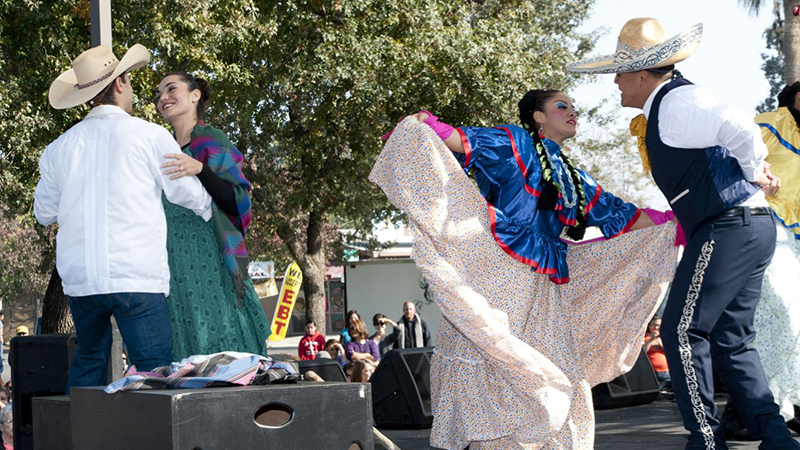
"caption": "Ballet Folklorico Orgullo Mexicano, pictured, Mariachi Uclatlan, and others perform “El Bracero,” a mariachi opera, at Lincoln Oval Park on Saturday, November 15, 2014. “El Bracero” tells the story of Mexican nationals who came to the United States as guest workers. With the United States involved in WW II, guest workers took the place of the men going off to war. ",
"description": "Ballet Folklorico Orgullo Mexicano, pictured, Mariachi Uclatlan, and others perform “El Bracero,” a mariachi opera, at Lincoln Oval Park on Saturday, November 15, 2014. “El Bracero” tells the story of Mexican nationals who came to the United States as guest workers. With the United States involved in WW II, guest workers took the place of the men going off to war. ",
"title": "MAriachi Opera 1crop",
"credit": "Ron Holman/Visalia Times-Delta",
"status": "inherit",
"isLoading": false,
"fetchFailed": false
},
"news_10376880": {
"type": "attachments",
"id": "news_10376880",
"meta": {
"index": "attachments_1716263798",
"site": "news",
"id": "10376880",
"found": true
},
"parent": 10373118,
"imgSizes": {
"twentyfourteen-full-width": {
"file": "https://ww2.kqed.org/app/uploads/sites/10/2014/12/FilmRoom-1038x576.jpg",
"width": 1038,
"mimeType": "image/jpeg",
"height": 576
},
"thumbnail": {
"file": "https://ww2.kqed.org/app/uploads/sites/10/2014/12/FilmRoom-400x178.jpg",
"width": 400,
"mimeType": "image/jpeg",
"height": 178
},
"post-thumbnail": {
"file": "https://ww2.kqed.org/app/uploads/sites/10/2014/12/FilmRoom-672x372.jpg",
"width": 672,
"mimeType": "image/jpeg",
"height": 372
},
"kqedFullSize": {
"file": "https://ww2.kqed.org/app/uploads/sites/10/2014/12/FilmRoom.jpg",
"width": 1440,
"height": 641
},
"guest-author-96": {
"file": "https://ww2.kqed.org/app/uploads/sites/10/2014/12/FilmRoom-96x96.jpg",
"width": 96,
"mimeType": "image/jpeg",
"height": 96
},
"medium": {
"file": "https://ww2.kqed.org/app/uploads/sites/10/2014/12/FilmRoom-800x356.jpg",
"width": 800,
"mimeType": "image/jpeg",
"height": 356
},
"guest-author-64": {
"file": "https://ww2.kqed.org/app/uploads/sites/10/2014/12/FilmRoom-64x64.jpg",
"width": 64,
"mimeType": "image/jpeg",
"height": 64
},
"detail": {
"file": "https://ww2.kqed.org/app/uploads/sites/10/2014/12/FilmRoom-75x75.jpg",
"width": 75,
"mimeType": "image/jpeg",
"height": 75
},
"guest-author-32": {
"file": "https://ww2.kqed.org/app/uploads/sites/10/2014/12/FilmRoom-32x32.jpg",
"width": 32,
"mimeType": "image/jpeg",
"height": 32
},
"guest-author-128": {
"file": "https://ww2.kqed.org/app/uploads/sites/10/2014/12/FilmRoom-128x128.jpg",
"width": 128,
"mimeType": "image/jpeg",
"height": 128
}
},
"publishDate": 1418426735,
"modified": 1418426893,
"caption": "Peter Conheim amid his film print collection. ",
"description": "Peter Conheim amid his film print collection. ",
"title": "FilmRoom",
"credit": "Taylor Jessen/KQED",
"status": "inherit",
"isLoading": false,
"fetchFailed": false
},
"news_10367634": {
"type": "attachments",
"id": "news_10367634",
"meta": {
"index": "attachments_1716263798",
"site": "news",
"id": "10367634",
"found": true
},
"parent": 10367629,
"imgSizes": {
"twentyfourteen-full-width": {
"file": "https://ww2.kqed.org/app/uploads/sites/10/2014/12/TheoJemison_SR_0081-976x576.jpg",
"width": 976,
"mimeType": "image/jpeg",
"height": 576
},
"thumbnail": {
"file": "https://ww2.kqed.org/app/uploads/sites/10/2014/12/TheoJemison_SR_0081-400x266.jpg",
"width": 400,
"mimeType": "image/jpeg",
"height": 266
},
"post-thumbnail": {
"file": "https://ww2.kqed.org/app/uploads/sites/10/2014/12/TheoJemison_SR_0081-672x372.jpg",
"width": 672,
"mimeType": "image/jpeg",
"height": 372
},
"kqedFullSize": {
"file": "https://ww2.kqed.org/app/uploads/sites/10/2014/12/TheoJemison_SR_0081.jpg",
"width": 976,
"height": 650
},
"guest-author-96": {
"file": "https://ww2.kqed.org/app/uploads/sites/10/2014/12/TheoJemison_SR_0081-96x96.jpg",
"width": 96,
"mimeType": "image/jpeg",
"height": 96
},
"medium": {
"file": "https://ww2.kqed.org/app/uploads/sites/10/2014/12/TheoJemison_SR_0081-800x532.jpg",
"width": 800,
"mimeType": "image/jpeg",
"height": 532
},
"guest-author-64": {
"file": "https://ww2.kqed.org/app/uploads/sites/10/2014/12/TheoJemison_SR_0081-64x64.jpg",
"width": 64,
"mimeType": "image/jpeg",
"height": 64
},
"detail": {
"file": "https://ww2.kqed.org/app/uploads/sites/10/2014/12/TheoJemison_SR_0081-75x75.jpg",
"width": 75,
"mimeType": "image/jpeg",
"height": 75
},
"guest-author-32": {
"file": "https://ww2.kqed.org/app/uploads/sites/10/2014/12/TheoJemison_SR_0081-32x32.jpg",
"width": 32,
"mimeType": "image/jpeg",
"height": 32
},
"guest-author-128": {
"file": "https://ww2.kqed.org/app/uploads/sites/10/2014/12/TheoJemison_SR_0081-128x128.jpg",
"width": 128,
"mimeType": "image/jpeg",
"height": 128
}
},
"publishDate": 1417736609,
"modified": 1417737075,
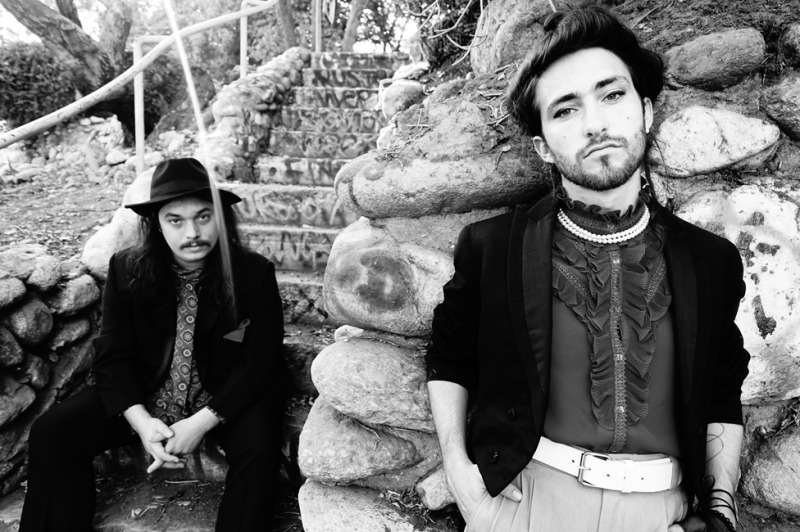
"caption": "Michael Collins and Sasha Desree of Silk Rhodes (Courtesy of Theo Jemison)",
"description": "Silk Rhodes (Courtesy of Theo Jemison)",
"title": "Silk Rhodes (Courtesy of Theo Jemison)",
"credit": null,
"status": "inherit",
"isLoading": false,
"fetchFailed": false
},
"news_125857": {
"type": "attachments",
"id": "news_125857",
"meta": {
"index": "attachments_1716263798",
"site": "news",
"id": "125857",
"found": true
},
"parent": 125840,
"imgSizes": {
"kqedFullSize": {
"file": "https://ww2.kqed.org/app/uploads/sites/10/2014/02/467299859-e1576371957304.jpg",
"width": 1440,
"height": 944
}
},
"publishDate": 1392084645,
"modified": 1576371929,
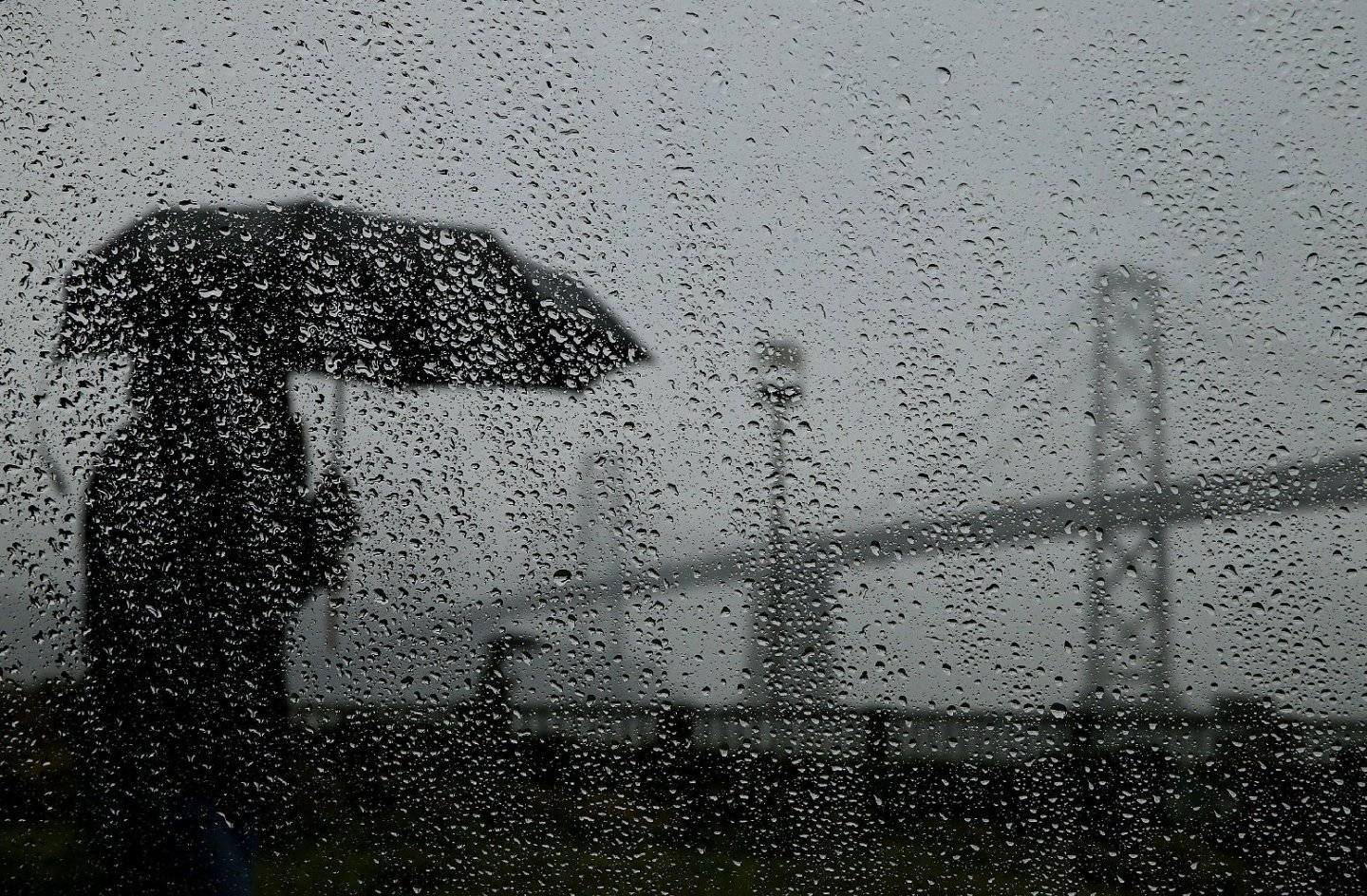
"caption": "Pedestrian in the rain along San Francisco's Embarcadero.",
"description": "Pedestrian in the rain along San Francisco's Embarcadero during Bay Area's first major storm of 2014. (Justin Sullivan/Getty Images)",
"title": "San Francisco-Rain",
"credit": "(Justin Sullivan/Getty Images",
"status": "inherit",
"isLoading": false,
"fetchFailed": false
},
"news_10356398": {
"type": "attachments",
"id": "news_10356398",
"meta": {
"index": "attachments_1716263798",
"site": "news",
"id": "10356398",
"found": true
},
"parent": 10354682,
"imgSizes": {
"twentyfourteen-full-width": {
"file": "https://ww2.kqed.org/app/uploads/sites/10/2014/11/EBDragonsEditLarge-1038x576.jpg",
"width": 1038,
"mimeType": "image/jpeg",
"height": 576
},
"thumbnail": {
"file": "https://ww2.kqed.org/app/uploads/sites/10/2014/11/EBDragonsEditLarge-400x242.jpg",
"width": 400,
"mimeType": "image/jpeg",
"height": 242
},
"post-thumbnail": {
"file": "https://ww2.kqed.org/app/uploads/sites/10/2014/11/EBDragonsEditLarge-672x372.jpg",
"width": 672,
"mimeType": "image/jpeg",
"height": 372
},
"kqedFullSize": {
"file": "https://ww2.kqed.org/app/uploads/sites/10/2014/11/EBDragonsEditLarge.jpg",
"width": 1440,
"height": 873
},
"guest-author-96": {
"file": "https://ww2.kqed.org/app/uploads/sites/10/2014/11/EBDragonsEditLarge-96x96.jpg",
"width": 96,
"mimeType": "image/jpeg",
"height": 96
},
"medium": {
"file": "https://ww2.kqed.org/app/uploads/sites/10/2014/11/EBDragonsEditLarge-800x485.jpg",
"width": 800,
"mimeType": "image/jpeg",
"height": 485
},
"guest-author-64": {
"file": "https://ww2.kqed.org/app/uploads/sites/10/2014/11/EBDragonsEditLarge-64x64.jpg",
"width": 64,
"mimeType": "image/jpeg",
"height": 64
},
"detail": {
"file": "https://ww2.kqed.org/app/uploads/sites/10/2014/11/EBDragonsEditLarge-75x75.jpg",
"width": 75,
"mimeType": "image/jpeg",
"height": 75
},
"guest-author-32": {
"file": "https://ww2.kqed.org/app/uploads/sites/10/2014/11/EBDragonsEditLarge-32x32.jpg",
"width": 32,
"mimeType": "image/jpeg",
"height": 32
},
"guest-author-128": {
"file": "https://ww2.kqed.org/app/uploads/sites/10/2014/11/EBDragonsEditLarge-128x128.jpg",
"width": 128,
"mimeType": "image/jpeg",
"height": 128
}
},
"publishDate": 1416967479,
"modified": 1416968280,
"caption": "A historical photo of the East Bay Dragons.",
"description": "A historical photo of the East Bay Dragons from the group’s Flickr page.",
"title": "EBDragonsEditLarge",
"credit": "East Bay Dragons/Flickr",
"status": "inherit",
"isLoading": false,
"fetchFailed": false
},
"news_10344295": {
"type": "attachments",
"id": "news_10344295",
"meta": {
"index": "attachments_1716263798",
"site": "news",
"id": "10344295",
"found": true
},
"parent": 10344294,
"imgSizes": {
"twentyfourteen-full-width": {
"file": "https://ww2.kqed.org/app/uploads/sites/10/2014/10/AMIS-5-1038x576.jpg",
"width": 1038,
"mimeType": "image/jpeg",
"height": 576
},
"thumbnail": {
"file": "https://ww2.kqed.org/app/uploads/sites/10/2014/10/AMIS-5-400x232.jpg",
"width": 400,
"mimeType": "image/jpeg",
"height": 232
},
"post-thumbnail": {
"file": "https://ww2.kqed.org/app/uploads/sites/10/2014/10/AMIS-5-672x372.jpg",
"width": 672,
"mimeType": "image/jpeg",
"height": 372
},
"kqedFullSize": {
"file": "https://ww2.kqed.org/app/uploads/sites/10/2014/10/AMIS-5-e1414789735666.jpg",
"width": 1440,
"height": 838
},
"large": {
"file": "https://ww2.kqed.org/app/uploads/sites/10/2014/10/AMIS-5-1440x837.jpg",
"width": 1440,
"mimeType": "image/jpeg",
"height": 837
},
"guest-author-96": {
"file": "https://ww2.kqed.org/app/uploads/sites/10/2014/10/AMIS-5-96x96.jpg",
"width": 96,
"mimeType": "image/jpeg",
"height": 96
},
"medium": {
"file": "https://ww2.kqed.org/app/uploads/sites/10/2014/10/AMIS-5-800x465.jpg",
"width": 800,
"mimeType": "image/jpeg",
"height": 465
},
"guest-author-64": {
"file": "https://ww2.kqed.org/app/uploads/sites/10/2014/10/AMIS-5-64x64.jpg",
"width": 64,
"mimeType": "image/jpeg",
"height": 64
},
"detail": {
"file": "https://ww2.kqed.org/app/uploads/sites/10/2014/10/AMIS-5-75x75.jpg",
"width": 75,
"mimeType": "image/jpeg",
"height": 75
},
"guest-author-32": {
"file": "https://ww2.kqed.org/app/uploads/sites/10/2014/10/AMIS-5-32x32.jpg",
"width": 32,
"mimeType": "image/jpeg",
"height": 32
},
"guest-author-128": {
"file": "https://ww2.kqed.org/app/uploads/sites/10/2014/10/AMIS-5-128x128.jpg",
"width": 128,
"mimeType": "image/jpeg",
"height": 128
}
},
"publishDate": 1413573986,
"modified": 1413573986,
"caption": null,
"description": null,
"title": "AMIS 5",
"credit": null,
"status": "inherit",
"isLoading": false,
"fetchFailed": false
},
"news_10351583": {
"type": "attachments",
"id": "news_10351583",
"meta": {
"index": "attachments_1716263798",
"site": "news",
"id": "10351583",
"found": true
},
"parent": 10351579,
"imgSizes": {
"twentyfourteen-full-width": {
"file": "https://ww2.kqed.org/app/uploads/sites/10/2014/11/Anderson-1038x576.jpg",
"width": 1038,
"mimeType": "image/jpeg",
"height": 576
},
"thumbnail": {
"file": "https://ww2.kqed.org/app/uploads/sites/10/2014/11/Anderson-400x225.jpg",
"width": 400,
"mimeType": "image/jpeg",
"height": 225
},
"post-thumbnail": {
"file": "https://ww2.kqed.org/app/uploads/sites/10/2014/11/Anderson-672x372.jpg",
"width": 672,
"mimeType": "image/jpeg",
"height": 372
},
"kqedFullSize": {
"file": "https://ww2.kqed.org/app/uploads/sites/10/2014/11/Anderson.jpg",
"width": 1440,
"height": 810
},
"guest-author-96": {
"file": "https://ww2.kqed.org/app/uploads/sites/10/2014/11/Anderson-96x96.jpg",
"width": 96,
"mimeType": "image/jpeg",
"height": 96
},
"medium": {
"file": "https://ww2.kqed.org/app/uploads/sites/10/2014/11/Anderson-800x450.jpg",
"width": 800,
"mimeType": "image/jpeg",
"height": 450
},
"guest-author-64": {
"file": "https://ww2.kqed.org/app/uploads/sites/10/2014/11/Anderson-64x64.jpg",
"width": 64,
"mimeType": "image/jpeg",
"height": 64
},
"detail": {
"file": "https://ww2.kqed.org/app/uploads/sites/10/2014/11/Anderson-75x75.jpg",
"width": 75,
"mimeType": "image/jpeg",
"height": 75
},
"guest-author-32": {
"file": "https://ww2.kqed.org/app/uploads/sites/10/2014/11/Anderson-32x32.jpg",
"width": 32,
"mimeType": "image/jpeg",
"height": 32
},
"guest-author-128": {
"file": "https://ww2.kqed.org/app/uploads/sites/10/2014/11/Anderson-128x128.jpg",
"width": 128,
"mimeType": "image/jpeg",
"height": 128
}
},
"publishDate": 1416611211,
"modified": 1416621027,
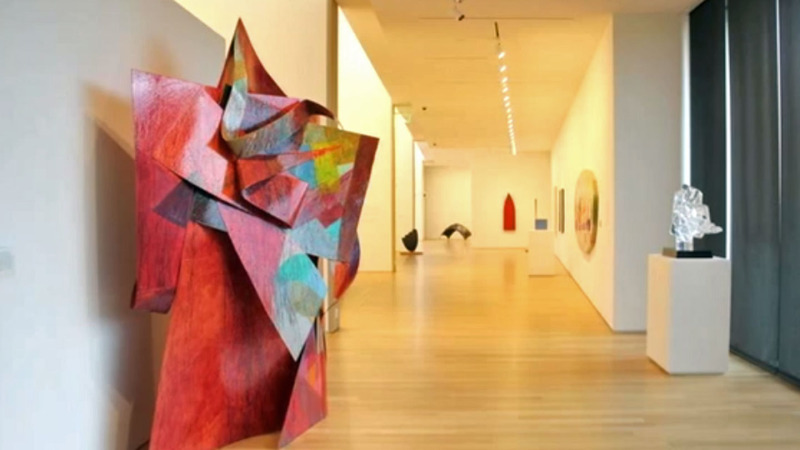
"caption": "The Anderson Collection is now open on Stanford's campus. (Miranda Shepherd)",
"description": "The Anderson Collection is now open on Stanford's campus. (Miranda Shepherd)",
"title": "Anderson",
"credit": null,
"status": "inherit",
"isLoading": false,
"fetchFailed": false
},
"news_10355928": {
"type": "attachments",
"id": "news_10355928",
"meta": {
"index": "attachments_1716263798",
"site": "news",
"id": "10355928",
"found": true
},
"parent": 10351452,
"imgSizes": {
"twentyfourteen-full-width": {
"file": "https://ww2.kqed.org/app/uploads/sites/10/2014/11/13215qut-1038x576.jpg",
"width": 1038,
"mimeType": "image/jpeg",
"height": 576
},
"thumbnail": {
"file": "https://ww2.kqed.org/app/uploads/sites/10/2014/11/13215qut-400x266.jpg",
"width": 400,
"mimeType": "image/jpeg",
"height": 266
},
"post-thumbnail": {
"file": "https://ww2.kqed.org/app/uploads/sites/10/2014/11/13215qut-672x372.jpg",
"width": 672,
"mimeType": "image/jpeg",
"height": 372
},
"kqedFullSize": {
"file": "https://ww2.kqed.org/app/uploads/sites/10/2014/11/13215qut.jpg",
"width": 1440,
"height": 960
},
"guest-author-96": {
"file": "https://ww2.kqed.org/app/uploads/sites/10/2014/11/13215qut-96x96.jpg",
"width": 96,
"mimeType": "image/jpeg",
"height": 96
},
"medium": {
"file": "https://ww2.kqed.org/app/uploads/sites/10/2014/11/13215qut-800x533.jpg",
"width": 800,
"mimeType": "image/jpeg",
"height": 533
},
"guest-author-64": {
"file": "https://ww2.kqed.org/app/uploads/sites/10/2014/11/13215qut-64x64.jpg",
"width": 64,
"mimeType": "image/jpeg",
"height": 64
},
"detail": {
"file": "https://ww2.kqed.org/app/uploads/sites/10/2014/11/13215qut-75x75.jpg",
"width": 75,
"mimeType": "image/jpeg",
"height": 75
},
"guest-author-32": {
"file": "https://ww2.kqed.org/app/uploads/sites/10/2014/11/13215qut-32x32.jpg",
"width": 32,
"mimeType": "image/jpeg",
"height": 32
},
"guest-author-128": {
"file": "https://ww2.kqed.org/app/uploads/sites/10/2014/11/13215qut-128x128.jpg",
"width": 128,
"mimeType": "image/jpeg",
"height": 128
}
},
"publishDate": 1416941441,
"modified": 1416941480,
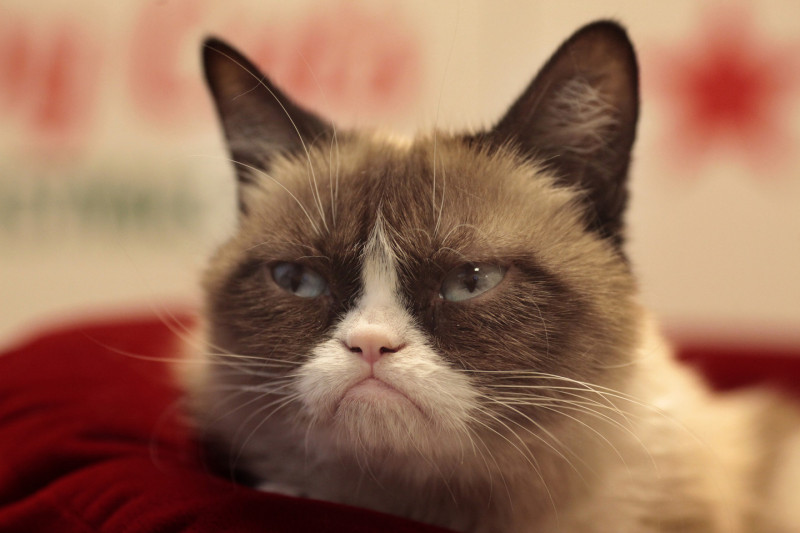
"caption": "Grumpy Cat poses for the press at Macy's in San Francisco, Calif. on Friday, Nov. 11, 2014. Internet sensation (James Tensuan/KQED)",
"description": "Grumpy Cat poses for the press at Macy's in San Francisco, Calif. on Friday, Nov. 11, 2014. Internet sensation (James Tensuan/KQED)",
"title": "13215qut",
"credit": null,
"status": "inherit",
"isLoading": false,
"fetchFailed": false
},
"news_10350438": {
"type": "attachments",
"id": "news_10350438",
"meta": {
"index": "attachments_1716263798",
"site": "news",
"id": "10350438",
"found": true
},
"parent": 10350437,
"imgSizes": {
"twentyfourteen-full-width": {
"file": "https://ww2.kqed.org/app/uploads/sites/10/2014/11/lucasmuseum-1038x576.jpg",
"width": 1038,
"mimeType": "image/jpeg",
"height": 576
},
"thumbnail": {
"file": "https://ww2.kqed.org/app/uploads/sites/10/2014/11/lucasmuseum-400x210.jpg",
"width": 400,
"mimeType": "image/jpeg",
"height": 210
},
"post-thumbnail": {
"file": "https://ww2.kqed.org/app/uploads/sites/10/2014/11/lucasmuseum-672x372.jpg",
"width": 672,
"mimeType": "image/jpeg",
"height": 372
},
"kqedFullSize": {
"file": "https://ww2.kqed.org/app/uploads/sites/10/2014/11/lucasmuseum.jpg",
"width": 1227,
"height": 646
},
"guest-author-96": {
"file": "https://ww2.kqed.org/app/uploads/sites/10/2014/11/lucasmuseum-96x96.jpg",
"width": 96,
"mimeType": "image/jpeg",
"height": 96
},
"medium": {
"file": "https://ww2.kqed.org/app/uploads/sites/10/2014/11/lucasmuseum-800x421.jpg",
"width": 800,
"mimeType": "image/jpeg",
"height": 421
},
"guest-author-64": {
"file": "https://ww2.kqed.org/app/uploads/sites/10/2014/11/lucasmuseum-64x64.jpg",
"width": 64,
"mimeType": "image/jpeg",
"height": 64
},
"detail": {
"file": "https://ww2.kqed.org/app/uploads/sites/10/2014/11/lucasmuseum-75x75.jpg",
"width": 75,
"mimeType": "image/jpeg",
"height": 75
},
"guest-author-32": {
"file": "https://ww2.kqed.org/app/uploads/sites/10/2014/11/lucasmuseum-32x32.jpg",
"width": 32,
"mimeType": "image/jpeg",
"height": 32
},
"guest-author-128": {
"file": "https://ww2.kqed.org/app/uploads/sites/10/2014/11/lucasmuseum-128x128.jpg",
"width": 128,
"mimeType": "image/jpeg",
"height": 128
}
},
"publishDate": 1416520882,
"modified": 1416520969,
"caption": "Artist's rendering of proposed George Lucas museum on Chicago's lakefront. (Lucas Museum of Narrative Art)",
"description": "Artist's rendering of proposed George Lucas museum on Chicago's lakefront. (Lucas Museum of Narrative Art)",
"title": "Lucas Museum-Chicago",
"credit": null,
"status": "inherit",
"isLoading": false,
"fetchFailed": false
},
"news_10349463": {
"type": "attachments",
"id": "news_10349463",
"meta": {
"index": "attachments_1716263798",
"site": "news",
"id": "10349463",
"found": true
},
"parent": 10349462,
"imgSizes": {
"twentyfourteen-full-width": {
"file": "https://ww2.kqed.org/app/uploads/sites/10/2014/11/bill-cosby_wide-8c13ac26490069ddd7a6ea89d95a85c4875a2120-1038x576.jpg",
"width": 1038,
"mimeType": "image/jpeg",
"height": 576
},
"thumbnail": {
"file": "https://ww2.kqed.org/app/uploads/sites/10/2014/11/bill-cosby_wide-8c13ac26490069ddd7a6ea89d95a85c4875a2120-400x224.jpg",
"width": 400,
"mimeType": "image/jpeg",
"height": 224
},
"post-thumbnail": {
"file": "https://ww2.kqed.org/app/uploads/sites/10/2014/11/bill-cosby_wide-8c13ac26490069ddd7a6ea89d95a85c4875a2120-672x372.jpg",
"width": 672,
"mimeType": "image/jpeg",
"height": 372
},
"kqedFullSize": {
"file": "https://ww2.kqed.org/app/uploads/sites/10/2014/11/bill-cosby_wide-8c13ac26490069ddd7a6ea89d95a85c4875a2120-e1421715752944.jpg",
"width": 1440,
"height": 810
},
"large": {
"file": "https://ww2.kqed.org/app/uploads/sites/10/2014/11/bill-cosby_wide-8c13ac26490069ddd7a6ea89d95a85c4875a2120-1440x809.jpg",
"width": 1440,
"mimeType": "image/jpeg",
"height": 809
},
"guest-author-96": {
"file": "https://ww2.kqed.org/app/uploads/sites/10/2014/11/bill-cosby_wide-8c13ac26490069ddd7a6ea89d95a85c4875a2120-96x96.jpg",
"width": 96,
"mimeType": "image/jpeg",
"height": 96
},
"medium": {
"file": "https://ww2.kqed.org/app/uploads/sites/10/2014/11/bill-cosby_wide-8c13ac26490069ddd7a6ea89d95a85c4875a2120-800x449.jpg",
"width": 800,
"mimeType": "image/jpeg",
"height": 449
},
"guest-author-64": {
"file": "https://ww2.kqed.org/app/uploads/sites/10/2014/11/bill-cosby_wide-8c13ac26490069ddd7a6ea89d95a85c4875a2120-64x64.jpg",
"width": 64,
"mimeType": "image/jpeg",
"height": 64
},
"detail": {
"file": "https://ww2.kqed.org/app/uploads/sites/10/2014/11/bill-cosby_wide-8c13ac26490069ddd7a6ea89d95a85c4875a2120-75x75.jpg",
"width": 75,
"mimeType": "image/jpeg",
"height": 75
},
"guest-author-32": {
"file": "https://ww2.kqed.org/app/uploads/sites/10/2014/11/bill-cosby_wide-8c13ac26490069ddd7a6ea89d95a85c4875a2120-32x32.jpg",
"width": 32,
"mimeType": "image/jpeg",
"height": 32
},
"guest-author-128": {
"file": "https://ww2.kqed.org/app/uploads/sites/10/2014/11/bill-cosby_wide-8c13ac26490069ddd7a6ea89d95a85c4875a2120-128x128.jpg",
"width": 128,
"mimeType": "image/jpeg",
"height": 128
}
},
"publishDate": 1416430975,
"modified": 1421715783,
"caption": "Comedian and actor Bill Cosby, seen performing in September.",
"description": "Comedian and actor Bill Cosby, seen here performing in September, is facing several new allegations of sexual assault.",
"title": "Comedian and actor Bill Cosby, seen here performing in September, is facing several new allegations of sexual assault.",
"credit": null,
"status": "inherit",
"isLoading": false,
"fetchFailed": false
},
"news_10348605": {
"type": "attachments",
"id": "news_10348605",
"meta": {
"index": "attachments_1716263798",
"site": "news",
"id": "10348605",
"found": true
},
"parent": 10348546,
"imgSizes": {
"twentyfourteen-full-width": {
"file": "https://ww2.kqed.org/app/uploads/sites/10/2014/11/Igoe-1038x576.jpg",
"width": 1038,
"mimeType": "image/jpeg",
"height": 576
},
"thumbnail": {
"file": "https://ww2.kqed.org/app/uploads/sites/10/2014/11/Igoe-400x193.jpg",
"width": 400,
"mimeType": "image/jpeg",
"height": 193
},
"post-thumbnail": {
"file": "https://ww2.kqed.org/app/uploads/sites/10/2014/11/Igoe-672x372.jpg",
"width": 672,
"mimeType": "image/jpeg",
"height": 372
},
"kqedFullSize": {
"file": "https://ww2.kqed.org/app/uploads/sites/10/2014/11/Igoe.jpg",
"width": 5442,
"height": 2630
},
"large": {
"file": "https://ww2.kqed.org/app/uploads/sites/10/2014/11/Igoe-1440x695.jpg",
"width": 1440,
"mimeType": "image/jpeg",
"height": 695
},
"guest-author-96": {
"file": "https://ww2.kqed.org/app/uploads/sites/10/2014/11/Igoe-96x96.jpg",
"width": 96,
"mimeType": "image/jpeg",
"height": 96
},
"medium": {
"file": "https://ww2.kqed.org/app/uploads/sites/10/2014/11/Igoe-800x386.jpg",
"width": 800,
"mimeType": "image/jpeg",
"height": 386
},
"guest-author-64": {
"file": "https://ww2.kqed.org/app/uploads/sites/10/2014/11/Igoe-64x64.jpg",
"width": 64,
"mimeType": "image/jpeg",
"height": 64
},
"detail": {
"file": "https://ww2.kqed.org/app/uploads/sites/10/2014/11/Igoe-75x75.jpg",
"width": 75,
"mimeType": "image/jpeg",
"height": 75
},
"guest-author-32": {
"file": "https://ww2.kqed.org/app/uploads/sites/10/2014/11/Igoe-32x32.jpg",
"width": 32,
"mimeType": "image/jpeg",
"height": 32
},
"guest-author-128": {
"file": "https://ww2.kqed.org/app/uploads/sites/10/2014/11/Igoe-128x128.jpg",
"width": 128,
"mimeType": "image/jpeg",
"height": 128
}
},
"publishDate": 1416003478,
"modified": 1416021158,
"caption": "The Tommy Igoe Groove Conspiracy (Photo: The Addition)",
"description": "The Tommy Igoe Groove Conspiracy (Photo: The Addition)",
"title": "Igoe",
"credit": null,
"status": "inherit",
"isLoading": false,
"fetchFailed": false
},
"news_10347741": {
"type": "attachments",
"id": "news_10347741",
"meta": {
"index": "attachments_1716263798",
"site": "news",
"id": "10347741",
"found": true
},
"parent": 10347619,
"imgSizes": {
"twentyfourteen-full-width": {
"file": "https://ww2.kqed.org/app/uploads/sites/10/2014/11/WendeMuseum_10_0-798x576.jpg",
"width": 798,
"mimeType": "image/jpeg",
"height": 576
},
"thumbnail": {
"file": "https://ww2.kqed.org/app/uploads/sites/10/2014/11/WendeMuseum_10_0-400x601.jpg",
"width": 400,
"mimeType": "image/jpeg",
"height": 601
},
"post-thumbnail": {
"file": "https://ww2.kqed.org/app/uploads/sites/10/2014/11/WendeMuseum_10_0-672x372.jpg",
"width": 672,
"mimeType": "image/jpeg",
"height": 372
},
"kqedFullSize": {
"file": "https://ww2.kqed.org/app/uploads/sites/10/2014/11/WendeMuseum_10_0.jpg",
"width": 798,
"height": 1200
},
"guest-author-96": {
"file": "https://ww2.kqed.org/app/uploads/sites/10/2014/11/WendeMuseum_10_0-96x96.jpg",
"width": 96,
"mimeType": "image/jpeg",
"height": 96
},
"guest-author-64": {
"file": "https://ww2.kqed.org/app/uploads/sites/10/2014/11/WendeMuseum_10_0-64x64.jpg",
"width": 64,
"mimeType": "image/jpeg",
"height": 64
},
"detail": {
"file": "https://ww2.kqed.org/app/uploads/sites/10/2014/11/WendeMuseum_10_0-75x75.jpg",
"width": 75,
"mimeType": "image/jpeg",
"height": 75
},
"guest-author-32": {
"file": "https://ww2.kqed.org/app/uploads/sites/10/2014/11/WendeMuseum_10_0-32x32.jpg",
"width": 32,
"mimeType": "image/jpeg",
"height": 32
},
"guest-author-128": {
"file": "https://ww2.kqed.org/app/uploads/sites/10/2014/11/WendeMuseum_10_0-128x128.jpg",
"width": 128,
"mimeType": "image/jpeg",
"height": 128
}
},
"publishDate": 1415406685,
"modified": 1415406734,
"caption": "Vandalized Lenin Bust,\n1965/89, made of plaster and produced in East Germany. (Marie Astrid González/Wende Museum)",
"description": "Vandalized Lenin Bust,\n1965/89, made of plaster and produced in East Germany. (Marie Astrid González/Wende Museum)",
"title": "WendeMuseum_10_0",
"credit": null,
"status": "inherit",
"isLoading": false,
"fetchFailed": false
}
},
"audioPlayerReducer": {
"postId": "stream_live",
"isPaused": true,
"isPlaying": false,
"pfsActive": false,
"pledgeModalIsOpen": true,
"playerDrawerIsOpen": false,
"liveAudioPlayStartedAt": 0,
"liveAudioPlayContext": ""
},
"authorsReducer": {
"byline_arts_10208491": {
"type": "authors",
"id": "byline_arts_10208491",
"meta": {
"override": true
},
"slug": "byline_arts_10208491",
"name": "Ezra David Romero ",
"isLoading": false
},
"byline_news_10367629": {
"type": "authors",
"id": "byline_news_10367629",
"meta": {
"override": true
},
"slug": "byline_news_10367629",
"name": "Steve Hochman",
"isLoading": false
},
"byline_news_10354682": {
"type": "authors",
"id": "byline_news_10354682",
"meta": {
"override": true
},
"slug": "byline_news_10354682",
"name": "Aaron Mendelson",
"isLoading": false
},
"byline_news_10344294": {
"type": "authors",
"id": "byline_news_10344294",
"meta": {
"override": true
},
"slug": "byline_news_10344294",
"name": "Peter Gilstrap",
"isLoading": false
},
"byline_news_10351579": {
"type": "authors",
"id": "byline_news_10351579",
"meta": {
"override": true
},
"slug": "byline_news_10351579",
"name": "\u003ca href=\"http://peninsulapress.com/author/mirandashepherd/\">Miranda Shepherd\u003c/a>\u003cbr>Peninsula Press",
"isLoading": false
},
"byline_news_10349462": {
"type": "authors",
"id": "byline_news_10349462",
"meta": {
"override": true
},
"slug": "byline_news_10349462",
"name": "Bill Chappell\u003cbr />NPR",
"isLoading": false
},
"byline_news_10348546": {
"type": "authors",
"id": "byline_news_10348546",
"meta": {
"override": true
},
"slug": "byline_news_10348546",
"name": "Andrew Gilbert",
"isLoading": false
},
"byline_news_10347619": {
"type": "authors",
"id": "byline_news_10347619",
"meta": {
"override": true
},
"slug": "byline_news_10347619",
"name": "Valerie Hamilton",
"isLoading": false
},
"jbrooks": {
"type": "authors",
"id": "80",
"meta": {
"index": "authors_1716337520",
"id": "80",
"found": true
},
"name": "Jon Brooks",
"firstName": "Jon",
"lastName": "Brooks",
"slug": "jbrooks",
"email": "jbrooks@kqed.org",
"display_author_email": true,
"staff_mastheads": [
"science"
],
"title": "Digital Editor",
"bio": "Jon Brooks is a former Digital Editor for KQED Science. He is the former editor of KQED’s daily news blog, News Fix. In 2014, he won a California Journalism Award for his coverage of ride services like Uber and Lyft and the taxi industry. A veteran blogger, he previously worked for Yahoo! in various news writing and editing roles. Jon is also a playwright whose work has been produced in San Francisco, New York, Italy, and around the U.S. He has written about film for his own blog and studied film at Boston University.",
"avatar": "https://secure.gravatar.com/avatar/98887f7ed1c876ed414d4c915e969584?s=600&d=blank&r=g",
"twitter": "jbrooksfoy",
"facebook": null,
"instagram": null,
"linkedin": null,
"sites": [
{
"site": "arts",
"roles": [
"Contributor",
"editor"
]
},
{
"site": "news",
"roles": [
"author"
]
},
{
"site": "futureofyou",
"roles": [
"administrator"
]
},
{
"site": "mindshift",
"roles": [
"editor"
]
},
{
"site": "stateofhealth",
"roles": [
"editor"
]
},
{
"site": "science",
"roles": [
"administrator"
]
},
{
"site": "quest",
"roles": [
"editor"
]
}
],
"headData": {
"title": "Jon Brooks | KQED",
"description": "Digital Editor",
"ogImgSrc": "https://secure.gravatar.com/avatar/98887f7ed1c876ed414d4c915e969584?s=600&d=blank&r=g",
"twImgSrc": "https://secure.gravatar.com/avatar/98887f7ed1c876ed414d4c915e969584?s=600&d=blank&r=g"
},
"isLoading": false,
"link": "/author/jbrooks"
},
"danbrekke": {
"type": "authors",
"id": "222",
"meta": {
"index": "authors_1716337520",
"id": "222",
"found": true
},
"name": "Dan Brekke",
"firstName": "Dan",
"lastName": "Brekke",
"slug": "danbrekke",
"email": "dbrekke@kqed.org",
"display_author_email": true,
"staff_mastheads": [
"news",
"science"
],
"title": "KQED Editor and Reporter",
"bio": "Dan Brekke is a reporter and editor for KQED News, responsible for coverage of topics ranging from California water issues to the Bay Area's transportation challenges. In a newsroom career that began in Chicago in 1972, Dan has worked for \u003cem>The San Francisco Examiner,\u003c/em> Wired and TechTV and has been published in The New York Times, The New York Times Magazine, Business 2.0, Salon and elsewhere.\r\n\r\nSince joining KQED in 2007, Dan has reported, edited and produced both radio and online features and breaking news pieces. He has shared as both editor and reporter in four Society of Professional Journalists Norcal Excellence in Journalism awards and one Edward R. Murrow regional award. He was chosen for a spring 2017 residency at the Mesa Refuge to advance his research on California salmon.\r\n\r\nEmail Dan at: \u003ca href=\"mailto:dbrekke@kqed.org\">dbrekke@kqed.org\u003c/a>\r\n\r\n\u003cstrong>Twitter:\u003c/strong> \u003ca href=\"https://twitter.com/danbrekke\" rel=\"noopener noreferrer\">twitter.com/danbrekke\u003c/a>\r\n\u003cstrong>Facebook:\u003c/strong> \u003ca href=\"https://www.facebook.com/danbrekke\" rel=\"noopener noreferrer\">www.facebook.com/danbrekke\u003c/a>\r\n\u003cstrong>LinkedIn:\u003c/strong> \u003ca href=\"https://www.linkedin.com/in/danbrekke\" rel=\"noopener noreferrer\">www.linkedin.com/in/danbrekke\u003c/a>",
"avatar": "https://secure.gravatar.com/avatar/8f1f0d2a978fb3b23426c922c7e2af558fa36905b49c4ce76a97dc3c72d27226?s=600&d=mm&r=g",
"twitter": "danbrekke",
"bluesky": null,
"facebook": null,
"instagram": "https://www.instagram.com/dan.brekke/",
"linkedin": "https://www.linkedin.com/in/danbrekke/",
"sites": [
{
"site": "news",
"roles": [
"administrator",
"create_posts"
]
},
{
"site": "stateofhealth",
"roles": [
"editor"
]
},
{
"site": "science",
"roles": [
"editor"
]
},
{
"site": "quest",
"roles": [
"contributor"
]
},
{
"site": "food",
"roles": [
"contributor"
]
},
{
"site": "forum",
"roles": [
"contributor"
]
},
{
"site": "elections",
"roles": [
"editor"
]
},
{
"site": "liveblog",
"roles": [
"editor"
]
}
],
"headData": {
"title": "Dan Brekke | KQED",
"description": "KQED Editor and Reporter",
"ogImgSrc": "https://secure.gravatar.com/avatar/8f1f0d2a978fb3b23426c922c7e2af558fa36905b49c4ce76a97dc3c72d27226?s=600&d=mm&r=g",
"twImgSrc": "https://secure.gravatar.com/avatar/8f1f0d2a978fb3b23426c922c7e2af558fa36905b49c4ce76a97dc3c72d27226?s=600&d=mm&r=g"
},
"isLoading": false,
"link": "/author/danbrekke"
},
"kqed": {
"type": "authors",
"id": "236",
"meta": {
"index": "authors_1716337520",
"id": "236",
"found": true
},
"name": "KQED News Staff",
"firstName": "KQED News Staff",
"lastName": null,
"slug": "kqed",
"email": "faq@kqed.org",
"display_author_email": false,
"staff_mastheads": [],
"title": null,
"bio": null,
"avatar": "https://secure.gravatar.com/avatar/ef0e801a68c4c54afa9180db14084167?s=600&d=blank&r=g",
"twitter": null,
"facebook": null,
"instagram": null,
"linkedin": null,
"sites": [
{
"site": "arts",
"roles": [
"contributor"
]
},
{
"site": "news",
"roles": [
"editor"
]
},
{
"site": "futureofyou",
"roles": [
"author"
]
}
],
"headData": {
"title": "KQED News Staff | KQED",
"description": null,
"ogImgSrc": "https://secure.gravatar.com/avatar/ef0e801a68c4c54afa9180db14084167?s=600&d=blank&r=g",
"twImgSrc": "https://secure.gravatar.com/avatar/ef0e801a68c4c54afa9180db14084167?s=600&d=blank&r=g"
},
"isLoading": false,
"link": "/author/kqed"
},
"jtensuan": {
"type": "authors",
"id": "2598",
"meta": {
"index": "authors_1716337520",
"id": "2598",
"found": true
},
"name": "James Tensuan",
"firstName": "James",
"lastName": "Tensuan",
"slug": "jtensuan",
"email": "jtensuan@KQED.org",
"display_author_email": false,
"staff_mastheads": [],
"title": null,
"bio": null,
"avatar": "https://secure.gravatar.com/avatar/e1884a809af2335ff4d1bdc3ee242868?s=600&d=blank&r=g",
"twitter": null,
"facebook": null,
"instagram": null,
"linkedin": null,
"sites": [
{
"site": "news",
"roles": [
"contributor"
]
}
],
"headData": {
"title": "James Tensuan | KQED",
"description": null,
"ogImgSrc": "https://secure.gravatar.com/avatar/e1884a809af2335ff4d1bdc3ee242868?s=600&d=blank&r=g",
"twImgSrc": "https://secure.gravatar.com/avatar/e1884a809af2335ff4d1bdc3ee242868?s=600&d=blank&r=g"
},
"isLoading": false,
"link": "/author/jtensuan"
}
},
"pagesReducer": {
"news_category_arts-and-culture": {
"type": "terms",
"id": "news_223",
"meta": {
"index": "terms_1716263798",
"site": "news",
"id": "223",
"score": 11.2428875
},
"featImg": null,
"name": "Arts and Culture",
"description": null,
"taxonomy": "category",
"headData": {
"twImgId": null,
"twTitle": null,
"ogTitle": null,
"ogImgId": null,
"twDescription": null,
"description": null,
"title": "Arts and Culture Archives | KQED News",
"ogDescription": null
},
"ttid": 231,
"slug": "arts-and-culture",
"isLoading": false,
"title": "Arts and Culture",
"pageMeta": {
"site": "news",
"WpPageTemplate": "page-topic-editorial",
"currentPage": 134
},
"blocks": [
{
"blockName": "kqed/post-list",
"attrs": {
"layout": "cardArticle2",
"query": "posts/news?category=arts-and-culture",
"seeMore": false,
"paginated": true,
"page": 134
}
},
{
"blockName": "kqed/ad"
}
]
}
},
"pfsSessionReducer": {},
"postsReducer": {
"stream_live": {
"type": "live",
"id": "stream_live",
"audioUrl": "https://streams.kqed.org/kqedradio",
"title": "Live Stream",
"excerpt": "Live Stream information currently unavailable.",
"link": "/radio",
"featImg": "",
"label": {
"name": "KQED Live",
"link": "/"
}
},
"stream_kqedNewscast": {
"type": "posts",
"id": "stream_kqedNewscast",
"audioUrl": "https://www.kqed.org/.stream/anon/radio/RDnews/newscast.mp3?_=1",
"title": "KQED Newscast",
"featImg": "",
"label": {
"name": "88.5 FM",
"link": "/"
}
},
"arts_10208491": {
"type": "posts",
"id": "arts_10208491",
"meta": {
"index": "posts_1716263798",
"site": "arts",
"id": "10208491",
"score": null,
"sort": [
1418421664000
]
},
"guestAuthors": [],
"slug": "mariachi-scored-opera-details-life-of-mexican-immigrants-in-1940s-california",
"title": "Mariachi-Scored Opera Details Life of Mexican Immigrants in 1940s California",
"publishDate": 1418421664,
"format": "standard",
"headTitle": "Mariachi-Scored Opera Details Life of Mexican Immigrants in 1940s California | KQED",
"labelTerm": {
"site": "arts"
},
"content": "\u003cp>When you think of opera, you probably think lavish productions, performed in major metropolitan areas. But in the city of Visalia, in rural Tulare County, a small opera company is taking on a big task. It’s brought opera and mariachi music together, to create an original work that explores the lives of the farm workers who came to the US as part of the bracero program.\u003c/p>\n\u003cp>Mariachi in many ways is the soundtrack to people’s lives in Central California, documenting stories of love, heartache and struggle. It’s played at celebrations of all sorts. But rarely is it heard in the world of opera, until now.\u003c/p>\n\u003cp>[soundcloud url=”https://api.soundcloud.com/tracks/181264900″ params=”color=ff5500&auto_play=false&hide_related=false&show_comments=true&show_user=true&show_reposts=false” width=”100%” height=”166″ iframe=”true” /]\u003c/p>\n\u003cp>“When I hear mariachis, I feel very connected and rooted all of a sudden,” says Rosalinda Verde, a classically trained opera singer who runs the Visalia Opera Company.\u003c/p>\n\u003cp>She decided to fuse the two art forms into one production: a mariachi opera called \u003cem>El Bracero\u003c/em>. It’s thought to be the second of its kind in the world.\u003c/p>\n\u003cfigure id=\"attachment_10209435\" class=\"wp-caption alignright\" style=\"max-width: 800px\">\u003cimg loading=\"lazy\" decoding=\"async\" src=\"http://ww2.kqed.org/arts/wp-content/uploads/sites/2/2014/12/Noelvia.jpg\" alt=\"<i>El Bracero</i> is a story of love and struggle told through opera and mariachi.\" width=\"800\" height=\"450\" class=\"size-full wp-image-10209435\" srcset=\"https://cdn.kqed.org/wp-content/uploads/sites/2/2014/12/Noelvia.jpg 800w, https://cdn.kqed.org/wp-content/uploads/sites/2/2014/12/Noelvia-400x225.jpg 400w\" sizes=\"(max-width: 800px) 100vw, 800px\">\u003cfigcaption class=\"wp-caption-text\">\u003ci>El Bracero\u003c/i> is a story of love and struggle told through opera and mariachi. Noelvia Prado, right, plays herself in the opera inspired by her father’s participation in the bracero program.\u003c/figcaption>\u003c/figure>\n\u003cp>“Opera is to tell a story through song and that’s what we’re doing,” Verde says. “We’re using traditional mariachi songs that people will know and recognize and that will bring them into the story.”\u003c/p>\n\u003cp>[ad fullwidth]\u003c/p>\n\u003cp>Verde grew up in Visalia and saw a rendition of the first mariachi opera earlier this year by Mexico City’s Mariachi Vargas called \u003cem>Cruzar La Cara de la Luna\u003c/em>.\u003c/p>\n\u003cp>“I saw it in San Diego,” Verde recalls. “It was also an immigrant story, and at the end of it you could hear people bawling, crying so I thought ‘Wow, I want to do that actual opera but they are still performing it so I can’t get the rights to that.’”\u003cbr>\nSo she says she had to write her own. \u003c/p>\n\u003cp>Set in the 1940s, \u003cem>El Bracero\u003c/em> explores life in the bracero program, which opened the door for Mexican nationals to work temporarily in the U.S. The program started in 1942, during World War II, and ended in 1964.\u003c/p>\n\u003cp>Rosalinda’s father Francisco Verde narrates the opera, weaving storytelling through acting, folkloric dance and song.\u003c/p>\n\u003cfigure id=\"attachment_10209436\" class=\"wp-caption alignright\" style=\"max-width: 640px\">\u003cimg loading=\"lazy\" decoding=\"async\" src=\"http://ww2.kqed.org/arts/wp-content/uploads/sites/2/2014/12/Verde.jpg\" alt=\"Rosalinda Verde, right, wrote the mariachi opera in about a week this summer.\" width=\"640\" height=\"360\" class=\"size-full wp-image-10209436\" srcset=\"https://cdn.kqed.org/wp-content/uploads/sites/2/2014/12/Verde.jpg 640w, https://cdn.kqed.org/wp-content/uploads/sites/2/2014/12/Verde-400x225.jpg 400w\" sizes=\"(max-width: 640px) 100vw, 640px\">\u003cfigcaption class=\"wp-caption-text\">Rosalinda Verde, right, wrote the mariachi opera in about a week this summer.\u003c/figcaption>\u003c/figure>\n\u003cp>“How many times have you heard opera being shared in the Mexican Heritage? Never,” Verde says. “The ballet folklorico has always been in existence but it’s going to come in with the mariachis and opera and acting.”\u003c/p>\n\u003cp>The opera is inspired by the story of Francisco Verde’s parents and also centers around the story of Noe Prado, who came to California as a bracero. The opera recounts how Prado struggles to make a living so he can support the love of his life in Mexico.\u003c/p>\n\u003cp>Prado’s daughter Noelvia plays herself in the production. She was pulled in last minute when the actor playing her got sick.\u003c/p>\n\u003cp>“Growing up, my dad always made it a very important part of our life to know our roots and what he came from,” Prado says.\u003c/p>\n\u003cp>Life wasn’t easy for the braceros. Many claim they were unfairly compensated, racially discriminated against, and that there was little federal enforcement of the rights they were promised.\u003c/p>\n\u003cp>“This is their story, including just the true hard labor of working in the fields,” Rosalinda Verde says. “All the promises that the U.S. had made did not turn out to be in a lot of the instances.”\u003c/p>\n\u003cfigure id=\"attachment_10209437\" class=\"wp-caption alignright\" style=\"max-width: 640px\">\u003cimg loading=\"lazy\" decoding=\"async\" src=\"http://ww2.kqed.org/arts/wp-content/uploads/sites/2/2014/12/Working.jpg\" alt=\"<i>El Bracero </i> depicts life in the bracero program, which allowed temporary contract laborers from Mexico to the United States.\" width=\"640\" height=\"360\" class=\"size-full wp-image-10209437\" srcset=\"https://cdn.kqed.org/wp-content/uploads/sites/2/2014/12/Working.jpg 640w, https://cdn.kqed.org/wp-content/uploads/sites/2/2014/12/Working-400x225.jpg 400w\" sizes=\"(max-width: 640px) 100vw, 640px\">\u003cfigcaption class=\"wp-caption-text\">\u003ci>El Bracero\u003c/i> depicts life in the bracero program, which allowed temporary contract laborers from Mexico to the United States.\u003c/figcaption>\u003c/figure>\n\u003cp>\u003cem>El Bracero\u003c/em> is funded through a grant from the Fresno Regional Foundation, and part of the requirements mandate the opera be performed in a nontraditional setting. The first opera was held last month in a park in Visalia. It’s a neighborhood known for homelessness and gang activity. Still, more than 300 people attended.\u003c/p>\n\u003cp>Retired Visalia Teacher Richard Rodriguez says the mariachi opera reminded him of his family history.\u003c/p>\n\u003cp>“All of a sudden it engulfs you,” said Rodriguez. “You don’t even know you’re experiencing this but you’re feeling something until you go back home. Oh my God, I just saw my momma and poppa’s story. I just saw an orchestra that happened to be a mariachi group and they were excellent.”\u003c/p>\n\u003cp>It’s responses like this that Rosalinda Verde is looking for. It’s her desire to link the medium of opera to the community she lives in.\u003c/p>\n\u003cp>“I feel like it’s a very good marriage, simply because we can,” she says. “We live in the Valley and we are open to creating new things here.”\u003c/p>\n\u003cp>Verde says \u003cem>El Bracero\u003c/em> will be performed again in 2015, possibly in the Central California Community of Lindsay.\u003c/p>\n\u003cp>\u003cem>Featured image courtesy of the \u003ca href=\"http://www.visaliatimesdelta.com/\" target=\"_blank\" rel=\"noopener\">Visalia Times Delta.\u003c/a> View more photos of the opera at Times-Delta’s \u003ca href=\"http://www.visaliatimesdelta.com/media/cinematic/gallery/19182945/el-bracero/\" target=\"_blank\" rel=\"noopener\">gallery page\u003c/a>. \u003c/em>\u003c/p>\n\u003cp>\u003ca href=\"http://ww2.kqed.org/arts/wp-content/uploads/sites/2/2014/10/CAC-300-e1414012584579.jpg\">\u003cimg loading=\"lazy\" decoding=\"async\" class=\"alignright size-full wp-image-10144333\" src=\"http://ww2.kqed.org/arts/wp-content/uploads/sites/2/2014/10/CAC-300-e1414012584579.jpg\" alt=\"CAC-300\" width=\"250\" height=\"67\">\u003c/a>\u003c/p>\n\u003cp>\u003c/p>\n\u003cp>\u003ci>Funding for coverage of arts that explore social issues is provided by the California Arts Council.\u003c/i>\u003c/p>\n\n",
"blocks": [],
"excerpt": "In rural Tulare County, an opera company has combined the form with mariachi music to create an original work about farm workers who came to the U.S. as part of the bracero program.",
"status": "publish",
"parent": 0,
"modified": 1726781962,
"stats": {
"hasAudio": false,
"hasVideo": false,
"hasChartOrMap": false,
"iframeSrcs": [],
"hasGoogleForm": false,
"hasGallery": false,
"hasHearkenModule": false,
"hasPolis": false,
"paragraphCount": 27,
"wordCount": 948
},
"headData": {
"title": "Mariachi-Scored Opera Details Life of Mexican Immigrants in 1940s California | KQED",
"description": "In rural Tulare County, an opera company has combined the form with mariachi music to create an original work about farm workers who came to the U.S. as part of the bracero program.",
"ogTitle": "",
"ogDescription": "",
"ogImgId": "",
"twTitle": "",
"twDescription": "",
"twImgId": "",
"schema": {
"@context": "https://schema.org",
"@type": "Article",
"headline": "Mariachi-Scored Opera Details Life of Mexican Immigrants in 1940s California",
"datePublished": "2014-12-12T14:01:04-08:00",
"dateModified": "2024-09-19T14:39:22-07:00",
"image": "https://cdn.kqed.org/wp-content/uploads/2020/02/KQED-OG-Image@1x.png"
}
},
"sticky": false,
"nprByline": "Ezra David Romero ",
"path": "/arts/10208491/mariachi-scored-opera-details-life-of-mexican-immigrants-in-1940s-california",
"audioTrackLength": null,
"parsedContent": [
{
"type": "contentString",
"content": "\u003cdiv class=\"post-body\">\u003cp>\u003cp>When you think of opera, you probably think lavish productions, performed in major metropolitan areas. But in the city of Visalia, in rural Tulare County, a small opera company is taking on a big task. It’s brought opera and mariachi music together, to create an original work that explores the lives of the farm workers who came to the US as part of the bracero program.\u003c/p>\n\u003cp>Mariachi in many ways is the soundtrack to people’s lives in Central California, documenting stories of love, heartache and struggle. It’s played at celebrations of all sorts. But rarely is it heard in the world of opera, until now.\u003c/p>\n\u003cp>\u003c/p>\u003cp>\u003cdiv class='utils-parseShortcode-shortcodes-__shortcodes__shortcodeWrapper'>\n \u003ciframe width='”100%”' height='”166″'\n scrolling='no' frameborder='no'\n src='https://w.soundcloud.com/player/?url=”https://api.soundcloud.com/tracks/181264900″&visual=true&”color=ff5500&auto_play=false&hide_related=false&show_comments=true&show_user=true&show_reposts=false”'\n title='”https://api.soundcloud.com/tracks/181264900″'>\n \u003c/iframe>\n \u003c/div>\u003c/p>\u003cp>\u003c/p>\n\u003cp>“When I hear mariachis, I feel very connected and rooted all of a sudden,” says Rosalinda Verde, a classically trained opera singer who runs the Visalia Opera Company.\u003c/p>\n\u003cp>She decided to fuse the two art forms into one production: a mariachi opera called \u003cem>El Bracero\u003c/em>. It’s thought to be the second of its kind in the world.\u003c/p>\n\u003cfigure id=\"attachment_10209435\" class=\"wp-caption alignright\" style=\"max-width: 800px\">\u003cimg loading=\"lazy\" decoding=\"async\" src=\"http://ww2.kqed.org/arts/wp-content/uploads/sites/2/2014/12/Noelvia.jpg\" alt=\"<i>El Bracero</i> is a story of love and struggle told through opera and mariachi.\" width=\"800\" height=\"450\" class=\"size-full wp-image-10209435\" srcset=\"https://cdn.kqed.org/wp-content/uploads/sites/2/2014/12/Noelvia.jpg 800w, https://cdn.kqed.org/wp-content/uploads/sites/2/2014/12/Noelvia-400x225.jpg 400w\" sizes=\"(max-width: 800px) 100vw, 800px\">\u003cfigcaption class=\"wp-caption-text\">\u003ci>El Bracero\u003c/i> is a story of love and struggle told through opera and mariachi. Noelvia Prado, right, plays herself in the opera inspired by her father’s participation in the bracero program.\u003c/figcaption>\u003c/figure>\n\u003cp>“Opera is to tell a story through song and that’s what we’re doing,” Verde says. “We’re using traditional mariachi songs that people will know and recognize and that will bring them into the story.”\u003c/p>\n\u003cp>\u003c/p>\u003c/div>",
"attributes": {
"named": {},
"numeric": []
}
},
{
"type": "component",
"content": "",
"name": "ad",
"attributes": {
"named": {
"label": "fullwidth"
},
"numeric": [
"fullwidth"
]
}
},
{
"type": "contentString",
"content": "\u003cdiv class=\"post-body\">\u003cp>\u003c/p>\n\u003cp>Verde grew up in Visalia and saw a rendition of the first mariachi opera earlier this year by Mexico City’s Mariachi Vargas called \u003cem>Cruzar La Cara de la Luna\u003c/em>.\u003c/p>\n\u003cp>“I saw it in San Diego,” Verde recalls. “It was also an immigrant story, and at the end of it you could hear people bawling, crying so I thought ‘Wow, I want to do that actual opera but they are still performing it so I can’t get the rights to that.’”\u003cbr>\nSo she says she had to write her own. \u003c/p>\n\u003cp>Set in the 1940s, \u003cem>El Bracero\u003c/em> explores life in the bracero program, which opened the door for Mexican nationals to work temporarily in the U.S. The program started in 1942, during World War II, and ended in 1964.\u003c/p>\n\u003cp>Rosalinda’s father Francisco Verde narrates the opera, weaving storytelling through acting, folkloric dance and song.\u003c/p>\n\u003cfigure id=\"attachment_10209436\" class=\"wp-caption alignright\" style=\"max-width: 640px\">\u003cimg loading=\"lazy\" decoding=\"async\" src=\"http://ww2.kqed.org/arts/wp-content/uploads/sites/2/2014/12/Verde.jpg\" alt=\"Rosalinda Verde, right, wrote the mariachi opera in about a week this summer.\" width=\"640\" height=\"360\" class=\"size-full wp-image-10209436\" srcset=\"https://cdn.kqed.org/wp-content/uploads/sites/2/2014/12/Verde.jpg 640w, https://cdn.kqed.org/wp-content/uploads/sites/2/2014/12/Verde-400x225.jpg 400w\" sizes=\"(max-width: 640px) 100vw, 640px\">\u003cfigcaption class=\"wp-caption-text\">Rosalinda Verde, right, wrote the mariachi opera in about a week this summer.\u003c/figcaption>\u003c/figure>\n\u003cp>“How many times have you heard opera being shared in the Mexican Heritage? Never,” Verde says. “The ballet folklorico has always been in existence but it’s going to come in with the mariachis and opera and acting.”\u003c/p>\n\u003cp>The opera is inspired by the story of Francisco Verde’s parents and also centers around the story of Noe Prado, who came to California as a bracero. The opera recounts how Prado struggles to make a living so he can support the love of his life in Mexico.\u003c/p>\n\u003cp>Prado’s daughter Noelvia plays herself in the production. She was pulled in last minute when the actor playing her got sick.\u003c/p>\n\u003cp>“Growing up, my dad always made it a very important part of our life to know our roots and what he came from,” Prado says.\u003c/p>\n\u003cp>Life wasn’t easy for the braceros. Many claim they were unfairly compensated, racially discriminated against, and that there was little federal enforcement of the rights they were promised.\u003c/p>\n\u003cp>“This is their story, including just the true hard labor of working in the fields,” Rosalinda Verde says. “All the promises that the U.S. had made did not turn out to be in a lot of the instances.”\u003c/p>\n\u003cfigure id=\"attachment_10209437\" class=\"wp-caption alignright\" style=\"max-width: 640px\">\u003cimg loading=\"lazy\" decoding=\"async\" src=\"http://ww2.kqed.org/arts/wp-content/uploads/sites/2/2014/12/Working.jpg\" alt=\"<i>El Bracero </i> depicts life in the bracero program, which allowed temporary contract laborers from Mexico to the United States.\" width=\"640\" height=\"360\" class=\"size-full wp-image-10209437\" srcset=\"https://cdn.kqed.org/wp-content/uploads/sites/2/2014/12/Working.jpg 640w, https://cdn.kqed.org/wp-content/uploads/sites/2/2014/12/Working-400x225.jpg 400w\" sizes=\"(max-width: 640px) 100vw, 640px\">\u003cfigcaption class=\"wp-caption-text\">\u003ci>El Bracero\u003c/i> depicts life in the bracero program, which allowed temporary contract laborers from Mexico to the United States.\u003c/figcaption>\u003c/figure>\n\u003cp>\u003cem>El Bracero\u003c/em> is funded through a grant from the Fresno Regional Foundation, and part of the requirements mandate the opera be performed in a nontraditional setting. The first opera was held last month in a park in Visalia. It’s a neighborhood known for homelessness and gang activity. Still, more than 300 people attended.\u003c/p>\n\u003cp>Retired Visalia Teacher Richard Rodriguez says the mariachi opera reminded him of his family history.\u003c/p>\n\u003cp>“All of a sudden it engulfs you,” said Rodriguez. “You don’t even know you’re experiencing this but you’re feeling something until you go back home. Oh my God, I just saw my momma and poppa’s story. I just saw an orchestra that happened to be a mariachi group and they were excellent.”\u003c/p>\n\u003cp>It’s responses like this that Rosalinda Verde is looking for. It’s her desire to link the medium of opera to the community she lives in.\u003c/p>\n\u003cp>“I feel like it’s a very good marriage, simply because we can,” she says. “We live in the Valley and we are open to creating new things here.”\u003c/p>\n\u003cp>Verde says \u003cem>El Bracero\u003c/em> will be performed again in 2015, possibly in the Central California Community of Lindsay.\u003c/p>\n\u003cp>\u003cem>Featured image courtesy of the \u003ca href=\"http://www.visaliatimesdelta.com/\" target=\"_blank\" rel=\"noopener\">Visalia Times Delta.\u003c/a> View more photos of the opera at Times-Delta’s \u003ca href=\"http://www.visaliatimesdelta.com/media/cinematic/gallery/19182945/el-bracero/\" target=\"_blank\" rel=\"noopener\">gallery page\u003c/a>. \u003c/em>\u003c/p>\n\u003cp>\u003ca href=\"http://ww2.kqed.org/arts/wp-content/uploads/sites/2/2014/10/CAC-300-e1414012584579.jpg\">\u003cimg loading=\"lazy\" decoding=\"async\" class=\"alignright size-full wp-image-10144333\" src=\"http://ww2.kqed.org/arts/wp-content/uploads/sites/2/2014/10/CAC-300-e1414012584579.jpg\" alt=\"CAC-300\" width=\"250\" height=\"67\">\u003c/a>\u003c/p>\n\u003cp>\u003c/p>\n\u003cp>\u003ci>Funding for coverage of arts that explore social issues is provided by the California Arts Council.\u003c/i>\u003c/p>\n\n\u003c/div>\u003c/p>",
"attributes": {
"named": {},
"numeric": []
}
}
],
"link": "/arts/10208491/mariachi-scored-opera-details-life-of-mexican-immigrants-in-1940s-california",
"authors": [
"byline_arts_10208491"
],
"categories": [
"arts_235"
],
"tags": [
"arts_596",
"arts_763"
],
"featImg": "arts_10211159",
"label": "arts"
},
"news_10373118": {
"type": "posts",
"id": "news_10373118",
"meta": {
"index": "posts_1716263798",
"site": "news",
"id": "10373118",
"score": null,
"sort": [
1418486448000
]
},
"parent": 0,
"labelTerm": {
"site": "news",
"term": 72
},
"blocks": [],
"publishDate": 1418486448,
"format": "image",
"disqusTitle": "From Tarantino at Cannes to Collector in El Cerrito, Film Diehards Say Digital Just Not the Same",
"title": "From Tarantino at Cannes to Collector in El Cerrito, Film Diehards Say Digital Just Not the Same",
"headTitle": "The California Report | KQED News",
"content": "\u003cp>When I write about movies, I like to substitute \"film\" or \"cinema,\" in ascending order of pretentiousness. Occasionally I'll even use \"pictures,\" though that makes me feel like Louis B. Mayer.\u003c/p>\n\u003cp>The thing about the word \"film,\" though -- it's no longer accurate. Because when you go to the movies these days, not only have many of those productions been shot digitally, but almost all are now \u003cem>projected\u003c/em> digitally.\u003c/p>\n\u003cp>\"There was a drop-dead date of Jan. 1, 2014,\" says Adam Bergeron, co-owner of the Balboa Theatre in San Francisco. \"If you haven’t converted to 35 mm digital, you are not going to be able to get new release content anymore.\"\u003c/p>\n\u003cp>Bergeron is talking about the deadline the film industry gave movie exhibitors to install the equipment necessary for screening \"Digital Cinema Packages,\" or DCPs. That’s a sort of hard drive you just plug into a server. Those reels of film that everyone from professional projectionists to any pre-videotape member of the junior high AV squad hoisted onto projectors in order for people to watch a movie -- well, those are fast fading into the hazy realm of nostalgia.\u003c/p>\n\u003cp>[soundcloud url=\"https://api.soundcloud.com/tracks/181263803\" params=\"color=ff5500&auto_play=false&hide_related=false&show_comments=true&show_user=true&show_reposts=false\" width=\"100%\" height=\"166\" iframe=\"true\" /]\u003c/p>\n\u003cp>The reason is simple: Movie distributors save a lot of money by providing their content in digital form. But for a small neighborhood movie theater like the Balboa, the switchover was not a money saver. Last year it had to hustle up more than $100,000 through Kickstarter to convert to digital projection.\u003c/p>\n\u003caside class=\"pullquote alignleft\">'Digital projection...that’s just television in public. What I knew as cinema is dead.'\u003ccite>Quentin Tarantino\u003c/cite>\u003c/aside>\n\u003cp>Many cinema purists don't like it. But the handwriting has been written on the IMAX-size wall for a long time. Director \u003ca href=\"http://www.kqed.org/a/forum/R201412121000\">Paul Thomas Anderson \u003c/a>spoke out against the coming tide as far back as 1999:\u003c/p>\n\u003cp>[ad fullwidth]\u003c/p>\n\u003cp>“The biggest scare that I have is digital projection,\" he said in an \u003ca href=\"https://www.youtube.com/watch?v=7npmu9Ge_OY\" target=\"_blank\">interview\u003c/a>. \"This sort of theory that George Lucas has about digitally projecting his films in theaters. I think that would be a big, big, big no-no. Because ultimately it’s just like watching the best TV screen in the world as opposed to watching 24 frames flicker through light, which is a hypnotic and wonderful experience and should never go away.\"\u003c/p>\n\u003cp>But it \u003cem>has\u003c/em> gone away. The Balboa still has film projectors, used for showing old movies, but even repertory houses have more and more been showing classics from the studio vaults on DCP. A recent retrospective on Stanley Kubrick at the Pacific Film Archive in Berkeley, for instance, projected most of the program digitally, not on film.\u003c/p>\n\u003cfigure id=\"attachment_10376903\" class=\"wp-caption alignright\" style=\"max-width: 400px\">\u003ca href=\"http://ww2.kqed.org/news/wp-content/uploads/sites/10/2014/12/PaulThomasAnderson.jpg\">\u003cimg class=\"wp-image-10376903 size-thumbnail\" src=\"http://ww2.kqed.org/news/wp-content/uploads/sites/10/2014/12/PaulThomasAnderson-400x225.jpg\" alt=\"Director Paul Thomas Anderson released 2012's "The Master" in 70mm. (Alberto E. Rodriguez/Getty Images)\" width=\"400\" height=\"225\" srcset=\"https://ww2.kqed.org/app/uploads/sites/10/2014/12/PaulThomasAnderson-400x225.jpg 400w, https://ww2.kqed.org/app/uploads/sites/10/2014/12/PaulThomasAnderson-800x450.jpg 800w, https://ww2.kqed.org/app/uploads/sites/10/2014/12/PaulThomasAnderson.jpg 1440w\" sizes=\"(max-width: 400px) 100vw, 400px\">\u003c/a>\u003cfigcaption class=\"wp-caption-text\">Director Paul Thomas Anderson released 2012's \"The Master\" in 70mm. (Alberto E. Rodriguez/Getty Images)\u003c/figcaption>\u003c/figure>\n\u003cp>This has left another major film auteur mincing no words about the topic at this year's Cannes Film Festival:\u003c/p>\n\u003cp>\"As far as I’m concerned, digital projection and DCPs is the death of cinema as I know it,\" \u003ca href=\"https://www.youtube.com/watch?v=hs-iawvv9NU\" target=\"_blank\">said Quentin Tarantino\u003c/a>. \"It’s not even about shooting your film on film or shooting your film on digital. The fact that most films are not presented in 35 mm means that the war is lost. And digital projection -- that's just television in public. And apparently the whole world is OK with television in public. But what I knew as cinema is dead.\"\u003c/p>\n\u003cp>Tarantino has fought back against digital exhibition by operating an old movie theater in L.A. where he shows 35 mm film prints from his private collection. Director Christopher Nolan is also not a digital fan, and his hit film “Interstellar” can be seen projected on film -- in 70 mm IMAX no less -- at some theaters. Anderson also released his 2012 film, \"The Master,\" in 70 mm film.\u003c/p>\n\u003cp>\u003cstrong>Keeping the Art Alive -- in an El Cerrito Basement\u003c/strong>\u003c/p>\n\u003cp>But it's not just these big-time directors who are clinging to film projection as a purer form of screening movies. Peter Conheim, 45, is known as a member of the audio collage band \u003ca href=\"http://ww2.kqed.org/arts/2014/10/28/negativland-is-still-cultural-jamming-taking-on-our-masters/\">Negativland\u003c/a>. But he is also the former co-owner of a small movie theater in Albuquerque and the current proprietor of The Small Back Room. That’s an even smaller movie theater -- just 17 seats -- which he built himself.\u003c/p>\n\u003cp>In his basement.\u003c/p>\n\u003cp>The 35 and 16 mm projectors, he bought. The chairs and couches he found for free.\u003c/p>\n\u003cp>\"Virtually all this is street furniture,\" he says, giving me a tour one evening before showing \"Written on the Wind,\" a 1956 Douglas Sirk film. \"One of the chairs is from my old family home, one of them was my grandmother’s chair, and everything else was found on the street.\"\u003c/p>\n\u003cp>Conheim owns about 500 movie prints, in both the 16 and 35 mm formats.\u003c/p>\n\u003cp>\"Most of it is here now, but there was a period of time that I had to store a lot of it in my mother’s shop, in my family home, because I had no room.\"\u003c/p>\n\u003cfigure id=\"attachment_10373125\" class=\"wp-caption alignright\" style=\"max-width: 400px\">\u003ca href=\"http://ww2.kqed.org/news/wp-content/uploads/sites/10/2014/12/projector-e1418166671893.jpg\">\u003cimg class=\"size-thumbnail wp-image-10373125\" src=\"http://ww2.kqed.org/news/wp-content/uploads/sites/10/2014/12/projector-e1418166671893-400x527.jpg\" alt=\"A film projector at Peter Conheim's "Small Back Room" home movie theater in El Cerrito. (Jon Brooks/KQED)\" width=\"400\" height=\"527\" srcset=\"https://ww2.kqed.org/app/uploads/sites/10/2014/12/projector-e1418166671893-400x527.jpg 400w, https://ww2.kqed.org/app/uploads/sites/10/2014/12/projector-e1418166671893-800x1055.jpg 800w, https://ww2.kqed.org/app/uploads/sites/10/2014/12/projector-e1418166671893.jpg 1029w\" sizes=\"(max-width: 400px) 100vw, 400px\">\u003c/a>\u003cfigcaption class=\"wp-caption-text\">A film projector at Peter Conheim's \"Small Back Room\" home movie theater in El Cerrito. (Jon Brooks/KQED)\u003c/figcaption>\u003c/figure>\n\u003cp>He started collecting 16 mm films, a smaller format than the 35 mm prints most of us have grown up with at movie theaters. He graduated to 35 mm while owning the theater in Albuquerque.\u003c/p>\n\u003cp>\"I got the bug about 35mm projection when I had the opportunity to get a print of the Sam Peckinpah film, 'The Wild Bunch.' One night after we had closed at the theater, I put on a reel and it just hit me that I was seeing the actual art object, what is the closest experience possible to the 1969 showing of the movie, from a print that was made at that time and was made to look as good as possible for that time. ... That had a huge impact on me, and I started to think seriously about how I could put 35 mm projection in my home.\"\u003c/p>\n\u003cp>Before the audience arrives for \"Written on the Wind,\" Conheim gives me a little intro.\u003c/p>\n\u003cp>\"'Written on the Wind'\" is a \"beautiful, gaudy high-octane melodrama that uses colors as emotional signifiers,\" he tells me in a summation worthy of Turner Classic Movies. \"It’s particularly enjoyable to watch it on a 35 mm print because the colors really leap out.\"\u003c/p>\n\u003cp>After the invitation-only audience settles into their seats, filling to capacity Conheim's homemade El Cerrito movie palace, he puts on a little 1950s-era short subject called \"Living in a Trailer,\" about ... living in a trailer.\u003c/p>\n\u003cp>\"After the twins have cleaned up, they watch television while father reads and mother prepares dinner,\" the narrator says at the end of the film. \"Come to dinner! Father turns off the television. It has been a happy Saturday for the Burns family. They enjoy living in their trailer.\"\u003c/p>\n\u003cp>Then comes the feature -- the swelling, grandiloquent opening music followed by Rock Hudson and Lauren Bacall going at it.\u003c/p>\n\u003cp>\"So you’re the new executive secretary, huh?\" Hudson asks Bacall.\u003c/p>\n\u003cp>\"Well, don’t let that title deceive you, I do everything but wash windows,\" she retorts.\u003c/p>\n\u003cp>After some initial Mystery Science Theater 3000 cracks from the audience, any notion of treating the film as pure kitsch simply evaporates from the room. It's surprising with material this ripe for ironic disengagement, but the audience becomes totally immersed in the flickering lights on screen. An initial annoyance, the intrusive whir of the projector, which Conheim keeps in a back alcove (next to his washer and dryer), somehow adds to the immediacy of the experience. I've seen movies here several times now, and I am of the opinion that it would take a very dull picture indeed to render the experience less than inviting.\u003c/p>\n\u003cp>\"The thing that makes film so special,\" Conheim says, \"is it’s organic matter that’s having light shown through it, and it’s a magic lantern effect. It’s an optical illusion happening in a machine for your eyes, and the result is so much more tactile than a computer-generated video image. It’s a very different aesthetic experience. Your brain seems to know that you’re watching an actual object with light shining though it and hitting the screen, as opposed to a replica of 1's and 0's, a sort of simulacrum.\"\u003c/p>\n\u003cp>\"It’s like magic,\" says Craig Valenza. \"It’s magic. It always was.\"\u003c/p>\n\u003cp>Valenza is someone for whom the switchover to digital is not just a matter of aesthetics. He’s the projectionist -- for about 40 years now -- at the Pacific Film Archive, which collects and exhibits old films. When I visit him there, he gives me a tour of the projection room and a close-up look at the 35 mm projector.\u003c/p>\n\u003cp>\"It’s a precise piece of machinery,\" he says. \"If it wasn’t, you would know it. It wouldn’t show a nice steady picture on the screen.\"\u003c/p>\n\u003cfigure id=\"attachment_10376886\" class=\"wp-caption alignleft\" style=\"max-width: 400px\">\u003ca href=\"http://ww2.kqed.org/news/wp-content/uploads/sites/10/2014/12/ConheimProjector.jpg\">\u003cimg class=\"wp-image-10376886 size-thumbnail\" src=\"http://ww2.kqed.org/news/wp-content/uploads/sites/10/2014/12/ConheimProjector-400x512.jpg\" alt=\"Peter Conheim (John Gullak/Courtesy Peter Conheim)\" width=\"400\" height=\"512\" srcset=\"https://ww2.kqed.org/app/uploads/sites/10/2014/12/ConheimProjector-400x512.jpg 400w, https://ww2.kqed.org/app/uploads/sites/10/2014/12/ConheimProjector-800x1025.jpg 800w, https://ww2.kqed.org/app/uploads/sites/10/2014/12/ConheimProjector.jpg 1440w\" sizes=\"(max-width: 400px) 100vw, 400px\">\u003c/a>\u003cfigcaption class=\"wp-caption-text\">Peter Conheim (John Gullak/Courtesy Peter Conheim)\u003c/figcaption>\u003c/figure>\n\u003cp>PFA still shows 35 mm prints when it can get them. Valenza has to inspect the print of a movie on that night's bill: Jean-Luc Godard’s “Tout va bien,” from 1972. Valenza spins the film from one reel to another, checking the edges with his hands for defects.\u003c/p>\n\u003cp>What do you do if you find one? I ask.\u003c/p>\n\u003cp>\"I fix it. Various things you can do. These days a lot of people just slap tape on it. Or maybe you have to cut it out, amputate it. Or notch it, which is an old trick.\"\u003c/p>\n\u003cp>But with a Digital Cinema Package, there’s little he can do if something goes wrong. If it does, he has to call someone else in to service it.\u003c/p>\n\u003cp>\"Not much labor,\" he says of the digital system. \"I put the hard drive up and connect it in, and an hour later -- if you’re lucky -- it is transferred to the hard drive on the server. Anyone can run a computer. Theater managers can do it, popcorn people can do it. The profession’s gone. The art, or whatever you’d want to call it, of showing film is pretty much out of there.\"\u003c/p>\n\u003cp>PFA patrons are not always on board with the technological shift to digital.\u003c/p>\n\u003cp>\"There are people who don’t come here when we show digitally,\" Valenza says. \"They have never seen one and they don't want to. I won’t say there’s a lot of them, but I know several that are that way. They’ll come here for film, and I hope they’re happy with the dwindling selection.\"\u003c/p>\n\u003cp>On the other hand, he says, \"I think generally a lot of them don’t even know the difference.\" He tells me one person who's been on the technical end of the movie business asked him after the show where he got a beautiful print from. \"I said, 'It’s digital.' She said, 'Oh, I didn’t know that.' \"\u003c/p>\n\u003cp>But the audience at Conheim’s Small Back Room, well, they do notice.\u003c/p>\n\u003cp>\"I think it being, you know, on film and having the projector, it does have a nostalgic quality, even the sound of the projector,\" says Jason Stamberger. \"To me it looks better. The inherent errors and problems with the film, I like more than the errors and problems with the digital. (Digital) doesn’t have the same quality of image, the same artistry.\"\u003c/p>\n\u003cp>\"It’s very important to keep this alive,\" says Mark Wagner. \"It’s very much an art form.\"\u003c/p>\n\u003cp>Conheim is not alone in his dedication to the old way of showing movies. He notices other projectionists in online forums doing screenings for friends. I ask him what they're like.\u003c/p>\n\u003cp>\"Film collectors are anti-social, that live in caves. They’ve been working in caves, as projectionists oftentimes, receiving intravenous fluids from time to time,\" he says. \"I would say the average film collector is generally an older white guy who started in his teens because his grandfather was a projectionist and he became a projectionist.\"\u003c/p>\n\u003cp>Conheim will often trade films with his fellow cave dwellers and sometimes inspect their prints for them. There’s one terrible condition in particular that afflicts many prints. Collectors and archivists call it the dreaded vinegar syndrome, which affects prints made from acetate, a material that was discontinued in the 1980s.\u003c/p>\n\u003cp>\"Acetate, they later found out, returns to its natural state and becomes acetic acid after time,\" Conheim explains. \"It is like film’s disease, and it's contagious. It spreads from one film to the other, and you have to quarantine. I have a quarantine area in my garage. If a print has vinegar syndrome, eventually you won’t be able to project it anymore. It will curl up and shrink. It will turn to goo.\"\u003c/p>\n\u003cp>Fear of the vinegar syndrome, among other print pitfalls, has prevented one collector he knows from projecting what’s considered to be the Honus Wagner baseball card of film prints -- a rare and valuable British release of \"Star Wars.\"\u003c/p>\n\u003cp>\"The English prints were in this very stable, non-fading Technicolor process,\" Conheim says. \"Only in England and maybe a few other countries. In America it was printed on what was rapidly fading, horrible Eastman film that turned red very quickly. So to have a 'Star Wars' print from England with the color intact is a very special thing indeed. I never see them come up for sale.\u003c/p>\n\u003cp>\"One of the people that owns a Technicolor print of 'Star Wars' has never unsealed the box. I’ve seen it sitting on the shelf, and he tells me he just can’t bear the possibility of being disappointed.\"\u003c/p>\n\u003cp>Aside from the fact that many prints are just \"waiting to turn to goo,\" other obstacles await any would-be projectionist. For one thing, it’s just not as easy as, say, keeping a vinyl music collection going.\u003c/p>\n\u003cp>\"A lot of people throw that around, that film is going to have a comeback the way vinyl LPs have had a comeback,\" Conheim says. \"And it’s a really sweet romantic idea but it’s not going to happen because when LPs came back in vogue, it was as simple as going to a garage sale and picking up a turntable to listen to them. It’s not going to be that way for 35 mm projection because they’re too difficult to obtain. It was a rarefied professional thing. People don’t have those machines in their homes, and it’s not going to be very easy to put one in. You’re not going to know how to maintain it.\"\u003c/p>\n\u003cp>Plus, he says, it’s harder and harder to get the parts.\u003c/p>\n\u003cp>\"The maker of the most precision part of the projector that keeps image-rock steady -- that company has ceased to make the parts,\" he says\u003c/p>\n\u003cp>It’s also still technically illegal to own 35 mm prints.\u003c/p>\n\u003cp>\"Most people hold their collections very close to the vest,\" Conheim says. \"I know two who have been busted by the FBI back in the day. There are some paranoid people as a result. But today studios don’t really care, so you can sell on eBay. But when it was the only way to see something, there was much greater reason for studios to clamp down and consider it copyright infringement to own a print.\"\u003c/p>\n\u003cp>So with all this, why does Conheim thinks it's important to project movies instead of watch them on, say, Blu-ray, which even print enthusiasts agree looks really great?\u003c/p>\n\u003cp>\"I think it’s really important for the history of film and audiences going forward that they’re going to be able to see a film made as close to the way it was originally intended to be seen as possible,\" he says. \"And because of how digital takes you out of that experience. It’s a copy, a replica of motion picture film. It’s just a reference copy, and you should always be able to see what the original thing looked like, imperfections and all.\u003c/p>\n\u003cp>[ad floatright]\u003c/p>\n\u003cp>\"It’s the difference between seeing a reproduction in a book of, say, the 'Night Watch,' and going to the Rijksmuseum and seeing 'The Night Watch' in front of you. You have to be able to do that with film, as with any art form like it. You wouldn’t go to the symphony and expect you’re going to pay $40 for a recording. There \u003cem>is\u003c/em> an analogy there, and it’s going to be harder and harder as prints disappear.\"\u003c/p>\n\n",
"disqusIdentifier": "10373118 http://ww2.kqed.org/news/?p=10373118",
"disqusUrl": "https://ww2.kqed.org/news/2014/12/13/diehards-try-to-keep-the-art-of-film-projection-alive/",
"stats": {
"hasVideo": false,
"hasChartOrMap": false,
"hasAudio": false,
"hasPolis": false,
"wordCount": 2874,
"hasGoogleForm": false,
"hasGallery": false,
"hasHearkenModule": false,
"iframeSrcs": [],
"paragraphCount": 62
},
"modified": 1418849374,
"excerpt": "An El Cerrito cinephile eschews the digital revolution by building a movie theater in his basement.",
"headData": {
"twImgId": "",
"twTitle": "",
"ogTitle": "",
"ogImgId": "",
"twDescription": "",
"description": "An El Cerrito cinephile eschews the digital revolution by building a movie theater in his basement.",
"title": "From Tarantino at Cannes to Collector in El Cerrito, Film Diehards Say Digital Just Not the Same | KQED",
"ogDescription": "",
"schema": {
"@context": "https://schema.org",
"@type": "NewsArticle",
"headline": "From Tarantino at Cannes to Collector in El Cerrito, Film Diehards Say Digital Just Not the Same",
"datePublished": "2014-12-13T08:00:48-08:00",
"dateModified": "2014-12-17T12:49:34-08:00",
"image": "https://cdn.kqed.org/wp-content/uploads/2020/02/KQED-OG-Image@1x.png",
"isAccessibleForFree": "True",
"publisher": {
"@type": "NewsMediaOrganization",
"@id": "https://www.kqed.org/#organization",
"name": "KQED",
"logo": "https://cdn.kqed.org/wp-content/uploads/2020/02/KQED-OG-Image@1x.png",
"url": "https://www.kqed.org",
"sameAs": [
"https://www.facebook.com/KQED",
"https://twitter.com/KQED",
"https://www.instagram.com/kqed/",
"https://www.tiktok.com/@kqedofficial",
"https://www.linkedin.com/company/kqed",
"https://www.youtube.com/channel/UCeC0IOo7i1P_61zVUWbJ4nw"
]
}
}
},
"guestAuthors": [],
"slug": "diehards-try-to-keep-the-art-of-film-projection-alive",
"status": "publish",
"path": "/news/10373118/diehards-try-to-keep-the-art-of-film-projection-alive",
"audioTrackLength": null,
"parsedContent": [
{
"type": "contentString",
"content": "\u003cdiv class=\"post-body\">\u003cp>\u003cp>When I write about movies, I like to substitute \"film\" or \"cinema,\" in ascending order of pretentiousness. Occasionally I'll even use \"pictures,\" though that makes me feel like Louis B. Mayer.\u003c/p>\n\u003cp>The thing about the word \"film,\" though -- it's no longer accurate. Because when you go to the movies these days, not only have many of those productions been shot digitally, but almost all are now \u003cem>projected\u003c/em> digitally.\u003c/p>\n\u003cp>\"There was a drop-dead date of Jan. 1, 2014,\" says Adam Bergeron, co-owner of the Balboa Theatre in San Francisco. \"If you haven’t converted to 35 mm digital, you are not going to be able to get new release content anymore.\"\u003c/p>\n\u003cp>Bergeron is talking about the deadline the film industry gave movie exhibitors to install the equipment necessary for screening \"Digital Cinema Packages,\" or DCPs. That’s a sort of hard drive you just plug into a server. Those reels of film that everyone from professional projectionists to any pre-videotape member of the junior high AV squad hoisted onto projectors in order for people to watch a movie -- well, those are fast fading into the hazy realm of nostalgia.\u003c/p>\n\u003cp>\u003c/p>\u003cp>\u003cdiv class='utils-parseShortcode-shortcodes-__shortcodes__shortcodeWrapper'>\n \u003ciframe width='100%' height='166'\n scrolling='no' frameborder='no'\n src='https://w.soundcloud.com/player/?url=https://api.soundcloud.com/tracks/181263803&visual=true&color=ff5500&auto_play=false&hide_related=false&show_comments=true&show_user=true&show_reposts=false'\n title='https://api.soundcloud.com/tracks/181263803'>\n \u003c/iframe>\n \u003c/div>\u003c/p>\u003cp>\u003c/p>\n\u003cp>The reason is simple: Movie distributors save a lot of money by providing their content in digital form. But for a small neighborhood movie theater like the Balboa, the switchover was not a money saver. Last year it had to hustle up more than $100,000 through Kickstarter to convert to digital projection.\u003c/p>\n\u003caside class=\"pullquote alignleft\">'Digital projection...that’s just television in public. What I knew as cinema is dead.'\u003ccite>Quentin Tarantino\u003c/cite>\u003c/aside>\n\u003cp>Many cinema purists don't like it. But the handwriting has been written on the IMAX-size wall for a long time. Director \u003ca href=\"http://www.kqed.org/a/forum/R201412121000\">Paul Thomas Anderson \u003c/a>spoke out against the coming tide as far back as 1999:\u003c/p>\n\u003cp>\u003c/p>\u003c/div>",
"attributes": {
"named": {},
"numeric": []
}
},
{
"type": "component",
"content": "",
"name": "ad",
"attributes": {
"named": {
"label": "fullwidth"
},
"numeric": [
"fullwidth"
]
}
},
{
"type": "contentString",
"content": "\u003cdiv class=\"post-body\">\u003cp>\u003c/p>\n\u003cp>“The biggest scare that I have is digital projection,\" he said in an \u003ca href=\"https://www.youtube.com/watch?v=7npmu9Ge_OY\" target=\"_blank\">interview\u003c/a>. \"This sort of theory that George Lucas has about digitally projecting his films in theaters. I think that would be a big, big, big no-no. Because ultimately it’s just like watching the best TV screen in the world as opposed to watching 24 frames flicker through light, which is a hypnotic and wonderful experience and should never go away.\"\u003c/p>\n\u003cp>But it \u003cem>has\u003c/em> gone away. The Balboa still has film projectors, used for showing old movies, but even repertory houses have more and more been showing classics from the studio vaults on DCP. A recent retrospective on Stanley Kubrick at the Pacific Film Archive in Berkeley, for instance, projected most of the program digitally, not on film.\u003c/p>\n\u003cfigure id=\"attachment_10376903\" class=\"wp-caption alignright\" style=\"max-width: 400px\">\u003ca href=\"http://ww2.kqed.org/news/wp-content/uploads/sites/10/2014/12/PaulThomasAnderson.jpg\">\u003cimg class=\"wp-image-10376903 size-thumbnail\" src=\"http://ww2.kqed.org/news/wp-content/uploads/sites/10/2014/12/PaulThomasAnderson-400x225.jpg\" alt=\"Director Paul Thomas Anderson released 2012's "The Master" in 70mm. (Alberto E. Rodriguez/Getty Images)\" width=\"400\" height=\"225\" srcset=\"https://ww2.kqed.org/app/uploads/sites/10/2014/12/PaulThomasAnderson-400x225.jpg 400w, https://ww2.kqed.org/app/uploads/sites/10/2014/12/PaulThomasAnderson-800x450.jpg 800w, https://ww2.kqed.org/app/uploads/sites/10/2014/12/PaulThomasAnderson.jpg 1440w\" sizes=\"(max-width: 400px) 100vw, 400px\">\u003c/a>\u003cfigcaption class=\"wp-caption-text\">Director Paul Thomas Anderson released 2012's \"The Master\" in 70mm. (Alberto E. Rodriguez/Getty Images)\u003c/figcaption>\u003c/figure>\n\u003cp>This has left another major film auteur mincing no words about the topic at this year's Cannes Film Festival:\u003c/p>\n\u003cp>\"As far as I’m concerned, digital projection and DCPs is the death of cinema as I know it,\" \u003ca href=\"https://www.youtube.com/watch?v=hs-iawvv9NU\" target=\"_blank\">said Quentin Tarantino\u003c/a>. \"It’s not even about shooting your film on film or shooting your film on digital. The fact that most films are not presented in 35 mm means that the war is lost. And digital projection -- that's just television in public. And apparently the whole world is OK with television in public. But what I knew as cinema is dead.\"\u003c/p>\n\u003cp>Tarantino has fought back against digital exhibition by operating an old movie theater in L.A. where he shows 35 mm film prints from his private collection. Director Christopher Nolan is also not a digital fan, and his hit film “Interstellar” can be seen projected on film -- in 70 mm IMAX no less -- at some theaters. Anderson also released his 2012 film, \"The Master,\" in 70 mm film.\u003c/p>\n\u003cp>\u003cstrong>Keeping the Art Alive -- in an El Cerrito Basement\u003c/strong>\u003c/p>\n\u003cp>But it's not just these big-time directors who are clinging to film projection as a purer form of screening movies. Peter Conheim, 45, is known as a member of the audio collage band \u003ca href=\"http://ww2.kqed.org/arts/2014/10/28/negativland-is-still-cultural-jamming-taking-on-our-masters/\">Negativland\u003c/a>. But he is also the former co-owner of a small movie theater in Albuquerque and the current proprietor of The Small Back Room. That’s an even smaller movie theater -- just 17 seats -- which he built himself.\u003c/p>\n\u003cp>In his basement.\u003c/p>\n\u003cp>The 35 and 16 mm projectors, he bought. The chairs and couches he found for free.\u003c/p>\n\u003cp>\"Virtually all this is street furniture,\" he says, giving me a tour one evening before showing \"Written on the Wind,\" a 1956 Douglas Sirk film. \"One of the chairs is from my old family home, one of them was my grandmother’s chair, and everything else was found on the street.\"\u003c/p>\n\u003cp>Conheim owns about 500 movie prints, in both the 16 and 35 mm formats.\u003c/p>\n\u003cp>\"Most of it is here now, but there was a period of time that I had to store a lot of it in my mother’s shop, in my family home, because I had no room.\"\u003c/p>\n\u003cfigure id=\"attachment_10373125\" class=\"wp-caption alignright\" style=\"max-width: 400px\">\u003ca href=\"http://ww2.kqed.org/news/wp-content/uploads/sites/10/2014/12/projector-e1418166671893.jpg\">\u003cimg class=\"size-thumbnail wp-image-10373125\" src=\"http://ww2.kqed.org/news/wp-content/uploads/sites/10/2014/12/projector-e1418166671893-400x527.jpg\" alt=\"A film projector at Peter Conheim's "Small Back Room" home movie theater in El Cerrito. (Jon Brooks/KQED)\" width=\"400\" height=\"527\" srcset=\"https://ww2.kqed.org/app/uploads/sites/10/2014/12/projector-e1418166671893-400x527.jpg 400w, https://ww2.kqed.org/app/uploads/sites/10/2014/12/projector-e1418166671893-800x1055.jpg 800w, https://ww2.kqed.org/app/uploads/sites/10/2014/12/projector-e1418166671893.jpg 1029w\" sizes=\"(max-width: 400px) 100vw, 400px\">\u003c/a>\u003cfigcaption class=\"wp-caption-text\">A film projector at Peter Conheim's \"Small Back Room\" home movie theater in El Cerrito. (Jon Brooks/KQED)\u003c/figcaption>\u003c/figure>\n\u003cp>He started collecting 16 mm films, a smaller format than the 35 mm prints most of us have grown up with at movie theaters. He graduated to 35 mm while owning the theater in Albuquerque.\u003c/p>\n\u003cp>\"I got the bug about 35mm projection when I had the opportunity to get a print of the Sam Peckinpah film, 'The Wild Bunch.' One night after we had closed at the theater, I put on a reel and it just hit me that I was seeing the actual art object, what is the closest experience possible to the 1969 showing of the movie, from a print that was made at that time and was made to look as good as possible for that time. ... That had a huge impact on me, and I started to think seriously about how I could put 35 mm projection in my home.\"\u003c/p>\n\u003cp>Before the audience arrives for \"Written on the Wind,\" Conheim gives me a little intro.\u003c/p>\n\u003cp>\"'Written on the Wind'\" is a \"beautiful, gaudy high-octane melodrama that uses colors as emotional signifiers,\" he tells me in a summation worthy of Turner Classic Movies. \"It’s particularly enjoyable to watch it on a 35 mm print because the colors really leap out.\"\u003c/p>\n\u003cp>After the invitation-only audience settles into their seats, filling to capacity Conheim's homemade El Cerrito movie palace, he puts on a little 1950s-era short subject called \"Living in a Trailer,\" about ... living in a trailer.\u003c/p>\n\u003cp>\"After the twins have cleaned up, they watch television while father reads and mother prepares dinner,\" the narrator says at the end of the film. \"Come to dinner! Father turns off the television. It has been a happy Saturday for the Burns family. They enjoy living in their trailer.\"\u003c/p>\n\u003cp>Then comes the feature -- the swelling, grandiloquent opening music followed by Rock Hudson and Lauren Bacall going at it.\u003c/p>\n\u003cp>\"So you’re the new executive secretary, huh?\" Hudson asks Bacall.\u003c/p>\n\u003cp>\"Well, don’t let that title deceive you, I do everything but wash windows,\" she retorts.\u003c/p>\n\u003cp>After some initial Mystery Science Theater 3000 cracks from the audience, any notion of treating the film as pure kitsch simply evaporates from the room. It's surprising with material this ripe for ironic disengagement, but the audience becomes totally immersed in the flickering lights on screen. An initial annoyance, the intrusive whir of the projector, which Conheim keeps in a back alcove (next to his washer and dryer), somehow adds to the immediacy of the experience. I've seen movies here several times now, and I am of the opinion that it would take a very dull picture indeed to render the experience less than inviting.\u003c/p>\n\u003cp>\"The thing that makes film so special,\" Conheim says, \"is it’s organic matter that’s having light shown through it, and it’s a magic lantern effect. It’s an optical illusion happening in a machine for your eyes, and the result is so much more tactile than a computer-generated video image. It’s a very different aesthetic experience. Your brain seems to know that you’re watching an actual object with light shining though it and hitting the screen, as opposed to a replica of 1's and 0's, a sort of simulacrum.\"\u003c/p>\n\u003cp>\"It’s like magic,\" says Craig Valenza. \"It’s magic. It always was.\"\u003c/p>\n\u003cp>Valenza is someone for whom the switchover to digital is not just a matter of aesthetics. He’s the projectionist -- for about 40 years now -- at the Pacific Film Archive, which collects and exhibits old films. When I visit him there, he gives me a tour of the projection room and a close-up look at the 35 mm projector.\u003c/p>\n\u003cp>\"It’s a precise piece of machinery,\" he says. \"If it wasn’t, you would know it. It wouldn’t show a nice steady picture on the screen.\"\u003c/p>\n\u003cfigure id=\"attachment_10376886\" class=\"wp-caption alignleft\" style=\"max-width: 400px\">\u003ca href=\"http://ww2.kqed.org/news/wp-content/uploads/sites/10/2014/12/ConheimProjector.jpg\">\u003cimg class=\"wp-image-10376886 size-thumbnail\" src=\"http://ww2.kqed.org/news/wp-content/uploads/sites/10/2014/12/ConheimProjector-400x512.jpg\" alt=\"Peter Conheim (John Gullak/Courtesy Peter Conheim)\" width=\"400\" height=\"512\" srcset=\"https://ww2.kqed.org/app/uploads/sites/10/2014/12/ConheimProjector-400x512.jpg 400w, https://ww2.kqed.org/app/uploads/sites/10/2014/12/ConheimProjector-800x1025.jpg 800w, https://ww2.kqed.org/app/uploads/sites/10/2014/12/ConheimProjector.jpg 1440w\" sizes=\"(max-width: 400px) 100vw, 400px\">\u003c/a>\u003cfigcaption class=\"wp-caption-text\">Peter Conheim (John Gullak/Courtesy Peter Conheim)\u003c/figcaption>\u003c/figure>\n\u003cp>PFA still shows 35 mm prints when it can get them. Valenza has to inspect the print of a movie on that night's bill: Jean-Luc Godard’s “Tout va bien,” from 1972. Valenza spins the film from one reel to another, checking the edges with his hands for defects.\u003c/p>\n\u003cp>What do you do if you find one? I ask.\u003c/p>\n\u003cp>\"I fix it. Various things you can do. These days a lot of people just slap tape on it. Or maybe you have to cut it out, amputate it. Or notch it, which is an old trick.\"\u003c/p>\n\u003cp>But with a Digital Cinema Package, there’s little he can do if something goes wrong. If it does, he has to call someone else in to service it.\u003c/p>\n\u003cp>\"Not much labor,\" he says of the digital system. \"I put the hard drive up and connect it in, and an hour later -- if you’re lucky -- it is transferred to the hard drive on the server. Anyone can run a computer. Theater managers can do it, popcorn people can do it. The profession’s gone. The art, or whatever you’d want to call it, of showing film is pretty much out of there.\"\u003c/p>\n\u003cp>PFA patrons are not always on board with the technological shift to digital.\u003c/p>\n\u003cp>\"There are people who don’t come here when we show digitally,\" Valenza says. \"They have never seen one and they don't want to. I won’t say there’s a lot of them, but I know several that are that way. They’ll come here for film, and I hope they’re happy with the dwindling selection.\"\u003c/p>\n\u003cp>On the other hand, he says, \"I think generally a lot of them don’t even know the difference.\" He tells me one person who's been on the technical end of the movie business asked him after the show where he got a beautiful print from. \"I said, 'It’s digital.' She said, 'Oh, I didn’t know that.' \"\u003c/p>\n\u003cp>But the audience at Conheim’s Small Back Room, well, they do notice.\u003c/p>\n\u003cp>\"I think it being, you know, on film and having the projector, it does have a nostalgic quality, even the sound of the projector,\" says Jason Stamberger. \"To me it looks better. The inherent errors and problems with the film, I like more than the errors and problems with the digital. (Digital) doesn’t have the same quality of image, the same artistry.\"\u003c/p>\n\u003cp>\"It’s very important to keep this alive,\" says Mark Wagner. \"It’s very much an art form.\"\u003c/p>\n\u003cp>Conheim is not alone in his dedication to the old way of showing movies. He notices other projectionists in online forums doing screenings for friends. I ask him what they're like.\u003c/p>\n\u003cp>\"Film collectors are anti-social, that live in caves. They’ve been working in caves, as projectionists oftentimes, receiving intravenous fluids from time to time,\" he says. \"I would say the average film collector is generally an older white guy who started in his teens because his grandfather was a projectionist and he became a projectionist.\"\u003c/p>\n\u003cp>Conheim will often trade films with his fellow cave dwellers and sometimes inspect their prints for them. There’s one terrible condition in particular that afflicts many prints. Collectors and archivists call it the dreaded vinegar syndrome, which affects prints made from acetate, a material that was discontinued in the 1980s.\u003c/p>\n\u003cp>\"Acetate, they later found out, returns to its natural state and becomes acetic acid after time,\" Conheim explains. \"It is like film’s disease, and it's contagious. It spreads from one film to the other, and you have to quarantine. I have a quarantine area in my garage. If a print has vinegar syndrome, eventually you won’t be able to project it anymore. It will curl up and shrink. It will turn to goo.\"\u003c/p>\n\u003cp>Fear of the vinegar syndrome, among other print pitfalls, has prevented one collector he knows from projecting what’s considered to be the Honus Wagner baseball card of film prints -- a rare and valuable British release of \"Star Wars.\"\u003c/p>\n\u003cp>\"The English prints were in this very stable, non-fading Technicolor process,\" Conheim says. \"Only in England and maybe a few other countries. In America it was printed on what was rapidly fading, horrible Eastman film that turned red very quickly. So to have a 'Star Wars' print from England with the color intact is a very special thing indeed. I never see them come up for sale.\u003c/p>\n\u003cp>\"One of the people that owns a Technicolor print of 'Star Wars' has never unsealed the box. I’ve seen it sitting on the shelf, and he tells me he just can’t bear the possibility of being disappointed.\"\u003c/p>\n\u003cp>Aside from the fact that many prints are just \"waiting to turn to goo,\" other obstacles await any would-be projectionist. For one thing, it’s just not as easy as, say, keeping a vinyl music collection going.\u003c/p>\n\u003cp>\"A lot of people throw that around, that film is going to have a comeback the way vinyl LPs have had a comeback,\" Conheim says. \"And it’s a really sweet romantic idea but it’s not going to happen because when LPs came back in vogue, it was as simple as going to a garage sale and picking up a turntable to listen to them. It’s not going to be that way for 35 mm projection because they’re too difficult to obtain. It was a rarefied professional thing. People don’t have those machines in their homes, and it’s not going to be very easy to put one in. You’re not going to know how to maintain it.\"\u003c/p>\n\u003cp>Plus, he says, it’s harder and harder to get the parts.\u003c/p>\n\u003cp>\"The maker of the most precision part of the projector that keeps image-rock steady -- that company has ceased to make the parts,\" he says\u003c/p>\n\u003cp>It’s also still technically illegal to own 35 mm prints.\u003c/p>\n\u003cp>\"Most people hold their collections very close to the vest,\" Conheim says. \"I know two who have been busted by the FBI back in the day. There are some paranoid people as a result. But today studios don’t really care, so you can sell on eBay. But when it was the only way to see something, there was much greater reason for studios to clamp down and consider it copyright infringement to own a print.\"\u003c/p>\n\u003cp>So with all this, why does Conheim thinks it's important to project movies instead of watch them on, say, Blu-ray, which even print enthusiasts agree looks really great?\u003c/p>\n\u003cp>\"I think it’s really important for the history of film and audiences going forward that they’re going to be able to see a film made as close to the way it was originally intended to be seen as possible,\" he says. \"And because of how digital takes you out of that experience. It’s a copy, a replica of motion picture film. It’s just a reference copy, and you should always be able to see what the original thing looked like, imperfections and all.\u003c/p>\n\u003cp>\u003c/p>\u003c/div>",
"attributes": {
"named": {},
"numeric": []
}
},
{
"type": "component",
"content": "",
"name": "ad",
"attributes": {
"named": {
"label": "floatright"
},
"numeric": [
"floatright"
]
}
},
{
"type": "contentString",
"content": "\u003cdiv class=\"post-body\">\u003cp>\u003c/p>\n\u003cp>\"It’s the difference between seeing a reproduction in a book of, say, the 'Night Watch,' and going to the Rijksmuseum and seeing 'The Night Watch' in front of you. You have to be able to do that with film, as with any art form like it. You wouldn’t go to the symphony and expect you’re going to pay $40 for a recording. There \u003cem>is\u003c/em> an analogy there, and it’s going to be harder and harder as prints disappear.\"\u003c/p>\n\n\u003c/div>\u003c/p>",
"attributes": {
"named": {},
"numeric": []
}
}
],
"link": "/news/10373118/diehards-try-to-keep-the-art-of-film-projection-alive",
"authors": [
"80"
],
"programs": [
"news_6944",
"news_72"
],
"categories": [
"news_223",
"news_8"
],
"tags": [
"news_17286",
"news_17041"
],
"featImg": "news_10376880",
"label": "news_72"
},
"news_10367629": {
"type": "posts",
"id": "news_10367629",
"meta": {
"index": "posts_1716263798",
"site": "news",
"id": "10367629",
"score": null,
"sort": [
1417896033000
]
},
"parent": 0,
"labelTerm": {
"site": "news",
"term": 72
},
"blocks": [],
"publishDate": 1417896033,
"format": "standard",
"disqusTitle": "Pop Music Review: Silk Rhodes' Quirky Debut Album ",
"title": "Pop Music Review: Silk Rhodes' Quirky Debut Album ",
"headTitle": "The California Report | KQED News",
"content": "\u003cp>The group's name is a giveaway. Silk, as in smooth, and Rhodes, as in \u003ca title=\"Fender Rhodes Electric Piano- Smithsonian\" href=\"http://americanhistory.si.edu/collections/search/object/nmah_606755\">Fender Rhodes\u003c/a>, the electric piano that gave a signature sound to a lot of ‘70s funk and soul. By and large, that’s the spiritual model for what we have here on \u003ca title=\"Stones Throw Records-Silk Rhodes\" href=\"http://www.stonesthrow.com/silkrhodes\">Silk Rhodes\u003c/a>’ self-titled debut album.\u003c/p>\n\u003cp>It’s there from the first notes of the first track, simply titled “Intro” — smooth funk going back a few decades, but stripped down to the bone by a couple of mad sonic scientists.\u003c/p>\n\u003cp>[soundcloud url=\"https://api.soundcloud.com/tracks/180182206\" params=\"color=ff5500&auto_play=false&hide_related=false&show_comments=true&show_user=true&show_reposts=false\" width=\"100%\" height=\"166\" iframe=\"true\" /]\u003c/p>\n\u003cp>And the album cover, too. It’s a photo of a miniature Silk Rhodes logo on a young woman’s tongue, like a pill. Well, the album is made up of pieces that are basically miniatures -- concise, minimalist sketches. “Pains,” for example, is like a distant dream of a soul song, alluringly so.\u003c/p>\n\u003cp>\u003ca href=\"http://ww2.kqed.org/news/wp-content/uploads/sites/10/2014/12/Silk-Rhodes-Cover-Art.jpg\">\u003cimg class=\"alignleft wp-image-10367635\" src=\"http://ww2.kqed.org/news/wp-content/uploads/sites/10/2014/12/Silk-Rhodes-Cover-Art-400x400.jpg\" alt=\"Silk Rhodes\" width=\"362\" height=\"362\" srcset=\"https://ww2.kqed.org/app/uploads/sites/10/2014/12/Silk-Rhodes-Cover-Art-400x400.jpg 400w, https://ww2.kqed.org/app/uploads/sites/10/2014/12/Silk-Rhodes-Cover-Art-800x800.jpg 800w, https://ww2.kqed.org/app/uploads/sites/10/2014/12/Silk-Rhodes-Cover-Art-1440x1440.jpg 1440w, https://ww2.kqed.org/app/uploads/sites/10/2014/12/Silk-Rhodes-Cover-Art-32x32.jpg 32w, https://ww2.kqed.org/app/uploads/sites/10/2014/12/Silk-Rhodes-Cover-Art-64x64.jpg 64w, https://ww2.kqed.org/app/uploads/sites/10/2014/12/Silk-Rhodes-Cover-Art-96x96.jpg 96w, https://ww2.kqed.org/app/uploads/sites/10/2014/12/Silk-Rhodes-Cover-Art-128x128.jpg 128w, https://ww2.kqed.org/app/uploads/sites/10/2014/12/Silk-Rhodes-Cover-Art-75x75.jpg 75w, https://ww2.kqed.org/app/uploads/sites/10/2014/12/Silk-Rhodes-Cover-Art.jpg 1500w\" sizes=\"(max-width: 362px) 100vw, 362px\">\u003c/a>\u003c/p>\n\u003cp>[ad fullwidth]\u003c/p>\n\u003cp>So who are the guys behind this? Producer Michael Collins and singer Sasha Desree came to California from Baltimore and New York, respectively, via rather circuitous routes, becoming friends and collaborators along the way.\u003c/p>\n\u003cp>The story goes, and we may as well believe it, that the two turned their 1997 Honda CR-V into a mobile recording studio, incorporating its vintage sound system, so they could record whatever crazy ideas might strike them in the moment, often with whoever was around at the moment. Sometimes they’d even give the music test runs for random folks on the street.\u003c/p>\n\u003cp>Much of this is pretty weird -- oddball experiments and goofs. One interlude, “Laurie’s Machine,” is apparently just that, messages left on someone’s answering machine.\u003c/p>\n\u003cp>So who do we hear in this? Maybe the Spinners or Delfonics? \u003ca title=\"Gamble-Huff Music\" href=\"http://www.gamble-huffmusic.com/home2/\">Gamble and Huff\u003c/a>’s classic Sound of Philadelphia productions for sure. Maybe some of the era’s jazz-soul crossovers, the Crusaders and George Benson?\u003c/p>\n\u003cp>\u003ciframe width=\"640\" height=\"360\" src=\"https://www.youtube.com/embed/SoxbvE1Doog?feature=oembed\" frameborder=\"0\" allow=\"autoplay; encrypted-media\" allowfullscreen>\u003c/iframe>\u003c/p>\n\u003cp style=\"text-align: justify\">More than any of those, this brings to mind the little experiments that knitted together Prince’s brilliant, still hard-to-get-a-handle-on “\u003ca title=\"Rolling Stone's 500 Greatest Albums of All Time; #93\" href=\"http://www.rollingstone.com/music/lists/500-greatest-albums-of-all-time-20120531/prince-sign-o-the-times-20120524\">Sign 'o' the Times\u003c/a>.” There’s even a track on this called “Group 1987,\" the year when the Prince album was released. Coincidence? Maybe, but.…\u003c/p>\n\u003cp>But then it also fits nicely in the current run of California oddballs making distinctively weird, and weirdly engaging, music — \u003ca title=\"Tumblr- Flying Lotus\" href=\"http://officialflylo.tumblr.com/\">Flying Lotus\u003c/a> and \u003ca title=\"4AD Records-Ariel Pink\" href=\"http://www.4ad.com/artists/arielpink\">Ariel Pink\u003c/a> among them. As with them, Silk Rhodes’ weirdness can coalesce into some wondrous, coherently creative music.\u003c/p>\n\u003cp>\u003c/p>\n\u003cp>That’s exactly where it all leads when we get to the album’s closer, “The System.” It’s a real song. It still evokes some of the vintage acts, but has its own shape, its own character. It even has something to say, and points to promising directions for the future. Sounds like after poking around the past, Collins and Desree are ready to explore some new roads.\u003c/p>\n\n",
"disqusIdentifier": "10367629 http://ww2.kqed.org/news/?p=10367629",
"disqusUrl": "https://ww2.kqed.org/news/2014/12/06/pop-music-review-quirky-debut-album-of-silk-rhodes/",
"stats": {
"hasVideo": true,
"hasChartOrMap": false,
"hasAudio": false,
"hasPolis": false,
"wordCount": 528,
"hasGoogleForm": false,
"hasGallery": false,
"hasHearkenModule": false,
"iframeSrcs": [],
"paragraphCount": 14
},
"modified": 1417828297,
"excerpt": "The group continues sonic experiments begun when they turned their 1997 Honda into a recording studio.",
"headData": {
"twImgId": "",
"twTitle": "",
"ogTitle": "",
"ogImgId": "",
"twDescription": "",
"description": "The group continues sonic experiments begun when they turned their 1997 Honda into a recording studio.",
"title": "Pop Music Review: Silk Rhodes' Quirky Debut Album | KQED",
"ogDescription": "",
"schema": {
"@context": "https://schema.org",
"@type": "NewsArticle",
"headline": "Pop Music Review: Silk Rhodes' Quirky Debut Album ",
"datePublished": "2014-12-06T12:00:33-08:00",
"dateModified": "2014-12-05T17:11:37-08:00",
"image": "https://cdn.kqed.org/wp-content/uploads/2020/02/KQED-OG-Image@1x.png",
"isAccessibleForFree": "True",
"publisher": {
"@type": "NewsMediaOrganization",
"@id": "https://www.kqed.org/#organization",
"name": "KQED",
"logo": "https://cdn.kqed.org/wp-content/uploads/2020/02/KQED-OG-Image@1x.png",
"url": "https://www.kqed.org",
"sameAs": [
"https://www.facebook.com/KQED",
"https://twitter.com/KQED",
"https://www.instagram.com/kqed/",
"https://www.tiktok.com/@kqedofficial",
"https://www.linkedin.com/company/kqed",
"https://www.youtube.com/channel/UCeC0IOo7i1P_61zVUWbJ4nw"
]
}
}
},
"guestAuthors": [],
"slug": "pop-music-review-quirky-debut-album-of-silk-rhodes",
"status": "publish",
"nprByline": "Steve Hochman",
"path": "/news/10367629/pop-music-review-quirky-debut-album-of-silk-rhodes",
"audioTrackLength": null,
"parsedContent": [
{
"type": "contentString",
"content": "\u003cdiv class=\"post-body\">\u003cp>\u003cp>The group's name is a giveaway. Silk, as in smooth, and Rhodes, as in \u003ca title=\"Fender Rhodes Electric Piano- Smithsonian\" href=\"http://americanhistory.si.edu/collections/search/object/nmah_606755\">Fender Rhodes\u003c/a>, the electric piano that gave a signature sound to a lot of ‘70s funk and soul. By and large, that’s the spiritual model for what we have here on \u003ca title=\"Stones Throw Records-Silk Rhodes\" href=\"http://www.stonesthrow.com/silkrhodes\">Silk Rhodes\u003c/a>’ self-titled debut album.\u003c/p>\n\u003cp>It’s there from the first notes of the first track, simply titled “Intro” — smooth funk going back a few decades, but stripped down to the bone by a couple of mad sonic scientists.\u003c/p>\n\u003cp>\u003c/p>\u003cp>\u003cdiv class='utils-parseShortcode-shortcodes-__shortcodes__shortcodeWrapper'>\n \u003ciframe width='100%' height='166'\n scrolling='no' frameborder='no'\n src='https://w.soundcloud.com/player/?url=https://api.soundcloud.com/tracks/180182206&visual=true&color=ff5500&auto_play=false&hide_related=false&show_comments=true&show_user=true&show_reposts=false'\n title='https://api.soundcloud.com/tracks/180182206'>\n \u003c/iframe>\n \u003c/div>\u003c/p>\u003cp>\u003c/p>\n\u003cp>And the album cover, too. It’s a photo of a miniature Silk Rhodes logo on a young woman’s tongue, like a pill. Well, the album is made up of pieces that are basically miniatures -- concise, minimalist sketches. “Pains,” for example, is like a distant dream of a soul song, alluringly so.\u003c/p>\n\u003cp>\u003ca href=\"http://ww2.kqed.org/news/wp-content/uploads/sites/10/2014/12/Silk-Rhodes-Cover-Art.jpg\">\u003cimg class=\"alignleft wp-image-10367635\" src=\"http://ww2.kqed.org/news/wp-content/uploads/sites/10/2014/12/Silk-Rhodes-Cover-Art-400x400.jpg\" alt=\"Silk Rhodes\" width=\"362\" height=\"362\" srcset=\"https://ww2.kqed.org/app/uploads/sites/10/2014/12/Silk-Rhodes-Cover-Art-400x400.jpg 400w, https://ww2.kqed.org/app/uploads/sites/10/2014/12/Silk-Rhodes-Cover-Art-800x800.jpg 800w, https://ww2.kqed.org/app/uploads/sites/10/2014/12/Silk-Rhodes-Cover-Art-1440x1440.jpg 1440w, https://ww2.kqed.org/app/uploads/sites/10/2014/12/Silk-Rhodes-Cover-Art-32x32.jpg 32w, https://ww2.kqed.org/app/uploads/sites/10/2014/12/Silk-Rhodes-Cover-Art-64x64.jpg 64w, https://ww2.kqed.org/app/uploads/sites/10/2014/12/Silk-Rhodes-Cover-Art-96x96.jpg 96w, https://ww2.kqed.org/app/uploads/sites/10/2014/12/Silk-Rhodes-Cover-Art-128x128.jpg 128w, https://ww2.kqed.org/app/uploads/sites/10/2014/12/Silk-Rhodes-Cover-Art-75x75.jpg 75w, https://ww2.kqed.org/app/uploads/sites/10/2014/12/Silk-Rhodes-Cover-Art.jpg 1500w\" sizes=\"(max-width: 362px) 100vw, 362px\">\u003c/a>\u003c/p>\n\u003cp>\u003c/p>\u003c/div>",
"attributes": {
"named": {},
"numeric": []
}
},
{
"type": "component",
"content": "",
"name": "ad",
"attributes": {
"named": {
"label": "fullwidth"
},
"numeric": [
"fullwidth"
]
}
},
{
"type": "contentString",
"content": "\u003cdiv class=\"post-body\">\u003cp>\u003c/p>\n\u003cp>So who are the guys behind this? Producer Michael Collins and singer Sasha Desree came to California from Baltimore and New York, respectively, via rather circuitous routes, becoming friends and collaborators along the way.\u003c/p>\n\u003cp>The story goes, and we may as well believe it, that the two turned their 1997 Honda CR-V into a mobile recording studio, incorporating its vintage sound system, so they could record whatever crazy ideas might strike them in the moment, often with whoever was around at the moment. Sometimes they’d even give the music test runs for random folks on the street.\u003c/p>\n\u003cp>Much of this is pretty weird -- oddball experiments and goofs. One interlude, “Laurie’s Machine,” is apparently just that, messages left on someone’s answering machine.\u003c/p>\n\u003cp>So who do we hear in this? Maybe the Spinners or Delfonics? \u003ca title=\"Gamble-Huff Music\" href=\"http://www.gamble-huffmusic.com/home2/\">Gamble and Huff\u003c/a>’s classic Sound of Philadelphia productions for sure. Maybe some of the era’s jazz-soul crossovers, the Crusaders and George Benson?\u003c/p>\n\u003cp>\u003ciframe width=\"640\" height=\"360\" src=\"https://www.youtube.com/embed/SoxbvE1Doog?feature=oembed\" frameborder=\"0\" allow=\"autoplay; encrypted-media\" allowfullscreen>\u003c/iframe>\u003c/p>\n\u003cp style=\"text-align: justify\">More than any of those, this brings to mind the little experiments that knitted together Prince’s brilliant, still hard-to-get-a-handle-on “\u003ca title=\"Rolling Stone's 500 Greatest Albums of All Time; #93\" href=\"http://www.rollingstone.com/music/lists/500-greatest-albums-of-all-time-20120531/prince-sign-o-the-times-20120524\">Sign 'o' the Times\u003c/a>.” There’s even a track on this called “Group 1987,\" the year when the Prince album was released. Coincidence? Maybe, but.…\u003c/p>\n\u003cp>But then it also fits nicely in the current run of California oddballs making distinctively weird, and weirdly engaging, music — \u003ca title=\"Tumblr- Flying Lotus\" href=\"http://officialflylo.tumblr.com/\">Flying Lotus\u003c/a> and \u003ca title=\"4AD Records-Ariel Pink\" href=\"http://www.4ad.com/artists/arielpink\">Ariel Pink\u003c/a> among them. As with them, Silk Rhodes’ weirdness can coalesce into some wondrous, coherently creative music.\u003c/p>\n\u003cp>\u003c/p>\n\u003cp>That’s exactly where it all leads when we get to the album’s closer, “The System.” It’s a real song. It still evokes some of the vintage acts, but has its own shape, its own character. It even has something to say, and points to promising directions for the future. Sounds like after poking around the past, Collins and Desree are ready to explore some new roads.\u003c/p>\n\n\u003c/div>\u003c/p>",
"attributes": {
"named": {},
"numeric": []
}
}
],
"link": "/news/10367629/pop-music-review-quirky-debut-album-of-silk-rhodes",
"authors": [
"byline_news_10367629"
],
"programs": [
"news_72"
],
"categories": [
"news_223"
],
"tags": [
"news_1425",
"news_17286"
],
"featImg": "news_10367634",
"label": "news_72"
},
"news_10349565": {
"type": "posts",
"id": "news_10349565",
"meta": {
"index": "posts_1716263798",
"site": "news",
"id": "10349565",
"score": null,
"sort": [
1417558819000
]
},
"parent": 0,
"labelTerm": {
"site": "news",
"term": 6944
},
"blocks": [],
"publishDate": 1417558819,
"format": "image",
"disqusTitle": "Have You Ever Heard the Rain? A Stormy Weather Playlist ",
"title": "Have You Ever Heard the Rain? A Stormy Weather Playlist ",
"headTitle": "News Fix | KQED News",
"content": "\u003cp>\u003cstrong>Update, Dec. 2:\u003c/strong> We've added a few dozen more rain and storm-themed songs to help us make it through the wet week ahead. Enjoy! And keep sharing your suggestions in the comments section below or on our \u003ca href=\"https://www.facebook.com/KQEDnews\" target=\"_blank\">Facebook page. \u003c/a>\u003c/p>\n\u003cp>\u003cstrong>Original post: \u003c/strong>\u003c/p>\n\u003cp>We know -- this week's rain, as welcome as it is, doesn't spell an end to The Drought. But you know, we want to savor the weather while we can -- each and every drop that falls from the sky onto shrinking reservoirs and too-thirsty fields. And to get in the mood just a little more, here's a playlist of a few favorites -- and a prompt for you to name a few of your own. Enjoy!\u003c/p>\n\u003cp>\u003c!-- iframe plugin v.4.3 wordpress.org/plugins/iframe/ -->\u003cbr>\n\u003ciframe src=\"https://embed.spotify.com/?uri=spotify:user:hubertallen:playlist:0tIByxVUe93RQCdFxQ8suG\" width=\"300\" height=\"380\" frameborder=\"0\" allowtransparency=\"true\" scrolling=\"yes\" class=\"iframe-class\">\u003c/iframe>\u003c/p>\n\u003cp>\u003cem>Adam Grossberg, Amanda Stupi, Dan Brekke, David Marks, Lisa Pickoff-White, Kevin Jones, Issac Silk and Olivia Allen-Price contributed to this post.\u003c/em>\u003c/p>\n\u003cp>[ad fullwidth]\u003c/p>\u003cp>\u003c/p>\n",
"disqusIdentifier": "10349565 http://ww2.kqed.org/news/?p=10349565",
"disqusUrl": "https://ww2.kqed.org/news/2014/12/02/have-you-ever-seen-the-rain-a-stormy-weather-playlist/",
"stats": {
"hasVideo": false,
"hasChartOrMap": false,
"hasAudio": true,
"hasPolis": false,
"wordCount": 146,
"hasGoogleForm": false,
"hasGallery": false,
"hasHearkenModule": false,
"iframeSrcs": [],
"paragraphCount": 7
},
"modified": 1420069240,
"excerpt": "Music to put you in a mood to enjoy the rain -- even if The Drought's not close to over.",
"headData": {
"twImgId": "",
"twTitle": "",
"ogTitle": "",
"ogImgId": "",
"twDescription": "",
"description": "Music to put you in a mood to enjoy the rain -- even if The Drought's not close to over.",
"title": "Have You Ever Heard the Rain? A Stormy Weather Playlist | KQED",
"ogDescription": "",
"schema": {
"@context": "https://schema.org",
"@type": "NewsArticle",
"headline": "Have You Ever Heard the Rain? A Stormy Weather Playlist ",
"datePublished": "2014-12-02T14:20:19-08:00",
"dateModified": "2014-12-31T15:40:40-08:00",
"image": "https://cdn.kqed.org/wp-content/uploads/2020/02/KQED-OG-Image@1x.png",
"isAccessibleForFree": "True",
"publisher": {
"@type": "NewsMediaOrganization",
"@id": "https://www.kqed.org/#organization",
"name": "KQED",
"logo": "https://cdn.kqed.org/wp-content/uploads/2020/02/KQED-OG-Image@1x.png",
"url": "https://www.kqed.org",
"sameAs": [
"https://www.facebook.com/KQED",
"https://twitter.com/KQED",
"https://www.instagram.com/kqed/",
"https://www.tiktok.com/@kqedofficial",
"https://www.linkedin.com/company/kqed",
"https://www.youtube.com/channel/UCeC0IOo7i1P_61zVUWbJ4nw"
]
}
}
},
"guestAuthors": [],
"slug": "have-you-ever-seen-the-rain-a-stormy-weather-playlist",
"status": "publish",
"path": "/news/10349565/have-you-ever-seen-the-rain-a-stormy-weather-playlist",
"audioTrackLength": null,
"parsedContent": [
{
"type": "contentString",
"content": "\u003cdiv class=\"post-body\">\u003cp>\u003cp>\u003cstrong>Update, Dec. 2:\u003c/strong> We've added a few dozen more rain and storm-themed songs to help us make it through the wet week ahead. Enjoy! And keep sharing your suggestions in the comments section below or on our \u003ca href=\"https://www.facebook.com/KQEDnews\" target=\"_blank\">Facebook page. \u003c/a>\u003c/p>\n\u003cp>\u003cstrong>Original post: \u003c/strong>\u003c/p>\n\u003cp>We know -- this week's rain, as welcome as it is, doesn't spell an end to The Drought. But you know, we want to savor the weather while we can -- each and every drop that falls from the sky onto shrinking reservoirs and too-thirsty fields. And to get in the mood just a little more, here's a playlist of a few favorites -- and a prompt for you to name a few of your own. Enjoy!\u003c/p>\n\u003cp>\u003c!-- iframe plugin v.4.3 wordpress.org/plugins/iframe/ -->\u003cbr>\n\u003ciframe src=\"https://embed.spotify.com/?uri=spotify:user:hubertallen:playlist:0tIByxVUe93RQCdFxQ8suG\" width=\"300\" height=\"380\" frameborder=\"0\" allowtransparency=\"true\" scrolling=\"yes\" class=\"iframe-class\">\u003c/iframe>\u003c/p>\n\u003cp>\u003cem>Adam Grossberg, Amanda Stupi, Dan Brekke, David Marks, Lisa Pickoff-White, Kevin Jones, Issac Silk and Olivia Allen-Price contributed to this post.\u003c/em>\u003c/p>\n\u003cp>\u003c/p>\u003c/div>",
"attributes": {
"named": {},
"numeric": []
}
},
{
"type": "component",
"content": "",
"name": "ad",
"attributes": {
"named": {
"label": "fullwidth"
},
"numeric": [
"fullwidth"
]
}
},
{
"type": "contentString",
"content": "\u003cdiv class=\"post-body\">\u003cp>\u003c/p>\u003cp>\u003c/p>\n\u003c/div>\u003c/p>",
"attributes": {
"named": {},
"numeric": []
}
}
],
"link": "/news/10349565/have-you-ever-seen-the-rain-a-stormy-weather-playlist",
"authors": [
"236"
],
"programs": [
"news_6944"
],
"categories": [
"news_223",
"news_356"
],
"tags": [
"news_17601",
"news_465"
],
"featImg": "news_125857",
"label": "news_6944"
},
"news_10354682": {
"type": "posts",
"id": "news_10354682",
"meta": {
"index": "posts_1716263798",
"site": "news",
"id": "10354682",
"score": null,
"sort": [
1417363206000
]
},
"parent": 0,
"labelTerm": {
"site": "news",
"term": 72
},
"blocks": [],
"publishDate": 1417363206,
"format": "image",
"disqusTitle": "East Bay Dragons Motorcycle Club: On the Road for 55 Years",
"title": "East Bay Dragons Motorcycle Club: On the Road for 55 Years",
"headTitle": "The California Report | KQED News",
"content": "\u003cp>California and motorcycles go way back: from Marlon Brando’s star turn as an outlaw biker in 1953’s \"The Wild One\" to the current TV hit \"Sons of Anarchy,\" set in the fictional town of Charming, California. Real-life California is packed with motorcycle clubs, from the notorious Hells Angels (founded in Fontana, with its best-known chapter in Oakland) to the hundreds of clubs that crisscross the state on bikes today. That includes dozens of African-American groups, like Oakland’s \u003ca href=\"http://www.eastbaydragons.com\" target=\"_blank\">East Bay Dragons\u003c/a>.\u003c/p>\n\u003cp>This year marks the Dragons’ 55th year as a motorcycle club, and they enjoy elder statesman status among the black motorcycle set.\u003cbr>\nCalifornia’s black clubs descend on Fresno each October, convening to celebrate motorcycles. The weekend is known as the Halfway Run -- because of Fresno’s location roughly halfway between Los Angeles and the Bay Area.\u003c/p>\n\u003cp>[soundcloud url=\"https://api.soundcloud.com/tracks/179081945\" params=\"color=ff5500&auto_play=false&hide_related=false&show_comments=true&show_user=true&show_reposts=false\" width=\"100%\" height=\"166\" iframe=\"true\" /]\u003c/p>\n\u003cp>In Fresno, the Dragons team up with two L.A. clubs to rent out a Days Inn. The motel is just off Highway 99, and the low din of car traffic from the road is regularly punctuated by roaring motorcycles. On Saturday afternoon, hundreds of people pack into the parking lot. The clubs are grilling food, lounging by the swimming pool and checking out each other’s rides. There’s gridlock, with motorcycles of every color glistening in the sun and blasting music.\u003c/p>\n\u003cfigure id=\"attachment_10356446\" class=\"wp-caption alignright\" style=\"max-width: 400px\">\u003ca href=\"http://ww2.kqed.org/news/wp-content/uploads/sites/10/2014/11/TobieGeneLevingston.jpg\">\u003cimg class=\"wp-image-10356446 size-thumbnail\" src=\"http://ww2.kqed.org/news/wp-content/uploads/sites/10/2014/11/TobieGeneLevingston-400x291.jpg\" alt=\"East Bay Dragons President Tobie Gene Levingston at the group’s clubhouse in East Oakland. (Aaron Mendelson/KQED)\" width=\"400\" height=\"291\" srcset=\"https://ww2.kqed.org/app/uploads/sites/10/2014/11/TobieGeneLevingston-400x291.jpg 400w, https://ww2.kqed.org/app/uploads/sites/10/2014/11/TobieGeneLevingston-800x582.jpg 800w, https://ww2.kqed.org/app/uploads/sites/10/2014/11/TobieGeneLevingston.jpg 1440w\" sizes=\"(max-width: 400px) 100vw, 400px\">\u003c/a>\u003cfigcaption class=\"wp-caption-text\">East Bay Dragons President Tobie Gene Levingston at the group’s clubhouse in East Oakland. (Aaron Mendelson/KQED)\u003c/figcaption>\u003c/figure>\n\u003cp>In front of his hotel room, Ali Ar Rasheed takes in the scene. Rasheed is a member of the East Bay Dragons. A consultant by day, he helps manage the club’s finances. “Riding is sort of like an active form of meditation,” Rasheed says, smoke rising off the cigar in his hand. “If you ride -- and you’re serious about riding -- you’re not worried about bills. You know, that’s not your focus, mentally. It’s the traffic, it’s the people you’re riding with.”\u003c/p>\n\u003cp>[ad fullwidth]\u003c/p>\n\u003cp>The Dragons' other business manager goes by the name \"Tug Boat.\" He’s a solidly built man with a shaved head. Like Rasheed, he stresses that the image of bikers as outlaws doesn’t apply to the laid-back gathering in Fresno, which crosses generational lines. Not that the police get the message. “I don’t think any cop has a day off when we’re in town,\" Tug Boat says. For Tug Boat, the gathering represents unity. We all enjoy one thing, and that’s riding motorcycles,\" he says.\u003c/p>\n\u003cp>Bikers at the Halfway Run all give their own reasons for riding motorcycles. MC Raw, a Fresno-based rapper, calls a motorcycle “a missile with handlebars.” Watts-based construction worker Blackie says “being on a Harley is like having sex.” And G-14 Classified, who rode his Suzuki Boulevard 1500 from Sacramento, calls riding a bike “almost like a low-level flying. I enjoy the feeling of the wind, the music and sometimes even solitude.”\u003c/p>\n\u003cp>Many of the riders here are affiliated with clubs, like Los Angeles’ Divided Time and Chosen Few, Sacramento’s Aftermath and Fresno’s Unknown Riders. A handful of all-female clubs, like Compton’s Red Pearls, also make the trip to Fresno.\u003c/p>\n\u003cfigure id=\"attachment_10356452\" class=\"wp-caption alignleft\" style=\"max-width: 427px\">\u003ca href=\"http://ww2.kqed.org/news/wp-content/uploads/sites/10/2014/11/FresnoHalfwayRide1.jpg\">\u003cimg class=\"wp-image-10356452 \" src=\"http://ww2.kqed.org/news/wp-content/uploads/sites/10/2014/11/FresnoHalfwayRide1-400x347.jpg\" alt=\"Motorcycles glisten in the sun at the halfway run in Fresno. (Aaron Mendelson/KQED)\" width=\"427\" height=\"370\" srcset=\"https://ww2.kqed.org/app/uploads/sites/10/2014/11/FresnoHalfwayRide1-400x347.jpg 400w, https://ww2.kqed.org/app/uploads/sites/10/2014/11/FresnoHalfwayRide1-800x695.jpg 800w, https://ww2.kqed.org/app/uploads/sites/10/2014/11/FresnoHalfwayRide1.jpg 1440w\" sizes=\"(max-width: 427px) 100vw, 427px\">\u003c/a>\u003cfigcaption class=\"wp-caption-text\">Motorcycles glisten in the sun at the halfway run in Fresno. (Aaron Mendelson/KQED)\u003c/figcaption>\u003c/figure>\n\u003cp>The motorcycles they fly around the state on are bigger and brighter than the ones the Dragons rode through Oakland in the 1950s. But through all the changes, the Dragons stuck with the same man as president: \u003ca href=\"https://www.facebook.com/pages/Soul-on-Bikes-The-East-Bay-Dragons-MC-and-the-Black-Biker-Set/411720312256104?rf=408110289271195\" target=\"_blank\">Tobie Gene Levingston.\u003c/a> He goes by “Prez” to club members.\u003c/p>\n\u003cp>Levingston grew up in rural Louisiana, the son of a sharecropper. After World War II, his family moved to Oakland. “I had some brothers, and they was all behind me. And they was kind of crazy!” he remembers. “So I started a car club to work on old cars and get their mind occupied working on cars.”\u003c/p>\n\u003cp>It worked, and the club began attracting other kids from the neighborhood. Levingston and the Dragons made the switch from cars to bikes in 1959. He says bikes were cheaper, and they didn’t get hassled by cops as much on two wheels.\u003c/p>\n\u003cp>The Dragons adopted their own uniform. They wore black, grease-stained Levi’s and vests with their signature patch: a green dragon against a gold background. The club’s name and hometown are in bright red stitching: \"East Bay Dragons OAKLAND CALIFORNIA”.\u003c/p>\n\u003cp>The Dragons are an all-male, all-black club. And they ride only \u003ca href=\"http://www.harley-davidson.com/content/h-d/en_US/home.html\" target=\"_blank\">Harley-Davidsons.\u003c/a> “Because it’s made in America and they keep jobs here,” Levingston explains. “That’s the reason I ride the Harley Davidson.”\u003c/p>\n\u003cp>He looks back fondly on the early days of the Dragons: going to dances in the '50s, and partying with hippies, \u003ca href=\"http://affa.hells-angels.com\" target=\"_blank\">Hells Angels\u003c/a> and Black Panthers in the '60s. At the group’s clubhouse in Oakland, pictures of old dances, parties and motorcycle “runs” cover the walls.\u003c/p>\n\u003cfigure id=\"attachment_10356449\" class=\"wp-caption alignright\" style=\"max-width: 400px\">\u003ca href=\"http://ww2.kqed.org/news/wp-content/uploads/sites/10/2014/11/MelvinDragonsPatch.jpg\">\u003cimg class=\"size-thumbnail wp-image-10356449\" src=\"http://ww2.kqed.org/news/wp-content/uploads/sites/10/2014/11/MelvinDragonsPatch-400x390.jpg\" alt=\"Melvin, 71, of the East Bay Dragons displays the group’s patch in Fresno. (Aaron Mendelson/KQED)\" width=\"400\" height=\"390\" srcset=\"https://ww2.kqed.org/app/uploads/sites/10/2014/11/MelvinDragonsPatch-400x390.jpg 400w, https://ww2.kqed.org/app/uploads/sites/10/2014/11/MelvinDragonsPatch-800x781.jpg 800w, https://ww2.kqed.org/app/uploads/sites/10/2014/11/MelvinDragonsPatch-32x32.jpg 32w, https://ww2.kqed.org/app/uploads/sites/10/2014/11/MelvinDragonsPatch.jpg 1440w\" sizes=\"(max-width: 400px) 100vw, 400px\">\u003c/a>\u003cfigcaption class=\"wp-caption-text\">Melvin, 71, of the East Bay Dragons displays the group’s patch in Fresno. (Aaron Mendelson/KQED)\u003c/figcaption>\u003c/figure>\n\u003cp>The toughest moments for Levingston and the Dragons came in the 1980s, as crack ripped through East Oakland. “I seen a lot of good men, I mean a whole bunch of them, get hooked on that s---\" Levingston recalls. \"I lost a lot of good friends behind that s---.”\u003c/p>\n\u003cp>But the club survived, and continues to attract new members. More than 50 made the trip to Fresno, including Levingston. He’s had health problems in recent years, including a bout with cancer, so he wasn’t able to ride his own Harley to the Halfway Run. “You know it’s like an old car,” he says. “You wear out man!” But he’s still there. “I ain’t never gonna get rid of my bike, man.”\u003c/p>\n\u003cp>Many Dragons are decades younger than Levingston -- a few are in their 20s -- and he gives them all the same message: “I want ya’ll to keep it going on when I’m gone. All I say: Don’t you get your butt outta here and get in and get out and jump and run off. Carry it on.”\u003c/p>\n\u003cp>[ad floatright]\u003c/p>\n\u003cp>For now, though, Levingston’s going strong at 80, and looking to buy his next Harley: a three-wheeler.\u003c/p>\n\n",
"disqusIdentifier": "10354682 http://ww2.kqed.org/news/?p=10354682",
"disqusUrl": "https://ww2.kqed.org/news/2014/11/30/east-bay-dragons-motorcycle-club-revving-for-55-years/",
"stats": {
"hasVideo": false,
"hasChartOrMap": false,
"hasAudio": false,
"hasPolis": false,
"wordCount": 1161,
"hasGoogleForm": false,
"hasGallery": false,
"hasHearkenModule": false,
"iframeSrcs": [],
"paragraphCount": 20
},
"modified": 1417209326,
"excerpt": "The Dragons are an all-male, all-black club. And they ride only Harley-Davidsons.",
"headData": {
"twImgId": "",
"twTitle": "",
"ogTitle": "",
"ogImgId": "",
"twDescription": "",
"description": "The Dragons are an all-male, all-black club. And they ride only Harley-Davidsons.",
"title": "East Bay Dragons Motorcycle Club: On the Road for 55 Years | KQED",
"ogDescription": "",
"schema": {
"@context": "https://schema.org",
"@type": "NewsArticle",
"headline": "East Bay Dragons Motorcycle Club: On the Road for 55 Years",
"datePublished": "2014-11-30T08:00:06-08:00",
"dateModified": "2014-11-28T13:15:26-08:00",
"image": "https://cdn.kqed.org/wp-content/uploads/2020/02/KQED-OG-Image@1x.png",
"isAccessibleForFree": "True",
"publisher": {
"@type": "NewsMediaOrganization",
"@id": "https://www.kqed.org/#organization",
"name": "KQED",
"logo": "https://cdn.kqed.org/wp-content/uploads/2020/02/KQED-OG-Image@1x.png",
"url": "https://www.kqed.org",
"sameAs": [
"https://www.facebook.com/KQED",
"https://twitter.com/KQED",
"https://www.instagram.com/kqed/",
"https://www.tiktok.com/@kqedofficial",
"https://www.linkedin.com/company/kqed",
"https://www.youtube.com/channel/UCeC0IOo7i1P_61zVUWbJ4nw"
]
}
}
},
"guestAuthors": [],
"slug": "east-bay-dragons-motorcycle-club-revving-for-55-years",
"status": "publish",
"nprByline": "Aaron Mendelson",
"path": "/news/10354682/east-bay-dragons-motorcycle-club-revving-for-55-years",
"audioTrackLength": null,
"parsedContent": [
{
"type": "contentString",
"content": "\u003cdiv class=\"post-body\">\u003cp>\u003cp>California and motorcycles go way back: from Marlon Brando’s star turn as an outlaw biker in 1953’s \"The Wild One\" to the current TV hit \"Sons of Anarchy,\" set in the fictional town of Charming, California. Real-life California is packed with motorcycle clubs, from the notorious Hells Angels (founded in Fontana, with its best-known chapter in Oakland) to the hundreds of clubs that crisscross the state on bikes today. That includes dozens of African-American groups, like Oakland’s \u003ca href=\"http://www.eastbaydragons.com\" target=\"_blank\">East Bay Dragons\u003c/a>.\u003c/p>\n\u003cp>This year marks the Dragons’ 55th year as a motorcycle club, and they enjoy elder statesman status among the black motorcycle set.\u003cbr>\nCalifornia’s black clubs descend on Fresno each October, convening to celebrate motorcycles. The weekend is known as the Halfway Run -- because of Fresno’s location roughly halfway between Los Angeles and the Bay Area.\u003c/p>\n\u003cp>\u003c/p>\u003cp>\u003cdiv class='utils-parseShortcode-shortcodes-__shortcodes__shortcodeWrapper'>\n \u003ciframe width='100%' height='166'\n scrolling='no' frameborder='no'\n src='https://w.soundcloud.com/player/?url=https://api.soundcloud.com/tracks/179081945&visual=true&color=ff5500&auto_play=false&hide_related=false&show_comments=true&show_user=true&show_reposts=false'\n title='https://api.soundcloud.com/tracks/179081945'>\n \u003c/iframe>\n \u003c/div>\u003c/p>\u003cp>\u003c/p>\n\u003cp>In Fresno, the Dragons team up with two L.A. clubs to rent out a Days Inn. The motel is just off Highway 99, and the low din of car traffic from the road is regularly punctuated by roaring motorcycles. On Saturday afternoon, hundreds of people pack into the parking lot. The clubs are grilling food, lounging by the swimming pool and checking out each other’s rides. There’s gridlock, with motorcycles of every color glistening in the sun and blasting music.\u003c/p>\n\u003cfigure id=\"attachment_10356446\" class=\"wp-caption alignright\" style=\"max-width: 400px\">\u003ca href=\"http://ww2.kqed.org/news/wp-content/uploads/sites/10/2014/11/TobieGeneLevingston.jpg\">\u003cimg class=\"wp-image-10356446 size-thumbnail\" src=\"http://ww2.kqed.org/news/wp-content/uploads/sites/10/2014/11/TobieGeneLevingston-400x291.jpg\" alt=\"East Bay Dragons President Tobie Gene Levingston at the group’s clubhouse in East Oakland. (Aaron Mendelson/KQED)\" width=\"400\" height=\"291\" srcset=\"https://ww2.kqed.org/app/uploads/sites/10/2014/11/TobieGeneLevingston-400x291.jpg 400w, https://ww2.kqed.org/app/uploads/sites/10/2014/11/TobieGeneLevingston-800x582.jpg 800w, https://ww2.kqed.org/app/uploads/sites/10/2014/11/TobieGeneLevingston.jpg 1440w\" sizes=\"(max-width: 400px) 100vw, 400px\">\u003c/a>\u003cfigcaption class=\"wp-caption-text\">East Bay Dragons President Tobie Gene Levingston at the group’s clubhouse in East Oakland. (Aaron Mendelson/KQED)\u003c/figcaption>\u003c/figure>\n\u003cp>In front of his hotel room, Ali Ar Rasheed takes in the scene. Rasheed is a member of the East Bay Dragons. A consultant by day, he helps manage the club’s finances. “Riding is sort of like an active form of meditation,” Rasheed says, smoke rising off the cigar in his hand. “If you ride -- and you’re serious about riding -- you’re not worried about bills. You know, that’s not your focus, mentally. It’s the traffic, it’s the people you’re riding with.”\u003c/p>\n\u003cp>\u003c/p>\u003c/div>",
"attributes": {
"named": {},
"numeric": []
}
},
{
"type": "component",
"content": "",
"name": "ad",
"attributes": {
"named": {
"label": "fullwidth"
},
"numeric": [
"fullwidth"
]
}
},
{
"type": "contentString",
"content": "\u003cdiv class=\"post-body\">\u003cp>\u003c/p>\n\u003cp>The Dragons' other business manager goes by the name \"Tug Boat.\" He’s a solidly built man with a shaved head. Like Rasheed, he stresses that the image of bikers as outlaws doesn’t apply to the laid-back gathering in Fresno, which crosses generational lines. Not that the police get the message. “I don’t think any cop has a day off when we’re in town,\" Tug Boat says. For Tug Boat, the gathering represents unity. We all enjoy one thing, and that’s riding motorcycles,\" he says.\u003c/p>\n\u003cp>Bikers at the Halfway Run all give their own reasons for riding motorcycles. MC Raw, a Fresno-based rapper, calls a motorcycle “a missile with handlebars.” Watts-based construction worker Blackie says “being on a Harley is like having sex.” And G-14 Classified, who rode his Suzuki Boulevard 1500 from Sacramento, calls riding a bike “almost like a low-level flying. I enjoy the feeling of the wind, the music and sometimes even solitude.”\u003c/p>\n\u003cp>Many of the riders here are affiliated with clubs, like Los Angeles’ Divided Time and Chosen Few, Sacramento’s Aftermath and Fresno’s Unknown Riders. A handful of all-female clubs, like Compton’s Red Pearls, also make the trip to Fresno.\u003c/p>\n\u003cfigure id=\"attachment_10356452\" class=\"wp-caption alignleft\" style=\"max-width: 427px\">\u003ca href=\"http://ww2.kqed.org/news/wp-content/uploads/sites/10/2014/11/FresnoHalfwayRide1.jpg\">\u003cimg class=\"wp-image-10356452 \" src=\"http://ww2.kqed.org/news/wp-content/uploads/sites/10/2014/11/FresnoHalfwayRide1-400x347.jpg\" alt=\"Motorcycles glisten in the sun at the halfway run in Fresno. (Aaron Mendelson/KQED)\" width=\"427\" height=\"370\" srcset=\"https://ww2.kqed.org/app/uploads/sites/10/2014/11/FresnoHalfwayRide1-400x347.jpg 400w, https://ww2.kqed.org/app/uploads/sites/10/2014/11/FresnoHalfwayRide1-800x695.jpg 800w, https://ww2.kqed.org/app/uploads/sites/10/2014/11/FresnoHalfwayRide1.jpg 1440w\" sizes=\"(max-width: 427px) 100vw, 427px\">\u003c/a>\u003cfigcaption class=\"wp-caption-text\">Motorcycles glisten in the sun at the halfway run in Fresno. (Aaron Mendelson/KQED)\u003c/figcaption>\u003c/figure>\n\u003cp>The motorcycles they fly around the state on are bigger and brighter than the ones the Dragons rode through Oakland in the 1950s. But through all the changes, the Dragons stuck with the same man as president: \u003ca href=\"https://www.facebook.com/pages/Soul-on-Bikes-The-East-Bay-Dragons-MC-and-the-Black-Biker-Set/411720312256104?rf=408110289271195\" target=\"_blank\">Tobie Gene Levingston.\u003c/a> He goes by “Prez” to club members.\u003c/p>\n\u003cp>Levingston grew up in rural Louisiana, the son of a sharecropper. After World War II, his family moved to Oakland. “I had some brothers, and they was all behind me. And they was kind of crazy!” he remembers. “So I started a car club to work on old cars and get their mind occupied working on cars.”\u003c/p>\n\u003cp>It worked, and the club began attracting other kids from the neighborhood. Levingston and the Dragons made the switch from cars to bikes in 1959. He says bikes were cheaper, and they didn’t get hassled by cops as much on two wheels.\u003c/p>\n\u003cp>The Dragons adopted their own uniform. They wore black, grease-stained Levi’s and vests with their signature patch: a green dragon against a gold background. The club’s name and hometown are in bright red stitching: \"East Bay Dragons OAKLAND CALIFORNIA”.\u003c/p>\n\u003cp>The Dragons are an all-male, all-black club. And they ride only \u003ca href=\"http://www.harley-davidson.com/content/h-d/en_US/home.html\" target=\"_blank\">Harley-Davidsons.\u003c/a> “Because it’s made in America and they keep jobs here,” Levingston explains. “That’s the reason I ride the Harley Davidson.”\u003c/p>\n\u003cp>He looks back fondly on the early days of the Dragons: going to dances in the '50s, and partying with hippies, \u003ca href=\"http://affa.hells-angels.com\" target=\"_blank\">Hells Angels\u003c/a> and Black Panthers in the '60s. At the group’s clubhouse in Oakland, pictures of old dances, parties and motorcycle “runs” cover the walls.\u003c/p>\n\u003cfigure id=\"attachment_10356449\" class=\"wp-caption alignright\" style=\"max-width: 400px\">\u003ca href=\"http://ww2.kqed.org/news/wp-content/uploads/sites/10/2014/11/MelvinDragonsPatch.jpg\">\u003cimg class=\"size-thumbnail wp-image-10356449\" src=\"http://ww2.kqed.org/news/wp-content/uploads/sites/10/2014/11/MelvinDragonsPatch-400x390.jpg\" alt=\"Melvin, 71, of the East Bay Dragons displays the group’s patch in Fresno. (Aaron Mendelson/KQED)\" width=\"400\" height=\"390\" srcset=\"https://ww2.kqed.org/app/uploads/sites/10/2014/11/MelvinDragonsPatch-400x390.jpg 400w, https://ww2.kqed.org/app/uploads/sites/10/2014/11/MelvinDragonsPatch-800x781.jpg 800w, https://ww2.kqed.org/app/uploads/sites/10/2014/11/MelvinDragonsPatch-32x32.jpg 32w, https://ww2.kqed.org/app/uploads/sites/10/2014/11/MelvinDragonsPatch.jpg 1440w\" sizes=\"(max-width: 400px) 100vw, 400px\">\u003c/a>\u003cfigcaption class=\"wp-caption-text\">Melvin, 71, of the East Bay Dragons displays the group’s patch in Fresno. (Aaron Mendelson/KQED)\u003c/figcaption>\u003c/figure>\n\u003cp>The toughest moments for Levingston and the Dragons came in the 1980s, as crack ripped through East Oakland. “I seen a lot of good men, I mean a whole bunch of them, get hooked on that s---\" Levingston recalls. \"I lost a lot of good friends behind that s---.”\u003c/p>\n\u003cp>But the club survived, and continues to attract new members. More than 50 made the trip to Fresno, including Levingston. He’s had health problems in recent years, including a bout with cancer, so he wasn’t able to ride his own Harley to the Halfway Run. “You know it’s like an old car,” he says. “You wear out man!” But he’s still there. “I ain’t never gonna get rid of my bike, man.”\u003c/p>\n\u003cp>Many Dragons are decades younger than Levingston -- a few are in their 20s -- and he gives them all the same message: “I want ya’ll to keep it going on when I’m gone. All I say: Don’t you get your butt outta here and get in and get out and jump and run off. Carry it on.”\u003c/p>\n\u003cp>\u003c/p>\u003c/div>",
"attributes": {
"named": {},
"numeric": []
}
},
{
"type": "component",
"content": "",
"name": "ad",
"attributes": {
"named": {
"label": "floatright"
},
"numeric": [
"floatright"
]
}
},
{
"type": "contentString",
"content": "\u003cdiv class=\"post-body\">\u003cp>\u003c/p>\n\u003cp>For now, though, Levingston’s going strong at 80, and looking to buy his next Harley: a three-wheeler.\u003c/p>\n\n\u003c/div>\u003c/p>",
"attributes": {
"named": {},
"numeric": []
}
}
],
"link": "/news/10354682/east-bay-dragons-motorcycle-club-revving-for-55-years",
"authors": [
"byline_news_10354682"
],
"programs": [
"news_6944",
"news_72"
],
"categories": [
"news_223",
"news_8"
],
"tags": [
"news_18",
"news_17286",
"news_17041"
],
"featImg": "news_10356398",
"label": "news_72"
},
"news_10344294": {
"type": "posts",
"id": "news_10344294",
"meta": {
"index": "posts_1716263798",
"site": "news",
"id": "10344294",
"score": null,
"sort": [
1417190411000
]
},
"parent": 0,
"labelTerm": {
"site": "news",
"term": 72
},
"blocks": [],
"publishDate": 1417190411,
"format": "standard",
"disqusTitle": "Los Straitjackets' Founder Finds Musical Kinship South of the Border",
"title": "Los Straitjackets' Founder Finds Musical Kinship South of the Border",
"headTitle": "The California Report | KQED News",
"content": "\u003cp>To see Danny Amis waiting to cross the street, to see him in line at the market, to see him pumping gas or petting his small dog, Seymour, are not particularly memorable sights. He is a soft-spoken, middle-aged guy, a regular joe, a man who walks among his fellow Californians unnoticed.\u003c/p>\n\u003cp>But to see him wearing a Mexican wrestling mask and a tuxedo, slinging a sparkling \u003ca href=\"http://www.dipintoguitars.com/category.php?id=1\">DiPinto guitar\u003c/a> onstage south of the border in front of tens of raging thousands is to see a transformation not soon forgotten. For this is no longer Danny Amis, this is the legendary Daddy-O Grande of the instrumental band \u003ca href=\"http://www.yeproc.com/artists/los-straitjackets\">Los Straitjackets\u003c/a>, a longtime cult favorite in the states that’s inspired a massive music scene in Mexico, where this simple chap has become an icon.\u003c/p>\n\u003cp>[soundcloud url=\"https://api.soundcloud.com/tracks/178827643\" params=\"color=ff5500&auto_play=false&hide_related=false&show_comments=true&show_user=true&show_reposts=false\" width=\"100%\" height=\"166\" iframe=\"true\" /]\u003c/p>\n\u003cp>“Danny Amis is considered the godfather of the surf music sound here in Mexico,” says Gabriel Lopez, guitarist for Twin Tones, a wildly popular Mexican group that has collaborated with Amis on the aptly named new album \"Super Spy Western Tones.\" “He's very respected and his songs have been covered by an enormous number of bands here.”\u003c/p>\n\u003cp>\u003ca href=\"http://ww2.kqed.org/news/wp-content/uploads/sites/10/2014/10/superspysleeve350.jpg\">\u003cimg class=\"alignright size-full wp-image-10344301\" src=\"http://ww2.kqed.org/news/wp-content/uploads/sites/10/2014/10/superspysleeve350.jpg\" alt=\"LPJ1200S PSD\" width=\"350\" height=\"350\" srcset=\"https://ww2.kqed.org/app/uploads/sites/10/2014/10/superspysleeve350.jpg 350w, https://ww2.kqed.org/app/uploads/sites/10/2014/10/superspysleeve350-32x32.jpg 32w, https://ww2.kqed.org/app/uploads/sites/10/2014/10/superspysleeve350-64x64.jpg 64w, https://ww2.kqed.org/app/uploads/sites/10/2014/10/superspysleeve350-96x96.jpg 96w, https://ww2.kqed.org/app/uploads/sites/10/2014/10/superspysleeve350-128x128.jpg 128w, https://ww2.kqed.org/app/uploads/sites/10/2014/10/superspysleeve350-75x75.jpg 75w\" sizes=\"(max-width: 350px) 100vw, 350px\">\u003c/a>\u003c/p>\n\u003cp>[ad fullwidth]\u003c/p>\n\u003cp>The beautifully produced instrumental collection is a bold soundtrack of primal twang, moody reverb and the six-string sound of the spaghetti West, songs written mostly by Amis that are as evocative of time and place as they are catchy.\u003c/p>\n\u003cp>“For a whole generation, mine and the one after, the guitar-playing style of Danny Amis was a huge influence,” continues Lopez. “I think it's a sound that a lot of Mexican bands consciously and unconsciously adopted.”\u003c/p>\n\u003cp>Born in Memphis, Amis grew up in Minneapolis, where he got his first exposure to the music that would pattern his life. “When I was a little kid my older brother had all the Ventures records and Link Wray and Duane Eddy records,” he says. “I just grew up with that as my definition of what an electric guitar should sound like.”\u003c/p>\n\u003cp>By the late ‘70s, Amis was leading his first instrumental band, The Overtones, before heading to New York in 1980 to join the seminal surf combo \u003ca href=\"http://www.bar-none.com/bios/raybio.html\">The Raybeats\u003c/a>. His next move was to Nashville, where he worked for the Grand Ole Opry as an audio engineer and, briefly, for a late incarnation of “Hee Haw.”\u003c/p>\n\u003cp>[youtube http://www.youtube.com/watch?v=5FjpHTiImBk&w=640&h=350]\u003c/p>\n\u003cp>“It was excruciating,” Amis recalls. “Fourteen takes of the same joke.”\u003c/p>\n\u003cp>In 1989 he took a fateful trip south of the border, one that would spark an ongoing passion for Mexico. “First time I went down I was just looking for some sort of an adventure,” Amis says. “I took a bus down to Chihuahua. I had heard some Mexican rock and roll stuff, and I wanted to look for some of that, so I went to a record store. I not only found that, but I found a lot of new bands from Mexico City that were just dynamite. I felt at home right away and I knew I wouldn’t be able to stay away, so I’ve been going back pretty regularly ever since.”\u003c/p>\n\u003cp>In 1994 Amis co-founded Los Straitjackets, and it wasn’t long before bootleg copies of the group’s music began filtering into Mexico. The ingredients were ripe for popularity. The band all wore Lucha Libre masks, the music was fun, festive and powerful, and translation was not an issue. There were no lyrics.\u003c/p>\n\u003cp>Initially, however, Amis admits concern that the masks might have been viewed as culturally insensitive. “We had that fear a little but it was the opposite,” he says. “They were flattered that an American band would find elements of their culture really cool and really hip, which we do, and they just didn’t expect that. It touched a nerve down there, and then a whole music scene.”\u003c/p>\n\u003cp>Amis befriended one of the first groups in that scene,\u003ca href=\"http://www.lostacapulco.com/\"> Lost Acapulco\u003c/a>, and produced its hit debut album in 1998.\u003c/p>\n\u003cp>“When you have a chemical music thing it’s very easy to play and to do music, and that’s what happened with Danny and Lost Acapulco,” says Caleb Franco, aka Senor Ramirez, the band’s bassist. “We are big fans of Los Straitjackets as well. There’s so much influence for us. Of course, they wear wrestling masks, which is really good for Mexicans, but I think the crowd in Mexico likes their music so much [because] it’s so clear, so clean and super fantastic.”\u003c/p>\n\u003cp>The popularity of the Lost Acapulco album paved the way for Los Straitjackets to cross the border. “Because it was such a huge hit everybody wanted to know more about me and Los Straitjackets, so we finally went down and did a couple of shows in Mexico City and Guadalajara,” Amis says. “It was amazing the response we got.”\u003c/p>\n\u003cp>Bear in mind, we’re talking about a group that draws on the average “a couple hundred” folks to gigs in America. Last fall, Amis and his masked men attracted a frenzied audience of 50,000 to Mexico City’s Foro Sol arena -- two nights in a row.\u003c/p>\n\u003cp>[youtube http://www.youtube.com/watch?v=SKgidw7glcw&w=640&h=350]\u003c/p>\n\u003cp>“It’s huge! What he’s got going on down there is huge and really unbelievable,” says musician Ben Vaughn. He produced Los Straitjackets’ first three albums and has known Amis since 1983. “It’s a mystery to me, but it also makes sense, mainly because it’s Danny Amis. He’s a visionary and he doesn’t question his motives. He just follows whatever he’s excited about.”\u003c/p>\n\u003cp>Amis also takes Daddy-O Grande very seriously.\u003c/p>\n\u003cp>“He never takes the mask off when he’s down there,” Vaughn reveals. “He goes out to dinner, after sound check, keeps it on. He’s very dedicated to Daddy-O Grande, and they love him down there. He’s the right guy, and Los Straitjackets are the right band. It’s a really interesting phenomenon.”\u003c/p>\n\u003cp>While Amis was in Mexico City last year, he joined forces with the Twin Tones, spending a week in the band’s studio recording, Super Spy Western Tones. A successful Kickstarter campaign helped fund the project.\u003c/p>\n\u003cp>“This album is more than a collaboration between Danny and Los Twin Tones,” offers Vaughn. “It’s actually more cinematic almost, because of the orchestration and the horns and the strings, and the elements of film music dramatics and melodies. It has a sweeping larger feel than a standard instrumental record.”\u003c/p>\n\u003cp>The international project was hatched years ago, but was shelved when Amis hit a major, and very unexpected, road bump.\u003c/p>\n\u003cp>“We had talked about doing some recording together, but of course everything got put on hold when I got cancer,” Amis says. “I had a stem cell transplant to treat multiple myeloma. It got everything under control. I’m not technically in remission, but I’m doing OK, so last year we finally got together and made it happen.”\u003c/p>\n\u003cp>While he still records with Los Straitjackets, he no longer tours with the band, leaving him free to leave California for the land that he loves where his music is king, and he is the godfather.\u003c/p>\n\u003cp>[ad floatright]\u003c/p>\n\u003cp>“It dawned on me, you know my favorite place in the world is Mexico City. The more I thought about it, I thought that’s where I really want to be,” says Amis. “I’ll probably play and record a lot more music down there because I don’t have to travel to do it. I got cancer in 2010, and a year ago I had a heart attack. Now I have the two leading causes of death and I’m still here. And I feel like I’m the luckiest guy in the world.”\u003c/p>\n\n",
"disqusIdentifier": "10344294 http://ww2.kqed.org/news/?p=10344294",
"disqusUrl": "https://ww2.kqed.org/news/2014/11/28/los-straitjackets-founder-finds-musical-kinship-south-of-the-border/",
"stats": {
"hasVideo": true,
"hasChartOrMap": false,
"hasAudio": false,
"hasPolis": false,
"wordCount": 1435,
"hasGoogleForm": false,
"hasGallery": false,
"hasHearkenModule": false,
"iframeSrcs": [],
"paragraphCount": 30
},
"modified": 1417052549,
"excerpt": "Danny Amis' band, a longtime cult favorite in the U.S., has inspired a music scene in Mexico.",
"headData": {
"twImgId": "",
"twTitle": "",
"ogTitle": "",
"ogImgId": "",
"twDescription": "",
"description": "Danny Amis' band, a longtime cult favorite in the U.S., has inspired a music scene in Mexico.",
"title": "Los Straitjackets' Founder Finds Musical Kinship South of the Border | KQED",
"ogDescription": "",
"schema": {
"@context": "https://schema.org",
"@type": "NewsArticle",
"headline": "Los Straitjackets' Founder Finds Musical Kinship South of the Border",
"datePublished": "2014-11-28T08:00:11-08:00",
"dateModified": "2014-11-26T17:42:29-08:00",
"image": "https://cdn.kqed.org/wp-content/uploads/2020/02/KQED-OG-Image@1x.png",
"isAccessibleForFree": "True",
"publisher": {
"@type": "NewsMediaOrganization",
"@id": "https://www.kqed.org/#organization",
"name": "KQED",
"logo": "https://cdn.kqed.org/wp-content/uploads/2020/02/KQED-OG-Image@1x.png",
"url": "https://www.kqed.org",
"sameAs": [
"https://www.facebook.com/KQED",
"https://twitter.com/KQED",
"https://www.instagram.com/kqed/",
"https://www.tiktok.com/@kqedofficial",
"https://www.linkedin.com/company/kqed",
"https://www.youtube.com/channel/UCeC0IOo7i1P_61zVUWbJ4nw"
]
}
}
},
"guestAuthors": [],
"slug": "los-straitjackets-founder-finds-musical-kinship-south-of-the-border",
"status": "publish",
"nprByline": "Peter Gilstrap",
"path": "/news/10344294/los-straitjackets-founder-finds-musical-kinship-south-of-the-border",
"audioTrackLength": null,
"parsedContent": [
{
"type": "contentString",
"content": "\u003cdiv class=\"post-body\">\u003cp>\u003cp>To see Danny Amis waiting to cross the street, to see him in line at the market, to see him pumping gas or petting his small dog, Seymour, are not particularly memorable sights. He is a soft-spoken, middle-aged guy, a regular joe, a man who walks among his fellow Californians unnoticed.\u003c/p>\n\u003cp>But to see him wearing a Mexican wrestling mask and a tuxedo, slinging a sparkling \u003ca href=\"http://www.dipintoguitars.com/category.php?id=1\">DiPinto guitar\u003c/a> onstage south of the border in front of tens of raging thousands is to see a transformation not soon forgotten. For this is no longer Danny Amis, this is the legendary Daddy-O Grande of the instrumental band \u003ca href=\"http://www.yeproc.com/artists/los-straitjackets\">Los Straitjackets\u003c/a>, a longtime cult favorite in the states that’s inspired a massive music scene in Mexico, where this simple chap has become an icon.\u003c/p>\n\u003cp>\u003c/p>\u003cp>\u003cdiv class='utils-parseShortcode-shortcodes-__shortcodes__shortcodeWrapper'>\n \u003ciframe width='100%' height='166'\n scrolling='no' frameborder='no'\n src='https://w.soundcloud.com/player/?url=https://api.soundcloud.com/tracks/178827643&visual=true&color=ff5500&auto_play=false&hide_related=false&show_comments=true&show_user=true&show_reposts=false'\n title='https://api.soundcloud.com/tracks/178827643'>\n \u003c/iframe>\n \u003c/div>\u003c/p>\u003cp>\u003c/p>\n\u003cp>“Danny Amis is considered the godfather of the surf music sound here in Mexico,” says Gabriel Lopez, guitarist for Twin Tones, a wildly popular Mexican group that has collaborated with Amis on the aptly named new album \"Super Spy Western Tones.\" “He's very respected and his songs have been covered by an enormous number of bands here.”\u003c/p>\n\u003cp>\u003ca href=\"http://ww2.kqed.org/news/wp-content/uploads/sites/10/2014/10/superspysleeve350.jpg\">\u003cimg class=\"alignright size-full wp-image-10344301\" src=\"http://ww2.kqed.org/news/wp-content/uploads/sites/10/2014/10/superspysleeve350.jpg\" alt=\"LPJ1200S PSD\" width=\"350\" height=\"350\" srcset=\"https://ww2.kqed.org/app/uploads/sites/10/2014/10/superspysleeve350.jpg 350w, https://ww2.kqed.org/app/uploads/sites/10/2014/10/superspysleeve350-32x32.jpg 32w, https://ww2.kqed.org/app/uploads/sites/10/2014/10/superspysleeve350-64x64.jpg 64w, https://ww2.kqed.org/app/uploads/sites/10/2014/10/superspysleeve350-96x96.jpg 96w, https://ww2.kqed.org/app/uploads/sites/10/2014/10/superspysleeve350-128x128.jpg 128w, https://ww2.kqed.org/app/uploads/sites/10/2014/10/superspysleeve350-75x75.jpg 75w\" sizes=\"(max-width: 350px) 100vw, 350px\">\u003c/a>\u003c/p>\n\u003cp>\u003c/p>\u003c/div>",
"attributes": {
"named": {},
"numeric": []
}
},
{
"type": "component",
"content": "",
"name": "ad",
"attributes": {
"named": {
"label": "fullwidth"
},
"numeric": [
"fullwidth"
]
}
},
{
"type": "contentString",
"content": "\u003cdiv class=\"post-body\">\u003cp>\u003c/p>\n\u003cp>The beautifully produced instrumental collection is a bold soundtrack of primal twang, moody reverb and the six-string sound of the spaghetti West, songs written mostly by Amis that are as evocative of time and place as they are catchy.\u003c/p>\n\u003cp>“For a whole generation, mine and the one after, the guitar-playing style of Danny Amis was a huge influence,” continues Lopez. “I think it's a sound that a lot of Mexican bands consciously and unconsciously adopted.”\u003c/p>\n\u003cp>Born in Memphis, Amis grew up in Minneapolis, where he got his first exposure to the music that would pattern his life. “When I was a little kid my older brother had all the Ventures records and Link Wray and Duane Eddy records,” he says. “I just grew up with that as my definition of what an electric guitar should sound like.”\u003c/p>\n\u003cp>By the late ‘70s, Amis was leading his first instrumental band, The Overtones, before heading to New York in 1980 to join the seminal surf combo \u003ca href=\"http://www.bar-none.com/bios/raybio.html\">The Raybeats\u003c/a>. His next move was to Nashville, where he worked for the Grand Ole Opry as an audio engineer and, briefly, for a late incarnation of “Hee Haw.”\u003c/p>\n\u003cp>\u003c/p>\u003cp>\u003cspan class='utils-parseShortcode-shortcodes-__youtubeShortcode__embedYoutube'>\n \u003cspan class='utils-parseShortcode-shortcodes-__youtubeShortcode__embedYoutubeInside'>\n \u003ciframe\n loading='lazy'\n class='utils-parseShortcode-shortcodes-__youtubeShortcode__youtubePlayer'\n type='text/html'\n src='//www.youtube.com/embed/5FjpHTiImBk'\n title='//www.youtube.com/embed/5FjpHTiImBk'\n allowfullscreen='true'\n style='border:0;'>\u003c/iframe>\n \u003c/span>\n \u003c/span>\u003c/p>\u003cp>\u003c/p>\n\u003cp>“It was excruciating,” Amis recalls. “Fourteen takes of the same joke.”\u003c/p>\n\u003cp>In 1989 he took a fateful trip south of the border, one that would spark an ongoing passion for Mexico. “First time I went down I was just looking for some sort of an adventure,” Amis says. “I took a bus down to Chihuahua. I had heard some Mexican rock and roll stuff, and I wanted to look for some of that, so I went to a record store. I not only found that, but I found a lot of new bands from Mexico City that were just dynamite. I felt at home right away and I knew I wouldn’t be able to stay away, so I’ve been going back pretty regularly ever since.”\u003c/p>\n\u003cp>In 1994 Amis co-founded Los Straitjackets, and it wasn’t long before bootleg copies of the group’s music began filtering into Mexico. The ingredients were ripe for popularity. The band all wore Lucha Libre masks, the music was fun, festive and powerful, and translation was not an issue. There were no lyrics.\u003c/p>\n\u003cp>Initially, however, Amis admits concern that the masks might have been viewed as culturally insensitive. “We had that fear a little but it was the opposite,” he says. “They were flattered that an American band would find elements of their culture really cool and really hip, which we do, and they just didn’t expect that. It touched a nerve down there, and then a whole music scene.”\u003c/p>\n\u003cp>Amis befriended one of the first groups in that scene,\u003ca href=\"http://www.lostacapulco.com/\"> Lost Acapulco\u003c/a>, and produced its hit debut album in 1998.\u003c/p>\n\u003cp>“When you have a chemical music thing it’s very easy to play and to do music, and that’s what happened with Danny and Lost Acapulco,” says Caleb Franco, aka Senor Ramirez, the band’s bassist. “We are big fans of Los Straitjackets as well. There’s so much influence for us. Of course, they wear wrestling masks, which is really good for Mexicans, but I think the crowd in Mexico likes their music so much [because] it’s so clear, so clean and super fantastic.”\u003c/p>\n\u003cp>The popularity of the Lost Acapulco album paved the way for Los Straitjackets to cross the border. “Because it was such a huge hit everybody wanted to know more about me and Los Straitjackets, so we finally went down and did a couple of shows in Mexico City and Guadalajara,” Amis says. “It was amazing the response we got.”\u003c/p>\n\u003cp>Bear in mind, we’re talking about a group that draws on the average “a couple hundred” folks to gigs in America. Last fall, Amis and his masked men attracted a frenzied audience of 50,000 to Mexico City’s Foro Sol arena -- two nights in a row.\u003c/p>\n\u003cp>\u003c/p>\u003cp>\u003cspan class='utils-parseShortcode-shortcodes-__youtubeShortcode__embedYoutube'>\n \u003cspan class='utils-parseShortcode-shortcodes-__youtubeShortcode__embedYoutubeInside'>\n \u003ciframe\n loading='lazy'\n class='utils-parseShortcode-shortcodes-__youtubeShortcode__youtubePlayer'\n type='text/html'\n src='//www.youtube.com/embed/SKgidw7glcw'\n title='//www.youtube.com/embed/SKgidw7glcw'\n allowfullscreen='true'\n style='border:0;'>\u003c/iframe>\n \u003c/span>\n \u003c/span>\u003c/p>\u003cp>\u003c/p>\n\u003cp>“It’s huge! What he’s got going on down there is huge and really unbelievable,” says musician Ben Vaughn. He produced Los Straitjackets’ first three albums and has known Amis since 1983. “It’s a mystery to me, but it also makes sense, mainly because it’s Danny Amis. He’s a visionary and he doesn’t question his motives. He just follows whatever he’s excited about.”\u003c/p>\n\u003cp>Amis also takes Daddy-O Grande very seriously.\u003c/p>\n\u003cp>“He never takes the mask off when he’s down there,” Vaughn reveals. “He goes out to dinner, after sound check, keeps it on. He’s very dedicated to Daddy-O Grande, and they love him down there. He’s the right guy, and Los Straitjackets are the right band. It’s a really interesting phenomenon.”\u003c/p>\n\u003cp>While Amis was in Mexico City last year, he joined forces with the Twin Tones, spending a week in the band’s studio recording, Super Spy Western Tones. A successful Kickstarter campaign helped fund the project.\u003c/p>\n\u003cp>“This album is more than a collaboration between Danny and Los Twin Tones,” offers Vaughn. “It’s actually more cinematic almost, because of the orchestration and the horns and the strings, and the elements of film music dramatics and melodies. It has a sweeping larger feel than a standard instrumental record.”\u003c/p>\n\u003cp>The international project was hatched years ago, but was shelved when Amis hit a major, and very unexpected, road bump.\u003c/p>\n\u003cp>“We had talked about doing some recording together, but of course everything got put on hold when I got cancer,” Amis says. “I had a stem cell transplant to treat multiple myeloma. It got everything under control. I’m not technically in remission, but I’m doing OK, so last year we finally got together and made it happen.”\u003c/p>\n\u003cp>While he still records with Los Straitjackets, he no longer tours with the band, leaving him free to leave California for the land that he loves where his music is king, and he is the godfather.\u003c/p>\n\u003cp>\u003c/p>\u003c/div>",
"attributes": {
"named": {},
"numeric": []
}
},
{
"type": "component",
"content": "",
"name": "ad",
"attributes": {
"named": {
"label": "floatright"
},
"numeric": [
"floatright"
]
}
},
{
"type": "contentString",
"content": "\u003cdiv class=\"post-body\">\u003cp>\u003c/p>\n\u003cp>“It dawned on me, you know my favorite place in the world is Mexico City. The more I thought about it, I thought that’s where I really want to be,” says Amis. “I’ll probably play and record a lot more music down there because I don’t have to travel to do it. I got cancer in 2010, and a year ago I had a heart attack. Now I have the two leading causes of death and I’m still here. And I feel like I’m the luckiest guy in the world.”\u003c/p>\n\n\u003c/div>\u003c/p>",
"attributes": {
"named": {},
"numeric": []
}
}
],
"link": "/news/10344294/los-straitjackets-founder-finds-musical-kinship-south-of-the-border",
"authors": [
"byline_news_10344294"
],
"programs": [
"news_72"
],
"categories": [
"news_223"
],
"tags": [
"news_2403",
"news_1425",
"news_17286",
"news_17041"
],
"featImg": "news_10344295",
"label": "news_72"
},
"news_10351579": {
"type": "posts",
"id": "news_10351579",
"meta": {
"index": "posts_1716263798",
"site": "news",
"id": "10351579",
"score": null,
"sort": [
1416758400000
]
},
"parent": 0,
"labelTerm": {
"site": "news",
"term": 6944
},
"blocks": [],
"publishDate": 1416758400,
"format": "standard",
"disqusTitle": "Stanford University Opens Private Art Collection to the Public",
"title": "Stanford University Opens Private Art Collection to the Public",
"headTitle": "News Fix | KQED News",
"content": "\u003cp>The 1947 Jackson Pollock painting “Lucifer” used to hang over Mary Patricia Anderson Pence’s bed. The 121 works collected by Harry W. and Mary Margaret Anderson and their daughter, Mary Patricia, now hang on the walls of a free museum on Stanford’s campus that opened to the public this September.\u003c/p>\n\u003cp>[youtube http://www.youtube.com/watch?v=s3EJUEjyrCU&w=1050&h=591]\u003c/p>\n\u003cp>Focusing on post-WWII American art, the stunning collection includes 86 artists, including Jackson Pollock, Willem de Kooning, Ellsworth Kelly and Mark Rothko.\u003c/p>\n\u003cp>The museum has been drawing large crowds since its opening. Aimee Shapiro, the director of programming and engagement at the Anderson Collection, said: “We’ve evened out averaging 2,800 people a week since we opened. So we’ve already had 16,000 people here in the five weeks that we’ve been open.”\u003c/p>\n\u003cp>The museum, like the Cantor Arts Center next door on the Stanford campus, doesn’t charge for admission.\u003c/p>\n\u003cp>[ad fullwidth]\u003c/p>\n\u003cp>“Adding a $20 ticket to a museum experience is quite prohibitive to families or to people who are not upper-middle class … It’s completely free — so if you have three kids and a spouse, you don’t have to pay $100 to walk into a museum for an hour,” Shapiro said.\u003c/p>\n\u003cp>“Institutions can sometimes be intimidating,” said Sophia Villarreal Licona, the arts-in-student-life coordinator at the Stanford Arts Institute. “They can be expensive or hard to get to. … I think that the fact that the museum is free is fantastic. It does a lot in terms of accessibility … but it is not the end of what the museum needs to do in terms of reaching new audiences.”\u003c/p>\n\u003cp>One such effort was the theatrical dance performance “Scene in Action,” staged by Stanford dance professor Aleta Hayes and a seminar of students. The performance brought huge crowds to the museum that may not have seen the collection otherwise.\u003c/p>\n\u003cp>\u003c/p>\n\u003cp>Taylor Litchfield, a dancer in the production, praised the collection and the staff for not only inviting them into the space but also teaching them about art history in the process. “Only at Stanford,” Litchfield said. “It’s amazing how generous [the Andersons] are to donate their art and this entire collection.\"\u003c/p>\n\n",
"disqusIdentifier": "10351579 http://ww2.kqed.org/news/?p=10351579",
"disqusUrl": "https://ww2.kqed.org/news/2014/11/23/stanford-university-opens-private-art-collection-to-the-public/",
"stats": {
"hasVideo": true,
"hasChartOrMap": false,
"hasAudio": false,
"hasPolis": false,
"wordCount": 402,
"hasGoogleForm": false,
"hasGallery": false,
"hasHearkenModule": false,
"iframeSrcs": [],
"paragraphCount": 11
},
"modified": 1416621429,
"excerpt": "The private Anderson Collection featuring Jackson Pollock and Mark Rothko is now available to the public.",
"headData": {
"twImgId": "",
"twTitle": "",
"ogTitle": "",
"ogImgId": "",
"twDescription": "",
"description": "The private Anderson Collection featuring Jackson Pollock and Mark Rothko is now available to the public.",
"title": "Stanford University Opens Private Art Collection to the Public | KQED",
"ogDescription": "",
"schema": {
"@context": "https://schema.org",
"@type": "NewsArticle",
"headline": "Stanford University Opens Private Art Collection to the Public",
"datePublished": "2014-11-23T08:00:00-08:00",
"dateModified": "2014-11-21T17:57:09-08:00",
"image": "https://cdn.kqed.org/wp-content/uploads/2020/02/KQED-OG-Image@1x.png",
"isAccessibleForFree": "True",
"publisher": {
"@type": "NewsMediaOrganization",
"@id": "https://www.kqed.org/#organization",
"name": "KQED",
"logo": "https://cdn.kqed.org/wp-content/uploads/2020/02/KQED-OG-Image@1x.png",
"url": "https://www.kqed.org",
"sameAs": [
"https://www.facebook.com/KQED",
"https://twitter.com/KQED",
"https://www.instagram.com/kqed/",
"https://www.tiktok.com/@kqedofficial",
"https://www.linkedin.com/company/kqed",
"https://www.youtube.com/channel/UCeC0IOo7i1P_61zVUWbJ4nw"
]
}
}
},
"guestAuthors": [],
"slug": "stanford-university-opens-private-art-collection-to-the-public",
"status": "publish",
"customPermalink": "2014/11/23/Stanford-University-Anderson-Collection-free-museum/",
"nprByline": "\u003ca href=\"http://peninsulapress.com/author/mirandashepherd/\">Miranda Shepherd\u003c/a>\u003cbr>Peninsula Press",
"path": "/news/10351579/stanford-university-opens-private-art-collection-to-the-public",
"audioTrackLength": null,
"parsedContent": [
{
"type": "contentString",
"content": "\u003cdiv class=\"post-body\">\u003cp>\u003cp>The 1947 Jackson Pollock painting “Lucifer” used to hang over Mary Patricia Anderson Pence’s bed. The 121 works collected by Harry W. and Mary Margaret Anderson and their daughter, Mary Patricia, now hang on the walls of a free museum on Stanford’s campus that opened to the public this September.\u003c/p>\n\u003cp>\u003c/p>\u003cp>\u003cspan class='utils-parseShortcode-shortcodes-__youtubeShortcode__embedYoutube'>\n \u003cspan class='utils-parseShortcode-shortcodes-__youtubeShortcode__embedYoutubeInside'>\n \u003ciframe\n loading='lazy'\n class='utils-parseShortcode-shortcodes-__youtubeShortcode__youtubePlayer'\n type='text/html'\n src='//www.youtube.com/embed/s3EJUEjyrCU'\n title='//www.youtube.com/embed/s3EJUEjyrCU'\n allowfullscreen='true'\n style='border:0;'>\u003c/iframe>\n \u003c/span>\n \u003c/span>\u003c/p>\u003cp>\u003c/p>\n\u003cp>Focusing on post-WWII American art, the stunning collection includes 86 artists, including Jackson Pollock, Willem de Kooning, Ellsworth Kelly and Mark Rothko.\u003c/p>\n\u003cp>The museum has been drawing large crowds since its opening. Aimee Shapiro, the director of programming and engagement at the Anderson Collection, said: “We’ve evened out averaging 2,800 people a week since we opened. So we’ve already had 16,000 people here in the five weeks that we’ve been open.”\u003c/p>\n\u003cp>The museum, like the Cantor Arts Center next door on the Stanford campus, doesn’t charge for admission.\u003c/p>\n\u003cp>\u003c/p>\u003c/div>",
"attributes": {
"named": {},
"numeric": []
}
},
{
"type": "component",
"content": "",
"name": "ad",
"attributes": {
"named": {
"label": "fullwidth"
},
"numeric": [
"fullwidth"
]
}
},
{
"type": "contentString",
"content": "\u003cdiv class=\"post-body\">\u003cp>\u003c/p>\n\u003cp>“Adding a $20 ticket to a museum experience is quite prohibitive to families or to people who are not upper-middle class … It’s completely free — so if you have three kids and a spouse, you don’t have to pay $100 to walk into a museum for an hour,” Shapiro said.\u003c/p>\n\u003cp>“Institutions can sometimes be intimidating,” said Sophia Villarreal Licona, the arts-in-student-life coordinator at the Stanford Arts Institute. “They can be expensive or hard to get to. … I think that the fact that the museum is free is fantastic. It does a lot in terms of accessibility … but it is not the end of what the museum needs to do in terms of reaching new audiences.”\u003c/p>\n\u003cp>One such effort was the theatrical dance performance “Scene in Action,” staged by Stanford dance professor Aleta Hayes and a seminar of students. The performance brought huge crowds to the museum that may not have seen the collection otherwise.\u003c/p>\n\u003cp>\u003c/p>\n\u003cp>Taylor Litchfield, a dancer in the production, praised the collection and the staff for not only inviting them into the space but also teaching them about art history in the process. “Only at Stanford,” Litchfield said. “It’s amazing how generous [the Andersons] are to donate their art and this entire collection.\"\u003c/p>\n\n\u003c/div>\u003c/p>",
"attributes": {
"named": {},
"numeric": []
}
}
],
"link": "/news/10351579/stanford-university-opens-private-art-collection-to-the-public",
"authors": [
"byline_news_10351579"
],
"programs": [
"news_6944"
],
"categories": [
"news_223"
],
"tags": [
"news_1928"
],
"affiliates": [
"news_5933"
],
"featImg": "news_10351583",
"label": "news_6944"
},
"news_10351452": {
"type": "posts",
"id": "news_10351452",
"meta": {
"index": "posts_1716263798",
"site": "news",
"id": "10351452",
"score": null,
"sort": [
1416673859000
]
},
"parent": 0,
"labelTerm": {
"site": "news",
"term": 6944
},
"blocks": [],
"publishDate": 1416673859,
"format": "standard",
"disqusTitle": "Grumpy Cat Draws a Crowd for Animal Adoption",
"title": "Grumpy Cat Draws a Crowd for Animal Adoption",
"headTitle": "News Fix | KQED News",
"content": "\u003cp>The Internet's favorite sourpuss, Grumpy Cat, unveiled Macy's holiday windows in Union Square on Friday night.\u003c/p>\n\u003cp>For nearly a decade, the San Francisco Society for the Prevention of Cruelty to Animals has teamed up with the department store to find homes for animals and to raise money for the nonprofit.\u003c/p>\n\u003cp>Grumpy Cat wore the only scowl as fans lined up to get a selfie with this famous feline.\u003c/p>\n\u003cfigure id=\"attachment_10351872\" class=\"wp-caption aligncenter\" style=\"max-width: 800px\">\u003ca href=\"http://ww2.kqed.org/news/wp-content/uploads/sites/10/2014/11/20141121_grumpycat_jt_006.jpg\">\u003cimg class=\"size-medium wp-image-10351872\" src=\"http://ww2.kqed.org/news/wp-content/uploads/sites/10/2014/11/20141121_grumpycat_jt_006-800x533.jpg\" alt=\"The line for Grumpy Cat stretches down the street in San Francisco, Calif. on Friday, Nov. 11, 2014. Internet sensation Grumpy Cat was one of the stars of the unveiling of the Holiday Windows at Macy's.\" width=\"800\" height=\"533\" srcset=\"https://ww2.kqed.org/app/uploads/sites/10/2014/11/20141121_grumpycat_jt_006-800x533.jpg 800w, https://ww2.kqed.org/app/uploads/sites/10/2014/11/20141121_grumpycat_jt_006-400x266.jpg 400w, https://ww2.kqed.org/app/uploads/sites/10/2014/11/20141121_grumpycat_jt_006-1440x960.jpg 1440w\" sizes=\"(max-width: 800px) 100vw, 800px\">\u003c/a>\u003cfigcaption class=\"wp-caption-text\">The line for Grumpy Cat stretched down the street. (James Tensuan/KQED)\u003c/figcaption>\u003c/figure>\n\u003cp>Karen Pennington, a self-described Grumpy Cat groupie, took the day off from her job in Livermore just to see the cat. Pennington said she expects to feel \"lots of warmth and love.\"\u003c/p>\n\u003cfigure id=\"attachment_10351873\" class=\"wp-caption aligncenter\" style=\"max-width: 800px\">\u003ca href=\"http://ww2.kqed.org/news/wp-content/uploads/sites/10/2014/11/20141121_grumpycat_jt_007.jpg\">\u003cimg class=\"wp-image-10351873 size-medium\" src=\"http://ww2.kqed.org/news/wp-content/uploads/sites/10/2014/11/20141121_grumpycat_jt_007-800x533.jpg\" alt=\"20141121_grumpycat_jt_007\" width=\"800\" height=\"533\" srcset=\"https://ww2.kqed.org/app/uploads/sites/10/2014/11/20141121_grumpycat_jt_007-800x533.jpg 800w, https://ww2.kqed.org/app/uploads/sites/10/2014/11/20141121_grumpycat_jt_007-400x266.jpg 400w, https://ww2.kqed.org/app/uploads/sites/10/2014/11/20141121_grumpycat_jt_007-1440x960.jpg 1440w\" sizes=\"(max-width: 800px) 100vw, 800px\">\u003c/a>\u003cfigcaption class=\"wp-caption-text\">(James Tensuan/KQED)\u003c/figcaption>\u003c/figure>\n\u003cp>Some people waited hours to see Grumpy Cat.\u003c/p>\n\u003cfigure id=\"attachment_10351871\" class=\"wp-caption aligncenter\" style=\"max-width: 800px\">\u003ca href=\"http://ww2.kqed.org/news/wp-content/uploads/sites/10/2014/11/20141121_grumpycat_jt_005.jpg\">\u003cimg class=\"wp-image-10351871 size-medium\" src=\"http://ww2.kqed.org/news/wp-content/uploads/sites/10/2014/11/20141121_grumpycat_jt_005-800x533.jpg\" alt=\"Alma Quintero, center, takes a video students from the De Marillac Academy sing at the unveiling of the Holiday Windows at Macy's in San Francisco, Calif. on Friday, Nov. 11, 2014. Internet sensation Grumpy Cat was one of the stars of the unveiling of the Holiday Windows at Macy's.\" width=\"800\" height=\"533\" srcset=\"https://ww2.kqed.org/app/uploads/sites/10/2014/11/20141121_grumpycat_jt_005-800x533.jpg 800w, https://ww2.kqed.org/app/uploads/sites/10/2014/11/20141121_grumpycat_jt_005-400x266.jpg 400w, https://ww2.kqed.org/app/uploads/sites/10/2014/11/20141121_grumpycat_jt_005-1440x960.jpg 1440w\" sizes=\"(max-width: 800px) 100vw, 800px\">\u003c/a>\u003cfigcaption class=\"wp-caption-text\">Alma Quintero, center, watches as the De Marillac Academy sings holiday songs before the unveiling of the Holiday Windows. (James Tensuan/KQED)\u003c/figcaption>\u003c/figure>\n\u003cp>Last year's event raised more than $100,000 for the SPCA, and helped 343 pets find new families.\u003c/p>\n\u003cp>[ad fullwidth]\u003c/p>\n\u003cp>SF SPCA Co-President Jennifer Scarlett hopes that the celebrity appeal of Grumpy Cat will encourage people to adopt more than 350 pets this year.\u003c/p>\n\u003cfigure id=\"attachment_10351874\" class=\"wp-caption aligncenter\" style=\"max-width: 800px\">\u003ca href=\"http://ww2.kqed.org/news/wp-content/uploads/sites/10/2014/11/20141121_grumpycat_jt_008.jpg\">\u003cimg class=\"wp-image-10351874 size-medium\" src=\"http://ww2.kqed.org/news/wp-content/uploads/sites/10/2014/11/20141121_grumpycat_jt_008-800x533.jpg\" alt=\"20141121_grumpycat_jt_008\" width=\"800\" height=\"533\" srcset=\"https://ww2.kqed.org/app/uploads/sites/10/2014/11/20141121_grumpycat_jt_008-800x533.jpg 800w, https://ww2.kqed.org/app/uploads/sites/10/2014/11/20141121_grumpycat_jt_008-400x266.jpg 400w, https://ww2.kqed.org/app/uploads/sites/10/2014/11/20141121_grumpycat_jt_008-1440x960.jpg 1440w\" sizes=\"(max-width: 800px) 100vw, 800px\">\u003c/a>\u003cfigcaption class=\"wp-caption-text\">This is the ninth year Macy's has featured adoptable animals in their windows. (James Tensuan/KQED)\u003c/figcaption>\u003c/figure>\n\u003cp>\u003c/p>\n\u003cp>Though Grumpy Cat could only take visitors Friday evening, the display will be up through January 4th.\u003c/p>\n\n",
"disqusIdentifier": "10351452 http://ww2.kqed.org/news/?p=10351452",
"disqusUrl": "https://ww2.kqed.org/news/2014/11/22/grumpy-cat-draws-a-crowd-for-animal-adoption/",
"stats": {
"hasVideo": false,
"hasChartOrMap": false,
"hasAudio": false,
"hasPolis": false,
"wordCount": 230,
"hasGoogleForm": false,
"hasGallery": false,
"hasHearkenModule": false,
"iframeSrcs": [],
"paragraphCount": 10
},
"modified": 1416941697,
"excerpt": "Grumpy Cat wore the only scowl as fans lined up to get a selfie with the famous feline.",
"headData": {
"twImgId": "",
"twTitle": "",
"ogTitle": "",
"ogImgId": "",
"twDescription": "",
"description": "Grumpy Cat wore the only scowl as fans lined up to get a selfie with the famous feline.",
"title": "Grumpy Cat Draws a Crowd for Animal Adoption | KQED",
"ogDescription": "",
"schema": {
"@context": "https://schema.org",
"@type": "NewsArticle",
"headline": "Grumpy Cat Draws a Crowd for Animal Adoption",
"datePublished": "2014-11-22T08:30:59-08:00",
"dateModified": "2014-11-25T10:54:57-08:00",
"image": "https://cdn.kqed.org/wp-content/uploads/2020/02/KQED-OG-Image@1x.png",
"isAccessibleForFree": "True",
"publisher": {
"@type": "NewsMediaOrganization",
"@id": "https://www.kqed.org/#organization",
"name": "KQED",
"logo": "https://cdn.kqed.org/wp-content/uploads/2020/02/KQED-OG-Image@1x.png",
"url": "https://www.kqed.org",
"sameAs": [
"https://www.facebook.com/KQED",
"https://twitter.com/KQED",
"https://www.instagram.com/kqed/",
"https://www.tiktok.com/@kqedofficial",
"https://www.linkedin.com/company/kqed",
"https://www.youtube.com/channel/UCeC0IOo7i1P_61zVUWbJ4nw"
]
}
}
},
"guestAuthors": [],
"slug": "grumpy-cat-draws-a-crowd-for-animal-adoption",
"status": "publish",
"path": "/news/10351452/grumpy-cat-draws-a-crowd-for-animal-adoption",
"audioTrackLength": null,
"parsedContent": [
{
"type": "contentString",
"content": "\u003cdiv class=\"post-body\">\u003cp>\u003cp>The Internet's favorite sourpuss, Grumpy Cat, unveiled Macy's holiday windows in Union Square on Friday night.\u003c/p>\n\u003cp>For nearly a decade, the San Francisco Society for the Prevention of Cruelty to Animals has teamed up with the department store to find homes for animals and to raise money for the nonprofit.\u003c/p>\n\u003cp>Grumpy Cat wore the only scowl as fans lined up to get a selfie with this famous feline.\u003c/p>\n\u003cfigure id=\"attachment_10351872\" class=\"wp-caption aligncenter\" style=\"max-width: 800px\">\u003ca href=\"http://ww2.kqed.org/news/wp-content/uploads/sites/10/2014/11/20141121_grumpycat_jt_006.jpg\">\u003cimg class=\"size-medium wp-image-10351872\" src=\"http://ww2.kqed.org/news/wp-content/uploads/sites/10/2014/11/20141121_grumpycat_jt_006-800x533.jpg\" alt=\"The line for Grumpy Cat stretches down the street in San Francisco, Calif. on Friday, Nov. 11, 2014. Internet sensation Grumpy Cat was one of the stars of the unveiling of the Holiday Windows at Macy's.\" width=\"800\" height=\"533\" srcset=\"https://ww2.kqed.org/app/uploads/sites/10/2014/11/20141121_grumpycat_jt_006-800x533.jpg 800w, https://ww2.kqed.org/app/uploads/sites/10/2014/11/20141121_grumpycat_jt_006-400x266.jpg 400w, https://ww2.kqed.org/app/uploads/sites/10/2014/11/20141121_grumpycat_jt_006-1440x960.jpg 1440w\" sizes=\"(max-width: 800px) 100vw, 800px\">\u003c/a>\u003cfigcaption class=\"wp-caption-text\">The line for Grumpy Cat stretched down the street. (James Tensuan/KQED)\u003c/figcaption>\u003c/figure>\n\u003cp>Karen Pennington, a self-described Grumpy Cat groupie, took the day off from her job in Livermore just to see the cat. Pennington said she expects to feel \"lots of warmth and love.\"\u003c/p>\n\u003cfigure id=\"attachment_10351873\" class=\"wp-caption aligncenter\" style=\"max-width: 800px\">\u003ca href=\"http://ww2.kqed.org/news/wp-content/uploads/sites/10/2014/11/20141121_grumpycat_jt_007.jpg\">\u003cimg class=\"wp-image-10351873 size-medium\" src=\"http://ww2.kqed.org/news/wp-content/uploads/sites/10/2014/11/20141121_grumpycat_jt_007-800x533.jpg\" alt=\"20141121_grumpycat_jt_007\" width=\"800\" height=\"533\" srcset=\"https://ww2.kqed.org/app/uploads/sites/10/2014/11/20141121_grumpycat_jt_007-800x533.jpg 800w, https://ww2.kqed.org/app/uploads/sites/10/2014/11/20141121_grumpycat_jt_007-400x266.jpg 400w, https://ww2.kqed.org/app/uploads/sites/10/2014/11/20141121_grumpycat_jt_007-1440x960.jpg 1440w\" sizes=\"(max-width: 800px) 100vw, 800px\">\u003c/a>\u003cfigcaption class=\"wp-caption-text\">(James Tensuan/KQED)\u003c/figcaption>\u003c/figure>\n\u003cp>Some people waited hours to see Grumpy Cat.\u003c/p>\n\u003cfigure id=\"attachment_10351871\" class=\"wp-caption aligncenter\" style=\"max-width: 800px\">\u003ca href=\"http://ww2.kqed.org/news/wp-content/uploads/sites/10/2014/11/20141121_grumpycat_jt_005.jpg\">\u003cimg class=\"wp-image-10351871 size-medium\" src=\"http://ww2.kqed.org/news/wp-content/uploads/sites/10/2014/11/20141121_grumpycat_jt_005-800x533.jpg\" alt=\"Alma Quintero, center, takes a video students from the De Marillac Academy sing at the unveiling of the Holiday Windows at Macy's in San Francisco, Calif. on Friday, Nov. 11, 2014. Internet sensation Grumpy Cat was one of the stars of the unveiling of the Holiday Windows at Macy's.\" width=\"800\" height=\"533\" srcset=\"https://ww2.kqed.org/app/uploads/sites/10/2014/11/20141121_grumpycat_jt_005-800x533.jpg 800w, https://ww2.kqed.org/app/uploads/sites/10/2014/11/20141121_grumpycat_jt_005-400x266.jpg 400w, https://ww2.kqed.org/app/uploads/sites/10/2014/11/20141121_grumpycat_jt_005-1440x960.jpg 1440w\" sizes=\"(max-width: 800px) 100vw, 800px\">\u003c/a>\u003cfigcaption class=\"wp-caption-text\">Alma Quintero, center, watches as the De Marillac Academy sings holiday songs before the unveiling of the Holiday Windows. (James Tensuan/KQED)\u003c/figcaption>\u003c/figure>\n\u003cp>Last year's event raised more than $100,000 for the SPCA, and helped 343 pets find new families.\u003c/p>\n\u003cp>\u003c/p>\u003c/div>",
"attributes": {
"named": {},
"numeric": []
}
},
{
"type": "component",
"content": "",
"name": "ad",
"attributes": {
"named": {
"label": "fullwidth"
},
"numeric": [
"fullwidth"
]
}
},
{
"type": "contentString",
"content": "\u003cdiv class=\"post-body\">\u003cp>\u003c/p>\n\u003cp>SF SPCA Co-President Jennifer Scarlett hopes that the celebrity appeal of Grumpy Cat will encourage people to adopt more than 350 pets this year.\u003c/p>\n\u003cfigure id=\"attachment_10351874\" class=\"wp-caption aligncenter\" style=\"max-width: 800px\">\u003ca href=\"http://ww2.kqed.org/news/wp-content/uploads/sites/10/2014/11/20141121_grumpycat_jt_008.jpg\">\u003cimg class=\"wp-image-10351874 size-medium\" src=\"http://ww2.kqed.org/news/wp-content/uploads/sites/10/2014/11/20141121_grumpycat_jt_008-800x533.jpg\" alt=\"20141121_grumpycat_jt_008\" width=\"800\" height=\"533\" srcset=\"https://ww2.kqed.org/app/uploads/sites/10/2014/11/20141121_grumpycat_jt_008-800x533.jpg 800w, https://ww2.kqed.org/app/uploads/sites/10/2014/11/20141121_grumpycat_jt_008-400x266.jpg 400w, https://ww2.kqed.org/app/uploads/sites/10/2014/11/20141121_grumpycat_jt_008-1440x960.jpg 1440w\" sizes=\"(max-width: 800px) 100vw, 800px\">\u003c/a>\u003cfigcaption class=\"wp-caption-text\">This is the ninth year Macy's has featured adoptable animals in their windows. (James Tensuan/KQED)\u003c/figcaption>\u003c/figure>\n\u003cp>\u003c/p>\n\u003cp>Though Grumpy Cat could only take visitors Friday evening, the display will be up through January 4th.\u003c/p>\n\n\u003c/div>\u003c/p>",
"attributes": {
"named": {},
"numeric": []
}
}
],
"link": "/news/10351452/grumpy-cat-draws-a-crowd-for-animal-adoption",
"authors": [
"2598"
],
"programs": [
"news_6944"
],
"categories": [
"news_223",
"news_8"
],
"featImg": "news_10355928",
"label": "news_6944"
},
"news_10350437": {
"type": "posts",
"id": "news_10350437",
"meta": {
"index": "posts_1716263798",
"site": "news",
"id": "10350437",
"score": null,
"sort": [
1416526388000
]
},
"parent": 0,
"labelTerm": {
"site": "news",
"term": 6944
},
"blocks": [],
"publishDate": 1416526388,
"format": "standard",
"disqusTitle": "Lucas Art Museum: Not Living Happily Ever After in Chicago ",
"title": "Lucas Art Museum: Not Living Happily Ever After in Chicago ",
"headTitle": "News Fix | KQED News",
"content": "\u003cp>When last we checked on filmmaker George Lucas and his quest to build a museum for his collection of narrative art, he was \u003ca href=\"http://ww2.kqed.org/news/2014/06/24/george-lucas-art-museum-headed-for-chicago\" target=\"_blank\">decamping from San Francisco\u003c/a> and embracing a plan to erect \u003ca href=\"http://www.lucasmuseum.org/\" target=\"_blank\">his dream facility\u003c/a> on Chicago's lakefront.\u003c/p>\n\u003cp>Lucas trudged through a long and, for him, \u003ca href=\"http://ww2.kqed.org/news/2014/06/24/george-lucas-art-museum-headed-for-chicago\" target=\"_blank\">ultimately disappointing process\u003c/a> trying to persuade San Francisco's Presidio Trust to let him build his museum on a highly-sought-after site adjacent to Crissy Field. When that effort failed, Chicago officials, led by Mayor Rahm Emanuel, swooped in to pitch Lucas on bringing the museum there. Lucas agreed after the city offered a piece of real estate on the Lake Michigan waterfront -- near several existing museums, Soldier Field and the massive McCormick Place convention center.\u003c/p>\n\u003cp>So everyone lived happily ever after.\u003c/p>\n\u003cp>Sure. What's actually happened is that the museum proposal has found itself in the midst of a growing controversy.\u003c/p>\n\u003cp>Park groups contend the project violates development controls on lakefront property, and they've \u003ca href=\"http://www.chicagotribune.com/news/local/breaking/chi-lucas-museum-lawsuit-20141112-story.html\" target=\"_blank\">filed a lawsuit\u003c/a> that claims it's illegal to build on the reclaimed lakeshore.\u003c/p>\n\u003cp>[ad fullwidth]\u003c/p>\n\u003cp>The museum's \u003ca href=\"http://www.chicagotribune.com/news/columnists/ct-lucas-museum-kamin-met-1104-20141103-column.html#page=1\" target=\"_blank\">recently unveiled design proposal\u003c/a> is also drawing fire. The Chicago Tribune's Pulitzer Prize-winning architecture critic, Blair Kamin, has written a series of pieces decrying the design as \u003ca href=\"http://www.chicagotribune.com/news/columnists/ct-lucas-museum-critique-kamin-met-1107-20141106-column.html\" target=\"_blank\">\"needlessly massive\u003c/a>.\" (I'd add, \"And needlessly like an albino cousin of \u003ca href=\"http://www.starwars.com/databank/jabba-the-hutt\" target=\"_blank\">Jabba the Hutt.\"\u003c/a>)\u003c/p>\n\u003cp>On Thursday, Lucas' latest museum-related migraine arrived. The \u003ca href=\"http://www.ibtimes.com/star-wars-museum-rahm-emanuel-got-campaign-cash-disney-george-lucas-wife-pushing-1726849\" target=\"_blank\">International Business Times is reporting\u003c/a> that before offering the lakefront site, Emanuel had gotten nearly $50,000 in campaign donations from Mellody Hobson, Lucas' wife, and from the Disney Corp., which now owns Lucasfilm and the \"Star Wars\u003cem>\"\u003c/em> franchise.\u003c/p>\n\u003cp>From the IBT story:\u003c/p>\n\u003cblockquote>\u003cp>... Windy City preservationists [have sued] to block the construction of a so-called “Star Wars” museum after Mayor Rahm Emanuel offered to let George Lucas build the $400 million project on publicly owned lakefront land. The mayor has defended the proposal to lease the prime real estate to the billionaire Lucas for just $1 a year, insisting the project is on “solid legal ground,” \u003ca href=\"http://politics.suntimes.com/article/chicago/emanuel-confident-hell-win-court-fight-over-lucas-museum/wed-06252014-304pm\" target=\"_blank\">the Sun Times reported\u003c/a>.\u003c/p>\n\u003cp>What he hasn’t mentioned is the almost $50,000 worth of campaign donations he has received from those with vested interests in the project.\u003c/p>\n\u003cp>One of those donors is one of the museum’s key board members, who also happens to be Lucas’ wife. Mellody Hobson, a prominent Chicago businesswoman, is a major Emanuel supporter, contributing $31,500 to his 2011 mayoral race, according to campaign records. In fact, it was Hobson who apparently came up with the idea to build the museum in Chicago. The plan came to fruition after Lucas failed to get the project approved in San Francisco earlier this year.\u003c/p>\n\u003cp>“Don’t worry,” Hobson reportedly told Lucas. “I’ll talk to the mayor.”\u003c/p>\u003c/blockquote>\n\u003cp>\u003c/p>\n\u003cp>So far, neither the mayor nor museum officials have commented on the IBT's story.\u003c/p>\n\n",
"disqusIdentifier": "10350437 http://ww2.kqed.org/news/?p=10350437",
"disqusUrl": "https://ww2.kqed.org/news/2014/11/20/lucas-art-museum-not-living-happily-ever-after-in-chicago/",
"stats": {
"hasVideo": false,
"hasChartOrMap": false,
"hasAudio": false,
"hasPolis": false,
"wordCount": 494,
"hasGoogleForm": false,
"hasGallery": false,
"hasHearkenModule": false,
"iframeSrcs": [],
"paragraphCount": 15
},
"modified": 1416529688,
"excerpt": "Project greeted with lawsuit, design criticism and questions over ties between mayor and museum backers.",
"headData": {
"twImgId": "",
"twTitle": "",
"ogTitle": "",
"ogImgId": "",
"twDescription": "",
"description": "Project greeted with lawsuit, design criticism and questions over ties between mayor and museum backers.",
"title": "Lucas Art Museum: Not Living Happily Ever After in Chicago | KQED",
"ogDescription": "",
"schema": {
"@context": "https://schema.org",
"@type": "NewsArticle",
"headline": "Lucas Art Museum: Not Living Happily Ever After in Chicago ",
"datePublished": "2014-11-20T15:33:08-08:00",
"dateModified": "2014-11-20T16:28:08-08:00",
"image": "https://cdn.kqed.org/wp-content/uploads/2020/02/KQED-OG-Image@1x.png",
"isAccessibleForFree": "True",
"publisher": {
"@type": "NewsMediaOrganization",
"@id": "https://www.kqed.org/#organization",
"name": "KQED",
"logo": "https://cdn.kqed.org/wp-content/uploads/2020/02/KQED-OG-Image@1x.png",
"url": "https://www.kqed.org",
"sameAs": [
"https://www.facebook.com/KQED",
"https://twitter.com/KQED",
"https://www.instagram.com/kqed/",
"https://www.tiktok.com/@kqedofficial",
"https://www.linkedin.com/company/kqed",
"https://www.youtube.com/channel/UCeC0IOo7i1P_61zVUWbJ4nw"
]
}
}
},
"guestAuthors": [],
"slug": "lucas-art-museum-not-living-happily-ever-after-in-chicago",
"status": "publish",
"path": "/news/10350437/lucas-art-museum-not-living-happily-ever-after-in-chicago",
"audioTrackLength": null,
"parsedContent": [
{
"type": "contentString",
"content": "\u003cdiv class=\"post-body\">\u003cp>\u003cp>When last we checked on filmmaker George Lucas and his quest to build a museum for his collection of narrative art, he was \u003ca href=\"http://ww2.kqed.org/news/2014/06/24/george-lucas-art-museum-headed-for-chicago\" target=\"_blank\">decamping from San Francisco\u003c/a> and embracing a plan to erect \u003ca href=\"http://www.lucasmuseum.org/\" target=\"_blank\">his dream facility\u003c/a> on Chicago's lakefront.\u003c/p>\n\u003cp>Lucas trudged through a long and, for him, \u003ca href=\"http://ww2.kqed.org/news/2014/06/24/george-lucas-art-museum-headed-for-chicago\" target=\"_blank\">ultimately disappointing process\u003c/a> trying to persuade San Francisco's Presidio Trust to let him build his museum on a highly-sought-after site adjacent to Crissy Field. When that effort failed, Chicago officials, led by Mayor Rahm Emanuel, swooped in to pitch Lucas on bringing the museum there. Lucas agreed after the city offered a piece of real estate on the Lake Michigan waterfront -- near several existing museums, Soldier Field and the massive McCormick Place convention center.\u003c/p>\n\u003cp>So everyone lived happily ever after.\u003c/p>\n\u003cp>Sure. What's actually happened is that the museum proposal has found itself in the midst of a growing controversy.\u003c/p>\n\u003cp>Park groups contend the project violates development controls on lakefront property, and they've \u003ca href=\"http://www.chicagotribune.com/news/local/breaking/chi-lucas-museum-lawsuit-20141112-story.html\" target=\"_blank\">filed a lawsuit\u003c/a> that claims it's illegal to build on the reclaimed lakeshore.\u003c/p>\n\u003cp>\u003c/p>\u003c/div>",
"attributes": {
"named": {},
"numeric": []
}
},
{
"type": "component",
"content": "",
"name": "ad",
"attributes": {
"named": {
"label": "fullwidth"
},
"numeric": [
"fullwidth"
]
}
},
{
"type": "contentString",
"content": "\u003cdiv class=\"post-body\">\u003cp>\u003c/p>\n\u003cp>The museum's \u003ca href=\"http://www.chicagotribune.com/news/columnists/ct-lucas-museum-kamin-met-1104-20141103-column.html#page=1\" target=\"_blank\">recently unveiled design proposal\u003c/a> is also drawing fire. The Chicago Tribune's Pulitzer Prize-winning architecture critic, Blair Kamin, has written a series of pieces decrying the design as \u003ca href=\"http://www.chicagotribune.com/news/columnists/ct-lucas-museum-critique-kamin-met-1107-20141106-column.html\" target=\"_blank\">\"needlessly massive\u003c/a>.\" (I'd add, \"And needlessly like an albino cousin of \u003ca href=\"http://www.starwars.com/databank/jabba-the-hutt\" target=\"_blank\">Jabba the Hutt.\"\u003c/a>)\u003c/p>\n\u003cp>On Thursday, Lucas' latest museum-related migraine arrived. The \u003ca href=\"http://www.ibtimes.com/star-wars-museum-rahm-emanuel-got-campaign-cash-disney-george-lucas-wife-pushing-1726849\" target=\"_blank\">International Business Times is reporting\u003c/a> that before offering the lakefront site, Emanuel had gotten nearly $50,000 in campaign donations from Mellody Hobson, Lucas' wife, and from the Disney Corp., which now owns Lucasfilm and the \"Star Wars\u003cem>\"\u003c/em> franchise.\u003c/p>\n\u003cp>From the IBT story:\u003c/p>\n\u003cblockquote>\u003cp>... Windy City preservationists [have sued] to block the construction of a so-called “Star Wars” museum after Mayor Rahm Emanuel offered to let George Lucas build the $400 million project on publicly owned lakefront land. The mayor has defended the proposal to lease the prime real estate to the billionaire Lucas for just $1 a year, insisting the project is on “solid legal ground,” \u003ca href=\"http://politics.suntimes.com/article/chicago/emanuel-confident-hell-win-court-fight-over-lucas-museum/wed-06252014-304pm\" target=\"_blank\">the Sun Times reported\u003c/a>.\u003c/p>\n\u003cp>What he hasn’t mentioned is the almost $50,000 worth of campaign donations he has received from those with vested interests in the project.\u003c/p>\n\u003cp>One of those donors is one of the museum’s key board members, who also happens to be Lucas’ wife. Mellody Hobson, a prominent Chicago businesswoman, is a major Emanuel supporter, contributing $31,500 to his 2011 mayoral race, according to campaign records. In fact, it was Hobson who apparently came up with the idea to build the museum in Chicago. The plan came to fruition after Lucas failed to get the project approved in San Francisco earlier this year.\u003c/p>\n\u003cp>“Don’t worry,” Hobson reportedly told Lucas. “I’ll talk to the mayor.”\u003c/p>\u003c/blockquote>\n\u003cp>\u003c/p>\n\u003cp>So far, neither the mayor nor museum officials have commented on the IBT's story.\u003c/p>\n\n\u003c/div>\u003c/p>",
"attributes": {
"named": {},
"numeric": []
}
}
],
"link": "/news/10350437/lucas-art-museum-not-living-happily-ever-after-in-chicago",
"authors": [
"222"
],
"programs": [
"news_6944"
],
"categories": [
"news_223"
],
"tags": [
"news_3407"
],
"featImg": "news_10350438",
"label": "news_6944"
},
"news_10349462": {
"type": "posts",
"id": "news_10349462",
"meta": {
"index": "posts_1716263798",
"site": "news",
"id": "10349462",
"score": null,
"sort": [
1416431185000
]
},
"parent": 0,
"labelTerm": {
"site": "news",
"term": 6944
},
"blocks": [],
"publishDate": 1416431185,
"format": "standard",
"disqusTitle": "NBC And Netflix Shelve Bill Cosby Projects As New Rape Claim Emerges",
"title": "NBC And Netflix Shelve Bill Cosby Projects As New Rape Claim Emerges",
"headTitle": "News Fix | KQED News",
"content": "\u003cp>A TV comedy Bill Cosby had been developing for NBC has been canceled, after new allegations of rape have been made against the comedian. Netflix made a similar move late Tuesday, shelving a comedy special that had been slated to premiere the week of Thanksgiving.\u003c/p>\n\u003cp>Cosby, 77, has not publicly addressed the claims against him, which have now been made publicly by at least six women. In an NPR interview that \u003ca href=\"http://www.npr.org/blogs/thetwo-way/2014/11/15/364297097/in-npr-interview-bill-cosby-declines-to-discuss-assault-allegations\">aired over the weekend\u003c/a>, Cosby refused to discuss the allegations.\u003c/p>\n\u003cp>Marty Singer, Cosby's attorney, has said the comedian did nothing wrong. Responding to former model Janice Dickinson's claim that Cosby drugged and sexually assaulted her, Singer called the story an \"\u003ca href=\"http://www.thewrap.com/bill-cosbys-lawyer-blasts-janice-dickinsons-sexual-assault-claims-as-outrageous-defamatory/\">outrageous defamatory lie\u003c/a>.\" In a letter to website The Wrap, Singer said the version of events Dickinson relayed this week doesn't match what she wrote about the encounter in a memoir.\u003c/p>\n\u003cp>Dickinson spoke to \u003ca href=\"http://news-briefs.ew.com/2014/11/19/janice-dickinson-bill-cosby-sexual-assault/\">Entertainment Weekly\u003c/a> several days after former actress Barbara Bowman wrote in last Friday's \u003ca href=\"http://www.washingtonpost.com/posteverything/wp/2014/11/13/bill-cosby-raped-me-why-did-it-take-30-years-for-people-to-believe-my-story/\">Washington Post\u003c/a>, \"Cosby had drugged and raped me, too.\"\u003c/p>\n\u003cp>As \u003ca href=\"http://www.npr.org/2014/11/17/364736453/bill-cosbys-silence-on-rape-allegations-makes-huge-media-noise\">NPR's Eric Deggans wrote\u003c/a> this week, \"Several recent events, including the 30th anniversary of \u003cem>The Cosby Show\u003c/em> and the publication of the biography, have pushed media to reconsider Cosby's legacy.\"\u003c/p>\n\u003cp>[ad fullwidth]\u003c/p>\n\u003cp>\u003c/p>\n\u003cp>Discussing the comedian's \"huge, complicated\" legacy, \u003ca href=\"http://www.npr.org/blogs/codeswitch/2014/09/19/349922912/bill-cosbys-huge-complicated-post-cosby-show-legacy\">NPR's Gene Demby wrote\u003c/a> in September:\u003c/p>\n\u003cblockquote>\u003cp>\"Cosby's renown has become less neat in the years since the show went off the air, his squeaky-clean family image tarnished by confessions of infidelity and allegations of sexual assault. His politics have become polarizing, and his name is invoked as a shorthand for a specific strain of black conservatism.\"\u003c/p>\u003c/blockquote>\n\u003cdiv class=\"fullattribution\">Copyright 2014 NPR. To see more, visit http://www.npr.org/.\u003cimg src=\"http://www.google-analytics.com/__utm.gif?utmac=UA-5828686-4&utmdt=NBC+And+Netflix+Shelve+Bill+Cosby+Projects+As+New+Rape+Claim+Emerges&utme=8(APIKey)9(MDAxOTAwOTE4MDEyMTkxMDAzNjczZDljZA004)\" alt=\"\">\u003c/div>\n\n",
"disqusIdentifier": "10349462 http://ww2.kqed.org/news/?p=10349462",
"disqusUrl": "https://ww2.kqed.org/news/2014/11/19/nbc-and-netflix-shelve-bill-cosby-projects-as-new-rape-claim-emerges/",
"stats": {
"hasVideo": false,
"hasChartOrMap": false,
"hasAudio": false,
"hasPolis": false,
"wordCount": 283,
"hasGoogleForm": false,
"hasGallery": false,
"hasHearkenModule": false,
"iframeSrcs": [],
"paragraphCount": 9
},
"modified": 1416436928,
"excerpt": "Netflix puts hold on Cosby special, NBC cancels comedy series amid new allegations against entertainer. ",
"headData": {
"twImgId": "",
"twTitle": "",
"ogTitle": "",
"ogImgId": "",
"twDescription": "",
"description": "Netflix puts hold on Cosby special, NBC cancels comedy series amid new allegations against entertainer. ",
"title": "NBC And Netflix Shelve Bill Cosby Projects As New Rape Claim Emerges | KQED",
"ogDescription": "",
"schema": {
"@context": "https://schema.org",
"@type": "NewsArticle",
"headline": "NBC And Netflix Shelve Bill Cosby Projects As New Rape Claim Emerges",
"datePublished": "2014-11-19T13:06:25-08:00",
"dateModified": "2014-11-19T14:42:08-08:00",
"image": "https://cdn.kqed.org/wp-content/uploads/2020/02/KQED-OG-Image@1x.png",
"isAccessibleForFree": "True",
"publisher": {
"@type": "NewsMediaOrganization",
"@id": "https://www.kqed.org/#organization",
"name": "KQED",
"logo": "https://cdn.kqed.org/wp-content/uploads/2020/02/KQED-OG-Image@1x.png",
"url": "https://www.kqed.org",
"sameAs": [
"https://www.facebook.com/KQED",
"https://twitter.com/KQED",
"https://www.instagram.com/kqed/",
"https://www.tiktok.com/@kqedofficial",
"https://www.linkedin.com/company/kqed",
"https://www.youtube.com/channel/UCeC0IOo7i1P_61zVUWbJ4nw"
]
}
}
},
"guestAuthors": [],
"slug": "nbc-and-netflix-shelve-bill-cosby-projects-as-new-rape-claim-emerges",
"status": "publish",
"nprApiLink": "http://api.npr.org/query?id=365257596&apiKey=MDAxOTAwOTE4MDEyMTkxMDAzNjczZDljZA004",
"nprByline": "Bill Chappell\u003cbr />NPR",
"nprStoryDate": "Wed, 19 Nov 2014 15:07:00 -0500",
"nprLastModifiedDate": "Wed, 19 Nov 2014 15:48:39 -0500",
"nprHtmlLink": "http://www.npr.org/blogs/thetwo-way/2014/11/19/365257596/nbc-and-netflix-shelve-bill-cosby-projects-as-new-rape-claim-emerges?ft=3&f=365257596",
"nprStoryId": "365257596",
"nprRetrievedStory": "1",
"nprPubDate": "Wed, 19 Nov 2014 15:48:00 -0500",
"path": "/news/10349462/nbc-and-netflix-shelve-bill-cosby-projects-as-new-rape-claim-emerges",
"audioTrackLength": null,
"parsedContent": [
{
"type": "contentString",
"content": "\u003cdiv class=\"post-body\">\u003cp>\u003cp>A TV comedy Bill Cosby had been developing for NBC has been canceled, after new allegations of rape have been made against the comedian. Netflix made a similar move late Tuesday, shelving a comedy special that had been slated to premiere the week of Thanksgiving.\u003c/p>\n\u003cp>Cosby, 77, has not publicly addressed the claims against him, which have now been made publicly by at least six women. In an NPR interview that \u003ca href=\"http://www.npr.org/blogs/thetwo-way/2014/11/15/364297097/in-npr-interview-bill-cosby-declines-to-discuss-assault-allegations\">aired over the weekend\u003c/a>, Cosby refused to discuss the allegations.\u003c/p>\n\u003cp>Marty Singer, Cosby's attorney, has said the comedian did nothing wrong. Responding to former model Janice Dickinson's claim that Cosby drugged and sexually assaulted her, Singer called the story an \"\u003ca href=\"http://www.thewrap.com/bill-cosbys-lawyer-blasts-janice-dickinsons-sexual-assault-claims-as-outrageous-defamatory/\">outrageous defamatory lie\u003c/a>.\" In a letter to website The Wrap, Singer said the version of events Dickinson relayed this week doesn't match what she wrote about the encounter in a memoir.\u003c/p>\n\u003cp>Dickinson spoke to \u003ca href=\"http://news-briefs.ew.com/2014/11/19/janice-dickinson-bill-cosby-sexual-assault/\">Entertainment Weekly\u003c/a> several days after former actress Barbara Bowman wrote in last Friday's \u003ca href=\"http://www.washingtonpost.com/posteverything/wp/2014/11/13/bill-cosby-raped-me-why-did-it-take-30-years-for-people-to-believe-my-story/\">Washington Post\u003c/a>, \"Cosby had drugged and raped me, too.\"\u003c/p>\n\u003cp>As \u003ca href=\"http://www.npr.org/2014/11/17/364736453/bill-cosbys-silence-on-rape-allegations-makes-huge-media-noise\">NPR's Eric Deggans wrote\u003c/a> this week, \"Several recent events, including the 30th anniversary of \u003cem>The Cosby Show\u003c/em> and the publication of the biography, have pushed media to reconsider Cosby's legacy.\"\u003c/p>\n\u003cp>\u003c/p>\u003c/div>",
"attributes": {
"named": {},
"numeric": []
}
},
{
"type": "component",
"content": "",
"name": "ad",
"attributes": {
"named": {
"label": "fullwidth"
},
"numeric": [
"fullwidth"
]
}
},
{
"type": "contentString",
"content": "\u003cdiv class=\"post-body\">\u003cp>\u003c/p>\n\u003cp>\u003c/p>\n\u003cp>Discussing the comedian's \"huge, complicated\" legacy, \u003ca href=\"http://www.npr.org/blogs/codeswitch/2014/09/19/349922912/bill-cosbys-huge-complicated-post-cosby-show-legacy\">NPR's Gene Demby wrote\u003c/a> in September:\u003c/p>\n\u003cblockquote>\u003cp>\"Cosby's renown has become less neat in the years since the show went off the air, his squeaky-clean family image tarnished by confessions of infidelity and allegations of sexual assault. His politics have become polarizing, and his name is invoked as a shorthand for a specific strain of black conservatism.\"\u003c/p>\u003c/blockquote>\n\u003cdiv class=\"fullattribution\">Copyright 2014 NPR. To see more, visit http://www.npr.org/.\u003cimg src=\"http://www.google-analytics.com/__utm.gif?utmac=UA-5828686-4&utmdt=NBC+And+Netflix+Shelve+Bill+Cosby+Projects+As+New+Rape+Claim+Emerges&utme=8(APIKey)9(MDAxOTAwOTE4MDEyMTkxMDAzNjczZDljZA004)\" alt=\"\">\u003c/div>\n\n\u003c/div>\u003c/p>",
"attributes": {
"named": {},
"numeric": []
}
}
],
"link": "/news/10349462/nbc-and-netflix-shelve-bill-cosby-projects-as-new-rape-claim-emerges",
"authors": [
"byline_news_10349462"
],
"programs": [
"news_6944"
],
"categories": [
"news_223"
],
"tags": [
"news_727"
],
"featImg": "news_10349463",
"label": "news_6944"
},
"news_10348546": {
"type": "posts",
"id": "news_10348546",
"meta": {
"index": "posts_1716263798",
"site": "news",
"id": "10348546",
"score": null,
"sort": [
1416153652000
]
},
"parent": 0,
"labelTerm": {
"site": "news",
"term": 72
},
"blocks": [],
"publishDate": 1416153652,
"format": "standard",
"disqusTitle": "Jazz Review: The Tommy Igoe Groove Conspiracy",
"title": "Jazz Review: The Tommy Igoe Groove Conspiracy",
"headTitle": "The California Report | KQED News",
"content": "\u003cp>Tommy Igoe had a good thing going in New York City. The widely respected jazz drummer and his powerhouse big band regularly attracted a full house of devoted fans to Friday nights at Birdland, one of Manhattan’s highest-profile jazz clubs.\u003c/p>\n\u003cp>Since moving to the Bay Area about three years ago he’s pulled the same unlikely feat in San Francisco, turning a regular Tuesday night spot into an avidly attended event, first at the Rrazz Room and then at Yoshi’s San Francisco (which was recently rechristened as The Addition). Boasting some of the finest players and arrangers in the region, his recent album. \"The Tommy Igoe Groove Conspiracy,\" gives a good sense of what the fuss is all about.\u003c/p>\n\u003cp>As its name suggests, Igoe’s 15-piece Groove Conspiracy doesn’t traffic in the classic jazz orchestra sound, though the band can swing with authority. But Igoe gets bored quickly, and every track stakes out new rhythmic territory, from funk and R&B to Cuban and Brazilian grooves. What makes the album work isn’t so much the variety of beats as the consistently smart arrangements.\u003c/p>\n\u003cp>[soundcloud url=\"https://api.soundcloud.com/tracks/176981187\" params=\"color=ff5500&auto_play=false&hide_related=false&show_comments=true&show_user=true&show_reposts=false\" width=\"100%\" height=\"166\" iframe=\"true\" /]\u003c/p>\n\u003cp>The album opens with a simmering version of Joe Zawinul’s “Mercy, Mercy, Mercy,” a gospel-powered tune that was a big hit for Cannonball Adderley in the mid-1960s. Trombonist John Gove’s arrangement turns Joshua Redman’s tune “Jazz Crimes” into a sleek vehicle for the orchestra, making it sound like a forgotten track from Steely Dan’s “Aja.” The saxophone star recorded the tune at a time when he was veering away from straight ahead jazz syncopation, which is where Igoe wants to live.\u003c/p>\n\u003cp>[ad fullwidth]\u003c/p>\n\u003cp>An arrangement of “Aquele Um” by Brazilian pop star Djavan features trumpeter Stephen Kuehn, the co-leader of the Pacific Mambo Orchestra, which scored an upset Grammy for Best Tropical Album back in February. Like Kuehn and the PMO, Igoe had the good sense to recruit vocalist Kenny Washington as a regular guest star. The sensational singer is featured on two tracks, including the Rodgers and Hart standard “I Didn’t Know What Time It Was.” The Latin-tinged chart features Santana percussionist Karl Perazzo, another high-profile guest star.\u003c/p>\n\u003cp>Tall and lanky, Igoe is a marvel behind the drum kit, his limbs a furious swirl of movement. He’s always at the center of the action, but he keeps the spotlight on his soloists. On the hard-charging “Plan B,” which was arranged and composed by trombonist and Groove Conspiracy staple Mike Rinta, he showcases the great Bay Area saxophonist Alex Murzyn and a ringer, trumpet star Randy Brecker.\u003c/p>\n\u003cp>\u003c/p>\n\u003cp>Igoe closes the album with “Quarter Master,” a slinky tune and arrangement by special guest Michael League, who also plays bass on the funk-laden track. Collaborating with the leader of Grammy-winning R&B combo Snarky Puppy is another savvy move by Igoe, a definite sign that the Groove Conspiracy is determined to spread.\u003c/p>\n\n",
"disqusIdentifier": "10348546 http://ww2.kqed.org/news/?p=10348546",
"disqusUrl": "https://ww2.kqed.org/news/2014/11/16/jazz-review-the-tommy-igoe-groove-conspiracy/",
"stats": {
"hasVideo": false,
"hasChartOrMap": false,
"hasAudio": false,
"hasPolis": false,
"wordCount": 554,
"hasGoogleForm": false,
"hasGallery": false,
"hasHearkenModule": false,
"iframeSrcs": [],
"paragraphCount": 10
},
"modified": 1416021382,
"excerpt": " Igoe is always at the center of the action, but he keeps the spotlight on his soloists. ",
"headData": {
"twImgId": "",
"twTitle": "",
"ogTitle": "",
"ogImgId": "",
"twDescription": "",
"description": " Igoe is always at the center of the action, but he keeps the spotlight on his soloists. ",
"title": "Jazz Review: The Tommy Igoe Groove Conspiracy | KQED",
"ogDescription": "",
"schema": {
"@context": "https://schema.org",
"@type": "NewsArticle",
"headline": "Jazz Review: The Tommy Igoe Groove Conspiracy",
"datePublished": "2014-11-16T08:00:52-08:00",
"dateModified": "2014-11-14T19:16:22-08:00",
"image": "https://cdn.kqed.org/wp-content/uploads/2020/02/KQED-OG-Image@1x.png",
"isAccessibleForFree": "True",
"publisher": {
"@type": "NewsMediaOrganization",
"@id": "https://www.kqed.org/#organization",
"name": "KQED",
"logo": "https://cdn.kqed.org/wp-content/uploads/2020/02/KQED-OG-Image@1x.png",
"url": "https://www.kqed.org",
"sameAs": [
"https://www.facebook.com/KQED",
"https://twitter.com/KQED",
"https://www.instagram.com/kqed/",
"https://www.tiktok.com/@kqedofficial",
"https://www.linkedin.com/company/kqed",
"https://www.youtube.com/channel/UCeC0IOo7i1P_61zVUWbJ4nw"
]
}
}
},
"guestAuthors": [],
"slug": "jazz-review-the-tommy-igoe-groove-conspiracy",
"status": "publish",
"customPermalink": "2014/11/16/jazz-review-tommy-igoe-groove-conspiracy/",
"nprByline": "Andrew Gilbert",
"path": "/news/10348546/jazz-review-the-tommy-igoe-groove-conspiracy",
"audioTrackLength": null,
"parsedContent": [
{
"type": "contentString",
"content": "\u003cdiv class=\"post-body\">\u003cp>\u003cp>Tommy Igoe had a good thing going in New York City. The widely respected jazz drummer and his powerhouse big band regularly attracted a full house of devoted fans to Friday nights at Birdland, one of Manhattan’s highest-profile jazz clubs.\u003c/p>\n\u003cp>Since moving to the Bay Area about three years ago he’s pulled the same unlikely feat in San Francisco, turning a regular Tuesday night spot into an avidly attended event, first at the Rrazz Room and then at Yoshi’s San Francisco (which was recently rechristened as The Addition). Boasting some of the finest players and arrangers in the region, his recent album. \"The Tommy Igoe Groove Conspiracy,\" gives a good sense of what the fuss is all about.\u003c/p>\n\u003cp>As its name suggests, Igoe’s 15-piece Groove Conspiracy doesn’t traffic in the classic jazz orchestra sound, though the band can swing with authority. But Igoe gets bored quickly, and every track stakes out new rhythmic territory, from funk and R&B to Cuban and Brazilian grooves. What makes the album work isn’t so much the variety of beats as the consistently smart arrangements.\u003c/p>\n\u003cp>\u003c/p>\u003cp>\u003cdiv class='utils-parseShortcode-shortcodes-__shortcodes__shortcodeWrapper'>\n \u003ciframe width='100%' height='166'\n scrolling='no' frameborder='no'\n src='https://w.soundcloud.com/player/?url=https://api.soundcloud.com/tracks/176981187&visual=true&color=ff5500&auto_play=false&hide_related=false&show_comments=true&show_user=true&show_reposts=false'\n title='https://api.soundcloud.com/tracks/176981187'>\n \u003c/iframe>\n \u003c/div>\u003c/p>\u003cp>\u003c/p>\n\u003cp>The album opens with a simmering version of Joe Zawinul’s “Mercy, Mercy, Mercy,” a gospel-powered tune that was a big hit for Cannonball Adderley in the mid-1960s. Trombonist John Gove’s arrangement turns Joshua Redman’s tune “Jazz Crimes” into a sleek vehicle for the orchestra, making it sound like a forgotten track from Steely Dan’s “Aja.” The saxophone star recorded the tune at a time when he was veering away from straight ahead jazz syncopation, which is where Igoe wants to live.\u003c/p>\n\u003cp>\u003c/p>\u003c/div>",
"attributes": {
"named": {},
"numeric": []
}
},
{
"type": "component",
"content": "",
"name": "ad",
"attributes": {
"named": {
"label": "fullwidth"
},
"numeric": [
"fullwidth"
]
}
},
{
"type": "contentString",
"content": "\u003cdiv class=\"post-body\">\u003cp>\u003c/p>\n\u003cp>An arrangement of “Aquele Um” by Brazilian pop star Djavan features trumpeter Stephen Kuehn, the co-leader of the Pacific Mambo Orchestra, which scored an upset Grammy for Best Tropical Album back in February. Like Kuehn and the PMO, Igoe had the good sense to recruit vocalist Kenny Washington as a regular guest star. The sensational singer is featured on two tracks, including the Rodgers and Hart standard “I Didn’t Know What Time It Was.” The Latin-tinged chart features Santana percussionist Karl Perazzo, another high-profile guest star.\u003c/p>\n\u003cp>Tall and lanky, Igoe is a marvel behind the drum kit, his limbs a furious swirl of movement. He’s always at the center of the action, but he keeps the spotlight on his soloists. On the hard-charging “Plan B,” which was arranged and composed by trombonist and Groove Conspiracy staple Mike Rinta, he showcases the great Bay Area saxophonist Alex Murzyn and a ringer, trumpet star Randy Brecker.\u003c/p>\n\u003cp>\u003c/p>\n\u003cp>Igoe closes the album with “Quarter Master,” a slinky tune and arrangement by special guest Michael League, who also plays bass on the funk-laden track. Collaborating with the leader of Grammy-winning R&B combo Snarky Puppy is another savvy move by Igoe, a definite sign that the Groove Conspiracy is determined to spread.\u003c/p>\n\n\u003c/div>\u003c/p>",
"attributes": {
"named": {},
"numeric": []
}
}
],
"link": "/news/10348546/jazz-review-the-tommy-igoe-groove-conspiracy",
"authors": [
"byline_news_10348546"
],
"programs": [
"news_72"
],
"categories": [
"news_223"
],
"tags": [
"news_3771",
"news_17051"
],
"featImg": "news_10348605",
"label": "news_72"
},
"news_10347619": {
"type": "posts",
"id": "news_10347619",
"meta": {
"index": "posts_1716263798",
"site": "news",
"id": "10347619",
"score": null,
"sort": [
1415548841000
]
},
"parent": 0,
"labelTerm": {
"site": "news",
"term": 72
},
"blocks": [],
"publishDate": 1415548841,
"format": "aside",
"disqusTitle": "The Wende Museum: Preserving the Cold War in Culver City",
"title": "The Wende Museum: Preserving the Cold War in Culver City",
"headTitle": "The California Report | KQED News",
"content": "\u003cp>[soundcloud url=\"https://api.soundcloud.com/tracks/175879866\" params=\"color=ff5500&inverse=false&auto_play=false&show_user=true\" width=\"100%\" height=\"20\" iframe=\"true\" /]\u003c/p>\n\u003cp>Nov. 9, 2014, marks \u003ca href=\"http://www.visitberlin.de/en/event/11-09-2014/25-years-fall-of-the-berlin-wall\">25 years since the fall of the Berlin Wall\u003c/a> -- what Germans call the “Wende,” or turning point. It was the end of the Cold War, the end of an era and, in a practical sense, the end of a country, East Germany. The \u003ca href=\"http://www.wendemuseum.org/\">Wende Museum \u003c/a>in Culver City (Los Angeles County) is keeping its memories alive.\u003c/p>\n\u003cfigure id=\"attachment_10347645\" class=\"wp-caption alignleft\" style=\"max-width: 400px\">\u003ca href=\"http://ww2.kqed.org/news/wp-content/uploads/sites/10/2014/11/WendeMuseum_7.jpg\">\u003cimg class=\"size-thumbnail wp-image-10347645\" src=\"http://ww2.kqed.org/news/wp-content/uploads/sites/10/2014/11/WendeMuseum_7-400x602.jpg\" alt=\"Stasi Briefcase, n.d. Black plastic, metal, colored plastic and other materials East Germany. Credit: Marie Astrid González/Wende Museum\" width=\"400\" height=\"602\" srcset=\"https://ww2.kqed.org/app/uploads/sites/10/2014/11/WendeMuseum_7-400x602.jpg 400w, https://ww2.kqed.org/app/uploads/sites/10/2014/11/WendeMuseum_7.jpg 797w\" sizes=\"(max-width: 400px) 100vw, 400px\">\u003c/a>\u003cfigcaption class=\"wp-caption-text\">Stasi Briefcase, n.d.\u003cbr>Black plastic, metal, colored plastic and other materials\u003cbr>East Germany. Credit: Marie Astrid González/Wende Museum\u003c/figcaption>\u003c/figure>\n\u003cp>The main storage hall in the museum looks like a smaller version of that one in \"Raiders of the Lost Ark,\" crossed with a really messy IKEA. Aisles of industrial shelving are piled 15 feet high with stacks of film reels, modernist chairs from the 1960s, briefcases of decommissioned spy equipment, Hungarian paintings, even a gas pump.\u003c/p>\n\u003cp>Cultural historian Justin Jampol started the collection 12 years ago. “The Wende Museum has become this sort of like alternative repository,” he says. It began with East German stuff that, frankly, no one else wanted.\u003c/p>\n\u003cp>“There are collections that were, for lack of a better word, orphaned,” he explains.\u003c/p>\n\u003cp>[ad fullwidth]\u003c/p>\n\u003cp>At the end of the Cold War, Jampol says, everything from the East was a reminder of the bad old days: “In 1999, East German artwork was backed in plastic and put on the ground, along with Third Reich artworks, so people could walk around it, and it was wrapped in garbage bags.”\u003c/p>\n\u003cp>People couldn't get past the politics of East Bloc music, furniture, even family scrapbooks. Overnight, they became worthless, or embarrassing. All people wanted to do was to get rid of them.\u003c/p>\n\u003cp>As a historian, Jampol wanted to save them. The question was -- where to put it all? Jampol's answer: His hometown, Los Angeles.\u003c/p>\n\u003cp>“It’s often criticized for not having a history of its own but in fact there is freedom in that. And it also means that people are open to learning about a past that might not be their own.”\u003c/p>\n\u003cp>Today, the Wende Museum is one of the world's largest collections of material culture from the former East Bloc, hundreds of thousands of pieces. New boxes arrive every week from Germany, Hungary, the Ukraine -- people sending away memories of the Cold War, or safeguarding them. In Los Angeles, free of their history, they can take on a new meaning. Take the museum's piece of the Berlin Wall, installed in May on Wilshire Boulevard.\u003c/p>\n\u003cfigure id=\"attachment_10347741\" class=\"wp-caption alignright\" style=\"max-width: 400px\">\u003ca href=\"http://ww2.kqed.org/news/wp-content/uploads/sites/10/2014/11/WendeMuseum_10_0.jpg\">\u003cimg class=\"size-thumbnail wp-image-10347741\" src=\"http://ww2.kqed.org/news/wp-content/uploads/sites/10/2014/11/WendeMuseum_10_0-400x601.jpg\" alt=\"Vandalized Lenin Bust, 1965/89, made of plaster and produced in East Germany. (Marie Astrid González/Wende Museum)\" width=\"400\" height=\"601\" srcset=\"https://ww2.kqed.org/app/uploads/sites/10/2014/11/WendeMuseum_10_0-400x601.jpg 400w, https://ww2.kqed.org/app/uploads/sites/10/2014/11/WendeMuseum_10_0.jpg 798w\" sizes=\"(max-width: 400px) 100vw, 400px\">\u003c/a>\u003cfigcaption class=\"wp-caption-text\">Vandalized Lenin Bust,\u003cbr>1965/89, made of plaster and produced in East Germany. (Marie Astrid González/Wende Museum)\u003c/figcaption>\u003c/figure>\n\u003cp>“If the Berlin Wall installation is in Berlin, it's about this border that separated people East and West in Berlin. There's no other meaning to it, because that's where it occurred, that's what happened,” says Jampol.\u003c/p>\n\u003cp>But in L.A., it's become a place for talking about the present, not the past. There have been protests there against the U.S.-Mexico border and the Chinese government. “It is still one of the top locations for engagement photos for the Korean community in L.A., which is on the first glance surprising. Maybe on the second hand not so surprising, since Korea has a wall, too,” he says.\u003c/p>\n\u003cp>Right now, the museum itself is just a few rooms in an office park, and most of the collection is in storage. But starting this week, the Wende Museum will give new life to another Cold War relic -- this time, an American one. It's moving to a nearby location in Culver City, a decommissioned armory built in 1950.\u003c/p>\n\u003cp>\u003c/p>\n\u003cp>The Wende Museum opens in its new location next year. To see some of the collection before then, see Justin Jampol's new book about the collection, \"\u003ca href=\"http://www.amazon.co.uk/Beyond-Wall-German-Collection-Taschen/dp/3836548852\">Beyond the Wall.\" \u003c/a>\u003c/p>\n\n",
"disqusIdentifier": "10347619 http://ww2.kqed.org/news/?p=10347619",
"disqusUrl": "https://ww2.kqed.org/news/2014/11/09/the-wende-museum-preserving-the-cold-war-in-culver-city/",
"stats": {
"hasVideo": false,
"hasChartOrMap": false,
"hasAudio": false,
"hasPolis": false,
"wordCount": 676,
"hasGoogleForm": false,
"hasGallery": false,
"hasHearkenModule": false,
"iframeSrcs": [],
"paragraphCount": 16
},
"modified": 1415412761,
"excerpt": "It houses one of the world's largest collections of material culture from the former East Bloc.",
"headData": {
"twImgId": "",
"twTitle": "",
"ogTitle": "",
"ogImgId": "",
"twDescription": "",
"description": "It houses one of the world's largest collections of material culture from the former East Bloc.",
"title": "The Wende Museum: Preserving the Cold War in Culver City | KQED",
"ogDescription": "",
"schema": {
"@context": "https://schema.org",
"@type": "NewsArticle",
"headline": "The Wende Museum: Preserving the Cold War in Culver City",
"datePublished": "2014-11-09T08:00:41-08:00",
"dateModified": "2014-11-07T18:12:41-08:00",
"image": "https://cdn.kqed.org/wp-content/uploads/2020/02/KQED-OG-Image@1x.png",
"isAccessibleForFree": "True",
"publisher": {
"@type": "NewsMediaOrganization",
"@id": "https://www.kqed.org/#organization",
"name": "KQED",
"logo": "https://cdn.kqed.org/wp-content/uploads/2020/02/KQED-OG-Image@1x.png",
"url": "https://www.kqed.org",
"sameAs": [
"https://www.facebook.com/KQED",
"https://twitter.com/KQED",
"https://www.instagram.com/kqed/",
"https://www.tiktok.com/@kqedofficial",
"https://www.linkedin.com/company/kqed",
"https://www.youtube.com/channel/UCeC0IOo7i1P_61zVUWbJ4nw"
]
}
}
},
"guestAuthors": [],
"slug": "the-wende-museum-preserving-the-cold-war-in-culver-city",
"status": "publish",
"customPermalink": "2014/11/09/wende-museum-preserving-cold-war-in-culver-city/",
"nprByline": "Valerie Hamilton",
"path": "/news/10347619/the-wende-museum-preserving-the-cold-war-in-culver-city",
"audioTrackLength": null,
"parsedContent": [
{
"type": "contentString",
"content": "\u003cdiv class=\"post-body\">\u003cp>\u003cp>\u003c/p>\u003cp>\u003cdiv class='utils-parseShortcode-shortcodes-__shortcodes__shortcodeWrapper'>\n \u003ciframe width='100%' height='20'\n scrolling='no' frameborder='no'\n src='https://w.soundcloud.com/player/?url=https://api.soundcloud.com/tracks/175879866&visual=true&color=ff5500&inverse=false&auto_play=false&show_user=true'\n title='https://api.soundcloud.com/tracks/175879866'>\n \u003c/iframe>\n \u003c/div>\u003c/p>\u003cp>\u003c/p>\n\u003cp>Nov. 9, 2014, marks \u003ca href=\"http://www.visitberlin.de/en/event/11-09-2014/25-years-fall-of-the-berlin-wall\">25 years since the fall of the Berlin Wall\u003c/a> -- what Germans call the “Wende,” or turning point. It was the end of the Cold War, the end of an era and, in a practical sense, the end of a country, East Germany. The \u003ca href=\"http://www.wendemuseum.org/\">Wende Museum \u003c/a>in Culver City (Los Angeles County) is keeping its memories alive.\u003c/p>\n\u003cfigure id=\"attachment_10347645\" class=\"wp-caption alignleft\" style=\"max-width: 400px\">\u003ca href=\"http://ww2.kqed.org/news/wp-content/uploads/sites/10/2014/11/WendeMuseum_7.jpg\">\u003cimg class=\"size-thumbnail wp-image-10347645\" src=\"http://ww2.kqed.org/news/wp-content/uploads/sites/10/2014/11/WendeMuseum_7-400x602.jpg\" alt=\"Stasi Briefcase, n.d. Black plastic, metal, colored plastic and other materials East Germany. Credit: Marie Astrid González/Wende Museum\" width=\"400\" height=\"602\" srcset=\"https://ww2.kqed.org/app/uploads/sites/10/2014/11/WendeMuseum_7-400x602.jpg 400w, https://ww2.kqed.org/app/uploads/sites/10/2014/11/WendeMuseum_7.jpg 797w\" sizes=\"(max-width: 400px) 100vw, 400px\">\u003c/a>\u003cfigcaption class=\"wp-caption-text\">Stasi Briefcase, n.d.\u003cbr>Black plastic, metal, colored plastic and other materials\u003cbr>East Germany. Credit: Marie Astrid González/Wende Museum\u003c/figcaption>\u003c/figure>\n\u003cp>The main storage hall in the museum looks like a smaller version of that one in \"Raiders of the Lost Ark,\" crossed with a really messy IKEA. Aisles of industrial shelving are piled 15 feet high with stacks of film reels, modernist chairs from the 1960s, briefcases of decommissioned spy equipment, Hungarian paintings, even a gas pump.\u003c/p>\n\u003cp>Cultural historian Justin Jampol started the collection 12 years ago. “The Wende Museum has become this sort of like alternative repository,” he says. It began with East German stuff that, frankly, no one else wanted.\u003c/p>\n\u003cp>“There are collections that were, for lack of a better word, orphaned,” he explains.\u003c/p>\n\u003cp>\u003c/p>\u003c/div>",
"attributes": {
"named": {},
"numeric": []
}
},
{
"type": "component",
"content": "",
"name": "ad",
"attributes": {
"named": {
"label": "fullwidth"
},
"numeric": [
"fullwidth"
]
}
},
{
"type": "contentString",
"content": "\u003cdiv class=\"post-body\">\u003cp>\u003c/p>\n\u003cp>At the end of the Cold War, Jampol says, everything from the East was a reminder of the bad old days: “In 1999, East German artwork was backed in plastic and put on the ground, along with Third Reich artworks, so people could walk around it, and it was wrapped in garbage bags.”\u003c/p>\n\u003cp>People couldn't get past the politics of East Bloc music, furniture, even family scrapbooks. Overnight, they became worthless, or embarrassing. All people wanted to do was to get rid of them.\u003c/p>\n\u003cp>As a historian, Jampol wanted to save them. The question was -- where to put it all? Jampol's answer: His hometown, Los Angeles.\u003c/p>\n\u003cp>“It’s often criticized for not having a history of its own but in fact there is freedom in that. And it also means that people are open to learning about a past that might not be their own.”\u003c/p>\n\u003cp>Today, the Wende Museum is one of the world's largest collections of material culture from the former East Bloc, hundreds of thousands of pieces. New boxes arrive every week from Germany, Hungary, the Ukraine -- people sending away memories of the Cold War, or safeguarding them. In Los Angeles, free of their history, they can take on a new meaning. Take the museum's piece of the Berlin Wall, installed in May on Wilshire Boulevard.\u003c/p>\n\u003cfigure id=\"attachment_10347741\" class=\"wp-caption alignright\" style=\"max-width: 400px\">\u003ca href=\"http://ww2.kqed.org/news/wp-content/uploads/sites/10/2014/11/WendeMuseum_10_0.jpg\">\u003cimg class=\"size-thumbnail wp-image-10347741\" src=\"http://ww2.kqed.org/news/wp-content/uploads/sites/10/2014/11/WendeMuseum_10_0-400x601.jpg\" alt=\"Vandalized Lenin Bust, 1965/89, made of plaster and produced in East Germany. (Marie Astrid González/Wende Museum)\" width=\"400\" height=\"601\" srcset=\"https://ww2.kqed.org/app/uploads/sites/10/2014/11/WendeMuseum_10_0-400x601.jpg 400w, https://ww2.kqed.org/app/uploads/sites/10/2014/11/WendeMuseum_10_0.jpg 798w\" sizes=\"(max-width: 400px) 100vw, 400px\">\u003c/a>\u003cfigcaption class=\"wp-caption-text\">Vandalized Lenin Bust,\u003cbr>1965/89, made of plaster and produced in East Germany. (Marie Astrid González/Wende Museum)\u003c/figcaption>\u003c/figure>\n\u003cp>“If the Berlin Wall installation is in Berlin, it's about this border that separated people East and West in Berlin. There's no other meaning to it, because that's where it occurred, that's what happened,” says Jampol.\u003c/p>\n\u003cp>But in L.A., it's become a place for talking about the present, not the past. There have been protests there against the U.S.-Mexico border and the Chinese government. “It is still one of the top locations for engagement photos for the Korean community in L.A., which is on the first glance surprising. Maybe on the second hand not so surprising, since Korea has a wall, too,” he says.\u003c/p>\n\u003cp>Right now, the museum itself is just a few rooms in an office park, and most of the collection is in storage. But starting this week, the Wende Museum will give new life to another Cold War relic -- this time, an American one. It's moving to a nearby location in Culver City, a decommissioned armory built in 1950.\u003c/p>\n\u003cp>\u003c/p>\n\u003cp>The Wende Museum opens in its new location next year. To see some of the collection before then, see Justin Jampol's new book about the collection, \"\u003ca href=\"http://www.amazon.co.uk/Beyond-Wall-German-Collection-Taschen/dp/3836548852\">Beyond the Wall.\" \u003c/a>\u003c/p>\n\n\u003c/div>\u003c/p>",
"attributes": {
"named": {},
"numeric": []
}
}
],
"link": "/news/10347619/the-wende-museum-preserving-the-cold-war-in-culver-city",
"authors": [
"byline_news_10347619"
],
"programs": [
"news_72"
],
"categories": [
"news_223",
"news_8",
"news_13"
],
"featImg": "news_10347741",
"label": "news_72"
}
},
"podcastsReducer": {
"isFetching": false,
"fetchFailed": false,
"hasFetched": false,
"podcasts": {}
},
"radioProgramsReducer": {
"isFetching": false,
"fetchFailed": false,
"hasFetched": false,
"radioPrograms": {}
},
"radioSearchSegmentsReducer": {},
"programsReducer": {
"all-things-considered": {
"id": "all-things-considered",
"title": "All Things Considered",
"info": "Every weekday, \u003cem>All Things Considered\u003c/em> hosts Robert Siegel, Audie Cornish, Ari Shapiro, and Kelly McEvers present the program's trademark mix of news, interviews, commentaries, reviews, and offbeat features. Michel Martin hosts on the weekends.",
"airtime": "MON-FRI 1pm-2pm, 4:30pm-6:30pm\u003cbr />SAT-SUN 5pm-6pm",
"imageSrc": "https://cdn.kqed.org/wp-content/uploads/2024/04/All-Things-Considered-Podcast-Tile-360x360-1.jpg",
"officialWebsiteLink": "https://www.npr.org/programs/all-things-considered/",
"meta": {
"site": "news",
"source": "npr"
},
"link": "/radio/program/all-things-considered"
},
"american-suburb-podcast": {
"id": "american-suburb-podcast",
"title": "American Suburb: The Podcast",
"tagline": "The flip side of gentrification, told through one town",
"info": "Gentrification is changing cities across America, forcing people from neighborhoods they have long called home. Call them the displaced. Now those priced out of the Bay Area are looking for a better life in an unlikely place. American Suburb follows this migration to one California town along the Delta, 45 miles from San Francisco. But is this once sleepy suburb ready for them?",
"imageSrc": "https://cdn.kqed.org/wp-content/uploads/2024/04/American-Suburb-Podcast-Tile-703x703-1.jpg",
"officialWebsiteLink": "/news/series/american-suburb-podcast",
"meta": {
"site": "news",
"source": "kqed",
"order": 19
},
"link": "/news/series/american-suburb-podcast/",
"subscribe": {
"npr": "https://rpb3r.app.goo.gl/RBrW",
"apple": "https://itunes.apple.com/WebObjects/MZStore.woa/wa/viewPodcast?mt=2&id=1287748328",
"tuneIn": "https://tunein.com/radio/American-Suburb-p1086805/",
"rss": "https://ww2.kqed.org/news/series/american-suburb-podcast/feed/podcast",
"google": "https://podcasts.google.com/feed/aHR0cHM6Ly9mZWVkcy5tZWdhcGhvbmUuZm0vS1FJTkMzMDExODgxNjA5"
}
},
"baycurious": {
"id": "baycurious",
"title": "Bay Curious",
"tagline": "Exploring the Bay Area, one question at a time",
"info": "KQED’s new podcast, Bay Curious, gets to the bottom of the mysteries — both profound and peculiar — that give the Bay Area its unique identity. And we’ll do it with your help! You ask the questions. You decide what Bay Curious investigates. And you join us on the journey to find the answers.",
"imageSrc": "https://cdn.kqed.org/wp-content/uploads/2024/04/Bay-Curious-Podcast-Tile-703x703-1.jpg",
"imageAlt": "KQED Bay Curious",
"officialWebsiteLink": "/news/series/baycurious",
"meta": {
"site": "news",
"source": "kqed",
"order": 3
},
"link": "/podcasts/baycurious",
"subscribe": {
"apple": "https://podcasts.apple.com/us/podcast/bay-curious/id1172473406",
"npr": "https://www.npr.org/podcasts/500557090/bay-curious",
"rss": "https://ww2.kqed.org/news/category/bay-curious-podcast/feed/podcast",
"amazon": "https://music.amazon.com/podcasts/9a90d476-aa04-455d-9a4c-0871ed6216d4/bay-curious",
"stitcher": "https://www.stitcher.com/podcast/kqed/bay-curious",
"spotify": "https://open.spotify.com/show/6O76IdmhixfijmhTZLIJ8k"
}
},
"bbc-world-service": {
"id": "bbc-world-service",
"title": "BBC World Service",
"info": "The day's top stories from BBC News compiled twice daily in the week, once at weekends.",
"airtime": "MON-FRI 9pm-10pm, TUE-FRI 1am-2am",
"imageSrc": "https://cdn.kqed.org/wp-content/uploads/2024/04/BBC-World-Service-Podcast-Tile-360x360-1.jpg",
"officialWebsiteLink": "https://www.bbc.co.uk/sounds/play/live:bbc_world_service",
"meta": {
"site": "news",
"source": "BBC World Service"
},
"link": "/radio/program/bbc-world-service",
"subscribe": {
"apple": "https://itunes.apple.com/us/podcast/global-news-podcast/id135067274?mt=2",
"tuneIn": "https://tunein.com/radio/BBC-World-Service-p455581/",
"rss": "https://podcasts.files.bbci.co.uk/p02nq0gn.rss"
}
},
"californiareport": {
"id": "californiareport",
"title": "The California Report",
"tagline": "California, day by day",
"info": "KQED’s statewide radio news program providing daily coverage of issues, trends and public policy decisions.",
"imageSrc": "https://cdn.kqed.org/wp-content/uploads/2024/04/The-California-Report-Podcast-Tile-703x703-1.jpg",
"imageAlt": "KQED The California Report",
"officialWebsiteLink": "/californiareport",
"meta": {
"site": "news",
"source": "kqed",
"order": 8
},
"link": "/californiareport",
"subscribe": {
"apple": "https://podcasts.apple.com/us/podcast/kqeds-the-california-report/id79681292",
"amazon": "https://music.amazon.com/podcasts/26099305-72af-4542-9dde-ac1807fe36d5/kqed-s-the-california-report",
"npr": "https://www.npr.org/podcasts/432285393/the-california-report",
"stitcher": "https://www.stitcher.com/podcast/kqedfm-kqeds-the-california-report-podcast-8838",
"rss": "https://ww2.kqed.org/news/tag/tcram/feed/podcast"
}
},
"californiareportmagazine": {
"id": "californiareportmagazine",
"title": "The California Report Magazine",
"tagline": "Your state, your stories",
"info": "Every week, The California Report Magazine takes you on a road trip for the ears: to visit the places and meet the people who make California unique. The in-depth storytelling podcast from the California Report.",
"airtime": "FRI 4:30pm-5pm, 6:30pm-7pm, 11pm-11:30pm",
"imageSrc": "https://cdn.kqed.org/wp-content/uploads/2024/04/The-California-Report-Magazine-Podcast-Tile-703x703-1.jpg",
"imageAlt": "KQED The California Report Magazine",
"officialWebsiteLink": "/californiareportmagazine",
"meta": {
"site": "news",
"source": "kqed",
"order": 10
},
"link": "/californiareportmagazine",
"subscribe": {
"apple": "https://podcasts.apple.com/us/podcast/the-california-report-magazine/id1314750545",
"google": "https://podcasts.google.com/feed/aHR0cHM6Ly9mZWVkcy5tZWdhcGhvbmUuZm0vS1FJTkM3NjkwNjk1OTAz",
"npr": "https://www.npr.org/podcasts/564733126/the-california-report-magazine",
"stitcher": "https://www.stitcher.com/podcast/kqed/the-california-report-magazine",
"rss": "https://ww2.kqed.org/news/tag/tcrmag/feed/podcast"
}
},
"city-arts": {
"id": "city-arts",
"title": "City Arts & Lectures",
"info": "A one-hour radio program to hear celebrated writers, artists and thinkers address contemporary ideas and values, often discussing the creative process. Please note: tapes or transcripts are not available",
"imageSrc": "https://ww2.kqed.org/radio/wp-content/uploads/sites/50/2018/05/cityartsandlecture-300x300.jpg",
"officialWebsiteLink": "https://www.cityarts.net/",
"airtime": "SUN 1pm-2pm, TUE 10pm, WED 1am",
"meta": {
"site": "news",
"source": "City Arts & Lectures"
},
"link": "https://www.cityarts.net",
"subscribe": {
"tuneIn": "https://tunein.com/radio/City-Arts-and-Lectures-p692/",
"rss": "https://www.cityarts.net/feed/"
}
},
"closealltabs": {
"id": "closealltabs",
"title": "Close All Tabs",
"tagline": "Your irreverent guide to the trends redefining our world",
"info": "Close All Tabs breaks down how digital culture shapes our world through thoughtful insights and irreverent humor.",
"imageSrc": "https://cdn.kqed.org/wp-content/uploads/2025/02/CAT_2_Tile-scaled.jpg",
"imageAlt": "KQED Close All Tabs",
"officialWebsiteLink": "/podcasts/closealltabs",
"meta": {
"site": "news",
"source": "kqed",
"order": 1
},
"link": "/podcasts/closealltabs",
"subscribe": {
"apple": "https://podcasts.apple.com/us/podcast/close-all-tabs/id214663465",
"rss": "https://feeds.megaphone.fm/KQINC6993880386",
"amazon": "https://music.amazon.com/podcasts/92d9d4ac-67a3-4eed-b10a-fb45d45b1ef2/close-all-tabs",
"spotify": "https://open.spotify.com/show/6LAJFHnGK1pYXYzv6SIol6?si=deb0cae19813417c"
}
},
"code-switch-life-kit": {
"id": "code-switch-life-kit",
"title": "Code Switch / Life Kit",
"info": "\u003cem>Code Switch\u003c/em>, which listeners will hear in the first part of the hour, has fearless and much-needed conversations about race. Hosted by journalists of color, the show tackles the subject of race head-on, exploring how it impacts every part of society — from politics and pop culture to history, sports and more.\u003cbr />\u003cbr />\u003cem>Life Kit\u003c/em>, which will be in the second part of the hour, guides you through spaces and feelings no one prepares you for — from finances to mental health, from workplace microaggressions to imposter syndrome, from relationships to parenting. The show features experts with real world experience and shares their knowledge. Because everyone needs a little help being human.\u003cbr />\u003cbr />\u003ca href=\"https://www.npr.org/podcasts/510312/codeswitch\">\u003cem>Code Switch\u003c/em> offical site and podcast\u003c/a>\u003cbr />\u003ca href=\"https://www.npr.org/lifekit\">\u003cem>Life Kit\u003c/em> offical site and podcast\u003c/a>\u003cbr />",
"airtime": "SUN 9pm-10pm",
"imageSrc": "https://cdn.kqed.org/wp-content/uploads/2024/04/Code-Switch-Life-Kit-Podcast-Tile-360x360-1.jpg",
"meta": {
"site": "radio",
"source": "npr"
},
"link": "/radio/program/code-switch-life-kit",
"subscribe": {
"apple": "https://podcasts.apple.com/podcast/1112190608?mt=2&at=11l79Y&ct=nprdirectory",
"google": "https://podcasts.google.com/feed/aHR0cHM6Ly93d3cubnByLm9yZy9yc3MvcG9kY2FzdC5waHA_aWQ9NTEwMzEy",
"spotify": "https://open.spotify.com/show/3bExJ9JQpkwNhoHvaIIuyV",
"rss": "https://feeds.npr.org/510312/podcast.xml"
}
},
"commonwealth-club": {
"id": "commonwealth-club",
"title": "Commonwealth Club of California Podcast",
"info": "The Commonwealth Club of California is the nation's oldest and largest public affairs forum. As a non-partisan forum, The Club brings to the public airwaves diverse viewpoints on important topics. The Club's weekly radio broadcast - the oldest in the U.S., dating back to 1924 - is carried across the nation on public radio stations and is now podcasting. Our website archive features audio of our recent programs, as well as selected speeches from our long and distinguished history. This podcast feed is usually updated twice a week and is always un-edited.",
"airtime": "THU 10pm, FRI 1am",
"imageSrc": "https://cdn.kqed.org/wp-content/uploads/2024/04/Commonwealth-Club-Podcast-Tile-360x360-1.jpg",
"officialWebsiteLink": "https://www.commonwealthclub.org/podcasts",
"meta": {
"site": "news",
"source": "Commonwealth Club of California"
},
"link": "/radio/program/commonwealth-club",
"subscribe": {
"apple": "https://itunes.apple.com/us/podcast/commonwealth-club-of-california-podcast/id976334034?mt=2",
"google": "https://podcasts.google.com/feed/aHR0cDovL3d3dy5jb21tb253ZWFsdGhjbHViLm9yZy9hdWRpby9wb2RjYXN0L3dlZWtseS54bWw",
"tuneIn": "https://tunein.com/radio/Commonwealth-Club-of-California-p1060/"
}
},
"forum": {
"id": "forum",
"title": "Forum",
"tagline": "The conversation starts here",
"info": "KQED’s live call-in program discussing local, state, national and international issues, as well as in-depth interviews.",
"airtime": "MON-FRI 9am-11am, 10pm-11pm",
"imageSrc": "https://cdn.kqed.org/wp-content/uploads/2024/04/Forum-Podcast-Tile-703x703-1.jpg",
"imageAlt": "KQED Forum with Mina Kim and Alexis Madrigal",
"officialWebsiteLink": "/forum",
"meta": {
"site": "news",
"source": "kqed",
"order": 9
},
"link": "/forum",
"subscribe": {
"apple": "https://podcasts.apple.com/us/podcast/kqeds-forum/id73329719",
"google": "https://podcasts.google.com/feed/aHR0cHM6Ly9mZWVkcy5tZWdhcGhvbmUuZm0vS1FJTkM5NTU3MzgxNjMz",
"npr": "https://www.npr.org/podcasts/432307980/forum",
"stitcher": "https://www.stitcher.com/podcast/kqedfm-kqeds-forum-podcast",
"rss": "https://feeds.megaphone.fm/KQINC9557381633"
}
},
"freakonomics-radio": {
"id": "freakonomics-radio",
"title": "Freakonomics Radio",
"info": "Freakonomics Radio is a one-hour award-winning podcast and public-radio project hosted by Stephen Dubner, with co-author Steve Levitt as a regular guest. It is produced in partnership with WNYC.",
"imageSrc": "https://ww2.kqed.org/news/wp-content/uploads/sites/10/2018/05/freakonomicsRadio.png",
"officialWebsiteLink": "http://freakonomics.com/",
"airtime": "SUN 1am-2am, SAT 3pm-4pm",
"meta": {
"site": "radio",
"source": "WNYC"
},
"link": "/radio/program/freakonomics-radio",
"subscribe": {
"npr": "https://rpb3r.app.goo.gl/4s8b",
"apple": "https://itunes.apple.com/us/podcast/freakonomics-radio/id354668519",
"tuneIn": "https://tunein.com/podcasts/WNYC-Podcasts/Freakonomics-Radio-p272293/",
"rss": "https://feeds.feedburner.com/freakonomicsradio"
}
},
"fresh-air": {
"id": "fresh-air",
"title": "Fresh Air",
"info": "Hosted by Terry Gross, \u003cem>Fresh Air from WHYY\u003c/em> is the Peabody Award-winning weekday magazine of contemporary arts and issues. One of public radio's most popular programs, Fresh Air features intimate conversations with today's biggest luminaries.",
"airtime": "MON-FRI 7pm-8pm",
"imageSrc": "https://cdn.kqed.org/wp-content/uploads/2024/04/Fresh-Air-Podcast-Tile-360x360-1.jpg",
"officialWebsiteLink": "https://www.npr.org/programs/fresh-air/",
"meta": {
"site": "radio",
"source": "npr"
},
"link": "/radio/program/fresh-air",
"subscribe": {
"npr": "https://rpb3r.app.goo.gl/4s8b",
"apple": "https://itunes.apple.com/WebObjects/MZStore.woa/wa/viewPodcast?s=143441&mt=2&id=214089682&at=11l79Y&ct=nprdirectory",
"tuneIn": "https://tunein.com/radio/Fresh-Air-p17/",
"rss": "https://feeds.npr.org/381444908/podcast.xml"
}
},
"here-and-now": {
"id": "here-and-now",
"title": "Here & Now",
"info": "A live production of NPR and WBUR Boston, in collaboration with stations across the country, Here & Now reflects the fluid world of news as it's happening in the middle of the day, with timely, in-depth news, interviews and conversation. Hosted by Robin Young, Jeremy Hobson and Tonya Mosley.",
"airtime": "MON-THU 11am-12pm",
"imageSrc": "https://cdn.kqed.org/wp-content/uploads/2024/04/Here-And-Now-Podcast-Tile-360x360-1.jpg",
"officialWebsiteLink": "http://www.wbur.org/hereandnow",
"meta": {
"site": "news",
"source": "npr"
},
"link": "/radio/program/here-and-now",
"subsdcribe": {
"apple": "https://itunes.apple.com/WebObjects/MZStore.woa/wa/viewPodcast?mt=2&id=426698661",
"tuneIn": "https://tunein.com/radio/Here--Now-p211/",
"rss": "https://feeds.npr.org/510051/podcast.xml"
}
},
"hidden-brain": {
"id": "hidden-brain",
"title": "Hidden Brain",
"info": "Shankar Vedantam uses science and storytelling to reveal the unconscious patterns that drive human behavior, shape our choices and direct our relationships.",
"imageSrc": "https://ww2.kqed.org/radio/wp-content/uploads/sites/50/2018/05/hiddenbrain.jpg",
"officialWebsiteLink": "https://www.npr.org/series/423302056/hidden-brain",
"airtime": "SUN 7pm-8pm",
"meta": {
"site": "news",
"source": "NPR"
},
"link": "/radio/program/hidden-brain",
"subscribe": {
"apple": "https://itunes.apple.com/us/podcast/hidden-brain/id1028908750?mt=2",
"tuneIn": "https://tunein.com/podcasts/Science-Podcasts/Hidden-Brain-p787503/",
"rss": "https://feeds.npr.org/510308/podcast.xml"
}
},
"how-i-built-this": {
"id": "how-i-built-this",
"title": "How I Built This with Guy Raz",
"info": "Guy Raz dives into the stories behind some of the world's best known companies. How I Built This weaves a narrative journey about innovators, entrepreneurs and idealists—and the movements they built.",
"imageSrc": "https://ww2.kqed.org/news/wp-content/uploads/sites/10/2018/05/howIBuiltThis.png",
"officialWebsiteLink": "https://www.npr.org/podcasts/510313/how-i-built-this",
"airtime": "SUN 7:30pm-8pm",
"meta": {
"site": "news",
"source": "npr"
},
"link": "/radio/program/how-i-built-this",
"subscribe": {
"npr": "https://rpb3r.app.goo.gl/3zxy",
"apple": "https://itunes.apple.com/us/podcast/how-i-built-this-with-guy-raz/id1150510297?mt=2",
"tuneIn": "https://tunein.com/podcasts/Arts--Culture-Podcasts/How-I-Built-This-p910896/",
"rss": "https://feeds.npr.org/510313/podcast.xml"
}
},
"hyphenacion": {
"id": "hyphenacion",
"title": "Hyphenación",
"tagline": "Where conversation and cultura meet",
"info": "What kind of no sabo word is Hyphenación? For us, it’s about living within a hyphenation. Like being a third-gen Mexican-American from the Texas border now living that Bay Area Chicano life. Like Xorje! Each week we bring together a couple of hyphenated Latinos to talk all about personal life choices: family, careers, relationships, belonging … everything is on the table. ",
"imageSrc": "https://cdn.kqed.org/wp-content/uploads/2025/03/Hyphenacion_FinalAssets_PodcastTile.png",
"imageAlt": "KQED Hyphenación",
"officialWebsiteLink": "/podcasts/hyphenacion",
"meta": {
"site": "news",
"source": "kqed",
"order": 15
},
"link": "/podcasts/hyphenacion",
"subscribe": {
"apple": "https://podcasts.apple.com/us/podcast/hyphenaci%C3%B3n/id1191591838",
"spotify": "https://open.spotify.com/show/2p3Fifq96nw9BPcmFdIq0o?si=39209f7b25774f38",
"youtube": "https://www.youtube.com/c/kqedarts",
"amazon": "https://music.amazon.com/podcasts/6c3dd23c-93fb-4aab-97ba-1725fa6315f1/hyphenaci%C3%B3n",
"rss": "https://feeds.megaphone.fm/KQINC2275451163"
}
},
"jerrybrown": {
"id": "jerrybrown",
"title": "The Political Mind of Jerry Brown",
"tagline": "Lessons from a lifetime in politics",
"info": "The Political Mind of Jerry Brown brings listeners the wisdom of the former Governor, Mayor, and presidential candidate. Scott Shafer interviewed Brown for more than 40 hours, covering the former governor's life and half-century in the political game – and Brown has some lessons he'd like to share. ",
"imageSrc": "https://cdn.kqed.org/wp-content/uploads/2024/04/The-Political-Mind-of-Jerry-Brown-Podcast-Tile-703x703-1.jpg",
"imageAlt": "KQED The Political Mind of Jerry Brown",
"officialWebsiteLink": "/podcasts/jerrybrown",
"meta": {
"site": "news",
"source": "kqed",
"order": 18
},
"link": "/podcasts/jerrybrown",
"subscribe": {
"npr": "https://www.npr.org/podcasts/790253322/the-political-mind-of-jerry-brown",
"apple": "https://itunes.apple.com/us/podcast/id1492194549",
"rss": "https://ww2.kqed.org/news/series/jerrybrown/feed/podcast/",
"tuneIn": "http://tun.in/pjGcK",
"stitcher": "https://www.stitcher.com/podcast/kqed/the-political-mind-of-jerry-brown",
"spotify": "https://open.spotify.com/show/54C1dmuyFyKMFttY6X2j6r?si=K8SgRCoISNK6ZbjpXrX5-w",
"amazon": "https://music.amazon.com/podcasts/44420f75-3b0e-4301-ab3b-16da6b09e543/the-political-mind-of-jerry-brown"
}
},
"latino-usa": {
"id": "latino-usa",
"title": "Latino USA",
"airtime": "MON 1am-2am, SUN 6pm-7pm",
"info": "Latino USA, the radio journal of news and culture, is the only national, English-language radio program produced from a Latino perspective.",
"imageSrc": "https://ww2.kqed.org/radio/wp-content/uploads/sites/50/2018/04/latinoUsa.jpg",
"officialWebsiteLink": "http://latinousa.org/",
"meta": {
"site": "news",
"source": "npr"
},
"link": "/radio/program/latino-usa",
"subscribe": {
"npr": "https://rpb3r.app.goo.gl/xtTd",
"apple": "https://itunes.apple.com/WebObjects/MZStore.woa/wa/viewPodcast?s=143441&mt=2&id=79681317&at=11l79Y&ct=nprdirectory",
"tuneIn": "https://tunein.com/radio/Latino-USA-p621/",
"rss": "https://feeds.npr.org/510016/podcast.xml"
}
},
"marketplace": {
"id": "marketplace",
"title": "Marketplace",
"info": "Our flagship program, helmed by Kai Ryssdal, examines what the day in money delivered, through stories, conversations, newsworthy numbers and more. Updated Monday through Friday at about 3:30 p.m. PT.",
"airtime": "MON-FRI 4pm-4:30pm, MON-WED 6:30pm-7pm",
"imageSrc": "https://cdn.kqed.org/wp-content/uploads/2024/04/Marketplace-Podcast-Tile-360x360-1.jpg",
"officialWebsiteLink": "https://www.marketplace.org/",
"meta": {
"site": "news",
"source": "American Public Media"
},
"link": "/radio/program/marketplace",
"subscribe": {
"apple": "https://itunes.apple.com/WebObjects/MZStore.woa/wa/viewPodcast?s=143441&mt=2&id=201853034&at=11l79Y&ct=nprdirectory",
"tuneIn": "https://tunein.com/radio/APM-Marketplace-p88/",
"rss": "https://feeds.publicradio.org/public_feeds/marketplace-pm/rss/rss"
}
},
"masters-of-scale": {
"id": "masters-of-scale",
"title": "Masters of Scale",
"info": "Masters of Scale is an original podcast in which LinkedIn co-founder and Greylock Partner Reid Hoffman sets out to describe and prove theories that explain how great entrepreneurs take their companies from zero to a gazillion in ingenious fashion.",
"airtime": "Every other Wednesday June 12 through October 16 at 8pm (repeats Thursdays at 2am)",
"imageSrc": "https://cdn.kqed.org/wp-content/uploads/2024/04/Masters-of-Scale-Podcast-Tile-360x360-1.jpg",
"officialWebsiteLink": "https://mastersofscale.com/",
"meta": {
"site": "radio",
"source": "WaitWhat"
},
"link": "/radio/program/masters-of-scale",
"subscribe": {
"apple": "http://mastersofscale.app.link/",
"rss": "https://rss.art19.com/masters-of-scale"
}
},
"mindshift": {
"id": "mindshift",
"title": "MindShift",
"tagline": "A podcast about the future of learning and how we raise our kids",
"info": "The MindShift podcast explores the innovations in education that are shaping how kids learn. Hosts Ki Sung and Katrina Schwartz introduce listeners to educators, researchers, parents and students who are developing effective ways to improve how kids learn. We cover topics like how fed-up administrators are developing surprising tactics to deal with classroom disruptions; how listening to podcasts are helping kids develop reading skills; the consequences of overparenting; and why interdisciplinary learning can engage students on all ends of the traditional achievement spectrum. This podcast is part of the MindShift education site, a division of KQED News. KQED is an NPR/PBS member station based in San Francisco. You can also visit the MindShift website for episodes and supplemental blog posts or tweet us \u003ca href=\"https://twitter.com/MindShiftKQED\">@MindShiftKQED\u003c/a> or visit us at \u003ca href=\"/mindshift\">MindShift.KQED.org\u003c/a>",
"imageSrc": "https://cdn.kqed.org/wp-content/uploads/2024/04/Mindshift-Podcast-Tile-703x703-1.jpg",
"imageAlt": "KQED MindShift: How We Will Learn",
"officialWebsiteLink": "/mindshift/",
"meta": {
"site": "news",
"source": "kqed",
"order": 12
},
"link": "/podcasts/mindshift",
"subscribe": {
"apple": "https://podcasts.apple.com/us/podcast/mindshift-podcast/id1078765985",
"google": "https://podcasts.google.com/feed/aHR0cHM6Ly9mZWVkcy5tZWdhcGhvbmUuZm0vS1FJTkM1NzY0NjAwNDI5",
"npr": "https://www.npr.org/podcasts/464615685/mind-shift-podcast",
"stitcher": "https://www.stitcher.com/podcast/kqed/stories-teachers-share",
"spotify": "https://open.spotify.com/show/0MxSpNYZKNprFLCl7eEtyx"
}
},
"morning-edition": {
"id": "morning-edition",
"title": "Morning Edition",
"info": "\u003cem>Morning Edition\u003c/em> takes listeners around the country and the world with multi-faceted stories and commentaries every weekday. Hosts Steve Inskeep, David Greene and Rachel Martin bring you the latest breaking news and features to prepare you for the day.",
"airtime": "MON-FRI 3am-9am",
"imageSrc": "https://cdn.kqed.org/wp-content/uploads/2024/04/Morning-Edition-Podcast-Tile-360x360-1.jpg",
"officialWebsiteLink": "https://www.npr.org/programs/morning-edition/",
"meta": {
"site": "news",
"source": "npr"
},
"link": "/radio/program/morning-edition"
},
"onourwatch": {
"id": "onourwatch",
"title": "On Our Watch",
"tagline": "Deeply-reported investigative journalism",
"info": "For decades, the process for how police police themselves has been inconsistent – if not opaque. In some states, like California, these proceedings were completely hidden. After a new police transparency law unsealed scores of internal affairs files, our reporters set out to examine these cases and the shadow world of police discipline. On Our Watch brings listeners into the rooms where officers are questioned and witnesses are interrogated to find out who this system is really protecting. Is it the officers, or the public they've sworn to serve?",
"imageSrc": "https://cdn.kqed.org/wp-content/uploads/2024/04/On-Our-Watch-Podcast-Tile-703x703-1.jpg",
"imageAlt": "On Our Watch from NPR and KQED",
"officialWebsiteLink": "/podcasts/onourwatch",
"meta": {
"site": "news",
"source": "kqed",
"order": 11
},
"link": "/podcasts/onourwatch",
"subscribe": {
"apple": "https://podcasts.apple.com/podcast/id1567098962",
"google": "https://podcasts.google.com/feed/aHR0cHM6Ly9mZWVkcy5ucHIub3JnLzUxMDM2MC9wb2RjYXN0LnhtbD9zYz1nb29nbGVwb2RjYXN0cw",
"npr": "https://rpb3r.app.goo.gl/onourwatch",
"spotify": "https://open.spotify.com/show/0OLWoyizopu6tY1XiuX70x",
"tuneIn": "https://tunein.com/radio/On-Our-Watch-p1436229/",
"stitcher": "https://www.stitcher.com/show/on-our-watch",
"rss": "https://feeds.npr.org/510360/podcast.xml"
}
},
"on-the-media": {
"id": "on-the-media",
"title": "On The Media",
"info": "Our weekly podcast explores how the media 'sausage' is made, casts an incisive eye on fluctuations in the marketplace of ideas, and examines threats to the freedom of information and expression in America and abroad. For one hour a week, the show tries to lift the veil from the process of \"making media,\" especially news media, because it's through that lens that we see the world and the world sees us",
"airtime": "SUN 2pm-3pm, MON 12am-1am",
"imageSrc": "https://ww2.kqed.org/radio/wp-content/uploads/sites/50/2018/04/onTheMedia.png",
"officialWebsiteLink": "https://www.wnycstudios.org/shows/otm",
"meta": {
"site": "news",
"source": "wnyc"
},
"link": "/radio/program/on-the-media",
"subscribe": {
"apple": "https://itunes.apple.com/us/podcast/on-the-media/id73330715?mt=2",
"tuneIn": "https://tunein.com/radio/On-the-Media-p69/",
"rss": "http://feeds.wnyc.org/onthemedia"
}
},
"pbs-newshour": {
"id": "pbs-newshour",
"title": "PBS NewsHour",
"info": "Analysis, background reports and updates from the PBS NewsHour putting today's news in context.",
"airtime": "MON-FRI 3pm-4pm",
"imageSrc": "https://cdn.kqed.org/wp-content/uploads/2024/04/PBS-News-Hour-Podcast-Tile-360x360-1.jpg",
"officialWebsiteLink": "https://www.pbs.org/newshour/",
"meta": {
"site": "news",
"source": "pbs"
},
"link": "/radio/program/pbs-newshour",
"subscribe": {
"apple": "https://itunes.apple.com/us/podcast/pbs-newshour-full-show/id394432287?mt=2",
"tuneIn": "https://tunein.com/radio/PBS-NewsHour---Full-Show-p425698/",
"rss": "https://www.pbs.org/newshour/feeds/rss/podcasts/show"
}
},
"perspectives": {
"id": "perspectives",
"title": "Perspectives",
"tagline": "KQED's series of daily listener commentaries since 1991",
"info": "KQED's series of daily listener commentaries since 1991.",
"imageSrc": "https://cdn.kqed.org/wp-content/uploads/2025/01/Perspectives_Tile_Final.jpg",
"imageAlt": "KQED Perspectives",
"officialWebsiteLink": "/perspectives/",
"meta": {
"site": "radio",
"source": "kqed",
"order": 14
},
"link": "/perspectives",
"subscribe": {
"apple": "https://podcasts.apple.com/us/podcast/id73801135",
"npr": "https://www.npr.org/podcasts/432309616/perspectives",
"rss": "https://ww2.kqed.org/perspectives/category/perspectives/feed/",
"google": "https://podcasts.google.com/feed/aHR0cHM6Ly93dzIua3FlZC5vcmcvcGVyc3BlY3RpdmVzL2NhdGVnb3J5L3BlcnNwZWN0aXZlcy9mZWVkLw"
}
},
"planet-money": {
"id": "planet-money",
"title": "Planet Money",
"info": "The economy explained. Imagine you could call up a friend and say, Meet me at the bar and tell me what's going on with the economy. Now imagine that's actually a fun evening.",
"airtime": "SUN 3pm-4pm",
"imageSrc": "https://ww2.kqed.org/radio/wp-content/uploads/sites/50/2018/04/planetmoney.jpg",
"officialWebsiteLink": "https://www.npr.org/sections/money/",
"meta": {
"site": "news",
"source": "npr"
},
"link": "/radio/program/planet-money",
"subscribe": {
"npr": "https://rpb3r.app.goo.gl/M4f5",
"apple": "https://itunes.apple.com/us/podcast/planet-money/id290783428?mt=2",
"tuneIn": "https://tunein.com/podcasts/Business--Economics-Podcasts/Planet-Money-p164680/",
"rss": "https://feeds.npr.org/510289/podcast.xml"
}
},
"politicalbreakdown": {
"id": "politicalbreakdown",
"title": "Political Breakdown",
"tagline": "Politics from a personal perspective",
"info": "Political Breakdown is a new series that explores the political intersection of California and the nation. Each week hosts Scott Shafer and Marisa Lagos are joined with a new special guest to unpack politics -- with personality — and offer an insider’s glimpse at how politics happens.",
"airtime": "THU 6:30pm-7pm",
"imageSrc": "https://cdn.kqed.org/wp-content/uploads/2024/04/Political-Breakdown-2024-Podcast-Tile-703x703-1.jpg",
"imageAlt": "KQED Political Breakdown",
"officialWebsiteLink": "/podcasts/politicalbreakdown",
"meta": {
"site": "radio",
"source": "kqed",
"order": 5
},
"link": "/podcasts/politicalbreakdown",
"subscribe": {
"apple": "https://podcasts.apple.com/us/podcast/political-breakdown/id1327641087",
"amazon": "https://music.amazon.com/podcasts/e0c2d153-ad36-4c8d-901d-f1da6a724824/political-breakdown",
"npr": "https://www.npr.org/podcasts/572155894/political-breakdown",
"stitcher": "https://www.stitcher.com/podcast/kqed/political-breakdown",
"spotify": "https://open.spotify.com/show/07RVyIjIdk2WDuVehvBMoN",
"rss": "https://ww2.kqed.org/news/tag/political-breakdown/feed/podcast"
}
},
"possible": {
"id": "possible",
"title": "Possible",
"info": "Possible is hosted by entrepreneur Reid Hoffman and writer Aria Finger. Together in Possible, Hoffman and Finger lead enlightening discussions about building a brighter collective future. The show features interviews with visionary guests like Trevor Noah, Sam Altman and Janette Sadik-Khan. Possible paints an optimistic portrait of the world we can create through science, policy, business, art and our shared humanity. It asks: What if everything goes right for once? How can we get there? Each episode also includes a short fiction story generated by advanced AI GPT-4, serving as a thought-provoking springboard to speculate how humanity could leverage technology for good.",
"airtime": "SUN 2pm",
"imageSrc": "https://cdn.kqed.org/wp-content/uploads/2024/04/Possible-Podcast-Tile-360x360-1.jpg",
"officialWebsiteLink": "https://www.possible.fm/",
"meta": {
"site": "news",
"source": "Possible"
},
"link": "/radio/program/possible",
"subscribe": {
"apple": "https://podcasts.apple.com/us/podcast/possible/id1677184070",
"spotify": "https://open.spotify.com/show/730YpdUSNlMyPQwNnyjp4k"
}
},
"pri-the-world": {
"id": "pri-the-world",
"title": "PRI's The World: Latest Edition",
"info": "Each weekday, host Marco Werman and his team of producers bring you the world's most interesting stories in an hour of radio that reminds us just how small our planet really is.",
"airtime": "MON-FRI 2pm-3pm",
"imageSrc": "https://cdn.kqed.org/wp-content/uploads/2024/04/The-World-Podcast-Tile-360x360-1.jpg",
"officialWebsiteLink": "https://www.pri.org/programs/the-world",
"meta": {
"site": "news",
"source": "PRI"
},
"link": "/radio/program/pri-the-world",
"subscribe": {
"apple": "https://itunes.apple.com/us/podcast/pris-the-world-latest-edition/id278196007?mt=2",
"tuneIn": "https://tunein.com/podcasts/News--Politics-Podcasts/PRIs-The-World-p24/",
"rss": "http://feeds.feedburner.com/pri/theworld"
}
},
"radiolab": {
"id": "radiolab",
"title": "Radiolab",
"info": "A two-time Peabody Award-winner, Radiolab is an investigation told through sounds and stories, and centered around one big idea. In the Radiolab world, information sounds like music and science and culture collide. Hosted by Jad Abumrad and Robert Krulwich, the show is designed for listeners who demand skepticism, but appreciate wonder. WNYC Studios is the producer of other leading podcasts including Freakonomics Radio, Death, Sex & Money, On the Media and many more.",
"airtime": "SUN 12am-1am, SAT 2pm-3pm",
"imageSrc": "https://ww2.kqed.org/radio/wp-content/uploads/sites/50/2018/04/radiolab1400.png",
"officialWebsiteLink": "https://www.wnycstudios.org/shows/radiolab/",
"meta": {
"site": "science",
"source": "WNYC"
},
"link": "/radio/program/radiolab",
"subscribe": {
"apple": "https://itunes.apple.com/us/podcast/radiolab/id152249110?mt=2",
"tuneIn": "https://tunein.com/radio/RadioLab-p68032/",
"rss": "https://feeds.wnyc.org/radiolab"
}
},
"reveal": {
"id": "reveal",
"title": "Reveal",
"info": "Created by The Center for Investigative Reporting and PRX, Reveal is public radios first one-hour weekly radio show and podcast dedicated to investigative reporting. Credible, fact based and without a partisan agenda, Reveal combines the power and artistry of driveway moment storytelling with data-rich reporting on critically important issues. The result is stories that inform and inspire, arming our listeners with information to right injustices, hold the powerful accountable and improve lives.Reveal is hosted by Al Letson and showcases the award-winning work of CIR and newsrooms large and small across the nation. In a radio and podcast market crowded with choices, Reveal focuses on important and often surprising stories that illuminate the world for our listeners.",
"airtime": "SAT 4pm-5pm",
"imageSrc": "https://ww2.kqed.org/radio/wp-content/uploads/sites/50/2018/04/reveal300px.png",
"officialWebsiteLink": "https://www.revealnews.org/episodes/",
"meta": {
"site": "news",
"source": "npr"
},
"link": "/radio/program/reveal",
"subscribe": {
"apple": "https://itunes.apple.com/us/podcast/reveal/id886009669",
"tuneIn": "https://tunein.com/radio/Reveal-p679597/",
"rss": "http://feeds.revealradio.org/revealpodcast"
}
},
"rightnowish": {
"id": "rightnowish",
"title": "Rightnowish",
"tagline": "Art is where you find it",
"info": "Rightnowish digs into life in the Bay Area right now… ish. Journalist Pendarvis Harshaw takes us to galleries painted on the sides of liquor stores in West Oakland. We'll dance in warehouses in the Bayview, make smoothies with kids in South Berkeley, and listen to classical music in a 1984 Cutlass Supreme in Richmond. Every week, Pen talks to movers and shakers about how the Bay Area shapes what they create, and how they shape the place we call home.",
"imageSrc": "https://cdn.kqed.org/wp-content/uploads/2024/04/Rightnowish-Podcast-Tile-500x500-1.jpg",
"imageAlt": "KQED Rightnowish with Pendarvis Harshaw",
"officialWebsiteLink": "/podcasts/rightnowish",
"meta": {
"site": "arts",
"source": "kqed",
"order": 16
},
"link": "/podcasts/rightnowish",
"subscribe": {
"npr": "https://www.npr.org/podcasts/721590300/rightnowish",
"rss": "https://ww2.kqed.org/arts/programs/rightnowish/feed/podcast",
"apple": "https://podcasts.apple.com/us/podcast/rightnowish/id1482187648",
"stitcher": "https://www.stitcher.com/podcast/kqed/rightnowish",
"google": "https://podcasts.google.com/feed/aHR0cHM6Ly9mZWVkcy5tZWdhcGhvbmUuZm0vS1FJTkMxMjU5MTY3NDc4",
"spotify": "https://open.spotify.com/show/7kEJuafTzTVan7B78ttz1I"
}
},
"science-friday": {
"id": "science-friday",
"title": "Science Friday",
"info": "Science Friday is a weekly science talk show, broadcast live over public radio stations nationwide. Each week, the show focuses on science topics that are in the news and tries to bring an educated, balanced discussion to bear on the scientific issues at hand. Panels of expert guests join host Ira Flatow, a veteran science journalist, to discuss science and to take questions from listeners during the call-in portion of the program.",
"airtime": "FRI 11am-1pm",
"imageSrc": "https://cdn.kqed.org/wp-content/uploads/2024/04/Science-Friday-Podcast-Tile-360x360-1.jpg",
"officialWebsiteLink": "https://www.wnycstudios.org/shows/science-friday",
"meta": {
"site": "news",
"source": "npr"
},
"link": "/radio/program/science-friday",
"subscribe": {
"apple": "https://itunes.apple.com/WebObjects/MZStore.woa/wa/viewPodcast?s=143441&mt=2&id=73329284&at=11l79Y&ct=nprdirectory",
"tuneIn": "https://tunein.com/radio/Science-Friday-p394/",
"rss": "http://feeds.wnyc.org/science-friday"
}
},
"snap-judgment": {
"id": "snap-judgment",
"title": "Snap Judgment",
"tagline": "Real stories with killer beats",
"info": "The Snap Judgment radio show and podcast mixes real stories with killer beats to produce cinematic, dramatic radio. Snap's musical brand of storytelling dares listeners to see the world through the eyes of another. This is storytelling... with a BEAT!! Snap first aired on public radio stations nationwide in July 2010. Today, Snap Judgment airs on over 450 public radio stations and is brought to the airwaves by KQED & PRX.",
"airtime": "SAT 1pm-2pm, 9pm-10pm",
"imageSrc": "https://cdn.kqed.org/wp-content/uploads/2024/05/Snap-Judgment-Podcast-Tile-703x703-1.jpg",
"imageAlt": "KQED Snap Judgment",
"officialWebsiteLink": "https://snapjudgment.org",
"meta": {
"site": "arts",
"source": "kqed",
"order": 4
},
"link": "https://snapjudgment.org",
"subscribe": {
"apple": "https://podcasts.apple.com/us/podcast/snap-judgment/id283657561",
"npr": "https://www.npr.org/podcasts/449018144/snap-judgment",
"stitcher": "https://www.pandora.com/podcast/snap-judgment/PC:241?source=stitcher-sunset",
"spotify": "https://open.spotify.com/show/3Cct7ZWmxHNAtLgBTqjC5v",
"rss": "https://snap.feed.snapjudgment.org/"
}
},
"soldout": {
"id": "soldout",
"title": "SOLD OUT: Rethinking Housing in America",
"tagline": "A new future for housing",
"info": "Sold Out: Rethinking Housing in America",
"imageSrc": "https://cdn.kqed.org/wp-content/uploads/2024/04/Sold-Out-Podcast-Tile-703x703-1.jpg",
"imageAlt": "KQED Sold Out: Rethinking Housing in America",
"officialWebsiteLink": "/podcasts/soldout",
"meta": {
"site": "news",
"source": "kqed",
"order": 13
},
"link": "/podcasts/soldout",
"subscribe": {
"npr": "https://www.npr.org/podcasts/911586047/s-o-l-d-o-u-t-a-new-future-for-housing",
"apple": "https://podcasts.apple.com/us/podcast/introducing-sold-out-rethinking-housing-in-america/id1531354937",
"rss": "https://feeds.megaphone.fm/soldout",
"spotify": "https://open.spotify.com/show/38dTBSk2ISFoPiyYNoKn1X",
"stitcher": "https://www.stitcher.com/podcast/kqed/sold-out-rethinking-housing-in-america",
"tunein": "https://tunein.com/radio/SOLD-OUT-Rethinking-Housing-in-America-p1365871/"
}
},
"spooked": {
"id": "spooked",
"title": "Spooked",
"tagline": "True-life supernatural stories",
"info": "",
"imageSrc": "https://cdn.kqed.org/wp-content/uploads/2024/10/Spooked-Podcast-Tile-703x703-1.jpg",
"imageAlt": "KQED Spooked",
"officialWebsiteLink": "https://spookedpodcast.org/",
"meta": {
"site": "news",
"source": "kqed",
"order": 7
},
"link": "https://spookedpodcast.org/",
"subscribe": {
"apple": "https://podcasts.apple.com/us/podcast/spooked/id1279361017",
"npr": "https://www.npr.org/podcasts/549547848/snap-judgment-presents-spooked",
"spotify": "https://open.spotify.com/show/76571Rfl3m7PLJQZKQIGCT",
"rss": "https://feeds.simplecast.com/TBotaapn"
}
},
"tech-nation": {
"id": "tech-nation",
"title": "Tech Nation Radio Podcast",
"info": "Tech Nation is a weekly public radio program, hosted by Dr. Moira Gunn. Founded in 1993, it has grown from a simple interview show to a multi-faceted production, featuring conversations with noted technology and science leaders, and a weekly science and technology-related commentary.",
"airtime": "FRI 10pm",
"imageSrc": "https://cdn.kqed.org/wp-content/uploads/2024/04/Tech-Nation-Radio-Podcast-Tile-360x360-1.jpg",
"officialWebsiteLink": "http://technation.podomatic.com/",
"meta": {
"site": "science",
"source": "Tech Nation Media"
},
"link": "/radio/program/tech-nation",
"subscribe": {
"rss": "https://technation.podomatic.com/rss2.xml"
}
},
"ted-radio-hour": {
"id": "ted-radio-hour",
"title": "TED Radio Hour",
"info": "The TED Radio Hour is a journey through fascinating ideas, astonishing inventions, fresh approaches to old problems, and new ways to think and create.",
"airtime": "SUN 3pm-4pm, SAT 10pm-11pm",
"imageSrc": "https://ww2.kqed.org/radio/wp-content/uploads/sites/50/2018/04/tedRadioHour.jpg",
"officialWebsiteLink": "https://www.npr.org/programs/ted-radio-hour/?showDate=2018-06-22",
"meta": {
"site": "news",
"source": "npr"
},
"link": "/radio/program/ted-radio-hour",
"subscribe": {
"npr": "https://rpb3r.app.goo.gl/8vsS",
"apple": "https://itunes.apple.com/WebObjects/MZStore.woa/wa/viewPodcast?s=143441&mt=2&id=523121474&at=11l79Y&ct=nprdirectory",
"tuneIn": "https://tunein.com/radio/TED-Radio-Hour-p418021/",
"rss": "https://feeds.npr.org/510298/podcast.xml"
}
},
"thebay": {
"id": "thebay",
"title": "The Bay",
"tagline": "Local news to keep you rooted",
"info": "Host Devin Katayama walks you through the biggest story of the day with reporters and newsmakers.",
"imageSrc": "https://cdn.kqed.org/wp-content/uploads/2024/04/The-Bay-Podcast-Tile-703x703-1.jpg",
"imageAlt": "KQED The Bay",
"officialWebsiteLink": "/podcasts/thebay",
"meta": {
"site": "radio",
"source": "kqed",
"order": 2
},
"link": "/podcasts/thebay",
"subscribe": {
"apple": "https://podcasts.apple.com/us/podcast/the-bay/id1350043452",
"amazon": "https://music.amazon.com/podcasts/d800ea4c-7a2c-42f2-b861-edaf78a5db0b/the-bay",
"npr": "https://www.npr.org/podcasts/586725995/the-bay",
"stitcher": "https://www.stitcher.com/podcast/kqed/the-bay",
"spotify": "https://open.spotify.com/show/4BIKBKIujizLHlIlBNaAqQ",
"rss": "https://feeds.megaphone.fm/KQINC8259786327"
}
},
"thelatest": {
"id": "thelatest",
"title": "The Latest",
"tagline": "Trusted local news in real time",
"info": "",
"imageSrc": "https://cdn.kqed.org/wp-content/uploads/2025/05/The-Latest-2025-Podcast-Tile-703x703-1.jpg",
"imageAlt": "KQED The Latest",
"officialWebsiteLink": "/thelatest",
"meta": {
"site": "news",
"source": "kqed",
"order": 6
},
"link": "/thelatest",
"subscribe": {
"apple": "https://podcasts.apple.com/us/podcast/the-latest-from-kqed/id1197721799",
"npr": "https://www.npr.org/podcasts/1257949365/the-latest-from-k-q-e-d",
"spotify": "https://open.spotify.com/show/5KIIXMgM9GTi5AepwOYvIZ?si=bd3053fec7244dba",
"rss": "https://feeds.megaphone.fm/KQINC9137121918"
}
},
"theleap": {
"id": "theleap",
"title": "The Leap",
"tagline": "What if you closed your eyes, and jumped?",
"info": "Stories about people making dramatic, risky changes, told by award-winning public radio reporter Judy Campbell.",
"imageSrc": "https://cdn.kqed.org/wp-content/uploads/2024/04/The-Leap-Podcast-Tile-703x703-1.jpg",
"imageAlt": "KQED The Leap",
"officialWebsiteLink": "/podcasts/theleap",
"meta": {
"site": "news",
"source": "kqed",
"order": 17
},
"link": "/podcasts/theleap",
"subscribe": {
"apple": "https://podcasts.apple.com/us/podcast/the-leap/id1046668171",
"npr": "https://www.npr.org/podcasts/447248267/the-leap",
"stitcher": "https://www.stitcher.com/podcast/kqed/the-leap",
"spotify": "https://open.spotify.com/show/3sSlVHHzU0ytLwuGs1SD1U",
"rss": "https://ww2.kqed.org/news/programs/the-leap/feed/podcast"
}
},
"the-moth-radio-hour": {
"id": "the-moth-radio-hour",
"title": "The Moth Radio Hour",
"info": "Since its launch in 1997, The Moth has presented thousands of true stories, told live and without notes, to standing-room-only crowds worldwide. Moth storytellers stand alone, under a spotlight, with only a microphone and a roomful of strangers. The storyteller and the audience embark on a high-wire act of shared experience which is both terrifying and exhilarating. Since 2008, The Moth podcast has featured many of our favorite stories told live on Moth stages around the country. For information on all of our programs and live events, visit themoth.org.",
"airtime": "SAT 8pm-9pm and SUN 11am-12pm",
"imageSrc": "https://ww2.kqed.org/radio/wp-content/uploads/sites/50/2018/04/theMoth.jpg",
"officialWebsiteLink": "https://themoth.org/",
"meta": {
"site": "arts",
"source": "prx"
},
"link": "/radio/program/the-moth-radio-hour",
"subscribe": {
"apple": "https://itunes.apple.com/us/podcast/the-moth-podcast/id275699983?mt=2",
"tuneIn": "https://tunein.com/radio/The-Moth-p273888/",
"rss": "http://feeds.themoth.org/themothpodcast"
}
},
"the-new-yorker-radio-hour": {
"id": "the-new-yorker-radio-hour",
"title": "The New Yorker Radio Hour",
"info": "The New Yorker Radio Hour is a weekly program presented by the magazine's editor, David Remnick, and produced by WNYC Studios and The New Yorker. Each episode features a diverse mix of interviews, profiles, storytelling, and an occasional burst of humor inspired by the magazine, and shaped by its writers, artists, and editors. This isn't a radio version of a magazine, but something all its own, reflecting the rich possibilities of audio storytelling and conversation. Theme music for the show was composed and performed by Merrill Garbus of tUnE-YArDs.",
"airtime": "SAT 10am-11am",
"imageSrc": "https://cdn.kqed.org/wp-content/uploads/2024/04/The-New-Yorker-Podcast-Tile-360x360-1.jpg",
"officialWebsiteLink": "https://www.wnycstudios.org/shows/tnyradiohour",
"meta": {
"site": "arts",
"source": "WNYC"
},
"link": "/radio/program/the-new-yorker-radio-hour",
"subscribe": {
"apple": "https://itunes.apple.com/us/podcast/id1050430296",
"tuneIn": "https://tunein.com/podcasts/WNYC-Podcasts/New-Yorker-Radio-Hour-p803804/",
"rss": "https://feeds.feedburner.com/newyorkerradiohour"
}
},
"the-sam-sanders-show": {
"id": "the-sam-sanders-show",
"title": "The Sam Sanders Show",
"info": "One of public radio's most dynamic voices, Sam Sanders helped launch The NPR Politics Podcast and hosted NPR's hit show It's Been A Minute. Now, the award-winning host returns with something brand new, The Sam Sanders Show. Every week, Sam Sanders and friends dig into the culture that shapes our lives: what's driving the biggest trends, how artists really think, and even the memes you can't stop scrolling past. Sam is beloved for his way of unpacking the world and bringing you up close to fresh currents and engaging conversations. The Sam Sanders Show is smart, funny and always a good time.",
"airtime": "FRI 12-1pm AND SAT 11am-12pm",
"imageSrc": "https://cdn.kqed.org/wp-content/uploads/2025/11/The-Sam-Sanders-Show-Podcast-Tile-400x400-1.jpg",
"officialWebsiteLink": "https://www.kcrw.com/shows/the-sam-sanders-show/latest",
"meta": {
"site": "arts",
"source": "KCRW"
},
"link": "https://www.kcrw.com/shows/the-sam-sanders-show/latest",
"subscribe": {
"rss": "https://feed.cdnstream1.com/zjb/feed/download/ac/28/59/ac28594c-e1d0-4231-8728-61865cdc80e8.xml"
}
},
"the-splendid-table": {
"id": "the-splendid-table",
"title": "The Splendid Table",
"info": "\u003cem>The Splendid Table\u003c/em> hosts our nation's conversations about cooking, sustainability and food culture.",
"imageSrc": "https://cdn.kqed.org/wp-content/uploads/2024/04/The-Splendid-Table-Podcast-Tile-360x360-1.jpg",
"officialWebsiteLink": "https://www.splendidtable.org/",
"airtime": "SUN 10-11 pm",
"meta": {
"site": "radio",
"source": "npr"
},
"link": "/radio/program/the-splendid-table"
},
"this-american-life": {
"id": "this-american-life",
"title": "This American Life",
"info": "This American Life is a weekly public radio show, heard by 2.2 million people on more than 500 stations. Another 2.5 million people download the weekly podcast. It is hosted by Ira Glass, produced in collaboration with Chicago Public Media, delivered to stations by PRX The Public Radio Exchange, and has won all of the major broadcasting awards.",
"airtime": "SAT 12pm-1pm, 7pm-8pm",
"imageSrc": "https://ww2.kqed.org/radio/wp-content/uploads/sites/50/2018/04/thisAmericanLife.png",
"officialWebsiteLink": "https://www.thisamericanlife.org/",
"meta": {
"site": "news",
"source": "wbez"
},
"link": "/radio/program/this-american-life",
"subscribe": {
"apple": "https://itunes.apple.com/WebObjects/MZStore.woa/wa/viewPodcast?s=143441&mt=2&id=201671138&at=11l79Y&ct=nprdirectory",
"rss": "https://www.thisamericanlife.org/podcast/rss.xml"
}
},
"tinydeskradio": {
"id": "tinydeskradio",
"title": "Tiny Desk Radio",
"info": "We're bringing the best of Tiny Desk to the airwaves, only on public radio.",
"airtime": "SUN 8pm and SAT 9pm",
"imageSrc": "https://cdn.kqed.org/wp-content/uploads/2025/04/300x300-For-Member-Station-Logo-Tiny-Desk-Radio-@2x.png",
"officialWebsiteLink": "https://www.npr.org/series/g-s1-52030/tiny-desk-radio",
"meta": {
"site": "news",
"source": "npr"
},
"link": "/radio/program/tinydeskradio",
"subscribe": {
"rss": "https://feeds.npr.org/g-s1-52030/rss.xml"
}
},
"wait-wait-dont-tell-me": {
"id": "wait-wait-dont-tell-me",
"title": "Wait Wait... Don't Tell Me!",
"info": "Peter Sagal and Bill Kurtis host the weekly NPR News quiz show alongside some of the best and brightest news and entertainment personalities.",
"airtime": "SUN 10am-11am, SAT 11am-12pm, SAT 6pm-7pm",
"imageSrc": "https://cdn.kqed.org/wp-content/uploads/2024/04/Wait-Wait-Podcast-Tile-300x300-1.jpg",
"officialWebsiteLink": "https://www.npr.org/programs/wait-wait-dont-tell-me/",
"meta": {
"site": "news",
"source": "npr"
},
"link": "/radio/program/wait-wait-dont-tell-me",
"subscribe": {
"npr": "https://rpb3r.app.goo.gl/Xogv",
"apple": "https://itunes.apple.com/WebObjects/MZStore.woa/wa/viewPodcast?s=143441&mt=2&id=121493804&at=11l79Y&ct=nprdirectory",
"tuneIn": "https://tunein.com/radio/Wait-Wait-Dont-Tell-Me-p46/",
"rss": "https://feeds.npr.org/344098539/podcast.xml"
}
},
"weekend-edition-saturday": {
"id": "weekend-edition-saturday",
"title": "Weekend Edition Saturday",
"info": "Weekend Edition Saturday wraps up the week's news and offers a mix of analysis and features on a wide range of topics, including arts, sports, entertainment, and human interest stories. The two-hour program is hosted by NPR's Peabody Award-winning Scott Simon.",
"airtime": "SAT 5am-10am",
"imageSrc": "https://cdn.kqed.org/wp-content/uploads/2024/04/Weekend-Edition-Podcast-Tile-360x360-1.jpg",
"officialWebsiteLink": "https://www.npr.org/programs/weekend-edition-saturday/",
"meta": {
"site": "news",
"source": "npr"
},
"link": "/radio/program/weekend-edition-saturday"
},
"weekend-edition-sunday": {
"id": "weekend-edition-sunday",
"title": "Weekend Edition Sunday",
"info": "Weekend Edition Sunday features interviews with newsmakers, artists, scientists, politicians, musicians, writers, theologians and historians. The program has covered news events from Nelson Mandela's 1990 release from a South African prison to the capture of Saddam Hussein.",
"airtime": "SUN 5am-10am",
"imageSrc": "https://cdn.kqed.org/wp-content/uploads/2024/04/Weekend-Edition-Podcast-Tile-360x360-1.jpg",
"officialWebsiteLink": "https://www.npr.org/programs/weekend-edition-sunday/",
"meta": {
"site": "news",
"source": "npr"
},
"link": "/radio/program/weekend-edition-sunday"
}
},
"racesReducer": {},
"racesGenElectionReducer": {},
"racesGenElection2026Reducer": {},
"racesGenElection2026PresidentialReducer": {},
"radioSchedulesReducer": {},
"listsReducer": {
"posts/news?category=arts-and-culture": {
"isFetching": false,
"latestQuery": {
"from": 1596,
"size": 12
},
"vitalsOnly": false,
"totalRequested": 12,
"isLoading": false,
"isLoadingMore": true,
"total": {
"value": 2197,
"relation": "eq"
},
"items": [
"arts_10208491",
"news_10373118",
"news_10367629",
"news_10349565",
"news_10354682",
"news_10344294",
"news_10351579",
"news_10351452",
"news_10350437",
"news_10349462",
"news_10348546",
"news_10347619"
],
"complete": true
}
},
"recallGuideReducer": {
"intros": {},
"policy": {},
"candidates": {}
},
"savedArticleReducer": {
"articles": [],
"status": {}
},
"newslettersReducer": {
"isFetching": false,
"fetchFailed": false,
"hasFetched": false,
"newsletters": {},
"isSubscribing": false,
"isUnsubscribing": false,
"subscribedNewsletters": {}
},
"termsReducer": {
"about": {
"name": "About",
"type": "terms",
"id": "about",
"slug": "about",
"link": "/about",
"taxonomy": "site"
},
"arts": {
"name": "Arts & Culture",
"grouping": [
"arts",
"pop",
"trulyca"
],
"description": "KQED Arts provides daily in-depth coverage of the Bay Area's music, art, film, performing arts, literature and arts news, as well as cultural commentary and criticism.",
"type": "terms",
"id": "arts",
"slug": "arts",
"link": "/arts",
"taxonomy": "site"
},
"artschool": {
"name": "Art School",
"parent": "arts",
"type": "terms",
"id": "artschool",
"slug": "artschool",
"link": "/artschool",
"taxonomy": "site"
},
"bayareabites": {
"name": "KQED food",
"grouping": [
"food",
"bayareabites",
"checkplease"
],
"parent": "food",
"type": "terms",
"id": "bayareabites",
"slug": "bayareabites",
"link": "/food",
"taxonomy": "site"
},
"bayareahiphop": {
"name": "Bay Area Hiphop",
"type": "terms",
"id": "bayareahiphop",
"slug": "bayareahiphop",
"link": "/bayareahiphop",
"taxonomy": "site"
},
"campaign21": {
"name": "Campaign 21",
"type": "terms",
"id": "campaign21",
"slug": "campaign21",
"link": "/campaign21",
"taxonomy": "site"
},
"careers": {
"name": "Careers",
"type": "terms",
"id": "careers",
"slug": "careers",
"link": "/careers",
"taxonomy": "site"
},
"checkplease": {
"name": "KQED food",
"grouping": [
"food",
"bayareabites",
"checkplease"
],
"parent": "food",
"type": "terms",
"id": "checkplease",
"slug": "checkplease",
"link": "/food",
"taxonomy": "site"
},
"education": {
"name": "Education",
"grouping": [
"education"
],
"type": "terms",
"id": "education",
"slug": "education",
"link": "/education",
"taxonomy": "site"
},
"elections": {
"name": "Elections",
"type": "terms",
"id": "elections",
"slug": "elections",
"link": "/elections",
"taxonomy": "site"
},
"events": {
"name": "Events",
"type": "terms",
"id": "events",
"slug": "events",
"link": "/events",
"taxonomy": "site"
},
"event": {
"name": "Event",
"alias": "events",
"type": "terms",
"id": "event",
"slug": "event",
"link": "/event",
"taxonomy": "site"
},
"filmschoolshorts": {
"name": "Film School Shorts",
"type": "terms",
"id": "filmschoolshorts",
"slug": "filmschoolshorts",
"link": "/filmschoolshorts",
"taxonomy": "site"
},
"food": {
"name": "KQED food",
"grouping": [
"food",
"bayareabites",
"checkplease"
],
"type": "terms",
"id": "food",
"slug": "food",
"link": "/food",
"taxonomy": "site"
},
"forum": {
"name": "Forum",
"relatedContentQuery": "posts/forum?",
"parent": "news",
"type": "terms",
"id": "forum",
"slug": "forum",
"link": "/forum",
"taxonomy": "site"
},
"futureofyou": {
"name": "Future of You",
"grouping": [
"science",
"futureofyou"
],
"parent": "science",
"type": "terms",
"id": "futureofyou",
"slug": "futureofyou",
"link": "/futureofyou",
"taxonomy": "site"
},
"jpepinheart": {
"name": "KQED food",
"relatedContentQuery": "posts/food,bayareabites,checkplease",
"parent": "food",
"type": "terms",
"id": "jpepinheart",
"slug": "jpepinheart",
"link": "/food",
"taxonomy": "site"
},
"liveblog": {
"name": "Live Blog",
"type": "terms",
"id": "liveblog",
"slug": "liveblog",
"link": "/liveblog",
"taxonomy": "site"
},
"livetv": {
"name": "Live TV",
"parent": "tv",
"type": "terms",
"id": "livetv",
"slug": "livetv",
"link": "/livetv",
"taxonomy": "site"
},
"lowdown": {
"name": "The Lowdown",
"relatedContentQuery": "posts/lowdown?",
"parent": "news",
"type": "terms",
"id": "lowdown",
"slug": "lowdown",
"link": "/lowdown",
"taxonomy": "site"
},
"mindshift": {
"name": "Mindshift",
"parent": "news",
"description": "MindShift explores the future of education by highlighting the innovative – and sometimes counterintuitive – ways educators and parents are helping all children succeed.",
"type": "terms",
"id": "mindshift",
"slug": "mindshift",
"link": "/mindshift",
"taxonomy": "site"
},
"news": {
"name": "News",
"grouping": [
"news",
"forum"
],
"type": "terms",
"id": "news",
"slug": "news",
"link": "/news",
"taxonomy": "site"
},
"newsletters": {
"name": "newsletters",
"type": "terms",
"id": "newsletters",
"slug": "newsletters",
"link": "/newsletters",
"taxonomy": "site"
},
"perspectives": {
"name": "Perspectives",
"parent": "radio",
"type": "terms",
"id": "perspectives",
"slug": "perspectives",
"link": "/perspectives",
"taxonomy": "site"
},
"podcasts": {
"name": "Podcasts",
"type": "terms",
"id": "podcasts",
"slug": "podcasts",
"link": "/podcasts",
"taxonomy": "site"
},
"pop": {
"name": "Pop",
"parent": "arts",
"type": "terms",
"id": "pop",
"slug": "pop",
"link": "/pop",
"taxonomy": "site"
},
"pressroom": {
"name": "Pressroom",
"type": "terms",
"id": "pressroom",
"slug": "pressroom",
"link": "/pressroom",
"taxonomy": "site"
},
"quest": {
"name": "Quest",
"parent": "science",
"type": "terms",
"id": "quest",
"slug": "quest",
"link": "/quest",
"taxonomy": "site"
},
"radio": {
"name": "Radio",
"grouping": [
"forum",
"perspectives"
],
"description": "Listen to KQED Public Radio – home of Forum and The California Report – on 88.5 FM in San Francisco, 89.3 FM in Sacramento, 88.3 FM in Santa Rosa and 88.1 FM in Martinez.",
"type": "terms",
"id": "radio",
"slug": "radio",
"link": "/radio",
"taxonomy": "site"
},
"root": {
"name": "KQED",
"image": "https://ww2.kqed.org/app/uploads/2020/02/KQED-OG-Image@1x.png",
"imageWidth": 1200,
"imageHeight": 630,
"headData": {
"title": "KQED | News, Radio, Podcasts, TV | Public Media for Northern California",
"description": "KQED provides public radio, television, and independent reporting on issues that matter to the Bay Area. We’re the NPR and PBS member station for Northern California."
},
"type": "terms",
"id": "root",
"slug": "root",
"link": "/root",
"taxonomy": "site"
},
"science": {
"name": "Science",
"grouping": [
"science",
"futureofyou"
],
"description": "KQED Science brings you award-winning science and environment coverage from the Bay Area and beyond.",
"type": "terms",
"id": "science",
"slug": "science",
"link": "/science",
"taxonomy": "site"
},
"stateofhealth": {
"name": "State of Health",
"parent": "science",
"type": "terms",
"id": "stateofhealth",
"slug": "stateofhealth",
"link": "/stateofhealth",
"taxonomy": "site"
},
"support": {
"name": "Support",
"type": "terms",
"id": "support",
"slug": "support",
"link": "/support",
"taxonomy": "site"
},
"thedolist": {
"name": "The Do List",
"parent": "arts",
"type": "terms",
"id": "thedolist",
"slug": "thedolist",
"link": "/thedolist",
"taxonomy": "site"
},
"trulyca": {
"name": "Truly CA",
"grouping": [
"arts",
"pop",
"trulyca"
],
"parent": "arts",
"type": "terms",
"id": "trulyca",
"slug": "trulyca",
"link": "/trulyca",
"taxonomy": "site"
},
"tv": {
"name": "TV",
"type": "terms",
"id": "tv",
"slug": "tv",
"link": "/tv",
"taxonomy": "site"
},
"voterguide": {
"name": "Voter Guide",
"parent": "elections",
"alias": "elections",
"type": "terms",
"id": "voterguide",
"slug": "voterguide",
"link": "/voterguide",
"taxonomy": "site"
},
"guiaelectoral": {
"name": "Guia Electoral",
"parent": "elections",
"alias": "elections",
"type": "terms",
"id": "guiaelectoral",
"slug": "guiaelectoral",
"link": "/guiaelectoral",
"taxonomy": "site"
},
"news_category_arts-and-culture": {
"isLoading": true
},
"news_223": {
"type": "terms",
"id": "news_223",
"meta": {
"index": "terms_1716263798",
"site": "news",
"id": "223",
"found": true
},
"relationships": {},
"featImg": null,
"name": "Arts and Culture",
"description": null,
"taxonomy": "category",
"headData": {
"twImgId": null,
"twTitle": null,
"ogTitle": null,
"ogImgId": null,
"twDescription": null,
"description": null,
"title": "Arts and Culture Archives | KQED News",
"ogDescription": null
},
"ttid": 231,
"slug": "arts-and-culture",
"isLoading": false,
"link": "/news/category/arts-and-culture"
},
"arts_235": {
"type": "terms",
"id": "arts_235",
"meta": {
"index": "terms_1716263798",
"site": "arts",
"id": "235",
"found": true
},
"relationships": {},
"featImg": null,
"name": "News",
"description": null,
"taxonomy": "category",
"headData": {
"twImgId": null,
"twTitle": null,
"ogTitle": null,
"ogImgId": null,
"twDescription": null,
"description": null,
"title": "News Archives | KQED Arts",
"ogDescription": null
},
"ttid": 236,
"slug": "news",
"isLoading": false,
"link": "/arts/category/news"
},
"arts_596": {
"type": "terms",
"id": "arts_596",
"meta": {
"index": "terms_1716263798",
"site": "arts",
"id": "596",
"found": true
},
"relationships": {},
"featImg": null,
"name": "ntv",
"description": null,
"taxonomy": "tag",
"headData": {
"twImgId": null,
"twTitle": null,
"ogTitle": null,
"ogImgId": null,
"twDescription": null,
"description": null,
"title": "ntv Archives | KQED Arts",
"ogDescription": null
},
"ttid": 602,
"slug": "ntv",
"isLoading": false,
"link": "/arts/tag/ntv"
},
"arts_763": {
"type": "terms",
"id": "arts_763",
"meta": {
"index": "terms_1716263798",
"site": "arts",
"id": "763",
"found": true
},
"relationships": {},
"featImg": null,
"name": "Opera",
"description": null,
"taxonomy": "tag",
"headData": {
"twImgId": null,
"twTitle": null,
"ogTitle": null,
"ogImgId": null,
"twDescription": null,
"description": null,
"title": "Opera Archives | KQED Arts",
"ogDescription": null
},
"ttid": 781,
"slug": "opera",
"isLoading": false,
"link": "/arts/tag/opera"
},
"news_6944": {
"type": "terms",
"id": "news_6944",
"meta": {
"index": "terms_1716263798",
"site": "news",
"id": "6944",
"found": true
},
"relationships": {},
"featImg": "https://ww2.kqed.org/app/uploads/sites/10/2014/10/News-Fix-Logo-Web-Banners-04.png",
"name": "News Fix",
"description": null,
"taxonomy": "program",
"headData": {
"twImgId": null,
"twTitle": null,
"ogTitle": null,
"ogImgId": null,
"twDescription": null,
"description": "The News Fix is a daily news podcast from KQED that breaks down the latest headlines and provides in-depth analysis of the stories that matter to the Bay Area.",
"title": "News Fix - Daily Dose of Bay Area News | KQED",
"ogDescription": null
},
"ttid": 6968,
"slug": "news-fix",
"isLoading": false,
"link": "/news/program/news-fix"
},
"news_72": {
"type": "terms",
"id": "news_72",
"meta": {
"index": "terms_1716263798",
"site": "news",
"id": "72",
"found": true
},
"relationships": {},
"featImg": "https://ww2.kqed.org/app/uploads/sites/10/2014/10/TCR-2-Logo-Web-Banners-03.png",
"name": "The California Report",
"description": null,
"taxonomy": "program",
"headData": {
"twImgId": null,
"twTitle": null,
"ogTitle": null,
"ogImgId": null,
"twDescription": null,
"description": null,
"title": "The California Report Archives | KQED News",
"ogDescription": null
},
"ttid": 6969,
"slug": "the-california-report",
"isLoading": false,
"link": "/news/program/the-california-report"
},
"news_8": {
"type": "terms",
"id": "news_8",
"meta": {
"index": "terms_1716263798",
"site": "news",
"id": "8",
"found": true
},
"relationships": {},
"featImg": null,
"name": "News",
"description": null,
"taxonomy": "category",
"headData": {
"twImgId": null,
"twTitle": null,
"ogTitle": null,
"ogImgId": null,
"twDescription": null,
"description": null,
"title": "News Archives | KQED News",
"ogDescription": null
},
"ttid": 8,
"slug": "news",
"isLoading": false,
"link": "/news/category/news"
},
"news_17286": {
"type": "terms",
"id": "news_17286",
"meta": {
"index": "terms_1716263798",
"site": "news",
"id": "17286",
"found": true
},
"relationships": {},
"featImg": null,
"name": "tcr",
"description": null,
"taxonomy": "tag",
"headData": {
"twImgId": null,
"twTitle": null,
"ogTitle": null,
"ogImgId": null,
"twDescription": null,
"description": null,
"title": "tcr Archives | KQED News",
"ogDescription": null
},
"ttid": 17318,
"slug": "tcr",
"isLoading": false,
"link": "/news/tag/tcr"
},
"news_17041": {
"type": "terms",
"id": "news_17041",
"meta": {
"index": "terms_1716263798",
"site": "news",
"id": "17041",
"found": true
},
"relationships": {},
"featImg": null,
"name": "the-california-report-featured",
"description": null,
"taxonomy": "tag",
"headData": {
"twImgId": null,
"twTitle": null,
"ogTitle": null,
"ogImgId": null,
"twDescription": null,
"description": null,
"title": "the-california-report-featured Archives | KQED News",
"ogDescription": null
},
"ttid": 17067,
"slug": "the-california-report-featured",
"isLoading": false,
"link": "/news/tag/the-california-report-featured"
},
"news_1425": {
"type": "terms",
"id": "news_1425",
"meta": {
"index": "terms_1716263798",
"site": "news",
"id": "1425",
"found": true
},
"relationships": {},
"featImg": null,
"name": "music",
"description": null,
"taxonomy": "tag",
"headData": {
"twImgId": null,
"twTitle": null,
"ogTitle": null,
"ogImgId": null,
"twDescription": null,
"description": null,
"title": "music Archives | KQED News",
"ogDescription": null
},
"ttid": 1437,
"slug": "music",
"isLoading": false,
"link": "/news/tag/music"
},
"news_356": {
"type": "terms",
"id": "news_356",
"meta": {
"index": "terms_1716263798",
"site": "news",
"id": "356",
"found": true
},
"relationships": {},
"featImg": null,
"name": "Science",
"description": null,
"taxonomy": "category",
"headData": {
"twImgId": null,
"twTitle": null,
"ogTitle": null,
"ogImgId": null,
"twDescription": null,
"description": null,
"title": "Science Archives | KQED News",
"ogDescription": null
},
"ttid": 364,
"slug": "science",
"isLoading": false,
"link": "/news/category/science"
},
"news_17601": {
"type": "terms",
"id": "news_17601",
"meta": {
"index": "terms_1716263798",
"site": "news",
"id": "17601",
"found": true
},
"relationships": {},
"featImg": null,
"name": "Drought",
"description": null,
"taxonomy": "tag",
"headData": {
"twImgId": null,
"twTitle": null,
"ogTitle": null,
"ogImgId": null,
"twDescription": null,
"description": null,
"title": "Drought Archives | KQED News",
"ogDescription": null
},
"ttid": 17635,
"slug": "drought",
"isLoading": false,
"link": "/news/tag/drought"
},
"news_465": {
"type": "terms",
"id": "news_465",
"meta": {
"index": "terms_1716263798",
"site": "news",
"id": "465",
"found": true
},
"relationships": {},
"featImg": null,
"name": "rain",
"description": null,
"taxonomy": "tag",
"headData": {
"twImgId": null,
"twTitle": null,
"ogTitle": null,
"ogImgId": null,
"twDescription": null,
"description": null,
"title": "rain Archives | KQED News",
"ogDescription": null
},
"ttid": 474,
"slug": "rain",
"isLoading": false,
"link": "/news/tag/rain"
},
"news_2403": {
"type": "terms",
"id": "news_2403",
"meta": {
"index": "terms_1716263798",
"site": "news",
"id": "2403",
"found": true
},
"relationships": {},
"featImg": null,
"name": "Mexico",
"description": null,
"taxonomy": "tag",
"headData": {
"twImgId": null,
"twTitle": null,
"ogTitle": null,
"ogImgId": null,
"twDescription": null,
"description": null,
"title": "Mexico Archives | KQED News",
"ogDescription": null
},
"ttid": 2418,
"slug": "mexico",
"isLoading": false,
"link": "/news/tag/mexico"
},
"news_1928": {
"type": "terms",
"id": "news_1928",
"meta": {
"index": "terms_1716263798",
"site": "news",
"id": "1928",
"found": true
},
"relationships": {},
"featImg": null,
"name": "Stanford University",
"description": null,
"taxonomy": "tag",
"headData": {
"twImgId": null,
"twTitle": null,
"ogTitle": null,
"ogImgId": null,
"twDescription": null,
"description": null,
"title": "Stanford University Archives | KQED News",
"ogDescription": null
},
"ttid": 1943,
"slug": "stanford-university",
"isLoading": false,
"link": "/news/tag/stanford-university"
},
"news_5933": {
"type": "terms",
"id": "news_5933",
"meta": {
"index": "terms_1716263798",
"site": "news",
"id": "5933",
"found": true
},
"relationships": {},
"featImg": null,
"name": "Peninsula Press",
"description": null,
"taxonomy": "affiliate",
"headData": {
"twImgId": null,
"twTitle": null,
"ogTitle": null,
"ogImgId": null,
"twDescription": null,
"description": null,
"title": "Peninsula Press Archives | KQED Arts",
"ogDescription": null
},
"ttid": 7088,
"slug": "peninsula-press",
"isLoading": false,
"link": "/news/affiliate/peninsula-press"
},
"news_3407": {
"type": "terms",
"id": "news_3407",
"meta": {
"index": "terms_1716263798",
"site": "news",
"id": "3407",
"found": true
},
"relationships": {},
"featImg": null,
"name": "George Lucas",
"description": null,
"taxonomy": "tag",
"headData": {
"twImgId": null,
"twTitle": null,
"ogTitle": null,
"ogImgId": null,
"twDescription": null,
"description": null,
"title": "George Lucas Archives | KQED News",
"ogDescription": null
},
"ttid": 3425,
"slug": "george-lucas",
"isLoading": false,
"link": "/news/tag/george-lucas"
},
"news_727": {
"type": "terms",
"id": "news_727",
"meta": {
"index": "terms_1716263798",
"site": "news",
"id": "727",
"found": true
},
"relationships": {},
"featImg": null,
"name": "Netflix",
"description": null,
"taxonomy": "tag",
"headData": {
"twImgId": null,
"twTitle": null,
"ogTitle": null,
"ogImgId": null,
"twDescription": null,
"description": null,
"title": "Netflix Archives | KQED News",
"ogDescription": null
},
"ttid": 736,
"slug": "netflix",
"isLoading": false,
"link": "/news/tag/netflix"
},
"news_3771": {
"type": "terms",
"id": "news_3771",
"meta": {
"index": "terms_1716263798",
"site": "news",
"id": "3771",
"found": true
},
"relationships": {},
"featImg": null,
"name": "jazz",
"description": null,
"taxonomy": "tag",
"headData": {
"twImgId": null,
"twTitle": null,
"ogTitle": null,
"ogImgId": null,
"twDescription": null,
"description": null,
"title": "jazz Archives | KQED News",
"ogDescription": null
},
"ttid": 3789,
"slug": "jazz",
"isLoading": false,
"link": "/news/tag/jazz"
},
"news_17051": {
"type": "terms",
"id": "news_17051",
"meta": {
"index": "terms_1716263798",
"site": "news",
"id": "17051",
"found": true
},
"relationships": {},
"featImg": null,
"name": "Music Review",
"description": null,
"taxonomy": "tag",
"headData": {
"twImgId": null,
"twTitle": null,
"ogTitle": null,
"ogImgId": null,
"twDescription": null,
"description": null,
"title": "Music Review Archives | KQED News",
"ogDescription": null
},
"ttid": 17079,
"slug": "music-review",
"isLoading": false,
"link": "/news/tag/music-review"
},
"news_13": {
"type": "terms",
"id": "news_13",
"meta": {
"index": "terms_1716263798",
"site": "news",
"id": "13",
"found": true
},
"relationships": {},
"name": "Politics",
"slug": "politics",
"taxonomy": "category",
"description": null,
"featImg": null,
"headData": {
"title": "Politics | KQED News",
"description": null,
"ogTitle": null,
"ogDescription": null,
"ogImgId": null,
"twTitle": null,
"twDescription": null,
"twImgId": null
},
"ttid": 13,
"isLoading": false,
"link": "/news/category/politics"
}
},
"userPermissionsReducer": {
"wpLoggedIn": false
},
"eventsReducer": {},
"fssReducer": {},
"tvDailyScheduleReducer": {},
"tvWeeklyScheduleReducer": {},
"tvPrimetimeScheduleReducer": {},
"tvMonthlyScheduleReducer": {},
"userAccountReducer": {
"user": {
"email": null,
"emailStatus": "EMAIL_UNVALIDATED",
"loggedStatus": "LOGGED_OUT",
"loggingChecked": false,
"articles": [],
"firstName": null,
"lastName": null,
"phoneNumber": null,
"fetchingMembership": false,
"membershipError": false,
"memberships": [
{
"id": null,
"startDate": null,
"firstName": null,
"lastName": null,
"familyNumber": null,
"memberNumber": null,
"memberSince": null,
"expirationDate": null,
"pfsEligible": false,
"isSustaining": false,
"membershipLevel": "Prospect",
"membershipStatus": "Non Member",
"lastGiftDate": null,
"renewalDate": null,
"lastDonationAmount": null
}
]
},
"authModal": {
"isOpen": false,
"view": "LANDING_VIEW"
},
"error": null
},
"youthMediaReducer": {},
"checkPleaseReducer": {
"filterData": {
"region": {
"key": "Restaurant Region",
"filters": [
"Any Region"
]
},
"cuisine": {
"key": "Restaurant Cuisine",
"filters": [
"Any Cuisine"
]
}
},
"restaurantDataById": {},
"restaurantIdsSorted": [],
"error": null
},
"userAgentReducer": {
"userAgent": "Mozilla/5.0 AppleWebKit/537.36 (KHTML, like Gecko; compatible; ClaudeBot/1.0; +claudebot@anthropic.com)",
"isBot": true
},
"requestOutcomesReducer": {
"notFound": []
}
}