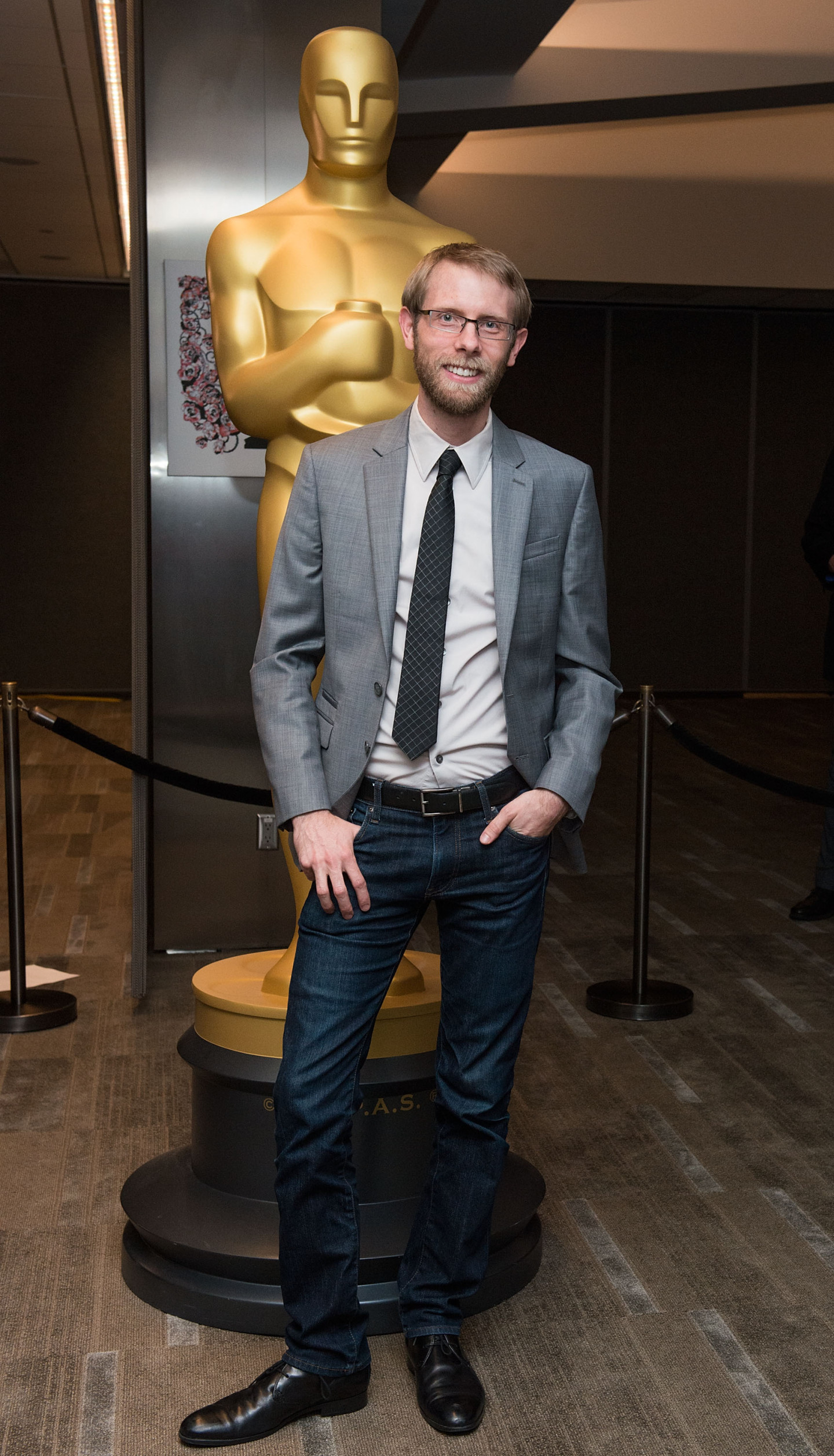
window.__IS_SSR__=true
window.__INITIAL_STATE__={
"attachmentsReducer": {
"audio_0": {
"type": "attachments",
"id": "audio_0",
"imgSizes": {
"kqedFullSize": {
"file": "https://ww2.kqed.org/news/wp-content/themes/KQED-unified/img/audio_bgs/background0.jpg"
}
}
},
"audio_1": {
"type": "attachments",
"id": "audio_1",
"imgSizes": {
"kqedFullSize": {
"file": "https://ww2.kqed.org/news/wp-content/themes/KQED-unified/img/audio_bgs/background1.jpg"
}
}
},
"audio_2": {
"type": "attachments",
"id": "audio_2",
"imgSizes": {
"kqedFullSize": {
"file": "https://ww2.kqed.org/news/wp-content/themes/KQED-unified/img/audio_bgs/background2.jpg"
}
}
},
"audio_3": {
"type": "attachments",
"id": "audio_3",
"imgSizes": {
"kqedFullSize": {
"file": "https://ww2.kqed.org/news/wp-content/themes/KQED-unified/img/audio_bgs/background3.jpg"
}
}
},
"audio_4": {
"type": "attachments",
"id": "audio_4",
"imgSizes": {
"kqedFullSize": {
"file": "https://ww2.kqed.org/news/wp-content/themes/KQED-unified/img/audio_bgs/background4.jpg"
}
}
},
"placeholder": {
"type": "attachments",
"id": "placeholder",
"imgSizes": {
"thumbnail": {
"file": "https://cdn.kqed.org/wp-content/uploads/2024/12/KQED-Default-Image-816638274-2000x1333-1-160x107.jpg",
"width": 160,
"height": 107,
"mimeType": "image/jpeg"
},
"medium": {
"file": "https://cdn.kqed.org/wp-content/uploads/2024/12/KQED-Default-Image-816638274-2000x1333-1-800x533.jpg",
"width": 800,
"height": 533,
"mimeType": "image/jpeg"
},
"medium_large": {
"file": "https://cdn.kqed.org/wp-content/uploads/2024/12/KQED-Default-Image-816638274-2000x1333-1-768x512.jpg",
"width": 768,
"height": 512,
"mimeType": "image/jpeg"
},
"large": {
"file": "https://cdn.kqed.org/wp-content/uploads/2024/12/KQED-Default-Image-816638274-2000x1333-1-1020x680.jpg",
"width": 1020,
"height": 680,
"mimeType": "image/jpeg"
},
"1536x1536": {
"file": "https://cdn.kqed.org/wp-content/uploads/2024/12/KQED-Default-Image-816638274-2000x1333-1-1536x1024.jpg",
"width": 1536,
"height": 1024,
"mimeType": "image/jpeg"
},
"fd-lrg": {
"file": "https://cdn.kqed.org/wp-content/uploads/2024/12/KQED-Default-Image-816638274-2000x1333-1-1536x1024.jpg",
"width": 1536,
"height": 1024,
"mimeType": "image/jpeg"
},
"fd-med": {
"file": "https://cdn.kqed.org/wp-content/uploads/2024/12/KQED-Default-Image-816638274-2000x1333-1-1020x680.jpg",
"width": 1020,
"height": 680,
"mimeType": "image/jpeg"
},
"fd-sm": {
"file": "https://cdn.kqed.org/wp-content/uploads/2024/12/KQED-Default-Image-816638274-2000x1333-1-800x533.jpg",
"width": 800,
"height": 533,
"mimeType": "image/jpeg"
},
"post-thumbnail": {
"file": "https://cdn.kqed.org/wp-content/uploads/2024/12/KQED-Default-Image-816638274-2000x1333-1-672x372.jpg",
"width": 672,
"height": 372,
"mimeType": "image/jpeg"
},
"twentyfourteen-full-width": {
"file": "https://cdn.kqed.org/wp-content/uploads/2024/12/KQED-Default-Image-816638274-2000x1333-1-1038x576.jpg",
"width": 1038,
"height": 576,
"mimeType": "image/jpeg"
},
"xxsmall": {
"file": "https://cdn.kqed.org/wp-content/uploads/2024/12/KQED-Default-Image-816638274-2000x1333-1-160x107.jpg",
"width": 160,
"height": 107,
"mimeType": "image/jpeg"
},
"xsmall": {
"file": "https://cdn.kqed.org/wp-content/uploads/2024/12/KQED-Default-Image-816638274-2000x1333-1-672x372.jpg",
"width": 672,
"height": 372,
"mimeType": "image/jpeg"
},
"small": {
"file": "https://cdn.kqed.org/wp-content/uploads/2024/12/KQED-Default-Image-816638274-2000x1333-1-672x372.jpg",
"width": 672,
"height": 372,
"mimeType": "image/jpeg"
},
"xlarge": {
"file": "https://cdn.kqed.org/wp-content/uploads/2024/12/KQED-Default-Image-816638274-2000x1333-1-1020x680.jpg",
"width": 1020,
"height": 680,
"mimeType": "image/jpeg"
},
"full-width": {
"file": "https://cdn.kqed.org/wp-content/uploads/2024/12/KQED-Default-Image-816638274-2000x1333-1-1920x1280.jpg",
"width": 1920,
"height": 1280,
"mimeType": "image/jpeg"
},
"guest-author-32": {
"file": "https://cdn.kqed.org/wp-content/uploads/2025/01/KQED-Default-Image-816638274-1333x1333-1-160x160.jpg",
"width": 32,
"height": 32,
"mimeType": "image/jpeg"
},
"guest-author-50": {
"file": "https://cdn.kqed.org/wp-content/uploads/2025/01/KQED-Default-Image-816638274-1333x1333-1-160x160.jpg",
"width": 50,
"height": 50,
"mimeType": "image/jpeg"
},
"guest-author-64": {
"file": "https://cdn.kqed.org/wp-content/uploads/2025/01/KQED-Default-Image-816638274-1333x1333-1-160x160.jpg",
"width": 64,
"height": 64,
"mimeType": "image/jpeg"
},
"guest-author-96": {
"file": "https://cdn.kqed.org/wp-content/uploads/2025/01/KQED-Default-Image-816638274-1333x1333-1-160x160.jpg",
"width": 96,
"height": 96,
"mimeType": "image/jpeg"
},
"guest-author-128": {
"file": "https://cdn.kqed.org/wp-content/uploads/2025/01/KQED-Default-Image-816638274-1333x1333-1-160x160.jpg",
"width": 128,
"height": 128,
"mimeType": "image/jpeg"
},
"detail": {
"file": "https://cdn.kqed.org/wp-content/uploads/2025/01/KQED-Default-Image-816638274-1333x1333-1-160x160.jpg",
"width": 160,
"height": 160,
"mimeType": "image/jpeg"
},
"kqedFullSize": {
"file": "https://cdn.kqed.org/wp-content/uploads/2024/12/KQED-Default-Image-816638274-2000x1333-1.jpg",
"width": 2000,
"height": 1333
}
}
},
"news_10439056": {
"type": "attachments",
"id": "news_10439056",
"meta": {
"index": "attachments_1716263798",
"site": "news",
"id": "10439056",
"found": true
},
"parent": 10438739,
"imgSizes": {
"twentyfourteen-full-width": {
"file": "https://ww2.kqed.org/app/uploads/sites/10/2015/02/463828486-1038x576.jpg",
"width": 1038,
"mimeType": "image/jpeg",
"height": 576
},
"thumbnail": {
"file": "https://ww2.kqed.org/app/uploads/sites/10/2015/02/463828486-400x698.jpg",
"width": 400,
"mimeType": "image/jpeg",
"height": 698
},
"post-thumbnail": {
"file": "https://ww2.kqed.org/app/uploads/sites/10/2015/02/463828486-672x372.jpg",
"width": 672,
"mimeType": "image/jpeg",
"height": 372
},
"kqedFullSize": {
"file": "https://ww2.kqed.org/app/uploads/sites/10/2015/02/463828486.jpg",
"width": 1719,
"height": 3000
},
"large": {
"file": "https://ww2.kqed.org/app/uploads/sites/10/2015/02/463828486-1440x2513.jpg",
"width": 1440,
"mimeType": "image/jpeg",
"height": 2513
},
"guest-author-96": {
"file": "https://ww2.kqed.org/app/uploads/sites/10/2015/02/463828486-96x96.jpg",
"width": 96,
"mimeType": "image/jpeg",
"height": 96
},
"medium": {
"file": "https://ww2.kqed.org/app/uploads/sites/10/2015/02/463828486-800x1396.jpg",
"width": 800,
"mimeType": "image/jpeg",
"height": 1396
},
"guest-author-64": {
"file": "https://ww2.kqed.org/app/uploads/sites/10/2015/02/463828486-64x64.jpg",
"width": 64,
"mimeType": "image/jpeg",
"height": 64
},
"detail": {
"file": "https://ww2.kqed.org/app/uploads/sites/10/2015/02/463828486-75x75.jpg",
"width": 75,
"mimeType": "image/jpeg",
"height": 75
},
"guest-author-32": {
"file": "https://ww2.kqed.org/app/uploads/sites/10/2015/02/463828486-32x32.jpg",
"width": 32,
"mimeType": "image/jpeg",
"height": 32
},
"guest-author-128": {
"file": "https://ww2.kqed.org/app/uploads/sites/10/2015/02/463828486-128x128.jpg",
"width": 128,
"mimeType": "image/jpeg",
"height": 128
}
},
"publishDate": 1424486250,
"modified": 1424486296,
"caption": "J. Christian Jensen arrives at the 87th Annual Academy Awards Oscar Week Celebrates Documentaries at Samuel Goldwyn Theater on February 18, 2015 in Beverly Hills. ",
"description": "J. Christian Jensen arrives at the 87th Annual Academy Awards Oscar Week Celebrates Documentaries at Samuel Goldwyn Theater on February 18, 2015 in Beverly Hills. ",
"title": "463828486",
"credit": "Valerie Macon/Getty Images",
"status": "inherit",
"isLoading": false,
"fetchFailed": false
},
"news_10437712": {
"type": "attachments",
"id": "news_10437712",
"meta": {
"index": "attachments_1716263798",
"site": "news",
"id": "10437712",
"found": true
},
"parent": 10437673,
"imgSizes": {
"twentyfourteen-full-width": {
"file": "https://ww2.kqed.org/app/uploads/sites/10/2015/02/RS14311_IMG_0292.JPG-qut-1038x576.jpg",
"width": 1038,
"mimeType": "image/jpeg",
"height": 576
},
"thumbnail": {
"file": "https://ww2.kqed.org/app/uploads/sites/10/2015/02/RS14311_IMG_0292.JPG-qut-400x300.jpg",
"width": 400,
"mimeType": "image/jpeg",
"height": 300
},
"post-thumbnail": {
"file": "https://ww2.kqed.org/app/uploads/sites/10/2015/02/RS14311_IMG_0292.JPG-qut-672x372.jpg",
"width": 672,
"mimeType": "image/jpeg",
"height": 372
},
"kqedFullSize": {
"file": "https://ww2.kqed.org/app/uploads/sites/10/2015/02/RS14311_IMG_0292.JPG-qut.jpg",
"width": 1440,
"height": 1080
},
"large": {
"file": "https://ww2.kqed.org/app/uploads/sites/10/2015/02/RS14311_IMG_0292.JPG-qut-1440x1080.jpg",
"width": 1440,
"mimeType": "image/jpeg",
"height": 1080
},
"guest-author-96": {
"file": "https://ww2.kqed.org/app/uploads/sites/10/2015/02/RS14311_IMG_0292.JPG-qut-96x96.jpg",
"width": 96,
"mimeType": "image/jpeg",
"height": 96
},
"medium": {
"file": "https://ww2.kqed.org/app/uploads/sites/10/2015/02/RS14311_IMG_0292.JPG-qut-800x600.jpg",
"width": 800,
"mimeType": "image/jpeg",
"height": 600
},
"guest-author-64": {
"file": "https://ww2.kqed.org/app/uploads/sites/10/2015/02/RS14311_IMG_0292.JPG-qut-64x64.jpg",
"width": 64,
"mimeType": "image/jpeg",
"height": 64
},
"detail": {
"file": "https://ww2.kqed.org/app/uploads/sites/10/2015/02/RS14311_IMG_0292.JPG-qut-75x75.jpg",
"width": 75,
"mimeType": "image/jpeg",
"height": 75
},
"guest-author-32": {
"file": "https://ww2.kqed.org/app/uploads/sites/10/2015/02/RS14311_IMG_0292.JPG-qut-32x32.jpg",
"width": 32,
"mimeType": "image/jpeg",
"height": 32
},
"guest-author-128": {
"file": "https://ww2.kqed.org/app/uploads/sites/10/2015/02/RS14311_IMG_0292.JPG-qut-128x128.jpg",
"width": 128,
"mimeType": "image/jpeg",
"height": 128
}
},
"publishDate": 1424381210,
"modified": 1424400066,
"caption": "The Chinese Culture Center of San Francisco's director of education and engagement, Darin Ow-Wing (left), gives a tour of Chinatown on Feb. 12, 2015.",
"description": "The Chinese Culture Center of San Francisco's director of education and engagement, Darin Ow-Wing (left), gives a tour of Chinatown on Feb. 12, 2015.",
"title": "Chinatown-San Francisco",
"credit": "Vinnee Tong/KQED",
"status": "inherit",
"isLoading": false,
"fetchFailed": false
},
"news_10437821": {
"type": "attachments",
"id": "news_10437821",
"meta": {
"index": "attachments_1716263798",
"site": "news",
"id": "10437821",
"found": true
},
"parent": 10437780,
"imgSizes": {
"twentyfourteen-full-width": {
"file": "https://ww2.kqed.org/app/uploads/sites/10/2015/02/DSC_0019-2452936840-O-1038x576.jpeg",
"width": 1038,
"mimeType": "image/jpeg",
"height": 576
},
"thumbnail": {
"file": "https://ww2.kqed.org/app/uploads/sites/10/2015/02/DSC_0019-2452936840-O-400x286.jpeg",
"width": 400,
"mimeType": "image/jpeg",
"height": 286
},
"post-thumbnail": {
"file": "https://ww2.kqed.org/app/uploads/sites/10/2015/02/DSC_0019-2452936840-O-672x372.jpeg",
"width": 672,
"mimeType": "image/jpeg",
"height": 372
},
"kqedFullSize": {
"file": "https://ww2.kqed.org/app/uploads/sites/10/2015/02/DSC_0019-2452936840-O.jpeg",
"width": 2129,
"height": 1520
},
"large": {
"file": "https://ww2.kqed.org/app/uploads/sites/10/2015/02/DSC_0019-2452936840-O-1440x1028.jpeg",
"width": 1440,
"mimeType": "image/jpeg",
"height": 1028
},
"guest-author-96": {
"file": "https://ww2.kqed.org/app/uploads/sites/10/2015/02/DSC_0019-2452936840-O-96x96.jpeg",
"width": 96,
"mimeType": "image/jpeg",
"height": 96
},
"medium": {
"file": "https://ww2.kqed.org/app/uploads/sites/10/2015/02/DSC_0019-2452936840-O-800x571.jpeg",
"width": 800,
"mimeType": "image/jpeg",
"height": 571
},
"guest-author-64": {
"file": "https://ww2.kqed.org/app/uploads/sites/10/2015/02/DSC_0019-2452936840-O-64x64.jpeg",
"width": 64,
"mimeType": "image/jpeg",
"height": 64
},
"detail": {
"file": "https://ww2.kqed.org/app/uploads/sites/10/2015/02/DSC_0019-2452936840-O-75x75.jpeg",
"width": 75,
"mimeType": "image/jpeg",
"height": 75
},
"guest-author-32": {
"file": "https://ww2.kqed.org/app/uploads/sites/10/2015/02/DSC_0019-2452936840-O-32x32.jpeg",
"width": 32,
"mimeType": "image/jpeg",
"height": 32
},
"guest-author-128": {
"file": "https://ww2.kqed.org/app/uploads/sites/10/2015/02/DSC_0019-2452936840-O-128x128.jpeg",
"width": 128,
"mimeType": "image/jpeg",
"height": 128
}
},
"publishDate": 1424387962,
"modified": 1424389043,
"caption": "Philip Levine recording with the Benjamin Boone Evolution Quartet in Fresno",
"description": null,
"title": "DSC_0019-2452936840-O",
"credit": "Joe Osejo",
"status": "inherit",
"isLoading": false,
"fetchFailed": false
},
"news_10436823": {
"type": "attachments",
"id": "news_10436823",
"meta": {
"index": "attachments_1716263798",
"site": "news",
"id": "10436823",
"found": true
},
"parent": 10436736,
"imgSizes": {
"twentyfourteen-full-width": {
"file": "https://ww2.kqed.org/app/uploads/sites/10/2015/02/ygb-pictures-1038x576.jpg",
"width": 1038,
"mimeType": "image/jpeg",
"height": 576
},
"thumbnail": {
"file": "https://ww2.kqed.org/app/uploads/sites/10/2015/02/ygb-pictures-400x243.jpg",
"width": 400,
"mimeType": "image/jpeg",
"height": 243
},
"post-thumbnail": {
"file": "https://ww2.kqed.org/app/uploads/sites/10/2015/02/ygb-pictures-672x372.jpg",
"width": 672,
"mimeType": "image/jpeg",
"height": 372
},
"kqedFullSize": {
"file": "https://ww2.kqed.org/app/uploads/sites/10/2015/02/ygb-pictures.jpg",
"width": 2032,
"height": 1236
},
"large": {
"file": "https://ww2.kqed.org/app/uploads/sites/10/2015/02/ygb-pictures-1440x876.jpg",
"width": 1440,
"mimeType": "image/jpeg",
"height": 876
},
"guest-author-96": {
"file": "https://ww2.kqed.org/app/uploads/sites/10/2015/02/ygb-pictures-96x96.jpg",
"width": 96,
"mimeType": "image/jpeg",
"height": 96
},
"medium": {
"file": "https://ww2.kqed.org/app/uploads/sites/10/2015/02/ygb-pictures-800x487.jpg",
"width": 800,
"mimeType": "image/jpeg",
"height": 487
},
"guest-author-64": {
"file": "https://ww2.kqed.org/app/uploads/sites/10/2015/02/ygb-pictures-64x64.jpg",
"width": 64,
"mimeType": "image/jpeg",
"height": 64
},
"detail": {
"file": "https://ww2.kqed.org/app/uploads/sites/10/2015/02/ygb-pictures-75x75.jpg",
"width": 75,
"mimeType": "image/jpeg",
"height": 75
},
"guest-author-32": {
"file": "https://ww2.kqed.org/app/uploads/sites/10/2015/02/ygb-pictures-32x32.jpg",
"width": 32,
"mimeType": "image/jpeg",
"height": 32
},
"guest-author-128": {
"file": "https://ww2.kqed.org/app/uploads/sites/10/2015/02/ygb-pictures-128x128.jpg",
"width": 128,
"mimeType": "image/jpeg",
"height": 128
}
},
"publishDate": 1424303242,
"modified": 1424305945,
"caption": "Young Gifted and Black performers rehearse after school at Oakland School for the Arts.",
"description": "Young Gifted and Black performers rehearse after school at Oakland School for the Arts.",
"title": "ygb pictures",
"credit": "Anya Schultz/KQED",
"status": "inherit",
"isLoading": false,
"fetchFailed": false
},
"news_10432743": {
"type": "attachments",
"id": "news_10432743",
"meta": {
"index": "attachments_1716263798",
"site": "news",
"id": "10432743",
"found": true
},
"parent": 10431682,
"imgSizes": {
"twentyfourteen-full-width": {
"file": "https://ww2.kqed.org/app/uploads/sites/10/2015/02/AwesomeOrch1-1038x576.jpg",
"width": 1038,
"mimeType": "image/jpeg",
"height": 576
},
"thumbnail": {
"file": "https://ww2.kqed.org/app/uploads/sites/10/2015/02/AwesomeOrch1-400x289.jpg",
"width": 400,
"mimeType": "image/jpeg",
"height": 289
},
"post-thumbnail": {
"file": "https://ww2.kqed.org/app/uploads/sites/10/2015/02/AwesomeOrch1-672x372.jpg",
"width": 672,
"mimeType": "image/jpeg",
"height": 372
},
"kqedFullSize": {
"file": "https://ww2.kqed.org/app/uploads/sites/10/2015/02/AwesomeOrch1.jpg",
"width": 1440,
"height": 1041
},
"large": {
"file": "https://ww2.kqed.org/app/uploads/sites/10/2015/02/AwesomeOrch1-1440x1041.jpg",
"width": 1440,
"mimeType": "image/jpeg",
"height": 1041
},
"guest-author-96": {
"file": "https://ww2.kqed.org/app/uploads/sites/10/2015/02/AwesomeOrch1-96x96.jpg",
"width": 96,
"mimeType": "image/jpeg",
"height": 96
},
"medium": {
"file": "https://ww2.kqed.org/app/uploads/sites/10/2015/02/AwesomeOrch1-800x578.jpg",
"width": 800,
"mimeType": "image/jpeg",
"height": 578
},
"guest-author-64": {
"file": "https://ww2.kqed.org/app/uploads/sites/10/2015/02/AwesomeOrch1-64x64.jpg",
"width": 64,
"mimeType": "image/jpeg",
"height": 64
},
"detail": {
"file": "https://ww2.kqed.org/app/uploads/sites/10/2015/02/AwesomeOrch1-75x75.jpg",
"width": 75,
"mimeType": "image/jpeg",
"height": 75
},
"guest-author-32": {
"file": "https://ww2.kqed.org/app/uploads/sites/10/2015/02/AwesomeOrch1-32x32.jpg",
"width": 32,
"mimeType": "image/jpeg",
"height": 32
},
"guest-author-128": {
"file": "https://ww2.kqed.org/app/uploads/sites/10/2015/02/AwesomeOrch1-128x128.jpg",
"width": 128,
"mimeType": "image/jpeg",
"height": 128
}
},
"publishDate": 1423880613,
"modified": 1424133768,
"caption": "The Awesome Orchestra holds one of its monthly sessions at the Contemporary Jewish Museum in San Francisco.",
"description": "The Awesome Orchestra holds one of its monthly sessions at the Contemporary Jewish Museum in San Francisco.",
"title": "AwesomeOrch1",
"credit": "Suzie Racho/KQED",
"status": "inherit",
"isLoading": false,
"fetchFailed": false
},
"news_10432404": {
"type": "attachments",
"id": "news_10432404",
"meta": {
"index": "attachments_1716263798",
"site": "news",
"id": "10432404",
"found": true
},
"parent": 10432372,
"imgSizes": {
"twentyfourteen-full-width": {
"file": "https://ww2.kqed.org/app/uploads/sites/10/2015/02/mic1440-1038x576.jpg",
"width": 1038,
"mimeType": "image/jpeg",
"height": 576
},
"thumbnail": {
"file": "https://ww2.kqed.org/app/uploads/sites/10/2015/02/mic1440-400x225.jpg",
"width": 400,
"mimeType": "image/jpeg",
"height": 225
},
"post-thumbnail": {
"file": "https://ww2.kqed.org/app/uploads/sites/10/2015/02/mic1440-672x372.jpg",
"width": 672,
"mimeType": "image/jpeg",
"height": 372
},
"kqedFullSize": {
"file": "https://ww2.kqed.org/app/uploads/sites/10/2015/02/mic1440.jpg",
"width": 1440,
"height": 810
},
"large": {
"file": "https://ww2.kqed.org/app/uploads/sites/10/2015/02/mic1440-1440x810.jpg",
"width": 1440,
"mimeType": "image/jpeg",
"height": 810
},
"guest-author-96": {
"file": "https://ww2.kqed.org/app/uploads/sites/10/2015/02/mic1440-96x96.jpg",
"width": 96,
"mimeType": "image/jpeg",
"height": 96
},
"medium": {
"file": "https://ww2.kqed.org/app/uploads/sites/10/2015/02/mic1440-800x450.jpg",
"width": 800,
"mimeType": "image/jpeg",
"height": 450
},
"guest-author-64": {
"file": "https://ww2.kqed.org/app/uploads/sites/10/2015/02/mic1440-64x64.jpg",
"width": 64,
"mimeType": "image/jpeg",
"height": 64
},
"detail": {
"file": "https://ww2.kqed.org/app/uploads/sites/10/2015/02/mic1440-75x75.jpg",
"width": 75,
"mimeType": "image/jpeg",
"height": 75
},
"guest-author-32": {
"file": "https://ww2.kqed.org/app/uploads/sites/10/2015/02/mic1440-32x32.jpg",
"width": 32,
"mimeType": "image/jpeg",
"height": 32
},
"guest-author-128": {
"file": "https://ww2.kqed.org/app/uploads/sites/10/2015/02/mic1440-128x128.jpg",
"width": 128,
"mimeType": "image/jpeg",
"height": 128
}
},
"publishDate": 1423861706,
"modified": 1423861714,
"caption": null,
"description": null,
"title": "mic1440",
"credit": "Getty Images",
"status": "inherit",
"isLoading": false,
"fetchFailed": false
},
"news_10432702": {
"type": "attachments",
"id": "news_10432702",
"meta": {
"index": "attachments_1716263798",
"site": "news",
"id": "10432702",
"found": true
},
"parent": 10432373,
"imgSizes": {
"twentyfourteen-full-width": {
"file": "https://ww2.kqed.org/app/uploads/sites/10/2015/02/McPherson1-1038x576.jpg",
"width": 1038,
"mimeType": "image/jpeg",
"height": 576
},
"thumbnail": {
"file": "https://ww2.kqed.org/app/uploads/sites/10/2015/02/McPherson1-400x314.jpg",
"width": 400,
"mimeType": "image/jpeg",
"height": 314
},
"post-thumbnail": {
"file": "https://ww2.kqed.org/app/uploads/sites/10/2015/02/McPherson1-672x372.jpg",
"width": 672,
"mimeType": "image/jpeg",
"height": 372
},
"kqedFullSize": {
"file": "https://ww2.kqed.org/app/uploads/sites/10/2015/02/McPherson1.jpg",
"width": 1440,
"height": 1131
},
"large": {
"file": "https://ww2.kqed.org/app/uploads/sites/10/2015/02/McPherson1-1440x1131.jpg",
"width": 1440,
"mimeType": "image/jpeg",
"height": 1131
},
"guest-author-96": {
"file": "https://ww2.kqed.org/app/uploads/sites/10/2015/02/McPherson1-96x96.jpg",
"width": 96,
"mimeType": "image/jpeg",
"height": 96
},
"medium": {
"file": "https://ww2.kqed.org/app/uploads/sites/10/2015/02/McPherson1-800x628.jpg",
"width": 800,
"mimeType": "image/jpeg",
"height": 628
},
"guest-author-64": {
"file": "https://ww2.kqed.org/app/uploads/sites/10/2015/02/McPherson1-64x64.jpg",
"width": 64,
"mimeType": "image/jpeg",
"height": 64
},
"detail": {
"file": "https://ww2.kqed.org/app/uploads/sites/10/2015/02/McPherson1-75x75.jpg",
"width": 75,
"mimeType": "image/jpeg",
"height": 75
},
"guest-author-32": {
"file": "https://ww2.kqed.org/app/uploads/sites/10/2015/02/McPherson1-32x32.jpg",
"width": 32,
"mimeType": "image/jpeg",
"height": 32
},
"guest-author-128": {
"file": "https://ww2.kqed.org/app/uploads/sites/10/2015/02/McPherson1-128x128.jpg",
"width": 128,
"mimeType": "image/jpeg",
"height": 128
}
},
"publishDate": 1423878852,
"modified": 1423878882,
"caption": "Saxophonist Charles McPherson",
"description": "Saxophonist Charles McPherson",
"title": "McPherson1",
"credit": "Laurent Kramer",
"status": "inherit",
"isLoading": false,
"fetchFailed": false
},
"news_10432275": {
"type": "attachments",
"id": "news_10432275",
"meta": {
"index": "attachments_1716263798",
"site": "news",
"id": "10432275",
"found": true
},
"parent": 10431582,
"imgSizes": {
"twentyfourteen-full-width": {
"file": "https://ww2.kqed.org/app/uploads/sites/10/2015/02/angelou_host-1038x576.jpg",
"width": 1038,
"mimeType": "image/jpeg",
"height": 576
},
"thumbnail": {
"file": "https://ww2.kqed.org/app/uploads/sites/10/2015/02/angelou_host-400x301.jpg",
"width": 400,
"mimeType": "image/jpeg",
"height": 301
},
"post-thumbnail": {
"file": "https://ww2.kqed.org/app/uploads/sites/10/2015/02/angelou_host-672x372.jpg",
"width": 672,
"mimeType": "image/jpeg",
"height": 372
},
"kqedFullSize": {
"file": "https://ww2.kqed.org/app/uploads/sites/10/2015/02/angelou_host.jpg",
"width": 1440,
"height": 1084
},
"large": {
"file": "https://ww2.kqed.org/app/uploads/sites/10/2015/02/angelou_host-1440x1084.jpg",
"width": 1440,
"mimeType": "image/jpeg",
"height": 1084
},
"guest-author-96": {
"file": "https://ww2.kqed.org/app/uploads/sites/10/2015/02/angelou_host-96x96.jpg",
"width": 96,
"mimeType": "image/jpeg",
"height": 96
},
"medium": {
"file": "https://ww2.kqed.org/app/uploads/sites/10/2015/02/angelou_host-800x602.jpg",
"width": 800,
"mimeType": "image/jpeg",
"height": 602
},
"guest-author-64": {
"file": "https://ww2.kqed.org/app/uploads/sites/10/2015/02/angelou_host-64x64.jpg",
"width": 64,
"mimeType": "image/jpeg",
"height": 64
},
"detail": {
"file": "https://ww2.kqed.org/app/uploads/sites/10/2015/02/angelou_host-75x75.jpg",
"width": 75,
"mimeType": "image/jpeg",
"height": 75
},
"guest-author-32": {
"file": "https://ww2.kqed.org/app/uploads/sites/10/2015/02/angelou_host-32x32.jpg",
"width": 32,
"mimeType": "image/jpeg",
"height": 32
},
"guest-author-128": {
"file": "https://ww2.kqed.org/app/uploads/sites/10/2015/02/angelou_host-128x128.jpg",
"width": 128,
"mimeType": "image/jpeg",
"height": 128
}
},
"publishDate": 1423851620,
"modified": 1423851620,
"caption": null,
"description": null,
"title": "angelou_host",
"credit": null,
"status": "inherit",
"isLoading": false,
"fetchFailed": false
},
"news_10429790": {
"type": "attachments",
"id": "news_10429790",
"meta": {
"index": "attachments_1716263798",
"site": "news",
"id": "10429790",
"found": true
},
"parent": 10429722,
"imgSizes": {
"twentyfourteen-full-width": {
"file": "https://ww2.kqed.org/app/uploads/sites/10/2015/02/RS14220_NEMA-1-scr-1038x576.jpg",
"width": 1038,
"mimeType": "image/jpeg",
"height": 576
},
"thumbnail": {
"file": "https://ww2.kqed.org/app/uploads/sites/10/2015/02/RS14220_NEMA-1-scr-400x262.jpg",
"width": 400,
"mimeType": "image/jpeg",
"height": 262
},
"post-thumbnail": {
"file": "https://ww2.kqed.org/app/uploads/sites/10/2015/02/RS14220_NEMA-1-scr-672x372.jpg",
"width": 672,
"mimeType": "image/jpeg",
"height": 372
},
"kqedFullSize": {
"file": "https://ww2.kqed.org/app/uploads/sites/10/2015/02/RS14220_NEMA-1-scr.jpg",
"width": 1440,
"height": 943
},
"large": {
"file": "https://ww2.kqed.org/app/uploads/sites/10/2015/02/RS14220_NEMA-1-scr-1440x943.jpg",
"width": 1440,
"mimeType": "image/jpeg",
"height": 943
},
"guest-author-96": {
"file": "https://ww2.kqed.org/app/uploads/sites/10/2015/02/RS14220_NEMA-1-scr-96x96.jpg",
"width": 96,
"mimeType": "image/jpeg",
"height": 96
},
"medium": {
"file": "https://ww2.kqed.org/app/uploads/sites/10/2015/02/RS14220_NEMA-1-scr-800x524.jpg",
"width": 800,
"mimeType": "image/jpeg",
"height": 524
},
"guest-author-64": {
"file": "https://ww2.kqed.org/app/uploads/sites/10/2015/02/RS14220_NEMA-1-scr-64x64.jpg",
"width": 64,
"mimeType": "image/jpeg",
"height": 64
},
"detail": {
"file": "https://ww2.kqed.org/app/uploads/sites/10/2015/02/RS14220_NEMA-1-scr-75x75.jpg",
"width": 75,
"mimeType": "image/jpeg",
"height": 75
},
"guest-author-32": {
"file": "https://ww2.kqed.org/app/uploads/sites/10/2015/02/RS14220_NEMA-1-scr-32x32.jpg",
"width": 32,
"mimeType": "image/jpeg",
"height": 32
},
"guest-author-128": {
"file": "https://ww2.kqed.org/app/uploads/sites/10/2015/02/RS14220_NEMA-1-scr-128x128.jpg",
"width": 128,
"mimeType": "image/jpeg",
"height": 128
}
},
"publishDate": 1423617366,
"modified": 1423620087,
"caption": "The NEMA Apartments are not a favorite of KQED listener Dave Taylor. (Katie Brigham/KQED)",
"description": "The NEMA Apartments at 8 10th St. are not a favorite of KQED listener Dave Taylor. (Katie Brigham/KQED)",
"title": "RS14220_NEMA 1-scr",
"credit": null,
"status": "inherit",
"isLoading": false,
"fetchFailed": false
},
"news_10426095": {
"type": "attachments",
"id": "news_10426095",
"meta": {
"index": "attachments_1716263798",
"site": "news",
"id": "10426095",
"found": true
},
"parent": 10426059,
"imgSizes": {
"thumbnail": {
"file": "https://ww2.kqed.org/app/uploads/sites/10/2015/02/jumboartcar-400x225.jpg",
"width": 400,
"mimeType": "image/jpeg",
"height": 225
},
"post-thumbnail": {
"file": "https://ww2.kqed.org/app/uploads/sites/10/2015/02/jumboartcar-672x372.jpg",
"width": 672,
"mimeType": "image/jpeg",
"height": 372
},
"kqedFullSize": {
"file": "https://ww2.kqed.org/app/uploads/sites/10/2015/02/jumboartcar.jpg",
"width": 960,
"height": 540
},
"guest-author-96": {
"file": "https://ww2.kqed.org/app/uploads/sites/10/2015/02/jumboartcar-96x96.jpg",
"width": 96,
"mimeType": "image/jpeg",
"height": 96
},
"medium": {
"file": "https://ww2.kqed.org/app/uploads/sites/10/2015/02/jumboartcar-800x450.jpg",
"width": 800,
"mimeType": "image/jpeg",
"height": 450
},
"guest-author-64": {
"file": "https://ww2.kqed.org/app/uploads/sites/10/2015/02/jumboartcar-64x64.jpg",
"width": 64,
"mimeType": "image/jpeg",
"height": 64
},
"detail": {
"file": "https://ww2.kqed.org/app/uploads/sites/10/2015/02/jumboartcar-75x75.jpg",
"width": 75,
"mimeType": "image/jpeg",
"height": 75
},
"guest-author-32": {
"file": "https://ww2.kqed.org/app/uploads/sites/10/2015/02/jumboartcar-32x32.jpg",
"width": 32,
"mimeType": "image/jpeg",
"height": 32
},
"guest-author-128": {
"file": "https://ww2.kqed.org/app/uploads/sites/10/2015/02/jumboartcar-128x128.jpg",
"width": 128,
"mimeType": "image/jpeg",
"height": 128
}
},
"publishDate": 1423254648,
"modified": 1423254658,
"caption": null,
"description": null,
"title": "jumboartcar",
"credit": "Courtesy of Big Imagination",
"status": "inherit",
"isLoading": false,
"fetchFailed": false
},
"news_10424437": {
"type": "attachments",
"id": "news_10424437",
"meta": {
"index": "attachments_1716263798",
"site": "news",
"id": "10424437",
"found": true
},
"parent": 10424372,
"imgSizes": {
"twentyfourteen-full-width": {
"file": "https://ww2.kqed.org/app/uploads/sites/10/2015/02/10926245_10153233418449453_1106345290590782879_o1-1038x576.jpg",
"width": 1038,
"mimeType": "image/jpeg",
"height": 576
},
"thumbnail": {
"file": "https://ww2.kqed.org/app/uploads/sites/10/2015/02/10926245_10153233418449453_1106345290590782879_o1-400x225.jpg",
"width": 400,
"mimeType": "image/jpeg",
"height": 225
},
"post-thumbnail": {
"file": "https://ww2.kqed.org/app/uploads/sites/10/2015/02/10926245_10153233418449453_1106345290590782879_o1-672x372.jpg",
"width": 672,
"mimeType": "image/jpeg",
"height": 372
},
"kqedFullSize": {
"file": "https://ww2.kqed.org/app/uploads/sites/10/2015/02/10926245_10153233418449453_1106345290590782879_o1.jpg",
"width": 1920,
"height": 1080
},
"large": {
"file": "https://ww2.kqed.org/app/uploads/sites/10/2015/02/10926245_10153233418449453_1106345290590782879_o1-1440x810.jpg",
"width": 1440,
"mimeType": "image/jpeg",
"height": 810
},
"guest-author-96": {
"file": "https://ww2.kqed.org/app/uploads/sites/10/2015/02/10926245_10153233418449453_1106345290590782879_o1-96x96.jpg",
"width": 96,
"mimeType": "image/jpeg",
"height": 96
},
"medium": {
"file": "https://ww2.kqed.org/app/uploads/sites/10/2015/02/10926245_10153233418449453_1106345290590782879_o1-800x450.jpg",
"width": 800,
"mimeType": "image/jpeg",
"height": 450
},
"guest-author-64": {
"file": "https://ww2.kqed.org/app/uploads/sites/10/2015/02/10926245_10153233418449453_1106345290590782879_o1-64x64.jpg",
"width": 64,
"mimeType": "image/jpeg",
"height": 64
},
"detail": {
"file": "https://ww2.kqed.org/app/uploads/sites/10/2015/02/10926245_10153233418449453_1106345290590782879_o1-75x75.jpg",
"width": 75,
"mimeType": "image/jpeg",
"height": 75
},
"guest-author-32": {
"file": "https://ww2.kqed.org/app/uploads/sites/10/2015/02/10926245_10153233418449453_1106345290590782879_o1-32x32.jpg",
"width": 32,
"mimeType": "image/jpeg",
"height": 32
},
"guest-author-128": {
"file": "https://ww2.kqed.org/app/uploads/sites/10/2015/02/10926245_10153233418449453_1106345290590782879_o1-128x128.jpg",
"width": 128,
"mimeType": "image/jpeg",
"height": 128
}
},
"publishDate": 1423081864,
"modified": 1423093229,
"caption": "Bay Area artists have created 43 works to raise awareness about 43 Mexican students who disappeared in September 2014 and are presumed to have been murdered.",
"description": "Bay Area artists have created 43 works to raise awareness about 43 Mexican students who disappeared in September 2014 and are presumed to have been murdered.",
"title": "Mexico Students Art",
"credit": "Emily Green/KQED",
"status": "inherit",
"isLoading": false,
"fetchFailed": false
},
"arts_10355078": {
"type": "attachments",
"id": "arts_10355078",
"meta": {
"index": "attachments_1716263798",
"site": "arts",
"id": "10355078",
"found": true
},
"parent": 10354840,
"imgSizes": {
"thumbnail": {
"file": "https://ww2.kqed.org/app/uploads/sites/2/2015/02/Campanile.TristanHarward-400x283.jpg",
"width": 400,
"mimeType": "image/jpeg",
"height": 283
},
"post-thumbnail": {
"file": "https://ww2.kqed.org/app/uploads/sites/2/2015/02/Campanile.TristanHarward-672x372.jpg",
"width": 672,
"mimeType": "image/jpeg",
"height": 372
},
"kqedFullSize": {
"file": "https://ww2.kqed.org/app/uploads/sites/2/2015/02/Campanile.TristanHarward.jpg",
"width": 800,
"height": 566
},
"guest-author-96": {
"file": "https://ww2.kqed.org/app/uploads/sites/2/2015/02/Campanile.TristanHarward-96x96.jpg",
"width": 96,
"mimeType": "image/jpeg",
"height": 96
},
"medium": {
"file": "https://ww2.kqed.org/app/uploads/sites/2/2015/02/Campanile.TristanHarward-800x566.jpg",
"width": 800,
"mimeType": "image/jpeg",
"height": 566
},
"guest-author-64": {
"file": "https://ww2.kqed.org/app/uploads/sites/2/2015/02/Campanile.TristanHarward-64x64.jpg",
"width": 64,
"mimeType": "image/jpeg",
"height": 64
},
"detail": {
"file": "https://ww2.kqed.org/app/uploads/sites/2/2015/02/Campanile.TristanHarward-75x75.jpg",
"width": 75,
"mimeType": "image/jpeg",
"height": 75
},
"guest-author-32": {
"file": "https://ww2.kqed.org/app/uploads/sites/2/2015/02/Campanile.TristanHarward-32x32.jpg",
"width": 32,
"mimeType": "image/jpeg",
"height": 32
},
"guest-author-128": {
"file": "https://ww2.kqed.org/app/uploads/sites/2/2015/02/Campanile.TristanHarward-128x128.jpg",
"width": 128,
"mimeType": "image/jpeg",
"height": 128
}
},
"publishDate": 1422864916,
"modified": 1422865012,
"caption": "Sather Tower becomes an instrument, played by the Hayward fault, in \"Natural Frequencies.\" (Photo: Tristan Harward)",
"description": null,
"title": "Campanile.TristanHarward",
"credit": null,
"status": "inherit",
"isLoading": false,
"fetchFailed": false
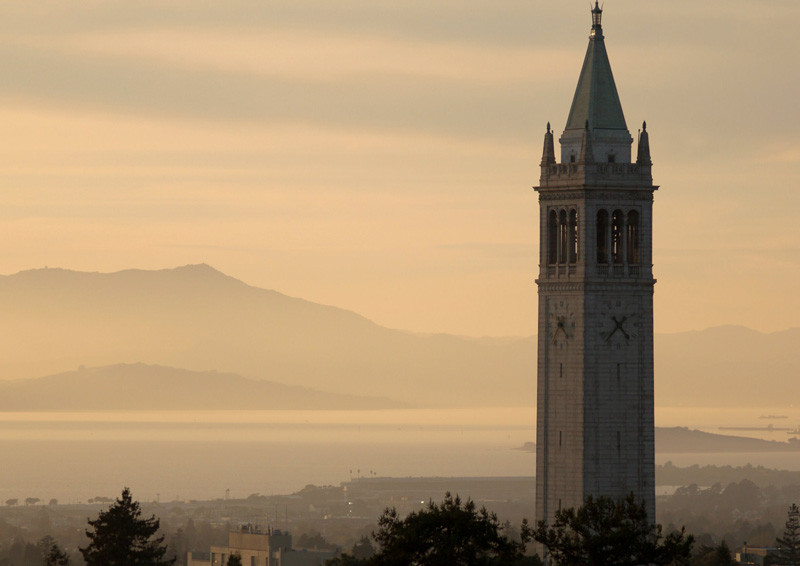
}
},
"audioPlayerReducer": {
"postId": "stream_live",
"isPaused": true,
"isPlaying": false,
"pfsActive": false,
"pledgeModalIsOpen": true,
"playerDrawerIsOpen": false,
"liveAudioPlayStartedAt": 0,
"liveAudioPlayContext": ""
},
"authorsReducer": {
"byline_news_10432373": {
"type": "authors",
"id": "byline_news_10432373",
"meta": {
"override": true
},
"slug": "byline_news_10432373",
"name": "Andrew Gilbert",
"isLoading": false
},
"byline_news_10429722": {
"type": "authors",
"id": "byline_news_10429722",
"meta": {
"override": true
},
"slug": "byline_news_10429722",
"name": "\u003cstrong>Lisa Morehouse and Casey Miner\u003c/strong>\u003cbr />KQED News",
"isLoading": false
},
"byline_news_10426059": {
"type": "authors",
"id": "byline_news_10426059",
"meta": {
"override": true
},
"slug": "byline_news_10426059",
"name": "\u003cstrong>Jennifer Kane\u003c/strong>\u003cbr />Associated Press",
"isLoading": false
},
"byline_news_10424372": {
"type": "authors",
"id": "byline_news_10424372",
"meta": {
"override": true
},
"slug": "byline_news_10424372",
"name": "Emily Green",
"isLoading": false
},
"byline_arts_10354840": {
"type": "authors",
"id": "byline_arts_10354840",
"meta": {
"override": true
},
"slug": "byline_arts_10354840",
"name": "Laura Sydell",
"isLoading": false
},
"sracho": {
"type": "authors",
"id": "107",
"meta": {
"index": "authors_1716337520",
"id": "107",
"found": true
},
"name": "Suzie Racho",
"firstName": "Suzie",
"lastName": "Racho",
"slug": "sracho",
"email": "SRacho@KQED.org",
"display_author_email": false,
"staff_mastheads": [
"news"
],
"title": "KQED Contributor",
"bio": "Suzie Racho is a correspondent-producer with \u003cem>The California Report Magazine\u003c/em>\u003cem>. S\u003c/em>he has also worked with several other KQED productions, including Bay Curious, Truth Be Told, The Do List and KQED News.\r\n\r\nSuzie came to KQED in 1996 after receiving a BA in journalism from San Francisco State University and spending several years working in the music industry. As part of \u003cem>The California Report\u003c/em> team, her work has been recognized by the Society for Professional Journalists, National Federation of Community Broadcasters and Public Radio News Directors Incorporated, among others. She was recognized with a national Gracie Award in 2019. She spends her free time baking, listening to K-pop and rooting for the Giants and Valkyries.",
"avatar": "https://secure.gravatar.com/avatar/842e457a9830b0f3c1ce3ab70ed3518d616d1e25e315c6292eab8cd611d98601?s=600&d=blank&r=g",
"twitter": null,
"bluesky": null,
"facebook": null,
"instagram": null,
"linkedin": null,
"sites": [
{
"site": "arts",
"roles": [
"editor"
]
},
{
"site": "news",
"roles": [
"editor"
]
}
],
"headData": {
"title": "Suzie Racho | KQED",
"description": "KQED Contributor",
"ogImgSrc": "https://secure.gravatar.com/avatar/842e457a9830b0f3c1ce3ab70ed3518d616d1e25e315c6292eab8cd611d98601?s=600&d=blank&r=g",
"twImgSrc": "https://secure.gravatar.com/avatar/842e457a9830b0f3c1ce3ab70ed3518d616d1e25e315c6292eab8cd611d98601?s=600&d=blank&r=g"
},
"isLoading": false,
"link": "/author/sracho"
},
"agrossberg": {
"type": "authors",
"id": "188",
"meta": {
"index": "authors_1716337520",
"id": "188",
"found": true
},
"name": "Adam Grossberg",
"firstName": "Adam",
"lastName": "Grossberg",
"slug": "agrossberg",
"email": "agrossberg@KQED.org",
"display_author_email": false,
"staff_mastheads": [],
"title": "KQED Contributor",
"bio": "Adam Grossberg is a former video producer at KQED News. Prior to coming to KQED, he produced videos for PBS, The New York Times, Current TV and The Center for Investigative Reporting. His work has received an Excellence in Journalism award from the Society of Professional Journalists, a regional Murrow award and two Northern California Emmy awards. He is a graduate of the UC Berkeley Graduate School of Journalism.",
"avatar": "https://secure.gravatar.com/avatar/8e96dbdaaf98f5959a2c778289e0f9b5?s=600&d=blank&r=g",
"twitter": null,
"facebook": null,
"instagram": null,
"linkedin": null,
"sites": [
{
"site": "arts",
"roles": [
"contributor"
]
},
{
"site": "news",
"roles": [
"subscriber"
]
},
{
"site": "stateofhealth",
"roles": [
"editor"
]
},
{
"site": "science",
"roles": [
"editor"
]
}
],
"headData": {
"title": "Adam Grossberg | KQED",
"description": "KQED Contributor",
"ogImgSrc": "https://secure.gravatar.com/avatar/8e96dbdaaf98f5959a2c778289e0f9b5?s=600&d=blank&r=g",
"twImgSrc": "https://secure.gravatar.com/avatar/8e96dbdaaf98f5959a2c778289e0f9b5?s=600&d=blank&r=g"
},
"isLoading": false,
"link": "/author/agrossberg"
},
"sasha-khokha": {
"type": "authors",
"id": "254",
"meta": {
"index": "authors_1716337520",
"id": "254",
"found": true
},
"name": "Sasha Khokha",
"firstName": "Sasha",
"lastName": "Khokha",
"slug": "sasha-khokha",
"email": "skhokha@kqed.org",
"display_author_email": true,
"staff_mastheads": [
"news"
],
"title": "Host, The California Report Magazine",
"bio": "Sasha Khokha is the host of \u003cem>The California Report's \u003c/em> weekly magazine program, which takes listeners on sound-rich excursions to meet the people that make the Golden State unique -- through audio documentaries and long-form stories. As \u003cem>The California Report's\u003c/em> Central Valley Bureau Chief based in Fresno for nearly a dozen years, Sasha brought the lives and concerns of rural Californians to listeners around the state. Her reporting helped expose the hidden price immigrant women janitors and farmworkers may pay to keep their jobs: sexual assault at work. It inspired two new California laws to protect them from sexual harassment. She was a key member of the reporting team for the Frontline film \u003cem>Rape on the Night Shift, \u003c/em>which was nominated for two national Emmys. Sasha has also won a national Edward R. Murrow and a national PRNDI award for investigative reporting, as well as multiple prizes from the Society for Professional Journalists. Sasha is a proud alum of the UC Berkeley Graduate School of Journalism and Brown University and a member of the South Asian Journalists Association.",
"avatar": "https://secure.gravatar.com/avatar/e4b5e1541aaeea2aa356aa1fb2a68950?s=600&d=blank&r=g",
"twitter": "KQEDSashaKhokha",
"facebook": null,
"instagram": null,
"linkedin": null,
"sites": [
{
"site": "news",
"roles": [
"editor"
]
},
{
"site": "stateofhealth",
"roles": [
"author"
]
},
{
"site": "science",
"roles": [
"author"
]
},
{
"site": "quest",
"roles": [
"subscriber"
]
}
],
"headData": {
"title": "Sasha Khokha | KQED",
"description": "Host, The California Report Magazine",
"ogImgSrc": "https://secure.gravatar.com/avatar/e4b5e1541aaeea2aa356aa1fb2a68950?s=600&d=blank&r=g",
"twImgSrc": "https://secure.gravatar.com/avatar/e4b5e1541aaeea2aa356aa1fb2a68950?s=600&d=blank&r=g"
},
"isLoading": false,
"link": "/author/sasha-khokha"
},
"vinneetong": {
"type": "authors",
"id": "260",
"meta": {
"index": "authors_1716337520",
"id": "260",
"found": true
},
"name": "Vinnee Tong",
"firstName": "Vinnee",
"lastName": "Tong",
"slug": "vinneetong",
"email": "vtong@kqed.org",
"display_author_email": false,
"staff_mastheads": [
"news"
],
"title": "KQED Contributor",
"bio": "\u003cspan style=\"font-weight: 400;\">Vinnee Tong is the managing editor of news at KQED. She oversees editorial standards \u003cspan class=\"s2\">and works to highlight underrepresented voices and perspectives\u003c/span>\u003cspan class=\"s3\">.\u003c/span>\u003cspan class=\"s2\"> She was founding editor\u003c/span>\u003c/span>\u003cspan style=\"font-weight: 400;\"> of \u003ca href=\"http://bit.ly/thebaykqed\">\u003cem>The Bay,\u003c/em>\u003c/a> a storytelling news podcast from KQED\u003c/span>\u003cspan style=\"font-weight: 400;\">. Previously, she was a producer on the \u003ca href=\"http://baycurious.org\">\u003cem>Bay Curious\u003c/em> podcast\u003c/a> and the lead producer of \u003c/span>\u003cspan style=\"font-weight: 400;\">\u003cem>Truth Be Told,\u003c/em> an award-winning KQED series on race and identity distributed nationally by Public Radio International. \u003c/span>\u003cspan style=\"font-weight: 400;\">Before KQED, Vinnee was a print reporter at the Associated Press and newspapers. \u003cspan class=\"s4\">She covered local news from city hall and planning commission hearings as well as business news from New York, like the financial meltdown of 2008. \u003c/span>She has won a\u003c/span>\u003cspan style=\"font-weight: 400;\">wards for her reporting including an RTNDA Edward R. Murrow Award, as well as awards from the New York Press Club and the Society of American Business Editors and Writers. She is a graduate of the Columbia University Graduate School of Journalism and the University of California at Berkeley, \u003cspan class=\"s4\">where she was editor-in-chief of \u003ci>The Daily Californian\u003c/i>.\u003c/span>\u003c/span>",
"avatar": "https://secure.gravatar.com/avatar/02245596ef0333bf29265e2fd547f108?s=600&d=blank&r=g",
"twitter": "vinneetong",
"facebook": null,
"instagram": null,
"linkedin": null,
"sites": [
{
"site": "news",
"roles": [
"editor",
"edit_others_pages",
"edit_others_posts"
]
},
{
"site": "stateofhealth",
"roles": [
"author"
]
}
],
"headData": {
"title": "Vinnee Tong | KQED",
"description": "KQED Contributor",
"ogImgSrc": "https://secure.gravatar.com/avatar/02245596ef0333bf29265e2fd547f108?s=600&d=blank&r=g",
"twImgSrc": "https://secure.gravatar.com/avatar/02245596ef0333bf29265e2fd547f108?s=600&d=blank&r=g"
},
"isLoading": false,
"link": "/author/vinneetong"
},
"bwillon": {
"type": "authors",
"id": "3207",
"meta": {
"index": "authors_1716337520",
"id": "3207",
"found": true
},
"name": "Beth Willon",
"firstName": "Beth",
"lastName": "Willon",
"slug": "bwillon",
"email": "bwillon@kqed.org",
"display_author_email": false,
"staff_mastheads": [],
"title": "KQED Contributor",
"bio": "Beth Willon is a former senior reporter for KQED's Silicon Valley News Desk in San Jose. (@KQEDNews )\r\n\r\n@BethWillon",
"avatar": "https://secure.gravatar.com/avatar/3533b741c785d6a97e8b283e7f65606d?s=600&d=blank&r=g",
"twitter": null,
"facebook": null,
"instagram": null,
"linkedin": null,
"sites": [
{
"site": "news",
"roles": [
"subscriber"
]
}
],
"headData": {
"title": "Beth Willon | KQED",
"description": "KQED Contributor",
"ogImgSrc": "https://secure.gravatar.com/avatar/3533b741c785d6a97e8b283e7f65606d?s=600&d=blank&r=g",
"twImgSrc": "https://secure.gravatar.com/avatar/3533b741c785d6a97e8b283e7f65606d?s=600&d=blank&r=g"
},
"isLoading": false,
"link": "/author/bwillon"
},
"aschultz": {
"type": "authors",
"id": "3232",
"meta": {
"index": "authors_1716337520",
"id": "3232",
"found": true
},
"name": "Anya Schultz",
"firstName": "Anya",
"lastName": "Schultz",
"slug": "aschultz",
"email": "aschultz@kqed.org",
"display_author_email": false,
"staff_mastheads": [],
"title": null,
"bio": "Anya Schultz is a visual intern for KQED. She was previously the magazine editor and multimedia editor at The Daily Californian, UC Berkeley's newspaper. You can follow her on Twitter @anyaviolet.",
"avatar": "https://secure.gravatar.com/avatar/94a1e3d7afbf420889c3403463186d98?s=600&d=blank&r=g",
"twitter": null,
"facebook": null,
"instagram": null,
"linkedin": null,
"sites": [
{
"site": "news",
"roles": [
"contributor"
]
}
],
"headData": {
"title": "Anya Schultz | KQED",
"description": null,
"ogImgSrc": "https://secure.gravatar.com/avatar/94a1e3d7afbf420889c3403463186d98?s=600&d=blank&r=g",
"twImgSrc": "https://secure.gravatar.com/avatar/94a1e3d7afbf420889c3403463186d98?s=600&d=blank&r=g"
},
"isLoading": false,
"link": "/author/aschultz"
},
"qkim": {
"type": "authors",
"id": "11099",
"meta": {
"index": "authors_1716337520",
"id": "11099",
"found": true
},
"name": "Queena Sook Kim",
"firstName": "Queena",
"lastName": "Kim",
"slug": "qkim",
"email": "qkim@kqed.org",
"display_author_email": false,
"staff_mastheads": [
"news"
],
"title": "Senior Editor",
"bio": "\u003cspan style=\"font-weight: 400;\">Queena Sook Kim is a former senior editor of the weekend desk at KQED. Before taking on that post, she was the Senior Editor of the Silicon Valley Desk and was the \u003c/span>\u003cspan style=\"font-weight: 400;\">host of The California Report. The daily morning show airs on KQED in San Francisco, one of the nation’s largest NPR affiliates, and on 30 stations across the state. In that role, she produces and reports on news, politics and life in the Golden State. Queena likes to take sideways look at the larger trends changing the state. One of her favorite stories asked\u003c/span>\u003ca href=\"https://ww2.kqed.org/news/2015/02/15/why-the-heck-do-mexican-reporters-on-public-radio-say-their-names-that-way\"> \u003cspan style=\"font-weight: 400;\">why Latino journalists “over’pronounce” their Spanish surnames\u003c/span>\u003c/a>\u003cspan style=\"font-weight: 400;\"> as a way of looking at how immigration is creating a culture shift in California.\u003c/span>\r\n\r\n\u003cspan style=\"font-weight: 400;\">Before joining The California Report, Queena was a \u003ca href=\"http://www.marketplace.org/people/queena-kim\">Senior Reporter covering technology for Marketplace\u003c/a>, the daily business show that airs on public radio. Queena covered daily tech business stories and reported on larger technology trends. She did a series of stories looking at role of social engineering in hacking and on a start-up in Silicon Valley that’s trying to use technology, instead of animals, to make meat that bleeds.\u003c/span>\r\n\r\n\u003cspan style=\"font-weight: 400;\">Queena started her career as a business journalist at the Wall Street Journal, where she spent four years covering the paper, home building and toy industries. She wrote A1 stories about the unusually aggressive tactics KB Home took against its home buyers. and the resurgence of “Cracker” architecture in Florida. She also wrote section front stories on marketing trends and\u003c/span>\r\n\r\n\u003cspan style=\"font-weight: 400;\">As a journalist, Queena has spent much of her career helping start-up editorial products. She was on the founding editorial team of The Bay Citizen, an experimental, online news site in San Francisco that was funded by the late hillbilly billionaire Warren Hellman. In 2009, Queena received a grant from the Corporation of Public Broadcasting to start-up a podcast called \u003ca href=\"https://soundcloud.com/cyberfrequencies\">CyberFrequencies\u003c/a>, which reported on the culture of technology. She also helped start-up two radio shows - Off-Ramp and Pacific Drift - for KPCC, the NPR-affiliate in Los Angeles. Off-Ramp was awarded 1st Place for news and Public Affairs programming by the PRINDI and the L.A. Press club. \u003ca href=\"https://soundcloud.com/queena-sook-kim\">Queena’s stories have appeared \u003c/a>on NPR’s Day to Day, Hearing Voices, WNYC’s Studio 360, WBUR’s Here and Now, BBC’s Global Perspectives and New York Times’ multimedia page.\u003c/span>\r\n\r\n\u003cspan style=\"font-weight: 400;\">In 1994, Queena won a Fulbright Grant to teach and study in Seoul, South Korea. She was also selected to be a Teach For America Corps Member in 1991 and taught elementary school in the Inglewood Unified School District in Southern California.\u003c/span>\r\n\r\n\u003cspan style=\"font-weight: 400;\">Queena is a frequent public speaker and has given talks at UC Berkeley, Stanford University, San Francisco State University, PRINDI conference and the Craigslist Foundation Boot Camp. Queena went to UC Berkeley’s Graduate School of Journalism and graduated cum laude from New York University with a B.A. in Politics. She grew up in Southern California and lives in Berkeley, Ca in a big fixer on which she spends most weekends, well, fixing.\u003c/span>",
"avatar": "https://secure.gravatar.com/avatar/b72382fd0db351b99f8a31939f4853fc?s=600&d=blank&r=g",
"twitter": "queenasookkim",
"facebook": null,
"instagram": null,
"linkedin": null,
"sites": [
{
"site": "news",
"roles": [
"subscriber"
]
},
{
"site": "forum",
"roles": [
"author"
]
},
{
"site": "breakingnews",
"roles": [
"editor"
]
}
],
"headData": {
"title": "Queena Sook Kim | KQED",
"description": "Senior Editor",
"ogImgSrc": "https://secure.gravatar.com/avatar/b72382fd0db351b99f8a31939f4853fc?s=600&d=blank&r=g",
"twImgSrc": "https://secure.gravatar.com/avatar/b72382fd0db351b99f8a31939f4853fc?s=600&d=blank&r=g"
},
"isLoading": false,
"link": "/author/qkim"
}
},
"pagesReducer": {
"news_category_arts-and-culture": {
"type": "terms",
"id": "news_223",
"meta": {
"index": "terms_1716263798",
"site": "news",
"id": "223",
"score": 11.2428875
},
"featImg": null,
"name": "Arts and Culture",
"description": null,
"taxonomy": "category",
"headData": {
"twImgId": null,
"twTitle": null,
"ogTitle": null,
"ogImgId": null,
"twDescription": null,
"description": null,
"title": "Arts and Culture Archives | KQED News",
"ogDescription": null
},
"ttid": 231,
"slug": "arts-and-culture",
"isLoading": false,
"title": "Arts and Culture",
"pageMeta": {
"site": "news",
"WpPageTemplate": "page-topic-editorial",
"currentPage": 131
},
"blocks": [
{
"blockName": "kqed/post-list",
"attrs": {
"layout": "cardArticle2",
"query": "posts/news?category=arts-and-culture",
"seeMore": false,
"paginated": true,
"page": 131
}
},
{
"blockName": "kqed/ad"
}
]
}
},
"pfsSessionReducer": {},
"postsReducer": {
"stream_live": {
"type": "live",
"id": "stream_live",
"audioUrl": "https://streams.kqed.org/kqedradio",
"title": "Live Stream",
"excerpt": "Live Stream information currently unavailable.",
"link": "/radio",
"featImg": "",
"label": {
"name": "KQED Live",
"link": "/"
}
},
"stream_kqedNewscast": {
"type": "posts",
"id": "stream_kqedNewscast",
"audioUrl": "https://www.kqed.org/.stream/anon/radio/RDnews/newscast.mp3?_=1",
"title": "KQED Newscast",
"featImg": "",
"label": {
"name": "88.5 FM",
"link": "/"
}
},
"news_10438739": {
"type": "posts",
"id": "news_10438739",
"meta": {
"index": "posts_1716263798",
"site": "news",
"id": "10438739",
"score": null,
"sort": [
1424530802000
]
},
"parent": 0,
"labelTerm": {
"site": "news",
"term": 6944
},
"blocks": [],
"publishDate": 1424530802,
"format": "aside",
"disqusTitle": "Stanford Lecturer Goes for Gold at the Oscars Sunday Night",
"title": "Stanford Lecturer Goes for Gold at the Oscars Sunday Night",
"headTitle": "News Fix | KQED News",
"content": "\u003cp>Stanford lecturer and Oscar nominee J. Christian Jensen is getting Hollywood fever. Who wouldn't after mixing it up with Clint Eastwood at pre-Oscar parties this week in Los Angeles?\u003c/p>\n\u003cp>\"It was definitely a shock,\" said Jensen, who is nominated for an Oscar Sunday night for \"White Earth,\" his short documentary. \"I mean, it feels surreal to be in that environment where you're among great legends of cinema like Clint Eastwood.\"\u003c/p>\n\u003cp>[soundcloud url=\"https://api.soundcloud.com/tracks/192204578\" params=\"color=ff5500&auto_play=false&hide_related=false&show_comments=true&show_user=true&show_reposts=false\" width=\"100%\" height=\"166\" iframe=\"true\" /]\u003c/p>\n\u003cp>He also has a new respect for the film industry in Hollywood. After spending time in Los Angeles, he thinks less about glitz and glamour and more about passion and commitment.\u003c/p>\n\u003cp>\"I think the experience has caused me to reconsider some judgmental attitudes I've had about Hollywood,\" said Jensen.\u003c/p>\n\u003cfigure id=\"attachment_10439056\" class=\"wp-caption alignright\" style=\"max-width: 442px\">\u003ca href=\"http://ww2.kqed.org/news/wp-content/uploads/sites/10/2015/02/463828486.jpg\">\u003cimg class=\"wp-image-10439056 \" src=\"http://ww2.kqed.org/news/wp-content/uploads/sites/10/2015/02/463828486-1440x2513.jpg\" alt=\"J. Christian Jensen arrives at the 87th Annual Academy Awards Oscar Week Celebrates Documentaries at Samuel Goldwyn Theater on February 18, 2015 in Beverly Hills.\" width=\"442\" height=\"772\" srcset=\"https://ww2.kqed.org/app/uploads/sites/10/2015/02/463828486-1440x2513.jpg 1440w, https://ww2.kqed.org/app/uploads/sites/10/2015/02/463828486-400x698.jpg 400w, https://ww2.kqed.org/app/uploads/sites/10/2015/02/463828486-800x1396.jpg 800w, https://ww2.kqed.org/app/uploads/sites/10/2015/02/463828486.jpg 1719w\" sizes=\"(max-width: 442px) 100vw, 442px\">\u003c/a>\u003cfigcaption class=\"wp-caption-text\">J. Christian Jensen arrives at the 87th Annual Academy Awards Oscar Week Celebrates Documentaries at Samuel Goldwyn Theater on February 18, 2015 in Beverly Hills. \u003ccite>(Valerie Macon/Getty Images)\u003c/cite>\u003c/figcaption>\u003c/figure>\n\u003cp>Now Jensen and his wife will be walking the red carpet on Oscar night with the glamorous people.\u003c/p>\n\u003cp>[ad fullwidth]\u003c/p>\n\u003cp>His journey from academia to Hollywood started in 2012, when he began shooting the documentary for his graduate thesis. At the time he was getting a master's in fine arts at Stanford as a documentary filmmaker.\u003c/p>\n\u003cp>He wanted to focus on the oil boom in North Dakota after his father told him that financially strapped families were leaving his hometown of St. George, Utah, and flocking to White Earth, North Dakota, to make money.\u003c/p>\n\u003cp>\"The core of the film is a story about the American Dream,\" said Jensen. \"And it's a film about a loss of innocence, and about individuals and families who are part of something that's much bigger than them.\"\u003c/p>\n\u003cp>Jensen also wanted to tell the story through the eyes and voices of children living in White Earth while their parents worked on the oil rigs.\u003c/p>\n\u003cp>\"I think children have a way of cutting through some of the sugarcoating that we put in the things that we say,\" said Jensen. \"They have a way of speaking truth, because they're perhaps less invested in the answers or in the way their portraying themselves.\"\u003c/p>\n\u003cp>White Earth is primarily narrated by a then 13-year-old boy named James McClellan. Jensen was drawn to his compelling personality.\u003c/p>\n\u003cfigure id=\"attachment_10438950\" class=\"wp-caption alignleft\" style=\"max-width: 400px\">\u003ca href=\"http://ww2.kqed.org/news/wp-content/uploads/sites/10/2015/02/RS14335_IMG_0617-qut1.jpg\">\u003cimg class=\"size-thumbnail wp-image-10438950\" src=\"http://ww2.kqed.org/news/wp-content/uploads/sites/10/2015/02/RS14335_IMG_0617-qut1-400x225.jpg\" alt='The short documentary \"White Earth\" is narrated primarily by then 13-year-old James McClellan. Jensen wanted to tell the story through the eyes and voices of children.' width=\"400\" height=\"225\" srcset=\"https://ww2.kqed.org/app/uploads/sites/10/2015/02/RS14335_IMG_0617-qut1-400x225.jpg 400w, https://ww2.kqed.org/app/uploads/sites/10/2015/02/RS14335_IMG_0617-qut1-800x450.jpg 800w, https://ww2.kqed.org/app/uploads/sites/10/2015/02/RS14335_IMG_0617-qut1-1440x810.jpg 1440w, https://ww2.kqed.org/app/uploads/sites/10/2015/02/RS14335_IMG_0617-qut1.jpg 1920w\" sizes=\"(max-width: 400px) 100vw, 400px\">\u003c/a>\u003cfigcaption class=\"wp-caption-text\">The short documentary \"White Earth\" is narrated primarily by then-13-year-old James McClellan. Jensen wanted to tell the story through the eyes and voices of children. \u003ccite>(Christian Jensen/White Earth Director)\u003c/cite>\u003c/figcaption>\u003c/figure>\n\u003cp>\"He speaks so authoritatively about things. Sometimes it isn't actually true, but he speaks with great authority,\" said Jensen. \"At times he's very cynical about what's happening, but he's also very aware of the fact his father -- who was an oil worker -- was part of that world and he benefited from that.\"\u003c/p>\n\u003cp>Academy members nominated Jensen in the \"best short documentary\" category. The Stanford lecturer didn't bother to listen to the Oscar nominations, thinking he didn't have a chance. Then he got a call from his dad in Utah yelling, \"You're in. You're in.\"\u003c/p>\n\u003cp>His father and wife will go to the Academy Awards with him Sunday night while his mother and young son watch from a hotel.\u003c/p>\n\u003cp>\u003c/p>\n\u003cp>The competition in the short documentary category will be tough. But win or lose, Jensen says future film opportunities are already opening up.\u003c/p>\n\n",
"disqusIdentifier": "10438739 http://ww2.kqed.org/news/?p=10438739",
"disqusUrl": "https://ww2.kqed.org/news/2015/02/21/stanford-lecturer-goes-for-gold-at-the-oscars-sunday-night/",
"stats": {
"hasVideo": false,
"hasChartOrMap": false,
"hasAudio": false,
"hasPolis": false,
"wordCount": 601,
"hasGoogleForm": false,
"hasGallery": false,
"hasHearkenModule": false,
"iframeSrcs": [],
"paragraphCount": 18
},
"modified": 1424890312,
"excerpt": "The story is told through the eyes and voices of children living in White Earth, North Dakota.",
"headData": {
"twImgId": "",
"twTitle": "",
"ogTitle": "",
"ogImgId": "",
"twDescription": "",
"description": "The story is told through the eyes and voices of children living in White Earth, North Dakota.",
"title": "Stanford Lecturer Goes for Gold at the Oscars Sunday Night | KQED",
"ogDescription": "",
"schema": {
"@context": "https://schema.org",
"@type": "NewsArticle",
"headline": "Stanford Lecturer Goes for Gold at the Oscars Sunday Night",
"datePublished": "2015-02-21T07:00:02-08:00",
"dateModified": "2015-02-25T10:51:52-08:00",
"image": "https://cdn.kqed.org/wp-content/uploads/2020/02/KQED-OG-Image@1x.png",
"isAccessibleForFree": "True",
"publisher": {
"@type": "NewsMediaOrganization",
"@id": "https://www.kqed.org/#organization",
"name": "KQED",
"logo": "https://cdn.kqed.org/wp-content/uploads/2020/02/KQED-OG-Image@1x.png",
"url": "https://www.kqed.org",
"sameAs": [
"https://www.facebook.com/KQED",
"https://twitter.com/KQED",
"https://www.instagram.com/kqed/",
"https://www.tiktok.com/@kqedofficial",
"https://www.linkedin.com/company/kqed",
"https://www.youtube.com/channel/UCeC0IOo7i1P_61zVUWbJ4nw"
]
}
}
},
"guestAuthors": [],
"slug": "stanford-lecturer-goes-for-gold-at-the-oscars-sunday-night",
"status": "publish",
"customPermalink": "2015/02/21/stanford-lecturer-goes-for-gold-at-oscars-sunday-night/",
"path": "/news/10438739/stanford-lecturer-goes-for-gold-at-the-oscars-sunday-night",
"audioTrackLength": null,
"parsedContent": [
{
"type": "contentString",
"content": "\u003cdiv class=\"post-body\">\u003cp>\u003cp>Stanford lecturer and Oscar nominee J. Christian Jensen is getting Hollywood fever. Who wouldn't after mixing it up with Clint Eastwood at pre-Oscar parties this week in Los Angeles?\u003c/p>\n\u003cp>\"It was definitely a shock,\" said Jensen, who is nominated for an Oscar Sunday night for \"White Earth,\" his short documentary. \"I mean, it feels surreal to be in that environment where you're among great legends of cinema like Clint Eastwood.\"\u003c/p>\n\u003cp>\u003c/p>\u003cp>\u003cdiv class='utils-parseShortcode-shortcodes-__shortcodes__shortcodeWrapper'>\n \u003ciframe width='100%' height='166'\n scrolling='no' frameborder='no'\n src='https://w.soundcloud.com/player/?url=https://api.soundcloud.com/tracks/192204578&visual=true&color=ff5500&auto_play=false&hide_related=false&show_comments=true&show_user=true&show_reposts=false'\n title='https://api.soundcloud.com/tracks/192204578'>\n \u003c/iframe>\n \u003c/div>\u003c/p>\u003cp>\u003c/p>\n\u003cp>He also has a new respect for the film industry in Hollywood. After spending time in Los Angeles, he thinks less about glitz and glamour and more about passion and commitment.\u003c/p>\n\u003cp>\"I think the experience has caused me to reconsider some judgmental attitudes I've had about Hollywood,\" said Jensen.\u003c/p>\n\u003cfigure id=\"attachment_10439056\" class=\"wp-caption alignright\" style=\"max-width: 442px\">\u003ca href=\"http://ww2.kqed.org/news/wp-content/uploads/sites/10/2015/02/463828486.jpg\">\u003cimg class=\"wp-image-10439056 \" src=\"http://ww2.kqed.org/news/wp-content/uploads/sites/10/2015/02/463828486-1440x2513.jpg\" alt=\"J. Christian Jensen arrives at the 87th Annual Academy Awards Oscar Week Celebrates Documentaries at Samuel Goldwyn Theater on February 18, 2015 in Beverly Hills.\" width=\"442\" height=\"772\" srcset=\"https://ww2.kqed.org/app/uploads/sites/10/2015/02/463828486-1440x2513.jpg 1440w, https://ww2.kqed.org/app/uploads/sites/10/2015/02/463828486-400x698.jpg 400w, https://ww2.kqed.org/app/uploads/sites/10/2015/02/463828486-800x1396.jpg 800w, https://ww2.kqed.org/app/uploads/sites/10/2015/02/463828486.jpg 1719w\" sizes=\"(max-width: 442px) 100vw, 442px\">\u003c/a>\u003cfigcaption class=\"wp-caption-text\">J. Christian Jensen arrives at the 87th Annual Academy Awards Oscar Week Celebrates Documentaries at Samuel Goldwyn Theater on February 18, 2015 in Beverly Hills. \u003ccite>(Valerie Macon/Getty Images)\u003c/cite>\u003c/figcaption>\u003c/figure>\n\u003cp>Now Jensen and his wife will be walking the red carpet on Oscar night with the glamorous people.\u003c/p>\n\u003cp>\u003c/p>\u003c/div>",
"attributes": {
"named": {},
"numeric": []
}
},
{
"type": "component",
"content": "",
"name": "ad",
"attributes": {
"named": {
"label": "fullwidth"
},
"numeric": [
"fullwidth"
]
}
},
{
"type": "contentString",
"content": "\u003cdiv class=\"post-body\">\u003cp>\u003c/p>\n\u003cp>His journey from academia to Hollywood started in 2012, when he began shooting the documentary for his graduate thesis. At the time he was getting a master's in fine arts at Stanford as a documentary filmmaker.\u003c/p>\n\u003cp>He wanted to focus on the oil boom in North Dakota after his father told him that financially strapped families were leaving his hometown of St. George, Utah, and flocking to White Earth, North Dakota, to make money.\u003c/p>\n\u003cp>\"The core of the film is a story about the American Dream,\" said Jensen. \"And it's a film about a loss of innocence, and about individuals and families who are part of something that's much bigger than them.\"\u003c/p>\n\u003cp>Jensen also wanted to tell the story through the eyes and voices of children living in White Earth while their parents worked on the oil rigs.\u003c/p>\n\u003cp>\"I think children have a way of cutting through some of the sugarcoating that we put in the things that we say,\" said Jensen. \"They have a way of speaking truth, because they're perhaps less invested in the answers or in the way their portraying themselves.\"\u003c/p>\n\u003cp>White Earth is primarily narrated by a then 13-year-old boy named James McClellan. Jensen was drawn to his compelling personality.\u003c/p>\n\u003cfigure id=\"attachment_10438950\" class=\"wp-caption alignleft\" style=\"max-width: 400px\">\u003ca href=\"http://ww2.kqed.org/news/wp-content/uploads/sites/10/2015/02/RS14335_IMG_0617-qut1.jpg\">\u003cimg class=\"size-thumbnail wp-image-10438950\" src=\"http://ww2.kqed.org/news/wp-content/uploads/sites/10/2015/02/RS14335_IMG_0617-qut1-400x225.jpg\" alt='The short documentary \"White Earth\" is narrated primarily by then 13-year-old James McClellan. Jensen wanted to tell the story through the eyes and voices of children.' width=\"400\" height=\"225\" srcset=\"https://ww2.kqed.org/app/uploads/sites/10/2015/02/RS14335_IMG_0617-qut1-400x225.jpg 400w, https://ww2.kqed.org/app/uploads/sites/10/2015/02/RS14335_IMG_0617-qut1-800x450.jpg 800w, https://ww2.kqed.org/app/uploads/sites/10/2015/02/RS14335_IMG_0617-qut1-1440x810.jpg 1440w, https://ww2.kqed.org/app/uploads/sites/10/2015/02/RS14335_IMG_0617-qut1.jpg 1920w\" sizes=\"(max-width: 400px) 100vw, 400px\">\u003c/a>\u003cfigcaption class=\"wp-caption-text\">The short documentary \"White Earth\" is narrated primarily by then-13-year-old James McClellan. Jensen wanted to tell the story through the eyes and voices of children. \u003ccite>(Christian Jensen/White Earth Director)\u003c/cite>\u003c/figcaption>\u003c/figure>\n\u003cp>\"He speaks so authoritatively about things. Sometimes it isn't actually true, but he speaks with great authority,\" said Jensen. \"At times he's very cynical about what's happening, but he's also very aware of the fact his father -- who was an oil worker -- was part of that world and he benefited from that.\"\u003c/p>\n\u003cp>Academy members nominated Jensen in the \"best short documentary\" category. The Stanford lecturer didn't bother to listen to the Oscar nominations, thinking he didn't have a chance. Then he got a call from his dad in Utah yelling, \"You're in. You're in.\"\u003c/p>\n\u003cp>His father and wife will go to the Academy Awards with him Sunday night while his mother and young son watch from a hotel.\u003c/p>\n\u003cp>\u003c/p>\n\u003cp>The competition in the short documentary category will be tough. But win or lose, Jensen says future film opportunities are already opening up.\u003c/p>\n\n\u003c/div>\u003c/p>",
"attributes": {
"named": {},
"numeric": []
}
}
],
"link": "/news/10438739/stanford-lecturer-goes-for-gold-at-the-oscars-sunday-night",
"authors": [
"3207"
],
"programs": [
"news_6944"
],
"categories": [
"news_223",
"news_8"
],
"tags": [
"news_917",
"news_17719",
"news_2336",
"news_1928"
],
"featImg": "news_10439056",
"label": "news_6944"
},
"news_10437673": {
"type": "posts",
"id": "news_10437673",
"meta": {
"index": "posts_1716263798",
"site": "news",
"id": "10437673",
"score": null,
"sort": [
1424448032000
]
},
"parent": 0,
"labelTerm": {
"site": "news",
"term": 6944
},
"blocks": [],
"publishDate": 1424448032,
"format": "standard",
"disqusTitle": "A Chinatown Walk With a Guide Who Knows Where to Go",
"title": "A Chinatown Walk With a Guide Who Knows Where to Go",
"headTitle": "News Fix | KQED News",
"content": "\u003cp>Have you ever gone to Chinatown in San Francisco for some dim sum, looked around and thought to yourself: Look at all this authentic Chinese-style architecture.\u003c/p>\n\u003cp>Well, not exactly.\u003c/p>\n\u003cp>The architecture is actually an American idea of what Chinese buildings should look like, built in a way that would attract tourists.\u003c/p>\n\u003cp>The Chinese Culture Center of San Francisco’s director of education and engagement, Darin Ow-Wing, offers tours of the neighborhood that highlight historical facts like this. His tours help paint a richer history of the Chinese in America.\u003c/p>\n\u003cp>I took a walking tour with Ow-Wing as the neighborhood got ready to celebrate this year’s Lunar New Year, which started Thursday.\u003c/p>\n\u003cp>[ad fullwidth]\u003c/p>\n\u003cp>So, back to the architecture. The story goes that after the 1906 earthquake, city leaders wanted to move the Chinese to the city’s outskirts and claim the valuable real estate for something else. After negotiations, it was settled that the Chinese would get to stay but would relinquish the right to design and build Chinatown. Instead, it was built to attract tourists.\u003c/p>\n\u003cp>This backstory is why one historian has described Chinatown as an “Oriental Disneyland.” Or, as Ow-Wing says, Chinatown is permanently wearing the equivalent of a “clown outfit.”\u003c/p>\n\u003cp>The \u003ca href=\"http://www.c-c-c.org/\" target=\"_blank\">Chinese Culture Center of San Francisco\u003c/a> gives tours to about 4,000 students and tourists a year. Public tours start at the Hilton San Francisco Financial District, 750 Kearny St.\u003c/p>\n\u003cp>Currently tours are at Tuesdays and Thursdays at 1 p.m., and Saturdays at 10 a.m. There are three tour programs: Dynasty to Democracy, Chinatown Art Walk and a Tale of Two Chinatowns.\u003c/p>\n\u003cp>\u003c/p>\n\u003cp>Here are a few stops on Ow-Wing’s Dynasty to Democracy walking tour:\u003c/p>\n\u003cdiv class=\"callout\">\u003cimg class=\"alignleft\" src=\"http://ww2.kqed.org/news/wp-content/uploads/sites/10/2015/02/portsmouthsq.jpg\" alt=\"Courtesy Google Street View\" width=\"400\" height=\"400\">\n\u003ch3>\u003ca href=\"http://www.sfgate.com/outdoors/urbanoutings/article/Portsmouth-Square-in-San-Francisco-3682940.php\" target=\"_blank\">Portsmouth Square\u003c/a>\u003c/h3>\n\u003ch5>Bounded by Clay, Washington and Kearny streets, and Walter U. Lum Place\u003c/h5>\n\u003cp>Ow-Wing on Portsmouth Square: “This was the power center of old San Francisco. This was where all the rich people, the politicians, anyone who had to do with anything in San Francisco hung out here.”\u003c/p>\n\u003c/div>\n\u003cdiv class=\"callout\">\u003cimg class=\"alignleft\" src=\"http://ww2.kqed.org/news/wp-content/uploads/sites/10/2015/02/tinhowtemple.jpg\" alt=\"Courtesy Google Street View\" width=\"400\" height=\"400\">\n\u003ch3>\u003ca href=\"http://www.chinatownology.com/tin_how_temple.html\" target=\"_blank\">Tin How Temple\u003c/a>\u003c/h3>\n\u003ch5>125 Waverly Place\u003c/h5>\n\u003cp>Ow-Wing on the Tin How Temple, one of the oldest temples in the state: “How it works is this: It is a legitimate temple. People do come here to do their thing. But they’re really open, they’re very friendly, they’re fine with visitors coming in as well. We just have to be really, really, really quiet.”\u003c/p>\n\u003c/div>\n\u003cdiv class=\"callout\">\u003cimg class=\"alignleft\" src=\"http://ww2.kqed.org/news/wp-content/uploads/sites/10/2015/02/waverly.jpg\" alt=\"Courtesy Google Street View\" width=\"400\" height=\"400\">\n\u003ch3>Waverly Place\u003c/h3>\n\u003ch5>Two-block street between Washington and Sacramento streets; Home to many family, or benevolent, associations\u003c/h5>\n\u003cp>Ow-Wing on the family associations: “Chinatown had to kind of manage itself for about 100 years. … So 100 years ago, you’re a young man, by yourself, over here. You’re coming to America to work. You land here, you don’t know anyone, but your name is Yee. You’ve got this little piece of paper that says go find your family association. So you’d actually come here. You’d be able to stay here a couple nights. They’d find out where you’re supposed to be working. You’d make some friends here.”\u003c/p>\n\u003c/div>\n\n",
"disqusIdentifier": "10437673 http://ww2.kqed.org/news/?p=10437673",
"disqusUrl": "https://ww2.kqed.org/news/2015/02/20/a-chinatown-walk-with-a-guide-who-knows-where-to-go/",
"stats": {
"hasVideo": false,
"hasChartOrMap": false,
"hasAudio": false,
"hasPolis": false,
"wordCount": 546,
"hasGoogleForm": false,
"hasGallery": false,
"hasHearkenModule": false,
"iframeSrcs": [],
"paragraphCount": 15
},
"modified": 1424400256,
"excerpt": "Just in time for Lunar New Year, we go on a walking tour to learn more about history of the neighborhood.",
"headData": {
"twImgId": "",
"twTitle": "",
"ogTitle": "",
"ogImgId": "",
"twDescription": "",
"description": "Just in time for Lunar New Year, we go on a walking tour to learn more about history of the neighborhood.",
"title": "A Chinatown Walk With a Guide Who Knows Where to Go | KQED",
"ogDescription": "",
"schema": {
"@context": "https://schema.org",
"@type": "NewsArticle",
"headline": "A Chinatown Walk With a Guide Who Knows Where to Go",
"datePublished": "2015-02-20T08:00:32-08:00",
"dateModified": "2015-02-19T18:44:16-08:00",
"image": "https://cdn.kqed.org/wp-content/uploads/2020/02/KQED-OG-Image@1x.png",
"isAccessibleForFree": "True",
"publisher": {
"@type": "NewsMediaOrganization",
"@id": "https://www.kqed.org/#organization",
"name": "KQED",
"logo": "https://cdn.kqed.org/wp-content/uploads/2020/02/KQED-OG-Image@1x.png",
"url": "https://www.kqed.org",
"sameAs": [
"https://www.facebook.com/KQED",
"https://twitter.com/KQED",
"https://www.instagram.com/kqed/",
"https://www.tiktok.com/@kqedofficial",
"https://www.linkedin.com/company/kqed",
"https://www.youtube.com/channel/UCeC0IOo7i1P_61zVUWbJ4nw"
]
}
}
},
"guestAuthors": [],
"slug": "a-chinatown-walk-with-a-guide-who-knows-where-to-go",
"status": "publish",
"path": "/news/10437673/a-chinatown-walk-with-a-guide-who-knows-where-to-go",
"audioTrackLength": null,
"parsedContent": [
{
"type": "contentString",
"content": "\u003cdiv class=\"post-body\">\u003cp>\u003cp>Have you ever gone to Chinatown in San Francisco for some dim sum, looked around and thought to yourself: Look at all this authentic Chinese-style architecture.\u003c/p>\n\u003cp>Well, not exactly.\u003c/p>\n\u003cp>The architecture is actually an American idea of what Chinese buildings should look like, built in a way that would attract tourists.\u003c/p>\n\u003cp>The Chinese Culture Center of San Francisco’s director of education and engagement, Darin Ow-Wing, offers tours of the neighborhood that highlight historical facts like this. His tours help paint a richer history of the Chinese in America.\u003c/p>\n\u003cp>I took a walking tour with Ow-Wing as the neighborhood got ready to celebrate this year’s Lunar New Year, which started Thursday.\u003c/p>\n\u003cp>\u003c/p>\u003c/div>",
"attributes": {
"named": {},
"numeric": []
}
},
{
"type": "component",
"content": "",
"name": "ad",
"attributes": {
"named": {
"label": "fullwidth"
},
"numeric": [
"fullwidth"
]
}
},
{
"type": "contentString",
"content": "\u003cdiv class=\"post-body\">\u003cp>\u003c/p>\n\u003cp>So, back to the architecture. The story goes that after the 1906 earthquake, city leaders wanted to move the Chinese to the city’s outskirts and claim the valuable real estate for something else. After negotiations, it was settled that the Chinese would get to stay but would relinquish the right to design and build Chinatown. Instead, it was built to attract tourists.\u003c/p>\n\u003cp>This backstory is why one historian has described Chinatown as an “Oriental Disneyland.” Or, as Ow-Wing says, Chinatown is permanently wearing the equivalent of a “clown outfit.”\u003c/p>\n\u003cp>The \u003ca href=\"http://www.c-c-c.org/\" target=\"_blank\">Chinese Culture Center of San Francisco\u003c/a> gives tours to about 4,000 students and tourists a year. Public tours start at the Hilton San Francisco Financial District, 750 Kearny St.\u003c/p>\n\u003cp>Currently tours are at Tuesdays and Thursdays at 1 p.m., and Saturdays at 10 a.m. There are three tour programs: Dynasty to Democracy, Chinatown Art Walk and a Tale of Two Chinatowns.\u003c/p>\n\u003cp>\u003c/p>\n\u003cp>Here are a few stops on Ow-Wing’s Dynasty to Democracy walking tour:\u003c/p>\n\u003cdiv class=\"callout\">\u003cimg class=\"alignleft\" src=\"http://ww2.kqed.org/news/wp-content/uploads/sites/10/2015/02/portsmouthsq.jpg\" alt=\"Courtesy Google Street View\" width=\"400\" height=\"400\">\n\u003ch3>\u003ca href=\"http://www.sfgate.com/outdoors/urbanoutings/article/Portsmouth-Square-in-San-Francisco-3682940.php\" target=\"_blank\">Portsmouth Square\u003c/a>\u003c/h3>\n\u003ch5>Bounded by Clay, Washington and Kearny streets, and Walter U. Lum Place\u003c/h5>\n\u003cp>Ow-Wing on Portsmouth Square: “This was the power center of old San Francisco. This was where all the rich people, the politicians, anyone who had to do with anything in San Francisco hung out here.”\u003c/p>\n\u003c/div>\n\u003cdiv class=\"callout\">\u003cimg class=\"alignleft\" src=\"http://ww2.kqed.org/news/wp-content/uploads/sites/10/2015/02/tinhowtemple.jpg\" alt=\"Courtesy Google Street View\" width=\"400\" height=\"400\">\n\u003ch3>\u003ca href=\"http://www.chinatownology.com/tin_how_temple.html\" target=\"_blank\">Tin How Temple\u003c/a>\u003c/h3>\n\u003ch5>125 Waverly Place\u003c/h5>\n\u003cp>Ow-Wing on the Tin How Temple, one of the oldest temples in the state: “How it works is this: It is a legitimate temple. People do come here to do their thing. But they’re really open, they’re very friendly, they’re fine with visitors coming in as well. We just have to be really, really, really quiet.”\u003c/p>\n\u003c/div>\n\u003cdiv class=\"callout\">\u003cimg class=\"alignleft\" src=\"http://ww2.kqed.org/news/wp-content/uploads/sites/10/2015/02/waverly.jpg\" alt=\"Courtesy Google Street View\" width=\"400\" height=\"400\">\n\u003ch3>Waverly Place\u003c/h3>\n\u003ch5>Two-block street between Washington and Sacramento streets; Home to many family, or benevolent, associations\u003c/h5>\n\u003cp>Ow-Wing on the family associations: “Chinatown had to kind of manage itself for about 100 years. … So 100 years ago, you’re a young man, by yourself, over here. You’re coming to America to work. You land here, you don’t know anyone, but your name is Yee. You’ve got this little piece of paper that says go find your family association. So you’d actually come here. You’d be able to stay here a couple nights. They’d find out where you’re supposed to be working. You’d make some friends here.”\u003c/p>\n\u003c/div>\n\n\u003c/div>\u003c/p>",
"attributes": {
"named": {},
"numeric": []
}
}
],
"link": "/news/10437673/a-chinatown-walk-with-a-guide-who-knows-where-to-go",
"authors": [
"260"
],
"programs": [
"news_6944"
],
"categories": [
"news_223",
"news_1169"
],
"tags": [
"news_17657",
"news_393",
"news_38"
],
"featImg": "news_10437712",
"label": "news_6944"
},
"news_10437780": {
"type": "posts",
"id": "news_10437780",
"meta": {
"index": "posts_1716263798",
"site": "news",
"id": "10437780",
"score": null,
"sort": [
1424440242000
]
},
"parent": 0,
"labelTerm": {
"site": "news",
"term": 72
},
"blocks": [],
"publishDate": 1424440242,
"format": "standard",
"disqusTitle": "At 87, Poet Laureate Philip Levine Jazzed It Up",
"title": "At 87, Poet Laureate Philip Levine Jazzed It Up",
"headTitle": "The California Report | KQED News",
"content": "\u003cp>After Pulitzer Prize-winning poet Philip Levine died last Saturday, many obituaries and tributes acknowledged him as a poet who wrote about factory life in Detroit.\u003c/p>\n\u003cp>But what you may not know is that he was actually deeply rooted in Fresno and was an avid jazz lover. In the last few years of his life, he collaborated with \u003ca href=\"http://www.benjaminboone.com/\">Benjamin Boone\u003c/a>, a Fresno State jazz professor, to set more than two dozen poems to music.\u003c/p>\n\u003cp>Some of these compositions are playful, some deeply sentimental. In the jazz version of Levine's famous poem, “\u003ca href=\"http://www.poetryfoundation.org/poem/182873\">What Work Is,\u003c/a>” the music echoes the impatience and resignation of standing in line, waiting for work.\u003c/p>\n\u003cp>Here's an excerpt, followed by the Levine/Boone recording of the poem:\u003c/p>\n\u003cp>\u003cem>We stand in the rain in a long line\u003cbr>\nwaiting at Ford Highland Park. For work.\u003cbr>\nYou know what work is—if you’re\u003cbr>\nold enough to read this you know what\u003cbr>\nwork is, although you may not do it.\u003cbr>\nForget you. This is about waiting,\u003cbr>\nshifting from one foot to another.\u003cbr>\nFeeling the light rain falling like mist\u003cbr>\ninto your hair, blurring your vision\u003cbr>\nuntil you think you see your own brother of you, maybe ten places. ...\u003c/em>\u003c/p>\n\u003cp>[ad fullwidth]\u003c/p>\n\u003cp>\u003c!-- iframe plugin v.4.3 wordpress.org/plugins/iframe/ -->\u003cbr>\n\u003ciframe width=\"100%\" height=\"166\" scrolling=\"no\" frameborder=\"no\" src=\"https://w.soundcloud.com/player/?url=https%3A//api.soundcloud.com/tracks/192039500&color=ff5500&auto_play=false&hide_related=false&show_comments=true&show_user=true&show_reposts=false\" class=\"iframe-class\">\u003c/iframe>\u003c/p>\n\u003cp>The album hasn’t yet been released. But Levine had finished recording the poems before he died.\u003c/p>\n\u003cp>This poem, “\u003ca href=\"http://www.poetryfoundation.org/poetrymagazine/poem/182386\">Our Valley\u003c/a>,” speaks to landlocked transplants, like me, who moved here from the coast. Here's another excerpt and clip:\u003c/p>\n\u003cp>\u003cem>We don't see the ocean, not ever, but in July and August\u003cbr>\nwhen the worst heat seems to rise from the hard clay\u003cbr>\nof this valley, you could be walking through a fig orchard\u003cbr>\nwhen suddenly the wind cools and for a moment\u003cbr>\nyou get a whiff of salt, and in that moment you can almost\u003cbr>\nbelieve something is waiting beyond the Pacheco Pass,\u003cbr>\nsomething massive, irrational, and so powerful even\u003cbr>\nthe mountains that rise east of here have no word for it. ...\u003c/em>\u003c/p>\n\u003cp>\u003c!-- iframe plugin v.4.3 wordpress.org/plugins/iframe/ -->\u003cbr>\n\u003ciframe width=\"100%\" height=\"166\" scrolling=\"no\" frameborder=\"no\" src=\"https://w.soundcloud.com/player/?url=https%3A//api.soundcloud.com/tracks/192040038&color=ff5500&auto_play=false&hide_related=false&show_comments=true&show_user=true&show_reposts=false\" class=\"iframe-class\">\u003c/iframe>\u003c/p>\n\u003cp>Levine put down roots in Fresno after he began teaching at Fresno State in 1958 and eventually became the godfather of Fresno's poetry scene, building a nationally recognized \u003ca href=\"http://www.fresnostate.edu/artshum/english/graduate/mfa/\">creative writing program.\u003c/a>\u003c/p>\n\u003cp>In an \u003ca href=\"http://audio.californiareport.org/archive/R201108110850/b\">2011 interview\u003c/a> with \u003cem>The California Report\u003c/em>, Levine irked some of our listeners when he called Fresno a “sewer” and said Fresno State students had “already failed” by not getting into elite schools. But he also said they were some of the best students he’d ever taught, because they weren't devastated by criticism, unlike the Ivy League students he taught.\u003c/p>\n\u003cp>Levine was a notoriously tough professor. Cantankerous, but beloved. Many of his students went on to win prestigious poetry prizes themselves, including Blas Manuel de Luna, Brian Turner, Lawson Inada, Dixie Salazar and scores of others. Some of them contributed to a \u003ca href=\"http://www.uiowapress.org/books/2013-spring/coming-close.htm\">2013 collection of essays\u003c/a> on Levine as a teacher and mentor.\u003c/p>\n\u003cp>Though he lived in Brooklyn half the year, Levine said he felt most at home in Fresno. He grew attached to his dentist, his car mechanic and his circle of poet friends here. He felt he could do his most focused work in the quiet of his Fresno bungalow.\u003c/p>\n\u003cp>\u003c/p>\n\u003cp>Levine, like many of us who’ve moved to the Central Valley from elsewhere, had a love-hate relationship with Fresno. He was frustrated with its provincialism but charmed by its lack of pretentiousness.\u003c/p>\n\n",
"disqusIdentifier": "10437780 http://ww2.kqed.org/news/?p=10437780",
"disqusUrl": "https://ww2.kqed.org/news/2015/02/20/at-87-poet-laureate-philip-levine-jazzed-it-up/",
"stats": {
"hasVideo": false,
"hasChartOrMap": false,
"hasAudio": true,
"hasPolis": false,
"wordCount": 576,
"hasGoogleForm": false,
"hasGallery": false,
"hasHearkenModule": false,
"iframeSrcs": [],
"paragraphCount": 17
},
"modified": 1424481829,
"excerpt": "Just before he died, former U.S. Poet Laureate Philip Levine recorded poems with a jazz quartet. ",
"headData": {
"twImgId": "",
"twTitle": "",
"ogTitle": "",
"ogImgId": "",
"twDescription": "",
"description": "Just before he died, former U.S. Poet Laureate Philip Levine recorded poems with a jazz quartet. ",
"title": "At 87, Poet Laureate Philip Levine Jazzed It Up | KQED",
"ogDescription": "",
"schema": {
"@context": "https://schema.org",
"@type": "NewsArticle",
"headline": "At 87, Poet Laureate Philip Levine Jazzed It Up",
"datePublished": "2015-02-20T05:50:42-08:00",
"dateModified": "2015-02-20T17:23:49-08:00",
"image": "https://cdn.kqed.org/wp-content/uploads/2020/02/KQED-OG-Image@1x.png",
"isAccessibleForFree": "True",
"publisher": {
"@type": "NewsMediaOrganization",
"@id": "https://www.kqed.org/#organization",
"name": "KQED",
"logo": "https://cdn.kqed.org/wp-content/uploads/2020/02/KQED-OG-Image@1x.png",
"url": "https://www.kqed.org",
"sameAs": [
"https://www.facebook.com/KQED",
"https://twitter.com/KQED",
"https://www.instagram.com/kqed/",
"https://www.tiktok.com/@kqedofficial",
"https://www.linkedin.com/company/kqed",
"https://www.youtube.com/channel/UCeC0IOo7i1P_61zVUWbJ4nw"
]
}
}
},
"guestAuthors": [],
"slug": "at-87-poet-laureate-philip-levine-jazzed-it-up",
"status": "publish",
"customPermalink": "2015/02/20/philip-levine-benjamin-boone-fresno-jazz-poetry/",
"path": "/news/10437780/at-87-poet-laureate-philip-levine-jazzed-it-up",
"audioTrackLength": null,
"parsedContent": [
{
"type": "contentString",
"content": "\u003cdiv class=\"post-body\">\u003cp>\u003cp>After Pulitzer Prize-winning poet Philip Levine died last Saturday, many obituaries and tributes acknowledged him as a poet who wrote about factory life in Detroit.\u003c/p>\n\u003cp>But what you may not know is that he was actually deeply rooted in Fresno and was an avid jazz lover. In the last few years of his life, he collaborated with \u003ca href=\"http://www.benjaminboone.com/\">Benjamin Boone\u003c/a>, a Fresno State jazz professor, to set more than two dozen poems to music.\u003c/p>\n\u003cp>Some of these compositions are playful, some deeply sentimental. In the jazz version of Levine's famous poem, “\u003ca href=\"http://www.poetryfoundation.org/poem/182873\">What Work Is,\u003c/a>” the music echoes the impatience and resignation of standing in line, waiting for work.\u003c/p>\n\u003cp>Here's an excerpt, followed by the Levine/Boone recording of the poem:\u003c/p>\n\u003cp>\u003cem>We stand in the rain in a long line\u003cbr>\nwaiting at Ford Highland Park. For work.\u003cbr>\nYou know what work is—if you’re\u003cbr>\nold enough to read this you know what\u003cbr>\nwork is, although you may not do it.\u003cbr>\nForget you. This is about waiting,\u003cbr>\nshifting from one foot to another.\u003cbr>\nFeeling the light rain falling like mist\u003cbr>\ninto your hair, blurring your vision\u003cbr>\nuntil you think you see your own brother of you, maybe ten places. ...\u003c/em>\u003c/p>\n\u003cp>\u003c/p>\u003c/div>",
"attributes": {
"named": {},
"numeric": []
}
},
{
"type": "component",
"content": "",
"name": "ad",
"attributes": {
"named": {
"label": "fullwidth"
},
"numeric": [
"fullwidth"
]
}
},
{
"type": "contentString",
"content": "\u003cdiv class=\"post-body\">\u003cp>\u003c/p>\n\u003cp>\u003c!-- iframe plugin v.4.3 wordpress.org/plugins/iframe/ -->\u003cbr>\n\u003ciframe width=\"100%\" height=\"166\" scrolling=\"no\" frameborder=\"no\" src=\"https://w.soundcloud.com/player/?url=https%3A//api.soundcloud.com/tracks/192039500&color=ff5500&auto_play=false&hide_related=false&show_comments=true&show_user=true&show_reposts=false\" class=\"iframe-class\">\u003c/iframe>\u003c/p>\n\u003cp>The album hasn’t yet been released. But Levine had finished recording the poems before he died.\u003c/p>\n\u003cp>This poem, “\u003ca href=\"http://www.poetryfoundation.org/poetrymagazine/poem/182386\">Our Valley\u003c/a>,” speaks to landlocked transplants, like me, who moved here from the coast. Here's another excerpt and clip:\u003c/p>\n\u003cp>\u003cem>We don't see the ocean, not ever, but in July and August\u003cbr>\nwhen the worst heat seems to rise from the hard clay\u003cbr>\nof this valley, you could be walking through a fig orchard\u003cbr>\nwhen suddenly the wind cools and for a moment\u003cbr>\nyou get a whiff of salt, and in that moment you can almost\u003cbr>\nbelieve something is waiting beyond the Pacheco Pass,\u003cbr>\nsomething massive, irrational, and so powerful even\u003cbr>\nthe mountains that rise east of here have no word for it. ...\u003c/em>\u003c/p>\n\u003cp>\u003c!-- iframe plugin v.4.3 wordpress.org/plugins/iframe/ -->\u003cbr>\n\u003ciframe width=\"100%\" height=\"166\" scrolling=\"no\" frameborder=\"no\" src=\"https://w.soundcloud.com/player/?url=https%3A//api.soundcloud.com/tracks/192040038&color=ff5500&auto_play=false&hide_related=false&show_comments=true&show_user=true&show_reposts=false\" class=\"iframe-class\">\u003c/iframe>\u003c/p>\n\u003cp>Levine put down roots in Fresno after he began teaching at Fresno State in 1958 and eventually became the godfather of Fresno's poetry scene, building a nationally recognized \u003ca href=\"http://www.fresnostate.edu/artshum/english/graduate/mfa/\">creative writing program.\u003c/a>\u003c/p>\n\u003cp>In an \u003ca href=\"http://audio.californiareport.org/archive/R201108110850/b\">2011 interview\u003c/a> with \u003cem>The California Report\u003c/em>, Levine irked some of our listeners when he called Fresno a “sewer” and said Fresno State students had “already failed” by not getting into elite schools. But he also said they were some of the best students he’d ever taught, because they weren't devastated by criticism, unlike the Ivy League students he taught.\u003c/p>\n\u003cp>Levine was a notoriously tough professor. Cantankerous, but beloved. Many of his students went on to win prestigious poetry prizes themselves, including Blas Manuel de Luna, Brian Turner, Lawson Inada, Dixie Salazar and scores of others. Some of them contributed to a \u003ca href=\"http://www.uiowapress.org/books/2013-spring/coming-close.htm\">2013 collection of essays\u003c/a> on Levine as a teacher and mentor.\u003c/p>\n\u003cp>Though he lived in Brooklyn half the year, Levine said he felt most at home in Fresno. He grew attached to his dentist, his car mechanic and his circle of poet friends here. He felt he could do his most focused work in the quiet of his Fresno bungalow.\u003c/p>\n\u003cp>\u003c/p>\n\u003cp>Levine, like many of us who’ve moved to the Central Valley from elsewhere, had a love-hate relationship with Fresno. He was frustrated with its provincialism but charmed by its lack of pretentiousness.\u003c/p>\n\n\u003c/div>\u003c/p>",
"attributes": {
"named": {},
"numeric": []
}
}
],
"link": "/news/10437780/at-87-poet-laureate-philip-levine-jazzed-it-up",
"authors": [
"254"
],
"programs": [
"news_6944",
"news_72"
],
"categories": [
"news_223"
],
"tags": [
"news_37",
"news_17286"
],
"featImg": "news_10437821",
"label": "news_72"
},
"news_10436736": {
"type": "posts",
"id": "news_10436736",
"meta": {
"index": "posts_1716263798",
"site": "news",
"id": "10436736",
"score": null,
"sort": [
1424365237000
]
},
"parent": 0,
"labelTerm": {
"site": "news",
"term": 6944
},
"blocks": [],
"publishDate": 1424365237,
"format": "video",
"disqusTitle": "Young Gifted and Black Teaches Oakland Students History With Music",
"title": "Young Gifted and Black Teaches Oakland Students History With Music",
"headTitle": "News Fix | KQED News",
"content": "\u003cp>Young Gifted and Black, or YGB, is a youth performance ensemble based in Oakland. More than 50 performers — ranging in age from 6 to 18 — learn and memorize compilations of historical black poems and contemporary raps, which they perform around the Bay Area.\u003c/p>\n\u003cp>“We try to cover anywhere from 50 to 100 years of history in our presentation,” said Hodari Davis, director of YGB. The program aims to teach black students aspects of their history not taught in school, and to allow the students to relay their knowledge to the community through performance.\u003c/p>\n\u003cfigure id=\"attachment_10436823\" class=\"wp-caption alignright\" style=\"max-width: 800px\">\u003ca href=\"http://ww2.kqed.org/news/wp-content/uploads/sites/10/2015/02/ygb-pictures.jpg\">\u003cimg class=\"size-medium wp-image-10436823\" src=\"http://ww2.kqed.org/news/wp-content/uploads/sites/10/2015/02/ygb-pictures-800x487.jpg\" alt=\"Young Gifted and Black performers rehearse after school at Oakland School for the Arts.\" width=\"800\" height=\"487\" srcset=\"https://ww2.kqed.org/app/uploads/sites/10/2015/02/ygb-pictures-800x487.jpg 800w, https://ww2.kqed.org/app/uploads/sites/10/2015/02/ygb-pictures-400x243.jpg 400w, https://ww2.kqed.org/app/uploads/sites/10/2015/02/ygb-pictures-1440x876.jpg 1440w, https://ww2.kqed.org/app/uploads/sites/10/2015/02/ygb-pictures.jpg 2032w\" sizes=\"(max-width: 800px) 100vw, 800px\">\u003c/a>\u003cfigcaption class=\"wp-caption-text\">Young Gifted and Black performers rehearse after school at Oakland School for the Arts. \u003ccite>(Anya Schultz/KQED)\u003c/cite>\u003c/figcaption>\u003c/figure>\n\u003cp>“Through their own development of confidence and consciousness, they develop the consciousness of others,” said Davis.\u003c/p>\n\u003cp>\u003ca href=\"http://younggiftedandblack.org/index.html\" target=\"_blank\">YGB\u003c/a> has emerged in Oakland from a strong family legacy. Hodari’s mother, Laroilyn Davis, was the original founder of YGB in Ithaca, New York. She started YGB in 1981 when Hodari was in third grade, as she recognized the lack of black history in her son’s curriculum.\u003c/p>\n\u003cp>The Davis family decided to revitalize YGB in Oakland six years ago when Hodari’s daughter, Ikera Davis, was in middle school. Ikera now performs in the high school group and teaches the younger students.\u003c/p>\n\u003cp>[ad fullwidth]\u003c/p>\n\u003cp>Hodari writes original raps for the students to learn, combining them with historical songs and poems he grew up performing. The high school group incorporates more contemporary messages in their sets, with pieces about today’s police brutality and discrimination. The younger students learn and perform mantras from prominent black leaders such as Huey Newton and W.E.B. Du Bois.\u003c/p>\n\u003cp>\u003c/p>\n\u003cp>“They don’t perform like cute little kids,” said Hodari’s wife, Candice Davis, who also teaches for YGB. “They perform like they mean it.”\u003c/p>\n\n",
"disqusIdentifier": "10436736 http://ww2.kqed.org/news/?p=10436736",
"disqusUrl": "https://ww2.kqed.org/news/2015/02/19/young-gifted-and-black-teaches-oakland-students-history-with-music/",
"stats": {
"hasVideo": false,
"hasChartOrMap": false,
"hasAudio": false,
"hasPolis": false,
"wordCount": 314,
"hasGoogleForm": false,
"hasGallery": false,
"hasHearkenModule": false,
"iframeSrcs": [],
"paragraphCount": 9
},
"modified": 1424369930,
"excerpt": "Performance ensemble covers from 50 to 100 years, using original raps and historical songs and poems.",
"headData": {
"twImgId": "",
"twTitle": "",
"ogTitle": "",
"ogImgId": "",
"twDescription": "",
"description": "Performance ensemble covers from 50 to 100 years, using original raps and historical songs and poems.",
"title": "Young Gifted and Black Teaches Oakland Students History With Music | KQED",
"ogDescription": "",
"schema": {
"@context": "https://schema.org",
"@type": "NewsArticle",
"headline": "Young Gifted and Black Teaches Oakland Students History With Music",
"datePublished": "2015-02-19T09:00:37-08:00",
"dateModified": "2015-02-19T10:18:50-08:00",
"image": "https://cdn.kqed.org/wp-content/uploads/2020/02/KQED-OG-Image@1x.png",
"isAccessibleForFree": "True",
"publisher": {
"@type": "NewsMediaOrganization",
"@id": "https://www.kqed.org/#organization",
"name": "KQED",
"logo": "https://cdn.kqed.org/wp-content/uploads/2020/02/KQED-OG-Image@1x.png",
"url": "https://www.kqed.org",
"sameAs": [
"https://www.facebook.com/KQED",
"https://twitter.com/KQED",
"https://www.instagram.com/kqed/",
"https://www.tiktok.com/@kqedofficial",
"https://www.linkedin.com/company/kqed",
"https://www.youtube.com/channel/UCeC0IOo7i1P_61zVUWbJ4nw"
]
}
}
},
"guestAuthors": [],
"slug": "young-gifted-and-black-teaches-oakland-students-history-with-music",
"status": "publish",
"customPermalink": "2015/02/19/young-gifted-and-black-teaches-oakland-students-history-with-music/",
"videoEmbed": "https://vimeo.com/120003069",
"path": "/news/10436736/young-gifted-and-black-teaches-oakland-students-history-with-music",
"audioTrackLength": null,
"parsedContent": [
{
"type": "contentString",
"content": "\u003cdiv class=\"post-body\">\u003cp>\u003cp>Young Gifted and Black, or YGB, is a youth performance ensemble based in Oakland. More than 50 performers — ranging in age from 6 to 18 — learn and memorize compilations of historical black poems and contemporary raps, which they perform around the Bay Area.\u003c/p>\n\u003cp>“We try to cover anywhere from 50 to 100 years of history in our presentation,” said Hodari Davis, director of YGB. The program aims to teach black students aspects of their history not taught in school, and to allow the students to relay their knowledge to the community through performance.\u003c/p>\n\u003cfigure id=\"attachment_10436823\" class=\"wp-caption alignright\" style=\"max-width: 800px\">\u003ca href=\"http://ww2.kqed.org/news/wp-content/uploads/sites/10/2015/02/ygb-pictures.jpg\">\u003cimg class=\"size-medium wp-image-10436823\" src=\"http://ww2.kqed.org/news/wp-content/uploads/sites/10/2015/02/ygb-pictures-800x487.jpg\" alt=\"Young Gifted and Black performers rehearse after school at Oakland School for the Arts.\" width=\"800\" height=\"487\" srcset=\"https://ww2.kqed.org/app/uploads/sites/10/2015/02/ygb-pictures-800x487.jpg 800w, https://ww2.kqed.org/app/uploads/sites/10/2015/02/ygb-pictures-400x243.jpg 400w, https://ww2.kqed.org/app/uploads/sites/10/2015/02/ygb-pictures-1440x876.jpg 1440w, https://ww2.kqed.org/app/uploads/sites/10/2015/02/ygb-pictures.jpg 2032w\" sizes=\"(max-width: 800px) 100vw, 800px\">\u003c/a>\u003cfigcaption class=\"wp-caption-text\">Young Gifted and Black performers rehearse after school at Oakland School for the Arts. \u003ccite>(Anya Schultz/KQED)\u003c/cite>\u003c/figcaption>\u003c/figure>\n\u003cp>“Through their own development of confidence and consciousness, they develop the consciousness of others,” said Davis.\u003c/p>\n\u003cp>\u003ca href=\"http://younggiftedandblack.org/index.html\" target=\"_blank\">YGB\u003c/a> has emerged in Oakland from a strong family legacy. Hodari’s mother, Laroilyn Davis, was the original founder of YGB in Ithaca, New York. She started YGB in 1981 when Hodari was in third grade, as she recognized the lack of black history in her son’s curriculum.\u003c/p>\n\u003cp>The Davis family decided to revitalize YGB in Oakland six years ago when Hodari’s daughter, Ikera Davis, was in middle school. Ikera now performs in the high school group and teaches the younger students.\u003c/p>\n\u003cp>\u003c/p>\u003c/div>",
"attributes": {
"named": {},
"numeric": []
}
},
{
"type": "component",
"content": "",
"name": "ad",
"attributes": {
"named": {
"label": "fullwidth"
},
"numeric": [
"fullwidth"
]
}
},
{
"type": "contentString",
"content": "\u003cdiv class=\"post-body\">\u003cp>\u003c/p>\n\u003cp>Hodari writes original raps for the students to learn, combining them with historical songs and poems he grew up performing. The high school group incorporates more contemporary messages in their sets, with pieces about today’s police brutality and discrimination. The younger students learn and perform mantras from prominent black leaders such as Huey Newton and W.E.B. Du Bois.\u003c/p>\n\u003cp>\u003c/p>\n\u003cp>“They don’t perform like cute little kids,” said Hodari’s wife, Candice Davis, who also teaches for YGB. “They perform like they mean it.”\u003c/p>\n\n\u003c/div>\u003c/p>",
"attributes": {
"named": {},
"numeric": []
}
}
],
"link": "/news/10436736/young-gifted-and-black-teaches-oakland-students-history-with-music",
"authors": [
"3232"
],
"programs": [
"news_6944"
],
"categories": [
"news_223",
"news_18540",
"news_8"
],
"tags": [
"news_150"
],
"featImg": "news_10436823",
"label": "news_6944"
},
"news_10431682": {
"type": "posts",
"id": "news_10431682",
"meta": {
"index": "posts_1716263798",
"site": "news",
"id": "10431682",
"score": null,
"sort": [
1424102406000
]
},
"parent": 0,
"labelTerm": {
"site": "news",
"term": 72
},
"blocks": [],
"publishDate": 1424102406,
"format": "standard",
"disqusTitle": "From 'The Simpsons' to Stravinsky: Creating Community With Oakland's Awesome Orchestra",
"title": "From 'The Simpsons' to Stravinsky: Creating Community With Oakland's Awesome Orchestra",
"headTitle": "The California Report | KQED News",
"content": "\u003cp>You don’t have to audition to play with Oakland's \u003ca href=\"http://www.awesomeorchestra.org/\" target=\"_blank\">Awesome Orchestra Collective\u003c/a>, but for its free monthly sessions, there are rules, or what they call \u003ca href=\"http://www.awesomeorchestra.org/about.html\" target=\"_blank\">commandments\u003c/a>: Sign up; learn your part; show up; relax; be welcoming; have fun. And be excellent to each other.\u003c/p>\n\u003cp>The orchestra is the brainchild of Berkeley's \u003ca href=\"http://www.davidmoschler.com/\" target=\"_blank\">David Möschler\u003c/a>. The 31-year-old conductor started the group in 2013, inspired by planning a surprise for a friend's ill father. The man was a doctor but had always dreamed of conducting. In 12 hours, Möschler managed to gather a 30-piece chamber orchestra.\u003c/p>\n\u003cp>[soundcloud url=\"https://api.soundcloud.com/tracks/191028420\" params=\"color=ff5500&auto_play=false&hide_related=false&show_comments=true&show_user=true&show_reposts=false\" width=\"100%\" height=\"166\" iframe=\"true\" /]\u003c/p>\n\u003cp>\"Everybody was very moved, all the players,\" he remembers. \"Everybody came up to me after, every single musician said, 'Dave we love playing in your theater shows, but this was awesome.' So, the seed was planted.\"\u003c/p>\n\u003cp>Making classical music more accessible for both the players and the audience is one of the missions of the group. Unless it's participating in a ticketed performance, the orchestra's roving sessions are always free and open to the public. But these aren't typical classical music performances -- these are more like public rehearsals.\u003c/p>\n\u003cp>[ad fullwidth]\u003c/p>\n\u003cp>“A lot of times when you’re experiencing art, you see the final product,\" says founding member and composer \u003ca href=\"http://www.brianadammccune.com/\">Brian Adam McCune\u003c/a>. \"You go to a concert, you see an orchestra, you see the culmination of weeks of rehearsal. Awesome Orchestra is an invitation to the creative process.\"\u003c/p>\n\u003cp>Möschler wanted the orchestra to be adventurous with a high level of musicianship, so in addition to playing classics from the masters, it tackles everything from \u003ca href=\"http://bjork.com/\" target=\"_blank\">Bjork\u003c/a> and \u003ca href=\"http://www.thelonelyisland.com/\" target=\"_blank\">The Lonely Island\u003c/a> to music from \"\u003ca href=\"http://www.starwars.com/\" target=\"_blank\">Star Wars\u003c/a>\" and \"\u003ca href=\"http://www.lordoftherings.net/\" target=\"_blank\">Lord of the Rings\u003c/a>.\" According to Möschler, the group has seen over a thousand musicians in the last year and a half of sessions.\u003c/p>\n\u003cfigure id=\"attachment_10432783\" class=\"wp-caption alignright\" style=\"max-width: 400px\">\u003ca href=\"http://ww2.kqed.org/news/wp-content/uploads/sites/10/2015/02/AwesomeOrchBones.jpg\">\u003cimg class=\"size-thumbnail wp-image-10432783\" src=\"http://ww2.kqed.org/news/wp-content/uploads/sites/10/2015/02/AwesomeOrchBones-400x306.jpg\" alt=\"The Awesome Orchestra holds one of their monthly sessions at the Contemporary Jewish Museum in San Francisco.\" width=\"400\" height=\"306\" srcset=\"https://ww2.kqed.org/app/uploads/sites/10/2015/02/AwesomeOrchBones-400x306.jpg 400w, https://ww2.kqed.org/app/uploads/sites/10/2015/02/AwesomeOrchBones-800x612.jpg 800w, https://ww2.kqed.org/app/uploads/sites/10/2015/02/AwesomeOrchBones.jpg 1440w\" sizes=\"(max-width: 400px) 100vw, 400px\">\u003c/a>\u003cfigcaption class=\"wp-caption-text\">The Awesome Orchestra holds one of its monthly sessions at the Contemporary Jewish Museum in San Francisco. \u003ccite>(Suzie Racho/KQED)\u003c/cite>\u003c/figcaption>\u003c/figure>\n\u003cp>Violinist Tessa DeCarlo brought her friend, viola player Kate Capra, to a recent session at San Francisco's \u003ca href=\"http://www.thecjm.org/\" target=\"_blank\">Contemporary Jewish Museum\u003c/a>. For DeCarlo, the session was a refreshing alternative to the normally high-pressure and competitive atmosphere of other classical ensembles.\u003c/p>\n\u003cp>\"I love it. It's very low key. They're playing very challenging music but in a kind of let's-get-together-and-jam way, which is really fun. Plus, you don't have to come to 30 rehearsals, you just come and play. It's also very exciting to be playing with a lot of young people; I'm an old person, and it's really exciting to look around and see piercings and tattoos and funny hairdos and so forth. So, I'm really enjoying that too.\"\u003c/p>\n\u003cp>That sense of community is something Möschler feels is an integral part of making something like the Awesome Orchestra work.\u003c/p>\n\u003cp>\"We're actively trying to keep people inspired by making it a culture of encouragement and not about the politics of who's sitting in front of whom, how much they are going to get paid,\" says Möschler. \"But when you get right down to it, people want to go on an adventure, and music is just a really great conduit for people to connect.\"\u003c/p>\n\u003cp>But the Awesome Orchestra also provides a space for members to debut original works and arrangements. In 2014, the orchestra backed singer-songwriter \u003ca href=\"http://www.mattmontgomery.net/\" target=\"_blank\">Matt Montgomery\u003c/a> at the record release show for his EP, \"Petty Troubles.\" And increasing exposure has led to collaborations with other musicians outside the group, including \u003ca title=\"Van Dyke Parks\" href=\"http://www.bananastan.com/biog.html\" target=\"_blank\">Van Dyke Parks\u003c/a>.\u003c/p>\n\u003cp>\u003ciframe src=\"https://player.vimeo.com/video/90780374\" width=\"640\" height=\"360\" frameborder=\"0\" title=\"Awesöme Orchestra\" webkitallowfullscreen mozallowfullscreen allowfullscreen>\u003c/iframe>\u003c/p>\n\u003cp>Parks, the celebrated Los Angeles songwriter, arranger and composer, has worked with everyone from Randy Newman and Harry Nilsson to Joanna Newsom and Skrillex. He famously collaborated with \u003ca href=\"http://www.brianwilson.com/\" target=\"_blank\">Brian Wilson\u003c/a> on \u003ca href=\"http://www.thebeachboys.com\" target=\"_blank\">The Beach Boys\u003c/a> album \"\u003ca title=\"Smile\" href=\"http://www.thebeachboys.com/#?music=376\" target=\"_blank\">Smile\u003c/a>.” Parks has performed with the Awesome Orchestra twice, most recently at San Francisco's \u003ca title=\"Z Space\" href=\"http://zspace.org/\" target=\"_blank\">Z Space\u003c/a> last year. He says he looks forward to working with the group again.\u003c/p>\n\u003cp>“I go to a lot of the world to be with orchestras, and when we look at a group that goes from \u003ca href=\"http://www.simpsonsworld.com\" target=\"_blank\">'The Simpsons'\u003c/a> to \u003ca href=\"http://www.shostakovichquartets.com/\" target=\"_blank\">Shostakovich \u003c/a>and \u003ca href=\"https://www.kennedy-center.org/explorer/artists/?entity_id=3823&source_type=C\" target=\"_blank\">Stravinsky\u003c/a>, we know that the people are delivering the goods,\" Parks says.\u003c/p>\n\u003cp>As for Möschler, he hopes the Awesome Orchestra can continue to grow. He says musicians from other parts of the state have already started to make special trips just to play with the group.\u003c/p>\n\u003cp>\u003c/p>\n\u003cp>\"There are people in every city that would do this if they knew what it was like. Sometimes the concept is a little weird at first because we've been so ingrained about what it's like to play in an orchestra or to see an orchestra. But once they come and see one of our sessions, they understand. I would love to bring this to as many cities as could hold it, and for the group here to be the home base.\"\u003c/p>\n\n",
"disqusIdentifier": "10431682 http://ww2.kqed.org/news/?p=10431682",
"disqusUrl": "https://ww2.kqed.org/news/2015/02/16/from-the-simpsons-to-stravinsky-creating-community-with-the-awesome-orchestra/",
"stats": {
"hasVideo": true,
"hasChartOrMap": false,
"hasAudio": false,
"hasPolis": false,
"wordCount": 869,
"hasGoogleForm": false,
"hasGallery": false,
"hasHearkenModule": false,
"iframeSrcs": [],
"paragraphCount": 19
},
"modified": 1424458717,
"excerpt": "Founder David Möschler's group tackles everything from classical music to Bjork and 'Star Wars.'",
"headData": {
"twImgId": "",
"twTitle": "",
"ogTitle": "",
"ogImgId": "",
"twDescription": "",
"description": "Founder David Möschler's group tackles everything from classical music to Bjork and 'Star Wars.'",
"title": "From 'The Simpsons' to Stravinsky: Creating Community With Oakland's Awesome Orchestra | KQED",
"ogDescription": "",
"schema": {
"@context": "https://schema.org",
"@type": "NewsArticle",
"headline": "From 'The Simpsons' to Stravinsky: Creating Community With Oakland's Awesome Orchestra",
"datePublished": "2015-02-16T08:00:06-08:00",
"dateModified": "2015-02-20T10:58:37-08:00",
"image": "https://cdn.kqed.org/wp-content/uploads/2020/02/KQED-OG-Image@1x.png",
"isAccessibleForFree": "True",
"publisher": {
"@type": "NewsMediaOrganization",
"@id": "https://www.kqed.org/#organization",
"name": "KQED",
"logo": "https://cdn.kqed.org/wp-content/uploads/2020/02/KQED-OG-Image@1x.png",
"url": "https://www.kqed.org",
"sameAs": [
"https://www.facebook.com/KQED",
"https://twitter.com/KQED",
"https://www.instagram.com/kqed/",
"https://www.tiktok.com/@kqedofficial",
"https://www.linkedin.com/company/kqed",
"https://www.youtube.com/channel/UCeC0IOo7i1P_61zVUWbJ4nw"
]
}
}
},
"guestAuthors": [],
"slug": "from-the-simpsons-to-stravinsky-creating-community-with-the-awesome-orchestra",
"status": "publish",
"path": "/news/10431682/from-the-simpsons-to-stravinsky-creating-community-with-the-awesome-orchestra",
"audioTrackLength": null,
"parsedContent": [
{
"type": "contentString",
"content": "\u003cdiv class=\"post-body\">\u003cp>\u003cp>You don’t have to audition to play with Oakland's \u003ca href=\"http://www.awesomeorchestra.org/\" target=\"_blank\">Awesome Orchestra Collective\u003c/a>, but for its free monthly sessions, there are rules, or what they call \u003ca href=\"http://www.awesomeorchestra.org/about.html\" target=\"_blank\">commandments\u003c/a>: Sign up; learn your part; show up; relax; be welcoming; have fun. And be excellent to each other.\u003c/p>\n\u003cp>The orchestra is the brainchild of Berkeley's \u003ca href=\"http://www.davidmoschler.com/\" target=\"_blank\">David Möschler\u003c/a>. The 31-year-old conductor started the group in 2013, inspired by planning a surprise for a friend's ill father. The man was a doctor but had always dreamed of conducting. In 12 hours, Möschler managed to gather a 30-piece chamber orchestra.\u003c/p>\n\u003cp>\u003c/p>\u003cp>\u003cdiv class='utils-parseShortcode-shortcodes-__shortcodes__shortcodeWrapper'>\n \u003ciframe width='100%' height='166'\n scrolling='no' frameborder='no'\n src='https://w.soundcloud.com/player/?url=https://api.soundcloud.com/tracks/191028420&visual=true&color=ff5500&auto_play=false&hide_related=false&show_comments=true&show_user=true&show_reposts=false'\n title='https://api.soundcloud.com/tracks/191028420'>\n \u003c/iframe>\n \u003c/div>\u003c/p>\u003cp>\u003c/p>\n\u003cp>\"Everybody was very moved, all the players,\" he remembers. \"Everybody came up to me after, every single musician said, 'Dave we love playing in your theater shows, but this was awesome.' So, the seed was planted.\"\u003c/p>\n\u003cp>Making classical music more accessible for both the players and the audience is one of the missions of the group. Unless it's participating in a ticketed performance, the orchestra's roving sessions are always free and open to the public. But these aren't typical classical music performances -- these are more like public rehearsals.\u003c/p>\n\u003cp>\u003c/p>\u003c/div>",
"attributes": {
"named": {},
"numeric": []
}
},
{
"type": "component",
"content": "",
"name": "ad",
"attributes": {
"named": {
"label": "fullwidth"
},
"numeric": [
"fullwidth"
]
}
},
{
"type": "contentString",
"content": "\u003cdiv class=\"post-body\">\u003cp>\u003c/p>\n\u003cp>“A lot of times when you’re experiencing art, you see the final product,\" says founding member and composer \u003ca href=\"http://www.brianadammccune.com/\">Brian Adam McCune\u003c/a>. \"You go to a concert, you see an orchestra, you see the culmination of weeks of rehearsal. Awesome Orchestra is an invitation to the creative process.\"\u003c/p>\n\u003cp>Möschler wanted the orchestra to be adventurous with a high level of musicianship, so in addition to playing classics from the masters, it tackles everything from \u003ca href=\"http://bjork.com/\" target=\"_blank\">Bjork\u003c/a> and \u003ca href=\"http://www.thelonelyisland.com/\" target=\"_blank\">The Lonely Island\u003c/a> to music from \"\u003ca href=\"http://www.starwars.com/\" target=\"_blank\">Star Wars\u003c/a>\" and \"\u003ca href=\"http://www.lordoftherings.net/\" target=\"_blank\">Lord of the Rings\u003c/a>.\" According to Möschler, the group has seen over a thousand musicians in the last year and a half of sessions.\u003c/p>\n\u003cfigure id=\"attachment_10432783\" class=\"wp-caption alignright\" style=\"max-width: 400px\">\u003ca href=\"http://ww2.kqed.org/news/wp-content/uploads/sites/10/2015/02/AwesomeOrchBones.jpg\">\u003cimg class=\"size-thumbnail wp-image-10432783\" src=\"http://ww2.kqed.org/news/wp-content/uploads/sites/10/2015/02/AwesomeOrchBones-400x306.jpg\" alt=\"The Awesome Orchestra holds one of their monthly sessions at the Contemporary Jewish Museum in San Francisco.\" width=\"400\" height=\"306\" srcset=\"https://ww2.kqed.org/app/uploads/sites/10/2015/02/AwesomeOrchBones-400x306.jpg 400w, https://ww2.kqed.org/app/uploads/sites/10/2015/02/AwesomeOrchBones-800x612.jpg 800w, https://ww2.kqed.org/app/uploads/sites/10/2015/02/AwesomeOrchBones.jpg 1440w\" sizes=\"(max-width: 400px) 100vw, 400px\">\u003c/a>\u003cfigcaption class=\"wp-caption-text\">The Awesome Orchestra holds one of its monthly sessions at the Contemporary Jewish Museum in San Francisco. \u003ccite>(Suzie Racho/KQED)\u003c/cite>\u003c/figcaption>\u003c/figure>\n\u003cp>Violinist Tessa DeCarlo brought her friend, viola player Kate Capra, to a recent session at San Francisco's \u003ca href=\"http://www.thecjm.org/\" target=\"_blank\">Contemporary Jewish Museum\u003c/a>. For DeCarlo, the session was a refreshing alternative to the normally high-pressure and competitive atmosphere of other classical ensembles.\u003c/p>\n\u003cp>\"I love it. It's very low key. They're playing very challenging music but in a kind of let's-get-together-and-jam way, which is really fun. Plus, you don't have to come to 30 rehearsals, you just come and play. It's also very exciting to be playing with a lot of young people; I'm an old person, and it's really exciting to look around and see piercings and tattoos and funny hairdos and so forth. So, I'm really enjoying that too.\"\u003c/p>\n\u003cp>That sense of community is something Möschler feels is an integral part of making something like the Awesome Orchestra work.\u003c/p>\n\u003cp>\"We're actively trying to keep people inspired by making it a culture of encouragement and not about the politics of who's sitting in front of whom, how much they are going to get paid,\" says Möschler. \"But when you get right down to it, people want to go on an adventure, and music is just a really great conduit for people to connect.\"\u003c/p>\n\u003cp>But the Awesome Orchestra also provides a space for members to debut original works and arrangements. In 2014, the orchestra backed singer-songwriter \u003ca href=\"http://www.mattmontgomery.net/\" target=\"_blank\">Matt Montgomery\u003c/a> at the record release show for his EP, \"Petty Troubles.\" And increasing exposure has led to collaborations with other musicians outside the group, including \u003ca title=\"Van Dyke Parks\" href=\"http://www.bananastan.com/biog.html\" target=\"_blank\">Van Dyke Parks\u003c/a>.\u003c/p>\n\u003cp>\u003ciframe src=\"https://player.vimeo.com/video/90780374\" width=\"640\" height=\"360\" frameborder=\"0\" title=\"Awesöme Orchestra\" webkitallowfullscreen mozallowfullscreen allowfullscreen>\u003c/iframe>\u003c/p>\n\u003cp>Parks, the celebrated Los Angeles songwriter, arranger and composer, has worked with everyone from Randy Newman and Harry Nilsson to Joanna Newsom and Skrillex. He famously collaborated with \u003ca href=\"http://www.brianwilson.com/\" target=\"_blank\">Brian Wilson\u003c/a> on \u003ca href=\"http://www.thebeachboys.com\" target=\"_blank\">The Beach Boys\u003c/a> album \"\u003ca title=\"Smile\" href=\"http://www.thebeachboys.com/#?music=376\" target=\"_blank\">Smile\u003c/a>.” Parks has performed with the Awesome Orchestra twice, most recently at San Francisco's \u003ca title=\"Z Space\" href=\"http://zspace.org/\" target=\"_blank\">Z Space\u003c/a> last year. He says he looks forward to working with the group again.\u003c/p>\n\u003cp>“I go to a lot of the world to be with orchestras, and when we look at a group that goes from \u003ca href=\"http://www.simpsonsworld.com\" target=\"_blank\">'The Simpsons'\u003c/a> to \u003ca href=\"http://www.shostakovichquartets.com/\" target=\"_blank\">Shostakovich \u003c/a>and \u003ca href=\"https://www.kennedy-center.org/explorer/artists/?entity_id=3823&source_type=C\" target=\"_blank\">Stravinsky\u003c/a>, we know that the people are delivering the goods,\" Parks says.\u003c/p>\n\u003cp>As for Möschler, he hopes the Awesome Orchestra can continue to grow. He says musicians from other parts of the state have already started to make special trips just to play with the group.\u003c/p>\n\u003cp>\u003c/p>\n\u003cp>\"There are people in every city that would do this if they knew what it was like. Sometimes the concept is a little weird at first because we've been so ingrained about what it's like to play in an orchestra or to see an orchestra. But once they come and see one of our sessions, they understand. I would love to bring this to as many cities as could hold it, and for the group here to be the home base.\"\u003c/p>\n\n\u003c/div>\u003c/p>",
"attributes": {
"named": {},
"numeric": []
}
}
],
"link": "/news/10431682/from-the-simpsons-to-stravinsky-creating-community-with-the-awesome-orchestra",
"authors": [
"107"
],
"programs": [
"news_6944",
"news_72"
],
"categories": [
"news_223",
"news_8"
],
"tags": [
"news_17286",
"news_17041"
],
"featImg": "news_10432743",
"label": "news_72"
},
"news_10432372": {
"type": "posts",
"id": "news_10432372",
"meta": {
"index": "posts_1716263798",
"site": "news",
"id": "10432372",
"score": null,
"sort": [
1424016030000
]
},
"parent": 0,
"labelTerm": {
"site": "news",
"term": 72
},
"blocks": [],
"publishDate": 1424016030,
"format": "audio",
"disqusTitle": "Why the Heck Do Latino Reporters on Public Radio Say Their Names That Way?",
"title": "Why the Heck Do Latino Reporters on Public Radio Say Their Names That Way?",
"headTitle": "The California Report | KQED News",
"content": "\u003cp>Here’s a question: Why do Latinos, but especially public radio reporters, love to over-pronounce their Spanish, even when they’re speaking in English?\u003c/p>\n\u003cp>If you’re a public radio geek, you know what I’m talking about, right? There’s \u003ca href=\"http://www.scpr.org/about/people/staff/adolfo-guzman-lopez\" target=\"_blank\" rel=\"noopener noreferrer\">Adolfo Guzman-Lopez\u003c/a> of KPCC and a regular contributor to \u003ca href=\"http://ww2.kqed.org/news/programs/the-california-report\" target=\"_blank\" rel=\"noopener noreferrer\">KQED’s California Report\u003c/a>, \u003ca href=\"http://www.scpr.org/about/people/staff/adolfo-guzman-lopez\" target=\"_blank\" rel=\"noopener noreferrer\">Maria Hinojosa\u003c/a> of “\u003ca href=\"http://latinousa.org/\" target=\"_blank\" rel=\"noopener noreferrer\">Latino USA\u003c/a>” and NPR’s \u003ca href=\"http://www.npr.org/people/2100429/mandalit-del-barco\" target=\"_blank\" rel=\"noopener noreferrer\">Mandalit del Barco\u003c/a>.\u003c/p>\n\u003cp>Gustavo Arellano pens the syndicated column \u003ca href=\"http://www.ocweekly.com/columns/ask-a-mexican-32466/\" target=\"_blank\" rel=\"noopener noreferrer\">¡Ask A Mexican!\u003c/a> and he says he gets this question all the time.\u003c/p>\n\u003caside class=\"pullquote alignright\">“Maybe if I grew up in the 1950s, instead of Gustavo Arellano, I’d call myself Gus Arriola, like the great cartoonist. But now I don’t have any shame in saying my name. I don’t have any shame in correcting people who call me Ar-ruh-LAH-noh. More than anything, by pronouncing something correctly, you’re just making people smarter.”\u003ccite>Gustavo Arellano\u003cbr>\nSyndicated columnist for ¡Ask A Mexican!\u003c/cite>\u003c/aside>\n\u003cp>“In other words, if I’m talking to you right now in the King’s English and I say my name is \u003cem>Gustavo Arellano\u003c/em> instead of Goo-STAH-voh ar-ree-YAH-no, why do I do that?” Arellano asks. “Why does Adolfo Guzman-Lopez say his name \u003cem>Adolfo Guzman-Lopez\u003c/em> instead of uh-DALL-foh GOOZ-monn low-PEZZ? Why do we have to be so Mexican? Americans just go nuts about that.”\u003c/p>\n\u003cp>By Americans, Arellano means mostly whites, but I’m Korean-American, and I’ve wondered the same thing. And so I got Arellano on the line and asked him: Why do you say your name all Mexican?\u003c/p>\n\u003cp>[ad fullwidth]\u003c/p>\n\u003cp>“It’s the correct way. I mean, heaven forbid, us reporters, want to have our names pronounced correctly,” he answers.\u003c/p>\n\u003cp>But here’s the thing, I tell Arellano, “I’m Korean-American. My last name is Kim, or that’s the way I pronounce it, but in Korean it would actually be \u003cem>Geem\u003c/em>, and if we were even going to go further I should really be signing out: This is \u003cem>Geem Quee-nuh Seuk\u003c/em>, right?”\u003c/p>\n\u003cp>“You should totally do that,” Arellano quips.\u003c/p>\n\u003cp>“But I’d feel sorta silly,” I share.\u003c/p>\n\u003cp>“You shouldn’t feel silly,” Arellano counsels. “You see, if anything, you have some ethnic studies courses that you have to take so you’re not going to feel silly about that. And look at all the European language loan words that we have.”\u003c/p>\n\u003cp>And it’s true, you rarely hear public radio-type listeners mispronouncing words like \u003cem>c’est la vie\u003c/em> or \u003cem>garçon\u003c/em>.\u003c/p>\n\u003cp>“A lot of those words we are forced to pronounce them as close to the actual pronunciation,” Arellano adds. “And if you don’t, somehow you’re not cultured — French being the best example.”\u003c/p>\n\u003cp>At the same time, Arellano says lots of Americans don’t think twice about butchering Spanish. But he says it’s 2015, and Latinos are now California’s largest ethnic group.\u003c/p>\n\u003cp>“Maybe if I grew up in the 1950s, instead of Gustavo Arellano, I’d call myself Gus Arriola, like the great cartoonist,” Arellano says. “But now I don’t have any shame in saying my name. I don’t have any shame in correcting people who call me Ar-ruh-LAH-noh. More than anything, by pronouncing something correctly, you’re just making people smarter.”\u003c/p>\n\u003cp>But it’s not so cut-and-dried for all Latinos.\u003c/p>\n\u003cp>“You gotta ask people,” Adolfo Guzman-Lopez says. “For example, the former head of the teachers union in L.A. His name’s not John Pérez. It’s John Purr-REZ.”\u003c/p>\n\u003cp>I asked Guzman-Lopez: When you’re not on the air, how do you pronounce your name?\u003c/p>\n\u003cp>“Well it depends on whether I felt you could handle a Spanish pronunciation,” he says. “If I saw you and I thought, oh man she can’t handle it … ‘Hi, my name is uh-DALL-foh.’”\u003c/p>\n\u003cp>So then, why does he say his name with a Spanish pronunciation on air?\u003c/p>\n\u003cp>“Because I can,” Guzman-Lopez says. “And because my mom would get really pissed off if she heard me say it any other way.”\u003c/p>\n\u003cp>Fair enough. Nobody wants to upset their mom. But I have this question: Arellano and Guzman-Lopez pronounce their names in Spanish because they say it’s the correct way. But then, why do they say Los Angeles instead of \u003cem>Los Ángeles\u003c/em>, like the you’d say it in Spanish?\u003c/p>\n\u003cp>“And, I think, that’s what drives non-Spanish speakers crazy,” Guzman-Lopez says. “Why not \u003cem>San Pedro\u003c/em>? Why not \u003cem>Los Feliz\u003c/em>? After all, it was a Californio-Spanish speakers that gave it that name. It seems like a whim, doesn’t it?\u003c/p>\n\u003cp>“A little bit,” I answer.\u003c/p>\n\u003cp>But then Guzman-Lopez and I start hashing it out. He reconsiders and he says, maybe it is whim. And in a way, doesn’t that just sum up the story of California?\u003c/p>\n\u003cp>\u003c/p>\n\u003cp>It’s made up of people from a bunch of seemingly random countries, who’ve all assimilated in very different, very personal — and seemingly whimsical ways. You can see it in our food and our music and in our language.\u003c/p>\n\n",
"disqusIdentifier": "10432372 http://ww2.kqed.org/news/?p=10432372",
"disqusUrl": "https://ww2.kqed.org/news/2015/02/15/why-the-heck-do-mexican-reporters-on-public-radio-say-their-names-that-way/",
"stats": {
"hasVideo": false,
"hasChartOrMap": false,
"hasAudio": false,
"hasPolis": false,
"wordCount": 960,
"hasGoogleForm": false,
"hasGallery": false,
"hasHearkenModule": false,
"iframeSrcs": [],
"paragraphCount": 27
},
"modified": 1604363262,
"excerpt": "You've heard 'over-pronounced' Spanish on public radio for years. ¡Ask A Mexican! columnist Gustavo Arellano tries to explain. ",
"headData": {
"twImgId": "",
"twTitle": "",
"ogTitle": "",
"ogImgId": "",
"twDescription": "",
"description": "You've heard 'over-pronounced' Spanish on public radio for years. ¡Ask A Mexican! columnist Gustavo Arellano tries to explain. ",
"title": "Why the Heck Do Latino Reporters on Public Radio Say Their Names That Way? | KQED",
"ogDescription": "",
"schema": {
"@context": "https://schema.org",
"@type": "NewsArticle",
"headline": "Why the Heck Do Latino Reporters on Public Radio Say Their Names That Way?",
"datePublished": "2015-02-15T08:00:30-08:00",
"dateModified": "2020-11-02T16:27:42-08:00",
"image": "https://cdn.kqed.org/wp-content/uploads/2020/02/KQED-OG-Image@1x.png",
"isAccessibleForFree": "True",
"publisher": {
"@type": "NewsMediaOrganization",
"@id": "https://www.kqed.org/#organization",
"name": "KQED",
"logo": "https://cdn.kqed.org/wp-content/uploads/2020/02/KQED-OG-Image@1x.png",
"url": "https://www.kqed.org",
"sameAs": [
"https://www.facebook.com/KQED",
"https://twitter.com/KQED",
"https://www.instagram.com/kqed/",
"https://www.tiktok.com/@kqedofficial",
"https://www.linkedin.com/company/kqed",
"https://www.youtube.com/channel/UCeC0IOo7i1P_61zVUWbJ4nw"
]
}
}
},
"guestAuthors": [],
"slug": "why-the-heck-do-mexican-reporters-on-public-radio-say-their-names-that-way",
"status": "publish",
"audioUrl": "https://www.kqed.org/.stream/anon/radio/tcr/2020/11/KimReportersOverpronounceNames.mp3",
"path": "/news/10432372/why-the-heck-do-mexican-reporters-on-public-radio-say-their-names-that-way",
"audioTrackLength": null,
"parsedContent": [
{
"type": "contentString",
"content": "\u003cdiv class=\"post-body\">\u003cp>\u003cp>Here’s a question: Why do Latinos, but especially public radio reporters, love to over-pronounce their Spanish, even when they’re speaking in English?\u003c/p>\n\u003cp>If you’re a public radio geek, you know what I’m talking about, right? There’s \u003ca href=\"http://www.scpr.org/about/people/staff/adolfo-guzman-lopez\" target=\"_blank\" rel=\"noopener noreferrer\">Adolfo Guzman-Lopez\u003c/a> of KPCC and a regular contributor to \u003ca href=\"http://ww2.kqed.org/news/programs/the-california-report\" target=\"_blank\" rel=\"noopener noreferrer\">KQED’s California Report\u003c/a>, \u003ca href=\"http://www.scpr.org/about/people/staff/adolfo-guzman-lopez\" target=\"_blank\" rel=\"noopener noreferrer\">Maria Hinojosa\u003c/a> of “\u003ca href=\"http://latinousa.org/\" target=\"_blank\" rel=\"noopener noreferrer\">Latino USA\u003c/a>” and NPR’s \u003ca href=\"http://www.npr.org/people/2100429/mandalit-del-barco\" target=\"_blank\" rel=\"noopener noreferrer\">Mandalit del Barco\u003c/a>.\u003c/p>\n\u003cp>Gustavo Arellano pens the syndicated column \u003ca href=\"http://www.ocweekly.com/columns/ask-a-mexican-32466/\" target=\"_blank\" rel=\"noopener noreferrer\">¡Ask A Mexican!\u003c/a> and he says he gets this question all the time.\u003c/p>\n\u003caside class=\"pullquote alignright\">“Maybe if I grew up in the 1950s, instead of Gustavo Arellano, I’d call myself Gus Arriola, like the great cartoonist. But now I don’t have any shame in saying my name. I don’t have any shame in correcting people who call me Ar-ruh-LAH-noh. More than anything, by pronouncing something correctly, you’re just making people smarter.”\u003ccite>Gustavo Arellano\u003cbr>\nSyndicated columnist for ¡Ask A Mexican!\u003c/cite>\u003c/aside>\n\u003cp>“In other words, if I’m talking to you right now in the King’s English and I say my name is \u003cem>Gustavo Arellano\u003c/em> instead of Goo-STAH-voh ar-ree-YAH-no, why do I do that?” Arellano asks. “Why does Adolfo Guzman-Lopez say his name \u003cem>Adolfo Guzman-Lopez\u003c/em> instead of uh-DALL-foh GOOZ-monn low-PEZZ? Why do we have to be so Mexican? Americans just go nuts about that.”\u003c/p>\n\u003cp>By Americans, Arellano means mostly whites, but I’m Korean-American, and I’ve wondered the same thing. And so I got Arellano on the line and asked him: Why do you say your name all Mexican?\u003c/p>\n\u003cp>\u003c/p>\u003c/div>",
"attributes": {
"named": {},
"numeric": []
}
},
{
"type": "component",
"content": "",
"name": "ad",
"attributes": {
"named": {
"label": "fullwidth"
},
"numeric": [
"fullwidth"
]
}
},
{
"type": "contentString",
"content": "\u003cdiv class=\"post-body\">\u003cp>\u003c/p>\n\u003cp>“It’s the correct way. I mean, heaven forbid, us reporters, want to have our names pronounced correctly,” he answers.\u003c/p>\n\u003cp>But here’s the thing, I tell Arellano, “I’m Korean-American. My last name is Kim, or that’s the way I pronounce it, but in Korean it would actually be \u003cem>Geem\u003c/em>, and if we were even going to go further I should really be signing out: This is \u003cem>Geem Quee-nuh Seuk\u003c/em>, right?”\u003c/p>\n\u003cp>“You should totally do that,” Arellano quips.\u003c/p>\n\u003cp>“But I’d feel sorta silly,” I share.\u003c/p>\n\u003cp>“You shouldn’t feel silly,” Arellano counsels. “You see, if anything, you have some ethnic studies courses that you have to take so you’re not going to feel silly about that. And look at all the European language loan words that we have.”\u003c/p>\n\u003cp>And it’s true, you rarely hear public radio-type listeners mispronouncing words like \u003cem>c’est la vie\u003c/em> or \u003cem>garçon\u003c/em>.\u003c/p>\n\u003cp>“A lot of those words we are forced to pronounce them as close to the actual pronunciation,” Arellano adds. “And if you don’t, somehow you’re not cultured — French being the best example.”\u003c/p>\n\u003cp>At the same time, Arellano says lots of Americans don’t think twice about butchering Spanish. But he says it’s 2015, and Latinos are now California’s largest ethnic group.\u003c/p>\n\u003cp>“Maybe if I grew up in the 1950s, instead of Gustavo Arellano, I’d call myself Gus Arriola, like the great cartoonist,” Arellano says. “But now I don’t have any shame in saying my name. I don’t have any shame in correcting people who call me Ar-ruh-LAH-noh. More than anything, by pronouncing something correctly, you’re just making people smarter.”\u003c/p>\n\u003cp>But it’s not so cut-and-dried for all Latinos.\u003c/p>\n\u003cp>“You gotta ask people,” Adolfo Guzman-Lopez says. “For example, the former head of the teachers union in L.A. His name’s not John Pérez. It’s John Purr-REZ.”\u003c/p>\n\u003cp>I asked Guzman-Lopez: When you’re not on the air, how do you pronounce your name?\u003c/p>\n\u003cp>“Well it depends on whether I felt you could handle a Spanish pronunciation,” he says. “If I saw you and I thought, oh man she can’t handle it … ‘Hi, my name is uh-DALL-foh.’”\u003c/p>\n\u003cp>So then, why does he say his name with a Spanish pronunciation on air?\u003c/p>\n\u003cp>“Because I can,” Guzman-Lopez says. “And because my mom would get really pissed off if she heard me say it any other way.”\u003c/p>\n\u003cp>Fair enough. Nobody wants to upset their mom. But I have this question: Arellano and Guzman-Lopez pronounce their names in Spanish because they say it’s the correct way. But then, why do they say Los Angeles instead of \u003cem>Los Ángeles\u003c/em>, like the you’d say it in Spanish?\u003c/p>\n\u003cp>“And, I think, that’s what drives non-Spanish speakers crazy,” Guzman-Lopez says. “Why not \u003cem>San Pedro\u003c/em>? Why not \u003cem>Los Feliz\u003c/em>? After all, it was a Californio-Spanish speakers that gave it that name. It seems like a whim, doesn’t it?\u003c/p>\n\u003cp>“A little bit,” I answer.\u003c/p>\n\u003cp>But then Guzman-Lopez and I start hashing it out. He reconsiders and he says, maybe it is whim. And in a way, doesn’t that just sum up the story of California?\u003c/p>\n\u003cp>\u003c/p>\n\u003cp>It’s made up of people from a bunch of seemingly random countries, who’ve all assimilated in very different, very personal — and seemingly whimsical ways. You can see it in our food and our music and in our language.\u003c/p>\n\n\u003c/div>\u003c/p>",
"attributes": {
"named": {},
"numeric": []
}
}
],
"link": "/news/10432372/why-the-heck-do-mexican-reporters-on-public-radio-say-their-names-that-way",
"authors": [
"11099"
],
"programs": [
"news_72"
],
"categories": [
"news_223"
],
"tags": [
"news_17286"
],
"featImg": "news_10432404",
"label": "news_72"
},
"news_10432373": {
"type": "posts",
"id": "news_10432373",
"meta": {
"index": "posts_1716263798",
"site": "news",
"id": "10432373",
"score": null,
"sort": [
1423929648000
]
},
"parent": 0,
"labelTerm": {
"site": "news",
"term": 72
},
"blocks": [],
"publishDate": 1423929648,
"format": "standard",
"disqusTitle": "Jazz Review: Age Doesn't Slow Charles McPherson on 'The Journey'",
"title": "Jazz Review: Age Doesn't Slow Charles McPherson on 'The Journey'",
"headTitle": "The California Report | KQED News",
"content": "\u003cp>When Clint Eastwood needed an alto saxophonist who could approximate Charlie Parker’s blazing bebop idiom for the soundtrack to his 1988 biopic \"Bird,\" \u003ca title=\"Charles McPherson\" href=\"http://www.charlesmcpherson.com/\" target=\"_blank\">Charles McPherson\u003c/a> got the call.\u003c/p>\n\u003cp>Not long after the film hit theaters, I used to see McPherson performing at small clubs in Los Angeles. His allegiance to Parker’s music was obvious, but so was his wealth of original ideas, and I was always struck that such a powerfully expressive musician could be experienced in such close quarters. His longtime residency in San Diego certainly didn’t keep him in the national spotlight. Now 75, McPherson has spent about half his life in Southern California, but he hasn’t lost a bit of his edge on his latest album, \"\u003ca href=\"https://www.google.com/search?q=the+journey+mcpherson+capri\" target=\"_blank\">The Journey\u003c/a>\" (Capri Records).\u003c/p>\n\u003cp>[soundcloud url=\"https://api.soundcloud.com/tracks/191028736\" params=\"color=ff5500&auto_play=false&hide_related=false&show_comments=true&show_user=true&show_reposts=false\" width=\"100%\" height=\"166\" iframe=\"true\" /]\u003c/p>\n\u003cp>His first new release in five years, it’s an impressive reminder that McPherson possesses an urgent and utterly personal sound. A quintet session recorded in Denver with an excellent local cast, \"The Journey\" is the work of an artist with nothing to prove. Four of the album’s nine tracks were composed by McPherson’s bandmates, including the alluring ballad “Elena” by tenor saxophonist \u003ca title=\"Keith Oxman\" href=\"http://www.jazz.com/encyclopedia/oxman-keith-jay\" target=\"_blank\">Keith Oxman\u003c/a>. The album’s centerpiece is McPherson’s “Manhattan Nocturne,” a 10-minute excursion that sustains a sultry mood. Set to a caressing Latin groove, it’s a languorous late-night ride that’s more about the pleasure of the hang than any particular destination.\u003c/p>\n\u003cp>\u003ca href=\"http://ww2.kqed.org/news/wp-content/uploads/sites/10/2015/02/McPherson-The-Journey-Cover.jpg\">\u003cimg class=\"alignleft size-thumbnail wp-image-10432375\" src=\"http://ww2.kqed.org/news/wp-content/uploads/sites/10/2015/02/McPherson-The-Journey-Cover-400x410.jpg\" alt=\"Charles McPherson-The Journey\" width=\"400\" height=\"410\" srcset=\"https://ww2.kqed.org/app/uploads/sites/10/2015/02/McPherson-The-Journey-Cover-400x410.jpg 400w, https://ww2.kqed.org/app/uploads/sites/10/2015/02/McPherson-The-Journey-Cover-32x32.jpg 32w, https://ww2.kqed.org/app/uploads/sites/10/2015/02/McPherson-The-Journey-Cover.jpg 725w\" sizes=\"(max-width: 400px) 100vw, 400px\">\u003c/a>\u003c/p>\n\u003cp>[ad fullwidth]\u003c/p>\n\u003cp>My favorite track is the standard “I Should Care,” a duet with pianist \u003ca href=\"http://www.music.illinois.edu/faculty/john-chip-stephens\" target=\"_blank\">Chip Stephens\u003c/a>, a player with harmonic insights to match McPherson’s. The saxophonist delivers the melody like a crooner, but by the middle of the piece he’s singing his own song. The formidable rhythm-section tandem of bassist \u003ca href=\"http://musicians.allaboutjazz.com/kenwalker\" target=\"_blank\">Ken Walker\u003c/a> and drummer \u003ca href=\"http://www.toddreid.com/\" target=\"_blank\">Todd Reid\u003c/a> rejoin the action on McPherson’s title track, a piece that would have fit in snuggly on one of the saxophonist’s classic hard bop sessions.\u003c/p>\n\u003cp>McPherson came up through the Detroit jazz scene in the 1950s, when Charlie Parker’s influence was still pervasive and unavoidable. At the end of the decade he joined an influx of Motor City talent heading to New York, where legendary bassist Charles Mingus quickly scooped him up. McPherson spent more than a decade playing in Mingus’ tumultuous band, longer than almost any other musician. But the bassist wasn’t recording much at the time, and McPherson’s contributions to Mingus’ music are often overlooked.\u003c/p>\n\u003cp>Throughout his tenure with Mingus, McPherson recorded a series of convincing albums for Prestige, starting with 1964’s combustible \u003ca href=\"http://www.allmusic.com/album/be-bop-revisited-mw0000276269\" target=\"_blank\">\u003cem>Bebop Revisited!\u003c/em>\u003c/a> featuring pianist Barry Harris, his Detroit mentor. He continued recording regularly in the 1970s for Mainstream and \u003ca href=\"http://www.xanadurecords.com/\" target=\"_blank\">Xanadu\u003c/a>, but few of those excellent albums surfaced on CD, though some are now available for download.\u003c/p>\n\u003cp>Since settling in San Diego in the late 1970s, McPherson has mostly kept a low profile, mentoring young musicians and recording occasionally with top-shelf New York players (1995’s \"\u003ca href=\"http://www.allmusic.com/album/come-play-with-me-mw0000182966\" target=\"_blank\">Come Play With Me\u003c/a>\" on Arabesque is a particular favorite of mine).\u003c/p>\n\u003cp>\u003c/p>\n\u003cp>His new date in Denver is a reminder that great musicians can be found anywhere.\u003c/p>\n\n",
"disqusIdentifier": "10432373 http://ww2.kqed.org/news/?p=10432373",
"disqusUrl": "https://ww2.kqed.org/news/2015/02/14/jazz-review-saxophonist-charles-mcpherson-shows-age-wont-slow-him-on-the-journey/",
"stats": {
"hasVideo": false,
"hasChartOrMap": false,
"hasAudio": false,
"hasPolis": false,
"wordCount": 586,
"hasGoogleForm": false,
"hasGallery": false,
"hasHearkenModule": false,
"iframeSrcs": [],
"paragraphCount": 12
},
"modified": 1423879199,
"excerpt": "An impressive reminder that the saxophonist possesses an urgent and utterly personal sound. ",
"headData": {
"twImgId": "",
"twTitle": "",
"ogTitle": "",
"ogImgId": "",
"twDescription": "",
"description": "An impressive reminder that the saxophonist possesses an urgent and utterly personal sound. ",
"title": "Jazz Review: Age Doesn't Slow Charles McPherson on 'The Journey' | KQED",
"ogDescription": "",
"schema": {
"@context": "https://schema.org",
"@type": "NewsArticle",
"headline": "Jazz Review: Age Doesn't Slow Charles McPherson on 'The Journey'",
"datePublished": "2015-02-14T08:00:48-08:00",
"dateModified": "2015-02-13T17:59:59-08:00",
"image": "https://cdn.kqed.org/wp-content/uploads/2020/02/KQED-OG-Image@1x.png",
"isAccessibleForFree": "True",
"publisher": {
"@type": "NewsMediaOrganization",
"@id": "https://www.kqed.org/#organization",
"name": "KQED",
"logo": "https://cdn.kqed.org/wp-content/uploads/2020/02/KQED-OG-Image@1x.png",
"url": "https://www.kqed.org",
"sameAs": [
"https://www.facebook.com/KQED",
"https://twitter.com/KQED",
"https://www.instagram.com/kqed/",
"https://www.tiktok.com/@kqedofficial",
"https://www.linkedin.com/company/kqed",
"https://www.youtube.com/channel/UCeC0IOo7i1P_61zVUWbJ4nw"
]
}
}
},
"guestAuthors": [],
"slug": "jazz-review-saxophonist-charles-mcpherson-shows-age-wont-slow-him-on-the-journey",
"status": "publish",
"nprByline": "Andrew Gilbert",
"path": "/news/10432373/jazz-review-saxophonist-charles-mcpherson-shows-age-wont-slow-him-on-the-journey",
"audioTrackLength": null,
"parsedContent": [
{
"type": "contentString",
"content": "\u003cdiv class=\"post-body\">\u003cp>\u003cp>When Clint Eastwood needed an alto saxophonist who could approximate Charlie Parker’s blazing bebop idiom for the soundtrack to his 1988 biopic \"Bird,\" \u003ca title=\"Charles McPherson\" href=\"http://www.charlesmcpherson.com/\" target=\"_blank\">Charles McPherson\u003c/a> got the call.\u003c/p>\n\u003cp>Not long after the film hit theaters, I used to see McPherson performing at small clubs in Los Angeles. His allegiance to Parker’s music was obvious, but so was his wealth of original ideas, and I was always struck that such a powerfully expressive musician could be experienced in such close quarters. His longtime residency in San Diego certainly didn’t keep him in the national spotlight. Now 75, McPherson has spent about half his life in Southern California, but he hasn’t lost a bit of his edge on his latest album, \"\u003ca href=\"https://www.google.com/search?q=the+journey+mcpherson+capri\" target=\"_blank\">The Journey\u003c/a>\" (Capri Records).\u003c/p>\n\u003cp>\u003c/p>\u003cp>\u003cdiv class='utils-parseShortcode-shortcodes-__shortcodes__shortcodeWrapper'>\n \u003ciframe width='100%' height='166'\n scrolling='no' frameborder='no'\n src='https://w.soundcloud.com/player/?url=https://api.soundcloud.com/tracks/191028736&visual=true&color=ff5500&auto_play=false&hide_related=false&show_comments=true&show_user=true&show_reposts=false'\n title='https://api.soundcloud.com/tracks/191028736'>\n \u003c/iframe>\n \u003c/div>\u003c/p>\u003cp>\u003c/p>\n\u003cp>His first new release in five years, it’s an impressive reminder that McPherson possesses an urgent and utterly personal sound. A quintet session recorded in Denver with an excellent local cast, \"The Journey\" is the work of an artist with nothing to prove. Four of the album’s nine tracks were composed by McPherson’s bandmates, including the alluring ballad “Elena” by tenor saxophonist \u003ca title=\"Keith Oxman\" href=\"http://www.jazz.com/encyclopedia/oxman-keith-jay\" target=\"_blank\">Keith Oxman\u003c/a>. The album’s centerpiece is McPherson’s “Manhattan Nocturne,” a 10-minute excursion that sustains a sultry mood. Set to a caressing Latin groove, it’s a languorous late-night ride that’s more about the pleasure of the hang than any particular destination.\u003c/p>\n\u003cp>\u003ca href=\"http://ww2.kqed.org/news/wp-content/uploads/sites/10/2015/02/McPherson-The-Journey-Cover.jpg\">\u003cimg class=\"alignleft size-thumbnail wp-image-10432375\" src=\"http://ww2.kqed.org/news/wp-content/uploads/sites/10/2015/02/McPherson-The-Journey-Cover-400x410.jpg\" alt=\"Charles McPherson-The Journey\" width=\"400\" height=\"410\" srcset=\"https://ww2.kqed.org/app/uploads/sites/10/2015/02/McPherson-The-Journey-Cover-400x410.jpg 400w, https://ww2.kqed.org/app/uploads/sites/10/2015/02/McPherson-The-Journey-Cover-32x32.jpg 32w, https://ww2.kqed.org/app/uploads/sites/10/2015/02/McPherson-The-Journey-Cover.jpg 725w\" sizes=\"(max-width: 400px) 100vw, 400px\">\u003c/a>\u003c/p>\n\u003cp>\u003c/p>\u003c/div>",
"attributes": {
"named": {},
"numeric": []
}
},
{
"type": "component",
"content": "",
"name": "ad",
"attributes": {
"named": {
"label": "fullwidth"
},
"numeric": [
"fullwidth"
]
}
},
{
"type": "contentString",
"content": "\u003cdiv class=\"post-body\">\u003cp>\u003c/p>\n\u003cp>My favorite track is the standard “I Should Care,” a duet with pianist \u003ca href=\"http://www.music.illinois.edu/faculty/john-chip-stephens\" target=\"_blank\">Chip Stephens\u003c/a>, a player with harmonic insights to match McPherson’s. The saxophonist delivers the melody like a crooner, but by the middle of the piece he’s singing his own song. The formidable rhythm-section tandem of bassist \u003ca href=\"http://musicians.allaboutjazz.com/kenwalker\" target=\"_blank\">Ken Walker\u003c/a> and drummer \u003ca href=\"http://www.toddreid.com/\" target=\"_blank\">Todd Reid\u003c/a> rejoin the action on McPherson’s title track, a piece that would have fit in snuggly on one of the saxophonist’s classic hard bop sessions.\u003c/p>\n\u003cp>McPherson came up through the Detroit jazz scene in the 1950s, when Charlie Parker’s influence was still pervasive and unavoidable. At the end of the decade he joined an influx of Motor City talent heading to New York, where legendary bassist Charles Mingus quickly scooped him up. McPherson spent more than a decade playing in Mingus’ tumultuous band, longer than almost any other musician. But the bassist wasn’t recording much at the time, and McPherson’s contributions to Mingus’ music are often overlooked.\u003c/p>\n\u003cp>Throughout his tenure with Mingus, McPherson recorded a series of convincing albums for Prestige, starting with 1964’s combustible \u003ca href=\"http://www.allmusic.com/album/be-bop-revisited-mw0000276269\" target=\"_blank\">\u003cem>Bebop Revisited!\u003c/em>\u003c/a> featuring pianist Barry Harris, his Detroit mentor. He continued recording regularly in the 1970s for Mainstream and \u003ca href=\"http://www.xanadurecords.com/\" target=\"_blank\">Xanadu\u003c/a>, but few of those excellent albums surfaced on CD, though some are now available for download.\u003c/p>\n\u003cp>Since settling in San Diego in the late 1970s, McPherson has mostly kept a low profile, mentoring young musicians and recording occasionally with top-shelf New York players (1995’s \"\u003ca href=\"http://www.allmusic.com/album/come-play-with-me-mw0000182966\" target=\"_blank\">Come Play With Me\u003c/a>\" on Arabesque is a particular favorite of mine).\u003c/p>\n\u003cp>\u003c/p>\n\u003cp>His new date in Denver is a reminder that great musicians can be found anywhere.\u003c/p>\n\n\u003c/div>\u003c/p>",
"attributes": {
"named": {},
"numeric": []
}
}
],
"link": "/news/10432373/jazz-review-saxophonist-charles-mcpherson-shows-age-wont-slow-him-on-the-journey",
"authors": [
"byline_news_10432373"
],
"programs": [
"news_72"
],
"categories": [
"news_223"
],
"tags": [
"news_3771",
"news_17286",
"news_17041"
],
"featImg": "news_10432702",
"label": "news_72"
},
"news_10431582": {
"type": "posts",
"id": "news_10431582",
"meta": {
"index": "posts_1716263798",
"site": "news",
"id": "10431582",
"score": null,
"sort": [
1423854228000
]
},
"parent": 0,
"labelTerm": {
"site": "news",
"term": 6944
},
"blocks": [],
"publishDate": 1423854228,
"format": "video",
"disqusTitle": "From the Archive: Maya Angelou Hosts 1968 Series 'Blacks, Blues, Black!'",
"title": "From the Archive: Maya Angelou Hosts 1968 Series 'Blacks, Blues, Black!'",
"headTitle": "News Fix | KQED News",
"content": "\u003cp>\u003cem>To celebrate Black History Month, we will be highlighting clips from the KQED video archive throughout February. All clips have been made available by the \u003ca href=\"https://diva.sfsu.edu/collections/sfbatv\" target=\"_blank\">Bay Area TV Archive at San Francisco State University\u003c/a>.\u003c/em>\u003c/p>\n\u003cp>The \u003ca href=\"https://www.youtube.com/watch?v=0pbL5sR9oiM\" target=\"_blank\">above clip\u003c/a> features three excerpts from the series \"Blacks, Blues, Black!\" The material includes Maya Angelou reciting the poem \"A Letter to an Aspiring Junkie,\" a performance and interview she did with legendary blues guitarist B.B. King, and a visit to Martin Luther King School in San Francisco.\u003c/p>\n\u003caside class=\"alignright\">\n\u003ch3>\u003ca href=\"https://diva.sfsu.edu/collections/sfbatv/10287\" target=\"_blank\">Watch \"Blacks, Blues, Black!\"\u003c/a>\u003c/h3>\n\u003cfigure>\u003ca href=\"https://diva.sfsu.edu/collections/sfbatv/10287/\" target=\"_blank\">\u003cimg src=\"http://ww2.kqed.org/news/wp-content/uploads/sites/10/2015/02/bbb-title.jpg\" alt=\"\">\u003c/a>\u003c/figure>\n\u003cp>All ten episodes available online at the \u003ca href=\"https://diva.sfsu.edu/collections/sfbatv\" target=\"_blank\">S.F. Bay Area Television Archive\u003c/a>.\u003c/p>\n\u003cul>\n\u003cli>\u003ca href=\"https://diva.sfsu.edu/collections/sfbatv/bundles/223548\" target=\"_blank\">Episode one: \"Positive Africanisms\"\u003c/a>\u003c/li>\n\u003cli>\u003ca href=\"https://diva.sfsu.edu/collections/sfbatv/bundles/223549\" target=\"_blank\">Episode two: \"Negative Africanisms\"\u003c/a>\u003c/li>\n\u003cli>\u003ca href=\"https://diva.sfsu.edu/collections/sfbatv/bundles/223550\" target=\"_blank\">Episode three: African history\u003c/a>\u003c/li>\n\u003cli>\u003ca href=\"https://diva.sfsu.edu/collections/sfbatv/bundles/223551\" target=\"_blank\">Episode four: Music\u003c/a>\u003c/li>\n\u003cli>\u003ca href=\"https://diva.sfsu.edu/collections/sfbatv/10287\" target=\"_blank\">more\u003c/a>\u003c/li>\n\u003c/ul>\n\u003c/aside>\n\u003cp>In 1968, Maya Angelou wrote and produced a 10-part series for KQED called \"Blacks, Blues, Black!\" The series explored the influence of African-American culture on American society, and featured episodes on African history, art, Africanisms and \"violence in the black American world.\"\u003c/p>\n\u003cp>After airing in the summer of 1968, \"Blacks, Blues, Black!\" was lost and unavailable for decades. Angelou herself had reportedly been searching for the series for years. Her representatives reached out to the Bay Area TV archive as early as 2005 looking for it, but there was no trace of the series there or in any other local archive, including KQED's.\u003c/p>\n\u003cp>In 2009, San Francisco State film archivist Alex Cherian was working on a project for the Corporation for Public Broadcasting, sifting through thousands of cans of film, when he came across one canister with a single handwritten word scribbled on the outside: \"Angelou.\"\u003c/p>\n\u003cp>[ad fullwidth]\u003c/p>\n\u003cp>Intrigued, Cherian queued up the film to find the poet touring a neighborhood in Watts, just a few years after the 1965 riots had ripped through that community. In the segment, which Cherian would later learn was part of the ninth episode, Angelou says the conflicts in Watts \"represented a people, a race fighting for survival.\"\u003c/p>\n\u003cp>\"The material was so compelling, I wanted to find the whole series,\" Cherian says. \"I assumed it would be relatively simple. It was not.\"\u003c/p>\n\u003cfigure id=\"attachment_10432277\" class=\"wp-caption alignleft\" style=\"max-width: 445px\">\u003ca href=\"http://ww2.kqed.org/news/wp-content/uploads/sites/10/2015/02/cherian_sf-state.jpg\">\u003cimg class=\" wp-image-10432277\" src=\"http://ww2.kqed.org/news/wp-content/uploads/sites/10/2015/02/cherian_sf-state-1440x800.jpg\" alt=\"SF State film archivist Alex Cherian pictured in a 2011 short film produced by KPIX. (SF Bay Area TV Archive)\" width=\"445\" height=\"247\" srcset=\"https://ww2.kqed.org/app/uploads/sites/10/2015/02/cherian_sf-state.jpg 1440w, https://ww2.kqed.org/app/uploads/sites/10/2015/02/cherian_sf-state-400x222.jpg 400w, https://ww2.kqed.org/app/uploads/sites/10/2015/02/cherian_sf-state-800x444.jpg 800w, https://ww2.kqed.org/app/uploads/sites/10/2015/02/cherian_sf-state-672x372.jpg 672w, https://ww2.kqed.org/app/uploads/sites/10/2015/02/cherian_sf-state-1038x576.jpg 1038w\" sizes=\"(max-width: 445px) 100vw, 445px\">\u003c/a>\u003cfigcaption class=\"wp-caption-text\">SF State film archivist Alex Cherian pictured in a 2011 short film produced by KPIX. (SF Bay Area TV Archive)\u003c/figcaption>\u003c/figure>\n\u003cp>He spent the next four years looking for any information about the series but found virtually nothing. In early 2013, on a whim, he called the \u003ca href=\"https://diva.sfsu.edu/collections/sfbatv\" target=\"_blank\">Library of Congress\u003c/a> and learned that they had the entire 10-hour series preserved on \u003ca href=\"http://upload.wikimedia.org/wikipedia/commons/b/b9/2-inch_Quad_Tape_Reel_with_miniDV_cassette.jpg\" target=\"_blank\">two-inch videotape\u003c/a>.\u003c/p>\n\u003cp>So why did the Library have it? To make a long story short, KQED co-produced many films with \u003ca href=\"http://en.wikipedia.org/wiki/National_Educational_Television\" target=\"_blank\">National Educational Television\u003c/a>, a public broadcasting predecessor to PBS in the sixties. When NET dissolved in 1970, a part of their archive including KQED's \"Blacks, Blues, Black!\" was transferred to WNET, New York City's public media affiliate. At some point after that, WNET deposited a small sampling of this inherited archive at the Library of Congress, where it sat untouched for decades.\u003c/p>\n\u003cp>Until Cherian called in 2013.\u003c/p>\n\u003cfigure id=\"attachment_10432274\" class=\"wp-caption alignright\" style=\"max-width: 640px\">\u003ca href=\"http://ww2.kqed.org/news/wp-content/uploads/sites/10/2015/02/angelou-and-king.jpg\">\u003cimg class=\"wp-image-10432274 size-large\" src=\"http://ww2.kqed.org/news/wp-content/uploads/sites/10/2015/02/angelou-and-king-1440x1076.jpg\" alt='Maya Angelou interviewing B.B. King in an episode about music from \"Blacks, Blues, Black!\"' width=\"640\" height=\"478\" srcset=\"https://ww2.kqed.org/app/uploads/sites/10/2015/02/angelou-and-king.jpg 1440w, https://ww2.kqed.org/app/uploads/sites/10/2015/02/angelou-and-king-400x299.jpg 400w, https://ww2.kqed.org/app/uploads/sites/10/2015/02/angelou-and-king-800x598.jpg 800w\" sizes=\"(max-width: 640px) 100vw, 640px\">\u003c/a>\u003cfigcaption class=\"wp-caption-text\">Maya Angelou interviewing B.B. King in an episode about music from \"Blacks, Blues, Black!\" (KQED)\u003c/figcaption>\u003c/figure>\n\u003cp>After determining that KQED was the copyright holder and securing permission, the Library of Congress agreed to digitize the series, at a cost of close to $5,000. Over the next year, the J. Paul Leonard Library at San Francisco State, where the Bay Area TV Archive is housed, was able to raise the necessary funds, mainly through commercial licensing for Bay Area television stations.\u003c/p>\n\u003cp>At that point, confident that \"Blacks, Blues, Black!\" would finally be made widely available again, Cherian reached out to Maya Angelou's representatives to share the good news. In an email dated May 14, 2014, Angelou's office manager relayed that the poet was \"over the moon\" that the series had been found.\u003c/p>\n\u003cp>Two weeks later, on May 28, Angelou passed away.\u003c/p>\n\u003cp>By that time the hot summer months had set in, and with them another delay. \"It turns out the Library of Congress doesn’t work with old video in the humid season,\" Cherian said. So the restoration process was put on hold until November.\u003c/p>\n\u003cp>Finally, last month, Cherian received the full 10 hours of uncompressed digital masters of \"Blacks, Blues, Black!\" All ten episodes are now freely available \u003ca href=\"https://diva.sfsu.edu/collections/sfbatv/10287\" target=\"_blank\">online\u003c/a>.\u003c/p>\n\u003cp>According to Cherian, an American Masters documentary film about Dr. Angelou's life, set to be released in 2016 and endorsed by her family, may use some of the unique footage rediscovered in this series.\u003c/p>\n\u003cp>\u003c/p>\n\u003cp>\u003cem>If you have any information regarding \u003cem>\"Blacks, Blues, Black!\"\u003c/em> contact Alex Cherian at acherian@sfsu.edu. All information will be added to the series record within the \u003ca href=\"https://diva.sfsu.edu/collections/sfbatv\" target=\"_blank\">Bay Area TV Archive\u003c/a>.\u003c/em>\u003c/p>\n\n",
"disqusIdentifier": "10431582 http://ww2.kqed.org/news/?p=10431582",
"disqusUrl": "https://ww2.kqed.org/news/2015/02/13/from-the-archive-maya-angelou-hosts-1968-series-blacks-blues-black/",
"stats": {
"hasVideo": false,
"hasChartOrMap": false,
"hasAudio": false,
"hasPolis": false,
"wordCount": 786,
"hasGoogleForm": false,
"hasGallery": false,
"hasHearkenModule": false,
"iframeSrcs": [],
"paragraphCount": 20
},
"modified": 1423871013,
"excerpt": "The rediscovered series explores the influence of African American culture on American society.",
"headData": {
"twImgId": "",
"twTitle": "",
"ogTitle": "",
"ogImgId": "",
"twDescription": "",
"description": "The rediscovered series explores the influence of African American culture on American society.",
"title": "From the Archive: Maya Angelou Hosts 1968 Series 'Blacks, Blues, Black!' | KQED",
"ogDescription": "",
"schema": {
"@context": "https://schema.org",
"@type": "NewsArticle",
"headline": "From the Archive: Maya Angelou Hosts 1968 Series 'Blacks, Blues, Black!'",
"datePublished": "2015-02-13T11:03:48-08:00",
"dateModified": "2015-02-13T15:43:33-08:00",
"image": "https://cdn.kqed.org/wp-content/uploads/2020/02/KQED-OG-Image@1x.png",
"isAccessibleForFree": "True",
"publisher": {
"@type": "NewsMediaOrganization",
"@id": "https://www.kqed.org/#organization",
"name": "KQED",
"logo": "https://cdn.kqed.org/wp-content/uploads/2020/02/KQED-OG-Image@1x.png",
"url": "https://www.kqed.org",
"sameAs": [
"https://www.facebook.com/KQED",
"https://twitter.com/KQED",
"https://www.instagram.com/kqed/",
"https://www.tiktok.com/@kqedofficial",
"https://www.linkedin.com/company/kqed",
"https://www.youtube.com/channel/UCeC0IOo7i1P_61zVUWbJ4nw"
]
}
}
},
"guestAuthors": [],
"slug": "from-the-archive-maya-angelou-hosts-1968-series-blacks-blues-black",
"status": "publish",
"videoEmbed": "http://youtu.be/0pbL5sR9oiM",
"path": "/news/10431582/from-the-archive-maya-angelou-hosts-1968-series-blacks-blues-black",
"audioTrackLength": null,
"parsedContent": [
{
"type": "contentString",
"content": "\u003cdiv class=\"post-body\">\u003cp>\u003cp>\u003cem>To celebrate Black History Month, we will be highlighting clips from the KQED video archive throughout February. All clips have been made available by the \u003ca href=\"https://diva.sfsu.edu/collections/sfbatv\" target=\"_blank\">Bay Area TV Archive at San Francisco State University\u003c/a>.\u003c/em>\u003c/p>\n\u003cp>The \u003ca href=\"https://www.youtube.com/watch?v=0pbL5sR9oiM\" target=\"_blank\">above clip\u003c/a> features three excerpts from the series \"Blacks, Blues, Black!\" The material includes Maya Angelou reciting the poem \"A Letter to an Aspiring Junkie,\" a performance and interview she did with legendary blues guitarist B.B. King, and a visit to Martin Luther King School in San Francisco.\u003c/p>\n\u003caside class=\"alignright\">\n\u003ch3>\u003ca href=\"https://diva.sfsu.edu/collections/sfbatv/10287\" target=\"_blank\">Watch \"Blacks, Blues, Black!\"\u003c/a>\u003c/h3>\n\u003cfigure>\u003ca href=\"https://diva.sfsu.edu/collections/sfbatv/10287/\" target=\"_blank\">\u003cimg src=\"http://ww2.kqed.org/news/wp-content/uploads/sites/10/2015/02/bbb-title.jpg\" alt=\"\">\u003c/a>\u003c/figure>\n\u003cp>All ten episodes available online at the \u003ca href=\"https://diva.sfsu.edu/collections/sfbatv\" target=\"_blank\">S.F. Bay Area Television Archive\u003c/a>.\u003c/p>\n\u003cul>\n\u003cli>\u003ca href=\"https://diva.sfsu.edu/collections/sfbatv/bundles/223548\" target=\"_blank\">Episode one: \"Positive Africanisms\"\u003c/a>\u003c/li>\n\u003cli>\u003ca href=\"https://diva.sfsu.edu/collections/sfbatv/bundles/223549\" target=\"_blank\">Episode two: \"Negative Africanisms\"\u003c/a>\u003c/li>\n\u003cli>\u003ca href=\"https://diva.sfsu.edu/collections/sfbatv/bundles/223550\" target=\"_blank\">Episode three: African history\u003c/a>\u003c/li>\n\u003cli>\u003ca href=\"https://diva.sfsu.edu/collections/sfbatv/bundles/223551\" target=\"_blank\">Episode four: Music\u003c/a>\u003c/li>\n\u003cli>\u003ca href=\"https://diva.sfsu.edu/collections/sfbatv/10287\" target=\"_blank\">more\u003c/a>\u003c/li>\n\u003c/ul>\n\u003c/aside>\n\u003cp>In 1968, Maya Angelou wrote and produced a 10-part series for KQED called \"Blacks, Blues, Black!\" The series explored the influence of African-American culture on American society, and featured episodes on African history, art, Africanisms and \"violence in the black American world.\"\u003c/p>\n\u003cp>After airing in the summer of 1968, \"Blacks, Blues, Black!\" was lost and unavailable for decades. Angelou herself had reportedly been searching for the series for years. Her representatives reached out to the Bay Area TV archive as early as 2005 looking for it, but there was no trace of the series there or in any other local archive, including KQED's.\u003c/p>\n\u003cp>In 2009, San Francisco State film archivist Alex Cherian was working on a project for the Corporation for Public Broadcasting, sifting through thousands of cans of film, when he came across one canister with a single handwritten word scribbled on the outside: \"Angelou.\"\u003c/p>\n\u003cp>\u003c/p>\u003c/div>",
"attributes": {
"named": {},
"numeric": []
}
},
{
"type": "component",
"content": "",
"name": "ad",
"attributes": {
"named": {
"label": "fullwidth"
},
"numeric": [
"fullwidth"
]
}
},
{
"type": "contentString",
"content": "\u003cdiv class=\"post-body\">\u003cp>\u003c/p>\n\u003cp>Intrigued, Cherian queued up the film to find the poet touring a neighborhood in Watts, just a few years after the 1965 riots had ripped through that community. In the segment, which Cherian would later learn was part of the ninth episode, Angelou says the conflicts in Watts \"represented a people, a race fighting for survival.\"\u003c/p>\n\u003cp>\"The material was so compelling, I wanted to find the whole series,\" Cherian says. \"I assumed it would be relatively simple. It was not.\"\u003c/p>\n\u003cfigure id=\"attachment_10432277\" class=\"wp-caption alignleft\" style=\"max-width: 445px\">\u003ca href=\"http://ww2.kqed.org/news/wp-content/uploads/sites/10/2015/02/cherian_sf-state.jpg\">\u003cimg class=\" wp-image-10432277\" src=\"http://ww2.kqed.org/news/wp-content/uploads/sites/10/2015/02/cherian_sf-state-1440x800.jpg\" alt=\"SF State film archivist Alex Cherian pictured in a 2011 short film produced by KPIX. (SF Bay Area TV Archive)\" width=\"445\" height=\"247\" srcset=\"https://ww2.kqed.org/app/uploads/sites/10/2015/02/cherian_sf-state.jpg 1440w, https://ww2.kqed.org/app/uploads/sites/10/2015/02/cherian_sf-state-400x222.jpg 400w, https://ww2.kqed.org/app/uploads/sites/10/2015/02/cherian_sf-state-800x444.jpg 800w, https://ww2.kqed.org/app/uploads/sites/10/2015/02/cherian_sf-state-672x372.jpg 672w, https://ww2.kqed.org/app/uploads/sites/10/2015/02/cherian_sf-state-1038x576.jpg 1038w\" sizes=\"(max-width: 445px) 100vw, 445px\">\u003c/a>\u003cfigcaption class=\"wp-caption-text\">SF State film archivist Alex Cherian pictured in a 2011 short film produced by KPIX. (SF Bay Area TV Archive)\u003c/figcaption>\u003c/figure>\n\u003cp>He spent the next four years looking for any information about the series but found virtually nothing. In early 2013, on a whim, he called the \u003ca href=\"https://diva.sfsu.edu/collections/sfbatv\" target=\"_blank\">Library of Congress\u003c/a> and learned that they had the entire 10-hour series preserved on \u003ca href=\"http://upload.wikimedia.org/wikipedia/commons/b/b9/2-inch_Quad_Tape_Reel_with_miniDV_cassette.jpg\" target=\"_blank\">two-inch videotape\u003c/a>.\u003c/p>\n\u003cp>So why did the Library have it? To make a long story short, KQED co-produced many films with \u003ca href=\"http://en.wikipedia.org/wiki/National_Educational_Television\" target=\"_blank\">National Educational Television\u003c/a>, a public broadcasting predecessor to PBS in the sixties. When NET dissolved in 1970, a part of their archive including KQED's \"Blacks, Blues, Black!\" was transferred to WNET, New York City's public media affiliate. At some point after that, WNET deposited a small sampling of this inherited archive at the Library of Congress, where it sat untouched for decades.\u003c/p>\n\u003cp>Until Cherian called in 2013.\u003c/p>\n\u003cfigure id=\"attachment_10432274\" class=\"wp-caption alignright\" style=\"max-width: 640px\">\u003ca href=\"http://ww2.kqed.org/news/wp-content/uploads/sites/10/2015/02/angelou-and-king.jpg\">\u003cimg class=\"wp-image-10432274 size-large\" src=\"http://ww2.kqed.org/news/wp-content/uploads/sites/10/2015/02/angelou-and-king-1440x1076.jpg\" alt='Maya Angelou interviewing B.B. King in an episode about music from \"Blacks, Blues, Black!\"' width=\"640\" height=\"478\" srcset=\"https://ww2.kqed.org/app/uploads/sites/10/2015/02/angelou-and-king.jpg 1440w, https://ww2.kqed.org/app/uploads/sites/10/2015/02/angelou-and-king-400x299.jpg 400w, https://ww2.kqed.org/app/uploads/sites/10/2015/02/angelou-and-king-800x598.jpg 800w\" sizes=\"(max-width: 640px) 100vw, 640px\">\u003c/a>\u003cfigcaption class=\"wp-caption-text\">Maya Angelou interviewing B.B. King in an episode about music from \"Blacks, Blues, Black!\" (KQED)\u003c/figcaption>\u003c/figure>\n\u003cp>After determining that KQED was the copyright holder and securing permission, the Library of Congress agreed to digitize the series, at a cost of close to $5,000. Over the next year, the J. Paul Leonard Library at San Francisco State, where the Bay Area TV Archive is housed, was able to raise the necessary funds, mainly through commercial licensing for Bay Area television stations.\u003c/p>\n\u003cp>At that point, confident that \"Blacks, Blues, Black!\" would finally be made widely available again, Cherian reached out to Maya Angelou's representatives to share the good news. In an email dated May 14, 2014, Angelou's office manager relayed that the poet was \"over the moon\" that the series had been found.\u003c/p>\n\u003cp>Two weeks later, on May 28, Angelou passed away.\u003c/p>\n\u003cp>By that time the hot summer months had set in, and with them another delay. \"It turns out the Library of Congress doesn’t work with old video in the humid season,\" Cherian said. So the restoration process was put on hold until November.\u003c/p>\n\u003cp>Finally, last month, Cherian received the full 10 hours of uncompressed digital masters of \"Blacks, Blues, Black!\" All ten episodes are now freely available \u003ca href=\"https://diva.sfsu.edu/collections/sfbatv/10287\" target=\"_blank\">online\u003c/a>.\u003c/p>\n\u003cp>According to Cherian, an American Masters documentary film about Dr. Angelou's life, set to be released in 2016 and endorsed by her family, may use some of the unique footage rediscovered in this series.\u003c/p>\n\u003cp>\u003c/p>\n\u003cp>\u003cem>If you have any information regarding \u003cem>\"Blacks, Blues, Black!\"\u003c/em> contact Alex Cherian at acherian@sfsu.edu. All information will be added to the series record within the \u003ca href=\"https://diva.sfsu.edu/collections/sfbatv\" target=\"_blank\">Bay Area TV Archive\u003c/a>.\u003c/em>\u003c/p>\n\n\u003c/div>\u003c/p>",
"attributes": {
"named": {},
"numeric": []
}
}
],
"link": "/news/10431582/from-the-archive-maya-angelou-hosts-1968-series-blacks-blues-black",
"authors": [
"188"
],
"programs": [
"news_6944"
],
"categories": [
"news_223",
"news_6188",
"news_8"
],
"tags": [
"news_17651",
"news_6384",
"news_150"
],
"featImg": "news_10432275",
"label": "news_6944"
},
"news_10429722": {
"type": "posts",
"id": "news_10429722",
"meta": {
"index": "posts_1716263798",
"site": "news",
"id": "10429722",
"score": null,
"sort": [
1423681231000
]
},
"parent": 0,
"labelTerm": {
"site": "news",
"term": 6944
},
"blocks": [],
"publishDate": 1423681231,
"format": "standard",
"disqusTitle": "What's Up With S.F.'s Bad Architecture?",
"title": "What's Up With S.F.'s Bad Architecture?",
"headTitle": "What Should KQED Investigate? | News Fix | KQED News",
"content": "\u003cp>\u003cem>As part of our series, \u003ca href=\"http://ww2.kqed.org/news/series/boomtown\" target=\"_blank\">Boomtown\u003c/a>, we’re \u003ca href=\"http://ww2.kqed.org/news/series/questions\" target=\"_blank\">answering questions\u003c/a> from KQED listeners and readers. Our second one comes from Dave Taylor, who is not impressed by the new buildings going up in San Francisco. He asks:\u003c/em>\u003c/p>\n\u003cfigure id=\"attachment_10430396\" class=\"wp-caption alignleft\" style=\"max-width: 150px\">\u003ca href=\"http://ww2.kqed.org/news/wp-content/uploads/sites/10/2015/02/P1040405.jpg\">\u003cimg class=\"wp-image-10430396\" src=\"http://ww2.kqed.org/news/wp-content/uploads/sites/10/2015/02/P1040405-400x590.jpg\" alt=\"Dave Taylor. (Lisa Morehouse/KQED)\" width=\"150\" height=\"222\" srcset=\"https://ww2.kqed.org/app/uploads/sites/10/2015/02/P1040405-400x590.jpg 400w, https://ww2.kqed.org/app/uploads/sites/10/2015/02/P1040405.jpg 616w\" sizes=\"(max-width: 150px) 100vw, 150px\">\u003c/a>\u003cfigcaption class=\"wp-caption-text\">Dave Taylor.\u003c/figcaption>\u003c/figure>\n\u003cp>\u003cstrong>\"Why are the new buildings so ugly?\"\u003c/strong>\u003c/p>\n\u003cp>The economic boom has brought a surge in construction projects to San Francisco -- particularly in the city's emerging Mid-Market neighborhood.\u003c/p>\n\u003cp>But not everyone is pleased with what they're seeing built.\u003c/p>\n\u003cp>“We are at the corner of what I consider the most atrocious buildings in the entire city,\" says Dave Taylor, who has lived in the city for more than 20 years. \"This corridor of shame that I call Van Ness and Market is just a spectacular example of failed urban planning.”\u003c/p>\n\u003cp>[ad fullwidth]\u003c/p>\n\u003cp>Taylor works as a media services technician -- \"I play with toys that gather light and sound\" -- and describes himself as \"a very opinionated closet architect.\" \u003c/p>\n\u003cp>He did not hold back as we walked down Market Street from 11th to Eighth, pointing out the buildings that most offended him.\u003c/p>\n\u003cp>[soundcloud url=\"https://api.soundcloud.com/tracks/190627247\" params=\"color=ff5500&auto_play=false&hide_related=false&show_comments=true&show_user=true&show_reposts=false\" width=\"100%\" height=\"166\" iframe=\"true\" /]\u003c/p>\n\u003cp>There’s 1455 Market: “A glorified parking structure with windows.”\u003c/p>\n\u003cp>Across the street: “We won’t even talk about Fox Plaza. We won’t even go there.”\u003c/p>\n\u003cp>And then, the brand-new NEMA apartments: “This gigantic black prison complex.”\u003c/p>\n\u003cp>Everyone has an opinion, so we asked someone who has looked at the city’s buildings for a while: San Francisco Chronicle urban design critic John King.\u003c/p>\n\u003cp>“I share the listener’s dismay,” he says. “A lot of what’s being built in S.F. right now really feels like product.”\u003c/p>\n\u003cp>He says many of the buildings going up have one particular consumer: The 29-year-old who just got the IPO and can afford a $4,500 rent payment or mortgage.\u003c/p>\n\u003ch3>Market’s Come a Long Way\u003c/h3>\n\u003cp>For a long time, this area was the dumpy end of Market Street that nobody cared about, King says.\u003c/p>\n\u003cfigure id=\"attachment_10429825\" class=\"wp-caption alignright\" style=\"max-width: 400px\">\u003ca href=\"http://ww2.kqed.org/news/wp-content/uploads/sites/10/2015/02/RS14218_1455-Market-St.-2-scr.jpg\">\u003cimg class=\"size-thumbnail wp-image-10429825\" src=\"http://ww2.kqed.org/news/wp-content/uploads/sites/10/2015/02/RS14218_1455-Market-St.-2-scr-400x600.jpg\" alt='Taylor calls 1455 Market St. a \"glorified parking structure.\" (Katie Brigham/KQED) ' width=\"400\" height=\"600\" srcset=\"https://ww2.kqed.org/app/uploads/sites/10/2015/02/RS14218_1455-Market-St.-2-scr-400x600.jpg 400w, https://ww2.kqed.org/app/uploads/sites/10/2015/02/RS14218_1455-Market-St.-2-scr-800x1200.jpg 800w, https://ww2.kqed.org/app/uploads/sites/10/2015/02/RS14218_1455-Market-St.-2-scr.jpg 1333w\" sizes=\"(max-width: 400px) 100vw, 400px\">\u003c/a>\u003cfigcaption class=\"wp-caption-text\">Taylor calls 1455 Market St. a \"glorified parking structure.\" (Katie Brigham/KQED)\u003c/figcaption>\u003c/figure>\n\u003cp>Back in the '70s, it was essentially storage space for a lot of Financial District firms -- the place they parked their giant computers.\u003c/p>\n\u003cp>But now those dumpy buildings have flashy neighbors: tech companies and luxury apartments.\u003c/p>\n\u003cp>People are paying attention -- and griping. King says that part at least isn’t new.\u003c/p>\n\u003cp>“The whole point of being a San Franciscan is never to like what’s happening right now,” he says. \"… to resent the fact that the city’s not exactly like it was when you moved there, and you discovered Utopia.”\u003c/p>\n\u003ch3>Who’s in Charge?\u003c/h3>\n\u003cp>But Dave Taylor says his issue isn’t about nostalgia. It’s about taste -- and pride.\u003c/p>\n\u003cp>“You have to feel a little despair when these monoliths go up, because these things are going to be there for 50 years,” he says. “It makes you wonder who’s in charge. Does anybody care anymore?”\u003c/p>\n\u003cp>[contextly_sidebar id=\"jxwC2Yrmpyj3ZLmXCFKDbzHr9QnXzzCp\"]\u003c/p>\n\u003cp>There are a few answers to this question. First: Yes, someone is in charge. Actually, a lot of people.\u003c/p>\n\u003cp>“There are plans aplenty,” says King. “The list of who’s responsible is endless, and it gets a little different with each building.”\u003c/p>\n\u003cp>Permits and approvals can be costly and time-consuming. And behind every construction project is a complicated marriage of planners, neighborhood groups, developers and architects -- some who want to make their mark and others who just want to make a profit.\u003c/p>\n\u003cp>Taylor says these people don’t have San Francisco’s best interests at heart.\u003c/p>\n\u003cp>“When you see people walk by City Hall, they take pictures, they stop, they smile,” he says. “From here all the way to Powell, they look down, they don’t stop.”\u003c/p>\n\u003ch3>A City’s Autobiography\u003c/h3>\n\u003cp>“In the built environment, as one writer puts it, all our warts and our glories are there,” says Paul Groth, an architectural historian at UC Berkeley. “You can tell how we're treating our fellow humans in the built environment. It really is an autobiography.”\u003c/p>\n\u003cp>So, what does Groth think our current architecture says?\u003c/p>\n\u003cp>“Greed.”\u003c/p>\n\u003cfigure id=\"attachment_10429827\" class=\"wp-caption alignleft\" style=\"max-width: 400px\">\u003ca href=\"http://ww2.kqed.org/news/wp-content/uploads/sites/10/2015/02/RS14216_1390-Market-St.-2-lpr.jpg\">\u003cimg class=\"size-thumbnail wp-image-10429827\" src=\"http://ww2.kqed.org/news/wp-content/uploads/sites/10/2015/02/RS14216_1390-Market-St.-2-lpr-400x600.jpg\" alt='Fox Plaza is another offender to Taylor in his so-called \"corridor of shame.\" (Katie Brigham/KQED)' width=\"400\" height=\"600\" srcset=\"https://ww2.kqed.org/app/uploads/sites/10/2015/02/RS14216_1390-Market-St.-2-lpr-400x600.jpg 400w, https://ww2.kqed.org/app/uploads/sites/10/2015/02/RS14216_1390-Market-St.-2-lpr-800x1200.jpg 800w, https://ww2.kqed.org/app/uploads/sites/10/2015/02/RS14216_1390-Market-St.-2-lpr.jpg 1333w\" sizes=\"(max-width: 400px) 100vw, 400px\">\u003c/a>\u003cfigcaption class=\"wp-caption-text\">Fox Plaza is another offender to Taylor in his so-called corridor of shame. (Katie Brigham/KQED)\u003c/figcaption>\u003c/figure>\n\u003cp>Big buildings, glass boxes, dark materials, pools and plazas on the inside -- all those elements are just today’s trend in luxury living, Groth says. You can see it the most in New York, Miami and San Francisco. It speaks deliberately to a kind of \u003cem>exclusivity\u003c/em>.\u003c/p>\n\u003cp>And it’s that -- as well as the design -- that makes Dave Taylor want to get away from the corner of 11th and Market as soon as he can.\u003c/p>\n\u003cp>“I’ve got an artistic soul. That’s why people used to move here. It was a place, not a sanctuary, but a place where we could be and belong,” he says. “As an artist, beautiful things speak back to me.”\u003c/p>\n\u003cp>Unlike other art, say, a dance performance or a painting, you can’t avoid the buildings where you live or where you work. Taylor says that when he’s walking by Western Addition Victorians or the Transamerica Pyramid, buildings he loves, he feels like he’s having an experience -- like he’s part of the city’s story.\u003c/p>\n\u003cp>“It allows you to go deep places and start to think and start to grow,” he says. “This isn’t a commodity, this is a way of living, that you should be surrounded by beautiful things.”\u003c/p>\n\u003cp>There are new construction projects all over the city right now. And he’s hoping some of those buildings will be the kind that speak back to him.\u003c/p>\n\u003cp>\u003c/p>\n\u003cp>\u003cem>\u003ca href=\"http://ww2.kqed.org/news/series/questions\" target=\"_blank\">Submit a question\u003c/a> you'd like us to answer as part of our \u003ca href=\"http://ww2.kqed.org/news/series/boomtown\" target=\"_blank\">Boomtown series\u003c/a>.\u003c/em>\u003c/p>\n\n",
"disqusIdentifier": "10429722 http://ww2.kqed.org/news/?p=10429722",
"disqusUrl": "https://ww2.kqed.org/news/2015/02/11/whats-up-with-s-f-s-bad-architecture/",
"stats": {
"hasVideo": false,
"hasChartOrMap": false,
"hasAudio": false,
"hasPolis": false,
"wordCount": 1053,
"hasGoogleForm": false,
"hasGallery": false,
"hasHearkenModule": false,
"iframeSrcs": [],
"paragraphCount": 39
},
"modified": 1428954637,
"excerpt": "A KQED listener is not happy about some buildings going up in S.F. and wonders why design isn't better.",
"headData": {
"twImgId": "",
"twTitle": "",
"ogTitle": "",
"ogImgId": "",
"twDescription": "",
"description": "A KQED listener is not happy about some buildings going up in S.F. and wonders why design isn't better.",
"title": "What's Up With S.F.'s Bad Architecture? | KQED",
"ogDescription": "",
"schema": {
"@context": "https://schema.org",
"@type": "NewsArticle",
"headline": "What's Up With S.F.'s Bad Architecture?",
"datePublished": "2015-02-11T11:00:31-08:00",
"dateModified": "2015-04-13T12:50:37-07:00",
"image": "https://cdn.kqed.org/wp-content/uploads/2020/02/KQED-OG-Image@1x.png",
"isAccessibleForFree": "True",
"publisher": {
"@type": "NewsMediaOrganization",
"@id": "https://www.kqed.org/#organization",
"name": "KQED",
"logo": "https://cdn.kqed.org/wp-content/uploads/2020/02/KQED-OG-Image@1x.png",
"url": "https://www.kqed.org",
"sameAs": [
"https://www.facebook.com/KQED",
"https://twitter.com/KQED",
"https://www.instagram.com/kqed/",
"https://www.tiktok.com/@kqedofficial",
"https://www.linkedin.com/company/kqed",
"https://www.youtube.com/channel/UCeC0IOo7i1P_61zVUWbJ4nw"
]
}
}
},
"guestAuthors": [],
"slug": "whats-up-with-s-f-s-bad-architecture",
"status": "publish",
"customPermalink": "2015/02/11/-whats-up-with-sf-bad-architecture/",
"nprByline": "\u003cstrong>Lisa Morehouse and Casey Miner\u003c/strong>\u003cbr />KQED News",
"path": "/news/10429722/whats-up-with-s-f-s-bad-architecture",
"audioTrackLength": null,
"parsedContent": [
{
"type": "contentString",
"content": "\u003cdiv class=\"post-body\">\u003cp>\u003cp>\u003cem>As part of our series, \u003ca href=\"http://ww2.kqed.org/news/series/boomtown\" target=\"_blank\">Boomtown\u003c/a>, we’re \u003ca href=\"http://ww2.kqed.org/news/series/questions\" target=\"_blank\">answering questions\u003c/a> from KQED listeners and readers. Our second one comes from Dave Taylor, who is not impressed by the new buildings going up in San Francisco. He asks:\u003c/em>\u003c/p>\n\u003cfigure id=\"attachment_10430396\" class=\"wp-caption alignleft\" style=\"max-width: 150px\">\u003ca href=\"http://ww2.kqed.org/news/wp-content/uploads/sites/10/2015/02/P1040405.jpg\">\u003cimg class=\"wp-image-10430396\" src=\"http://ww2.kqed.org/news/wp-content/uploads/sites/10/2015/02/P1040405-400x590.jpg\" alt=\"Dave Taylor. (Lisa Morehouse/KQED)\" width=\"150\" height=\"222\" srcset=\"https://ww2.kqed.org/app/uploads/sites/10/2015/02/P1040405-400x590.jpg 400w, https://ww2.kqed.org/app/uploads/sites/10/2015/02/P1040405.jpg 616w\" sizes=\"(max-width: 150px) 100vw, 150px\">\u003c/a>\u003cfigcaption class=\"wp-caption-text\">Dave Taylor.\u003c/figcaption>\u003c/figure>\n\u003cp>\u003cstrong>\"Why are the new buildings so ugly?\"\u003c/strong>\u003c/p>\n\u003cp>The economic boom has brought a surge in construction projects to San Francisco -- particularly in the city's emerging Mid-Market neighborhood.\u003c/p>\n\u003cp>But not everyone is pleased with what they're seeing built.\u003c/p>\n\u003cp>“We are at the corner of what I consider the most atrocious buildings in the entire city,\" says Dave Taylor, who has lived in the city for more than 20 years. \"This corridor of shame that I call Van Ness and Market is just a spectacular example of failed urban planning.”\u003c/p>\n\u003cp>\u003c/p>\u003c/div>",
"attributes": {
"named": {},
"numeric": []
}
},
{
"type": "component",
"content": "",
"name": "ad",
"attributes": {
"named": {
"label": "fullwidth"
},
"numeric": [
"fullwidth"
]
}
},
{
"type": "contentString",
"content": "\u003cdiv class=\"post-body\">\u003cp>\u003c/p>\n\u003cp>Taylor works as a media services technician -- \"I play with toys that gather light and sound\" -- and describes himself as \"a very opinionated closet architect.\" \u003c/p>\n\u003cp>He did not hold back as we walked down Market Street from 11th to Eighth, pointing out the buildings that most offended him.\u003c/p>\n\u003cp>\u003c/p>\u003cp>\u003cdiv class='utils-parseShortcode-shortcodes-__shortcodes__shortcodeWrapper'>\n \u003ciframe width='100%' height='166'\n scrolling='no' frameborder='no'\n src='https://w.soundcloud.com/player/?url=https://api.soundcloud.com/tracks/190627247&visual=true&color=ff5500&auto_play=false&hide_related=false&show_comments=true&show_user=true&show_reposts=false'\n title='https://api.soundcloud.com/tracks/190627247'>\n \u003c/iframe>\n \u003c/div>\u003c/p>\u003cp>\u003c/p>\n\u003cp>There’s 1455 Market: “A glorified parking structure with windows.”\u003c/p>\n\u003cp>Across the street: “We won’t even talk about Fox Plaza. We won’t even go there.”\u003c/p>\n\u003cp>And then, the brand-new NEMA apartments: “This gigantic black prison complex.”\u003c/p>\n\u003cp>Everyone has an opinion, so we asked someone who has looked at the city’s buildings for a while: San Francisco Chronicle urban design critic John King.\u003c/p>\n\u003cp>“I share the listener’s dismay,” he says. “A lot of what’s being built in S.F. right now really feels like product.”\u003c/p>\n\u003cp>He says many of the buildings going up have one particular consumer: The 29-year-old who just got the IPO and can afford a $4,500 rent payment or mortgage.\u003c/p>\n\u003ch3>Market’s Come a Long Way\u003c/h3>\n\u003cp>For a long time, this area was the dumpy end of Market Street that nobody cared about, King says.\u003c/p>\n\u003cfigure id=\"attachment_10429825\" class=\"wp-caption alignright\" style=\"max-width: 400px\">\u003ca href=\"http://ww2.kqed.org/news/wp-content/uploads/sites/10/2015/02/RS14218_1455-Market-St.-2-scr.jpg\">\u003cimg class=\"size-thumbnail wp-image-10429825\" src=\"http://ww2.kqed.org/news/wp-content/uploads/sites/10/2015/02/RS14218_1455-Market-St.-2-scr-400x600.jpg\" alt='Taylor calls 1455 Market St. a \"glorified parking structure.\" (Katie Brigham/KQED) ' width=\"400\" height=\"600\" srcset=\"https://ww2.kqed.org/app/uploads/sites/10/2015/02/RS14218_1455-Market-St.-2-scr-400x600.jpg 400w, https://ww2.kqed.org/app/uploads/sites/10/2015/02/RS14218_1455-Market-St.-2-scr-800x1200.jpg 800w, https://ww2.kqed.org/app/uploads/sites/10/2015/02/RS14218_1455-Market-St.-2-scr.jpg 1333w\" sizes=\"(max-width: 400px) 100vw, 400px\">\u003c/a>\u003cfigcaption class=\"wp-caption-text\">Taylor calls 1455 Market St. a \"glorified parking structure.\" (Katie Brigham/KQED)\u003c/figcaption>\u003c/figure>\n\u003cp>Back in the '70s, it was essentially storage space for a lot of Financial District firms -- the place they parked their giant computers.\u003c/p>\n\u003cp>But now those dumpy buildings have flashy neighbors: tech companies and luxury apartments.\u003c/p>\n\u003cp>People are paying attention -- and griping. King says that part at least isn’t new.\u003c/p>\n\u003cp>“The whole point of being a San Franciscan is never to like what’s happening right now,” he says. \"… to resent the fact that the city’s not exactly like it was when you moved there, and you discovered Utopia.”\u003c/p>\n\u003ch3>Who’s in Charge?\u003c/h3>\n\u003cp>But Dave Taylor says his issue isn’t about nostalgia. It’s about taste -- and pride.\u003c/p>\n\u003cp>“You have to feel a little despair when these monoliths go up, because these things are going to be there for 50 years,” he says. “It makes you wonder who’s in charge. Does anybody care anymore?”\u003c/p>\n\u003cp>\u003c/p>\u003cp>\u003c/p>\u003cp>\u003c/p>\n\u003cp>There are a few answers to this question. First: Yes, someone is in charge. Actually, a lot of people.\u003c/p>\n\u003cp>“There are plans aplenty,” says King. “The list of who’s responsible is endless, and it gets a little different with each building.”\u003c/p>\n\u003cp>Permits and approvals can be costly and time-consuming. And behind every construction project is a complicated marriage of planners, neighborhood groups, developers and architects -- some who want to make their mark and others who just want to make a profit.\u003c/p>\n\u003cp>Taylor says these people don’t have San Francisco’s best interests at heart.\u003c/p>\n\u003cp>“When you see people walk by City Hall, they take pictures, they stop, they smile,” he says. “From here all the way to Powell, they look down, they don’t stop.”\u003c/p>\n\u003ch3>A City’s Autobiography\u003c/h3>\n\u003cp>“In the built environment, as one writer puts it, all our warts and our glories are there,” says Paul Groth, an architectural historian at UC Berkeley. “You can tell how we're treating our fellow humans in the built environment. It really is an autobiography.”\u003c/p>\n\u003cp>So, what does Groth think our current architecture says?\u003c/p>\n\u003cp>“Greed.”\u003c/p>\n\u003cfigure id=\"attachment_10429827\" class=\"wp-caption alignleft\" style=\"max-width: 400px\">\u003ca href=\"http://ww2.kqed.org/news/wp-content/uploads/sites/10/2015/02/RS14216_1390-Market-St.-2-lpr.jpg\">\u003cimg class=\"size-thumbnail wp-image-10429827\" src=\"http://ww2.kqed.org/news/wp-content/uploads/sites/10/2015/02/RS14216_1390-Market-St.-2-lpr-400x600.jpg\" alt='Fox Plaza is another offender to Taylor in his so-called \"corridor of shame.\" (Katie Brigham/KQED)' width=\"400\" height=\"600\" srcset=\"https://ww2.kqed.org/app/uploads/sites/10/2015/02/RS14216_1390-Market-St.-2-lpr-400x600.jpg 400w, https://ww2.kqed.org/app/uploads/sites/10/2015/02/RS14216_1390-Market-St.-2-lpr-800x1200.jpg 800w, https://ww2.kqed.org/app/uploads/sites/10/2015/02/RS14216_1390-Market-St.-2-lpr.jpg 1333w\" sizes=\"(max-width: 400px) 100vw, 400px\">\u003c/a>\u003cfigcaption class=\"wp-caption-text\">Fox Plaza is another offender to Taylor in his so-called corridor of shame. (Katie Brigham/KQED)\u003c/figcaption>\u003c/figure>\n\u003cp>Big buildings, glass boxes, dark materials, pools and plazas on the inside -- all those elements are just today’s trend in luxury living, Groth says. You can see it the most in New York, Miami and San Francisco. It speaks deliberately to a kind of \u003cem>exclusivity\u003c/em>.\u003c/p>\n\u003cp>And it’s that -- as well as the design -- that makes Dave Taylor want to get away from the corner of 11th and Market as soon as he can.\u003c/p>\n\u003cp>“I’ve got an artistic soul. That’s why people used to move here. It was a place, not a sanctuary, but a place where we could be and belong,” he says. “As an artist, beautiful things speak back to me.”\u003c/p>\n\u003cp>Unlike other art, say, a dance performance or a painting, you can’t avoid the buildings where you live or where you work. Taylor says that when he’s walking by Western Addition Victorians or the Transamerica Pyramid, buildings he loves, he feels like he’s having an experience -- like he’s part of the city’s story.\u003c/p>\n\u003cp>“It allows you to go deep places and start to think and start to grow,” he says. “This isn’t a commodity, this is a way of living, that you should be surrounded by beautiful things.”\u003c/p>\n\u003cp>There are new construction projects all over the city right now. And he’s hoping some of those buildings will be the kind that speak back to him.\u003c/p>\n\u003cp>\u003c/p>\n\u003cp>\u003cem>\u003ca href=\"http://ww2.kqed.org/news/series/questions\" target=\"_blank\">Submit a question\u003c/a> you'd like us to answer as part of our \u003ca href=\"http://ww2.kqed.org/news/series/boomtown\" target=\"_blank\">Boomtown series\u003c/a>.\u003c/em>\u003c/p>\n\n\u003c/div>\u003c/p>",
"attributes": {
"named": {},
"numeric": []
}
}
],
"link": "/news/10429722/whats-up-with-s-f-s-bad-architecture",
"authors": [
"byline_news_10429722"
],
"programs": [
"news_6944"
],
"series": [
"news_17986",
"news_17411",
"news_17539"
],
"categories": [
"news_223",
"news_6266"
],
"tags": [
"news_17657",
"news_17660",
"news_38"
],
"featImg": "news_10429790",
"label": "news_6944"
},
"news_10426059": {
"type": "posts",
"id": "news_10426059",
"meta": {
"index": "posts_1716263798",
"site": "news",
"id": "10426059",
"score": null,
"sort": [
1423414846000
]
},
"parent": 0,
"labelTerm": {
"site": "news",
"term": 6944
},
"blocks": [],
"publishDate": 1423414846,
"format": "standard",
"disqusTitle": "Something Very Big Might Be Coming to Burning Man 2015",
"title": "Something Very Big Might Be Coming to Burning Man 2015",
"headTitle": "News Fix | KQED News",
"content": "\u003cp>RENO, Nev. (AP) — The bigger, the better, when it comes to dreams at \u003ca href=\"http://burningman.org/\" target=\"_blank\">Burning Man\u003c/a>. Usually. But is it possible to dream too big?\u003c/p>\n\u003cp>One California Burner, Ken Feldman, is about to find out this year, as he endeavors to create the biggest \"mutant vehicle,\" or art car, that ever would grace the playa of the Black Rock Desert.\u003c/p>\n\u003cp>The vehicle: a 747 airplane constructed from the remnants of has-been planes abandoned at an aviation \"boneyard\" in the middle of the Mojave Desert in Southern California.\u003c/p>\n\u003cp>\"Our goal for year one is to get it there,\" Feldman said, noting that he hopes to make it a recurring art installation during the annual Burning Man festivities.\u003c/p>\n\u003cp>No, it will not be flying to the site, despite early rumors, of which there have been many about this behemoth project -- though it will be tugged around in the dust by an \"aircraft tug.\"\u003c/p>\n\u003caside class=\"alignright\">\n\u003ch3>Promotional Video for the 747 Project\u003c/h3>\n\u003cp>\u003c!-- iframe plugin v.4.3 wordpress.org/plugins/iframe/ -->\u003cbr>\n\u003ciframe width=\"560\" height=\"315\" src=\"https://www.youtube.com/embed/lVLYJE4_fbc\" frameborder=\"0\" scrolling=\"yes\" class=\"iframe-class\">\u003c/iframe>\u003c/p>\n\u003c/aside>\n\u003cp>To get to the playa, it will spend nearly a week on the road as it is being transported on a platform trailer by an Orange County-based heavy equipment hauling company.\u003c/p>\n\u003cp>[ad fullwidth]\u003c/p>\n\u003cp>The plane will be flanked by a handful of police escorts and bucket trucks as it makes its way to its final destination. To go down the road, and to be a safe vehicle on the playa, the producers will remove both its wings and tail.\u003c/p>\n\u003cp>The man tasked with getting the plane there, 72-year-old Roy Hatley, operations manager for Orange Heavy Haul, said the load is \"no biggie\" compared with some of the other items he has driven cross-country. It's only three stories high, four buses wide, half of a football field long and 100-something-thousand pounds heavy, he said.\u003c/p>\n\u003cp>[contextly_sidebar id=\"QZbkFsoXtNDYNw8bVmacengOUGhTlLJz\"]\u003c/p>\n\u003cp>\"I will go to Burning Man one time, when I go and pick it up,\" Hatley said, noting that he is letting some of the other employees drive the plane to the \"Black Hills, or the Black Rock, or whatever it's called,\" so they can get a sneak peek of what the annual, weeklong celebration is about. \"It's not my type of entertainment, let's put it that way.\"\u003c/p>\n\u003cp>The more than 100 volunteers working on the operation had no idea that the plane would receive so much attention, good and bad. \"Who is to say what's too big, what's too small?\" said Feldman, of Venice, Calif. \"I think there is a valid concern from the Burning Man community: 'Oh, jeez, a bunch of billionaires with their toys.' \"\u003c/p>\n\u003cp>On Burning Man's Facebook page, commentators have said that it is an exciting new effort and that they are eager to use it, but just as many are criticizing it. Some are concerned about how it might leave a trace in the desert, and others about whether it is safe to be driven around in the midst of the tens of thousands of people that will be gathering. Others are saying that it is a symbol of hypocrisy and arrogance and misplaced millionaire money.\u003c/p>\n\u003cp>But this is not that, Feldman said. Feldman is no modern, Burner-version of Howard Hughes.\u003c/p>\n\u003cp>He is just an \"average guy,\" he said, who drives a 20-year-old car and has as shallow pockets as any Joe Schmoe. While he considers himself an aviation enthusiast and has some background in aerospace engineering, he has never built a plane.\u003c/p>\n\u003cp>\"I have designed several planes, for the science fair in high school,\" he said, jokingly. Kind of.\u003c/p>\n\u003cp>But in 2009, during his second year at Burning Man, he saw two bicycles, both made from out-of-date plane fuselages, trekking across the barren desert. He imagined what it would be like to make an art car out of a plane's parts.\u003c/p>\n\u003cp>\"I sketched this out in the dust. That's the short version,\" Feldman said.\u003c/p>\n\u003cp>Since then, he worked on iconic art cars, or Burning Man vehicles, including Robot Heart and Charlie the Unicorn.\u003c/p>\n\u003cp>After Charlie the Unicorn, Feldman swore he would not work on another art car unless it was an art plane.\u003c/p>\n\u003cp>Feldman founded a nonprofit, Big Imagination Foundation, to support the plane, but he hopes the foundation will become a routine funder of larger-than-life projects around the world, not just art ones but also humanities and science projects.\u003c/p>\n\u003cp>He does have some big investors already, but the bulk of the foundation's funds will come from smaller donations, he said. Because the Burning Man nonprofit has not yet approved the \"Department of Mutant Vehicle\" permit for the plane, Feldman said that Big Imagination Foundation cannot start crowdfunding yet.\u003c/p>\n\u003cp>One of the staunchest supporters of the project, and a member of the Big Imagination Foundation board, Jonathan Teo, said that the goal is to make this feat by the people and for the people.\u003c/p>\n\u003cp>\"Exclusivity has been creeping into the playa,\" Teo said. \"Our view is, that's silly. We wanted to create a project that the community could fund, could build and could enjoy. We're trying to set an example of radical inclusion.\"\u003c/p>\n\u003cp>No one would be turned away from coming in to enjoy the plane from the inside, assuming it was not filled to capacity at the time. What the inside holds is unknown and will remain so until Burning Man, Feldman said.\u003c/p>\n\u003cp>Though the Burning Man nonprofit will not be expressing any opinion about the project, Burning Man's staff will look at the project carefully.\u003c/p>\n\u003cp>Burning Man Communications Director Megan Miller said last week that the staff would be meeting with Feldman to discuss safety measures that the artists would have to take. Whether the nonprofit will approve the project permit remains to be seen, but Miller said that the staff at least finds the group's aspirations admirable.\u003c/p>\n\u003cp>\u003c/p>\n\u003cp>\"I love when our community dreams something this big; I don't know any other event where this would be possible,\" Miller said.\u003c/p>\n\n",
"disqusIdentifier": "10426059 http://ww2.kqed.org/news/?p=10426059",
"disqusUrl": "https://ww2.kqed.org/news/2015/02/08/something-very-big-is-coming-to-burning-man-2015/",
"stats": {
"hasVideo": true,
"hasChartOrMap": false,
"hasAudio": false,
"hasPolis": false,
"wordCount": 1000,
"hasGoogleForm": false,
"hasGallery": false,
"hasHearkenModule": false,
"iframeSrcs": [],
"paragraphCount": 30
},
"modified": 1423273953,
"excerpt": "One group is working to construct a 747 airplane built from abandoned plane parts. ",
"headData": {
"twImgId": "",
"twTitle": "",
"ogTitle": "",
"ogImgId": "",
"twDescription": "",
"description": "One group is working to construct a 747 airplane built from abandoned plane parts. ",
"title": "Something Very Big Might Be Coming to Burning Man 2015 | KQED",
"ogDescription": "",
"schema": {
"@context": "https://schema.org",
"@type": "NewsArticle",
"headline": "Something Very Big Might Be Coming to Burning Man 2015",
"datePublished": "2015-02-08T09:00:46-08:00",
"dateModified": "2015-02-06T17:52:33-08:00",
"image": "https://cdn.kqed.org/wp-content/uploads/2020/02/KQED-OG-Image@1x.png",
"isAccessibleForFree": "True",
"publisher": {
"@type": "NewsMediaOrganization",
"@id": "https://www.kqed.org/#organization",
"name": "KQED",
"logo": "https://cdn.kqed.org/wp-content/uploads/2020/02/KQED-OG-Image@1x.png",
"url": "https://www.kqed.org",
"sameAs": [
"https://www.facebook.com/KQED",
"https://twitter.com/KQED",
"https://www.instagram.com/kqed/",
"https://www.tiktok.com/@kqedofficial",
"https://www.linkedin.com/company/kqed",
"https://www.youtube.com/channel/UCeC0IOo7i1P_61zVUWbJ4nw"
]
}
}
},
"guestAuthors": [],
"slug": "something-very-big-is-coming-to-burning-man-2015",
"status": "publish",
"customPermalink": "2015/02/08/something-very-big-is-coming-to-burning-man-2015/",
"nprByline": "\u003cstrong>Jennifer Kane\u003c/strong>\u003cbr />Associated Press",
"path": "/news/10426059/something-very-big-is-coming-to-burning-man-2015",
"audioTrackLength": null,
"parsedContent": [
{
"type": "contentString",
"content": "\u003cdiv class=\"post-body\">\u003cp>\u003cp>RENO, Nev. (AP) — The bigger, the better, when it comes to dreams at \u003ca href=\"http://burningman.org/\" target=\"_blank\">Burning Man\u003c/a>. Usually. But is it possible to dream too big?\u003c/p>\n\u003cp>One California Burner, Ken Feldman, is about to find out this year, as he endeavors to create the biggest \"mutant vehicle,\" or art car, that ever would grace the playa of the Black Rock Desert.\u003c/p>\n\u003cp>The vehicle: a 747 airplane constructed from the remnants of has-been planes abandoned at an aviation \"boneyard\" in the middle of the Mojave Desert in Southern California.\u003c/p>\n\u003cp>\"Our goal for year one is to get it there,\" Feldman said, noting that he hopes to make it a recurring art installation during the annual Burning Man festivities.\u003c/p>\n\u003cp>No, it will not be flying to the site, despite early rumors, of which there have been many about this behemoth project -- though it will be tugged around in the dust by an \"aircraft tug.\"\u003c/p>\n\u003caside class=\"alignright\">\n\u003ch3>Promotional Video for the 747 Project\u003c/h3>\n\u003cp>\u003c!-- iframe plugin v.4.3 wordpress.org/plugins/iframe/ -->\u003cbr>\n\u003ciframe width=\"560\" height=\"315\" src=\"https://www.youtube.com/embed/lVLYJE4_fbc\" frameborder=\"0\" scrolling=\"yes\" class=\"iframe-class\">\u003c/iframe>\u003c/p>\n\u003c/aside>\n\u003cp>To get to the playa, it will spend nearly a week on the road as it is being transported on a platform trailer by an Orange County-based heavy equipment hauling company.\u003c/p>\n\u003cp>\u003c/p>\u003c/div>",
"attributes": {
"named": {},
"numeric": []
}
},
{
"type": "component",
"content": "",
"name": "ad",
"attributes": {
"named": {
"label": "fullwidth"
},
"numeric": [
"fullwidth"
]
}
},
{
"type": "contentString",
"content": "\u003cdiv class=\"post-body\">\u003cp>\u003c/p>\n\u003cp>The plane will be flanked by a handful of police escorts and bucket trucks as it makes its way to its final destination. To go down the road, and to be a safe vehicle on the playa, the producers will remove both its wings and tail.\u003c/p>\n\u003cp>The man tasked with getting the plane there, 72-year-old Roy Hatley, operations manager for Orange Heavy Haul, said the load is \"no biggie\" compared with some of the other items he has driven cross-country. It's only three stories high, four buses wide, half of a football field long and 100-something-thousand pounds heavy, he said.\u003c/p>\n\u003cp>\u003c/p>\u003cp>\u003c/p>\u003cp>\u003c/p>\n\u003cp>\"I will go to Burning Man one time, when I go and pick it up,\" Hatley said, noting that he is letting some of the other employees drive the plane to the \"Black Hills, or the Black Rock, or whatever it's called,\" so they can get a sneak peek of what the annual, weeklong celebration is about. \"It's not my type of entertainment, let's put it that way.\"\u003c/p>\n\u003cp>The more than 100 volunteers working on the operation had no idea that the plane would receive so much attention, good and bad. \"Who is to say what's too big, what's too small?\" said Feldman, of Venice, Calif. \"I think there is a valid concern from the Burning Man community: 'Oh, jeez, a bunch of billionaires with their toys.' \"\u003c/p>\n\u003cp>On Burning Man's Facebook page, commentators have said that it is an exciting new effort and that they are eager to use it, but just as many are criticizing it. Some are concerned about how it might leave a trace in the desert, and others about whether it is safe to be driven around in the midst of the tens of thousands of people that will be gathering. Others are saying that it is a symbol of hypocrisy and arrogance and misplaced millionaire money.\u003c/p>\n\u003cp>But this is not that, Feldman said. Feldman is no modern, Burner-version of Howard Hughes.\u003c/p>\n\u003cp>He is just an \"average guy,\" he said, who drives a 20-year-old car and has as shallow pockets as any Joe Schmoe. While he considers himself an aviation enthusiast and has some background in aerospace engineering, he has never built a plane.\u003c/p>\n\u003cp>\"I have designed several planes, for the science fair in high school,\" he said, jokingly. Kind of.\u003c/p>\n\u003cp>But in 2009, during his second year at Burning Man, he saw two bicycles, both made from out-of-date plane fuselages, trekking across the barren desert. He imagined what it would be like to make an art car out of a plane's parts.\u003c/p>\n\u003cp>\"I sketched this out in the dust. That's the short version,\" Feldman said.\u003c/p>\n\u003cp>Since then, he worked on iconic art cars, or Burning Man vehicles, including Robot Heart and Charlie the Unicorn.\u003c/p>\n\u003cp>After Charlie the Unicorn, Feldman swore he would not work on another art car unless it was an art plane.\u003c/p>\n\u003cp>Feldman founded a nonprofit, Big Imagination Foundation, to support the plane, but he hopes the foundation will become a routine funder of larger-than-life projects around the world, not just art ones but also humanities and science projects.\u003c/p>\n\u003cp>He does have some big investors already, but the bulk of the foundation's funds will come from smaller donations, he said. Because the Burning Man nonprofit has not yet approved the \"Department of Mutant Vehicle\" permit for the plane, Feldman said that Big Imagination Foundation cannot start crowdfunding yet.\u003c/p>\n\u003cp>One of the staunchest supporters of the project, and a member of the Big Imagination Foundation board, Jonathan Teo, said that the goal is to make this feat by the people and for the people.\u003c/p>\n\u003cp>\"Exclusivity has been creeping into the playa,\" Teo said. \"Our view is, that's silly. We wanted to create a project that the community could fund, could build and could enjoy. We're trying to set an example of radical inclusion.\"\u003c/p>\n\u003cp>No one would be turned away from coming in to enjoy the plane from the inside, assuming it was not filled to capacity at the time. What the inside holds is unknown and will remain so until Burning Man, Feldman said.\u003c/p>\n\u003cp>Though the Burning Man nonprofit will not be expressing any opinion about the project, Burning Man's staff will look at the project carefully.\u003c/p>\n\u003cp>Burning Man Communications Director Megan Miller said last week that the staff would be meeting with Feldman to discuss safety measures that the artists would have to take. Whether the nonprofit will approve the project permit remains to be seen, but Miller said that the staff at least finds the group's aspirations admirable.\u003c/p>\n\u003cp>\u003c/p>\n\u003cp>\"I love when our community dreams something this big; I don't know any other event where this would be possible,\" Miller said.\u003c/p>\n\n\u003c/div>\u003c/p>",
"attributes": {
"named": {},
"numeric": []
}
}
],
"link": "/news/10426059/something-very-big-is-coming-to-burning-man-2015",
"authors": [
"byline_news_10426059"
],
"programs": [
"news_6944"
],
"categories": [
"news_223",
"news_8"
],
"tags": [
"news_680"
],
"featImg": "news_10426095",
"label": "news_6944"
},
"news_10424372": {
"type": "posts",
"id": "news_10424372",
"meta": {
"index": "posts_1716263798",
"site": "news",
"id": "10424372",
"score": null,
"sort": [
1423144821000
]
},
"parent": 0,
"labelTerm": {
"site": "news",
"term": 6944
},
"blocks": [],
"publishDate": 1423144821,
"format": "standard",
"disqusTitle": "'We Are 43': Bay Area Artists Honor Missing Mexican Students",
"title": "'We Are 43': Bay Area Artists Honor Missing Mexican Students",
"headTitle": "News Fix | KQED News",
"content": "\u003cp>More than four months have passed since 43 students from a teachers college in Mexico disappeared. The students went missing after the local mayor detained them and reportedly turned them over to a drug cartel. \u003ca href=\"http://www.npr.org/blogs/thetwo-way/2015/01/28/382103750/mexico-officially-declares-43-missing-students-dead\">Mexican authorities now say the students were killed\u003c/a>, their bodies burned, and their remains thrown into a river.\u003c/p>\n\u003cp>This Saturday, 43 Bay Area artists are coming together to raise awareness about the missing students, as well as more than \u003ca href=\"http://www.aljazeera.com/news/americas/2014/08/mexico-ups-number-missing-people-22322-201482222627872519.html\">20,000 Mexicans who have disappeared\u003c/a> in recent years and are presumed dead.\u003c/p>\n\u003cp>[soundcloud url=\"https://api.soundcloud.com/tracks/189647657\" params=\"color=ff5500&auto_play=false&hide_related=false&show_comments=true&show_user=true&show_reposts=false\" width=\"100%\" height=\"166\" iframe=\"true\" /]\u003c/p>\n\u003cp>The artists -- a mix of painters, sculptors, musicians and performance artists -- will each represent one of the 43 disappeared students, who attended the Ayotzinapa Normal teachers college.\u003c/p>\n\u003cfigure id=\"attachment_10424444\" class=\"wp-caption alignright\" style=\"max-width: 800px\">\u003ca href=\"http://ww2.kqed.org/news/wp-content/uploads/sites/10/2015/02/RS14151_10974381_10153249511713296_8421069855816578167_o-qut.jpg\">\u003cimg class=\"wp-image-10424444 size-medium\" src=\"http://ww2.kqed.org/news/wp-content/uploads/sites/10/2015/02/RS14151_10974381_10153249511713296_8421069855816578167_o-qut-800x814.jpg\" alt='Pancho Pescador will show his painting as part of the art show \"Desde San Francisco a Ayotzinapa, Somos 43.\"' width=\"800\" height=\"814\" srcset=\"https://ww2.kqed.org/app/uploads/sites/10/2015/02/RS14151_10974381_10153249511713296_8421069855816578167_o-qut-800x814.jpg 800w, https://ww2.kqed.org/app/uploads/sites/10/2015/02/RS14151_10974381_10153249511713296_8421069855816578167_o-qut-400x407.jpg 400w, https://ww2.kqed.org/app/uploads/sites/10/2015/02/RS14151_10974381_10153249511713296_8421069855816578167_o-qut.jpg 1440w, https://ww2.kqed.org/app/uploads/sites/10/2015/02/RS14151_10974381_10153249511713296_8421069855816578167_o-qut-32x32.jpg 32w, https://ww2.kqed.org/app/uploads/sites/10/2015/02/RS14151_10974381_10153249511713296_8421069855816578167_o-qut-64x64.jpg 64w, https://ww2.kqed.org/app/uploads/sites/10/2015/02/RS14151_10974381_10153249511713296_8421069855816578167_o-qut-75x75.jpg 75w\" sizes=\"(max-width: 800px) 100vw, 800px\">\u003c/a>\u003cfigcaption class=\"wp-caption-text\">Pancho Pescador honors the memory of Mexican student Israel Caballero Sánchez. \u003ccite>(Pancho Pescador)\u003c/cite>\u003c/figcaption>\u003c/figure>\n\u003cp>Artist Dennis Maxwell feels a personal connection to the events in Mexico. He is from Chile and during the 1980s protested the dictatorship of Augusto Pinochet. Thousands of people disappeared during Pinochet’s 17-year reign.\u003c/p>\n\u003cp>[ad fullwidth]\u003c/p>\n\u003cp>“I always felt like it was one of the most cruel things that the dictatorship in Chile did,” Maxwell says. “Because those families are still searching for their missing person. It’s a kind of punishment that never ends.”\u003c/p>\n\u003cp>In November, Maxwell was thrust into the middle of the crisis over the missing students when his brother, \u003ca href=\"http://missionlocal.org/2014/11/more-students-arrested-in-mexico-and-taken-to-maximum-security-prisons-after-protest/\">Laurence Maxwell,\u003c/a> was arrested while protesting the disappearances.\u003c/p>\n\u003caside class=\"event-info alignleft\">\n\u003cfigure>\u003ca href=\"http://ww2.kqed.org/arts/programs/the-do-list/\">\u003cimg src=\"http://ww2.kqed.org/arts/wp-content/uploads/sites/2/2014/09/thedolist_icon.png\" alt=\"\" width=\"100\">\u003c/a>\u003c/figure>\n\u003ch3>\u003ca href=\"http://ww2.kqed.org/arts/the-do-list/from-ayotzinapa-to-san-francisco-we-are-43/\" target=\"_blank\">Event Information\u003c/a>\u003c/h3>\n\u003ch2>From Ayotzinapa to San Francisco, We are 43 \u003c/h2>\n\u003cdiv class=\"event-desc\">Gallery event raising awareness about 2014 Iguala mass kidnapping \u003c/div>\n\u003cdiv class=\"event-dates\">\n\u003ch4>Feb. 7, 2015\u003c/h4>\n\u003c/div>\n\u003cdiv class=\"event-venue\">Code and Canvas\u003c/div>\n\u003cul>\n\u003cli>\u003ca>Details and tickets\u003c/a>\u003c/li>\n\u003c/ul>\n\u003c/aside>\n\u003cp>The Mexican government charged him and 10 others with terrorism and attempting to murder a police officer. Maxwell went to Mexico to try and win his brother’s release. Only after intense international pressure did the government drop the charges.\u003c/p>\n\u003cp>“After they were released and I came back to San Francisco, I was full of anger and rage against the government in Mexico,” Maxwell says.\u003c/p>\n\u003cp>He isn’t alone. At an event at the Mission Cultural Center in San Francisco last week, \u003ca href=\"http://radiobilingue.org/noticias/mexico/crisis-de-derechos-humanos-en-mexico-repeticion/\">the Mexican consul general was heckled\u003c/a> when he suggested the blame for the disappeared students rests with organized crime -- and not the government.\u003c/p>\n\u003cp>The Mexican government has long been criticized for colluding with the drug cartels, even as top officials wage a war against them. The missing students have become a rallying cry to protest government corruption and drug-fueled violence.\u003c/p>\n\u003cfigure id=\"attachment_10424484\" class=\"wp-caption alignright\" style=\"max-width: 450px\">\u003ca href=\"http://ww2.kqed.org/news/wp-content/uploads/sites/10/2015/02/10929951_10153558306477598_2456395867900435009_n-21.jpg\">\u003cimg class=\"wp-image-10424484\" src=\"http://ww2.kqed.org/news/wp-content/uploads/sites/10/2015/02/10929951_10153558306477598_2456395867900435009_n-21.jpg\" alt=\"Ricardo Cartagena's painting depicts Julio Cesar Lopez Patolzin, one of 43 missing Mexican students.\" width=\"450\" height=\"340\">\u003c/a>\u003cfigcaption class=\"wp-caption-text\">Ricardo Cartagena's painting depicts Julio Cesar Lopez Patolzin, one of 43 missing Mexican students. \u003ccite>(Ricardo Cartagena )\u003c/cite>\u003c/figcaption>\u003c/figure>\n\u003cp>Maxwell and others wanted to channel the rage they felt into an artistic medium.\u003c/p>\n\u003cp>Mexican performance artist Violeta Luna is telling the story of Jose Luis Luna Torres, who shares her last name.\u003c/p>\n\u003cp>“For me to have this symbolic brother, who was disappeared, is something that has inspired my performance,” Luna says.\u003c/p>\n\u003cp>Artist Ricardo Cartagena also feels a personal connection with the students. As an activist during the El Salvadoran civil war, he was arrested and disappeared. For six months, his family didn’t know whether he was alive or dead. He then spent 11 years in prison before moving to San Francisco.\u003c/p>\n\u003cp>“In my time, when I was young, I also dreamed of making changes in my country. And these young people wanted the same,” Cartagena says.\u003c/p>\n\u003cp>“The young always have their dreams – of equality, of liberty. And one doesn’t weigh the consequences that they could be arrested, that they could be disappeared, tortured and assassinated.”\u003c/p>\n\u003cfigure id=\"attachment_10424447\" class=\"wp-caption alignleft\" style=\"max-width: 400px\">\u003ca href=\"http://ww2.kqed.org/news/wp-content/uploads/sites/10/2015/02/RS14149_10940439_10153557871862598_103826006490510979_n-scr.jpg\">\u003cimg class=\"wp-image-10424447 size-thumbnail\" src=\"http://ww2.kqed.org/news/wp-content/uploads/sites/10/2015/02/RS14149_10940439_10153557871862598_103826006490510979_n-scr-400x533.jpg\" alt=\"This painting from artist Carolina Stankiewich honors the memory of one of the 43 Mexican students who disappeared.\" width=\"400\" height=\"533\" srcset=\"https://ww2.kqed.org/app/uploads/sites/10/2015/02/RS14149_10940439_10153557871862598_103826006490510979_n-scr-400x533.jpg 400w, https://ww2.kqed.org/app/uploads/sites/10/2015/02/RS14149_10940439_10153557871862598_103826006490510979_n-scr.jpg 720w\" sizes=\"(max-width: 400px) 100vw, 400px\">\u003c/a>\u003cfigcaption class=\"wp-caption-text\">Artist Carolina Stankiewich will show her mosaic as part of the art show \"Desde San Francisco a Ayotzinapa, Somos 43.\" \u003ccite>(Carolina Stankiewich )\u003c/cite>\u003c/figcaption>\u003c/figure>\n\u003cp>\u003c/p>\n\u003cp>Cartagena’s painting depicts student Julio Cesar Lopez Patolzin blindfolded. His face is horizontal, a reference to prisoners having their heads pushed to the ground. In the corner a hand sticks out, holding a lit candle. Cartagena says it represents the faith that Lopez and the other students will appear alive, or at the very least that their bodies will be returned.\u003c/p>\n\n",
"disqusIdentifier": "10424372 http://ww2.kqed.org/news/?p=10424372",
"disqusUrl": "https://ww2.kqed.org/news/2015/02/05/we-are-43-bay-area-artists-honor-missing-mexican-students/",
"stats": {
"hasVideo": false,
"hasChartOrMap": false,
"hasAudio": false,
"hasPolis": false,
"wordCount": 716,
"hasGoogleForm": false,
"hasGallery": false,
"hasHearkenModule": false,
"iframeSrcs": [],
"paragraphCount": 20
},
"modified": 1423179555,
"excerpt": "Saturday event in San Francisco will include paintings, sculpture, performance art and music.",
"headData": {
"twImgId": "",
"twTitle": "",
"ogTitle": "",
"ogImgId": "",
"twDescription": "",
"description": "Saturday event in San Francisco will include paintings, sculpture, performance art and music.",
"title": "'We Are 43': Bay Area Artists Honor Missing Mexican Students | KQED",
"ogDescription": "",
"schema": {
"@context": "https://schema.org",
"@type": "NewsArticle",
"headline": "'We Are 43': Bay Area Artists Honor Missing Mexican Students",
"datePublished": "2015-02-05T06:00:21-08:00",
"dateModified": "2015-02-05T15:39:15-08:00",
"image": "https://cdn.kqed.org/wp-content/uploads/2020/02/KQED-OG-Image@1x.png",
"isAccessibleForFree": "True",
"publisher": {
"@type": "NewsMediaOrganization",
"@id": "https://www.kqed.org/#organization",
"name": "KQED",
"logo": "https://cdn.kqed.org/wp-content/uploads/2020/02/KQED-OG-Image@1x.png",
"url": "https://www.kqed.org",
"sameAs": [
"https://www.facebook.com/KQED",
"https://twitter.com/KQED",
"https://www.instagram.com/kqed/",
"https://www.tiktok.com/@kqedofficial",
"https://www.linkedin.com/company/kqed",
"https://www.youtube.com/channel/UCeC0IOo7i1P_61zVUWbJ4nw"
]
}
}
},
"guestAuthors": [],
"slug": "we-are-43-bay-area-artists-honor-missing-mexican-students",
"status": "publish",
"nprByline": "Emily Green",
"path": "/news/10424372/we-are-43-bay-area-artists-honor-missing-mexican-students",
"audioTrackLength": null,
"parsedContent": [
{
"type": "contentString",
"content": "\u003cdiv class=\"post-body\">\u003cp>\u003cp>More than four months have passed since 43 students from a teachers college in Mexico disappeared. The students went missing after the local mayor detained them and reportedly turned them over to a drug cartel. \u003ca href=\"http://www.npr.org/blogs/thetwo-way/2015/01/28/382103750/mexico-officially-declares-43-missing-students-dead\">Mexican authorities now say the students were killed\u003c/a>, their bodies burned, and their remains thrown into a river.\u003c/p>\n\u003cp>This Saturday, 43 Bay Area artists are coming together to raise awareness about the missing students, as well as more than \u003ca href=\"http://www.aljazeera.com/news/americas/2014/08/mexico-ups-number-missing-people-22322-201482222627872519.html\">20,000 Mexicans who have disappeared\u003c/a> in recent years and are presumed dead.\u003c/p>\n\u003cp>\u003c/p>\u003cp>\u003cdiv class='utils-parseShortcode-shortcodes-__shortcodes__shortcodeWrapper'>\n \u003ciframe width='100%' height='166'\n scrolling='no' frameborder='no'\n src='https://w.soundcloud.com/player/?url=https://api.soundcloud.com/tracks/189647657&visual=true&color=ff5500&auto_play=false&hide_related=false&show_comments=true&show_user=true&show_reposts=false'\n title='https://api.soundcloud.com/tracks/189647657'>\n \u003c/iframe>\n \u003c/div>\u003c/p>\u003cp>\u003c/p>\n\u003cp>The artists -- a mix of painters, sculptors, musicians and performance artists -- will each represent one of the 43 disappeared students, who attended the Ayotzinapa Normal teachers college.\u003c/p>\n\u003cfigure id=\"attachment_10424444\" class=\"wp-caption alignright\" style=\"max-width: 800px\">\u003ca href=\"http://ww2.kqed.org/news/wp-content/uploads/sites/10/2015/02/RS14151_10974381_10153249511713296_8421069855816578167_o-qut.jpg\">\u003cimg class=\"wp-image-10424444 size-medium\" src=\"http://ww2.kqed.org/news/wp-content/uploads/sites/10/2015/02/RS14151_10974381_10153249511713296_8421069855816578167_o-qut-800x814.jpg\" alt='Pancho Pescador will show his painting as part of the art show \"Desde San Francisco a Ayotzinapa, Somos 43.\"' width=\"800\" height=\"814\" srcset=\"https://ww2.kqed.org/app/uploads/sites/10/2015/02/RS14151_10974381_10153249511713296_8421069855816578167_o-qut-800x814.jpg 800w, https://ww2.kqed.org/app/uploads/sites/10/2015/02/RS14151_10974381_10153249511713296_8421069855816578167_o-qut-400x407.jpg 400w, https://ww2.kqed.org/app/uploads/sites/10/2015/02/RS14151_10974381_10153249511713296_8421069855816578167_o-qut.jpg 1440w, https://ww2.kqed.org/app/uploads/sites/10/2015/02/RS14151_10974381_10153249511713296_8421069855816578167_o-qut-32x32.jpg 32w, https://ww2.kqed.org/app/uploads/sites/10/2015/02/RS14151_10974381_10153249511713296_8421069855816578167_o-qut-64x64.jpg 64w, https://ww2.kqed.org/app/uploads/sites/10/2015/02/RS14151_10974381_10153249511713296_8421069855816578167_o-qut-75x75.jpg 75w\" sizes=\"(max-width: 800px) 100vw, 800px\">\u003c/a>\u003cfigcaption class=\"wp-caption-text\">Pancho Pescador honors the memory of Mexican student Israel Caballero Sánchez. \u003ccite>(Pancho Pescador)\u003c/cite>\u003c/figcaption>\u003c/figure>\n\u003cp>Artist Dennis Maxwell feels a personal connection to the events in Mexico. He is from Chile and during the 1980s protested the dictatorship of Augusto Pinochet. Thousands of people disappeared during Pinochet’s 17-year reign.\u003c/p>\n\u003cp>\u003c/p>\u003c/div>",
"attributes": {
"named": {},
"numeric": []
}
},
{
"type": "component",
"content": "",
"name": "ad",
"attributes": {
"named": {
"label": "fullwidth"
},
"numeric": [
"fullwidth"
]
}
},
{
"type": "contentString",
"content": "\u003cdiv class=\"post-body\">\u003cp>\u003c/p>\n\u003cp>“I always felt like it was one of the most cruel things that the dictatorship in Chile did,” Maxwell says. “Because those families are still searching for their missing person. It’s a kind of punishment that never ends.”\u003c/p>\n\u003cp>In November, Maxwell was thrust into the middle of the crisis over the missing students when his brother, \u003ca href=\"http://missionlocal.org/2014/11/more-students-arrested-in-mexico-and-taken-to-maximum-security-prisons-after-protest/\">Laurence Maxwell,\u003c/a> was arrested while protesting the disappearances.\u003c/p>\n\u003caside class=\"event-info alignleft\">\n\u003cfigure>\u003ca href=\"http://ww2.kqed.org/arts/programs/the-do-list/\">\u003cimg src=\"http://ww2.kqed.org/arts/wp-content/uploads/sites/2/2014/09/thedolist_icon.png\" alt=\"\" width=\"100\">\u003c/a>\u003c/figure>\n\u003ch3>\u003ca href=\"http://ww2.kqed.org/arts/the-do-list/from-ayotzinapa-to-san-francisco-we-are-43/\" target=\"_blank\">Event Information\u003c/a>\u003c/h3>\n\u003ch2>From Ayotzinapa to San Francisco, We are 43 \u003c/h2>\n\u003cdiv class=\"event-desc\">Gallery event raising awareness about 2014 Iguala mass kidnapping \u003c/div>\n\u003cdiv class=\"event-dates\">\n\u003ch4>Feb. 7, 2015\u003c/h4>\n\u003c/div>\n\u003cdiv class=\"event-venue\">Code and Canvas\u003c/div>\n\u003cul>\n\u003cli>\u003ca>Details and tickets\u003c/a>\u003c/li>\n\u003c/ul>\n\u003c/aside>\n\u003cp>The Mexican government charged him and 10 others with terrorism and attempting to murder a police officer. Maxwell went to Mexico to try and win his brother’s release. Only after intense international pressure did the government drop the charges.\u003c/p>\n\u003cp>“After they were released and I came back to San Francisco, I was full of anger and rage against the government in Mexico,” Maxwell says.\u003c/p>\n\u003cp>He isn’t alone. At an event at the Mission Cultural Center in San Francisco last week, \u003ca href=\"http://radiobilingue.org/noticias/mexico/crisis-de-derechos-humanos-en-mexico-repeticion/\">the Mexican consul general was heckled\u003c/a> when he suggested the blame for the disappeared students rests with organized crime -- and not the government.\u003c/p>\n\u003cp>The Mexican government has long been criticized for colluding with the drug cartels, even as top officials wage a war against them. The missing students have become a rallying cry to protest government corruption and drug-fueled violence.\u003c/p>\n\u003cfigure id=\"attachment_10424484\" class=\"wp-caption alignright\" style=\"max-width: 450px\">\u003ca href=\"http://ww2.kqed.org/news/wp-content/uploads/sites/10/2015/02/10929951_10153558306477598_2456395867900435009_n-21.jpg\">\u003cimg class=\"wp-image-10424484\" src=\"http://ww2.kqed.org/news/wp-content/uploads/sites/10/2015/02/10929951_10153558306477598_2456395867900435009_n-21.jpg\" alt=\"Ricardo Cartagena's painting depicts Julio Cesar Lopez Patolzin, one of 43 missing Mexican students.\" width=\"450\" height=\"340\">\u003c/a>\u003cfigcaption class=\"wp-caption-text\">Ricardo Cartagena's painting depicts Julio Cesar Lopez Patolzin, one of 43 missing Mexican students. \u003ccite>(Ricardo Cartagena )\u003c/cite>\u003c/figcaption>\u003c/figure>\n\u003cp>Maxwell and others wanted to channel the rage they felt into an artistic medium.\u003c/p>\n\u003cp>Mexican performance artist Violeta Luna is telling the story of Jose Luis Luna Torres, who shares her last name.\u003c/p>\n\u003cp>“For me to have this symbolic brother, who was disappeared, is something that has inspired my performance,” Luna says.\u003c/p>\n\u003cp>Artist Ricardo Cartagena also feels a personal connection with the students. As an activist during the El Salvadoran civil war, he was arrested and disappeared. For six months, his family didn’t know whether he was alive or dead. He then spent 11 years in prison before moving to San Francisco.\u003c/p>\n\u003cp>“In my time, when I was young, I also dreamed of making changes in my country. And these young people wanted the same,” Cartagena says.\u003c/p>\n\u003cp>“The young always have their dreams – of equality, of liberty. And one doesn’t weigh the consequences that they could be arrested, that they could be disappeared, tortured and assassinated.”\u003c/p>\n\u003cfigure id=\"attachment_10424447\" class=\"wp-caption alignleft\" style=\"max-width: 400px\">\u003ca href=\"http://ww2.kqed.org/news/wp-content/uploads/sites/10/2015/02/RS14149_10940439_10153557871862598_103826006490510979_n-scr.jpg\">\u003cimg class=\"wp-image-10424447 size-thumbnail\" src=\"http://ww2.kqed.org/news/wp-content/uploads/sites/10/2015/02/RS14149_10940439_10153557871862598_103826006490510979_n-scr-400x533.jpg\" alt=\"This painting from artist Carolina Stankiewich honors the memory of one of the 43 Mexican students who disappeared.\" width=\"400\" height=\"533\" srcset=\"https://ww2.kqed.org/app/uploads/sites/10/2015/02/RS14149_10940439_10153557871862598_103826006490510979_n-scr-400x533.jpg 400w, https://ww2.kqed.org/app/uploads/sites/10/2015/02/RS14149_10940439_10153557871862598_103826006490510979_n-scr.jpg 720w\" sizes=\"(max-width: 400px) 100vw, 400px\">\u003c/a>\u003cfigcaption class=\"wp-caption-text\">Artist Carolina Stankiewich will show her mosaic as part of the art show \"Desde San Francisco a Ayotzinapa, Somos 43.\" \u003ccite>(Carolina Stankiewich )\u003c/cite>\u003c/figcaption>\u003c/figure>\n\u003cp>\u003c/p>\n\u003cp>Cartagena’s painting depicts student Julio Cesar Lopez Patolzin blindfolded. His face is horizontal, a reference to prisoners having their heads pushed to the ground. In the corner a hand sticks out, holding a lit candle. Cartagena says it represents the faith that Lopez and the other students will appear alive, or at the very least that their bodies will be returned.\u003c/p>\n\n\u003c/div>\u003c/p>",
"attributes": {
"named": {},
"numeric": []
}
}
],
"link": "/news/10424372/we-are-43-bay-area-artists-honor-missing-mexican-students",
"authors": [
"byline_news_10424372"
],
"programs": [
"news_72",
"news_6944"
],
"categories": [
"news_223",
"news_8"
],
"tags": [
"news_2403"
],
"featImg": "news_10424437",
"label": "news_6944"
},
"arts_10354840": {
"type": "posts",
"id": "arts_10354840",
"meta": {
"index": "posts_1716263798",
"site": "arts",
"id": "10354840",
"score": null,
"sort": [
1422910857000
]
},
"parent": 0,
"labelTerm": {
"site": "arts",
"term": 140
},
"blocks": [],
"publishDate": 1422910857,
"format": "standard",
"title": "Seismic Music at UC Berkeley's Campanile, Performed by the Earth",
"headTitle": "Seismic Music at UC Berkeley’s Campanile, Performed by the Earth | KQED",
"content": "\u003caside class=\"event-info alignright\">\n\u003cfigure>\u003ca href=\"http://ww2.kqed.org/arts/programs/the-do-list/\">\u003cimg decoding=\"async\" src=\"http://ww2.kqed.org/wp-content/themes/KQED-unified/img/thedolist_icon.png\" alt=\"\" width=\"100\">\u003c/a>\u003c/figure>\n\u003ch3>\u003ca href=\"http://ww2.kqed.org/arts/the-do-list/natural-frequencies/\" target=\"_blank\" rel=\"noopener\">Event Information\u003c/a>\u003c/h3>\n\u003ch2>Natural Frequencies\u003c/h2>\n\u003cdiv class=\"event-desc\">A seismic composition of light and sound.\u003c/div>\n\u003cdiv class=\"event-dates\">\n\u003ch4>Feb. 3, 2015\u003c/h4>\n\u003c/div>\n\u003cdiv class=\"event-venue\">Sather Tower (View from Doe Library Upper Terrace)\u003c/div>\n\u003cul>\n\u003cli>\u003ca href=\"http://ww2.kqed.org/arts/the-do-list/natural-frequencies/\" target=\"_blank\" rel=\"noopener\">Details and tickets\u003c/a>\u003c/li>\n\u003c/ul>\n\u003c/aside>\n\u003cp>When the bells of Sather Tower on the UC Berkeley campus ring out on the evening of Tuesday, Feb. 3, the sound will amplify the low rumble of the earth that most of us in the Bay Area prefer to forget.\u003c/p>\n\u003cp>In a project called “\u003ca href=\"http://goldberg.berkeley.edu/art/natural-frequencies/\" target=\"_blank\" rel=\"noopener\">Natural Frequencies\u003c/a>,” conceived by composer Edmund Campion, artist and roboticist Ken Goldberg and artist Greg Niemeyer—all UC Berkeley faculty—the bells are programmed to play a score composed in real time by the seismic shifts taking place along the Hayward Fault, directly below the Campanile. Accompanying the bells is a light show, also programmed to respond to the fault’s movements.\u003c/p>\n\u003cp>Seismologists predict the Hayward Fault as the source of a major temblor within the next three decades. If an earthquake were to happen during Tuesday’s performance, Campion says it would be more than apparent in the sound of the bells and fluctuation of the lights.\u003c/p>\n\u003cp>Granted, it’s unlikely that the performance, which marks the 100th anniversary of Sather Tower, will become a cacophonous soundtrack to crumbling buildings in the Bay Area. Most likely, viewers will simply hear the regular oscillations of the fault that occur every day, oscillations which Campion calls “very musical.”\u003c/p>\n\u003cp>As a composer, Campion has long been drawn to mixing acoustic instruments with emerging computer technology, “bringing together the old and the new,” as he says. Among his notable compositions is “Flow, Debris, Fall,” in which a ghostly, playerless digital piano was programmed to randomly generate music while an ensemble of acoustic musicians improvised along with it. The sound was what reviewer \u003ca href=\"http://www.nytimes.com/2012/01/20/us/in-berkeley-eco-ensemble-opens-season-with-campions-flow-debris-fall.html\" target=\"_blank\" rel=\"noopener\">Kevin Berger, in the \u003cem>New York Times\u003c/em>\u003c/a>, called “stunning.”\u003c/p>\n\u003cp>[ad fullwidth]\u003c/p>\n\u003cp>[soundcloud url=”https://api.soundcloud.com/tracks/62111455″ params=”color=ff5500&auto_play=false&hide_related=false&show_comments=true&show_user=true&show_reposts=false” width=”100%” height=”166″ iframe=”true” /]\u003c/p>\n\u003cp>For “Natural Frequencies,” Campion, with Jeff Lubow at the Center for New Music and Audio Technologies, created a computer program that tells the bells what to play based on the earth’s movements. The program, says Campion, isn’t “reading a score. It’s \u003cem>generating\u003c/em> a score.”\u003c/p>\n\u003cp>Greg Neimeyer, who designed the project’s lighting, has also experimented with the intersection of data and live events; his previous work includes a piece in the 2013 Venice Biennale that translated data from the rising tides threatening the Maldive Islands into a sound and visual composition. Campion also got help from Perin Meyer of Berkeley’s \u003ca href=\"http://www.meyersound.com/index.php\" target=\"_blank\" rel=\"noopener\">Meyer Sound\u003c/a>—the audio firm whose \u003ca href=\"http://www.meyersound.com/product/constellation/\" target=\"_blank\" rel=\"noopener\">Constellation\u003c/a> system, in place locally at Zellerbach Hall and \u003ca href=\"http://ww2.kqed.org/arts/2014/12/15/live-review-soundbox-classical-goes-clubbing/\" target=\"_blank\" rel=\"noopener\">SoundBox\u003c/a>, examines audio data and accordingly makes acoustic adjustments. The seismic data at the core of “Natural Frequencies” is supplied by UC Berkeley’s Seismological Laboratory, which has sensors directly below Sather Tower.\u003c/p>\n\u003cp>In many ways, “Natural Frequencies” taps into a current obsession of the digital age: data visualization. All around the world, as more data is collected by the internet, visualization tools bring it to life. Niemeyer points out that much of the world’s data is used to look back on that which has already happened, but “Natural Frequencies” sees data in “real time,” and that can be exciting or frightening. “It’s a live stream,” he says, “so we don’t know what is going to happen.”\u003c/p>\n\u003cp>Niemeyer notes that the lighting is designed to move up and down Sather Tower within expected parameters of seismic actvity. If the Earth were to move more than predicted, he says he doesn’t know what might happen. “That’s what makes it real,” he says. “That’s what makes it engaging.” Niemeyer also points to the team’s hope for the project to show how a community can interact with data. If we become more aware of the data about the world around us, he reasons, we can work communally toward new solutions to problems.\u003c/p>\n\u003cp>The project also re-imagines the purpose of the 100-year-old tower. As the program’s copy notes, bell towers “have been used for centuries as a medium to effectively convey time, calls to prayer and community events, and warnings about invasions, fires, and floods.”\u003c/p>\n\u003cp>\u003c/p>\n\u003cp>“Natural Frequencies” builds upon that history using modern digital tools to remind us of our connection to a powerful, vibrant, and sometimes frightening earth below.\u003c/p>\n\n",
"stats": {
"hasVideo": false,
"hasChartOrMap": false,
"hasAudio": false,
"hasPolis": false,
"wordCount": 802,
"hasGoogleForm": false,
"hasGallery": false,
"hasHearkenModule": false,
"iframeSrcs": [],
"paragraphCount": 14
},
"modified": 1705047660,
"excerpt": "Sather Tower becomes an instrument, played by the Hayward Fault, in the interactive composition \"Natural Frequencies.\"",
"headData": {
"twImgId": "",
"twTitle": "",
"ogTitle": "",
"ogImgId": "",
"twDescription": "",
"description": "Sather Tower becomes an instrument, played by the Hayward Fault, in the interactive composition "Natural Frequencies."",
"title": "Seismic Music at UC Berkeley's Campanile, Performed by the Earth | KQED",
"ogDescription": "",
"schema": {
"@context": "https://schema.org",
"@type": "Article",
"headline": "Seismic Music at UC Berkeley's Campanile, Performed by the Earth",
"datePublished": "2015-02-02T13:00:57-08:00",
"dateModified": "2024-01-12T00:21:00-08:00",
"image": "https://cdn.kqed.org/wp-content/uploads/2020/02/KQED-OG-Image@1x.png"
}
},
"guestAuthors": [],
"slug": "a-seismic-composition-at-uc-berkeleys-campanile-performed-by-the-earth",
"status": "publish",
"nprByline": "Laura Sydell",
"sticky": false,
"path": "/arts/10354840/a-seismic-composition-at-uc-berkeleys-campanile-performed-by-the-earth",
"audioTrackLength": null,
"parsedContent": [
{
"type": "contentString",
"content": "\u003cdiv class=\"post-body\">\u003cp>\u003caside class=\"event-info alignright\">\n\u003cfigure>\u003ca href=\"http://ww2.kqed.org/arts/programs/the-do-list/\">\u003cimg decoding=\"async\" src=\"http://ww2.kqed.org/wp-content/themes/KQED-unified/img/thedolist_icon.png\" alt=\"\" width=\"100\">\u003c/a>\u003c/figure>\n\u003ch3>\u003ca href=\"http://ww2.kqed.org/arts/the-do-list/natural-frequencies/\" target=\"_blank\" rel=\"noopener\">Event Information\u003c/a>\u003c/h3>\n\u003ch2>Natural Frequencies\u003c/h2>\n\u003cdiv class=\"event-desc\">A seismic composition of light and sound.\u003c/div>\n\u003cdiv class=\"event-dates\">\n\u003ch4>Feb. 3, 2015\u003c/h4>\n\u003c/div>\n\u003cdiv class=\"event-venue\">Sather Tower (View from Doe Library Upper Terrace)\u003c/div>\n\u003cul>\n\u003cli>\u003ca href=\"http://ww2.kqed.org/arts/the-do-list/natural-frequencies/\" target=\"_blank\" rel=\"noopener\">Details and tickets\u003c/a>\u003c/li>\n\u003c/ul>\n\u003c/aside>\n\u003cp>When the bells of Sather Tower on the UC Berkeley campus ring out on the evening of Tuesday, Feb. 3, the sound will amplify the low rumble of the earth that most of us in the Bay Area prefer to forget.\u003c/p>\n\u003cp>In a project called “\u003ca href=\"http://goldberg.berkeley.edu/art/natural-frequencies/\" target=\"_blank\" rel=\"noopener\">Natural Frequencies\u003c/a>,” conceived by composer Edmund Campion, artist and roboticist Ken Goldberg and artist Greg Niemeyer—all UC Berkeley faculty—the bells are programmed to play a score composed in real time by the seismic shifts taking place along the Hayward Fault, directly below the Campanile. Accompanying the bells is a light show, also programmed to respond to the fault’s movements.\u003c/p>\n\u003cp>Seismologists predict the Hayward Fault as the source of a major temblor within the next three decades. If an earthquake were to happen during Tuesday’s performance, Campion says it would be more than apparent in the sound of the bells and fluctuation of the lights.\u003c/p>\n\u003cp>Granted, it’s unlikely that the performance, which marks the 100th anniversary of Sather Tower, will become a cacophonous soundtrack to crumbling buildings in the Bay Area. Most likely, viewers will simply hear the regular oscillations of the fault that occur every day, oscillations which Campion calls “very musical.”\u003c/p>\n\u003cp>As a composer, Campion has long been drawn to mixing acoustic instruments with emerging computer technology, “bringing together the old and the new,” as he says. Among his notable compositions is “Flow, Debris, Fall,” in which a ghostly, playerless digital piano was programmed to randomly generate music while an ensemble of acoustic musicians improvised along with it. The sound was what reviewer \u003ca href=\"http://www.nytimes.com/2012/01/20/us/in-berkeley-eco-ensemble-opens-season-with-campions-flow-debris-fall.html\" target=\"_blank\" rel=\"noopener\">Kevin Berger, in the \u003cem>New York Times\u003c/em>\u003c/a>, called “stunning.”\u003c/p>\n\u003cp>\u003c/p>\u003c/div>",
"attributes": {
"named": {},
"numeric": []
}
},
{
"type": "component",
"content": "",
"name": "ad",
"attributes": {
"named": {
"label": "fullwidth"
},
"numeric": [
"fullwidth"
]
}
},
{
"type": "contentString",
"content": "\u003cdiv class=\"post-body\">\u003cp>\u003c/p>\n\u003cp>\u003c/p>\u003cp>\u003cdiv class='utils-parseShortcode-shortcodes-__shortcodes__shortcodeWrapper'>\n \u003ciframe width='”100%”' height='”166″'\n scrolling='no' frameborder='no'\n src='https://w.soundcloud.com/player/?url=”https://api.soundcloud.com/tracks/62111455″&visual=true&”color=ff5500&auto_play=false&hide_related=false&show_comments=true&show_user=true&show_reposts=false”'\n title='”https://api.soundcloud.com/tracks/62111455″'>\n \u003c/iframe>\n \u003c/div>\u003c/p>\u003cp>\u003c/p>\n\u003cp>For “Natural Frequencies,” Campion, with Jeff Lubow at the Center for New Music and Audio Technologies, created a computer program that tells the bells what to play based on the earth’s movements. The program, says Campion, isn’t “reading a score. It’s \u003cem>generating\u003c/em> a score.”\u003c/p>\n\u003cp>Greg Neimeyer, who designed the project’s lighting, has also experimented with the intersection of data and live events; his previous work includes a piece in the 2013 Venice Biennale that translated data from the rising tides threatening the Maldive Islands into a sound and visual composition. Campion also got help from Perin Meyer of Berkeley’s \u003ca href=\"http://www.meyersound.com/index.php\" target=\"_blank\" rel=\"noopener\">Meyer Sound\u003c/a>—the audio firm whose \u003ca href=\"http://www.meyersound.com/product/constellation/\" target=\"_blank\" rel=\"noopener\">Constellation\u003c/a> system, in place locally at Zellerbach Hall and \u003ca href=\"http://ww2.kqed.org/arts/2014/12/15/live-review-soundbox-classical-goes-clubbing/\" target=\"_blank\" rel=\"noopener\">SoundBox\u003c/a>, examines audio data and accordingly makes acoustic adjustments. The seismic data at the core of “Natural Frequencies” is supplied by UC Berkeley’s Seismological Laboratory, which has sensors directly below Sather Tower.\u003c/p>\n\u003cp>In many ways, “Natural Frequencies” taps into a current obsession of the digital age: data visualization. All around the world, as more data is collected by the internet, visualization tools bring it to life. Niemeyer points out that much of the world’s data is used to look back on that which has already happened, but “Natural Frequencies” sees data in “real time,” and that can be exciting or frightening. “It’s a live stream,” he says, “so we don’t know what is going to happen.”\u003c/p>\n\u003cp>Niemeyer notes that the lighting is designed to move up and down Sather Tower within expected parameters of seismic actvity. If the Earth were to move more than predicted, he says he doesn’t know what might happen. “That’s what makes it real,” he says. “That’s what makes it engaging.” Niemeyer also points to the team’s hope for the project to show how a community can interact with data. If we become more aware of the data about the world around us, he reasons, we can work communally toward new solutions to problems.\u003c/p>\n\u003cp>The project also re-imagines the purpose of the 100-year-old tower. As the program’s copy notes, bell towers “have been used for centuries as a medium to effectively convey time, calls to prayer and community events, and warnings about invasions, fires, and floods.”\u003c/p>\n\u003cp>\u003c/p>\n\u003cp>“Natural Frequencies” builds upon that history using modern digital tools to remind us of our connection to a powerful, vibrant, and sometimes frightening earth below.\u003c/p>\n\n\u003c/div>\u003c/p>",
"attributes": {
"named": {},
"numeric": []
}
}
],
"link": "/arts/10354840/a-seismic-composition-at-uc-berkeleys-campanile-performed-by-the-earth",
"authors": [
"byline_arts_10354840"
],
"programs": [
"arts_140"
],
"categories": [
"arts_235"
],
"tags": [
"arts_596",
"arts_626"
],
"featImg": "arts_10355078",
"label": "arts_140"
}
},
"podcastsReducer": {
"isFetching": false,
"fetchFailed": false,
"hasFetched": false,
"podcasts": {}
},
"radioProgramsReducer": {
"isFetching": false,
"fetchFailed": false,
"hasFetched": false,
"radioPrograms": {}
},
"radioSearchSegmentsReducer": {},
"programsReducer": {
"all-things-considered": {
"id": "all-things-considered",
"title": "All Things Considered",
"info": "Every weekday, \u003cem>All Things Considered\u003c/em> hosts Robert Siegel, Audie Cornish, Ari Shapiro, and Kelly McEvers present the program's trademark mix of news, interviews, commentaries, reviews, and offbeat features. Michel Martin hosts on the weekends.",
"airtime": "MON-FRI 1pm-2pm, 4:30pm-6:30pm\u003cbr />SAT-SUN 5pm-6pm",
"imageSrc": "https://cdn.kqed.org/wp-content/uploads/2024/04/All-Things-Considered-Podcast-Tile-360x360-1.jpg",
"officialWebsiteLink": "https://www.npr.org/programs/all-things-considered/",
"meta": {
"site": "news",
"source": "npr"
},
"link": "/radio/program/all-things-considered"
},
"american-suburb-podcast": {
"id": "american-suburb-podcast",
"title": "American Suburb: The Podcast",
"tagline": "The flip side of gentrification, told through one town",
"info": "Gentrification is changing cities across America, forcing people from neighborhoods they have long called home. Call them the displaced. Now those priced out of the Bay Area are looking for a better life in an unlikely place. American Suburb follows this migration to one California town along the Delta, 45 miles from San Francisco. But is this once sleepy suburb ready for them?",
"imageSrc": "https://cdn.kqed.org/wp-content/uploads/2024/04/American-Suburb-Podcast-Tile-703x703-1.jpg",
"officialWebsiteLink": "/news/series/american-suburb-podcast",
"meta": {
"site": "news",
"source": "kqed",
"order": 19
},
"link": "/news/series/american-suburb-podcast/",
"subscribe": {
"npr": "https://rpb3r.app.goo.gl/RBrW",
"apple": "https://itunes.apple.com/WebObjects/MZStore.woa/wa/viewPodcast?mt=2&id=1287748328",
"tuneIn": "https://tunein.com/radio/American-Suburb-p1086805/",
"rss": "https://ww2.kqed.org/news/series/american-suburb-podcast/feed/podcast",
"google": "https://podcasts.google.com/feed/aHR0cHM6Ly9mZWVkcy5tZWdhcGhvbmUuZm0vS1FJTkMzMDExODgxNjA5"
}
},
"baycurious": {
"id": "baycurious",
"title": "Bay Curious",
"tagline": "Exploring the Bay Area, one question at a time",
"info": "KQED’s new podcast, Bay Curious, gets to the bottom of the mysteries — both profound and peculiar — that give the Bay Area its unique identity. And we’ll do it with your help! You ask the questions. You decide what Bay Curious investigates. And you join us on the journey to find the answers.",
"imageSrc": "https://cdn.kqed.org/wp-content/uploads/2024/04/Bay-Curious-Podcast-Tile-703x703-1.jpg",
"imageAlt": "KQED Bay Curious",
"officialWebsiteLink": "/news/series/baycurious",
"meta": {
"site": "news",
"source": "kqed",
"order": 3
},
"link": "/podcasts/baycurious",
"subscribe": {
"apple": "https://podcasts.apple.com/us/podcast/bay-curious/id1172473406",
"npr": "https://www.npr.org/podcasts/500557090/bay-curious",
"rss": "https://ww2.kqed.org/news/category/bay-curious-podcast/feed/podcast",
"amazon": "https://music.amazon.com/podcasts/9a90d476-aa04-455d-9a4c-0871ed6216d4/bay-curious",
"stitcher": "https://www.stitcher.com/podcast/kqed/bay-curious",
"spotify": "https://open.spotify.com/show/6O76IdmhixfijmhTZLIJ8k"
}
},
"bbc-world-service": {
"id": "bbc-world-service",
"title": "BBC World Service",
"info": "The day's top stories from BBC News compiled twice daily in the week, once at weekends.",
"airtime": "MON-FRI 9pm-10pm, TUE-FRI 1am-2am",
"imageSrc": "https://cdn.kqed.org/wp-content/uploads/2024/04/BBC-World-Service-Podcast-Tile-360x360-1.jpg",
"officialWebsiteLink": "https://www.bbc.co.uk/sounds/play/live:bbc_world_service",
"meta": {
"site": "news",
"source": "BBC World Service"
},
"link": "/radio/program/bbc-world-service",
"subscribe": {
"apple": "https://itunes.apple.com/us/podcast/global-news-podcast/id135067274?mt=2",
"tuneIn": "https://tunein.com/radio/BBC-World-Service-p455581/",
"rss": "https://podcasts.files.bbci.co.uk/p02nq0gn.rss"
}
},
"californiareport": {
"id": "californiareport",
"title": "The California Report",
"tagline": "California, day by day",
"info": "KQED’s statewide radio news program providing daily coverage of issues, trends and public policy decisions.",
"imageSrc": "https://cdn.kqed.org/wp-content/uploads/2024/04/The-California-Report-Podcast-Tile-703x703-1.jpg",
"imageAlt": "KQED The California Report",
"officialWebsiteLink": "/californiareport",
"meta": {
"site": "news",
"source": "kqed",
"order": 8
},
"link": "/californiareport",
"subscribe": {
"apple": "https://podcasts.apple.com/us/podcast/kqeds-the-california-report/id79681292",
"amazon": "https://music.amazon.com/podcasts/26099305-72af-4542-9dde-ac1807fe36d5/kqed-s-the-california-report",
"npr": "https://www.npr.org/podcasts/432285393/the-california-report",
"stitcher": "https://www.stitcher.com/podcast/kqedfm-kqeds-the-california-report-podcast-8838",
"rss": "https://ww2.kqed.org/news/tag/tcram/feed/podcast"
}
},
"californiareportmagazine": {
"id": "californiareportmagazine",
"title": "The California Report Magazine",
"tagline": "Your state, your stories",
"info": "Every week, The California Report Magazine takes you on a road trip for the ears: to visit the places and meet the people who make California unique. The in-depth storytelling podcast from the California Report.",
"airtime": "FRI 4:30pm-5pm, 6:30pm-7pm, 11pm-11:30pm",
"imageSrc": "https://cdn.kqed.org/wp-content/uploads/2024/04/The-California-Report-Magazine-Podcast-Tile-703x703-1.jpg",
"imageAlt": "KQED The California Report Magazine",
"officialWebsiteLink": "/californiareportmagazine",
"meta": {
"site": "news",
"source": "kqed",
"order": 10
},
"link": "/californiareportmagazine",
"subscribe": {
"apple": "https://podcasts.apple.com/us/podcast/the-california-report-magazine/id1314750545",
"google": "https://podcasts.google.com/feed/aHR0cHM6Ly9mZWVkcy5tZWdhcGhvbmUuZm0vS1FJTkM3NjkwNjk1OTAz",
"npr": "https://www.npr.org/podcasts/564733126/the-california-report-magazine",
"stitcher": "https://www.stitcher.com/podcast/kqed/the-california-report-magazine",
"rss": "https://ww2.kqed.org/news/tag/tcrmag/feed/podcast"
}
},
"city-arts": {
"id": "city-arts",
"title": "City Arts & Lectures",
"info": "A one-hour radio program to hear celebrated writers, artists and thinkers address contemporary ideas and values, often discussing the creative process. Please note: tapes or transcripts are not available",
"imageSrc": "https://ww2.kqed.org/radio/wp-content/uploads/sites/50/2018/05/cityartsandlecture-300x300.jpg",
"officialWebsiteLink": "https://www.cityarts.net/",
"airtime": "SUN 1pm-2pm, TUE 10pm, WED 1am",
"meta": {
"site": "news",
"source": "City Arts & Lectures"
},
"link": "https://www.cityarts.net",
"subscribe": {
"tuneIn": "https://tunein.com/radio/City-Arts-and-Lectures-p692/",
"rss": "https://www.cityarts.net/feed/"
}
},
"closealltabs": {
"id": "closealltabs",
"title": "Close All Tabs",
"tagline": "Your irreverent guide to the trends redefining our world",
"info": "Close All Tabs breaks down how digital culture shapes our world through thoughtful insights and irreverent humor.",
"imageSrc": "https://cdn.kqed.org/wp-content/uploads/2025/02/CAT_2_Tile-scaled.jpg",
"imageAlt": "KQED Close All Tabs",
"officialWebsiteLink": "/podcasts/closealltabs",
"meta": {
"site": "news",
"source": "kqed",
"order": 1
},
"link": "/podcasts/closealltabs",
"subscribe": {
"apple": "https://podcasts.apple.com/us/podcast/close-all-tabs/id214663465",
"rss": "https://feeds.megaphone.fm/KQINC6993880386",
"amazon": "https://music.amazon.com/podcasts/92d9d4ac-67a3-4eed-b10a-fb45d45b1ef2/close-all-tabs",
"spotify": "https://open.spotify.com/show/6LAJFHnGK1pYXYzv6SIol6?si=deb0cae19813417c"
}
},
"code-switch-life-kit": {
"id": "code-switch-life-kit",
"title": "Code Switch / Life Kit",
"info": "\u003cem>Code Switch\u003c/em>, which listeners will hear in the first part of the hour, has fearless and much-needed conversations about race. Hosted by journalists of color, the show tackles the subject of race head-on, exploring how it impacts every part of society — from politics and pop culture to history, sports and more.\u003cbr />\u003cbr />\u003cem>Life Kit\u003c/em>, which will be in the second part of the hour, guides you through spaces and feelings no one prepares you for — from finances to mental health, from workplace microaggressions to imposter syndrome, from relationships to parenting. The show features experts with real world experience and shares their knowledge. Because everyone needs a little help being human.\u003cbr />\u003cbr />\u003ca href=\"https://www.npr.org/podcasts/510312/codeswitch\">\u003cem>Code Switch\u003c/em> offical site and podcast\u003c/a>\u003cbr />\u003ca href=\"https://www.npr.org/lifekit\">\u003cem>Life Kit\u003c/em> offical site and podcast\u003c/a>\u003cbr />",
"airtime": "SUN 9pm-10pm",
"imageSrc": "https://cdn.kqed.org/wp-content/uploads/2024/04/Code-Switch-Life-Kit-Podcast-Tile-360x360-1.jpg",
"meta": {
"site": "radio",
"source": "npr"
},
"link": "/radio/program/code-switch-life-kit",
"subscribe": {
"apple": "https://podcasts.apple.com/podcast/1112190608?mt=2&at=11l79Y&ct=nprdirectory",
"google": "https://podcasts.google.com/feed/aHR0cHM6Ly93d3cubnByLm9yZy9yc3MvcG9kY2FzdC5waHA_aWQ9NTEwMzEy",
"spotify": "https://open.spotify.com/show/3bExJ9JQpkwNhoHvaIIuyV",
"rss": "https://feeds.npr.org/510312/podcast.xml"
}
},
"commonwealth-club": {
"id": "commonwealth-club",
"title": "Commonwealth Club of California Podcast",
"info": "The Commonwealth Club of California is the nation's oldest and largest public affairs forum. As a non-partisan forum, The Club brings to the public airwaves diverse viewpoints on important topics. The Club's weekly radio broadcast - the oldest in the U.S., dating back to 1924 - is carried across the nation on public radio stations and is now podcasting. Our website archive features audio of our recent programs, as well as selected speeches from our long and distinguished history. This podcast feed is usually updated twice a week and is always un-edited.",
"airtime": "THU 10pm, FRI 1am",
"imageSrc": "https://cdn.kqed.org/wp-content/uploads/2024/04/Commonwealth-Club-Podcast-Tile-360x360-1.jpg",
"officialWebsiteLink": "https://www.commonwealthclub.org/podcasts",
"meta": {
"site": "news",
"source": "Commonwealth Club of California"
},
"link": "/radio/program/commonwealth-club",
"subscribe": {
"apple": "https://itunes.apple.com/us/podcast/commonwealth-club-of-california-podcast/id976334034?mt=2",
"google": "https://podcasts.google.com/feed/aHR0cDovL3d3dy5jb21tb253ZWFsdGhjbHViLm9yZy9hdWRpby9wb2RjYXN0L3dlZWtseS54bWw",
"tuneIn": "https://tunein.com/radio/Commonwealth-Club-of-California-p1060/"
}
},
"forum": {
"id": "forum",
"title": "Forum",
"tagline": "The conversation starts here",
"info": "KQED’s live call-in program discussing local, state, national and international issues, as well as in-depth interviews.",
"airtime": "MON-FRI 9am-11am, 10pm-11pm",
"imageSrc": "https://cdn.kqed.org/wp-content/uploads/2024/04/Forum-Podcast-Tile-703x703-1.jpg",
"imageAlt": "KQED Forum with Mina Kim and Alexis Madrigal",
"officialWebsiteLink": "/forum",
"meta": {
"site": "news",
"source": "kqed",
"order": 9
},
"link": "/forum",
"subscribe": {
"apple": "https://podcasts.apple.com/us/podcast/kqeds-forum/id73329719",
"google": "https://podcasts.google.com/feed/aHR0cHM6Ly9mZWVkcy5tZWdhcGhvbmUuZm0vS1FJTkM5NTU3MzgxNjMz",
"npr": "https://www.npr.org/podcasts/432307980/forum",
"stitcher": "https://www.stitcher.com/podcast/kqedfm-kqeds-forum-podcast",
"rss": "https://feeds.megaphone.fm/KQINC9557381633"
}
},
"freakonomics-radio": {
"id": "freakonomics-radio",
"title": "Freakonomics Radio",
"info": "Freakonomics Radio is a one-hour award-winning podcast and public-radio project hosted by Stephen Dubner, with co-author Steve Levitt as a regular guest. It is produced in partnership with WNYC.",
"imageSrc": "https://ww2.kqed.org/news/wp-content/uploads/sites/10/2018/05/freakonomicsRadio.png",
"officialWebsiteLink": "http://freakonomics.com/",
"airtime": "SUN 1am-2am, SAT 3pm-4pm",
"meta": {
"site": "radio",
"source": "WNYC"
},
"link": "/radio/program/freakonomics-radio",
"subscribe": {
"npr": "https://rpb3r.app.goo.gl/4s8b",
"apple": "https://itunes.apple.com/us/podcast/freakonomics-radio/id354668519",
"tuneIn": "https://tunein.com/podcasts/WNYC-Podcasts/Freakonomics-Radio-p272293/",
"rss": "https://feeds.feedburner.com/freakonomicsradio"
}
},
"fresh-air": {
"id": "fresh-air",
"title": "Fresh Air",
"info": "Hosted by Terry Gross, \u003cem>Fresh Air from WHYY\u003c/em> is the Peabody Award-winning weekday magazine of contemporary arts and issues. One of public radio's most popular programs, Fresh Air features intimate conversations with today's biggest luminaries.",
"airtime": "MON-FRI 7pm-8pm",
"imageSrc": "https://cdn.kqed.org/wp-content/uploads/2024/04/Fresh-Air-Podcast-Tile-360x360-1.jpg",
"officialWebsiteLink": "https://www.npr.org/programs/fresh-air/",
"meta": {
"site": "radio",
"source": "npr"
},
"link": "/radio/program/fresh-air",
"subscribe": {
"npr": "https://rpb3r.app.goo.gl/4s8b",
"apple": "https://itunes.apple.com/WebObjects/MZStore.woa/wa/viewPodcast?s=143441&mt=2&id=214089682&at=11l79Y&ct=nprdirectory",
"tuneIn": "https://tunein.com/radio/Fresh-Air-p17/",
"rss": "https://feeds.npr.org/381444908/podcast.xml"
}
},
"here-and-now": {
"id": "here-and-now",
"title": "Here & Now",
"info": "A live production of NPR and WBUR Boston, in collaboration with stations across the country, Here & Now reflects the fluid world of news as it's happening in the middle of the day, with timely, in-depth news, interviews and conversation. Hosted by Robin Young, Jeremy Hobson and Tonya Mosley.",
"airtime": "MON-THU 11am-12pm",
"imageSrc": "https://cdn.kqed.org/wp-content/uploads/2024/04/Here-And-Now-Podcast-Tile-360x360-1.jpg",
"officialWebsiteLink": "http://www.wbur.org/hereandnow",
"meta": {
"site": "news",
"source": "npr"
},
"link": "/radio/program/here-and-now",
"subsdcribe": {
"apple": "https://itunes.apple.com/WebObjects/MZStore.woa/wa/viewPodcast?mt=2&id=426698661",
"tuneIn": "https://tunein.com/radio/Here--Now-p211/",
"rss": "https://feeds.npr.org/510051/podcast.xml"
}
},
"hidden-brain": {
"id": "hidden-brain",
"title": "Hidden Brain",
"info": "Shankar Vedantam uses science and storytelling to reveal the unconscious patterns that drive human behavior, shape our choices and direct our relationships.",
"imageSrc": "https://ww2.kqed.org/radio/wp-content/uploads/sites/50/2018/05/hiddenbrain.jpg",
"officialWebsiteLink": "https://www.npr.org/series/423302056/hidden-brain",
"airtime": "SUN 7pm-8pm",
"meta": {
"site": "news",
"source": "NPR"
},
"link": "/radio/program/hidden-brain",
"subscribe": {
"apple": "https://itunes.apple.com/us/podcast/hidden-brain/id1028908750?mt=2",
"tuneIn": "https://tunein.com/podcasts/Science-Podcasts/Hidden-Brain-p787503/",
"rss": "https://feeds.npr.org/510308/podcast.xml"
}
},
"how-i-built-this": {
"id": "how-i-built-this",
"title": "How I Built This with Guy Raz",
"info": "Guy Raz dives into the stories behind some of the world's best known companies. How I Built This weaves a narrative journey about innovators, entrepreneurs and idealists—and the movements they built.",
"imageSrc": "https://ww2.kqed.org/news/wp-content/uploads/sites/10/2018/05/howIBuiltThis.png",
"officialWebsiteLink": "https://www.npr.org/podcasts/510313/how-i-built-this",
"airtime": "SUN 7:30pm-8pm",
"meta": {
"site": "news",
"source": "npr"
},
"link": "/radio/program/how-i-built-this",
"subscribe": {
"npr": "https://rpb3r.app.goo.gl/3zxy",
"apple": "https://itunes.apple.com/us/podcast/how-i-built-this-with-guy-raz/id1150510297?mt=2",
"tuneIn": "https://tunein.com/podcasts/Arts--Culture-Podcasts/How-I-Built-This-p910896/",
"rss": "https://feeds.npr.org/510313/podcast.xml"
}
},
"hyphenacion": {
"id": "hyphenacion",
"title": "Hyphenación",
"tagline": "Where conversation and cultura meet",
"info": "What kind of no sabo word is Hyphenación? For us, it’s about living within a hyphenation. Like being a third-gen Mexican-American from the Texas border now living that Bay Area Chicano life. Like Xorje! Each week we bring together a couple of hyphenated Latinos to talk all about personal life choices: family, careers, relationships, belonging … everything is on the table. ",
"imageSrc": "https://cdn.kqed.org/wp-content/uploads/2025/03/Hyphenacion_FinalAssets_PodcastTile.png",
"imageAlt": "KQED Hyphenación",
"officialWebsiteLink": "/podcasts/hyphenacion",
"meta": {
"site": "news",
"source": "kqed",
"order": 15
},
"link": "/podcasts/hyphenacion",
"subscribe": {
"apple": "https://podcasts.apple.com/us/podcast/hyphenaci%C3%B3n/id1191591838",
"spotify": "https://open.spotify.com/show/2p3Fifq96nw9BPcmFdIq0o?si=39209f7b25774f38",
"youtube": "https://www.youtube.com/c/kqedarts",
"amazon": "https://music.amazon.com/podcasts/6c3dd23c-93fb-4aab-97ba-1725fa6315f1/hyphenaci%C3%B3n",
"rss": "https://feeds.megaphone.fm/KQINC2275451163"
}
},
"jerrybrown": {
"id": "jerrybrown",
"title": "The Political Mind of Jerry Brown",
"tagline": "Lessons from a lifetime in politics",
"info": "The Political Mind of Jerry Brown brings listeners the wisdom of the former Governor, Mayor, and presidential candidate. Scott Shafer interviewed Brown for more than 40 hours, covering the former governor's life and half-century in the political game – and Brown has some lessons he'd like to share. ",
"imageSrc": "https://cdn.kqed.org/wp-content/uploads/2024/04/The-Political-Mind-of-Jerry-Brown-Podcast-Tile-703x703-1.jpg",
"imageAlt": "KQED The Political Mind of Jerry Brown",
"officialWebsiteLink": "/podcasts/jerrybrown",
"meta": {
"site": "news",
"source": "kqed",
"order": 18
},
"link": "/podcasts/jerrybrown",
"subscribe": {
"npr": "https://www.npr.org/podcasts/790253322/the-political-mind-of-jerry-brown",
"apple": "https://itunes.apple.com/us/podcast/id1492194549",
"rss": "https://ww2.kqed.org/news/series/jerrybrown/feed/podcast/",
"tuneIn": "http://tun.in/pjGcK",
"stitcher": "https://www.stitcher.com/podcast/kqed/the-political-mind-of-jerry-brown",
"spotify": "https://open.spotify.com/show/54C1dmuyFyKMFttY6X2j6r?si=K8SgRCoISNK6ZbjpXrX5-w",
"amazon": "https://music.amazon.com/podcasts/44420f75-3b0e-4301-ab3b-16da6b09e543/the-political-mind-of-jerry-brown"
}
},
"latino-usa": {
"id": "latino-usa",
"title": "Latino USA",
"airtime": "MON 1am-2am, SUN 6pm-7pm",
"info": "Latino USA, the radio journal of news and culture, is the only national, English-language radio program produced from a Latino perspective.",
"imageSrc": "https://ww2.kqed.org/radio/wp-content/uploads/sites/50/2018/04/latinoUsa.jpg",
"officialWebsiteLink": "http://latinousa.org/",
"meta": {
"site": "news",
"source": "npr"
},
"link": "/radio/program/latino-usa",
"subscribe": {
"npr": "https://rpb3r.app.goo.gl/xtTd",
"apple": "https://itunes.apple.com/WebObjects/MZStore.woa/wa/viewPodcast?s=143441&mt=2&id=79681317&at=11l79Y&ct=nprdirectory",
"tuneIn": "https://tunein.com/radio/Latino-USA-p621/",
"rss": "https://feeds.npr.org/510016/podcast.xml"
}
},
"marketplace": {
"id": "marketplace",
"title": "Marketplace",
"info": "Our flagship program, helmed by Kai Ryssdal, examines what the day in money delivered, through stories, conversations, newsworthy numbers and more. Updated Monday through Friday at about 3:30 p.m. PT.",
"airtime": "MON-FRI 4pm-4:30pm, MON-WED 6:30pm-7pm",
"imageSrc": "https://cdn.kqed.org/wp-content/uploads/2024/04/Marketplace-Podcast-Tile-360x360-1.jpg",
"officialWebsiteLink": "https://www.marketplace.org/",
"meta": {
"site": "news",
"source": "American Public Media"
},
"link": "/radio/program/marketplace",
"subscribe": {
"apple": "https://itunes.apple.com/WebObjects/MZStore.woa/wa/viewPodcast?s=143441&mt=2&id=201853034&at=11l79Y&ct=nprdirectory",
"tuneIn": "https://tunein.com/radio/APM-Marketplace-p88/",
"rss": "https://feeds.publicradio.org/public_feeds/marketplace-pm/rss/rss"
}
},
"masters-of-scale": {
"id": "masters-of-scale",
"title": "Masters of Scale",
"info": "Masters of Scale is an original podcast in which LinkedIn co-founder and Greylock Partner Reid Hoffman sets out to describe and prove theories that explain how great entrepreneurs take their companies from zero to a gazillion in ingenious fashion.",
"airtime": "Every other Wednesday June 12 through October 16 at 8pm (repeats Thursdays at 2am)",
"imageSrc": "https://cdn.kqed.org/wp-content/uploads/2024/04/Masters-of-Scale-Podcast-Tile-360x360-1.jpg",
"officialWebsiteLink": "https://mastersofscale.com/",
"meta": {
"site": "radio",
"source": "WaitWhat"
},
"link": "/radio/program/masters-of-scale",
"subscribe": {
"apple": "http://mastersofscale.app.link/",
"rss": "https://rss.art19.com/masters-of-scale"
}
},
"mindshift": {
"id": "mindshift",
"title": "MindShift",
"tagline": "A podcast about the future of learning and how we raise our kids",
"info": "The MindShift podcast explores the innovations in education that are shaping how kids learn. Hosts Ki Sung and Katrina Schwartz introduce listeners to educators, researchers, parents and students who are developing effective ways to improve how kids learn. We cover topics like how fed-up administrators are developing surprising tactics to deal with classroom disruptions; how listening to podcasts are helping kids develop reading skills; the consequences of overparenting; and why interdisciplinary learning can engage students on all ends of the traditional achievement spectrum. This podcast is part of the MindShift education site, a division of KQED News. KQED is an NPR/PBS member station based in San Francisco. You can also visit the MindShift website for episodes and supplemental blog posts or tweet us \u003ca href=\"https://twitter.com/MindShiftKQED\">@MindShiftKQED\u003c/a> or visit us at \u003ca href=\"/mindshift\">MindShift.KQED.org\u003c/a>",
"imageSrc": "https://cdn.kqed.org/wp-content/uploads/2024/04/Mindshift-Podcast-Tile-703x703-1.jpg",
"imageAlt": "KQED MindShift: How We Will Learn",
"officialWebsiteLink": "/mindshift/",
"meta": {
"site": "news",
"source": "kqed",
"order": 12
},
"link": "/podcasts/mindshift",
"subscribe": {
"apple": "https://podcasts.apple.com/us/podcast/mindshift-podcast/id1078765985",
"google": "https://podcasts.google.com/feed/aHR0cHM6Ly9mZWVkcy5tZWdhcGhvbmUuZm0vS1FJTkM1NzY0NjAwNDI5",
"npr": "https://www.npr.org/podcasts/464615685/mind-shift-podcast",
"stitcher": "https://www.stitcher.com/podcast/kqed/stories-teachers-share",
"spotify": "https://open.spotify.com/show/0MxSpNYZKNprFLCl7eEtyx"
}
},
"morning-edition": {
"id": "morning-edition",
"title": "Morning Edition",
"info": "\u003cem>Morning Edition\u003c/em> takes listeners around the country and the world with multi-faceted stories and commentaries every weekday. Hosts Steve Inskeep, David Greene and Rachel Martin bring you the latest breaking news and features to prepare you for the day.",
"airtime": "MON-FRI 3am-9am",
"imageSrc": "https://cdn.kqed.org/wp-content/uploads/2024/04/Morning-Edition-Podcast-Tile-360x360-1.jpg",
"officialWebsiteLink": "https://www.npr.org/programs/morning-edition/",
"meta": {
"site": "news",
"source": "npr"
},
"link": "/radio/program/morning-edition"
},
"onourwatch": {
"id": "onourwatch",
"title": "On Our Watch",
"tagline": "Deeply-reported investigative journalism",
"info": "For decades, the process for how police police themselves has been inconsistent – if not opaque. In some states, like California, these proceedings were completely hidden. After a new police transparency law unsealed scores of internal affairs files, our reporters set out to examine these cases and the shadow world of police discipline. On Our Watch brings listeners into the rooms where officers are questioned and witnesses are interrogated to find out who this system is really protecting. Is it the officers, or the public they've sworn to serve?",
"imageSrc": "https://cdn.kqed.org/wp-content/uploads/2024/04/On-Our-Watch-Podcast-Tile-703x703-1.jpg",
"imageAlt": "On Our Watch from NPR and KQED",
"officialWebsiteLink": "/podcasts/onourwatch",
"meta": {
"site": "news",
"source": "kqed",
"order": 11
},
"link": "/podcasts/onourwatch",
"subscribe": {
"apple": "https://podcasts.apple.com/podcast/id1567098962",
"google": "https://podcasts.google.com/feed/aHR0cHM6Ly9mZWVkcy5ucHIub3JnLzUxMDM2MC9wb2RjYXN0LnhtbD9zYz1nb29nbGVwb2RjYXN0cw",
"npr": "https://rpb3r.app.goo.gl/onourwatch",
"spotify": "https://open.spotify.com/show/0OLWoyizopu6tY1XiuX70x",
"tuneIn": "https://tunein.com/radio/On-Our-Watch-p1436229/",
"stitcher": "https://www.stitcher.com/show/on-our-watch",
"rss": "https://feeds.npr.org/510360/podcast.xml"
}
},
"on-the-media": {
"id": "on-the-media",
"title": "On The Media",
"info": "Our weekly podcast explores how the media 'sausage' is made, casts an incisive eye on fluctuations in the marketplace of ideas, and examines threats to the freedom of information and expression in America and abroad. For one hour a week, the show tries to lift the veil from the process of \"making media,\" especially news media, because it's through that lens that we see the world and the world sees us",
"airtime": "SUN 2pm-3pm, MON 12am-1am",
"imageSrc": "https://ww2.kqed.org/radio/wp-content/uploads/sites/50/2018/04/onTheMedia.png",
"officialWebsiteLink": "https://www.wnycstudios.org/shows/otm",
"meta": {
"site": "news",
"source": "wnyc"
},
"link": "/radio/program/on-the-media",
"subscribe": {
"apple": "https://itunes.apple.com/us/podcast/on-the-media/id73330715?mt=2",
"tuneIn": "https://tunein.com/radio/On-the-Media-p69/",
"rss": "http://feeds.wnyc.org/onthemedia"
}
},
"pbs-newshour": {
"id": "pbs-newshour",
"title": "PBS NewsHour",
"info": "Analysis, background reports and updates from the PBS NewsHour putting today's news in context.",
"airtime": "MON-FRI 3pm-4pm",
"imageSrc": "https://cdn.kqed.org/wp-content/uploads/2024/04/PBS-News-Hour-Podcast-Tile-360x360-1.jpg",
"officialWebsiteLink": "https://www.pbs.org/newshour/",
"meta": {
"site": "news",
"source": "pbs"
},
"link": "/radio/program/pbs-newshour",
"subscribe": {
"apple": "https://itunes.apple.com/us/podcast/pbs-newshour-full-show/id394432287?mt=2",
"tuneIn": "https://tunein.com/radio/PBS-NewsHour---Full-Show-p425698/",
"rss": "https://www.pbs.org/newshour/feeds/rss/podcasts/show"
}
},
"perspectives": {
"id": "perspectives",
"title": "Perspectives",
"tagline": "KQED's series of daily listener commentaries since 1991",
"info": "KQED's series of daily listener commentaries since 1991.",
"imageSrc": "https://cdn.kqed.org/wp-content/uploads/2025/01/Perspectives_Tile_Final.jpg",
"imageAlt": "KQED Perspectives",
"officialWebsiteLink": "/perspectives/",
"meta": {
"site": "radio",
"source": "kqed",
"order": 14
},
"link": "/perspectives",
"subscribe": {
"apple": "https://podcasts.apple.com/us/podcast/id73801135",
"npr": "https://www.npr.org/podcasts/432309616/perspectives",
"rss": "https://ww2.kqed.org/perspectives/category/perspectives/feed/",
"google": "https://podcasts.google.com/feed/aHR0cHM6Ly93dzIua3FlZC5vcmcvcGVyc3BlY3RpdmVzL2NhdGVnb3J5L3BlcnNwZWN0aXZlcy9mZWVkLw"
}
},
"planet-money": {
"id": "planet-money",
"title": "Planet Money",
"info": "The economy explained. Imagine you could call up a friend and say, Meet me at the bar and tell me what's going on with the economy. Now imagine that's actually a fun evening.",
"airtime": "SUN 3pm-4pm",
"imageSrc": "https://ww2.kqed.org/radio/wp-content/uploads/sites/50/2018/04/planetmoney.jpg",
"officialWebsiteLink": "https://www.npr.org/sections/money/",
"meta": {
"site": "news",
"source": "npr"
},
"link": "/radio/program/planet-money",
"subscribe": {
"npr": "https://rpb3r.app.goo.gl/M4f5",
"apple": "https://itunes.apple.com/us/podcast/planet-money/id290783428?mt=2",
"tuneIn": "https://tunein.com/podcasts/Business--Economics-Podcasts/Planet-Money-p164680/",
"rss": "https://feeds.npr.org/510289/podcast.xml"
}
},
"politicalbreakdown": {
"id": "politicalbreakdown",
"title": "Political Breakdown",
"tagline": "Politics from a personal perspective",
"info": "Political Breakdown is a new series that explores the political intersection of California and the nation. Each week hosts Scott Shafer and Marisa Lagos are joined with a new special guest to unpack politics -- with personality — and offer an insider’s glimpse at how politics happens.",
"airtime": "THU 6:30pm-7pm",
"imageSrc": "https://cdn.kqed.org/wp-content/uploads/2024/04/Political-Breakdown-2024-Podcast-Tile-703x703-1.jpg",
"imageAlt": "KQED Political Breakdown",
"officialWebsiteLink": "/podcasts/politicalbreakdown",
"meta": {
"site": "radio",
"source": "kqed",
"order": 5
},
"link": "/podcasts/politicalbreakdown",
"subscribe": {
"apple": "https://podcasts.apple.com/us/podcast/political-breakdown/id1327641087",
"amazon": "https://music.amazon.com/podcasts/e0c2d153-ad36-4c8d-901d-f1da6a724824/political-breakdown",
"npr": "https://www.npr.org/podcasts/572155894/political-breakdown",
"stitcher": "https://www.stitcher.com/podcast/kqed/political-breakdown",
"spotify": "https://open.spotify.com/show/07RVyIjIdk2WDuVehvBMoN",
"rss": "https://ww2.kqed.org/news/tag/political-breakdown/feed/podcast"
}
},
"possible": {
"id": "possible",
"title": "Possible",
"info": "Possible is hosted by entrepreneur Reid Hoffman and writer Aria Finger. Together in Possible, Hoffman and Finger lead enlightening discussions about building a brighter collective future. The show features interviews with visionary guests like Trevor Noah, Sam Altman and Janette Sadik-Khan. Possible paints an optimistic portrait of the world we can create through science, policy, business, art and our shared humanity. It asks: What if everything goes right for once? How can we get there? Each episode also includes a short fiction story generated by advanced AI GPT-4, serving as a thought-provoking springboard to speculate how humanity could leverage technology for good.",
"airtime": "SUN 2pm",
"imageSrc": "https://cdn.kqed.org/wp-content/uploads/2024/04/Possible-Podcast-Tile-360x360-1.jpg",
"officialWebsiteLink": "https://www.possible.fm/",
"meta": {
"site": "news",
"source": "Possible"
},
"link": "/radio/program/possible",
"subscribe": {
"apple": "https://podcasts.apple.com/us/podcast/possible/id1677184070",
"spotify": "https://open.spotify.com/show/730YpdUSNlMyPQwNnyjp4k"
}
},
"pri-the-world": {
"id": "pri-the-world",
"title": "PRI's The World: Latest Edition",
"info": "Each weekday, host Marco Werman and his team of producers bring you the world's most interesting stories in an hour of radio that reminds us just how small our planet really is.",
"airtime": "MON-FRI 2pm-3pm",
"imageSrc": "https://cdn.kqed.org/wp-content/uploads/2024/04/The-World-Podcast-Tile-360x360-1.jpg",
"officialWebsiteLink": "https://www.pri.org/programs/the-world",
"meta": {
"site": "news",
"source": "PRI"
},
"link": "/radio/program/pri-the-world",
"subscribe": {
"apple": "https://itunes.apple.com/us/podcast/pris-the-world-latest-edition/id278196007?mt=2",
"tuneIn": "https://tunein.com/podcasts/News--Politics-Podcasts/PRIs-The-World-p24/",
"rss": "http://feeds.feedburner.com/pri/theworld"
}
},
"radiolab": {
"id": "radiolab",
"title": "Radiolab",
"info": "A two-time Peabody Award-winner, Radiolab is an investigation told through sounds and stories, and centered around one big idea. In the Radiolab world, information sounds like music and science and culture collide. Hosted by Jad Abumrad and Robert Krulwich, the show is designed for listeners who demand skepticism, but appreciate wonder. WNYC Studios is the producer of other leading podcasts including Freakonomics Radio, Death, Sex & Money, On the Media and many more.",
"airtime": "SUN 12am-1am, SAT 2pm-3pm",
"imageSrc": "https://ww2.kqed.org/radio/wp-content/uploads/sites/50/2018/04/radiolab1400.png",
"officialWebsiteLink": "https://www.wnycstudios.org/shows/radiolab/",
"meta": {
"site": "science",
"source": "WNYC"
},
"link": "/radio/program/radiolab",
"subscribe": {
"apple": "https://itunes.apple.com/us/podcast/radiolab/id152249110?mt=2",
"tuneIn": "https://tunein.com/radio/RadioLab-p68032/",
"rss": "https://feeds.wnyc.org/radiolab"
}
},
"reveal": {
"id": "reveal",
"title": "Reveal",
"info": "Created by The Center for Investigative Reporting and PRX, Reveal is public radios first one-hour weekly radio show and podcast dedicated to investigative reporting. Credible, fact based and without a partisan agenda, Reveal combines the power and artistry of driveway moment storytelling with data-rich reporting on critically important issues. The result is stories that inform and inspire, arming our listeners with information to right injustices, hold the powerful accountable and improve lives.Reveal is hosted by Al Letson and showcases the award-winning work of CIR and newsrooms large and small across the nation. In a radio and podcast market crowded with choices, Reveal focuses on important and often surprising stories that illuminate the world for our listeners.",
"airtime": "SAT 4pm-5pm",
"imageSrc": "https://ww2.kqed.org/radio/wp-content/uploads/sites/50/2018/04/reveal300px.png",
"officialWebsiteLink": "https://www.revealnews.org/episodes/",
"meta": {
"site": "news",
"source": "npr"
},
"link": "/radio/program/reveal",
"subscribe": {
"apple": "https://itunes.apple.com/us/podcast/reveal/id886009669",
"tuneIn": "https://tunein.com/radio/Reveal-p679597/",
"rss": "http://feeds.revealradio.org/revealpodcast"
}
},
"rightnowish": {
"id": "rightnowish",
"title": "Rightnowish",
"tagline": "Art is where you find it",
"info": "Rightnowish digs into life in the Bay Area right now… ish. Journalist Pendarvis Harshaw takes us to galleries painted on the sides of liquor stores in West Oakland. We'll dance in warehouses in the Bayview, make smoothies with kids in South Berkeley, and listen to classical music in a 1984 Cutlass Supreme in Richmond. Every week, Pen talks to movers and shakers about how the Bay Area shapes what they create, and how they shape the place we call home.",
"imageSrc": "https://cdn.kqed.org/wp-content/uploads/2024/04/Rightnowish-Podcast-Tile-500x500-1.jpg",
"imageAlt": "KQED Rightnowish with Pendarvis Harshaw",
"officialWebsiteLink": "/podcasts/rightnowish",
"meta": {
"site": "arts",
"source": "kqed",
"order": 16
},
"link": "/podcasts/rightnowish",
"subscribe": {
"npr": "https://www.npr.org/podcasts/721590300/rightnowish",
"rss": "https://ww2.kqed.org/arts/programs/rightnowish/feed/podcast",
"apple": "https://podcasts.apple.com/us/podcast/rightnowish/id1482187648",
"stitcher": "https://www.stitcher.com/podcast/kqed/rightnowish",
"google": "https://podcasts.google.com/feed/aHR0cHM6Ly9mZWVkcy5tZWdhcGhvbmUuZm0vS1FJTkMxMjU5MTY3NDc4",
"spotify": "https://open.spotify.com/show/7kEJuafTzTVan7B78ttz1I"
}
},
"science-friday": {
"id": "science-friday",
"title": "Science Friday",
"info": "Science Friday is a weekly science talk show, broadcast live over public radio stations nationwide. Each week, the show focuses on science topics that are in the news and tries to bring an educated, balanced discussion to bear on the scientific issues at hand. Panels of expert guests join host Ira Flatow, a veteran science journalist, to discuss science and to take questions from listeners during the call-in portion of the program.",
"airtime": "FRI 11am-1pm",
"imageSrc": "https://cdn.kqed.org/wp-content/uploads/2024/04/Science-Friday-Podcast-Tile-360x360-1.jpg",
"officialWebsiteLink": "https://www.wnycstudios.org/shows/science-friday",
"meta": {
"site": "news",
"source": "npr"
},
"link": "/radio/program/science-friday",
"subscribe": {
"apple": "https://itunes.apple.com/WebObjects/MZStore.woa/wa/viewPodcast?s=143441&mt=2&id=73329284&at=11l79Y&ct=nprdirectory",
"tuneIn": "https://tunein.com/radio/Science-Friday-p394/",
"rss": "http://feeds.wnyc.org/science-friday"
}
},
"snap-judgment": {
"id": "snap-judgment",
"title": "Snap Judgment",
"tagline": "Real stories with killer beats",
"info": "The Snap Judgment radio show and podcast mixes real stories with killer beats to produce cinematic, dramatic radio. Snap's musical brand of storytelling dares listeners to see the world through the eyes of another. This is storytelling... with a BEAT!! Snap first aired on public radio stations nationwide in July 2010. Today, Snap Judgment airs on over 450 public radio stations and is brought to the airwaves by KQED & PRX.",
"airtime": "SAT 1pm-2pm, 9pm-10pm",
"imageSrc": "https://cdn.kqed.org/wp-content/uploads/2024/05/Snap-Judgment-Podcast-Tile-703x703-1.jpg",
"imageAlt": "KQED Snap Judgment",
"officialWebsiteLink": "https://snapjudgment.org",
"meta": {
"site": "arts",
"source": "kqed",
"order": 4
},
"link": "https://snapjudgment.org",
"subscribe": {
"apple": "https://podcasts.apple.com/us/podcast/snap-judgment/id283657561",
"npr": "https://www.npr.org/podcasts/449018144/snap-judgment",
"stitcher": "https://www.pandora.com/podcast/snap-judgment/PC:241?source=stitcher-sunset",
"spotify": "https://open.spotify.com/show/3Cct7ZWmxHNAtLgBTqjC5v",
"rss": "https://snap.feed.snapjudgment.org/"
}
},
"soldout": {
"id": "soldout",
"title": "SOLD OUT: Rethinking Housing in America",
"tagline": "A new future for housing",
"info": "Sold Out: Rethinking Housing in America",
"imageSrc": "https://cdn.kqed.org/wp-content/uploads/2024/04/Sold-Out-Podcast-Tile-703x703-1.jpg",
"imageAlt": "KQED Sold Out: Rethinking Housing in America",
"officialWebsiteLink": "/podcasts/soldout",
"meta": {
"site": "news",
"source": "kqed",
"order": 13
},
"link": "/podcasts/soldout",
"subscribe": {
"npr": "https://www.npr.org/podcasts/911586047/s-o-l-d-o-u-t-a-new-future-for-housing",
"apple": "https://podcasts.apple.com/us/podcast/introducing-sold-out-rethinking-housing-in-america/id1531354937",
"rss": "https://feeds.megaphone.fm/soldout",
"spotify": "https://open.spotify.com/show/38dTBSk2ISFoPiyYNoKn1X",
"stitcher": "https://www.stitcher.com/podcast/kqed/sold-out-rethinking-housing-in-america",
"tunein": "https://tunein.com/radio/SOLD-OUT-Rethinking-Housing-in-America-p1365871/"
}
},
"spooked": {
"id": "spooked",
"title": "Spooked",
"tagline": "True-life supernatural stories",
"info": "",
"imageSrc": "https://cdn.kqed.org/wp-content/uploads/2024/10/Spooked-Podcast-Tile-703x703-1.jpg",
"imageAlt": "KQED Spooked",
"officialWebsiteLink": "https://spookedpodcast.org/",
"meta": {
"site": "news",
"source": "kqed",
"order": 7
},
"link": "https://spookedpodcast.org/",
"subscribe": {
"apple": "https://podcasts.apple.com/us/podcast/spooked/id1279361017",
"npr": "https://www.npr.org/podcasts/549547848/snap-judgment-presents-spooked",
"spotify": "https://open.spotify.com/show/76571Rfl3m7PLJQZKQIGCT",
"rss": "https://feeds.simplecast.com/TBotaapn"
}
},
"tech-nation": {
"id": "tech-nation",
"title": "Tech Nation Radio Podcast",
"info": "Tech Nation is a weekly public radio program, hosted by Dr. Moira Gunn. Founded in 1993, it has grown from a simple interview show to a multi-faceted production, featuring conversations with noted technology and science leaders, and a weekly science and technology-related commentary.",
"airtime": "FRI 10pm",
"imageSrc": "https://cdn.kqed.org/wp-content/uploads/2024/04/Tech-Nation-Radio-Podcast-Tile-360x360-1.jpg",
"officialWebsiteLink": "http://technation.podomatic.com/",
"meta": {
"site": "science",
"source": "Tech Nation Media"
},
"link": "/radio/program/tech-nation",
"subscribe": {
"rss": "https://technation.podomatic.com/rss2.xml"
}
},
"ted-radio-hour": {
"id": "ted-radio-hour",
"title": "TED Radio Hour",
"info": "The TED Radio Hour is a journey through fascinating ideas, astonishing inventions, fresh approaches to old problems, and new ways to think and create.",
"airtime": "SUN 3pm-4pm, SAT 10pm-11pm",
"imageSrc": "https://ww2.kqed.org/radio/wp-content/uploads/sites/50/2018/04/tedRadioHour.jpg",
"officialWebsiteLink": "https://www.npr.org/programs/ted-radio-hour/?showDate=2018-06-22",
"meta": {
"site": "news",
"source": "npr"
},
"link": "/radio/program/ted-radio-hour",
"subscribe": {
"npr": "https://rpb3r.app.goo.gl/8vsS",
"apple": "https://itunes.apple.com/WebObjects/MZStore.woa/wa/viewPodcast?s=143441&mt=2&id=523121474&at=11l79Y&ct=nprdirectory",
"tuneIn": "https://tunein.com/radio/TED-Radio-Hour-p418021/",
"rss": "https://feeds.npr.org/510298/podcast.xml"
}
},
"thebay": {
"id": "thebay",
"title": "The Bay",
"tagline": "Local news to keep you rooted",
"info": "Host Devin Katayama walks you through the biggest story of the day with reporters and newsmakers.",
"imageSrc": "https://cdn.kqed.org/wp-content/uploads/2024/04/The-Bay-Podcast-Tile-703x703-1.jpg",
"imageAlt": "KQED The Bay",
"officialWebsiteLink": "/podcasts/thebay",
"meta": {
"site": "radio",
"source": "kqed",
"order": 2
},
"link": "/podcasts/thebay",
"subscribe": {
"apple": "https://podcasts.apple.com/us/podcast/the-bay/id1350043452",
"amazon": "https://music.amazon.com/podcasts/d800ea4c-7a2c-42f2-b861-edaf78a5db0b/the-bay",
"npr": "https://www.npr.org/podcasts/586725995/the-bay",
"stitcher": "https://www.stitcher.com/podcast/kqed/the-bay",
"spotify": "https://open.spotify.com/show/4BIKBKIujizLHlIlBNaAqQ",
"rss": "https://feeds.megaphone.fm/KQINC8259786327"
}
},
"thelatest": {
"id": "thelatest",
"title": "The Latest",
"tagline": "Trusted local news in real time",
"info": "",
"imageSrc": "https://cdn.kqed.org/wp-content/uploads/2025/05/The-Latest-2025-Podcast-Tile-703x703-1.jpg",
"imageAlt": "KQED The Latest",
"officialWebsiteLink": "/thelatest",
"meta": {
"site": "news",
"source": "kqed",
"order": 6
},
"link": "/thelatest",
"subscribe": {
"apple": "https://podcasts.apple.com/us/podcast/the-latest-from-kqed/id1197721799",
"npr": "https://www.npr.org/podcasts/1257949365/the-latest-from-k-q-e-d",
"spotify": "https://open.spotify.com/show/5KIIXMgM9GTi5AepwOYvIZ?si=bd3053fec7244dba",
"rss": "https://feeds.megaphone.fm/KQINC9137121918"
}
},
"theleap": {
"id": "theleap",
"title": "The Leap",
"tagline": "What if you closed your eyes, and jumped?",
"info": "Stories about people making dramatic, risky changes, told by award-winning public radio reporter Judy Campbell.",
"imageSrc": "https://cdn.kqed.org/wp-content/uploads/2024/04/The-Leap-Podcast-Tile-703x703-1.jpg",
"imageAlt": "KQED The Leap",
"officialWebsiteLink": "/podcasts/theleap",
"meta": {
"site": "news",
"source": "kqed",
"order": 17
},
"link": "/podcasts/theleap",
"subscribe": {
"apple": "https://podcasts.apple.com/us/podcast/the-leap/id1046668171",
"npr": "https://www.npr.org/podcasts/447248267/the-leap",
"stitcher": "https://www.stitcher.com/podcast/kqed/the-leap",
"spotify": "https://open.spotify.com/show/3sSlVHHzU0ytLwuGs1SD1U",
"rss": "https://ww2.kqed.org/news/programs/the-leap/feed/podcast"
}
},
"the-moth-radio-hour": {
"id": "the-moth-radio-hour",
"title": "The Moth Radio Hour",
"info": "Since its launch in 1997, The Moth has presented thousands of true stories, told live and without notes, to standing-room-only crowds worldwide. Moth storytellers stand alone, under a spotlight, with only a microphone and a roomful of strangers. The storyteller and the audience embark on a high-wire act of shared experience which is both terrifying and exhilarating. Since 2008, The Moth podcast has featured many of our favorite stories told live on Moth stages around the country. For information on all of our programs and live events, visit themoth.org.",
"airtime": "SAT 8pm-9pm and SUN 11am-12pm",
"imageSrc": "https://ww2.kqed.org/radio/wp-content/uploads/sites/50/2018/04/theMoth.jpg",
"officialWebsiteLink": "https://themoth.org/",
"meta": {
"site": "arts",
"source": "prx"
},
"link": "/radio/program/the-moth-radio-hour",
"subscribe": {
"apple": "https://itunes.apple.com/us/podcast/the-moth-podcast/id275699983?mt=2",
"tuneIn": "https://tunein.com/radio/The-Moth-p273888/",
"rss": "http://feeds.themoth.org/themothpodcast"
}
},
"the-new-yorker-radio-hour": {
"id": "the-new-yorker-radio-hour",
"title": "The New Yorker Radio Hour",
"info": "The New Yorker Radio Hour is a weekly program presented by the magazine's editor, David Remnick, and produced by WNYC Studios and The New Yorker. Each episode features a diverse mix of interviews, profiles, storytelling, and an occasional burst of humor inspired by the magazine, and shaped by its writers, artists, and editors. This isn't a radio version of a magazine, but something all its own, reflecting the rich possibilities of audio storytelling and conversation. Theme music for the show was composed and performed by Merrill Garbus of tUnE-YArDs.",
"airtime": "SAT 10am-11am",
"imageSrc": "https://cdn.kqed.org/wp-content/uploads/2024/04/The-New-Yorker-Podcast-Tile-360x360-1.jpg",
"officialWebsiteLink": "https://www.wnycstudios.org/shows/tnyradiohour",
"meta": {
"site": "arts",
"source": "WNYC"
},
"link": "/radio/program/the-new-yorker-radio-hour",
"subscribe": {
"apple": "https://itunes.apple.com/us/podcast/id1050430296",
"tuneIn": "https://tunein.com/podcasts/WNYC-Podcasts/New-Yorker-Radio-Hour-p803804/",
"rss": "https://feeds.feedburner.com/newyorkerradiohour"
}
},
"the-sam-sanders-show": {
"id": "the-sam-sanders-show",
"title": "The Sam Sanders Show",
"info": "One of public radio's most dynamic voices, Sam Sanders helped launch The NPR Politics Podcast and hosted NPR's hit show It's Been A Minute. Now, the award-winning host returns with something brand new, The Sam Sanders Show. Every week, Sam Sanders and friends dig into the culture that shapes our lives: what's driving the biggest trends, how artists really think, and even the memes you can't stop scrolling past. Sam is beloved for his way of unpacking the world and bringing you up close to fresh currents and engaging conversations. The Sam Sanders Show is smart, funny and always a good time.",
"airtime": "FRI 12-1pm AND SAT 11am-12pm",
"imageSrc": "https://cdn.kqed.org/wp-content/uploads/2025/11/The-Sam-Sanders-Show-Podcast-Tile-400x400-1.jpg",
"officialWebsiteLink": "https://www.kcrw.com/shows/the-sam-sanders-show/latest",
"meta": {
"site": "arts",
"source": "KCRW"
},
"link": "https://www.kcrw.com/shows/the-sam-sanders-show/latest",
"subscribe": {
"rss": "https://feed.cdnstream1.com/zjb/feed/download/ac/28/59/ac28594c-e1d0-4231-8728-61865cdc80e8.xml"
}
},
"the-splendid-table": {
"id": "the-splendid-table",
"title": "The Splendid Table",
"info": "\u003cem>The Splendid Table\u003c/em> hosts our nation's conversations about cooking, sustainability and food culture.",
"imageSrc": "https://cdn.kqed.org/wp-content/uploads/2024/04/The-Splendid-Table-Podcast-Tile-360x360-1.jpg",
"officialWebsiteLink": "https://www.splendidtable.org/",
"airtime": "SUN 10-11 pm",
"meta": {
"site": "radio",
"source": "npr"
},
"link": "/radio/program/the-splendid-table"
},
"this-american-life": {
"id": "this-american-life",
"title": "This American Life",
"info": "This American Life is a weekly public radio show, heard by 2.2 million people on more than 500 stations. Another 2.5 million people download the weekly podcast. It is hosted by Ira Glass, produced in collaboration with Chicago Public Media, delivered to stations by PRX The Public Radio Exchange, and has won all of the major broadcasting awards.",
"airtime": "SAT 12pm-1pm, 7pm-8pm",
"imageSrc": "https://ww2.kqed.org/radio/wp-content/uploads/sites/50/2018/04/thisAmericanLife.png",
"officialWebsiteLink": "https://www.thisamericanlife.org/",
"meta": {
"site": "news",
"source": "wbez"
},
"link": "/radio/program/this-american-life",
"subscribe": {
"apple": "https://itunes.apple.com/WebObjects/MZStore.woa/wa/viewPodcast?s=143441&mt=2&id=201671138&at=11l79Y&ct=nprdirectory",
"rss": "https://www.thisamericanlife.org/podcast/rss.xml"
}
},
"tinydeskradio": {
"id": "tinydeskradio",
"title": "Tiny Desk Radio",
"info": "We're bringing the best of Tiny Desk to the airwaves, only on public radio.",
"airtime": "SUN 8pm and SAT 9pm",
"imageSrc": "https://cdn.kqed.org/wp-content/uploads/2025/04/300x300-For-Member-Station-Logo-Tiny-Desk-Radio-@2x.png",
"officialWebsiteLink": "https://www.npr.org/series/g-s1-52030/tiny-desk-radio",
"meta": {
"site": "news",
"source": "npr"
},
"link": "/radio/program/tinydeskradio",
"subscribe": {
"rss": "https://feeds.npr.org/g-s1-52030/rss.xml"
}
},
"wait-wait-dont-tell-me": {
"id": "wait-wait-dont-tell-me",
"title": "Wait Wait... Don't Tell Me!",
"info": "Peter Sagal and Bill Kurtis host the weekly NPR News quiz show alongside some of the best and brightest news and entertainment personalities.",
"airtime": "SUN 10am-11am, SAT 11am-12pm, SAT 6pm-7pm",
"imageSrc": "https://cdn.kqed.org/wp-content/uploads/2024/04/Wait-Wait-Podcast-Tile-300x300-1.jpg",
"officialWebsiteLink": "https://www.npr.org/programs/wait-wait-dont-tell-me/",
"meta": {
"site": "news",
"source": "npr"
},
"link": "/radio/program/wait-wait-dont-tell-me",
"subscribe": {
"npr": "https://rpb3r.app.goo.gl/Xogv",
"apple": "https://itunes.apple.com/WebObjects/MZStore.woa/wa/viewPodcast?s=143441&mt=2&id=121493804&at=11l79Y&ct=nprdirectory",
"tuneIn": "https://tunein.com/radio/Wait-Wait-Dont-Tell-Me-p46/",
"rss": "https://feeds.npr.org/344098539/podcast.xml"
}
},
"weekend-edition-saturday": {
"id": "weekend-edition-saturday",
"title": "Weekend Edition Saturday",
"info": "Weekend Edition Saturday wraps up the week's news and offers a mix of analysis and features on a wide range of topics, including arts, sports, entertainment, and human interest stories. The two-hour program is hosted by NPR's Peabody Award-winning Scott Simon.",
"airtime": "SAT 5am-10am",
"imageSrc": "https://cdn.kqed.org/wp-content/uploads/2024/04/Weekend-Edition-Podcast-Tile-360x360-1.jpg",
"officialWebsiteLink": "https://www.npr.org/programs/weekend-edition-saturday/",
"meta": {
"site": "news",
"source": "npr"
},
"link": "/radio/program/weekend-edition-saturday"
},
"weekend-edition-sunday": {
"id": "weekend-edition-sunday",
"title": "Weekend Edition Sunday",
"info": "Weekend Edition Sunday features interviews with newsmakers, artists, scientists, politicians, musicians, writers, theologians and historians. The program has covered news events from Nelson Mandela's 1990 release from a South African prison to the capture of Saddam Hussein.",
"airtime": "SUN 5am-10am",
"imageSrc": "https://cdn.kqed.org/wp-content/uploads/2024/04/Weekend-Edition-Podcast-Tile-360x360-1.jpg",
"officialWebsiteLink": "https://www.npr.org/programs/weekend-edition-sunday/",
"meta": {
"site": "news",
"source": "npr"
},
"link": "/radio/program/weekend-edition-sunday"
}
},
"racesReducer": {},
"racesGenElectionReducer": {},
"racesGenElection2026Reducer": {},
"racesGenElection2026PresidentialReducer": {},
"radioSchedulesReducer": {},
"listsReducer": {
"posts/news?category=arts-and-culture": {
"isFetching": false,
"latestQuery": {
"from": 1560,
"size": 12
},
"vitalsOnly": false,
"totalRequested": 12,
"isLoading": false,
"isLoadingMore": true,
"total": {
"value": 2197,
"relation": "eq"
},
"items": [
"news_10438739",
"news_10437673",
"news_10437780",
"news_10436736",
"news_10431682",
"news_10432372",
"news_10432373",
"news_10431582",
"news_10429722",
"news_10426059",
"news_10424372",
"arts_10354840"
],
"complete": true
}
},
"recallGuideReducer": {
"intros": {},
"policy": {},
"candidates": {}
},
"savedArticleReducer": {
"articles": [],
"status": {}
},
"newslettersReducer": {
"isFetching": false,
"fetchFailed": false,
"hasFetched": false,
"newsletters": {},
"isSubscribing": false,
"isUnsubscribing": false,
"subscribedNewsletters": {}
},
"termsReducer": {
"about": {
"name": "About",
"type": "terms",
"id": "about",
"slug": "about",
"link": "/about",
"taxonomy": "site"
},
"arts": {
"name": "Arts & Culture",
"grouping": [
"arts",
"pop",
"trulyca"
],
"description": "KQED Arts provides daily in-depth coverage of the Bay Area's music, art, film, performing arts, literature and arts news, as well as cultural commentary and criticism.",
"type": "terms",
"id": "arts",
"slug": "arts",
"link": "/arts",
"taxonomy": "site"
},
"artschool": {
"name": "Art School",
"parent": "arts",
"type": "terms",
"id": "artschool",
"slug": "artschool",
"link": "/artschool",
"taxonomy": "site"
},
"bayareabites": {
"name": "KQED food",
"grouping": [
"food",
"bayareabites",
"checkplease"
],
"parent": "food",
"type": "terms",
"id": "bayareabites",
"slug": "bayareabites",
"link": "/food",
"taxonomy": "site"
},
"bayareahiphop": {
"name": "Bay Area Hiphop",
"type": "terms",
"id": "bayareahiphop",
"slug": "bayareahiphop",
"link": "/bayareahiphop",
"taxonomy": "site"
},
"campaign21": {
"name": "Campaign 21",
"type": "terms",
"id": "campaign21",
"slug": "campaign21",
"link": "/campaign21",
"taxonomy": "site"
},
"careers": {
"name": "Careers",
"type": "terms",
"id": "careers",
"slug": "careers",
"link": "/careers",
"taxonomy": "site"
},
"checkplease": {
"name": "KQED food",
"grouping": [
"food",
"bayareabites",
"checkplease"
],
"parent": "food",
"type": "terms",
"id": "checkplease",
"slug": "checkplease",
"link": "/food",
"taxonomy": "site"
},
"education": {
"name": "Education",
"grouping": [
"education"
],
"type": "terms",
"id": "education",
"slug": "education",
"link": "/education",
"taxonomy": "site"
},
"elections": {
"name": "Elections",
"type": "terms",
"id": "elections",
"slug": "elections",
"link": "/elections",
"taxonomy": "site"
},
"events": {
"name": "Events",
"type": "terms",
"id": "events",
"slug": "events",
"link": "/events",
"taxonomy": "site"
},
"event": {
"name": "Event",
"alias": "events",
"type": "terms",
"id": "event",
"slug": "event",
"link": "/event",
"taxonomy": "site"
},
"filmschoolshorts": {
"name": "Film School Shorts",
"type": "terms",
"id": "filmschoolshorts",
"slug": "filmschoolshorts",
"link": "/filmschoolshorts",
"taxonomy": "site"
},
"food": {
"name": "KQED food",
"grouping": [
"food",
"bayareabites",
"checkplease"
],
"type": "terms",
"id": "food",
"slug": "food",
"link": "/food",
"taxonomy": "site"
},
"forum": {
"name": "Forum",
"relatedContentQuery": "posts/forum?",
"parent": "news",
"type": "terms",
"id": "forum",
"slug": "forum",
"link": "/forum",
"taxonomy": "site"
},
"futureofyou": {
"name": "Future of You",
"grouping": [
"science",
"futureofyou"
],
"parent": "science",
"type": "terms",
"id": "futureofyou",
"slug": "futureofyou",
"link": "/futureofyou",
"taxonomy": "site"
},
"jpepinheart": {
"name": "KQED food",
"relatedContentQuery": "posts/food,bayareabites,checkplease",
"parent": "food",
"type": "terms",
"id": "jpepinheart",
"slug": "jpepinheart",
"link": "/food",
"taxonomy": "site"
},
"liveblog": {
"name": "Live Blog",
"type": "terms",
"id": "liveblog",
"slug": "liveblog",
"link": "/liveblog",
"taxonomy": "site"
},
"livetv": {
"name": "Live TV",
"parent": "tv",
"type": "terms",
"id": "livetv",
"slug": "livetv",
"link": "/livetv",
"taxonomy": "site"
},
"lowdown": {
"name": "The Lowdown",
"relatedContentQuery": "posts/lowdown?",
"parent": "news",
"type": "terms",
"id": "lowdown",
"slug": "lowdown",
"link": "/lowdown",
"taxonomy": "site"
},
"mindshift": {
"name": "Mindshift",
"parent": "news",
"description": "MindShift explores the future of education by highlighting the innovative – and sometimes counterintuitive – ways educators and parents are helping all children succeed.",
"type": "terms",
"id": "mindshift",
"slug": "mindshift",
"link": "/mindshift",
"taxonomy": "site"
},
"news": {
"name": "News",
"grouping": [
"news",
"forum"
],
"type": "terms",
"id": "news",
"slug": "news",
"link": "/news",
"taxonomy": "site"
},
"newsletters": {
"name": "newsletters",
"type": "terms",
"id": "newsletters",
"slug": "newsletters",
"link": "/newsletters",
"taxonomy": "site"
},
"perspectives": {
"name": "Perspectives",
"parent": "radio",
"type": "terms",
"id": "perspectives",
"slug": "perspectives",
"link": "/perspectives",
"taxonomy": "site"
},
"podcasts": {
"name": "Podcasts",
"type": "terms",
"id": "podcasts",
"slug": "podcasts",
"link": "/podcasts",
"taxonomy": "site"
},
"pop": {
"name": "Pop",
"parent": "arts",
"type": "terms",
"id": "pop",
"slug": "pop",
"link": "/pop",
"taxonomy": "site"
},
"pressroom": {
"name": "Pressroom",
"type": "terms",
"id": "pressroom",
"slug": "pressroom",
"link": "/pressroom",
"taxonomy": "site"
},
"quest": {
"name": "Quest",
"parent": "science",
"type": "terms",
"id": "quest",
"slug": "quest",
"link": "/quest",
"taxonomy": "site"
},
"radio": {
"name": "Radio",
"grouping": [
"forum",
"perspectives"
],
"description": "Listen to KQED Public Radio – home of Forum and The California Report – on 88.5 FM in San Francisco, 89.3 FM in Sacramento, 88.3 FM in Santa Rosa and 88.1 FM in Martinez.",
"type": "terms",
"id": "radio",
"slug": "radio",
"link": "/radio",
"taxonomy": "site"
},
"root": {
"name": "KQED",
"image": "https://ww2.kqed.org/app/uploads/2020/02/KQED-OG-Image@1x.png",
"imageWidth": 1200,
"imageHeight": 630,
"headData": {
"title": "KQED | News, Radio, Podcasts, TV | Public Media for Northern California",
"description": "KQED provides public radio, television, and independent reporting on issues that matter to the Bay Area. We’re the NPR and PBS member station for Northern California."
},
"type": "terms",
"id": "root",
"slug": "root",
"link": "/root",
"taxonomy": "site"
},
"science": {
"name": "Science",
"grouping": [
"science",
"futureofyou"
],
"description": "KQED Science brings you award-winning science and environment coverage from the Bay Area and beyond.",
"type": "terms",
"id": "science",
"slug": "science",
"link": "/science",
"taxonomy": "site"
},
"stateofhealth": {
"name": "State of Health",
"parent": "science",
"type": "terms",
"id": "stateofhealth",
"slug": "stateofhealth",
"link": "/stateofhealth",
"taxonomy": "site"
},
"support": {
"name": "Support",
"type": "terms",
"id": "support",
"slug": "support",
"link": "/support",
"taxonomy": "site"
},
"thedolist": {
"name": "The Do List",
"parent": "arts",
"type": "terms",
"id": "thedolist",
"slug": "thedolist",
"link": "/thedolist",
"taxonomy": "site"
},
"trulyca": {
"name": "Truly CA",
"grouping": [
"arts",
"pop",
"trulyca"
],
"parent": "arts",
"type": "terms",
"id": "trulyca",
"slug": "trulyca",
"link": "/trulyca",
"taxonomy": "site"
},
"tv": {
"name": "TV",
"type": "terms",
"id": "tv",
"slug": "tv",
"link": "/tv",
"taxonomy": "site"
},
"voterguide": {
"name": "Voter Guide",
"parent": "elections",
"alias": "elections",
"type": "terms",
"id": "voterguide",
"slug": "voterguide",
"link": "/voterguide",
"taxonomy": "site"
},
"guiaelectoral": {
"name": "Guia Electoral",
"parent": "elections",
"alias": "elections",
"type": "terms",
"id": "guiaelectoral",
"slug": "guiaelectoral",
"link": "/guiaelectoral",
"taxonomy": "site"
},
"news_category_arts-and-culture": {
"isLoading": true
},
"news_223": {
"type": "terms",
"id": "news_223",
"meta": {
"index": "terms_1716263798",
"site": "news",
"id": "223",
"found": true
},
"relationships": {},
"featImg": null,
"name": "Arts and Culture",
"description": null,
"taxonomy": "category",
"headData": {
"twImgId": null,
"twTitle": null,
"ogTitle": null,
"ogImgId": null,
"twDescription": null,
"description": null,
"title": "Arts and Culture Archives | KQED News",
"ogDescription": null
},
"ttid": 231,
"slug": "arts-and-culture",
"isLoading": false,
"link": "/news/category/arts-and-culture"
},
"news_6944": {
"type": "terms",
"id": "news_6944",
"meta": {
"index": "terms_1716263798",
"site": "news",
"id": "6944",
"found": true
},
"relationships": {},
"featImg": "https://ww2.kqed.org/app/uploads/sites/10/2014/10/News-Fix-Logo-Web-Banners-04.png",
"name": "News Fix",
"description": null,
"taxonomy": "program",
"headData": {
"twImgId": null,
"twTitle": null,
"ogTitle": null,
"ogImgId": null,
"twDescription": null,
"description": "The News Fix is a daily news podcast from KQED that breaks down the latest headlines and provides in-depth analysis of the stories that matter to the Bay Area.",
"title": "News Fix - Daily Dose of Bay Area News | KQED",
"ogDescription": null
},
"ttid": 6968,
"slug": "news-fix",
"isLoading": false,
"link": "/news/program/news-fix"
},
"news_8": {
"type": "terms",
"id": "news_8",
"meta": {
"index": "terms_1716263798",
"site": "news",
"id": "8",
"found": true
},
"relationships": {},
"featImg": null,
"name": "News",
"description": null,
"taxonomy": "category",
"headData": {
"twImgId": null,
"twTitle": null,
"ogTitle": null,
"ogImgId": null,
"twDescription": null,
"description": null,
"title": "News Archives | KQED News",
"ogDescription": null
},
"ttid": 8,
"slug": "news",
"isLoading": false,
"link": "/news/category/news"
},
"news_917": {
"type": "terms",
"id": "news_917",
"meta": {
"index": "terms_1716263798",
"site": "news",
"id": "917",
"found": true
},
"relationships": {},
"name": "Academy Awards",
"slug": "academy-awards",
"taxonomy": "tag",
"description": null,
"featImg": null,
"headData": {
"title": "Academy Awards | KQED News",
"description": null,
"ogTitle": null,
"ogDescription": null,
"ogImgId": null,
"twTitle": null,
"twDescription": null,
"twImgId": null,
"metaRobotsNoIndex": "noindex"
},
"ttid": 927,
"isLoading": false,
"link": "/news/tag/academy-awards"
},
"news_17719": {
"type": "terms",
"id": "news_17719",
"meta": {
"index": "terms_1716263798",
"site": "news",
"id": "17719",
"found": true
},
"relationships": {},
"featImg": null,
"name": "film",
"description": null,
"taxonomy": "tag",
"headData": {
"twImgId": null,
"twTitle": null,
"ogTitle": null,
"ogImgId": null,
"twDescription": null,
"description": null,
"title": "film Archives | KQED News",
"ogDescription": null
},
"ttid": 17753,
"slug": "film",
"isLoading": false,
"link": "/news/tag/film"
},
"news_2336": {
"type": "terms",
"id": "news_2336",
"meta": {
"index": "terms_1716263798",
"site": "news",
"id": "2336",
"found": true
},
"relationships": {},
"featImg": null,
"name": "Oscars",
"description": null,
"taxonomy": "tag",
"headData": {
"twImgId": null,
"twTitle": null,
"ogTitle": null,
"ogImgId": null,
"twDescription": null,
"description": null,
"title": "Oscars Archives | KQED News",
"ogDescription": null
},
"ttid": 2351,
"slug": "oscars",
"isLoading": false,
"link": "/news/tag/oscars"
},
"news_1928": {
"type": "terms",
"id": "news_1928",
"meta": {
"index": "terms_1716263798",
"site": "news",
"id": "1928",
"found": true
},
"relationships": {},
"featImg": null,
"name": "Stanford University",
"description": null,
"taxonomy": "tag",
"headData": {
"twImgId": null,
"twTitle": null,
"ogTitle": null,
"ogImgId": null,
"twDescription": null,
"description": null,
"title": "Stanford University Archives | KQED News",
"ogDescription": null
},
"ttid": 1943,
"slug": "stanford-university",
"isLoading": false,
"link": "/news/tag/stanford-university"
},
"news_1169": {
"type": "terms",
"id": "news_1169",
"meta": {
"index": "terms_1716263798",
"site": "news",
"id": "1169",
"found": true
},
"relationships": {},
"featImg": null,
"name": "Immigration",
"description": null,
"taxonomy": "category",
"headData": {
"twImgId": null,
"twTitle": null,
"ogTitle": null,
"ogImgId": null,
"twDescription": null,
"description": null,
"title": "Immigration Archives | KQED News",
"ogDescription": null
},
"ttid": 1180,
"slug": "immigration",
"isLoading": false,
"link": "/news/category/immigration"
},
"news_17657": {
"type": "terms",
"id": "news_17657",
"meta": {
"index": "terms_1716263798",
"site": "news",
"id": "17657",
"found": true
},
"relationships": {},
"featImg": null,
"name": "architecture",
"description": null,
"taxonomy": "tag",
"headData": {
"twImgId": null,
"twTitle": null,
"ogTitle": null,
"ogImgId": null,
"twDescription": null,
"description": null,
"title": "architecture Archives | KQED News",
"ogDescription": null
},
"ttid": 17691,
"slug": "architecture",
"isLoading": false,
"link": "/news/tag/architecture"
},
"news_393": {
"type": "terms",
"id": "news_393",
"meta": {
"index": "terms_1716263798",
"site": "news",
"id": "393",
"found": true
},
"relationships": {},
"featImg": null,
"name": "Chinatown",
"description": null,
"taxonomy": "tag",
"headData": {
"twImgId": null,
"twTitle": null,
"ogTitle": null,
"ogImgId": null,
"twDescription": null,
"description": null,
"title": "Chinatown Archives | KQED News",
"ogDescription": null
},
"ttid": 401,
"slug": "chinatown",
"isLoading": false,
"link": "/news/tag/chinatown"
},
"news_38": {
"type": "terms",
"id": "news_38",
"meta": {
"index": "terms_1716263798",
"site": "news",
"id": "38",
"found": true
},
"relationships": {},
"featImg": null,
"name": "San Francisco",
"description": null,
"taxonomy": "tag",
"headData": {
"twImgId": null,
"twTitle": null,
"ogTitle": null,
"ogImgId": null,
"twDescription": null,
"description": null,
"title": "San Francisco Archives | KQED News",
"ogDescription": null
},
"ttid": 58,
"slug": "san-francisco",
"isLoading": false,
"link": "/news/tag/san-francisco"
},
"news_72": {
"type": "terms",
"id": "news_72",
"meta": {
"index": "terms_1716263798",
"site": "news",
"id": "72",
"found": true
},
"relationships": {},
"featImg": "https://ww2.kqed.org/app/uploads/sites/10/2014/10/TCR-2-Logo-Web-Banners-03.png",
"name": "The California Report",
"description": null,
"taxonomy": "program",
"headData": {
"twImgId": null,
"twTitle": null,
"ogTitle": null,
"ogImgId": null,
"twDescription": null,
"description": null,
"title": "The California Report Archives | KQED News",
"ogDescription": null
},
"ttid": 6969,
"slug": "the-california-report",
"isLoading": false,
"link": "/news/program/the-california-report"
},
"news_37": {
"type": "terms",
"id": "news_37",
"meta": {
"index": "terms_1716263798",
"site": "news",
"id": "37",
"found": true
},
"relationships": {},
"featImg": null,
"name": "Fresno",
"description": null,
"taxonomy": "tag",
"headData": {
"twImgId": null,
"twTitle": null,
"ogTitle": null,
"ogImgId": null,
"twDescription": null,
"description": null,
"title": "Fresno Archives | KQED News",
"ogDescription": null
},
"ttid": 37,
"slug": "fresno",
"isLoading": false,
"link": "/news/tag/fresno"
},
"news_17286": {
"type": "terms",
"id": "news_17286",
"meta": {
"index": "terms_1716263798",
"site": "news",
"id": "17286",
"found": true
},
"relationships": {},
"featImg": null,
"name": "tcr",
"description": null,
"taxonomy": "tag",
"headData": {
"twImgId": null,
"twTitle": null,
"ogTitle": null,
"ogImgId": null,
"twDescription": null,
"description": null,
"title": "tcr Archives | KQED News",
"ogDescription": null
},
"ttid": 17318,
"slug": "tcr",
"isLoading": false,
"link": "/news/tag/tcr"
},
"news_18540": {
"type": "terms",
"id": "news_18540",
"meta": {
"index": "terms_1716263798",
"site": "news",
"id": "18540",
"found": true
},
"relationships": {},
"featImg": null,
"name": "Education",
"description": null,
"taxonomy": "category",
"headData": {
"twImgId": null,
"twTitle": null,
"ogTitle": null,
"ogImgId": null,
"twDescription": null,
"description": null,
"title": "Education Archives | KQED News",
"ogDescription": null
},
"ttid": 2595,
"slug": "education",
"isLoading": false,
"link": "/news/category/education"
},
"news_150": {
"type": "terms",
"id": "news_150",
"meta": {
"index": "terms_1716263798",
"site": "news",
"id": "150",
"found": true
},
"relationships": {},
"featImg": null,
"name": "video",
"description": null,
"taxonomy": "tag",
"headData": {
"twImgId": null,
"twTitle": null,
"ogTitle": null,
"ogImgId": null,
"twDescription": null,
"description": null,
"title": "video Archives | KQED News",
"ogDescription": null
},
"ttid": 157,
"slug": "video",
"isLoading": false,
"link": "/news/tag/video"
},
"news_17041": {
"type": "terms",
"id": "news_17041",
"meta": {
"index": "terms_1716263798",
"site": "news",
"id": "17041",
"found": true
},
"relationships": {},
"featImg": null,
"name": "the-california-report-featured",
"description": null,
"taxonomy": "tag",
"headData": {
"twImgId": null,
"twTitle": null,
"ogTitle": null,
"ogImgId": null,
"twDescription": null,
"description": null,
"title": "the-california-report-featured Archives | KQED News",
"ogDescription": null
},
"ttid": 17067,
"slug": "the-california-report-featured",
"isLoading": false,
"link": "/news/tag/the-california-report-featured"
},
"news_3771": {
"type": "terms",
"id": "news_3771",
"meta": {
"index": "terms_1716263798",
"site": "news",
"id": "3771",
"found": true
},
"relationships": {},
"featImg": null,
"name": "jazz",
"description": null,
"taxonomy": "tag",
"headData": {
"twImgId": null,
"twTitle": null,
"ogTitle": null,
"ogImgId": null,
"twDescription": null,
"description": null,
"title": "jazz Archives | KQED News",
"ogDescription": null
},
"ttid": 3789,
"slug": "jazz",
"isLoading": false,
"link": "/news/tag/jazz"
},
"news_6188": {
"type": "terms",
"id": "news_6188",
"meta": {
"index": "terms_1716263798",
"site": "news",
"id": "6188",
"found": true
},
"relationships": {},
"featImg": null,
"name": "Law and Justice",
"description": null,
"taxonomy": "category",
"headData": {
"twImgId": null,
"twTitle": null,
"ogTitle": null,
"ogImgId": null,
"twDescription": null,
"description": null,
"title": "Law and Justice Archives | KQED News",
"ogDescription": null
},
"ttid": 6212,
"slug": "law-and-justice",
"isLoading": false,
"link": "/news/category/law-and-justice"
},
"news_17651": {
"type": "terms",
"id": "news_17651",
"meta": {
"index": "terms_1716263798",
"site": "news",
"id": "17651",
"found": true
},
"relationships": {},
"featImg": null,
"name": "Black History Month",
"description": null,
"taxonomy": "tag",
"headData": {
"twImgId": null,
"twTitle": null,
"ogTitle": null,
"ogImgId": null,
"twDescription": null,
"description": null,
"title": "Black History Month Archives | KQED News",
"ogDescription": null
},
"ttid": 17685,
"slug": "black-history-month",
"isLoading": false,
"link": "/news/tag/black-history-month"
},
"news_6384": {
"type": "terms",
"id": "news_6384",
"meta": {
"index": "terms_1716263798",
"site": "news",
"id": "6384",
"found": true
},
"relationships": {},
"featImg": null,
"name": "Maya Angelou",
"description": null,
"taxonomy": "tag",
"headData": {
"twImgId": null,
"twTitle": null,
"ogTitle": null,
"ogImgId": null,
"twDescription": null,
"description": null,
"title": "Maya Angelou Archives | KQED News",
"ogDescription": null
},
"ttid": 6408,
"slug": "maya-angelou",
"isLoading": false,
"link": "/news/tag/maya-angelou"
},
"news_17986": {
"type": "terms",
"id": "news_17986",
"meta": {
"index": "terms_1716263798",
"site": "news",
"id": "17986",
"found": true
},
"relationships": {},
"featImg": "https://ww2.kqed.org/app/uploads/sites/10/2016/11/BayCuriousLogoFinal01-e1493662037229.png",
"name": "Bay Curious",
"description": "\u003ch2>A podcast exploring the Bay Area one question at a time\u003c/h2>\r\n\r\n\u003caside>\r\n\u003cdiv style=\"width: 100%; padding-right: 20px;\">\r\n\r\nKQED’s \u003cstrong>Bay Curious\u003c/strong> gets to the bottom of the mysteries — both profound and peculiar — that give the Bay Area its unique identity. And we’ll do it with your help! You ask the questions. You decide what Bay Curious investigates. And you join us on the journey to find the answers.\r\n\u003cbr />\r\n\u003cspan class=\"alignleft\">\u003ca href=\"https://itunes.apple.com/us/podcast/id1172473406\">\u003cimg width=\"75px\" src=\"https://ww2.kqed.org/news/wp-content/uploads/sites/10/2016/11/DownloadOniTunes_100x100.png\">\u003c/a> \u003ca href=\"https://goo.gl/app/playmusic?ibi=com.google.PlayMusic&isi=691797987&ius=googleplaymusic&link=https://play.google.com/music/m/Ipi2mc5aqfen4nr2daayiziiyuy?t%3DBay_Curious\">\u003cimg width=\"75px\" src=\"https://ww2.kqed.org/news/wp-content/uploads/sites/10/2016/11/Google_Play_100x100.png\">\u003c/a>\u003c/span>\u003c/div>\r\n\u003c/aside> \r\n\u003ch2>What's your question?\u003c/h2>\r\n\u003cdiv id=\"huxq6\" class=\"curiosity-module\" data-pym-src=\"//modules.wearehearken.com/kqed/curiosity_modules/133\">\u003c/div>\r\n\u003cscript src=\"//assets.wearehearken.com/production/thirdparty/p.m.js\">\u003c/script>\r\n\u003ch2>Bay Curious monthly newsletter\u003c/h2>\r\nWe're launching it soon! \u003ca href=\"https://docs.google.com/forms/d/e/1FAIpQLSdEtzbyNbSQkRHCCAkKhoGiAl3Bd0zWxhk0ZseJ1KH_o_ZDjQ/viewform\" target=\"_blank\">Sign up\u003c/a> so you don't miss it when it drops.\r\n",
"taxonomy": "series",
"headData": {
"twImgId": null,
"twTitle": null,
"ogTitle": null,
"ogImgId": null,
"twDescription": null,
"description": "A podcast exploring the Bay Area one question at a time KQED’s Bay Curious gets to the bottom of the mysteries — both profound and peculiar — that give the Bay Area its unique identity. And we’ll do it with your help! You ask the questions. You decide what Bay Curious investigates. And you join us on the journey to find the answers. What's your question? Bay Curious monthly newsletter We're launching it soon! Sign up so you don't miss it when it drops.",
"title": "Bay Curious Archives | KQED News",
"ogDescription": null
},
"ttid": 18020,
"slug": "baycurious",
"isLoading": false,
"link": "/news/series/baycurious"
},
"news_17411": {
"type": "terms",
"id": "news_17411",
"meta": {
"index": "terms_1716263798",
"site": "news",
"id": "17411",
"found": true
},
"relationships": {},
"featImg": "https://ww2.kqed.org/app/uploads/sites/10/2014/12/boomtown-logo-series.jpg",
"name": "Boomtown",
"description": "Boom-bust. Starting with the Gold Rush in 1849, the Bay Area has experienced dramatic up-and-down cycles that generate tremendous new wealth for some and trouble for others. Exhibit A is the current tech boom.\r\n\r\nKQED’s “Boomtown” series seeks to identify not only what is happening in real time in this boom but drawing out the causes and possible solutions to the conflicts and pressures between the old and the new.",
"taxonomy": "series",
"headData": {
"twImgId": null,
"twTitle": null,
"ogTitle": null,
"ogImgId": null,
"twDescription": null,
"description": "Boom-bust. Starting with the Gold Rush in 1849, the Bay Area has experienced dramatic up-and-down cycles that generate tremendous new wealth for some and trouble for others. Exhibit A is the current tech boom. KQED’s “Boomtown” series seeks to identify not only what is happening in real time in this boom but drawing out the causes and possible solutions to the conflicts and pressures between the old and the new.",
"title": "Boomtown Archives | KQED News",
"ogDescription": null
},
"ttid": 17444,
"slug": "boomtown",
"isLoading": false,
"link": "/news/series/boomtown"
},
"news_17539": {
"type": "terms",
"id": "news_17539",
"meta": {
"index": "terms_1716263798",
"site": "news",
"id": "17539",
"found": true
},
"relationships": {},
"featImg": "https://ww2.kqed.org/app/uploads/sites/10/2015/01/questions3.jpg",
"name": "What Should KQED Investigate?",
"description": "\u003ca href=\"http://ww2.kqed.org/news/series/boomtown\" target=\"_blank\">Boom-bust\u003c/a>. Starting with the Gold Rush in 1849, the Bay Area has experienced dramatic up-and-down cycles that generate tremendous new wealth for some and trouble for others. KQED wants to investigate your questions about our changing region.\r\n\r\n[iframe src=\"https://docs.google.com/forms/d/1ViRhsrJIythN0WMOJByhB7a9PpZI5c0YLz2ldvdg0YY/viewform?embedded=true\" width=\"700\" height=\"550\" frameborder=\"0\" marginheight=\"0\" marginwidth=\"0\" scrolling=\"yes\"]\r\n",
"taxonomy": "series",
"headData": {
"twImgId": null,
"twTitle": null,
"ogTitle": null,
"ogImgId": null,
"twDescription": null,
"description": "Boom-bust. Starting with the Gold Rush in 1849, the Bay Area has experienced dramatic up-and-down cycles that generate tremendous new wealth for some and trouble for others. KQED wants to investigate your questions about our changing region. [iframe src=\"https://docs.google.com/forms/d/1ViRhsrJIythN0WMOJByhB7a9PpZI5c0YLz2ldvdg0YY/viewform?embedded=true\" width=\"700\" height=\"550\" frameborder=\"0\" marginheight=\"0\" marginwidth=\"0\" scrolling=\"yes\"]",
"title": "What Should KQED Investigate? Archives | KQED News",
"ogDescription": null
},
"ttid": 17573,
"slug": "questions",
"isLoading": false,
"link": "/news/series/questions"
},
"news_6266": {
"type": "terms",
"id": "news_6266",
"meta": {
"index": "terms_1716263798",
"site": "news",
"id": "6266",
"found": true
},
"relationships": {},
"featImg": null,
"name": "Housing",
"description": null,
"taxonomy": "category",
"headData": {
"twImgId": null,
"twTitle": null,
"ogTitle": null,
"ogImgId": null,
"twDescription": null,
"description": null,
"title": "Housing Archives | KQED News",
"ogDescription": null
},
"ttid": 6290,
"slug": "housing",
"isLoading": false,
"link": "/news/category/housing"
},
"news_17660": {
"type": "terms",
"id": "news_17660",
"meta": {
"index": "terms_1716263798",
"site": "news",
"id": "17660",
"found": true
},
"relationships": {},
"featImg": null,
"name": "Market Street",
"description": null,
"taxonomy": "tag",
"headData": {
"twImgId": null,
"twTitle": null,
"ogTitle": null,
"ogImgId": null,
"twDescription": null,
"description": null,
"title": "Market Street Archives | KQED News",
"ogDescription": null
},
"ttid": 17694,
"slug": "market-street",
"isLoading": false,
"link": "/news/tag/market-street"
},
"news_680": {
"type": "terms",
"id": "news_680",
"meta": {
"index": "terms_1716263798",
"site": "news",
"id": "680",
"found": true
},
"relationships": {},
"featImg": null,
"name": "Burning Man",
"description": null,
"taxonomy": "tag",
"headData": {
"twImgId": null,
"twTitle": null,
"ogTitle": null,
"ogImgId": null,
"twDescription": null,
"description": null,
"title": "Burning Man Archives | KQED News",
"ogDescription": null
},
"ttid": 689,
"slug": "burning-man",
"isLoading": false,
"link": "/news/tag/burning-man"
},
"news_2403": {
"type": "terms",
"id": "news_2403",
"meta": {
"index": "terms_1716263798",
"site": "news",
"id": "2403",
"found": true
},
"relationships": {},
"featImg": null,
"name": "Mexico",
"description": null,
"taxonomy": "tag",
"headData": {
"twImgId": null,
"twTitle": null,
"ogTitle": null,
"ogImgId": null,
"twDescription": null,
"description": null,
"title": "Mexico Archives | KQED News",
"ogDescription": null
},
"ttid": 2418,
"slug": "mexico",
"isLoading": false,
"link": "/news/tag/mexico"
},
"arts_140": {
"type": "terms",
"id": "arts_140",
"meta": {
"index": "terms_1716263798",
"site": "arts",
"id": "140",
"found": true
},
"relationships": {},
"name": "The Do List",
"slug": "the-do-list",
"taxonomy": "program",
"description": null,
"featImg": "https://cdn.kqed.org/wp-content/uploads/sites/2/2015/11/The-Do-LIst-logo-2014-horizontal-015.png",
"headData": {
"title": "The Do List Archives | KQED Arts",
"description": null,
"ogTitle": null,
"ogDescription": null,
"ogImgId": null,
"twTitle": null,
"twDescription": null,
"twImgId": null
},
"ttid": 141,
"isLoading": false,
"link": "/arts/program/the-do-list"
},
"arts_235": {
"type": "terms",
"id": "arts_235",
"meta": {
"index": "terms_1716263798",
"site": "arts",
"id": "235",
"found": true
},
"relationships": {},
"featImg": null,
"name": "News",
"description": null,
"taxonomy": "category",
"headData": {
"twImgId": null,
"twTitle": null,
"ogTitle": null,
"ogImgId": null,
"twDescription": null,
"description": null,
"title": "News Archives | KQED Arts",
"ogDescription": null
},
"ttid": 236,
"slug": "news",
"isLoading": false,
"link": "/arts/category/news"
},
"arts_596": {
"type": "terms",
"id": "arts_596",
"meta": {
"index": "terms_1716263798",
"site": "arts",
"id": "596",
"found": true
},
"relationships": {},
"featImg": null,
"name": "ntv",
"description": null,
"taxonomy": "tag",
"headData": {
"twImgId": null,
"twTitle": null,
"ogTitle": null,
"ogImgId": null,
"twDescription": null,
"description": null,
"title": "ntv Archives | KQED Arts",
"ogDescription": null
},
"ttid": 602,
"slug": "ntv",
"isLoading": false,
"link": "/arts/tag/ntv"
},
"arts_626": {
"type": "terms",
"id": "arts_626",
"meta": {
"index": "terms_1716263798",
"site": "arts",
"id": "626",
"found": true
},
"relationships": {},
"featImg": null,
"name": "the-do-list-featured",
"description": null,
"taxonomy": "tag",
"headData": {
"twImgId": null,
"twTitle": null,
"ogTitle": null,
"ogImgId": null,
"twDescription": null,
"description": null,
"title": "the-do-list-featured Archives | KQED Arts",
"ogDescription": null
},
"ttid": 634,
"slug": "the-do-list-featured",
"isLoading": false,
"link": "/arts/tag/the-do-list-featured"
}
},
"userPermissionsReducer": {
"wpLoggedIn": false
},
"eventsReducer": {},
"fssReducer": {},
"tvDailyScheduleReducer": {},
"tvWeeklyScheduleReducer": {},
"tvPrimetimeScheduleReducer": {},
"tvMonthlyScheduleReducer": {},
"userAccountReducer": {
"user": {
"email": null,
"emailStatus": "EMAIL_UNVALIDATED",
"loggedStatus": "LOGGED_OUT",
"loggingChecked": false,
"articles": [],
"firstName": null,
"lastName": null,
"phoneNumber": null,
"fetchingMembership": false,
"membershipError": false,
"memberships": [
{
"id": null,
"startDate": null,
"firstName": null,
"lastName": null,
"familyNumber": null,
"memberNumber": null,
"memberSince": null,
"expirationDate": null,
"pfsEligible": false,
"isSustaining": false,
"membershipLevel": "Prospect",
"membershipStatus": "Non Member",
"lastGiftDate": null,
"renewalDate": null,
"lastDonationAmount": null
}
]
},
"authModal": {
"isOpen": false,
"view": "LANDING_VIEW"
},
"error": null
},
"youthMediaReducer": {},
"checkPleaseReducer": {
"filterData": {
"region": {
"key": "Restaurant Region",
"filters": [
"Any Region"
]
},
"cuisine": {
"key": "Restaurant Cuisine",
"filters": [
"Any Cuisine"
]
}
},
"restaurantDataById": {},
"restaurantIdsSorted": [],
"error": null
},
"userAgentReducer": {
"userAgent": "Mozilla/5.0 AppleWebKit/537.36 (KHTML, like Gecko; compatible; ClaudeBot/1.0; +claudebot@anthropic.com)",
"isBot": true
},
"requestOutcomesReducer": {
"notFound": []
}
}