window.__IS_SSR__=true
window.__INITIAL_STATE__={
"attachmentsReducer": {
"audio_0": {
"type": "attachments",
"id": "audio_0",
"imgSizes": {
"kqedFullSize": {
"file": "https://ww2.kqed.org/news/wp-content/themes/KQED-unified/img/audio_bgs/background0.jpg"
}
}
},
"audio_1": {
"type": "attachments",
"id": "audio_1",
"imgSizes": {
"kqedFullSize": {
"file": "https://ww2.kqed.org/news/wp-content/themes/KQED-unified/img/audio_bgs/background1.jpg"
}
}
},
"audio_2": {
"type": "attachments",
"id": "audio_2",
"imgSizes": {
"kqedFullSize": {
"file": "https://ww2.kqed.org/news/wp-content/themes/KQED-unified/img/audio_bgs/background2.jpg"
}
}
},
"audio_3": {
"type": "attachments",
"id": "audio_3",
"imgSizes": {
"kqedFullSize": {
"file": "https://ww2.kqed.org/news/wp-content/themes/KQED-unified/img/audio_bgs/background3.jpg"
}
}
},
"audio_4": {
"type": "attachments",
"id": "audio_4",
"imgSizes": {
"kqedFullSize": {
"file": "https://ww2.kqed.org/news/wp-content/themes/KQED-unified/img/audio_bgs/background4.jpg"
}
}
},
"placeholder": {
"type": "attachments",
"id": "placeholder",
"imgSizes": {
"thumbnail": {
"file": "https://cdn.kqed.org/wp-content/uploads/2024/12/KQED-Default-Image-816638274-2000x1333-1-160x107.jpg",
"width": 160,
"height": 107,
"mimeType": "image/jpeg"
},
"medium": {
"file": "https://cdn.kqed.org/wp-content/uploads/2024/12/KQED-Default-Image-816638274-2000x1333-1-800x533.jpg",
"width": 800,
"height": 533,
"mimeType": "image/jpeg"
},
"medium_large": {
"file": "https://cdn.kqed.org/wp-content/uploads/2024/12/KQED-Default-Image-816638274-2000x1333-1-768x512.jpg",
"width": 768,
"height": 512,
"mimeType": "image/jpeg"
},
"large": {
"file": "https://cdn.kqed.org/wp-content/uploads/2024/12/KQED-Default-Image-816638274-2000x1333-1-1020x680.jpg",
"width": 1020,
"height": 680,
"mimeType": "image/jpeg"
},
"1536x1536": {
"file": "https://cdn.kqed.org/wp-content/uploads/2024/12/KQED-Default-Image-816638274-2000x1333-1-1536x1024.jpg",
"width": 1536,
"height": 1024,
"mimeType": "image/jpeg"
},
"fd-lrg": {
"file": "https://cdn.kqed.org/wp-content/uploads/2024/12/KQED-Default-Image-816638274-2000x1333-1-1536x1024.jpg",
"width": 1536,
"height": 1024,
"mimeType": "image/jpeg"
},
"fd-med": {
"file": "https://cdn.kqed.org/wp-content/uploads/2024/12/KQED-Default-Image-816638274-2000x1333-1-1020x680.jpg",
"width": 1020,
"height": 680,
"mimeType": "image/jpeg"
},
"fd-sm": {
"file": "https://cdn.kqed.org/wp-content/uploads/2024/12/KQED-Default-Image-816638274-2000x1333-1-800x533.jpg",
"width": 800,
"height": 533,
"mimeType": "image/jpeg"
},
"post-thumbnail": {
"file": "https://cdn.kqed.org/wp-content/uploads/2024/12/KQED-Default-Image-816638274-2000x1333-1-672x372.jpg",
"width": 672,
"height": 372,
"mimeType": "image/jpeg"
},
"twentyfourteen-full-width": {
"file": "https://cdn.kqed.org/wp-content/uploads/2024/12/KQED-Default-Image-816638274-2000x1333-1-1038x576.jpg",
"width": 1038,
"height": 576,
"mimeType": "image/jpeg"
},
"xxsmall": {
"file": "https://cdn.kqed.org/wp-content/uploads/2024/12/KQED-Default-Image-816638274-2000x1333-1-160x107.jpg",
"width": 160,
"height": 107,
"mimeType": "image/jpeg"
},
"xsmall": {
"file": "https://cdn.kqed.org/wp-content/uploads/2024/12/KQED-Default-Image-816638274-2000x1333-1-672x372.jpg",
"width": 672,
"height": 372,
"mimeType": "image/jpeg"
},
"small": {
"file": "https://cdn.kqed.org/wp-content/uploads/2024/12/KQED-Default-Image-816638274-2000x1333-1-672x372.jpg",
"width": 672,
"height": 372,
"mimeType": "image/jpeg"
},
"xlarge": {
"file": "https://cdn.kqed.org/wp-content/uploads/2024/12/KQED-Default-Image-816638274-2000x1333-1-1020x680.jpg",
"width": 1020,
"height": 680,
"mimeType": "image/jpeg"
},
"full-width": {
"file": "https://cdn.kqed.org/wp-content/uploads/2024/12/KQED-Default-Image-816638274-2000x1333-1-1920x1280.jpg",
"width": 1920,
"height": 1280,
"mimeType": "image/jpeg"
},
"guest-author-32": {
"file": "https://cdn.kqed.org/wp-content/uploads/2025/01/KQED-Default-Image-816638274-1333x1333-1-160x160.jpg",
"width": 32,
"height": 32,
"mimeType": "image/jpeg"
},
"guest-author-50": {
"file": "https://cdn.kqed.org/wp-content/uploads/2025/01/KQED-Default-Image-816638274-1333x1333-1-160x160.jpg",
"width": 50,
"height": 50,
"mimeType": "image/jpeg"
},
"guest-author-64": {
"file": "https://cdn.kqed.org/wp-content/uploads/2025/01/KQED-Default-Image-816638274-1333x1333-1-160x160.jpg",
"width": 64,
"height": 64,
"mimeType": "image/jpeg"
},
"guest-author-96": {
"file": "https://cdn.kqed.org/wp-content/uploads/2025/01/KQED-Default-Image-816638274-1333x1333-1-160x160.jpg",
"width": 96,
"height": 96,
"mimeType": "image/jpeg"
},
"guest-author-128": {
"file": "https://cdn.kqed.org/wp-content/uploads/2025/01/KQED-Default-Image-816638274-1333x1333-1-160x160.jpg",
"width": 128,
"height": 128,
"mimeType": "image/jpeg"
},
"detail": {
"file": "https://cdn.kqed.org/wp-content/uploads/2025/01/KQED-Default-Image-816638274-1333x1333-1-160x160.jpg",
"width": 160,
"height": 160,
"mimeType": "image/jpeg"
},
"kqedFullSize": {
"file": "https://cdn.kqed.org/wp-content/uploads/2024/12/KQED-Default-Image-816638274-2000x1333-1.jpg",
"width": 2000,
"height": 1333
}
}
},
"news_12055293": {
"type": "attachments",
"id": "news_12055293",
"meta": {
"index": "attachments_1716263798",
"site": "news",
"id": "12055293",
"found": true
},
"title": "Jackie Keliiaa sits on her couch at her apartment in Oakland on Sept. 5, 2025.",
"publishDate": 1757441922,
"status": "inherit",
"parent": 0,
"modified": 1757441939,
"caption": "Jackie Keliiaa sits on her couch at her apartment in Oakland on Sept. 5, 2025.",
"credit": "Beth LaBerge/KQED",
"altTag": null,
"description": null,
"imgSizes": {
"thumbnail": {
"file": "https://cdn.kqed.org/wp-content/uploads/sites/10/2025/09/250905-JackieKeliiaa-01-BL_qed-160x107.jpg",
"width": 160,
"height": 107,
"mimeType": "image/jpeg"
},
"1536x1536": {
"file": "https://cdn.kqed.org/wp-content/uploads/sites/10/2025/09/250905-JackieKeliiaa-01-BL_qed-1536x1024.jpg",
"width": 1536,
"height": 1024,
"mimeType": "image/jpeg"
},
"post-thumbnail": {
"file": "https://cdn.kqed.org/wp-content/uploads/sites/10/2025/09/250905-JackieKeliiaa-01-BL_qed-672x372.jpg",
"width": 672,
"height": 372,
"mimeType": "image/jpeg"
},
"twentyfourteen-full-width": {
"file": "https://cdn.kqed.org/wp-content/uploads/sites/10/2025/09/250905-JackieKeliiaa-01-BL_qed-1038x576.jpg",
"width": 1038,
"height": 576,
"mimeType": "image/jpeg"
},
"kqedFullSize": {
"file": "https://cdn.kqed.org/wp-content/uploads/sites/10/2025/09/250905-JackieKeliiaa-01-BL_qed.jpg",
"width": 1999,
"height": 1333
}
},
"isLoading": false,
"fetchFailed": false
},
"news_12055018": {
"type": "attachments",
"id": "news_12055018",
"meta": {
"index": "attachments_1716263798",
"site": "news",
"id": "12055018",
"found": true
},
"title": "Sunday Music Drop Photo Collages-15",
"publishDate": 1757270789,
"status": "inherit",
"parent": 12055016,
"modified": 1757271030,
"caption": null,
"credit": "Photos courtesy of Matt Reyes/Collage by Spencer Whitney of KQED",
"altTag": "A photo collage of five images of a group of men standing next to each other. The side images show a the men sitting on a sofa.",
"description": null,
"imgSizes": {
"thumbnail": {
"file": "https://cdn.kqed.org/wp-content/uploads/sites/10/2025/09/Sunday-Music-Drop-Photo-Collages-15-160x128.png",
"width": 160,
"height": 128,
"mimeType": "image/png"
},
"1536x1536": {
"file": "https://cdn.kqed.org/wp-content/uploads/sites/10/2025/09/Sunday-Music-Drop-Photo-Collages-15-1536x1229.png",
"width": 1536,
"height": 1229,
"mimeType": "image/png"
},
"post-thumbnail": {
"file": "https://cdn.kqed.org/wp-content/uploads/sites/10/2025/09/Sunday-Music-Drop-Photo-Collages-15-672x372.png",
"width": 672,
"height": 372,
"mimeType": "image/png"
},
"twentyfourteen-full-width": {
"file": "https://cdn.kqed.org/wp-content/uploads/sites/10/2025/09/Sunday-Music-Drop-Photo-Collages-15-1038x576.png",
"width": 1038,
"height": 576,
"mimeType": "image/png"
},
"kqedFullSize": {
"file": "https://cdn.kqed.org/wp-content/uploads/sites/10/2025/09/Sunday-Music-Drop-Photo-Collages-15.png",
"width": 2000,
"height": 1600
}
},
"isLoading": false,
"fetchFailed": false
},
"news_12053497": {
"type": "attachments",
"id": "news_12053497",
"meta": {
"index": "attachments_1716263798",
"site": "news",
"id": "12053497",
"found": true
},
"title": "Sunday Music Drop Photo Collages-12",
"publishDate": 1756061659,
"status": "inherit",
"parent": 12053496,
"modified": 1756062440,
"caption": "Madeline Kenney",
"credit": "Courtesy of Laura Moreau/Collage by Spencer Whitney of KQED",
"altTag": "A photo collage of a woman wearing a turquoise shirt in one image and a white shirt in another image lying against a tree.",
"description": null,
"imgSizes": {
"thumbnail": {
"file": "https://cdn.kqed.org/wp-content/uploads/sites/10/2025/08/Sunday-Music-Drop-Photo-Collages-12-160x128.png",
"width": 160,
"height": 128,
"mimeType": "image/png"
},
"1536x1536": {
"file": "https://cdn.kqed.org/wp-content/uploads/sites/10/2025/08/Sunday-Music-Drop-Photo-Collages-12-1536x1229.png",
"width": 1536,
"height": 1229,
"mimeType": "image/png"
},
"post-thumbnail": {
"file": "https://cdn.kqed.org/wp-content/uploads/sites/10/2025/08/Sunday-Music-Drop-Photo-Collages-12-672x372.png",
"width": 672,
"height": 372,
"mimeType": "image/png"
},
"twentyfourteen-full-width": {
"file": "https://cdn.kqed.org/wp-content/uploads/sites/10/2025/08/Sunday-Music-Drop-Photo-Collages-12-1038x576.png",
"width": 1038,
"height": 576,
"mimeType": "image/png"
},
"kqedFullSize": {
"file": "https://cdn.kqed.org/wp-content/uploads/sites/10/2025/08/Sunday-Music-Drop-Photo-Collages-12.png",
"width": 2000,
"height": 1600
}
},
"isLoading": false,
"fetchFailed": false
},
"news_12052290": {
"type": "attachments",
"id": "news_12052290",
"meta": {
"index": "attachments_1716263798",
"site": "news",
"id": "12052290",
"found": true
},
"title": "Zach Bryan Performs At BST Hyde Park 2025",
"publishDate": 1755210451,
"status": "inherit",
"parent": 12052284,
"modified": 1755210506,
"caption": "Zach Bryan headlines the Great Oak Stage during BST Hyde Park at Hyde Park on June 28, 2025, in London, England. ",
"credit": "Gus Stewart/Redferns via Getty Images",
"altTag": null,
"description": null,
"imgSizes": {
"thumbnail": {
"file": "https://cdn.kqed.org/wp-content/uploads/sites/10/2025/08/ZachBryanGetty-160x116.jpg",
"width": 160,
"height": 116,
"mimeType": "image/jpeg"
},
"1536x1536": {
"file": "https://cdn.kqed.org/wp-content/uploads/sites/10/2025/08/ZachBryanGetty-1536x1111.jpg",
"width": 1536,
"height": 1111,
"mimeType": "image/jpeg"
},
"post-thumbnail": {
"file": "https://cdn.kqed.org/wp-content/uploads/sites/10/2025/08/ZachBryanGetty-672x372.jpg",
"width": 672,
"height": 372,
"mimeType": "image/jpeg"
},
"twentyfourteen-full-width": {
"file": "https://cdn.kqed.org/wp-content/uploads/sites/10/2025/08/ZachBryanGetty-1038x576.jpg",
"width": 1038,
"height": 576,
"mimeType": "image/jpeg"
},
"kqedFullSize": {
"file": "https://cdn.kqed.org/wp-content/uploads/sites/10/2025/08/ZachBryanGetty.jpg",
"width": 2000,
"height": 1447
}
},
"isLoading": false,
"fetchFailed": false
},
"news_12051760": {
"type": "attachments",
"id": "news_12051760",
"meta": {
"index": "attachments_1716263798",
"site": "news",
"id": "12051760",
"found": true
},
"title": "Bullitt-at-Presidio-Sundown-Cinema_6.14.2024_Marlene-Sanchez_-_19",
"publishDate": 1754943473,
"status": "inherit",
"parent": 12051748,
"modified": 1755007722,
"caption": "Cinephiles gather to watch the 1980 film \"The Fog\" in the Presidio in San Francisco on April 25, 2025. While Sundown Cinema (pictured here) is no longer operating, there are still many other outdoor movie opportunities for you this summer and fall.",
"credit": "SF Parks Alliance",
"altTag": null,
"description": null,
"imgSizes": {
"thumbnail": {
"file": "https://cdn.kqed.org/wp-content/uploads/sites/10/2025/08/Bullitt-at-Presidio-Sundown-Cinema_6.14.2024_Marlene-Sanchez_-_19-160x107.jpeg",
"width": 160,
"height": 107,
"mimeType": "image/jpeg"
},
"post-thumbnail": {
"file": "https://cdn.kqed.org/wp-content/uploads/sites/10/2025/08/Bullitt-at-Presidio-Sundown-Cinema_6.14.2024_Marlene-Sanchez_-_19-672x372.jpeg",
"width": 672,
"height": 372,
"mimeType": "image/jpeg"
},
"twentyfourteen-full-width": {
"file": "https://cdn.kqed.org/wp-content/uploads/sites/10/2025/08/Bullitt-at-Presidio-Sundown-Cinema_6.14.2024_Marlene-Sanchez_-_19-1038x576.jpeg",
"width": 1038,
"height": 576,
"mimeType": "image/jpeg"
},
"kqedFullSize": {
"file": "https://cdn.kqed.org/wp-content/uploads/sites/10/2025/08/Bullitt-at-Presidio-Sundown-Cinema_6.14.2024_Marlene-Sanchez_-_19.jpeg",
"width": 1080,
"height": 720
}
},
"isLoading": false,
"fetchFailed": false
},
"news_12051414": {
"type": "attachments",
"id": "news_12051414",
"meta": {
"index": "attachments_1716263798",
"site": "news",
"id": "12051414",
"found": true
},
"title": "250802-AFROFUTURES_01253_TV-KQED-1",
"publishDate": 1754660438,
"status": "inherit",
"parent": 0,
"modified": 1754672001,
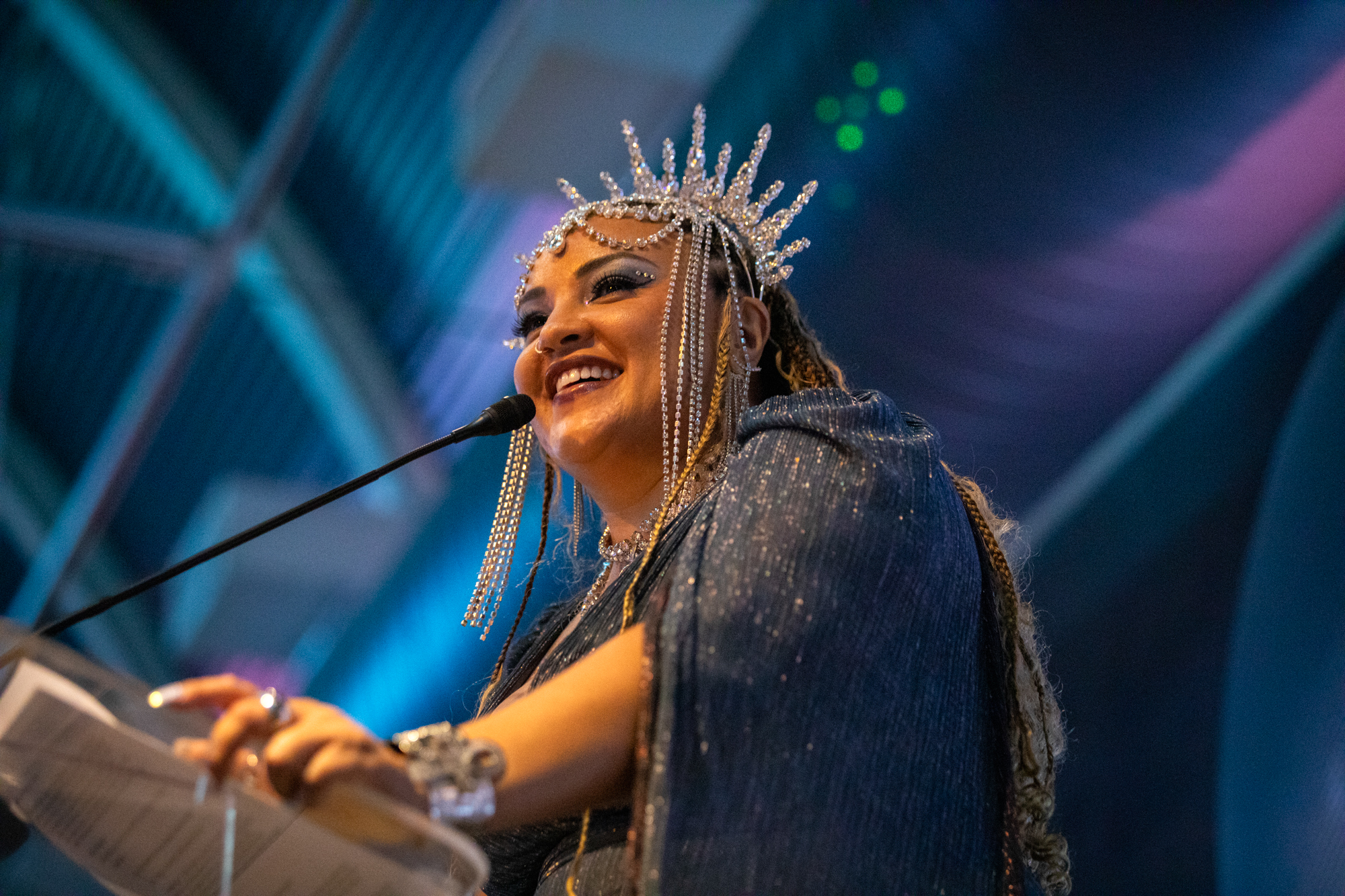
"caption": "Selena Wilson, CEO of the EOYDC, speaks at the Black Futures Ball Banquet hosted by The East Oakland Youth Development Center at Chabot Space and Science Center in Oakland on Aug. 2, 2025.",
"credit": "Tâm Vũ/KQED",
"altTag": null,
"description": null,
"imgSizes": {
"thumbnail": {
"file": "https://cdn.kqed.org/wp-content/uploads/sites/10/2025/08/250802-AFROFUTURES_01253_TV-KQED-1-160x107.jpg",
"width": 160,
"height": 107,
"mimeType": "image/jpeg"
},
"1536x1536": {
"file": "https://cdn.kqed.org/wp-content/uploads/sites/10/2025/08/250802-AFROFUTURES_01253_TV-KQED-1-1536x1024.jpg",
"width": 1536,
"height": 1024,
"mimeType": "image/jpeg"
},
"post-thumbnail": {
"file": "https://cdn.kqed.org/wp-content/uploads/sites/10/2025/08/250802-AFROFUTURES_01253_TV-KQED-1-672x372.jpg",
"width": 672,
"height": 372,
"mimeType": "image/jpeg"
},
"twentyfourteen-full-width": {
"file": "https://cdn.kqed.org/wp-content/uploads/sites/10/2025/08/250802-AFROFUTURES_01253_TV-KQED-1-1038x576.jpg",
"width": 1038,
"height": 576,
"mimeType": "image/jpeg"
},
"kqedFullSize": {
"file": "https://cdn.kqed.org/wp-content/uploads/sites/10/2025/08/250802-AFROFUTURES_01253_TV-KQED-1.jpg",
"width": 2000,
"height": 1333
}
},
"isLoading": false,
"fetchFailed": false
},
"news_12050011": {
"type": "attachments",
"id": "news_12050011",
"meta": {
"index": "attachments_1716263798",
"site": "news",
"id": "12050011",
"found": true
},
"title": "250721-AFGHANSINFREMONT-11-BL-KQED",
"publishDate": 1753726598,
"status": "inherit",
"parent": 0,
"modified": 1753921939,
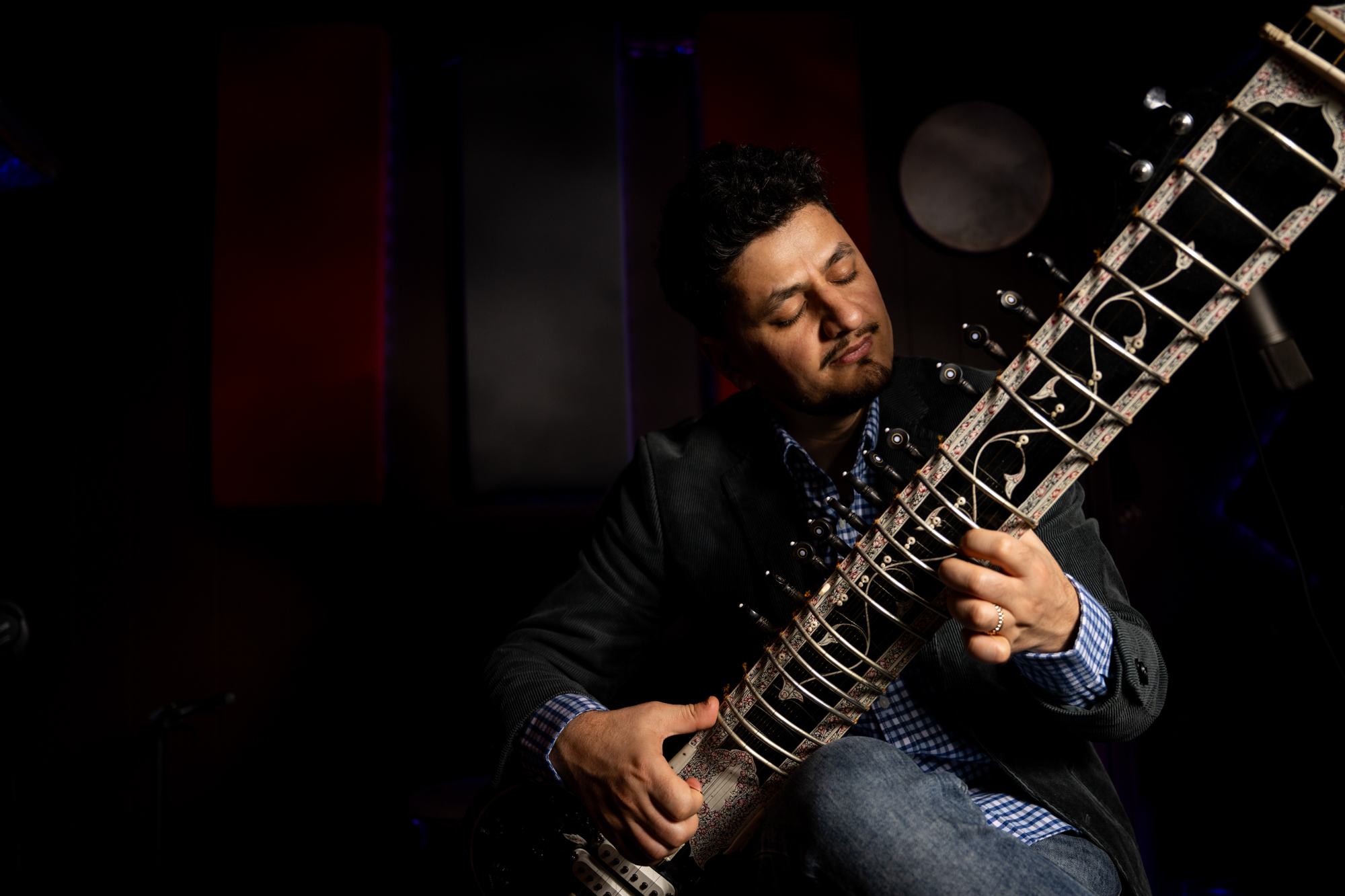
"caption": "Hasib Sepand plays the sitar at Sepand Studios in Fremont on July 21, 2025, where his music academy offers instruction in sitar, tabla, harmonium and other instruments, and he composes and produces music.",
"credit": "Beth LaBerge/KQED",
"altTag": null,
"description": null,
"imgSizes": {
"thumbnail": {
"file": "https://cdn.kqed.org/wp-content/uploads/sites/10/2025/07/250721-AFGHANSINFREMONT-11-BL-KQED-160x107.jpg",
"width": 160,
"height": 107,
"mimeType": "image/jpeg"
},
"1536x1536": {
"file": "https://cdn.kqed.org/wp-content/uploads/sites/10/2025/07/250721-AFGHANSINFREMONT-11-BL-KQED-1536x1024.jpg",
"width": 1536,
"height": 1024,
"mimeType": "image/jpeg"
},
"post-thumbnail": {
"file": "https://cdn.kqed.org/wp-content/uploads/sites/10/2025/07/250721-AFGHANSINFREMONT-11-BL-KQED-672x372.jpg",
"width": 672,
"height": 372,
"mimeType": "image/jpeg"
},
"twentyfourteen-full-width": {
"file": "https://cdn.kqed.org/wp-content/uploads/sites/10/2025/07/250721-AFGHANSINFREMONT-11-BL-KQED-1038x576.jpg",
"width": 1038,
"height": 576,
"mimeType": "image/jpeg"
},
"kqedFullSize": {
"file": "https://cdn.kqed.org/wp-content/uploads/sites/10/2025/07/250721-AFGHANSINFREMONT-11-BL-KQED.jpg",
"width": 2000,
"height": 1333
}
},
"isLoading": false,
"fetchFailed": false
},
"news_12050583": {
"type": "attachments",
"id": "news_12050583",
"meta": {
"index": "attachments_1716263798",
"site": "news",
"id": "12050583",
"found": true
},
"title": "250731-KINDESSCRAWL_00217_TV-KQED",
"publishDate": 1754056101,
"status": "inherit",
"parent": 0,
"modified": 1754071710,
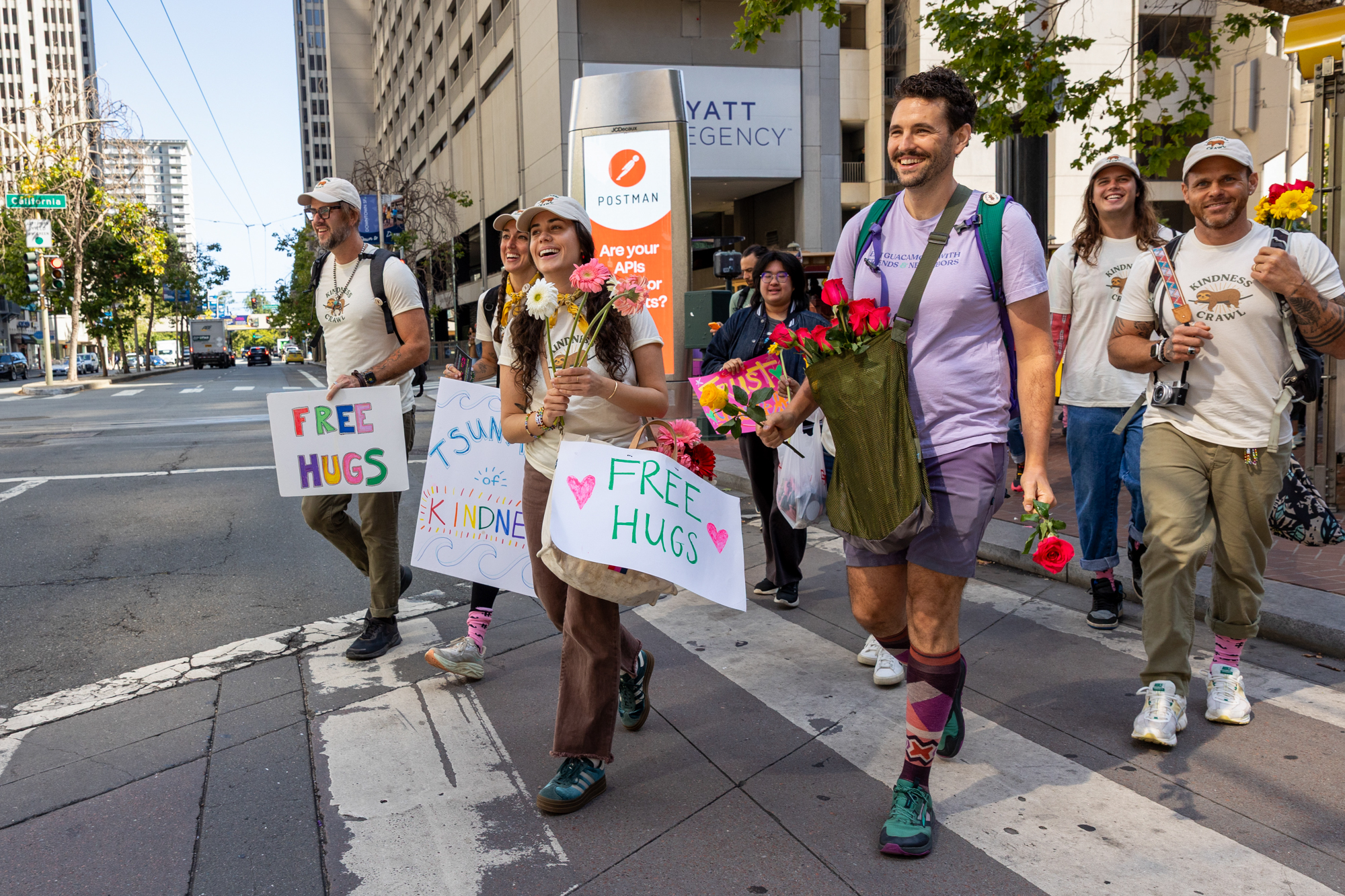
"caption": "Kindness Crawl participants walk through an intersection on Market Street during the Kindness Crawl in San Francisco on July 31, 2025.",
"credit": "Tâm Vũ/KQED",
"altTag": null,
"description": null,
"imgSizes": {
"thumbnail": {
"file": "https://cdn.kqed.org/wp-content/uploads/sites/10/2025/08/250731-KINDESSCRAWL_00217_TV-KQED-160x107.jpg",
"width": 160,
"height": 107,
"mimeType": "image/jpeg"
},
"1536x1536": {
"file": "https://cdn.kqed.org/wp-content/uploads/sites/10/2025/08/250731-KINDESSCRAWL_00217_TV-KQED-1536x1024.jpg",
"width": 1536,
"height": 1024,
"mimeType": "image/jpeg"
},
"post-thumbnail": {
"file": "https://cdn.kqed.org/wp-content/uploads/sites/10/2025/08/250731-KINDESSCRAWL_00217_TV-KQED-672x372.jpg",
"width": 672,
"height": 372,
"mimeType": "image/jpeg"
},
"twentyfourteen-full-width": {
"file": "https://cdn.kqed.org/wp-content/uploads/sites/10/2025/08/250731-KINDESSCRAWL_00217_TV-KQED-1038x576.jpg",
"width": 1038,
"height": 576,
"mimeType": "image/jpeg"
},
"kqedFullSize": {
"file": "https://cdn.kqed.org/wp-content/uploads/sites/10/2025/08/250731-KINDESSCRAWL_00217_TV-KQED.jpg",
"width": 2000,
"height": 1333
}
},
"isLoading": false,
"fetchFailed": false
},
"news_12050532": {
"type": "attachments",
"id": "news_12050532",
"meta": {
"index": "attachments_1716263798",
"site": "news",
"id": "12050532",
"found": true
},
"title": "Jerry Garcia [Death]",
"publishDate": 1754005383,
"status": "inherit",
"parent": 0,
"modified": 1754005420,
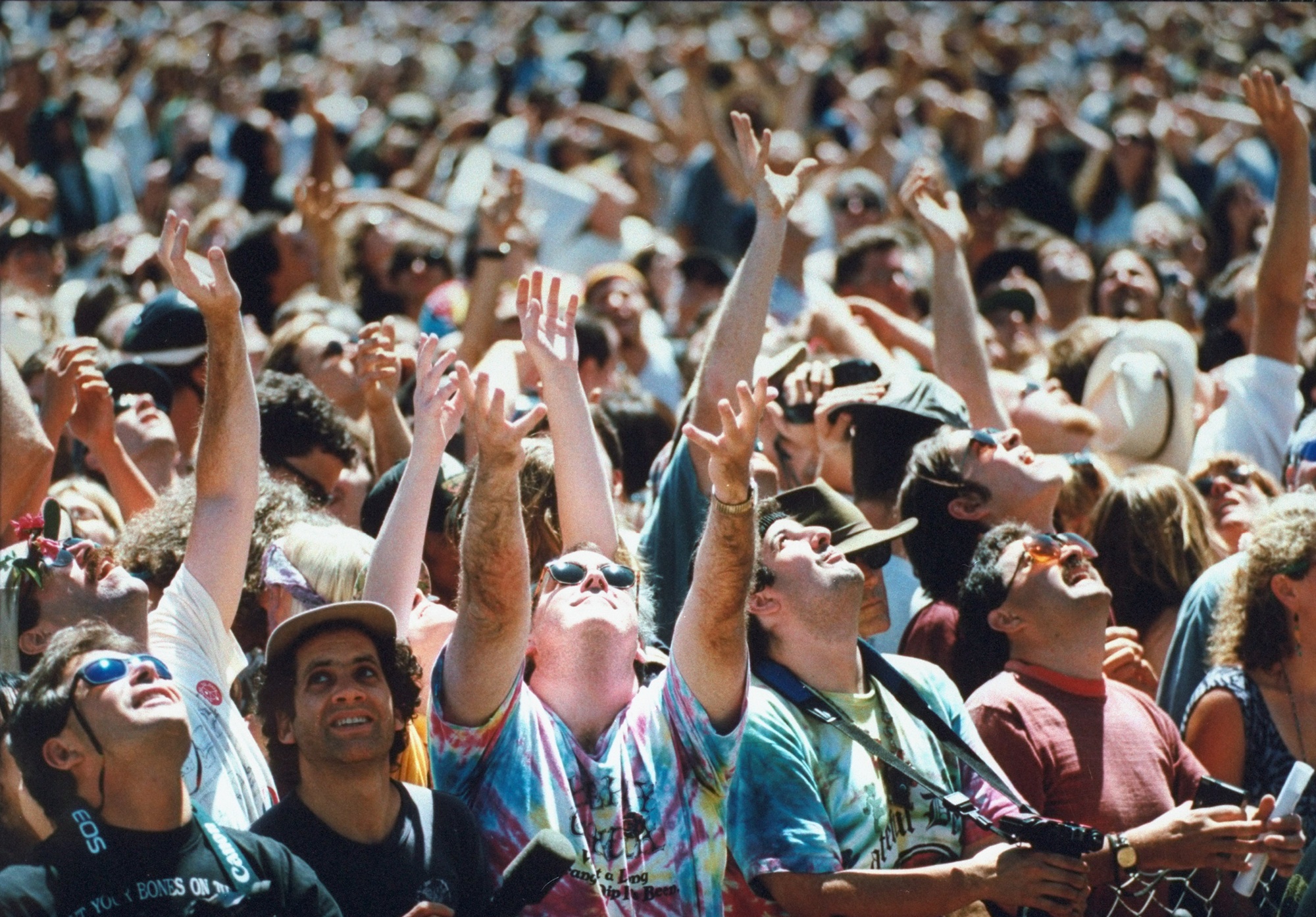
"caption": "Crowd of Deadheads gathered with arms up during a memorial service for Grateful Dead front man Jerry Garcia at Golden Gate Park. ",
"credit": "Kim Komenich/Getty Images",
"altTag": null,
"description": null,
"imgSizes": {
"thumbnail": {
"file": "https://cdn.kqed.org/wp-content/uploads/sites/10/2025/07/GratefulDeadGetty1-160x112.jpg",
"width": 160,
"height": 112,
"mimeType": "image/jpeg"
},
"1536x1536": {
"file": "https://cdn.kqed.org/wp-content/uploads/sites/10/2025/07/GratefulDeadGetty1-1536x1071.jpg",
"width": 1536,
"height": 1071,
"mimeType": "image/jpeg"
},
"post-thumbnail": {
"file": "https://cdn.kqed.org/wp-content/uploads/sites/10/2025/07/GratefulDeadGetty1-672x372.jpg",
"width": 672,
"height": 372,
"mimeType": "image/jpeg"
},
"twentyfourteen-full-width": {
"file": "https://cdn.kqed.org/wp-content/uploads/sites/10/2025/07/GratefulDeadGetty1-1038x576.jpg",
"width": 1038,
"height": 576,
"mimeType": "image/jpeg"
},
"kqedFullSize": {
"file": "https://cdn.kqed.org/wp-content/uploads/sites/10/2025/07/GratefulDeadGetty1.jpg",
"width": 2000,
"height": 1394
}
},
"isLoading": false,
"fetchFailed": false
},
"news_12049579": {
"type": "attachments",
"id": "news_12049579",
"meta": {
"index": "attachments_1716263798",
"site": "news",
"id": "12049579",
"found": true
},
"title": "Garlic Ice Cream booth at Gilroy Garlic Festival",
"publishDate": 1753384538,
"status": "inherit",
"parent": 12049560,
"modified": 1753384574,
"caption": "People lined up to buy garlic ice cream at the 2007 Garlic Festival in Gilroy, California.",
"credit": "Mardis Coers/Getty Images",
"altTag": null,
"description": null,
"imgSizes": {
"thumbnail": {
"file": "https://cdn.kqed.org/wp-content/uploads/sites/10/2025/07/GilroyGarlicFestivalGetty-160x107.jpg",
"width": 160,
"height": 107,
"mimeType": "image/jpeg"
},
"1536x1536": {
"file": "https://cdn.kqed.org/wp-content/uploads/sites/10/2025/07/GilroyGarlicFestivalGetty-1536x1024.jpg",
"width": 1536,
"height": 1024,
"mimeType": "image/jpeg"
},
"post-thumbnail": {
"file": "https://cdn.kqed.org/wp-content/uploads/sites/10/2025/07/GilroyGarlicFestivalGetty-672x372.jpg",
"width": 672,
"height": 372,
"mimeType": "image/jpeg"
},
"twentyfourteen-full-width": {
"file": "https://cdn.kqed.org/wp-content/uploads/sites/10/2025/07/GilroyGarlicFestivalGetty-1038x576.jpg",
"width": 1038,
"height": 576,
"mimeType": "image/jpeg"
},
"kqedFullSize": {
"file": "https://cdn.kqed.org/wp-content/uploads/sites/10/2025/07/GilroyGarlicFestivalGetty.jpg",
"width": 2000,
"height": 1333
}
},
"isLoading": false,
"fetchFailed": false
},
"news_11883672": {
"type": "attachments",
"id": "news_11883672",
"meta": {
"index": "attachments_1716263798",
"site": "news",
"id": "11883672",
"found": true
},
"parent": 11883382,
"imgSizes": {
"twentyfourteen-full-width": {
"file": "https://ww2.kqed.org/app/uploads/sites/10/2021/08/Josie-Manalo-leaving-for-America-1920x1080-1-1038x576.jpg",
"width": 1038,
"mimeType": "image/jpeg",
"height": 576
},
"thumbnail": {
"file": "https://ww2.kqed.org/app/uploads/sites/10/2021/08/Josie-Manalo-leaving-for-America-1920x1080-1-160x90.jpg",
"width": 160,
"mimeType": "image/jpeg",
"height": 90
},
"post-thumbnail": {
"file": "https://ww2.kqed.org/app/uploads/sites/10/2021/08/Josie-Manalo-leaving-for-America-1920x1080-1-672x372.jpg",
"width": 672,
"mimeType": "image/jpeg",
"height": 372
},
"kqedFullSize": {
"file": "https://ww2.kqed.org/app/uploads/sites/10/2021/08/Josie-Manalo-leaving-for-America-1920x1080-1.jpg",
"width": 1920,
"height": 1080
},
"large": {
"file": "https://ww2.kqed.org/app/uploads/sites/10/2021/08/Josie-Manalo-leaving-for-America-1920x1080-1-1020x574.jpg",
"width": 1020,
"mimeType": "image/jpeg",
"height": 574
},
"1536x1536": {
"file": "https://ww2.kqed.org/app/uploads/sites/10/2021/08/Josie-Manalo-leaving-for-America-1920x1080-1-1536x864.jpg",
"width": 1536,
"mimeType": "image/jpeg",
"height": 864
},
"medium": {
"file": "https://ww2.kqed.org/app/uploads/sites/10/2021/08/Josie-Manalo-leaving-for-America-1920x1080-1-800x450.jpg",
"width": 800,
"mimeType": "image/jpeg",
"height": 450
}
},
"publishDate": 1628084533,
"modified": 1628176740,
"caption": "Josie Manalo, the mother of Daly City Mayor Juslyn Manalo, getting ready to board her flight from the Philippines to the United States in 1973.",
"description": "A young woman smiles while carrying a large bag over her shoulder. She wears a collared top. There is an airplane in the background.",
"title": "Josie Manalo leaving for America 1920x1080",
"credit": "Courtesy of Juslyn Manalo",
"status": "inherit",
"altTag": "A young woman smiles while carrying a large bag over her shoulder. She wears a collared top. There is an airplane in the background.",
"isLoading": false,
"fetchFailed": false
},
"news_12046989": {
"type": "attachments",
"id": "news_12046989",
"meta": {
"index": "attachments_1716263798",
"site": "news",
"id": "12046989",
"found": true
},
"title": "Lady Gaga Mayhem Tour SF 1",
"publishDate": 1751569138,
"status": "inherit",
"parent": 12046841,
"modified": 1751923945,
"caption": "Lady Gaga performs at GNP Seguros Stadium on April 26, 2025, in Mexico City, Mexico. ",
"credit": "Kevin Mazur/WireImage for Live Nation",
"altTag": null,
"description": null,
"imgSizes": {
"thumbnail": {
"file": "https://cdn.kqed.org/wp-content/uploads/sites/10/2025/07/Lady-Gaga-Mayhem-Tour-SF-1-160x99.png",
"width": 160,
"height": 99,
"mimeType": "image/png"
},
"1536x1536": {
"file": "https://cdn.kqed.org/wp-content/uploads/sites/10/2025/07/Lady-Gaga-Mayhem-Tour-SF-1-1536x950.png",
"width": 1536,
"height": 950,
"mimeType": "image/png"
},
"post-thumbnail": {
"file": "https://cdn.kqed.org/wp-content/uploads/sites/10/2025/07/Lady-Gaga-Mayhem-Tour-SF-1-672x372.png",
"width": 672,
"height": 372,
"mimeType": "image/png"
},
"twentyfourteen-full-width": {
"file": "https://cdn.kqed.org/wp-content/uploads/sites/10/2025/07/Lady-Gaga-Mayhem-Tour-SF-1-1038x576.png",
"width": 1038,
"height": 576,
"mimeType": "image/png"
},
"kqedFullSize": {
"file": "https://cdn.kqed.org/wp-content/uploads/sites/10/2025/07/Lady-Gaga-Mayhem-Tour-SF-1.png",
"width": 1920,
"height": 1188
}
},
"isLoading": false,
"fetchFailed": false
}
},
"audioPlayerReducer": {
"postId": "stream_live",
"isPaused": true,
"isPlaying": false,
"pfsActive": false,
"pledgeModalIsOpen": true,
"playerDrawerIsOpen": false,
"liveAudioPlayStartedAt": 0,
"liveAudioPlayContext": ""
},
"authorsReducer": {
"astupi": {
"type": "authors",
"id": "70",
"meta": {
"index": "authors_1716337520",
"id": "70",
"found": true
},
"name": "Amanda Stupi",
"firstName": "Amanda",
"lastName": "Stupi",
"slug": "astupi",
"email": "astupi@kqed.org",
"display_author_email": false,
"staff_mastheads": [],
"title": "Senior Engagement Producer",
"bio": "Amanda joined KQED Science’s engagement team as a Senior Audience Engagement Strategist in the spring of 2019. She has helped craft messaging around wildfires, the coronavirus pandemic, climate change and many other stories. She has also brought KQED Science to new platforms such as Reddit’s Ask Me Anything series. Prior to joining KQED Science, Amanda spent seven years as an engagement producer with Forum, KQED’s daily live call-in show. She got her start in radio at KALW's weekly call in show, City Visions, before going on to an internship and stint at NPR's Talk of the Nation.\r\n\r\nPrior to journalism, Amanda taught English at Lowell High School. She's a native of Petaluma and currently lives under the \"South San Francisco the Industrial City\" sign in South City. She believes that engagement is vital to news’s future and that good journalism listens as much as it asks questions.",
"avatar": "https://secure.gravatar.com/avatar/e981c503e5c162da701dcaccfbf87e35?s=600&d=blank&r=g",
"twitter": null,
"facebook": null,
"instagram": null,
"linkedin": null,
"sites": [
{
"site": "arts",
"roles": [
"Contributor"
]
},
{
"site": "news",
"roles": [
"editor"
]
},
{
"site": "pop",
"roles": [
"contributor"
]
},
{
"site": "stateofhealth",
"roles": [
"editor"
]
},
{
"site": "science",
"roles": []
},
{
"site": "perspectives",
"roles": [
"editor"
]
}
],
"headData": {
"title": "Amanda Stupi | KQED",
"description": "Senior Engagement Producer",
"ogImgSrc": "https://secure.gravatar.com/avatar/e981c503e5c162da701dcaccfbf87e35?s=600&d=blank&r=g",
"twImgSrc": "https://secure.gravatar.com/avatar/e981c503e5c162da701dcaccfbf87e35?s=600&d=blank&r=g"
},
"isLoading": false,
"link": "/author/astupi"
},
"jasminegarnett": {
"type": "authors",
"id": "11530",
"meta": {
"index": "authors_1716337520",
"id": "11530",
"found": true
},
"name": "Jasmine Garnett",
"firstName": "Jasmine",
"lastName": "Garnett",
"slug": "jasminegarnett",
"email": "JGarnett@KQED.org",
"display_author_email": false,
"staff_mastheads": [
"news"
],
"title": "Senior Engagement Platforms Producer",
"bio": "Jasmine is a Senior Engagement Platforms Producer on the KQED News team. She is also a freelance writer, with work appearing in KQED, Bitch Media, and Kotaku among others. Jasmine graduated from UC Berkeley with a degree in Media Studies, where she was also an Arts and Entertainment reporter at the Daily Californian.",
"avatar": "https://secure.gravatar.com/avatar/a6ea8b0641874311533b7401bee15c8e?s=600&d=blank&r=g",
"twitter": "JFLGarnett",
"facebook": null,
"instagram": null,
"linkedin": null,
"sites": [
{
"site": "arts",
"roles": [
"author"
]
},
{
"site": "news",
"roles": [
"editor"
]
},
{
"site": "about",
"roles": [
"editor"
]
},
{
"site": "science",
"roles": [
"editor"
]
},
{
"site": "forum",
"roles": [
"editor"
]
},
{
"site": "pressroom",
"roles": [
"editor"
]
}
],
"headData": {
"title": "Jasmine Garnett | KQED",
"description": "Senior Engagement Platforms Producer",
"ogImgSrc": "https://secure.gravatar.com/avatar/a6ea8b0641874311533b7401bee15c8e?s=600&d=blank&r=g",
"twImgSrc": "https://secure.gravatar.com/avatar/a6ea8b0641874311533b7401bee15c8e?s=600&d=blank&r=g"
},
"isLoading": false,
"link": "/author/jasminegarnett"
},
"aehsanipour": {
"type": "authors",
"id": "11580",
"meta": {
"index": "authors_1716337520",
"id": "11580",
"found": true
},
"name": "Asal Ehsanipour",
"firstName": "Asal",
"lastName": "Ehsanipour",
"slug": "aehsanipour",
"email": "aehsanipour@kqed.org",
"display_author_email": false,
"staff_mastheads": [],
"title": "Reporter and Producer",
"bio": "Asal Ehsanipour is a producer and reporter for Rightnowish, Bay Curious and The California Report Magazine. She is also a producer for \u003ca href=\"https://www.thedoubleshift.com/\">The Double Shift\u003c/a>, a podcast about a new generation of working mothers. In 2018, Asal was named an Emerging Journalist Fellow by the Journalism and Women’s Symposium. Her work has appeared on KQED, KALW, PRI’s The World, and in several food and travel publications.",
"avatar": "https://secure.gravatar.com/avatar/c0e210438f5dca1b76921ff9f0eada52?s=600&d=blank&r=g",
"twitter": null,
"facebook": null,
"instagram": null,
"linkedin": null,
"sites": [
{
"site": "arts",
"roles": []
},
{
"site": "news",
"roles": [
"author",
"edit_others_posts"
]
}
],
"headData": {
"title": "Asal Ehsanipour | KQED",
"description": "Reporter and Producer",
"ogImgSrc": "https://secure.gravatar.com/avatar/c0e210438f5dca1b76921ff9f0eada52?s=600&d=blank&r=g",
"twImgSrc": "https://secure.gravatar.com/avatar/c0e210438f5dca1b76921ff9f0eada52?s=600&d=blank&r=g"
},
"isLoading": false,
"link": "/author/aehsanipour"
},
"swhitney": {
"type": "authors",
"id": "11784",
"meta": {
"index": "authors_1716337520",
"id": "11784",
"found": true
},
"name": "Spencer Whitney",
"firstName": "Spencer",
"lastName": "Whitney",
"slug": "swhitney",
"email": "swhitney@kqed.org",
"display_author_email": false,
"staff_mastheads": [],
"title": "KQED Digital Editor",
"bio": "Spencer Whitney is currently a Digital Editor for KQED News. Prior to joining KQED News, Spencer worked as the Multimedia Editor at the Oakland Post and an Assistant Editor in the Editorial department at the San Francisco Chronicle. He attended Howard University as an undergraduate and interned with SiriusXM. He also attended UC Berkeley's Graduate School of Journalism and had the opportunity to write for the hyperlocal news sites Richmond Confidential and Oakland North.",
"avatar": "https://secure.gravatar.com/avatar/e33ff4fd8b8f0d2796f36472fb32607ca8fc46ef5e537dcfdbdee688d8ea5b80?s=600&d=mm&r=g",
"twitter": null,
"bluesky": null,
"facebook": null,
"instagram": null,
"linkedin": null,
"sites": [
{
"site": "arts",
"roles": [
"editor"
]
},
{
"site": "news",
"roles": [
"editor"
]
},
{
"site": "science",
"roles": [
"editor"
]
},
{
"site": "perspectives",
"roles": [
"editor"
]
}
],
"headData": {
"title": "Spencer Whitney | KQED",
"description": "KQED Digital Editor",
"ogImgSrc": "https://secure.gravatar.com/avatar/e33ff4fd8b8f0d2796f36472fb32607ca8fc46ef5e537dcfdbdee688d8ea5b80?s=600&d=mm&r=g",
"twImgSrc": "https://secure.gravatar.com/avatar/e33ff4fd8b8f0d2796f36472fb32607ca8fc46ef5e537dcfdbdee688d8ea5b80?s=600&d=mm&r=g"
},
"isLoading": false,
"link": "/author/swhitney"
},
"adahlstromeckman": {
"type": "authors",
"id": "11785",
"meta": {
"index": "authors_1716337520",
"id": "11785",
"found": true
},
"name": "Azul Dahlstrom-Eckman",
"firstName": "Azul",
"lastName": "Dahlstrom-Eckman",
"slug": "adahlstromeckman",
"email": "adahlstrom-eckman@kqed.org",
"display_author_email": true,
"staff_mastheads": [],
"title": "Reporter",
"bio": "Azul is a reporter for KQED focusing on transportation and features. He joined KQED in 2021 as an alumna of KALW's Audio Academy radio journalism training program.",
"avatar": "https://secure.gravatar.com/avatar/9cb750298435add7815a777f55bf1f46845c1386bb8452555c60a7b820b5aba3?s=600&d=blank&r=g",
"twitter": "@zuliemann",
"bluesky": "@azul415.bsky.social",
"facebook": null,
"instagram": null,
"linkedin": null,
"sites": [
{
"site": "arts",
"roles": [
"editor"
]
},
{
"site": "news",
"roles": [
"editor"
]
},
{
"site": "science",
"roles": [
"editor"
]
},
{
"site": "liveblog",
"roles": [
"author"
]
}
],
"headData": {
"title": "Azul Dahlstrom-Eckman | KQED",
"description": "Reporter",
"ogImgSrc": "https://secure.gravatar.com/avatar/9cb750298435add7815a777f55bf1f46845c1386bb8452555c60a7b820b5aba3?s=600&d=blank&r=g",
"twImgSrc": "https://secure.gravatar.com/avatar/9cb750298435add7815a777f55bf1f46845c1386bb8452555c60a7b820b5aba3?s=600&d=blank&r=g"
},
"isLoading": false,
"link": "/author/adahlstromeckman"
},
"nkhan": {
"type": "authors",
"id": "11867",
"meta": {
"index": "authors_1716337520",
"id": "11867",
"found": true
},
"name": "Nisa Khan",
"firstName": "Nisa",
"lastName": "Khan",
"slug": "nkhan",
"email": "nkhan@kqed.org",
"display_author_email": false,
"staff_mastheads": [],
"title": "KQED Contributor",
"bio": "Nisa Khan is a reporter for KQED's Audience News Desk. She was formerly a data reporter at Michigan Radio. She earned a Bachelor of Science in Information from the University of Michigan and a Master of Arts in Communication from Stanford University.",
"avatar": "https://secure.gravatar.com/avatar/8720459eef081ff64582b3506b124d58523e80e120704a0cbd9892533c914991?s=600&d=blank&r=g",
"twitter": "mnisakhan",
"bluesky": null,
"facebook": null,
"instagram": null,
"linkedin": null,
"sites": [
{
"site": "arts",
"roles": [
"editor"
]
},
{
"site": "news",
"roles": [
"editor"
]
},
{
"site": "science",
"roles": [
"editor",
"author"
]
},
{
"site": "forum",
"roles": [
"editor"
]
},
{
"site": "liveblog",
"roles": [
"contributor"
]
}
],
"headData": {
"title": "Nisa Khan | KQED",
"description": "KQED Contributor",
"ogImgSrc": "https://secure.gravatar.com/avatar/8720459eef081ff64582b3506b124d58523e80e120704a0cbd9892533c914991?s=600&d=blank&r=g",
"twImgSrc": "https://secure.gravatar.com/avatar/8720459eef081ff64582b3506b124d58523e80e120704a0cbd9892533c914991?s=600&d=blank&r=g"
},
"isLoading": false,
"link": "/author/nkhan"
},
"udursun": {
"type": "authors",
"id": "11883",
"meta": {
"index": "authors_1716337520",
"id": "11883",
"found": true
},
"name": "Ugur Dursun",
"firstName": "Ugur",
"lastName": "Dursun",
"slug": "udursun",
"email": "udursun@kqed.org",
"display_author_email": true,
"staff_mastheads": [
"arts"
],
"title": "Engagement Producer, KQED Arts & Culture",
"bio": "Ugur Dursun is a reporter and audience engagement producer for KQED Arts. Previously, her reporting has appeared on SFGate, East Bay Times, The Mercury News, KTVU, NBC Bay Area, The Stanford Daily, and other Bay Area local news outlets. In 2023, she was a recipient of Online News Association's \u003ca href=\"https://journalists.org/programs/mj-bear-fellowship/\">MJ Bear Fellowship\u003c/a>, which honors six standout journalists under the age of 30 who are pushing innovation in digital news.",
"avatar": "https://secure.gravatar.com/avatar/9c5fe6a93389635670fe02d7fa44666938055adfbfc2cfd7fffc1de9e29072a2?s=600&d=blank&r=g",
"twitter": null,
"bluesky": null,
"facebook": null,
"instagram": null,
"linkedin": null,
"sites": [
{
"site": "arts",
"roles": [
"administrator"
]
},
{
"site": "news",
"roles": [
"editor"
]
}
],
"headData": {
"title": "Ugur Dursun | KQED",
"description": "Engagement Producer, KQED Arts & Culture",
"ogImgSrc": "https://secure.gravatar.com/avatar/9c5fe6a93389635670fe02d7fa44666938055adfbfc2cfd7fffc1de9e29072a2?s=600&d=blank&r=g",
"twImgSrc": "https://secure.gravatar.com/avatar/9c5fe6a93389635670fe02d7fa44666938055adfbfc2cfd7fffc1de9e29072a2?s=600&d=blank&r=g"
},
"isLoading": false,
"link": "/author/udursun"
},
"adriennelee": {
"type": "authors",
"id": "11891",
"meta": {
"index": "authors_1716337520",
"id": "11891",
"found": true
},
"name": "Adrienne Lee",
"firstName": "Adrienne",
"lastName": "Lee",
"slug": "adriennelee",
"email": "adriennelee@kqed.org",
"display_author_email": false,
"staff_mastheads": [],
"title": "Newsletter & Platforms Engagement Producer",
"bio": null,
"avatar": "https://secure.gravatar.com/avatar/0018404b206c585a6c82d45b82eb20704b6514a19ac246e3c63591b378656d29?s=600&d=blank&r=g",
"twitter": null,
"bluesky": null,
"facebook": null,
"instagram": null,
"linkedin": null,
"sites": [
{
"site": "news",
"roles": []
}
],
"headData": {
"title": "Adrienne Lee | KQED",
"description": "Newsletter & Platforms Engagement Producer",
"ogImgSrc": "https://secure.gravatar.com/avatar/0018404b206c585a6c82d45b82eb20704b6514a19ac246e3c63591b378656d29?s=600&d=blank&r=g",
"twImgSrc": "https://secure.gravatar.com/avatar/0018404b206c585a6c82d45b82eb20704b6514a19ac246e3c63591b378656d29?s=600&d=blank&r=g"
},
"isLoading": false,
"link": "/author/adriennelee"
},
"kdebenedetti": {
"type": "authors",
"id": "11913",
"meta": {
"index": "authors_1716337520",
"id": "11913",
"found": true
},
"name": "Katie DeBenedetti",
"firstName": "Katie",
"lastName": "DeBenedetti",
"slug": "kdebenedetti",
"email": "kdebenedetti@kqed.org",
"display_author_email": false,
"staff_mastheads": [
"news",
"science"
],
"title": "KQED Contributor",
"bio": "Katie DeBenedetti is a digital reporter covering daily news for the Express Desk. Prior to joining KQED as a culture reporting intern in January 2024, she covered education and city government for the Napa Valley Register.",
"avatar": "https://secure.gravatar.com/avatar/6e31073cb8f7e4214ab03f42771d0f45?s=600&d=blank&r=g",
"twitter": null,
"facebook": null,
"instagram": null,
"linkedin": null,
"sites": [
{
"site": "news",
"roles": [
"author"
]
},
{
"site": "science",
"roles": [
"author"
]
},
{
"site": "liveblog",
"roles": [
"author"
]
}
],
"headData": {
"title": "Katie DeBenedetti | KQED",
"description": "KQED Contributor",
"ogImgSrc": "https://secure.gravatar.com/avatar/6e31073cb8f7e4214ab03f42771d0f45?s=600&d=blank&r=g",
"twImgSrc": "https://secure.gravatar.com/avatar/6e31073cb8f7e4214ab03f42771d0f45?s=600&d=blank&r=g"
},
"isLoading": false,
"link": "/author/kdebenedetti"
},
"bkrans": {
"type": "authors",
"id": "11923",
"meta": {
"index": "authors_1716337520",
"id": "11923",
"found": true
},
"name": "Brian Krans",
"firstName": "Brian",
"lastName": "Krans",
"slug": "bkrans",
"email": "bkrans@kqed.org",
"display_author_email": false,
"staff_mastheads": [
"news"
],
"title": "KQED Contributing Reporter",
"bio": "Brian Krans is an award-winning local news and investigative reporter who has been proudly working as a general assignment reporter for KQED since August 2023. He lives in Richmond, where he also reports on air pollution for Richmondside. He is also a founding member of the Vallejo Sun.",
"avatar": "https://secure.gravatar.com/avatar/71fa91f931774612559f7640390b53d9c2840ff72b20f195a25239aab2d9fbb9?s=600&d=blank&r=g",
"twitter": "citizenkrans",
"bluesky": null,
"facebook": null,
"instagram": null,
"linkedin": null,
"sites": [
{
"site": "news",
"roles": [
"editor"
]
}
],
"headData": {
"title": "Brian Krans | KQED",
"description": "KQED Contributing Reporter",
"ogImgSrc": "https://secure.gravatar.com/avatar/71fa91f931774612559f7640390b53d9c2840ff72b20f195a25239aab2d9fbb9?s=600&d=blank&r=g",
"twImgSrc": "https://secure.gravatar.com/avatar/71fa91f931774612559f7640390b53d9c2840ff72b20f195a25239aab2d9fbb9?s=600&d=blank&r=g"
},
"isLoading": false,
"link": "/author/bkrans"
},
"gzada": {
"type": "authors",
"id": "11929",
"meta": {
"index": "authors_1716337520",
"id": "11929",
"found": true
},
"name": "Gilare Zada",
"firstName": "Gilare",
"lastName": "Zada",
"slug": "gzada",
"email": "gzada@kqed.org",
"display_author_email": true,
"staff_mastheads": [
"news"
],
"title": null,
"bio": "Gilare Zada is a Kurdish-American from San Diego, CA. Storytelling, fitness, and binge reading are some of her passions outside of news reporting. Her work has appeared in Mission Local, the Peninsula Press, the San Francisco Press Club, and more. She also writes as a class correspondent for the Stanford Magazine - go Card!",
"avatar": "https://secure.gravatar.com/avatar/33a75f2b947669a488a805edec3fbf3838c1cedaedda710e983770633b4d6a75?s=600&d=blank&r=g",
"twitter": null,
"bluesky": null,
"facebook": null,
"instagram": null,
"linkedin": null,
"sites": [
{
"site": "",
"roles": [
"editor"
]
},
{
"site": "arts",
"roles": [
"editor"
]
},
{
"site": "news",
"roles": [
"administrator"
]
},
{
"site": "science",
"roles": [
"editor"
]
}
],
"headData": {
"title": "Gilare Zada | KQED",
"description": null,
"ogImgSrc": "https://secure.gravatar.com/avatar/33a75f2b947669a488a805edec3fbf3838c1cedaedda710e983770633b4d6a75?s=600&d=blank&r=g",
"twImgSrc": "https://secure.gravatar.com/avatar/33a75f2b947669a488a805edec3fbf3838c1cedaedda710e983770633b4d6a75?s=600&d=blank&r=g"
},
"isLoading": false,
"link": "/author/gzada"
},
"sprabha": {
"type": "authors",
"id": "11976",
"meta": {
"index": "authors_1716337520",
"id": "11976",
"found": true
},
"name": "Srishti Prabha",
"firstName": "Srishti",
"lastName": "Prabha",
"slug": "sprabha",
"email": "sprabha@KQED.org",
"display_author_email": false,
"staff_mastheads": [],
"title": "KQED Contributor",
"bio": "Srishti Prabha is a producer and reporter for KQED news and podcasts. They also work on longform human-interest features as a Beat Reporting Fellow with KALW. Their reporting has appeared on NPR, Morning Edition, All Things Considered, The California Report Magazine, and more. Most recently, Prabha covered education for CapRadio as a Report for America corps member, focusing on issues affecting communities of color in the Sacramento region. They previously served as managing editor of India Currents, where they reported on immigration, cultural identity, and health in South Asian communities. Prabha's work has been recognized by the San Francisco Press Club, the California News Publishers Association, and the Edward R. Murrow Awards.",
"avatar": "https://secure.gravatar.com/avatar/cc4d8ef770090714faad7e1d24857f806d09340456c5734167b9a6361b175d7d?s=600&d=blank&r=g",
"twitter": null,
"bluesky": null,
"facebook": null,
"instagram": null,
"linkedin": null,
"sites": [
{
"site": "news",
"roles": [
"editor"
]
}
],
"headData": {
"title": "Srishti Prabha | KQED",
"description": "KQED Contributor",
"ogImgSrc": "https://secure.gravatar.com/avatar/cc4d8ef770090714faad7e1d24857f806d09340456c5734167b9a6361b175d7d?s=600&d=blank&r=g",
"twImgSrc": "https://secure.gravatar.com/avatar/cc4d8ef770090714faad7e1d24857f806d09340456c5734167b9a6361b175d7d?s=600&d=blank&r=g"
},
"isLoading": false,
"link": "/author/sprabha"
}
},
"pagesReducer": {
"news_category_arts-and-culture": {
"type": "terms",
"id": "news_223",
"meta": {
"index": "terms_1716263798",
"site": "news",
"id": "223",
"score": 11.241959
},
"featImg": null,
"name": "Arts and Culture",
"description": null,
"taxonomy": "category",
"headData": {
"twImgId": null,
"twTitle": null,
"ogTitle": null,
"ogImgId": null,
"twDescription": null,
"description": null,
"title": "Arts and Culture Archives | KQED News",
"ogDescription": null
},
"ttid": 231,
"slug": "arts-and-culture",
"isLoading": false,
"title": "Arts and Culture",
"pageMeta": {
"site": "news",
"WpPageTemplate": "page-topic-editorial",
"currentPage": 10
},
"blocks": [
{
"blockName": "kqed/post-list",
"attrs": {
"layout": "cardArticle2",
"query": "posts/news?category=arts-and-culture",
"seeMore": false,
"paginated": true,
"page": 10
}
},
{
"blockName": "kqed/ad"
}
]
}
},
"pfsSessionReducer": {},
"postsReducer": {
"stream_live": {
"type": "live",
"id": "stream_live",
"audioUrl": "https://streams.kqed.org/kqedradio",
"title": "Live Stream",
"excerpt": "Live Stream information currently unavailable.",
"link": "/radio",
"featImg": "",
"label": {
"name": "KQED Live",
"link": "/"
}
},
"stream_kqedNewscast": {
"type": "posts",
"id": "stream_kqedNewscast",
"audioUrl": "https://www.kqed.org/.stream/anon/radio/RDnews/newscast.mp3?_=1",
"title": "KQED Newscast",
"featImg": "",
"label": {
"name": "88.5 FM",
"link": "/"
}
},
"news_12055649": {
"type": "posts",
"id": "news_12055649",
"meta": {
"index": "posts_1716263798",
"site": "news",
"id": "12055649",
"score": null,
"sort": [
1757689237000
]
},
"guestAuthors": [],
"slug": "oakland-comedian-jackie-keliiaa-on-pain-punchlines-and-her-good-medicine",
"title": "Oakland Comedian Jackie Keliiaa on Pain, Punchlines and Her ‘Good Medicine’",
"publishDate": 1757689237,
"format": "standard",
"headTitle": "Oakland Comedian Jackie Keliiaa on Pain, Punchlines and Her ‘Good Medicine’ | KQED",
"labelTerm": {
"term": 26731,
"site": "news"
},
"content": "\u003cp>\u003cem>This story is part of The California Report Magazine’s \u003ca href=\"https://www.kqed.org/news/tag/resilience\">series about resilient Californians\u003c/a>, and what lessons they may have for the rest of us.\u003c/em>\u003c/p>\n\u003cp>\u003ca href=\"https://www.kqed.org/news/tag/oakland\">Oakland-based\u003c/a> comedian \u003ca href=\"https://jackiecomedy.com/index.html\">Jackie Keliiaa\u003c/a> has built a career turning identity and grief into humor that heals as much as it provokes. Raised in Hayward, Keliiaa draws inspiration — and material for her stand-up routines — from her Native American, Native Hawaiian, Portuguese and Italian heritage.\u003c/p>\n\u003cp>She has been featured in the book ‘\u003ca href=\"https://www.simonandschuster.com/books/We-Had-a-Little-Real-Estate-Problem/Kliph-Nesteroff/9781982103033\">We Had a Little Real Estate Problem: The Unheralded Story of Native American Comedy\u003c/a>’, appeared on \u003ca href=\"https://www.youtube.com/watch?v=n1AYIBGAgU4\">Team Coco\u003c/a>, voiced the character Bubble in Netflix’s Native animated series \u003ca href=\"https://www.netflix.com/title/81098500\">Spirit Rangers\u003c/a> and co-created the all-Native comedy tour \u003ca href=\"https://www.youtube.com/watch?v=otDl3urzaNU\">Good Medicine\u003c/a>. The tour’s next show is Oct. 18 in \u003ca href=\"https://jackiecomedy.com/good-medicine.html\">San Francisco\u003c/a> at the Strand Theater.\u003c/p>\n\u003cp>Keliiaa joined The California Report Magazine host \u003ca href=\"https://www.kqed.org/author/sasha-khokha\">Sasha Khokha\u003c/a> for a conversation on indigeneity, loss and the transformative power of laughter.\u003c/p>\n\u003cp>[ad fullwidth]\u003c/p>\n\u003cp>\u003cem>Below are excerpts from their conversation, edited for brevity and clarity. For the full interview, listen to the audio linked at the top of this story.\u003c/em>\u003c/p>\n\u003ch2>On fitting into a box\u003c/h2>\n\u003cp>Everyone was confused [about my ethnic background]. A lot of people, especially when I was younger, thought I was Asian. When I got into middle school, a lot of people thought I was Latina because a lot of my friends were Mexican.\u003c/p>\n\u003cp>I always felt like I fit in, but it was usually because I fit into whatever box people thought I was, as opposed to me really feeling like all of my pieces were acknowledged and understood.\u003c/p>\n\u003cp>https://www.youtube.com/watch?v=K78A_d1QwPA\u003c/p>\n\u003cp>My family came over from Portugal, and they landed in Hayward, and they started an orchard. A lot of people don’t know this, but [some] Azorean-Portuguese — from the Azores islands — came to the Bay Area.\u003c/p>\n\u003cp>Growing up, I would do a lot of Portuguese traditions. I was a part of the Holy Ghost Festival, but then I would show up to the event and they wouldn’t assume that I was Portuguese — that question mark, I’ve always seen it on people’s faces. So those jokes are important to me because people have always tried to put me into a box.\u003c/p>\n\u003cp>I think when I was younger, I just remember being like, “God, I wish I was just one thing.” Now I’ve come to understand that my background is a superpower and it’s also something that I’m very proud of. I love being Portuguese. I love being Native. And now, I don’t feel like I have to choose.\u003c/p>\n\u003cp>\u003cstrong>On what her Native ancestors passed down\u003c/strong>\u003c/p>\n\u003cp>My grandparents are from Nevada, and they met at Stewart Indian Boarding School. Washoe and Paiute were the two main tribes that were at Stewart. I knew that it wasn’t great — the administration was trying to change who they were as Native people.[aside postID=news_12051769 hero='https://cdn.kqed.org/wp-content/uploads/sites/10/2025/08/250806-SHANICEROBINSONRESILIENCE_00065_TV-KQED.jpg']But my grandfather would say, “We had a roof over our head and we had three squares a day. For a kid growing up in Nevada during the Depression, that was more than anyone could ask for.” He talked about Stewart as this place that helped him survive.\u003c/p>\n\u003cp>But also, we didn’t get into the other things. As a kid, I knew, I’m not gonna ask beyond what they’re willing to tell me because\u003ca href=\"https://www.kqed.org/news/11883520/examining-the-painful-legacy-of-native-american-boarding-schools-in-the-u-s\"> there was a darkness to it\u003c/a>. In boarding school, they’re tough on people, and that was passed on to us, too. So it has reverberated \u003ca href=\"https://www.kqed.org/education/535528/the-lasting-impact-of-native-american-residential-schools\">through all the generations.\u003c/a>\u003c/p>\n\u003cp>The crazy thing people don’t understand about the boarding schools is that all the food was cooked by the kids, all the laundry was done by the kids, all the mowing, all the like yard work done by kids. It was this whole sort of environment that was built on the labor of young native children.\u003c/p>\n\u003cp>It’s a complicated relationship, and I do honor that my grandparents were very proud to have gone to Stewart. And then I also understand there were many things that I was not informed of.\u003c/p>\n\u003ch2>On being Native and finding humor\u003c/h2>\n\u003cp>Native people — we’re just inherently hilarious. Teasing is a way that we show our love and affection. It’s part of our culture, part of our community. It’s very much part of [our] DNA.\u003c/p>\n\u003cp>Even though all these dark things may have happened, there’s a lot of levity.\u003c/p>\n\u003cp>https://www.youtube.com/watch?v=ak_ebn1uMn0\u003c/p>\n\u003cp>I went to Cal, did Native American studies and minored in city and regional planning. Then I went on to get my master’s in urban planning from Columbia. I always thought I’m gonna go work for the government because that’s what my family does. I didn’t even think of comedy as a life you can make a living off of.\u003c/p>\n\u003cp>One of my core memories that sort of helped me get to where I am in comedy is in 2005, when I was a student at UC Berkeley. It was Native American Heritage Month, and the graduate student program hosted a comedy night — \u003ca href=\"https://www.youtube.com/watch?v=kFSoWpYjkzc\">Charlie Hill\u003c/a> was the headliner.\u003c/p>\n\u003cp>Hill is the godfather of Native comedy. He was the first-ever Native comic to get a late-night set on \u003cem>The Richard Pryor Show\u003c/em>. I got a chance to see him live. And it was so cool, it opened me up in a way that I was like, “I wanna do this.”\u003c/p>\n\u003cp>The joke [I wrote] about skiing in Tahoe and desecrating the sacred lands was a hard one because it really bums people out. But simultaneously, I think it needs to be said, because I’m the only person who can say this and have you think in a different perspective about, “I guess all land here is Native land, and there was a community here that this was important to, and now it’s my playground.”\u003c/p>\n\u003cp>Ultimately, as a comic, I do want people to think differently when they leave the show, and also know that there are modern Native people out here in this world. I feel every day I’m trying to combat this Hollywood spaghetti Western view of what Indian Country is.\u003c/p>\n\u003ch2>On grief and getting on stage\u003c/h2>\n\u003cp>When my mom passed, I was just kind of feeling like a husk. [That’s when] comedy found me. The worst possible thing that could happen to me happened, and all the fear of going up and bombing just went away. And then I went to my first ever open mic and I did okay.\u003c/p>\n\u003cp>I was 26 [that year, and] I had my first ever gig at the Native American Health Center [in San Francisco]. I performed for a crowd of like 250. I was only like a few months into stand-up, but to have the support from the Native community right from the jump was amazing.\u003c/p>\n\u003cfigure id=\"attachment_12055719\" class=\"wp-caption aligncenter\" style=\"max-width: 2000px\">\u003ca href=\"https://cdn.kqed.org/wp-content/uploads/sites/10/2025/09/002_SanFrancisco_IndigenousPeoplesDay_10112021_qed.jpg\">\u003cimg loading=\"lazy\" decoding=\"async\" class=\"size-full wp-image-12055719\" src=\"https://cdn.kqed.org/wp-content/uploads/sites/10/2025/09/002_SanFrancisco_IndigenousPeoplesDay_10112021_qed.jpg\" alt=\"\" width=\"2000\" height=\"1331\" srcset=\"https://cdn.kqed.org/wp-content/uploads/sites/10/2025/09/002_SanFrancisco_IndigenousPeoplesDay_10112021_qed.jpg 2000w, https://cdn.kqed.org/wp-content/uploads/sites/10/2025/09/002_SanFrancisco_IndigenousPeoplesDay_10112021_qed-160x106.jpg 160w, https://cdn.kqed.org/wp-content/uploads/sites/10/2025/09/002_SanFrancisco_IndigenousPeoplesDay_10112021_qed-1536x1022.jpg 1536w\" sizes=\"auto, (max-width: 2000px) 100vw, 2000px\">\u003c/a>\u003cfigcaption class=\"wp-caption-text\">Comedian and emcee Jackie Keliiaa speaks during the 3rd annual Indigenous Peoples Day Commemoration at Yerba Buena Gardens in San Francisco on Oct. 11, 2021.\u003c/figcaption>\u003c/figure>\n\u003ch2>On her tour, \u003cem>‘Good Medicine”\u003c/em>\u003c/h2>\n\u003cp>Sometimes I’ll be performing and I’ll just be drawn to one person in the audience. I’ll find myself kind of returning to them. And then after the show, they’ll come up to me and share some personal story about a loss, or they’ll be like, “This is the first time I’ve laughed in a while.”\u003c/p>\n\u003cp>I know that that’s part of what I’m doing, and especially in this cold, hard world that is getting harder and scarier by the minute. It is so important to have comedy in our lives.[aside postID=news_12051236 hero='https://cdn.kqed.org/wp-content/uploads/sites/10/2025/07/250626-GRANTSPASSDECISIONANNI-03-BL-KQED.jpg']To be sitting with your loved ones and knocking your head back because you’re laughing so hard, that is a gift and not everybody gets that. I do understand that sometimes my role out there is to make people laugh, but also to give someone a moment, a break from it all.\u003c/p>\n\u003cp>It’s a two-way street because when I’m on stage, I am processing the world around me … I have learned how to give power back in moments that I may have not had it. It is the way that I can retell a story with perspective, agency, and power.\u003c/p>\n\u003cp>As a woman, as a person of color, as someone who’s experiencing this world from a Native perspective as well, and a city person, all these different intersections of my identity, there are so many times that the world wants to tell me no. And I use the stage to go, “Watch, I’m gonna do it.”\u003c/p>\n\u003ch2>On critiquing the term resilience\u003c/h2>\n\u003cp>I have to share a quote from one of my favorite authors, \u003ca href=\"https://www.penguinrandomhouse.com/books/563403/there-there-by-tommy-orange/\">Tommy Orange\u003c/a>: “And don’t make the mistake of calling us resilient. To not have been destroyed, to not have given up, to have survived is no badge of honor. Would you call an attempted murder victim resilient?”\u003c/p>\n\u003cp>I don’t like resilient being used as a frame to discuss Native experience. I understand that resilience as a feature has been [there] throughout my entire life. So many of the losses or the failures have catapulted me into success. It’s so important to use those moments that didn’t work out the way you wanted to, to find something else.\u003c/p>\n\u003cp>A lot of comics have found comedy in really dark times. Comedy finds people, and they take these really gnarly moments in their lives and turn them into something that gives back not only to themselves but to the community around them. That in itself is an exercise in resilience.\u003c/p>\n\u003cp>[ad floatright]\u003c/p>\n",
"blocks": [],
"excerpt": "Through humor, the East-Bay-born-and-raised comedian draws inspiration from her shared Native American and Portuguese heritage and transforms grief and heritage into laughter. ",
"status": "publish",
"parent": 0,
"modified": 1769795177,
"stats": {
"hasAudio": false,
"hasVideo": true,
"hasChartOrMap": false,
"iframeSrcs": [],
"hasGoogleForm": false,
"hasGallery": false,
"hasHearkenModule": false,
"hasPolis": false,
"paragraphCount": 33,
"wordCount": 1729
},
"headData": {
"title": "Oakland Comedian Jackie Keliiaa on Pain, Punchlines and Her ‘Good Medicine’ | KQED",
"description": "Through humor, the East-Bay-born-and-raised comedian draws inspiration from her shared Native American and Portuguese heritage and transforms grief and heritage into laughter. ",
"ogTitle": "",
"ogDescription": "",
"ogImgId": "",
"twTitle": "",
"twDescription": "",
"twImgId": "",
"schema": {
"@context": "https://schema.org",
"@type": "NewsArticle",
"headline": "Oakland Comedian Jackie Keliiaa on Pain, Punchlines and Her ‘Good Medicine’",
"datePublished": "2025-09-12T08:00:37-07:00",
"dateModified": "2026-01-30T09:46:17-08:00",
"image": "https://cdn.kqed.org/wp-content/uploads/2020/02/KQED-OG-Image@1x.png",
"isAccessibleForFree": "True",
"publisher": {
"@type": "NewsMediaOrganization",
"@id": "https://www.kqed.org/#organization",
"name": "KQED",
"logo": "https://cdn.kqed.org/wp-content/uploads/2020/02/KQED-OG-Image@1x.png",
"url": "https://www.kqed.org",
"sameAs": [
"https://www.facebook.com/KQED",
"https://twitter.com/KQED",
"https://www.instagram.com/kqed/",
"https://www.tiktok.com/@kqedofficial",
"https://www.linkedin.com/company/kqed",
"https://www.youtube.com/channel/UCeC0IOo7i1P_61zVUWbJ4nw"
]
}
}
},
"primaryCategory": {
"termId": 33520,
"slug": "podcast",
"name": "Podcast"
},
"audioUrl": "https://www.podtrac.com/pts/redirect.mp3/chrt.fm/track/G6C7C3/traffic.megaphone.fm/KQINC6427185842.mp3",
"sticky": false,
"WpOldSlug": "the-eaton-fire-hit-caltech-scientists-close-to-home-now-theyre-studying-the-toxic-aftermath-2",
"nprStoryId": "kqed-12055649",
"templateType": "standard",
"featuredImageType": "standard",
"excludeFromSiteSearch": "Include",
"showOnAuthorArchivePages": "No",
"articleAge": "0",
"path": "/news/12055649/oakland-comedian-jackie-keliiaa-on-pain-punchlines-and-her-good-medicine",
"audioTrackLength": null,
"parsedContent": [
{
"type": "contentString",
"content": "\u003cdiv class=\"post-body\">\u003cp>\u003cp>\u003cem>This story is part of The California Report Magazine’s \u003ca href=\"https://www.kqed.org/news/tag/resilience\">series about resilient Californians\u003c/a>, and what lessons they may have for the rest of us.\u003c/em>\u003c/p>\n\u003cp>\u003ca href=\"https://www.kqed.org/news/tag/oakland\">Oakland-based\u003c/a> comedian \u003ca href=\"https://jackiecomedy.com/index.html\">Jackie Keliiaa\u003c/a> has built a career turning identity and grief into humor that heals as much as it provokes. Raised in Hayward, Keliiaa draws inspiration — and material for her stand-up routines — from her Native American, Native Hawaiian, Portuguese and Italian heritage.\u003c/p>\n\u003cp>She has been featured in the book ‘\u003ca href=\"https://www.simonandschuster.com/books/We-Had-a-Little-Real-Estate-Problem/Kliph-Nesteroff/9781982103033\">We Had a Little Real Estate Problem: The Unheralded Story of Native American Comedy\u003c/a>’, appeared on \u003ca href=\"https://www.youtube.com/watch?v=n1AYIBGAgU4\">Team Coco\u003c/a>, voiced the character Bubble in Netflix’s Native animated series \u003ca href=\"https://www.netflix.com/title/81098500\">Spirit Rangers\u003c/a> and co-created the all-Native comedy tour \u003ca href=\"https://www.youtube.com/watch?v=otDl3urzaNU\">Good Medicine\u003c/a>. The tour’s next show is Oct. 18 in \u003ca href=\"https://jackiecomedy.com/good-medicine.html\">San Francisco\u003c/a> at the Strand Theater.\u003c/p>\n\u003cp>Keliiaa joined The California Report Magazine host \u003ca href=\"https://www.kqed.org/author/sasha-khokha\">Sasha Khokha\u003c/a> for a conversation on indigeneity, loss and the transformative power of laughter.\u003c/p>\n\u003cp>\u003c/p>\u003c/div>",
"attributes": {
"named": {},
"numeric": []
}
},
{
"type": "component",
"content": "",
"name": "ad",
"attributes": {
"named": {
"label": "fullwidth"
},
"numeric": [
"fullwidth"
]
}
},
{
"type": "contentString",
"content": "\u003cdiv class=\"post-body\">\u003cp>\u003c/p>\n\u003cp>\u003cem>Below are excerpts from their conversation, edited for brevity and clarity. For the full interview, listen to the audio linked at the top of this story.\u003c/em>\u003c/p>\n\u003ch2>On fitting into a box\u003c/h2>\n\u003cp>Everyone was confused [about my ethnic background]. A lot of people, especially when I was younger, thought I was Asian. When I got into middle school, a lot of people thought I was Latina because a lot of my friends were Mexican.\u003c/p>\n\u003cp>I always felt like I fit in, but it was usually because I fit into whatever box people thought I was, as opposed to me really feeling like all of my pieces were acknowledged and understood.\u003c/p>\u003c/p>\u003cp>\u003cspan class='utils-parseShortcode-shortcodes-__youtubeShortcode__embedYoutube'>\n \u003cspan class='utils-parseShortcode-shortcodes-__youtubeShortcode__embedYoutubeInside'>\n \u003ciframe\n loading='lazy'\n class='utils-parseShortcode-shortcodes-__youtubeShortcode__youtubePlayer'\n type='text/html'\n src='//www.youtube.com/embed/K78A_d1QwPA'\n title='//www.youtube.com/embed/K78A_d1QwPA'\n allowfullscreen='true'\n style='border:0;'>\u003c/iframe>\n \u003c/span>\n \u003c/span>\u003c/p>\u003cp>\u003cp>My family came over from Portugal, and they landed in Hayward, and they started an orchard. A lot of people don’t know this, but [some] Azorean-Portuguese — from the Azores islands — came to the Bay Area.\u003c/p>\n\u003cp>Growing up, I would do a lot of Portuguese traditions. I was a part of the Holy Ghost Festival, but then I would show up to the event and they wouldn’t assume that I was Portuguese — that question mark, I’ve always seen it on people’s faces. So those jokes are important to me because people have always tried to put me into a box.\u003c/p>\n\u003cp>I think when I was younger, I just remember being like, “God, I wish I was just one thing.” Now I’ve come to understand that my background is a superpower and it’s also something that I’m very proud of. I love being Portuguese. I love being Native. And now, I don’t feel like I have to choose.\u003c/p>\n\u003cp>\u003cstrong>On what her Native ancestors passed down\u003c/strong>\u003c/p>\n\u003cp>My grandparents are from Nevada, and they met at Stewart Indian Boarding School. Washoe and Paiute were the two main tribes that were at Stewart. I knew that it wasn’t great — the administration was trying to change who they were as Native people.\u003c/p>\u003c/div>",
"attributes": {
"named": {},
"numeric": []
}
},
{
"type": "component",
"content": "",
"name": "aside",
"attributes": {
"named": {
"postid": "news_12051769",
"hero": "https://cdn.kqed.org/wp-content/uploads/sites/10/2025/08/250806-SHANICEROBINSONRESILIENCE_00065_TV-KQED.jpg",
"label": ""
},
"numeric": []
}
},
{
"type": "contentString",
"content": "\u003cdiv class=\"post-body\">\u003cp>But my grandfather would say, “We had a roof over our head and we had three squares a day. For a kid growing up in Nevada during the Depression, that was more than anyone could ask for.” He talked about Stewart as this place that helped him survive.\u003c/p>\n\u003cp>But also, we didn’t get into the other things. As a kid, I knew, I’m not gonna ask beyond what they’re willing to tell me because\u003ca href=\"https://www.kqed.org/news/11883520/examining-the-painful-legacy-of-native-american-boarding-schools-in-the-u-s\"> there was a darkness to it\u003c/a>. In boarding school, they’re tough on people, and that was passed on to us, too. So it has reverberated \u003ca href=\"https://www.kqed.org/education/535528/the-lasting-impact-of-native-american-residential-schools\">through all the generations.\u003c/a>\u003c/p>\n\u003cp>The crazy thing people don’t understand about the boarding schools is that all the food was cooked by the kids, all the laundry was done by the kids, all the mowing, all the like yard work done by kids. It was this whole sort of environment that was built on the labor of young native children.\u003c/p>\n\u003cp>It’s a complicated relationship, and I do honor that my grandparents were very proud to have gone to Stewart. And then I also understand there were many things that I was not informed of.\u003c/p>\n\u003ch2>On being Native and finding humor\u003c/h2>\n\u003cp>Native people — we’re just inherently hilarious. Teasing is a way that we show our love and affection. It’s part of our culture, part of our community. It’s very much part of [our] DNA.\u003c/p>\n\u003cp>Even though all these dark things may have happened, there’s a lot of levity.\u003c/p>\u003c/p>\u003cp>\u003cspan class='utils-parseShortcode-shortcodes-__youtubeShortcode__embedYoutube'>\n \u003cspan class='utils-parseShortcode-shortcodes-__youtubeShortcode__embedYoutubeInside'>\n \u003ciframe\n loading='lazy'\n class='utils-parseShortcode-shortcodes-__youtubeShortcode__youtubePlayer'\n type='text/html'\n src='//www.youtube.com/embed/ak_ebn1uMn0'\n title='//www.youtube.com/embed/ak_ebn1uMn0'\n allowfullscreen='true'\n style='border:0;'>\u003c/iframe>\n \u003c/span>\n \u003c/span>\u003c/p>\u003cp>\u003cp>I went to Cal, did Native American studies and minored in city and regional planning. Then I went on to get my master’s in urban planning from Columbia. I always thought I’m gonna go work for the government because that’s what my family does. I didn’t even think of comedy as a life you can make a living off of.\u003c/p>\n\u003cp>One of my core memories that sort of helped me get to where I am in comedy is in 2005, when I was a student at UC Berkeley. It was Native American Heritage Month, and the graduate student program hosted a comedy night — \u003ca href=\"https://www.youtube.com/watch?v=kFSoWpYjkzc\">Charlie Hill\u003c/a> was the headliner.\u003c/p>\n\u003cp>Hill is the godfather of Native comedy. He was the first-ever Native comic to get a late-night set on \u003cem>The Richard Pryor Show\u003c/em>. I got a chance to see him live. And it was so cool, it opened me up in a way that I was like, “I wanna do this.”\u003c/p>\n\u003cp>The joke [I wrote] about skiing in Tahoe and desecrating the sacred lands was a hard one because it really bums people out. But simultaneously, I think it needs to be said, because I’m the only person who can say this and have you think in a different perspective about, “I guess all land here is Native land, and there was a community here that this was important to, and now it’s my playground.”\u003c/p>\n\u003cp>Ultimately, as a comic, I do want people to think differently when they leave the show, and also know that there are modern Native people out here in this world. I feel every day I’m trying to combat this Hollywood spaghetti Western view of what Indian Country is.\u003c/p>\n\u003ch2>On grief and getting on stage\u003c/h2>\n\u003cp>When my mom passed, I was just kind of feeling like a husk. [That’s when] comedy found me. The worst possible thing that could happen to me happened, and all the fear of going up and bombing just went away. And then I went to my first ever open mic and I did okay.\u003c/p>\n\u003cp>I was 26 [that year, and] I had my first ever gig at the Native American Health Center [in San Francisco]. I performed for a crowd of like 250. I was only like a few months into stand-up, but to have the support from the Native community right from the jump was amazing.\u003c/p>\n\u003cfigure id=\"attachment_12055719\" class=\"wp-caption aligncenter\" style=\"max-width: 2000px\">\u003ca href=\"https://cdn.kqed.org/wp-content/uploads/sites/10/2025/09/002_SanFrancisco_IndigenousPeoplesDay_10112021_qed.jpg\">\u003cimg loading=\"lazy\" decoding=\"async\" class=\"size-full wp-image-12055719\" src=\"https://cdn.kqed.org/wp-content/uploads/sites/10/2025/09/002_SanFrancisco_IndigenousPeoplesDay_10112021_qed.jpg\" alt=\"\" width=\"2000\" height=\"1331\" srcset=\"https://cdn.kqed.org/wp-content/uploads/sites/10/2025/09/002_SanFrancisco_IndigenousPeoplesDay_10112021_qed.jpg 2000w, https://cdn.kqed.org/wp-content/uploads/sites/10/2025/09/002_SanFrancisco_IndigenousPeoplesDay_10112021_qed-160x106.jpg 160w, https://cdn.kqed.org/wp-content/uploads/sites/10/2025/09/002_SanFrancisco_IndigenousPeoplesDay_10112021_qed-1536x1022.jpg 1536w\" sizes=\"auto, (max-width: 2000px) 100vw, 2000px\">\u003c/a>\u003cfigcaption class=\"wp-caption-text\">Comedian and emcee Jackie Keliiaa speaks during the 3rd annual Indigenous Peoples Day Commemoration at Yerba Buena Gardens in San Francisco on Oct. 11, 2021.\u003c/figcaption>\u003c/figure>\n\u003ch2>On her tour, \u003cem>‘Good Medicine”\u003c/em>\u003c/h2>\n\u003cp>Sometimes I’ll be performing and I’ll just be drawn to one person in the audience. I’ll find myself kind of returning to them. And then after the show, they’ll come up to me and share some personal story about a loss, or they’ll be like, “This is the first time I’ve laughed in a while.”\u003c/p>\n\u003cp>I know that that’s part of what I’m doing, and especially in this cold, hard world that is getting harder and scarier by the minute. It is so important to have comedy in our lives.\u003c/p>\u003c/div>",
"attributes": {
"named": {},
"numeric": []
}
},
{
"type": "component",
"content": "",
"name": "aside",
"attributes": {
"named": {
"postid": "news_12051236",
"hero": "https://cdn.kqed.org/wp-content/uploads/sites/10/2025/07/250626-GRANTSPASSDECISIONANNI-03-BL-KQED.jpg",
"label": ""
},
"numeric": []
}
},
{
"type": "contentString",
"content": "\u003cdiv class=\"post-body\">\u003cp>To be sitting with your loved ones and knocking your head back because you’re laughing so hard, that is a gift and not everybody gets that. I do understand that sometimes my role out there is to make people laugh, but also to give someone a moment, a break from it all.\u003c/p>\n\u003cp>It’s a two-way street because when I’m on stage, I am processing the world around me … I have learned how to give power back in moments that I may have not had it. It is the way that I can retell a story with perspective, agency, and power.\u003c/p>\n\u003cp>As a woman, as a person of color, as someone who’s experiencing this world from a Native perspective as well, and a city person, all these different intersections of my identity, there are so many times that the world wants to tell me no. And I use the stage to go, “Watch, I’m gonna do it.”\u003c/p>\n\u003ch2>On critiquing the term resilience\u003c/h2>\n\u003cp>I have to share a quote from one of my favorite authors, \u003ca href=\"https://www.penguinrandomhouse.com/books/563403/there-there-by-tommy-orange/\">Tommy Orange\u003c/a>: “And don’t make the mistake of calling us resilient. To not have been destroyed, to not have given up, to have survived is no badge of honor. Would you call an attempted murder victim resilient?”\u003c/p>\n\u003cp>I don’t like resilient being used as a frame to discuss Native experience. I understand that resilience as a feature has been [there] throughout my entire life. So many of the losses or the failures have catapulted me into success. It’s so important to use those moments that didn’t work out the way you wanted to, to find something else.\u003c/p>\n\u003cp>A lot of comics have found comedy in really dark times. Comedy finds people, and they take these really gnarly moments in their lives and turn them into something that gives back not only to themselves but to the community around them. That in itself is an exercise in resilience.\u003c/p>\n\u003cp>\u003c/p>\u003c/div>",
"attributes": {
"named": {},
"numeric": []
}
},
{
"type": "component",
"content": "",
"name": "ad",
"attributes": {
"named": {
"label": "floatright"
},
"numeric": [
"floatright"
]
}
},
{
"type": "contentString",
"content": "\u003cdiv class=\"post-body\">\u003cp>\u003c/p>\n\u003c/div>\u003c/p>",
"attributes": {
"named": {},
"numeric": []
}
}
],
"link": "/news/12055649/oakland-comedian-jackie-keliiaa-on-pain-punchlines-and-her-good-medicine",
"authors": [
"11976"
],
"programs": [
"news_72",
"news_26731"
],
"categories": [
"news_223",
"news_31795",
"news_8",
"news_33520",
"news_34018"
],
"tags": [
"news_18538",
"news_21022",
"news_18352",
"news_21512",
"news_17996",
"news_35872",
"news_20851",
"news_30162"
],
"featImg": "news_12055293",
"label": "news_26731"
},
"news_12055016": {
"type": "posts",
"id": "news_12055016",
"meta": {
"index": "posts_1716263798",
"site": "news",
"id": "12055016",
"score": null,
"sort": [
1757291412000
]
},
"guestAuthors": [],
"slug": "drought-an-invitation",
"title": "Drought: ‘An Invitation’",
"publishDate": 1757291412,
"format": "standard",
"headTitle": "Drought: ‘An Invitation’ | KQED",
"labelTerm": {
"term": 34370,
"site": "news"
},
"content": "\u003cp>\u003cem>\u003ca href=\"https://www.kqed.org/sundaymusicdrop\">The Sunday Music Drop is a weekly radio series hosted by the KQED weekend news team.\u003c/a> In each segment, we feature a song from a local musician or band with an upcoming show and hear about what inspires their music.\u003c/em>\u003c/p>\n\u003cp>Many of the lyrics on Drought’s debut LP, \u003cem>Souvenir\u003c/em>, are about finding home.\u003c/p>\n\u003cp>“A home is something you build. It’s something that you carry with you wherever you go,” lead vocalist Viggy Ram says.\u003c/p>\n\u003cp>The band formed in 2022, when the members began revisiting music during the pandemic. The band includes guitarists Eric Nakano and RJ Rabe, drummer Ray Avila and vocalist Viggy Ram.\u003c/p>\n\u003cp>The cover of the EP is a diorama of a house, symbolizing a home that you built for yourself and can take with you. Ram envisioned being in that house when working on the song “An Invitation.”\u003c/p>\n\u003cp>[ad fullwidth]\u003c/p>\n\u003cp>“I imagine this is like, you’re sitting in one room and you hear a calling from another room,” Ram says. “And it’s this idea of, hey, I’m gonna explore this.”\u003c/p>\n\u003cp>That same feeling of home and belonging extends to the Bay Area hardcore punk scene that Drought is a part of.\u003c/p>\n\u003cp>Guitarist RJ Rabe says that when he moved to the Bay Area over a decade ago, he found it very difficult to find community. He wants others who feel similarly to continue searching for local music scenes to join, even if they aren’t necessarily part of a band.\u003c/p>\n\u003cp>“This scene doesn’t just exist for the people playing music, it exists for everybody that’s hungry to be a part of something.”\u003c/p>\n\u003cp>“Everyone has something to bring,” Ram says.\u003c/p>\n\u003cp>\u003c/p>\n\u003cp>You can see Drought perform at \u003ca href=\"https://www.augusthallsf.com/tm-event/touche-amore/\">August Hall in San Francisco on Oct. 8\u003c/a>, opening for Touché Amoré.\u003c/p>\n\n",
"blocks": [],
"excerpt": "In this episode of the Sunday Music Drop, Bay Area post-hardcore band Drought shares their song ‘An Invitation’ from their debut LP ‘Souvenir.’",
"status": "publish",
"parent": 0,
"modified": 1757356067,
"stats": {
"hasAudio": false,
"hasVideo": false,
"hasChartOrMap": false,
"iframeSrcs": [],
"hasGoogleForm": false,
"hasGallery": false,
"hasHearkenModule": false,
"hasPolis": false,
"paragraphCount": 13,
"wordCount": 319
},
"headData": {
"title": "Drought: ‘An Invitation’ | KQED",
"description": "In this episode of the Sunday Music Drop, Bay Area post-hardcore band Drought shares their song ‘An Invitation’ from their debut LP ‘Souvenir.’",
"ogTitle": "",
"ogDescription": "",
"ogImgId": "",
"twTitle": "",
"twDescription": "",
"twImgId": "",
"schema": {
"@context": "https://schema.org",
"@type": "NewsArticle",
"headline": "Drought: ‘An Invitation’",
"datePublished": "2025-09-07T17:30:12-07:00",
"dateModified": "2025-09-08T11:27:47-07:00",
"image": "https://cdn.kqed.org/wp-content/uploads/2020/02/KQED-OG-Image@1x.png",
"isAccessibleForFree": "True",
"publisher": {
"@type": "NewsMediaOrganization",
"@id": "https://www.kqed.org/#organization",
"name": "KQED",
"logo": "https://cdn.kqed.org/wp-content/uploads/2020/02/KQED-OG-Image@1x.png",
"url": "https://www.kqed.org",
"sameAs": [
"https://www.facebook.com/KQED",
"https://twitter.com/KQED",
"https://www.instagram.com/kqed/",
"https://www.tiktok.com/@kqedofficial",
"https://www.linkedin.com/company/kqed",
"https://www.youtube.com/channel/UCeC0IOo7i1P_61zVUWbJ4nw"
]
}
}
},
"primaryCategory": {
"termId": 8,
"slug": "news",
"name": "News"
},
"audioUrl": "https://cdn.kqed.org/wp-content/uploads/sites/10/2025/09/SMD-Drought-AdrienneV2.mp3",
"sticky": false,
"nprStoryId": "kqed-12055016",
"templateType": "standard",
"featuredImageType": "standard",
"excludeFromSiteSearch": "Include",
"articleAge": "0",
"path": "/news/12055016/drought-an-invitation",
"audioTrackLength": null,
"parsedContent": [
{
"type": "contentString",
"content": "\u003cdiv class=\"post-body\">\u003cp>\u003cp>\u003cem>\u003ca href=\"https://www.kqed.org/sundaymusicdrop\">The Sunday Music Drop is a weekly radio series hosted by the KQED weekend news team.\u003c/a> In each segment, we feature a song from a local musician or band with an upcoming show and hear about what inspires their music.\u003c/em>\u003c/p>\n\u003cp>Many of the lyrics on Drought’s debut LP, \u003cem>Souvenir\u003c/em>, are about finding home.\u003c/p>\n\u003cp>“A home is something you build. It’s something that you carry with you wherever you go,” lead vocalist Viggy Ram says.\u003c/p>\n\u003cp>The band formed in 2022, when the members began revisiting music during the pandemic. The band includes guitarists Eric Nakano and RJ Rabe, drummer Ray Avila and vocalist Viggy Ram.\u003c/p>\n\u003cp>The cover of the EP is a diorama of a house, symbolizing a home that you built for yourself and can take with you. Ram envisioned being in that house when working on the song “An Invitation.”\u003c/p>\n\u003cp>\u003c/p>\u003c/div>",
"attributes": {
"named": {},
"numeric": []
}
},
{
"type": "component",
"content": "",
"name": "ad",
"attributes": {
"named": {
"label": "fullwidth"
},
"numeric": [
"fullwidth"
]
}
},
{
"type": "contentString",
"content": "\u003cdiv class=\"post-body\">\u003cp>\u003c/p>\n\u003cp>“I imagine this is like, you’re sitting in one room and you hear a calling from another room,” Ram says. “And it’s this idea of, hey, I’m gonna explore this.”\u003c/p>\n\u003cp>That same feeling of home and belonging extends to the Bay Area hardcore punk scene that Drought is a part of.\u003c/p>\n\u003cp>Guitarist RJ Rabe says that when he moved to the Bay Area over a decade ago, he found it very difficult to find community. He wants others who feel similarly to continue searching for local music scenes to join, even if they aren’t necessarily part of a band.\u003c/p>\n\u003cp>“This scene doesn’t just exist for the people playing music, it exists for everybody that’s hungry to be a part of something.”\u003c/p>\n\u003cp>“Everyone has something to bring,” Ram says.\u003c/p>\n\u003cp>\u003c/p>\n\u003cp>You can see Drought perform at \u003ca href=\"https://www.augusthallsf.com/tm-event/touche-amore/\">August Hall in San Francisco on Oct. 8\u003c/a>, opening for Touché Amoré.\u003c/p>\n\n\u003c/div>\u003c/p>",
"attributes": {
"named": {},
"numeric": []
}
}
],
"link": "/news/12055016/drought-an-invitation",
"authors": [
"11891",
"11530",
"11784"
],
"programs": [
"news_34370"
],
"categories": [
"news_29992",
"news_223",
"news_8"
],
"tags": [
"news_31662",
"news_31663"
],
"featImg": "news_12055018",
"label": "news_34370"
},
"news_12053496": {
"type": "posts",
"id": "news_12053496",
"meta": {
"index": "posts_1716263798",
"site": "news",
"id": "12053496",
"score": null,
"sort": [
1756072826000
]
},
"guestAuthors": [],
"slug": "madeline-kenney-scoop",
"title": "Madeline Kenney: 'Scoop'",
"publishDate": 1756072826,
"format": "standard",
"headTitle": "Madeline Kenney: ‘Scoop’ | KQED",
"labelTerm": {
"term": 34370,
"site": "news"
},
"content": "\u003cp>\u003cem>\u003ca href=\"https://www.kqed.org/sundaymusicdrop\">The Sunday Music Drop is a weekly radio series hosted by the KQED weekend news team.\u003c/a> In each segment, we feature a song from a local musician or band with an upcoming show and hear about what inspires their music.\u003c/em>\u003c/p>\n\u003cp>Madeline Kenney had a distinct image in mind when creating her fifth record, \u003cem>Kiss From the Balcony\u003c/em>.\u003c/p>\n\u003cp>“I had a vision when I was putting this album together,” the Oakland-based artist said. “This Joan of Arc archetype of a valiant female soldier, but in combination with roller skating and being fun and ditzy.”\u003c/p>\n\u003cp>Sonically as well, Kenney is drawn to exploring these kinds of thoughtful, playful contrasts. Kenney, who cites Arthur Russell and Jenny Hval as inspirations, stretches a pop music sensibility into the avant-garde and art rock realms.\u003c/p>\n\u003cp>And on \u003cem>Kiss From the Balcony\u003c/em>, she decided to try out something extra new. Enlisting the help of long-distance friends Stephen Patota and Ben Sloan, the album is Kenney’s most collaborative project thus far.\u003c/p>\n\u003cp>[ad fullwidth]\u003c/p>\n\u003cp>On dancy album opener “Scoop,” the trio’s musical rapport especially shines through as they tackled a “peculiar” songwriting problem together.\u003c/p>\n\u003cp>“[Scoop] was really fun because I had come up with a structure and a lot of lyrics, but it was lacking, well, what we would call a ‘butt,’” laughed Kenney.\u003c/p>\n\u003cp>The cocktail for giving “Scoop” the lift it needed? Sloan’s playful drumming and Patota’s bouncy, layered guitar parts.\u003c/p>\n\u003cp>“It was really fun to see how [the song] transformed,” Kenney said. “I liked it the way it was. And then when it came back to me, I liked it 100 times more.”\u003c/p>\n\u003cp>\u003c/p>\n\u003cp>Madeline Kenney’s album \u003cem>\u003ca href=\"https://www.mkenneymusic.com\">Kiss From the Balcony\u003c/a>\u003c/em> is out now via Carpark Records.\u003c/p>\n\n",
"blocks": [],
"excerpt": "In this episode of the Sunday Music Drop, Oakland-based artist Madeline Kenney shares her song \"Scoop\" from her new album \"Kiss From the Balcony.\"",
"status": "publish",
"parent": 0,
"modified": 1756148321,
"stats": {
"hasAudio": false,
"hasVideo": false,
"hasChartOrMap": false,
"iframeSrcs": [],
"hasGoogleForm": false,
"hasGallery": false,
"hasHearkenModule": false,
"hasPolis": false,
"paragraphCount": 12,
"wordCount": 310
},
"headData": {
"title": "Madeline Kenney: 'Scoop' | KQED",
"description": "In this episode of the Sunday Music Drop, Oakland-based artist Madeline Kenney shares her song "Scoop" from her new album "Kiss From the Balcony."",
"ogTitle": "",
"ogDescription": "",
"ogImgId": "",
"twTitle": "",
"twDescription": "",
"twImgId": "",
"schema": {
"@context": "https://schema.org",
"@type": "NewsArticle",
"headline": "Madeline Kenney: 'Scoop'",
"datePublished": "2025-08-24T15:00:26-07:00",
"dateModified": "2025-08-25T11:58:41-07:00",
"image": "https://cdn.kqed.org/wp-content/uploads/2020/02/KQED-OG-Image@1x.png",
"isAccessibleForFree": "True",
"publisher": {
"@type": "NewsMediaOrganization",
"@id": "https://www.kqed.org/#organization",
"name": "KQED",
"logo": "https://cdn.kqed.org/wp-content/uploads/2020/02/KQED-OG-Image@1x.png",
"url": "https://www.kqed.org",
"sameAs": [
"https://www.facebook.com/KQED",
"https://twitter.com/KQED",
"https://www.instagram.com/kqed/",
"https://www.tiktok.com/@kqedofficial",
"https://www.linkedin.com/company/kqed",
"https://www.youtube.com/channel/UCeC0IOo7i1P_61zVUWbJ4nw"
]
}
}
},
"primaryCategory": {
"termId": 223,
"slug": "arts-and-culture",
"name": "Arts and Culture"
},
"audioUrl": "https://cdn.kqed.org/wp-content/uploads/sites/10/2025/08/Madeline-Kenney-Sunday-Music-Drop_CJBv1_final.mp3",
"sticky": false,
"nprStoryId": "kqed-12053496",
"templateType": "standard",
"featuredImageType": "standard",
"excludeFromSiteSearch": "Include",
"articleAge": "0",
"path": "/news/12053496/madeline-kenney-scoop",
"audioTrackLength": null,
"parsedContent": [
{
"type": "contentString",
"content": "\u003cdiv class=\"post-body\">\u003cp>\u003cp>\u003cem>\u003ca href=\"https://www.kqed.org/sundaymusicdrop\">The Sunday Music Drop is a weekly radio series hosted by the KQED weekend news team.\u003c/a> In each segment, we feature a song from a local musician or band with an upcoming show and hear about what inspires their music.\u003c/em>\u003c/p>\n\u003cp>Madeline Kenney had a distinct image in mind when creating her fifth record, \u003cem>Kiss From the Balcony\u003c/em>.\u003c/p>\n\u003cp>“I had a vision when I was putting this album together,” the Oakland-based artist said. “This Joan of Arc archetype of a valiant female soldier, but in combination with roller skating and being fun and ditzy.”\u003c/p>\n\u003cp>Sonically as well, Kenney is drawn to exploring these kinds of thoughtful, playful contrasts. Kenney, who cites Arthur Russell and Jenny Hval as inspirations, stretches a pop music sensibility into the avant-garde and art rock realms.\u003c/p>\n\u003cp>And on \u003cem>Kiss From the Balcony\u003c/em>, she decided to try out something extra new. Enlisting the help of long-distance friends Stephen Patota and Ben Sloan, the album is Kenney’s most collaborative project thus far.\u003c/p>\n\u003cp>\u003c/p>\u003c/div>",
"attributes": {
"named": {},
"numeric": []
}
},
{
"type": "component",
"content": "",
"name": "ad",
"attributes": {
"named": {
"label": "fullwidth"
},
"numeric": [
"fullwidth"
]
}
},
{
"type": "contentString",
"content": "\u003cdiv class=\"post-body\">\u003cp>\u003c/p>\n\u003cp>On dancy album opener “Scoop,” the trio’s musical rapport especially shines through as they tackled a “peculiar” songwriting problem together.\u003c/p>\n\u003cp>“[Scoop] was really fun because I had come up with a structure and a lot of lyrics, but it was lacking, well, what we would call a ‘butt,’” laughed Kenney.\u003c/p>\n\u003cp>The cocktail for giving “Scoop” the lift it needed? Sloan’s playful drumming and Patota’s bouncy, layered guitar parts.\u003c/p>\n\u003cp>“It was really fun to see how [the song] transformed,” Kenney said. “I liked it the way it was. And then when it came back to me, I liked it 100 times more.”\u003c/p>\n\u003cp>\u003c/p>\n\u003cp>Madeline Kenney’s album \u003cem>\u003ca href=\"https://www.mkenneymusic.com\">Kiss From the Balcony\u003c/a>\u003c/em> is out now via Carpark Records.\u003c/p>\n\n\u003c/div>\u003c/p>",
"attributes": {
"named": {},
"numeric": []
}
}
],
"link": "/news/12053496/madeline-kenney-scoop",
"authors": [
"11891"
],
"programs": [
"news_34370"
],
"categories": [
"news_223",
"news_8"
],
"tags": [
"news_31662"
],
"featImg": "news_12053497",
"label": "news_34370"
},
"news_12052284": {
"type": "posts",
"id": "news_12052284",
"meta": {
"index": "posts_1716263798",
"site": "news",
"id": "12052284",
"score": null,
"sort": [
1755259226000
]
},
"guestAuthors": [],
"slug": "zach-bryan-in-golden-gate-park-heres-what-you-should-know-for-fridays-show",
"title": "Zach Bryan in Golden Gate Park: Here’s What You Should Know for Friday’s Show",
"publishDate": 1755259226,
"format": "standard",
"headTitle": "Zach Bryan in Golden Gate Park: Here’s What You Should Know for Friday’s Show | KQED",
"labelTerm": {
"site": "news"
},
"content": "\u003cp>They say good things come in threes, and for San Francisco’s music lovers, Golden Gate Park’s \u003ca href=\"https://www.kqed.org/news/12050476/the-deadheads-are-coming-and-sf-is-ready-next-up-2-more-weekends-of-live-music\">trifecta of summer concerts\u003c/a> has been solid proof.\u003c/p>\n\u003cp>Friday’s “\u003ca href=\"https://www.youtube.com/watch?v=Iepe5Obqzjo\">revival\u003c/a>” of the past two music-filled weekends is set to be headlined by country star Zach Bryan, who’ll be joined by the Kings of Leon, Turnpike Troubadours and Noeline Hoffman for a one-day show hosted by Another Planet Entertainment, the concert promoter behind \u003ca href=\"https://www.kqed.org/arts/13979898/photos-outside-lands-fan-festival-fashion-and-hot-looks-2025\">Outside Lands\u003c/a>.\u003c/p>\n\u003cp>The group launched its \u003ca href=\"https://www.kqed.org/arts/13955656/deftones-system-of-a-down-tickets-presale-code-san-francisco-golden-gate-outside-lands\">Concerts on the Polo Fields\u003c/a> series last summer with a sold-out show by System of a Down and Deftones and has expanded this year, effectively shutting down Golden Gate Park to host \u003ca href=\"https://www.kqed.org/news/12050567/grateful-dead-fans-descend-on-san-francisco-for-three-days-of-shows\">Dead & Company\u003c/a>, Outside Lands and Bryan on consecutive weekends.\u003c/p>\n\u003cp>[ad fullwidth]\u003c/p>\n\u003cp>Bryan’s appearance in San Francisco is one of few he’s making this year, after wrapping up the main portion of his nearly 40-city “Quittin’ Time” tour in December.\u003c/p>\n\u003cp>Last May, he played his first-ever stadium show in Oakland, gracing the Coliseum with his 2024 album “The Great American Bar Scene.”\u003c/p>\n\u003cfigure id=\"attachment_11663342\" class=\"wp-caption aligncenter\" style=\"max-width: 1920px\">\u003cimg loading=\"lazy\" decoding=\"async\" class=\"size-full wp-image-11663342\" src=\"https://cdn.kqed.org/wp-content/uploads/sites/10/2018/04/RS30490_mayoraldebate-9-qut.jpg\" alt=\"The entrance sign to the Polo Field at Golden Gate Park. Polo was the main attraction of the field through the early 1960s, but has not been played there regularly for decades.\" width=\"1920\" height=\"1280\" srcset=\"https://cdn.kqed.org/wp-content/uploads/sites/10/2018/04/RS30490_mayoraldebate-9-qut.jpg 1920w, https://cdn.kqed.org/wp-content/uploads/sites/10/2018/04/RS30490_mayoraldebate-9-qut-160x107.jpg 160w, https://cdn.kqed.org/wp-content/uploads/sites/10/2018/04/RS30490_mayoraldebate-9-qut-800x533.jpg 800w, https://cdn.kqed.org/wp-content/uploads/sites/10/2018/04/RS30490_mayoraldebate-9-qut-1020x680.jpg 1020w, https://cdn.kqed.org/wp-content/uploads/sites/10/2018/04/RS30490_mayoraldebate-9-qut-1200x800.jpg 1200w, https://cdn.kqed.org/wp-content/uploads/sites/10/2018/04/RS30490_mayoraldebate-9-qut-1180x787.jpg 1180w, https://cdn.kqed.org/wp-content/uploads/sites/10/2018/04/RS30490_mayoraldebate-9-qut-960x640.jpg 960w, https://cdn.kqed.org/wp-content/uploads/sites/10/2018/04/RS30490_mayoraldebate-9-qut-240x160.jpg 240w, https://cdn.kqed.org/wp-content/uploads/sites/10/2018/04/RS30490_mayoraldebate-9-qut-375x250.jpg 375w, https://cdn.kqed.org/wp-content/uploads/sites/10/2018/04/RS30490_mayoraldebate-9-qut-520x347.jpg 520w\" sizes=\"auto, (max-width: 1920px) 100vw, 1920px\">\u003cfigcaption class=\"wp-caption-text\">The entrance sign to the Polo Field at Golden Gate Park. \u003ccite>(Samantha Shanahan/KQED)\u003c/cite>\u003c/figcaption>\u003c/figure>\n\u003cp>This summer, he’s played shows across Europe with stops in London and Dublin, and is expected to hit a small selection of outdoor venues in the U.S. throughout August.\u003c/p>\n\u003cp>While after three nights of 60,000-person Dead & Company shows and last weekend’s blockbuster festival, concertgoers are likely feeling prepared — and maybe even a little tired — ahead of the grand finale, here’s what you should know before the show.\u003c/p>\n\u003ch2>What time does the concert start?\u003c/h2>\n\u003cp>The park’s doors will open at 1:30 p.m., and the first act is scheduled to come on around 3 p.m., though Bryan probably won’t hit the stage until hours later. People can start lining up for entry at 12:30 p.m.\u003c/p>\n\u003cp>The concert is set to end at 10:00 p.m.\u003c/p>\n\u003ch2>Who’s performing, and when?\u003c/h2>\n\u003cp>Another Entertainment hasn’t announced what order the bands opening for Bryan will play in, but Kings of Leon will almost certainly be last.[aside postID=arts_13976542 hero='https://cdn.kqed.org/wp-content/uploads/sites/2/2024/05/240524_BottleRockDay3_EG_16-1020x680.jpg']The rock band boasts a sizable audience of its own, with 22 million monthly listeners on Spotify and Top-100 hits like “Use Somebody” and “Sex on Fire.”\u003c/p>\n\u003cp>They’ve also been teasing two recent projects with Bryan: a feature on the country star’s \u003ca href=\"https://www.youtube.com/watch?v=s_bWfvdeOrA\">newly-released single “Bowery\u003c/a>,” and a snippet of an unreleased song featuring Bryan.\u003c/p>\n\u003cp>On Wednesday, the band \u003ca href=\"https://www.instagram.com/p/DNTv9CHSXcR/?hl=en\">posted an audio clip\u003c/a> of the track on social media with the caption “we’re onto something (??)”\u003c/p>\n\u003cp>Canadian singer-songwriter \u003ca href=\"https://open.spotify.com/artist/2xGbY9iFLZqd9BK0YV1aKW\">Noeline Hoffman\u003c/a>, who is also featured on a Bryan track, and the country rock band \u003ca href=\"https://open.spotify.com/artist/1YSA4byX5AL1zoTsSTlB03\">Turnpike Troubadours\u003c/a> should get the crowd warmed up.\u003c/p>\n\u003ch2>How should I get to the show?\u003c/h2>\n\u003cp>Any way but your car.\u003c/p>\n\u003cp>Parking around the park is already limited, and will be reserved for neighbors during the show. The 5-Fulton and N-Judah Muni lines will offer free rides to ticketholders through their “Your Ticket, Your Fare” program, shuttling concertgoers from Ocean Beach and the Outer Richmond to Mission Bay and the Financial District.\u003c/p>\n\u003cfigure id=\"attachment_12052314\" class=\"wp-caption aligncenter\" style=\"max-width: 1999px\">\u003cimg loading=\"lazy\" decoding=\"async\" class=\"wp-image-12052314 size-full\" src=\"https://cdn.kqed.org/wp-content/uploads/sites/10/2025/08/250325-ApartmentsonWestside-22-BL_qed.jpg\" alt=\"\" width=\"1999\" height=\"1333\" srcset=\"https://cdn.kqed.org/wp-content/uploads/sites/10/2025/08/250325-ApartmentsonWestside-22-BL_qed.jpg 1999w, https://cdn.kqed.org/wp-content/uploads/sites/10/2025/08/250325-ApartmentsonWestside-22-BL_qed-160x107.jpg 160w, https://cdn.kqed.org/wp-content/uploads/sites/10/2025/08/250325-ApartmentsonWestside-22-BL_qed-1536x1024.jpg 1536w\" sizes=\"auto, (max-width: 1999px) 100vw, 1999px\">\u003cfigcaption class=\"wp-caption-text\">Muni Metro cars run along Judah Street in San Francisco’s Sunset District on March 25, 2025. \u003ccite>(Beth LaBerge/KQED)\u003c/cite>\u003c/figcaption>\u003c/figure>\n\u003cp>There’s also drop-off points for rideshare services like Uber and Lyft, and options to purchase \u003ca href=\"https://goldengateparkconcerts.com/event/zach-bryan/\">round-trip shuttle tickets\u003c/a> to and from Bill Graham Civic Auditorium, the Cow Palace Park and Ride and even the State Capitol Park in Sacramento.\u003c/p>\n\u003cp>Bike parking is also available.\u003c/p>\n\u003cp>While there is a limited number of VIP parking passes, they require prior purchase and are sold out on Ticketmaster.\u003c/p>\n\u003ch2>Entrances and Exits\u003c/h2>\n\u003cp>Similar to the last few weekends, there’ll be set pathways in and out of the park.\u003c/p>\n\u003cp>You can access the North Main Gate Entrance on 30th and JFK Drive, though Muni riders will be dropped off on Fulton and walk into the park from there. The box office for tickets is east of the bus stop, just inside the park.\u003c/p>\n\u003cfigure id=\"attachment_12052315\" class=\"wp-caption aligncenter\" style=\"max-width: 2000px\">\u003cimg loading=\"lazy\" decoding=\"async\" class=\"wp-image-12052315 size-full\" src=\"https://cdn.kqed.org/wp-content/uploads/sites/10/2025/08/08082025_Outsidelands_EG_082_qed.jpg\" alt=\"\" width=\"2000\" height=\"1333\" srcset=\"https://cdn.kqed.org/wp-content/uploads/sites/10/2025/08/08082025_Outsidelands_EG_082_qed.jpg 2000w, https://cdn.kqed.org/wp-content/uploads/sites/10/2025/08/08082025_Outsidelands_EG_082_qed-160x107.jpg 160w, https://cdn.kqed.org/wp-content/uploads/sites/10/2025/08/08082025_Outsidelands_EG_082_qed-1536x1024.jpg 1536w\" sizes=\"auto, (max-width: 2000px) 100vw, 2000px\">\u003cfigcaption class=\"wp-caption-text\">A concertgoer wears three pairs of sunglasses as he watches Ca7riel and Paco Amoroso perform at Outside Lands at Golden Gate Park’s Polo Fields last weekend. \u003ccite>(Estefany Gonzalez for KQED)\u003c/cite>\u003c/figcaption>\u003c/figure>\n\u003cp>The South Gate is located at Middle Drive and Metson Road.\u003c/p>\n\u003cp>Anyone taking the shuttles home should exit through the south tunnel or south polo field exits after the show.\u003c/p>\n\u003cp>Those with VIP tickets have their own choice of quieter north and south entrances, on 36th and JFK Drive and MLK Jr. Drive, respectively. There’ll also be ADA access near the north VIP entrance.\u003c/p>\n\u003ch2>What can, and can’t, I bring?\u003c/h2>\n\u003cp>Clear backpacks and bags of any size are permitted, as well as small non-clear bags, like fanny packs and purses smaller than 6” x 8” x 3”. You can also bring in an empty hydration pack as long as its capacity is less than 2.5 liters or 150 inches. Reusable water bottles are recommended.\u003c/p>\n\u003cp>Camping chairs, stools and inflatables are not permitted, but a folding chair that doesn’t have legs or a telescoping stool can be brought in. Blankets are okay, so long as they don’t encroach on others’ space (and are smaller than 2’x3’).\u003c/p>\n\u003cfigure id=\"attachment_12052319\" class=\"wp-caption aligncenter\" style=\"max-width: 2000px\">\u003cimg loading=\"lazy\" decoding=\"async\" class=\"size-full wp-image-12052319\" src=\"https://cdn.kqed.org/wp-content/uploads/sites/10/2025/08/08082025_Outsidelands_EG_043_qed.jpg\" alt=\"\" width=\"2000\" height=\"1333\" srcset=\"https://cdn.kqed.org/wp-content/uploads/sites/10/2025/08/08082025_Outsidelands_EG_043_qed.jpg 2000w, https://cdn.kqed.org/wp-content/uploads/sites/10/2025/08/08082025_Outsidelands_EG_043_qed-160x107.jpg 160w, https://cdn.kqed.org/wp-content/uploads/sites/10/2025/08/08082025_Outsidelands_EG_043_qed-1536x1024.jpg 1536w\" sizes=\"auto, (max-width: 2000px) 100vw, 2000px\">\u003cfigcaption class=\"wp-caption-text\">A concertgoer wears a bandana and large sunglasses to Outside Lands on Saturday, Aug. 9, 2025. \u003ccite>(Estefany Gonzalez for KQED)\u003c/cite>\u003c/figcaption>\u003c/figure>\n\u003cp>You technically can bring cash, but credit and debit cards, or digital payment methods, can be used at all vendors in the park.\u003c/p>\n\u003cp>Glass, weapons, alcohol — and some \u003ca href=\"https://goldengateparkconcerts.com/info/\">fairly obvious items\u003c/a> — are prohibited.\u003c/p>\n\u003cp>Tickets will be available at the box office beginning at 12:30 p.m. on Friday, or can still be purchased online.\u003c/p>\n\u003cp>Some of the park’s roads, including stretches of JFK Drive and Middle Drive, will be closed to all cars and pedestrians throughout the day. The Polo Field will remain shut down until Aug. 20.\u003c/p>\n\u003cp>\u003c/p>\n",
"blocks": [],
"excerpt": "The “Something in the Orange” star’s appearance in San Francisco’s Golden Gate Park this summer is one of his few tour stops this year. ",
"status": "publish",
"parent": 0,
"modified": 1755218105,
"stats": {
"hasAudio": false,
"hasVideo": false,
"hasChartOrMap": false,
"iframeSrcs": [],
"hasGoogleForm": false,
"hasGallery": false,
"hasHearkenModule": false,
"hasPolis": false,
"paragraphCount": 31,
"wordCount": 1064
},
"headData": {
"title": "Zach Bryan in Golden Gate Park: Here’s What You Should Know for Friday’s Show | KQED",
"description": "The “Something in the Orange” star’s appearance in San Francisco’s Golden Gate Park this summer is one of his few tour stops this year. ",
"ogTitle": "",
"ogDescription": "",
"ogImgId": "",
"twTitle": "",
"twDescription": "",
"twImgId": "",
"schema": {
"@context": "https://schema.org",
"@type": "NewsArticle",
"headline": "Zach Bryan in Golden Gate Park: Here’s What You Should Know for Friday’s Show",
"datePublished": "2025-08-15T05:00:26-07:00",
"dateModified": "2025-08-14T17:35:05-07:00",
"image": "https://cdn.kqed.org/wp-content/uploads/2020/02/KQED-OG-Image@1x.png",
"isAccessibleForFree": "True",
"publisher": {
"@type": "NewsMediaOrganization",
"@id": "https://www.kqed.org/#organization",
"name": "KQED",
"logo": "https://cdn.kqed.org/wp-content/uploads/2020/02/KQED-OG-Image@1x.png",
"url": "https://www.kqed.org",
"sameAs": [
"https://www.facebook.com/KQED",
"https://twitter.com/KQED",
"https://www.instagram.com/kqed/",
"https://www.tiktok.com/@kqedofficial",
"https://www.linkedin.com/company/kqed",
"https://www.youtube.com/channel/UCeC0IOo7i1P_61zVUWbJ4nw"
]
}
}
},
"primaryCategory": {
"termId": 8,
"slug": "news",
"name": "News"
},
"sticky": false,
"templateType": "standard",
"featuredImageType": "standard",
"excludeFromSiteSearch": "Include",
"articleAge": "0",
"path": "/news/12052284/zach-bryan-in-golden-gate-park-heres-what-you-should-know-for-fridays-show",
"audioTrackLength": null,
"parsedContent": [
{
"type": "contentString",
"content": "\u003cdiv class=\"post-body\">\u003cp>\u003cp>They say good things come in threes, and for San Francisco’s music lovers, Golden Gate Park’s \u003ca href=\"https://www.kqed.org/news/12050476/the-deadheads-are-coming-and-sf-is-ready-next-up-2-more-weekends-of-live-music\">trifecta of summer concerts\u003c/a> has been solid proof.\u003c/p>\n\u003cp>Friday’s “\u003ca href=\"https://www.youtube.com/watch?v=Iepe5Obqzjo\">revival\u003c/a>” of the past two music-filled weekends is set to be headlined by country star Zach Bryan, who’ll be joined by the Kings of Leon, Turnpike Troubadours and Noeline Hoffman for a one-day show hosted by Another Planet Entertainment, the concert promoter behind \u003ca href=\"https://www.kqed.org/arts/13979898/photos-outside-lands-fan-festival-fashion-and-hot-looks-2025\">Outside Lands\u003c/a>.\u003c/p>\n\u003cp>The group launched its \u003ca href=\"https://www.kqed.org/arts/13955656/deftones-system-of-a-down-tickets-presale-code-san-francisco-golden-gate-outside-lands\">Concerts on the Polo Fields\u003c/a> series last summer with a sold-out show by System of a Down and Deftones and has expanded this year, effectively shutting down Golden Gate Park to host \u003ca href=\"https://www.kqed.org/news/12050567/grateful-dead-fans-descend-on-san-francisco-for-three-days-of-shows\">Dead & Company\u003c/a>, Outside Lands and Bryan on consecutive weekends.\u003c/p>\n\u003cp>\u003c/p>\u003c/div>",
"attributes": {
"named": {},
"numeric": []
}
},
{
"type": "component",
"content": "",
"name": "ad",
"attributes": {
"named": {
"label": "fullwidth"
},
"numeric": [
"fullwidth"
]
}
},
{
"type": "contentString",
"content": "\u003cdiv class=\"post-body\">\u003cp>\u003c/p>\n\u003cp>Bryan’s appearance in San Francisco is one of few he’s making this year, after wrapping up the main portion of his nearly 40-city “Quittin’ Time” tour in December.\u003c/p>\n\u003cp>Last May, he played his first-ever stadium show in Oakland, gracing the Coliseum with his 2024 album “The Great American Bar Scene.”\u003c/p>\n\u003cfigure id=\"attachment_11663342\" class=\"wp-caption aligncenter\" style=\"max-width: 1920px\">\u003cimg loading=\"lazy\" decoding=\"async\" class=\"size-full wp-image-11663342\" src=\"https://cdn.kqed.org/wp-content/uploads/sites/10/2018/04/RS30490_mayoraldebate-9-qut.jpg\" alt=\"The entrance sign to the Polo Field at Golden Gate Park. Polo was the main attraction of the field through the early 1960s, but has not been played there regularly for decades.\" width=\"1920\" height=\"1280\" srcset=\"https://cdn.kqed.org/wp-content/uploads/sites/10/2018/04/RS30490_mayoraldebate-9-qut.jpg 1920w, https://cdn.kqed.org/wp-content/uploads/sites/10/2018/04/RS30490_mayoraldebate-9-qut-160x107.jpg 160w, https://cdn.kqed.org/wp-content/uploads/sites/10/2018/04/RS30490_mayoraldebate-9-qut-800x533.jpg 800w, https://cdn.kqed.org/wp-content/uploads/sites/10/2018/04/RS30490_mayoraldebate-9-qut-1020x680.jpg 1020w, https://cdn.kqed.org/wp-content/uploads/sites/10/2018/04/RS30490_mayoraldebate-9-qut-1200x800.jpg 1200w, https://cdn.kqed.org/wp-content/uploads/sites/10/2018/04/RS30490_mayoraldebate-9-qut-1180x787.jpg 1180w, https://cdn.kqed.org/wp-content/uploads/sites/10/2018/04/RS30490_mayoraldebate-9-qut-960x640.jpg 960w, https://cdn.kqed.org/wp-content/uploads/sites/10/2018/04/RS30490_mayoraldebate-9-qut-240x160.jpg 240w, https://cdn.kqed.org/wp-content/uploads/sites/10/2018/04/RS30490_mayoraldebate-9-qut-375x250.jpg 375w, https://cdn.kqed.org/wp-content/uploads/sites/10/2018/04/RS30490_mayoraldebate-9-qut-520x347.jpg 520w\" sizes=\"auto, (max-width: 1920px) 100vw, 1920px\">\u003cfigcaption class=\"wp-caption-text\">The entrance sign to the Polo Field at Golden Gate Park. \u003ccite>(Samantha Shanahan/KQED)\u003c/cite>\u003c/figcaption>\u003c/figure>\n\u003cp>This summer, he’s played shows across Europe with stops in London and Dublin, and is expected to hit a small selection of outdoor venues in the U.S. throughout August.\u003c/p>\n\u003cp>While after three nights of 60,000-person Dead & Company shows and last weekend’s blockbuster festival, concertgoers are likely feeling prepared — and maybe even a little tired — ahead of the grand finale, here’s what you should know before the show.\u003c/p>\n\u003ch2>What time does the concert start?\u003c/h2>\n\u003cp>The park’s doors will open at 1:30 p.m., and the first act is scheduled to come on around 3 p.m., though Bryan probably won’t hit the stage until hours later. People can start lining up for entry at 12:30 p.m.\u003c/p>\n\u003cp>The concert is set to end at 10:00 p.m.\u003c/p>\n\u003ch2>Who’s performing, and when?\u003c/h2>\n\u003cp>Another Entertainment hasn’t announced what order the bands opening for Bryan will play in, but Kings of Leon will almost certainly be last.\u003c/p>\u003c/div>",
"attributes": {
"named": {},
"numeric": []
}
},
{
"type": "component",
"content": "",
"name": "aside",
"attributes": {
"named": {
"postid": "arts_13976542",
"hero": "https://cdn.kqed.org/wp-content/uploads/sites/2/2024/05/240524_BottleRockDay3_EG_16-1020x680.jpg",
"label": ""
},
"numeric": []
}
},
{
"type": "contentString",
"content": "\u003cdiv class=\"post-body\">\u003cp>The rock band boasts a sizable audience of its own, with 22 million monthly listeners on Spotify and Top-100 hits like “Use Somebody” and “Sex on Fire.”\u003c/p>\n\u003cp>They’ve also been teasing two recent projects with Bryan: a feature on the country star’s \u003ca href=\"https://www.youtube.com/watch?v=s_bWfvdeOrA\">newly-released single “Bowery\u003c/a>,” and a snippet of an unreleased song featuring Bryan.\u003c/p>\n\u003cp>On Wednesday, the band \u003ca href=\"https://www.instagram.com/p/DNTv9CHSXcR/?hl=en\">posted an audio clip\u003c/a> of the track on social media with the caption “we’re onto something (??)”\u003c/p>\n\u003cp>Canadian singer-songwriter \u003ca href=\"https://open.spotify.com/artist/2xGbY9iFLZqd9BK0YV1aKW\">Noeline Hoffman\u003c/a>, who is also featured on a Bryan track, and the country rock band \u003ca href=\"https://open.spotify.com/artist/1YSA4byX5AL1zoTsSTlB03\">Turnpike Troubadours\u003c/a> should get the crowd warmed up.\u003c/p>\n\u003ch2>How should I get to the show?\u003c/h2>\n\u003cp>Any way but your car.\u003c/p>\n\u003cp>Parking around the park is already limited, and will be reserved for neighbors during the show. The 5-Fulton and N-Judah Muni lines will offer free rides to ticketholders through their “Your Ticket, Your Fare” program, shuttling concertgoers from Ocean Beach and the Outer Richmond to Mission Bay and the Financial District.\u003c/p>\n\u003cfigure id=\"attachment_12052314\" class=\"wp-caption aligncenter\" style=\"max-width: 1999px\">\u003cimg loading=\"lazy\" decoding=\"async\" class=\"wp-image-12052314 size-full\" src=\"https://cdn.kqed.org/wp-content/uploads/sites/10/2025/08/250325-ApartmentsonWestside-22-BL_qed.jpg\" alt=\"\" width=\"1999\" height=\"1333\" srcset=\"https://cdn.kqed.org/wp-content/uploads/sites/10/2025/08/250325-ApartmentsonWestside-22-BL_qed.jpg 1999w, https://cdn.kqed.org/wp-content/uploads/sites/10/2025/08/250325-ApartmentsonWestside-22-BL_qed-160x107.jpg 160w, https://cdn.kqed.org/wp-content/uploads/sites/10/2025/08/250325-ApartmentsonWestside-22-BL_qed-1536x1024.jpg 1536w\" sizes=\"auto, (max-width: 1999px) 100vw, 1999px\">\u003cfigcaption class=\"wp-caption-text\">Muni Metro cars run along Judah Street in San Francisco’s Sunset District on March 25, 2025. \u003ccite>(Beth LaBerge/KQED)\u003c/cite>\u003c/figcaption>\u003c/figure>\n\u003cp>There’s also drop-off points for rideshare services like Uber and Lyft, and options to purchase \u003ca href=\"https://goldengateparkconcerts.com/event/zach-bryan/\">round-trip shuttle tickets\u003c/a> to and from Bill Graham Civic Auditorium, the Cow Palace Park and Ride and even the State Capitol Park in Sacramento.\u003c/p>\n\u003cp>Bike parking is also available.\u003c/p>\n\u003cp>While there is a limited number of VIP parking passes, they require prior purchase and are sold out on Ticketmaster.\u003c/p>\n\u003ch2>Entrances and Exits\u003c/h2>\n\u003cp>Similar to the last few weekends, there’ll be set pathways in and out of the park.\u003c/p>\n\u003cp>You can access the North Main Gate Entrance on 30th and JFK Drive, though Muni riders will be dropped off on Fulton and walk into the park from there. The box office for tickets is east of the bus stop, just inside the park.\u003c/p>\n\u003cfigure id=\"attachment_12052315\" class=\"wp-caption aligncenter\" style=\"max-width: 2000px\">\u003cimg loading=\"lazy\" decoding=\"async\" class=\"wp-image-12052315 size-full\" src=\"https://cdn.kqed.org/wp-content/uploads/sites/10/2025/08/08082025_Outsidelands_EG_082_qed.jpg\" alt=\"\" width=\"2000\" height=\"1333\" srcset=\"https://cdn.kqed.org/wp-content/uploads/sites/10/2025/08/08082025_Outsidelands_EG_082_qed.jpg 2000w, https://cdn.kqed.org/wp-content/uploads/sites/10/2025/08/08082025_Outsidelands_EG_082_qed-160x107.jpg 160w, https://cdn.kqed.org/wp-content/uploads/sites/10/2025/08/08082025_Outsidelands_EG_082_qed-1536x1024.jpg 1536w\" sizes=\"auto, (max-width: 2000px) 100vw, 2000px\">\u003cfigcaption class=\"wp-caption-text\">A concertgoer wears three pairs of sunglasses as he watches Ca7riel and Paco Amoroso perform at Outside Lands at Golden Gate Park’s Polo Fields last weekend. \u003ccite>(Estefany Gonzalez for KQED)\u003c/cite>\u003c/figcaption>\u003c/figure>\n\u003cp>The South Gate is located at Middle Drive and Metson Road.\u003c/p>\n\u003cp>Anyone taking the shuttles home should exit through the south tunnel or south polo field exits after the show.\u003c/p>\n\u003cp>Those with VIP tickets have their own choice of quieter north and south entrances, on 36th and JFK Drive and MLK Jr. Drive, respectively. There’ll also be ADA access near the north VIP entrance.\u003c/p>\n\u003ch2>What can, and can’t, I bring?\u003c/h2>\n\u003cp>Clear backpacks and bags of any size are permitted, as well as small non-clear bags, like fanny packs and purses smaller than 6” x 8” x 3”. You can also bring in an empty hydration pack as long as its capacity is less than 2.5 liters or 150 inches. Reusable water bottles are recommended.\u003c/p>\n\u003cp>Camping chairs, stools and inflatables are not permitted, but a folding chair that doesn’t have legs or a telescoping stool can be brought in. Blankets are okay, so long as they don’t encroach on others’ space (and are smaller than 2’x3’).\u003c/p>\n\u003cfigure id=\"attachment_12052319\" class=\"wp-caption aligncenter\" style=\"max-width: 2000px\">\u003cimg loading=\"lazy\" decoding=\"async\" class=\"size-full wp-image-12052319\" src=\"https://cdn.kqed.org/wp-content/uploads/sites/10/2025/08/08082025_Outsidelands_EG_043_qed.jpg\" alt=\"\" width=\"2000\" height=\"1333\" srcset=\"https://cdn.kqed.org/wp-content/uploads/sites/10/2025/08/08082025_Outsidelands_EG_043_qed.jpg 2000w, https://cdn.kqed.org/wp-content/uploads/sites/10/2025/08/08082025_Outsidelands_EG_043_qed-160x107.jpg 160w, https://cdn.kqed.org/wp-content/uploads/sites/10/2025/08/08082025_Outsidelands_EG_043_qed-1536x1024.jpg 1536w\" sizes=\"auto, (max-width: 2000px) 100vw, 2000px\">\u003cfigcaption class=\"wp-caption-text\">A concertgoer wears a bandana and large sunglasses to Outside Lands on Saturday, Aug. 9, 2025. \u003ccite>(Estefany Gonzalez for KQED)\u003c/cite>\u003c/figcaption>\u003c/figure>\n\u003cp>You technically can bring cash, but credit and debit cards, or digital payment methods, can be used at all vendors in the park.\u003c/p>\n\u003cp>Glass, weapons, alcohol — and some \u003ca href=\"https://goldengateparkconcerts.com/info/\">fairly obvious items\u003c/a> — are prohibited.\u003c/p>\n\u003cp>Tickets will be available at the box office beginning at 12:30 p.m. on Friday, or can still be purchased online.\u003c/p>\n\u003cp>Some of the park’s roads, including stretches of JFK Drive and Middle Drive, will be closed to all cars and pedestrians throughout the day. The Polo Field will remain shut down until Aug. 20.\u003c/p>\n\u003cp>\u003c/p>\n\u003c/div>\u003c/p>",
"attributes": {
"named": {},
"numeric": []
}
}
],
"link": "/news/12052284/zach-bryan-in-golden-gate-park-heres-what-you-should-know-for-fridays-show",
"authors": [
"11913"
],
"categories": [
"news_29992",
"news_223",
"news_34168",
"news_28250",
"news_8"
],
"tags": [
"news_19133",
"news_32707",
"news_3772",
"news_823",
"news_1425",
"news_38"
],
"featImg": "news_12052290",
"label": "news"
},
"news_12051748": {
"type": "posts",
"id": "news_12051748",
"meta": {
"index": "posts_1716263798",
"site": "news",
"id": "12051748",
"score": null,
"sort": [
1754996445000
]
},
"guestAuthors": [],
"slug": "movies-under-the-stars-late-summer-film-screenings-around-the-bay-area",
"title": "Movies Under the Stars: Late Summer Film Screenings Around the Bay Area",
"publishDate": 1754996445,
"format": "standard",
"headTitle": "Movies Under the Stars: Late Summer Film Screenings Around the Bay Area | KQED",
"labelTerm": {
"site": "news"
},
"content": "\u003cp>Summer may be winding down — at least for the \u003ca href=\"https://www.kqed.org/educationnews\">Bay Area’s kids returning to school\u003c/a> — but you still have many opportunities to watch movies under the night sky well into the fall.\u003c/p>\n\u003cp>San Francisco’s beloved open-air film series, Sundown Cinema, may have been \u003ca href=\"https://www.kqed.org/arts/13975608/sundown-cinema-canceled-san-francisco-movie-series\">canceled earlier this year\u003c/a>, but several cities are still hosting their own free outdoor film programming. Keep reading for our roundup of the select shows happening in the coming months.\u003c/p>\n\u003cul>\n\u003cli>\u003cstrong>Jump straight to: \u003c/strong>\u003cstrong>\u003ca href=\"#tips-first-timers\">Pro tips for attending an outdoor movie screening in the Bay\u003c/a>\u003c/strong>\u003c/li>\n\u003c/ul>\n\u003ch2>Outdoor movie screenings in August\u003c/h2>\n\u003cp>\u003cstrong>Aug. 14:\u003c/strong> \u003cem>Godzilla x Kong: The New Empire\u003c/em> at \u003ca href=\"https://www.redwoodcity.org/residents/redwood-city-events/movies\">Courthouse Square in Redwood City\u003c/a>\u003c/p>\n\u003cp>\u003cstrong>Aug. 15:\u003c/strong> \u003cem>10 Things I Hate About You \u003c/em>at \u003ca href=\"https://www.eventbrite.com/e/blankets-blockbusters-tickets-1368178110559?aff=erelexpmlt\">Thrive City in Chase Center, San Francisco\u003c/a>\u003c/p>\n\u003cp>\u003cstrong>Aug. 15: \u003c/strong>\u003cem>The Wild Robot \u003c/em>at \u003ca href=\"https://www.mountainview.gov/our-city/departments/community-services/special-events/summer-outdoor-movie-night-series\">Rengstorff Park in Mountain View\u003c/a>\u003c/p>\n\u003cp>[ad fullwidth]\u003c/p>\n\u003cp>\u003cstrong>Aug. 15: \u003c/strong>\u003cem>Moana 2 \u003c/em>at \u003ca href=\"https://www.srcity.org/2170/Movies-in-the-Park\">Howarth Park in Santa Rosa\u003c/a>\u003c/p>\n\u003cp>\u003cstrong>Aug. 15: \u003c/strong>\u003cem>Inside Out 2 \u003c/em>at \u003ca href=\"https://www.pinole.gov/wp-content/uploads/2025/01/summer-series-flyer.png\">Fernandez Park in Pinole\u003c/a>\u003c/p>\n\u003cp>\u003cstrong>Aug. 16:\u003c/strong> \u003cem>Mrs. Doubtfire\u003c/em> at \u003ca href=\"https://visitunionsquaresf.com/park-programs\">Union Square Plaza\u003c/a> in San Francisco. While the film starts at 8 p.m., there will be a pre-show (and a Mrs. Doubtfire look-alike contest) at 6 p.m.\u003c/p>\n\u003cp>\u003cstrong>Aug. 16:\u003c/strong> \u003cem>Clueless \u003c/em>at \u003ca href=\"https://www.visitoakland.com/event/jack-london-square%3A-waterfront-flicks/33905/\">Jack London Square in Oakland\u003c/a>\u003c/p>\n\u003cp>\u003cstrong>Aug. 21:\u003c/strong> \u003cem>Clueless \u003c/em>at \u003ca href=\"https://www.redwoodcity.org/residents/redwood-city-events/movies\">Courthouse Square in Redwood City\u003c/a>\u003c/p>\n\u003cp>\u003cstrong>Aug. 22: \u003c/strong>\u003cem>Mufasa \u003c/em>at the \u003ca href=\"https://www.alamedaca.gov/files/assets/public/v/1/departments/alameda/rec-and-park/arpd-pdfs/spring-apr-may/2025-starlight-movies-in-the-park-flyer.pdf\">Alameda Point Multipurpose Field in Alameda\u003c/a>\u003c/p>\n\u003cp>\u003cstrong>Aug. 22: \u003c/strong>\u003cem>Inside Out 2 \u003c/em>at \u003ca href=\"https://www.srcity.org/2170/Movies-in-the-Park\">Howarth Park in Santa Rosa\u003c/a>\u003c/p>\n\u003cp>\u003cstrong>Aug. 22: \u003c/strong>\u003cem>A Minecraft Movie \u003c/em>at \u003ca href=\"https://www.unioncity.org/419/Community-Events\">Kennedy Park in Union City\u003c/a>\u003c/p>\n\u003cp>\u003cstrong>Aug. 28\u003c/strong>: \u003cem>Argylle \u003c/em>at \u003ca href=\"https://www.redwoodcity.org/residents/redwood-city-events/movies\">Courthouse Square in Redwood City\u003c/a>\u003c/p>\n\u003cp>\u003cstrong>Aug. 29: \u003c/strong>\u003cem>Up\u003c/em> at \u003ca href=\"https://www.srcity.org/2170/Movies-in-the-Park\">Howarth Park in Santa Rosa\u003c/a>\u003c/p>\n\u003ch2>Outdoor movie screenings in September\u003c/h2>\n\u003cp>\u003cstrong>Sept. 5: \u003c/strong>\u003cem>Superman\u003c/em> (2025) at \u003ca href=\"https://www.mlb.com/giants/ballpark/events/movie-night\">Oracle Park in San Francisco\u003c/a> (which is a ticketed event, costing around $28.)\u003c/p>\n\u003cp>\u003cstrong>Sept. 5: \u003c/strong>\u003cem>Wicked \u003c/em>at \u003ca href=\"https://berkeleyca.gov/community-recreation/news/summer-evening-movies-berkeley-parks\">Willard Park in Berkeley \u003c/a>\u003c/p>\n\u003cp>\u003cstrong>Sept. 5: \u003c/strong>\u003cem>A Minecraft Movie \u003c/em>at \u003ca href=\"https://www.srcity.org/2170/Movies-in-the-Park\">Howarth Park in Santa Rosa\u003c/a>\u003c/p>\n\u003cp>\u003cstrong>Sept. 5: \u003c/strong>\u003cem>Inside Out 2 \u003c/em>at \u003ca href=\"https://www.cityofmillvalley.gov/840/Movies-in-the-Park\">Old Mill Park in Mill Valley\u003c/a>\u003c/p>\n\u003cp>\u003cstrong>Sept. 12:\u003c/strong>\u003cem> Inside Out 2 \u003c/em>at \u003ca href=\"https://berkeleyca.gov/community-recreation/news/summer-evening-movies-berkeley-parks\">Codornices Park in Berkeley \u003c/a>\u003c/p>\n\u003cp>\u003cstrong>Sept. 12: \u003c/strong>\u003cem>Mufasa\u003c/em> at \u003ca href=\"https://www.srcity.org/2170/Movies-in-the-Park\">Howarth Park in Santa Rosa\u003c/a>\u003c/p>\n\u003cp>\u003cstrong>Sept. 12: \u003c/strong>\u003cem>Sonic the Hedgehog 3 \u003c/em>at \u003ca href=\"https://www.haywardrec.org/calendar.aspx?Keywords=movie&startDate=&enddate=&CID=35,23,43,28,14,29,31,40,27&showPastEvents=false\">Meek Estate Park in Hayward\u003c/a>\u003c/p>\n\u003cp>\u003cstrong>Sept. 13: \u003c/strong>\u003cem>Coco \u003c/em>at \u003ca href=\"https://ybgfestival.org/event/movie-night-coco/\">Yerba Buena Gardens in San Francisco\u003c/a>\u003c/p>\n\u003cp>\u003cstrong>Sept. 19: \u003c/strong>\u003cem>Encanto \u003c/em>at \u003ca href=\"https://www.unioncity.org/419/Community-Events\">Old Alvardo/Cesar Chavez Park at Union City\u003c/a>\u003c/p>\n\u003cp>\u003cstrong>Sept. 20:\u003c/strong> \u003cem>Big Hero 6 \u003c/em>at \u003ca href=\"https://visitunionsquaresf.com/park-programs\">Union Square Plaza\u003c/a> in San Francisco. While the film starts at 7:30 p.m., The Walt Disney Family Museum will be hosting art activists for audiences at 5:30 p.m.\u003c/p>\n\u003cp>\u003cstrong>Sept. 26: \u003c/strong>\u003cem>Sonic the Hedgehog 3 \u003c/em>at the \u003ca href=\"https://www.alamedaca.gov/files/assets/public/v/1/departments/alameda/rec-and-park/arpd-pdfs/spring-apr-may/2025-starlight-movies-in-the-park-flyer.pdf\">Alameda Point Multipurpose Field in Alameda\u003c/a>\u003c/p>\n\u003cp>Throughout September and October, \u003ca href=\"https://proxysf.net/events/2025-proxy-fall-film-fest\">San Francisco’s Proxy Film Festival on Octavia Street\u003c/a> is featuring a series of movies that are yet to be announced on Fridays.\u003c/p>\n\u003ch2>Outdoor movie screenings in October and beyond\u003c/h2>\n\u003cp>\u003cstrong>Oct. 3: \u003c/strong>\u003cem>Little Mermaid (2023) \u003c/em>at \u003ca href=\"https://www.cityofmillvalley.gov/840/Movies-in-the-Park\">Old Mill Park in Mill Valley\u003c/a>\u003c/p>\n\u003cp>\u003cstrong>Oct. 4:\u003c/strong> \u003cem>The Birds \u003c/em>at \u003ca href=\"https://visitunionsquaresf.com/park-programs\">Union Square Plaza\u003c/a> in San Francisco. (The Union Square’s website adds, “Did you know the opening scene is filmed in Union Square?” This writer did not!)\u003c/p>\n\u003cfigure id=\"attachment_12031572\" class=\"wp-caption aligncenter\" style=\"max-width: 2000px\">\u003ca href=\"https://cdn.kqed.org/wp-content/uploads/sites/10/2025/03/109351375-scaled-e1754946824662.jpg\">\u003cimg loading=\"lazy\" decoding=\"async\" class=\"size-full wp-image-12031572\" src=\"https://cdn.kqed.org/wp-content/uploads/sites/10/2025/03/109351375-scaled-e1754946824662.jpg\" alt=\"\" width=\"2000\" height=\"1370\">\u003c/a>\u003cfigcaption class=\"wp-caption-text\">A pedestrian carries a shopping bag from Macy’s as she walks through Union Square on Feb. 22, 2011, in San Francisco. Cinema on the Square, a free Saturday night outdoor movie series on Union Square, begins Aug. 16, with “Mrs. Doubtfire” (1993). \u003ccite>(Justin Sullivan/Getty Images)\u003c/cite>\u003c/figcaption>\u003c/figure>\n\u003cp>You can expect more scary movie screenings to be \u003ca href=\"https://www.pinole.gov/event_list/halloween-movie-2/?event-date=2025-10-24%2018:00:00\">announced\u003c/a> for Spooky Season closer to the time.\u003c/p>\n\u003cp>Plus, watch for the 2025 lineup announcement for \u003ca href=\"https://roxie.com/series/floating-features/\">Floating Features\u003c/a>: the Roxie Theatre and Red and White Fleet’s series that offers the chance to watch a movie on the top deck of a boat — as it sails around the Bay.\u003c/p>\n\u003ch2>Watching movies outdoors in the Bay Area: \u003ca id=\"tips-first-timers\">\u003c/a>Tips for first-timers\u003c/h2>\n\u003cp>These movies usually start just after dusk, around 8 p.m. or 7 p.m. in the later months, so audiences can see the projected screen as clearly as possible. It’s a good idea to get to the “theater” early to secure a good view of the screen. Most screenings do not require a ticket or reservation, but check their website in case they do require some notice.[aside postID=news_12045979 hero='https://cdn.kqed.org/wp-content/uploads/sites/10/2023/05/GettyImages-1369841386-1020x680.jpg']Before heading out to any show, be sure to check the weather and see if the screening will continue in the event of rain or other disruptive weather.\u003c/p>\n\u003cp>For the comfiest experience, bring picnic blankets, a sweater and (non-crackling) snacks. A camping chair could offer you the most comfort, but be mindful you’re not blocking anyone’s view of the screen with your setup. Remember that some venues may also discourage — or outright prohibit — pets or alcohol.\u003c/p>\n\u003cp>If you are seeking captions for an outdoor movie, you may need to contact the city’s parks and recreation department at least two days in advance.\u003c/p>\n\u003ch2>And don’t forget these other options for outdoor movies…\u003c/h2>\n\u003ch2>Dinner and a show at Foreign Cinema\u003c/h2>\n\u003cp>For a fancier option, \u003ca href=\"https://foreigncinema.com/films/\">Foreign Cinema\u003c/a> in San Francisco’s Mission District offers dinner accompanied by an outdoor movie screening, projected onto the wall of their covered patio.\u003c/p>\n\u003cp>The catch is that you likely won’t hear much — if any — sound during the movie, but in this reporter’s opinion, the vibes are still good.\u003c/p>\n\u003ch2>The drive-in theater option\u003c/h2>\n\u003cp>Curling up in the comfort of your car at the classic drive-in theater is a retro way to catch a newly released movie under the stars.\u003c/p>\n\u003cp>The Bay Area has two major West Wind drive-in theaters in \u003ca href=\"https://www.westwinddi.com/locations/capitol\">San José\u003c/a> and \u003ca href=\"https://www.westwinddi.com/locations/solano\">Concord\u003c/a>, as well as \u003ca href=\"https://www.westwinddi.com/locations/sacramento\">Sacramento\u003c/a>. According to \u003ca href=\"https://www.westwinddi.com/about-us/faq\">its website\u003c/a>, the theater is open even if it is raining.\u003c/p>\n\u003cp>\u003c/p>\n\u003cp>If you’ve never been to a drive-in theater, West Wind has \u003ca href=\"https://www.westwinddi.com/about-us/faq\">a Frequently Asked Questions\u003c/a> section on its website. A major tip is to keep your headlights off, and if you have a larger car, like an SUV, park closer to the back of the lot so you aren’t obstructing other people’s views. Your car battery isn’t likely to die during the movie, but West Wind does offer \u003ca href=\"https://www.westwinddi.com/about-us/faq\">a complimentary jump-start\u003c/a> in the case that it does go down during your time at the theater.\u003c/p>\n\n",
"blocks": [],
"excerpt": "Grab your popcorn, your kids and the dog: here’s a list of outdoor film screenings across the Bay Area this fall. ",
"status": "publish",
"parent": 0,
"modified": 1755569654,
"stats": {
"hasAudio": false,
"hasVideo": false,
"hasChartOrMap": false,
"iframeSrcs": [],
"hasGoogleForm": false,
"hasGallery": false,
"hasHearkenModule": false,
"hasPolis": false,
"paragraphCount": 41,
"wordCount": 1076
},
"headData": {
"title": "Movies Under the Stars: Late Summer Film Screenings Around the Bay Area | KQED",
"description": "Grab your popcorn, your kids and the dog: here’s a list of outdoor film screenings across the Bay Area this fall. ",
"ogTitle": "",
"ogDescription": "",
"ogImgId": "",
"twTitle": "",
"twDescription": "",
"twImgId": "",
"schema": {
"@context": "https://schema.org",
"@type": "NewsArticle",
"headline": "Movies Under the Stars: Late Summer Film Screenings Around the Bay Area",
"datePublished": "2025-08-12T04:00:45-07:00",
"dateModified": "2025-08-18T19:14:14-07:00",
"image": "https://cdn.kqed.org/wp-content/uploads/2020/02/KQED-OG-Image@1x.png",
"isAccessibleForFree": "True",
"publisher": {
"@type": "NewsMediaOrganization",
"@id": "https://www.kqed.org/#organization",
"name": "KQED",
"logo": "https://cdn.kqed.org/wp-content/uploads/2020/02/KQED-OG-Image@1x.png",
"url": "https://www.kqed.org",
"sameAs": [
"https://www.facebook.com/KQED",
"https://twitter.com/KQED",
"https://www.instagram.com/kqed/",
"https://www.tiktok.com/@kqedofficial",
"https://www.linkedin.com/company/kqed",
"https://www.youtube.com/channel/UCeC0IOo7i1P_61zVUWbJ4nw"
]
}
}
},
"primaryCategory": {
"termId": 8,
"slug": "news",
"name": "News"
},
"sticky": false,
"nprStoryId": "kqed-12051748",
"templateType": "standard",
"featuredImageType": "standard",
"excludeFromSiteSearch": "Include",
"articleAge": "0",
"path": "/news/12051748/movies-under-the-stars-late-summer-film-screenings-around-the-bay-area",
"audioTrackLength": null,
"parsedContent": [
{
"type": "contentString",
"content": "\u003cdiv class=\"post-body\">\u003cp>\u003cp>Summer may be winding down — at least for the \u003ca href=\"https://www.kqed.org/educationnews\">Bay Area’s kids returning to school\u003c/a> — but you still have many opportunities to watch movies under the night sky well into the fall.\u003c/p>\n\u003cp>San Francisco’s beloved open-air film series, Sundown Cinema, may have been \u003ca href=\"https://www.kqed.org/arts/13975608/sundown-cinema-canceled-san-francisco-movie-series\">canceled earlier this year\u003c/a>, but several cities are still hosting their own free outdoor film programming. Keep reading for our roundup of the select shows happening in the coming months.\u003c/p>\n\u003cul>\n\u003cli>\u003cstrong>Jump straight to: \u003c/strong>\u003cstrong>\u003ca href=\"#tips-first-timers\">Pro tips for attending an outdoor movie screening in the Bay\u003c/a>\u003c/strong>\u003c/li>\n\u003c/ul>\n\u003ch2>Outdoor movie screenings in August\u003c/h2>\n\u003cp>\u003cstrong>Aug. 14:\u003c/strong> \u003cem>Godzilla x Kong: The New Empire\u003c/em> at \u003ca href=\"https://www.redwoodcity.org/residents/redwood-city-events/movies\">Courthouse Square in Redwood City\u003c/a>\u003c/p>\n\u003cp>\u003cstrong>Aug. 15:\u003c/strong> \u003cem>10 Things I Hate About You \u003c/em>at \u003ca href=\"https://www.eventbrite.com/e/blankets-blockbusters-tickets-1368178110559?aff=erelexpmlt\">Thrive City in Chase Center, San Francisco\u003c/a>\u003c/p>\n\u003cp>\u003cstrong>Aug. 15: \u003c/strong>\u003cem>The Wild Robot \u003c/em>at \u003ca href=\"https://www.mountainview.gov/our-city/departments/community-services/special-events/summer-outdoor-movie-night-series\">Rengstorff Park in Mountain View\u003c/a>\u003c/p>\n\u003cp>\u003c/p>\u003c/div>",
"attributes": {
"named": {},
"numeric": []
}
},
{
"type": "component",
"content": "",
"name": "ad",
"attributes": {
"named": {
"label": "fullwidth"
},
"numeric": [
"fullwidth"
]
}
},
{
"type": "contentString",
"content": "\u003cdiv class=\"post-body\">\u003cp>\u003c/p>\n\u003cp>\u003cstrong>Aug. 15: \u003c/strong>\u003cem>Moana 2 \u003c/em>at \u003ca href=\"https://www.srcity.org/2170/Movies-in-the-Park\">Howarth Park in Santa Rosa\u003c/a>\u003c/p>\n\u003cp>\u003cstrong>Aug. 15: \u003c/strong>\u003cem>Inside Out 2 \u003c/em>at \u003ca href=\"https://www.pinole.gov/wp-content/uploads/2025/01/summer-series-flyer.png\">Fernandez Park in Pinole\u003c/a>\u003c/p>\n\u003cp>\u003cstrong>Aug. 16:\u003c/strong> \u003cem>Mrs. Doubtfire\u003c/em> at \u003ca href=\"https://visitunionsquaresf.com/park-programs\">Union Square Plaza\u003c/a> in San Francisco. While the film starts at 8 p.m., there will be a pre-show (and a Mrs. Doubtfire look-alike contest) at 6 p.m.\u003c/p>\n\u003cp>\u003cstrong>Aug. 16:\u003c/strong> \u003cem>Clueless \u003c/em>at \u003ca href=\"https://www.visitoakland.com/event/jack-london-square%3A-waterfront-flicks/33905/\">Jack London Square in Oakland\u003c/a>\u003c/p>\n\u003cp>\u003cstrong>Aug. 21:\u003c/strong> \u003cem>Clueless \u003c/em>at \u003ca href=\"https://www.redwoodcity.org/residents/redwood-city-events/movies\">Courthouse Square in Redwood City\u003c/a>\u003c/p>\n\u003cp>\u003cstrong>Aug. 22: \u003c/strong>\u003cem>Mufasa \u003c/em>at the \u003ca href=\"https://www.alamedaca.gov/files/assets/public/v/1/departments/alameda/rec-and-park/arpd-pdfs/spring-apr-may/2025-starlight-movies-in-the-park-flyer.pdf\">Alameda Point Multipurpose Field in Alameda\u003c/a>\u003c/p>\n\u003cp>\u003cstrong>Aug. 22: \u003c/strong>\u003cem>Inside Out 2 \u003c/em>at \u003ca href=\"https://www.srcity.org/2170/Movies-in-the-Park\">Howarth Park in Santa Rosa\u003c/a>\u003c/p>\n\u003cp>\u003cstrong>Aug. 22: \u003c/strong>\u003cem>A Minecraft Movie \u003c/em>at \u003ca href=\"https://www.unioncity.org/419/Community-Events\">Kennedy Park in Union City\u003c/a>\u003c/p>\n\u003cp>\u003cstrong>Aug. 28\u003c/strong>: \u003cem>Argylle \u003c/em>at \u003ca href=\"https://www.redwoodcity.org/residents/redwood-city-events/movies\">Courthouse Square in Redwood City\u003c/a>\u003c/p>\n\u003cp>\u003cstrong>Aug. 29: \u003c/strong>\u003cem>Up\u003c/em> at \u003ca href=\"https://www.srcity.org/2170/Movies-in-the-Park\">Howarth Park in Santa Rosa\u003c/a>\u003c/p>\n\u003ch2>Outdoor movie screenings in September\u003c/h2>\n\u003cp>\u003cstrong>Sept. 5: \u003c/strong>\u003cem>Superman\u003c/em> (2025) at \u003ca href=\"https://www.mlb.com/giants/ballpark/events/movie-night\">Oracle Park in San Francisco\u003c/a> (which is a ticketed event, costing around $28.)\u003c/p>\n\u003cp>\u003cstrong>Sept. 5: \u003c/strong>\u003cem>Wicked \u003c/em>at \u003ca href=\"https://berkeleyca.gov/community-recreation/news/summer-evening-movies-berkeley-parks\">Willard Park in Berkeley \u003c/a>\u003c/p>\n\u003cp>\u003cstrong>Sept. 5: \u003c/strong>\u003cem>A Minecraft Movie \u003c/em>at \u003ca href=\"https://www.srcity.org/2170/Movies-in-the-Park\">Howarth Park in Santa Rosa\u003c/a>\u003c/p>\n\u003cp>\u003cstrong>Sept. 5: \u003c/strong>\u003cem>Inside Out 2 \u003c/em>at \u003ca href=\"https://www.cityofmillvalley.gov/840/Movies-in-the-Park\">Old Mill Park in Mill Valley\u003c/a>\u003c/p>\n\u003cp>\u003cstrong>Sept. 12:\u003c/strong>\u003cem> Inside Out 2 \u003c/em>at \u003ca href=\"https://berkeleyca.gov/community-recreation/news/summer-evening-movies-berkeley-parks\">Codornices Park in Berkeley \u003c/a>\u003c/p>\n\u003cp>\u003cstrong>Sept. 12: \u003c/strong>\u003cem>Mufasa\u003c/em> at \u003ca href=\"https://www.srcity.org/2170/Movies-in-the-Park\">Howarth Park in Santa Rosa\u003c/a>\u003c/p>\n\u003cp>\u003cstrong>Sept. 12: \u003c/strong>\u003cem>Sonic the Hedgehog 3 \u003c/em>at \u003ca href=\"https://www.haywardrec.org/calendar.aspx?Keywords=movie&startDate=&enddate=&CID=35,23,43,28,14,29,31,40,27&showPastEvents=false\">Meek Estate Park in Hayward\u003c/a>\u003c/p>\n\u003cp>\u003cstrong>Sept. 13: \u003c/strong>\u003cem>Coco \u003c/em>at \u003ca href=\"https://ybgfestival.org/event/movie-night-coco/\">Yerba Buena Gardens in San Francisco\u003c/a>\u003c/p>\n\u003cp>\u003cstrong>Sept. 19: \u003c/strong>\u003cem>Encanto \u003c/em>at \u003ca href=\"https://www.unioncity.org/419/Community-Events\">Old Alvardo/Cesar Chavez Park at Union City\u003c/a>\u003c/p>\n\u003cp>\u003cstrong>Sept. 20:\u003c/strong> \u003cem>Big Hero 6 \u003c/em>at \u003ca href=\"https://visitunionsquaresf.com/park-programs\">Union Square Plaza\u003c/a> in San Francisco. While the film starts at 7:30 p.m., The Walt Disney Family Museum will be hosting art activists for audiences at 5:30 p.m.\u003c/p>\n\u003cp>\u003cstrong>Sept. 26: \u003c/strong>\u003cem>Sonic the Hedgehog 3 \u003c/em>at the \u003ca href=\"https://www.alamedaca.gov/files/assets/public/v/1/departments/alameda/rec-and-park/arpd-pdfs/spring-apr-may/2025-starlight-movies-in-the-park-flyer.pdf\">Alameda Point Multipurpose Field in Alameda\u003c/a>\u003c/p>\n\u003cp>Throughout September and October, \u003ca href=\"https://proxysf.net/events/2025-proxy-fall-film-fest\">San Francisco’s Proxy Film Festival on Octavia Street\u003c/a> is featuring a series of movies that are yet to be announced on Fridays.\u003c/p>\n\u003ch2>Outdoor movie screenings in October and beyond\u003c/h2>\n\u003cp>\u003cstrong>Oct. 3: \u003c/strong>\u003cem>Little Mermaid (2023) \u003c/em>at \u003ca href=\"https://www.cityofmillvalley.gov/840/Movies-in-the-Park\">Old Mill Park in Mill Valley\u003c/a>\u003c/p>\n\u003cp>\u003cstrong>Oct. 4:\u003c/strong> \u003cem>The Birds \u003c/em>at \u003ca href=\"https://visitunionsquaresf.com/park-programs\">Union Square Plaza\u003c/a> in San Francisco. (The Union Square’s website adds, “Did you know the opening scene is filmed in Union Square?” This writer did not!)\u003c/p>\n\u003cfigure id=\"attachment_12031572\" class=\"wp-caption aligncenter\" style=\"max-width: 2000px\">\u003ca href=\"https://cdn.kqed.org/wp-content/uploads/sites/10/2025/03/109351375-scaled-e1754946824662.jpg\">\u003cimg loading=\"lazy\" decoding=\"async\" class=\"size-full wp-image-12031572\" src=\"https://cdn.kqed.org/wp-content/uploads/sites/10/2025/03/109351375-scaled-e1754946824662.jpg\" alt=\"\" width=\"2000\" height=\"1370\">\u003c/a>\u003cfigcaption class=\"wp-caption-text\">A pedestrian carries a shopping bag from Macy’s as she walks through Union Square on Feb. 22, 2011, in San Francisco. Cinema on the Square, a free Saturday night outdoor movie series on Union Square, begins Aug. 16, with “Mrs. Doubtfire” (1993). \u003ccite>(Justin Sullivan/Getty Images)\u003c/cite>\u003c/figcaption>\u003c/figure>\n\u003cp>You can expect more scary movie screenings to be \u003ca href=\"https://www.pinole.gov/event_list/halloween-movie-2/?event-date=2025-10-24%2018:00:00\">announced\u003c/a> for Spooky Season closer to the time.\u003c/p>\n\u003cp>Plus, watch for the 2025 lineup announcement for \u003ca href=\"https://roxie.com/series/floating-features/\">Floating Features\u003c/a>: the Roxie Theatre and Red and White Fleet’s series that offers the chance to watch a movie on the top deck of a boat — as it sails around the Bay.\u003c/p>\n\u003ch2>Watching movies outdoors in the Bay Area: \u003ca id=\"tips-first-timers\">\u003c/a>Tips for first-timers\u003c/h2>\n\u003cp>These movies usually start just after dusk, around 8 p.m. or 7 p.m. in the later months, so audiences can see the projected screen as clearly as possible. It’s a good idea to get to the “theater” early to secure a good view of the screen. Most screenings do not require a ticket or reservation, but check their website in case they do require some notice.\u003c/p>\u003c/div>",
"attributes": {
"named": {},
"numeric": []
}
},
{
"type": "component",
"content": "",
"name": "aside",
"attributes": {
"named": {
"postid": "news_12045979",
"hero": "https://cdn.kqed.org/wp-content/uploads/sites/10/2023/05/GettyImages-1369841386-1020x680.jpg",
"label": ""
},
"numeric": []
}
},
{
"type": "contentString",
"content": "\u003cdiv class=\"post-body\">\u003cp>Before heading out to any show, be sure to check the weather and see if the screening will continue in the event of rain or other disruptive weather.\u003c/p>\n\u003cp>For the comfiest experience, bring picnic blankets, a sweater and (non-crackling) snacks. A camping chair could offer you the most comfort, but be mindful you’re not blocking anyone’s view of the screen with your setup. Remember that some venues may also discourage — or outright prohibit — pets or alcohol.\u003c/p>\n\u003cp>If you are seeking captions for an outdoor movie, you may need to contact the city’s parks and recreation department at least two days in advance.\u003c/p>\n\u003ch2>And don’t forget these other options for outdoor movies…\u003c/h2>\n\u003ch2>Dinner and a show at Foreign Cinema\u003c/h2>\n\u003cp>For a fancier option, \u003ca href=\"https://foreigncinema.com/films/\">Foreign Cinema\u003c/a> in San Francisco’s Mission District offers dinner accompanied by an outdoor movie screening, projected onto the wall of their covered patio.\u003c/p>\n\u003cp>The catch is that you likely won’t hear much — if any — sound during the movie, but in this reporter’s opinion, the vibes are still good.\u003c/p>\n\u003ch2>The drive-in theater option\u003c/h2>\n\u003cp>Curling up in the comfort of your car at the classic drive-in theater is a retro way to catch a newly released movie under the stars.\u003c/p>\n\u003cp>The Bay Area has two major West Wind drive-in theaters in \u003ca href=\"https://www.westwinddi.com/locations/capitol\">San José\u003c/a> and \u003ca href=\"https://www.westwinddi.com/locations/solano\">Concord\u003c/a>, as well as \u003ca href=\"https://www.westwinddi.com/locations/sacramento\">Sacramento\u003c/a>. According to \u003ca href=\"https://www.westwinddi.com/about-us/faq\">its website\u003c/a>, the theater is open even if it is raining.\u003c/p>\n\u003cp>\u003c/p>\n\u003cp>If you’ve never been to a drive-in theater, West Wind has \u003ca href=\"https://www.westwinddi.com/about-us/faq\">a Frequently Asked Questions\u003c/a> section on its website. A major tip is to keep your headlights off, and if you have a larger car, like an SUV, park closer to the back of the lot so you aren’t obstructing other people’s views. Your car battery isn’t likely to die during the movie, but West Wind does offer \u003ca href=\"https://www.westwinddi.com/about-us/faq\">a complimentary jump-start\u003c/a> in the case that it does go down during your time at the theater.\u003c/p>\n\n\u003c/div>\u003c/p>",
"attributes": {
"named": {},
"numeric": []
}
}
],
"link": "/news/12051748/movies-under-the-stars-late-summer-film-screenings-around-the-bay-area",
"authors": [
"11867"
],
"categories": [
"news_29992",
"news_223",
"news_31795",
"news_34168",
"news_8"
],
"tags": [
"news_32662",
"news_32707",
"news_1386",
"news_35769",
"news_26702",
"news_701"
],
"featImg": "news_12051760",
"label": "news"
},
"news_12050844": {
"type": "posts",
"id": "news_12050844",
"meta": {
"index": "posts_1716263798",
"site": "news",
"id": "12050844",
"score": null,
"sort": [
1754751617000
]
},
"guestAuthors": [],
"slug": "where-past-meets-possible-black-futures-ball-illuminates-dreams-in-oakland",
"title": "Where Past Meets Possible: Black Futures Ball Illuminates Dreams in Oakland",
"publishDate": 1754751617,
"format": "standard",
"headTitle": "Where Past Meets Possible: Black Futures Ball Illuminates Dreams in Oakland | KQED",
"labelTerm": {
"site": "news"
},
"content": "\u003cp>On the first Saturday night in August, the sun set on the Chabot Space and Science Center in \u003ca href=\"https://www.kqed.org/news/tag/oakland\">Oakland\u003c/a>, a steel-framed, futuristic campus reaching toward the sky.\u003c/p>\n\u003cp>At one of the entrances, a line formed. Spilling down the center’s stairs were patrons dressed head to toe in glittering silvers and golds, some in radiant fabrics that beamed like Technicolor.\u003c/p>\n\u003cp>A passerby might have mistaken the scene for a mini Met Gala — women sashaying in golden sun-shaped crowns, men in silver suits that caught the light and scattered it in a cascade.\u003c/p>\n\u003cp>[ad fullwidth]\u003c/p>\n\u003cp>But this wasn’t the Met Gala — it was the 2025 Black Futures Ball, an annual fundraiser hosted by the East Oakland Youth Development Center. Since its founding in 1978, the EOYDC has stood as a beacon of hope and support for Oakland’s youth, offering resources in career development, wellness, college preparation and arts programming.\u003c/p>\n\u003cp>The gala took place amid a rising tide of investment in East Oakland’s future — most notably, a $100 million community-led initiative known as \u003ca href=\"https://www.kqed.org/news/12021914/rise-east-unlocks-100-million-to-reimagine-east-oakland\">Rise East\u003c/a>, aimed at reversing generations of disinvestment. Powered by local leaders and a national funder, the effort centers Black and brown families and aims to transform a 40-block stretch of East Oakland through long-term support for housing, education and public safety.\u003c/p>\n\u003cfigure id=\"attachment_12051410\" class=\"wp-caption aligncenter\" style=\"max-width: 2000px\">\u003cimg loading=\"lazy\" decoding=\"async\" class=\"size-full wp-image-12051410\" src=\"https://cdn.kqed.org/wp-content/uploads/sites/10/2025/08/250802-AFROFUTURES_01096_TV-KQED.jpg\" alt=\"\" width=\"2000\" height=\"1333\" srcset=\"https://cdn.kqed.org/wp-content/uploads/sites/10/2025/08/250802-AFROFUTURES_01096_TV-KQED.jpg 2000w, https://cdn.kqed.org/wp-content/uploads/sites/10/2025/08/250802-AFROFUTURES_01096_TV-KQED-160x107.jpg 160w, https://cdn.kqed.org/wp-content/uploads/sites/10/2025/08/250802-AFROFUTURES_01096_TV-KQED-1536x1024.jpg 1536w\" sizes=\"auto, (max-width: 2000px) 100vw, 2000px\">\u003cfigcaption class=\"wp-caption-text\">Guests dance together at the Black Futures Ball hosted by The East Oakland Youth Development Center at Chabot Space and Science Center in Oakland on Aug. 2, 2025. \u003ccite>(Tâm Vũ/KQED)\u003c/cite>\u003c/figcaption>\u003c/figure>\n\u003cp>The EOYDC is part of the 40×40 Council, a coalition of community-based organizations working to improve health and quality of life in East Oakland.\u003c/p>\n\u003cp>One key EOYDC initiative is the Pathway to College and Careers Program, which helps prospective college students navigate the application process and provides financial scholarships to support their journeys.\u003c/p>\n\u003cp>This was the fourth year of the Black Futures Ball, which the EOYDC hosts to celebrate those scholars and raise funds to help ensure future generations dream big.[aside postID=news_12021914 hero='https://cdn.kqed.org/wp-content/uploads/sites/10/2024/12/241010-RiseEastDeepDown-07-BL-672x372.jpg']On Aug. 2, the past, present and future converged at the gala with the theme Space is the Place — Visionary Dreamwork. Many donors and attendees were once EOYDC participants themselves, giving youth a glimpse of what might await them — futures already mapped among the stars.\u003c/p>\n\u003cp>Selena Wilson, the EOYDC’s CEO, said the ball’s theme — while futuristic — is grounded in Oakland’s history. She said the 1974 Afrofuturist film \u003cem>Space is the Place \u003c/em>inspired her\u003cem>,\u003c/em> which starred \u003ca href=\"https://www.kqed.org/arts/13931735/sun-ra-where-to-begin\">jazz legend Sun Ra\u003c/a> and was largely shot in Oakland.\u003c/p>\n\u003cp>“We wanted to lean into radical imagination,” Wilson told KQED. “Making space for joy.”\u003c/p>\n\u003cp>The theme’s double meaning, Wilson said, is about embracing ambition and breaking boundaries, while also making room to uplift and celebrate each other.\u003c/p>\n\u003cp>To Jada White, a rising senior at UCLA and an EOYDC scholar, the theme takes on many meanings.\u003c/p>\n\u003cfigure id=\"attachment_12051407\" class=\"wp-caption aligncenter\" style=\"max-width: 2000px\">\u003cimg loading=\"lazy\" decoding=\"async\" class=\"wp-image-12051407 size-full\" src=\"https://cdn.kqed.org/wp-content/uploads/sites/10/2025/08/250802-AFROFUTURES_00907_TV-KQED.jpg\" alt=\"\" width=\"2000\" height=\"1333\" srcset=\"https://cdn.kqed.org/wp-content/uploads/sites/10/2025/08/250802-AFROFUTURES_00907_TV-KQED.jpg 2000w, https://cdn.kqed.org/wp-content/uploads/sites/10/2025/08/250802-AFROFUTURES_00907_TV-KQED-160x107.jpg 160w, https://cdn.kqed.org/wp-content/uploads/sites/10/2025/08/250802-AFROFUTURES_00907_TV-KQED-1536x1024.jpg 1536w\" sizes=\"auto, (max-width: 2000px) 100vw, 2000px\">\u003cfigcaption class=\"wp-caption-text\">(L-R) Kahnetah Thomas, Shoshonie Torres, Erin Dixon, and Alexandria Rivera pose for a portrait together at the Black Futures Ball hosted by The East Oakland Youth Development Center at Chabot Space and Science Center in Oakland on Aug. 2, 2025. \u003ccite>(Tâm Vũ/KQED)\u003c/cite>\u003c/figcaption>\u003c/figure>\n\u003cp>“As a Black student, I think I have to remind myself that my journey has a lot more obstacles than somebody else,” White, 21, said. “Me being in the same room as them is a feat within itself.”\u003c/p>\n\u003cp>Still, White added, it’s not just about taking up space — it’s about “making sure that we’re allowing space for others like us to enter.”\u003c/p>\n\u003cp>“That’s why it’s really important to have events like this, because most of these donors are Black scholars,” White said. “They were in our shoes before, and I think that seeing that as a scholar is kind of inspiring and endearing.”\u003c/p>\n\u003cfigure id=\"attachment_12051388\" class=\"wp-caption aligncenter\" style=\"max-width: 2000px\">\u003cimg loading=\"lazy\" decoding=\"async\" class=\"size-full wp-image-12051388\" src=\"https://cdn.kqed.org/wp-content/uploads/sites/10/2025/08/250802-AFROFUTURES_00394_TV-KQED.jpg\" alt=\"\" width=\"2000\" height=\"1333\" srcset=\"https://cdn.kqed.org/wp-content/uploads/sites/10/2025/08/250802-AFROFUTURES_00394_TV-KQED.jpg 2000w, https://cdn.kqed.org/wp-content/uploads/sites/10/2025/08/250802-AFROFUTURES_00394_TV-KQED-160x107.jpg 160w, https://cdn.kqed.org/wp-content/uploads/sites/10/2025/08/250802-AFROFUTURES_00394_TV-KQED-1536x1024.jpg 1536w\" sizes=\"auto, (max-width: 2000px) 100vw, 2000px\">\u003cfigcaption class=\"wp-caption-text\">Charlene Richardson (left) and Charlette Richardson (right), also known as The LoveLove Twins, pose for a portrait at the Black Futures Ball hosted by The East Oakland Youth Development Center at Chabot Space and Science Center in Oakland on Aug. 2, 2025. \u003ccite>(Tâm Vũ/KQED)\u003c/cite>\u003c/figcaption>\u003c/figure>\n\u003cp>Leila Fite, an incoming freshman at Temple University, said radical imagination helped shape her future in public health. At Skyline High School, where many of the scholars attended, Fite did her senior project on Black maternal health and was connected to resources through the EOYDC.\u003c/p>\n\u003cp>“I got to talk to a whole bunch of Black women in very different, specific medical fields that I had never even heard of,” Fite said. “It really just opened up a whole new scope of possibilities for me.”\u003c/p>\n\u003cp>Inside the banquet hall, students shared their college plans and majors with families and donors before hearing from guest speakers. This year’s honorary guests included Oakland Mayor Barbara Lee and Dolores Huerta, the labor leader and activist whose name is synonymous with the national farm workers movement.\u003c/p>\n\u003cfigure id=\"attachment_12051394\" class=\"wp-caption aligncenter\" style=\"max-width: 2000px\">\u003cimg loading=\"lazy\" decoding=\"async\" class=\"size-full wp-image-12051394\" src=\"https://cdn.kqed.org/wp-content/uploads/sites/10/2025/08/250802-AFROFUTURES_00563_TV-KQED.jpg\" alt=\"\" width=\"2000\" height=\"1333\" srcset=\"https://cdn.kqed.org/wp-content/uploads/sites/10/2025/08/250802-AFROFUTURES_00563_TV-KQED.jpg 2000w, https://cdn.kqed.org/wp-content/uploads/sites/10/2025/08/250802-AFROFUTURES_00563_TV-KQED-160x107.jpg 160w, https://cdn.kqed.org/wp-content/uploads/sites/10/2025/08/250802-AFROFUTURES_00563_TV-KQED-1536x1024.jpg 1536w\" sizes=\"auto, (max-width: 2000px) 100vw, 2000px\">\u003cfigcaption class=\"wp-caption-text\">Oakland Mayor Barbara Lee (left) and Dolores Huerta (right) pose for a photo at the Black Futures Ball banquet hosted by The East Oakland Youth Development Center at Chabot Space and Science Center in Oakland on Aug. 2, 2025. \u003ccite>(Tâm Vũ/KQED)\u003c/cite>\u003c/figcaption>\u003c/figure>\n\u003cp>Tears fell when a scholarship was announced in the memory of Marvin Boomer, a \u003ca href=\"https://www.kqed.org/news/12043904/oakland-watchdogs-say-chp-should-follow-opd-pursuit-policy-following-deadly-crash\">beloved Castlemont High School teacher\u003c/a> who was killed in June when he was struck by a driver fleeing from the California Highway Patrol.\u003c/p>\n\u003cp>Tears fell again when Rev. Dereca Blackmon led a libation ceremony.\u003c/p>\n\u003cp>She called forth the ancestors “not just to remember them, but to invite them to be with us right here, right now, to bless us as we’ve carved new spaces for our children and our communities.”\u003c/p>\n\u003cp>She also invoked “the young ones who are yet to be born, that they may call our names with pride.”\u003c/p>\n\u003cfigure id=\"attachment_12051392\" class=\"wp-caption aligncenter\" style=\"max-width: 2000px\">\u003cimg loading=\"lazy\" decoding=\"async\" class=\"size-full wp-image-12051392\" src=\"https://cdn.kqed.org/wp-content/uploads/sites/10/2025/08/250802-AFROFUTURES_00517_TV-KQED.jpg\" alt=\"\" width=\"2000\" height=\"1333\" srcset=\"https://cdn.kqed.org/wp-content/uploads/sites/10/2025/08/250802-AFROFUTURES_00517_TV-KQED.jpg 2000w, https://cdn.kqed.org/wp-content/uploads/sites/10/2025/08/250802-AFROFUTURES_00517_TV-KQED-160x107.jpg 160w, https://cdn.kqed.org/wp-content/uploads/sites/10/2025/08/250802-AFROFUTURES_00517_TV-KQED-1536x1024.jpg 1536w\" sizes=\"auto, (max-width: 2000px) 100vw, 2000px\">\u003cfigcaption class=\"wp-caption-text\">Oakland Mayor Barbara Lee walks up to the stage with a mayoral proclamation at the Black Futures Ball banquet hosted by The East Oakland Youth Development Center at Chabot Space and Science Center in Oakland on Aug. 2, 2025. \u003ccite>(Tâm Vũ/KQED)\u003c/cite>\u003c/figcaption>\u003c/figure>\n\u003cp>Lee presented the Ida Louise Jackson Award. She knew the trailblazing educator and philanthropist personally and called the moment “Sankofa” — a Ghanaian concept of reflecting on one’s history and heritage to look toward the future.\u003c/p>\n\u003cp>“Just know that those who had the vision are proud,” Lee told the scholars. “You all are making sure that the world survives, and you are secure in the world, for the future.”\u003c/p>\n\u003cp>When Huerta, now 95, made her way to the podium, the room fell silent.\u003c/p>\n\u003cfigure id=\"attachment_12051393\" class=\"wp-caption aligncenter\" style=\"max-width: 2000px\">\u003cimg loading=\"lazy\" decoding=\"async\" class=\"size-full wp-image-12051393\" src=\"https://cdn.kqed.org/wp-content/uploads/sites/10/2025/08/250802-AFROFUTURES_00554_TV-KQED.jpg\" alt=\"\" width=\"2000\" height=\"1333\" srcset=\"https://cdn.kqed.org/wp-content/uploads/sites/10/2025/08/250802-AFROFUTURES_00554_TV-KQED.jpg 2000w, https://cdn.kqed.org/wp-content/uploads/sites/10/2025/08/250802-AFROFUTURES_00554_TV-KQED-160x107.jpg 160w, https://cdn.kqed.org/wp-content/uploads/sites/10/2025/08/250802-AFROFUTURES_00554_TV-KQED-1536x1024.jpg 1536w\" sizes=\"auto, (max-width: 2000px) 100vw, 2000px\">\u003cfigcaption class=\"wp-caption-text\">Ryan Nicole Austin (left) helps Dolores Huerta (right) walk to the stage at the Black Futures Ball banquet hosted by The East Oakland Youth Development Center at Chabot Space and Science Center in Oakland on Aug. 2, 2025. \u003ccite>(Tâm Vũ/KQED)\u003c/cite>\u003c/figcaption>\u003c/figure>\n\u003cp>She reminded the audience of the importance of education and awareness — especially in a time when the federal government has placed those keystone values on a chopping block. Racial and religious divisions, she said, are bolstered by withholding education.\u003c/p>\n\u003cp>“Si Se Puede,” Huerta said, and the entire room bellowed back: “YES YOU CAN!”\u003c/p>\n\u003cp>Other speakers included Tajai and DJ Toure from the Oakland hip-hop collective Hieroglyphics. Tajai described “the beautiful vortex” of movements born in the Bay Area — the Black Panthers, hippies, disability rights — and the homegrown talent that Oakland has gifted the world.\u003c/p>\n\u003cp>“Y’all are the people that are gonna save us,” he said.\u003c/p>\n\u003cfigure id=\"attachment_12051398\" class=\"wp-caption aligncenter\" style=\"max-width: 2000px\">\u003cimg loading=\"lazy\" decoding=\"async\" class=\"size-full wp-image-12051398\" src=\"https://cdn.kqed.org/wp-content/uploads/sites/10/2025/08/250802-AFROFUTURES_00748_TV-KQED.jpg\" alt=\"\" width=\"2000\" height=\"1333\" srcset=\"https://cdn.kqed.org/wp-content/uploads/sites/10/2025/08/250802-AFROFUTURES_00748_TV-KQED.jpg 2000w, https://cdn.kqed.org/wp-content/uploads/sites/10/2025/08/250802-AFROFUTURES_00748_TV-KQED-160x107.jpg 160w, https://cdn.kqed.org/wp-content/uploads/sites/10/2025/08/250802-AFROFUTURES_00748_TV-KQED-1536x1024.jpg 1536w\" sizes=\"auto, (max-width: 2000px) 100vw, 2000px\">\u003cfigcaption class=\"wp-caption-text\">Charlay King hugs a friend at the Black Futures Ball hosted by The East Oakland Youth Development Center at Chabot Space and Science Center in Oakland on Aug. 2, 2025. \u003ccite>(Tâm Vũ/KQED)\u003c/cite>\u003c/figcaption>\u003c/figure>\n\u003cp>After the speeches and fundraising, the crowd poured onto the dance floor. Lights bounced off space helmets and NASA decals. A brilliant dome glowed overhead.\u003c/p>\n\u003cp>The crowd, blending in a mix of silver and neon, traditional African dress and elaborate face paint, bestows upon the present an insignia, the past marrying the future. Local Black and POC artisans filled tables with jewelry, desserts and more in celebration of abundance, art and joy.\u003c/p>\n\u003cp>Alyce Kareem, an incoming sophomore at Xavier University of Louisiana, has big dreams. A Skyline graduate and lifelong EOYDC participant, Kareem told KQED she wants to pursue both filmmaking and medicine — two passions she is certain can be blended into one path.\u003c/p>\n\u003cfigure id=\"attachment_12051403\" class=\"wp-caption aligncenter\" style=\"max-width: 2000px\">\u003cimg loading=\"lazy\" decoding=\"async\" class=\"size-full wp-image-12051403\" src=\"https://cdn.kqed.org/wp-content/uploads/sites/10/2025/08/250802-AFROFUTURES_00828_TV-KQED.jpg\" alt=\"\" width=\"2000\" height=\"1333\" srcset=\"https://cdn.kqed.org/wp-content/uploads/sites/10/2025/08/250802-AFROFUTURES_00828_TV-KQED.jpg 2000w, https://cdn.kqed.org/wp-content/uploads/sites/10/2025/08/250802-AFROFUTURES_00828_TV-KQED-160x107.jpg 160w, https://cdn.kqed.org/wp-content/uploads/sites/10/2025/08/250802-AFROFUTURES_00828_TV-KQED-1536x1024.jpg 1536w\" sizes=\"auto, (max-width: 2000px) 100vw, 2000px\">\u003cfigcaption class=\"wp-caption-text\">Sabrina Melton poses for a portrait showing off her jewelry at the Black Futures Ball hosted by The East Oakland Youth Development Center at Chabot Space and Science Center in Oakland on Aug. 2, 2025. \u003ccite>(Tâm Vũ/KQED)\u003c/cite>\u003c/figcaption>\u003c/figure>\n\u003cp>“These spaces push me to express myself and not put myself in a box,” Kareem said, gesturing to the flickering strobe lights and the crowd dancing near her.\u003c/p>\n\u003cp>When asked about her night and her time at the EOYDC, she simply said: “A dream of mine came true.”\u003c/p>\n\u003cp>As the midnight fog settled over Skyline Boulevard, the Chabot Center still glowed — lights and music spilling from every door — as though the night sky itself were alive and full of stars.\u003c/p>\n\u003cp>[ad floatright]\u003c/p>\n",
"blocks": [],
"excerpt": "The East Oakland Youth Development Center’s fourth annual gala fused Afrofuturism, legacy and the empowerment of Oakland youth to raise scholarship funds and celebrate the next generation of Black leaders.",
"status": "publish",
"parent": 0,
"modified": 1754758631,
"stats": {
"hasAudio": false,
"hasVideo": false,
"hasChartOrMap": false,
"iframeSrcs": [],
"hasGoogleForm": false,
"hasGallery": false,
"hasHearkenModule": false,
"hasPolis": false,
"paragraphCount": 37,
"wordCount": 1613
},
"headData": {
"title": "Where Past Meets Possible: Black Futures Ball Illuminates Dreams in Oakland | KQED",
"description": "The East Oakland Youth Development Center’s fourth annual gala fused Afrofuturism, legacy and the empowerment of Oakland youth to raise scholarship funds and celebrate the next generation of Black leaders.",
"ogTitle": "",
"ogDescription": "",
"ogImgId": "",
"twTitle": "",
"twDescription": "",
"twImgId": "",
"schema": {
"@context": "https://schema.org",
"@type": "NewsArticle",
"headline": "Where Past Meets Possible: Black Futures Ball Illuminates Dreams in Oakland",
"datePublished": "2025-08-09T08:00:17-07:00",
"dateModified": "2025-08-09T09:57:11-07:00",
"image": "https://cdn.kqed.org/wp-content/uploads/2020/02/KQED-OG-Image@1x.png",
"isAccessibleForFree": "True",
"publisher": {
"@type": "NewsMediaOrganization",
"@id": "https://www.kqed.org/#organization",
"name": "KQED",
"logo": "https://cdn.kqed.org/wp-content/uploads/2020/02/KQED-OG-Image@1x.png",
"url": "https://www.kqed.org",
"sameAs": [
"https://www.facebook.com/KQED",
"https://twitter.com/KQED",
"https://www.instagram.com/kqed/",
"https://www.tiktok.com/@kqedofficial",
"https://www.linkedin.com/company/kqed",
"https://www.youtube.com/channel/UCeC0IOo7i1P_61zVUWbJ4nw"
]
}
}
},
"primaryCategory": {
"termId": 8,
"slug": "news",
"name": "News"
},
"sticky": false,
"nprStoryId": "kqed-12050844",
"templateType": "standard",
"featuredImageType": "standard",
"excludeFromSiteSearch": "Include",
"articleAge": "0",
"path": "/news/12050844/where-past-meets-possible-black-futures-ball-illuminates-dreams-in-oakland",
"audioTrackLength": null,
"parsedContent": [
{
"type": "contentString",
"content": "\u003cdiv class=\"post-body\">\u003cp>\u003cp>On the first Saturday night in August, the sun set on the Chabot Space and Science Center in \u003ca href=\"https://www.kqed.org/news/tag/oakland\">Oakland\u003c/a>, a steel-framed, futuristic campus reaching toward the sky.\u003c/p>\n\u003cp>At one of the entrances, a line formed. Spilling down the center’s stairs were patrons dressed head to toe in glittering silvers and golds, some in radiant fabrics that beamed like Technicolor.\u003c/p>\n\u003cp>A passerby might have mistaken the scene for a mini Met Gala — women sashaying in golden sun-shaped crowns, men in silver suits that caught the light and scattered it in a cascade.\u003c/p>\n\u003cp>\u003c/p>\u003c/div>",
"attributes": {
"named": {},
"numeric": []
}
},
{
"type": "component",
"content": "",
"name": "ad",
"attributes": {
"named": {
"label": "fullwidth"
},
"numeric": [
"fullwidth"
]
}
},
{
"type": "contentString",
"content": "\u003cdiv class=\"post-body\">\u003cp>\u003c/p>\n\u003cp>But this wasn’t the Met Gala — it was the 2025 Black Futures Ball, an annual fundraiser hosted by the East Oakland Youth Development Center. Since its founding in 1978, the EOYDC has stood as a beacon of hope and support for Oakland’s youth, offering resources in career development, wellness, college preparation and arts programming.\u003c/p>\n\u003cp>The gala took place amid a rising tide of investment in East Oakland’s future — most notably, a $100 million community-led initiative known as \u003ca href=\"https://www.kqed.org/news/12021914/rise-east-unlocks-100-million-to-reimagine-east-oakland\">Rise East\u003c/a>, aimed at reversing generations of disinvestment. Powered by local leaders and a national funder, the effort centers Black and brown families and aims to transform a 40-block stretch of East Oakland through long-term support for housing, education and public safety.\u003c/p>\n\u003cfigure id=\"attachment_12051410\" class=\"wp-caption aligncenter\" style=\"max-width: 2000px\">\u003cimg loading=\"lazy\" decoding=\"async\" class=\"size-full wp-image-12051410\" src=\"https://cdn.kqed.org/wp-content/uploads/sites/10/2025/08/250802-AFROFUTURES_01096_TV-KQED.jpg\" alt=\"\" width=\"2000\" height=\"1333\" srcset=\"https://cdn.kqed.org/wp-content/uploads/sites/10/2025/08/250802-AFROFUTURES_01096_TV-KQED.jpg 2000w, https://cdn.kqed.org/wp-content/uploads/sites/10/2025/08/250802-AFROFUTURES_01096_TV-KQED-160x107.jpg 160w, https://cdn.kqed.org/wp-content/uploads/sites/10/2025/08/250802-AFROFUTURES_01096_TV-KQED-1536x1024.jpg 1536w\" sizes=\"auto, (max-width: 2000px) 100vw, 2000px\">\u003cfigcaption class=\"wp-caption-text\">Guests dance together at the Black Futures Ball hosted by The East Oakland Youth Development Center at Chabot Space and Science Center in Oakland on Aug. 2, 2025. \u003ccite>(Tâm Vũ/KQED)\u003c/cite>\u003c/figcaption>\u003c/figure>\n\u003cp>The EOYDC is part of the 40×40 Council, a coalition of community-based organizations working to improve health and quality of life in East Oakland.\u003c/p>\n\u003cp>One key EOYDC initiative is the Pathway to College and Careers Program, which helps prospective college students navigate the application process and provides financial scholarships to support their journeys.\u003c/p>\n\u003cp>This was the fourth year of the Black Futures Ball, which the EOYDC hosts to celebrate those scholars and raise funds to help ensure future generations dream big.\u003c/p>\u003c/div>",
"attributes": {
"named": {},
"numeric": []
}
},
{
"type": "component",
"content": "",
"name": "aside",
"attributes": {
"named": {
"postid": "news_12021914",
"hero": "https://cdn.kqed.org/wp-content/uploads/sites/10/2024/12/241010-RiseEastDeepDown-07-BL-672x372.jpg",
"label": ""
},
"numeric": []
}
},
{
"type": "contentString",
"content": "\u003cdiv class=\"post-body\">\u003cp>On Aug. 2, the past, present and future converged at the gala with the theme Space is the Place — Visionary Dreamwork. Many donors and attendees were once EOYDC participants themselves, giving youth a glimpse of what might await them — futures already mapped among the stars.\u003c/p>\n\u003cp>Selena Wilson, the EOYDC’s CEO, said the ball’s theme — while futuristic — is grounded in Oakland’s history. She said the 1974 Afrofuturist film \u003cem>Space is the Place \u003c/em>inspired her\u003cem>,\u003c/em> which starred \u003ca href=\"https://www.kqed.org/arts/13931735/sun-ra-where-to-begin\">jazz legend Sun Ra\u003c/a> and was largely shot in Oakland.\u003c/p>\n\u003cp>“We wanted to lean into radical imagination,” Wilson told KQED. “Making space for joy.”\u003c/p>\n\u003cp>The theme’s double meaning, Wilson said, is about embracing ambition and breaking boundaries, while also making room to uplift and celebrate each other.\u003c/p>\n\u003cp>To Jada White, a rising senior at UCLA and an EOYDC scholar, the theme takes on many meanings.\u003c/p>\n\u003cfigure id=\"attachment_12051407\" class=\"wp-caption aligncenter\" style=\"max-width: 2000px\">\u003cimg loading=\"lazy\" decoding=\"async\" class=\"wp-image-12051407 size-full\" src=\"https://cdn.kqed.org/wp-content/uploads/sites/10/2025/08/250802-AFROFUTURES_00907_TV-KQED.jpg\" alt=\"\" width=\"2000\" height=\"1333\" srcset=\"https://cdn.kqed.org/wp-content/uploads/sites/10/2025/08/250802-AFROFUTURES_00907_TV-KQED.jpg 2000w, https://cdn.kqed.org/wp-content/uploads/sites/10/2025/08/250802-AFROFUTURES_00907_TV-KQED-160x107.jpg 160w, https://cdn.kqed.org/wp-content/uploads/sites/10/2025/08/250802-AFROFUTURES_00907_TV-KQED-1536x1024.jpg 1536w\" sizes=\"auto, (max-width: 2000px) 100vw, 2000px\">\u003cfigcaption class=\"wp-caption-text\">(L-R) Kahnetah Thomas, Shoshonie Torres, Erin Dixon, and Alexandria Rivera pose for a portrait together at the Black Futures Ball hosted by The East Oakland Youth Development Center at Chabot Space and Science Center in Oakland on Aug. 2, 2025. \u003ccite>(Tâm Vũ/KQED)\u003c/cite>\u003c/figcaption>\u003c/figure>\n\u003cp>“As a Black student, I think I have to remind myself that my journey has a lot more obstacles than somebody else,” White, 21, said. “Me being in the same room as them is a feat within itself.”\u003c/p>\n\u003cp>Still, White added, it’s not just about taking up space — it’s about “making sure that we’re allowing space for others like us to enter.”\u003c/p>\n\u003cp>“That’s why it’s really important to have events like this, because most of these donors are Black scholars,” White said. “They were in our shoes before, and I think that seeing that as a scholar is kind of inspiring and endearing.”\u003c/p>\n\u003cfigure id=\"attachment_12051388\" class=\"wp-caption aligncenter\" style=\"max-width: 2000px\">\u003cimg loading=\"lazy\" decoding=\"async\" class=\"size-full wp-image-12051388\" src=\"https://cdn.kqed.org/wp-content/uploads/sites/10/2025/08/250802-AFROFUTURES_00394_TV-KQED.jpg\" alt=\"\" width=\"2000\" height=\"1333\" srcset=\"https://cdn.kqed.org/wp-content/uploads/sites/10/2025/08/250802-AFROFUTURES_00394_TV-KQED.jpg 2000w, https://cdn.kqed.org/wp-content/uploads/sites/10/2025/08/250802-AFROFUTURES_00394_TV-KQED-160x107.jpg 160w, https://cdn.kqed.org/wp-content/uploads/sites/10/2025/08/250802-AFROFUTURES_00394_TV-KQED-1536x1024.jpg 1536w\" sizes=\"auto, (max-width: 2000px) 100vw, 2000px\">\u003cfigcaption class=\"wp-caption-text\">Charlene Richardson (left) and Charlette Richardson (right), also known as The LoveLove Twins, pose for a portrait at the Black Futures Ball hosted by The East Oakland Youth Development Center at Chabot Space and Science Center in Oakland on Aug. 2, 2025. \u003ccite>(Tâm Vũ/KQED)\u003c/cite>\u003c/figcaption>\u003c/figure>\n\u003cp>Leila Fite, an incoming freshman at Temple University, said radical imagination helped shape her future in public health. At Skyline High School, where many of the scholars attended, Fite did her senior project on Black maternal health and was connected to resources through the EOYDC.\u003c/p>\n\u003cp>“I got to talk to a whole bunch of Black women in very different, specific medical fields that I had never even heard of,” Fite said. “It really just opened up a whole new scope of possibilities for me.”\u003c/p>\n\u003cp>Inside the banquet hall, students shared their college plans and majors with families and donors before hearing from guest speakers. This year’s honorary guests included Oakland Mayor Barbara Lee and Dolores Huerta, the labor leader and activist whose name is synonymous with the national farm workers movement.\u003c/p>\n\u003cfigure id=\"attachment_12051394\" class=\"wp-caption aligncenter\" style=\"max-width: 2000px\">\u003cimg loading=\"lazy\" decoding=\"async\" class=\"size-full wp-image-12051394\" src=\"https://cdn.kqed.org/wp-content/uploads/sites/10/2025/08/250802-AFROFUTURES_00563_TV-KQED.jpg\" alt=\"\" width=\"2000\" height=\"1333\" srcset=\"https://cdn.kqed.org/wp-content/uploads/sites/10/2025/08/250802-AFROFUTURES_00563_TV-KQED.jpg 2000w, https://cdn.kqed.org/wp-content/uploads/sites/10/2025/08/250802-AFROFUTURES_00563_TV-KQED-160x107.jpg 160w, https://cdn.kqed.org/wp-content/uploads/sites/10/2025/08/250802-AFROFUTURES_00563_TV-KQED-1536x1024.jpg 1536w\" sizes=\"auto, (max-width: 2000px) 100vw, 2000px\">\u003cfigcaption class=\"wp-caption-text\">Oakland Mayor Barbara Lee (left) and Dolores Huerta (right) pose for a photo at the Black Futures Ball banquet hosted by The East Oakland Youth Development Center at Chabot Space and Science Center in Oakland on Aug. 2, 2025. \u003ccite>(Tâm Vũ/KQED)\u003c/cite>\u003c/figcaption>\u003c/figure>\n\u003cp>Tears fell when a scholarship was announced in the memory of Marvin Boomer, a \u003ca href=\"https://www.kqed.org/news/12043904/oakland-watchdogs-say-chp-should-follow-opd-pursuit-policy-following-deadly-crash\">beloved Castlemont High School teacher\u003c/a> who was killed in June when he was struck by a driver fleeing from the California Highway Patrol.\u003c/p>\n\u003cp>Tears fell again when Rev. Dereca Blackmon led a libation ceremony.\u003c/p>\n\u003cp>She called forth the ancestors “not just to remember them, but to invite them to be with us right here, right now, to bless us as we’ve carved new spaces for our children and our communities.”\u003c/p>\n\u003cp>She also invoked “the young ones who are yet to be born, that they may call our names with pride.”\u003c/p>\n\u003cfigure id=\"attachment_12051392\" class=\"wp-caption aligncenter\" style=\"max-width: 2000px\">\u003cimg loading=\"lazy\" decoding=\"async\" class=\"size-full wp-image-12051392\" src=\"https://cdn.kqed.org/wp-content/uploads/sites/10/2025/08/250802-AFROFUTURES_00517_TV-KQED.jpg\" alt=\"\" width=\"2000\" height=\"1333\" srcset=\"https://cdn.kqed.org/wp-content/uploads/sites/10/2025/08/250802-AFROFUTURES_00517_TV-KQED.jpg 2000w, https://cdn.kqed.org/wp-content/uploads/sites/10/2025/08/250802-AFROFUTURES_00517_TV-KQED-160x107.jpg 160w, https://cdn.kqed.org/wp-content/uploads/sites/10/2025/08/250802-AFROFUTURES_00517_TV-KQED-1536x1024.jpg 1536w\" sizes=\"auto, (max-width: 2000px) 100vw, 2000px\">\u003cfigcaption class=\"wp-caption-text\">Oakland Mayor Barbara Lee walks up to the stage with a mayoral proclamation at the Black Futures Ball banquet hosted by The East Oakland Youth Development Center at Chabot Space and Science Center in Oakland on Aug. 2, 2025. \u003ccite>(Tâm Vũ/KQED)\u003c/cite>\u003c/figcaption>\u003c/figure>\n\u003cp>Lee presented the Ida Louise Jackson Award. She knew the trailblazing educator and philanthropist personally and called the moment “Sankofa” — a Ghanaian concept of reflecting on one’s history and heritage to look toward the future.\u003c/p>\n\u003cp>“Just know that those who had the vision are proud,” Lee told the scholars. “You all are making sure that the world survives, and you are secure in the world, for the future.”\u003c/p>\n\u003cp>When Huerta, now 95, made her way to the podium, the room fell silent.\u003c/p>\n\u003cfigure id=\"attachment_12051393\" class=\"wp-caption aligncenter\" style=\"max-width: 2000px\">\u003cimg loading=\"lazy\" decoding=\"async\" class=\"size-full wp-image-12051393\" src=\"https://cdn.kqed.org/wp-content/uploads/sites/10/2025/08/250802-AFROFUTURES_00554_TV-KQED.jpg\" alt=\"\" width=\"2000\" height=\"1333\" srcset=\"https://cdn.kqed.org/wp-content/uploads/sites/10/2025/08/250802-AFROFUTURES_00554_TV-KQED.jpg 2000w, https://cdn.kqed.org/wp-content/uploads/sites/10/2025/08/250802-AFROFUTURES_00554_TV-KQED-160x107.jpg 160w, https://cdn.kqed.org/wp-content/uploads/sites/10/2025/08/250802-AFROFUTURES_00554_TV-KQED-1536x1024.jpg 1536w\" sizes=\"auto, (max-width: 2000px) 100vw, 2000px\">\u003cfigcaption class=\"wp-caption-text\">Ryan Nicole Austin (left) helps Dolores Huerta (right) walk to the stage at the Black Futures Ball banquet hosted by The East Oakland Youth Development Center at Chabot Space and Science Center in Oakland on Aug. 2, 2025. \u003ccite>(Tâm Vũ/KQED)\u003c/cite>\u003c/figcaption>\u003c/figure>\n\u003cp>She reminded the audience of the importance of education and awareness — especially in a time when the federal government has placed those keystone values on a chopping block. Racial and religious divisions, she said, are bolstered by withholding education.\u003c/p>\n\u003cp>“Si Se Puede,” Huerta said, and the entire room bellowed back: “YES YOU CAN!”\u003c/p>\n\u003cp>Other speakers included Tajai and DJ Toure from the Oakland hip-hop collective Hieroglyphics. Tajai described “the beautiful vortex” of movements born in the Bay Area — the Black Panthers, hippies, disability rights — and the homegrown talent that Oakland has gifted the world.\u003c/p>\n\u003cp>“Y’all are the people that are gonna save us,” he said.\u003c/p>\n\u003cfigure id=\"attachment_12051398\" class=\"wp-caption aligncenter\" style=\"max-width: 2000px\">\u003cimg loading=\"lazy\" decoding=\"async\" class=\"size-full wp-image-12051398\" src=\"https://cdn.kqed.org/wp-content/uploads/sites/10/2025/08/250802-AFROFUTURES_00748_TV-KQED.jpg\" alt=\"\" width=\"2000\" height=\"1333\" srcset=\"https://cdn.kqed.org/wp-content/uploads/sites/10/2025/08/250802-AFROFUTURES_00748_TV-KQED.jpg 2000w, https://cdn.kqed.org/wp-content/uploads/sites/10/2025/08/250802-AFROFUTURES_00748_TV-KQED-160x107.jpg 160w, https://cdn.kqed.org/wp-content/uploads/sites/10/2025/08/250802-AFROFUTURES_00748_TV-KQED-1536x1024.jpg 1536w\" sizes=\"auto, (max-width: 2000px) 100vw, 2000px\">\u003cfigcaption class=\"wp-caption-text\">Charlay King hugs a friend at the Black Futures Ball hosted by The East Oakland Youth Development Center at Chabot Space and Science Center in Oakland on Aug. 2, 2025. \u003ccite>(Tâm Vũ/KQED)\u003c/cite>\u003c/figcaption>\u003c/figure>\n\u003cp>After the speeches and fundraising, the crowd poured onto the dance floor. Lights bounced off space helmets and NASA decals. A brilliant dome glowed overhead.\u003c/p>\n\u003cp>The crowd, blending in a mix of silver and neon, traditional African dress and elaborate face paint, bestows upon the present an insignia, the past marrying the future. Local Black and POC artisans filled tables with jewelry, desserts and more in celebration of abundance, art and joy.\u003c/p>\n\u003cp>Alyce Kareem, an incoming sophomore at Xavier University of Louisiana, has big dreams. A Skyline graduate and lifelong EOYDC participant, Kareem told KQED she wants to pursue both filmmaking and medicine — two passions she is certain can be blended into one path.\u003c/p>\n\u003cfigure id=\"attachment_12051403\" class=\"wp-caption aligncenter\" style=\"max-width: 2000px\">\u003cimg loading=\"lazy\" decoding=\"async\" class=\"size-full wp-image-12051403\" src=\"https://cdn.kqed.org/wp-content/uploads/sites/10/2025/08/250802-AFROFUTURES_00828_TV-KQED.jpg\" alt=\"\" width=\"2000\" height=\"1333\" srcset=\"https://cdn.kqed.org/wp-content/uploads/sites/10/2025/08/250802-AFROFUTURES_00828_TV-KQED.jpg 2000w, https://cdn.kqed.org/wp-content/uploads/sites/10/2025/08/250802-AFROFUTURES_00828_TV-KQED-160x107.jpg 160w, https://cdn.kqed.org/wp-content/uploads/sites/10/2025/08/250802-AFROFUTURES_00828_TV-KQED-1536x1024.jpg 1536w\" sizes=\"auto, (max-width: 2000px) 100vw, 2000px\">\u003cfigcaption class=\"wp-caption-text\">Sabrina Melton poses for a portrait showing off her jewelry at the Black Futures Ball hosted by The East Oakland Youth Development Center at Chabot Space and Science Center in Oakland on Aug. 2, 2025. \u003ccite>(Tâm Vũ/KQED)\u003c/cite>\u003c/figcaption>\u003c/figure>\n\u003cp>“These spaces push me to express myself and not put myself in a box,” Kareem said, gesturing to the flickering strobe lights and the crowd dancing near her.\u003c/p>\n\u003cp>When asked about her night and her time at the EOYDC, she simply said: “A dream of mine came true.”\u003c/p>\n\u003cp>As the midnight fog settled over Skyline Boulevard, the Chabot Center still glowed — lights and music spilling from every door — as though the night sky itself were alive and full of stars.\u003c/p>\n\u003cp>\u003c/p>\u003c/div>",
"attributes": {
"named": {},
"numeric": []
}
},
{
"type": "component",
"content": "",
"name": "ad",
"attributes": {
"named": {
"label": "floatright"
},
"numeric": [
"floatright"
]
}
},
{
"type": "contentString",
"content": "\u003cdiv class=\"post-body\">\u003cp>\u003c/p>\n\u003c/div>\u003c/p>",
"attributes": {
"named": {},
"numeric": []
}
}
],
"link": "/news/12050844/where-past-meets-possible-black-futures-ball-illuminates-dreams-in-oakland",
"authors": [
"11929"
],
"categories": [
"news_223",
"news_28250",
"news_8"
],
"tags": [
"news_19133",
"news_32662",
"news_22185",
"news_32487",
"news_18538",
"news_30652",
"news_22973",
"news_34638",
"news_886",
"news_18066",
"news_20013",
"news_33935",
"news_27626",
"news_34512",
"news_34054",
"news_2672",
"news_2923",
"news_3578"
],
"featImg": "news_12051414",
"label": "news"
},
"news_12050357": {
"type": "posts",
"id": "news_12050357",
"meta": {
"index": "posts_1716263798",
"site": "news",
"id": "12050357",
"score": null,
"sort": [
1754560801000
]
},
"guestAuthors": [],
"slug": "how-did-fremont-come-to-be-known-as-little-kabul",
"title": "How Did Fremont Come to Be Known as ‘Little Kabul’?",
"publishDate": 1754560801,
"format": "standard",
"headTitle": "How Did Fremont Come to Be Known as ‘Little Kabul’? | KQED",
"labelTerm": {},
"content": "\u003cp>\u003cem>\u003ca href=\"#A\">View the full episode transcript.\u003c/a>\u003c/em>\u003c/p>\n\u003cp>On a typical afternoon, shoppers pour in and out of \u003ca href=\"https://www.maiwandmarket.com/\">Maiwand Market \u003c/a>in Fremont’s Centerville District, making a beeline for the bakery, where \u003ca href=\"https://www.kqed.org/bayareabites/2584/afghan-bread-in-fremonts-little-kabul\">traditional Afghan naan is made fresh each day\u003c/a>. Customers bag their loaves up themselves at a nearby table — some stocking up on a dozen at a time. A short walk in either direction leads to additional grocery stores and restaurants serving Afghan delicacies like beef kabobs, bolani kachaloo and qabilil pallow.\u003c/p>\n\u003cp>Fremont is home to one of the largest concentrations of Afghans in the United States. Over the past 40-some years, this community — often celebrated for its thriving tech industry and diverse population — has even become known as Little Kabul.[baycuriouspodcastinfo] It’s a fact that has made its way into pop culture, including the 2023 indie film \u003cem>Fremont\u003c/em> and Khaled Hosseini’s bestselling novel, \u003cem>The Kite Runner\u003c/em>.\u003c/p>\n\u003cp>[ad fullwidth]\u003c/p>\n\u003cp>The name Little Kabul, along with the frequent cultural references, got one Bay Curious listener wondering: How did Fremont become a cultural hub for so many Afghan Americans?\u003c/p>\n\u003cp>The answer goes back more than 45 years and can be broken down into four distinct waves of immigration, each based on a moment of conflict and political change in Afghanistan. But, it’s also a story of people fleeing their home country, a place they love, and looking for community and something familiar in their new home.\u003c/p>\n\u003cfigure id=\"attachment_12050024\" class=\"wp-caption aligncenter\" style=\"max-width: 2000px\">\u003ca href=\"https://cdn.kqed.org/wp-content/uploads/sites/10/2025/07/006_FREMONT_MAIWANDMARKET_08272021-KQED.jpg\">\u003cimg loading=\"lazy\" decoding=\"async\" class=\"size-full wp-image-12050024\" src=\"https://cdn.kqed.org/wp-content/uploads/sites/10/2025/07/006_FREMONT_MAIWANDMARKET_08272021-KQED.jpg\" alt=\"\" width=\"2000\" height=\"1333\" srcset=\"https://cdn.kqed.org/wp-content/uploads/sites/10/2025/07/006_FREMONT_MAIWANDMARKET_08272021-KQED.jpg 2000w, https://cdn.kqed.org/wp-content/uploads/sites/10/2025/07/006_FREMONT_MAIWANDMARKET_08272021-KQED-160x107.jpg 160w, https://cdn.kqed.org/wp-content/uploads/sites/10/2025/07/006_FREMONT_MAIWANDMARKET_08272021-KQED-1536x1024.jpg 1536w\" sizes=\"auto, (max-width: 2000px) 100vw, 2000px\">\u003c/a>\u003cfigcaption class=\"wp-caption-text\">A customer buys Afghan bread made at Maiwand Market in Fremont on Aug. 27, 2021. \u003ccite>(Beth LaBerge/KQED)\u003c/cite>\u003c/figcaption>\u003c/figure>\n\u003ch2>Soviets invade Afghanistan, spark first major exodus\u003c/h2>\n\u003cp>The first wave of Afghan immigrants left home during the \u003ca href=\"https://history.state.gov/milestones/1977-1980/soviet-invasion-afghanistan\">Soviet Union’s 1979 invasion of Afghanistan\u003c/a>. The USSR seized military control of Kabul and transformed the country into a war zone. Millions of Afghans were killed and millions more were forced to flee.\u003c/p>\n\u003cp>This wave of refugees included ordinary civilians and religious minorities, as well as those who had held government jobs under previous administrations. Many Afghans fled to neighboring countries like Iran and Pakistan. Others immigrated to the United States.\u003c/p>\n\u003cp>“We didn’t come by our choice; we were forced to leave the country,” said Hanifa Sai Tokhi, a volunteer who helps run the \u003ca href=\"https://www.afghanelderlyassociation.org/our-programs.html\">Afghan Elderly Association’s Healthy Aging Program\u003c/a> in Fremont. “I was crying for two and a half years.”\u003c/p>\n\u003cp>Tokhi vividly remembers leaving Afghanistan 47 years ago. Her husband was a government employee under \u003ca href=\"https://www.history.com/this-day-in-history/april-27/afghan-president-is-overthrown-and-murdered\">Afghan President Mohammad Daoud Khan\u003c/a>. After the Soviet invasion, their family received a notice that he would be arrested for his work under the country’s previous leadership.[aside postID=news_12040425 hero='https://cdn.kqed.org/wp-content/uploads/sites/10/2025/05/20250514_AFGHANREFUGEESTPS_GC-1-KQED-1020x680.jpg']With just $1,000 to their names, Tokhi, her husband and their two small children made their way to the Bay Area. By the time they joined their extended family in San Jose, Tokhi said they had just $22 left.\u003c/p>\n\u003cp>Tokhi, who had been an assistant professor of chemistry and biology back in Kabul, said that establishing herself in California was hard. She and her husband struggled to pay the mortgage and sometimes went without electricity. But eventually, they got political asylum and work permits. They were able to land jobs in the early days of Silicon Valley.\u003c/p>\n\u003cp>Like so many immigrant communities, Afghans like Tokhi came to Northern California because they knew someone in the area. When it was no longer safe to stay in Afghanistan, entire families relocated to where family members had come for work or school.\u003c/p>\n\u003cp>“Fremont was like a magnet for Afghans to come and join this beautiful city,” said Dr. Masoud Juya, the associate director of the \u003ca href=\"https://afghancoalition.org/\">Afghan Coalition\u003c/a>. “One reason that [is] a big attractive factor for Afghans is definitely this landscape, the beauty, the geography, and the weather.”\u003c/p>\n\u003cp>The East Bay hills reminded many Afghans of the mountainous terrain of their homeland. Entrepreneurial immigrants opened mosques, rug stores, and halal butcher shops. Specialty grocery stores like Maiwand Market soon opened their doors, offering fresh bread and other imported goods to local Afghans.\u003c/p>\n\u003cp>The city of Fremont supported these endeavors by offering grants to Afghan business owners.\u003c/p>\n\u003cp>Fremont was more affordable than bigger cities like San Francisco or Oakland, and California also had generous welfare benefits that helped people get resettled here.\u003c/p>\n\u003cp>“Slowly it started to get built until this city was called ‘Little Kabul,’ which is a very attractive name,” said Juya.\u003c/p>\n\u003ch2>A civil war prompts more people to leave Afghanistan\u003c/h2>\n\u003cp>The second wave of immigration took place in the 1990s during the Afghan Civil War, following the collapse of the Soviet-backed Afghan government. The war took place between different ethnic groups and eventually resulted in the Taliban’s rise to power.\u003c/p>\n\u003cp>Though Juya was in elementary school at the time, he still remembers how tumultuous and disruptive the civil war was. Tens of thousands of Afghans — mostly civilians — were killed throughout the conflict.\u003c/p>\n\u003cfigure id=\"attachment_12050014\" class=\"wp-caption aligncenter\" style=\"max-width: 2000px\">\u003ca href=\"https://cdn.kqed.org/wp-content/uploads/sites/10/2025/07/250723-AFGHANSINFREMONT-04-BL-KQED.jpg\">\u003cimg loading=\"lazy\" decoding=\"async\" class=\"size-full wp-image-12050014\" src=\"https://cdn.kqed.org/wp-content/uploads/sites/10/2025/07/250723-AFGHANSINFREMONT-04-BL-KQED.jpg\" alt=\"\" width=\"2000\" height=\"1333\" srcset=\"https://cdn.kqed.org/wp-content/uploads/sites/10/2025/07/250723-AFGHANSINFREMONT-04-BL-KQED.jpg 2000w, https://cdn.kqed.org/wp-content/uploads/sites/10/2025/07/250723-AFGHANSINFREMONT-04-BL-KQED-160x107.jpg 160w, https://cdn.kqed.org/wp-content/uploads/sites/10/2025/07/250723-AFGHANSINFREMONT-04-BL-KQED-1536x1024.jpg 1536w\" sizes=\"auto, (max-width: 2000px) 100vw, 2000px\">\u003c/a>\u003cfigcaption class=\"wp-caption-text\">Participants wave colorful scarves during an exercise segment at the Afghan Elderly Association’s weekly wellness gathering in Fremont on July 23, 2025. The event is part of the nonprofit’s Healthy Aging Program, supporting Afghan elders through social connection, movement, meals, and health education. \u003ccite>(Beth LaBerge/KQED)\u003c/cite>\u003c/figcaption>\u003c/figure>\n\u003cp>“A lot of homes were destroyed due to the civil war, and our home was no exception,” Juya recalled, adding that he had been buried under the rubble. His family was displaced to a new city, though many Afghans left Afghanistan altogether.\u003c/p>\n\u003cp>Again, many migrated to the United States.\u003c/p>\n\u003cp>“When they ended up here, then the first question they asked was like, ‘OK, which state has more Afghans? Let’s go and join our communities there,’” Juya said.\u003c/p>\n\u003cp>When the second wave of immigrants arrived in Northern California, the first wave was ready to help them get settled. The Afghan Coalition, was established in Fremont during this time. Since 1996, the mission of this international organization has been to offer social services to Afghan refugees, including assistance with housing, professional resources and mental health support.\u003c/p>\n\u003cp>The Afghan Elderly Association was founded a year earlier to provide Afghans with culturally appropriate health programs. The organization’s founders went door-to-door, individually recruiting each elder.[aside postID=news_11883382 hero='https://cdn.kqed.org/wp-content/uploads/sites/10/2021/08/Josie-Manalo-leaving-for-America-1920x1080-1.jpg']“We were going with these ladies to advocate to the doctors and translate,” said Tokhi, who worked with the group as a health promoter. “We were going to their homes. We were doing medication management. Sometimes they cannot read English, and we would ask, ‘What is this medicine for?’”\u003c/p>\n\u003cp>But the organization knew that healthy living wasn’t just about medication and doctor’s visits. There needed to be a social element, \u003ca href=\"https://www.afghanelderlyassociation.org/our-programs.html\">which they eventually offered through its Healthy Aging Program\u003c/a>. Each week, the program offers a hot meal, exercise classes and medical check-ups from Afghan nurses who speak Farsi.\u003c/p>\n\u003cp>“They brought these ladies out of isolation,” Tokhi said. She now helps run the program as a volunteer. “There is some gossip, too,” Tokhi said with a laugh. “I have to have gossip.”\u003c/p>\n\u003cp>Programs like this created more opportunities for immigrants to feel comfortable and connected when they got to Fremont. And the city supported them. For years, Fremont’s Human Services Department collaborated with the Afghan Elderly Association by providing staffing support, along with office and meeting spaces.\u003c/p>\n\u003ch2>9/11 upends the social order in Afghanistan\u003c/h2>\n\u003cp>The third wave of immigration to Fremont occurred after the terrorist attacks on Sept. 11, 2001. The United States sent troops into Afghanistan to oust the Taliban leaders, sparking an overseas conflict that continued for 20 years.\u003c/p>\n\u003cp>The toppling of the Taliban regime ushered in a new Afghan government and constitution. With the end of the Taliban’s religious extremism also came opportunities for women to work and girls to get an education.\u003c/p>\n\u003cfigure id=\"attachment_12050017\" class=\"wp-caption aligncenter\" style=\"max-width: 2000px\">\u003ca href=\"https://cdn.kqed.org/wp-content/uploads/sites/10/2025/07/250723-AFGHANSINFREMONT-12-BL-KQED.jpg\">\u003cimg loading=\"lazy\" decoding=\"async\" class=\"size-full wp-image-12050017\" src=\"https://cdn.kqed.org/wp-content/uploads/sites/10/2025/07/250723-AFGHANSINFREMONT-12-BL-KQED.jpg\" alt=\"\" width=\"2000\" height=\"1333\" srcset=\"https://cdn.kqed.org/wp-content/uploads/sites/10/2025/07/250723-AFGHANSINFREMONT-12-BL-KQED.jpg 2000w, https://cdn.kqed.org/wp-content/uploads/sites/10/2025/07/250723-AFGHANSINFREMONT-12-BL-KQED-160x107.jpg 160w, https://cdn.kqed.org/wp-content/uploads/sites/10/2025/07/250723-AFGHANSINFREMONT-12-BL-KQED-1536x1024.jpg 1536w\" sizes=\"auto, (max-width: 2000px) 100vw, 2000px\">\u003c/a>\u003cfigcaption class=\"wp-caption-text\">Volunteer Hanifa Tokhi speaks to the group at the Afghan Elderly Association’s weekly wellness gathering in Fremont on July 23, 2025. The event is part of the nonprofit’s Healthy Aging Program, supporting Afghan elders through social connection, movement, meals, and health education. \u003ccite>(Beth LaBerge/KQED)\u003c/cite>\u003c/figcaption>\u003c/figure>\n\u003cp>“This was the beginning of a big change for Afghanistan,” said Juya. “It was the first time after all those dark periods that Afghanistan was connected to the rest of the world.”\u003c/p>\n\u003cp>Rather than needing to flee as refugees as in the earlier immigration waves, Afghans could finally come to the U.S. on cultural exchange programs or to study.\u003c/p>\n\u003cp>“They freely moved out of Afghanistan because of the opportunities that were available,” Juya said.[aside postID=news_12048251 hero='https://cdn.kqed.org/wp-content/uploads/sites/10/2025/07/250716-CherrylandUnincorporated-11-BL_qed.jpg']Juya himself first came to the United States during the third wave, in 2009. He’d just graduated medical school and was pursuing a Fulbright scholarship. He later traveled back and forth to Afghanistan, where he opened a successful university and a health science institute inspired by his time in the U.S.\u003c/p>\n\u003cp>“We put into practice pretty much every bit of information we learned here,” said Dr. Juya. “We were really revolutionists in terms of helping Afghanistan develop.”\u003c/p>\n\u003cp>While he’s grateful for all he learned studying in the U.S., the experience wasn’t all positive. He, like other Afghan immigrants, faced discrimination as a Muslim.*\u003c/p>\n\u003cp>“There is an added layer of difficulty because of stigma, discrimination,” he said. “This in itself is also another factor that might motivate community members to come together so that they prevent themselves from additional threats or risks.”\u003c/p>\n\u003cp>Even Fremont experienced that stigma. In 2001, \u003ca href=\"https://www.sfgate.com/bayarea/article/a-worrisome-wake-fear-of-backlash-lurks-in-a-2878560.php\">local news outlets\u003c/a> reported on hate crimes directed at Afghans, including death threats and a smashed store window around Little Kabul. A few days later, the owner of the vandalized store put an American flag in those same windows to show his loyalty to the U.S.\u003c/p>\n\u003cp>Years later, Afghan Americans asked the City Council to formally recognize the area known as Little Kabul. However, \u003ca href=\"https://www.eastbaytimes.com/2004/09/27/fremont-wont-have-a-little-kabul/\">the initiative stalled after local businesses banded together to oppose the idea\u003c/a>.\u003c/p>\n\u003ch2>US troops withdraw from Afghanistan\u003c/h2>\n\u003cp>The fourth and largest wave of immigration started in 2021 with President Biden’s decision to withdraw U.S. troops from Afghanistan. Almost immediately, the Taliban returned to power and anyone who had participated in opening Afghanistan up, making it more liberal and democratic, was in danger. People like Juya.\u003c/p>\n\u003cp>“I was fighting hard as a member of my community against extremism,” Juya said. “I was really at high risk, and I had to leave as soon as I could.”\u003c/p>\n\u003cfigure id=\"attachment_12050012\" class=\"wp-caption aligncenter\" style=\"max-width: 2000px\">\u003ca href=\"https://cdn.kqed.org/wp-content/uploads/sites/10/2025/07/250721-AFGHANSINFREMONT-14-BL-KQED.jpg\">\u003cimg loading=\"lazy\" decoding=\"async\" class=\"size-full wp-image-12050012\" src=\"https://cdn.kqed.org/wp-content/uploads/sites/10/2025/07/250721-AFGHANSINFREMONT-14-BL-KQED.jpg\" alt=\"\" width=\"2000\" height=\"1333\" srcset=\"https://cdn.kqed.org/wp-content/uploads/sites/10/2025/07/250721-AFGHANSINFREMONT-14-BL-KQED.jpg 2000w, https://cdn.kqed.org/wp-content/uploads/sites/10/2025/07/250721-AFGHANSINFREMONT-14-BL-KQED-160x107.jpg 160w, https://cdn.kqed.org/wp-content/uploads/sites/10/2025/07/250721-AFGHANSINFREMONT-14-BL-KQED-1536x1024.jpg 1536w\" sizes=\"auto, (max-width: 2000px) 100vw, 2000px\">\u003c/a>\u003cfigcaption class=\"wp-caption-text\">Associate Director Masoud Juya sits in a conference room at the offices of the Afghan Coalition in Fremont on July 21, 2025. The organization provides health, education, and social services to support Afghan and other immigrant communities in the Bay Area. \u003ccite>(Beth LaBerge/KQED)\u003c/cite>\u003c/figcaption>\u003c/figure>\n\u003cp>Juya eventually left Afghanistan through an American Ph.D. program, after which he settled in Concord in search of a stable life.**\u003c/p>\n\u003cp>He is one of \u003ca href=\"https://www.fremont.gov/home/showpublisheddocument/12395/638119693632730000\">roughly 10,000 Afghans\u003c/a> who ended up in California after the 2021 withdrawal. The refugees during this fourth wave came from all parts of Afghan society, including academics, musicians, journalists, human rights advocates, and those who had worked with the U.S. military and allied forces.\u003c/p>\n\u003cp>So many people wanted to get out of Afghanistan during the hectic withdrawal that \u003ca href=\"https://www.youtube.com/watch?v=FiRJRjsLx-M&ab_channel=GuardianNews\">some people sprinted after U.S. military planes trying to get onboard\u003c/a> and others held onto the wings as the planes took off.[aside postID=news_11887630 hero='https://ww2.kqed.org/app/uploads/sites/10/2021/09/RS51406_021_Fremont_MaiwandMarket_08272021-qut-1020x680.jpg']As these horrific scenes unfolded, the City of Fremont again stepped up to support its local Afghan community. The Human Services Department raised $485,000 for an \u003ca href=\"https://www.fremont.gov/home/showpublisheddocument/12395/638119693632730000\">Afghan Refugee Help Fund\u003c/a>, which paid for necessities like filing immigration documents, temporary housing, new cell phones, mental health resources, and driving lessons for recent arrivals. The effort was coordinated in collaboration with Afghan organizations and businesses.\u003c/p>\n\u003cp>As ever, the Afghans who had already established themselves in the Bay Area mobilized to help newcomers.\u003c/p>\n\u003cp>Soon after Juya arrived in Fremont, his fellow Afghans hired him to help run the Afghan Coalition. But, he said, the volume of new Afghan arrivals has made a competitive job market even tougher. And many people don’t have the skills to fit into Silicon Valley’s high-tech, AI-driven economy.\u003c/p>\n\u003cp>“They were professionals back home,” he said. “They come here but they cannot find a professional job, so I see a lot of frustration for some of the young, talented Afghans.” Many are hustling as DoorDash or Uber drivers.\u003c/p>\n\u003ch2>Promoting ‘positive energy’\u003c/h2>\n\u003cp>The music composer and producer Hasib Sepand was lucky enough to arrive in Fremont before the U.S. military withdrew from Afghanistan. He opened a music school, called \u003ca href=\"https://www.sepandstudios.com/service/sepand-music-academy/\">The Sepand Music Academy\u003c/a>. Just six months later, the Taliban came back to power.\u003c/p>\n\u003cp>“Nobody was interested in music, even myself,” he said. “We were like mentally very depressed. I didn’t have that courage to play music because my family’s over there.”\u003c/p>\n\u003cfigure id=\"attachment_12050026\" class=\"wp-caption aligncenter\" style=\"max-width: 2000px\">\u003ca href=\"https://cdn.kqed.org/wp-content/uploads/sites/10/2025/07/250721-AfghansinFremont-04-BL_qed.jpg\">\u003cimg loading=\"lazy\" decoding=\"async\" class=\"size-full wp-image-12050026\" src=\"https://cdn.kqed.org/wp-content/uploads/sites/10/2025/07/250721-AfghansinFremont-04-BL_qed.jpg\" alt=\"\" width=\"2000\" height=\"1333\" srcset=\"https://cdn.kqed.org/wp-content/uploads/sites/10/2025/07/250721-AfghansinFremont-04-BL_qed.jpg 2000w, https://cdn.kqed.org/wp-content/uploads/sites/10/2025/07/250721-AfghansinFremont-04-BL_qed-160x107.jpg 160w, https://cdn.kqed.org/wp-content/uploads/sites/10/2025/07/250721-AfghansinFremont-04-BL_qed-1536x1024.jpg 1536w\" sizes=\"auto, (max-width: 2000px) 100vw, 2000px\">\u003c/a>\u003cfigcaption class=\"wp-caption-text\">Hasib Sepand plays the harmonium at Sepand Studios in Fremont on July 21, 2025, where his music academy offers instruction in sitar, tabla, harmonium, and other instruments, and he composes and produces music. \u003ccite>(Beth LaBerge/KQED)\u003c/cite>\u003c/figcaption>\u003c/figure>\n\u003cp>Sepand came from a family of well-known musicians in Afghanistan, who were forced to relocate to Pakistan after the Taliban’s first rise to power. During the U.S. war with Afghanistan, Sepand’s family had also worked with the American Army. They were able to qualify for Special Immigrant Visas.\u003c/p>\n\u003cp>“The last American plane that flew from Afghanistan included my family,” Sepand said. “It’s like a film.”[aside postID=news_12045917 hero='https://cdn.kqed.org/wp-content/uploads/sites/10/2025/06/ATK6-KQED.jpg']After he helped resettle his family in the Bay Area, Sepand reached out to the City of Fremont. They collaborated to offer three months of free music classes to new arrivals as a part of the Afghan Refugee Help Fund. Sepand taught students to sing traditional Afghan music and play instruments like the tabla and sitar.\u003c/p>\n\u003cp>“My class is not only a music class,” he said. “I tried to give a positive energy, especially for the newcomers, because they face a lot of problems. They face stress, depression, different culture, different language, sometimes no job.”\u003c/p>\n\u003cp>Sepand said that students would often tell him his music class was the highlight of their week.\u003c/p>\n\u003cp>Before he came to Fremont and learned the firsthand challenges of starting over in America, Sepand thought it would be a more glamorous place. But Fremont was not the America Hasib had pictured. Over time, as he has watched the community come together to support one another, he has come to love this place.\u003c/p>\n\u003cp>“Now, to me, it looks a hundred times better than every place in America because I live here and I have friends and I enjoy everything in Fremont,” Sepand said. “I love Fremont.”\u003c/p>\n\u003cp>\u003cem>*An earlier version of this story stated that Juya experienced discrimination for being Muslim and Arab. But Afghans are not Arab. We regret the error.\u003c/em>\u003c/p>\n\u003cp>\u003cem>**A previous version of this story stated that Juya settled in Fremont. In fact, he lives in Concord.\u003c/em>\u003c/p>\n\u003cp>[baycuriousquestion]\u003c/p>\n\u003ch2>\u003ca id=\"A\">\u003c/a>Episode Transcript\u003c/h2>\n\u003cp>\u003cem>This is a computer-generated transcript. While our team has reviewed it, there may be errors.\u003c/em>\u003c/p>\n\u003cp>\u003cstrong>Katrina Schwartz:\u003c/strong> Fremont is the fourth-largest town in the Bay Area, but it doesn’t always get the love it deserves. It’s a quiet place, but has a thriving tech industry, an incredibly diverse population and played an important role in the early silent film industry. It’s also home to one of the largest Afghan populations in the country…a fact that often shows up in pop culture.\u003c/p>\n\u003cp>\u003cstrong>Clip from \u003cem>Fremont\u003c/em>: \u003c/strong>Do you live in Fremont? Are you also from Afghanistan? Yes, I am. On the Special Immigration Visa? Yes. I was a translator in Afghanistan.\u003c/p>\n\u003cp>\u003cstrong>Katrina Schwartz: \u003c/strong>That’s a clip from the 2023 indie film “Fremont” about a military translator starting over in Fremont after being forced to leave Afghanistan.\u003c/p>\n\u003cp>It’s a premise rooted in reality. Over the past 40-some years, Fremont’s Afghans have slowly built a cultural hub here. There’s even a business district known as Little Kabul.\u003c/p>\n\u003cp>That name, Little Kabul, sparked the interest of one Bay Curious listener who wanted to know more about how Fremont became home to so many Afghans.\u003c/p>\n\u003cp>Today on Bay Curious, we’re tracing four distinct waves of Afghan immigration to the U.S. and illuminating how 40 years of U.S. foreign policy have led us to this point. We’ll meet Afghan refugees who’ve settled here, learn what makes this community unique and dig into some of the challenges they face.\u003c/p>\n\u003cp>I’m Katrina Schwartz, filling in for Olivia Allen-Price. Stay with us.\u003c/p>\n\u003cp>\u003cem>Sponsor message\u003c/em>\u003c/p>\n\u003cp>\u003cstrong>Katrina Schwartz:\u003c/strong> Northern California is home to the largest concentration of Afghans in the United States. And many have settled in the Bay Area city of Fremont. Reporter Asal Ehsanipour went to find out why so many folks have decided to make this East Bay town home.\u003c/p>\n\u003cp>\u003cstrong>Asal Ehsanipour:\u003c/strong> Recently, I went to an Eid dinner to celebrate the end of Ramadan.\u003c/p>\n\u003cp>\u003cstrong>Masoud Juya: \u003c/strong>We have, of course, the delicious kabuli pulao, which is a very common Afghan dish.\u003c/p>\n\u003cp>\u003cstrong>Asal Ehsanipour: \u003c/strong>Tables piled with plates of homemade rice and pastries made by local Afghans.\u003c/p>\n\u003cp>\u003cstrong>Masoud Juya:\u003c/strong> This is called simion. It’s a very popular dried fruit, usually during Eid, it is used in Afghanistan.\u003c/p>\n\u003cp>\u003cstrong>Asal Ehsanipour: \u003c/strong>Guiding me on this food tour is Dr. Masoud Juya, the associate director of a local nonprofit called the Afghan Coalition.\u003c/p>\n\u003cp>\u003cstrong>Masoud Juya: \u003c/strong>We have come here today to celebrate Eid and also to enjoy the Afghan culture, food, music. And to kind of enhance our collegiality, you know, over the joy and feast of Eid.\u003c/p>\n\u003cp>\u003cstrong>Asal Ehsanipour: \u003c/strong>Roughly 66,000 people of Afghan descent live in California, according to the 2019 Census. And historically, the highest concentration has been right here in Fremont. Making it one of the largest Afghan communities in the country.\u003c/p>\n\u003cp>\u003cstrong>Masoud Juya: \u003c/strong>Fremont was like a magnet for Afghans to come and join this beautiful city. And one reason that it’s a big attractive factor for Afghans is definitely this landscape, the beauty, the geography, and the weather.\u003c/p>\n\u003cp>\u003cstrong>Asal Ehsanipour: \u003c/strong>It doesn’t hurt that the East Bay has these majestic hills, which remind Afghans of home.\u003c/p>\n\u003cp>\u003cstrong>Masoud Juya: \u003c/strong>When you see these hills, it’s really reminiscent of those beautiful memories.\u003c/p>\n\u003cp>\u003cstrong>Asal Ehsanipour: \u003c/strong>Fremont’s Afghan community has been growing for decades. Masoud says you can break it down into four – distinct waves, each based on a moment of conflict and political change in Afghanistan.\u003c/p>\n\u003cp>The first wave of immigration began in the late 1970s when the USSR invaded Afghanistan and took control of Kabul.\u003c/p>\n\u003cp>\u003cstrong>News Clip: \u003c/strong>In 1979, the Soviet Union determined that Afghanistan would be a communist nation … forever.\u003c/p>\n\u003cp>\u003cstrong>Asal Ehsanipour: \u003c/strong>The Soviet invasion and the U.S. decision to arm rebel groups within Afghanistan as part of a proxy Cold War kicked off decades of instability for Afghanistan. Millions were killed. And millions more fled as refugees.\u003c/p>\n\u003cp>\u003cstrong>News Clip: \u003c/strong>In that decade of war, over 1,000 villages and towns have been destroyed by tanks and bombs.\u003c/p>\n\u003cp>\u003cstrong>Masoud Juya:\u003c/strong> The immigrants from that era were those who were persecuted by the communist regime.\u003c/p>\n\u003cp>\u003cstrong>Asal Ehsanipour: \u003c/strong>They included religious minorities and people who’d held government jobs.\u003c/p>\n\u003cp>\u003cstrong>Masoud Juya:\u003c/strong> As well as civilians, ordinary civilians who did not feel safe to stay in the country.\u003c/p>\n\u003cp>\u003cstrong>Asal Ehsanipour: \u003c/strong>Many Afghans fled to neighboring countries, like Iran and Pakistan. Others came to America.\u003c/p>\n\u003cp>\u003cstrong>Masoud Juya:\u003c/strong> Some of them ended up in Virginia first, and then they knew somebody who had recently come to this part of the country, and they were satisfied. So then they talked together and they decided to join each other here.\u003c/p>\n\u003cp>\u003cstrong>Asal Ehsanipour: \u003c/strong>Like so many immigrant communities, Afghans came to California because that’s where they knew people. If entire families were to uproot their lives and move across the world, they needed to stick together.\u003c/p>\n\u003cp>At a weekly health event put on by the Afghan Elderly Association, women I met said they’d followed family members who’d come to Fremont for work or school.\u003c/p>\n\u003cp>\u003cstrong>Woman 1: \u003c/strong>My daughter, she went to San José State.\u003c/p>\n\u003cp>\u003cstrong>Woman 2: \u003c/strong>Aunts and uncle.\u003cstrong> \u003c/strong>\u003c/p>\n\u003cp>\u003cstrong>Woman 3: \u003c/strong>My friend, my relative.\u003c/p>\n\u003cp>\u003cstrong>Woman 2: \u003c/strong>Everybody was here in Fremont, so I came to join them, join the group.\u003c/p>\n\u003cp>\u003cstrong>Asal Ehsanipour: \u003c/strong>Hanifa Sai Tokhi came to the Bay Area 47 years ago. But she still feels the pain of leaving Afghanistan.\u003c/p>\n\u003cp>\u003cstrong>Hanifa Sai Tokhi:\u003c/strong> I was crying for two and a half years. We didn’t come by our choice. We were forced to leave the country.\u003c/p>\n\u003cp>\u003cstrong>Asal Ehsanipour: \u003c/strong>Hanifa’s husband had worked for the Afghan government before the Soviet invasion. One day, they heard a knock at the door.\u003c/p>\n\u003cp>\u003cstrong>Hanifa Sai Tokhi:\u003c/strong> They sent the notices that they’re going to arrest him and put him in jail. And even they told him to be ready when the soldiers come, go with them.\u003c/p>\n\u003cp>\u003cstrong>Asal Ehsanipour: \u003c/strong>With just $1,000 to their names, Hanifa, her husband, and their two small children made their way to the Bay Area. Hanifa had a brother-in-law in San Jose.\u003c/p>\n\u003cp>\u003cstrong>Hanifa Sai Tokhi:\u003c/strong> By the time we came, we had $22 because most of the money was spent.\u003c/p>\n\u003cp>\u003cstrong>Asal Ehsanipour: \u003c/strong>Hanifa says life was hard. They struggled to pay the mortgage, sometimes went without electricity. Eventually, she and her husband got political asylum and work permits, applied for jobs in the early days of Silicon Valley.\u003c/p>\n\u003cp>\u003cstrong>Hanifa Sai Tokhi:\u003c/strong> But then, there is not a lot of people coming to San Jose, but mostly was coming to Fremont.\u003c/p>\n\u003cp>\u003cstrong>Asal Ehsanipour: \u003c/strong>Almost immediately, Fremont became the center of Afghan life. Grocery stores like Maiwand Market sold tastes of home. And immigrants opened mosques, rug stores, and Halal butcher shops. And the City of Fremont supported them. It offered grants to help Afghan business owners get started.\u003c/p>\n\u003cp>\u003cstrong>Masoud Juya:\u003c/strong> Slowly, it started to get built. Until this city was called Little Kabul, which is a very attractive name.\u003c/p>\n\u003cp>\u003cstrong>Asal Ehsanipour: \u003c/strong>Masoud Juya says Fremont was more affordable than bigger cities like San Francisco or Oakland. Plus, California had generous welfare benefits that helped people get resettled here.\u003c/p>\n\u003cp>So, Afghans trickled into Fremont throughout the 1980s until the next big wave of immigration a decade later.\u003c/p>\n\u003cp>\u003cstrong>Masoud Juya: \u003c/strong>The second wave actually was in the 1990s, when Afghanistan was experiencing a civil war.\u003c/p>\n\u003cp>\u003cstrong>News clip:\u003c/strong> The Shiite Southwest District of Kabul begin the latest battlefield in the fight to control Afghanistan’s capital.\u003c/p>\n\u003cp>\u003cstrong>Asal Ehsanipour: \u003c/strong>The civil war was between different ethnic groups in Afghanistan and resulted in the Taliban’s rise to power.\u003c/p>\n\u003cp>Masoud remembers how tumultuous and disruptive that time was.\u003c/p>\n\u003cp>\u003cstrong>Masoud Juya: \u003c/strong>I was actually in the primary school, and the war was terrible.\u003c/p>\n\u003cp>\u003cstrong>News clip: \u003c/strong>Rebels reportedly fired hundreds of rockets in the residential area.\u003c/p>\n\u003cp>\u003cstrong>Masoud Juya: \u003c/strong>A lot of homes were destroyed due to the civil war, and our home was no exception. So every Afghan was doing their best to get out of the country.\u003c/p>\n\u003cp>\u003cstrong>Asal Ehsanipour: \u003c/strong>Again, many Afghans came to the U.S.\u003c/p>\n\u003cp>\u003cstrong>Masoud Juya: \u003c/strong>When they ended up here, then the first question they asked was like, OK, which state has more Afghans? Let’s go and join our communities there.\u003c/p>\n\u003cp>\u003cstrong>Asal Ehsanipour: \u003c/strong>When the \u003cem>second\u003c/em> wave of immigrants got to Fremont, the \u003cem>first\u003c/em> wave was ready to help them get settled. That’s how Masoud’s organization, the Afghan Coalition, was founded in 1996. Since then, they’ve offered social services to Afghan refugees, helping them find housing, jobs, and mental health support.\u003c/p>\n\u003cp>And it was around the time the Afghan Elderly Association started its work. The founders went door to door individually recruiting each member.\u003c/p>\n\u003cp>\u003cstrong>Hanifa Sai Tokhi: \u003c/strong>I was working with this association for 16 years.\u003c/p>\n\u003cp>\u003cstrong>Asal Ehsanipour: \u003c/strong>Here’s Hanifa Sai Tokhi again. After leaving Afghanistan during the Soviet Invasion, she eventually became a \u003cem>health promoter\u003c/em> for the Afghan Elderly Association. Her job was to bring culturally appropriate health services to older community members.\u003c/p>\n\u003cp>\u003cstrong>Hanifa Sai Tokhi: \u003c/strong>We were going with these ladies to advocate to the doctors and translate. Like sometimes they cannot read English, and we would ask what is this medicine for?\u003c/p>\n\u003cp>\u003cstrong>Asal Ehsanipour: \u003c/strong>But the organization knew that healthy living wasn’t just about medication and doctor’s visits. There needed to be a social element. So, they created the Healthy Aging Program. And, it still exists!\u003c/p>\n\u003cp>\u003cstrong>Hanifa Sai Tokhi: \u003c/strong>They brought these ladies out of isolation.\u003c/p>\n\u003cp>\u003cstrong>Asal Ehsanipour: \u003c/strong>Here, each week, they offer a hot meal, exercise classes and medical check-ups from Afghan nurses who speak Farsi.\u003c/p>\n\u003cp>\u003cstrong>Hanifa Sai Tokhi: \u003c/strong>And also, there is some gossip, too. I have to have gossip.\u003c/p>\n\u003cp>\u003cstrong>Asal Ehsanipour: \u003c/strong>Programs like this created more opportunities for immigrants to feel comfortable and connected when they got to Fremont. And for years, the city of Fremont’s Human Services Department collaborated with the Afghan Elderly Association. They provided staffing support, along with office and meeting spaces.\u003c/p>\n\u003cp>And so with that second wave, the Afghan community was growing. Thriving in a Fremont bubble, until the 9/11 attacks put the international spotlight back on Afghanistan.\u003c/p>\n\u003cp>\u003cstrong>News clip: \u003c/strong>We have a very tragic alert for you right now. An incredible plane crash into the World Trade Center here at the lower tip of Manhattan.\u003c/p>\n\u003cp>\u003cstrong>George W. Bush: \u003c/strong>On my orders, the United States military has begun strikes against al-Qaeda terrorist training camps and military installations of the Taliban regime and Afghanistan.\u003c/p>\n\u003cp>\u003cstrong>Masoud Juya: \u003c/strong>The Taliban government was toppled post-9/11, and a new administration was built in Afghanistan.\u003c/p>\n\u003cp>\u003cstrong>Asal Ehsanipour: \u003c/strong>With the new government came a new constitution. It meant an end to the Taliban’s religious extremism, opportunities for women to work, and girls to get an education.\u003c/p>\n\u003cp>\u003cstrong>Masoud Juya: \u003c/strong>So this was the beginning of a big change for Afghanistan. It was the first time after all those dark periods that Afghanistan was connected to the rest of the world.\u003c/p>\n\u003cp>\u003cstrong>Asal Ehsanipour: \u003c/strong>Rather than needing to flee as refugees, people could finally come to the U.S. on cultural exchange programs or to study. But when they got here, they were faced with a very Islamophobic America.\u003c/p>\n\u003cp>\u003cstrong>Masoud Juya: \u003c/strong>When there is maybe an added layer of difficulty because of stigma, discrimination, or whatsoever, this in itself is also another factor that might motivate community members to come together so that they prevent themselves from additional threats or risks.\u003c/p>\n\u003cp>\u003cstrong>Asal Ehsanipour: \u003c/strong>Masoud first came to the U.S. during this third wave after the fall of the Taliban. He wanted to learn as much as he could and bring that knowledge back to Afghanistan.\u003c/p>\n\u003cp>\u003cstrong>Masoud Juya:\u003c/strong> We put into practice pretty much every bit of information we learned here. And we were really, in our own sense, we were really revolutionists in terms of helping Afghanistan develop.\u003c/p>\n\u003cp>\u003cstrong>Asal Ehsanipour: \u003c/strong>Inspired by his time in the States, he opened a successful university and a health science institute.\u003c/p>\n\u003cp>\u003cstrong>Masoud Juya: \u003c/strong>And that’s why people like me were always staying there until we really had to leave post-2021.\u003c/p>\n\u003cp>\u003cstrong>Asal Ehsanipour: \u003c/strong>2021, when the United States \u003cem>withdrew\u003c/em> from Afghanistan.\u003c/p>\n\u003cp>\u003cstrong>Joe Biden:\u003c/strong> I concluded it’s time to end America’s longest war. It’s time for American troops to come home.\u003c/p>\n\u003cp>\u003cstrong>Asal Ehsanipour: \u003c/strong>The Taliban took back control of the country.\u003c/p>\n\u003cp>\u003cstrong>News clip: \u003c/strong>The Taliban advance appears unstoppable. Ruthless as ever, to those who stand in their way.\u003c/p>\n\u003cp>\u003cstrong>Asal Ehsanipour: \u003c/strong>This U.S. policy decision caused the fourth and most recent wave of immigration.\u003c/p>\n\u003cp>\u003cstrong>News clip: \u003c/strong>Now the Taliban is back, anyone who worked for the Afghan government has fled or is in hiding. Women and girls live in fear.\u003c/p>\n\u003cp>\u003cstrong>Asal Ehsanipour: \u003c/strong>Masoud was also afraid. He had been at the forefront of trying to rebuild a more liberal, democratic Afghanistan. But now, all of that was smoke.\u003c/p>\n\u003cp>\u003cstrong>Masoud Juya:\u003c/strong> I was fighting hard as a member of my community against extremism. So I was really at high risk, and I had to leave as soon as I could.\u003c/p>\n\u003cp>\u003cstrong>Asal Ehsanipour: \u003c/strong>Masoud explored every avenue and eventually got out through an American Ph.D. program.\u003c/p>\n\u003cp>\u003cstrong>Masoud Juya:\u003c/strong> But after I completed my Ph.D., then I was thinking of staying somewhere for a stable life.\u003c/p>\n\u003cp>\u003cstrong>Asal Ehsanipour: \u003c/strong>The obvious choice: Fremont. Masoud is one of roughly 10,000 Afghans who ended up in California after the 2021 withdrawal. And this time, the refugees came from all parts of Afghan society.\u003c/p>\n\u003cp>\u003cstrong>Masoud Juya: \u003c/strong>The fourth wave is actually a very, very different group of people: vocalists, musicians, academics.\u003c/p>\n\u003cp>\u003cstrong>Asal Ehsanipour: \u003c/strong>Journalists and human rights advocates, too.\u003c/p>\n\u003cp>\u003cstrong>Masoud Juya:\u003c/strong> More importantly, people who really worked with the Afghan government and the U.S. Government.\u003c/p>\n\u003cp>\u003cstrong>Asal Ehsanipour: \u003c/strong>Including members of the U.S. military and allied forces.\u003c/p>\n\u003cp>\u003cstrong>Masoud Juya:\u003c/strong> But then there were also some civilians who just went to the airport because they are also afraid.\u003c/p>\n\u003cp>\u003cstrong>Asal Ehsanipour: \u003c/strong>You might remember news footage of desperate Afghans sprinting after U.S. military planes trying to get onboard. Some even held onto the wings as the planes took off.\u003c/p>\n\u003cp>\u003cstrong>Masoud Juya:\u003c/strong> People who were really scared of their lives.\u003c/p>\n\u003cp>\u003cstrong>Asal Ehsanipour: \u003c/strong>As these horrific scenes unfolded, the city of Fremont again stepped up to support the Afghan community. It raised $485,000 for an Afghan Refugee Help Fund … to help pay for things like filing immigration documents, temporary housing, mental health resources, and driving lessons for recent arrivals. This was done in collaboration with Afghan organizations and businesses. As ever, those who had already established themselves mobilized to help newcomers. And new immigrants leveraged what earlier waves had built.\u003c/p>\n\u003cp>\u003cstrong>Masoud Juya:\u003c/strong> Yeah, all these resources that Afghans created, institutions that they built, connections that they had, the knowledge that they have from navigating the U.S. System, I think they were all transferred into the new waves.\u003c/p>\n\u003cp>\u003cstrong>Asal Ehsanipour: \u003c/strong>When Masoud got to Fremont, his expertise building institutions in Afghanistan made him the perfect guy for a job at the Afghan Coalition, helping other refugees get settled. But he was one of the lucky few.\u003c/p>\n\u003cp>\u003cstrong>Masoud Juya:\u003c/strong> Afghans come here, and I see they were professionals back home. They come here, but they cannot find a professional job.\u003c/p>\n\u003cp>\u003cstrong>Asal Ehsanipour: \u003c/strong>This fourth wave is bigger than the prior ones. And people don’t have the skills to fit into the Bay Area’s high-tech, AI-driven economy.\u003c/p>\n\u003cp>\u003cstrong>Masoud Juya:\u003c/strong> So I see a lot of frustration for some of the young, talented Afghans.\u003c/p>\n\u003cp>\u003cstrong>Asal Ehsanipour: \u003c/strong>One of those young, talented Afghans is Hasib Sepand. He arrived in Fremont before the U.S. military withdrew from Afghanistan and started a music school, called The Sepand Academy … Just six months later, the Taliban came back to power.\u003c/p>\n\u003cp>\u003cstrong>Hasib Sepand:\u003c/strong> Nobody was interested in music, even myself. So, we were like mentally very depressed. I didn’t have that courage to play music. Because my family’s over there.\u003cstrong> \u003c/strong>\u003c/p>\n\u003cp>\u003cstrong>Asal Ehsanipour: \u003c/strong>Like Hasib, his family were musicians. And Hasib’s siblings had also worked with the American Army. Because of that, they were able to qualify for Special Immigrant Visas.\u003c/p>\n\u003cp>\u003cstrong>Hasib Sepand:\u003c/strong> And the last American plane that flew from Afghanistan included my family. It’s like a film.\u003c/p>\n\u003cp>\u003cstrong>Asal Ehsanipour: \u003c/strong>Hasib was so grateful his family made it to safety, he wanted to help other newcomers. With the city’s help, Hasib offered three months of free music classes to new arrivals. They sang and played instruments like the tabla and sitar. You’re hearing them play now.\u003c/p>\n\u003cp>\u003cem>Sounds of music class playing\u003c/em>\u003c/p>\n\u003cp>\u003cstrong>Hasib Sepand:\u003c/strong> I tried to give a positive energy, especially for the newcomers, because they face a lot of problems. They face stress, depression, different culture, different language, sometimes no job.\u003c/p>\n\u003cp>\u003cstrong>Asal Ehsanipour: \u003c/strong>Hasib says before he came to Fremont — before he knew anything about how hard it would be to live in the U.S. — he thought it would be a more glamorous place.\u003c/p>\n\u003cp>\u003cstrong>Hasib Sepand: \u003c/strong>My Afghan friends, they used to tell me, “OK, so you are going to Fremont. Oh my god. That’s a dream city.” And they gave me kind of like wrong imagination.\u003c/p>\n\u003cp>\u003cstrong>Asal Ehsanipour: \u003c/strong>This was not the “America” Hasib had pictured. But as he’s watched the community come together to support one another, he’s come to love this place.\u003c/p>\n\u003cp>\u003cstrong>Hasib Sepand:\u003c/strong> Now, to me, it looks a hundred times better than every place in America because I live here and I have friends and I enjoy everything in Fremont.\u003c/p>\n\u003cp>\u003cstrong>Asal Ehsanipour: \u003c/strong>He says he loves the people, the fellowship created at local Afghan bakeries and banquet halls.\u003c/p>\n\u003cp>\u003cstrong>Hasib Sepand:\u003c/strong> Right now, I feel that I’m in Afghanistan. I’m in my hometown. Most of the time, I don’t speak English because everywhere I go is like Afghans. And when my friends come from Canada or from Europe, they are jealous. I love Fremont.\u003c/p>\n\u003cp>\u003cstrong>Asal Ehsanipour: \u003c/strong>Or as Hasib calls it: Little Kabul.\u003c/p>\n\u003cp>\u003cstrong>Katrina Schwartz:\u003c/strong> That was reporter Asal Ehsanipour.\u003c/p>\n\u003cp>Fremont’s Afghan community is under threat once again. President Trump recently announced plans to end temporary protected status for a host of countries, including Afghanistan. The administration also put a halt to most refugee resettlements programs.\u003c/p>\n\u003cp>The other big difficulty facing this community is cost of living in the Bay Area. More Afghans are choosing to settle in Sacramento than Fremont now because it’s more affordable.\u003c/p>\n\u003cp>As you may have heard, this is a perilous time for public media and KQED. So, if you have a moment, head on over to kqed dot org slash donate. Every little bit helps to support the shows you love, and we appreciate you so much.\u003c/p>\n\u003cp>Bay Curious is produced in San Francisco at member-supported KQED.\u003c/p>\n\u003cp>Our show is made by Gabriela Glueck, Christopher Beale and me, Katrina Schwartz.\u003c/p>\n\u003cp>With extra support from Maha Sanad, Katie Sprenger, Jen Chien and everyone on team KQED.\u003c/p>\n\u003cp>Some members of the KQED podcast team are represented by the Screen Actors Guild, American Federation of Television and Radio Artists. San Francisco Northern California Local.\u003c/p>\n\u003cp>Have a great week.\u003c/p>\n\u003cp>[ad floatright]\u003c/p>\n",
"blocks": [],
"excerpt": "The East Bay town of Fremont is known for its diversity and growing tech sector, but also as a hub of Afghan life and culture. We explore the forces that created Little Kabul.",
"status": "publish",
"parent": 0,
"modified": 1755116422,
"stats": {
"hasAudio": false,
"hasVideo": false,
"hasChartOrMap": false,
"iframeSrcs": [],
"hasGoogleForm": false,
"hasGallery": false,
"hasHearkenModule": true,
"hasPolis": false,
"paragraphCount": 183,
"wordCount": 5947
},
"headData": {
"title": "How Did Fremont Come to Be Known as ‘Little Kabul’? | KQED",
"description": "The East Bay town of Fremont is known for its diversity and growing tech sector, but also as a hub of Afghan life and culture. We explore the forces that created Little Kabul.",
"ogTitle": "",
"ogDescription": "",
"ogImgId": "",
"twTitle": "",
"twDescription": "",
"twImgId": "",
"schema": {
"@context": "https://schema.org",
"@type": "NewsArticle",
"headline": "How Did Fremont Come to Be Known as ‘Little Kabul’?",
"datePublished": "2025-08-07T03:00:01-07:00",
"dateModified": "2025-08-13T13:20:22-07:00",
"image": "https://cdn.kqed.org/wp-content/uploads/2020/02/KQED-OG-Image@1x.png",
"isAccessibleForFree": "True",
"publisher": {
"@type": "NewsMediaOrganization",
"@id": "https://www.kqed.org/#organization",
"name": "KQED",
"logo": "https://cdn.kqed.org/wp-content/uploads/2020/02/KQED-OG-Image@1x.png",
"url": "https://www.kqed.org",
"sameAs": [
"https://www.facebook.com/KQED",
"https://twitter.com/KQED",
"https://www.instagram.com/kqed/",
"https://www.tiktok.com/@kqedofficial",
"https://www.linkedin.com/company/kqed",
"https://www.youtube.com/channel/UCeC0IOo7i1P_61zVUWbJ4nw"
]
}
}
},
"primaryCategory": {
"termId": 223,
"slug": "arts-and-culture",
"name": "Arts and Culture"
},
"source": "Bay Curious",
"sourceUrl": "https://www.kqed.org/podcasts/baycurious",
"audioUrl": "https://www.podtrac.com/pts/redirect.mp3/pdst.fm/e/chrt.fm/track/G6C7C3/traffic.megaphone.fm/KQINC9663181355.mp3?updated=1753742294",
"sticky": false,
"templateType": "standard",
"featuredImageType": "standard",
"excludeFromSiteSearch": "Include",
"articleAge": "0",
"path": "/news/12050357/how-did-fremont-come-to-be-known-as-little-kabul",
"audioTrackLength": null,
"parsedContent": [
{
"type": "contentString",
"content": "\u003cdiv class=\"post-body\">\u003cp>\u003cp>\u003cem>\u003ca href=\"#A\">View the full episode transcript.\u003c/a>\u003c/em>\u003c/p>\n\u003cp>On a typical afternoon, shoppers pour in and out of \u003ca href=\"https://www.maiwandmarket.com/\">Maiwand Market \u003c/a>in Fremont’s Centerville District, making a beeline for the bakery, where \u003ca href=\"https://www.kqed.org/bayareabites/2584/afghan-bread-in-fremonts-little-kabul\">traditional Afghan naan is made fresh each day\u003c/a>. Customers bag their loaves up themselves at a nearby table — some stocking up on a dozen at a time. A short walk in either direction leads to additional grocery stores and restaurants serving Afghan delicacies like beef kabobs, bolani kachaloo and qabilil pallow.\u003c/p>\n\u003cp>Fremont is home to one of the largest concentrations of Afghans in the United States. Over the past 40-some years, this community — often celebrated for its thriving tech industry and diverse population — has even become known as Little Kabul.\u003c/p>\u003cp>\u003caside class=\"alignleft utils-parseShortcode-shortcodes-__bayCuriousPodcastShortcode__bayCurious\">\u003cimg src=https://cdn.kqed.org/wp-content/uploads/2023/02/bayCuriousLogo.png alt=\"Bay Curious Podcast\" loading=\"lazy\" />\n \u003ca href=\"/news/series/baycurious\">Bay Curious\u003c/a> is a podcast that answers your questions about the Bay Area.\n Subscribe on \u003ca href=\"https://itunes.apple.com/us/podcast/bay-curious/id1172473406\" target=\"_blank\" rel=\"noopener noreferrer\">Apple Podcasts\u003c/a>,\n \u003ca href=\"http://www.npr.org/podcasts/500557090/bay-curious\" target=\"_blank\" rel=\"noopener noreferrer\">NPR One\u003c/a> or your favorite podcast platform.\u003c/aside>\u003c/p>\u003cp> It’s a fact that has made its way into pop culture, including the 2023 indie film \u003cem>Fremont\u003c/em> and Khaled Hosseini’s bestselling novel, \u003cem>The Kite Runner\u003c/em>.\u003c/p>\n\u003cp>\u003c/p>\u003c/div>",
"attributes": {
"named": {},
"numeric": []
}
},
{
"type": "component",
"content": "",
"name": "ad",
"attributes": {
"named": {
"label": "fullwidth"
},
"numeric": [
"fullwidth"
]
}
},
{
"type": "contentString",
"content": "\u003cdiv class=\"post-body\">\u003cp>\u003c/p>\n\u003cp>The name Little Kabul, along with the frequent cultural references, got one Bay Curious listener wondering: How did Fremont become a cultural hub for so many Afghan Americans?\u003c/p>\n\u003cp>The answer goes back more than 45 years and can be broken down into four distinct waves of immigration, each based on a moment of conflict and political change in Afghanistan. But, it’s also a story of people fleeing their home country, a place they love, and looking for community and something familiar in their new home.\u003c/p>\n\u003cfigure id=\"attachment_12050024\" class=\"wp-caption aligncenter\" style=\"max-width: 2000px\">\u003ca href=\"https://cdn.kqed.org/wp-content/uploads/sites/10/2025/07/006_FREMONT_MAIWANDMARKET_08272021-KQED.jpg\">\u003cimg loading=\"lazy\" decoding=\"async\" class=\"size-full wp-image-12050024\" src=\"https://cdn.kqed.org/wp-content/uploads/sites/10/2025/07/006_FREMONT_MAIWANDMARKET_08272021-KQED.jpg\" alt=\"\" width=\"2000\" height=\"1333\" srcset=\"https://cdn.kqed.org/wp-content/uploads/sites/10/2025/07/006_FREMONT_MAIWANDMARKET_08272021-KQED.jpg 2000w, https://cdn.kqed.org/wp-content/uploads/sites/10/2025/07/006_FREMONT_MAIWANDMARKET_08272021-KQED-160x107.jpg 160w, https://cdn.kqed.org/wp-content/uploads/sites/10/2025/07/006_FREMONT_MAIWANDMARKET_08272021-KQED-1536x1024.jpg 1536w\" sizes=\"auto, (max-width: 2000px) 100vw, 2000px\">\u003c/a>\u003cfigcaption class=\"wp-caption-text\">A customer buys Afghan bread made at Maiwand Market in Fremont on Aug. 27, 2021. \u003ccite>(Beth LaBerge/KQED)\u003c/cite>\u003c/figcaption>\u003c/figure>\n\u003ch2>Soviets invade Afghanistan, spark first major exodus\u003c/h2>\n\u003cp>The first wave of Afghan immigrants left home during the \u003ca href=\"https://history.state.gov/milestones/1977-1980/soviet-invasion-afghanistan\">Soviet Union’s 1979 invasion of Afghanistan\u003c/a>. The USSR seized military control of Kabul and transformed the country into a war zone. Millions of Afghans were killed and millions more were forced to flee.\u003c/p>\n\u003cp>This wave of refugees included ordinary civilians and religious minorities, as well as those who had held government jobs under previous administrations. Many Afghans fled to neighboring countries like Iran and Pakistan. Others immigrated to the United States.\u003c/p>\n\u003cp>“We didn’t come by our choice; we were forced to leave the country,” said Hanifa Sai Tokhi, a volunteer who helps run the \u003ca href=\"https://www.afghanelderlyassociation.org/our-programs.html\">Afghan Elderly Association’s Healthy Aging Program\u003c/a> in Fremont. “I was crying for two and a half years.”\u003c/p>\n\u003cp>Tokhi vividly remembers leaving Afghanistan 47 years ago. Her husband was a government employee under \u003ca href=\"https://www.history.com/this-day-in-history/april-27/afghan-president-is-overthrown-and-murdered\">Afghan President Mohammad Daoud Khan\u003c/a>. After the Soviet invasion, their family received a notice that he would be arrested for his work under the country’s previous leadership.\u003c/p>\u003c/div>",
"attributes": {
"named": {},
"numeric": []
}
},
{
"type": "component",
"content": "",
"name": "aside",
"attributes": {
"named": {
"postid": "news_12040425",
"hero": "https://cdn.kqed.org/wp-content/uploads/sites/10/2025/05/20250514_AFGHANREFUGEESTPS_GC-1-KQED-1020x680.jpg",
"label": ""
},
"numeric": []
}
},
{
"type": "contentString",
"content": "\u003cdiv class=\"post-body\">\u003cp>With just $1,000 to their names, Tokhi, her husband and their two small children made their way to the Bay Area. By the time they joined their extended family in San Jose, Tokhi said they had just $22 left.\u003c/p>\n\u003cp>Tokhi, who had been an assistant professor of chemistry and biology back in Kabul, said that establishing herself in California was hard. She and her husband struggled to pay the mortgage and sometimes went without electricity. But eventually, they got political asylum and work permits. They were able to land jobs in the early days of Silicon Valley.\u003c/p>\n\u003cp>Like so many immigrant communities, Afghans like Tokhi came to Northern California because they knew someone in the area. When it was no longer safe to stay in Afghanistan, entire families relocated to where family members had come for work or school.\u003c/p>\n\u003cp>“Fremont was like a magnet for Afghans to come and join this beautiful city,” said Dr. Masoud Juya, the associate director of the \u003ca href=\"https://afghancoalition.org/\">Afghan Coalition\u003c/a>. “One reason that [is] a big attractive factor for Afghans is definitely this landscape, the beauty, the geography, and the weather.”\u003c/p>\n\u003cp>The East Bay hills reminded many Afghans of the mountainous terrain of their homeland. Entrepreneurial immigrants opened mosques, rug stores, and halal butcher shops. Specialty grocery stores like Maiwand Market soon opened their doors, offering fresh bread and other imported goods to local Afghans.\u003c/p>\n\u003cp>The city of Fremont supported these endeavors by offering grants to Afghan business owners.\u003c/p>\n\u003cp>Fremont was more affordable than bigger cities like San Francisco or Oakland, and California also had generous welfare benefits that helped people get resettled here.\u003c/p>\n\u003cp>“Slowly it started to get built until this city was called ‘Little Kabul,’ which is a very attractive name,” said Juya.\u003c/p>\n\u003ch2>A civil war prompts more people to leave Afghanistan\u003c/h2>\n\u003cp>The second wave of immigration took place in the 1990s during the Afghan Civil War, following the collapse of the Soviet-backed Afghan government. The war took place between different ethnic groups and eventually resulted in the Taliban’s rise to power.\u003c/p>\n\u003cp>Though Juya was in elementary school at the time, he still remembers how tumultuous and disruptive the civil war was. Tens of thousands of Afghans — mostly civilians — were killed throughout the conflict.\u003c/p>\n\u003cfigure id=\"attachment_12050014\" class=\"wp-caption aligncenter\" style=\"max-width: 2000px\">\u003ca href=\"https://cdn.kqed.org/wp-content/uploads/sites/10/2025/07/250723-AFGHANSINFREMONT-04-BL-KQED.jpg\">\u003cimg loading=\"lazy\" decoding=\"async\" class=\"size-full wp-image-12050014\" src=\"https://cdn.kqed.org/wp-content/uploads/sites/10/2025/07/250723-AFGHANSINFREMONT-04-BL-KQED.jpg\" alt=\"\" width=\"2000\" height=\"1333\" srcset=\"https://cdn.kqed.org/wp-content/uploads/sites/10/2025/07/250723-AFGHANSINFREMONT-04-BL-KQED.jpg 2000w, https://cdn.kqed.org/wp-content/uploads/sites/10/2025/07/250723-AFGHANSINFREMONT-04-BL-KQED-160x107.jpg 160w, https://cdn.kqed.org/wp-content/uploads/sites/10/2025/07/250723-AFGHANSINFREMONT-04-BL-KQED-1536x1024.jpg 1536w\" sizes=\"auto, (max-width: 2000px) 100vw, 2000px\">\u003c/a>\u003cfigcaption class=\"wp-caption-text\">Participants wave colorful scarves during an exercise segment at the Afghan Elderly Association’s weekly wellness gathering in Fremont on July 23, 2025. The event is part of the nonprofit’s Healthy Aging Program, supporting Afghan elders through social connection, movement, meals, and health education. \u003ccite>(Beth LaBerge/KQED)\u003c/cite>\u003c/figcaption>\u003c/figure>\n\u003cp>“A lot of homes were destroyed due to the civil war, and our home was no exception,” Juya recalled, adding that he had been buried under the rubble. His family was displaced to a new city, though many Afghans left Afghanistan altogether.\u003c/p>\n\u003cp>Again, many migrated to the United States.\u003c/p>\n\u003cp>“When they ended up here, then the first question they asked was like, ‘OK, which state has more Afghans? Let’s go and join our communities there,’” Juya said.\u003c/p>\n\u003cp>When the second wave of immigrants arrived in Northern California, the first wave was ready to help them get settled. The Afghan Coalition, was established in Fremont during this time. Since 1996, the mission of this international organization has been to offer social services to Afghan refugees, including assistance with housing, professional resources and mental health support.\u003c/p>\n\u003cp>The Afghan Elderly Association was founded a year earlier to provide Afghans with culturally appropriate health programs. The organization’s founders went door-to-door, individually recruiting each elder.\u003c/p>\u003c/div>",
"attributes": {
"named": {},
"numeric": []
}
},
{
"type": "component",
"content": "",
"name": "aside",
"attributes": {
"named": {
"postid": "news_11883382",
"hero": "https://cdn.kqed.org/wp-content/uploads/sites/10/2021/08/Josie-Manalo-leaving-for-America-1920x1080-1.jpg",
"label": ""
},
"numeric": []
}
},
{
"type": "contentString",
"content": "\u003cdiv class=\"post-body\">\u003cp>“We were going with these ladies to advocate to the doctors and translate,” said Tokhi, who worked with the group as a health promoter. “We were going to their homes. We were doing medication management. Sometimes they cannot read English, and we would ask, ‘What is this medicine for?’”\u003c/p>\n\u003cp>But the organization knew that healthy living wasn’t just about medication and doctor’s visits. There needed to be a social element, \u003ca href=\"https://www.afghanelderlyassociation.org/our-programs.html\">which they eventually offered through its Healthy Aging Program\u003c/a>. Each week, the program offers a hot meal, exercise classes and medical check-ups from Afghan nurses who speak Farsi.\u003c/p>\n\u003cp>“They brought these ladies out of isolation,” Tokhi said. She now helps run the program as a volunteer. “There is some gossip, too,” Tokhi said with a laugh. “I have to have gossip.”\u003c/p>\n\u003cp>Programs like this created more opportunities for immigrants to feel comfortable and connected when they got to Fremont. And the city supported them. For years, Fremont’s Human Services Department collaborated with the Afghan Elderly Association by providing staffing support, along with office and meeting spaces.\u003c/p>\n\u003ch2>9/11 upends the social order in Afghanistan\u003c/h2>\n\u003cp>The third wave of immigration to Fremont occurred after the terrorist attacks on Sept. 11, 2001. The United States sent troops into Afghanistan to oust the Taliban leaders, sparking an overseas conflict that continued for 20 years.\u003c/p>\n\u003cp>The toppling of the Taliban regime ushered in a new Afghan government and constitution. With the end of the Taliban’s religious extremism also came opportunities for women to work and girls to get an education.\u003c/p>\n\u003cfigure id=\"attachment_12050017\" class=\"wp-caption aligncenter\" style=\"max-width: 2000px\">\u003ca href=\"https://cdn.kqed.org/wp-content/uploads/sites/10/2025/07/250723-AFGHANSINFREMONT-12-BL-KQED.jpg\">\u003cimg loading=\"lazy\" decoding=\"async\" class=\"size-full wp-image-12050017\" src=\"https://cdn.kqed.org/wp-content/uploads/sites/10/2025/07/250723-AFGHANSINFREMONT-12-BL-KQED.jpg\" alt=\"\" width=\"2000\" height=\"1333\" srcset=\"https://cdn.kqed.org/wp-content/uploads/sites/10/2025/07/250723-AFGHANSINFREMONT-12-BL-KQED.jpg 2000w, https://cdn.kqed.org/wp-content/uploads/sites/10/2025/07/250723-AFGHANSINFREMONT-12-BL-KQED-160x107.jpg 160w, https://cdn.kqed.org/wp-content/uploads/sites/10/2025/07/250723-AFGHANSINFREMONT-12-BL-KQED-1536x1024.jpg 1536w\" sizes=\"auto, (max-width: 2000px) 100vw, 2000px\">\u003c/a>\u003cfigcaption class=\"wp-caption-text\">Volunteer Hanifa Tokhi speaks to the group at the Afghan Elderly Association’s weekly wellness gathering in Fremont on July 23, 2025. The event is part of the nonprofit’s Healthy Aging Program, supporting Afghan elders through social connection, movement, meals, and health education. \u003ccite>(Beth LaBerge/KQED)\u003c/cite>\u003c/figcaption>\u003c/figure>\n\u003cp>“This was the beginning of a big change for Afghanistan,” said Juya. “It was the first time after all those dark periods that Afghanistan was connected to the rest of the world.”\u003c/p>\n\u003cp>Rather than needing to flee as refugees as in the earlier immigration waves, Afghans could finally come to the U.S. on cultural exchange programs or to study.\u003c/p>\n\u003cp>“They freely moved out of Afghanistan because of the opportunities that were available,” Juya said.\u003c/p>\u003c/div>",
"attributes": {
"named": {},
"numeric": []
}
},
{
"type": "component",
"content": "",
"name": "aside",
"attributes": {
"named": {
"postid": "news_12048251",
"hero": "https://cdn.kqed.org/wp-content/uploads/sites/10/2025/07/250716-CherrylandUnincorporated-11-BL_qed.jpg",
"label": ""
},
"numeric": []
}
},
{
"type": "contentString",
"content": "\u003cdiv class=\"post-body\">\u003cp>Juya himself first came to the United States during the third wave, in 2009. He’d just graduated medical school and was pursuing a Fulbright scholarship. He later traveled back and forth to Afghanistan, where he opened a successful university and a health science institute inspired by his time in the U.S.\u003c/p>\n\u003cp>“We put into practice pretty much every bit of information we learned here,” said Dr. Juya. “We were really revolutionists in terms of helping Afghanistan develop.”\u003c/p>\n\u003cp>While he’s grateful for all he learned studying in the U.S., the experience wasn’t all positive. He, like other Afghan immigrants, faced discrimination as a Muslim.*\u003c/p>\n\u003cp>“There is an added layer of difficulty because of stigma, discrimination,” he said. “This in itself is also another factor that might motivate community members to come together so that they prevent themselves from additional threats or risks.”\u003c/p>\n\u003cp>Even Fremont experienced that stigma. In 2001, \u003ca href=\"https://www.sfgate.com/bayarea/article/a-worrisome-wake-fear-of-backlash-lurks-in-a-2878560.php\">local news outlets\u003c/a> reported on hate crimes directed at Afghans, including death threats and a smashed store window around Little Kabul. A few days later, the owner of the vandalized store put an American flag in those same windows to show his loyalty to the U.S.\u003c/p>\n\u003cp>Years later, Afghan Americans asked the City Council to formally recognize the area known as Little Kabul. However, \u003ca href=\"https://www.eastbaytimes.com/2004/09/27/fremont-wont-have-a-little-kabul/\">the initiative stalled after local businesses banded together to oppose the idea\u003c/a>.\u003c/p>\n\u003ch2>US troops withdraw from Afghanistan\u003c/h2>\n\u003cp>The fourth and largest wave of immigration started in 2021 with President Biden’s decision to withdraw U.S. troops from Afghanistan. Almost immediately, the Taliban returned to power and anyone who had participated in opening Afghanistan up, making it more liberal and democratic, was in danger. People like Juya.\u003c/p>\n\u003cp>“I was fighting hard as a member of my community against extremism,” Juya said. “I was really at high risk, and I had to leave as soon as I could.”\u003c/p>\n\u003cfigure id=\"attachment_12050012\" class=\"wp-caption aligncenter\" style=\"max-width: 2000px\">\u003ca href=\"https://cdn.kqed.org/wp-content/uploads/sites/10/2025/07/250721-AFGHANSINFREMONT-14-BL-KQED.jpg\">\u003cimg loading=\"lazy\" decoding=\"async\" class=\"size-full wp-image-12050012\" src=\"https://cdn.kqed.org/wp-content/uploads/sites/10/2025/07/250721-AFGHANSINFREMONT-14-BL-KQED.jpg\" alt=\"\" width=\"2000\" height=\"1333\" srcset=\"https://cdn.kqed.org/wp-content/uploads/sites/10/2025/07/250721-AFGHANSINFREMONT-14-BL-KQED.jpg 2000w, https://cdn.kqed.org/wp-content/uploads/sites/10/2025/07/250721-AFGHANSINFREMONT-14-BL-KQED-160x107.jpg 160w, https://cdn.kqed.org/wp-content/uploads/sites/10/2025/07/250721-AFGHANSINFREMONT-14-BL-KQED-1536x1024.jpg 1536w\" sizes=\"auto, (max-width: 2000px) 100vw, 2000px\">\u003c/a>\u003cfigcaption class=\"wp-caption-text\">Associate Director Masoud Juya sits in a conference room at the offices of the Afghan Coalition in Fremont on July 21, 2025. The organization provides health, education, and social services to support Afghan and other immigrant communities in the Bay Area. \u003ccite>(Beth LaBerge/KQED)\u003c/cite>\u003c/figcaption>\u003c/figure>\n\u003cp>Juya eventually left Afghanistan through an American Ph.D. program, after which he settled in Concord in search of a stable life.**\u003c/p>\n\u003cp>He is one of \u003ca href=\"https://www.fremont.gov/home/showpublisheddocument/12395/638119693632730000\">roughly 10,000 Afghans\u003c/a> who ended up in California after the 2021 withdrawal. The refugees during this fourth wave came from all parts of Afghan society, including academics, musicians, journalists, human rights advocates, and those who had worked with the U.S. military and allied forces.\u003c/p>\n\u003cp>So many people wanted to get out of Afghanistan during the hectic withdrawal that \u003ca href=\"https://www.youtube.com/watch?v=FiRJRjsLx-M&ab_channel=GuardianNews\">some people sprinted after U.S. military planes trying to get onboard\u003c/a> and others held onto the wings as the planes took off.\u003c/p>\u003c/div>",
"attributes": {
"named": {},
"numeric": []
}
},
{
"type": "component",
"content": "",
"name": "aside",
"attributes": {
"named": {
"postid": "news_11887630",
"hero": "https://ww2.kqed.org/app/uploads/sites/10/2021/09/RS51406_021_Fremont_MaiwandMarket_08272021-qut-1020x680.jpg",
"label": ""
},
"numeric": []
}
},
{
"type": "contentString",
"content": "\u003cdiv class=\"post-body\">\u003cp>As these horrific scenes unfolded, the City of Fremont again stepped up to support its local Afghan community. The Human Services Department raised $485,000 for an \u003ca href=\"https://www.fremont.gov/home/showpublisheddocument/12395/638119693632730000\">Afghan Refugee Help Fund\u003c/a>, which paid for necessities like filing immigration documents, temporary housing, new cell phones, mental health resources, and driving lessons for recent arrivals. The effort was coordinated in collaboration with Afghan organizations and businesses.\u003c/p>\n\u003cp>As ever, the Afghans who had already established themselves in the Bay Area mobilized to help newcomers.\u003c/p>\n\u003cp>Soon after Juya arrived in Fremont, his fellow Afghans hired him to help run the Afghan Coalition. But, he said, the volume of new Afghan arrivals has made a competitive job market even tougher. And many people don’t have the skills to fit into Silicon Valley’s high-tech, AI-driven economy.\u003c/p>\n\u003cp>“They were professionals back home,” he said. “They come here but they cannot find a professional job, so I see a lot of frustration for some of the young, talented Afghans.” Many are hustling as DoorDash or Uber drivers.\u003c/p>\n\u003ch2>Promoting ‘positive energy’\u003c/h2>\n\u003cp>The music composer and producer Hasib Sepand was lucky enough to arrive in Fremont before the U.S. military withdrew from Afghanistan. He opened a music school, called \u003ca href=\"https://www.sepandstudios.com/service/sepand-music-academy/\">The Sepand Music Academy\u003c/a>. Just six months later, the Taliban came back to power.\u003c/p>\n\u003cp>“Nobody was interested in music, even myself,” he said. “We were like mentally very depressed. I didn’t have that courage to play music because my family’s over there.”\u003c/p>\n\u003cfigure id=\"attachment_12050026\" class=\"wp-caption aligncenter\" style=\"max-width: 2000px\">\u003ca href=\"https://cdn.kqed.org/wp-content/uploads/sites/10/2025/07/250721-AfghansinFremont-04-BL_qed.jpg\">\u003cimg loading=\"lazy\" decoding=\"async\" class=\"size-full wp-image-12050026\" src=\"https://cdn.kqed.org/wp-content/uploads/sites/10/2025/07/250721-AfghansinFremont-04-BL_qed.jpg\" alt=\"\" width=\"2000\" height=\"1333\" srcset=\"https://cdn.kqed.org/wp-content/uploads/sites/10/2025/07/250721-AfghansinFremont-04-BL_qed.jpg 2000w, https://cdn.kqed.org/wp-content/uploads/sites/10/2025/07/250721-AfghansinFremont-04-BL_qed-160x107.jpg 160w, https://cdn.kqed.org/wp-content/uploads/sites/10/2025/07/250721-AfghansinFremont-04-BL_qed-1536x1024.jpg 1536w\" sizes=\"auto, (max-width: 2000px) 100vw, 2000px\">\u003c/a>\u003cfigcaption class=\"wp-caption-text\">Hasib Sepand plays the harmonium at Sepand Studios in Fremont on July 21, 2025, where his music academy offers instruction in sitar, tabla, harmonium, and other instruments, and he composes and produces music. \u003ccite>(Beth LaBerge/KQED)\u003c/cite>\u003c/figcaption>\u003c/figure>\n\u003cp>Sepand came from a family of well-known musicians in Afghanistan, who were forced to relocate to Pakistan after the Taliban’s first rise to power. During the U.S. war with Afghanistan, Sepand’s family had also worked with the American Army. They were able to qualify for Special Immigrant Visas.\u003c/p>\n\u003cp>“The last American plane that flew from Afghanistan included my family,” Sepand said. “It’s like a film.”\u003c/p>\u003c/div>",
"attributes": {
"named": {},
"numeric": []
}
},
{
"type": "component",
"content": "",
"name": "aside",
"attributes": {
"named": {
"postid": "news_12045917",
"hero": "https://cdn.kqed.org/wp-content/uploads/sites/10/2025/06/ATK6-KQED.jpg",
"label": ""
},
"numeric": []
}
},
{
"type": "contentString",
"content": "\u003cdiv class=\"post-body\">\u003cp>After he helped resettle his family in the Bay Area, Sepand reached out to the City of Fremont. They collaborated to offer three months of free music classes to new arrivals as a part of the Afghan Refugee Help Fund. Sepand taught students to sing traditional Afghan music and play instruments like the tabla and sitar.\u003c/p>\n\u003cp>“My class is not only a music class,” he said. “I tried to give a positive energy, especially for the newcomers, because they face a lot of problems. They face stress, depression, different culture, different language, sometimes no job.”\u003c/p>\n\u003cp>Sepand said that students would often tell him his music class was the highlight of their week.\u003c/p>\n\u003cp>Before he came to Fremont and learned the firsthand challenges of starting over in America, Sepand thought it would be a more glamorous place. But Fremont was not the America Hasib had pictured. Over time, as he has watched the community come together to support one another, he has come to love this place.\u003c/p>\n\u003cp>“Now, to me, it looks a hundred times better than every place in America because I live here and I have friends and I enjoy everything in Fremont,” Sepand said. “I love Fremont.”\u003c/p>\n\u003cp>\u003cem>*An earlier version of this story stated that Juya experienced discrimination for being Muslim and Arab. But Afghans are not Arab. We regret the error.\u003c/em>\u003c/p>\n\u003cp>\u003cem>**A previous version of this story stated that Juya settled in Fremont. In fact, he lives in Concord.\u003c/em>\u003c/p>\n\u003cp>\u003c/p>\u003c/div>",
"attributes": {
"named": {},
"numeric": []
}
},
{
"type": "component",
"content": "",
"name": "baycuriousquestion",
"attributes": {
"named": {
"label": ""
},
"numeric": []
}
},
{
"type": "contentString",
"content": "\u003cdiv class=\"post-body\">\u003cp>\u003c/p>\n\u003ch2>\u003ca id=\"A\">\u003c/a>Episode Transcript\u003c/h2>\n\u003cp>\u003cem>This is a computer-generated transcript. While our team has reviewed it, there may be errors.\u003c/em>\u003c/p>\n\u003cp>\u003cstrong>Katrina Schwartz:\u003c/strong> Fremont is the fourth-largest town in the Bay Area, but it doesn’t always get the love it deserves. It’s a quiet place, but has a thriving tech industry, an incredibly diverse population and played an important role in the early silent film industry. It’s also home to one of the largest Afghan populations in the country…a fact that often shows up in pop culture.\u003c/p>\n\u003cp>\u003cstrong>Clip from \u003cem>Fremont\u003c/em>: \u003c/strong>Do you live in Fremont? Are you also from Afghanistan? Yes, I am. On the Special Immigration Visa? Yes. I was a translator in Afghanistan.\u003c/p>\n\u003cp>\u003cstrong>Katrina Schwartz: \u003c/strong>That’s a clip from the 2023 indie film “Fremont” about a military translator starting over in Fremont after being forced to leave Afghanistan.\u003c/p>\n\u003cp>It’s a premise rooted in reality. Over the past 40-some years, Fremont’s Afghans have slowly built a cultural hub here. There’s even a business district known as Little Kabul.\u003c/p>\n\u003cp>That name, Little Kabul, sparked the interest of one Bay Curious listener who wanted to know more about how Fremont became home to so many Afghans.\u003c/p>\n\u003cp>Today on Bay Curious, we’re tracing four distinct waves of Afghan immigration to the U.S. and illuminating how 40 years of U.S. foreign policy have led us to this point. We’ll meet Afghan refugees who’ve settled here, learn what makes this community unique and dig into some of the challenges they face.\u003c/p>\n\u003cp>I’m Katrina Schwartz, filling in for Olivia Allen-Price. Stay with us.\u003c/p>\n\u003cp>\u003cem>Sponsor message\u003c/em>\u003c/p>\n\u003cp>\u003cstrong>Katrina Schwartz:\u003c/strong> Northern California is home to the largest concentration of Afghans in the United States. And many have settled in the Bay Area city of Fremont. Reporter Asal Ehsanipour went to find out why so many folks have decided to make this East Bay town home.\u003c/p>\n\u003cp>\u003cstrong>Asal Ehsanipour:\u003c/strong> Recently, I went to an Eid dinner to celebrate the end of Ramadan.\u003c/p>\n\u003cp>\u003cstrong>Masoud Juya: \u003c/strong>We have, of course, the delicious kabuli pulao, which is a very common Afghan dish.\u003c/p>\n\u003cp>\u003cstrong>Asal Ehsanipour: \u003c/strong>Tables piled with plates of homemade rice and pastries made by local Afghans.\u003c/p>\n\u003cp>\u003cstrong>Masoud Juya:\u003c/strong> This is called simion. It’s a very popular dried fruit, usually during Eid, it is used in Afghanistan.\u003c/p>\n\u003cp>\u003cstrong>Asal Ehsanipour: \u003c/strong>Guiding me on this food tour is Dr. Masoud Juya, the associate director of a local nonprofit called the Afghan Coalition.\u003c/p>\n\u003cp>\u003cstrong>Masoud Juya: \u003c/strong>We have come here today to celebrate Eid and also to enjoy the Afghan culture, food, music. And to kind of enhance our collegiality, you know, over the joy and feast of Eid.\u003c/p>\n\u003cp>\u003cstrong>Asal Ehsanipour: \u003c/strong>Roughly 66,000 people of Afghan descent live in California, according to the 2019 Census. And historically, the highest concentration has been right here in Fremont. Making it one of the largest Afghan communities in the country.\u003c/p>\n\u003cp>\u003cstrong>Masoud Juya: \u003c/strong>Fremont was like a magnet for Afghans to come and join this beautiful city. And one reason that it’s a big attractive factor for Afghans is definitely this landscape, the beauty, the geography, and the weather.\u003c/p>\n\u003cp>\u003cstrong>Asal Ehsanipour: \u003c/strong>It doesn’t hurt that the East Bay has these majestic hills, which remind Afghans of home.\u003c/p>\n\u003cp>\u003cstrong>Masoud Juya: \u003c/strong>When you see these hills, it’s really reminiscent of those beautiful memories.\u003c/p>\n\u003cp>\u003cstrong>Asal Ehsanipour: \u003c/strong>Fremont’s Afghan community has been growing for decades. Masoud says you can break it down into four – distinct waves, each based on a moment of conflict and political change in Afghanistan.\u003c/p>\n\u003cp>The first wave of immigration began in the late 1970s when the USSR invaded Afghanistan and took control of Kabul.\u003c/p>\n\u003cp>\u003cstrong>News Clip: \u003c/strong>In 1979, the Soviet Union determined that Afghanistan would be a communist nation … forever.\u003c/p>\n\u003cp>\u003cstrong>Asal Ehsanipour: \u003c/strong>The Soviet invasion and the U.S. decision to arm rebel groups within Afghanistan as part of a proxy Cold War kicked off decades of instability for Afghanistan. Millions were killed. And millions more fled as refugees.\u003c/p>\n\u003cp>\u003cstrong>News Clip: \u003c/strong>In that decade of war, over 1,000 villages and towns have been destroyed by tanks and bombs.\u003c/p>\n\u003cp>\u003cstrong>Masoud Juya:\u003c/strong> The immigrants from that era were those who were persecuted by the communist regime.\u003c/p>\n\u003cp>\u003cstrong>Asal Ehsanipour: \u003c/strong>They included religious minorities and people who’d held government jobs.\u003c/p>\n\u003cp>\u003cstrong>Masoud Juya:\u003c/strong> As well as civilians, ordinary civilians who did not feel safe to stay in the country.\u003c/p>\n\u003cp>\u003cstrong>Asal Ehsanipour: \u003c/strong>Many Afghans fled to neighboring countries, like Iran and Pakistan. Others came to America.\u003c/p>\n\u003cp>\u003cstrong>Masoud Juya:\u003c/strong> Some of them ended up in Virginia first, and then they knew somebody who had recently come to this part of the country, and they were satisfied. So then they talked together and they decided to join each other here.\u003c/p>\n\u003cp>\u003cstrong>Asal Ehsanipour: \u003c/strong>Like so many immigrant communities, Afghans came to California because that’s where they knew people. If entire families were to uproot their lives and move across the world, they needed to stick together.\u003c/p>\n\u003cp>At a weekly health event put on by the Afghan Elderly Association, women I met said they’d followed family members who’d come to Fremont for work or school.\u003c/p>\n\u003cp>\u003cstrong>Woman 1: \u003c/strong>My daughter, she went to San José State.\u003c/p>\n\u003cp>\u003cstrong>Woman 2: \u003c/strong>Aunts and uncle.\u003cstrong> \u003c/strong>\u003c/p>\n\u003cp>\u003cstrong>Woman 3: \u003c/strong>My friend, my relative.\u003c/p>\n\u003cp>\u003cstrong>Woman 2: \u003c/strong>Everybody was here in Fremont, so I came to join them, join the group.\u003c/p>\n\u003cp>\u003cstrong>Asal Ehsanipour: \u003c/strong>Hanifa Sai Tokhi came to the Bay Area 47 years ago. But she still feels the pain of leaving Afghanistan.\u003c/p>\n\u003cp>\u003cstrong>Hanifa Sai Tokhi:\u003c/strong> I was crying for two and a half years. We didn’t come by our choice. We were forced to leave the country.\u003c/p>\n\u003cp>\u003cstrong>Asal Ehsanipour: \u003c/strong>Hanifa’s husband had worked for the Afghan government before the Soviet invasion. One day, they heard a knock at the door.\u003c/p>\n\u003cp>\u003cstrong>Hanifa Sai Tokhi:\u003c/strong> They sent the notices that they’re going to arrest him and put him in jail. And even they told him to be ready when the soldiers come, go with them.\u003c/p>\n\u003cp>\u003cstrong>Asal Ehsanipour: \u003c/strong>With just $1,000 to their names, Hanifa, her husband, and their two small children made their way to the Bay Area. Hanifa had a brother-in-law in San Jose.\u003c/p>\n\u003cp>\u003cstrong>Hanifa Sai Tokhi:\u003c/strong> By the time we came, we had $22 because most of the money was spent.\u003c/p>\n\u003cp>\u003cstrong>Asal Ehsanipour: \u003c/strong>Hanifa says life was hard. They struggled to pay the mortgage, sometimes went without electricity. Eventually, she and her husband got political asylum and work permits, applied for jobs in the early days of Silicon Valley.\u003c/p>\n\u003cp>\u003cstrong>Hanifa Sai Tokhi:\u003c/strong> But then, there is not a lot of people coming to San Jose, but mostly was coming to Fremont.\u003c/p>\n\u003cp>\u003cstrong>Asal Ehsanipour: \u003c/strong>Almost immediately, Fremont became the center of Afghan life. Grocery stores like Maiwand Market sold tastes of home. And immigrants opened mosques, rug stores, and Halal butcher shops. And the City of Fremont supported them. It offered grants to help Afghan business owners get started.\u003c/p>\n\u003cp>\u003cstrong>Masoud Juya:\u003c/strong> Slowly, it started to get built. Until this city was called Little Kabul, which is a very attractive name.\u003c/p>\n\u003cp>\u003cstrong>Asal Ehsanipour: \u003c/strong>Masoud Juya says Fremont was more affordable than bigger cities like San Francisco or Oakland. Plus, California had generous welfare benefits that helped people get resettled here.\u003c/p>\n\u003cp>So, Afghans trickled into Fremont throughout the 1980s until the next big wave of immigration a decade later.\u003c/p>\n\u003cp>\u003cstrong>Masoud Juya: \u003c/strong>The second wave actually was in the 1990s, when Afghanistan was experiencing a civil war.\u003c/p>\n\u003cp>\u003cstrong>News clip:\u003c/strong> The Shiite Southwest District of Kabul begin the latest battlefield in the fight to control Afghanistan’s capital.\u003c/p>\n\u003cp>\u003cstrong>Asal Ehsanipour: \u003c/strong>The civil war was between different ethnic groups in Afghanistan and resulted in the Taliban’s rise to power.\u003c/p>\n\u003cp>Masoud remembers how tumultuous and disruptive that time was.\u003c/p>\n\u003cp>\u003cstrong>Masoud Juya: \u003c/strong>I was actually in the primary school, and the war was terrible.\u003c/p>\n\u003cp>\u003cstrong>News clip: \u003c/strong>Rebels reportedly fired hundreds of rockets in the residential area.\u003c/p>\n\u003cp>\u003cstrong>Masoud Juya: \u003c/strong>A lot of homes were destroyed due to the civil war, and our home was no exception. So every Afghan was doing their best to get out of the country.\u003c/p>\n\u003cp>\u003cstrong>Asal Ehsanipour: \u003c/strong>Again, many Afghans came to the U.S.\u003c/p>\n\u003cp>\u003cstrong>Masoud Juya: \u003c/strong>When they ended up here, then the first question they asked was like, OK, which state has more Afghans? Let’s go and join our communities there.\u003c/p>\n\u003cp>\u003cstrong>Asal Ehsanipour: \u003c/strong>When the \u003cem>second\u003c/em> wave of immigrants got to Fremont, the \u003cem>first\u003c/em> wave was ready to help them get settled. That’s how Masoud’s organization, the Afghan Coalition, was founded in 1996. Since then, they’ve offered social services to Afghan refugees, helping them find housing, jobs, and mental health support.\u003c/p>\n\u003cp>And it was around the time the Afghan Elderly Association started its work. The founders went door to door individually recruiting each member.\u003c/p>\n\u003cp>\u003cstrong>Hanifa Sai Tokhi: \u003c/strong>I was working with this association for 16 years.\u003c/p>\n\u003cp>\u003cstrong>Asal Ehsanipour: \u003c/strong>Here’s Hanifa Sai Tokhi again. After leaving Afghanistan during the Soviet Invasion, she eventually became a \u003cem>health promoter\u003c/em> for the Afghan Elderly Association. Her job was to bring culturally appropriate health services to older community members.\u003c/p>\n\u003cp>\u003cstrong>Hanifa Sai Tokhi: \u003c/strong>We were going with these ladies to advocate to the doctors and translate. Like sometimes they cannot read English, and we would ask what is this medicine for?\u003c/p>\n\u003cp>\u003cstrong>Asal Ehsanipour: \u003c/strong>But the organization knew that healthy living wasn’t just about medication and doctor’s visits. There needed to be a social element. So, they created the Healthy Aging Program. And, it still exists!\u003c/p>\n\u003cp>\u003cstrong>Hanifa Sai Tokhi: \u003c/strong>They brought these ladies out of isolation.\u003c/p>\n\u003cp>\u003cstrong>Asal Ehsanipour: \u003c/strong>Here, each week, they offer a hot meal, exercise classes and medical check-ups from Afghan nurses who speak Farsi.\u003c/p>\n\u003cp>\u003cstrong>Hanifa Sai Tokhi: \u003c/strong>And also, there is some gossip, too. I have to have gossip.\u003c/p>\n\u003cp>\u003cstrong>Asal Ehsanipour: \u003c/strong>Programs like this created more opportunities for immigrants to feel comfortable and connected when they got to Fremont. And for years, the city of Fremont’s Human Services Department collaborated with the Afghan Elderly Association. They provided staffing support, along with office and meeting spaces.\u003c/p>\n\u003cp>And so with that second wave, the Afghan community was growing. Thriving in a Fremont bubble, until the 9/11 attacks put the international spotlight back on Afghanistan.\u003c/p>\n\u003cp>\u003cstrong>News clip: \u003c/strong>We have a very tragic alert for you right now. An incredible plane crash into the World Trade Center here at the lower tip of Manhattan.\u003c/p>\n\u003cp>\u003cstrong>George W. Bush: \u003c/strong>On my orders, the United States military has begun strikes against al-Qaeda terrorist training camps and military installations of the Taliban regime and Afghanistan.\u003c/p>\n\u003cp>\u003cstrong>Masoud Juya: \u003c/strong>The Taliban government was toppled post-9/11, and a new administration was built in Afghanistan.\u003c/p>\n\u003cp>\u003cstrong>Asal Ehsanipour: \u003c/strong>With the new government came a new constitution. It meant an end to the Taliban’s religious extremism, opportunities for women to work, and girls to get an education.\u003c/p>\n\u003cp>\u003cstrong>Masoud Juya: \u003c/strong>So this was the beginning of a big change for Afghanistan. It was the first time after all those dark periods that Afghanistan was connected to the rest of the world.\u003c/p>\n\u003cp>\u003cstrong>Asal Ehsanipour: \u003c/strong>Rather than needing to flee as refugees, people could finally come to the U.S. on cultural exchange programs or to study. But when they got here, they were faced with a very Islamophobic America.\u003c/p>\n\u003cp>\u003cstrong>Masoud Juya: \u003c/strong>When there is maybe an added layer of difficulty because of stigma, discrimination, or whatsoever, this in itself is also another factor that might motivate community members to come together so that they prevent themselves from additional threats or risks.\u003c/p>\n\u003cp>\u003cstrong>Asal Ehsanipour: \u003c/strong>Masoud first came to the U.S. during this third wave after the fall of the Taliban. He wanted to learn as much as he could and bring that knowledge back to Afghanistan.\u003c/p>\n\u003cp>\u003cstrong>Masoud Juya:\u003c/strong> We put into practice pretty much every bit of information we learned here. And we were really, in our own sense, we were really revolutionists in terms of helping Afghanistan develop.\u003c/p>\n\u003cp>\u003cstrong>Asal Ehsanipour: \u003c/strong>Inspired by his time in the States, he opened a successful university and a health science institute.\u003c/p>\n\u003cp>\u003cstrong>Masoud Juya: \u003c/strong>And that’s why people like me were always staying there until we really had to leave post-2021.\u003c/p>\n\u003cp>\u003cstrong>Asal Ehsanipour: \u003c/strong>2021, when the United States \u003cem>withdrew\u003c/em> from Afghanistan.\u003c/p>\n\u003cp>\u003cstrong>Joe Biden:\u003c/strong> I concluded it’s time to end America’s longest war. It’s time for American troops to come home.\u003c/p>\n\u003cp>\u003cstrong>Asal Ehsanipour: \u003c/strong>The Taliban took back control of the country.\u003c/p>\n\u003cp>\u003cstrong>News clip: \u003c/strong>The Taliban advance appears unstoppable. Ruthless as ever, to those who stand in their way.\u003c/p>\n\u003cp>\u003cstrong>Asal Ehsanipour: \u003c/strong>This U.S. policy decision caused the fourth and most recent wave of immigration.\u003c/p>\n\u003cp>\u003cstrong>News clip: \u003c/strong>Now the Taliban is back, anyone who worked for the Afghan government has fled or is in hiding. Women and girls live in fear.\u003c/p>\n\u003cp>\u003cstrong>Asal Ehsanipour: \u003c/strong>Masoud was also afraid. He had been at the forefront of trying to rebuild a more liberal, democratic Afghanistan. But now, all of that was smoke.\u003c/p>\n\u003cp>\u003cstrong>Masoud Juya:\u003c/strong> I was fighting hard as a member of my community against extremism. So I was really at high risk, and I had to leave as soon as I could.\u003c/p>\n\u003cp>\u003cstrong>Asal Ehsanipour: \u003c/strong>Masoud explored every avenue and eventually got out through an American Ph.D. program.\u003c/p>\n\u003cp>\u003cstrong>Masoud Juya:\u003c/strong> But after I completed my Ph.D., then I was thinking of staying somewhere for a stable life.\u003c/p>\n\u003cp>\u003cstrong>Asal Ehsanipour: \u003c/strong>The obvious choice: Fremont. Masoud is one of roughly 10,000 Afghans who ended up in California after the 2021 withdrawal. And this time, the refugees came from all parts of Afghan society.\u003c/p>\n\u003cp>\u003cstrong>Masoud Juya: \u003c/strong>The fourth wave is actually a very, very different group of people: vocalists, musicians, academics.\u003c/p>\n\u003cp>\u003cstrong>Asal Ehsanipour: \u003c/strong>Journalists and human rights advocates, too.\u003c/p>\n\u003cp>\u003cstrong>Masoud Juya:\u003c/strong> More importantly, people who really worked with the Afghan government and the U.S. Government.\u003c/p>\n\u003cp>\u003cstrong>Asal Ehsanipour: \u003c/strong>Including members of the U.S. military and allied forces.\u003c/p>\n\u003cp>\u003cstrong>Masoud Juya:\u003c/strong> But then there were also some civilians who just went to the airport because they are also afraid.\u003c/p>\n\u003cp>\u003cstrong>Asal Ehsanipour: \u003c/strong>You might remember news footage of desperate Afghans sprinting after U.S. military planes trying to get onboard. Some even held onto the wings as the planes took off.\u003c/p>\n\u003cp>\u003cstrong>Masoud Juya:\u003c/strong> People who were really scared of their lives.\u003c/p>\n\u003cp>\u003cstrong>Asal Ehsanipour: \u003c/strong>As these horrific scenes unfolded, the city of Fremont again stepped up to support the Afghan community. It raised $485,000 for an Afghan Refugee Help Fund … to help pay for things like filing immigration documents, temporary housing, mental health resources, and driving lessons for recent arrivals. This was done in collaboration with Afghan organizations and businesses. As ever, those who had already established themselves mobilized to help newcomers. And new immigrants leveraged what earlier waves had built.\u003c/p>\n\u003cp>\u003cstrong>Masoud Juya:\u003c/strong> Yeah, all these resources that Afghans created, institutions that they built, connections that they had, the knowledge that they have from navigating the U.S. System, I think they were all transferred into the new waves.\u003c/p>\n\u003cp>\u003cstrong>Asal Ehsanipour: \u003c/strong>When Masoud got to Fremont, his expertise building institutions in Afghanistan made him the perfect guy for a job at the Afghan Coalition, helping other refugees get settled. But he was one of the lucky few.\u003c/p>\n\u003cp>\u003cstrong>Masoud Juya:\u003c/strong> Afghans come here, and I see they were professionals back home. They come here, but they cannot find a professional job.\u003c/p>\n\u003cp>\u003cstrong>Asal Ehsanipour: \u003c/strong>This fourth wave is bigger than the prior ones. And people don’t have the skills to fit into the Bay Area’s high-tech, AI-driven economy.\u003c/p>\n\u003cp>\u003cstrong>Masoud Juya:\u003c/strong> So I see a lot of frustration for some of the young, talented Afghans.\u003c/p>\n\u003cp>\u003cstrong>Asal Ehsanipour: \u003c/strong>One of those young, talented Afghans is Hasib Sepand. He arrived in Fremont before the U.S. military withdrew from Afghanistan and started a music school, called The Sepand Academy … Just six months later, the Taliban came back to power.\u003c/p>\n\u003cp>\u003cstrong>Hasib Sepand:\u003c/strong> Nobody was interested in music, even myself. So, we were like mentally very depressed. I didn’t have that courage to play music. Because my family’s over there.\u003cstrong> \u003c/strong>\u003c/p>\n\u003cp>\u003cstrong>Asal Ehsanipour: \u003c/strong>Like Hasib, his family were musicians. And Hasib’s siblings had also worked with the American Army. Because of that, they were able to qualify for Special Immigrant Visas.\u003c/p>\n\u003cp>\u003cstrong>Hasib Sepand:\u003c/strong> And the last American plane that flew from Afghanistan included my family. It’s like a film.\u003c/p>\n\u003cp>\u003cstrong>Asal Ehsanipour: \u003c/strong>Hasib was so grateful his family made it to safety, he wanted to help other newcomers. With the city’s help, Hasib offered three months of free music classes to new arrivals. They sang and played instruments like the tabla and sitar. You’re hearing them play now.\u003c/p>\n\u003cp>\u003cem>Sounds of music class playing\u003c/em>\u003c/p>\n\u003cp>\u003cstrong>Hasib Sepand:\u003c/strong> I tried to give a positive energy, especially for the newcomers, because they face a lot of problems. They face stress, depression, different culture, different language, sometimes no job.\u003c/p>\n\u003cp>\u003cstrong>Asal Ehsanipour: \u003c/strong>Hasib says before he came to Fremont — before he knew anything about how hard it would be to live in the U.S. — he thought it would be a more glamorous place.\u003c/p>\n\u003cp>\u003cstrong>Hasib Sepand: \u003c/strong>My Afghan friends, they used to tell me, “OK, so you are going to Fremont. Oh my god. That’s a dream city.” And they gave me kind of like wrong imagination.\u003c/p>\n\u003cp>\u003cstrong>Asal Ehsanipour: \u003c/strong>This was not the “America” Hasib had pictured. But as he’s watched the community come together to support one another, he’s come to love this place.\u003c/p>\n\u003cp>\u003cstrong>Hasib Sepand:\u003c/strong> Now, to me, it looks a hundred times better than every place in America because I live here and I have friends and I enjoy everything in Fremont.\u003c/p>\n\u003cp>\u003cstrong>Asal Ehsanipour: \u003c/strong>He says he loves the people, the fellowship created at local Afghan bakeries and banquet halls.\u003c/p>\n\u003cp>\u003cstrong>Hasib Sepand:\u003c/strong> Right now, I feel that I’m in Afghanistan. I’m in my hometown. Most of the time, I don’t speak English because everywhere I go is like Afghans. And when my friends come from Canada or from Europe, they are jealous. I love Fremont.\u003c/p>\n\u003cp>\u003cstrong>Asal Ehsanipour: \u003c/strong>Or as Hasib calls it: Little Kabul.\u003c/p>\n\u003cp>\u003cstrong>Katrina Schwartz:\u003c/strong> That was reporter Asal Ehsanipour.\u003c/p>\n\u003cp>Fremont’s Afghan community is under threat once again. President Trump recently announced plans to end temporary protected status for a host of countries, including Afghanistan. The administration also put a halt to most refugee resettlements programs.\u003c/p>\n\u003cp>The other big difficulty facing this community is cost of living in the Bay Area. More Afghans are choosing to settle in Sacramento than Fremont now because it’s more affordable.\u003c/p>\n\u003cp>As you may have heard, this is a perilous time for public media and KQED. So, if you have a moment, head on over to kqed dot org slash donate. Every little bit helps to support the shows you love, and we appreciate you so much.\u003c/p>\n\u003cp>Bay Curious is produced in San Francisco at member-supported KQED.\u003c/p>\n\u003cp>Our show is made by Gabriela Glueck, Christopher Beale and me, Katrina Schwartz.\u003c/p>\n\u003cp>With extra support from Maha Sanad, Katie Sprenger, Jen Chien and everyone on team KQED.\u003c/p>\n\u003cp>Some members of the KQED podcast team are represented by the Screen Actors Guild, American Federation of Television and Radio Artists. San Francisco Northern California Local.\u003c/p>\n\u003cp>Have a great week.\u003c/p>\n\u003cp>\u003c/p>\u003c/div>",
"attributes": {
"named": {},
"numeric": []
}
},
{
"type": "component",
"content": "",
"name": "ad",
"attributes": {
"named": {
"label": "floatright"
},
"numeric": [
"floatright"
]
}
},
{
"type": "contentString",
"content": "\u003cdiv class=\"post-body\">\u003cp>\u003c/p>\n\u003c/div>\u003c/p>",
"attributes": {
"named": {},
"numeric": []
}
}
],
"link": "/news/12050357/how-did-fremont-come-to-be-known-as-little-kabul",
"authors": [
"11580"
],
"programs": [
"news_33523",
"news_34552",
"news_28779"
],
"series": [
"news_17986"
],
"categories": [
"news_223",
"news_1169",
"news_28250",
"news_8",
"news_33520"
],
"tags": [
"news_29800",
"news_29803",
"news_19537",
"news_18426",
"news_18538",
"news_66",
"news_20202"
],
"featImg": "news_12050011",
"label": "source_news_12050357"
},
"news_12050105": {
"type": "posts",
"id": "news_12050105",
"meta": {
"index": "posts_1716263798",
"site": "news",
"id": "12050105",
"score": null,
"sort": [
1754079576000
]
},
"guestAuthors": [],
"slug": "sf-kindness-crawl-spreads-joy-on-market-street-ahead-of-grateful-dead-weekend",
"title": "SF ‘Kindness Crawl’ Spreads Joy on Market Street Ahead of Grateful Dead Weekend",
"publishDate": 1754079576,
"format": "standard",
"headTitle": "SF ‘Kindness Crawl’ Spreads Joy on Market Street Ahead of Grateful Dead Weekend | KQED",
"labelTerm": {
"site": "news"
},
"content": "\u003cp>As \u003ca href=\"https://www.kqed.org/news/tag/san-francisco\">San Francisco\u003c/a> gears up for a weekend-long celebration of the Grateful Dead, one group brought flower power revival to Market Street on Thursday.\u003c/p>\n\u003cp>Dozens of people, laden with good vibes, descended on the thoroughfare for a so-called \u003ca href=\"https://www.kindnesscrawl.com/\">Kindness Crawl\u003c/a> — a spontaneous celebration of joy, marked by random acts of kindness to strangers.\u003c/p>\n\u003cp>The group walked around four miles, from the Ferry Building to Golden Gate Park, handing out free flowers, art and hugs. The result: a trail of smiles.\u003c/p>\n\u003cp>[ad fullwidth]\u003c/p>\n\u003cp>“It makes me feel happy. I love seeing stuff like this,” said Akira Green of Hayward, who was visiting the city with friends. “It’s really great that people are doing this just because they want to.”\u003c/p>\n\u003cfigure id=\"attachment_12050579\" class=\"wp-caption aligncenter\" style=\"max-width: 2000px\">\u003cimg loading=\"lazy\" decoding=\"async\" class=\"size-full wp-image-12050579\" src=\"https://cdn.kqed.org/wp-content/uploads/sites/10/2025/08/250731-KINDESSCRAWL_00007_TV-KQED.jpg\" alt=\"\" width=\"2000\" height=\"1333\" srcset=\"https://cdn.kqed.org/wp-content/uploads/sites/10/2025/08/250731-KINDESSCRAWL_00007_TV-KQED.jpg 2000w, https://cdn.kqed.org/wp-content/uploads/sites/10/2025/08/250731-KINDESSCRAWL_00007_TV-KQED-160x107.jpg 160w, https://cdn.kqed.org/wp-content/uploads/sites/10/2025/08/250731-KINDESSCRAWL_00007_TV-KQED-1536x1024.jpg 1536w\" sizes=\"auto, (max-width: 2000px) 100vw, 2000px\">\u003cfigcaption class=\"wp-caption-text\">Pete Longworth makes a sign in preparation for the Kindness Crawl at the Ferry Building. \u003ccite>(Tâm Vũ/KQED)\u003c/cite>\u003c/figcaption>\u003c/figure>\n\u003cp>The people behind the effort are enrolled in Self Mastery Trilogy, a Healdsburg-based personal development program that requires a “Make a Difference” project.\u003c/p>\n\u003cfigure id=\"attachment_12050580\" class=\"wp-caption aligncenter\" style=\"max-width: 2000px\">\u003cimg loading=\"lazy\" decoding=\"async\" class=\"size-full wp-image-12050580\" src=\"https://cdn.kqed.org/wp-content/uploads/sites/10/2025/08/250731-KINDESSCRAWL_00050_TV-KQED.jpg\" alt=\"\" width=\"2000\" height=\"1333\" srcset=\"https://cdn.kqed.org/wp-content/uploads/sites/10/2025/08/250731-KINDESSCRAWL_00050_TV-KQED.jpg 2000w, https://cdn.kqed.org/wp-content/uploads/sites/10/2025/08/250731-KINDESSCRAWL_00050_TV-KQED-160x107.jpg 160w, https://cdn.kqed.org/wp-content/uploads/sites/10/2025/08/250731-KINDESSCRAWL_00050_TV-KQED-1536x1024.jpg 1536w\" sizes=\"auto, (max-width: 2000px) 100vw, 2000px\">\u003cfigcaption class=\"wp-caption-text\">Ashley Gates gives away a free hug while wearing a “free hugs” sign at the Ferry Building. \u003ccite>(Tâm Vũ/KQED)\u003c/cite>\u003c/figcaption>\u003c/figure>\n\u003cfigure id=\"attachment_12050602\" class=\"wp-caption aligncenter\" style=\"max-width: 2500px\">\u003cimg loading=\"lazy\" decoding=\"async\" class=\"size-full wp-image-12050602\" src=\"https://cdn.kqed.org/wp-content/uploads/sites/10/2025/08/Kindness-Crawl-DIP-1.jpg\" alt=\"\" width=\"2500\" height=\"876\" srcset=\"https://cdn.kqed.org/wp-content/uploads/sites/10/2025/08/Kindness-Crawl-DIP-1.jpg 2500w, https://cdn.kqed.org/wp-content/uploads/sites/10/2025/08/Kindness-Crawl-DIP-1-2000x701.jpg 2000w, https://cdn.kqed.org/wp-content/uploads/sites/10/2025/08/Kindness-Crawl-DIP-1-160x56.jpg 160w, https://cdn.kqed.org/wp-content/uploads/sites/10/2025/08/Kindness-Crawl-DIP-1-1536x538.jpg 1536w, https://cdn.kqed.org/wp-content/uploads/sites/10/2025/08/Kindness-Crawl-DIP-1-2048x718.jpg 2048w\" sizes=\"auto, (max-width: 2500px) 100vw, 2500px\">\u003cfigcaption class=\"wp-caption-text\">Left: A Kindness Crawl participant holds flowers in their tote bag. Right: Sebastian De Voogd wears a “Kindness Crawl’ T-shirt decorated with pins. \u003ccite>(Tâm Vũ/KQED)\u003c/cite>\u003c/figcaption>\u003c/figure>\n\u003cfigure id=\"attachment_12050603\" class=\"wp-caption aligncenter\" style=\"max-width: 2500px\">\u003cimg loading=\"lazy\" decoding=\"async\" class=\"size-full wp-image-12050603\" src=\"https://cdn.kqed.org/wp-content/uploads/sites/10/2025/08/Kindness-Crawl-DIP-2.jpg\" alt=\"\" width=\"2500\" height=\"876\" srcset=\"https://cdn.kqed.org/wp-content/uploads/sites/10/2025/08/Kindness-Crawl-DIP-2.jpg 2500w, https://cdn.kqed.org/wp-content/uploads/sites/10/2025/08/Kindness-Crawl-DIP-2-2000x701.jpg 2000w, https://cdn.kqed.org/wp-content/uploads/sites/10/2025/08/Kindness-Crawl-DIP-2-160x56.jpg 160w, https://cdn.kqed.org/wp-content/uploads/sites/10/2025/08/Kindness-Crawl-DIP-2-1536x538.jpg 1536w, https://cdn.kqed.org/wp-content/uploads/sites/10/2025/08/Kindness-Crawl-DIP-2-2048x718.jpg 2048w\" sizes=\"auto, (max-width: 2500px) 100vw, 2500px\">\u003cfigcaption class=\"wp-caption-text\">Left: Ashley Gates (left) hands a flower to a pedestrian on Market Street during the Kindness Crawl. Right: A Kindness Crawl participant hands a flower. \u003ccite>(Tâm Vũ/KQED)\u003c/cite>\u003c/figcaption>\u003c/figure>\n\u003cp>This led to the Kindness Crawl, which the group first tested earlier this year at the farmers market in Healdsburg.\u003c/p>\n\u003cfigure id=\"attachment_12050585\" class=\"wp-caption aligncenter\" style=\"max-width: 2000px\">\u003cimg loading=\"lazy\" decoding=\"async\" class=\"size-full wp-image-12050585\" src=\"https://cdn.kqed.org/wp-content/uploads/sites/10/2025/08/250731-KINDESSCRAWL_00253_TV-KQED.jpg\" alt=\"\" width=\"2000\" height=\"1333\" srcset=\"https://cdn.kqed.org/wp-content/uploads/sites/10/2025/08/250731-KINDESSCRAWL_00253_TV-KQED.jpg 2000w, https://cdn.kqed.org/wp-content/uploads/sites/10/2025/08/250731-KINDESSCRAWL_00253_TV-KQED-160x107.jpg 160w, https://cdn.kqed.org/wp-content/uploads/sites/10/2025/08/250731-KINDESSCRAWL_00253_TV-KQED-1536x1024.jpg 1536w\" sizes=\"auto, (max-width: 2000px) 100vw, 2000px\">\u003cfigcaption class=\"wp-caption-text\">Kindness Crawl participants give away flowers and postcards to a driver on Pine Street. \u003ccite>(Tâm Vũ/KQED)\u003c/cite>\u003c/figcaption>\u003c/figure>\n\u003cfigure id=\"attachment_12050587\" class=\"wp-caption aligncenter\" style=\"max-width: 2000px\">\u003cimg loading=\"lazy\" decoding=\"async\" class=\"size-full wp-image-12050587\" src=\"https://cdn.kqed.org/wp-content/uploads/sites/10/2025/08/250731-KINDESSCRAWL_00367_TV-KQED.jpg\" alt=\"\" width=\"2000\" height=\"1333\" srcset=\"https://cdn.kqed.org/wp-content/uploads/sites/10/2025/08/250731-KINDESSCRAWL_00367_TV-KQED.jpg 2000w, https://cdn.kqed.org/wp-content/uploads/sites/10/2025/08/250731-KINDESSCRAWL_00367_TV-KQED-160x107.jpg 160w, https://cdn.kqed.org/wp-content/uploads/sites/10/2025/08/250731-KINDESSCRAWL_00367_TV-KQED-1536x1024.jpg 1536w\" sizes=\"auto, (max-width: 2000px) 100vw, 2000px\">\u003cfigcaption class=\"wp-caption-text\">A Kindness Crawl participant hands a postcard to a pedestrian. \u003ccite>(Tâm Vũ/KQED)\u003c/cite>\u003c/figcaption>\u003c/figure>\n\u003cp>“We decided that something small, like spreading kindness, was actually the thing that could have the biggest impact and make the most ripples in the world,” said Kali de Voogd, a participant in the program.\u003c/p>\n\u003cfigure id=\"attachment_12050589\" class=\"wp-caption aligncenter\" style=\"max-width: 2000px\">\u003cimg loading=\"lazy\" decoding=\"async\" class=\"size-full wp-image-12050589\" src=\"https://cdn.kqed.org/wp-content/uploads/sites/10/2025/08/250731-KINDESSCRAWL_00442_TV-KQED.jpg\" alt=\"\" width=\"2000\" height=\"1333\" srcset=\"https://cdn.kqed.org/wp-content/uploads/sites/10/2025/08/250731-KINDESSCRAWL_00442_TV-KQED.jpg 2000w, https://cdn.kqed.org/wp-content/uploads/sites/10/2025/08/250731-KINDESSCRAWL_00442_TV-KQED-160x107.jpg 160w, https://cdn.kqed.org/wp-content/uploads/sites/10/2025/08/250731-KINDESSCRAWL_00442_TV-KQED-1536x1024.jpg 1536w\" sizes=\"auto, (max-width: 2000px) 100vw, 2000px\">\u003cfigcaption class=\"wp-caption-text\">Drea LaRox hands goodies to a bus driver in Union Square. \u003ccite>(Tâm Vũ/KQED)\u003c/cite>\u003c/figcaption>\u003c/figure>\n\u003cfigure id=\"attachment_12050588\" class=\"wp-caption aligncenter\" style=\"max-width: 2000px\">\u003cimg loading=\"lazy\" decoding=\"async\" class=\"size-full wp-image-12050588\" src=\"https://cdn.kqed.org/wp-content/uploads/sites/10/2025/08/250731-KINDESSCRAWL_00414_TV-KQED.jpg\" alt=\"\" width=\"2000\" height=\"1333\" srcset=\"https://cdn.kqed.org/wp-content/uploads/sites/10/2025/08/250731-KINDESSCRAWL_00414_TV-KQED.jpg 2000w, https://cdn.kqed.org/wp-content/uploads/sites/10/2025/08/250731-KINDESSCRAWL_00414_TV-KQED-160x107.jpg 160w, https://cdn.kqed.org/wp-content/uploads/sites/10/2025/08/250731-KINDESSCRAWL_00414_TV-KQED-1536x1024.jpg 1536w\" sizes=\"auto, (max-width: 2000px) 100vw, 2000px\">\u003cfigcaption class=\"wp-caption-text\">A pedestrian holds a flower she was gifted. \u003ccite>(Tâm Vũ/KQED)\u003c/cite>\u003c/figcaption>\u003c/figure>\n\u003cp>As the group continued its crawl, some people ignored them or brushed away the free flowers. But even folks reluctant to deal with strangers — like Derek Stone, on his lunch break at Union Square — accepted the offer.\u003c/p>\n\u003cfigure id=\"attachment_12050590\" class=\"wp-caption aligncenter\" style=\"max-width: 2000px\">\u003cimg loading=\"lazy\" decoding=\"async\" class=\"size-full wp-image-12050590\" src=\"https://cdn.kqed.org/wp-content/uploads/sites/10/2025/08/250731-KINDESSCRAWL_00477_TV-KQED.jpg\" alt=\"\" width=\"2000\" height=\"1333\" srcset=\"https://cdn.kqed.org/wp-content/uploads/sites/10/2025/08/250731-KINDESSCRAWL_00477_TV-KQED.jpg 2000w, https://cdn.kqed.org/wp-content/uploads/sites/10/2025/08/250731-KINDESSCRAWL_00477_TV-KQED-160x107.jpg 160w, https://cdn.kqed.org/wp-content/uploads/sites/10/2025/08/250731-KINDESSCRAWL_00477_TV-KQED-1536x1024.jpg 1536w\" sizes=\"auto, (max-width: 2000px) 100vw, 2000px\">\u003cfigcaption class=\"wp-caption-text\">A Kindness Crawl participant hands flowers to passersby in Union Square. \u003ccite>(Tâm Vũ/KQED)\u003c/cite>\u003c/figcaption>\u003c/figure>\n\u003cfigure id=\"attachment_12050571\" class=\"wp-caption aligncenter\" style=\"max-width: 2000px\">\u003cimg loading=\"lazy\" decoding=\"async\" class=\"size-full wp-image-12050571\" src=\"https://cdn.kqed.org/wp-content/uploads/sites/10/2025/08/250731_KINDNESSCRAWL_-0006_GH-KQED.jpg\" alt=\"\" width=\"2000\" height=\"1333\" srcset=\"https://cdn.kqed.org/wp-content/uploads/sites/10/2025/08/250731_KINDNESSCRAWL_-0006_GH-KQED.jpg 2000w, https://cdn.kqed.org/wp-content/uploads/sites/10/2025/08/250731_KINDNESSCRAWL_-0006_GH-KQED-160x107.jpg 160w, https://cdn.kqed.org/wp-content/uploads/sites/10/2025/08/250731_KINDNESSCRAWL_-0006_GH-KQED-1536x1024.jpg 1536w\" sizes=\"auto, (max-width: 2000px) 100vw, 2000px\">\u003cfigcaption class=\"wp-caption-text\">A Kindness Crawl participant holds up a sign reading “Unified by Joy” in front of City Hall in San Francisco. \u003ccite>(Gustavo Hernandez/KQED)\u003c/cite>\u003c/figcaption>\u003c/figure>\n\u003cfigure id=\"attachment_12050604\" class=\"wp-caption aligncenter\" style=\"max-width: 2500px\">\u003cimg loading=\"lazy\" decoding=\"async\" class=\"size-full wp-image-12050604\" src=\"https://cdn.kqed.org/wp-content/uploads/sites/10/2025/08/Kindness-Crawl-DIP-3.jpg\" alt=\"\" width=\"2500\" height=\"876\" srcset=\"https://cdn.kqed.org/wp-content/uploads/sites/10/2025/08/Kindness-Crawl-DIP-3.jpg 2500w, https://cdn.kqed.org/wp-content/uploads/sites/10/2025/08/Kindness-Crawl-DIP-3-2000x701.jpg 2000w, https://cdn.kqed.org/wp-content/uploads/sites/10/2025/08/Kindness-Crawl-DIP-3-160x56.jpg 160w, https://cdn.kqed.org/wp-content/uploads/sites/10/2025/08/Kindness-Crawl-DIP-3-1536x538.jpg 1536w, https://cdn.kqed.org/wp-content/uploads/sites/10/2025/08/Kindness-Crawl-DIP-3-2048x718.jpg 2048w\" sizes=\"auto, (max-width: 2500px) 100vw, 2500px\">\u003cfigcaption class=\"wp-caption-text\">Left: Kindness Crawl participants gather on the steps of San Francisco City Hall. Right: Kindness Crawl organizer Scott Keneally shares an embrace with a passerby near City Hall. \u003ccite>(Gustavo Hernandez/KQED)\u003c/cite>\u003c/figcaption>\u003c/figure>\n\u003cfigure id=\"attachment_12050576\" class=\"wp-caption aligncenter\" style=\"max-width: 2000px\">\u003cimg loading=\"lazy\" decoding=\"async\" class=\"size-full wp-image-12050576\" src=\"https://cdn.kqed.org/wp-content/uploads/sites/10/2025/08/250731_KINDNESSCRAWL_-0011_GH-KQED.jpg\" alt=\"\" width=\"2000\" height=\"1333\" srcset=\"https://cdn.kqed.org/wp-content/uploads/sites/10/2025/08/250731_KINDNESSCRAWL_-0011_GH-KQED.jpg 2000w, https://cdn.kqed.org/wp-content/uploads/sites/10/2025/08/250731_KINDNESSCRAWL_-0011_GH-KQED-160x107.jpg 160w, https://cdn.kqed.org/wp-content/uploads/sites/10/2025/08/250731_KINDNESSCRAWL_-0011_GH-KQED-1536x1024.jpg 1536w\" sizes=\"auto, (max-width: 2000px) 100vw, 2000px\">\u003cfigcaption class=\"wp-caption-text\">Kindness Crawl organizer Scott Keneally gives a hug to a pedestrian. \u003ccite>(Gustavo Hernandez/KQED)\u003c/cite>\u003c/figcaption>\u003c/figure>\n\u003cp>“ I’m gonna carry on this energy,” said Stone, who said he often has his guard up. “I’m gonna try to give someone else a compliment. I might even give this flower to someone. So it’s gonna go full circle.”\u003c/p>\n\u003cfigure id=\"attachment_12050577\" class=\"wp-caption aligncenter\" style=\"max-width: 2000px\">\u003cimg loading=\"lazy\" decoding=\"async\" class=\"size-full wp-image-12050577\" src=\"https://cdn.kqed.org/wp-content/uploads/sites/10/2025/08/250731_KINDNESSCRAWL_-0012_GH-KQED.jpg\" alt=\"\" width=\"2000\" height=\"1333\" srcset=\"https://cdn.kqed.org/wp-content/uploads/sites/10/2025/08/250731_KINDNESSCRAWL_-0012_GH-KQED.jpg 2000w, https://cdn.kqed.org/wp-content/uploads/sites/10/2025/08/250731_KINDNESSCRAWL_-0012_GH-KQED-160x107.jpg 160w, https://cdn.kqed.org/wp-content/uploads/sites/10/2025/08/250731_KINDNESSCRAWL_-0012_GH-KQED-1536x1024.jpg 1536w\" sizes=\"auto, (max-width: 2000px) 100vw, 2000px\">\u003cfigcaption class=\"wp-caption-text\">A Kindness Crawl volunteer fills a cart with bouquets of flowers at the Hayes Valley Trader Joe’s to replenish the group’s supply of flowers. \u003ccite>(Gustavo Hernandez/KQED)\u003c/cite>\u003c/figcaption>\u003c/figure>\n\u003cfigure id=\"attachment_12050568\" class=\"wp-caption aligncenter\" style=\"max-width: 2000px\">\u003cimg loading=\"lazy\" decoding=\"async\" class=\"size-full wp-image-12050568\" src=\"https://cdn.kqed.org/wp-content/uploads/sites/10/2025/08/250731_KINDNESSCRAWL_-0001_GH-KQED.jpg\" alt=\"\" width=\"2000\" height=\"1333\" srcset=\"https://cdn.kqed.org/wp-content/uploads/sites/10/2025/08/250731_KINDNESSCRAWL_-0001_GH-KQED.jpg 2000w, https://cdn.kqed.org/wp-content/uploads/sites/10/2025/08/250731_KINDNESSCRAWL_-0001_GH-KQED-160x107.jpg 160w, https://cdn.kqed.org/wp-content/uploads/sites/10/2025/08/250731_KINDNESSCRAWL_-0001_GH-KQED-1536x1024.jpg 1536w\" sizes=\"auto, (max-width: 2000px) 100vw, 2000px\">\u003cfigcaption class=\"wp-caption-text\">Kindness Crawl participants pause to buy more flowers midway through their walk to Alamo Square Park. \u003ccite>(Gustavo Hernandez/KQED)\u003c/cite>\u003c/figcaption>\u003c/figure>\n\u003cfigure id=\"attachment_12050605\" class=\"wp-caption aligncenter\" style=\"max-width: 2500px\">\u003cimg loading=\"lazy\" decoding=\"async\" class=\"size-full wp-image-12050605\" src=\"https://cdn.kqed.org/wp-content/uploads/sites/10/2025/08/Kindness-Crawl-DIP-4.jpg\" alt=\"\" width=\"2500\" height=\"876\" srcset=\"https://cdn.kqed.org/wp-content/uploads/sites/10/2025/08/Kindness-Crawl-DIP-4.jpg 2500w, https://cdn.kqed.org/wp-content/uploads/sites/10/2025/08/Kindness-Crawl-DIP-4-2000x701.jpg 2000w, https://cdn.kqed.org/wp-content/uploads/sites/10/2025/08/Kindness-Crawl-DIP-4-160x56.jpg 160w, https://cdn.kqed.org/wp-content/uploads/sites/10/2025/08/Kindness-Crawl-DIP-4-1536x538.jpg 1536w, https://cdn.kqed.org/wp-content/uploads/sites/10/2025/08/Kindness-Crawl-DIP-4-2048x718.jpg 2048w\" sizes=\"auto, (max-width: 2500px) 100vw, 2500px\">\u003cfigcaption class=\"wp-caption-text\">Left: A Kindness Crawl volunteer beams while handing roses and sunflowers to two people inside a van during a moment of street-side joy. Right: Kindness Crawl co-organizer Drea LaRox, 35, of Healdsburg, waves at passing cars while holding a sign that reads “Kindness is Gangster” in Hayes Valley. \u003ccite>(Gustavo Hernandez/KQED)\u003c/cite>\u003c/figcaption>\u003c/figure>\n\u003cp>Participants believe even a small gesture, such as hugging a stranger, can make a positive impact.\u003c/p>\n\u003cfigure id=\"attachment_12050573\" class=\"wp-caption aligncenter\" style=\"max-width: 2000px\">\u003cimg loading=\"lazy\" decoding=\"async\" class=\"size-full wp-image-12050573\" src=\"https://cdn.kqed.org/wp-content/uploads/sites/10/2025/08/250731_KINDNESSCRAWL_-0008_GH-KQED.jpg\" alt=\"\" width=\"2000\" height=\"1333\" srcset=\"https://cdn.kqed.org/wp-content/uploads/sites/10/2025/08/250731_KINDNESSCRAWL_-0008_GH-KQED.jpg 2000w, https://cdn.kqed.org/wp-content/uploads/sites/10/2025/08/250731_KINDNESSCRAWL_-0008_GH-KQED-160x107.jpg 160w, https://cdn.kqed.org/wp-content/uploads/sites/10/2025/08/250731_KINDNESSCRAWL_-0008_GH-KQED-1536x1024.jpg 1536w\" sizes=\"auto, (max-width: 2000px) 100vw, 2000px\">\u003cfigcaption class=\"wp-caption-text\">A Kindness Crawl volunteer places flowers on washing machines inside a Hayes Valley laundromat. \u003ccite>(Gustavo Hernandez/KQED)\u003c/cite>\u003c/figcaption>\u003c/figure>\n\u003cfigure id=\"attachment_12050575\" class=\"wp-caption aligncenter\" style=\"max-width: 2000px\">\u003cimg loading=\"lazy\" decoding=\"async\" class=\"size-full wp-image-12050575\" src=\"https://cdn.kqed.org/wp-content/uploads/sites/10/2025/08/250731_KINDNESSCRAWL_-0010_GH-KQED.jpg\" alt=\"\" width=\"2000\" height=\"1333\" srcset=\"https://cdn.kqed.org/wp-content/uploads/sites/10/2025/08/250731_KINDNESSCRAWL_-0010_GH-KQED.jpg 2000w, https://cdn.kqed.org/wp-content/uploads/sites/10/2025/08/250731_KINDNESSCRAWL_-0010_GH-KQED-160x107.jpg 160w, https://cdn.kqed.org/wp-content/uploads/sites/10/2025/08/250731_KINDNESSCRAWL_-0010_GH-KQED-1536x1024.jpg 1536w\" sizes=\"auto, (max-width: 2000px) 100vw, 2000px\">\u003cfigcaption class=\"wp-caption-text\">A vintage VW bus filled with flower recipients drives past Alamo Square Park. \u003ccite>(Gustavo Hernandez/KQED)\u003c/cite>\u003c/figcaption>\u003c/figure>\n\u003cfigure id=\"attachment_12050569\" class=\"wp-caption aligncenter\" style=\"max-width: 2000px\">\u003cimg loading=\"lazy\" decoding=\"async\" class=\"size-full wp-image-12050569\" src=\"https://cdn.kqed.org/wp-content/uploads/sites/10/2025/08/250731_KINDNESSCRAWL_-0002_GH-KQED.jpg\" alt=\"\" width=\"2000\" height=\"1333\" srcset=\"https://cdn.kqed.org/wp-content/uploads/sites/10/2025/08/250731_KINDNESSCRAWL_-0002_GH-KQED.jpg 2000w, https://cdn.kqed.org/wp-content/uploads/sites/10/2025/08/250731_KINDNESSCRAWL_-0002_GH-KQED-160x107.jpg 160w, https://cdn.kqed.org/wp-content/uploads/sites/10/2025/08/250731_KINDNESSCRAWL_-0002_GH-KQED-1536x1024.jpg 1536w\" sizes=\"auto, (max-width: 2000px) 100vw, 2000px\">\u003cfigcaption class=\"wp-caption-text\">A handwritten note reading “Even on your off days, you’re still worthy of love!” is left on a motorcycle seat near Hayes Valley. \u003ccite>(Gustavo Hernandez/KQED)\u003c/cite>\u003c/figcaption>\u003c/figure>\n\u003cp>“ It feels warm. It feels connecting. It feels loving to me,” said Drea La Rox, another participant. “It feels like I am a part of their life just for a second.”\u003c/p>\n\u003cp>\u003c/p>\n",
"blocks": [],
"excerpt": "In the spirit of the Grateful Dead and the “summer of love,” a grassroots group held a “Kindness Crawl,” giving out free hugs, art and flowers.",
"status": "publish",
"parent": 0,
"modified": 1754079594,
"stats": {
"hasAudio": false,
"hasVideo": false,
"hasChartOrMap": false,
"iframeSrcs": [],
"hasGoogleForm": false,
"hasGallery": false,
"hasHearkenModule": false,
"hasPolis": false,
"paragraphCount": 13,
"wordCount": 782
},
"headData": {
"title": "SF ‘Kindness Crawl’ Spreads Joy on Market Street Ahead of Grateful Dead Weekend | KQED",
"description": "In the spirit of the Grateful Dead and the “summer of love,” a grassroots group held a “Kindness Crawl,” giving out free hugs, art and flowers.",
"ogTitle": "",
"ogDescription": "",
"ogImgId": "",
"twTitle": "",
"twDescription": "",
"twImgId": "",
"schema": {
"@context": "https://schema.org",
"@type": "NewsArticle",
"headline": "SF ‘Kindness Crawl’ Spreads Joy on Market Street Ahead of Grateful Dead Weekend",
"datePublished": "2025-08-01T13:19:36-07:00",
"dateModified": "2025-08-01T13:19:54-07:00",
"image": "https://cdn.kqed.org/wp-content/uploads/2020/02/KQED-OG-Image@1x.png",
"isAccessibleForFree": "True",
"publisher": {
"@type": "NewsMediaOrganization",
"@id": "https://www.kqed.org/#organization",
"name": "KQED",
"logo": "https://cdn.kqed.org/wp-content/uploads/2020/02/KQED-OG-Image@1x.png",
"url": "https://www.kqed.org",
"sameAs": [
"https://www.facebook.com/KQED",
"https://twitter.com/KQED",
"https://www.instagram.com/kqed/",
"https://www.tiktok.com/@kqedofficial",
"https://www.linkedin.com/company/kqed",
"https://www.youtube.com/channel/UCeC0IOo7i1P_61zVUWbJ4nw"
]
}
}
},
"primaryCategory": {
"termId": 8,
"slug": "news",
"name": "News"
},
"audioUrl": "https://traffic.omny.fm/d/clips/0af137ef-751e-4b19-a055-aaef00d2d578/ffca7e9f-6831-41c5-bcaf-aaef00f5a073/25b3c365-c479-4efe-b4b5-b32c010b2cc7/audio.mp3",
"sticky": false,
"nprStoryId": "kqed-12050105",
"templateType": "standard",
"featuredImageType": "standard",
"excludeFromSiteSearch": "Include",
"articleAge": "0",
"path": "/news/12050105/sf-kindness-crawl-spreads-joy-on-market-street-ahead-of-grateful-dead-weekend",
"audioTrackLength": null,
"parsedContent": [
{
"type": "contentString",
"content": "\u003cdiv class=\"post-body\">\u003cp>\u003cp>As \u003ca href=\"https://www.kqed.org/news/tag/san-francisco\">San Francisco\u003c/a> gears up for a weekend-long celebration of the Grateful Dead, one group brought flower power revival to Market Street on Thursday.\u003c/p>\n\u003cp>Dozens of people, laden with good vibes, descended on the thoroughfare for a so-called \u003ca href=\"https://www.kindnesscrawl.com/\">Kindness Crawl\u003c/a> — a spontaneous celebration of joy, marked by random acts of kindness to strangers.\u003c/p>\n\u003cp>The group walked around four miles, from the Ferry Building to Golden Gate Park, handing out free flowers, art and hugs. The result: a trail of smiles.\u003c/p>\n\u003cp>\u003c/p>\u003c/div>",
"attributes": {
"named": {},
"numeric": []
}
},
{
"type": "component",
"content": "",
"name": "ad",
"attributes": {
"named": {
"label": "fullwidth"
},
"numeric": [
"fullwidth"
]
}
},
{
"type": "contentString",
"content": "\u003cdiv class=\"post-body\">\u003cp>\u003c/p>\n\u003cp>“It makes me feel happy. I love seeing stuff like this,” said Akira Green of Hayward, who was visiting the city with friends. “It’s really great that people are doing this just because they want to.”\u003c/p>\n\u003cfigure id=\"attachment_12050579\" class=\"wp-caption aligncenter\" style=\"max-width: 2000px\">\u003cimg loading=\"lazy\" decoding=\"async\" class=\"size-full wp-image-12050579\" src=\"https://cdn.kqed.org/wp-content/uploads/sites/10/2025/08/250731-KINDESSCRAWL_00007_TV-KQED.jpg\" alt=\"\" width=\"2000\" height=\"1333\" srcset=\"https://cdn.kqed.org/wp-content/uploads/sites/10/2025/08/250731-KINDESSCRAWL_00007_TV-KQED.jpg 2000w, https://cdn.kqed.org/wp-content/uploads/sites/10/2025/08/250731-KINDESSCRAWL_00007_TV-KQED-160x107.jpg 160w, https://cdn.kqed.org/wp-content/uploads/sites/10/2025/08/250731-KINDESSCRAWL_00007_TV-KQED-1536x1024.jpg 1536w\" sizes=\"auto, (max-width: 2000px) 100vw, 2000px\">\u003cfigcaption class=\"wp-caption-text\">Pete Longworth makes a sign in preparation for the Kindness Crawl at the Ferry Building. \u003ccite>(Tâm Vũ/KQED)\u003c/cite>\u003c/figcaption>\u003c/figure>\n\u003cp>The people behind the effort are enrolled in Self Mastery Trilogy, a Healdsburg-based personal development program that requires a “Make a Difference” project.\u003c/p>\n\u003cfigure id=\"attachment_12050580\" class=\"wp-caption aligncenter\" style=\"max-width: 2000px\">\u003cimg loading=\"lazy\" decoding=\"async\" class=\"size-full wp-image-12050580\" src=\"https://cdn.kqed.org/wp-content/uploads/sites/10/2025/08/250731-KINDESSCRAWL_00050_TV-KQED.jpg\" alt=\"\" width=\"2000\" height=\"1333\" srcset=\"https://cdn.kqed.org/wp-content/uploads/sites/10/2025/08/250731-KINDESSCRAWL_00050_TV-KQED.jpg 2000w, https://cdn.kqed.org/wp-content/uploads/sites/10/2025/08/250731-KINDESSCRAWL_00050_TV-KQED-160x107.jpg 160w, https://cdn.kqed.org/wp-content/uploads/sites/10/2025/08/250731-KINDESSCRAWL_00050_TV-KQED-1536x1024.jpg 1536w\" sizes=\"auto, (max-width: 2000px) 100vw, 2000px\">\u003cfigcaption class=\"wp-caption-text\">Ashley Gates gives away a free hug while wearing a “free hugs” sign at the Ferry Building. \u003ccite>(Tâm Vũ/KQED)\u003c/cite>\u003c/figcaption>\u003c/figure>\n\u003cfigure id=\"attachment_12050602\" class=\"wp-caption aligncenter\" style=\"max-width: 2500px\">\u003cimg loading=\"lazy\" decoding=\"async\" class=\"size-full wp-image-12050602\" src=\"https://cdn.kqed.org/wp-content/uploads/sites/10/2025/08/Kindness-Crawl-DIP-1.jpg\" alt=\"\" width=\"2500\" height=\"876\" srcset=\"https://cdn.kqed.org/wp-content/uploads/sites/10/2025/08/Kindness-Crawl-DIP-1.jpg 2500w, https://cdn.kqed.org/wp-content/uploads/sites/10/2025/08/Kindness-Crawl-DIP-1-2000x701.jpg 2000w, https://cdn.kqed.org/wp-content/uploads/sites/10/2025/08/Kindness-Crawl-DIP-1-160x56.jpg 160w, https://cdn.kqed.org/wp-content/uploads/sites/10/2025/08/Kindness-Crawl-DIP-1-1536x538.jpg 1536w, https://cdn.kqed.org/wp-content/uploads/sites/10/2025/08/Kindness-Crawl-DIP-1-2048x718.jpg 2048w\" sizes=\"auto, (max-width: 2500px) 100vw, 2500px\">\u003cfigcaption class=\"wp-caption-text\">Left: A Kindness Crawl participant holds flowers in their tote bag. Right: Sebastian De Voogd wears a “Kindness Crawl’ T-shirt decorated with pins. \u003ccite>(Tâm Vũ/KQED)\u003c/cite>\u003c/figcaption>\u003c/figure>\n\u003cfigure id=\"attachment_12050603\" class=\"wp-caption aligncenter\" style=\"max-width: 2500px\">\u003cimg loading=\"lazy\" decoding=\"async\" class=\"size-full wp-image-12050603\" src=\"https://cdn.kqed.org/wp-content/uploads/sites/10/2025/08/Kindness-Crawl-DIP-2.jpg\" alt=\"\" width=\"2500\" height=\"876\" srcset=\"https://cdn.kqed.org/wp-content/uploads/sites/10/2025/08/Kindness-Crawl-DIP-2.jpg 2500w, https://cdn.kqed.org/wp-content/uploads/sites/10/2025/08/Kindness-Crawl-DIP-2-2000x701.jpg 2000w, https://cdn.kqed.org/wp-content/uploads/sites/10/2025/08/Kindness-Crawl-DIP-2-160x56.jpg 160w, https://cdn.kqed.org/wp-content/uploads/sites/10/2025/08/Kindness-Crawl-DIP-2-1536x538.jpg 1536w, https://cdn.kqed.org/wp-content/uploads/sites/10/2025/08/Kindness-Crawl-DIP-2-2048x718.jpg 2048w\" sizes=\"auto, (max-width: 2500px) 100vw, 2500px\">\u003cfigcaption class=\"wp-caption-text\">Left: Ashley Gates (left) hands a flower to a pedestrian on Market Street during the Kindness Crawl. Right: A Kindness Crawl participant hands a flower. \u003ccite>(Tâm Vũ/KQED)\u003c/cite>\u003c/figcaption>\u003c/figure>\n\u003cp>This led to the Kindness Crawl, which the group first tested earlier this year at the farmers market in Healdsburg.\u003c/p>\n\u003cfigure id=\"attachment_12050585\" class=\"wp-caption aligncenter\" style=\"max-width: 2000px\">\u003cimg loading=\"lazy\" decoding=\"async\" class=\"size-full wp-image-12050585\" src=\"https://cdn.kqed.org/wp-content/uploads/sites/10/2025/08/250731-KINDESSCRAWL_00253_TV-KQED.jpg\" alt=\"\" width=\"2000\" height=\"1333\" srcset=\"https://cdn.kqed.org/wp-content/uploads/sites/10/2025/08/250731-KINDESSCRAWL_00253_TV-KQED.jpg 2000w, https://cdn.kqed.org/wp-content/uploads/sites/10/2025/08/250731-KINDESSCRAWL_00253_TV-KQED-160x107.jpg 160w, https://cdn.kqed.org/wp-content/uploads/sites/10/2025/08/250731-KINDESSCRAWL_00253_TV-KQED-1536x1024.jpg 1536w\" sizes=\"auto, (max-width: 2000px) 100vw, 2000px\">\u003cfigcaption class=\"wp-caption-text\">Kindness Crawl participants give away flowers and postcards to a driver on Pine Street. \u003ccite>(Tâm Vũ/KQED)\u003c/cite>\u003c/figcaption>\u003c/figure>\n\u003cfigure id=\"attachment_12050587\" class=\"wp-caption aligncenter\" style=\"max-width: 2000px\">\u003cimg loading=\"lazy\" decoding=\"async\" class=\"size-full wp-image-12050587\" src=\"https://cdn.kqed.org/wp-content/uploads/sites/10/2025/08/250731-KINDESSCRAWL_00367_TV-KQED.jpg\" alt=\"\" width=\"2000\" height=\"1333\" srcset=\"https://cdn.kqed.org/wp-content/uploads/sites/10/2025/08/250731-KINDESSCRAWL_00367_TV-KQED.jpg 2000w, https://cdn.kqed.org/wp-content/uploads/sites/10/2025/08/250731-KINDESSCRAWL_00367_TV-KQED-160x107.jpg 160w, https://cdn.kqed.org/wp-content/uploads/sites/10/2025/08/250731-KINDESSCRAWL_00367_TV-KQED-1536x1024.jpg 1536w\" sizes=\"auto, (max-width: 2000px) 100vw, 2000px\">\u003cfigcaption class=\"wp-caption-text\">A Kindness Crawl participant hands a postcard to a pedestrian. \u003ccite>(Tâm Vũ/KQED)\u003c/cite>\u003c/figcaption>\u003c/figure>\n\u003cp>“We decided that something small, like spreading kindness, was actually the thing that could have the biggest impact and make the most ripples in the world,” said Kali de Voogd, a participant in the program.\u003c/p>\n\u003cfigure id=\"attachment_12050589\" class=\"wp-caption aligncenter\" style=\"max-width: 2000px\">\u003cimg loading=\"lazy\" decoding=\"async\" class=\"size-full wp-image-12050589\" src=\"https://cdn.kqed.org/wp-content/uploads/sites/10/2025/08/250731-KINDESSCRAWL_00442_TV-KQED.jpg\" alt=\"\" width=\"2000\" height=\"1333\" srcset=\"https://cdn.kqed.org/wp-content/uploads/sites/10/2025/08/250731-KINDESSCRAWL_00442_TV-KQED.jpg 2000w, https://cdn.kqed.org/wp-content/uploads/sites/10/2025/08/250731-KINDESSCRAWL_00442_TV-KQED-160x107.jpg 160w, https://cdn.kqed.org/wp-content/uploads/sites/10/2025/08/250731-KINDESSCRAWL_00442_TV-KQED-1536x1024.jpg 1536w\" sizes=\"auto, (max-width: 2000px) 100vw, 2000px\">\u003cfigcaption class=\"wp-caption-text\">Drea LaRox hands goodies to a bus driver in Union Square. \u003ccite>(Tâm Vũ/KQED)\u003c/cite>\u003c/figcaption>\u003c/figure>\n\u003cfigure id=\"attachment_12050588\" class=\"wp-caption aligncenter\" style=\"max-width: 2000px\">\u003cimg loading=\"lazy\" decoding=\"async\" class=\"size-full wp-image-12050588\" src=\"https://cdn.kqed.org/wp-content/uploads/sites/10/2025/08/250731-KINDESSCRAWL_00414_TV-KQED.jpg\" alt=\"\" width=\"2000\" height=\"1333\" srcset=\"https://cdn.kqed.org/wp-content/uploads/sites/10/2025/08/250731-KINDESSCRAWL_00414_TV-KQED.jpg 2000w, https://cdn.kqed.org/wp-content/uploads/sites/10/2025/08/250731-KINDESSCRAWL_00414_TV-KQED-160x107.jpg 160w, https://cdn.kqed.org/wp-content/uploads/sites/10/2025/08/250731-KINDESSCRAWL_00414_TV-KQED-1536x1024.jpg 1536w\" sizes=\"auto, (max-width: 2000px) 100vw, 2000px\">\u003cfigcaption class=\"wp-caption-text\">A pedestrian holds a flower she was gifted. \u003ccite>(Tâm Vũ/KQED)\u003c/cite>\u003c/figcaption>\u003c/figure>\n\u003cp>As the group continued its crawl, some people ignored them or brushed away the free flowers. But even folks reluctant to deal with strangers — like Derek Stone, on his lunch break at Union Square — accepted the offer.\u003c/p>\n\u003cfigure id=\"attachment_12050590\" class=\"wp-caption aligncenter\" style=\"max-width: 2000px\">\u003cimg loading=\"lazy\" decoding=\"async\" class=\"size-full wp-image-12050590\" src=\"https://cdn.kqed.org/wp-content/uploads/sites/10/2025/08/250731-KINDESSCRAWL_00477_TV-KQED.jpg\" alt=\"\" width=\"2000\" height=\"1333\" srcset=\"https://cdn.kqed.org/wp-content/uploads/sites/10/2025/08/250731-KINDESSCRAWL_00477_TV-KQED.jpg 2000w, https://cdn.kqed.org/wp-content/uploads/sites/10/2025/08/250731-KINDESSCRAWL_00477_TV-KQED-160x107.jpg 160w, https://cdn.kqed.org/wp-content/uploads/sites/10/2025/08/250731-KINDESSCRAWL_00477_TV-KQED-1536x1024.jpg 1536w\" sizes=\"auto, (max-width: 2000px) 100vw, 2000px\">\u003cfigcaption class=\"wp-caption-text\">A Kindness Crawl participant hands flowers to passersby in Union Square. \u003ccite>(Tâm Vũ/KQED)\u003c/cite>\u003c/figcaption>\u003c/figure>\n\u003cfigure id=\"attachment_12050571\" class=\"wp-caption aligncenter\" style=\"max-width: 2000px\">\u003cimg loading=\"lazy\" decoding=\"async\" class=\"size-full wp-image-12050571\" src=\"https://cdn.kqed.org/wp-content/uploads/sites/10/2025/08/250731_KINDNESSCRAWL_-0006_GH-KQED.jpg\" alt=\"\" width=\"2000\" height=\"1333\" srcset=\"https://cdn.kqed.org/wp-content/uploads/sites/10/2025/08/250731_KINDNESSCRAWL_-0006_GH-KQED.jpg 2000w, https://cdn.kqed.org/wp-content/uploads/sites/10/2025/08/250731_KINDNESSCRAWL_-0006_GH-KQED-160x107.jpg 160w, https://cdn.kqed.org/wp-content/uploads/sites/10/2025/08/250731_KINDNESSCRAWL_-0006_GH-KQED-1536x1024.jpg 1536w\" sizes=\"auto, (max-width: 2000px) 100vw, 2000px\">\u003cfigcaption class=\"wp-caption-text\">A Kindness Crawl participant holds up a sign reading “Unified by Joy” in front of City Hall in San Francisco. \u003ccite>(Gustavo Hernandez/KQED)\u003c/cite>\u003c/figcaption>\u003c/figure>\n\u003cfigure id=\"attachment_12050604\" class=\"wp-caption aligncenter\" style=\"max-width: 2500px\">\u003cimg loading=\"lazy\" decoding=\"async\" class=\"size-full wp-image-12050604\" src=\"https://cdn.kqed.org/wp-content/uploads/sites/10/2025/08/Kindness-Crawl-DIP-3.jpg\" alt=\"\" width=\"2500\" height=\"876\" srcset=\"https://cdn.kqed.org/wp-content/uploads/sites/10/2025/08/Kindness-Crawl-DIP-3.jpg 2500w, https://cdn.kqed.org/wp-content/uploads/sites/10/2025/08/Kindness-Crawl-DIP-3-2000x701.jpg 2000w, https://cdn.kqed.org/wp-content/uploads/sites/10/2025/08/Kindness-Crawl-DIP-3-160x56.jpg 160w, https://cdn.kqed.org/wp-content/uploads/sites/10/2025/08/Kindness-Crawl-DIP-3-1536x538.jpg 1536w, https://cdn.kqed.org/wp-content/uploads/sites/10/2025/08/Kindness-Crawl-DIP-3-2048x718.jpg 2048w\" sizes=\"auto, (max-width: 2500px) 100vw, 2500px\">\u003cfigcaption class=\"wp-caption-text\">Left: Kindness Crawl participants gather on the steps of San Francisco City Hall. Right: Kindness Crawl organizer Scott Keneally shares an embrace with a passerby near City Hall. \u003ccite>(Gustavo Hernandez/KQED)\u003c/cite>\u003c/figcaption>\u003c/figure>\n\u003cfigure id=\"attachment_12050576\" class=\"wp-caption aligncenter\" style=\"max-width: 2000px\">\u003cimg loading=\"lazy\" decoding=\"async\" class=\"size-full wp-image-12050576\" src=\"https://cdn.kqed.org/wp-content/uploads/sites/10/2025/08/250731_KINDNESSCRAWL_-0011_GH-KQED.jpg\" alt=\"\" width=\"2000\" height=\"1333\" srcset=\"https://cdn.kqed.org/wp-content/uploads/sites/10/2025/08/250731_KINDNESSCRAWL_-0011_GH-KQED.jpg 2000w, https://cdn.kqed.org/wp-content/uploads/sites/10/2025/08/250731_KINDNESSCRAWL_-0011_GH-KQED-160x107.jpg 160w, https://cdn.kqed.org/wp-content/uploads/sites/10/2025/08/250731_KINDNESSCRAWL_-0011_GH-KQED-1536x1024.jpg 1536w\" sizes=\"auto, (max-width: 2000px) 100vw, 2000px\">\u003cfigcaption class=\"wp-caption-text\">Kindness Crawl organizer Scott Keneally gives a hug to a pedestrian. \u003ccite>(Gustavo Hernandez/KQED)\u003c/cite>\u003c/figcaption>\u003c/figure>\n\u003cp>“ I’m gonna carry on this energy,” said Stone, who said he often has his guard up. “I’m gonna try to give someone else a compliment. I might even give this flower to someone. So it’s gonna go full circle.”\u003c/p>\n\u003cfigure id=\"attachment_12050577\" class=\"wp-caption aligncenter\" style=\"max-width: 2000px\">\u003cimg loading=\"lazy\" decoding=\"async\" class=\"size-full wp-image-12050577\" src=\"https://cdn.kqed.org/wp-content/uploads/sites/10/2025/08/250731_KINDNESSCRAWL_-0012_GH-KQED.jpg\" alt=\"\" width=\"2000\" height=\"1333\" srcset=\"https://cdn.kqed.org/wp-content/uploads/sites/10/2025/08/250731_KINDNESSCRAWL_-0012_GH-KQED.jpg 2000w, https://cdn.kqed.org/wp-content/uploads/sites/10/2025/08/250731_KINDNESSCRAWL_-0012_GH-KQED-160x107.jpg 160w, https://cdn.kqed.org/wp-content/uploads/sites/10/2025/08/250731_KINDNESSCRAWL_-0012_GH-KQED-1536x1024.jpg 1536w\" sizes=\"auto, (max-width: 2000px) 100vw, 2000px\">\u003cfigcaption class=\"wp-caption-text\">A Kindness Crawl volunteer fills a cart with bouquets of flowers at the Hayes Valley Trader Joe’s to replenish the group’s supply of flowers. \u003ccite>(Gustavo Hernandez/KQED)\u003c/cite>\u003c/figcaption>\u003c/figure>\n\u003cfigure id=\"attachment_12050568\" class=\"wp-caption aligncenter\" style=\"max-width: 2000px\">\u003cimg loading=\"lazy\" decoding=\"async\" class=\"size-full wp-image-12050568\" src=\"https://cdn.kqed.org/wp-content/uploads/sites/10/2025/08/250731_KINDNESSCRAWL_-0001_GH-KQED.jpg\" alt=\"\" width=\"2000\" height=\"1333\" srcset=\"https://cdn.kqed.org/wp-content/uploads/sites/10/2025/08/250731_KINDNESSCRAWL_-0001_GH-KQED.jpg 2000w, https://cdn.kqed.org/wp-content/uploads/sites/10/2025/08/250731_KINDNESSCRAWL_-0001_GH-KQED-160x107.jpg 160w, https://cdn.kqed.org/wp-content/uploads/sites/10/2025/08/250731_KINDNESSCRAWL_-0001_GH-KQED-1536x1024.jpg 1536w\" sizes=\"auto, (max-width: 2000px) 100vw, 2000px\">\u003cfigcaption class=\"wp-caption-text\">Kindness Crawl participants pause to buy more flowers midway through their walk to Alamo Square Park. \u003ccite>(Gustavo Hernandez/KQED)\u003c/cite>\u003c/figcaption>\u003c/figure>\n\u003cfigure id=\"attachment_12050605\" class=\"wp-caption aligncenter\" style=\"max-width: 2500px\">\u003cimg loading=\"lazy\" decoding=\"async\" class=\"size-full wp-image-12050605\" src=\"https://cdn.kqed.org/wp-content/uploads/sites/10/2025/08/Kindness-Crawl-DIP-4.jpg\" alt=\"\" width=\"2500\" height=\"876\" srcset=\"https://cdn.kqed.org/wp-content/uploads/sites/10/2025/08/Kindness-Crawl-DIP-4.jpg 2500w, https://cdn.kqed.org/wp-content/uploads/sites/10/2025/08/Kindness-Crawl-DIP-4-2000x701.jpg 2000w, https://cdn.kqed.org/wp-content/uploads/sites/10/2025/08/Kindness-Crawl-DIP-4-160x56.jpg 160w, https://cdn.kqed.org/wp-content/uploads/sites/10/2025/08/Kindness-Crawl-DIP-4-1536x538.jpg 1536w, https://cdn.kqed.org/wp-content/uploads/sites/10/2025/08/Kindness-Crawl-DIP-4-2048x718.jpg 2048w\" sizes=\"auto, (max-width: 2500px) 100vw, 2500px\">\u003cfigcaption class=\"wp-caption-text\">Left: A Kindness Crawl volunteer beams while handing roses and sunflowers to two people inside a van during a moment of street-side joy. Right: Kindness Crawl co-organizer Drea LaRox, 35, of Healdsburg, waves at passing cars while holding a sign that reads “Kindness is Gangster” in Hayes Valley. \u003ccite>(Gustavo Hernandez/KQED)\u003c/cite>\u003c/figcaption>\u003c/figure>\n\u003cp>Participants believe even a small gesture, such as hugging a stranger, can make a positive impact.\u003c/p>\n\u003cfigure id=\"attachment_12050573\" class=\"wp-caption aligncenter\" style=\"max-width: 2000px\">\u003cimg loading=\"lazy\" decoding=\"async\" class=\"size-full wp-image-12050573\" src=\"https://cdn.kqed.org/wp-content/uploads/sites/10/2025/08/250731_KINDNESSCRAWL_-0008_GH-KQED.jpg\" alt=\"\" width=\"2000\" height=\"1333\" srcset=\"https://cdn.kqed.org/wp-content/uploads/sites/10/2025/08/250731_KINDNESSCRAWL_-0008_GH-KQED.jpg 2000w, https://cdn.kqed.org/wp-content/uploads/sites/10/2025/08/250731_KINDNESSCRAWL_-0008_GH-KQED-160x107.jpg 160w, https://cdn.kqed.org/wp-content/uploads/sites/10/2025/08/250731_KINDNESSCRAWL_-0008_GH-KQED-1536x1024.jpg 1536w\" sizes=\"auto, (max-width: 2000px) 100vw, 2000px\">\u003cfigcaption class=\"wp-caption-text\">A Kindness Crawl volunteer places flowers on washing machines inside a Hayes Valley laundromat. \u003ccite>(Gustavo Hernandez/KQED)\u003c/cite>\u003c/figcaption>\u003c/figure>\n\u003cfigure id=\"attachment_12050575\" class=\"wp-caption aligncenter\" style=\"max-width: 2000px\">\u003cimg loading=\"lazy\" decoding=\"async\" class=\"size-full wp-image-12050575\" src=\"https://cdn.kqed.org/wp-content/uploads/sites/10/2025/08/250731_KINDNESSCRAWL_-0010_GH-KQED.jpg\" alt=\"\" width=\"2000\" height=\"1333\" srcset=\"https://cdn.kqed.org/wp-content/uploads/sites/10/2025/08/250731_KINDNESSCRAWL_-0010_GH-KQED.jpg 2000w, https://cdn.kqed.org/wp-content/uploads/sites/10/2025/08/250731_KINDNESSCRAWL_-0010_GH-KQED-160x107.jpg 160w, https://cdn.kqed.org/wp-content/uploads/sites/10/2025/08/250731_KINDNESSCRAWL_-0010_GH-KQED-1536x1024.jpg 1536w\" sizes=\"auto, (max-width: 2000px) 100vw, 2000px\">\u003cfigcaption class=\"wp-caption-text\">A vintage VW bus filled with flower recipients drives past Alamo Square Park. \u003ccite>(Gustavo Hernandez/KQED)\u003c/cite>\u003c/figcaption>\u003c/figure>\n\u003cfigure id=\"attachment_12050569\" class=\"wp-caption aligncenter\" style=\"max-width: 2000px\">\u003cimg loading=\"lazy\" decoding=\"async\" class=\"size-full wp-image-12050569\" src=\"https://cdn.kqed.org/wp-content/uploads/sites/10/2025/08/250731_KINDNESSCRAWL_-0002_GH-KQED.jpg\" alt=\"\" width=\"2000\" height=\"1333\" srcset=\"https://cdn.kqed.org/wp-content/uploads/sites/10/2025/08/250731_KINDNESSCRAWL_-0002_GH-KQED.jpg 2000w, https://cdn.kqed.org/wp-content/uploads/sites/10/2025/08/250731_KINDNESSCRAWL_-0002_GH-KQED-160x107.jpg 160w, https://cdn.kqed.org/wp-content/uploads/sites/10/2025/08/250731_KINDNESSCRAWL_-0002_GH-KQED-1536x1024.jpg 1536w\" sizes=\"auto, (max-width: 2000px) 100vw, 2000px\">\u003cfigcaption class=\"wp-caption-text\">A handwritten note reading “Even on your off days, you’re still worthy of love!” is left on a motorcycle seat near Hayes Valley. \u003ccite>(Gustavo Hernandez/KQED)\u003c/cite>\u003c/figcaption>\u003c/figure>\n\u003cp>“ It feels warm. It feels connecting. It feels loving to me,” said Drea La Rox, another participant. “It feels like I am a part of their life just for a second.”\u003c/p>\n\u003cp>\u003c/p>\n\u003c/div>\u003c/p>",
"attributes": {
"named": {},
"numeric": []
}
}
],
"link": "/news/12050105/sf-kindness-crawl-spreads-joy-on-market-street-ahead-of-grateful-dead-weekend",
"authors": [
"11785"
],
"categories": [
"news_223",
"news_28250",
"news_8"
],
"tags": [
"news_19133",
"news_32662",
"news_22960",
"news_27626",
"news_823",
"news_2472",
"news_1425",
"news_2672",
"news_38",
"news_21156"
],
"featImg": "news_12050583",
"label": "news"
},
"news_12050476": {
"type": "posts",
"id": "news_12050476",
"meta": {
"index": "posts_1716263798",
"site": "news",
"id": "12050476",
"score": null,
"sort": [
1754056850000
]
},
"guestAuthors": [],
"slug": "the-deadheads-are-coming-and-sf-is-ready-next-up-2-more-weekends-of-live-music",
"title": "The Deadheads Are Coming, and SF Is Ready. Next Up, 2 More Weekends of Live Music",
"publishDate": 1754056850,
"format": "standard",
"headTitle": "The Deadheads Are Coming, and SF Is Ready. Next Up, 2 More Weekends of Live Music | KQED",
"labelTerm": {
"site": "news"
},
"content": "\u003cp>San Francisco is preparing to see up to 60,000 people a day for the \u003ca href=\"https://www.kqed.org/arts/13979310/dead-and-company-san-francisco-concerts-golden-gate-park-summer-of-love-grateful-deads-60th\">Grateful Dead’s 60th anniversary festival in Golden Gate Park\u003c/a> this weekend, and Mayor Daniel Lurie said the city is ready.\u003c/p>\n\u003cp>Even for those not attending the concerts, people on the west side can expect to hear Grateful Dead classics, see Deadheads roaming the streets and find difficulty getting around Golden Gate Park.\u003c/p>\n\u003cp>At the park’s polo field — where the Dead haven’t played since 1991 — workers on Thursday were erecting a large stage where remaining members of the Grateful Dead will \u003ca href=\"https://goldengateparkconcerts.com/event/dead-company/\">play as Dead & Company\u003c/a> through Sunday.\u003c/p>\n\u003cp>[ad fullwidth]\u003c/p>\n\u003cp>Lurie stood at a podium in front of the stage in the field’s northwest corner, where stagehands were testing lights and setting up equipment. Next to Lurie stood San Francisco law enforcement, fire and parks leaders who took turns assuring the public the event would be a safe one.\u003c/p>\n\u003cp>“Our public safety teams and local law enforcement will be operating at full staffing, with additional personnel to manage the increases with all of these attendees and visitors,” Lurie said. “Our teams are equipped and trained to handle a variety of situations, and we are fully prepared for any emergencies that may arise during these weekends.”\u003c/p>\n\u003cfigure id=\"attachment_12050533\" class=\"wp-caption aligncenter\" style=\"max-width: 2000px\">\u003cimg loading=\"lazy\" decoding=\"async\" class=\"wp-image-12050533 size-full\" src=\"https://cdn.kqed.org/wp-content/uploads/sites/10/2025/07/GratefulDeadSF1.jpg\" alt=\"\" width=\"2000\" height=\"1500\" srcset=\"https://cdn.kqed.org/wp-content/uploads/sites/10/2025/07/GratefulDeadSF1.jpg 2000w, https://cdn.kqed.org/wp-content/uploads/sites/10/2025/07/GratefulDeadSF1-160x120.jpg 160w, https://cdn.kqed.org/wp-content/uploads/sites/10/2025/07/GratefulDeadSF1-1536x1152.jpg 1536w\" sizes=\"auto, (max-width: 2000px) 100vw, 2000px\">\u003cfigcaption class=\"wp-caption-text\">San Francisco Mayor Daniel Lurie speaks at Golden Gate Park in San Francisco on Thursday, July 31, 2025, ahead of the Grateful Dead 60th anniversary celebrations this weekend with multiple performances by Dead & Company. \u003ccite>(Brian Krans/KQED)\u003c/cite>\u003c/figcaption>\u003c/figure>\n\u003cp>The \u003ca href=\"https://www.kqed.org/forum/2010101910768/grateful-dead-keep-on-truckin-for-their-60th-anniversary\">Dead & Company shows\u003c/a> kick off a busy few weeks for the park, which is hosting two more events — Outside Lands and country musician Zach Bryan — over subsequent weekends.\u003c/p>\n\u003cp>“This is the first time ever there’s been three weekends of concerts in a row in Golden Gate Park,” said Allen Scott, president of concerts and festivals for Another Planet Entertainment, which produces Outside Lands as well as the new \u003ca href=\"https://goldengateparkconcerts.com/\">Golden Gate Park Concerts series\u003c/a>.\u003c/p>\n\u003cp>Last year, the park hosted a bill led by \u003ca href=\"https://www.kqed.org/arts/13955656/deftones-system-of-a-down-tickets-presale-code-san-francisco-golden-gate-outside-lands\">System of a Down and the Deftones\u003c/a> the weekend after Outside Lands, the first such show put on by Another Planet after city officials \u003ca href=\"https://www.kqed.org/news/11960570/sfs-golden-gate-park-may-soon-host-new-concert-series-from-producers-of-outside-lands\">approved the expanded series\u003c/a>.[aside postID=news_12049174 hero='https://cdn.kqed.org/wp-content/uploads/sites/10/2025/07/250722-DEADCOMUNI_00014_TV-KQED.jpg']Scott said they’re expecting 450,000 people coming to San Francisco over the next three weekends, 290,000 of whom are from outside the Bay Area.\u003c/p>\n\u003cp>“San Francisco has always been a cultural destination and a world-class city, and this … these three weekends will prove it,” Scott said.\u003c/p>\n\u003cp>Lurie encouraged all concertgoers to sign up for AlertSF by texting GGPC to 888777 and make plans with friends and family, as cellphone reception in San Francisco during large-scale events is notoriously unreliable.\u003c/p>\n\u003cp>“Over the next few weeks, we are going to keep everyone safe,” Lurie said. “We are going to shine on the global stage.”\u003c/p>\n\u003cp>City officials estimate the three concert weekends will bring in over $150 million into the city.\u003c/p>\n\u003cp>Phil Ginsburg, head of San Francisco’s Recreation and Parks Department, said music is part of the city’s history, and the back-to-back-to-back festival weekends in Golden Gate Park are equally historic.\u003c/p>\n\u003cp>“We’re not just hosting concerts; we’re bringing people together, boosting our economy, showing the world that San Francisco is alive and thriving and, perhaps most importantly, facilitating joy,” Ginsburg said.\u003c/p>\n\u003cp>\u003c/p>\n",
"blocks": [],
"excerpt": "San Francisco is preparing to host Dead & Company, the Outside Lands Music Festival and country musician Zach Bryan over three successive weekends in Golden Gate Park.",
"status": "publish",
"parent": 0,
"modified": 1754068358,
"stats": {
"hasAudio": false,
"hasVideo": false,
"hasChartOrMap": false,
"iframeSrcs": [],
"hasGoogleForm": false,
"hasGallery": false,
"hasHearkenModule": false,
"hasPolis": false,
"paragraphCount": 16,
"wordCount": 603
},
"headData": {
"title": "The Deadheads Are Coming, and SF Is Ready. Next Up, 2 More Weekends of Live Music | KQED",
"description": "San Francisco is preparing to host Dead & Company, the Outside Lands Music Festival and country musician Zach Bryan over three successive weekends in Golden Gate Park.",
"ogTitle": "",
"ogDescription": "",
"ogImgId": "",
"twTitle": "",
"twDescription": "",
"twImgId": "",
"schema": {
"@context": "https://schema.org",
"@type": "NewsArticle",
"headline": "The Deadheads Are Coming, and SF Is Ready. Next Up, 2 More Weekends of Live Music",
"datePublished": "2025-08-01T07:00:50-07:00",
"dateModified": "2025-08-01T10:12:38-07:00",
"image": "https://cdn.kqed.org/wp-content/uploads/2020/02/KQED-OG-Image@1x.png",
"isAccessibleForFree": "True",
"publisher": {
"@type": "NewsMediaOrganization",
"@id": "https://www.kqed.org/#organization",
"name": "KQED",
"logo": "https://cdn.kqed.org/wp-content/uploads/2020/02/KQED-OG-Image@1x.png",
"url": "https://www.kqed.org",
"sameAs": [
"https://www.facebook.com/KQED",
"https://twitter.com/KQED",
"https://www.instagram.com/kqed/",
"https://www.tiktok.com/@kqedofficial",
"https://www.linkedin.com/company/kqed",
"https://www.youtube.com/channel/UCeC0IOo7i1P_61zVUWbJ4nw"
]
}
}
},
"primaryCategory": {
"termId": 8,
"slug": "news",
"name": "News"
},
"audioUrl": "https://traffic.omny.fm/d/clips/0af137ef-751e-4b19-a055-aaef00d2d578/ffca7e9f-6831-41c5-bcaf-aaef00f5a073/9f639d13-4ef8-456d-844f-b32c010b2cc8/audio.mp3",
"sticky": false,
"nprStoryId": "kqed-12050476",
"templateType": "standard",
"featuredImageType": "standard",
"excludeFromSiteSearch": "Include",
"articleAge": "0",
"path": "/news/12050476/the-deadheads-are-coming-and-sf-is-ready-next-up-2-more-weekends-of-live-music",
"audioTrackLength": null,
"parsedContent": [
{
"type": "contentString",
"content": "\u003cdiv class=\"post-body\">\u003cp>\u003cp>San Francisco is preparing to see up to 60,000 people a day for the \u003ca href=\"https://www.kqed.org/arts/13979310/dead-and-company-san-francisco-concerts-golden-gate-park-summer-of-love-grateful-deads-60th\">Grateful Dead’s 60th anniversary festival in Golden Gate Park\u003c/a> this weekend, and Mayor Daniel Lurie said the city is ready.\u003c/p>\n\u003cp>Even for those not attending the concerts, people on the west side can expect to hear Grateful Dead classics, see Deadheads roaming the streets and find difficulty getting around Golden Gate Park.\u003c/p>\n\u003cp>At the park’s polo field — where the Dead haven’t played since 1991 — workers on Thursday were erecting a large stage where remaining members of the Grateful Dead will \u003ca href=\"https://goldengateparkconcerts.com/event/dead-company/\">play as Dead & Company\u003c/a> through Sunday.\u003c/p>\n\u003cp>\u003c/p>\u003c/div>",
"attributes": {
"named": {},
"numeric": []
}
},
{
"type": "component",
"content": "",
"name": "ad",
"attributes": {
"named": {
"label": "fullwidth"
},
"numeric": [
"fullwidth"
]
}
},
{
"type": "contentString",
"content": "\u003cdiv class=\"post-body\">\u003cp>\u003c/p>\n\u003cp>Lurie stood at a podium in front of the stage in the field’s northwest corner, where stagehands were testing lights and setting up equipment. Next to Lurie stood San Francisco law enforcement, fire and parks leaders who took turns assuring the public the event would be a safe one.\u003c/p>\n\u003cp>“Our public safety teams and local law enforcement will be operating at full staffing, with additional personnel to manage the increases with all of these attendees and visitors,” Lurie said. “Our teams are equipped and trained to handle a variety of situations, and we are fully prepared for any emergencies that may arise during these weekends.”\u003c/p>\n\u003cfigure id=\"attachment_12050533\" class=\"wp-caption aligncenter\" style=\"max-width: 2000px\">\u003cimg loading=\"lazy\" decoding=\"async\" class=\"wp-image-12050533 size-full\" src=\"https://cdn.kqed.org/wp-content/uploads/sites/10/2025/07/GratefulDeadSF1.jpg\" alt=\"\" width=\"2000\" height=\"1500\" srcset=\"https://cdn.kqed.org/wp-content/uploads/sites/10/2025/07/GratefulDeadSF1.jpg 2000w, https://cdn.kqed.org/wp-content/uploads/sites/10/2025/07/GratefulDeadSF1-160x120.jpg 160w, https://cdn.kqed.org/wp-content/uploads/sites/10/2025/07/GratefulDeadSF1-1536x1152.jpg 1536w\" sizes=\"auto, (max-width: 2000px) 100vw, 2000px\">\u003cfigcaption class=\"wp-caption-text\">San Francisco Mayor Daniel Lurie speaks at Golden Gate Park in San Francisco on Thursday, July 31, 2025, ahead of the Grateful Dead 60th anniversary celebrations this weekend with multiple performances by Dead & Company. \u003ccite>(Brian Krans/KQED)\u003c/cite>\u003c/figcaption>\u003c/figure>\n\u003cp>The \u003ca href=\"https://www.kqed.org/forum/2010101910768/grateful-dead-keep-on-truckin-for-their-60th-anniversary\">Dead & Company shows\u003c/a> kick off a busy few weeks for the park, which is hosting two more events — Outside Lands and country musician Zach Bryan — over subsequent weekends.\u003c/p>\n\u003cp>“This is the first time ever there’s been three weekends of concerts in a row in Golden Gate Park,” said Allen Scott, president of concerts and festivals for Another Planet Entertainment, which produces Outside Lands as well as the new \u003ca href=\"https://goldengateparkconcerts.com/\">Golden Gate Park Concerts series\u003c/a>.\u003c/p>\n\u003cp>Last year, the park hosted a bill led by \u003ca href=\"https://www.kqed.org/arts/13955656/deftones-system-of-a-down-tickets-presale-code-san-francisco-golden-gate-outside-lands\">System of a Down and the Deftones\u003c/a> the weekend after Outside Lands, the first such show put on by Another Planet after city officials \u003ca href=\"https://www.kqed.org/news/11960570/sfs-golden-gate-park-may-soon-host-new-concert-series-from-producers-of-outside-lands\">approved the expanded series\u003c/a>.\u003c/p>\u003c/div>",
"attributes": {
"named": {},
"numeric": []
}
},
{
"type": "component",
"content": "",
"name": "aside",
"attributes": {
"named": {
"postid": "news_12049174",
"hero": "https://cdn.kqed.org/wp-content/uploads/sites/10/2025/07/250722-DEADCOMUNI_00014_TV-KQED.jpg",
"label": ""
},
"numeric": []
}
},
{
"type": "contentString",
"content": "\u003cdiv class=\"post-body\">\u003cp>Scott said they’re expecting 450,000 people coming to San Francisco over the next three weekends, 290,000 of whom are from outside the Bay Area.\u003c/p>\n\u003cp>“San Francisco has always been a cultural destination and a world-class city, and this … these three weekends will prove it,” Scott said.\u003c/p>\n\u003cp>Lurie encouraged all concertgoers to sign up for AlertSF by texting GGPC to 888777 and make plans with friends and family, as cellphone reception in San Francisco during large-scale events is notoriously unreliable.\u003c/p>\n\u003cp>“Over the next few weeks, we are going to keep everyone safe,” Lurie said. “We are going to shine on the global stage.”\u003c/p>\n\u003cp>City officials estimate the three concert weekends will bring in over $150 million into the city.\u003c/p>\n\u003cp>Phil Ginsburg, head of San Francisco’s Recreation and Parks Department, said music is part of the city’s history, and the back-to-back-to-back festival weekends in Golden Gate Park are equally historic.\u003c/p>\n\u003cp>“We’re not just hosting concerts; we’re bringing people together, boosting our economy, showing the world that San Francisco is alive and thriving and, perhaps most importantly, facilitating joy,” Ginsburg said.\u003c/p>\n\u003cp>\u003c/p>\n\u003c/div>\u003c/p>",
"attributes": {
"named": {},
"numeric": []
}
}
],
"link": "/news/12050476/the-deadheads-are-coming-and-sf-is-ready-next-up-2-more-weekends-of-live-music",
"authors": [
"11923"
],
"categories": [
"news_29992",
"news_223",
"news_31795",
"news_34168",
"news_28250",
"news_8"
],
"tags": [
"news_19133",
"news_32662",
"news_32707",
"news_22973",
"news_34055",
"news_823",
"news_2472",
"news_29577",
"news_1425",
"news_38",
"news_21156"
],
"featImg": "news_12050532",
"label": "news"
},
"news_12049560": {
"type": "posts",
"id": "news_12049560",
"meta": {
"index": "posts_1716263798",
"site": "news",
"id": "12049560",
"score": null,
"sort": [
1753446648000
]
},
"guestAuthors": [],
"slug": "gilroy-garlic-festival-makes-return-years-after-shooting-and-pandemic-pauses",
"title": "Gilroy Garlic Festival Makes Return Years After Shooting and Pandemic Pauses",
"publishDate": 1753446648,
"format": "standard",
"headTitle": "Gilroy Garlic Festival Makes Return Years After Shooting and Pandemic Pauses | KQED",
"labelTerm": {
"site": "news"
},
"content": "\u003cp>On Friday morning, just before 10 a.m., Gilroy’s Garlic Queen will take a torch to the famed 8-foot garlic bulb sitting in the grassy field beyond the gates of Gilroy Gardens and light its tip, marking the official opening of the city’s \u003ca href=\"https://www.kqed.org/news/11764226/the-heart-of-gilroy-how-the-garlic-festival-became-a-community-bedrock\">three-day garlic festival\u003c/a>.\u003c/p>\n\u003cp>Garzilla, the 1,000-pound steel bulb sculpture, will burn through Sunday night, as has been the Gilroy Garlic Festival’s tradition for more than 30 years.\u003c/p>\n\u003cp>“We light the bulb and the day begins,” said Tom Cline, a city councilmember and former president of the Gilroy Garlic Festival Association, the nonprofit that puts on the event. “That’s what I’m looking forward to,” he said, “being able to watch people come into the venue and seeing them smile and just looking forward to a fun weekend.”\u003c/p>\n\u003cp>[ad fullwidth]\u003c/p>\n\u003cp>When the festivities kick off, it will be for the first time in six years, since the world-renowned event ended in a devastating shooting that killed three people.\u003c/p>\n\u003cp>On the evening of July 28, 2019, as the 41st annual festival was wrapping up, 19-year-old Santino Legan crept along Uvas Creek with an AK-47 style rifle, a backpack full of ammunition and bolt cutters. After cutting open a chain-link fence on the eastern edge of Christmas Hill Park, where the event was held, he opened fire near an inflatable slide where children and adults were soaking in the final minutes of the year’s festivities.\u003c/p>\n\u003cp>In an attack that lasted less than a minute, Legan fired more than 36 rounds of ammunition, striking 20 victims.\u003c/p>\n\u003cfigure id=\"attachment_11765339\" class=\"wp-caption aligncenter\" style=\"max-width: 1920px\">\u003cimg loading=\"lazy\" decoding=\"async\" class=\"size-full wp-image-11765339\" src=\"https://cdn.kqed.org/wp-content/uploads/sites/10/2019/08/Gilroy-Shooting-Memorial.jpg\" alt=\"A makeshift memorial sits outside the site of the Gilroy Garlic Festival two days after a mass shooting there on July 30, 2019 in Gilroy.\" width=\"1920\" height=\"1278\" srcset=\"https://cdn.kqed.org/wp-content/uploads/sites/10/2019/08/Gilroy-Shooting-Memorial.jpg 1920w, https://cdn.kqed.org/wp-content/uploads/sites/10/2019/08/Gilroy-Shooting-Memorial-160x107.jpg 160w, https://cdn.kqed.org/wp-content/uploads/sites/10/2019/08/Gilroy-Shooting-Memorial-800x533.jpg 800w, https://cdn.kqed.org/wp-content/uploads/sites/10/2019/08/Gilroy-Shooting-Memorial-1020x679.jpg 1020w, https://cdn.kqed.org/wp-content/uploads/sites/10/2019/08/Gilroy-Shooting-Memorial-1200x799.jpg 1200w\" sizes=\"auto, (max-width: 1920px) 100vw, 1920px\">\u003cfigcaption class=\"wp-caption-text\">A makeshift memorial sits outside the site of the Gilroy Garlic Festival on July 30, 2019, two days after a mass shooting there. \u003ccite>(Mario Tama/Getty Images)\u003c/cite>\u003c/figcaption>\u003c/figure>\n\u003cp>Three festival-goers, including two children, died. Seventeen others were injured. Law enforcement officers shot at Legan, a Gilroy native, before he died of a self-inflicted gunshot wound to the head.\u003c/p>\n\u003cp>In the years since, the small Santa Clara County town famed for the sharp, sulfurous smell of its signature crop has struggled to bring the Garlic Festival back.\u003c/p>\n\u003cp>The COVID-19 pandemic and skyrocketing insurance costs driven by the shooting made it unfeasible for the festival association to pull off the large event, leading them to cancel it for the “foreseeable future” in 2022.[aside postID=news_11766987 hero='https://ww2.kqed.org/app/uploads/sites/10/2019/08/08082019_colin-diep_gilroy-shooting_paint-party-qut-1020x680.jpg']The city estimated insuring the event would cost $10 million after the violence, according to Greg Bozzo, Gilroy’s mayor and one of the figures instrumental in the festival’s return. Gilroy was also embroiled in a protracted lawsuit brought by shooting victims, who alleged the city and other event organizers’ lax security was to blame. A judge dismissed the city from the suit in 2023.\u003c/p>\n\u003cp>The festival association has tried to maintain some kind of annual event since. But 2025 is the first year it’s been able to host a festival, even though it will be a scaled-back version of the event Bay Area fans are used to.\u003c/p>\n\u003cp>The festival will be held at South County Grove, a private event space within Gilroy Gardens, which is also home to a family theme park. The smaller footprint means instead of drawing crowds up to 40,000 like it used to, tickets for this year were capped at 3,000 per day. All 9,000 sold out within hours.\u003c/p>\n\u003cp>Bozzo said the smaller event isn’t necessarily the new normal, though.\u003c/p>\n\u003cp>“This is the size of the event that we could have this year based on the hand that we were dealt,” he told KQED. “My message to people who are unable to come is that 3,000 people per day is not the new era, it’s the beginning of the new era. Looking ahead, we are optimistic about the future of the Garlic Festival, which includes growth.”\u003c/p>\n\u003cfigure id=\"attachment_11765399\" class=\"wp-caption aligncenter\" style=\"max-width: 2048px\">\u003cimg loading=\"lazy\" decoding=\"async\" class=\"size-full wp-image-11765399\" src=\"https://cdn.kqed.org/wp-content/uploads/sites/10/2019/08/IMG_4841.jpg\" alt=\"\" width=\"2048\" height=\"1536\" srcset=\"https://cdn.kqed.org/wp-content/uploads/sites/10/2019/08/IMG_4841.jpg 2048w, https://cdn.kqed.org/wp-content/uploads/sites/10/2019/08/IMG_4841-160x120.jpg 160w, https://cdn.kqed.org/wp-content/uploads/sites/10/2019/08/IMG_4841-800x600.jpg 800w, https://cdn.kqed.org/wp-content/uploads/sites/10/2019/08/IMG_4841-1020x765.jpg 1020w, https://cdn.kqed.org/wp-content/uploads/sites/10/2019/08/IMG_4841-1200x900.jpg 1200w, https://cdn.kqed.org/wp-content/uploads/sites/10/2019/08/IMG_4841-1920x1440.jpg 1920w, https://cdn.kqed.org/wp-content/uploads/sites/10/2019/08/IMG_4841-1832x1374.jpg 1832w, https://cdn.kqed.org/wp-content/uploads/sites/10/2019/08/IMG_4841-1376x1032.jpg 1376w, https://cdn.kqed.org/wp-content/uploads/sites/10/2019/08/IMG_4841-1044x783.jpg 1044w, https://cdn.kqed.org/wp-content/uploads/sites/10/2019/08/IMG_4841-632x474.jpg 632w, https://cdn.kqed.org/wp-content/uploads/sites/10/2019/08/IMG_4841-536x402.jpg 536w\" sizes=\"auto, (max-width: 2048px) 100vw, 2048px\">\u003cfigcaption class=\"wp-caption-text\">A Gilroy Strong banner hangs in downtown Gilroy after a gunman opened fire at the Gilroy Garlic Festival on July 28, 2019, killing three people and injuring more than a dozen others. \u003ccite>(Devin Katayama/KQED)\u003c/cite>\u003c/figcaption>\u003c/figure>\n\u003cp>The event’s signature “Gourmet Alley,” known for preparing all kinds of garlic-forward dishes, will still be serving pepper steak sandwiches and garlicky calamari. There’ll also be live music on the main stage throughout the three days, as well as live cooking demonstrations, an arts and crafts area and a beer and wine garden with drinks for purchase.\u003c/p>\n\u003cp>While the weekend is bound to bring back memories of the 2019 tragedy for Bozzo and many Gilroy residents, he said it’s also an opportunity to begin moving forward, and to restore some of the joy and pride that has surrounded the event for nearly 50 years.\u003c/p>\n\u003cp>“In Gilroy, even though we appreciate garlic as much as anybody, this Garlic Festival is and mostly always has been about the people,” Bozzo said. “The Garlic Festival is a source of pride, community identity and camaraderie, and that’s what I’m looking forward to.”\u003c/p>\n\u003cp>\u003c/p>\n",
"blocks": [],
"excerpt": "Six years after a mass shooting left three dead and many injured, the Gilroy Garlic Festival returns in a scaled-down form — with tickets selling out in hours.",
"status": "publish",
"parent": 0,
"modified": 1753403973,
"stats": {
"hasAudio": false,
"hasVideo": false,
"hasChartOrMap": false,
"iframeSrcs": [],
"hasGoogleForm": false,
"hasGallery": false,
"hasHearkenModule": false,
"hasPolis": false,
"paragraphCount": 18,
"wordCount": 887
},
"headData": {
"title": "Gilroy Garlic Festival Makes Return Years After Shooting and Pandemic Pauses | KQED",
"description": "Six years after a mass shooting left three dead and many injured, the Gilroy Garlic Festival returns in a scaled-down form — with tickets selling out in hours.",
"ogTitle": "",
"ogDescription": "",
"ogImgId": "",
"twTitle": "",
"twDescription": "",
"twImgId": "",
"schema": {
"@context": "https://schema.org",
"@type": "NewsArticle",
"headline": "Gilroy Garlic Festival Makes Return Years After Shooting and Pandemic Pauses",
"datePublished": "2025-07-25T05:30:48-07:00",
"dateModified": "2025-07-24T17:39:33-07:00",
"image": "https://cdn.kqed.org/wp-content/uploads/2020/02/KQED-OG-Image@1x.png",
"isAccessibleForFree": "True",
"publisher": {
"@type": "NewsMediaOrganization",
"@id": "https://www.kqed.org/#organization",
"name": "KQED",
"logo": "https://cdn.kqed.org/wp-content/uploads/2020/02/KQED-OG-Image@1x.png",
"url": "https://www.kqed.org",
"sameAs": [
"https://www.facebook.com/KQED",
"https://twitter.com/KQED",
"https://www.instagram.com/kqed/",
"https://www.tiktok.com/@kqedofficial",
"https://www.linkedin.com/company/kqed",
"https://www.youtube.com/channel/UCeC0IOo7i1P_61zVUWbJ4nw"
]
}
}
},
"primaryCategory": {
"termId": 8,
"slug": "news",
"name": "News"
},
"sticky": false,
"templateType": "standard",
"featuredImageType": "standard",
"excludeFromSiteSearch": "Include",
"articleAge": "0",
"path": "/news/12049560/gilroy-garlic-festival-makes-return-years-after-shooting-and-pandemic-pauses",
"audioTrackLength": null,
"parsedContent": [
{
"type": "contentString",
"content": "\u003cdiv class=\"post-body\">\u003cp>\u003cp>On Friday morning, just before 10 a.m., Gilroy’s Garlic Queen will take a torch to the famed 8-foot garlic bulb sitting in the grassy field beyond the gates of Gilroy Gardens and light its tip, marking the official opening of the city’s \u003ca href=\"https://www.kqed.org/news/11764226/the-heart-of-gilroy-how-the-garlic-festival-became-a-community-bedrock\">three-day garlic festival\u003c/a>.\u003c/p>\n\u003cp>Garzilla, the 1,000-pound steel bulb sculpture, will burn through Sunday night, as has been the Gilroy Garlic Festival’s tradition for more than 30 years.\u003c/p>\n\u003cp>“We light the bulb and the day begins,” said Tom Cline, a city councilmember and former president of the Gilroy Garlic Festival Association, the nonprofit that puts on the event. “That’s what I’m looking forward to,” he said, “being able to watch people come into the venue and seeing them smile and just looking forward to a fun weekend.”\u003c/p>\n\u003cp>\u003c/p>\u003c/div>",
"attributes": {
"named": {},
"numeric": []
}
},
{
"type": "component",
"content": "",
"name": "ad",
"attributes": {
"named": {
"label": "fullwidth"
},
"numeric": [
"fullwidth"
]
}
},
{
"type": "contentString",
"content": "\u003cdiv class=\"post-body\">\u003cp>\u003c/p>\n\u003cp>When the festivities kick off, it will be for the first time in six years, since the world-renowned event ended in a devastating shooting that killed three people.\u003c/p>\n\u003cp>On the evening of July 28, 2019, as the 41st annual festival was wrapping up, 19-year-old Santino Legan crept along Uvas Creek with an AK-47 style rifle, a backpack full of ammunition and bolt cutters. After cutting open a chain-link fence on the eastern edge of Christmas Hill Park, where the event was held, he opened fire near an inflatable slide where children and adults were soaking in the final minutes of the year’s festivities.\u003c/p>\n\u003cp>In an attack that lasted less than a minute, Legan fired more than 36 rounds of ammunition, striking 20 victims.\u003c/p>\n\u003cfigure id=\"attachment_11765339\" class=\"wp-caption aligncenter\" style=\"max-width: 1920px\">\u003cimg loading=\"lazy\" decoding=\"async\" class=\"size-full wp-image-11765339\" src=\"https://cdn.kqed.org/wp-content/uploads/sites/10/2019/08/Gilroy-Shooting-Memorial.jpg\" alt=\"A makeshift memorial sits outside the site of the Gilroy Garlic Festival two days after a mass shooting there on July 30, 2019 in Gilroy.\" width=\"1920\" height=\"1278\" srcset=\"https://cdn.kqed.org/wp-content/uploads/sites/10/2019/08/Gilroy-Shooting-Memorial.jpg 1920w, https://cdn.kqed.org/wp-content/uploads/sites/10/2019/08/Gilroy-Shooting-Memorial-160x107.jpg 160w, https://cdn.kqed.org/wp-content/uploads/sites/10/2019/08/Gilroy-Shooting-Memorial-800x533.jpg 800w, https://cdn.kqed.org/wp-content/uploads/sites/10/2019/08/Gilroy-Shooting-Memorial-1020x679.jpg 1020w, https://cdn.kqed.org/wp-content/uploads/sites/10/2019/08/Gilroy-Shooting-Memorial-1200x799.jpg 1200w\" sizes=\"auto, (max-width: 1920px) 100vw, 1920px\">\u003cfigcaption class=\"wp-caption-text\">A makeshift memorial sits outside the site of the Gilroy Garlic Festival on July 30, 2019, two days after a mass shooting there. \u003ccite>(Mario Tama/Getty Images)\u003c/cite>\u003c/figcaption>\u003c/figure>\n\u003cp>Three festival-goers, including two children, died. Seventeen others were injured. Law enforcement officers shot at Legan, a Gilroy native, before he died of a self-inflicted gunshot wound to the head.\u003c/p>\n\u003cp>In the years since, the small Santa Clara County town famed for the sharp, sulfurous smell of its signature crop has struggled to bring the Garlic Festival back.\u003c/p>\n\u003cp>The COVID-19 pandemic and skyrocketing insurance costs driven by the shooting made it unfeasible for the festival association to pull off the large event, leading them to cancel it for the “foreseeable future” in 2022.\u003c/p>\u003c/div>",
"attributes": {
"named": {},
"numeric": []
}
},
{
"type": "component",
"content": "",
"name": "aside",
"attributes": {
"named": {
"postid": "news_11766987",
"hero": "https://ww2.kqed.org/app/uploads/sites/10/2019/08/08082019_colin-diep_gilroy-shooting_paint-party-qut-1020x680.jpg",
"label": ""
},
"numeric": []
}
},
{
"type": "contentString",
"content": "\u003cdiv class=\"post-body\">\u003cp>The city estimated insuring the event would cost $10 million after the violence, according to Greg Bozzo, Gilroy’s mayor and one of the figures instrumental in the festival’s return. Gilroy was also embroiled in a protracted lawsuit brought by shooting victims, who alleged the city and other event organizers’ lax security was to blame. A judge dismissed the city from the suit in 2023.\u003c/p>\n\u003cp>The festival association has tried to maintain some kind of annual event since. But 2025 is the first year it’s been able to host a festival, even though it will be a scaled-back version of the event Bay Area fans are used to.\u003c/p>\n\u003cp>The festival will be held at South County Grove, a private event space within Gilroy Gardens, which is also home to a family theme park. The smaller footprint means instead of drawing crowds up to 40,000 like it used to, tickets for this year were capped at 3,000 per day. All 9,000 sold out within hours.\u003c/p>\n\u003cp>Bozzo said the smaller event isn’t necessarily the new normal, though.\u003c/p>\n\u003cp>“This is the size of the event that we could have this year based on the hand that we were dealt,” he told KQED. “My message to people who are unable to come is that 3,000 people per day is not the new era, it’s the beginning of the new era. Looking ahead, we are optimistic about the future of the Garlic Festival, which includes growth.”\u003c/p>\n\u003cfigure id=\"attachment_11765399\" class=\"wp-caption aligncenter\" style=\"max-width: 2048px\">\u003cimg loading=\"lazy\" decoding=\"async\" class=\"size-full wp-image-11765399\" src=\"https://cdn.kqed.org/wp-content/uploads/sites/10/2019/08/IMG_4841.jpg\" alt=\"\" width=\"2048\" height=\"1536\" srcset=\"https://cdn.kqed.org/wp-content/uploads/sites/10/2019/08/IMG_4841.jpg 2048w, https://cdn.kqed.org/wp-content/uploads/sites/10/2019/08/IMG_4841-160x120.jpg 160w, https://cdn.kqed.org/wp-content/uploads/sites/10/2019/08/IMG_4841-800x600.jpg 800w, https://cdn.kqed.org/wp-content/uploads/sites/10/2019/08/IMG_4841-1020x765.jpg 1020w, https://cdn.kqed.org/wp-content/uploads/sites/10/2019/08/IMG_4841-1200x900.jpg 1200w, https://cdn.kqed.org/wp-content/uploads/sites/10/2019/08/IMG_4841-1920x1440.jpg 1920w, https://cdn.kqed.org/wp-content/uploads/sites/10/2019/08/IMG_4841-1832x1374.jpg 1832w, https://cdn.kqed.org/wp-content/uploads/sites/10/2019/08/IMG_4841-1376x1032.jpg 1376w, https://cdn.kqed.org/wp-content/uploads/sites/10/2019/08/IMG_4841-1044x783.jpg 1044w, https://cdn.kqed.org/wp-content/uploads/sites/10/2019/08/IMG_4841-632x474.jpg 632w, https://cdn.kqed.org/wp-content/uploads/sites/10/2019/08/IMG_4841-536x402.jpg 536w\" sizes=\"auto, (max-width: 2048px) 100vw, 2048px\">\u003cfigcaption class=\"wp-caption-text\">A Gilroy Strong banner hangs in downtown Gilroy after a gunman opened fire at the Gilroy Garlic Festival on July 28, 2019, killing three people and injuring more than a dozen others. \u003ccite>(Devin Katayama/KQED)\u003c/cite>\u003c/figcaption>\u003c/figure>\n\u003cp>The event’s signature “Gourmet Alley,” known for preparing all kinds of garlic-forward dishes, will still be serving pepper steak sandwiches and garlicky calamari. There’ll also be live music on the main stage throughout the three days, as well as live cooking demonstrations, an arts and crafts area and a beer and wine garden with drinks for purchase.\u003c/p>\n\u003cp>While the weekend is bound to bring back memories of the 2019 tragedy for Bozzo and many Gilroy residents, he said it’s also an opportunity to begin moving forward, and to restore some of the joy and pride that has surrounded the event for nearly 50 years.\u003c/p>\n\u003cp>“In Gilroy, even though we appreciate garlic as much as anybody, this Garlic Festival is and mostly always has been about the people,” Bozzo said. “The Garlic Festival is a source of pride, community identity and camaraderie, and that’s what I’m looking forward to.”\u003c/p>\n\u003cp>\u003c/p>\n\u003c/div>\u003c/p>",
"attributes": {
"named": {},
"numeric": []
}
}
],
"link": "/news/12049560/gilroy-garlic-festival-makes-return-years-after-shooting-and-pandemic-pauses",
"authors": [
"11913"
],
"categories": [
"news_223",
"news_31795",
"news_24114",
"news_28250",
"news_8"
],
"tags": [
"news_4092",
"news_18538",
"news_34081",
"news_333",
"news_25066",
"news_26324",
"news_26309"
],
"featImg": "news_12049579",
"label": "news"
},
"news_11883382": {
"type": "posts",
"id": "news_11883382",
"meta": {
"index": "posts_1716263798",
"site": "news",
"id": "11883382",
"score": null,
"sort": [
1753351218000
]
},
"guestAuthors": [],
"slug": "in-daly-city-the-bayanihan-spirit-is-alive-and-well",
"title": "In Daly City, the Bayanihan Spirit Is Alive and Well",
"publishDate": 1753351218,
"format": "image",
"headTitle": "In Daly City, the Bayanihan Spirit Is Alive and Well | KQED",
"labelTerm": {},
"content": "\u003cp>\u003cem>\u003ca href=\"#episode-transcript\">View the full episode transcript.\u003c/a>\u003c/em>\u003c/p>\n\u003cp>\u003cem>This article first published August 5, 2021. Since then, Juslyn Manalo finished her term as mayor and has transitioned back onto the city council.\u003c/em>\u003c/p>\n\u003cp>Whether it’s the smells of señorita bread wafting from Ling Nam Starbread, or storefronts advertising \u003ca href=\"https://www.latimes.com/local/lanow/la-me-balikbayan-boxes-20180428-htmlstory.html\">balikbayan boxes\u003c/a> — Filipinos and Filipino Americans often find something familiar in Daly City.\u003c/p>\n\u003cp>Nearly one in three Daly City residents identify as Filipino, \u003ca href=\"https://data.census.gov/cedsci/table?q=Daly%20City&tid=ACSDP1Y2019.DP05&hidePreview=false\">according to 2019 Census data\u003c/a>. But it wasn’t always this way. After World War II, a lot of \u003ca href=\"https://www.kqed.org/news/11882379/how-daly-city-became-one-of-the-most-densely-populated-cities-in-the-country\">the houses built in Daly City were in whites-only developments like Westlake\u003c/a>.\u003c/p>\n\u003cp>Ricky Tjandra works for a language school in San Francisco, and used to be in charge of finding families for students to live with. Often the retired couples who hosted students were living in Daly City. And more often than not, they were Filipino American.\u003c/p>\n\u003cp>[ad fullwidth]\u003c/p>\n\u003cp>This got Ricky wondering about the connection between Daly City and the Philippines.\u003c/p>\n\u003cp>[baycuriouspodcastinfo]\u003c/p>\n\u003cp>“I notice that there’s a large Filipino community in Daly City, and I’m just wondering how that came to be,” he asked.\u003c/p>\n\u003ch3>Golden Gate Nursery\u003c/h3>\n\u003cp>Why have so many Filipino immigrants and Filipino Americans chosen Daly City, as opposed to say Berkeley or Oakland?\u003c/p>\n\u003cp>“There was a big nursery, one of the biggest in Northern California,” said Dan Gonzales, who teaches Asian American Studies at San Francisco State University. “It was called the Golden Gate Nursery. And the anchor crew was mostly Filipino.”\u003c/p>\n\u003cp>The nursery ran along Hillside Boulevard opposite the \u003ca href=\"https://www.kqed.org/news/10779164/why-are-so-many-dead-people-in-colma-and-so-few-in-san-francisco\">cemeteries in Colma\u003c/a>. It was a major supplier of cut flowers to the cemeteries and florists in the area, said Gonzales. His mother and father worked there alongside some of the first Filipino families to buy homes in Daly City.\u003c/p>\n\u003cfigure id=\"attachment_11882808\" class=\"wp-caption aligncenter\" style=\"max-width: 2500px\">\u003cimg loading=\"lazy\" decoding=\"async\" class=\"size-full wp-image-11882808\" src=\"https://ww2.kqed.org/app/uploads/sites/10/2021/07/07272021_MinoBucheli_DalyCity-0272.jpg\" alt=\"A view from the Saint Francis neighborhood in Daly City. \" width=\"2500\" height=\"1667\" srcset=\"https://cdn.kqed.org/wp-content/uploads/sites/10/2021/07/07272021_MinoBucheli_DalyCity-0272.jpg 2500w, https://cdn.kqed.org/wp-content/uploads/sites/10/2021/07/07272021_MinoBucheli_DalyCity-0272-800x533.jpg 800w, https://cdn.kqed.org/wp-content/uploads/sites/10/2021/07/07272021_MinoBucheli_DalyCity-0272-1020x680.jpg 1020w, https://cdn.kqed.org/wp-content/uploads/sites/10/2021/07/07272021_MinoBucheli_DalyCity-0272-160x107.jpg 160w, https://cdn.kqed.org/wp-content/uploads/sites/10/2021/07/07272021_MinoBucheli_DalyCity-0272-1536x1024.jpg 1536w, https://cdn.kqed.org/wp-content/uploads/sites/10/2021/07/07272021_MinoBucheli_DalyCity-0272-2048x1366.jpg 2048w, https://cdn.kqed.org/wp-content/uploads/sites/10/2021/07/07272021_MinoBucheli_DalyCity-0272-1920x1280.jpg 1920w\" sizes=\"auto, (max-width: 2500px) 100vw, 2500px\">\u003cfigcaption class=\"wp-caption-text\">A view from the St. Francis neighborhood in Daly City. \u003ccite>(Sebastian Miño-Bucheli/KQED)\u003c/cite>\u003c/figcaption>\u003c/figure>\n\u003cp>“[Filipinos] started moving out to Daly City as early as the mid and late ’50s, but they were relegated to the area to the east of Junipero Serra [Boulevard],” said Gonzales.\u003c/p>\n\u003cp>Those older homes were often owned by Italian immigrants and were not part of redlined developments like Westlake where \u003ca href=\"https://www.kqed.org/news/11882379/how-daly-city-became-one-of-the-most-densely-populated-cities-in-the-country\">racial covenants prevented Filipinos or anyone of color from buying\u003c/a>.\u003c/p>\n\u003cp>As those first families left Daly City for jobs and homes further down the peninsula, they often sold their homes to other Filipino families. This likely established the roots of Daly City’s Filipino American population.\u003c/p>\n\u003cp>But to fully answer Ricky’s question, we need to step back and look at the complicated relationship between the Philippines and the United States going back over 100 years.\u003c/p>\n\u003ch3>A Relationship Built on Colonialism\u003c/h3>\n\u003cp>\u003ca href=\"https://history.state.gov/milestones/1899-1913/war\" target=\"_blank\" rel=\"noopener noreferrer\">The United States took control of the Philippines\u003c/a> after driving the Spanish out of the islands in 1898. Filipinos fought U.S. occupation for three years. The war and subsequent famine and disease killed an estimated 200,000 Filipino civilians.\u003c/p>\n\u003cp>It wasn’t long before English was being taught in Filipino elementary schools, American nurses were \u003ca href=\"https://www.zocalopublicsquare.org/2019/09/30/why-are-there-so-many-filipino-nurses-in-california/ideas/essay/\" target=\"_blank\" rel=\"noopener noreferrer\">teaching Western methods to students\u003c/a> and American businesses used the islands as a source of cheap labor.\u003c/p>\n\u003cp>https://www.youtube.com/watch?v=yw8a8n7ZAZg\u003c/p>\n\u003cp>That labor connection has driven a lot of emigration from the Philippines to the U.S., which occurred in three major waves.\u003c/p>\n\u003ch3>A Bachelor Society\u003c/h3>\n\u003cp>The first large wave of Filipino immigrants arrived in the early 1900s — thousands of single men answered the call for agricultural labor in Hawaii and California.\u003c/p>\n\u003cp>These men created a so-called bachelor society in California’s Central Valley, including a “Little Manila” neighborhood in Stockton.\u003c/p>\n\u003cp>“That group was really the beginning of really substantial arrival and settlement in the United States,” said Gonzales.\u003c/p>\n\u003cp>https://www.youtube.com/watch?v=FNCZ8sGJs8I\u003c/p>\n\u003ch3>Home From War\u003c/h3>\n\u003cp>Thousands of Filipinos joined the United States military to liberate the Philippines from the Japanese during World War II and to defend the United States.\u003c/p>\n\u003cp>“My father was one of them, my wife’s father. In my generation, just about all of our fathers” joined the war effort, said Gonzales.\u003c/p>\n\u003cp>Many of the soldiers stationed in the Philippines brought wives and children home with them, creating another spike in immigration from the islands.\u003c/p>\n\u003cfigure id=\"attachment_11883676\" class=\"wp-caption aligncenter\" style=\"max-width: 756px\">\u003cimg loading=\"lazy\" decoding=\"async\" class=\"wp-image-11883676 size-full\" src=\"https://ww2.kqed.org/app/uploads/sites/10/2021/08/Soledad-and-Julian-Gonzales-1959-in-front-of-their-house-in-SF.png\" alt=\"A well-dressed Filipino couple stop for a photo in front of their house in 1959.\" width=\"756\" height=\"755\" srcset=\"https://cdn.kqed.org/wp-content/uploads/sites/10/2021/08/Soledad-and-Julian-Gonzales-1959-in-front-of-their-house-in-SF.png 756w, https://cdn.kqed.org/wp-content/uploads/sites/10/2021/08/Soledad-and-Julian-Gonzales-1959-in-front-of-their-house-in-SF-160x160.png 160w\" sizes=\"auto, (max-width: 756px) 100vw, 756px\">\u003cfigcaption class=\"wp-caption-text\">Soledad and Julian Gonzales met during World War II when Julian was in the Army and stationed in the Philippines. \u003ccite>(Courtesy of Dan Gonzales)\u003c/cite>\u003c/figcaption>\u003c/figure>\n\u003cp>In Gonzales’ case, his mother, Soledad, married his father, Julian, several years after the war, giving him time to save up money for a wedding. After marrying in the Philippines, they moved to a small apartment in San Francisco’s South of Market neighborhood, but eventually bought a house in the Excelsior/Crocker Amazon neighborhood.\u003c/p>\n\u003cp>“I have really vivid recollections of segregation,” said Gonzales. “There was always an issue of, you know, will the white people let you live there? I mean, it was it was very clear that white people had the power to exclude.”\u003c/p>\n\u003cfigure id=\"attachment_11883682\" class=\"wp-caption aligncenter\" style=\"max-width: 756px\">\u003cimg loading=\"lazy\" decoding=\"async\" class=\"wp-image-11883682 size-full\" src=\"https://ww2.kqed.org/app/uploads/sites/10/2021/08/Dan-Gonzales-1960.png\" alt=\"A young Filipino boy straddles a bike in front of a house in 1960.\" width=\"756\" height=\"1008\" srcset=\"https://cdn.kqed.org/wp-content/uploads/sites/10/2021/08/Dan-Gonzales-1960.png 756w, https://cdn.kqed.org/wp-content/uploads/sites/10/2021/08/Dan-Gonzales-1960-160x213.png 160w\" sizes=\"auto, (max-width: 756px) 100vw, 756px\">\u003cfigcaption class=\"wp-caption-text\">Dan Gonzales grew up around a community of Filipino immigrants and Filipino Americans. He said discrimination was common, so the community relied on one another for help and support. \u003ccite>(Courtesy Dan Gonzales)\u003c/cite>\u003c/figcaption>\u003c/figure>\n\u003cp>He recalls one time when he and his parents were driving around San Francisco and they stopped to look at a house that was for sale.\u003c/p>\n\u003cp>“The [real estate agent] ran up the stairs and he was really eager to talk to the owner to see whether or not he would show the house to my parents,” said Gonzales. “He talked to the owner for a couple of moments, walked down the stairs very slowly and he walked up to the driver’s side of the car where my father was sitting and said, ‘I’m sorry, Mr. and Mrs. Gonzales, but the owner refuses to show you the house and he has the right to do that.’ ”\u003c/p>\n\u003cp>Gonzales said that his dad, who had been in the U.S. since before the war, wasn’t surprised. But his mother was shocked. “I think she cried for three days. … She never missed work,” said Gonzales, “but she didn’t go to work the next day.”\u003c/p>\n\u003ch3>A Change in Policy\u003c/h3>\n\u003cp>“People refer to the third wave very commonly as the 1965 group,” Gonzales said. “Post 65. Those are the big numbers.”\u003c/p>\n\u003cp>The third large wave of immigrants from the Philippines came after the \u003ca href=\"https://history.house.gov/Historical-Highlights/1951-2000/Immigration-and-Nationality-Act-of-1965/\">Immigration and Nationality Act of 1965\u003c/a>, which changed United States policy from one focused on country of origin to one that prioritized people with desirable skills and family already in the U.S. Many Filipinos had both, due in part to the Americanization of their culture during the U.S occupation of the Philippines.\u003c/p>\n\u003cp>Juslyn Manalo grew up in Daly City and is now mayor. Her mother, Josie, came to the U.S. by herself in 1973 with plans to teach. \u003ca href=\"https://www.zocalopublicsquare.org/2019/09/30/why-are-there-so-many-filipino-nurses-in-california/ideas/essay/\">Like nursing\u003c/a>, teaching is a profession for which many Filipinos are recruited to come to the U.S.\u003c/p>\n\u003cfigure id=\"attachment_11883670\" class=\"wp-caption aligncenter\" style=\"max-width: 1125px\">\u003cimg loading=\"lazy\" decoding=\"async\" class=\"size-full wp-image-11883670\" src=\"https://ww2.kqed.org/app/uploads/sites/10/2021/08/Image-from-iOS-3.jpg\" alt=\"A Filipino American family poses for a photograph. They are wearing clothes and have hairstyles that were popular in the 1990s.\" width=\"1125\" height=\"1370\" srcset=\"https://cdn.kqed.org/wp-content/uploads/sites/10/2021/08/Image-from-iOS-3.jpg 1125w, https://cdn.kqed.org/wp-content/uploads/sites/10/2021/08/Image-from-iOS-3-800x974.jpg 800w, https://cdn.kqed.org/wp-content/uploads/sites/10/2021/08/Image-from-iOS-3-1020x1242.jpg 1020w, https://cdn.kqed.org/wp-content/uploads/sites/10/2021/08/Image-from-iOS-3-160x195.jpg 160w\" sizes=\"auto, (max-width: 1125px) 100vw, 1125px\">\u003cfigcaption class=\"wp-caption-text\">Daly City Mayor Juslyn Manalo’s family poses for a photo in their Daly City home during the 1990s. \u003ccite>(Courtesy Juslyn Manalo)\u003c/cite>\u003c/figcaption>\u003c/figure>\n\u003cp>Manalo recalls her mother’s classroom experience with laughter: “And at that point, you know, she’s 5 feet. She got the sixth grade class. And unfortunately, she was like, ‘Oh, my goodness!’ She was in culture shock.”\u003c/p>\n\u003cp>Manalo’s father, Carlito, moved to San Francisco several years later, on the day that Manalo was born.\u003c/p>\n\u003cp>They also lived in an apartment in San Francisco before buying a house in Daly City, which they chose for it’s short commute to the city, Manalo said.\u003c/p>\n\u003cfigure id=\"attachment_11883705\" class=\"wp-caption aligncenter\" style=\"max-width: 1920px\">\u003cimg loading=\"lazy\" decoding=\"async\" class=\"size-full wp-image-11883705\" src=\"https://ww2.kqed.org/app/uploads/sites/10/2021/08/JuslynManaloCityHall.jpg\" alt=\"Daly City Mayor Juslyn Manalo points to a wall of past mayors on the wall of City Hall. For many years white men dominated, but more recently the city's diverse community is represented here too.\" width=\"1920\" height=\"1080\" srcset=\"https://cdn.kqed.org/wp-content/uploads/sites/10/2021/08/JuslynManaloCityHall.jpg 1920w, https://cdn.kqed.org/wp-content/uploads/sites/10/2021/08/JuslynManaloCityHall-800x450.jpg 800w, https://cdn.kqed.org/wp-content/uploads/sites/10/2021/08/JuslynManaloCityHall-1020x574.jpg 1020w, https://cdn.kqed.org/wp-content/uploads/sites/10/2021/08/JuslynManaloCityHall-160x90.jpg 160w, https://cdn.kqed.org/wp-content/uploads/sites/10/2021/08/JuslynManaloCityHall-1536x864.jpg 1536w\" sizes=\"auto, (max-width: 1920px) 100vw, 1920px\">\u003cfigcaption class=\"wp-caption-text\">Daly City Mayor Juslyn Manalo points to a wall of past mayors on the wall of City Hall. For many years white men dominated, but more recently the city’s diverse community has been represented here, too. \u003ccite>(Sebastian Miño-Bucheli/KQED)\u003c/cite>\u003c/figcaption>\u003c/figure>\n\u003cp>Manalo’s parents worked hard to pay their mortgage and support the family. They didn’t get involved in local politics, but Manalo said her desire to represent her community is built on the shoulders of leaders who came before her.\u003c/p>\n\u003cp>“There was and is a robust, civically engaged group of Filipino Americans that, you know, my parents probably weren’t involved in,” said Manalo. She cites the decades-old Filipino American Democratic Club of San Mateo County and Alice Peña Bulos, the “Godmother of Filipino American politics.”\u003c/p>\n\u003ch3>Daly City’s International Name Recognition\u003c/h3>\n\u003cfigure id=\"attachment_11883701\" class=\"wp-caption aligncenter\" style=\"max-width: 1920px\">\u003cimg loading=\"lazy\" decoding=\"async\" class=\"size-full wp-image-11883701\" src=\"https://ww2.kqed.org/app/uploads/sites/10/2021/08/Jollibees.jpg\" alt=\"There are now 37 Jollibees locations across the U.S., but the first one opened in Daly City.\" width=\"1920\" height=\"1080\" srcset=\"https://cdn.kqed.org/wp-content/uploads/sites/10/2021/08/Jollibees.jpg 1920w, https://cdn.kqed.org/wp-content/uploads/sites/10/2021/08/Jollibees-800x450.jpg 800w, https://cdn.kqed.org/wp-content/uploads/sites/10/2021/08/Jollibees-1020x574.jpg 1020w, https://cdn.kqed.org/wp-content/uploads/sites/10/2021/08/Jollibees-160x90.jpg 160w, https://cdn.kqed.org/wp-content/uploads/sites/10/2021/08/Jollibees-1536x864.jpg 1536w\" sizes=\"auto, (max-width: 1920px) 100vw, 1920px\">\u003cfigcaption class=\"wp-caption-text\">There are now 37 Jollibee locations across the U.S., but the first one opened in Daly City. \u003ccite>(Sebastian Muño-Bucheli/KQEDii)\u003c/cite>\u003c/figcaption>\u003c/figure>\n\u003cp>“A lot of it is just a matter of practicality,” said James Zarsadiaz, director of the University of San Francisco’s \u003ca href=\"https://www.usfca.edu/arts-sciences/undergraduate-programs/philippine-studies\">Yuchengco Philippine Studies Program\u003c/a>, when asked why so many Filipino Americans have settled in Daly City. He’s right: From those first homebuyers who worked at the Colma nursery, to Juslyn Manalo and Dan Gonzales’ parents, proximity to work and a desire for more space has brought a lot of people to this particular suburb.\u003c/p>\n\u003cp>And Daly City is certainly not alone in having a large Filipino American population. Large Filipino American communities exist in Southern California, in New York and in Seattle. According to 2019 census data, 4.2 million people who identify as Filipino or Filipino and another race live in the United States.\u003c/p>\n\u003cp>But Daly City has something those cities don’t have: name recognition.\u003c/p>\n\u003cp>“Among Filipino Americans and Filipinos around the world, you can say Daly City and they know where that is because they probably have a friend, a relative, some family member or connection that lives in Daly City,” Zarsadiaz said.\u003c/p>\n\u003cfigure id=\"attachment_11883703\" class=\"wp-caption aligncenter\" style=\"max-width: 1920px\">\u003cimg loading=\"lazy\" decoding=\"async\" class=\"size-full wp-image-11883703\" src=\"https://ww2.kqed.org/app/uploads/sites/10/2021/08/JollibeesMenu.jpg\" alt=\"\" width=\"1920\" height=\"1080\" srcset=\"https://cdn.kqed.org/wp-content/uploads/sites/10/2021/08/JollibeesMenu.jpg 1920w, https://cdn.kqed.org/wp-content/uploads/sites/10/2021/08/JollibeesMenu-800x450.jpg 800w, https://cdn.kqed.org/wp-content/uploads/sites/10/2021/08/JollibeesMenu-1020x574.jpg 1020w, https://cdn.kqed.org/wp-content/uploads/sites/10/2021/08/JollibeesMenu-160x90.jpg 160w, https://cdn.kqed.org/wp-content/uploads/sites/10/2021/08/JollibeesMenu-1536x864.jpg 1536w\" sizes=\"auto, (max-width: 1920px) 100vw, 1920px\">\u003cfigcaption class=\"wp-caption-text\">Jolly Spaghetti and ChickenJoy are just a few of the items that have made Jollibee popular around the world. \u003ccite>(Sebastian Miño-Bucheli/KQED)\u003c/cite>\u003c/figcaption>\u003c/figure>\n\u003cp>There are business connections, too. The Filipino Channel is headquartered in Daly City. And the Filipino fast food restaurant chain Jollibee picked Daly City for its first U.S. location.\u003c/p>\n\u003cp>“It may not be the Philippines itself, but you have access to the goods, to friends and social networks that make it easier [for immigrants] to feel more comfortable and to kind of ease into a new landscape and new way of life,” Zarsadiaz said.\u003c/p>\n\u003cp>Growing up as part of a large Filipino community has helped shape the identity of many younger Daly City residents who were born here or came to the U.S when they were young.\u003c/p>\n\u003cp>“They grew up with these spaces, these foods, these traditions,” said Zarsadiaz. “And it’s a big part of who they are and how they see themselves as part of a wider network and community.”\u003c/p>\n\u003cp>https://youtu.be/lEmsbjbcE8Q\u003c/p>\n\u003ch3>Bayanihan Spirit\u003c/h3>\n\u003cp>“When there is family that moved to a certain place, then other family members will move close by,” said Manalo.\u003c/p>\n\u003cp>She mentioned bayanihan, the Filipino concept of doing something for the greater good.\u003c/p>\n\u003cp>Things like running for city council, packing up a balikbayan box with your cousins’ favorite cookies, being an extra in your young neighbor’s movie, hosting a foreign language student in your home — these are all examples of the bayanihan spirit.\u003c/p>\n\u003cp>[baycuriousquestion]\u003c/p>\n\u003ch2>\u003ca id=\"episode-transcript\">\u003c/a>Episode Transcript\u003c/h2>\n\u003cp>\u003cem>This is a computer-generated transcript. While our team has reviewed it, there may be errors.\u003c/em>\u003c/p>\n\u003cp>\u003cb>Patricio Ginelsa: \u003c/b>The running joke of Daly city is that the reason why it’s so foggy is because everyone opens up the rice cookers at the same time.\u003c/p>\n\u003cp>\u003cb>Katrina Schwartz:\u003c/b> This is Patricio Ginelsa. He directed the indy cult classic \u003ci>Lumpia\u003c/i> and its sequel, \u003ci>Lumpia with a Vengeance\u003c/i>.\u003c/p>\n\u003cp>\u003cb>From Lumpia With A Vengeance Trailer: \u003c/b>All my sexy Pinoys and Pinais!\u003c/p>\n\u003cp>\u003cb>Katrina Schwartz: \u003c/b>The fictional Fogtown in the film is really his hometown…Daly City.\u003c/p>\n\u003cp>\u003cb>\u003c/b>\u003cb>From Lumpia With A Vengeance Trailer: \u003c/b>Welcome to fogtown where over 60 percent of the population is Filipino.\u003c/p>\n\u003cp>\u003cb>Katrina Schwartz: \u003c/b>Patricio shot the first Lumpia movie when he was home on summer break from USC film school. His friends are the actors, his neighbors the extras….and the Filipino food staple lumpia… his hero’s weapon of choice.\u003c/p>\n\u003cp>\u003cb>From Lumpia With A Vengeance Trailer: \u003c/b>It’s not a taquito. It’s Lumpia, the Filipino eggroll.\u003c/p>\n\u003cp>\u003cb>Katrina Schwartz: \u003c/b>It’s a very fun film…an action comedy, but deals with the sensitive issue of discrimination against newer immigrants within the Filipino community.\u003c/p>\n\u003cp>\u003cb>Patricio Ginelsa: \u003c/b>It gave me an opportunity to talk about these experiences through a wacky comic book filter.\u003c/p>\n\u003cp>\u003cb>Katrina Schwartz: \u003c/b>I met up with Patricio at his old high school, Jefferson High, where he shot scenes for both movies. Growing up he didn’t realize how unique it was to be surrounded by so many Filipino people.\u003c/p>\n\u003cp>\u003cb>Patricio Ginelsa: \u003c/b>I thought it was like this everywhere else in the United States at that point.\u003c/p>\n\u003cp>\u003cb>Katrina Schwartz: \u003c/b>But Daly City is not like everywhere else. Filipino people are not a minority here..a fact that’s apparent to anyone who works in the community. Ricky Tjandra, our question asker this week, used to help international students find homestay placements. Many families he worked with in Daly City were Filipino.\u003c/p>\n\u003cp>\u003cb>Ricky Tjandra: \u003c/b>I noticed that there’s a large Filipino population in Daly City and I was always curious about the origins of that and how it came about.\u003c/p>\n\u003cp>\u003cb>Katrina Schwartz: \u003c/b>Daly City does have a large Filipino population, about 30%. But it wasn’t always this way. After World War II, a lot of the houses built in Daly City were in whites-only developments like Westlake. We made a Bay Curious episode all about that history — I’ll put a link to it in the show notes. Check it out.\u003c/p>\n\u003cp>Today, we’re going back more than a hundred years to explain the complicated relationship between the US and the Philippines, why so many Filipino people chose to settle in Daly City, and how this place has become a cultural touchstone for Filipinos around the world. This episode first aired in August of 2021.\u003c/p>\n\u003cp>I’m Katrina Schwartz and you’re listening to Bay Curious.\u003c/p>\n\u003cp>\u003ci>Sponsor Message\u003c/i>\u003c/p>\n\u003cp>\u003cb>Katrina Schwartz: \u003c/b>Producer Amanda Stupi used to live in South San Francisco and has family in Daly City. She’s spent her fair share of time hanging out at the Serramonte Mall food court. And she’s been looking into why Daly City is such a hub for the Filipino community. Hi, Amanda.\u003c/p>\n\u003cp>\u003cb>Amanda Stupi:\u003c/b> Hi, Katrina.\u003c/p>\n\u003cp>\u003cb>Katrina Schwartz:\u003c/b> I know the relationship between the U.S. and the Philippines goes back a long way. When do we see immigration from the Philippines begin?\u003c/p>\n\u003cp>\u003cb>Amanda Stupi:\u003c/b> Filipino immigration to the US goes back to the 1890s.\u003c/p>\n\u003cp>By then, the western United States had seen a lot of immigration from Asia and many white people resented that immigrants from places like China and Japan were starting to buy land and farm.\u003c/p>\n\u003cp>\u003cb>Dan Gonzales: \u003c/b>And then in nineteen twenty four, there was a strong push nationally, not just statewide, but nationally to exclude Japanese immigrants, but what they did was they said why just exclude Japanese immigrants? Let’s exclude them all.\u003c/p>\n\u003cp>\u003cb>Amanda Stupi: \u003c/b>This is Dan Gonzales, professor of Asian American studies at San Francisco State. Back then, the Philippines were technically part of the United States because after the US military drove the Spanish out of the Philippines, the Americans decided to occupy the islands and colonize them.\u003c/p>\n\u003cp>\u003cb>Dan Gonzales:\u003c/b> Because the American flag flew over the Philippines they couldn’t be excluded, Filipinos could be restricted, but they couldn’t be excluded.\u003c/p>\n\u003cp>\u003cb>Amanda Stupi: \u003c/b>At the same time, California was becoming an agricultural powerhouse. Farmers and businesses needed cheap labor. They found it in the Philippines. Thousands of young Filipino men came to California to harvest crops like asparagus.\u003c/p>\n\u003cp>\u003cb>Dimitri Ente Jr: \u003c/b>The hardest work I ever done was asparagus. You had to get the asparagus out of the fields because during the hot day, the sun will soak up the liquid in the grass, the asparagus.\u003c/p>\n\u003cp>\u003cb>Amanda Stupi: \u003c/b>That’s Dimitri Ente Jr, who was interviewed in a PBS documentary about Stockton’s Little Manila neighborhood.\u003c/p>\n\u003cp>\u003cb>Dimitri Ente Jr:\u003c/b> When working in the grass, the wind was just blowing on that peat dust. You couldn’t see your hand in front of your face. I wore two pairs of pants, 3 shirts, a bandana over my head, a scarf and goggles.\u003c/p>\n\u003cp>\u003cb>Amanda Stupi: \u003c/b>During the Great Depression of the 1930s displaced people flooded into California looking for jobs. Jobs Filipino immigrants were already doing. That set the stage for conflict. Gonzales says that animosity spurred the US government to once again limit immigration, this time from the Philippines.\u003c/p>\n\u003cp>Dan Gonzales again.\u003c/p>\n\u003cp>\u003cb>Dan Gonzales:\u003c/b> It was just as much race, as it was for economic reasons.\u003c/p>\n\u003cp>\u003cb>Amanda Stupi: \u003c/b>Immigration from the Philippines dried to a trickle until World War 2.\u003c/p>\n\u003cp>\u003cb>Amanda Stupi: \u003c/b>By the time the war broke out…the US had seen 50 years of immigration from the Philippines. Thousands of those immigrants joined the military to fight the Japanese in the Pacific.\u003c/p>\n\u003cp>\u003cb>Dan Gonzales: \u003c/b>My father was one of them, my father, my and my wife’s father, my generation, just about all of our fathers.\u003c/p>\n\u003cp>\u003cb>Amanda Stupi: \u003c/b>Many of those soldiers… who’d fought in the Pacific… met and married wives in the Philippines. That led to a second wave of immigration…this time with women and children.\u003c/p>\n\u003cp>\u003cb>Amanda Stupi: \u003c/b>Gonzales’ mother married his father a couple of years after the war, giving him time to save up for a wedding and … Gonzales teases, for his mother to be\u003c/p>\n\u003cp>\u003cb>Dan Gonzales: \u003c/b>Courted properly. Right.\u003c/p>\n\u003cp>\u003cb>Amanda Stupi: \u003c/b> When she first arrived in San Francisco, Gonzales’ mother and father worked at Golden Gate Nursery…a huge operation that sold flowers to the Colma cemeteries.\u003c/p>\n\u003cp>\u003cb>Dan Gonzales: \u003c/b>There was a big nursery, one of the biggest in Northern California. And the anchor crew was mostly Filipino.\u003c/p>\n\u003cp>\u003cb>Amanda Stupi: \u003c/b>Gonzalez says the nursery workers were some of the first Filipinos to buy houses in Daly City. And when they moved on — often for jobs down the peninsula — they sold their houses to other Filipino families. That’s likely how Filipino Americans started to build a community in Daly City.\u003c/p>\n\u003cp>\u003cb>Dan Gonzales: \u003c/b>They started moving out to Daly City as early as the mid and late 50s, but they were relegated to the area to the east of Junipero Serra. And typically to the older homes that were built in the 20s and 30s.\u003c/p>\n\u003cp>\u003cb>Amanda Stupi: \u003c/b>These houses weren’t part of big developments…and didn’t have rules about who could…or couldn’t… live there like some Daly City neighborhoods.\u003c/p>\n\u003cp>\u003cb>Dan Gonzales:\u003c/b> There was always an issue of, you know, will the white people let you live there? I mean, it was very clear that white people had the power to exclude.\u003c/p>\n\u003cp>\u003cb>Amanda Stupi: \u003c/b>Dan Gonzalez remembers growing up in the South of Market area ….one of the few places Filipino families could rent when they arrived in San Francisco.\u003c/p>\n\u003cp>\u003cb>Dan Gonzales: \u003c/b>I have really vivid recollections of segregation.\u003c/p>\n\u003cp>\u003cb>Amanda Stupi: \u003c/b>After saving up money, his parents started thinking about moving. He remembers a time in the 1950s when they were driving around and stopped to look at a house that was for sale. The real estate agent went to ask the owner about showing it to Gonazales’ parents.\u003c/p>\n\u003cp>\u003cb>Dan Gonzales: \u003c/b>He talked to the owner for a couple of moments, walked down the stairs very slowly and he walked up to the driver’s side of the car where my father was sitting and and said, I’m sorry, Mr. and Mrs. Gonzales, but the owner refuses to show you the house and he has the right to do that.\u003c/p>\n\u003cp>\u003ci>Music starts playing\u003c/i>\u003c/p>\n\u003cp>\u003cb>Dan Gonzales: \u003c/b>And you know, my dad, who had been here since before the Second World War, he knew about that. And so he knew he had to accept that when my mother, who had not come here until after the Second World War, was shocked by it, dismayed by it. And I tell you, I think she cried for three days because one of the few times that she didn’t go to work the next day, she never missed work.\u003c/p>\n\u003cp>\u003cb>Amanda Stupi: \u003c/b>Gonzales’ family did eventually buy a home and settle down in San Francisco’s Excelsior neighborhood, now a thriving, diverse neighborhood.\u003c/p>\n\u003cp>\u003ci>Music\u003c/i>\u003c/p>\n\u003cp>A small but steady stream of Filipinos continued immigrating to the US through the 1960s. Then, immigration policy shifted in a major way.\u003c/p>\n\u003cp>In 1965, the U.S got rid of its racist immigration policy that kept Asian immigrants out. The law now favored people with education or who had family already in the United States. Many Filipinos had both.\u003c/p>\n\u003cp>\u003cb>Dan Gonzales: \u003c/b>As the Filipinos arrive after 1965, some of them are not only educated, but they are experienced. They actually have been working in their professions in the Philippines. And so they’re recruited to pretty decent jobs.\u003c/p>\n\u003cp>\u003cb>Amanda Stupi: \u003c/b>One of those people was Josie Manalo.\u003c/p>\n\u003cp>\u003cb>Juslyn Manalo: \u003c/b>My mother, Josie Manolo, she came in 1974 as a single woman and she came here, you know, of course for a better opportunity.\u003c/p>\n\u003cp>\u003cb>Amanda Stupi: \u003c/b>This is Daly City mayor Juslyn Manalo.\u003c/p>\n\u003cp>\u003cb>Juslyn Manalo: \u003c/b>She came to be a teacher over here, but her story is when she went to get her kind of first assignment, they gave her the sixth grade class. you know, she’s five feet. she was in culture shock.\u003c/p>\n\u003cp>\u003cb>Amanda Stupi: \u003c/b>Like a lot of immigrants, Juslyn’s parents moved directly to San Francisco where there was a Filipino community and jobs. And then, after saving up money, and growing tired of living in a small apartment, they moved to the closest, most affordable suburb — Daly City.\u003c/p>\n\u003cp>\u003cb>Juslyn Manalo: \u003c/b>As an eight year old I thought it was so far. I mean, going on a freeway, I was like, oh, my gosh, I’m moving so far. And in hindsight, it was actually so close.\u003c/p>\n\u003cp>\u003cb>Amanda Stupi: \u003c/b>Around this time, San Francisco planners were tearing down and “redeveloping” the Fillmore and South of Market neighborhoods. So whether they wanted to leave or not, the Filipinos living in those areas needed another affordable place to live and many found that in Daly City.\u003c/p>\n\u003cp>By this time the Fair Housing Act of 1968 had passed, making housing discrimination based on race illegal. That set the stage for Daly City to become the diverse place it is today.\u003c/p>\n\u003cp>\u003ci>Music\u003c/i>\u003c/p>\n\u003cp>\u003cb>Juslyn Manalo: \u003c/b>When there is family that moved to a certain place, then other family members will move close by. And I think that’s also, you know, how the population grew.\u003c/p>\n\u003cp>\u003cb>Amanda Stupi: \u003c/b>And people in the Filipino community help one another. It’s a cultural value called bayanihan.\u003c/p>\n\u003cp>\u003cb>J\u003c/b>\u003cb>ames Zarsadiaz:\u003c/b> So when folks say they’re doing something in the bayanihan spirit, what they’re often referring to is doing something for the greater good, for the community at large.\u003c/p>\n\u003cp>\u003cb>Amanda Stupi: \u003c/b>Here’s James Zarsadiaz, head of the Yuchengo Center for Filipino Studies at the University of San Francisco.\u003c/p>\n\u003cp>Zarzadiaz says the Bayanihan spirit has helped Daly City thrive. Now it has something a lot of other Filipino communities around the country don’t have.\u003c/p>\n\u003cp>\u003cb>J\u003c/b>\u003cb>ames Zarsadiaz: \u003c/b>International name recognition among Filipino Americans and Filipinos around the world, you can say Daly City and they know where that is because they probably have a friend, a relative, some family member or connection that lives in Daly City.\u003c/p>\n\u003cp>\u003cb>Amanda Stupi: \u003c/b>The Filipino Channel is headquartered in Daly City. There are dozens of Filipino restaurants and bakeries. And the Filipino fast food restaurant Jollibees picked Daly City for its first U.S. location.\u003c/p>\n\u003cp>\u003cb>J\u003c/b>\u003cb>ames Zarsadiaz:\u003c/b> It may not be the Philippines itself, but you have access to the goods, to friends and social networks that make it easier for them to feel more comfortable and to kind of ease into a new landscape and new way of life.\u003c/p>\n\u003cp>\u003ci>Music in\u003c/i>\u003c/p>\n\u003cp>\u003cb>Amanda Stupi: \u003c/b>Mayor Juslyn Manalo is from a generation of Filipino Americans who grew up surrounded by these tastes and sounds of Filipino culture.\u003c/p>\n\u003cp>\u003cb>J\u003c/b>\u003cb>ames Zarsadiaz:\u003c/b> It’s part of their identity. They grew up with these spaces, these foods, these traditions. And it’s a big part of who they are and how they see themselves as part of a wider network and community.\u003c/p>\n\u003cp>\u003cb>Amanda Stupi: \u003c/b>Now Manalo is committed to making Daly City a welcoming place for people of all backgrounds. She says she owes it to her elders.\u003c/p>\n\u003cp>\u003cb>Juslyn Manalo: \u003c/b>So I’m a beneficiary of those that were leaders way before my time.\u003c/p>\n\u003cp>\u003cb>Amanda Stupi: \u003c/b>The Filipino and Filipino-American roots run deep in Daly City. More than 70 years. You can see it at City Hall. There’s this wall with photos of past mayors.\u003c/p>\n\u003cp>\u003cb>Juslyn Manalo: \u003c/b>You’ll see kind of the change along the years, there was heavily Caucasian men on that wall and then finally a Caucasian woman. And then further down the line, you saw diversity. So you know, there has been that change that reflects the population.\u003c/p>\n\u003cp>\u003cb>Amanda Stupi: \u003c/b>Over the last three decades Manalo says Filipino Americans like her have been showing up on that wall.\u003c/p>\n\u003cp>\u003cb>Katrina Schwartz:\u003c/b> That was producer Amanda Stupi.\u003c/p>\n\u003cp>Be sure to check out our other episode about \u003ca href=\"https://www.kqed.org/news/11882379/how-daly-city-became-one-of-the-most-densely-populated-cities-in-the-country\">why Daly City is so densely populated\u003c/a>. We’ll put a link to it in our show notes. You’ll also see a link to donate there. As you may have heard, funding for public media is in jeopardy right now and we need folks like you to step up and support the show. Every little bit helps. We really appreciate it.\u003c/p>\n\u003cp>Bay Curious is a production of member-supported KQED in San Francisco.\u003c/p>\n\u003cp>Our show is made by Gabriela Glueck, Christopher Beale and me, Katrina Schwartz. With extra support from Maha Sanad, Katie Springer, Jen Chien and everyone at team KQED.\u003c/p>\n\u003cp>Some members of the KQED podcast team are represented by The Screen Actors Guild, American Federation of Television and Radio Artists. San Francisco Northern California Local.\u003c/p>\n\u003cp>[ad floatright]\u003c/p>\n\u003cp>Thanks for listening! Have a great week.\u003c/p>\n\n",
"blocks": [],
"excerpt": "We dig into why and how Daly City on San Francisco's southern border has an international reputation as a Filipino hub.",
"status": "publish",
"parent": 0,
"modified": 1752880890,
"stats": {
"hasAudio": false,
"hasVideo": true,
"hasChartOrMap": false,
"iframeSrcs": [],
"hasGoogleForm": false,
"hasGallery": false,
"hasHearkenModule": true,
"hasPolis": false,
"paragraphCount": 138,
"wordCount": 4508
},
"headData": {
"title": "In Daly City, the Bayanihan Spirit Is Alive and Well | KQED",
"description": "We dig into why and how Daly City on San Francisco's southern border has an international reputation as a Filipino hub.",
"ogTitle": "",
"ogDescription": "",
"ogImgId": "",
"twTitle": "",
"twDescription": "",
"twImgId": "",
"schema": {
"@context": "https://schema.org",
"@type": "NewsArticle",
"headline": "In Daly City, the Bayanihan Spirit Is Alive and Well",
"datePublished": "2025-07-24T03:00:18-07:00",
"dateModified": "2025-07-18T16:21:30-07:00",
"image": "https://cdn.kqed.org/wp-content/uploads/2020/02/KQED-OG-Image@1x.png",
"isAccessibleForFree": "True",
"publisher": {
"@type": "NewsMediaOrganization",
"@id": "https://www.kqed.org/#organization",
"name": "KQED",
"logo": "https://cdn.kqed.org/wp-content/uploads/2020/02/KQED-OG-Image@1x.png",
"url": "https://www.kqed.org",
"sameAs": [
"https://www.facebook.com/KQED",
"https://twitter.com/KQED",
"https://www.instagram.com/kqed/",
"https://www.tiktok.com/@kqedofficial",
"https://www.linkedin.com/company/kqed",
"https://www.youtube.com/channel/UCeC0IOo7i1P_61zVUWbJ4nw"
]
}
}
},
"primaryCategory": {
"termId": 223,
"slug": "arts-and-culture",
"name": "Arts and Culture"
},
"source": "Bay Curious",
"sourceUrl": "https://www.kqed.org/podcasts/baycurious",
"audioUrl": "https://www.podtrac.com/pts/redirect.mp3/pdst.fm/e/chrt.fm/track/G6C7C3/traffic.megaphone.fm/KQINC8056802343.mp3?updated=1752271547",
"sticky": false,
"templateType": "standard",
"featuredImageType": "standard",
"excludeFromSiteSearch": "Include",
"articleAge": "0",
"path": "/news/11883382/in-daly-city-the-bayanihan-spirit-is-alive-and-well",
"audioTrackLength": null,
"parsedContent": [
{
"type": "contentString",
"content": "\u003cdiv class=\"post-body\">\u003cp>\u003cp>\u003cem>\u003ca href=\"#episode-transcript\">View the full episode transcript.\u003c/a>\u003c/em>\u003c/p>\n\u003cp>\u003cem>This article first published August 5, 2021. Since then, Juslyn Manalo finished her term as mayor and has transitioned back onto the city council.\u003c/em>\u003c/p>\n\u003cp>Whether it’s the smells of señorita bread wafting from Ling Nam Starbread, or storefronts advertising \u003ca href=\"https://www.latimes.com/local/lanow/la-me-balikbayan-boxes-20180428-htmlstory.html\">balikbayan boxes\u003c/a> — Filipinos and Filipino Americans often find something familiar in Daly City.\u003c/p>\n\u003cp>Nearly one in three Daly City residents identify as Filipino, \u003ca href=\"https://data.census.gov/cedsci/table?q=Daly%20City&tid=ACSDP1Y2019.DP05&hidePreview=false\">according to 2019 Census data\u003c/a>. But it wasn’t always this way. After World War II, a lot of \u003ca href=\"https://www.kqed.org/news/11882379/how-daly-city-became-one-of-the-most-densely-populated-cities-in-the-country\">the houses built in Daly City were in whites-only developments like Westlake\u003c/a>.\u003c/p>\n\u003cp>Ricky Tjandra works for a language school in San Francisco, and used to be in charge of finding families for students to live with. Often the retired couples who hosted students were living in Daly City. And more often than not, they were Filipino American.\u003c/p>\n\u003cp>\u003c/p>\u003c/div>",
"attributes": {
"named": {},
"numeric": []
}
},
{
"type": "component",
"content": "",
"name": "ad",
"attributes": {
"named": {
"label": "fullwidth"
},
"numeric": [
"fullwidth"
]
}
},
{
"type": "contentString",
"content": "\u003cdiv class=\"post-body\">\u003cp>\u003c/p>\n\u003cp>This got Ricky wondering about the connection between Daly City and the Philippines.\u003c/p>\n\u003cp>\u003c/p>\u003cp>\u003caside class=\"alignleft utils-parseShortcode-shortcodes-__bayCuriousPodcastShortcode__bayCurious\">\u003cimg src=https://cdn.kqed.org/wp-content/uploads/2023/02/bayCuriousLogo.png alt=\"Bay Curious Podcast\" loading=\"lazy\" />\n \u003ca href=\"/news/series/baycurious\">Bay Curious\u003c/a> is a podcast that answers your questions about the Bay Area.\n Subscribe on \u003ca href=\"https://itunes.apple.com/us/podcast/bay-curious/id1172473406\" target=\"_blank\" rel=\"noopener noreferrer\">Apple Podcasts\u003c/a>,\n \u003ca href=\"http://www.npr.org/podcasts/500557090/bay-curious\" target=\"_blank\" rel=\"noopener noreferrer\">NPR One\u003c/a> or your favorite podcast platform.\u003c/aside>\u003c/p>\u003cp>\u003c/p>\n\u003cp>“I notice that there’s a large Filipino community in Daly City, and I’m just wondering how that came to be,” he asked.\u003c/p>\n\u003ch3>Golden Gate Nursery\u003c/h3>\n\u003cp>Why have so many Filipino immigrants and Filipino Americans chosen Daly City, as opposed to say Berkeley or Oakland?\u003c/p>\n\u003cp>“There was a big nursery, one of the biggest in Northern California,” said Dan Gonzales, who teaches Asian American Studies at San Francisco State University. “It was called the Golden Gate Nursery. And the anchor crew was mostly Filipino.”\u003c/p>\n\u003cp>The nursery ran along Hillside Boulevard opposite the \u003ca href=\"https://www.kqed.org/news/10779164/why-are-so-many-dead-people-in-colma-and-so-few-in-san-francisco\">cemeteries in Colma\u003c/a>. It was a major supplier of cut flowers to the cemeteries and florists in the area, said Gonzales. His mother and father worked there alongside some of the first Filipino families to buy homes in Daly City.\u003c/p>\n\u003cfigure id=\"attachment_11882808\" class=\"wp-caption aligncenter\" style=\"max-width: 2500px\">\u003cimg loading=\"lazy\" decoding=\"async\" class=\"size-full wp-image-11882808\" src=\"https://ww2.kqed.org/app/uploads/sites/10/2021/07/07272021_MinoBucheli_DalyCity-0272.jpg\" alt=\"A view from the Saint Francis neighborhood in Daly City. \" width=\"2500\" height=\"1667\" srcset=\"https://cdn.kqed.org/wp-content/uploads/sites/10/2021/07/07272021_MinoBucheli_DalyCity-0272.jpg 2500w, https://cdn.kqed.org/wp-content/uploads/sites/10/2021/07/07272021_MinoBucheli_DalyCity-0272-800x533.jpg 800w, https://cdn.kqed.org/wp-content/uploads/sites/10/2021/07/07272021_MinoBucheli_DalyCity-0272-1020x680.jpg 1020w, https://cdn.kqed.org/wp-content/uploads/sites/10/2021/07/07272021_MinoBucheli_DalyCity-0272-160x107.jpg 160w, https://cdn.kqed.org/wp-content/uploads/sites/10/2021/07/07272021_MinoBucheli_DalyCity-0272-1536x1024.jpg 1536w, https://cdn.kqed.org/wp-content/uploads/sites/10/2021/07/07272021_MinoBucheli_DalyCity-0272-2048x1366.jpg 2048w, https://cdn.kqed.org/wp-content/uploads/sites/10/2021/07/07272021_MinoBucheli_DalyCity-0272-1920x1280.jpg 1920w\" sizes=\"auto, (max-width: 2500px) 100vw, 2500px\">\u003cfigcaption class=\"wp-caption-text\">A view from the St. Francis neighborhood in Daly City. \u003ccite>(Sebastian Miño-Bucheli/KQED)\u003c/cite>\u003c/figcaption>\u003c/figure>\n\u003cp>“[Filipinos] started moving out to Daly City as early as the mid and late ’50s, but they were relegated to the area to the east of Junipero Serra [Boulevard],” said Gonzales.\u003c/p>\n\u003cp>Those older homes were often owned by Italian immigrants and were not part of redlined developments like Westlake where \u003ca href=\"https://www.kqed.org/news/11882379/how-daly-city-became-one-of-the-most-densely-populated-cities-in-the-country\">racial covenants prevented Filipinos or anyone of color from buying\u003c/a>.\u003c/p>\n\u003cp>As those first families left Daly City for jobs and homes further down the peninsula, they often sold their homes to other Filipino families. This likely established the roots of Daly City’s Filipino American population.\u003c/p>\n\u003cp>But to fully answer Ricky’s question, we need to step back and look at the complicated relationship between the Philippines and the United States going back over 100 years.\u003c/p>\n\u003ch3>A Relationship Built on Colonialism\u003c/h3>\n\u003cp>\u003ca href=\"https://history.state.gov/milestones/1899-1913/war\" target=\"_blank\" rel=\"noopener noreferrer\">The United States took control of the Philippines\u003c/a> after driving the Spanish out of the islands in 1898. Filipinos fought U.S. occupation for three years. The war and subsequent famine and disease killed an estimated 200,000 Filipino civilians.\u003c/p>\n\u003cp>It wasn’t long before English was being taught in Filipino elementary schools, American nurses were \u003ca href=\"https://www.zocalopublicsquare.org/2019/09/30/why-are-there-so-many-filipino-nurses-in-california/ideas/essay/\" target=\"_blank\" rel=\"noopener noreferrer\">teaching Western methods to students\u003c/a> and American businesses used the islands as a source of cheap labor.\u003c/p>\u003c/p>\u003cp>\u003cspan class='utils-parseShortcode-shortcodes-__youtubeShortcode__embedYoutube'>\n \u003cspan class='utils-parseShortcode-shortcodes-__youtubeShortcode__embedYoutubeInside'>\n \u003ciframe\n loading='lazy'\n class='utils-parseShortcode-shortcodes-__youtubeShortcode__youtubePlayer'\n type='text/html'\n src='//www.youtube.com/embed/yw8a8n7ZAZg'\n title='//www.youtube.com/embed/yw8a8n7ZAZg'\n allowfullscreen='true'\n style='border:0;'>\u003c/iframe>\n \u003c/span>\n \u003c/span>\u003c/p>\u003cp>\u003cp>That labor connection has driven a lot of emigration from the Philippines to the U.S., which occurred in three major waves.\u003c/p>\n\u003ch3>A Bachelor Society\u003c/h3>\n\u003cp>The first large wave of Filipino immigrants arrived in the early 1900s — thousands of single men answered the call for agricultural labor in Hawaii and California.\u003c/p>\n\u003cp>These men created a so-called bachelor society in California’s Central Valley, including a “Little Manila” neighborhood in Stockton.\u003c/p>\n\u003cp>“That group was really the beginning of really substantial arrival and settlement in the United States,” said Gonzales.\u003c/p>\u003c/p>\u003cp>\u003cspan class='utils-parseShortcode-shortcodes-__youtubeShortcode__embedYoutube'>\n \u003cspan class='utils-parseShortcode-shortcodes-__youtubeShortcode__embedYoutubeInside'>\n \u003ciframe\n loading='lazy'\n class='utils-parseShortcode-shortcodes-__youtubeShortcode__youtubePlayer'\n type='text/html'\n src='//www.youtube.com/embed/FNCZ8sGJs8I'\n title='//www.youtube.com/embed/FNCZ8sGJs8I'\n allowfullscreen='true'\n style='border:0;'>\u003c/iframe>\n \u003c/span>\n \u003c/span>\u003c/p>\u003cp>\u003ch3>Home From War\u003c/h3>\n\u003cp>Thousands of Filipinos joined the United States military to liberate the Philippines from the Japanese during World War II and to defend the United States.\u003c/p>\n\u003cp>“My father was one of them, my wife’s father. In my generation, just about all of our fathers” joined the war effort, said Gonzales.\u003c/p>\n\u003cp>Many of the soldiers stationed in the Philippines brought wives and children home with them, creating another spike in immigration from the islands.\u003c/p>\n\u003cfigure id=\"attachment_11883676\" class=\"wp-caption aligncenter\" style=\"max-width: 756px\">\u003cimg loading=\"lazy\" decoding=\"async\" class=\"wp-image-11883676 size-full\" src=\"https://ww2.kqed.org/app/uploads/sites/10/2021/08/Soledad-and-Julian-Gonzales-1959-in-front-of-their-house-in-SF.png\" alt=\"A well-dressed Filipino couple stop for a photo in front of their house in 1959.\" width=\"756\" height=\"755\" srcset=\"https://cdn.kqed.org/wp-content/uploads/sites/10/2021/08/Soledad-and-Julian-Gonzales-1959-in-front-of-their-house-in-SF.png 756w, https://cdn.kqed.org/wp-content/uploads/sites/10/2021/08/Soledad-and-Julian-Gonzales-1959-in-front-of-their-house-in-SF-160x160.png 160w\" sizes=\"auto, (max-width: 756px) 100vw, 756px\">\u003cfigcaption class=\"wp-caption-text\">Soledad and Julian Gonzales met during World War II when Julian was in the Army and stationed in the Philippines. \u003ccite>(Courtesy of Dan Gonzales)\u003c/cite>\u003c/figcaption>\u003c/figure>\n\u003cp>In Gonzales’ case, his mother, Soledad, married his father, Julian, several years after the war, giving him time to save up money for a wedding. After marrying in the Philippines, they moved to a small apartment in San Francisco’s South of Market neighborhood, but eventually bought a house in the Excelsior/Crocker Amazon neighborhood.\u003c/p>\n\u003cp>“I have really vivid recollections of segregation,” said Gonzales. “There was always an issue of, you know, will the white people let you live there? I mean, it was it was very clear that white people had the power to exclude.”\u003c/p>\n\u003cfigure id=\"attachment_11883682\" class=\"wp-caption aligncenter\" style=\"max-width: 756px\">\u003cimg loading=\"lazy\" decoding=\"async\" class=\"wp-image-11883682 size-full\" src=\"https://ww2.kqed.org/app/uploads/sites/10/2021/08/Dan-Gonzales-1960.png\" alt=\"A young Filipino boy straddles a bike in front of a house in 1960.\" width=\"756\" height=\"1008\" srcset=\"https://cdn.kqed.org/wp-content/uploads/sites/10/2021/08/Dan-Gonzales-1960.png 756w, https://cdn.kqed.org/wp-content/uploads/sites/10/2021/08/Dan-Gonzales-1960-160x213.png 160w\" sizes=\"auto, (max-width: 756px) 100vw, 756px\">\u003cfigcaption class=\"wp-caption-text\">Dan Gonzales grew up around a community of Filipino immigrants and Filipino Americans. He said discrimination was common, so the community relied on one another for help and support. \u003ccite>(Courtesy Dan Gonzales)\u003c/cite>\u003c/figcaption>\u003c/figure>\n\u003cp>He recalls one time when he and his parents were driving around San Francisco and they stopped to look at a house that was for sale.\u003c/p>\n\u003cp>“The [real estate agent] ran up the stairs and he was really eager to talk to the owner to see whether or not he would show the house to my parents,” said Gonzales. “He talked to the owner for a couple of moments, walked down the stairs very slowly and he walked up to the driver’s side of the car where my father was sitting and said, ‘I’m sorry, Mr. and Mrs. Gonzales, but the owner refuses to show you the house and he has the right to do that.’ ”\u003c/p>\n\u003cp>Gonzales said that his dad, who had been in the U.S. since before the war, wasn’t surprised. But his mother was shocked. “I think she cried for three days. … She never missed work,” said Gonzales, “but she didn’t go to work the next day.”\u003c/p>\n\u003ch3>A Change in Policy\u003c/h3>\n\u003cp>“People refer to the third wave very commonly as the 1965 group,” Gonzales said. “Post 65. Those are the big numbers.”\u003c/p>\n\u003cp>The third large wave of immigrants from the Philippines came after the \u003ca href=\"https://history.house.gov/Historical-Highlights/1951-2000/Immigration-and-Nationality-Act-of-1965/\">Immigration and Nationality Act of 1965\u003c/a>, which changed United States policy from one focused on country of origin to one that prioritized people with desirable skills and family already in the U.S. Many Filipinos had both, due in part to the Americanization of their culture during the U.S occupation of the Philippines.\u003c/p>\n\u003cp>Juslyn Manalo grew up in Daly City and is now mayor. Her mother, Josie, came to the U.S. by herself in 1973 with plans to teach. \u003ca href=\"https://www.zocalopublicsquare.org/2019/09/30/why-are-there-so-many-filipino-nurses-in-california/ideas/essay/\">Like nursing\u003c/a>, teaching is a profession for which many Filipinos are recruited to come to the U.S.\u003c/p>\n\u003cfigure id=\"attachment_11883670\" class=\"wp-caption aligncenter\" style=\"max-width: 1125px\">\u003cimg loading=\"lazy\" decoding=\"async\" class=\"size-full wp-image-11883670\" src=\"https://ww2.kqed.org/app/uploads/sites/10/2021/08/Image-from-iOS-3.jpg\" alt=\"A Filipino American family poses for a photograph. They are wearing clothes and have hairstyles that were popular in the 1990s.\" width=\"1125\" height=\"1370\" srcset=\"https://cdn.kqed.org/wp-content/uploads/sites/10/2021/08/Image-from-iOS-3.jpg 1125w, https://cdn.kqed.org/wp-content/uploads/sites/10/2021/08/Image-from-iOS-3-800x974.jpg 800w, https://cdn.kqed.org/wp-content/uploads/sites/10/2021/08/Image-from-iOS-3-1020x1242.jpg 1020w, https://cdn.kqed.org/wp-content/uploads/sites/10/2021/08/Image-from-iOS-3-160x195.jpg 160w\" sizes=\"auto, (max-width: 1125px) 100vw, 1125px\">\u003cfigcaption class=\"wp-caption-text\">Daly City Mayor Juslyn Manalo’s family poses for a photo in their Daly City home during the 1990s. \u003ccite>(Courtesy Juslyn Manalo)\u003c/cite>\u003c/figcaption>\u003c/figure>\n\u003cp>Manalo recalls her mother’s classroom experience with laughter: “And at that point, you know, she’s 5 feet. She got the sixth grade class. And unfortunately, she was like, ‘Oh, my goodness!’ She was in culture shock.”\u003c/p>\n\u003cp>Manalo’s father, Carlito, moved to San Francisco several years later, on the day that Manalo was born.\u003c/p>\n\u003cp>They also lived in an apartment in San Francisco before buying a house in Daly City, which they chose for it’s short commute to the city, Manalo said.\u003c/p>\n\u003cfigure id=\"attachment_11883705\" class=\"wp-caption aligncenter\" style=\"max-width: 1920px\">\u003cimg loading=\"lazy\" decoding=\"async\" class=\"size-full wp-image-11883705\" src=\"https://ww2.kqed.org/app/uploads/sites/10/2021/08/JuslynManaloCityHall.jpg\" alt=\"Daly City Mayor Juslyn Manalo points to a wall of past mayors on the wall of City Hall. For many years white men dominated, but more recently the city's diverse community is represented here too.\" width=\"1920\" height=\"1080\" srcset=\"https://cdn.kqed.org/wp-content/uploads/sites/10/2021/08/JuslynManaloCityHall.jpg 1920w, https://cdn.kqed.org/wp-content/uploads/sites/10/2021/08/JuslynManaloCityHall-800x450.jpg 800w, https://cdn.kqed.org/wp-content/uploads/sites/10/2021/08/JuslynManaloCityHall-1020x574.jpg 1020w, https://cdn.kqed.org/wp-content/uploads/sites/10/2021/08/JuslynManaloCityHall-160x90.jpg 160w, https://cdn.kqed.org/wp-content/uploads/sites/10/2021/08/JuslynManaloCityHall-1536x864.jpg 1536w\" sizes=\"auto, (max-width: 1920px) 100vw, 1920px\">\u003cfigcaption class=\"wp-caption-text\">Daly City Mayor Juslyn Manalo points to a wall of past mayors on the wall of City Hall. For many years white men dominated, but more recently the city’s diverse community has been represented here, too. \u003ccite>(Sebastian Miño-Bucheli/KQED)\u003c/cite>\u003c/figcaption>\u003c/figure>\n\u003cp>Manalo’s parents worked hard to pay their mortgage and support the family. They didn’t get involved in local politics, but Manalo said her desire to represent her community is built on the shoulders of leaders who came before her.\u003c/p>\n\u003cp>“There was and is a robust, civically engaged group of Filipino Americans that, you know, my parents probably weren’t involved in,” said Manalo. She cites the decades-old Filipino American Democratic Club of San Mateo County and Alice Peña Bulos, the “Godmother of Filipino American politics.”\u003c/p>\n\u003ch3>Daly City’s International Name Recognition\u003c/h3>\n\u003cfigure id=\"attachment_11883701\" class=\"wp-caption aligncenter\" style=\"max-width: 1920px\">\u003cimg loading=\"lazy\" decoding=\"async\" class=\"size-full wp-image-11883701\" src=\"https://ww2.kqed.org/app/uploads/sites/10/2021/08/Jollibees.jpg\" alt=\"There are now 37 Jollibees locations across the U.S., but the first one opened in Daly City.\" width=\"1920\" height=\"1080\" srcset=\"https://cdn.kqed.org/wp-content/uploads/sites/10/2021/08/Jollibees.jpg 1920w, https://cdn.kqed.org/wp-content/uploads/sites/10/2021/08/Jollibees-800x450.jpg 800w, https://cdn.kqed.org/wp-content/uploads/sites/10/2021/08/Jollibees-1020x574.jpg 1020w, https://cdn.kqed.org/wp-content/uploads/sites/10/2021/08/Jollibees-160x90.jpg 160w, https://cdn.kqed.org/wp-content/uploads/sites/10/2021/08/Jollibees-1536x864.jpg 1536w\" sizes=\"auto, (max-width: 1920px) 100vw, 1920px\">\u003cfigcaption class=\"wp-caption-text\">There are now 37 Jollibee locations across the U.S., but the first one opened in Daly City. \u003ccite>(Sebastian Muño-Bucheli/KQEDii)\u003c/cite>\u003c/figcaption>\u003c/figure>\n\u003cp>“A lot of it is just a matter of practicality,” said James Zarsadiaz, director of the University of San Francisco’s \u003ca href=\"https://www.usfca.edu/arts-sciences/undergraduate-programs/philippine-studies\">Yuchengco Philippine Studies Program\u003c/a>, when asked why so many Filipino Americans have settled in Daly City. He’s right: From those first homebuyers who worked at the Colma nursery, to Juslyn Manalo and Dan Gonzales’ parents, proximity to work and a desire for more space has brought a lot of people to this particular suburb.\u003c/p>\n\u003cp>And Daly City is certainly not alone in having a large Filipino American population. Large Filipino American communities exist in Southern California, in New York and in Seattle. According to 2019 census data, 4.2 million people who identify as Filipino or Filipino and another race live in the United States.\u003c/p>\n\u003cp>But Daly City has something those cities don’t have: name recognition.\u003c/p>\n\u003cp>“Among Filipino Americans and Filipinos around the world, you can say Daly City and they know where that is because they probably have a friend, a relative, some family member or connection that lives in Daly City,” Zarsadiaz said.\u003c/p>\n\u003cfigure id=\"attachment_11883703\" class=\"wp-caption aligncenter\" style=\"max-width: 1920px\">\u003cimg loading=\"lazy\" decoding=\"async\" class=\"size-full wp-image-11883703\" src=\"https://ww2.kqed.org/app/uploads/sites/10/2021/08/JollibeesMenu.jpg\" alt=\"\" width=\"1920\" height=\"1080\" srcset=\"https://cdn.kqed.org/wp-content/uploads/sites/10/2021/08/JollibeesMenu.jpg 1920w, https://cdn.kqed.org/wp-content/uploads/sites/10/2021/08/JollibeesMenu-800x450.jpg 800w, https://cdn.kqed.org/wp-content/uploads/sites/10/2021/08/JollibeesMenu-1020x574.jpg 1020w, https://cdn.kqed.org/wp-content/uploads/sites/10/2021/08/JollibeesMenu-160x90.jpg 160w, https://cdn.kqed.org/wp-content/uploads/sites/10/2021/08/JollibeesMenu-1536x864.jpg 1536w\" sizes=\"auto, (max-width: 1920px) 100vw, 1920px\">\u003cfigcaption class=\"wp-caption-text\">Jolly Spaghetti and ChickenJoy are just a few of the items that have made Jollibee popular around the world. \u003ccite>(Sebastian Miño-Bucheli/KQED)\u003c/cite>\u003c/figcaption>\u003c/figure>\n\u003cp>There are business connections, too. The Filipino Channel is headquartered in Daly City. And the Filipino fast food restaurant chain Jollibee picked Daly City for its first U.S. location.\u003c/p>\n\u003cp>“It may not be the Philippines itself, but you have access to the goods, to friends and social networks that make it easier [for immigrants] to feel more comfortable and to kind of ease into a new landscape and new way of life,” Zarsadiaz said.\u003c/p>\n\u003cp>Growing up as part of a large Filipino community has helped shape the identity of many younger Daly City residents who were born here or came to the U.S when they were young.\u003c/p>\n\u003cp>“They grew up with these spaces, these foods, these traditions,” said Zarsadiaz. “And it’s a big part of who they are and how they see themselves as part of a wider network and community.”\u003c/p>\u003c/p>\u003cp>\u003cspan class='utils-parseShortcode-shortcodes-__youtubeShortcode__embedYoutube'>\n \u003cspan class='utils-parseShortcode-shortcodes-__youtubeShortcode__embedYoutubeInside'>\n \u003ciframe\n loading='lazy'\n class='utils-parseShortcode-shortcodes-__youtubeShortcode__youtubePlayer'\n type='text/html'\n src='//www.youtube.com/embed/lEmsbjbcE8Q'\n title='//www.youtube.com/embed/lEmsbjbcE8Q'\n allowfullscreen='true'\n style='border:0;'>\u003c/iframe>\n \u003c/span>\n \u003c/span>\u003c/p>\u003cp>\u003ch3>Bayanihan Spirit\u003c/h3>\n\u003cp>“When there is family that moved to a certain place, then other family members will move close by,” said Manalo.\u003c/p>\n\u003cp>She mentioned bayanihan, the Filipino concept of doing something for the greater good.\u003c/p>\n\u003cp>Things like running for city council, packing up a balikbayan box with your cousins’ favorite cookies, being an extra in your young neighbor’s movie, hosting a foreign language student in your home — these are all examples of the bayanihan spirit.\u003c/p>\n\u003cp>\u003c/p>\u003c/div>",
"attributes": {
"named": {},
"numeric": []
}
},
{
"type": "component",
"content": "",
"name": "baycuriousquestion",
"attributes": {
"named": {
"label": ""
},
"numeric": []
}
},
{
"type": "contentString",
"content": "\u003cdiv class=\"post-body\">\u003cp>\u003c/p>\n\u003ch2>\u003ca id=\"episode-transcript\">\u003c/a>Episode Transcript\u003c/h2>\n\u003cp>\u003cem>This is a computer-generated transcript. While our team has reviewed it, there may be errors.\u003c/em>\u003c/p>\n\u003cp>\u003cb>Patricio Ginelsa: \u003c/b>The running joke of Daly city is that the reason why it’s so foggy is because everyone opens up the rice cookers at the same time.\u003c/p>\n\u003cp>\u003cb>Katrina Schwartz:\u003c/b> This is Patricio Ginelsa. He directed the indy cult classic \u003ci>Lumpia\u003c/i> and its sequel, \u003ci>Lumpia with a Vengeance\u003c/i>.\u003c/p>\n\u003cp>\u003cb>From Lumpia With A Vengeance Trailer: \u003c/b>All my sexy Pinoys and Pinais!\u003c/p>\n\u003cp>\u003cb>Katrina Schwartz: \u003c/b>The fictional Fogtown in the film is really his hometown…Daly City.\u003c/p>\n\u003cp>\u003cb>\u003c/b>\u003cb>From Lumpia With A Vengeance Trailer: \u003c/b>Welcome to fogtown where over 60 percent of the population is Filipino.\u003c/p>\n\u003cp>\u003cb>Katrina Schwartz: \u003c/b>Patricio shot the first Lumpia movie when he was home on summer break from USC film school. His friends are the actors, his neighbors the extras….and the Filipino food staple lumpia… his hero’s weapon of choice.\u003c/p>\n\u003cp>\u003cb>From Lumpia With A Vengeance Trailer: \u003c/b>It’s not a taquito. It’s Lumpia, the Filipino eggroll.\u003c/p>\n\u003cp>\u003cb>Katrina Schwartz: \u003c/b>It’s a very fun film…an action comedy, but deals with the sensitive issue of discrimination against newer immigrants within the Filipino community.\u003c/p>\n\u003cp>\u003cb>Patricio Ginelsa: \u003c/b>It gave me an opportunity to talk about these experiences through a wacky comic book filter.\u003c/p>\n\u003cp>\u003cb>Katrina Schwartz: \u003c/b>I met up with Patricio at his old high school, Jefferson High, where he shot scenes for both movies. Growing up he didn’t realize how unique it was to be surrounded by so many Filipino people.\u003c/p>\n\u003cp>\u003cb>Patricio Ginelsa: \u003c/b>I thought it was like this everywhere else in the United States at that point.\u003c/p>\n\u003cp>\u003cb>Katrina Schwartz: \u003c/b>But Daly City is not like everywhere else. Filipino people are not a minority here..a fact that’s apparent to anyone who works in the community. Ricky Tjandra, our question asker this week, used to help international students find homestay placements. Many families he worked with in Daly City were Filipino.\u003c/p>\n\u003cp>\u003cb>Ricky Tjandra: \u003c/b>I noticed that there’s a large Filipino population in Daly City and I was always curious about the origins of that and how it came about.\u003c/p>\n\u003cp>\u003cb>Katrina Schwartz: \u003c/b>Daly City does have a large Filipino population, about 30%. But it wasn’t always this way. After World War II, a lot of the houses built in Daly City were in whites-only developments like Westlake. We made a Bay Curious episode all about that history — I’ll put a link to it in the show notes. Check it out.\u003c/p>\n\u003cp>Today, we’re going back more than a hundred years to explain the complicated relationship between the US and the Philippines, why so many Filipino people chose to settle in Daly City, and how this place has become a cultural touchstone for Filipinos around the world. This episode first aired in August of 2021.\u003c/p>\n\u003cp>I’m Katrina Schwartz and you’re listening to Bay Curious.\u003c/p>\n\u003cp>\u003ci>Sponsor Message\u003c/i>\u003c/p>\n\u003cp>\u003cb>Katrina Schwartz: \u003c/b>Producer Amanda Stupi used to live in South San Francisco and has family in Daly City. She’s spent her fair share of time hanging out at the Serramonte Mall food court. And she’s been looking into why Daly City is such a hub for the Filipino community. Hi, Amanda.\u003c/p>\n\u003cp>\u003cb>Amanda Stupi:\u003c/b> Hi, Katrina.\u003c/p>\n\u003cp>\u003cb>Katrina Schwartz:\u003c/b> I know the relationship between the U.S. and the Philippines goes back a long way. When do we see immigration from the Philippines begin?\u003c/p>\n\u003cp>\u003cb>Amanda Stupi:\u003c/b> Filipino immigration to the US goes back to the 1890s.\u003c/p>\n\u003cp>By then, the western United States had seen a lot of immigration from Asia and many white people resented that immigrants from places like China and Japan were starting to buy land and farm.\u003c/p>\n\u003cp>\u003cb>Dan Gonzales: \u003c/b>And then in nineteen twenty four, there was a strong push nationally, not just statewide, but nationally to exclude Japanese immigrants, but what they did was they said why just exclude Japanese immigrants? Let’s exclude them all.\u003c/p>\n\u003cp>\u003cb>Amanda Stupi: \u003c/b>This is Dan Gonzales, professor of Asian American studies at San Francisco State. Back then, the Philippines were technically part of the United States because after the US military drove the Spanish out of the Philippines, the Americans decided to occupy the islands and colonize them.\u003c/p>\n\u003cp>\u003cb>Dan Gonzales:\u003c/b> Because the American flag flew over the Philippines they couldn’t be excluded, Filipinos could be restricted, but they couldn’t be excluded.\u003c/p>\n\u003cp>\u003cb>Amanda Stupi: \u003c/b>At the same time, California was becoming an agricultural powerhouse. Farmers and businesses needed cheap labor. They found it in the Philippines. Thousands of young Filipino men came to California to harvest crops like asparagus.\u003c/p>\n\u003cp>\u003cb>Dimitri Ente Jr: \u003c/b>The hardest work I ever done was asparagus. You had to get the asparagus out of the fields because during the hot day, the sun will soak up the liquid in the grass, the asparagus.\u003c/p>\n\u003cp>\u003cb>Amanda Stupi: \u003c/b>That’s Dimitri Ente Jr, who was interviewed in a PBS documentary about Stockton’s Little Manila neighborhood.\u003c/p>\n\u003cp>\u003cb>Dimitri Ente Jr:\u003c/b> When working in the grass, the wind was just blowing on that peat dust. You couldn’t see your hand in front of your face. I wore two pairs of pants, 3 shirts, a bandana over my head, a scarf and goggles.\u003c/p>\n\u003cp>\u003cb>Amanda Stupi: \u003c/b>During the Great Depression of the 1930s displaced people flooded into California looking for jobs. Jobs Filipino immigrants were already doing. That set the stage for conflict. Gonzales says that animosity spurred the US government to once again limit immigration, this time from the Philippines.\u003c/p>\n\u003cp>Dan Gonzales again.\u003c/p>\n\u003cp>\u003cb>Dan Gonzales:\u003c/b> It was just as much race, as it was for economic reasons.\u003c/p>\n\u003cp>\u003cb>Amanda Stupi: \u003c/b>Immigration from the Philippines dried to a trickle until World War 2.\u003c/p>\n\u003cp>\u003cb>Amanda Stupi: \u003c/b>By the time the war broke out…the US had seen 50 years of immigration from the Philippines. Thousands of those immigrants joined the military to fight the Japanese in the Pacific.\u003c/p>\n\u003cp>\u003cb>Dan Gonzales: \u003c/b>My father was one of them, my father, my and my wife’s father, my generation, just about all of our fathers.\u003c/p>\n\u003cp>\u003cb>Amanda Stupi: \u003c/b>Many of those soldiers… who’d fought in the Pacific… met and married wives in the Philippines. That led to a second wave of immigration…this time with women and children.\u003c/p>\n\u003cp>\u003cb>Amanda Stupi: \u003c/b>Gonzales’ mother married his father a couple of years after the war, giving him time to save up for a wedding and … Gonzales teases, for his mother to be\u003c/p>\n\u003cp>\u003cb>Dan Gonzales: \u003c/b>Courted properly. Right.\u003c/p>\n\u003cp>\u003cb>Amanda Stupi: \u003c/b> When she first arrived in San Francisco, Gonzales’ mother and father worked at Golden Gate Nursery…a huge operation that sold flowers to the Colma cemeteries.\u003c/p>\n\u003cp>\u003cb>Dan Gonzales: \u003c/b>There was a big nursery, one of the biggest in Northern California. And the anchor crew was mostly Filipino.\u003c/p>\n\u003cp>\u003cb>Amanda Stupi: \u003c/b>Gonzalez says the nursery workers were some of the first Filipinos to buy houses in Daly City. And when they moved on — often for jobs down the peninsula — they sold their houses to other Filipino families. That’s likely how Filipino Americans started to build a community in Daly City.\u003c/p>\n\u003cp>\u003cb>Dan Gonzales: \u003c/b>They started moving out to Daly City as early as the mid and late 50s, but they were relegated to the area to the east of Junipero Serra. And typically to the older homes that were built in the 20s and 30s.\u003c/p>\n\u003cp>\u003cb>Amanda Stupi: \u003c/b>These houses weren’t part of big developments…and didn’t have rules about who could…or couldn’t… live there like some Daly City neighborhoods.\u003c/p>\n\u003cp>\u003cb>Dan Gonzales:\u003c/b> There was always an issue of, you know, will the white people let you live there? I mean, it was very clear that white people had the power to exclude.\u003c/p>\n\u003cp>\u003cb>Amanda Stupi: \u003c/b>Dan Gonzalez remembers growing up in the South of Market area ….one of the few places Filipino families could rent when they arrived in San Francisco.\u003c/p>\n\u003cp>\u003cb>Dan Gonzales: \u003c/b>I have really vivid recollections of segregation.\u003c/p>\n\u003cp>\u003cb>Amanda Stupi: \u003c/b>After saving up money, his parents started thinking about moving. He remembers a time in the 1950s when they were driving around and stopped to look at a house that was for sale. The real estate agent went to ask the owner about showing it to Gonazales’ parents.\u003c/p>\n\u003cp>\u003cb>Dan Gonzales: \u003c/b>He talked to the owner for a couple of moments, walked down the stairs very slowly and he walked up to the driver’s side of the car where my father was sitting and and said, I’m sorry, Mr. and Mrs. Gonzales, but the owner refuses to show you the house and he has the right to do that.\u003c/p>\n\u003cp>\u003ci>Music starts playing\u003c/i>\u003c/p>\n\u003cp>\u003cb>Dan Gonzales: \u003c/b>And you know, my dad, who had been here since before the Second World War, he knew about that. And so he knew he had to accept that when my mother, who had not come here until after the Second World War, was shocked by it, dismayed by it. And I tell you, I think she cried for three days because one of the few times that she didn’t go to work the next day, she never missed work.\u003c/p>\n\u003cp>\u003cb>Amanda Stupi: \u003c/b>Gonzales’ family did eventually buy a home and settle down in San Francisco’s Excelsior neighborhood, now a thriving, diverse neighborhood.\u003c/p>\n\u003cp>\u003ci>Music\u003c/i>\u003c/p>\n\u003cp>A small but steady stream of Filipinos continued immigrating to the US through the 1960s. Then, immigration policy shifted in a major way.\u003c/p>\n\u003cp>In 1965, the U.S got rid of its racist immigration policy that kept Asian immigrants out. The law now favored people with education or who had family already in the United States. Many Filipinos had both.\u003c/p>\n\u003cp>\u003cb>Dan Gonzales: \u003c/b>As the Filipinos arrive after 1965, some of them are not only educated, but they are experienced. They actually have been working in their professions in the Philippines. And so they’re recruited to pretty decent jobs.\u003c/p>\n\u003cp>\u003cb>Amanda Stupi: \u003c/b>One of those people was Josie Manalo.\u003c/p>\n\u003cp>\u003cb>Juslyn Manalo: \u003c/b>My mother, Josie Manolo, she came in 1974 as a single woman and she came here, you know, of course for a better opportunity.\u003c/p>\n\u003cp>\u003cb>Amanda Stupi: \u003c/b>This is Daly City mayor Juslyn Manalo.\u003c/p>\n\u003cp>\u003cb>Juslyn Manalo: \u003c/b>She came to be a teacher over here, but her story is when she went to get her kind of first assignment, they gave her the sixth grade class. you know, she’s five feet. she was in culture shock.\u003c/p>\n\u003cp>\u003cb>Amanda Stupi: \u003c/b>Like a lot of immigrants, Juslyn’s parents moved directly to San Francisco where there was a Filipino community and jobs. And then, after saving up money, and growing tired of living in a small apartment, they moved to the closest, most affordable suburb — Daly City.\u003c/p>\n\u003cp>\u003cb>Juslyn Manalo: \u003c/b>As an eight year old I thought it was so far. I mean, going on a freeway, I was like, oh, my gosh, I’m moving so far. And in hindsight, it was actually so close.\u003c/p>\n\u003cp>\u003cb>Amanda Stupi: \u003c/b>Around this time, San Francisco planners were tearing down and “redeveloping” the Fillmore and South of Market neighborhoods. So whether they wanted to leave or not, the Filipinos living in those areas needed another affordable place to live and many found that in Daly City.\u003c/p>\n\u003cp>By this time the Fair Housing Act of 1968 had passed, making housing discrimination based on race illegal. That set the stage for Daly City to become the diverse place it is today.\u003c/p>\n\u003cp>\u003ci>Music\u003c/i>\u003c/p>\n\u003cp>\u003cb>Juslyn Manalo: \u003c/b>When there is family that moved to a certain place, then other family members will move close by. And I think that’s also, you know, how the population grew.\u003c/p>\n\u003cp>\u003cb>Amanda Stupi: \u003c/b>And people in the Filipino community help one another. It’s a cultural value called bayanihan.\u003c/p>\n\u003cp>\u003cb>J\u003c/b>\u003cb>ames Zarsadiaz:\u003c/b> So when folks say they’re doing something in the bayanihan spirit, what they’re often referring to is doing something for the greater good, for the community at large.\u003c/p>\n\u003cp>\u003cb>Amanda Stupi: \u003c/b>Here’s James Zarsadiaz, head of the Yuchengo Center for Filipino Studies at the University of San Francisco.\u003c/p>\n\u003cp>Zarzadiaz says the Bayanihan spirit has helped Daly City thrive. Now it has something a lot of other Filipino communities around the country don’t have.\u003c/p>\n\u003cp>\u003cb>J\u003c/b>\u003cb>ames Zarsadiaz: \u003c/b>International name recognition among Filipino Americans and Filipinos around the world, you can say Daly City and they know where that is because they probably have a friend, a relative, some family member or connection that lives in Daly City.\u003c/p>\n\u003cp>\u003cb>Amanda Stupi: \u003c/b>The Filipino Channel is headquartered in Daly City. There are dozens of Filipino restaurants and bakeries. And the Filipino fast food restaurant Jollibees picked Daly City for its first U.S. location.\u003c/p>\n\u003cp>\u003cb>J\u003c/b>\u003cb>ames Zarsadiaz:\u003c/b> It may not be the Philippines itself, but you have access to the goods, to friends and social networks that make it easier for them to feel more comfortable and to kind of ease into a new landscape and new way of life.\u003c/p>\n\u003cp>\u003ci>Music in\u003c/i>\u003c/p>\n\u003cp>\u003cb>Amanda Stupi: \u003c/b>Mayor Juslyn Manalo is from a generation of Filipino Americans who grew up surrounded by these tastes and sounds of Filipino culture.\u003c/p>\n\u003cp>\u003cb>J\u003c/b>\u003cb>ames Zarsadiaz:\u003c/b> It’s part of their identity. They grew up with these spaces, these foods, these traditions. And it’s a big part of who they are and how they see themselves as part of a wider network and community.\u003c/p>\n\u003cp>\u003cb>Amanda Stupi: \u003c/b>Now Manalo is committed to making Daly City a welcoming place for people of all backgrounds. She says she owes it to her elders.\u003c/p>\n\u003cp>\u003cb>Juslyn Manalo: \u003c/b>So I’m a beneficiary of those that were leaders way before my time.\u003c/p>\n\u003cp>\u003cb>Amanda Stupi: \u003c/b>The Filipino and Filipino-American roots run deep in Daly City. More than 70 years. You can see it at City Hall. There’s this wall with photos of past mayors.\u003c/p>\n\u003cp>\u003cb>Juslyn Manalo: \u003c/b>You’ll see kind of the change along the years, there was heavily Caucasian men on that wall and then finally a Caucasian woman. And then further down the line, you saw diversity. So you know, there has been that change that reflects the population.\u003c/p>\n\u003cp>\u003cb>Amanda Stupi: \u003c/b>Over the last three decades Manalo says Filipino Americans like her have been showing up on that wall.\u003c/p>\n\u003cp>\u003cb>Katrina Schwartz:\u003c/b> That was producer Amanda Stupi.\u003c/p>\n\u003cp>Be sure to check out our other episode about \u003ca href=\"https://www.kqed.org/news/11882379/how-daly-city-became-one-of-the-most-densely-populated-cities-in-the-country\">why Daly City is so densely populated\u003c/a>. We’ll put a link to it in our show notes. You’ll also see a link to donate there. As you may have heard, funding for public media is in jeopardy right now and we need folks like you to step up and support the show. Every little bit helps. We really appreciate it.\u003c/p>\n\u003cp>Bay Curious is a production of member-supported KQED in San Francisco.\u003c/p>\n\u003cp>Our show is made by Gabriela Glueck, Christopher Beale and me, Katrina Schwartz. With extra support from Maha Sanad, Katie Springer, Jen Chien and everyone at team KQED.\u003c/p>\n\u003cp>Some members of the KQED podcast team are represented by The Screen Actors Guild, American Federation of Television and Radio Artists. San Francisco Northern California Local.\u003c/p>\n\u003cp>\u003c/p>\u003c/div>",
"attributes": {
"named": {},
"numeric": []
}
},
{
"type": "component",
"content": "",
"name": "ad",
"attributes": {
"named": {
"label": "floatright"
},
"numeric": [
"floatright"
]
}
},
{
"type": "contentString",
"content": "\u003cdiv class=\"post-body\">\u003cp>\u003c/p>\n\u003cp>Thanks for listening! Have a great week.\u003c/p>\n\n\u003c/div>\u003c/p>",
"attributes": {
"named": {},
"numeric": []
}
}
],
"link": "/news/11883382/in-daly-city-the-bayanihan-spirit-is-alive-and-well",
"authors": [
"70"
],
"programs": [
"news_33523",
"news_34552",
"news_28779"
],
"series": [
"news_17986"
],
"categories": [
"news_223",
"news_1169",
"news_28250",
"news_8",
"news_33520"
],
"tags": [
"news_20855",
"news_5056",
"news_20202"
],
"featImg": "news_11883672",
"label": "source_news_11883382"
},
"news_12046841": {
"type": "posts",
"id": "news_12046841",
"meta": {
"index": "posts_1716263798",
"site": "news",
"id": "12046841",
"score": null,
"sort": [
1753106737000
]
},
"guestAuthors": [],
"slug": "lady-gaga-mayhem-ball-tour-san-francisco-chase-center-parking-bag-policy",
"title": "Seeing Lady Gaga at San Francisco's Chase Center This Week? From Bag Policy to Parking, What to Know",
"publishDate": 1753106737,
"format": "standard",
"headTitle": "Seeing Lady Gaga at San Francisco’s Chase Center This Week? From Bag Policy to Parking, What to Know | KQED",
"labelTerm": {
"site": "news"
},
"content": "\u003cp>And the category is … \u003ca href=\"https://www.vogue.com/article/coachella-lady-gaga-fashion-performance-headline-act\">glamorous\u003c/a> \u003ca href=\"https://www.youtube.com/watch?v=p_jZvWlS0wU&list=RDp_jZvWlS0wU&start_radio=1\">gothic dreams\u003c/a> for three nights in San Francisco, when Lady Gaga’s \u003cem>Mayhem Ball \u003c/em>tour comes to Chase Center on \u003ca href=\"https://chasecenter.com/lady-gaga-chase-center-july-2025/\">July 22, 24 and 26. \u003c/a>\u003c/p>\n\u003cp>Kicking off the week before in Las Vegas, Gaga’s first global arena tour since 2018 comes on the heels of her Coachella appearances as headliner — an opera-inspired, multi-act performance with all the nightmarish cinematic flair the artist (who \u003ca href=\"https://sfstandard.com/2025/06/14/searching-for-lady-gaga-in-marin/\">may or may not now live in the Bay Area\u003c/a>) has become known for over her almost 20-year career.\u003c/p>\n\u003cp>Or as one longstanding \u003ca href=\"https://ladygaga.fandom.com/wiki/Little_Monsters_(fanbase)\">Little Monster\u003c/a> friend who saw the Coachella show told me approvingly: “We have endured people calling Lady Gaga weird in the 2010s. Now we reap the benefits.”\u003c/p>\n\u003cp>https://x.com/allurequinn/status/1908616213833670670?s=46&t=7BBzFwo6eYLzJIVfAlumEQ\u003c/p>\n\u003cp>So if you’re prepared to \u003ca href=\"https://i.ytimg.com/an_webp/vBynw9Isr28/mqdefault_6s.webp?du=3000&sqp=CKm6lsMG&rs=AOn4CLBUsbeIOC5CyIpOpdfjTUQDKDiYAQ\">dance or die\u003c/a>, keep reading for everything you need to know about seeing Lady Gaga later this month, from the Chase Center’s bag policy to parking, tickets and more.\u003c/p>\n\u003cp>And be sure to \u003ca href=\"https://twitter.com/ChaseCenter\">follow Chase Center on social media\u003c/a> for any last-minute updates.\u003c/p>\n\u003cp>\u003cstrong>Jump straight to:\u003c/strong>\u003c/p>\n\u003cul>\n\u003cli>\u003cstrong>\u003ca href=\"#chase-center-bag-policy\">What’s the Chase Center bag policy for the Lady Gaga show?\u003c/a>\u003c/strong>\u003c/li>\n\u003cli>\u003cstrong>\u003ca href=\"#lady-gaga-tickets\">Can I still get tickets for \u003ci>The Mayhem Ball \u003c/i>tour?\u003c/a>\u003c/strong>\u003c/li>\n\u003cli>\u003cstrong>\u003ca href=\"#chase-center-parking\">Where is parking for Chase Center?\u003c/a>\u003c/strong>\u003c/li>\n\u003cli>\u003cstrong>\u003ca href=\"#lady-gaga-party-sf\">Are there any Lady Gaga afterparties?\u003c/a>\u003c/strong>\u003c/li>\n\u003c/ul>\n\u003cp>[ad fullwidth]\u003c/p>\n\u003ch2>\u003cstrong>What time does the show at Chase Center start?\u003c/strong>\u003c/h2>\n\u003cp>For all three days, doors are \u003ca href=\"https://chasecenter.com/events/lady-gaga-20250722/\">slated to open at 7 p.m., with the show scheduled to start at 8 p.m. \u003c/a> For previous shows on this tour, she gets on stage a little later, closer to 8:30 or 8:40.\u003c/p>\n\u003cp>San Francisco will be \u003ca href=\"https://www.ladygaga.com/us-en/live\">Gaga’s second stop on the \u003cem>Mayhem Ball\u003c/em>\u003c/a> global tour after her opening shows in Las Vegas. \u003ca href=\"https://variety.com/2025/music/concert-reviews/lady-gaga-mayhem-ball-opening-las-vegas-concert-review-1236463511/\">The Vegas shows have clocked in at 2 hours and 12 minutes long\u003c/a>, so prepare for a long night and getting home late.\u003c/p>\n\u003cp>If you don’t mind spoilers, \u003ca href=\"https://www.usatoday.com/story/entertainment/music/2025/07/17/lady-gaga-setlist-mayhem-ball-tour/85246282007/\">the full \u003cem>Mayhem Ball\u003c/em> setlist has also been reported. \u003c/a>(For folks with light sensitivity, there are some flashing lights during the concert.)\u003c/p>\n\u003cp>https://twitter.com/PopCrave/status/1945699128932983138\u003c/p>\n\u003ch2>\u003cstrong>What’s the Chase Center bag policy?\u003c/strong>\u003c/h2>\n\u003cp>Backpacks (except for single-compartment drawstring bags) of any kind are prohibited from entering Chase Center.\u003c/p>\n\u003cp>Any other bag you bring, including diaper bags, must be smaller than 14 x 14 x 6 inches in size.\u003c/p>\n\u003cp>Bags that do not meet the requirements can be checked at one of Chase’s two bag check locations for a fee of $10. Bag check is at the corner of 16th Street and Terry Francois Boulevard.\u003c/p>\n\u003cp>Here are some more \u003ca href=\"https://www.chasecenter.com/a-to-z-guide\">things you cannot bring into \u003cem>The Mayhem Ball\u003c/em> at Chase Center\u003c/a>:\u003c/p>\n\u003cul>\n\u003cli>Bottles and cans\u003c/li>\n\u003cli>Refillable water bottles or cups\u003c/li>\n\u003cli>Signs over 11 x 17 inches or attached to any pole or stick\u003c/li>\n\u003cli>Masks that cover the whole face. (Face coverings to lower your risks of catching — or spreading — COVID-19, like N95 masks, are allowed. Limited face paint is accepted.)\u003c/li>\n\u003cli>Lights, tripods and professional recording equipment. Flash photography is not allowed\u003c/li>\n\u003cli>Noise-making devices, such as air horns, whistles or cowbells\u003c/li>\n\u003cli>Weapons and self-defense items of any kind, including mace, knives and tasers\u003c/li>\n\u003cli>Selfie sticks\u003c/li>\n\u003c/ul>\n\u003cp>What else \u003cem>can\u003c/em> you bring to Chase Center? These items include:\u003c/p>\n\u003cul>\n\u003cli>Baby bags, plastic bottles and formula\u003c/li>\n\u003cli>Strollers that can be checked in at Portals 13 or 52 during the event.\u003c/li>\n\u003cli>Umbrellas\u003c/li>\n\u003c/ul>\n\u003cp>While portable phone chargers are not prohibited, Chase Center also offers charging stations compatible with most cellphone devices. Guests may rent a portable charger to take back to their seats for $5 per hour.\u003c/p>\n\u003cfigure id=\"attachment_12046988\" class=\"wp-caption alignnone\" style=\"max-width: 1920px\">\u003cimg loading=\"lazy\" decoding=\"async\" class=\"size-full wp-image-12046988\" src=\"https://cdn.kqed.org/wp-content/uploads/sites/10/2025/07/Lady-Gaga-Mayhem-Tour-SF-2.png\" alt=\"\" width=\"1920\" height=\"1280\" srcset=\"https://cdn.kqed.org/wp-content/uploads/sites/10/2025/07/Lady-Gaga-Mayhem-Tour-SF-2.png 1920w, https://cdn.kqed.org/wp-content/uploads/sites/10/2025/07/Lady-Gaga-Mayhem-Tour-SF-2-160x107.png 160w, https://cdn.kqed.org/wp-content/uploads/sites/10/2025/07/Lady-Gaga-Mayhem-Tour-SF-2-1536x1024.png 1536w\" sizes=\"auto, (max-width: 1920px) 100vw, 1920px\">\u003cfigcaption class=\"wp-caption-text\">Lady Gaga performs at the Coachella Stage during the 2025 Coachella Valley Music and Arts Festival at Empire Polo Club on April 11, 2025, in Indio, California. \u003ccite>(Kevin Mazur/Getty Images for Coachella)\u003c/cite>\u003c/figcaption>\u003c/figure>\n\u003ch2>\u003cstrong>How do I know if I’ve got a good seat at \u003cem>The Mayhem Ball \u003c/em>tour Chase Center show?\u003c/strong>\u003c/h2>\n\u003cp>If you are anxious about anything obscuring your sight of the stage or how you want to get to your seat fast, you can check out the view from your seat using \u003ca href=\"https://warriors.io-media.com/web/index.html\">Chase Center’s Virtual Venue map\u003c/a>.\u003c/p>\n\u003ch2>\u003cstrong>What should I know about accessibility at Chase Center?\u003c/strong>\u003c/h2>\n\u003cp>Chase Center addresses questions about accessibility in its online \u003ca href=\"https://www.chasecenter.com/a-to-z-guide\">A to Z Guide\u003c/a>, which includes information about accessible parking, hearing assistance, ADA-compliant restrooms and service animals.\u003c/p>\n\u003cp>The venue said guests can request complimentary wheelchair escorts by visiting the kiosks located at \u003ca href=\"https://cdn.nba.com/teams/uploads/sites/1610612744/2024/02/CC_Portals_Map_Update_3202x2550_2024-.jpg\">Portal 13 \u003c/a>or texting 833-CC4-FANS.\u003c/p>\n\u003cp>To schedule an American Sign Language interpreter, guests should contact guestexperiences@warriors.com ahead of time.\u003c/p>\n\u003ch2>\u003cstrong>\u003ca id=\"chase-center-parking\">\u003c/a>What should I know about parking at and near Chase Center?\u003c/strong>\u003c/h2>\n\u003cp>Chase Center has \u003ca href=\"https://chasecenter.com/plan-your-visit/transportation/parking/\">a guide to its parking garage.\u003c/a> The venue’s website also refers fans to the \u003ca href=\"https://spothero.com/search?kind=destination&id=74629&%243p=a_hasoffers&%24affiliate_json=http%3A%2F%2Ftracking.spothero.com%2Faff_c%3Foffer_id%3D1%26aff_id%3D1753%26source%3Dchasecenter%26aff_sub2%3Dparkingpage%26aff_sub3%3Dlink%26format%3Djson&_branch_match_id=1355649275202063070&utm_source=Partnerships&utm_campaign=Tune_Platform&utm_medium=paid+advertising&_branch_referrer=H4sIAAAAAAAAA32RTW%2FDIAyGf004tgn0Q5uEpmnVjrtUOyNCTGFNAgOyqZf%2B9pl0S9tVm8QBvzbm8WuTko%2F383n0LhkIbia9n7W2389TrDx9ed9C9bBzsqWckoIumOdSGBmd1hAiicpAB9zkLmRv%2B4Y3EJPtZbKuJ0fVWrUXtuFVSbXWK1bqhjIKy7qmAMAaVdcLRUl0Q1DAFTYGBX2CQIbQntoW7LGgz3huEFE7QxYMa5YZsGCbC8SCrsYLUmCiwnCiyvG%2FXGOxi0moIQTo1QFfvG43k%2Fwh2wFQK7OC5K5vZDgIP9StjYiKKcxEI4XU2rZWJviWxnnxfjExyqPPqFLyg8wr4mUy%2FGpUcg3FESmvZvpDvEXXj%2BZN3qUgFa5nN5tMVK5DHd8Ihdb9sijLp2C9ZH%2Fz5rI41BnZy5D7e7mDc4Jh4rSolXahkwnjzEYM8vObfZILV3lJcPr1YkXvyDEA0gVsL%2BrgPiME%2FmSC6%2BALoFelur0CAAA%3D&view=dl\">third-party parking website SpotHero\u003c/a> for other non-Chase Center parking options nearby.\u003c/p>\n\u003cp>There are also cheaper parking options farther away. So, if you’re driving to the show but haven’t secured your parking yet, consider wearing comfier shoes for the walk over and back.\u003c/p>\n\u003cp>Accessible parking is available on a first-come, first-served basis. You can email guestexperiences@warriors.com for more details.\u003c/p>\n\u003ch2>\u003cstrong>What about using rideshare services like Lyft and Uber at Chase Center?\u003c/strong>\u003c/h2>\n\u003cp>While getting to the venue using a rideshare service might be fairly smooth, trying to find a car after the show is almost \u003cem>certainly\u003c/em> going to be a challenge — and this author is speaking from personal experience. Due to surge pricing, it will also be far more expensive to get an Uber or Lyft as you exit the venue.\u003c/p>\n\u003cp>There are\u003ca href=\"https://images.ctfassets.net/0lzgl3qjkmm1/6k8OJ6yu4tTfjV4wHsmKTG/0b4cc696d2b3f2360ad34bbc16ffbffd/uber-map.png\"> multiple designated pickup and drop-off zones\u003c/a> located within one block of Chase Center. Upon arrival, use one of the designated passenger loading zones (white curbs) along Terry A Francois Boulevard for a safe curbside drop-off.\u003c/p>\n\u003cp>As you leave the show, rideshare apps will automatically display the best places to get picked up within a five-minute walk radius.\u003c/p>\n\u003cp>Accessible drop-offs and pickups are\u003ca href=\"https://www.chasecenter.com/plan-your-visit/visitor-info/\"> along the curb of 16th Street and Terry Francois Boulevard\u003c/a>, with accessible entry and exit from the East Entrance. For folks with mobility considerations, the venue can provide a wheelchair to transport guests from Thrive City Plaza or the main lobby to their seats. You can request a wheelchair by texting 833-CC4FANS.\u003c/p>\n\u003ch2>\u003cstrong>What’s the best way to take public transit to \u003cem>The Mayhem Ball\u003c/em>?\u003c/strong>\u003c/h2>\n\u003cp>Public transit schedules can always be subject to change. Check the timings for your route on the day of the show itself, and be sure of your very last service home. Chase Center has a \u003ca href=\"https://chasecenter.com/transportation-guide\">comprehensive guide to public transportation\u003c/a> on its website.\u003c/p>\n\u003cp>\u003cimg loading=\"lazy\" decoding=\"async\" class=\"alignnone size-full\" src=\"https://cdn.kqed.org/wp-content/uploads/sites/10/2024/02/CC_BM_20231005_CC_Transportation_MapCC_BM_20231005_CC_Transportation_Map_1080x1080.jpg\" width=\"1080\" height=\"1080\">\u003c/p>\n\u003cp>\u003cstrong>SF Muni\u003c/strong>\u003c/p>\n\u003cp>Any Chase Center patron who shows their event ticket at Muni turnstiles and boarding platforms can \u003ca href=\"https://www.sfmta.com/fares/your-chase-center-event-ticket-your-muni-fare\">ride Muni \u003cem>without \u003c/em>charge\u003c/a>. (This offer will expire at 2 a.m.)\u003c/p>\n\u003cp>There is a Muni Metro rail stop serving the venue on the T Third Street line, which connects Chinatown and Sunnydale. See \u003ca href=\"https://www.sfmta.com/routes/t-third-street\">the Muni Metro schedule\u003c/a>.\u003c/p>\n\u003cp>\u003cstrong>BART\u003c/strong>\u003c/p>\n\u003cp>Several BART stations have convenient connections to get to the venue.\u003c/p>\n\u003cp>Muni Route 22 connects to the 16th Street and Mission BART station. This stop is located on Third Street and Gene Friend Way.\u003c/p>\n\u003cp>Muni Route 15 serves as a connection to the Montgomery Street BART station. This stop is located on Third Street and Warriors Way.\u003c/p>\n\u003cp>You can transfer to the new Union Square Muni Metro rail station from Powell BART station via the underground corridor to take the T Third Street line or S Shuttle Mission Bay line to the UCSF/Chase Center stop.\u003c/p>\n\u003cp>You can find more information and schedules \u003ca href=\"https://www.bart.gov/\">on the BART website\u003c/a>.\u003c/p>\n\u003cp>\u003cstrong>Caltrain\u003c/strong>\u003c/p>\n\u003cp>If you take Caltrain to San Francisco, you can walk 15–20 minutes along Fourth Street and turn left on Gene Friend Way to Chase Center.\u003c/p>\n\u003cp>You can also transfer from the Caltrain station to the Muni Metro T Third Street platform, which is located across the street, and take Muni to the UCSF/Chase Center stop.\u003c/p>\n\u003cp>Since one of the shows is on a Saturday, be sure to check \u003ca href=\"https://www.caltrain.com/event/lady-gaga-mayhem-tour-0\">the Caltrain’s weekend schedule to make sure when the last train leaves.\u003c/a>\u003c/p>\n\u003cp>\u003ca href=\"https://www.caltrain.com/news/going-gaga-go-caltrain\">Riders 18 and under can ride for $1\u003c/a> one way or buy a Day Pass for $2.\u003c/p>\n\u003cp>Caltrain will also be hosting \u003ca href=\"https://www.caltrain.com/news/going-gaga-go-caltrain\">a themed Gaga train for the first show on July 22\u003c/a>, with merch giveaways plus an on-board costume and lookalike contest. Fans can\u003ca href=\"https://www.eventbrite.com/e/go-gaga-go-caltrain-tickets-1497755971429?aff=ebdsoporgprofile\"> sign up for the experience on Eventbrite.\u003c/a>\u003c/p>\n\u003cp>\u003cstrong>Biking\u003c/strong>\u003c/p>\n\u003cp>Chase Center offers guests free bike valet for the first 300 bikes an hour before start time. The valet is available along 16th Street and closes an hour after the show ends.\u003c/p>\n\u003cp>Public bike parking is available along 16th Street and Terry Francois Boulevard.\u003c/p>\n\u003cp>There is also a \u003ca href=\"https://www.lyft.com/bikes/bay-wheels\">Lyft/Bay Wheels bike share station\u003c/a> at the intersection of Warriors Way and Terry Francois Boulevard. While they’re convenient and easy to use, the limited availability of these bikes means you should have a backup plan — or you might get stranded.\u003c/p>\n\u003ch2>\u003cstrong>\u003ca id=\"lady-gaga-tickets\">\u003c/a>Can I still get a ticket to \u003ci>The Mayhem Ball \u003c/i>tour?\u003c/strong>\u003c/h2>\n\u003cp>According to Ticketmaster, \u003ca href=\"https://www.ticketmaster.com/event/1C006289EF1E3F45\">tickets are still available\u003c/a>, with the lowest currently selling for around $190. You may find better deals with resale tickets on sites like \u003ca href=\"https://www.stubhub.com/lady-gaga-san-francisco-tickets-7-22-2025/event/158018872/\">StubHub.\u003c/a>\u003c/p>\n\u003cp>Make sure you are not purchasing fake tickets, especially with offers to sell online. Read more tips about \u003ca href=\"https://www.kqed.org/news/11956083/taylor-swift-levis-stadium-eras-santa-clara-tickets#taylorswifttickets\">avoiding ticket resale scams\u003c/a>.\u003c/p>\n\u003ch2>\u003ca id=\"lady-gaga-party-sf\">\u003c/a>Are there any Lady Gaga afterparties?\u003c/h2>\n\u003cp>Oh, most definitely. There are also \u003cem>Mayhem\u003c/em>-inspired parties leading up to the concert week, including:\u003c/p>\n\u003cul>\n\u003cli>\u003cstrong>July 11: \u003c/strong>\u003ca href=\"https://www.eventbrite.com/e/gaga-lipa-beaux-sf-in-the-castro-presented-by-shyboy-tickets-1435782797999?aff=ebdssbdestsearch\">Gaga Lipa at Beaux in San Francisco\u003c/a>\u003c/li>\n\u003cli>\u003cstrong>July 12: \u003c/strong>\u003ca href=\"https://www.eventbrite.com/e/mayhem-in-the-castro-lady-gaga-tribute-night-tickets-1425613912589?aff=ebdssbdestsearch\">Mayhem in the Castro – Lady Gaga Tribute Night!\u003c/a>\u003cbr>\nat QBar in San Francisco\u003c/li>\n\u003cli>\u003cstrong>July 12: \u003c/strong>\u003ca href=\"https://www.ticketweb.com/event/dance-romance-a-lady-gaga-cafe-du-nord-tickets/14499913?pl=cdn&REFID=clientsitewp\">DANCE ROMANCE\u003c/a> at Cafe Du Nord in San Francisco\u003c/li>\n\u003cli>\u003cstrong>July 22, 24 and 26: \u003c/strong>\u003ca href=\"https://www.eventbrite.com/e/lady-gaga-party-at-splash-tickets-1413409167869?aff=ebdssbdestsearch\">Lady Gaga Party at \u003c/a>Splash Sports Bar in San Francisco\u003c/li>\n\u003cli>\u003cstrong>July 24: \u003c/strong>The \u003ca href=\"https://www.eventbrite.com/e/the-gaga-mayhem-ball-afterparty-presented-by-princess-tickets-1368876800359?aff=ebdssbdestsearch\">GAGA MAYHEM BALL AFTERPARTY\u003c/a> at Oasis in San Francisco\u003c/li>\n\u003cli>\u003cstrong>July 25: \u003c/strong>\u003ca href=\"https://www.eventbrite.com/e/warped-presents-the-mayhem-ball-afterparty-all-gaga-dance-party-tickets-1390173208489?aff=ebdssbdestsearch\">The Mayhem Ball Afterparty \u003c/a>at Jolene’s in San Francisco.\u003c/li>\n\u003c/ul>\n\u003cp>\u003cem>This story originally published on July 8.\u003c/em>\u003c/p>\n\u003cp>[ad floatright]\u003c/p>\n",
"blocks": [],
"excerpt": "What to know about seeing Lady Gaga's Mayhem Ball tour at Chase Center this month.",
"status": "publish",
"parent": 0,
"modified": 1753473141,
"stats": {
"hasAudio": false,
"hasVideo": false,
"hasChartOrMap": false,
"iframeSrcs": [],
"hasGoogleForm": false,
"hasGallery": false,
"hasHearkenModule": false,
"hasPolis": false,
"paragraphCount": 53,
"wordCount": 1698
},
"headData": {
"title": "Seeing Lady Gaga at San Francisco's Chase Center This Week? From Bag Policy to Parking, What to Know | KQED",
"description": "What to know about seeing Lady Gaga's Mayhem Ball tour at Chase Center this month.",
"ogTitle": "",
"ogDescription": "",
"ogImgId": "",
"twTitle": "",
"twDescription": "",
"twImgId": "",
"schema": {
"@context": "https://schema.org",
"@type": "NewsArticle",
"headline": "Seeing Lady Gaga at San Francisco's Chase Center This Week? From Bag Policy to Parking, What to Know",
"datePublished": "2025-07-21T07:05:37-07:00",
"dateModified": "2025-07-25T12:52:21-07:00",
"image": "https://cdn.kqed.org/wp-content/uploads/2020/02/KQED-OG-Image@1x.png",
"isAccessibleForFree": "True",
"publisher": {
"@type": "NewsMediaOrganization",
"@id": "https://www.kqed.org/#organization",
"name": "KQED",
"logo": "https://cdn.kqed.org/wp-content/uploads/2020/02/KQED-OG-Image@1x.png",
"url": "https://www.kqed.org",
"sameAs": [
"https://www.facebook.com/KQED",
"https://twitter.com/KQED",
"https://www.instagram.com/kqed/",
"https://www.tiktok.com/@kqedofficial",
"https://www.linkedin.com/company/kqed",
"https://www.youtube.com/channel/UCeC0IOo7i1P_61zVUWbJ4nw"
]
}
}
},
"primaryCategory": {
"termId": 223,
"slug": "arts-and-culture",
"name": "Arts and Culture"
},
"sticky": false,
"WpOldSlug": "olivia-rodrigo-guts-san-francisco-chase-center-parking-tickets-bag-policy",
"nprStoryId": "kqed-12046841",
"templateType": "standard",
"featuredImageType": "standard",
"excludeFromSiteSearch": "Include",
"articleAge": "0",
"path": "/news/12046841/lady-gaga-mayhem-ball-tour-san-francisco-chase-center-parking-bag-policy",
"audioTrackLength": null,
"parsedContent": [
{
"type": "contentString",
"content": "\u003cdiv class=\"post-body\">\u003cp>\u003cp>And the category is … \u003ca href=\"https://www.vogue.com/article/coachella-lady-gaga-fashion-performance-headline-act\">glamorous\u003c/a> \u003ca href=\"https://www.youtube.com/watch?v=p_jZvWlS0wU&list=RDp_jZvWlS0wU&start_radio=1\">gothic dreams\u003c/a> for three nights in San Francisco, when Lady Gaga’s \u003cem>Mayhem Ball \u003c/em>tour comes to Chase Center on \u003ca href=\"https://chasecenter.com/lady-gaga-chase-center-july-2025/\">July 22, 24 and 26. \u003c/a>\u003c/p>\n\u003cp>Kicking off the week before in Las Vegas, Gaga’s first global arena tour since 2018 comes on the heels of her Coachella appearances as headliner — an opera-inspired, multi-act performance with all the nightmarish cinematic flair the artist (who \u003ca href=\"https://sfstandard.com/2025/06/14/searching-for-lady-gaga-in-marin/\">may or may not now live in the Bay Area\u003c/a>) has become known for over her almost 20-year career.\u003c/p>\n\u003cp>Or as one longstanding \u003ca href=\"https://ladygaga.fandom.com/wiki/Little_Monsters_(fanbase)\">Little Monster\u003c/a> friend who saw the Coachella show told me approvingly: “We have endured people calling Lady Gaga weird in the 2010s. Now we reap the benefits.”\u003c/p>\u003c/p>\u003c/div>",
"attributes": {
"named": {},
"numeric": []
}
},
{
"type": "component",
"content": "",
"name": "singleTwitterStatus",
"attributes": {
"named": {
"id": "1908616213833670670"
},
"numeric": []
}
},
{
"type": "contentString",
"content": "\u003cdiv class=\"post-body\">\u003cp>\n\u003cp>So if you’re prepared to \u003ca href=\"https://i.ytimg.com/an_webp/vBynw9Isr28/mqdefault_6s.webp?du=3000&sqp=CKm6lsMG&rs=AOn4CLBUsbeIOC5CyIpOpdfjTUQDKDiYAQ\">dance or die\u003c/a>, keep reading for everything you need to know about seeing Lady Gaga later this month, from the Chase Center’s bag policy to parking, tickets and more.\u003c/p>\n\u003cp>And be sure to \u003ca href=\"https://twitter.com/ChaseCenter\">follow Chase Center on social media\u003c/a> for any last-minute updates.\u003c/p>\n\u003cp>\u003cstrong>Jump straight to:\u003c/strong>\u003c/p>\n\u003cul>\n\u003cli>\u003cstrong>\u003ca href=\"#chase-center-bag-policy\">What’s the Chase Center bag policy for the Lady Gaga show?\u003c/a>\u003c/strong>\u003c/li>\n\u003cli>\u003cstrong>\u003ca href=\"#lady-gaga-tickets\">Can I still get tickets for \u003ci>The Mayhem Ball \u003c/i>tour?\u003c/a>\u003c/strong>\u003c/li>\n\u003cli>\u003cstrong>\u003ca href=\"#chase-center-parking\">Where is parking for Chase Center?\u003c/a>\u003c/strong>\u003c/li>\n\u003cli>\u003cstrong>\u003ca href=\"#lady-gaga-party-sf\">Are there any Lady Gaga afterparties?\u003c/a>\u003c/strong>\u003c/li>\n\u003c/ul>\n\u003cp>\u003c/p>\u003c/div>",
"attributes": {
"named": {},
"numeric": []
}
},
{
"type": "component",
"content": "",
"name": "ad",
"attributes": {
"named": {
"label": "fullwidth"
},
"numeric": [
"fullwidth"
]
}
},
{
"type": "contentString",
"content": "\u003cdiv class=\"post-body\">\u003cp>\u003c/p>\n\u003ch2>\u003cstrong>What time does the show at Chase Center start?\u003c/strong>\u003c/h2>\n\u003cp>For all three days, doors are \u003ca href=\"https://chasecenter.com/events/lady-gaga-20250722/\">slated to open at 7 p.m., with the show scheduled to start at 8 p.m. \u003c/a> For previous shows on this tour, she gets on stage a little later, closer to 8:30 or 8:40.\u003c/p>\n\u003cp>San Francisco will be \u003ca href=\"https://www.ladygaga.com/us-en/live\">Gaga’s second stop on the \u003cem>Mayhem Ball\u003c/em>\u003c/a> global tour after her opening shows in Las Vegas. \u003ca href=\"https://variety.com/2025/music/concert-reviews/lady-gaga-mayhem-ball-opening-las-vegas-concert-review-1236463511/\">The Vegas shows have clocked in at 2 hours and 12 minutes long\u003c/a>, so prepare for a long night and getting home late.\u003c/p>\n\u003cp>If you don’t mind spoilers, \u003ca href=\"https://www.usatoday.com/story/entertainment/music/2025/07/17/lady-gaga-setlist-mayhem-ball-tour/85246282007/\">the full \u003cem>Mayhem Ball\u003c/em> setlist has also been reported. \u003c/a>(For folks with light sensitivity, there are some flashing lights during the concert.)\u003c/p>\u003c/p>\u003c/div>",
"attributes": {
"named": {},
"numeric": []
}
},
{
"type": "component",
"content": "",
"name": "singleTwitterStatus",
"attributes": {
"named": {
"id": "1945699128932983138"
},
"numeric": []
}
},
{
"type": "contentString",
"content": "\u003cdiv class=\"post-body\">\u003cp>\n\u003ch2>\u003cstrong>What’s the Chase Center bag policy?\u003c/strong>\u003c/h2>\n\u003cp>Backpacks (except for single-compartment drawstring bags) of any kind are prohibited from entering Chase Center.\u003c/p>\n\u003cp>Any other bag you bring, including diaper bags, must be smaller than 14 x 14 x 6 inches in size.\u003c/p>\n\u003cp>Bags that do not meet the requirements can be checked at one of Chase’s two bag check locations for a fee of $10. Bag check is at the corner of 16th Street and Terry Francois Boulevard.\u003c/p>\n\u003cp>Here are some more \u003ca href=\"https://www.chasecenter.com/a-to-z-guide\">things you cannot bring into \u003cem>The Mayhem Ball\u003c/em> at Chase Center\u003c/a>:\u003c/p>\n\u003cul>\n\u003cli>Bottles and cans\u003c/li>\n\u003cli>Refillable water bottles or cups\u003c/li>\n\u003cli>Signs over 11 x 17 inches or attached to any pole or stick\u003c/li>\n\u003cli>Masks that cover the whole face. (Face coverings to lower your risks of catching — or spreading — COVID-19, like N95 masks, are allowed. Limited face paint is accepted.)\u003c/li>\n\u003cli>Lights, tripods and professional recording equipment. Flash photography is not allowed\u003c/li>\n\u003cli>Noise-making devices, such as air horns, whistles or cowbells\u003c/li>\n\u003cli>Weapons and self-defense items of any kind, including mace, knives and tasers\u003c/li>\n\u003cli>Selfie sticks\u003c/li>\n\u003c/ul>\n\u003cp>What else \u003cem>can\u003c/em> you bring to Chase Center? These items include:\u003c/p>\n\u003cul>\n\u003cli>Baby bags, plastic bottles and formula\u003c/li>\n\u003cli>Strollers that can be checked in at Portals 13 or 52 during the event.\u003c/li>\n\u003cli>Umbrellas\u003c/li>\n\u003c/ul>\n\u003cp>While portable phone chargers are not prohibited, Chase Center also offers charging stations compatible with most cellphone devices. Guests may rent a portable charger to take back to their seats for $5 per hour.\u003c/p>\n\u003cfigure id=\"attachment_12046988\" class=\"wp-caption alignnone\" style=\"max-width: 1920px\">\u003cimg loading=\"lazy\" decoding=\"async\" class=\"size-full wp-image-12046988\" src=\"https://cdn.kqed.org/wp-content/uploads/sites/10/2025/07/Lady-Gaga-Mayhem-Tour-SF-2.png\" alt=\"\" width=\"1920\" height=\"1280\" srcset=\"https://cdn.kqed.org/wp-content/uploads/sites/10/2025/07/Lady-Gaga-Mayhem-Tour-SF-2.png 1920w, https://cdn.kqed.org/wp-content/uploads/sites/10/2025/07/Lady-Gaga-Mayhem-Tour-SF-2-160x107.png 160w, https://cdn.kqed.org/wp-content/uploads/sites/10/2025/07/Lady-Gaga-Mayhem-Tour-SF-2-1536x1024.png 1536w\" sizes=\"auto, (max-width: 1920px) 100vw, 1920px\">\u003cfigcaption class=\"wp-caption-text\">Lady Gaga performs at the Coachella Stage during the 2025 Coachella Valley Music and Arts Festival at Empire Polo Club on April 11, 2025, in Indio, California. \u003ccite>(Kevin Mazur/Getty Images for Coachella)\u003c/cite>\u003c/figcaption>\u003c/figure>\n\u003ch2>\u003cstrong>How do I know if I’ve got a good seat at \u003cem>The Mayhem Ball \u003c/em>tour Chase Center show?\u003c/strong>\u003c/h2>\n\u003cp>If you are anxious about anything obscuring your sight of the stage or how you want to get to your seat fast, you can check out the view from your seat using \u003ca href=\"https://warriors.io-media.com/web/index.html\">Chase Center’s Virtual Venue map\u003c/a>.\u003c/p>\n\u003ch2>\u003cstrong>What should I know about accessibility at Chase Center?\u003c/strong>\u003c/h2>\n\u003cp>Chase Center addresses questions about accessibility in its online \u003ca href=\"https://www.chasecenter.com/a-to-z-guide\">A to Z Guide\u003c/a>, which includes information about accessible parking, hearing assistance, ADA-compliant restrooms and service animals.\u003c/p>\n\u003cp>The venue said guests can request complimentary wheelchair escorts by visiting the kiosks located at \u003ca href=\"https://cdn.nba.com/teams/uploads/sites/1610612744/2024/02/CC_Portals_Map_Update_3202x2550_2024-.jpg\">Portal 13 \u003c/a>or texting 833-CC4-FANS.\u003c/p>\n\u003cp>To schedule an American Sign Language interpreter, guests should contact guestexperiences@warriors.com ahead of time.\u003c/p>\n\u003ch2>\u003cstrong>\u003ca id=\"chase-center-parking\">\u003c/a>What should I know about parking at and near Chase Center?\u003c/strong>\u003c/h2>\n\u003cp>Chase Center has \u003ca href=\"https://chasecenter.com/plan-your-visit/transportation/parking/\">a guide to its parking garage.\u003c/a> The venue’s website also refers fans to the \u003ca href=\"https://spothero.com/search?kind=destination&id=74629&%243p=a_hasoffers&%24affiliate_json=http%3A%2F%2Ftracking.spothero.com%2Faff_c%3Foffer_id%3D1%26aff_id%3D1753%26source%3Dchasecenter%26aff_sub2%3Dparkingpage%26aff_sub3%3Dlink%26format%3Djson&_branch_match_id=1355649275202063070&utm_source=Partnerships&utm_campaign=Tune_Platform&utm_medium=paid+advertising&_branch_referrer=H4sIAAAAAAAAA32RTW%2FDIAyGf004tgn0Q5uEpmnVjrtUOyNCTGFNAgOyqZf%2B9pl0S9tVm8QBvzbm8WuTko%2F383n0LhkIbia9n7W2389TrDx9ed9C9bBzsqWckoIumOdSGBmd1hAiicpAB9zkLmRv%2B4Y3EJPtZbKuJ0fVWrUXtuFVSbXWK1bqhjIKy7qmAMAaVdcLRUl0Q1DAFTYGBX2CQIbQntoW7LGgz3huEFE7QxYMa5YZsGCbC8SCrsYLUmCiwnCiyvG%2FXGOxi0moIQTo1QFfvG43k%2Fwh2wFQK7OC5K5vZDgIP9StjYiKKcxEI4XU2rZWJviWxnnxfjExyqPPqFLyg8wr4mUy%2FGpUcg3FESmvZvpDvEXXj%2BZN3qUgFa5nN5tMVK5DHd8Ihdb9sijLp2C9ZH%2Fz5rI41BnZy5D7e7mDc4Jh4rSolXahkwnjzEYM8vObfZILV3lJcPr1YkXvyDEA0gVsL%2BrgPiME%2FmSC6%2BALoFelur0CAAA%3D&view=dl\">third-party parking website SpotHero\u003c/a> for other non-Chase Center parking options nearby.\u003c/p>\n\u003cp>There are also cheaper parking options farther away. So, if you’re driving to the show but haven’t secured your parking yet, consider wearing comfier shoes for the walk over and back.\u003c/p>\n\u003cp>Accessible parking is available on a first-come, first-served basis. You can email guestexperiences@warriors.com for more details.\u003c/p>\n\u003ch2>\u003cstrong>What about using rideshare services like Lyft and Uber at Chase Center?\u003c/strong>\u003c/h2>\n\u003cp>While getting to the venue using a rideshare service might be fairly smooth, trying to find a car after the show is almost \u003cem>certainly\u003c/em> going to be a challenge — and this author is speaking from personal experience. Due to surge pricing, it will also be far more expensive to get an Uber or Lyft as you exit the venue.\u003c/p>\n\u003cp>There are\u003ca href=\"https://images.ctfassets.net/0lzgl3qjkmm1/6k8OJ6yu4tTfjV4wHsmKTG/0b4cc696d2b3f2360ad34bbc16ffbffd/uber-map.png\"> multiple designated pickup and drop-off zones\u003c/a> located within one block of Chase Center. Upon arrival, use one of the designated passenger loading zones (white curbs) along Terry A Francois Boulevard for a safe curbside drop-off.\u003c/p>\n\u003cp>As you leave the show, rideshare apps will automatically display the best places to get picked up within a five-minute walk radius.\u003c/p>\n\u003cp>Accessible drop-offs and pickups are\u003ca href=\"https://www.chasecenter.com/plan-your-visit/visitor-info/\"> along the curb of 16th Street and Terry Francois Boulevard\u003c/a>, with accessible entry and exit from the East Entrance. For folks with mobility considerations, the venue can provide a wheelchair to transport guests from Thrive City Plaza or the main lobby to their seats. You can request a wheelchair by texting 833-CC4FANS.\u003c/p>\n\u003ch2>\u003cstrong>What’s the best way to take public transit to \u003cem>The Mayhem Ball\u003c/em>?\u003c/strong>\u003c/h2>\n\u003cp>Public transit schedules can always be subject to change. Check the timings for your route on the day of the show itself, and be sure of your very last service home. Chase Center has a \u003ca href=\"https://chasecenter.com/transportation-guide\">comprehensive guide to public transportation\u003c/a> on its website.\u003c/p>\n\u003cp>\u003cimg loading=\"lazy\" decoding=\"async\" class=\"alignnone size-full\" src=\"https://cdn.kqed.org/wp-content/uploads/sites/10/2024/02/CC_BM_20231005_CC_Transportation_MapCC_BM_20231005_CC_Transportation_Map_1080x1080.jpg\" width=\"1080\" height=\"1080\">\u003c/p>\n\u003cp>\u003cstrong>SF Muni\u003c/strong>\u003c/p>\n\u003cp>Any Chase Center patron who shows their event ticket at Muni turnstiles and boarding platforms can \u003ca href=\"https://www.sfmta.com/fares/your-chase-center-event-ticket-your-muni-fare\">ride Muni \u003cem>without \u003c/em>charge\u003c/a>. (This offer will expire at 2 a.m.)\u003c/p>\n\u003cp>There is a Muni Metro rail stop serving the venue on the T Third Street line, which connects Chinatown and Sunnydale. See \u003ca href=\"https://www.sfmta.com/routes/t-third-street\">the Muni Metro schedule\u003c/a>.\u003c/p>\n\u003cp>\u003cstrong>BART\u003c/strong>\u003c/p>\n\u003cp>Several BART stations have convenient connections to get to the venue.\u003c/p>\n\u003cp>Muni Route 22 connects to the 16th Street and Mission BART station. This stop is located on Third Street and Gene Friend Way.\u003c/p>\n\u003cp>Muni Route 15 serves as a connection to the Montgomery Street BART station. This stop is located on Third Street and Warriors Way.\u003c/p>\n\u003cp>You can transfer to the new Union Square Muni Metro rail station from Powell BART station via the underground corridor to take the T Third Street line or S Shuttle Mission Bay line to the UCSF/Chase Center stop.\u003c/p>\n\u003cp>You can find more information and schedules \u003ca href=\"https://www.bart.gov/\">on the BART website\u003c/a>.\u003c/p>\n\u003cp>\u003cstrong>Caltrain\u003c/strong>\u003c/p>\n\u003cp>If you take Caltrain to San Francisco, you can walk 15–20 minutes along Fourth Street and turn left on Gene Friend Way to Chase Center.\u003c/p>\n\u003cp>You can also transfer from the Caltrain station to the Muni Metro T Third Street platform, which is located across the street, and take Muni to the UCSF/Chase Center stop.\u003c/p>\n\u003cp>Since one of the shows is on a Saturday, be sure to check \u003ca href=\"https://www.caltrain.com/event/lady-gaga-mayhem-tour-0\">the Caltrain’s weekend schedule to make sure when the last train leaves.\u003c/a>\u003c/p>\n\u003cp>\u003ca href=\"https://www.caltrain.com/news/going-gaga-go-caltrain\">Riders 18 and under can ride for $1\u003c/a> one way or buy a Day Pass for $2.\u003c/p>\n\u003cp>Caltrain will also be hosting \u003ca href=\"https://www.caltrain.com/news/going-gaga-go-caltrain\">a themed Gaga train for the first show on July 22\u003c/a>, with merch giveaways plus an on-board costume and lookalike contest. Fans can\u003ca href=\"https://www.eventbrite.com/e/go-gaga-go-caltrain-tickets-1497755971429?aff=ebdsoporgprofile\"> sign up for the experience on Eventbrite.\u003c/a>\u003c/p>\n\u003cp>\u003cstrong>Biking\u003c/strong>\u003c/p>\n\u003cp>Chase Center offers guests free bike valet for the first 300 bikes an hour before start time. The valet is available along 16th Street and closes an hour after the show ends.\u003c/p>\n\u003cp>Public bike parking is available along 16th Street and Terry Francois Boulevard.\u003c/p>\n\u003cp>There is also a \u003ca href=\"https://www.lyft.com/bikes/bay-wheels\">Lyft/Bay Wheels bike share station\u003c/a> at the intersection of Warriors Way and Terry Francois Boulevard. While they’re convenient and easy to use, the limited availability of these bikes means you should have a backup plan — or you might get stranded.\u003c/p>\n\u003ch2>\u003cstrong>\u003ca id=\"lady-gaga-tickets\">\u003c/a>Can I still get a ticket to \u003ci>The Mayhem Ball \u003c/i>tour?\u003c/strong>\u003c/h2>\n\u003cp>According to Ticketmaster, \u003ca href=\"https://www.ticketmaster.com/event/1C006289EF1E3F45\">tickets are still available\u003c/a>, with the lowest currently selling for around $190. You may find better deals with resale tickets on sites like \u003ca href=\"https://www.stubhub.com/lady-gaga-san-francisco-tickets-7-22-2025/event/158018872/\">StubHub.\u003c/a>\u003c/p>\n\u003cp>Make sure you are not purchasing fake tickets, especially with offers to sell online. Read more tips about \u003ca href=\"https://www.kqed.org/news/11956083/taylor-swift-levis-stadium-eras-santa-clara-tickets#taylorswifttickets\">avoiding ticket resale scams\u003c/a>.\u003c/p>\n\u003ch2>\u003ca id=\"lady-gaga-party-sf\">\u003c/a>Are there any Lady Gaga afterparties?\u003c/h2>\n\u003cp>Oh, most definitely. There are also \u003cem>Mayhem\u003c/em>-inspired parties leading up to the concert week, including:\u003c/p>\n\u003cul>\n\u003cli>\u003cstrong>July 11: \u003c/strong>\u003ca href=\"https://www.eventbrite.com/e/gaga-lipa-beaux-sf-in-the-castro-presented-by-shyboy-tickets-1435782797999?aff=ebdssbdestsearch\">Gaga Lipa at Beaux in San Francisco\u003c/a>\u003c/li>\n\u003cli>\u003cstrong>July 12: \u003c/strong>\u003ca href=\"https://www.eventbrite.com/e/mayhem-in-the-castro-lady-gaga-tribute-night-tickets-1425613912589?aff=ebdssbdestsearch\">Mayhem in the Castro – Lady Gaga Tribute Night!\u003c/a>\u003cbr>\nat QBar in San Francisco\u003c/li>\n\u003cli>\u003cstrong>July 12: \u003c/strong>\u003ca href=\"https://www.ticketweb.com/event/dance-romance-a-lady-gaga-cafe-du-nord-tickets/14499913?pl=cdn&REFID=clientsitewp\">DANCE ROMANCE\u003c/a> at Cafe Du Nord in San Francisco\u003c/li>\n\u003cli>\u003cstrong>July 22, 24 and 26: \u003c/strong>\u003ca href=\"https://www.eventbrite.com/e/lady-gaga-party-at-splash-tickets-1413409167869?aff=ebdssbdestsearch\">Lady Gaga Party at \u003c/a>Splash Sports Bar in San Francisco\u003c/li>\n\u003cli>\u003cstrong>July 24: \u003c/strong>The \u003ca href=\"https://www.eventbrite.com/e/the-gaga-mayhem-ball-afterparty-presented-by-princess-tickets-1368876800359?aff=ebdssbdestsearch\">GAGA MAYHEM BALL AFTERPARTY\u003c/a> at Oasis in San Francisco\u003c/li>\n\u003cli>\u003cstrong>July 25: \u003c/strong>\u003ca href=\"https://www.eventbrite.com/e/warped-presents-the-mayhem-ball-afterparty-all-gaga-dance-party-tickets-1390173208489?aff=ebdssbdestsearch\">The Mayhem Ball Afterparty \u003c/a>at Jolene’s in San Francisco.\u003c/li>\n\u003c/ul>\n\u003cp>\u003cem>This story originally published on July 8.\u003c/em>\u003c/p>\n\u003cp>\u003c/p>\u003c/div>",
"attributes": {
"named": {},
"numeric": []
}
},
{
"type": "component",
"content": "",
"name": "ad",
"attributes": {
"named": {
"label": "floatright"
},
"numeric": [
"floatright"
]
}
},
{
"type": "contentString",
"content": "\u003cdiv class=\"post-body\">\u003cp>\u003c/p>\n\u003c/div>\u003c/p>",
"attributes": {
"named": {},
"numeric": []
}
}
],
"link": "/news/12046841/lady-gaga-mayhem-ball-tour-san-francisco-chase-center-parking-bag-policy",
"authors": [
"11867",
"11883"
],
"categories": [
"news_29992",
"news_223",
"news_34168",
"news_8"
],
"tags": [
"news_32707",
"news_26589",
"news_34081",
"news_1425"
],
"featImg": "news_12046989",
"label": "news"
}
},
"podcastsReducer": {
"isFetching": false,
"fetchFailed": false,
"hasFetched": false,
"podcasts": {}
},
"radioProgramsReducer": {
"isFetching": false,
"fetchFailed": false,
"hasFetched": false,
"radioPrograms": {}
},
"radioSearchSegmentsReducer": {},
"programsReducer": {
"all-things-considered": {
"id": "all-things-considered",
"title": "All Things Considered",
"info": "Every weekday, \u003cem>All Things Considered\u003c/em> hosts Robert Siegel, Audie Cornish, Ari Shapiro, and Kelly McEvers present the program's trademark mix of news, interviews, commentaries, reviews, and offbeat features. Michel Martin hosts on the weekends.",
"airtime": "MON-FRI 1pm-2pm, 4:30pm-6:30pm\u003cbr />SAT-SUN 5pm-6pm",
"imageSrc": "https://cdn.kqed.org/wp-content/uploads/2024/04/All-Things-Considered-Podcast-Tile-360x360-1.jpg",
"officialWebsiteLink": "https://www.npr.org/programs/all-things-considered/",
"meta": {
"site": "news",
"source": "npr"
},
"link": "/radio/program/all-things-considered"
},
"american-suburb-podcast": {
"id": "american-suburb-podcast",
"title": "American Suburb: The Podcast",
"tagline": "The flip side of gentrification, told through one town",
"info": "Gentrification is changing cities across America, forcing people from neighborhoods they have long called home. Call them the displaced. Now those priced out of the Bay Area are looking for a better life in an unlikely place. American Suburb follows this migration to one California town along the Delta, 45 miles from San Francisco. But is this once sleepy suburb ready for them?",
"imageSrc": "https://cdn.kqed.org/wp-content/uploads/2024/04/American-Suburb-Podcast-Tile-703x703-1.jpg",
"officialWebsiteLink": "/news/series/american-suburb-podcast",
"meta": {
"site": "news",
"source": "kqed",
"order": 19
},
"link": "/news/series/american-suburb-podcast/",
"subscribe": {
"npr": "https://rpb3r.app.goo.gl/RBrW",
"apple": "https://itunes.apple.com/WebObjects/MZStore.woa/wa/viewPodcast?mt=2&id=1287748328",
"tuneIn": "https://tunein.com/radio/American-Suburb-p1086805/",
"rss": "https://ww2.kqed.org/news/series/american-suburb-podcast/feed/podcast",
"google": "https://podcasts.google.com/feed/aHR0cHM6Ly9mZWVkcy5tZWdhcGhvbmUuZm0vS1FJTkMzMDExODgxNjA5"
}
},
"baycurious": {
"id": "baycurious",
"title": "Bay Curious",
"tagline": "Exploring the Bay Area, one question at a time",
"info": "KQED’s new podcast, Bay Curious, gets to the bottom of the mysteries — both profound and peculiar — that give the Bay Area its unique identity. And we’ll do it with your help! You ask the questions. You decide what Bay Curious investigates. And you join us on the journey to find the answers.",
"imageSrc": "https://cdn.kqed.org/wp-content/uploads/2024/04/Bay-Curious-Podcast-Tile-703x703-1.jpg",
"imageAlt": "KQED Bay Curious",
"officialWebsiteLink": "/news/series/baycurious",
"meta": {
"site": "news",
"source": "kqed",
"order": 3
},
"link": "/podcasts/baycurious",
"subscribe": {
"apple": "https://podcasts.apple.com/us/podcast/bay-curious/id1172473406",
"npr": "https://www.npr.org/podcasts/500557090/bay-curious",
"rss": "https://ww2.kqed.org/news/category/bay-curious-podcast/feed/podcast",
"amazon": "https://music.amazon.com/podcasts/9a90d476-aa04-455d-9a4c-0871ed6216d4/bay-curious",
"stitcher": "https://www.stitcher.com/podcast/kqed/bay-curious",
"spotify": "https://open.spotify.com/show/6O76IdmhixfijmhTZLIJ8k"
}
},
"bbc-world-service": {
"id": "bbc-world-service",
"title": "BBC World Service",
"info": "The day's top stories from BBC News compiled twice daily in the week, once at weekends.",
"airtime": "MON-FRI 9pm-10pm, TUE-FRI 1am-2am",
"imageSrc": "https://cdn.kqed.org/wp-content/uploads/2024/04/BBC-World-Service-Podcast-Tile-360x360-1.jpg",
"officialWebsiteLink": "https://www.bbc.co.uk/sounds/play/live:bbc_world_service",
"meta": {
"site": "news",
"source": "BBC World Service"
},
"link": "/radio/program/bbc-world-service",
"subscribe": {
"apple": "https://itunes.apple.com/us/podcast/global-news-podcast/id135067274?mt=2",
"tuneIn": "https://tunein.com/radio/BBC-World-Service-p455581/",
"rss": "https://podcasts.files.bbci.co.uk/p02nq0gn.rss"
}
},
"californiareport": {
"id": "californiareport",
"title": "The California Report",
"tagline": "California, day by day",
"info": "KQED’s statewide radio news program providing daily coverage of issues, trends and public policy decisions.",
"imageSrc": "https://cdn.kqed.org/wp-content/uploads/2024/04/The-California-Report-Podcast-Tile-703x703-1.jpg",
"imageAlt": "KQED The California Report",
"officialWebsiteLink": "/californiareport",
"meta": {
"site": "news",
"source": "kqed",
"order": 8
},
"link": "/californiareport",
"subscribe": {
"apple": "https://podcasts.apple.com/us/podcast/kqeds-the-california-report/id79681292",
"amazon": "https://music.amazon.com/podcasts/26099305-72af-4542-9dde-ac1807fe36d5/kqed-s-the-california-report",
"npr": "https://www.npr.org/podcasts/432285393/the-california-report",
"stitcher": "https://www.stitcher.com/podcast/kqedfm-kqeds-the-california-report-podcast-8838",
"rss": "https://ww2.kqed.org/news/tag/tcram/feed/podcast"
}
},
"californiareportmagazine": {
"id": "californiareportmagazine",
"title": "The California Report Magazine",
"tagline": "Your state, your stories",
"info": "Every week, The California Report Magazine takes you on a road trip for the ears: to visit the places and meet the people who make California unique. The in-depth storytelling podcast from the California Report.",
"airtime": "FRI 4:30pm-5pm, 6:30pm-7pm, 11pm-11:30pm",
"imageSrc": "https://cdn.kqed.org/wp-content/uploads/2024/04/The-California-Report-Magazine-Podcast-Tile-703x703-1.jpg",
"imageAlt": "KQED The California Report Magazine",
"officialWebsiteLink": "/californiareportmagazine",
"meta": {
"site": "news",
"source": "kqed",
"order": 10
},
"link": "/californiareportmagazine",
"subscribe": {
"apple": "https://podcasts.apple.com/us/podcast/the-california-report-magazine/id1314750545",
"google": "https://podcasts.google.com/feed/aHR0cHM6Ly9mZWVkcy5tZWdhcGhvbmUuZm0vS1FJTkM3NjkwNjk1OTAz",
"npr": "https://www.npr.org/podcasts/564733126/the-california-report-magazine",
"stitcher": "https://www.stitcher.com/podcast/kqed/the-california-report-magazine",
"rss": "https://ww2.kqed.org/news/tag/tcrmag/feed/podcast"
}
},
"city-arts": {
"id": "city-arts",
"title": "City Arts & Lectures",
"info": "A one-hour radio program to hear celebrated writers, artists and thinkers address contemporary ideas and values, often discussing the creative process. Please note: tapes or transcripts are not available",
"imageSrc": "https://ww2.kqed.org/radio/wp-content/uploads/sites/50/2018/05/cityartsandlecture-300x300.jpg",
"officialWebsiteLink": "https://www.cityarts.net/",
"airtime": "SUN 1pm-2pm, TUE 10pm, WED 1am",
"meta": {
"site": "news",
"source": "City Arts & Lectures"
},
"link": "https://www.cityarts.net",
"subscribe": {
"tuneIn": "https://tunein.com/radio/City-Arts-and-Lectures-p692/",
"rss": "https://www.cityarts.net/feed/"
}
},
"closealltabs": {
"id": "closealltabs",
"title": "Close All Tabs",
"tagline": "Your irreverent guide to the trends redefining our world",
"info": "Close All Tabs breaks down how digital culture shapes our world through thoughtful insights and irreverent humor.",
"imageSrc": "https://cdn.kqed.org/wp-content/uploads/2025/02/CAT_2_Tile-scaled.jpg",
"imageAlt": "KQED Close All Tabs",
"officialWebsiteLink": "/podcasts/closealltabs",
"meta": {
"site": "news",
"source": "kqed",
"order": 1
},
"link": "/podcasts/closealltabs",
"subscribe": {
"apple": "https://podcasts.apple.com/us/podcast/close-all-tabs/id214663465",
"rss": "https://feeds.megaphone.fm/KQINC6993880386",
"amazon": "https://music.amazon.com/podcasts/92d9d4ac-67a3-4eed-b10a-fb45d45b1ef2/close-all-tabs",
"spotify": "https://open.spotify.com/show/6LAJFHnGK1pYXYzv6SIol6?si=deb0cae19813417c"
}
},
"code-switch-life-kit": {
"id": "code-switch-life-kit",
"title": "Code Switch / Life Kit",
"info": "\u003cem>Code Switch\u003c/em>, which listeners will hear in the first part of the hour, has fearless and much-needed conversations about race. Hosted by journalists of color, the show tackles the subject of race head-on, exploring how it impacts every part of society — from politics and pop culture to history, sports and more.\u003cbr />\u003cbr />\u003cem>Life Kit\u003c/em>, which will be in the second part of the hour, guides you through spaces and feelings no one prepares you for — from finances to mental health, from workplace microaggressions to imposter syndrome, from relationships to parenting. The show features experts with real world experience and shares their knowledge. Because everyone needs a little help being human.\u003cbr />\u003cbr />\u003ca href=\"https://www.npr.org/podcasts/510312/codeswitch\">\u003cem>Code Switch\u003c/em> offical site and podcast\u003c/a>\u003cbr />\u003ca href=\"https://www.npr.org/lifekit\">\u003cem>Life Kit\u003c/em> offical site and podcast\u003c/a>\u003cbr />",
"airtime": "SUN 9pm-10pm",
"imageSrc": "https://cdn.kqed.org/wp-content/uploads/2024/04/Code-Switch-Life-Kit-Podcast-Tile-360x360-1.jpg",
"meta": {
"site": "radio",
"source": "npr"
},
"link": "/radio/program/code-switch-life-kit",
"subscribe": {
"apple": "https://podcasts.apple.com/podcast/1112190608?mt=2&at=11l79Y&ct=nprdirectory",
"google": "https://podcasts.google.com/feed/aHR0cHM6Ly93d3cubnByLm9yZy9yc3MvcG9kY2FzdC5waHA_aWQ9NTEwMzEy",
"spotify": "https://open.spotify.com/show/3bExJ9JQpkwNhoHvaIIuyV",
"rss": "https://feeds.npr.org/510312/podcast.xml"
}
},
"commonwealth-club": {
"id": "commonwealth-club",
"title": "Commonwealth Club of California Podcast",
"info": "The Commonwealth Club of California is the nation's oldest and largest public affairs forum. As a non-partisan forum, The Club brings to the public airwaves diverse viewpoints on important topics. The Club's weekly radio broadcast - the oldest in the U.S., dating back to 1924 - is carried across the nation on public radio stations and is now podcasting. Our website archive features audio of our recent programs, as well as selected speeches from our long and distinguished history. This podcast feed is usually updated twice a week and is always un-edited.",
"airtime": "THU 10pm, FRI 1am",
"imageSrc": "https://cdn.kqed.org/wp-content/uploads/2024/04/Commonwealth-Club-Podcast-Tile-360x360-1.jpg",
"officialWebsiteLink": "https://www.commonwealthclub.org/podcasts",
"meta": {
"site": "news",
"source": "Commonwealth Club of California"
},
"link": "/radio/program/commonwealth-club",
"subscribe": {
"apple": "https://itunes.apple.com/us/podcast/commonwealth-club-of-california-podcast/id976334034?mt=2",
"google": "https://podcasts.google.com/feed/aHR0cDovL3d3dy5jb21tb253ZWFsdGhjbHViLm9yZy9hdWRpby9wb2RjYXN0L3dlZWtseS54bWw",
"tuneIn": "https://tunein.com/radio/Commonwealth-Club-of-California-p1060/"
}
},
"forum": {
"id": "forum",
"title": "Forum",
"tagline": "The conversation starts here",
"info": "KQED’s live call-in program discussing local, state, national and international issues, as well as in-depth interviews.",
"airtime": "MON-FRI 9am-11am, 10pm-11pm",
"imageSrc": "https://cdn.kqed.org/wp-content/uploads/2024/04/Forum-Podcast-Tile-703x703-1.jpg",
"imageAlt": "KQED Forum with Mina Kim and Alexis Madrigal",
"officialWebsiteLink": "/forum",
"meta": {
"site": "news",
"source": "kqed",
"order": 9
},
"link": "/forum",
"subscribe": {
"apple": "https://podcasts.apple.com/us/podcast/kqeds-forum/id73329719",
"google": "https://podcasts.google.com/feed/aHR0cHM6Ly9mZWVkcy5tZWdhcGhvbmUuZm0vS1FJTkM5NTU3MzgxNjMz",
"npr": "https://www.npr.org/podcasts/432307980/forum",
"stitcher": "https://www.stitcher.com/podcast/kqedfm-kqeds-forum-podcast",
"rss": "https://feeds.megaphone.fm/KQINC9557381633"
}
},
"freakonomics-radio": {
"id": "freakonomics-radio",
"title": "Freakonomics Radio",
"info": "Freakonomics Radio is a one-hour award-winning podcast and public-radio project hosted by Stephen Dubner, with co-author Steve Levitt as a regular guest. It is produced in partnership with WNYC.",
"imageSrc": "https://ww2.kqed.org/news/wp-content/uploads/sites/10/2018/05/freakonomicsRadio.png",
"officialWebsiteLink": "http://freakonomics.com/",
"airtime": "SUN 1am-2am, SAT 3pm-4pm",
"meta": {
"site": "radio",
"source": "WNYC"
},
"link": "/radio/program/freakonomics-radio",
"subscribe": {
"npr": "https://rpb3r.app.goo.gl/4s8b",
"apple": "https://itunes.apple.com/us/podcast/freakonomics-radio/id354668519",
"tuneIn": "https://tunein.com/podcasts/WNYC-Podcasts/Freakonomics-Radio-p272293/",
"rss": "https://feeds.feedburner.com/freakonomicsradio"
}
},
"fresh-air": {
"id": "fresh-air",
"title": "Fresh Air",
"info": "Hosted by Terry Gross, \u003cem>Fresh Air from WHYY\u003c/em> is the Peabody Award-winning weekday magazine of contemporary arts and issues. One of public radio's most popular programs, Fresh Air features intimate conversations with today's biggest luminaries.",
"airtime": "MON-FRI 7pm-8pm",
"imageSrc": "https://cdn.kqed.org/wp-content/uploads/2024/04/Fresh-Air-Podcast-Tile-360x360-1.jpg",
"officialWebsiteLink": "https://www.npr.org/programs/fresh-air/",
"meta": {
"site": "radio",
"source": "npr"
},
"link": "/radio/program/fresh-air",
"subscribe": {
"npr": "https://rpb3r.app.goo.gl/4s8b",
"apple": "https://itunes.apple.com/WebObjects/MZStore.woa/wa/viewPodcast?s=143441&mt=2&id=214089682&at=11l79Y&ct=nprdirectory",
"tuneIn": "https://tunein.com/radio/Fresh-Air-p17/",
"rss": "https://feeds.npr.org/381444908/podcast.xml"
}
},
"here-and-now": {
"id": "here-and-now",
"title": "Here & Now",
"info": "A live production of NPR and WBUR Boston, in collaboration with stations across the country, Here & Now reflects the fluid world of news as it's happening in the middle of the day, with timely, in-depth news, interviews and conversation. Hosted by Robin Young, Jeremy Hobson and Tonya Mosley.",
"airtime": "MON-THU 11am-12pm",
"imageSrc": "https://cdn.kqed.org/wp-content/uploads/2024/04/Here-And-Now-Podcast-Tile-360x360-1.jpg",
"officialWebsiteLink": "http://www.wbur.org/hereandnow",
"meta": {
"site": "news",
"source": "npr"
},
"link": "/radio/program/here-and-now",
"subsdcribe": {
"apple": "https://itunes.apple.com/WebObjects/MZStore.woa/wa/viewPodcast?mt=2&id=426698661",
"tuneIn": "https://tunein.com/radio/Here--Now-p211/",
"rss": "https://feeds.npr.org/510051/podcast.xml"
}
},
"hidden-brain": {
"id": "hidden-brain",
"title": "Hidden Brain",
"info": "Shankar Vedantam uses science and storytelling to reveal the unconscious patterns that drive human behavior, shape our choices and direct our relationships.",
"imageSrc": "https://ww2.kqed.org/radio/wp-content/uploads/sites/50/2018/05/hiddenbrain.jpg",
"officialWebsiteLink": "https://www.npr.org/series/423302056/hidden-brain",
"airtime": "SUN 7pm-8pm",
"meta": {
"site": "news",
"source": "NPR"
},
"link": "/radio/program/hidden-brain",
"subscribe": {
"apple": "https://itunes.apple.com/us/podcast/hidden-brain/id1028908750?mt=2",
"tuneIn": "https://tunein.com/podcasts/Science-Podcasts/Hidden-Brain-p787503/",
"rss": "https://feeds.npr.org/510308/podcast.xml"
}
},
"how-i-built-this": {
"id": "how-i-built-this",
"title": "How I Built This with Guy Raz",
"info": "Guy Raz dives into the stories behind some of the world's best known companies. How I Built This weaves a narrative journey about innovators, entrepreneurs and idealists—and the movements they built.",
"imageSrc": "https://ww2.kqed.org/news/wp-content/uploads/sites/10/2018/05/howIBuiltThis.png",
"officialWebsiteLink": "https://www.npr.org/podcasts/510313/how-i-built-this",
"airtime": "SUN 7:30pm-8pm",
"meta": {
"site": "news",
"source": "npr"
},
"link": "/radio/program/how-i-built-this",
"subscribe": {
"npr": "https://rpb3r.app.goo.gl/3zxy",
"apple": "https://itunes.apple.com/us/podcast/how-i-built-this-with-guy-raz/id1150510297?mt=2",
"tuneIn": "https://tunein.com/podcasts/Arts--Culture-Podcasts/How-I-Built-This-p910896/",
"rss": "https://feeds.npr.org/510313/podcast.xml"
}
},
"hyphenacion": {
"id": "hyphenacion",
"title": "Hyphenación",
"tagline": "Where conversation and cultura meet",
"info": "What kind of no sabo word is Hyphenación? For us, it’s about living within a hyphenation. Like being a third-gen Mexican-American from the Texas border now living that Bay Area Chicano life. Like Xorje! Each week we bring together a couple of hyphenated Latinos to talk all about personal life choices: family, careers, relationships, belonging … everything is on the table. ",
"imageSrc": "https://cdn.kqed.org/wp-content/uploads/2025/03/Hyphenacion_FinalAssets_PodcastTile.png",
"imageAlt": "KQED Hyphenación",
"officialWebsiteLink": "/podcasts/hyphenacion",
"meta": {
"site": "news",
"source": "kqed",
"order": 15
},
"link": "/podcasts/hyphenacion",
"subscribe": {
"apple": "https://podcasts.apple.com/us/podcast/hyphenaci%C3%B3n/id1191591838",
"spotify": "https://open.spotify.com/show/2p3Fifq96nw9BPcmFdIq0o?si=39209f7b25774f38",
"youtube": "https://www.youtube.com/c/kqedarts",
"amazon": "https://music.amazon.com/podcasts/6c3dd23c-93fb-4aab-97ba-1725fa6315f1/hyphenaci%C3%B3n",
"rss": "https://feeds.megaphone.fm/KQINC2275451163"
}
},
"jerrybrown": {
"id": "jerrybrown",
"title": "The Political Mind of Jerry Brown",
"tagline": "Lessons from a lifetime in politics",
"info": "The Political Mind of Jerry Brown brings listeners the wisdom of the former Governor, Mayor, and presidential candidate. Scott Shafer interviewed Brown for more than 40 hours, covering the former governor's life and half-century in the political game – and Brown has some lessons he'd like to share. ",
"imageSrc": "https://cdn.kqed.org/wp-content/uploads/2024/04/The-Political-Mind-of-Jerry-Brown-Podcast-Tile-703x703-1.jpg",
"imageAlt": "KQED The Political Mind of Jerry Brown",
"officialWebsiteLink": "/podcasts/jerrybrown",
"meta": {
"site": "news",
"source": "kqed",
"order": 18
},
"link": "/podcasts/jerrybrown",
"subscribe": {
"npr": "https://www.npr.org/podcasts/790253322/the-political-mind-of-jerry-brown",
"apple": "https://itunes.apple.com/us/podcast/id1492194549",
"rss": "https://ww2.kqed.org/news/series/jerrybrown/feed/podcast/",
"tuneIn": "http://tun.in/pjGcK",
"stitcher": "https://www.stitcher.com/podcast/kqed/the-political-mind-of-jerry-brown",
"spotify": "https://open.spotify.com/show/54C1dmuyFyKMFttY6X2j6r?si=K8SgRCoISNK6ZbjpXrX5-w",
"amazon": "https://music.amazon.com/podcasts/44420f75-3b0e-4301-ab3b-16da6b09e543/the-political-mind-of-jerry-brown"
}
},
"latino-usa": {
"id": "latino-usa",
"title": "Latino USA",
"airtime": "MON 1am-2am, SUN 6pm-7pm",
"info": "Latino USA, the radio journal of news and culture, is the only national, English-language radio program produced from a Latino perspective.",
"imageSrc": "https://ww2.kqed.org/radio/wp-content/uploads/sites/50/2018/04/latinoUsa.jpg",
"officialWebsiteLink": "http://latinousa.org/",
"meta": {
"site": "news",
"source": "npr"
},
"link": "/radio/program/latino-usa",
"subscribe": {
"npr": "https://rpb3r.app.goo.gl/xtTd",
"apple": "https://itunes.apple.com/WebObjects/MZStore.woa/wa/viewPodcast?s=143441&mt=2&id=79681317&at=11l79Y&ct=nprdirectory",
"tuneIn": "https://tunein.com/radio/Latino-USA-p621/",
"rss": "https://feeds.npr.org/510016/podcast.xml"
}
},
"marketplace": {
"id": "marketplace",
"title": "Marketplace",
"info": "Our flagship program, helmed by Kai Ryssdal, examines what the day in money delivered, through stories, conversations, newsworthy numbers and more. Updated Monday through Friday at about 3:30 p.m. PT.",
"airtime": "MON-FRI 4pm-4:30pm, MON-WED 6:30pm-7pm",
"imageSrc": "https://cdn.kqed.org/wp-content/uploads/2024/04/Marketplace-Podcast-Tile-360x360-1.jpg",
"officialWebsiteLink": "https://www.marketplace.org/",
"meta": {
"site": "news",
"source": "American Public Media"
},
"link": "/radio/program/marketplace",
"subscribe": {
"apple": "https://itunes.apple.com/WebObjects/MZStore.woa/wa/viewPodcast?s=143441&mt=2&id=201853034&at=11l79Y&ct=nprdirectory",
"tuneIn": "https://tunein.com/radio/APM-Marketplace-p88/",
"rss": "https://feeds.publicradio.org/public_feeds/marketplace-pm/rss/rss"
}
},
"masters-of-scale": {
"id": "masters-of-scale",
"title": "Masters of Scale",
"info": "Masters of Scale is an original podcast in which LinkedIn co-founder and Greylock Partner Reid Hoffman sets out to describe and prove theories that explain how great entrepreneurs take their companies from zero to a gazillion in ingenious fashion.",
"airtime": "Every other Wednesday June 12 through October 16 at 8pm (repeats Thursdays at 2am)",
"imageSrc": "https://cdn.kqed.org/wp-content/uploads/2024/04/Masters-of-Scale-Podcast-Tile-360x360-1.jpg",
"officialWebsiteLink": "https://mastersofscale.com/",
"meta": {
"site": "radio",
"source": "WaitWhat"
},
"link": "/radio/program/masters-of-scale",
"subscribe": {
"apple": "http://mastersofscale.app.link/",
"rss": "https://rss.art19.com/masters-of-scale"
}
},
"mindshift": {
"id": "mindshift",
"title": "MindShift",
"tagline": "A podcast about the future of learning and how we raise our kids",
"info": "The MindShift podcast explores the innovations in education that are shaping how kids learn. Hosts Ki Sung and Katrina Schwartz introduce listeners to educators, researchers, parents and students who are developing effective ways to improve how kids learn. We cover topics like how fed-up administrators are developing surprising tactics to deal with classroom disruptions; how listening to podcasts are helping kids develop reading skills; the consequences of overparenting; and why interdisciplinary learning can engage students on all ends of the traditional achievement spectrum. This podcast is part of the MindShift education site, a division of KQED News. KQED is an NPR/PBS member station based in San Francisco. You can also visit the MindShift website for episodes and supplemental blog posts or tweet us \u003ca href=\"https://twitter.com/MindShiftKQED\">@MindShiftKQED\u003c/a> or visit us at \u003ca href=\"/mindshift\">MindShift.KQED.org\u003c/a>",
"imageSrc": "https://cdn.kqed.org/wp-content/uploads/2024/04/Mindshift-Podcast-Tile-703x703-1.jpg",
"imageAlt": "KQED MindShift: How We Will Learn",
"officialWebsiteLink": "/mindshift/",
"meta": {
"site": "news",
"source": "kqed",
"order": 12
},
"link": "/podcasts/mindshift",
"subscribe": {
"apple": "https://podcasts.apple.com/us/podcast/mindshift-podcast/id1078765985",
"google": "https://podcasts.google.com/feed/aHR0cHM6Ly9mZWVkcy5tZWdhcGhvbmUuZm0vS1FJTkM1NzY0NjAwNDI5",
"npr": "https://www.npr.org/podcasts/464615685/mind-shift-podcast",
"stitcher": "https://www.stitcher.com/podcast/kqed/stories-teachers-share",
"spotify": "https://open.spotify.com/show/0MxSpNYZKNprFLCl7eEtyx"
}
},
"morning-edition": {
"id": "morning-edition",
"title": "Morning Edition",
"info": "\u003cem>Morning Edition\u003c/em> takes listeners around the country and the world with multi-faceted stories and commentaries every weekday. Hosts Steve Inskeep, David Greene and Rachel Martin bring you the latest breaking news and features to prepare you for the day.",
"airtime": "MON-FRI 3am-9am",
"imageSrc": "https://cdn.kqed.org/wp-content/uploads/2024/04/Morning-Edition-Podcast-Tile-360x360-1.jpg",
"officialWebsiteLink": "https://www.npr.org/programs/morning-edition/",
"meta": {
"site": "news",
"source": "npr"
},
"link": "/radio/program/morning-edition"
},
"onourwatch": {
"id": "onourwatch",
"title": "On Our Watch",
"tagline": "Deeply-reported investigative journalism",
"info": "For decades, the process for how police police themselves has been inconsistent – if not opaque. In some states, like California, these proceedings were completely hidden. After a new police transparency law unsealed scores of internal affairs files, our reporters set out to examine these cases and the shadow world of police discipline. On Our Watch brings listeners into the rooms where officers are questioned and witnesses are interrogated to find out who this system is really protecting. Is it the officers, or the public they've sworn to serve?",
"imageSrc": "https://cdn.kqed.org/wp-content/uploads/2024/04/On-Our-Watch-Podcast-Tile-703x703-1.jpg",
"imageAlt": "On Our Watch from NPR and KQED",
"officialWebsiteLink": "/podcasts/onourwatch",
"meta": {
"site": "news",
"source": "kqed",
"order": 11
},
"link": "/podcasts/onourwatch",
"subscribe": {
"apple": "https://podcasts.apple.com/podcast/id1567098962",
"google": "https://podcasts.google.com/feed/aHR0cHM6Ly9mZWVkcy5ucHIub3JnLzUxMDM2MC9wb2RjYXN0LnhtbD9zYz1nb29nbGVwb2RjYXN0cw",
"npr": "https://rpb3r.app.goo.gl/onourwatch",
"spotify": "https://open.spotify.com/show/0OLWoyizopu6tY1XiuX70x",
"tuneIn": "https://tunein.com/radio/On-Our-Watch-p1436229/",
"stitcher": "https://www.stitcher.com/show/on-our-watch",
"rss": "https://feeds.npr.org/510360/podcast.xml"
}
},
"on-the-media": {
"id": "on-the-media",
"title": "On The Media",
"info": "Our weekly podcast explores how the media 'sausage' is made, casts an incisive eye on fluctuations in the marketplace of ideas, and examines threats to the freedom of information and expression in America and abroad. For one hour a week, the show tries to lift the veil from the process of \"making media,\" especially news media, because it's through that lens that we see the world and the world sees us",
"airtime": "SUN 2pm-3pm, MON 12am-1am",
"imageSrc": "https://ww2.kqed.org/radio/wp-content/uploads/sites/50/2018/04/onTheMedia.png",
"officialWebsiteLink": "https://www.wnycstudios.org/shows/otm",
"meta": {
"site": "news",
"source": "wnyc"
},
"link": "/radio/program/on-the-media",
"subscribe": {
"apple": "https://itunes.apple.com/us/podcast/on-the-media/id73330715?mt=2",
"tuneIn": "https://tunein.com/radio/On-the-Media-p69/",
"rss": "http://feeds.wnyc.org/onthemedia"
}
},
"pbs-newshour": {
"id": "pbs-newshour",
"title": "PBS NewsHour",
"info": "Analysis, background reports and updates from the PBS NewsHour putting today's news in context.",
"airtime": "MON-FRI 3pm-4pm",
"imageSrc": "https://cdn.kqed.org/wp-content/uploads/2024/04/PBS-News-Hour-Podcast-Tile-360x360-1.jpg",
"officialWebsiteLink": "https://www.pbs.org/newshour/",
"meta": {
"site": "news",
"source": "pbs"
},
"link": "/radio/program/pbs-newshour",
"subscribe": {
"apple": "https://itunes.apple.com/us/podcast/pbs-newshour-full-show/id394432287?mt=2",
"tuneIn": "https://tunein.com/radio/PBS-NewsHour---Full-Show-p425698/",
"rss": "https://www.pbs.org/newshour/feeds/rss/podcasts/show"
}
},
"perspectives": {
"id": "perspectives",
"title": "Perspectives",
"tagline": "KQED's series of daily listener commentaries since 1991",
"info": "KQED's series of daily listener commentaries since 1991.",
"imageSrc": "https://cdn.kqed.org/wp-content/uploads/2025/01/Perspectives_Tile_Final.jpg",
"imageAlt": "KQED Perspectives",
"officialWebsiteLink": "/perspectives/",
"meta": {
"site": "radio",
"source": "kqed",
"order": 14
},
"link": "/perspectives",
"subscribe": {
"apple": "https://podcasts.apple.com/us/podcast/id73801135",
"npr": "https://www.npr.org/podcasts/432309616/perspectives",
"rss": "https://ww2.kqed.org/perspectives/category/perspectives/feed/",
"google": "https://podcasts.google.com/feed/aHR0cHM6Ly93dzIua3FlZC5vcmcvcGVyc3BlY3RpdmVzL2NhdGVnb3J5L3BlcnNwZWN0aXZlcy9mZWVkLw"
}
},
"planet-money": {
"id": "planet-money",
"title": "Planet Money",
"info": "The economy explained. Imagine you could call up a friend and say, Meet me at the bar and tell me what's going on with the economy. Now imagine that's actually a fun evening.",
"airtime": "SUN 3pm-4pm",
"imageSrc": "https://ww2.kqed.org/radio/wp-content/uploads/sites/50/2018/04/planetmoney.jpg",
"officialWebsiteLink": "https://www.npr.org/sections/money/",
"meta": {
"site": "news",
"source": "npr"
},
"link": "/radio/program/planet-money",
"subscribe": {
"npr": "https://rpb3r.app.goo.gl/M4f5",
"apple": "https://itunes.apple.com/us/podcast/planet-money/id290783428?mt=2",
"tuneIn": "https://tunein.com/podcasts/Business--Economics-Podcasts/Planet-Money-p164680/",
"rss": "https://feeds.npr.org/510289/podcast.xml"
}
},
"politicalbreakdown": {
"id": "politicalbreakdown",
"title": "Political Breakdown",
"tagline": "Politics from a personal perspective",
"info": "Political Breakdown is a new series that explores the political intersection of California and the nation. Each week hosts Scott Shafer and Marisa Lagos are joined with a new special guest to unpack politics -- with personality — and offer an insider’s glimpse at how politics happens.",
"airtime": "THU 6:30pm-7pm",
"imageSrc": "https://cdn.kqed.org/wp-content/uploads/2024/04/Political-Breakdown-2024-Podcast-Tile-703x703-1.jpg",
"imageAlt": "KQED Political Breakdown",
"officialWebsiteLink": "/podcasts/politicalbreakdown",
"meta": {
"site": "radio",
"source": "kqed",
"order": 5
},
"link": "/podcasts/politicalbreakdown",
"subscribe": {
"apple": "https://podcasts.apple.com/us/podcast/political-breakdown/id1327641087",
"amazon": "https://music.amazon.com/podcasts/e0c2d153-ad36-4c8d-901d-f1da6a724824/political-breakdown",
"npr": "https://www.npr.org/podcasts/572155894/political-breakdown",
"stitcher": "https://www.stitcher.com/podcast/kqed/political-breakdown",
"spotify": "https://open.spotify.com/show/07RVyIjIdk2WDuVehvBMoN",
"rss": "https://ww2.kqed.org/news/tag/political-breakdown/feed/podcast"
}
},
"possible": {
"id": "possible",
"title": "Possible",
"info": "Possible is hosted by entrepreneur Reid Hoffman and writer Aria Finger. Together in Possible, Hoffman and Finger lead enlightening discussions about building a brighter collective future. The show features interviews with visionary guests like Trevor Noah, Sam Altman and Janette Sadik-Khan. Possible paints an optimistic portrait of the world we can create through science, policy, business, art and our shared humanity. It asks: What if everything goes right for once? How can we get there? Each episode also includes a short fiction story generated by advanced AI GPT-4, serving as a thought-provoking springboard to speculate how humanity could leverage technology for good.",
"airtime": "SUN 2pm",
"imageSrc": "https://cdn.kqed.org/wp-content/uploads/2024/04/Possible-Podcast-Tile-360x360-1.jpg",
"officialWebsiteLink": "https://www.possible.fm/",
"meta": {
"site": "news",
"source": "Possible"
},
"link": "/radio/program/possible",
"subscribe": {
"apple": "https://podcasts.apple.com/us/podcast/possible/id1677184070",
"spotify": "https://open.spotify.com/show/730YpdUSNlMyPQwNnyjp4k"
}
},
"pri-the-world": {
"id": "pri-the-world",
"title": "PRI's The World: Latest Edition",
"info": "Each weekday, host Marco Werman and his team of producers bring you the world's most interesting stories in an hour of radio that reminds us just how small our planet really is.",
"airtime": "MON-FRI 2pm-3pm",
"imageSrc": "https://cdn.kqed.org/wp-content/uploads/2024/04/The-World-Podcast-Tile-360x360-1.jpg",
"officialWebsiteLink": "https://www.pri.org/programs/the-world",
"meta": {
"site": "news",
"source": "PRI"
},
"link": "/radio/program/pri-the-world",
"subscribe": {
"apple": "https://itunes.apple.com/us/podcast/pris-the-world-latest-edition/id278196007?mt=2",
"tuneIn": "https://tunein.com/podcasts/News--Politics-Podcasts/PRIs-The-World-p24/",
"rss": "http://feeds.feedburner.com/pri/theworld"
}
},
"radiolab": {
"id": "radiolab",
"title": "Radiolab",
"info": "A two-time Peabody Award-winner, Radiolab is an investigation told through sounds and stories, and centered around one big idea. In the Radiolab world, information sounds like music and science and culture collide. Hosted by Jad Abumrad and Robert Krulwich, the show is designed for listeners who demand skepticism, but appreciate wonder. WNYC Studios is the producer of other leading podcasts including Freakonomics Radio, Death, Sex & Money, On the Media and many more.",
"airtime": "SUN 12am-1am, SAT 2pm-3pm",
"imageSrc": "https://ww2.kqed.org/radio/wp-content/uploads/sites/50/2018/04/radiolab1400.png",
"officialWebsiteLink": "https://www.wnycstudios.org/shows/radiolab/",
"meta": {
"site": "science",
"source": "WNYC"
},
"link": "/radio/program/radiolab",
"subscribe": {
"apple": "https://itunes.apple.com/us/podcast/radiolab/id152249110?mt=2",
"tuneIn": "https://tunein.com/radio/RadioLab-p68032/",
"rss": "https://feeds.wnyc.org/radiolab"
}
},
"reveal": {
"id": "reveal",
"title": "Reveal",
"info": "Created by The Center for Investigative Reporting and PRX, Reveal is public radios first one-hour weekly radio show and podcast dedicated to investigative reporting. Credible, fact based and without a partisan agenda, Reveal combines the power and artistry of driveway moment storytelling with data-rich reporting on critically important issues. The result is stories that inform and inspire, arming our listeners with information to right injustices, hold the powerful accountable and improve lives.Reveal is hosted by Al Letson and showcases the award-winning work of CIR and newsrooms large and small across the nation. In a radio and podcast market crowded with choices, Reveal focuses on important and often surprising stories that illuminate the world for our listeners.",
"airtime": "SAT 4pm-5pm",
"imageSrc": "https://ww2.kqed.org/radio/wp-content/uploads/sites/50/2018/04/reveal300px.png",
"officialWebsiteLink": "https://www.revealnews.org/episodes/",
"meta": {
"site": "news",
"source": "npr"
},
"link": "/radio/program/reveal",
"subscribe": {
"apple": "https://itunes.apple.com/us/podcast/reveal/id886009669",
"tuneIn": "https://tunein.com/radio/Reveal-p679597/",
"rss": "http://feeds.revealradio.org/revealpodcast"
}
},
"rightnowish": {
"id": "rightnowish",
"title": "Rightnowish",
"tagline": "Art is where you find it",
"info": "Rightnowish digs into life in the Bay Area right now… ish. Journalist Pendarvis Harshaw takes us to galleries painted on the sides of liquor stores in West Oakland. We'll dance in warehouses in the Bayview, make smoothies with kids in South Berkeley, and listen to classical music in a 1984 Cutlass Supreme in Richmond. Every week, Pen talks to movers and shakers about how the Bay Area shapes what they create, and how they shape the place we call home.",
"imageSrc": "https://cdn.kqed.org/wp-content/uploads/2024/04/Rightnowish-Podcast-Tile-500x500-1.jpg",
"imageAlt": "KQED Rightnowish with Pendarvis Harshaw",
"officialWebsiteLink": "/podcasts/rightnowish",
"meta": {
"site": "arts",
"source": "kqed",
"order": 16
},
"link": "/podcasts/rightnowish",
"subscribe": {
"npr": "https://www.npr.org/podcasts/721590300/rightnowish",
"rss": "https://ww2.kqed.org/arts/programs/rightnowish/feed/podcast",
"apple": "https://podcasts.apple.com/us/podcast/rightnowish/id1482187648",
"stitcher": "https://www.stitcher.com/podcast/kqed/rightnowish",
"google": "https://podcasts.google.com/feed/aHR0cHM6Ly9mZWVkcy5tZWdhcGhvbmUuZm0vS1FJTkMxMjU5MTY3NDc4",
"spotify": "https://open.spotify.com/show/7kEJuafTzTVan7B78ttz1I"
}
},
"science-friday": {
"id": "science-friday",
"title": "Science Friday",
"info": "Science Friday is a weekly science talk show, broadcast live over public radio stations nationwide. Each week, the show focuses on science topics that are in the news and tries to bring an educated, balanced discussion to bear on the scientific issues at hand. Panels of expert guests join host Ira Flatow, a veteran science journalist, to discuss science and to take questions from listeners during the call-in portion of the program.",
"airtime": "FRI 11am-1pm",
"imageSrc": "https://cdn.kqed.org/wp-content/uploads/2024/04/Science-Friday-Podcast-Tile-360x360-1.jpg",
"officialWebsiteLink": "https://www.wnycstudios.org/shows/science-friday",
"meta": {
"site": "news",
"source": "npr"
},
"link": "/radio/program/science-friday",
"subscribe": {
"apple": "https://itunes.apple.com/WebObjects/MZStore.woa/wa/viewPodcast?s=143441&mt=2&id=73329284&at=11l79Y&ct=nprdirectory",
"tuneIn": "https://tunein.com/radio/Science-Friday-p394/",
"rss": "http://feeds.wnyc.org/science-friday"
}
},
"snap-judgment": {
"id": "snap-judgment",
"title": "Snap Judgment",
"tagline": "Real stories with killer beats",
"info": "The Snap Judgment radio show and podcast mixes real stories with killer beats to produce cinematic, dramatic radio. Snap's musical brand of storytelling dares listeners to see the world through the eyes of another. This is storytelling... with a BEAT!! Snap first aired on public radio stations nationwide in July 2010. Today, Snap Judgment airs on over 450 public radio stations and is brought to the airwaves by KQED & PRX.",
"airtime": "SAT 1pm-2pm, 9pm-10pm",
"imageSrc": "https://cdn.kqed.org/wp-content/uploads/2024/05/Snap-Judgment-Podcast-Tile-703x703-1.jpg",
"imageAlt": "KQED Snap Judgment",
"officialWebsiteLink": "https://snapjudgment.org",
"meta": {
"site": "arts",
"source": "kqed",
"order": 4
},
"link": "https://snapjudgment.org",
"subscribe": {
"apple": "https://podcasts.apple.com/us/podcast/snap-judgment/id283657561",
"npr": "https://www.npr.org/podcasts/449018144/snap-judgment",
"stitcher": "https://www.pandora.com/podcast/snap-judgment/PC:241?source=stitcher-sunset",
"spotify": "https://open.spotify.com/show/3Cct7ZWmxHNAtLgBTqjC5v",
"rss": "https://snap.feed.snapjudgment.org/"
}
},
"soldout": {
"id": "soldout",
"title": "SOLD OUT: Rethinking Housing in America",
"tagline": "A new future for housing",
"info": "Sold Out: Rethinking Housing in America",
"imageSrc": "https://cdn.kqed.org/wp-content/uploads/2024/04/Sold-Out-Podcast-Tile-703x703-1.jpg",
"imageAlt": "KQED Sold Out: Rethinking Housing in America",
"officialWebsiteLink": "/podcasts/soldout",
"meta": {
"site": "news",
"source": "kqed",
"order": 13
},
"link": "/podcasts/soldout",
"subscribe": {
"npr": "https://www.npr.org/podcasts/911586047/s-o-l-d-o-u-t-a-new-future-for-housing",
"apple": "https://podcasts.apple.com/us/podcast/introducing-sold-out-rethinking-housing-in-america/id1531354937",
"rss": "https://feeds.megaphone.fm/soldout",
"spotify": "https://open.spotify.com/show/38dTBSk2ISFoPiyYNoKn1X",
"stitcher": "https://www.stitcher.com/podcast/kqed/sold-out-rethinking-housing-in-america",
"tunein": "https://tunein.com/radio/SOLD-OUT-Rethinking-Housing-in-America-p1365871/"
}
},
"spooked": {
"id": "spooked",
"title": "Spooked",
"tagline": "True-life supernatural stories",
"info": "",
"imageSrc": "https://cdn.kqed.org/wp-content/uploads/2024/10/Spooked-Podcast-Tile-703x703-1.jpg",
"imageAlt": "KQED Spooked",
"officialWebsiteLink": "https://spookedpodcast.org/",
"meta": {
"site": "news",
"source": "kqed",
"order": 7
},
"link": "https://spookedpodcast.org/",
"subscribe": {
"apple": "https://podcasts.apple.com/us/podcast/spooked/id1279361017",
"npr": "https://www.npr.org/podcasts/549547848/snap-judgment-presents-spooked",
"spotify": "https://open.spotify.com/show/76571Rfl3m7PLJQZKQIGCT",
"rss": "https://feeds.simplecast.com/TBotaapn"
}
},
"tech-nation": {
"id": "tech-nation",
"title": "Tech Nation Radio Podcast",
"info": "Tech Nation is a weekly public radio program, hosted by Dr. Moira Gunn. Founded in 1993, it has grown from a simple interview show to a multi-faceted production, featuring conversations with noted technology and science leaders, and a weekly science and technology-related commentary.",
"airtime": "FRI 10pm",
"imageSrc": "https://cdn.kqed.org/wp-content/uploads/2024/04/Tech-Nation-Radio-Podcast-Tile-360x360-1.jpg",
"officialWebsiteLink": "http://technation.podomatic.com/",
"meta": {
"site": "science",
"source": "Tech Nation Media"
},
"link": "/radio/program/tech-nation",
"subscribe": {
"rss": "https://technation.podomatic.com/rss2.xml"
}
},
"ted-radio-hour": {
"id": "ted-radio-hour",
"title": "TED Radio Hour",
"info": "The TED Radio Hour is a journey through fascinating ideas, astonishing inventions, fresh approaches to old problems, and new ways to think and create.",
"airtime": "SUN 3pm-4pm, SAT 10pm-11pm",
"imageSrc": "https://ww2.kqed.org/radio/wp-content/uploads/sites/50/2018/04/tedRadioHour.jpg",
"officialWebsiteLink": "https://www.npr.org/programs/ted-radio-hour/?showDate=2018-06-22",
"meta": {
"site": "news",
"source": "npr"
},
"link": "/radio/program/ted-radio-hour",
"subscribe": {
"npr": "https://rpb3r.app.goo.gl/8vsS",
"apple": "https://itunes.apple.com/WebObjects/MZStore.woa/wa/viewPodcast?s=143441&mt=2&id=523121474&at=11l79Y&ct=nprdirectory",
"tuneIn": "https://tunein.com/radio/TED-Radio-Hour-p418021/",
"rss": "https://feeds.npr.org/510298/podcast.xml"
}
},
"thebay": {
"id": "thebay",
"title": "The Bay",
"tagline": "Local news to keep you rooted",
"info": "Host Devin Katayama walks you through the biggest story of the day with reporters and newsmakers.",
"imageSrc": "https://cdn.kqed.org/wp-content/uploads/2024/04/The-Bay-Podcast-Tile-703x703-1.jpg",
"imageAlt": "KQED The Bay",
"officialWebsiteLink": "/podcasts/thebay",
"meta": {
"site": "radio",
"source": "kqed",
"order": 2
},
"link": "/podcasts/thebay",
"subscribe": {
"apple": "https://podcasts.apple.com/us/podcast/the-bay/id1350043452",
"amazon": "https://music.amazon.com/podcasts/d800ea4c-7a2c-42f2-b861-edaf78a5db0b/the-bay",
"npr": "https://www.npr.org/podcasts/586725995/the-bay",
"stitcher": "https://www.stitcher.com/podcast/kqed/the-bay",
"spotify": "https://open.spotify.com/show/4BIKBKIujizLHlIlBNaAqQ",
"rss": "https://feeds.megaphone.fm/KQINC8259786327"
}
},
"thelatest": {
"id": "thelatest",
"title": "The Latest",
"tagline": "Trusted local news in real time",
"info": "",
"imageSrc": "https://cdn.kqed.org/wp-content/uploads/2025/05/The-Latest-2025-Podcast-Tile-703x703-1.jpg",
"imageAlt": "KQED The Latest",
"officialWebsiteLink": "/thelatest",
"meta": {
"site": "news",
"source": "kqed",
"order": 6
},
"link": "/thelatest",
"subscribe": {
"apple": "https://podcasts.apple.com/us/podcast/the-latest-from-kqed/id1197721799",
"npr": "https://www.npr.org/podcasts/1257949365/the-latest-from-k-q-e-d",
"spotify": "https://open.spotify.com/show/5KIIXMgM9GTi5AepwOYvIZ?si=bd3053fec7244dba",
"rss": "https://feeds.megaphone.fm/KQINC9137121918"
}
},
"theleap": {
"id": "theleap",
"title": "The Leap",
"tagline": "What if you closed your eyes, and jumped?",
"info": "Stories about people making dramatic, risky changes, told by award-winning public radio reporter Judy Campbell.",
"imageSrc": "https://cdn.kqed.org/wp-content/uploads/2024/04/The-Leap-Podcast-Tile-703x703-1.jpg",
"imageAlt": "KQED The Leap",
"officialWebsiteLink": "/podcasts/theleap",
"meta": {
"site": "news",
"source": "kqed",
"order": 17
},
"link": "/podcasts/theleap",
"subscribe": {
"apple": "https://podcasts.apple.com/us/podcast/the-leap/id1046668171",
"npr": "https://www.npr.org/podcasts/447248267/the-leap",
"stitcher": "https://www.stitcher.com/podcast/kqed/the-leap",
"spotify": "https://open.spotify.com/show/3sSlVHHzU0ytLwuGs1SD1U",
"rss": "https://ww2.kqed.org/news/programs/the-leap/feed/podcast"
}
},
"the-moth-radio-hour": {
"id": "the-moth-radio-hour",
"title": "The Moth Radio Hour",
"info": "Since its launch in 1997, The Moth has presented thousands of true stories, told live and without notes, to standing-room-only crowds worldwide. Moth storytellers stand alone, under a spotlight, with only a microphone and a roomful of strangers. The storyteller and the audience embark on a high-wire act of shared experience which is both terrifying and exhilarating. Since 2008, The Moth podcast has featured many of our favorite stories told live on Moth stages around the country. For information on all of our programs and live events, visit themoth.org.",
"airtime": "SAT 8pm-9pm and SUN 11am-12pm",
"imageSrc": "https://ww2.kqed.org/radio/wp-content/uploads/sites/50/2018/04/theMoth.jpg",
"officialWebsiteLink": "https://themoth.org/",
"meta": {
"site": "arts",
"source": "prx"
},
"link": "/radio/program/the-moth-radio-hour",
"subscribe": {
"apple": "https://itunes.apple.com/us/podcast/the-moth-podcast/id275699983?mt=2",
"tuneIn": "https://tunein.com/radio/The-Moth-p273888/",
"rss": "http://feeds.themoth.org/themothpodcast"
}
},
"the-new-yorker-radio-hour": {
"id": "the-new-yorker-radio-hour",
"title": "The New Yorker Radio Hour",
"info": "The New Yorker Radio Hour is a weekly program presented by the magazine's editor, David Remnick, and produced by WNYC Studios and The New Yorker. Each episode features a diverse mix of interviews, profiles, storytelling, and an occasional burst of humor inspired by the magazine, and shaped by its writers, artists, and editors. This isn't a radio version of a magazine, but something all its own, reflecting the rich possibilities of audio storytelling and conversation. Theme music for the show was composed and performed by Merrill Garbus of tUnE-YArDs.",
"airtime": "SAT 10am-11am",
"imageSrc": "https://cdn.kqed.org/wp-content/uploads/2024/04/The-New-Yorker-Podcast-Tile-360x360-1.jpg",
"officialWebsiteLink": "https://www.wnycstudios.org/shows/tnyradiohour",
"meta": {
"site": "arts",
"source": "WNYC"
},
"link": "/radio/program/the-new-yorker-radio-hour",
"subscribe": {
"apple": "https://itunes.apple.com/us/podcast/id1050430296",
"tuneIn": "https://tunein.com/podcasts/WNYC-Podcasts/New-Yorker-Radio-Hour-p803804/",
"rss": "https://feeds.feedburner.com/newyorkerradiohour"
}
},
"the-sam-sanders-show": {
"id": "the-sam-sanders-show",
"title": "The Sam Sanders Show",
"info": "One of public radio's most dynamic voices, Sam Sanders helped launch The NPR Politics Podcast and hosted NPR's hit show It's Been A Minute. Now, the award-winning host returns with something brand new, The Sam Sanders Show. Every week, Sam Sanders and friends dig into the culture that shapes our lives: what's driving the biggest trends, how artists really think, and even the memes you can't stop scrolling past. Sam is beloved for his way of unpacking the world and bringing you up close to fresh currents and engaging conversations. The Sam Sanders Show is smart, funny and always a good time.",
"airtime": "FRI 12-1pm AND SAT 11am-12pm",
"imageSrc": "https://cdn.kqed.org/wp-content/uploads/2025/11/The-Sam-Sanders-Show-Podcast-Tile-400x400-1.jpg",
"officialWebsiteLink": "https://www.kcrw.com/shows/the-sam-sanders-show/latest",
"meta": {
"site": "arts",
"source": "KCRW"
},
"link": "https://www.kcrw.com/shows/the-sam-sanders-show/latest",
"subscribe": {
"rss": "https://feed.cdnstream1.com/zjb/feed/download/ac/28/59/ac28594c-e1d0-4231-8728-61865cdc80e8.xml"
}
},
"the-splendid-table": {
"id": "the-splendid-table",
"title": "The Splendid Table",
"info": "\u003cem>The Splendid Table\u003c/em> hosts our nation's conversations about cooking, sustainability and food culture.",
"imageSrc": "https://cdn.kqed.org/wp-content/uploads/2024/04/The-Splendid-Table-Podcast-Tile-360x360-1.jpg",
"officialWebsiteLink": "https://www.splendidtable.org/",
"airtime": "SUN 10-11 pm",
"meta": {
"site": "radio",
"source": "npr"
},
"link": "/radio/program/the-splendid-table"
},
"this-american-life": {
"id": "this-american-life",
"title": "This American Life",
"info": "This American Life is a weekly public radio show, heard by 2.2 million people on more than 500 stations. Another 2.5 million people download the weekly podcast. It is hosted by Ira Glass, produced in collaboration with Chicago Public Media, delivered to stations by PRX The Public Radio Exchange, and has won all of the major broadcasting awards.",
"airtime": "SAT 12pm-1pm, 7pm-8pm",
"imageSrc": "https://ww2.kqed.org/radio/wp-content/uploads/sites/50/2018/04/thisAmericanLife.png",
"officialWebsiteLink": "https://www.thisamericanlife.org/",
"meta": {
"site": "news",
"source": "wbez"
},
"link": "/radio/program/this-american-life",
"subscribe": {
"apple": "https://itunes.apple.com/WebObjects/MZStore.woa/wa/viewPodcast?s=143441&mt=2&id=201671138&at=11l79Y&ct=nprdirectory",
"rss": "https://www.thisamericanlife.org/podcast/rss.xml"
}
},
"tinydeskradio": {
"id": "tinydeskradio",
"title": "Tiny Desk Radio",
"info": "We're bringing the best of Tiny Desk to the airwaves, only on public radio.",
"airtime": "SUN 8pm and SAT 9pm",
"imageSrc": "https://cdn.kqed.org/wp-content/uploads/2025/04/300x300-For-Member-Station-Logo-Tiny-Desk-Radio-@2x.png",
"officialWebsiteLink": "https://www.npr.org/series/g-s1-52030/tiny-desk-radio",
"meta": {
"site": "news",
"source": "npr"
},
"link": "/radio/program/tinydeskradio",
"subscribe": {
"rss": "https://feeds.npr.org/g-s1-52030/rss.xml"
}
},
"wait-wait-dont-tell-me": {
"id": "wait-wait-dont-tell-me",
"title": "Wait Wait... Don't Tell Me!",
"info": "Peter Sagal and Bill Kurtis host the weekly NPR News quiz show alongside some of the best and brightest news and entertainment personalities.",
"airtime": "SUN 10am-11am, SAT 11am-12pm, SAT 6pm-7pm",
"imageSrc": "https://cdn.kqed.org/wp-content/uploads/2024/04/Wait-Wait-Podcast-Tile-300x300-1.jpg",
"officialWebsiteLink": "https://www.npr.org/programs/wait-wait-dont-tell-me/",
"meta": {
"site": "news",
"source": "npr"
},
"link": "/radio/program/wait-wait-dont-tell-me",
"subscribe": {
"npr": "https://rpb3r.app.goo.gl/Xogv",
"apple": "https://itunes.apple.com/WebObjects/MZStore.woa/wa/viewPodcast?s=143441&mt=2&id=121493804&at=11l79Y&ct=nprdirectory",
"tuneIn": "https://tunein.com/radio/Wait-Wait-Dont-Tell-Me-p46/",
"rss": "https://feeds.npr.org/344098539/podcast.xml"
}
},
"weekend-edition-saturday": {
"id": "weekend-edition-saturday",
"title": "Weekend Edition Saturday",
"info": "Weekend Edition Saturday wraps up the week's news and offers a mix of analysis and features on a wide range of topics, including arts, sports, entertainment, and human interest stories. The two-hour program is hosted by NPR's Peabody Award-winning Scott Simon.",
"airtime": "SAT 5am-10am",
"imageSrc": "https://cdn.kqed.org/wp-content/uploads/2024/04/Weekend-Edition-Podcast-Tile-360x360-1.jpg",
"officialWebsiteLink": "https://www.npr.org/programs/weekend-edition-saturday/",
"meta": {
"site": "news",
"source": "npr"
},
"link": "/radio/program/weekend-edition-saturday"
},
"weekend-edition-sunday": {
"id": "weekend-edition-sunday",
"title": "Weekend Edition Sunday",
"info": "Weekend Edition Sunday features interviews with newsmakers, artists, scientists, politicians, musicians, writers, theologians and historians. The program has covered news events from Nelson Mandela's 1990 release from a South African prison to the capture of Saddam Hussein.",
"airtime": "SUN 5am-10am",
"imageSrc": "https://cdn.kqed.org/wp-content/uploads/2024/04/Weekend-Edition-Podcast-Tile-360x360-1.jpg",
"officialWebsiteLink": "https://www.npr.org/programs/weekend-edition-sunday/",
"meta": {
"site": "news",
"source": "npr"
},
"link": "/radio/program/weekend-edition-sunday"
}
},
"racesReducer": {},
"racesGenElectionReducer": {},
"racesGenElection2026Reducer": {},
"radioSchedulesReducer": {},
"listsReducer": {
"posts/news?category=arts-and-culture": {
"isFetching": false,
"latestQuery": {
"from": 108,
"size": 12
},
"vitalsOnly": false,
"totalRequested": 12,
"isLoading": false,
"isLoadingMore": true,
"total": {
"value": 2196,
"relation": "eq"
},
"items": [
"news_12055649",
"news_12055016",
"news_12053496",
"news_12052284",
"news_12051748",
"news_12050844",
"news_12050357",
"news_12050105",
"news_12050476",
"news_12049560",
"news_11883382",
"news_12046841"
],
"complete": true
}
},
"recallGuideReducer": {
"intros": {},
"policy": {},
"candidates": {}
},
"savedArticleReducer": {
"articles": [],
"status": {}
},
"newslettersReducer": {
"isFetching": false,
"fetchFailed": false,
"hasFetched": false,
"newsletters": {},
"isSubscribing": false,
"isUnsubscribing": false,
"subscribedNewsletters": {}
},
"termsReducer": {
"about": {
"name": "About",
"type": "terms",
"id": "about",
"slug": "about",
"link": "/about",
"taxonomy": "site"
},
"arts": {
"name": "Arts & Culture",
"grouping": [
"arts",
"pop",
"trulyca"
],
"description": "KQED Arts provides daily in-depth coverage of the Bay Area's music, art, film, performing arts, literature and arts news, as well as cultural commentary and criticism.",
"type": "terms",
"id": "arts",
"slug": "arts",
"link": "/arts",
"taxonomy": "site"
},
"artschool": {
"name": "Art School",
"parent": "arts",
"type": "terms",
"id": "artschool",
"slug": "artschool",
"link": "/artschool",
"taxonomy": "site"
},
"bayareabites": {
"name": "KQED food",
"grouping": [
"food",
"bayareabites",
"checkplease"
],
"parent": "food",
"type": "terms",
"id": "bayareabites",
"slug": "bayareabites",
"link": "/food",
"taxonomy": "site"
},
"bayareahiphop": {
"name": "Bay Area Hiphop",
"type": "terms",
"id": "bayareahiphop",
"slug": "bayareahiphop",
"link": "/bayareahiphop",
"taxonomy": "site"
},
"campaign21": {
"name": "Campaign 21",
"type": "terms",
"id": "campaign21",
"slug": "campaign21",
"link": "/campaign21",
"taxonomy": "site"
},
"careers": {
"name": "Careers",
"type": "terms",
"id": "careers",
"slug": "careers",
"link": "/careers",
"taxonomy": "site"
},
"checkplease": {
"name": "KQED food",
"grouping": [
"food",
"bayareabites",
"checkplease"
],
"parent": "food",
"type": "terms",
"id": "checkplease",
"slug": "checkplease",
"link": "/food",
"taxonomy": "site"
},
"education": {
"name": "Education",
"grouping": [
"education"
],
"type": "terms",
"id": "education",
"slug": "education",
"link": "/education",
"taxonomy": "site"
},
"elections": {
"name": "Elections",
"type": "terms",
"id": "elections",
"slug": "elections",
"link": "/elections",
"taxonomy": "site"
},
"events": {
"name": "Events",
"type": "terms",
"id": "events",
"slug": "events",
"link": "/events",
"taxonomy": "site"
},
"event": {
"name": "Event",
"alias": "events",
"type": "terms",
"id": "event",
"slug": "event",
"link": "/event",
"taxonomy": "site"
},
"filmschoolshorts": {
"name": "Film School Shorts",
"type": "terms",
"id": "filmschoolshorts",
"slug": "filmschoolshorts",
"link": "/filmschoolshorts",
"taxonomy": "site"
},
"food": {
"name": "KQED food",
"grouping": [
"food",
"bayareabites",
"checkplease"
],
"type": "terms",
"id": "food",
"slug": "food",
"link": "/food",
"taxonomy": "site"
},
"forum": {
"name": "Forum",
"relatedContentQuery": "posts/forum?",
"parent": "news",
"type": "terms",
"id": "forum",
"slug": "forum",
"link": "/forum",
"taxonomy": "site"
},
"futureofyou": {
"name": "Future of You",
"grouping": [
"science",
"futureofyou"
],
"parent": "science",
"type": "terms",
"id": "futureofyou",
"slug": "futureofyou",
"link": "/futureofyou",
"taxonomy": "site"
},
"jpepinheart": {
"name": "KQED food",
"relatedContentQuery": "posts/food,bayareabites,checkplease",
"parent": "food",
"type": "terms",
"id": "jpepinheart",
"slug": "jpepinheart",
"link": "/food",
"taxonomy": "site"
},
"liveblog": {
"name": "Live Blog",
"type": "terms",
"id": "liveblog",
"slug": "liveblog",
"link": "/liveblog",
"taxonomy": "site"
},
"livetv": {
"name": "Live TV",
"parent": "tv",
"type": "terms",
"id": "livetv",
"slug": "livetv",
"link": "/livetv",
"taxonomy": "site"
},
"lowdown": {
"name": "The Lowdown",
"relatedContentQuery": "posts/lowdown?",
"parent": "news",
"type": "terms",
"id": "lowdown",
"slug": "lowdown",
"link": "/lowdown",
"taxonomy": "site"
},
"mindshift": {
"name": "Mindshift",
"parent": "news",
"description": "MindShift explores the future of education by highlighting the innovative – and sometimes counterintuitive – ways educators and parents are helping all children succeed.",
"type": "terms",
"id": "mindshift",
"slug": "mindshift",
"link": "/mindshift",
"taxonomy": "site"
},
"news": {
"name": "News",
"grouping": [
"news",
"forum"
],
"type": "terms",
"id": "news",
"slug": "news",
"link": "/news",
"taxonomy": "site"
},
"newsletters": {
"name": "newsletters",
"type": "terms",
"id": "newsletters",
"slug": "newsletters",
"link": "/newsletters",
"taxonomy": "site"
},
"perspectives": {
"name": "Perspectives",
"parent": "radio",
"type": "terms",
"id": "perspectives",
"slug": "perspectives",
"link": "/perspectives",
"taxonomy": "site"
},
"podcasts": {
"name": "Podcasts",
"type": "terms",
"id": "podcasts",
"slug": "podcasts",
"link": "/podcasts",
"taxonomy": "site"
},
"pop": {
"name": "Pop",
"parent": "arts",
"type": "terms",
"id": "pop",
"slug": "pop",
"link": "/pop",
"taxonomy": "site"
},
"pressroom": {
"name": "Pressroom",
"type": "terms",
"id": "pressroom",
"slug": "pressroom",
"link": "/pressroom",
"taxonomy": "site"
},
"quest": {
"name": "Quest",
"parent": "science",
"type": "terms",
"id": "quest",
"slug": "quest",
"link": "/quest",
"taxonomy": "site"
},
"radio": {
"name": "Radio",
"grouping": [
"forum",
"perspectives"
],
"description": "Listen to KQED Public Radio – home of Forum and The California Report – on 88.5 FM in San Francisco, 89.3 FM in Sacramento, 88.3 FM in Santa Rosa and 88.1 FM in Martinez.",
"type": "terms",
"id": "radio",
"slug": "radio",
"link": "/radio",
"taxonomy": "site"
},
"root": {
"name": "KQED",
"image": "https://ww2.kqed.org/app/uploads/2020/02/KQED-OG-Image@1x.png",
"imageWidth": 1200,
"imageHeight": 630,
"headData": {
"title": "KQED | News, Radio, Podcasts, TV | Public Media for Northern California",
"description": "KQED provides public radio, television, and independent reporting on issues that matter to the Bay Area. We’re the NPR and PBS member station for Northern California."
},
"type": "terms",
"id": "root",
"slug": "root",
"link": "/root",
"taxonomy": "site"
},
"science": {
"name": "Science",
"grouping": [
"science",
"futureofyou"
],
"description": "KQED Science brings you award-winning science and environment coverage from the Bay Area and beyond.",
"type": "terms",
"id": "science",
"slug": "science",
"link": "/science",
"taxonomy": "site"
},
"stateofhealth": {
"name": "State of Health",
"parent": "science",
"type": "terms",
"id": "stateofhealth",
"slug": "stateofhealth",
"link": "/stateofhealth",
"taxonomy": "site"
},
"support": {
"name": "Support",
"type": "terms",
"id": "support",
"slug": "support",
"link": "/support",
"taxonomy": "site"
},
"thedolist": {
"name": "The Do List",
"parent": "arts",
"type": "terms",
"id": "thedolist",
"slug": "thedolist",
"link": "/thedolist",
"taxonomy": "site"
},
"trulyca": {
"name": "Truly CA",
"grouping": [
"arts",
"pop",
"trulyca"
],
"parent": "arts",
"type": "terms",
"id": "trulyca",
"slug": "trulyca",
"link": "/trulyca",
"taxonomy": "site"
},
"tv": {
"name": "TV",
"type": "terms",
"id": "tv",
"slug": "tv",
"link": "/tv",
"taxonomy": "site"
},
"voterguide": {
"name": "Voter Guide",
"parent": "elections",
"alias": "elections",
"type": "terms",
"id": "voterguide",
"slug": "voterguide",
"link": "/voterguide",
"taxonomy": "site"
},
"guiaelectoral": {
"name": "Guia Electoral",
"parent": "elections",
"alias": "elections",
"type": "terms",
"id": "guiaelectoral",
"slug": "guiaelectoral",
"link": "/guiaelectoral",
"taxonomy": "site"
},
"news_category_arts-and-culture": {
"isLoading": true
},
"news_223": {
"type": "terms",
"id": "news_223",
"meta": {
"index": "terms_1716263798",
"site": "news",
"id": "223",
"found": true
},
"relationships": {},
"featImg": null,
"name": "Arts and Culture",
"description": null,
"taxonomy": "category",
"headData": {
"twImgId": null,
"twTitle": null,
"ogTitle": null,
"ogImgId": null,
"twDescription": null,
"description": null,
"title": "Arts and Culture Archives | KQED News",
"ogDescription": null
},
"ttid": 231,
"slug": "arts-and-culture",
"isLoading": false,
"link": "/news/category/arts-and-culture"
},
"source_news_12050357": {
"type": "terms",
"id": "source_news_12050357",
"meta": {
"override": true
},
"name": "Bay Curious",
"link": "https://www.kqed.org/podcasts/baycurious",
"isLoading": false
},
"source_news_11883382": {
"type": "terms",
"id": "source_news_11883382",
"meta": {
"override": true
},
"name": "Bay Curious",
"link": "https://www.kqed.org/podcasts/baycurious",
"isLoading": false
},
"news_72": {
"type": "terms",
"id": "news_72",
"meta": {
"index": "terms_1716263798",
"site": "news",
"id": "72",
"found": true
},
"relationships": {},
"featImg": "https://ww2.kqed.org/app/uploads/sites/10/2014/10/TCR-2-Logo-Web-Banners-03.png",
"name": "The California Report",
"description": null,
"taxonomy": "program",
"headData": {
"twImgId": null,
"twTitle": null,
"ogTitle": null,
"ogImgId": null,
"twDescription": null,
"description": null,
"title": "The California Report Archives | KQED News",
"ogDescription": null
},
"ttid": 6969,
"slug": "the-california-report",
"isLoading": false,
"link": "/news/program/the-california-report"
},
"news_26731": {
"type": "terms",
"id": "news_26731",
"meta": {
"index": "terms_1716263798",
"site": "news",
"id": "26731",
"found": true
},
"relationships": {},
"featImg": null,
"name": "The California Report Magazine",
"description": null,
"taxonomy": "program",
"headData": {
"twImgId": null,
"twTitle": null,
"ogTitle": null,
"ogImgId": null,
"twDescription": null,
"description": null,
"title": "The California Report Magazine Archives | KQED News",
"ogDescription": null
},
"ttid": 26748,
"slug": "the-california-report-magazine",
"isLoading": false,
"link": "/news/program/the-california-report-magazine"
},
"news_31795": {
"type": "terms",
"id": "news_31795",
"meta": {
"index": "terms_1716263798",
"site": "news",
"id": "31795",
"found": true
},
"relationships": {},
"featImg": null,
"name": "California",
"description": null,
"taxonomy": "category",
"headData": {
"twImgId": null,
"twTitle": null,
"ogTitle": null,
"ogImgId": null,
"twDescription": null,
"description": null,
"title": "California Archives | KQED News",
"ogDescription": null
},
"ttid": 31812,
"slug": "california",
"isLoading": false,
"link": "/news/category/california"
},
"news_8": {
"type": "terms",
"id": "news_8",
"meta": {
"index": "terms_1716263798",
"site": "news",
"id": "8",
"found": true
},
"relationships": {},
"featImg": null,
"name": "News",
"description": null,
"taxonomy": "category",
"headData": {
"twImgId": null,
"twTitle": null,
"ogTitle": null,
"ogImgId": null,
"twDescription": null,
"description": null,
"title": "News Archives | KQED News",
"ogDescription": null
},
"ttid": 8,
"slug": "news",
"isLoading": false,
"link": "/news/category/news"
},
"news_33520": {
"type": "terms",
"id": "news_33520",
"meta": {
"index": "terms_1716263798",
"site": "news",
"id": "33520",
"found": true
},
"relationships": {},
"featImg": null,
"name": "Podcast",
"description": null,
"taxonomy": "category",
"headData": {
"twImgId": null,
"twTitle": null,
"ogTitle": null,
"ogImgId": null,
"twDescription": null,
"description": null,
"title": "Podcast Archives | KQED News",
"ogDescription": null
},
"ttid": 33537,
"slug": "podcast",
"isLoading": false,
"link": "/news/category/podcast"
},
"news_34018": {
"type": "terms",
"id": "news_34018",
"meta": {
"index": "terms_1716263798",
"site": "news",
"id": "34018",
"found": true
},
"relationships": {},
"featImg": null,
"name": "tcr",
"description": null,
"taxonomy": "category",
"headData": {
"twImgId": null,
"twTitle": null,
"ogTitle": null,
"ogImgId": null,
"twDescription": null,
"description": null,
"title": "tcr Archives | KQED News",
"ogDescription": null
},
"ttid": 34035,
"slug": "tcr",
"isLoading": false,
"link": "/news/category/tcr"
},
"news_18538": {
"type": "terms",
"id": "news_18538",
"meta": {
"index": "terms_1716263798",
"site": "news",
"id": "18538",
"found": true
},
"relationships": {},
"featImg": null,
"name": "California",
"description": null,
"taxonomy": "tag",
"headData": {
"twImgId": null,
"twTitle": null,
"ogTitle": null,
"ogImgId": null,
"twDescription": null,
"description": null,
"title": "California Archives | KQED News",
"ogDescription": null
},
"ttid": 31,
"slug": "california",
"isLoading": false,
"link": "/news/tag/california"
},
"news_21022": {
"type": "terms",
"id": "news_21022",
"meta": {
"index": "terms_1716263798",
"site": "news",
"id": "21022",
"found": true
},
"relationships": {},
"featImg": null,
"name": "comedy",
"description": null,
"taxonomy": "tag",
"headData": {
"twImgId": null,
"twTitle": null,
"ogTitle": null,
"ogImgId": null,
"twDescription": null,
"description": null,
"title": "comedy Archives | KQED News",
"ogDescription": null
},
"ttid": 21039,
"slug": "comedy",
"isLoading": false,
"link": "/news/tag/comedy"
},
"news_18352": {
"type": "terms",
"id": "news_18352",
"meta": {
"index": "terms_1716263798",
"site": "news",
"id": "18352",
"found": true
},
"relationships": {},
"featImg": null,
"name": "East Bay",
"description": null,
"taxonomy": "tag",
"headData": {
"twImgId": null,
"twTitle": null,
"ogTitle": null,
"ogImgId": null,
"twDescription": null,
"description": null,
"title": "East Bay Archives | KQED News",
"ogDescription": null
},
"ttid": 18386,
"slug": "east-bay",
"isLoading": false,
"link": "/news/tag/east-bay"
},
"news_21512": {
"type": "terms",
"id": "news_21512",
"meta": {
"index": "terms_1716263798",
"site": "news",
"id": "21512",
"found": true
},
"relationships": {},
"featImg": null,
"name": "Native American",
"description": null,
"taxonomy": "tag",
"headData": {
"twImgId": null,
"twTitle": null,
"ogTitle": null,
"ogImgId": null,
"twDescription": null,
"description": null,
"title": "Native American Archives | KQED News",
"ogDescription": null
},
"ttid": 21529,
"slug": "native-american",
"isLoading": false,
"link": "/news/tag/native-american"
},
"news_17996": {
"type": "terms",
"id": "news_17996",
"meta": {
"index": "terms_1716263798",
"site": "news",
"id": "17996",
"found": true
},
"relationships": {},
"featImg": null,
"name": "News",
"description": null,
"taxonomy": "tag",
"headData": {
"twImgId": null,
"twTitle": null,
"ogTitle": null,
"ogImgId": null,
"twDescription": null,
"description": null,
"title": "News Archives | KQED News",
"ogDescription": null
},
"ttid": 18030,
"slug": "news",
"isLoading": false,
"link": "/news/tag/news"
},
"news_35872": {
"type": "terms",
"id": "news_35872",
"meta": {
"index": "terms_1716263798",
"site": "news",
"id": "35872",
"found": true
},
"relationships": {},
"name": "Resilience",
"slug": "resilience",
"taxonomy": "tag",
"description": "This story is part of The California Report Magazine’s series about resilient Californians, and what lessons they may have for the rest of us.",
"featImg": null,
"headData": {
"title": "Resilience | KQED News",
"description": "This story is part of The California Report Magazine’s series about resilient Californians, and what lessons they may have for the rest of us.",
"ogTitle": null,
"ogDescription": null,
"ogImgId": null,
"twTitle": null,
"twDescription": null,
"twImgId": null
},
"ttid": 35889,
"isLoading": false,
"link": "/news/tag/resilience"
},
"news_20851": {
"type": "terms",
"id": "news_20851",
"meta": {
"index": "terms_1716263798",
"site": "news",
"id": "20851",
"found": true
},
"relationships": {},
"featImg": null,
"name": "The California Report",
"description": null,
"taxonomy": "tag",
"headData": {
"twImgId": null,
"twTitle": null,
"ogTitle": null,
"ogImgId": null,
"twDescription": null,
"description": null,
"title": "The California Report Archives | KQED News",
"ogDescription": null
},
"ttid": 20868,
"slug": "the-california-report",
"isLoading": false,
"link": "/news/tag/the-california-report"
},
"news_30162": {
"type": "terms",
"id": "news_30162",
"meta": {
"index": "terms_1716263798",
"site": "news",
"id": "30162",
"found": true
},
"relationships": {},
"featImg": null,
"name": "The California Report Magazine",
"description": null,
"taxonomy": "tag",
"headData": {
"twImgId": null,
"twTitle": null,
"ogTitle": null,
"ogImgId": null,
"twDescription": null,
"description": null,
"title": "The California Report Magazine Archives | KQED News",
"ogDescription": null
},
"ttid": 30179,
"slug": "the-california-report-magazine",
"isLoading": false,
"link": "/news/tag/the-california-report-magazine"
},
"news_33736": {
"type": "terms",
"id": "news_33736",
"meta": {
"index": "terms_1716263798",
"site": "news",
"id": "33736",
"found": true
},
"relationships": {},
"featImg": null,
"name": "Arts and Culture",
"description": null,
"taxonomy": "interest",
"headData": {
"twImgId": null,
"twTitle": null,
"ogTitle": null,
"ogImgId": null,
"twDescription": null,
"description": null,
"title": "Arts and Culture Archives | KQED News",
"ogDescription": null
},
"ttid": 33753,
"slug": "arts-and-culture",
"isLoading": false,
"link": "/news/interest/arts-and-culture"
},
"news_33738": {
"type": "terms",
"id": "news_33738",
"meta": {
"index": "terms_1716263798",
"site": "news",
"id": "33738",
"found": true
},
"relationships": {},
"featImg": null,
"name": "California",
"description": null,
"taxonomy": "interest",
"headData": {
"twImgId": null,
"twTitle": null,
"ogTitle": null,
"ogImgId": null,
"twDescription": null,
"description": null,
"title": "California Archives | KQED News",
"ogDescription": null
},
"ttid": 33755,
"slug": "california",
"isLoading": false,
"link": "/news/interest/california"
},
"news_33733": {
"type": "terms",
"id": "news_33733",
"meta": {
"index": "terms_1716263798",
"site": "news",
"id": "33733",
"found": true
},
"relationships": {},
"featImg": null,
"name": "News",
"description": null,
"taxonomy": "interest",
"headData": {
"twImgId": null,
"twTitle": null,
"ogTitle": null,
"ogImgId": null,
"twDescription": null,
"description": null,
"title": "News Archives | KQED News",
"ogDescription": null
},
"ttid": 33750,
"slug": "news",
"isLoading": false,
"link": "/news/interest/news"
},
"news_34370": {
"type": "terms",
"id": "news_34370",
"meta": {
"index": "terms_1716263798",
"site": "news",
"id": "34370",
"found": true
},
"relationships": {},
"name": "Sunday Music Drop",
"slug": "sunday-music-drop",
"taxonomy": "program",
"description": "\u003cdiv id=\"message-list_1746471329.235059\" class=\"c-virtual_list__item\" role=\"listitem\" data-qa=\"virtual-list-item\" data-item-key=\"1746471329.235059\">\r\n\u003cdiv class=\"c-message_kit__background c-message_kit__background--hovered p-message_pane_message__message c-message_kit__message\" role=\"presentation\" data-qa=\"message_container\" data-qa-unprocessed=\"false\" data-qa-placeholder=\"false\">\r\n\u003cdiv class=\"c-message_kit__hover c-message_kit__hover--hovered\" role=\"document\" data-qa-hover=\"true\">\r\n\u003cdiv class=\"c-message_kit__actions c-message_kit__actions--default\">\r\n\u003cdiv class=\"c-message_kit__gutter\">\r\n\u003cdiv class=\"c-message_kit__gutter__right\" role=\"presentation\" data-qa=\"message_content\">\r\n\u003cdiv class=\"c-message_kit__blocks c-message_kit__blocks--rich_text\">\r\n\u003cdiv class=\"c-message__message_blocks c-message__message_blocks--rich_text\" data-qa=\"message-text\">\r\n\u003cdiv class=\"p-block_kit_renderer\" data-qa=\"block-kit-renderer\">\r\n\u003cdiv class=\"p-block_kit_renderer__block_wrapper p-block_kit_renderer__block_wrapper--first\">\r\n\u003cdiv class=\"p-rich_text_block\" dir=\"auto\">\r\n\u003cdiv class=\"p-rich_text_section\">The Sunday Music Drop is a weekly radio series hosted by the KQED News team that airs on Sunday evenings. In each segment, we feature a song from a local musician with an upcoming show or new song and hear about what inspires their music. Do you or somebody you know want to be featured? Fill out \u003ca class=\"c-link\" href=\"https://docs.google.com/forms/d/e/1FAIpQLSeaF8UqQVzcPqHf1yTwFoWwdHjn59CJErrGf9KHQ_W3acjMfQ/viewform?usp=header\" target=\"_blank\" rel=\"noopener noreferrer\" data-stringify-link=\"https://docs.google.com/forms/d/e/1FAIpQLSeaF8UqQVzcPqHf1yTwFoWwdHjn59CJErrGf9KHQ_W3acjMfQ/viewform?usp=header\" data-sk=\"tooltip_parent\">this form\u003c/a> and our team will contact you if it’s a good fit!\u003c/div>\r\n\u003c/div>\r\n\u003c/div>\r\n\u003c/div>\r\n\u003c/div>\r\n\u003c/div>\r\n\u003c/div>\r\n\u003c/div>\r\n\u003c/div>\r\n\u003c/div>\r\n\u003c/div>\r\n\u003c/div>",
"featImg": null,
"headData": {
"title": "Sunday Music Drop | KQED News",
"description": "The Sunday Music Drop is a weekly radio series hosted by the KQED News team that airs on Sunday evenings. In each segment, we feature a song from a local musician with an upcoming show or new song and hear about what inspires their music. Do you or somebody you know want to be featured? Fill out this form and our team will contact you if it’s a good fit!",
"ogTitle": null,
"ogDescription": null,
"ogImgId": null,
"twTitle": null,
"twDescription": null,
"twImgId": null
},
"ttid": 34387,
"isLoading": false,
"link": "/news/program/sunday-music-drop"
},
"news_29992": {
"type": "terms",
"id": "news_29992",
"meta": {
"index": "terms_1716263798",
"site": "news",
"id": "29992",
"found": true
},
"relationships": {},
"featImg": null,
"name": "Arts",
"description": null,
"taxonomy": "category",
"headData": {
"twImgId": null,
"twTitle": null,
"ogTitle": null,
"ogImgId": null,
"twDescription": null,
"description": null,
"title": "Arts Archives | KQED News",
"ogDescription": null
},
"ttid": 30009,
"slug": "arts",
"isLoading": false,
"link": "/news/category/arts"
},
"news_31662": {
"type": "terms",
"id": "news_31662",
"meta": {
"index": "terms_1716263798",
"site": "news",
"id": "31662",
"found": true
},
"relationships": {},
"featImg": null,
"name": "Sunday Music Drop",
"description": null,
"taxonomy": "tag",
"headData": {
"twImgId": null,
"twTitle": null,
"ogTitle": null,
"ogImgId": null,
"twDescription": null,
"description": null,
"title": "Sunday Music Drop Archives | KQED News",
"ogDescription": null
},
"ttid": 31679,
"slug": "sunday-music-drop",
"isLoading": false,
"link": "/news/tag/sunday-music-drop"
},
"news_31663": {
"type": "terms",
"id": "news_31663",
"meta": {
"index": "terms_1716263798",
"site": "news",
"id": "31663",
"found": true
},
"relationships": {},
"featImg": null,
"name": "sundaymusicdrop",
"description": null,
"taxonomy": "tag",
"headData": {
"twImgId": null,
"twTitle": null,
"ogTitle": null,
"ogImgId": null,
"twDescription": null,
"description": null,
"title": "sundaymusicdrop Archives | KQED News",
"ogDescription": null
},
"ttid": 31680,
"slug": "sundaymusicdrop",
"isLoading": false,
"link": "/news/tag/sundaymusicdrop"
},
"news_33749": {
"type": "terms",
"id": "news_33749",
"meta": {
"index": "terms_1716263798",
"site": "news",
"id": "33749",
"found": true
},
"relationships": {},
"featImg": null,
"name": "Entertainment",
"description": null,
"taxonomy": "interest",
"headData": {
"twImgId": null,
"twTitle": null,
"ogTitle": null,
"ogImgId": null,
"twDescription": null,
"description": null,
"title": "Entertainment Archives | KQED News",
"ogDescription": null
},
"ttid": 33766,
"slug": "entertainment",
"isLoading": false,
"link": "/news/interest/entertainment"
},
"news_34168": {
"type": "terms",
"id": "news_34168",
"meta": {
"index": "terms_1716263798",
"site": "news",
"id": "34168",
"found": true
},
"relationships": {},
"name": "Guides and Explainers",
"slug": "guides-and-explainers",
"taxonomy": "category",
"description": null,
"featImg": null,
"headData": {
"title": "Guides and Explainers Archives | KQED News",
"description": null,
"ogTitle": null,
"ogDescription": null,
"ogImgId": null,
"twTitle": null,
"twDescription": null,
"twImgId": null
},
"ttid": 34185,
"isLoading": false,
"link": "/news/category/guides-and-explainers"
},
"news_28250": {
"type": "terms",
"id": "news_28250",
"meta": {
"index": "terms_1716263798",
"site": "news",
"id": "28250",
"found": true
},
"relationships": {},
"featImg": null,
"name": "Local",
"description": null,
"taxonomy": "category",
"headData": {
"twImgId": null,
"twTitle": null,
"ogTitle": null,
"ogImgId": null,
"twDescription": null,
"description": null,
"title": "Local Archives | KQED News",
"ogDescription": null
},
"ttid": 28267,
"slug": "local",
"isLoading": false,
"link": "/news/category/local"
},
"news_19133": {
"type": "terms",
"id": "news_19133",
"meta": {
"index": "terms_1716263798",
"site": "news",
"id": "19133",
"found": true
},
"relationships": {},
"featImg": null,
"name": "Arts",
"description": null,
"taxonomy": "tag",
"headData": {
"twImgId": null,
"twTitle": null,
"ogTitle": null,
"ogImgId": null,
"twDescription": null,
"description": null,
"title": "Arts Archives | KQED News",
"ogDescription": null
},
"ttid": 19150,
"slug": "arts",
"isLoading": false,
"link": "/news/tag/arts"
},
"news_32707": {
"type": "terms",
"id": "news_32707",
"meta": {
"index": "terms_1716263798",
"site": "news",
"id": "32707",
"found": true
},
"relationships": {},
"featImg": null,
"name": "audience-news",
"description": null,
"taxonomy": "tag",
"headData": {
"twImgId": null,
"twTitle": null,
"ogTitle": null,
"ogImgId": null,
"twDescription": null,
"description": null,
"title": "audience-news Archives | KQED News",
"ogDescription": null
},
"ttid": 32724,
"slug": "audience-news",
"isLoading": false,
"link": "/news/tag/audience-news"
},
"news_3772": {
"type": "terms",
"id": "news_3772",
"meta": {
"index": "terms_1716263798",
"site": "news",
"id": "3772",
"found": true
},
"relationships": {},
"featImg": null,
"name": "concert",
"description": null,
"taxonomy": "tag",
"headData": {
"twImgId": null,
"twTitle": null,
"ogTitle": null,
"ogImgId": null,
"twDescription": null,
"description": null,
"title": "concert Archives | KQED News",
"ogDescription": null
},
"ttid": 3790,
"slug": "concert",
"isLoading": false,
"link": "/news/tag/concert"
},
"news_823": {
"type": "terms",
"id": "news_823",
"meta": {
"index": "terms_1716263798",
"site": "news",
"id": "823",
"found": true
},
"relationships": {},
"featImg": null,
"name": "Golden Gate Park",
"description": null,
"taxonomy": "tag",
"headData": {
"twImgId": null,
"twTitle": null,
"ogTitle": null,
"ogImgId": null,
"twDescription": null,
"description": null,
"title": "Golden Gate Park Archives | KQED News",
"ogDescription": null
},
"ttid": 833,
"slug": "golden-gate-park",
"isLoading": false,
"link": "/news/tag/golden-gate-park"
},
"news_1425": {
"type": "terms",
"id": "news_1425",
"meta": {
"index": "terms_1716263798",
"site": "news",
"id": "1425",
"found": true
},
"relationships": {},
"featImg": null,
"name": "music",
"description": null,
"taxonomy": "tag",
"headData": {
"twImgId": null,
"twTitle": null,
"ogTitle": null,
"ogImgId": null,
"twDescription": null,
"description": null,
"title": "music Archives | KQED News",
"ogDescription": null
},
"ttid": 1437,
"slug": "music",
"isLoading": false,
"link": "/news/tag/music"
},
"news_38": {
"type": "terms",
"id": "news_38",
"meta": {
"index": "terms_1716263798",
"site": "news",
"id": "38",
"found": true
},
"relationships": {},
"featImg": null,
"name": "San Francisco",
"description": null,
"taxonomy": "tag",
"headData": {
"twImgId": null,
"twTitle": null,
"ogTitle": null,
"ogImgId": null,
"twDescription": null,
"description": null,
"title": "San Francisco Archives | KQED News",
"ogDescription": null
},
"ttid": 58,
"slug": "san-francisco",
"isLoading": false,
"link": "/news/tag/san-francisco"
},
"news_32662": {
"type": "terms",
"id": "news_32662",
"meta": {
"index": "terms_1716263798",
"site": "news",
"id": "32662",
"found": true
},
"relationships": {},
"featImg": null,
"name": "arts and culture",
"description": null,
"taxonomy": "tag",
"headData": {
"twImgId": null,
"twTitle": null,
"ogTitle": null,
"ogImgId": null,
"twDescription": null,
"description": null,
"title": "arts and culture Archives | KQED News",
"ogDescription": null
},
"ttid": 32679,
"slug": "arts-and-culture",
"isLoading": false,
"link": "/news/tag/arts-and-culture"
},
"news_1386": {
"type": "terms",
"id": "news_1386",
"meta": {
"index": "terms_1716263798",
"site": "news",
"id": "1386",
"found": true
},
"relationships": {},
"featImg": null,
"name": "Bay Area",
"description": null,
"taxonomy": "tag",
"headData": {
"twImgId": null,
"twTitle": null,
"ogTitle": null,
"ogImgId": null,
"twDescription": null,
"description": null,
"title": "Bay Area Archives | KQED News",
"ogDescription": null
},
"ttid": 1398,
"slug": "bay-area",
"isLoading": false,
"link": "/news/tag/bay-area"
},
"news_35769": {
"type": "terms",
"id": "news_35769",
"meta": {
"index": "terms_1716263798",
"site": "news",
"id": "35769",
"found": true
},
"relationships": {},
"name": "Fall Guide 2025",
"slug": "fall-guide-2025",
"taxonomy": "tag",
"description": null,
"featImg": null,
"headData": {
"title": "Fall Guide 2025 | KQED News",
"description": null,
"ogTitle": null,
"ogDescription": null,
"ogImgId": null,
"twTitle": null,
"twDescription": null,
"twImgId": null
},
"ttid": 35786,
"isLoading": false,
"link": "/news/tag/fall-guide-2025"
},
"news_26702": {
"type": "terms",
"id": "news_26702",
"meta": {
"index": "terms_1716263798",
"site": "news",
"id": "26702",
"found": true
},
"relationships": {},
"featImg": null,
"name": "KQED guides",
"description": null,
"taxonomy": "tag",
"headData": {
"twImgId": null,
"twTitle": null,
"ogTitle": null,
"ogImgId": null,
"twDescription": null,
"description": null,
"title": "KQED guides Archives | KQED News",
"ogDescription": null
},
"ttid": 26719,
"slug": "kqed-guides",
"isLoading": false,
"link": "/news/tag/kqed-guides"
},
"news_701": {
"type": "terms",
"id": "news_701",
"meta": {
"index": "terms_1716263798",
"site": "news",
"id": "701",
"found": true
},
"relationships": {},
"featImg": null,
"name": "movies",
"description": null,
"taxonomy": "tag",
"headData": {
"twImgId": null,
"twTitle": null,
"ogTitle": null,
"ogImgId": null,
"twDescription": null,
"description": null,
"title": "movies Archives | KQED News",
"ogDescription": null
},
"ttid": 710,
"slug": "movies",
"isLoading": false,
"link": "/news/tag/movies"
},
"news_33741": {
"type": "terms",
"id": "news_33741",
"meta": {
"index": "terms_1716263798",
"site": "news",
"id": "33741",
"found": true
},
"relationships": {},
"featImg": null,
"name": "East Bay",
"description": null,
"taxonomy": "interest",
"headData": {
"twImgId": null,
"twTitle": null,
"ogTitle": null,
"ogImgId": null,
"twDescription": null,
"description": null,
"title": "East Bay Archives | KQED News",
"ogDescription": null
},
"ttid": 33758,
"slug": "east-bay",
"isLoading": false,
"link": "/news/interest/east-bay"
},
"news_33729": {
"type": "terms",
"id": "news_33729",
"meta": {
"index": "terms_1716263798",
"site": "news",
"id": "33729",
"found": true
},
"relationships": {},
"featImg": null,
"name": "San Francisco",
"description": null,
"taxonomy": "interest",
"headData": {
"twImgId": null,
"twTitle": null,
"ogTitle": null,
"ogImgId": null,
"twDescription": null,
"description": null,
"title": "San Francisco Archives | KQED News",
"ogDescription": null
},
"ttid": 33746,
"slug": "san-francisco",
"isLoading": false,
"link": "/news/interest/san-francisco"
},
"news_22185": {
"type": "terms",
"id": "news_22185",
"meta": {
"index": "terms_1716263798",
"site": "news",
"id": "22185",
"found": true
},
"relationships": {},
"featImg": null,
"name": "Barbara Lee",
"description": null,
"taxonomy": "tag",
"headData": {
"twImgId": null,
"twTitle": null,
"ogTitle": null,
"ogImgId": null,
"twDescription": null,
"description": null,
"title": "Barbara Lee Archives | KQED News",
"ogDescription": null
},
"ttid": 22202,
"slug": "barbara-lee",
"isLoading": false,
"link": "/news/tag/barbara-lee"
},
"news_32487": {
"type": "terms",
"id": "news_32487",
"meta": {
"index": "terms_1716263798",
"site": "news",
"id": "32487",
"found": true
},
"relationships": {},
"featImg": null,
"name": "Black reparations",
"description": null,
"taxonomy": "tag",
"headData": {
"twImgId": null,
"twTitle": null,
"ogTitle": null,
"ogImgId": null,
"twDescription": null,
"description": null,
"title": "Black reparations Archives | KQED News",
"ogDescription": null
},
"ttid": 32504,
"slug": "black-reparations",
"isLoading": false,
"link": "/news/tag/black-reparations"
},
"news_30652": {
"type": "terms",
"id": "news_30652",
"meta": {
"index": "terms_1716263798",
"site": "news",
"id": "30652",
"found": true
},
"relationships": {},
"featImg": null,
"name": "california-reparations",
"description": null,
"taxonomy": "tag",
"headData": {
"twImgId": null,
"twTitle": null,
"ogTitle": null,
"ogImgId": null,
"twDescription": null,
"description": null,
"title": "california-reparations Archives | KQED News",
"ogDescription": null
},
"ttid": 30669,
"slug": "california-reparations",
"isLoading": false,
"link": "/news/tag/california-reparations"
},
"news_22973": {
"type": "terms",
"id": "news_22973",
"meta": {
"index": "terms_1716263798",
"site": "news",
"id": "22973",
"found": true
},
"relationships": {},
"featImg": null,
"name": "culture",
"description": null,
"taxonomy": "tag",
"headData": {
"twImgId": null,
"twTitle": null,
"ogTitle": null,
"ogImgId": null,
"twDescription": null,
"description": null,
"title": "culture Archives | KQED News",
"ogDescription": null
},
"ttid": 22990,
"slug": "culture",
"isLoading": false,
"link": "/news/tag/culture"
},
"news_34638": {
"type": "terms",
"id": "news_34638",
"meta": {
"index": "terms_1716263798",
"site": "news",
"id": "34638",
"found": true
},
"relationships": {},
"name": "deep east oakland",
"slug": "deep-east-oakland",
"taxonomy": "tag",
"description": null,
"featImg": null,
"headData": {
"title": "deep east oakland | KQED News",
"description": null,
"ogTitle": null,
"ogDescription": null,
"ogImgId": null,
"twTitle": null,
"twDescription": null,
"twImgId": null
},
"ttid": 34655,
"isLoading": false,
"link": "/news/tag/deep-east-oakland"
},
"news_886": {
"type": "terms",
"id": "news_886",
"meta": {
"index": "terms_1716263798",
"site": "news",
"id": "886",
"found": true
},
"relationships": {},
"name": "Dolores Huerta",
"slug": "dolores-huerta",
"taxonomy": "tag",
"description": null,
"featImg": null,
"headData": {
"title": "Dolores Huerta | KQED News",
"description": null,
"ogTitle": null,
"ogDescription": null,
"ogImgId": null,
"twTitle": null,
"twDescription": null,
"twImgId": null,
"metaRobotsNoIndex": "noindex"
},
"ttid": 896,
"isLoading": false,
"link": "/news/tag/dolores-huerta"
},
"news_18066": {
"type": "terms",
"id": "news_18066",
"meta": {
"index": "terms_1716263798",
"site": "news",
"id": "18066",
"found": true
},
"relationships": {},
"featImg": null,
"name": "east oakland",
"description": null,
"taxonomy": "tag",
"headData": {
"twImgId": null,
"twTitle": null,
"ogTitle": null,
"ogImgId": null,
"twDescription": null,
"description": null,
"title": "east oakland Archives | KQED News",
"ogDescription": null
},
"ttid": 18100,
"slug": "east-oakland",
"isLoading": false,
"link": "/news/tag/east-oakland"
},
"news_20013": {
"type": "terms",
"id": "news_20013",
"meta": {
"index": "terms_1716263798",
"site": "news",
"id": "20013",
"found": true
},
"relationships": {},
"featImg": null,
"name": "education",
"description": null,
"taxonomy": "tag",
"headData": {
"twImgId": null,
"twTitle": null,
"ogTitle": null,
"ogImgId": null,
"twDescription": null,
"description": null,
"title": "education Archives | KQED News",
"ogDescription": null
},
"ttid": 20030,
"slug": "education",
"isLoading": false,
"link": "/news/tag/education"
},
"news_33935": {
"type": "terms",
"id": "news_33935",
"meta": {
"index": "terms_1716263798",
"site": "news",
"id": "33935",
"found": true
},
"relationships": {},
"featImg": null,
"name": "featured-california-reparations",
"description": null,
"taxonomy": "tag",
"headData": {
"twImgId": null,
"twTitle": null,
"ogTitle": null,
"ogImgId": null,
"twDescription": null,
"description": null,
"title": "featured-california-reparations Archives | KQED News",
"ogDescription": null
},
"ttid": 33952,
"slug": "featured-california-reparations",
"isLoading": false,
"link": "/news/tag/featured-california-reparations"
},
"news_27626": {
"type": "terms",
"id": "news_27626",
"meta": {
"index": "terms_1716263798",
"site": "news",
"id": "27626",
"found": true
},
"relationships": {},
"featImg": null,
"name": "featured-news",
"description": null,
"taxonomy": "tag",
"headData": {
"twImgId": null,
"twTitle": null,
"ogTitle": null,
"ogImgId": null,
"twDescription": null,
"description": null,
"title": "featured-news Archives | KQED News",
"ogDescription": null
},
"ttid": 27643,
"slug": "featured-news",
"isLoading": false,
"link": "/news/tag/featured-news"
},
"news_34512": {
"type": "terms",
"id": "news_34512",
"meta": {
"index": "terms_1716263798",
"site": "news",
"id": "34512",
"found": true
},
"relationships": {},
"name": "featured-reparations",
"slug": "featured-reparations",
"taxonomy": "tag",
"description": null,
"featImg": null,
"headData": {
"title": "featured-reparations | KQED News",
"description": null,
"ogTitle": null,
"ogDescription": null,
"ogImgId": null,
"twTitle": null,
"twDescription": null,
"twImgId": null
},
"ttid": 34529,
"isLoading": false,
"link": "/news/tag/featured-reparations"
},
"news_34054": {
"type": "terms",
"id": "news_34054",
"meta": {
"index": "terms_1716263798",
"site": "news",
"id": "34054",
"found": true
},
"relationships": {},
"featImg": null,
"name": "oakland",
"description": null,
"taxonomy": "tag",
"headData": {
"twImgId": null,
"twTitle": null,
"ogTitle": null,
"ogImgId": null,
"twDescription": null,
"description": null,
"title": "oakland Archives | KQED News",
"ogDescription": null
},
"ttid": 34071,
"slug": "oakland",
"isLoading": false,
"link": "/news/tag/oakland"
},
"news_2672": {
"type": "terms",
"id": "news_2672",
"meta": {
"index": "terms_1716263798",
"site": "news",
"id": "2672",
"found": true
},
"relationships": {},
"featImg": null,
"name": "Photography",
"description": "Witness the Bay Area through captivating images and compelling narratives. Explore the latest visually-driven storytelling by KQED and immerse yourself in the heart of our community.",
"taxonomy": "tag",
"headData": {
"twImgId": null,
"twTitle": null,
"ogTitle": null,
"ogImgId": null,
"twDescription": null,
"description": "Witness the Bay Area through captivating images and compelling narratives. Explore the latest visually-driven storytelling by KQED and immerse yourself in the heart of our community.",
"title": "Photography Archives | KQED News",
"ogDescription": null
},
"ttid": 2689,
"slug": "photography",
"isLoading": false,
"link": "/news/tag/photography"
},
"news_2923": {
"type": "terms",
"id": "news_2923",
"meta": {
"index": "terms_1716263798",
"site": "news",
"id": "2923",
"found": true
},
"relationships": {},
"featImg": null,
"name": "reparations",
"description": null,
"taxonomy": "tag",
"headData": {
"twImgId": null,
"twTitle": null,
"ogTitle": null,
"ogImgId": null,
"twDescription": null,
"description": null,
"title": "reparations Archives | KQED News",
"ogDescription": null
},
"ttid": 2941,
"slug": "reparations",
"isLoading": false,
"link": "/news/tag/reparations"
},
"news_3578": {
"type": "terms",
"id": "news_3578",
"meta": {
"index": "terms_1716263798",
"site": "news",
"id": "3578",
"found": true
},
"relationships": {},
"featImg": null,
"name": "scholarships",
"description": null,
"taxonomy": "tag",
"headData": {
"twImgId": null,
"twTitle": null,
"ogTitle": null,
"ogImgId": null,
"twDescription": null,
"description": null,
"title": "scholarships Archives | KQED News",
"ogDescription": null
},
"ttid": 3596,
"slug": "scholarships",
"isLoading": false,
"link": "/news/tag/scholarships"
},
"news_33730": {
"type": "terms",
"id": "news_33730",
"meta": {
"index": "terms_1716263798",
"site": "news",
"id": "33730",
"found": true
},
"relationships": {},
"featImg": null,
"name": "Oakland",
"description": null,
"taxonomy": "interest",
"headData": {
"twImgId": null,
"twTitle": null,
"ogTitle": null,
"ogImgId": null,
"twDescription": null,
"description": null,
"title": "Oakland Archives | KQED News",
"ogDescription": null
},
"ttid": 33747,
"slug": "oakland",
"isLoading": false,
"link": "/news/interest/oakland"
},
"news_33523": {
"type": "terms",
"id": "news_33523",
"meta": {
"index": "terms_1716263798",
"site": "news",
"id": "33523",
"found": true
},
"relationships": {},
"featImg": null,
"name": "Bay Curious",
"description": null,
"taxonomy": "program",
"headData": {
"twImgId": null,
"twTitle": null,
"ogTitle": null,
"ogImgId": null,
"twDescription": null,
"description": null,
"title": "Bay Curious Archives | KQED News",
"ogDescription": null
},
"ttid": 33540,
"slug": "bay-curious",
"isLoading": false,
"link": "/news/program/bay-curious"
},
"news_34552": {
"type": "terms",
"id": "news_34552",
"meta": {
"index": "terms_1716263798",
"site": "news",
"id": "34552",
"found": true
},
"relationships": {},
"name": "baycurious",
"slug": "baycurious",
"taxonomy": "program",
"description": null,
"featImg": null,
"headData": {
"title": "baycurious | KQED News",
"description": null,
"ogTitle": null,
"ogDescription": null,
"ogImgId": null,
"twTitle": null,
"twDescription": null,
"twImgId": null
},
"ttid": 34569,
"isLoading": false,
"link": "/news/program/baycurious"
},
"news_28779": {
"type": "terms",
"id": "news_28779",
"meta": {
"index": "terms_1716263798",
"site": "news",
"id": "28779",
"found": true
},
"relationships": {},
"featImg": null,
"name": "The Bay",
"description": null,
"taxonomy": "program",
"headData": {
"twImgId": null,
"twTitle": null,
"ogTitle": null,
"ogImgId": null,
"twDescription": null,
"description": "The Bay is a daily news and culture program from KQED that covers the latest headlines, trends, and stories that matter to the Bay Area.",
"title": "The Bay Area Archives | KQED",
"ogDescription": null
},
"ttid": 28796,
"slug": "the-bay",
"isLoading": false,
"link": "/news/program/the-bay"
},
"news_17986": {
"type": "terms",
"id": "news_17986",
"meta": {
"index": "terms_1716263798",
"site": "news",
"id": "17986",
"found": true
},
"relationships": {},
"featImg": "https://ww2.kqed.org/app/uploads/sites/10/2016/11/BayCuriousLogoFinal01-e1493662037229.png",
"name": "Bay Curious",
"description": "\u003ch2>A podcast exploring the Bay Area one question at a time\u003c/h2>\r\n\r\n\u003caside>\r\n\u003cdiv style=\"width: 100%; padding-right: 20px;\">\r\n\r\nKQED’s \u003cstrong>Bay Curious\u003c/strong> gets to the bottom of the mysteries — both profound and peculiar — that give the Bay Area its unique identity. And we’ll do it with your help! You ask the questions. You decide what Bay Curious investigates. And you join us on the journey to find the answers.\r\n\u003cbr />\r\n\u003cspan class=\"alignleft\">\u003ca href=\"https://itunes.apple.com/us/podcast/id1172473406\">\u003cimg width=\"75px\" src=\"https://ww2.kqed.org/news/wp-content/uploads/sites/10/2016/11/DownloadOniTunes_100x100.png\">\u003c/a> \u003ca href=\"https://goo.gl/app/playmusic?ibi=com.google.PlayMusic&isi=691797987&ius=googleplaymusic&link=https://play.google.com/music/m/Ipi2mc5aqfen4nr2daayiziiyuy?t%3DBay_Curious\">\u003cimg width=\"75px\" src=\"https://ww2.kqed.org/news/wp-content/uploads/sites/10/2016/11/Google_Play_100x100.png\">\u003c/a>\u003c/span>\u003c/div>\r\n\u003c/aside> \r\n\u003ch2>What's your question?\u003c/h2>\r\n\u003cdiv id=\"huxq6\" class=\"curiosity-module\" data-pym-src=\"//modules.wearehearken.com/kqed/curiosity_modules/133\">\u003c/div>\r\n\u003cscript src=\"//assets.wearehearken.com/production/thirdparty/p.m.js\">\u003c/script>\r\n\u003ch2>Bay Curious monthly newsletter\u003c/h2>\r\nWe're launching it soon! \u003ca href=\"https://docs.google.com/forms/d/e/1FAIpQLSdEtzbyNbSQkRHCCAkKhoGiAl3Bd0zWxhk0ZseJ1KH_o_ZDjQ/viewform\" target=\"_blank\">Sign up\u003c/a> so you don't miss it when it drops.\r\n",
"taxonomy": "series",
"headData": {
"twImgId": null,
"twTitle": null,
"ogTitle": null,
"ogImgId": null,
"twDescription": null,
"description": "A podcast exploring the Bay Area one question at a time KQED’s Bay Curious gets to the bottom of the mysteries — both profound and peculiar — that give the Bay Area its unique identity. And we’ll do it with your help! You ask the questions. You decide what Bay Curious investigates. And you join us on the journey to find the answers. What's your question? Bay Curious monthly newsletter We're launching it soon! Sign up so you don't miss it when it drops.",
"title": "Bay Curious Archives | KQED News",
"ogDescription": null
},
"ttid": 18020,
"slug": "baycurious",
"isLoading": false,
"link": "/news/series/baycurious"
},
"news_1169": {
"type": "terms",
"id": "news_1169",
"meta": {
"index": "terms_1716263798",
"site": "news",
"id": "1169",
"found": true
},
"relationships": {},
"featImg": null,
"name": "Immigration",
"description": null,
"taxonomy": "category",
"headData": {
"twImgId": null,
"twTitle": null,
"ogTitle": null,
"ogImgId": null,
"twDescription": null,
"description": null,
"title": "Immigration Archives | KQED News",
"ogDescription": null
},
"ttid": 1180,
"slug": "immigration",
"isLoading": false,
"link": "/news/category/immigration"
},
"news_29800": {
"type": "terms",
"id": "news_29800",
"meta": {
"index": "terms_1716263798",
"site": "news",
"id": "29800",
"found": true
},
"relationships": {},
"name": "afghan american",
"slug": "afghan-american",
"taxonomy": "tag",
"description": null,
"featImg": null,
"headData": {
"title": "afghan american | KQED News",
"description": null,
"ogTitle": null,
"ogDescription": null,
"ogImgId": null,
"twTitle": null,
"twDescription": null,
"twImgId": null,
"metaRobotsNoIndex": "noindex"
},
"ttid": 29817,
"isLoading": false,
"link": "/news/tag/afghan-american"
},
"news_29803": {
"type": "terms",
"id": "news_29803",
"meta": {
"index": "terms_1716263798",
"site": "news",
"id": "29803",
"found": true
},
"relationships": {},
"featImg": null,
"name": "Afghan refugees",
"description": null,
"taxonomy": "tag",
"headData": {
"twImgId": null,
"twTitle": null,
"ogTitle": null,
"ogImgId": null,
"twDescription": null,
"description": null,
"title": "Afghan refugees Archives | KQED News",
"ogDescription": null
},
"ttid": 29820,
"slug": "afghan-refugees",
"isLoading": false,
"link": "/news/tag/afghan-refugees"
},
"news_19537": {
"type": "terms",
"id": "news_19537",
"meta": {
"index": "terms_1716263798",
"site": "news",
"id": "19537",
"found": true
},
"relationships": {},
"featImg": null,
"name": "Afghanistan",
"description": null,
"taxonomy": "tag",
"headData": {
"twImgId": null,
"twTitle": null,
"ogTitle": null,
"ogImgId": null,
"twDescription": null,
"description": null,
"title": "Afghanistan Archives | KQED News",
"ogDescription": null
},
"ttid": 19554,
"slug": "afghanistan",
"isLoading": false,
"link": "/news/tag/afghanistan"
},
"news_18426": {
"type": "terms",
"id": "news_18426",
"meta": {
"index": "terms_1716263798",
"site": "news",
"id": "18426",
"found": true
},
"relationships": {},
"featImg": null,
"name": "Bay Curious",
"description": null,
"taxonomy": "tag",
"headData": {
"twImgId": null,
"twTitle": null,
"ogTitle": null,
"ogImgId": null,
"twDescription": null,
"description": null,
"title": "Bay Curious Archives | KQED News",
"ogDescription": null
},
"ttid": 18460,
"slug": "bay-curious",
"isLoading": false,
"link": "/news/tag/bay-curious"
},
"news_66": {
"type": "terms",
"id": "news_66",
"meta": {
"index": "terms_1716263798",
"site": "news",
"id": "66",
"found": true
},
"relationships": {},
"featImg": null,
"name": "Fremont",
"description": null,
"taxonomy": "tag",
"headData": {
"twImgId": null,
"twTitle": null,
"ogTitle": null,
"ogImgId": null,
"twDescription": null,
"description": null,
"title": "Fremont Archives | KQED News",
"ogDescription": null
},
"ttid": 67,
"slug": "fremont",
"isLoading": false,
"link": "/news/tag/fremont"
},
"news_20202": {
"type": "terms",
"id": "news_20202",
"meta": {
"index": "terms_1716263798",
"site": "news",
"id": "20202",
"found": true
},
"relationships": {},
"featImg": null,
"name": "immigration",
"description": null,
"taxonomy": "tag",
"headData": {
"twImgId": null,
"twTitle": null,
"ogTitle": null,
"ogImgId": null,
"twDescription": null,
"description": null,
"title": "immigration Archives | KQED News",
"ogDescription": null
},
"ttid": 20219,
"slug": "immigration",
"isLoading": false,
"link": "/news/tag/immigration"
},
"news_22960": {
"type": "terms",
"id": "news_22960",
"meta": {
"index": "terms_1716263798",
"site": "news",
"id": "22960",
"found": true
},
"relationships": {},
"featImg": null,
"name": "community",
"description": null,
"taxonomy": "tag",
"headData": {
"twImgId": null,
"twTitle": null,
"ogTitle": null,
"ogImgId": null,
"twDescription": null,
"description": null,
"title": "community Archives | KQED News",
"ogDescription": null
},
"ttid": 22977,
"slug": "community",
"isLoading": false,
"link": "/news/tag/community"
},
"news_2472": {
"type": "terms",
"id": "news_2472",
"meta": {
"index": "terms_1716263798",
"site": "news",
"id": "2472",
"found": true
},
"relationships": {},
"featImg": null,
"name": "Grateful Dead",
"description": null,
"taxonomy": "tag",
"headData": {
"twImgId": null,
"twTitle": null,
"ogTitle": null,
"ogImgId": null,
"twDescription": null,
"description": null,
"title": "Grateful Dead Archives | KQED News",
"ogDescription": null
},
"ttid": 2487,
"slug": "grateful-dead",
"isLoading": false,
"link": "/news/tag/grateful-dead"
},
"news_21156": {
"type": "terms",
"id": "news_21156",
"meta": {
"index": "terms_1716263798",
"site": "news",
"id": "21156",
"found": true
},
"relationships": {},
"featImg": null,
"name": "The Grateful Dead",
"description": null,
"taxonomy": "tag",
"headData": {
"twImgId": null,
"twTitle": null,
"ogTitle": null,
"ogImgId": null,
"twDescription": null,
"description": null,
"title": "The Grateful Dead Archives | KQED News",
"ogDescription": null
},
"ttid": 21173,
"slug": "the-grateful-dead",
"isLoading": false,
"link": "/news/tag/the-grateful-dead"
},
"news_33740": {
"type": "terms",
"id": "news_33740",
"meta": {
"index": "terms_1716263798",
"site": "news",
"id": "33740",
"found": true
},
"relationships": {},
"featImg": null,
"name": "Events",
"description": null,
"taxonomy": "interest",
"headData": {
"twImgId": null,
"twTitle": null,
"ogTitle": null,
"ogImgId": null,
"twDescription": null,
"description": null,
"title": "Events Archives | KQED News",
"ogDescription": null
},
"ttid": 33757,
"slug": "events",
"isLoading": false,
"link": "/news/interest/events"
},
"news_34055": {
"type": "terms",
"id": "news_34055",
"meta": {
"index": "terms_1716263798",
"site": "news",
"id": "34055",
"found": true
},
"relationships": {},
"name": "Daniel Lurie",
"slug": "daniel-lurie",
"taxonomy": "tag",
"description": null,
"featImg": null,
"headData": {
"title": "Daniel Lurie | KQED News",
"description": null,
"ogTitle": null,
"ogDescription": null,
"ogImgId": null,
"twTitle": null,
"twDescription": null,
"twImgId": null
},
"ttid": 34072,
"isLoading": false,
"link": "/news/tag/daniel-lurie"
},
"news_29577": {
"type": "terms",
"id": "news_29577",
"meta": {
"index": "terms_1716263798",
"site": "news",
"id": "29577",
"found": true
},
"relationships": {},
"featImg": null,
"name": "Live Music",
"description": null,
"taxonomy": "tag",
"headData": {
"twImgId": null,
"twTitle": null,
"ogTitle": null,
"ogImgId": null,
"twDescription": null,
"description": null,
"title": "Live Music Archives | KQED News",
"ogDescription": null
},
"ttid": 29594,
"slug": "live-music",
"isLoading": false,
"link": "/news/tag/live-music"
},
"news_24114": {
"type": "terms",
"id": "news_24114",
"meta": {
"index": "terms_1716263798",
"site": "news",
"id": "24114",
"found": true
},
"relationships": {},
"featImg": null,
"name": "Food",
"description": null,
"taxonomy": "category",
"headData": {
"twImgId": null,
"twTitle": null,
"ogTitle": null,
"ogImgId": null,
"twDescription": null,
"description": null,
"title": "Food Archives | KQED News",
"ogDescription": null
},
"ttid": 24131,
"slug": "food",
"isLoading": false,
"link": "/news/category/food"
},
"news_4092": {
"type": "terms",
"id": "news_4092",
"meta": {
"index": "terms_1716263798",
"site": "news",
"id": "4092",
"found": true
},
"relationships": {},
"featImg": null,
"name": "agriculture",
"description": null,
"taxonomy": "tag",
"headData": {
"twImgId": null,
"twTitle": null,
"ogTitle": null,
"ogImgId": null,
"twDescription": null,
"description": null,
"title": "agriculture Archives | KQED News",
"ogDescription": null
},
"ttid": 4111,
"slug": "agriculture-2",
"isLoading": false,
"link": "/news/tag/agriculture-2"
},
"news_34081": {
"type": "terms",
"id": "news_34081",
"meta": {
"index": "terms_1716263798",
"site": "news",
"id": "34081",
"found": true
},
"relationships": {},
"featImg": null,
"name": "events",
"description": null,
"taxonomy": "tag",
"headData": {
"twImgId": null,
"twTitle": null,
"ogTitle": null,
"ogImgId": null,
"twDescription": null,
"description": null,
"title": "events Archives | KQED News",
"ogDescription": null
},
"ttid": 34098,
"slug": "events",
"isLoading": false,
"link": "/news/tag/events"
},
"news_333": {
"type": "terms",
"id": "news_333",
"meta": {
"index": "terms_1716263798",
"site": "news",
"id": "333",
"found": true
},
"relationships": {},
"featImg": null,
"name": "Food",
"description": null,
"taxonomy": "tag",
"headData": {
"twImgId": null,
"twTitle": null,
"ogTitle": null,
"ogImgId": null,
"twDescription": null,
"description": null,
"title": "Food Archives | KQED News",
"ogDescription": null
},
"ttid": 341,
"slug": "food",
"isLoading": false,
"link": "/news/tag/food"
},
"news_25066": {
"type": "terms",
"id": "news_25066",
"meta": {
"index": "terms_1716263798",
"site": "news",
"id": "25066",
"found": true
},
"relationships": {},
"featImg": null,
"name": "Gilroy",
"description": null,
"taxonomy": "tag",
"headData": {
"twImgId": null,
"twTitle": null,
"ogTitle": null,
"ogImgId": null,
"twDescription": null,
"description": null,
"title": "Gilroy Archives | KQED News",
"ogDescription": null
},
"ttid": 25083,
"slug": "gilroy",
"isLoading": false,
"link": "/news/tag/gilroy"
},
"news_26324": {
"type": "terms",
"id": "news_26324",
"meta": {
"index": "terms_1716263798",
"site": "news",
"id": "26324",
"found": true
},
"relationships": {},
"featImg": null,
"name": "gilroy garlic festival",
"description": null,
"taxonomy": "tag",
"headData": {
"twImgId": null,
"twTitle": null,
"ogTitle": null,
"ogImgId": null,
"twDescription": null,
"description": null,
"title": "gilroy garlic festival Archives | KQED News",
"ogDescription": null
},
"ttid": 26341,
"slug": "gilroy-garlic-festival",
"isLoading": false,
"link": "/news/tag/gilroy-garlic-festival"
},
"news_26309": {
"type": "terms",
"id": "news_26309",
"meta": {
"index": "terms_1716263798",
"site": "news",
"id": "26309",
"found": true
},
"relationships": {},
"featImg": null,
"name": "Gilroy Garlic Festival shooting",
"description": null,
"taxonomy": "tag",
"headData": {
"twImgId": null,
"twTitle": null,
"ogTitle": null,
"ogImgId": null,
"twDescription": null,
"description": null,
"title": "Gilroy Garlic Festival shooting Archives | KQED News",
"ogDescription": null
},
"ttid": 26326,
"slug": "gilroy-garlic-festival-shooting",
"isLoading": false,
"link": "/news/tag/gilroy-garlic-festival-shooting"
},
"news_20855": {
"type": "terms",
"id": "news_20855",
"meta": {
"index": "terms_1716263798",
"site": "news",
"id": "20855",
"found": true
},
"relationships": {},
"featImg": null,
"name": "Filipino",
"description": null,
"taxonomy": "tag",
"headData": {
"twImgId": null,
"twTitle": null,
"ogTitle": null,
"ogImgId": null,
"twDescription": null,
"description": null,
"title": "Filipino Archives | KQED News",
"ogDescription": null
},
"ttid": 20872,
"slug": "filipino",
"isLoading": false,
"link": "/news/tag/filipino"
},
"news_5056": {
"type": "terms",
"id": "news_5056",
"meta": {
"index": "terms_1716263798",
"site": "news",
"id": "5056",
"found": true
},
"relationships": {},
"featImg": null,
"name": "Filipino Americans",
"description": null,
"taxonomy": "tag",
"headData": {
"twImgId": null,
"twTitle": null,
"ogTitle": null,
"ogImgId": null,
"twDescription": null,
"description": null,
"title": "Filipino Americans Archives | KQED News",
"ogDescription": null
},
"ttid": 5077,
"slug": "filipino-americans",
"isLoading": false,
"link": "/news/tag/filipino-americans"
},
"news_26589": {
"type": "terms",
"id": "news_26589",
"meta": {
"index": "terms_1716263798",
"site": "news",
"id": "26589",
"found": true
},
"relationships": {},
"featImg": null,
"name": "chase center",
"description": null,
"taxonomy": "tag",
"headData": {
"twImgId": null,
"twTitle": null,
"ogTitle": null,
"ogImgId": null,
"twDescription": null,
"description": null,
"title": "chase center Archives | KQED News",
"ogDescription": null
},
"ttid": 26606,
"slug": "chase-center",
"isLoading": false,
"link": "/news/tag/chase-center"
}
},
"userPermissionsReducer": {
"wpLoggedIn": false
},
"eventsReducer": {},
"fssReducer": {},
"tvDailyScheduleReducer": {},
"tvWeeklyScheduleReducer": {},
"tvPrimetimeScheduleReducer": {},
"tvMonthlyScheduleReducer": {},
"userAccountReducer": {
"user": {
"email": null,
"emailStatus": "EMAIL_UNVALIDATED",
"loggedStatus": "LOGGED_OUT",
"loggingChecked": false,
"articles": [],
"firstName": null,
"lastName": null,
"phoneNumber": null,
"fetchingMembership": false,
"membershipError": false,
"memberships": [
{
"id": null,
"startDate": null,
"firstName": null,
"lastName": null,
"familyNumber": null,
"memberNumber": null,
"memberSince": null,
"expirationDate": null,
"pfsEligible": false,
"isSustaining": false,
"membershipLevel": "Prospect",
"membershipStatus": "Non Member",
"lastGiftDate": null,
"renewalDate": null,
"lastDonationAmount": null
}
]
},
"authModal": {
"isOpen": false,
"view": "LANDING_VIEW"
},
"error": null
},
"youthMediaReducer": {},
"checkPleaseReducer": {
"filterData": {
"region": {
"key": "Restaurant Region",
"filters": [
"Any Region"
]
},
"cuisine": {
"key": "Restaurant Cuisine",
"filters": [
"Any Cuisine"
]
}
},
"restaurantDataById": {},
"restaurantIdsSorted": [],
"error": null
},
"userAgentReducer": {
"userAgent": "Mozilla/5.0 AppleWebKit/537.36 (KHTML, like Gecko; compatible; ClaudeBot/1.0; +claudebot@anthropic.com)",
"isBot": true
},
"requestOutcomesReducer": {
"notFound": []
}
}