window.__IS_SSR__=true
window.__INITIAL_STATE__={
"attachmentsReducer": {
"audio_0": {
"type": "attachments",
"id": "audio_0",
"imgSizes": {
"kqedFullSize": {
"file": "https://ww2.kqed.org/news/wp-content/themes/KQED-unified/img/audio_bgs/background0.jpg"
}
}
},
"audio_1": {
"type": "attachments",
"id": "audio_1",
"imgSizes": {
"kqedFullSize": {
"file": "https://ww2.kqed.org/news/wp-content/themes/KQED-unified/img/audio_bgs/background1.jpg"
}
}
},
"audio_2": {
"type": "attachments",
"id": "audio_2",
"imgSizes": {
"kqedFullSize": {
"file": "https://ww2.kqed.org/news/wp-content/themes/KQED-unified/img/audio_bgs/background2.jpg"
}
}
},
"audio_3": {
"type": "attachments",
"id": "audio_3",
"imgSizes": {
"kqedFullSize": {
"file": "https://ww2.kqed.org/news/wp-content/themes/KQED-unified/img/audio_bgs/background3.jpg"
}
}
},
"audio_4": {
"type": "attachments",
"id": "audio_4",
"imgSizes": {
"kqedFullSize": {
"file": "https://ww2.kqed.org/news/wp-content/themes/KQED-unified/img/audio_bgs/background4.jpg"
}
}
},
"placeholder": {
"type": "attachments",
"id": "placeholder",
"imgSizes": {
"thumbnail": {
"file": "https://cdn.kqed.org/wp-content/uploads/2024/12/KQED-Default-Image-816638274-2000x1333-1-160x107.jpg",
"width": 160,
"height": 107,
"mimeType": "image/jpeg"
},
"medium": {
"file": "https://cdn.kqed.org/wp-content/uploads/2024/12/KQED-Default-Image-816638274-2000x1333-1-800x533.jpg",
"width": 800,
"height": 533,
"mimeType": "image/jpeg"
},
"medium_large": {
"file": "https://cdn.kqed.org/wp-content/uploads/2024/12/KQED-Default-Image-816638274-2000x1333-1-768x512.jpg",
"width": 768,
"height": 512,
"mimeType": "image/jpeg"
},
"large": {
"file": "https://cdn.kqed.org/wp-content/uploads/2024/12/KQED-Default-Image-816638274-2000x1333-1-1020x680.jpg",
"width": 1020,
"height": 680,
"mimeType": "image/jpeg"
},
"1536x1536": {
"file": "https://cdn.kqed.org/wp-content/uploads/2024/12/KQED-Default-Image-816638274-2000x1333-1-1536x1024.jpg",
"width": 1536,
"height": 1024,
"mimeType": "image/jpeg"
},
"fd-lrg": {
"file": "https://cdn.kqed.org/wp-content/uploads/2024/12/KQED-Default-Image-816638274-2000x1333-1-1536x1024.jpg",
"width": 1536,
"height": 1024,
"mimeType": "image/jpeg"
},
"fd-med": {
"file": "https://cdn.kqed.org/wp-content/uploads/2024/12/KQED-Default-Image-816638274-2000x1333-1-1020x680.jpg",
"width": 1020,
"height": 680,
"mimeType": "image/jpeg"
},
"fd-sm": {
"file": "https://cdn.kqed.org/wp-content/uploads/2024/12/KQED-Default-Image-816638274-2000x1333-1-800x533.jpg",
"width": 800,
"height": 533,
"mimeType": "image/jpeg"
},
"post-thumbnail": {
"file": "https://cdn.kqed.org/wp-content/uploads/2024/12/KQED-Default-Image-816638274-2000x1333-1-672x372.jpg",
"width": 672,
"height": 372,
"mimeType": "image/jpeg"
},
"twentyfourteen-full-width": {
"file": "https://cdn.kqed.org/wp-content/uploads/2024/12/KQED-Default-Image-816638274-2000x1333-1-1038x576.jpg",
"width": 1038,
"height": 576,
"mimeType": "image/jpeg"
},
"xxsmall": {
"file": "https://cdn.kqed.org/wp-content/uploads/2024/12/KQED-Default-Image-816638274-2000x1333-1-160x107.jpg",
"width": 160,
"height": 107,
"mimeType": "image/jpeg"
},
"xsmall": {
"file": "https://cdn.kqed.org/wp-content/uploads/2024/12/KQED-Default-Image-816638274-2000x1333-1-672x372.jpg",
"width": 672,
"height": 372,
"mimeType": "image/jpeg"
},
"small": {
"file": "https://cdn.kqed.org/wp-content/uploads/2024/12/KQED-Default-Image-816638274-2000x1333-1-672x372.jpg",
"width": 672,
"height": 372,
"mimeType": "image/jpeg"
},
"xlarge": {
"file": "https://cdn.kqed.org/wp-content/uploads/2024/12/KQED-Default-Image-816638274-2000x1333-1-1020x680.jpg",
"width": 1020,
"height": 680,
"mimeType": "image/jpeg"
},
"full-width": {
"file": "https://cdn.kqed.org/wp-content/uploads/2024/12/KQED-Default-Image-816638274-2000x1333-1-1920x1280.jpg",
"width": 1920,
"height": 1280,
"mimeType": "image/jpeg"
},
"guest-author-32": {
"file": "https://cdn.kqed.org/wp-content/uploads/2025/01/KQED-Default-Image-816638274-1333x1333-1-160x160.jpg",
"width": 32,
"height": 32,
"mimeType": "image/jpeg"
},
"guest-author-50": {
"file": "https://cdn.kqed.org/wp-content/uploads/2025/01/KQED-Default-Image-816638274-1333x1333-1-160x160.jpg",
"width": 50,
"height": 50,
"mimeType": "image/jpeg"
},
"guest-author-64": {
"file": "https://cdn.kqed.org/wp-content/uploads/2025/01/KQED-Default-Image-816638274-1333x1333-1-160x160.jpg",
"width": 64,
"height": 64,
"mimeType": "image/jpeg"
},
"guest-author-96": {
"file": "https://cdn.kqed.org/wp-content/uploads/2025/01/KQED-Default-Image-816638274-1333x1333-1-160x160.jpg",
"width": 96,
"height": 96,
"mimeType": "image/jpeg"
},
"guest-author-128": {
"file": "https://cdn.kqed.org/wp-content/uploads/2025/01/KQED-Default-Image-816638274-1333x1333-1-160x160.jpg",
"width": 128,
"height": 128,
"mimeType": "image/jpeg"
},
"detail": {
"file": "https://cdn.kqed.org/wp-content/uploads/2025/01/KQED-Default-Image-816638274-1333x1333-1-160x160.jpg",
"width": 160,
"height": 160,
"mimeType": "image/jpeg"
},
"kqedFullSize": {
"file": "https://cdn.kqed.org/wp-content/uploads/2024/12/KQED-Default-Image-816638274-2000x1333-1.jpg",
"width": 2000,
"height": 1333
}
}
},
"news_11626253": {
"type": "attachments",
"id": "news_11626253",
"meta": {
"index": "attachments_1716263798",
"site": "news",
"id": "11626253",
"found": true
},
"parent": 11626252,
"imgSizes": {
"small": {
"file": "https://ww2.kqed.org/app/uploads/sites/10/2017/10/gettyimages-865878276_wide-9afe83ead389c89c94c45903a68e3779d6778da1-520x292.jpg",
"width": 520,
"mimeType": "image/jpeg",
"height": 292
},
"twentyfourteen-full-width": {
"file": "https://ww2.kqed.org/app/uploads/sites/10/2017/10/gettyimages-865878276_wide-9afe83ead389c89c94c45903a68e3779d6778da1-1038x576.jpg",
"width": 1038,
"mimeType": "image/jpeg",
"height": 576
},
"thumbnail": {
"file": "https://ww2.kqed.org/app/uploads/sites/10/2017/10/gettyimages-865878276_wide-9afe83ead389c89c94c45903a68e3779d6778da1-160x90.jpg",
"width": 160,
"mimeType": "image/jpeg",
"height": 90
},
"fd-sm": {
"file": "https://ww2.kqed.org/app/uploads/sites/10/2017/10/gettyimages-865878276_wide-9afe83ead389c89c94c45903a68e3779d6778da1-960x540.jpg",
"width": 960,
"mimeType": "image/jpeg",
"height": 540
},
"post-thumbnail": {
"file": "https://ww2.kqed.org/app/uploads/sites/10/2017/10/gettyimages-865878276_wide-9afe83ead389c89c94c45903a68e3779d6778da1-672x372.jpg",
"width": 672,
"mimeType": "image/jpeg",
"height": 372
},
"xsmall": {
"file": "https://ww2.kqed.org/app/uploads/sites/10/2017/10/gettyimages-865878276_wide-9afe83ead389c89c94c45903a68e3779d6778da1-375x211.jpg",
"width": 375,
"mimeType": "image/jpeg",
"height": 211
},
"kqedFullSize": {
"file": "https://ww2.kqed.org/app/uploads/sites/10/2017/10/gettyimages-865878276_wide-9afe83ead389c89c94c45903a68e3779d6778da1-e1509049110409.jpg",
"width": 1920,
"height": 1080
},
"large": {
"file": "https://ww2.kqed.org/app/uploads/sites/10/2017/10/gettyimages-865878276_wide-9afe83ead389c89c94c45903a68e3779d6778da1-1020x574.jpg",
"width": 1020,
"mimeType": "image/jpeg",
"height": 574
},
"xlarge": {
"file": "https://ww2.kqed.org/app/uploads/sites/10/2017/10/gettyimages-865878276_wide-9afe83ead389c89c94c45903a68e3779d6778da1-1180x664.jpg",
"width": 1180,
"mimeType": "image/jpeg",
"height": 664
},
"guest-author-50": {
"file": "https://ww2.kqed.org/app/uploads/sites/10/2017/10/gettyimages-865878276_wide-9afe83ead389c89c94c45903a68e3779d6778da1-50x50.jpg",
"width": 50,
"mimeType": "image/jpeg",
"height": 50
},
"guest-author-96": {
"file": "https://ww2.kqed.org/app/uploads/sites/10/2017/10/gettyimages-865878276_wide-9afe83ead389c89c94c45903a68e3779d6778da1-96x96.jpg",
"width": 96,
"mimeType": "image/jpeg",
"height": 96
},
"medium": {
"file": "https://ww2.kqed.org/app/uploads/sites/10/2017/10/gettyimages-865878276_wide-9afe83ead389c89c94c45903a68e3779d6778da1-800x450.jpg",
"width": 800,
"mimeType": "image/jpeg",
"height": 450
},
"guest-author-64": {
"file": "https://ww2.kqed.org/app/uploads/sites/10/2017/10/gettyimages-865878276_wide-9afe83ead389c89c94c45903a68e3779d6778da1-64x64.jpg",
"width": 64,
"mimeType": "image/jpeg",
"height": 64
},
"guest-author-32": {
"file": "https://ww2.kqed.org/app/uploads/sites/10/2017/10/gettyimages-865878276_wide-9afe83ead389c89c94c45903a68e3779d6778da1-32x32.jpg",
"width": 32,
"mimeType": "image/jpeg",
"height": 32
},
"fd-lrg": {
"file": "https://ww2.kqed.org/app/uploads/sites/10/2017/10/gettyimages-865878276_wide-9afe83ead389c89c94c45903a68e3779d6778da1-1920x1080.jpg",
"width": 1920,
"mimeType": "image/jpeg",
"height": 1080
},
"fd-med": {
"file": "https://ww2.kqed.org/app/uploads/sites/10/2017/10/gettyimages-865878276_wide-9afe83ead389c89c94c45903a68e3779d6778da1-1180x664.jpg",
"width": 1180,
"mimeType": "image/jpeg",
"height": 664
},
"full-width": {
"file": "https://ww2.kqed.org/app/uploads/sites/10/2017/10/gettyimages-865878276_wide-9afe83ead389c89c94c45903a68e3779d6778da1-1920x1080.jpg",
"width": 1920,
"mimeType": "image/jpeg",
"height": 1080
},
"detail": {
"file": "https://ww2.kqed.org/app/uploads/sites/10/2017/10/gettyimages-865878276_wide-9afe83ead389c89c94c45903a68e3779d6778da1-150x150.jpg",
"width": 150,
"mimeType": "image/jpeg",
"height": 150
},
"guest-author-128": {
"file": "https://ww2.kqed.org/app/uploads/sites/10/2017/10/gettyimages-865878276_wide-9afe83ead389c89c94c45903a68e3779d6778da1-128x128.jpg",
"width": 128,
"mimeType": "image/jpeg",
"height": 128
},
"xxsmall": {
"file": "https://ww2.kqed.org/app/uploads/sites/10/2017/10/gettyimages-865878276_wide-9afe83ead389c89c94c45903a68e3779d6778da1-240x135.jpg",
"width": 240,
"mimeType": "image/jpeg",
"height": 135
}
},
"publishDate": 1509048950,
"modified": 1509049102,
"caption": "Twitter ended its advertising relationship with Russia Today and Sputnik on Thursday based on \"the U.S. intelligence community's conclusion that both RT and Sputnik attempted to interfere with the election on behalf of the Russian government.\"",
"description": "Twitter ended its advertising relationship with Russia Today and Sputnik on Thursday based on \"the U.S. intelligence community’s conclusion that both RT and Sputnik attempted to interfere with the election on behalf of the Russian governme",
"title": "Twitter ended its advertising relationship with Russia Today and Sputnik on Thursday based on \"the U.S. intelligence community's conclusion that both RT and Sputnik attempted to interfere with the election on behalf of the Russian government.\"",
"credit": "NurPhoto/NurPhoto via Getty Images",
"status": "inherit",
"isLoading": false,
"fetchFailed": false
},
"news_11626180": {
"type": "attachments",
"id": "news_11626180",
"meta": {
"index": "attachments_1716263798",
"site": "news",
"id": "11626180",
"found": true
},
"parent": 11626179,
"imgSizes": {
"small": {
"file": "https://ww2.kqed.org/app/uploads/sites/10/2017/10/gettyimages-860505716_wide-69e61669b7e3287bf7973701f7f12ddbcc8ae3bc-520x292.jpg",
"width": 520,
"mimeType": "image/jpeg",
"height": 292
},
"twentyfourteen-full-width": {
"file": "https://ww2.kqed.org/app/uploads/sites/10/2017/10/gettyimages-860505716_wide-69e61669b7e3287bf7973701f7f12ddbcc8ae3bc-1038x576.jpg",
"width": 1038,
"mimeType": "image/jpeg",
"height": 576
},
"thumbnail": {
"file": "https://ww2.kqed.org/app/uploads/sites/10/2017/10/gettyimages-860505716_wide-69e61669b7e3287bf7973701f7f12ddbcc8ae3bc-160x90.jpg",
"width": 160,
"mimeType": "image/jpeg",
"height": 90
},
"fd-sm": {
"file": "https://ww2.kqed.org/app/uploads/sites/10/2017/10/gettyimages-860505716_wide-69e61669b7e3287bf7973701f7f12ddbcc8ae3bc-960x540.jpg",
"width": 960,
"mimeType": "image/jpeg",
"height": 540
},
"post-thumbnail": {
"file": "https://ww2.kqed.org/app/uploads/sites/10/2017/10/gettyimages-860505716_wide-69e61669b7e3287bf7973701f7f12ddbcc8ae3bc-672x372.jpg",
"width": 672,
"mimeType": "image/jpeg",
"height": 372
},
"xsmall": {
"file": "https://ww2.kqed.org/app/uploads/sites/10/2017/10/gettyimages-860505716_wide-69e61669b7e3287bf7973701f7f12ddbcc8ae3bc-375x211.jpg",
"width": 375,
"mimeType": "image/jpeg",
"height": 211
},
"kqedFullSize": {
"file": "https://ww2.kqed.org/app/uploads/sites/10/2017/10/gettyimages-860505716_wide-69e61669b7e3287bf7973701f7f12ddbcc8ae3bc-e1509043823423.jpg",
"width": 1920,
"height": 1080
},
"large": {
"file": "https://ww2.kqed.org/app/uploads/sites/10/2017/10/gettyimages-860505716_wide-69e61669b7e3287bf7973701f7f12ddbcc8ae3bc-1020x574.jpg",
"width": 1020,
"mimeType": "image/jpeg",
"height": 574
},
"xlarge": {
"file": "https://ww2.kqed.org/app/uploads/sites/10/2017/10/gettyimages-860505716_wide-69e61669b7e3287bf7973701f7f12ddbcc8ae3bc-1180x664.jpg",
"width": 1180,
"mimeType": "image/jpeg",
"height": 664
},
"guest-author-50": {
"file": "https://ww2.kqed.org/app/uploads/sites/10/2017/10/gettyimages-860505716_wide-69e61669b7e3287bf7973701f7f12ddbcc8ae3bc-50x50.jpg",
"width": 50,
"mimeType": "image/jpeg",
"height": 50
},
"guest-author-96": {
"file": "https://ww2.kqed.org/app/uploads/sites/10/2017/10/gettyimages-860505716_wide-69e61669b7e3287bf7973701f7f12ddbcc8ae3bc-96x96.jpg",
"width": 96,
"mimeType": "image/jpeg",
"height": 96
},
"medium": {
"file": "https://ww2.kqed.org/app/uploads/sites/10/2017/10/gettyimages-860505716_wide-69e61669b7e3287bf7973701f7f12ddbcc8ae3bc-800x450.jpg",
"width": 800,
"mimeType": "image/jpeg",
"height": 450
},
"guest-author-64": {
"file": "https://ww2.kqed.org/app/uploads/sites/10/2017/10/gettyimages-860505716_wide-69e61669b7e3287bf7973701f7f12ddbcc8ae3bc-64x64.jpg",
"width": 64,
"mimeType": "image/jpeg",
"height": 64
},
"guest-author-32": {
"file": "https://ww2.kqed.org/app/uploads/sites/10/2017/10/gettyimages-860505716_wide-69e61669b7e3287bf7973701f7f12ddbcc8ae3bc-32x32.jpg",
"width": 32,
"mimeType": "image/jpeg",
"height": 32
},
"fd-lrg": {
"file": "https://ww2.kqed.org/app/uploads/sites/10/2017/10/gettyimages-860505716_wide-69e61669b7e3287bf7973701f7f12ddbcc8ae3bc-1920x1080.jpg",
"width": 1920,
"mimeType": "image/jpeg",
"height": 1080
},
"fd-med": {
"file": "https://ww2.kqed.org/app/uploads/sites/10/2017/10/gettyimages-860505716_wide-69e61669b7e3287bf7973701f7f12ddbcc8ae3bc-1180x664.jpg",
"width": 1180,
"mimeType": "image/jpeg",
"height": 664
},
"full-width": {
"file": "https://ww2.kqed.org/app/uploads/sites/10/2017/10/gettyimages-860505716_wide-69e61669b7e3287bf7973701f7f12ddbcc8ae3bc-1920x1080.jpg",
"width": 1920,
"mimeType": "image/jpeg",
"height": 1080
},
"detail": {
"file": "https://ww2.kqed.org/app/uploads/sites/10/2017/10/gettyimages-860505716_wide-69e61669b7e3287bf7973701f7f12ddbcc8ae3bc-150x150.jpg",
"width": 150,
"mimeType": "image/jpeg",
"height": 150
},
"guest-author-128": {
"file": "https://ww2.kqed.org/app/uploads/sites/10/2017/10/gettyimages-860505716_wide-69e61669b7e3287bf7973701f7f12ddbcc8ae3bc-128x128.jpg",
"width": 128,
"mimeType": "image/jpeg",
"height": 128
},
"xxsmall": {
"file": "https://ww2.kqed.org/app/uploads/sites/10/2017/10/gettyimages-860505716_wide-69e61669b7e3287bf7973701f7f12ddbcc8ae3bc-240x135.jpg",
"width": 240,
"mimeType": "image/jpeg",
"height": 135
}
},
"publishDate": 1509042521,
"modified": 1509043795,
"caption": "A dog trained to find drugs and banknotes smells luggage at the Mulhouse airport in France on Oct. 10. Dogs trained to detect explosives are expected to be deployed at international airports as part of heightened screening measures for flights to the U.S.",
"description": "A dog trained to find drugs and banknotes smells luggage at the Mulhouse airport in France on Oct. 10. Dogs trained to detect explosives are expected to be deployed at international airports as part of heightened screening measures for flights to the U.S",
"title": "A dog trained to find drugs and banknotes smells luggage at the Mulhouse airport in France on Oct. 10. Dogs trained to detect explosives are expected to be deployed at international airports as part of heightened screening measures for flights to the U.S.",
"credit": "Sebastien Bozon/AFP/Getty Images ",
"status": "inherit",
"isLoading": false,
"fetchFailed": false
},
"news_11626062": {
"type": "attachments",
"id": "news_11626062",
"meta": {
"index": "attachments_1716263798",
"site": "news",
"id": "11626062",
"found": true
},
"parent": 11626061,
"imgSizes": {
"small": {
"file": "https://ww2.kqed.org/app/uploads/sites/10/2017/10/tesla_puerto-rico-1_wide-80b8c58fcb42facd2e1cd4dc34821353aefa2e02-520x292.jpg",
"width": 520,
"mimeType": "image/jpeg",
"height": 292
},
"thumbnail": {
"file": "https://ww2.kqed.org/app/uploads/sites/10/2017/10/tesla_puerto-rico-1_wide-80b8c58fcb42facd2e1cd4dc34821353aefa2e02-160x90.jpg",
"width": 160,
"mimeType": "image/jpeg",
"height": 90
},
"post-thumbnail": {
"file": "https://ww2.kqed.org/app/uploads/sites/10/2017/10/tesla_puerto-rico-1_wide-80b8c58fcb42facd2e1cd4dc34821353aefa2e02-672x372.jpg",
"width": 672,
"mimeType": "image/jpeg",
"height": 372
},
"xsmall": {
"file": "https://ww2.kqed.org/app/uploads/sites/10/2017/10/tesla_puerto-rico-1_wide-80b8c58fcb42facd2e1cd4dc34821353aefa2e02-375x211.jpg",
"width": 375,
"mimeType": "image/jpeg",
"height": 211
},
"kqedFullSize": {
"file": "https://ww2.kqed.org/app/uploads/sites/10/2017/10/tesla_puerto-rico-1_wide-80b8c58fcb42facd2e1cd4dc34821353aefa2e02.jpg",
"width": 936,
"height": 526
},
"guest-author-50": {
"file": "https://ww2.kqed.org/app/uploads/sites/10/2017/10/tesla_puerto-rico-1_wide-80b8c58fcb42facd2e1cd4dc34821353aefa2e02-50x50.jpg",
"width": 50,
"mimeType": "image/jpeg",
"height": 50
},
"guest-author-96": {
"file": "https://ww2.kqed.org/app/uploads/sites/10/2017/10/tesla_puerto-rico-1_wide-80b8c58fcb42facd2e1cd4dc34821353aefa2e02-96x96.jpg",
"width": 96,
"mimeType": "image/jpeg",
"height": 96
},
"medium": {
"file": "https://ww2.kqed.org/app/uploads/sites/10/2017/10/tesla_puerto-rico-1_wide-80b8c58fcb42facd2e1cd4dc34821353aefa2e02-800x450.jpg",
"width": 800,
"mimeType": "image/jpeg",
"height": 450
},
"guest-author-64": {
"file": "https://ww2.kqed.org/app/uploads/sites/10/2017/10/tesla_puerto-rico-1_wide-80b8c58fcb42facd2e1cd4dc34821353aefa2e02-64x64.jpg",
"width": 64,
"mimeType": "image/jpeg",
"height": 64
},
"guest-author-32": {
"file": "https://ww2.kqed.org/app/uploads/sites/10/2017/10/tesla_puerto-rico-1_wide-80b8c58fcb42facd2e1cd4dc34821353aefa2e02-32x32.jpg",
"width": 32,
"mimeType": "image/jpeg",
"height": 32
},
"detail": {
"file": "https://ww2.kqed.org/app/uploads/sites/10/2017/10/tesla_puerto-rico-1_wide-80b8c58fcb42facd2e1cd4dc34821353aefa2e02-150x150.jpg",
"width": 150,
"mimeType": "image/jpeg",
"height": 150
},
"guest-author-128": {
"file": "https://ww2.kqed.org/app/uploads/sites/10/2017/10/tesla_puerto-rico-1_wide-80b8c58fcb42facd2e1cd4dc34821353aefa2e02-128x128.jpg",
"width": 128,
"mimeType": "image/jpeg",
"height": 128
},
"xxsmall": {
"file": "https://ww2.kqed.org/app/uploads/sites/10/2017/10/tesla_puerto-rico-1_wide-80b8c58fcb42facd2e1cd4dc34821353aefa2e02-240x135.jpg",
"width": 240,
"mimeType": "image/jpeg",
"height": 135
}
},
"publishDate": 1508973647,
"modified": 1508973730,
"caption": "Weeks after Tesla founder Elon Musk and Gov. Ricardo Rossello spoke about the tech company aiding Puerto Rico, Tesla says it has restored electricity to a children's hospital, using solar energy and batteries.",
"description": "Weeks after Tesla founder Elon Musk and Gov. Ricardo Rossello spoke about the tech company aiding Puerto Rico, Tesla says it has restored electricity to a children's hospital, using solar energy and batterie",
"title": "Weeks after Tesla founder Elon Musk and Gov. Ricardo Rossello spoke about the tech company aiding Puerto Rico, Tesla says it has restored electricity to a children's hospital, using solar energy and batteries.",
"credit": "Tesla",
"status": "inherit",
"isLoading": false,
"fetchFailed": false
},
"news_11625957": {
"type": "attachments",
"id": "news_11625957",
"meta": {
"index": "attachments_1716263798",
"site": "news",
"id": "11625957",
"found": true
},
"parent": 11625952,
"imgSizes": {
"small": {
"file": "https://ww2.kqed.org/app/uploads/sites/10/2017/10/TwitterBldg-520x323.jpg",
"width": 520,
"mimeType": "image/jpeg",
"height": 323
},
"twentyfourteen-full-width": {
"file": "https://ww2.kqed.org/app/uploads/sites/10/2017/10/TwitterBldg-1038x576.jpg",
"width": 1038,
"mimeType": "image/jpeg",
"height": 576
},
"thumbnail": {
"file": "https://ww2.kqed.org/app/uploads/sites/10/2017/10/TwitterBldg-160x99.jpg",
"width": 160,
"mimeType": "image/jpeg",
"height": 99
},
"fd-sm": {
"file": "https://ww2.kqed.org/app/uploads/sites/10/2017/10/TwitterBldg-960x596.jpg",
"width": 960,
"mimeType": "image/jpeg",
"height": 596
},
"post-thumbnail": {
"file": "https://ww2.kqed.org/app/uploads/sites/10/2017/10/TwitterBldg-672x372.jpg",
"width": 672,
"mimeType": "image/jpeg",
"height": 372
},
"xsmall": {
"file": "https://ww2.kqed.org/app/uploads/sites/10/2017/10/TwitterBldg-375x233.jpg",
"width": 375,
"mimeType": "image/jpeg",
"height": 233
},
"kqedFullSize": {
"file": "https://ww2.kqed.org/app/uploads/sites/10/2017/10/TwitterBldg.jpg",
"width": 1920,
"height": 1192
},
"large": {
"file": "https://ww2.kqed.org/app/uploads/sites/10/2017/10/TwitterBldg-1020x633.jpg",
"width": 1020,
"mimeType": "image/jpeg",
"height": 633
},
"xlarge": {
"file": "https://ww2.kqed.org/app/uploads/sites/10/2017/10/TwitterBldg-1180x733.jpg",
"width": 1180,
"mimeType": "image/jpeg",
"height": 733
},
"guest-author-50": {
"file": "https://ww2.kqed.org/app/uploads/sites/10/2017/10/TwitterBldg-50x50.jpg",
"width": 50,
"mimeType": "image/jpeg",
"height": 50
},
"guest-author-96": {
"file": "https://ww2.kqed.org/app/uploads/sites/10/2017/10/TwitterBldg-96x96.jpg",
"width": 96,
"mimeType": "image/jpeg",
"height": 96
},
"medium": {
"file": "https://ww2.kqed.org/app/uploads/sites/10/2017/10/TwitterBldg-800x497.jpg",
"width": 800,
"mimeType": "image/jpeg",
"height": 497
},
"guest-author-64": {
"file": "https://ww2.kqed.org/app/uploads/sites/10/2017/10/TwitterBldg-64x64.jpg",
"width": 64,
"mimeType": "image/jpeg",
"height": 64
},
"guest-author-32": {
"file": "https://ww2.kqed.org/app/uploads/sites/10/2017/10/TwitterBldg-32x32.jpg",
"width": 32,
"mimeType": "image/jpeg",
"height": 32
},
"fd-lrg": {
"file": "https://ww2.kqed.org/app/uploads/sites/10/2017/10/TwitterBldg-1920x1192.jpg",
"width": 1920,
"mimeType": "image/jpeg",
"height": 1192
},
"fd-med": {
"file": "https://ww2.kqed.org/app/uploads/sites/10/2017/10/TwitterBldg-1180x733.jpg",
"width": 1180,
"mimeType": "image/jpeg",
"height": 733
},
"full-width": {
"file": "https://ww2.kqed.org/app/uploads/sites/10/2017/10/TwitterBldg-1920x1192.jpg",
"width": 1920,
"mimeType": "image/jpeg",
"height": 1192
},
"detail": {
"file": "https://ww2.kqed.org/app/uploads/sites/10/2017/10/TwitterBldg-150x150.jpg",
"width": 150,
"mimeType": "image/jpeg",
"height": 150
},
"guest-author-128": {
"file": "https://ww2.kqed.org/app/uploads/sites/10/2017/10/TwitterBldg-128x128.jpg",
"width": 128,
"mimeType": "image/jpeg",
"height": 128
},
"xxsmall": {
"file": "https://ww2.kqed.org/app/uploads/sites/10/2017/10/TwitterBldg-240x149.jpg",
"width": 240,
"mimeType": "image/jpeg",
"height": 149
}
},
"publishDate": 1508964422,
"modified": 1508964462,
"caption": "Twitter headquarters in San Francisco.",
"description": "Twitter headquarters in San Francisco.",
"title": "TwitterBldg",
"credit": "JOSH EDELSON/AFP/Getty Images",
"status": "inherit",
"isLoading": false,
"fetchFailed": false
},
"news_11625012": {
"type": "attachments",
"id": "news_11625012",
"meta": {
"index": "attachments_1716263798",
"site": "news",
"id": "11625012",
"found": true
},
"parent": 11625011,
"imgSizes": {
"small": {
"file": "https://ww2.kqed.org/app/uploads/sites/10/2017/10/gettyimages-682655866_custom-4407274b2f7d7ce7ed70db2dd79721f46cae11d4-520x327.jpg",
"width": 520,
"mimeType": "image/jpeg",
"height": 327
},
"twentyfourteen-full-width": {
"file": "https://ww2.kqed.org/app/uploads/sites/10/2017/10/gettyimages-682655866_custom-4407274b2f7d7ce7ed70db2dd79721f46cae11d4-1038x576.jpg",
"width": 1038,
"mimeType": "image/jpeg",
"height": 576
},
"thumbnail": {
"file": "https://ww2.kqed.org/app/uploads/sites/10/2017/10/gettyimages-682655866_custom-4407274b2f7d7ce7ed70db2dd79721f46cae11d4-160x101.jpg",
"width": 160,
"mimeType": "image/jpeg",
"height": 101
},
"fd-sm": {
"file": "https://ww2.kqed.org/app/uploads/sites/10/2017/10/gettyimages-682655866_custom-4407274b2f7d7ce7ed70db2dd79721f46cae11d4-960x604.jpg",
"width": 960,
"mimeType": "image/jpeg",
"height": 604
},
"post-thumbnail": {
"file": "https://ww2.kqed.org/app/uploads/sites/10/2017/10/gettyimages-682655866_custom-4407274b2f7d7ce7ed70db2dd79721f46cae11d4-672x372.jpg",
"width": 672,
"mimeType": "image/jpeg",
"height": 372
},
"xsmall": {
"file": "https://ww2.kqed.org/app/uploads/sites/10/2017/10/gettyimages-682655866_custom-4407274b2f7d7ce7ed70db2dd79721f46cae11d4-375x236.jpg",
"width": 375,
"mimeType": "image/jpeg",
"height": 236
},
"kqedFullSize": {
"file": "https://ww2.kqed.org/app/uploads/sites/10/2017/10/gettyimages-682655866_custom-4407274b2f7d7ce7ed70db2dd79721f46cae11d4-e1508529668612.jpg",
"width": 1920,
"height": 1207
},
"large": {
"file": "https://ww2.kqed.org/app/uploads/sites/10/2017/10/gettyimages-682655866_custom-4407274b2f7d7ce7ed70db2dd79721f46cae11d4-1020x641.jpg",
"width": 1020,
"mimeType": "image/jpeg",
"height": 641
},
"xlarge": {
"file": "https://ww2.kqed.org/app/uploads/sites/10/2017/10/gettyimages-682655866_custom-4407274b2f7d7ce7ed70db2dd79721f46cae11d4-1180x742.jpg",
"width": 1180,
"mimeType": "image/jpeg",
"height": 742
},
"guest-author-50": {
"file": "https://ww2.kqed.org/app/uploads/sites/10/2017/10/gettyimages-682655866_custom-4407274b2f7d7ce7ed70db2dd79721f46cae11d4-50x50.jpg",
"width": 50,
"mimeType": "image/jpeg",
"height": 50
},
"guest-author-96": {
"file": "https://ww2.kqed.org/app/uploads/sites/10/2017/10/gettyimages-682655866_custom-4407274b2f7d7ce7ed70db2dd79721f46cae11d4-96x96.jpg",
"width": 96,
"mimeType": "image/jpeg",
"height": 96
},
"medium": {
"file": "https://ww2.kqed.org/app/uploads/sites/10/2017/10/gettyimages-682655866_custom-4407274b2f7d7ce7ed70db2dd79721f46cae11d4-800x503.jpg",
"width": 800,
"mimeType": "image/jpeg",
"height": 503
},
"guest-author-64": {
"file": "https://ww2.kqed.org/app/uploads/sites/10/2017/10/gettyimages-682655866_custom-4407274b2f7d7ce7ed70db2dd79721f46cae11d4-64x64.jpg",
"width": 64,
"mimeType": "image/jpeg",
"height": 64
},
"guest-author-32": {
"file": "https://ww2.kqed.org/app/uploads/sites/10/2017/10/gettyimages-682655866_custom-4407274b2f7d7ce7ed70db2dd79721f46cae11d4-32x32.jpg",
"width": 32,
"mimeType": "image/jpeg",
"height": 32
},
"fd-lrg": {
"file": "https://ww2.kqed.org/app/uploads/sites/10/2017/10/gettyimages-682655866_custom-4407274b2f7d7ce7ed70db2dd79721f46cae11d4-1920x1207.jpg",
"width": 1920,
"mimeType": "image/jpeg",
"height": 1207
},
"fd-med": {
"file": "https://ww2.kqed.org/app/uploads/sites/10/2017/10/gettyimages-682655866_custom-4407274b2f7d7ce7ed70db2dd79721f46cae11d4-1180x742.jpg",
"width": 1180,
"mimeType": "image/jpeg",
"height": 742
},
"full-width": {
"file": "https://ww2.kqed.org/app/uploads/sites/10/2017/10/gettyimages-682655866_custom-4407274b2f7d7ce7ed70db2dd79721f46cae11d4-1920x1207.jpg",
"width": 1920,
"mimeType": "image/jpeg",
"height": 1207
},
"detail": {
"file": "https://ww2.kqed.org/app/uploads/sites/10/2017/10/gettyimages-682655866_custom-4407274b2f7d7ce7ed70db2dd79721f46cae11d4-150x150.jpg",
"width": 150,
"mimeType": "image/jpeg",
"height": 150
},
"guest-author-128": {
"file": "https://ww2.kqed.org/app/uploads/sites/10/2017/10/gettyimages-682655866_custom-4407274b2f7d7ce7ed70db2dd79721f46cae11d4-128x128.jpg",
"width": 128,
"mimeType": "image/jpeg",
"height": 128
},
"xxsmall": {
"file": "https://ww2.kqed.org/app/uploads/sites/10/2017/10/gettyimages-682655866_custom-4407274b2f7d7ce7ed70db2dd79721f46cae11d4-240x151.jpg",
"width": 240,
"mimeType": "image/jpeg",
"height": 151
}
},
"publishDate": 1508529571,
"modified": 1508529690,
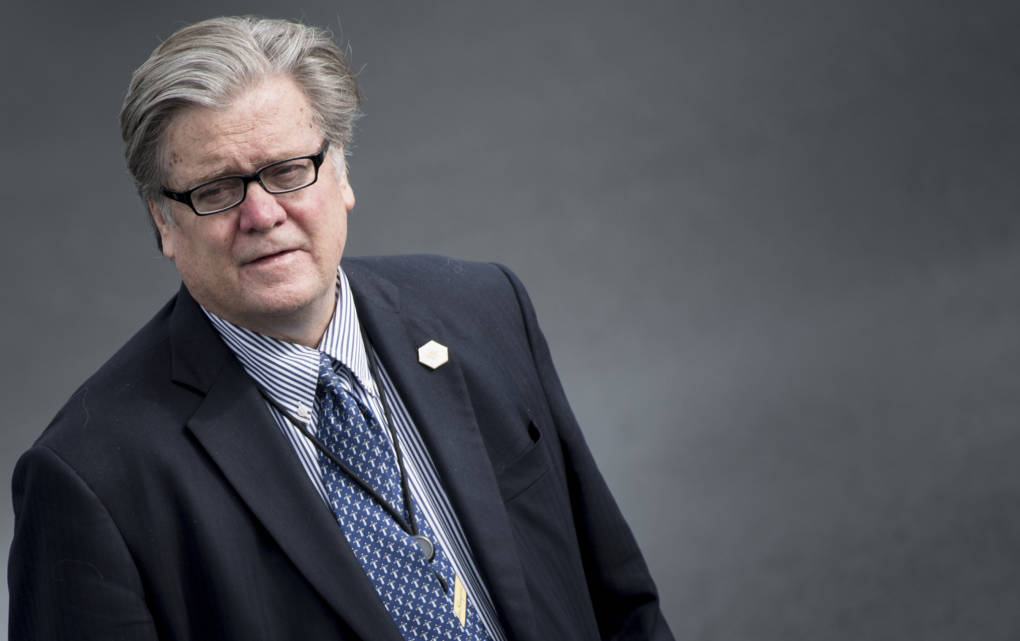
"caption": "Steve Bannon, former chief strategist for President Trump, has reinvented himself multiple times throughout his career.",
"description": "Steve Bannon, former chief strategist for President Trump, has reinvented himself multiple times throughout his career.",
"title": "Steve Bannon, former chief strategist for President Trump, has reinvented himself multiple times throughout his career.",
"credit": "Brendan Smialowski/AFP/Getty Images",
"status": "inherit",
"isLoading": false,
"fetchFailed": false
},
"news_11624630": {
"type": "attachments",
"id": "news_11624630",
"meta": {
"index": "attachments_1716263798",
"site": "news",
"id": "11624630",
"found": true
},
"parent": 11624629,
"imgSizes": {
"small": {
"file": "https://ww2.kqed.org/app/uploads/sites/10/2017/10/gettyimages-55832883_custom-325b6bc9d96d00f74b7f55d43449f560a1f5e40d-520x323.jpg",
"width": 520,
"mimeType": "image/jpeg",
"height": 323
},
"twentyfourteen-full-width": {
"file": "https://ww2.kqed.org/app/uploads/sites/10/2017/10/gettyimages-55832883_custom-325b6bc9d96d00f74b7f55d43449f560a1f5e40d-1038x576.jpg",
"width": 1038,
"mimeType": "image/jpeg",
"height": 576
},
"thumbnail": {
"file": "https://ww2.kqed.org/app/uploads/sites/10/2017/10/gettyimages-55832883_custom-325b6bc9d96d00f74b7f55d43449f560a1f5e40d-160x99.jpg",
"width": 160,
"mimeType": "image/jpeg",
"height": 99
},
"fd-sm": {
"file": "https://ww2.kqed.org/app/uploads/sites/10/2017/10/gettyimages-55832883_custom-325b6bc9d96d00f74b7f55d43449f560a1f5e40d-960x596.jpg",
"width": 960,
"mimeType": "image/jpeg",
"height": 596
},
"post-thumbnail": {
"file": "https://ww2.kqed.org/app/uploads/sites/10/2017/10/gettyimages-55832883_custom-325b6bc9d96d00f74b7f55d43449f560a1f5e40d-672x372.jpg",
"width": 672,
"mimeType": "image/jpeg",
"height": 372
},
"xsmall": {
"file": "https://ww2.kqed.org/app/uploads/sites/10/2017/10/gettyimages-55832883_custom-325b6bc9d96d00f74b7f55d43449f560a1f5e40d-375x233.jpg",
"width": 375,
"mimeType": "image/jpeg",
"height": 233
},
"kqedFullSize": {
"file": "https://ww2.kqed.org/app/uploads/sites/10/2017/10/gettyimages-55832883_custom-325b6bc9d96d00f74b7f55d43449f560a1f5e40d-e1508448013482.jpg",
"width": 1920,
"height": 1192
},
"large": {
"file": "https://ww2.kqed.org/app/uploads/sites/10/2017/10/gettyimages-55832883_custom-325b6bc9d96d00f74b7f55d43449f560a1f5e40d-1020x633.jpg",
"width": 1020,
"mimeType": "image/jpeg",
"height": 633
},
"xlarge": {
"file": "https://ww2.kqed.org/app/uploads/sites/10/2017/10/gettyimages-55832883_custom-325b6bc9d96d00f74b7f55d43449f560a1f5e40d-1180x733.jpg",
"width": 1180,
"mimeType": "image/jpeg",
"height": 733
},
"guest-author-50": {
"file": "https://ww2.kqed.org/app/uploads/sites/10/2017/10/gettyimages-55832883_custom-325b6bc9d96d00f74b7f55d43449f560a1f5e40d-50x50.jpg",
"width": 50,
"mimeType": "image/jpeg",
"height": 50
},
"guest-author-96": {
"file": "https://ww2.kqed.org/app/uploads/sites/10/2017/10/gettyimages-55832883_custom-325b6bc9d96d00f74b7f55d43449f560a1f5e40d-96x96.jpg",
"width": 96,
"mimeType": "image/jpeg",
"height": 96
},
"medium": {
"file": "https://ww2.kqed.org/app/uploads/sites/10/2017/10/gettyimages-55832883_custom-325b6bc9d96d00f74b7f55d43449f560a1f5e40d-800x497.jpg",
"width": 800,
"mimeType": "image/jpeg",
"height": 497
},
"guest-author-64": {
"file": "https://ww2.kqed.org/app/uploads/sites/10/2017/10/gettyimages-55832883_custom-325b6bc9d96d00f74b7f55d43449f560a1f5e40d-64x64.jpg",
"width": 64,
"mimeType": "image/jpeg",
"height": 64
},
"guest-author-32": {
"file": "https://ww2.kqed.org/app/uploads/sites/10/2017/10/gettyimages-55832883_custom-325b6bc9d96d00f74b7f55d43449f560a1f5e40d-32x32.jpg",
"width": 32,
"mimeType": "image/jpeg",
"height": 32
},
"fd-lrg": {
"file": "https://ww2.kqed.org/app/uploads/sites/10/2017/10/gettyimages-55832883_custom-325b6bc9d96d00f74b7f55d43449f560a1f5e40d-1920x1192.jpg",
"width": 1920,
"mimeType": "image/jpeg",
"height": 1192
},
"fd-med": {
"file": "https://ww2.kqed.org/app/uploads/sites/10/2017/10/gettyimages-55832883_custom-325b6bc9d96d00f74b7f55d43449f560a1f5e40d-1180x733.jpg",
"width": 1180,
"mimeType": "image/jpeg",
"height": 733
},
"full-width": {
"file": "https://ww2.kqed.org/app/uploads/sites/10/2017/10/gettyimages-55832883_custom-325b6bc9d96d00f74b7f55d43449f560a1f5e40d-1920x1192.jpg",
"width": 1920,
"mimeType": "image/jpeg",
"height": 1192
},
"detail": {
"file": "https://ww2.kqed.org/app/uploads/sites/10/2017/10/gettyimages-55832883_custom-325b6bc9d96d00f74b7f55d43449f560a1f5e40d-150x150.jpg",
"width": 150,
"mimeType": "image/jpeg",
"height": 150
},
"guest-author-128": {
"file": "https://ww2.kqed.org/app/uploads/sites/10/2017/10/gettyimages-55832883_custom-325b6bc9d96d00f74b7f55d43449f560a1f5e40d-128x128.jpg",
"width": 128,
"mimeType": "image/jpeg",
"height": 128
},
"xxsmall": {
"file": "https://ww2.kqed.org/app/uploads/sites/10/2017/10/gettyimages-55832883_custom-325b6bc9d96d00f74b7f55d43449f560a1f5e40d-240x149.jpg",
"width": 240,
"mimeType": "image/jpeg",
"height": 149
}
},
"publishDate": 1508442376,
"modified": 1508447998,
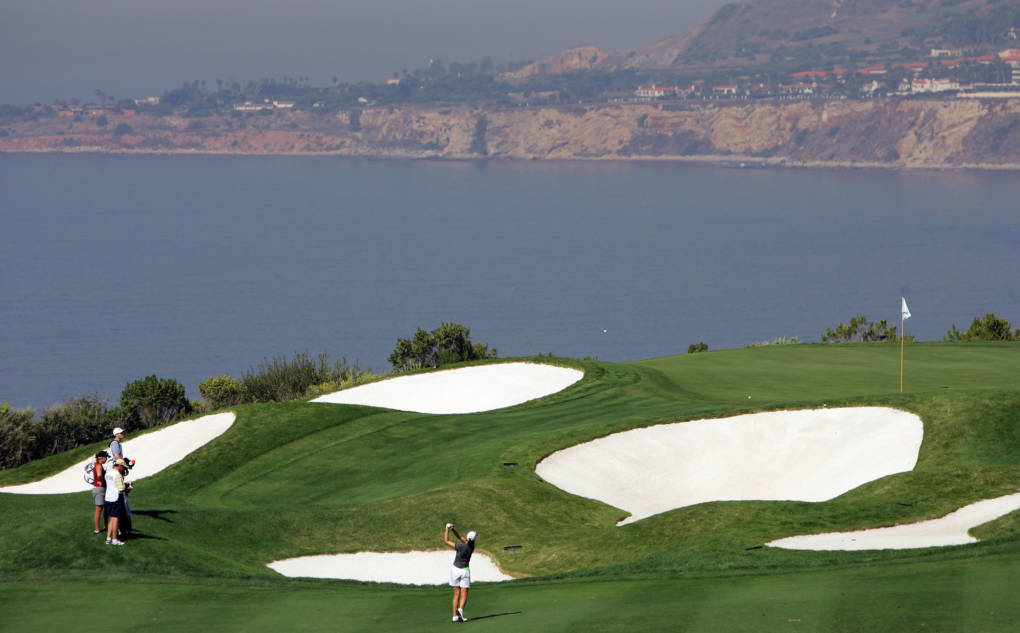
"caption": "The Trump National Golf Club in Rancho Palos Verdes, seen in 2005, has removed a list of charitable donations it once posted on its website. An NPR examination of that list reveals inconsistencies and errors.",
"description": "The Trump National Golf Club in Rancho Palos Verdes, seen in 2005, has removed a list of charitable donations it once posted on its website. An NPR examination of that list reveals inconsistencies and error",
"title": "The Trump National Golf Club in Rancho Palos Verdes, seen in 2005, has removed a list of charitable donations it once posted on its website. An NPR examination of that list reveals inconsistencies and errors.",
"credit": "Jeff Gross/Getty Images",
"status": "inherit",
"isLoading": false,
"fetchFailed": false
},
"news_11624281": {
"type": "attachments",
"id": "news_11624281",
"meta": {
"index": "attachments_1716263798",
"site": "news",
"id": "11624281",
"found": true
},
"parent": 11624273,
"imgSizes": {
"small": {
"file": "https://ww2.kqed.org/app/uploads/sites/10/2017/10/DonaldTrump-520x410.jpg",
"width": 520,
"mimeType": "image/jpeg",
"height": 410
},
"twentyfourteen-full-width": {
"file": "https://ww2.kqed.org/app/uploads/sites/10/2017/10/DonaldTrump-1038x576.jpg",
"width": 1038,
"mimeType": "image/jpeg",
"height": 576
},
"thumbnail": {
"file": "https://ww2.kqed.org/app/uploads/sites/10/2017/10/DonaldTrump-160x126.jpg",
"width": 160,
"mimeType": "image/jpeg",
"height": 126
},
"fd-sm": {
"file": "https://ww2.kqed.org/app/uploads/sites/10/2017/10/DonaldTrump-960x758.jpg",
"width": 960,
"mimeType": "image/jpeg",
"height": 758
},
"post-thumbnail": {
"file": "https://ww2.kqed.org/app/uploads/sites/10/2017/10/DonaldTrump-672x372.jpg",
"width": 672,
"mimeType": "image/jpeg",
"height": 372
},
"xsmall": {
"file": "https://ww2.kqed.org/app/uploads/sites/10/2017/10/DonaldTrump-375x296.jpg",
"width": 375,
"mimeType": "image/jpeg",
"height": 296
},
"kqedFullSize": {
"file": "https://ww2.kqed.org/app/uploads/sites/10/2017/10/DonaldTrump.jpg",
"width": 1920,
"height": 1515
},
"large": {
"file": "https://ww2.kqed.org/app/uploads/sites/10/2017/10/DonaldTrump-1020x805.jpg",
"width": 1020,
"mimeType": "image/jpeg",
"height": 805
},
"xlarge": {
"file": "https://ww2.kqed.org/app/uploads/sites/10/2017/10/DonaldTrump-1180x931.jpg",
"width": 1180,
"mimeType": "image/jpeg",
"height": 931
},
"guest-author-50": {
"file": "https://ww2.kqed.org/app/uploads/sites/10/2017/10/DonaldTrump-50x50.jpg",
"width": 50,
"mimeType": "image/jpeg",
"height": 50
},
"guest-author-96": {
"file": "https://ww2.kqed.org/app/uploads/sites/10/2017/10/DonaldTrump-96x96.jpg",
"width": 96,
"mimeType": "image/jpeg",
"height": 96
},
"medium": {
"file": "https://ww2.kqed.org/app/uploads/sites/10/2017/10/DonaldTrump-800x631.jpg",
"width": 800,
"mimeType": "image/jpeg",
"height": 631
},
"guest-author-64": {
"file": "https://ww2.kqed.org/app/uploads/sites/10/2017/10/DonaldTrump-64x64.jpg",
"width": 64,
"mimeType": "image/jpeg",
"height": 64
},
"guest-author-32": {
"file": "https://ww2.kqed.org/app/uploads/sites/10/2017/10/DonaldTrump-32x32.jpg",
"width": 32,
"mimeType": "image/jpeg",
"height": 32
},
"fd-lrg": {
"file": "https://ww2.kqed.org/app/uploads/sites/10/2017/10/DonaldTrump-1920x1515.jpg",
"width": 1920,
"mimeType": "image/jpeg",
"height": 1515
},
"fd-med": {
"file": "https://ww2.kqed.org/app/uploads/sites/10/2017/10/DonaldTrump-1180x931.jpg",
"width": 1180,
"mimeType": "image/jpeg",
"height": 931
},
"full-width": {
"file": "https://ww2.kqed.org/app/uploads/sites/10/2017/10/DonaldTrump-1920x1515.jpg",
"width": 1920,
"mimeType": "image/jpeg",
"height": 1515
},
"detail": {
"file": "https://ww2.kqed.org/app/uploads/sites/10/2017/10/DonaldTrump-150x150.jpg",
"width": 150,
"mimeType": "image/jpeg",
"height": 150
},
"guest-author-128": {
"file": "https://ww2.kqed.org/app/uploads/sites/10/2017/10/DonaldTrump-128x128.jpg",
"width": 128,
"mimeType": "image/jpeg",
"height": 128
},
"xxsmall": {
"file": "https://ww2.kqed.org/app/uploads/sites/10/2017/10/DonaldTrump-240x189.jpg",
"width": 240,
"mimeType": "image/jpeg",
"height": 189
}
},
"publishDate": 1508353017,
"modified": 1508353192,
"caption": "In his ruling, the judge wrote that President Trump's own tweets helped convince him that the latest policy is an \"inextricable re-animation of the twice-enjoined Muslim ban\" that Trump called for on the campaign trail, and is therefore likely to be found unconstitutional.",
"description": "In his ruling, the judge wrote that President Trump's own tweets helped convince him that the latest policy is an \"inextricable re-animation of the twice-enjoined Muslim ban\" that Trump called for on the campaign trail, and is therefore likely to be found unconstitutional.",
"title": "DonaldTrump",
"credit": "Chris Kleponis-Pool/Getty Images",
"status": "inherit",
"isLoading": false,
"fetchFailed": false
},
"news_11624035": {
"type": "attachments",
"id": "news_11624035",
"meta": {
"index": "attachments_1716263798",
"site": "news",
"id": "11624035",
"found": true
},
"parent": 11624034,
"imgSizes": {
"small": {
"file": "https://ww2.kqed.org/app/uploads/sites/10/2017/10/gettyimages-861757792_wide-9851ebc6fd16c28b8acefb83ad41f0ee18e05423-520x293.jpg",
"width": 520,
"mimeType": "image/jpeg",
"height": 293
},
"twentyfourteen-full-width": {
"file": "https://ww2.kqed.org/app/uploads/sites/10/2017/10/gettyimages-861757792_wide-9851ebc6fd16c28b8acefb83ad41f0ee18e05423-1038x576.jpg",
"width": 1038,
"mimeType": "image/jpeg",
"height": 576
},
"thumbnail": {
"file": "https://ww2.kqed.org/app/uploads/sites/10/2017/10/gettyimages-861757792_wide-9851ebc6fd16c28b8acefb83ad41f0ee18e05423-160x90.jpg",
"width": 160,
"mimeType": "image/jpeg",
"height": 90
},
"fd-sm": {
"file": "https://ww2.kqed.org/app/uploads/sites/10/2017/10/gettyimages-861757792_wide-9851ebc6fd16c28b8acefb83ad41f0ee18e05423-960x540.jpg",
"width": 960,
"mimeType": "image/jpeg",
"height": 540
},
"post-thumbnail": {
"file": "https://ww2.kqed.org/app/uploads/sites/10/2017/10/gettyimages-861757792_wide-9851ebc6fd16c28b8acefb83ad41f0ee18e05423-672x372.jpg",
"width": 672,
"mimeType": "image/jpeg",
"height": 372
},
"xsmall": {
"file": "https://ww2.kqed.org/app/uploads/sites/10/2017/10/gettyimages-861757792_wide-9851ebc6fd16c28b8acefb83ad41f0ee18e05423-375x211.jpg",
"width": 375,
"mimeType": "image/jpeg",
"height": 211
},
"kqedFullSize": {
"file": "https://ww2.kqed.org/app/uploads/sites/10/2017/10/gettyimages-861757792_wide-9851ebc6fd16c28b8acefb83ad41f0ee18e05423-e1508269948774.jpg",
"width": 1920,
"height": 1080
},
"large": {
"file": "https://ww2.kqed.org/app/uploads/sites/10/2017/10/gettyimages-861757792_wide-9851ebc6fd16c28b8acefb83ad41f0ee18e05423-1020x574.jpg",
"width": 1020,
"mimeType": "image/jpeg",
"height": 574
},
"xlarge": {
"file": "https://ww2.kqed.org/app/uploads/sites/10/2017/10/gettyimages-861757792_wide-9851ebc6fd16c28b8acefb83ad41f0ee18e05423-1180x664.jpg",
"width": 1180,
"mimeType": "image/jpeg",
"height": 664
},
"guest-author-50": {
"file": "https://ww2.kqed.org/app/uploads/sites/10/2017/10/gettyimages-861757792_wide-9851ebc6fd16c28b8acefb83ad41f0ee18e05423-50x50.jpg",
"width": 50,
"mimeType": "image/jpeg",
"height": 50
},
"guest-author-96": {
"file": "https://ww2.kqed.org/app/uploads/sites/10/2017/10/gettyimages-861757792_wide-9851ebc6fd16c28b8acefb83ad41f0ee18e05423-96x96.jpg",
"width": 96,
"mimeType": "image/jpeg",
"height": 96
},
"medium": {
"file": "https://ww2.kqed.org/app/uploads/sites/10/2017/10/gettyimages-861757792_wide-9851ebc6fd16c28b8acefb83ad41f0ee18e05423-800x450.jpg",
"width": 800,
"mimeType": "image/jpeg",
"height": 450
},
"guest-author-64": {
"file": "https://ww2.kqed.org/app/uploads/sites/10/2017/10/gettyimages-861757792_wide-9851ebc6fd16c28b8acefb83ad41f0ee18e05423-64x64.jpg",
"width": 64,
"mimeType": "image/jpeg",
"height": 64
},
"guest-author-32": {
"file": "https://ww2.kqed.org/app/uploads/sites/10/2017/10/gettyimages-861757792_wide-9851ebc6fd16c28b8acefb83ad41f0ee18e05423-32x32.jpg",
"width": 32,
"mimeType": "image/jpeg",
"height": 32
},
"fd-lrg": {
"file": "https://ww2.kqed.org/app/uploads/sites/10/2017/10/gettyimages-861757792_wide-9851ebc6fd16c28b8acefb83ad41f0ee18e05423-1920x1080.jpg",
"width": 1920,
"mimeType": "image/jpeg",
"height": 1080
},
"fd-med": {
"file": "https://ww2.kqed.org/app/uploads/sites/10/2017/10/gettyimages-861757792_wide-9851ebc6fd16c28b8acefb83ad41f0ee18e05423-1180x664.jpg",
"width": 1180,
"mimeType": "image/jpeg",
"height": 664
},
"full-width": {
"file": "https://ww2.kqed.org/app/uploads/sites/10/2017/10/gettyimages-861757792_wide-9851ebc6fd16c28b8acefb83ad41f0ee18e05423-1920x1080.jpg",
"width": 1920,
"mimeType": "image/jpeg",
"height": 1080
},
"detail": {
"file": "https://ww2.kqed.org/app/uploads/sites/10/2017/10/gettyimages-861757792_wide-9851ebc6fd16c28b8acefb83ad41f0ee18e05423-150x150.jpg",
"width": 150,
"mimeType": "image/jpeg",
"height": 150
},
"guest-author-128": {
"file": "https://ww2.kqed.org/app/uploads/sites/10/2017/10/gettyimages-861757792_wide-9851ebc6fd16c28b8acefb83ad41f0ee18e05423-128x128.jpg",
"width": 128,
"mimeType": "image/jpeg",
"height": 128
},
"xxsmall": {
"file": "https://ww2.kqed.org/app/uploads/sites/10/2017/10/gettyimages-861757792_wide-9851ebc6fd16c28b8acefb83ad41f0ee18e05423-240x135.jpg",
"width": 240,
"mimeType": "image/jpeg",
"height": 135
}
},
"publishDate": 1508269815,
"modified": 1508269938,
"caption": "People march as they participate in the '#NoMuslimBanEver' rally in downtown Los Angeles on Sunday. The march organized by the Council on American-Islamic Relations was in response to President Trump's most recent travel ban, which has now been blocked by a federal judge in Hawaii.",
"description": "People march as they participate in the '#NoMuslimBanEver' rally in downtown Los Angeles on Sunday. The march organized by the Council on American-Islamic Relations was in response to President Trump's most recent travel ban, which has now been blocked by a federal judge in Hawaii.",
"title": "People march as they participate in the '#NoMuslimBanEver' rally in downtown Los Angeles on Sunday. The march organized by the Council on American-Islamic Relations was in response to President Trump's most recent travel ban, which has now been blocked by a federal judge in Hawaii.",
"credit": "Mark Ralston/AFP/Getty Images",
"status": "inherit",
"isLoading": false,
"fetchFailed": false
},
"news_11622928": {
"type": "attachments",
"id": "news_11622928",
"meta": {
"index": "attachments_1716263798",
"site": "news",
"id": "11622928",
"found": true
},
"parent": 11622922,
"imgSizes": {
"small": {
"file": "https://ww2.kqed.org/app/uploads/sites/10/2017/10/GettyImages-860576262-520x347.jpg",
"width": 520,
"mimeType": "image/jpeg",
"height": 347
},
"twentyfourteen-full-width": {
"file": "https://ww2.kqed.org/app/uploads/sites/10/2017/10/GettyImages-860576262-1038x576.jpg",
"width": 1038,
"mimeType": "image/jpeg",
"height": 576
},
"thumbnail": {
"file": "https://ww2.kqed.org/app/uploads/sites/10/2017/10/GettyImages-860576262-160x107.jpg",
"width": 160,
"mimeType": "image/jpeg",
"height": 107
},
"fd-sm": {
"file": "https://ww2.kqed.org/app/uploads/sites/10/2017/10/GettyImages-860576262-960x640.jpg",
"width": 960,
"mimeType": "image/jpeg",
"height": 640
},
"post-thumbnail": {
"file": "https://ww2.kqed.org/app/uploads/sites/10/2017/10/GettyImages-860576262-672x372.jpg",
"width": 672,
"mimeType": "image/jpeg",
"height": 372
},
"xsmall": {
"file": "https://ww2.kqed.org/app/uploads/sites/10/2017/10/GettyImages-860576262-375x250.jpg",
"width": 375,
"mimeType": "image/jpeg",
"height": 250
},
"kqedFullSize": {
"file": "https://ww2.kqed.org/app/uploads/sites/10/2017/10/GettyImages-860576262-e1507840088511.jpg",
"width": 1920,
"height": 1280
},
"large": {
"file": "https://ww2.kqed.org/app/uploads/sites/10/2017/10/GettyImages-860576262-1020x680.jpg",
"width": 1020,
"mimeType": "image/jpeg",
"height": 680
},
"xlarge": {
"file": "https://ww2.kqed.org/app/uploads/sites/10/2017/10/GettyImages-860576262-1180x787.jpg",
"width": 1180,
"mimeType": "image/jpeg",
"height": 787
},
"guest-author-50": {
"file": "https://ww2.kqed.org/app/uploads/sites/10/2017/10/GettyImages-860576262-50x50.jpg",
"width": 50,
"mimeType": "image/jpeg",
"height": 50
},
"guest-author-96": {
"file": "https://ww2.kqed.org/app/uploads/sites/10/2017/10/GettyImages-860576262-96x96.jpg",
"width": 96,
"mimeType": "image/jpeg",
"height": 96
},
"medium": {
"file": "https://ww2.kqed.org/app/uploads/sites/10/2017/10/GettyImages-860576262-800x533.jpg",
"width": 800,
"mimeType": "image/jpeg",
"height": 533
},
"guest-author-64": {
"file": "https://ww2.kqed.org/app/uploads/sites/10/2017/10/GettyImages-860576262-64x64.jpg",
"width": 64,
"mimeType": "image/jpeg",
"height": 64
},
"guest-author-32": {
"file": "https://ww2.kqed.org/app/uploads/sites/10/2017/10/GettyImages-860576262-32x32.jpg",
"width": 32,
"mimeType": "image/jpeg",
"height": 32
},
"fd-lrg": {
"file": "https://ww2.kqed.org/app/uploads/sites/10/2017/10/GettyImages-860576262-1920x1280.jpg",
"width": 1920,
"mimeType": "image/jpeg",
"height": 1280
},
"fd-med": {
"file": "https://ww2.kqed.org/app/uploads/sites/10/2017/10/GettyImages-860576262-1180x787.jpg",
"width": 1180,
"mimeType": "image/jpeg",
"height": 787
},
"full-width": {
"file": "https://ww2.kqed.org/app/uploads/sites/10/2017/10/GettyImages-860576262-1920x1280.jpg",
"width": 1920,
"mimeType": "image/jpeg",
"height": 1280
},
"detail": {
"file": "https://ww2.kqed.org/app/uploads/sites/10/2017/10/GettyImages-860576262-150x150.jpg",
"width": 150,
"mimeType": "image/jpeg",
"height": 150
},
"guest-author-128": {
"file": "https://ww2.kqed.org/app/uploads/sites/10/2017/10/GettyImages-860576262-128x128.jpg",
"width": 128,
"mimeType": "image/jpeg",
"height": 128
},
"xxsmall": {
"file": "https://ww2.kqed.org/app/uploads/sites/10/2017/10/GettyImages-860576262-240x160.jpg",
"width": 240,
"mimeType": "image/jpeg",
"height": 160
}
},
"publishDate": 1507840005,
"modified": 1507848355,
"caption": "President Trump signs an executive order as Sen. Rand Paul (R-KY), Vice President Mike Pence, Rep. Virginia Foxx (R-NC) and Secretary of Labor Alexander Acosta look on during an event in the Roosevelt Room of the White House on Oct. 12, 2017, in Washington, D.C. Trump signed the executive order to loosen restrictions on Affordable Care Act \"to promote health care choice and competition.\"",
"description": null,
"title": "President Trump Signs Executive Order To Promote Healthcare Choice",
"credit": "Alex Wong/Getty Images",
"status": "inherit",
"isLoading": false,
"fetchFailed": false
},
"news_11621479": {
"type": "attachments",
"id": "news_11621479",
"meta": {
"index": "attachments_1716263798",
"site": "news",
"id": "11621479",
"found": true
},
"parent": 11621478,
"imgSizes": {
"small": {
"file": "https://ww2.kqed.org/app/uploads/sites/10/2017/10/gettyimages-857602194-f50f96539faf9ce7b6ea7a795baf429f293dc01a-520x390.jpg",
"width": 520,
"mimeType": "image/jpeg",
"height": 390
},
"twentyfourteen-full-width": {
"file": "https://ww2.kqed.org/app/uploads/sites/10/2017/10/gettyimages-857602194-f50f96539faf9ce7b6ea7a795baf429f293dc01a-1038x576.jpg",
"width": 1038,
"mimeType": "image/jpeg",
"height": 576
},
"thumbnail": {
"file": "https://ww2.kqed.org/app/uploads/sites/10/2017/10/gettyimages-857602194-f50f96539faf9ce7b6ea7a795baf429f293dc01a-160x120.jpg",
"width": 160,
"mimeType": "image/jpeg",
"height": 120
},
"fd-sm": {
"file": "https://ww2.kqed.org/app/uploads/sites/10/2017/10/gettyimages-857602194-f50f96539faf9ce7b6ea7a795baf429f293dc01a-960x720.jpg",
"width": 960,
"mimeType": "image/jpeg",
"height": 720
},
"post-thumbnail": {
"file": "https://ww2.kqed.org/app/uploads/sites/10/2017/10/gettyimages-857602194-f50f96539faf9ce7b6ea7a795baf429f293dc01a-672x372.jpg",
"width": 672,
"mimeType": "image/jpeg",
"height": 372
},
"xsmall": {
"file": "https://ww2.kqed.org/app/uploads/sites/10/2017/10/gettyimages-857602194-f50f96539faf9ce7b6ea7a795baf429f293dc01a-375x281.jpg",
"width": 375,
"mimeType": "image/jpeg",
"height": 281
},
"kqedFullSize": {
"file": "https://ww2.kqed.org/app/uploads/sites/10/2017/10/gettyimages-857602194-f50f96539faf9ce7b6ea7a795baf429f293dc01a.jpg",
"width": 2664,
"height": 1997
},
"large": {
"file": "https://ww2.kqed.org/app/uploads/sites/10/2017/10/gettyimages-857602194-f50f96539faf9ce7b6ea7a795baf429f293dc01a-1020x765.jpg",
"width": 1020,
"mimeType": "image/jpeg",
"height": 765
},
"xlarge": {
"file": "https://ww2.kqed.org/app/uploads/sites/10/2017/10/gettyimages-857602194-f50f96539faf9ce7b6ea7a795baf429f293dc01a-1180x885.jpg",
"width": 1180,
"mimeType": "image/jpeg",
"height": 885
},
"guest-author-50": {
"file": "https://ww2.kqed.org/app/uploads/sites/10/2017/10/gettyimages-857602194-f50f96539faf9ce7b6ea7a795baf429f293dc01a-50x50.jpg",
"width": 50,
"mimeType": "image/jpeg",
"height": 50
},
"guest-author-96": {
"file": "https://ww2.kqed.org/app/uploads/sites/10/2017/10/gettyimages-857602194-f50f96539faf9ce7b6ea7a795baf429f293dc01a-96x96.jpg",
"width": 96,
"mimeType": "image/jpeg",
"height": 96
},
"medium": {
"file": "https://ww2.kqed.org/app/uploads/sites/10/2017/10/gettyimages-857602194-f50f96539faf9ce7b6ea7a795baf429f293dc01a-800x600.jpg",
"width": 800,
"mimeType": "image/jpeg",
"height": 600
},
"guest-author-64": {
"file": "https://ww2.kqed.org/app/uploads/sites/10/2017/10/gettyimages-857602194-f50f96539faf9ce7b6ea7a795baf429f293dc01a-64x64.jpg",
"width": 64,
"mimeType": "image/jpeg",
"height": 64
},
"guest-author-32": {
"file": "https://ww2.kqed.org/app/uploads/sites/10/2017/10/gettyimages-857602194-f50f96539faf9ce7b6ea7a795baf429f293dc01a-32x32.jpg",
"width": 32,
"mimeType": "image/jpeg",
"height": 32
},
"fd-lrg": {
"file": "https://ww2.kqed.org/app/uploads/sites/10/2017/10/gettyimages-857602194-f50f96539faf9ce7b6ea7a795baf429f293dc01a-1920x1439.jpg",
"width": 1920,
"mimeType": "image/jpeg",
"height": 1439
},
"fd-med": {
"file": "https://ww2.kqed.org/app/uploads/sites/10/2017/10/gettyimages-857602194-f50f96539faf9ce7b6ea7a795baf429f293dc01a-1180x885.jpg",
"width": 1180,
"mimeType": "image/jpeg",
"height": 885
},
"full-width": {
"file": "https://ww2.kqed.org/app/uploads/sites/10/2017/10/gettyimages-857602194-f50f96539faf9ce7b6ea7a795baf429f293dc01a-1920x1439.jpg",
"width": 1920,
"mimeType": "image/jpeg",
"height": 1439
},
"detail": {
"file": "https://ww2.kqed.org/app/uploads/sites/10/2017/10/gettyimages-857602194-f50f96539faf9ce7b6ea7a795baf429f293dc01a-150x150.jpg",
"width": 150,
"mimeType": "image/jpeg",
"height": 150
},
"guest-author-128": {
"file": "https://ww2.kqed.org/app/uploads/sites/10/2017/10/gettyimages-857602194-f50f96539faf9ce7b6ea7a795baf429f293dc01a-128x128.jpg",
"width": 128,
"mimeType": "image/jpeg",
"height": 128
},
"xxsmall": {
"file": "https://ww2.kqed.org/app/uploads/sites/10/2017/10/gettyimages-857602194-f50f96539faf9ce7b6ea7a795baf429f293dc01a-240x180.jpg",
"width": 240,
"mimeType": "image/jpeg",
"height": 180
}
},
"publishDate": 1507316934,
"modified": 1507318588,
"caption": "A broken window is seen at the Mandalay Bay Resort & Casino on Wednesday along the Las Vegas Strip. Investigators still don't understand why the shooter carried out his rampage.",
"description": "A broken window is seen at the Mandalay Bay Resort",
"title": "A broken window is seen at the Mandalay Bay Resort & Casino on Wednesday along the Las Vegas Strip. Investigators still don't understand why the shooter carried out his rampage.",
"credit": "David Becker/Getty Images",
"status": "inherit",
"isLoading": false,
"fetchFailed": false
},
"news_11621281": {
"type": "attachments",
"id": "news_11621281",
"meta": {
"index": "attachments_1716263798",
"site": "news",
"id": "11621281",
"found": true
},
"parent": 11621280,
"imgSizes": {
"small": {
"file": "https://ww2.kqed.org/app/uploads/sites/10/2017/10/gettyimages-856745050_wide-e96682506849c48e8f25b74dfe1ea94a98f8ff2a-520x292.jpg",
"width": 520,
"mimeType": "image/jpeg",
"height": 292
},
"twentyfourteen-full-width": {
"file": "https://ww2.kqed.org/app/uploads/sites/10/2017/10/gettyimages-856745050_wide-e96682506849c48e8f25b74dfe1ea94a98f8ff2a-1038x576.jpg",
"width": 1038,
"mimeType": "image/jpeg",
"height": 576
},
"thumbnail": {
"file": "https://ww2.kqed.org/app/uploads/sites/10/2017/10/gettyimages-856745050_wide-e96682506849c48e8f25b74dfe1ea94a98f8ff2a-160x90.jpg",
"width": 160,
"mimeType": "image/jpeg",
"height": 90
},
"fd-sm": {
"file": "https://ww2.kqed.org/app/uploads/sites/10/2017/10/gettyimages-856745050_wide-e96682506849c48e8f25b74dfe1ea94a98f8ff2a-960x540.jpg",
"width": 960,
"mimeType": "image/jpeg",
"height": 540
},
"post-thumbnail": {
"file": "https://ww2.kqed.org/app/uploads/sites/10/2017/10/gettyimages-856745050_wide-e96682506849c48e8f25b74dfe1ea94a98f8ff2a-672x372.jpg",
"width": 672,
"mimeType": "image/jpeg",
"height": 372
},
"xsmall": {
"file": "https://ww2.kqed.org/app/uploads/sites/10/2017/10/gettyimages-856745050_wide-e96682506849c48e8f25b74dfe1ea94a98f8ff2a-375x211.jpg",
"width": 375,
"mimeType": "image/jpeg",
"height": 211
},
"kqedFullSize": {
"file": "https://ww2.kqed.org/app/uploads/sites/10/2017/10/gettyimages-856745050_wide-e96682506849c48e8f25b74dfe1ea94a98f8ff2a.jpg",
"width": 3000,
"height": 1687
},
"large": {
"file": "https://ww2.kqed.org/app/uploads/sites/10/2017/10/gettyimages-856745050_wide-e96682506849c48e8f25b74dfe1ea94a98f8ff2a-1020x574.jpg",
"width": 1020,
"mimeType": "image/jpeg",
"height": 574
},
"xlarge": {
"file": "https://ww2.kqed.org/app/uploads/sites/10/2017/10/gettyimages-856745050_wide-e96682506849c48e8f25b74dfe1ea94a98f8ff2a-1180x664.jpg",
"width": 1180,
"mimeType": "image/jpeg",
"height": 664
},
"guest-author-50": {
"file": "https://ww2.kqed.org/app/uploads/sites/10/2017/10/gettyimages-856745050_wide-e96682506849c48e8f25b74dfe1ea94a98f8ff2a-50x50.jpg",
"width": 50,
"mimeType": "image/jpeg",
"height": 50
},
"guest-author-96": {
"file": "https://ww2.kqed.org/app/uploads/sites/10/2017/10/gettyimages-856745050_wide-e96682506849c48e8f25b74dfe1ea94a98f8ff2a-96x96.jpg",
"width": 96,
"mimeType": "image/jpeg",
"height": 96
},
"medium": {
"file": "https://ww2.kqed.org/app/uploads/sites/10/2017/10/gettyimages-856745050_wide-e96682506849c48e8f25b74dfe1ea94a98f8ff2a-800x450.jpg",
"width": 800,
"mimeType": "image/jpeg",
"height": 450
},
"guest-author-64": {
"file": "https://ww2.kqed.org/app/uploads/sites/10/2017/10/gettyimages-856745050_wide-e96682506849c48e8f25b74dfe1ea94a98f8ff2a-64x64.jpg",
"width": 64,
"mimeType": "image/jpeg",
"height": 64
},
"guest-author-32": {
"file": "https://ww2.kqed.org/app/uploads/sites/10/2017/10/gettyimages-856745050_wide-e96682506849c48e8f25b74dfe1ea94a98f8ff2a-32x32.jpg",
"width": 32,
"mimeType": "image/jpeg",
"height": 32
},
"fd-lrg": {
"file": "https://ww2.kqed.org/app/uploads/sites/10/2017/10/gettyimages-856745050_wide-e96682506849c48e8f25b74dfe1ea94a98f8ff2a-1920x1080.jpg",
"width": 1920,
"mimeType": "image/jpeg",
"height": 1080
},
"fd-med": {
"file": "https://ww2.kqed.org/app/uploads/sites/10/2017/10/gettyimages-856745050_wide-e96682506849c48e8f25b74dfe1ea94a98f8ff2a-1180x664.jpg",
"width": 1180,
"mimeType": "image/jpeg",
"height": 664
},
"full-width": {
"file": "https://ww2.kqed.org/app/uploads/sites/10/2017/10/gettyimages-856745050_wide-e96682506849c48e8f25b74dfe1ea94a98f8ff2a-1920x1080.jpg",
"width": 1920,
"mimeType": "image/jpeg",
"height": 1080
},
"detail": {
"file": "https://ww2.kqed.org/app/uploads/sites/10/2017/10/gettyimages-856745050_wide-e96682506849c48e8f25b74dfe1ea94a98f8ff2a-150x150.jpg",
"width": 150,
"mimeType": "image/jpeg",
"height": 150
},
"guest-author-128": {
"file": "https://ww2.kqed.org/app/uploads/sites/10/2017/10/gettyimages-856745050_wide-e96682506849c48e8f25b74dfe1ea94a98f8ff2a-128x128.jpg",
"width": 128,
"mimeType": "image/jpeg",
"height": 128
},
"xxsmall": {
"file": "https://ww2.kqed.org/app/uploads/sites/10/2017/10/gettyimages-856745050_wide-e96682506849c48e8f25b74dfe1ea94a98f8ff2a-240x135.jpg",
"width": 240,
"mimeType": "image/jpeg",
"height": 135
}
},
"publishDate": 1507238128,
"modified": 1507240379,
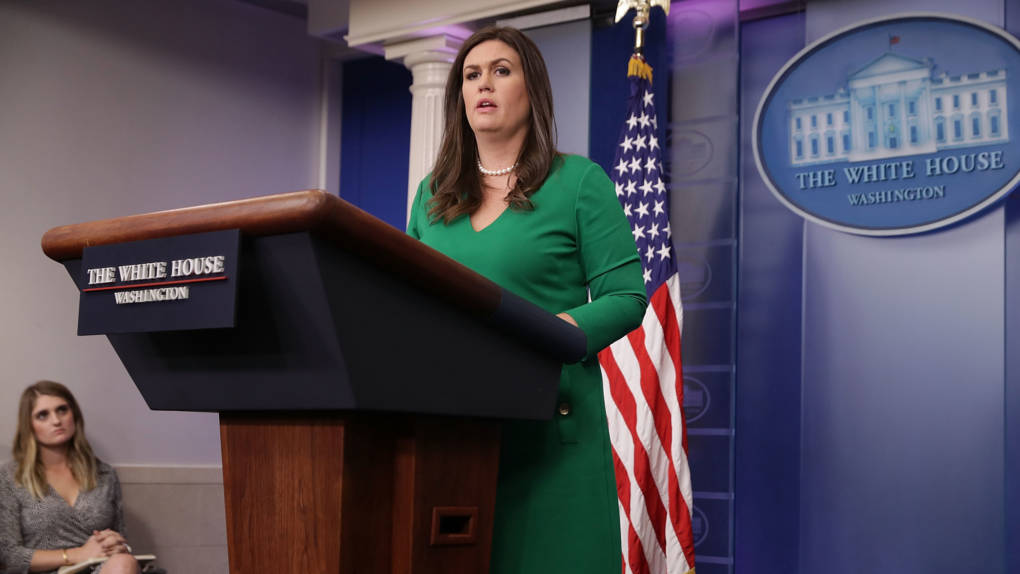
"caption": "White House Press Secretary Sarah Huckabee Sanders conducts the daily press briefing at the White House on Monday in Washington, D.C.",
"description": "White House Press Secretary Sarah Huckabee Sanders conducts the daily press briefing at the White House on Monday in Washington, D.C.",
"title": null,
"credit": "Chip Somodevilla/Getty Images",
"status": "inherit",
"isLoading": false,
"fetchFailed": false
},
"news_11620965": {
"type": "attachments",
"id": "news_11620965",
"meta": {
"index": "attachments_1716263798",
"site": "news",
"id": "11620965",
"found": true
},
"parent": 11620964,
"imgSizes": {
"small": {
"file": "https://ww2.kqed.org/app/uploads/sites/10/2017/10/gettyimages-450753659_slide-4084fcb4fe4d3ff5cb8d8bf0c9344d3d29bc6658-520x347.jpg",
"width": 520,
"mimeType": "image/jpeg",
"height": 347
},
"twentyfourteen-full-width": {
"file": "https://ww2.kqed.org/app/uploads/sites/10/2017/10/gettyimages-450753659_slide-4084fcb4fe4d3ff5cb8d8bf0c9344d3d29bc6658-1038x576.jpg",
"width": 1038,
"mimeType": "image/jpeg",
"height": 576
},
"thumbnail": {
"file": "https://ww2.kqed.org/app/uploads/sites/10/2017/10/gettyimages-450753659_slide-4084fcb4fe4d3ff5cb8d8bf0c9344d3d29bc6658-160x107.jpg",
"width": 160,
"mimeType": "image/jpeg",
"height": 107
},
"fd-sm": {
"file": "https://ww2.kqed.org/app/uploads/sites/10/2017/10/gettyimages-450753659_slide-4084fcb4fe4d3ff5cb8d8bf0c9344d3d29bc6658-960x640.jpg",
"width": 960,
"mimeType": "image/jpeg",
"height": 640
},
"post-thumbnail": {
"file": "https://ww2.kqed.org/app/uploads/sites/10/2017/10/gettyimages-450753659_slide-4084fcb4fe4d3ff5cb8d8bf0c9344d3d29bc6658-672x372.jpg",
"width": 672,
"mimeType": "image/jpeg",
"height": 372
},
"xsmall": {
"file": "https://ww2.kqed.org/app/uploads/sites/10/2017/10/gettyimages-450753659_slide-4084fcb4fe4d3ff5cb8d8bf0c9344d3d29bc6658-375x250.jpg",
"width": 375,
"mimeType": "image/jpeg",
"height": 250
},
"kqedFullSize": {
"file": "https://ww2.kqed.org/app/uploads/sites/10/2017/10/gettyimages-450753659_slide-4084fcb4fe4d3ff5cb8d8bf0c9344d3d29bc6658.jpg",
"width": 3000,
"height": 2000
},
"large": {
"file": "https://ww2.kqed.org/app/uploads/sites/10/2017/10/gettyimages-450753659_slide-4084fcb4fe4d3ff5cb8d8bf0c9344d3d29bc6658-1020x680.jpg",
"width": 1020,
"mimeType": "image/jpeg",
"height": 680
},
"xlarge": {
"file": "https://ww2.kqed.org/app/uploads/sites/10/2017/10/gettyimages-450753659_slide-4084fcb4fe4d3ff5cb8d8bf0c9344d3d29bc6658-1180x787.jpg",
"width": 1180,
"mimeType": "image/jpeg",
"height": 787
},
"guest-author-50": {
"file": "https://ww2.kqed.org/app/uploads/sites/10/2017/10/gettyimages-450753659_slide-4084fcb4fe4d3ff5cb8d8bf0c9344d3d29bc6658-50x50.jpg",
"width": 50,
"mimeType": "image/jpeg",
"height": 50
},
"guest-author-96": {
"file": "https://ww2.kqed.org/app/uploads/sites/10/2017/10/gettyimages-450753659_slide-4084fcb4fe4d3ff5cb8d8bf0c9344d3d29bc6658-96x96.jpg",
"width": 96,
"mimeType": "image/jpeg",
"height": 96
},
"medium": {
"file": "https://ww2.kqed.org/app/uploads/sites/10/2017/10/gettyimages-450753659_slide-4084fcb4fe4d3ff5cb8d8bf0c9344d3d29bc6658-800x533.jpg",
"width": 800,
"mimeType": "image/jpeg",
"height": 533
},
"guest-author-64": {
"file": "https://ww2.kqed.org/app/uploads/sites/10/2017/10/gettyimages-450753659_slide-4084fcb4fe4d3ff5cb8d8bf0c9344d3d29bc6658-64x64.jpg",
"width": 64,
"mimeType": "image/jpeg",
"height": 64
},
"guest-author-32": {
"file": "https://ww2.kqed.org/app/uploads/sites/10/2017/10/gettyimages-450753659_slide-4084fcb4fe4d3ff5cb8d8bf0c9344d3d29bc6658-32x32.jpg",
"width": 32,
"mimeType": "image/jpeg",
"height": 32
},
"fd-lrg": {
"file": "https://ww2.kqed.org/app/uploads/sites/10/2017/10/gettyimages-450753659_slide-4084fcb4fe4d3ff5cb8d8bf0c9344d3d29bc6658-1920x1280.jpg",
"width": 1920,
"mimeType": "image/jpeg",
"height": 1280
},
"fd-med": {
"file": "https://ww2.kqed.org/app/uploads/sites/10/2017/10/gettyimages-450753659_slide-4084fcb4fe4d3ff5cb8d8bf0c9344d3d29bc6658-1180x787.jpg",
"width": 1180,
"mimeType": "image/jpeg",
"height": 787
},
"full-width": {
"file": "https://ww2.kqed.org/app/uploads/sites/10/2017/10/gettyimages-450753659_slide-4084fcb4fe4d3ff5cb8d8bf0c9344d3d29bc6658-1920x1280.jpg",
"width": 1920,
"mimeType": "image/jpeg",
"height": 1280
},
"detail": {
"file": "https://ww2.kqed.org/app/uploads/sites/10/2017/10/gettyimages-450753659_slide-4084fcb4fe4d3ff5cb8d8bf0c9344d3d29bc6658-150x150.jpg",
"width": 150,
"mimeType": "image/jpeg",
"height": 150
},
"guest-author-128": {
"file": "https://ww2.kqed.org/app/uploads/sites/10/2017/10/gettyimages-450753659_slide-4084fcb4fe4d3ff5cb8d8bf0c9344d3d29bc6658-128x128.jpg",
"width": 128,
"mimeType": "image/jpeg",
"height": 128
},
"xxsmall": {
"file": "https://ww2.kqed.org/app/uploads/sites/10/2017/10/gettyimages-450753659_slide-4084fcb4fe4d3ff5cb8d8bf0c9344d3d29bc6658-240x160.jpg",
"width": 240,
"mimeType": "image/jpeg",
"height": 160
}
},
"publishDate": 1507146607,
"modified": 1507146789,
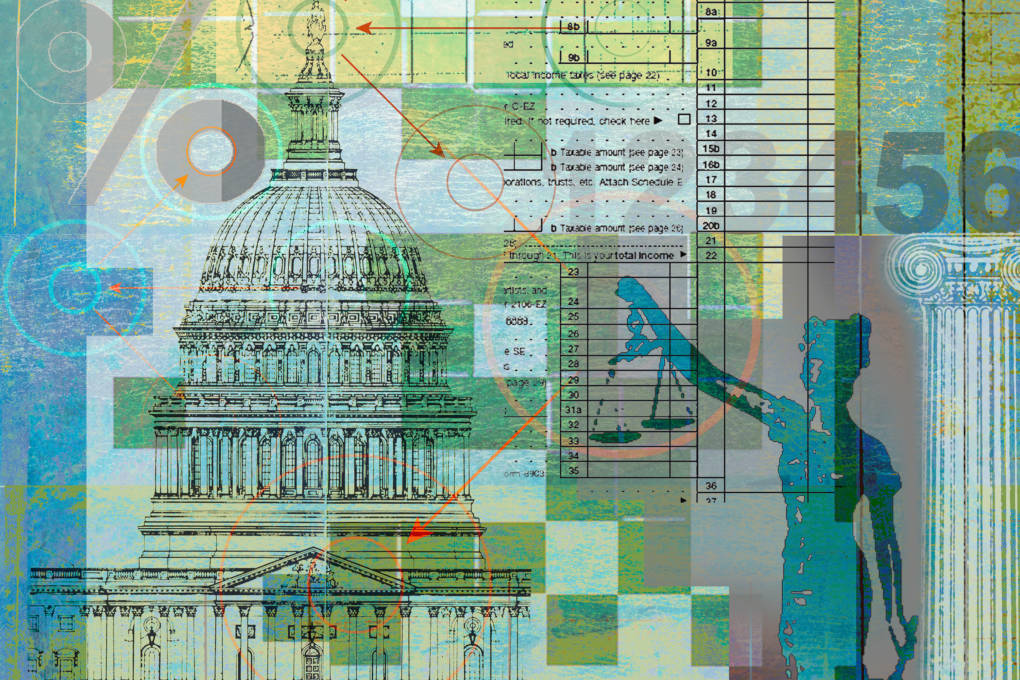
"caption": "Analysts at the nonpartisan Tax Policy Center predict that nearly three-quarters of the savings from the GOP tax overhaul would go to the top 20 percent of earners.",
"description": "Analysts at the nonpartisan Tax Policy Center predict that nearly three-quarters of the savings from the GOP tax overhaul would go to the top 20 percent of earners.",
"title": "Analysts at the nonpartisan Tax Policy Center predict that nearly three-quarters of the savings from the GOP tax overhaul would go to the top 20 percent of earners.",
"credit": "Roy Scott/Getty Images",
"status": "inherit",
"isLoading": false,
"fetchFailed": false
}
},
"audioPlayerReducer": {
"postId": "stream_live",
"isPaused": true,
"isPlaying": false,
"pfsActive": false,
"pledgeModalIsOpen": true,
"playerDrawerIsOpen": false,
"liveAudioPlayStartedAt": 0,
"liveAudioPlayContext": ""
},
"authorsReducer": {
"byline_news_11626252": {
"type": "authors",
"id": "byline_news_11626252",
"meta": {
"override": true
},
"slug": "byline_news_11626252",
"name": "Miles Parks",
"isLoading": false
},
"byline_news_11626179": {
"type": "authors",
"id": "byline_news_11626179",
"meta": {
"override": true
},
"slug": "byline_news_11626179",
"name": "\u003cstrong>Camila Domonoske\u003cbr />NPR\u003c/strong>",
"isLoading": false
},
"byline_news_11626061": {
"type": "authors",
"id": "byline_news_11626061",
"meta": {
"override": true
},
"slug": "byline_news_11626061",
"name": "Bill Chappell",
"isLoading": false
},
"byline_news_11625952": {
"type": "authors",
"id": "byline_news_11625952",
"meta": {
"override": true
},
"slug": "byline_news_11625952",
"name": "Philip Ewing",
"isLoading": false
},
"byline_news_11625011": {
"type": "authors",
"id": "byline_news_11625011",
"meta": {
"override": true
},
"slug": "byline_news_11625011",
"name": "Kelly McEvers",
"isLoading": false
},
"byline_news_11624629": {
"type": "authors",
"id": "byline_news_11624629",
"meta": {
"override": true
},
"slug": "byline_news_11624629",
"name": "\u003cstrong>\u003ca href=\"http://www.npr.org/people/548681780/emily-sullivan\">Emily Sullivan\u003c/a> and \u003ca href=\"http://www.npr.org/people/349305392/tom-dreisbach\">Tom Dreisbach\u003c/a>\u003c/strong>",
"isLoading": false
},
"byline_news_11624273": {
"type": "authors",
"id": "byline_news_11624273",
"meta": {
"override": true
},
"slug": "byline_news_11624273",
"name": "Bill Chappell",
"isLoading": false
},
"byline_news_11624034": {
"type": "authors",
"id": "byline_news_11624034",
"meta": {
"override": true
},
"slug": "byline_news_11624034",
"name": "Richard Gonzales",
"isLoading": false
},
"byline_news_11622922": {
"type": "authors",
"id": "byline_news_11622922",
"meta": {
"override": true
},
"slug": "byline_news_11622922",
"name": "\u003cstrong>Scott Horsley\u003cbr />NPR\u003c/strong>",
"isLoading": false
},
"byline_news_11621478": {
"type": "authors",
"id": "byline_news_11621478",
"meta": {
"override": true
},
"slug": "byline_news_11621478",
"name": "\u003cstrong>Laurel Wamsley\u003c/strong>",
"isLoading": false
},
"byline_news_11621280": {
"type": "authors",
"id": "byline_news_11621280",
"meta": {
"override": true
},
"slug": "byline_news_11621280",
"name": "\u003cstrong>Danielle Kurtzleben\u003c/strong>",
"isLoading": false
},
"byline_news_11620964": {
"type": "authors",
"id": "byline_news_11620964",
"meta": {
"override": true
},
"slug": "byline_news_11620964",
"name": "\u003cstrong>Scott Horsley\u003c/strong>",
"isLoading": false
}
},
"pagesReducer": {
"news_affiliate_npr": {
"type": "terms",
"id": "news_253",
"meta": {
"index": "terms_1716263798",
"site": "news",
"id": "253",
"score": 14.255688
},
"featImg": null,
"name": "NPR",
"description": null,
"taxonomy": "affiliate",
"headData": {
"twImgId": null,
"twTitle": null,
"ogTitle": null,
"ogImgId": null,
"twDescription": null,
"description": "KQED is the NPR station for the Bay Area, providing award-winning news, programming, and community engagement.",
"title": "NPR Archives - Get the Latest News and Reports from California | KQED",
"ogDescription": null
},
"ttid": 7083,
"slug": "npr",
"isLoading": false,
"title": "NPR",
"pageMeta": {
"site": "news",
"WpPageTemplate": "page-topic-editorial",
"currentPage": 73
},
"blocks": [
{
"blockName": "kqed/post-list",
"attrs": {
"layout": "cardArticle2",
"query": "posts/news?affiliate=npr",
"seeMore": false,
"paginated": true,
"page": 73
}
},
{
"blockName": "kqed/ad"
}
]
}
},
"pfsSessionReducer": {},
"postsReducer": {
"stream_live": {
"type": "live",
"id": "stream_live",
"audioUrl": "https://streams.kqed.org/kqedradio",
"title": "Live Stream",
"excerpt": "Live Stream information currently unavailable.",
"link": "/radio",
"featImg": "",
"label": {
"name": "KQED Live",
"link": "/"
}
},
"stream_kqedNewscast": {
"type": "posts",
"id": "stream_kqedNewscast",
"audioUrl": "https://www.kqed.org/.stream/anon/radio/RDnews/newscast.mp3?_=1",
"title": "KQED Newscast",
"featImg": "",
"label": {
"name": "88.5 FM",
"link": "/"
}
},
"news_11626252": {
"type": "posts",
"id": "news_11626252",
"meta": {
"index": "posts_1716263798",
"site": "news",
"id": "11626252",
"score": null,
"sort": [
1509049470000
]
},
"parent": 0,
"labelTerm": {},
"blocks": [],
"publishDate": 1509049470,
"format": "standard",
"disqusTitle": "Twitter Bans Ads From Russian State Media, Citing Election Interference Efforts",
"title": "Twitter Bans Ads From Russian State Media, Citing Election Interference Efforts",
"headTitle": "The California Report | KQED News",
"content": "\u003cp>A pair of Russian state media organizations will no longer be able to advertise on Twitter, the company said Thursday -- a direct result of their role in Russian interference in the 2016 election.\u003c/p>\n\u003cp>The announcement took place less than a week before much-anticipated hearings on Capitol Hill at which representatives from Facebook, Twitter, and Google are expected to be grilled by lawmakers about how Russia used their platforms as part of its influence campaign in the U.S.\u003c/p>\n\u003cp>Twitter's decision to suspend advertising by Russia Today, or RT, and the news agency Sputnik is \"effective immediately,\" the company \u003ca href=\"https://blog.twitter.com/official/en_us/topics/company/2017/Announcement-RT-and-Sputnik-Advertising.html\">announced in a statement\u003c/a>.\u003c/p>\n\u003cp>[contextly_sidebar id=\"DI7eisalYecqtzigbnSaby5seMdchGh3\"]\u003c/p>\n\u003cp>\"Early this year, the U.S. intelligence community named RT and Sputnik as implementing state-sponsored Russian efforts to interfere with and disrupt the 2016 presidential election, which is not something we want on Twitter,\" the company said.\u003c/p>\n\u003cp>[ad fullwidth]\u003c/p>\n\u003cp>The Office of the Director of National Intelligence referred to RT and Sputnik specifically in a \u003ca href=\"https://www.dni.gov/files/documents/ICA_2017_01.pdf\">report in January\u003c/a> as organizations that \"contributed to the influence campaign by serving as a platform for Kremlin messaging to Russian and international audiences.\"\u003c/p>\n\u003cp>Twitter pointed to that report in announcing the decision, as did California Rep. Adam Schiff, the top Democrat on the House Intelligence Committee, in praising it.\u003c/p>\n\u003cp>\"Twitter's decision should prevent these entities from pushing Russian propaganda in front of users who may not realize the manner in which Russia employs both RT and Sputnik to spread disinformation and undermine democracies around the world,\" Schiff said in a statement.\u003c/p>\n\u003cp>The Russian government, as well as RT, responded immediately.\u003c/p>\n\u003cp>Russian foreign ministry spokeswoman Maria Zakharova told state media that the move was a violation of international laws that \"guarantee the freedom of speech.\"\u003c/p>\n\u003cp>She added that \"retaliatory measures will naturally follow,\" a message echoed by RT's editor-in-chief, Margarita Simonyan.\u003c/p>\n\u003cp>\"I never thought that Twitter is under the control of the U.S. security services — it seemed like a conspiracy theory. But now Twitter appears to have admitted it,\" Simonyan said, \u003ca href=\"https://www.rt.com/news/407861-twitter-policy-rt-accounts/\">to another state media agency\u003c/a>. \"This is highly regrettable. It is particularly regrettable that now U.S. media operating in Russia will feel the tender response of the Russian authorities.\"\u003c/p>\n\u003cp>[contextly_sidebar id=\"Rz4QdI6uAcvXT9YRlm9ejA5N9N63x4TW\"]\u003c/p>\n\u003cp>RT has also been involved in a back-and-forth with the Justice Department, over whether it should register its American arm under the \u003ca href=\"https://www.fara.gov/quick-search.html\">Foreign Agents Registration Act. \u003c/a>\u003c/p>\n\u003cp>Doing so would require the company to disclose funding information and be more outwardly transparent about its relationship with the Russian government, but \u003ca href=\"http://money.cnn.com/2017/10/19/media/rt-fara-registration/index.html\">as CNN reports\u003c/a>, despite a mid-October deadline request by the DOJ, there's no sign RT is planning on registering.\u003c/p>\n\u003cp>RT and Sputnik will be allowed to remain regular users of Twitter -- in other words, to post with normal accounts -- but they won't be allowed to pay to promote them.\u003c/p>\n\u003cp>Twitter added in its statement that the company would be donating the $1.9 million it is projected to have received from RT since 2011 to fund external research into the impact of Twitter on elections, with a focus on \"malicious\" automated bots.\u003c/p>\n\u003cp>\u003c/p>\n\u003cp>The company also vowed this week that it would launch an \"industry-leading\" \u003ca href=\"http://www.npr.org/2017/10/25/559905735/under-congressional-microscope-twitter-vows-new-transparency-on-ads\">transparency site\u003c/a> about who buys ads on its service and what messages are involved.\u003c/p>\n\u003cdiv class=\"fullattribution\">Copyright 2017 NPR. To see more, visit http://www.npr.org/.\u003cimg src=\"https://www.google-analytics.com/__utm.gif?utmac=UA-5828686-4&utmdt=Twitter+Bans+Ads+From+Russian+State+Media%2C+Citing+Election+Interference+Efforts&utme=8(APIKey)9(MDAxOTAwOTE4MDEyMTkxMDAzNjczZDljZA004)\">\u003c/div>\n\n",
"disqusIdentifier": "11626252 https://ww2.kqed.org/news/?p=11626252",
"disqusUrl": "https://ww2.kqed.org/news/2017/10/26/twitter-bans-ads-from-russian-state-media-citing-election-interference-efforts/",
"stats": {
"hasVideo": false,
"hasChartOrMap": false,
"hasAudio": false,
"hasPolis": false,
"wordCount": 557,
"hasGoogleForm": false,
"hasGallery": false,
"hasHearkenModule": false,
"iframeSrcs": [],
"paragraphCount": 20
},
"modified": 1509061190,
"excerpt": "The San Francisco-based microblog service announced the move 'effective immediately' ahead of a congressional hearing about Russia's use of social media in its influence campaign.",
"headData": {
"twImgId": "",
"twTitle": "",
"ogTitle": "",
"ogImgId": "",
"twDescription": "",
"description": "The San Francisco-based microblog service announced the move 'effective immediately' ahead of a congressional hearing about Russia's use of social media in its influence campaign.",
"title": "Twitter Bans Ads From Russian State Media, Citing Election Interference Efforts | KQED",
"ogDescription": "",
"schema": {
"@context": "https://schema.org",
"@type": "NewsArticle",
"headline": "Twitter Bans Ads From Russian State Media, Citing Election Interference Efforts",
"datePublished": "2017-10-26T13:24:30-07:00",
"dateModified": "2017-10-26T16:39:50-07:00",
"image": "https://cdn.kqed.org/wp-content/uploads/2020/02/KQED-OG-Image@1x.png",
"isAccessibleForFree": "True",
"publisher": {
"@type": "NewsMediaOrganization",
"@id": "https://www.kqed.org/#organization",
"name": "KQED",
"logo": "https://cdn.kqed.org/wp-content/uploads/2020/02/KQED-OG-Image@1x.png",
"url": "https://www.kqed.org",
"sameAs": [
"https://www.facebook.com/KQED",
"https://twitter.com/KQED",
"https://www.instagram.com/kqed/",
"https://www.tiktok.com/@kqedofficial",
"https://www.linkedin.com/company/kqed",
"https://www.youtube.com/channel/UCeC0IOo7i1P_61zVUWbJ4nw"
]
}
}
},
"guestAuthors": [],
"slug": "twitter-bans-ads-from-russian-state-media-citing-election-interference-efforts",
"status": "publish",
"sourceUrl": "http://www.npr.org/",
"nprApiLink": "http://api.npr.org/query?id=560199026&apiKey=MDAxOTAwOTE4MDEyMTkxMDAzNjczZDljZA004",
"nprByline": "Miles Parks",
"nprStoryDate": "Thu, 26 Oct 2017 11:50:00 -0400",
"nprLastModifiedDate": "Thu, 26 Oct 2017 14:25:47 -0400",
"nprHtmlLink": "http://www.npr.org/2017/10/26/560199026/twitter-ends-russian-state-media-advertisements-citing-2016-interference-efforts?ft=nprml&f=560199026",
"nprImageAgency": "NurPhoto via Getty Images",
"nprImageCredit": "NurPhoto",
"source": "NPR",
"nprStoryId": "560199026",
"nprRetrievedStory": "1",
"nprPubDate": "Thu, 26 Oct 2017 14:25:00 -0400",
"path": "/news/11626252/twitter-bans-ads-from-russian-state-media-citing-election-interference-efforts",
"audioTrackLength": null,
"parsedContent": [
{
"type": "contentString",
"content": "\u003cdiv class=\"post-body\">\u003cp>\u003cp>A pair of Russian state media organizations will no longer be able to advertise on Twitter, the company said Thursday -- a direct result of their role in Russian interference in the 2016 election.\u003c/p>\n\u003cp>The announcement took place less than a week before much-anticipated hearings on Capitol Hill at which representatives from Facebook, Twitter, and Google are expected to be grilled by lawmakers about how Russia used their platforms as part of its influence campaign in the U.S.\u003c/p>\n\u003cp>Twitter's decision to suspend advertising by Russia Today, or RT, and the news agency Sputnik is \"effective immediately,\" the company \u003ca href=\"https://blog.twitter.com/official/en_us/topics/company/2017/Announcement-RT-and-Sputnik-Advertising.html\">announced in a statement\u003c/a>.\u003c/p>\n\u003cp>\u003c/p>\u003cp>\u003c/p>\u003cp>\u003c/p>\n\u003cp>\"Early this year, the U.S. intelligence community named RT and Sputnik as implementing state-sponsored Russian efforts to interfere with and disrupt the 2016 presidential election, which is not something we want on Twitter,\" the company said.\u003c/p>\n\u003cp>\u003c/p>\u003c/div>",
"attributes": {
"named": {},
"numeric": []
}
},
{
"type": "component",
"content": "",
"name": "ad",
"attributes": {
"named": {
"label": "fullwidth"
},
"numeric": [
"fullwidth"
]
}
},
{
"type": "contentString",
"content": "\u003cdiv class=\"post-body\">\u003cp>\u003c/p>\n\u003cp>The Office of the Director of National Intelligence referred to RT and Sputnik specifically in a \u003ca href=\"https://www.dni.gov/files/documents/ICA_2017_01.pdf\">report in January\u003c/a> as organizations that \"contributed to the influence campaign by serving as a platform for Kremlin messaging to Russian and international audiences.\"\u003c/p>\n\u003cp>Twitter pointed to that report in announcing the decision, as did California Rep. Adam Schiff, the top Democrat on the House Intelligence Committee, in praising it.\u003c/p>\n\u003cp>\"Twitter's decision should prevent these entities from pushing Russian propaganda in front of users who may not realize the manner in which Russia employs both RT and Sputnik to spread disinformation and undermine democracies around the world,\" Schiff said in a statement.\u003c/p>\n\u003cp>The Russian government, as well as RT, responded immediately.\u003c/p>\n\u003cp>Russian foreign ministry spokeswoman Maria Zakharova told state media that the move was a violation of international laws that \"guarantee the freedom of speech.\"\u003c/p>\n\u003cp>She added that \"retaliatory measures will naturally follow,\" a message echoed by RT's editor-in-chief, Margarita Simonyan.\u003c/p>\n\u003cp>\"I never thought that Twitter is under the control of the U.S. security services — it seemed like a conspiracy theory. But now Twitter appears to have admitted it,\" Simonyan said, \u003ca href=\"https://www.rt.com/news/407861-twitter-policy-rt-accounts/\">to another state media agency\u003c/a>. \"This is highly regrettable. It is particularly regrettable that now U.S. media operating in Russia will feel the tender response of the Russian authorities.\"\u003c/p>\n\u003cp>\u003c/p>\u003cp>\u003c/p>\u003cp>\u003c/p>\n\u003cp>RT has also been involved in a back-and-forth with the Justice Department, over whether it should register its American arm under the \u003ca href=\"https://www.fara.gov/quick-search.html\">Foreign Agents Registration Act. \u003c/a>\u003c/p>\n\u003cp>Doing so would require the company to disclose funding information and be more outwardly transparent about its relationship with the Russian government, but \u003ca href=\"http://money.cnn.com/2017/10/19/media/rt-fara-registration/index.html\">as CNN reports\u003c/a>, despite a mid-October deadline request by the DOJ, there's no sign RT is planning on registering.\u003c/p>\n\u003cp>RT and Sputnik will be allowed to remain regular users of Twitter -- in other words, to post with normal accounts -- but they won't be allowed to pay to promote them.\u003c/p>\n\u003cp>Twitter added in its statement that the company would be donating the $1.9 million it is projected to have received from RT since 2011 to fund external research into the impact of Twitter on elections, with a focus on \"malicious\" automated bots.\u003c/p>\n\u003cp>\u003c/p>\n\u003cp>The company also vowed this week that it would launch an \"industry-leading\" \u003ca href=\"http://www.npr.org/2017/10/25/559905735/under-congressional-microscope-twitter-vows-new-transparency-on-ads\">transparency site\u003c/a> about who buys ads on its service and what messages are involved.\u003c/p>\n\u003cdiv class=\"fullattribution\">Copyright 2017 NPR. To see more, visit http://www.npr.org/.\u003cimg src=\"https://www.google-analytics.com/__utm.gif?utmac=UA-5828686-4&utmdt=Twitter+Bans+Ads+From+Russian+State+Media%2C+Citing+Election+Interference+Efforts&utme=8(APIKey)9(MDAxOTAwOTE4MDEyMTkxMDAzNjczZDljZA004)\">\u003c/div>\n\n\u003c/div>\u003c/p>",
"attributes": {
"named": {},
"numeric": []
}
}
],
"link": "/news/11626252/twitter-bans-ads-from-russian-state-media-citing-election-interference-efforts",
"authors": [
"byline_news_11626252"
],
"programs": [
"news_6944",
"news_72"
],
"categories": [
"news_8",
"news_13",
"news_248"
],
"tags": [
"news_19542",
"news_20279",
"news_21254",
"news_17286",
"news_346"
],
"affiliates": [
"news_253"
],
"featImg": "news_11626253",
"label": "source_news_11626252"
},
"news_11626179": {
"type": "posts",
"id": "news_11626179",
"meta": {
"index": "posts_1716263798",
"site": "news",
"id": "11626179",
"score": null,
"sort": [
1509044073000
]
},
"parent": 0,
"labelTerm": {},
"blocks": [],
"publishDate": 1509044073,
"format": "standard",
"disqusTitle": "Passengers Flying to U.S. Face Heightened Screenings, New Questions",
"title": "Passengers Flying to U.S. Face Heightened Screenings, New Questions",
"headTitle": "The California Report | KQED News",
"content": "\u003cp>Starting Thursday, passengers on international flights to the U.S. will face heightened security checks of their luggage and new screening interviews or questionnaires.\u003c/p>\n\u003cp>The Trump administration is imposing the stricter security measures on travelers -- including Americans -- from all countries, on all U.S.-bound flights. But the exact set of procedures varies by airline -- and some airlines have received permission to temporarily delay implementation of the new rules, The Associated Press reports.\u003c/p>\n\u003cp>As a result, \"confusion still remains about the new regulations,\" the AP writes.\u003c/p>\n\u003cp>NPR's David Schaper says the increased scrutiny will affect about 325,000 airline passengers on more than 2,000 flights each day.\u003c/p>\n\u003cp>Schaper has more on what international travelers can expect:\u003c/p>\n\u003cblockquote>\n\u003cp>\"Airlines have some flexibility for implementing the new procedures. For example, some will conduct brief security interviews with passengers at check-in counters; others may do so at the gate, while still others will just have travelers fill out a questionnaire.\"\u003c/p>\n\u003cp>\"But many airlines and travelers' groups are concerned the new procedures will lead to a lot of confusion and lengthy flight delays.\u003c/p>\n\u003cp>\"Some airlines are telling travelers to plan on getting to the airport at least three hours before their departure time for international flights heading into the U.S.\"\u003c/p>\n\u003c/blockquote>\n\u003cp>The Wall Street Journal \u003ca href=\"https://www.wsj.com/articles/airlines-warn-u-s-bound-passengers-about-additional-screening-1508948582\" target=\"_blank\">reports\u003c/a> that the enhanced security measures could include closer scrutiny of electronics, security sweeps of planes on the ground and the use of bomb-sniffing dogs. As for the interviews and questionnaires, the Journal, citing an anonymous source, reports that \"flyers, who previously might be asked about whether they packed their own bag, now could also face questions about why they were traveling or whom they had met.\" \u003c/p>\n\u003cp>[ad fullwidth]\u003c/p>\n\u003cp>\u003c/p>\n\u003cp>Copyright 2017 NPR. To see more, visit http://www.npr.org/.\u003c/p>\n\n",
"disqusIdentifier": "11626179 https://ww2.kqed.org/news/?p=11626179",
"disqusUrl": "https://ww2.kqed.org/news/2017/10/26/passengers-flying-to-u-s-face-heightened-screenings-new-questions/",
"stats": {
"hasVideo": false,
"hasChartOrMap": false,
"hasAudio": false,
"hasPolis": false,
"wordCount": 294,
"hasGoogleForm": false,
"hasGallery": false,
"hasHearkenModule": false,
"iframeSrcs": [],
"paragraphCount": 12
},
"modified": 1509044073,
"excerpt": "Starting Thursday, travelers on international flights to the U.S. will face interviews and increased scrutiny of luggage. The rules apply to people from all countries, but procedures vary by airline.",
"headData": {
"twImgId": "",
"twTitle": "",
"ogTitle": "",
"ogImgId": "",
"twDescription": "",
"description": "Starting Thursday, travelers on international flights to the U.S. will face interviews and increased scrutiny of luggage. The rules apply to people from all countries, but procedures vary by airline.",
"title": "Passengers Flying to U.S. Face Heightened Screenings, New Questions | KQED",
"ogDescription": "",
"schema": {
"@context": "https://schema.org",
"@type": "NewsArticle",
"headline": "Passengers Flying to U.S. Face Heightened Screenings, New Questions",
"datePublished": "2017-10-26T11:54:33-07:00",
"dateModified": "2017-10-26T11:54:33-07:00",
"image": "https://cdn.kqed.org/wp-content/uploads/2020/02/KQED-OG-Image@1x.png",
"isAccessibleForFree": "True",
"publisher": {
"@type": "NewsMediaOrganization",
"@id": "https://www.kqed.org/#organization",
"name": "KQED",
"logo": "https://cdn.kqed.org/wp-content/uploads/2020/02/KQED-OG-Image@1x.png",
"url": "https://www.kqed.org",
"sameAs": [
"https://www.facebook.com/KQED",
"https://twitter.com/KQED",
"https://www.instagram.com/kqed/",
"https://www.tiktok.com/@kqedofficial",
"https://www.linkedin.com/company/kqed",
"https://www.youtube.com/channel/UCeC0IOo7i1P_61zVUWbJ4nw"
]
}
}
},
"guestAuthors": [],
"slug": "passengers-flying-to-u-s-face-heightened-screenings-new-questions",
"status": "publish",
"sourceUrl": "http://www.npr.org/",
"nprApiLink": "http://api.npr.org/query?id=560185731&apiKey=MDAxOTAwOTE4MDEyMTkxMDAzNjczZDljZA004",
"nprByline": "\u003cstrong>Camila Domonoske\u003cbr />NPR\u003c/strong>",
"nprStoryDate": "Thu, 26 Oct 2017 11:21:00 -0400",
"nprLastModifiedDate": "Thu, 26 Oct 2017 11:44:13 -0400",
"nprHtmlLink": "http://www.npr.org/sections/thetwo-way/2017/10/26/560185731/passengers-flying-to-u-s-face-heightened-screenings-new-questions?ft=nprml&f=560185731",
"nprImageAgency": "AFP/Getty Images",
"nprImageCredit": "Sebastien Bozon",
"source": "NPR",
"nprStoryId": "560185731",
"nprRetrievedStory": "1",
"nprPubDate": "Thu, 26 Oct 2017 11:44:00 -0400",
"path": "/news/11626179/passengers-flying-to-u-s-face-heightened-screenings-new-questions",
"audioTrackLength": null,
"parsedContent": [
{
"type": "contentString",
"content": "\u003cdiv class=\"post-body\">\u003cp>\u003cp>Starting Thursday, passengers on international flights to the U.S. will face heightened security checks of their luggage and new screening interviews or questionnaires.\u003c/p>\n\u003cp>The Trump administration is imposing the stricter security measures on travelers -- including Americans -- from all countries, on all U.S.-bound flights. But the exact set of procedures varies by airline -- and some airlines have received permission to temporarily delay implementation of the new rules, The Associated Press reports.\u003c/p>\n\u003cp>As a result, \"confusion still remains about the new regulations,\" the AP writes.\u003c/p>\n\u003cp>NPR's David Schaper says the increased scrutiny will affect about 325,000 airline passengers on more than 2,000 flights each day.\u003c/p>\n\u003cp>Schaper has more on what international travelers can expect:\u003c/p>\n\u003cblockquote>\n\u003cp>\"Airlines have some flexibility for implementing the new procedures. For example, some will conduct brief security interviews with passengers at check-in counters; others may do so at the gate, while still others will just have travelers fill out a questionnaire.\"\u003c/p>\n\u003cp>\"But many airlines and travelers' groups are concerned the new procedures will lead to a lot of confusion and lengthy flight delays.\u003c/p>\n\u003cp>\"Some airlines are telling travelers to plan on getting to the airport at least three hours before their departure time for international flights heading into the U.S.\"\u003c/p>\n\u003c/blockquote>\n\u003cp>The Wall Street Journal \u003ca href=\"https://www.wsj.com/articles/airlines-warn-u-s-bound-passengers-about-additional-screening-1508948582\" target=\"_blank\">reports\u003c/a> that the enhanced security measures could include closer scrutiny of electronics, security sweeps of planes on the ground and the use of bomb-sniffing dogs. As for the interviews and questionnaires, the Journal, citing an anonymous source, reports that \"flyers, who previously might be asked about whether they packed their own bag, now could also face questions about why they were traveling or whom they had met.\" \u003c/p>\n\u003cp>\u003c/p>\u003c/div>",
"attributes": {
"named": {},
"numeric": []
}
},
{
"type": "component",
"content": "",
"name": "ad",
"attributes": {
"named": {
"label": "fullwidth"
},
"numeric": [
"fullwidth"
]
}
},
{
"type": "contentString",
"content": "\u003cdiv class=\"post-body\">\u003cp>\u003c/p>\n\u003cp>\u003c/p>\n\u003cp>Copyright 2017 NPR. To see more, visit http://www.npr.org/.\u003c/p>\n\n\u003c/div>\u003c/p>",
"attributes": {
"named": {},
"numeric": []
}
}
],
"link": "/news/11626179/passengers-flying-to-u-s-face-heightened-screenings-new-questions",
"authors": [
"byline_news_11626179"
],
"programs": [
"news_6944",
"news_72"
],
"categories": [
"news_6188",
"news_8"
],
"tags": [
"news_1855"
],
"affiliates": [
"news_253"
],
"featImg": "news_11626180",
"label": "source_news_11626179"
},
"news_11626061": {
"type": "posts",
"id": "news_11626061",
"meta": {
"index": "posts_1716263798",
"site": "news",
"id": "11626061",
"score": null,
"sort": [
1508973872000
]
},
"guestAuthors": [],
"slug": "tesla-turns-power-back-on-at-childrens-hospital-in-puerto-rico",
"title": "Tesla Turns Power Back on at Children's Hospital in Puerto Rico",
"publishDate": 1508973872,
"format": "standard",
"headTitle": "Tesla Turns Power Back on at Children’s Hospital in Puerto Rico | KQED",
"labelTerm": {},
"content": "\u003cp>Tesla has used its solar panels and batteries to restore reliable electricity at San Juan’s Hospital del Niño (Children’s Hospital), in what company founder \u003ca href=\"https://www.instagram.com/p/Bap6TqcjowK\">Elon Musk calls\u003c/a> “the first of many solar+battery Tesla projects going live in Puerto Rico.”\u003c/p>\n\u003cp>The project came about after Puerto Rico was hit by two devastating and powerful hurricanes in September, and Musk reached out about Tesla helping.\u003c/p>\n\u003cp>Musk’s company announced its success in getting the hospital’s power working again less than three weeks after Puerto Rico Gov. Ricardo Rossello tweeted on Oct. 6, “Great initial conversation with @elonmusk tonight. Teams are now talking; exploring opportunities.”\u003c/p>\n\u003cp>Tesla’s image of the project’s solar array, in a parking lot next to the hospital, has been liked more than 84,000 times since it was \u003ca href=\"https://www.instagram.com/p/Bapz5hrB5KH/\">posted to Instagram\u003c/a> Tuesday.\u003c/p>\n\u003cp>https://twitter.com/Tesla/status/922840234143952899\u003c/p>\n\u003cp>[ad fullwidth]\u003c/p>\n\u003cp>Earlier this month, \u003ca href=\"https://twitter.com/elonmusk/status/916395155120205825\">Musk tweeted\u003c/a> that some of his company’s work is being rerouted so it could “increase battery production for Puerto Rico & other affected areas.”\u003c/p>\n\u003cp>The hospital’s new system allows it to generate all the energy it needs, according to \u003ca href=\"https://www.elnuevodia.com/negocios/empresas/nota/teslasolarfacilitasistemaparaenergizarelhospitaldelnino-2368514/\">El Nuevo Dia\u003c/a>. The facility has 35 permanent residents with chronic conditions; it also offers services to some 3,000 young patients, the newspaper says. As for who is paying for the power system, the head of the hospital tells \u003cem>Nuevo Dia\u003c/em> that for now, it’s a donation — and that after the energy crisis is over, a deal could make it permanent.\u003c/p>\n\u003cp>Both Rossello and the tech company tweeted about the project this week, with Tesla saying in a post, “Grateful to support the recovery of Puerto Rico with @ricardorossello” — and \u003ca href=\"https://twitter.com/ricardorossello/status/923168271364435968\">Rossello stating\u003c/a>, “A major contribution of @Tesla to the Hospital del Niño.”\u003c/p>\n\u003cp>https://twitter.com/ricardorossello/status/923168271364435968\u003c/p>\n\u003cp>The news of restoring permanent power at the hospital comes as millions of people in Puerto Rico continue to rely on generators for electricity. As of Wednesday morning, the Electric Power Authority reported that \u003ca href=\"http://www.status.pr/\">its power service was at 25 percent\u003c/a>.\u003c/p>\n\u003cp>The task of rebuilding Puerto Rico’s power grid is expected to take months and to cost \u003ca href=\"http://www.npr.org/2017/10/11/557051712/repairing-puerto-ricos-power-grid-could-top-5-billion\">as much as $5 billion\u003c/a>.\u003c/p>\n\u003cp>Last week, the territory’s electric and power authority signed \u003ca href=\"http://www.npr.org/sections/thetwo-way/2017/10/24/559864118/tiny-montana-firm-gets-300-million-contract-to-help-restore-power-in-puerto-rico\">a $300 million contract with Whitefish\u003c/a>, a small and relatively young Montana company, to restore the power grid. The deal has sparked scrutiny and skepticism, as NPR’s Laurel Wamsley and Nicky Ouellet of Montana Public Radio reported.\u003c/p>\n\u003cp>\u003c/p>\n\u003cp>Tesla isn’t the only tech company trying to help Puerto Rico; Google’s parent company, Alphabet, \u003ca href=\"https://www.theverge.com/2017/10/20/16512178/alphabet-project-loon-puerto-rico-lte-balloons-disaster-relief-connectivity\">has deployed balloons\u003c/a> from its Project Loon to the territory, to help parts of the island reconnect after much of its phone system went down. The portable network can help phone users with both messaging and some web browsing.\u003c/p>\n\u003cdiv class=\"fullattribution\">Copyright 2017 NPR. To see more, visit http://www.npr.org/.\u003cimg decoding=\"async\" src=\"https://www.google-analytics.com/__utm.gif?utmac=UA-5828686-4&utmdt=Tesla+Turns+Power+Back+On+At+Children%27s+Hospital+In+Puerto+Rico&utme=8(APIKey)9(MDAxOTAwOTE4MDEyMTkxMDAzNjczZDljZA004)\">\u003c/div>\n\n",
"blocks": [],
"excerpt": "The hospital offers services to some 3,000 young patients. Tesla's solar system is reportedly providing the hospital with all the electricity it needs.",
"status": "publish",
"parent": 0,
"modified": 1721153264,
"stats": {
"hasAudio": false,
"hasVideo": false,
"hasChartOrMap": false,
"iframeSrcs": [],
"hasGoogleForm": false,
"hasGallery": false,
"hasHearkenModule": false,
"hasPolis": false,
"paragraphCount": 13,
"wordCount": 508
},
"headData": {
"title": "Tesla Turns Power Back on at Children's Hospital in Puerto Rico | KQED",
"description": "The hospital offers services to some 3,000 young patients. Tesla's solar system is reportedly providing the hospital with all the electricity it needs.",
"ogTitle": "",
"ogDescription": "",
"ogImgId": "",
"twTitle": "",
"twDescription": "",
"twImgId": "",
"schema": {
"@context": "https://schema.org",
"@type": "NewsArticle",
"headline": "Tesla Turns Power Back on at Children's Hospital in Puerto Rico",
"datePublished": "2017-10-25T16:24:32-07:00",
"dateModified": "2024-07-16T11:07:44-07:00",
"image": "https://cdn.kqed.org/wp-content/uploads/2020/02/KQED-OG-Image@1x.png",
"isAccessibleForFree": "True",
"publisher": {
"@type": "NewsMediaOrganization",
"@id": "https://www.kqed.org/#organization",
"name": "KQED",
"logo": "https://cdn.kqed.org/wp-content/uploads/2020/02/KQED-OG-Image@1x.png",
"url": "https://www.kqed.org",
"sameAs": [
"https://www.facebook.com/KQED",
"https://twitter.com/KQED",
"https://www.instagram.com/kqed/",
"https://www.tiktok.com/@kqedofficial",
"https://www.linkedin.com/company/kqed",
"https://www.youtube.com/channel/UCeC0IOo7i1P_61zVUWbJ4nw"
]
}
}
},
"source": "NPR",
"sourceUrl": "http://www.npr.org/",
"sticky": false,
"nprByline": "Bill Chappell",
"nprImageAgency": "Tesla",
"nprStoryId": "560045944",
"nprApiLink": "http://api.npr.org/query?id=560045944&apiKey=MDAxOTAwOTE4MDEyMTkxMDAzNjczZDljZA004",
"nprHtmlLink": "http://www.npr.org/sections/thetwo-way/2017/10/25/560045944/tesla-turns-power-back-on-at-childrens-hospital-in-puerto-rico?ft=nprml&f=560045944",
"nprRetrievedStory": "1",
"nprPubDate": "Wed, 25 Oct 2017 17:11:00 -0400",
"nprStoryDate": "Wed, 25 Oct 2017 14:29:00 -0400",
"nprLastModifiedDate": "Wed, 25 Oct 2017 17:11:38 -0400",
"path": "/news/11626061/tesla-turns-power-back-on-at-childrens-hospital-in-puerto-rico",
"audioTrackLength": null,
"parsedContent": [
{
"type": "contentString",
"content": "\u003cdiv class=\"post-body\">\u003cp>\u003cp>Tesla has used its solar panels and batteries to restore reliable electricity at San Juan’s Hospital del Niño (Children’s Hospital), in what company founder \u003ca href=\"https://www.instagram.com/p/Bap6TqcjowK\">Elon Musk calls\u003c/a> “the first of many solar+battery Tesla projects going live in Puerto Rico.”\u003c/p>\n\u003cp>The project came about after Puerto Rico was hit by two devastating and powerful hurricanes in September, and Musk reached out about Tesla helping.\u003c/p>\n\u003cp>Musk’s company announced its success in getting the hospital’s power working again less than three weeks after Puerto Rico Gov. Ricardo Rossello tweeted on Oct. 6, “Great initial conversation with @elonmusk tonight. Teams are now talking; exploring opportunities.”\u003c/p>\n\u003cp>Tesla’s image of the project’s solar array, in a parking lot next to the hospital, has been liked more than 84,000 times since it was \u003ca href=\"https://www.instagram.com/p/Bapz5hrB5KH/\">posted to Instagram\u003c/a> Tuesday.\u003c/p>\u003c/p>\u003c/div>",
"attributes": {
"named": {},
"numeric": []
}
},
{
"type": "component",
"content": "",
"name": "singleTwitterStatus",
"attributes": {
"named": {
"id": "922840234143952899"
},
"numeric": []
}
},
{
"type": "contentString",
"content": "\u003cdiv class=\"post-body\">\u003cp>\n\u003cp>\u003c/p>\u003c/div>",
"attributes": {
"named": {},
"numeric": []
}
},
{
"type": "component",
"content": "",
"name": "ad",
"attributes": {
"named": {
"label": "fullwidth"
},
"numeric": [
"fullwidth"
]
}
},
{
"type": "contentString",
"content": "\u003cdiv class=\"post-body\">\u003cp>\u003c/p>\n\u003cp>Earlier this month, \u003ca href=\"https://twitter.com/elonmusk/status/916395155120205825\">Musk tweeted\u003c/a> that some of his company’s work is being rerouted so it could “increase battery production for Puerto Rico & other affected areas.”\u003c/p>\n\u003cp>The hospital’s new system allows it to generate all the energy it needs, according to \u003ca href=\"https://www.elnuevodia.com/negocios/empresas/nota/teslasolarfacilitasistemaparaenergizarelhospitaldelnino-2368514/\">El Nuevo Dia\u003c/a>. The facility has 35 permanent residents with chronic conditions; it also offers services to some 3,000 young patients, the newspaper says. As for who is paying for the power system, the head of the hospital tells \u003cem>Nuevo Dia\u003c/em> that for now, it’s a donation — and that after the energy crisis is over, a deal could make it permanent.\u003c/p>\n\u003cp>Both Rossello and the tech company tweeted about the project this week, with Tesla saying in a post, “Grateful to support the recovery of Puerto Rico with @ricardorossello” — and \u003ca href=\"https://twitter.com/ricardorossello/status/923168271364435968\">Rossello stating\u003c/a>, “A major contribution of @Tesla to the Hospital del Niño.”\u003c/p>\u003c/p>\u003c/div>",
"attributes": {
"named": {},
"numeric": []
}
},
{
"type": "component",
"content": "",
"name": "singleTwitterStatus",
"attributes": {
"named": {
"id": "923168271364435968"
},
"numeric": []
}
},
{
"type": "contentString",
"content": "\u003cdiv class=\"post-body\">\u003cp>\n\u003cp>The news of restoring permanent power at the hospital comes as millions of people in Puerto Rico continue to rely on generators for electricity. As of Wednesday morning, the Electric Power Authority reported that \u003ca href=\"http://www.status.pr/\">its power service was at 25 percent\u003c/a>.\u003c/p>\n\u003cp>The task of rebuilding Puerto Rico’s power grid is expected to take months and to cost \u003ca href=\"http://www.npr.org/2017/10/11/557051712/repairing-puerto-ricos-power-grid-could-top-5-billion\">as much as $5 billion\u003c/a>.\u003c/p>\n\u003cp>Last week, the territory’s electric and power authority signed \u003ca href=\"http://www.npr.org/sections/thetwo-way/2017/10/24/559864118/tiny-montana-firm-gets-300-million-contract-to-help-restore-power-in-puerto-rico\">a $300 million contract with Whitefish\u003c/a>, a small and relatively young Montana company, to restore the power grid. The deal has sparked scrutiny and skepticism, as NPR’s Laurel Wamsley and Nicky Ouellet of Montana Public Radio reported.\u003c/p>\n\u003cp>\u003c/p>\n\u003cp>Tesla isn’t the only tech company trying to help Puerto Rico; Google’s parent company, Alphabet, \u003ca href=\"https://www.theverge.com/2017/10/20/16512178/alphabet-project-loon-puerto-rico-lte-balloons-disaster-relief-connectivity\">has deployed balloons\u003c/a> from its Project Loon to the territory, to help parts of the island reconnect after much of its phone system went down. The portable network can help phone users with both messaging and some web browsing.\u003c/p>\n\u003cdiv class=\"fullattribution\">Copyright 2017 NPR. To see more, visit http://www.npr.org/.\u003cimg decoding=\"async\" src=\"https://www.google-analytics.com/__utm.gif?utmac=UA-5828686-4&utmdt=Tesla+Turns+Power+Back+On+At+Children%27s+Hospital+In+Puerto+Rico&utme=8(APIKey)9(MDAxOTAwOTE4MDEyMTkxMDAzNjczZDljZA004)\">\u003c/div>\n\n\u003c/div>\u003c/p>",
"attributes": {
"named": {},
"numeric": []
}
}
],
"link": "/news/11626061/tesla-turns-power-back-on-at-childrens-hospital-in-puerto-rico",
"authors": [
"byline_news_11626061"
],
"programs": [
"news_6944",
"news_72"
],
"categories": [
"news_457",
"news_8",
"news_248"
],
"tags": [
"news_3897",
"news_17286",
"news_57"
],
"affiliates": [
"news_253"
],
"featImg": "news_11626062",
"label": "source_news_11626061"
},
"news_11625952": {
"type": "posts",
"id": "news_11625952",
"meta": {
"index": "posts_1716263798",
"site": "news",
"id": "11625952",
"score": null,
"sort": [
1508964708000
]
},
"parent": 0,
"labelTerm": {},
"blocks": [],
"publishDate": 1508964708,
"format": "standard",
"disqusTitle": "Under Congressional Microscope, Twitter Vows New 'Transparency' on Ads",
"title": "Under Congressional Microscope, Twitter Vows New 'Transparency' on Ads",
"headTitle": "The California Report | KQED News",
"content": "\u003cp>Twitter has promised more disclosure about its advertisements as members of Congress put the big social networks under a microscope in investigating Russian interference in U.S. politics.\u003c/p>\n\u003cp>The San Francisco-based microblogging service said Tuesday that it plans to unveil an \"industry-leading transparency center\" through which it will \"offer everyone visibility into who is advertising on Twitter, details behind those ads\" and tools through which users can respond.\u003c/p>\n\u003cp>\"We are committed to stricter policies and transparency around issues-based ads,\" \u003ca href=\"https://blog.twitter.com/official/en_us/topics/product/2017/New-Transparency-For-Ads-on-Twitter.html\">wrote Bruce Falck\u003c/a>, Twitter's general manager for revenue product and engineering.\u003c/p>\n\u003cp>[contextly_sidebar id=\"SJgFgnl7O1SdwydIjfrk1q82GNJaBymD\"]\u003c/p>\n\u003cp>Twitter and its larger peers, Facebook and Google, are under scrutiny from Capitol Hill over the role they played in Russia's influence campaign targeting the 2016 presidential election. Together, the three platforms command a global reach and touch billions of users, and members of Congress want to try to prevent them from being exploited in the same way again.\u003c/p>\n\u003cp>[ad fullwidth]\u003c/p>\n\u003cp>Russian influence-mongers used a combination of clandestine spy techniques -- including cyberattacks and snooping -- and overt public relations tools, including online ads and human agents, to interfere in the presidential race.\u003c/p>\n\u003cp>In the case of Twitter specifically, the company has acknowledged selling just under $275,000 worth of ads to Russia's state-backed RT news agency. It also was and is used to amplify controversy, both by automated bots that promote both sides of divisive issues and by human agents who stir the pot as trolls.\u003c/p>\n\u003cp>Twitter has vowed to quash as much of that as it can by refining the technical workings of its service, but company leaders also have acknowledged there are limits to what they'll prevent or police.\u003c/p>\n\u003cp>[contextly_sidebar id=\"69jUX5IHKj8ose9CiqnC6BpdR2WF0kib\"]\u003c/p>\n\u003cp>That's one reason why Falck's post focused on advertising, over which Twitter has stronger control. He said the company will disclose all ads running on the service, the amounts of money spent, the identities of buyers and details about whom the ads target.\u003c/p>\n\u003cp>Another reason is that Twitter, Facebook and Google are trying to mollify members of Congress who have proposed legislation that would require similar commitments about disclosures and other changes to the way they do business.\u003c/p>\n\u003cp>Twitter said it looks \"forward to engaging with members of Congress and other key stakeholders on these issues as the legislative process continues,\" but the companies and other technology advocates have said that a new law might not be necessary. Big Tech wants to regulate itself without new obligations or restrictions from D.C.\u003c/p>\n\u003cp>\u003c!-- iframe plugin v.4.3 wordpress.org/plugins/iframe/ -->\u003cbr>\n\u003ciframe src=\"https://www.npr.org/player/embed/558847414/558847415\" width=\"100%\" height=\"290\" frameborder=\"0\" scrolling=\"no\" title=\"NPR embedded audio player\" class=\"iframe-class\">\u003c/iframe>\u003c/p>\n\u003cp>Virginia Sen. Mark Warner — the top Democrat on the Senate Intelligence Committee and one of the sponsors of legislation that would mandate disclosure — welcomed Twitter's announcement.\u003c/p>\n\u003cp>\"A good first step,\" Warner said in a \u003ca href=\"https://twitter.com/MarkWarner/status/922916719932219392\">tweet\u003c/a> circulated by his office, \"particularly public disclosure of ads info. Online political ads need more transparency & disclosure.\"\u003c/p>\n\u003cp>\u003c/p>\n\u003cp>Warner and his co-sponsors, Sen. John McCain, R-Ariz., and Sen. Amy Klobuchar, D-Minn., announced their legislation last week. On Tuesday, Warner's office also circulated the text of an editorial in \u003ca href=\"https://www.bloomberg.com/view/articles/2017-10-23/defend-u-s-democracy-with-digital-transparency\">Bloomberg View\u003c/a>, which said the bill was \"entirely necessary.\"\u003c/p>\n\u003cdiv class=\"fullattribution\">Copyright 2017 NPR. To see more, visit http://www.npr.org/.\u003cimg src=\"https://www.google-analytics.com/__utm.gif?utmac=UA-5828686-4&utmdt=Under+Congressional+Microscope%2C+Twitter+Vows+New+%27Transparency%27+On+Ads&utme=8(APIKey)9(MDAxOTAwOTE4MDEyMTkxMDAzNjczZDljZA004)\">\u003c/div>\n\n",
"disqusIdentifier": "11625952 https://ww2.kqed.org/news/?p=11625952",
"disqusUrl": "https://ww2.kqed.org/news/2017/10/25/under-congressional-microscope-twitter-vows-new-transparency-on-ads/",
"stats": {
"hasVideo": false,
"hasChartOrMap": false,
"hasAudio": false,
"hasPolis": false,
"wordCount": 529,
"hasGoogleForm": false,
"hasGallery": false,
"hasHearkenModule": false,
"iframeSrcs": [],
"paragraphCount": 18
},
"modified": 1508975084,
"excerpt": "The microblogging service has promised a new wave of disclosure about who uses it to advertise as the Hill continues probing the Russia imbroglio.",
"headData": {
"twImgId": "",
"twTitle": "",
"ogTitle": "",
"ogImgId": "",
"twDescription": "",
"description": "The microblogging service has promised a new wave of disclosure about who uses it to advertise as the Hill continues probing the Russia imbroglio.",
"title": "Under Congressional Microscope, Twitter Vows New 'Transparency' on Ads | KQED",
"ogDescription": "",
"schema": {
"@context": "https://schema.org",
"@type": "NewsArticle",
"headline": "Under Congressional Microscope, Twitter Vows New 'Transparency' on Ads",
"datePublished": "2017-10-25T13:51:48-07:00",
"dateModified": "2017-10-25T16:44:44-07:00",
"image": "https://cdn.kqed.org/wp-content/uploads/2020/02/KQED-OG-Image@1x.png",
"isAccessibleForFree": "True",
"publisher": {
"@type": "NewsMediaOrganization",
"@id": "https://www.kqed.org/#organization",
"name": "KQED",
"logo": "https://cdn.kqed.org/wp-content/uploads/2020/02/KQED-OG-Image@1x.png",
"url": "https://www.kqed.org",
"sameAs": [
"https://www.facebook.com/KQED",
"https://twitter.com/KQED",
"https://www.instagram.com/kqed/",
"https://www.tiktok.com/@kqedofficial",
"https://www.linkedin.com/company/kqed",
"https://www.youtube.com/channel/UCeC0IOo7i1P_61zVUWbJ4nw"
]
}
}
},
"guestAuthors": [],
"slug": "under-congressional-microscope-twitter-vows-new-transparency-on-ads",
"status": "publish",
"sourceUrl": "http://www.npr.org/",
"nprApiLink": "http://api.npr.org/query?id=559905735&apiKey=MDAxOTAwOTE4MDEyMTkxMDAzNjczZDljZA004",
"nprByline": "Philip Ewing",
"nprStoryDate": "Wed, 25 Oct 2017 05:00:00 -0400",
"nprLastModifiedDate": "Wed, 25 Oct 2017 13:42:18 -0400",
"nprHtmlLink": "http://www.npr.org/2017/10/25/559905735/under-congressional-microscope-twitter-vows-new-transparency-on-ads?ft=nprml&f=559905735",
"nprImageAgency": "AP",
"nprImageCredit": "Matt Rourke",
"source": "NPR",
"nprStoryId": "559905735",
"nprRetrievedStory": "1",
"nprPubDate": "Wed, 25 Oct 2017 13:42:00 -0400",
"path": "/news/11625952/under-congressional-microscope-twitter-vows-new-transparency-on-ads",
"audioTrackLength": null,
"parsedContent": [
{
"type": "contentString",
"content": "\u003cdiv class=\"post-body\">\u003cp>\u003cp>Twitter has promised more disclosure about its advertisements as members of Congress put the big social networks under a microscope in investigating Russian interference in U.S. politics.\u003c/p>\n\u003cp>The San Francisco-based microblogging service said Tuesday that it plans to unveil an \"industry-leading transparency center\" through which it will \"offer everyone visibility into who is advertising on Twitter, details behind those ads\" and tools through which users can respond.\u003c/p>\n\u003cp>\"We are committed to stricter policies and transparency around issues-based ads,\" \u003ca href=\"https://blog.twitter.com/official/en_us/topics/product/2017/New-Transparency-For-Ads-on-Twitter.html\">wrote Bruce Falck\u003c/a>, Twitter's general manager for revenue product and engineering.\u003c/p>\n\u003cp>\u003c/p>\u003cp>\u003c/p>\u003cp>\u003c/p>\n\u003cp>Twitter and its larger peers, Facebook and Google, are under scrutiny from Capitol Hill over the role they played in Russia's influence campaign targeting the 2016 presidential election. Together, the three platforms command a global reach and touch billions of users, and members of Congress want to try to prevent them from being exploited in the same way again.\u003c/p>\n\u003cp>\u003c/p>\u003c/div>",
"attributes": {
"named": {},
"numeric": []
}
},
{
"type": "component",
"content": "",
"name": "ad",
"attributes": {
"named": {
"label": "fullwidth"
},
"numeric": [
"fullwidth"
]
}
},
{
"type": "contentString",
"content": "\u003cdiv class=\"post-body\">\u003cp>\u003c/p>\n\u003cp>Russian influence-mongers used a combination of clandestine spy techniques -- including cyberattacks and snooping -- and overt public relations tools, including online ads and human agents, to interfere in the presidential race.\u003c/p>\n\u003cp>In the case of Twitter specifically, the company has acknowledged selling just under $275,000 worth of ads to Russia's state-backed RT news agency. It also was and is used to amplify controversy, both by automated bots that promote both sides of divisive issues and by human agents who stir the pot as trolls.\u003c/p>\n\u003cp>Twitter has vowed to quash as much of that as it can by refining the technical workings of its service, but company leaders also have acknowledged there are limits to what they'll prevent or police.\u003c/p>\n\u003cp>\u003c/p>\u003cp>\u003c/p>\u003cp>\u003c/p>\n\u003cp>That's one reason why Falck's post focused on advertising, over which Twitter has stronger control. He said the company will disclose all ads running on the service, the amounts of money spent, the identities of buyers and details about whom the ads target.\u003c/p>\n\u003cp>Another reason is that Twitter, Facebook and Google are trying to mollify members of Congress who have proposed legislation that would require similar commitments about disclosures and other changes to the way they do business.\u003c/p>\n\u003cp>Twitter said it looks \"forward to engaging with members of Congress and other key stakeholders on these issues as the legislative process continues,\" but the companies and other technology advocates have said that a new law might not be necessary. Big Tech wants to regulate itself without new obligations or restrictions from D.C.\u003c/p>\n\u003cp>\u003c!-- iframe plugin v.4.3 wordpress.org/plugins/iframe/ -->\u003cbr>\n\u003ciframe src=\"https://www.npr.org/player/embed/558847414/558847415\" width=\"100%\" height=\"290\" frameborder=\"0\" scrolling=\"no\" title=\"NPR embedded audio player\" class=\"iframe-class\">\u003c/iframe>\u003c/p>\n\u003cp>Virginia Sen. Mark Warner — the top Democrat on the Senate Intelligence Committee and one of the sponsors of legislation that would mandate disclosure — welcomed Twitter's announcement.\u003c/p>\n\u003cp>\"A good first step,\" Warner said in a \u003ca href=\"https://twitter.com/MarkWarner/status/922916719932219392\">tweet\u003c/a> circulated by his office, \"particularly public disclosure of ads info. Online political ads need more transparency & disclosure.\"\u003c/p>\n\u003cp>\u003c/p>\n\u003cp>Warner and his co-sponsors, Sen. John McCain, R-Ariz., and Sen. Amy Klobuchar, D-Minn., announced their legislation last week. On Tuesday, Warner's office also circulated the text of an editorial in \u003ca href=\"https://www.bloomberg.com/view/articles/2017-10-23/defend-u-s-democracy-with-digital-transparency\">Bloomberg View\u003c/a>, which said the bill was \"entirely necessary.\"\u003c/p>\n\u003cdiv class=\"fullattribution\">Copyright 2017 NPR. To see more, visit http://www.npr.org/.\u003cimg src=\"https://www.google-analytics.com/__utm.gif?utmac=UA-5828686-4&utmdt=Under+Congressional+Microscope%2C+Twitter+Vows+New+%27Transparency%27+On+Ads&utme=8(APIKey)9(MDAxOTAwOTE4MDEyMTkxMDAzNjczZDljZA004)\">\u003c/div>\n\n\u003c/div>\u003c/p>",
"attributes": {
"named": {},
"numeric": []
}
}
],
"link": "/news/11625952/under-congressional-microscope-twitter-vows-new-transparency-on-ads",
"authors": [
"byline_news_11625952"
],
"programs": [
"news_6944",
"news_72"
],
"categories": [
"news_8",
"news_13",
"news_248"
],
"tags": [
"news_1323",
"news_20279",
"news_21254",
"news_17286",
"news_346"
],
"affiliates": [
"news_253"
],
"featImg": "news_11625957",
"label": "source_news_11625952"
},
"news_11625011": {
"type": "posts",
"id": "news_11625011",
"meta": {
"index": "posts_1716263798",
"site": "news",
"id": "11625011",
"score": null,
"sort": [
1508530662000
]
},
"parent": 0,
"labelTerm": {},
"blocks": [],
"publishDate": 1508530662,
"format": "standard",
"disqusTitle": "How Steve Bannon's Time in Hollywood Changed Him",
"title": "How Steve Bannon's Time in Hollywood Changed Him",
"headTitle": "The California Report | KQED News",
"content": "\u003cp>If there's one constant throughout Steve Bannon's career, it's his ability to reinvent himself. His resume includes time in the U.S. Navy plus jobs working with Goldman Sachs; Biosphere 2; a Florida maker of nasal sprays; and a Hong Kong company that employed real people to earn virtual gold in the online video game World Of Warcraft.\u003c/p>\n\u003cp>In August, Bannon returned to run Breitbart News after leaving his job as President Trump's chief strategist, and he is encouraging primary challenges against establishment-leaning Republicans around the country, including some vulnerable GOP incumbents in Senate seats the party needs to hold onto in 2018.\u003c/p>\n\u003cp>[contextly_sidebar id=\"DAlIoUa0rZ2jgB25YkzVVAf9lx10kbnc\"]\u003c/p>\n\u003cp>\"Right now, it's a season of war against the GOP establishment,\" \u003ca href=\"http://www.npr.org/2017/10/14/557805965/bannon-it-s-a-season-of-war-against-the-gop-establishment\">Bannon said\u003c/a> at the recent Values Voter Summit, an annual gathering of Christian conservatives in Washington, D.C.\u003c/p>\n\u003cp>But this effort is just the latest chapter in Bannon's ever-changing career, which raises the question: How long has Bannon held his well-known populist and nationalist beliefs?\u003c/p>\n\u003cp>[ad fullwidth]\u003c/p>\n\u003cp>The NPR podcast \u003cem>\u003ca href=\"http://www.npr.org/series/469833353/embedded\" target=\"_blank\" rel=\"noopener\">Embedded\u003c/a>\u003c/em> has found new evidence that the man who helped engineer the Trump political juggernaut underwent a major evolution during his time in, of all places, Hollywood.\u003c/p>\n\u003cp>\u003c!-- iframe plugin v.4.3 wordpress.org/plugins/iframe/ -->\u003cbr>\n\u003ciframe src=\"https://www.npr.org/player/embed/558679167/558682688\" width=\"100%\" height=\"290\" frameborder=\"0\" scrolling=\"no\" title=\"NPR embedded audio player\" class=\"iframe-class\">\u003c/iframe>\u003c/p>\n\u003ch2>Before Politics, a Search for the Next Barney the Dinosaur\u003c/h2>\n\u003cp>Exhibit A in Steve Bannon's evolution might be a 30-minute highlight reel featuring the comedic hijinks of the sports mascot the San Diego Chicken.\u003c/p>\n\u003cp>First, some back story.\u003c/p>\n\u003cp>Bannon came to Los Angeles in the late 1980s, while he was working for Goldman Sachs. As \u003ca href=\"https://www.newyorker.com/magazine/2017/05/01/how-hollywood-remembers-steve-bannon\">the New Yorker reported\u003c/a>, the investment bank wanted to \"expand its presence in the entertainment business.\" Soon after, Bannon decided to start his own investment company, and got interested in producing films himself.\u003c/p>\n\u003cp>Around that time, Bannon created his own film company, called Bannon Film Industries, where he worked with his brother, Christopher T. Bannon.\u003c/p>\n\u003cp>The film company, like Bannon himself, went on to focus on politics. Its most famous production is probably the anti-Hillary Clinton film \u003cem>Clinton Cash\u003c/em>, based on a book released around the time Clinton launched her 2016 presidential campaign.\u003c/p>\n\u003cp>But that's not how it started.\u003c/p>\n\u003cp>NPR's Embedded team unearthed a 1993 article in the \u003cem>Richmond Times-Dispatch\u003c/em>, Bannon's hometown newspaper, featuring the kind of headline you don't usually see associated with Steve Bannon: \"THE FAMOUS CHICKEN IS POISED FOR BARNEY-STYLE CAREER LAUNCH\".\u003c/p>\n\u003cp>The Famous Chicken is also known as The San Diego Chicken, who is also known as Ted Giannoulas, who is also known as \"a guy who dons a chicken suit for fun and notoriety.\"\u003c/p>\n\u003cp>In 1993, Christopher Bannon co-wrote \u003cem>The Chicken's Greatest Bits\u003c/em>, a 37-minute tape, available by mail order, featuring highlights of some of Giannoulas' act.\u003c/p>\n\u003cp>\"We have a lot of film products we're shopping around,\" Christopher Bannon told the newspaper, \"but 'The Chicken's Greatest Bits' is the first one to carry the Bannon Film Industries banner.\"\u003c/p>\n\u003cfigure id=\"attachment_11625021\" class=\"wp-caption aligncenter\" style=\"max-width: 800px\">\u003cimg class=\"size-medium wp-image-11625021\" src=\"https://ww2.kqed.org/news/wp-content/uploads/sites/10/2017/10/BannonChicken-800x530.jpg\" alt=\"The Chicken's Greatest Bits, featuring sports mascot the San Diego Chicken, was produced by Bannon Film Industries in 1993.\" width=\"800\" height=\"530\" srcset=\"https://ww2.kqed.org/app/uploads/sites/10/2017/10/BannonChicken.jpg 800w, https://ww2.kqed.org/app/uploads/sites/10/2017/10/BannonChicken-160x106.jpg 160w, https://ww2.kqed.org/app/uploads/sites/10/2017/10/BannonChicken-240x159.jpg 240w, https://ww2.kqed.org/app/uploads/sites/10/2017/10/BannonChicken-375x248.jpg 375w, https://ww2.kqed.org/app/uploads/sites/10/2017/10/BannonChicken-520x345.jpg 520w\" sizes=\"(max-width: 800px) 100vw, 800px\">\u003cfigcaption class=\"wp-caption-text\">The 'Chicken's Greatest Bits,' featuring sports mascot the San Diego Chicken, was produced by Bannon Film Industries in 1993. \u003ccite>(Tom Dreiscbach/NPR)\u003c/cite>\u003c/figcaption>\u003c/figure>\n\u003cp>According to the paper, Bannon Film Industries had big plans for The Famous Chicken, including \"a series of videos, a possible TV show, toys, games and maybe a low-budget movie along the lines of '\u003ca href=\"https://www.youtube.com/watch?v=Je3jfepymQM\">Ernest Goes to Camp\u003c/a>.' \"\u003c/p>\n\u003cp>\"Ultimately our goal is to build a Barney-the-dinosaur-like industry,\" Christopher Bannon said\u003cstrong>.\u003c/strong> \"This video is really just the gateway event into The Chicken industry, as silly as it sounds.\"\u003c/p>\n\u003cp>NPR was able to buy the used VHS tape from Amazon for $2.99.\u003c/p>\n\u003cp>Here are some highlights:\u003c/p>\n\u003cul>\n\u003cli>The Famous Chicken \"laying\" a baseball like an egg.\u003c/li>\n\u003cli>The \"Grand Hatching,\" where, \"with all the pomp and circumstance of a coronation\" the Chicken punches through a giant 10-foot egg to the soundtrack of \"Thus Spake Zarathustra.\"\u003c/li>\n\u003cli>And \"The Homebird Rap,\" where the Chicken performs an \"Ice Ice Baby\" parody song while wearing an American flag jumpsuit, black sunglasses and a Vanilla Ice-esque toupee.\u003c/li>\n\u003c/ul>\n\u003cp>\u003c!-- iframe plugin v.4.3 wordpress.org/plugins/iframe/ -->\u003cbr>\n\u003ciframe width=\"800\" height=\"500\" src=\"https://www.npr.org/templates/event/embeddedVideo.php?storyId=558906151&mediaId=559057077\" frameborder=\"0\" scrolling=\"no\" class=\"iframe-class\">\u003c/iframe>\u003c/p>\n\u003cp>It's unclear how much direct involvement Steve Bannon had with \u003cem>The Chicken's Greatest Bits\u003c/em>.\u003c/p>\n\u003cp>Ted Giannoulas told NPR in an email, \"Thanks for the interest, but I don't have anything to add to your story.\" And Christopher and Steve Bannon did not respond to multiple requests for comment.\u003c/p>\n\u003cp>But the fact that the film was the first to have the Bannon Film Industries banner suggests the company was not launched with politics in mind.\u003c/p>\n\u003cp>Mindy Affrime, a producer of independent films who describes herself as a \"big lefty,\" met Bannon in the early 1990s. Affrime says she saw no hints of Bannon's ideology in those days. Instead, she says, he focused on projects with buzz or money attached.\u003c/p>\n\u003cp>\"My opinion about Steve and why he did anything he did while he was in Hollywood was it was the lowest-hanging fruit,\" says Affrime.\u003c/p>\n\u003ch2>'Big Thinkers' and Shakespeare in Space\u003c/h2>\n\u003cp>Another piece of evidence that Bannon's views evolved in Hollywood comes from Julia Jones, a screenwriter who worked on and off with Steve Bannon for more than a decade.\u003c/p>\n\u003cp>Jones, who is a Bernie Sanders supporter, met Bannon in the early 1990s, and says that she and Bannon planned dozens of projects that had little or nothing to do with politics.\u003c/p>\n\u003cp>\"We adapted Titus Andronicus in outer space,\" Jones says. \"It was a horrible script. Oh, so embarrassing. And we thought it was brilliant!\"\u003c/p>\n\u003cp>[contextly_sidebar id=\"DRufHtyGfnF7ZjXU2Mm8awGkv8whwUcy\"]\u003c/p>\n\u003cp>Jones provided NPR with a document listing their planned projects as of March 2004, none of which are overtly partisan. This document has not previously been reported.\u003c/p>\n\u003cp>On that list was a TV show about ancient philosophers and \"big thinkers\" called \"Those Who Knew.\" (\"He was very into Plato, very into Marcus Aurelius,\" Jones says.)\u003c/p>\n\u003cp>Jones says they also talked about developing a film about the Carter family — but not the political Carters. They wanted to make a film about the musical Carters (as in June Carter).\u003c/p>\n\u003cp>There are multiple projects on the list featuring melodramatic storylines about naval officers, like \"That Hamilton Woman\" and \"Navy Cross.\" (Bannon was himself a lieutenant in the Navy.)\u003c/p>\n\u003cp>There are some hints of Bannon's ideology in that list, like \"Weedpatch,\" a documentary series that would tell the true stories of working-class struggle that inspired \u003cem>The Grapes Of Wrath\u003c/em>.\u003c/p>\n\u003cp>None of these projects ever came to fruition.\u003c/p>\n\u003ch2>How Ronald Reagan Changed Bannon's Trajectory\u003c/h2>\n\u003cp>Later in 2004, Bannon got involved with a project that actually got made.\u003c/p>\n\u003cp>It was a documentary about Ronald Reagan called \u003cem>In The Face Of Evil: Reagan's War In Word And Deed\u003c/em>, and the film dramatically changed his trajectory.\u003c/p>\n\u003cp>The film casts Reagan's struggle against the Soviet Union as a war between good and evil. The film's narrator describes communism as just one more example of \"the beast,\" a kind of recurrent evil force that gave the world Bolshevism, fascism and Nazism.\u003c/p>\n\u003cp>The film was not a major success. It has an 11 percent rating on the review aggregator \u003ca href=\"https://www.rottentomatoes.com/m/reagan_in_the_face_of_evil\">Rotten Tomatoes\u003c/a>, and the film grossed only $110,000, according to \u003ca href=\"http://www.boxofficemojo.com/movies/?page=weekend&id=inthefaceofevil.htm\">Box Office Mojo\u003c/a>.\u003c/p>\n\u003cp>[contextly_sidebar id=\"ZxOpmOi54CF9gVKosJbpzL8N9m6WWOaE\"]\u003c/p>\n\u003cp>But then Bannon screened the film at a conservative film festival in Los Angeles, and according to Joshua Green, author of \u003cem>Devil's Bargain: Steve Bannon, Donald Trump, and the Storming of the Presidency\u003c/em>, that's where Bannon met Andrew Breitbart. At the time, Breitbart had just co-written a book that excoriated Hollywood's culture of celebrity, and would soon start making plans for his own website.\u003c/p>\n\u003cp>Breitbart often described using the tools of Hollywood to take down what he saw as the liberal media and political elite. Bannon was attracted to that.\u003c/p>\n\u003cp>\"Breitbart had this effect on a lot of people, not just Steve Bannon,\" Joshua Green says, \"the idea that he was this kind of pied piper, who was doing something very fun and exciting and important and doing it, you know, in the belly of the beast — in liberal Hollywood.\"\u003c/p>\n\u003cp>Around that same time, Bannon also met David Bossie, the head of the conservative group Citizens United, a key source of funding for conservative documentaries. Bannon and Bossie would both go on years later to hold top positions in Donald Trump's 2016 presidential campaign.\u003c/p>\n\u003cp>And at that point, the list of projects from Steve Bannon and Julia Jones changes. Jones provided NPR with a second document from November 2004, which includes many overtly partisan projects.\u003c/p>\n\u003cp>Here are some examples:\u003c/p>\n\u003cul>\n\u003cli>\"Michael Moore Hates America\"\u003c/li>\n\u003cli>\"Jihad: The War Against the West\"\u003c/li>\n\u003cli>\"Is It True What They Say About Ann (The Ann Coulter Project)\"\u003c/li>\n\u003c/ul>\n\u003cp>The bottom of the document also includes this paragraph, \"The key to the success of the conservative documentary lies in tying together compatible funding sources, e.g., the NRA, church and political groups, while leveraging off the media base of AM Talk Radio and Cable news.\"\u003c/p>\n\u003cp>At some point, Jones says, Bannon told her he wanted to be \"the Leni Riefenstahl of the GOP.\"\u003c/p>\n\u003cp>Riefenstahl was an infamous and highly effective German propagandist, who made films for the Nazis. And it seems Bannon has \u003ca href=\"http://www.politico.com/magazine/story/2016/12/steve-bannon-films-movies-documentaries-trump-hollywood-214495\">embraced the association.\u003c/a>\u003c/p>\n\u003cp>Jones says Bannon simply became too political for her, and the two eventually parted ways.\u003c/p>\n\u003cp>[contextly_sidebar id=\"sr2iCqD79CTaxuIvAZFJECKCyehDKALI\"]\u003c/p>\n\u003cp>Subsequently, Bannon focused on political documentaries like \u003cem>District of Corruption\u003c/em>,\u003cem> Generation Zero \u003c/em>and \u003cem>Battle for America\u003c/em>. And while obtaining funding for independent films proved difficult, Bannon found a steadier stream of funding for conservative films.\u003c/p>\n\u003cp>That strategy ended up propelling Bannon to Breitbart News and eventually his job as chief strategist at the White House.\u003c/p>\n\u003cp>[ad floatright]\u003c/p>\n\u003cp>Bannon learned from Andrew Breitbart how to use the tools of Hollywood against its elites. Now he's trying to take those lessons to blow up the Republican establishment and keep himself at the center of American politics.\u003c/p>\n\u003cdiv class=\"fullattribution\">Copyright 2017 NPR. To see more, visit http://www.npr.org/.\u003cimg src=\"https://www.google-analytics.com/__utm.gif?utmac=UA-5828686-4&utmdt=How+Steve+Bannon%27s+Time+In+Hollywood+Changed+Him&utme=8(APIKey)9(MDAxOTAwOTE4MDEyMTkxMDAzNjczZDljZA004)\">\u003c/div>\n\n",
"disqusIdentifier": "11625011 https://ww2.kqed.org/news/?p=11625011",
"disqusUrl": "https://ww2.kqed.org/news/2017/10/20/how-steve-bannons-time-in-hollywood-changed-him/",
"stats": {
"hasVideo": false,
"hasChartOrMap": false,
"hasAudio": false,
"hasPolis": false,
"wordCount": 1654,
"hasGoogleForm": false,
"hasGallery": false,
"hasHearkenModule": false,
"iframeSrcs": [],
"paragraphCount": 58
},
"modified": 1508541704,
"excerpt": "Bannon, the man who helped steer and engineer President Trump's recent political success, underwent an evolution during his time in — of all places — Hollywood.",
"headData": {
"twImgId": "",
"twTitle": "",
"ogTitle": "",
"ogImgId": "",
"twDescription": "",
"description": "Bannon, the man who helped steer and engineer President Trump's recent political success, underwent an evolution during his time in — of all places — Hollywood.",
"title": "How Steve Bannon's Time in Hollywood Changed Him | KQED",
"ogDescription": "",
"schema": {
"@context": "https://schema.org",
"@type": "NewsArticle",
"headline": "How Steve Bannon's Time in Hollywood Changed Him",
"datePublished": "2017-10-20T13:17:42-07:00",
"dateModified": "2017-10-20T16:21:44-07:00",
"image": "https://cdn.kqed.org/wp-content/uploads/2020/02/KQED-OG-Image@1x.png",
"isAccessibleForFree": "True",
"publisher": {
"@type": "NewsMediaOrganization",
"@id": "https://www.kqed.org/#organization",
"name": "KQED",
"logo": "https://cdn.kqed.org/wp-content/uploads/2020/02/KQED-OG-Image@1x.png",
"url": "https://www.kqed.org",
"sameAs": [
"https://www.facebook.com/KQED",
"https://twitter.com/KQED",
"https://www.instagram.com/kqed/",
"https://www.tiktok.com/@kqedofficial",
"https://www.linkedin.com/company/kqed",
"https://www.youtube.com/channel/UCeC0IOo7i1P_61zVUWbJ4nw"
]
}
}
},
"guestAuthors": [],
"slug": "how-steve-bannons-time-in-hollywood-changed-him",
"status": "publish",
"sourceUrl": "http://www.npr.org/",
"nprApiLink": "http://api.npr.org/query?id=558906151&apiKey=MDAxOTAwOTE4MDEyMTkxMDAzNjczZDljZA004",
"nprByline": "Kelly McEvers",
"nprStoryDate": "Fri, 20 Oct 2017 14:02:04 -0400",
"nprLastModifiedDate": "Fri, 20 Oct 2017 15:36:55 -0400",
"nprHtmlLink": "http://www.npr.org/2017/10/20/558906151/how-steve-bannon-s-time-in-hollywood-changed-him?ft=nprml&f=558906151",
"nprImageAgency": "AFP/Getty Images",
"nprImageCredit": "Brendan Smialowski",
"source": "NPR",
"nprStoryId": "558906151",
"nprRetrievedStory": "1",
"nprPubDate": "Fri, 20 Oct 2017 15:36:00 -0400",
"path": "/news/11625011/how-steve-bannons-time-in-hollywood-changed-him",
"audioTrackLength": null,
"parsedContent": [
{
"type": "contentString",
"content": "\u003cdiv class=\"post-body\">\u003cp>\u003cp>If there's one constant throughout Steve Bannon's career, it's his ability to reinvent himself. His resume includes time in the U.S. Navy plus jobs working with Goldman Sachs; Biosphere 2; a Florida maker of nasal sprays; and a Hong Kong company that employed real people to earn virtual gold in the online video game World Of Warcraft.\u003c/p>\n\u003cp>In August, Bannon returned to run Breitbart News after leaving his job as President Trump's chief strategist, and he is encouraging primary challenges against establishment-leaning Republicans around the country, including some vulnerable GOP incumbents in Senate seats the party needs to hold onto in 2018.\u003c/p>\n\u003cp>\u003c/p>\u003cp>\u003c/p>\u003cp>\u003c/p>\n\u003cp>\"Right now, it's a season of war against the GOP establishment,\" \u003ca href=\"http://www.npr.org/2017/10/14/557805965/bannon-it-s-a-season-of-war-against-the-gop-establishment\">Bannon said\u003c/a> at the recent Values Voter Summit, an annual gathering of Christian conservatives in Washington, D.C.\u003c/p>\n\u003cp>But this effort is just the latest chapter in Bannon's ever-changing career, which raises the question: How long has Bannon held his well-known populist and nationalist beliefs?\u003c/p>\n\u003cp>\u003c/p>\u003c/div>",
"attributes": {
"named": {},
"numeric": []
}
},
{
"type": "component",
"content": "",
"name": "ad",
"attributes": {
"named": {
"label": "fullwidth"
},
"numeric": [
"fullwidth"
]
}
},
{
"type": "contentString",
"content": "\u003cdiv class=\"post-body\">\u003cp>\u003c/p>\n\u003cp>The NPR podcast \u003cem>\u003ca href=\"http://www.npr.org/series/469833353/embedded\" target=\"_blank\" rel=\"noopener\">Embedded\u003c/a>\u003c/em> has found new evidence that the man who helped engineer the Trump political juggernaut underwent a major evolution during his time in, of all places, Hollywood.\u003c/p>\n\u003cp>\u003c!-- iframe plugin v.4.3 wordpress.org/plugins/iframe/ -->\u003cbr>\n\u003ciframe src=\"https://www.npr.org/player/embed/558679167/558682688\" width=\"100%\" height=\"290\" frameborder=\"0\" scrolling=\"no\" title=\"NPR embedded audio player\" class=\"iframe-class\">\u003c/iframe>\u003c/p>\n\u003ch2>Before Politics, a Search for the Next Barney the Dinosaur\u003c/h2>\n\u003cp>Exhibit A in Steve Bannon's evolution might be a 30-minute highlight reel featuring the comedic hijinks of the sports mascot the San Diego Chicken.\u003c/p>\n\u003cp>First, some back story.\u003c/p>\n\u003cp>Bannon came to Los Angeles in the late 1980s, while he was working for Goldman Sachs. As \u003ca href=\"https://www.newyorker.com/magazine/2017/05/01/how-hollywood-remembers-steve-bannon\">the New Yorker reported\u003c/a>, the investment bank wanted to \"expand its presence in the entertainment business.\" Soon after, Bannon decided to start his own investment company, and got interested in producing films himself.\u003c/p>\n\u003cp>Around that time, Bannon created his own film company, called Bannon Film Industries, where he worked with his brother, Christopher T. Bannon.\u003c/p>\n\u003cp>The film company, like Bannon himself, went on to focus on politics. Its most famous production is probably the anti-Hillary Clinton film \u003cem>Clinton Cash\u003c/em>, based on a book released around the time Clinton launched her 2016 presidential campaign.\u003c/p>\n\u003cp>But that's not how it started.\u003c/p>\n\u003cp>NPR's Embedded team unearthed a 1993 article in the \u003cem>Richmond Times-Dispatch\u003c/em>, Bannon's hometown newspaper, featuring the kind of headline you don't usually see associated with Steve Bannon: \"THE FAMOUS CHICKEN IS POISED FOR BARNEY-STYLE CAREER LAUNCH\".\u003c/p>\n\u003cp>The Famous Chicken is also known as The San Diego Chicken, who is also known as Ted Giannoulas, who is also known as \"a guy who dons a chicken suit for fun and notoriety.\"\u003c/p>\n\u003cp>In 1993, Christopher Bannon co-wrote \u003cem>The Chicken's Greatest Bits\u003c/em>, a 37-minute tape, available by mail order, featuring highlights of some of Giannoulas' act.\u003c/p>\n\u003cp>\"We have a lot of film products we're shopping around,\" Christopher Bannon told the newspaper, \"but 'The Chicken's Greatest Bits' is the first one to carry the Bannon Film Industries banner.\"\u003c/p>\n\u003cfigure id=\"attachment_11625021\" class=\"wp-caption aligncenter\" style=\"max-width: 800px\">\u003cimg class=\"size-medium wp-image-11625021\" src=\"https://ww2.kqed.org/news/wp-content/uploads/sites/10/2017/10/BannonChicken-800x530.jpg\" alt=\"The Chicken's Greatest Bits, featuring sports mascot the San Diego Chicken, was produced by Bannon Film Industries in 1993.\" width=\"800\" height=\"530\" srcset=\"https://ww2.kqed.org/app/uploads/sites/10/2017/10/BannonChicken.jpg 800w, https://ww2.kqed.org/app/uploads/sites/10/2017/10/BannonChicken-160x106.jpg 160w, https://ww2.kqed.org/app/uploads/sites/10/2017/10/BannonChicken-240x159.jpg 240w, https://ww2.kqed.org/app/uploads/sites/10/2017/10/BannonChicken-375x248.jpg 375w, https://ww2.kqed.org/app/uploads/sites/10/2017/10/BannonChicken-520x345.jpg 520w\" sizes=\"(max-width: 800px) 100vw, 800px\">\u003cfigcaption class=\"wp-caption-text\">The 'Chicken's Greatest Bits,' featuring sports mascot the San Diego Chicken, was produced by Bannon Film Industries in 1993. \u003ccite>(Tom Dreiscbach/NPR)\u003c/cite>\u003c/figcaption>\u003c/figure>\n\u003cp>According to the paper, Bannon Film Industries had big plans for The Famous Chicken, including \"a series of videos, a possible TV show, toys, games and maybe a low-budget movie along the lines of '\u003ca href=\"https://www.youtube.com/watch?v=Je3jfepymQM\">Ernest Goes to Camp\u003c/a>.' \"\u003c/p>\n\u003cp>\"Ultimately our goal is to build a Barney-the-dinosaur-like industry,\" Christopher Bannon said\u003cstrong>.\u003c/strong> \"This video is really just the gateway event into The Chicken industry, as silly as it sounds.\"\u003c/p>\n\u003cp>NPR was able to buy the used VHS tape from Amazon for $2.99.\u003c/p>\n\u003cp>Here are some highlights:\u003c/p>\n\u003cul>\n\u003cli>The Famous Chicken \"laying\" a baseball like an egg.\u003c/li>\n\u003cli>The \"Grand Hatching,\" where, \"with all the pomp and circumstance of a coronation\" the Chicken punches through a giant 10-foot egg to the soundtrack of \"Thus Spake Zarathustra.\"\u003c/li>\n\u003cli>And \"The Homebird Rap,\" where the Chicken performs an \"Ice Ice Baby\" parody song while wearing an American flag jumpsuit, black sunglasses and a Vanilla Ice-esque toupee.\u003c/li>\n\u003c/ul>\n\u003cp>\u003c!-- iframe plugin v.4.3 wordpress.org/plugins/iframe/ -->\u003cbr>\n\u003ciframe width=\"800\" height=\"500\" src=\"https://www.npr.org/templates/event/embeddedVideo.php?storyId=558906151&mediaId=559057077\" frameborder=\"0\" scrolling=\"no\" class=\"iframe-class\">\u003c/iframe>\u003c/p>\n\u003cp>It's unclear how much direct involvement Steve Bannon had with \u003cem>The Chicken's Greatest Bits\u003c/em>.\u003c/p>\n\u003cp>Ted Giannoulas told NPR in an email, \"Thanks for the interest, but I don't have anything to add to your story.\" And Christopher and Steve Bannon did not respond to multiple requests for comment.\u003c/p>\n\u003cp>But the fact that the film was the first to have the Bannon Film Industries banner suggests the company was not launched with politics in mind.\u003c/p>\n\u003cp>Mindy Affrime, a producer of independent films who describes herself as a \"big lefty,\" met Bannon in the early 1990s. Affrime says she saw no hints of Bannon's ideology in those days. Instead, she says, he focused on projects with buzz or money attached.\u003c/p>\n\u003cp>\"My opinion about Steve and why he did anything he did while he was in Hollywood was it was the lowest-hanging fruit,\" says Affrime.\u003c/p>\n\u003ch2>'Big Thinkers' and Shakespeare in Space\u003c/h2>\n\u003cp>Another piece of evidence that Bannon's views evolved in Hollywood comes from Julia Jones, a screenwriter who worked on and off with Steve Bannon for more than a decade.\u003c/p>\n\u003cp>Jones, who is a Bernie Sanders supporter, met Bannon in the early 1990s, and says that she and Bannon planned dozens of projects that had little or nothing to do with politics.\u003c/p>\n\u003cp>\"We adapted Titus Andronicus in outer space,\" Jones says. \"It was a horrible script. Oh, so embarrassing. And we thought it was brilliant!\"\u003c/p>\n\u003cp>\u003c/p>\u003cp>\u003c/p>\u003cp>\u003c/p>\n\u003cp>Jones provided NPR with a document listing their planned projects as of March 2004, none of which are overtly partisan. This document has not previously been reported.\u003c/p>\n\u003cp>On that list was a TV show about ancient philosophers and \"big thinkers\" called \"Those Who Knew.\" (\"He was very into Plato, very into Marcus Aurelius,\" Jones says.)\u003c/p>\n\u003cp>Jones says they also talked about developing a film about the Carter family — but not the political Carters. They wanted to make a film about the musical Carters (as in June Carter).\u003c/p>\n\u003cp>There are multiple projects on the list featuring melodramatic storylines about naval officers, like \"That Hamilton Woman\" and \"Navy Cross.\" (Bannon was himself a lieutenant in the Navy.)\u003c/p>\n\u003cp>There are some hints of Bannon's ideology in that list, like \"Weedpatch,\" a documentary series that would tell the true stories of working-class struggle that inspired \u003cem>The Grapes Of Wrath\u003c/em>.\u003c/p>\n\u003cp>None of these projects ever came to fruition.\u003c/p>\n\u003ch2>How Ronald Reagan Changed Bannon's Trajectory\u003c/h2>\n\u003cp>Later in 2004, Bannon got involved with a project that actually got made.\u003c/p>\n\u003cp>It was a documentary about Ronald Reagan called \u003cem>In The Face Of Evil: Reagan's War In Word And Deed\u003c/em>, and the film dramatically changed his trajectory.\u003c/p>\n\u003cp>The film casts Reagan's struggle against the Soviet Union as a war between good and evil. The film's narrator describes communism as just one more example of \"the beast,\" a kind of recurrent evil force that gave the world Bolshevism, fascism and Nazism.\u003c/p>\n\u003cp>The film was not a major success. It has an 11 percent rating on the review aggregator \u003ca href=\"https://www.rottentomatoes.com/m/reagan_in_the_face_of_evil\">Rotten Tomatoes\u003c/a>, and the film grossed only $110,000, according to \u003ca href=\"http://www.boxofficemojo.com/movies/?page=weekend&id=inthefaceofevil.htm\">Box Office Mojo\u003c/a>.\u003c/p>\n\u003cp>\u003c/p>\u003cp>\u003c/p>\u003cp>\u003c/p>\n\u003cp>But then Bannon screened the film at a conservative film festival in Los Angeles, and according to Joshua Green, author of \u003cem>Devil's Bargain: Steve Bannon, Donald Trump, and the Storming of the Presidency\u003c/em>, that's where Bannon met Andrew Breitbart. At the time, Breitbart had just co-written a book that excoriated Hollywood's culture of celebrity, and would soon start making plans for his own website.\u003c/p>\n\u003cp>Breitbart often described using the tools of Hollywood to take down what he saw as the liberal media and political elite. Bannon was attracted to that.\u003c/p>\n\u003cp>\"Breitbart had this effect on a lot of people, not just Steve Bannon,\" Joshua Green says, \"the idea that he was this kind of pied piper, who was doing something very fun and exciting and important and doing it, you know, in the belly of the beast — in liberal Hollywood.\"\u003c/p>\n\u003cp>Around that same time, Bannon also met David Bossie, the head of the conservative group Citizens United, a key source of funding for conservative documentaries. Bannon and Bossie would both go on years later to hold top positions in Donald Trump's 2016 presidential campaign.\u003c/p>\n\u003cp>And at that point, the list of projects from Steve Bannon and Julia Jones changes. Jones provided NPR with a second document from November 2004, which includes many overtly partisan projects.\u003c/p>\n\u003cp>Here are some examples:\u003c/p>\n\u003cul>\n\u003cli>\"Michael Moore Hates America\"\u003c/li>\n\u003cli>\"Jihad: The War Against the West\"\u003c/li>\n\u003cli>\"Is It True What They Say About Ann (The Ann Coulter Project)\"\u003c/li>\n\u003c/ul>\n\u003cp>The bottom of the document also includes this paragraph, \"The key to the success of the conservative documentary lies in tying together compatible funding sources, e.g., the NRA, church and political groups, while leveraging off the media base of AM Talk Radio and Cable news.\"\u003c/p>\n\u003cp>At some point, Jones says, Bannon told her he wanted to be \"the Leni Riefenstahl of the GOP.\"\u003c/p>\n\u003cp>Riefenstahl was an infamous and highly effective German propagandist, who made films for the Nazis. And it seems Bannon has \u003ca href=\"http://www.politico.com/magazine/story/2016/12/steve-bannon-films-movies-documentaries-trump-hollywood-214495\">embraced the association.\u003c/a>\u003c/p>\n\u003cp>Jones says Bannon simply became too political for her, and the two eventually parted ways.\u003c/p>\n\u003cp>\u003c/p>\u003cp>\u003c/p>\u003cp>\u003c/p>\n\u003cp>Subsequently, Bannon focused on political documentaries like \u003cem>District of Corruption\u003c/em>,\u003cem> Generation Zero \u003c/em>and \u003cem>Battle for America\u003c/em>. And while obtaining funding for independent films proved difficult, Bannon found a steadier stream of funding for conservative films.\u003c/p>\n\u003cp>That strategy ended up propelling Bannon to Breitbart News and eventually his job as chief strategist at the White House.\u003c/p>\n\u003cp>\u003c/p>\u003c/div>",
"attributes": {
"named": {},
"numeric": []
}
},
{
"type": "component",
"content": "",
"name": "ad",
"attributes": {
"named": {
"label": "floatright"
},
"numeric": [
"floatright"
]
}
},
{
"type": "contentString",
"content": "\u003cdiv class=\"post-body\">\u003cp>\u003c/p>\n\u003cp>Bannon learned from Andrew Breitbart how to use the tools of Hollywood against its elites. Now he's trying to take those lessons to blow up the Republican establishment and keep himself at the center of American politics.\u003c/p>\n\u003cdiv class=\"fullattribution\">Copyright 2017 NPR. To see more, visit http://www.npr.org/.\u003cimg src=\"https://www.google-analytics.com/__utm.gif?utmac=UA-5828686-4&utmdt=How+Steve+Bannon%27s+Time+In+Hollywood+Changed+Him&utme=8(APIKey)9(MDAxOTAwOTE4MDEyMTkxMDAzNjczZDljZA004)\">\u003c/div>\n\n\u003c/div>\u003c/p>",
"attributes": {
"named": {},
"numeric": []
}
}
],
"link": "/news/11625011/how-steve-bannons-time-in-hollywood-changed-him",
"authors": [
"byline_news_11625011"
],
"programs": [
"news_6944",
"news_72"
],
"categories": [
"news_223",
"news_8",
"news_13"
],
"tags": [
"news_1323",
"news_5396",
"news_20198",
"news_17286"
],
"affiliates": [
"news_253"
],
"featImg": "news_11625012",
"label": "source_news_11625011"
},
"news_11624629": {
"type": "posts",
"id": "news_11624629",
"meta": {
"index": "posts_1716263798",
"site": "news",
"id": "11624629",
"score": null,
"sort": [
1508448923000
]
},
"parent": 0,
"labelTerm": {},
"blocks": [],
"publishDate": 1508448923,
"format": "image",
"disqusTitle": "A Trump Golf Course Said It Gave Millions to Charity. Here's What the Numbers Say",
"title": "A Trump Golf Course Said It Gave Millions to Charity. Here's What the Numbers Say",
"headTitle": "The California Report | KQED News",
"content": "\u003cp>Throughout his presidential campaign and since, President Trump has made bold assertions about his charitable giving. But as the \u003cem>Washington Post\u003c/em>\u003ca href=\"https://www.washingtonpost.com/lifestyle/style/washington-posts-david-fahrenthold-wins-pulitzer-prize-for-dogged-reporting-of-trumps-philanthropy/2017/04/10/dd535d2e-1dfb-11e7-be2a-3a1fb24d4671_story.html?utm_term=.9c73d5f29b4a\"> has thoroughly documented\u003c/a>, those boasts of philanthropy don't always stand up to scrutiny.\u003c/p>\n\u003cp>Now NPR has taken a closer look at the charitable-giving claims made by a Trump property, the Trump National Golf Club, Los Angeles. We have found that the golf club's charitable giving has followed the same pattern — falling far short of what the organization claimed.\u003c/p>\n\u003cp>As recently as this summer, the club declared on its website: \"We are proud to have provided $5 million to the following charitable causes since our opening.\" It listed nearly 200 recipients.\u003c/p>\n\u003cp>For weeks, NPR's \u003cem>Embedded\u003c/em> podcast and conflicts-of-interest team combed through that list to verify the assertions.\u003ca href=\"https://assets.documentcloud.org/documents/2797213/Trump-Donations.pdf\"> NPR cross-referenced the golf club's website with a document\u003c/a> that the Trump campaign gave to The Associated Press in 2015, detailing charitable gifts from 2010 to 2015. NPR also called and emailed dozens of organizations to find out whether they have a record of a donation from the Trump National Golf Club, the Trump Organization or VH Property Corp., the LLC that technically owns the golf course.\u003c/p>\n\u003cp>That reporting suggests the club's donations have fallen well short of $5 million and are much closer to approximately $800,000.\u003c/p>\n\u003cp>[ad fullwidth]\u003c/p>\n\u003cp>\u003c!-- iframe plugin v.4.3 wordpress.org/plugins/iframe/ -->\u003cbr>\n\u003ciframe src=\"https://www.npr.org/player/embed/558352411/558558747\" width=\"100%\" height=\"290\" frameborder=\"0\" scrolling=\"no\" title=\"NPR embedded audio player\" class=\"iframe-class\">\u003c/iframe>\u003c/p>\n\u003cp>NPR has repeatedly contacted the Trump Organization and the golf club manager, sending questions via phone calls, emails, letters and a fax message. They have not responded.\u003c/p>\n\u003cp>However, the club did change its assertions. In early September, about a month into NPR's reporting, the Trump Organization took down the list of organizations from its website and removed the claim about having donated $5 million. (You can still view the page via the \u003ca href=\"https://web.archive.org/web/20170630114313/http:/www.trumpnationallosangeles.com/philanthrophy\">Internet Archive\u003c/a> as well as \u003ca href=\"http://archive.is/http:/www.trumpnationallosangeles.com/philanthrophy\">archive.is\u003c/a>. For comparison, \u003ca href=\"http://www.trumpnationallosangeles.com/philanthrophy\">here is the current webpage\u003c/a>.)\u003c/p>\n\u003cp>[contextly_sidebar id=\"i2WprzrzHgqq65wrWZp8TDWVySTgvt86\"]\u003c/p>\n\u003cp>To be clear, NPR did confirm that the club, located outside Los Angeles in Rancho Palos Verdes, has made charitable donations. The discrepancies involve the amounts of gifts and numbers of recipients.\u003c/p>\n\u003cp>Through interviews and examinations of publicly available documents, here's what NPR has found:\u003c/p>\n\u003cul>\n\u003cli>Seventeen organizations listed on the Trump National website said that they could not find any record of a donation from the golf club.\u003c/li>\n\u003cli>Several organizations listed on the website are not charities at all. The list includes a city government, a state agency and a branch of the U.S. military.\u003c/li>\n\u003cli>Most organizations received small contributions from the golf club, including donations of $140. Most of the contributions to organizations on the list were not in the form of cash but in-kind donations, like a gift certificate for a round of golf or \"Sunday brunch for two.\"\u003c/li>\n\u003cli>In the end, NPR was able to confirm only about $800,000 in donations, less than one-fifth of what was claimed.\u003c/li>\n\u003c/ul>\n\u003cp>[TrumpGiving]\u003c/p>\n\u003ch2>Missing Donations and Discrepancies\u003c/h2>\n\u003cp>As several organizations pointed out, the fact that 17 of them could not find a record of a donation does not necessarily mean they never received one. It could suggest that the donations were not significant enough to be remembered or written down, or it might be chalked up to a lack of precision in naming the recipients.\u003c/p>\n\u003cp>For example, the Trump Campaign document listed more than $21,000 in donations to the \"UCLA Foundation\" and the \"UCLA Women's Golf Program.\" Brian Haas, a spokesman for the university, said UCLA searched multiple times for records of donations, but came up empty-handed.\u003c/p>\n\u003cp>\"We are unaware of these particular donations,\" Haas wrote in an email. \"If you can coax some additional information from the Trump Organization, perhaps that would help.\"\u003c/p>\n\u003cp>[contextly_sidebar id=\"rFyxKo32ECifNdOhdcK1YHBkIwYr2KC9\"]\u003c/p>\n\u003cp>The Trump website also cited a donation to \"Cystic Fibrosis\" — as in the genetic disease, rather than a specific charity supporting research. The Trump Campaign document also has an entry for a $1,182.50 donation to \"Child Abuse.\"\u003c/p>\n\u003cp>Several organizations listed are not charities at all, such as the City of Avalon, California, and the California Department of Veteran Affairs. Both said they could find no record of a donation from Trump or his golf club.\u003c/p>\n\u003cp>Then there's the entry for a $152.14 donation to the \"U.S. Department of the Navy.\" (That amount indicates the donation was for a gift certificate for \"Sunday brunch or two\" at the golf club.) In an email, a Navy official told NPR, \"We have no information about whether or how this specific gift was given to the Navy.\"\u003c/p>\n\u003cp>But a handful of organizations in the Rancho Palos Verdes area do report receiving \"generous\" cash contributions.\u003c/p>\n\u003cp>One example comes from John Williams. A former Kiwanis Club president, Williams now runs the Peninsula Symphony, a small orchestra that performs free concerts. He says Trump helped support the Kiwanis Club's Palos Verdes Marathon from 2005 to 2007, with three donations of $15,000 each, and has supported the symphony through in-kind donations.\u003c/p>\n\u003cp>\"I would have to say he's been a very good community supporter,\" Williams said.\u003c/p>\n\u003ch2>In-kind Donations\u003c/h2>\n\u003cp>NPR's other key finding was that overwhelmingly, charitable giving by Trump National involved gift certificates, such as the \"Sunday brunch for two\" or \"twosome for golf\" (worth approximately $600).\u003c/p>\n\u003cp>\u003cem>The Washington Post\u003c/em> has \u003ca href=\"https://www.washingtonpost.com/politics/a-portrait-of-trump-the-donor-free-rounds-of-golf-but-no-personal-cash/2016/04/10/373b9b92-fb40-11e5-9140-e61d062438bb_story.html?utm_term=.fe3ad4ea93f4\">documented\u003c/a> that Trump properties around the country also prefer this type of donation. Some nonprofits welcome such gifts.\u003c/p>\n\u003caside class=\"pullquote alignright\">'It may not be altruism. It may just be marketing his business.'\u003ccite>Daniel Borochoff, CharityWatch\u003c/cite>\u003c/aside>\n\u003cp>Judith Opdahl, the executive director of the \u003ca href=\"http://www.cancersupportredondobeach.org/\">Cancer Support Community Redondo Beach\u003c/a>, did not offer specific dollar amounts but says the Trump Organization has been \"very philanthropic\" by providing discounted event space and in-kind donations for charity auctions.\u003c/p>\n\u003cp>Daniel Borochoff, of the charity watchdog CharityWatch, says many companies use in-kind donations as a way to promote their business and build goodwill.\u003c/p>\n\u003cp>\"If the public or potential customers have good feelings towards the business, they're more likely to play golf there or shop there,\" Borochoff said.\u003c/p>\n\u003cp>But he is skeptical about the value of such philanthropy, noting that such donations help build the Trump brand and bring in new customers.\u003c/p>\n\u003cp>\"It may not be altruism,\" Borochoff said. \"It may just be marketing his business.\"\u003c/p>\n\u003cp>Borochoff says another reason companies offer in-kind donations is that such gifts rarely cost the company much money. They also frequently come with strings attached.\u003c/p>\n\u003cp>[contextly_sidebar id=\"fYC7k4IloWdidnt6quuJg3b6SSC9DqcR\"]\u003c/p>\n\u003cp>For example, a \u003ca href=\"http://www.cui.edu/LinkClick.aspx?fileticket=S1iocEalHjA%3D&portalid=0&language=en-US\">charity event held by Concordia University, Irvine\u003c/a> auctioned a \"twosome of Golf\" at the Trump golf club. But the gift certificate was valid only Mondays through Thursdays and expired within six months.\u003c/p>\n\u003cp>In most cases, experts say, cash donations are also much more valuable to a charity than in-kind donations. To turn a gift certificate into cash, a charity typically must hold an auction, which takes time and effort. And the bid usually comes in at less than the market value of the in-kind donation.\u003c/p>\n\u003cp>Jacob Harold, the president of GuideStar, which tracks nonprofits, says when companies claim an in-kind donation is worth the full sticker price, it can create a false impression.\u003c/p>\n\u003cp>\"If you are saying, 'We gave $5 million away over the last few years,' and that's at market prices,\" says Harold, \"that's actually somewhat misleading.\"\u003c/p>\n\u003ch2>A Controversial Source for the $5 Million Estimate\u003c/h2>\n\u003cp>So how does the total charitable giving of Trump's golf club stack up? NPR was able to verify only about $800,000 in charitable gifts, even treating in-kind donations at full market value.\u003c/p>\n\u003cp>Because the Trump Organization did not respond, NPR could not ask how the club reached the $5 million figure listed on its website.\u003c/p>\n\u003cp>It's possible the club was including a sometimes controversial federal tax break: conservation easements.\u003c/p>\n\u003cp>In January 2015, Trump made an agreement with the Palos Verdes Peninsula Land Conservancy to set aside the golf course's 11.5-acre driving range as environmentally valuable open space.\u003c/p>\n\u003cp>[contextly_sidebar id=\"XzZs3sMTB9Fc5FpydKa5CTq40Kp5g1Vy\"]\u003c/p>\n\u003cp>\"The easement protects the land and prohibits harmful uses on the property such as dumping, landfill, and also has restrictions on waste and impermeable surfacing among many other items,\" said a \u003ca href=\"http://pvplc.org/_news/docs/releases/TrumpConEasementEDNoQuote.pdf\">press release\u003c/a> from the land conservancy. \u003ca href=\"http://www.dailybreeze.com/environment-and-nature/20150115/donald-trump-turns-over-115-acre-easement-in-rancho-palos-verdes-for-open-space\">Trump said\u003c/a> the easement represented a significant gift, because the land was worth \"much more than $25 million,\" and he could get a windfall if he built and sold houses on that property.\u003c/p>\n\u003cp>Though, \u003ca href=\"http://www.pbs.org/newshour/rundown/review-finds-trumps-charity-donations-modest/\">as The Associated Press has reported\u003c/a>, it's unclear whether Trump ever had concrete plans to build houses on the property. City officials also told NPR that Trump faced significant barriers to building because of the area's geological instability.\u003c/p>\n\u003cp>Conservation easements can help protect the environment and can also offer valuable tax breaks for companies, especially golf courses. They've also come under \u003ca href=\"https://www.wsj.com/articles/donald-trumps-land-donations-put-him-in-line-for-conservation-tax-breaks-1457656717\">increased scrutiny from the Internal Revenue Service.\u003c/a>\u003c/p>\n\u003cp>Trump's California golf course before and after the agreement looks the same. The driving range is still a driving range.\u003c/p>\n\u003cp>\"The smell test isn't great in that case,\" Harold, of GuideStar, said. Claiming a charitable donation for preserving a driving range as open space \"doesn't feel like a sacrifice.\"\u003c/p>\n\u003cp>It's unclear what, if any, deductions Trump or the Trump Organization claimed from the easement agreement. The land conservancy itself says it does not assign dollar values to the land. So that may be a question only Trump's tax returns can answer.\u003c/p>\n\u003cp>He has not released those.\u003c/p>\n\u003cp>\u003cem>If your organization has received a donation from Trump National Golf Club, Los Angeles, or if you believe your organization was wrongly included on the golf club's website, please let us know. You can reach Tom Dreisbach at \u003c/em>\u003ca href=\"mailto:tdreisbach@npr.org\">\u003cem>tdreisbach@npr.org\u003c/em>\u003c/a>\u003cem>.\u003c/em>\u003c/p>\n\u003cp>[ad floatright]\u003c/p>\n\u003cp>\u003cem>NPR's Sonari Glinton contributed to this report.\u003c/em>\u003c/p>\n\u003cdiv class=\"fullattribution\">Copyright 2017 NPR. To see more, visit http://www.npr.org/.\u003cimg src=\"https://www.google-analytics.com/__utm.gif?utmac=UA-5828686-4&utmdt=A+Trump+Golf+Course+Said+It+Gave+Millions+To+Charity.+Here%27s+What+The+Numbers+Say&utme=8(APIKey)9(MDAxOTAwOTE4MDEyMTkxMDAzNjczZDljZA004)\">\u003c/div>\n\n",
"disqusIdentifier": "11624629 https://ww2.kqed.org/news/?p=11624629",
"disqusUrl": "https://ww2.kqed.org/news/2017/10/19/a-trump-golf-course-said-it-gave-millions-to-charity-heres-what-the-numbers-say/",
"stats": {
"hasVideo": false,
"hasChartOrMap": false,
"hasAudio": false,
"hasPolis": false,
"wordCount": 1640,
"hasGoogleForm": false,
"hasGallery": false,
"hasHearkenModule": false,
"iframeSrcs": [],
"paragraphCount": 51
},
"modified": 1508460899,
"excerpt": "Trump National Golf Club, Los Angeles, fell far short of its bold claims of philanthropic giving, according to an NPR analysis. The documents are no longer posted on the club's site.",
"headData": {
"twImgId": "",
"twTitle": "",
"ogTitle": "",
"ogImgId": "",
"twDescription": "",
"description": "Trump National Golf Club, Los Angeles, fell far short of its bold claims of philanthropic giving, according to an NPR analysis. The documents are no longer posted on the club's site.",
"title": "A Trump Golf Course Said It Gave Millions to Charity. Here's What the Numbers Say | KQED",
"ogDescription": "",
"schema": {
"@context": "https://schema.org",
"@type": "NewsArticle",
"headline": "A Trump Golf Course Said It Gave Millions to Charity. Here's What the Numbers Say",
"datePublished": "2017-10-19T14:35:23-07:00",
"dateModified": "2017-10-19T17:54:59-07:00",
"image": "https://cdn.kqed.org/wp-content/uploads/2020/02/KQED-OG-Image@1x.png",
"isAccessibleForFree": "True",
"publisher": {
"@type": "NewsMediaOrganization",
"@id": "https://www.kqed.org/#organization",
"name": "KQED",
"logo": "https://cdn.kqed.org/wp-content/uploads/2020/02/KQED-OG-Image@1x.png",
"url": "https://www.kqed.org",
"sameAs": [
"https://www.facebook.com/KQED",
"https://twitter.com/KQED",
"https://www.instagram.com/kqed/",
"https://www.tiktok.com/@kqedofficial",
"https://www.linkedin.com/company/kqed",
"https://www.youtube.com/channel/UCeC0IOo7i1P_61zVUWbJ4nw"
]
}
}
},
"guestAuthors": [],
"slug": "a-trump-golf-course-said-it-gave-millions-to-charity-heres-what-the-numbers-say",
"status": "publish",
"nprApiLink": "http://api.npr.org/query?id=558352411&apiKey=MDAxOTAwOTE4MDEyMTkxMDAzNjczZDljZA004",
"nprStoryDate": "Wed, 18 Oct 2017 14:41:30 -0400",
"nprLastModifiedDate": "Wed, 18 Oct 2017 17:16:18 -0400",
"nprHtmlLink": "http://www.npr.org/2017/10/18/558352411/a-trump-golf-course-said-it-gave-millions-to-charity-heres-what-the-numbers-say?ft=nprml&f=558352411",
"nprAudio": "https://ondemand.npr.org/anon.npr-mp3/npr/me/2017/10/20171018_me_numbers_disagree_with_trump_golf_course_claim_of_millions_to_charity.mp3?orgId=1&topicId=1014&aggIds=469833353&d=209&story=558352411&ft=nprml&f=558352411",
"nprImageAgency": "Getty Images",
"source": "NPR",
"nprAudioM3u": "http://api.npr.org/m3u/1558558747-bc510b.m3u?orgId=1&topicId=1014&aggIds=469833353&d=209&story=558352411&ft=nprml&f=558352411",
"nprStoryId": "558352411",
"sourceUrl": "http://www.npr.org/",
"nprByline": "\u003cstrong>\u003ca href=\"http://www.npr.org/people/548681780/emily-sullivan\">Emily Sullivan\u003c/a> and \u003ca href=\"http://www.npr.org/people/349305392/tom-dreisbach\">Tom Dreisbach\u003c/a>\u003c/strong>",
"nprImageCredit": "Jeff Gross",
"nprRetrievedStory": "1",
"nprPubDate": "Wed, 18 Oct 2017 15:49:00 -0400",
"path": "/news/11624629/a-trump-golf-course-said-it-gave-millions-to-charity-heres-what-the-numbers-say",
"audioUrl": "https://ondemand.npr.org/anon.npr-mp3/npr/me/2017/10/20171018_me_numbers_disagree_with_trump_golf_course_claim_of_millions_to_charity.mp3?orgId=1&topicId=1014&aggIds=469833353&d=209&story=558352411&ft=nprml&f=558352411",
"audioTrackLength": null,
"parsedContent": [
{
"type": "contentString",
"content": "\u003cdiv class=\"post-body\">\u003cp>\u003cp>Throughout his presidential campaign and since, President Trump has made bold assertions about his charitable giving. But as the \u003cem>Washington Post\u003c/em>\u003ca href=\"https://www.washingtonpost.com/lifestyle/style/washington-posts-david-fahrenthold-wins-pulitzer-prize-for-dogged-reporting-of-trumps-philanthropy/2017/04/10/dd535d2e-1dfb-11e7-be2a-3a1fb24d4671_story.html?utm_term=.9c73d5f29b4a\"> has thoroughly documented\u003c/a>, those boasts of philanthropy don't always stand up to scrutiny.\u003c/p>\n\u003cp>Now NPR has taken a closer look at the charitable-giving claims made by a Trump property, the Trump National Golf Club, Los Angeles. We have found that the golf club's charitable giving has followed the same pattern — falling far short of what the organization claimed.\u003c/p>\n\u003cp>As recently as this summer, the club declared on its website: \"We are proud to have provided $5 million to the following charitable causes since our opening.\" It listed nearly 200 recipients.\u003c/p>\n\u003cp>For weeks, NPR's \u003cem>Embedded\u003c/em> podcast and conflicts-of-interest team combed through that list to verify the assertions.\u003ca href=\"https://assets.documentcloud.org/documents/2797213/Trump-Donations.pdf\"> NPR cross-referenced the golf club's website with a document\u003c/a> that the Trump campaign gave to The Associated Press in 2015, detailing charitable gifts from 2010 to 2015. NPR also called and emailed dozens of organizations to find out whether they have a record of a donation from the Trump National Golf Club, the Trump Organization or VH Property Corp., the LLC that technically owns the golf course.\u003c/p>\n\u003cp>That reporting suggests the club's donations have fallen well short of $5 million and are much closer to approximately $800,000.\u003c/p>\n\u003cp>\u003c/p>\u003c/div>",
"attributes": {
"named": {},
"numeric": []
}
},
{
"type": "component",
"content": "",
"name": "ad",
"attributes": {
"named": {
"label": "fullwidth"
},
"numeric": [
"fullwidth"
]
}
},
{
"type": "contentString",
"content": "\u003cdiv class=\"post-body\">\u003cp>\u003c/p>\n\u003cp>\u003c!-- iframe plugin v.4.3 wordpress.org/plugins/iframe/ -->\u003cbr>\n\u003ciframe src=\"https://www.npr.org/player/embed/558352411/558558747\" width=\"100%\" height=\"290\" frameborder=\"0\" scrolling=\"no\" title=\"NPR embedded audio player\" class=\"iframe-class\">\u003c/iframe>\u003c/p>\n\u003cp>NPR has repeatedly contacted the Trump Organization and the golf club manager, sending questions via phone calls, emails, letters and a fax message. They have not responded.\u003c/p>\n\u003cp>However, the club did change its assertions. In early September, about a month into NPR's reporting, the Trump Organization took down the list of organizations from its website and removed the claim about having donated $5 million. (You can still view the page via the \u003ca href=\"https://web.archive.org/web/20170630114313/http:/www.trumpnationallosangeles.com/philanthrophy\">Internet Archive\u003c/a> as well as \u003ca href=\"http://archive.is/http:/www.trumpnationallosangeles.com/philanthrophy\">archive.is\u003c/a>. For comparison, \u003ca href=\"http://www.trumpnationallosangeles.com/philanthrophy\">here is the current webpage\u003c/a>.)\u003c/p>\n\u003cp>\u003c/p>\u003cp>\u003c/p>\u003cp>\u003c/p>\n\u003cp>To be clear, NPR did confirm that the club, located outside Los Angeles in Rancho Palos Verdes, has made charitable donations. The discrepancies involve the amounts of gifts and numbers of recipients.\u003c/p>\n\u003cp>Through interviews and examinations of publicly available documents, here's what NPR has found:\u003c/p>\n\u003cul>\n\u003cli>Seventeen organizations listed on the Trump National website said that they could not find any record of a donation from the golf club.\u003c/li>\n\u003cli>Several organizations listed on the website are not charities at all. The list includes a city government, a state agency and a branch of the U.S. military.\u003c/li>\n\u003cli>Most organizations received small contributions from the golf club, including donations of $140. Most of the contributions to organizations on the list were not in the form of cash but in-kind donations, like a gift certificate for a round of golf or \"Sunday brunch for two.\"\u003c/li>\n\u003cli>In the end, NPR was able to confirm only about $800,000 in donations, less than one-fifth of what was claimed.\u003c/li>\n\u003c/ul>\n\u003cp>[TrumpGiving]\u003c/p>\n\u003ch2>Missing Donations and Discrepancies\u003c/h2>\n\u003cp>As several organizations pointed out, the fact that 17 of them could not find a record of a donation does not necessarily mean they never received one. It could suggest that the donations were not significant enough to be remembered or written down, or it might be chalked up to a lack of precision in naming the recipients.\u003c/p>\n\u003cp>For example, the Trump Campaign document listed more than $21,000 in donations to the \"UCLA Foundation\" and the \"UCLA Women's Golf Program.\" Brian Haas, a spokesman for the university, said UCLA searched multiple times for records of donations, but came up empty-handed.\u003c/p>\n\u003cp>\"We are unaware of these particular donations,\" Haas wrote in an email. \"If you can coax some additional information from the Trump Organization, perhaps that would help.\"\u003c/p>\n\u003cp>\u003c/p>\u003cp>\u003c/p>\u003cp>\u003c/p>\n\u003cp>The Trump website also cited a donation to \"Cystic Fibrosis\" — as in the genetic disease, rather than a specific charity supporting research. The Trump Campaign document also has an entry for a $1,182.50 donation to \"Child Abuse.\"\u003c/p>\n\u003cp>Several organizations listed are not charities at all, such as the City of Avalon, California, and the California Department of Veteran Affairs. Both said they could find no record of a donation from Trump or his golf club.\u003c/p>\n\u003cp>Then there's the entry for a $152.14 donation to the \"U.S. Department of the Navy.\" (That amount indicates the donation was for a gift certificate for \"Sunday brunch or two\" at the golf club.) In an email, a Navy official told NPR, \"We have no information about whether or how this specific gift was given to the Navy.\"\u003c/p>\n\u003cp>But a handful of organizations in the Rancho Palos Verdes area do report receiving \"generous\" cash contributions.\u003c/p>\n\u003cp>One example comes from John Williams. A former Kiwanis Club president, Williams now runs the Peninsula Symphony, a small orchestra that performs free concerts. He says Trump helped support the Kiwanis Club's Palos Verdes Marathon from 2005 to 2007, with three donations of $15,000 each, and has supported the symphony through in-kind donations.\u003c/p>\n\u003cp>\"I would have to say he's been a very good community supporter,\" Williams said.\u003c/p>\n\u003ch2>In-kind Donations\u003c/h2>\n\u003cp>NPR's other key finding was that overwhelmingly, charitable giving by Trump National involved gift certificates, such as the \"Sunday brunch for two\" or \"twosome for golf\" (worth approximately $600).\u003c/p>\n\u003cp>\u003cem>The Washington Post\u003c/em> has \u003ca href=\"https://www.washingtonpost.com/politics/a-portrait-of-trump-the-donor-free-rounds-of-golf-but-no-personal-cash/2016/04/10/373b9b92-fb40-11e5-9140-e61d062438bb_story.html?utm_term=.fe3ad4ea93f4\">documented\u003c/a> that Trump properties around the country also prefer this type of donation. Some nonprofits welcome such gifts.\u003c/p>\n\u003caside class=\"pullquote alignright\">'It may not be altruism. It may just be marketing his business.'\u003ccite>Daniel Borochoff, CharityWatch\u003c/cite>\u003c/aside>\n\u003cp>Judith Opdahl, the executive director of the \u003ca href=\"http://www.cancersupportredondobeach.org/\">Cancer Support Community Redondo Beach\u003c/a>, did not offer specific dollar amounts but says the Trump Organization has been \"very philanthropic\" by providing discounted event space and in-kind donations for charity auctions.\u003c/p>\n\u003cp>Daniel Borochoff, of the charity watchdog CharityWatch, says many companies use in-kind donations as a way to promote their business and build goodwill.\u003c/p>\n\u003cp>\"If the public or potential customers have good feelings towards the business, they're more likely to play golf there or shop there,\" Borochoff said.\u003c/p>\n\u003cp>But he is skeptical about the value of such philanthropy, noting that such donations help build the Trump brand and bring in new customers.\u003c/p>\n\u003cp>\"It may not be altruism,\" Borochoff said. \"It may just be marketing his business.\"\u003c/p>\n\u003cp>Borochoff says another reason companies offer in-kind donations is that such gifts rarely cost the company much money. They also frequently come with strings attached.\u003c/p>\n\u003cp>\u003c/p>\u003cp>\u003c/p>\u003cp>\u003c/p>\n\u003cp>For example, a \u003ca href=\"http://www.cui.edu/LinkClick.aspx?fileticket=S1iocEalHjA%3D&portalid=0&language=en-US\">charity event held by Concordia University, Irvine\u003c/a> auctioned a \"twosome of Golf\" at the Trump golf club. But the gift certificate was valid only Mondays through Thursdays and expired within six months.\u003c/p>\n\u003cp>In most cases, experts say, cash donations are also much more valuable to a charity than in-kind donations. To turn a gift certificate into cash, a charity typically must hold an auction, which takes time and effort. And the bid usually comes in at less than the market value of the in-kind donation.\u003c/p>\n\u003cp>Jacob Harold, the president of GuideStar, which tracks nonprofits, says when companies claim an in-kind donation is worth the full sticker price, it can create a false impression.\u003c/p>\n\u003cp>\"If you are saying, 'We gave $5 million away over the last few years,' and that's at market prices,\" says Harold, \"that's actually somewhat misleading.\"\u003c/p>\n\u003ch2>A Controversial Source for the $5 Million Estimate\u003c/h2>\n\u003cp>So how does the total charitable giving of Trump's golf club stack up? NPR was able to verify only about $800,000 in charitable gifts, even treating in-kind donations at full market value.\u003c/p>\n\u003cp>Because the Trump Organization did not respond, NPR could not ask how the club reached the $5 million figure listed on its website.\u003c/p>\n\u003cp>It's possible the club was including a sometimes controversial federal tax break: conservation easements.\u003c/p>\n\u003cp>In January 2015, Trump made an agreement with the Palos Verdes Peninsula Land Conservancy to set aside the golf course's 11.5-acre driving range as environmentally valuable open space.\u003c/p>\n\u003cp>\u003c/p>\u003cp>\u003c/p>\u003cp>\u003c/p>\n\u003cp>\"The easement protects the land and prohibits harmful uses on the property such as dumping, landfill, and also has restrictions on waste and impermeable surfacing among many other items,\" said a \u003ca href=\"http://pvplc.org/_news/docs/releases/TrumpConEasementEDNoQuote.pdf\">press release\u003c/a> from the land conservancy. \u003ca href=\"http://www.dailybreeze.com/environment-and-nature/20150115/donald-trump-turns-over-115-acre-easement-in-rancho-palos-verdes-for-open-space\">Trump said\u003c/a> the easement represented a significant gift, because the land was worth \"much more than $25 million,\" and he could get a windfall if he built and sold houses on that property.\u003c/p>\n\u003cp>Though, \u003ca href=\"http://www.pbs.org/newshour/rundown/review-finds-trumps-charity-donations-modest/\">as The Associated Press has reported\u003c/a>, it's unclear whether Trump ever had concrete plans to build houses on the property. City officials also told NPR that Trump faced significant barriers to building because of the area's geological instability.\u003c/p>\n\u003cp>Conservation easements can help protect the environment and can also offer valuable tax breaks for companies, especially golf courses. They've also come under \u003ca href=\"https://www.wsj.com/articles/donald-trumps-land-donations-put-him-in-line-for-conservation-tax-breaks-1457656717\">increased scrutiny from the Internal Revenue Service.\u003c/a>\u003c/p>\n\u003cp>Trump's California golf course before and after the agreement looks the same. The driving range is still a driving range.\u003c/p>\n\u003cp>\"The smell test isn't great in that case,\" Harold, of GuideStar, said. Claiming a charitable donation for preserving a driving range as open space \"doesn't feel like a sacrifice.\"\u003c/p>\n\u003cp>It's unclear what, if any, deductions Trump or the Trump Organization claimed from the easement agreement. The land conservancy itself says it does not assign dollar values to the land. So that may be a question only Trump's tax returns can answer.\u003c/p>\n\u003cp>He has not released those.\u003c/p>\n\u003cp>\u003cem>If your organization has received a donation from Trump National Golf Club, Los Angeles, or if you believe your organization was wrongly included on the golf club's website, please let us know. You can reach Tom Dreisbach at \u003c/em>\u003ca href=\"mailto:tdreisbach@npr.org\">\u003cem>tdreisbach@npr.org\u003c/em>\u003c/a>\u003cem>.\u003c/em>\u003c/p>\n\u003cp>\u003c/p>\u003c/div>",
"attributes": {
"named": {},
"numeric": []
}
},
{
"type": "component",
"content": "",
"name": "ad",
"attributes": {
"named": {
"label": "floatright"
},
"numeric": [
"floatright"
]
}
},
{
"type": "contentString",
"content": "\u003cdiv class=\"post-body\">\u003cp>\u003c/p>\n\u003cp>\u003cem>NPR's Sonari Glinton contributed to this report.\u003c/em>\u003c/p>\n\u003cdiv class=\"fullattribution\">Copyright 2017 NPR. To see more, visit http://www.npr.org/.\u003cimg src=\"https://www.google-analytics.com/__utm.gif?utmac=UA-5828686-4&utmdt=A+Trump+Golf+Course+Said+It+Gave+Millions+To+Charity.+Here%27s+What+The+Numbers+Say&utme=8(APIKey)9(MDAxOTAwOTE4MDEyMTkxMDAzNjczZDljZA004)\">\u003c/div>\n\n\u003c/div>\u003c/p>",
"attributes": {
"named": {},
"numeric": []
}
}
],
"link": "/news/11624629/a-trump-golf-course-said-it-gave-millions-to-charity-heres-what-the-numbers-say",
"authors": [
"byline_news_11624629"
],
"programs": [
"news_6944",
"news_72"
],
"categories": [
"news_8",
"news_13"
],
"tags": [
"news_1323",
"news_4",
"news_2173",
"news_17286"
],
"affiliates": [
"news_253"
],
"featImg": "news_11624630",
"label": "source_news_11624629"
},
"news_11624273": {
"type": "posts",
"id": "news_11624273",
"meta": {
"index": "posts_1716263798",
"site": "news",
"id": "11624273",
"score": null,
"sort": [
1508353876000
]
},
"parent": 0,
"labelTerm": {},
"blocks": [],
"publishDate": 1508353876,
"format": "standard",
"disqusTitle": "Federal Judge in Maryland Blocks Trump's Latest Travel Ban Attempt",
"title": "Federal Judge in Maryland Blocks Trump's Latest Travel Ban Attempt",
"headTitle": "The California Report | KQED News",
"content": "\u003cp>A federal judge in Maryland has blocked parts of President Trump's most recent attempt to impose broad limits on who can enter the U.S., granting a motion for a preliminary injunction that was filed by plaintiffs led by the International Refugee Assistance Project.\u003c/p>\n\u003cp>The plaintiffs \"have established that they are likely to succeed on the merits,\" District Judge Theodore Chuang wrote in the Tuesday order in dealing another setback to the Trump administration's attempt to ban travel to the U.S. by citizens of certain countries.\u003c/p>\n\u003cp>In his ruling, Chuang wrote that the president's own tweets helped convince him that the latest policy is an \"inextricable re-animation of the twice-enjoined Muslim ban\" that Trump called for on the campaign trail, and is therefore likely to be found unconstitutional.\u003c/p>\n\u003cp>[contextly_sidebar id=\"wgnoDHWxXqij0Wvjbo06OkodU7bz6qRj\"]\u003c/p>\n\u003cp>Chuang said the plaintiffs \"are likely to suffer irreparable harm in the absence of injunctive relief, and that the balance of the equities and the public interest favor an injunction.\"\u003c/p>\n\u003cp>[ad fullwidth]\u003c/p>\n\u003cp>The judge's order was filed one day before Trump's ban was set to take effect. It follows a similar order Tuesday from a \u003ca href=\"https://ww2.kqed.org/news/2017/10/17/federal-judge-in-hawaii-blocks-trumps-third-attempt-at-travel-ban/\">federal judge in Hawaii\u003c/a> in a related case.\u003c/p>\n\u003cp>This is the third time the administration's proposed travel restrictions have been put on hold by the courts. Both judges say the latest version suffers from the same problems as the first two.\u003c/p>\n\u003cp>https://www.documentcloud.org/documents/4112212-Md-Memo-Opinion.html\u003c/p>\n\u003cp>The Maryland injunction is the more limited of this week's rulings. It would allow some of the administration's new restrictions to take effect, but only for people who lack \"a credible claim of a bona fide relationship with a person or entity in the United States\" — echoing the language \u003ca href=\"http://www.npr.org/sections/thetwo-way/2017/06/26/533934989/supreme-court-will-hear-cases-on-president-trumps-travel-ban\">used by the Supreme Court\u003c/a> when it partially restored part of an earlier travel ban in June.\u003c/p>\n\u003cp>The two cases had been on the Supreme Court's calendar for the current term, but the court \u003ca href=\"http://www.npr.org/sections/thetwo-way/2017/09/25/553490088/supreme-court-removes-cases-over-trumps-travel-ban-from-calendar\">removed them \"pending further order\"\u003c/a> in September, after Trump issued a revised and expanded ban.\u003c/p>\n\u003cp>The president's ban primarily targeted people from Muslim-majority countries — Chad, Iran, Libya, Somalia, Syria and Yemen. In an apparent attempt to avoid the \"Muslim ban\" label that was applied to previous restrictions, Trump's proclamation also included citizens of North Korea and some officials of Venezuela's government.\u003c/p>\n\u003cp>[contextly_sidebar id=\"MgVGROl91QeSrdS0LpRkJKxh4o1QTlgi\"]\u003c/p>\n\u003cp>In both Maryland and Hawaii, the judges limited their latest rulings to travelers from the six Muslim-majority countries on the list. North Korea and Venezuela are not affected by these rulings; the restrictions on travel from those countries can go into effect.\u003c/p>\n\u003cp>In his memorandum opinion, Chuang noted that then-candidate Trump posted a document called \"Statement on Preventing Muslim Immigration\" on his website in December 2015. He also traced other references by Trump, including repeated calls for keeping Muslims out of the U.S. and, once in office, an embrace of the presidential order as a \"travel ban.\"\u003c/p>\n\u003cp>After federal judges blocked the president's earlier executive orders, Trump tweeted that the ban should be larger and tougher. \"This Court is obligated to pay attention to such statements,\" Chuang wrote.\u003c/p>\n\u003cp>The American Civil Liberties Union has been arguing the case on behalf of the IRAP. Omar Jadwat, director of the ACLU's Immigrants' Rights Project, said Wednesday, \"Like the two versions before it, President Trump's latest travel ban is still a Muslim ban at its core. And like the two before it, this one is going down to defeat in the courts. Religious discrimination with window dressing is still unconstitutional.\"\u003c/p>\n\u003cp>Trump's latest attempt at a travel ban came in late September, when he issued \u003ca href=\"https://www.federalregister.gov/documents/2017/09/27/2017-20899/enhancing-vetting-capabilities-and-processes-for-detecting-attempted-entry-into-the-united-states-by\">Presidential Proclamation 9645\u003c/a>, titled Enhancing Vetting Capabilities and Processes for Detecting Attempted Entry Into the United States by Terrorists or Other Public-Safety Threats.\"\u003c/p>\n\u003cp>The administration argues the travel restrictions are needed to protect national security. Justice Department lawyers say the government conducted an extensive worldwide review of other countries' security and intelligence-sharing practices, and then crafted new, tailored travel restrictions targeting countries that failed to comply with baseline U.S. standards.\u003c/p>\n\u003cp>[contextly_sidebar id=\"7C6ygmTQtee8YOC5RM3ct4wJszng5gtL\"]\u003c/p>\n\u003cp>In the most recent iteration of the ban, five of the countries had been named in previous versions; a sixth country, Chad, was added to the list, while Sudan was removed.\u003c/p>\n\u003cp>Despite those changes, the courts found the ban to be tainted by the same problems that tripped up the administration's earlier travel ban orders.\u003c/p>\n\u003cp>\"To the extent that the Government might have provided additional evidence to establish that national security is now the primary purpose for the travel ban, it has not done so,\" Chuang wrote in his ruling.\u003c/p>\n\u003cp>The Trump administration justified the new travel restrictions in part by referring to a classified report issued by the Department of Homeland Security, dated Sept. 15, 2017. But, Chuang notes, the administration did not share that report with the court.\u003c/p>\n\u003cp>Chuang also seems skeptical that the administration has applied its own security findings consistently. For example, Somalia was found to have adequate information-sharing practices, but it's still included in the total ban on immigration. The administration found that Venezuela, meanwhile, has inadequate information-sharing practices — but only government officials are barred from entry to the U.S.\u003c/p>\n\u003cp>\u003c/p>\n\u003cp>The Justice Department is expected to appeal both rulings, meaning this version of the travel ban may also be headed for the Supreme Court.\u003c/p>\n\u003cdiv class=\"fullattribution\">Copyright 2017 NPR. To see more, visit http://www.npr.org/.\u003cimg src=\"https://www.google-analytics.com/__utm.gif?utmac=UA-5828686-4&utmdt=Federal+Judge+In+Maryland+Blocks+Trump%27s+Latest+Travel+Ban+Attempt&utme=8(APIKey)9(MDAxOTAwOTE4MDEyMTkxMDAzNjczZDljZA004)\">\u003c/div>\n\n",
"disqusIdentifier": "11624273 https://ww2.kqed.org/news/?p=11624273",
"disqusUrl": "https://ww2.kqed.org/news/2017/10/18/federal-judge-in-maryland-blocks-trumps-latest-travel-ban-attempt/",
"stats": {
"hasVideo": false,
"hasChartOrMap": false,
"hasAudio": false,
"hasPolis": false,
"wordCount": 922,
"hasGoogleForm": false,
"hasGallery": false,
"hasHearkenModule": false,
"iframeSrcs": [],
"paragraphCount": 26
},
"modified": 1508370854,
"excerpt": "The plaintiffs 'have established that they are likely to succeed on the merits,' District Judge Theodore Chuang wrote, dealing another setback to the Trump administration.",
"headData": {
"twImgId": "",
"twTitle": "",
"ogTitle": "",
"ogImgId": "",
"twDescription": "",
"description": "The plaintiffs 'have established that they are likely to succeed on the merits,' District Judge Theodore Chuang wrote, dealing another setback to the Trump administration.",
"title": "Federal Judge in Maryland Blocks Trump's Latest Travel Ban Attempt | KQED",
"ogDescription": "",
"schema": {
"@context": "https://schema.org",
"@type": "NewsArticle",
"headline": "Federal Judge in Maryland Blocks Trump's Latest Travel Ban Attempt",
"datePublished": "2017-10-18T12:11:16-07:00",
"dateModified": "2017-10-18T16:54:14-07:00",
"image": "https://cdn.kqed.org/wp-content/uploads/2020/02/KQED-OG-Image@1x.png",
"isAccessibleForFree": "True",
"publisher": {
"@type": "NewsMediaOrganization",
"@id": "https://www.kqed.org/#organization",
"name": "KQED",
"logo": "https://cdn.kqed.org/wp-content/uploads/2020/02/KQED-OG-Image@1x.png",
"url": "https://www.kqed.org",
"sameAs": [
"https://www.facebook.com/KQED",
"https://twitter.com/KQED",
"https://www.instagram.com/kqed/",
"https://www.tiktok.com/@kqedofficial",
"https://www.linkedin.com/company/kqed",
"https://www.youtube.com/channel/UCeC0IOo7i1P_61zVUWbJ4nw"
]
}
}
},
"guestAuthors": [],
"slug": "federal-judge-in-maryland-blocks-trumps-latest-travel-ban-attempt",
"status": "publish",
"sourceUrl": "http://www.npr.org/",
"nprApiLink": "http://api.npr.org/query?id=558501163&apiKey=MDAxOTAwOTE4MDEyMTkxMDAzNjczZDljZA004",
"nprByline": "Bill Chappell",
"nprStoryDate": "Wed, 18 Oct 2017 08:22:00 -0400",
"nprLastModifiedDate": "Wed, 18 Oct 2017 13:28:37 -0400",
"nprHtmlLink": "http://www.npr.org/sections/thetwo-way/2017/10/18/558501163/federal-judge-in-maryland-blocks-trumps-latest-travel-ban-attempt?ft=nprml&f=558501163",
"nprImageAgency": "AP",
"nprImageCredit": "Patrick Semansky",
"source": "NPR",
"nprStoryId": "558501163",
"nprRetrievedStory": "1",
"nprPubDate": "Wed, 18 Oct 2017 13:28:00 -0400",
"path": "/news/11624273/federal-judge-in-maryland-blocks-trumps-latest-travel-ban-attempt",
"audioTrackLength": null,
"parsedContent": [
{
"type": "contentString",
"content": "\u003cdiv class=\"post-body\">\u003cp>\u003cp>A federal judge in Maryland has blocked parts of President Trump's most recent attempt to impose broad limits on who can enter the U.S., granting a motion for a preliminary injunction that was filed by plaintiffs led by the International Refugee Assistance Project.\u003c/p>\n\u003cp>The plaintiffs \"have established that they are likely to succeed on the merits,\" District Judge Theodore Chuang wrote in the Tuesday order in dealing another setback to the Trump administration's attempt to ban travel to the U.S. by citizens of certain countries.\u003c/p>\n\u003cp>In his ruling, Chuang wrote that the president's own tweets helped convince him that the latest policy is an \"inextricable re-animation of the twice-enjoined Muslim ban\" that Trump called for on the campaign trail, and is therefore likely to be found unconstitutional.\u003c/p>\n\u003cp>\u003c/p>\u003cp>\u003c/p>\u003cp>\u003c/p>\n\u003cp>Chuang said the plaintiffs \"are likely to suffer irreparable harm in the absence of injunctive relief, and that the balance of the equities and the public interest favor an injunction.\"\u003c/p>\n\u003cp>\u003c/p>\u003c/div>",
"attributes": {
"named": {},
"numeric": []
}
},
{
"type": "component",
"content": "",
"name": "ad",
"attributes": {
"named": {
"label": "fullwidth"
},
"numeric": [
"fullwidth"
]
}
},
{
"type": "contentString",
"content": "\u003cdiv class=\"post-body\">\u003cp>\u003c/p>\n\u003cp>The judge's order was filed one day before Trump's ban was set to take effect. It follows a similar order Tuesday from a \u003ca href=\"https://ww2.kqed.org/news/2017/10/17/federal-judge-in-hawaii-blocks-trumps-third-attempt-at-travel-ban/\">federal judge in Hawaii\u003c/a> in a related case.\u003c/p>\n\u003cp>This is the third time the administration's proposed travel restrictions have been put on hold by the courts. Both judges say the latest version suffers from the same problems as the first two.\u003c/p>\n\u003cp>https://www.documentcloud.org/documents/4112212-Md-Memo-Opinion.html\u003c/p>\n\u003cp>The Maryland injunction is the more limited of this week's rulings. It would allow some of the administration's new restrictions to take effect, but only for people who lack \"a credible claim of a bona fide relationship with a person or entity in the United States\" — echoing the language \u003ca href=\"http://www.npr.org/sections/thetwo-way/2017/06/26/533934989/supreme-court-will-hear-cases-on-president-trumps-travel-ban\">used by the Supreme Court\u003c/a> when it partially restored part of an earlier travel ban in June.\u003c/p>\n\u003cp>The two cases had been on the Supreme Court's calendar for the current term, but the court \u003ca href=\"http://www.npr.org/sections/thetwo-way/2017/09/25/553490088/supreme-court-removes-cases-over-trumps-travel-ban-from-calendar\">removed them \"pending further order\"\u003c/a> in September, after Trump issued a revised and expanded ban.\u003c/p>\n\u003cp>The president's ban primarily targeted people from Muslim-majority countries — Chad, Iran, Libya, Somalia, Syria and Yemen. In an apparent attempt to avoid the \"Muslim ban\" label that was applied to previous restrictions, Trump's proclamation also included citizens of North Korea and some officials of Venezuela's government.\u003c/p>\n\u003cp>\u003c/p>\u003cp>\u003c/p>\u003cp>\u003c/p>\n\u003cp>In both Maryland and Hawaii, the judges limited their latest rulings to travelers from the six Muslim-majority countries on the list. North Korea and Venezuela are not affected by these rulings; the restrictions on travel from those countries can go into effect.\u003c/p>\n\u003cp>In his memorandum opinion, Chuang noted that then-candidate Trump posted a document called \"Statement on Preventing Muslim Immigration\" on his website in December 2015. He also traced other references by Trump, including repeated calls for keeping Muslims out of the U.S. and, once in office, an embrace of the presidential order as a \"travel ban.\"\u003c/p>\n\u003cp>After federal judges blocked the president's earlier executive orders, Trump tweeted that the ban should be larger and tougher. \"This Court is obligated to pay attention to such statements,\" Chuang wrote.\u003c/p>\n\u003cp>The American Civil Liberties Union has been arguing the case on behalf of the IRAP. Omar Jadwat, director of the ACLU's Immigrants' Rights Project, said Wednesday, \"Like the two versions before it, President Trump's latest travel ban is still a Muslim ban at its core. And like the two before it, this one is going down to defeat in the courts. Religious discrimination with window dressing is still unconstitutional.\"\u003c/p>\n\u003cp>Trump's latest attempt at a travel ban came in late September, when he issued \u003ca href=\"https://www.federalregister.gov/documents/2017/09/27/2017-20899/enhancing-vetting-capabilities-and-processes-for-detecting-attempted-entry-into-the-united-states-by\">Presidential Proclamation 9645\u003c/a>, titled Enhancing Vetting Capabilities and Processes for Detecting Attempted Entry Into the United States by Terrorists or Other Public-Safety Threats.\"\u003c/p>\n\u003cp>The administration argues the travel restrictions are needed to protect national security. Justice Department lawyers say the government conducted an extensive worldwide review of other countries' security and intelligence-sharing practices, and then crafted new, tailored travel restrictions targeting countries that failed to comply with baseline U.S. standards.\u003c/p>\n\u003cp>\u003c/p>\u003cp>\u003c/p>\u003cp>\u003c/p>\n\u003cp>In the most recent iteration of the ban, five of the countries had been named in previous versions; a sixth country, Chad, was added to the list, while Sudan was removed.\u003c/p>\n\u003cp>Despite those changes, the courts found the ban to be tainted by the same problems that tripped up the administration's earlier travel ban orders.\u003c/p>\n\u003cp>\"To the extent that the Government might have provided additional evidence to establish that national security is now the primary purpose for the travel ban, it has not done so,\" Chuang wrote in his ruling.\u003c/p>\n\u003cp>The Trump administration justified the new travel restrictions in part by referring to a classified report issued by the Department of Homeland Security, dated Sept. 15, 2017. But, Chuang notes, the administration did not share that report with the court.\u003c/p>\n\u003cp>Chuang also seems skeptical that the administration has applied its own security findings consistently. For example, Somalia was found to have adequate information-sharing practices, but it's still included in the total ban on immigration. The administration found that Venezuela, meanwhile, has inadequate information-sharing practices — but only government officials are barred from entry to the U.S.\u003c/p>\n\u003cp>\u003c/p>\n\u003cp>The Justice Department is expected to appeal both rulings, meaning this version of the travel ban may also be headed for the Supreme Court.\u003c/p>\n\u003cdiv class=\"fullattribution\">Copyright 2017 NPR. To see more, visit http://www.npr.org/.\u003cimg src=\"https://www.google-analytics.com/__utm.gif?utmac=UA-5828686-4&utmdt=Federal+Judge+In+Maryland+Blocks+Trump%27s+Latest+Travel+Ban+Attempt&utme=8(APIKey)9(MDAxOTAwOTE4MDEyMTkxMDAzNjczZDljZA004)\">\u003c/div>\n\n\u003c/div>\u003c/p>",
"attributes": {
"named": {},
"numeric": []
}
}
],
"link": "/news/11624273/federal-judge-in-maryland-blocks-trumps-latest-travel-ban-attempt",
"authors": [
"byline_news_11624273"
],
"programs": [
"news_6944",
"news_72"
],
"categories": [
"news_1169",
"news_6188",
"news_8",
"news_13"
],
"tags": [
"news_1323",
"news_17286",
"news_20467"
],
"affiliates": [
"news_253"
],
"featImg": "news_11624281",
"label": "source_news_11624273"
},
"news_11624034": {
"type": "posts",
"id": "news_11624034",
"meta": {
"index": "posts_1716263798",
"site": "news",
"id": "11624034",
"score": null,
"sort": [
1508274300000
]
},
"parent": 0,
"labelTerm": {},
"blocks": [],
"publishDate": 1508274300,
"format": "image",
"disqusTitle": "Federal Judge in Hawaii Blocks Trump's Third Attempt at Travel Ban",
"title": "Federal Judge in Hawaii Blocks Trump's Third Attempt at Travel Ban",
"headTitle": "The California Report | KQED News",
"content": "\u003cp>\u003cstrong>Updated at 4:15 p.m. ET\u003c/strong>\u003c/p>\n\u003cp>A federal judge in Hawaii has partially blocked President Trump's third attempt to restrict entry into the U.S. for citizens of certain countries. The Department of Justice says it plans to appeal.\u003c/p>\n\u003cp>The newest version of the travel ban was due to go into effect on Wednesday. Like two previous executive orders, it was challenged in multiple courts. The new ruling by Judge Derrick K. Watson is only one piece of the complicated legal puzzle over the long-term fate of the president's efforts to limit travel to the U.S.\u003c/p>\n\u003cp>In his ruling, Watson wrote that the third version of the ban, like those before it, \"lacks sufficient findings that the entry of more than 150 million nationals from six specified countries would be 'detrimental to the interests of the United States,' \" evidence that he says would be necessary for the ban to be enforceable.\u003c/p>\n\u003cp>As a result, he issued a temporary restraining order that will keep the ban from being enforced for six of the eight named countries — the six majority-Muslim nations. North Korea and Venezuela, which were added in the most recent version of the ban, are not affected by the ruling, and the restrictions on travel from those countries can go into effect.\u003c/p>\n\u003cp>[ad fullwidth]\u003c/p>\n\u003cp>The Department of Justice said in a statement that the ruling \"is incorrect, fails to properly respect the separation of powers, and has the potential to cause serious negative consequences for our national security.\"\u003c/p>\n\u003cp>The White House, in a separate statement, said the judge's decision is \"dangerously flawed.\"\u003c/p>\n\u003cp>[contextly_sidebar id=\"2dYHoRvZToI0JZXHWRuxgOSSfnXYyGCU\"]\u003c/p>\n\u003cp>\"The entry restrictions in the proclamation apply to countries based on their inability or unwillingness to share critical information necessary to safely vet applications, as well as a threat assessment related to terrorism, instability, and other grave national security concerns,\" the White House says. \"These restrictions are vital to ensuring that foreign nations comply with the minimum security standards required for the integrity of our immigration system and the security of our Nation.\"\u003c/p>\n\u003cp>The ruling in \u003cem>Hawaii v. Trump\u003c/em> is the latest in the legal tug of war over Trump's attempt to impose a ban on travelers from predominantly Muslim nations.\u003c/p>\n\u003cp>And this temporary restraining order is far from the end of the story. The Department of Justice says it will appeal the decision, and another federal court is also expected to rule on the third version of the ban.\u003c/p>\n\u003cp>The original ban, signed by the president in the first week of his term, targeted seven countries — Syria, Iraq, Iran, Libya, Yemen, Somalia and Sudan — for 90 days. Syrian refugees were banned indefinitely. The ban also was imposed on lawful permanent residents, commonly known as green card holders, and travelers who had valid visas issued before the ban was to be implemented. That action met with immediate resistance as \u003ca href=\"http://www.npr.org/sections/thetwo-way/2017/01/29/512304697/dispatches-of-discontent-protesters-of-immigration-ban-take-to-the-streetshttp:/www.npr.org/sections/thetwo-way/2017/01/29/512304697/dispatches-of-discontent-protesters-of-immigration-ban-take-to-the-streets\">protesters flooded airports\u003c/a> in major cities in support of travelers from those countries. Legal challenges to this first ban were successful, as a federal district court and the 9th U.S. Circuit Court of Appeals \u003ca href=\"http://www.npr.org/sections/thetwo-way/2017/02/10/514491290/5-key-points-from-the-appeals-courts-travel-ban-ruling\">blocked it.\u003c/a>\u003c/p>\n\u003cp>In early March, Trump signed a new executive order. As NPR's Joel Rose \u003ca href=\"http://www.npr.org/2017/03/06/518858238/trump-signs-revised-order-banning-arrivals-from-6-majority-muslim-countries\">reported\u003c/a>, \"There are some key differences between Trump's original order and this one. It applies only to people from six majority-Muslim countries. Iraq has been dropped from the list. Lawful permanent residents or green card holders are explicitly exempt. So are travelers who already have valid visas. And refugees from Syria are no longer banned indefinitely, though the U.S. refugee program is still suspended for 120 days and the number of refugees admitted this year cut by more than half.\"\u003c/p>\n\u003cp>Watson, the judge in Hawaii, \u003ca href=\"http://www.npr.org/2017/03/15/520329249/federal-judge-in-hawaii-issues-order-blocking-trumps-travel-ban\">blocked\u003c/a> that second travel ban, too, saying that it was unconstitutional because it disfavored a particular religion. A court in Maryland came to the same conclusion. The parallel rulings were upheld by appellate courts.\u003c/p>\n\u003cp>That set the stage for the U.S. Supreme Court to intervene. In late June, the justices allowed Trump's travel ban to take \u003ca href=\"http://www.npr.org/sections/thetwo-way/2017/06/29/534947770/hawaii-asks-federal-court-for-clarification-as-travel-ban-goes-into-effect\">partial effect\u003c/a>, but they allowed people with \"close familial relationships\" with someone in the U.S. to enter the country.\u003c/p>\n\u003cp>[contextly_sidebar id=\"0jt8N92ZvcorazNw7AhGYhfG09UZlVr7\"]\u003c/p>\n\u003cp>The debate then turned on which familial relationships would be considered valid. The administration interpreted that decision as favoring only certain family members such as parents, spouses, children, adult sons or daughters, sons- and daughters-in-laws, siblings and fiances/fiancees.\u003c/p>\n\u003cp>Left out were grandparents, grandchildren, brothers-in-law, sisters-in-law, aunts, uncles, nieces, nephews and cousins of people currently living in the United States.\u003c/p>\n\u003cp>In September, the 9th Circuit ruled the government couldn't bar entry to grandparents and other extended family members. However, the Supreme Court did allow the administration to ban refugees, even if they had formal ties to U.S. resettlement agencies.\u003c/p>\n\u003cp>Then, late last month, the president amended the travel ban, as NPR's Brian Naylor \u003ca href=\"http://www.npr.org/2017/09/25/553532495/white-house-amends-travel-ban-to-expand-beyond-muslim-majority-countries\">reported\u003c/a>:\u003c/p>\n\u003cblockquote>\u003cp>\"The latest version of the travel ban — version 3.0, if you will — limits travel from Iran, Libya, Syria, Somalia and Yemen. The nations of Chad, North Korea and Venezuela have been added. And Sudan, which was part of the original ban, has been dropped.\u003c/p>\n\u003cp>\"The new rules take effect Oct. 18. And unlike previous versions, the new ban is not temporary. It will remain in place until the affected nations comply with stringent requirements for vetting their citizens before they can receive visas to enter the U.S.\"\u003c/p>\u003c/blockquote>\n\u003cp>That's the version of the ban that has now been blocked from going into effect nationwide — at least for now.\u003c/p>\n\u003cp>\u003c/p>\n\u003cp>However, the state of Hawaii did not challenge the ban as it applies to North Koreans or Venezuelans. Therefore, the judge's restraining order does not apply to those portions of the ban, which can be enforced starting Wednesday.\u003c/p>\n\u003cdiv class=\"fullattribution\">Copyright 2017 NPR. To see more, visit http://www.npr.org/.\u003cimg src=\"https://www.google-analytics.com/__utm.gif?utmac=UA-5828686-4&utmdt=Federal+Judge+In+Hawaii+Blocks+Trump%27s+Third+Attempt+At+Travel+Ban+&utme=8(APIKey)9(MDAxOTAwOTE4MDEyMTkxMDAzNjczZDljZA004)\">\u003c/div>\n\n",
"disqusIdentifier": "11624034 https://ww2.kqed.org/news/?p=11624034",
"disqusUrl": "https://ww2.kqed.org/news/2017/10/17/federal-judge-in-hawaii-blocks-trumps-third-attempt-at-travel-ban/",
"stats": {
"hasVideo": false,
"hasChartOrMap": false,
"hasAudio": false,
"hasPolis": false,
"wordCount": 990,
"hasGoogleForm": false,
"hasGallery": false,
"hasHearkenModule": false,
"iframeSrcs": [],
"paragraphCount": 26
},
"modified": 1508278277,
"excerpt": "President Trump's third executive order restricting travel from some countries to the U.S. was to go into effect on Wednesday. The judge didn't rule on the limits affecting North Korea and Venezuela.",
"headData": {
"twImgId": "",
"twTitle": "",
"ogTitle": "",
"ogImgId": "",
"twDescription": "",
"description": "President Trump's third executive order restricting travel from some countries to the U.S. was to go into effect on Wednesday. The judge didn't rule on the limits affecting North Korea and Venezuela.",
"title": "Federal Judge in Hawaii Blocks Trump's Third Attempt at Travel Ban | KQED",
"ogDescription": "",
"schema": {
"@context": "https://schema.org",
"@type": "NewsArticle",
"headline": "Federal Judge in Hawaii Blocks Trump's Third Attempt at Travel Ban",
"datePublished": "2017-10-17T14:05:00-07:00",
"dateModified": "2017-10-17T15:11:17-07:00",
"image": "https://cdn.kqed.org/wp-content/uploads/2020/02/KQED-OG-Image@1x.png",
"isAccessibleForFree": "True",
"publisher": {
"@type": "NewsMediaOrganization",
"@id": "https://www.kqed.org/#organization",
"name": "KQED",
"logo": "https://cdn.kqed.org/wp-content/uploads/2020/02/KQED-OG-Image@1x.png",
"url": "https://www.kqed.org",
"sameAs": [
"https://www.facebook.com/KQED",
"https://twitter.com/KQED",
"https://www.instagram.com/kqed/",
"https://www.tiktok.com/@kqedofficial",
"https://www.linkedin.com/company/kqed",
"https://www.youtube.com/channel/UCeC0IOo7i1P_61zVUWbJ4nw"
]
}
}
},
"guestAuthors": [],
"slug": "federal-judge-in-hawaii-blocks-trumps-third-attempt-at-travel-ban",
"status": "publish",
"sourceUrl": "http://www.npr.org/",
"nprApiLink": "http://api.npr.org/query?id=558354914&apiKey=MDAxOTAwOTE4MDEyMTkxMDAzNjczZDljZA004",
"nprByline": "Richard Gonzales",
"nprStoryDate": "Tue, 17 Oct 2017 15:23:00 -0400",
"nprLastModifiedDate": "Tue, 17 Oct 2017 16:46:23 -0400",
"nprHtmlLink": "http://www.npr.org/sections/thetwo-way/2017/10/17/558354914/federal-judge-in-hawaii-blocks-trumps-third-attempt-at-travel-ban?ft=nprml&f=558354914",
"nprImageAgency": "AFP/Getty Images",
"nprImageCredit": "Mark Ralston",
"source": "NPR",
"nprStoryId": "558354914",
"nprRetrievedStory": "1",
"nprPubDate": "Tue, 17 Oct 2017 16:46:00 -0400",
"path": "/news/11624034/federal-judge-in-hawaii-blocks-trumps-third-attempt-at-travel-ban",
"audioTrackLength": null,
"parsedContent": [
{
"type": "contentString",
"content": "\u003cdiv class=\"post-body\">\u003cp>\u003cp>\u003cstrong>Updated at 4:15 p.m. ET\u003c/strong>\u003c/p>\n\u003cp>A federal judge in Hawaii has partially blocked President Trump's third attempt to restrict entry into the U.S. for citizens of certain countries. The Department of Justice says it plans to appeal.\u003c/p>\n\u003cp>The newest version of the travel ban was due to go into effect on Wednesday. Like two previous executive orders, it was challenged in multiple courts. The new ruling by Judge Derrick K. Watson is only one piece of the complicated legal puzzle over the long-term fate of the president's efforts to limit travel to the U.S.\u003c/p>\n\u003cp>In his ruling, Watson wrote that the third version of the ban, like those before it, \"lacks sufficient findings that the entry of more than 150 million nationals from six specified countries would be 'detrimental to the interests of the United States,' \" evidence that he says would be necessary for the ban to be enforceable.\u003c/p>\n\u003cp>As a result, he issued a temporary restraining order that will keep the ban from being enforced for six of the eight named countries — the six majority-Muslim nations. North Korea and Venezuela, which were added in the most recent version of the ban, are not affected by the ruling, and the restrictions on travel from those countries can go into effect.\u003c/p>\n\u003cp>\u003c/p>\u003c/div>",
"attributes": {
"named": {},
"numeric": []
}
},
{
"type": "component",
"content": "",
"name": "ad",
"attributes": {
"named": {
"label": "fullwidth"
},
"numeric": [
"fullwidth"
]
}
},
{
"type": "contentString",
"content": "\u003cdiv class=\"post-body\">\u003cp>\u003c/p>\n\u003cp>The Department of Justice said in a statement that the ruling \"is incorrect, fails to properly respect the separation of powers, and has the potential to cause serious negative consequences for our national security.\"\u003c/p>\n\u003cp>The White House, in a separate statement, said the judge's decision is \"dangerously flawed.\"\u003c/p>\n\u003cp>\u003c/p>\u003cp>\u003c/p>\u003cp>\u003c/p>\n\u003cp>\"The entry restrictions in the proclamation apply to countries based on their inability or unwillingness to share critical information necessary to safely vet applications, as well as a threat assessment related to terrorism, instability, and other grave national security concerns,\" the White House says. \"These restrictions are vital to ensuring that foreign nations comply with the minimum security standards required for the integrity of our immigration system and the security of our Nation.\"\u003c/p>\n\u003cp>The ruling in \u003cem>Hawaii v. Trump\u003c/em> is the latest in the legal tug of war over Trump's attempt to impose a ban on travelers from predominantly Muslim nations.\u003c/p>\n\u003cp>And this temporary restraining order is far from the end of the story. The Department of Justice says it will appeal the decision, and another federal court is also expected to rule on the third version of the ban.\u003c/p>\n\u003cp>The original ban, signed by the president in the first week of his term, targeted seven countries — Syria, Iraq, Iran, Libya, Yemen, Somalia and Sudan — for 90 days. Syrian refugees were banned indefinitely. The ban also was imposed on lawful permanent residents, commonly known as green card holders, and travelers who had valid visas issued before the ban was to be implemented. That action met with immediate resistance as \u003ca href=\"http://www.npr.org/sections/thetwo-way/2017/01/29/512304697/dispatches-of-discontent-protesters-of-immigration-ban-take-to-the-streetshttp:/www.npr.org/sections/thetwo-way/2017/01/29/512304697/dispatches-of-discontent-protesters-of-immigration-ban-take-to-the-streets\">protesters flooded airports\u003c/a> in major cities in support of travelers from those countries. Legal challenges to this first ban were successful, as a federal district court and the 9th U.S. Circuit Court of Appeals \u003ca href=\"http://www.npr.org/sections/thetwo-way/2017/02/10/514491290/5-key-points-from-the-appeals-courts-travel-ban-ruling\">blocked it.\u003c/a>\u003c/p>\n\u003cp>In early March, Trump signed a new executive order. As NPR's Joel Rose \u003ca href=\"http://www.npr.org/2017/03/06/518858238/trump-signs-revised-order-banning-arrivals-from-6-majority-muslim-countries\">reported\u003c/a>, \"There are some key differences between Trump's original order and this one. It applies only to people from six majority-Muslim countries. Iraq has been dropped from the list. Lawful permanent residents or green card holders are explicitly exempt. So are travelers who already have valid visas. And refugees from Syria are no longer banned indefinitely, though the U.S. refugee program is still suspended for 120 days and the number of refugees admitted this year cut by more than half.\"\u003c/p>\n\u003cp>Watson, the judge in Hawaii, \u003ca href=\"http://www.npr.org/2017/03/15/520329249/federal-judge-in-hawaii-issues-order-blocking-trumps-travel-ban\">blocked\u003c/a> that second travel ban, too, saying that it was unconstitutional because it disfavored a particular religion. A court in Maryland came to the same conclusion. The parallel rulings were upheld by appellate courts.\u003c/p>\n\u003cp>That set the stage for the U.S. Supreme Court to intervene. In late June, the justices allowed Trump's travel ban to take \u003ca href=\"http://www.npr.org/sections/thetwo-way/2017/06/29/534947770/hawaii-asks-federal-court-for-clarification-as-travel-ban-goes-into-effect\">partial effect\u003c/a>, but they allowed people with \"close familial relationships\" with someone in the U.S. to enter the country.\u003c/p>\n\u003cp>\u003c/p>\u003cp>\u003c/p>\u003cp>\u003c/p>\n\u003cp>The debate then turned on which familial relationships would be considered valid. The administration interpreted that decision as favoring only certain family members such as parents, spouses, children, adult sons or daughters, sons- and daughters-in-laws, siblings and fiances/fiancees.\u003c/p>\n\u003cp>Left out were grandparents, grandchildren, brothers-in-law, sisters-in-law, aunts, uncles, nieces, nephews and cousins of people currently living in the United States.\u003c/p>\n\u003cp>In September, the 9th Circuit ruled the government couldn't bar entry to grandparents and other extended family members. However, the Supreme Court did allow the administration to ban refugees, even if they had formal ties to U.S. resettlement agencies.\u003c/p>\n\u003cp>Then, late last month, the president amended the travel ban, as NPR's Brian Naylor \u003ca href=\"http://www.npr.org/2017/09/25/553532495/white-house-amends-travel-ban-to-expand-beyond-muslim-majority-countries\">reported\u003c/a>:\u003c/p>\n\u003cblockquote>\u003cp>\"The latest version of the travel ban — version 3.0, if you will — limits travel from Iran, Libya, Syria, Somalia and Yemen. The nations of Chad, North Korea and Venezuela have been added. And Sudan, which was part of the original ban, has been dropped.\u003c/p>\n\u003cp>\"The new rules take effect Oct. 18. And unlike previous versions, the new ban is not temporary. It will remain in place until the affected nations comply with stringent requirements for vetting their citizens before they can receive visas to enter the U.S.\"\u003c/p>\u003c/blockquote>\n\u003cp>That's the version of the ban that has now been blocked from going into effect nationwide — at least for now.\u003c/p>\n\u003cp>\u003c/p>\n\u003cp>However, the state of Hawaii did not challenge the ban as it applies to North Koreans or Venezuelans. Therefore, the judge's restraining order does not apply to those portions of the ban, which can be enforced starting Wednesday.\u003c/p>\n\u003cdiv class=\"fullattribution\">Copyright 2017 NPR. To see more, visit http://www.npr.org/.\u003cimg src=\"https://www.google-analytics.com/__utm.gif?utmac=UA-5828686-4&utmdt=Federal+Judge+In+Hawaii+Blocks+Trump%27s+Third+Attempt+At+Travel+Ban+&utme=8(APIKey)9(MDAxOTAwOTE4MDEyMTkxMDAzNjczZDljZA004)\">\u003c/div>\n\n\u003c/div>\u003c/p>",
"attributes": {
"named": {},
"numeric": []
}
}
],
"link": "/news/11624034/federal-judge-in-hawaii-blocks-trumps-third-attempt-at-travel-ban",
"authors": [
"byline_news_11624034"
],
"programs": [
"news_6944",
"news_72"
],
"categories": [
"news_1169",
"news_6188",
"news_8",
"news_13"
],
"tags": [
"news_1323",
"news_20467"
],
"affiliates": [
"news_253"
],
"featImg": "news_11624035",
"label": "source_news_11624034"
},
"news_11622922": {
"type": "posts",
"id": "news_11622922",
"meta": {
"index": "posts_1716263798",
"site": "news",
"id": "11622922",
"score": null,
"sort": [
1507840221000
]
},
"parent": 0,
"labelTerm": {},
"blocks": [],
"publishDate": 1507840221,
"format": "standard",
"disqusTitle": "Trump Uses Executive Pen to Chip Away at Obamacare",
"title": "Trump Uses Executive Pen to Chip Away at Obamacare",
"headTitle": "The California Report | KQED News",
"content": "\u003cp>President Trump signed an executive order Thursday that is intended to provide more options for people shopping for health insurance. The president invoked his power of the pen after repeated Republican efforts to repeal the Affordable Care Act, also known as Obamacare, have failed.\u003c/p>\n\u003cp>\"The competition will be staggering,\" Trump said. \"Insurance companies will be fighting to get every single person signed up. And you will be, hopefully, negotiating, negotiating, negotiating. And you will get such low prices for such great care.\"\u003c/p>\n\u003cp>The order directs the Labor Department to make it easier for groups of employers to band together for the purpose of offering insurance. In some cases, groups might purchase coverage across state lines -- a move that Republicans have long advocated as a way to lower costs.\u003c/p>\n\u003cp>Trump described his action as a response to reduced insurance offerings and rising premiums in Obamacare's individual market.\u003c/p>\n\u003cp>Critics complain the president's move could make matters worse -- offering a cheaper option for younger, healthier insurance customers but driving up prices for those who need coverage most.\u003c/p>\n\u003cp>[ad fullwidth]\u003c/p>\n\u003cp>Broader access to so-called association health plans, or AHPs, is an idea that has been promoted by Sen. Rand Paul, R-Ky.\u003c/p>\n\u003cp>\"President Trump is doing what I believe is the biggest free-market reform of health care in a generation,\" Paul said during a signing ceremony in the White House Roosevelt Room. \"This reform, if it works and goes as planned, will allow millions of people to get insurance across state lines at an inexpensive price.\"\u003c/p>\n\u003cp>State regulators and some insurance companies warn that association plans might cherry-pick the healthiest customers, offering discounted insurance to those who don't use a lot of medical care but driving up costs for others. Administration officials downplayed that concern, noting that association plans must offer coverage to any employee in a participating group.\u003c/p>\n\u003cp>The president's order also calls for expanding access to short-term insurance policies, which are not subject to some of Obamacare's coverage requirements. And it directs the Health and Human Services, Labor and Treasury departments to make it easier for employers to offer tax-free reimbursement to employees to help cover deductibles, copayments and other health care expenses.\u003c/p>\n\u003cp>All of the changes will be subject to a formal rule-making process, including a public comment period. Administration officials said any new insurance offerings would come in months, not weeks.\u003c/p>\n\u003cp>Trump said Thursday's order is not a substitute for congressional action, and he vowed to continue to press lawmakers to repeal the Affordable Care Act.\u003c/p>\n\u003cp>\"Today is only the beginning,\" Trump said. \"In the coming months, we plan to take new measures to provide our people with even more relief and more freedom.\"\u003c/p>\n\u003cp>Critics argue that the Trump administration has deliberately tried to sabotage the Obamacare exchanges. Trump has repeatedly threatened to withhold cost-sharing subsidies from insurance companies, and he has slashed spending on marketing efforts to bring more customers into the exchanges.\u003c/p>\n\u003cp>\u003c/p>\n\u003cp>Copyright 2017 NPR. To see more, visit http://www.npr.org.\u003c/p>\n\n",
"disqusIdentifier": "11622922 https://ww2.kqed.org/news/?p=11622922",
"disqusUrl": "https://ww2.kqed.org/news/2017/10/12/trump-uses-executive-pen-to-chip-away-at-obamacare/",
"stats": {
"hasVideo": false,
"hasChartOrMap": false,
"hasAudio": false,
"hasPolis": false,
"wordCount": 508,
"hasGoogleForm": false,
"hasGallery": false,
"hasHearkenModule": false,
"iframeSrcs": [],
"paragraphCount": 16
},
"modified": 1507848428,
"excerpt": "The president signed an executive order Thursday that aims to allow more insurance options. The plan is intended to lower costs, but critics warn it could hurt those who need insurance most.",
"headData": {
"twImgId": "",
"twTitle": "",
"ogTitle": "",
"ogImgId": "",
"twDescription": "",
"description": "The president signed an executive order Thursday that aims to allow more insurance options. The plan is intended to lower costs, but critics warn it could hurt those who need insurance most.",
"title": "Trump Uses Executive Pen to Chip Away at Obamacare | KQED",
"ogDescription": "",
"schema": {
"@context": "https://schema.org",
"@type": "NewsArticle",
"headline": "Trump Uses Executive Pen to Chip Away at Obamacare",
"datePublished": "2017-10-12T13:30:21-07:00",
"dateModified": "2017-10-12T15:47:08-07:00",
"image": "https://cdn.kqed.org/wp-content/uploads/2020/02/KQED-OG-Image@1x.png",
"isAccessibleForFree": "True",
"publisher": {
"@type": "NewsMediaOrganization",
"@id": "https://www.kqed.org/#organization",
"name": "KQED",
"logo": "https://cdn.kqed.org/wp-content/uploads/2020/02/KQED-OG-Image@1x.png",
"url": "https://www.kqed.org",
"sameAs": [
"https://www.facebook.com/KQED",
"https://twitter.com/KQED",
"https://www.instagram.com/kqed/",
"https://www.tiktok.com/@kqedofficial",
"https://www.linkedin.com/company/kqed",
"https://www.youtube.com/channel/UCeC0IOo7i1P_61zVUWbJ4nw"
]
}
}
},
"guestAuthors": [],
"slug": "trump-uses-executive-pen-to-chip-away-at-obamacare",
"status": "publish",
"sourceUrl": "http://www.npr.org/",
"nprApiLink": "http://api.npr.org/query?id=557349927&apiKey=MDAxOTAwOTE4MDEyMTkxMDAzNjczZDljZA004",
"nprByline": "\u003cstrong>Scott Horsley\u003cbr />NPR\u003c/strong>",
"nprStoryDate": "Thu, 12 Oct 2017 12:24:00 -0400",
"nprLastModifiedDate": "Thu, 12 Oct 2017 13:36:03 -0400",
"nprHtmlLink": "http://www.npr.org/2017/10/12/557349927/trump-uses-executive-pen-to-chip-away-at-obamacare?ft=nprml&f=557349927",
"nprImageAgency": "AP",
"nprImageCredit": "Evan Vucci",
"source": "NPR",
"nprStoryId": "557349927",
"nprRetrievedStory": "1",
"nprPubDate": "Thu, 12 Oct 2017 13:36:00 -0400",
"path": "/news/11622922/trump-uses-executive-pen-to-chip-away-at-obamacare",
"audioTrackLength": null,
"parsedContent": [
{
"type": "contentString",
"content": "\u003cdiv class=\"post-body\">\u003cp>\u003cp>President Trump signed an executive order Thursday that is intended to provide more options for people shopping for health insurance. The president invoked his power of the pen after repeated Republican efforts to repeal the Affordable Care Act, also known as Obamacare, have failed.\u003c/p>\n\u003cp>\"The competition will be staggering,\" Trump said. \"Insurance companies will be fighting to get every single person signed up. And you will be, hopefully, negotiating, negotiating, negotiating. And you will get such low prices for such great care.\"\u003c/p>\n\u003cp>The order directs the Labor Department to make it easier for groups of employers to band together for the purpose of offering insurance. In some cases, groups might purchase coverage across state lines -- a move that Republicans have long advocated as a way to lower costs.\u003c/p>\n\u003cp>Trump described his action as a response to reduced insurance offerings and rising premiums in Obamacare's individual market.\u003c/p>\n\u003cp>Critics complain the president's move could make matters worse -- offering a cheaper option for younger, healthier insurance customers but driving up prices for those who need coverage most.\u003c/p>\n\u003cp>\u003c/p>\u003c/div>",
"attributes": {
"named": {},
"numeric": []
}
},
{
"type": "component",
"content": "",
"name": "ad",
"attributes": {
"named": {
"label": "fullwidth"
},
"numeric": [
"fullwidth"
]
}
},
{
"type": "contentString",
"content": "\u003cdiv class=\"post-body\">\u003cp>\u003c/p>\n\u003cp>Broader access to so-called association health plans, or AHPs, is an idea that has been promoted by Sen. Rand Paul, R-Ky.\u003c/p>\n\u003cp>\"President Trump is doing what I believe is the biggest free-market reform of health care in a generation,\" Paul said during a signing ceremony in the White House Roosevelt Room. \"This reform, if it works and goes as planned, will allow millions of people to get insurance across state lines at an inexpensive price.\"\u003c/p>\n\u003cp>State regulators and some insurance companies warn that association plans might cherry-pick the healthiest customers, offering discounted insurance to those who don't use a lot of medical care but driving up costs for others. Administration officials downplayed that concern, noting that association plans must offer coverage to any employee in a participating group.\u003c/p>\n\u003cp>The president's order also calls for expanding access to short-term insurance policies, which are not subject to some of Obamacare's coverage requirements. And it directs the Health and Human Services, Labor and Treasury departments to make it easier for employers to offer tax-free reimbursement to employees to help cover deductibles, copayments and other health care expenses.\u003c/p>\n\u003cp>All of the changes will be subject to a formal rule-making process, including a public comment period. Administration officials said any new insurance offerings would come in months, not weeks.\u003c/p>\n\u003cp>Trump said Thursday's order is not a substitute for congressional action, and he vowed to continue to press lawmakers to repeal the Affordable Care Act.\u003c/p>\n\u003cp>\"Today is only the beginning,\" Trump said. \"In the coming months, we plan to take new measures to provide our people with even more relief and more freedom.\"\u003c/p>\n\u003cp>Critics argue that the Trump administration has deliberately tried to sabotage the Obamacare exchanges. Trump has repeatedly threatened to withhold cost-sharing subsidies from insurance companies, and he has slashed spending on marketing efforts to bring more customers into the exchanges.\u003c/p>\n\u003cp>\u003c/p>\n\u003cp>Copyright 2017 NPR. To see more, visit http://www.npr.org.\u003c/p>\n\n\u003c/div>\u003c/p>",
"attributes": {
"named": {},
"numeric": []
}
}
],
"link": "/news/11622922/trump-uses-executive-pen-to-chip-away-at-obamacare",
"authors": [
"byline_news_11622922"
],
"programs": [
"news_6944",
"news_72"
],
"categories": [
"news_457",
"news_8",
"news_13"
],
"tags": [
"news_2409",
"news_1323"
],
"affiliates": [
"news_253"
],
"featImg": "news_11622928",
"label": "source_news_11622922"
},
"news_11621478": {
"type": "posts",
"id": "news_11621478",
"meta": {
"index": "posts_1716263798",
"site": "news",
"id": "11621478",
"score": null,
"sort": [
1507318701000
]
},
"guestAuthors": [],
"slug": "las-vegas-shooters-life-comes-into-focus-but-not-his-motive",
"title": "Las Vegas Shooter's Life Comes Into Focus, But Not His Motive",
"publishDate": 1507318701,
"format": "standard",
"headTitle": "Las Vegas Shooter’s Life Comes Into Focus, But Not His Motive | KQED",
"labelTerm": {},
"content": "\u003cp>\u003cstrong>Updated at 11:20 a.m. PT\u003c/strong>\u003c/p>\n\u003cp>Investigators in Las Vegas are sifting through evidence they’ve gathered from the homes of the man who sprayed a concert crowd with gunfire. They’ve begun to interview his girlfriend. They’ve learned quite a bit about Stephen Paddock’s past and preparation, but there is still no explanation for why he damaged and \u003ca href=\"https://ww2.kqed.org/news/2017/10/06/what-we-know-about-california-victims-of-the-las-vegas-shooting/\">destroyed so many lives\u003c/a>.\u003c/p>\n\u003cp>Ken Russell is a retired wildlife biologist who lives in the same neighborhood where the Las Vegas shooter lived, in the sunny retirement community of Sun City Mesquite. That the carnage on Sunday night was carried out by someone living there was a shock, he said.\u003c/p>\n\u003cp>“This is a quiet neighborhood,” Russell said on Monday, as he walked among palm trees, cacti and houses of stucco and tile. “All of them up here in Sun City are quiet. People are too old to make any commotion.”\u003c/p>\n\u003cp>That was the first surprise for investigators: that a 64-year-old man, an apparently wealthy retiree, a former postal worker, IRS agent and government auditor, would commit mass murder. He doesn’t fit the mass shooter profile.\u003c/p>\n\u003caside class=\"pullquote alignleft\">‘That he did what he did, it just doesn’t compute.’\u003cbr>\n\u003ccite>Eric Paddock,\u003cbr>\nbrother of Stephen Paddock\u003c/cite>\u003c/aside>\n\u003cp>Others in Mesquite spotted Paddock playing cards and video poker in the local casinos, betting and winning big, stopping in at the community center or picking up coffee at Starbucks.\u003c/p>\n\u003cp>[ad fullwidth]\u003c/p>\n\u003cp>His younger brother also said he was puzzled by the rampage.\u003c/p>\n\u003cp>“He was a guy who took his little brother camping,” Eric Paddock told reporter Amy Green at NPR station WMFE in Orlando. “He was a guy who loved his women. He was a guy who played video poker. He was a guy who worked his ass off and made my family — helped make my family and my mother affluent. He was a guy who, you know, was nice to my kids.”\u003c/p>\n\u003cp>“That he did what he did, it just doesn’t compute,” he said.\u003c/p>\n\u003cp>The shooter made millions in investments in real estate, according to public records in California, Nevada, Texas and Florida.\u003c/p>\n\u003cp>[contextly_sidebar id=”nm3p2pryMsUt8qckniJIBFMlpUY3yDWg”]And he loved gambling and guns. Paddock had elite status at bigger casinos in Las Vegas, according to industry sources who insisted on anonymity to protect their jobs. Police say he bought dozens of guns and thousands of rounds of ammunition and explosives typically used for target shooting.\u003c/p>\n\u003cp>Three times earlier this year, he drove the 40 miles from Mesquite to St. George, Utah, to Dixie GunWorx, where gun seller Chris Michel found him more engaging than most.\u003c/p>\n\u003cp>“He came in and everything he wore, his demeanor, the person that he was, the openness, with his personality,” said Michel. “He was the guy next door that would, you know, mow people’s lawns for you. He would be the guy handing out ice cream cones on the corner when the bus comes to a stop to the kids. He would be the one that all of us would have taken to the family barbecue and invited. He just, he was an open guy to us.”\u003c/p>\n\u003cp>Paddock easily passed the background checks he needed to buy a shotgun from Michel and other weapons from other dealers. So far, police have revealed no evidence of illegal possession of firearms. Some neighbors in Nevada, Texas and Florida who have spoken with reporters simply say Paddock and his girlfriend kept to themselves, and didn’t do anything alarming.\u003c/p>\n\u003cp>“He was very trusting to complete strangers,” said Sharon Judy, who lived next door to the home Paddock owned in Melbourne, Florida. She says he handed her a key, asking her to keep an eye on the house and borrow any tools she might be able to use.\u003c/p>\n\u003cp>“It’s really scary to think this is a guy next door,” she told NPR’s Pam Fessler. “Perfectly normal. On nobody’s radar. Nobody’s reason to think anything of any of it. And then all of a sudden he goes out and does something like this.”\u003c/p>\n\u003cp>Police are similarly puzzled. Clark County Sheriff Joe Lombardo said the shooting and the evidence gathered so far show meticulous planning by a disturbed and dangerous man.\u003c/p>\n\u003cblockquote class=\"twitter-tweet\">\n\u003cp dir=\"ltr\" lang=\"en\">VIDEO: provides an update, including a detailed timeline of the incident that occurred on Oct 1. \u003ca href=\"https://t.co/wo8LVCxkjX\">https://t.co/wo8LVCxkjX\u003c/a>\u003c/p>\n\u003cp>— LVMPD (@LVMPD) \u003ca href=\"https://twitter.com/LVMPD/status/915769732287971328?ref_src=twsrc%5Etfw\">October 5, 2017\u003c/a>\u003c/p>\u003c/blockquote>\n\u003cp>Paddock used Airbnb to rent a condo in a downtown Las Vegas high-rise \u003ca href=\"http://www.npr.org/sections/thetwo-way/2017/10/05/555925722/shooter-may-have-considered-other-targets-in-chicago-and-las-vegas\">during a different music festival the weekend before\u003c/a> he fired upon the Route 91 Harvest Festival. And someone named Stephen Paddock booked a room at a Chicago hotel overlooking Grant Park during Lollapalooza there in August, though the hotel says no one by that name actually stayed at the hotel then.\u003c/p>\n\u003cp>Two law enforcement officials tell NPR that an analysis of Paddock’s electronic devices show he researched hotels around Fenway Park and a site in downtown Boston.\u003c/p>\n\u003cp>“What we know is Stephen Paddock is a man who spent decades acquiring weapons and ammo, and living a secret life, much of which will never be fully understood,” Lombardo said on Wednesday.\u003c/p>\n\u003cp>The sheriff speculated that the shooter may have had an accomplice: “You’ve got to make the assumption he had to have some help at some point.”\u003c/p>\n\u003cp>The shooter’s girlfriend, Marilou Danley, said she had no hints of the rampage. Her attorney, Matthew Lombard, read \u003ca href=\"https://www.nytimes.com/2017/10/04/us/statement-transcript-marilou-danley.html\">a statement\u003c/a> from Danley, which said in part:\u003c/p>\n\u003cblockquote>\u003cp>“I knew Stephen Paddock as a kind, caring, quiet man. I loved him and hoped for a quiet future together with him. He never said anything to me or took any action that I was aware of, that I understood in any way to be a warning that something horrible like this was going to happen.”\u003c/p>\n\u003cp>“A little more than two weeks ago, Stephen told me he found a cheap ticket for me to the Philippines and that he wanted me to take a trip home to see my family. Like all Filipinos abroad, I was excited to go home and see family and friends. While there, he wired me money, which he said was for me to buy a house for me and my family. I was grateful, but honestly, I was worried that first, the unexpected trip home, and then the money, was a way of breaking up with me. It never occurred to me in any way whatsoever that he was planning violence against anyone.”\u003c/p>\u003c/blockquote>\n\u003cp>This apparent silence, the secret life, also defies another characteristic of mass shooters, says Dr. Reid Meloy, a forensic psychologist at the University of California San Diego Medical School. Meloy’s research shows that some kind of grievance — big or small — can be a triggering event. The grievance can spiral into planning and preparing some kind of response.\u003c/p>\n\u003cp>“That’s of course the mystery in this particular case is that there doesn’t yet seem to be any grievance that’s surfaced,” says Meloy.\u003c/p>\n\u003cp>The secretive planning and preparing for the response can end up overshadowing the grievance as it becomes its own motivation. And Meloy says research shows that mass shooters often fuel their excitement by telling somebody something of their plans.\u003c/p>\n\u003cp>“A number of studies have found that a majority of these individuals that carry out mass murders will communicate their intent to a third party before they do it,” he says. “There is at least one person that knows the path that this individual is on. There does not seem to be any evidence of that yet in this case, which would be an anomaly.”\u003c/p>\n\u003cp>That’s an assessment shared by the sheriff on Wednesday.\u003c/p>\n\u003cp>“Anything that would indicate this individual’s trigger point and that would cause him to do such harm — we haven’t understood it yet,” said Lombardo.\u003c/p>\n\u003cp>Four days after the shooter carried out his meticulous plan, investigators have learned some things about Stephen Paddock. But still not enough to make sense of his terrible crime.\u003c/p>\n\u003cp>[ad floatright]\u003c/p>\n\u003cp>\u003cem>NPR’s Pam Fessler and Martin Kaste and WFME’s Amy Green contributed to this report.\u003c/em>\u003c/p>\n\n",
"blocks": [],
"excerpt": "Those who knew Stephen Paddock say they can't believe he committed that terrible act. And investigators have yet to identify any sort of grievance that might have motivated his crime.",
"status": "publish",
"parent": 0,
"modified": 1721112381,
"stats": {
"hasAudio": false,
"hasVideo": false,
"hasChartOrMap": false,
"iframeSrcs": [],
"hasGoogleForm": false,
"hasGallery": false,
"hasHearkenModule": false,
"hasPolis": false,
"paragraphCount": 35,
"wordCount": 1416
},
"headData": {
"title": "Las Vegas Shooter's Life Comes Into Focus, But Not His Motive | KQED",
"description": "Those who knew Stephen Paddock say they can't believe he committed that terrible act. And investigators have yet to identify any sort of grievance that might have motivated his crime.",
"ogTitle": "",
"ogDescription": "",
"ogImgId": "",
"twTitle": "",
"twDescription": "",
"twImgId": "",
"schema": {
"@context": "https://schema.org",
"@type": "NewsArticle",
"headline": "Las Vegas Shooter's Life Comes Into Focus, But Not His Motive",
"datePublished": "2017-10-06T12:38:21-07:00",
"dateModified": "2024-07-15T23:46:21-07:00",
"image": "https://cdn.kqed.org/wp-content/uploads/2020/02/KQED-OG-Image@1x.png",
"isAccessibleForFree": "True",
"publisher": {
"@type": "NewsMediaOrganization",
"@id": "https://www.kqed.org/#organization",
"name": "KQED",
"logo": "https://cdn.kqed.org/wp-content/uploads/2020/02/KQED-OG-Image@1x.png",
"url": "https://www.kqed.org",
"sameAs": [
"https://www.facebook.com/KQED",
"https://twitter.com/KQED",
"https://www.instagram.com/kqed/",
"https://www.tiktok.com/@kqedofficial",
"https://www.linkedin.com/company/kqed",
"https://www.youtube.com/channel/UCeC0IOo7i1P_61zVUWbJ4nw"
]
}
}
},
"source": "NPR",
"sourceUrl": "http://www.npr.org/sections/news/",
"sticky": false,
"nprImageCredit": "David Becker",
"nprByline": "\u003cstrong>Laurel Wamsley\u003c/strong>",
"nprImageAgency": "Getty Images",
"nprStoryId": "555999373",
"nprApiLink": "http://api.npr.org/query?id=555999373&apiKey=MDAxOTAwOTE4MDEyMTkxMDAzNjczZDljZA004",
"nprHtmlLink": "http://www.npr.org/sections/thetwo-way/2017/10/06/555999373/las-vegas-shooters-life-comes-into-focus-but-not-his-motive?ft=nprml&f=555999373",
"nprRetrievedStory": "1",
"nprPubDate": "Fri, 06 Oct 2017 14:27:00 -0400",
"nprStoryDate": "Fri, 06 Oct 2017 00:02:00 -0400",
"nprLastModifiedDate": "Fri, 06 Oct 2017 14:27:33 -0400",
"nprAudio": "https://ondemand.npr.org/anon.npr-mp3/npr/me/2017/10/20171006_me_who_was_the_shooter.mp3?orgId=1&topicId=1003&d=288&p=3&story=555999373&t=progseg&e=556040547&seg=19&ft=nprml&f=555999373",
"nprAudioM3u": "http://api.npr.org/m3u/1556072193-b90a75.m3u?orgId=1&topicId=1003&d=288&p=3&story=555999373&t=progseg&e=556040547&seg=19&ft=nprml&f=555999373",
"path": "/news/11621478/las-vegas-shooters-life-comes-into-focus-but-not-his-motive",
"audioUrl": "https://ondemand.npr.org/anon.npr-mp3/npr/me/2017/10/20171006_me_who_was_the_shooter.mp3?orgId=1&topicId=1003&d=288&p=3&story=555999373&t=progseg&e=556040547&seg=19&ft=nprml&f=555999373",
"audioTrackLength": null,
"parsedContent": [
{
"type": "contentString",
"content": "\u003cdiv class=\"post-body\">\u003cp>\u003cp>\u003cstrong>Updated at 11:20 a.m. PT\u003c/strong>\u003c/p>\n\u003cp>Investigators in Las Vegas are sifting through evidence they’ve gathered from the homes of the man who sprayed a concert crowd with gunfire. They’ve begun to interview his girlfriend. They’ve learned quite a bit about Stephen Paddock’s past and preparation, but there is still no explanation for why he damaged and \u003ca href=\"https://ww2.kqed.org/news/2017/10/06/what-we-know-about-california-victims-of-the-las-vegas-shooting/\">destroyed so many lives\u003c/a>.\u003c/p>\n\u003cp>Ken Russell is a retired wildlife biologist who lives in the same neighborhood where the Las Vegas shooter lived, in the sunny retirement community of Sun City Mesquite. That the carnage on Sunday night was carried out by someone living there was a shock, he said.\u003c/p>\n\u003cp>“This is a quiet neighborhood,” Russell said on Monday, as he walked among palm trees, cacti and houses of stucco and tile. “All of them up here in Sun City are quiet. People are too old to make any commotion.”\u003c/p>\n\u003cp>That was the first surprise for investigators: that a 64-year-old man, an apparently wealthy retiree, a former postal worker, IRS agent and government auditor, would commit mass murder. He doesn’t fit the mass shooter profile.\u003c/p>\n\u003caside class=\"pullquote alignleft\">‘That he did what he did, it just doesn’t compute.’\u003cbr>\n\u003ccite>Eric Paddock,\u003cbr>\nbrother of Stephen Paddock\u003c/cite>\u003c/aside>\n\u003cp>Others in Mesquite spotted Paddock playing cards and video poker in the local casinos, betting and winning big, stopping in at the community center or picking up coffee at Starbucks.\u003c/p>\n\u003cp>\u003c/p>\u003c/div>",
"attributes": {
"named": {},
"numeric": []
}
},
{
"type": "component",
"content": "",
"name": "ad",
"attributes": {
"named": {
"label": "fullwidth"
},
"numeric": [
"fullwidth"
]
}
},
{
"type": "contentString",
"content": "\u003cdiv class=\"post-body\">\u003cp>\u003c/p>\n\u003cp>His younger brother also said he was puzzled by the rampage.\u003c/p>\n\u003cp>“He was a guy who took his little brother camping,” Eric Paddock told reporter Amy Green at NPR station WMFE in Orlando. “He was a guy who loved his women. He was a guy who played video poker. He was a guy who worked his ass off and made my family — helped make my family and my mother affluent. He was a guy who, you know, was nice to my kids.”\u003c/p>\n\u003cp>“That he did what he did, it just doesn’t compute,” he said.\u003c/p>\n\u003cp>The shooter made millions in investments in real estate, according to public records in California, Nevada, Texas and Florida.\u003c/p>\n\u003cp>\u003c/p>\u003cp>\u003c/p>\u003cp>And he loved gambling and guns. Paddock had elite status at bigger casinos in Las Vegas, according to industry sources who insisted on anonymity to protect their jobs. Police say he bought dozens of guns and thousands of rounds of ammunition and explosives typically used for target shooting.\u003c/p>\n\u003cp>Three times earlier this year, he drove the 40 miles from Mesquite to St. George, Utah, to Dixie GunWorx, where gun seller Chris Michel found him more engaging than most.\u003c/p>\n\u003cp>“He came in and everything he wore, his demeanor, the person that he was, the openness, with his personality,” said Michel. “He was the guy next door that would, you know, mow people’s lawns for you. He would be the guy handing out ice cream cones on the corner when the bus comes to a stop to the kids. He would be the one that all of us would have taken to the family barbecue and invited. He just, he was an open guy to us.”\u003c/p>\n\u003cp>Paddock easily passed the background checks he needed to buy a shotgun from Michel and other weapons from other dealers. So far, police have revealed no evidence of illegal possession of firearms. Some neighbors in Nevada, Texas and Florida who have spoken with reporters simply say Paddock and his girlfriend kept to themselves, and didn’t do anything alarming.\u003c/p>\n\u003cp>“He was very trusting to complete strangers,” said Sharon Judy, who lived next door to the home Paddock owned in Melbourne, Florida. She says he handed her a key, asking her to keep an eye on the house and borrow any tools she might be able to use.\u003c/p>\n\u003cp>“It’s really scary to think this is a guy next door,” she told NPR’s Pam Fessler. “Perfectly normal. On nobody’s radar. Nobody’s reason to think anything of any of it. And then all of a sudden he goes out and does something like this.”\u003c/p>\n\u003cp>Police are similarly puzzled. Clark County Sheriff Joe Lombardo said the shooting and the evidence gathered so far show meticulous planning by a disturbed and dangerous man.\u003c/p>\n\u003cblockquote class=\"twitter-tweet\">\n\u003cp dir=\"ltr\" lang=\"en\">VIDEO: provides an update, including a detailed timeline of the incident that occurred on Oct 1. \u003ca href=\"https://t.co/wo8LVCxkjX\">https://t.co/wo8LVCxkjX\u003c/a>\u003c/p>\n\u003cp>— LVMPD (@LVMPD) \u003ca href=\"https://twitter.com/LVMPD/status/915769732287971328?ref_src=twsrc%5Etfw\">October 5, 2017\u003c/a>\u003c/p>\u003c/blockquote>\n\u003cp>Paddock used Airbnb to rent a condo in a downtown Las Vegas high-rise \u003ca href=\"http://www.npr.org/sections/thetwo-way/2017/10/05/555925722/shooter-may-have-considered-other-targets-in-chicago-and-las-vegas\">during a different music festival the weekend before\u003c/a> he fired upon the Route 91 Harvest Festival. And someone named Stephen Paddock booked a room at a Chicago hotel overlooking Grant Park during Lollapalooza there in August, though the hotel says no one by that name actually stayed at the hotel then.\u003c/p>\n\u003cp>Two law enforcement officials tell NPR that an analysis of Paddock’s electronic devices show he researched hotels around Fenway Park and a site in downtown Boston.\u003c/p>\n\u003cp>“What we know is Stephen Paddock is a man who spent decades acquiring weapons and ammo, and living a secret life, much of which will never be fully understood,” Lombardo said on Wednesday.\u003c/p>\n\u003cp>The sheriff speculated that the shooter may have had an accomplice: “You’ve got to make the assumption he had to have some help at some point.”\u003c/p>\n\u003cp>The shooter’s girlfriend, Marilou Danley, said she had no hints of the rampage. Her attorney, Matthew Lombard, read \u003ca href=\"https://www.nytimes.com/2017/10/04/us/statement-transcript-marilou-danley.html\">a statement\u003c/a> from Danley, which said in part:\u003c/p>\n\u003cblockquote>\u003cp>“I knew Stephen Paddock as a kind, caring, quiet man. I loved him and hoped for a quiet future together with him. He never said anything to me or took any action that I was aware of, that I understood in any way to be a warning that something horrible like this was going to happen.”\u003c/p>\n\u003cp>“A little more than two weeks ago, Stephen told me he found a cheap ticket for me to the Philippines and that he wanted me to take a trip home to see my family. Like all Filipinos abroad, I was excited to go home and see family and friends. While there, he wired me money, which he said was for me to buy a house for me and my family. I was grateful, but honestly, I was worried that first, the unexpected trip home, and then the money, was a way of breaking up with me. It never occurred to me in any way whatsoever that he was planning violence against anyone.”\u003c/p>\u003c/blockquote>\n\u003cp>This apparent silence, the secret life, also defies another characteristic of mass shooters, says Dr. Reid Meloy, a forensic psychologist at the University of California San Diego Medical School. Meloy’s research shows that some kind of grievance — big or small — can be a triggering event. The grievance can spiral into planning and preparing some kind of response.\u003c/p>\n\u003cp>“That’s of course the mystery in this particular case is that there doesn’t yet seem to be any grievance that’s surfaced,” says Meloy.\u003c/p>\n\u003cp>The secretive planning and preparing for the response can end up overshadowing the grievance as it becomes its own motivation. And Meloy says research shows that mass shooters often fuel their excitement by telling somebody something of their plans.\u003c/p>\n\u003cp>“A number of studies have found that a majority of these individuals that carry out mass murders will communicate their intent to a third party before they do it,” he says. “There is at least one person that knows the path that this individual is on. There does not seem to be any evidence of that yet in this case, which would be an anomaly.”\u003c/p>\n\u003cp>That’s an assessment shared by the sheriff on Wednesday.\u003c/p>\n\u003cp>“Anything that would indicate this individual’s trigger point and that would cause him to do such harm — we haven’t understood it yet,” said Lombardo.\u003c/p>\n\u003cp>Four days after the shooter carried out his meticulous plan, investigators have learned some things about Stephen Paddock. But still not enough to make sense of his terrible crime.\u003c/p>\n\u003cp>\u003c/p>\u003c/div>",
"attributes": {
"named": {},
"numeric": []
}
},
{
"type": "component",
"content": "",
"name": "ad",
"attributes": {
"named": {
"label": "floatright"
},
"numeric": [
"floatright"
]
}
},
{
"type": "contentString",
"content": "\u003cdiv class=\"post-body\">\u003cp>\u003c/p>\n\u003cp>\u003cem>NPR’s Pam Fessler and Martin Kaste and WFME’s Amy Green contributed to this report.\u003c/em>\u003c/p>\n\n\u003c/div>\u003c/p>",
"attributes": {
"named": {},
"numeric": []
}
}
],
"link": "/news/11621478/las-vegas-shooters-life-comes-into-focus-but-not-his-motive",
"authors": [
"byline_news_11621478"
],
"programs": [
"news_6944"
],
"categories": [
"news_8"
],
"tags": [
"news_20426",
"news_21720",
"news_18939",
"news_17968"
],
"affiliates": [
"news_253"
],
"featImg": "news_11621479",
"label": "source_news_11621478"
},
"news_11621280": {
"type": "posts",
"id": "news_11621280",
"meta": {
"index": "posts_1716263798",
"site": "news",
"id": "11621280",
"score": null,
"sort": [
1507242408000
]
},
"guestAuthors": [],
"slug": "fact-check-is-chicago-proof-that-gun-laws-dont-work",
"title": "FACT CHECK: Is Chicago Proof That Gun Laws Don't Work?",
"publishDate": 1507242408,
"format": "standard",
"headTitle": "FACT CHECK: Is Chicago Proof That Gun Laws Don’t Work? | KQED",
"labelTerm": {},
"content": "\u003cp>In the wake of the horrific shooting in Las Vegas this week, the White House faced questions about whether President Trump would support stricter gun legislation.\u003c/p>\n\u003cp>Press Secretary Sarah Huckabee Sanders didn’t give a definite response to these questions, but her statement showed a White House hesitant to create new regulations.\u003c/p>\n\u003cp>“I think one of the things we don’t want to do is try to create laws that won’t stop these types of things from happening,” Sanders said Monday. “I think if you look to Chicago, where you had over 4,000 victims of gun-related crimes last year, they have the strictest gun laws in the country. That certainly hasn’t helped there.”\u003c/p>\n\u003cp>Pointing to Chicago to suggest that gun laws don’t work is not a new talking point — Trump \u003ca href=\"http://www.politifact.com/illinois/statements/2016/nov/03/donald-trump/trump-no-marksman-when-aiming-chicago-gun-laws/\">claimed\u003c/a> Chicago had “the toughest gun laws in the United States” in a 2016 presidential debate; his fellow Republican candidate Chris Christie \u003ca href=\"http://www.ontheissues.org/2016/Chris_Christie_Gun_Control.htm\">likewise pointed to Chicago\u003c/a> as a place with high crime despite tight gun laws.\u003c/p>\n\u003cp>[contextly_sidebar id=”n44byCsO2zR5ykRwe4wwNb8npsPBdV59″]And the rhetoric goes beyond politicians. The \u003ca href=\"http://www.breitbart.com/big-government/2017/04/27/gun-controlled-chicago-over-1000-shooting-victims-this-year/\">right-wing\u003c/a> site \u003ca href=\"http://www.breitbart.com/big-government/2017/08/21/gun-controlled-chicago-least-63-shot-eight-killed-weekend/\">Breitbart\u003c/a> has \u003ca href=\"http://www.breitbart.com/big-government/2017/07/05/report-100-shot-gun-controlled-chicago-july-4th-weekend/\">on\u003c/a> many \u003ca href=\"http://www.breitbart.com/big-government/2017/05/30/gun-controlled-chicago-53-shot-4-killed-memorial-day-weekend/\">occasions\u003c/a> posted \u003ca href=\"http://www.breitbart.com/big-government/2017/04/16/gun-controlled-chicago-29-people-shot-in-under-18-hours/\">articles\u003c/a> with \u003ca href=\"http://www.breitbart.com/big-government/2017/09/05/45-shot-gun-controlled-chicago/\">headlines\u003c/a> containing \u003ca href=\"http://www.breitbart.com/big-government/2017/07/30/four-year-old-among-29-shot-gun-controlled-chicago/\">the\u003c/a> phrase \u003ca href=\"http://www.breitbart.com/big-government/2017/05/15/gun-controlled-chicago-15-shot-six-killed-weekend/\">“gun-controlled Chicago.”\u003c/a>\u003c/p>\n\u003cp>[ad fullwidth]\u003c/p>\n\u003cp>This can sound like a potent talking point — it is a huge city with a notorious crime problem, which Trump already used regularly to \u003ca href=\"http://www.cnn.com/2017/04/26/politics/trump-chicago-100-days-what-happened/index.html\">talk about creating law and order\u003c/a>. It also packs the added rhetorical punch of being closely linked to President Barack Obama, whose actions Trump has worked hard to undo.\u003c/p>\n\u003cp>But while gun violence in Chicago is high, the rest of this common talking point doesn’t really hold water.\u003c/p>\n\u003cp>\u003cstrong>High crime and tough gun laws\u003c/strong>\u003c/p>\n\u003cp>It’s true that there were \u003ca href=\"http://www.npr.org/2017/01/07/508722463/gun-deaths-in-chicago-why-is-this-happening\">more than 4,000 shooting victims\u003c/a> in Chicago in 2016. It’s also true that Chicago has suffered a massive amount of gun crime recently. In 2016, homicides in Chicago sharply rose, mostly as a result of gun homicides, as the University of Chicago crime lab \u003ca href=\"https://urbanlabs.uchicago.edu/attachments/store/2435a5d4658e2ca19f4f225b810ce0dbdb9231cbdb8d702e784087469ee3/UChicagoCrimeLab+Gun+Violence+in+Chicago+2016.pdf\">found in a January report\u003c/a>.\u003c/p>\n\u003cp>Gun homicides in the city rose by 61 percent between 2015 and 2016. That helped make the gun homicide rate in Chicago particularly huge compared with similar cities. The rate was 25.1 per 100,000 residents in 2016, compared with 14.7 in Philadelphia and just 2.3 in New York.\u003c/p>\n\u003cp>It also had a relatively high number of guns recovered — 243 per 100,000 residents. That’s roughly on par with Philadelphia and much higher than Los Angeles or New York.\u003c/p>\n\u003cp>But it’s not true that Chicago has the toughest gun laws in the country, as other \u003ca href=\"http://www.politifact.com/illinois/statements/2017/oct/03/sarah-huckabee-sanders/chicago-toughest-gun-control-claim-shot-full-holes/\">fact-checkers\u003c/a> have also repeatedly found.\u003c/p>\n\u003caside class=\"pullquote alignleft\">‘We generally think of California as having the strongest gun laws in the country.’\u003cbr>\n\u003ccite>Hannah Shearer,\u003cbr>\nStaff Attorney, Law Center to Prevent Gun Violence\u003c/cite>\u003c/aside>\n\u003cp>It \u003cem>is\u003c/em> true that Illinois has tougher gun laws than many other states. The state is one of seven that requires licenses or permits to buy any firearm, and it’s one of five that requires waiting periods for buying any firearm. The Law Center to Prevent Gun Violence, which tracks gun laws nationwide, has given the state a B+ for its gun laws.\u003c/p>\n\u003cp>Chicago itself has some tough laws — there is an assault-weapons ban in Cook County, for example. But it’s not true that Chicago has the strictest gun laws in the country. At one point, it did have much tougher laws — it had banned handguns in the city limits, but a \u003ca href=\"http://smartgunlaws.org/gun-laws/the-second-amendment/the-supreme-court-the-second-amendment/dc-v-heller/\">2008 Supreme Court ruling\u003c/a> declared that ban unconstitutional, and a \u003ca href=\"http://www.cnn.com/2010/CRIME/06/28/us.scotus.handgun.ban/index.html\">2010 ruling\u003c/a> reaffirmed that. The city also had a gun registry program since 1968, but ended it in 2013 when the state \u003ca href=\"http://www.nytimes.com/2013/09/12/us/chicago-city-council-reluctantly-ends-gun-registry.html\">passed a law allowing\u003c/a> the concealed carry of weapons.\u003c/p>\n\u003cp>“We generally think of California as having the strongest gun laws in the country,” said Hannah Shearer, a staff attorney at the Law Center to Prevent Gun Violence. “The whole state’s laws are pretty strong.”\u003c/p>\n\u003cp>The center has given California an A rating and ranks it No. 1 in terms of the tightness of its gun laws. California bans the open carry of guns and requires background checks on private firearm sales, among other things.\u003c/p>\n\u003cp>[contextly_sidebar id=”fbtZCz27hHjdl0wrjDTklkv0ar01JfEi”]”Some cities go even beyond that,” Shearer added. “San Francisco has a \u003ca href=\"http://smartgunlaws.org/gun-laws/policy-areas/child-consumer-safety/safe-storage/\">safe storage law\u003c/a>, requiring that guns kept in the home are kept locked.”\u003c/p>\n\u003cp>That’s a regulation that Chicago, for example, does not have.\u003c/p>\n\u003cp>Quibbling over exactly what part of the U.S. is No. 1 in terms of gun-law strictness, however, isn’t the most compelling part of Sanders’ statement. She also said that having gun regulations “certainly hasn’t helped” in Chicago.\u003c/p>\n\u003cp>That’s a much more controversial claim — and it doesn’t stand up to scrutiny.\u003c/p>\n\u003cp>\u003cstrong>State lines don’t stop guns\u003c/strong>\u003c/p>\n\u003cp>It’s important to remember here that Chicago is very close to two states that have relatively \u003cem>weak\u003c/em> gun laws: Wisconsin and Indiana. So while it’s easy to pick on Chicago (or any other high-crime city) for its ugly statistics, says one expert, taking bordering states into account weakens this gun-advocacy talking point.\u003c/p>\n\u003cp>“It’s not a scientific study. It’s an anecdote,” said Philip Cook, a professor of public policy studies at Duke University. “They might have pointed to Washington, D.C., back in the days when D.C. banned handguns and yet had high gun-violence rates. Those bans are only at best partially effective, because the borders are permeable.”\u003c/p>\n\u003cp>[contextly_sidebar id=”o2jm8UKoK12zIcKMW7v8wLzD3VINCH2L”]D.C. borders Virginia, which does not have strong gun laws. (It gets a D from the Law Center to Prevent Gun Violence.)\u003c/p>\n\u003cp>Neither Wisconsin nor Indiana requires licenses or permits to purchase a gun, for example, nor do they require waiting periods. While Illinois has that B+ rating from the law center, Wisconsin has a C- and Indiana a D-.\u003c/p>\n\u003cp>And there’s good evidence that being next door to those states keeps Chicago criminals well-supplied with guns. A \u003ca href=\"http://home.uchicago.edu/ludwigj/papers/JCrimLC%202015%20Guns%20in%20Chicago.pdf\">2015 study\u003c/a> of guns in Chicago, co-authored by Cook, found that more than 60 percent of new guns used in Chicago gang-related crimes and 31.6 percent used in non-gang-related crimes between 2009 and 2013 were bought in other states. Indiana was a particularly heavy supplier, providing nearly one-third of the gang guns and nearly one-fifth of the non-gang guns.\u003c/p>\n\u003caside class=\"pullquote alignleft\">‘No one’s in a position to say that Chicago’s various special regulations and Illinois’s regulations are doing no good.’\u003cbr>\n\u003ccite>Philip Cook, Duke University professor\u003c/cite>\u003c/aside>\n\u003cp>Other evidence corroborates this — a \u003ca href=\"http://www.chicagobusiness.com/Assets/downloads/20151102-Tracing-Guns.pdf\">2014 Chicago Police Department report\u003c/a> found that Indiana accounted for 19 percent of all guns recovered by the department between 2009 and 2013.\u003c/p>\n\u003cp>New firearms trace data from the Bureau of Alcohol, Tobacco, Firearms and Explosives released last week likewise shows that Illinois as a whole faces a massive influx of guns. Of around 8,700 firearms recovered in Illinois and for which the bureau found a source state, more than half came from out of state — 1,366, nearly 16 percent, came from Indiana alone.\u003c/p>\n\u003cp>By comparison, 82 percent of guns recovered in Indiana and traced were from within Indiana, suggesting that criminals in that state don’t have to cross state lines, like those in Illinois, to get their weapons.\u003c/p>\n\u003cp>All of this might suggest that criminals will just go to whatever lengths necessary get their hands on guns, regardless of whatever laws are in place.\u003c/p>\n\u003cp>But that’s the wrong way to think about it, Cook said.\u003c/p>\n\u003cp>“No one’s in a position to say that Chicago’s various special regulations and Illinois’s regulations are doing no good,” he said, “because we don’t know what the homicide rate would be in the absence of those.”\u003c/p>\n\u003cp>\u003cstrong>Sources:\u003c/strong>\u003c/p>\n\u003cp>\u003ca href=\"http://gunlawscorecard.org/\">2016 Gun Law State Scorecard\u003c/a>. Law Center to Prevent Gun Violence.\u003c/p>\n\u003cp>\u003ca href=\"https://www.atf.gov/resource-center/firearms-trace-data-2016\">Firearms Trace Data — 2016\u003c/a>. Bureau of Alcohol, Tobacco, Firearms and Explosives.\u003c/p>\n\u003cp>“\u003ca href=\"https://urbanlabs.uchicago.edu/attachments/store/2435a5d4658e2ca19f4f225b810ce0dbdb9231cbdb8d702e784087469ee3/UChicagoCrimeLab+Gun+Violence+in+Chicago+2016.pdf\">Gun Violence In Chicago, 2016\u003c/a>.” University of Chicago Crime Lab. January 2017.\u003c/p>\n\u003cp>Phone interview with Philip Cook, professor of public policy at Duke University. Oct. 3, 2017.\u003c/p>\n\u003cp>Phone interview with Adam Winkler, professor of law at UCLA. Oct. 3, 2017.\u003c/p>\n\u003cp>“\u003ca href=\"http://home.uchicago.edu/ludwigj/papers/JCrimLC%202015%20Guns%20in%20Chicago.pdf\">Some Sources Of Crime Guns In Chicago\u003c/a>.” Philip J. Cook, Richard J. Harris, Jens Ludwig and Harold A. Pollack. \u003cem>The Journal of Criminal Law and Criminology\u003c/em>. 2015.\u003c/p>\n\u003cp>[ad floatright]\u003c/p>\n\u003cp>“\u003ca href=\"http://www.chicagobusiness.com/Assets/downloads/20151102-Tracing-Guns.pdf\">Tracing The Guns: The Impact of Illegal Guns On Violence In Chicago\u003c/a>.” City of Chicago — Office of the Mayor and Chicago Police Department. May 27, 2014.\u003c/p>\n\n",
"blocks": [],
"excerpt": "White House claims that Chicago has a high crime rate despite strict gun laws don't work on two levels.",
"status": "publish",
"parent": 0,
"modified": 1738180256,
"stats": {
"hasAudio": false,
"hasVideo": false,
"hasChartOrMap": false,
"iframeSrcs": [],
"hasGoogleForm": false,
"hasGallery": false,
"hasHearkenModule": false,
"hasPolis": false,
"paragraphCount": 42,
"wordCount": 1502
},
"headData": {
"title": "FACT CHECK: Is Chicago Proof That Gun Laws Don't Work? | KQED",
"description": "White House claims that Chicago has a high crime rate despite strict gun laws don't work on two levels.",
"ogTitle": "",
"ogDescription": "",
"ogImgId": "",
"twTitle": "",
"twDescription": "",
"twImgId": "",
"schema": {
"@context": "https://schema.org",
"@type": "NewsArticle",
"headline": "FACT CHECK: Is Chicago Proof That Gun Laws Don't Work?",
"datePublished": "2017-10-05T15:26:48-07:00",
"dateModified": "2025-01-29T11:50:56-08:00",
"image": "https://cdn.kqed.org/wp-content/uploads/2020/02/KQED-OG-Image@1x.png",
"isAccessibleForFree": "True",
"publisher": {
"@type": "NewsMediaOrganization",
"@id": "https://www.kqed.org/#organization",
"name": "KQED",
"logo": "https://cdn.kqed.org/wp-content/uploads/2020/02/KQED-OG-Image@1x.png",
"url": "https://www.kqed.org",
"sameAs": [
"https://www.facebook.com/KQED",
"https://twitter.com/KQED",
"https://www.instagram.com/kqed/",
"https://www.tiktok.com/@kqedofficial",
"https://www.linkedin.com/company/kqed",
"https://www.youtube.com/channel/UCeC0IOo7i1P_61zVUWbJ4nw"
]
}
}
},
"source": "NPR",
"sourceUrl": "http://www.npr.org/sections/news/",
"sticky": false,
"nprImageCredit": "Chip Somodevilla",
"nprByline": "\u003cstrong>Danielle Kurtzleben\u003c/strong>",
"nprImageAgency": "Getty Images",
"nprStoryId": "555580598",
"nprApiLink": "http://api.npr.org/query?id=555580598&apiKey=MDAxOTAwOTE4MDEyMTkxMDAzNjczZDljZA004",
"nprHtmlLink": "http://www.npr.org/2017/10/05/555580598/fact-check-is-chicago-proof-that-gun-laws-don-t-work?ft=nprml&f=555580598",
"nprRetrievedStory": "1",
"nprPubDate": "Thu, 05 Oct 2017 09:17:00 -0400",
"nprStoryDate": "Thu, 05 Oct 2017 05:00:17 -0400",
"nprLastModifiedDate": "Thu, 05 Oct 2017 09:17:05 -0400",
"path": "/news/11621280/fact-check-is-chicago-proof-that-gun-laws-dont-work",
"audioTrackLength": null,
"parsedContent": [
{
"type": "contentString",
"content": "\u003cdiv class=\"post-body\">\u003cp>\u003cp>In the wake of the horrific shooting in Las Vegas this week, the White House faced questions about whether President Trump would support stricter gun legislation.\u003c/p>\n\u003cp>Press Secretary Sarah Huckabee Sanders didn’t give a definite response to these questions, but her statement showed a White House hesitant to create new regulations.\u003c/p>\n\u003cp>“I think one of the things we don’t want to do is try to create laws that won’t stop these types of things from happening,” Sanders said Monday. “I think if you look to Chicago, where you had over 4,000 victims of gun-related crimes last year, they have the strictest gun laws in the country. That certainly hasn’t helped there.”\u003c/p>\n\u003cp>Pointing to Chicago to suggest that gun laws don’t work is not a new talking point — Trump \u003ca href=\"http://www.politifact.com/illinois/statements/2016/nov/03/donald-trump/trump-no-marksman-when-aiming-chicago-gun-laws/\">claimed\u003c/a> Chicago had “the toughest gun laws in the United States” in a 2016 presidential debate; his fellow Republican candidate Chris Christie \u003ca href=\"http://www.ontheissues.org/2016/Chris_Christie_Gun_Control.htm\">likewise pointed to Chicago\u003c/a> as a place with high crime despite tight gun laws.\u003c/p>\n\u003cp>\u003c/p>\u003cp>\u003c/p>\u003cp>And the rhetoric goes beyond politicians. The \u003ca href=\"http://www.breitbart.com/big-government/2017/04/27/gun-controlled-chicago-over-1000-shooting-victims-this-year/\">right-wing\u003c/a> site \u003ca href=\"http://www.breitbart.com/big-government/2017/08/21/gun-controlled-chicago-least-63-shot-eight-killed-weekend/\">Breitbart\u003c/a> has \u003ca href=\"http://www.breitbart.com/big-government/2017/07/05/report-100-shot-gun-controlled-chicago-july-4th-weekend/\">on\u003c/a> many \u003ca href=\"http://www.breitbart.com/big-government/2017/05/30/gun-controlled-chicago-53-shot-4-killed-memorial-day-weekend/\">occasions\u003c/a> posted \u003ca href=\"http://www.breitbart.com/big-government/2017/04/16/gun-controlled-chicago-29-people-shot-in-under-18-hours/\">articles\u003c/a> with \u003ca href=\"http://www.breitbart.com/big-government/2017/09/05/45-shot-gun-controlled-chicago/\">headlines\u003c/a> containing \u003ca href=\"http://www.breitbart.com/big-government/2017/07/30/four-year-old-among-29-shot-gun-controlled-chicago/\">the\u003c/a> phrase \u003ca href=\"http://www.breitbart.com/big-government/2017/05/15/gun-controlled-chicago-15-shot-six-killed-weekend/\">“gun-controlled Chicago.”\u003c/a>\u003c/p>\n\u003cp>\u003c/p>\u003c/div>",
"attributes": {
"named": {},
"numeric": []
}
},
{
"type": "component",
"content": "",
"name": "ad",
"attributes": {
"named": {
"label": "fullwidth"
},
"numeric": [
"fullwidth"
]
}
},
{
"type": "contentString",
"content": "\u003cdiv class=\"post-body\">\u003cp>\u003c/p>\n\u003cp>This can sound like a potent talking point — it is a huge city with a notorious crime problem, which Trump already used regularly to \u003ca href=\"http://www.cnn.com/2017/04/26/politics/trump-chicago-100-days-what-happened/index.html\">talk about creating law and order\u003c/a>. It also packs the added rhetorical punch of being closely linked to President Barack Obama, whose actions Trump has worked hard to undo.\u003c/p>\n\u003cp>But while gun violence in Chicago is high, the rest of this common talking point doesn’t really hold water.\u003c/p>\n\u003cp>\u003cstrong>High crime and tough gun laws\u003c/strong>\u003c/p>\n\u003cp>It’s true that there were \u003ca href=\"http://www.npr.org/2017/01/07/508722463/gun-deaths-in-chicago-why-is-this-happening\">more than 4,000 shooting victims\u003c/a> in Chicago in 2016. It’s also true that Chicago has suffered a massive amount of gun crime recently. In 2016, homicides in Chicago sharply rose, mostly as a result of gun homicides, as the University of Chicago crime lab \u003ca href=\"https://urbanlabs.uchicago.edu/attachments/store/2435a5d4658e2ca19f4f225b810ce0dbdb9231cbdb8d702e784087469ee3/UChicagoCrimeLab+Gun+Violence+in+Chicago+2016.pdf\">found in a January report\u003c/a>.\u003c/p>\n\u003cp>Gun homicides in the city rose by 61 percent between 2015 and 2016. That helped make the gun homicide rate in Chicago particularly huge compared with similar cities. The rate was 25.1 per 100,000 residents in 2016, compared with 14.7 in Philadelphia and just 2.3 in New York.\u003c/p>\n\u003cp>It also had a relatively high number of guns recovered — 243 per 100,000 residents. That’s roughly on par with Philadelphia and much higher than Los Angeles or New York.\u003c/p>\n\u003cp>But it’s not true that Chicago has the toughest gun laws in the country, as other \u003ca href=\"http://www.politifact.com/illinois/statements/2017/oct/03/sarah-huckabee-sanders/chicago-toughest-gun-control-claim-shot-full-holes/\">fact-checkers\u003c/a> have also repeatedly found.\u003c/p>\n\u003caside class=\"pullquote alignleft\">‘We generally think of California as having the strongest gun laws in the country.’\u003cbr>\n\u003ccite>Hannah Shearer,\u003cbr>\nStaff Attorney, Law Center to Prevent Gun Violence\u003c/cite>\u003c/aside>\n\u003cp>It \u003cem>is\u003c/em> true that Illinois has tougher gun laws than many other states. The state is one of seven that requires licenses or permits to buy any firearm, and it’s one of five that requires waiting periods for buying any firearm. The Law Center to Prevent Gun Violence, which tracks gun laws nationwide, has given the state a B+ for its gun laws.\u003c/p>\n\u003cp>Chicago itself has some tough laws — there is an assault-weapons ban in Cook County, for example. But it’s not true that Chicago has the strictest gun laws in the country. At one point, it did have much tougher laws — it had banned handguns in the city limits, but a \u003ca href=\"http://smartgunlaws.org/gun-laws/the-second-amendment/the-supreme-court-the-second-amendment/dc-v-heller/\">2008 Supreme Court ruling\u003c/a> declared that ban unconstitutional, and a \u003ca href=\"http://www.cnn.com/2010/CRIME/06/28/us.scotus.handgun.ban/index.html\">2010 ruling\u003c/a> reaffirmed that. The city also had a gun registry program since 1968, but ended it in 2013 when the state \u003ca href=\"http://www.nytimes.com/2013/09/12/us/chicago-city-council-reluctantly-ends-gun-registry.html\">passed a law allowing\u003c/a> the concealed carry of weapons.\u003c/p>\n\u003cp>“We generally think of California as having the strongest gun laws in the country,” said Hannah Shearer, a staff attorney at the Law Center to Prevent Gun Violence. “The whole state’s laws are pretty strong.”\u003c/p>\n\u003cp>The center has given California an A rating and ranks it No. 1 in terms of the tightness of its gun laws. California bans the open carry of guns and requires background checks on private firearm sales, among other things.\u003c/p>\n\u003cp>\u003c/p>\u003cp>\u003c/p>\u003cp>”Some cities go even beyond that,” Shearer added. “San Francisco has a \u003ca href=\"http://smartgunlaws.org/gun-laws/policy-areas/child-consumer-safety/safe-storage/\">safe storage law\u003c/a>, requiring that guns kept in the home are kept locked.”\u003c/p>\n\u003cp>That’s a regulation that Chicago, for example, does not have.\u003c/p>\n\u003cp>Quibbling over exactly what part of the U.S. is No. 1 in terms of gun-law strictness, however, isn’t the most compelling part of Sanders’ statement. She also said that having gun regulations “certainly hasn’t helped” in Chicago.\u003c/p>\n\u003cp>That’s a much more controversial claim — and it doesn’t stand up to scrutiny.\u003c/p>\n\u003cp>\u003cstrong>State lines don’t stop guns\u003c/strong>\u003c/p>\n\u003cp>It’s important to remember here that Chicago is very close to two states that have relatively \u003cem>weak\u003c/em> gun laws: Wisconsin and Indiana. So while it’s easy to pick on Chicago (or any other high-crime city) for its ugly statistics, says one expert, taking bordering states into account weakens this gun-advocacy talking point.\u003c/p>\n\u003cp>“It’s not a scientific study. It’s an anecdote,” said Philip Cook, a professor of public policy studies at Duke University. “They might have pointed to Washington, D.C., back in the days when D.C. banned handguns and yet had high gun-violence rates. Those bans are only at best partially effective, because the borders are permeable.”\u003c/p>\n\u003cp>\u003c/p>\u003cp>\u003c/p>\u003cp>D.C. borders Virginia, which does not have strong gun laws. (It gets a D from the Law Center to Prevent Gun Violence.)\u003c/p>\n\u003cp>Neither Wisconsin nor Indiana requires licenses or permits to purchase a gun, for example, nor do they require waiting periods. While Illinois has that B+ rating from the law center, Wisconsin has a C- and Indiana a D-.\u003c/p>\n\u003cp>And there’s good evidence that being next door to those states keeps Chicago criminals well-supplied with guns. A \u003ca href=\"http://home.uchicago.edu/ludwigj/papers/JCrimLC%202015%20Guns%20in%20Chicago.pdf\">2015 study\u003c/a> of guns in Chicago, co-authored by Cook, found that more than 60 percent of new guns used in Chicago gang-related crimes and 31.6 percent used in non-gang-related crimes between 2009 and 2013 were bought in other states. Indiana was a particularly heavy supplier, providing nearly one-third of the gang guns and nearly one-fifth of the non-gang guns.\u003c/p>\n\u003caside class=\"pullquote alignleft\">‘No one’s in a position to say that Chicago’s various special regulations and Illinois’s regulations are doing no good.’\u003cbr>\n\u003ccite>Philip Cook, Duke University professor\u003c/cite>\u003c/aside>\n\u003cp>Other evidence corroborates this — a \u003ca href=\"http://www.chicagobusiness.com/Assets/downloads/20151102-Tracing-Guns.pdf\">2014 Chicago Police Department report\u003c/a> found that Indiana accounted for 19 percent of all guns recovered by the department between 2009 and 2013.\u003c/p>\n\u003cp>New firearms trace data from the Bureau of Alcohol, Tobacco, Firearms and Explosives released last week likewise shows that Illinois as a whole faces a massive influx of guns. Of around 8,700 firearms recovered in Illinois and for which the bureau found a source state, more than half came from out of state — 1,366, nearly 16 percent, came from Indiana alone.\u003c/p>\n\u003cp>By comparison, 82 percent of guns recovered in Indiana and traced were from within Indiana, suggesting that criminals in that state don’t have to cross state lines, like those in Illinois, to get their weapons.\u003c/p>\n\u003cp>All of this might suggest that criminals will just go to whatever lengths necessary get their hands on guns, regardless of whatever laws are in place.\u003c/p>\n\u003cp>But that’s the wrong way to think about it, Cook said.\u003c/p>\n\u003cp>“No one’s in a position to say that Chicago’s various special regulations and Illinois’s regulations are doing no good,” he said, “because we don’t know what the homicide rate would be in the absence of those.”\u003c/p>\n\u003cp>\u003cstrong>Sources:\u003c/strong>\u003c/p>\n\u003cp>\u003ca href=\"http://gunlawscorecard.org/\">2016 Gun Law State Scorecard\u003c/a>. Law Center to Prevent Gun Violence.\u003c/p>\n\u003cp>\u003ca href=\"https://www.atf.gov/resource-center/firearms-trace-data-2016\">Firearms Trace Data — 2016\u003c/a>. Bureau of Alcohol, Tobacco, Firearms and Explosives.\u003c/p>\n\u003cp>“\u003ca href=\"https://urbanlabs.uchicago.edu/attachments/store/2435a5d4658e2ca19f4f225b810ce0dbdb9231cbdb8d702e784087469ee3/UChicagoCrimeLab+Gun+Violence+in+Chicago+2016.pdf\">Gun Violence In Chicago, 2016\u003c/a>.” University of Chicago Crime Lab. January 2017.\u003c/p>\n\u003cp>Phone interview with Philip Cook, professor of public policy at Duke University. Oct. 3, 2017.\u003c/p>\n\u003cp>Phone interview with Adam Winkler, professor of law at UCLA. Oct. 3, 2017.\u003c/p>\n\u003cp>“\u003ca href=\"http://home.uchicago.edu/ludwigj/papers/JCrimLC%202015%20Guns%20in%20Chicago.pdf\">Some Sources Of Crime Guns In Chicago\u003c/a>.” Philip J. Cook, Richard J. Harris, Jens Ludwig and Harold A. Pollack. \u003cem>The Journal of Criminal Law and Criminology\u003c/em>. 2015.\u003c/p>\n\u003cp>\u003c/p>\u003c/div>",
"attributes": {
"named": {},
"numeric": []
}
},
{
"type": "component",
"content": "",
"name": "ad",
"attributes": {
"named": {
"label": "floatright"
},
"numeric": [
"floatright"
]
}
},
{
"type": "contentString",
"content": "\u003cdiv class=\"post-body\">\u003cp>\u003c/p>\n\u003cp>“\u003ca href=\"http://www.chicagobusiness.com/Assets/downloads/20151102-Tracing-Guns.pdf\">Tracing The Guns: The Impact of Illegal Guns On Violence In Chicago\u003c/a>.” City of Chicago — Office of the Mayor and Chicago Police Department. May 27, 2014.\u003c/p>\n\n\u003c/div>\u003c/p>",
"attributes": {
"named": {},
"numeric": []
}
}
],
"link": "/news/11621280/fact-check-is-chicago-proof-that-gun-laws-dont-work",
"authors": [
"byline_news_11621280"
],
"programs": [
"news_6944",
"news_72"
],
"categories": [
"news_8",
"news_33520",
"news_13"
],
"tags": [
"news_1323",
"news_2795",
"news_1103",
"news_20426",
"news_38"
],
"affiliates": [
"news_253"
],
"featImg": "news_11621281",
"label": "source_news_11621280"
},
"news_11620964": {
"type": "posts",
"id": "news_11620964",
"meta": {
"index": "posts_1716263798",
"site": "news",
"id": "11620964",
"score": null,
"sort": [
1507149767000
]
},
"guestAuthors": [],
"slug": "who-will-benefit-most-from-gop-tax-plan-early-report-suggests-the-wealthy",
"title": "Who Will Benefit Most From GOP Tax Plan? Early Report Suggests the Wealthy",
"publishDate": 1507149767,
"format": "image",
"headTitle": "Who Will Benefit Most From GOP Tax Plan? Early Report Suggests the Wealthy | KQED",
"labelTerm": {},
"content": "\u003cp>President Trump and congressional Republicans have pitched their tax plan as a boost for the middle class.\u003c/p>\n\u003cp>“The rich will not be gaining at all with this plan,” Trump \u003ca href=\"http://www.politico.com/story/2017/09/13/trump-rich-people-tax-plan-242671\">told reporters\u003c/a> during a meeting with lawmakers in mid-September.\u003c/p>\n\u003cp>But analysts at the nonpartisan \u003ca href=\"http://www.taxpolicycenter.org/publications/preliminary-analysis-unified-framework\">Tax Policy Center\u003c/a> who studied the proposal reached a very different conclusion. They predict that nearly three-quarters of the savings from the tax overhaul would go to the top 20 percent of earners — those making more than $149,000. More than half the savings would go to the top 1 percent — people who earn more than $732,800. The tax breaks are even more tilted to the wealthy by the 10th year of the overhaul, when the Tax Policy Center projects nearly 80 percent of the savings would go to the top 1 percent of earners.\u003c/p>\n\u003cp>Administration officials have tried to discredit the center’s analysis, noting the tax plan is so far just a framework with many of the details still to be filled in by Congress.\u003c/p>\n\u003cp>“All I can tell you is that no one can make real detailed analysis of the plan yet, because it’s not finished,” White House budget director Mick Mulvaney said Sunday on CNN’s “State of the Union.”\u003c/p>\n\u003cp>[ad fullwidth]\u003c/p>\n\u003cp>The Tax Policy Center analysts acknowledge having to make some assumptions as they did their review. They based those assumptions on reasonable sources, including past Republican tax blueprints and the administration’s own April outline. [contextly_sidebar id=”tbMQxje1qZePfC3FUyqtynUOW4nPGvpQ”]\u003c/p>\n\u003cp>The center has promised to revise its forecast as lawmakers fill in the blanks of the tax plan. But the big picture is not likely to change.\u003c/p>\n\u003cp>“It’s going to be hard to mold this into something where the middle class is the big winner. And the reason for that, or course, is that the upper-income earners are those that pay the most in taxes,” said Maya MacGuineas, president of the Committee for a Responsible Federal Budget. “If you’re going to reform the tax code, a lot of times it’s going to be the people who pay the most taxes who end up with those bigger breaks.”\u003c/p>\n\u003cp>\u003cstrong>Wins for middle class appear largely indirect\u003c/strong>\u003c/p>\n\u003cp>The tax benefits for the rich in the GOP plan are direct, obvious and easily quantified. Many of the promised benefits for the middle class, on the other hand, are indirect, speculative and uncertain.\u003c/p>\n\u003cp>For the wealthy, the government is promising to cut their tax bill directly, by offering a lower-income tax rate and by doing away with targeted levies such as the alternative minimum tax and the estate tax. The AMT hits only upper-income taxpayers and the estate tax hits only people with nearly $5.5 million in assets (or nearly $11 million for married couples). The Tax Policy Center says eliminating those taxes provides a direct $678 billion benefit to top earners over the next decade.\u003c/p>\n\u003cp>Many middle-class families would also benefit from a lower-income tax rate, but their savings would be dwarfed by those the wealthy enjoy. The Tax Policy Center estimates the average middle-class taxpayer would get a break of $940 from the GOP plan next year, while a taxpayer in the top 1 percent would save $146,470. For those on the lower rungs of the income ladder, the Republican plan actually boosts the tax rate from 10 to 12 percent.\u003c/p>\n\u003cp>“This is a GOP tax plan?” tweeted an incredulous Sen. Rand Paul, R-Ky., on Monday, noting the Tax Policy Center’s projection that nearly 30 percent of middle-class families could see their tax bills rise by decade’s end. “I hope the final details are better than this.”\u003c/p>\n\u003cblockquote class=\"twitter-tweet\">\n\u003cp dir=\"ltr\" lang=\"en\">This is a GOP tax plan? Possibly 30% of middle class gets a tax hike? I hope the final details are better than this. \u003ca href=\"https://t.co/lcjkI4YRz8\">https://t.co/lcjkI4YRz8\u003c/a>\u003c/p>\n\u003cp>— Senator Rand Paul (@RandPaul) \u003ca href=\"https://twitter.com/RandPaul/status/914928161498046464?ref_src=twsrc%5Etfw\">October 2, 2017\u003c/a>\u003c/p>\u003c/blockquote>\n\u003cp>So how do the tax plan’s supporters claim that it’s focused on the middle class? By highlighting speculative, indirect gains that are supposed to result from economic growth.\u003c/p>\n\u003cp>“This is a revolutionary change,” Trump said in announcing the plan in Indiana last week. “The biggest winners will be the everyday American workers as jobs start pouring into our country, as companies start competing for American labor, and as wages start going up at levels that you haven’t seen in many years.”\u003c/p>\n\u003cp>House Speaker Paul Ryan, R-Wis., makes a similar claim. “This is a once in a lifetime opportunity that is all about more jobs, fairer taxes and bigger paychecks for American families,” Ryan told reporters.\u003c/p>\n\u003cp>Rather than simply promise that the government will cut the tax bill for working families — many of whom pay little income tax already — the GOP is arguing that its tax plan will promote growth, which in turn will boost employment, and over time result in higher wages. Break any link of that chain and the middle-class “winnings” end up in someone else’s pocket.\u003c/p>\n\u003cp>\u003cstrong>Cut to corporate tax rate\u003c/strong>\u003c/p>\n\u003cp>A centerpiece of the GOP plan is a deep cut in the corporate tax rate, from 35 percent to 20 percent. The Tax Policy Center estimates that provision, along with repeal of the corporate AMT, would save corporations nearly $2 trillion over the next decade. Where would that money go? Traditionally, it’s been assumed that most of the savings of a corporate tax cut go to business owners or shareholders, who tend to be upper income. But some portion also goes to workers in the form of higher wages. How those spoils are divided determines the big winner when corporate taxes are reduced. [contextly_sidebar id=”RaSpIKeNoRVD0kyTMDeGfcxR5ofphrMU”]\u003c/p>\n\u003cp>Forecasters at the Congressional Budget Office and the Joint Committee on Taxation, for example, assume that about three-quarters of the savings from a corporate tax cut goes to shareholders, while the remaining one-quarter goes to workers. Until recently, the Treasury Department assumed a similar breakdown, with owners taking the lion’s share and workers receiving about 18 percent.\u003c/p>\n\u003cp>The Trump administration argues that a much larger share of corporate tax cuts — 70 percent or more — will ultimately flow to workers. That’s \u003ca href=\"http://www.factcheck.org/2017/09/benefits-corporate-tax-cut/\">far from a consensus view\u003c/a>, but it’s the position advocated by \u003ca href=\"http://www.aei.org/publication/a-spatial-model-of-corporate-tax-incidence/\">Kevin Hassett\u003c/a>, an economist formerly with the conservative American Enterprise Institute who now chairs Trump’s Council of Economic Advisers. If Hassett is correct, that would shift more of the $2 trillion in savings from the corporate tax cut down the income ladder, from wealthy shareholders to middle-class employees.\u003c/p>\n\u003cp>\u003cstrong>Standard deduction vs. personal exemptions\u003c/strong>\u003c/p>\n\u003cp>Backers of the GOP plan say many middle- and working-class families would benefit from the near doubling of the standard deduction. That would exempt the first $12,000 of earnings for individuals and $24,000 for couples from income tax. The higher standard deduction would also free many taxpayers from having to itemize, making tax filing simpler. But while Republicans want to expand this tax break, they’re planning to take away many others, including personal and dependent exemptions, which reduce taxable income by $4,050 for each taxpayer, spouse and dependent in a household.\u003c/p>\n\u003cp>This combination could leave a couple with two children worse off. Their standard deduction would increase by $11,300 (from $12,700 to $24,000). But their four exemptions, totaling $16,200, would disappear, leaving them with more taxable income and a higher tax bill. For couples with three or more children, the situation is potentially worse. This might be offset by a larger child tax credit Republicans have promised, but that depends on details that have not yet been worked out. In addition, taxpayers who continue to itemize would lose their personal exemptions without the offsetting benefit of a larger standard deduction.\u003c/p>\n\u003cp>The Tax Policy Center estimates that boosting the standard deduction will leave an extra $830 billion in taxpayers’ pockets over the next decade, while eliminating personal and dependent exemptions will increase taxes by $1.6 trillion.\u003c/p>\n\u003cp>\u003cstrong>State and local tax deduction\u003c/strong>\u003c/p>\n\u003cp>Republicans have promised to preserve the tax deductions for mortgage interest and charitable giving, along with unspecified tax incentives for retirement savings, work and higher education. Most other tax breaks are on the chopping block, but the only one that lawmakers and the administration have singled out for elimination is the deduction for state and local taxes.\u003c/p>\n\u003caside class=\"pullquote alignleft\">‘One of the things we’re trying to do is eliminate lots and lots of deductions.’\u003ccite>Steven Mnuchin, Treasury Secretary\u003c/cite>\u003c/aside>\n\u003cp>“One of the things we’re trying to do is eliminate lots and lots of deductions,” Treasury Secretary Steven Mnuchin told NBC’s “Meet the Press.” “One of those deductions is about getting the federal government out of the business of subsidizing the states.”\u003c/p>\n\u003cp>If state and local taxes were no longer deductible, the federal government would collect an extra $1.3 trillion over the next decade, according to Tax Policy Center. The move would particularly hurt taxpayers in relatively high-tax states, many of which lean Democratic. According to the \u003ca href=\"https://taxfoundation.org/state-and-local-tax-deduction-primer/\">Tax Foundation\u003c/a>, more than half the total value of the deduction is claimed by taxpayers in just six states — California, New York, New Jersey, Illinois, Texas and Pennsylvania.\u003c/p>\n\u003cp>With the exception of Texas, all of those are blue states. But as Senate Minority Leader Chuck Schumer, D-N.Y., points out, there are many taxpayers in GOP districts who would be unhappy to see the deduction for state and local taxes taken away.\u003c/p>\n\u003cp>“My guess is you’re going to have 30, 40, 50 Congress members — Republican — who say, ‘I can’t vote for this because it raises taxes on my core constituency,’ ” Schumer said on Sept. 27, the day the plan was released.\u003c/p>\n\u003cp>\u003cstrong>The role of economic growth \u003c/strong>\u003c/p>\n\u003cp>The administration and congressional Republicans describe their tax plan as a key ingredient in the recipe for faster economic growth. They’re counting on that to boost federal revenues.\u003c/p>\n\u003cp>“We believe there will be $2 trillion of additional growth” over the next decade, Mnuchin told ABC’s “This Week.”\u003c/p>\n\u003cp>Many independent observers think that’s overly optimistic, especially with the economy near full employment, an aging workforce and an administration determined to limit immigration.\u003c/p>\n\u003caside class=\"pullquote alignright\">‘We shouldn’t try to pay for things with wishful thinking.’\u003ccite>Maya MacGuineas, President, Committee for a Responsible Federal Budget\u003c/cite>\u003c/aside>\n\u003cp>“We’ve seen a lot of modeling of tax plans before and we’ve seen what’s happened when we’ve reformed the tax code before,” said MacGuineas. “You can grow the economy by — perhaps if it’s done well — a couple of additional tenths-of-a percent of GDP. And that would be great. We should celebrate getting that done. But we should also be realistic and we shouldn’t try to pay for things with wishful thinking.”\u003c/p>\n\u003cp>The Tax Policy Center says it expects the GOP plan would have “little macroeconomic feedback effect on revenues over the first decade.”\u003c/p>\n\u003cp>\u003cstrong>Effect on deficits and debt\u003c/strong>\u003c/p>\n\u003cp>The tax cuts in the GOP proposal would reduce government revenues by trillions of dollars. Some of that would be offset by closing (mostly unspecified) loopholes. But the Tax Policy Center still predicts an extra $2.4 trillion in red ink over the next decade. If Republicans’ promised level of economic growth fails to materialize, all of that would be added to the federal debt.\u003c/p>\n\u003cp>That worries deficit hawks like Sen. Bob Corker, R-Tenn. He expects to raise some revenue by eliminating tax breaks and through economic growth. But Corker told NBC’s Chuck Todd that he’s not willing to put the balance on the government’s credit card.\u003c/p>\n\u003cp>“If it looks like to me, Chuck, we’re adding one penny to the deficit, I am not going to be for it, OK?” said Corker, \u003ca href=\"http://www.npr.org/2017/09/26/553798939/tennessee-republican-sen-bob-corker-wont-seek-reelection-in-2018\">who is not planning to run for re-election\u003c/a>.\u003c/p>\n\u003cp>[ad floatright]\u003c/p>\n\u003cp>With a narrow two-vote majority in the Senate, Republicans can ill afford further defections.\u003c/p>\n\n",
"blocks": [],
"excerpt": "A nonpartisan analysis of Republicans' tax proposal finds the richest Americans would see the most immediate gains.",
"status": "publish",
"parent": 0,
"modified": 1738180266,
"stats": {
"hasAudio": false,
"hasVideo": false,
"hasChartOrMap": false,
"iframeSrcs": [],
"hasGoogleForm": false,
"hasGallery": false,
"hasHearkenModule": false,
"hasPolis": false,
"paragraphCount": 45,
"wordCount": 2099
},
"headData": {
"title": "Who Will Benefit Most From GOP Tax Plan? Early Report Suggests the Wealthy | KQED",
"description": "A nonpartisan analysis of Republicans' tax proposal finds the richest Americans would see the most immediate gains.",
"ogTitle": "",
"ogDescription": "",
"ogImgId": "",
"twTitle": "",
"twDescription": "",
"twImgId": "",
"schema": {
"@context": "https://schema.org",
"@type": "NewsArticle",
"headline": "Who Will Benefit Most From GOP Tax Plan? Early Report Suggests the Wealthy",
"datePublished": "2017-10-04T13:42:47-07:00",
"dateModified": "2025-01-29T11:51:06-08:00",
"image": "https://cdn.kqed.org/wp-content/uploads/2020/02/KQED-OG-Image@1x.png",
"isAccessibleForFree": "True",
"publisher": {
"@type": "NewsMediaOrganization",
"@id": "https://www.kqed.org/#organization",
"name": "KQED",
"logo": "https://cdn.kqed.org/wp-content/uploads/2020/02/KQED-OG-Image@1x.png",
"url": "https://www.kqed.org",
"sameAs": [
"https://www.facebook.com/KQED",
"https://twitter.com/KQED",
"https://www.instagram.com/kqed/",
"https://www.tiktok.com/@kqedofficial",
"https://www.linkedin.com/company/kqed",
"https://www.youtube.com/channel/UCeC0IOo7i1P_61zVUWbJ4nw"
]
}
}
},
"source": "NPR",
"sourceUrl": "http://www.npr.org/sections/news/",
"sticky": false,
"nprImageCredit": "Roy Scott",
"nprByline": "\u003cstrong>Scott Horsley\u003c/strong>",
"nprImageAgency": "Getty Images",
"nprStoryId": "555433641",
"nprApiLink": "http://api.npr.org/query?id=555433641&apiKey=MDAxOTAwOTE4MDEyMTkxMDAzNjczZDljZA004",
"nprHtmlLink": "http://www.npr.org/2017/10/04/555433641/who-will-benefit-most-from-gop-tax-plan-early-report-suggests-the-wealthy?ft=nprml&f=555433641",
"nprRetrievedStory": "1",
"nprPubDate": "Wed, 04 Oct 2017 11:44:00 -0400",
"nprStoryDate": "Wed, 04 Oct 2017 05:00:46 -0400",
"nprLastModifiedDate": "Wed, 04 Oct 2017 11:44:37 -0400",
"path": "/news/11620964/who-will-benefit-most-from-gop-tax-plan-early-report-suggests-the-wealthy",
"audioTrackLength": null,
"parsedContent": [
{
"type": "contentString",
"content": "\u003cdiv class=\"post-body\">\u003cp>\u003cp>President Trump and congressional Republicans have pitched their tax plan as a boost for the middle class.\u003c/p>\n\u003cp>“The rich will not be gaining at all with this plan,” Trump \u003ca href=\"http://www.politico.com/story/2017/09/13/trump-rich-people-tax-plan-242671\">told reporters\u003c/a> during a meeting with lawmakers in mid-September.\u003c/p>\n\u003cp>But analysts at the nonpartisan \u003ca href=\"http://www.taxpolicycenter.org/publications/preliminary-analysis-unified-framework\">Tax Policy Center\u003c/a> who studied the proposal reached a very different conclusion. They predict that nearly three-quarters of the savings from the tax overhaul would go to the top 20 percent of earners — those making more than $149,000. More than half the savings would go to the top 1 percent — people who earn more than $732,800. The tax breaks are even more tilted to the wealthy by the 10th year of the overhaul, when the Tax Policy Center projects nearly 80 percent of the savings would go to the top 1 percent of earners.\u003c/p>\n\u003cp>Administration officials have tried to discredit the center’s analysis, noting the tax plan is so far just a framework with many of the details still to be filled in by Congress.\u003c/p>\n\u003cp>“All I can tell you is that no one can make real detailed analysis of the plan yet, because it’s not finished,” White House budget director Mick Mulvaney said Sunday on CNN’s “State of the Union.”\u003c/p>\n\u003cp>\u003c/p>\u003c/div>",
"attributes": {
"named": {},
"numeric": []
}
},
{
"type": "component",
"content": "",
"name": "ad",
"attributes": {
"named": {
"label": "fullwidth"
},
"numeric": [
"fullwidth"
]
}
},
{
"type": "contentString",
"content": "\u003cdiv class=\"post-body\">\u003cp>\u003c/p>\n\u003cp>The Tax Policy Center analysts acknowledge having to make some assumptions as they did their review. They based those assumptions on reasonable sources, including past Republican tax blueprints and the administration’s own April outline. \u003c/p>\u003cp>\u003c/p>\u003cp>\u003c/p>\n\u003cp>The center has promised to revise its forecast as lawmakers fill in the blanks of the tax plan. But the big picture is not likely to change.\u003c/p>\n\u003cp>“It’s going to be hard to mold this into something where the middle class is the big winner. And the reason for that, or course, is that the upper-income earners are those that pay the most in taxes,” said Maya MacGuineas, president of the Committee for a Responsible Federal Budget. “If you’re going to reform the tax code, a lot of times it’s going to be the people who pay the most taxes who end up with those bigger breaks.”\u003c/p>\n\u003cp>\u003cstrong>Wins for middle class appear largely indirect\u003c/strong>\u003c/p>\n\u003cp>The tax benefits for the rich in the GOP plan are direct, obvious and easily quantified. Many of the promised benefits for the middle class, on the other hand, are indirect, speculative and uncertain.\u003c/p>\n\u003cp>For the wealthy, the government is promising to cut their tax bill directly, by offering a lower-income tax rate and by doing away with targeted levies such as the alternative minimum tax and the estate tax. The AMT hits only upper-income taxpayers and the estate tax hits only people with nearly $5.5 million in assets (or nearly $11 million for married couples). The Tax Policy Center says eliminating those taxes provides a direct $678 billion benefit to top earners over the next decade.\u003c/p>\n\u003cp>Many middle-class families would also benefit from a lower-income tax rate, but their savings would be dwarfed by those the wealthy enjoy. The Tax Policy Center estimates the average middle-class taxpayer would get a break of $940 from the GOP plan next year, while a taxpayer in the top 1 percent would save $146,470. For those on the lower rungs of the income ladder, the Republican plan actually boosts the tax rate from 10 to 12 percent.\u003c/p>\n\u003cp>“This is a GOP tax plan?” tweeted an incredulous Sen. Rand Paul, R-Ky., on Monday, noting the Tax Policy Center’s projection that nearly 30 percent of middle-class families could see their tax bills rise by decade’s end. “I hope the final details are better than this.”\u003c/p>\n\u003cblockquote class=\"twitter-tweet\">\n\u003cp dir=\"ltr\" lang=\"en\">This is a GOP tax plan? Possibly 30% of middle class gets a tax hike? I hope the final details are better than this. \u003ca href=\"https://t.co/lcjkI4YRz8\">https://t.co/lcjkI4YRz8\u003c/a>\u003c/p>\n\u003cp>— Senator Rand Paul (@RandPaul) \u003ca href=\"https://twitter.com/RandPaul/status/914928161498046464?ref_src=twsrc%5Etfw\">October 2, 2017\u003c/a>\u003c/p>\u003c/blockquote>\n\u003cp>So how do the tax plan’s supporters claim that it’s focused on the middle class? By highlighting speculative, indirect gains that are supposed to result from economic growth.\u003c/p>\n\u003cp>“This is a revolutionary change,” Trump said in announcing the plan in Indiana last week. “The biggest winners will be the everyday American workers as jobs start pouring into our country, as companies start competing for American labor, and as wages start going up at levels that you haven’t seen in many years.”\u003c/p>\n\u003cp>House Speaker Paul Ryan, R-Wis., makes a similar claim. “This is a once in a lifetime opportunity that is all about more jobs, fairer taxes and bigger paychecks for American families,” Ryan told reporters.\u003c/p>\n\u003cp>Rather than simply promise that the government will cut the tax bill for working families — many of whom pay little income tax already — the GOP is arguing that its tax plan will promote growth, which in turn will boost employment, and over time result in higher wages. Break any link of that chain and the middle-class “winnings” end up in someone else’s pocket.\u003c/p>\n\u003cp>\u003cstrong>Cut to corporate tax rate\u003c/strong>\u003c/p>\n\u003cp>A centerpiece of the GOP plan is a deep cut in the corporate tax rate, from 35 percent to 20 percent. The Tax Policy Center estimates that provision, along with repeal of the corporate AMT, would save corporations nearly $2 trillion over the next decade. Where would that money go? Traditionally, it’s been assumed that most of the savings of a corporate tax cut go to business owners or shareholders, who tend to be upper income. But some portion also goes to workers in the form of higher wages. How those spoils are divided determines the big winner when corporate taxes are reduced. \u003c/p>\u003cp>\u003c/p>\u003cp>\u003c/p>\n\u003cp>Forecasters at the Congressional Budget Office and the Joint Committee on Taxation, for example, assume that about three-quarters of the savings from a corporate tax cut goes to shareholders, while the remaining one-quarter goes to workers. Until recently, the Treasury Department assumed a similar breakdown, with owners taking the lion’s share and workers receiving about 18 percent.\u003c/p>\n\u003cp>The Trump administration argues that a much larger share of corporate tax cuts — 70 percent or more — will ultimately flow to workers. That’s \u003ca href=\"http://www.factcheck.org/2017/09/benefits-corporate-tax-cut/\">far from a consensus view\u003c/a>, but it’s the position advocated by \u003ca href=\"http://www.aei.org/publication/a-spatial-model-of-corporate-tax-incidence/\">Kevin Hassett\u003c/a>, an economist formerly with the conservative American Enterprise Institute who now chairs Trump’s Council of Economic Advisers. If Hassett is correct, that would shift more of the $2 trillion in savings from the corporate tax cut down the income ladder, from wealthy shareholders to middle-class employees.\u003c/p>\n\u003cp>\u003cstrong>Standard deduction vs. personal exemptions\u003c/strong>\u003c/p>\n\u003cp>Backers of the GOP plan say many middle- and working-class families would benefit from the near doubling of the standard deduction. That would exempt the first $12,000 of earnings for individuals and $24,000 for couples from income tax. The higher standard deduction would also free many taxpayers from having to itemize, making tax filing simpler. But while Republicans want to expand this tax break, they’re planning to take away many others, including personal and dependent exemptions, which reduce taxable income by $4,050 for each taxpayer, spouse and dependent in a household.\u003c/p>\n\u003cp>This combination could leave a couple with two children worse off. Their standard deduction would increase by $11,300 (from $12,700 to $24,000). But their four exemptions, totaling $16,200, would disappear, leaving them with more taxable income and a higher tax bill. For couples with three or more children, the situation is potentially worse. This might be offset by a larger child tax credit Republicans have promised, but that depends on details that have not yet been worked out. In addition, taxpayers who continue to itemize would lose their personal exemptions without the offsetting benefit of a larger standard deduction.\u003c/p>\n\u003cp>The Tax Policy Center estimates that boosting the standard deduction will leave an extra $830 billion in taxpayers’ pockets over the next decade, while eliminating personal and dependent exemptions will increase taxes by $1.6 trillion.\u003c/p>\n\u003cp>\u003cstrong>State and local tax deduction\u003c/strong>\u003c/p>\n\u003cp>Republicans have promised to preserve the tax deductions for mortgage interest and charitable giving, along with unspecified tax incentives for retirement savings, work and higher education. Most other tax breaks are on the chopping block, but the only one that lawmakers and the administration have singled out for elimination is the deduction for state and local taxes.\u003c/p>\n\u003caside class=\"pullquote alignleft\">‘One of the things we’re trying to do is eliminate lots and lots of deductions.’\u003ccite>Steven Mnuchin, Treasury Secretary\u003c/cite>\u003c/aside>\n\u003cp>“One of the things we’re trying to do is eliminate lots and lots of deductions,” Treasury Secretary Steven Mnuchin told NBC’s “Meet the Press.” “One of those deductions is about getting the federal government out of the business of subsidizing the states.”\u003c/p>\n\u003cp>If state and local taxes were no longer deductible, the federal government would collect an extra $1.3 trillion over the next decade, according to Tax Policy Center. The move would particularly hurt taxpayers in relatively high-tax states, many of which lean Democratic. According to the \u003ca href=\"https://taxfoundation.org/state-and-local-tax-deduction-primer/\">Tax Foundation\u003c/a>, more than half the total value of the deduction is claimed by taxpayers in just six states — California, New York, New Jersey, Illinois, Texas and Pennsylvania.\u003c/p>\n\u003cp>With the exception of Texas, all of those are blue states. But as Senate Minority Leader Chuck Schumer, D-N.Y., points out, there are many taxpayers in GOP districts who would be unhappy to see the deduction for state and local taxes taken away.\u003c/p>\n\u003cp>“My guess is you’re going to have 30, 40, 50 Congress members — Republican — who say, ‘I can’t vote for this because it raises taxes on my core constituency,’ ” Schumer said on Sept. 27, the day the plan was released.\u003c/p>\n\u003cp>\u003cstrong>The role of economic growth \u003c/strong>\u003c/p>\n\u003cp>The administration and congressional Republicans describe their tax plan as a key ingredient in the recipe for faster economic growth. They’re counting on that to boost federal revenues.\u003c/p>\n\u003cp>“We believe there will be $2 trillion of additional growth” over the next decade, Mnuchin told ABC’s “This Week.”\u003c/p>\n\u003cp>Many independent observers think that’s overly optimistic, especially with the economy near full employment, an aging workforce and an administration determined to limit immigration.\u003c/p>\n\u003caside class=\"pullquote alignright\">‘We shouldn’t try to pay for things with wishful thinking.’\u003ccite>Maya MacGuineas, President, Committee for a Responsible Federal Budget\u003c/cite>\u003c/aside>\n\u003cp>“We’ve seen a lot of modeling of tax plans before and we’ve seen what’s happened when we’ve reformed the tax code before,” said MacGuineas. “You can grow the economy by — perhaps if it’s done well — a couple of additional tenths-of-a percent of GDP. And that would be great. We should celebrate getting that done. But we should also be realistic and we shouldn’t try to pay for things with wishful thinking.”\u003c/p>\n\u003cp>The Tax Policy Center says it expects the GOP plan would have “little macroeconomic feedback effect on revenues over the first decade.”\u003c/p>\n\u003cp>\u003cstrong>Effect on deficits and debt\u003c/strong>\u003c/p>\n\u003cp>The tax cuts in the GOP proposal would reduce government revenues by trillions of dollars. Some of that would be offset by closing (mostly unspecified) loopholes. But the Tax Policy Center still predicts an extra $2.4 trillion in red ink over the next decade. If Republicans’ promised level of economic growth fails to materialize, all of that would be added to the federal debt.\u003c/p>\n\u003cp>That worries deficit hawks like Sen. Bob Corker, R-Tenn. He expects to raise some revenue by eliminating tax breaks and through economic growth. But Corker told NBC’s Chuck Todd that he’s not willing to put the balance on the government’s credit card.\u003c/p>\n\u003cp>“If it looks like to me, Chuck, we’re adding one penny to the deficit, I am not going to be for it, OK?” said Corker, \u003ca href=\"http://www.npr.org/2017/09/26/553798939/tennessee-republican-sen-bob-corker-wont-seek-reelection-in-2018\">who is not planning to run for re-election\u003c/a>.\u003c/p>\n\u003cp>\u003c/p>\u003c/div>",
"attributes": {
"named": {},
"numeric": []
}
},
{
"type": "component",
"content": "",
"name": "ad",
"attributes": {
"named": {
"label": "floatright"
},
"numeric": [
"floatright"
]
}
},
{
"type": "contentString",
"content": "\u003cdiv class=\"post-body\">\u003cp>\u003c/p>\n\u003cp>With a narrow two-vote majority in the Senate, Republicans can ill afford further defections.\u003c/p>\n\n\u003c/div>\u003c/p>",
"attributes": {
"named": {},
"numeric": []
}
}
],
"link": "/news/11620964/who-will-benefit-most-from-gop-tax-plan-early-report-suggests-the-wealthy",
"authors": [
"byline_news_11620964"
],
"programs": [
"news_6944",
"news_72"
],
"categories": [
"news_1758",
"news_8",
"news_33520",
"news_13"
],
"tags": [
"news_1323",
"news_3037",
"news_21447",
"news_423"
],
"affiliates": [
"news_253"
],
"featImg": "news_11620965",
"label": "source_news_11620964"
}
},
"podcastsReducer": {
"isFetching": false,
"fetchFailed": false,
"hasFetched": false,
"podcasts": {}
},
"radioProgramsReducer": {
"isFetching": false,
"fetchFailed": false,
"hasFetched": false,
"radioPrograms": {}
},
"radioSearchSegmentsReducer": {},
"programsReducer": {
"all-things-considered": {
"id": "all-things-considered",
"title": "All Things Considered",
"info": "Every weekday, \u003cem>All Things Considered\u003c/em> hosts Robert Siegel, Audie Cornish, Ari Shapiro, and Kelly McEvers present the program's trademark mix of news, interviews, commentaries, reviews, and offbeat features. Michel Martin hosts on the weekends.",
"airtime": "MON-FRI 1pm-2pm, 4:30pm-6:30pm\u003cbr />SAT-SUN 5pm-6pm",
"imageSrc": "https://cdn.kqed.org/wp-content/uploads/2024/04/All-Things-Considered-Podcast-Tile-360x360-1.jpg",
"officialWebsiteLink": "https://www.npr.org/programs/all-things-considered/",
"meta": {
"site": "news",
"source": "npr"
},
"link": "/radio/program/all-things-considered"
},
"american-suburb-podcast": {
"id": "american-suburb-podcast",
"title": "American Suburb: The Podcast",
"tagline": "The flip side of gentrification, told through one town",
"info": "Gentrification is changing cities across America, forcing people from neighborhoods they have long called home. Call them the displaced. Now those priced out of the Bay Area are looking for a better life in an unlikely place. American Suburb follows this migration to one California town along the Delta, 45 miles from San Francisco. But is this once sleepy suburb ready for them?",
"imageSrc": "https://cdn.kqed.org/wp-content/uploads/2024/04/American-Suburb-Podcast-Tile-703x703-1.jpg",
"officialWebsiteLink": "/news/series/american-suburb-podcast",
"meta": {
"site": "news",
"source": "kqed",
"order": 19
},
"link": "/news/series/american-suburb-podcast/",
"subscribe": {
"npr": "https://rpb3r.app.goo.gl/RBrW",
"apple": "https://itunes.apple.com/WebObjects/MZStore.woa/wa/viewPodcast?mt=2&id=1287748328",
"tuneIn": "https://tunein.com/radio/American-Suburb-p1086805/",
"rss": "https://ww2.kqed.org/news/series/american-suburb-podcast/feed/podcast",
"google": "https://podcasts.google.com/feed/aHR0cHM6Ly9mZWVkcy5tZWdhcGhvbmUuZm0vS1FJTkMzMDExODgxNjA5"
}
},
"baycurious": {
"id": "baycurious",
"title": "Bay Curious",
"tagline": "Exploring the Bay Area, one question at a time",
"info": "KQED’s new podcast, Bay Curious, gets to the bottom of the mysteries — both profound and peculiar — that give the Bay Area its unique identity. And we’ll do it with your help! You ask the questions. You decide what Bay Curious investigates. And you join us on the journey to find the answers.",
"imageSrc": "https://cdn.kqed.org/wp-content/uploads/2024/04/Bay-Curious-Podcast-Tile-703x703-1.jpg",
"imageAlt": "KQED Bay Curious",
"officialWebsiteLink": "/news/series/baycurious",
"meta": {
"site": "news",
"source": "kqed",
"order": 3
},
"link": "/podcasts/baycurious",
"subscribe": {
"apple": "https://podcasts.apple.com/us/podcast/bay-curious/id1172473406",
"npr": "https://www.npr.org/podcasts/500557090/bay-curious",
"rss": "https://ww2.kqed.org/news/category/bay-curious-podcast/feed/podcast",
"amazon": "https://music.amazon.com/podcasts/9a90d476-aa04-455d-9a4c-0871ed6216d4/bay-curious",
"stitcher": "https://www.stitcher.com/podcast/kqed/bay-curious",
"spotify": "https://open.spotify.com/show/6O76IdmhixfijmhTZLIJ8k"
}
},
"bbc-world-service": {
"id": "bbc-world-service",
"title": "BBC World Service",
"info": "The day's top stories from BBC News compiled twice daily in the week, once at weekends.",
"airtime": "MON-FRI 9pm-10pm, TUE-FRI 1am-2am",
"imageSrc": "https://cdn.kqed.org/wp-content/uploads/2024/04/BBC-World-Service-Podcast-Tile-360x360-1.jpg",
"officialWebsiteLink": "https://www.bbc.co.uk/sounds/play/live:bbc_world_service",
"meta": {
"site": "news",
"source": "BBC World Service"
},
"link": "/radio/program/bbc-world-service",
"subscribe": {
"apple": "https://itunes.apple.com/us/podcast/global-news-podcast/id135067274?mt=2",
"tuneIn": "https://tunein.com/radio/BBC-World-Service-p455581/",
"rss": "https://podcasts.files.bbci.co.uk/p02nq0gn.rss"
}
},
"californiareport": {
"id": "californiareport",
"title": "The California Report",
"tagline": "California, day by day",
"info": "KQED’s statewide radio news program providing daily coverage of issues, trends and public policy decisions.",
"imageSrc": "https://cdn.kqed.org/wp-content/uploads/2024/04/The-California-Report-Podcast-Tile-703x703-1.jpg",
"imageAlt": "KQED The California Report",
"officialWebsiteLink": "/californiareport",
"meta": {
"site": "news",
"source": "kqed",
"order": 8
},
"link": "/californiareport",
"subscribe": {
"apple": "https://podcasts.apple.com/us/podcast/kqeds-the-california-report/id79681292",
"amazon": "https://music.amazon.com/podcasts/26099305-72af-4542-9dde-ac1807fe36d5/kqed-s-the-california-report",
"npr": "https://www.npr.org/podcasts/432285393/the-california-report",
"stitcher": "https://www.stitcher.com/podcast/kqedfm-kqeds-the-california-report-podcast-8838",
"rss": "https://ww2.kqed.org/news/tag/tcram/feed/podcast"
}
},
"californiareportmagazine": {
"id": "californiareportmagazine",
"title": "The California Report Magazine",
"tagline": "Your state, your stories",
"info": "Every week, The California Report Magazine takes you on a road trip for the ears: to visit the places and meet the people who make California unique. The in-depth storytelling podcast from the California Report.",
"airtime": "FRI 4:30pm-5pm, 6:30pm-7pm, 11pm-11:30pm",
"imageSrc": "https://cdn.kqed.org/wp-content/uploads/2024/04/The-California-Report-Magazine-Podcast-Tile-703x703-1.jpg",
"imageAlt": "KQED The California Report Magazine",
"officialWebsiteLink": "/californiareportmagazine",
"meta": {
"site": "news",
"source": "kqed",
"order": 10
},
"link": "/californiareportmagazine",
"subscribe": {
"apple": "https://podcasts.apple.com/us/podcast/the-california-report-magazine/id1314750545",
"google": "https://podcasts.google.com/feed/aHR0cHM6Ly9mZWVkcy5tZWdhcGhvbmUuZm0vS1FJTkM3NjkwNjk1OTAz",
"npr": "https://www.npr.org/podcasts/564733126/the-california-report-magazine",
"stitcher": "https://www.stitcher.com/podcast/kqed/the-california-report-magazine",
"rss": "https://ww2.kqed.org/news/tag/tcrmag/feed/podcast"
}
},
"city-arts": {
"id": "city-arts",
"title": "City Arts & Lectures",
"info": "A one-hour radio program to hear celebrated writers, artists and thinkers address contemporary ideas and values, often discussing the creative process. Please note: tapes or transcripts are not available",
"imageSrc": "https://ww2.kqed.org/radio/wp-content/uploads/sites/50/2018/05/cityartsandlecture-300x300.jpg",
"officialWebsiteLink": "https://www.cityarts.net/",
"airtime": "SUN 1pm-2pm, TUE 10pm, WED 1am",
"meta": {
"site": "news",
"source": "City Arts & Lectures"
},
"link": "https://www.cityarts.net",
"subscribe": {
"tuneIn": "https://tunein.com/radio/City-Arts-and-Lectures-p692/",
"rss": "https://www.cityarts.net/feed/"
}
},
"closealltabs": {
"id": "closealltabs",
"title": "Close All Tabs",
"tagline": "Your irreverent guide to the trends redefining our world",
"info": "Close All Tabs breaks down how digital culture shapes our world through thoughtful insights and irreverent humor.",
"imageSrc": "https://cdn.kqed.org/wp-content/uploads/2025/02/CAT_2_Tile-scaled.jpg",
"imageAlt": "KQED Close All Tabs",
"officialWebsiteLink": "/podcasts/closealltabs",
"meta": {
"site": "news",
"source": "kqed",
"order": 1
},
"link": "/podcasts/closealltabs",
"subscribe": {
"apple": "https://podcasts.apple.com/us/podcast/close-all-tabs/id214663465",
"rss": "https://feeds.megaphone.fm/KQINC6993880386",
"amazon": "https://music.amazon.com/podcasts/92d9d4ac-67a3-4eed-b10a-fb45d45b1ef2/close-all-tabs",
"spotify": "https://open.spotify.com/show/6LAJFHnGK1pYXYzv6SIol6?si=deb0cae19813417c"
}
},
"code-switch-life-kit": {
"id": "code-switch-life-kit",
"title": "Code Switch / Life Kit",
"info": "\u003cem>Code Switch\u003c/em>, which listeners will hear in the first part of the hour, has fearless and much-needed conversations about race. Hosted by journalists of color, the show tackles the subject of race head-on, exploring how it impacts every part of society — from politics and pop culture to history, sports and more.\u003cbr />\u003cbr />\u003cem>Life Kit\u003c/em>, which will be in the second part of the hour, guides you through spaces and feelings no one prepares you for — from finances to mental health, from workplace microaggressions to imposter syndrome, from relationships to parenting. The show features experts with real world experience and shares their knowledge. Because everyone needs a little help being human.\u003cbr />\u003cbr />\u003ca href=\"https://www.npr.org/podcasts/510312/codeswitch\">\u003cem>Code Switch\u003c/em> offical site and podcast\u003c/a>\u003cbr />\u003ca href=\"https://www.npr.org/lifekit\">\u003cem>Life Kit\u003c/em> offical site and podcast\u003c/a>\u003cbr />",
"airtime": "SUN 9pm-10pm",
"imageSrc": "https://cdn.kqed.org/wp-content/uploads/2024/04/Code-Switch-Life-Kit-Podcast-Tile-360x360-1.jpg",
"meta": {
"site": "radio",
"source": "npr"
},
"link": "/radio/program/code-switch-life-kit",
"subscribe": {
"apple": "https://podcasts.apple.com/podcast/1112190608?mt=2&at=11l79Y&ct=nprdirectory",
"google": "https://podcasts.google.com/feed/aHR0cHM6Ly93d3cubnByLm9yZy9yc3MvcG9kY2FzdC5waHA_aWQ9NTEwMzEy",
"spotify": "https://open.spotify.com/show/3bExJ9JQpkwNhoHvaIIuyV",
"rss": "https://feeds.npr.org/510312/podcast.xml"
}
},
"commonwealth-club": {
"id": "commonwealth-club",
"title": "Commonwealth Club of California Podcast",
"info": "The Commonwealth Club of California is the nation's oldest and largest public affairs forum. As a non-partisan forum, The Club brings to the public airwaves diverse viewpoints on important topics. The Club's weekly radio broadcast - the oldest in the U.S., dating back to 1924 - is carried across the nation on public radio stations and is now podcasting. Our website archive features audio of our recent programs, as well as selected speeches from our long and distinguished history. This podcast feed is usually updated twice a week and is always un-edited.",
"airtime": "THU 10pm, FRI 1am",
"imageSrc": "https://cdn.kqed.org/wp-content/uploads/2024/04/Commonwealth-Club-Podcast-Tile-360x360-1.jpg",
"officialWebsiteLink": "https://www.commonwealthclub.org/podcasts",
"meta": {
"site": "news",
"source": "Commonwealth Club of California"
},
"link": "/radio/program/commonwealth-club",
"subscribe": {
"apple": "https://itunes.apple.com/us/podcast/commonwealth-club-of-california-podcast/id976334034?mt=2",
"google": "https://podcasts.google.com/feed/aHR0cDovL3d3dy5jb21tb253ZWFsdGhjbHViLm9yZy9hdWRpby9wb2RjYXN0L3dlZWtseS54bWw",
"tuneIn": "https://tunein.com/radio/Commonwealth-Club-of-California-p1060/"
}
},
"forum": {
"id": "forum",
"title": "Forum",
"tagline": "The conversation starts here",
"info": "KQED’s live call-in program discussing local, state, national and international issues, as well as in-depth interviews.",
"airtime": "MON-FRI 9am-11am, 10pm-11pm",
"imageSrc": "https://cdn.kqed.org/wp-content/uploads/2024/04/Forum-Podcast-Tile-703x703-1.jpg",
"imageAlt": "KQED Forum with Mina Kim and Alexis Madrigal",
"officialWebsiteLink": "/forum",
"meta": {
"site": "news",
"source": "kqed",
"order": 9
},
"link": "/forum",
"subscribe": {
"apple": "https://podcasts.apple.com/us/podcast/kqeds-forum/id73329719",
"google": "https://podcasts.google.com/feed/aHR0cHM6Ly9mZWVkcy5tZWdhcGhvbmUuZm0vS1FJTkM5NTU3MzgxNjMz",
"npr": "https://www.npr.org/podcasts/432307980/forum",
"stitcher": "https://www.stitcher.com/podcast/kqedfm-kqeds-forum-podcast",
"rss": "https://feeds.megaphone.fm/KQINC9557381633"
}
},
"freakonomics-radio": {
"id": "freakonomics-radio",
"title": "Freakonomics Radio",
"info": "Freakonomics Radio is a one-hour award-winning podcast and public-radio project hosted by Stephen Dubner, with co-author Steve Levitt as a regular guest. It is produced in partnership with WNYC.",
"imageSrc": "https://ww2.kqed.org/news/wp-content/uploads/sites/10/2018/05/freakonomicsRadio.png",
"officialWebsiteLink": "http://freakonomics.com/",
"airtime": "SUN 1am-2am, SAT 3pm-4pm",
"meta": {
"site": "radio",
"source": "WNYC"
},
"link": "/radio/program/freakonomics-radio",
"subscribe": {
"npr": "https://rpb3r.app.goo.gl/4s8b",
"apple": "https://itunes.apple.com/us/podcast/freakonomics-radio/id354668519",
"tuneIn": "https://tunein.com/podcasts/WNYC-Podcasts/Freakonomics-Radio-p272293/",
"rss": "https://feeds.feedburner.com/freakonomicsradio"
}
},
"fresh-air": {
"id": "fresh-air",
"title": "Fresh Air",
"info": "Hosted by Terry Gross, \u003cem>Fresh Air from WHYY\u003c/em> is the Peabody Award-winning weekday magazine of contemporary arts and issues. One of public radio's most popular programs, Fresh Air features intimate conversations with today's biggest luminaries.",
"airtime": "MON-FRI 7pm-8pm",
"imageSrc": "https://cdn.kqed.org/wp-content/uploads/2024/04/Fresh-Air-Podcast-Tile-360x360-1.jpg",
"officialWebsiteLink": "https://www.npr.org/programs/fresh-air/",
"meta": {
"site": "radio",
"source": "npr"
},
"link": "/radio/program/fresh-air",
"subscribe": {
"npr": "https://rpb3r.app.goo.gl/4s8b",
"apple": "https://itunes.apple.com/WebObjects/MZStore.woa/wa/viewPodcast?s=143441&mt=2&id=214089682&at=11l79Y&ct=nprdirectory",
"tuneIn": "https://tunein.com/radio/Fresh-Air-p17/",
"rss": "https://feeds.npr.org/381444908/podcast.xml"
}
},
"here-and-now": {
"id": "here-and-now",
"title": "Here & Now",
"info": "A live production of NPR and WBUR Boston, in collaboration with stations across the country, Here & Now reflects the fluid world of news as it's happening in the middle of the day, with timely, in-depth news, interviews and conversation. Hosted by Robin Young, Jeremy Hobson and Tonya Mosley.",
"airtime": "MON-THU 11am-12pm",
"imageSrc": "https://cdn.kqed.org/wp-content/uploads/2024/04/Here-And-Now-Podcast-Tile-360x360-1.jpg",
"officialWebsiteLink": "http://www.wbur.org/hereandnow",
"meta": {
"site": "news",
"source": "npr"
},
"link": "/radio/program/here-and-now",
"subsdcribe": {
"apple": "https://itunes.apple.com/WebObjects/MZStore.woa/wa/viewPodcast?mt=2&id=426698661",
"tuneIn": "https://tunein.com/radio/Here--Now-p211/",
"rss": "https://feeds.npr.org/510051/podcast.xml"
}
},
"hidden-brain": {
"id": "hidden-brain",
"title": "Hidden Brain",
"info": "Shankar Vedantam uses science and storytelling to reveal the unconscious patterns that drive human behavior, shape our choices and direct our relationships.",
"imageSrc": "https://ww2.kqed.org/radio/wp-content/uploads/sites/50/2018/05/hiddenbrain.jpg",
"officialWebsiteLink": "https://www.npr.org/series/423302056/hidden-brain",
"airtime": "SUN 7pm-8pm",
"meta": {
"site": "news",
"source": "NPR"
},
"link": "/radio/program/hidden-brain",
"subscribe": {
"apple": "https://itunes.apple.com/us/podcast/hidden-brain/id1028908750?mt=2",
"tuneIn": "https://tunein.com/podcasts/Science-Podcasts/Hidden-Brain-p787503/",
"rss": "https://feeds.npr.org/510308/podcast.xml"
}
},
"how-i-built-this": {
"id": "how-i-built-this",
"title": "How I Built This with Guy Raz",
"info": "Guy Raz dives into the stories behind some of the world's best known companies. How I Built This weaves a narrative journey about innovators, entrepreneurs and idealists—and the movements they built.",
"imageSrc": "https://ww2.kqed.org/news/wp-content/uploads/sites/10/2018/05/howIBuiltThis.png",
"officialWebsiteLink": "https://www.npr.org/podcasts/510313/how-i-built-this",
"airtime": "SUN 7:30pm-8pm",
"meta": {
"site": "news",
"source": "npr"
},
"link": "/radio/program/how-i-built-this",
"subscribe": {
"npr": "https://rpb3r.app.goo.gl/3zxy",
"apple": "https://itunes.apple.com/us/podcast/how-i-built-this-with-guy-raz/id1150510297?mt=2",
"tuneIn": "https://tunein.com/podcasts/Arts--Culture-Podcasts/How-I-Built-This-p910896/",
"rss": "https://feeds.npr.org/510313/podcast.xml"
}
},
"hyphenacion": {
"id": "hyphenacion",
"title": "Hyphenación",
"tagline": "Where conversation and cultura meet",
"info": "What kind of no sabo word is Hyphenación? For us, it’s about living within a hyphenation. Like being a third-gen Mexican-American from the Texas border now living that Bay Area Chicano life. Like Xorje! Each week we bring together a couple of hyphenated Latinos to talk all about personal life choices: family, careers, relationships, belonging … everything is on the table. ",
"imageSrc": "https://cdn.kqed.org/wp-content/uploads/2025/03/Hyphenacion_FinalAssets_PodcastTile.png",
"imageAlt": "KQED Hyphenación",
"officialWebsiteLink": "/podcasts/hyphenacion",
"meta": {
"site": "news",
"source": "kqed",
"order": 15
},
"link": "/podcasts/hyphenacion",
"subscribe": {
"apple": "https://podcasts.apple.com/us/podcast/hyphenaci%C3%B3n/id1191591838",
"spotify": "https://open.spotify.com/show/2p3Fifq96nw9BPcmFdIq0o?si=39209f7b25774f38",
"youtube": "https://www.youtube.com/c/kqedarts",
"amazon": "https://music.amazon.com/podcasts/6c3dd23c-93fb-4aab-97ba-1725fa6315f1/hyphenaci%C3%B3n",
"rss": "https://feeds.megaphone.fm/KQINC2275451163"
}
},
"jerrybrown": {
"id": "jerrybrown",
"title": "The Political Mind of Jerry Brown",
"tagline": "Lessons from a lifetime in politics",
"info": "The Political Mind of Jerry Brown brings listeners the wisdom of the former Governor, Mayor, and presidential candidate. Scott Shafer interviewed Brown for more than 40 hours, covering the former governor's life and half-century in the political game – and Brown has some lessons he'd like to share. ",
"imageSrc": "https://cdn.kqed.org/wp-content/uploads/2024/04/The-Political-Mind-of-Jerry-Brown-Podcast-Tile-703x703-1.jpg",
"imageAlt": "KQED The Political Mind of Jerry Brown",
"officialWebsiteLink": "/podcasts/jerrybrown",
"meta": {
"site": "news",
"source": "kqed",
"order": 18
},
"link": "/podcasts/jerrybrown",
"subscribe": {
"npr": "https://www.npr.org/podcasts/790253322/the-political-mind-of-jerry-brown",
"apple": "https://itunes.apple.com/us/podcast/id1492194549",
"rss": "https://ww2.kqed.org/news/series/jerrybrown/feed/podcast/",
"tuneIn": "http://tun.in/pjGcK",
"stitcher": "https://www.stitcher.com/podcast/kqed/the-political-mind-of-jerry-brown",
"spotify": "https://open.spotify.com/show/54C1dmuyFyKMFttY6X2j6r?si=K8SgRCoISNK6ZbjpXrX5-w",
"amazon": "https://music.amazon.com/podcasts/44420f75-3b0e-4301-ab3b-16da6b09e543/the-political-mind-of-jerry-brown"
}
},
"latino-usa": {
"id": "latino-usa",
"title": "Latino USA",
"airtime": "MON 1am-2am, SUN 6pm-7pm",
"info": "Latino USA, the radio journal of news and culture, is the only national, English-language radio program produced from a Latino perspective.",
"imageSrc": "https://ww2.kqed.org/radio/wp-content/uploads/sites/50/2018/04/latinoUsa.jpg",
"officialWebsiteLink": "http://latinousa.org/",
"meta": {
"site": "news",
"source": "npr"
},
"link": "/radio/program/latino-usa",
"subscribe": {
"npr": "https://rpb3r.app.goo.gl/xtTd",
"apple": "https://itunes.apple.com/WebObjects/MZStore.woa/wa/viewPodcast?s=143441&mt=2&id=79681317&at=11l79Y&ct=nprdirectory",
"tuneIn": "https://tunein.com/radio/Latino-USA-p621/",
"rss": "https://feeds.npr.org/510016/podcast.xml"
}
},
"marketplace": {
"id": "marketplace",
"title": "Marketplace",
"info": "Our flagship program, helmed by Kai Ryssdal, examines what the day in money delivered, through stories, conversations, newsworthy numbers and more. Updated Monday through Friday at about 3:30 p.m. PT.",
"airtime": "MON-FRI 4pm-4:30pm, MON-WED 6:30pm-7pm",
"imageSrc": "https://cdn.kqed.org/wp-content/uploads/2024/04/Marketplace-Podcast-Tile-360x360-1.jpg",
"officialWebsiteLink": "https://www.marketplace.org/",
"meta": {
"site": "news",
"source": "American Public Media"
},
"link": "/radio/program/marketplace",
"subscribe": {
"apple": "https://itunes.apple.com/WebObjects/MZStore.woa/wa/viewPodcast?s=143441&mt=2&id=201853034&at=11l79Y&ct=nprdirectory",
"tuneIn": "https://tunein.com/radio/APM-Marketplace-p88/",
"rss": "https://feeds.publicradio.org/public_feeds/marketplace-pm/rss/rss"
}
},
"masters-of-scale": {
"id": "masters-of-scale",
"title": "Masters of Scale",
"info": "Masters of Scale is an original podcast in which LinkedIn co-founder and Greylock Partner Reid Hoffman sets out to describe and prove theories that explain how great entrepreneurs take their companies from zero to a gazillion in ingenious fashion.",
"airtime": "Every other Wednesday June 12 through October 16 at 8pm (repeats Thursdays at 2am)",
"imageSrc": "https://cdn.kqed.org/wp-content/uploads/2024/04/Masters-of-Scale-Podcast-Tile-360x360-1.jpg",
"officialWebsiteLink": "https://mastersofscale.com/",
"meta": {
"site": "radio",
"source": "WaitWhat"
},
"link": "/radio/program/masters-of-scale",
"subscribe": {
"apple": "http://mastersofscale.app.link/",
"rss": "https://rss.art19.com/masters-of-scale"
}
},
"mindshift": {
"id": "mindshift",
"title": "MindShift",
"tagline": "A podcast about the future of learning and how we raise our kids",
"info": "The MindShift podcast explores the innovations in education that are shaping how kids learn. Hosts Ki Sung and Katrina Schwartz introduce listeners to educators, researchers, parents and students who are developing effective ways to improve how kids learn. We cover topics like how fed-up administrators are developing surprising tactics to deal with classroom disruptions; how listening to podcasts are helping kids develop reading skills; the consequences of overparenting; and why interdisciplinary learning can engage students on all ends of the traditional achievement spectrum. This podcast is part of the MindShift education site, a division of KQED News. KQED is an NPR/PBS member station based in San Francisco. You can also visit the MindShift website for episodes and supplemental blog posts or tweet us \u003ca href=\"https://twitter.com/MindShiftKQED\">@MindShiftKQED\u003c/a> or visit us at \u003ca href=\"/mindshift\">MindShift.KQED.org\u003c/a>",
"imageSrc": "https://cdn.kqed.org/wp-content/uploads/2024/04/Mindshift-Podcast-Tile-703x703-1.jpg",
"imageAlt": "KQED MindShift: How We Will Learn",
"officialWebsiteLink": "/mindshift/",
"meta": {
"site": "news",
"source": "kqed",
"order": 12
},
"link": "/podcasts/mindshift",
"subscribe": {
"apple": "https://podcasts.apple.com/us/podcast/mindshift-podcast/id1078765985",
"google": "https://podcasts.google.com/feed/aHR0cHM6Ly9mZWVkcy5tZWdhcGhvbmUuZm0vS1FJTkM1NzY0NjAwNDI5",
"npr": "https://www.npr.org/podcasts/464615685/mind-shift-podcast",
"stitcher": "https://www.stitcher.com/podcast/kqed/stories-teachers-share",
"spotify": "https://open.spotify.com/show/0MxSpNYZKNprFLCl7eEtyx"
}
},
"morning-edition": {
"id": "morning-edition",
"title": "Morning Edition",
"info": "\u003cem>Morning Edition\u003c/em> takes listeners around the country and the world with multi-faceted stories and commentaries every weekday. Hosts Steve Inskeep, David Greene and Rachel Martin bring you the latest breaking news and features to prepare you for the day.",
"airtime": "MON-FRI 3am-9am",
"imageSrc": "https://cdn.kqed.org/wp-content/uploads/2024/04/Morning-Edition-Podcast-Tile-360x360-1.jpg",
"officialWebsiteLink": "https://www.npr.org/programs/morning-edition/",
"meta": {
"site": "news",
"source": "npr"
},
"link": "/radio/program/morning-edition"
},
"onourwatch": {
"id": "onourwatch",
"title": "On Our Watch",
"tagline": "Deeply-reported investigative journalism",
"info": "For decades, the process for how police police themselves has been inconsistent – if not opaque. In some states, like California, these proceedings were completely hidden. After a new police transparency law unsealed scores of internal affairs files, our reporters set out to examine these cases and the shadow world of police discipline. On Our Watch brings listeners into the rooms where officers are questioned and witnesses are interrogated to find out who this system is really protecting. Is it the officers, or the public they've sworn to serve?",
"imageSrc": "https://cdn.kqed.org/wp-content/uploads/2024/04/On-Our-Watch-Podcast-Tile-703x703-1.jpg",
"imageAlt": "On Our Watch from NPR and KQED",
"officialWebsiteLink": "/podcasts/onourwatch",
"meta": {
"site": "news",
"source": "kqed",
"order": 11
},
"link": "/podcasts/onourwatch",
"subscribe": {
"apple": "https://podcasts.apple.com/podcast/id1567098962",
"google": "https://podcasts.google.com/feed/aHR0cHM6Ly9mZWVkcy5ucHIub3JnLzUxMDM2MC9wb2RjYXN0LnhtbD9zYz1nb29nbGVwb2RjYXN0cw",
"npr": "https://rpb3r.app.goo.gl/onourwatch",
"spotify": "https://open.spotify.com/show/0OLWoyizopu6tY1XiuX70x",
"tuneIn": "https://tunein.com/radio/On-Our-Watch-p1436229/",
"stitcher": "https://www.stitcher.com/show/on-our-watch",
"rss": "https://feeds.npr.org/510360/podcast.xml"
}
},
"on-the-media": {
"id": "on-the-media",
"title": "On The Media",
"info": "Our weekly podcast explores how the media 'sausage' is made, casts an incisive eye on fluctuations in the marketplace of ideas, and examines threats to the freedom of information and expression in America and abroad. For one hour a week, the show tries to lift the veil from the process of \"making media,\" especially news media, because it's through that lens that we see the world and the world sees us",
"airtime": "SUN 2pm-3pm, MON 12am-1am",
"imageSrc": "https://ww2.kqed.org/radio/wp-content/uploads/sites/50/2018/04/onTheMedia.png",
"officialWebsiteLink": "https://www.wnycstudios.org/shows/otm",
"meta": {
"site": "news",
"source": "wnyc"
},
"link": "/radio/program/on-the-media",
"subscribe": {
"apple": "https://itunes.apple.com/us/podcast/on-the-media/id73330715?mt=2",
"tuneIn": "https://tunein.com/radio/On-the-Media-p69/",
"rss": "http://feeds.wnyc.org/onthemedia"
}
},
"pbs-newshour": {
"id": "pbs-newshour",
"title": "PBS NewsHour",
"info": "Analysis, background reports and updates from the PBS NewsHour putting today's news in context.",
"airtime": "MON-FRI 3pm-4pm",
"imageSrc": "https://cdn.kqed.org/wp-content/uploads/2024/04/PBS-News-Hour-Podcast-Tile-360x360-1.jpg",
"officialWebsiteLink": "https://www.pbs.org/newshour/",
"meta": {
"site": "news",
"source": "pbs"
},
"link": "/radio/program/pbs-newshour",
"subscribe": {
"apple": "https://itunes.apple.com/us/podcast/pbs-newshour-full-show/id394432287?mt=2",
"tuneIn": "https://tunein.com/radio/PBS-NewsHour---Full-Show-p425698/",
"rss": "https://www.pbs.org/newshour/feeds/rss/podcasts/show"
}
},
"perspectives": {
"id": "perspectives",
"title": "Perspectives",
"tagline": "KQED's series of daily listener commentaries since 1991",
"info": "KQED's series of daily listener commentaries since 1991.",
"imageSrc": "https://cdn.kqed.org/wp-content/uploads/2025/01/Perspectives_Tile_Final.jpg",
"imageAlt": "KQED Perspectives",
"officialWebsiteLink": "/perspectives/",
"meta": {
"site": "radio",
"source": "kqed",
"order": 14
},
"link": "/perspectives",
"subscribe": {
"apple": "https://podcasts.apple.com/us/podcast/id73801135",
"npr": "https://www.npr.org/podcasts/432309616/perspectives",
"rss": "https://ww2.kqed.org/perspectives/category/perspectives/feed/",
"google": "https://podcasts.google.com/feed/aHR0cHM6Ly93dzIua3FlZC5vcmcvcGVyc3BlY3RpdmVzL2NhdGVnb3J5L3BlcnNwZWN0aXZlcy9mZWVkLw"
}
},
"planet-money": {
"id": "planet-money",
"title": "Planet Money",
"info": "The economy explained. Imagine you could call up a friend and say, Meet me at the bar and tell me what's going on with the economy. Now imagine that's actually a fun evening.",
"airtime": "SUN 3pm-4pm",
"imageSrc": "https://ww2.kqed.org/radio/wp-content/uploads/sites/50/2018/04/planetmoney.jpg",
"officialWebsiteLink": "https://www.npr.org/sections/money/",
"meta": {
"site": "news",
"source": "npr"
},
"link": "/radio/program/planet-money",
"subscribe": {
"npr": "https://rpb3r.app.goo.gl/M4f5",
"apple": "https://itunes.apple.com/us/podcast/planet-money/id290783428?mt=2",
"tuneIn": "https://tunein.com/podcasts/Business--Economics-Podcasts/Planet-Money-p164680/",
"rss": "https://feeds.npr.org/510289/podcast.xml"
}
},
"politicalbreakdown": {
"id": "politicalbreakdown",
"title": "Political Breakdown",
"tagline": "Politics from a personal perspective",
"info": "Political Breakdown is a new series that explores the political intersection of California and the nation. Each week hosts Scott Shafer and Marisa Lagos are joined with a new special guest to unpack politics -- with personality — and offer an insider’s glimpse at how politics happens.",
"airtime": "THU 6:30pm-7pm",
"imageSrc": "https://cdn.kqed.org/wp-content/uploads/2024/04/Political-Breakdown-2024-Podcast-Tile-703x703-1.jpg",
"imageAlt": "KQED Political Breakdown",
"officialWebsiteLink": "/podcasts/politicalbreakdown",
"meta": {
"site": "radio",
"source": "kqed",
"order": 5
},
"link": "/podcasts/politicalbreakdown",
"subscribe": {
"apple": "https://podcasts.apple.com/us/podcast/political-breakdown/id1327641087",
"amazon": "https://music.amazon.com/podcasts/e0c2d153-ad36-4c8d-901d-f1da6a724824/political-breakdown",
"npr": "https://www.npr.org/podcasts/572155894/political-breakdown",
"stitcher": "https://www.stitcher.com/podcast/kqed/political-breakdown",
"spotify": "https://open.spotify.com/show/07RVyIjIdk2WDuVehvBMoN",
"rss": "https://ww2.kqed.org/news/tag/political-breakdown/feed/podcast"
}
},
"possible": {
"id": "possible",
"title": "Possible",
"info": "Possible is hosted by entrepreneur Reid Hoffman and writer Aria Finger. Together in Possible, Hoffman and Finger lead enlightening discussions about building a brighter collective future. The show features interviews with visionary guests like Trevor Noah, Sam Altman and Janette Sadik-Khan. Possible paints an optimistic portrait of the world we can create through science, policy, business, art and our shared humanity. It asks: What if everything goes right for once? How can we get there? Each episode also includes a short fiction story generated by advanced AI GPT-4, serving as a thought-provoking springboard to speculate how humanity could leverage technology for good.",
"airtime": "SUN 2pm",
"imageSrc": "https://cdn.kqed.org/wp-content/uploads/2024/04/Possible-Podcast-Tile-360x360-1.jpg",
"officialWebsiteLink": "https://www.possible.fm/",
"meta": {
"site": "news",
"source": "Possible"
},
"link": "/radio/program/possible",
"subscribe": {
"apple": "https://podcasts.apple.com/us/podcast/possible/id1677184070",
"spotify": "https://open.spotify.com/show/730YpdUSNlMyPQwNnyjp4k"
}
},
"pri-the-world": {
"id": "pri-the-world",
"title": "PRI's The World: Latest Edition",
"info": "Each weekday, host Marco Werman and his team of producers bring you the world's most interesting stories in an hour of radio that reminds us just how small our planet really is.",
"airtime": "MON-FRI 2pm-3pm",
"imageSrc": "https://cdn.kqed.org/wp-content/uploads/2024/04/The-World-Podcast-Tile-360x360-1.jpg",
"officialWebsiteLink": "https://www.pri.org/programs/the-world",
"meta": {
"site": "news",
"source": "PRI"
},
"link": "/radio/program/pri-the-world",
"subscribe": {
"apple": "https://itunes.apple.com/us/podcast/pris-the-world-latest-edition/id278196007?mt=2",
"tuneIn": "https://tunein.com/podcasts/News--Politics-Podcasts/PRIs-The-World-p24/",
"rss": "http://feeds.feedburner.com/pri/theworld"
}
},
"radiolab": {
"id": "radiolab",
"title": "Radiolab",
"info": "A two-time Peabody Award-winner, Radiolab is an investigation told through sounds and stories, and centered around one big idea. In the Radiolab world, information sounds like music and science and culture collide. Hosted by Jad Abumrad and Robert Krulwich, the show is designed for listeners who demand skepticism, but appreciate wonder. WNYC Studios is the producer of other leading podcasts including Freakonomics Radio, Death, Sex & Money, On the Media and many more.",
"airtime": "SUN 12am-1am, SAT 2pm-3pm",
"imageSrc": "https://ww2.kqed.org/radio/wp-content/uploads/sites/50/2018/04/radiolab1400.png",
"officialWebsiteLink": "https://www.wnycstudios.org/shows/radiolab/",
"meta": {
"site": "science",
"source": "WNYC"
},
"link": "/radio/program/radiolab",
"subscribe": {
"apple": "https://itunes.apple.com/us/podcast/radiolab/id152249110?mt=2",
"tuneIn": "https://tunein.com/radio/RadioLab-p68032/",
"rss": "https://feeds.wnyc.org/radiolab"
}
},
"reveal": {
"id": "reveal",
"title": "Reveal",
"info": "Created by The Center for Investigative Reporting and PRX, Reveal is public radios first one-hour weekly radio show and podcast dedicated to investigative reporting. Credible, fact based and without a partisan agenda, Reveal combines the power and artistry of driveway moment storytelling with data-rich reporting on critically important issues. The result is stories that inform and inspire, arming our listeners with information to right injustices, hold the powerful accountable and improve lives.Reveal is hosted by Al Letson and showcases the award-winning work of CIR and newsrooms large and small across the nation. In a radio and podcast market crowded with choices, Reveal focuses on important and often surprising stories that illuminate the world for our listeners.",
"airtime": "SAT 4pm-5pm",
"imageSrc": "https://ww2.kqed.org/radio/wp-content/uploads/sites/50/2018/04/reveal300px.png",
"officialWebsiteLink": "https://www.revealnews.org/episodes/",
"meta": {
"site": "news",
"source": "npr"
},
"link": "/radio/program/reveal",
"subscribe": {
"apple": "https://itunes.apple.com/us/podcast/reveal/id886009669",
"tuneIn": "https://tunein.com/radio/Reveal-p679597/",
"rss": "http://feeds.revealradio.org/revealpodcast"
}
},
"rightnowish": {
"id": "rightnowish",
"title": "Rightnowish",
"tagline": "Art is where you find it",
"info": "Rightnowish digs into life in the Bay Area right now… ish. Journalist Pendarvis Harshaw takes us to galleries painted on the sides of liquor stores in West Oakland. We'll dance in warehouses in the Bayview, make smoothies with kids in South Berkeley, and listen to classical music in a 1984 Cutlass Supreme in Richmond. Every week, Pen talks to movers and shakers about how the Bay Area shapes what they create, and how they shape the place we call home.",
"imageSrc": "https://cdn.kqed.org/wp-content/uploads/2024/04/Rightnowish-Podcast-Tile-500x500-1.jpg",
"imageAlt": "KQED Rightnowish with Pendarvis Harshaw",
"officialWebsiteLink": "/podcasts/rightnowish",
"meta": {
"site": "arts",
"source": "kqed",
"order": 16
},
"link": "/podcasts/rightnowish",
"subscribe": {
"npr": "https://www.npr.org/podcasts/721590300/rightnowish",
"rss": "https://ww2.kqed.org/arts/programs/rightnowish/feed/podcast",
"apple": "https://podcasts.apple.com/us/podcast/rightnowish/id1482187648",
"stitcher": "https://www.stitcher.com/podcast/kqed/rightnowish",
"google": "https://podcasts.google.com/feed/aHR0cHM6Ly9mZWVkcy5tZWdhcGhvbmUuZm0vS1FJTkMxMjU5MTY3NDc4",
"spotify": "https://open.spotify.com/show/7kEJuafTzTVan7B78ttz1I"
}
},
"science-friday": {
"id": "science-friday",
"title": "Science Friday",
"info": "Science Friday is a weekly science talk show, broadcast live over public radio stations nationwide. Each week, the show focuses on science topics that are in the news and tries to bring an educated, balanced discussion to bear on the scientific issues at hand. Panels of expert guests join host Ira Flatow, a veteran science journalist, to discuss science and to take questions from listeners during the call-in portion of the program.",
"airtime": "FRI 11am-1pm",
"imageSrc": "https://cdn.kqed.org/wp-content/uploads/2024/04/Science-Friday-Podcast-Tile-360x360-1.jpg",
"officialWebsiteLink": "https://www.wnycstudios.org/shows/science-friday",
"meta": {
"site": "news",
"source": "npr"
},
"link": "/radio/program/science-friday",
"subscribe": {
"apple": "https://itunes.apple.com/WebObjects/MZStore.woa/wa/viewPodcast?s=143441&mt=2&id=73329284&at=11l79Y&ct=nprdirectory",
"tuneIn": "https://tunein.com/radio/Science-Friday-p394/",
"rss": "http://feeds.wnyc.org/science-friday"
}
},
"snap-judgment": {
"id": "snap-judgment",
"title": "Snap Judgment",
"tagline": "Real stories with killer beats",
"info": "The Snap Judgment radio show and podcast mixes real stories with killer beats to produce cinematic, dramatic radio. Snap's musical brand of storytelling dares listeners to see the world through the eyes of another. This is storytelling... with a BEAT!! Snap first aired on public radio stations nationwide in July 2010. Today, Snap Judgment airs on over 450 public radio stations and is brought to the airwaves by KQED & PRX.",
"airtime": "SAT 1pm-2pm, 9pm-10pm",
"imageSrc": "https://cdn.kqed.org/wp-content/uploads/2024/05/Snap-Judgment-Podcast-Tile-703x703-1.jpg",
"imageAlt": "KQED Snap Judgment",
"officialWebsiteLink": "https://snapjudgment.org",
"meta": {
"site": "arts",
"source": "kqed",
"order": 4
},
"link": "https://snapjudgment.org",
"subscribe": {
"apple": "https://podcasts.apple.com/us/podcast/snap-judgment/id283657561",
"npr": "https://www.npr.org/podcasts/449018144/snap-judgment",
"stitcher": "https://www.pandora.com/podcast/snap-judgment/PC:241?source=stitcher-sunset",
"spotify": "https://open.spotify.com/show/3Cct7ZWmxHNAtLgBTqjC5v",
"rss": "https://snap.feed.snapjudgment.org/"
}
},
"soldout": {
"id": "soldout",
"title": "SOLD OUT: Rethinking Housing in America",
"tagline": "A new future for housing",
"info": "Sold Out: Rethinking Housing in America",
"imageSrc": "https://cdn.kqed.org/wp-content/uploads/2024/04/Sold-Out-Podcast-Tile-703x703-1.jpg",
"imageAlt": "KQED Sold Out: Rethinking Housing in America",
"officialWebsiteLink": "/podcasts/soldout",
"meta": {
"site": "news",
"source": "kqed",
"order": 13
},
"link": "/podcasts/soldout",
"subscribe": {
"npr": "https://www.npr.org/podcasts/911586047/s-o-l-d-o-u-t-a-new-future-for-housing",
"apple": "https://podcasts.apple.com/us/podcast/introducing-sold-out-rethinking-housing-in-america/id1531354937",
"rss": "https://feeds.megaphone.fm/soldout",
"spotify": "https://open.spotify.com/show/38dTBSk2ISFoPiyYNoKn1X",
"stitcher": "https://www.stitcher.com/podcast/kqed/sold-out-rethinking-housing-in-america",
"tunein": "https://tunein.com/radio/SOLD-OUT-Rethinking-Housing-in-America-p1365871/"
}
},
"spooked": {
"id": "spooked",
"title": "Spooked",
"tagline": "True-life supernatural stories",
"info": "",
"imageSrc": "https://cdn.kqed.org/wp-content/uploads/2024/10/Spooked-Podcast-Tile-703x703-1.jpg",
"imageAlt": "KQED Spooked",
"officialWebsiteLink": "https://spookedpodcast.org/",
"meta": {
"site": "news",
"source": "kqed",
"order": 7
},
"link": "https://spookedpodcast.org/",
"subscribe": {
"apple": "https://podcasts.apple.com/us/podcast/spooked/id1279361017",
"npr": "https://www.npr.org/podcasts/549547848/snap-judgment-presents-spooked",
"spotify": "https://open.spotify.com/show/76571Rfl3m7PLJQZKQIGCT",
"rss": "https://feeds.simplecast.com/TBotaapn"
}
},
"tech-nation": {
"id": "tech-nation",
"title": "Tech Nation Radio Podcast",
"info": "Tech Nation is a weekly public radio program, hosted by Dr. Moira Gunn. Founded in 1993, it has grown from a simple interview show to a multi-faceted production, featuring conversations with noted technology and science leaders, and a weekly science and technology-related commentary.",
"airtime": "FRI 10pm",
"imageSrc": "https://cdn.kqed.org/wp-content/uploads/2024/04/Tech-Nation-Radio-Podcast-Tile-360x360-1.jpg",
"officialWebsiteLink": "http://technation.podomatic.com/",
"meta": {
"site": "science",
"source": "Tech Nation Media"
},
"link": "/radio/program/tech-nation",
"subscribe": {
"rss": "https://technation.podomatic.com/rss2.xml"
}
},
"ted-radio-hour": {
"id": "ted-radio-hour",
"title": "TED Radio Hour",
"info": "The TED Radio Hour is a journey through fascinating ideas, astonishing inventions, fresh approaches to old problems, and new ways to think and create.",
"airtime": "SUN 3pm-4pm, SAT 10pm-11pm",
"imageSrc": "https://ww2.kqed.org/radio/wp-content/uploads/sites/50/2018/04/tedRadioHour.jpg",
"officialWebsiteLink": "https://www.npr.org/programs/ted-radio-hour/?showDate=2018-06-22",
"meta": {
"site": "news",
"source": "npr"
},
"link": "/radio/program/ted-radio-hour",
"subscribe": {
"npr": "https://rpb3r.app.goo.gl/8vsS",
"apple": "https://itunes.apple.com/WebObjects/MZStore.woa/wa/viewPodcast?s=143441&mt=2&id=523121474&at=11l79Y&ct=nprdirectory",
"tuneIn": "https://tunein.com/radio/TED-Radio-Hour-p418021/",
"rss": "https://feeds.npr.org/510298/podcast.xml"
}
},
"thebay": {
"id": "thebay",
"title": "The Bay",
"tagline": "Local news to keep you rooted",
"info": "Host Devin Katayama walks you through the biggest story of the day with reporters and newsmakers.",
"imageSrc": "https://cdn.kqed.org/wp-content/uploads/2024/04/The-Bay-Podcast-Tile-703x703-1.jpg",
"imageAlt": "KQED The Bay",
"officialWebsiteLink": "/podcasts/thebay",
"meta": {
"site": "radio",
"source": "kqed",
"order": 2
},
"link": "/podcasts/thebay",
"subscribe": {
"apple": "https://podcasts.apple.com/us/podcast/the-bay/id1350043452",
"amazon": "https://music.amazon.com/podcasts/d800ea4c-7a2c-42f2-b861-edaf78a5db0b/the-bay",
"npr": "https://www.npr.org/podcasts/586725995/the-bay",
"stitcher": "https://www.stitcher.com/podcast/kqed/the-bay",
"spotify": "https://open.spotify.com/show/4BIKBKIujizLHlIlBNaAqQ",
"rss": "https://feeds.megaphone.fm/KQINC8259786327"
}
},
"thelatest": {
"id": "thelatest",
"title": "The Latest",
"tagline": "Trusted local news in real time",
"info": "",
"imageSrc": "https://cdn.kqed.org/wp-content/uploads/2025/05/The-Latest-2025-Podcast-Tile-703x703-1.jpg",
"imageAlt": "KQED The Latest",
"officialWebsiteLink": "/thelatest",
"meta": {
"site": "news",
"source": "kqed",
"order": 6
},
"link": "/thelatest",
"subscribe": {
"apple": "https://podcasts.apple.com/us/podcast/the-latest-from-kqed/id1197721799",
"npr": "https://www.npr.org/podcasts/1257949365/the-latest-from-k-q-e-d",
"spotify": "https://open.spotify.com/show/5KIIXMgM9GTi5AepwOYvIZ?si=bd3053fec7244dba",
"rss": "https://feeds.megaphone.fm/KQINC9137121918"
}
},
"theleap": {
"id": "theleap",
"title": "The Leap",
"tagline": "What if you closed your eyes, and jumped?",
"info": "Stories about people making dramatic, risky changes, told by award-winning public radio reporter Judy Campbell.",
"imageSrc": "https://cdn.kqed.org/wp-content/uploads/2024/04/The-Leap-Podcast-Tile-703x703-1.jpg",
"imageAlt": "KQED The Leap",
"officialWebsiteLink": "/podcasts/theleap",
"meta": {
"site": "news",
"source": "kqed",
"order": 17
},
"link": "/podcasts/theleap",
"subscribe": {
"apple": "https://podcasts.apple.com/us/podcast/the-leap/id1046668171",
"npr": "https://www.npr.org/podcasts/447248267/the-leap",
"stitcher": "https://www.stitcher.com/podcast/kqed/the-leap",
"spotify": "https://open.spotify.com/show/3sSlVHHzU0ytLwuGs1SD1U",
"rss": "https://ww2.kqed.org/news/programs/the-leap/feed/podcast"
}
},
"the-moth-radio-hour": {
"id": "the-moth-radio-hour",
"title": "The Moth Radio Hour",
"info": "Since its launch in 1997, The Moth has presented thousands of true stories, told live and without notes, to standing-room-only crowds worldwide. Moth storytellers stand alone, under a spotlight, with only a microphone and a roomful of strangers. The storyteller and the audience embark on a high-wire act of shared experience which is both terrifying and exhilarating. Since 2008, The Moth podcast has featured many of our favorite stories told live on Moth stages around the country. For information on all of our programs and live events, visit themoth.org.",
"airtime": "SAT 8pm-9pm and SUN 11am-12pm",
"imageSrc": "https://ww2.kqed.org/radio/wp-content/uploads/sites/50/2018/04/theMoth.jpg",
"officialWebsiteLink": "https://themoth.org/",
"meta": {
"site": "arts",
"source": "prx"
},
"link": "/radio/program/the-moth-radio-hour",
"subscribe": {
"apple": "https://itunes.apple.com/us/podcast/the-moth-podcast/id275699983?mt=2",
"tuneIn": "https://tunein.com/radio/The-Moth-p273888/",
"rss": "http://feeds.themoth.org/themothpodcast"
}
},
"the-new-yorker-radio-hour": {
"id": "the-new-yorker-radio-hour",
"title": "The New Yorker Radio Hour",
"info": "The New Yorker Radio Hour is a weekly program presented by the magazine's editor, David Remnick, and produced by WNYC Studios and The New Yorker. Each episode features a diverse mix of interviews, profiles, storytelling, and an occasional burst of humor inspired by the magazine, and shaped by its writers, artists, and editors. This isn't a radio version of a magazine, but something all its own, reflecting the rich possibilities of audio storytelling and conversation. Theme music for the show was composed and performed by Merrill Garbus of tUnE-YArDs.",
"airtime": "SAT 10am-11am",
"imageSrc": "https://cdn.kqed.org/wp-content/uploads/2024/04/The-New-Yorker-Podcast-Tile-360x360-1.jpg",
"officialWebsiteLink": "https://www.wnycstudios.org/shows/tnyradiohour",
"meta": {
"site": "arts",
"source": "WNYC"
},
"link": "/radio/program/the-new-yorker-radio-hour",
"subscribe": {
"apple": "https://itunes.apple.com/us/podcast/id1050430296",
"tuneIn": "https://tunein.com/podcasts/WNYC-Podcasts/New-Yorker-Radio-Hour-p803804/",
"rss": "https://feeds.feedburner.com/newyorkerradiohour"
}
},
"the-sam-sanders-show": {
"id": "the-sam-sanders-show",
"title": "The Sam Sanders Show",
"info": "One of public radio's most dynamic voices, Sam Sanders helped launch The NPR Politics Podcast and hosted NPR's hit show It's Been A Minute. Now, the award-winning host returns with something brand new, The Sam Sanders Show. Every week, Sam Sanders and friends dig into the culture that shapes our lives: what's driving the biggest trends, how artists really think, and even the memes you can't stop scrolling past. Sam is beloved for his way of unpacking the world and bringing you up close to fresh currents and engaging conversations. The Sam Sanders Show is smart, funny and always a good time.",
"airtime": "FRI 12-1pm AND SAT 11am-12pm",
"imageSrc": "https://cdn.kqed.org/wp-content/uploads/2025/11/The-Sam-Sanders-Show-Podcast-Tile-400x400-1.jpg",
"officialWebsiteLink": "https://www.kcrw.com/shows/the-sam-sanders-show/latest",
"meta": {
"site": "arts",
"source": "KCRW"
},
"link": "https://www.kcrw.com/shows/the-sam-sanders-show/latest",
"subscribe": {
"rss": "https://feed.cdnstream1.com/zjb/feed/download/ac/28/59/ac28594c-e1d0-4231-8728-61865cdc80e8.xml"
}
},
"the-splendid-table": {
"id": "the-splendid-table",
"title": "The Splendid Table",
"info": "\u003cem>The Splendid Table\u003c/em> hosts our nation's conversations about cooking, sustainability and food culture.",
"imageSrc": "https://cdn.kqed.org/wp-content/uploads/2024/04/The-Splendid-Table-Podcast-Tile-360x360-1.jpg",
"officialWebsiteLink": "https://www.splendidtable.org/",
"airtime": "SUN 10-11 pm",
"meta": {
"site": "radio",
"source": "npr"
},
"link": "/radio/program/the-splendid-table"
},
"this-american-life": {
"id": "this-american-life",
"title": "This American Life",
"info": "This American Life is a weekly public radio show, heard by 2.2 million people on more than 500 stations. Another 2.5 million people download the weekly podcast. It is hosted by Ira Glass, produced in collaboration with Chicago Public Media, delivered to stations by PRX The Public Radio Exchange, and has won all of the major broadcasting awards.",
"airtime": "SAT 12pm-1pm, 7pm-8pm",
"imageSrc": "https://ww2.kqed.org/radio/wp-content/uploads/sites/50/2018/04/thisAmericanLife.png",
"officialWebsiteLink": "https://www.thisamericanlife.org/",
"meta": {
"site": "news",
"source": "wbez"
},
"link": "/radio/program/this-american-life",
"subscribe": {
"apple": "https://itunes.apple.com/WebObjects/MZStore.woa/wa/viewPodcast?s=143441&mt=2&id=201671138&at=11l79Y&ct=nprdirectory",
"rss": "https://www.thisamericanlife.org/podcast/rss.xml"
}
},
"tinydeskradio": {
"id": "tinydeskradio",
"title": "Tiny Desk Radio",
"info": "We're bringing the best of Tiny Desk to the airwaves, only on public radio.",
"airtime": "SUN 8pm and SAT 9pm",
"imageSrc": "https://cdn.kqed.org/wp-content/uploads/2025/04/300x300-For-Member-Station-Logo-Tiny-Desk-Radio-@2x.png",
"officialWebsiteLink": "https://www.npr.org/series/g-s1-52030/tiny-desk-radio",
"meta": {
"site": "news",
"source": "npr"
},
"link": "/radio/program/tinydeskradio",
"subscribe": {
"rss": "https://feeds.npr.org/g-s1-52030/rss.xml"
}
},
"wait-wait-dont-tell-me": {
"id": "wait-wait-dont-tell-me",
"title": "Wait Wait... Don't Tell Me!",
"info": "Peter Sagal and Bill Kurtis host the weekly NPR News quiz show alongside some of the best and brightest news and entertainment personalities.",
"airtime": "SUN 10am-11am, SAT 11am-12pm, SAT 6pm-7pm",
"imageSrc": "https://cdn.kqed.org/wp-content/uploads/2024/04/Wait-Wait-Podcast-Tile-300x300-1.jpg",
"officialWebsiteLink": "https://www.npr.org/programs/wait-wait-dont-tell-me/",
"meta": {
"site": "news",
"source": "npr"
},
"link": "/radio/program/wait-wait-dont-tell-me",
"subscribe": {
"npr": "https://rpb3r.app.goo.gl/Xogv",
"apple": "https://itunes.apple.com/WebObjects/MZStore.woa/wa/viewPodcast?s=143441&mt=2&id=121493804&at=11l79Y&ct=nprdirectory",
"tuneIn": "https://tunein.com/radio/Wait-Wait-Dont-Tell-Me-p46/",
"rss": "https://feeds.npr.org/344098539/podcast.xml"
}
},
"weekend-edition-saturday": {
"id": "weekend-edition-saturday",
"title": "Weekend Edition Saturday",
"info": "Weekend Edition Saturday wraps up the week's news and offers a mix of analysis and features on a wide range of topics, including arts, sports, entertainment, and human interest stories. The two-hour program is hosted by NPR's Peabody Award-winning Scott Simon.",
"airtime": "SAT 5am-10am",
"imageSrc": "https://cdn.kqed.org/wp-content/uploads/2024/04/Weekend-Edition-Podcast-Tile-360x360-1.jpg",
"officialWebsiteLink": "https://www.npr.org/programs/weekend-edition-saturday/",
"meta": {
"site": "news",
"source": "npr"
},
"link": "/radio/program/weekend-edition-saturday"
},
"weekend-edition-sunday": {
"id": "weekend-edition-sunday",
"title": "Weekend Edition Sunday",
"info": "Weekend Edition Sunday features interviews with newsmakers, artists, scientists, politicians, musicians, writers, theologians and historians. The program has covered news events from Nelson Mandela's 1990 release from a South African prison to the capture of Saddam Hussein.",
"airtime": "SUN 5am-10am",
"imageSrc": "https://cdn.kqed.org/wp-content/uploads/2024/04/Weekend-Edition-Podcast-Tile-360x360-1.jpg",
"officialWebsiteLink": "https://www.npr.org/programs/weekend-edition-sunday/",
"meta": {
"site": "news",
"source": "npr"
},
"link": "/radio/program/weekend-edition-sunday"
}
},
"racesReducer": {},
"racesGenElectionReducer": {},
"racesGenElection2026Reducer": {},
"radioSchedulesReducer": {},
"listsReducer": {
"posts/news?affiliate=npr": {
"isFetching": false,
"latestQuery": {
"from": 864,
"size": 12
},
"vitalsOnly": false,
"totalRequested": 12,
"isLoading": false,
"isLoadingMore": true,
"total": {
"value": 1246,
"relation": "eq"
},
"items": [
"news_11626252",
"news_11626179",
"news_11626061",
"news_11625952",
"news_11625011",
"news_11624629",
"news_11624273",
"news_11624034",
"news_11622922",
"news_11621478",
"news_11621280",
"news_11620964"
],
"complete": true
}
},
"recallGuideReducer": {
"intros": {},
"policy": {},
"candidates": {}
},
"savedArticleReducer": {
"articles": [],
"status": {}
},
"newslettersReducer": {
"isFetching": false,
"fetchFailed": false,
"hasFetched": false,
"newsletters": {},
"isSubscribing": false,
"isUnsubscribing": false,
"subscribedNewsletters": {}
},
"termsReducer": {
"about": {
"name": "About",
"type": "terms",
"id": "about",
"slug": "about",
"link": "/about",
"taxonomy": "site"
},
"arts": {
"name": "Arts & Culture",
"grouping": [
"arts",
"pop",
"trulyca"
],
"description": "KQED Arts provides daily in-depth coverage of the Bay Area's music, art, film, performing arts, literature and arts news, as well as cultural commentary and criticism.",
"type": "terms",
"id": "arts",
"slug": "arts",
"link": "/arts",
"taxonomy": "site"
},
"artschool": {
"name": "Art School",
"parent": "arts",
"type": "terms",
"id": "artschool",
"slug": "artschool",
"link": "/artschool",
"taxonomy": "site"
},
"bayareabites": {
"name": "KQED food",
"grouping": [
"food",
"bayareabites",
"checkplease"
],
"parent": "food",
"type": "terms",
"id": "bayareabites",
"slug": "bayareabites",
"link": "/food",
"taxonomy": "site"
},
"bayareahiphop": {
"name": "Bay Area Hiphop",
"type": "terms",
"id": "bayareahiphop",
"slug": "bayareahiphop",
"link": "/bayareahiphop",
"taxonomy": "site"
},
"campaign21": {
"name": "Campaign 21",
"type": "terms",
"id": "campaign21",
"slug": "campaign21",
"link": "/campaign21",
"taxonomy": "site"
},
"careers": {
"name": "Careers",
"type": "terms",
"id": "careers",
"slug": "careers",
"link": "/careers",
"taxonomy": "site"
},
"checkplease": {
"name": "KQED food",
"grouping": [
"food",
"bayareabites",
"checkplease"
],
"parent": "food",
"type": "terms",
"id": "checkplease",
"slug": "checkplease",
"link": "/food",
"taxonomy": "site"
},
"education": {
"name": "Education",
"grouping": [
"education"
],
"type": "terms",
"id": "education",
"slug": "education",
"link": "/education",
"taxonomy": "site"
},
"elections": {
"name": "Elections",
"type": "terms",
"id": "elections",
"slug": "elections",
"link": "/elections",
"taxonomy": "site"
},
"events": {
"name": "Events",
"type": "terms",
"id": "events",
"slug": "events",
"link": "/events",
"taxonomy": "site"
},
"event": {
"name": "Event",
"alias": "events",
"type": "terms",
"id": "event",
"slug": "event",
"link": "/event",
"taxonomy": "site"
},
"filmschoolshorts": {
"name": "Film School Shorts",
"type": "terms",
"id": "filmschoolshorts",
"slug": "filmschoolshorts",
"link": "/filmschoolshorts",
"taxonomy": "site"
},
"food": {
"name": "KQED food",
"grouping": [
"food",
"bayareabites",
"checkplease"
],
"type": "terms",
"id": "food",
"slug": "food",
"link": "/food",
"taxonomy": "site"
},
"forum": {
"name": "Forum",
"relatedContentQuery": "posts/forum?",
"parent": "news",
"type": "terms",
"id": "forum",
"slug": "forum",
"link": "/forum",
"taxonomy": "site"
},
"futureofyou": {
"name": "Future of You",
"grouping": [
"science",
"futureofyou"
],
"parent": "science",
"type": "terms",
"id": "futureofyou",
"slug": "futureofyou",
"link": "/futureofyou",
"taxonomy": "site"
},
"jpepinheart": {
"name": "KQED food",
"relatedContentQuery": "posts/food,bayareabites,checkplease",
"parent": "food",
"type": "terms",
"id": "jpepinheart",
"slug": "jpepinheart",
"link": "/food",
"taxonomy": "site"
},
"liveblog": {
"name": "Live Blog",
"type": "terms",
"id": "liveblog",
"slug": "liveblog",
"link": "/liveblog",
"taxonomy": "site"
},
"livetv": {
"name": "Live TV",
"parent": "tv",
"type": "terms",
"id": "livetv",
"slug": "livetv",
"link": "/livetv",
"taxonomy": "site"
},
"lowdown": {
"name": "The Lowdown",
"relatedContentQuery": "posts/lowdown?",
"parent": "news",
"type": "terms",
"id": "lowdown",
"slug": "lowdown",
"link": "/lowdown",
"taxonomy": "site"
},
"mindshift": {
"name": "Mindshift",
"parent": "news",
"description": "MindShift explores the future of education by highlighting the innovative – and sometimes counterintuitive – ways educators and parents are helping all children succeed.",
"type": "terms",
"id": "mindshift",
"slug": "mindshift",
"link": "/mindshift",
"taxonomy": "site"
},
"news": {
"name": "News",
"grouping": [
"news",
"forum"
],
"type": "terms",
"id": "news",
"slug": "news",
"link": "/news",
"taxonomy": "site"
},
"newsletters": {
"name": "newsletters",
"type": "terms",
"id": "newsletters",
"slug": "newsletters",
"link": "/newsletters",
"taxonomy": "site"
},
"perspectives": {
"name": "Perspectives",
"parent": "radio",
"type": "terms",
"id": "perspectives",
"slug": "perspectives",
"link": "/perspectives",
"taxonomy": "site"
},
"podcasts": {
"name": "Podcasts",
"type": "terms",
"id": "podcasts",
"slug": "podcasts",
"link": "/podcasts",
"taxonomy": "site"
},
"pop": {
"name": "Pop",
"parent": "arts",
"type": "terms",
"id": "pop",
"slug": "pop",
"link": "/pop",
"taxonomy": "site"
},
"pressroom": {
"name": "Pressroom",
"type": "terms",
"id": "pressroom",
"slug": "pressroom",
"link": "/pressroom",
"taxonomy": "site"
},
"quest": {
"name": "Quest",
"parent": "science",
"type": "terms",
"id": "quest",
"slug": "quest",
"link": "/quest",
"taxonomy": "site"
},
"radio": {
"name": "Radio",
"grouping": [
"forum",
"perspectives"
],
"description": "Listen to KQED Public Radio – home of Forum and The California Report – on 88.5 FM in San Francisco, 89.3 FM in Sacramento, 88.3 FM in Santa Rosa and 88.1 FM in Martinez.",
"type": "terms",
"id": "radio",
"slug": "radio",
"link": "/radio",
"taxonomy": "site"
},
"root": {
"name": "KQED",
"image": "https://ww2.kqed.org/app/uploads/2020/02/KQED-OG-Image@1x.png",
"imageWidth": 1200,
"imageHeight": 630,
"headData": {
"title": "KQED | News, Radio, Podcasts, TV | Public Media for Northern California",
"description": "KQED provides public radio, television, and independent reporting on issues that matter to the Bay Area. We’re the NPR and PBS member station for Northern California."
},
"type": "terms",
"id": "root",
"slug": "root",
"link": "/root",
"taxonomy": "site"
},
"science": {
"name": "Science",
"grouping": [
"science",
"futureofyou"
],
"description": "KQED Science brings you award-winning science and environment coverage from the Bay Area and beyond.",
"type": "terms",
"id": "science",
"slug": "science",
"link": "/science",
"taxonomy": "site"
},
"stateofhealth": {
"name": "State of Health",
"parent": "science",
"type": "terms",
"id": "stateofhealth",
"slug": "stateofhealth",
"link": "/stateofhealth",
"taxonomy": "site"
},
"support": {
"name": "Support",
"type": "terms",
"id": "support",
"slug": "support",
"link": "/support",
"taxonomy": "site"
},
"thedolist": {
"name": "The Do List",
"parent": "arts",
"type": "terms",
"id": "thedolist",
"slug": "thedolist",
"link": "/thedolist",
"taxonomy": "site"
},
"trulyca": {
"name": "Truly CA",
"grouping": [
"arts",
"pop",
"trulyca"
],
"parent": "arts",
"type": "terms",
"id": "trulyca",
"slug": "trulyca",
"link": "/trulyca",
"taxonomy": "site"
},
"tv": {
"name": "TV",
"type": "terms",
"id": "tv",
"slug": "tv",
"link": "/tv",
"taxonomy": "site"
},
"voterguide": {
"name": "Voter Guide",
"parent": "elections",
"alias": "elections",
"type": "terms",
"id": "voterguide",
"slug": "voterguide",
"link": "/voterguide",
"taxonomy": "site"
},
"guiaelectoral": {
"name": "Guia Electoral",
"parent": "elections",
"alias": "elections",
"type": "terms",
"id": "guiaelectoral",
"slug": "guiaelectoral",
"link": "/guiaelectoral",
"taxonomy": "site"
},
"news_affiliate_npr": {
"isLoading": true
},
"news_253": {
"type": "terms",
"id": "news_253",
"meta": {
"index": "terms_1716263798",
"site": "news",
"id": "253",
"found": true
},
"relationships": {},
"featImg": null,
"name": "NPR",
"description": null,
"taxonomy": "affiliate",
"headData": {
"twImgId": null,
"twTitle": null,
"ogTitle": null,
"ogImgId": null,
"twDescription": null,
"description": "KQED is the NPR station for the Bay Area, providing award-winning news, programming, and community engagement.",
"title": "NPR Archives - Get the Latest News and Reports from California | KQED",
"ogDescription": null
},
"ttid": 7083,
"slug": "npr",
"isLoading": false,
"link": "/news/affiliate/npr"
},
"source_news_11626252": {
"type": "terms",
"id": "source_news_11626252",
"meta": {
"override": true
},
"name": "NPR",
"link": "http://www.npr.org/",
"isLoading": false
},
"source_news_11626179": {
"type": "terms",
"id": "source_news_11626179",
"meta": {
"override": true
},
"name": "NPR",
"link": "http://www.npr.org/",
"isLoading": false
},
"source_news_11626061": {
"type": "terms",
"id": "source_news_11626061",
"meta": {
"override": true
},
"name": "NPR",
"link": "http://www.npr.org/",
"isLoading": false
},
"source_news_11625952": {
"type": "terms",
"id": "source_news_11625952",
"meta": {
"override": true
},
"name": "NPR",
"link": "http://www.npr.org/",
"isLoading": false
},
"source_news_11625011": {
"type": "terms",
"id": "source_news_11625011",
"meta": {
"override": true
},
"name": "NPR",
"link": "http://www.npr.org/",
"isLoading": false
},
"source_news_11624629": {
"type": "terms",
"id": "source_news_11624629",
"meta": {
"override": true
},
"name": "NPR",
"link": "http://www.npr.org/",
"isLoading": false
},
"source_news_11624273": {
"type": "terms",
"id": "source_news_11624273",
"meta": {
"override": true
},
"name": "NPR",
"link": "http://www.npr.org/",
"isLoading": false
},
"source_news_11624034": {
"type": "terms",
"id": "source_news_11624034",
"meta": {
"override": true
},
"name": "NPR",
"link": "http://www.npr.org/",
"isLoading": false
},
"source_news_11622922": {
"type": "terms",
"id": "source_news_11622922",
"meta": {
"override": true
},
"name": "NPR",
"link": "http://www.npr.org/",
"isLoading": false
},
"source_news_11621478": {
"type": "terms",
"id": "source_news_11621478",
"meta": {
"override": true
},
"name": "NPR",
"link": "http://www.npr.org/sections/news/",
"isLoading": false
},
"source_news_11621280": {
"type": "terms",
"id": "source_news_11621280",
"meta": {
"override": true
},
"name": "NPR",
"link": "http://www.npr.org/sections/news/",
"isLoading": false
},
"source_news_11620964": {
"type": "terms",
"id": "source_news_11620964",
"meta": {
"override": true
},
"name": "NPR",
"link": "http://www.npr.org/sections/news/",
"isLoading": false
},
"news_6944": {
"type": "terms",
"id": "news_6944",
"meta": {
"index": "terms_1716263798",
"site": "news",
"id": "6944",
"found": true
},
"relationships": {},
"featImg": "https://ww2.kqed.org/app/uploads/sites/10/2014/10/News-Fix-Logo-Web-Banners-04.png",
"name": "News Fix",
"description": null,
"taxonomy": "program",
"headData": {
"twImgId": null,
"twTitle": null,
"ogTitle": null,
"ogImgId": null,
"twDescription": null,
"description": "The News Fix is a daily news podcast from KQED that breaks down the latest headlines and provides in-depth analysis of the stories that matter to the Bay Area.",
"title": "News Fix - Daily Dose of Bay Area News | KQED",
"ogDescription": null
},
"ttid": 6968,
"slug": "news-fix",
"isLoading": false,
"link": "/news/program/news-fix"
},
"news_72": {
"type": "terms",
"id": "news_72",
"meta": {
"index": "terms_1716263798",
"site": "news",
"id": "72",
"found": true
},
"relationships": {},
"featImg": "https://ww2.kqed.org/app/uploads/sites/10/2014/10/TCR-2-Logo-Web-Banners-03.png",
"name": "The California Report",
"description": null,
"taxonomy": "program",
"headData": {
"twImgId": null,
"twTitle": null,
"ogTitle": null,
"ogImgId": null,
"twDescription": null,
"description": null,
"title": "The California Report Archives | KQED News",
"ogDescription": null
},
"ttid": 6969,
"slug": "the-california-report",
"isLoading": false,
"link": "/news/program/the-california-report"
},
"news_8": {
"type": "terms",
"id": "news_8",
"meta": {
"index": "terms_1716263798",
"site": "news",
"id": "8",
"found": true
},
"relationships": {},
"featImg": null,
"name": "News",
"description": null,
"taxonomy": "category",
"headData": {
"twImgId": null,
"twTitle": null,
"ogTitle": null,
"ogImgId": null,
"twDescription": null,
"description": null,
"title": "News Archives | KQED News",
"ogDescription": null
},
"ttid": 8,
"slug": "news",
"isLoading": false,
"link": "/news/category/news"
},
"news_13": {
"type": "terms",
"id": "news_13",
"meta": {
"index": "terms_1716263798",
"site": "news",
"id": "13",
"found": true
},
"relationships": {},
"name": "Politics",
"slug": "politics",
"taxonomy": "category",
"description": null,
"featImg": null,
"headData": {
"title": "Politics | KQED News",
"description": null,
"ogTitle": null,
"ogDescription": null,
"ogImgId": null,
"twTitle": null,
"twDescription": null,
"twImgId": null
},
"ttid": 13,
"isLoading": false,
"link": "/news/category/politics"
},
"news_248": {
"type": "terms",
"id": "news_248",
"meta": {
"index": "terms_1716263798",
"site": "news",
"id": "248",
"found": true
},
"relationships": {},
"featImg": null,
"name": "Technology",
"description": null,
"taxonomy": "category",
"headData": {
"twImgId": null,
"twTitle": null,
"ogTitle": null,
"ogImgId": null,
"twDescription": null,
"description": null,
"title": "Technology Archives | KQED News",
"ogDescription": null
},
"ttid": 256,
"slug": "technology",
"isLoading": false,
"link": "/news/category/technology"
},
"news_19542": {
"type": "terms",
"id": "news_19542",
"meta": {
"index": "terms_1716263798",
"site": "news",
"id": "19542",
"found": true
},
"relationships": {},
"featImg": null,
"name": "featured",
"description": null,
"taxonomy": "tag",
"headData": {
"twImgId": null,
"twTitle": null,
"ogTitle": null,
"ogImgId": null,
"twDescription": null,
"description": null,
"title": "featured Archives | KQED News",
"ogDescription": null
},
"ttid": 19559,
"slug": "featured",
"isLoading": false,
"link": "/news/tag/featured"
},
"news_20279": {
"type": "terms",
"id": "news_20279",
"meta": {
"index": "terms_1716263798",
"site": "news",
"id": "20279",
"found": true
},
"relationships": {},
"featImg": null,
"name": "Russia",
"description": null,
"taxonomy": "tag",
"headData": {
"twImgId": null,
"twTitle": null,
"ogTitle": null,
"ogImgId": null,
"twDescription": null,
"description": null,
"title": "Russia Archives | KQED News",
"ogDescription": null
},
"ttid": 20296,
"slug": "russia",
"isLoading": false,
"link": "/news/tag/russia"
},
"news_21254": {
"type": "terms",
"id": "news_21254",
"meta": {
"index": "terms_1716263798",
"site": "news",
"id": "21254",
"found": true
},
"relationships": {},
"featImg": null,
"name": "Russian meddling",
"description": null,
"taxonomy": "tag",
"headData": {
"twImgId": null,
"twTitle": null,
"ogTitle": null,
"ogImgId": null,
"twDescription": null,
"description": null,
"title": "Russian meddling Archives | KQED News",
"ogDescription": null
},
"ttid": 21271,
"slug": "russian-meddling",
"isLoading": false,
"link": "/news/tag/russian-meddling"
},
"news_17286": {
"type": "terms",
"id": "news_17286",
"meta": {
"index": "terms_1716263798",
"site": "news",
"id": "17286",
"found": true
},
"relationships": {},
"featImg": null,
"name": "tcr",
"description": null,
"taxonomy": "tag",
"headData": {
"twImgId": null,
"twTitle": null,
"ogTitle": null,
"ogImgId": null,
"twDescription": null,
"description": null,
"title": "tcr Archives | KQED News",
"ogDescription": null
},
"ttid": 17318,
"slug": "tcr",
"isLoading": false,
"link": "/news/tag/tcr"
},
"news_346": {
"type": "terms",
"id": "news_346",
"meta": {
"index": "terms_1716263798",
"site": "news",
"id": "346",
"found": true
},
"relationships": {},
"featImg": null,
"name": "Twitter",
"description": null,
"taxonomy": "tag",
"headData": {
"twImgId": null,
"twTitle": null,
"ogTitle": null,
"ogImgId": null,
"twDescription": null,
"description": null,
"title": "Twitter Archives | KQED News",
"ogDescription": null
},
"ttid": 354,
"slug": "twitter",
"isLoading": false,
"link": "/news/tag/twitter"
},
"news_6188": {
"type": "terms",
"id": "news_6188",
"meta": {
"index": "terms_1716263798",
"site": "news",
"id": "6188",
"found": true
},
"relationships": {},
"featImg": null,
"name": "Law and Justice",
"description": null,
"taxonomy": "category",
"headData": {
"twImgId": null,
"twTitle": null,
"ogTitle": null,
"ogImgId": null,
"twDescription": null,
"description": null,
"title": "Law and Justice Archives | KQED News",
"ogDescription": null
},
"ttid": 6212,
"slug": "law-and-justice",
"isLoading": false,
"link": "/news/category/law-and-justice"
},
"news_1855": {
"type": "terms",
"id": "news_1855",
"meta": {
"index": "terms_1716263798",
"site": "news",
"id": "1855",
"found": true
},
"relationships": {},
"featImg": null,
"name": "travel",
"description": null,
"taxonomy": "tag",
"headData": {
"twImgId": null,
"twTitle": null,
"ogTitle": null,
"ogImgId": null,
"twDescription": null,
"description": null,
"title": "travel Archives | KQED News",
"ogDescription": null
},
"ttid": 1870,
"slug": "travel",
"isLoading": false,
"link": "/news/tag/travel"
},
"news_457": {
"type": "terms",
"id": "news_457",
"meta": {
"index": "terms_1716263798",
"site": "news",
"id": "457",
"found": true
},
"relationships": {},
"featImg": null,
"name": "Health",
"description": null,
"taxonomy": "category",
"headData": {
"twImgId": null,
"twTitle": null,
"ogTitle": null,
"ogImgId": null,
"twDescription": null,
"description": null,
"title": "Health Archives | KQED News",
"ogDescription": null
},
"ttid": 16998,
"slug": "health",
"isLoading": false,
"link": "/news/category/health"
},
"news_3897": {
"type": "terms",
"id": "news_3897",
"meta": {
"index": "terms_1716263798",
"site": "news",
"id": "3897",
"found": true
},
"relationships": {},
"featImg": null,
"name": "Elon Musk",
"description": null,
"taxonomy": "tag",
"headData": {
"twImgId": null,
"twTitle": null,
"ogTitle": null,
"ogImgId": null,
"twDescription": null,
"description": null,
"title": "Elon Musk Archives | KQED News",
"ogDescription": null
},
"ttid": 3916,
"slug": "elon-musk",
"isLoading": false,
"link": "/news/tag/elon-musk"
},
"news_57": {
"type": "terms",
"id": "news_57",
"meta": {
"index": "terms_1716263798",
"site": "news",
"id": "57",
"found": true
},
"relationships": {},
"featImg": null,
"name": "Tesla",
"description": null,
"taxonomy": "tag",
"headData": {
"twImgId": null,
"twTitle": null,
"ogTitle": null,
"ogImgId": null,
"twDescription": null,
"description": null,
"title": "Tesla Archives | KQED News",
"ogDescription": null
},
"ttid": 57,
"slug": "tesla",
"isLoading": false,
"link": "/news/tag/tesla"
},
"news_1323": {
"type": "terms",
"id": "news_1323",
"meta": {
"index": "terms_1716263798",
"site": "news",
"id": "1323",
"found": true
},
"relationships": {},
"featImg": null,
"name": "Donald Trump",
"description": null,
"taxonomy": "tag",
"headData": {
"twImgId": null,
"twTitle": null,
"ogTitle": null,
"ogImgId": null,
"twDescription": null,
"description": null,
"title": "Donald Trump Archives | KQED News",
"ogDescription": null
},
"ttid": 1335,
"slug": "donald-trump",
"isLoading": false,
"link": "/news/tag/donald-trump"
},
"news_223": {
"type": "terms",
"id": "news_223",
"meta": {
"index": "terms_1716263798",
"site": "news",
"id": "223",
"found": true
},
"relationships": {},
"featImg": null,
"name": "Arts and Culture",
"description": null,
"taxonomy": "category",
"headData": {
"twImgId": null,
"twTitle": null,
"ogTitle": null,
"ogImgId": null,
"twDescription": null,
"description": null,
"title": "Arts and Culture Archives | KQED News",
"ogDescription": null
},
"ttid": 231,
"slug": "arts-and-culture",
"isLoading": false,
"link": "/news/category/arts-and-culture"
},
"news_5396": {
"type": "terms",
"id": "news_5396",
"meta": {
"index": "terms_1716263798",
"site": "news",
"id": "5396",
"found": true
},
"relationships": {},
"featImg": null,
"name": "hollywood",
"description": null,
"taxonomy": "tag",
"headData": {
"twImgId": null,
"twTitle": null,
"ogTitle": null,
"ogImgId": null,
"twDescription": null,
"description": null,
"title": "hollywood Archives | KQED News",
"ogDescription": null
},
"ttid": 5419,
"slug": "hollywood",
"isLoading": false,
"link": "/news/tag/hollywood"
},
"news_20198": {
"type": "terms",
"id": "news_20198",
"meta": {
"index": "terms_1716263798",
"site": "news",
"id": "20198",
"found": true
},
"relationships": {},
"featImg": null,
"name": "Steve Bannon",
"description": null,
"taxonomy": "tag",
"headData": {
"twImgId": null,
"twTitle": null,
"ogTitle": null,
"ogImgId": null,
"twDescription": null,
"description": null,
"title": "Steve Bannon Archives | KQED News",
"ogDescription": null
},
"ttid": 20215,
"slug": "steve-bannon",
"isLoading": false,
"link": "/news/tag/steve-bannon"
},
"news_4": {
"type": "terms",
"id": "news_4",
"meta": {
"index": "terms_1716263798",
"site": "news",
"id": "4",
"found": true
},
"relationships": {},
"featImg": null,
"name": "los angeles",
"description": null,
"taxonomy": "tag",
"headData": {
"twImgId": null,
"twTitle": null,
"ogTitle": null,
"ogImgId": null,
"twDescription": null,
"description": null,
"title": "los angeles Archives | KQED News",
"ogDescription": null
},
"ttid": 4,
"slug": "los-angeles",
"isLoading": false,
"link": "/news/tag/los-angeles"
},
"news_2173": {
"type": "terms",
"id": "news_2173",
"meta": {
"index": "terms_1716263798",
"site": "news",
"id": "2173",
"found": true
},
"relationships": {},
"featImg": null,
"name": "Philanthropy",
"description": null,
"taxonomy": "tag",
"headData": {
"twImgId": null,
"twTitle": null,
"ogTitle": null,
"ogImgId": null,
"twDescription": null,
"description": null,
"title": "Philanthropy Archives | KQED News",
"ogDescription": null
},
"ttid": 2188,
"slug": "philanthropy",
"isLoading": false,
"link": "/news/tag/philanthropy"
},
"news_1169": {
"type": "terms",
"id": "news_1169",
"meta": {
"index": "terms_1716263798",
"site": "news",
"id": "1169",
"found": true
},
"relationships": {},
"featImg": null,
"name": "Immigration",
"description": null,
"taxonomy": "category",
"headData": {
"twImgId": null,
"twTitle": null,
"ogTitle": null,
"ogImgId": null,
"twDescription": null,
"description": null,
"title": "Immigration Archives | KQED News",
"ogDescription": null
},
"ttid": 1180,
"slug": "immigration",
"isLoading": false,
"link": "/news/category/immigration"
},
"news_20467": {
"type": "terms",
"id": "news_20467",
"meta": {
"index": "terms_1716263798",
"site": "news",
"id": "20467",
"found": true
},
"relationships": {},
"featImg": null,
"name": "Travel Ban",
"description": null,
"taxonomy": "tag",
"headData": {
"twImgId": null,
"twTitle": null,
"ogTitle": null,
"ogImgId": null,
"twDescription": null,
"description": null,
"title": "Travel Ban Archives | KQED News",
"ogDescription": null
},
"ttid": 20484,
"slug": "travel-ban",
"isLoading": false,
"link": "/news/tag/travel-ban"
},
"news_2409": {
"type": "terms",
"id": "news_2409",
"meta": {
"index": "terms_1716263798",
"site": "news",
"id": "2409",
"found": true
},
"relationships": {},
"featImg": null,
"name": "Affordable Care Act",
"description": null,
"taxonomy": "tag",
"headData": {
"twImgId": null,
"twTitle": null,
"ogTitle": null,
"ogImgId": null,
"twDescription": null,
"description": null,
"title": "Affordable Care Act Archives | KQED News",
"ogDescription": null
},
"ttid": 2424,
"slug": "affordable-care-act",
"isLoading": false,
"link": "/news/tag/affordable-care-act"
},
"news_20426": {
"type": "terms",
"id": "news_20426",
"meta": {
"index": "terms_1716263798",
"site": "news",
"id": "20426",
"found": true
},
"relationships": {},
"featImg": null,
"name": "Las Vegas",
"description": null,
"taxonomy": "tag",
"headData": {
"twImgId": null,
"twTitle": null,
"ogTitle": null,
"ogImgId": null,
"twDescription": null,
"description": null,
"title": "Las Vegas Archives | KQED News",
"ogDescription": null
},
"ttid": 20443,
"slug": "las-vegas",
"isLoading": false,
"link": "/news/tag/las-vegas"
},
"news_21720": {
"type": "terms",
"id": "news_21720",
"meta": {
"index": "terms_1716263798",
"site": "news",
"id": "21720",
"found": true
},
"relationships": {},
"featImg": null,
"name": "Las Vegas shooting",
"description": null,
"taxonomy": "tag",
"headData": {
"twImgId": null,
"twTitle": null,
"ogTitle": null,
"ogImgId": null,
"twDescription": null,
"description": null,
"title": "Las Vegas shooting Archives | KQED News",
"ogDescription": null
},
"ttid": 21737,
"slug": "las-vegas-shooting",
"isLoading": false,
"link": "/news/tag/las-vegas-shooting"
},
"news_18939": {
"type": "terms",
"id": "news_18939",
"meta": {
"index": "terms_1716263798",
"site": "news",
"id": "18939",
"found": true
},
"relationships": {},
"featImg": null,
"name": "mass shootings",
"description": null,
"taxonomy": "tag",
"headData": {
"twImgId": null,
"twTitle": null,
"ogTitle": null,
"ogImgId": null,
"twDescription": null,
"description": null,
"title": "mass shootings Archives | KQED News",
"ogDescription": null
},
"ttid": 18956,
"slug": "mass-shootings",
"isLoading": false,
"link": "/news/tag/mass-shootings"
},
"news_17968": {
"type": "terms",
"id": "news_17968",
"meta": {
"index": "terms_1716263798",
"site": "news",
"id": "17968",
"found": true
},
"relationships": {},
"name": "Politics",
"slug": "politics",
"taxonomy": "tag",
"description": null,
"featImg": null,
"headData": {
"title": "Politics | KQED News",
"description": null,
"ogTitle": null,
"ogDescription": null,
"ogImgId": null,
"twTitle": null,
"twDescription": null,
"twImgId": null
},
"ttid": 18002,
"isLoading": false,
"link": "/news/tag/politics"
},
"news_33520": {
"type": "terms",
"id": "news_33520",
"meta": {
"index": "terms_1716263798",
"site": "news",
"id": "33520",
"found": true
},
"relationships": {},
"featImg": null,
"name": "Podcast",
"description": null,
"taxonomy": "category",
"headData": {
"twImgId": null,
"twTitle": null,
"ogTitle": null,
"ogImgId": null,
"twDescription": null,
"description": null,
"title": "Podcast Archives | KQED News",
"ogDescription": null
},
"ttid": 33537,
"slug": "podcast",
"isLoading": false,
"link": "/news/category/podcast"
},
"news_2795": {
"type": "terms",
"id": "news_2795",
"meta": {
"index": "terms_1716263798",
"site": "news",
"id": "2795",
"found": true
},
"relationships": {},
"featImg": null,
"name": "gun control",
"description": null,
"taxonomy": "tag",
"headData": {
"twImgId": null,
"twTitle": null,
"ogTitle": null,
"ogImgId": null,
"twDescription": null,
"description": null,
"title": "gun control Archives | KQED News",
"ogDescription": null
},
"ttid": 2813,
"slug": "gun-control",
"isLoading": false,
"link": "/news/tag/gun-control"
},
"news_1103": {
"type": "terms",
"id": "news_1103",
"meta": {
"index": "terms_1716263798",
"site": "news",
"id": "1103",
"found": true
},
"relationships": {},
"featImg": null,
"name": "guns",
"description": null,
"taxonomy": "tag",
"headData": {
"twImgId": null,
"twTitle": null,
"ogTitle": null,
"ogImgId": null,
"twDescription": null,
"description": null,
"title": "guns Archives | KQED News",
"ogDescription": null
},
"ttid": 1114,
"slug": "guns",
"isLoading": false,
"link": "/news/tag/guns"
},
"news_38": {
"type": "terms",
"id": "news_38",
"meta": {
"index": "terms_1716263798",
"site": "news",
"id": "38",
"found": true
},
"relationships": {},
"featImg": null,
"name": "San Francisco",
"description": null,
"taxonomy": "tag",
"headData": {
"twImgId": null,
"twTitle": null,
"ogTitle": null,
"ogImgId": null,
"twDescription": null,
"description": null,
"title": "San Francisco Archives | KQED News",
"ogDescription": null
},
"ttid": 58,
"slug": "san-francisco",
"isLoading": false,
"link": "/news/tag/san-francisco"
},
"news_1758": {
"type": "terms",
"id": "news_1758",
"meta": {
"index": "terms_1716263798",
"site": "news",
"id": "1758",
"found": true
},
"relationships": {},
"featImg": null,
"name": "Economy",
"description": null,
"taxonomy": "category",
"headData": {
"twImgId": null,
"twTitle": null,
"ogTitle": null,
"ogImgId": null,
"twDescription": null,
"description": "Full coverage of the economy",
"title": "Economy Archives | KQED News",
"ogDescription": null
},
"ttid": 2648,
"slug": "economy",
"isLoading": false,
"link": "/news/category/economy"
},
"news_3037": {
"type": "terms",
"id": "news_3037",
"meta": {
"index": "terms_1716263798",
"site": "news",
"id": "3037",
"found": true
},
"relationships": {},
"featImg": null,
"name": "GOP",
"description": null,
"taxonomy": "tag",
"headData": {
"twImgId": null,
"twTitle": null,
"ogTitle": null,
"ogImgId": null,
"twDescription": null,
"description": null,
"title": "GOP Archives | KQED News",
"ogDescription": null
},
"ttid": 3055,
"slug": "gop",
"isLoading": false,
"link": "/news/tag/gop"
},
"news_21447": {
"type": "terms",
"id": "news_21447",
"meta": {
"index": "terms_1716263798",
"site": "news",
"id": "21447",
"found": true
},
"relationships": {},
"featImg": null,
"name": "Republican Party",
"description": null,
"taxonomy": "tag",
"headData": {
"twImgId": null,
"twTitle": null,
"ogTitle": null,
"ogImgId": null,
"twDescription": null,
"description": null,
"title": "Republican Party Archives | KQED News",
"ogDescription": null
},
"ttid": 21464,
"slug": "republican-party",
"isLoading": false,
"link": "/news/tag/republican-party"
},
"news_423": {
"type": "terms",
"id": "news_423",
"meta": {
"index": "terms_1716263798",
"site": "news",
"id": "423",
"found": true
},
"relationships": {},
"featImg": null,
"name": "taxes",
"description": null,
"taxonomy": "tag",
"headData": {
"twImgId": null,
"twTitle": null,
"ogTitle": null,
"ogImgId": null,
"twDescription": null,
"description": null,
"title": "taxes Archives | KQED News",
"ogDescription": null
},
"ttid": 432,
"slug": "taxes",
"isLoading": false,
"link": "/news/tag/taxes"
}
},
"userPermissionsReducer": {
"wpLoggedIn": false
},
"eventsReducer": {},
"fssReducer": {},
"tvDailyScheduleReducer": {},
"tvWeeklyScheduleReducer": {},
"tvPrimetimeScheduleReducer": {},
"tvMonthlyScheduleReducer": {},
"userAccountReducer": {
"user": {
"email": null,
"emailStatus": "EMAIL_UNVALIDATED",
"loggedStatus": "LOGGED_OUT",
"loggingChecked": false,
"articles": [],
"firstName": null,
"lastName": null,
"phoneNumber": null,
"fetchingMembership": false,
"membershipError": false,
"memberships": [
{
"id": null,
"startDate": null,
"firstName": null,
"lastName": null,
"familyNumber": null,
"memberNumber": null,
"memberSince": null,
"expirationDate": null,
"pfsEligible": false,
"isSustaining": false,
"membershipLevel": "Prospect",
"membershipStatus": "Non Member",
"lastGiftDate": null,
"renewalDate": null,
"lastDonationAmount": null
}
]
},
"authModal": {
"isOpen": false,
"view": "LANDING_VIEW"
},
"error": null
},
"youthMediaReducer": {},
"checkPleaseReducer": {
"filterData": {
"region": {
"key": "Restaurant Region",
"filters": [
"Any Region"
]
},
"cuisine": {
"key": "Restaurant Cuisine",
"filters": [
"Any Cuisine"
]
}
},
"restaurantDataById": {},
"restaurantIdsSorted": [],
"error": null
},
"userAgentReducer": {
"userAgent": "Mozilla/5.0 AppleWebKit/537.36 (KHTML, like Gecko; compatible; ClaudeBot/1.0; +claudebot@anthropic.com)",
"isBot": true
},
"requestOutcomesReducer": {
"notFound": []
}
}