Berkeleyside is Berkeley, California’s independently owned local news site. We report on the extraordinary diversity of people, issues, events, food and environment in our city on the Bay.
Berkeley School Board Weighs Options to Fit 250 New Students Next Year
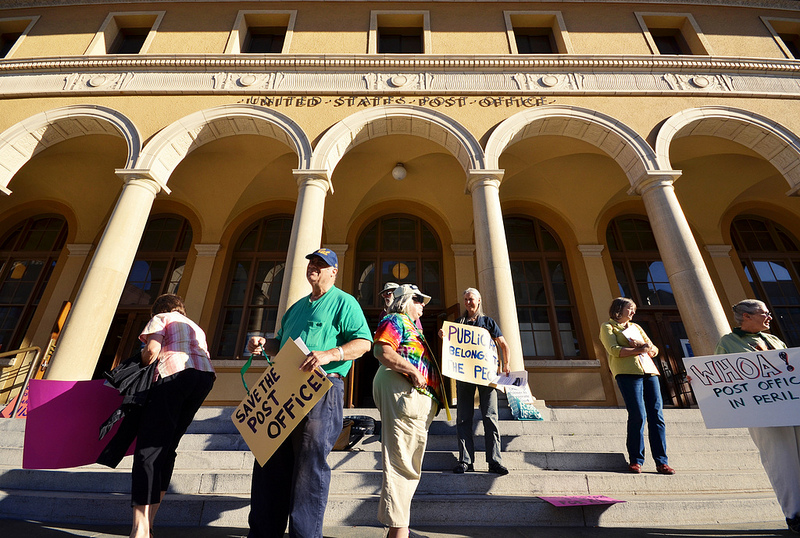
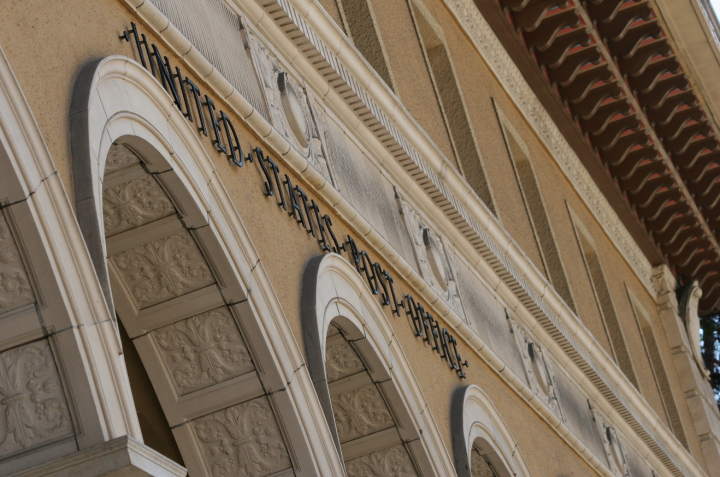
Well-Known Berkeley Developer Trying to Buy Historic Berkeley Post Office
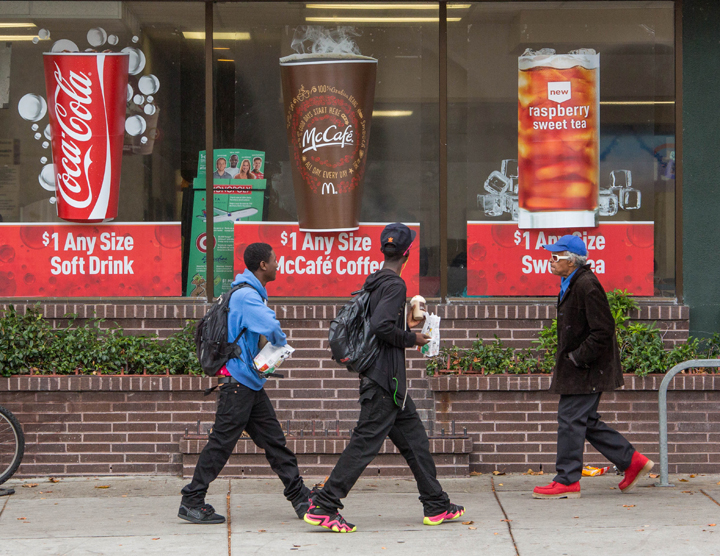
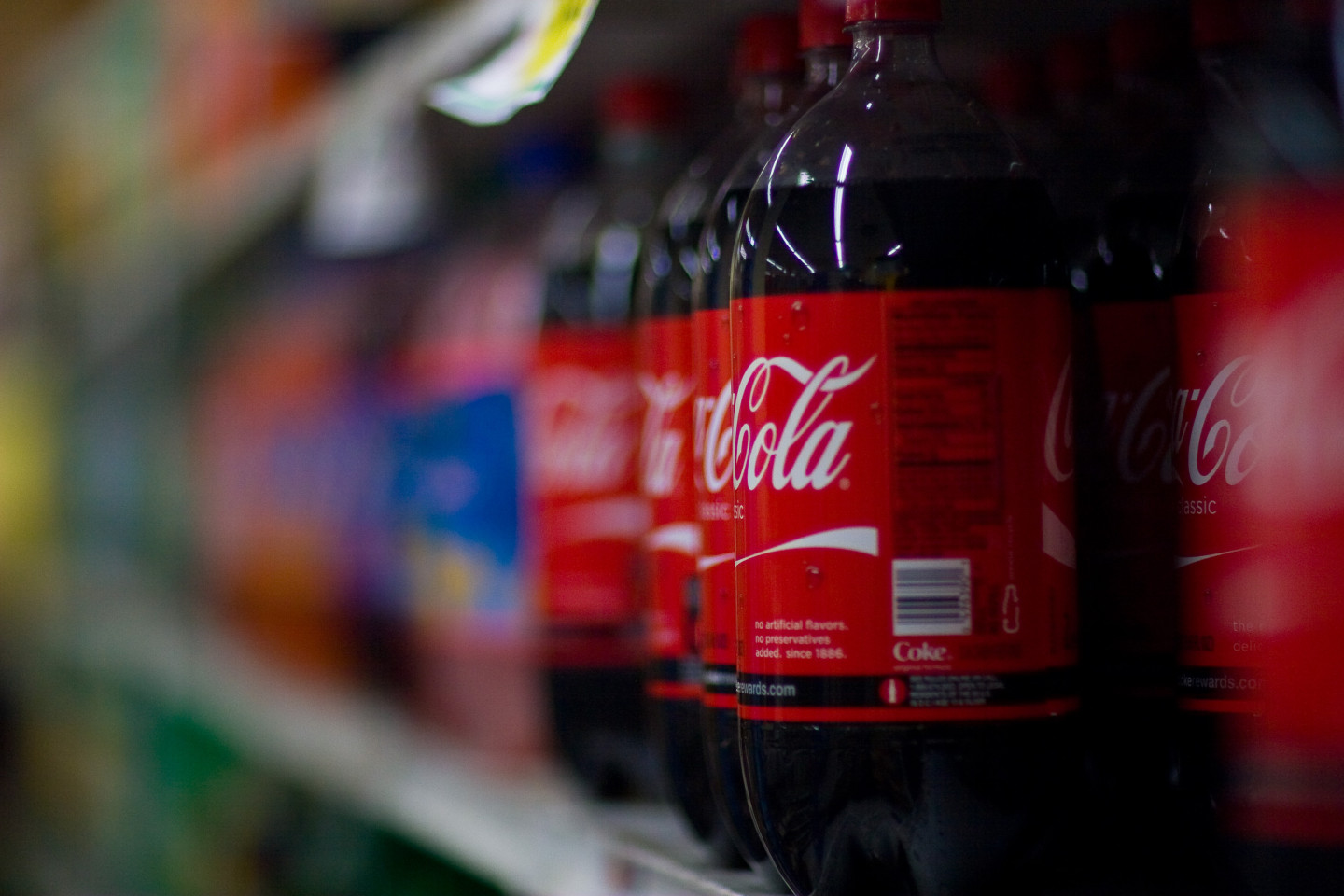
How Did Berkeley Pass Soda Tax When Other Cities Failed?
Why Are Acorn Woodpeckers Appearing in Berkeley's Lowlands?
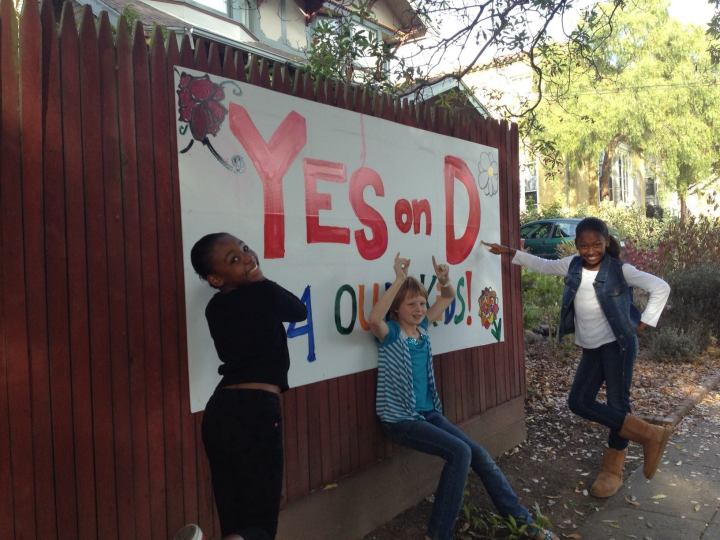
Berkeley's Soda Tax Takes Center Stage This Election Season
Berkeley Residents Love Their Little Free Libraries
Petition Targets Planned UC Berkeley Speech by Bill Maher
Berkeley Going to Court to Block Rumored Post Office Sale
Michael Bloomberg Gives $83,000 to Support Berkeley’s Proposed Soda Tax
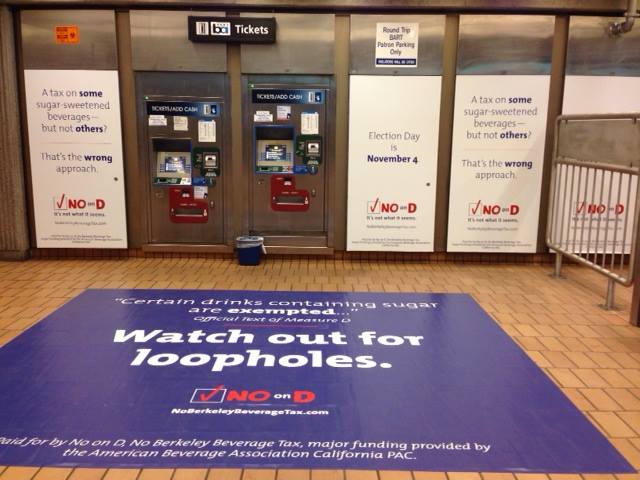
Beverage Industry Spends Big to Beat Berkeley Soda Tax
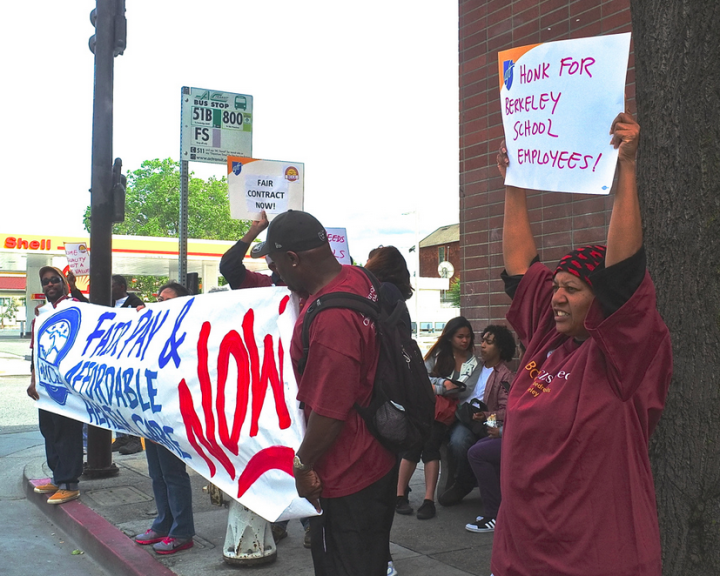
After Long Negotiations, Berkeley School District and Union Reach Agreement
News Pix: S.J. Mayoral Debate, Free Speech Anniversary, Another Black and Orange October
window.__IS_SSR__=true
window.__INITIAL_STATE__={
"attachmentsReducer": {
"audio_0": {
"type": "attachments",
"id": "audio_0",
"imgSizes": {
"kqedFullSize": {
"file": "https://ww2.kqed.org/news/wp-content/themes/KQED-unified/img/audio_bgs/background0.jpg"
}
}
},
"audio_1": {
"type": "attachments",
"id": "audio_1",
"imgSizes": {
"kqedFullSize": {
"file": "https://ww2.kqed.org/news/wp-content/themes/KQED-unified/img/audio_bgs/background1.jpg"
}
}
},
"audio_2": {
"type": "attachments",
"id": "audio_2",
"imgSizes": {
"kqedFullSize": {
"file": "https://ww2.kqed.org/news/wp-content/themes/KQED-unified/img/audio_bgs/background2.jpg"
}
}
},
"audio_3": {
"type": "attachments",
"id": "audio_3",
"imgSizes": {
"kqedFullSize": {
"file": "https://ww2.kqed.org/news/wp-content/themes/KQED-unified/img/audio_bgs/background3.jpg"
}
}
},
"audio_4": {
"type": "attachments",
"id": "audio_4",
"imgSizes": {
"kqedFullSize": {
"file": "https://ww2.kqed.org/news/wp-content/themes/KQED-unified/img/audio_bgs/background4.jpg"
}
}
},
"placeholder": {
"type": "attachments",
"id": "placeholder",
"imgSizes": {
"thumbnail": {
"file": "https://cdn.kqed.org/wp-content/uploads/2024/12/KQED-Default-Image-816638274-2000x1333-1-160x107.jpg",
"width": 160,
"height": 107,
"mimeType": "image/jpeg"
},
"medium": {
"file": "https://cdn.kqed.org/wp-content/uploads/2024/12/KQED-Default-Image-816638274-2000x1333-1-800x533.jpg",
"width": 800,
"height": 533,
"mimeType": "image/jpeg"
},
"medium_large": {
"file": "https://cdn.kqed.org/wp-content/uploads/2024/12/KQED-Default-Image-816638274-2000x1333-1-768x512.jpg",
"width": 768,
"height": 512,
"mimeType": "image/jpeg"
},
"large": {
"file": "https://cdn.kqed.org/wp-content/uploads/2024/12/KQED-Default-Image-816638274-2000x1333-1-1020x680.jpg",
"width": 1020,
"height": 680,
"mimeType": "image/jpeg"
},
"1536x1536": {
"file": "https://cdn.kqed.org/wp-content/uploads/2024/12/KQED-Default-Image-816638274-2000x1333-1-1536x1024.jpg",
"width": 1536,
"height": 1024,
"mimeType": "image/jpeg"
},
"fd-lrg": {
"file": "https://cdn.kqed.org/wp-content/uploads/2024/12/KQED-Default-Image-816638274-2000x1333-1-1536x1024.jpg",
"width": 1536,
"height": 1024,
"mimeType": "image/jpeg"
},
"fd-med": {
"file": "https://cdn.kqed.org/wp-content/uploads/2024/12/KQED-Default-Image-816638274-2000x1333-1-1020x680.jpg",
"width": 1020,
"height": 680,
"mimeType": "image/jpeg"
},
"fd-sm": {
"file": "https://cdn.kqed.org/wp-content/uploads/2024/12/KQED-Default-Image-816638274-2000x1333-1-800x533.jpg",
"width": 800,
"height": 533,
"mimeType": "image/jpeg"
},
"post-thumbnail": {
"file": "https://cdn.kqed.org/wp-content/uploads/2024/12/KQED-Default-Image-816638274-2000x1333-1-672x372.jpg",
"width": 672,
"height": 372,
"mimeType": "image/jpeg"
},
"twentyfourteen-full-width": {
"file": "https://cdn.kqed.org/wp-content/uploads/2024/12/KQED-Default-Image-816638274-2000x1333-1-1038x576.jpg",
"width": 1038,
"height": 576,
"mimeType": "image/jpeg"
},
"xxsmall": {
"file": "https://cdn.kqed.org/wp-content/uploads/2024/12/KQED-Default-Image-816638274-2000x1333-1-160x107.jpg",
"width": 160,
"height": 107,
"mimeType": "image/jpeg"
},
"xsmall": {
"file": "https://cdn.kqed.org/wp-content/uploads/2024/12/KQED-Default-Image-816638274-2000x1333-1-672x372.jpg",
"width": 672,
"height": 372,
"mimeType": "image/jpeg"
},
"small": {
"file": "https://cdn.kqed.org/wp-content/uploads/2024/12/KQED-Default-Image-816638274-2000x1333-1-672x372.jpg",
"width": 672,
"height": 372,
"mimeType": "image/jpeg"
},
"xlarge": {
"file": "https://cdn.kqed.org/wp-content/uploads/2024/12/KQED-Default-Image-816638274-2000x1333-1-1020x680.jpg",
"width": 1020,
"height": 680,
"mimeType": "image/jpeg"
},
"full-width": {
"file": "https://cdn.kqed.org/wp-content/uploads/2024/12/KQED-Default-Image-816638274-2000x1333-1-1920x1280.jpg",
"width": 1920,
"height": 1280,
"mimeType": "image/jpeg"
},
"guest-author-32": {
"file": "https://cdn.kqed.org/wp-content/uploads/2025/01/KQED-Default-Image-816638274-1333x1333-1-160x160.jpg",
"width": 32,
"height": 32,
"mimeType": "image/jpeg"
},
"guest-author-50": {
"file": "https://cdn.kqed.org/wp-content/uploads/2025/01/KQED-Default-Image-816638274-1333x1333-1-160x160.jpg",
"width": 50,
"height": 50,
"mimeType": "image/jpeg"
},
"guest-author-64": {
"file": "https://cdn.kqed.org/wp-content/uploads/2025/01/KQED-Default-Image-816638274-1333x1333-1-160x160.jpg",
"width": 64,
"height": 64,
"mimeType": "image/jpeg"
},
"guest-author-96": {
"file": "https://cdn.kqed.org/wp-content/uploads/2025/01/KQED-Default-Image-816638274-1333x1333-1-160x160.jpg",
"width": 96,
"height": 96,
"mimeType": "image/jpeg"
},
"guest-author-128": {
"file": "https://cdn.kqed.org/wp-content/uploads/2025/01/KQED-Default-Image-816638274-1333x1333-1-160x160.jpg",
"width": 128,
"height": 128,
"mimeType": "image/jpeg"
},
"detail": {
"file": "https://cdn.kqed.org/wp-content/uploads/2025/01/KQED-Default-Image-816638274-1333x1333-1-160x160.jpg",
"width": 160,
"height": 160,
"mimeType": "image/jpeg"
},
"kqedFullSize": {
"file": "https://cdn.kqed.org/wp-content/uploads/2024/12/KQED-Default-Image-816638274-2000x1333-1.jpg",
"width": 2000,
"height": 1333
}
}
},
"news_10348581": {
"type": "attachments",
"id": "news_10348581",
"meta": {
"index": "attachments_1716263798",
"site": "news",
"id": "10348581",
"found": true
},
"parent": 10348579,
"imgSizes": {
"thumbnail": {
"file": "https://ww2.kqed.org/app/uploads/sites/10/2014/11/berkeley-space-400x265.png",
"width": 400,
"mimeType": "image/png",
"height": 265
},
"post-thumbnail": {
"file": "https://ww2.kqed.org/app/uploads/sites/10/2014/11/berkeley-space-672x372.png",
"width": 672,
"mimeType": "image/png",
"height": 372
},
"kqedFullSize": {
"file": "https://ww2.kqed.org/app/uploads/sites/10/2014/11/berkeley-space.png",
"width": 720,
"height": 478
},
"guest-author-96": {
"file": "https://ww2.kqed.org/app/uploads/sites/10/2014/11/berkeley-space-96x96.png",
"width": 96,
"mimeType": "image/png",
"height": 96
},
"guest-author-64": {
"file": "https://ww2.kqed.org/app/uploads/sites/10/2014/11/berkeley-space-64x64.png",
"width": 64,
"mimeType": "image/png",
"height": 64
},
"detail": {
"file": "https://ww2.kqed.org/app/uploads/sites/10/2014/11/berkeley-space-75x75.png",
"width": 75,
"mimeType": "image/png",
"height": 75
},
"guest-author-32": {
"file": "https://ww2.kqed.org/app/uploads/sites/10/2014/11/berkeley-space-32x32.png",
"width": 32,
"mimeType": "image/png",
"height": 32
},
"guest-author-128": {
"file": "https://ww2.kqed.org/app/uploads/sites/10/2014/11/berkeley-space-128x128.png",
"width": 128,
"mimeType": "image/png",
"height": 128
}
},
"publishDate": 1415998107,
"modified": 1415998143,
"caption": "More space is needed at Berkeley schools to accommodate an estimated 250 new students in the next three years. (Berkeley Unified School District)",
"description": "More space is needed at Berkeley schools to accommodate an estimated 250 new students in the next three years. Photo: BUSD",
"title": "berkeley space",
"credit": null,
"status": "inherit",
"isLoading": false,
"fetchFailed": false
},
"news_138670": {
"type": "attachments",
"id": "news_138670",
"meta": {
"index": "attachments_1716263798",
"site": "news",
"id": "138670",
"found": true
},
"parent": 138667,
"imgSizes": {
"kqedFullSize": {
"file": "https://ww2.kqed.org/app/uploads/sites/10/2014/06/Post-office-protest-by-Daniel-Parks.jpeg",
"width": 800,
"height": 538
}
},
"publishDate": 1402421581,
"modified": 1415402980,
"caption": "A Berkeley developer plans to turn the city’s main Post Office into a retail operation while retaining postal services. A vocal group of Berkeley residents have been fighting the post office closure since 2012. (Daniel Parks/Berkeleyside)",
"description": "Community members protest the proposed sale of the Berkeley Post Office in 2012.(Daniel Parks/Berkeleyside)",
"title": "Post-office-protest-by-Daniel-Parks",
"credit": null,
"status": "inherit",
"isLoading": false,
"fetchFailed": false
},
"news_10347221": {
"type": "attachments",
"id": "news_10347221",
"meta": {
"index": "attachments_1716263798",
"site": "news",
"id": "10347221",
"found": true
},
"parent": 10347220,
"imgSizes": {
"thumbnail": {
"file": "https://ww2.kqed.org/app/uploads/sites/10/2014/11/kids-and-sign-720x540-400x300.jpg",
"width": 400,
"mimeType": "image/jpeg",
"height": 300
},
"post-thumbnail": {
"file": "https://ww2.kqed.org/app/uploads/sites/10/2014/11/kids-and-sign-720x540-672x372.jpg",
"width": 672,
"mimeType": "image/jpeg",
"height": 372
},
"kqedFullSize": {
"file": "https://ww2.kqed.org/app/uploads/sites/10/2014/11/kids-and-sign-720x540.jpg",
"width": 720,
"height": 540
},
"guest-author-96": {
"file": "https://ww2.kqed.org/app/uploads/sites/10/2014/11/kids-and-sign-720x540-96x96.jpg",
"width": 96,
"mimeType": "image/jpeg",
"height": 96
},
"guest-author-64": {
"file": "https://ww2.kqed.org/app/uploads/sites/10/2014/11/kids-and-sign-720x540-64x64.jpg",
"width": 64,
"mimeType": "image/jpeg",
"height": 64
},
"detail": {
"file": "https://ww2.kqed.org/app/uploads/sites/10/2014/11/kids-and-sign-720x540-75x75.jpg",
"width": 75,
"mimeType": "image/jpeg",
"height": 75
},
"guest-author-32": {
"file": "https://ww2.kqed.org/app/uploads/sites/10/2014/11/kids-and-sign-720x540-32x32.jpg",
"width": 32,
"mimeType": "image/jpeg",
"height": 32
},
"guest-author-128": {
"file": "https://ww2.kqed.org/app/uploads/sites/10/2014/11/kids-and-sign-720x540-128x128.jpg",
"width": 128,
"mimeType": "image/jpeg",
"height": 128
}
},
"publishDate": 1415214625,
"modified": 1415214647,
"caption": "Children pose outside a Yes on D sign put up by Jan Cecil outside her house on Ashby Avenue in Berkeley — one of many efforts in a city-wide pro-soda tax campaign which led to its overwhelming victory. (Courtesy: Berkeley vs Big Soda)",
"description": "Children pose outside a Yes on D sign put up by Jan Cecil outside her house on Ashby Avenue in Berkeley — one of many efforts in a city-wide pro-soda tax campaign which led to its overwhelming victory. Photo: Berkeley vs Big Soda",
"title": "kids-and-sign-720x540",
"credit": null,
"status": "inherit",
"isLoading": false,
"fetchFailed": false
},
"news_10346844": {
"type": "attachments",
"id": "news_10346844",
"meta": {
"index": "attachments_1716263798",
"site": "news",
"id": "10346844",
"found": true
},
"parent": 10346832,
"imgSizes": {
"twentyfourteen-full-width": {
"file": "https://ww2.kqed.org/app/uploads/sites/10/2014/11/acornwood-larryhollowood1-720x695-720x576.jpg",
"width": 720,
"mimeType": "image/jpeg",
"height": 576
},
"thumbnail": {
"file": "https://ww2.kqed.org/app/uploads/sites/10/2014/11/acornwood-larryhollowood1-720x695-400x386.jpg",
"width": 400,
"mimeType": "image/jpeg",
"height": 386
},
"post-thumbnail": {
"file": "https://ww2.kqed.org/app/uploads/sites/10/2014/11/acornwood-larryhollowood1-720x695-672x372.jpg",
"width": 672,
"mimeType": "image/jpeg",
"height": 372
},
"kqedFullSize": {
"file": "https://ww2.kqed.org/app/uploads/sites/10/2014/11/acornwood-larryhollowood1-720x695.jpg",
"width": 720,
"height": 695
},
"guest-author-96": {
"file": "https://ww2.kqed.org/app/uploads/sites/10/2014/11/acornwood-larryhollowood1-720x695-96x96.jpg",
"width": 96,
"mimeType": "image/jpeg",
"height": 96
},
"guest-author-64": {
"file": "https://ww2.kqed.org/app/uploads/sites/10/2014/11/acornwood-larryhollowood1-720x695-64x64.jpg",
"width": 64,
"mimeType": "image/jpeg",
"height": 64
},
"detail": {
"file": "https://ww2.kqed.org/app/uploads/sites/10/2014/11/acornwood-larryhollowood1-720x695-75x75.jpg",
"width": 75,
"mimeType": "image/jpeg",
"height": 75
},
"guest-author-32": {
"file": "https://ww2.kqed.org/app/uploads/sites/10/2014/11/acornwood-larryhollowood1-720x695-32x32.jpg",
"width": 32,
"mimeType": "image/jpeg",
"height": 32
},
"guest-author-128": {
"file": "https://ww2.kqed.org/app/uploads/sites/10/2014/11/acornwood-larryhollowood1-720x695-128x128.jpg",
"width": 128,
"mimeType": "image/jpeg",
"height": 128
}
},
"publishDate": 1415126955,
"modified": 1415127018,
"caption": "Acorn Woodpecker at Sycamore Valley Open Space Preserve (Danville). (Larry and Dena Hollowood/Berkeleyside)",
"description": "Acorn Woodpecker at Sycamore Valley Open Space Preserve (Danville). Photo: Larry and Dena Hollowood",
"title": "acornwood-larryhollowood1-720x695",
"credit": null,
"status": "inherit",
"isLoading": false,
"fetchFailed": false
},
"news_10346271": {
"type": "attachments",
"id": "news_10346271",
"meta": {
"index": "attachments_1716263798",
"site": "news",
"id": "10346271",
"found": true
},
"parent": 10346219,
"imgSizes": {
"thumbnail": {
"file": "https://ww2.kqed.org/app/uploads/sites/10/2014/10/soda1-400x308.jpg",
"width": 400,
"mimeType": "image/jpeg",
"height": 308
},
"post-thumbnail": {
"file": "https://ww2.kqed.org/app/uploads/sites/10/2014/10/soda1-672x372.jpg",
"width": 672,
"mimeType": "image/jpeg",
"height": 372
},
"kqedFullSize": {
"file": "https://ww2.kqed.org/app/uploads/sites/10/2014/10/soda1.jpg",
"width": 720,
"height": 556
},
"guest-author-96": {
"file": "https://ww2.kqed.org/app/uploads/sites/10/2014/10/soda1-96x96.jpg",
"width": 96,
"mimeType": "image/jpeg",
"height": 96
},
"guest-author-64": {
"file": "https://ww2.kqed.org/app/uploads/sites/10/2014/10/soda1-64x64.jpg",
"width": 64,
"mimeType": "image/jpeg",
"height": 64
},
"detail": {
"file": "https://ww2.kqed.org/app/uploads/sites/10/2014/10/soda1-75x75.jpg",
"width": 75,
"mimeType": "image/jpeg",
"height": 75
},
"guest-author-32": {
"file": "https://ww2.kqed.org/app/uploads/sites/10/2014/10/soda1-32x32.jpg",
"width": 32,
"mimeType": "image/jpeg",
"height": 32
},
"guest-author-128": {
"file": "https://ww2.kqed.org/app/uploads/sites/10/2014/10/soda1-128x128.jpg",
"width": 128,
"mimeType": "image/jpeg",
"height": 128
}
},
"publishDate": 1414786508,
"modified": 1414786548,
"caption": "Two high-school students on their lunch break carry food and drink out of the McDonald’s on University Avenue in Berkeley. (Gael McKeon/Berkeleyside)",
"description": "Two high-school students on their lunch break carry food and drink out of the McDonald’s on University Avenue in Berkeley. (Gael McKeon/Berkeleyside)",
"title": "soda1",
"credit": null,
"status": "inherit",
"isLoading": false,
"fetchFailed": false
},
"news_10345733": {
"type": "attachments",
"id": "news_10345733",
"meta": {
"index": "attachments_1716263798",
"site": "news",
"id": "10345733",
"found": true
},
"parent": 10345731,
"imgSizes": {
"twentyfourteen-full-width": {
"file": "https://ww2.kqed.org/app/uploads/sites/10/2014/10/library2-720x576.jpeg",
"width": 720,
"mimeType": "image/jpeg",
"height": 576
},
"thumbnail": {
"file": "https://ww2.kqed.org/app/uploads/sites/10/2014/10/library2-400x335.jpeg",
"width": 400,
"mimeType": "image/jpeg",
"height": 335
},
"post-thumbnail": {
"file": "https://ww2.kqed.org/app/uploads/sites/10/2014/10/library2-672x372.jpeg",
"width": 672,
"mimeType": "image/jpeg",
"height": 372
},
"kqedFullSize": {
"file": "https://ww2.kqed.org/app/uploads/sites/10/2014/10/library2.jpeg",
"width": 720,
"height": 604
},
"guest-author-96": {
"file": "https://ww2.kqed.org/app/uploads/sites/10/2014/10/library2-96x96.jpeg",
"width": 96,
"mimeType": "image/jpeg",
"height": 96
},
"guest-author-64": {
"file": "https://ww2.kqed.org/app/uploads/sites/10/2014/10/library2-64x64.jpeg",
"width": 64,
"mimeType": "image/jpeg",
"height": 64
},
"detail": {
"file": "https://ww2.kqed.org/app/uploads/sites/10/2014/10/library2-75x75.jpeg",
"width": 75,
"mimeType": "image/jpeg",
"height": 75
},
"guest-author-32": {
"file": "https://ww2.kqed.org/app/uploads/sites/10/2014/10/library2-32x32.jpeg",
"width": 32,
"mimeType": "image/jpeg",
"height": 32
},
"guest-author-128": {
"file": "https://ww2.kqed.org/app/uploads/sites/10/2014/10/library2-128x128.jpeg",
"width": 128,
"mimeType": "image/jpeg",
"height": 128
}
},
"publishDate": 1414603807,
"modified": 1414603848,
"caption": "This library is the newest one the author has seen. It went up a couple of months ago on Walnut Street across from the tennis courts at Live Oak Park near Rose Street. (Colleen Neff/Berkeleyside)",
"description": "This library is the newest one the author has seen. It went up a couple of months ago on Walnut Street across from the tennis courts at Live Oak Park near Rose Street. (Colleen Neff/Berkeleyside)",
"title": "library2",
"credit": null,
"status": "inherit",
"isLoading": false,
"fetchFailed": false
},
"news_10345569": {
"type": "attachments",
"id": "news_10345569",
"meta": {
"index": "attachments_1716263798",
"site": "news",
"id": "10345569",
"found": true
},
"parent": 10345557,
"imgSizes": {
"thumbnail": {
"file": "https://ww2.kqed.org/app/uploads/sites/10/2014/10/billmaher141028-400x221.jpg",
"width": 400,
"mimeType": "image/jpeg",
"height": 221
},
"post-thumbnail": {
"file": "https://ww2.kqed.org/app/uploads/sites/10/2014/10/billmaher141028-672x372.jpg",
"width": 672,
"mimeType": "image/jpeg",
"height": 372
},
"kqedFullSize": {
"file": "https://ww2.kqed.org/app/uploads/sites/10/2014/10/billmaher141028.jpg",
"width": 848,
"height": 470
},
"guest-author-96": {
"file": "https://ww2.kqed.org/app/uploads/sites/10/2014/10/billmaher141028-96x96.jpg",
"width": 96,
"mimeType": "image/jpeg",
"height": 96
},
"medium": {
"file": "https://ww2.kqed.org/app/uploads/sites/10/2014/10/billmaher141028-800x443.jpg",
"width": 800,
"mimeType": "image/jpeg",
"height": 443
},
"guest-author-64": {
"file": "https://ww2.kqed.org/app/uploads/sites/10/2014/10/billmaher141028-64x64.jpg",
"width": 64,
"mimeType": "image/jpeg",
"height": 64
},
"detail": {
"file": "https://ww2.kqed.org/app/uploads/sites/10/2014/10/billmaher141028-75x75.jpg",
"width": 75,
"mimeType": "image/jpeg",
"height": 75
},
"guest-author-32": {
"file": "https://ww2.kqed.org/app/uploads/sites/10/2014/10/billmaher141028-32x32.jpg",
"width": 32,
"mimeType": "image/jpeg",
"height": 32
},
"guest-author-128": {
"file": "https://ww2.kqed.org/app/uploads/sites/10/2014/10/billmaher141028-128x128.jpg",
"width": 128,
"mimeType": "image/jpeg",
"height": 128
}
},
"publishDate": 1414524449,
"modified": 1414524509,
"caption": "HBO 'Real Time' host Bill Maher. (YouTube screenshot)",
"description": "HBO 'Real Time' host Bill Maher. (YouTube screenshot)",
"title": "Bill Maher",
"credit": null,
"status": "inherit",
"isLoading": false,
"fetchFailed": false
},
"news_10345364": {
"type": "attachments",
"id": "news_10345364",
"meta": {
"index": "attachments_1716263798",
"site": "news",
"id": "10345364",
"found": true
},
"parent": 10345361,
"imgSizes": {
"thumbnail": {
"file": "https://ww2.kqed.org/app/uploads/sites/10/2014/10/berkeleymainpo-400x265.png",
"width": 400,
"mimeType": "image/png",
"height": 265
},
"post-thumbnail": {
"file": "https://ww2.kqed.org/app/uploads/sites/10/2014/10/berkeleymainpo-672x372.png",
"width": 672,
"mimeType": "image/png",
"height": 372
},
"kqedFullSize": {
"file": "https://ww2.kqed.org/app/uploads/sites/10/2014/10/berkeleymainpo.png",
"width": 720,
"height": 477
},
"guest-author-96": {
"file": "https://ww2.kqed.org/app/uploads/sites/10/2014/10/berkeleymainpo-96x96.png",
"width": 96,
"mimeType": "image/png",
"height": 96
},
"guest-author-64": {
"file": "https://ww2.kqed.org/app/uploads/sites/10/2014/10/berkeleymainpo-64x64.png",
"width": 64,
"mimeType": "image/png",
"height": 64
},
"detail": {
"file": "https://ww2.kqed.org/app/uploads/sites/10/2014/10/berkeleymainpo-75x75.png",
"width": 75,
"mimeType": "image/png",
"height": 75
},
"guest-author-32": {
"file": "https://ww2.kqed.org/app/uploads/sites/10/2014/10/berkeleymainpo-32x32.png",
"width": 32,
"mimeType": "image/png",
"height": 32
},
"guest-author-128": {
"file": "https://ww2.kqed.org/app/uploads/sites/10/2014/10/berkeleymainpo-128x128.png",
"width": 128,
"mimeType": "image/png",
"height": 128
}
},
"publishDate": 1414389971,
"modified": 1414389971,
"caption": "The historic U.S. Post Office in downtown Berkeley. (Darius Wekwerth/Berkeleyside)",
"description": "The historic U.S. Post Office in downtown Berkeley. (Darius Wekwerth/Berkeleyside)",
"title": "Berkeley Main Post Office",
"credit": null,
"status": "inherit",
"isLoading": false,
"fetchFailed": false
},
"news_10344053": {
"type": "attachments",
"id": "news_10344053",
"meta": {
"index": "attachments_1716263798",
"site": "news",
"id": "10344053",
"found": true
},
"parent": 10344051,
"imgSizes": {
"twentyfourteen-full-width": {
"file": "https://ww2.kqed.org/app/uploads/sites/10/2014/10/soda-1038x576.jpg",
"width": 1038,
"mimeType": "image/jpeg",
"height": 576
},
"thumbnail": {
"file": "https://ww2.kqed.org/app/uploads/sites/10/2014/10/soda-400x266.jpg",
"width": 400,
"mimeType": "image/jpeg",
"height": 266
},
"post-thumbnail": {
"file": "https://ww2.kqed.org/app/uploads/sites/10/2014/10/soda-672x372.jpg",
"width": 672,
"mimeType": "image/jpeg",
"height": 372
},
"kqedFullSize": {
"file": "https://ww2.kqed.org/app/uploads/sites/10/2014/10/soda-e1413489430451.jpg",
"width": 1440,
"height": 960
},
"large": {
"file": "https://ww2.kqed.org/app/uploads/sites/10/2014/10/soda-1440x960.jpg",
"width": 1440,
"mimeType": "image/jpeg",
"height": 960
},
"guest-author-96": {
"file": "https://ww2.kqed.org/app/uploads/sites/10/2014/10/soda-96x96.jpg",
"width": 96,
"mimeType": "image/jpeg",
"height": 96
},
"medium": {
"file": "https://ww2.kqed.org/app/uploads/sites/10/2014/10/soda-800x533.jpg",
"width": 800,
"mimeType": "image/jpeg",
"height": 533
},
"guest-author-64": {
"file": "https://ww2.kqed.org/app/uploads/sites/10/2014/10/soda-64x64.jpg",
"width": 64,
"mimeType": "image/jpeg",
"height": 64
},
"detail": {
"file": "https://ww2.kqed.org/app/uploads/sites/10/2014/10/soda-75x75.jpg",
"width": 75,
"mimeType": "image/jpeg",
"height": 75
},
"guest-author-32": {
"file": "https://ww2.kqed.org/app/uploads/sites/10/2014/10/soda-32x32.jpg",
"width": 32,
"mimeType": "image/jpeg",
"height": 32
},
"guest-author-128": {
"file": "https://ww2.kqed.org/app/uploads/sites/10/2014/10/soda-128x128.jpg",
"width": 128,
"mimeType": "image/jpeg",
"height": 128
}
},
"publishDate": 1413483303,
"modified": 1413483303,
"caption": "Berkeley will vote on Measure D, the so-called Soda Tax, in November. (Vox Efx/Flickr)",
"description": null,
"title": "soda",
"credit": null,
"status": "inherit",
"isLoading": false,
"fetchFailed": false
},
"news_10343304": {
"type": "attachments",
"id": "news_10343304",
"meta": {
"index": "attachments_1716263798",
"site": "news",
"id": "10343304",
"found": true
},
"parent": 10343251,
"imgSizes": {
"thumbnail": {
"file": "https://ww2.kqed.org/app/uploads/sites/10/2014/10/berkeleymeasured-400x300.jpg",
"width": 400,
"mimeType": "image/jpeg",
"height": 300
},
"post-thumbnail": {
"file": "https://ww2.kqed.org/app/uploads/sites/10/2014/10/berkeleymeasured-640x372.jpg",
"width": 640,
"mimeType": "image/jpeg",
"height": 372
},
"kqedFullSize": {
"file": "https://ww2.kqed.org/app/uploads/sites/10/2014/10/berkeleymeasured.jpg",
"width": 640,
"height": 480
},
"guest-author-96": {
"file": "https://ww2.kqed.org/app/uploads/sites/10/2014/10/berkeleymeasured-96x96.jpg",
"width": 96,
"mimeType": "image/jpeg",
"height": 96
},
"guest-author-64": {
"file": "https://ww2.kqed.org/app/uploads/sites/10/2014/10/berkeleymeasured-64x64.jpg",
"width": 64,
"mimeType": "image/jpeg",
"height": 64
},
"detail": {
"file": "https://ww2.kqed.org/app/uploads/sites/10/2014/10/berkeleymeasured-75x75.jpg",
"width": 75,
"mimeType": "image/jpeg",
"height": 75
},
"guest-author-32": {
"file": "https://ww2.kqed.org/app/uploads/sites/10/2014/10/berkeleymeasured-32x32.jpg",
"width": 32,
"mimeType": "image/jpeg",
"height": 32
},
"guest-author-128": {
"file": "https://ww2.kqed.org/app/uploads/sites/10/2014/10/berkeleymeasured-128x128.jpg",
"width": 128,
"mimeType": "image/jpeg",
"height": 128
}
},
"publishDate": 1412973250,
"modified": 1412973250,
"caption": "The No on Measure D campaign has paid to plaster the Ashby BART station with signs. (Marian Mabel/Berkeleyside)",
"description": "The No on Measure D campaign on Oct. 8 covered the Ashby BART station with signs — on the floor, on the walls, and next to the ticket machines. BART workers accidentally took down some of the signs Wednesday night, but they will be reinstalled. (Marian Mabel/Berkeleyside)",
"title": "Berkeley Measure D-BART",
"credit": null,
"status": "inherit",
"isLoading": false,
"fetchFailed": false
},
"news_10342306": {
"type": "attachments",
"id": "news_10342306",
"meta": {
"index": "attachments_1716263798",
"site": "news",
"id": "10342306",
"found": true
},
"parent": 10342299,
"imgSizes": {
"thumbnail": {
"file": "https://ww2.kqed.org/app/uploads/sites/10/2014/10/Union-protest-400x320.png",
"width": 400,
"mimeType": "image/png",
"height": 320
},
"post-thumbnail": {
"file": "https://ww2.kqed.org/app/uploads/sites/10/2014/10/Union-protest-672x372.png",
"width": 672,
"mimeType": "image/png",
"height": 372
},
"kqedFullSize": {
"file": "https://ww2.kqed.org/app/uploads/sites/10/2014/10/Union-protest-e1412372310714.png",
"width": 720,
"height": 576
},
"guest-author-96": {
"file": "https://ww2.kqed.org/app/uploads/sites/10/2014/10/Union-protest-96x96.png",
"width": 96,
"mimeType": "image/png",
"height": 96
},
"guest-author-64": {
"file": "https://ww2.kqed.org/app/uploads/sites/10/2014/10/Union-protest-64x64.png",
"width": 64,
"mimeType": "image/png",
"height": 64
},
"detail": {
"file": "https://ww2.kqed.org/app/uploads/sites/10/2014/10/Union-protest-75x75.png",
"width": 75,
"mimeType": "image/png",
"height": 75
},
"guest-author-32": {
"file": "https://ww2.kqed.org/app/uploads/sites/10/2014/10/Union-protest-32x32.png",
"width": 32,
"mimeType": "image/png",
"height": 32
},
"guest-author-128": {
"file": "https://ww2.kqed.org/app/uploads/sites/10/2014/10/Union-protest-128x128.png",
"width": 128,
"mimeType": "image/png",
"height": 128
}
},
"publishDate": 1412368060,
"modified": 1412368060,
"caption": "Berkeley Council of Classified Employees demonstrating for fair pay and affordable health care in March 2014. (Ted Friedman/Berkeleyside)",
"description": null,
"title": "Union-protest",
"credit": null,
"status": "inherit",
"isLoading": false,
"fetchFailed": false
},
"news_10342223": {
"type": "attachments",
"id": "news_10342223",
"meta": {
"index": "attachments_1716263798",
"site": "news",
"id": "10342223",
"found": true
},
"parent": 10342197,
"imgSizes": {
"twentyfourteen-full-width": {
"file": "https://ww2.kqed.org/app/uploads/sites/10/2014/10/PeninsulaPress_mvmeeting2_Wilson-1038x576.jpg",
"width": 1038,
"mimeType": "image/jpeg",
"height": 576
},
"thumbnail": {
"file": "https://ww2.kqed.org/app/uploads/sites/10/2014/10/PeninsulaPress_mvmeeting2_Wilson-400x295.jpg",
"width": 400,
"mimeType": "image/jpeg",
"height": 295
},
"post-thumbnail": {
"file": "https://ww2.kqed.org/app/uploads/sites/10/2014/10/PeninsulaPress_mvmeeting2_Wilson-672x372.jpg",
"width": 672,
"mimeType": "image/jpeg",
"height": 372
},
"kqedFullSize": {
"file": "https://ww2.kqed.org/app/uploads/sites/10/2014/10/PeninsulaPress_mvmeeting2_Wilson-e1412366582512.jpg",
"width": 1400,
"height": 1035
},
"large": {
"file": "https://ww2.kqed.org/app/uploads/sites/10/2014/10/PeninsulaPress_mvmeeting2_Wilson-1440x1064.jpg",
"width": 1440,
"mimeType": "image/jpeg",
"height": 1064
},
"guest-author-96": {
"file": "https://ww2.kqed.org/app/uploads/sites/10/2014/10/PeninsulaPress_mvmeeting2_Wilson-96x96.jpg",
"width": 96,
"mimeType": "image/jpeg",
"height": 96
},
"medium": {
"file": "https://ww2.kqed.org/app/uploads/sites/10/2014/10/PeninsulaPress_mvmeeting2_Wilson-800x591.jpg",
"width": 800,
"mimeType": "image/jpeg",
"height": 591
},
"guest-author-64": {
"file": "https://ww2.kqed.org/app/uploads/sites/10/2014/10/PeninsulaPress_mvmeeting2_Wilson-64x64.jpg",
"width": 64,
"mimeType": "image/jpeg",
"height": 64
},
"detail": {
"file": "https://ww2.kqed.org/app/uploads/sites/10/2014/10/PeninsulaPress_mvmeeting2_Wilson-75x75.jpg",
"width": 75,
"mimeType": "image/jpeg",
"height": 75
},
"guest-author-32": {
"file": "https://ww2.kqed.org/app/uploads/sites/10/2014/10/PeninsulaPress_mvmeeting2_Wilson-32x32.jpg",
"width": 32,
"mimeType": "image/jpeg",
"height": 32
},
"guest-author-128": {
"file": "https://ww2.kqed.org/app/uploads/sites/10/2014/10/PeninsulaPress_mvmeeting2_Wilson-128x128.jpg",
"width": 128,
"mimeType": "image/jpeg",
"height": 128
}
},
"publishDate": 1412362841,
"modified": 1412362841,
"caption": "Mountain View residents join the city's biking and walking community meeting on Saturday. The city asked for input into the California/Escuela/Shoreline Complete Streets Project. (Carolina Wilson/Peninsula Press)",
"description": "Mountain View residents join the city's biking and walking community meeting on Saturday. The city asked for input into the California/Escuela/Shoreline Complete Streets Project. (Carolina Wilson/Peninsula Press)",
"title": "Mountain View-Complete Streets",
"credit": null,
"status": "inherit",
"isLoading": false,
"fetchFailed": false
}
},
"audioPlayerReducer": {
"postId": "stream_live",
"isPaused": true,
"isPlaying": false,
"pfsActive": false,
"pledgeModalIsOpen": true,
"playerDrawerIsOpen": false,
"liveAudioPlayStartedAt": 0,
"liveAudioPlayContext": ""
},
"authorsReducer": {
"byline_news_10348579": {
"type": "authors",
"id": "byline_news_10348579",
"meta": {
"override": true
},
"slug": "byline_news_10348579",
"name": "\u003ca href=\"http://www.berkeleyside.com/author/mary-flaherty/\">Mary Flaherty\u003c/a>\u003cbr>Berkeleyside",
"isLoading": false
},
"byline_news_10347690": {
"type": "authors",
"id": "byline_news_10347690",
"meta": {
"override": true
},
"slug": "byline_news_10347690",
"name": "\u003ca href=\"http://www.berkeleyside.com/author/tracey/\">Tracey Taylor\u003c/a>\u003cbr>Berkeleyside",
"isLoading": false
},
"byline_news_10347220": {
"type": "authors",
"id": "byline_news_10347220",
"meta": {
"override": true
},
"slug": "byline_news_10347220",
"name": "\u003ca href=\"http://www.berkeleyside.com/author/frances/\">Frances Dinkelspiel\u003c/a>\u003cbr>Berkeleyside",
"isLoading": false
},
"byline_news_10346832": {
"type": "authors",
"id": "byline_news_10346832",
"meta": {
"override": true
},
"slug": "byline_news_10346832",
"name": "\u003ca href=\"http://www.berkeleyside.com/2014/11/03/why-acorn-woodpeckers-are-appearing-in-berkeley/\">Bruce Mast\u003c/a>\u003cbr />Berkeleyside",
"isLoading": false
},
"byline_news_10346219": {
"type": "authors",
"id": "byline_news_10346219",
"meta": {
"override": true
},
"slug": "byline_news_10346219",
"name": "\u003ca href=\"http://www.berkeleyside.com/\">BerkeleysideEditors,\u003c/a>\u003cbr>Berkeleyside",
"isLoading": false
},
"byline_news_10345731": {
"type": "authors",
"id": "byline_news_10345731",
"meta": {
"override": true
},
"slug": "byline_news_10345731",
"name": "Colleen Neff\u003cbr />\u003ca href=\"http://www.berkeleyside.com/2014/10/28/little-free-libraries-are-popping-up-all-over-berkeley/\">Berkeleyside\u003c/a>",
"isLoading": false
},
"byline_news_10345557": {
"type": "authors",
"id": "byline_news_10345557",
"meta": {
"override": true
},
"slug": "byline_news_10345557",
"name": "\u003ca href=\"http://www.berkeleyside.com/author/frances/\" target=\"_blank\">Frances Dinkelspiel\u003c/a>\u003cbr />Berkeleyside ",
"isLoading": false
},
"byline_news_10345363": {
"type": "authors",
"id": "byline_news_10345363",
"meta": {
"override": true
},
"slug": "byline_news_10345363",
"name": "\u003ca href=\"http://www.berkeleyside.com/author/frances/\" target=\"_blank\">Frances Dinkelspiel\u003c/a>\u003cbr />Berkeleyside",
"isLoading": false
},
"byline_news_10344051": {
"type": "authors",
"id": "byline_news_10344051",
"meta": {
"override": true
},
"slug": "byline_news_10344051",
"name": "\u003cstrong>Frances Dinkelspiel\u003cbr /> \u003ca href=\"http://www.berkeleyside.com/\" target=\"_blank\">Berkeleyside\u003c/a>\u003c/strong>",
"isLoading": false
},
"byline_news_10343251": {
"type": "authors",
"id": "byline_news_10343251",
"meta": {
"override": true
},
"slug": "byline_news_10343251",
"name": "\u003ca href=\"http://www.berkeleyside.com/author/frances/\">Frances Dinkelspiel\u003c/a>\u003cbr />\u003ca href=\"http://www.berkeleyside.com/\">Berkeleyside\u003c/a>",
"isLoading": false
},
"byline_news_10342299": {
"type": "authors",
"id": "byline_news_10342299",
"meta": {
"override": true
},
"slug": "byline_news_10342299",
"name": "Frances Dinkelspiel, Berkeleyside",
"isLoading": false
},
"gmarzorati": {
"type": "authors",
"id": "227",
"meta": {
"index": "authors_1716337520",
"id": "227",
"found": true
},
"name": "Guy Marzorati",
"firstName": "Guy",
"lastName": "Marzorati",
"slug": "gmarzorati",
"email": "gmarzorati@KQED.org",
"display_author_email": true,
"staff_mastheads": [
"news"
],
"title": "Correspondent",
"bio": "Guy Marzorati is a correspondent on KQED's California Politics and Government Desk, based in San Jose. A graduate of Santa Clara University, Guy joined KQED in 2013. He reports on state and local politics and produces KQED's digital voter guide.",
"avatar": "https://secure.gravatar.com/avatar/e7038b8dbfd55b104369b76b1cd0b9de?s=600&d=blank&r=g",
"twitter": "guymarzorati",
"facebook": null,
"instagram": null,
"linkedin": null,
"sites": [
{
"site": "",
"roles": [
"editor"
]
},
{
"site": "news",
"roles": [
"editor"
]
},
{
"site": "science",
"roles": [
"editor"
]
},
{
"site": "forum",
"roles": [
"editor"
]
},
{
"site": "elections",
"roles": [
"editor"
]
},
{
"site": "liveblog",
"roles": [
"editor"
]
}
],
"headData": {
"title": "Guy Marzorati | KQED",
"description": "Correspondent",
"ogImgSrc": "https://secure.gravatar.com/avatar/e7038b8dbfd55b104369b76b1cd0b9de?s=600&d=blank&r=g",
"twImgSrc": "https://secure.gravatar.com/avatar/e7038b8dbfd55b104369b76b1cd0b9de?s=600&d=blank&r=g"
},
"isLoading": false,
"link": "/author/gmarzorati"
}
},
"pagesReducer": {
"news_affiliate_berkeleyside-2": {
"type": "terms",
"id": "news_5078",
"meta": {
"index": "terms_1716263798",
"site": "news",
"id": "5078",
"score": 16.655228
},
"featImg": null,
"name": "Berkeleyside",
"description": "Berkeleyside is Berkeley, California’s independently owned local news site. We report on the extraordinary diversity of people, issues, events, food and environment in our city on the Bay.",
"taxonomy": "affiliate",
"headData": {
"twImgId": null,
"twTitle": null,
"ogTitle": null,
"ogImgId": null,
"twDescription": null,
"description": "Berkeleyside is Berkeley, California’s independently owned local news site. We report on the extraordinary diversity of people, issues, events, food and environment in our city on the Bay.",
"title": "Berkeleyside Archives | KQED Arts",
"ogDescription": null
},
"ttid": 5099,
"slug": "berkeleyside-2",
"isLoading": false,
"title": "Berkeleyside",
"pageMeta": {
"site": "news",
"WpPageTemplate": "page-topic-editorial",
"currentPage": 8
},
"blocks": [
{
"blockName": "kqed/company-paragraph",
"content": "Berkeleyside is Berkeley, California’s independently owned local news site. We report on the extraordinary diversity of people, issues, events, food and environment in our city on the Bay."
},
{
"blockName": "kqed/post-list",
"attrs": {
"layout": "cardArticle2",
"query": "posts/news?affiliate=berkeleyside-2",
"seeMore": false,
"paginated": true,
"page": 8
}
},
{
"blockName": "kqed/ad"
}
]
}
},
"pfsSessionReducer": {},
"postsReducer": {
"stream_live": {
"type": "live",
"id": "stream_live",
"audioUrl": "https://streams.kqed.org/kqedradio",
"title": "Live Stream",
"excerpt": "Live Stream information currently unavailable.",
"link": "/radio",
"featImg": "",
"label": {
"name": "KQED Live",
"link": "/"
}
},
"stream_kqedNewscast": {
"type": "posts",
"id": "stream_kqedNewscast",
"audioUrl": "https://www.kqed.org/.stream/anon/radio/RDnews/newscast.mp3?_=1",
"title": "KQED Newscast",
"featImg": "",
"label": {
"name": "88.5 FM",
"link": "/"
}
},
"news_10348579": {
"type": "posts",
"id": "news_10348579",
"meta": {
"index": "posts_1716263798",
"site": "news",
"id": "10348579",
"score": null,
"sort": [
1416067217000
]
},
"parent": 0,
"labelTerm": {
"site": "news",
"term": 6944
},
"blocks": [],
"publishDate": 1416067217,
"format": "standard",
"disqusTitle": "Berkeley School Board Weighs Options to Fit 250 New Students Next Year",
"title": "Berkeley School Board Weighs Options to Fit 250 New Students Next Year",
"headTitle": "News Fix | KQED News",
"content": "\u003cp>With an extra 250 students projected to crowd into Berkeley schools in the coming three years, the school board considered a long list of options for creating space at its Nov. 5 meeting. The board will narrow down the choices at its Dec. 10 meeting, and decide on a plan of action in January.\u003c/p>\n\u003caside class=\"pullquote alignright\">'There’s no solution that has no downside.'\u003ccite>Josh Daniels, BUSD board president\u003c/cite>\u003c/aside>\n\u003cp>After hearing a report on the options to add up to 12 classrooms, board members asked staff to more fully explore three possibilities:\u003c/p>\n\u003cul>\n\u003c/ul>\u003col>--Moving transitional kindergartens out of the elementary schools to a pre-school site;\u003c/ol>\n\u003col>--Converting some, but not all, of the 12 “enrichment classrooms” around the district to regular classrooms. Enrichment classrooms are those used for art, dance, theater, science or other purposes.\u003c/ol>\n\u003col>--Moving Berkeley Technology Academy and Independent Study to the Adult Education School on San Pablo Avenue, and using the BTA site on Martin Luther King Jr. Way near Derby as an elementary school.\u003c/ol>\n\n\u003cp>“There’s no solution that has no downside,” said board president Josh Daniels after the presentation.\u003c/p>\n\u003cp>Board member Beatriz Leyva-Cutler expressed concern that under the three potential solutions being studied, the populations being asked to move (pre-schoolers and students at BTA) were more often low-income than the district average.\u003c/p>\n\u003cp>The move comes after an \u003ca href=\"http://www.berkeleyside.com/2014/09/05/added-kindergartens-a-result-of-squeeze-from-tk-classes/\" target=\"_blank\">increase in students this fall\u003c/a> that led the district to convert several enrichment classrooms into regular classrooms at Malcolm X and Cragmont elementary schools. The decision frustrated many parents at those schools.\u003c/p>\n\u003cp>[ad fullwidth]\u003c/p>\n\u003cp>About 10 parents spoke up at the November meeting, urging the board not to convert any more enrichment classrooms and not to increase class sizes. (Many others were not able to speak due to time constraints.)\u003c/p>\n\u003cfigure id=\"attachment_10348589\" class=\"wp-caption aligncenter\" style=\"max-width: 720px\">\u003ca href=\"http://ww2.kqed.org/news/wp-content/uploads/sites/10/2014/11/03_11_14building_m-8-720x480.jpg\">\u003cimg class=\"wp-image-10348589 size-full\" src=\"http://ww2.kqed.org/news/wp-content/uploads/sites/10/2014/11/03_11_14building_m-8-720x480.jpg\" alt=\"BUSD forecasts that as many as 12 new classrooms will be needed across the district in three years. It’s a worst-case scenario, said Pasquale Scuderi, assistant superintendent. Pete Rosos/Berkeleyside)\" width=\"720\" height=\"480\" srcset=\"https://ww2.kqed.org/app/uploads/sites/10/2014/11/03_11_14building_m-8-720x480.jpg 720w, https://ww2.kqed.org/app/uploads/sites/10/2014/11/03_11_14building_m-8-720x480-400x266.jpg 400w\" sizes=\"(max-width: 720px) 100vw, 720px\">\u003c/a>\u003cfigcaption class=\"wp-caption-text\">BUSD forecasts that as many as 12 new classrooms will be needed across the district in three years. It’s a worst-case scenario, said Pasquale Scuderi, assistant superintendent. Pete Rosos/Berkeleyside)\u003c/figcaption>\u003c/figure>\n\u003cp>Several parents called for the district to reduce the student population by cutting back on fraudulent enrollment (out-of-town students enrolled using false addresses). Superintendent Donald Evans said that, although that topic was not part of the agenda that night, he would be making recommendations to the board “soon” about the address verification process. Evans said that superintendents from local districts met recently to discuss this problem. He called it a “lively conversation” and the first of many.\u003c/p>\n\u003cp>The district forecasts that up to six new classrooms will be needed next fall, up to four more in 2016 and another two in 2017 — as many as 12 new classrooms in three years. It’s a worst-case scenario, said Pasquale Scuderi, assistant superintendent.\u003c/p>\n\u003cp>\u003cstrong>The various options, outlined in the \u003ca href=\"http://www.berkeleyschools.net/wp-content/uploads/2014/11/Enrollment-and-Capacity-Meeting-2-V7.pdf?864d7e\" target=\"_blank\">board packet\u003c/a>, include:\u003c/strong>\u003c/p>\n\u003cp>\u003cstrong>Using the enrichment classrooms.\u003c/strong> Costs would be minor. There are a dozen at elementary schools in the district. Two are used for special education and medically fragile students, others are for arts, cooking, science, language lab, a learning center and after-school classes. One is in a basement and several are smaller than average.\u003c/p>\n\u003cp>“Before you make a decision to re-purpose room 9 [for special education and medically fragile students at Oxford], spend a day there,” said parent and doctor Amy Garland. “Don’t take it away from the most vulnerable kids in the district.”\u003c/p>\n\u003cp>After hearing the parents’ concerns about taking away these classrooms, Daniels asked district administrators to make a list of the five classrooms that could be repurposed with the least impact on schools. Leyva-Cutler called for protecting the special-education classrooms. Karen Hemphill said she would like each school to keep at least one enrichment classroom. Another board member added that the district should avoid taking rooms from schools that already lost enrichment rooms this school year. If all of those stipulations were met, only two extra classrooms would be found, as most schools have only one (or zero) flex spaces now.\u003c/p>\n\u003cp>\u003cstrong>Increasing kindergarten classes to 24 students, up from 20.\u003c/strong> This would add five classrooms, and no costs would be involved, according to the report.But the district’s report points out that smaller class sizes improve student outcomes, especially amongst disadvantaged students. Daniels said he was open to some increase in class sizes, but noted how unpopular the idea was with parents, and asked administrators not to pursue this any further.\u003c/p>\n\u003cp>\u003cstrong>Moving the transitional kindergarten (TK) classes.\u003c/strong> Costs would be small. TK is a new class serving 4-year-olds with fall birthdays, who are no longer eligible for kindergarten, under new state rules. The TK classes are currently in six of the elementary schools. If some of the TKs moved to one of the three pre-school sites, the preschool classes would be consolidated on the other two pre-school campuses. Hopkins is the most likely pre-school site for the move, Daniels said.\u003c/p>\n\u003cp>This move was suggested last spring, when the space crunch first hit, but the idea was discarded when some teachers and parents complained that the TK students would be better served on the elementary campuses.\u003c/p>\n\u003cp>\u003cstrong>Installing portables at LeConte, Muir and Thousand Oaks schools.\u003c/strong> The soonest that could happen is 2016. At least one parent protested the use of portables. Cost ranges from $4 million to $8 million.\u003c/p>\n\u003cp>\u003cstrong>Moving BTA and Independent Study\u003c/strong> from the relatively new school at MLK Jr Way and Derby Street to the Adult Education School (the former Franklin School, which has been renovated) on San Pablo Avenue near at Virginia Street. The BTA site could become an elementary school. This would cost under $1 million. Several board members expressed interest, saying that combining BTA with Adult Education could be beneficial to the students. Hemphill expressed concern that BTA was not built as an elementary school, and so could be substandard and would be serving a lower income population in south Berkeley – not an equitable solution.\u003c/p>\n\u003cp>\u003cstrong>Having the Adult School and an elementary school share the Adult School campus.\u003c/strong> While this would keep the district from taking enrichment rooms and keep TK classes at grade schools, it would create “an unusual combination of student groups in one facility,” according to the report, and would reduce the adult education program. Due to renovations needed to accommodate children (about $2 million), it would not be possible until 2017.\u003c/p>\n\u003cp>\u003cstrong>Eliminating the adult education site and opening an elementary school there.\u003c/strong> This would radically change the adult education program and can’t happen immediately. It would cost about $1 million.\u003c/p>\n\u003cp>\u003cstrong>Building permanent additions to schools.\u003c/strong> LeConte, John Muir, Thousand Oaks, Berkeley Arts Magnet and Washington would be possible sites. This would improve school-size equity across the district, but projects would take four years and cost $5 million to $9 million per site.\u003c/p>\n\u003cp>Building a new school at the Oregon Street maintenance facility site, for $20 million, or building a new school on land to be bought, for $30 million. Board members are not considering either of these options at this time. They might return to these ideas after they’ve made decisions to handle the short-term needs, Daniels said.\u003c/p>\n\u003cp>[ad floatright]\u003c/p>\n\u003cp>Board members discussed the possibility of combining modified versions of these proposals.\u003c/p>\n\n",
"disqusIdentifier": "10348579 http://ww2.kqed.org/news/?p=10348579",
"disqusUrl": "https://ww2.kqed.org/news/2014/11/15/berkeley-school-board-weighs-options-to-fit-250-new-students-next-year/",
"stats": {
"hasVideo": false,
"hasChartOrMap": false,
"hasAudio": false,
"hasPolis": false,
"wordCount": 1220,
"hasGoogleForm": false,
"hasGallery": false,
"hasHearkenModule": false,
"iframeSrcs": [],
"paragraphCount": 24
},
"modified": 1416009543,
"excerpt": "Berkeley schools are facing an influx of students next year and nowhere to put them.",
"headData": {
"twImgId": "",
"twTitle": "",
"ogTitle": "",
"ogImgId": "",
"twDescription": "",
"description": "Berkeley schools are facing an influx of students next year and nowhere to put them.",
"title": "Berkeley School Board Weighs Options to Fit 250 New Students Next Year | KQED",
"ogDescription": "",
"schema": {
"@context": "https://schema.org",
"@type": "NewsArticle",
"headline": "Berkeley School Board Weighs Options to Fit 250 New Students Next Year",
"datePublished": "2014-11-15T08:00:17-08:00",
"dateModified": "2014-11-14T15:59:03-08:00",
"image": "https://cdn.kqed.org/wp-content/uploads/2020/02/KQED-OG-Image@1x.png",
"isAccessibleForFree": "True",
"publisher": {
"@type": "NewsMediaOrganization",
"@id": "https://www.kqed.org/#organization",
"name": "KQED",
"logo": "https://cdn.kqed.org/wp-content/uploads/2020/02/KQED-OG-Image@1x.png",
"url": "https://www.kqed.org",
"sameAs": [
"https://www.facebook.com/KQED",
"https://twitter.com/KQED",
"https://www.instagram.com/kqed/",
"https://www.tiktok.com/@kqedofficial",
"https://www.linkedin.com/company/kqed",
"https://www.youtube.com/channel/UCeC0IOo7i1P_61zVUWbJ4nw"
]
}
}
},
"guestAuthors": [],
"slug": "berkeley-school-board-weighs-options-to-fit-250-new-students-next-year",
"status": "publish",
"customPermalink": "2014/11/15/Berkeley-schools-overcrowded-new-students/",
"nprByline": "\u003ca href=\"http://www.berkeleyside.com/author/mary-flaherty/\">Mary Flaherty\u003c/a>\u003cbr>Berkeleyside",
"path": "/news/10348579/berkeley-school-board-weighs-options-to-fit-250-new-students-next-year",
"audioTrackLength": null,
"parsedContent": [
{
"type": "contentString",
"content": "\u003cdiv class=\"post-body\">\u003cp>\u003cp>With an extra 250 students projected to crowd into Berkeley schools in the coming three years, the school board considered a long list of options for creating space at its Nov. 5 meeting. The board will narrow down the choices at its Dec. 10 meeting, and decide on a plan of action in January.\u003c/p>\n\u003caside class=\"pullquote alignright\">'There’s no solution that has no downside.'\u003ccite>Josh Daniels, BUSD board president\u003c/cite>\u003c/aside>\n\u003cp>After hearing a report on the options to add up to 12 classrooms, board members asked staff to more fully explore three possibilities:\u003c/p>\n\u003cul>\n\u003c/ul>\u003col>--Moving transitional kindergartens out of the elementary schools to a pre-school site;\u003c/ol>\n\u003col>--Converting some, but not all, of the 12 “enrichment classrooms” around the district to regular classrooms. Enrichment classrooms are those used for art, dance, theater, science or other purposes.\u003c/ol>\n\u003col>--Moving Berkeley Technology Academy and Independent Study to the Adult Education School on San Pablo Avenue, and using the BTA site on Martin Luther King Jr. Way near Derby as an elementary school.\u003c/ol>\n\n\u003cp>“There’s no solution that has no downside,” said board president Josh Daniels after the presentation.\u003c/p>\n\u003cp>Board member Beatriz Leyva-Cutler expressed concern that under the three potential solutions being studied, the populations being asked to move (pre-schoolers and students at BTA) were more often low-income than the district average.\u003c/p>\n\u003cp>The move comes after an \u003ca href=\"http://www.berkeleyside.com/2014/09/05/added-kindergartens-a-result-of-squeeze-from-tk-classes/\" target=\"_blank\">increase in students this fall\u003c/a> that led the district to convert several enrichment classrooms into regular classrooms at Malcolm X and Cragmont elementary schools. The decision frustrated many parents at those schools.\u003c/p>\n\u003cp>\u003c/p>\u003c/div>",
"attributes": {
"named": {},
"numeric": []
}
},
{
"type": "component",
"content": "",
"name": "ad",
"attributes": {
"named": {
"label": "fullwidth"
},
"numeric": [
"fullwidth"
]
}
},
{
"type": "contentString",
"content": "\u003cdiv class=\"post-body\">\u003cp>\u003c/p>\n\u003cp>About 10 parents spoke up at the November meeting, urging the board not to convert any more enrichment classrooms and not to increase class sizes. (Many others were not able to speak due to time constraints.)\u003c/p>\n\u003cfigure id=\"attachment_10348589\" class=\"wp-caption aligncenter\" style=\"max-width: 720px\">\u003ca href=\"http://ww2.kqed.org/news/wp-content/uploads/sites/10/2014/11/03_11_14building_m-8-720x480.jpg\">\u003cimg class=\"wp-image-10348589 size-full\" src=\"http://ww2.kqed.org/news/wp-content/uploads/sites/10/2014/11/03_11_14building_m-8-720x480.jpg\" alt=\"BUSD forecasts that as many as 12 new classrooms will be needed across the district in three years. It’s a worst-case scenario, said Pasquale Scuderi, assistant superintendent. Pete Rosos/Berkeleyside)\" width=\"720\" height=\"480\" srcset=\"https://ww2.kqed.org/app/uploads/sites/10/2014/11/03_11_14building_m-8-720x480.jpg 720w, https://ww2.kqed.org/app/uploads/sites/10/2014/11/03_11_14building_m-8-720x480-400x266.jpg 400w\" sizes=\"(max-width: 720px) 100vw, 720px\">\u003c/a>\u003cfigcaption class=\"wp-caption-text\">BUSD forecasts that as many as 12 new classrooms will be needed across the district in three years. It’s a worst-case scenario, said Pasquale Scuderi, assistant superintendent. Pete Rosos/Berkeleyside)\u003c/figcaption>\u003c/figure>\n\u003cp>Several parents called for the district to reduce the student population by cutting back on fraudulent enrollment (out-of-town students enrolled using false addresses). Superintendent Donald Evans said that, although that topic was not part of the agenda that night, he would be making recommendations to the board “soon” about the address verification process. Evans said that superintendents from local districts met recently to discuss this problem. He called it a “lively conversation” and the first of many.\u003c/p>\n\u003cp>The district forecasts that up to six new classrooms will be needed next fall, up to four more in 2016 and another two in 2017 — as many as 12 new classrooms in three years. It’s a worst-case scenario, said Pasquale Scuderi, assistant superintendent.\u003c/p>\n\u003cp>\u003cstrong>The various options, outlined in the \u003ca href=\"http://www.berkeleyschools.net/wp-content/uploads/2014/11/Enrollment-and-Capacity-Meeting-2-V7.pdf?864d7e\" target=\"_blank\">board packet\u003c/a>, include:\u003c/strong>\u003c/p>\n\u003cp>\u003cstrong>Using the enrichment classrooms.\u003c/strong> Costs would be minor. There are a dozen at elementary schools in the district. Two are used for special education and medically fragile students, others are for arts, cooking, science, language lab, a learning center and after-school classes. One is in a basement and several are smaller than average.\u003c/p>\n\u003cp>“Before you make a decision to re-purpose room 9 [for special education and medically fragile students at Oxford], spend a day there,” said parent and doctor Amy Garland. “Don’t take it away from the most vulnerable kids in the district.”\u003c/p>\n\u003cp>After hearing the parents’ concerns about taking away these classrooms, Daniels asked district administrators to make a list of the five classrooms that could be repurposed with the least impact on schools. Leyva-Cutler called for protecting the special-education classrooms. Karen Hemphill said she would like each school to keep at least one enrichment classroom. Another board member added that the district should avoid taking rooms from schools that already lost enrichment rooms this school year. If all of those stipulations were met, only two extra classrooms would be found, as most schools have only one (or zero) flex spaces now.\u003c/p>\n\u003cp>\u003cstrong>Increasing kindergarten classes to 24 students, up from 20.\u003c/strong> This would add five classrooms, and no costs would be involved, according to the report.But the district’s report points out that smaller class sizes improve student outcomes, especially amongst disadvantaged students. Daniels said he was open to some increase in class sizes, but noted how unpopular the idea was with parents, and asked administrators not to pursue this any further.\u003c/p>\n\u003cp>\u003cstrong>Moving the transitional kindergarten (TK) classes.\u003c/strong> Costs would be small. TK is a new class serving 4-year-olds with fall birthdays, who are no longer eligible for kindergarten, under new state rules. The TK classes are currently in six of the elementary schools. If some of the TKs moved to one of the three pre-school sites, the preschool classes would be consolidated on the other two pre-school campuses. Hopkins is the most likely pre-school site for the move, Daniels said.\u003c/p>\n\u003cp>This move was suggested last spring, when the space crunch first hit, but the idea was discarded when some teachers and parents complained that the TK students would be better served on the elementary campuses.\u003c/p>\n\u003cp>\u003cstrong>Installing portables at LeConte, Muir and Thousand Oaks schools.\u003c/strong> The soonest that could happen is 2016. At least one parent protested the use of portables. Cost ranges from $4 million to $8 million.\u003c/p>\n\u003cp>\u003cstrong>Moving BTA and Independent Study\u003c/strong> from the relatively new school at MLK Jr Way and Derby Street to the Adult Education School (the former Franklin School, which has been renovated) on San Pablo Avenue near at Virginia Street. The BTA site could become an elementary school. This would cost under $1 million. Several board members expressed interest, saying that combining BTA with Adult Education could be beneficial to the students. Hemphill expressed concern that BTA was not built as an elementary school, and so could be substandard and would be serving a lower income population in south Berkeley – not an equitable solution.\u003c/p>\n\u003cp>\u003cstrong>Having the Adult School and an elementary school share the Adult School campus.\u003c/strong> While this would keep the district from taking enrichment rooms and keep TK classes at grade schools, it would create “an unusual combination of student groups in one facility,” according to the report, and would reduce the adult education program. Due to renovations needed to accommodate children (about $2 million), it would not be possible until 2017.\u003c/p>\n\u003cp>\u003cstrong>Eliminating the adult education site and opening an elementary school there.\u003c/strong> This would radically change the adult education program and can’t happen immediately. It would cost about $1 million.\u003c/p>\n\u003cp>\u003cstrong>Building permanent additions to schools.\u003c/strong> LeConte, John Muir, Thousand Oaks, Berkeley Arts Magnet and Washington would be possible sites. This would improve school-size equity across the district, but projects would take four years and cost $5 million to $9 million per site.\u003c/p>\n\u003cp>Building a new school at the Oregon Street maintenance facility site, for $20 million, or building a new school on land to be bought, for $30 million. Board members are not considering either of these options at this time. They might return to these ideas after they’ve made decisions to handle the short-term needs, Daniels said.\u003c/p>\n\u003cp>\u003c/p>\u003c/div>",
"attributes": {
"named": {},
"numeric": []
}
},
{
"type": "component",
"content": "",
"name": "ad",
"attributes": {
"named": {
"label": "floatright"
},
"numeric": [
"floatright"
]
}
},
{
"type": "contentString",
"content": "\u003cdiv class=\"post-body\">\u003cp>\u003c/p>\n\u003cp>Board members discussed the possibility of combining modified versions of these proposals.\u003c/p>\n\n\u003c/div>\u003c/p>",
"attributes": {
"named": {},
"numeric": []
}
}
],
"link": "/news/10348579/berkeley-school-board-weighs-options-to-fit-250-new-students-next-year",
"authors": [
"byline_news_10348579"
],
"programs": [
"news_6944"
],
"categories": [
"news_18540",
"news_8"
],
"affiliates": [
"news_5078"
],
"featImg": "news_10348581",
"label": "news_6944"
},
"news_10347690": {
"type": "posts",
"id": "news_10347690",
"meta": {
"index": "posts_1716263798",
"site": "news",
"id": "10347690",
"score": null,
"sort": [
1415552452000
]
},
"parent": 0,
"labelTerm": {
"site": "news",
"term": 6944
},
"blocks": [],
"publishDate": 1415552452,
"format": "standard",
"disqusTitle": "Well-Known Berkeley Developer Trying to Buy Historic Berkeley Post Office",
"title": "Well-Known Berkeley Developer Trying to Buy Historic Berkeley Post Office",
"headTitle": "News Fix | KQED News",
"content": "\u003cp>After weeks of silence, Berkeley developer \u003ca href=\"http://www.hudsonmcdonald.com/\" target=\"_blank\">Hudson McDonald\u003c/a> has acknowledged that it is the company that is negotiating with the USPS to buy the main Berkeley post office at 2000 Allston Way.\u003c/p>\n\u003cp>If successful, Hudson McDonald, which is best known for the construction of the Trader Joe’s building on University and MLK Jr. Way, said it plans to restore the 1914 building and develop the back for retail operations while offering the post office the opportunity of continuing to use the front lobby for postal services.\u003c/p>\n\u003caside class=\"pullquote alignright\">'We want to preserve and restore the building, including retrofitting it, and we are having a conversation with the post office about them being tenant in the front part.'\u003c/aside>\n\u003cp>“There is a lot to be determined,” Chris Hudson, co-principal with Evan McDonald of the developer, said Tuesday. “But we want to preserve and restore the building, including retrofitting it, and we are having a conversation with the post office about them being tenant in the front part.” Currently about 80 percent of the building is empty.\u003c/p>\n\u003cp>Hudson said the post office had received several offers for the building but that Hudson McDonald was the only bidder in negotiation with USPS.\u003c/p>\n\u003cp>Stressing that the discussions were in early stages, and that buying a historic public property was a complicated process, Hudson said: “Our goal is to generate revenue for the city, repurpose the building, and have it continue to function as a post office.”\u003c/p>\n\u003cp>[ad fullwidth]\u003c/p>\n\u003cp>He confirmed Hudson McDonald had no plans to create residences in the building or put it in private use.\u003c/p>\n\u003cp>“As Berkeley residents, we would like to see this building not become a private use building,” he said.\u003c/p>\n\u003cp>Hudson said he understood at least one of the other interested parties was a nonprofit that would not need to pay property taxes to the city if it purchased the building.\u003c/p>\n\u003cp>Berkeley Mayor Tom Bates said today he understood that Hudson McDonald was talking to Ace Hardware about the possibility of them moving into the post office building. Bates said that could be a win-win for downtown Berkeley, but that the City Council was not supporting the developer’s proposal because it’s not supporting taking the building in that direction. Ace Hardware needs to move out of its 2145 University Avenue location because it is going to be developed as the \u003ca href=\"http://www.berkeleyside.com/tag/acheson-commons/\" target=\"_blank\">205-unit Acheson Commons apartment complex\u003c/a>.\u003c/p>\n\u003cp>Hudson would not disclose the price the developer has offered to pay for the post office, and said it could change, depending on disclosures such as the cost of retrofitting the building.\u003c/p>\n\u003cp>The main Berkeley post office has been at the center of a drawn-out and fiercely argued debate within the Berkeley community and government ranks ever since USPS announced it would sell the Renaissance Revival-style building in June 2012.\u003c/p>\n\u003cp>Last month, Berkeley City Attorney Zach Cowan was made aware that someone was in contract to buy the post office and he told the City Council that it was necessary for the city to file a lawsuit against the U.S. Postal Service to stop the sale.\u003c/p>\n\u003cp>On Wednesday, Berkeley filed for a temporary restraining order to stop the sale in federal court. There will be a hearing on the matter on Monday, Nov. 10, according to Antonio Rossmann, the private attorney retained by Berkeley to fight the post office sale.\u003c/p>\n\u003cp>The entire City Council unanimously opposes the sale and has tried a number of maneuvers to stop it, \u003ca href=\"http://www.berkeleyside.com/2014/09/30/with-berkeley-set-to-change-civic-center-zoning-us-postal-service-ponders-lawsuit/\" target=\"_blank\">including the recent rezoning\u003c/a> of the Civic Center core. The new law says the historic buildings in the core, including the old City Hall and the Veterans Building, cannot be used for commercial purposes, although community purposes are allowed. Height limits are capped at 50 feet, or the height of old City Hall.\u003c/p>\n\u003cp>There have been numerous demonstrations and campouts on the steps of the post office by \u003ca href=\"http://www.savethebpo.com/\" target=\"_blank\">Save the Berkeley Post Office \u003c/a>and other groups that protest the building’s sale.\u003c/p>\n\u003cp>Cowan said last month he had directed outside counsel to initiate litigation against the USPS to prevent the sale of the Allston Way building. “We are working closely with the National Trust and have asked them to participate in the litigation as well,” he told Berkeleyside.\u003c/p>\n\u003cp>Asked about the potential lawsuit, Hudson said he hoped it could be avoided.\u003c/p>\n\u003cp>“Once people see what’s going on, perhaps there will be no need to file a lawsuit,” he said. “That was a reaction to something that doesn’t have to come to pass. We think we are the best potential buyer for the post office.”\u003c/p>\n\u003cp>He added that both Hudson McDonald and the post office want to reach an agreement that works for Berkeley.\u003c/p>\n\u003cp>“We know Berkeley,” he said. “It’s a complicated issue and there are a lot of emotions around it.”\u003c/p>\n\u003cp>Bates said he thought there could be a long legal battle ahead, however. “Nothing is going to be decided quickly,” he said Wednesday.\u003c/p>\n\u003cp>Hudson said he didn’t know how long the negotiations would last. He said the post office had many hoops to jump through, not least as the building is on the Historic Register.\u003c/p>\n\u003cp>“Once those processes have been completed, we can create a plan and get on a timetable,” he said.\u003c/p>\n\u003cp>Hudson McDonald, which is based in Berkeley, says it specializes in developing complex infill projects on underutilized properties. Along with the Trader Joe’s building, its projects include the recently completed \u003ca href=\"http://www.berkeleymet.com/\" target=\"_blank\">Metropolitan student housing building \u003c/a>next to the Berkeley City Club on Durant, and the \u003ca href=\"http://www.delapartments.com/\" target=\"_blank\">Delaware apartment complex\u003c/a> in West Berkeley.\u003c/p>\n\u003cp>\u003c/p>\n\u003cp>\u003cem>KQED News Associate \u003ca href=\"http://www.berkeleyside.com/\" target=\"_blank\">Berkeleyside\u003c/a> is an independently owned news website based in Berkeley, Calif. \u003ca href=\"http://eepurl.com/lh_3b\" target=\"_blank\">Click here\u003c/a> if you would you like to receive the latest Berkeley news in your inbox once a day for free with Berkeleyside's Daily Briefing email.\u003c/em>\u003c/p>\n\n",
"disqusIdentifier": "10347690 http://ww2.kqed.org/news/?p=10347690",
"disqusUrl": "https://ww2.kqed.org/news/2014/11/09/well-known-berkeley-developer-tries-to-buy-historic-berkeley-post-office/",
"stats": {
"hasVideo": false,
"hasChartOrMap": false,
"hasAudio": false,
"hasPolis": false,
"wordCount": 1001,
"hasGoogleForm": false,
"hasGallery": false,
"hasHearkenModule": false,
"iframeSrcs": [],
"paragraphCount": 27
},
"modified": 1415408586,
"excerpt": "Despite opposition, company wants to restore 1914 building and develop the back for retail operations.",
"headData": {
"twImgId": "",
"twTitle": "",
"ogTitle": "",
"ogImgId": "",
"twDescription": "",
"description": "Despite opposition, company wants to restore 1914 building and develop the back for retail operations.",
"title": "Well-Known Berkeley Developer Trying to Buy Historic Berkeley Post Office | KQED",
"ogDescription": "",
"schema": {
"@context": "https://schema.org",
"@type": "NewsArticle",
"headline": "Well-Known Berkeley Developer Trying to Buy Historic Berkeley Post Office",
"datePublished": "2014-11-09T09:00:52-08:00",
"dateModified": "2014-11-07T17:03:06-08:00",
"image": "https://cdn.kqed.org/wp-content/uploads/2020/02/KQED-OG-Image@1x.png",
"isAccessibleForFree": "True",
"publisher": {
"@type": "NewsMediaOrganization",
"@id": "https://www.kqed.org/#organization",
"name": "KQED",
"logo": "https://cdn.kqed.org/wp-content/uploads/2020/02/KQED-OG-Image@1x.png",
"url": "https://www.kqed.org",
"sameAs": [
"https://www.facebook.com/KQED",
"https://twitter.com/KQED",
"https://www.instagram.com/kqed/",
"https://www.tiktok.com/@kqedofficial",
"https://www.linkedin.com/company/kqed",
"https://www.youtube.com/channel/UCeC0IOo7i1P_61zVUWbJ4nw"
]
}
}
},
"guestAuthors": [],
"slug": "well-known-berkeley-developer-tries-to-buy-historic-berkeley-post-office",
"status": "publish",
"customPermalink": "2014/11/09/Berkeley-downtown-historic-post-office-Hudson-McDonald/",
"nprByline": "\u003ca href=\"http://www.berkeleyside.com/author/tracey/\">Tracey Taylor\u003c/a>\u003cbr>Berkeleyside",
"path": "/news/10347690/well-known-berkeley-developer-tries-to-buy-historic-berkeley-post-office",
"audioTrackLength": null,
"parsedContent": [
{
"type": "contentString",
"content": "\u003cdiv class=\"post-body\">\u003cp>\u003cp>After weeks of silence, Berkeley developer \u003ca href=\"http://www.hudsonmcdonald.com/\" target=\"_blank\">Hudson McDonald\u003c/a> has acknowledged that it is the company that is negotiating with the USPS to buy the main Berkeley post office at 2000 Allston Way.\u003c/p>\n\u003cp>If successful, Hudson McDonald, which is best known for the construction of the Trader Joe’s building on University and MLK Jr. Way, said it plans to restore the 1914 building and develop the back for retail operations while offering the post office the opportunity of continuing to use the front lobby for postal services.\u003c/p>\n\u003caside class=\"pullquote alignright\">'We want to preserve and restore the building, including retrofitting it, and we are having a conversation with the post office about them being tenant in the front part.'\u003c/aside>\n\u003cp>“There is a lot to be determined,” Chris Hudson, co-principal with Evan McDonald of the developer, said Tuesday. “But we want to preserve and restore the building, including retrofitting it, and we are having a conversation with the post office about them being tenant in the front part.” Currently about 80 percent of the building is empty.\u003c/p>\n\u003cp>Hudson said the post office had received several offers for the building but that Hudson McDonald was the only bidder in negotiation with USPS.\u003c/p>\n\u003cp>Stressing that the discussions were in early stages, and that buying a historic public property was a complicated process, Hudson said: “Our goal is to generate revenue for the city, repurpose the building, and have it continue to function as a post office.”\u003c/p>\n\u003cp>\u003c/p>\u003c/div>",
"attributes": {
"named": {},
"numeric": []
}
},
{
"type": "component",
"content": "",
"name": "ad",
"attributes": {
"named": {
"label": "fullwidth"
},
"numeric": [
"fullwidth"
]
}
},
{
"type": "contentString",
"content": "\u003cdiv class=\"post-body\">\u003cp>\u003c/p>\n\u003cp>He confirmed Hudson McDonald had no plans to create residences in the building or put it in private use.\u003c/p>\n\u003cp>“As Berkeley residents, we would like to see this building not become a private use building,” he said.\u003c/p>\n\u003cp>Hudson said he understood at least one of the other interested parties was a nonprofit that would not need to pay property taxes to the city if it purchased the building.\u003c/p>\n\u003cp>Berkeley Mayor Tom Bates said today he understood that Hudson McDonald was talking to Ace Hardware about the possibility of them moving into the post office building. Bates said that could be a win-win for downtown Berkeley, but that the City Council was not supporting the developer’s proposal because it’s not supporting taking the building in that direction. Ace Hardware needs to move out of its 2145 University Avenue location because it is going to be developed as the \u003ca href=\"http://www.berkeleyside.com/tag/acheson-commons/\" target=\"_blank\">205-unit Acheson Commons apartment complex\u003c/a>.\u003c/p>\n\u003cp>Hudson would not disclose the price the developer has offered to pay for the post office, and said it could change, depending on disclosures such as the cost of retrofitting the building.\u003c/p>\n\u003cp>The main Berkeley post office has been at the center of a drawn-out and fiercely argued debate within the Berkeley community and government ranks ever since USPS announced it would sell the Renaissance Revival-style building in June 2012.\u003c/p>\n\u003cp>Last month, Berkeley City Attorney Zach Cowan was made aware that someone was in contract to buy the post office and he told the City Council that it was necessary for the city to file a lawsuit against the U.S. Postal Service to stop the sale.\u003c/p>\n\u003cp>On Wednesday, Berkeley filed for a temporary restraining order to stop the sale in federal court. There will be a hearing on the matter on Monday, Nov. 10, according to Antonio Rossmann, the private attorney retained by Berkeley to fight the post office sale.\u003c/p>\n\u003cp>The entire City Council unanimously opposes the sale and has tried a number of maneuvers to stop it, \u003ca href=\"http://www.berkeleyside.com/2014/09/30/with-berkeley-set-to-change-civic-center-zoning-us-postal-service-ponders-lawsuit/\" target=\"_blank\">including the recent rezoning\u003c/a> of the Civic Center core. The new law says the historic buildings in the core, including the old City Hall and the Veterans Building, cannot be used for commercial purposes, although community purposes are allowed. Height limits are capped at 50 feet, or the height of old City Hall.\u003c/p>\n\u003cp>There have been numerous demonstrations and campouts on the steps of the post office by \u003ca href=\"http://www.savethebpo.com/\" target=\"_blank\">Save the Berkeley Post Office \u003c/a>and other groups that protest the building’s sale.\u003c/p>\n\u003cp>Cowan said last month he had directed outside counsel to initiate litigation against the USPS to prevent the sale of the Allston Way building. “We are working closely with the National Trust and have asked them to participate in the litigation as well,” he told Berkeleyside.\u003c/p>\n\u003cp>Asked about the potential lawsuit, Hudson said he hoped it could be avoided.\u003c/p>\n\u003cp>“Once people see what’s going on, perhaps there will be no need to file a lawsuit,” he said. “That was a reaction to something that doesn’t have to come to pass. We think we are the best potential buyer for the post office.”\u003c/p>\n\u003cp>He added that both Hudson McDonald and the post office want to reach an agreement that works for Berkeley.\u003c/p>\n\u003cp>“We know Berkeley,” he said. “It’s a complicated issue and there are a lot of emotions around it.”\u003c/p>\n\u003cp>Bates said he thought there could be a long legal battle ahead, however. “Nothing is going to be decided quickly,” he said Wednesday.\u003c/p>\n\u003cp>Hudson said he didn’t know how long the negotiations would last. He said the post office had many hoops to jump through, not least as the building is on the Historic Register.\u003c/p>\n\u003cp>“Once those processes have been completed, we can create a plan and get on a timetable,” he said.\u003c/p>\n\u003cp>Hudson McDonald, which is based in Berkeley, says it specializes in developing complex infill projects on underutilized properties. Along with the Trader Joe’s building, its projects include the recently completed \u003ca href=\"http://www.berkeleymet.com/\" target=\"_blank\">Metropolitan student housing building \u003c/a>next to the Berkeley City Club on Durant, and the \u003ca href=\"http://www.delapartments.com/\" target=\"_blank\">Delaware apartment complex\u003c/a> in West Berkeley.\u003c/p>\n\u003cp>\u003c/p>\n\u003cp>\u003cem>KQED News Associate \u003ca href=\"http://www.berkeleyside.com/\" target=\"_blank\">Berkeleyside\u003c/a> is an independently owned news website based in Berkeley, Calif. \u003ca href=\"http://eepurl.com/lh_3b\" target=\"_blank\">Click here\u003c/a> if you would you like to receive the latest Berkeley news in your inbox once a day for free with Berkeleyside's Daily Briefing email.\u003c/em>\u003c/p>\n\n\u003c/div>\u003c/p>",
"attributes": {
"named": {},
"numeric": []
}
}
],
"link": "/news/10347690/well-known-berkeley-developer-tries-to-buy-historic-berkeley-post-office",
"authors": [
"byline_news_10347690"
],
"programs": [
"news_6944"
],
"categories": [
"news_8"
],
"tags": [
"news_4763"
],
"affiliates": [
"news_5078"
],
"featImg": "news_138670",
"label": "news_6944"
},
"news_10347220": {
"type": "posts",
"id": "news_10347220",
"meta": {
"index": "posts_1716263798",
"site": "news",
"id": "10347220",
"score": null,
"sort": [
1415215968000
]
},
"parent": 0,
"labelTerm": {
"site": "news",
"term": 6944
},
"blocks": [],
"publishDate": 1415215968,
"format": "standard",
"disqusTitle": "How Did Berkeley Pass Soda Tax When Other Cities Failed?",
"title": "How Did Berkeley Pass Soda Tax When Other Cities Failed?",
"headTitle": "California Election Watch 2014 | News Fix | KQED News",
"content": "\u003cp>The city of Berkeley was basking in glory Wednesday over its passage of the nation’s first soda tax, an accomplishment that the beverage industry dismissed as just a whacky – and inconsequential – victory.\u003c/p>\n\u003cp>Although the soda industry was quick to release a press statement Tuesday night after San Francisco’s defeat of a two-cent an ounce tax on soda, it took them hours to respond to the win in Berkeley, where voters \u003ca href=\"http://www.berkeleyside.com/2014/11/04/berkeley-2014-elections-tune-in-here-for-live-coverage/\" target=\"_blank\">passed Measure D with 75% of the vote\u003c/a>.\u003c/p>\n\u003cp>“The outcome of Measure D is unfortunate but not surprising , given some of the dubious measures that have come out of Berkeley,” Roger Salazar, a spokesman for the No on Measure D campaign said in a prepared statement that was sent out around 9 a.m. Wednesday. “Soda tax activists have been venue shopping for more than five years. Over that time more than 30 cities and states have rejected similar taxes. Berkeley was low-hanging fruit, and doesn’t look like mainstream America. If politicians want to stake their reputations on what Berkeley did, they do so at their own risk.”\u003c/p>\n\u003cp>Berkeley was the first city in the country to adopt many measures that have gone on to become mainstream, including voluntary integration of its public schools, benefits for domestic partners, a ban on Styrofoam cups, a ban on smoking in restaurants, a ballot measure drawing attention to global warming, and commercial rent control.\u003c/p>\n\u003cfigure id=\"attachment_10347222\" class=\"wp-caption alignright\" style=\"max-width: 400px\">\u003ca href=\"http://ww2.kqed.org/news/wp-content/uploads/sites/10/2014/11/Berkeley-vs-Big-soda-rally-outside-City-Hall-in-July-720x477.jpg\">\u003cimg class=\"size-thumbnail wp-image-10347222\" src=\"http://ww2.kqed.org/news/wp-content/uploads/sites/10/2014/11/Berkeley-vs-Big-soda-rally-outside-City-Hall-in-July-720x477-400x265.jpg\" alt=\"Vicky Alexander, co-chair of the Yes on D campaign, speaks at a pro-soda tax demo outside Old City Hall in July. (Courtesy: Berkeley vs Big Soda)\" width=\"400\" height=\"265\" srcset=\"https://ww2.kqed.org/app/uploads/sites/10/2014/11/Berkeley-vs-Big-soda-rally-outside-City-Hall-in-July-720x477-400x265.jpg 400w, https://ww2.kqed.org/app/uploads/sites/10/2014/11/Berkeley-vs-Big-soda-rally-outside-City-Hall-in-July-720x477.jpg 720w\" sizes=\"(max-width: 400px) 100vw, 400px\">\u003c/a>\u003cfigcaption class=\"wp-caption-text\">Vicki Alexander, co-chair of the Yes on D campaign, speaks at a pro-soda tax demo outside Old City Hall in July. (Courtesy: Berkeley vs Big Soda)\u003c/figcaption>\u003c/figure>\n\u003cp>When the returns started to pour in early Tuesday night showing that Measure D had a commanding lead, those that worked on the campaign vowed to take it to other cities around the country.\u003c/p>\n\u003cp>[ad fullwidth]\u003c/p>\n\u003cp>“Today is a historic day for our kids’ health,” Dr. Vicki Alexander, the co-chair of the Yes on Measure D campaign, said Tuesday. “Today is the day when the tide turns against Big Soda. Today is the day when the tide turns for the whole country. Big Soda knows this and that’s why it’s freaking out.”\u003c/p>\n\u003cp>Another commentator said the passage of the soda tax was a watershed moment for health activists and a Waterloo moment for the beverage industry.\u003c/p>\n\u003cp>Former New York City Mayor Michael R. Bloomberg, who spent $657,000 to pass the soda tax, (he also spent $10 million to pass a similar tax in Mexico) said he would now look to helping other municipalities.\u003c/p>\n\u003caside class=\"alignleft\">\n\u003cul>\n\u003cli>\u003ca href=\"http://blogs.kqed.org/stateofhealth/2014/10/29/heres-what-would-be-taxed-or-not-in-sf-berkeley-soda-tax-measures/\">Here’s What Would Be Taxed — or Not — in SF, Berkeley Soda Tax Measures\u003c/a>\u003c/li>\n\u003cli>\u003ca href=\"http://ww2.kqed.org/news/2014/11/01/Berkeley-soda-tax-measure-d-campaign-spending\">Berkeley’s Soda Tax Takes Center Stage This Election Season\u003c/a>\u003c/li>\n\u003c/ul>\n\u003c/aside>\n\u003cp>“Last night was a huge defeat for Big Soda and a historic victory for public health and all the advocates who worked so hard in Berkeley,” Bloomberg said in a statement. “The results will surely encourage other municipalities across the nation to pursue similar initiatives to fight obesity and diabetes. We stand ready to assess and assist other local efforts in the coming election cycle.”\u003c/p>\n\u003cp>The battle is not over. City Councilman Laurie Capitelli, who worked hard to pass Measure D, said the city expects the beverage industry to sue to stop the tax. It is unlikely that a judge will issue a temporary restraining order against a tax, he said. Berkeley will begin collecting the one-cent per ounce tax from distributors on Jan. 1, 2015, but won’t spend the proceeds until the legal issues are resolved.\u003c/p>\n\u003cp>\u003cstrong>Why the Tax Won in Berkeley\u003c/strong>\u003c/p>\n\u003cp>As soon as the poll results starting trickling in, those who worked to pass Measure D start to speculate on why Berkeley was successful where so many other cities were not.\u003c/p>\n\u003cp>Of course, the bar was lower for Berkeley, where the tax only needed a majority vote to pass. In San Francisco, Measure E needed two-thirds of a vote to pass since the tax revenues were going into a special fund. (Revenues from the Berkeley tax will go into the city’s general fund.) As it turns out, Measure D passed with much more than a two-thirds majority.\u003c/p>\n\u003cp>But only requiring a 50 percent vote also forced the beverage industry to reach more voters – which cost more.\u003c/p>\n\u003cp>Capitelli told the crowd assembled at the headquarters on Shattuck Avenue Tuesday night that Berkeley had learned a lot from the 2010 Richmond fight to pass a tax. Almost a year and a half ago, he and City Councilwoman Linda Maio sat down with Dr. Jeff Reiterman, a former Richmond City Councilman who spearheaded Richmond’s unsuccessful attempt to adopt a soda tax. They started a string of discussions about what succeeded and failed in Richmond. The soda industry spent about $2.3 million there to defeat the measure. (It spent about $2.4 million in Berkeley)\u003c/p>\n\u003cfigure id=\"attachment_10347225\" class=\"wp-caption alignleft\" style=\"max-width: 400px\">\u003ca href=\"http://ww2.kqed.org/news/wp-content/uploads/sites/10/2014/11/Dog-and-Big-Soda-720x720.jpg\">\u003cimg class=\"size-thumbnail wp-image-10347225\" src=\"http://ww2.kqed.org/news/wp-content/uploads/sites/10/2014/11/Dog-and-Big-Soda-720x720-400x400.jpg\" alt=\"One of the many Yes on D lawn signs that were seen all over Berkeley in the run-up to the Nov. 4 election. (Courtesy: Berkeley vs Big Soda)\" width=\"400\" height=\"400\" srcset=\"https://ww2.kqed.org/app/uploads/sites/10/2014/11/Dog-and-Big-Soda-720x720-400x400.jpg 400w, https://ww2.kqed.org/app/uploads/sites/10/2014/11/Dog-and-Big-Soda-720x720-32x32.jpg 32w, https://ww2.kqed.org/app/uploads/sites/10/2014/11/Dog-and-Big-Soda-720x720-64x64.jpg 64w, https://ww2.kqed.org/app/uploads/sites/10/2014/11/Dog-and-Big-Soda-720x720-96x96.jpg 96w, https://ww2.kqed.org/app/uploads/sites/10/2014/11/Dog-and-Big-Soda-720x720-128x128.jpg 128w, https://ww2.kqed.org/app/uploads/sites/10/2014/11/Dog-and-Big-Soda-720x720-75x75.jpg 75w, https://ww2.kqed.org/app/uploads/sites/10/2014/11/Dog-and-Big-Soda-720x720.jpg 720w\" sizes=\"(max-width: 400px) 100vw, 400px\">\u003c/a>\u003cfigcaption class=\"wp-caption-text\">One of the many Yes on D lawn signs that were seen all over Berkeley in the run-up to the Nov. 4 election. (Courtesy: Berkeley vs Big Soda)\u003c/figcaption>\u003c/figure>\n\u003cp>One of the primary takeaways was that the soda industry adopted a divide-and-conquer strategy in Richmond, offering money to churches and other groups to come out against the tax and paying people to boycott businesses that supported the tax. This strategy also worked in Philadelphia, where the beverage industry donated $10 million to the children’s hospital there in exchange for the City Council’s agreement not to impose a tax.\u003c/p>\n\u003cp>“Without the wisdom we gained from Richmond, there is no way we would have been successful here,” said Meleah Hall, who worked with Alexander in bringing together focus groups of African-American women.. \"We knew the tactics of Big Soda ahead of time. We went to the people and warned them, 'They are trying to buy you out. They are trying to buy your vote.' This is Berkeley. We don’t do that.\"\u003c/p>\n\u003cp>Berkeley started to build a diverse coalition early, and that was key to its success, according to many members of the campaign. There were more than 250 volunteers who handed out 2,000 lawn signs and got 10,000 people to commit to a yes vote before election day.\u003c/p>\n\u003cp>The coalition not only included every member of the Berkeley City Council, but historically black churches, Latino health groups, doctors, medical clinics, teachers, environmental groups, students, political groups and many more.\u003c/p>\n\u003cp>The Yes on D campaign also had the benefit of services from Larry Tramutola, an experienced and successful political strategist. Tramutola had a number of his employees work on the campaign –- for free, he said, adding he might get a bonus payment now that the measure has won.\u003c/p>\n\u003cp>The beverage industry undermined itself when it flooded Berkeley with so much money, said Tramutola. It used those funds for a blitz of advertising, focus groups, phone calls and on-the-street campaign workers.\u003c/p>\n\u003cp>“They had an unlimited checkbook,” said Tramutola. “There was nothing that couldn’t be bought. The combination of all that turned Berkeley voters off.”\u003c/p>\n\u003cp>The No on D campaign also tried to suggest that the soda tax effort was coming from the political fringe. Tramutola countered that by placing the long list of endorsers in a prominent spot on all the Yes on D mailers. The campaign also focused on the dramatic rise in childhood obesity, a message that resonated with Berkeley voters.\u003c/p>\n\u003cp>[ad floatright]\u003c/p>\n\u003cp>This shows that “communities do have the power to fight for their kids’ health and win against obscene amounts of outside money spent in its own interest,” said Martin Bourque, the executive director of the Berkeley's Ecology Center.\u003c/p>\n\n",
"disqusIdentifier": "10347220 http://ww2.kqed.org/news/?p=10347220",
"disqusUrl": "https://ww2.kqed.org/news/2014/11/05/how-did-berkeley-pass-a-soda-tax-when-other-cities-failed/",
"stats": {
"hasVideo": false,
"hasChartOrMap": false,
"hasAudio": false,
"hasPolis": false,
"wordCount": 1309,
"hasGoogleForm": false,
"hasGallery": false,
"hasHearkenModule": false,
"iframeSrcs": [],
"paragraphCount": 26
},
"modified": 1415294581,
"excerpt": "Measure D proponents say early tactical decisions and a diverse coalition were key to campaign's victory.",
"headData": {
"twImgId": "",
"twTitle": "",
"ogTitle": "",
"ogImgId": "",
"twDescription": "",
"description": "Measure D proponents say early tactical decisions and a diverse coalition were key to campaign's victory.",
"title": "How Did Berkeley Pass Soda Tax When Other Cities Failed? | KQED",
"ogDescription": "",
"schema": {
"@context": "https://schema.org",
"@type": "NewsArticle",
"headline": "How Did Berkeley Pass Soda Tax When Other Cities Failed?",
"datePublished": "2014-11-05T11:32:48-08:00",
"dateModified": "2014-11-06T09:23:01-08:00",
"image": "https://cdn.kqed.org/wp-content/uploads/2020/02/KQED-OG-Image@1x.png",
"isAccessibleForFree": "True",
"publisher": {
"@type": "NewsMediaOrganization",
"@id": "https://www.kqed.org/#organization",
"name": "KQED",
"logo": "https://cdn.kqed.org/wp-content/uploads/2020/02/KQED-OG-Image@1x.png",
"url": "https://www.kqed.org",
"sameAs": [
"https://www.facebook.com/KQED",
"https://twitter.com/KQED",
"https://www.instagram.com/kqed/",
"https://www.tiktok.com/@kqedofficial",
"https://www.linkedin.com/company/kqed",
"https://www.youtube.com/channel/UCeC0IOo7i1P_61zVUWbJ4nw"
]
}
}
},
"guestAuthors": [],
"slug": "how-did-berkeley-pass-a-soda-tax-when-other-cities-failed",
"status": "publish",
"customPermalink": "2014/11/05/Berkeley-successful-soda-tax-analysis/",
"nprByline": "\u003ca href=\"http://www.berkeleyside.com/author/frances/\">Frances Dinkelspiel\u003c/a>\u003cbr>Berkeleyside",
"path": "/news/10347220/how-did-berkeley-pass-a-soda-tax-when-other-cities-failed",
"audioTrackLength": null,
"parsedContent": [
{
"type": "contentString",
"content": "\u003cdiv class=\"post-body\">\u003cp>\u003cp>The city of Berkeley was basking in glory Wednesday over its passage of the nation’s first soda tax, an accomplishment that the beverage industry dismissed as just a whacky – and inconsequential – victory.\u003c/p>\n\u003cp>Although the soda industry was quick to release a press statement Tuesday night after San Francisco’s defeat of a two-cent an ounce tax on soda, it took them hours to respond to the win in Berkeley, where voters \u003ca href=\"http://www.berkeleyside.com/2014/11/04/berkeley-2014-elections-tune-in-here-for-live-coverage/\" target=\"_blank\">passed Measure D with 75% of the vote\u003c/a>.\u003c/p>\n\u003cp>“The outcome of Measure D is unfortunate but not surprising , given some of the dubious measures that have come out of Berkeley,” Roger Salazar, a spokesman for the No on Measure D campaign said in a prepared statement that was sent out around 9 a.m. Wednesday. “Soda tax activists have been venue shopping for more than five years. Over that time more than 30 cities and states have rejected similar taxes. Berkeley was low-hanging fruit, and doesn’t look like mainstream America. If politicians want to stake their reputations on what Berkeley did, they do so at their own risk.”\u003c/p>\n\u003cp>Berkeley was the first city in the country to adopt many measures that have gone on to become mainstream, including voluntary integration of its public schools, benefits for domestic partners, a ban on Styrofoam cups, a ban on smoking in restaurants, a ballot measure drawing attention to global warming, and commercial rent control.\u003c/p>\n\u003cfigure id=\"attachment_10347222\" class=\"wp-caption alignright\" style=\"max-width: 400px\">\u003ca href=\"http://ww2.kqed.org/news/wp-content/uploads/sites/10/2014/11/Berkeley-vs-Big-soda-rally-outside-City-Hall-in-July-720x477.jpg\">\u003cimg class=\"size-thumbnail wp-image-10347222\" src=\"http://ww2.kqed.org/news/wp-content/uploads/sites/10/2014/11/Berkeley-vs-Big-soda-rally-outside-City-Hall-in-July-720x477-400x265.jpg\" alt=\"Vicky Alexander, co-chair of the Yes on D campaign, speaks at a pro-soda tax demo outside Old City Hall in July. (Courtesy: Berkeley vs Big Soda)\" width=\"400\" height=\"265\" srcset=\"https://ww2.kqed.org/app/uploads/sites/10/2014/11/Berkeley-vs-Big-soda-rally-outside-City-Hall-in-July-720x477-400x265.jpg 400w, https://ww2.kqed.org/app/uploads/sites/10/2014/11/Berkeley-vs-Big-soda-rally-outside-City-Hall-in-July-720x477.jpg 720w\" sizes=\"(max-width: 400px) 100vw, 400px\">\u003c/a>\u003cfigcaption class=\"wp-caption-text\">Vicki Alexander, co-chair of the Yes on D campaign, speaks at a pro-soda tax demo outside Old City Hall in July. (Courtesy: Berkeley vs Big Soda)\u003c/figcaption>\u003c/figure>\n\u003cp>When the returns started to pour in early Tuesday night showing that Measure D had a commanding lead, those that worked on the campaign vowed to take it to other cities around the country.\u003c/p>\n\u003cp>\u003c/p>\u003c/div>",
"attributes": {
"named": {},
"numeric": []
}
},
{
"type": "component",
"content": "",
"name": "ad",
"attributes": {
"named": {
"label": "fullwidth"
},
"numeric": [
"fullwidth"
]
}
},
{
"type": "contentString",
"content": "\u003cdiv class=\"post-body\">\u003cp>\u003c/p>\n\u003cp>“Today is a historic day for our kids’ health,” Dr. Vicki Alexander, the co-chair of the Yes on Measure D campaign, said Tuesday. “Today is the day when the tide turns against Big Soda. Today is the day when the tide turns for the whole country. Big Soda knows this and that’s why it’s freaking out.”\u003c/p>\n\u003cp>Another commentator said the passage of the soda tax was a watershed moment for health activists and a Waterloo moment for the beverage industry.\u003c/p>\n\u003cp>Former New York City Mayor Michael R. Bloomberg, who spent $657,000 to pass the soda tax, (he also spent $10 million to pass a similar tax in Mexico) said he would now look to helping other municipalities.\u003c/p>\n\u003caside class=\"alignleft\">\n\u003cul>\n\u003cli>\u003ca href=\"http://blogs.kqed.org/stateofhealth/2014/10/29/heres-what-would-be-taxed-or-not-in-sf-berkeley-soda-tax-measures/\">Here’s What Would Be Taxed — or Not — in SF, Berkeley Soda Tax Measures\u003c/a>\u003c/li>\n\u003cli>\u003ca href=\"http://ww2.kqed.org/news/2014/11/01/Berkeley-soda-tax-measure-d-campaign-spending\">Berkeley’s Soda Tax Takes Center Stage This Election Season\u003c/a>\u003c/li>\n\u003c/ul>\n\u003c/aside>\n\u003cp>“Last night was a huge defeat for Big Soda and a historic victory for public health and all the advocates who worked so hard in Berkeley,” Bloomberg said in a statement. “The results will surely encourage other municipalities across the nation to pursue similar initiatives to fight obesity and diabetes. We stand ready to assess and assist other local efforts in the coming election cycle.”\u003c/p>\n\u003cp>The battle is not over. City Councilman Laurie Capitelli, who worked hard to pass Measure D, said the city expects the beverage industry to sue to stop the tax. It is unlikely that a judge will issue a temporary restraining order against a tax, he said. Berkeley will begin collecting the one-cent per ounce tax from distributors on Jan. 1, 2015, but won’t spend the proceeds until the legal issues are resolved.\u003c/p>\n\u003cp>\u003cstrong>Why the Tax Won in Berkeley\u003c/strong>\u003c/p>\n\u003cp>As soon as the poll results starting trickling in, those who worked to pass Measure D start to speculate on why Berkeley was successful where so many other cities were not.\u003c/p>\n\u003cp>Of course, the bar was lower for Berkeley, where the tax only needed a majority vote to pass. In San Francisco, Measure E needed two-thirds of a vote to pass since the tax revenues were going into a special fund. (Revenues from the Berkeley tax will go into the city’s general fund.) As it turns out, Measure D passed with much more than a two-thirds majority.\u003c/p>\n\u003cp>But only requiring a 50 percent vote also forced the beverage industry to reach more voters – which cost more.\u003c/p>\n\u003cp>Capitelli told the crowd assembled at the headquarters on Shattuck Avenue Tuesday night that Berkeley had learned a lot from the 2010 Richmond fight to pass a tax. Almost a year and a half ago, he and City Councilwoman Linda Maio sat down with Dr. Jeff Reiterman, a former Richmond City Councilman who spearheaded Richmond’s unsuccessful attempt to adopt a soda tax. They started a string of discussions about what succeeded and failed in Richmond. The soda industry spent about $2.3 million there to defeat the measure. (It spent about $2.4 million in Berkeley)\u003c/p>\n\u003cfigure id=\"attachment_10347225\" class=\"wp-caption alignleft\" style=\"max-width: 400px\">\u003ca href=\"http://ww2.kqed.org/news/wp-content/uploads/sites/10/2014/11/Dog-and-Big-Soda-720x720.jpg\">\u003cimg class=\"size-thumbnail wp-image-10347225\" src=\"http://ww2.kqed.org/news/wp-content/uploads/sites/10/2014/11/Dog-and-Big-Soda-720x720-400x400.jpg\" alt=\"One of the many Yes on D lawn signs that were seen all over Berkeley in the run-up to the Nov. 4 election. (Courtesy: Berkeley vs Big Soda)\" width=\"400\" height=\"400\" srcset=\"https://ww2.kqed.org/app/uploads/sites/10/2014/11/Dog-and-Big-Soda-720x720-400x400.jpg 400w, https://ww2.kqed.org/app/uploads/sites/10/2014/11/Dog-and-Big-Soda-720x720-32x32.jpg 32w, https://ww2.kqed.org/app/uploads/sites/10/2014/11/Dog-and-Big-Soda-720x720-64x64.jpg 64w, https://ww2.kqed.org/app/uploads/sites/10/2014/11/Dog-and-Big-Soda-720x720-96x96.jpg 96w, https://ww2.kqed.org/app/uploads/sites/10/2014/11/Dog-and-Big-Soda-720x720-128x128.jpg 128w, https://ww2.kqed.org/app/uploads/sites/10/2014/11/Dog-and-Big-Soda-720x720-75x75.jpg 75w, https://ww2.kqed.org/app/uploads/sites/10/2014/11/Dog-and-Big-Soda-720x720.jpg 720w\" sizes=\"(max-width: 400px) 100vw, 400px\">\u003c/a>\u003cfigcaption class=\"wp-caption-text\">One of the many Yes on D lawn signs that were seen all over Berkeley in the run-up to the Nov. 4 election. (Courtesy: Berkeley vs Big Soda)\u003c/figcaption>\u003c/figure>\n\u003cp>One of the primary takeaways was that the soda industry adopted a divide-and-conquer strategy in Richmond, offering money to churches and other groups to come out against the tax and paying people to boycott businesses that supported the tax. This strategy also worked in Philadelphia, where the beverage industry donated $10 million to the children’s hospital there in exchange for the City Council’s agreement not to impose a tax.\u003c/p>\n\u003cp>“Without the wisdom we gained from Richmond, there is no way we would have been successful here,” said Meleah Hall, who worked with Alexander in bringing together focus groups of African-American women.. \"We knew the tactics of Big Soda ahead of time. We went to the people and warned them, 'They are trying to buy you out. They are trying to buy your vote.' This is Berkeley. We don’t do that.\"\u003c/p>\n\u003cp>Berkeley started to build a diverse coalition early, and that was key to its success, according to many members of the campaign. There were more than 250 volunteers who handed out 2,000 lawn signs and got 10,000 people to commit to a yes vote before election day.\u003c/p>\n\u003cp>The coalition not only included every member of the Berkeley City Council, but historically black churches, Latino health groups, doctors, medical clinics, teachers, environmental groups, students, political groups and many more.\u003c/p>\n\u003cp>The Yes on D campaign also had the benefit of services from Larry Tramutola, an experienced and successful political strategist. Tramutola had a number of his employees work on the campaign –- for free, he said, adding he might get a bonus payment now that the measure has won.\u003c/p>\n\u003cp>The beverage industry undermined itself when it flooded Berkeley with so much money, said Tramutola. It used those funds for a blitz of advertising, focus groups, phone calls and on-the-street campaign workers.\u003c/p>\n\u003cp>“They had an unlimited checkbook,” said Tramutola. “There was nothing that couldn’t be bought. The combination of all that turned Berkeley voters off.”\u003c/p>\n\u003cp>The No on D campaign also tried to suggest that the soda tax effort was coming from the political fringe. Tramutola countered that by placing the long list of endorsers in a prominent spot on all the Yes on D mailers. The campaign also focused on the dramatic rise in childhood obesity, a message that resonated with Berkeley voters.\u003c/p>\n\u003cp>\u003c/p>\u003c/div>",
"attributes": {
"named": {},
"numeric": []
}
},
{
"type": "component",
"content": "",
"name": "ad",
"attributes": {
"named": {
"label": "floatright"
},
"numeric": [
"floatright"
]
}
},
{
"type": "contentString",
"content": "\u003cdiv class=\"post-body\">\u003cp>\u003c/p>\n\u003cp>This shows that “communities do have the power to fight for their kids’ health and win against obscene amounts of outside money spent in its own interest,” said Martin Bourque, the executive director of the Berkeley's Ecology Center.\u003c/p>\n\n\u003c/div>\u003c/p>",
"attributes": {
"named": {},
"numeric": []
}
}
],
"link": "/news/10347220/how-did-berkeley-pass-a-soda-tax-when-other-cities-failed",
"authors": [
"byline_news_10347220"
],
"programs": [
"news_6944"
],
"series": [
"news_6304"
],
"categories": [
"news_457",
"news_13"
],
"tags": [
"news_16947",
"news_19960",
"news_3448",
"news_423"
],
"affiliates": [
"news_5078"
],
"featImg": "news_10347221",
"label": "news_6944"
},
"news_10346832": {
"type": "posts",
"id": "news_10346832",
"meta": {
"index": "posts_1716263798",
"site": "news",
"id": "10346832",
"score": null,
"sort": [
1415130927000
]
},
"parent": 0,
"labelTerm": {
"site": "news",
"term": 6944
},
"blocks": [],
"publishDate": 1415130927,
"format": "standard",
"disqusTitle": "Why Are Acorn Woodpeckers Appearing in Berkeley's Lowlands?",
"title": "Why Are Acorn Woodpeckers Appearing in Berkeley's Lowlands?",
"headTitle": "News Fix | KQED News",
"content": "\u003cp>They are the clowns of the oak savannah — Acorn Woodpeckers — with their harlequin faces, gregarious habits, and off-kilter laughing calls that inspired Woody Woodpecker.\u003c/p>\n\u003cp>Here in the Bay Area, Acorn Woodpecker colonies are fairly common in the East Bay hills and the western slopes of Mount Diablo, particularly where there are concentrations of valley oaks. South of Livermore, they can be locally abundant in the Diablo range. They are rare in Tilden and Redwood Regional Parks, however, and practically unheard of west of the Hayward Fault.\u003c/p>\n\u003cp>So what’s up with the recent spate of Acorn Woodpecker sightings in urban San Francisco and the East Bay lowlands?\u003c/p>\n\u003cfigure id=\"attachment_10346845\" class=\"wp-caption aligncenter\" style=\"max-width: 720px\">\u003ca href=\"http://ww2.kqed.org/news/wp-content/uploads/sites/10/2014/11/acornwood-larryhollowood2-720x599.jpg\">\u003cimg src=\"http://ww2.kqed.org/news/wp-content/uploads/sites/10/2014/11/acornwood-larryhollowood2-720x599.jpg\" alt=\"Acorn Woodpeckers storing acorns. (Larry and Dena Hollowood/Berkeleyside)\" width=\"720\" height=\"599\" class=\"size-full wp-image-10346845\" srcset=\"https://ww2.kqed.org/app/uploads/sites/10/2014/11/acornwood-larryhollowood2-720x599.jpg 720w, https://ww2.kqed.org/app/uploads/sites/10/2014/11/acornwood-larryhollowood2-720x599-400x332.jpg 400w\" sizes=\"(max-width: 720px) 100vw, 720px\">\u003c/a>\u003cfigcaption class=\"wp-caption-text\">Acorn Woodpeckers storing acorns. (Larry and Dena Hollowood/Berkeleyside)\u003c/figcaption>\u003c/figure>\n\u003cp>Beginning around Sept. 1, Acorn Woodpecker reports started rolling in from multiple East Bay sites from Oakland to Richmond. In Berkeley, they have been reported near McKinley and Bancroft streets, at the UC Botanical Gardens, in Claremont Canyon, and behind the Seabreeze restaurant near the Berkeley Waterfront. They’ve also been sighted across the Bay in San Francisco.\u003c/p>\n\u003cp>This irruption – the term for a sudden upsurge in a bird population — is particularly noteworthy because Acorn Woodpeckers are not migratory. What’s driving it? The most likely answer is acorn crop failure.\u003c/p>\n\u003cp>[ad fullwidth]\u003c/p>\n\u003cp>True to their name, Acorn Woodpeckers are acorn specialists. They develop communal granaries that may consist of tens of thousands of holes drilled in tree trunks and limbs, each stuffed with an acorn. Only about half their diet actually consists of acorns — the other half is made up of fruit, insects, and other vegetable matter — but the acorn granaries are the staple food source that gets them through lean times. According to \u003ca href=\"http://bna.birds.cornell.edu/bna/species/194/articles/introduction\" target=\"_blank\">Birds of North America\u003c/a>:\u003c/p>\n\u003cblockquote>\u003cp>[i]n areas where there are large seasonal fluctuations in insects and other foods, year-round residency is dependent on the birds’ ability to store sufficient acorn mast to provide food throughout the winter. Groups that exhaust their stores often abandon their territories and wander off in search of alternative food.\u003c/p>\u003c/blockquote>\n\u003cp>This year appears to be one of those years. According to the Oct. 2014 edition of the \u003ca href=\"http://www.nbb.cornell.edu/wkoenig/CAR_2014.pdf\" target=\"_blank\">California Acorn Report\u003c/a>, this is a medium-to-poor acorn year. Results are particularly poor for live oaks: it is either the worst or next-to-worst year ever for coast live oaks, canyon live oaks, and interior live oaks. Blue oaks are generally fair to poor and it’s a fairly poor year for tanoaks. The valley oak crop is reasonably good but, overall, acorn production is the worst it has been since 2003, and less than half the crop production of 2012 and 2013.\u003c/p>\n\u003cfigure id=\"attachment_10346846\" class=\"wp-caption aligncenter\" style=\"max-width: 720px\">\u003ca href=\"http://ww2.kqed.org/news/wp-content/uploads/sites/10/2014/11/acornwood-larryhollowood3-720x583.jpg\">\u003cimg src=\"http://ww2.kqed.org/news/wp-content/uploads/sites/10/2014/11/acornwood-larryhollowood3-720x583.jpg\" alt=\"Acorn Woodpecker carrying an acorn . (Larry and Dena Hollowood/Berkeleyside)\" width=\"720\" height=\"583\" class=\"size-full wp-image-10346846\" srcset=\"https://ww2.kqed.org/app/uploads/sites/10/2014/11/acornwood-larryhollowood3-720x583.jpg 720w, https://ww2.kqed.org/app/uploads/sites/10/2014/11/acornwood-larryhollowood3-720x583-400x323.jpg 400w\" sizes=\"(max-width: 720px) 100vw, 720px\">\u003c/a>\u003cfigcaption class=\"wp-caption-text\">Acorn Woodpecker carrying an acorn . (Larry and Dena Hollowood/Berkeleyside)\u003c/figcaption>\u003c/figure>\n\u003cp>So what does the future hold for our clown-faced friends? Is crop failure due to drought or just cyclical variation in acorn production? University of California’s \u003ca href=\"http://ucanr.edu/sites/oak_range/Oak_Articles_On_Line/Oak_Woodland_Ecology_and_Monitoring/Acorn_Production_by_California_Oaks/\" target=\"_blank\">Oak Woodland Conservation Work Group\u003c/a> sheds some light on the drivers of crop size:\u003c/p>\n\u003cblockquote>\u003cp>For valley and blue oaks, the most important single factor is weather in April, the peak month for pollination, with crops being heavier in years when mean April temperatures are warmer. … For coast and canyon live oaks, mean acorn production is positively correlated with rainfall occurring one and (for canyon live oak) two years earlier. … Interestingly, winter rainfall in the same year as acorn production-the factor most commonly thought to determine crop size-does not correlate positively with mean annual crop size of any of the species we studied.\u003c/p>\u003c/blockquote>\n\u003cp>So it’s quite possible this year’s poor crop is attributable to the rain we didn’t get a couple years ago. In that case, it may be a while before acorn crops return to their 2012-2013 levels. In the meantime, here’s hoping our feathered friends find some good food sources in their new urban digs.\u003c/p>\n\u003cfigure id=\"attachment_10346848\" class=\"wp-caption aligncenter\" style=\"max-width: 720px\">\u003ca href=\"http://ww2.kqed.org/news/wp-content/uploads/sites/10/2014/11/acornwood-larryhollowood4-720x480.jpg\">\u003cimg src=\"http://ww2.kqed.org/news/wp-content/uploads/sites/10/2014/11/acornwood-larryhollowood4-720x480.jpg\" alt=\"An Acorn Woodpecker. (Larry and Dena Hollowood/Berkeleyside)\" width=\"720\" height=\"480\" class=\"size-full wp-image-10346848\" srcset=\"https://ww2.kqed.org/app/uploads/sites/10/2014/11/acornwood-larryhollowood4-720x480.jpg 720w, https://ww2.kqed.org/app/uploads/sites/10/2014/11/acornwood-larryhollowood4-720x480-400x266.jpg 400w\" sizes=\"(max-width: 720px) 100vw, 720px\">\u003c/a>\u003cfigcaption class=\"wp-caption-text\">An Acorn Woodpecker. (Larry and Dena Hollowood/Berkeleyside)\u003c/figcaption>\u003c/figure>\n\u003cp>\u003c/p>\n\u003cp>\u003cem>Bruce Mast writes the monthly \u003ca href=\"http://goldengateaudubon.org/birding-resources/observations/\" target=\"_blank\">Observations column \u003c/a>on rare and unusual bird sightings that appears on Golden Gate Audubon Society’s website. You can email him at observe@goldengateaudubon.org. This post originally appeared in \u003ca href=\"http://goldengateaudubon.org/blog/\" target=\"_blank\">Golden Gate Birder\u003c/a>, the Golden Gate Audubon blog.\u003c/em>\u003c/p>\n\n",
"disqusIdentifier": "10346832 http://ww2.kqed.org/news/?p=10346832",
"disqusUrl": "https://ww2.kqed.org/news/2014/11/04/why-are-acorn-woodpeckers-appearing-in-berkeleys-lowlands/",
"stats": {
"hasVideo": false,
"hasChartOrMap": false,
"hasAudio": false,
"hasPolis": false,
"wordCount": 711,
"hasGoogleForm": false,
"hasGallery": false,
"hasHearkenModule": false,
"iframeSrcs": [],
"paragraphCount": 14
},
"modified": 1415131167,
"excerpt": "These gregarious birds are usually unheard of west of the Hayward fault. So what's going on?",
"headData": {
"twImgId": "",
"twTitle": "",
"ogTitle": "",
"ogImgId": "",
"twDescription": "",
"description": "These gregarious birds are usually unheard of west of the Hayward fault. So what's going on?",
"title": "Why Are Acorn Woodpeckers Appearing in Berkeley's Lowlands? | KQED",
"ogDescription": "",
"schema": {
"@context": "https://schema.org",
"@type": "NewsArticle",
"headline": "Why Are Acorn Woodpeckers Appearing in Berkeley's Lowlands?",
"datePublished": "2014-11-04T11:55:27-08:00",
"dateModified": "2014-11-04T11:59:27-08:00",
"image": "https://cdn.kqed.org/wp-content/uploads/2020/02/KQED-OG-Image@1x.png",
"isAccessibleForFree": "True",
"publisher": {
"@type": "NewsMediaOrganization",
"@id": "https://www.kqed.org/#organization",
"name": "KQED",
"logo": "https://cdn.kqed.org/wp-content/uploads/2020/02/KQED-OG-Image@1x.png",
"url": "https://www.kqed.org",
"sameAs": [
"https://www.facebook.com/KQED",
"https://twitter.com/KQED",
"https://www.instagram.com/kqed/",
"https://www.tiktok.com/@kqedofficial",
"https://www.linkedin.com/company/kqed",
"https://www.youtube.com/channel/UCeC0IOo7i1P_61zVUWbJ4nw"
]
}
}
},
"guestAuthors": [],
"slug": "why-are-acorn-woodpeckers-appearing-in-berkeleys-lowlands",
"status": "publish",
"customPermalink": "2014/11/04/berkeley-acorn-woodpeckers-habitat/",
"nprByline": "\u003ca href=\"http://www.berkeleyside.com/2014/11/03/why-acorn-woodpeckers-are-appearing-in-berkeley/\">Bruce Mast\u003c/a>\u003cbr />Berkeleyside",
"path": "/news/10346832/why-are-acorn-woodpeckers-appearing-in-berkeleys-lowlands",
"audioTrackLength": null,
"parsedContent": [
{
"type": "contentString",
"content": "\u003cdiv class=\"post-body\">\u003cp>\u003cp>They are the clowns of the oak savannah — Acorn Woodpeckers — with their harlequin faces, gregarious habits, and off-kilter laughing calls that inspired Woody Woodpecker.\u003c/p>\n\u003cp>Here in the Bay Area, Acorn Woodpecker colonies are fairly common in the East Bay hills and the western slopes of Mount Diablo, particularly where there are concentrations of valley oaks. South of Livermore, they can be locally abundant in the Diablo range. They are rare in Tilden and Redwood Regional Parks, however, and practically unheard of west of the Hayward Fault.\u003c/p>\n\u003cp>So what’s up with the recent spate of Acorn Woodpecker sightings in urban San Francisco and the East Bay lowlands?\u003c/p>\n\u003cfigure id=\"attachment_10346845\" class=\"wp-caption aligncenter\" style=\"max-width: 720px\">\u003ca href=\"http://ww2.kqed.org/news/wp-content/uploads/sites/10/2014/11/acornwood-larryhollowood2-720x599.jpg\">\u003cimg src=\"http://ww2.kqed.org/news/wp-content/uploads/sites/10/2014/11/acornwood-larryhollowood2-720x599.jpg\" alt=\"Acorn Woodpeckers storing acorns. (Larry and Dena Hollowood/Berkeleyside)\" width=\"720\" height=\"599\" class=\"size-full wp-image-10346845\" srcset=\"https://ww2.kqed.org/app/uploads/sites/10/2014/11/acornwood-larryhollowood2-720x599.jpg 720w, https://ww2.kqed.org/app/uploads/sites/10/2014/11/acornwood-larryhollowood2-720x599-400x332.jpg 400w\" sizes=\"(max-width: 720px) 100vw, 720px\">\u003c/a>\u003cfigcaption class=\"wp-caption-text\">Acorn Woodpeckers storing acorns. (Larry and Dena Hollowood/Berkeleyside)\u003c/figcaption>\u003c/figure>\n\u003cp>Beginning around Sept. 1, Acorn Woodpecker reports started rolling in from multiple East Bay sites from Oakland to Richmond. In Berkeley, they have been reported near McKinley and Bancroft streets, at the UC Botanical Gardens, in Claremont Canyon, and behind the Seabreeze restaurant near the Berkeley Waterfront. They’ve also been sighted across the Bay in San Francisco.\u003c/p>\n\u003cp>This irruption – the term for a sudden upsurge in a bird population — is particularly noteworthy because Acorn Woodpeckers are not migratory. What’s driving it? The most likely answer is acorn crop failure.\u003c/p>\n\u003cp>\u003c/p>\u003c/div>",
"attributes": {
"named": {},
"numeric": []
}
},
{
"type": "component",
"content": "",
"name": "ad",
"attributes": {
"named": {
"label": "fullwidth"
},
"numeric": [
"fullwidth"
]
}
},
{
"type": "contentString",
"content": "\u003cdiv class=\"post-body\">\u003cp>\u003c/p>\n\u003cp>True to their name, Acorn Woodpeckers are acorn specialists. They develop communal granaries that may consist of tens of thousands of holes drilled in tree trunks and limbs, each stuffed with an acorn. Only about half their diet actually consists of acorns — the other half is made up of fruit, insects, and other vegetable matter — but the acorn granaries are the staple food source that gets them through lean times. According to \u003ca href=\"http://bna.birds.cornell.edu/bna/species/194/articles/introduction\" target=\"_blank\">Birds of North America\u003c/a>:\u003c/p>\n\u003cblockquote>\u003cp>[i]n areas where there are large seasonal fluctuations in insects and other foods, year-round residency is dependent on the birds’ ability to store sufficient acorn mast to provide food throughout the winter. Groups that exhaust their stores often abandon their territories and wander off in search of alternative food.\u003c/p>\u003c/blockquote>\n\u003cp>This year appears to be one of those years. According to the Oct. 2014 edition of the \u003ca href=\"http://www.nbb.cornell.edu/wkoenig/CAR_2014.pdf\" target=\"_blank\">California Acorn Report\u003c/a>, this is a medium-to-poor acorn year. Results are particularly poor for live oaks: it is either the worst or next-to-worst year ever for coast live oaks, canyon live oaks, and interior live oaks. Blue oaks are generally fair to poor and it’s a fairly poor year for tanoaks. The valley oak crop is reasonably good but, overall, acorn production is the worst it has been since 2003, and less than half the crop production of 2012 and 2013.\u003c/p>\n\u003cfigure id=\"attachment_10346846\" class=\"wp-caption aligncenter\" style=\"max-width: 720px\">\u003ca href=\"http://ww2.kqed.org/news/wp-content/uploads/sites/10/2014/11/acornwood-larryhollowood3-720x583.jpg\">\u003cimg src=\"http://ww2.kqed.org/news/wp-content/uploads/sites/10/2014/11/acornwood-larryhollowood3-720x583.jpg\" alt=\"Acorn Woodpecker carrying an acorn . (Larry and Dena Hollowood/Berkeleyside)\" width=\"720\" height=\"583\" class=\"size-full wp-image-10346846\" srcset=\"https://ww2.kqed.org/app/uploads/sites/10/2014/11/acornwood-larryhollowood3-720x583.jpg 720w, https://ww2.kqed.org/app/uploads/sites/10/2014/11/acornwood-larryhollowood3-720x583-400x323.jpg 400w\" sizes=\"(max-width: 720px) 100vw, 720px\">\u003c/a>\u003cfigcaption class=\"wp-caption-text\">Acorn Woodpecker carrying an acorn . (Larry and Dena Hollowood/Berkeleyside)\u003c/figcaption>\u003c/figure>\n\u003cp>So what does the future hold for our clown-faced friends? Is crop failure due to drought or just cyclical variation in acorn production? University of California’s \u003ca href=\"http://ucanr.edu/sites/oak_range/Oak_Articles_On_Line/Oak_Woodland_Ecology_and_Monitoring/Acorn_Production_by_California_Oaks/\" target=\"_blank\">Oak Woodland Conservation Work Group\u003c/a> sheds some light on the drivers of crop size:\u003c/p>\n\u003cblockquote>\u003cp>For valley and blue oaks, the most important single factor is weather in April, the peak month for pollination, with crops being heavier in years when mean April temperatures are warmer. … For coast and canyon live oaks, mean acorn production is positively correlated with rainfall occurring one and (for canyon live oak) two years earlier. … Interestingly, winter rainfall in the same year as acorn production-the factor most commonly thought to determine crop size-does not correlate positively with mean annual crop size of any of the species we studied.\u003c/p>\u003c/blockquote>\n\u003cp>So it’s quite possible this year’s poor crop is attributable to the rain we didn’t get a couple years ago. In that case, it may be a while before acorn crops return to their 2012-2013 levels. In the meantime, here’s hoping our feathered friends find some good food sources in their new urban digs.\u003c/p>\n\u003cfigure id=\"attachment_10346848\" class=\"wp-caption aligncenter\" style=\"max-width: 720px\">\u003ca href=\"http://ww2.kqed.org/news/wp-content/uploads/sites/10/2014/11/acornwood-larryhollowood4-720x480.jpg\">\u003cimg src=\"http://ww2.kqed.org/news/wp-content/uploads/sites/10/2014/11/acornwood-larryhollowood4-720x480.jpg\" alt=\"An Acorn Woodpecker. (Larry and Dena Hollowood/Berkeleyside)\" width=\"720\" height=\"480\" class=\"size-full wp-image-10346848\" srcset=\"https://ww2.kqed.org/app/uploads/sites/10/2014/11/acornwood-larryhollowood4-720x480.jpg 720w, https://ww2.kqed.org/app/uploads/sites/10/2014/11/acornwood-larryhollowood4-720x480-400x266.jpg 400w\" sizes=\"(max-width: 720px) 100vw, 720px\">\u003c/a>\u003cfigcaption class=\"wp-caption-text\">An Acorn Woodpecker. (Larry and Dena Hollowood/Berkeleyside)\u003c/figcaption>\u003c/figure>\n\u003cp>\u003c/p>\n\u003cp>\u003cem>Bruce Mast writes the monthly \u003ca href=\"http://goldengateaudubon.org/birding-resources/observations/\" target=\"_blank\">Observations column \u003c/a>on rare and unusual bird sightings that appears on Golden Gate Audubon Society’s website. You can email him at observe@goldengateaudubon.org. This post originally appeared in \u003ca href=\"http://goldengateaudubon.org/blog/\" target=\"_blank\">Golden Gate Birder\u003c/a>, the Golden Gate Audubon blog.\u003c/em>\u003c/p>\n\n\u003c/div>\u003c/p>",
"attributes": {
"named": {},
"numeric": []
}
}
],
"link": "/news/10346832/why-are-acorn-woodpeckers-appearing-in-berkeleys-lowlands",
"authors": [
"byline_news_10346832"
],
"programs": [
"news_6944"
],
"categories": [
"news_19906",
"news_8",
"news_356"
],
"tags": [
"news_129"
],
"affiliates": [
"news_5078"
],
"featImg": "news_10346844",
"label": "news_6944"
},
"news_10346219": {
"type": "posts",
"id": "news_10346219",
"meta": {
"index": "posts_1716263798",
"site": "news",
"id": "10346219",
"score": null,
"sort": [
1414951207000
]
},
"parent": 0,
"labelTerm": {
"site": "news",
"term": 6944
},
"blocks": [],
"publishDate": 1414951207,
"format": "standard",
"disqusTitle": "Berkeley's Soda Tax Takes Center Stage This Election Season",
"title": "Berkeley's Soda Tax Takes Center Stage This Election Season",
"headTitle": "California Election Watch 2014 | News Fix | KQED News",
"content": "\u003cp>On Nov. 4, Berkeley voters will show where they stand on Measure D, the so-called soda tax. The proposed tax on sugary beverages has been one of the most hotly debated Berkeley issues in the city’s history, and certainly one that has brought in record levels of campaign expenditures. The No on Measure D lobby has spent $2.3 million in an attempt to defeat the tax, according to campaign finance reports.\u003c/p>\n\u003cp>Former New York mayor Michael Bloomberg has contributed $532,071 in support of the soda tax. (That includes $265,235 for network advertising for commercials during the World Series, $96,836 for cable ads, and a cash donation of $170,000 to the Yes on Measure D effort.) UC Berkeley’s Robert Reich has been vocal in his views — writing a blog post about the issue titled “In its battle with Big Soda, Berkeley may once again make history,” and shooting a video on the same subject.\u003c/p>\n\u003cp>\u003cstrong>Gael McKeon\u003c/strong> has spent several weeks documenting both sides of the campaign with his camera to create this photo essay of a pivotal moment in Berkeley’s political history, one that may set the stage for change nationwide. (The No on D campaign declined to participate in this story.)\u003c/p>\n\u003cp>\u003ca href=\"http://ww2.kqed.org/news/wp-content/uploads/sites/10/2014/10/soda2.jpg\">\u003cimg class=\"aligncenter size-full wp-image-10346260\" src=\"http://ww2.kqed.org/news/wp-content/uploads/sites/10/2014/10/soda2.jpg\" alt=\"soda2\" width=\"720\" height=\"513\" srcset=\"https://ww2.kqed.org/app/uploads/sites/10/2014/10/soda2.jpg 720w, https://ww2.kqed.org/app/uploads/sites/10/2014/10/soda2-400x285.jpg 400w\" sizes=\"(max-width: 720px) 100vw, 720px\">\u003c/a>\u003c/p>\n\u003cp>Kad Smith, administrative assistant to the Education and Engagement Program at the Ecology Center, and volunteer for Berkeley vs. Big Soda, talks to a Berkeley resident and registered voter about Measure D: “I was raised in District 2 by my grandmother, who is diabetic. I’ve seen the impact the disease has had on her quality of life, and it’s a part of the reason I got involved in Food Justice work and The Measure D campaign.”\u003c/p>\n\u003cp>[ad fullwidth]\u003c/p>\n\u003cp>\u003ca href=\"http://ww2.kqed.org/news/wp-content/uploads/sites/10/2014/10/soda3.jpg\">\u003cimg class=\"aligncenter size-full wp-image-10346263\" src=\"http://ww2.kqed.org/news/wp-content/uploads/sites/10/2014/10/soda3.jpg\" alt=\"soda3\" width=\"720\" height=\"480\" srcset=\"https://ww2.kqed.org/app/uploads/sites/10/2014/10/soda3.jpg 720w, https://ww2.kqed.org/app/uploads/sites/10/2014/10/soda3-400x266.jpg 400w\" sizes=\"(max-width: 720px) 100vw, 720px\">\u003c/a>\u003c/p>\n\u003cp>Lolis Ramirez, Ali Archer, Michael Guadamuz and Maria Tellez (left to right) spend a Saturday morning preparing materials for volunteers who will be canvassing for the Berkeley vs. Big Soda campaign.\u003c/p>\n\u003cp>\u003ca href=\"http://ww2.kqed.org/news/wp-content/uploads/sites/10/2014/10/soda4.jpg\">\u003cimg class=\"aligncenter size-full wp-image-10346261\" src=\"http://ww2.kqed.org/news/wp-content/uploads/sites/10/2014/10/soda4.jpg\" alt=\"soda4\" width=\"720\" height=\"576\" srcset=\"https://ww2.kqed.org/app/uploads/sites/10/2014/10/soda4.jpg 720w, https://ww2.kqed.org/app/uploads/sites/10/2014/10/soda4-400x320.jpg 400w\" sizes=\"(max-width: 720px) 100vw, 720px\">\u003c/a>\u003c/p>\n\u003cp>An opponent of the soda tax, Roy Mowrouzi, stands inside Café Rio, his restaurant at 2148 Center St. in Berkeley.\u003c/p>\n\u003cp>\u003ca href=\"http://ww2.kqed.org/news/wp-content/uploads/sites/10/2014/11/6-Big-Tabaco.jpg\">\u003cimg src=\"http://ww2.kqed.org/news/wp-content/uploads/sites/10/2014/11/6-Big-Tabaco.jpg\" alt=\"6-Big-Tabaco\" width=\"720\" height=\"720\" class=\"aligncenter size-full wp-image-10346697\" srcset=\"https://ww2.kqed.org/app/uploads/sites/10/2014/11/6-Big-Tabaco.jpg 720w, https://ww2.kqed.org/app/uploads/sites/10/2014/11/6-Big-Tabaco-400x400.jpg 400w, https://ww2.kqed.org/app/uploads/sites/10/2014/11/6-Big-Tabaco-32x32.jpg 32w, https://ww2.kqed.org/app/uploads/sites/10/2014/11/6-Big-Tabaco-64x64.jpg 64w, https://ww2.kqed.org/app/uploads/sites/10/2014/11/6-Big-Tabaco-96x96.jpg 96w, https://ww2.kqed.org/app/uploads/sites/10/2014/11/6-Big-Tabaco-128x128.jpg 128w, https://ww2.kqed.org/app/uploads/sites/10/2014/11/6-Big-Tabaco-75x75.jpg 75w\" sizes=\"(max-width: 720px) 100vw, 720px\">\u003c/a>\u003c/p>\n\u003cp>Mark Pertschuk is director of Grassroots Change, and former President and Executive Director of Americans for Nonsmokers’ Rights in Berkeley, California (1986–2007), during which time he ran a grassroots campaign to ban smoking on all commercial airline flights in the United States. At a public event in UC Berkeley’s Boalt Hall, Pertschuk demonstrates the symmetries between big Tobacco and Big Soda’s political strategies.\u003c/p>\n\u003cp>\u003ca href=\"http://ww2.kqed.org/news/wp-content/uploads/sites/10/2014/10/soda5.jpg\">\u003cimg class=\"aligncenter size-full wp-image-10346265\" src=\"http://ww2.kqed.org/news/wp-content/uploads/sites/10/2014/10/soda5.jpg\" alt=\"soda5\" width=\"720\" height=\"720\" srcset=\"https://ww2.kqed.org/app/uploads/sites/10/2014/10/soda5.jpg 720w, https://ww2.kqed.org/app/uploads/sites/10/2014/10/soda5-400x400.jpg 400w, https://ww2.kqed.org/app/uploads/sites/10/2014/10/soda5-32x32.jpg 32w, https://ww2.kqed.org/app/uploads/sites/10/2014/10/soda5-64x64.jpg 64w, https://ww2.kqed.org/app/uploads/sites/10/2014/10/soda5-96x96.jpg 96w, https://ww2.kqed.org/app/uploads/sites/10/2014/10/soda5-128x128.jpg 128w, https://ww2.kqed.org/app/uploads/sites/10/2014/10/soda5-75x75.jpg 75w\" sizes=\"(max-width: 720px) 100vw, 720px\">\u003c/a>\u003c/p>\n\u003cp>Implementing a strategy of saturated advertising (with unprecedented political campaign contributions from the American Beverage Association) and blanketing the city with its message, No on D has bought all of the available ad space in the Ashby BART Station.\u003c/p>\n\u003cp>\u003ca href=\"http://ww2.kqed.org/news/wp-content/uploads/sites/10/2014/10/soda6.jpg\">\u003cimg class=\"aligncenter size-full wp-image-10346266\" src=\"http://ww2.kqed.org/news/wp-content/uploads/sites/10/2014/10/soda6.jpg\" alt=\"soda6\" width=\"720\" height=\"576\" srcset=\"https://ww2.kqed.org/app/uploads/sites/10/2014/10/soda6.jpg 720w, https://ww2.kqed.org/app/uploads/sites/10/2014/10/soda6-400x320.jpg 400w\" sizes=\"(max-width: 720px) 100vw, 720px\">\u003c/a>\u003c/p>\n\u003cp>Employed by the No on D campaign, and funded by the American Beverage Association California PAC, a team of canvassers approaches BART riders with pamphlets and fliers. Though the canvassers would not engage in conversation, one of them communicated that they had been instructed not to speak with members of the press.\u003c/p>\n\u003cp>\u003ca href=\"http://ww2.kqed.org/news/wp-content/uploads/sites/10/2014/10/soda7.jpg\">\u003cimg class=\"aligncenter size-full wp-image-10346268\" src=\"http://ww2.kqed.org/news/wp-content/uploads/sites/10/2014/10/soda7.jpg\" alt=\"soda7\" width=\"720\" height=\"480\" srcset=\"https://ww2.kqed.org/app/uploads/sites/10/2014/10/soda7.jpg 720w, https://ww2.kqed.org/app/uploads/sites/10/2014/10/soda7-400x266.jpg 400w\" sizes=\"(max-width: 720px) 100vw, 720px\">\u003c/a>\u003c/p>\n\u003cp>Jennifer Skidmore, sales manager at J&J Vending Inc., among the company’s warehoused inventory of beverages. “I just don’t think the tax is going to solve childhood diabetes…,” she said. “If I believed the tax was going to go to help the children, I’d be all about it. The truth of the matter is that it’ll just go to the consumer anyway, just like any other tax does. They don’t have a plan for the tax. It’s a tax without education.” Skidmore, whose grandfather and father started the business in 1978 out of their garage, is also a board member of the California Automatic Vending Council.\u003c/p>\n\u003cp>\u003ca href=\"http://ww2.kqed.org/news/wp-content/uploads/sites/10/2014/10/soda8.jpg\">\u003cimg class=\"aligncenter size-full wp-image-10346270\" src=\"http://ww2.kqed.org/news/wp-content/uploads/sites/10/2014/10/soda8.jpg\" alt=\"soda8\" width=\"720\" height=\"480\" srcset=\"https://ww2.kqed.org/app/uploads/sites/10/2014/10/soda8.jpg 720w, https://ww2.kqed.org/app/uploads/sites/10/2014/10/soda8-400x266.jpg 400w\" sizes=\"(max-width: 720px) 100vw, 720px\">\u003c/a>\u003c/p>\n\u003cp>Teamsters Local 70’s Recording Secretary Ruben Bustillos (left), and Business Agent Lou Marchetti (right), have aligned themselves with the soda companies on this issue. They stress that the tax is a regressive one, and that government continues to hand out tax breaks to the rich, while taxing the average working person. Under the Teamsters Local 70 contract, entry-level positions at the beverage companies pay between $15 and $20/hour — some reaching $25 within the first year. These jobs provide pensions and health and welfare plans. Marchetti is concerned that the public doesn’t realize that good jobs are provided by the industry for young adults who can’t afford college, with some companies even offering tuition reimbursement programs.\u003c/p>\n\u003cp>\u003ca href=\"http://ww2.kqed.org/news/wp-content/uploads/sites/10/2014/11/soda-truck.jpg\">\u003cimg src=\"http://ww2.kqed.org/news/wp-content/uploads/sites/10/2014/11/soda-truck.jpg\" alt=\"soda truck\" width=\"720\" height=\"480\" class=\"aligncenter size-full wp-image-10346699\" srcset=\"https://ww2.kqed.org/app/uploads/sites/10/2014/11/soda-truck.jpg 720w, https://ww2.kqed.org/app/uploads/sites/10/2014/11/soda-truck-400x266.jpg 400w\" sizes=\"(max-width: 720px) 100vw, 720px\">\u003c/a>\u003c/p>\n\u003cp>John Maze, 29, is a delivery driver employed by 7Up, and under Teamsters Local No.70 contract. He worries everyday about the toll the tax will take on his work hours. \u003c/p>\n\u003cp>\u003ca href=\"http://ww2.kqed.org/news/wp-content/uploads/sites/10/2014/11/11-Darryl-Moore.jpg\">\u003cimg src=\"http://ww2.kqed.org/news/wp-content/uploads/sites/10/2014/11/11-Darryl-Moore.jpg\" alt=\"11-Darryl-Moore\" width=\"556\" height=\"720\" class=\"aligncenter size-full wp-image-10346717\" srcset=\"https://ww2.kqed.org/app/uploads/sites/10/2014/11/11-Darryl-Moore.jpg 556w, https://ww2.kqed.org/app/uploads/sites/10/2014/11/11-Darryl-Moore-400x517.jpg 400w\" sizes=\"(max-width: 556px) 100vw, 556px\">\u003c/a>\u003c/p>\n\u003cp>Councilmember Darryl Moore, who represents City Council District 2 in the City of Berkeley. “I suffer from type two diabetes, as have my uncles and cousins. I’ve had aunts who’ve lost limbs and an uncle who went blind because of diabetes. So, this soda tax is very important to me… We know the taxes we have on tobacco have led to a decrease in tobacco smoking. I’m hoping, and think, that it will lead to a reduction in the consumption of sugar sweetened beverages.”\u003c/p>\n\u003cp>\u003ca href=\"http://ww2.kqed.org/news/wp-content/uploads/sites/10/2014/11/13-Dr.-Lynch.jpg\">\u003cimg src=\"http://ww2.kqed.org/news/wp-content/uploads/sites/10/2014/11/13-Dr.-Lynch.jpg\" alt=\"13-Dr.-Lynch\" width=\"720\" height=\"580\" class=\"aligncenter size-full wp-image-10346719\" srcset=\"https://ww2.kqed.org/app/uploads/sites/10/2014/11/13-Dr.-Lynch.jpg 720w, https://ww2.kqed.org/app/uploads/sites/10/2014/11/13-Dr.-Lynch-400x322.jpg 400w\" sizes=\"(max-width: 720px) 100vw, 720px\">\u003c/a>\u003c/p>\n\u003cp>Dr. Marty Lynch, Director of Lifelong Medical Center, has been with the center since 1980. Since then, he’s seen a tremendous increase in the amount of children’s diabetes in the population. “We’re a healthcare provider, especially for low-income people. We’re all in favor [of the tax] because we see the kids with diabetes. We see the elder people with health problems. Getting people to eat healthier is a good thing, and soda is not high on my list of healthy foods.”\u003c/p>\n\u003cp>\u003ca href=\"http://ww2.kqed.org/news/wp-content/uploads/sites/10/2014/10/soda9.jpg\">\u003cimg class=\"aligncenter size-full wp-image-10346269\" src=\"http://ww2.kqed.org/news/wp-content/uploads/sites/10/2014/10/soda9.jpg\" alt=\"soda9\" width=\"720\" height=\"480\" srcset=\"https://ww2.kqed.org/app/uploads/sites/10/2014/10/soda9.jpg 720w, https://ww2.kqed.org/app/uploads/sites/10/2014/10/soda9-400x266.jpg 400w\" sizes=\"(max-width: 720px) 100vw, 720px\">\u003c/a>\u003c/p>\n\u003cp>Executive director of the Latino Coalition for a Healthy California, and Berkeley vs. Big Soda volunteer, Xavier Morales stands outside his Berkeley home.\u003c/p>\n\u003cp>\u003ca href=\"http://ww2.kqed.org/news/wp-content/uploads/sites/10/2014/11/14-Sokas-office.jpg\">\u003cimg src=\"http://ww2.kqed.org/news/wp-content/uploads/sites/10/2014/11/14-Sokas-office.jpg\" alt=\"14-Sokas-office\" width=\"720\" height=\"480\" class=\"aligncenter size-full wp-image-10346722\" srcset=\"https://ww2.kqed.org/app/uploads/sites/10/2014/11/14-Sokas-office.jpg 720w, https://ww2.kqed.org/app/uploads/sites/10/2014/11/14-Sokas-office-400x266.jpg 400w\" sizes=\"(max-width: 720px) 100vw, 720px\">\u003c/a>\u003c/p>\n\u003cp>Sara Soka, campaign manager for Berkeley vs. Big Soda, works late at the Yes campaign’s headquarters in downtown Berkeley, with a small team of telephone canvassers volunteering below her makeshift second-story office. Soka, who holds a master’s degree in population health sciences from the University of Wisconsin-Madison, said: “Unless we take action, 40 percent of all kids in the U.S. will get Type II diabetes in their lifetime. The rate is even higher for African-American and Latino kids, at one in two. Science shows soda and other sugary drinks are clearly tied to an increased risk of diabetes, while the beverage industry spends billions marketing to kids, especially in communities of color. I want fewer families to have to watch a loved one suffer from this disease, or lose someone early due to its complications. As a nation, we have to stand up. We’ll do it one city at a time.”\u003c/p>\n\u003cp>[ad floatright]\u003c/p>\n\u003cp>\u003cem>KQED News Associate \u003ca href=\"http://berkeleyside.com\" target=\"_blank\">Berkeleyside\u003c/a> is an independently owned news website based in Berkeley, Calif. \u003ca href=\"http://eepurl.com/lh_3b\" target=\"_blank\">Click here\u003c/a> if you would you like to receive the latest Berkeley news in your inbox once a day for free with Berkeleyside's Daily Briefing email.\u003c/em>\u003c/p>\n\n",
"disqusIdentifier": "10346219 http://ww2.kqed.org/news/?p=10346219",
"disqusUrl": "https://ww2.kqed.org/news/2014/11/02/berkeleys-soda-tax-takes-center-stage-this-election-season/",
"stats": {
"hasVideo": false,
"hasChartOrMap": false,
"hasAudio": false,
"hasPolis": false,
"wordCount": 1206,
"hasGoogleForm": false,
"hasGallery": false,
"hasHearkenModule": false,
"iframeSrcs": [],
"paragraphCount": 32
},
"modified": 1415061487,
"excerpt": "Signs for and against the measure on Berkeley's ballot are dominating the visual landscape of the city.",
"headData": {
"twImgId": "",
"twTitle": "",
"ogTitle": "",
"ogImgId": "",
"twDescription": "",
"description": "Signs for and against the measure on Berkeley's ballot are dominating the visual landscape of the city.",
"title": "Berkeley's Soda Tax Takes Center Stage This Election Season | KQED",
"ogDescription": "",
"schema": {
"@context": "https://schema.org",
"@type": "NewsArticle",
"headline": "Berkeley's Soda Tax Takes Center Stage This Election Season",
"datePublished": "2014-11-02T10:00:07-08:00",
"dateModified": "2014-11-03T16:38:07-08:00",
"image": "https://cdn.kqed.org/wp-content/uploads/2020/02/KQED-OG-Image@1x.png",
"isAccessibleForFree": "True",
"publisher": {
"@type": "NewsMediaOrganization",
"@id": "https://www.kqed.org/#organization",
"name": "KQED",
"logo": "https://cdn.kqed.org/wp-content/uploads/2020/02/KQED-OG-Image@1x.png",
"url": "https://www.kqed.org",
"sameAs": [
"https://www.facebook.com/KQED",
"https://twitter.com/KQED",
"https://www.instagram.com/kqed/",
"https://www.tiktok.com/@kqedofficial",
"https://www.linkedin.com/company/kqed",
"https://www.youtube.com/channel/UCeC0IOo7i1P_61zVUWbJ4nw"
]
}
}
},
"guestAuthors": [],
"slug": "berkeleys-soda-tax-takes-center-stage-this-election-season",
"status": "publish",
"customPermalink": "2014/11/01/Berkeley-soda-tax-measure-d-campaign-spending/",
"nprByline": "\u003ca href=\"http://www.berkeleyside.com/\">BerkeleysideEditors,\u003c/a>\u003cbr>Berkeleyside",
"path": "/news/10346219/berkeleys-soda-tax-takes-center-stage-this-election-season",
"audioTrackLength": null,
"parsedContent": [
{
"type": "contentString",
"content": "\u003cdiv class=\"post-body\">\u003cp>\u003cp>On Nov. 4, Berkeley voters will show where they stand on Measure D, the so-called soda tax. The proposed tax on sugary beverages has been one of the most hotly debated Berkeley issues in the city’s history, and certainly one that has brought in record levels of campaign expenditures. The No on Measure D lobby has spent $2.3 million in an attempt to defeat the tax, according to campaign finance reports.\u003c/p>\n\u003cp>Former New York mayor Michael Bloomberg has contributed $532,071 in support of the soda tax. (That includes $265,235 for network advertising for commercials during the World Series, $96,836 for cable ads, and a cash donation of $170,000 to the Yes on Measure D effort.) UC Berkeley’s Robert Reich has been vocal in his views — writing a blog post about the issue titled “In its battle with Big Soda, Berkeley may once again make history,” and shooting a video on the same subject.\u003c/p>\n\u003cp>\u003cstrong>Gael McKeon\u003c/strong> has spent several weeks documenting both sides of the campaign with his camera to create this photo essay of a pivotal moment in Berkeley’s political history, one that may set the stage for change nationwide. (The No on D campaign declined to participate in this story.)\u003c/p>\n\u003cp>\u003ca href=\"http://ww2.kqed.org/news/wp-content/uploads/sites/10/2014/10/soda2.jpg\">\u003cimg class=\"aligncenter size-full wp-image-10346260\" src=\"http://ww2.kqed.org/news/wp-content/uploads/sites/10/2014/10/soda2.jpg\" alt=\"soda2\" width=\"720\" height=\"513\" srcset=\"https://ww2.kqed.org/app/uploads/sites/10/2014/10/soda2.jpg 720w, https://ww2.kqed.org/app/uploads/sites/10/2014/10/soda2-400x285.jpg 400w\" sizes=\"(max-width: 720px) 100vw, 720px\">\u003c/a>\u003c/p>\n\u003cp>Kad Smith, administrative assistant to the Education and Engagement Program at the Ecology Center, and volunteer for Berkeley vs. Big Soda, talks to a Berkeley resident and registered voter about Measure D: “I was raised in District 2 by my grandmother, who is diabetic. I’ve seen the impact the disease has had on her quality of life, and it’s a part of the reason I got involved in Food Justice work and The Measure D campaign.”\u003c/p>\n\u003cp>\u003c/p>\u003c/div>",
"attributes": {
"named": {},
"numeric": []
}
},
{
"type": "component",
"content": "",
"name": "ad",
"attributes": {
"named": {
"label": "fullwidth"
},
"numeric": [
"fullwidth"
]
}
},
{
"type": "contentString",
"content": "\u003cdiv class=\"post-body\">\u003cp>\u003c/p>\n\u003cp>\u003ca href=\"http://ww2.kqed.org/news/wp-content/uploads/sites/10/2014/10/soda3.jpg\">\u003cimg class=\"aligncenter size-full wp-image-10346263\" src=\"http://ww2.kqed.org/news/wp-content/uploads/sites/10/2014/10/soda3.jpg\" alt=\"soda3\" width=\"720\" height=\"480\" srcset=\"https://ww2.kqed.org/app/uploads/sites/10/2014/10/soda3.jpg 720w, https://ww2.kqed.org/app/uploads/sites/10/2014/10/soda3-400x266.jpg 400w\" sizes=\"(max-width: 720px) 100vw, 720px\">\u003c/a>\u003c/p>\n\u003cp>Lolis Ramirez, Ali Archer, Michael Guadamuz and Maria Tellez (left to right) spend a Saturday morning preparing materials for volunteers who will be canvassing for the Berkeley vs. Big Soda campaign.\u003c/p>\n\u003cp>\u003ca href=\"http://ww2.kqed.org/news/wp-content/uploads/sites/10/2014/10/soda4.jpg\">\u003cimg class=\"aligncenter size-full wp-image-10346261\" src=\"http://ww2.kqed.org/news/wp-content/uploads/sites/10/2014/10/soda4.jpg\" alt=\"soda4\" width=\"720\" height=\"576\" srcset=\"https://ww2.kqed.org/app/uploads/sites/10/2014/10/soda4.jpg 720w, https://ww2.kqed.org/app/uploads/sites/10/2014/10/soda4-400x320.jpg 400w\" sizes=\"(max-width: 720px) 100vw, 720px\">\u003c/a>\u003c/p>\n\u003cp>An opponent of the soda tax, Roy Mowrouzi, stands inside Café Rio, his restaurant at 2148 Center St. in Berkeley.\u003c/p>\n\u003cp>\u003ca href=\"http://ww2.kqed.org/news/wp-content/uploads/sites/10/2014/11/6-Big-Tabaco.jpg\">\u003cimg src=\"http://ww2.kqed.org/news/wp-content/uploads/sites/10/2014/11/6-Big-Tabaco.jpg\" alt=\"6-Big-Tabaco\" width=\"720\" height=\"720\" class=\"aligncenter size-full wp-image-10346697\" srcset=\"https://ww2.kqed.org/app/uploads/sites/10/2014/11/6-Big-Tabaco.jpg 720w, https://ww2.kqed.org/app/uploads/sites/10/2014/11/6-Big-Tabaco-400x400.jpg 400w, https://ww2.kqed.org/app/uploads/sites/10/2014/11/6-Big-Tabaco-32x32.jpg 32w, https://ww2.kqed.org/app/uploads/sites/10/2014/11/6-Big-Tabaco-64x64.jpg 64w, https://ww2.kqed.org/app/uploads/sites/10/2014/11/6-Big-Tabaco-96x96.jpg 96w, https://ww2.kqed.org/app/uploads/sites/10/2014/11/6-Big-Tabaco-128x128.jpg 128w, https://ww2.kqed.org/app/uploads/sites/10/2014/11/6-Big-Tabaco-75x75.jpg 75w\" sizes=\"(max-width: 720px) 100vw, 720px\">\u003c/a>\u003c/p>\n\u003cp>Mark Pertschuk is director of Grassroots Change, and former President and Executive Director of Americans for Nonsmokers’ Rights in Berkeley, California (1986–2007), during which time he ran a grassroots campaign to ban smoking on all commercial airline flights in the United States. At a public event in UC Berkeley’s Boalt Hall, Pertschuk demonstrates the symmetries between big Tobacco and Big Soda’s political strategies.\u003c/p>\n\u003cp>\u003ca href=\"http://ww2.kqed.org/news/wp-content/uploads/sites/10/2014/10/soda5.jpg\">\u003cimg class=\"aligncenter size-full wp-image-10346265\" src=\"http://ww2.kqed.org/news/wp-content/uploads/sites/10/2014/10/soda5.jpg\" alt=\"soda5\" width=\"720\" height=\"720\" srcset=\"https://ww2.kqed.org/app/uploads/sites/10/2014/10/soda5.jpg 720w, https://ww2.kqed.org/app/uploads/sites/10/2014/10/soda5-400x400.jpg 400w, https://ww2.kqed.org/app/uploads/sites/10/2014/10/soda5-32x32.jpg 32w, https://ww2.kqed.org/app/uploads/sites/10/2014/10/soda5-64x64.jpg 64w, https://ww2.kqed.org/app/uploads/sites/10/2014/10/soda5-96x96.jpg 96w, https://ww2.kqed.org/app/uploads/sites/10/2014/10/soda5-128x128.jpg 128w, https://ww2.kqed.org/app/uploads/sites/10/2014/10/soda5-75x75.jpg 75w\" sizes=\"(max-width: 720px) 100vw, 720px\">\u003c/a>\u003c/p>\n\u003cp>Implementing a strategy of saturated advertising (with unprecedented political campaign contributions from the American Beverage Association) and blanketing the city with its message, No on D has bought all of the available ad space in the Ashby BART Station.\u003c/p>\n\u003cp>\u003ca href=\"http://ww2.kqed.org/news/wp-content/uploads/sites/10/2014/10/soda6.jpg\">\u003cimg class=\"aligncenter size-full wp-image-10346266\" src=\"http://ww2.kqed.org/news/wp-content/uploads/sites/10/2014/10/soda6.jpg\" alt=\"soda6\" width=\"720\" height=\"576\" srcset=\"https://ww2.kqed.org/app/uploads/sites/10/2014/10/soda6.jpg 720w, https://ww2.kqed.org/app/uploads/sites/10/2014/10/soda6-400x320.jpg 400w\" sizes=\"(max-width: 720px) 100vw, 720px\">\u003c/a>\u003c/p>\n\u003cp>Employed by the No on D campaign, and funded by the American Beverage Association California PAC, a team of canvassers approaches BART riders with pamphlets and fliers. Though the canvassers would not engage in conversation, one of them communicated that they had been instructed not to speak with members of the press.\u003c/p>\n\u003cp>\u003ca href=\"http://ww2.kqed.org/news/wp-content/uploads/sites/10/2014/10/soda7.jpg\">\u003cimg class=\"aligncenter size-full wp-image-10346268\" src=\"http://ww2.kqed.org/news/wp-content/uploads/sites/10/2014/10/soda7.jpg\" alt=\"soda7\" width=\"720\" height=\"480\" srcset=\"https://ww2.kqed.org/app/uploads/sites/10/2014/10/soda7.jpg 720w, https://ww2.kqed.org/app/uploads/sites/10/2014/10/soda7-400x266.jpg 400w\" sizes=\"(max-width: 720px) 100vw, 720px\">\u003c/a>\u003c/p>\n\u003cp>Jennifer Skidmore, sales manager at J&J Vending Inc., among the company’s warehoused inventory of beverages. “I just don’t think the tax is going to solve childhood diabetes…,” she said. “If I believed the tax was going to go to help the children, I’d be all about it. The truth of the matter is that it’ll just go to the consumer anyway, just like any other tax does. They don’t have a plan for the tax. It’s a tax without education.” Skidmore, whose grandfather and father started the business in 1978 out of their garage, is also a board member of the California Automatic Vending Council.\u003c/p>\n\u003cp>\u003ca href=\"http://ww2.kqed.org/news/wp-content/uploads/sites/10/2014/10/soda8.jpg\">\u003cimg class=\"aligncenter size-full wp-image-10346270\" src=\"http://ww2.kqed.org/news/wp-content/uploads/sites/10/2014/10/soda8.jpg\" alt=\"soda8\" width=\"720\" height=\"480\" srcset=\"https://ww2.kqed.org/app/uploads/sites/10/2014/10/soda8.jpg 720w, https://ww2.kqed.org/app/uploads/sites/10/2014/10/soda8-400x266.jpg 400w\" sizes=\"(max-width: 720px) 100vw, 720px\">\u003c/a>\u003c/p>\n\u003cp>Teamsters Local 70’s Recording Secretary Ruben Bustillos (left), and Business Agent Lou Marchetti (right), have aligned themselves with the soda companies on this issue. They stress that the tax is a regressive one, and that government continues to hand out tax breaks to the rich, while taxing the average working person. Under the Teamsters Local 70 contract, entry-level positions at the beverage companies pay between $15 and $20/hour — some reaching $25 within the first year. These jobs provide pensions and health and welfare plans. Marchetti is concerned that the public doesn’t realize that good jobs are provided by the industry for young adults who can’t afford college, with some companies even offering tuition reimbursement programs.\u003c/p>\n\u003cp>\u003ca href=\"http://ww2.kqed.org/news/wp-content/uploads/sites/10/2014/11/soda-truck.jpg\">\u003cimg src=\"http://ww2.kqed.org/news/wp-content/uploads/sites/10/2014/11/soda-truck.jpg\" alt=\"soda truck\" width=\"720\" height=\"480\" class=\"aligncenter size-full wp-image-10346699\" srcset=\"https://ww2.kqed.org/app/uploads/sites/10/2014/11/soda-truck.jpg 720w, https://ww2.kqed.org/app/uploads/sites/10/2014/11/soda-truck-400x266.jpg 400w\" sizes=\"(max-width: 720px) 100vw, 720px\">\u003c/a>\u003c/p>\n\u003cp>John Maze, 29, is a delivery driver employed by 7Up, and under Teamsters Local No.70 contract. He worries everyday about the toll the tax will take on his work hours. \u003c/p>\n\u003cp>\u003ca href=\"http://ww2.kqed.org/news/wp-content/uploads/sites/10/2014/11/11-Darryl-Moore.jpg\">\u003cimg src=\"http://ww2.kqed.org/news/wp-content/uploads/sites/10/2014/11/11-Darryl-Moore.jpg\" alt=\"11-Darryl-Moore\" width=\"556\" height=\"720\" class=\"aligncenter size-full wp-image-10346717\" srcset=\"https://ww2.kqed.org/app/uploads/sites/10/2014/11/11-Darryl-Moore.jpg 556w, https://ww2.kqed.org/app/uploads/sites/10/2014/11/11-Darryl-Moore-400x517.jpg 400w\" sizes=\"(max-width: 556px) 100vw, 556px\">\u003c/a>\u003c/p>\n\u003cp>Councilmember Darryl Moore, who represents City Council District 2 in the City of Berkeley. “I suffer from type two diabetes, as have my uncles and cousins. I’ve had aunts who’ve lost limbs and an uncle who went blind because of diabetes. So, this soda tax is very important to me… We know the taxes we have on tobacco have led to a decrease in tobacco smoking. I’m hoping, and think, that it will lead to a reduction in the consumption of sugar sweetened beverages.”\u003c/p>\n\u003cp>\u003ca href=\"http://ww2.kqed.org/news/wp-content/uploads/sites/10/2014/11/13-Dr.-Lynch.jpg\">\u003cimg src=\"http://ww2.kqed.org/news/wp-content/uploads/sites/10/2014/11/13-Dr.-Lynch.jpg\" alt=\"13-Dr.-Lynch\" width=\"720\" height=\"580\" class=\"aligncenter size-full wp-image-10346719\" srcset=\"https://ww2.kqed.org/app/uploads/sites/10/2014/11/13-Dr.-Lynch.jpg 720w, https://ww2.kqed.org/app/uploads/sites/10/2014/11/13-Dr.-Lynch-400x322.jpg 400w\" sizes=\"(max-width: 720px) 100vw, 720px\">\u003c/a>\u003c/p>\n\u003cp>Dr. Marty Lynch, Director of Lifelong Medical Center, has been with the center since 1980. Since then, he’s seen a tremendous increase in the amount of children’s diabetes in the population. “We’re a healthcare provider, especially for low-income people. We’re all in favor [of the tax] because we see the kids with diabetes. We see the elder people with health problems. Getting people to eat healthier is a good thing, and soda is not high on my list of healthy foods.”\u003c/p>\n\u003cp>\u003ca href=\"http://ww2.kqed.org/news/wp-content/uploads/sites/10/2014/10/soda9.jpg\">\u003cimg class=\"aligncenter size-full wp-image-10346269\" src=\"http://ww2.kqed.org/news/wp-content/uploads/sites/10/2014/10/soda9.jpg\" alt=\"soda9\" width=\"720\" height=\"480\" srcset=\"https://ww2.kqed.org/app/uploads/sites/10/2014/10/soda9.jpg 720w, https://ww2.kqed.org/app/uploads/sites/10/2014/10/soda9-400x266.jpg 400w\" sizes=\"(max-width: 720px) 100vw, 720px\">\u003c/a>\u003c/p>\n\u003cp>Executive director of the Latino Coalition for a Healthy California, and Berkeley vs. Big Soda volunteer, Xavier Morales stands outside his Berkeley home.\u003c/p>\n\u003cp>\u003ca href=\"http://ww2.kqed.org/news/wp-content/uploads/sites/10/2014/11/14-Sokas-office.jpg\">\u003cimg src=\"http://ww2.kqed.org/news/wp-content/uploads/sites/10/2014/11/14-Sokas-office.jpg\" alt=\"14-Sokas-office\" width=\"720\" height=\"480\" class=\"aligncenter size-full wp-image-10346722\" srcset=\"https://ww2.kqed.org/app/uploads/sites/10/2014/11/14-Sokas-office.jpg 720w, https://ww2.kqed.org/app/uploads/sites/10/2014/11/14-Sokas-office-400x266.jpg 400w\" sizes=\"(max-width: 720px) 100vw, 720px\">\u003c/a>\u003c/p>\n\u003cp>Sara Soka, campaign manager for Berkeley vs. Big Soda, works late at the Yes campaign’s headquarters in downtown Berkeley, with a small team of telephone canvassers volunteering below her makeshift second-story office. Soka, who holds a master’s degree in population health sciences from the University of Wisconsin-Madison, said: “Unless we take action, 40 percent of all kids in the U.S. will get Type II diabetes in their lifetime. The rate is even higher for African-American and Latino kids, at one in two. Science shows soda and other sugary drinks are clearly tied to an increased risk of diabetes, while the beverage industry spends billions marketing to kids, especially in communities of color. I want fewer families to have to watch a loved one suffer from this disease, or lose someone early due to its complications. As a nation, we have to stand up. We’ll do it one city at a time.”\u003c/p>\n\u003cp>\u003c/p>\u003c/div>",
"attributes": {
"named": {},
"numeric": []
}
},
{
"type": "component",
"content": "",
"name": "ad",
"attributes": {
"named": {
"label": "floatright"
},
"numeric": [
"floatright"
]
}
},
{
"type": "contentString",
"content": "\u003cdiv class=\"post-body\">\u003cp>\u003c/p>\n\u003cp>\u003cem>KQED News Associate \u003ca href=\"http://berkeleyside.com\" target=\"_blank\">Berkeleyside\u003c/a> is an independently owned news website based in Berkeley, Calif. \u003ca href=\"http://eepurl.com/lh_3b\" target=\"_blank\">Click here\u003c/a> if you would you like to receive the latest Berkeley news in your inbox once a day for free with Berkeleyside's Daily Briefing email.\u003c/em>\u003c/p>\n\n\u003c/div>\u003c/p>",
"attributes": {
"named": {},
"numeric": []
}
}
],
"link": "/news/10346219/berkeleys-soda-tax-takes-center-stage-this-election-season",
"authors": [
"byline_news_10346219"
],
"programs": [
"news_6944"
],
"series": [
"news_6304"
],
"categories": [
"news_13"
],
"tags": [
"news_16947",
"news_19960",
"news_3448",
"news_423"
],
"affiliates": [
"news_5078"
],
"featImg": "news_10346271",
"label": "news_6944"
},
"news_10345731": {
"type": "posts",
"id": "news_10345731",
"meta": {
"index": "posts_1716263798",
"site": "news",
"id": "10345731",
"score": null,
"sort": [
1414677610000
]
},
"parent": 0,
"labelTerm": {
"site": "news",
"term": 6944
},
"blocks": [],
"publishDate": 1414677610,
"format": "standard",
"disqusTitle": "Berkeley Residents Love Their Little Free Libraries",
"title": "Berkeley Residents Love Their Little Free Libraries",
"headTitle": "News Fix | KQED News",
"content": "\u003cp>What are these structures popping up along the sidewalks of Berkeley? Big birdhouses? Doll houses? Or are they homes small enough to actually be affordable in this crazy real estate market? Nope. None of the above. They are actually part of a worldwide phenomenon called Little Free Libraries.\u003c/p>\n\u003cp>Berkeley now has over 20 of these charming mini-libraries that have become neighborhood meeting spots for book lovers of all ages. The idea is simple: Take a book, return a book.\u003c/p>\n\u003cfigure id=\"attachment_10345736\" class=\"wp-caption alignright\" style=\"max-width: 720px\">\u003ca href=\"http://ww2.kqed.org/news/wp-content/uploads/sites/10/2014/10/library1.jpeg\">\u003cimg class=\"size-full wp-image-10345736\" src=\"http://ww2.kqed.org/news/wp-content/uploads/sites/10/2014/10/library1.jpeg\" alt=\"A Little Free Library in Berkeley, on Yolo Avenue near Milvia, one of at least 22 in the city. (Colleen Neff/Berkeleyside)\" width=\"720\" height=\"720\" srcset=\"https://ww2.kqed.org/app/uploads/sites/10/2014/10/library1.jpeg 720w, https://ww2.kqed.org/app/uploads/sites/10/2014/10/library1-400x400.jpeg 400w, https://ww2.kqed.org/app/uploads/sites/10/2014/10/library1-32x32.jpeg 32w, https://ww2.kqed.org/app/uploads/sites/10/2014/10/library1-64x64.jpeg 64w, https://ww2.kqed.org/app/uploads/sites/10/2014/10/library1-96x96.jpeg 96w, https://ww2.kqed.org/app/uploads/sites/10/2014/10/library1-128x128.jpeg 128w, https://ww2.kqed.org/app/uploads/sites/10/2014/10/library1-75x75.jpeg 75w\" sizes=\"(max-width: 720px) 100vw, 720px\">\u003c/a>\u003cfigcaption class=\"wp-caption-text\">A Little Free Library in Berkeley, on Yolo Avenue near Milvia, one of at least 22 in the city. (Colleen Neff/Berkeleyside)\u003c/figcaption>\u003c/figure>\n\u003cp>It all started in 2009 in Wisconsin when Todd Bol built a small replica of a one-room schoolhouse to honor his mother, who had been a teacher. It was set on a post outside his home and filled with books that were free to passers-by, who then returned them or brought other books to share.\u003c/p>\n\u003cp>The idea grew, and Bol partnered with Rick Brooks soon after to launch the \u003ca href=\"http://littlefreelibrary.org/\" target=\"_blank\">Little Free Library nonprofit\u003c/a>. An early goal was to build more little libraries than Andrew Carnegie’s 2,509 real libraries constructed in the late 19th and early 20th centuries. That number was easily surpassed. There are more than 18,000 Little Libraries officially registered on a world map on \u003ca href=\"http://littlefreelibrary.org/\" target=\"_blank\">the group’s website\u003c/a>, where you can zoom in on your neighborhood to see where the closest one to you might be.\u003c/p>\n\u003cp>The website also has an assortment of different makes and models of libraries you can order but, this being Berkeley, we are lucky to have lots of interesting and unusual designs to house books.\u003c/p>\n\u003cfigure id=\"attachment_10345737\" class=\"wp-caption alignleft\" style=\"max-width: 720px\">\u003ca href=\"http://ww2.kqed.org/news/wp-content/uploads/sites/10/2014/10/library3.jpeg\">\u003cimg class=\"size-full wp-image-10345737\" src=\"http://ww2.kqed.org/news/wp-content/uploads/sites/10/2014/10/library3.jpeg\" alt=\"This library is made from an old wine box and is on Sonoma Avenue near Neilson. (Colleen Neff/Berkeleyside)\" width=\"720\" height=\"405\" srcset=\"https://ww2.kqed.org/app/uploads/sites/10/2014/10/library3.jpeg 720w, https://ww2.kqed.org/app/uploads/sites/10/2014/10/library3-400x225.jpeg 400w\" sizes=\"(max-width: 720px) 100vw, 720px\">\u003c/a>\u003cfigcaption class=\"wp-caption-text\">This library is made from an old wine box and is on Sonoma Avenue near Neilson Street. (Colleen Neff/Berkeleyside)\u003c/figcaption>\u003c/figure>\n\u003cp>Who can resist the library with a living roof that is near several community gardens on Santa Fe Avenue? Or the tall, thin, three-shelved box lit up with a solar panel on The Arlington? Or the earliest Little Library in town up on Santa Barbara near Marin (registered #1449), with the small notebook to sign out your books? Or the one on Sonoma near Neilson that is made from a wooden wine crate? Each library has its charms — and its steward, as the owners and caretakers of Little Libraries are called.\u003c/p>\n\u003cp>[ad fullwidth]\u003c/p>\n\u003cp>One of the sweetest in town is in the front yard of Linda Davis on Parker Street. Complete with a miniature banner on top that announces a new poem of the day inside and a homemade curtain that decorates the front window, this library has been “a real neighborhood project”, says Davis. The dedication ceremony in November 2013 included tea, cookies and lots of folks from the block who pitched in with the construction.\u003c/p>\n\u003cp>“Children’s books are the hardest to keep stocked in the library,” said Davis. “They just fly out the door!”\u003c/p>\n\u003cfigure id=\"attachment_10345739\" class=\"wp-caption alignright\" style=\"max-width: 720px\">\u003ca href=\"http://ww2.kqed.org/news/wp-content/uploads/sites/10/2014/10/library4.jpeg\">\u003cimg class=\"size-full wp-image-10345739\" src=\"http://ww2.kqed.org/news/wp-content/uploads/sites/10/2014/10/library4.jpeg\" alt=\"This library is on Francisco Street, about a block up from San Pablo Avenue. (Colleen Neff/Berkeleyside)\" width=\"720\" height=\"540\" srcset=\"https://ww2.kqed.org/app/uploads/sites/10/2014/10/library4.jpeg 720w, https://ww2.kqed.org/app/uploads/sites/10/2014/10/library4-400x300.jpeg 400w\" sizes=\"(max-width: 720px) 100vw, 720px\">\u003c/a>\u003cfigcaption class=\"wp-caption-text\">This library is on Francisco Street, about a block up from San Pablo Avenue. (Colleen Neff/Berkeleyside)\u003c/figcaption>\u003c/figure>\n\u003cp>Caring for her library has not been without its difficulties and heartbreak, however, as the Little Library has had a couple of thefts of the entire contents. Davis’ neighbors, Barbara Shayesteh and Chris Witt, speculate that someone was trying to resell the books to a secondhand store. Hoping to alert stores and potential buyers, each book is now stamped with red ink on the inside cover: “Always a gift; Never for sale, This book is from a Little Free Library.”\u003c/p>\n\u003cp>So grab a book you no longer need and head out for a walk to your nearest Little Free Library to see if there’s something there you might want to borrow.\u003c/p>\n\u003cp>I just noticed a brand-new Little Library last week on Walnut Street near Live Oak Park that is registered as #18,153. That’s quite a success story that all started with six simple words: “Take a book, return a book.”\u003c/p>\n\u003cfigure id=\"attachment_10345742\" class=\"wp-caption aligncenter\" style=\"max-width: 690px\">\u003ca href=\"http://ww2.kqed.org/news/wp-content/uploads/sites/10/2014/10/library-5.jpeg\">\u003cimg class=\"size-full wp-image-10345742\" src=\"http://ww2.kqed.org/news/wp-content/uploads/sites/10/2014/10/library-5.jpeg\" alt=\"This library, with a solar collector for the lights inside, is on The Arlington in Berkeley just before you reach Kensington. (Colleen Neff/Berkeleyside)\" width=\"690\" height=\"1028\" srcset=\"https://ww2.kqed.org/app/uploads/sites/10/2014/10/library-5.jpeg 690w, https://ww2.kqed.org/app/uploads/sites/10/2014/10/library-5-400x595.jpeg 400w\" sizes=\"(max-width: 690px) 100vw, 690px\">\u003c/a>\u003cfigcaption class=\"wp-caption-text\">This library, with a solar collector for the lights inside, is on The Arlington in Berkeley just before you reach Kensington. (Colleen Neff/Berkeleyside)\u003c/figcaption>\u003c/figure>\n\u003cfigure id=\"attachment_10345743\" class=\"wp-caption aligncenter\" style=\"max-width: 720px\">\u003ca href=\"http://ww2.kqed.org/news/wp-content/uploads/sites/10/2014/10/library6.jpeg\">\u003cimg class=\"size-full wp-image-10345743\" src=\"http://ww2.kqed.org/news/wp-content/uploads/sites/10/2014/10/library6.jpeg\" alt=\"This library, with its little notepad and pencil, is the first Little Library Neff saw in Berkeley years ago. It is on the corner of Marin and Santa Barbara avenues. (Colleen Neff/Berkeleyside)\" width=\"720\" height=\"498\" srcset=\"https://ww2.kqed.org/app/uploads/sites/10/2014/10/library6.jpeg 720w, https://ww2.kqed.org/app/uploads/sites/10/2014/10/library6-400x276.jpeg 400w\" sizes=\"(max-width: 720px) 100vw, 720px\">\u003c/a>\u003cfigcaption class=\"wp-caption-text\">This library, with its little notepad and pencil, is the first Little Library Neff saw in Berkeley years ago. It is on the corner of Marin and Santa Barbara avenues. (Colleen Neff/Berkeleyside)\u003c/figcaption>\u003c/figure>\n\u003cfigure id=\"attachment_10345744\" class=\"wp-caption aligncenter\" style=\"max-width: 720px\">\u003ca href=\"http://ww2.kqed.org/news/wp-content/uploads/sites/10/2014/10/library7.jpeg\">\u003cimg class=\"size-full wp-image-10345744\" src=\"http://ww2.kqed.org/news/wp-content/uploads/sites/10/2014/10/library7.jpeg\" alt=\"This library is on Eunice Avenue near Arch. The library owner/steward was the late Vera Bomse (she died in February but loved her library!). The house has since been sold but the library remains. (Colleen Neff/Berkeleyside)\" width=\"720\" height=\"537\" srcset=\"https://ww2.kqed.org/app/uploads/sites/10/2014/10/library7.jpeg 720w, https://ww2.kqed.org/app/uploads/sites/10/2014/10/library7-400x298.jpeg 400w\" sizes=\"(max-width: 720px) 100vw, 720px\">\u003c/a>\u003cfigcaption class=\"wp-caption-text\">This library is on Eunice Street near Arch. The library owner/steward was the late Vera Bomse (she died in February but loved her library!). The house has since been sold but the library remains. (Colleen Neff/Berkeleyside)\u003c/figcaption>\u003c/figure>\n\u003cfigure id=\"attachment_10345745\" class=\"wp-caption aligncenter\" style=\"max-width: 720px\">\u003ca href=\"http://ww2.kqed.org/news/wp-content/uploads/sites/10/2014/10/library8.jpeg\">\u003cimg class=\"size-full wp-image-10345745\" src=\"http://ww2.kqed.org/news/wp-content/uploads/sites/10/2014/10/library8.jpeg\" alt=\"This library is on Shattuck Avenue where Walnut Street ends, and belongs to the author, Colleen Neff. (Colleen Neff/Berkeleyside)\" width=\"720\" height=\"720\" srcset=\"https://ww2.kqed.org/app/uploads/sites/10/2014/10/library8.jpeg 720w, https://ww2.kqed.org/app/uploads/sites/10/2014/10/library8-400x400.jpeg 400w, https://ww2.kqed.org/app/uploads/sites/10/2014/10/library8-32x32.jpeg 32w, https://ww2.kqed.org/app/uploads/sites/10/2014/10/library8-64x64.jpeg 64w, https://ww2.kqed.org/app/uploads/sites/10/2014/10/library8-96x96.jpeg 96w, https://ww2.kqed.org/app/uploads/sites/10/2014/10/library8-128x128.jpeg 128w, https://ww2.kqed.org/app/uploads/sites/10/2014/10/library8-75x75.jpeg 75w\" sizes=\"(max-width: 720px) 100vw, 720px\">\u003c/a>\u003cfigcaption class=\"wp-caption-text\">This library is on Shattuck Avenue where Walnut Street ends, and belongs to the author, Colleen Neff. (Colleen Neff/Berkeleyside)\u003c/figcaption>\u003c/figure>\n\u003cp>\u003c/p>\n\u003cp>\u003cem>KQED News Associate \u003ca href=\"http://www.berkeleyside.com/\" target=\"_blank\">Berkeleyside\u003c/a> is an independently owned news website based in Berkeley, Calif. \u003ca href=\"http://eepurl.com/lh_3b\" target=\"_blank\">Click here\u003c/a> if you would you like to receive the latest Berkeley news in your inbox once a day for free with Berkeleyside's Daily Briefing email.\u003c/em>\u003c/p>\n\n",
"disqusIdentifier": "10345731 http://ww2.kqed.org/news/?p=10345731",
"disqusUrl": "https://ww2.kqed.org/news/2014/10/30/berkeley-residents-love-their-little-free-libraries/",
"stats": {
"hasVideo": false,
"hasChartOrMap": false,
"hasAudio": false,
"hasPolis": false,
"wordCount": 831,
"hasGoogleForm": false,
"hasGallery": false,
"hasHearkenModule": false,
"iframeSrcs": [],
"paragraphCount": 14
},
"modified": 1414624888,
"excerpt": "A whimsical 'take a book, return a book' movement spreads through city's neighborhoods and beyond. ",
"headData": {
"twImgId": "",
"twTitle": "",
"ogTitle": "",
"ogImgId": "",
"twDescription": "",
"description": "A whimsical 'take a book, return a book' movement spreads through city's neighborhoods and beyond. ",
"title": "Berkeley Residents Love Their Little Free Libraries | KQED",
"ogDescription": "",
"schema": {
"@context": "https://schema.org",
"@type": "NewsArticle",
"headline": "Berkeley Residents Love Their Little Free Libraries",
"datePublished": "2014-10-30T07:00:10-07:00",
"dateModified": "2014-10-29T16:21:28-07:00",
"image": "https://cdn.kqed.org/wp-content/uploads/2020/02/KQED-OG-Image@1x.png",
"isAccessibleForFree": "True",
"publisher": {
"@type": "NewsMediaOrganization",
"@id": "https://www.kqed.org/#organization",
"name": "KQED",
"logo": "https://cdn.kqed.org/wp-content/uploads/2020/02/KQED-OG-Image@1x.png",
"url": "https://www.kqed.org",
"sameAs": [
"https://www.facebook.com/KQED",
"https://twitter.com/KQED",
"https://www.instagram.com/kqed/",
"https://www.tiktok.com/@kqedofficial",
"https://www.linkedin.com/company/kqed",
"https://www.youtube.com/channel/UCeC0IOo7i1P_61zVUWbJ4nw"
]
}
}
},
"guestAuthors": [],
"slug": "berkeley-residents-love-their-little-free-libraries",
"status": "publish",
"customPermalink": "2014/10/29/Berkeley-little-free-libraries/",
"nprByline": "Colleen Neff\u003cbr />\u003ca href=\"http://www.berkeleyside.com/2014/10/28/little-free-libraries-are-popping-up-all-over-berkeley/\">Berkeleyside\u003c/a>",
"path": "/news/10345731/berkeley-residents-love-their-little-free-libraries",
"audioTrackLength": null,
"parsedContent": [
{
"type": "contentString",
"content": "\u003cdiv class=\"post-body\">\u003cp>\u003cp>What are these structures popping up along the sidewalks of Berkeley? Big birdhouses? Doll houses? Or are they homes small enough to actually be affordable in this crazy real estate market? Nope. None of the above. They are actually part of a worldwide phenomenon called Little Free Libraries.\u003c/p>\n\u003cp>Berkeley now has over 20 of these charming mini-libraries that have become neighborhood meeting spots for book lovers of all ages. The idea is simple: Take a book, return a book.\u003c/p>\n\u003cfigure id=\"attachment_10345736\" class=\"wp-caption alignright\" style=\"max-width: 720px\">\u003ca href=\"http://ww2.kqed.org/news/wp-content/uploads/sites/10/2014/10/library1.jpeg\">\u003cimg class=\"size-full wp-image-10345736\" src=\"http://ww2.kqed.org/news/wp-content/uploads/sites/10/2014/10/library1.jpeg\" alt=\"A Little Free Library in Berkeley, on Yolo Avenue near Milvia, one of at least 22 in the city. (Colleen Neff/Berkeleyside)\" width=\"720\" height=\"720\" srcset=\"https://ww2.kqed.org/app/uploads/sites/10/2014/10/library1.jpeg 720w, https://ww2.kqed.org/app/uploads/sites/10/2014/10/library1-400x400.jpeg 400w, https://ww2.kqed.org/app/uploads/sites/10/2014/10/library1-32x32.jpeg 32w, https://ww2.kqed.org/app/uploads/sites/10/2014/10/library1-64x64.jpeg 64w, https://ww2.kqed.org/app/uploads/sites/10/2014/10/library1-96x96.jpeg 96w, https://ww2.kqed.org/app/uploads/sites/10/2014/10/library1-128x128.jpeg 128w, https://ww2.kqed.org/app/uploads/sites/10/2014/10/library1-75x75.jpeg 75w\" sizes=\"(max-width: 720px) 100vw, 720px\">\u003c/a>\u003cfigcaption class=\"wp-caption-text\">A Little Free Library in Berkeley, on Yolo Avenue near Milvia, one of at least 22 in the city. (Colleen Neff/Berkeleyside)\u003c/figcaption>\u003c/figure>\n\u003cp>It all started in 2009 in Wisconsin when Todd Bol built a small replica of a one-room schoolhouse to honor his mother, who had been a teacher. It was set on a post outside his home and filled with books that were free to passers-by, who then returned them or brought other books to share.\u003c/p>\n\u003cp>The idea grew, and Bol partnered with Rick Brooks soon after to launch the \u003ca href=\"http://littlefreelibrary.org/\" target=\"_blank\">Little Free Library nonprofit\u003c/a>. An early goal was to build more little libraries than Andrew Carnegie’s 2,509 real libraries constructed in the late 19th and early 20th centuries. That number was easily surpassed. There are more than 18,000 Little Libraries officially registered on a world map on \u003ca href=\"http://littlefreelibrary.org/\" target=\"_blank\">the group’s website\u003c/a>, where you can zoom in on your neighborhood to see where the closest one to you might be.\u003c/p>\n\u003cp>The website also has an assortment of different makes and models of libraries you can order but, this being Berkeley, we are lucky to have lots of interesting and unusual designs to house books.\u003c/p>\n\u003cfigure id=\"attachment_10345737\" class=\"wp-caption alignleft\" style=\"max-width: 720px\">\u003ca href=\"http://ww2.kqed.org/news/wp-content/uploads/sites/10/2014/10/library3.jpeg\">\u003cimg class=\"size-full wp-image-10345737\" src=\"http://ww2.kqed.org/news/wp-content/uploads/sites/10/2014/10/library3.jpeg\" alt=\"This library is made from an old wine box and is on Sonoma Avenue near Neilson. (Colleen Neff/Berkeleyside)\" width=\"720\" height=\"405\" srcset=\"https://ww2.kqed.org/app/uploads/sites/10/2014/10/library3.jpeg 720w, https://ww2.kqed.org/app/uploads/sites/10/2014/10/library3-400x225.jpeg 400w\" sizes=\"(max-width: 720px) 100vw, 720px\">\u003c/a>\u003cfigcaption class=\"wp-caption-text\">This library is made from an old wine box and is on Sonoma Avenue near Neilson Street. (Colleen Neff/Berkeleyside)\u003c/figcaption>\u003c/figure>\n\u003cp>Who can resist the library with a living roof that is near several community gardens on Santa Fe Avenue? Or the tall, thin, three-shelved box lit up with a solar panel on The Arlington? Or the earliest Little Library in town up on Santa Barbara near Marin (registered #1449), with the small notebook to sign out your books? Or the one on Sonoma near Neilson that is made from a wooden wine crate? Each library has its charms — and its steward, as the owners and caretakers of Little Libraries are called.\u003c/p>\n\u003cp>\u003c/p>\u003c/div>",
"attributes": {
"named": {},
"numeric": []
}
},
{
"type": "component",
"content": "",
"name": "ad",
"attributes": {
"named": {
"label": "fullwidth"
},
"numeric": [
"fullwidth"
]
}
},
{
"type": "contentString",
"content": "\u003cdiv class=\"post-body\">\u003cp>\u003c/p>\n\u003cp>One of the sweetest in town is in the front yard of Linda Davis on Parker Street. Complete with a miniature banner on top that announces a new poem of the day inside and a homemade curtain that decorates the front window, this library has been “a real neighborhood project”, says Davis. The dedication ceremony in November 2013 included tea, cookies and lots of folks from the block who pitched in with the construction.\u003c/p>\n\u003cp>“Children’s books are the hardest to keep stocked in the library,” said Davis. “They just fly out the door!”\u003c/p>\n\u003cfigure id=\"attachment_10345739\" class=\"wp-caption alignright\" style=\"max-width: 720px\">\u003ca href=\"http://ww2.kqed.org/news/wp-content/uploads/sites/10/2014/10/library4.jpeg\">\u003cimg class=\"size-full wp-image-10345739\" src=\"http://ww2.kqed.org/news/wp-content/uploads/sites/10/2014/10/library4.jpeg\" alt=\"This library is on Francisco Street, about a block up from San Pablo Avenue. (Colleen Neff/Berkeleyside)\" width=\"720\" height=\"540\" srcset=\"https://ww2.kqed.org/app/uploads/sites/10/2014/10/library4.jpeg 720w, https://ww2.kqed.org/app/uploads/sites/10/2014/10/library4-400x300.jpeg 400w\" sizes=\"(max-width: 720px) 100vw, 720px\">\u003c/a>\u003cfigcaption class=\"wp-caption-text\">This library is on Francisco Street, about a block up from San Pablo Avenue. (Colleen Neff/Berkeleyside)\u003c/figcaption>\u003c/figure>\n\u003cp>Caring for her library has not been without its difficulties and heartbreak, however, as the Little Library has had a couple of thefts of the entire contents. Davis’ neighbors, Barbara Shayesteh and Chris Witt, speculate that someone was trying to resell the books to a secondhand store. Hoping to alert stores and potential buyers, each book is now stamped with red ink on the inside cover: “Always a gift; Never for sale, This book is from a Little Free Library.”\u003c/p>\n\u003cp>So grab a book you no longer need and head out for a walk to your nearest Little Free Library to see if there’s something there you might want to borrow.\u003c/p>\n\u003cp>I just noticed a brand-new Little Library last week on Walnut Street near Live Oak Park that is registered as #18,153. That’s quite a success story that all started with six simple words: “Take a book, return a book.”\u003c/p>\n\u003cfigure id=\"attachment_10345742\" class=\"wp-caption aligncenter\" style=\"max-width: 690px\">\u003ca href=\"http://ww2.kqed.org/news/wp-content/uploads/sites/10/2014/10/library-5.jpeg\">\u003cimg class=\"size-full wp-image-10345742\" src=\"http://ww2.kqed.org/news/wp-content/uploads/sites/10/2014/10/library-5.jpeg\" alt=\"This library, with a solar collector for the lights inside, is on The Arlington in Berkeley just before you reach Kensington. (Colleen Neff/Berkeleyside)\" width=\"690\" height=\"1028\" srcset=\"https://ww2.kqed.org/app/uploads/sites/10/2014/10/library-5.jpeg 690w, https://ww2.kqed.org/app/uploads/sites/10/2014/10/library-5-400x595.jpeg 400w\" sizes=\"(max-width: 690px) 100vw, 690px\">\u003c/a>\u003cfigcaption class=\"wp-caption-text\">This library, with a solar collector for the lights inside, is on The Arlington in Berkeley just before you reach Kensington. (Colleen Neff/Berkeleyside)\u003c/figcaption>\u003c/figure>\n\u003cfigure id=\"attachment_10345743\" class=\"wp-caption aligncenter\" style=\"max-width: 720px\">\u003ca href=\"http://ww2.kqed.org/news/wp-content/uploads/sites/10/2014/10/library6.jpeg\">\u003cimg class=\"size-full wp-image-10345743\" src=\"http://ww2.kqed.org/news/wp-content/uploads/sites/10/2014/10/library6.jpeg\" alt=\"This library, with its little notepad and pencil, is the first Little Library Neff saw in Berkeley years ago. It is on the corner of Marin and Santa Barbara avenues. (Colleen Neff/Berkeleyside)\" width=\"720\" height=\"498\" srcset=\"https://ww2.kqed.org/app/uploads/sites/10/2014/10/library6.jpeg 720w, https://ww2.kqed.org/app/uploads/sites/10/2014/10/library6-400x276.jpeg 400w\" sizes=\"(max-width: 720px) 100vw, 720px\">\u003c/a>\u003cfigcaption class=\"wp-caption-text\">This library, with its little notepad and pencil, is the first Little Library Neff saw in Berkeley years ago. It is on the corner of Marin and Santa Barbara avenues. (Colleen Neff/Berkeleyside)\u003c/figcaption>\u003c/figure>\n\u003cfigure id=\"attachment_10345744\" class=\"wp-caption aligncenter\" style=\"max-width: 720px\">\u003ca href=\"http://ww2.kqed.org/news/wp-content/uploads/sites/10/2014/10/library7.jpeg\">\u003cimg class=\"size-full wp-image-10345744\" src=\"http://ww2.kqed.org/news/wp-content/uploads/sites/10/2014/10/library7.jpeg\" alt=\"This library is on Eunice Avenue near Arch. The library owner/steward was the late Vera Bomse (she died in February but loved her library!). The house has since been sold but the library remains. (Colleen Neff/Berkeleyside)\" width=\"720\" height=\"537\" srcset=\"https://ww2.kqed.org/app/uploads/sites/10/2014/10/library7.jpeg 720w, https://ww2.kqed.org/app/uploads/sites/10/2014/10/library7-400x298.jpeg 400w\" sizes=\"(max-width: 720px) 100vw, 720px\">\u003c/a>\u003cfigcaption class=\"wp-caption-text\">This library is on Eunice Street near Arch. The library owner/steward was the late Vera Bomse (she died in February but loved her library!). The house has since been sold but the library remains. (Colleen Neff/Berkeleyside)\u003c/figcaption>\u003c/figure>\n\u003cfigure id=\"attachment_10345745\" class=\"wp-caption aligncenter\" style=\"max-width: 720px\">\u003ca href=\"http://ww2.kqed.org/news/wp-content/uploads/sites/10/2014/10/library8.jpeg\">\u003cimg class=\"size-full wp-image-10345745\" src=\"http://ww2.kqed.org/news/wp-content/uploads/sites/10/2014/10/library8.jpeg\" alt=\"This library is on Shattuck Avenue where Walnut Street ends, and belongs to the author, Colleen Neff. (Colleen Neff/Berkeleyside)\" width=\"720\" height=\"720\" srcset=\"https://ww2.kqed.org/app/uploads/sites/10/2014/10/library8.jpeg 720w, https://ww2.kqed.org/app/uploads/sites/10/2014/10/library8-400x400.jpeg 400w, https://ww2.kqed.org/app/uploads/sites/10/2014/10/library8-32x32.jpeg 32w, https://ww2.kqed.org/app/uploads/sites/10/2014/10/library8-64x64.jpeg 64w, https://ww2.kqed.org/app/uploads/sites/10/2014/10/library8-96x96.jpeg 96w, https://ww2.kqed.org/app/uploads/sites/10/2014/10/library8-128x128.jpeg 128w, https://ww2.kqed.org/app/uploads/sites/10/2014/10/library8-75x75.jpeg 75w\" sizes=\"(max-width: 720px) 100vw, 720px\">\u003c/a>\u003cfigcaption class=\"wp-caption-text\">This library is on Shattuck Avenue where Walnut Street ends, and belongs to the author, Colleen Neff. (Colleen Neff/Berkeleyside)\u003c/figcaption>\u003c/figure>\n\u003cp>\u003c/p>\n\u003cp>\u003cem>KQED News Associate \u003ca href=\"http://www.berkeleyside.com/\" target=\"_blank\">Berkeleyside\u003c/a> is an independently owned news website based in Berkeley, Calif. \u003ca href=\"http://eepurl.com/lh_3b\" target=\"_blank\">Click here\u003c/a> if you would you like to receive the latest Berkeley news in your inbox once a day for free with Berkeleyside's Daily Briefing email.\u003c/em>\u003c/p>\n\n\u003c/div>\u003c/p>",
"attributes": {
"named": {},
"numeric": []
}
}
],
"link": "/news/10345731/berkeley-residents-love-their-little-free-libraries",
"authors": [
"byline_news_10345731"
],
"programs": [
"news_6944"
],
"categories": [
"news_223"
],
"tags": [
"news_129"
],
"affiliates": [
"news_5078"
],
"featImg": "news_10345733",
"label": "news_6944"
},
"news_10345557": {
"type": "posts",
"id": "news_10345557",
"meta": {
"index": "posts_1716263798",
"site": "news",
"id": "10345557",
"score": null,
"sort": [
1414525351000
]
},
"parent": 0,
"labelTerm": {
"site": "news",
"term": 6944
},
"blocks": [],
"publishDate": 1414525351,
"format": "standard",
"disqusTitle": "Petition Targets Planned UC Berkeley Speech by Bill Maher",
"title": "Petition Targets Planned UC Berkeley Speech by Bill Maher",
"headTitle": "News Fix | KQED News",
"content": "\u003cp>The selection of TV host Bill Maher to deliver a December commencement address at UC Berkeley has come under fire from people who believe his views on Islam are racist.\u003c/p>\n\u003cp>More than 2,500 people have signed \u003ca href=\"https://www.change.org/p/university-of-california-berkeley-stop-bill-maher-from-speaking-at-uc-berkeley-s-december-graduation\" target=\"_blank\">a petition on Change.org\u003c/a> asking that the university withdraw its offer. The petition also suggests people boycott the address, now scheduled for Dec. 20 at 3 p.m. in Haas Pavilion.\u003c/p>\n\u003cp>“Bill Maher is a blatant bigot and racist who has no respect for the values UC Berkeley students and administration stand for,” the petition states. “In a time where climate is a priority for all on campus, we cannot invite an individual who himself perpetuates a dangerous learning environment.\u003c/p>\n\u003cp>“Bill Maher’s public statements on various religions and cultures are offensive and his dangerous rhetoric has found its way into our campus communities.”\u003c/p>\n\u003cp>While Maher has long stated his opposition to organized religion (he made a film in 2008 called \u003cem>\u003ca href=\"http://www.imdb.com/title/tt0815241/\" target=\"_blank\">Religulous\u003c/a>\u003c/em> that mocks religion), \u003ca href=\"http://youtu.be/vln9D81eO60\" target=\"_blank\">a conversation he had with actor Ben Affleck\u003c/a> on a show on Oct. 3 appears to be the catalyst for the petition. (\u003ca href=\"#maheraffleck\">A clip of that segment\u003c/a> is embedded below.)\u003c/p>\n\u003cp>[ad fullwidth]\u003c/p>\n\u003cp>The two got into a heated discussion about Islam, with Maher declaring that “Islam is the only religion that acts like the mafia that will f***ing kill you if you say the wrong thing,” Maher said.\u003c/p>\n\u003cp>Affleck strongly disagreed with Maher’s broad-brush description of all Muslims as fanatical.\u003c/p>\n\u003cp>“How about more than a billion people who aren’t fanatical, who don’t punch women, who just want to go to school, have some sandwiches, pray five times a day, and don’t do any of the things you’re saying of all Muslims,” Affleck said on \"Real Time with Bill Maher.\" “It’s stereotyping. ... Some of them do bad things and you’re painting the whole religion with that broad brush.”\u003c/p>\n\u003cp>Two politically active UC Berkeley students started the petition, although it has been signed by graduates and people with no connection to Cal. The two students are ASUC Senator Marium Navid and Khwaja Ahmed. Both are active in the Middle Eastern, Muslim and South Asian Coalition, or MEMSA, according to the Daily Cal. They started the petition Oct 23 and have captured national attention.\u003c/p>\n\u003cp>“It’s not an issue of freedom of speech, it’s a matter of campus climate,” Navid told the Daily Cal. “The First Amendment gives him the right to speak his mind, but it doesn’t give him the right to speak at such an elevated platform as the commencement. That’s a privilege his racist and bigoted remarks don’t give him.”\u003c/p>\n\u003cp>Maher, who is active \u003ca href=\"https://twitter.com/billmaher\" target=\"_blank\">on Twitter\u003c/a>, has not commented on the controversy.\u003c/p>\n\u003cp>\u003ca id=\"maheraffleck\">\u003c/a>\u003cbr>\n\u003c!-- iframe plugin v.4.3 wordpress.org/plugins/iframe/ -->\u003cbr>\n\u003ciframe width=\"640\" height=\"360\" src=\"//www.youtube.com/embed/vln9D81eO60?rel=0\" frameborder=\"0\" scrolling=\"yes\" class=\"iframe-class\">\u003c/iframe>\u003c/p>\n\u003cp>\u003c/p>\n\u003cp>\u003cem>Get the latest Berkeley news in your inbox with \u003ca href=\"http://berkeleyside.us2.list-manage.com/subscribe?u=4851428a10883a05193b1dd6c&id=aad4b5ee64\">Berkeleyside’s free Daily Briefing\u003c/a>. And make sure to bookmark Berkeleyside’s pages on \u003ca href=\"https://www.facebook.com/berkeleyside\">Facebook\u003c/a> and \u003ca href=\"https://twitter.com/berkeleyside\">Twitter\u003c/a>. You don’t need an account on those sites to view important information.\u003c/em>\u003c/p>\n\n",
"disqusIdentifier": "10345557 http://ww2.kqed.org/news/?p=10345557",
"disqusUrl": "https://ww2.kqed.org/news/2014/10/28/petition-targets-planned-uc-berkeley-speech-by-bill-maher/",
"stats": {
"hasVideo": true,
"hasChartOrMap": false,
"hasAudio": false,
"hasPolis": false,
"wordCount": 529,
"hasGoogleForm": false,
"hasGallery": false,
"hasHearkenModule": false,
"iframeSrcs": [],
"paragraphCount": 15
},
"modified": 1414530852,
"excerpt": "Protesters call HBO host's remarks on Islam bigoted and want commencement invitation withdrawn.",
"headData": {
"twImgId": "",
"twTitle": "",
"ogTitle": "",
"ogImgId": "",
"twDescription": "",
"description": "Protesters call HBO host's remarks on Islam bigoted and want commencement invitation withdrawn.",
"title": "Petition Targets Planned UC Berkeley Speech by Bill Maher | KQED",
"ogDescription": "",
"schema": {
"@context": "https://schema.org",
"@type": "NewsArticle",
"headline": "Petition Targets Planned UC Berkeley Speech by Bill Maher",
"datePublished": "2014-10-28T12:42:31-07:00",
"dateModified": "2014-10-28T14:14:12-07:00",
"image": "https://cdn.kqed.org/wp-content/uploads/2020/02/KQED-OG-Image@1x.png",
"isAccessibleForFree": "True",
"publisher": {
"@type": "NewsMediaOrganization",
"@id": "https://www.kqed.org/#organization",
"name": "KQED",
"logo": "https://cdn.kqed.org/wp-content/uploads/2020/02/KQED-OG-Image@1x.png",
"url": "https://www.kqed.org",
"sameAs": [
"https://www.facebook.com/KQED",
"https://twitter.com/KQED",
"https://www.instagram.com/kqed/",
"https://www.tiktok.com/@kqedofficial",
"https://www.linkedin.com/company/kqed",
"https://www.youtube.com/channel/UCeC0IOo7i1P_61zVUWbJ4nw"
]
}
}
},
"guestAuthors": [],
"slug": "petition-targets-planned-uc-berkeley-speech-by-bill-maher",
"status": "publish",
"customPermalink": "2014/10/28/bill-maher-cal-berkeley-student-protest/",
"nprByline": "\u003ca href=\"http://www.berkeleyside.com/author/frances/\" target=\"_blank\">Frances Dinkelspiel\u003c/a>\u003cbr />Berkeleyside ",
"path": "/news/10345557/petition-targets-planned-uc-berkeley-speech-by-bill-maher",
"audioTrackLength": null,
"parsedContent": [
{
"type": "contentString",
"content": "\u003cdiv class=\"post-body\">\u003cp>\u003cp>The selection of TV host Bill Maher to deliver a December commencement address at UC Berkeley has come under fire from people who believe his views on Islam are racist.\u003c/p>\n\u003cp>More than 2,500 people have signed \u003ca href=\"https://www.change.org/p/university-of-california-berkeley-stop-bill-maher-from-speaking-at-uc-berkeley-s-december-graduation\" target=\"_blank\">a petition on Change.org\u003c/a> asking that the university withdraw its offer. The petition also suggests people boycott the address, now scheduled for Dec. 20 at 3 p.m. in Haas Pavilion.\u003c/p>\n\u003cp>“Bill Maher is a blatant bigot and racist who has no respect for the values UC Berkeley students and administration stand for,” the petition states. “In a time where climate is a priority for all on campus, we cannot invite an individual who himself perpetuates a dangerous learning environment.\u003c/p>\n\u003cp>“Bill Maher’s public statements on various religions and cultures are offensive and his dangerous rhetoric has found its way into our campus communities.”\u003c/p>\n\u003cp>While Maher has long stated his opposition to organized religion (he made a film in 2008 called \u003cem>\u003ca href=\"http://www.imdb.com/title/tt0815241/\" target=\"_blank\">Religulous\u003c/a>\u003c/em> that mocks religion), \u003ca href=\"http://youtu.be/vln9D81eO60\" target=\"_blank\">a conversation he had with actor Ben Affleck\u003c/a> on a show on Oct. 3 appears to be the catalyst for the petition. (\u003ca href=\"#maheraffleck\">A clip of that segment\u003c/a> is embedded below.)\u003c/p>\n\u003cp>\u003c/p>\u003c/div>",
"attributes": {
"named": {},
"numeric": []
}
},
{
"type": "component",
"content": "",
"name": "ad",
"attributes": {
"named": {
"label": "fullwidth"
},
"numeric": [
"fullwidth"
]
}
},
{
"type": "contentString",
"content": "\u003cdiv class=\"post-body\">\u003cp>\u003c/p>\n\u003cp>The two got into a heated discussion about Islam, with Maher declaring that “Islam is the only religion that acts like the mafia that will f***ing kill you if you say the wrong thing,” Maher said.\u003c/p>\n\u003cp>Affleck strongly disagreed with Maher’s broad-brush description of all Muslims as fanatical.\u003c/p>\n\u003cp>“How about more than a billion people who aren’t fanatical, who don’t punch women, who just want to go to school, have some sandwiches, pray five times a day, and don’t do any of the things you’re saying of all Muslims,” Affleck said on \"Real Time with Bill Maher.\" “It’s stereotyping. ... Some of them do bad things and you’re painting the whole religion with that broad brush.”\u003c/p>\n\u003cp>Two politically active UC Berkeley students started the petition, although it has been signed by graduates and people with no connection to Cal. The two students are ASUC Senator Marium Navid and Khwaja Ahmed. Both are active in the Middle Eastern, Muslim and South Asian Coalition, or MEMSA, according to the Daily Cal. They started the petition Oct 23 and have captured national attention.\u003c/p>\n\u003cp>“It’s not an issue of freedom of speech, it’s a matter of campus climate,” Navid told the Daily Cal. “The First Amendment gives him the right to speak his mind, but it doesn’t give him the right to speak at such an elevated platform as the commencement. That’s a privilege his racist and bigoted remarks don’t give him.”\u003c/p>\n\u003cp>Maher, who is active \u003ca href=\"https://twitter.com/billmaher\" target=\"_blank\">on Twitter\u003c/a>, has not commented on the controversy.\u003c/p>\n\u003cp>\u003ca id=\"maheraffleck\">\u003c/a>\u003cbr>\n\u003c!-- iframe plugin v.4.3 wordpress.org/plugins/iframe/ -->\u003cbr>\n\u003ciframe width=\"640\" height=\"360\" src=\"//www.youtube.com/embed/vln9D81eO60?rel=0\" frameborder=\"0\" scrolling=\"yes\" class=\"iframe-class\">\u003c/iframe>\u003c/p>\n\u003cp>\u003c/p>\n\u003cp>\u003cem>Get the latest Berkeley news in your inbox with \u003ca href=\"http://berkeleyside.us2.list-manage.com/subscribe?u=4851428a10883a05193b1dd6c&id=aad4b5ee64\">Berkeleyside’s free Daily Briefing\u003c/a>. And make sure to bookmark Berkeleyside’s pages on \u003ca href=\"https://www.facebook.com/berkeleyside\">Facebook\u003c/a> and \u003ca href=\"https://twitter.com/berkeleyside\">Twitter\u003c/a>. You don’t need an account on those sites to view important information.\u003c/em>\u003c/p>\n\n\u003c/div>\u003c/p>",
"attributes": {
"named": {},
"numeric": []
}
}
],
"link": "/news/10345557/petition-targets-planned-uc-berkeley-speech-by-bill-maher",
"authors": [
"byline_news_10345557"
],
"programs": [
"news_6944"
],
"categories": [
"news_223",
"news_13"
],
"tags": [
"news_316"
],
"affiliates": [
"news_5078"
],
"featImg": "news_10345569",
"label": "news_6944"
},
"news_10345363": {
"type": "posts",
"id": "news_10345363",
"meta": {
"index": "posts_1716263798",
"site": "news",
"id": "10345363",
"score": null,
"sort": [
1414424131000
]
},
"parent": 0,
"labelTerm": {
"site": "news",
"term": 6944
},
"blocks": [],
"publishDate": 1414424131,
"format": "standard",
"disqusTitle": "Berkeley Going to Court to Block Rumored Post Office Sale ",
"title": "Berkeley Going to Court to Block Rumored Post Office Sale ",
"headTitle": "News Fix | KQED News",
"content": "\u003cp>The Berkeley city attorney has informed the City Council he believes someone has purchased the downtown U.S. post office at 2000 Allston Way, and that it is time for Berkeley to file a lawsuit against the U.S. Postal Service to stop the sale.\u003c/p>\n\u003cp>A letter to that effect was leaked to the Berkeley Daily Planet, which \u003ca href=\"http://www.berkeleydailyplanet.com/issue/2014-10-17/article/42592?headline=Sale-of-Berkeley-Post-Office-Rumored-to-Be-in-Escrow-City-Initiates-Lawsuit--\" target=\"_blank\">published it\u003c/a> on Thursday.\u003c/p>\n\u003cp>Zach Cowan, Berkeley’s city attorney, told Berkeleyside he could not share the letter he sent to the council since it was privileged attorney-client communication. But Cowan said the version on the Planet website was accurate.\u003c/p>\n\u003cp>“It is my conclusion that at a minimum a buyer has been chosen, and that it is likely that there is at least a letter of understanding in place, if not a contract and perhaps an open escrow,” Cowan wrote to council members, according to the letter published by the Daily Planet.\u003c/p>\n\u003cp>“Accordingly, pursuant to the authority granted by the Council in May 2013, I have directed our outside counsel, Tony Rossmann, to initiate litigation against the USPS to prevent the sale of the Berkeley Main Post Office. We are working closely with the National Trust and have asked them to participate in the litigation as well.”\u003c/p>\n\u003cp>[ad fullwidth]\u003c/p>\n\u003cp>The name of the purchaser is still secret, although there have been rumors that it is a Berkeley developer. Berkeley has not been informed by the USPS who the purchaser may be, according to Christine Daniel, city manager.\u003c/p>\n\u003cp>The post office \u003ca href=\"http://www.contracostatimes.com/breaking-news/ci_26793489/downtown-berkeley-post-office-under-contract-be-sold\" target=\"_blank\">confirmed to the Contra Costa Times Friday\u003c/a> that the building is “under contract but not yet sold.”\u003c/p>\n\u003cp>The Postal Service first announced it wanted to sell the downtown post office on Allston Way in June 2012. It said it would move its operations to another site in downtown Berkeley.\u003c/p>\n\u003cp>The announced sale was part of a massive USPS sell-off of historic post offices to reduce its operating costs. The USPS has been in financial difficulty since Congress ordered it in 2006 to prepay health benefits for future retirees at a rate of $5.5 billion annually. That has placed a huge strain on the agency.\u003c/p>\n\u003cp>According to post office activists, the USPS has circumvented state and national laws against selling historic properties by declaring sales as “relocations,” rather than closures. This means there are fewer ways to slow down or stop the process, and very limited means to appeal the decision.\u003c/p>\n\u003cp>There have been so many sales of historic post offices, despite community outcry, that the National Trust for Historic Preservation put historic post offices on its “\u003ca href=\"http://www.preservationnation.org/issues/11-most-endangered/locations/historic-post-office.html#.VE5l1vldV8E\" target=\"_blank\">2012 List of America’s 11 Most Endangered Places\u003c/a>.”\u003c/p>\n\u003cp>The Berkeley City Council has opposed the sale of the post office, a Renaissance Revival building on Allston Way that was designed by Oscar Wenderoth and erected in 1914. The interior contains a WPA mural by Suzanne Scheur depicting early Berkeley history. The building is on the Historic Register.\u003c/p>\n\u003cp>The City Council has tried a number of maneuvers to stop the sale, including the recent rezoning of the Civic Center core. The new law says the historic buildings in the core, including the old City Hall and the Veterans' Memorial Building, cannot be used for commercial purposes. Height limits are capped at 50 feet, or the height of old City Hall.\u003c/p>\n\u003cp>There have been numerous demonstrations and camp-outs on the steps of the post office by Save the Berkeley Post Office and other groups to protest the building’s sale.\u003c/p>\n\u003cp>Despite the outcry, the USPS has determined that the sale of the post office would produce “no adverse effect.” The post office has pledged to require the new owner to comply with a “preservation covenant,” to ensure that the historic aspects of the structure are preserved.\u003c/p>\n\u003cp>Not all residents of Berkeley are opposed to the post office sale. John Caner, who runs the Downtown Berkeley Association, has spoken out at council meetings to suggest the building might be used in different ways to bring new vitality to the area.\u003c/p>\n\u003cp>Berkeley City Councilman Gordon Wozniak said he thinks the building could be repurposed, since 80 percent of it is empty. (The post office has already moved its distribution facility to another site.) He would like to keep the front section as a post office, but the rear could be used as a farmers market or other community use.\u003c/p>\n\u003cp>“I don’t think saving the building to keep it empty” is a good idea, said Wozniak.\u003c/p>\n\u003cp>\u003c/p>\n\u003cp>\u003cem>Berkeleyside publishes many articles every day. To see all our stories in chronological order, and read ones you may have missed, check out \u003ca href=\"http://www.berkeleyside.com/all-the-news/\" target=\"_blank\">All the News\u003c/a>.\u003c/em>\u003c/p>\n\n",
"disqusIdentifier": "10345363 http://ww2.kqed.org/news/?p=10345363",
"disqusUrl": "https://ww2.kqed.org/news/2014/10/27/berkeley-going-to-court-to-block-rumored-post-office-sale/",
"stats": {
"hasVideo": false,
"hasChartOrMap": false,
"hasAudio": false,
"hasPolis": false,
"wordCount": 787,
"hasGoogleForm": false,
"hasGallery": false,
"hasHearkenModule": false,
"iframeSrcs": [],
"paragraphCount": 21
},
"modified": 1414449815,
"excerpt": "City acts after report that U.S. Postal Service is in the process of selling historic downtown facility. ",
"headData": {
"twImgId": "",
"twTitle": "",
"ogTitle": "",
"ogImgId": "",
"twDescription": "",
"description": "City acts after report that U.S. Postal Service is in the process of selling historic downtown facility. ",
"title": "Berkeley Going to Court to Block Rumored Post Office Sale | KQED",
"ogDescription": "",
"schema": {
"@context": "https://schema.org",
"@type": "NewsArticle",
"headline": "Berkeley Going to Court to Block Rumored Post Office Sale ",
"datePublished": "2014-10-27T08:35:31-07:00",
"dateModified": "2014-10-27T15:43:35-07:00",
"image": "https://cdn.kqed.org/wp-content/uploads/2020/02/KQED-OG-Image@1x.png",
"isAccessibleForFree": "True",
"publisher": {
"@type": "NewsMediaOrganization",
"@id": "https://www.kqed.org/#organization",
"name": "KQED",
"logo": "https://cdn.kqed.org/wp-content/uploads/2020/02/KQED-OG-Image@1x.png",
"url": "https://www.kqed.org",
"sameAs": [
"https://www.facebook.com/KQED",
"https://twitter.com/KQED",
"https://www.instagram.com/kqed/",
"https://www.tiktok.com/@kqedofficial",
"https://www.linkedin.com/company/kqed",
"https://www.youtube.com/channel/UCeC0IOo7i1P_61zVUWbJ4nw"
]
}
}
},
"guestAuthors": [],
"slug": "berkeley-going-to-court-to-block-rumored-post-office-sale",
"status": "publish",
"customPermalink": "2014/10/27/berkeley-suing-to-stop-post-office-sale/",
"nprByline": "\u003ca href=\"http://www.berkeleyside.com/author/frances/\" target=\"_blank\">Frances Dinkelspiel\u003c/a>\u003cbr />Berkeleyside",
"path": "/news/10345363/berkeley-going-to-court-to-block-rumored-post-office-sale",
"audioTrackLength": null,
"parsedContent": [
{
"type": "contentString",
"content": "\u003cdiv class=\"post-body\">\u003cp>\u003cp>The Berkeley city attorney has informed the City Council he believes someone has purchased the downtown U.S. post office at 2000 Allston Way, and that it is time for Berkeley to file a lawsuit against the U.S. Postal Service to stop the sale.\u003c/p>\n\u003cp>A letter to that effect was leaked to the Berkeley Daily Planet, which \u003ca href=\"http://www.berkeleydailyplanet.com/issue/2014-10-17/article/42592?headline=Sale-of-Berkeley-Post-Office-Rumored-to-Be-in-Escrow-City-Initiates-Lawsuit--\" target=\"_blank\">published it\u003c/a> on Thursday.\u003c/p>\n\u003cp>Zach Cowan, Berkeley’s city attorney, told Berkeleyside he could not share the letter he sent to the council since it was privileged attorney-client communication. But Cowan said the version on the Planet website was accurate.\u003c/p>\n\u003cp>“It is my conclusion that at a minimum a buyer has been chosen, and that it is likely that there is at least a letter of understanding in place, if not a contract and perhaps an open escrow,” Cowan wrote to council members, according to the letter published by the Daily Planet.\u003c/p>\n\u003cp>“Accordingly, pursuant to the authority granted by the Council in May 2013, I have directed our outside counsel, Tony Rossmann, to initiate litigation against the USPS to prevent the sale of the Berkeley Main Post Office. We are working closely with the National Trust and have asked them to participate in the litigation as well.”\u003c/p>\n\u003cp>\u003c/p>\u003c/div>",
"attributes": {
"named": {},
"numeric": []
}
},
{
"type": "component",
"content": "",
"name": "ad",
"attributes": {
"named": {
"label": "fullwidth"
},
"numeric": [
"fullwidth"
]
}
},
{
"type": "contentString",
"content": "\u003cdiv class=\"post-body\">\u003cp>\u003c/p>\n\u003cp>The name of the purchaser is still secret, although there have been rumors that it is a Berkeley developer. Berkeley has not been informed by the USPS who the purchaser may be, according to Christine Daniel, city manager.\u003c/p>\n\u003cp>The post office \u003ca href=\"http://www.contracostatimes.com/breaking-news/ci_26793489/downtown-berkeley-post-office-under-contract-be-sold\" target=\"_blank\">confirmed to the Contra Costa Times Friday\u003c/a> that the building is “under contract but not yet sold.”\u003c/p>\n\u003cp>The Postal Service first announced it wanted to sell the downtown post office on Allston Way in June 2012. It said it would move its operations to another site in downtown Berkeley.\u003c/p>\n\u003cp>The announced sale was part of a massive USPS sell-off of historic post offices to reduce its operating costs. The USPS has been in financial difficulty since Congress ordered it in 2006 to prepay health benefits for future retirees at a rate of $5.5 billion annually. That has placed a huge strain on the agency.\u003c/p>\n\u003cp>According to post office activists, the USPS has circumvented state and national laws against selling historic properties by declaring sales as “relocations,” rather than closures. This means there are fewer ways to slow down or stop the process, and very limited means to appeal the decision.\u003c/p>\n\u003cp>There have been so many sales of historic post offices, despite community outcry, that the National Trust for Historic Preservation put historic post offices on its “\u003ca href=\"http://www.preservationnation.org/issues/11-most-endangered/locations/historic-post-office.html#.VE5l1vldV8E\" target=\"_blank\">2012 List of America’s 11 Most Endangered Places\u003c/a>.”\u003c/p>\n\u003cp>The Berkeley City Council has opposed the sale of the post office, a Renaissance Revival building on Allston Way that was designed by Oscar Wenderoth and erected in 1914. The interior contains a WPA mural by Suzanne Scheur depicting early Berkeley history. The building is on the Historic Register.\u003c/p>\n\u003cp>The City Council has tried a number of maneuvers to stop the sale, including the recent rezoning of the Civic Center core. The new law says the historic buildings in the core, including the old City Hall and the Veterans' Memorial Building, cannot be used for commercial purposes. Height limits are capped at 50 feet, or the height of old City Hall.\u003c/p>\n\u003cp>There have been numerous demonstrations and camp-outs on the steps of the post office by Save the Berkeley Post Office and other groups to protest the building’s sale.\u003c/p>\n\u003cp>Despite the outcry, the USPS has determined that the sale of the post office would produce “no adverse effect.” The post office has pledged to require the new owner to comply with a “preservation covenant,” to ensure that the historic aspects of the structure are preserved.\u003c/p>\n\u003cp>Not all residents of Berkeley are opposed to the post office sale. John Caner, who runs the Downtown Berkeley Association, has spoken out at council meetings to suggest the building might be used in different ways to bring new vitality to the area.\u003c/p>\n\u003cp>Berkeley City Councilman Gordon Wozniak said he thinks the building could be repurposed, since 80 percent of it is empty. (The post office has already moved its distribution facility to another site.) He would like to keep the front section as a post office, but the rear could be used as a farmers market or other community use.\u003c/p>\n\u003cp>“I don’t think saving the building to keep it empty” is a good idea, said Wozniak.\u003c/p>\n\u003cp>\u003c/p>\n\u003cp>\u003cem>Berkeleyside publishes many articles every day. To see all our stories in chronological order, and read ones you may have missed, check out \u003ca href=\"http://www.berkeleyside.com/all-the-news/\" target=\"_blank\">All the News\u003c/a>.\u003c/em>\u003c/p>\n\n\u003c/div>\u003c/p>",
"attributes": {
"named": {},
"numeric": []
}
}
],
"link": "/news/10345363/berkeley-going-to-court-to-block-rumored-post-office-sale",
"authors": [
"byline_news_10345363"
],
"programs": [
"news_6944"
],
"categories": [
"news_8"
],
"tags": [
"news_129",
"news_4763"
],
"affiliates": [
"news_5078"
],
"featImg": "news_10345364",
"label": "news_6944"
},
"news_10344051": {
"type": "posts",
"id": "news_10344051",
"meta": {
"index": "posts_1716263798",
"site": "news",
"id": "10344051",
"score": null,
"sort": [
1413490776000
]
},
"parent": 0,
"labelTerm": {
"site": "news",
"term": 6944
},
"blocks": [],
"publishDate": 1413490776,
"format": "standard",
"disqusTitle": "Michael Bloomberg Gives $83,000 to Support Berkeley’s Proposed Soda Tax",
"title": "Michael Bloomberg Gives $83,000 to Support Berkeley’s Proposed Soda Tax",
"headTitle": "California Election Watch 2014 | News Fix | KQED News",
"content": "\u003cp>Former New York City Mayor Michael Bloomberg, who fought unsuccessfully to establish a cap on the size of soda portions sold in that city, has donated $83,000 to the \u003ca href=\"http://www.berkeleyside.com/tag/yes-on-measure-d/\" target=\"_blank\">Yes on Measure D\u003c/a> campaign.\u003c/p>\n\u003cp>His contribution – the largest the soda tax advocates have gotten to date – is one of three significant donations made by national groups in recent days, according to Josh Daniels, the campaign's co-chair. The American Heart Association recently gave $23,000 and the Center for Science in the Public Interest kicked in $15,000.\u003c/p>\n\u003cp>The national donations “recognize that this has become a national issue and Berkeley is in the spotlight because of it,” said Daniels. “In the last couple of weeks we have not only seen the press coverage of what the beverage association has been spending, but also the fact that we continue to be very successful. That’s why these advocates, including Bloomberg, see us as this tipping point. We will be the first city in the country to do this and they want to make sure that our victory is solidified.”\u003c/p>\n\u003cp>The \u003ca href=\"http://www.berkeleyvsbigsoda.com/\" target=\"_blank\">Yes on Measure D campaign\u003c/a> has raised about $257,585, according to campaign filings. The \u003ca href=\"http://www.berkeleyside.com/tag/no-on-measure-d/\" target=\"_blank\">No on Measure D campaign\u003c/a> has spent $1.675 million to fight a proposed one-cent per ounce soda tax that would be levied on distributors. All of those funds have come from the American Beverage Association California PAC.\u003c/p>\n\u003cp>In 2012, Bloomberg proposed a law that would have prevented restaurants, movie theaters, stadiums and arenas in New York City from selling sugary drinks that were larger than 16 ounces. The New York City Board of Health unanimously adopted the law, but the beverage industry immediately challenged the law.\u003c/p>\n\u003cp>[ad fullwidth]\u003c/p>\n\u003cp>Courts ruled that the law was arbitrary and capricious since it did not ban convenience and other stores from selling large portions of soda and other sugary drinks. In 2014, the New York State Court of Appeals negated the law, saying only legislative bodies, like the New York City Council, and not places like the Health Board, had the power to make laws like that.\u003c/p>\n\u003cp>Despite the defeat, Bloomberg has worked on other efforts to curtail soda consumption, including supporting Mexico in its efforts to tax soda.\u003c/p>\n\u003cp>“We supported the Mexico Soda Tax and now Measure D because they are good public policies proved to improve children’s health,” Howard Wolfson, an advisor to Michael Bloomberg, said in a prepared statement.\u003c/p>\n\u003cp>Daniels said the Yes on Measure D campaign will use the new national funds to send out mailers, pay staff, and get the word out on the campaign.\u003c/p>\n\u003cp>The \u003ca href=\"http://noberkeleybeveragetax.com/\" target=\"_blank\">No on Measure D\u003c/a> campaign has used ‘saturation advertising” all over Berkeley to promote its message that the soda tax is unnecessary. They have put ads on the floors, walls, and ticket booths in the North Berkeley and Ashby BART stations, put ads in bus shelters and in local media, including Berkeleyside, The Daily Californian, The Berkeley Times and SF Gate, among others.\u003c/p>\n\u003cp>Opponents of the tax have said they think eduction, not government regulation, is the best way to help people reduce their consumption of sugary drinks.\u003c/p>\n\u003cp>“This is a local, grassroots campaign, but we are grateful for our friends in the larger movement,” said Martin Bourque, executive director of Berkeley’s Ecology Center in a prepared statement. The Ecology Center has given $11,000 in cash and also made many in-kind donations. “We have learned much from our allies who fought Big Soda in Richmond and Mexico. The American Beverage Association is trying to crush all of us who are proactively fighting the diabetes epidemic. But we’re in it for the long haul. Sooner or later, the tide is going to turn.”\u003c/p>\n\u003cp>\u003c/p>\n\u003cp>\u003cem>Berkeleyside publishes many articles every day. To see all our stories in chronological order, and read ones you may have missed, check out \u003ca href=\"http://www.berkeleyside.com/all-the-news/\" target=\"_blank\">All the News\u003c/a>.\u003c/em>\u003c/p>\n\n",
"disqusIdentifier": "10344051 http://ww2.kqed.org/news/?p=10344051",
"disqusUrl": "https://ww2.kqed.org/news/2014/10/16/michael-bloomberg-gives-83000-to-support-berkeleys-proposed-soda-tax/",
"stats": {
"hasVideo": false,
"hasChartOrMap": false,
"hasAudio": false,
"hasPolis": false,
"wordCount": 667,
"hasGoogleForm": false,
"hasGallery": false,
"hasHearkenModule": false,
"iframeSrcs": [],
"paragraphCount": 15
},
"modified": 1413490842,
"excerpt": "As soda industry spends heavily to beat measure, media mogul aids cause he backed as New York mayor.",
"headData": {
"twImgId": "",
"twTitle": "",
"ogTitle": "",
"ogImgId": "",
"twDescription": "",
"description": "It's the largest donation the Yes on Measure D campaign has received.",
"title": "Michael Bloomberg Gives $83,000 to Support Berkeley’s Proposed Soda Tax | KQED",
"ogDescription": "",
"schema": {
"@context": "https://schema.org",
"@type": "NewsArticle",
"headline": "Michael Bloomberg Gives $83,000 to Support Berkeley’s Proposed Soda Tax",
"datePublished": "2014-10-16T13:19:36-07:00",
"dateModified": "2014-10-16T13:20:42-07:00",
"image": "https://cdn.kqed.org/wp-content/uploads/2020/02/KQED-OG-Image@1x.png",
"isAccessibleForFree": "True",
"publisher": {
"@type": "NewsMediaOrganization",
"@id": "https://www.kqed.org/#organization",
"name": "KQED",
"logo": "https://cdn.kqed.org/wp-content/uploads/2020/02/KQED-OG-Image@1x.png",
"url": "https://www.kqed.org",
"sameAs": [
"https://www.facebook.com/KQED",
"https://twitter.com/KQED",
"https://www.instagram.com/kqed/",
"https://www.tiktok.com/@kqedofficial",
"https://www.linkedin.com/company/kqed",
"https://www.youtube.com/channel/UCeC0IOo7i1P_61zVUWbJ4nw"
]
}
}
},
"guestAuthors": [],
"slug": "michael-bloomberg-gives-83000-to-support-berkeleys-proposed-soda-tax",
"status": "publish",
"customPermalink": "2014/10/16/Bloomberg-Berkeley-soda-tax-donation/",
"nprByline": "\u003cstrong>Frances Dinkelspiel\u003cbr /> \u003ca href=\"http://www.berkeleyside.com/\" target=\"_blank\">Berkeleyside\u003c/a>\u003c/strong>",
"path": "/news/10344051/michael-bloomberg-gives-83000-to-support-berkeleys-proposed-soda-tax",
"audioTrackLength": null,
"parsedContent": [
{
"type": "contentString",
"content": "\u003cdiv class=\"post-body\">\u003cp>\u003cp>Former New York City Mayor Michael Bloomberg, who fought unsuccessfully to establish a cap on the size of soda portions sold in that city, has donated $83,000 to the \u003ca href=\"http://www.berkeleyside.com/tag/yes-on-measure-d/\" target=\"_blank\">Yes on Measure D\u003c/a> campaign.\u003c/p>\n\u003cp>His contribution – the largest the soda tax advocates have gotten to date – is one of three significant donations made by national groups in recent days, according to Josh Daniels, the campaign's co-chair. The American Heart Association recently gave $23,000 and the Center for Science in the Public Interest kicked in $15,000.\u003c/p>\n\u003cp>The national donations “recognize that this has become a national issue and Berkeley is in the spotlight because of it,” said Daniels. “In the last couple of weeks we have not only seen the press coverage of what the beverage association has been spending, but also the fact that we continue to be very successful. That’s why these advocates, including Bloomberg, see us as this tipping point. We will be the first city in the country to do this and they want to make sure that our victory is solidified.”\u003c/p>\n\u003cp>The \u003ca href=\"http://www.berkeleyvsbigsoda.com/\" target=\"_blank\">Yes on Measure D campaign\u003c/a> has raised about $257,585, according to campaign filings. The \u003ca href=\"http://www.berkeleyside.com/tag/no-on-measure-d/\" target=\"_blank\">No on Measure D campaign\u003c/a> has spent $1.675 million to fight a proposed one-cent per ounce soda tax that would be levied on distributors. All of those funds have come from the American Beverage Association California PAC.\u003c/p>\n\u003cp>In 2012, Bloomberg proposed a law that would have prevented restaurants, movie theaters, stadiums and arenas in New York City from selling sugary drinks that were larger than 16 ounces. The New York City Board of Health unanimously adopted the law, but the beverage industry immediately challenged the law.\u003c/p>\n\u003cp>\u003c/p>\u003c/div>",
"attributes": {
"named": {},
"numeric": []
}
},
{
"type": "component",
"content": "",
"name": "ad",
"attributes": {
"named": {
"label": "fullwidth"
},
"numeric": [
"fullwidth"
]
}
},
{
"type": "contentString",
"content": "\u003cdiv class=\"post-body\">\u003cp>\u003c/p>\n\u003cp>Courts ruled that the law was arbitrary and capricious since it did not ban convenience and other stores from selling large portions of soda and other sugary drinks. In 2014, the New York State Court of Appeals negated the law, saying only legislative bodies, like the New York City Council, and not places like the Health Board, had the power to make laws like that.\u003c/p>\n\u003cp>Despite the defeat, Bloomberg has worked on other efforts to curtail soda consumption, including supporting Mexico in its efforts to tax soda.\u003c/p>\n\u003cp>“We supported the Mexico Soda Tax and now Measure D because they are good public policies proved to improve children’s health,” Howard Wolfson, an advisor to Michael Bloomberg, said in a prepared statement.\u003c/p>\n\u003cp>Daniels said the Yes on Measure D campaign will use the new national funds to send out mailers, pay staff, and get the word out on the campaign.\u003c/p>\n\u003cp>The \u003ca href=\"http://noberkeleybeveragetax.com/\" target=\"_blank\">No on Measure D\u003c/a> campaign has used ‘saturation advertising” all over Berkeley to promote its message that the soda tax is unnecessary. They have put ads on the floors, walls, and ticket booths in the North Berkeley and Ashby BART stations, put ads in bus shelters and in local media, including Berkeleyside, The Daily Californian, The Berkeley Times and SF Gate, among others.\u003c/p>\n\u003cp>Opponents of the tax have said they think eduction, not government regulation, is the best way to help people reduce their consumption of sugary drinks.\u003c/p>\n\u003cp>“This is a local, grassroots campaign, but we are grateful for our friends in the larger movement,” said Martin Bourque, executive director of Berkeley’s Ecology Center in a prepared statement. The Ecology Center has given $11,000 in cash and also made many in-kind donations. “We have learned much from our allies who fought Big Soda in Richmond and Mexico. The American Beverage Association is trying to crush all of us who are proactively fighting the diabetes epidemic. But we’re in it for the long haul. Sooner or later, the tide is going to turn.”\u003c/p>\n\u003cp>\u003c/p>\n\u003cp>\u003cem>Berkeleyside publishes many articles every day. To see all our stories in chronological order, and read ones you may have missed, check out \u003ca href=\"http://www.berkeleyside.com/all-the-news/\" target=\"_blank\">All the News\u003c/a>.\u003c/em>\u003c/p>\n\n\u003c/div>\u003c/p>",
"attributes": {
"named": {},
"numeric": []
}
}
],
"link": "/news/10344051/michael-bloomberg-gives-83000-to-support-berkeleys-proposed-soda-tax",
"authors": [
"byline_news_10344051"
],
"programs": [
"news_6944"
],
"series": [
"news_6304"
],
"categories": [
"news_457"
],
"tags": [
"news_16947",
"news_19960",
"news_3448",
"news_423"
],
"affiliates": [
"news_5078"
],
"featImg": "news_10344053",
"label": "news_6944"
},
"news_10343251": {
"type": "posts",
"id": "news_10343251",
"meta": {
"index": "posts_1716263798",
"site": "news",
"id": "10343251",
"score": null,
"sort": [
1412974219000
]
},
"parent": 0,
"labelTerm": {
"site": "news",
"term": 6944
},
"blocks": [],
"publishDate": 1412974219,
"format": "standard",
"disqusTitle": "Beverage Industry Spends Big to Beat Berkeley Soda Tax",
"title": "Beverage Industry Spends Big to Beat Berkeley Soda Tax",
"headTitle": "California Election Watch 2014 | News Fix | KQED News",
"content": "\u003cp>Anyone who walked into the Ashby BART station Wednesday night would have been barraged by “No on Measure D” ads. They were plastered on the walls across from the trains, pinned to spaces near the ticket machine, and laid out on the floor of the station.\u003c/p>\n\u003cp>It’s known as saturation advertising and the No on Measure D campaign is using it across Berkeley to get its message across. There are ads in bus shelters. There are ads on Berkeleyside. There are ads in the Daily Californian and on SFGate. There are campaign signs pinned to posts and stuck in medians around town.\u003c/p>\n\u003cp>Get used to it. Newly filed finance reports show that the No on Measure D campaign has spent $1.675 million so far trying to defeat a 1-cent-per-ounce tax on sugary beverages, which is about $275,000 more than was previously disclosed.\u003c/p>\n\u003caside class=\"pullquote alignright\">'When one side has more than 10 times as many resources as another, it starts to make a mockery of what our democracy is supposed to be like.'\u003ccite>Daniel Newman\u003cbr>\nPresident, Maplight.org\u003c/cite>\u003c/aside>\n\u003cp>The American Beverage Association California PAC, which is funding the campaign, donated $1.4 million but has actually spent more. The campaign is also carrying $947,433 in accrued expenses. The bulk of the money is going to campaign literature, advertising, a website and campaign, and public relations consultants.\u003c/p>\n\u003cp>That comes to $21.43 for each of Berkeley’s 78,144 registered voters. In comparison, the beverage industry is spending $15.50 per registered voter in San Francisco, \u003ca href=\"http://www.sfgate.com/default/article/Soda-industry-spends-7-7-million-to-defeat-SF-5807057.php\" target=\"_blank\">according to the San Francisco Chronicle\u003c/a>. (The stakes for soda manufacturers are higher in Berkeley, where the measure only needs a simple \"50 percent plus one\" majority to pass; in San Francisco, a two-thirds majority vote is needed.)\u003c/p>\n\u003cp>[ad fullwidth]\u003c/p>\n\u003cp>The amount of money spent dwarfs previous Berkeley political campaigns, and distorts the electoral process, according to Daniel Newman, the president and co-founder of \u003ca href=\"http://maplight.org/\" target=\"_blank\">MapLight\u003c/a>, a nonpartisan research organization in Berkeley that tracks money in politics.\u003c/p>\n\u003cp>“When one side has more than 10 times as many resources as another, it starts to make a mockery of what our democracy is supposed to be like,” Newman said. “If one side has 10 times more money to send mailers, and pay people to have conversations with voters, it creates distorted conditions for voters to effectively decide on what laws they want.”\u003c/p>\n\u003cp>Roger Salazar, a spokesman for the No on D campaign, would not directly answer whether the amount of money the beverage industry is spending in Berkeley would turn off voters. He pointed out that the Yes on D campaign is also using seasoned campaign consultants and that all the city officials running for re-election are using their bully pulpit to push the tax. The beverage industry must overcome that, he said. In addition, the Berkeley City Council spent $60,000 to conduct a poll about the proposed 1-cent-tax-per-ounce measure, he said.\u003c/p>\n\u003cp>“They’ve got government sponsorship,” Salazar said. “We are going to be informing voters about the flaws and impacts of this misguided venture.”\u003c/p>\n\u003cp>(The City Council did spend $60,000 on two polls, but the questions that were posed covered a range of issues, not just the soda tax.)\u003c/p>\n\u003cp>Only a small portion of the $1.675 million declared recently was actually spent in Berkeley, according to campaign finance documents reviewed by Berkeleyside.\u003c/p>\n\u003cp>Dustan Batton, who works for Rodriguez Strategies, the Los Angeles-based consulting firm that is running the Berkeley campaign, paid $622 to stay at the Durant Hotel, according to campaign filings. The campaign has paid Wong Property Management $11,040 for rent and $1,020 to Parking Concepts for parking.\u003c/p>\n\u003cp>Two print shops were paid for printing campaign literature: Zee Zee Copy and Alliance Graphic got a combined $4,239. The campaign has paid Berkeleyside $9,393 for advertising. It has also taken out ads that cover two full pages in the Daily Californian.\u003c/p>\n\u003cp>Here are some of the major expenditures, according to campaign filings:\u003c/p>\n\u003cfigure id=\"attachment_10343289\" class=\"wp-caption aligncenter\" style=\"max-width: 600px\">\u003ca href=\"http://ww2.kqed.org/news/wp-content/uploads/sites/10/2014/10/No-on-D-expenditures.png\">\u003cimg src=\"http://ww2.kqed.org/news/wp-content/uploads/sites/10/2014/10/No-on-D-expenditures.png\" alt=\"Expenditures by the No on Measure D campaign. (Berkeleyside)\" width=\"600\" height=\"801\" class=\"size-full wp-image-10343289\" srcset=\"https://ww2.kqed.org/app/uploads/sites/10/2014/10/No-on-D-expenditures.png 600w, https://ww2.kqed.org/app/uploads/sites/10/2014/10/No-on-D-expenditures-400x534.png 400w\" sizes=\"(max-width: 600px) 100vw, 600px\">\u003c/a>\u003cfigcaption class=\"wp-caption-text\">Expenditures by the No on Measure D campaign. (Berkeleyside)\u003c/figcaption>\u003c/figure>\n\u003cp>In addition to blitzing the Bay Area with ads, the No on D campaign has sent out at least seven mass mailings, defined by Berkeley election law as those going to more than 200 households.\u003c/p>\n\u003cp>In recent days, the No on D campaign has also been passing out a flyer that features excerpts from two anti-soda tax op-eds that were published on Berkeleyside in the Opinionator section. Berkeleyside’s logo is prominently featured at the top of the page. Many Berkeley residents have been confused by that campaign literature, and have asked Berkeleyside whether the news site has taken a position to oppose Measure D. Berkeleyside does not take editorial positions. The flyer is a production of the No on Measure D campaign. (\u003ca href=\"http://www.berkeleyside.com/2014/10/10/berkeleyside-does-not-endorse-candidates-measures/\" target=\"_blank\">Read more \u003c/a>about Berkeleyside’s position on endorsements.)\u003c/p>\n\u003caside class=\"pullquote alignleft\">'From our perspective, it’s bad public policy. There are ways you can promote healthy lifestyles. We don’t believe taxing people is the way to do it.'\u003ccite>Roger Salazar,\u003cbr>\nNo on D spokesman\u003c/cite>\u003c/aside>\n\u003cp>The proliferation of campaign signs has also been a problem. The city of Berkeley has sent the No on Measure D campaign two letters informing it that its signs are illegally placed in Berkeley. Berkeley’s sign ordinance does not allow campaign signs on wooden utility poles, public sidewalks, median strips, fire hydrants, curbs, or any traffic control fixture.\u003c/p>\n\u003cp>On Oct. 2 and then again on Oct. 6, Berkeley noted that there were No on Measure D signs on at least six different roundabouts or median strips.\u003c/p>\n\u003cp>The willingness of the beverage industry to pour close to $2 million into the campaign to defeat the proposed soda tax should come as no surprise. The beverage industry has spent $117 million since 2009 to quash or roll back soda taxes, \u003ca href=\"http://www.nytimes.com/2014/10/08/us/berkeley-officials-outspent-but-optimistic-in-battle-over-soda-tax.html?_r=0\" target=\"_blank\">according to the New York Times\u003c/a>. The beverage industry has defeated more than 30 initiatives around the United States in those years.\u003c/p>\n\u003cp>Nationwide, the fight has been funded by political action committees of the American Beverage Association, a trade organization made up of the world’s largest beverage companies and businesses that sell their products. They include the Coca-Cola Company, PepsiCo, Dr. Pepper-Royal Crown Bottling Co., Canada Dry Bottling Co. of New York, the Can Manufacturers Institute, 7-Eleven Convenience Stores, and Yum! Brands (KFC, Pizza Hut and Taco Bell).\u003c/p>\n\u003cp>The brands include Honest Tea, Snapple, Tropicana, Minute Maid, Aquafina, Mountain Dew, Starbucks coffee drinks, Fuze Tea, Odwalla, Glacéau Vitaminwater, Hawaiian Punch, 7-Up, Coca–Cola and many more.\u003c/p>\n\u003cp>Salazar said the beverage industry wants to help people reduce their sugar consumption, just not through local legislation. The soda industry has reduced the calories in many of its drinks by 10 percent in the last 10 years, and just recently pledged to reduce it an additional 20 percent, he said.\u003c/p>\n\u003cp>“From our perspective, it’s bad public policy,” Salazar said of local legislation. “There are ways you can promote healthy lifestyles. We don’t believe taxing people is the way to do it.”\u003c/p>\n\u003cp>[ad floatright]\u003c/p>\n\u003cp>\u003cstrong>Berkeleyside publishes many articles every day. To see all our stories in chronological order, and read ones you may have missed, check out \u003ca href=\"http://www.berkeleyside.com/all-the-news/\" target=\"_blank\">All the News\u003c/a>.\u003c/strong>\u003c/p>\n\n",
"disqusIdentifier": "10343251 http://ww2.kqed.org/news/?p=10343251",
"disqusUrl": "https://ww2.kqed.org/news/2014/10/10/beverage-industry-spends-big-to-beat-berkeley-soda-tax/",
"stats": {
"hasVideo": false,
"hasChartOrMap": false,
"hasAudio": false,
"hasPolis": false,
"wordCount": 1240,
"hasGoogleForm": false,
"hasGallery": false,
"hasHearkenModule": false,
"iframeSrcs": [],
"paragraphCount": 26
},
"modified": 1415132366,
"excerpt": "Report shows firms have spent $1.675 million so far -- $21.43 per Berkeley voter -- to defeat measure.",
"headData": {
"twImgId": "",
"twTitle": "",
"ogTitle": "",
"ogImgId": "",
"twDescription": "",
"description": "Report shows firms have spent $1.675 million so far -- $21.43 per Berkeley voter -- to defeat measure.",
"title": "Beverage Industry Spends Big to Beat Berkeley Soda Tax | KQED",
"ogDescription": "",
"schema": {
"@context": "https://schema.org",
"@type": "NewsArticle",
"headline": "Beverage Industry Spends Big to Beat Berkeley Soda Tax",
"datePublished": "2014-10-10T13:50:19-07:00",
"dateModified": "2014-11-04T12:19:26-08:00",
"image": "https://cdn.kqed.org/wp-content/uploads/2020/02/KQED-OG-Image@1x.png",
"isAccessibleForFree": "True",
"publisher": {
"@type": "NewsMediaOrganization",
"@id": "https://www.kqed.org/#organization",
"name": "KQED",
"logo": "https://cdn.kqed.org/wp-content/uploads/2020/02/KQED-OG-Image@1x.png",
"url": "https://www.kqed.org",
"sameAs": [
"https://www.facebook.com/KQED",
"https://twitter.com/KQED",
"https://www.instagram.com/kqed/",
"https://www.tiktok.com/@kqedofficial",
"https://www.linkedin.com/company/kqed",
"https://www.youtube.com/channel/UCeC0IOo7i1P_61zVUWbJ4nw"
]
}
}
},
"guestAuthors": [],
"slug": "beverage-industry-spends-big-to-beat-berkeley-soda-tax",
"status": "publish",
"customPermalink": "2014/10/10/beverage-industry-spends-big-to-defeat-berkeley-measure-d/",
"nprByline": "\u003ca href=\"http://www.berkeleyside.com/author/frances/\">Frances Dinkelspiel\u003c/a>\u003cbr />\u003ca href=\"http://www.berkeleyside.com/\">Berkeleyside\u003c/a>",
"path": "/news/10343251/beverage-industry-spends-big-to-beat-berkeley-soda-tax",
"audioTrackLength": null,
"parsedContent": [
{
"type": "contentString",
"content": "\u003cdiv class=\"post-body\">\u003cp>\u003cp>Anyone who walked into the Ashby BART station Wednesday night would have been barraged by “No on Measure D” ads. They were plastered on the walls across from the trains, pinned to spaces near the ticket machine, and laid out on the floor of the station.\u003c/p>\n\u003cp>It’s known as saturation advertising and the No on Measure D campaign is using it across Berkeley to get its message across. There are ads in bus shelters. There are ads on Berkeleyside. There are ads in the Daily Californian and on SFGate. There are campaign signs pinned to posts and stuck in medians around town.\u003c/p>\n\u003cp>Get used to it. Newly filed finance reports show that the No on Measure D campaign has spent $1.675 million so far trying to defeat a 1-cent-per-ounce tax on sugary beverages, which is about $275,000 more than was previously disclosed.\u003c/p>\n\u003caside class=\"pullquote alignright\">'When one side has more than 10 times as many resources as another, it starts to make a mockery of what our democracy is supposed to be like.'\u003ccite>Daniel Newman\u003cbr>\nPresident, Maplight.org\u003c/cite>\u003c/aside>\n\u003cp>The American Beverage Association California PAC, which is funding the campaign, donated $1.4 million but has actually spent more. The campaign is also carrying $947,433 in accrued expenses. The bulk of the money is going to campaign literature, advertising, a website and campaign, and public relations consultants.\u003c/p>\n\u003cp>That comes to $21.43 for each of Berkeley’s 78,144 registered voters. In comparison, the beverage industry is spending $15.50 per registered voter in San Francisco, \u003ca href=\"http://www.sfgate.com/default/article/Soda-industry-spends-7-7-million-to-defeat-SF-5807057.php\" target=\"_blank\">according to the San Francisco Chronicle\u003c/a>. (The stakes for soda manufacturers are higher in Berkeley, where the measure only needs a simple \"50 percent plus one\" majority to pass; in San Francisco, a two-thirds majority vote is needed.)\u003c/p>\n\u003cp>\u003c/p>\u003c/div>",
"attributes": {
"named": {},
"numeric": []
}
},
{
"type": "component",
"content": "",
"name": "ad",
"attributes": {
"named": {
"label": "fullwidth"
},
"numeric": [
"fullwidth"
]
}
},
{
"type": "contentString",
"content": "\u003cdiv class=\"post-body\">\u003cp>\u003c/p>\n\u003cp>The amount of money spent dwarfs previous Berkeley political campaigns, and distorts the electoral process, according to Daniel Newman, the president and co-founder of \u003ca href=\"http://maplight.org/\" target=\"_blank\">MapLight\u003c/a>, a nonpartisan research organization in Berkeley that tracks money in politics.\u003c/p>\n\u003cp>“When one side has more than 10 times as many resources as another, it starts to make a mockery of what our democracy is supposed to be like,” Newman said. “If one side has 10 times more money to send mailers, and pay people to have conversations with voters, it creates distorted conditions for voters to effectively decide on what laws they want.”\u003c/p>\n\u003cp>Roger Salazar, a spokesman for the No on D campaign, would not directly answer whether the amount of money the beverage industry is spending in Berkeley would turn off voters. He pointed out that the Yes on D campaign is also using seasoned campaign consultants and that all the city officials running for re-election are using their bully pulpit to push the tax. The beverage industry must overcome that, he said. In addition, the Berkeley City Council spent $60,000 to conduct a poll about the proposed 1-cent-tax-per-ounce measure, he said.\u003c/p>\n\u003cp>“They’ve got government sponsorship,” Salazar said. “We are going to be informing voters about the flaws and impacts of this misguided venture.”\u003c/p>\n\u003cp>(The City Council did spend $60,000 on two polls, but the questions that were posed covered a range of issues, not just the soda tax.)\u003c/p>\n\u003cp>Only a small portion of the $1.675 million declared recently was actually spent in Berkeley, according to campaign finance documents reviewed by Berkeleyside.\u003c/p>\n\u003cp>Dustan Batton, who works for Rodriguez Strategies, the Los Angeles-based consulting firm that is running the Berkeley campaign, paid $622 to stay at the Durant Hotel, according to campaign filings. The campaign has paid Wong Property Management $11,040 for rent and $1,020 to Parking Concepts for parking.\u003c/p>\n\u003cp>Two print shops were paid for printing campaign literature: Zee Zee Copy and Alliance Graphic got a combined $4,239. The campaign has paid Berkeleyside $9,393 for advertising. It has also taken out ads that cover two full pages in the Daily Californian.\u003c/p>\n\u003cp>Here are some of the major expenditures, according to campaign filings:\u003c/p>\n\u003cfigure id=\"attachment_10343289\" class=\"wp-caption aligncenter\" style=\"max-width: 600px\">\u003ca href=\"http://ww2.kqed.org/news/wp-content/uploads/sites/10/2014/10/No-on-D-expenditures.png\">\u003cimg src=\"http://ww2.kqed.org/news/wp-content/uploads/sites/10/2014/10/No-on-D-expenditures.png\" alt=\"Expenditures by the No on Measure D campaign. (Berkeleyside)\" width=\"600\" height=\"801\" class=\"size-full wp-image-10343289\" srcset=\"https://ww2.kqed.org/app/uploads/sites/10/2014/10/No-on-D-expenditures.png 600w, https://ww2.kqed.org/app/uploads/sites/10/2014/10/No-on-D-expenditures-400x534.png 400w\" sizes=\"(max-width: 600px) 100vw, 600px\">\u003c/a>\u003cfigcaption class=\"wp-caption-text\">Expenditures by the No on Measure D campaign. (Berkeleyside)\u003c/figcaption>\u003c/figure>\n\u003cp>In addition to blitzing the Bay Area with ads, the No on D campaign has sent out at least seven mass mailings, defined by Berkeley election law as those going to more than 200 households.\u003c/p>\n\u003cp>In recent days, the No on D campaign has also been passing out a flyer that features excerpts from two anti-soda tax op-eds that were published on Berkeleyside in the Opinionator section. Berkeleyside’s logo is prominently featured at the top of the page. Many Berkeley residents have been confused by that campaign literature, and have asked Berkeleyside whether the news site has taken a position to oppose Measure D. Berkeleyside does not take editorial positions. The flyer is a production of the No on Measure D campaign. (\u003ca href=\"http://www.berkeleyside.com/2014/10/10/berkeleyside-does-not-endorse-candidates-measures/\" target=\"_blank\">Read more \u003c/a>about Berkeleyside’s position on endorsements.)\u003c/p>\n\u003caside class=\"pullquote alignleft\">'From our perspective, it’s bad public policy. There are ways you can promote healthy lifestyles. We don’t believe taxing people is the way to do it.'\u003ccite>Roger Salazar,\u003cbr>\nNo on D spokesman\u003c/cite>\u003c/aside>\n\u003cp>The proliferation of campaign signs has also been a problem. The city of Berkeley has sent the No on Measure D campaign two letters informing it that its signs are illegally placed in Berkeley. Berkeley’s sign ordinance does not allow campaign signs on wooden utility poles, public sidewalks, median strips, fire hydrants, curbs, or any traffic control fixture.\u003c/p>\n\u003cp>On Oct. 2 and then again on Oct. 6, Berkeley noted that there were No on Measure D signs on at least six different roundabouts or median strips.\u003c/p>\n\u003cp>The willingness of the beverage industry to pour close to $2 million into the campaign to defeat the proposed soda tax should come as no surprise. The beverage industry has spent $117 million since 2009 to quash or roll back soda taxes, \u003ca href=\"http://www.nytimes.com/2014/10/08/us/berkeley-officials-outspent-but-optimistic-in-battle-over-soda-tax.html?_r=0\" target=\"_blank\">according to the New York Times\u003c/a>. The beverage industry has defeated more than 30 initiatives around the United States in those years.\u003c/p>\n\u003cp>Nationwide, the fight has been funded by political action committees of the American Beverage Association, a trade organization made up of the world’s largest beverage companies and businesses that sell their products. They include the Coca-Cola Company, PepsiCo, Dr. Pepper-Royal Crown Bottling Co., Canada Dry Bottling Co. of New York, the Can Manufacturers Institute, 7-Eleven Convenience Stores, and Yum! Brands (KFC, Pizza Hut and Taco Bell).\u003c/p>\n\u003cp>The brands include Honest Tea, Snapple, Tropicana, Minute Maid, Aquafina, Mountain Dew, Starbucks coffee drinks, Fuze Tea, Odwalla, Glacéau Vitaminwater, Hawaiian Punch, 7-Up, Coca–Cola and many more.\u003c/p>\n\u003cp>Salazar said the beverage industry wants to help people reduce their sugar consumption, just not through local legislation. The soda industry has reduced the calories in many of its drinks by 10 percent in the last 10 years, and just recently pledged to reduce it an additional 20 percent, he said.\u003c/p>\n\u003cp>“From our perspective, it’s bad public policy,” Salazar said of local legislation. “There are ways you can promote healthy lifestyles. We don’t believe taxing people is the way to do it.”\u003c/p>\n\u003cp>\u003c/p>\u003c/div>",
"attributes": {
"named": {},
"numeric": []
}
},
{
"type": "component",
"content": "",
"name": "ad",
"attributes": {
"named": {
"label": "floatright"
},
"numeric": [
"floatright"
]
}
},
{
"type": "contentString",
"content": "\u003cdiv class=\"post-body\">\u003cp>\u003c/p>\n\u003cp>\u003cstrong>Berkeleyside publishes many articles every day. To see all our stories in chronological order, and read ones you may have missed, check out \u003ca href=\"http://www.berkeleyside.com/all-the-news/\" target=\"_blank\">All the News\u003c/a>.\u003c/strong>\u003c/p>\n\n\u003c/div>\u003c/p>",
"attributes": {
"named": {},
"numeric": []
}
}
],
"link": "/news/10343251/beverage-industry-spends-big-to-beat-berkeley-soda-tax",
"authors": [
"byline_news_10343251"
],
"programs": [
"news_6944"
],
"series": [
"news_6304"
],
"categories": [
"news_13"
],
"tags": [
"news_129",
"news_19960",
"news_3448",
"news_423"
],
"affiliates": [
"news_5078"
],
"featImg": "news_10343304",
"label": "news_6944"
},
"news_10342299": {
"type": "posts",
"id": "news_10342299",
"meta": {
"index": "posts_1716263798",
"site": "news",
"id": "10342299",
"score": null,
"sort": [
1412368231000
]
},
"parent": 0,
"labelTerm": {
"site": "news",
"term": 6944
},
"blocks": [],
"publishDate": 1412368231,
"format": "standard",
"disqusTitle": "After Long Negotiations, Berkeley School District and Union Reach Agreement",
"title": "After Long Negotiations, Berkeley School District and Union Reach Agreement",
"headTitle": "News Fix | KQED News",
"content": "\u003cp>A fact-finding panel brought in to assist with talks between the Berkeley Unified School District and one of its unions finally led to a contract breakthrough -- after three years of negotiations.\u003c/p>\n\u003cp>The district and the Berkeley Council of Classified Employees, which represents 590 employees, hammered out the details of an agreement on Wednesday.\u003c/p>\n\u003cp>“We entered into the fact-finding phase early on Tuesday morning, and everyone worked together nonstop until we were able to reach a tentative agreement at 3:30 a.m. on Wednesday,” Superintendent Donald Evans said in a prepared statement. “It was a productive process.”\u003c/p>\n\u003cp>While the two sides had worked out a number of issues prior to this week, they could not agree on the district’s proposed transfer policy allowing it to shift employees between various job sites. The proposal put forward by the fact-finding team included language that offered protections to workers.\u003c/p>\n\u003cp>The two sides had also disagreed on the amount employees would pay for their health care. The district agreed to increase its contribution by $60 a month, starting in January 2015.\u003c/p>\n\u003cp>[ad fullwidth]\u003c/p>\n\u003cp>The two sides also agreed on wage packages. Employees will get a 2.5 percent pay increase retroactive to July 1, 2013. They also got a 2 percent increase starting July 1. The increase applies to all areas of compensation -- salaries, longevity merit pay, stipends and professional growth salary awards.\u003c/p>\n\u003cp>The Berkeley Council of Classified Employees (BCCE) represents employees who perform a variety of duties, such as classroom and office technical support, custodial and facilities maintenance, nutrition services, school safety, transportation and other school-related support services.\u003c/p>\n\u003cp>The district and the union have been trying to reach an agreement for three years. The Public Employees Relations Board declared an impasse in January and appointed a mediator from the State Mediation and Conciliation Service in February. When the mediator failed to settle the outstanding issues, the two sides decided in August to turn negotiations over to a fact-finding panel.\u003c/p>\n\u003cp>\u003c/p>\n\u003cp>Union members and the school board must vote on the proposals before the new contract can go into effect.\u003c/p>\n\n",
"disqusIdentifier": "10342299 http://ww2.kqed.org/news/?p=10342299",
"disqusUrl": "https://ww2.kqed.org/news/2014/10/03/after-long-negotiations-berkeley-school-district-union-reach-agreement/",
"stats": {
"hasVideo": false,
"hasChartOrMap": false,
"hasAudio": false,
"hasPolis": false,
"wordCount": 356,
"hasGoogleForm": false,
"hasGallery": false,
"hasHearkenModule": false,
"iframeSrcs": [],
"paragraphCount": 11
},
"modified": 1412372544,
"excerpt": "The Berkeley Council of Classified Employees represents 590 workers, who will now receive wage increases.",
"headData": {
"twImgId": "",
"twTitle": "",
"ogTitle": "",
"ogImgId": "",
"twDescription": "",
"description": "The Berkeley Council of Classified Employees represents 590 workers, who will now receive wage increases.",
"title": "After Long Negotiations, Berkeley School District and Union Reach Agreement | KQED",
"ogDescription": "",
"schema": {
"@context": "https://schema.org",
"@type": "NewsArticle",
"headline": "After Long Negotiations, Berkeley School District and Union Reach Agreement",
"datePublished": "2014-10-03T13:30:31-07:00",
"dateModified": "2014-10-03T14:42:24-07:00",
"image": "https://cdn.kqed.org/wp-content/uploads/2020/02/KQED-OG-Image@1x.png",
"isAccessibleForFree": "True",
"publisher": {
"@type": "NewsMediaOrganization",
"@id": "https://www.kqed.org/#organization",
"name": "KQED",
"logo": "https://cdn.kqed.org/wp-content/uploads/2020/02/KQED-OG-Image@1x.png",
"url": "https://www.kqed.org",
"sameAs": [
"https://www.facebook.com/KQED",
"https://twitter.com/KQED",
"https://www.instagram.com/kqed/",
"https://www.tiktok.com/@kqedofficial",
"https://www.linkedin.com/company/kqed",
"https://www.youtube.com/channel/UCeC0IOo7i1P_61zVUWbJ4nw"
]
}
}
},
"guestAuthors": [],
"slug": "after-long-negotiations-berkeley-school-district-union-reach-agreement",
"status": "publish",
"nprByline": "Frances Dinkelspiel, Berkeleyside",
"path": "/news/10342299/after-long-negotiations-berkeley-school-district-union-reach-agreement",
"audioTrackLength": null,
"parsedContent": [
{
"type": "contentString",
"content": "\u003cdiv class=\"post-body\">\u003cp>\u003cp>A fact-finding panel brought in to assist with talks between the Berkeley Unified School District and one of its unions finally led to a contract breakthrough -- after three years of negotiations.\u003c/p>\n\u003cp>The district and the Berkeley Council of Classified Employees, which represents 590 employees, hammered out the details of an agreement on Wednesday.\u003c/p>\n\u003cp>“We entered into the fact-finding phase early on Tuesday morning, and everyone worked together nonstop until we were able to reach a tentative agreement at 3:30 a.m. on Wednesday,” Superintendent Donald Evans said in a prepared statement. “It was a productive process.”\u003c/p>\n\u003cp>While the two sides had worked out a number of issues prior to this week, they could not agree on the district’s proposed transfer policy allowing it to shift employees between various job sites. The proposal put forward by the fact-finding team included language that offered protections to workers.\u003c/p>\n\u003cp>The two sides had also disagreed on the amount employees would pay for their health care. The district agreed to increase its contribution by $60 a month, starting in January 2015.\u003c/p>\n\u003cp>\u003c/p>\u003c/div>",
"attributes": {
"named": {},
"numeric": []
}
},
{
"type": "component",
"content": "",
"name": "ad",
"attributes": {
"named": {
"label": "fullwidth"
},
"numeric": [
"fullwidth"
]
}
},
{
"type": "contentString",
"content": "\u003cdiv class=\"post-body\">\u003cp>\u003c/p>\n\u003cp>The two sides also agreed on wage packages. Employees will get a 2.5 percent pay increase retroactive to July 1, 2013. They also got a 2 percent increase starting July 1. The increase applies to all areas of compensation -- salaries, longevity merit pay, stipends and professional growth salary awards.\u003c/p>\n\u003cp>The Berkeley Council of Classified Employees (BCCE) represents employees who perform a variety of duties, such as classroom and office technical support, custodial and facilities maintenance, nutrition services, school safety, transportation and other school-related support services.\u003c/p>\n\u003cp>The district and the union have been trying to reach an agreement for three years. The Public Employees Relations Board declared an impasse in January and appointed a mediator from the State Mediation and Conciliation Service in February. When the mediator failed to settle the outstanding issues, the two sides decided in August to turn negotiations over to a fact-finding panel.\u003c/p>\n\u003cp>\u003c/p>\n\u003cp>Union members and the school board must vote on the proposals before the new contract can go into effect.\u003c/p>\n\n\u003c/div>\u003c/p>",
"attributes": {
"named": {},
"numeric": []
}
}
],
"link": "/news/10342299/after-long-negotiations-berkeley-school-district-union-reach-agreement",
"authors": [
"byline_news_10342299"
],
"programs": [
"news_6944"
],
"categories": [
"news_18540",
"news_8"
],
"tags": [
"news_129"
],
"affiliates": [
"news_5078"
],
"featImg": "news_10342306",
"label": "news_6944"
},
"news_10342197": {
"type": "posts",
"id": "news_10342197",
"meta": {
"index": "posts_1716263798",
"site": "news",
"id": "10342197",
"score": null,
"sort": [
1412368026000
]
},
"parent": 0,
"labelTerm": {
"site": "news",
"term": 6944
},
"blocks": [],
"publishDate": 1412368026,
"format": "standard",
"disqusTitle": "News Pix: S.J. Mayoral Debate, Free Speech Anniversary, Another Black and Orange October",
"title": "News Pix: S.J. Mayoral Debate, Free Speech Anniversary, Another Black and Orange October",
"headTitle": "News Fix | KQED News",
"content": "\u003cp>\u003ca href=\"http://ww2.kqed.org/news/wp-content/uploads/sites/10/2014/10/SJ-Debate.jpg\">\u003cimg class=\"aligncenter wp-image-10342198 size-medium\" src=\"http://ww2.kqed.org/news/wp-content/uploads/sites/10/2014/10/SJ-Debate-800x514.jpg\" alt=\"SJ Debate\" width=\"800\" height=\"514\" srcset=\"https://ww2.kqed.org/app/uploads/sites/10/2014/10/SJ-Debate-800x514.jpg 800w, https://ww2.kqed.org/app/uploads/sites/10/2014/10/SJ-Debate-400x257.jpg 400w, https://ww2.kqed.org/app/uploads/sites/10/2014/10/SJ-Debate-1440x926.jpg 1440w, https://ww2.kqed.org/app/uploads/sites/10/2014/10/SJ-Debate.jpg 2000w\" sizes=\"(max-width: 800px) 100vw, 800px\">\u003c/a>\u003c/p>\n\u003cp>City Councilman Sam Liccardo (left) faced off against Santa Clara County Supervisor Dave Cortese in a \u003ca href=\"http://ww2.kqed.org/news/2014/09/30/san-jose-mayoral-candidates-liccardo-cortese-go-head-to-head-on-city-issues/\">San Jose mayoral debate\u003c/a> at eBay. (Michael Ridola/KQED)\u003c/p>\n\u003cp>\u003ca href=\"http://ww2.kqed.org/news/wp-content/uploads/sites/10/2014/10/Screen-Shot-2014-10-01-at-8.56.21-PM-720x5391.png\">\u003cimg class=\"alignnone wp-image-10342256 size-full\" src=\"http://ww2.kqed.org/news/wp-content/uploads/sites/10/2014/10/Screen-Shot-2014-10-01-at-8.56.21-PM-720x5391.png\" alt=\"\" width=\"720\" height=\"539\" srcset=\"https://ww2.kqed.org/app/uploads/sites/10/2014/10/Screen-Shot-2014-10-01-at-8.56.21-PM-720x5391.png 720w, https://ww2.kqed.org/app/uploads/sites/10/2014/10/Screen-Shot-2014-10-01-at-8.56.21-PM-720x5391-400x299.png 400w\" sizes=\"(max-width: 720px) 100vw, 720px\">\u003c/a>\u003c/p>\n\u003cp>A \u003ca href=\"http://www.berkeleyside.com/2014/10/02/photos-rally-on-uc-berkeley-campus-marks-50th-anniversary-of-the-free-speech-movement-student-protests/\">rally at the campus of UC Berkeley\u003c/a> marked the 50th anniversary of the Free Speech Movement. \u003cspan style=\"color: #444444\">(Ted Friedman/Berkeleyside) \u003c/span>\u003c/p>\n\u003cp>\u003ca href=\"http://ww2.kqed.org/news/wp-content/uploads/sites/10/2014/10/IMG_6714-2-620x413.jpg\">\u003cimg class=\"alignnone size-full wp-image-10342228\" src=\"http://ww2.kqed.org/news/wp-content/uploads/sites/10/2014/10/IMG_6714-2-620x413.jpg\" alt=\"IMG_6714-2-620x413\" width=\"620\" height=\"413\" srcset=\"https://ww2.kqed.org/app/uploads/sites/10/2014/10/IMG_6714-2-620x413.jpg 620w, https://ww2.kqed.org/app/uploads/sites/10/2014/10/IMG_6714-2-620x413-400x266.jpg 400w\" sizes=\"(max-width: 620px) 100vw, 620px\">\u003c/a>\u003c/p>\n\u003cp>[ad fullwidth]\u003c/p>\n\u003cp>Chevron stickers cover a Donna Powers banner at the corner of Barrett Avenue and Richmond Parkway in Richmond. Powers is among nine candidates \u003ca href=\"http://richmondconfidential.org/2014/10/02/political-battle-is-waged-on-the-ground-via-campaign-signage/\">running for three spots\u003c/a> on the City Council. (Harriet Rowan/Richmond Confidential)\u003c/p>\n\u003cp>\u003ca href=\"http://ww2.kqed.org/news/wp-content/uploads/sites/10/2014/10/4564898781.jpg\">\u003cimg class=\"alignnone wp-image-10342264 size-medium\" src=\"http://ww2.kqed.org/news/wp-content/uploads/sites/10/2014/10/4564898781-800x533.jpg\" alt=\"\" width=\"800\" height=\"533\" srcset=\"https://ww2.kqed.org/app/uploads/sites/10/2014/10/4564898781-800x533.jpg 800w, https://ww2.kqed.org/app/uploads/sites/10/2014/10/4564898781-400x266.jpg 400w, https://ww2.kqed.org/app/uploads/sites/10/2014/10/4564898781-1440x960.jpg 1440w\" sizes=\"(max-width: 800px) 100vw, 800px\">\u003c/a>\u003c/p>\n\u003cp>\u003c/p>\n\u003cp>Brandon Crawford follows through after hitting a grand slam that put the Giants up 4-0 in their w\u003ca href=\"http://ww2.kqed.org/news/2014/10/02/as-and-giants-fans-hail-your-conquering-fifth-place-heroes/\">ild-card playoff game\u003c/a> with the Pittsburgh Pirates. They went on to win the game 8-0 and began their National League Division Series against the Washington Nationals on Friday. (Justin K. Aller/Getty Images)\u003c/p>\n\n",
"disqusIdentifier": "10342197 http://ww2.kqed.org/news/?p=10342197",
"disqusUrl": "https://ww2.kqed.org/news/2014/10/03/news-pix-san-jose-mayoral-debate-free-speech-anniversary-giants-playoffs/",
"stats": {
"hasVideo": false,
"hasChartOrMap": false,
"hasAudio": false,
"hasPolis": false,
"wordCount": 135,
"hasGoogleForm": false,
"hasGallery": false,
"hasHearkenModule": false,
"iframeSrcs": [],
"paragraphCount": 10
},
"modified": 1412371863,
"excerpt": "The week's news in photos from around the Bay Area and beyond. ",
"headData": {
"twImgId": "",
"twTitle": "",
"ogTitle": "",
"ogImgId": "",
"twDescription": "",
"description": "The week's news in photos from around the Bay Area and beyond. ",
"title": "News Pix: S.J. Mayoral Debate, Free Speech Anniversary, Another Black and Orange October | KQED",
"ogDescription": "",
"schema": {
"@context": "https://schema.org",
"@type": "NewsArticle",
"headline": "News Pix: S.J. Mayoral Debate, Free Speech Anniversary, Another Black and Orange October",
"datePublished": "2014-10-03T13:27:06-07:00",
"dateModified": "2014-10-03T14:31:03-07:00",
"image": "https://cdn.kqed.org/wp-content/uploads/2020/02/KQED-OG-Image@1x.png",
"isAccessibleForFree": "True",
"publisher": {
"@type": "NewsMediaOrganization",
"@id": "https://www.kqed.org/#organization",
"name": "KQED",
"logo": "https://cdn.kqed.org/wp-content/uploads/2020/02/KQED-OG-Image@1x.png",
"url": "https://www.kqed.org",
"sameAs": [
"https://www.facebook.com/KQED",
"https://twitter.com/KQED",
"https://www.instagram.com/kqed/",
"https://www.tiktok.com/@kqedofficial",
"https://www.linkedin.com/company/kqed",
"https://www.youtube.com/channel/UCeC0IOo7i1P_61zVUWbJ4nw"
]
}
}
},
"guestAuthors": [],
"slug": "news-pix-san-jose-mayoral-debate-free-speech-anniversary-giants-playoffs",
"status": "publish",
"path": "/news/10342197/news-pix-san-jose-mayoral-debate-free-speech-anniversary-giants-playoffs",
"audioTrackLength": null,
"parsedContent": [
{
"type": "contentString",
"content": "\u003cdiv class=\"post-body\">\u003cp>\u003cp>\u003ca href=\"http://ww2.kqed.org/news/wp-content/uploads/sites/10/2014/10/SJ-Debate.jpg\">\u003cimg class=\"aligncenter wp-image-10342198 size-medium\" src=\"http://ww2.kqed.org/news/wp-content/uploads/sites/10/2014/10/SJ-Debate-800x514.jpg\" alt=\"SJ Debate\" width=\"800\" height=\"514\" srcset=\"https://ww2.kqed.org/app/uploads/sites/10/2014/10/SJ-Debate-800x514.jpg 800w, https://ww2.kqed.org/app/uploads/sites/10/2014/10/SJ-Debate-400x257.jpg 400w, https://ww2.kqed.org/app/uploads/sites/10/2014/10/SJ-Debate-1440x926.jpg 1440w, https://ww2.kqed.org/app/uploads/sites/10/2014/10/SJ-Debate.jpg 2000w\" sizes=\"(max-width: 800px) 100vw, 800px\">\u003c/a>\u003c/p>\n\u003cp>City Councilman Sam Liccardo (left) faced off against Santa Clara County Supervisor Dave Cortese in a \u003ca href=\"http://ww2.kqed.org/news/2014/09/30/san-jose-mayoral-candidates-liccardo-cortese-go-head-to-head-on-city-issues/\">San Jose mayoral debate\u003c/a> at eBay. (Michael Ridola/KQED)\u003c/p>\n\u003cp>\u003ca href=\"http://ww2.kqed.org/news/wp-content/uploads/sites/10/2014/10/Screen-Shot-2014-10-01-at-8.56.21-PM-720x5391.png\">\u003cimg class=\"alignnone wp-image-10342256 size-full\" src=\"http://ww2.kqed.org/news/wp-content/uploads/sites/10/2014/10/Screen-Shot-2014-10-01-at-8.56.21-PM-720x5391.png\" alt=\"\" width=\"720\" height=\"539\" srcset=\"https://ww2.kqed.org/app/uploads/sites/10/2014/10/Screen-Shot-2014-10-01-at-8.56.21-PM-720x5391.png 720w, https://ww2.kqed.org/app/uploads/sites/10/2014/10/Screen-Shot-2014-10-01-at-8.56.21-PM-720x5391-400x299.png 400w\" sizes=\"(max-width: 720px) 100vw, 720px\">\u003c/a>\u003c/p>\n\u003cp>A \u003ca href=\"http://www.berkeleyside.com/2014/10/02/photos-rally-on-uc-berkeley-campus-marks-50th-anniversary-of-the-free-speech-movement-student-protests/\">rally at the campus of UC Berkeley\u003c/a> marked the 50th anniversary of the Free Speech Movement. \u003cspan style=\"color: #444444\">(Ted Friedman/Berkeleyside) \u003c/span>\u003c/p>\n\u003cp>\u003ca href=\"http://ww2.kqed.org/news/wp-content/uploads/sites/10/2014/10/IMG_6714-2-620x413.jpg\">\u003cimg class=\"alignnone size-full wp-image-10342228\" src=\"http://ww2.kqed.org/news/wp-content/uploads/sites/10/2014/10/IMG_6714-2-620x413.jpg\" alt=\"IMG_6714-2-620x413\" width=\"620\" height=\"413\" srcset=\"https://ww2.kqed.org/app/uploads/sites/10/2014/10/IMG_6714-2-620x413.jpg 620w, https://ww2.kqed.org/app/uploads/sites/10/2014/10/IMG_6714-2-620x413-400x266.jpg 400w\" sizes=\"(max-width: 620px) 100vw, 620px\">\u003c/a>\u003c/p>\n\u003cp>\u003c/p>\u003c/div>",
"attributes": {
"named": {},
"numeric": []
}
},
{
"type": "component",
"content": "",
"name": "ad",
"attributes": {
"named": {
"label": "fullwidth"
},
"numeric": [
"fullwidth"
]
}
},
{
"type": "contentString",
"content": "\u003cdiv class=\"post-body\">\u003cp>\u003c/p>\n\u003cp>Chevron stickers cover a Donna Powers banner at the corner of Barrett Avenue and Richmond Parkway in Richmond. Powers is among nine candidates \u003ca href=\"http://richmondconfidential.org/2014/10/02/political-battle-is-waged-on-the-ground-via-campaign-signage/\">running for three spots\u003c/a> on the City Council. (Harriet Rowan/Richmond Confidential)\u003c/p>\n\u003cp>\u003ca href=\"http://ww2.kqed.org/news/wp-content/uploads/sites/10/2014/10/4564898781.jpg\">\u003cimg class=\"alignnone wp-image-10342264 size-medium\" src=\"http://ww2.kqed.org/news/wp-content/uploads/sites/10/2014/10/4564898781-800x533.jpg\" alt=\"\" width=\"800\" height=\"533\" srcset=\"https://ww2.kqed.org/app/uploads/sites/10/2014/10/4564898781-800x533.jpg 800w, https://ww2.kqed.org/app/uploads/sites/10/2014/10/4564898781-400x266.jpg 400w, https://ww2.kqed.org/app/uploads/sites/10/2014/10/4564898781-1440x960.jpg 1440w\" sizes=\"(max-width: 800px) 100vw, 800px\">\u003c/a>\u003c/p>\n\u003cp>\u003c/p>\n\u003cp>Brandon Crawford follows through after hitting a grand slam that put the Giants up 4-0 in their w\u003ca href=\"http://ww2.kqed.org/news/2014/10/02/as-and-giants-fans-hail-your-conquering-fifth-place-heroes/\">ild-card playoff game\u003c/a> with the Pittsburgh Pirates. They went on to win the game 8-0 and began their National League Division Series against the Washington Nationals on Friday. (Justin K. Aller/Getty Images)\u003c/p>\n\n\u003c/div>\u003c/p>",
"attributes": {
"named": {},
"numeric": []
}
}
],
"link": "/news/10342197/news-pix-san-jose-mayoral-debate-free-speech-anniversary-giants-playoffs",
"authors": [
"227"
],
"programs": [
"news_6944"
],
"categories": [
"news_8"
],
"tags": [
"news_129",
"news_638",
"news_3094",
"news_579",
"news_18541"
],
"affiliates": [
"news_5078",
"news_5933",
"news_4912"
],
"featImg": "news_10342223",
"label": "news_6944"
}
},
"podcastsReducer": {
"isFetching": false,
"fetchFailed": false,
"hasFetched": false,
"podcasts": {}
},
"radioProgramsReducer": {
"isFetching": false,
"fetchFailed": false,
"hasFetched": false,
"radioPrograms": {}
},
"radioSearchSegmentsReducer": {},
"programsReducer": {
"all-things-considered": {
"id": "all-things-considered",
"title": "All Things Considered",
"info": "Every weekday, \u003cem>All Things Considered\u003c/em> hosts Robert Siegel, Audie Cornish, Ari Shapiro, and Kelly McEvers present the program's trademark mix of news, interviews, commentaries, reviews, and offbeat features. Michel Martin hosts on the weekends.",
"airtime": "MON-FRI 1pm-2pm, 4:30pm-6:30pm\u003cbr />SAT-SUN 5pm-6pm",
"imageSrc": "https://cdn.kqed.org/wp-content/uploads/2024/04/All-Things-Considered-Podcast-Tile-360x360-1.jpg",
"officialWebsiteLink": "https://www.npr.org/programs/all-things-considered/",
"meta": {
"site": "news",
"source": "npr"
},
"link": "/radio/program/all-things-considered"
},
"american-suburb-podcast": {
"id": "american-suburb-podcast",
"title": "American Suburb: The Podcast",
"tagline": "The flip side of gentrification, told through one town",
"info": "Gentrification is changing cities across America, forcing people from neighborhoods they have long called home. Call them the displaced. Now those priced out of the Bay Area are looking for a better life in an unlikely place. American Suburb follows this migration to one California town along the Delta, 45 miles from San Francisco. But is this once sleepy suburb ready for them?",
"imageSrc": "https://cdn.kqed.org/wp-content/uploads/2024/04/American-Suburb-Podcast-Tile-703x703-1.jpg",
"officialWebsiteLink": "/news/series/american-suburb-podcast",
"meta": {
"site": "news",
"source": "kqed",
"order": 19
},
"link": "/news/series/american-suburb-podcast/",
"subscribe": {
"npr": "https://rpb3r.app.goo.gl/RBrW",
"apple": "https://itunes.apple.com/WebObjects/MZStore.woa/wa/viewPodcast?mt=2&id=1287748328",
"tuneIn": "https://tunein.com/radio/American-Suburb-p1086805/",
"rss": "https://ww2.kqed.org/news/series/american-suburb-podcast/feed/podcast",
"google": "https://podcasts.google.com/feed/aHR0cHM6Ly9mZWVkcy5tZWdhcGhvbmUuZm0vS1FJTkMzMDExODgxNjA5"
}
},
"baycurious": {
"id": "baycurious",
"title": "Bay Curious",
"tagline": "Exploring the Bay Area, one question at a time",
"info": "KQED’s new podcast, Bay Curious, gets to the bottom of the mysteries — both profound and peculiar — that give the Bay Area its unique identity. And we’ll do it with your help! You ask the questions. You decide what Bay Curious investigates. And you join us on the journey to find the answers.",
"imageSrc": "https://cdn.kqed.org/wp-content/uploads/2024/04/Bay-Curious-Podcast-Tile-703x703-1.jpg",
"imageAlt": "KQED Bay Curious",
"officialWebsiteLink": "/news/series/baycurious",
"meta": {
"site": "news",
"source": "kqed",
"order": 3
},
"link": "/podcasts/baycurious",
"subscribe": {
"apple": "https://podcasts.apple.com/us/podcast/bay-curious/id1172473406",
"npr": "https://www.npr.org/podcasts/500557090/bay-curious",
"rss": "https://ww2.kqed.org/news/category/bay-curious-podcast/feed/podcast",
"amazon": "https://music.amazon.com/podcasts/9a90d476-aa04-455d-9a4c-0871ed6216d4/bay-curious",
"stitcher": "https://www.stitcher.com/podcast/kqed/bay-curious",
"spotify": "https://open.spotify.com/show/6O76IdmhixfijmhTZLIJ8k"
}
},
"bbc-world-service": {
"id": "bbc-world-service",
"title": "BBC World Service",
"info": "The day's top stories from BBC News compiled twice daily in the week, once at weekends.",
"airtime": "MON-FRI 9pm-10pm, TUE-FRI 1am-2am",
"imageSrc": "https://cdn.kqed.org/wp-content/uploads/2024/04/BBC-World-Service-Podcast-Tile-360x360-1.jpg",
"officialWebsiteLink": "https://www.bbc.co.uk/sounds/play/live:bbc_world_service",
"meta": {
"site": "news",
"source": "BBC World Service"
},
"link": "/radio/program/bbc-world-service",
"subscribe": {
"apple": "https://itunes.apple.com/us/podcast/global-news-podcast/id135067274?mt=2",
"tuneIn": "https://tunein.com/radio/BBC-World-Service-p455581/",
"rss": "https://podcasts.files.bbci.co.uk/p02nq0gn.rss"
}
},
"californiareport": {
"id": "californiareport",
"title": "The California Report",
"tagline": "California, day by day",
"info": "KQED’s statewide radio news program providing daily coverage of issues, trends and public policy decisions.",
"imageSrc": "https://cdn.kqed.org/wp-content/uploads/2024/04/The-California-Report-Podcast-Tile-703x703-1.jpg",
"imageAlt": "KQED The California Report",
"officialWebsiteLink": "/californiareport",
"meta": {
"site": "news",
"source": "kqed",
"order": 8
},
"link": "/californiareport",
"subscribe": {
"apple": "https://podcasts.apple.com/us/podcast/kqeds-the-california-report/id79681292",
"amazon": "https://music.amazon.com/podcasts/26099305-72af-4542-9dde-ac1807fe36d5/kqed-s-the-california-report",
"npr": "https://www.npr.org/podcasts/432285393/the-california-report",
"stitcher": "https://www.stitcher.com/podcast/kqedfm-kqeds-the-california-report-podcast-8838",
"rss": "https://ww2.kqed.org/news/tag/tcram/feed/podcast"
}
},
"californiareportmagazine": {
"id": "californiareportmagazine",
"title": "The California Report Magazine",
"tagline": "Your state, your stories",
"info": "Every week, The California Report Magazine takes you on a road trip for the ears: to visit the places and meet the people who make California unique. The in-depth storytelling podcast from the California Report.",
"airtime": "FRI 4:30pm-5pm, 6:30pm-7pm, 11pm-11:30pm",
"imageSrc": "https://cdn.kqed.org/wp-content/uploads/2024/04/The-California-Report-Magazine-Podcast-Tile-703x703-1.jpg",
"imageAlt": "KQED The California Report Magazine",
"officialWebsiteLink": "/californiareportmagazine",
"meta": {
"site": "news",
"source": "kqed",
"order": 10
},
"link": "/californiareportmagazine",
"subscribe": {
"apple": "https://podcasts.apple.com/us/podcast/the-california-report-magazine/id1314750545",
"google": "https://podcasts.google.com/feed/aHR0cHM6Ly9mZWVkcy5tZWdhcGhvbmUuZm0vS1FJTkM3NjkwNjk1OTAz",
"npr": "https://www.npr.org/podcasts/564733126/the-california-report-magazine",
"stitcher": "https://www.stitcher.com/podcast/kqed/the-california-report-magazine",
"rss": "https://ww2.kqed.org/news/tag/tcrmag/feed/podcast"
}
},
"city-arts": {
"id": "city-arts",
"title": "City Arts & Lectures",
"info": "A one-hour radio program to hear celebrated writers, artists and thinkers address contemporary ideas and values, often discussing the creative process. Please note: tapes or transcripts are not available",
"imageSrc": "https://ww2.kqed.org/radio/wp-content/uploads/sites/50/2018/05/cityartsandlecture-300x300.jpg",
"officialWebsiteLink": "https://www.cityarts.net/",
"airtime": "SUN 1pm-2pm, TUE 10pm, WED 1am",
"meta": {
"site": "news",
"source": "City Arts & Lectures"
},
"link": "https://www.cityarts.net",
"subscribe": {
"tuneIn": "https://tunein.com/radio/City-Arts-and-Lectures-p692/",
"rss": "https://www.cityarts.net/feed/"
}
},
"closealltabs": {
"id": "closealltabs",
"title": "Close All Tabs",
"tagline": "Your irreverent guide to the trends redefining our world",
"info": "Close All Tabs breaks down how digital culture shapes our world through thoughtful insights and irreverent humor.",
"imageSrc": "https://cdn.kqed.org/wp-content/uploads/2025/02/CAT_2_Tile-scaled.jpg",
"imageAlt": "KQED Close All Tabs",
"officialWebsiteLink": "/podcasts/closealltabs",
"meta": {
"site": "news",
"source": "kqed",
"order": 1
},
"link": "/podcasts/closealltabs",
"subscribe": {
"apple": "https://podcasts.apple.com/us/podcast/close-all-tabs/id214663465",
"rss": "https://feeds.megaphone.fm/KQINC6993880386",
"amazon": "https://music.amazon.com/podcasts/92d9d4ac-67a3-4eed-b10a-fb45d45b1ef2/close-all-tabs",
"spotify": "https://open.spotify.com/show/6LAJFHnGK1pYXYzv6SIol6?si=deb0cae19813417c"
}
},
"code-switch-life-kit": {
"id": "code-switch-life-kit",
"title": "Code Switch / Life Kit",
"info": "\u003cem>Code Switch\u003c/em>, which listeners will hear in the first part of the hour, has fearless and much-needed conversations about race. Hosted by journalists of color, the show tackles the subject of race head-on, exploring how it impacts every part of society — from politics and pop culture to history, sports and more.\u003cbr />\u003cbr />\u003cem>Life Kit\u003c/em>, which will be in the second part of the hour, guides you through spaces and feelings no one prepares you for — from finances to mental health, from workplace microaggressions to imposter syndrome, from relationships to parenting. The show features experts with real world experience and shares their knowledge. Because everyone needs a little help being human.\u003cbr />\u003cbr />\u003ca href=\"https://www.npr.org/podcasts/510312/codeswitch\">\u003cem>Code Switch\u003c/em> offical site and podcast\u003c/a>\u003cbr />\u003ca href=\"https://www.npr.org/lifekit\">\u003cem>Life Kit\u003c/em> offical site and podcast\u003c/a>\u003cbr />",
"airtime": "SUN 9pm-10pm",
"imageSrc": "https://cdn.kqed.org/wp-content/uploads/2024/04/Code-Switch-Life-Kit-Podcast-Tile-360x360-1.jpg",
"meta": {
"site": "radio",
"source": "npr"
},
"link": "/radio/program/code-switch-life-kit",
"subscribe": {
"apple": "https://podcasts.apple.com/podcast/1112190608?mt=2&at=11l79Y&ct=nprdirectory",
"google": "https://podcasts.google.com/feed/aHR0cHM6Ly93d3cubnByLm9yZy9yc3MvcG9kY2FzdC5waHA_aWQ9NTEwMzEy",
"spotify": "https://open.spotify.com/show/3bExJ9JQpkwNhoHvaIIuyV",
"rss": "https://feeds.npr.org/510312/podcast.xml"
}
},
"commonwealth-club": {
"id": "commonwealth-club",
"title": "Commonwealth Club of California Podcast",
"info": "The Commonwealth Club of California is the nation's oldest and largest public affairs forum. As a non-partisan forum, The Club brings to the public airwaves diverse viewpoints on important topics. The Club's weekly radio broadcast - the oldest in the U.S., dating back to 1924 - is carried across the nation on public radio stations and is now podcasting. Our website archive features audio of our recent programs, as well as selected speeches from our long and distinguished history. This podcast feed is usually updated twice a week and is always un-edited.",
"airtime": "THU 10pm, FRI 1am",
"imageSrc": "https://cdn.kqed.org/wp-content/uploads/2024/04/Commonwealth-Club-Podcast-Tile-360x360-1.jpg",
"officialWebsiteLink": "https://www.commonwealthclub.org/podcasts",
"meta": {
"site": "news",
"source": "Commonwealth Club of California"
},
"link": "/radio/program/commonwealth-club",
"subscribe": {
"apple": "https://itunes.apple.com/us/podcast/commonwealth-club-of-california-podcast/id976334034?mt=2",
"google": "https://podcasts.google.com/feed/aHR0cDovL3d3dy5jb21tb253ZWFsdGhjbHViLm9yZy9hdWRpby9wb2RjYXN0L3dlZWtseS54bWw",
"tuneIn": "https://tunein.com/radio/Commonwealth-Club-of-California-p1060/"
}
},
"forum": {
"id": "forum",
"title": "Forum",
"tagline": "The conversation starts here",
"info": "KQED’s live call-in program discussing local, state, national and international issues, as well as in-depth interviews.",
"airtime": "MON-FRI 9am-11am, 10pm-11pm",
"imageSrc": "https://cdn.kqed.org/wp-content/uploads/2024/04/Forum-Podcast-Tile-703x703-1.jpg",
"imageAlt": "KQED Forum with Mina Kim and Alexis Madrigal",
"officialWebsiteLink": "/forum",
"meta": {
"site": "news",
"source": "kqed",
"order": 9
},
"link": "/forum",
"subscribe": {
"apple": "https://podcasts.apple.com/us/podcast/kqeds-forum/id73329719",
"google": "https://podcasts.google.com/feed/aHR0cHM6Ly9mZWVkcy5tZWdhcGhvbmUuZm0vS1FJTkM5NTU3MzgxNjMz",
"npr": "https://www.npr.org/podcasts/432307980/forum",
"stitcher": "https://www.stitcher.com/podcast/kqedfm-kqeds-forum-podcast",
"rss": "https://feeds.megaphone.fm/KQINC9557381633"
}
},
"freakonomics-radio": {
"id": "freakonomics-radio",
"title": "Freakonomics Radio",
"info": "Freakonomics Radio is a one-hour award-winning podcast and public-radio project hosted by Stephen Dubner, with co-author Steve Levitt as a regular guest. It is produced in partnership with WNYC.",
"imageSrc": "https://ww2.kqed.org/news/wp-content/uploads/sites/10/2018/05/freakonomicsRadio.png",
"officialWebsiteLink": "http://freakonomics.com/",
"airtime": "SUN 1am-2am, SAT 3pm-4pm",
"meta": {
"site": "radio",
"source": "WNYC"
},
"link": "/radio/program/freakonomics-radio",
"subscribe": {
"npr": "https://rpb3r.app.goo.gl/4s8b",
"apple": "https://itunes.apple.com/us/podcast/freakonomics-radio/id354668519",
"tuneIn": "https://tunein.com/podcasts/WNYC-Podcasts/Freakonomics-Radio-p272293/",
"rss": "https://feeds.feedburner.com/freakonomicsradio"
}
},
"fresh-air": {
"id": "fresh-air",
"title": "Fresh Air",
"info": "Hosted by Terry Gross, \u003cem>Fresh Air from WHYY\u003c/em> is the Peabody Award-winning weekday magazine of contemporary arts and issues. One of public radio's most popular programs, Fresh Air features intimate conversations with today's biggest luminaries.",
"airtime": "MON-FRI 7pm-8pm",
"imageSrc": "https://cdn.kqed.org/wp-content/uploads/2024/04/Fresh-Air-Podcast-Tile-360x360-1.jpg",
"officialWebsiteLink": "https://www.npr.org/programs/fresh-air/",
"meta": {
"site": "radio",
"source": "npr"
},
"link": "/radio/program/fresh-air",
"subscribe": {
"npr": "https://rpb3r.app.goo.gl/4s8b",
"apple": "https://itunes.apple.com/WebObjects/MZStore.woa/wa/viewPodcast?s=143441&mt=2&id=214089682&at=11l79Y&ct=nprdirectory",
"tuneIn": "https://tunein.com/radio/Fresh-Air-p17/",
"rss": "https://feeds.npr.org/381444908/podcast.xml"
}
},
"here-and-now": {
"id": "here-and-now",
"title": "Here & Now",
"info": "A live production of NPR and WBUR Boston, in collaboration with stations across the country, Here & Now reflects the fluid world of news as it's happening in the middle of the day, with timely, in-depth news, interviews and conversation. Hosted by Robin Young, Jeremy Hobson and Tonya Mosley.",
"airtime": "MON-THU 11am-12pm",
"imageSrc": "https://cdn.kqed.org/wp-content/uploads/2024/04/Here-And-Now-Podcast-Tile-360x360-1.jpg",
"officialWebsiteLink": "http://www.wbur.org/hereandnow",
"meta": {
"site": "news",
"source": "npr"
},
"link": "/radio/program/here-and-now",
"subsdcribe": {
"apple": "https://itunes.apple.com/WebObjects/MZStore.woa/wa/viewPodcast?mt=2&id=426698661",
"tuneIn": "https://tunein.com/radio/Here--Now-p211/",
"rss": "https://feeds.npr.org/510051/podcast.xml"
}
},
"hidden-brain": {
"id": "hidden-brain",
"title": "Hidden Brain",
"info": "Shankar Vedantam uses science and storytelling to reveal the unconscious patterns that drive human behavior, shape our choices and direct our relationships.",
"imageSrc": "https://ww2.kqed.org/radio/wp-content/uploads/sites/50/2018/05/hiddenbrain.jpg",
"officialWebsiteLink": "https://www.npr.org/series/423302056/hidden-brain",
"airtime": "SUN 7pm-8pm",
"meta": {
"site": "news",
"source": "NPR"
},
"link": "/radio/program/hidden-brain",
"subscribe": {
"apple": "https://itunes.apple.com/us/podcast/hidden-brain/id1028908750?mt=2",
"tuneIn": "https://tunein.com/podcasts/Science-Podcasts/Hidden-Brain-p787503/",
"rss": "https://feeds.npr.org/510308/podcast.xml"
}
},
"how-i-built-this": {
"id": "how-i-built-this",
"title": "How I Built This with Guy Raz",
"info": "Guy Raz dives into the stories behind some of the world's best known companies. How I Built This weaves a narrative journey about innovators, entrepreneurs and idealists—and the movements they built.",
"imageSrc": "https://ww2.kqed.org/news/wp-content/uploads/sites/10/2018/05/howIBuiltThis.png",
"officialWebsiteLink": "https://www.npr.org/podcasts/510313/how-i-built-this",
"airtime": "SUN 7:30pm-8pm",
"meta": {
"site": "news",
"source": "npr"
},
"link": "/radio/program/how-i-built-this",
"subscribe": {
"npr": "https://rpb3r.app.goo.gl/3zxy",
"apple": "https://itunes.apple.com/us/podcast/how-i-built-this-with-guy-raz/id1150510297?mt=2",
"tuneIn": "https://tunein.com/podcasts/Arts--Culture-Podcasts/How-I-Built-This-p910896/",
"rss": "https://feeds.npr.org/510313/podcast.xml"
}
},
"hyphenacion": {
"id": "hyphenacion",
"title": "Hyphenación",
"tagline": "Where conversation and cultura meet",
"info": "What kind of no sabo word is Hyphenación? For us, it’s about living within a hyphenation. Like being a third-gen Mexican-American from the Texas border now living that Bay Area Chicano life. Like Xorje! Each week we bring together a couple of hyphenated Latinos to talk all about personal life choices: family, careers, relationships, belonging … everything is on the table. ",
"imageSrc": "https://cdn.kqed.org/wp-content/uploads/2025/03/Hyphenacion_FinalAssets_PodcastTile.png",
"imageAlt": "KQED Hyphenación",
"officialWebsiteLink": "/podcasts/hyphenacion",
"meta": {
"site": "news",
"source": "kqed",
"order": 15
},
"link": "/podcasts/hyphenacion",
"subscribe": {
"apple": "https://podcasts.apple.com/us/podcast/hyphenaci%C3%B3n/id1191591838",
"spotify": "https://open.spotify.com/show/2p3Fifq96nw9BPcmFdIq0o?si=39209f7b25774f38",
"youtube": "https://www.youtube.com/c/kqedarts",
"amazon": "https://music.amazon.com/podcasts/6c3dd23c-93fb-4aab-97ba-1725fa6315f1/hyphenaci%C3%B3n",
"rss": "https://feeds.megaphone.fm/KQINC2275451163"
}
},
"jerrybrown": {
"id": "jerrybrown",
"title": "The Political Mind of Jerry Brown",
"tagline": "Lessons from a lifetime in politics",
"info": "The Political Mind of Jerry Brown brings listeners the wisdom of the former Governor, Mayor, and presidential candidate. Scott Shafer interviewed Brown for more than 40 hours, covering the former governor's life and half-century in the political game – and Brown has some lessons he'd like to share. ",
"imageSrc": "https://cdn.kqed.org/wp-content/uploads/2024/04/The-Political-Mind-of-Jerry-Brown-Podcast-Tile-703x703-1.jpg",
"imageAlt": "KQED The Political Mind of Jerry Brown",
"officialWebsiteLink": "/podcasts/jerrybrown",
"meta": {
"site": "news",
"source": "kqed",
"order": 18
},
"link": "/podcasts/jerrybrown",
"subscribe": {
"npr": "https://www.npr.org/podcasts/790253322/the-political-mind-of-jerry-brown",
"apple": "https://itunes.apple.com/us/podcast/id1492194549",
"rss": "https://ww2.kqed.org/news/series/jerrybrown/feed/podcast/",
"tuneIn": "http://tun.in/pjGcK",
"stitcher": "https://www.stitcher.com/podcast/kqed/the-political-mind-of-jerry-brown",
"spotify": "https://open.spotify.com/show/54C1dmuyFyKMFttY6X2j6r?si=K8SgRCoISNK6ZbjpXrX5-w",
"amazon": "https://music.amazon.com/podcasts/44420f75-3b0e-4301-ab3b-16da6b09e543/the-political-mind-of-jerry-brown"
}
},
"latino-usa": {
"id": "latino-usa",
"title": "Latino USA",
"airtime": "MON 1am-2am, SUN 6pm-7pm",
"info": "Latino USA, the radio journal of news and culture, is the only national, English-language radio program produced from a Latino perspective.",
"imageSrc": "https://ww2.kqed.org/radio/wp-content/uploads/sites/50/2018/04/latinoUsa.jpg",
"officialWebsiteLink": "http://latinousa.org/",
"meta": {
"site": "news",
"source": "npr"
},
"link": "/radio/program/latino-usa",
"subscribe": {
"npr": "https://rpb3r.app.goo.gl/xtTd",
"apple": "https://itunes.apple.com/WebObjects/MZStore.woa/wa/viewPodcast?s=143441&mt=2&id=79681317&at=11l79Y&ct=nprdirectory",
"tuneIn": "https://tunein.com/radio/Latino-USA-p621/",
"rss": "https://feeds.npr.org/510016/podcast.xml"
}
},
"marketplace": {
"id": "marketplace",
"title": "Marketplace",
"info": "Our flagship program, helmed by Kai Ryssdal, examines what the day in money delivered, through stories, conversations, newsworthy numbers and more. Updated Monday through Friday at about 3:30 p.m. PT.",
"airtime": "MON-FRI 4pm-4:30pm, MON-WED 6:30pm-7pm",
"imageSrc": "https://cdn.kqed.org/wp-content/uploads/2024/04/Marketplace-Podcast-Tile-360x360-1.jpg",
"officialWebsiteLink": "https://www.marketplace.org/",
"meta": {
"site": "news",
"source": "American Public Media"
},
"link": "/radio/program/marketplace",
"subscribe": {
"apple": "https://itunes.apple.com/WebObjects/MZStore.woa/wa/viewPodcast?s=143441&mt=2&id=201853034&at=11l79Y&ct=nprdirectory",
"tuneIn": "https://tunein.com/radio/APM-Marketplace-p88/",
"rss": "https://feeds.publicradio.org/public_feeds/marketplace-pm/rss/rss"
}
},
"masters-of-scale": {
"id": "masters-of-scale",
"title": "Masters of Scale",
"info": "Masters of Scale is an original podcast in which LinkedIn co-founder and Greylock Partner Reid Hoffman sets out to describe and prove theories that explain how great entrepreneurs take their companies from zero to a gazillion in ingenious fashion.",
"airtime": "Every other Wednesday June 12 through October 16 at 8pm (repeats Thursdays at 2am)",
"imageSrc": "https://cdn.kqed.org/wp-content/uploads/2024/04/Masters-of-Scale-Podcast-Tile-360x360-1.jpg",
"officialWebsiteLink": "https://mastersofscale.com/",
"meta": {
"site": "radio",
"source": "WaitWhat"
},
"link": "/radio/program/masters-of-scale",
"subscribe": {
"apple": "http://mastersofscale.app.link/",
"rss": "https://rss.art19.com/masters-of-scale"
}
},
"mindshift": {
"id": "mindshift",
"title": "MindShift",
"tagline": "A podcast about the future of learning and how we raise our kids",
"info": "The MindShift podcast explores the innovations in education that are shaping how kids learn. Hosts Ki Sung and Katrina Schwartz introduce listeners to educators, researchers, parents and students who are developing effective ways to improve how kids learn. We cover topics like how fed-up administrators are developing surprising tactics to deal with classroom disruptions; how listening to podcasts are helping kids develop reading skills; the consequences of overparenting; and why interdisciplinary learning can engage students on all ends of the traditional achievement spectrum. This podcast is part of the MindShift education site, a division of KQED News. KQED is an NPR/PBS member station based in San Francisco. You can also visit the MindShift website for episodes and supplemental blog posts or tweet us \u003ca href=\"https://twitter.com/MindShiftKQED\">@MindShiftKQED\u003c/a> or visit us at \u003ca href=\"/mindshift\">MindShift.KQED.org\u003c/a>",
"imageSrc": "https://cdn.kqed.org/wp-content/uploads/2024/04/Mindshift-Podcast-Tile-703x703-1.jpg",
"imageAlt": "KQED MindShift: How We Will Learn",
"officialWebsiteLink": "/mindshift/",
"meta": {
"site": "news",
"source": "kqed",
"order": 12
},
"link": "/podcasts/mindshift",
"subscribe": {
"apple": "https://podcasts.apple.com/us/podcast/mindshift-podcast/id1078765985",
"google": "https://podcasts.google.com/feed/aHR0cHM6Ly9mZWVkcy5tZWdhcGhvbmUuZm0vS1FJTkM1NzY0NjAwNDI5",
"npr": "https://www.npr.org/podcasts/464615685/mind-shift-podcast",
"stitcher": "https://www.stitcher.com/podcast/kqed/stories-teachers-share",
"spotify": "https://open.spotify.com/show/0MxSpNYZKNprFLCl7eEtyx"
}
},
"morning-edition": {
"id": "morning-edition",
"title": "Morning Edition",
"info": "\u003cem>Morning Edition\u003c/em> takes listeners around the country and the world with multi-faceted stories and commentaries every weekday. Hosts Steve Inskeep, David Greene and Rachel Martin bring you the latest breaking news and features to prepare you for the day.",
"airtime": "MON-FRI 3am-9am",
"imageSrc": "https://cdn.kqed.org/wp-content/uploads/2024/04/Morning-Edition-Podcast-Tile-360x360-1.jpg",
"officialWebsiteLink": "https://www.npr.org/programs/morning-edition/",
"meta": {
"site": "news",
"source": "npr"
},
"link": "/radio/program/morning-edition"
},
"onourwatch": {
"id": "onourwatch",
"title": "On Our Watch",
"tagline": "Deeply-reported investigative journalism",
"info": "For decades, the process for how police police themselves has been inconsistent – if not opaque. In some states, like California, these proceedings were completely hidden. After a new police transparency law unsealed scores of internal affairs files, our reporters set out to examine these cases and the shadow world of police discipline. On Our Watch brings listeners into the rooms where officers are questioned and witnesses are interrogated to find out who this system is really protecting. Is it the officers, or the public they've sworn to serve?",
"imageSrc": "https://cdn.kqed.org/wp-content/uploads/2024/04/On-Our-Watch-Podcast-Tile-703x703-1.jpg",
"imageAlt": "On Our Watch from NPR and KQED",
"officialWebsiteLink": "/podcasts/onourwatch",
"meta": {
"site": "news",
"source": "kqed",
"order": 11
},
"link": "/podcasts/onourwatch",
"subscribe": {
"apple": "https://podcasts.apple.com/podcast/id1567098962",
"google": "https://podcasts.google.com/feed/aHR0cHM6Ly9mZWVkcy5ucHIub3JnLzUxMDM2MC9wb2RjYXN0LnhtbD9zYz1nb29nbGVwb2RjYXN0cw",
"npr": "https://rpb3r.app.goo.gl/onourwatch",
"spotify": "https://open.spotify.com/show/0OLWoyizopu6tY1XiuX70x",
"tuneIn": "https://tunein.com/radio/On-Our-Watch-p1436229/",
"stitcher": "https://www.stitcher.com/show/on-our-watch",
"rss": "https://feeds.npr.org/510360/podcast.xml"
}
},
"on-the-media": {
"id": "on-the-media",
"title": "On The Media",
"info": "Our weekly podcast explores how the media 'sausage' is made, casts an incisive eye on fluctuations in the marketplace of ideas, and examines threats to the freedom of information and expression in America and abroad. For one hour a week, the show tries to lift the veil from the process of \"making media,\" especially news media, because it's through that lens that we see the world and the world sees us",
"airtime": "SUN 2pm-3pm, MON 12am-1am",
"imageSrc": "https://ww2.kqed.org/radio/wp-content/uploads/sites/50/2018/04/onTheMedia.png",
"officialWebsiteLink": "https://www.wnycstudios.org/shows/otm",
"meta": {
"site": "news",
"source": "wnyc"
},
"link": "/radio/program/on-the-media",
"subscribe": {
"apple": "https://itunes.apple.com/us/podcast/on-the-media/id73330715?mt=2",
"tuneIn": "https://tunein.com/radio/On-the-Media-p69/",
"rss": "http://feeds.wnyc.org/onthemedia"
}
},
"pbs-newshour": {
"id": "pbs-newshour",
"title": "PBS NewsHour",
"info": "Analysis, background reports and updates from the PBS NewsHour putting today's news in context.",
"airtime": "MON-FRI 3pm-4pm",
"imageSrc": "https://cdn.kqed.org/wp-content/uploads/2024/04/PBS-News-Hour-Podcast-Tile-360x360-1.jpg",
"officialWebsiteLink": "https://www.pbs.org/newshour/",
"meta": {
"site": "news",
"source": "pbs"
},
"link": "/radio/program/pbs-newshour",
"subscribe": {
"apple": "https://itunes.apple.com/us/podcast/pbs-newshour-full-show/id394432287?mt=2",
"tuneIn": "https://tunein.com/radio/PBS-NewsHour---Full-Show-p425698/",
"rss": "https://www.pbs.org/newshour/feeds/rss/podcasts/show"
}
},
"perspectives": {
"id": "perspectives",
"title": "Perspectives",
"tagline": "KQED's series of daily listener commentaries since 1991",
"info": "KQED's series of daily listener commentaries since 1991.",
"imageSrc": "https://cdn.kqed.org/wp-content/uploads/2025/01/Perspectives_Tile_Final.jpg",
"imageAlt": "KQED Perspectives",
"officialWebsiteLink": "/perspectives/",
"meta": {
"site": "radio",
"source": "kqed",
"order": 14
},
"link": "/perspectives",
"subscribe": {
"apple": "https://podcasts.apple.com/us/podcast/id73801135",
"npr": "https://www.npr.org/podcasts/432309616/perspectives",
"rss": "https://ww2.kqed.org/perspectives/category/perspectives/feed/",
"google": "https://podcasts.google.com/feed/aHR0cHM6Ly93dzIua3FlZC5vcmcvcGVyc3BlY3RpdmVzL2NhdGVnb3J5L3BlcnNwZWN0aXZlcy9mZWVkLw"
}
},
"planet-money": {
"id": "planet-money",
"title": "Planet Money",
"info": "The economy explained. Imagine you could call up a friend and say, Meet me at the bar and tell me what's going on with the economy. Now imagine that's actually a fun evening.",
"airtime": "SUN 3pm-4pm",
"imageSrc": "https://ww2.kqed.org/radio/wp-content/uploads/sites/50/2018/04/planetmoney.jpg",
"officialWebsiteLink": "https://www.npr.org/sections/money/",
"meta": {
"site": "news",
"source": "npr"
},
"link": "/radio/program/planet-money",
"subscribe": {
"npr": "https://rpb3r.app.goo.gl/M4f5",
"apple": "https://itunes.apple.com/us/podcast/planet-money/id290783428?mt=2",
"tuneIn": "https://tunein.com/podcasts/Business--Economics-Podcasts/Planet-Money-p164680/",
"rss": "https://feeds.npr.org/510289/podcast.xml"
}
},
"politicalbreakdown": {
"id": "politicalbreakdown",
"title": "Political Breakdown",
"tagline": "Politics from a personal perspective",
"info": "Political Breakdown is a new series that explores the political intersection of California and the nation. Each week hosts Scott Shafer and Marisa Lagos are joined with a new special guest to unpack politics -- with personality — and offer an insider’s glimpse at how politics happens.",
"airtime": "THU 6:30pm-7pm",
"imageSrc": "https://cdn.kqed.org/wp-content/uploads/2024/04/Political-Breakdown-2024-Podcast-Tile-703x703-1.jpg",
"imageAlt": "KQED Political Breakdown",
"officialWebsiteLink": "/podcasts/politicalbreakdown",
"meta": {
"site": "radio",
"source": "kqed",
"order": 5
},
"link": "/podcasts/politicalbreakdown",
"subscribe": {
"apple": "https://podcasts.apple.com/us/podcast/political-breakdown/id1327641087",
"amazon": "https://music.amazon.com/podcasts/e0c2d153-ad36-4c8d-901d-f1da6a724824/political-breakdown",
"npr": "https://www.npr.org/podcasts/572155894/political-breakdown",
"stitcher": "https://www.stitcher.com/podcast/kqed/political-breakdown",
"spotify": "https://open.spotify.com/show/07RVyIjIdk2WDuVehvBMoN",
"rss": "https://ww2.kqed.org/news/tag/political-breakdown/feed/podcast"
}
},
"possible": {
"id": "possible",
"title": "Possible",
"info": "Possible is hosted by entrepreneur Reid Hoffman and writer Aria Finger. Together in Possible, Hoffman and Finger lead enlightening discussions about building a brighter collective future. The show features interviews with visionary guests like Trevor Noah, Sam Altman and Janette Sadik-Khan. Possible paints an optimistic portrait of the world we can create through science, policy, business, art and our shared humanity. It asks: What if everything goes right for once? How can we get there? Each episode also includes a short fiction story generated by advanced AI GPT-4, serving as a thought-provoking springboard to speculate how humanity could leverage technology for good.",
"airtime": "SUN 2pm",
"imageSrc": "https://cdn.kqed.org/wp-content/uploads/2024/04/Possible-Podcast-Tile-360x360-1.jpg",
"officialWebsiteLink": "https://www.possible.fm/",
"meta": {
"site": "news",
"source": "Possible"
},
"link": "/radio/program/possible",
"subscribe": {
"apple": "https://podcasts.apple.com/us/podcast/possible/id1677184070",
"spotify": "https://open.spotify.com/show/730YpdUSNlMyPQwNnyjp4k"
}
},
"pri-the-world": {
"id": "pri-the-world",
"title": "PRI's The World: Latest Edition",
"info": "Each weekday, host Marco Werman and his team of producers bring you the world's most interesting stories in an hour of radio that reminds us just how small our planet really is.",
"airtime": "MON-FRI 2pm-3pm",
"imageSrc": "https://cdn.kqed.org/wp-content/uploads/2024/04/The-World-Podcast-Tile-360x360-1.jpg",
"officialWebsiteLink": "https://www.pri.org/programs/the-world",
"meta": {
"site": "news",
"source": "PRI"
},
"link": "/radio/program/pri-the-world",
"subscribe": {
"apple": "https://itunes.apple.com/us/podcast/pris-the-world-latest-edition/id278196007?mt=2",
"tuneIn": "https://tunein.com/podcasts/News--Politics-Podcasts/PRIs-The-World-p24/",
"rss": "http://feeds.feedburner.com/pri/theworld"
}
},
"radiolab": {
"id": "radiolab",
"title": "Radiolab",
"info": "A two-time Peabody Award-winner, Radiolab is an investigation told through sounds and stories, and centered around one big idea. In the Radiolab world, information sounds like music and science and culture collide. Hosted by Jad Abumrad and Robert Krulwich, the show is designed for listeners who demand skepticism, but appreciate wonder. WNYC Studios is the producer of other leading podcasts including Freakonomics Radio, Death, Sex & Money, On the Media and many more.",
"airtime": "SUN 12am-1am, SAT 2pm-3pm",
"imageSrc": "https://ww2.kqed.org/radio/wp-content/uploads/sites/50/2018/04/radiolab1400.png",
"officialWebsiteLink": "https://www.wnycstudios.org/shows/radiolab/",
"meta": {
"site": "science",
"source": "WNYC"
},
"link": "/radio/program/radiolab",
"subscribe": {
"apple": "https://itunes.apple.com/us/podcast/radiolab/id152249110?mt=2",
"tuneIn": "https://tunein.com/radio/RadioLab-p68032/",
"rss": "https://feeds.wnyc.org/radiolab"
}
},
"reveal": {
"id": "reveal",
"title": "Reveal",
"info": "Created by The Center for Investigative Reporting and PRX, Reveal is public radios first one-hour weekly radio show and podcast dedicated to investigative reporting. Credible, fact based and without a partisan agenda, Reveal combines the power and artistry of driveway moment storytelling with data-rich reporting on critically important issues. The result is stories that inform and inspire, arming our listeners with information to right injustices, hold the powerful accountable and improve lives.Reveal is hosted by Al Letson and showcases the award-winning work of CIR and newsrooms large and small across the nation. In a radio and podcast market crowded with choices, Reveal focuses on important and often surprising stories that illuminate the world for our listeners.",
"airtime": "SAT 4pm-5pm",
"imageSrc": "https://ww2.kqed.org/radio/wp-content/uploads/sites/50/2018/04/reveal300px.png",
"officialWebsiteLink": "https://www.revealnews.org/episodes/",
"meta": {
"site": "news",
"source": "npr"
},
"link": "/radio/program/reveal",
"subscribe": {
"apple": "https://itunes.apple.com/us/podcast/reveal/id886009669",
"tuneIn": "https://tunein.com/radio/Reveal-p679597/",
"rss": "http://feeds.revealradio.org/revealpodcast"
}
},
"rightnowish": {
"id": "rightnowish",
"title": "Rightnowish",
"tagline": "Art is where you find it",
"info": "Rightnowish digs into life in the Bay Area right now… ish. Journalist Pendarvis Harshaw takes us to galleries painted on the sides of liquor stores in West Oakland. We'll dance in warehouses in the Bayview, make smoothies with kids in South Berkeley, and listen to classical music in a 1984 Cutlass Supreme in Richmond. Every week, Pen talks to movers and shakers about how the Bay Area shapes what they create, and how they shape the place we call home.",
"imageSrc": "https://cdn.kqed.org/wp-content/uploads/2024/04/Rightnowish-Podcast-Tile-500x500-1.jpg",
"imageAlt": "KQED Rightnowish with Pendarvis Harshaw",
"officialWebsiteLink": "/podcasts/rightnowish",
"meta": {
"site": "arts",
"source": "kqed",
"order": 16
},
"link": "/podcasts/rightnowish",
"subscribe": {
"npr": "https://www.npr.org/podcasts/721590300/rightnowish",
"rss": "https://ww2.kqed.org/arts/programs/rightnowish/feed/podcast",
"apple": "https://podcasts.apple.com/us/podcast/rightnowish/id1482187648",
"stitcher": "https://www.stitcher.com/podcast/kqed/rightnowish",
"google": "https://podcasts.google.com/feed/aHR0cHM6Ly9mZWVkcy5tZWdhcGhvbmUuZm0vS1FJTkMxMjU5MTY3NDc4",
"spotify": "https://open.spotify.com/show/7kEJuafTzTVan7B78ttz1I"
}
},
"science-friday": {
"id": "science-friday",
"title": "Science Friday",
"info": "Science Friday is a weekly science talk show, broadcast live over public radio stations nationwide. Each week, the show focuses on science topics that are in the news and tries to bring an educated, balanced discussion to bear on the scientific issues at hand. Panels of expert guests join host Ira Flatow, a veteran science journalist, to discuss science and to take questions from listeners during the call-in portion of the program.",
"airtime": "FRI 11am-1pm",
"imageSrc": "https://cdn.kqed.org/wp-content/uploads/2024/04/Science-Friday-Podcast-Tile-360x360-1.jpg",
"officialWebsiteLink": "https://www.wnycstudios.org/shows/science-friday",
"meta": {
"site": "news",
"source": "npr"
},
"link": "/radio/program/science-friday",
"subscribe": {
"apple": "https://itunes.apple.com/WebObjects/MZStore.woa/wa/viewPodcast?s=143441&mt=2&id=73329284&at=11l79Y&ct=nprdirectory",
"tuneIn": "https://tunein.com/radio/Science-Friday-p394/",
"rss": "http://feeds.wnyc.org/science-friday"
}
},
"snap-judgment": {
"id": "snap-judgment",
"title": "Snap Judgment",
"tagline": "Real stories with killer beats",
"info": "The Snap Judgment radio show and podcast mixes real stories with killer beats to produce cinematic, dramatic radio. Snap's musical brand of storytelling dares listeners to see the world through the eyes of another. This is storytelling... with a BEAT!! Snap first aired on public radio stations nationwide in July 2010. Today, Snap Judgment airs on over 450 public radio stations and is brought to the airwaves by KQED & PRX.",
"airtime": "SAT 1pm-2pm, 9pm-10pm",
"imageSrc": "https://cdn.kqed.org/wp-content/uploads/2024/05/Snap-Judgment-Podcast-Tile-703x703-1.jpg",
"imageAlt": "KQED Snap Judgment",
"officialWebsiteLink": "https://snapjudgment.org",
"meta": {
"site": "arts",
"source": "kqed",
"order": 4
},
"link": "https://snapjudgment.org",
"subscribe": {
"apple": "https://podcasts.apple.com/us/podcast/snap-judgment/id283657561",
"npr": "https://www.npr.org/podcasts/449018144/snap-judgment",
"stitcher": "https://www.pandora.com/podcast/snap-judgment/PC:241?source=stitcher-sunset",
"spotify": "https://open.spotify.com/show/3Cct7ZWmxHNAtLgBTqjC5v",
"rss": "https://snap.feed.snapjudgment.org/"
}
},
"soldout": {
"id": "soldout",
"title": "SOLD OUT: Rethinking Housing in America",
"tagline": "A new future for housing",
"info": "Sold Out: Rethinking Housing in America",
"imageSrc": "https://cdn.kqed.org/wp-content/uploads/2024/04/Sold-Out-Podcast-Tile-703x703-1.jpg",
"imageAlt": "KQED Sold Out: Rethinking Housing in America",
"officialWebsiteLink": "/podcasts/soldout",
"meta": {
"site": "news",
"source": "kqed",
"order": 13
},
"link": "/podcasts/soldout",
"subscribe": {
"npr": "https://www.npr.org/podcasts/911586047/s-o-l-d-o-u-t-a-new-future-for-housing",
"apple": "https://podcasts.apple.com/us/podcast/introducing-sold-out-rethinking-housing-in-america/id1531354937",
"rss": "https://feeds.megaphone.fm/soldout",
"spotify": "https://open.spotify.com/show/38dTBSk2ISFoPiyYNoKn1X",
"stitcher": "https://www.stitcher.com/podcast/kqed/sold-out-rethinking-housing-in-america",
"tunein": "https://tunein.com/radio/SOLD-OUT-Rethinking-Housing-in-America-p1365871/"
}
},
"spooked": {
"id": "spooked",
"title": "Spooked",
"tagline": "True-life supernatural stories",
"info": "",
"imageSrc": "https://cdn.kqed.org/wp-content/uploads/2024/10/Spooked-Podcast-Tile-703x703-1.jpg",
"imageAlt": "KQED Spooked",
"officialWebsiteLink": "https://spookedpodcast.org/",
"meta": {
"site": "news",
"source": "kqed",
"order": 7
},
"link": "https://spookedpodcast.org/",
"subscribe": {
"apple": "https://podcasts.apple.com/us/podcast/spooked/id1279361017",
"npr": "https://www.npr.org/podcasts/549547848/snap-judgment-presents-spooked",
"spotify": "https://open.spotify.com/show/76571Rfl3m7PLJQZKQIGCT",
"rss": "https://feeds.simplecast.com/TBotaapn"
}
},
"tech-nation": {
"id": "tech-nation",
"title": "Tech Nation Radio Podcast",
"info": "Tech Nation is a weekly public radio program, hosted by Dr. Moira Gunn. Founded in 1993, it has grown from a simple interview show to a multi-faceted production, featuring conversations with noted technology and science leaders, and a weekly science and technology-related commentary.",
"airtime": "FRI 10pm",
"imageSrc": "https://cdn.kqed.org/wp-content/uploads/2024/04/Tech-Nation-Radio-Podcast-Tile-360x360-1.jpg",
"officialWebsiteLink": "http://technation.podomatic.com/",
"meta": {
"site": "science",
"source": "Tech Nation Media"
},
"link": "/radio/program/tech-nation",
"subscribe": {
"rss": "https://technation.podomatic.com/rss2.xml"
}
},
"ted-radio-hour": {
"id": "ted-radio-hour",
"title": "TED Radio Hour",
"info": "The TED Radio Hour is a journey through fascinating ideas, astonishing inventions, fresh approaches to old problems, and new ways to think and create.",
"airtime": "SUN 3pm-4pm, SAT 10pm-11pm",
"imageSrc": "https://ww2.kqed.org/radio/wp-content/uploads/sites/50/2018/04/tedRadioHour.jpg",
"officialWebsiteLink": "https://www.npr.org/programs/ted-radio-hour/?showDate=2018-06-22",
"meta": {
"site": "news",
"source": "npr"
},
"link": "/radio/program/ted-radio-hour",
"subscribe": {
"npr": "https://rpb3r.app.goo.gl/8vsS",
"apple": "https://itunes.apple.com/WebObjects/MZStore.woa/wa/viewPodcast?s=143441&mt=2&id=523121474&at=11l79Y&ct=nprdirectory",
"tuneIn": "https://tunein.com/radio/TED-Radio-Hour-p418021/",
"rss": "https://feeds.npr.org/510298/podcast.xml"
}
},
"thebay": {
"id": "thebay",
"title": "The Bay",
"tagline": "Local news to keep you rooted",
"info": "Host Devin Katayama walks you through the biggest story of the day with reporters and newsmakers.",
"imageSrc": "https://cdn.kqed.org/wp-content/uploads/2024/04/The-Bay-Podcast-Tile-703x703-1.jpg",
"imageAlt": "KQED The Bay",
"officialWebsiteLink": "/podcasts/thebay",
"meta": {
"site": "radio",
"source": "kqed",
"order": 2
},
"link": "/podcasts/thebay",
"subscribe": {
"apple": "https://podcasts.apple.com/us/podcast/the-bay/id1350043452",
"amazon": "https://music.amazon.com/podcasts/d800ea4c-7a2c-42f2-b861-edaf78a5db0b/the-bay",
"npr": "https://www.npr.org/podcasts/586725995/the-bay",
"stitcher": "https://www.stitcher.com/podcast/kqed/the-bay",
"spotify": "https://open.spotify.com/show/4BIKBKIujizLHlIlBNaAqQ",
"rss": "https://feeds.megaphone.fm/KQINC8259786327"
}
},
"thelatest": {
"id": "thelatest",
"title": "The Latest",
"tagline": "Trusted local news in real time",
"info": "",
"imageSrc": "https://cdn.kqed.org/wp-content/uploads/2025/05/The-Latest-2025-Podcast-Tile-703x703-1.jpg",
"imageAlt": "KQED The Latest",
"officialWebsiteLink": "/thelatest",
"meta": {
"site": "news",
"source": "kqed",
"order": 6
},
"link": "/thelatest",
"subscribe": {
"apple": "https://podcasts.apple.com/us/podcast/the-latest-from-kqed/id1197721799",
"npr": "https://www.npr.org/podcasts/1257949365/the-latest-from-k-q-e-d",
"spotify": "https://open.spotify.com/show/5KIIXMgM9GTi5AepwOYvIZ?si=bd3053fec7244dba",
"rss": "https://feeds.megaphone.fm/KQINC9137121918"
}
},
"theleap": {
"id": "theleap",
"title": "The Leap",
"tagline": "What if you closed your eyes, and jumped?",
"info": "Stories about people making dramatic, risky changes, told by award-winning public radio reporter Judy Campbell.",
"imageSrc": "https://cdn.kqed.org/wp-content/uploads/2024/04/The-Leap-Podcast-Tile-703x703-1.jpg",
"imageAlt": "KQED The Leap",
"officialWebsiteLink": "/podcasts/theleap",
"meta": {
"site": "news",
"source": "kqed",
"order": 17
},
"link": "/podcasts/theleap",
"subscribe": {
"apple": "https://podcasts.apple.com/us/podcast/the-leap/id1046668171",
"npr": "https://www.npr.org/podcasts/447248267/the-leap",
"stitcher": "https://www.stitcher.com/podcast/kqed/the-leap",
"spotify": "https://open.spotify.com/show/3sSlVHHzU0ytLwuGs1SD1U",
"rss": "https://ww2.kqed.org/news/programs/the-leap/feed/podcast"
}
},
"the-moth-radio-hour": {
"id": "the-moth-radio-hour",
"title": "The Moth Radio Hour",
"info": "Since its launch in 1997, The Moth has presented thousands of true stories, told live and without notes, to standing-room-only crowds worldwide. Moth storytellers stand alone, under a spotlight, with only a microphone and a roomful of strangers. The storyteller and the audience embark on a high-wire act of shared experience which is both terrifying and exhilarating. Since 2008, The Moth podcast has featured many of our favorite stories told live on Moth stages around the country. For information on all of our programs and live events, visit themoth.org.",
"airtime": "SAT 8pm-9pm and SUN 11am-12pm",
"imageSrc": "https://ww2.kqed.org/radio/wp-content/uploads/sites/50/2018/04/theMoth.jpg",
"officialWebsiteLink": "https://themoth.org/",
"meta": {
"site": "arts",
"source": "prx"
},
"link": "/radio/program/the-moth-radio-hour",
"subscribe": {
"apple": "https://itunes.apple.com/us/podcast/the-moth-podcast/id275699983?mt=2",
"tuneIn": "https://tunein.com/radio/The-Moth-p273888/",
"rss": "http://feeds.themoth.org/themothpodcast"
}
},
"the-new-yorker-radio-hour": {
"id": "the-new-yorker-radio-hour",
"title": "The New Yorker Radio Hour",
"info": "The New Yorker Radio Hour is a weekly program presented by the magazine's editor, David Remnick, and produced by WNYC Studios and The New Yorker. Each episode features a diverse mix of interviews, profiles, storytelling, and an occasional burst of humor inspired by the magazine, and shaped by its writers, artists, and editors. This isn't a radio version of a magazine, but something all its own, reflecting the rich possibilities of audio storytelling and conversation. Theme music for the show was composed and performed by Merrill Garbus of tUnE-YArDs.",
"airtime": "SAT 10am-11am",
"imageSrc": "https://cdn.kqed.org/wp-content/uploads/2024/04/The-New-Yorker-Podcast-Tile-360x360-1.jpg",
"officialWebsiteLink": "https://www.wnycstudios.org/shows/tnyradiohour",
"meta": {
"site": "arts",
"source": "WNYC"
},
"link": "/radio/program/the-new-yorker-radio-hour",
"subscribe": {
"apple": "https://itunes.apple.com/us/podcast/id1050430296",
"tuneIn": "https://tunein.com/podcasts/WNYC-Podcasts/New-Yorker-Radio-Hour-p803804/",
"rss": "https://feeds.feedburner.com/newyorkerradiohour"
}
},
"the-sam-sanders-show": {
"id": "the-sam-sanders-show",
"title": "The Sam Sanders Show",
"info": "One of public radio's most dynamic voices, Sam Sanders helped launch The NPR Politics Podcast and hosted NPR's hit show It's Been A Minute. Now, the award-winning host returns with something brand new, The Sam Sanders Show. Every week, Sam Sanders and friends dig into the culture that shapes our lives: what's driving the biggest trends, how artists really think, and even the memes you can't stop scrolling past. Sam is beloved for his way of unpacking the world and bringing you up close to fresh currents and engaging conversations. The Sam Sanders Show is smart, funny and always a good time.",
"airtime": "FRI 12-1pm AND SAT 11am-12pm",
"imageSrc": "https://cdn.kqed.org/wp-content/uploads/2025/11/The-Sam-Sanders-Show-Podcast-Tile-400x400-1.jpg",
"officialWebsiteLink": "https://www.kcrw.com/shows/the-sam-sanders-show/latest",
"meta": {
"site": "arts",
"source": "KCRW"
},
"link": "https://www.kcrw.com/shows/the-sam-sanders-show/latest",
"subscribe": {
"rss": "https://feed.cdnstream1.com/zjb/feed/download/ac/28/59/ac28594c-e1d0-4231-8728-61865cdc80e8.xml"
}
},
"the-splendid-table": {
"id": "the-splendid-table",
"title": "The Splendid Table",
"info": "\u003cem>The Splendid Table\u003c/em> hosts our nation's conversations about cooking, sustainability and food culture.",
"imageSrc": "https://cdn.kqed.org/wp-content/uploads/2024/04/The-Splendid-Table-Podcast-Tile-360x360-1.jpg",
"officialWebsiteLink": "https://www.splendidtable.org/",
"airtime": "SUN 10-11 pm",
"meta": {
"site": "radio",
"source": "npr"
},
"link": "/radio/program/the-splendid-table"
},
"this-american-life": {
"id": "this-american-life",
"title": "This American Life",
"info": "This American Life is a weekly public radio show, heard by 2.2 million people on more than 500 stations. Another 2.5 million people download the weekly podcast. It is hosted by Ira Glass, produced in collaboration with Chicago Public Media, delivered to stations by PRX The Public Radio Exchange, and has won all of the major broadcasting awards.",
"airtime": "SAT 12pm-1pm, 7pm-8pm",
"imageSrc": "https://ww2.kqed.org/radio/wp-content/uploads/sites/50/2018/04/thisAmericanLife.png",
"officialWebsiteLink": "https://www.thisamericanlife.org/",
"meta": {
"site": "news",
"source": "wbez"
},
"link": "/radio/program/this-american-life",
"subscribe": {
"apple": "https://itunes.apple.com/WebObjects/MZStore.woa/wa/viewPodcast?s=143441&mt=2&id=201671138&at=11l79Y&ct=nprdirectory",
"rss": "https://www.thisamericanlife.org/podcast/rss.xml"
}
},
"tinydeskradio": {
"id": "tinydeskradio",
"title": "Tiny Desk Radio",
"info": "We're bringing the best of Tiny Desk to the airwaves, only on public radio.",
"airtime": "SUN 8pm and SAT 9pm",
"imageSrc": "https://cdn.kqed.org/wp-content/uploads/2025/04/300x300-For-Member-Station-Logo-Tiny-Desk-Radio-@2x.png",
"officialWebsiteLink": "https://www.npr.org/series/g-s1-52030/tiny-desk-radio",
"meta": {
"site": "news",
"source": "npr"
},
"link": "/radio/program/tinydeskradio",
"subscribe": {
"rss": "https://feeds.npr.org/g-s1-52030/rss.xml"
}
},
"wait-wait-dont-tell-me": {
"id": "wait-wait-dont-tell-me",
"title": "Wait Wait... Don't Tell Me!",
"info": "Peter Sagal and Bill Kurtis host the weekly NPR News quiz show alongside some of the best and brightest news and entertainment personalities.",
"airtime": "SUN 10am-11am, SAT 11am-12pm, SAT 6pm-7pm",
"imageSrc": "https://cdn.kqed.org/wp-content/uploads/2024/04/Wait-Wait-Podcast-Tile-300x300-1.jpg",
"officialWebsiteLink": "https://www.npr.org/programs/wait-wait-dont-tell-me/",
"meta": {
"site": "news",
"source": "npr"
},
"link": "/radio/program/wait-wait-dont-tell-me",
"subscribe": {
"npr": "https://rpb3r.app.goo.gl/Xogv",
"apple": "https://itunes.apple.com/WebObjects/MZStore.woa/wa/viewPodcast?s=143441&mt=2&id=121493804&at=11l79Y&ct=nprdirectory",
"tuneIn": "https://tunein.com/radio/Wait-Wait-Dont-Tell-Me-p46/",
"rss": "https://feeds.npr.org/344098539/podcast.xml"
}
},
"weekend-edition-saturday": {
"id": "weekend-edition-saturday",
"title": "Weekend Edition Saturday",
"info": "Weekend Edition Saturday wraps up the week's news and offers a mix of analysis and features on a wide range of topics, including arts, sports, entertainment, and human interest stories. The two-hour program is hosted by NPR's Peabody Award-winning Scott Simon.",
"airtime": "SAT 5am-10am",
"imageSrc": "https://cdn.kqed.org/wp-content/uploads/2024/04/Weekend-Edition-Podcast-Tile-360x360-1.jpg",
"officialWebsiteLink": "https://www.npr.org/programs/weekend-edition-saturday/",
"meta": {
"site": "news",
"source": "npr"
},
"link": "/radio/program/weekend-edition-saturday"
},
"weekend-edition-sunday": {
"id": "weekend-edition-sunday",
"title": "Weekend Edition Sunday",
"info": "Weekend Edition Sunday features interviews with newsmakers, artists, scientists, politicians, musicians, writers, theologians and historians. The program has covered news events from Nelson Mandela's 1990 release from a South African prison to the capture of Saddam Hussein.",
"airtime": "SUN 5am-10am",
"imageSrc": "https://cdn.kqed.org/wp-content/uploads/2024/04/Weekend-Edition-Podcast-Tile-360x360-1.jpg",
"officialWebsiteLink": "https://www.npr.org/programs/weekend-edition-sunday/",
"meta": {
"site": "news",
"source": "npr"
},
"link": "/radio/program/weekend-edition-sunday"
}
},
"racesReducer": {},
"racesGenElectionReducer": {},
"racesGenElection2026Reducer": {},
"racesGenElection2026PresidentialReducer": {},
"radioSchedulesReducer": {},
"listsReducer": {
"posts/news?affiliate=berkeleyside-2": {
"isFetching": false,
"latestQuery": {
"from": 84,
"size": 12
},
"vitalsOnly": false,
"totalRequested": 12,
"isLoading": false,
"isLoadingMore": true,
"total": {
"value": 155,
"relation": "eq"
},
"items": [
"news_10348579",
"news_10347690",
"news_10347220",
"news_10346832",
"news_10346219",
"news_10345731",
"news_10345557",
"news_10345363",
"news_10344051",
"news_10343251",
"news_10342299",
"news_10342197"
],
"complete": true
}
},
"recallGuideReducer": {
"intros": {},
"policy": {},
"candidates": {}
},
"savedArticleReducer": {
"articles": [],
"status": {}
},
"newslettersReducer": {
"isFetching": false,
"fetchFailed": false,
"hasFetched": false,
"newsletters": {},
"isSubscribing": false,
"isUnsubscribing": false,
"subscribedNewsletters": {}
},
"termsReducer": {
"about": {
"name": "About",
"type": "terms",
"id": "about",
"slug": "about",
"link": "/about",
"taxonomy": "site"
},
"arts": {
"name": "Arts & Culture",
"grouping": [
"arts",
"pop",
"trulyca"
],
"description": "KQED Arts provides daily in-depth coverage of the Bay Area's music, art, film, performing arts, literature and arts news, as well as cultural commentary and criticism.",
"type": "terms",
"id": "arts",
"slug": "arts",
"link": "/arts",
"taxonomy": "site"
},
"artschool": {
"name": "Art School",
"parent": "arts",
"type": "terms",
"id": "artschool",
"slug": "artschool",
"link": "/artschool",
"taxonomy": "site"
},
"bayareabites": {
"name": "KQED food",
"grouping": [
"food",
"bayareabites",
"checkplease"
],
"parent": "food",
"type": "terms",
"id": "bayareabites",
"slug": "bayareabites",
"link": "/food",
"taxonomy": "site"
},
"bayareahiphop": {
"name": "Bay Area Hiphop",
"type": "terms",
"id": "bayareahiphop",
"slug": "bayareahiphop",
"link": "/bayareahiphop",
"taxonomy": "site"
},
"campaign21": {
"name": "Campaign 21",
"type": "terms",
"id": "campaign21",
"slug": "campaign21",
"link": "/campaign21",
"taxonomy": "site"
},
"careers": {
"name": "Careers",
"type": "terms",
"id": "careers",
"slug": "careers",
"link": "/careers",
"taxonomy": "site"
},
"checkplease": {
"name": "KQED food",
"grouping": [
"food",
"bayareabites",
"checkplease"
],
"parent": "food",
"type": "terms",
"id": "checkplease",
"slug": "checkplease",
"link": "/food",
"taxonomy": "site"
},
"education": {
"name": "Education",
"grouping": [
"education"
],
"type": "terms",
"id": "education",
"slug": "education",
"link": "/education",
"taxonomy": "site"
},
"elections": {
"name": "Elections",
"type": "terms",
"id": "elections",
"slug": "elections",
"link": "/elections",
"taxonomy": "site"
},
"events": {
"name": "Events",
"type": "terms",
"id": "events",
"slug": "events",
"link": "/events",
"taxonomy": "site"
},
"event": {
"name": "Event",
"alias": "events",
"type": "terms",
"id": "event",
"slug": "event",
"link": "/event",
"taxonomy": "site"
},
"filmschoolshorts": {
"name": "Film School Shorts",
"type": "terms",
"id": "filmschoolshorts",
"slug": "filmschoolshorts",
"link": "/filmschoolshorts",
"taxonomy": "site"
},
"food": {
"name": "KQED food",
"grouping": [
"food",
"bayareabites",
"checkplease"
],
"type": "terms",
"id": "food",
"slug": "food",
"link": "/food",
"taxonomy": "site"
},
"forum": {
"name": "Forum",
"relatedContentQuery": "posts/forum?",
"parent": "news",
"type": "terms",
"id": "forum",
"slug": "forum",
"link": "/forum",
"taxonomy": "site"
},
"futureofyou": {
"name": "Future of You",
"grouping": [
"science",
"futureofyou"
],
"parent": "science",
"type": "terms",
"id": "futureofyou",
"slug": "futureofyou",
"link": "/futureofyou",
"taxonomy": "site"
},
"jpepinheart": {
"name": "KQED food",
"relatedContentQuery": "posts/food,bayareabites,checkplease",
"parent": "food",
"type": "terms",
"id": "jpepinheart",
"slug": "jpepinheart",
"link": "/food",
"taxonomy": "site"
},
"liveblog": {
"name": "Live Blog",
"type": "terms",
"id": "liveblog",
"slug": "liveblog",
"link": "/liveblog",
"taxonomy": "site"
},
"livetv": {
"name": "Live TV",
"parent": "tv",
"type": "terms",
"id": "livetv",
"slug": "livetv",
"link": "/livetv",
"taxonomy": "site"
},
"lowdown": {
"name": "The Lowdown",
"relatedContentQuery": "posts/lowdown?",
"parent": "news",
"type": "terms",
"id": "lowdown",
"slug": "lowdown",
"link": "/lowdown",
"taxonomy": "site"
},
"mindshift": {
"name": "Mindshift",
"parent": "news",
"description": "MindShift explores the future of education by highlighting the innovative – and sometimes counterintuitive – ways educators and parents are helping all children succeed.",
"type": "terms",
"id": "mindshift",
"slug": "mindshift",
"link": "/mindshift",
"taxonomy": "site"
},
"news": {
"name": "News",
"grouping": [
"news",
"forum"
],
"type": "terms",
"id": "news",
"slug": "news",
"link": "/news",
"taxonomy": "site"
},
"newsletters": {
"name": "newsletters",
"type": "terms",
"id": "newsletters",
"slug": "newsletters",
"link": "/newsletters",
"taxonomy": "site"
},
"perspectives": {
"name": "Perspectives",
"parent": "radio",
"type": "terms",
"id": "perspectives",
"slug": "perspectives",
"link": "/perspectives",
"taxonomy": "site"
},
"podcasts": {
"name": "Podcasts",
"type": "terms",
"id": "podcasts",
"slug": "podcasts",
"link": "/podcasts",
"taxonomy": "site"
},
"pop": {
"name": "Pop",
"parent": "arts",
"type": "terms",
"id": "pop",
"slug": "pop",
"link": "/pop",
"taxonomy": "site"
},
"pressroom": {
"name": "Pressroom",
"type": "terms",
"id": "pressroom",
"slug": "pressroom",
"link": "/pressroom",
"taxonomy": "site"
},
"quest": {
"name": "Quest",
"parent": "science",
"type": "terms",
"id": "quest",
"slug": "quest",
"link": "/quest",
"taxonomy": "site"
},
"radio": {
"name": "Radio",
"grouping": [
"forum",
"perspectives"
],
"description": "Listen to KQED Public Radio – home of Forum and The California Report – on 88.5 FM in San Francisco, 89.3 FM in Sacramento, 88.3 FM in Santa Rosa and 88.1 FM in Martinez.",
"type": "terms",
"id": "radio",
"slug": "radio",
"link": "/radio",
"taxonomy": "site"
},
"root": {
"name": "KQED",
"image": "https://ww2.kqed.org/app/uploads/2020/02/KQED-OG-Image@1x.png",
"imageWidth": 1200,
"imageHeight": 630,
"headData": {
"title": "KQED | News, Radio, Podcasts, TV | Public Media for Northern California",
"description": "KQED provides public radio, television, and independent reporting on issues that matter to the Bay Area. We’re the NPR and PBS member station for Northern California."
},
"type": "terms",
"id": "root",
"slug": "root",
"link": "/root",
"taxonomy": "site"
},
"science": {
"name": "Science",
"grouping": [
"science",
"futureofyou"
],
"description": "KQED Science brings you award-winning science and environment coverage from the Bay Area and beyond.",
"type": "terms",
"id": "science",
"slug": "science",
"link": "/science",
"taxonomy": "site"
},
"stateofhealth": {
"name": "State of Health",
"parent": "science",
"type": "terms",
"id": "stateofhealth",
"slug": "stateofhealth",
"link": "/stateofhealth",
"taxonomy": "site"
},
"support": {
"name": "Support",
"type": "terms",
"id": "support",
"slug": "support",
"link": "/support",
"taxonomy": "site"
},
"thedolist": {
"name": "The Do List",
"parent": "arts",
"type": "terms",
"id": "thedolist",
"slug": "thedolist",
"link": "/thedolist",
"taxonomy": "site"
},
"trulyca": {
"name": "Truly CA",
"grouping": [
"arts",
"pop",
"trulyca"
],
"parent": "arts",
"type": "terms",
"id": "trulyca",
"slug": "trulyca",
"link": "/trulyca",
"taxonomy": "site"
},
"tv": {
"name": "TV",
"type": "terms",
"id": "tv",
"slug": "tv",
"link": "/tv",
"taxonomy": "site"
},
"voterguide": {
"name": "Voter Guide",
"parent": "elections",
"alias": "elections",
"type": "terms",
"id": "voterguide",
"slug": "voterguide",
"link": "/voterguide",
"taxonomy": "site"
},
"guiaelectoral": {
"name": "Guia Electoral",
"parent": "elections",
"alias": "elections",
"type": "terms",
"id": "guiaelectoral",
"slug": "guiaelectoral",
"link": "/guiaelectoral",
"taxonomy": "site"
},
"news_affiliate_berkeleyside-2": {
"isLoading": true
},
"news_5078": {
"type": "terms",
"id": "news_5078",
"meta": {
"index": "terms_1716263798",
"site": "news",
"id": "5078",
"found": true
},
"relationships": {},
"featImg": null,
"name": "Berkeleyside",
"description": "Berkeleyside is Berkeley, California’s independently owned local news site. We report on the extraordinary diversity of people, issues, events, food and environment in our city on the Bay.",
"taxonomy": "affiliate",
"headData": {
"twImgId": null,
"twTitle": null,
"ogTitle": null,
"ogImgId": null,
"twDescription": null,
"description": "Berkeleyside is Berkeley, California’s independently owned local news site. We report on the extraordinary diversity of people, issues, events, food and environment in our city on the Bay.",
"title": "Berkeleyside Archives | KQED Arts",
"ogDescription": null
},
"ttid": 5099,
"slug": "berkeleyside-2",
"isLoading": false,
"link": "/news/affiliate/berkeleyside-2"
},
"news_6944": {
"type": "terms",
"id": "news_6944",
"meta": {
"index": "terms_1716263798",
"site": "news",
"id": "6944",
"found": true
},
"relationships": {},
"featImg": "https://ww2.kqed.org/app/uploads/sites/10/2014/10/News-Fix-Logo-Web-Banners-04.png",
"name": "News Fix",
"description": null,
"taxonomy": "program",
"headData": {
"twImgId": null,
"twTitle": null,
"ogTitle": null,
"ogImgId": null,
"twDescription": null,
"description": "The News Fix is a daily news podcast from KQED that breaks down the latest headlines and provides in-depth analysis of the stories that matter to the Bay Area.",
"title": "News Fix - Daily Dose of Bay Area News | KQED",
"ogDescription": null
},
"ttid": 6968,
"slug": "news-fix",
"isLoading": false,
"link": "/news/program/news-fix"
},
"news_18540": {
"type": "terms",
"id": "news_18540",
"meta": {
"index": "terms_1716263798",
"site": "news",
"id": "18540",
"found": true
},
"relationships": {},
"featImg": null,
"name": "Education",
"description": null,
"taxonomy": "category",
"headData": {
"twImgId": null,
"twTitle": null,
"ogTitle": null,
"ogImgId": null,
"twDescription": null,
"description": null,
"title": "Education Archives | KQED News",
"ogDescription": null
},
"ttid": 2595,
"slug": "education",
"isLoading": false,
"link": "/news/category/education"
},
"news_8": {
"type": "terms",
"id": "news_8",
"meta": {
"index": "terms_1716263798",
"site": "news",
"id": "8",
"found": true
},
"relationships": {},
"featImg": null,
"name": "News",
"description": null,
"taxonomy": "category",
"headData": {
"twImgId": null,
"twTitle": null,
"ogTitle": null,
"ogImgId": null,
"twDescription": null,
"description": null,
"title": "News Archives | KQED News",
"ogDescription": null
},
"ttid": 8,
"slug": "news",
"isLoading": false,
"link": "/news/category/news"
},
"news_4763": {
"type": "terms",
"id": "news_4763",
"meta": {
"index": "terms_1716263798",
"site": "news",
"id": "4763",
"found": true
},
"relationships": {},
"featImg": null,
"name": "Berkeley Post Office",
"description": null,
"taxonomy": "tag",
"headData": {
"twImgId": null,
"twTitle": null,
"ogTitle": null,
"ogImgId": null,
"twDescription": null,
"description": null,
"title": "Berkeley Post Office Archives | KQED News",
"ogDescription": null
},
"ttid": 4782,
"slug": "berkeley-post-office",
"isLoading": false,
"link": "/news/tag/berkeley-post-office"
},
"news_6304": {
"type": "terms",
"id": "news_6304",
"meta": {
"index": "terms_1716263798",
"site": "news",
"id": "6304",
"found": true
},
"relationships": {},
"featImg": null,
"name": "California Election Watch 2014",
"description": "\u003cstyle>\r\n.column-left{ float: left; width: 33%; }\r\n.column-right{ float: right; width: 33%; }\r\n.column-center{ display: inline-block; width: 33%; }\r\n.archive-title{display:none;}\r\n@media screen and (max-width: 680px) {\r\n.column-left, .column-right, .column-center { float: none; width: auto; }\r\n}\r\n\u003c/style>\r\n\u003cimg class=\"aligncenter size-medium wp-image-10343791\" src=\"http://u.s.kqed.net/2014/10/14/cewseries.png\" alt=\"\" width=\"500px\" />\r\n\u003cdiv class=\"column-left\">\r\n\u003ch3>Get The Latest\u003c/h3>\r\n\u003cul>\r\n\u003cli>\u003ca href=\"https://twitter.com/kqednews\" target=\"_blank\">Follow @KQEDNews\u003c/a>\u003c/li>\r\n\u003c/ul>\r\n\u003ch3>Propositions\u003c/h3>\r\n\u003cul>\r\n\u003cli>\u003ca href=\"http://ww2.kqed.org/news/tag/proposition-1/\" target=\"_blank\">Prop 1\u003c/a>\u003c/li>\r\n\u003cli>\u003ca href=\"http://ww2.kqed.org/news/tag/proposition-2/\" target=\"_blank\">Prop 2\u003c/a>\u003c/li>\r\n\u003cli>\u003ca href=\"http://ww2.kqed.org/news/tag/proposition-45/\" target=\"_blank\">Prop 45\u003c/a>\u003c/li>\r\n\u003cli>\u003ca href=\"http://ww2.kqed.org/news/tag/proposition-46/\" target=\"_blank\">Prop 46\u003c/a>\u003c/li>\r\n\u003cli>\u003ca href=\"http://ww2.kqed.org/news/tag/proposition-47/\" target=\"_blank\">Prop 47\u003c/a>\u003c/li>\r\n\u003cli>\u003ca href=\"http://ww2.kqed.org/news/tag/proposition-48/\" target=\"_blank\">Prop 48\u003c/a>\u003c/li>\r\n\u003c/ul>\r\n\u003c/div>\r\n\u003cdiv class=\"column-center\">\r\n\u003ch3>Statewide Races\u003c/h3>\r\n\u003cul>\r\n\u003cli>\u003ca href=\"http://ww2.kqed.org/news/tag/governor/\" target=\"_blank\">Governor\u003c/a>\u003c/li>\r\n\u003cli>\u003ca href=\"http://ww2.kqed.org/news/tag/lieutenant-governor/\" target=\"_blank\">Lieutenant Governor\u003c/a>\u003c/li>\r\n\u003cli>\u003ca href=\"http://ww2.kqed.org/news/tag/attorney-general/\" target=\"_blank\">Attorney General\u003c/a>\u003c/li>\r\n\u003cli>\u003ca href=\"http://ww2.kqed.org/news/tag/secretary-of-state\" target=\"_blank\">Secretary of State\u003c/a>\u003c/li>\r\n\u003cli>\u003ca href=\"http://ww2.kqed.org/news/tag/controller\" target=\"_blank\">Controller\u003c/a>\u003c/li>\r\n\u003cli>\u003ca href=\"http://ww2.kqed.org/news/tag/treasurer\" target=\"_blank\">Treasurer\u003c/a>\u003c/li>\r\n\u003cli>\u003ca href=\"http://ww2.kqed.org/news/tag/insurance-commissioner\" target=\"_blank\">Insurance Commissioner\u003c/a>\u003c/li>\r\n\u003cli>\u003ca href=\"http://ww2.kqed.org/news/tag/Superintendent-of-Public-Instruction\" target=\"_blank\">Superintendent of Public Instruction\u003c/a>\u003c/li>\r\n\u003c/ul>\r\n\u003c/div>\r\n\u003cdiv class=\"column-right\">\r\n\u003ch3>Local Measures & Races\u003c/h3>\r\n\u003cul>\r\n\u003cli>\u003ca href=\"http://ww2.kqed.org/news/tag/soda-tax\" target=\"_blank\">Soda Tax\u003c/a>\u003c/li>\r\n\u003cli>\u003ca href=\"http://ww2.kqed.org/news/tag/17th-congressional-district\" target=\"_blank\">Congressional District 17\u003c/a>\u003c/li>\r\n\u003cli>\u003ca href=\"http://ww2.kqed.org/news/tag/district-17\" target=\"_blank\">Assembly District 17\u003c/a>\u003c/li>\r\n\u003cli>\u003ca href=\"http://ww2.kqed.org/news/tag/oakland-mayor\" target=\"_blank\">Oakland Mayoral\u003c/a>\u003c/li>\r\n\u003cli>\u003ca href=\"http://ww2.kqed.org/news/tag/san-jose-mayor\" target=\"_blank\">San Jose Mayoral\u003c/a>\u003c/li>\r\n\u003c/ul>\r\n\u003ch3>Guides\u003c/h3>\r\n\u003cul>\r\n\u003cli>\u003ca href=\"http://ww2.kqed.org/news/2014/10/03/california-watch-2014-election-guide\" target=\"_blank\">KQED Election Guide\u003c/a>\u003c/li>\r\n\u003cbr />\r\n\u003c/ul>\r\n\u003c/div>\r\n\u003ch2>Latest Coverage\u003c/h2>",
"taxonomy": "series",
"headData": {
"twImgId": null,
"twTitle": null,
"ogTitle": null,
"ogImgId": null,
"twDescription": null,
"description": "Get The Latest Follow @KQEDNews Propositions Prop 1 Prop 2 Prop 45 Prop 46 Prop 47 Prop 48 Statewide Races Governor Lieutenant Governor Attorney General Secretary of State Controller Treasurer Insurance Commissioner Superintendent of Public Instruction Local Measures & Races Soda Tax Congressional District 17 Assembly District 17 Oakland Mayoral San Jose Mayoral Guides KQED Election Guide Latest Coverage",
"title": "California Election Watch 2014 Archives | KQED News",
"ogDescription": null
},
"ttid": 6328,
"slug": "election-watch-2014",
"isLoading": false,
"link": "/news/series/election-watch-2014"
},
"news_457": {
"type": "terms",
"id": "news_457",
"meta": {
"index": "terms_1716263798",
"site": "news",
"id": "457",
"found": true
},
"relationships": {},
"featImg": null,
"name": "Health",
"description": null,
"taxonomy": "category",
"headData": {
"twImgId": null,
"twTitle": null,
"ogTitle": null,
"ogImgId": null,
"twDescription": null,
"description": null,
"title": "Health Archives | KQED News",
"ogDescription": null
},
"ttid": 16998,
"slug": "health",
"isLoading": false,
"link": "/news/category/health"
},
"news_13": {
"type": "terms",
"id": "news_13",
"meta": {
"index": "terms_1716263798",
"site": "news",
"id": "13",
"found": true
},
"relationships": {},
"name": "Politics",
"slug": "politics",
"taxonomy": "category",
"description": null,
"featImg": null,
"headData": {
"title": "Politics | KQED News",
"description": null,
"ogTitle": null,
"ogDescription": null,
"ogImgId": null,
"twTitle": null,
"twDescription": null,
"twImgId": null
},
"ttid": 13,
"isLoading": false,
"link": "/news/category/politics"
},
"news_16947": {
"type": "terms",
"id": "news_16947",
"meta": {
"index": "terms_1716263798",
"site": "news",
"id": "16947",
"found": true
},
"relationships": {},
"featImg": null,
"name": "Berkeley soda tax",
"description": null,
"taxonomy": "tag",
"headData": {
"twImgId": null,
"twTitle": null,
"ogTitle": null,
"ogImgId": null,
"twDescription": null,
"description": null,
"title": "Berkeley soda tax Archives | KQED News",
"ogDescription": null
},
"ttid": 16971,
"slug": "berkeley-soda-tax",
"isLoading": false,
"link": "/news/tag/berkeley-soda-tax"
},
"news_19960": {
"type": "terms",
"id": "news_19960",
"meta": {
"index": "terms_1716263798",
"site": "news",
"id": "19960",
"found": true
},
"relationships": {},
"featImg": null,
"name": "public health",
"description": null,
"taxonomy": "tag",
"headData": {
"twImgId": null,
"twTitle": null,
"ogTitle": null,
"ogImgId": null,
"twDescription": null,
"description": null,
"title": "public health Archives | KQED News",
"ogDescription": null
},
"ttid": 19977,
"slug": "public-health",
"isLoading": false,
"link": "/news/tag/public-health"
},
"news_3448": {
"type": "terms",
"id": "news_3448",
"meta": {
"index": "terms_1716263798",
"site": "news",
"id": "3448",
"found": true
},
"relationships": {},
"featImg": null,
"name": "soda tax",
"description": "Berkeley will became the first city in America to impose a soda tax after the passage of Measure D. A similar measure was defeated in San Francisco. ",
"taxonomy": "tag",
"headData": {
"twImgId": null,
"twTitle": null,
"ogTitle": null,
"ogImgId": null,
"twDescription": null,
"description": "Berkeley will became the first city in America to impose a soda tax after the passage of Measure D. A similar measure was defeated in San Francisco.",
"title": "soda tax Archives | KQED News",
"ogDescription": null
},
"ttid": 3466,
"slug": "soda-tax",
"isLoading": false,
"link": "/news/tag/soda-tax"
},
"news_423": {
"type": "terms",
"id": "news_423",
"meta": {
"index": "terms_1716263798",
"site": "news",
"id": "423",
"found": true
},
"relationships": {},
"featImg": null,
"name": "taxes",
"description": null,
"taxonomy": "tag",
"headData": {
"twImgId": null,
"twTitle": null,
"ogTitle": null,
"ogImgId": null,
"twDescription": null,
"description": null,
"title": "taxes Archives | KQED News",
"ogDescription": null
},
"ttid": 432,
"slug": "taxes",
"isLoading": false,
"link": "/news/tag/taxes"
},
"news_19906": {
"type": "terms",
"id": "news_19906",
"meta": {
"index": "terms_1716263798",
"site": "news",
"id": "19906",
"found": true
},
"relationships": {},
"featImg": null,
"name": "Environment",
"description": null,
"taxonomy": "category",
"headData": {
"twImgId": null,
"twTitle": null,
"ogTitle": null,
"ogImgId": null,
"twDescription": null,
"description": null,
"title": "Environment Archives | KQED News",
"ogDescription": null
},
"ttid": 19923,
"slug": "environment",
"isLoading": false,
"link": "/news/category/environment"
},
"news_356": {
"type": "terms",
"id": "news_356",
"meta": {
"index": "terms_1716263798",
"site": "news",
"id": "356",
"found": true
},
"relationships": {},
"featImg": null,
"name": "Science",
"description": null,
"taxonomy": "category",
"headData": {
"twImgId": null,
"twTitle": null,
"ogTitle": null,
"ogImgId": null,
"twDescription": null,
"description": null,
"title": "Science Archives | KQED News",
"ogDescription": null
},
"ttid": 364,
"slug": "science",
"isLoading": false,
"link": "/news/category/science"
},
"news_129": {
"type": "terms",
"id": "news_129",
"meta": {
"index": "terms_1716263798",
"site": "news",
"id": "129",
"found": true
},
"relationships": {},
"featImg": null,
"name": "Berkeley",
"description": null,
"taxonomy": "tag",
"headData": {
"twImgId": null,
"twTitle": null,
"ogTitle": null,
"ogImgId": null,
"twDescription": null,
"description": null,
"title": "Berkeley Archives | KQED News",
"ogDescription": null
},
"ttid": 133,
"slug": "berkeley",
"isLoading": false,
"link": "/news/tag/berkeley"
},
"news_223": {
"type": "terms",
"id": "news_223",
"meta": {
"index": "terms_1716263798",
"site": "news",
"id": "223",
"found": true
},
"relationships": {},
"featImg": null,
"name": "Arts and Culture",
"description": null,
"taxonomy": "category",
"headData": {
"twImgId": null,
"twTitle": null,
"ogTitle": null,
"ogImgId": null,
"twDescription": null,
"description": null,
"title": "Arts and Culture Archives | KQED News",
"ogDescription": null
},
"ttid": 231,
"slug": "arts-and-culture",
"isLoading": false,
"link": "/news/category/arts-and-culture"
},
"news_316": {
"type": "terms",
"id": "news_316",
"meta": {
"index": "terms_1716263798",
"site": "news",
"id": "316",
"found": true
},
"relationships": {},
"featImg": null,
"name": "Cal",
"description": null,
"taxonomy": "tag",
"headData": {
"twImgId": null,
"twTitle": null,
"ogTitle": null,
"ogImgId": null,
"twDescription": null,
"description": null,
"title": "Cal Archives | KQED News",
"ogDescription": null
},
"ttid": 324,
"slug": "cal",
"isLoading": false,
"link": "/news/tag/cal"
},
"news_638": {
"type": "terms",
"id": "news_638",
"meta": {
"index": "terms_1716263798",
"site": "news",
"id": "638",
"found": true
},
"relationships": {},
"featImg": null,
"name": "Mountain View",
"description": null,
"taxonomy": "tag",
"headData": {
"twImgId": null,
"twTitle": null,
"ogTitle": null,
"ogImgId": null,
"twDescription": null,
"description": null,
"title": "Mountain View Archives | KQED News",
"ogDescription": null
},
"ttid": 647,
"slug": "mountain-view",
"isLoading": false,
"link": "/news/tag/mountain-view"
},
"news_3094": {
"type": "terms",
"id": "news_3094",
"meta": {
"index": "terms_1716263798",
"site": "news",
"id": "3094",
"found": true
},
"relationships": {},
"featImg": null,
"name": "News Pix",
"description": null,
"taxonomy": "tag",
"headData": {
"twImgId": null,
"twTitle": null,
"ogTitle": null,
"ogImgId": null,
"twDescription": null,
"description": null,
"title": "News Pix Archives | KQED News",
"ogDescription": null
},
"ttid": 3112,
"slug": "news-pix",
"isLoading": false,
"link": "/news/tag/news-pix"
},
"news_579": {
"type": "terms",
"id": "news_579",
"meta": {
"index": "terms_1716263798",
"site": "news",
"id": "579",
"found": true
},
"relationships": {},
"featImg": null,
"name": "Richmond",
"description": null,
"taxonomy": "tag",
"headData": {
"twImgId": null,
"twTitle": null,
"ogTitle": null,
"ogImgId": null,
"twDescription": null,
"description": null,
"title": "Richmond Archives | KQED News",
"ogDescription": null
},
"ttid": 2717,
"slug": "richmond",
"isLoading": false,
"link": "/news/tag/richmond"
},
"news_18541": {
"type": "terms",
"id": "news_18541",
"meta": {
"index": "terms_1716263798",
"site": "news",
"id": "18541",
"found": true
},
"relationships": {},
"featImg": null,
"name": "San Jose",
"description": null,
"taxonomy": "tag",
"headData": {
"twImgId": null,
"twTitle": null,
"ogTitle": null,
"ogImgId": null,
"twDescription": null,
"description": null,
"title": "San Jose Archives | KQED News",
"ogDescription": null
},
"ttid": 91,
"slug": "san-jose",
"isLoading": false,
"link": "/news/tag/san-jose"
},
"news_5933": {
"type": "terms",
"id": "news_5933",
"meta": {
"index": "terms_1716263798",
"site": "news",
"id": "5933",
"found": true
},
"relationships": {},
"featImg": null,
"name": "Peninsula Press",
"description": null,
"taxonomy": "affiliate",
"headData": {
"twImgId": null,
"twTitle": null,
"ogTitle": null,
"ogImgId": null,
"twDescription": null,
"description": null,
"title": "Peninsula Press Archives | KQED Arts",
"ogDescription": null
},
"ttid": 7088,
"slug": "peninsula-press",
"isLoading": false,
"link": "/news/affiliate/peninsula-press"
},
"news_4912": {
"type": "terms",
"id": "news_4912",
"meta": {
"index": "terms_1716263798",
"site": "news",
"id": "4912",
"found": true
},
"relationships": {},
"featImg": null,
"name": "Richmond Confidential",
"description": null,
"taxonomy": "affiliate",
"headData": {
"twImgId": null,
"twTitle": null,
"ogTitle": null,
"ogImgId": null,
"twDescription": null,
"description": null,
"title": "Richmond Confidential Archives | KQED Arts",
"ogDescription": null
},
"ttid": 7086,
"slug": "richmond-confidential",
"isLoading": false,
"link": "/news/affiliate/richmond-confidential"
}
},
"userPermissionsReducer": {
"wpLoggedIn": false
},
"eventsReducer": {},
"fssReducer": {},
"tvDailyScheduleReducer": {},
"tvWeeklyScheduleReducer": {},
"tvPrimetimeScheduleReducer": {},
"tvMonthlyScheduleReducer": {},
"userAccountReducer": {
"user": {
"email": null,
"emailStatus": "EMAIL_UNVALIDATED",
"loggedStatus": "LOGGED_OUT",
"loggingChecked": false,
"articles": [],
"firstName": null,
"lastName": null,
"phoneNumber": null,
"fetchingMembership": false,
"membershipError": false,
"memberships": [
{
"id": null,
"startDate": null,
"firstName": null,
"lastName": null,
"familyNumber": null,
"memberNumber": null,
"memberSince": null,
"expirationDate": null,
"pfsEligible": false,
"isSustaining": false,
"membershipLevel": "Prospect",
"membershipStatus": "Non Member",
"lastGiftDate": null,
"renewalDate": null,
"lastDonationAmount": null
}
]
},
"authModal": {
"isOpen": false,
"view": "LANDING_VIEW"
},
"error": null
},
"youthMediaReducer": {},
"checkPleaseReducer": {
"filterData": {
"region": {
"key": "Restaurant Region",
"filters": [
"Any Region"
]
},
"cuisine": {
"key": "Restaurant Cuisine",
"filters": [
"Any Cuisine"
]
}
},
"restaurantDataById": {},
"restaurantIdsSorted": [],
"error": null
},
"userAgentReducer": {
"userAgent": "Mozilla/5.0 AppleWebKit/537.36 (KHTML, like Gecko; compatible; ClaudeBot/1.0; +claudebot@anthropic.com)",
"isBot": true
},
"requestOutcomesReducer": {
"notFound": []
}
}