There Are Still Benefits in Drinking Less This Thanksgiving — Even if You Don’t Go Completely Dry

You’ve got your mac and cheese. Your mashed potatoes are covered in gravy. A turkey leg — or another succulent protein — is waiting for you.
And to drink, there are a few options, almost all of them with alcohol. In fact, everyone around you already has a drink in hand.
Thanksgiving marks the start of the winter holiday season. And with that, it’s the time of year that U.S. adults drink the most. U.S. Census Bureau data from the past 20 years shows that December is the peak month of sales at beer, wine and liquor stores.
The holidays bring together the two big reasons people drink: “You can drink for reward, and you can drink for relief,” said Keith Humphreys, a psychiatry professor at Stanford University who studies addiction.

Drinking for reward can look like savoring a drink, as you also enjoy the company of family and friends around you. Drinking for relief, on the other hand, can happen when folks are dealing with unpleasant emotions, like loneliness, anxiety or sadness.
And the holidays — marketed as the ‘happiest time of the year’ — can ironically make these negative emotions feel even bigger. “Because you’re supposed to be happy and have people around you, it can be the most unhappy part of the year if you’re someone who doesn’t have that in your life,” Humphreys said.
Ultimately, he said, “This is a high-risk time of year to drink more than you intended.”
Is it worth it to cut back during the holidays?
Roughly one in five individuals take on a challenge known as “Dry January,” where you don’t drink at all for the first 31 days of the year. But if you don’t want to go cold turkey during the holidays, is there an alternative to better manage your drinking at this time of the year?
There are still major health benefits in drinking less, said Glenn-Milo Santos, associate dean for research at UC San Francisco’s School of Nursing.
“Reducing alcohol use can take many forms,” he said. “It could be reducing the frequency when you engage in heavy alcohol use, or it could be just a reduction in the overall number of drinks [you have].”
For men, health experts usually define heavy alcohol use — or binge drinking — as a two-hour period when you have five or more drinks. For women, that number is four or more.
Decades of scientific research show that drinking alcohol can increase the risk of certain cancers — including in the mouth, throat and liver. “The less you drink, the lower you are taking on that risk,” Humphreys said, adding that, in his work, folks report better sleep, more energy and even weight loss when they reduce their drinking.
“You can make your life better by cutting your alcohol consumption,” he said, “even if you still drink some of the time.”
Strategies to keep control
Before heading out to the family dinner or office party, make a plan: How many drinks — whether that’s cups of wine, beers, cocktails or shots — will you have tonight?
Once you’ve started drinking, keep count of how much you’re taking in. This could be drawing a checkmark somewhere each time you drink, keeping a list in your phone’s notes app or — to use one trick recommended by Humphreys — having a pocket full of change in one pocket.
“Every time you have a drink, take a coin out and move it from your left pocket to the right,” Humphreys said. “[Whenever] you need to check how many drinks you’ve had exactly, you can just reach down and count — ‘one, two, okay, I’ve had three, that’s probably enough for me’.”

If everyone around you has a drink in their hand and you’re feeling some pressure, consider asking for a nonalcoholic beverage. Many bars have a full menu with delicious mocktails and zero-alcohol beers and wines.
Something else you can do before heading out to the party: Think about what situations, feelings or places make you want to drink. Understanding these triggers — or precursors — is especially relevant if, in the past, you ended up drinking a lot more than what you originally planned to.
“Knowing what some of those precursors are … can empower you,” Santos said.
“When you’re feeling stressed or anxious, and you know that those are things that precede your craving for alcohol,” he said, “you can do things that may help interrupt that next step.”
These “interruptions” are things you can do that help address that original trigger. If you’re feeling particularly stressed about something happening in your life and you have a holiday party scheduled for later, try to make time to do something that helps you control that stress before you start drinking alcohol.
“A walk in the park, talking with friends or a therapist, or even getting some sleep,” Santos said, “These are alternatives … to interrupt that trigger.”
I’ve heard there’s medication that can help reduce alcohol consumption. How does that work?
Currently, there are two medications approved by the U.S. Food and Drug Administration to treat alcohol use disorder — a condition in which a person is unable to limit their drinking even when it’s causing physical, social, work or relationship problems. These two drugs are naltrexone and acamprosate.
Each medication works differently at the molecular level, but researchers have found that both can help reduce alcohol cravings.
If you think an additional tool could help you cut back on drinking, talk with your physician first about your current relationship with alcohol and what your goals are, Santos said. This conversation could also be an opportunity for folks to bring up what they are hearing from friends or social media about different drugs that supposedly address alcohol use, he said.
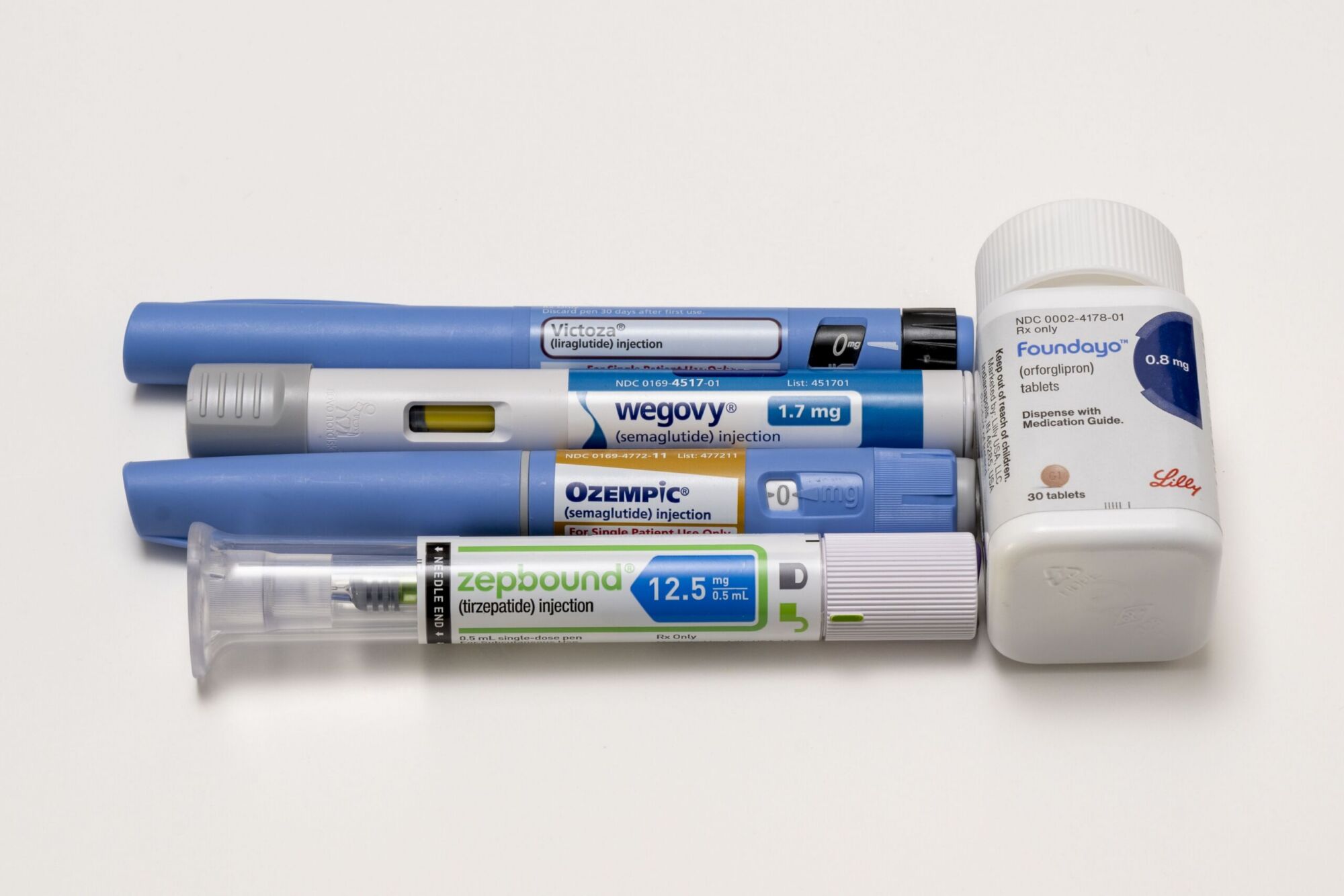
For example, GLP-1 medication — normally prescribed to help manage diabetes or lose weight — has gotten a lot of chatter online as a means of helping reduce alcohol cravings.
Santos recommended a few questions you can ask your physician when talking about medication to address alcohol use:
- “Is this something that is FDA-approved?”
- “Is this something clinically indicated?”
- “Am I a good fit for this approach?”
“And your provider can tell you where research is on that specific approach and whether it’s still in the experimental stage,” he said.
Researchers around the world continue studying new ways to limit alcohol cravings. Santos, for example, recently led a UCSF study that looked into whether a supplement derived from the plant kudzu could reduce the number of binge drinking days among people with alcohol use disorder. Participants randomly assigned to kudzu took the treatment 2.5 hours before they planned to engage in heavy drinking.
By the end of the three-month study, average binge-drinking days per week among the kudzu group had fallen from 2.15 days to 1.42.

“This is a clinical trial that found efficacy — or promising results — for kudzu,” Santos said. “But the kudzu herbal supplement that might be [currently] available might not be the same type of formulation that was tested in this trial.”
Studying a potential treatment to help manage drinking takes a long time, he said. But both he and Stanford’s Humphreys pointed out that folks already have available other tools that research has shown to be very effective — including joining peer support groups like Alcoholics Anonymous.
“Scientists have studied AA a lot — I’m one of them — and it does help an awful lot of people, and it doesn’t cost anything,” Humphreys said.
He added that you can also ask your loved ones for help — even if it feels embarrassing or shameful.
“It’s an extremely common experience,” Humphreys said. “Literally tens of millions of people have or have had some problem in their relationship with alcohol. And there are equally tens of millions of people who have resolved those problems.”
“So if you are struggling, it is absolutely rational to have hope that your life can get significantly better,” he said.