After 15 Years, Judge Clears Way to Reopen Case of Oakland Man Convicted of Murder

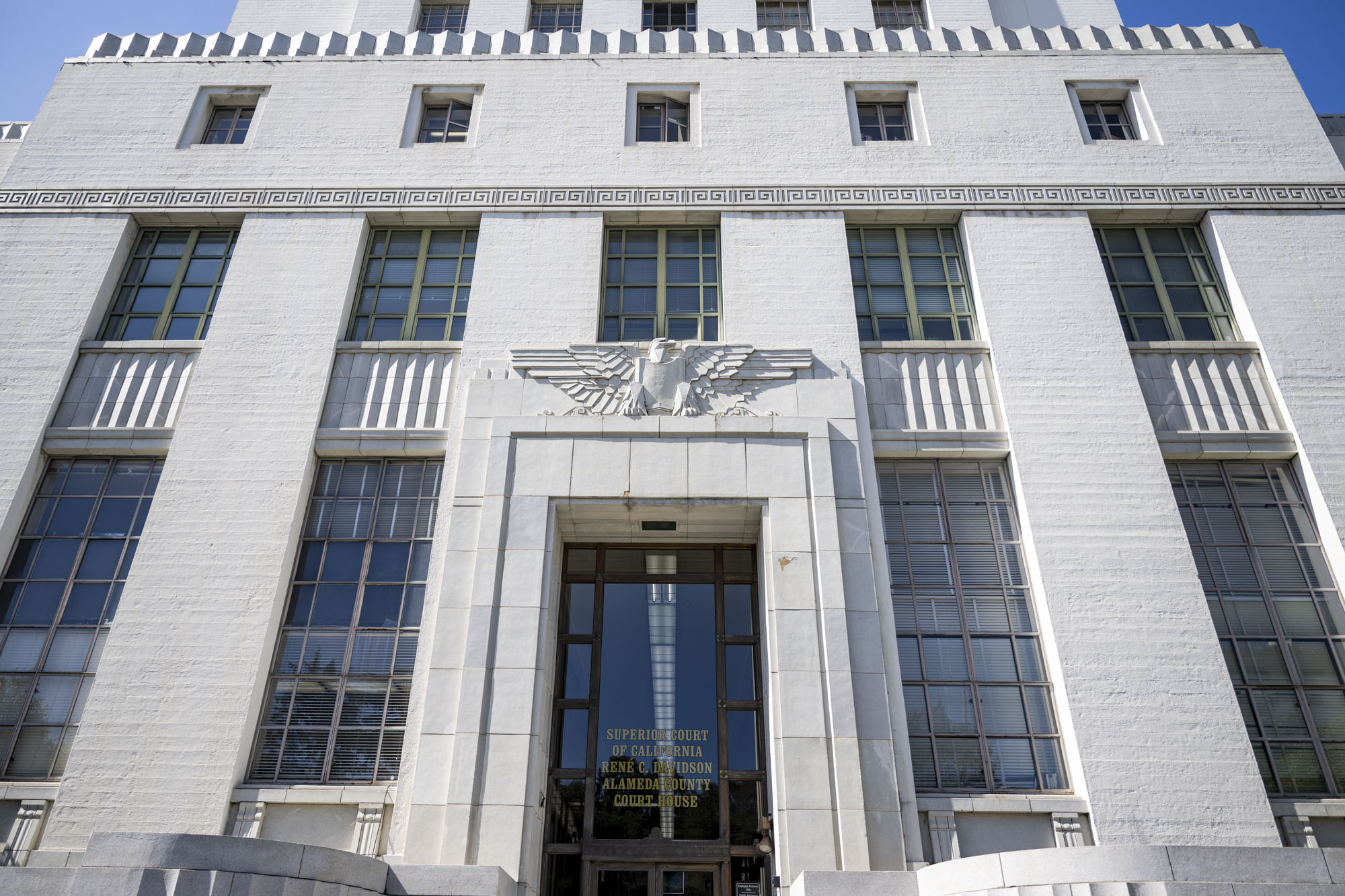
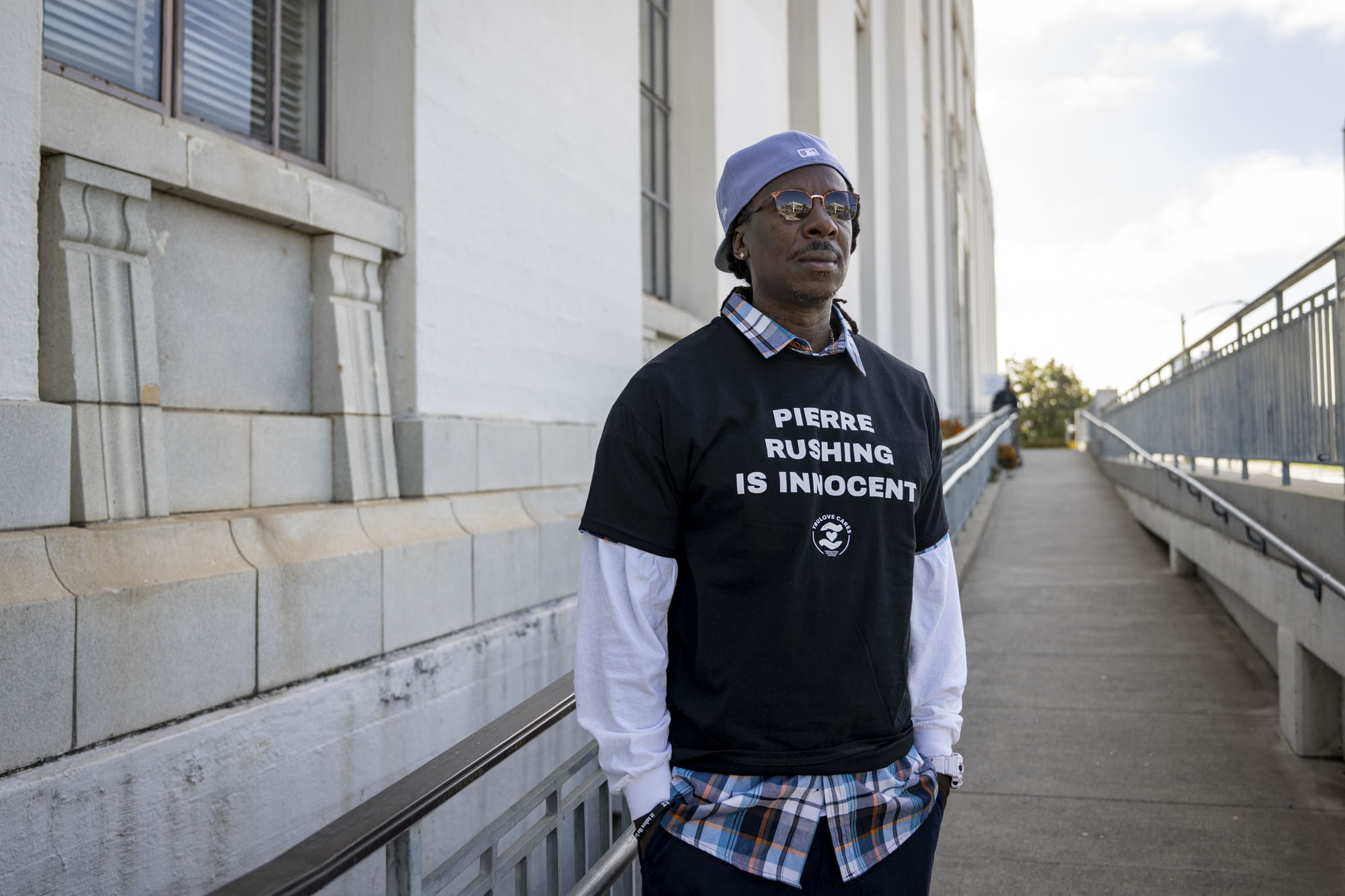
An Alameda County judge’s ruling on new evidence could lead to another trial for Pierre Rushing, an Oakland man convicted of murder over 15 years ago, his attorneys confirmed Tuesday.
In a ruling filed to the county’s Superior Court on Monday, Judge Michael T. Risher granted Rushing’s petition for a writ of habeas corpus — a court order to bring an imprisoned person before a judge so they may challenge their confinement. He said that new evidence would “more likely than not” have led at least one juror to hold a reasonable doubt about Rushing’s guilt.
Rushing, 37, has maintained his innocence since he was charged with Dawonye Taylor’s 2011 killing in Oakland. According to trial evidence, on April 15, 2011, four men were driving in Oakland when one of them, identified by the other men and in court documents as “C,” exited the car and began accusing Taylor of theft and started to beat him. According to one of the passengers, Robert Green, “C” then shot Taylor.
“The men then left him to die,” Risher wrote.
“C’s” identity became a point of contention throughout Rushing’s trial. Former Oakland Police Sgt. Steven Nowak testified at a hearing that Green told him Rushing was “C” — and saw him near a BART station shortly after Taylor’s murder. Oakland police officers testified in a hearing to reexamine evidence this past July that, before the 2011 trial, a witness said another man being investigated alongside Morris for a series of robberies, Charles Dunn, “was known as ‘C’.”
At the July evidentiary hearing, Green recanted his claims. He testified that Rushing wasn’t at the scene and wasn’t the shooter, KQED reported at the time.
Risher wrote in his ruling on Monday that he didn’t find Green’s recantation “particularly credible,” saying Green is “willing to say whatever he thinks will help him get out of a bad situation” and had felt pressure from both sides, especially from Rushing’s family.
However, Risher said, the issue wasn’t whether he believed Green. It was whether a juror who heard his testimony in 2011 would have doubted Rushing’s culpability. Green’s testimony “at one hearing or the other was clearly false,” Risher wrote, “and knowing that a witness is willing to commit perjury is a clear reason to doubt his veracity.”
Rushing’s petition also focused on newly disclosed DNA evidence, taken from the vehicle the men were riding in when Taylor was murdered.
At least four unique matches were found on cigarette butts and the door handle — none of which belonged to Rushing. Risher acknowledged that “a juror may have found it significant” that none of the recovered DNA presented a match with the convicted.
Rushing’s petition also cited Brady v. Maryland, a Supreme Court ruling that prosecution violates a defendant’s constitutional right to due process under the 14th Amendment if it withholds favorable evidence to the accused — because prosecutors did not disclose information on the investigation of Morris and Dunn during Rushing’s trial.
But Risher dismissed this claim, striking down the allegation that the reports qualified as new and credible evidence that “more likely than not would have changed the outcome of the case.” He also ruled that Rushing failed to show a violation of Brady and dismissed the witness testimony of Dunn being “C” as hearsay — adding that “Rushing has failed to show that any effect it would have had on a listener or reader is relevant.”
Risher pointed to other weaknesses in the original case, like Green’s inconsistent descriptions of Rushing and Green’s seven prior felony convictions. He acknowledged the $500 crime-stoppers reward Green received from Oakland police after the trial. The jury was never told about the reward.
He also agreed with a 2013 appeals court ruling that the jury should never have heard testimony of Rushing shooting a man in San Francisco in 2009, over a debt of $16 or $40.
A new trial and new evidence do not guarantee Rushing’s release. Risher’s order is on hold for 30 days, so prosecutors can decide to either appeal Risher’s ruling or ask for a further delay. After that, they have 60 days to retry Rushing, unless he waives his right to a speedy trial.
The district attorney’s office did not respond to a request for comment on the ruling.