Miranda’s Rescue Whistleblower Prepares to Sue Humboldt County
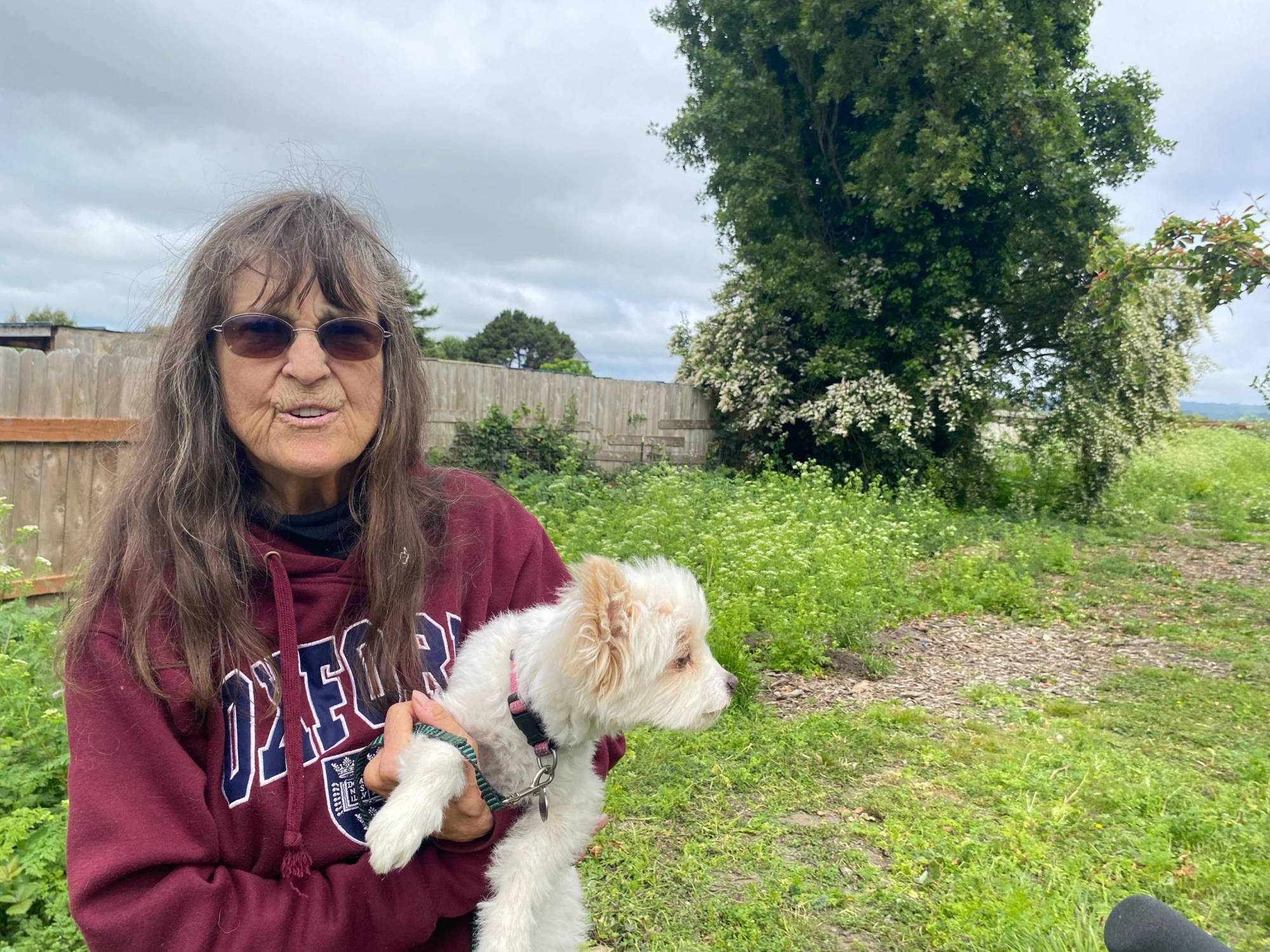
A whistleblower who alerted authorities that dogs, including many from Bay Area shelters, had been shot at a “no-kill” animal rescue in Fortuna said she is planning to sue Humboldt County — alleging that it failed to enforce building codes.
Jennifer Raymond owns the property next door to Miranda’s Rescue, the 50-acre sanctuary at the heart of a wide-ranging criminal investigation into allegations of animal cruelty and fraud.
Federal, state and local authorities uncovered the remains of more than a hundred dogs at the site in June, many with bullet holes and fragments in them. The investigation was sparked after Raymond and another whistleblower went onto the rescue property at night, dug up the bodies of eight freshly buried dogs and turned them over to the sheriff.
Criminal charges have still not been filed against rescue owner Shannon Miranda. In a recent update, Humboldt County Sheriff William Honsal asked for the public’s patience.
“This investigation is not over,” Honsal wrote on Facebook. “Our work continues, and our commitment to getting it right remains unwavering.”
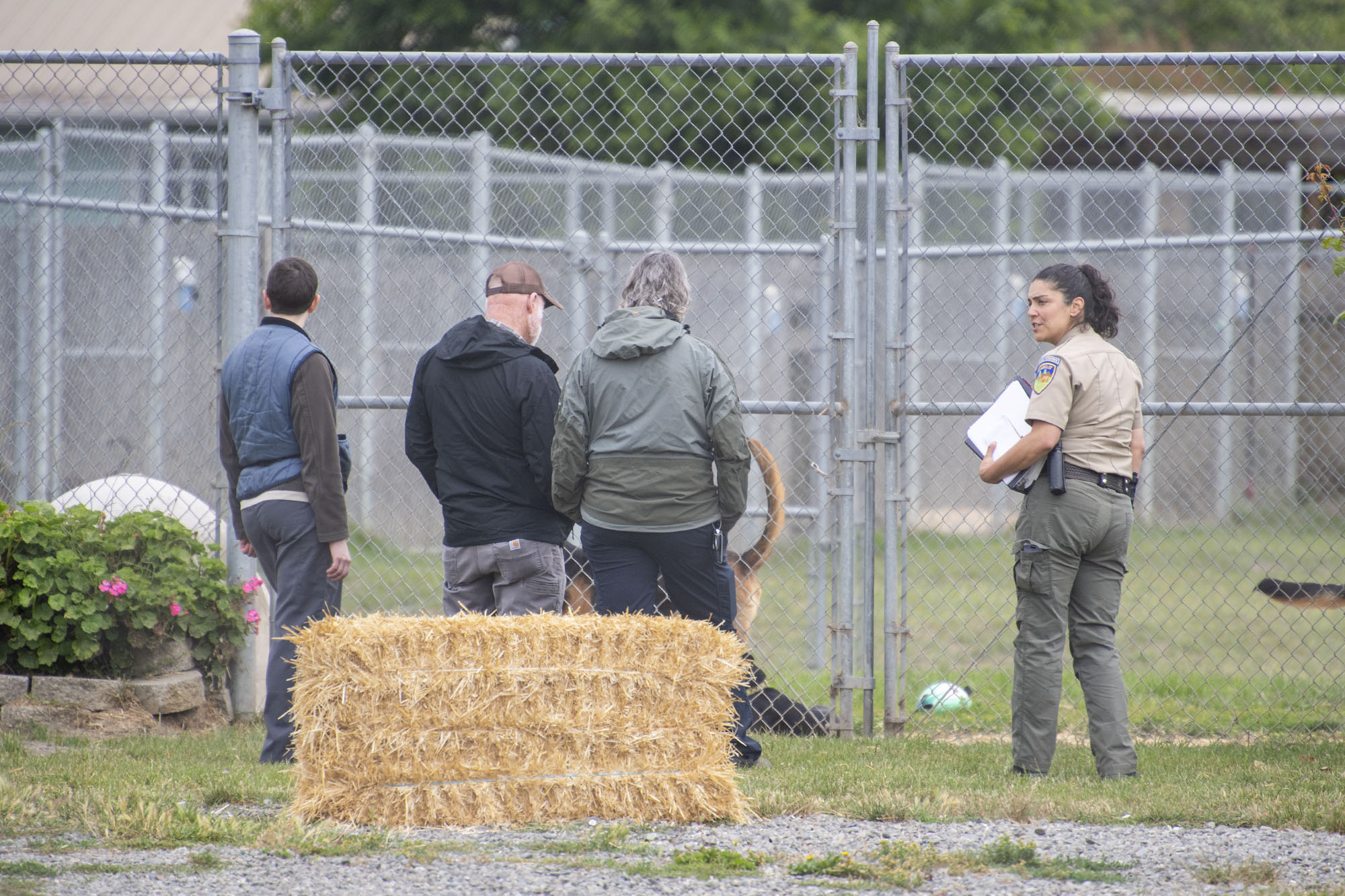
Miranda has denied any wrongdoing and said that he only ever euthanized animals who were a danger to people or sick.
The site has also faced scrutiny over its compliance — or lack of compliance — with floodwater zone requirements and wastewater treatment. In October, the county suspended Miranda’s 23-year-old conditional use permit. He has about a year to come into compliance, according to county officials.
The permit remains in limbo, along with the many animals, including about 30 dogs, still at the rescue. No new animals can come in, but also, no one can adopt them out.
“ He [Miranda] will stay closed as long as he is suspended,” Humboldt County Planning and Building Director John Ford told KQED. To reopen, the facility will have to address three outstanding issues: installing a driveway apron, “raising or removing” the cat building that is currently in the floodplain, and creating a wastewater treatment plan.
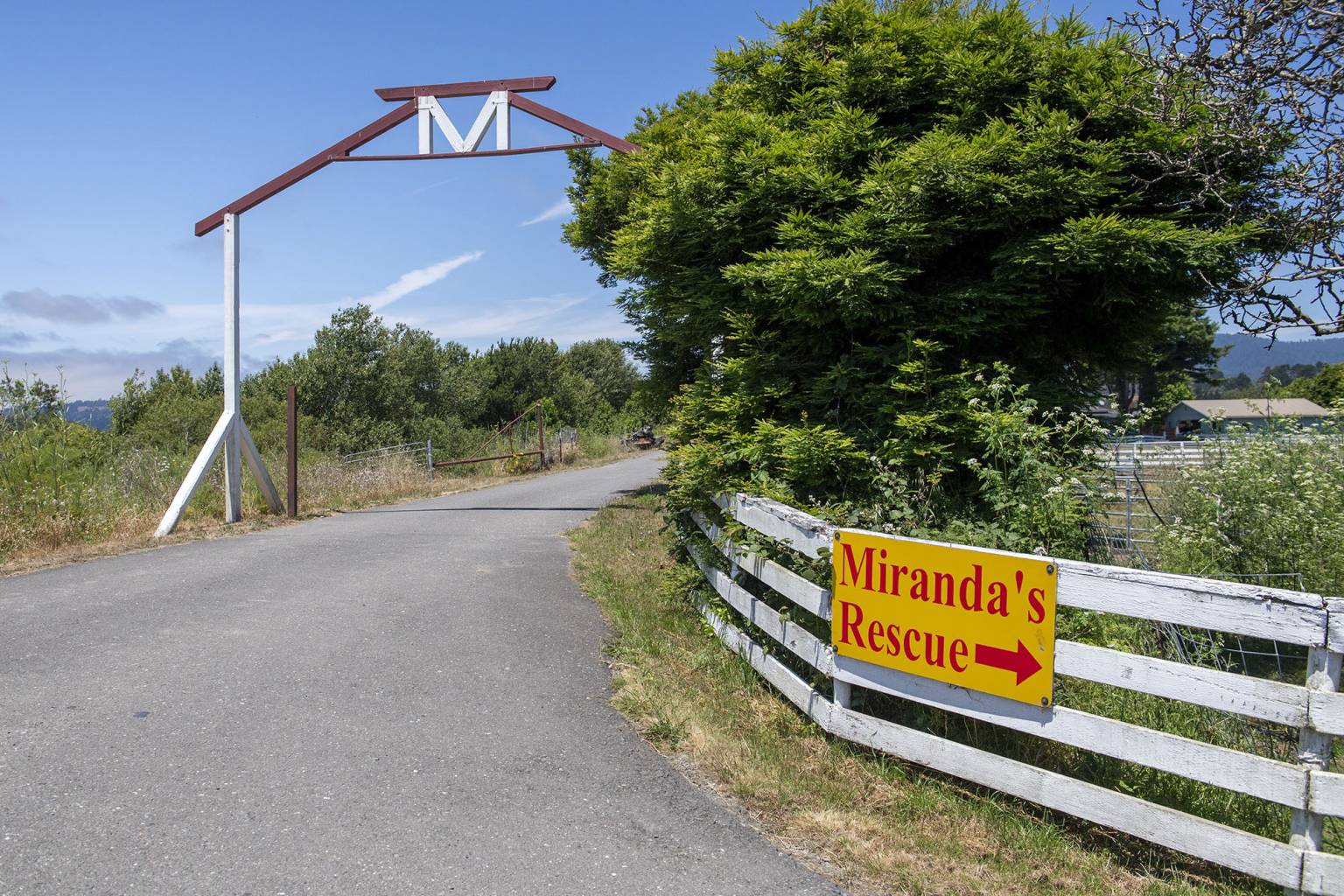
“Our objective is purely to bring the site into compliance,” Ford said.
Miranda’s attorney Allison Jackson did not respond to a request for comment.
Raymond said the current facility diverges significantly from its original plans, approved back in 2003, which included an indoor structure for the dogs. Known as the “canine castle” in fundraising documents, this structure was never built. Raymond said, based on her understanding of local codes, the county should have required Miranda to apply for a new conditional use permit.
“I am going to sue them for not requiring that,” Raymond said. “There have been so many major modifications of this use permit.” She is interviewing attorneys to take the case.
Ford said that the structure, although approved, was not a condition of approval. So the fact that it has not been built does not affect the permit. Additionally, he said, because the kennels are not technically structures, they do not need to be raised above the 100 feet required by the local floodwater ordinance.
“In the event of a flood, 60 or more dogs could be locked in their chain link kennels as the water rises,” Raymond said.
Ford said he has spoken to Miranda and “ they do have a plan, that if that site were to ever flood, that they would be removing and relocating the animals.”
Raymond previously filed a legal complaint with the Attorney General asking the state to come in and remove the animals. So far, she said, she has gotten no response.
Zoë Ferrigno contributed to this story.