Bay Area Public Bank Proponents and Opponents Won on Election Night. Here’s What Comes Next
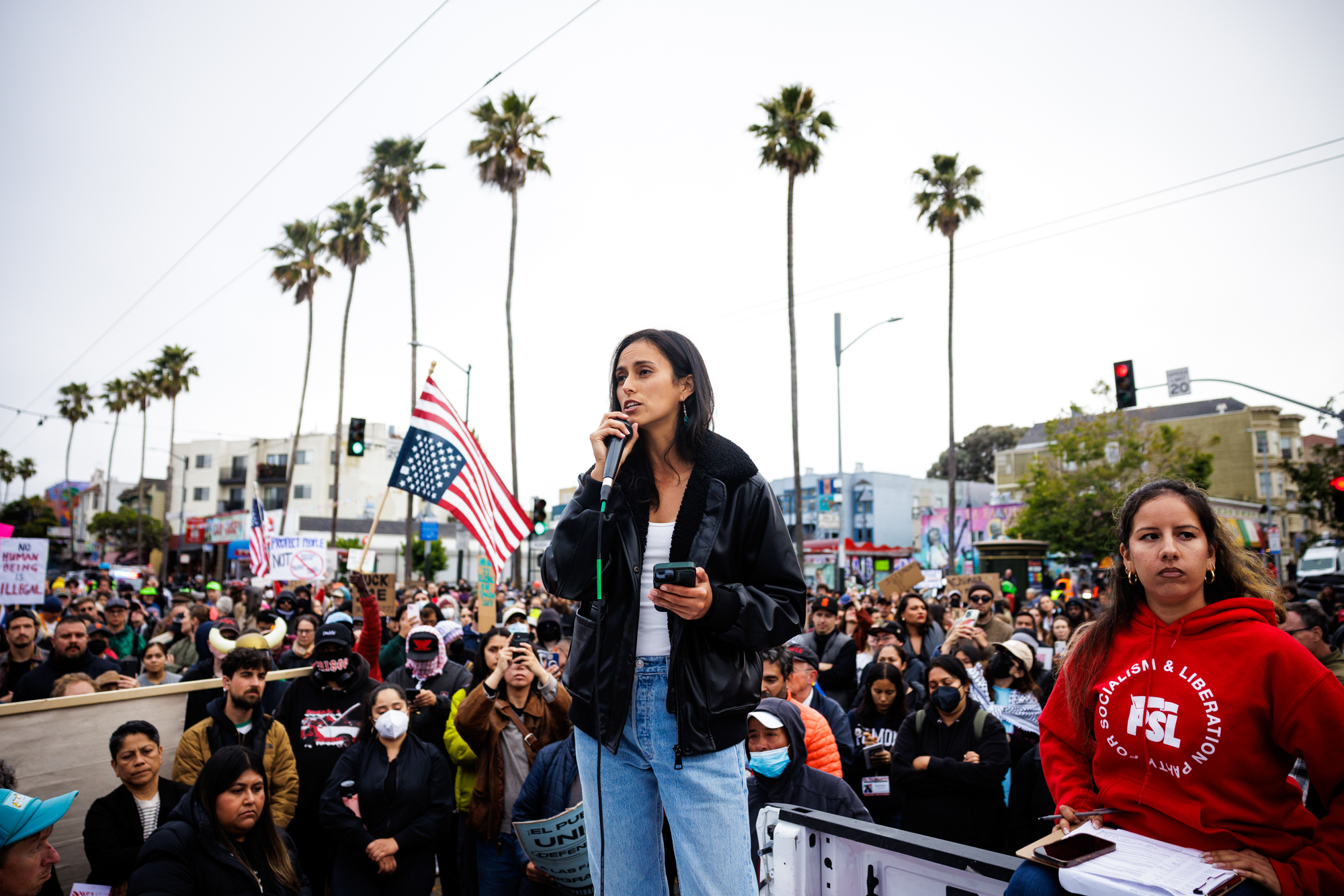
This November, San Francisco became the first U.S. city to pass a local public bank measure, putting the Bay Area at the center of nationwide interest and efforts to democratize finance.
“We’re elated,” said Misha Steier, spokesperson for the San Francisco Public Bank Coalition, which has been researching and advocating for a public bank for nearly a decade.
The idea behind the measure, Proposition B, is to take money from private banks and put it back into the public’s hands, specifically to fund affordable housing, climate infrastructure and small businesses. Rather than depositing taxpayer dollars into commercial banks, city revenue would go to a publicly run bank that could issue loans at reduced costs for projects benefiting residents and the local economy.
“A lot of other cities in the U.S. will be looking at San Francisco and seeing how things work out with the idea, and maybe they could do something similar,” said Prasad Krishnamurthy, who teaches financial regulation at UC Berkeley Law. “This issue of municipal investment and how we grow our cities in a sustainable way is not going to go away.”
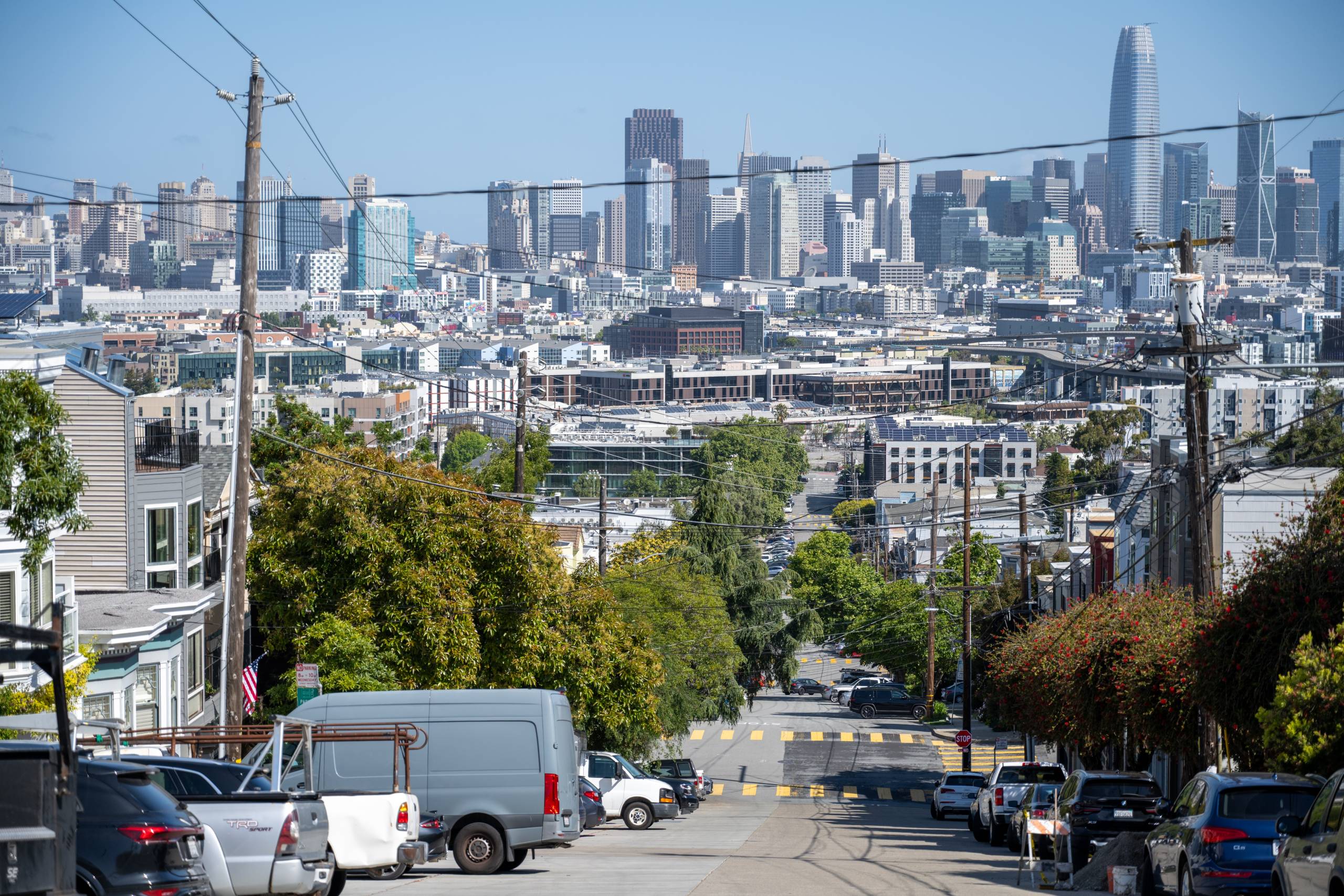
But while the November ballot measure in San Francisco sailed to victory, just across the bay in Berkeley, 55% of voters said “no” to a plan to fund a public bank for the East Bay.
“Public banking is still a new idea,” said Debbie Notkin, a campaign committee member for Keep Berkeley Money Local and chair of Friends of Public Bank East Bay. “We conducted an extremely successful public education campaign, which didn’t translate into a parcel tax success.”
Berkeley’s measure was substantially different from San Francisco’s, though both supported the creation of a public bank. Berkeley’s proposal, Measure Z, aimed to create a parcel tax to fund a public bank.
Supporters said the idea would allow the city and broader East Bay region to park public funds in a local institution, rather than in big banks that have a history of discrimination or today fund controversial projects like data centers and big oil.
But critics argued the proposed tax on only Berkeley property owners would have put the city on the hook to cover an outsized portion of the costs for a bank that would issue loans for projects across the region. (The city of Richmond, whose newly elected mayor Claudia Jimenez has supported East Bay public banking, also committed support with the idea that residents there could benefit from the public bank also.)
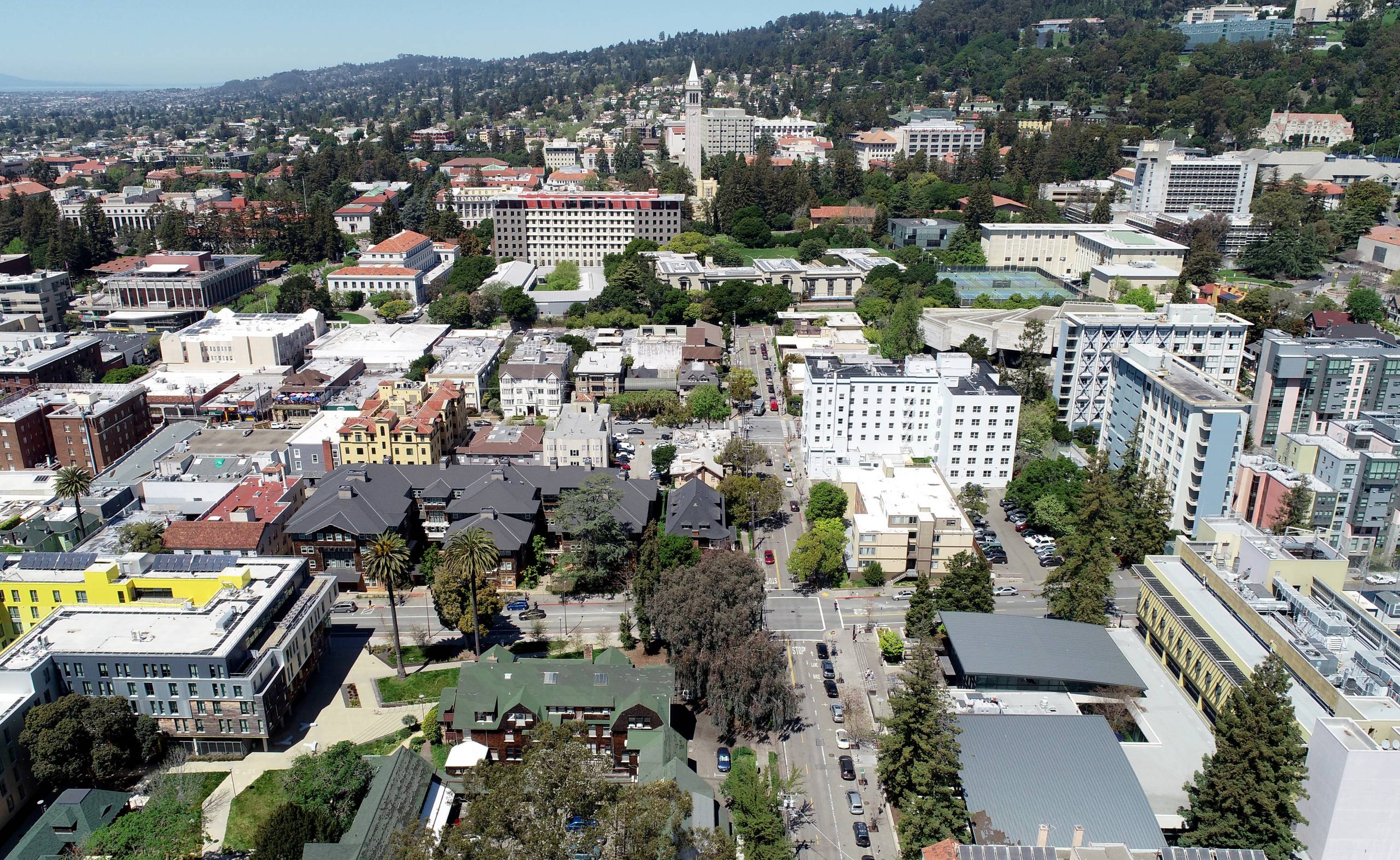
Ultimately, Measure Z supporters said they couldn’t break past their opposition’s narrative.
“The measure read to some potential voters as an unfair burden on Berkeley, which we disagree with, but we can certainly understand how it could be read that way,” Notkin said.
After their defeat at the ballot box, Measure Z organizers are watching San Francisco as the city moves forward with creating a public bank. Advocates are hoping that the groundwork and public education from the last election cycle will bend in their favor over the long term, as efforts in the East Bay regroup and move forward.
“It’s not over,” Notkin said. “We’re thinking about philanthropy. We are not ruling out future ballot measures, although we need to get some sleep and recover before we take that seriously.”
Now, following electoral wins and losses for public bank campaigns across the region, proponents are setting their sights on what comes next.
“My big focus is just keeping people engaged around this issue because it’s a long-term project. It’s something that San Francisco has taken a real diligent and rigorous approach to,” Steier said. “We understand the responsibility, not only to the people of San Francisco, but to cities around the country who could use the same benefits we’re trying to unlock with our public bank. It’s really important we get it right.”
Proposition B allows the city to set up a governance structure that can later support a public bank. But it will be several years before the institution is able to begin issuing loans. To get there, organizers have a long road ahead. That starts with applying for a bank charter from the California Department of Financial Protection and Innovation, as well as FDIC deposit insurance.
“Prop B is an important first step in establishing our public bank,” Supervisor Chyanne Chen said in a statement. “I’m especially excited because with Democrats in control of the House and Senate, there may be new avenues available to fund the bank, so that we can get to work financing the things we need.”
Perhaps the biggest task ahead is figuring out how to fund the bank. Philanthropy is one option, but Steier said the most “surefire” way to capitalize the public bank would be to find a local revenue source. Berkeley, however, saw the limits of the local tax approach this election cycle.
In San Francisco, the effort has been underway for years, from a city working group to study the idea to the most recent ballot measure backed by the majority of the Board of Supervisors.
Proposition B’s success wasn’t immediate, however, and initial returns on election night suggested it might even fail. Skeptics point to how Proposition B didn’t actually fund a public bank, and to do so in the future is estimated to cost hundreds of millions in taxpayer dollars.
“The election results so far reflect a broader skepticism among San Franciscans about the proper role of government and whether City Hall should be in the business of running a bank,” Supervisor Alan Wong said in a statement on election night, as votes were still being counted.
“We can support greater economic opportunity and affordability without embracing costly, unproven solutions.”
Wong was one of two San Francisco supervisors to oppose Proposition B, which will set up a municipal finance corporation and governance structure for an eventual public bank.
But the supervisor spoke too soon. Days later, the campaign to create a public bank claimed victory and teed up what is expected to be a closely watched endeavor.
A recent report from the Climate and Community Institute, a progressive climate and economy think tank, found that San Francisco’s 2023 public bank plan could support building up to 6,000 units of affordable housing, 1,200 small business loans and returns of around $2.3 million to depositors and bondholders over a 10-year period.
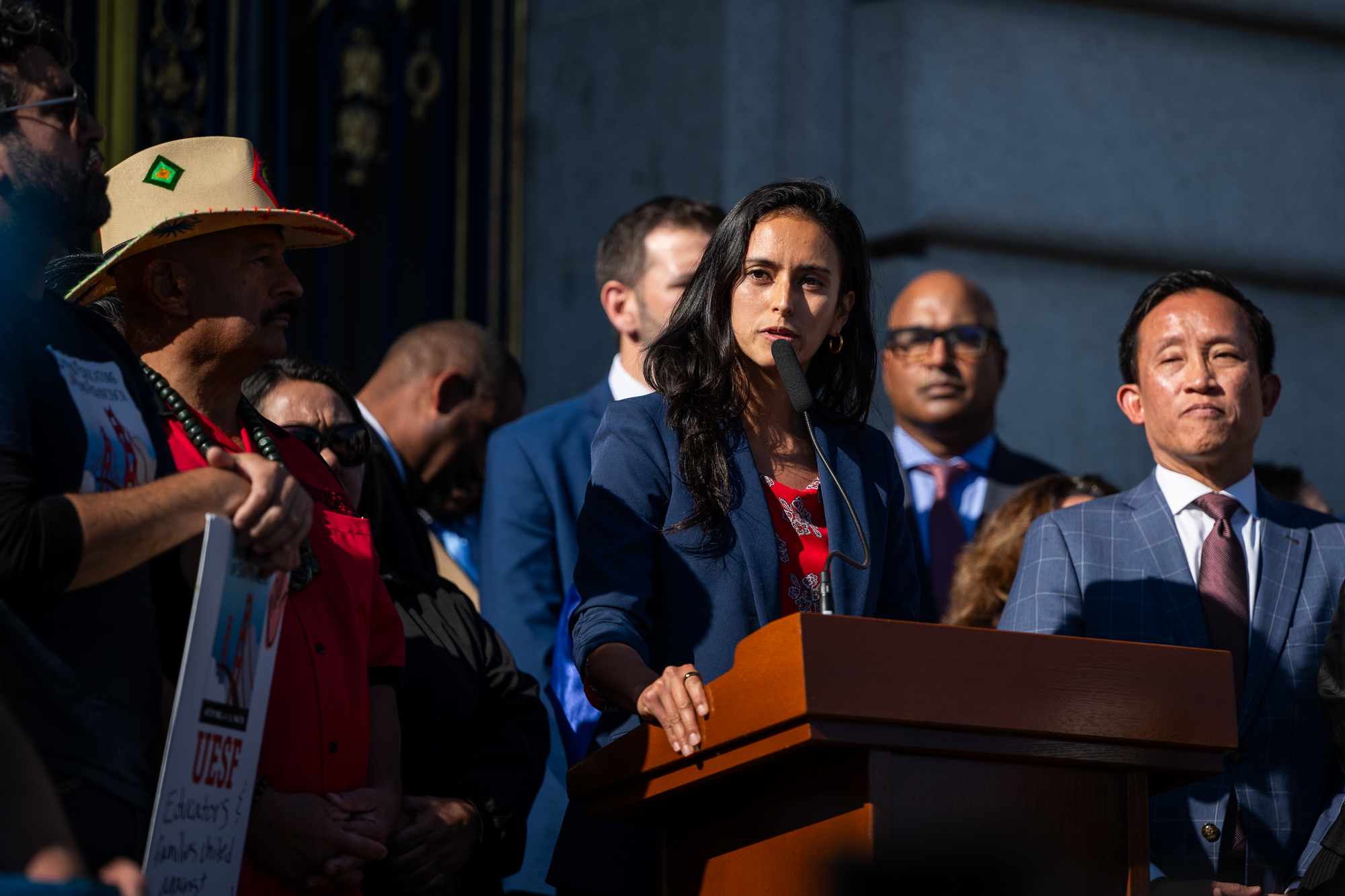
“As working San Franciscans struggle with the rising cost of living and the growing threat of climate crisis, we need public institutions that aspire to reimagine how we can invest in our communities and in solutions that address climate change,” Supervisor Jackie Fielder, an early proponent of San Francisco’s public bank initiative, said in a statement.
While San Francisco is now on track to launch the nation’s first city-run bank, public banking across the globe is not a new idea. Public banks exist across the globe, and in the U.S., North Dakota has operated a state-owned bank for more than 100 years. Supporters of the idea point to how the Bank of North Dakota generated $231 million in profits in 2025, and small businesses saw massive support during the COVID-19 pandemic through the institution.
Outside of North Dakota, many of the public banking movement’s most vocal supporters have come from the left. Before becoming mayor of New York City, Zohran Mamdani co-sponsored a bill in the New York State Assembly that would have allowed municipalities and local governments to create public banks. Democratic New York Rep. Alexandria Ocasio-Cortez and Michigan Democratic Rep. Rashida Tlaib also previously proposed a bill in Congress to make it easier for states to create public banks.
In San Francisco, Proposition B received support from both progressive and moderate Democratic leaders and political groups, including the San Francisco Democratic Party, The San Francisco Labor Council, Democratic Socialists of America San Francisco and the majority of the Board of Supervisors.
“I don’t consider public banking a deeply progressive or socialist idea,” Notkin said. “I think public banking has really broad support. The money we pay in taxes should be spent on the things we need, and the money we pay in taxes that is parked in the big banks is not spent on the things we need.”
Krishnamurthy, the law professor at UC Berkeley, supports the idea of a municipal finance corporation, allowing the city to lend money to areas that are underserved and supports increasing municipal investments.
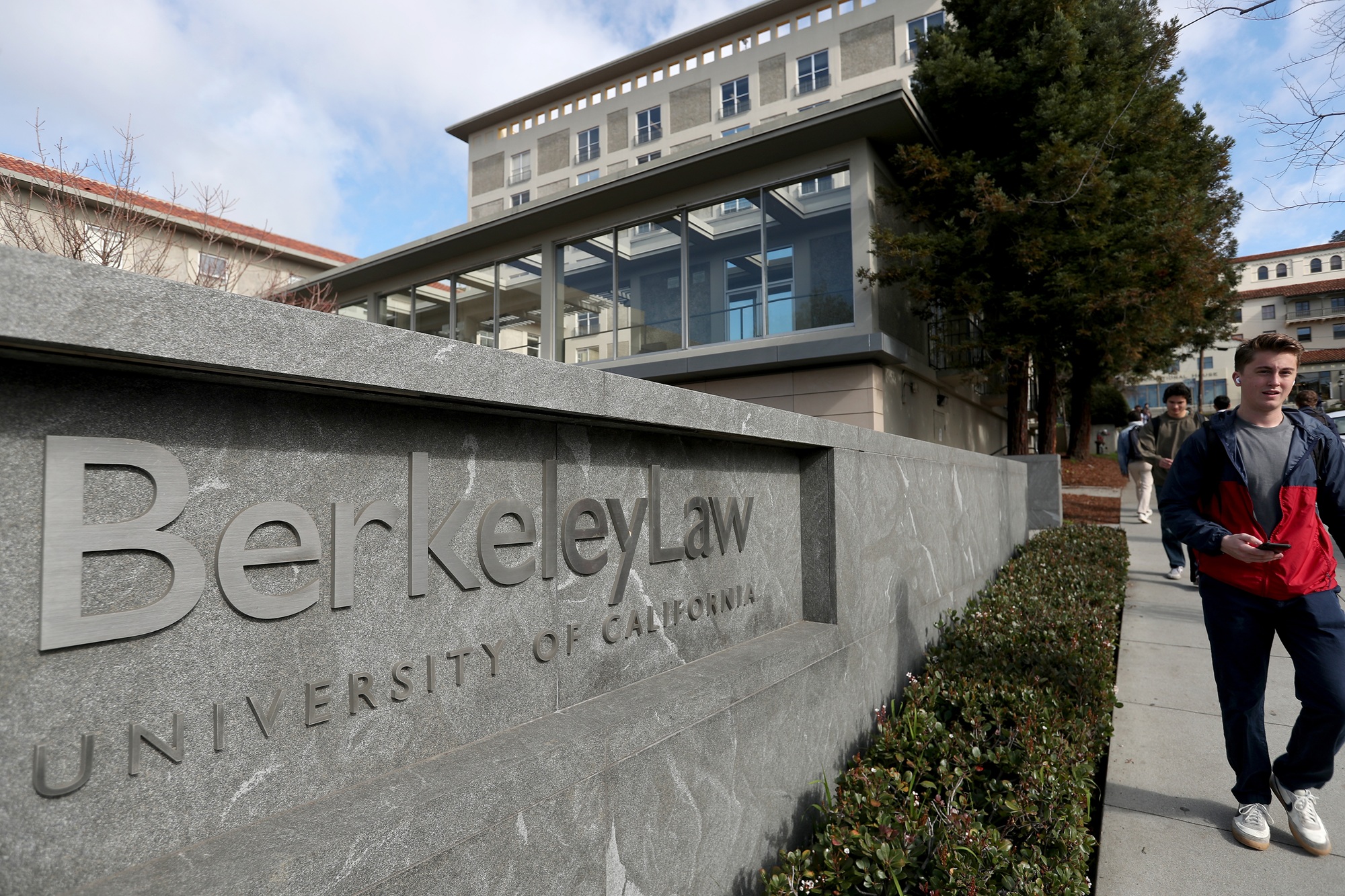
But he’s not convinced San Francisco needs a public bank to achieve those goals, and called the longer-term proposal for a city-run bank that will take deposits “very risky.”
“The North Dakota structure is a safe structure, but it’s dependent on it being a state economy, not a city,” Krishnamurthy said.
Critics like Wong, the San Francisco supervisor, say the city should focus on other priorities.
“Not every problem requires a sweeping new approach, particularly when we could be doing more to strengthen and improve the institutions and programs we already have,” Wong said. “We should judge our success by the problems we solve, not by the number of new institutions we create.”
Supporters across the Bay Area meanwhile plan to keep investigating what could work, and what will win over voters.
“Everywhere needs a public bank. But you have to start where you are,” Notkin said. “The people power behind us is going to figure this out.”