VTA Warns of Major Cost, Time Increases on South Bay BART Extension
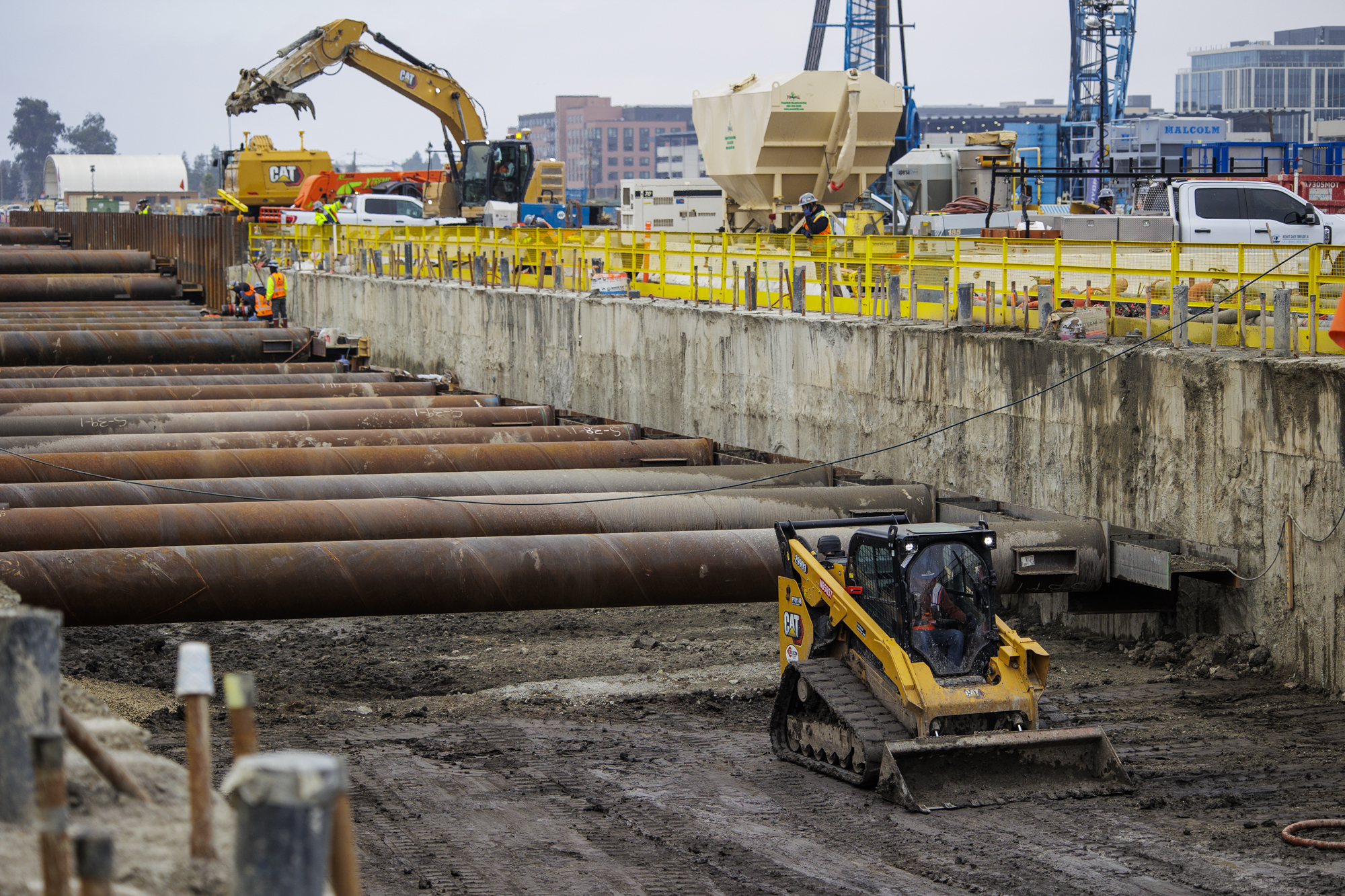
Officials in charge of the massive, much-balleyhooed and already long-delayed project to extend BART into downtown San José and Santa Clara are raising alarms that once again, costs are rising significantly, which could result in delays for some stations to come online.
“VTA is evaluating all options to advance the BART Silicon Valley Phase II project,” Carolyn Gonot, the general manager of the Santa Clara Valley Transportation Authority, said in a statement Thursday morning.
The agency is overseeing the planning and construction of the project until it is complete, when it would be turned over to BART to operate.
A wide array of factors are currently challenging the project, officials said this week, including significant increases in the cost of diesel gas driven by the U.S. war in Iran and its knock-on effects on the prices of other materials manufactured for heavy construction.
For more than two years, VTA has targeted 2037 as the year it hoped to begin running trains, but it’s not clear if that schedule will hold as project managers and elected officials begin work on crafting a new “adaptive plan” for how best to complete the project and how much it will cost.
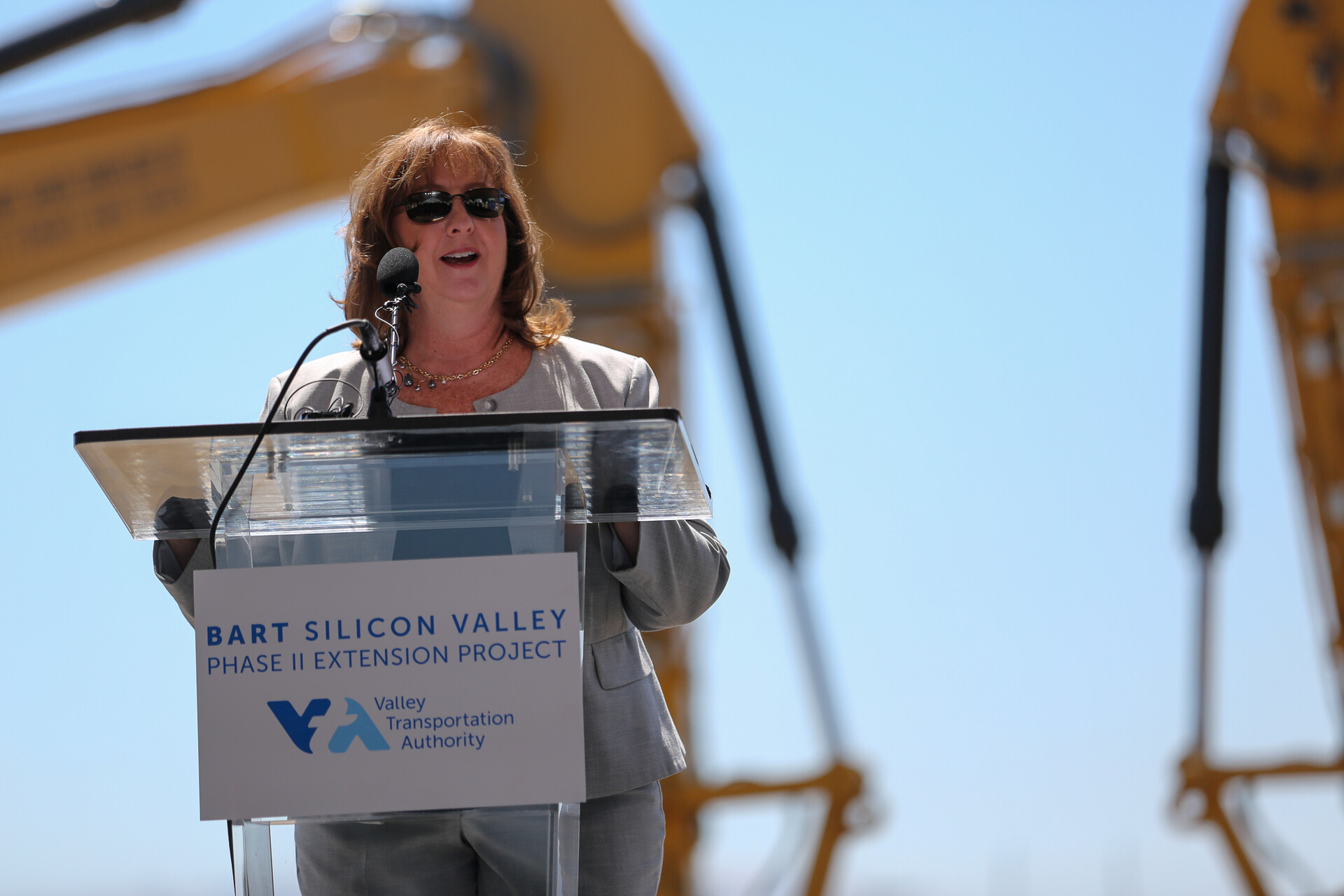
“Our focus is on identifying a responsible and financially viable strategy, including the potential for a phased approach to construction, that allows us to move the project forward while remaining firmly committed to completing the entire extension,” Gonot said. “We recognize the importance of this project to Santa Clara County and the broader Bay Area.”
The six-mile, four-station extension project, which has been broadly envisioned for decades and broke ground in 2024, was originally estimated by VTA in 2014 to cost about $4.7 billion and be completed at the end of this year. Cost estimates have inflated multiple times since then to the current figure of $12.7 billion.
VTA project managers are assembling an updated total cost estimate, along with new evaluations of the schedule and risk factors, and expect to present to the VTA’s oversight committee in late December.
“I think it’s going to be significantly more” than $12.7 billion, Tom Maguire, the agency’s executive leading the project, said in a call with news organizations this week.
Work on the new adaptive plan could continue at VTA well into 2027, Maguire said, and “all fiscally responsible options would be on the table.”
At an oversight committee meeting Thursday morning, Peter Rogoff, the former head of the Federal Transit Administration and a consultant for VTA on the project, said the Trump administration’s “frenetic and unpredictable” tariffs and trade policies have spiked costs and volatility for materials like steel and aluminum.
Large transportation projects across the country are facing similar pressures, including work in the Los Angeles, Seattle and Salt Lake City areas, where managers have announced schedule extensions and cost increases in recent months, Rogoff said.
“Sadly, whether it’s metals or concrete or electrical equipment or plumbing products, they are all trending in the wrong direction. And when it comes to the cost of labor, be it the salary and retention costs of everyone from laborers all the way up to architects and engineers, the situation is no different,” Rogoff said.
He said some projects, including a transit connector near Seattle, had to cut a station from its plans to save costs as part of their respective adaptive plans to meet budget constraints.
However Maguire, Gonot and other officials including San José Mayor Matt Mahan, who chairs the committee, appeared to back the idea of keeping all four stations in the VTA’s revised plans. If none of the planned stations are cut altogether, it is still unclear which ones might rank lower on a future priority list.
“I still believe that we should be committed to the full vision of the project,” Mahan said at the meeting. “But cost escalation is such that it does feel to me pretty clear at this point that we’re not going to be able to deliver the whole thing in one fell swoop.”
He said the promises that have been made to residents in the decades of planning for transit expansion should be kept top of mind and communities must be given a chance to weigh in on any project changes.

“There are a lot of stakeholders out there from Eastside San José to Santa Clara and everybody in between who has a stake in this project and has been following it, voted for it, voted to tax themselves,” Mahan said.
Existing BART lines currently terminate at the Berryessa/North San José Station, which opened in 2020, along with the Milpitas station, in the first extension into Santa Clara County for the long-running train service.
The new service extension would tie into Berryessa, and new stations are planned for 28th Street/Little Portugal near East San José, Downtown San José at First Street, Diridon Station near the SAP Center and the current Santa Clara Caltrain station.
The project has been designed around a planned five-mile, 53-foot diameter single bore tunnel, which will be dug by a $76 million tunnel boring machine that was assembled in Germany, and stands as one of the largest in the world.
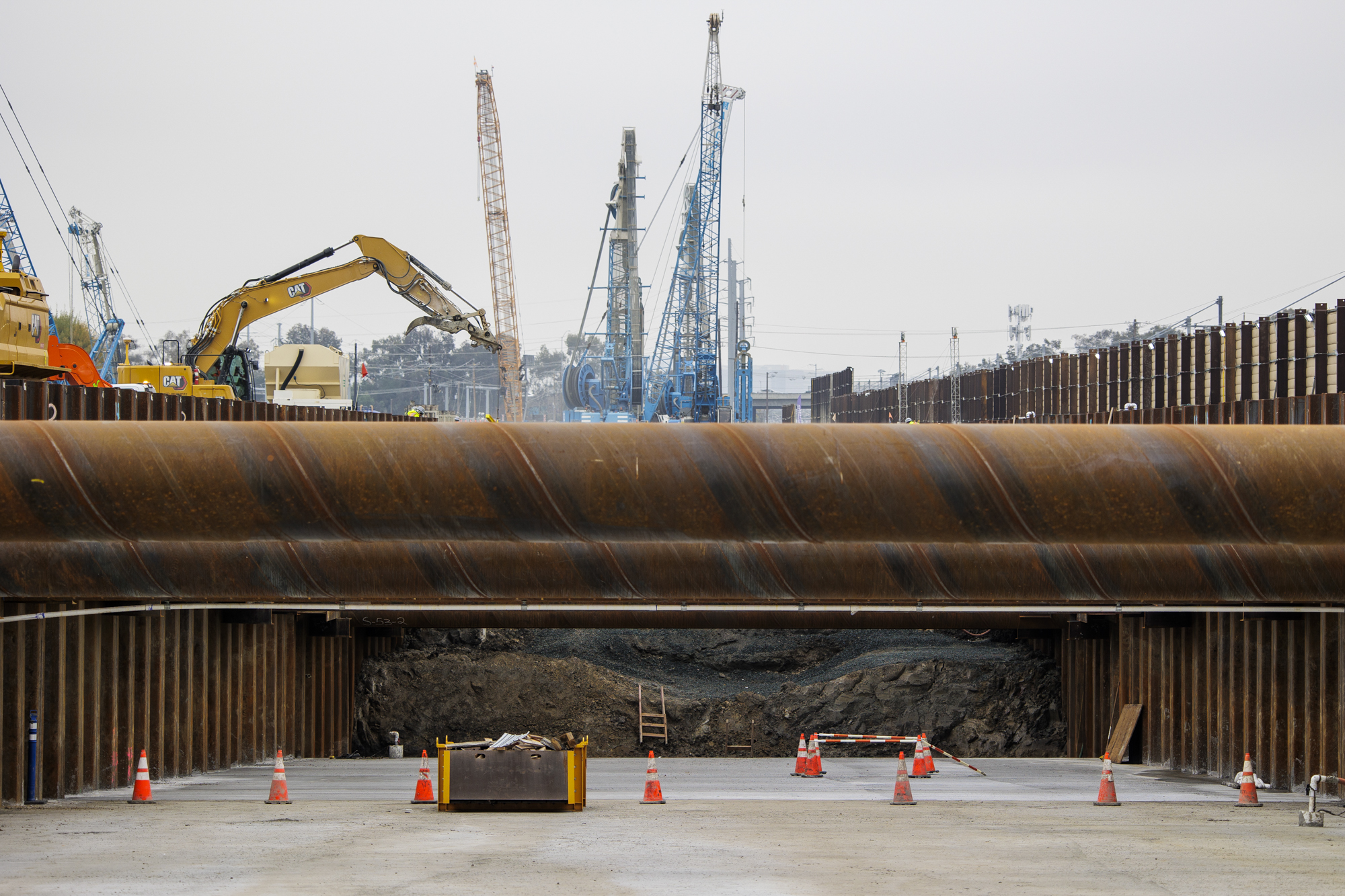
Significant construction work is still actively progressing at what’s known as the West Portal site on the border of San José and Santa Clara, where crews are finishing a massive hole in the ground where the digging machine will eventually be launched.
Tunneling work, which had been expected to begin by the end of this year, is tentatively being pushed out to early 2028, Maguire told the committee on Thursday, though he’s hopeful faster tunneling timelines agreed to in a new pact with the agency’s main contractor will help make up some lost time.
Many questions and risks remain, however, including whether and how the VTA will secure enough funding for the project, which is supported by eight funding sources, including local and regional tax measures, and federal and state funds.
While $12.7 billion was the most recent estimate, the VTA had secured roughly $12 billion, including a $5.1 billion pledge from the federal government. But the VTA was unable to close the lingering gap, despite a series of cost-cutting steps.
Without a balanced budget, the agency cannot apply to receive the federal funds, which Maguire suggested might not happen for at least two more years. Part of the new evaluation in December and the coming months of next year will include a look at what can be built without the federal money, if it were to be delayed or lost altogether, he said.
Mahan said the agency must figure out a way to get a handle on the costs when it puts out a new baseline expected cost, to preserve residents’ faith in the project.
“We can’t keep having the number grow at a dramatically faster rate than we estimate. I understand you can’t predict the Iran War, but what else can we be doing so that as you re-baseline, we’re not in a position a year or two later to have a whole new number?” Mahan asked. “Because it really erodes public trust and puts us in a very difficult position.”