Bay Area Arab Film Festival Celebrates 3 Decades of Diasporic Cinema
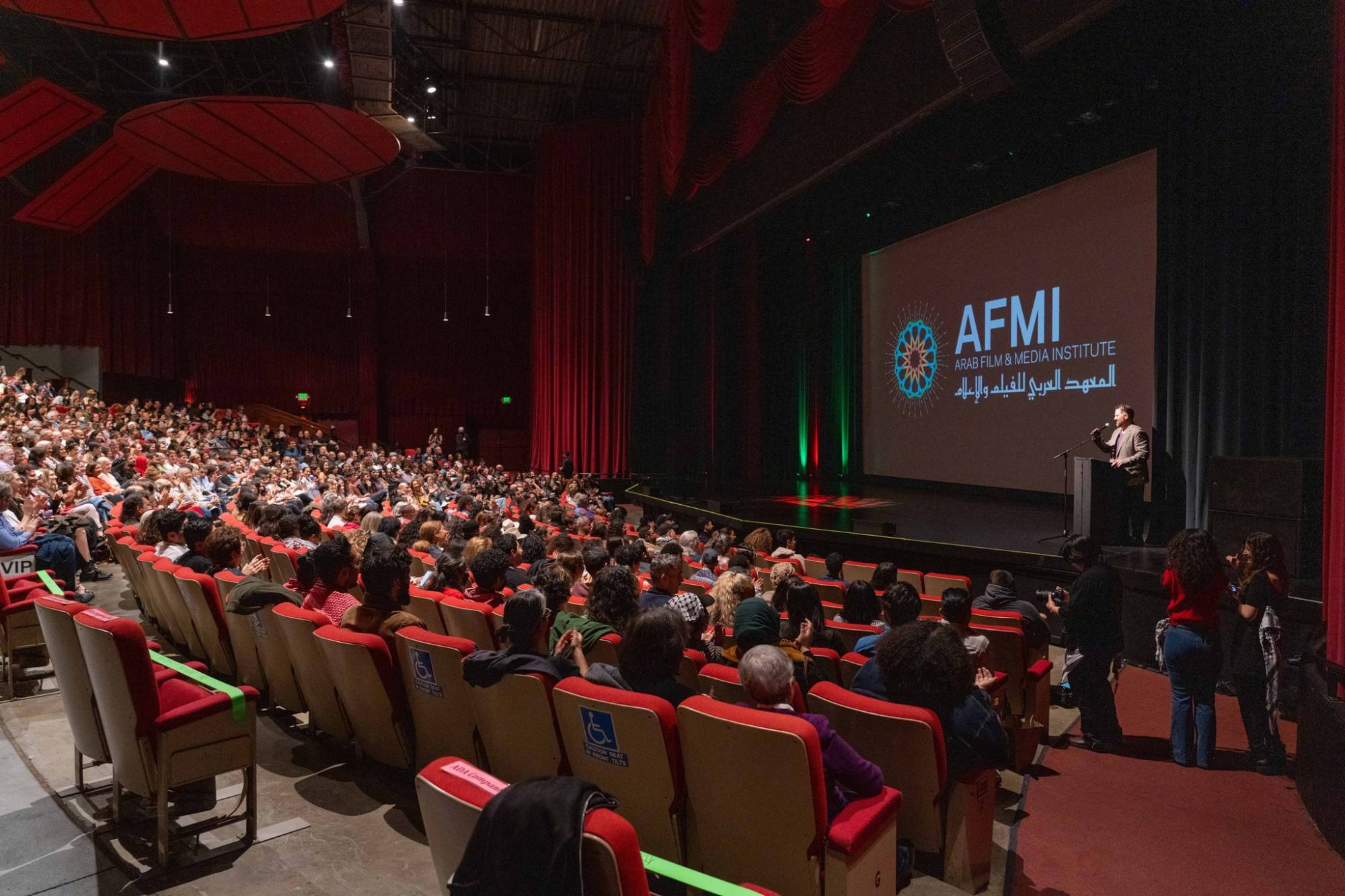
The 30th Bay Area Arab American Film Festival, the first and largest annual event for Arab cinema in the country, opened Thursday at the AMC Kabuki in San Francisco.
The show began with an award presentation to Egyptian film producer Mohamed Hefzy, naming him the inaugural recipient of the AFMI Luminary Award for Cultural Impact.
His film, El Sett, directed by Marwan Hamed, is a biopic about the legendary Umm Kulthum — one of the most prolific singers in the history of Arabic and Egyptian music. Kulthum, also dubbed “The Voice of Egypt,” was ranked number 61 on The Rolling Stones’ Greatest Singers of All Time list.
The film’s subject, in a way, mirrored the journey the festival’s founders took — from modest beginnings to iconic.
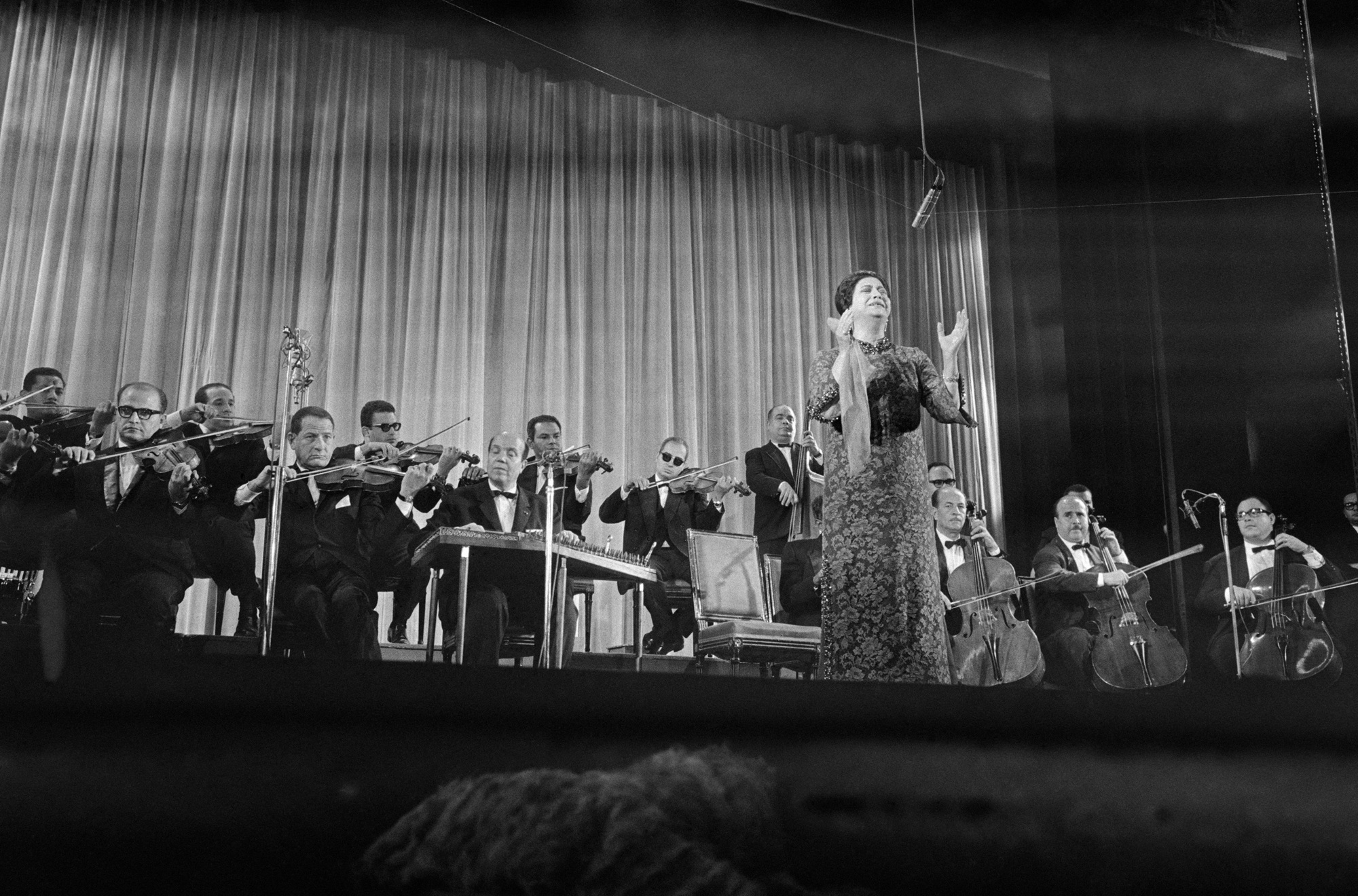
Kulthum was born in the Egyptian village of Tamay al-Zahayra in 1904, and started her career singing religious hymns in the countryside, dressed by her father as a boy – the only way she could perform in public.
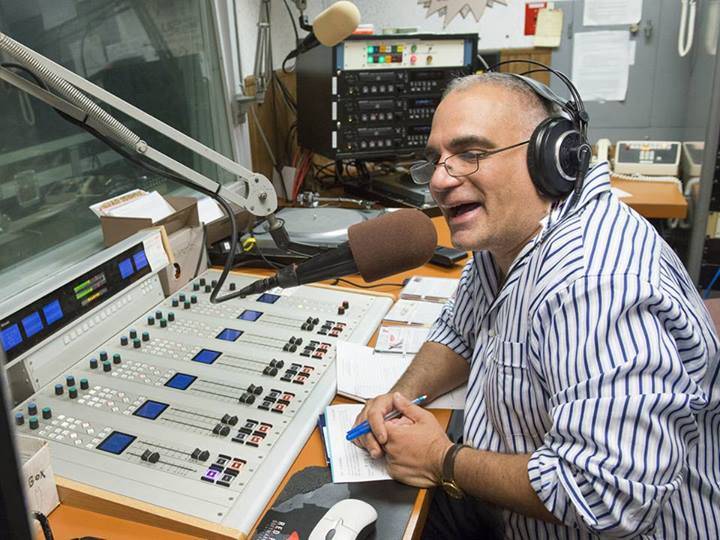
According to the event’s executive director, Serge Bakalian, the festival had similarly humble beginnings. It was launched in 1996 by a group of Arab women in the Bay Area, he said, who didn’t see themselves, their stories, or their families represented on the screen.
“They were knocking on doors and raising money, trying to find venues to screen films,” Bakalian said of the group of grassroots organizers.
Their efforts proved to accomplish just that. Films spanning multiple genres will be screened at the AMC Kabuki, the Roxy, and the Castro in San Francisco. Bakalian said that this year’s offerings will also include the debut film by French-Algerian filmmaker Amine Adjina, Spices and Lies, a rom-com to be screened outdoors at the Proxy in Hayes Valley.
The festival’s diverse film offerings speak to the wider Arab world, Bakalian said, adding that it historically espoused “positivity” as a guiding principle, but has since shifted its focus to something more important — “authenticity.”
“I understand the community that’s constantly marginalized and constantly vilified,” he said. “I understand why it’s important to get protective and to only show things in a positive light.”
Many of the governments and cultures that these films originate from are hostile to certain subjects, Bakalian explained. “Certain Arab countries like the Emirates are committing horrific crimes [like] in the Sudan… We cannot only show positive depictions of our world.”
“Showing yourself as flawed and contradictory and self-critical, critical of your own societies and your own governments is important,” Bakalian added. “It’s what makes us more human.”
The event features work by filmmakers from across the Middle Eastern and North African diasporas including Sudan, Jordan, Morocco, Jordan, Qatar, Kuwait, and Palestine.
The festival runs through Nov. 14 and will conclude with Lebanese filmmaker Danielle Arbid’s Only Rebels Win at Oakland’s Parkway Theater.