Lurie-Backed Propositions Appear Headed to Victory in San Francisco
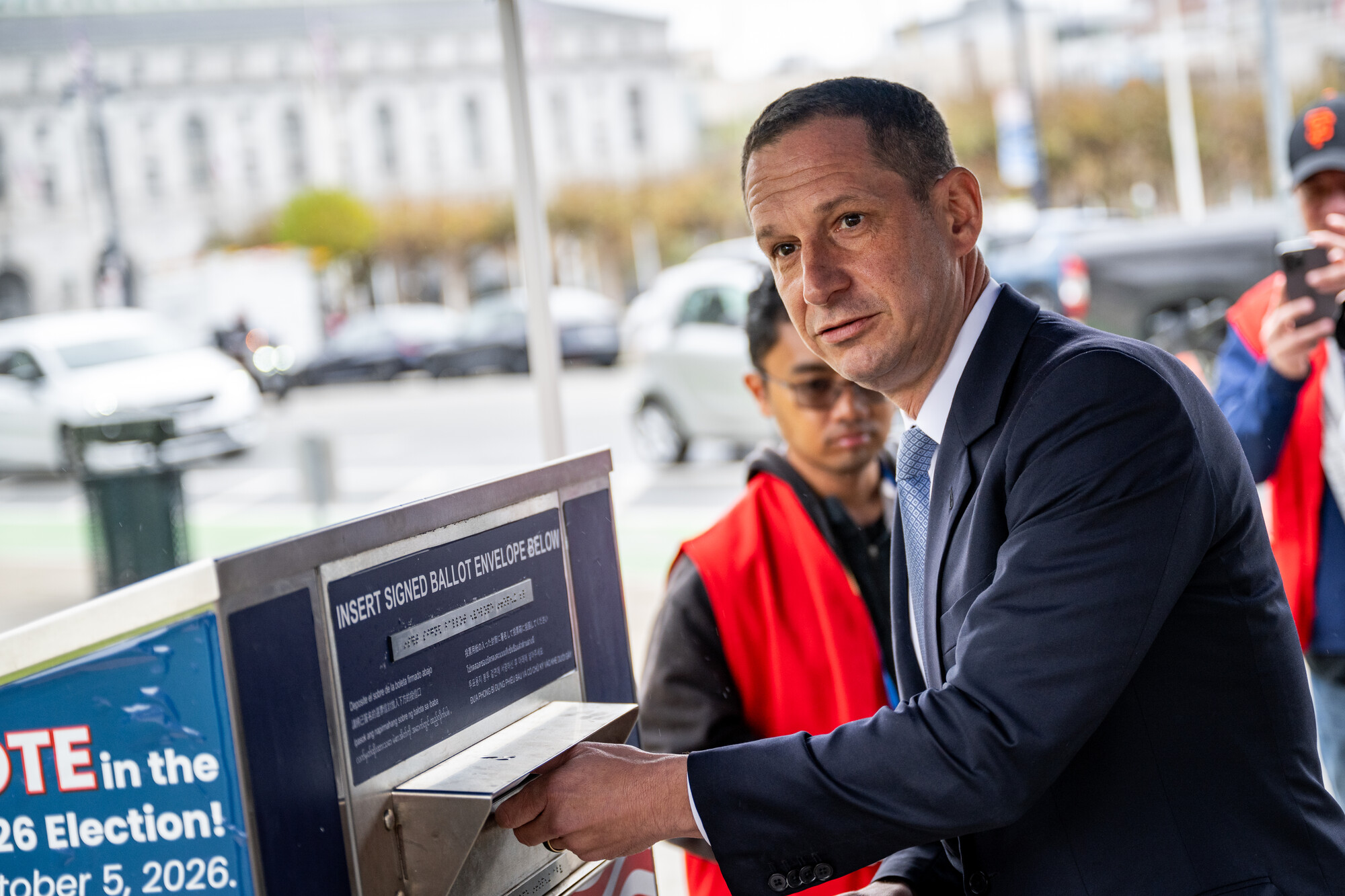
San Francisco voters weighed in Tuesday on a trio of propositions backed by San Francisco Mayor Daniel Lurie and two competitive races to serve on the Board of Supervisors.
Propositions D, E and F
Lurie’s slate of charter reform propositions to “clean up City Hall” appeared headed for victory Tuesday.
“It’s an exciting night for our city, it’s an exciting night for our state and it’s an exciting night for our country,” Lurie said Tuesday night during an election party at Anina, a bar in Hayes Valley.
Propositions D, E and F aim to streamline the city’s notoriously clunky and confusing governance system. The measures would add additional limits to how a measure is placed on city ballots, give the mayor more direct control over city government and streamline contracting processes.
They were backed by the majority of the Board of Supervisors, including President Rafael Mandelman, who introduced the propositions with the mayor. Most of the changes also align with recommendations nonprofit public policy organization SPUR made in a 2025 charter reform report, written by a number of former city officials.
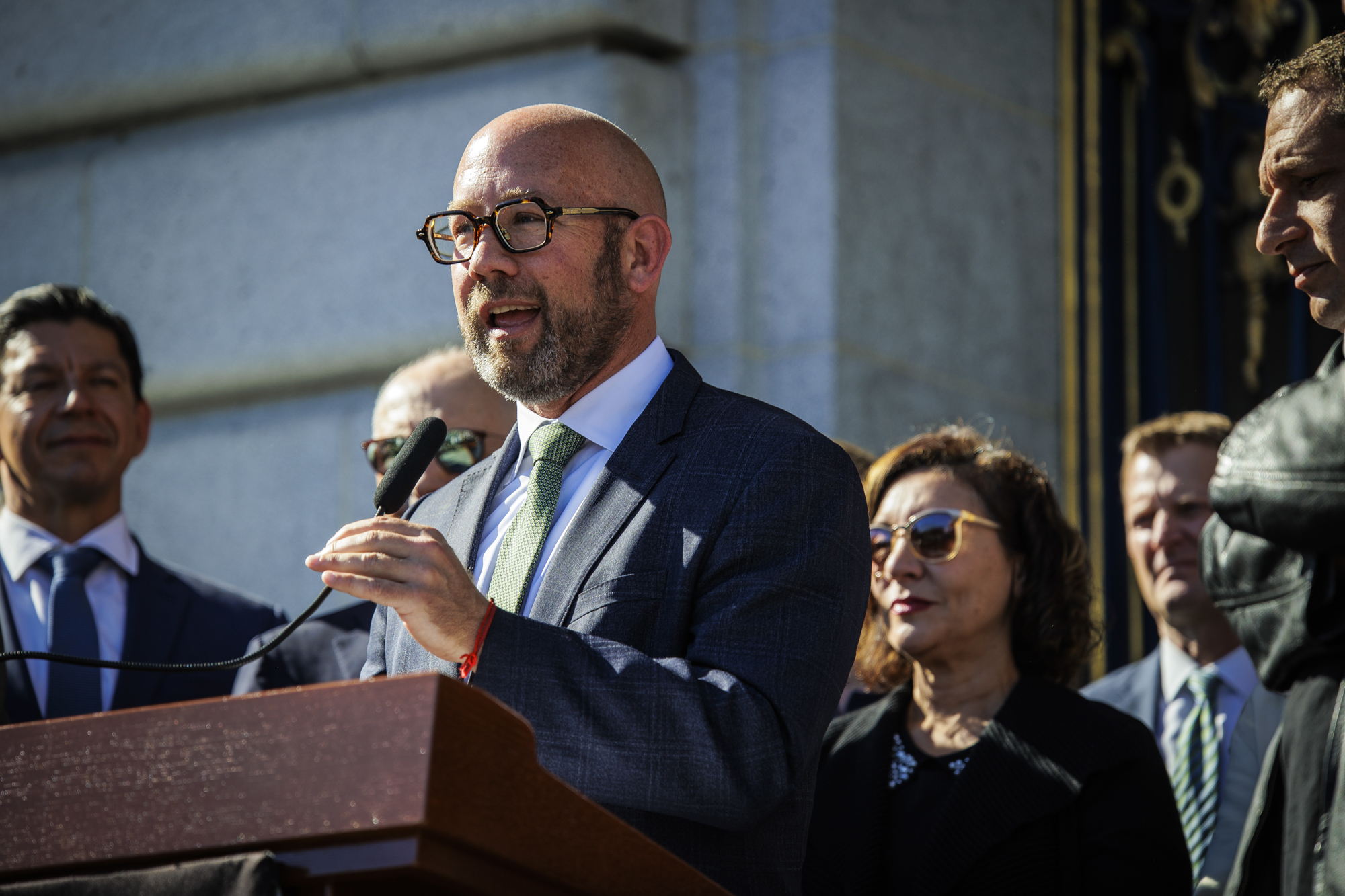
Proposition D would make it more difficult to place a citywide measure on San Francisco ballots by requiring the backing of a majority of the Board of Supervisors and raising the signature threshold for citizen-led ballot measures from 2% to 8%. The mayor would no longer be able to unilaterally place a measure on the ballot.
The Democratic Socialists of America San Francisco, which opposed all three measures, and multiple labor unions said it would limit citizen-led ballot initiatives, which in San Francisco have led to major changes in city policy around rent control and affordability, education funding and more. Such measures would need to gather about 42,500 signatures instead of 10,600 — which is still considered on the lower end of signature requirements. Currently, San Francisco has the lowest requirement in the state.
Under Proposition E, the city administrator would be the sole decision-maker for city contracting decisions and would create consistent purchasing guidelines for all departments to follow. The city administrator, appointed by the mayor, would also serve for 10 years instead of five. The measure also raises the threshold for what contracts require Board of Supervisors’ approval from $10 million to $25 million.

Opponents worry that streamlining the contracting process in this way will open the door to corruption in City Hall — a hot-button issue for many San Franciscans after former Public Works Director Mohammed Nuru’s 2020 arrest for accepting bribes led to a slew of other officials’ indictments for bribery, embezzlement and similar misuse of public funds.
Proposition F would allow the mayor to directly hire and fire more department heads, including for important departments like city planning, building inspection, public works and homelessness and supportive housing. Until now, unelected commissions gave the mayor a list of at least three candidates to choose from for the role.
Some departments will still require commission recommendation, but it will lower the number of candidates they need to put forward to one. The mayor, instead of commissions, will also be able to fire department heads.
The mayor will be able to merge city departments and change their duties. Most of those decisions previously required a citywide vote to change, since departments and their roles are written into the city charter.
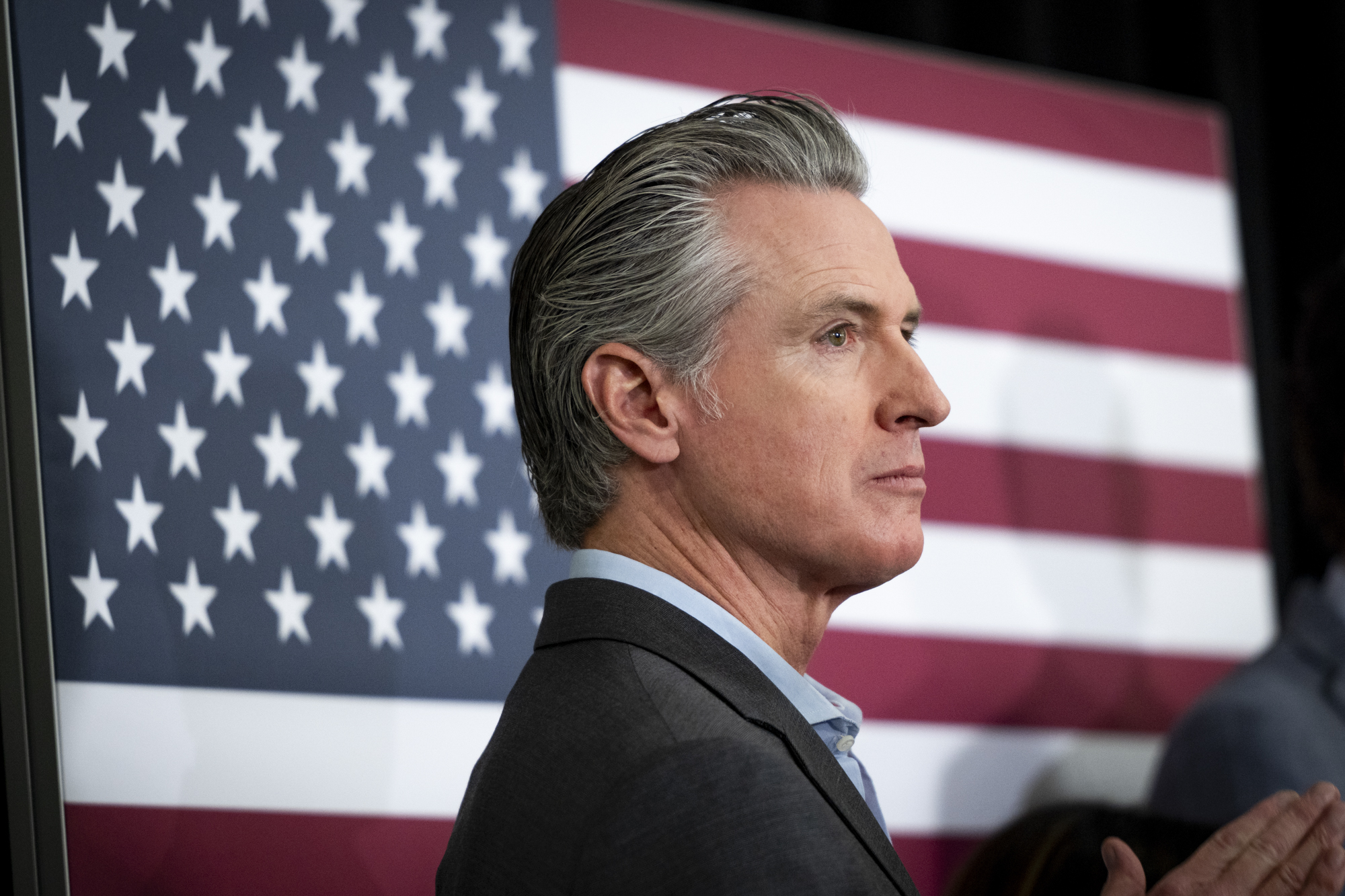
The measures benefited from high-profile support, including from Gov. Gavin Newsom, who endorsed all three last month.
Supporters also poured a staggering $13.5 million into the slate of propositions — more than any other local measure on this year’s ballot. It was bankrolled by the city’s tech elites, including Chris Larsen and his wife Lyna Lam, Michael Moritz and John Pritzker.
They significantly outspent opponents of the charter reform package: Measure D raised just $1.8 million, and neither Measure E nor F faced a robust opposition campaign.
Still, a similar charter reform effort in 2024 failed to garner enough support, despite raising nearly $10 million.
Proposition I, meanwhile, appeared to be trailing. The affordable housing measure was the only one Lurie strongly campaigned against. The measure, championed by the city’s Democratic Socialist of America chapter, would have dedicated half of the transfer tax revenue from property transactions of $10 million or more to affordable housing and certain tenant protection programs.
In August, Lurie called the measure an “unaccountable slush fund for the groups that wrote it.” Unions for the city’s fire and police departments — who Lurie said could be affected by a loss of general fund money if the measure passes — joined his opposition.
District 8
Gary McCoy, a progressive Democrat who became the late frontrunner in the race to become San Francisco’s next District 8 supervisor, declared victory shortly after the city’s first vote returns came in Tuesday night.
At an election night party, McCoy said he felt “1000% today…I’m glad to have a lot of good friends and supporters here tonight.”
In a statement, he said winning the seat was “the honor of my life.”
McCoy, who worked in the offices of former Mayor London Breed and Speaker Emerita Nancy Pelosi, won the race to represent the Castro, Noe Valley and Glen Park after it was upended in October by sexual assault allegations against his prominent then-competitor Manny Yekutiel.
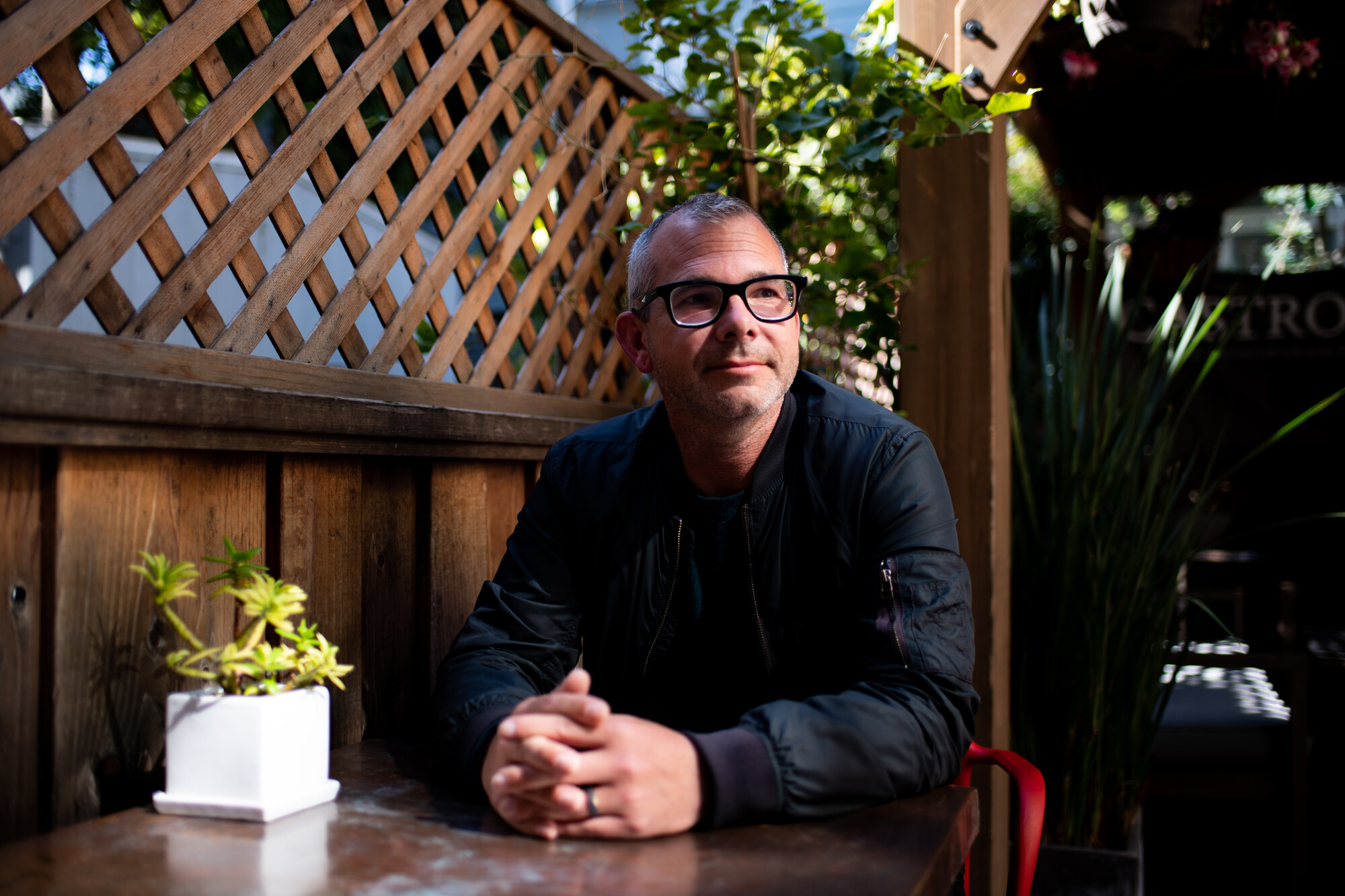
Prior to October, Yekutiel was considered a strong favorite to win the seat. The owner of cafe and political gathering space Manny’s Cafe in the Mission District had wracked up powerful endorsements from Mayor Daniel Lurie, outgoing supervisor Rafael Mandelman, a majority of sitting members of the Board of Supervisors, GrowSF and other moderate PACs.
Many of those endorsements came after Yekutiel was publicly accused of sexual assault by political activist Brad Chapin in June. Yekutiel denied the allegations, and many of his supporters stuck by his campaign until October, when the San Francisco Standard published additional allegations by a couple who said Yekutiel assaulted them at a 2023 Pride event.
Yekutiel has also denied those claims, but ended his campaign days later after a number of his supporters rescinded their endorsements, and he faced calls from local politicians to drop out of the race. His name still appeared on voters’ ballots.
While Yekutiel, who founded Spark SF with Lurie, would have been a key ally for the mayor, McCoy will be a much more progressive voice on the board, especially with respect to addiction policy.
San Francisco Democratic Party Chair Nancy Tung said Tuesday that McCoy was “always a strong candidate … he has deep institutional knowledge about how the city works.”

He’s one of the few board members who are still supportive of the idea of making drug use safer for people in all stages of recovery, rather than criminalizing users. In recent years, San Francisco has significantly scaled back harm-reduction programs, which Lurie and more moderate supervisors say aren’t working to solve the city’s addiction crisis.
“I’ve known him for about 20 years, and I’ve never known him not to be in service to sort of the underserved population,” supporter Basil Green said. “I think that’s sort of what’s lacking in politics right now.”
McCoy also beat out former Obama White House staffer Darshini Patel, with whom he split some of San Francisco’s progressive support. Patel had also received a late endorsement from moderate PAC GrowSF — which she has said was against her will — after it rescinded its support for Yekutiel.
“Having the trust of the voters means the world to me,” McCoy said in a statement. “I’m ready to hit the ground running on day one to fight for a more affordable city – more housing, fully-funded transit that works and safe streets for all.”
District 10
Theo Ellington, a moderate Democrat and Bayview-Hunter’s Point native, also declared victory Tuesday night in the race to represent District 10 on San Francisco’s Board of Supervisors.
Ellington, who was backed by much of the city’s moderate Democratic flank and received a record-breaking donation during his campaign, beat a crowded field of candidates in early vote returns.
He is set to succeed one of the board’s most progressive voices, marking a political shift and adding to Mayor Daniel Lurie’s moderate voting bloc at a time of major change for the southeastern edge of the city.
“Theo is a really strong candidate,” Tung, the party chair, said Tuesday.
He was up against Dion-Jay Brookter, a progressive Democrat and longtime Hunters Point resident.
Brookter amassed much of the city’s labor and progressive support, including that of outgoing Supervisor Shamann Walton.
Nine candidates joined the race to represent District 10, which includes a diverse block of neighborhoods from Potrero Hill to Bayview-Hunters Point.
The race attracted citywide attention this fall, when crypto billionaire Chris Larsen spent a record $500,000 to elect Ellington.
The donation through a political action committee backing his campaign is thought to be the largest in San Francisco history to a third-party supporting a single candidate.
It raised questions about how much power money can buy in local politics, especially in low-information races where having the funds to advertise and build name recognition is particularly important.
The new supervisor will oversee a period of major change in District 10, with the ongoing environmental cleanup of the former Hunters Point Naval Shipyard and concurrent development efforts at the site.
The former shipyard was declared one of the nation’s most contaminated sites in 1989, after radioactive chemicals, heavy metals and petroleum fuels related to atomic bomb tests during the Cold War seeped into its soil and groundwater. Cancer “is a major cause of years of life lost” for Bayview-Hunters Point residents, according to past city health surveys, though they didn’t assess whether the shipyard contamination was a direct factor in adverse health outcomes.
Alongside the cleanup work, the city is also undertaking a massive redevelopment project on the former base, which could eventually be transformed into two new neighborhoods of recreational and commercial space and up to 10,000 new housing units.
The new supervisor will replace the termed-out Walton, who has been one of the board’s most progressive voices since his election in 2018.