DOJ Subpoenas California Election Officials, Despite Judge’s Order to Stop Threatening Them

This story was originally published by CalMatters. Sign up for their newsletters.
On Wednesday, a federal judge issued a blistering order warning federal prosecutors to stop threatening California election officials with crimes.
A day later, federal prosecutors kept going.
At least four elections workers in California have received federal criminal grand jury subpoenas over the past week, with at least one delivered on Thursday after the court’s order.
In that subpoena, issued to the Orange County Registrar of Voters’s office, federal agents with the Department of Homeland Security are seeking unredacted voter records for 60 people, according to records obtained by CalMatters.
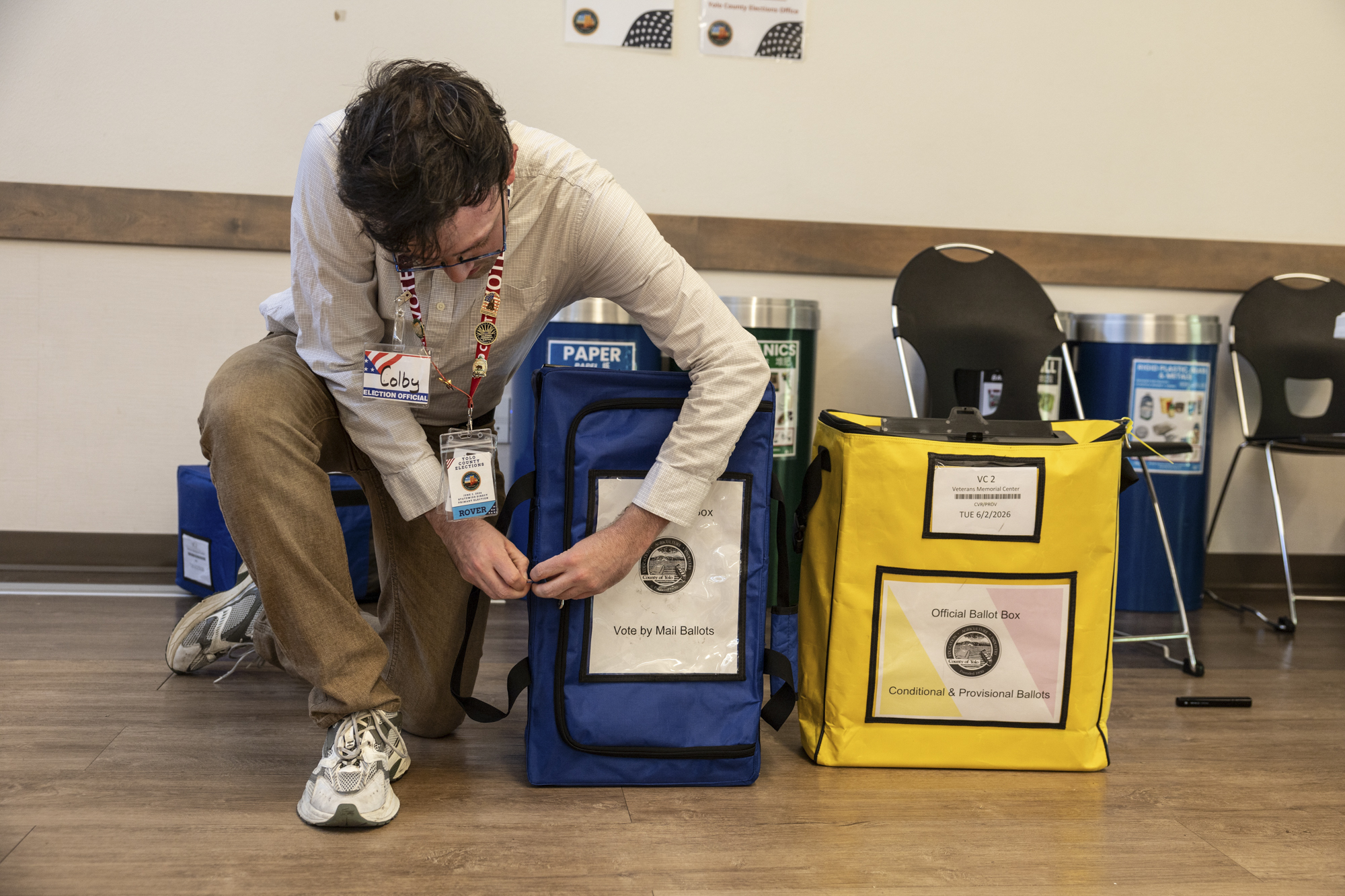
The subpoenas signal an intensification of the federal government’s unprecedented targeting of California’s elections, setting up what could be a showdown over the fundamentals of American democracy around next Tuesday’s midterm elections.
The prosecutors include those in the office of Los Angeles’ top federal prosecutor, Bill Essayli, a leading aide in President Donald Trump’s push to find evidence to support longstanding — and never proven — claims that California elections are rigged in Democrats’ favor due to noncitizen votes.
Bloomberg Law first reported Thursday that U.S. Justice Department leaders had directed top federal prosecutors to pursue criminal subpoenas of state and local officials in their efforts to find evidence that noncitizens were allowed to vote. The news outlet cited two unnamed sources familiar with the situation.
This month Essayli sued California and Los Angeles County, demanding they set aside the ballots of 20,000 registered voters he accused of not being U.S. citizens, and last week the Justice Department sent letters threatening local elections officials with criminal charges if they did not do the same with lists of voters in their own counties.
County election officials from across California have said spot checks found the government’s list of names to be inaccurate and have challenged the legality of the requests. Officials in only one county so far – San Luis Obispo – have announced they will investigate the voters from the Justice Department’s demand letters.
What the subpoenas say
In Los Angeles County, federal prosecutors last week subpoenaed three employees of the Registrar-Recorder’s Office, ordering them to testify before a grand jury in a criminal investigation on Nov. 4, the day after the election.
Prosecutors demanded county employees bring records of how their department prevents non-citizens from voting and “records relating to or involving evidence collected by your agency which tends to indicate an alien has voted in a federal election.”
In a statement, Los Angeles County Registrar-Recorder Dean Logan said prosecutors were taking a “confrontational, adversarial approach.” He said the federal judge’s warning to stop making threats directed at election officials “was well placed and appreciated.”
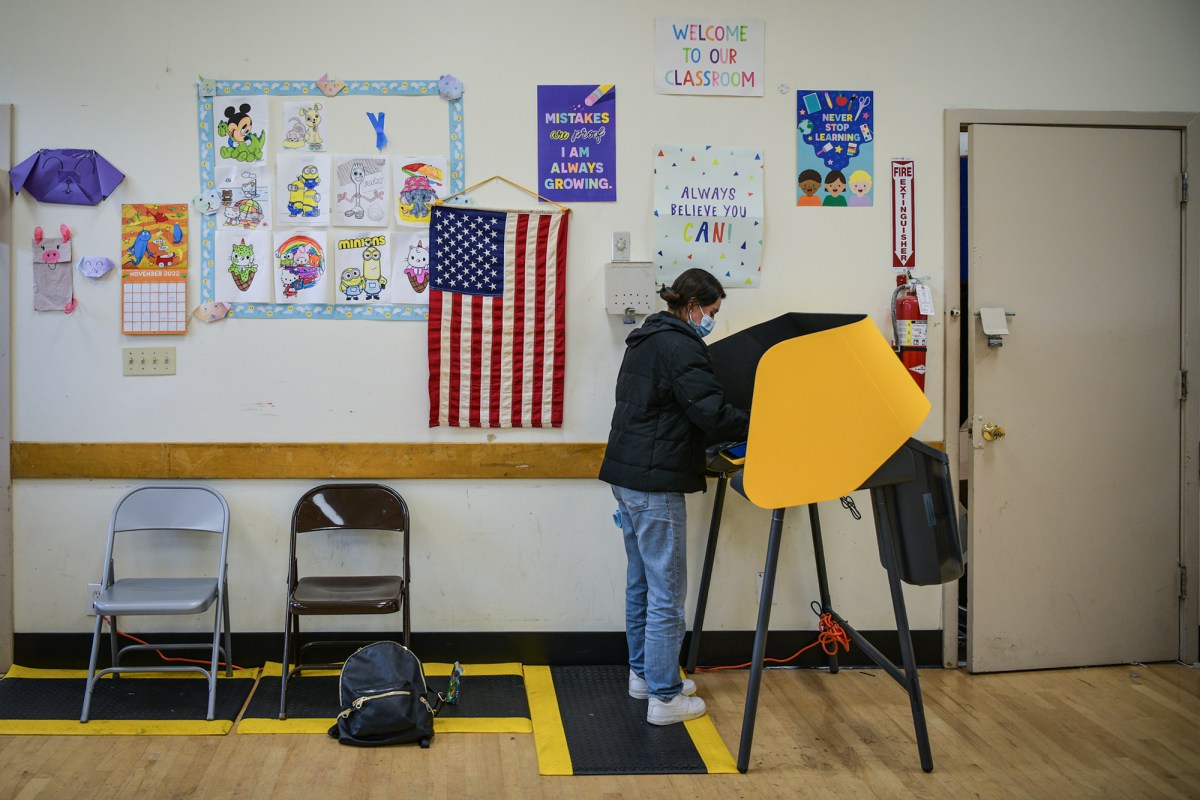
“Threats and intimidation have no place in elections,” Logan said. “We will take whatever steps necessary to ensure the safety of our employees and to remain focused on serving the voters of Los Angeles County so they can exercise their voting franchise.”
In Orange County, federal agents obtained the new grand jury subpoena last week but elections officials received it Thursday. It is similar to previous information demands from federal prosecutors. Elections officials had in September produced records on 20 registered voters in response to subpoenas. On Thursday, Registrar of Voters Bob Page told CalMatters three of those names appeared again in the new subpoena.
The federal government downplayed the subpoenas and suggested elections officials weren’t the targets of its investigation.
“Receiving a subpoena doesn’t mean you are a target,” Justice Department spokesperson Kiersten Pels said in an emailed statement. “In fact, generally, the DOJ doesn’t subpoena targets.”
Judge says ‘these threats must stop’
In his courtroom on Tuesday, U.S. District Judge David O. Carter made it clear that the federal government needed to stop threatening election workers with criminal charges if they didn’t comply with prosecutors’ demands.
“This court believes it would be wise that any threats to state or county (election) employees cease immediately,” Carter told the courtroom.
He made the warning formal in his written ruling issued Wednesday evening.
“Never before in American history has the federal government, on the eve of an election, sought to coerce a state and local government to abandon their own Constitutional elections procedures and bend to the will of the Executive Branch,” Carter wrote.
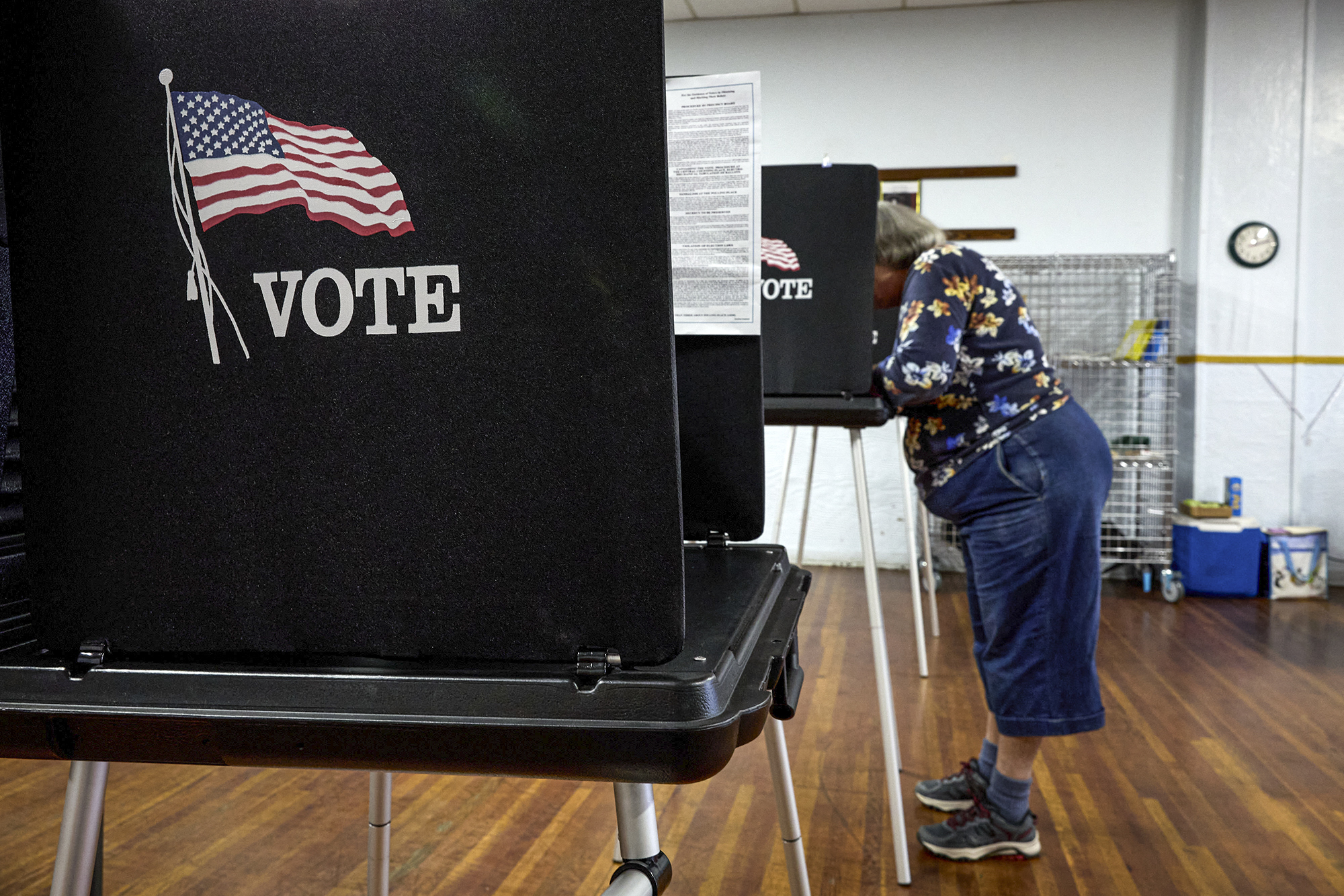
“The court reiterates what it said yesterday: these threats must stop,” he wrote.
The Justice Department has appealed Carter’s ruling to the 9th Circuit Court of Appeals. Pels said prosecutors are merely doing what Carter told them to do: prosecute illegal voting if it’s found.
In expressing skepticism about the Trump administration’s claims, Carter told Essayli in court on Tuesday that if noncitizens really are voting in as large of numbers as the Trump administration claims, there’s nothing stopping federal prosecutors from finding them and charging them without the risk of blocking legal voters from having their ballots counted.
Last week, federal prosecutors across California charged 28 people with registering to vote despite not being citizens. Not all of those people had voted in past elections; those charged amount to 0.0001% of the state’s 23 million registered voters.
“If it’s this big, you’ve got a remedy for goodness sakes,” Carter told Essayli during the hearing. “Go out and indict.”
“To be clear, the district court judge explained that voting unlawfully results in criminal exposure,” Pels wrote in her statement. “Consistent with this, California also wrote in its filing that the remedy for unlawful voting is through criminal prosecution. Thus, while DOJ maintains that a civil remedy is still available, all agree that noncitizen voting is properly addressed through criminal law.”

Justin Levitt, an elections law expert at Loyola Law School, said federal prosecutors can argue they’re carrying out a legitimate criminal investigation, but in that case, there shouldn’t be any rush to subpoena officials in the middle of the election. The statute of limitations on federal voting offenses, he noted, is five years.
“Because they have no role in affecting the election results, there is no reason whatsoever for them to demand this information now,” Levitt said. “It’s not directly against the judge’s order … but it’s certainly not going to make the judge happy.”
California Sen. Tom Umberg, a Democrat and former federal prosecutor representing the Santa Ana area, said he was appalled that his former employer was clearly attempting “to intimidate public officials in exercising their sworn duties.”
“I’m embarrassed and outraged that they’re trying to interfere with the election,” he said.
Essalyi didn’t return a text message seeking comment Thursday.
Professor Michael Vitiello, an expert on criminal law at the University of Pacific’s McGeorge School of Law, agreed that the federal government is trying to make election officials “insecure and fearful.”
“Maybe technically they’re trying to avoid direct conflict with the judge’s order, but they’re sure signaling that … election officials should lose some money, lose some sleep and maybe even go consult with lawyers,” Vitiello said.
This article was originally published on CalMatters and was republished under the Creative Commons Attribution-NonCommercial-NoDerivatives license.