San Francisco Votes to Keep Cars Off the Great Highway, Again
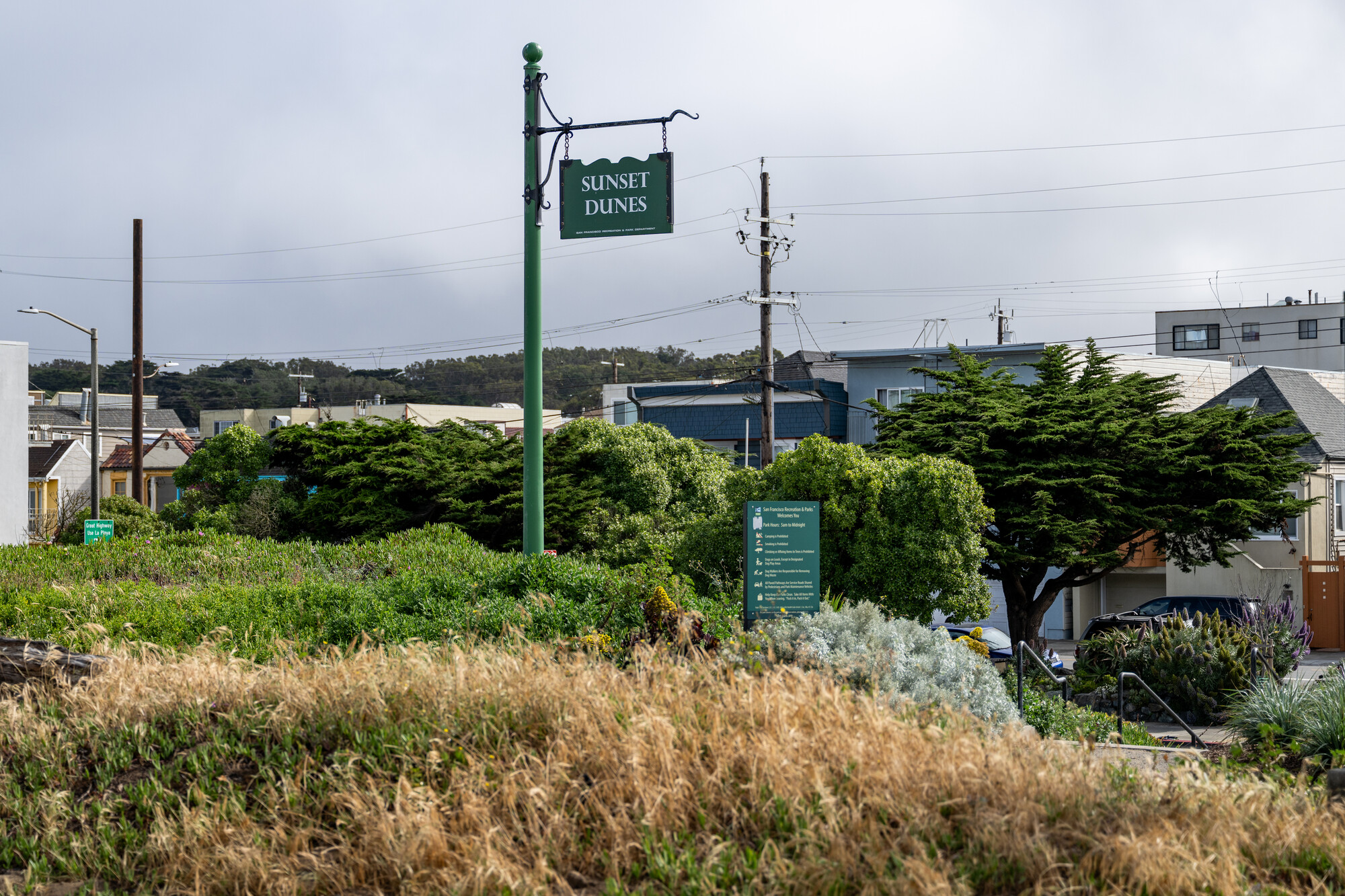
In a victory for Sunset Dunes park proponents, San Francisco will continue to keep cars off the Great Highway. As of 10 p.m. Tuesday, 62.98% of voters opposed Proposition G, a measure that would have allowed cars back on the 2-mile stretch of north-south coastal road along the city’s western edge.
Around 100 supporters of the “No on G” campaign gathered at Laughing Monk Brewery in NoPa on Tuesday night. They cheered as national news outlets broadcast the projected results of Democrats taking House and Senate seats.
Lucas Lux, president of the nonprofit Friends of Sunset Dunes, was hopeful this would be the final word on the matter. “We think that a park is the right thing for our coast, but we also want our neighbors to get where they need to go and in a timely and safe fashion. And so it’s clear that we can have both of those,” he said.
The Great Highway has been a major source of controversy for the otherwise quiet and residential Sunset community on San Francisco’s coastal westside.
In 2020, the city closed the upper portion of the road during the coronavirus pandemic to make room for social distancing and outdoor recreation.
Some residents quickly grew fond of the change, saying it allowed for a boardwalk-like experience in the city where people could bike, skate, stroll or otherwise enjoy the beach without vehicles zooming by.
Others saw it as a more practical solution to a long-brewing problem. Environmental erosion had already forced the lower portion of the Great Highway to close, and the city would soon be forced to reckon with what to do with the upper stretch of the road to adapt to climate change.
However, locals who used the road on daily commutes said that the closure was inconvenient and unnecessary. Many of the loudest critics complained — and some unsuccessfully sued — over the ballot initiative and its impact on their commute times or traffic congestion shifting to other nearby avenues.
A 2025 review by SFMTA found a mix of traffic trends, with some roads seeing increases and some decreases in daily drivers. But overall, the SFMTA analysis found minimal impact on road conditions, and a 2026 independent analysis drew similar conclusions.
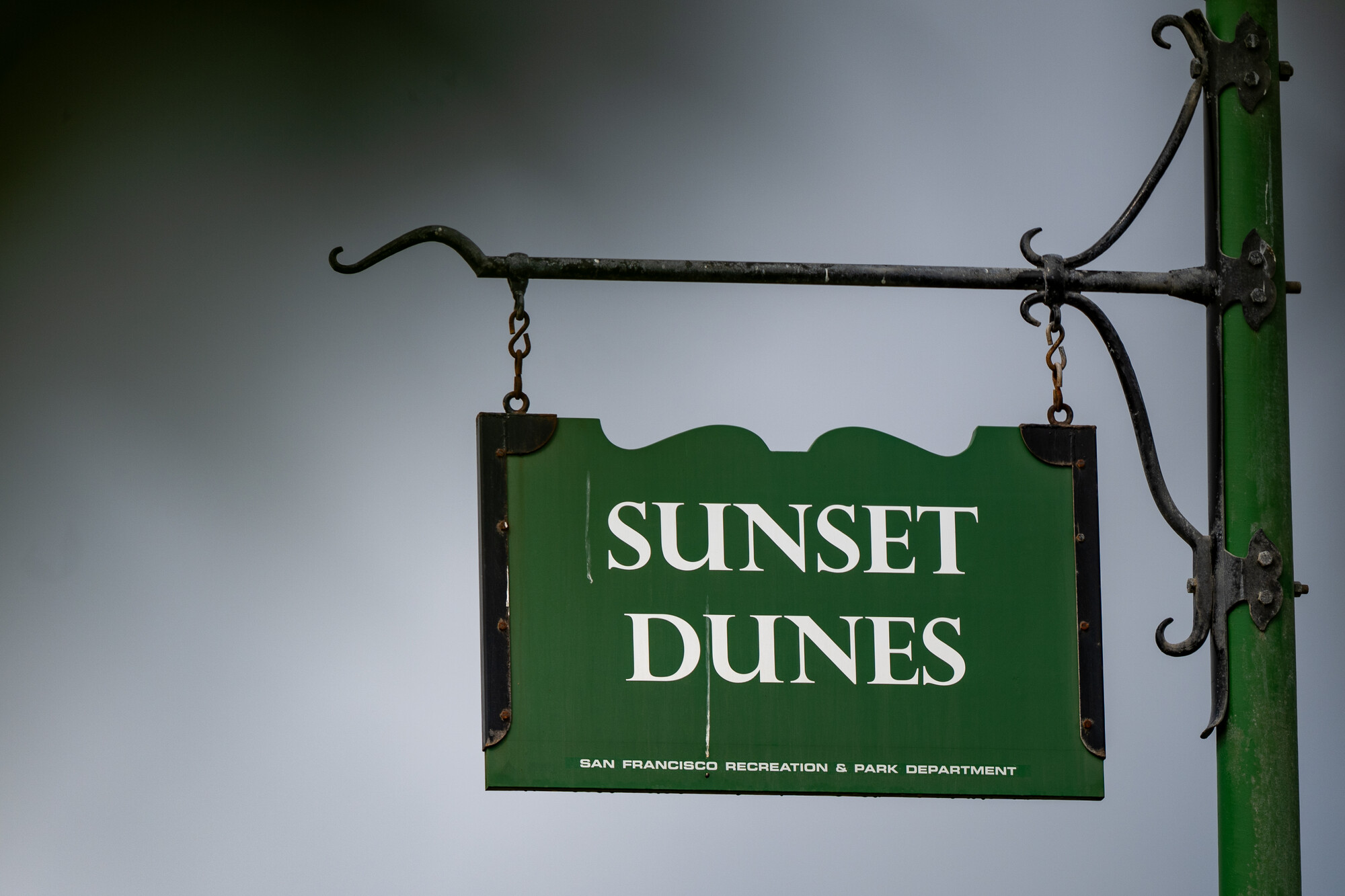
In 2024, voters across the city passed Proposition K, which permanently removed cars from the Great Highway and allowed the city to convert the road into a beachside park, now called Sunset Dunes.
The park has received widespread support from visitors and even local businesses who say it’s drawn more foot traffic to the avenues.
Some locals decried the change, saying their needs were overlooked on the ballot and in City Hall. The issue led to a recall election that removed former Sunset Supervisor Joel Engardio, who supported Proposition K, from office.
Today’s supervisor for the neighborhood, Alan Wong, supported a so-called “compromise” where cars and pedestrians could both use the road on different days of the week.
Earlier this year, Wong attempted to get a measure before voters to reconsider the Great Highway but failed to get the votes he needed from other colleagues on the Board of Supervisors to do so. In response, Sunset residents themselves started a petition to put the measure on the ballot, creating Proposition G.
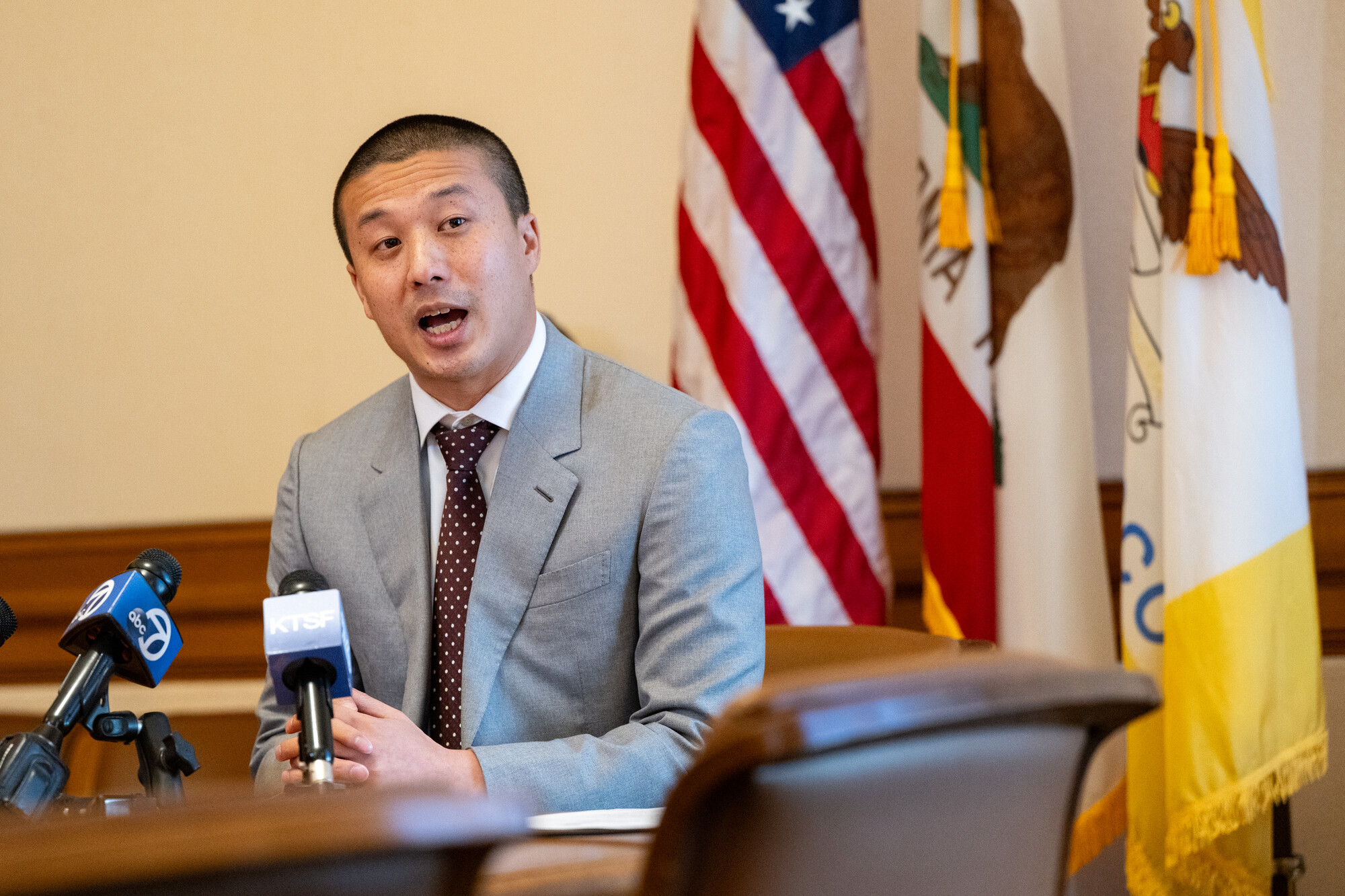
“I want to make sure that we continue to work on the practical issues that Sunset residents care about,” Wong told KQED on Tuesday night, “including ensuring that we’re addressing the very real congestion issues in the neighborhood and traffic issues.”
City records showed that it could cost around $10 million to allow cars back on the road, largely due to the need to repave the road and replace traffic signals.
Sunset Dunes supporters have maintained that no compromise would be possible under Proposition G. Many argued that allowing cars back on the Great Highway would require the city to dismantle the public art, skate park and other amenities that have sprung up along the coast.
At Tuesday’s “No on G” celebration, Lux looked to the park’s future: “Now the city gets to build a place that we can feel the same level of pride for that we do when we take a visitor to Crissy Field, Tunnel Tops, etc.”
KQED’s Katie DeBenedetti contributed to this reporting.