San Francisco Supervisor Takes a Page From Big Grocer’s Playbook to Lower Food Prices
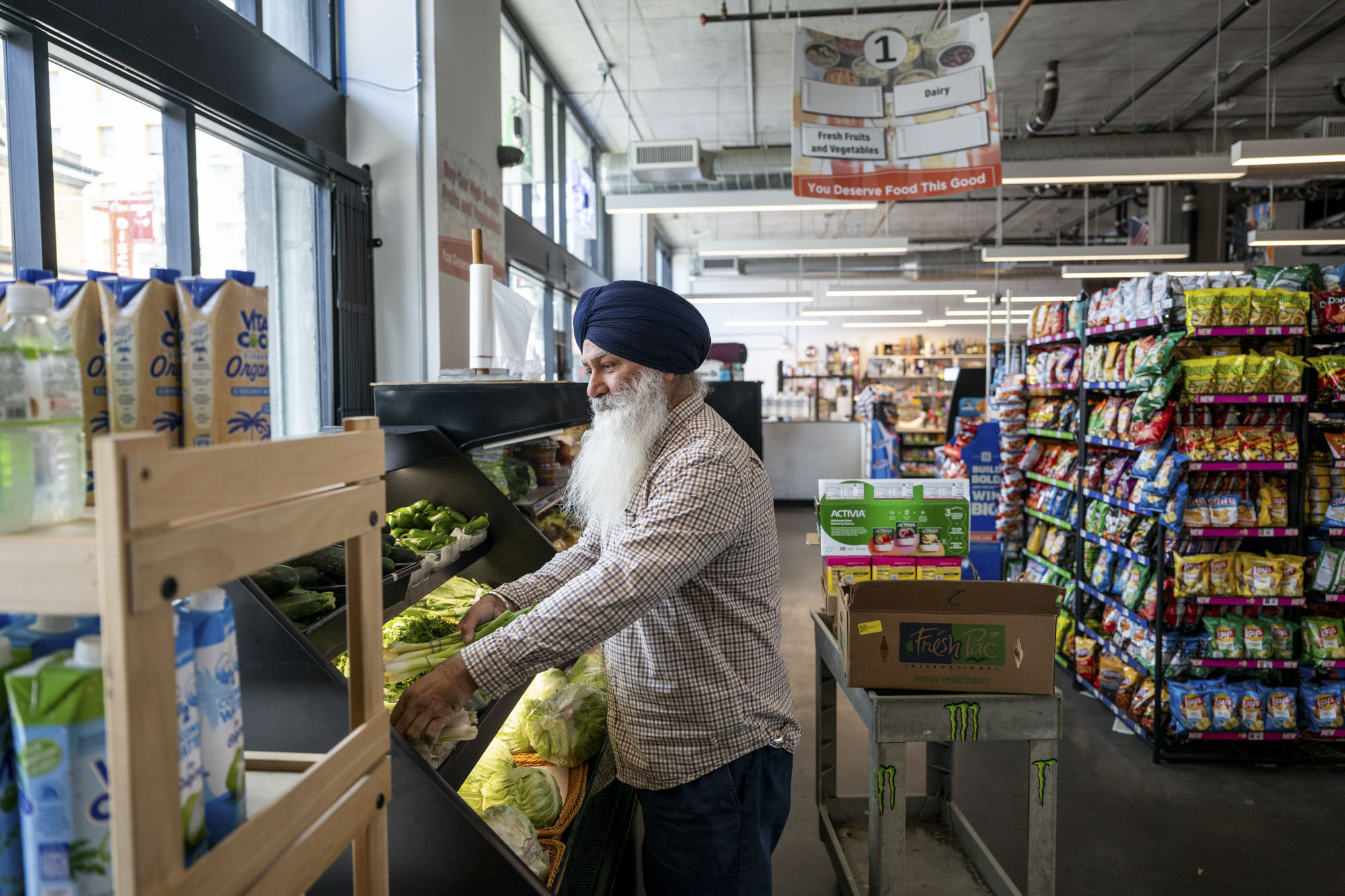
San Francisco Supervisor Bilal Mahmood and the Food and Agriculture Action Coalition Toward Sovereignty are launching a new pilot program that they say will put more power in the hands of small grocers while lowering grocery prices for residents contending with a staggering affordability crisis.
Mahmood and FAACTS announced the creation of a micro-Group Purchasing Organization on Thursday — a model which would allow neighborhood nonprofits and small grocers to pool together their orders for produce. The goal is to lower wholesale costs by around 10% for grocers and nonprofits in neighborhoods like the Fillmore, the Tenderloin, Haight Ashbury and Western Addition.
Known as the District 5 Grocery Affordability Initiative, Mahmood said it’s a first-of-its-kind program to leverage group purchasing at a neighborhood level. It’s modeled after similar programs in Philadelphia and Paris.

Large grocers such as Safeway and Whole Foods are able to buy food at higher discounts than smaller grocers and offer customers lower prices, Mahmood said, because they buy products in larger quantities.
“The innovation here was basically, how can we take what happens with larger chains and provide the same benefit for smaller independent grocers?” Mahmood told KQED.
The initial pilot program, funded through $50,000 in seed funding from former congressional candidate Saikat Chakrabarti, will mostly involve Booker T. Washington Community Service Center and nonprofit Farming Hope at first, Mahmood said. He expects at least five independent grocers will participate later on.
The micro-organization will also help negotiate pricing on behalf of the independent grocers, according to Mahmood.
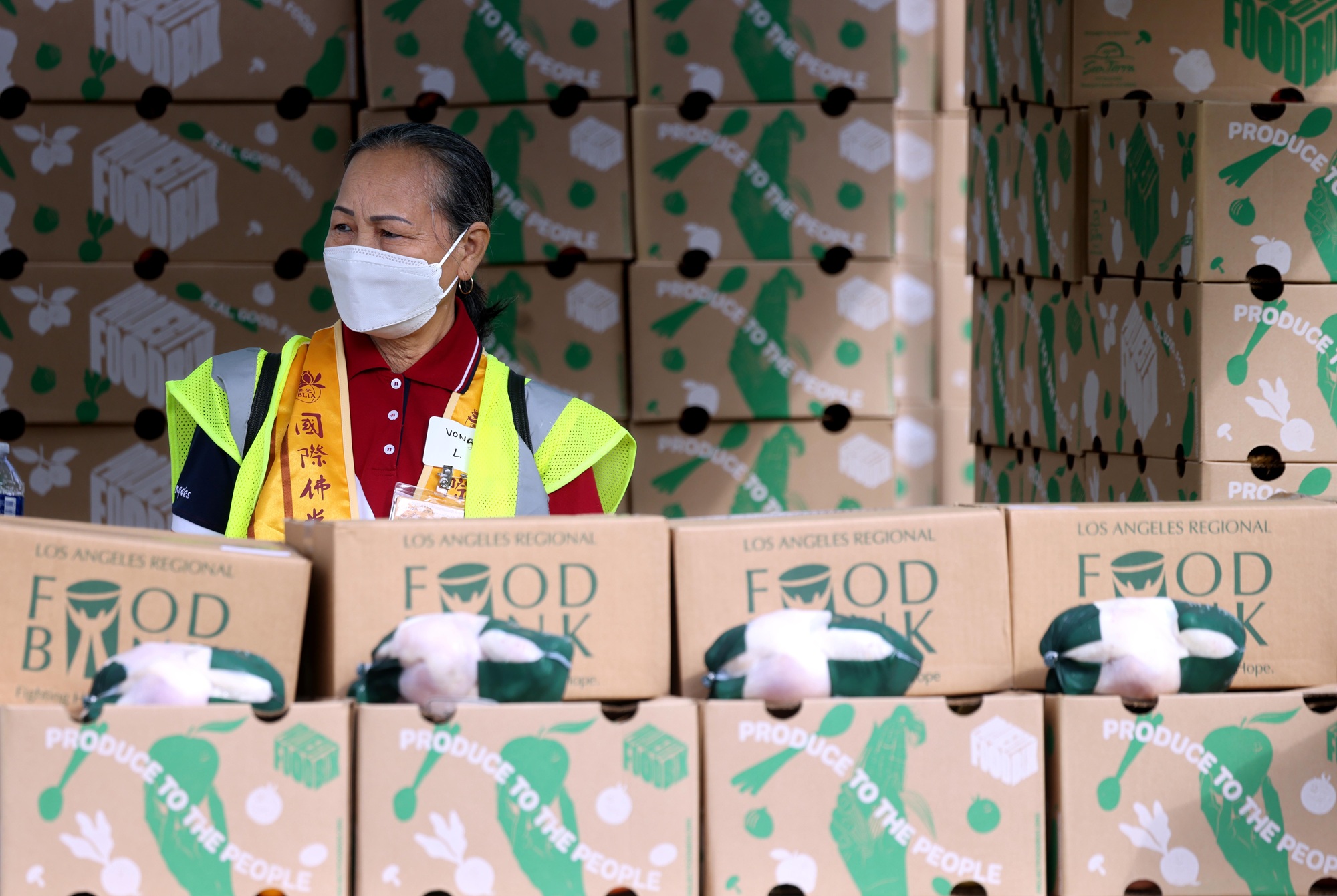
Shakirah Simley, executive director of Booker T. Washington Community Service Center and a FAACTS SF founding steering committee member, said the center’s food justice program has felt the impacts of lack of food access like federal cuts to the Supplemental Nutrition Assistance Program, CalFresh in California, and the closing of two neighborhood full-service grocery stores.
“The pilot is an urgent and creative solution toward solving food access and uplifting the good work already happening in our communities,” Simley said in a statement. “Food access impacts everyone, and we hope this initiative will serve as a model for larger-scale solutions in San Francisco.”
The program is part of a larger package of initiatives spearheaded by Mahmood to reduce grocery costs as some grocery stores have left San Francisco neighborhoods. In recent months, Mahmood proposed imposing a tax on vacant grocery stores and pharmacies and a faster process for permitting requirements for grocery stores and pharmacies.
Political support for the vacant grocery store tax initiative collapsed after a run-in with Mayor Daniel Lurie and grocery giant Amazon at City Hall, Mahmood told KQED over the summer. Since then, the supervisor has changed tack.
“Whether you’re an immigrant family in the Tenderloin or a tech worker in the Marina, the price of the groceries are going up for everyone,” Mahmood said. “We’re finding more and more that the affordability crisis is hitting everyone, and we have to be doing everything in our power right now to not just lower the cost of rent but lower the cost of food.”
Mahmood said he hopes the program will be made permanent after success, aiming to receive city funding for a citywide program during the next budget cycle.
The pilot program will be running by mid 2027.