Staring Down a Historic El Niño, San José Says It’s Ready
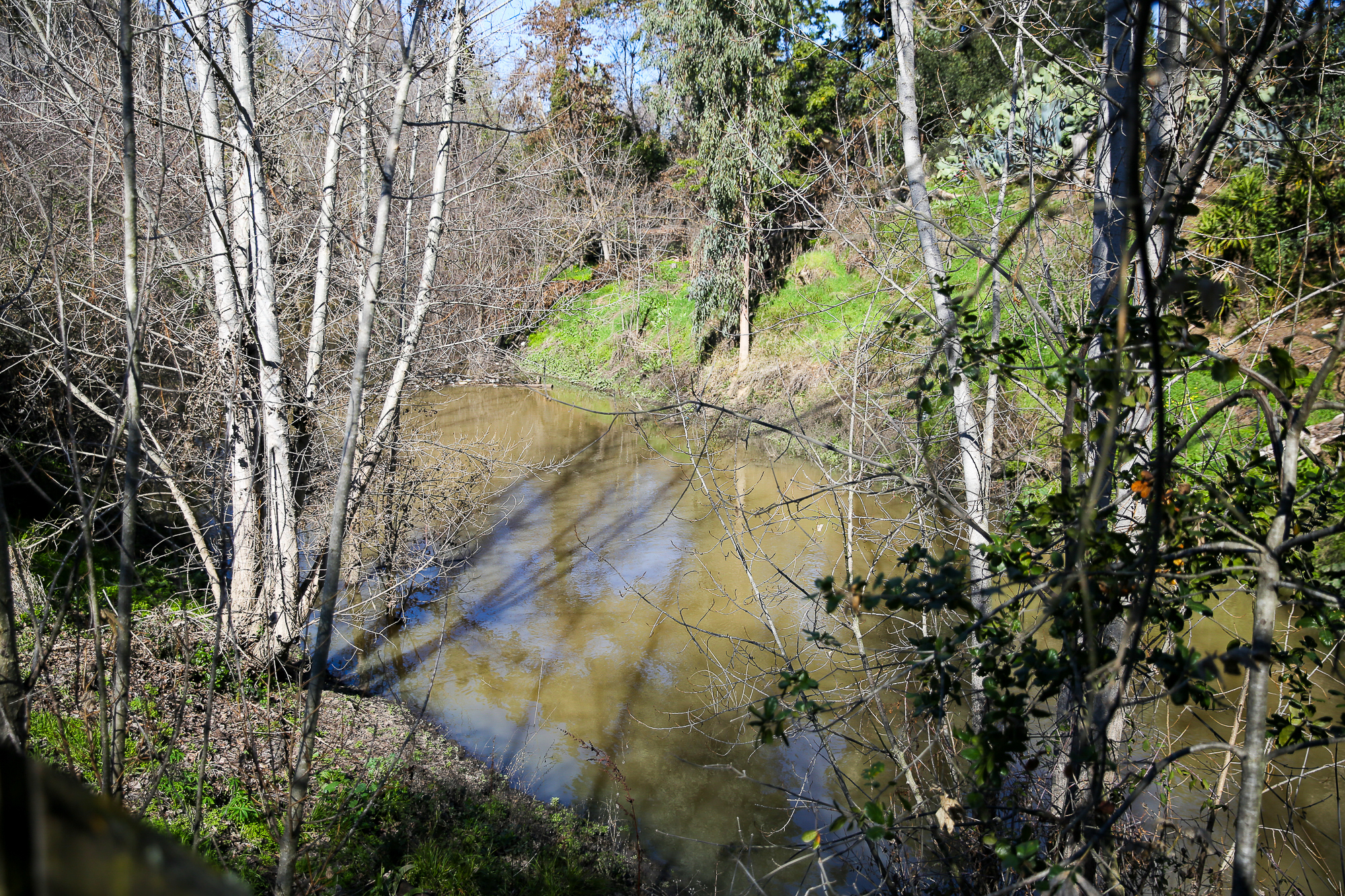
San José is ramping up preparations for what forecasters warn could be a “very strong” El Niño, in an effort to avoid another major flood — like the one that prompted mass evacuations almost a decade ago.
The city has increased communication with the Santa Clara Valley Water District since learning what Mayor Matt Mahan called “hard lessons” after the 2017 Coyote Creek flood — which displaced thousands and prompted the city to grade itself an ‘F’ in emergency preparedness.
City staff is monitoring dozens of historical flooding sites, with the Transportation Department holding a storm coordination meeting to review emergency response procedures — upgraded public safety measures thanks to the passage of the 2018 bond measure.

(Joseph Geha/KQED)
All of that information could come in handy — El Niño-driven flooding, mudslides, power outages and more have been predicted, as the natural climate pattern continues to strengthen with impacts across the California coast.
“We feel we’re prepared,” Mahan told KQED on Thursday. “We keep getting better — we’re investing more in infrastructure, technology, our coordination with Valley Water and continuing to educate our community to make sure individuals are prepared and paying attention and in a position to be resilient as we have extreme weather.”
The Climate Protection Center, an arm of the National Weather Service, said earlier this month that El Niño has continued to intensify, and chances “remain high” that it could be stronger than any the world has seen since 1950. From October through December, CPC said there’s an 83% chance for a historic event.
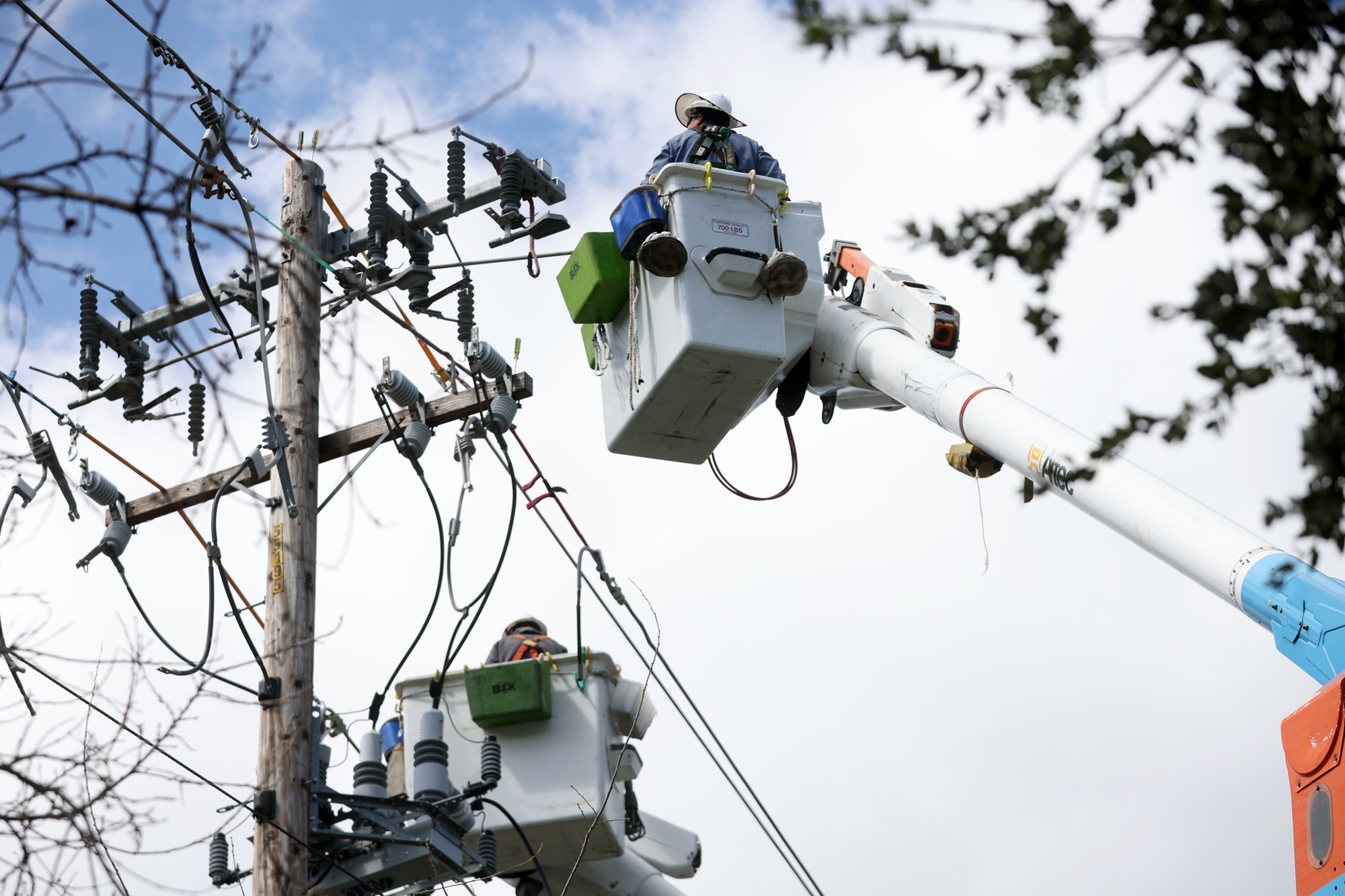
In the Bay Area, counties like Marin and San Francisco have also already started prepping for the effects by cleaning drains and planning for large amounts of rain.
Mahan said a San José voter-passed initiative, Measure T, helped the city expand water catchment basins, upgrade its emergency operations center, improve roadways and its 911 system.
“The public’s willingness to invest in public infrastructure is part of the reason that we feel we’re in a much better position heading into this El Niño season than we have in the past,” Mahan said.
The city has in recent years experienced heavy rains due to events like atmospheric rivers, which have caused flooding and fallen trees.
But that flooding has been minimal compared to the Coyote Creek flood, which forced 14,000 to evacuate and incurred around $100 million in damages. Residents filed a lawsuit after the fact because they said that they weren’t properly notified in advance about emergency preparedness, and that the dam that flooded wasn’t adequately maintained. The parties settled.
Efforts for El Niño, he said, do include a focus on locations where flooding has happened historically, though citywide prevention is also a priority.
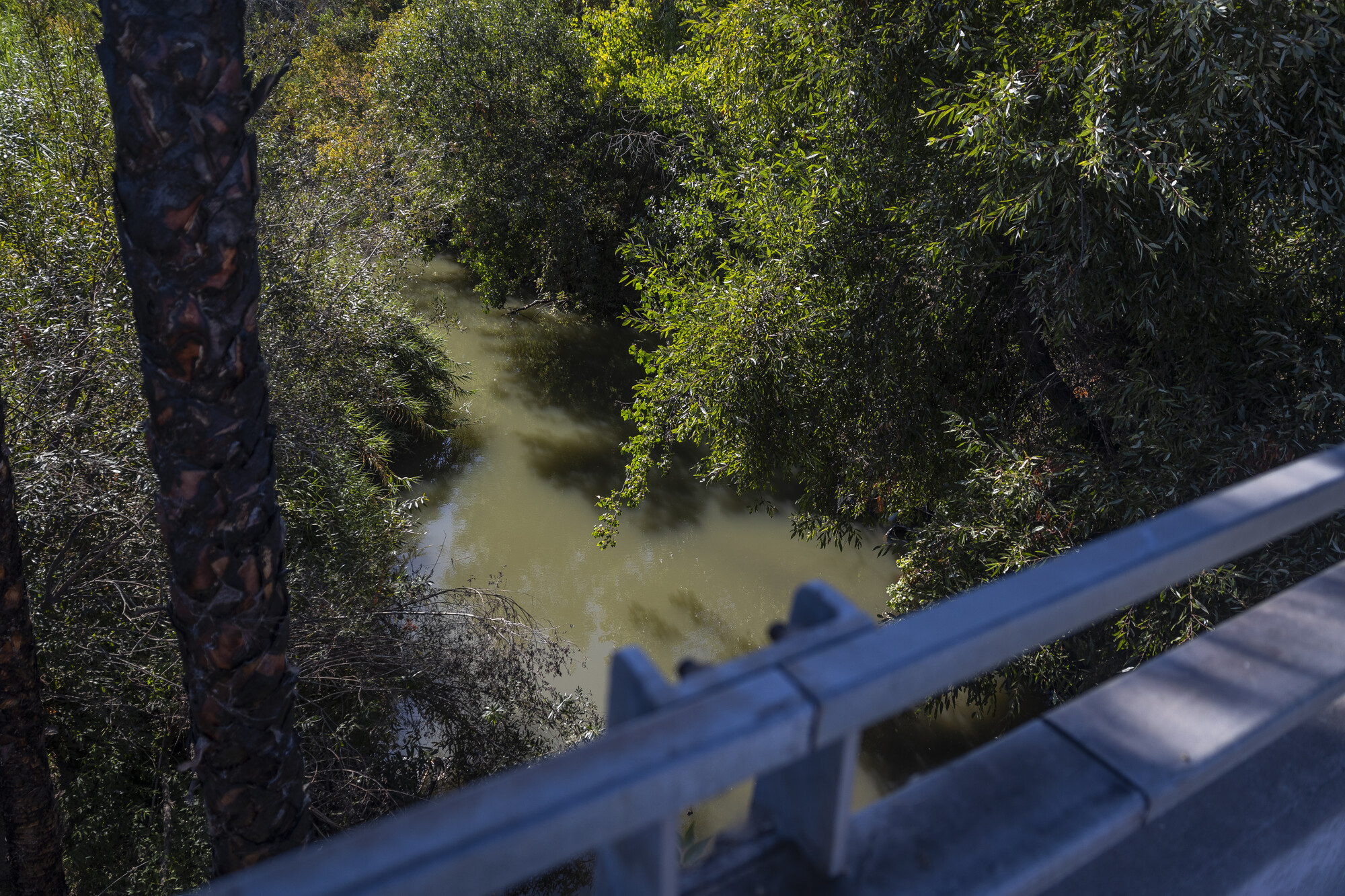
Valley Water has also increased preparedness. The agency completed over 8,000 feet of flood walls along Coyote Creek and was recently awarded a $100 million contract for the next phase of flood protection improvement.
“They are steadily investing in the waterways that they oversee and reducing flood risk,” Mahan said.
The mayor said the City Council will receive an update on the highest-risk flooding locations in the coming weeks.