Bonta Sues Federal Government to Stop Bay Area National Archives Closure
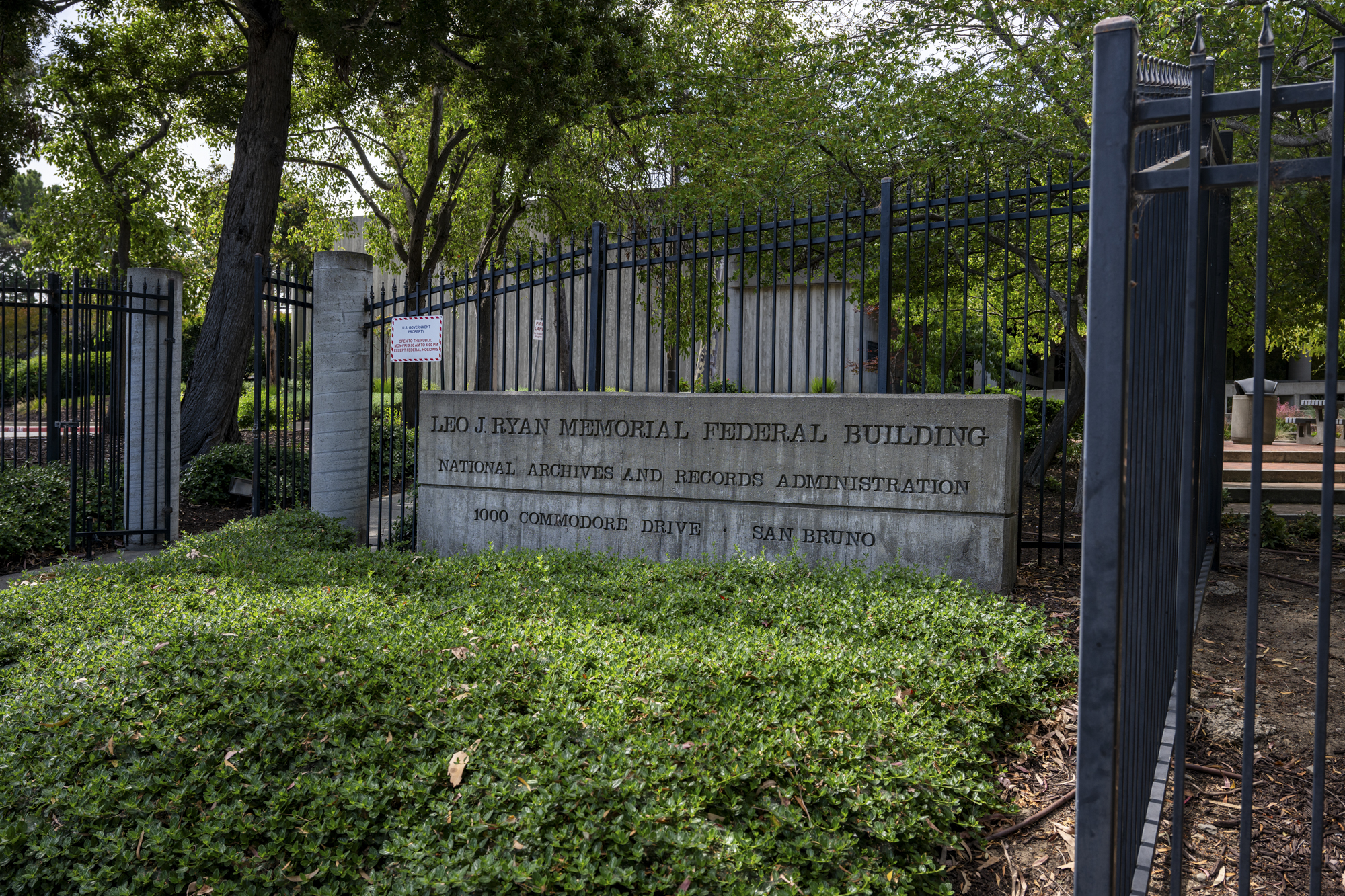
California Attorney General Rob Bonta is suing the federal government to block the Bay Area’s National Archives facility from closing.
The lawsuit, filed Wednesday in federal court, seeks a court order to prevent the closure, alleging that it violates federal administrative law — because the agency did not consult the public in deciding to rehome records.
The agency told employees in a June email that the National Archives at San Francisco, a San Bruno facility that hosts more than 75,000 cubic feet of historical records — with even more preserved in Chicago — would close “within the next few months.” That would mean immigration, genealogical and court records about subjects like Native American boarding schools and Japanese American internment would be moved to others across the country.
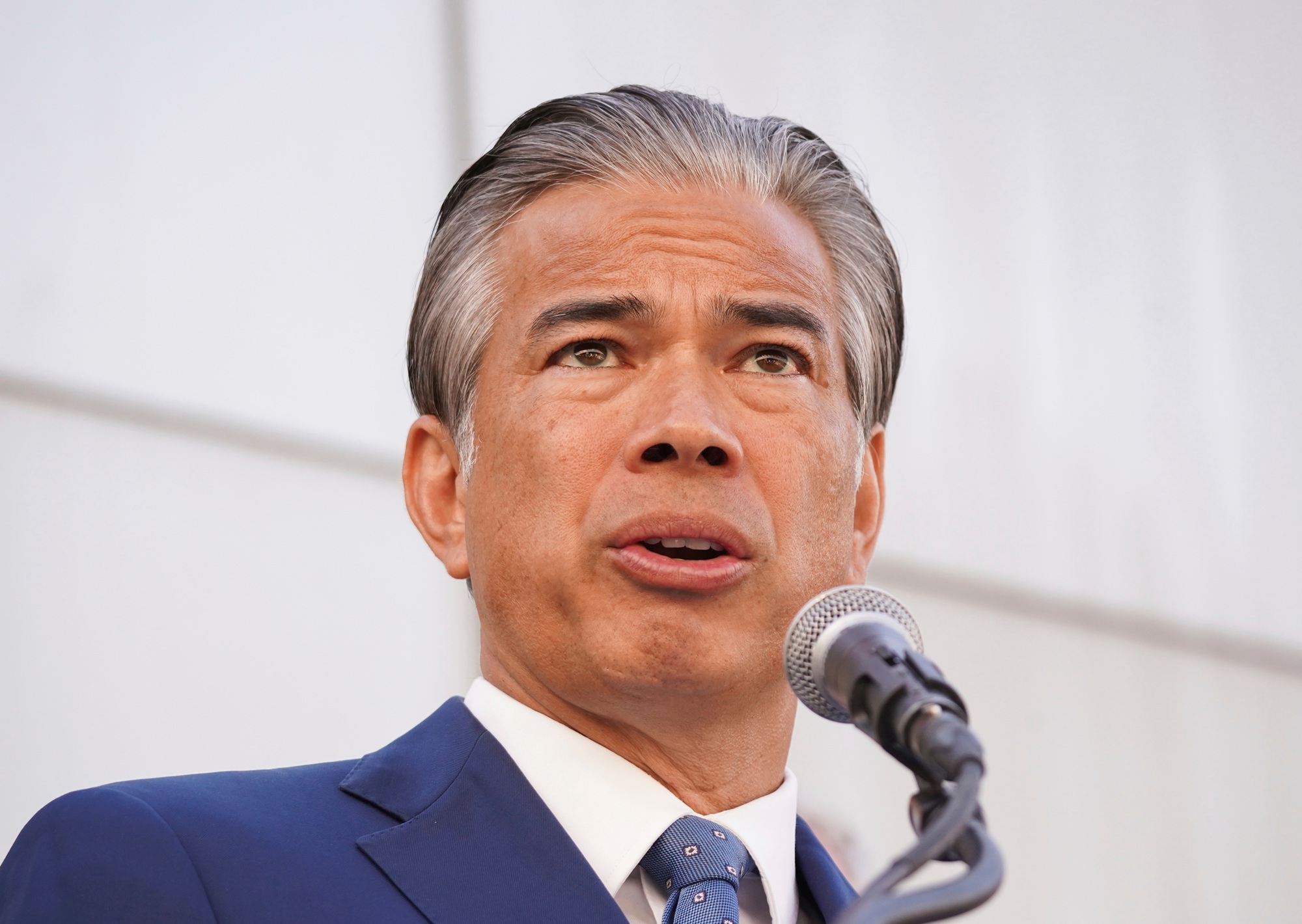
“These records aren’t just part of California’s past. They serve a critical purpose for families, for communities and institutions across our state,” Bonta said at a press conference on Wednesday. “They depend on having local access to these records. Moving those records across the country puts that access at risk.”
U.S. Rep. Kevin Mullin, who represents the area where the San Bruno facility is located, in August led a coalition of lawmakers urging a halt to the closure and introduced legislation that would prevent NARA from closing facilities without congressional approval.
Mullin said he was glad Bonta filed the lawsuit, but that he would continue his own efforts.
“While I’m pleased to see the Attorney General take action today, I am also pushing for federal legislation with the National Archives Protection Act and will be doing everything in my power to prevent the closure through other means like the federal budget process,” Mullin wrote in a statement.
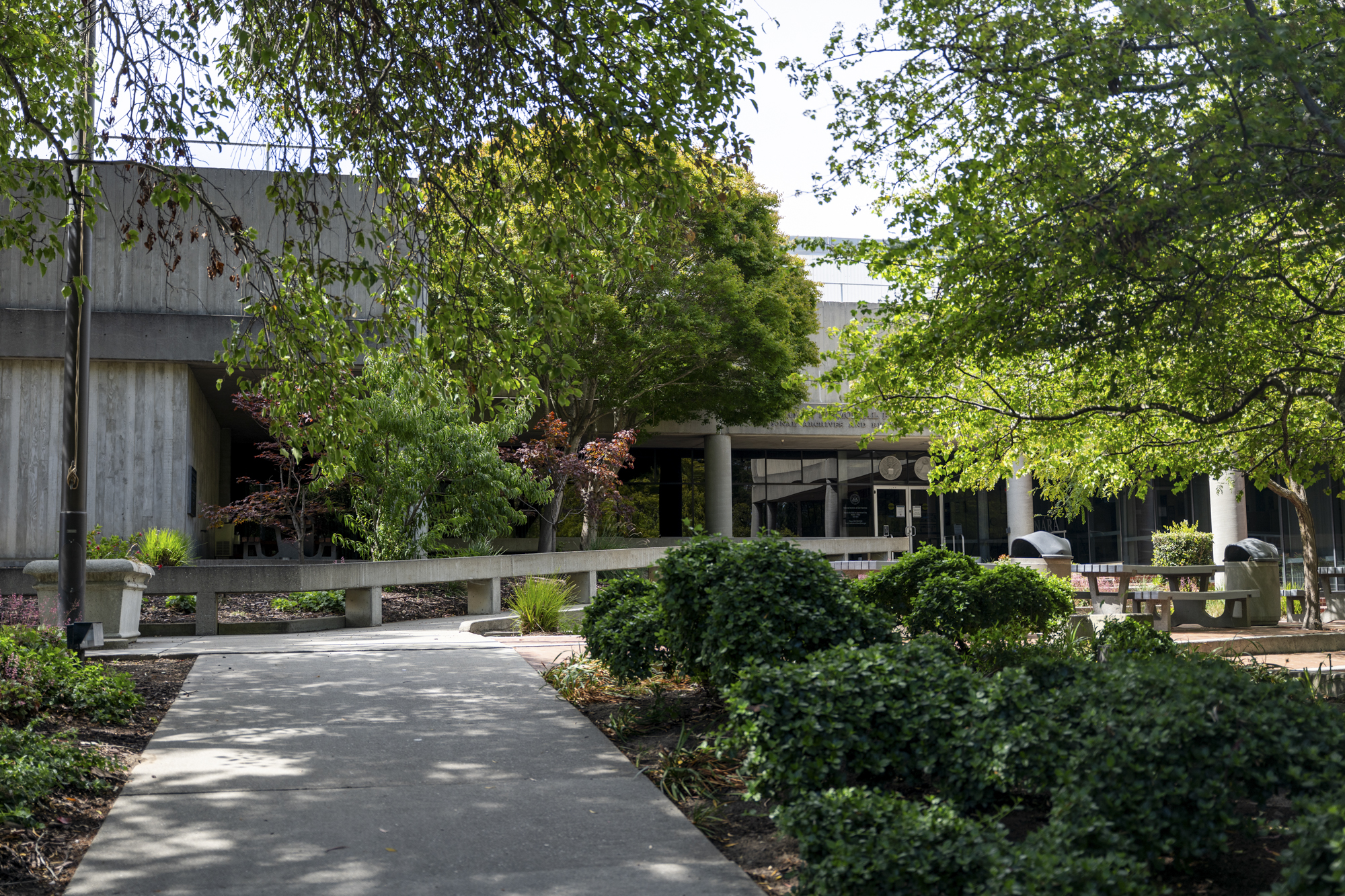
The National Archives and Records Administration did not immediately respond to a request for comment, but told employees in their email announcing the decision that it was made in an effort to support the “long-term financial health and viability” of funding that goes toward facility operations.
NARA’s official announcement on its website in August said the move addressed underutilized space due to a shift to electronic recordkeeping and that the facilities required upgrades that are “fiscally unviable.”
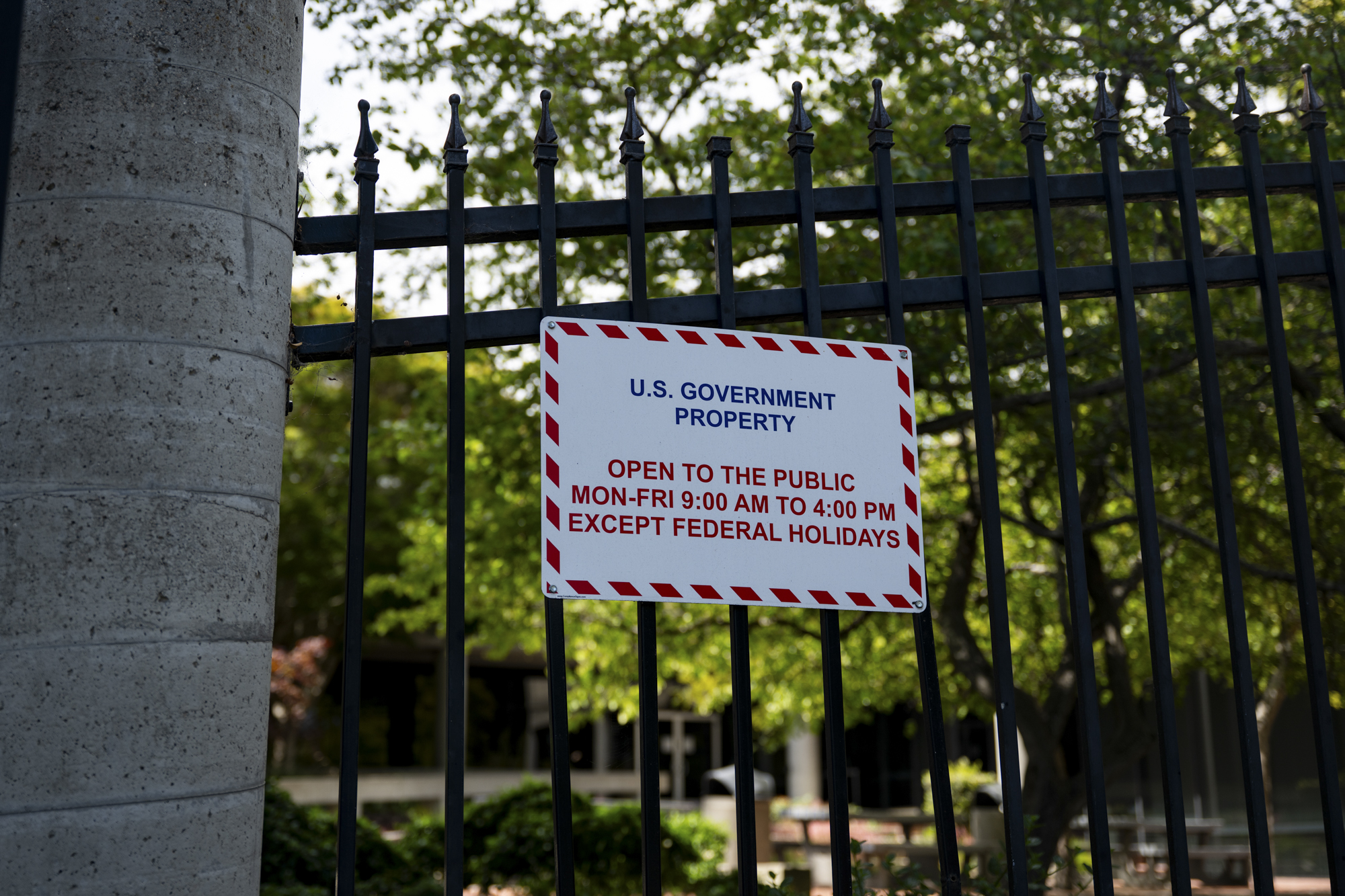
The agency said records from the San Bruno facility are currently and will still be available to the public, following their relocation to facilities in Riverside, Colorado, Maryland, Texas and Missouri.
The relocation of records, however, could take years and run the risk of records being separated or irreparably damaged, the lawsuit claims. Digitizing records, too, is not so easy due to the mass amounts of documents — with some too fragile to be copied.
The agency said that currently, less than 4% of all records are digitized. According to NARA, only 3.35% of records from the Bureau of Indian Affairs — a federal agency whose job includes overseeing federally recognized tribes — have been digitized.
Four Native organizations said in a separate joint letter to NARA, issued the same day as Bonta’s lawsuit, that the closure has proceeded without “meaningful consultation” with tribes.
“These archives hold documents and records that sovereign Tribal Nations rely on to vindicate the rights of Tribal members and to hold the federal government accountable for its trust and treaty obligations,” said letter cosigner John Echohawk, executive director of the Native Americans Rights Fund, in a statement.
NARA hosted two tribal listening sessions this month to “lessen or mitigate the impacts of the closure.”
Bonta characterized that move as “inchoate.”
The “‘consultation’ with the tribes is illusory and evidence of NARA’s failure to consider the impacts of its decision to close the Archives,” the lawsuit said.
When NARA previously tried to sell its facility in Seattle in 2019, the U.S. Office of Management and Budget switched gears after lawmakers and tribes rallied against the closure.