Why Is It So Hard to Believe We’re Worthy?
This story is part of Inside Love, our series exploring what it means to love through science and curious conversation.
Why can a compliment make us anxious? Why do we sometimes expect rejection even when a relationship is going well? Psychologist Marisa Franco says the negative stories we harbor about ourselves can be stubborn, leading us to look for evidence that confirms our deepest fears about who we are.
“They like me now, but it’s only a matter of time. They’re gonna figure out who I really am,” Franco says, describing how low self-esteem can make acceptance itself feel threatening.
We talk to Franco about her new book, “Worth: The New Science of Self-Esteem and Secure Attachment,” and how we can question old beliefs about ourselves, respond differently to difficult emotions and build a more secure sense of self.
Learn more about Marisa Franco and her work here.
Guest:
- Marisa Franco, psychologist; author, Worth: The New Science of Self-Esteem and Secure Attachment.
Lesley McClurg: How do you define worth?
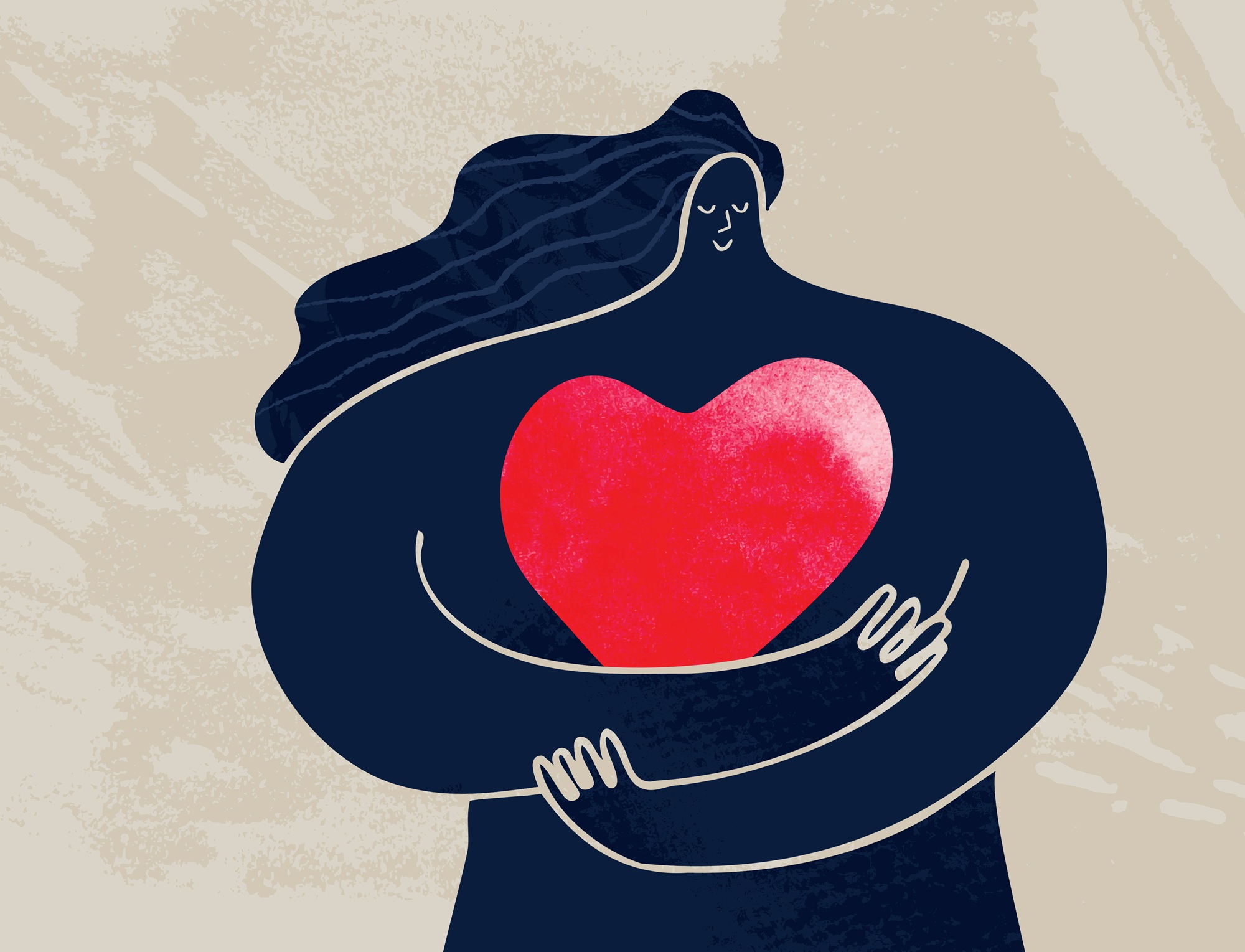
Marisa Franco: I define worth as treating your internal world as if it matters. Treating all of your feelings as if they’re worthy of your attention and your compassion.
Lesley McClurg: You argue that once we come to believe something about ourselves, “I’m not lovable, or people leave, or I don’t matter,” we actually start looking for evidence that that is true. How does that work? How are we shaping our reality by those beliefs?
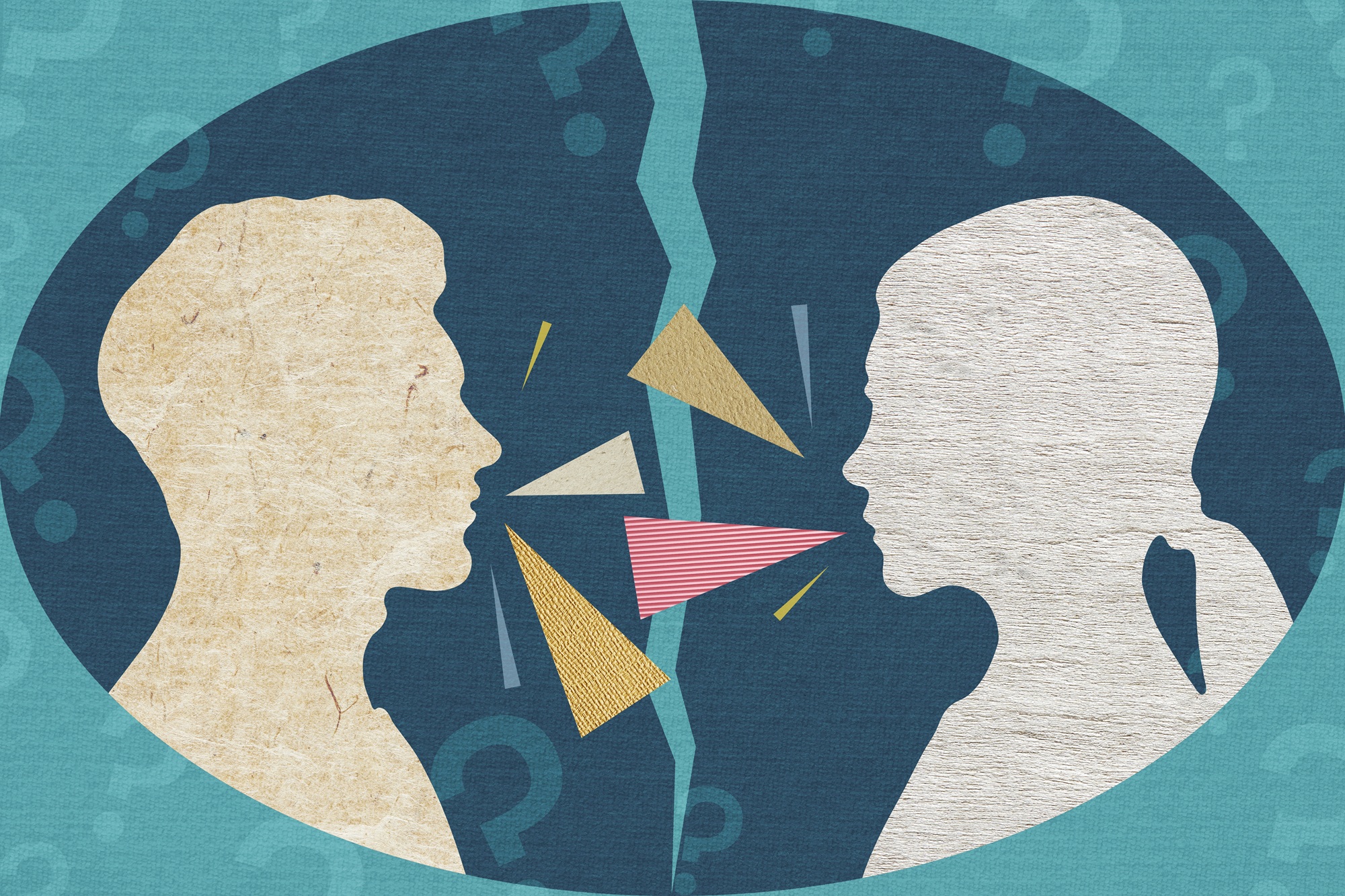
Marisa Franco: Anyone who’s tried to improve their self-esteem can vouch that it’s extremely difficult. And the reason why is because researchers call self-esteem a theory of self. And if it’s low, you think that other people will reject you and harm will come. If it’s high, you think that people will accept you and good things will happen.
Now, what happens when something happens that’s counter to your theory? If people with low self-esteem get positive feedback from other people, their blood pressure rises. They actually get sicker months later. And so what’s happening is, if you have this theory of self, information that’s counter to that theory does not elevate the self.
It makes you feel like you’re in some chaotic, unpredictable world, and it’s only a matter of time until that harm comes again; you’re sort of waiting for the shoe to drop. So there’s anxiety. They like me now, but it’s only a matter of time. They’re gonna figure out who I really am. It’s almost better if my sense of self is verified, if I get negative feedback about my sense of self, because at least that’s familiar. And in some ways, familiarity regulates us.
Lesley McClurg: How do fixed ideas about ourselves — ‘I’m autonomous, I’m independent, I’m a loner’ — get in the way?
Marisa Franco: So if you think about treating your internal world as if it matters, treating every feeling as if that matters, often you’re gonna have feelings that are counter to your sense of identity. Maybe someone really masculine feels weak. And we might have this top-down approach where we try to suppress those parts of ourselves, push them away because they don’t match our identity. But really, I’m pushing for a version of security that’s about welcoming whoever you are and wherever you’re at. And in the present, I am always evolving as a person. I’m having new feelings, I’m having new experiences, I’m having new emotions. Having a sense of self-worth is about being open to all of those emotions because your regard for yourself does not depend on you being the self-made person, or being the most attractive person in the room. Your regard for yourself is there no matter what, even as your identity changes over time.
Lesley McClurg: If we have some really rigid ideas about ourselves, you talk about how psychedelics might be one way to kind of lose ourselves to find ourselves.
Marisa Franco: Yeah, exactly. There was someone I interviewed for the book named Esme, and she tried to make a friend in eighth grade, and it didn’t go well. She would call this friend every day, and eventually that friend was like, “Why are you calling me? We’re not friends.” Heartbreaking. That memory shaped Esme’s ability to make friends for many decades later. So I asked her, what would she have liked to say to her younger self at the time? And I could see her being so half-hearted. She was like, “I would like to tell myself, it’s just a blip. People are going to accept you, but I don’t really know.” What psychedelics do is they deactivate the seed of the self in the brain. You are now able to go back to a memory almost as if you’re a third party. It deactivates the amygdala as well. So that memory is far less threatening. Esme would potentially be able to go back to that memory and see, it’s so beautiful that you put yourself out there. Not every time will that go right. But that doesn’t mean that something’s fundamentally wrong with you — that is just part of the journey of connecting with people. And she might actually be able to internalize that.
Lesley McClurg: You say we should aim to be secure-ish. What exactly does secure-ish mean?
Marisa Franco: I feel like what I see in the Zeitgeist around attachment is: if you shame yourself enough for your insecurities, they’ll go away, right? And fundamentally, I’ve seen so many people just like me trying to act or cosplay or perform security, even when they’re not feeling secure within. And what happens when I see myself as secure and I’m anxious in a relationship? Or I feel that mysterious urge to withdraw. Or I feel overwhelmed or overstimulated in the relationship. I’m not able to fully acknowledge my anxious or my avoidant reactions. Instead, I’m trying to be secure. That’s the narrative I’m going with, and I’m going to ignore those other parts of myself. But really, I am anxious. That’s okay. What does that part of me need?. Turning towards that part of you ultimately leads to a greater sense of security. I think we can achieve that more. To be human is to deal with insecurities, messy feelings, things you don’t want to feel, and all of that is okay.
Lesley McClurg: What I’m hearing from you is that when these feelings come up — whether it’s an anxious response, an avoidant response, or that negative critical voice in your head — we should actually be in conversation with that part of ourselves in a much kinder way.
Marisa Franco: Yeah, absolutely. Dr. Skyler Jackson said, “I wanted to know what small things are actually big for me.” And that, to me, had often been a place of shame — if I had a big reaction to something small. But with him, I heard this sort of openness, this curiosity about the self, this welcoming of my internal experience that very much matched the sort of things that I heard suggested by Carl Rogers, a famous psychologist, who was like: Let your aggressive impulses, your anti-social impulses — you have to be able to acknowledge them, because you can only change yourself when you deeply accept those parts of you. And I think a lot of us have the misconception — and this is fair — that if I acknowledge those feelings, it’s gonna make them worse, right? Labeling your feelings, tolerating what they feel like in your body, accepting them — those are the things that finally make our feelings calm down. So we don’t have to be afraid of our internal world and our internal selves. And it’s okay if you have feelings that you wish weren’t there. In fact, you are having a very human experience. That is what it means to be a human being, rather than a sign that you’re defective or wrong or have something to be ashamed of.
Lesley McClurg: Do you want readers to feel at the end of your book that they can say, I am worthy?
Marisa Franco: I am worthy, that sounds like you’re still evaluating yourself. The point of this book is not to say I am worthy; it is to say, I am.
Lesley McClurg: Thank you so much, Marisa.
Marisa Franco: My pleasure.
Lesley McClurg: Marisa Franco’s new book is Worth: The New Science of Self-Esteem and Secure Attachment. Inside Love is a production of KQED. We’d love to hear your thoughts. Our email is [email protected]. Our engineer is Brian Douglas. Our producers are Susie Britton and Emiko Oda. I’m Lesley McClurg. Thanks so much for listening.
This transcript has been lightly edited for clarity.