Incarcerated Women Detail Devastating Use-of-Force Incident
Here are the morning’s top stories on Wednesday, September 30, 2026
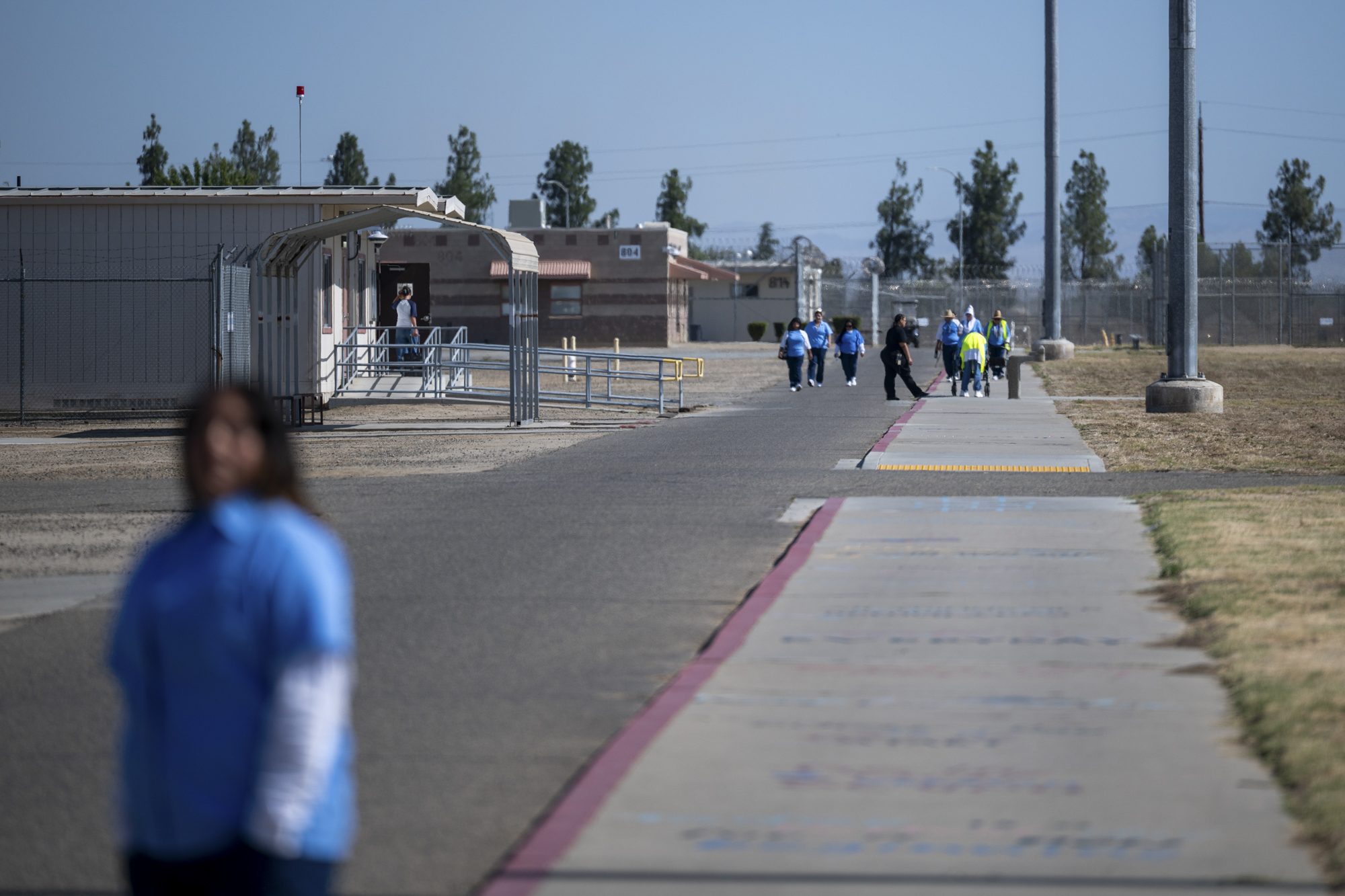
- In August of 2024, at the Central California Women’s Facility in Chowchilla, a mass use-of-force incident took place. Four women were carried away on stretchers. 13 women sued, saying the operation was retaliation for complaints of sexual abuse.
- California is taking steps to shield its coastline, as the Trump administration moves to increase offshore oil drilling.
- Orange County officials have declared coastal erosion along the county’s coastline an emergency.
It’s the summer of 2024, and Antoinette Yancey, who’s incarcerated at Central California Women’s Facility in Chowchilla, said a sergeant named Isidro Arroyo came up to her. “And he said to me, the PREA, the staff assaults, the complaints and all the 602s, all of that stuff needs to stop,” she said.
PREA complaints are those related to sexual abuse under the Prison Rape Elimination Act.
Yancy is on the Inmate Advisory council, which mediates issues between incarcerated people and staff. She said Arroyo’s demand came with a threat— if the complaints didn’t stop. “I’m going to lock you guys down, take all your privileges, and this is gonna continue until the complaints stop,” she said.
At least four other women said to KQED or in legal filings that they’d been warned to stop reporting sexual assault. The California Department of Corrections and Rehabilitation didn’t answer questions about this incident and denied requests to interview Arroyo.
About a month later, on the morning of August 2, Yancey and the other women at the facility, including Irene Avalos, were getting ready for the day when officers said they were going to search the entire housing unit. More than 150 women were marched into the dining hall, where they waited for hours, without food, medication or water. “Just a rude awakening. They came and just told us to get up, get out,” Avalos said.
Through surveillance footage and KQED speaking to a dozen women who were there that day about what happened, they described chaos. Around 12:20 in the afternoon, dozens of officers in protective gear streamed into the cafeteria and formed a line. Sara Toledo was there. “We don’t know what’s happening. So we just see a bunch of officers. They’re forming like a big scrimmage line against us,” she said. The captain told Arroyo to “put them down with gas.” The line of officers began spraying the women with chemical agents. “As soon as the first spray hit, we all started running away,” Toledo said.
Eventually, one by one, the women’s hands were zip-tied behind their backs and they are taken outside to the yard, where the officers form a half circle around them. Footage shows one prisoner stood up to sit by another woman. Then officers deploy another round of chemical blast grenades and tear gas, throwing them at random at the group of restrained women.
Eventually, four women were carried away on stretchers. 13 women sued CDCR over injuries they suffered that day. Their lawsuit also said the operation was retaliation for complaints of sexual abuse. The state admitted no fault, and settled for $1.9 million. CDCR looked into what happened that day, and it resulted in the largest disciplinary action related to a single incident in the state’s history, but left key questions unanswered.
Newsom signs laws to better protect California’s coastline
Governor Gavin Newsom signed a package of bills aimed at protecting California’s coast, wildlife and outdoor access.
One of the bills aims to help protect California’s coast from potential expanded offshore oil drilling. It would prohibit existing infrastructure or leases to be used for new federal offshore oil and gas leases. It also requires the State Lands Commission to consider additional factors when approving an offshore lease renewal. Another would help minimize conflicts between people and wild animals.
The governor also signed bills aiming to increase access to the outdoors. That includes making the California State Parks Library Pass a permanent program. This allows Californians with a library card access to free day-use entry passes to over 200 state parks.
The Orange County Transportation Authority board on Monday declared coastal erosion conditions an emergency, allowing the agency to speedily replenish sand at San Clemente’s disappearing beaches in an effort to protect the coastal rail line.
The agency plans to place 690,000 cubic yards of sand across North Beach, Mariposa Point and San Clemente State Beach. The efforts will create between 80 and 130 feet of additional dry beach. By declaring the coastal erosion an emergency, the agency can waive normal bidding and contracting requirements.
Erosion and landslides along the iconic rail corridor from South Orange County to the San Diego County line have caused several disruptions since 2021. Gov. Gavin Newsom declared a state of emergency last week in preparation for the El Niño storm, which is expected to severely impact California’s coast.
O.C. Supervisor Katrina Foley said red tape has hindered the agency’s ability to proactively protect beaches. “By aligning OCTA with the County and State’s declarations of emergency, we can potentially advance approximately 690,000 cubic yards of sand along San Clemente years ahead of schedule to restore our beaches while protecting our coastal communities and rail corridor,” Foley said in a statement.