San José Leaders Back Off Parking Rate Increase
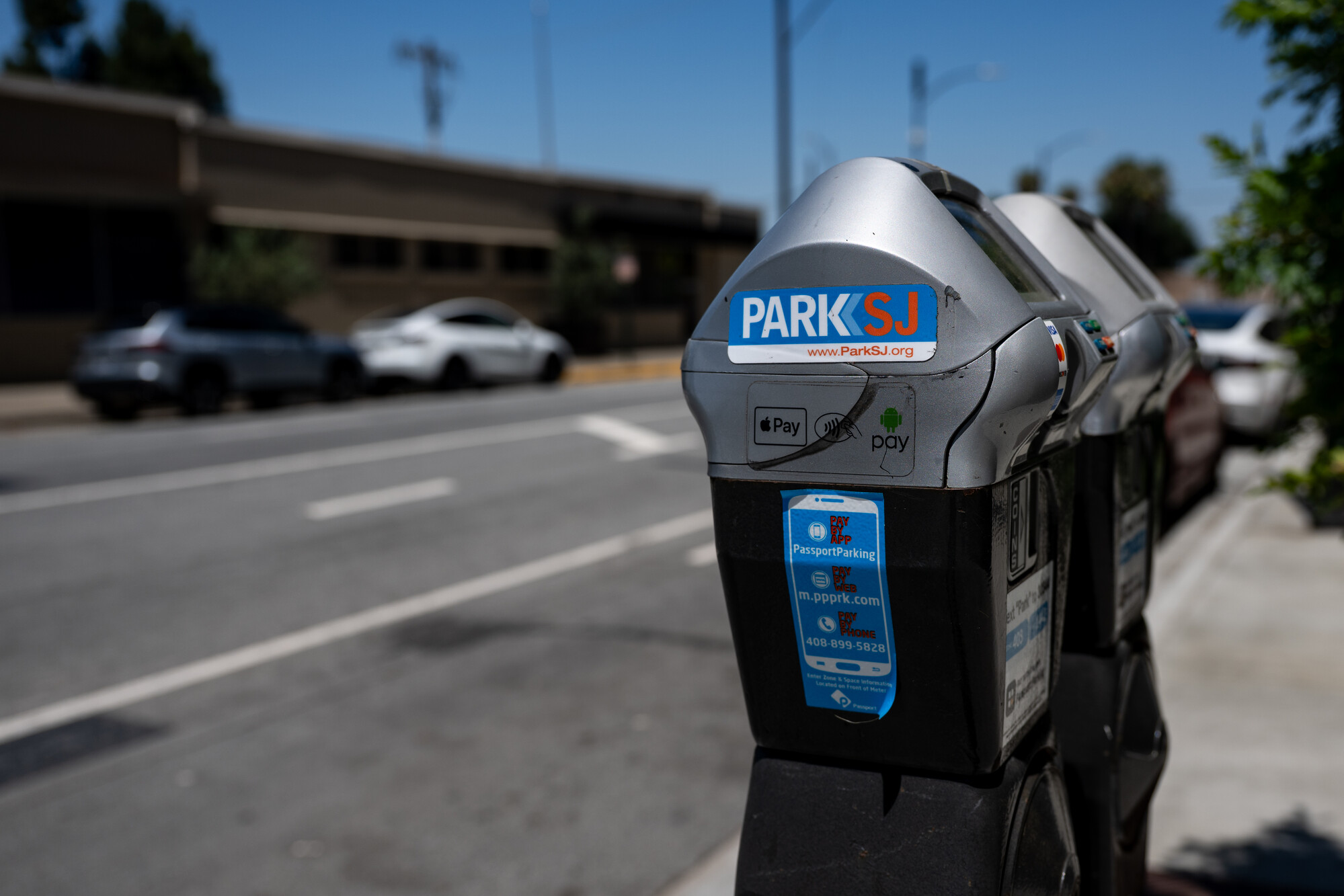
The San José City Council balked at raising parking meter rates and extending parking enforcement hours over broad concerns about the potential harm to downtown businesses and workers.
After a nearly two-hour meeting, city leaders chose instead Tuesday to increase special event and hourly rates for city parking garages, but to leave city meters at their current rate of $2 per hour, with parking enforcement hours continuing to end at 6 p.m.
Councilmember George Casey said the proposed policy change didn’t seem to consider the impact on small businesses downtown, which often operate on thin margins, and whose customers and employees often rely on metered parking.
“These small business owners have come into our downtown where we don’t, frankly, have the critical mass we’d like to see. And when we take steps that would negatively impact their businesses, I take umbrage with it,” he said.
The decision follows months of discussion and outreach by city staff prompted by a backlash in June, when San José quietly tried to double parking meter rates as part of the annual budget, much to the chagrin of downtown business advocates, restaurant and bar owners and workers.
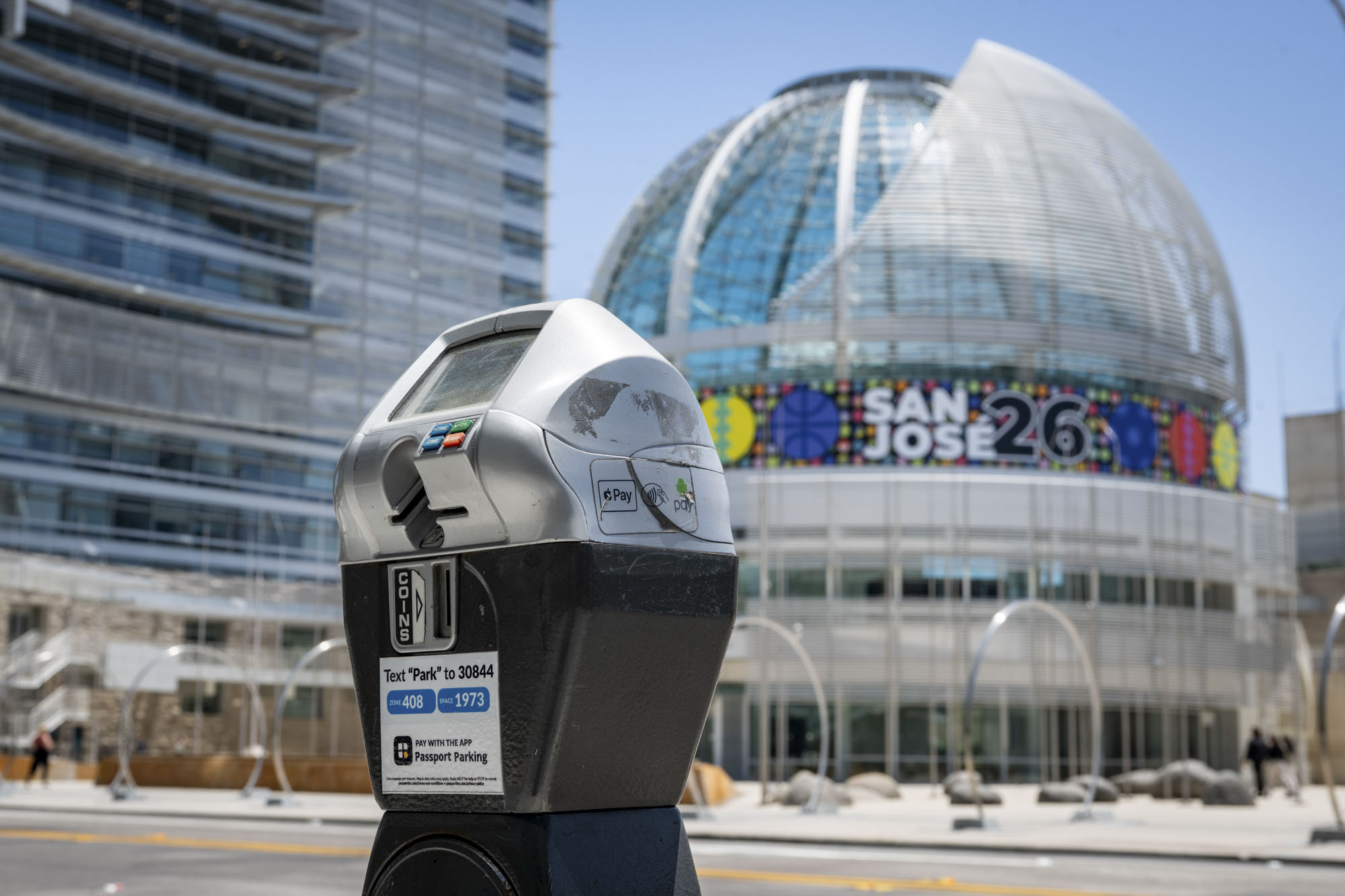
In an effort to help shore up ongoing budget deficits, and to account for the rising cost of providing parking infrastructure, city transportation officials this month proposed a phased plan that would bump the city’s downtown parking meters rates to $3 per hour next year, and $4 per hour beginning in 2030.
Outside of downtown, rates would have increased from $2 per hour to $3 per hour in 2030, and the hours downtown meters are active would have extended until 9 p.m. beginning in 2028, according to city reports.
The city has pulled $1.2 million from parking funds to help support the city’s general fund, a move approved by the council to help close a $50 million shortfall in the current budget, and expects to continue redirecting a similar amount to the general fund in coming years. City officials also said some of the additional revenue would go back into making upgrades to parking structures and upgrading meters.
Brendan Rawson, the director of San Jose Jazz, referenced a 2026 City Pulse report from Gensler, saying that San José’s downtown ranked near the bottom in several categories including vibrancy.
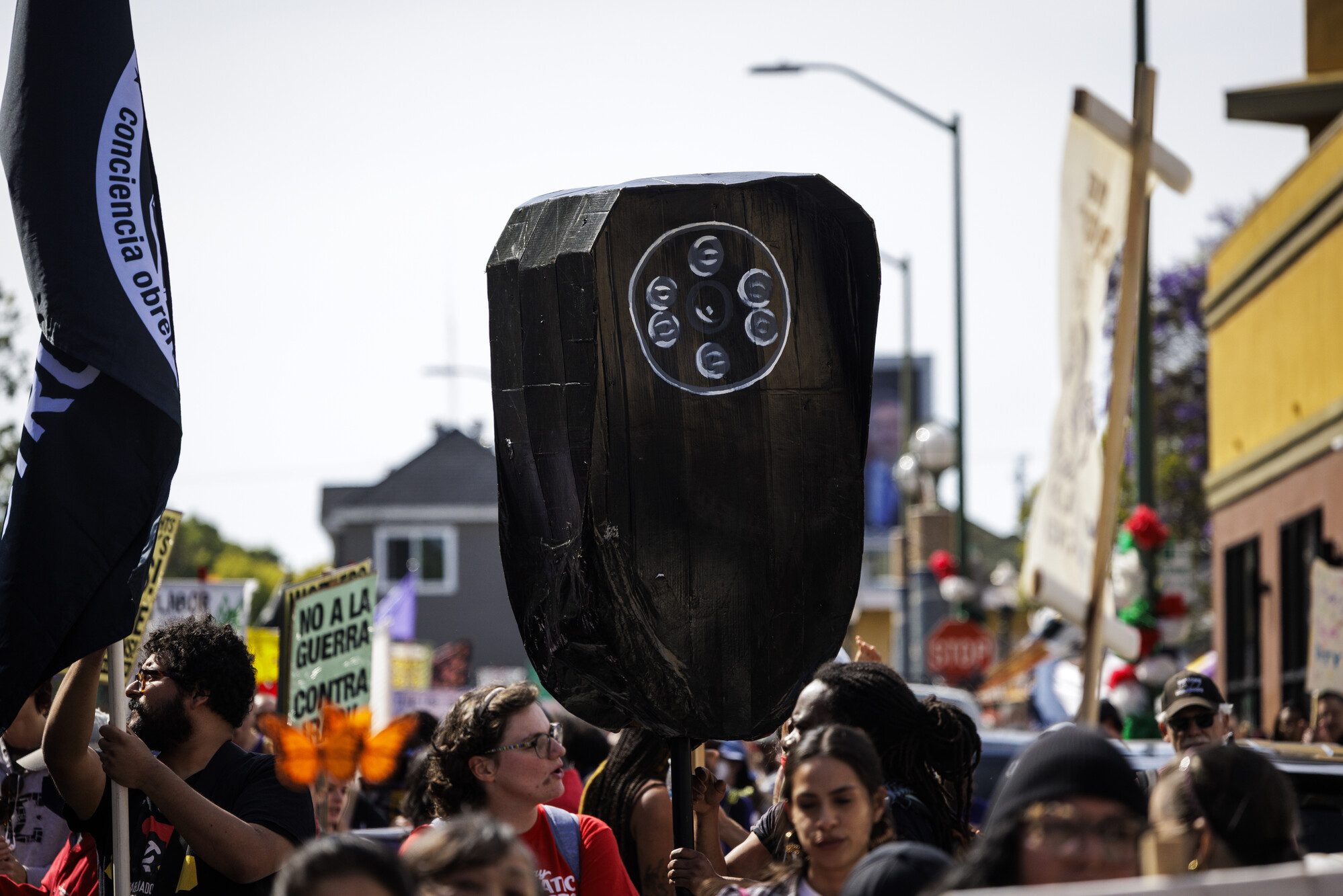
“Parking is the gatekeeper issue that holds many residents back from even giving downtown a try. This proposal to raid the parking fund in order to pay for a recurring general fund deficit is penny-wise and pound-foolish,” Rawson told the council at the meeting.
After two different split votes, with Mayor Matt Mahan absent, the council couldn’t come to an agreement on any meter rate increases, including a compromise proposal from Councilmember Anthony Tordillos, who suggested limiting increases to just $3.
“I think part of what has made this process challenging is that we’re trying to balance a number of goals, some of which feel like they are competing with one another,” Tordillos said, noting the need for revenue to support the general fund, parking facilities maintenance and future improvements, and the need to protect businesses who are still in a long tail of post-pandemic recovery.
The council ultimately supported portions of a plan from Tordillos that directed staff to come back next year with a detailed parking analysis, and a pathway to lessen the transfer of parking funds to the general fund in the future.
The city hasn’t raised downtown parking meter rates since 2014, according to Colin Heyne, a spokesperson for San José’s Department of Transportation.
“We know people don’t want to pay more for parking. So this is something that we’ve just dealt with for many years, even as costs have gone up,” Heyne said. “But with this budget deficit, we felt it was finally time to pull the bandage off.”
City officials tried to approve a quicker doubling of parking meter rates in the downtown core in June, with an item tucked into the consent calendar section of a City Council meeting agenda, a portion of the agenda for items that are considered routine and typically not discussed in depth.
But residents, business owners and the San José Downtown Association raised concerns, and said they weren’t consulted about such a change. The council ultimately put the idea on hold, and asked transportation staff to come up with a different plan, resulting in the phased proposal.
Much of the frustration from business owners, advocates and downtown residents stemmed from what they described as a poor process with limited outreach and consideration of the impacts.
Alan “Gumby” Marques, a longtime downtown business owner and former downtown association interim president, told the council he couldn’t support what appeared to be a tax on businesses in the area.
“This process has been broken. If there was anything that ever demonstrated that San José was an opaque black box, this process has made that so,” he said.
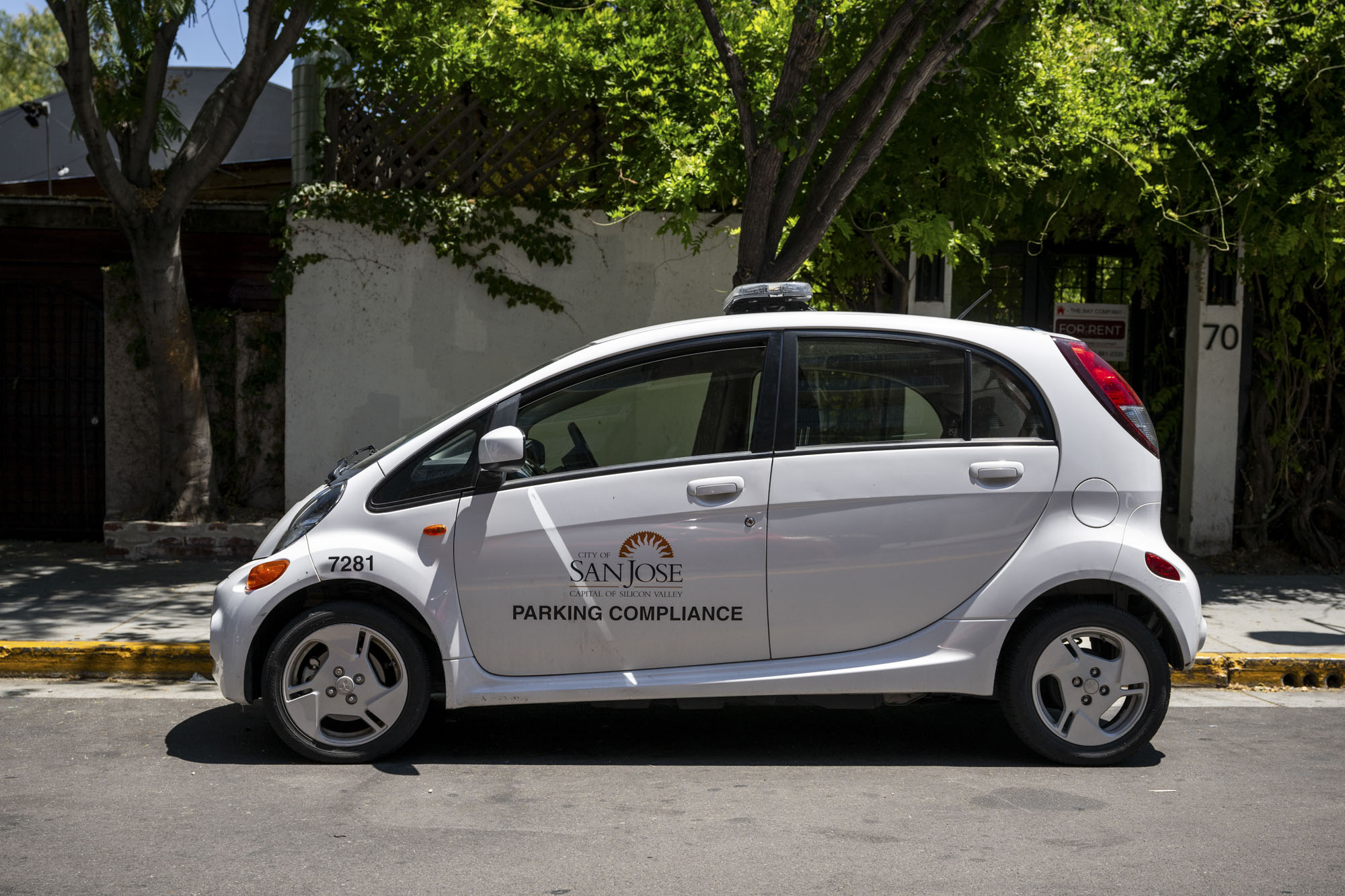
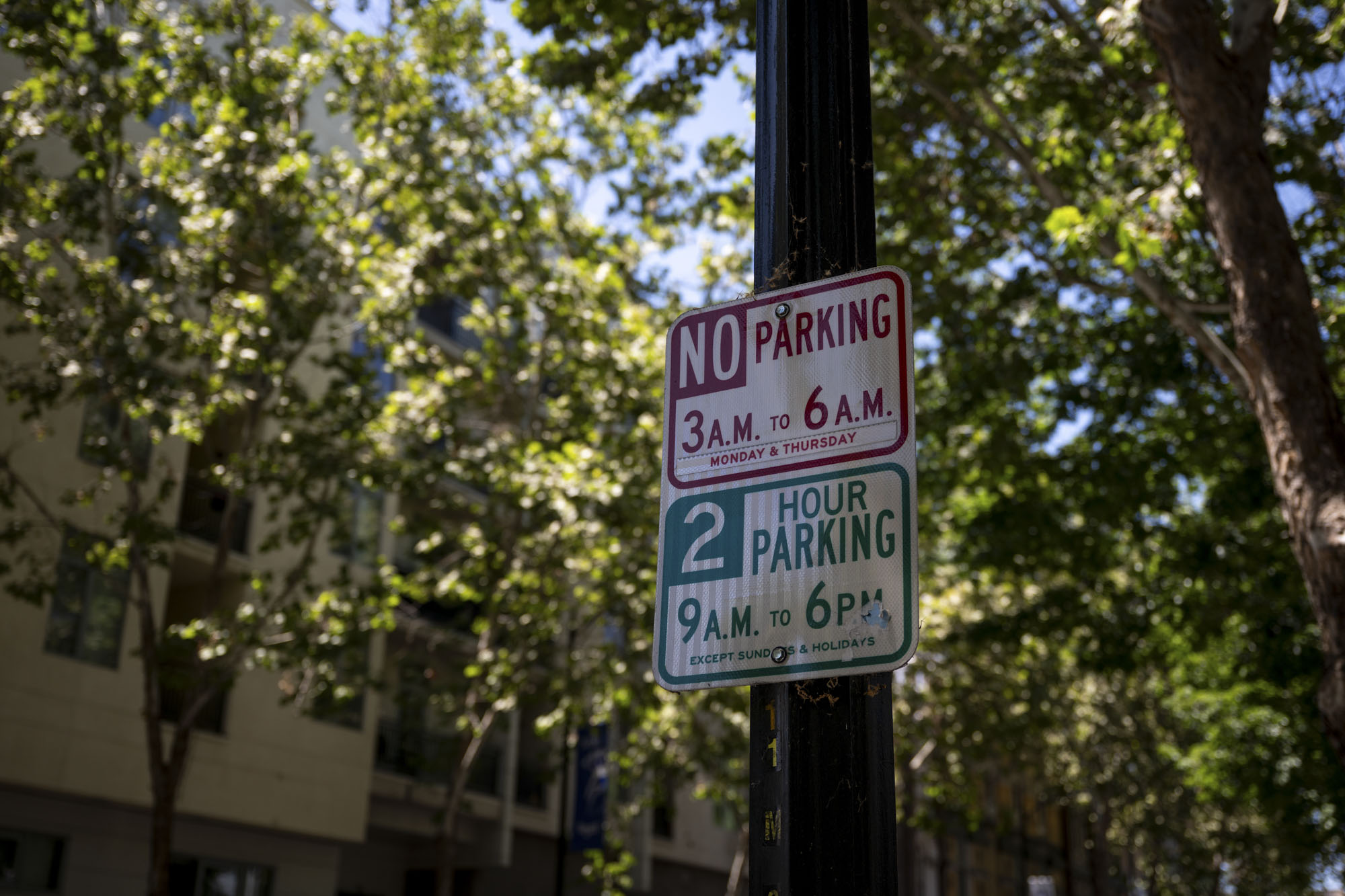
Parking enforcement officers have also seen increases in drivers parking their cars in 2-hour restricted spots well beyond those time limits, by continually feeding the meter, officials said. The city wanted to increase prices in part to encourage more turnover downtown for curbside spots near businesses, which are considered “premier customer parking,” Heyne said, and push people who need to park for longer times to city garages, which would cost less per hour.
Tamiko Rast, vice chair of the city’s Downtown Parking Board, and CEO of the Japantown Business Association, vocally opposed extending the hours and supported higher hikes on city garage event rates.
However, Rast said many people do not park in city garages currently because they feel that they aren’t clean or as safe as curbside parking.
“If people feel safe coming to our garages and they have a clean walkway up the stairwells, I don’t think the price is going to matter as much as you would think. But right now, it’s a combination of a higher price and low quality that I think people will notice,” she said, noting some garages, like The Globe garage on South Third Street, smell like urine or other unpleasant odors.
Perhaps the most controversial aspect of the proposal the council shot down was to widen the hours that parking meters are active and require payment. Meters in the city are currently active Monday through Saturday, from 9 a.m. to 6 p.m., but the city’s plan would have extended the downtown enforcement time until 9 p.m.
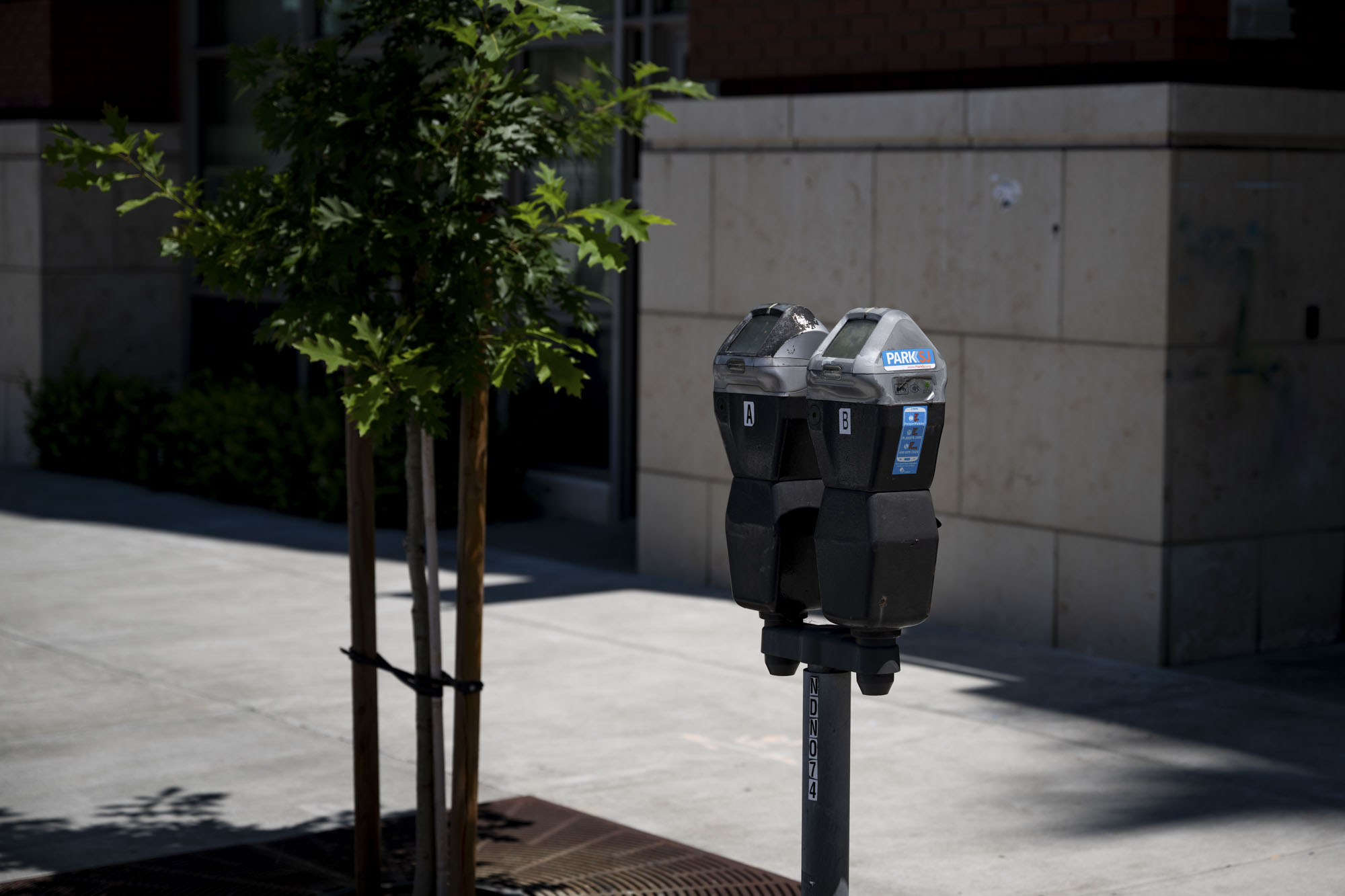
Brian Kurtz, CEO of the San José Downtown Association, said the area has not rebounded nearly enough since the pandemic to justify the changes.
“The idea of increasing parking rates and adding additional barriers of entry for the same visitors that we’re attempting to attract in downtown, I think it’s detrimental to downtown’s progress at the end of the day,” Kurtz said.
Heyne said the city planned to use some of the revenue from the increased rates to help pay for a series of ongoing maintenance needs and targeted improvements, including parking garage painting, floor resurfacing and lighting, expanding of security patrols and the installation of an additional elevator at the Second and San Carlos garage.
One portion of the city proposal that found broad support from the downtown association and the council is a plan to expand a program for some lower-wage downtown employees to receive discounted monthly parking at city garages, in an attempt to help protect workers from the pinch of higher parking costs.
The program currently offers a half-price discount on city parking garage monthly permit rates to employees working in meter districts who earn no more than 30% over the minimum wage of $18.45 per hour. Under the proposal, the city program would expand to include people who earn up to 50% more than minimum wage, and would exclude tips from the threshold.
“We’re hoping that one outcome of this whole process is that more people are aware of this program and more people take advantage of it,” Heyne said.