Some Jewish Groups Welcome New Law Meant to Protect Places of Worship, but Opponents Say It Could Criminalize Peaceful Protests
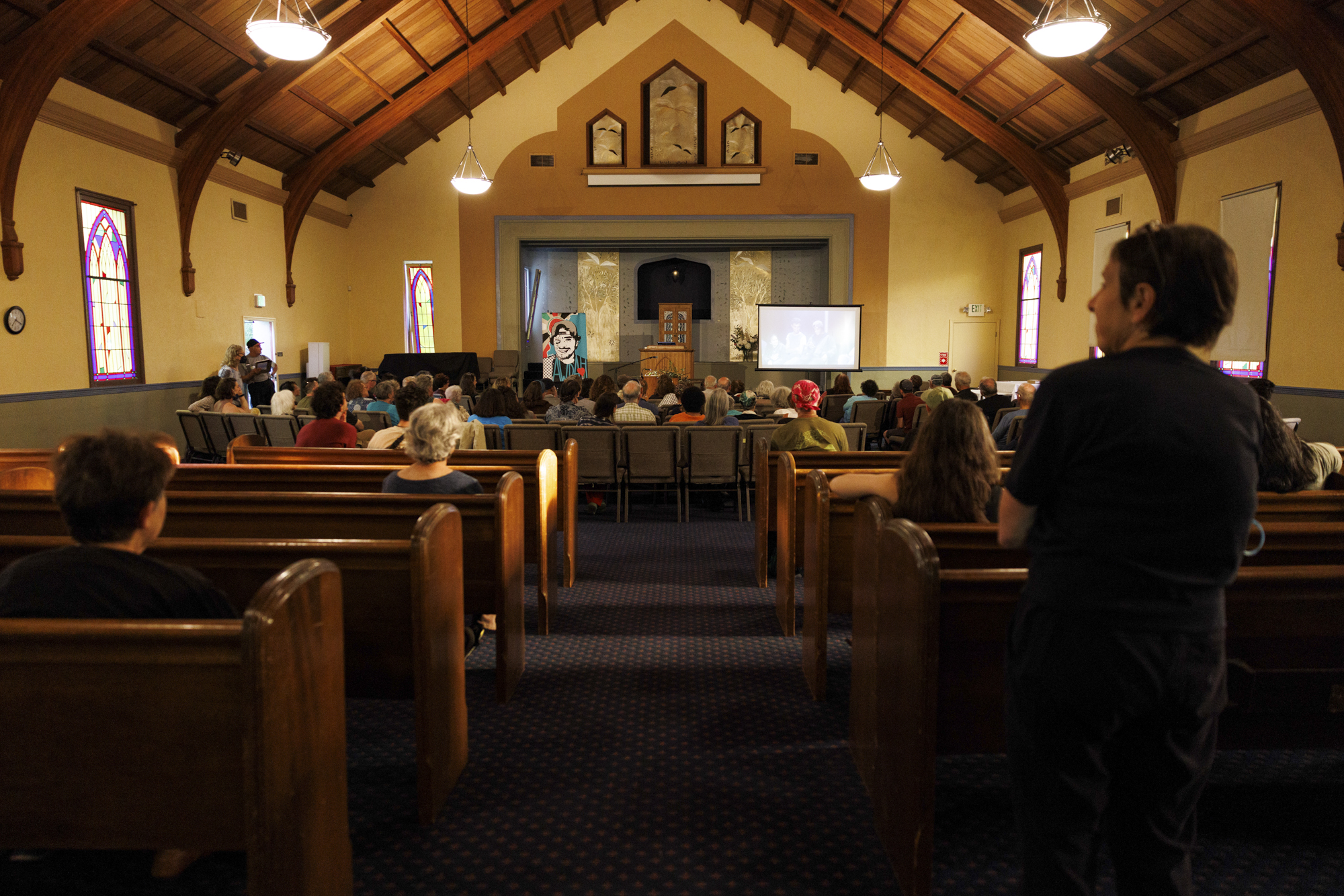
A new bill signed into law by Gov. Gavin Newsom this week that’s meant to protect worshippers from harassment and protests when accessing places of worship has raised concerns among pro-Palestinian advocates of possible selective enforcement.
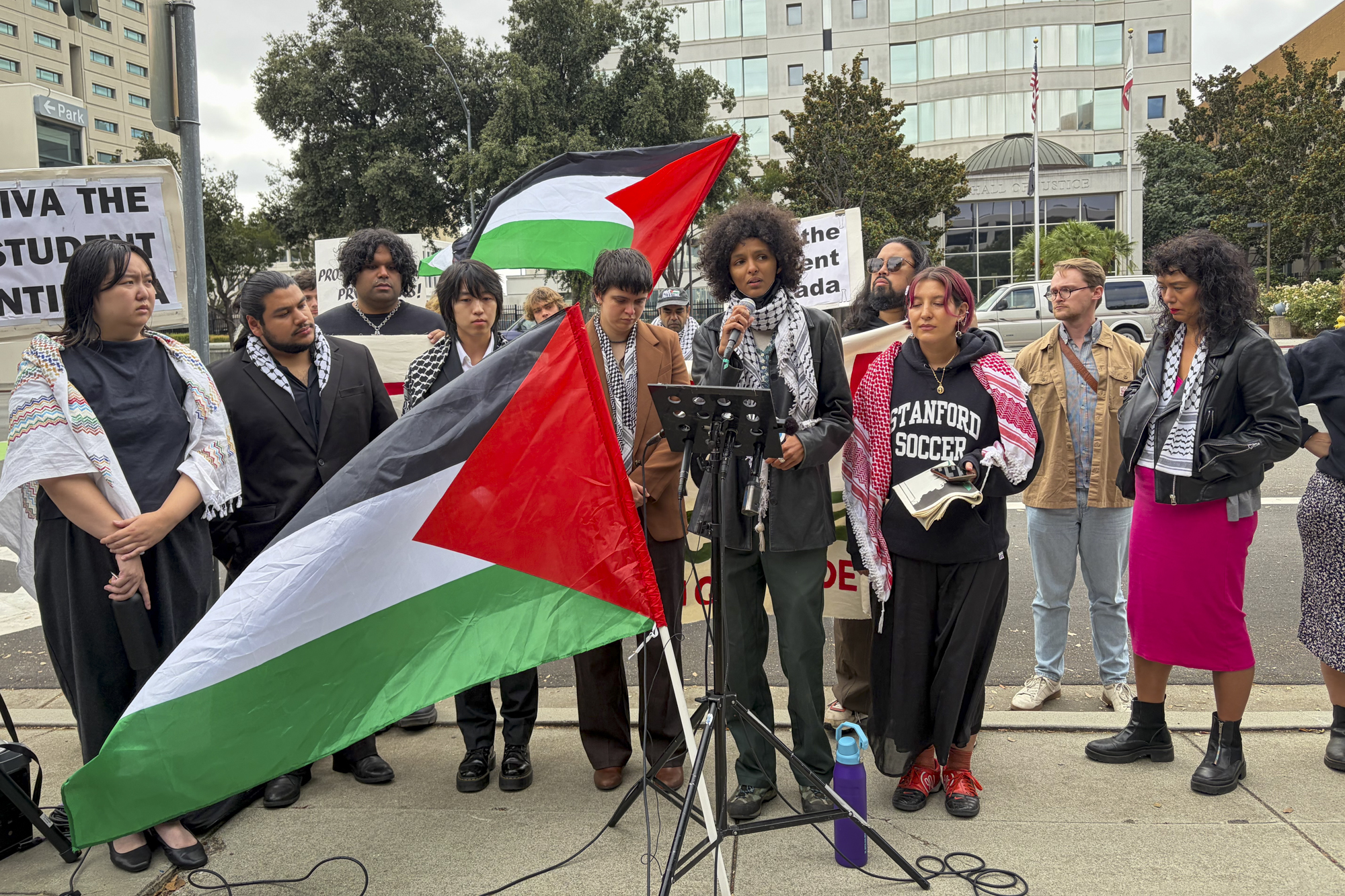
The Council on American-Islamic Relations said Assembly Bill 2664, which creates a 100-foot buffer zone around synagogues, mosques and other places of worship from leafleting, protesting or harassment, will criminalize constitutionally protected protests outside of houses of worship they said host “illegal sales of stolen Palestinian land.”
The law, which goes into effect next year, requires a demonstrator to be within 8 feet of a person entering or exiting the facility to be in violation and carries a punishment of up to six months in jail or a fine of up to $1,000 for a first-time offense.
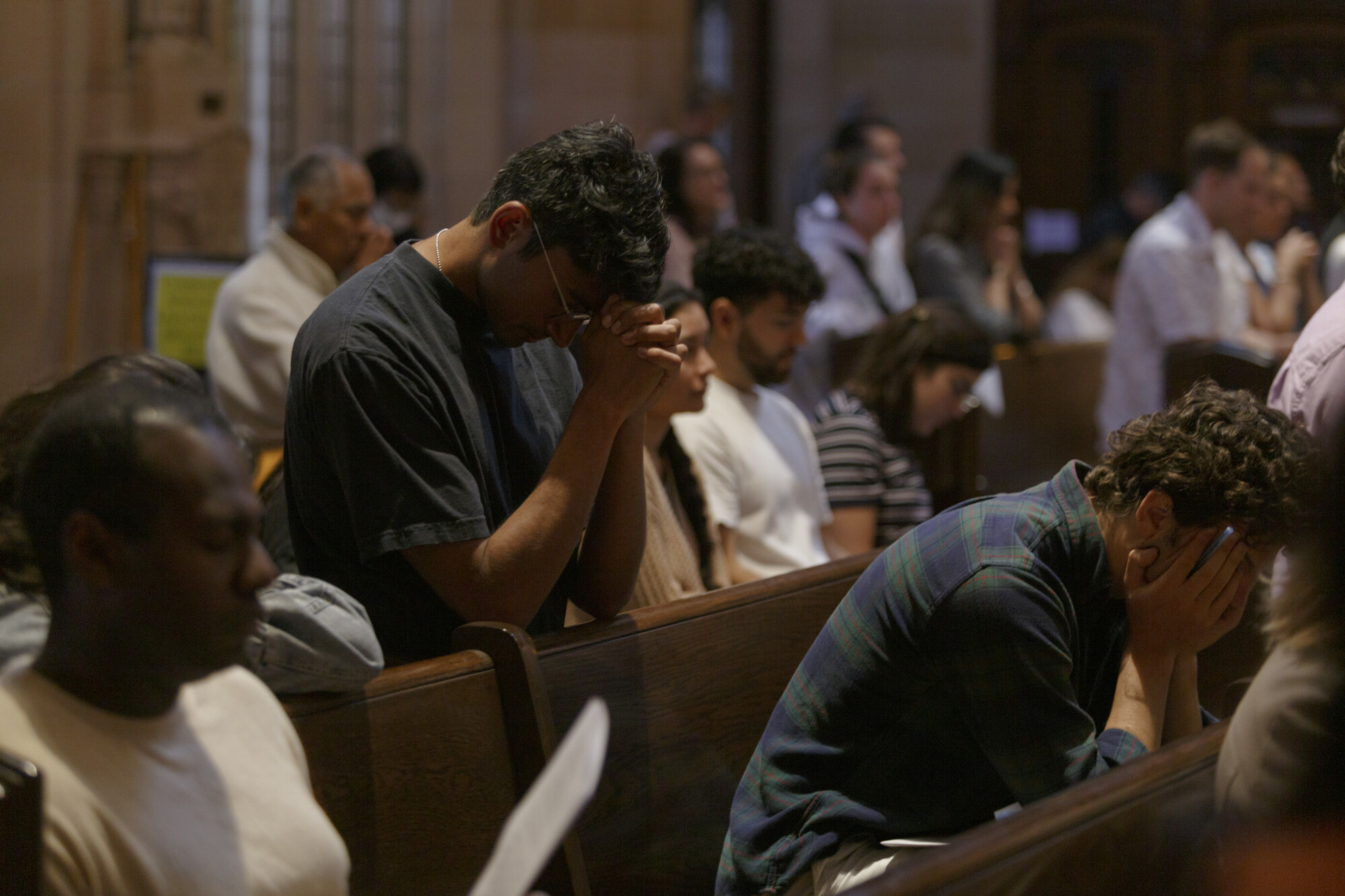
Newsom said in a statement that the law allows worshippers to practice their faith “without fear.”
“Our legal teams are obviously looking at the constitutionality argument and consulting with partners across organizations,” said Oussama Mokeddem, the legislative and government affairs director for CAIR’s California chapter. “But, for a fact, in implementation and seeing the selective enforcement of this law will invite legal action.”
Supporters of the bill said the law strikes the right balance between protecting the right to worship and the right of free speech.
David Bocarsly, CEO of bill sponsor Jewish California, said the law is modeled after a similar buffer zone in Colorado that bars protesting and leafleting around reproductive health clinics.
The U.S. Supreme Court upheld Colorado’s statute in 2000, ruling that it didn’t violate the First Amendment because it was not “a regulation of speech … [but] a regulation of the places where some speech may occur.”
“You can still hear someone from 8 feet away, and if someone isn’t walking in that moment, that public right-of-way remains accessible to protest as well,” Bocarsly said.
Mokeddem and Bocarsly do agree that the law comes at a time when their communities fear increased persecution, whether it be from individuals or the government.
Bocarsly said increasing fears from Jewish Americans about practicing their faith at a place of worship was a driving force behind the bill. The Associated Press reported in July that a majority of Jewish adults feel less safe in the country since Hamas’ Oct. 7, 2023 attack on Israel.
A protest at the Wilshire Boulevard Temple, a Southern California synagogue, where demonstrators criticized a speaker from an Israeli defense contractor, was named by the bill authors as a driver.
Rabbi Joel Nickerson said that the synagogue had been the location of a “disturbing outbreak of hate that resulted in arrests for battery and the destruction of property.”
Nickerson said that protestors blocked sidewalks and prevented employees from leaving.
CAIR California has previously condemned real estate events held at California synagogues that allegedly promote the sale of land in the West Bank.
These sales, organized by My Home in Israel, have drawn crowds of protesters who see the sales as part of an effort to expand Israeli settlements, which are illegal under international law, in Palestinian territories.
In a post on its website, My Home in Israel highlights the tax benefits of foreigners purchasing land in the West Bank prior to making “aliyah,” the immigration of members of the Jewish Diaspora to Israel.
Attorney General Rob Bonta’s 2025 annual hate crime report, released this summer, showed that overall hate crimes in the state dropped by a little over 4% from 2024 to 2025. Anti-Jewish bias crimes also dropped after increasing the year prior, while anti-Muslim crimes rose, according to state DOJ data.
An analysis of hate crime data from 2019 to 2023 by the Public Policy Institute of California found that overall hate crimes had more than doubled through 2022, then dropped in 2023. Anti-Jewish and Muslim hate crimes, however, continued to climb that year.
Mokeddem said the law comes as the federal administration tries to censor criticism of issues like the Israel-Hamas war, which experts, including a UN commission, consider genocide.
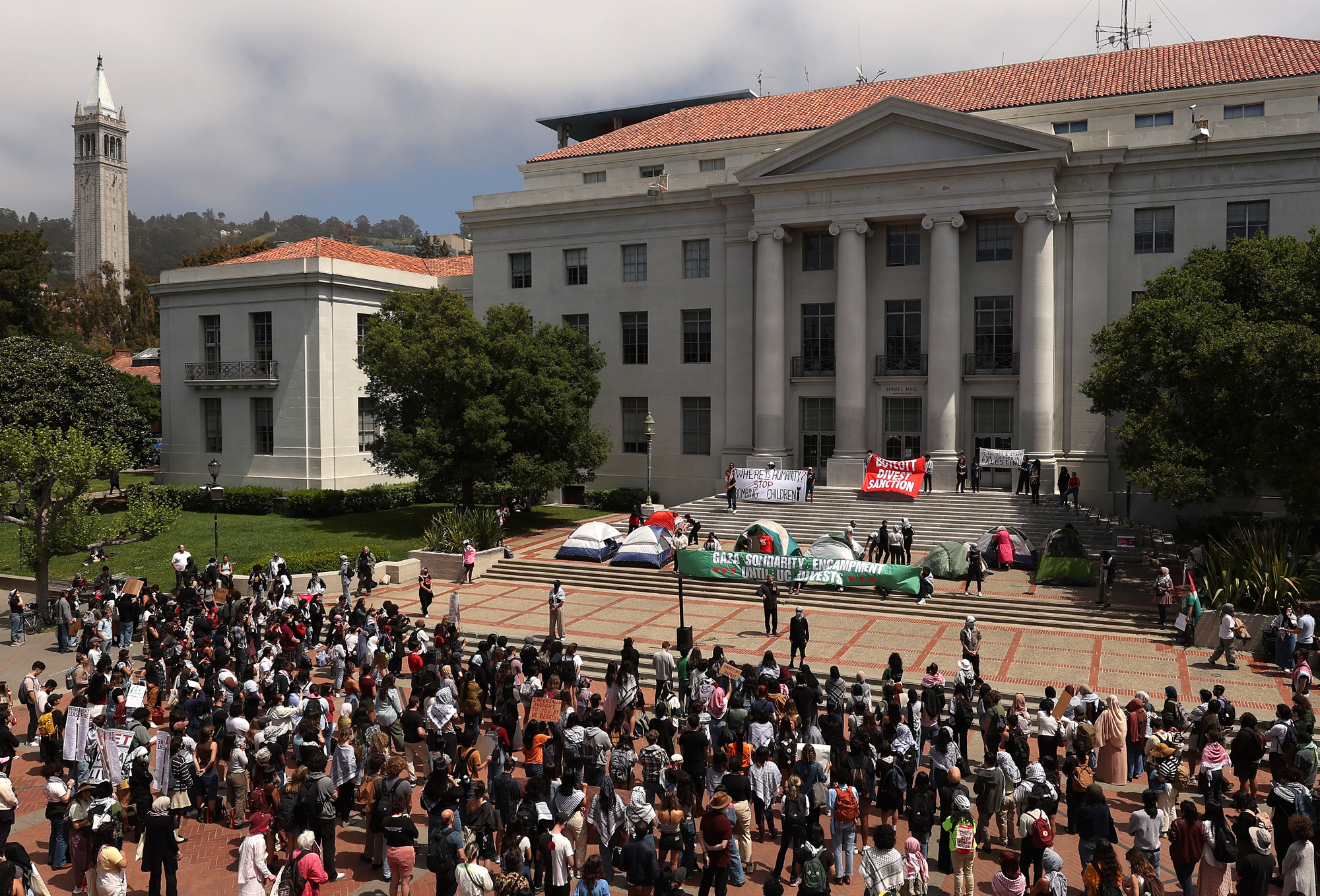
Pro-Palestinian protestors have faced a slew of challenges to their activism that they say violate their First Amendment rights.
Graduate students Mahmoud Khalil, a pro-Palestinian activist, and Rümeysa Öztürk, who co-authored an op-ed that called for her university to divest from Israeli-linked companies, were detained by immigration authorities and threatened with deportation.
“We believe that it’s really short-sighted to create legislation and law that may make communities feel like they have a buffer on a particular issue, but the unintended consequences lead to the censorship of Americans across the board on many issues,” Mokeddem said.