Oakland Airport to Adopt Mandate Clearing Path for More Workers to Unionize
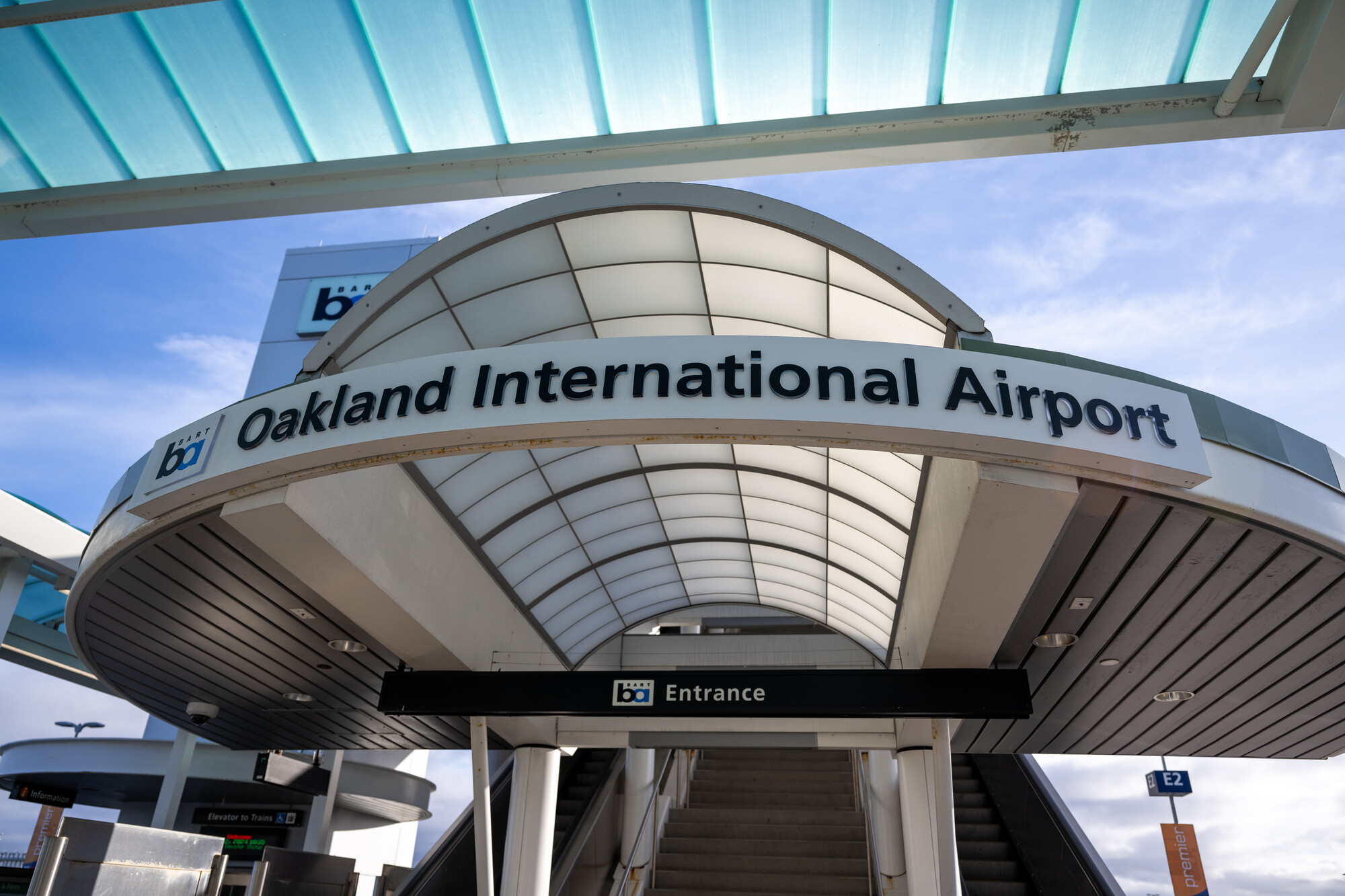
The Port of Oakland, which oversees that city’s airport, has adopted changes that labor experts say will make it easier for hundreds of employees with aviation service providers to unionize and remedy workplace problems.
The Board of Port Commissioners gave final approval Thursday to an ordinance requiring companies that contract with airlines to handle baggage, clean airplane cabins, assist passengers on wheelchairs, provide security and other services to enter into “labor peace” agreements with unions seeking to represent their employees.
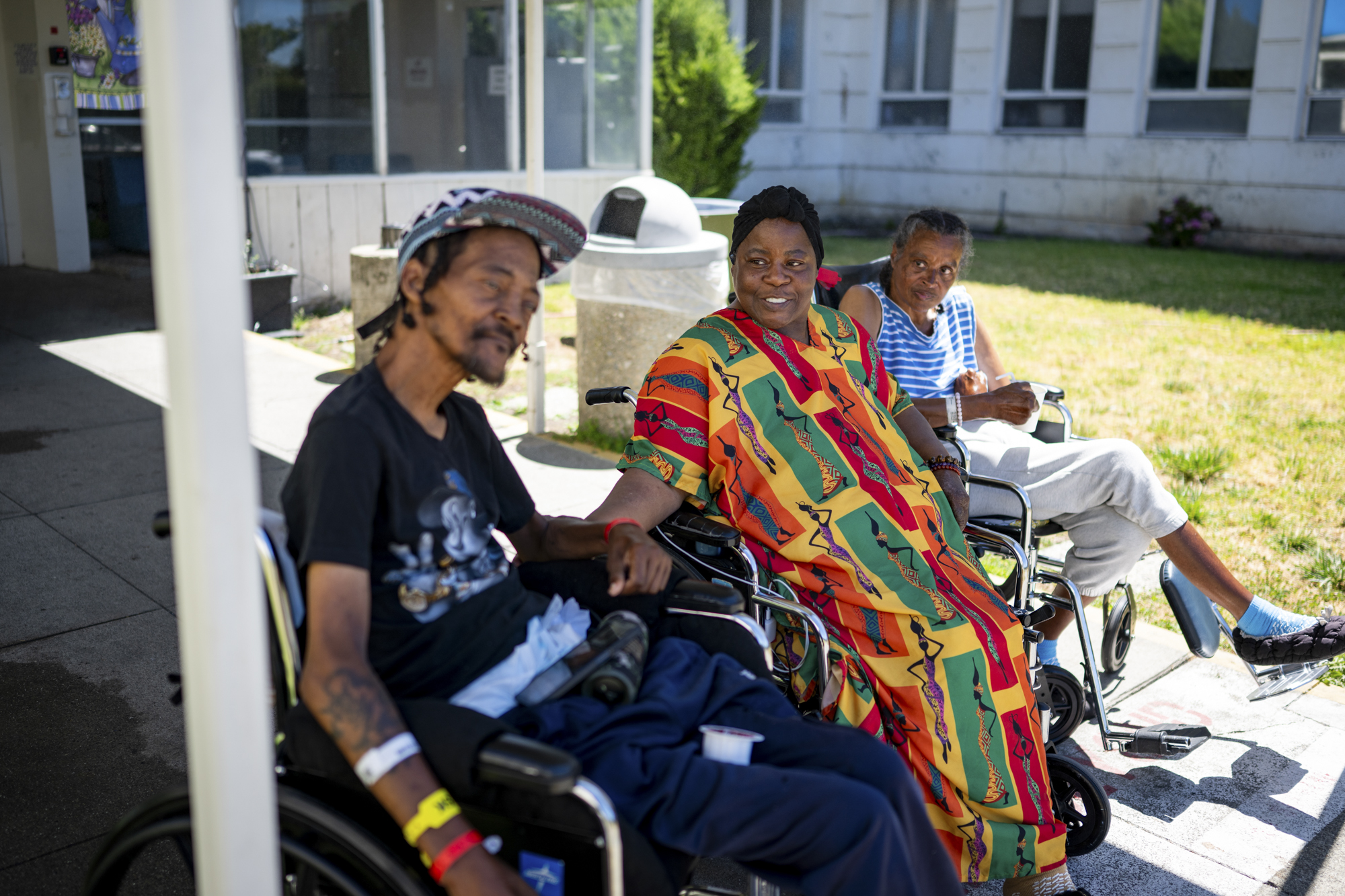
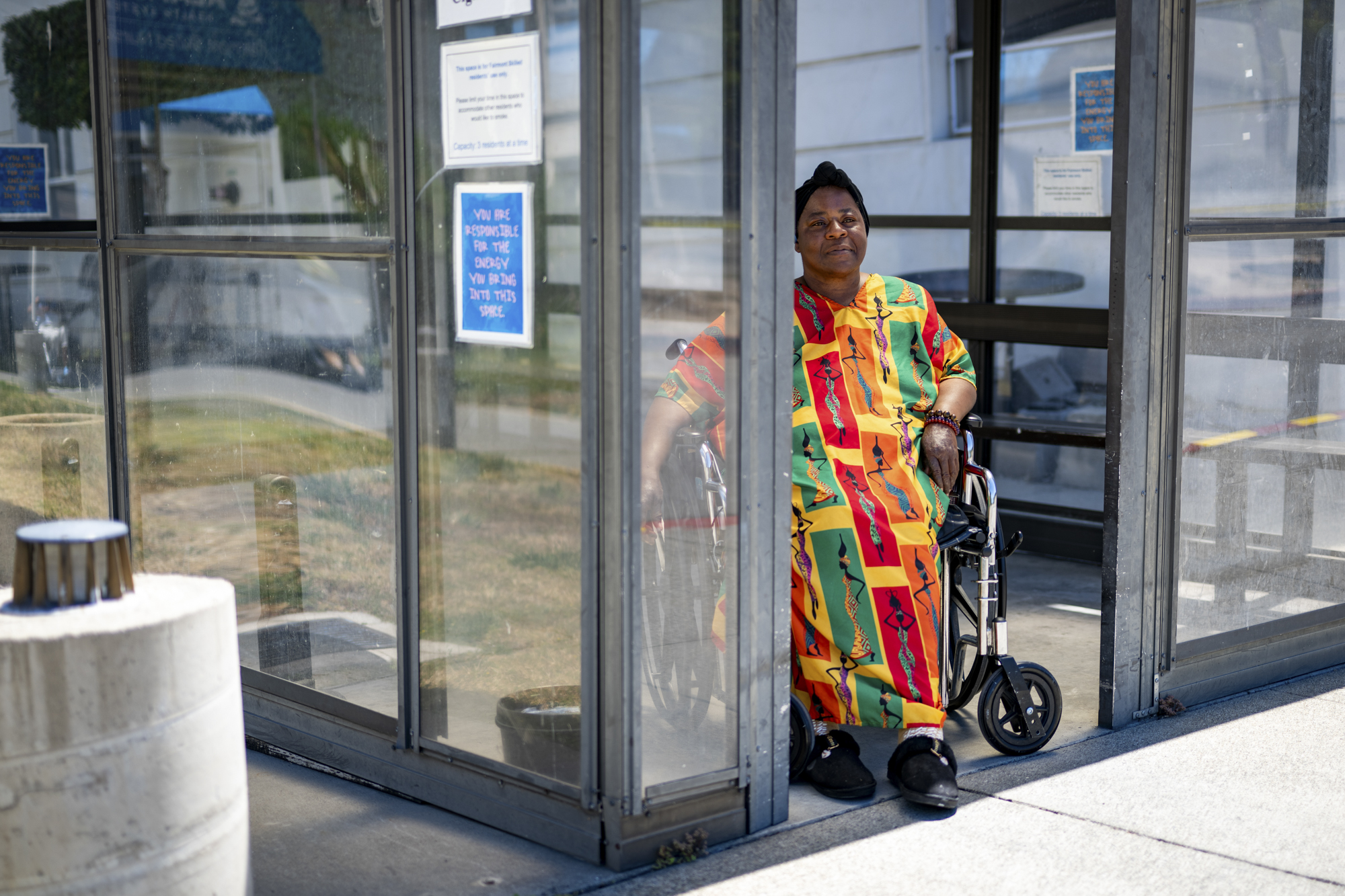
The move comes after nonunion workers accused some contractors operating at the Oakland San Francisco Bay Airport of retaliation, unsafe conditions and failing to properly respond to serious injuries, including one that left a skycap in a wheelchair and unable to support herself.
“It’s important for workers to have a stronger voice, because they are the front line,” said Enrique Lopezlira, who directs the low-wage work program at the UC Berkeley Labor Center. “The more confidence they have in their ability to speak up without fear of losing their job or hours, then the safety and security of the Oakland airport improves. And that’s a benefit for everybody.”
Labor peace agreements call on businesses to avoid coercing or retaliating against workers exercising their right to organize and improve jobs collectively.
Federal law already prohibits employers from interfering with union drives, but worker advocates say the Trump administration has weakened the agencies tasked with enforcing labor protections, and that additional local measures are needed.
At the Oakland airport, authorities would phase in the new requirement when contractors hired by airlines solicit a new or extended authorization to operate on airport property. The port estimates the policy could impact 400 workers.
Failure to comply with labor peace obligations could lead the port to revoke its permission for a company. That mechanism gives the agency more authority to ensure accountability, according to SEIU-United Service Workers West, which aims to organize about 200 baggage handlers, wheelchair attendants, cabin cleaners, ramp agents and other employees of airline contractors at OAK.
“It would give a stronger opportunity for workers to have their rights respected and for the contractors that are there to be acting in good faith,” Sanjay Garla, a vice president at SEIU-USWW, said. “So it’s a big win.”
Large airline contractors operating at the Oakland airport, privately held companies such as Prospect Airport Services — which is owned by Unifi Aviation — and Alliance Ground International, did not return a request for comment.
Unifi, North America’s largest provider of aviation services, generates about $2 billion in revenue with a workforce of roughly 45,000 at 240 airports in the U.S., Canada and Europe. Alliance, known as AGI and a smaller provider of airline cargo handling services, has 12,000 employees.
The Port of Oakland has successfully required airport food, beverage and retail vendors to sign labor peace provisions for a decade. The agency is now moving to expand those requirements to all operators at the airport, including those hired by the airlines and not the port. The goal is to promote safe and smooth operations, as well as high labor standards for workers, said Matt Davis, chief public engagement officer at the Port of Oakland.
“This is going to continue to ensure uninterrupted and efficient operations at the airport while guaranteeing the rights of our essential airport workers,” he said.
Most other airport workers are unionized, including those employed directly by airlines, restaurants and other concession businesses. At a meeting on Sept. 10, six of seven commissioners voted to move forward the labor peace policy expansion. At a second required vote on Thursday, the board passed the measure without objection.
“I think we’re doing something really great here,” board president Andreas Cluver said. “I’m proud to be part of this body, this community moving, in my opinion, social justice forward and workers’ rights forward, at the same time maintaining financially viable and efficient and productive port operations.”
Luke Allen, a full-time wheelchair attendant for Prospect at OAK, said flyers posted near where employees clock in and out of work spread misinformation about unions. Managers have harassed employees interested in organizing over safety and pay concerns, he said. That experience motivated the 23-year old to testify before port commissioners about the need for reform at several meetings. He applauded the port’s new policy, which he said would help protect him and co-workers.
“It shows that the commissioners actually care about how workers are being treated at Oakland airport,” Allen, who has worked at OAK for more than three years, said. “It’s not going to make any big change immediately, but what it does do is just keep us a little safer.”
Other major airports, such as San Francisco International Airport and the Seattle-Tacoma International Airport, have had similar rules in place for years, a step that has helped reduce staff turnover and improve passenger services, Lopez Lira said.
As the industry incentivizes contractors to cut costs to stay competitive, baggage handlers, ramp agents, airplane mechanics and other ground personnel in already dangerous jobs can be at a higher risk for injuries.
“Even if they don’t get to actually form a union or get to the collective bargaining piece,” Lopez Lira said, “just having that opportunity to organize without interference improves worker voice.”