Governor Newsom Signs 'Leno's Law' Exempting Classic Cars From Smog Checks
Here are the morning’s top stories on Thursday, September 17, 2026
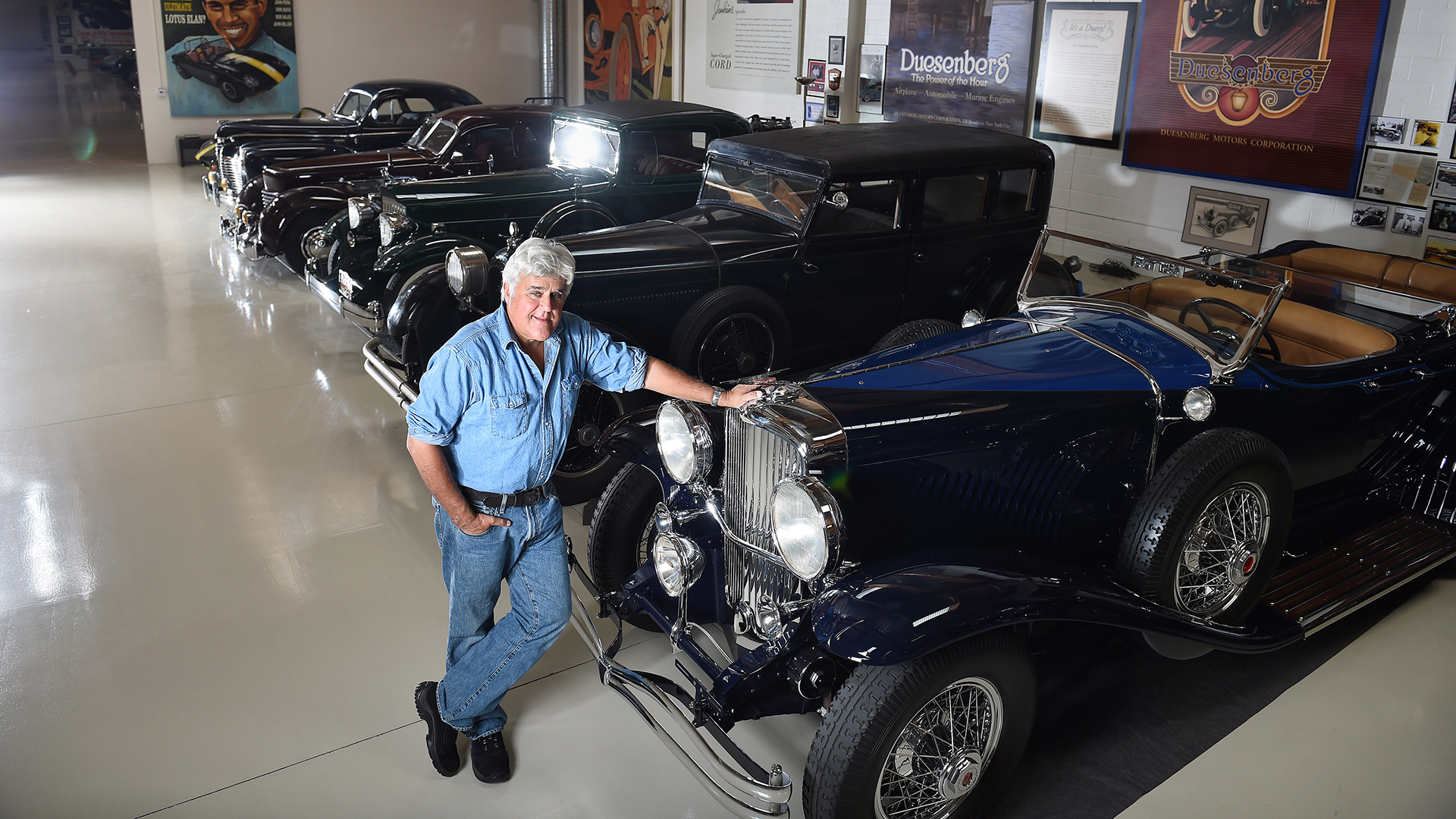
- Governor Gavin Newsom yesterday signed legislation to exempt certain collector cars from smog checks.
- Written public comment closes at the end of this week for governor Newsom’s plan to ensure water for cities and farms and a healthy habitat for wildlife in the Delta.
- Two bills sitting on Governor Gavin Newsom’s desk aim to protect incarcerated people from sexual abuse and strengthen legal protections for survivors. This comes after a report from the Department of Justice found an “unbroken pattern” of sexual assault at state women’s prisons.
- Residents in a Fresno County foothill community are raising concerns with county leaders about the water coming from their taps.
Inside the garage of former Tonight Show host and Classic Car enthusiast Jay Leno, Governor Newsom signed two bills into law. The bills aim to preserve California’s Classic Car and Lowrider heritage.
Newsom says the state has come a long way from cruising bans and criminalization.
“Here we are no longer tolerating lowrider community, but we’re celebrating it. And I think what a remarkable transition. What a remarkable journey we’ve been on in such a short amount of time,” Newsom said at the signing.
Senate Bill 1392, dubbed ‘Jay Leno’s Law,’ jointly authored by Senator Dave Cortese (D-San Jose) and Senator Shannon Grove (R-Bakersfield), phases in a narrow smog-check exemption for qualifying collectors cars from the 1976 through 1985 model years that are insured as collector vehicles or driven less than 1,000 miles per year. Assembly Bill 2541 by Assemblymember Mark González (D-Los Angeles), creates a specialty license plate honoring California’s lowrider heritage, with the funds from the program going toward supporting lowrider arts.
Leno says these cars are not everyday commuter vehicles.
“These cars get driven not even a thousand miles,” said Leno. “Most people go to a car event and they park it and then they drive it home. And that’s sort of the idea. It’s just to help the collectors and the lowrider community.”
Newsom says that by limiting Jay Leno’s Law to specific collector cars that don’t often go on the road, California can sustain it’s environmental goals.
State’s Water Plan Still Under Deliberation as Newsom Nears Term Out
The plan had its last big update in 1995. It’s not working well and is long overdue for an update. Governor Newsom and his administration have made getting that update done a signature goal.
The state revealed its latest proposal in August. The plan is built on getting buy-in from water users and federal agencies like the Bureau of Reclamation. The agency operates one of the state’s two main water projects: a system of dams, reservoirs, pumping stations and canals. The Bureau has threatened to walk away unless the plan is changed to be more pro-water user.
Despite the threat, California water officials are maintaining an upbeat tone. Wade Crowfoot is California’s Secretary of Natural Resources.
“We’re confident that we can move forward with healthy rivers and landscapes, even if there are entities that choose not to participate, including the Bureau of Reclamation.”
Environmental, fishing and tribal groups are generally opposing the state’s approach which rely on what are called “voluntary agreements”. They believe the agreements inadequately protect fish.
Barry Nelson, is a fish advocate and member of the Golden State Salmon Association.
“We have been saying for years that the Trump administration was a bad partner and would not implement the voluntary agreements. As bad as they are, they’re not bad enough for the Trump Administration,” said Nelson.
The state’s water board is supposed to consider input, alter as needed, and adopt the water plan by the end of October. If it can’t, the job may get kicked to the next governor.
Bills That Protect Incarcerated People From Sexual Abuse Await Final Signature
AB 464 would make it easier for people who were sexually assaulted in prison to sue and strengthen protections against staff retaliation.
SB 337 would require the department to establish rules for when officers can turn off body-worn cameras, as well as protocols for non-routine searches and body scans.
Senator Caroline Menjivar authored SB 337.
“None of this is a magic pill,” she said. “I wish it was a magic pill, I can imagine there’s going to be some instances still moving forward, but we will limit the amount of gaps, excuses that some CO’s utilize to perpetrate this kind of violence against incarcerated women.”
Both bills received bipartisan support. Governor Newsom has until September 30th to sign or veto the bills.
For months now, residents in Shaver Springs have dealt with water that is discolored, but officials say is still safe to drink.
Residents like Jennifer Taber say the evidence is clear the water is not safe.
“Residents have immediately raised documented concerns involving water quality violations, contamination, aging infrastructure, sampling practices, storage tanks, and the condition of this system. ”
She spoke at the most recent Fresno county Board of Supervisors meeting and proposed solutions.
“Breeze the current rate increase. Authorize an independent engineering, operational, and financial investigation. Provide residents with a reliable source of safe drinking water.”
Nathan Magsig represents the community on the board of supervisors. He told residents he’s been in touch with agencies that can help.