This piece was featured first on Apr 2 for One Good Thing, a weekly newsletter brought to you by Alexis Madrigal about his take on Bay Area art, culture & nature. Subscribe today.
I don’t know how I feel about sending a rocket to the dark side of the moon again. But I know how I feel about the moon.
I love that the moon’s calendar speaks to tides and goddesses while the solar calendar keeps track of zoom meetings and Monday mornings. I love that the sun and the moon and the Earth interact in complex ways that generate endlessly surprising moments. A sliver, pale. A full disk, resplendent. A missing light, a darkness. We call that last one new.
The moon does mysterious things, moving oceans of water, but just a little. We were all, in evolutionary time, creatures of the sea, and we are still mostly water. How could our innards not respond to the pulling?
How strange to be a funny little mammal with a short life on this planet and to look up at the sky and see the eons of scars on our satellite, the craters of four billion years ago. For millions of years, any creature with eyes would have seen roughly this same moon. What did our long ago ancestors, creeping in the underbrush, feel when the moon rose? Maybe nothing. But why then, do the wolves howl at the moon? There’s a sculpture carved into the wall of a cave in France of a pregnant woman holding an animal horn with 13 notches in it. Archaeologists hypothesize that the notches represent the number of lunar cycles in a human pregnancy. The sculpture is 24 thousand years old.
Why do I say to my children, over and over, catching sight of the moon rising over the hills, “Oh! Look at the moon!” And why do they—despite the infinite exasperation tweens reserve for their parents—look every time? Occasionally, they are even quiet for a second, looking up. Then, they’ll say, “Wow,” and mean it. I cannot help but think that hundreds and hundreds of generations of human children have been told to look at the moon and they, too, have been unable to contain that wow.
The only time we ever camped in the Nevada desert, truly in the middle of nowhere and during the notime of the pandemic, we were setting up our camping stove, when the the moon rose bloodred above the sagebrush plain. My partner and I gasped—gasped!—and it scared the hell out of our children. They started crying, imagining it was some terrible beast. But, no, it was just the eruption of the sublime into ordinary life. Beauty to the point of terror on the edge of the human world.
The pale daytime moon is not quite that. Wisp of a moon, sprite of a moon. Italo Calvino, in his novel, Mr Palomar, describes this sort of sighting.
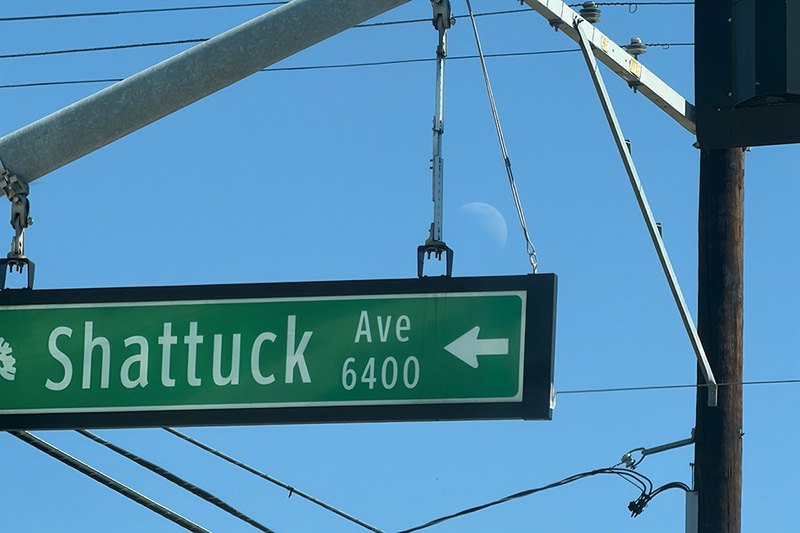
“Nobody looks at the moon in the afternoon, and this is the moment when it would most require our attention, since its existence is still in doubt,” Calvino writes. “It is a whitish shadow that surfaces from the intense blue of the sky, charged with solar light; who can assure us that, once again, it will succeed in assuming a form and glow? It is so fragile and pale and slender; only on one side does it begin to assume a distinct outline, like the arc of a sickle, while the rest is all steeped in azure.”
But I, Mr. Calvino, I look at the moon in the afternoon. In fact, I am forever taking pictures of it, silently adding to an invisible pile that is labeled “Ways to love the moon.”

Alexis Madrigal, Co-Host, Forum

My Tipline
- Come smell some smelly things to celebrate Illustoria, the fantastic kids magazine!
- I have been really moved by the stories men share in the podcast, Men, Unscripted
- Obsessed with this Laura Gibson song, “Two Kids” and this Morgan Nagler album
- Toni Cade Bambara documentary screening!
- This would be an ideal way to see Suzanne Simard

My Picks
 ARTS
ARTS
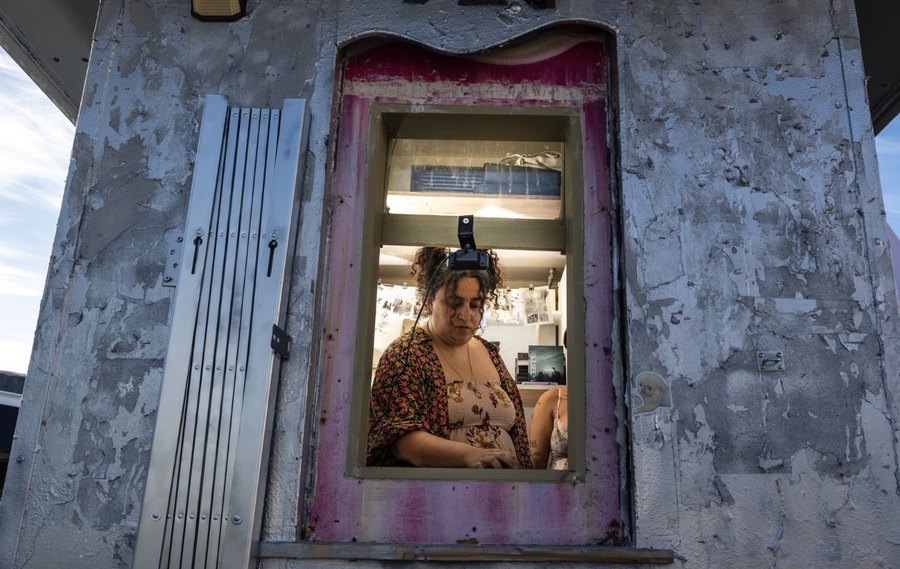
Inside Program Audio, the Viral DJ Collective Streaming on Haight Street
Exactly the kind of cool thing you want SF to do and have
 FORUM
FORUM
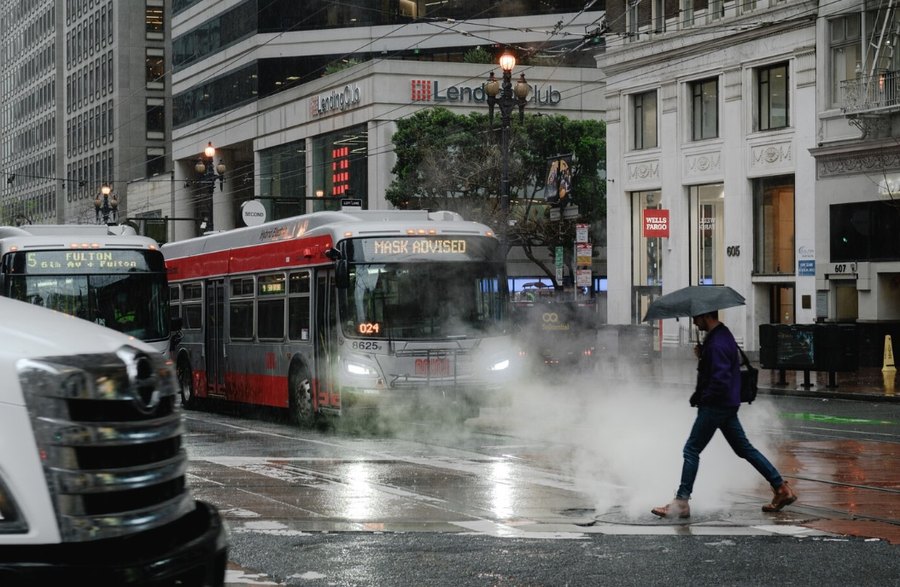
San Francisco Has Tried to Make its Streets Safer for Pedestrians – Has it Worked?
Love how deep this one went
 KQED LIVE
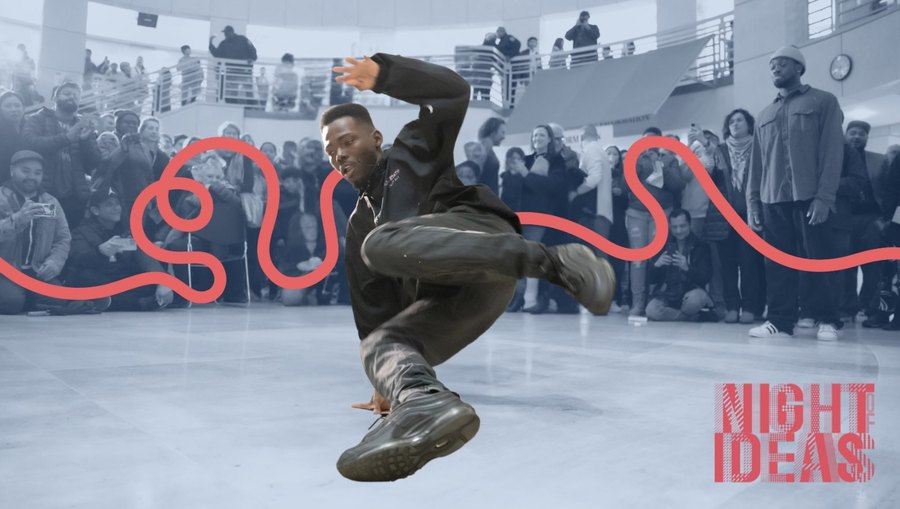
Night of Ideas 2026, April 11
Come see me talk with my bud, Thao Nguyen (and 300 other things)