This piece was featured first on Feb 12 for One Good Thing, a weekly newsletter brought to you by Alexis Madrigal about his take on Bay Area art, culture & nature. Subscribe today.
I have never thought of myself as a jazzhead. My first love was West Coast hip hop, and I grew up around the grunge and indie rock of the Pacific Northwest, too. My parents had a decent record collection and so I’d pull a few things from there, namely Roberta Flack’s album, First Take, and Gato Barbieri’s incredible saxophone sessions. Later, I became obsessed with the deep southern soul of O.V. Wright and the countless other artists put out by the Numero Group from cities across the country.
But jazz? Especially *serious* jazz? Not really my thing.
Recently, though, I’ve found myself drifting towards the genre. Some of my favorite pieces of instrumental music are, specifically, jazz piano song by Thelonius Monk.
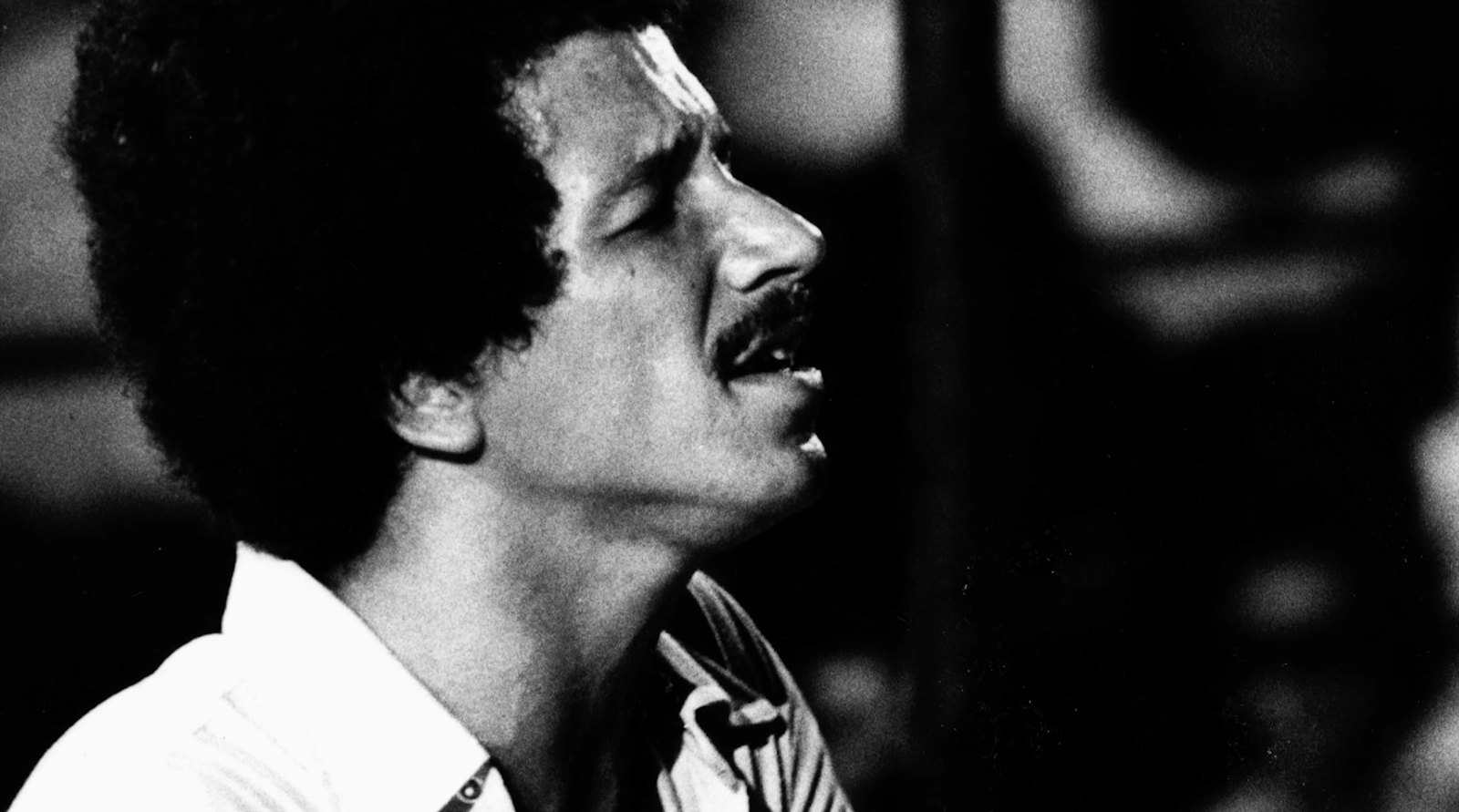
This past week, an old friend, Brock Winstead, posted about a jazz album on Bluesky: “Turns out Keith Jarrett’s Köln Concert, which changed my life when I was 17, still packs a hell of a punch.” I had a dim recollection this record was in my dad’s collection, and who doesn’t want their life changed? I put on the album.
Wow. I don’t have the musicology chops to describe everything happening with the music. But what it *feels* like to me is that Jarrett builds a whole world. From the very first notes, through these hypnotic loops, we hear his hands finding all these little patterns and moments. If I just let myself listen, I can almost build scenes of raw emotion. He slides from classical bits into blues phrasings, and maybe I hear a little gospel in there, too. Gorgeous ornaments descend into dissonance and return more beautiful.
Something is happening on this record, something strange and sublime.
I found myself desperate to learn more about this concert. And well, the first thing you learn is that it is probably the best selling jazz piano album of all time. 4 million copies! The second thing you learn was that everything before the performance went wrong. The promoter was literally 18 years old; the piano sucked; Jarrett was tired from a drive and had an upset stomach; it was late when they got going.
Then Jarrett sat down to play and something spectacular came out. One human, one piano.
In my quest to understand the music better, I found a pianist, Henrik Kilhamn, who broke down the performance for his podcast, Sonata Secrets. I love the way he describes what’s happening inside the music. He details Jarrett’s movements through different chords, the little flips of energy that he injects into the left hand or right. To Kilhamn, this improvisation is a record of a musical mind seeking and usually finding new terrain. I couldn’t recommend the podcast episode more highly.
But, you know, my favorite moments fall outside the score. We’ll hear Jarrett as a human with a body. He moans and groans. He stomps his feet, playing a kind of drums on the floor just for a few bars at a time. I keep listening back to those moments and asking myself: why is he doing that at that exact moment? What is it about the musical space his hands were dancing through that led him to this particular reaction?
I don’t really need the answers to these questions. I like wondering about this one human in this one room on this one night in 1974.
Right now, our culture is being extruded through large language models, and they can output text in ways that are uncanny. Other models make music or images or videos. These productions require all of the data on the internet to work. Then, some prompt precipitates out a dollop of information stored in the weights of that model.
Human creativity is not about feeding all of the internet in and outputting quantity X of content. Jarrett cut a specific arc through all of human life on Earth, and somehow, it led him to Cologne, with an upset stomach, sitting at a crappy piano. All of him up to that point sat there at the keys in the moments before he began playing. And then for an hour, he gave of himself, pulling from everything he’d experienced and learned and practiced.
What he made is a landmark, and it is also so specifically Keith Jarrett.
Praise be to the human.

Alexis Madrigal, Co-Host, Forum

My Tipline
- I’m a sucker for a good event title: “Does Wine Have a Gender?”
- Keep an eye on the newly renovated Castro Theatre. Many things are coming up.
- Go see Sudan Archives next week. You won’t regret it!

My Picks
 ARTS
ARTS
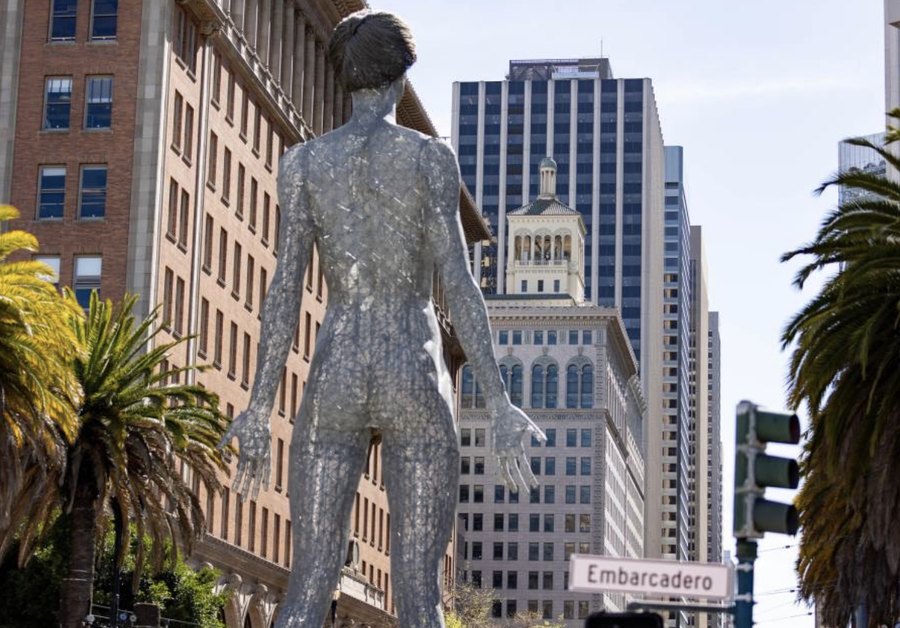
‘Temporary’ Public Art Seeks Another Six-Month Extension From SF
Yeah, they want to keep the big lady up.
 KQED LIVE
Chronically Online: A PowerPoint Party with Close All Tabs
Get that pointer out!