Pacifica Planning Commissioner Among 2 Canoeing Victims in Tomales Bay

Authorities have identified 36-year-old Casey Flynn Melia of San Francisco, and 37-year-old Alexander Ferguson of Pacifica as the pair of people who died while canoeing in Tomales Bay over the weekend. Ferguson was a member of the Pacifica Planning Commission, serving since October 2020.
The Marin County Fire Department said Melia and Ferguson launched canoes from their campsite at White Gulch Beach just before midnight to see bioluminescence, a blue glow emitted by plankton that draws visitors to the bay at night.
When they didn’t return by the next morning, the Marin County Sheriff’s Office said, their camping party alerted emergency services.
First responders located the two canoeists in the water. According to the county fire department, both people were pronounced dead before their bodies were recovered. Melia was found near Hog Island, the sheriff’s office said. It did not specify where Ferguson’s body was located.
Both of them were wearing life jackets, authorities said.
Pacifica City Manager Sean Charpentier called Ferguson “active, compassionate and thoughtful.”
“Alex played a leadership role in the City’s planning policies that will have a lasting positive impact on Pacifica for many years to come,” he wrote in an email to KQED. “His passing is a great loss to the Pacifica community.”
Bay deaths ‘traumatic’ for guiding community
John Granatir and Pamalah MacNeily, co-owners of guiding company Blue Waters Kayak Adventures, said a group of their guides, alongside other guiding companies, was at Miller Boat Launch on Sunday morning when they encountered the camping party returning from their trip.
The campers, the couple said, asked the group of guides if they had seen their missing friends, but they had not. That’s when a guide from Point Reyes Adventure Co., Dallas Smith, urged the campers to alert authorities that they were missing, Granatir and MacNeily recounted.
“It just breaks our hearts when this stuff happens in our bay,” MacNeily said. “It makes us sad for them, their families and the boating community. It’s traumatic for us.”
Guides say bay is ‘dynamic,’ and not canoe-friendly
According to Granatir and MacNeily, Tomales Bay is not a particularly canoe-friendly body of water, so guiding companies like theirs don’t bring them out there. According to Granatir, the past four fatalities on Tomales Bay were all people in canoes.
“We do not like canoes on Tomales Bay,” MacNeily said.
In general, the pair said, due to its strong winds, currents and waves, paddling on Tomales Bay requires a sturdy boat — and typical recreational kayaks or inflatable kayaks just won’t cut it.
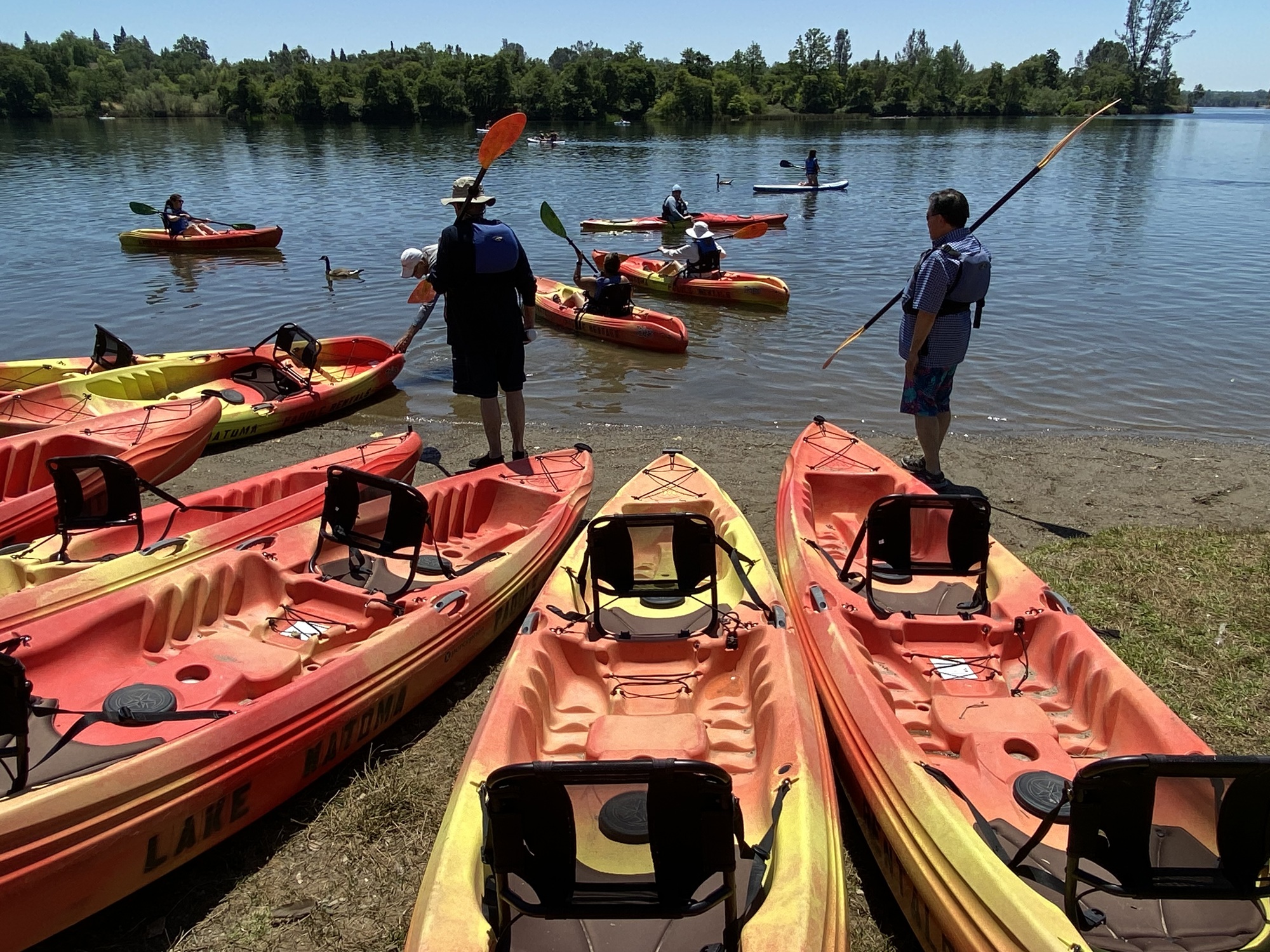
For their tours, Granatir said, their company uses a closed-deck kayak because they are the most stable and has a low client-to-guide ratio, to make sure they can get people out of the water quickly if they do flip over.
Galen Licht, CEO of SeaTrek, which also runs guided trips on the bay, said people often assume incorrectly that Tomales Bay is more protected than other waters in the Bay Area.
“Tomales Bay is a very dynamic environment,” he said.
His group, too, is extremely cautious when guiding trips on the bay, and said they prioritize redundancy in their systems — like extra paddles, lights, communications systems and navigation — to keep their guides and clients safe. And they will simply cancel trips in unsafe weather, especially due to high winds, he said.
“Any time there’s a forecast over 20 knots, without a doubt, we will just cancel the trip,” he said.
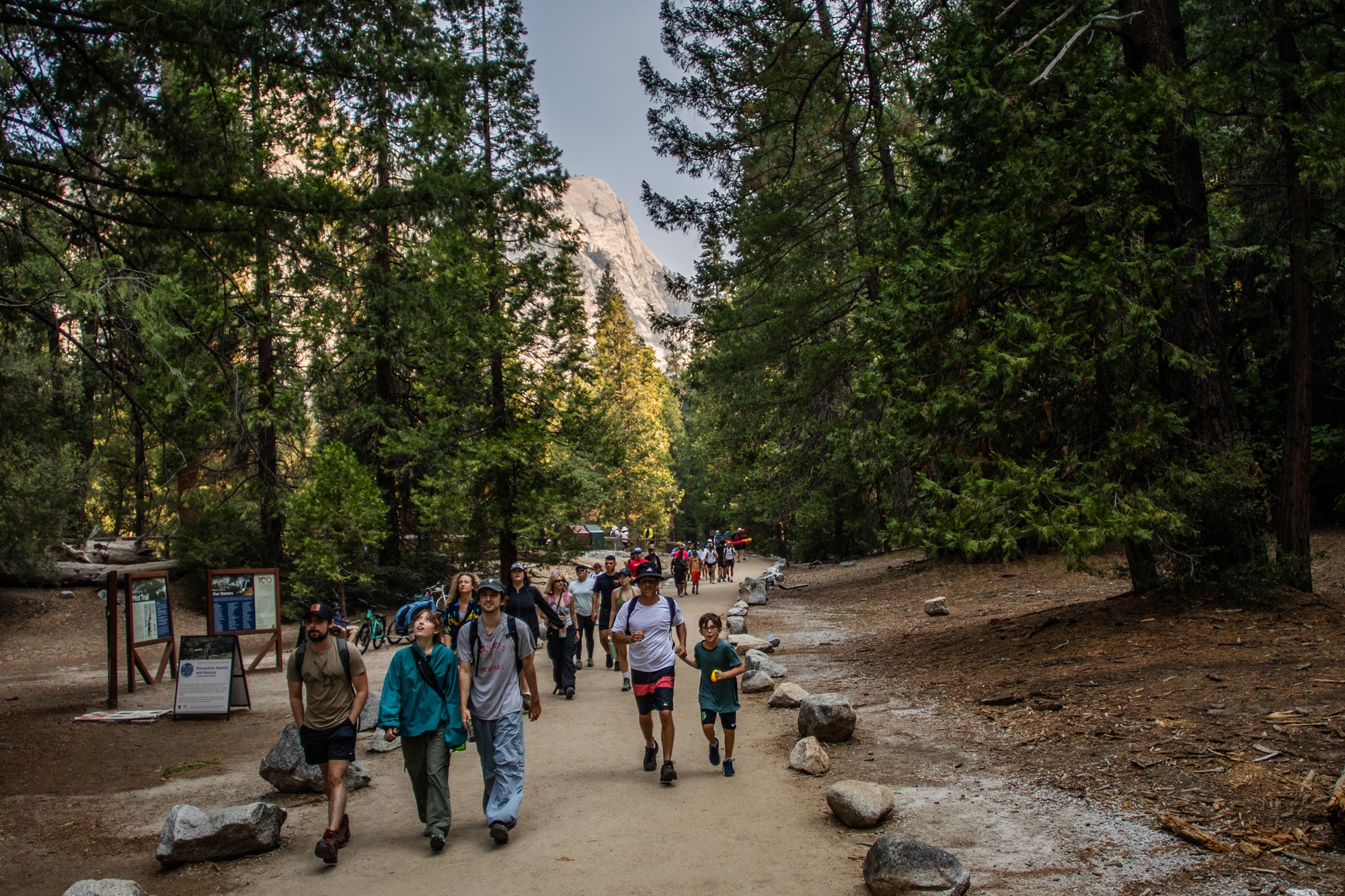
Granatir said the bay’s waves, which can get very high, aren’t usually visible from shore.
“It takes a skilled person to recover a canoe midwater in Tomales Bay,” Granatir said. “You have to be trained for that, and people usually aren’t aware of that fact.”
Plus, the water is paralyzingly cold: “You have about five minutes to effect a meaningful recovery action before your limbs start losing the ability to save yourself,” he said.
And at night, all of these factors are exacerbated, Licht said.
“The conditions out there on the bay can change fast and at times, the visibility can go down to just a few feet when the fog comes in — and then the only way to navigate is by compass,” he said.
Still, Granatir and MacNeily said they were surprised to hear of the incident, given that there wasn’t much wind late in the night. The moon was nearly full and out all night — a bright moon, they said, makes seeing bioluminescence more difficult.
On Saturday, their company had insisted that any renters get off the water by 1 p.m., but data from Weather Underground shows the wind had died down by the evening and around midnight was almost nonexistent.
“There wasn’t much wind that night,” MacNeily said. “That’s the thing that’s really curious.”
What to know and bring if you’re going out on Tomales Bay at night
“The area of Tomales Bay is one of the most dangerous waterways imaginable on the coastlines,” Licht said. “If you’re coming out, you need to do your homework.”
MacNeily said that in the past few years, the bay has become “a circus” of visitors heading out in unsafe boats, drinking, and with very little water safety experience and equipment. She said she often gets calls from people asking about water conditions who don’t have the proper equipment, and “I will advise against it.”
“It’s far too many people who are just thinking that this is a Disneyland ride,” she said.
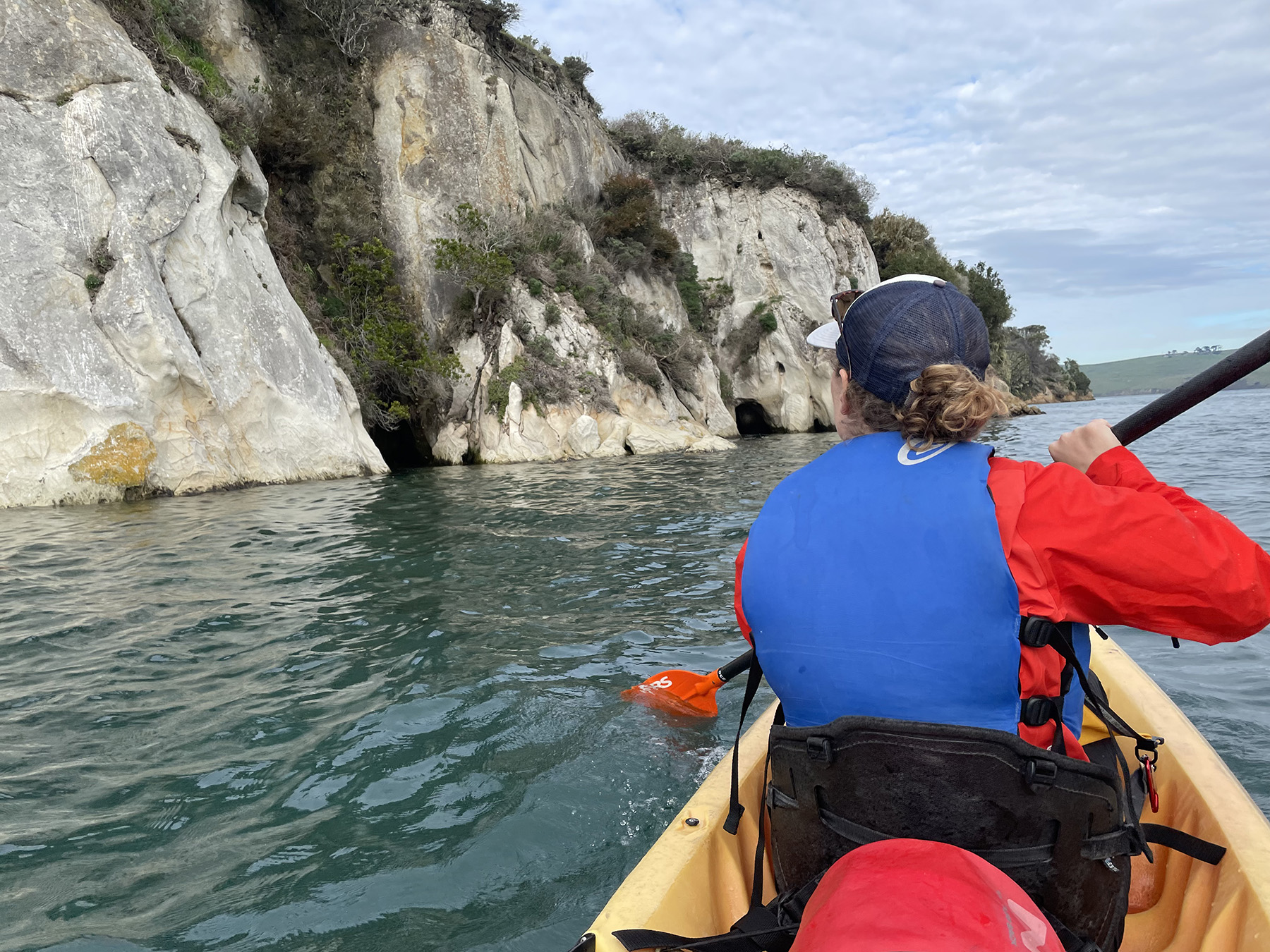
The guides’ main pieces of advice are:
- Know your own abilities (and your limits)
- Know the technical limits of your watercraft
- Monitor the weather
- Tell someone where you are going and when you expect to be back
- Always wear a life jacket
- Never go alone or on just one boat
- Wear a wetsuit in case you fall in the water
- Bring lots of lights for nighttime navigation
- Bring a backup communications device, like a radio
- Bring backup navigation, especially a compass
- Be aware that a full moon, while providing light, can sometimes be so bright on water that it becomes difficult to see and navigate
- Be ready for thick fog
If you’d rather play it safe, you can take a boating course from companies like SeaTrek and Blue Waters Kayaking. Or, join their regular guided trips on the bay for peace of mind.
Granatir, who was a commercial boat captain and has around 50 years of experience running boats, said that moving in a group can save your life.
“Kayaking, it’s generally viewed as a sort of an individual sport, which it is,” he said. “But safety in the water is largely a function of other people out there who can help you if things go wrong.”
Editor’s note: This story has been updated to reflect the guide who urged the campers to call 911.