‘Lurie vs. Lorax?’ San Francisco Tree Advocates Bring Planting Fight to City Hall
San Francisco supervisors are voting Tuesday on a proposal to change the city’s street tree rules, despite months of advocacy from environmentalists who say the ordinance would allow developers to pay their way out of tree planting requirements.
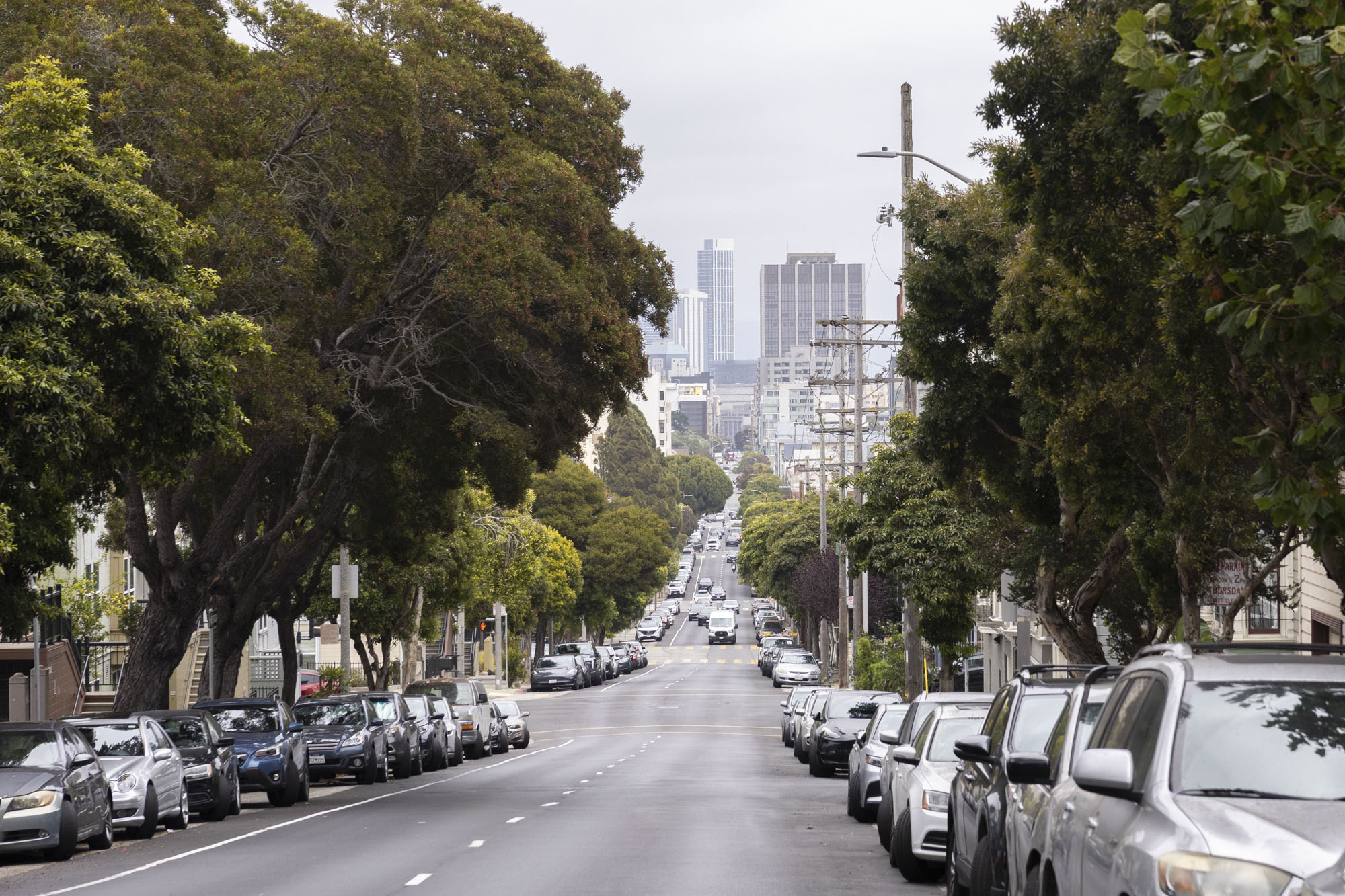
Despite its green reputation, San Francisco has the smallest urban tree canopy of any large U.S. city — and one that is actively declining.
“We have net lost hundreds of trees since our last census in 2017. The city is not doing it,” said Joshua Klipp, a planting leader with Friends of the Urban Forest and former member of the Urban Forestry Council.
In an effort to grow the tree canopy, the city’s longstanding urban forest and climate action plans call for tens of thousands of street trees to be planted over two decades.
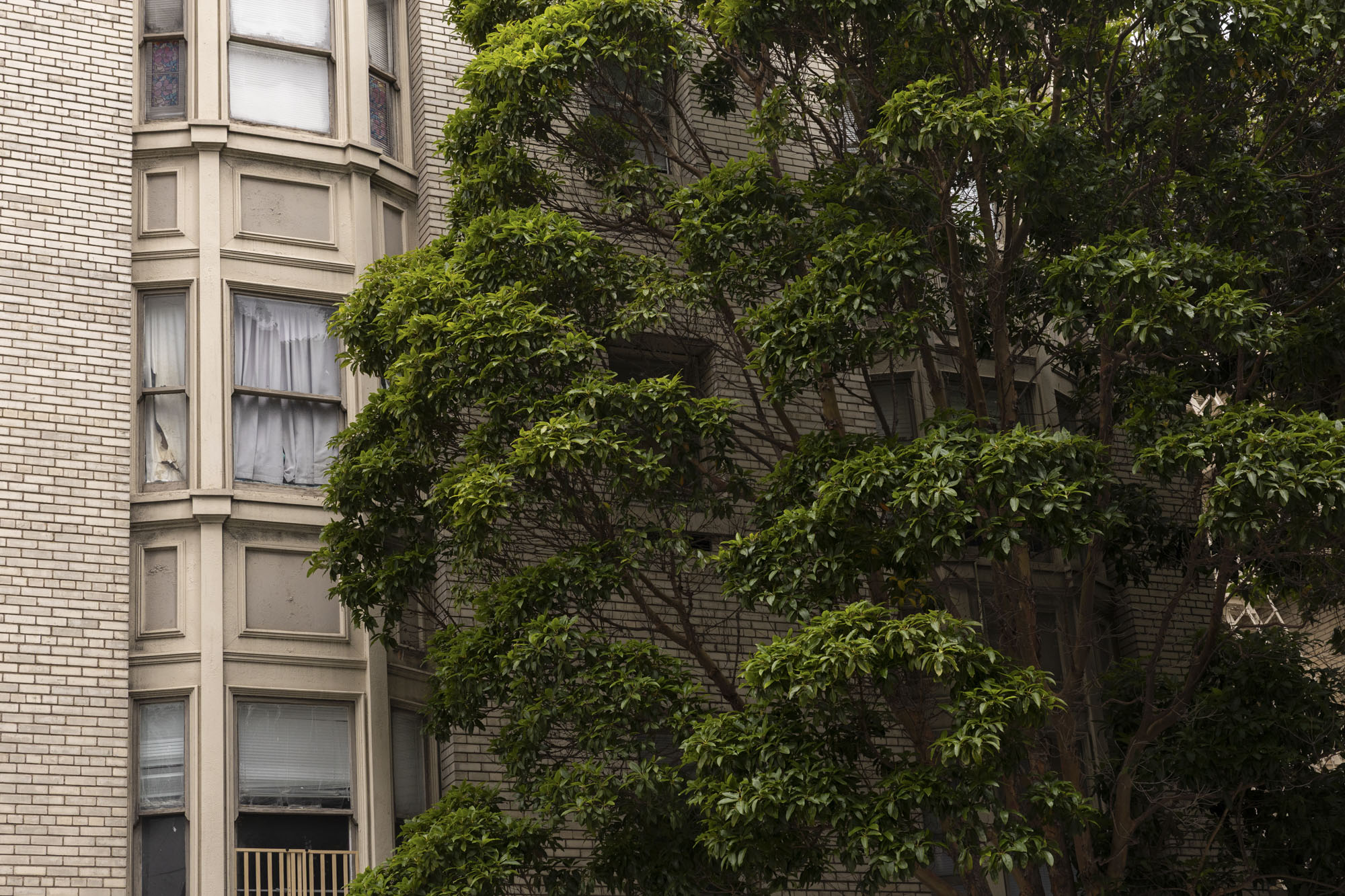
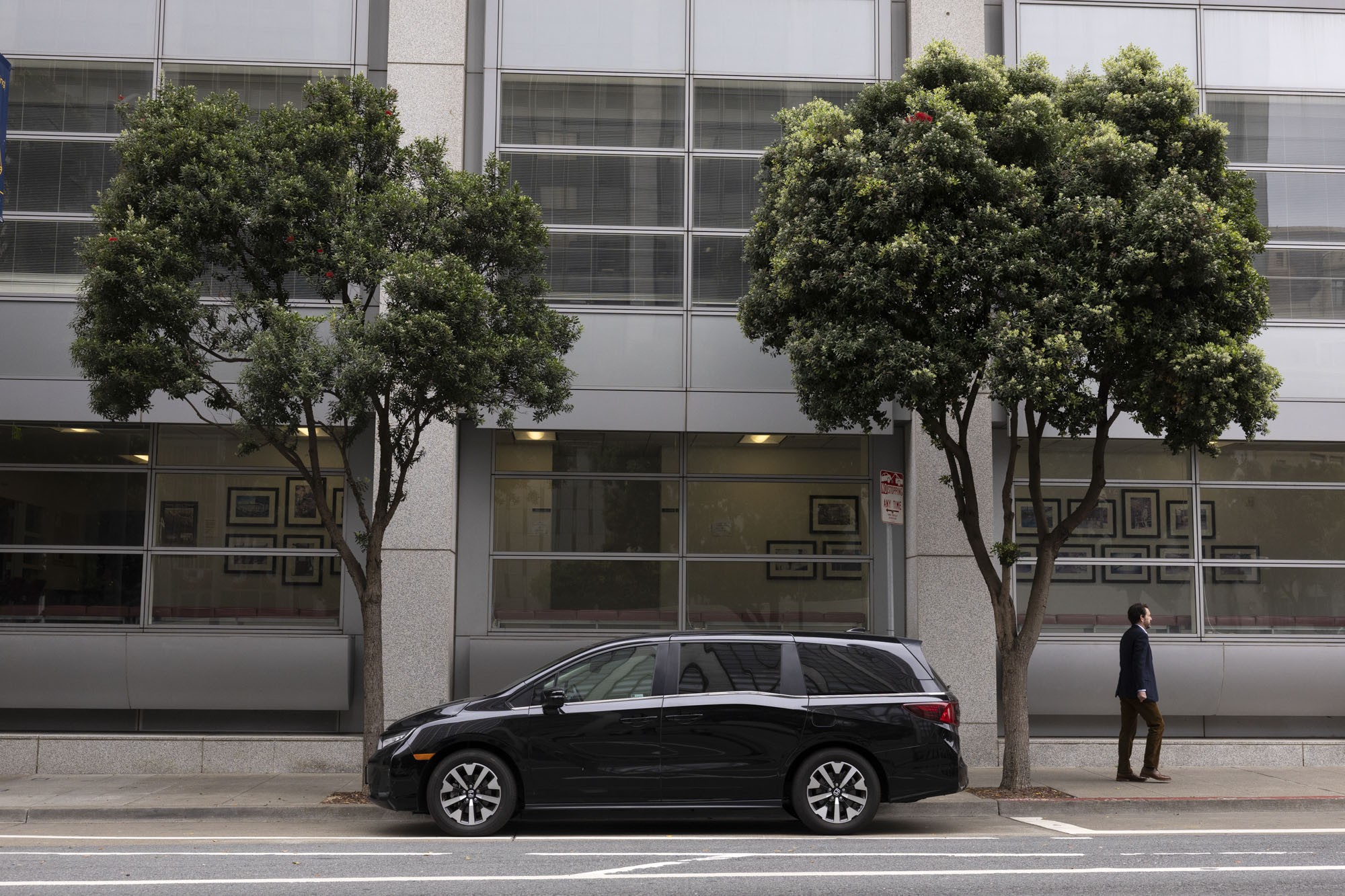
Aiding efforts to meet that lofty goal, city code requires developers to plant trees every 20 feet on the street in front of their lot, unless physically unfeasible.
The slate of amendments up for a vote on Tuesday, sponsored by Sunset Supervisor Alan Wong and Mayor Daniel Lurie, as part of a broader push to streamline permits, would also limit how residents can appeal city-initiated tree removals.
“Our goal is to balance expanding our urban canopy with streamlining public safety and permitting,” Ian Schneider, the government affairs manager for the Department of Public Works, said during a hearing in July.
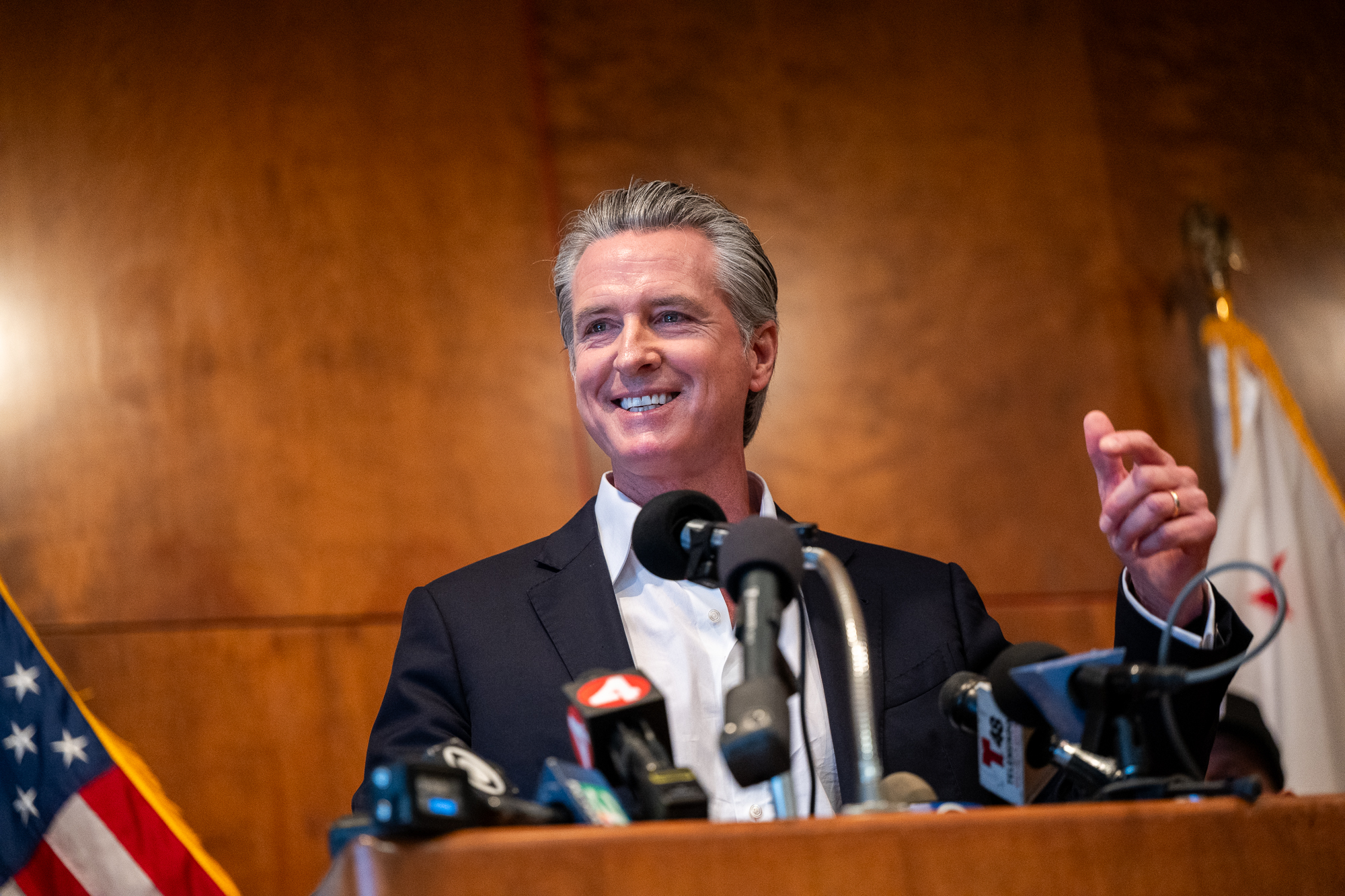
Under the proposed legislation, developers of projects under a certain size and scope could opt to pay $2,590 per tree that their lot would require in lieu of planting one. That money would go directly to San Francisco’s “Adopt-A-Tree” Fund, which pays for city planting and watering efforts.
But Klipp said that alternative doesn’t address the city’s existing problem: not planting enough street trees.
“We have lost hundreds of trees since our last census,” he said. “If we were crushing it, if that fund was empty and we were keeping pace with the Urban Forest Plan and Climate Action Plan, I honestly wouldn’t oppose it.”
Instead, the city’s street tree count is largely stagnant, despite the Urban Forest Plan’s goal to grow the population by 50,000 over 20 years.
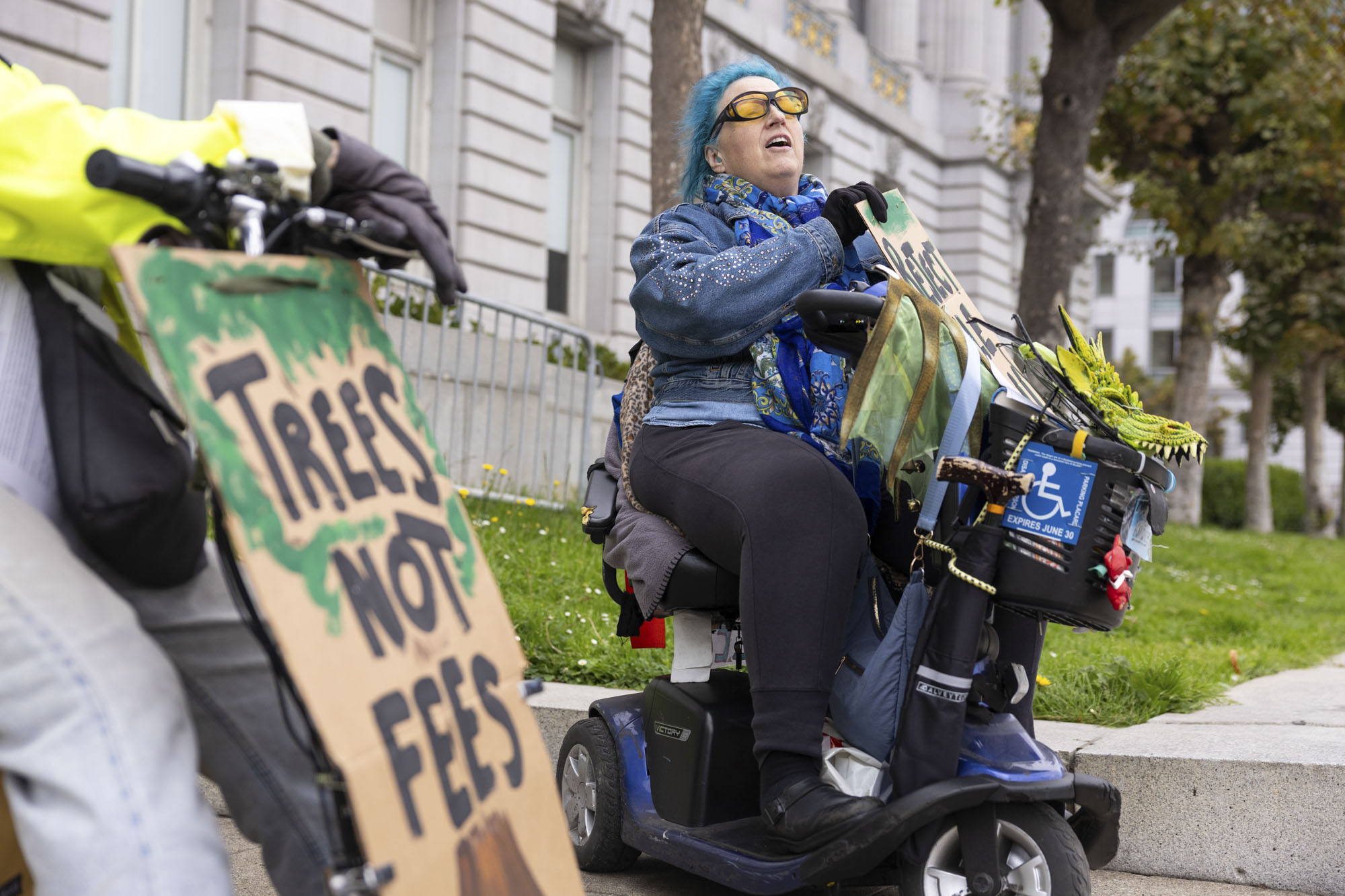
“We don’t just want to see our supervisors overlook our own rights in the city charter to have trees put in, and [give] developers a pass,” said Melinda Dart, who lives what she described as the “concrete-covered” Outer Mission.
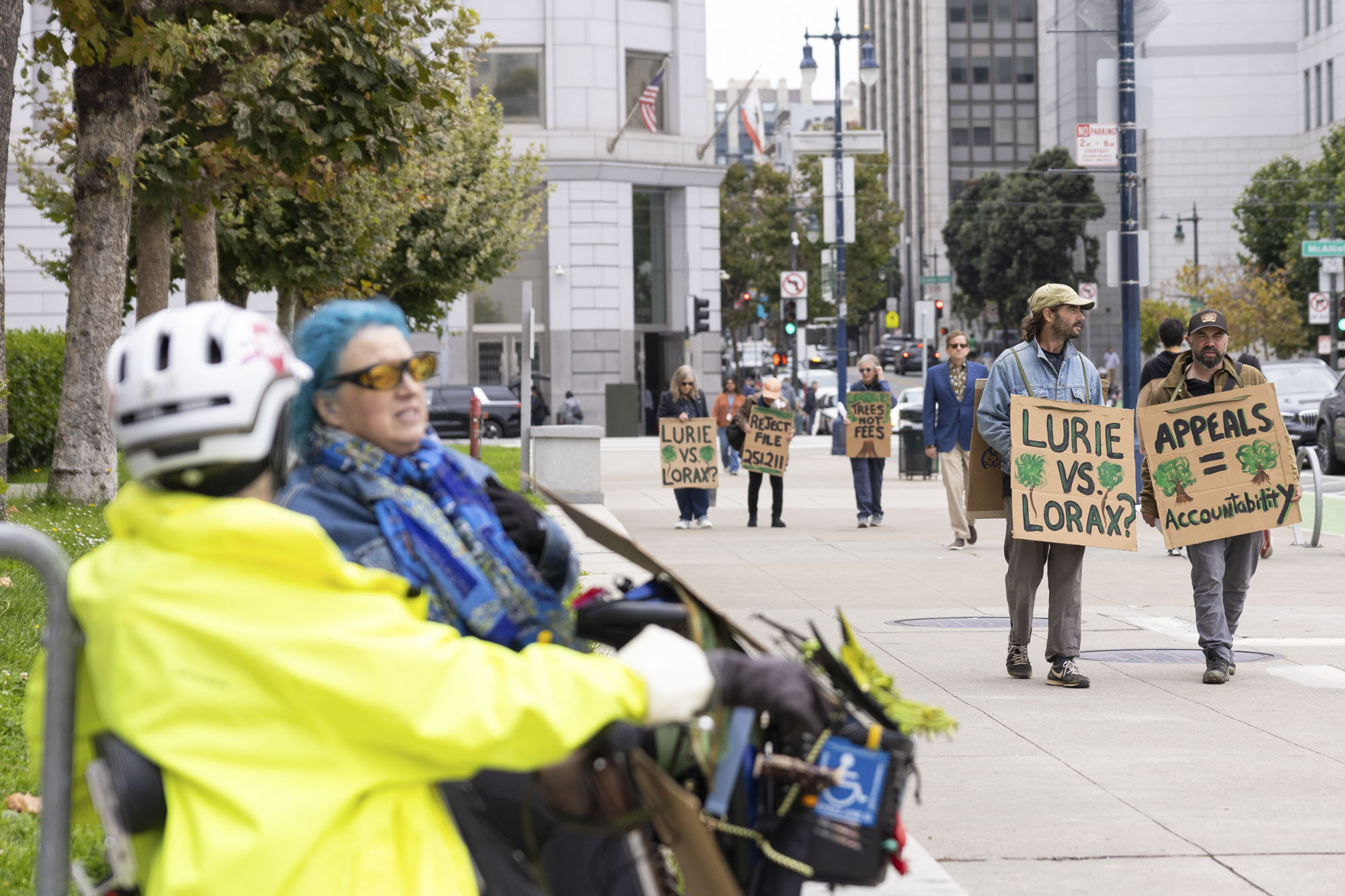
Holding a sign that read “Lurie vs. Lorax?,” Dart joined Klipp and a small group of other activists outside City Hall on Monday to knock on supervisors’ doors and urge them to vote against the proposal.
The other changes in the ordinance would ease restrictions on tree removals — which have mostly kept pace with plantings since 2015.
The amendment has also ruffled feathers among the city’s Board of Appeals, a body which provides final review on city determinations. Last week, the Board sent a letter to supervisors urging them to strike out language which stripped it of its ability to hear appeals for hazardous trees, and shortened the process for non-hazardous trees.
Initially, the proposal would have eliminated all appeals to city-initiated hazardous tree removals, but it was amended by the Land Use and Transportation Committee to allow appeals from the Public Works director.
Executive director Julie Lamarre said the process already doesn’t apply to removals in emergency situations.
“It’s really not a problem. We’re not slowing things up for the department,” she said during the committee meeting in July.
Lamarre said there have been four appeals filed against city-initiated tree removals since 2024, two of which were withdrawn. The city’s separate “emergency” provision bypasses all appeals, she said, and maintaining the appeals process when possible ensures that residents and city workers engage with each other.
“I do think the appeals process is beneficial in that it does spotlight an area … and it kind of forces the departments and the constituents to talk. I think that’s really beneficial and part of the democratic process,” she said.
The Land Use and Transportation Committee forwarded the proposal with a positive recommendation.