This piece was featured first on Jun 4 for One Good Thing, a weekly newsletter brought to you by Alexis Madrigal about his take on Bay Area art, culture & nature. Subscribe today.
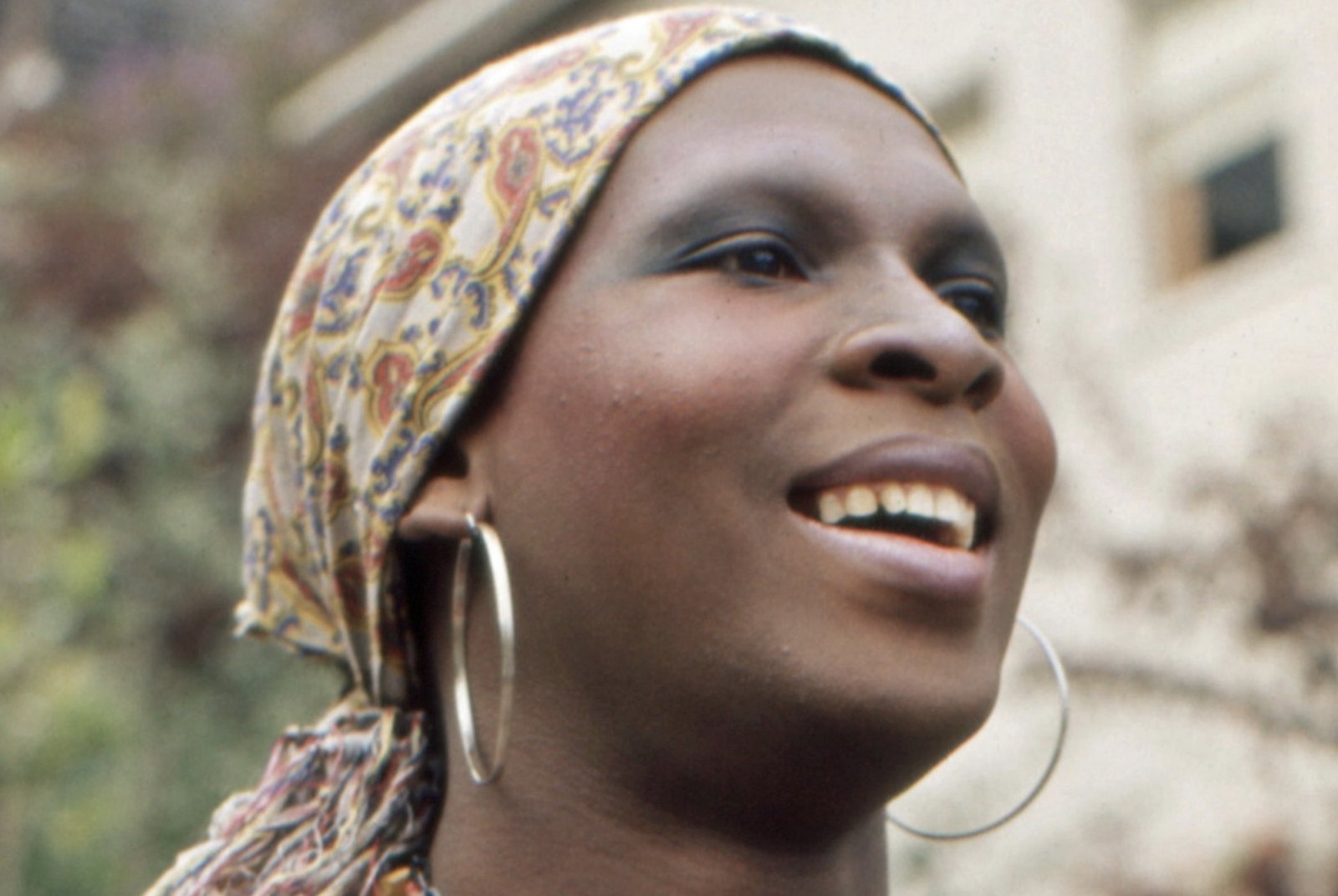
If there were a hall of icons for San Francisco’s twentieth-century history, there would have to be a special place for Sylvester, the disco singer who fused the city’s hippie and queer undergrounds with his own heritage into a potent force for gay liberation.
I have always loved disco. I played one of those corny Rhino records compilations of disco hits a million times in the 7th grade. I remember dancing with my mom in our kitchen to disco. She would even attempt her patented high leg kick every once in a while; I’m glad no one was injured. “Ring My Bell” might have been my favorite song.
I had no idea what disco was made of or where the hatred of disco had come from. It was the 1990s, though, and I knew, somehow, ambiently, that a young man like myself was not supposed to like disco. All that glitter. All that dancing.
And that’s where Barry Walters’ new book Mighty Real: A History of LGBTQ Music, 1969-2000, comes in. It’s one of those big, encyclopedic works of non-fiction that results from a life invested in a subject. You get deep analysis of some of the most expected artists (Elton John, Queen, Indigo Girls) and new insight into the power of all kinds of musicians (Janis Joplin, Lou Reed, Smoky Robinson and Motown, Nirvana and grunge). I also discovered that Patti Labelle’s early group LaBelle is wildly underrated. And you get a pocket history of disco and an homage to Sylvester.
“Disco embraced the multicultural margins and made them central,” Walters writes. “Played by skilled session musicians across the usual racial and ethnic divides, it often came from countries previously overlooked by the US mainstream, and it was curated by DJs who were usually Black, or gay, or Italian, or Latino, or some amalgamation thereof.”
Gay DJs, artists, promoters, and club owners drove this music forward, creating a thriving, liberators scene. “Rock critics harped on what they perceived as disco’s escapism. But if your main conflict in life is a love that society condemns and tries to stop you from expressing, disco offers the opposite of escape,” Walters write. “It’s an arrival—one that gave a generation of LGBTQ people permission to be ourselves in a public of our own.”
Sylvester may have been the apotheosis of the movement. He was born in Watts and refused to tone himself down to fit in, even attending his high school graduation in drag. He moved up to San Francisco to join the Cockettes, a commune and performance community that reflected the wildest that the country’s wildest city had to offer.
Morphing into a disco performer over the decade, by 1978, he had a bona fide monster hit, “You Make Me Feel (Mighty Real).” A thumping club track, Sylvester’s falsetto rides up and over the bass and synth washes: “I feel real / I feel real / I feel real.” What is the realness? Walters argues it is “freedom from our own censorship; a place where we don’t need to perform or adjust, where being ourselves is enough.”
Of course, disco’s mainstream popularity peaked shortly thereafter, and worse, the HIV/AIDS crisis crashed through Sylvester’s community. He saw his friends die, then his partner. After he contracted the disease, Walters profiled him for the Village Voice. “Not even the early loss of my father and several friends had prepared me for being face-to-face with someone who had embodied so much of gay life yet was so close to death,” Walters wrote.
Sylvester died in 1988, at just 41. He did not get the chance to do everything he might have done, but what he did became the infrastructure for future generations of queer performers. No Sylvester, no Ru Paul.
And I’m very grateful to Walters for this new book, which I can’t recommend more highly. Not only does it give important context for LGBTQ musicians, but Walters just has impeccable taste. Here’s his playlist to accompany the book. (You’re welcome.)

Alexis Madrigal, Co-Host, Forum

My Tipline
- Go put on Sylvester at the Anti-Repression Dance and Block Party at Tamarack in Oakland
- You gotta check out this Cockettes documentary
- Bette Midler performing at a bathhouse in 1971
- Also, really, check out Nightbirds, the LaBelle album I mentioned. It’s so good. (Especially “Are You Lonely?” and “You Turn Me On”)

My Picks
 ARTS
ARTS
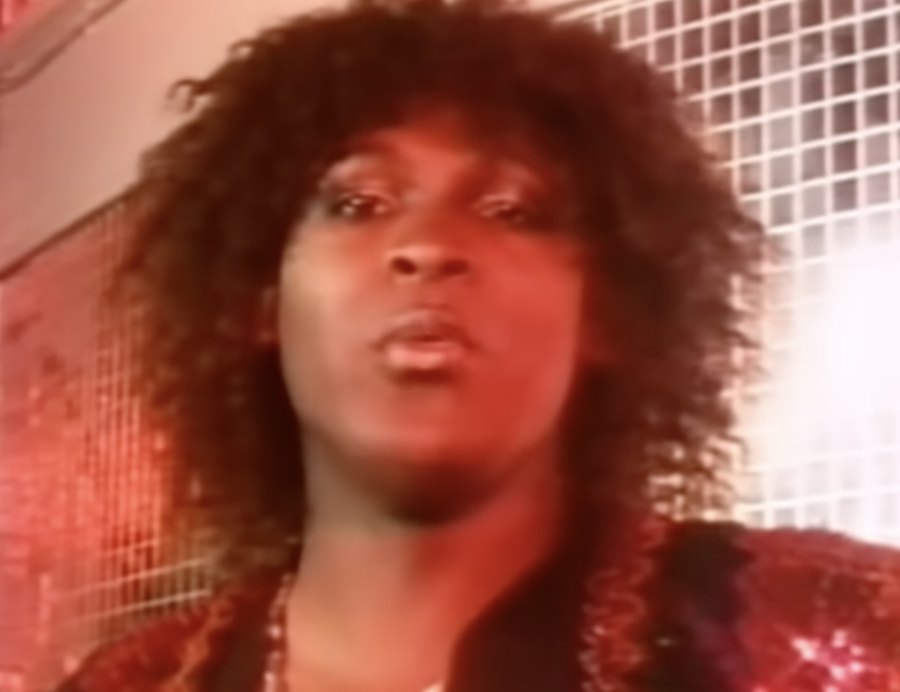
Watch: Disco’s Mighty Real Bay Area Roots, Live at KQED
Drag performers and queer DJs discuss how Sylvester gave them the courage to live authentically
 FORUM
FORUM
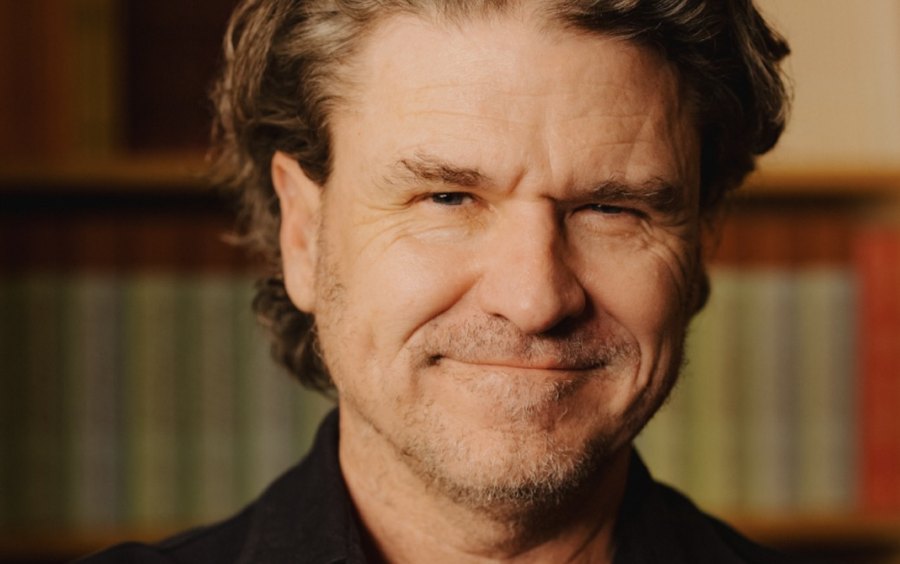
Dave Eggers On His New Novel ‘Contrapposto’
This new Eggers book is very good
 NEWS YOU CAN USE
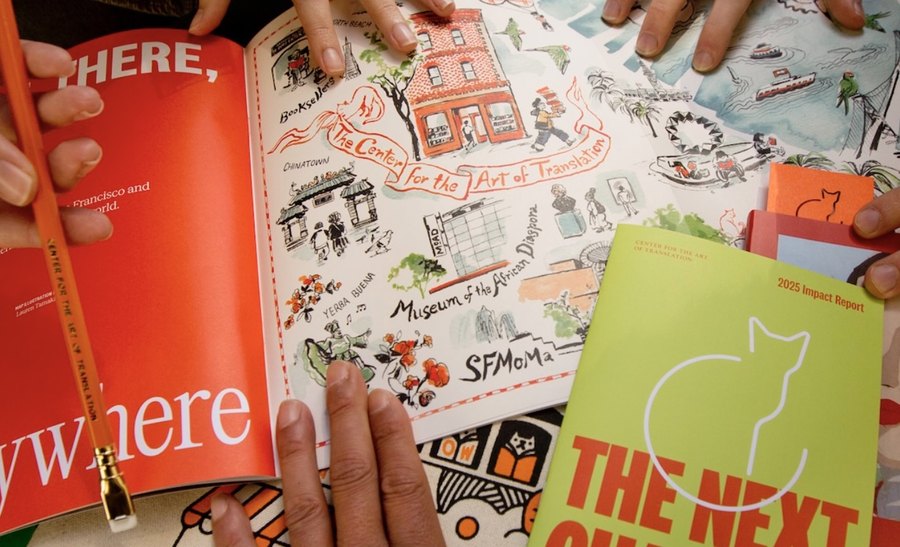
Three Bay Area Nonprofits Win Literary Arts Grants
Big wins for Transit Books, Small Press Traffic, and the Center for the Art of Translation