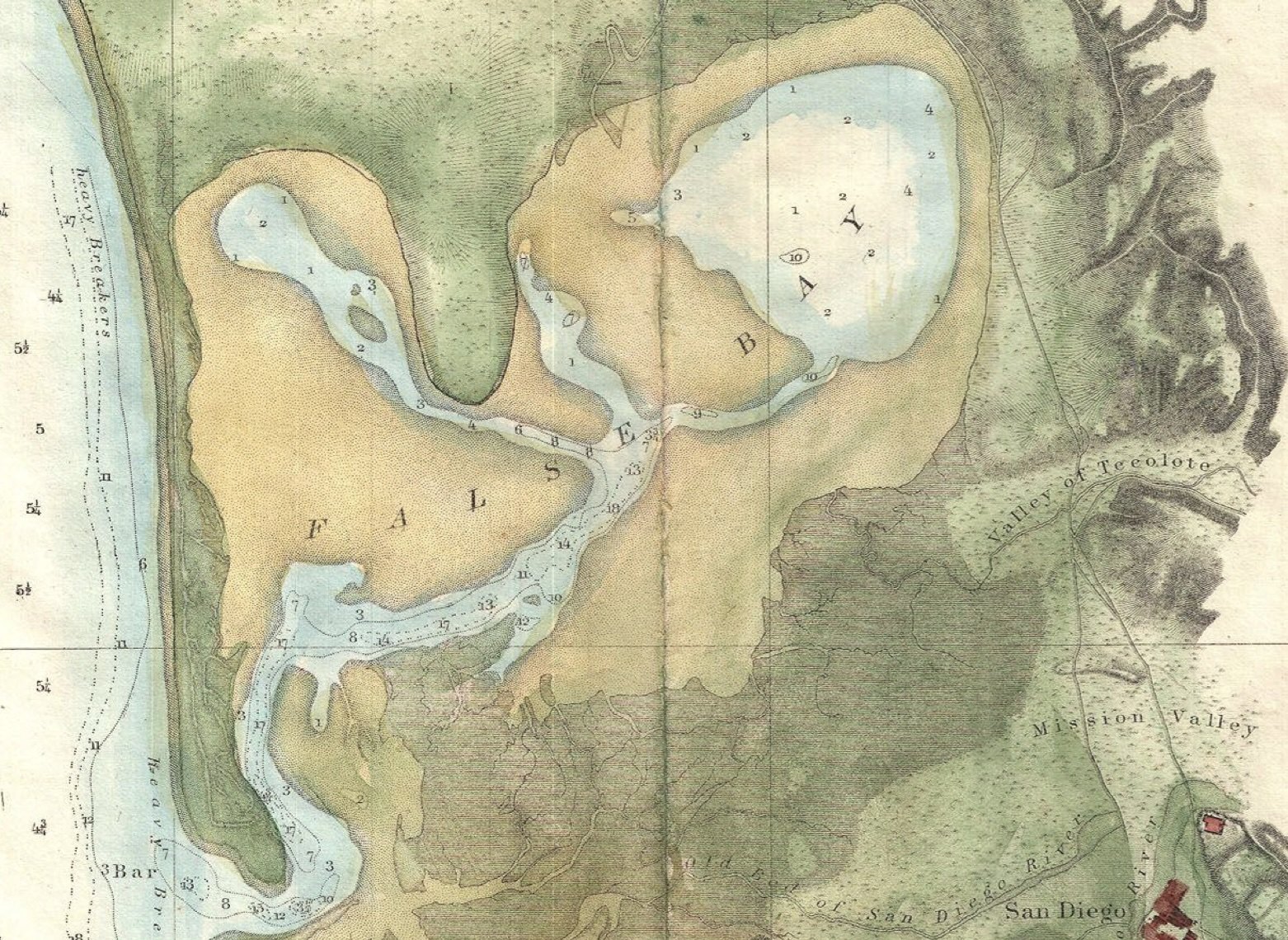
This piece was featured first on Jun 25 for One Good Thing, a weekly newsletter brought to you by Alexis Madrigal about his take on Bay Area art, culture & nature. Subscribe today.
250 years ago, when Spanish settlers arrived in the Bay Area to colonize the region for the crown, they recognized that this was the place. The Franciscan monk, Pedro Font, recorded his first observations of what became San Francisco from a vantage point in what is now the Presidio.
“Indeed, although in all my travels I saw very good sites and beautiful country, I saw none which pleased me so much as this,” Font wrote. “And I think that if it could be well settled like Europe there would not be anything more beautiful in all the world, for it has the best advantages for founding in it a most beautiful city, with all the conveniences desired…”
What Font and the other Spaniards do not realize was that they were not looking at some wild, unaltered, unchanging nature. The landscape of the Bay Area had been shaped and stewarded by the diverse group of indigenous people who had been living on its shores for hundreds of generations.
Today, people sometimes call this group of people “Ohlone,” with many variations, but the truth is that there wasn’t one overarching name for the group. We’ve largely applied labels just to have them, more than out of true historical accuracy. As an example, the area around San Francisco is often called Ramaytush Ohlone territory, but Ramaytush is taken from the Cochenyo language spoken in the East Bay and meant, roughly, “people from the west bay.”
Regardless of the nomenclature, this was a wildly different group of indigenous people from those who Franciscan monks encountered in Mexico City. At contact, after all, the Valley of Mexico, had hosted one of the largest cities in the world, Tenochtitlan. The Spanish encounter with the Mexica, often called the Aztecs, was really one empire confronting another, in the middle of a lake that had been terraformed by large-scale human intervention.
The northern California Indians had an entirely different relationship to the land and sea. While the fullness of their history has been lost to colonization and the genocide that followed, we do know that they practiced land management through prescribed burning. California-wide, scholars think native people burned millions of acres of California land each and every year! Indigenous scholars have shown how the way of life around the Bay generated abundance and a high degree of personal and political autonomy. Unlike slaveholding hierarchical native societies further up the Pacific Coast, the Bay Area peoples lived in small settlements that benefited from the tremendous productivity of the estuarial ecosystems of the area.
We know some small amount about the ecology of this area in earlier eras thanks to the dogged efforts of researchers. The San Francisco Estuary Institute has been a remarkable source for what is called historical ecology, the practice of seeing what the Spaniards could not: the layers and dynamics of our region’s ecosystems.
This work is important for actually seeing and recognizing the stewardship practices that indigenous people engaged in, but it’s also a key part of future restoration efforts. Where were the mudflats before all the filling and dredging? How did they work? What about the streams? What role did they play when they were fully above ground and able to meander?
If you want to take a trip back in time, I have to recommend today’s Forum show with Laura Feinstein from SFEI, historian Steven Hackel, and indigenous scholar Michael Wilcox. They’ve each done crucial work to help us understand the all-in history of the Bay Area before colonization and after it, including the people and the place.

Alexis Madrigal, Co-Host, Forum

My Tipline
- Many of us need this event: Poetry as Companion: Parenting in Uncertain Times
- I’ve become obsessed with Solvej Balle, like many before me. Get into literary European Groundhog Day!
- Do you need an album of gospel Dylan covers? Yeah, definitely.
- Big recommendation for Paul Gillingham’s huge history of Mexico. (I’m about halfway through.)
- Go watch some World Cup. Seriously! Just as a planetary exercise.

My Picks
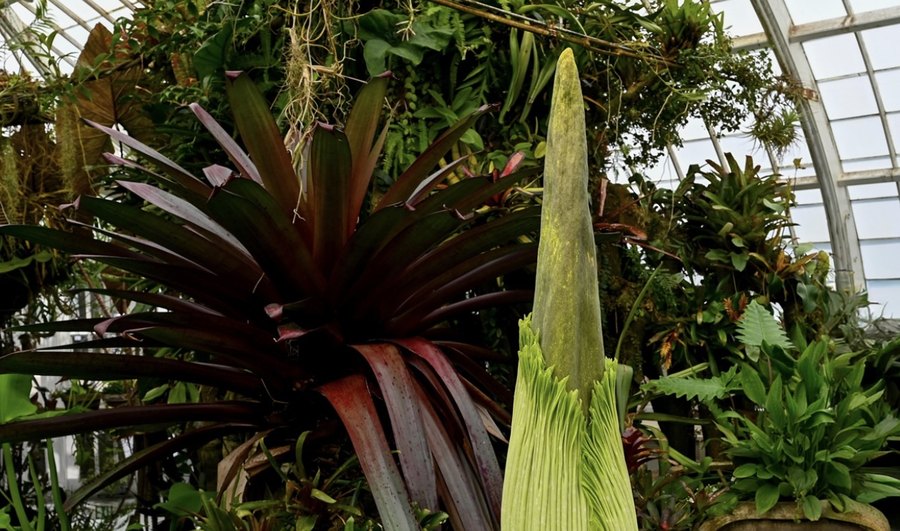 SMELLS
This Corpse Flower Smells Like Death and People Love It
Never understood the corpse flower thing, but support it!
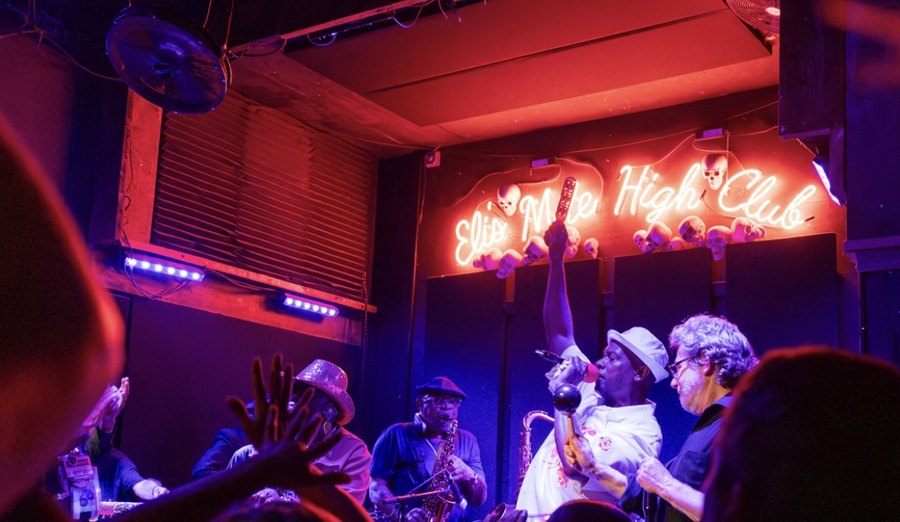 BLUES
BLUES
At Eli’s in Oakland, 98-Year-Olds and Young Blues Fans Keep the Mojo Workin’
Will always take a paean to Eli’s and the blues.
 EVENTS
Latine Goth Culture & Sound, feat. La Chucha Rude
A great event idea at Crybaby in Oakland!