Republican Lawmaker Wants DOJ to Block New Protections for Immigration Nonprofit Workers
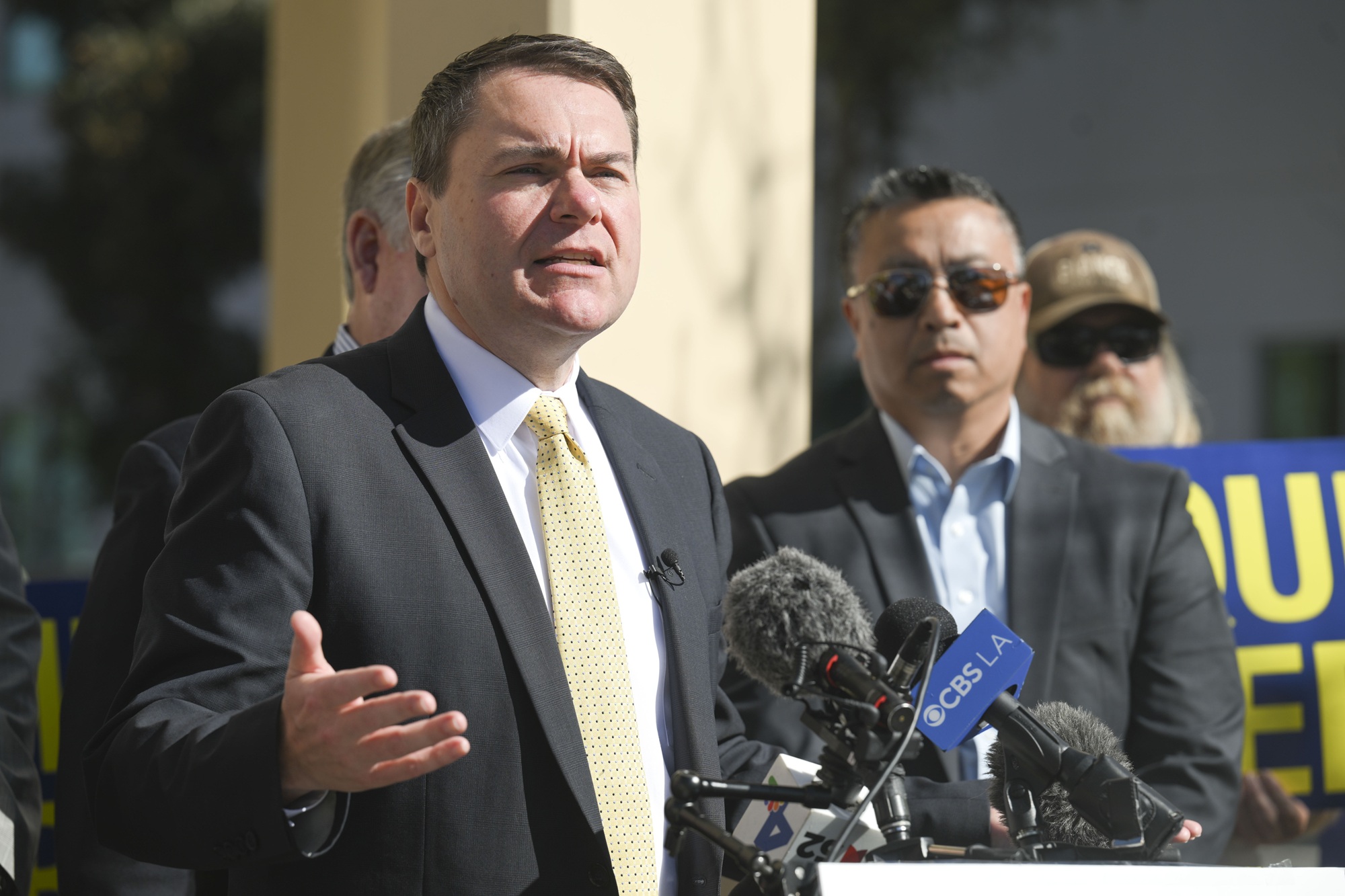
A Republican state lawmaker is asking the federal Department of Justice to put an end to a newly signed California bill from an East Bay Assembly member that extends harassment protections to immigration nonprofit workers.
Assemblymember Carl DeMaio, R-San Diego, called on the DOJ’s Office of Civil Rights to block the implementation of Assembly Bill 2624 due to alleged violations of the First Amendment a day after Gov. Gavin Newsom announced he signed the bill.
DeMaio calls it the “Stop Nick Shirley Act” after the conservative influencer who went viral following videos of him claiming to expose fraud at Somali daycare centers in Minnesota. In March, Shirley then said he found millions in fraud in California.
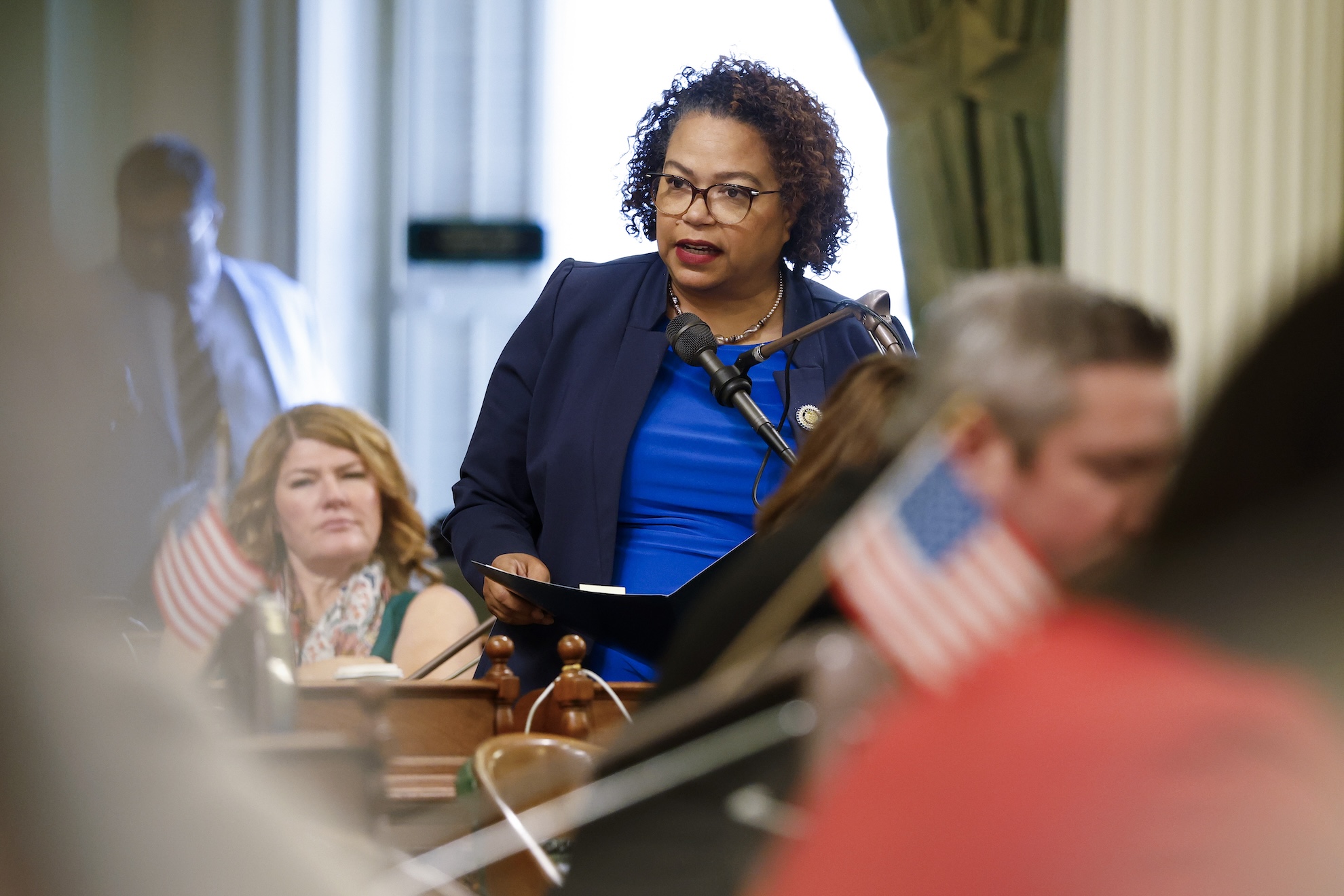
DeMaio and other Republicans have claimed that some language in the law would bar those like Shirley from uncovering alleged wrongdoing.
“Instead of fixing rampant waste, fraud, and abuse, they’re trying to punish the people exposing it — and they are blatantly violating our First Amendment freedom of speech rights,” DeMaio said in a statement.
The provision DeMaio points to allows a program participant or organization protected by the new law to make a written demand not to publicly share or disclose their personal information or image. If that request is not followed, the individual or group violating that provision can be fined thousands of dollars.
To face those consequences, alleged violators have to have the specific intent to incite great bodily harm or put someone in fear for their personal safety, according to the law’s language.
“That always seems to get lost in the sauce of the crazy talk of Mr. DeMaio and his kind,” Assemblymember Mia Bonta, D-Alameda, who introduced the bill, told KQED.
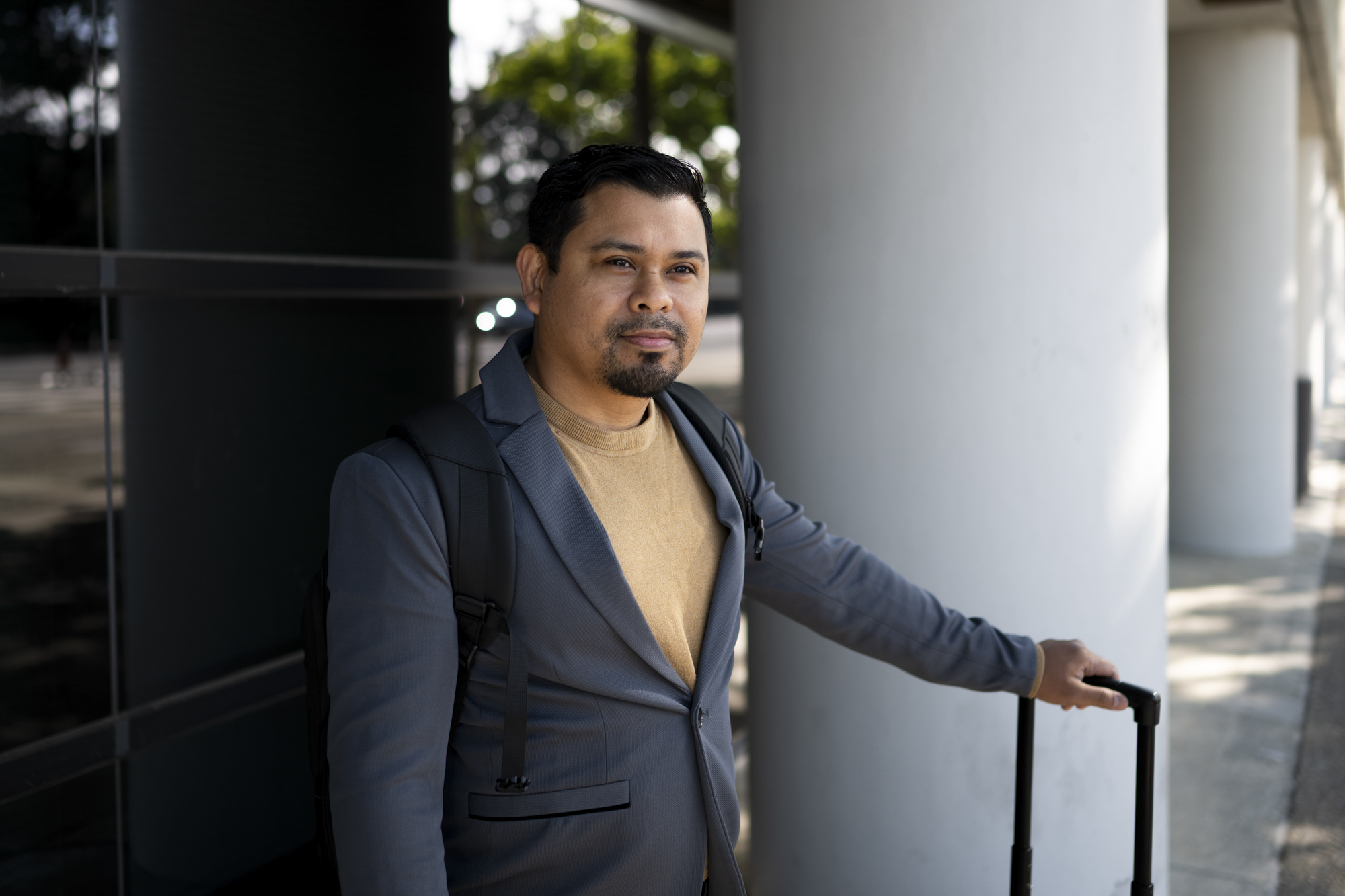
The law itself expands the state’s Safe at Home program that safeguards addresses of reproductive and gender-affirming healthcare workers. Protections for gender-affirming healthcare workers were made law under AB 82 and went into effect this year.
The Our Duty group, which said it “provides support for parents with a child who thinks they are transgender,” argued that those protections also violated the First Amendment.
But Jim Wagstaffe, a First Amendment lawyer, said that Free Speech rights give way to protections against violence.
“There’s no First Amendment right to threaten somebody or to stalk them or to otherwise use private information,” Wagstaffe said.
Bonta said that’s why she brought this legislation forward.
“The amount of hate and harassment that our immigrant service providers are experiencing right now because they are supporting our immigrant community is really at the heart of this bill,” Bonta said.
Somali daycare workers in Southern California reported earlier this year being harassed by those who set out to expose similar alleged fraud as that in Minnesota, according to the United Domestic Workers.
Angelica Salas, executive director of the Coalition for Humane Immigrant Rights, told lawmakers at an assembly committee that her organization had experienced threats of violence — some where she was named personally.
Neither the DOJ nor DeMaio responded to a request for comment for this story.
The law goes into effect on Oct. 1, 2027.
KQED’s Paula Sibulo contributed to this report.