San José Leaders Eying More Multifamily Homes in Single-Family Neighborhoods
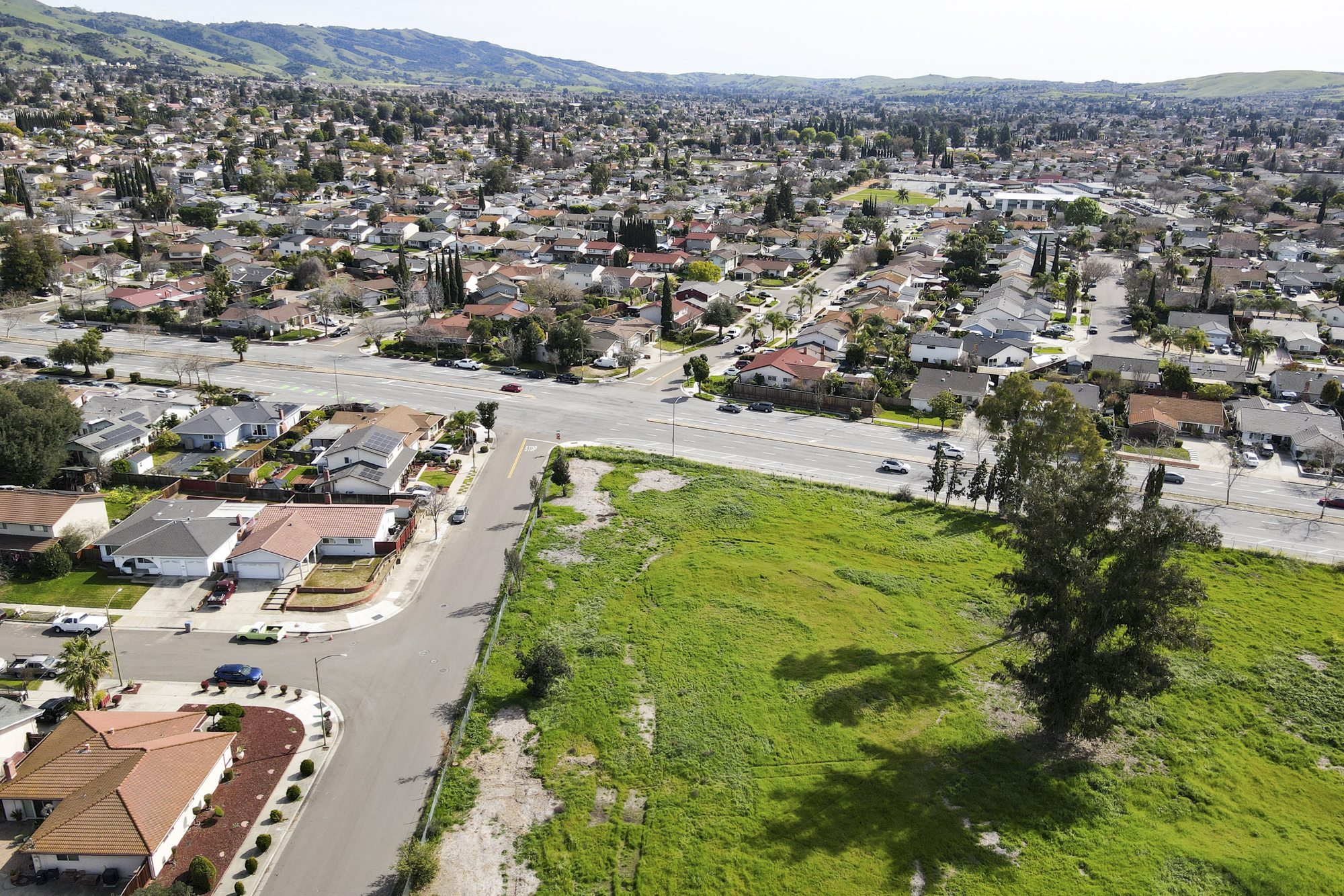
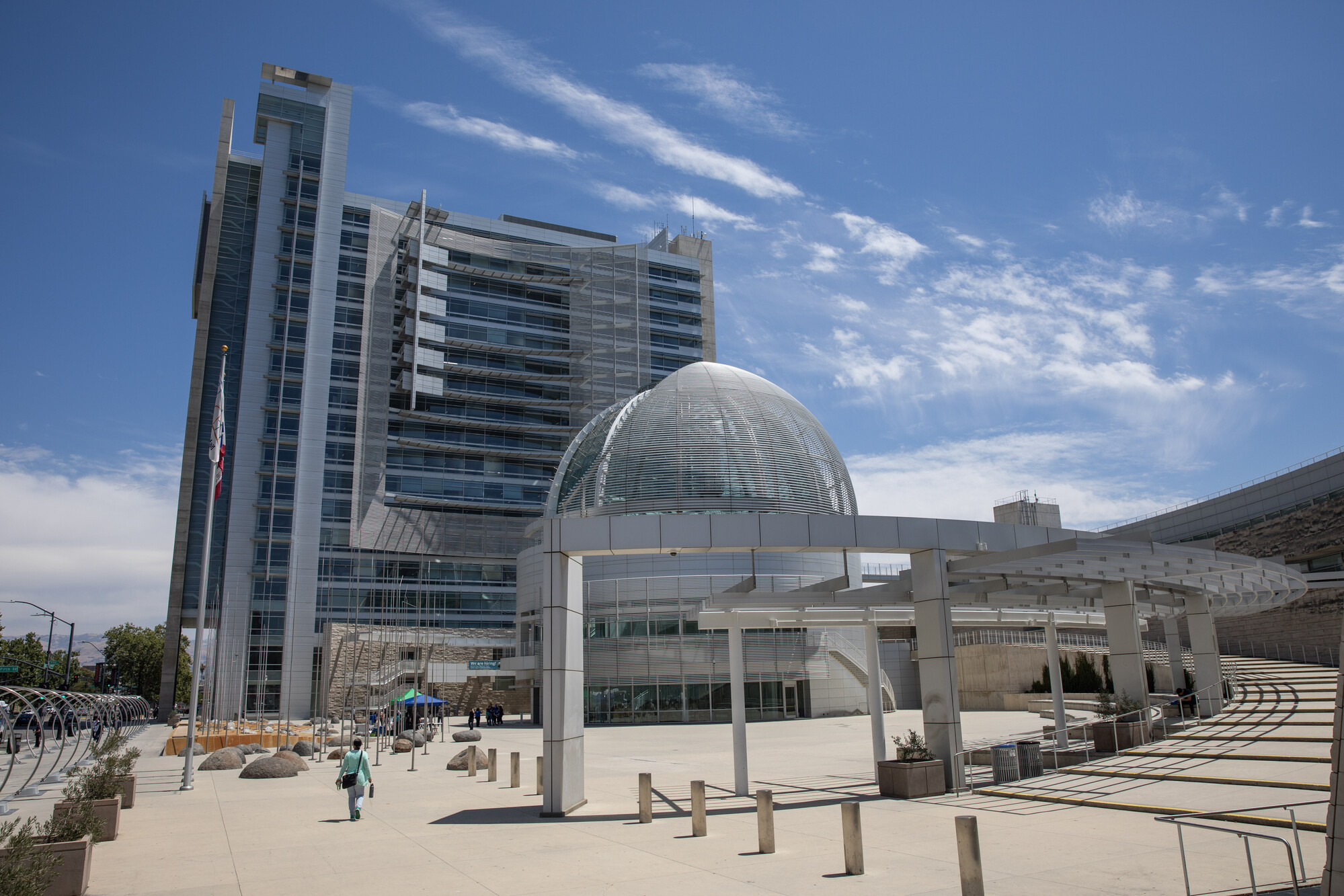
The San José City Council this week signaled support for big shifts in single-family home neighborhoods Tuesday that could eventually allow for much denser housing in large swaths of the city that have long been shielded from major change.
The council voted 8-3 Tuesday to have city staff craft zoning changes that, if finalized late next year, could help encourage more apartment buildings, triplexes and fourplexes in San José’s low-density single-family neighborhoods.
The outcome of the changes supported by the council could boost the city’s residential neighborhood density from its current 8 units of housing per acre to as high as 32 units of housing per acre, among a series of other proposed zoning changes in other areas of the city.
The vote came after several hours of debate, discussion and public comment, with well over 100 people sharing their thoughts, including many residents who were staunchly opposed to the changes, which they said will “destroy” whole neighborhoods.
Single-family neighborhoods currently make up about 85% of San José’s total residential area. Councilmembers in support of the changes and planning officials said building more and different types of homes in those areas will be necessary to ensure the city can meet ambitious housing goals set by the state.
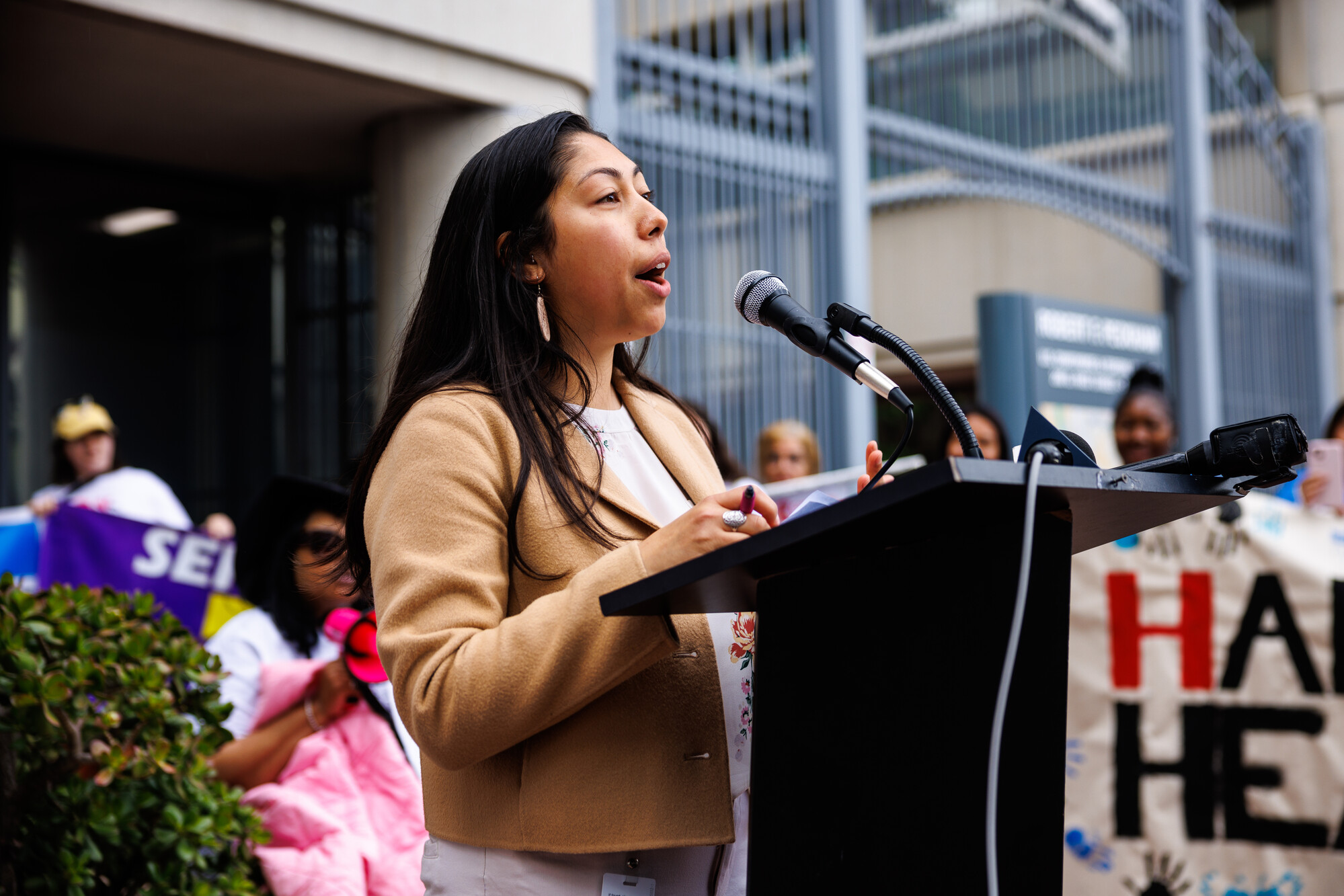
“We have not built enough housing for decades,” said councilmember Pamela Campos, whose district encompasses southern parts of the city. “Costs have increased so much that most of the housing in San José is not affordable.”
Councilmembers George Casey, Domingo Candelas and Bien Doan voted against the proposed changes, citing concerns that the revamped densities across the city were not thoughtful enough.
Candelas, who represents the Evergreen area and a large swath of East San José, said he was not opposed to more housing in the city.
“It’s opposition to what appears to be careless housing policy and the unintended consequences that may create,” he said. “I think we deserve a thoughtful approach that respects the differences between our neighborhoods, and recognizes that once density rights are granted…we can’t take it back.”
City planners and leaders have been eyeing ways to foster more housing overall to help comply with stringent state oversight of housing production, and to bring in more “missing-middle” housing, aimed at lowering the sky-high cost of homeownership for people earning middle incomes. The median home sale price in Santa Clara County is about $2 million, and residents need an income of nearly $500,000 to purchase one, according to the California Association of Realtors.
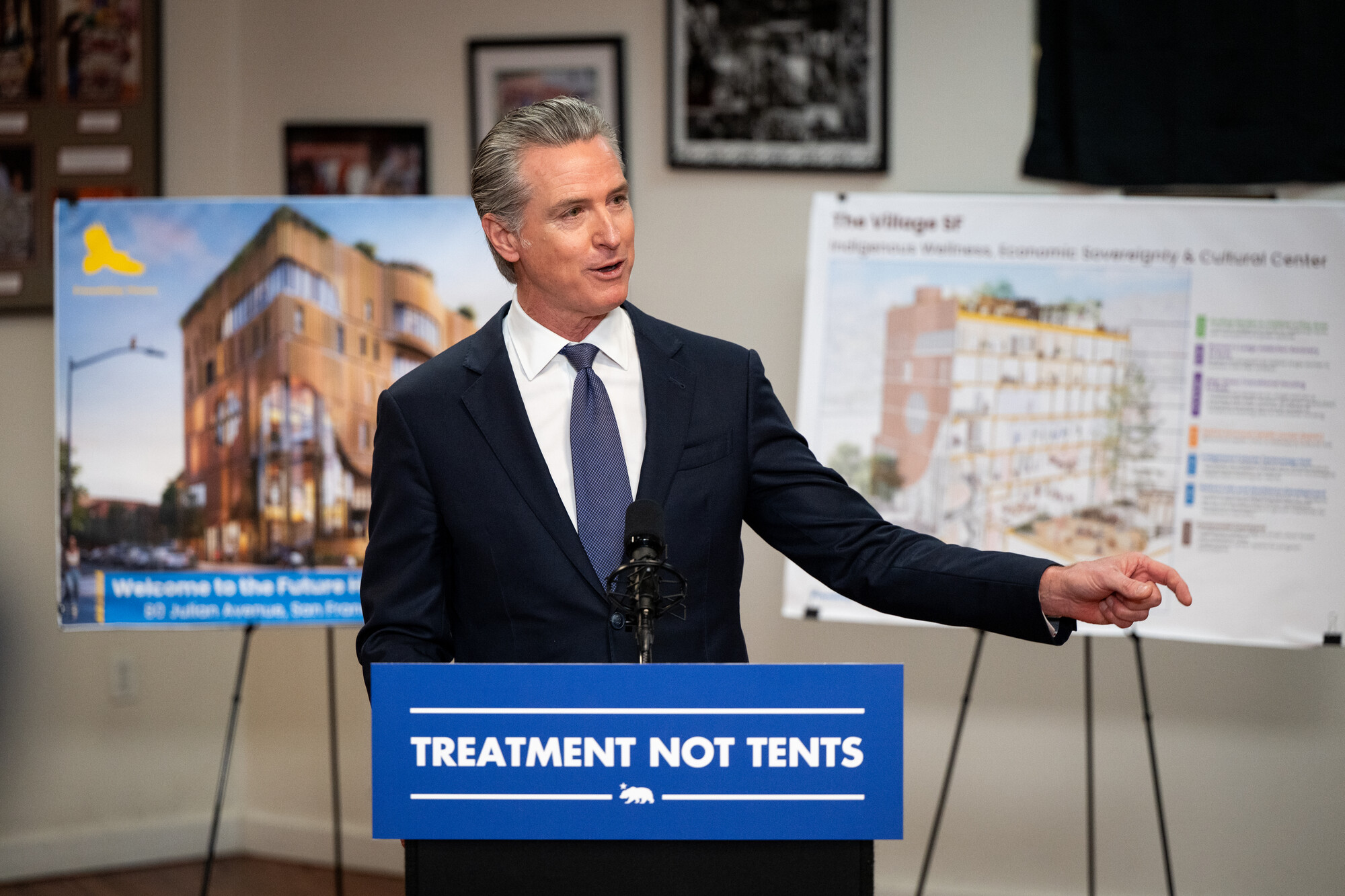
“We have to strike a balance between allowing the city to change and evolve so that it can create space for our kids and grandkids on the one hand, and really thinking holistically about the built environment and things like access to transit and the walkability of community-serving amenities,” Mayor Matt Mahan said in an interview.
The proposed changes approved by council will be brought back for review by the Planning Commission and City Council around December 2027, according to city staff reports, so single-family neighborhoods are unlikely to transform anytime soon. Anyone seeking to build denser housing would also have to contend with high construction costs, which have for years affected the pace of residential development in the city.
The changes are supported by several pro-housing organizations and city leaders, but have sparked significant concern for some residents and longtime advocates of protecting established neighborhoods.
“The reality is San José has always built the lion’s share of housing, and it shouldn’t alter single-family home neighborhoods across the city permanently,” Pierluigi Oliverio, a city planning commissioner and former councilmember, said in an interview.
“The changes are radical. They would impact any city block in a city. Immediately, an entire block could change just by one house being converted to 16 units with no parking,” he said. “Most people would think that’s completely outrageous.”
Another planning commissioner, Michael Young, spoke to the council as a resident on Tuesday in support of more density.
“I feel as a resident in a single-family neighborhood, I need to give back and the best way I can give back is to be open to some changes,” he said.
Elva Wilson said she is worried about unintended consequences.
“Aggressively and dramatically increasing unmandated levels of density will have greater negative impacts in lower-income East San José,” she told the council. “We know it will be a fresh tool for predatory landlords to exploit vulnerable tenants by cramming even more renters into tiny cramped spaces to house people like cattle.”
The changes supported by the council would alter the city’s baseline standards for such neighborhoods, which officials say would create uniformity, simplicity and equity for homeowners or developers looking to change a housing plot, and allow the city to guide some development standards and consider individual neighborhood needs.
Under a patchwork of hundreds of state housing laws that have gone into effect over the past several years, such as SB 9, most single-family residential parcels in the city can already be legally altered to allow anywhere from two to 10 units, or possibly more, depending on the size of the lot and its location relevant to transit.
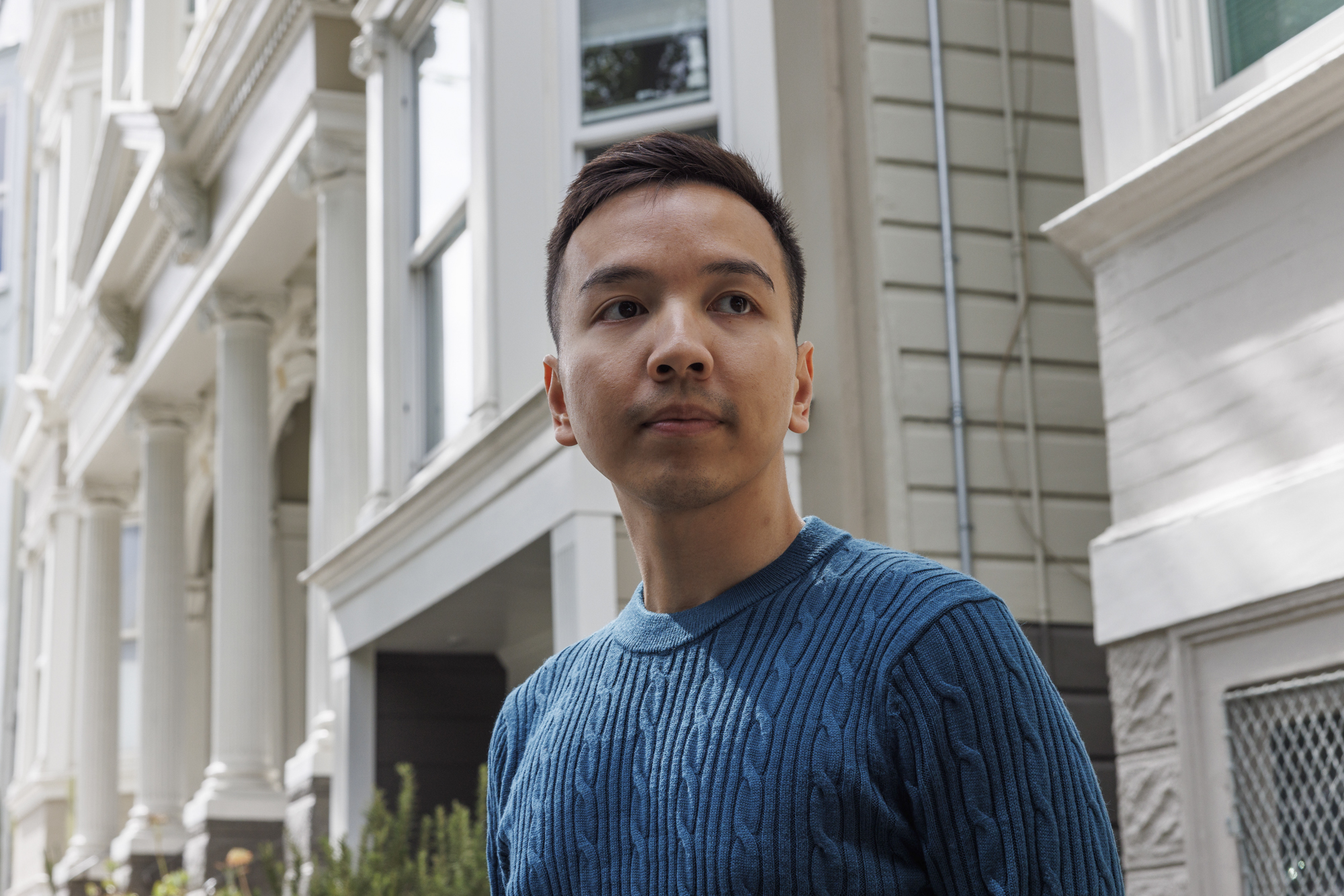
“And that I think is something that the community is not necessarily aware of,” Mahan said. “The question is, do we simply allow developers to buy properties and initiate redevelopment under SB 9 up to four units to the parcel today, or do we impose some local control and put more shape around what gets built?”
Lynn Repetsky, a resident who spoke during the meeting, said the council should have rejected the changes because the state laws have already opened the door for enough housing.
“As we implement these missing-middle guidelines, we need to evaluate their impact on parking, traffic and tree canopy and the use of services before we jump into more dramatic changes,” she said.
The council supported a memo from Mahan and four other councilmembers that asked city staff to evaluate a range of potential density increases for the council to consider in the future, and to ensure there are minimum amounts of parking required in areas of the city with low access to transit.
“We can encourage the creation of new homeownership housing, such as row homes, with parking,” the memo said.
However, Chris Burton, the city’s planning director, said during the meeting that density levels at 16 units per acre would likely not be enough to meet the needs the city has committed to under state guidance.
In dozens of emails from opposed residents to city leaders, the loss of character, parking space and the city’s tree canopy were raised as concerns, as well as doubts about whether newly built homes would be affordable.
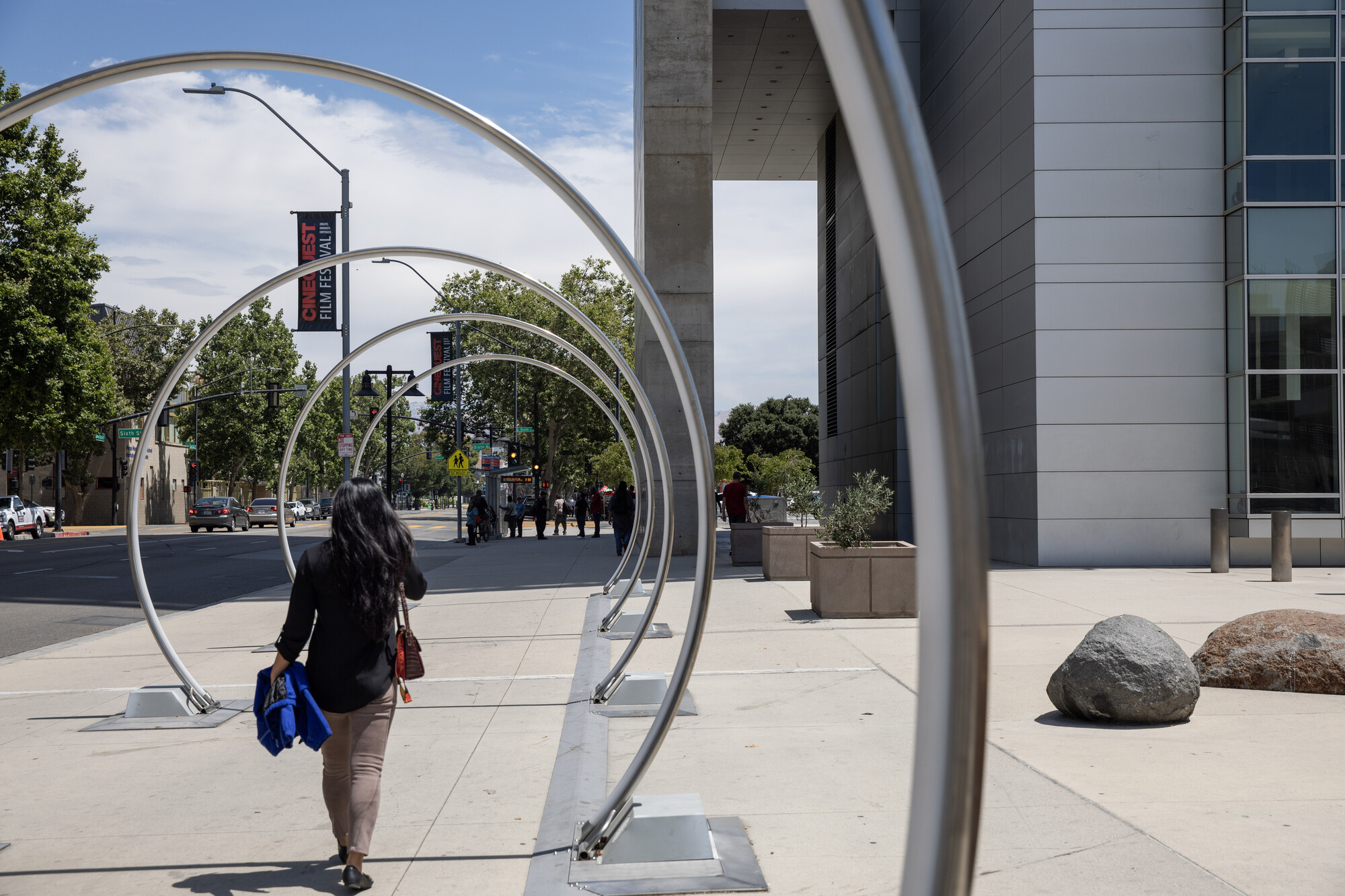
But Luisiana Garcia, a resident who grew up in the city, told the council the changes are needed to help people like her have a better chance at remaining in San José.
“It’s really disheartening to hear how many homeowners — who I would one day love to be — don’t want more housing to be built,” Garcia said.
“I am commuting three hours a day to save up for what? If there is no housing, I will not be able to live here once I’m able to afford a home.”
The council also supported increasing density in mixed-use neighborhood areas from a maximum of 30 units per acre to a range of anywhere from 20 to 50 units per acre, and increasing allowable height from four to five stories. For far denser neighborhoods considered urban residential, such as downtown, the council supported raising them from their current 30 units per acre up to a new minimum of 50 units per acre, with the maximum staying at 95.
The council also supported making it easier for affordable housing to be built on public or quasi-public lands such as schools and churches.