As SFUSD Welcomes Back Students, Officials Plan to Revamp Enrollment, Consider Closures
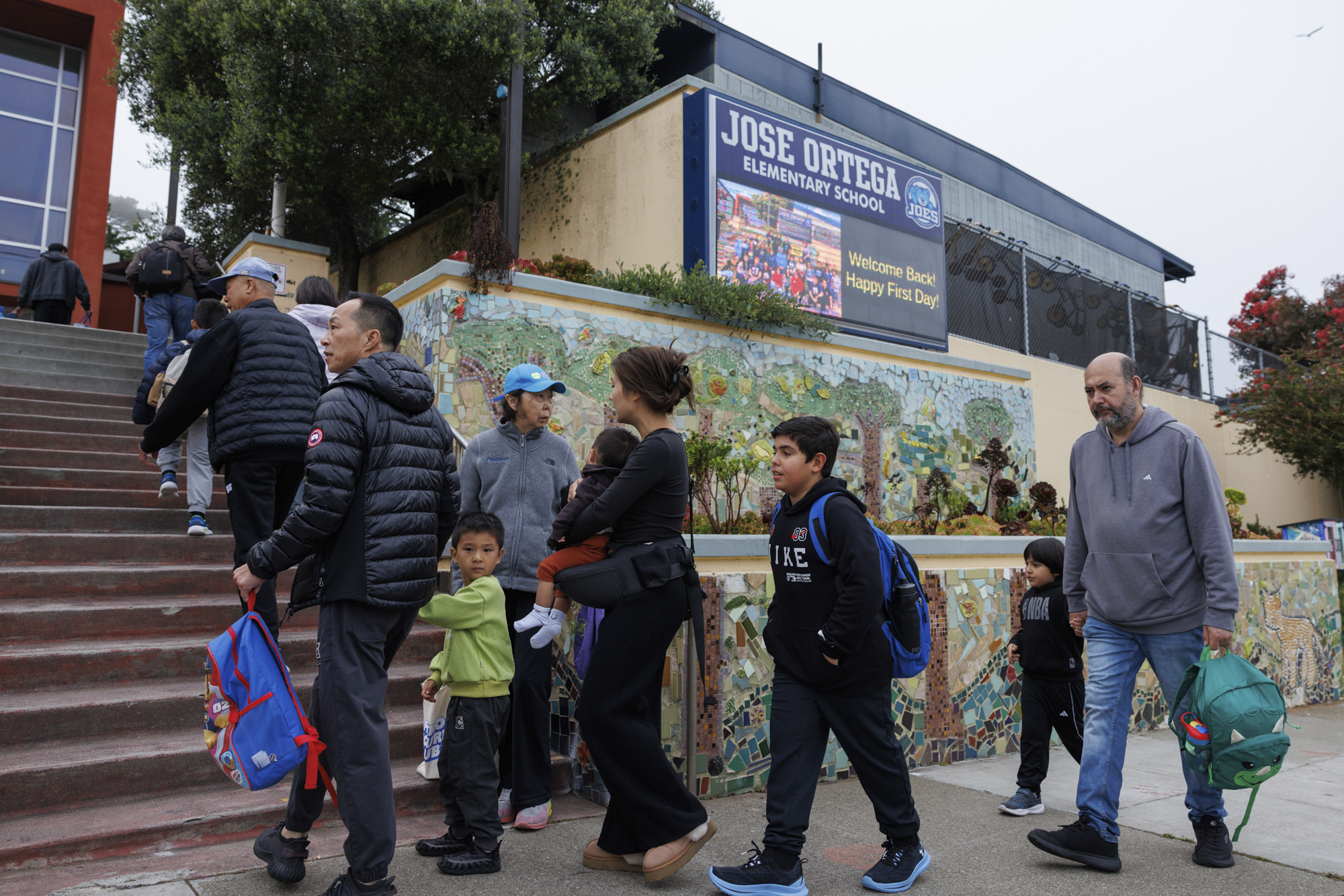
San Francisco public schools welcomed students back to school Monday morning, touting high teacher staffing and brand-new gains in literacy and math proficiency districtwide.
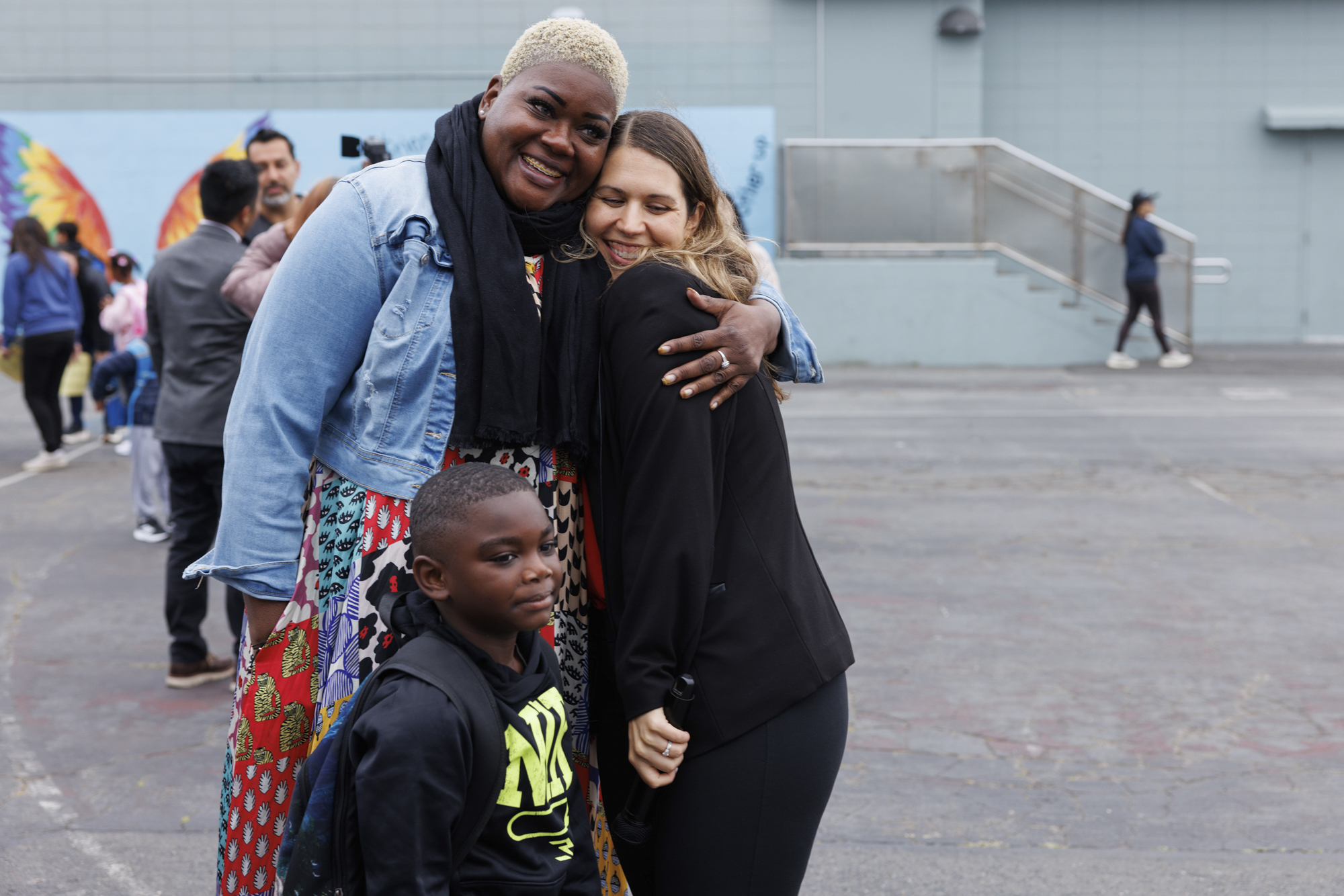
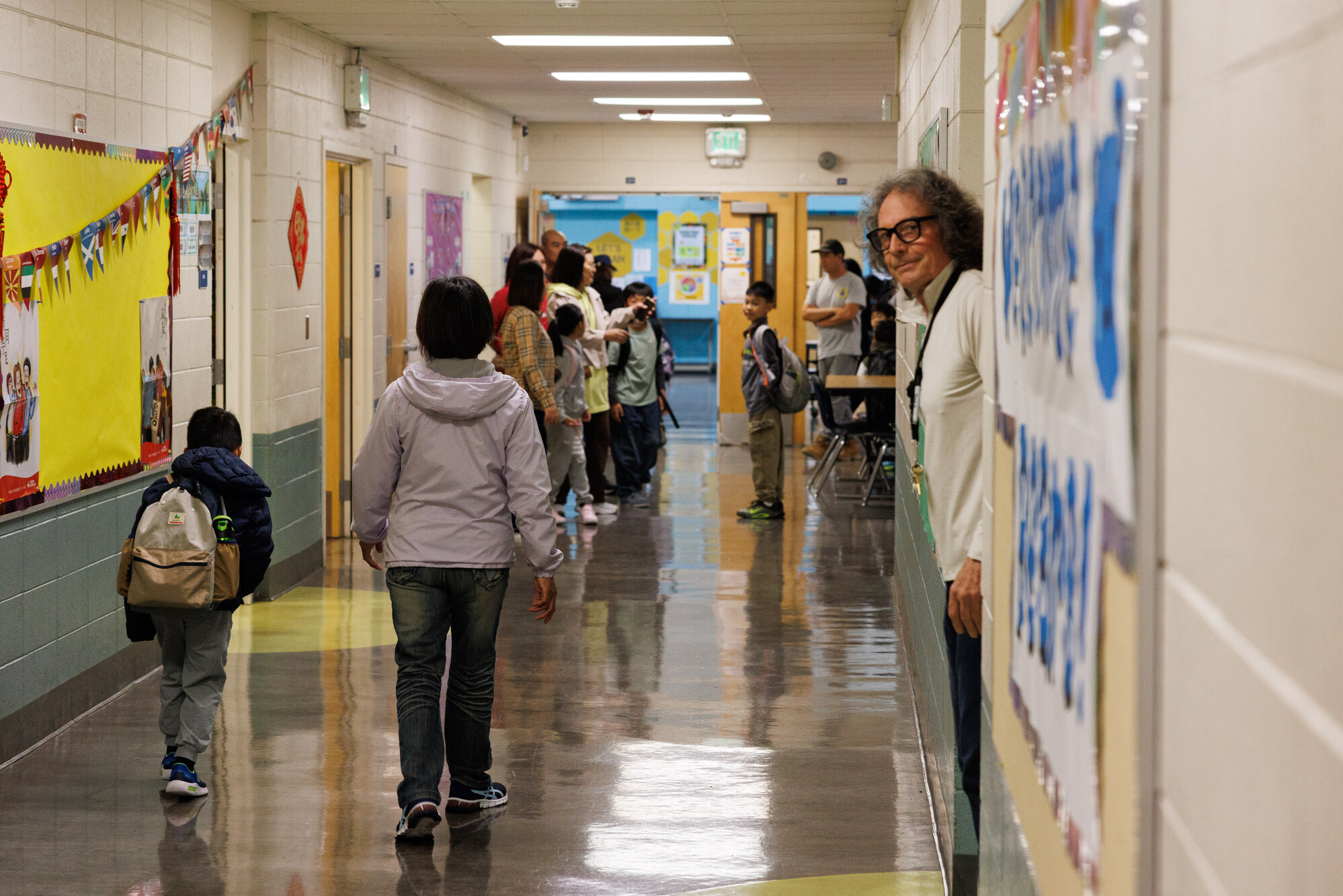
Jose Ortega Elementary School in Ingleside buzzed with excitement in the early morning fog, as hundreds of young students greeted classmates, found their new teachers on the blacktop, and taught new transitional kindergarteners the “Jose Bears Cheer” — complete with a deafening, and high-pitched, roar.
First graders Ellie, Genevieve and Olivia said they were most excited to be reunited with their friends — they waited for each other on the campus’s front steps before making their way to the playground for the morning circle.
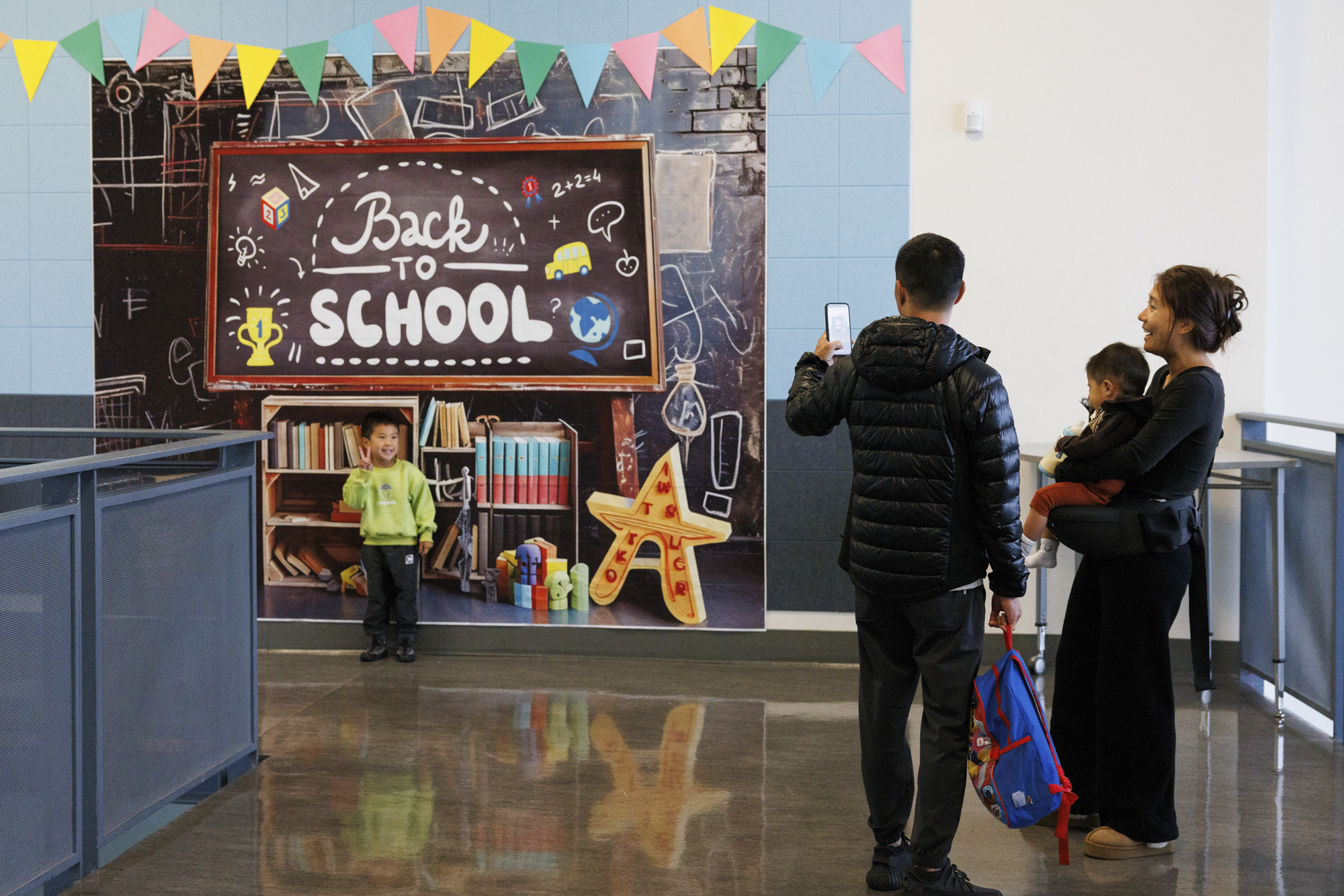
Mom Kathryn Yu said the first day was exciting, but also nerve-wracking for parents.
“We see them growing up,” Yu said. “It has been a great summer.”
The first day festivities marked the beginning of what Superintendent Maria Su hopes will be a period of stability for SFUSD, after a tumultuous few years,, which saw a botched school closure plan, unexpected superintendent departure, historic teachers’ strike and federal inquiries into progressive district curriculum and policies. But San Francisco Unified School District is still far from smooth sailing.
Ahead of the first day of classes, the school board laid the groundwork to begin tackling two long-awaited and controversial changes this school year: a new enrollment system to take effect in 2028, and an evaluation of the district’s school portfolio, which could include campus closures and mergers.
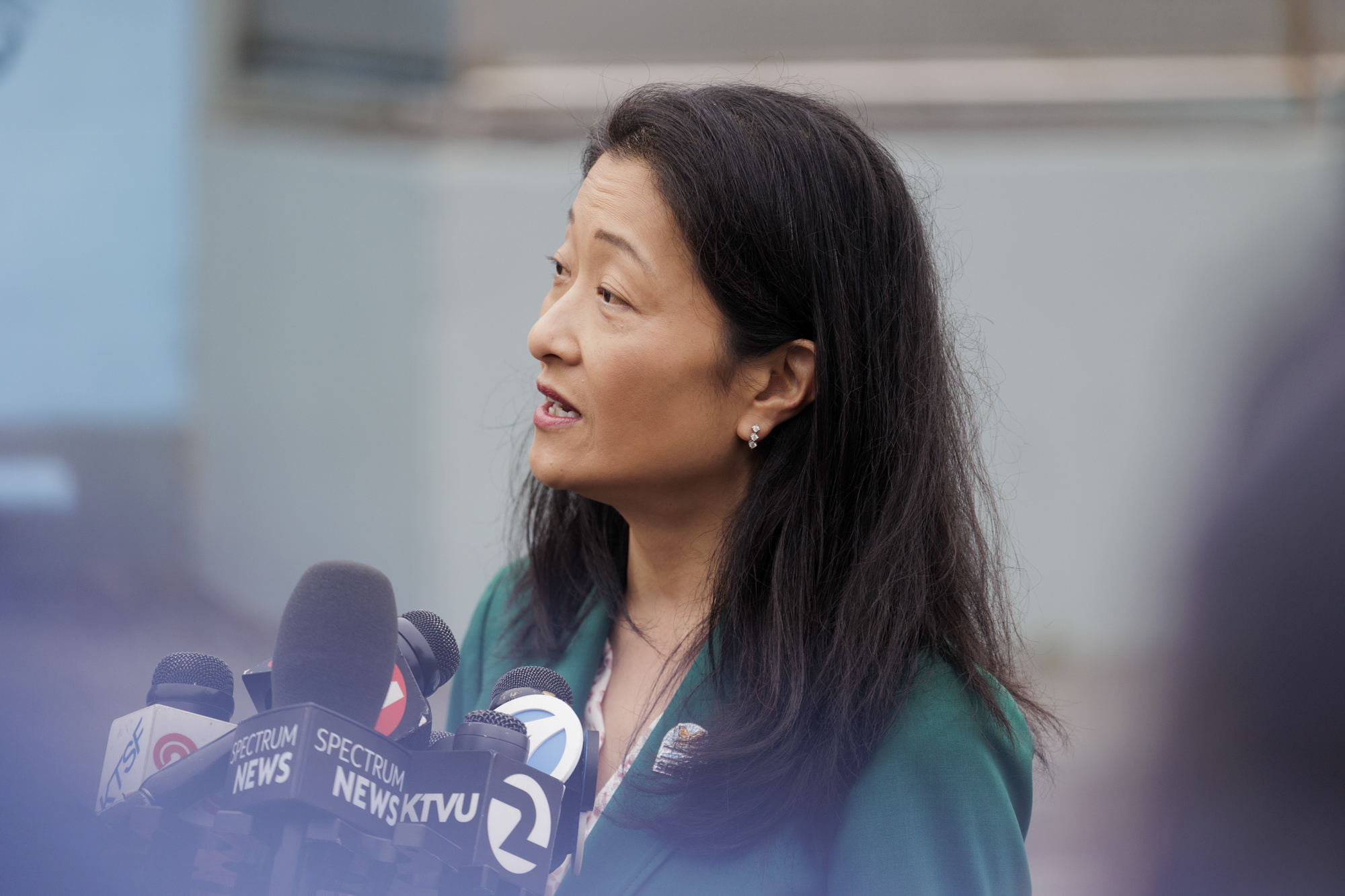
“We are building operations and systems that are really meeting the demands of our students, our families and our employees. We’re moving in the right direction,” Superintendent Maria Su said at the district’s first board meeting of the academic year earlier this month. “But we’re not there yet; we’ve got a lot of work to do.”
By April, Su is expected to deliver a proposal for a new student assignment method to finally replace the embattled “lottery,” which SFUSD introduced in 2011.
The current system, which allows families to seek a spot at any campus, was intended to reduce the number of racially isolated and underenrolled schools, according to district documents.
Instead, it’s created long waitlists and padded PTA funds at some of the most successful SFUSD campuses, while others suffer from significant underenrollment and limited resources.
In 2018, board members first proposed an overhaul after finding that “SFUSD’s choice system has increased inequity and has not provided equitable access to a range of opportunities.”
Two years later, district leaders approved a zone-based assignment system focused on elementary schools, slated to go into effect in 2023. That was pushed back to 2026, and later, delayed indefinitely amid leadership upheaval and budget concerns.
Last fall, the school board instructed Su to pick back up the project and introduce a new strategy by the spring, but not all parents and commissioners seem confident that district staff will deliver.
“It constantly is coming up and then nothing happens,” said Veronica Gray, who has a second grader at Jose Ortega and an eighth grader who’s been in SFUSD for years. “I’m just going to take it day by day.”
In the spring, several board members expressed frustration after Su delayed the school assignment proposal by another two years — announcing her intention to roll out a new system in 2028 — without their input. She also told the board the conversation around whether schools could close or merge would wait until after the enrollment overhaul — by 2030.
At their first meeting this fall, the board made it clear that deferring further won’t be an option.
“I’ll just name my discomfort … because the board had indicated a timeline of two years and we saw that pushed out to four years. I just don’t want a repeat of what had happened,” Commissioner Parag Gupta said, referring to the spring. “That would be frankly unacceptable.”
Su assured the board that her team was on track to recommend an assignment system in April, and told them that developing the new enrollment process will lead to a “a very organic process” on school consolidations.
“As we start to decide how we are going to assign students to schools, we are going to very quickly see that perhaps there are some neighborhoods in our city that won’t have enough students for the number of schools we currently have in those neighborhoods,” she said. “We as a body will have to figure out what to do with that.”
That could mean changing how the district fills schools or uses its school buildings.
Su has repeatedly posited that some sites could be reconfigured for new language pathways — including a forthcoming K-8 Mandarin Immersion program — or expanded special education services.
“We have committed to our community that number one, we are going to open a K-8 Mandarin school and number two, we will share with the community the temporary site of that school and then go through a community engagement process to identify the long-term site,” Su said. “That in and of itself is a portfolio change that is necessary and required.”
Since she took over the district in distress in the fall of 2024, Su focused primarily on balancing a $130 million budget deficit and settling multi-year contracts with the district’s labor partners.
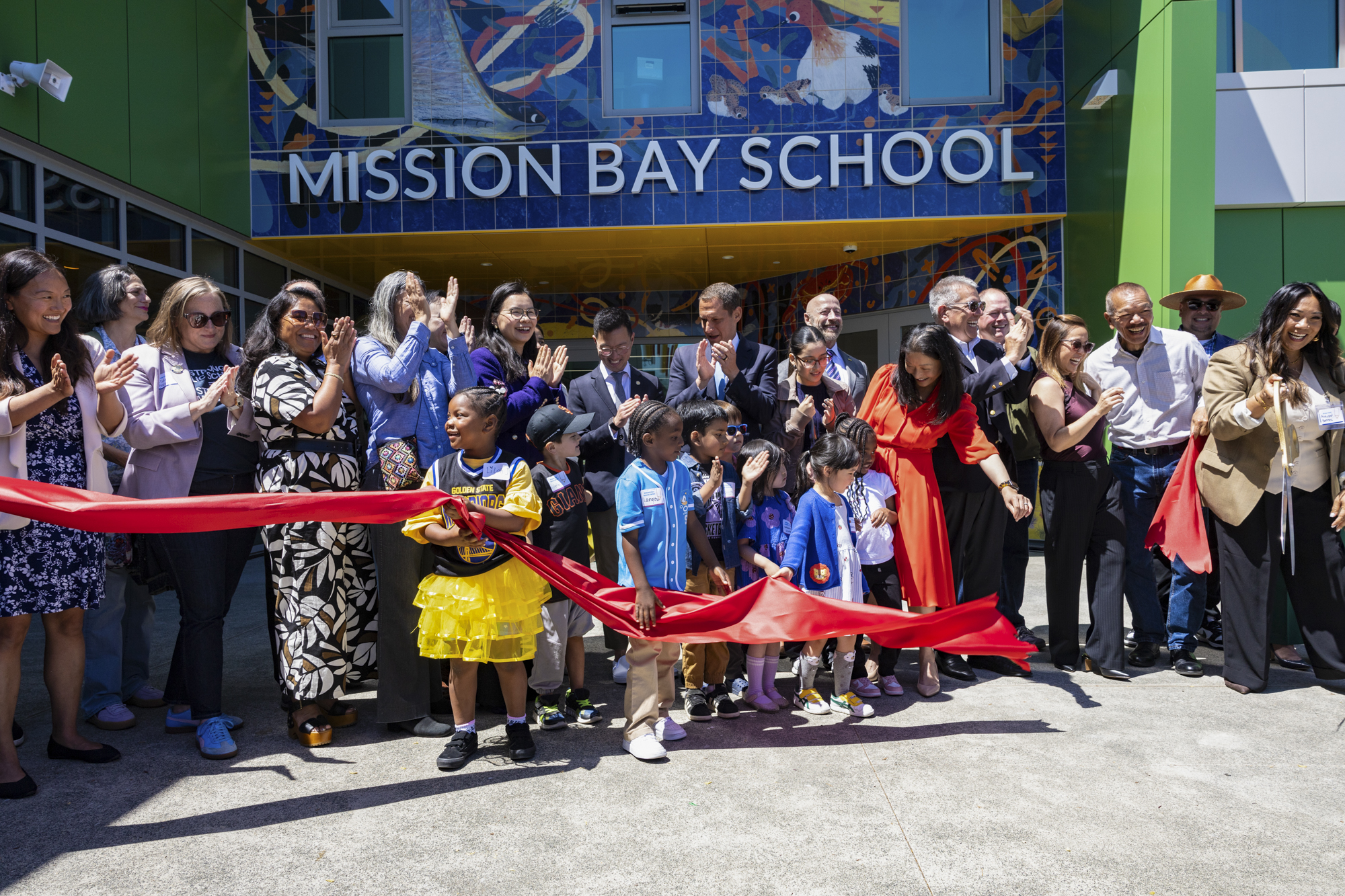
Classrooms opening today have the highest rate of permanent teachers in years — with 96% of classrooms staffed — and students will be welcomed to a brand new campus in Mission Bay, the neighborhood’s first public school 25 years in the making.
“We’re excited to get this year started,” said Justin Schnieder, whose daughter is now a second grader at Jose Ortega. “I feel confident that we’re going to go through the whole year without any strikes or closures, so that’s all I can say.”
Now, major structural changes will be Su’s next target. The school board has also set lofty student achievement benchmarks for 3rd grade literacy rates and 8th grade math proficiency, both of which have slipped across the state since the COVID-19 pandemic.
On Tuesday, Su said that new data from the end of last year showed a 2% increase in 3rd grade reading, and a nearly 4% increase in 8th grade math. That data hasn’t been publicly released yet.
“The board has set some very audacious goals for us to achieve,” Su said. “They are our North Star.”