Trump Immigration Policy May Have ‘Chilling Effect’ on Latino Birth Rates
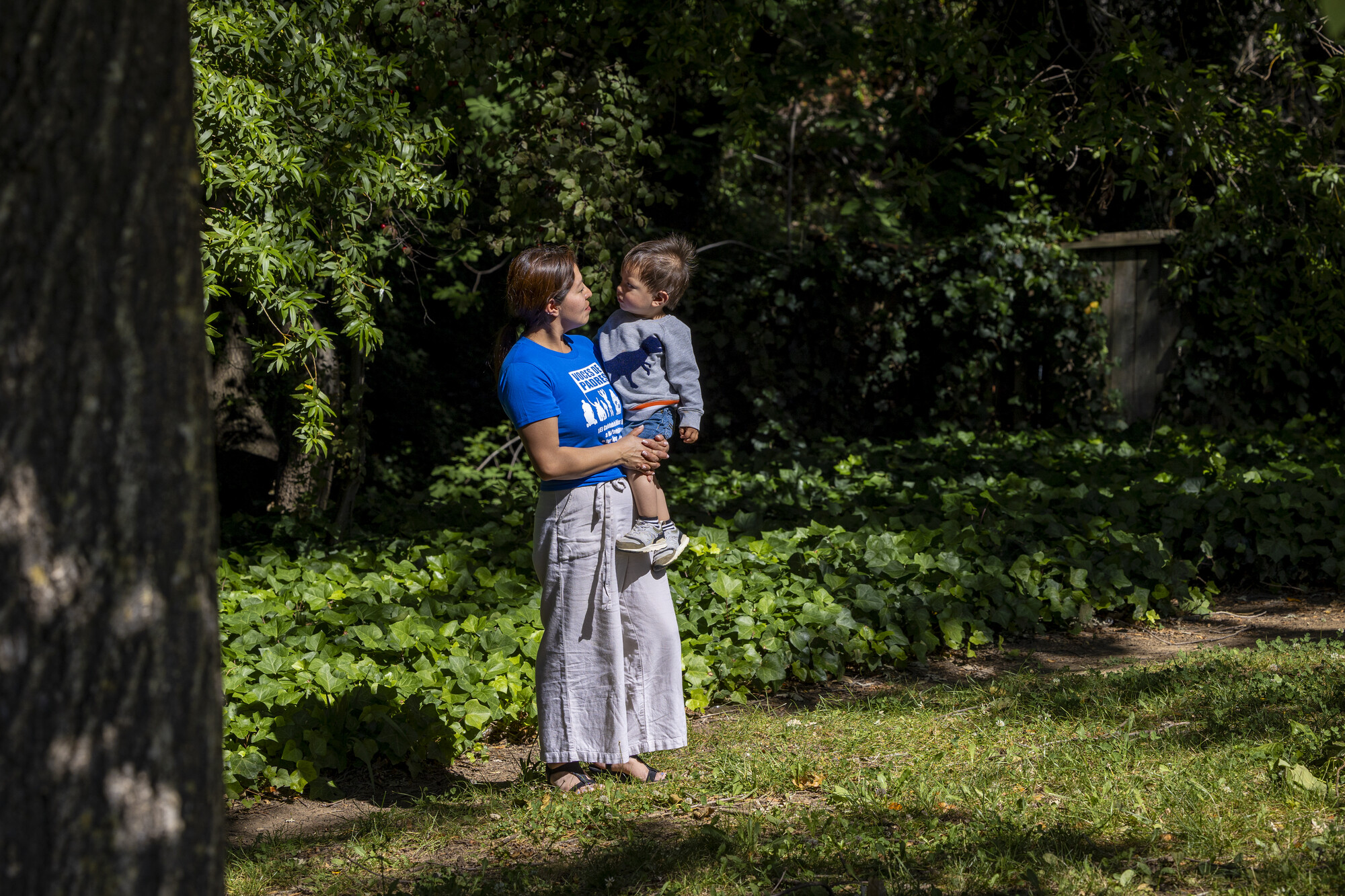
This story was reported for K Onda KQED, a monthly newsletter focused on the Bay Area’s Latinx community. Click here to subscribe.
On a recent visit to my hometown, a close friend who got married last year came over while one of my tías had also stopped by.
As we sat around the kitchen table, my tía turned to my friend and asked, “When are you going to have a baby?”
My friend laughed and said, “You sound just like my mom!”
The decision to have children is a deeply personal one, and yet, for much of my adult life, I experienced these pushy, intrusive exchanges with my mom, tías and adults older than me, who seemed to think that telling me to have children was their mandate.
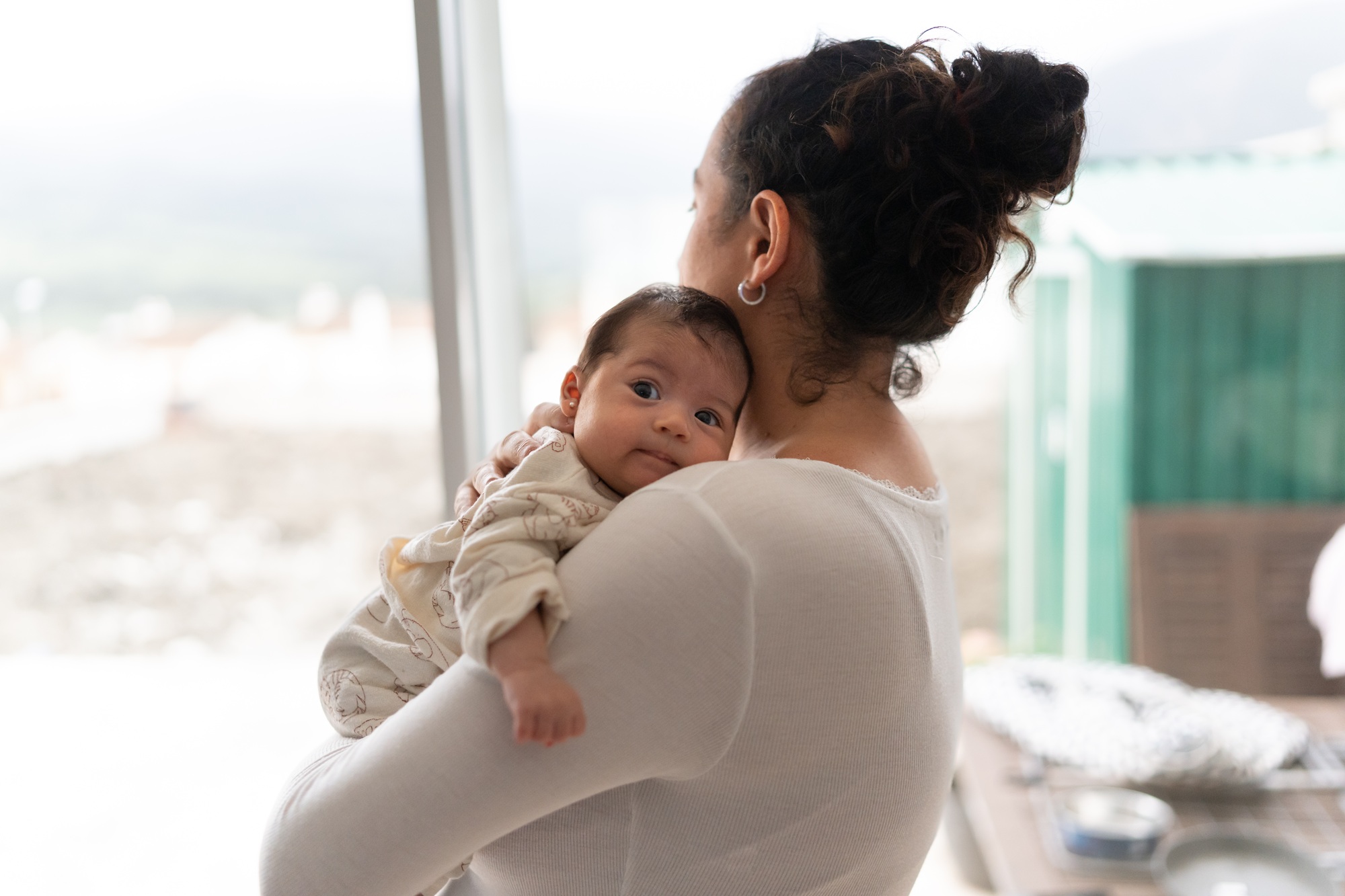
While those conversations are cringey, they also align with the family-oriented, pro-baby, if you will, aspects of Latino culture.
Data proves that to be the case: Latinas have more children than women from any other demographic group and have been pulling up the U.S. birthrate for decades, according to research organization Child Trends.
So, while conservative women such as Erika Kirk tell mostly white young women to have “babies you can’t afford,” I find myself thinking, “Excuse me, Latine families have been doing that forever! And we don’t get credit for it.”
I started thinking about birth rates after learning that the U.S. population is now growing much more slowly. And how the Trump administration’s crackdown on immigration enforcement, which has largely targeted Latinos, and its unsuccessful attempt to strike down birthright citizenship, could worsen the problem.
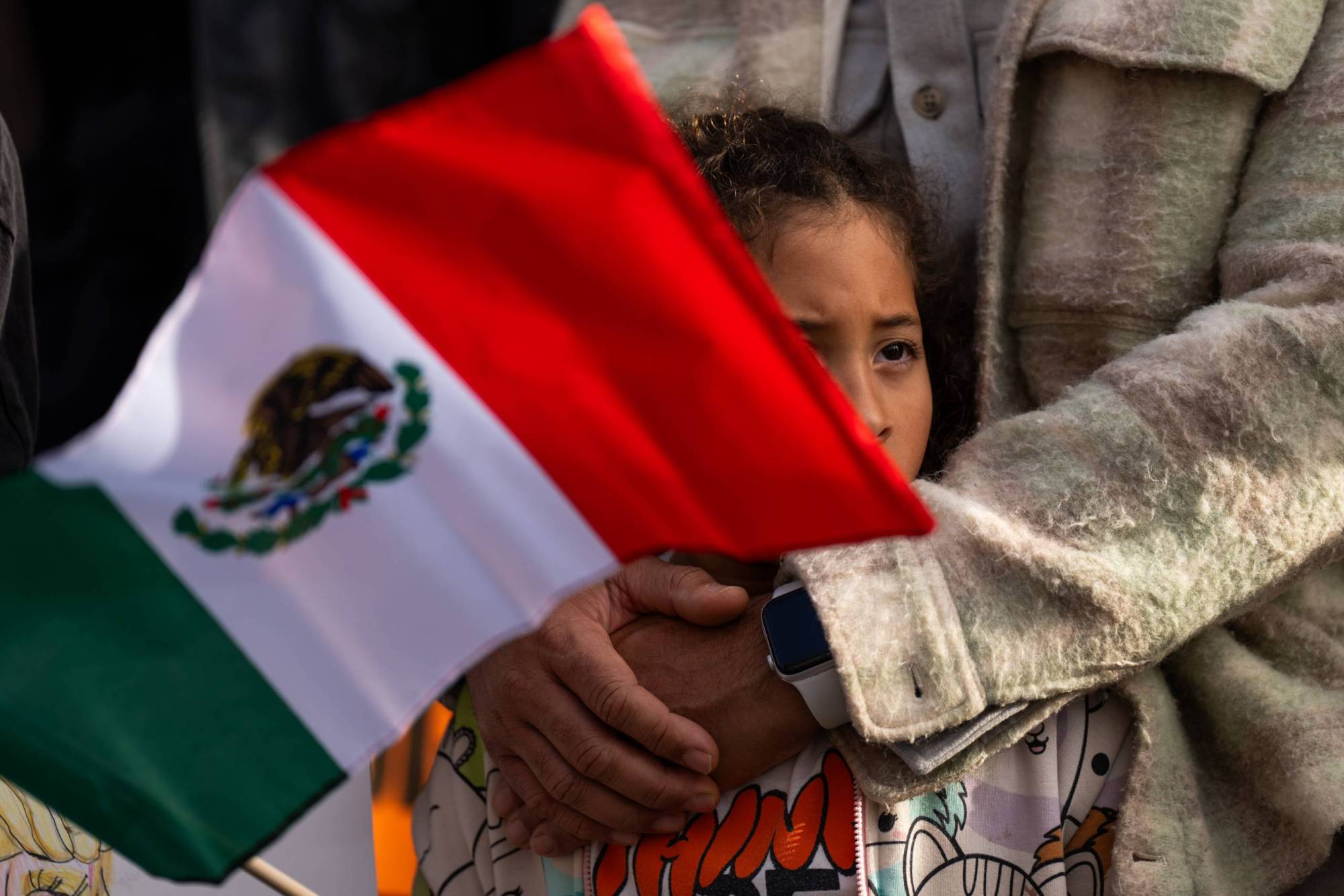
I’ve been hearing about a Latino boom that would eventually lead to the entire country where white people were no longer the majority. This happened in California in 2014 when Latinos became the largest demographic group.
“Demographics are destiny,” experts were often quoted as saying. For years, I thought growth would equate to “strength in numbers” for Latinos, allowing us to achieve socioeconomic parity with white people. That hasn’t happened.
Pew Research reported last fall that Latino immigrants and their children contributed significantly to U.S. population growth and “made up 20% of people in the U.S. in 2024, up from 13% in 2000 and just 5% in 1970.
“The nation’s population grew by 58.7 million people from 2000 to 2024, and Hispanics accounted for 56% of this increase — a greater share than any other racial or ethnic group,” Pew reported.
And now, with the Trump administration’s crackdown on all immigration, projections for Latine growth could change.
Hispanics were projected to reach 111.2 million or 27.5% of the total U.S. population by 2060, up from 57.4 million or 17.8% in 2016, according to a U.S. Census report from 2020.
Trump’s deportation machine, which has largely targeted Latinos, has already led to up to an estimated 3 million people leaving the country, according to the U.S. Department of Homeland Security.
“It’s too early to tell” how Trump’s immigration enforcement will alter the Latino population, said Lina Guzman, chief strategy officer at Child Trends and director of its Hispanic Institute.
“Part of it’s going to depend on who’s getting deported, the volume or number of people that are being deported,” she said, but impacts are already being felt. “Deportation efforts are impacting access to services. For example, access to doctors, including contraceptive services or prenatal care.”
In California, Latino babies account for about half of all babies, compared with a quarter of all babies nationwide.
More than 90% of Latino children are U.S. citizens, so it’s really future generations that hold the key to population growth, Guzman said.
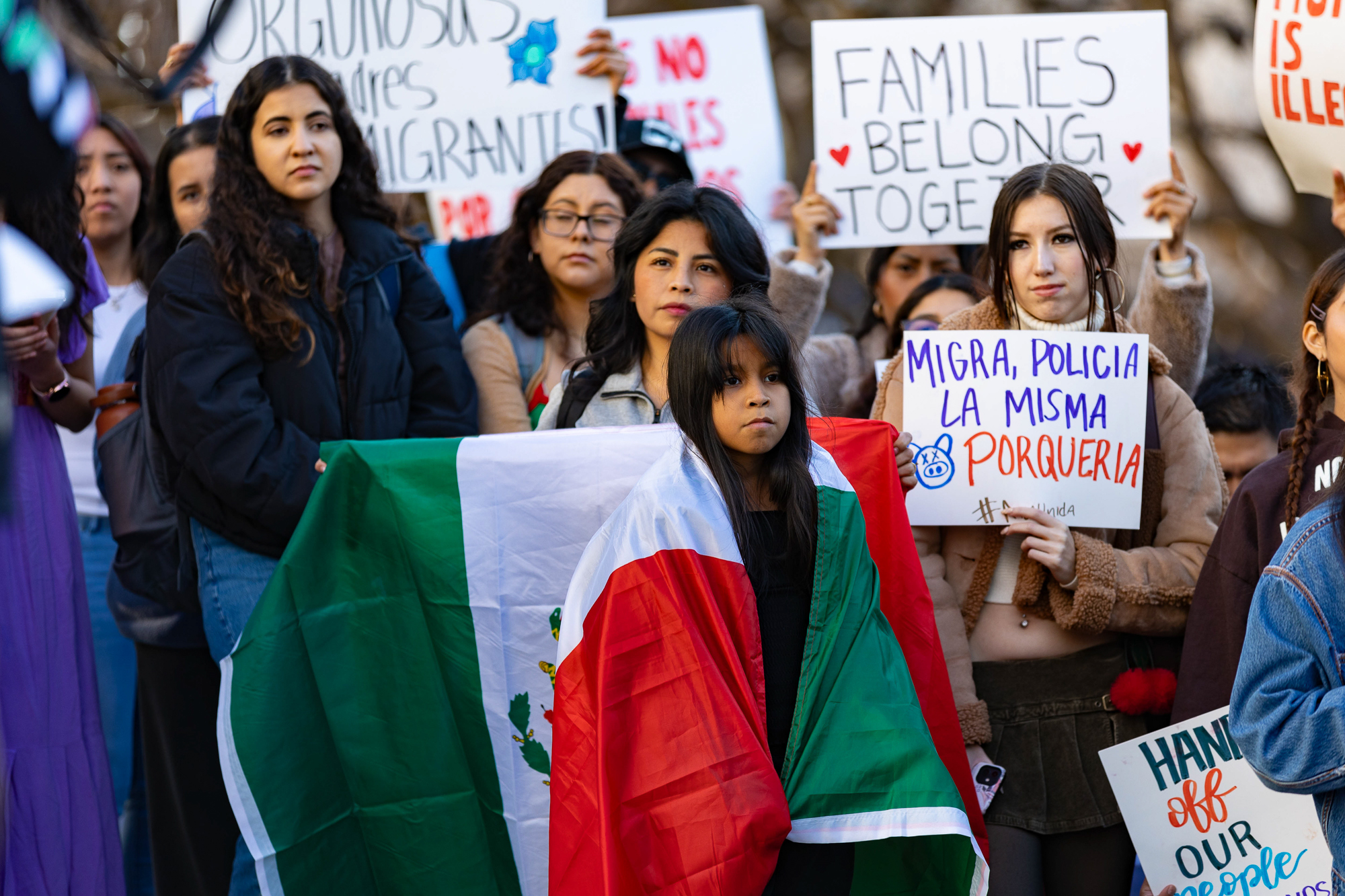
Trump’s deportation campaign is “also having a general chilling effect on Latino communities overall, including among those that are U.S. born citizens,” she told me. “It very much could impact a desire to have children when that time comes for them to have a child or to have another child.”
Overall U.S. birth rates have been in decline for decades, Guzman said, but “what’s been different in particular over more recent years and really since the turn of the century is that the decline in the fertility rates has been the steepest among Latina women,” she said.
It turns out that Latines are just as susceptible to the conditions that are making parenthood more out of reach for everyone: the high cost of raising a child, financial uncertainty, lack of access to affordable childcare and lack of paid parental leave.
The demographic profile of who gives birth is also changing, Guzman told me. Teen pregnancy fell by about 80% from 1991 to 2025.
Women are choosing to have children later in life, but the data shows that earning degrees and working make women less likely to have children.
That seems like a contradiction given that for many would-be parents, financial stability is a precursor to having children.
Guzman said affordability often hinges on three key expenses: the cost of childcare, housing and healthcare.
“These three issues around affordability may be more pronounced among the Latino communities and for Latina women because of where they live, because of the kinds of jobs that they have, the kinds of salaries that they make and the options that they have in their community.”
Fertility is a delicate subject that I’ve learned requires care when talking about. It might be commonplace for elders to lecture younger generations on having babies, but those conversations can trigger sadness, shame and despair.
“Motherhood seemed like a normal path to take if I were to ever meet my person, but it also seemed hard, scary, expensive, and consuming,” writes Johanna Ferreira, a Latina journalist, in an article about freezing her eggs at age 39 for PopSugar Juntos.
She recalled being told repeatedly that “Latinas are naturally fertile” and just being a Latina meant she’d have no issues conceiving a baby if she ever wanted to.
Those myths obscure the reality that Latines experience infertility, and even when people do have children, raising them is increasingly more challenging.
As soon as I finished college and started working, I started heeding lots of pressure from elders to get married — advice I mostly brushed off.
I was 32 when my husband and I got engaged. The conversations turned into, “Congrats! Now, when are you going to have a baby?” And, of course, the demands only intensify as soon as you have one child. “When is the next one coming?”
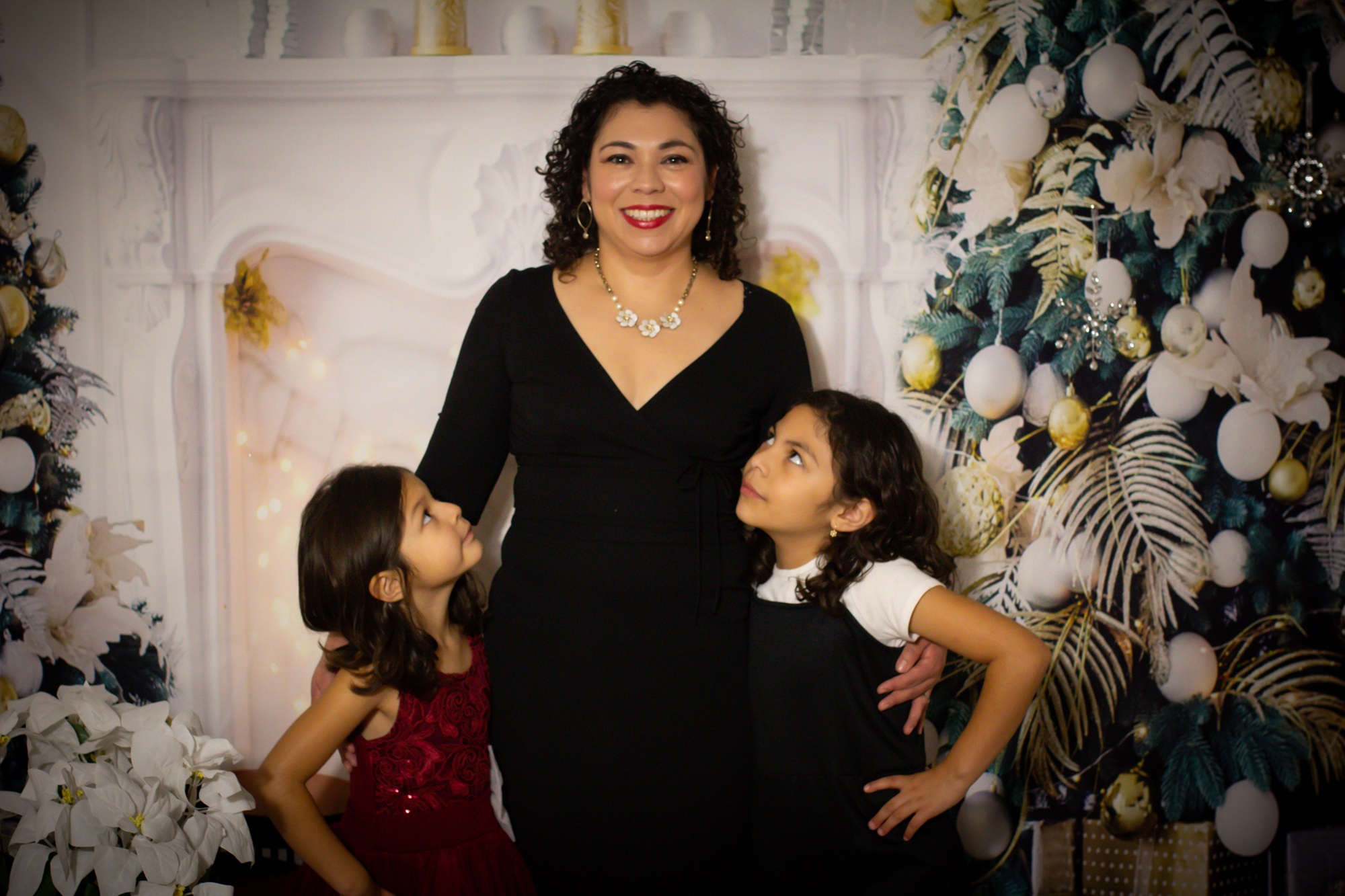
Now, as a mom of two in my mid-40s, I’m regularly asked about a third one. My response: two is enough.
These brief questions and answers belie the complexity of all the decisions and feelings that go into becoming a parent.
Amid all the challenges of having and raising children, I would hope to see that Latine pro-family cultural norms would strengthen families.
I would like to see the conversation move forward; not asking when children are coming, but instead asking, “What can I do to support your decision to have or not have children?”
And, making sure that as a community, we support policies that empower Latines in whatever path they end up on.