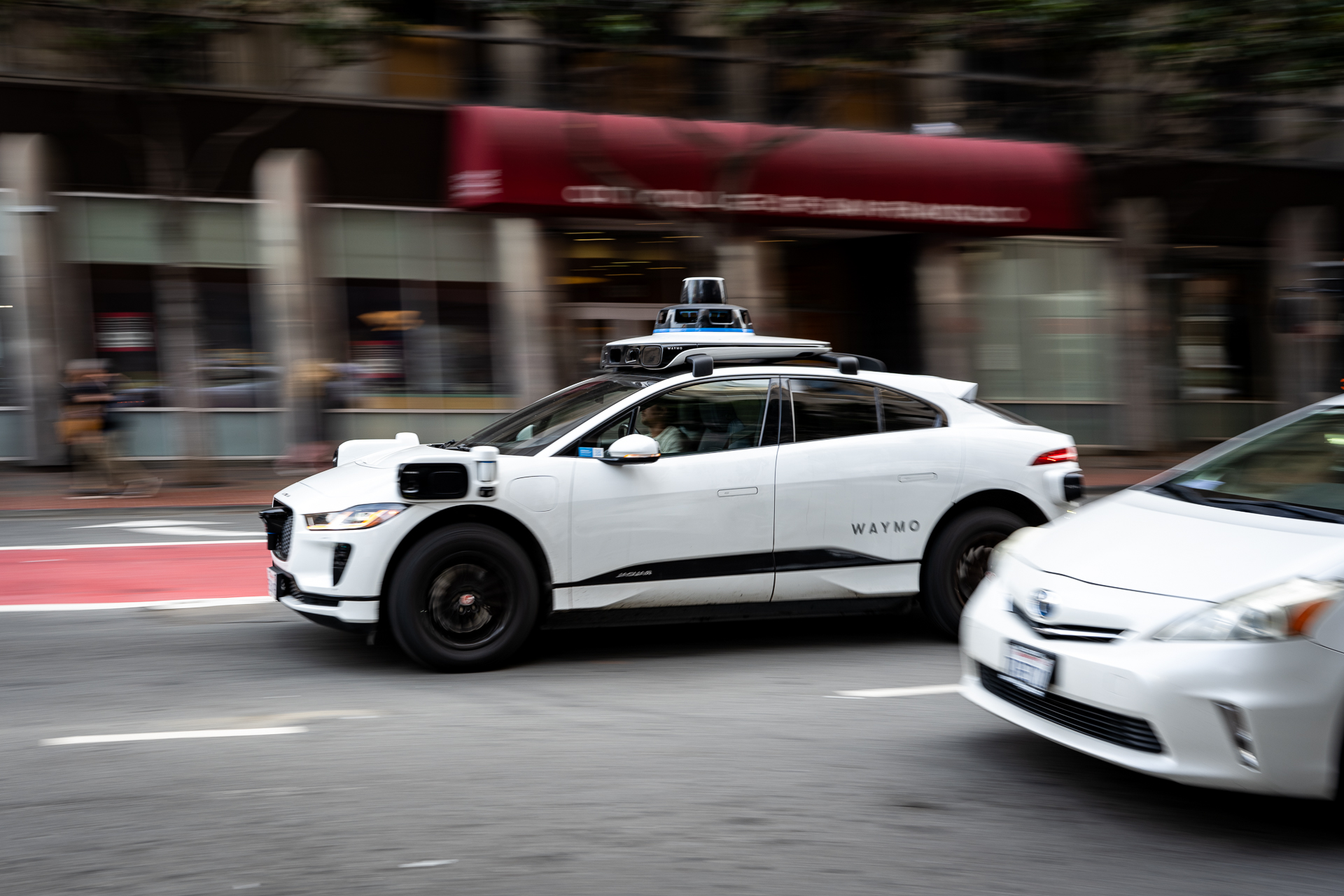
The U.S. government’s highway safety agency has opened another investigation of automated driving systems, this time into crashes involving Waymo’s self-driving vehicles.
The National Highway Traffic Safety Administration posted documents detailing the probe on its website early Tuesday after receiving 22 reports of Waymo vehicles either crashing or doing something that may have violated traffic laws.
In the past month, the agency has opened at least four investigations of vehicles that can either drive themselves or take on at least some driving functions, as it appears to be getting more aggressive in regulating the devices.
In the probe of Waymo, which was once Google’s self-driving vehicle unit, the agency said it has reports of 17 crashes and five other reports of possible traffic law violations. No injuries were reported.
In the crashes, the Waymo vehicles hit stationary objects such as gates, chains or parked vehicles. Some of the incidents happened shortly after the Waymo driving system behaved unexpectedly near traffic control devices, according to the documents.
Waymo said in a statement that the NHTSA plays an important role in road safety and that it will continue working with the agency “as part of our mission to become the world’s most trusted driver.”
The company said it makes over 50,000 weekly trips with riders in challenging environments. “We are proud of our performance and safety record over tens of millions of autonomous miles driven, as well as our demonstrated commitment to safety transparency,” the statement said.
Waymo, based in Mountain View, has been operating around the clock throughout San Francisco since last summer under permits issued by the California Public Utilities Commission and Department of Motor Vehicles. The DMV has permitted the company to operate in 22 Peninsula and Silicon Valley cities and throughout Los Angeles and bordering communities.
Michael Brooks, executive director of the nonprofit Center for Auto Safety, said NHTSA’s more aggressive actions show that autonomous vehicles may not be ready for public roads yet.