
California’s Democratic Party, at the peak of its power but buffeted by lawsuits and lingering internal divisions, holds its statewide convention in San Francisco this weekend, where a cavalcade of presidential wannabes will press the flesh, raise some cash and try to make a good impression on the party’s most active and passionate members.
Fourteen presidential candidates, including Kamala Harris, Bernie Sanders, Elizabeth Warren and Pete Buttigieg, will all get a chance to address the delegates. The long line of presidential hopefuls swarming San Francisco indicates that California, which moved up its primary from June to March, is just too big to ignore.
But the real business of the convention for the 3,400 delegates attending won’t be listening to 2020 hopefuls. It will be electing a new party chair.
The winner will have to unify a party still reeling from last year’s resignation of disgraced chair Eric Bauman.
Two years ago, Bauman edged out Bay Area progressive activist Kimberly Ellis, who still has not conceded the election, which some of her supporters say was stolen. Bauman resigned in November after a series of sexual harassment allegations and two lawsuits from former party employees that describe a culture of inappropriate behavior and a tolerance for it within the California Democratic Party.
“I think people feel that Eric Bauman really hurt the heart and soul of the party,” said Loyola Law School professor Jessica Levinson. “But I think that was just a symptom of other things that were happening.”
Levinson pointed to internal party divisions along racial, gender and generational lines.
“The state Democratic Party does stand at a crossroads now,” she said, “and some supporters of Kimberly Ellis feel that they really haven’t had the power positions in the Democratic Party that they would like.”
In a conversation on KQED’s Political Breakdown last month, Ellis expressed doubt that this year’s chair election will be fair and transparent.
“If I’m being honest, I’m not very confident,” Ellis said, noting that her campaign’s request for a certified list of delegates eligible to vote for chair was still incomplete at the time.
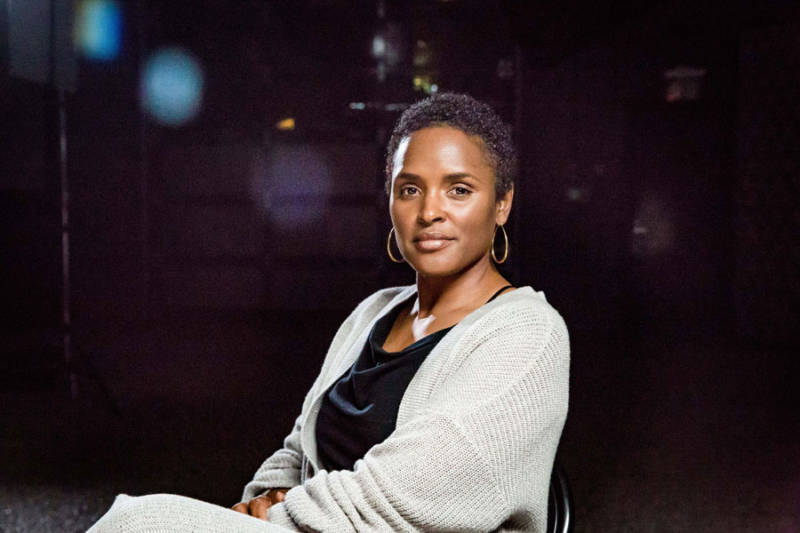
When asked whether party insiders feared her election for some reason, Ellis didn’t mince words.
“I am a black woman in a world that does not have a lot of people who look like me,” she said. “And so visually I represent a kind of change that a lot of people are uncomfortable with.”
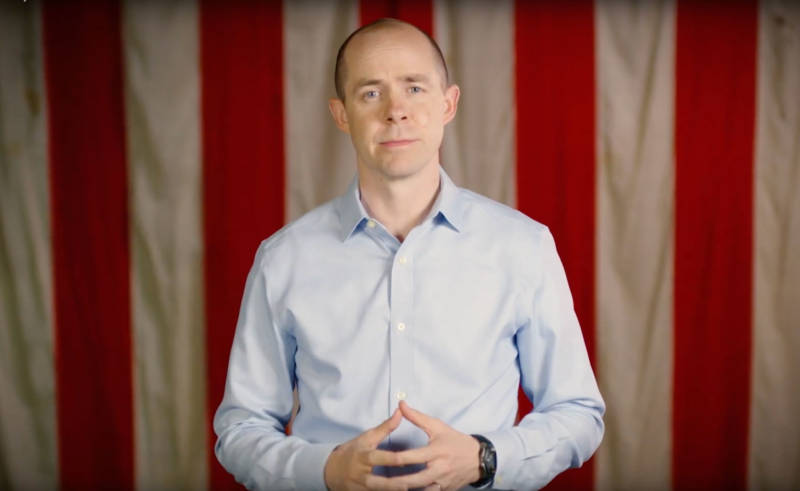
While there are seven candidates running for chair, Ellis and Los Angeles labor leader Rusty Hicks are regarded as the leading contenders. Hicks, a 39-year-old Texas native who helped lead the fight to raise the minimum wage in Los Angeles to $15 an hour, is relatively soft-spoken and low-key, at least compared with Ellis. But he’s hoping the party is looking for steady leadership more than flashy rhetoric.
“I’ve done my share of fiery speeches, but I do think there’s a need for thoughtful, strategic and steadfast leadership within our party,” Hicks told Political Breakdown.
In addition to making the party more transparent and inclusive, Hicks said, he sees the party at “an inflection point.”
“I think we have to be singularly focused on seeing a change in the White House,” Hicks said. “I think California can play a big role in that.”
But first, party leaders are working behind the scenes to avoid a repeat of the debacle that ensued in 2017, when the razor-thin margin in the chair’s election left the party divided.
Christine Pelosi, chair of the party’s Women’s Caucus, is determined to choreograph an amicable ending to the weekend’s chair selection.
“You can’t go through a nine-month sprint to the March 3 (2020 presidential) primary if you have a massive split in the party and people feel divided after a very close race for chair,” Pelosi said. “There are always ways to share power that brings people from all the campaigns to sit at the table together.”
Pelosi said she advised Bauman to bring in Ellis’ supporters after he won two years ago, but he declined, exacerbating the hard feelings that pierced that convention.
“The hardest thing after you lose is to come together. And if you don’t force yourself to do it in the moments after there’s a victory, it just metastasizes,” she said.
The theme for this weekend’s convention is “Blue Wave Rolling,” a reference to the Democrats’ sweep of congressional seats in Orange County and the party’s overwhelming advantage in the state Legislature. And with California’s presidential primary moved up to March 3, party leaders hope that at long last the state will play a decisive role in selecting a nominee.
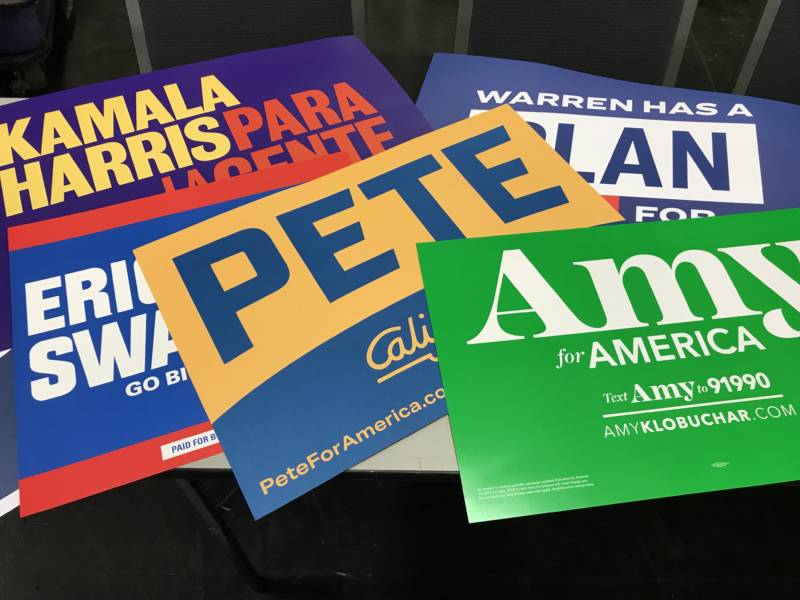
But it’s still far from clear who state party insiders — and the Democratic electorate at large — will back next year.