window.__IS_SSR__=true
window.__INITIAL_STATE__={
"attachmentsReducer": {
"audio_0": {
"type": "attachments",
"id": "audio_0",
"imgSizes": {
"kqedFullSize": {
"file": "https://ww2.kqed.org/news/wp-content/themes/KQED-unified/img/audio_bgs/background0.jpg"
}
}
},
"audio_1": {
"type": "attachments",
"id": "audio_1",
"imgSizes": {
"kqedFullSize": {
"file": "https://ww2.kqed.org/news/wp-content/themes/KQED-unified/img/audio_bgs/background1.jpg"
}
}
},
"audio_2": {
"type": "attachments",
"id": "audio_2",
"imgSizes": {
"kqedFullSize": {
"file": "https://ww2.kqed.org/news/wp-content/themes/KQED-unified/img/audio_bgs/background2.jpg"
}
}
},
"audio_3": {
"type": "attachments",
"id": "audio_3",
"imgSizes": {
"kqedFullSize": {
"file": "https://ww2.kqed.org/news/wp-content/themes/KQED-unified/img/audio_bgs/background3.jpg"
}
}
},
"audio_4": {
"type": "attachments",
"id": "audio_4",
"imgSizes": {
"kqedFullSize": {
"file": "https://ww2.kqed.org/news/wp-content/themes/KQED-unified/img/audio_bgs/background4.jpg"
}
}
},
"placeholder": {
"type": "attachments",
"id": "placeholder",
"imgSizes": {
"thumbnail": {
"file": "https://cdn.kqed.org/wp-content/uploads/2024/12/KQED-Default-Image-816638274-2000x1333-1-160x107.jpg",
"width": 160,
"height": 107,
"mimeType": "image/jpeg"
},
"medium": {
"file": "https://cdn.kqed.org/wp-content/uploads/2024/12/KQED-Default-Image-816638274-2000x1333-1-800x533.jpg",
"width": 800,
"height": 533,
"mimeType": "image/jpeg"
},
"medium_large": {
"file": "https://cdn.kqed.org/wp-content/uploads/2024/12/KQED-Default-Image-816638274-2000x1333-1-768x512.jpg",
"width": 768,
"height": 512,
"mimeType": "image/jpeg"
},
"large": {
"file": "https://cdn.kqed.org/wp-content/uploads/2024/12/KQED-Default-Image-816638274-2000x1333-1-1020x680.jpg",
"width": 1020,
"height": 680,
"mimeType": "image/jpeg"
},
"1536x1536": {
"file": "https://cdn.kqed.org/wp-content/uploads/2024/12/KQED-Default-Image-816638274-2000x1333-1-1536x1024.jpg",
"width": 1536,
"height": 1024,
"mimeType": "image/jpeg"
},
"fd-lrg": {
"file": "https://cdn.kqed.org/wp-content/uploads/2024/12/KQED-Default-Image-816638274-2000x1333-1-1536x1024.jpg",
"width": 1536,
"height": 1024,
"mimeType": "image/jpeg"
},
"fd-med": {
"file": "https://cdn.kqed.org/wp-content/uploads/2024/12/KQED-Default-Image-816638274-2000x1333-1-1020x680.jpg",
"width": 1020,
"height": 680,
"mimeType": "image/jpeg"
},
"fd-sm": {
"file": "https://cdn.kqed.org/wp-content/uploads/2024/12/KQED-Default-Image-816638274-2000x1333-1-800x533.jpg",
"width": 800,
"height": 533,
"mimeType": "image/jpeg"
},
"post-thumbnail": {
"file": "https://cdn.kqed.org/wp-content/uploads/2024/12/KQED-Default-Image-816638274-2000x1333-1-672x372.jpg",
"width": 672,
"height": 372,
"mimeType": "image/jpeg"
},
"twentyfourteen-full-width": {
"file": "https://cdn.kqed.org/wp-content/uploads/2024/12/KQED-Default-Image-816638274-2000x1333-1-1038x576.jpg",
"width": 1038,
"height": 576,
"mimeType": "image/jpeg"
},
"xxsmall": {
"file": "https://cdn.kqed.org/wp-content/uploads/2024/12/KQED-Default-Image-816638274-2000x1333-1-160x107.jpg",
"width": 160,
"height": 107,
"mimeType": "image/jpeg"
},
"xsmall": {
"file": "https://cdn.kqed.org/wp-content/uploads/2024/12/KQED-Default-Image-816638274-2000x1333-1-672x372.jpg",
"width": 672,
"height": 372,
"mimeType": "image/jpeg"
},
"small": {
"file": "https://cdn.kqed.org/wp-content/uploads/2024/12/KQED-Default-Image-816638274-2000x1333-1-672x372.jpg",
"width": 672,
"height": 372,
"mimeType": "image/jpeg"
},
"xlarge": {
"file": "https://cdn.kqed.org/wp-content/uploads/2024/12/KQED-Default-Image-816638274-2000x1333-1-1020x680.jpg",
"width": 1020,
"height": 680,
"mimeType": "image/jpeg"
},
"full-width": {
"file": "https://cdn.kqed.org/wp-content/uploads/2024/12/KQED-Default-Image-816638274-2000x1333-1-1920x1280.jpg",
"width": 1920,
"height": 1280,
"mimeType": "image/jpeg"
},
"guest-author-32": {
"file": "https://cdn.kqed.org/wp-content/uploads/2025/01/KQED-Default-Image-816638274-1333x1333-1-160x160.jpg",
"width": 32,
"height": 32,
"mimeType": "image/jpeg"
},
"guest-author-50": {
"file": "https://cdn.kqed.org/wp-content/uploads/2025/01/KQED-Default-Image-816638274-1333x1333-1-160x160.jpg",
"width": 50,
"height": 50,
"mimeType": "image/jpeg"
},
"guest-author-64": {
"file": "https://cdn.kqed.org/wp-content/uploads/2025/01/KQED-Default-Image-816638274-1333x1333-1-160x160.jpg",
"width": 64,
"height": 64,
"mimeType": "image/jpeg"
},
"guest-author-96": {
"file": "https://cdn.kqed.org/wp-content/uploads/2025/01/KQED-Default-Image-816638274-1333x1333-1-160x160.jpg",
"width": 96,
"height": 96,
"mimeType": "image/jpeg"
},
"guest-author-128": {
"file": "https://cdn.kqed.org/wp-content/uploads/2025/01/KQED-Default-Image-816638274-1333x1333-1-160x160.jpg",
"width": 128,
"height": 128,
"mimeType": "image/jpeg"
},
"detail": {
"file": "https://cdn.kqed.org/wp-content/uploads/2025/01/KQED-Default-Image-816638274-1333x1333-1-160x160.jpg",
"width": 160,
"height": 160,
"mimeType": "image/jpeg"
},
"kqedFullSize": {
"file": "https://cdn.kqed.org/wp-content/uploads/2024/12/KQED-Default-Image-816638274-2000x1333-1.jpg",
"width": 2000,
"height": 1333
}
}
},
"mindshift_56424": {
"type": "attachments",
"id": "mindshift_56424",
"meta": {
"index": "attachments_1716263798",
"site": "mindshift",
"id": "56424",
"found": true
},
"parent": 56401,
"imgSizes": {
"twentyfourteen-full-width": {
"file": "https://ww2.kqed.org/app/uploads/sites/23/2020/08/iStock-1182986455-1038x576.png",
"width": 1038,
"mimeType": "image/png",
"height": 576
},
"thumbnail": {
"file": "https://ww2.kqed.org/app/uploads/sites/23/2020/08/iStock-1182986455-160x113.png",
"width": 160,
"mimeType": "image/png",
"height": 113
},
"post-thumbnail": {
"file": "https://ww2.kqed.org/app/uploads/sites/23/2020/08/iStock-1182986455-672x372.png",
"width": 672,
"mimeType": "image/png",
"height": 372
},
"kqedFullSize": {
"file": "https://ww2.kqed.org/app/uploads/sites/23/2020/08/iStock-1182986455.png",
"width": 1920,
"height": 1358
},
"large": {
"file": "https://ww2.kqed.org/app/uploads/sites/23/2020/08/iStock-1182986455-1020x721.png",
"width": 1020,
"mimeType": "image/png",
"height": 721
},
"1536x1536": {
"file": "https://ww2.kqed.org/app/uploads/sites/23/2020/08/iStock-1182986455-1536x1086.png",
"width": 1536,
"mimeType": "image/png",
"height": 1086
},
"medium": {
"file": "https://ww2.kqed.org/app/uploads/sites/23/2020/08/iStock-1182986455-800x566.png",
"width": 800,
"mimeType": "image/png",
"height": 566
},
"medium_large": {
"file": "https://ww2.kqed.org/app/uploads/sites/23/2020/08/iStock-1182986455-768x543.png",
"width": 768,
"mimeType": "image/png",
"height": 543
}
},
"publishDate": 1596614340,
"modified": 1596614362,
"caption": null,
"description": null,
"title": "iStock-1182986455",
"credit": "chanyanut ganpanjanee/iStock",
"status": "inherit",
"isLoading": false,
"fetchFailed": false
},
"mindshift_54700": {
"type": "attachments",
"id": "mindshift_54700",
"meta": {
"index": "attachments_1716263798",
"site": "mindshift",
"id": "54700",
"found": true
},
"parent": 53955,
"imgSizes": {
"twentyfourteen-full-width": {
"file": "https://ww2.kqed.org/app/uploads/sites/23/2019/10/AnaClimateStrike-SF2019-959x576.jpg",
"width": 959,
"mimeType": "image/jpeg",
"height": 576
},
"thumbnail": {
"file": "https://ww2.kqed.org/app/uploads/sites/23/2019/10/AnaClimateStrike-SF2019-160x150.jpg",
"width": 160,
"mimeType": "image/jpeg",
"height": 150
},
"post-thumbnail": {
"file": "https://ww2.kqed.org/app/uploads/sites/23/2019/10/AnaClimateStrike-SF2019-672x372.jpg",
"width": 672,
"mimeType": "image/jpeg",
"height": 372
},
"kqedFullSize": {
"file": "https://ww2.kqed.org/app/uploads/sites/23/2019/10/AnaClimateStrike-SF2019.jpg",
"width": 959,
"height": 898
},
"medium": {
"file": "https://ww2.kqed.org/app/uploads/sites/23/2019/10/AnaClimateStrike-SF2019-800x749.jpg",
"width": 800,
"mimeType": "image/jpeg",
"height": 749
},
"medium_large": {
"file": "https://ww2.kqed.org/app/uploads/sites/23/2019/10/AnaClimateStrike-SF2019-768x719.jpg",
"width": 768,
"mimeType": "image/jpeg",
"height": 719
}
},
"publishDate": 1572328521,
"modified": 1572328539,
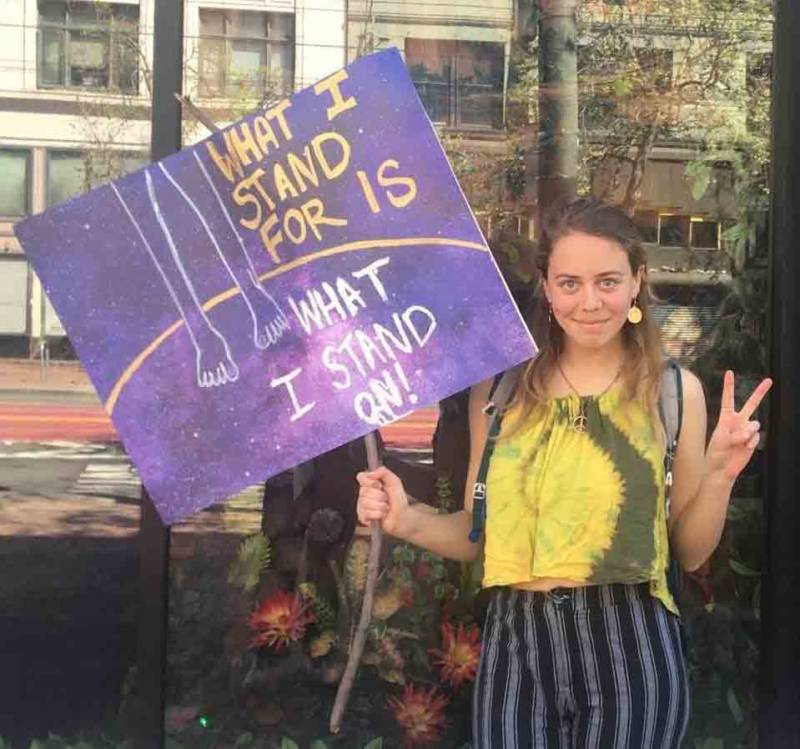
"caption": "Ana Ostrovsky at the San Francisco climate strike. ",
"description": null,
"title": "AnaClimateStrike-SF2019",
"credit": "Courtesy Alice Ostrovsky",
"status": "inherit",
"isLoading": false,
"fetchFailed": false
},
"mindshift_52617": {
"type": "attachments",
"id": "mindshift_52617",
"meta": {
"index": "attachments_1716263798",
"site": "mindshift",
"id": "52617",
"found": true
},
"parent": 52616,
"imgSizes": {
"small": {
"file": "https://ww2.kqed.org/app/uploads/sites/23/2018/11/Adora4-520x291.jpg",
"width": 520,
"mimeType": "image/jpeg",
"height": 291
},
"thumbnail": {
"file": "https://ww2.kqed.org/app/uploads/sites/23/2018/11/Adora4-160x89.jpg",
"width": 160,
"mimeType": "image/jpeg",
"height": 89
},
"fd-sm": {
"file": "https://ww2.kqed.org/app/uploads/sites/23/2018/11/Adora4-960x537.jpg",
"width": 960,
"mimeType": "image/jpeg",
"height": 537
},
"post-thumbnail": {
"file": "https://ww2.kqed.org/app/uploads/sites/23/2018/11/Adora4-672x372.jpg",
"width": 672,
"mimeType": "image/jpeg",
"height": 372
},
"xsmall": {
"file": "https://ww2.kqed.org/app/uploads/sites/23/2018/11/Adora4-375x210.jpg",
"width": 375,
"mimeType": "image/jpeg",
"height": 210
},
"kqedFullSize": {
"file": "https://ww2.kqed.org/app/uploads/sites/23/2018/11/Adora4.jpg",
"width": 1028,
"height": 575
},
"large": {
"file": "https://ww2.kqed.org/app/uploads/sites/23/2018/11/Adora4-1020x571.jpg",
"width": 1020,
"mimeType": "image/jpeg",
"height": 571
},
"guest-author-50": {
"file": "https://ww2.kqed.org/app/uploads/sites/23/2018/11/Adora4-50x50.jpg",
"width": 50,
"mimeType": "image/jpeg",
"height": 50
},
"guest-author-96": {
"file": "https://ww2.kqed.org/app/uploads/sites/23/2018/11/Adora4-96x96.jpg",
"width": 96,
"mimeType": "image/jpeg",
"height": 96
},
"medium": {
"file": "https://ww2.kqed.org/app/uploads/sites/23/2018/11/Adora4-800x447.jpg",
"width": 800,
"mimeType": "image/jpeg",
"height": 447
},
"guest-author-64": {
"file": "https://ww2.kqed.org/app/uploads/sites/23/2018/11/Adora4-64x64.jpg",
"width": 64,
"mimeType": "image/jpeg",
"height": 64
},
"guest-author-32": {
"file": "https://ww2.kqed.org/app/uploads/sites/23/2018/11/Adora4-32x32.jpg",
"width": 32,
"mimeType": "image/jpeg",
"height": 32
},
"detail": {
"file": "https://ww2.kqed.org/app/uploads/sites/23/2018/11/Adora4-150x150.jpg",
"width": 150,
"mimeType": "image/jpeg",
"height": 150
},
"medium_large": {
"file": "https://ww2.kqed.org/app/uploads/sites/23/2018/11/Adora4-768x430.jpg",
"width": 768,
"mimeType": "image/jpeg",
"height": 430
},
"guest-author-128": {
"file": "https://ww2.kqed.org/app/uploads/sites/23/2018/11/Adora4-128x128.jpg",
"width": 128,
"mimeType": "image/jpeg",
"height": 128
},
"xxsmall": {
"file": "https://ww2.kqed.org/app/uploads/sites/23/2018/11/Adora4-240x134.jpg",
"width": 240,
"mimeType": "image/jpeg",
"height": 134
}
},
"publishDate": 1543531269,
"modified": 1543531335,
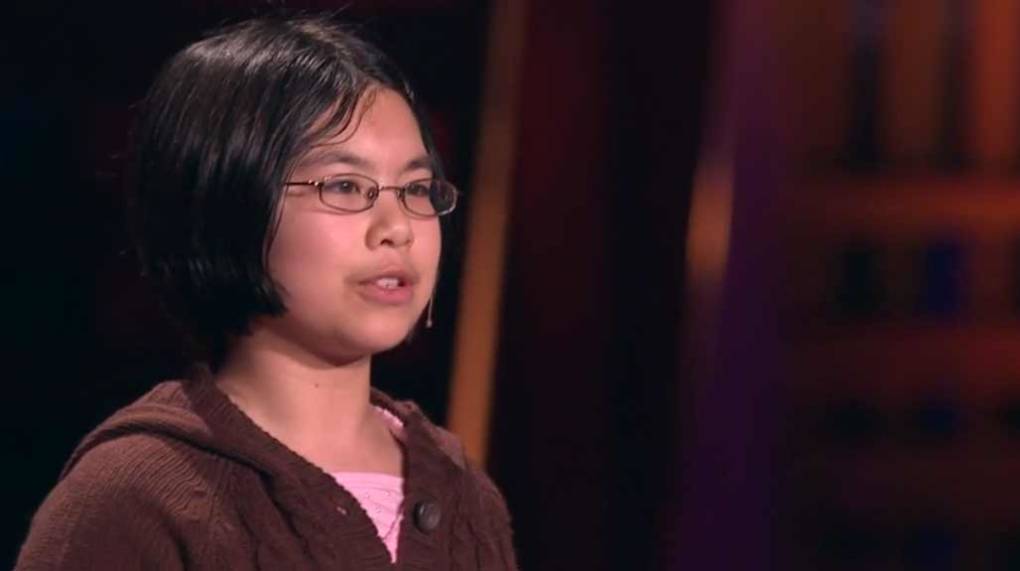
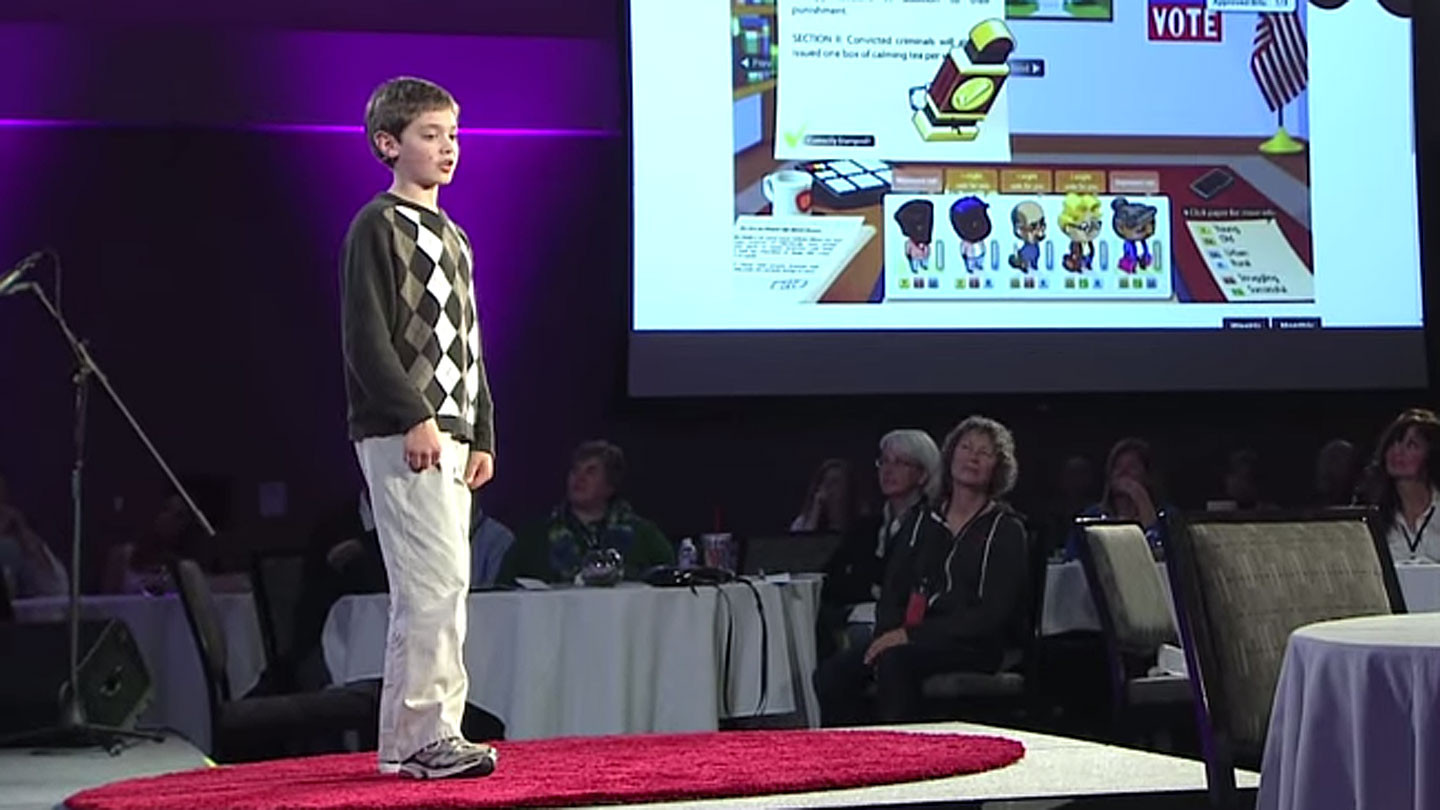
"caption": "Twelve-year-old Adora Svitak speaking from the TED stage.",
"description": null,
"title": "Adora4",
"credit": "\u003ca href=\"https://www.ted.com/talks/adora_svitak#t-388831\">TED\u003c/a>",
"status": "inherit",
"isLoading": false,
"fetchFailed": false
},
"mindshift_52561": {
"type": "attachments",
"id": "mindshift_52561",
"meta": {
"index": "attachments_1716263798",
"site": "mindshift",
"id": "52561",
"found": true
},
"parent": 52421,
"imgSizes": {
"small": {
"file": "https://ww2.kqed.org/app/uploads/sites/23/2018/11/video-assignment-520x347.jpg",
"width": 520,
"mimeType": "image/jpeg",
"height": 347
},
"twentyfourteen-full-width": {
"file": "https://ww2.kqed.org/app/uploads/sites/23/2018/11/video-assignment-1038x576.jpg",
"width": 1038,
"mimeType": "image/jpeg",
"height": 576
},
"thumbnail": {
"file": "https://ww2.kqed.org/app/uploads/sites/23/2018/11/video-assignment-160x107.jpg",
"width": 160,
"mimeType": "image/jpeg",
"height": 107
},
"fd-sm": {
"file": "https://ww2.kqed.org/app/uploads/sites/23/2018/11/video-assignment-960x640.jpg",
"width": 960,
"mimeType": "image/jpeg",
"height": 640
},
"post-thumbnail": {
"file": "https://ww2.kqed.org/app/uploads/sites/23/2018/11/video-assignment-672x372.jpg",
"width": 672,
"mimeType": "image/jpeg",
"height": 372
},
"xsmall": {
"file": "https://ww2.kqed.org/app/uploads/sites/23/2018/11/video-assignment-375x250.jpg",
"width": 375,
"mimeType": "image/jpeg",
"height": 250
},
"kqedFullSize": {
"file": "https://ww2.kqed.org/app/uploads/sites/23/2018/11/video-assignment.jpg",
"width": 1981,
"height": 1321
},
"large": {
"file": "https://ww2.kqed.org/app/uploads/sites/23/2018/11/video-assignment-1020x680.jpg",
"width": 1020,
"mimeType": "image/jpeg",
"height": 680
},
"xlarge": {
"file": "https://ww2.kqed.org/app/uploads/sites/23/2018/11/video-assignment-1180x787.jpg",
"width": 1180,
"mimeType": "image/jpeg",
"height": 787
},
"complete_open_graph": {
"file": "https://ww2.kqed.org/app/uploads/sites/23/2018/11/video-assignment-1200x800.jpg",
"width": 1200,
"mimeType": "image/jpeg",
"height": 800
},
"guest-author-50": {
"file": "https://ww2.kqed.org/app/uploads/sites/23/2018/11/video-assignment-50x50.jpg",
"width": 50,
"mimeType": "image/jpeg",
"height": 50
},
"guest-author-96": {
"file": "https://ww2.kqed.org/app/uploads/sites/23/2018/11/video-assignment-96x96.jpg",
"width": 96,
"mimeType": "image/jpeg",
"height": 96
},
"medium": {
"file": "https://ww2.kqed.org/app/uploads/sites/23/2018/11/video-assignment-800x533.jpg",
"width": 800,
"mimeType": "image/jpeg",
"height": 533
},
"guest-author-64": {
"file": "https://ww2.kqed.org/app/uploads/sites/23/2018/11/video-assignment-64x64.jpg",
"width": 64,
"mimeType": "image/jpeg",
"height": 64
},
"guest-author-32": {
"file": "https://ww2.kqed.org/app/uploads/sites/23/2018/11/video-assignment-32x32.jpg",
"width": 32,
"mimeType": "image/jpeg",
"height": 32
},
"fd-lrg": {
"file": "https://ww2.kqed.org/app/uploads/sites/23/2018/11/video-assignment-1920x1280.jpg",
"width": 1920,
"mimeType": "image/jpeg",
"height": 1280
},
"fd-med": {
"file": "https://ww2.kqed.org/app/uploads/sites/23/2018/11/video-assignment-1180x787.jpg",
"width": 1180,
"mimeType": "image/jpeg",
"height": 787
},
"full-width": {
"file": "https://ww2.kqed.org/app/uploads/sites/23/2018/11/video-assignment-1920x1280.jpg",
"width": 1920,
"mimeType": "image/jpeg",
"height": 1280
},
"detail": {
"file": "https://ww2.kqed.org/app/uploads/sites/23/2018/11/video-assignment-150x150.jpg",
"width": 150,
"mimeType": "image/jpeg",
"height": 150
},
"medium_large": {
"file": "https://ww2.kqed.org/app/uploads/sites/23/2018/11/video-assignment-768x512.jpg",
"width": 768,
"mimeType": "image/jpeg",
"height": 512
},
"guest-author-128": {
"file": "https://ww2.kqed.org/app/uploads/sites/23/2018/11/video-assignment-128x128.jpg",
"width": 128,
"mimeType": "image/jpeg",
"height": 128
},
"xxsmall": {
"file": "https://ww2.kqed.org/app/uploads/sites/23/2018/11/video-assignment-240x160.jpg",
"width": 240,
"mimeType": "image/jpeg",
"height": 160
}
},
"publishDate": 1542754617,
"modified": 1542754699,
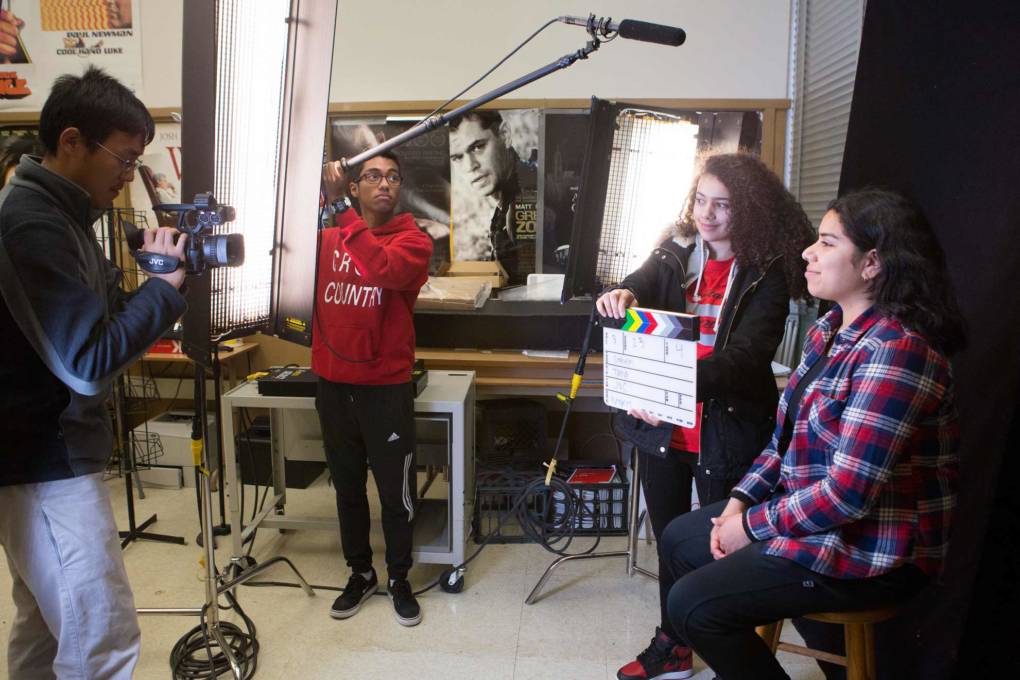
"caption": "Students at Skyline High School record a video segment in the school's studio.",
"description": null,
"title": "video-assignment",
"credit": "Courtesy of Allison Shelley/\u003ca href=\"https://www.flickr.com/photos/all4ed/35694702763/in/album-72157684949805513/\">The Verbatim Agency for American Education: Images of Teachers and Students in Action\u003c/a>",
"status": "inherit",
"isLoading": false,
"fetchFailed": false
},
"mindshift_51866": {
"type": "attachments",
"id": "mindshift_51866",
"meta": {
"index": "attachments_1716263798",
"site": "mindshift",
"id": "51866",
"found": true
},
"parent": 51827,
"imgSizes": {
"small": {
"file": "https://ww2.kqed.org/app/uploads/sites/23/2018/08/iStock-871647800-e1534172537388-520x309.jpg",
"width": 520,
"mimeType": "image/jpeg",
"height": 309
},
"twentyfourteen-full-width": {
"file": "https://ww2.kqed.org/app/uploads/sites/23/2018/08/iStock-871647800-e1534172537388-1038x576.jpg",
"width": 1038,
"mimeType": "image/jpeg",
"height": 576
},
"thumbnail": {
"file": "https://ww2.kqed.org/app/uploads/sites/23/2018/08/iStock-871647800-e1534172537388-160x95.jpg",
"width": 160,
"mimeType": "image/jpeg",
"height": 95
},
"fd-sm": {
"file": "https://ww2.kqed.org/app/uploads/sites/23/2018/08/iStock-871647800-e1534172537388-960x570.jpg",
"width": 960,
"mimeType": "image/jpeg",
"height": 570
},
"post-thumbnail": {
"file": "https://ww2.kqed.org/app/uploads/sites/23/2018/08/iStock-871647800-e1534172537388-672x372.jpg",
"width": 672,
"mimeType": "image/jpeg",
"height": 372
},
"xsmall": {
"file": "https://ww2.kqed.org/app/uploads/sites/23/2018/08/iStock-871647800-e1534172537388-375x223.jpg",
"width": 375,
"mimeType": "image/jpeg",
"height": 223
},
"kqedFullSize": {
"file": "https://ww2.kqed.org/app/uploads/sites/23/2018/08/iStock-871647800-e1534172537388.jpg",
"width": 1786,
"height": 1060
},
"large": {
"file": "https://ww2.kqed.org/app/uploads/sites/23/2018/08/iStock-871647800-e1534172537388-1020x605.jpg",
"width": 1020,
"mimeType": "image/jpeg",
"height": 605
},
"xlarge": {
"file": "https://ww2.kqed.org/app/uploads/sites/23/2018/08/iStock-871647800-e1534172537388-1180x700.jpg",
"width": 1180,
"mimeType": "image/jpeg",
"height": 700
},
"complete_open_graph": {
"file": "https://ww2.kqed.org/app/uploads/sites/23/2018/08/iStock-871647800-e1534172537388-1200x712.jpg",
"width": 1200,
"mimeType": "image/jpeg",
"height": 712
},
"guest-author-50": {
"file": "https://ww2.kqed.org/app/uploads/sites/23/2018/08/iStock-871647800-e1534172537388-50x50.jpg",
"width": 50,
"mimeType": "image/jpeg",
"height": 50
},
"guest-author-96": {
"file": "https://ww2.kqed.org/app/uploads/sites/23/2018/08/iStock-871647800-e1534172537388-96x96.jpg",
"width": 96,
"mimeType": "image/jpeg",
"height": 96
},
"medium": {
"file": "https://ww2.kqed.org/app/uploads/sites/23/2018/08/iStock-871647800-e1534172537388-800x475.jpg",
"width": 800,
"mimeType": "image/jpeg",
"height": 475
},
"guest-author-64": {
"file": "https://ww2.kqed.org/app/uploads/sites/23/2018/08/iStock-871647800-e1534172537388-64x64.jpg",
"width": 64,
"mimeType": "image/jpeg",
"height": 64
},
"guest-author-32": {
"file": "https://ww2.kqed.org/app/uploads/sites/23/2018/08/iStock-871647800-e1534172537388-32x32.jpg",
"width": 32,
"mimeType": "image/jpeg",
"height": 32
},
"fd-lrg": {
"file": "https://ww2.kqed.org/app/uploads/sites/23/2018/08/iStock-871647800-1920x1280.jpg",
"width": 1920,
"mimeType": "image/jpeg",
"height": 1280
},
"fd-med": {
"file": "https://ww2.kqed.org/app/uploads/sites/23/2018/08/iStock-871647800-e1534172537388-1180x700.jpg",
"width": 1180,
"mimeType": "image/jpeg",
"height": 700
},
"full-width": {
"file": "https://ww2.kqed.org/app/uploads/sites/23/2018/08/iStock-871647800-1920x1280.jpg",
"width": 1920,
"mimeType": "image/jpeg",
"height": 1280
},
"detail": {
"file": "https://ww2.kqed.org/app/uploads/sites/23/2018/08/iStock-871647800-e1534172537388-150x150.jpg",
"width": 150,
"mimeType": "image/jpeg",
"height": 150
},
"medium_large": {
"file": "https://ww2.kqed.org/app/uploads/sites/23/2018/08/iStock-871647800-e1534172537388-768x456.jpg",
"width": 768,
"mimeType": "image/jpeg",
"height": 456
},
"guest-author-128": {
"file": "https://ww2.kqed.org/app/uploads/sites/23/2018/08/iStock-871647800-e1534172537388-128x128.jpg",
"width": 128,
"mimeType": "image/jpeg",
"height": 128
},
"xxsmall": {
"file": "https://ww2.kqed.org/app/uploads/sites/23/2018/08/iStock-871647800-e1534172537388-240x142.jpg",
"width": 240,
"mimeType": "image/jpeg",
"height": 142
}
},
"publishDate": 1534172365,
"modified": 1534172554,
"caption": null,
"description": null,
"title": "iStock-871647800",
"credit": "iStock/tuk69tuk",
"status": "inherit",
"isLoading": false,
"fetchFailed": false
},
"mindshift_51196": {
"type": "attachments",
"id": "mindshift_51196",
"meta": {
"index": "attachments_1716263798",
"site": "mindshift",
"id": "51196",
"found": true
},
"parent": 51186,
"imgSizes": {
"small": {
"file": "https://ww2.kqed.org/app/uploads/sites/23/2018/05/questions-lead-to-520x293.jpg",
"width": 520,
"mimeType": "image/jpeg",
"height": 293
},
"twentyfourteen-full-width": {
"file": "https://ww2.kqed.org/app/uploads/sites/23/2018/05/questions-lead-to-1038x576.jpg",
"width": 1038,
"mimeType": "image/jpeg",
"height": 576
},
"thumbnail": {
"file": "https://ww2.kqed.org/app/uploads/sites/23/2018/05/questions-lead-to-160x90.jpg",
"width": 160,
"mimeType": "image/jpeg",
"height": 90
},
"fd-sm": {
"file": "https://ww2.kqed.org/app/uploads/sites/23/2018/05/questions-lead-to-960x540.jpg",
"width": 960,
"mimeType": "image/jpeg",
"height": 540
},
"post-thumbnail": {
"file": "https://ww2.kqed.org/app/uploads/sites/23/2018/05/questions-lead-to-672x372.jpg",
"width": 672,
"mimeType": "image/jpeg",
"height": 372
},
"xsmall": {
"file": "https://ww2.kqed.org/app/uploads/sites/23/2018/05/questions-lead-to-375x211.jpg",
"width": 375,
"mimeType": "image/jpeg",
"height": 211
},
"kqedFullSize": {
"file": "https://ww2.kqed.org/app/uploads/sites/23/2018/05/questions-lead-to.jpg",
"width": 1920,
"height": 1080
},
"large": {
"file": "https://ww2.kqed.org/app/uploads/sites/23/2018/05/questions-lead-to-1020x574.jpg",
"width": 1020,
"mimeType": "image/jpeg",
"height": 574
},
"xlarge": {
"file": "https://ww2.kqed.org/app/uploads/sites/23/2018/05/questions-lead-to-1180x664.jpg",
"width": 1180,
"mimeType": "image/jpeg",
"height": 664
},
"complete_open_graph": {
"file": "https://ww2.kqed.org/app/uploads/sites/23/2018/05/questions-lead-to-1200x675.jpg",
"width": 1200,
"mimeType": "image/jpeg",
"height": 675
},
"guest-author-50": {
"file": "https://ww2.kqed.org/app/uploads/sites/23/2018/05/questions-lead-to-50x50.jpg",
"width": 50,
"mimeType": "image/jpeg",
"height": 50
},
"guest-author-96": {
"file": "https://ww2.kqed.org/app/uploads/sites/23/2018/05/questions-lead-to-96x96.jpg",
"width": 96,
"mimeType": "image/jpeg",
"height": 96
},
"medium": {
"file": "https://ww2.kqed.org/app/uploads/sites/23/2018/05/questions-lead-to-800x450.jpg",
"width": 800,
"mimeType": "image/jpeg",
"height": 450
},
"guest-author-64": {
"file": "https://ww2.kqed.org/app/uploads/sites/23/2018/05/questions-lead-to-64x64.jpg",
"width": 64,
"mimeType": "image/jpeg",
"height": 64
},
"guest-author-32": {
"file": "https://ww2.kqed.org/app/uploads/sites/23/2018/05/questions-lead-to-32x32.jpg",
"width": 32,
"mimeType": "image/jpeg",
"height": 32
},
"fd-lrg": {
"file": "https://ww2.kqed.org/app/uploads/sites/23/2018/05/questions-lead-to-1920x1080.jpg",
"width": 1920,
"mimeType": "image/jpeg",
"height": 1080
},
"fd-med": {
"file": "https://ww2.kqed.org/app/uploads/sites/23/2018/05/questions-lead-to-1180x664.jpg",
"width": 1180,
"mimeType": "image/jpeg",
"height": 664
},
"full-width": {
"file": "https://ww2.kqed.org/app/uploads/sites/23/2018/05/questions-lead-to-1920x1080.jpg",
"width": 1920,
"mimeType": "image/jpeg",
"height": 1080
},
"detail": {
"file": "https://ww2.kqed.org/app/uploads/sites/23/2018/05/questions-lead-to-150x150.jpg",
"width": 150,
"mimeType": "image/jpeg",
"height": 150
},
"medium_large": {
"file": "https://ww2.kqed.org/app/uploads/sites/23/2018/05/questions-lead-to-768x432.jpg",
"width": 768,
"mimeType": "image/jpeg",
"height": 432
},
"guest-author-128": {
"file": "https://ww2.kqed.org/app/uploads/sites/23/2018/05/questions-lead-to-128x128.jpg",
"width": 128,
"mimeType": "image/jpeg",
"height": 128
},
"xxsmall": {
"file": "https://ww2.kqed.org/app/uploads/sites/23/2018/05/questions-lead-to-240x135.jpg",
"width": 240,
"mimeType": "image/jpeg",
"height": 135
}
},
"publishDate": 1525896717,
"modified": 1525896756,
"caption": null,
"description": null,
"title": "questions-lead-to",
"credit": "iStock/pixelliebe",
"status": "inherit",
"isLoading": false,
"fetchFailed": false
},
"mindshift_45846": {
"type": "attachments",
"id": "mindshift_45846",
"meta": {
"index": "attachments_1716263798",
"site": "mindshift",
"id": "45846",
"found": true
},
"parent": 45819,
"imgSizes": {
"twentyfourteen-full-width": {
"file": "https://ww2.kqed.org/app/uploads/sites/23/2016/07/poetry-1038x576.png",
"width": 1038,
"mimeType": "image/png",
"height": 576
},
"thumbnail": {
"file": "https://ww2.kqed.org/app/uploads/sites/23/2016/07/poetry-400x225.png",
"width": 400,
"mimeType": "image/png",
"height": 225
},
"fd-sm": {
"file": "https://ww2.kqed.org/app/uploads/sites/23/2016/07/poetry-960x540.png",
"width": 960,
"mimeType": "image/png",
"height": 540
},
"post-thumbnail": {
"file": "https://ww2.kqed.org/app/uploads/sites/23/2016/07/poetry-672x372.png",
"width": 672,
"mimeType": "image/png",
"height": 372
},
"kqedFullSize": {
"file": "https://ww2.kqed.org/app/uploads/sites/23/2016/07/poetry.png",
"width": 1920,
"height": 1080
},
"large": {
"file": "https://ww2.kqed.org/app/uploads/sites/23/2016/07/poetry-1440x810.png",
"width": 1440,
"mimeType": "image/png",
"height": 810
},
"guest-author-50": {
"file": "https://ww2.kqed.org/app/uploads/sites/23/2016/07/poetry-50x50.png",
"width": 50,
"mimeType": "image/png",
"height": 50
},
"guest-author-96": {
"file": "https://ww2.kqed.org/app/uploads/sites/23/2016/07/poetry-96x96.png",
"width": 96,
"mimeType": "image/png",
"height": 96
},
"medium": {
"file": "https://ww2.kqed.org/app/uploads/sites/23/2016/07/poetry-800x450.png",
"width": 800,
"mimeType": "image/png",
"height": 450
},
"guest-author-64": {
"file": "https://ww2.kqed.org/app/uploads/sites/23/2016/07/poetry-64x64.png",
"width": 64,
"mimeType": "image/png",
"height": 64
},
"guest-author-32": {
"file": "https://ww2.kqed.org/app/uploads/sites/23/2016/07/poetry-32x32.png",
"width": 32,
"mimeType": "image/png",
"height": 32
},
"cat_post_thumb_sizecategory-posts-2": {
"file": "https://ww2.kqed.org/app/uploads/sites/23/2016/07/poetry-50x50.png",
"width": 50,
"mimeType": "image/png",
"height": 50
},
"fd-lrg": {
"file": "https://ww2.kqed.org/app/uploads/sites/23/2016/07/poetry-1920x1080.png",
"width": 1920,
"mimeType": "image/png",
"height": 1080
},
"fd-med": {
"file": "https://ww2.kqed.org/app/uploads/sites/23/2016/07/poetry-1180x664.png",
"width": 1180,
"mimeType": "image/png",
"height": 664
},
"detail": {
"file": "https://ww2.kqed.org/app/uploads/sites/23/2016/07/poetry-150x150.png",
"width": 150,
"mimeType": "image/png",
"height": 150
},
"medium_large": {
"file": "https://ww2.kqed.org/app/uploads/sites/23/2016/07/poetry-768x432.png",
"width": 768,
"mimeType": "image/png",
"height": 432
},
"guest-author-128": {
"file": "https://ww2.kqed.org/app/uploads/sites/23/2016/07/poetry-128x128.png",
"width": 128,
"mimeType": "image/png",
"height": 128
}
},
"publishDate": 1468966000,
"modified": 1468966066,
"caption": null,
"description": null,
"title": "poetry",
"credit": "\u003ca href=\"https://www.flickr.com/photos/sarabiljana/8746993901/in/photostream/\">Sara Biljana Gaon (off)\u003c/a>/Flickr",
"status": "inherit",
"isLoading": false,
"fetchFailed": false
},
"mindshift_44367": {
"type": "attachments",
"id": "mindshift_44367",
"meta": {
"index": "attachments_1716263798",
"site": "mindshift",
"id": "44367",
"found": true
},
"parent": 44360,
"imgSizes": {
"thumbnail": {
"file": "https://ww2.kqed.org/app/uploads/sites/23/2016/03/McComb2-400x225.jpg",
"width": 400,
"mimeType": "image/jpeg",
"height": 225
},
"post-thumbnail": {
"file": "https://ww2.kqed.org/app/uploads/sites/23/2016/03/McComb2-672x372.jpg",
"width": 672,
"mimeType": "image/jpeg",
"height": 372
},
"kqedFullSize": {
"file": "https://ww2.kqed.org/app/uploads/sites/23/2016/03/McComb2.jpg",
"width": 722,
"height": 406
},
"cat_post_thumb_sizecategory-posts-2": {
"file": "https://ww2.kqed.org/app/uploads/sites/23/2016/03/McComb2-50x50.jpg",
"width": 50,
"mimeType": "image/jpeg",
"height": 50
},
"guest-author-96": {
"file": "https://ww2.kqed.org/app/uploads/sites/23/2016/03/McComb2-96x96.jpg",
"width": 96,
"mimeType": "image/jpeg",
"height": 96
},
"guest-author-64": {
"file": "https://ww2.kqed.org/app/uploads/sites/23/2016/03/McComb2-64x64.jpg",
"width": 64,
"mimeType": "image/jpeg",
"height": 64
},
"detail": {
"file": "https://ww2.kqed.org/app/uploads/sites/23/2016/03/McComb2-75x75.jpg",
"width": 75,
"mimeType": "image/jpeg",
"height": 75
},
"guest-author-32": {
"file": "https://ww2.kqed.org/app/uploads/sites/23/2016/03/McComb2-32x32.jpg",
"width": 32,
"mimeType": "image/jpeg",
"height": 32
},
"guest-author-128": {
"file": "https://ww2.kqed.org/app/uploads/sites/23/2016/03/McComb2-128x128.jpg",
"width": 128,
"mimeType": "image/jpeg",
"height": 128
}
},
"publishDate": 1458156370,
"modified": 1458774723,
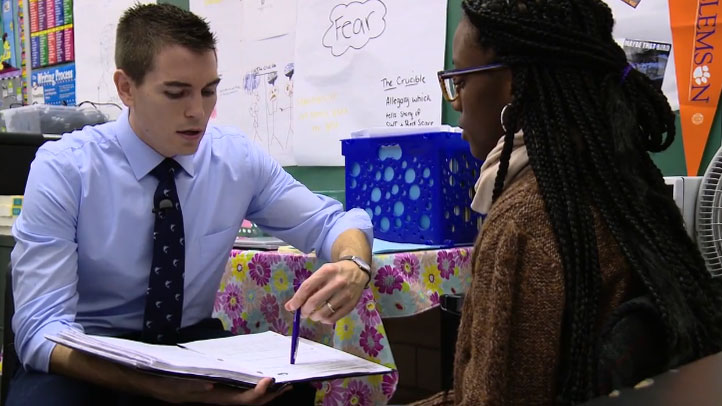
"caption": "Sean McComb confers with a student who is stuck.",
"description": null,
"title": "McComb2",
"credit": "Teaching Channel",
"status": "inherit",
"isLoading": false,
"fetchFailed": false
},
"mindshift_42376": {
"type": "attachments",
"id": "mindshift_42376",
"meta": {
"index": "attachments_1716263798",
"site": "mindshift",
"id": "42376",
"found": true
},
"parent": 42368,
"imgSizes": {
"twentyfourteen-full-width": {
"file": "https://ww2.kqed.org/app/uploads/sites/23/2015/10/MetWestcomposite2-1038x576.jpg",
"width": 1038,
"mimeType": "image/jpeg",
"height": 576
},
"thumbnail": {
"file": "https://ww2.kqed.org/app/uploads/sites/23/2015/10/MetWestcomposite2-400x225.jpg",
"width": 400,
"mimeType": "image/jpeg",
"height": 225
},
"fd-sm": {
"file": "https://ww2.kqed.org/app/uploads/sites/23/2015/10/MetWestcomposite2-960x540.jpg",
"width": 960,
"mimeType": "image/jpeg",
"height": 540
},
"post-thumbnail": {
"file": "https://ww2.kqed.org/app/uploads/sites/23/2015/10/MetWestcomposite2-672x372.jpg",
"width": 672,
"mimeType": "image/jpeg",
"height": 372
},
"kqedFullSize": {
"file": "https://ww2.kqed.org/app/uploads/sites/23/2015/10/MetWestcomposite2.jpg",
"width": 1920,
"height": 1080
},
"large": {
"file": "https://ww2.kqed.org/app/uploads/sites/23/2015/10/MetWestcomposite2-1440x810.jpg",
"width": 1440,
"mimeType": "image/jpeg",
"height": 810
},
"guest-author-96": {
"file": "https://ww2.kqed.org/app/uploads/sites/23/2015/10/MetWestcomposite2-96x96.jpg",
"width": 96,
"mimeType": "image/jpeg",
"height": 96
},
"medium": {
"file": "https://ww2.kqed.org/app/uploads/sites/23/2015/10/MetWestcomposite2-800x450.jpg",
"width": 800,
"mimeType": "image/jpeg",
"height": 450
},
"guest-author-64": {
"file": "https://ww2.kqed.org/app/uploads/sites/23/2015/10/MetWestcomposite2-64x64.jpg",
"width": 64,
"mimeType": "image/jpeg",
"height": 64
},
"guest-author-32": {
"file": "https://ww2.kqed.org/app/uploads/sites/23/2015/10/MetWestcomposite2-32x32.jpg",
"width": 32,
"mimeType": "image/jpeg",
"height": 32
},
"cat_post_thumb_sizecategory-posts-2": {
"file": "https://ww2.kqed.org/app/uploads/sites/23/2015/10/MetWestcomposite2-50x50.jpg",
"width": 50,
"mimeType": "image/jpeg",
"height": 50
},
"fd-lrg": {
"file": "https://ww2.kqed.org/app/uploads/sites/23/2015/10/MetWestcomposite2-1920x1080.jpg",
"width": 1920,
"mimeType": "image/jpeg",
"height": 1080
},
"fd-med": {
"file": "https://ww2.kqed.org/app/uploads/sites/23/2015/10/MetWestcomposite2-1180x664.jpg",
"width": 1180,
"mimeType": "image/jpeg",
"height": 664
},
"detail": {
"file": "https://ww2.kqed.org/app/uploads/sites/23/2015/10/MetWestcomposite2-75x75.jpg",
"width": 75,
"mimeType": "image/jpeg",
"height": 75
},
"guest-author-128": {
"file": "https://ww2.kqed.org/app/uploads/sites/23/2015/10/MetWestcomposite2-128x128.jpg",
"width": 128,
"mimeType": "image/jpeg",
"height": 128
}
},
"publishDate": 1444429125,
"modified": 1446705260,
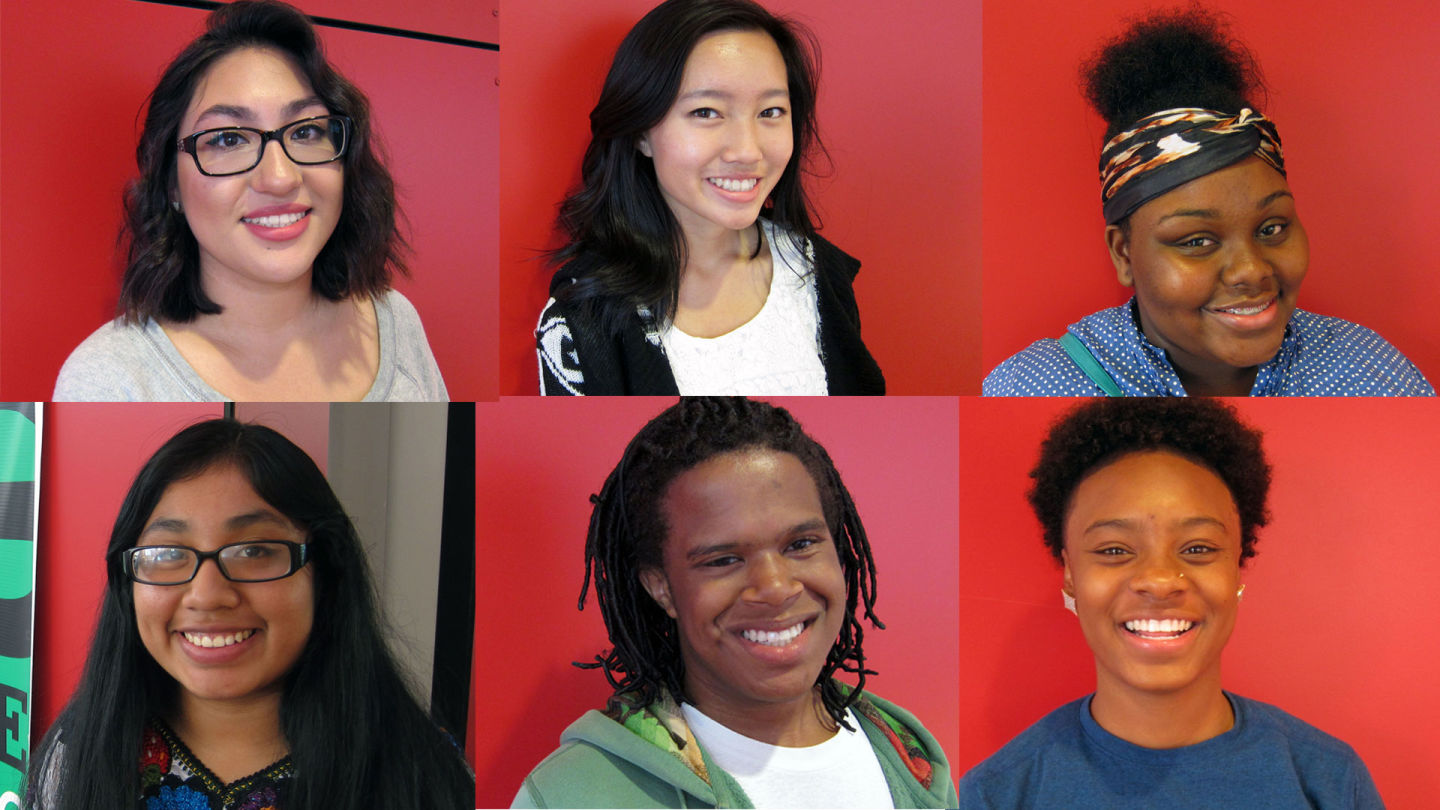
"caption": "MetWest High School juniors. From top left to bottom right: Evelyn Rodriguez, Grace Pang, Jade Herbert, Maya Martín, Myles McConico, and Natanee Collins.",
"description": null,
"title": "MetWestcomposite2",
"credit": "Katrina Schwartz",
"status": "inherit",
"isLoading": false,
"fetchFailed": false
},
"mindshift_39316": {
"type": "attachments",
"id": "mindshift_39316",
"meta": {
"index": "attachments_1716263798",
"site": "mindshift",
"id": "39316",
"found": true
},
"parent": 39262,
"imgSizes": {
"twentyfourteen-full-width": {
"file": "https://ww2.kqed.org/app/uploads/sites/23/2015/02/de_Tocqueville-1038x576.gif",
"width": 1038,
"mimeType": "image/gif",
"height": 576
},
"thumbnail": {
"file": "https://ww2.kqed.org/app/uploads/sites/23/2015/02/de_Tocqueville-400x267.gif",
"width": 400,
"mimeType": "image/gif",
"height": 267
},
"fd-sm": {
"file": "https://ww2.kqed.org/app/uploads/sites/23/2015/02/de_Tocqueville-320x214.gif",
"width": 320,
"mimeType": "image/gif",
"height": 214
},
"post-thumbnail": {
"file": "https://ww2.kqed.org/app/uploads/sites/23/2015/02/de_Tocqueville-672x372.gif",
"width": 672,
"mimeType": "image/gif",
"height": 372
},
"kqedFullSize": {
"file": "https://ww2.kqed.org/app/uploads/sites/23/2015/02/de_Tocqueville.gif",
"width": 1438,
"height": 960
},
"fd-lrg": {
"file": "https://ww2.kqed.org/app/uploads/sites/23/2015/02/de_Tocqueville-1180x788.gif",
"width": 1180,
"mimeType": "image/gif",
"height": 788
},
"fd-med": {
"file": "https://ww2.kqed.org/app/uploads/sites/23/2015/02/de_Tocqueville-768x513.gif",
"width": 768,
"mimeType": "image/gif",
"height": 513
},
"guest-author-96": {
"file": "https://ww2.kqed.org/app/uploads/sites/23/2015/02/de_Tocqueville-96x96.gif",
"width": 96,
"mimeType": "image/gif",
"height": 96
},
"medium": {
"file": "https://ww2.kqed.org/app/uploads/sites/23/2015/02/de_Tocqueville-800x534.gif",
"width": 800,
"mimeType": "image/gif",
"height": 534
},
"guest-author-64": {
"file": "https://ww2.kqed.org/app/uploads/sites/23/2015/02/de_Tocqueville-64x64.gif",
"width": 64,
"mimeType": "image/gif",
"height": 64
},
"guest-author-32": {
"file": "https://ww2.kqed.org/app/uploads/sites/23/2015/02/de_Tocqueville-32x32.gif",
"width": 32,
"mimeType": "image/gif",
"height": 32
},
"guest-author-128": {
"file": "https://ww2.kqed.org/app/uploads/sites/23/2015/02/de_Tocqueville-128x128.gif",
"width": 128,
"mimeType": "image/gif",
"height": 128
}
},
"publishDate": 1423623857,
"modified": 1423623885,
"caption": "Alexis de Tocqueville",
"description": null,
"title": "de_Tocqueville",
"credit": null,
"status": "inherit",
"isLoading": false,
"fetchFailed": false
},
"mindshift_38395": {
"type": "attachments",
"id": "mindshift_38395",
"meta": {
"index": "attachments_1716263798",
"site": "mindshift",
"id": "38395",
"found": true
},
"parent": 38393,
"imgSizes": {
"twentyfourteen-full-width": {
"file": "https://ww2.kqed.org/app/uploads/sites/23/2014/11/cordell-1038x576.jpg",
"width": 1038,
"mimeType": "image/jpeg",
"height": 576
},
"thumbnail": {
"file": "https://ww2.kqed.org/app/uploads/sites/23/2014/11/cordell-400x225.jpg",
"width": 400,
"mimeType": "image/jpeg",
"height": 225
},
"fd-sm": {
"file": "https://ww2.kqed.org/app/uploads/sites/23/2014/11/cordell-320x180.jpg",
"width": 320,
"mimeType": "image/jpeg",
"height": 180
},
"post-thumbnail": {
"file": "https://ww2.kqed.org/app/uploads/sites/23/2014/11/cordell-672x372.jpg",
"width": 672,
"mimeType": "image/jpeg",
"height": 372
},
"kqedFullSize": {
"file": "https://ww2.kqed.org/app/uploads/sites/23/2014/11/cordell.jpg",
"width": 1440,
"height": 810
},
"large": {
"file": "https://ww2.kqed.org/app/uploads/sites/23/2014/11/cordell-1440x810.jpg",
"width": 1440,
"mimeType": "image/jpeg",
"height": 810
},
"guest-author-96": {
"file": "https://ww2.kqed.org/app/uploads/sites/23/2014/11/cordell-96x96.jpg",
"width": 96,
"mimeType": "image/jpeg",
"height": 96
},
"medium": {
"file": "https://ww2.kqed.org/app/uploads/sites/23/2014/11/cordell-800x450.jpg",
"width": 800,
"mimeType": "image/jpeg",
"height": 450
},
"guest-author-64": {
"file": "https://ww2.kqed.org/app/uploads/sites/23/2014/11/cordell-64x64.jpg",
"width": 64,
"mimeType": "image/jpeg",
"height": 64
},
"guest-author-32": {
"file": "https://ww2.kqed.org/app/uploads/sites/23/2014/11/cordell-32x32.jpg",
"width": 32,
"mimeType": "image/jpeg",
"height": 32
},
"fd-lrg": {
"file": "https://ww2.kqed.org/app/uploads/sites/23/2014/11/cordell-1180x664.jpg",
"width": 1180,
"mimeType": "image/jpeg",
"height": 664
},
"fd-med": {
"file": "https://ww2.kqed.org/app/uploads/sites/23/2014/11/cordell-768x432.jpg",
"width": 768,
"mimeType": "image/jpeg",
"height": 432
},
"guest-author-128": {
"file": "https://ww2.kqed.org/app/uploads/sites/23/2014/11/cordell-128x128.jpg",
"width": 128,
"mimeType": "image/jpeg",
"height": 128
}
},
"publishDate": 1415406589,
"modified": 1415406589,
"caption": "Cordell Steiner/TEDx",
"description": null,
"title": "cordell",
"credit": null,
"status": "inherit",
"isLoading": false,
"fetchFailed": false
},
"mindshift_36834": {
"type": "attachments",
"id": "mindshift_36834",
"meta": {
"index": "attachments_1716263798",
"site": "mindshift",
"id": "36834",
"found": true
},
"parent": 35883,
"imgSizes": {
"thumbnail": {
"file": "https://ww2.kqed.org/app/uploads/sites/23/2014/07/erinscott_-7085-400x225.jpg",
"width": 400,
"mimeType": "image/jpeg",
"height": 225
},
"fd-sm": {
"file": "https://ww2.kqed.org/app/uploads/sites/23/2014/07/erinscott_-7085-320x180.jpg",
"width": 320,
"mimeType": "image/jpeg",
"height": 180
},
"kqedFullSize": {
"file": "https://ww2.kqed.org/app/uploads/sites/23/2014/07/erinscott_-7085.jpg",
"width": 640,
"height": 360
},
"guest-author-96": {
"file": "https://ww2.kqed.org/app/uploads/sites/23/2014/07/erinscott_-7085-96x96.jpg",
"width": 96,
"mimeType": "image/jpeg",
"height": 96
},
"guest-author-64": {
"file": "https://ww2.kqed.org/app/uploads/sites/23/2014/07/erinscott_-7085-64x64.jpg",
"width": 64,
"mimeType": "image/jpeg",
"height": 64
},
"guest-author-32": {
"file": "https://ww2.kqed.org/app/uploads/sites/23/2014/07/erinscott_-7085-32x32.jpg",
"width": 32,
"mimeType": "image/jpeg",
"height": 32
},
"guest-author-128": {
"file": "https://ww2.kqed.org/app/uploads/sites/23/2014/07/erinscott_-7085-128x128.jpg",
"width": 128,
"mimeType": "image/jpeg",
"height": 128
}
},
"publishDate": 1405016627,
"modified": 1405016627,
"caption": "Erin Scott",
"description": null,
"title": "erinscott_-7085",
"credit": null,
"status": "inherit",
"isLoading": false,
"fetchFailed": false
}
},
"audioPlayerReducer": {
"postId": "stream_live",
"isPaused": true,
"isPlaying": false,
"pfsActive": false,
"pledgeModalIsOpen": true,
"playerDrawerIsOpen": false,
"liveAudioPlayStartedAt": 0,
"liveAudioPlayContext": ""
},
"authorsReducer": {
"byline_mindshift_52421": {
"type": "authors",
"id": "byline_mindshift_52421",
"meta": {
"override": true
},
"slug": "byline_mindshift_52421",
"name": "\u003ca href=\"https://twitter.com/tweenteacher\">Heather Wolpert-Gawron\u003c/a>",
"isLoading": false
},
"katrinaschwartz": {
"type": "authors",
"id": "234",
"meta": {
"index": "authors_1716337520",
"id": "234",
"found": true
},
"name": "Katrina Schwartz",
"firstName": "Katrina",
"lastName": "Schwartz",
"slug": "katrinaschwartz",
"email": "kschwartz@kqed.org",
"display_author_email": false,
"staff_mastheads": [
"news"
],
"title": "Producer",
"bio": "Katrina Schwartz is a journalist based in San Francisco. She's worked at KPCC public radio in LA and has reported on air and online for KQED since 2010. She covered how teaching and learning is changing for MindShift between 2012 and 2020. She is the co-host of the MindShift podcast and now produces KQED's Bay Curious podcast.",
"avatar": "https://secure.gravatar.com/avatar/edb4ee79070447a018538c9aae6eeecf28786515b8a0c30e43b6b7dce5aa44c8?s=600&d=blank&r=g",
"twitter": "kschwart",
"bluesky": null,
"facebook": null,
"instagram": null,
"linkedin": null,
"sites": [
{
"site": "",
"roles": [
"editor"
]
},
{
"site": "news",
"roles": [
"editor"
]
},
{
"site": "mindshift",
"roles": [
"administrator"
]
},
{
"site": "stateofhealth",
"roles": [
"author"
]
},
{
"site": "science",
"roles": [
"editor"
]
}
],
"headData": {
"title": "Katrina Schwartz | KQED",
"description": "Producer",
"ogImgSrc": "https://secure.gravatar.com/avatar/edb4ee79070447a018538c9aae6eeecf28786515b8a0c30e43b6b7dce5aa44c8?s=600&d=blank&r=g",
"twImgSrc": "https://secure.gravatar.com/avatar/edb4ee79070447a018538c9aae6eeecf28786515b8a0c30e43b6b7dce5aa44c8?s=600&d=blank&r=g"
},
"isLoading": false,
"link": "/author/katrinaschwartz"
}
},
"pagesReducer": {
"mindshift_tag_student-voice": {
"type": "terms",
"id": "mindshift_20779",
"meta": {
"index": "terms_1716263798",
"site": "mindshift",
"id": "20779",
"score": 10.404487
},
"featImg": null,
"name": "student voice",
"description": null,
"taxonomy": "tag",
"headData": {
"twImgId": null,
"twTitle": null,
"ogTitle": null,
"ogImgId": null,
"twDescription": null,
"description": null,
"title": "student voice Archives - KQED Mindshift",
"ogDescription": null
},
"ttid": 20056,
"slug": "student-voice",
"isLoading": false,
"title": "student voice",
"pageMeta": {
"site": "mindshift",
"WpPageTemplate": "page-topic-editorial",
"currentPage": 2
},
"blocks": [
{
"blockName": "kqed/post-list",
"attrs": {
"layout": "cardArticle2",
"query": "posts/mindshift?tag=student-voice",
"seeMore": false,
"paginated": true,
"page": 2
}
},
{
"blockName": "kqed/ad"
}
]
}
},
"pfsSessionReducer": {},
"postsReducer": {
"stream_live": {
"type": "live",
"id": "stream_live",
"audioUrl": "https://streams.kqed.org/kqedradio",
"title": "Live Stream",
"excerpt": "Live Stream information currently unavailable.",
"link": "/radio",
"featImg": "",
"label": {
"name": "KQED Live",
"link": "/"
}
},
"stream_kqedNewscast": {
"type": "posts",
"id": "stream_kqedNewscast",
"audioUrl": "https://www.kqed.org/.stream/anon/radio/RDnews/newscast.mp3?_=1",
"title": "KQED Newscast",
"featImg": "",
"label": {
"name": "88.5 FM",
"link": "/"
}
},
"mindshift_56401": {
"type": "posts",
"id": "mindshift_56401",
"meta": {
"index": "posts_1716263798",
"site": "mindshift",
"id": "56401",
"score": null,
"sort": [
1596614844000
]
},
"parent": 0,
"labelTerm": {
"site": "mindshift"
},
"blocks": [],
"publishDate": 1596614844,
"format": "standard",
"disqusTitle": "Designing Learning to Prioritize Student Voices",
"title": "Designing Learning to Prioritize Student Voices",
"headTitle": "MindShift | KQED News",
"content": "\u003cp>\u003cem>Excerpted from \"\u003ca href=\"https://www.tcpress.com/teaching-for-a-living-democracy-9780807764169?utm_source=mindshift-kqed&utm_medium=excerpt&utm_campaign=block\">Teaching for a \u003c/a>\u003ca href=\"https://www.tcpress.com/teaching-for-a-living-democracy-9780807764169?utm_source=mindshift-kqed&utm_medium=excerpt&utm_campaign=block\">Living Democracy: Project-Based Learning in the English and History Classroom\u003c/a>\" by \u003ca href=\"https://twitter.com/jhblock\">Joshua Block\u003c/a>. Published by Teachers College Press.\u003c/em>\u003c/p>\n\u003cp>\u003cstrong>Prioritizing Student Voices, Decentralizing the Classroom\u003c/strong>\u003c/p>\n\u003cp>In our society, it is widely believed that because young people lack experience, they aren’t smart, capable, or insightful. These beliefs are often referred to as young people’s oppression or adultism. In reality, young people see the world differently and are able to recognize injustice and question dominant paradigms, make intellectual connections, and take action in ways that adults often will not. Paolo Freire explained that learning to read the world and discovering the power of one’s own voice are transformative experiences (\u003ca href=\"http://journals.sagepub.com/doi/abs/10.1177/002205748316500103\">Freire, 1983\u003c/a>). Designing learning that prioritizes student voices also benefits the teacher, who can leave the position of authority in the front of the room and be side by side with students as they transform themselves through their work.\u003c/p>\n\u003cp>School matters to students when they are given opportunities to engage with the world around them and ask questions about issues that are often ignored or overlooked. As students engage by reflecting on their experiences, learning about our society, and both envisioning and working for social change, they learn that there is substance to their ideas and that they can inhabit multiple roles in the world. When learning is designed in ways that prioritize student voices and thought, there is a clear pathway for students to invest themselves fully and genuinely in quality work that matters. Another way to think of this is to allow students to make meaning of content on their own terms.\u003c/p>\n\u003cp>In addition to regularly sharing both rough work and finished products out loud, students can generate questions and facilitate. When I prepare students well and successfully set them up to develop their own ideas, my students facilitate their own discussions by quoting sources, calling on each other, and questioning each other deeply. During these times I remind students to speak to each other and not solely to me. I position myself off to the side or behind other students, in order to make sure students speak to each other and shift away from a model where the teacher is always the center of the action.\u003c/p>\n\u003cp>[ad fullwidth]\u003c/p>\n\u003cp>\u003ca href=\"https://www.tcpress.com/teaching-for-a-living-democracy-9780807764169?utm_source=mindshift-kqed&utm_medium=excerpt&utm_campaign=block\">\u003cimg class=\"alignright size-full wp-image-56405\" src=\"https://ww2.kqed.org/app/uploads/sites/23/2020/08/9780807764169-scaled-e1596394763472.jpg\" alt=\"\" width=\"250\" height=\"367\">\u003c/a>Facilitating group class discussion can be a revolving classroom role, or classes can develop guidelines and systems for collectively run discussions. (An example would be having each speaker call on the next person to speak.) Classes can self-evaluate their performance and learn more about discussion and facilitation skills in the process. These are not moments when the teacher is invisible but rather when the role of the teacher is that of an assistant or guide who is ready to step in when needed before returning to the periphery.\u003c/p>\n\u003cp>My work, and I believe the work of schools, is to create more opportunities for students to connect with content and produce work that they feel they own. Rather than submit to something that is based on a distant administrator or outside authority’s priorities, students should have opportunities to create work that allows them to investigate issues that they regard as meaningful. It is not that project criteria should be forgotten, but rather that we should design learning to provide students with choices as well as generative opportunities and possibilities. It is not enough to expose students to information; deep learning happens when we make space for students to do creative, challenging work in response to meaningful content. While that learning is happening, students should have multiple opportunities to explore and articulate their thoughts and discoveries.\u003c/p>\n\u003cp>\u003cem>\u003ca href=\"https://twitter.com/jhblock?lang=en\">Joshua Block\u003c/a>\u003ca href=\"https://twitter.com/jhblock?lang=en\">\u003cimg class=\"alignleft wp-image-56404\" src=\"https://ww2.kqed.org/app/uploads/sites/23/2020/08/Block_Joshua-scaled-e1596394603195.jpg\" alt=\"\" width=\"200\" height=\"229\" srcset=\"https://ww2.kqed.org/app/uploads/sites/23/2020/08/Block_Joshua-scaled-e1596394603195.jpg 1587w, https://ww2.kqed.org/app/uploads/sites/23/2020/08/Block_Joshua-scaled-e1596394603195-800x916.jpg 800w, https://ww2.kqed.org/app/uploads/sites/23/2020/08/Block_Joshua-scaled-e1596394603195-1020x1168.jpg 1020w, https://ww2.kqed.org/app/uploads/sites/23/2020/08/Block_Joshua-scaled-e1596394603195-160x183.jpg 160w, https://ww2.kqed.org/app/uploads/sites/23/2020/08/Block_Joshua-scaled-e1596394603195-768x879.jpg 768w, https://ww2.kqed.org/app/uploads/sites/23/2020/08/Block_Joshua-scaled-e1596394603195-1342x1536.jpg 1342w\" sizes=\"(max-width: 200px) 100vw, 200px\">\u003c/a> teaches public high school students English and history in Philadelphia. He is a teacher educator, a national board certified teacher, and recipient of a Fulbright Distinguished Award in Teaching. He is the author of \u003ca href=\"https://www.tcpress.com/teaching-for-a-living-democracy-9780807764169?utm_source=mindshift-kqed&utm_medium=excerpt&utm_campaign=block\">Teaching for a \u003c/a>\u003ca href=\"https://www.tcpress.com/teaching-for-a-living-democracy-9780807764169?utm_source=mindshift-kqed&utm_medium=excerpt&utm_campaign=block\">Living Democracy: Project-Based Learning in the English and History Classroom.\u003c/a>\u003c/em>\u003c/p>\n\u003cp> \u003c/p>\n\u003cp>\u003c/p>\n\u003cp> \u003c/p>\n\n",
"disqusIdentifier": "56401 https://ww2.kqed.org/mindshift/?p=56401",
"disqusUrl": "https://ww2.kqed.org/mindshift/2020/08/05/designing-learning-to-prioritize-student-voices/",
"stats": {
"hasVideo": false,
"hasChartOrMap": false,
"hasAudio": false,
"hasPolis": false,
"wordCount": 658,
"hasGoogleForm": false,
"hasGallery": false,
"hasHearkenModule": false,
"iframeSrcs": [],
"paragraphCount": 10
},
"modified": 1596614844,
"excerpt": "When learning is designed in ways that prioritize student voices and thought, there is a clear pathway for students to invest themselves fully and genuinely in quality work that matters. ",
"headData": {
"twImgId": "",
"twTitle": "",
"ogTitle": "",
"ogImgId": "",
"twDescription": "",
"description": "When learning is designed in ways that prioritize student voices and thought, there is a clear pathway for students to invest themselves fully and genuinely in quality work that matters. ",
"title": "Designing Learning to Prioritize Student Voices - MindShift",
"ogDescription": "",
"schema": {
"@context": "https://schema.org",
"@type": "Article",
"headline": "Designing Learning to Prioritize Student Voices",
"datePublished": "2020-08-05T01:07:24-07:00",
"dateModified": "2020-08-05T01:07:24-07:00",
"image": "https://cdn.kqed.org/wp-content/uploads/2020/02/KQED-OG-Image@1x.png"
}
},
"guestAuthors": [],
"slug": "designing-learning-to-prioritize-student-voices",
"status": "publish",
"path": "/mindshift/56401/designing-learning-to-prioritize-student-voices",
"audioTrackLength": null,
"parsedContent": [
{
"type": "contentString",
"content": "\u003cdiv class=\"post-body\">\u003cp>\u003cp>\u003cem>Excerpted from \"\u003ca href=\"https://www.tcpress.com/teaching-for-a-living-democracy-9780807764169?utm_source=mindshift-kqed&utm_medium=excerpt&utm_campaign=block\">Teaching for a \u003c/a>\u003ca href=\"https://www.tcpress.com/teaching-for-a-living-democracy-9780807764169?utm_source=mindshift-kqed&utm_medium=excerpt&utm_campaign=block\">Living Democracy: Project-Based Learning in the English and History Classroom\u003c/a>\" by \u003ca href=\"https://twitter.com/jhblock\">Joshua Block\u003c/a>. Published by Teachers College Press.\u003c/em>\u003c/p>\n\u003cp>\u003cstrong>Prioritizing Student Voices, Decentralizing the Classroom\u003c/strong>\u003c/p>\n\u003cp>In our society, it is widely believed that because young people lack experience, they aren’t smart, capable, or insightful. These beliefs are often referred to as young people’s oppression or adultism. In reality, young people see the world differently and are able to recognize injustice and question dominant paradigms, make intellectual connections, and take action in ways that adults often will not. Paolo Freire explained that learning to read the world and discovering the power of one’s own voice are transformative experiences (\u003ca href=\"http://journals.sagepub.com/doi/abs/10.1177/002205748316500103\">Freire, 1983\u003c/a>). Designing learning that prioritizes student voices also benefits the teacher, who can leave the position of authority in the front of the room and be side by side with students as they transform themselves through their work.\u003c/p>\n\u003cp>School matters to students when they are given opportunities to engage with the world around them and ask questions about issues that are often ignored or overlooked. As students engage by reflecting on their experiences, learning about our society, and both envisioning and working for social change, they learn that there is substance to their ideas and that they can inhabit multiple roles in the world. When learning is designed in ways that prioritize student voices and thought, there is a clear pathway for students to invest themselves fully and genuinely in quality work that matters. Another way to think of this is to allow students to make meaning of content on their own terms.\u003c/p>\n\u003cp>In addition to regularly sharing both rough work and finished products out loud, students can generate questions and facilitate. When I prepare students well and successfully set them up to develop their own ideas, my students facilitate their own discussions by quoting sources, calling on each other, and questioning each other deeply. During these times I remind students to speak to each other and not solely to me. I position myself off to the side or behind other students, in order to make sure students speak to each other and shift away from a model where the teacher is always the center of the action.\u003c/p>\n\u003cp>\u003c/p>\u003c/div>",
"attributes": {
"named": {},
"numeric": []
}
},
{
"type": "component",
"content": "",
"name": "ad",
"attributes": {
"named": {
"label": "fullwidth"
},
"numeric": [
"fullwidth"
]
}
},
{
"type": "contentString",
"content": "\u003cdiv class=\"post-body\">\u003cp>\u003c/p>\n\u003cp>\u003ca href=\"https://www.tcpress.com/teaching-for-a-living-democracy-9780807764169?utm_source=mindshift-kqed&utm_medium=excerpt&utm_campaign=block\">\u003cimg class=\"alignright size-full wp-image-56405\" src=\"https://ww2.kqed.org/app/uploads/sites/23/2020/08/9780807764169-scaled-e1596394763472.jpg\" alt=\"\" width=\"250\" height=\"367\">\u003c/a>Facilitating group class discussion can be a revolving classroom role, or classes can develop guidelines and systems for collectively run discussions. (An example would be having each speaker call on the next person to speak.) Classes can self-evaluate their performance and learn more about discussion and facilitation skills in the process. These are not moments when the teacher is invisible but rather when the role of the teacher is that of an assistant or guide who is ready to step in when needed before returning to the periphery.\u003c/p>\n\u003cp>My work, and I believe the work of schools, is to create more opportunities for students to connect with content and produce work that they feel they own. Rather than submit to something that is based on a distant administrator or outside authority’s priorities, students should have opportunities to create work that allows them to investigate issues that they regard as meaningful. It is not that project criteria should be forgotten, but rather that we should design learning to provide students with choices as well as generative opportunities and possibilities. It is not enough to expose students to information; deep learning happens when we make space for students to do creative, challenging work in response to meaningful content. While that learning is happening, students should have multiple opportunities to explore and articulate their thoughts and discoveries.\u003c/p>\n\u003cp>\u003cem>\u003ca href=\"https://twitter.com/jhblock?lang=en\">Joshua Block\u003c/a>\u003ca href=\"https://twitter.com/jhblock?lang=en\">\u003cimg class=\"alignleft wp-image-56404\" src=\"https://ww2.kqed.org/app/uploads/sites/23/2020/08/Block_Joshua-scaled-e1596394603195.jpg\" alt=\"\" width=\"200\" height=\"229\" srcset=\"https://ww2.kqed.org/app/uploads/sites/23/2020/08/Block_Joshua-scaled-e1596394603195.jpg 1587w, https://ww2.kqed.org/app/uploads/sites/23/2020/08/Block_Joshua-scaled-e1596394603195-800x916.jpg 800w, https://ww2.kqed.org/app/uploads/sites/23/2020/08/Block_Joshua-scaled-e1596394603195-1020x1168.jpg 1020w, https://ww2.kqed.org/app/uploads/sites/23/2020/08/Block_Joshua-scaled-e1596394603195-160x183.jpg 160w, https://ww2.kqed.org/app/uploads/sites/23/2020/08/Block_Joshua-scaled-e1596394603195-768x879.jpg 768w, https://ww2.kqed.org/app/uploads/sites/23/2020/08/Block_Joshua-scaled-e1596394603195-1342x1536.jpg 1342w\" sizes=\"(max-width: 200px) 100vw, 200px\">\u003c/a> teaches public high school students English and history in Philadelphia. He is a teacher educator, a national board certified teacher, and recipient of a Fulbright Distinguished Award in Teaching. He is the author of \u003ca href=\"https://www.tcpress.com/teaching-for-a-living-democracy-9780807764169?utm_source=mindshift-kqed&utm_medium=excerpt&utm_campaign=block\">Teaching for a \u003c/a>\u003ca href=\"https://www.tcpress.com/teaching-for-a-living-democracy-9780807764169?utm_source=mindshift-kqed&utm_medium=excerpt&utm_campaign=block\">Living Democracy: Project-Based Learning in the English and History Classroom.\u003c/a>\u003c/em>\u003c/p>\n\u003cp> \u003c/p>\n\u003cp>\u003c/p>\n\u003cp> \u003c/p>\n\n\u003c/div>\u003c/p>",
"attributes": {
"named": {},
"numeric": []
}
}
],
"link": "/mindshift/56401/designing-learning-to-prioritize-student-voices",
"authors": [
"4354"
],
"categories": [
"mindshift_193"
],
"tags": [
"mindshift_797",
"mindshift_21317",
"mindshift_956",
"mindshift_20779"
],
"featImg": "mindshift_56424",
"label": "mindshift"
},
"mindshift_53955": {
"type": "posts",
"id": "mindshift_53955",
"meta": {
"index": "posts_1716263798",
"site": "mindshift",
"id": "53955",
"score": null,
"sort": [
1572328564000
]
},
"guestAuthors": [],
"slug": "where-did-all-these-teen-activists-come-from",
"title": "Where Did All These Teen Activists Come From?",
"publishDate": 1572328564,
"format": "audio",
"headTitle": "Where Did All These Teen Activists Come From? | KQED",
"labelTerm": {
"term": 21942,
"site": "mindshift"
},
"content": "\u003ch4>Listen and subscribe to our podcast from your mobile device:\u003cbr>\n\u003ca href=\"https://podcasts.apple.com/us/podcast/mindshift-podcast/id1078765985?mt=2\">via Apple Podcasts \u003c/a> | \u003ca href=\"https://www.stitcher.com/podcast/kqed/stories-teachers-share\">via Stitcher\u003c/a> | \u003ca href=\"https://one.npr.org/?sharedMediaId=750851136:750851138\">via NPROne\u003c/a> | \u003ca href=\"https://open.spotify.com/show/0MxSpNYZKNprFLCl7eEtyx\"> via Spotify\u003c/a>\u003c/h4>\n\u003cp> \u003c/p>\n\u003cp>I met Ana Ostrovsky at a \u003ca href=\"https://www.kqed.org/science/1939172/bay-area-students-say-theyre-not-gonna-take-it-anymore-when-it-comes-to-climate-change\">big Climate Strike event\u003c/a> in March of 2019. Thousands of students cut school and gathered in downtown San Francisco to show their solidarity with the young Swedish climate activist\u003ca href=\"https://en.wikipedia.org/wiki/Greta_Thunberg\"> Greta Thunberg\u003c/a>. It was one of 2,300 such strikes held in 130 countries that Friday.\u003c/p>\n\u003cp>At the time, Ana was a senior at Terra Linda High School. She looked like a hippie child, wearing loose striped pants, a yellow crop top and sandals. She was sporting a sign that read: “What I Stand For Is What I Stand On.” Ana is a seasoned climate protester and activist, so much so that she almost decided not to attend that particular climate strike — she was getting a little tired of protesting. But, ultimately, she decided she wanted to be in solidarity with other young people around the globe.\u003c/p>\n\u003cp>“I think it’s a super powerful moment,” Ana said. “Especially because people understand the [climate] science more now … and that’s exciting, because everyone wants a place to live that is clean and healthy.”\u003c/p>\n\u003cp>Ana started her environmental activism younger than most — in first grade. That’s when she learned that polar bears were dying as climate change threatened their habitats. Ever since, she’s believed passionately that her purpose is to save the Earth. That feeling is even more powerful now that Ana is 18, on the cusp of adulthood.\u003c/p>\n\u003cp>[ad fullwidth]\u003c/p>\n\u003cp>“If no one else is going to do it, then we’re going to make the change that we want to see in the world,” she said.\u003c/p>\n\u003cp>In the last few years, young people have been demanding to be heard about the issues that matter most to them. After the school shooting in Parkland, Florida, \u003ca href=\"https://slate.com/news-and-politics/2018/02/the-student-activists-of-marjory-stoneman-douglas-high-demonstrate-the-power-of-a-full-education.html\">students planned and delivered \u003c/a>what some called the largest student protest since the Vietnam War. Crowd estimates ranged from 200,000 to 800,000 at the Washington, D.C., March for Our Lives, and hundreds of thousands more participated in the 800 sister protests held all over the country and the world. Some of the most impactful speeches at the March for Our Lives were from student survivors.\u003c/p>\n\u003cp>“When people try to suppress your vote, and there are people who stand against you because you’re too young, we say: ‘No more!’ ” shouted Parkland survivor David Hogg that day. His message, specifically about changing gun laws, encapsulates the urgency a lot of young people are feeling about a number of issues that affect their lives and their futures.\u003c/p>\n\u003cp>Students are staging school walkouts to protest immigration policies, striking in solidarity with Greta Thunberg, supporting their teachers during their own school strikes for better contracts, and staging Black Lives Matter protests.\u003c/p>\n\u003cp>“These are young people who have been affected by these issues, these are youth who are concerned about their safety, their future,” said Jesica Fernandez, a Santa Clara University professor who studies youth movements. “They present a compelling story because of the lived realities that they are experiencing and live in. That can make it more real and palpable to adults.”\u003c/p>\n\u003cp>There are many moments in history when young people have made their voices heard about the issues that matter to them — the civil rights movement, the anti-war movement and the \u003ca href=\"https://www.kcet.org/shows/departures/east-la-blowouts-walking-out-for-justice-in-the-classrooms\">East L.A. Blowouts\u003c/a>, for example. But technology allows young people living through this moment to be heard by a much larger audience, Fernandez said.\u003c/p>\n\u003cp>Ana and her peers are increasingly using their tech savvy to mobilize protests and inspire older generations in ways that weren’t possible before social media — generations that include people like Ana’s mom, Alice Ostrovsky.\u003c/p>\n\u003cp>Alice Ostrovsky is cynical about how quickly change will happen, but she tries to keep that skepticism to herself because she knows her daughter wants to change the world.\u003c/p>\n\u003cp>“We live in extremely demoralizing times,” she said. “And I think that’s why the youth activism that’s happened in the last couple of years is getting the attention that it is, and is resonating with so many people. Because we are frustrated, tired and depressed. But if serious amounts globally of young people motivate in a connected way, maybe there’s a little bit of a chance.”\u003cbr>\n\u003cstrong>\u003cbr>\nLearning to Make Change At School\u003c/strong>\u003c/p>\n\u003cp>Even though Ana is young, she’s not naive about how difficult and frustrating it can be to create lasting change and see one’s activism pay off, especially as a young person who can’t yet vote. She can thank a magnet program at her public school for that.\u003c/p>\n\u003cp>Ana’s activism motto is “Act locally, think globally,” something she learned in her classes for the \u003ca href=\"https://www.thesel.org/\">Marin School for Environmental Leadership\u003c/a>. It’s a program that taps into the natural adolescent desire to make change and couples it with a curriculum designed to get kids out of the classroom, interacting with the real world.\u003c/p>\n\u003cfigure id=\"attachment_53964\" class=\"wp-caption alignleft\" style=\"max-width: 640px\">\u003cimg loading=\"lazy\" decoding=\"async\" class=\"wp-image-53964 size-large\" src=\"https://ww2.kqed.org/mindshift/wp-content/uploads/sites/23/2019/07/Ana-Ostrovsky-garden-1020x1530.jpg\" alt=\"Ana Ostrovsky waters chard in her school's garden.\" width=\"640\" height=\"960\" srcset=\"https://cdn.kqed.org/wp-content/uploads/sites/23/2019/07/Ana-Ostrovsky-garden-1020x1530.jpg 1020w, https://cdn.kqed.org/wp-content/uploads/sites/23/2019/07/Ana-Ostrovsky-garden-160x240.jpg 160w, https://cdn.kqed.org/wp-content/uploads/sites/23/2019/07/Ana-Ostrovsky-garden-800x1200.jpg 800w, https://cdn.kqed.org/wp-content/uploads/sites/23/2019/07/Ana-Ostrovsky-garden-768x1152.jpg 768w, https://cdn.kqed.org/wp-content/uploads/sites/23/2019/07/Ana-Ostrovsky-garden-1920x2880.jpg 1920w\" sizes=\"(max-width: 640px) 100vw, 640px\">\u003cfigcaption class=\"wp-caption-text\">Ana Ostrovsky waters chard in her school’s garden. \u003ccite>(Katrina Schwartz/KQED)\u003c/cite>\u003c/figcaption>\u003c/figure>\n\u003cp>In her freshman year, Ana realized that there were grassroots sustainability efforts happening at many schools in San Rafael, but no top-down goals or leadership to unify those efforts. Nothing bothers her more than when individuals try to “recreate the wheel,” so she worked to start a sustainability committee at the district level that includes students, teachers, parents and district representatives. Their goal is to achieve the \u003ca href=\"https://www2.ed.gov/programs/green-ribbon-schools/index.html\">Green Ribbon School Standards\u003c/a>, a distinction for schools and districts that show excellence in resource efficiency, health and wellness, and environmental and sustainability education.\u003c/p>\n\u003cp>“It’s been very bureaucratic, and so it’s moved very slowly forward,” Ana said. “But in the last year, we have finally made strides.”\u003c/p>\n\u003cp>For the first few years, Ana said the pattern was for students to do research on each sustainability sector where the district needed to make progress, present it to the committee, get a patronizing “pat on the back” from the adults, and then nothing would happen. Ana was frustrated by that.\u003c/p>\n\u003cp>“It’s really demeaning, especially when adult men are looking at me and saying, ‘Why are we doing this again? What is this for?’ And I’m just like, ‘Everything! Have you been listening the past three years?’ ”\u003c/p>\n\u003cp>At the end of four years of advocacy work, Ana is getting used to cumbersome bureaucratic systems. She and her classmates also \u003ca href=\"https://www.marinij.com/2017/01/23/san-rafael-earns-b-on-students-environmental-report-card/\">evaluated the city of San Rafael on its sustainability goals\u003c/a> and presented to the City Council. That presentation led to Ana and her classmates writing and proposing a \u003ca href=\"http://publicrecords.cityofsanrafael.org/WebLink/DocView.aspx?id=18455&dbid=0&repo=CityofSanRafael&cr=1\" target=\"_blank\" rel=\"noopener\">city resolution\u003c/a> that recognizes the importance of youth voices in future sustainability planning. She has also studied historical movements and tactics that guide her leadership.\u003c/p>\n\u003cp>[mindshift-podcast]\u003c/p>\n\u003cp>“I’ve learned about framing and tactics, and that fear tactics are not the answer,” Ana said. “And it’s because of the real-world work that we do. I am able to talk to community members, and I’m able to talk to people who don’t necessarily agree with me.”\u003c/p>\n\u003cp>Ana still gets overwhelmed by the scale of problems like climate change, but when she starts to feel that way, she finds a concrete task that feels like it makes a small difference — like planting a tree or working in the garden.\u003c/p>\n\u003cp>“The little changes that you make in your community that you can see and you can touch and feel — that makes a huge impact, because your community will then be what other communities look to,” Ana said. “You can be a leader and make a ripple effect.”\u003c/p>\n\u003cp>\u003cstrong>A Community of Activists Helps Sustain the Work\u003c/strong>\u003c/p>\n\u003cp>Activism is not easy to sustain, something Ana knows as well as anyone. She says that for herself and her fellow students, participation in protests and other efforts ebbs and flows based on what else is going on in their lives. People are busy; she gets that.\u003c/p>\n\u003cp>When she starts to feel discouraged, Ana finds comfort in a group of other teen environmental activists who meet regularly to share ideas, raise money together, and offer solidarity. At one such meeting I attended at the San Rafael Public Library, Ana and a group of teens were making bookmarks out of paper bags that they planned to give away at a local educational farm.\u003c/p>\n\u003cp>When the conversation turned to the challenge of balancing school obligations with their commitment to activism, this group had a lot to say. Lori Gerstenfeld, then a senior at Redwood High School, was frustrated that her teachers weren’t more understanding about missing a little school for big protests.\u003c/p>\n\u003cp>“[Teachers are] very single-minded,” she said. “‘Here’s what we’re doing every day. If you miss it, there’s no excuses, you still have to make it up’ — which I understand. But, I wish they had more flexibility.”\u003c/p>\n\u003cp>That makes it hard to miss even a day of school, Lori said, because the work starts piling up. And while she understands that getting a good education is important, it can also feel hypocritical. On the one hand, teachers say the point of school is to gain knowledge and skills to impact the world. But when kids want to do just that — impact the world — they’re told to stay in class.\u003c/p>\n\u003cp>Another student activist, Jillian Hickey, said she’s learned a lot of important skills from activism. She listed some of them.\u003c/p>\n\u003cp>“Being organized, which is what school wants you to be. Goal-setting, leadership development and becoming more confident in yourself. Public speaking. All of this is stuff we’re learning on the go, which I think school is trying to teach us, but it’s just so much slower at it.”\u003c/p>\n\u003cp>These students aren’t saying that school is unimportant. It’s just rigid. And the message is always about pursuing their passions later. But by some estimates, the world will be feeling dramatic, irreversible changes due to climate change by 2030. Teens are starting to feel like there’s not that much “later” left.\u003c/p>\n\u003ch4>Listen and subscribe to our podcast from your mobile device:\u003cbr>\n\u003ca href=\"https://podcasts.apple.com/us/podcast/mindshift-podcast/id1078765985?mt=2\">via Apple Podcasts \u003c/a> | \u003ca href=\"https://www.stitcher.com/podcast/kqed/stories-teachers-share\">via Stitcher\u003c/a> | \u003ca href=\"https://one.npr.org/?sharedMediaId=750851136:750851138\">via NPROne\u003c/a> | \u003ca href=\"https://open.spotify.com/show/0MxSpNYZKNprFLCl7eEtyx\"> via Spotify\u003c/a>\u003c/h4>\n\u003cp>[ad floatright]\u003c/p>\n\u003cp> \u003c/p>\n\n",
"blocks": [],
"excerpt": "Young people are taking to the streets around the issues they care most about -- gun control, climate change, immigration. They're inspiring an intergenerational movement.",
"status": "publish",
"parent": 0,
"modified": 1726872580,
"stats": {
"hasAudio": false,
"hasVideo": false,
"hasChartOrMap": false,
"iframeSrcs": [],
"hasGoogleForm": false,
"hasGallery": false,
"hasHearkenModule": false,
"hasPolis": false,
"paragraphCount": 35,
"wordCount": 1800
},
"headData": {
"title": "Where Did All These Teen Activists Come From? | KQED",
"description": "Young people are taking to the streets around the issues they care most about -- gun control, climate change, immigration. They're inspiring an intergenerational movement.",
"ogTitle": "",
"ogDescription": "",
"ogImgId": "",
"twTitle": "",
"twDescription": "",
"twImgId": "",
"schema": {
"@context": "https://schema.org",
"@type": "Article",
"headline": "Where Did All These Teen Activists Come From?",
"datePublished": "2019-10-28T22:56:04-07:00",
"dateModified": "2024-09-20T15:49:40-07:00",
"image": "https://cdn.kqed.org/wp-content/uploads/2020/02/KQED-OG-Image@1x.png"
}
},
"sticky": false,
"audioTrackLength": 1230,
"path": "/mindshift/53955/where-did-all-these-teen-activists-come-from",
"audioUrl": "https://www.kqed.org/.stream/anon/radio/storiesteachersshare/2019/10/WhereDidAllTheseTeenActivistsComeFromQC.mp3",
"audioDuration": 1229000,
"parsedContent": [
{
"type": "contentString",
"content": "\u003cdiv class=\"post-body\">\u003cp>\u003ch4>Listen and subscribe to our podcast from your mobile device:\u003cbr>\n\u003ca href=\"https://podcasts.apple.com/us/podcast/mindshift-podcast/id1078765985?mt=2\">via Apple Podcasts \u003c/a> | \u003ca href=\"https://www.stitcher.com/podcast/kqed/stories-teachers-share\">via Stitcher\u003c/a> | \u003ca href=\"https://one.npr.org/?sharedMediaId=750851136:750851138\">via NPROne\u003c/a> | \u003ca href=\"https://open.spotify.com/show/0MxSpNYZKNprFLCl7eEtyx\"> via Spotify\u003c/a>\u003c/h4>\n\u003cp> \u003c/p>\n\u003cp>I met Ana Ostrovsky at a \u003ca href=\"https://www.kqed.org/science/1939172/bay-area-students-say-theyre-not-gonna-take-it-anymore-when-it-comes-to-climate-change\">big Climate Strike event\u003c/a> in March of 2019. Thousands of students cut school and gathered in downtown San Francisco to show their solidarity with the young Swedish climate activist\u003ca href=\"https://en.wikipedia.org/wiki/Greta_Thunberg\"> Greta Thunberg\u003c/a>. It was one of 2,300 such strikes held in 130 countries that Friday.\u003c/p>\n\u003cp>At the time, Ana was a senior at Terra Linda High School. She looked like a hippie child, wearing loose striped pants, a yellow crop top and sandals. She was sporting a sign that read: “What I Stand For Is What I Stand On.” Ana is a seasoned climate protester and activist, so much so that she almost decided not to attend that particular climate strike — she was getting a little tired of protesting. But, ultimately, she decided she wanted to be in solidarity with other young people around the globe.\u003c/p>\n\u003cp>“I think it’s a super powerful moment,” Ana said. “Especially because people understand the [climate] science more now … and that’s exciting, because everyone wants a place to live that is clean and healthy.”\u003c/p>\n\u003cp>Ana started her environmental activism younger than most — in first grade. That’s when she learned that polar bears were dying as climate change threatened their habitats. Ever since, she’s believed passionately that her purpose is to save the Earth. That feeling is even more powerful now that Ana is 18, on the cusp of adulthood.\u003c/p>\n\u003cp>\u003c/p>\u003c/div>",
"attributes": {
"named": {},
"numeric": []
}
},
{
"type": "component",
"content": "",
"name": "ad",
"attributes": {
"named": {
"label": "fullwidth"
},
"numeric": [
"fullwidth"
]
}
},
{
"type": "contentString",
"content": "\u003cdiv class=\"post-body\">\u003cp>\u003c/p>\n\u003cp>“If no one else is going to do it, then we’re going to make the change that we want to see in the world,” she said.\u003c/p>\n\u003cp>In the last few years, young people have been demanding to be heard about the issues that matter most to them. After the school shooting in Parkland, Florida, \u003ca href=\"https://slate.com/news-and-politics/2018/02/the-student-activists-of-marjory-stoneman-douglas-high-demonstrate-the-power-of-a-full-education.html\">students planned and delivered \u003c/a>what some called the largest student protest since the Vietnam War. Crowd estimates ranged from 200,000 to 800,000 at the Washington, D.C., March for Our Lives, and hundreds of thousands more participated in the 800 sister protests held all over the country and the world. Some of the most impactful speeches at the March for Our Lives were from student survivors.\u003c/p>\n\u003cp>“When people try to suppress your vote, and there are people who stand against you because you’re too young, we say: ‘No more!’ ” shouted Parkland survivor David Hogg that day. His message, specifically about changing gun laws, encapsulates the urgency a lot of young people are feeling about a number of issues that affect their lives and their futures.\u003c/p>\n\u003cp>Students are staging school walkouts to protest immigration policies, striking in solidarity with Greta Thunberg, supporting their teachers during their own school strikes for better contracts, and staging Black Lives Matter protests.\u003c/p>\n\u003cp>“These are young people who have been affected by these issues, these are youth who are concerned about their safety, their future,” said Jesica Fernandez, a Santa Clara University professor who studies youth movements. “They present a compelling story because of the lived realities that they are experiencing and live in. That can make it more real and palpable to adults.”\u003c/p>\n\u003cp>There are many moments in history when young people have made their voices heard about the issues that matter to them — the civil rights movement, the anti-war movement and the \u003ca href=\"https://www.kcet.org/shows/departures/east-la-blowouts-walking-out-for-justice-in-the-classrooms\">East L.A. Blowouts\u003c/a>, for example. But technology allows young people living through this moment to be heard by a much larger audience, Fernandez said.\u003c/p>\n\u003cp>Ana and her peers are increasingly using their tech savvy to mobilize protests and inspire older generations in ways that weren’t possible before social media — generations that include people like Ana’s mom, Alice Ostrovsky.\u003c/p>\n\u003cp>Alice Ostrovsky is cynical about how quickly change will happen, but she tries to keep that skepticism to herself because she knows her daughter wants to change the world.\u003c/p>\n\u003cp>“We live in extremely demoralizing times,” she said. “And I think that’s why the youth activism that’s happened in the last couple of years is getting the attention that it is, and is resonating with so many people. Because we are frustrated, tired and depressed. But if serious amounts globally of young people motivate in a connected way, maybe there’s a little bit of a chance.”\u003cbr>\n\u003cstrong>\u003cbr>\nLearning to Make Change At School\u003c/strong>\u003c/p>\n\u003cp>Even though Ana is young, she’s not naive about how difficult and frustrating it can be to create lasting change and see one’s activism pay off, especially as a young person who can’t yet vote. She can thank a magnet program at her public school for that.\u003c/p>\n\u003cp>Ana’s activism motto is “Act locally, think globally,” something she learned in her classes for the \u003ca href=\"https://www.thesel.org/\">Marin School for Environmental Leadership\u003c/a>. It’s a program that taps into the natural adolescent desire to make change and couples it with a curriculum designed to get kids out of the classroom, interacting with the real world.\u003c/p>\n\u003cfigure id=\"attachment_53964\" class=\"wp-caption alignleft\" style=\"max-width: 640px\">\u003cimg loading=\"lazy\" decoding=\"async\" class=\"wp-image-53964 size-large\" src=\"https://ww2.kqed.org/mindshift/wp-content/uploads/sites/23/2019/07/Ana-Ostrovsky-garden-1020x1530.jpg\" alt=\"Ana Ostrovsky waters chard in her school's garden.\" width=\"640\" height=\"960\" srcset=\"https://cdn.kqed.org/wp-content/uploads/sites/23/2019/07/Ana-Ostrovsky-garden-1020x1530.jpg 1020w, https://cdn.kqed.org/wp-content/uploads/sites/23/2019/07/Ana-Ostrovsky-garden-160x240.jpg 160w, https://cdn.kqed.org/wp-content/uploads/sites/23/2019/07/Ana-Ostrovsky-garden-800x1200.jpg 800w, https://cdn.kqed.org/wp-content/uploads/sites/23/2019/07/Ana-Ostrovsky-garden-768x1152.jpg 768w, https://cdn.kqed.org/wp-content/uploads/sites/23/2019/07/Ana-Ostrovsky-garden-1920x2880.jpg 1920w\" sizes=\"(max-width: 640px) 100vw, 640px\">\u003cfigcaption class=\"wp-caption-text\">Ana Ostrovsky waters chard in her school’s garden. \u003ccite>(Katrina Schwartz/KQED)\u003c/cite>\u003c/figcaption>\u003c/figure>\n\u003cp>In her freshman year, Ana realized that there were grassroots sustainability efforts happening at many schools in San Rafael, but no top-down goals or leadership to unify those efforts. Nothing bothers her more than when individuals try to “recreate the wheel,” so she worked to start a sustainability committee at the district level that includes students, teachers, parents and district representatives. Their goal is to achieve the \u003ca href=\"https://www2.ed.gov/programs/green-ribbon-schools/index.html\">Green Ribbon School Standards\u003c/a>, a distinction for schools and districts that show excellence in resource efficiency, health and wellness, and environmental and sustainability education.\u003c/p>\n\u003cp>“It’s been very bureaucratic, and so it’s moved very slowly forward,” Ana said. “But in the last year, we have finally made strides.”\u003c/p>\n\u003cp>For the first few years, Ana said the pattern was for students to do research on each sustainability sector where the district needed to make progress, present it to the committee, get a patronizing “pat on the back” from the adults, and then nothing would happen. Ana was frustrated by that.\u003c/p>\n\u003cp>“It’s really demeaning, especially when adult men are looking at me and saying, ‘Why are we doing this again? What is this for?’ And I’m just like, ‘Everything! Have you been listening the past three years?’ ”\u003c/p>\n\u003cp>At the end of four years of advocacy work, Ana is getting used to cumbersome bureaucratic systems. She and her classmates also \u003ca href=\"https://www.marinij.com/2017/01/23/san-rafael-earns-b-on-students-environmental-report-card/\">evaluated the city of San Rafael on its sustainability goals\u003c/a> and presented to the City Council. That presentation led to Ana and her classmates writing and proposing a \u003ca href=\"http://publicrecords.cityofsanrafael.org/WebLink/DocView.aspx?id=18455&dbid=0&repo=CityofSanRafael&cr=1\" target=\"_blank\" rel=\"noopener\">city resolution\u003c/a> that recognizes the importance of youth voices in future sustainability planning. She has also studied historical movements and tactics that guide her leadership.\u003c/p>\n\u003cp>\u003c/p>\u003cp>\u003caside class=\"alignleft utils-parseShortcode-shortcodes-__mindshiftPodcastShortcode__mindshift\">\u003cimg src=https://cdn.kqed.org/wp-content/uploads/2023/02/mindshiftLogo.png alt=\"Bay Curious Podcast\" loading=\"lazy\" />\n \u003ca href=\"/mindshift/category/mindshiftpodcast\">MindShift\u003c/a> has a podcast! Listen on Apple Podcasts, Google Podcasts, NPR One or your favorite podcast app.\n Subscribe on \u003ca href=\"https://podcasts.apple.com/us/podcast/stories-teachers-share-mindshift/id1078765985\" target=\"_blank\" rel=\"noopener noreferrer\">Apple Podcasts\u003c/a>,\n \u003ca href=\"https://play.google.com/music/listen?u=0#/ps/I4hhfs3azg3avjzbuowzeal5sze\" target=\"_blank\" rel=\"noopener noreferrer\">Google Podcasts\u003c/a>,\n \u003ca href=\"https://one.npr.org/?sharedMediaId=669511148:669511150\" target=\"_blank\" rel=\"noopener noreferrer\">NPR One\u003c/a>,\n \u003ca href=\"https://www.stitcher.com/podcast/kqed/stories-teachers-share\" target=\"_blank\" rel=\"noopener noreferrer\">Stitcher\u003c/a>,\n \u003ca href=\"https://open.spotify.com/show/0MxSpNYZKNprFLCl7eEtyx\" target=\"_blank\" rel=\"noopener noreferrer\">Spotify\u003c/a> or your favorite podcast platform.\u003c/aside>\u003c/p>\u003cp>\u003c/p>\n\u003cp>“I’ve learned about framing and tactics, and that fear tactics are not the answer,” Ana said. “And it’s because of the real-world work that we do. I am able to talk to community members, and I’m able to talk to people who don’t necessarily agree with me.”\u003c/p>\n\u003cp>Ana still gets overwhelmed by the scale of problems like climate change, but when she starts to feel that way, she finds a concrete task that feels like it makes a small difference — like planting a tree or working in the garden.\u003c/p>\n\u003cp>“The little changes that you make in your community that you can see and you can touch and feel — that makes a huge impact, because your community will then be what other communities look to,” Ana said. “You can be a leader and make a ripple effect.”\u003c/p>\n\u003cp>\u003cstrong>A Community of Activists Helps Sustain the Work\u003c/strong>\u003c/p>\n\u003cp>Activism is not easy to sustain, something Ana knows as well as anyone. She says that for herself and her fellow students, participation in protests and other efforts ebbs and flows based on what else is going on in their lives. People are busy; she gets that.\u003c/p>\n\u003cp>When she starts to feel discouraged, Ana finds comfort in a group of other teen environmental activists who meet regularly to share ideas, raise money together, and offer solidarity. At one such meeting I attended at the San Rafael Public Library, Ana and a group of teens were making bookmarks out of paper bags that they planned to give away at a local educational farm.\u003c/p>\n\u003cp>When the conversation turned to the challenge of balancing school obligations with their commitment to activism, this group had a lot to say. Lori Gerstenfeld, then a senior at Redwood High School, was frustrated that her teachers weren’t more understanding about missing a little school for big protests.\u003c/p>\n\u003cp>“[Teachers are] very single-minded,” she said. “‘Here’s what we’re doing every day. If you miss it, there’s no excuses, you still have to make it up’ — which I understand. But, I wish they had more flexibility.”\u003c/p>\n\u003cp>That makes it hard to miss even a day of school, Lori said, because the work starts piling up. And while she understands that getting a good education is important, it can also feel hypocritical. On the one hand, teachers say the point of school is to gain knowledge and skills to impact the world. But when kids want to do just that — impact the world — they’re told to stay in class.\u003c/p>\n\u003cp>Another student activist, Jillian Hickey, said she’s learned a lot of important skills from activism. She listed some of them.\u003c/p>\n\u003cp>“Being organized, which is what school wants you to be. Goal-setting, leadership development and becoming more confident in yourself. Public speaking. All of this is stuff we’re learning on the go, which I think school is trying to teach us, but it’s just so much slower at it.”\u003c/p>\n\u003cp>These students aren’t saying that school is unimportant. It’s just rigid. And the message is always about pursuing their passions later. But by some estimates, the world will be feeling dramatic, irreversible changes due to climate change by 2030. Teens are starting to feel like there’s not that much “later” left.\u003c/p>\n\u003ch4>Listen and subscribe to our podcast from your mobile device:\u003cbr>\n\u003ca href=\"https://podcasts.apple.com/us/podcast/mindshift-podcast/id1078765985?mt=2\">via Apple Podcasts \u003c/a> | \u003ca href=\"https://www.stitcher.com/podcast/kqed/stories-teachers-share\">via Stitcher\u003c/a> | \u003ca href=\"https://one.npr.org/?sharedMediaId=750851136:750851138\">via NPROne\u003c/a> | \u003ca href=\"https://open.spotify.com/show/0MxSpNYZKNprFLCl7eEtyx\"> via Spotify\u003c/a>\u003c/h4>\n\u003cp>\u003c/p>\u003c/div>",
"attributes": {
"named": {},
"numeric": []
}
},
{
"type": "component",
"content": "",
"name": "ad",
"attributes": {
"named": {
"label": "floatright"
},
"numeric": [
"floatright"
]
}
},
{
"type": "contentString",
"content": "\u003cdiv class=\"post-body\">\u003cp>\u003c/p>\n\u003cp> \u003c/p>\n\n\u003c/div>\u003c/p>",
"attributes": {
"named": {},
"numeric": []
}
}
],
"link": "/mindshift/53955/where-did-all-these-teen-activists-come-from",
"authors": [
"234"
],
"programs": [
"mindshift_21847",
"mindshift_21942"
],
"categories": [
"mindshift_21130",
"mindshift_21848"
],
"tags": [
"mindshift_21124",
"mindshift_20784",
"mindshift_1040",
"mindshift_21132",
"mindshift_256",
"mindshift_21278",
"mindshift_20779"
],
"featImg": "mindshift_54700",
"label": "mindshift_21942"
},
"mindshift_52616": {
"type": "posts",
"id": "mindshift_52616",
"meta": {
"index": "posts_1716263798",
"site": "mindshift",
"id": "52616",
"score": null,
"sort": [
1554877823000
]
},
"parent": 0,
"labelTerm": {
"site": "mindshift"
},
"blocks": [],
"publishDate": 1554877823,
"format": "standard",
"disqusTitle": "Why Adults Should Listen, Learn, Trust, and Expect More From Kids",
"title": "Why Adults Should Listen, Learn, Trust, and Expect More From Kids",
"headTitle": "MindShift | KQED News",
"content": "\u003cp>When Adora Svitak was twelve-years-old she spoke on the TED stage, saying she hates the world \"childish\" if it's being used to describe irrational demands or irresponsible behavior. She said she sees enough of that in the adult world to know it's not the exclusive domain of children. In fact, she made the point that adults could learn a thing or two if they'd only open their minds to the possibility that kids have a lot to offer the world.\u003c/p>\n\u003cp>\"We kids still dream about perfection and that's a good thing because in order to make anything a reality you have to dream about it first,\" Svitak said in a 2010 \u003ca href=\"https://www.ted.com/talks/adora_svitak#t-14690\" target=\"_blank\" rel=\"noopener\">TED talk\u003c/a>. \"I think that adults should start learning from kids.\"\u003c/p>\n\u003cp>Even as a kid, Svitak often spoke to educators, making the point that learning in schools should be more of a reciprocal relationship between teachers and students.\u003c/p>\n\u003cp>\"It shouldn't just be teachers at the head of the classroom telling them do this, do that. The students should teach their teachers. Learning between grown ups and kids should be reciprocal,\" she said.\u003c/p>\n\u003cp>But she wasn't naive; she knew that isn't how many classrooms and schools operate. Her theory is that it's all about \u003ca href=\"https://www.kqed.org/mindshift/41924/how-to-design-a-classroom-built-on-inquiry-openness-and-trust\" target=\"_blank\" rel=\"noopener\">trust\u003c/a>. Adults always seem to have a restrictive attitude towards kids.\u003c/p>\n\u003cp>[ad fullwidth]\u003c/p>\n\u003cp>\"Although adults may not be quite at the level of totalitarian regimes, kids have no or very little say in making the rules,\" Svitak joked. \"When really the attitude should be reciprocal. Adults often underestimate kids abilities. Now we love a challenge, but when expectations are low, trust me, we will sink to them.\"\u003c/p>\n\u003cp>As a young child, Svitak loved to write. When her mom gave her a computer she wrote over 300 short stories on it. And she wanted to get published, a dream that her parents luckily supported. Even though she was turned down by many publishers, eventually she did have a \u003ca href=\"https://www.goodreads.com/book/show/190273.Flying_Fingers\" target=\"_blank\" rel=\"noopener\">book of short stories published\u003c/a>. She was only seven-years-old.\u003c/p>\n\u003cp>After that first success, Svitak has gone on to do \u003ca href=\"http://adorasv.blogspot.com/\" rel=\"noopener\" target=\"_blank\">more impressive things\u003c/a>, something she wishes more kids had the support to do. She says it's important for kids to be heard and contribute when they're young so they grow up to become a better kind of adult.\u003c/p>\n\u003cp>\"The goal is not to turn kids into your kind of adults, but rather better adults than you guys have been. The way progress happens is because new generations and new eras grow and develop and become better than the previous ones. It's the reason we aren't in the Dark Ages anymore,\" she said.\u003c/p>\n\u003cp>Check out Adora Svitak's funny and charming TED talk from 2010.\u003c/p>\n\u003cp>\u003c/p>\n\u003cp>\u003c!-- iframe plugin v.4.3 wordpress.org/plugins/iframe/ -->\u003cbr>\n\u003ciframe src=\"https://embed.ted.com/talks/adora_svitak\" width=\"800\" height=\"420\" frameborder=\"0\" scrolling=\"no\" class=\"iframe-class\">\u003c/iframe>\u003c/p>\n\n",
"disqusIdentifier": "52616 https://ww2.kqed.org/mindshift/?p=52616",
"disqusUrl": "https://ww2.kqed.org/mindshift/2019/04/09/why-adults-should-listen-learn-trust-and-expect-more-from-kids/",
"stats": {
"hasVideo": false,
"hasChartOrMap": true,
"hasAudio": false,
"hasPolis": false,
"wordCount": 460,
"hasGoogleForm": false,
"hasGallery": false,
"hasHearkenModule": false,
"iframeSrcs": [
"https://embed.ted.com/talks/adora_svitak"
],
"paragraphCount": 13
},
"modified": 1554878678,
"excerpt": "Twelve-year-old Adora Svitak has a simple plea to adults: listen to kids and learn from them because they have a lot to share with the world.",
"headData": {
"twImgId": "",
"twTitle": "",
"ogTitle": "",
"ogImgId": "",
"twDescription": "",
"description": "Twelve-year-old Adora Svitak has a simple plea to adults: listen to kids and learn from them because they have a lot to share with the world.",
"title": "Why Adults Should Listen, Learn, Trust, and Expect More From Kids | KQED",
"ogDescription": "",
"schema": {
"@context": "https://schema.org",
"@type": "Article",
"headline": "Why Adults Should Listen, Learn, Trust, and Expect More From Kids",
"datePublished": "2019-04-09T23:30:23-07:00",
"dateModified": "2019-04-09T23:44:38-07:00",
"image": "https://cdn.kqed.org/wp-content/uploads/2020/02/KQED-OG-Image@1x.png"
}
},
"guestAuthors": [],
"slug": "why-adults-should-listen-learn-trust-and-expect-more-from-kids",
"status": "publish",
"path": "/mindshift/52616/why-adults-should-listen-learn-trust-and-expect-more-from-kids",
"audioTrackLength": null,
"parsedContent": [
{
"type": "contentString",
"content": "\u003cdiv class=\"post-body\">\u003cp>\u003cp>When Adora Svitak was twelve-years-old she spoke on the TED stage, saying she hates the world \"childish\" if it's being used to describe irrational demands or irresponsible behavior. She said she sees enough of that in the adult world to know it's not the exclusive domain of children. In fact, she made the point that adults could learn a thing or two if they'd only open their minds to the possibility that kids have a lot to offer the world.\u003c/p>\n\u003cp>\"We kids still dream about perfection and that's a good thing because in order to make anything a reality you have to dream about it first,\" Svitak said in a 2010 \u003ca href=\"https://www.ted.com/talks/adora_svitak#t-14690\" target=\"_blank\" rel=\"noopener\">TED talk\u003c/a>. \"I think that adults should start learning from kids.\"\u003c/p>\n\u003cp>Even as a kid, Svitak often spoke to educators, making the point that learning in schools should be more of a reciprocal relationship between teachers and students.\u003c/p>\n\u003cp>\"It shouldn't just be teachers at the head of the classroom telling them do this, do that. The students should teach their teachers. Learning between grown ups and kids should be reciprocal,\" she said.\u003c/p>\n\u003cp>But she wasn't naive; she knew that isn't how many classrooms and schools operate. Her theory is that it's all about \u003ca href=\"https://www.kqed.org/mindshift/41924/how-to-design-a-classroom-built-on-inquiry-openness-and-trust\" target=\"_blank\" rel=\"noopener\">trust\u003c/a>. Adults always seem to have a restrictive attitude towards kids.\u003c/p>\n\u003cp>\u003c/p>\u003c/div>",
"attributes": {
"named": {},
"numeric": []
}
},
{
"type": "component",
"content": "",
"name": "ad",
"attributes": {
"named": {
"label": "fullwidth"
},
"numeric": [
"fullwidth"
]
}
},
{
"type": "contentString",
"content": "\u003cdiv class=\"post-body\">\u003cp>\u003c/p>\n\u003cp>\"Although adults may not be quite at the level of totalitarian regimes, kids have no or very little say in making the rules,\" Svitak joked. \"When really the attitude should be reciprocal. Adults often underestimate kids abilities. Now we love a challenge, but when expectations are low, trust me, we will sink to them.\"\u003c/p>\n\u003cp>As a young child, Svitak loved to write. When her mom gave her a computer she wrote over 300 short stories on it. And she wanted to get published, a dream that her parents luckily supported. Even though she was turned down by many publishers, eventually she did have a \u003ca href=\"https://www.goodreads.com/book/show/190273.Flying_Fingers\" target=\"_blank\" rel=\"noopener\">book of short stories published\u003c/a>. She was only seven-years-old.\u003c/p>\n\u003cp>After that first success, Svitak has gone on to do \u003ca href=\"http://adorasv.blogspot.com/\" rel=\"noopener\" target=\"_blank\">more impressive things\u003c/a>, something she wishes more kids had the support to do. She says it's important for kids to be heard and contribute when they're young so they grow up to become a better kind of adult.\u003c/p>\n\u003cp>\"The goal is not to turn kids into your kind of adults, but rather better adults than you guys have been. The way progress happens is because new generations and new eras grow and develop and become better than the previous ones. It's the reason we aren't in the Dark Ages anymore,\" she said.\u003c/p>\n\u003cp>Check out Adora Svitak's funny and charming TED talk from 2010.\u003c/p>\n\u003cp>\u003c/p>\n\u003cp>\u003c!-- iframe plugin v.4.3 wordpress.org/plugins/iframe/ -->\u003cbr>\n\u003ciframe src=\"https://embed.ted.com/talks/adora_svitak\" width=\"800\" height=\"420\" frameborder=\"0\" scrolling=\"no\" class=\"iframe-class\">\u003c/iframe>\u003c/p>\n\n\u003c/div>\u003c/p>",
"attributes": {
"named": {},
"numeric": []
}
}
],
"link": "/mindshift/52616/why-adults-should-listen-learn-trust-and-expect-more-from-kids",
"authors": [
"4354"
],
"categories": [
"mindshift_192"
],
"tags": [
"mindshift_20784",
"mindshift_1040",
"mindshift_20779",
"mindshift_135",
"mindshift_20719"
],
"featImg": "mindshift_52617",
"label": "mindshift"
},
"mindshift_52421": {
"type": "posts",
"id": "mindshift_52421",
"meta": {
"index": "posts_1716263798",
"site": "mindshift",
"id": "52421",
"score": null,
"sort": [
1542780119000
]
},
"parent": 0,
"labelTerm": {
"site": "mindshift"
},
"blocks": [],
"publishDate": 1542780119,
"format": "standard",
"disqusTitle": "What Giving Students Choice Looks Like in the Classroom",
"title": "What Giving Students Choice Looks Like in the Classroom",
"headTitle": "MindShift | KQED News",
"content": "\u003cp>\u003cem>Excerpted from \"\u003ca href=\"https://us.corwin.com/en-us/nam/just-ask-us/book254517\" target=\"_blank\" rel=\"noopener\">Just Ask Us: Kids Speak Out on Student Engagement\u003c/a>\" by Heather Wolpert-Gawron.\u003c/em>\u003c/p>\n\u003cp>\u003cem>Read the companion piece, \u003ca href=\"https://www.kqed.org/mindshift/52424/why-choice-matters-to-student-learning\" target=\"_blank\" rel=\"noopener\">\"Why Choice Matters to Student Learning,\"\u003c/a> for more about the research on student engagement and choice.\u003c/em>\u003c/p>\n\u003cp>\u003cstrong>By Heather Wolpert-Gawron\u003c/strong>\u003c/p>\n\u003cp class=\"p2\">Keeping in mind the prior research that proves there is such a thing as too much choice, it’s important to just look at all the possible options that teachers have who are looking to incorporate more choice in their classrooms.\u003c/p>\n\u003cp class=\"p3\">Options to offer choice:\u003c/p>\n\u003cp>[ad fullwidth]\u003c/p>\n\u003cp class=\"p4\">\u003cstrong>1.\u003c/strong> \u003cb>People to Work With. \u003c/b>Give students the chance to choose whether to work independently or with another student(s). As a teacher, you can still maintain some control by giving students input. Poll them to see the four students they would most want to work with and then give them the guarantee that at least one of those students will be working with them. Let’s face it, life would be great if nobody got left out of the picking process or if every student felt welcomed in every group, but teachers might want to maintain some input here as well, if only to help students who socially need the push. Nevertheless, give students the ability to have some say in their coworkers. Don’t you wish you could have some say in yours?\u003c/p>\n\u003cfigure id=\"attachment_52435\" class=\"wp-caption alignleft\" style=\"max-width: 536px\">\u003cimg class=\"size-full wp-image-52435\" src=\"https://ww2.kqed.org/mindshift/wp-content/uploads/sites/23/2018/11/Joseph.png\" alt=\"\" width=\"536\" height=\"360\" srcset=\"https://ww2.kqed.org/app/uploads/sites/23/2018/11/Joseph.png 536w, https://ww2.kqed.org/app/uploads/sites/23/2018/11/Joseph-160x107.png 160w, https://ww2.kqed.org/app/uploads/sites/23/2018/11/Joseph-240x161.png 240w, https://ww2.kqed.org/app/uploads/sites/23/2018/11/Joseph-375x252.png 375w, https://ww2.kqed.org/app/uploads/sites/23/2018/11/Joseph-520x349.png 520w\" sizes=\"(max-width: 536px) 100vw, 536px\">\u003cfigcaption class=\"wp-caption-text\">From \"Just Ask Us: Kids Speak Out on Student Engagement\" by Heather Wolpert-Gawron\u003c/figcaption>\u003c/figure>\n\u003cp class=\"p5\">\u003cstrong>2.\u003c/strong> \u003cb>Resources to Use. \u003c/b>Guide students in how to research, but don’t point them to every possible resource. Help foster independent learning by giving them the choice in what they are learning from.\u003c/p>\n\u003cp class=\"p5\">\u003cstrong>3.\u003c/strong> \u003cb>Driving Questions. \u003c/b>In inquiry-based learning, students tend to develop their own questions that require research in order to form a solution. Being able to develop these questions, the questions that drive the learning, is not a small task, and can be used as their own informal assessment as well. By allowing students to set the train on the track, you will have them buying into the learning throughout the journey.\u003c/p>\n\u003cp class=\"p6\">\u003cstrong>4.\u003c/strong> \u003cb>Ways to Show Their Knowledge. \u003c/b>As Marzano said above, there are many ways in which a student can show what they know about the content area. From essays to dramatic interpretations, from digital slideshows to sculptures, from websites to podcasts, students can prove their knowledge and give evidence of their learning in an infinite number of ways.\u003c/p>\n\u003cp class=\"p6\">\u003cstrong>5.\u003c/strong> \u003cb>Which Rubric to Be Scored On. \u003c/b>Some teachers have taken to developing different rubrics that reflect different levels of understanding. In other words, if students feel they are ready, they can attach the advanced rubric to their essay or if they feel they aren’t quite ready for that challenge, they can be assessed using a more standard or grade-level rubric. Rubrics can also be used to assess different elements of an assignment. Just imagine a student setting their own goals and then selecting the rubric to match that goal.\u003c/p>\n\u003cp class=\"p6\">\u003cstrong>6.\u003c/strong> \u003cb>What They Need to Work on to Improve/Learning Goals\u003c/b>. And speaking of setting goals, allow students to set their own goals and objectives. When I have my students begin the revision stage of essay writing, for instance, I always have them first state what they choose to have me look for in order to give more targeted feedback. In so doing, they not only show me that they are reflective and aware of the skill they need to work on, but they also pay closer attention to the feedback overall.\u003c/p>\n\u003cp class=\"p7\">For instance, one student used the commenting tool in Google Drive to indicate what she wanted me to look for as I was reading her initial essay. She asked me the following:\u003c/p>\n\u003cp class=\"p8\">\u003ci>Katie: \u003c/i>How should I change my title to make it seem like a strong representation of the theme?\u003c/p>\n\u003cp class=\"p7\">Student choice, therefore, helps me to help them.\u003c/p>\n\u003cfigure id=\"attachment_52436\" class=\"wp-caption alignleft\" style=\"max-width: 459px\">\u003cimg class=\"size-full wp-image-52436\" src=\"https://ww2.kqed.org/mindshift/wp-content/uploads/sites/23/2018/11/Gabriel.png\" alt=\"\" width=\"459\" height=\"406\" srcset=\"https://ww2.kqed.org/app/uploads/sites/23/2018/11/Gabriel.png 459w, https://ww2.kqed.org/app/uploads/sites/23/2018/11/Gabriel-160x142.png 160w, https://ww2.kqed.org/app/uploads/sites/23/2018/11/Gabriel-240x212.png 240w, https://ww2.kqed.org/app/uploads/sites/23/2018/11/Gabriel-375x332.png 375w\" sizes=\"(max-width: 459px) 100vw, 459px\">\u003cfigcaption class=\"wp-caption-text\">From \"Just Ask Us: Kids Speak Out on Student Engagement\" by Heather Wolpert-Gawron\u003c/figcaption>\u003c/figure>\n\u003cp class=\"p9\">\u003cstrong>7. \u003c/strong>\u003cb>Ways to View and Record Assignments for Time Management. \u003c/b>Tweens and teens continue to need advice in how to manage their time, but they don’t all connect with the same methods. Therefore, I give my students three different choices as ways to record their assignments or track their assignments. This is yet another way that choice feeds into our mission to differentiate.\u003c/p>\n\u003cp class=\"p9\">Weekly: I post our classroom and homework online each week. On Mondays, students see what the upcoming week holds. This allows students to plan their workload and know when things are due in manageable pieces.\u003c/p>\n\u003cp class=\"p11\">Daily: I break down each day on the board and let students know what we are doing throughout the period. Some students really can only take in bite-sized information at a time.\u003c/p>\n\u003cp class=\"p12\">Quarter/Semester: I give students a rough timeline of what the quarter or semester looks like including key dates when larger assignments are due. Some students find this overwhelming, while others really like the overarching knowledge of what’s to come.\u003c/p>\n\u003cp class=\"p9\">\u003cstrong>8.\u003c/strong> \u003cb>Scaffolds. \u003c/b>By the time students get to middle school, it’s really vital that they have a choice in how they take notes or in what scaffolds to use. I’m not a fan of dictating what Thinking Map to use or if a student needs to use one at all. However, if they learned one earlier that they continue to rely on, why not allow them to use it? There might also be a different kind of graphic organizer that does help them. Perhaps a student likes using Cornell Notes, while others might prefer index cards or a digital program like Evernote. We can dictate that a brainstorming element needs to be included in the learning process, but we shouldn’t be dictating for students the scaffold that works best for them.\u003c/p>\n\u003cp class=\"p9\">\u003ca href=\"https://us.corwin.com/en-us/nam/just-ask-us/book254517\">\u003cimg class=\"alignright wp-image-52430\" src=\"https://ww2.kqed.org/mindshift/wp-content/uploads/sites/23/2018/11/Just-Ask-Us.jpg\" alt=\"\" width=\"250\" height=\"357\" srcset=\"https://ww2.kqed.org/app/uploads/sites/23/2018/11/Just-Ask-Us.jpg 630w, https://ww2.kqed.org/app/uploads/sites/23/2018/11/Just-Ask-Us-160x229.jpg 160w, https://ww2.kqed.org/app/uploads/sites/23/2018/11/Just-Ask-Us-240x343.jpg 240w, https://ww2.kqed.org/app/uploads/sites/23/2018/11/Just-Ask-Us-375x536.jpg 375w, https://ww2.kqed.org/app/uploads/sites/23/2018/11/Just-Ask-Us-520x743.jpg 520w\" sizes=\"(max-width: 250px) 100vw, 250px\">\u003c/a>\u003cstrong>9.\u003c/strong> \u003cb>Text Structures\u003c/b>. Give students choice in the structure of their essays. We know that the traditional five-paragraph essay doesn’t exist in the world outside of school, and in fact, in many of the formal tests administered to students, that standardized structure never even appears, so teach students to take risks with their written structure. Teach students how to organize their thoughts using subheadings, bullets, and numbering. Teach them how to use transitions that not only work between paragraphs, but also work between sections of text. Teach them about captions and integrating quotes. Allow students to embed images and videos into their essays as well as data or textual evidence. Give them choice in the structure of their essay, and you might just find that they can communicate their knowledge more clearly than trying to fit what’s in the brain into a structure that doesn’t connect with them.\u003c/p>\n\u003cp class=\"p14\">\u003cstrong>10.\u003c/strong> \u003cb>Choice of opinion/prompts, etc. \u003c/b>Give students options of prompts to respond to and/or create open-ended questions that can only be answered by each individual student. By giving them leeway to decide on their own opinions or choose from a list of content-related prompts, you will find that their excitement for responding increases. And if their engagement increases, you will get the highest level of response they can muster.\u003c/p>\n\u003cp class=\"p14\">\u003cstrong>11.\u003c/strong> \u003cb>Seating. \u003c/b>Choice of seating was actually mentioned a number of times in our student engagement survey. In my classroom, for instance, I have beanbag chairs, standing desks with bar stools, video game chairs, small group tables, and plenty of carpet. Different kids like to work in different positions. Some like to work under tables or facing walls. I call them “cave dwellers.” Others like to stand at the taller tables, dismissing chairs altogether. Others like to sit, back-to-back, on the floor. I also find that they tend to make wise choices. More hyper kids, for instance, will work quantitatively more while rocking in a video game chair than seated static at a desk. The only drawback is that it took me longer to memorize the names because they also liked to try different views of the classroom and different seating options, particularly at the beginning of the year. But (shrug) that was my problem. When we’re talking about engagement, it’s a no-brainer.\u003c/p>\n\u003cp class=\"p9\">\u003cstrong>12.\u003c/strong> \u003cb>Deadlines. \u003c/b>You know how you get slammed when all those essays or projects come in all at once? Why not avoid that dilemma and allow students to select the deadlines themselves? Once I have introduced a long-term assignment, I generally open up a window of dates for students to choose from. I send out a Google Form that allows students to select from a drop-down menu of choices. Their selection then seeds a spreadsheet automatically that I can sort by date. The date they select is their firm deadline. So I’m still honoring the assessment of responsibility, but I am also honoring the process of bringing students into the decision-making process.\u003c/p>\n\u003cp>\u003cimg class=\"alignleft size-thumbnail wp-image-52482\" src=\"https://ww2.kqed.org/mindshift/wp-content/uploads/sites/23/2018/11/Gawron_wolpert_cmyk_06-17-160x194.png\" alt=\"\" width=\"160\" height=\"194\" srcset=\"https://ww2.kqed.org/app/uploads/sites/23/2018/11/Gawron_wolpert_cmyk_06-17-160x194.png 160w, https://ww2.kqed.org/app/uploads/sites/23/2018/11/Gawron_wolpert_cmyk_06-17-800x971.png 800w, https://ww2.kqed.org/app/uploads/sites/23/2018/11/Gawron_wolpert_cmyk_06-17-768x933.png 768w, https://ww2.kqed.org/app/uploads/sites/23/2018/11/Gawron_wolpert_cmyk_06-17-240x291.png 240w, https://ww2.kqed.org/app/uploads/sites/23/2018/11/Gawron_wolpert_cmyk_06-17-375x455.png 375w, https://ww2.kqed.org/app/uploads/sites/23/2018/11/Gawron_wolpert_cmyk_06-17-520x631.png 520w, https://ww2.kqed.org/app/uploads/sites/23/2018/11/Gawron_wolpert_cmyk_06-17.png 807w\" sizes=\"(max-width: 160px) 100vw, 160px\">\u003c/p>\n\u003cp>[ad floatright]\u003c/p>\n\u003cp>\u003cem>\u003cstrong>Heather Wolpert-Gawron \u003c/strong>is an award-winning middle school teacher and author of Just Ask Us (Corwin, 2018). She has authored several other books including: DIY for Project Based Learning for ELA and History, DIY for Project Based Learning for Math and Science, Writing Behind Every Door: Teaching Common Core Writing in the Content Areas and Tween Crayons and Curfews: Tips for Middle School Teachers. Heather is a staff blogger for Edutopia.org and shares all things middle school at tweenteacher.com. Follow Heather on Twitter: \u003ca href=\"https://twitter.com/tweenteacher\">@tweenteacher\u003c/a>.\u003c/em>\u003c/p>\n\n",
"disqusIdentifier": "52421 https://ww2.kqed.org/mindshift/?p=52421",
"disqusUrl": "https://ww2.kqed.org/mindshift/2018/11/20/what-giving-students-choice-looks-like-in-the-classroom/",
"stats": {
"hasVideo": false,
"hasChartOrMap": false,
"hasAudio": false,
"hasPolis": false,
"wordCount": 1578,
"hasGoogleForm": false,
"hasGallery": false,
"hasHearkenModule": false,
"iframeSrcs": [],
"paragraphCount": 7
},
"modified": 1542780119,
"excerpt": "It can be hard to imagine incorporating student choice into an already hectic classroom. Here are 12 ideas that don't have to mean big dramatic changes.",
"headData": {
"twImgId": "",
"twTitle": "",
"ogTitle": "",
"ogImgId": "",
"twDescription": "",
"description": "It can be hard to imagine incorporating student choice into an already hectic classroom. Here are 12 ideas that don't have to mean big dramatic changes.",
"title": "What Giving Students Choice Looks Like in the Classroom | KQED",
"ogDescription": "",
"schema": {
"@context": "https://schema.org",
"@type": "Article",
"headline": "What Giving Students Choice Looks Like in the Classroom",
"datePublished": "2018-11-20T22:01:59-08:00",
"dateModified": "2018-11-20T22:01:59-08:00",
"image": "https://cdn.kqed.org/wp-content/uploads/2020/02/KQED-OG-Image@1x.png"
}
},
"guestAuthors": [],
"slug": "what-giving-students-choice-looks-like-in-the-classroom",
"status": "publish",
"nprByline": "\u003ca href=\"https://twitter.com/tweenteacher\">Heather Wolpert-Gawron\u003c/a>",
"path": "/mindshift/52421/what-giving-students-choice-looks-like-in-the-classroom",
"audioTrackLength": null,
"parsedContent": [
{
"type": "contentString",
"content": "\u003cdiv class=\"post-body\">\u003cp>\u003cp>\u003cem>Excerpted from \"\u003ca href=\"https://us.corwin.com/en-us/nam/just-ask-us/book254517\" target=\"_blank\" rel=\"noopener\">Just Ask Us: Kids Speak Out on Student Engagement\u003c/a>\" by Heather Wolpert-Gawron.\u003c/em>\u003c/p>\n\u003cp>\u003cem>Read the companion piece, \u003ca href=\"https://www.kqed.org/mindshift/52424/why-choice-matters-to-student-learning\" target=\"_blank\" rel=\"noopener\">\"Why Choice Matters to Student Learning,\"\u003c/a> for more about the research on student engagement and choice.\u003c/em>\u003c/p>\n\u003cp>\u003cstrong>By Heather Wolpert-Gawron\u003c/strong>\u003c/p>\n\u003cp class=\"p2\">Keeping in mind the prior research that proves there is such a thing as too much choice, it’s important to just look at all the possible options that teachers have who are looking to incorporate more choice in their classrooms.\u003c/p>\n\u003cp class=\"p3\">Options to offer choice:\u003c/p>\n\u003cp>\u003c/p>\u003c/div>",
"attributes": {
"named": {},
"numeric": []
}
},
{
"type": "component",
"content": "",
"name": "ad",
"attributes": {
"named": {
"label": "fullwidth"
},
"numeric": [
"fullwidth"
]
}
},
{
"type": "contentString",
"content": "\u003cdiv class=\"post-body\">\u003cp>\u003c/p>\n\u003cp class=\"p4\">\u003cstrong>1.\u003c/strong> \u003cb>People to Work With. \u003c/b>Give students the chance to choose whether to work independently or with another student(s). As a teacher, you can still maintain some control by giving students input. Poll them to see the four students they would most want to work with and then give them the guarantee that at least one of those students will be working with them. Let’s face it, life would be great if nobody got left out of the picking process or if every student felt welcomed in every group, but teachers might want to maintain some input here as well, if only to help students who socially need the push. Nevertheless, give students the ability to have some say in their coworkers. Don’t you wish you could have some say in yours?\u003c/p>\n\u003cfigure id=\"attachment_52435\" class=\"wp-caption alignleft\" style=\"max-width: 536px\">\u003cimg class=\"size-full wp-image-52435\" src=\"https://ww2.kqed.org/mindshift/wp-content/uploads/sites/23/2018/11/Joseph.png\" alt=\"\" width=\"536\" height=\"360\" srcset=\"https://ww2.kqed.org/app/uploads/sites/23/2018/11/Joseph.png 536w, https://ww2.kqed.org/app/uploads/sites/23/2018/11/Joseph-160x107.png 160w, https://ww2.kqed.org/app/uploads/sites/23/2018/11/Joseph-240x161.png 240w, https://ww2.kqed.org/app/uploads/sites/23/2018/11/Joseph-375x252.png 375w, https://ww2.kqed.org/app/uploads/sites/23/2018/11/Joseph-520x349.png 520w\" sizes=\"(max-width: 536px) 100vw, 536px\">\u003cfigcaption class=\"wp-caption-text\">From \"Just Ask Us: Kids Speak Out on Student Engagement\" by Heather Wolpert-Gawron\u003c/figcaption>\u003c/figure>\n\u003cp class=\"p5\">\u003cstrong>2.\u003c/strong> \u003cb>Resources to Use. \u003c/b>Guide students in how to research, but don’t point them to every possible resource. Help foster independent learning by giving them the choice in what they are learning from.\u003c/p>\n\u003cp class=\"p5\">\u003cstrong>3.\u003c/strong> \u003cb>Driving Questions. \u003c/b>In inquiry-based learning, students tend to develop their own questions that require research in order to form a solution. Being able to develop these questions, the questions that drive the learning, is not a small task, and can be used as their own informal assessment as well. By allowing students to set the train on the track, you will have them buying into the learning throughout the journey.\u003c/p>\n\u003cp class=\"p6\">\u003cstrong>4.\u003c/strong> \u003cb>Ways to Show Their Knowledge. \u003c/b>As Marzano said above, there are many ways in which a student can show what they know about the content area. From essays to dramatic interpretations, from digital slideshows to sculptures, from websites to podcasts, students can prove their knowledge and give evidence of their learning in an infinite number of ways.\u003c/p>\n\u003cp class=\"p6\">\u003cstrong>5.\u003c/strong> \u003cb>Which Rubric to Be Scored On. \u003c/b>Some teachers have taken to developing different rubrics that reflect different levels of understanding. In other words, if students feel they are ready, they can attach the advanced rubric to their essay or if they feel they aren’t quite ready for that challenge, they can be assessed using a more standard or grade-level rubric. Rubrics can also be used to assess different elements of an assignment. Just imagine a student setting their own goals and then selecting the rubric to match that goal.\u003c/p>\n\u003cp class=\"p6\">\u003cstrong>6.\u003c/strong> \u003cb>What They Need to Work on to Improve/Learning Goals\u003c/b>. And speaking of setting goals, allow students to set their own goals and objectives. When I have my students begin the revision stage of essay writing, for instance, I always have them first state what they choose to have me look for in order to give more targeted feedback. In so doing, they not only show me that they are reflective and aware of the skill they need to work on, but they also pay closer attention to the feedback overall.\u003c/p>\n\u003cp class=\"p7\">For instance, one student used the commenting tool in Google Drive to indicate what she wanted me to look for as I was reading her initial essay. She asked me the following:\u003c/p>\n\u003cp class=\"p8\">\u003ci>Katie: \u003c/i>How should I change my title to make it seem like a strong representation of the theme?\u003c/p>\n\u003cp class=\"p7\">Student choice, therefore, helps me to help them.\u003c/p>\n\u003cfigure id=\"attachment_52436\" class=\"wp-caption alignleft\" style=\"max-width: 459px\">\u003cimg class=\"size-full wp-image-52436\" src=\"https://ww2.kqed.org/mindshift/wp-content/uploads/sites/23/2018/11/Gabriel.png\" alt=\"\" width=\"459\" height=\"406\" srcset=\"https://ww2.kqed.org/app/uploads/sites/23/2018/11/Gabriel.png 459w, https://ww2.kqed.org/app/uploads/sites/23/2018/11/Gabriel-160x142.png 160w, https://ww2.kqed.org/app/uploads/sites/23/2018/11/Gabriel-240x212.png 240w, https://ww2.kqed.org/app/uploads/sites/23/2018/11/Gabriel-375x332.png 375w\" sizes=\"(max-width: 459px) 100vw, 459px\">\u003cfigcaption class=\"wp-caption-text\">From \"Just Ask Us: Kids Speak Out on Student Engagement\" by Heather Wolpert-Gawron\u003c/figcaption>\u003c/figure>\n\u003cp class=\"p9\">\u003cstrong>7. \u003c/strong>\u003cb>Ways to View and Record Assignments for Time Management. \u003c/b>Tweens and teens continue to need advice in how to manage their time, but they don’t all connect with the same methods. Therefore, I give my students three different choices as ways to record their assignments or track their assignments. This is yet another way that choice feeds into our mission to differentiate.\u003c/p>\n\u003cp class=\"p9\">Weekly: I post our classroom and homework online each week. On Mondays, students see what the upcoming week holds. This allows students to plan their workload and know when things are due in manageable pieces.\u003c/p>\n\u003cp class=\"p11\">Daily: I break down each day on the board and let students know what we are doing throughout the period. Some students really can only take in bite-sized information at a time.\u003c/p>\n\u003cp class=\"p12\">Quarter/Semester: I give students a rough timeline of what the quarter or semester looks like including key dates when larger assignments are due. Some students find this overwhelming, while others really like the overarching knowledge of what’s to come.\u003c/p>\n\u003cp class=\"p9\">\u003cstrong>8.\u003c/strong> \u003cb>Scaffolds. \u003c/b>By the time students get to middle school, it’s really vital that they have a choice in how they take notes or in what scaffolds to use. I’m not a fan of dictating what Thinking Map to use or if a student needs to use one at all. However, if they learned one earlier that they continue to rely on, why not allow them to use it? There might also be a different kind of graphic organizer that does help them. Perhaps a student likes using Cornell Notes, while others might prefer index cards or a digital program like Evernote. We can dictate that a brainstorming element needs to be included in the learning process, but we shouldn’t be dictating for students the scaffold that works best for them.\u003c/p>\n\u003cp class=\"p9\">\u003ca href=\"https://us.corwin.com/en-us/nam/just-ask-us/book254517\">\u003cimg class=\"alignright wp-image-52430\" src=\"https://ww2.kqed.org/mindshift/wp-content/uploads/sites/23/2018/11/Just-Ask-Us.jpg\" alt=\"\" width=\"250\" height=\"357\" srcset=\"https://ww2.kqed.org/app/uploads/sites/23/2018/11/Just-Ask-Us.jpg 630w, https://ww2.kqed.org/app/uploads/sites/23/2018/11/Just-Ask-Us-160x229.jpg 160w, https://ww2.kqed.org/app/uploads/sites/23/2018/11/Just-Ask-Us-240x343.jpg 240w, https://ww2.kqed.org/app/uploads/sites/23/2018/11/Just-Ask-Us-375x536.jpg 375w, https://ww2.kqed.org/app/uploads/sites/23/2018/11/Just-Ask-Us-520x743.jpg 520w\" sizes=\"(max-width: 250px) 100vw, 250px\">\u003c/a>\u003cstrong>9.\u003c/strong> \u003cb>Text Structures\u003c/b>. Give students choice in the structure of their essays. We know that the traditional five-paragraph essay doesn’t exist in the world outside of school, and in fact, in many of the formal tests administered to students, that standardized structure never even appears, so teach students to take risks with their written structure. Teach students how to organize their thoughts using subheadings, bullets, and numbering. Teach them how to use transitions that not only work between paragraphs, but also work between sections of text. Teach them about captions and integrating quotes. Allow students to embed images and videos into their essays as well as data or textual evidence. Give them choice in the structure of their essay, and you might just find that they can communicate their knowledge more clearly than trying to fit what’s in the brain into a structure that doesn’t connect with them.\u003c/p>\n\u003cp class=\"p14\">\u003cstrong>10.\u003c/strong> \u003cb>Choice of opinion/prompts, etc. \u003c/b>Give students options of prompts to respond to and/or create open-ended questions that can only be answered by each individual student. By giving them leeway to decide on their own opinions or choose from a list of content-related prompts, you will find that their excitement for responding increases. And if their engagement increases, you will get the highest level of response they can muster.\u003c/p>\n\u003cp class=\"p14\">\u003cstrong>11.\u003c/strong> \u003cb>Seating. \u003c/b>Choice of seating was actually mentioned a number of times in our student engagement survey. In my classroom, for instance, I have beanbag chairs, standing desks with bar stools, video game chairs, small group tables, and plenty of carpet. Different kids like to work in different positions. Some like to work under tables or facing walls. I call them “cave dwellers.” Others like to stand at the taller tables, dismissing chairs altogether. Others like to sit, back-to-back, on the floor. I also find that they tend to make wise choices. More hyper kids, for instance, will work quantitatively more while rocking in a video game chair than seated static at a desk. The only drawback is that it took me longer to memorize the names because they also liked to try different views of the classroom and different seating options, particularly at the beginning of the year. But (shrug) that was my problem. When we’re talking about engagement, it’s a no-brainer.\u003c/p>\n\u003cp class=\"p9\">\u003cstrong>12.\u003c/strong> \u003cb>Deadlines. \u003c/b>You know how you get slammed when all those essays or projects come in all at once? Why not avoid that dilemma and allow students to select the deadlines themselves? Once I have introduced a long-term assignment, I generally open up a window of dates for students to choose from. I send out a Google Form that allows students to select from a drop-down menu of choices. Their selection then seeds a spreadsheet automatically that I can sort by date. The date they select is their firm deadline. So I’m still honoring the assessment of responsibility, but I am also honoring the process of bringing students into the decision-making process.\u003c/p>\n\u003cp>\u003cimg class=\"alignleft size-thumbnail wp-image-52482\" src=\"https://ww2.kqed.org/mindshift/wp-content/uploads/sites/23/2018/11/Gawron_wolpert_cmyk_06-17-160x194.png\" alt=\"\" width=\"160\" height=\"194\" srcset=\"https://ww2.kqed.org/app/uploads/sites/23/2018/11/Gawron_wolpert_cmyk_06-17-160x194.png 160w, https://ww2.kqed.org/app/uploads/sites/23/2018/11/Gawron_wolpert_cmyk_06-17-800x971.png 800w, https://ww2.kqed.org/app/uploads/sites/23/2018/11/Gawron_wolpert_cmyk_06-17-768x933.png 768w, https://ww2.kqed.org/app/uploads/sites/23/2018/11/Gawron_wolpert_cmyk_06-17-240x291.png 240w, https://ww2.kqed.org/app/uploads/sites/23/2018/11/Gawron_wolpert_cmyk_06-17-375x455.png 375w, https://ww2.kqed.org/app/uploads/sites/23/2018/11/Gawron_wolpert_cmyk_06-17-520x631.png 520w, https://ww2.kqed.org/app/uploads/sites/23/2018/11/Gawron_wolpert_cmyk_06-17.png 807w\" sizes=\"(max-width: 160px) 100vw, 160px\">\u003c/p>\n\u003cp>\u003c/p>\u003c/div>",
"attributes": {
"named": {},
"numeric": []
}
},
{
"type": "component",
"content": "",
"name": "ad",
"attributes": {
"named": {
"label": "floatright"
},
"numeric": [
"floatright"
]
}
},
{
"type": "contentString",
"content": "\u003cdiv class=\"post-body\">\u003cp>\u003c/p>\n\u003cp>\u003cem>\u003cstrong>Heather Wolpert-Gawron \u003c/strong>is an award-winning middle school teacher and author of Just Ask Us (Corwin, 2018). She has authored several other books including: DIY for Project Based Learning for ELA and History, DIY for Project Based Learning for Math and Science, Writing Behind Every Door: Teaching Common Core Writing in the Content Areas and Tween Crayons and Curfews: Tips for Middle School Teachers. Heather is a staff blogger for Edutopia.org and shares all things middle school at tweenteacher.com. Follow Heather on Twitter: \u003ca href=\"https://twitter.com/tweenteacher\">@tweenteacher\u003c/a>.\u003c/em>\u003c/p>\n\n\u003c/div>\u003c/p>",
"attributes": {
"named": {},
"numeric": []
}
}
],
"link": "/mindshift/52421/what-giving-students-choice-looks-like-in-the-classroom",
"authors": [
"byline_mindshift_52421"
],
"categories": [
"mindshift_192",
"mindshift_193"
],
"tags": [
"mindshift_20784",
"mindshift_1040",
"mindshift_20772",
"mindshift_20557",
"mindshift_20779"
],
"featImg": "mindshift_52561",
"label": "mindshift"
},
"mindshift_51827": {
"type": "posts",
"id": "mindshift_51827",
"meta": {
"index": "posts_1716263798",
"site": "mindshift",
"id": "51827",
"score": null,
"sort": [
1534225291000
]
},
"parent": 0,
"labelTerm": {
"site": "mindshift"
},
"blocks": [],
"publishDate": 1534225291,
"format": "standard",
"disqusTitle": "10 Ways To Start Shifting Your Classroom Practices Little By Little",
"title": "10 Ways To Start Shifting Your Classroom Practices Little By Little",
"headTitle": "MindShift | KQED News",
"content": "\u003cp>When a colleague invited \u003ca href=\"https://twitter.com/JoyKirr?ref_src=twsrc%5Egoogle%7Ctwcamp%5Eserp%7Ctwgr%5Eauthor\" target=\"_blank\" rel=\"noopener\">Joy Kirr\u003c/a> to a professional development day featuring the Scottish design thinking expert \u003ca href=\"https://medium.com/notosh\" target=\"_blank\" rel=\"noopener\">Ewan McIntosh\u003c/a> she didn’t think it would be life changing. She was flattered to be asked, and wanted to make the most of the opportunity, but her experience of professional development up to that point didn’t lead her to believe it would be Earth-shattering. But then, McIntosh gave the teachers assembled a simple task: Pick one problem in your school and start working on it today.\u003c/p>\n\u003cp>Kirr, like most teachers, can think of a lot of structural problems influencing her classroom, but she decided to focus on something she could control: reading. Kirr teaches seventh grade English Language Arts, and was troubled that the curriculum only required students to read one book per quarter. She thought they should be reading a lot more than that, and she thought the rubric her school used was designed to catch kids who didn’t read. She knew there were kids getting A’s on that test who hadn’t read the book. There had to be a better way.\u003c/p>\n\u003cp>https://www.youtube.com/watch?v=JUnhyyw8_kY\u003c/p>\n\u003cp>As she explored this problem in the McIntosh seminar, Kirr stumbled across the concept of \u003ca href=\"http://geniushour.com/\" target=\"_blank\" rel=\"noopener\">Genius Hour\u003c/a>, a teaching tactic based on a practice at Google, that many teachers are trying. Google found that some of its most successful and innovative products came from projects its employees developed on their own time. So the company instituted a 20-percent time policy, where employees could use 20 percent of their work time on a passion project.\u003c/p>\n\u003cp>In classrooms, teachers give students a set amount of time t\u003ca href=\"https://www.kqed.org/mindshift/44188/how-giving-students-choice-during-the-day-can-create-unstoppable-learning\" target=\"_blank\" rel=\"noopener\">o explore a topic about which they are passionate\u003c/a>. Usually the inquiry results in a project, solution or analysis shared with the rest of the class. It’s the opposite of a standardized curriculum -- which makes some teachers nervous -- but in the Genius Hour idea Kirr saw an opportunity to bring \u003ca href=\"https://www.kqed.org/mindshift/48754/what-works-for-getting-kids-to-enjoy-reading\" target=\"_blank\" rel=\"noopener\">joy to reading\u003c/a>.\u003c/p>\n\u003cp>[ad fullwidth]\u003c/p>\n\u003cp>She decided to try giving students time in class to read whatever they wanted. There were no expectations other than that students learn something and share it with the class. There would be no grades because it didn’t make sense to compare projects that are so different. Kirr asked her principal if she could try out Genius Hour and his response opened the door for everything that followed. According to Kirr, he asked, “Do you think it’s right for your kids?” She said yes and has used that question as a guidepost for every other shift that came from this first step.\u003c/p>\n\u003cp>When Kirr saw how much fun her students were having learning during Genius Hour she started to use some of the lessons she learned from that shift in all her teaching. She stopped giving grades on every assignment and instead gave detailed \u003ca href=\"https://www.kqed.org/mindshift/47948/why-giving-effective-feedback-is-trickier-than-it-seems\" target=\"_blank\" rel=\"noopener\">feedback \u003c/a>on student work and time to revise. Her school requires quarter grades, but now she decides those through one-on-one conferences with students where the two of them discuss the students’ work, improvement and grade.\u003c/p>\n\u003cp>Kirr said taking a risk on Genius Hour has changed her teaching dramatically. During this time, she doesn’t present a lesson and then moderate an activity that all students do at the same time. Instead, students work on individual projects while she circulates the room checking in, troubleshooting issues, and \u003ca href=\"https://www.kqed.org/mindshift/34799/teachers-most-powerful-role-adding-context\" target=\"_blank\" rel=\"noopener\">offering guidance\u003c/a>. Teaching this way showed her the power of checking in with individual students every day, something she now does no matter what she’s teaching.\u003c/p>\n\u003cp>“That means my lessons have to change because that means I have to give more time over to them to work,” Kirr said. That one shift, making time to talk to students individually, meant her whole approach to instruction had to change as well.\u003c/p>\n\u003cp>Talking to her students more often also revealed insights into who they are, what they care about, and what troubles them. Now, if something is on their minds, she knows better than to try to push forward with planning content. Now she takes the time to stop and listen.\u003c/p>\n\u003cp>“Especially content area teachers, we feel like we have to get in the content before the year is out,” Kirr said. “But you can’t get the content in if they're not listening to you.”\u003c/p>\n\u003cp>And when she stopped to listen to students, she also started to hear from them about what they’d like to see changed in the classroom. Rather than being offended by that feedback, she reflected on it, made changes where she could, and let them know what changes she’d made, or why she couldn’t if that was the case.\u003c/p>\n\u003cp>“That feedback from them is key to help them buy into what you’re saying from your lessons,” Kirr said.\u003c/p>\n\u003cp>It also impacts her relationships with students. They know she listens to them because there are tangible changes, and that builds trust. For example, Kirr now has a suggestion box so students can regularly give feedback -- that was a student idea. Another time, a student wanted to bring her dog in for her Genius Hour project. Kirr asked the principal for permission and got a “No.” But the principal did say it would be fine to have the dog outside the building. So, Kirr let that student present outside.\u003c/p>\n\u003cp>“I’m more passionate about what I’m doing,” Kirr said. She’s been teaching 24 years in various roles, but she doesn’t think she would have lasted another 15 if she hadn’t started to make some of these changes that reflect what she thinks is “right and good” for students. “Now, the feeling I have in class that there are more yay moments than nay moments,” she said. She’s saying yes to students more, and it feels good.\u003c/p>\n\u003cp>It’s worth noting that the anecdotal positives Kirr notes in the class culture, in her relationships, and in her students’ willingness to reflect and revise work aren’t showing up on the standardized tests they take. Her class’ scores from three years ago are about the same as they are this year.\u003c/p>\n\u003cp>Often, when a teacher makes as many substantive changes as Kirr has, other educators assume that she must work at a school where this type of innovation is regular. While leaders at Kirr's school encourage teachers to try new things, not all staff are at that point now.\u003c/p>\n\u003cp>It’s easier sometimes to talk to teachers outside the building about change ideas. That’s why Kirr wrote a book, \u003ca href=\"http://shiftthis.weebly.com/\" target=\"_blank\" rel=\"noopener\">“Shift This!: How To Implement Gradual Changes For MASSIVE Impact In Your Classroom.”\u003c/a> She wanted to share what she has learned.\u003c/p>\n\u003cp>After she published “Shift This,” teachers around the country wanted to know how they could continue to make shifts in their classrooms. They described the resistance they ran up against and colleagues who shunned their ideas. Kirr understands that kind of environment, and believes there’s all kinds of reasons some teachers won’t embrace her ideas. She thinks every educator is on his or her own journey and forcing them to change doesn’t often result in the kind of real differences administrators want to see.\u003c/p>\n\u003cp>Instead, she focuses on \u003ca href=\"https://docs.google.com/document/d/19xP6UB3Sp9yxs_EsTWqc04bw38xArtA7D4xBGXjafh0/edit\" target=\"_blank\" rel=\"noopener\">ten core concepts\u003c/a> that underpin everything that has made a difference in how she thinks about teaching. She shared them at the\u003ca href=\"https://www.iste.org/\" target=\"_blank\" rel=\"noopener\"> International Society for Technology in Education\u003c/a> conference.\u003c/p>\n\u003cp>\u003cstrong>Lesson 1: Ask lots of questions.\u003c/strong>\u003c/p>\n\u003cp>When Kirr started questioning the way things had always been done there were lots of areas that she could change. She admits her questions started to annoy other teachers on her team, but she thinks questioning her practice has made her a better, more committed teacher.\u003c/p>\n\u003cp>“If you don’t have a why in place then the how and what will crumble,” Kirr said. Asking questions is the first step, but it’s important to have a good reason why a change is needed before upending the classroom. Once a clear “why” is established, it becomes the guiding star for the inevitable ups and downs of implementing something new.\u003c/p>\n\u003cp>When exploring how she might get students to read more, Kirr asked questions like: why is it taking us eight weeks to read a 182 page book? Why do we teach it the same way, even if some students are finishing the whole book in one day? How might we authentically test reading comprehension without a 50-point true/false test?\u003c/p>\n\u003cp>Kirr decided to try assessing by having \u003ca href=\"https://www.kqed.org/mindshift/51186/how-helping-students-to-ask-better-questions-can-transform-classrooms\" target=\"_blank\" rel=\"noopener\">students ask questions\u003c/a>. They each had to bring in four questions about the book every day, which helped Kirr not only see that they had read, but also how well they were understanding what they read. When she started asking questions, her students also asked more questions.\u003c/p>\n\u003cp>\u003cstrong>Lesson 2: Make time for what you believe is right and good.\u003c/strong>\u003c/p>\n\u003cp>Despite a cramped schedule, Kirr believes that making time for things demonstrates to students their importance. That’s why she makes sure her students have time to read in class.\u003c/p>\n\u003cp>“Once we started reading in the classroom, they started reading outside the classroom,” Kirr said.\u003c/p>\n\u003cp>\u003cstrong>Lesson 3: Provide time for sharing in class\u003c/strong>\u003c/p>\n\u003cp>“People want to share,” Kirr said. “We’ve got to allow time in class for sharing.”\u003c/p>\n\u003cp>Sharing could be a structured experience, like \u003ca href=\"https://www.kqed.org/mindshift/49243/developing-students-ability-to-give-and-take-effective-feedback\" target=\"_blank\" rel=\"noopener\">peer-feedback\u003c/a>, or sharing writing with one another. But Kirr also does book talks, where students share the books they like with one another, and aren’t graded on the presentation.\u003c/p>\n\u003cp>“If they’ll do these things without grades attached, you know you’re doing a pretty good job,” Kirr said.\u003c/p>\n\u003cp>\u003cstrong>Lesson 4: Provide time for practice\u003c/strong>\u003c/p>\n\u003cp>Kirr began to realize she expected students to be able to do a lot of things that she hadn’t given them time to practice. For example, when the \u003ca href=\"https://www.districtadministration.com/article/fidget-spinners-good-distraction\" target=\"_blank\" rel=\"noopener\">fidget spinner craze\u003c/a> swept her classroom she was as annoyed as any other teacher. But rather than taking them all away, she had a conversation with her class about the difference between using a fidget spinner to focus and it being a distraction. She had to let them practice making the right choice before she punished them.\u003c/p>\n\u003cp>She learned a similar lesson with Fishbowl discussions. “This is terrible at the beginning of the year,” Kirr said. “They talk over each other. They act like they never heard what another person said.”\u003c/p>\n\u003cp>Rather than abandoning an activity that she believes requires her students to use important communication and analytical skills, Kirr sees the terrible first discussions as practice. And over the year students improve. The same goes for group work.\u003c/p>\n\u003cp>“Unless I have an adult at every table, I know they’re not going to be on task every moment. But we have to provide that time to practice or they won’t get any better.”\u003c/p>\n\u003cp>\u003cstrong>Lesson 5: Include time for reflection\u003c/strong>\u003c/p>\n\u003cp>\u003ca href=\"https://www.kqed.org/mindshift/38619/what-meaningful-reflection-on-student-work-can-do-for-learning\" target=\"_blank\" rel=\"noopener\">Reflection isn’t a new idea\u003c/a> to most educators, but it’s easily forgotten or swept aside when things get hectic. Kirr remembers realizing when she went through \u003ca href=\"https://www.nbpts.org/national-board-certification/\" target=\"_blank\" rel=\"noopener\">National Board Certification\u003c/a> that she’d never really reflected until then. But it’s a crucial practice for educators and great modeling for students who gain metacognitive skills when they stop to take note of what and how they’re learning.\u003c/p>\n\u003cp>\u003cstrong>Lesson 6: After you ask students questions, listen and respond to them.\u003c/strong>\u003c/p>\n\u003cp>“It helps you be more in tune with who the people are in your classroom,” Kirr said. Allowing student feedback and ideas to influence what happens in the classroom is one of the biggest and most fundamental shifts Kirr has made. It can also be done regardless of teaching style, a relatively simple way to make students feel like who they are and what they think has value to their teacher.\u003c/p>\n\u003cp>\u003cstrong>Lesson 7: Take risks\u003c/strong>\u003c/p>\n\u003cp>Often teachers don’t feel like they can take risks, but Kirr has found that even within a fairly traditional school there is room to try new things.\u003c/p>\n\u003cp>“The first risk I took was not decorating my walls,” Kirr said. She wanted students to decorate the walls with their work over the course of the year so that it would feel like it is their space, not her space. She was excited about the idea, but that didn’t stop her from being worried about what parents would say when they walked into a classroom with blank walls at back to school night, or what other teachers would think. She had to push through those anxieties.\u003c/p>\n\u003cp>“It’s so great to see their work up there instead of my posters that they’re not going to read,” Kirr said.\u003c/p>\n\u003cp>Once she saw that taking risks could lead to good things, Kirr pushed herself to try more ideas. She got rid of her teachers desk, for example, turning it into a station where students could find supplies.\u003c/p>\n\u003cp>“My only mistake was not telling students that other teacher desks were not student stations,” Kirr laughed.\u003c/p>\n\u003cp>The scariest risk Kirr took was inviting parents into her classroom. Because she had moved to one-on-one conferences about grades, she needed extra adults in the classroom to keep an eye on kids while they worked on their Genius Hour projects.\u003c/p>\n\u003cp>“Parents scare the heck out of me,” Kirr said. But she opened up her classroom anyway. The superintendent even visited, although Kirr wasn’t aware of it because she was deep in conferences.\u003c/p>\n\u003cp>“The kids loved it. They got to show them their projects, got feedback, and it showed [parents] how [students] were doing.”\u003cbr>\n\u003cstrong>\u003cbr>\nLesson 8: Communicate with parents and the world\u003c/strong>\u003c/p>\n\u003cp>This lesson goes hand in hand with reflection; \u003ca href=\"https://www.kqed.org/mindshift/35763/how-transparency-can-transform-school-culture\" target=\"_blank\" rel=\"noopener\">sharing successes and failures publicly\u003c/a> is a powerful way to reflect while soliciting feedback from other educators. Kirr discovered this lesson when a parent came to her angry that class time was being used for Genius Hour. In communicating with the parent about her reasons for the approach, Kirr had to think through her “why” again. She collected all her resources and \u003ca href=\"http://geniushour.blogspot.com/\" target=\"_blank\" rel=\"noopener\">shared them on her website \u003c/a>so other curious parents could easily access it as well. Articulating that reasoning clearly and with supporting research made the idea seem less crazy to parents.\u003c/p>\n\u003cp>\u003cstrong>Lesson 9: Change your language in front of children, your colleagues and in your thoughts\u003c/strong>\u003c/p>\n\u003cp>Kirr has taken to calling her students “readers,” “writers,” “researchers,” and “collaborators” depending on the skill she’s emphasizing in a lesson. \u003ca href=\"https://www.stenhouse.com/content/choice-words\" target=\"_blank\" rel=\"noopener\">She’s become acutely aware\u003c/a> that labels create perceptions in the minds of students, but also for other teachers in the building. And even sneaky negative thoughts that are never spoken out loud can infect ones’ attitude. Teaching is hard, Kirr said, and wallowing in it just drags her down.\u003c/p>\n\u003cp>“Choose your language carefully in front of your students, your peers and in your thoughts,” she said.\u003c/p>\n\u003cp>\u003cstrong>Lesson 10: Seek support\u003c/strong>\u003c/p>\n\u003cp>The shifts Kirr has made require time, patience, and hard work. Many educators undertake this work on their own because they believe it’s the right thing for students, but it can be a lonely path, full of mistakes and setbacks. That’s why Kirr loves Twitter, where she can find \u003ca href=\"https://www.kqed.org/mindshift/50540/when-pushing-boundaries-in-math-education-where-can-teachers-turn-for-help-and-camaraderie\" target=\"_blank\" rel=\"noopener\">support and like-minded educators\u003c/a>.\u003c/p>\n\u003cp>She also continues to reach out to her colleagues in the building. She has an “Observe Me” sign-up sheet on her door for anyone who wants to visit her classroom during a prep period. Almost no one takes her up on the offer, she admitted, because they don’t have time, a feeling she understands.\u003c/p>\n\u003cp>“I don’t want to go into someone else’s room during my planning time,” Kirr said. “But every time I do, I learn a lot.”\u003c/p>\n\u003cp>Principals could support this type of sharing by using \u003ca href=\"https://www.cultofpedagogy.com/pineapple-charts/\" target=\"_blank\" rel=\"noopener\">Pineapple Charts\u003c/a> showing which teachers are doing what in each classroom. That kind of transparency can help make an \u003ca href=\"https://www.kqed.org/mindshift/33897/how-opening-up-classroom-doors-can-push-education-forward\" target=\"_blank\" rel=\"noopener\">open-door policy part of the school culture\u003c/a>.\u003c/p>\n\u003cp>“We can all learn so much from each other,” Kirr said. “Sometimes it hurts to ask for help, but that’s a human thing, and people want to help you back.”\u003c/p>\n\u003cp>When she steps back and looks at her classroom over the past several years, these ten lessons embody the core changes she thinks have stuck. And, while Kirr hopes sharing these ideas will help other teachers feel brave, she also understand that change happens differently for everyone. There are many ways to stop change from happening and she’s a firm believer that the type of shift she’s talking about has to come from an internally motivated educator.\u003c/p>\n\u003cp>[ad floatright]\u003c/p>\n\u003cp>“I know when change is pushed upon you we resist. But when you choose it, it’s so much easier,” she said.\u003c/p>\n\n",
"disqusIdentifier": "51827 https://ww2.kqed.org/mindshift/?p=51827",
"disqusUrl": "https://ww2.kqed.org/mindshift/2018/08/13/10-ways-to-start-shifting-your-classroom-practices-little-by-little/",
"stats": {
"hasVideo": true,
"hasChartOrMap": false,
"hasAudio": false,
"hasPolis": false,
"wordCount": 2925,
"hasGoogleForm": false,
"hasGallery": false,
"hasHearkenModule": false,
"iframeSrcs": [],
"paragraphCount": 63
},
"modified": 1534259141,
"excerpt": "Joy Kirr implemented Geniur Hour in her classroom and it shifted almost everything about how she approaches the classroom. She shares what she has learned along the way.",
"headData": {
"twImgId": "",
"twTitle": "",
"ogTitle": "",
"ogImgId": "",
"twDescription": "",
"description": "Joy Kirr implemented Geniur Hour in her classroom and it shifted almost everything about how she approaches the classroom. She shares what she has learned along the way.",
"title": "10 Ways To Start Shifting Your Classroom Practices Little By Little | KQED",
"ogDescription": "",
"schema": {
"@context": "https://schema.org",
"@type": "Article",
"headline": "10 Ways To Start Shifting Your Classroom Practices Little By Little",
"datePublished": "2018-08-13T22:41:31-07:00",
"dateModified": "2018-08-14T08:05:41-07:00",
"image": "https://cdn.kqed.org/wp-content/uploads/2020/02/KQED-OG-Image@1x.png"
}
},
"guestAuthors": [],
"slug": "10-ways-to-start-shifting-your-classroom-practices-little-by-little",
"status": "publish",
"path": "/mindshift/51827/10-ways-to-start-shifting-your-classroom-practices-little-by-little",
"audioTrackLength": null,
"parsedContent": [
{
"type": "contentString",
"content": "\u003cdiv class=\"post-body\">\u003cp>\u003cp>When a colleague invited \u003ca href=\"https://twitter.com/JoyKirr?ref_src=twsrc%5Egoogle%7Ctwcamp%5Eserp%7Ctwgr%5Eauthor\" target=\"_blank\" rel=\"noopener\">Joy Kirr\u003c/a> to a professional development day featuring the Scottish design thinking expert \u003ca href=\"https://medium.com/notosh\" target=\"_blank\" rel=\"noopener\">Ewan McIntosh\u003c/a> she didn’t think it would be life changing. She was flattered to be asked, and wanted to make the most of the opportunity, but her experience of professional development up to that point didn’t lead her to believe it would be Earth-shattering. But then, McIntosh gave the teachers assembled a simple task: Pick one problem in your school and start working on it today.\u003c/p>\n\u003cp>Kirr, like most teachers, can think of a lot of structural problems influencing her classroom, but she decided to focus on something she could control: reading. Kirr teaches seventh grade English Language Arts, and was troubled that the curriculum only required students to read one book per quarter. She thought they should be reading a lot more than that, and she thought the rubric her school used was designed to catch kids who didn’t read. She knew there were kids getting A’s on that test who hadn’t read the book. There had to be a better way.\u003c/p>\u003c/p>\u003cp>\u003cspan class='utils-parseShortcode-shortcodes-__youtubeShortcode__embedYoutube'>\n \u003cspan class='utils-parseShortcode-shortcodes-__youtubeShortcode__embedYoutubeInside'>\n \u003ciframe\n loading='lazy'\n class='utils-parseShortcode-shortcodes-__youtubeShortcode__youtubePlayer'\n type='text/html'\n src='//www.youtube.com/embed/JUnhyyw8_kY'\n title='//www.youtube.com/embed/JUnhyyw8_kY'\n allowfullscreen='true'\n style='border:0;'>\u003c/iframe>\n \u003c/span>\n \u003c/span>\u003c/p>\u003cp>\u003cp>As she explored this problem in the McIntosh seminar, Kirr stumbled across the concept of \u003ca href=\"http://geniushour.com/\" target=\"_blank\" rel=\"noopener\">Genius Hour\u003c/a>, a teaching tactic based on a practice at Google, that many teachers are trying. Google found that some of its most successful and innovative products came from projects its employees developed on their own time. So the company instituted a 20-percent time policy, where employees could use 20 percent of their work time on a passion project.\u003c/p>\n\u003cp>In classrooms, teachers give students a set amount of time t\u003ca href=\"https://www.kqed.org/mindshift/44188/how-giving-students-choice-during-the-day-can-create-unstoppable-learning\" target=\"_blank\" rel=\"noopener\">o explore a topic about which they are passionate\u003c/a>. Usually the inquiry results in a project, solution or analysis shared with the rest of the class. It’s the opposite of a standardized curriculum -- which makes some teachers nervous -- but in the Genius Hour idea Kirr saw an opportunity to bring \u003ca href=\"https://www.kqed.org/mindshift/48754/what-works-for-getting-kids-to-enjoy-reading\" target=\"_blank\" rel=\"noopener\">joy to reading\u003c/a>.\u003c/p>\n\u003cp>\u003c/p>\u003c/div>",
"attributes": {
"named": {},
"numeric": []
}
},
{
"type": "component",
"content": "",
"name": "ad",
"attributes": {
"named": {
"label": "fullwidth"
},
"numeric": [
"fullwidth"
]
}
},
{
"type": "contentString",
"content": "\u003cdiv class=\"post-body\">\u003cp>\u003c/p>\n\u003cp>She decided to try giving students time in class to read whatever they wanted. There were no expectations other than that students learn something and share it with the class. There would be no grades because it didn’t make sense to compare projects that are so different. Kirr asked her principal if she could try out Genius Hour and his response opened the door for everything that followed. According to Kirr, he asked, “Do you think it’s right for your kids?” She said yes and has used that question as a guidepost for every other shift that came from this first step.\u003c/p>\n\u003cp>When Kirr saw how much fun her students were having learning during Genius Hour she started to use some of the lessons she learned from that shift in all her teaching. She stopped giving grades on every assignment and instead gave detailed \u003ca href=\"https://www.kqed.org/mindshift/47948/why-giving-effective-feedback-is-trickier-than-it-seems\" target=\"_blank\" rel=\"noopener\">feedback \u003c/a>on student work and time to revise. Her school requires quarter grades, but now she decides those through one-on-one conferences with students where the two of them discuss the students’ work, improvement and grade.\u003c/p>\n\u003cp>Kirr said taking a risk on Genius Hour has changed her teaching dramatically. During this time, she doesn’t present a lesson and then moderate an activity that all students do at the same time. Instead, students work on individual projects while she circulates the room checking in, troubleshooting issues, and \u003ca href=\"https://www.kqed.org/mindshift/34799/teachers-most-powerful-role-adding-context\" target=\"_blank\" rel=\"noopener\">offering guidance\u003c/a>. Teaching this way showed her the power of checking in with individual students every day, something she now does no matter what she’s teaching.\u003c/p>\n\u003cp>“That means my lessons have to change because that means I have to give more time over to them to work,” Kirr said. That one shift, making time to talk to students individually, meant her whole approach to instruction had to change as well.\u003c/p>\n\u003cp>Talking to her students more often also revealed insights into who they are, what they care about, and what troubles them. Now, if something is on their minds, she knows better than to try to push forward with planning content. Now she takes the time to stop and listen.\u003c/p>\n\u003cp>“Especially content area teachers, we feel like we have to get in the content before the year is out,” Kirr said. “But you can’t get the content in if they're not listening to you.”\u003c/p>\n\u003cp>And when she stopped to listen to students, she also started to hear from them about what they’d like to see changed in the classroom. Rather than being offended by that feedback, she reflected on it, made changes where she could, and let them know what changes she’d made, or why she couldn’t if that was the case.\u003c/p>\n\u003cp>“That feedback from them is key to help them buy into what you’re saying from your lessons,” Kirr said.\u003c/p>\n\u003cp>It also impacts her relationships with students. They know she listens to them because there are tangible changes, and that builds trust. For example, Kirr now has a suggestion box so students can regularly give feedback -- that was a student idea. Another time, a student wanted to bring her dog in for her Genius Hour project. Kirr asked the principal for permission and got a “No.” But the principal did say it would be fine to have the dog outside the building. So, Kirr let that student present outside.\u003c/p>\n\u003cp>“I’m more passionate about what I’m doing,” Kirr said. She’s been teaching 24 years in various roles, but she doesn’t think she would have lasted another 15 if she hadn’t started to make some of these changes that reflect what she thinks is “right and good” for students. “Now, the feeling I have in class that there are more yay moments than nay moments,” she said. She’s saying yes to students more, and it feels good.\u003c/p>\n\u003cp>It’s worth noting that the anecdotal positives Kirr notes in the class culture, in her relationships, and in her students’ willingness to reflect and revise work aren’t showing up on the standardized tests they take. Her class’ scores from three years ago are about the same as they are this year.\u003c/p>\n\u003cp>Often, when a teacher makes as many substantive changes as Kirr has, other educators assume that she must work at a school where this type of innovation is regular. While leaders at Kirr's school encourage teachers to try new things, not all staff are at that point now.\u003c/p>\n\u003cp>It’s easier sometimes to talk to teachers outside the building about change ideas. That’s why Kirr wrote a book, \u003ca href=\"http://shiftthis.weebly.com/\" target=\"_blank\" rel=\"noopener\">“Shift This!: How To Implement Gradual Changes For MASSIVE Impact In Your Classroom.”\u003c/a> She wanted to share what she has learned.\u003c/p>\n\u003cp>After she published “Shift This,” teachers around the country wanted to know how they could continue to make shifts in their classrooms. They described the resistance they ran up against and colleagues who shunned their ideas. Kirr understands that kind of environment, and believes there’s all kinds of reasons some teachers won’t embrace her ideas. She thinks every educator is on his or her own journey and forcing them to change doesn’t often result in the kind of real differences administrators want to see.\u003c/p>\n\u003cp>Instead, she focuses on \u003ca href=\"https://docs.google.com/document/d/19xP6UB3Sp9yxs_EsTWqc04bw38xArtA7D4xBGXjafh0/edit\" target=\"_blank\" rel=\"noopener\">ten core concepts\u003c/a> that underpin everything that has made a difference in how she thinks about teaching. She shared them at the\u003ca href=\"https://www.iste.org/\" target=\"_blank\" rel=\"noopener\"> International Society for Technology in Education\u003c/a> conference.\u003c/p>\n\u003cp>\u003cstrong>Lesson 1: Ask lots of questions.\u003c/strong>\u003c/p>\n\u003cp>When Kirr started questioning the way things had always been done there were lots of areas that she could change. She admits her questions started to annoy other teachers on her team, but she thinks questioning her practice has made her a better, more committed teacher.\u003c/p>\n\u003cp>“If you don’t have a why in place then the how and what will crumble,” Kirr said. Asking questions is the first step, but it’s important to have a good reason why a change is needed before upending the classroom. Once a clear “why” is established, it becomes the guiding star for the inevitable ups and downs of implementing something new.\u003c/p>\n\u003cp>When exploring how she might get students to read more, Kirr asked questions like: why is it taking us eight weeks to read a 182 page book? Why do we teach it the same way, even if some students are finishing the whole book in one day? How might we authentically test reading comprehension without a 50-point true/false test?\u003c/p>\n\u003cp>Kirr decided to try assessing by having \u003ca href=\"https://www.kqed.org/mindshift/51186/how-helping-students-to-ask-better-questions-can-transform-classrooms\" target=\"_blank\" rel=\"noopener\">students ask questions\u003c/a>. They each had to bring in four questions about the book every day, which helped Kirr not only see that they had read, but also how well they were understanding what they read. When she started asking questions, her students also asked more questions.\u003c/p>\n\u003cp>\u003cstrong>Lesson 2: Make time for what you believe is right and good.\u003c/strong>\u003c/p>\n\u003cp>Despite a cramped schedule, Kirr believes that making time for things demonstrates to students their importance. That’s why she makes sure her students have time to read in class.\u003c/p>\n\u003cp>“Once we started reading in the classroom, they started reading outside the classroom,” Kirr said.\u003c/p>\n\u003cp>\u003cstrong>Lesson 3: Provide time for sharing in class\u003c/strong>\u003c/p>\n\u003cp>“People want to share,” Kirr said. “We’ve got to allow time in class for sharing.”\u003c/p>\n\u003cp>Sharing could be a structured experience, like \u003ca href=\"https://www.kqed.org/mindshift/49243/developing-students-ability-to-give-and-take-effective-feedback\" target=\"_blank\" rel=\"noopener\">peer-feedback\u003c/a>, or sharing writing with one another. But Kirr also does book talks, where students share the books they like with one another, and aren’t graded on the presentation.\u003c/p>\n\u003cp>“If they’ll do these things without grades attached, you know you’re doing a pretty good job,” Kirr said.\u003c/p>\n\u003cp>\u003cstrong>Lesson 4: Provide time for practice\u003c/strong>\u003c/p>\n\u003cp>Kirr began to realize she expected students to be able to do a lot of things that she hadn’t given them time to practice. For example, when the \u003ca href=\"https://www.districtadministration.com/article/fidget-spinners-good-distraction\" target=\"_blank\" rel=\"noopener\">fidget spinner craze\u003c/a> swept her classroom she was as annoyed as any other teacher. But rather than taking them all away, she had a conversation with her class about the difference between using a fidget spinner to focus and it being a distraction. She had to let them practice making the right choice before she punished them.\u003c/p>\n\u003cp>She learned a similar lesson with Fishbowl discussions. “This is terrible at the beginning of the year,” Kirr said. “They talk over each other. They act like they never heard what another person said.”\u003c/p>\n\u003cp>Rather than abandoning an activity that she believes requires her students to use important communication and analytical skills, Kirr sees the terrible first discussions as practice. And over the year students improve. The same goes for group work.\u003c/p>\n\u003cp>“Unless I have an adult at every table, I know they’re not going to be on task every moment. But we have to provide that time to practice or they won’t get any better.”\u003c/p>\n\u003cp>\u003cstrong>Lesson 5: Include time for reflection\u003c/strong>\u003c/p>\n\u003cp>\u003ca href=\"https://www.kqed.org/mindshift/38619/what-meaningful-reflection-on-student-work-can-do-for-learning\" target=\"_blank\" rel=\"noopener\">Reflection isn’t a new idea\u003c/a> to most educators, but it’s easily forgotten or swept aside when things get hectic. Kirr remembers realizing when she went through \u003ca href=\"https://www.nbpts.org/national-board-certification/\" target=\"_blank\" rel=\"noopener\">National Board Certification\u003c/a> that she’d never really reflected until then. But it’s a crucial practice for educators and great modeling for students who gain metacognitive skills when they stop to take note of what and how they’re learning.\u003c/p>\n\u003cp>\u003cstrong>Lesson 6: After you ask students questions, listen and respond to them.\u003c/strong>\u003c/p>\n\u003cp>“It helps you be more in tune with who the people are in your classroom,” Kirr said. Allowing student feedback and ideas to influence what happens in the classroom is one of the biggest and most fundamental shifts Kirr has made. It can also be done regardless of teaching style, a relatively simple way to make students feel like who they are and what they think has value to their teacher.\u003c/p>\n\u003cp>\u003cstrong>Lesson 7: Take risks\u003c/strong>\u003c/p>\n\u003cp>Often teachers don’t feel like they can take risks, but Kirr has found that even within a fairly traditional school there is room to try new things.\u003c/p>\n\u003cp>“The first risk I took was not decorating my walls,” Kirr said. She wanted students to decorate the walls with their work over the course of the year so that it would feel like it is their space, not her space. She was excited about the idea, but that didn’t stop her from being worried about what parents would say when they walked into a classroom with blank walls at back to school night, or what other teachers would think. She had to push through those anxieties.\u003c/p>\n\u003cp>“It’s so great to see their work up there instead of my posters that they’re not going to read,” Kirr said.\u003c/p>\n\u003cp>Once she saw that taking risks could lead to good things, Kirr pushed herself to try more ideas. She got rid of her teachers desk, for example, turning it into a station where students could find supplies.\u003c/p>\n\u003cp>“My only mistake was not telling students that other teacher desks were not student stations,” Kirr laughed.\u003c/p>\n\u003cp>The scariest risk Kirr took was inviting parents into her classroom. Because she had moved to one-on-one conferences about grades, she needed extra adults in the classroom to keep an eye on kids while they worked on their Genius Hour projects.\u003c/p>\n\u003cp>“Parents scare the heck out of me,” Kirr said. But she opened up her classroom anyway. The superintendent even visited, although Kirr wasn’t aware of it because she was deep in conferences.\u003c/p>\n\u003cp>“The kids loved it. They got to show them their projects, got feedback, and it showed [parents] how [students] were doing.”\u003cbr>\n\u003cstrong>\u003cbr>\nLesson 8: Communicate with parents and the world\u003c/strong>\u003c/p>\n\u003cp>This lesson goes hand in hand with reflection; \u003ca href=\"https://www.kqed.org/mindshift/35763/how-transparency-can-transform-school-culture\" target=\"_blank\" rel=\"noopener\">sharing successes and failures publicly\u003c/a> is a powerful way to reflect while soliciting feedback from other educators. Kirr discovered this lesson when a parent came to her angry that class time was being used for Genius Hour. In communicating with the parent about her reasons for the approach, Kirr had to think through her “why” again. She collected all her resources and \u003ca href=\"http://geniushour.blogspot.com/\" target=\"_blank\" rel=\"noopener\">shared them on her website \u003c/a>so other curious parents could easily access it as well. Articulating that reasoning clearly and with supporting research made the idea seem less crazy to parents.\u003c/p>\n\u003cp>\u003cstrong>Lesson 9: Change your language in front of children, your colleagues and in your thoughts\u003c/strong>\u003c/p>\n\u003cp>Kirr has taken to calling her students “readers,” “writers,” “researchers,” and “collaborators” depending on the skill she’s emphasizing in a lesson. \u003ca href=\"https://www.stenhouse.com/content/choice-words\" target=\"_blank\" rel=\"noopener\">She’s become acutely aware\u003c/a> that labels create perceptions in the minds of students, but also for other teachers in the building. And even sneaky negative thoughts that are never spoken out loud can infect ones’ attitude. Teaching is hard, Kirr said, and wallowing in it just drags her down.\u003c/p>\n\u003cp>“Choose your language carefully in front of your students, your peers and in your thoughts,” she said.\u003c/p>\n\u003cp>\u003cstrong>Lesson 10: Seek support\u003c/strong>\u003c/p>\n\u003cp>The shifts Kirr has made require time, patience, and hard work. Many educators undertake this work on their own because they believe it’s the right thing for students, but it can be a lonely path, full of mistakes and setbacks. That’s why Kirr loves Twitter, where she can find \u003ca href=\"https://www.kqed.org/mindshift/50540/when-pushing-boundaries-in-math-education-where-can-teachers-turn-for-help-and-camaraderie\" target=\"_blank\" rel=\"noopener\">support and like-minded educators\u003c/a>.\u003c/p>\n\u003cp>She also continues to reach out to her colleagues in the building. She has an “Observe Me” sign-up sheet on her door for anyone who wants to visit her classroom during a prep period. Almost no one takes her up on the offer, she admitted, because they don’t have time, a feeling she understands.\u003c/p>\n\u003cp>“I don’t want to go into someone else’s room during my planning time,” Kirr said. “But every time I do, I learn a lot.”\u003c/p>\n\u003cp>Principals could support this type of sharing by using \u003ca href=\"https://www.cultofpedagogy.com/pineapple-charts/\" target=\"_blank\" rel=\"noopener\">Pineapple Charts\u003c/a> showing which teachers are doing what in each classroom. That kind of transparency can help make an \u003ca href=\"https://www.kqed.org/mindshift/33897/how-opening-up-classroom-doors-can-push-education-forward\" target=\"_blank\" rel=\"noopener\">open-door policy part of the school culture\u003c/a>.\u003c/p>\n\u003cp>“We can all learn so much from each other,” Kirr said. “Sometimes it hurts to ask for help, but that’s a human thing, and people want to help you back.”\u003c/p>\n\u003cp>When she steps back and looks at her classroom over the past several years, these ten lessons embody the core changes she thinks have stuck. And, while Kirr hopes sharing these ideas will help other teachers feel brave, she also understand that change happens differently for everyone. There are many ways to stop change from happening and she’s a firm believer that the type of shift she’s talking about has to come from an internally motivated educator.\u003c/p>\n\u003cp>\u003c/p>\u003c/div>",
"attributes": {
"named": {},
"numeric": []
}
},
{
"type": "component",
"content": "",
"name": "ad",
"attributes": {
"named": {
"label": "floatright"
},
"numeric": [
"floatright"
]
}
},
{
"type": "contentString",
"content": "\u003cdiv class=\"post-body\">\u003cp>\u003c/p>\n\u003cp>“I know when change is pushed upon you we resist. But when you choose it, it’s so much easier,” she said.\u003c/p>\n\n\u003c/div>\u003c/p>",
"attributes": {
"named": {},
"numeric": []
}
}
],
"link": "/mindshift/51827/10-ways-to-start-shifting-your-classroom-practices-little-by-little",
"authors": [
"234"
],
"categories": [
"mindshift_193"
],
"tags": [
"mindshift_20784",
"mindshift_1040",
"mindshift_20861",
"mindshift_421",
"mindshift_20779"
],
"featImg": "mindshift_51866",
"label": "mindshift"
},
"mindshift_51186": {
"type": "posts",
"id": "mindshift_51186",
"meta": {
"index": "posts_1716263798",
"site": "mindshift",
"id": "51186",
"score": null,
"sort": [
1526886174000
]
},
"parent": 0,
"labelTerm": {
"site": "mindshift"
},
"blocks": [],
"publishDate": 1526886174,
"format": "standard",
"disqusTitle": "How Helping Students to Ask Better Questions Can Transform Classrooms",
"title": "How Helping Students to Ask Better Questions Can Transform Classrooms",
"headTitle": "MindShift | KQED News",
"content": "\u003cp>Educators and parents have long known that curiosity is at the center of powerful learning. But too often, in the push to meet standards and pressure to stay on pace, that essential truth about learning that sticks gets lost. Worse, many older students have \u003ca href=\"https://www.kqed.org/mindshift/34496/why-its-imperative-to-teach-students-how-to-question-as-the-ultimate-survival-skill\" target=\"_blank\" rel=\"noopener\">forgotten how to ask their own questions\u003c/a> about the world, afraid that if they wonder they will be wrong. It’s far less risky to sit back and wait for the teacher to ask the questions. And yet, \u003ca href=\"https://www.kqed.org/mindshift/24472/for-students-why-the-question-is-more-important-than-the-answer\" target=\"_blank\" rel=\"noopener\">good questioning\u003c/a> may be the most basic tenet of lifelong learning and independent thinking that school offers students. Taking the time to activate curiosity doesn’t have to mean abandoning learning standards, nor is it necessarily a waste of time.\u003c/p>\n\u003cp>The \u003ca href=\"http://rightquestion.org/educators/resources/\" target=\"_blank\" rel=\"noopener\">Question Formulation Technique\u003c/a> started out as a parent engagement tool and has slowly been making its way into many classrooms. In the 1990s \u003ca href=\"http://rightquestion.org/about/leadership/\" target=\"_blank\" rel=\"noopener\">Dan Rothstein and Luz Santana\u003c/a> were trying to encourage low-income parents to engage more with their children’s schools. When they sat down with parents and asked them why they didn’t participate, many said they felt intimidated at school events because they didn’t know what to ask.\u003c/p>\n\u003cp>One easy solution to this problem is to give parents a list of questions to ask when interacting with teachers or school administrators around their child’s learning, but Rothstein and Santana quickly realized that supporting parents to develop their own questions was a much \u003ca href=\"http://rightquestion.org/about/history/\" target=\"_blank\" rel=\"noopener\">more empowering and long-lasting way\u003c/a> to approach the problem. And so the Question Formulation Technique (QFT) was born.\u003c/p>\n\u003cp>\u003cstrong>WHAT IS THE QUESTION FORMULATION TECHNIQUE?\u003c/strong>\u003c/p>\n\u003cp>At its essence, the QFT is a structured way to help people generate questions, categorize them and reflect on how different types of questions elicit different types of information. When teachers use the QFT in classrooms students often push back, pointing out that it’s the teacher’s job to ask the questions. But maybe the association with teacher as question-asker is the root of the problem. Asking one’s own questions, and then answering them, is a \u003ca href=\"https://www.kqed.org/mindshift/43596/how-to-bring-more-beautiful-questions-back-to-school\" target=\"_blank\" rel=\"noopener\">powerful and motivating\u003c/a> way to learn that many students haven't experienced in school.\u003c/p>\n\u003cp>[ad fullwidth]\u003c/p>\n\u003cp>To get started with the QFT, first give students time to develop as many questions as they can, with the instruction not to worry if it’s a “good or bad” question. The only requirement is that they be questions, not statements. After the initial fast brainstorm, talk about the difference between closed and open questions, discussing the advantages and disadvantages of both. Then ask students to categorize their questions as “open” or “closed.” The next step is to ask students to change some of their questions from open to closed and vice versa.\u003c/p>\n\u003cp>“It’s in the working with the questions that something happens,” said Rothstein, co-director of \u003ca href=\"http://rightquestion.org/\" target=\"_blank\" rel=\"noopener\">The Right Question Institute\u003c/a>, during a session at the \u003ca href=\"https://novemberlearning.com/education-conference/\" target=\"_blank\" rel=\"noopener\">Building Learning Communities\u003c/a> conference. “And because it’s working with your own questions that there’s a different type of engagement.”\u003c/p>\n\u003cp>After working with questions they developed in this way, ask students to pick their best three questions. Often questions that were changed from closed to open make this list. And the experience of working with the questions might inspire new ones. Following this structured protocol inspires both divergent and convergent thinking at different points, and because it’s a process it often frees students from their inhibitions about being wrong. Asking students to work in groups can deepen the experience as well.\u003c/p>\n\u003cp>After producing, improving and strategizing about their questions, the last step is to reflect upon the experience of asking and modifying questions. How did the process make students feel? What did they learn about the aim of their questions and how to achieve it along the way?\u003c/p>\n\u003cp>“It’s a simple process that can be adapted to many different purposes,” Rothstein said. He has seen kindergarten teachers use the QFT to prompt incredibly deep discussions, and high school teachers use it to spark big research papers. It can be used to kick off a unit or to assess knowledge at the end.\u003c/p>\n\u003cp>“When we talk about the most powerful learning technology to humans, the most powerful learning technology is the ability to ask questions,” Rothstein said. “This sets the learning agenda in a profoundly different way.”\u003c/p>\n\u003cp>\u003cstrong>CAN IT REALLY WORK IN SCHOOLS?\u003c/strong>\u003c/p>\n\u003cp>When Regina Donour learned about the Question Formulation Technique (QFT) from a professional development training she thought it sounded nice, but didn’t think it was something her high school science students could do. She’d already noticed they were afraid to ask questions for fear of being wrong, and didn’t think the technique would be able to overcome their social reticence. She was nervous to try it, but finally decided to give it a go.\u003c/p>\n\u003cp>The \u003ca href=\"https://www.nextgenscience.org/\" target=\"_blank\" rel=\"noopener\">Next Generation Science Standards\u003c/a> include practices focused around asking questions, so Donour decided to test the QFT as part of the introduction to a lab on the flame test. The goal of the lab is to help students learn that when ionic compounds burn, they emit different colors of light. From those emissions one can tell various characteristics about the compounds.\u003c/p>\n\u003cp>Normally Donour would have given students the goals of the lab and a step-by-step process to follow -- like a cookbook recipe -- because she wasn’t sure they had the ability to ask their own questions. This time, she showed students an image of firecrackers and guided them through the QFT to help them develop their own questions about what was going on in the image.\u003c/p>\n\u003cp>“They were asking the same questions that I would have asked in developing the lab,” Donour said. “And that was a real shock for me.” Students wanted to know “why the light was different colors and what the electron structure had to do with it?”\u003c/p>\n\u003cp>Students worked independently to develop a list of questions first and then contributed their top three questions to a small group where those were winnowed down further. Donour included the individual think time intentionally to lower the stakes for reticent students. By the end of the class, the entire group voted on the three most important questions, which ended up being the exact ones their teacher would have asked them.\u003c/p>\n\u003cp>“They were more driven by their interest in terms of trying to find it out,” Donour said. And later she found students remembered more from the flame test lab than usual because of their genuine interest going into the experimentation phase.\u003c/p>\n\u003cp>Since this initial success, Donour has started using the Question Formulation Technique whenever she thinks it will improve a lesson. She has used it to introduce gas laws by putting an unfamiliar law on the board and directing students to use the QFT to ask all the questions they’d need answered in order to solve the problem.\u003c/p>\n\u003cp>“One of the things I can say to them when we get to the end is they’ve basically discovered the law themselves,” she said. Donour admits she had trouble believing student questions would lead where she needed them to go, and that she was afraid to give up some of the control in her classroom. But now that she has used the technique with some success, she says the hardest part is not reacting to student questions. She often wants to say, “that’s a great question,” but has to swallow her words. A crucial part of the brainstorming process is not judging the questions as they come out.\u003c/p>\n\u003cp>“It takes more time to get it, but the worth of that time to get to the question makes the rest of the instruction for that particular idea or unit so much easier,” Donour said. She’s even started using the QFT as a way to make science more applicable to real life. She’ll often show students a phenomenon they experience and tell them to ask questions about it. “You’re making it applicable to something they may have some interest in,” she said.\u003c/p>\n\u003cp>\u003cstrong>QFT ACROSS EASTERN KENTUCKY\u003c/strong>\u003c/p>\n\u003cp>Many teachers in eastern Kentucky are using the Question Formulation Technique in large part thanks to the enthusiasm of veteran teacher-turned-trainer Kim Sergent. As a member of the \u003ca href=\"https://kvecsstln.weebly.com/\" target=\"_blank\" rel=\"noopener\">Kentucky Social Studies Leadership Network\u003c/a>, Sergent experienced the QFT in a teacher training and immediately saw its potential for her classroom. She rushed home and within 45 minutes had her “question focus” prepared for the unit on slavery she planned to teach the next day.\u003c/p>\n\u003cp>As a U.S. history teacher, Sergent knows there are some topics that kids are drawn to and others they don’t engage with. She wanted them to understand how multifaceted and complex the system of slavery was in the United States and thought the QFT could help her move students to a deeper level of inquiry. She started off class by showing students a series of images depicting aspects of slavery and asked students to write their own questions. They started individually, then contributed their questions to the group, gradually winnowing it down to just three questions the class would address over the next six class periods.\u003c/p>\n\u003cp>“They wrote the questions. They chose the questions. They negotiated about the questions,” Sergent said. So when those questions were on the board each successive class period, kids were really curious to find out the answers. They had been surprised she trusted them to pick the questions they’d be learning about, but Sergent says they came up with the exact topics she wanted to get at.\u003c/p>\n\u003cp>“It’s immediate student engagement, and secondly it’s immediate student ownership,” Sergent said. “The relevance is actually driven by the ownership. When you engage student voice, that to me is the key to the relevance.”\u003c/p>\n\u003cp>Sergent’s quick success with a practice she had just learned changed how she taught: “It’s led me on an inquiry-based approach to teaching,” she said. And she suddenly felt reinvigorated about teaching, fired up to spread the practice. She now works for the \u003ca href=\"https://www.kentuckyvalley.org/\" target=\"_blank\" rel=\"noopener\">Kentucky Valley Educational Cooperative (KVEC)\u003c/a> training teachers in 22 eastern Kentucky school districts on \u003ca href=\"https://kvecsstln.weebly.com/qft-resources.html\" target=\"_blank\" rel=\"noopener\">how to use the QFT\u003c/a>. Many teachers are resistant at first, but she has seen even kindergarten teachers use the technique effectively.\u003c/p>\n\u003cp>Sergent says one of the most difficult, but important, aspects of planning to use the QFT in the classroom is finding a good question focus to jump-start student questioning. She coaches teachers to carefully select a quote, image or statement that they know will lead to questions about the content they are trying to cover. The process goes more smoothly if the question focus is provocative, but not too general. And she finds that sometimes in their effort to retain control teachers make the focus too narrow, trying to dictate the questions, which also backfires.\u003c/p>\n\u003cp>“You’ll know what they don’t know by the questions they ask,” Sergent said. “And you’ll know who got it by the questions they ask.”\u003c/p>\n\u003cp>[ad floatright]\u003c/p>\n\u003cp>When teachers are resistant to the QFT, Sergent’s strategy is to get them to try it just once. Usually the kids’ reactions, and their amazing questions, are enough to convince even the most resistant teachers. And while Sergent appreciates the QFT for the way it invites student inquiry and curiosity into the classroom, she understands that it’s just one more tool a teacher can use. Veteran teachers like Regina Donour are using it when appropriate, and relying on other strategies when it’s not.\u003c/p>\n\n",
"disqusIdentifier": "51186 https://ww2.kqed.org/mindshift/?p=51186",
"disqusUrl": "https://ww2.kqed.org/mindshift/2018/05/21/how-helping-students-to-ask-better-questions-can-transform-classrooms/",
"stats": {
"hasVideo": false,
"hasChartOrMap": false,
"hasAudio": false,
"hasPolis": false,
"wordCount": 2007,
"hasGoogleForm": false,
"hasGallery": false,
"hasHearkenModule": false,
"iframeSrcs": [],
"paragraphCount": 32
},
"modified": 1546456814,
"excerpt": "A simple questioning protocol can help teachers provoke thoughtful student questions and deepen classroom engagement.",
"headData": {
"twImgId": "",
"twTitle": "",
"ogTitle": "",
"ogImgId": "",
"twDescription": "",
"description": "A simple questioning protocol can help teachers provoke thoughtful student questions and deepen classroom engagement.",
"title": "How Helping Students to Ask Better Questions Can Transform Classrooms | KQED",
"ogDescription": "",
"schema": {
"@context": "https://schema.org",
"@type": "Article",
"headline": "How Helping Students to Ask Better Questions Can Transform Classrooms",
"datePublished": "2018-05-21T00:02:54-07:00",
"dateModified": "2019-01-02T11:20:14-08:00",
"image": "https://cdn.kqed.org/wp-content/uploads/2020/02/KQED-OG-Image@1x.png"
}
},
"guestAuthors": [],
"slug": "how-helping-students-to-ask-better-questions-can-transform-classrooms",
"status": "publish",
"path": "/mindshift/51186/how-helping-students-to-ask-better-questions-can-transform-classrooms",
"audioTrackLength": null,
"parsedContent": [
{
"type": "contentString",
"content": "\u003cdiv class=\"post-body\">\u003cp>\u003cp>Educators and parents have long known that curiosity is at the center of powerful learning. But too often, in the push to meet standards and pressure to stay on pace, that essential truth about learning that sticks gets lost. Worse, many older students have \u003ca href=\"https://www.kqed.org/mindshift/34496/why-its-imperative-to-teach-students-how-to-question-as-the-ultimate-survival-skill\" target=\"_blank\" rel=\"noopener\">forgotten how to ask their own questions\u003c/a> about the world, afraid that if they wonder they will be wrong. It’s far less risky to sit back and wait for the teacher to ask the questions. And yet, \u003ca href=\"https://www.kqed.org/mindshift/24472/for-students-why-the-question-is-more-important-than-the-answer\" target=\"_blank\" rel=\"noopener\">good questioning\u003c/a> may be the most basic tenet of lifelong learning and independent thinking that school offers students. Taking the time to activate curiosity doesn’t have to mean abandoning learning standards, nor is it necessarily a waste of time.\u003c/p>\n\u003cp>The \u003ca href=\"http://rightquestion.org/educators/resources/\" target=\"_blank\" rel=\"noopener\">Question Formulation Technique\u003c/a> started out as a parent engagement tool and has slowly been making its way into many classrooms. In the 1990s \u003ca href=\"http://rightquestion.org/about/leadership/\" target=\"_blank\" rel=\"noopener\">Dan Rothstein and Luz Santana\u003c/a> were trying to encourage low-income parents to engage more with their children’s schools. When they sat down with parents and asked them why they didn’t participate, many said they felt intimidated at school events because they didn’t know what to ask.\u003c/p>\n\u003cp>One easy solution to this problem is to give parents a list of questions to ask when interacting with teachers or school administrators around their child’s learning, but Rothstein and Santana quickly realized that supporting parents to develop their own questions was a much \u003ca href=\"http://rightquestion.org/about/history/\" target=\"_blank\" rel=\"noopener\">more empowering and long-lasting way\u003c/a> to approach the problem. And so the Question Formulation Technique (QFT) was born.\u003c/p>\n\u003cp>\u003cstrong>WHAT IS THE QUESTION FORMULATION TECHNIQUE?\u003c/strong>\u003c/p>\n\u003cp>At its essence, the QFT is a structured way to help people generate questions, categorize them and reflect on how different types of questions elicit different types of information. When teachers use the QFT in classrooms students often push back, pointing out that it’s the teacher’s job to ask the questions. But maybe the association with teacher as question-asker is the root of the problem. Asking one’s own questions, and then answering them, is a \u003ca href=\"https://www.kqed.org/mindshift/43596/how-to-bring-more-beautiful-questions-back-to-school\" target=\"_blank\" rel=\"noopener\">powerful and motivating\u003c/a> way to learn that many students haven't experienced in school.\u003c/p>\n\u003cp>\u003c/p>\u003c/div>",
"attributes": {
"named": {},
"numeric": []
}
},
{
"type": "component",
"content": "",
"name": "ad",
"attributes": {
"named": {
"label": "fullwidth"
},
"numeric": [
"fullwidth"
]
}
},
{
"type": "contentString",
"content": "\u003cdiv class=\"post-body\">\u003cp>\u003c/p>\n\u003cp>To get started with the QFT, first give students time to develop as many questions as they can, with the instruction not to worry if it’s a “good or bad” question. The only requirement is that they be questions, not statements. After the initial fast brainstorm, talk about the difference between closed and open questions, discussing the advantages and disadvantages of both. Then ask students to categorize their questions as “open” or “closed.” The next step is to ask students to change some of their questions from open to closed and vice versa.\u003c/p>\n\u003cp>“It’s in the working with the questions that something happens,” said Rothstein, co-director of \u003ca href=\"http://rightquestion.org/\" target=\"_blank\" rel=\"noopener\">The Right Question Institute\u003c/a>, during a session at the \u003ca href=\"https://novemberlearning.com/education-conference/\" target=\"_blank\" rel=\"noopener\">Building Learning Communities\u003c/a> conference. “And because it’s working with your own questions that there’s a different type of engagement.”\u003c/p>\n\u003cp>After working with questions they developed in this way, ask students to pick their best three questions. Often questions that were changed from closed to open make this list. And the experience of working with the questions might inspire new ones. Following this structured protocol inspires both divergent and convergent thinking at different points, and because it’s a process it often frees students from their inhibitions about being wrong. Asking students to work in groups can deepen the experience as well.\u003c/p>\n\u003cp>After producing, improving and strategizing about their questions, the last step is to reflect upon the experience of asking and modifying questions. How did the process make students feel? What did they learn about the aim of their questions and how to achieve it along the way?\u003c/p>\n\u003cp>“It’s a simple process that can be adapted to many different purposes,” Rothstein said. He has seen kindergarten teachers use the QFT to prompt incredibly deep discussions, and high school teachers use it to spark big research papers. It can be used to kick off a unit or to assess knowledge at the end.\u003c/p>\n\u003cp>“When we talk about the most powerful learning technology to humans, the most powerful learning technology is the ability to ask questions,” Rothstein said. “This sets the learning agenda in a profoundly different way.”\u003c/p>\n\u003cp>\u003cstrong>CAN IT REALLY WORK IN SCHOOLS?\u003c/strong>\u003c/p>\n\u003cp>When Regina Donour learned about the Question Formulation Technique (QFT) from a professional development training she thought it sounded nice, but didn’t think it was something her high school science students could do. She’d already noticed they were afraid to ask questions for fear of being wrong, and didn’t think the technique would be able to overcome their social reticence. She was nervous to try it, but finally decided to give it a go.\u003c/p>\n\u003cp>The \u003ca href=\"https://www.nextgenscience.org/\" target=\"_blank\" rel=\"noopener\">Next Generation Science Standards\u003c/a> include practices focused around asking questions, so Donour decided to test the QFT as part of the introduction to a lab on the flame test. The goal of the lab is to help students learn that when ionic compounds burn, they emit different colors of light. From those emissions one can tell various characteristics about the compounds.\u003c/p>\n\u003cp>Normally Donour would have given students the goals of the lab and a step-by-step process to follow -- like a cookbook recipe -- because she wasn’t sure they had the ability to ask their own questions. This time, she showed students an image of firecrackers and guided them through the QFT to help them develop their own questions about what was going on in the image.\u003c/p>\n\u003cp>“They were asking the same questions that I would have asked in developing the lab,” Donour said. “And that was a real shock for me.” Students wanted to know “why the light was different colors and what the electron structure had to do with it?”\u003c/p>\n\u003cp>Students worked independently to develop a list of questions first and then contributed their top three questions to a small group where those were winnowed down further. Donour included the individual think time intentionally to lower the stakes for reticent students. By the end of the class, the entire group voted on the three most important questions, which ended up being the exact ones their teacher would have asked them.\u003c/p>\n\u003cp>“They were more driven by their interest in terms of trying to find it out,” Donour said. And later she found students remembered more from the flame test lab than usual because of their genuine interest going into the experimentation phase.\u003c/p>\n\u003cp>Since this initial success, Donour has started using the Question Formulation Technique whenever she thinks it will improve a lesson. She has used it to introduce gas laws by putting an unfamiliar law on the board and directing students to use the QFT to ask all the questions they’d need answered in order to solve the problem.\u003c/p>\n\u003cp>“One of the things I can say to them when we get to the end is they’ve basically discovered the law themselves,” she said. Donour admits she had trouble believing student questions would lead where she needed them to go, and that she was afraid to give up some of the control in her classroom. But now that she has used the technique with some success, she says the hardest part is not reacting to student questions. She often wants to say, “that’s a great question,” but has to swallow her words. A crucial part of the brainstorming process is not judging the questions as they come out.\u003c/p>\n\u003cp>“It takes more time to get it, but the worth of that time to get to the question makes the rest of the instruction for that particular idea or unit so much easier,” Donour said. She’s even started using the QFT as a way to make science more applicable to real life. She’ll often show students a phenomenon they experience and tell them to ask questions about it. “You’re making it applicable to something they may have some interest in,” she said.\u003c/p>\n\u003cp>\u003cstrong>QFT ACROSS EASTERN KENTUCKY\u003c/strong>\u003c/p>\n\u003cp>Many teachers in eastern Kentucky are using the Question Formulation Technique in large part thanks to the enthusiasm of veteran teacher-turned-trainer Kim Sergent. As a member of the \u003ca href=\"https://kvecsstln.weebly.com/\" target=\"_blank\" rel=\"noopener\">Kentucky Social Studies Leadership Network\u003c/a>, Sergent experienced the QFT in a teacher training and immediately saw its potential for her classroom. She rushed home and within 45 minutes had her “question focus” prepared for the unit on slavery she planned to teach the next day.\u003c/p>\n\u003cp>As a U.S. history teacher, Sergent knows there are some topics that kids are drawn to and others they don’t engage with. She wanted them to understand how multifaceted and complex the system of slavery was in the United States and thought the QFT could help her move students to a deeper level of inquiry. She started off class by showing students a series of images depicting aspects of slavery and asked students to write their own questions. They started individually, then contributed their questions to the group, gradually winnowing it down to just three questions the class would address over the next six class periods.\u003c/p>\n\u003cp>“They wrote the questions. They chose the questions. They negotiated about the questions,” Sergent said. So when those questions were on the board each successive class period, kids were really curious to find out the answers. They had been surprised she trusted them to pick the questions they’d be learning about, but Sergent says they came up with the exact topics she wanted to get at.\u003c/p>\n\u003cp>“It’s immediate student engagement, and secondly it’s immediate student ownership,” Sergent said. “The relevance is actually driven by the ownership. When you engage student voice, that to me is the key to the relevance.”\u003c/p>\n\u003cp>Sergent’s quick success with a practice she had just learned changed how she taught: “It’s led me on an inquiry-based approach to teaching,” she said. And she suddenly felt reinvigorated about teaching, fired up to spread the practice. She now works for the \u003ca href=\"https://www.kentuckyvalley.org/\" target=\"_blank\" rel=\"noopener\">Kentucky Valley Educational Cooperative (KVEC)\u003c/a> training teachers in 22 eastern Kentucky school districts on \u003ca href=\"https://kvecsstln.weebly.com/qft-resources.html\" target=\"_blank\" rel=\"noopener\">how to use the QFT\u003c/a>. Many teachers are resistant at first, but she has seen even kindergarten teachers use the technique effectively.\u003c/p>\n\u003cp>Sergent says one of the most difficult, but important, aspects of planning to use the QFT in the classroom is finding a good question focus to jump-start student questioning. She coaches teachers to carefully select a quote, image or statement that they know will lead to questions about the content they are trying to cover. The process goes more smoothly if the question focus is provocative, but not too general. And she finds that sometimes in their effort to retain control teachers make the focus too narrow, trying to dictate the questions, which also backfires.\u003c/p>\n\u003cp>“You’ll know what they don’t know by the questions they ask,” Sergent said. “And you’ll know who got it by the questions they ask.”\u003c/p>\n\u003cp>\u003c/p>\u003c/div>",
"attributes": {
"named": {},
"numeric": []
}
},
{
"type": "component",
"content": "",
"name": "ad",
"attributes": {
"named": {
"label": "floatright"
},
"numeric": [
"floatright"
]
}
},
{
"type": "contentString",
"content": "\u003cdiv class=\"post-body\">\u003cp>\u003c/p>\n\u003cp>When teachers are resistant to the QFT, Sergent’s strategy is to get them to try it just once. Usually the kids’ reactions, and their amazing questions, are enough to convince even the most resistant teachers. And while Sergent appreciates the QFT for the way it invites student inquiry and curiosity into the classroom, she understands that it’s just one more tool a teacher can use. Veteran teachers like Regina Donour are using it when appropriate, and relying on other strategies when it’s not.\u003c/p>\n\n\u003c/div>\u003c/p>",
"attributes": {
"named": {},
"numeric": []
}
}
],
"link": "/mindshift/51186/how-helping-students-to-ask-better-questions-can-transform-classrooms",
"authors": [
"234"
],
"categories": [
"mindshift_193"
],
"tags": [
"mindshift_20784",
"mindshift_1040",
"mindshift_797",
"mindshift_20601",
"mindshift_21191",
"mindshift_20616",
"mindshift_20779"
],
"featImg": "mindshift_51196",
"label": "mindshift"
},
"mindshift_45819": {
"type": "posts",
"id": "mindshift_45819",
"meta": {
"index": "posts_1716263798",
"site": "mindshift",
"id": "45819",
"score": null,
"sort": [
1469601597000
]
},
"parent": 0,
"labelTerm": {
"site": "mindshift"
},
"blocks": [],
"publishDate": 1469601597,
"format": "standard",
"disqusTitle": "Language Unleashed: The Powerful Poetry of Multilingual Students",
"title": "Language Unleashed: The Powerful Poetry of Multilingual Students",
"headTitle": "MindShift | KQED News",
"content": "\u003cp>Knowing what's going on in the life of a quiet student can be a difficult challenge for educators, and getting to know that child can be further complicated by language barriers. If the student came from another country as a refugee, there is the added layer of trauma. These factors may create a challenging academic environment, but for one educator, poetry was a transformative outlet for immigrant kids who are struggling with issues of language, identity and trauma.\u003c/p>\n\u003cp>In \u003ca href=\"https://www.theguardian.com/society/2016/jul/14/very-quiet-foreign-girls-poetry-foyle-young-poets-kate-clanchy\" target=\"_blank\">an article for \u003cem>The Guardian\u003c/em>\u003c/a>, Kate Clanchy chronicles her experience teaching poetry to students who have recently immigrated to England from all over the world. Some of her students' families fled poverty, others war zones, and many still struggled with English. But through poetry her students were able to express themselves in English on deeply personal themes like the scents of home and the struggles of arriving in a new place. Clanchy writes:\u003c/p>\n\u003cblockquote>\u003cp>Miss B had sent me off with a small group to work on Carol Ann Duffy’s poem Originally (“the city, / the street, the house, the vacant rooms / where we didn’t live any more”), and we were remaking and breaking the line-breaks on a computer screen, finding out how they worked. In the cheerful noise, Priya was silent, and it was not till the end of the lesson that I leaned over and saw what she was working on:\u003c/p>\n\u003cp>\u003cem>There is that strange smell again, the tang of\u003cbr>\nthe cars on the road screeching, not like\u003cbr>\nthe laborious rickshaw in Bangladesh\u003c/em>\u003c/p>\n\u003cp>Look ahead, jump, skip and hop. Hide the fact\u003cbr>\nyou are alienated. Chew on the candy floss.\u003cbr>\nIt melts in your mouth. Such foreign stuff!\u003c/p>\n\u003cp>She typed it in front of me, exactly like that, audacious line breaks, eccentric vocabulary, disturbing punctuation – the lot. The echo of Duffy was precise, but the original force of the poem even stronger. Priya was in the lower set because her critical skills were, at best, ragged, yet when it came to poetry it was as if she were listening, with extra ears, as much to the sounds of the words as their sense. I thought it might be to do with the loss of a language: Priya moved from Bangladesh when she was six. If that was the case, there might be more students like her in our school. In fact, we might have a wealth of them. Poets.\u003c/p>\u003c/blockquote>\n\u003cp>Clanchy's article is a meditation on the strengths that can come with being a dual-language speaker and the power a creative outlet like poetry can have on students who have experienced trauma and are trying to find stability.\u003c/p>\n\u003cp>https://www.theguardian.com/society/2016/jul/14/very-quiet-foreign-girls-poetry-foyle-young-poets-kate-clanchy\u003c/p>\n\u003cp>[ad fullwidth]\u003c/p>\u003cp>\u003c/p>\n",
"disqusIdentifier": "45819 http://ww2.kqed.org/mindshift/?p=45819",
"disqusUrl": "https://ww2.kqed.org/mindshift/2016/07/26/language-unleashed-the-powerful-poetry-of-multilingual-students/",
"stats": {
"hasVideo": false,
"hasChartOrMap": false,
"hasAudio": false,
"hasPolis": false,
"wordCount": 473,
"hasGoogleForm": false,
"hasGallery": false,
"hasHearkenModule": false,
"iframeSrcs": [],
"paragraphCount": 9
},
"modified": 1469601597,
"excerpt": "English teachers are required to focus more on non-fiction texts now. But what is lost when students no longer express their voices in poetry?",
"headData": {
"twImgId": "",
"twTitle": "",
"ogTitle": "",
"ogImgId": "",
"twDescription": "",
"description": "English teachers are required to focus more on non-fiction texts now. But what is lost when students no longer express their voices in poetry?",
"title": "Language Unleashed: The Powerful Poetry of Multilingual Students | KQED",
"ogDescription": "",
"schema": {
"@context": "https://schema.org",
"@type": "Article",
"headline": "Language Unleashed: The Powerful Poetry of Multilingual Students",
"datePublished": "2016-07-26T23:39:57-07:00",
"dateModified": "2016-07-26T23:39:57-07:00",
"image": "https://cdn.kqed.org/wp-content/uploads/2020/02/KQED-OG-Image@1x.png"
}
},
"guestAuthors": [],
"slug": "language-unleashed-the-powerful-poetry-of-multilingual-students",
"status": "publish",
"path": "/mindshift/45819/language-unleashed-the-powerful-poetry-of-multilingual-students",
"audioTrackLength": null,
"parsedContent": [
{
"type": "contentString",
"content": "\u003cdiv class=\"post-body\">\u003cp>\u003cp>Knowing what's going on in the life of a quiet student can be a difficult challenge for educators, and getting to know that child can be further complicated by language barriers. If the student came from another country as a refugee, there is the added layer of trauma. These factors may create a challenging academic environment, but for one educator, poetry was a transformative outlet for immigrant kids who are struggling with issues of language, identity and trauma.\u003c/p>\n\u003cp>In \u003ca href=\"https://www.theguardian.com/society/2016/jul/14/very-quiet-foreign-girls-poetry-foyle-young-poets-kate-clanchy\" target=\"_blank\">an article for \u003cem>The Guardian\u003c/em>\u003c/a>, Kate Clanchy chronicles her experience teaching poetry to students who have recently immigrated to England from all over the world. Some of her students' families fled poverty, others war zones, and many still struggled with English. But through poetry her students were able to express themselves in English on deeply personal themes like the scents of home and the struggles of arriving in a new place. Clanchy writes:\u003c/p>\n\u003cblockquote>\u003cp>Miss B had sent me off with a small group to work on Carol Ann Duffy’s poem Originally (“the city, / the street, the house, the vacant rooms / where we didn’t live any more”), and we were remaking and breaking the line-breaks on a computer screen, finding out how they worked. In the cheerful noise, Priya was silent, and it was not till the end of the lesson that I leaned over and saw what she was working on:\u003c/p>\n\u003cp>\u003cem>There is that strange smell again, the tang of\u003cbr>\nthe cars on the road screeching, not like\u003cbr>\nthe laborious rickshaw in Bangladesh\u003c/em>\u003c/p>\n\u003cp>Look ahead, jump, skip and hop. Hide the fact\u003cbr>\nyou are alienated. Chew on the candy floss.\u003cbr>\nIt melts in your mouth. Such foreign stuff!\u003c/p>\n\u003cp>She typed it in front of me, exactly like that, audacious line breaks, eccentric vocabulary, disturbing punctuation – the lot. The echo of Duffy was precise, but the original force of the poem even stronger. Priya was in the lower set because her critical skills were, at best, ragged, yet when it came to poetry it was as if she were listening, with extra ears, as much to the sounds of the words as their sense. I thought it might be to do with the loss of a language: Priya moved from Bangladesh when she was six. If that was the case, there might be more students like her in our school. In fact, we might have a wealth of them. Poets.\u003c/p>\u003c/blockquote>\n\u003cp>Clanchy's article is a meditation on the strengths that can come with being a dual-language speaker and the power a creative outlet like poetry can have on students who have experienced trauma and are trying to find stability.\u003c/p>\n\u003cp>https://www.theguardian.com/society/2016/jul/14/very-quiet-foreign-girls-poetry-foyle-young-poets-kate-clanchy\u003c/p>\n\u003cp>\u003c/p>\u003c/div>",
"attributes": {
"named": {},
"numeric": []
}
},
{
"type": "component",
"content": "",
"name": "ad",
"attributes": {
"named": {
"label": "fullwidth"
},
"numeric": [
"fullwidth"
]
}
},
{
"type": "contentString",
"content": "\u003cdiv class=\"post-body\">\u003cp>\u003c/p>\u003cp>\u003c/p>\n\u003c/div>\u003c/p>",
"attributes": {
"named": {},
"numeric": []
}
}
],
"link": "/mindshift/45819/language-unleashed-the-powerful-poetry-of-multilingual-students",
"authors": [
"4354"
],
"categories": [
"mindshift_20579"
],
"tags": [
"mindshift_862",
"mindshift_20646",
"mindshift_20784",
"mindshift_1040",
"mindshift_21016",
"mindshift_20779",
"mindshift_851"
],
"featImg": "mindshift_45846",
"label": "mindshift"
},
"mindshift_44360": {
"type": "posts",
"id": "mindshift_44360",
"meta": {
"index": "posts_1716263798",
"site": "mindshift",
"id": "44360",
"score": null,
"sort": [
1458803292000
]
},
"parent": 0,
"labelTerm": {
"site": "mindshift"
},
"blocks": [],
"publishDate": 1458803292,
"format": "standard",
"disqusTitle": "How Meaningful Feedback for Teachers and Students Improves Relationships",
"title": "How Meaningful Feedback for Teachers and Students Improves Relationships",
"headTitle": "MindShift | KQED News",
"content": "\u003cp>The \u003ca href=\"https://www.washingtonpost.com/news/answer-sheet/wp/2014/04/30/maryland-educator-named-2014-national-teacher-of-the-year/\" target=\"_blank\">2014 National Teacher of the Year\u003c/a>, Sean McComb, works at a pretty average-looking high school. \u003ca href=\"http://patapscohs.bcps.org/\" target=\"_blank\">Patapsco High School and Center for the Arts\u003c/a> isn't a school with extra funding or special dispensation to try something totally different.\u003c/p>\n\u003cp>Students sit at desks, they rotate through periods and, in many ways, the school hasn't revolutionized what it looks like to attend school. But, even within this traditional-looking environment, McComb is continually trying new things in his classroom. This year he's challenging himself to do a better job of letting students follow their own unique learning path by tailoring how he teaches to the individual.\u003c/p>\n\u003cp>In this \u003ca href=\"https://www.teachingchannel.org/videos/personalize-feedback-for-students\" target=\"_blank\">Teaching Channel video\u003c/a>, McComb leads a class period where he's trying to give individual students feedback as they work and not only after they've turned in their assignments. He demonstrates how he tries to hold back from giving them the answers, instead guiding them with questions, making sure they are aware of and are using resources, and crucially allowing them the time and space to think through what he's asking and arrive at a solution on their own.\u003c/p>\n\u003cp>McComb is doing a lot in this lesson. He's helping a few students work on a specific skill they lack; he's checking in on students working independently; he's conferencing with students who are having individual problems; and he's trying not to just give students the language that will improve their writing. McComb calls this practice a structure that's flexible and allows for short cycles of work that give him an opportunity to address problems and give real-time feedback. He's hoping this new approach to writing feedback will not only improve his students' work, but will also help them to become more independent learners.\u003c/p>\n\u003cp>\u003c!-- iframe plugin v.4.3 wordpress.org/plugins/iframe/ -->\u003cbr>\n\u003ciframe style=\"float: left; margin: 0pt 16px 10px 0;\" src=\"https://player.vimeo.com/video/157994651\" width=\"640\" height=\"360\" frameborder=\"0\" scrolling=\"yes\" class=\"iframe-class\">\u003c/iframe>\u003c/p>\n\u003cp>[ad fullwidth]\u003c/p>\n\u003cp>Teachers often focus on the feedback they give students and can even feel frustrated when students ignore carefully written comments on returned work. Less common is taking the time to get feedback from students on how they experience a teacher. As a way of fostering transparency, strong relationships and student voice, McComb asks his students for specific feedback about how he's serving them as a teacher. To help students feel safe, he has asked student leaders to discuss with their peers and bring the information back to him.\u003c/p>\n\u003cp>\"This strategy calls on me as the adult to have the courage to be vulnerable,\" McComb says in \u003ca href=\"https://www.teachingchannel.org/videos/feedback-from-students\" target=\"_blank\">the video\u003c/a>. He also hopes giving students the opportunity to address their frustrations makes them feel that he cares about them and that together they are in a partnership for success. McComb notes he can't change how students feel, but he can change how he reacts to their feedback. He plans to gather student feedback this way quarterly, rotating student leaders each time, and incorporate it into his work.\u003c/p>\n\u003cp>\u003c!-- iframe plugin v.4.3 wordpress.org/plugins/iframe/ -->\u003cbr>\n\u003ciframe style=\"float: left; margin: 0pt 16px 10px 0;\" src=\"https://player.vimeo.com/video/157997288\" width=\"640\" height=\"360\" frameborder=\"0\" scrolling=\"yes\" class=\"iframe-class\">\u003c/iframe>\u003c/p>\n\u003cp>\u003c/p>\n\u003cp> \u003c/p>\n\n",
"disqusIdentifier": "44360 http://ww2.kqed.org/mindshift/?p=44360",
"disqusUrl": "https://ww2.kqed.org/mindshift/2016/03/24/how-meaningful-feedback-for-teachers-and-students-improves-relationships/",
"stats": {
"hasVideo": true,
"hasChartOrMap": true,
"hasAudio": false,
"hasPolis": false,
"wordCount": 481,
"hasGoogleForm": false,
"hasGallery": false,
"hasHearkenModule": false,
"iframeSrcs": [
"https://player.vimeo.com/video/157994651",
"https://player.vimeo.com/video/157997288"
],
"paragraphCount": 10
},
"modified": 1458803292,
"excerpt": "A National Teacher of the Year demonstrates how he regularly tries to improve his teaching practice, this time by giving and getting more authentic feedback.",
"headData": {
"twImgId": "",
"twTitle": "",
"ogTitle": "",
"ogImgId": "",
"twDescription": "",
"description": "A National Teacher of the Year demonstrates how he regularly tries to improve his teaching practice, this time by giving and getting more authentic feedback.",
"title": "How Meaningful Feedback for Teachers and Students Improves Relationships | KQED",
"ogDescription": "",
"schema": {
"@context": "https://schema.org",
"@type": "Article",
"headline": "How Meaningful Feedback for Teachers and Students Improves Relationships",
"datePublished": "2016-03-24T00:08:12-07:00",
"dateModified": "2016-03-24T00:08:12-07:00",
"image": "https://cdn.kqed.org/wp-content/uploads/2020/02/KQED-OG-Image@1x.png"
}
},
"guestAuthors": [],
"slug": "how-meaningful-feedback-for-teachers-and-students-improves-relationships",
"status": "publish",
"path": "/mindshift/44360/how-meaningful-feedback-for-teachers-and-students-improves-relationships",
"audioTrackLength": null,
"parsedContent": [
{
"type": "contentString",
"content": "\u003cdiv class=\"post-body\">\u003cp>\u003cp>The \u003ca href=\"https://www.washingtonpost.com/news/answer-sheet/wp/2014/04/30/maryland-educator-named-2014-national-teacher-of-the-year/\" target=\"_blank\">2014 National Teacher of the Year\u003c/a>, Sean McComb, works at a pretty average-looking high school. \u003ca href=\"http://patapscohs.bcps.org/\" target=\"_blank\">Patapsco High School and Center for the Arts\u003c/a> isn't a school with extra funding or special dispensation to try something totally different.\u003c/p>\n\u003cp>Students sit at desks, they rotate through periods and, in many ways, the school hasn't revolutionized what it looks like to attend school. But, even within this traditional-looking environment, McComb is continually trying new things in his classroom. This year he's challenging himself to do a better job of letting students follow their own unique learning path by tailoring how he teaches to the individual.\u003c/p>\n\u003cp>In this \u003ca href=\"https://www.teachingchannel.org/videos/personalize-feedback-for-students\" target=\"_blank\">Teaching Channel video\u003c/a>, McComb leads a class period where he's trying to give individual students feedback as they work and not only after they've turned in their assignments. He demonstrates how he tries to hold back from giving them the answers, instead guiding them with questions, making sure they are aware of and are using resources, and crucially allowing them the time and space to think through what he's asking and arrive at a solution on their own.\u003c/p>\n\u003cp>McComb is doing a lot in this lesson. He's helping a few students work on a specific skill they lack; he's checking in on students working independently; he's conferencing with students who are having individual problems; and he's trying not to just give students the language that will improve their writing. McComb calls this practice a structure that's flexible and allows for short cycles of work that give him an opportunity to address problems and give real-time feedback. He's hoping this new approach to writing feedback will not only improve his students' work, but will also help them to become more independent learners.\u003c/p>\n\u003cp>\u003c!-- iframe plugin v.4.3 wordpress.org/plugins/iframe/ -->\u003cbr>\n\u003ciframe style=\"float: left; margin: 0pt 16px 10px 0;\" src=\"https://player.vimeo.com/video/157994651\" width=\"640\" height=\"360\" frameborder=\"0\" scrolling=\"yes\" class=\"iframe-class\">\u003c/iframe>\u003c/p>\n\u003cp>\u003c/p>\u003c/div>",
"attributes": {
"named": {},
"numeric": []
}
},
{
"type": "component",
"content": "",
"name": "ad",
"attributes": {
"named": {
"label": "fullwidth"
},
"numeric": [
"fullwidth"
]
}
},
{
"type": "contentString",
"content": "\u003cdiv class=\"post-body\">\u003cp>\u003c/p>\n\u003cp>Teachers often focus on the feedback they give students and can even feel frustrated when students ignore carefully written comments on returned work. Less common is taking the time to get feedback from students on how they experience a teacher. As a way of fostering transparency, strong relationships and student voice, McComb asks his students for specific feedback about how he's serving them as a teacher. To help students feel safe, he has asked student leaders to discuss with their peers and bring the information back to him.\u003c/p>\n\u003cp>\"This strategy calls on me as the adult to have the courage to be vulnerable,\" McComb says in \u003ca href=\"https://www.teachingchannel.org/videos/feedback-from-students\" target=\"_blank\">the video\u003c/a>. He also hopes giving students the opportunity to address their frustrations makes them feel that he cares about them and that together they are in a partnership for success. McComb notes he can't change how students feel, but he can change how he reacts to their feedback. He plans to gather student feedback this way quarterly, rotating student leaders each time, and incorporate it into his work.\u003c/p>\n\u003cp>\u003c!-- iframe plugin v.4.3 wordpress.org/plugins/iframe/ -->\u003cbr>\n\u003ciframe style=\"float: left; margin: 0pt 16px 10px 0;\" src=\"https://player.vimeo.com/video/157997288\" width=\"640\" height=\"360\" frameborder=\"0\" scrolling=\"yes\" class=\"iframe-class\">\u003c/iframe>\u003c/p>\n\u003cp>\u003c/p>\n\u003cp> \u003c/p>\n\n\u003c/div>\u003c/p>",
"attributes": {
"named": {},
"numeric": []
}
}
],
"link": "/mindshift/44360/how-meaningful-feedback-for-teachers-and-students-improves-relationships",
"authors": [
"234"
],
"categories": [
"mindshift_193"
],
"tags": [
"mindshift_20784",
"mindshift_20978",
"mindshift_1040",
"mindshift_20779",
"mindshift_20652",
"mindshift_851"
],
"featImg": "mindshift_44367",
"label": "mindshift"
},
"mindshift_42368": {
"type": "posts",
"id": "mindshift_42368",
"meta": {
"index": "posts_1716263798",
"site": "mindshift",
"id": "42368",
"score": null,
"sort": [
1446705433000
]
},
"parent": 0,
"labelTerm": {
"site": "mindshift"
},
"blocks": [],
"publishDate": 1446705433,
"format": "standard",
"disqusTitle": "Talk to Teachers: Students Share How and Why They'd Change Education",
"title": "Talk to Teachers: Students Share How and Why They'd Change Education",
"headTitle": "MindShift | KQED News",
"content": "\u003cp>Shannon Carey has been exploring powerful writing with her class of juniors in an Oakland, California public school. To help her students see why powerful writing matters, she's framed it as a form of powerful resistance, a way to be heard on the issues young people care most about. That framing makes the imperative of writing clearly and with force more explicit to these young people who have already experienced their fair share of discrimination and alienation.\u003c/p>\n\u003cp>Carey asked her students to read James Baldwin's essay \"\u003ca href=\"http://richgibson.com/talktoteachers.htm\" target=\"_blank\">A Talk to Teachers\u003c/a>,\" in which he lays out the the influence teachers have to shape a new generation of thinkers and revolutionaries who will change the society we live in. The students dissected the text, looking for specific examples of how Baldwin makes his argument compelling. Carey explains the assignment in detail on \u003ca href=\"https://myyearofteachingdangerously.wordpress.com/2015/09/10/listening-to-james-baldwin/\" target=\"_blank\">her blog\u003c/a>:\u003c/p>\n\u003cblockquote>\u003cp>...students then investigated what writing moves Baldwin made that were so powerful. The criteria they generated was clear and, to me, is a clear and strong baseline for what powerful, defiant writing is. Here are some of their criteria:\u003c/p>\n\u003cp>He speaks from the heart\u003cbr>\nHe does not sugarcoat the truth\u003cbr>\nHe uses repetition to build intensity and cohesion\u003cbr>\nHe uses powerful language\u003cbr>\nHe is fearless\u003cbr>\nHe uses history to talk about the present\u003c/p>\u003c/blockquote>\n\u003cp>Then, Carey asked the students to choose a real audience and write their own \"letter to teachers\" about how education could change to fit them better.\u003c/p>\n\u003cblockquote>\u003cp>\"I started my school year by asking my challenging my [sic] juniors with another essential question: how might we own and control our education? I’ve asked them to think about why they are still in school (they all know plenty of people who have dropped out or been pushed out of school), and what they want out of the valuable hours of their wild and precious life that they spend in our classroom. This resulted in a classroom \u003ca href=\"https://myyearofteachingdangerously.wordpress.com/2015/09/06/what-my-students-want/\" target=\"_blank\">manifesto\u003c/a>, and in my serious consideration about how to radically individualize my class. It’s exciting and it’s dangerous, so, naturally, I’m digging it.\u003c/p>\n\u003cp>I also want my beautiful young people to realize that, as 11th graders, they have more immediate experience and expertise in American public schools than any other young people, save the (frazzled, worried, ass-kicking) seniors. They have a lot to say. I am re-envisioning an important part of my work as being ways for other humans in the US to hear what our young people need, what they notice, and what they are thinking.\"\u003c/p>\u003c/blockquote>\n\u003cp>The students came up with powerful messages for the educators in their lives. Carey picked six students to read their essays. Listen to them below.\u003c/p>\n\u003cdiv style=\"float: left;margin: 0 15px 15px 0\">[soundcloud url=\"https://api.soundcloud.com/tracks/227676846\" params=\"auto_play=false&hide_related=true&show_comments=true&show_user=true&show_reposts=false&visual=true\" width=\"100%\" height=\"300\" iframe=\"true\" /]\u003c/div>\n\u003cdiv style=\"float: left;margin: 0 15px 15px 0\">[soundcloud url=\"https://api.soundcloud.com/tracks/227676039\" params=\"auto_play=false&hide_related=true&show_comments=true&show_user=true&show_reposts=false&visual=true\" width=\"100%\" height=\"300\" iframe=\"true\" /]\u003c/div>\n\u003cdiv style=\"float: left;margin: 0 15px 15px 0\">[soundcloud url=\"https://api.soundcloud.com/tracks/227676642\" params=\"auto_play=false&hide_related=true&show_comments=true&show_user=true&show_reposts=false&visual=true\" width=\"100%\" height=\"300\" iframe=\"true\" /]\u003c/div>\n\u003cdiv style=\"float: left;margin: 0 15px 15px 0\">[soundcloud url=\"https://api.soundcloud.com/tracks/227676195\" params=\"auto_play=false&hide_related=true&show_comments=true&show_user=true&show_reposts=false&visual=true\" width=\"100%\" height=\"300\" iframe=\"true\" /]\u003c/div>\n\u003cdiv style=\"float: left;margin: 0 15px 15px 0\">[soundcloud url=\"https://api.soundcloud.com/tracks/227676344\" params=\"auto_play=false&hide_related=true&show_comments=true&show_user=true&show_reposts=false&visual=true\" width=\"100%\" height=\"300\" iframe=\"true\" /]\u003c/div>\n\u003cdiv style=\"float: left;margin: 0 15px 15px 0\">[soundcloud url=\"https://api.soundcloud.com/tracks/227675819\" params=\"auto_play=false&hide_related=true&show_comments=true&show_user=true&show_reposts=false&visual=true\" width=\"100%\" height=\"300\" iframe=\"true\" /]\u003c/div>\n\u003cdiv style=\"clear: both;margin-bottom: 30px\">\u003c/div>\n\u003cp>A short clip of Baldwin speaking about the experience of education for black people back in 1974.\u003c/p>\n\u003cp>[ad fullwidth]\u003c/p>\n\u003cp>\u003c/p>\n\u003cp>\u003c!-- iframe plugin v.4.3 wordpress.org/plugins/iframe/ -->\u003cbr>\n\u003ciframe width=\"748\" height=\"451\" src=\"https://www.youtube.com/embed/piGSgnSqO5E\" frameborder=\"0\" scrolling=\"yes\" class=\"iframe-class\">\u003c/iframe>\u003c/p>\n\n",
"disqusIdentifier": "42368 http://ww2.kqed.org/mindshift/?p=42368",
"disqusUrl": "https://ww2.kqed.org/mindshift/2015/11/04/talk-to-teachers-students-share-how-and-why-theyd-change-education/",
"stats": {
"hasVideo": true,
"hasChartOrMap": true,
"hasAudio": false,
"hasPolis": false,
"wordCount": 666,
"hasGoogleForm": false,
"hasGallery": false,
"hasHearkenModule": false,
"iframeSrcs": [
"https://www.youtube.com/embed/piGSgnSqO5E"
],
"paragraphCount": 12
},
"modified": 1446705433,
"excerpt": "Students have a lot of opinions about how their education could better serve them. We just have to ask.",
"headData": {
"twImgId": "",
"twTitle": "",
"ogTitle": "",
"ogImgId": "",
"twDescription": "",
"description": "Students have a lot of opinions about how their education could better serve them. We just have to ask.",
"title": "Talk to Teachers: Students Share How and Why They'd Change Education | KQED",
"ogDescription": "",
"schema": {
"@context": "https://schema.org",
"@type": "Article",
"headline": "Talk to Teachers: Students Share How and Why They'd Change Education",
"datePublished": "2015-11-04T22:37:13-08:00",
"dateModified": "2015-11-04T22:37:13-08:00",
"image": "https://cdn.kqed.org/wp-content/uploads/2020/02/KQED-OG-Image@1x.png"
}
},
"guestAuthors": [],
"slug": "talk-to-teachers-students-share-how-and-why-theyd-change-education",
"status": "publish",
"path": "/mindshift/42368/talk-to-teachers-students-share-how-and-why-theyd-change-education",
"audioTrackLength": null,
"parsedContent": [
{
"type": "contentString",
"content": "\u003cdiv class=\"post-body\">\u003cp>\u003cp>Shannon Carey has been exploring powerful writing with her class of juniors in an Oakland, California public school. To help her students see why powerful writing matters, she's framed it as a form of powerful resistance, a way to be heard on the issues young people care most about. That framing makes the imperative of writing clearly and with force more explicit to these young people who have already experienced their fair share of discrimination and alienation.\u003c/p>\n\u003cp>Carey asked her students to read James Baldwin's essay \"\u003ca href=\"http://richgibson.com/talktoteachers.htm\" target=\"_blank\">A Talk to Teachers\u003c/a>,\" in which he lays out the the influence teachers have to shape a new generation of thinkers and revolutionaries who will change the society we live in. The students dissected the text, looking for specific examples of how Baldwin makes his argument compelling. Carey explains the assignment in detail on \u003ca href=\"https://myyearofteachingdangerously.wordpress.com/2015/09/10/listening-to-james-baldwin/\" target=\"_blank\">her blog\u003c/a>:\u003c/p>\n\u003cblockquote>\u003cp>...students then investigated what writing moves Baldwin made that were so powerful. The criteria they generated was clear and, to me, is a clear and strong baseline for what powerful, defiant writing is. Here are some of their criteria:\u003c/p>\n\u003cp>He speaks from the heart\u003cbr>\nHe does not sugarcoat the truth\u003cbr>\nHe uses repetition to build intensity and cohesion\u003cbr>\nHe uses powerful language\u003cbr>\nHe is fearless\u003cbr>\nHe uses history to talk about the present\u003c/p>\u003c/blockquote>\n\u003cp>Then, Carey asked the students to choose a real audience and write their own \"letter to teachers\" about how education could change to fit them better.\u003c/p>\n\u003cblockquote>\u003cp>\"I started my school year by asking my challenging my [sic] juniors with another essential question: how might we own and control our education? I’ve asked them to think about why they are still in school (they all know plenty of people who have dropped out or been pushed out of school), and what they want out of the valuable hours of their wild and precious life that they spend in our classroom. This resulted in a classroom \u003ca href=\"https://myyearofteachingdangerously.wordpress.com/2015/09/06/what-my-students-want/\" target=\"_blank\">manifesto\u003c/a>, and in my serious consideration about how to radically individualize my class. It’s exciting and it’s dangerous, so, naturally, I’m digging it.\u003c/p>\n\u003cp>I also want my beautiful young people to realize that, as 11th graders, they have more immediate experience and expertise in American public schools than any other young people, save the (frazzled, worried, ass-kicking) seniors. They have a lot to say. I am re-envisioning an important part of my work as being ways for other humans in the US to hear what our young people need, what they notice, and what they are thinking.\"\u003c/p>\u003c/blockquote>\n\u003cp>The students came up with powerful messages for the educators in their lives. Carey picked six students to read their essays. Listen to them below.\u003c/p>\n\u003cdiv style=\"float: left;margin: 0 15px 15px 0\">\u003c/p>\u003cp>\u003cdiv class='utils-parseShortcode-shortcodes-__shortcodes__shortcodeWrapper'>\n \u003ciframe width='100%' height='300'\n scrolling='no' frameborder='no'\n src='https://w.soundcloud.com/player/?url=https://api.soundcloud.com/tracks/227676846&visual=true&auto_play=false&hide_related=true&show_comments=true&show_user=true&show_reposts=false&visual=true'\n title='https://api.soundcloud.com/tracks/227676846'>\n \u003c/iframe>\n \u003c/div>\u003c/p>\u003cp>\u003c/div>\n\u003cdiv style=\"float: left;margin: 0 15px 15px 0\">\u003c/p>\u003cp>\u003cdiv class='utils-parseShortcode-shortcodes-__shortcodes__shortcodeWrapper'>\n \u003ciframe width='100%' height='300'\n scrolling='no' frameborder='no'\n src='https://w.soundcloud.com/player/?url=https://api.soundcloud.com/tracks/227676039&visual=true&auto_play=false&hide_related=true&show_comments=true&show_user=true&show_reposts=false&visual=true'\n title='https://api.soundcloud.com/tracks/227676039'>\n \u003c/iframe>\n \u003c/div>\u003c/p>\u003cp>\u003c/div>\n\u003cdiv style=\"float: left;margin: 0 15px 15px 0\">\u003c/p>\u003cp>\u003cdiv class='utils-parseShortcode-shortcodes-__shortcodes__shortcodeWrapper'>\n \u003ciframe width='100%' height='300'\n scrolling='no' frameborder='no'\n src='https://w.soundcloud.com/player/?url=https://api.soundcloud.com/tracks/227676642&visual=true&auto_play=false&hide_related=true&show_comments=true&show_user=true&show_reposts=false&visual=true'\n title='https://api.soundcloud.com/tracks/227676642'>\n \u003c/iframe>\n \u003c/div>\u003c/p>\u003cp>\u003c/div>\n\u003cdiv style=\"float: left;margin: 0 15px 15px 0\">\u003c/p>\u003cp>\u003cdiv class='utils-parseShortcode-shortcodes-__shortcodes__shortcodeWrapper'>\n \u003ciframe width='100%' height='300'\n scrolling='no' frameborder='no'\n src='https://w.soundcloud.com/player/?url=https://api.soundcloud.com/tracks/227676195&visual=true&auto_play=false&hide_related=true&show_comments=true&show_user=true&show_reposts=false&visual=true'\n title='https://api.soundcloud.com/tracks/227676195'>\n \u003c/iframe>\n \u003c/div>\u003c/p>\u003cp>\u003c/div>\n\u003cdiv style=\"float: left;margin: 0 15px 15px 0\">\u003c/p>\u003cp>\u003cdiv class='utils-parseShortcode-shortcodes-__shortcodes__shortcodeWrapper'>\n \u003ciframe width='100%' height='300'\n scrolling='no' frameborder='no'\n src='https://w.soundcloud.com/player/?url=https://api.soundcloud.com/tracks/227676344&visual=true&auto_play=false&hide_related=true&show_comments=true&show_user=true&show_reposts=false&visual=true'\n title='https://api.soundcloud.com/tracks/227676344'>\n \u003c/iframe>\n \u003c/div>\u003c/p>\u003cp>\u003c/div>\n\u003cdiv style=\"float: left;margin: 0 15px 15px 0\">\u003c/p>\u003cp>\u003cdiv class='utils-parseShortcode-shortcodes-__shortcodes__shortcodeWrapper'>\n \u003ciframe width='100%' height='300'\n scrolling='no' frameborder='no'\n src='https://w.soundcloud.com/player/?url=https://api.soundcloud.com/tracks/227675819&visual=true&auto_play=false&hide_related=true&show_comments=true&show_user=true&show_reposts=false&visual=true'\n title='https://api.soundcloud.com/tracks/227675819'>\n \u003c/iframe>\n \u003c/div>\u003c/p>\u003cp>\u003c/div>\n\u003cdiv style=\"clear: both;margin-bottom: 30px\">\u003c/div>\n\u003cp>A short clip of Baldwin speaking about the experience of education for black people back in 1974.\u003c/p>\n\u003cp>\u003c/p>\u003c/div>",
"attributes": {
"named": {},
"numeric": []
}
},
{
"type": "component",
"content": "",
"name": "ad",
"attributes": {
"named": {
"label": "fullwidth"
},
"numeric": [
"fullwidth"
]
}
},
{
"type": "contentString",
"content": "\u003cdiv class=\"post-body\">\u003cp>\u003c/p>\n\u003cp>\u003c/p>\n\u003cp>\u003c!-- iframe plugin v.4.3 wordpress.org/plugins/iframe/ -->\u003cbr>\n\u003ciframe width=\"748\" height=\"451\" src=\"https://www.youtube.com/embed/piGSgnSqO5E\" frameborder=\"0\" scrolling=\"yes\" class=\"iframe-class\">\u003c/iframe>\u003c/p>\n\n\u003c/div>\u003c/p>",
"attributes": {
"named": {},
"numeric": []
}
}
],
"link": "/mindshift/42368/talk-to-teachers-students-share-how-and-why-theyd-change-education",
"authors": [
"234"
],
"categories": [
"mindshift_192",
"mindshift_20874"
],
"tags": [
"mindshift_167",
"mindshift_20784",
"mindshift_1040",
"mindshift_20923",
"mindshift_20779"
],
"featImg": "mindshift_42376",
"label": "mindshift"
},
"mindshift_39262": {
"type": "posts",
"id": "mindshift_39262",
"meta": {
"index": "posts_1716263798",
"site": "mindshift",
"id": "39262",
"score": null,
"sort": [
1423578460000
]
},
"parent": 0,
"labelTerm": {
"site": "mindshift"
},
"blocks": [],
"publishDate": 1423578460,
"format": "aside",
"disqusTitle": "How Inquiry Can Enable Students to Become Modern Day de Tocquevilles",
"title": "How Inquiry Can Enable Students to Become Modern Day de Tocquevilles",
"headTitle": "MindShift | KQED News",
"content": "\u003cfigure id=\"attachment_39316\" class=\"wp-caption alignnone\" style=\"max-width: 640px\">\u003ca href=\"http://ww2.kqed.org/mindshift/2015/02/how-inquiry-can-enable-students-to-become-modern-day-de-tocquevilles/de_tocqueville/\" rel=\"attachment wp-att-39316\">\u003cimg class=\"size-full wp-image-39316\" src=\"http://ww2.kqed.org/mindshift/wp-content/uploads/sites/23/2015/02/de_Tocqueville.gif\" alt=\"Alexis de Tocqueville\" width=\"640\" height=\"960\">\u003c/a>\u003cfigcaption class=\"wp-caption-text\">Alexis de Tocqueville\u003c/figcaption>\u003c/figure>\n\u003cp class=\"dropcap-serif\">Some teachers are skeptical about “student-driven learning,” suspecting that it's really just another chance for unfocused social time. It can often be hard to see behind the jargon the careful planning and teacher support necessary to ensure that students not only stay focused, but also produce high-level work. Educators often wonder how students can all be working on different projects but acquiring the same skills. It may seem challenging to keep track of 30 kids investigating 30 different issues, but when inquiry-based teaching is done well, that chaotic swirl of ideas and needs is based on a strong foundation of planning.\u003c/p>\n\u003cp>Science Leadership Academy in Philadelphia is known for its dedication to inquiry, practiced through project-based learning with public school students. As a magnet school, SLA does have an application process, but many students are not coming from schools where they experienced inquiry learning before.\u003c/p>\n\u003cp>An example of this approach can be seen in Joshua Block’s senior social studies class. Recently, his students put democracy through the wringer, investigating American democracy not as a static system developed hundreds of years ago by the founding fathers but as a living, breathing expression of citizenship today.\u003c/p>\n\u003caside class=\"pullquote alignleft\">'The students are so much more connected to their work and passionate about it that they're actually doing work that's higher quality than they've ever done before.'\u003c/aside>\n\u003cp>To do this, Block first introduced students to the work of Alexis de Tocqueville, a French political thinker who visited the United States in the mid-1800s and wrote about his observations of American democracy. With de Tocqueville’s primary text as a guide, Block asked his students to research and argue three perspectives on American democracy that aren't common knowledge and that resonate with them personally.\u003c/p>\n\u003cp>Students chose diverse projects, including social movements like Black Lives Matter, the effect of stereotyping, whether the American Dream exists, how the food industry affects people’s lives, the intersection of poverty and education, even juvenile incarceration. They analyzed their topics in a paper, made a multimedia presentation related to the topic, and designed and built a personal website to display their work.\u003c/p>\n\u003cp>[ad fullwidth]\u003c/p>\n\u003cp>“It’s not just the typical, watered-down way of looking at race in America, but a combination of their own experience, their reading and interviews with people in their communities,” Block said.\u003c/p>\n\u003cp>He believes the project is successful because students have so much choice within the broad parameters he sets. That doesn’t mean they can pick an easy argument and be done quickly. Block’s job as a teacher in this environment is to continually push the student to think from new perspectives, to find more sources and to use them more skillfully to bolster the argument. To do this, he asks lots of questions that spark them to push in new directions.\u003c/p>\n\u003cp>[vimeo 116799343 w=500 h=281]\u003c/p>\n\u003cp>\u003ca href=\"http://vimeo.com/116799343\">Stereotypes and American Democracy\u003c/a> from \u003ca href=\"http://vimeo.com/user14101507\">Marlyn Mooney\u003c/a> on \u003ca href=\"https://vimeo.com\">Vimeo\u003c/a>.\u003c/p>\n\u003cp>“The students are so much more connected to their work and passionate about it that they’re actually doing work that’s higher quality than they’ve ever done before,” Block said. He attributes part of this to the fact that students are presenting their ideas both through writing and a creative multimedia project of their choice. The projects live on a \u003ca href=\"http://democracyinamerica2015.weebly.com/\" target=\"_blank\">public facing website\u003c/a>. The authentic, worldwide audience -- coupled with students’ passion for their topics -- means that they are hoping to sway public opinion with their work.\u003c/p>\n\u003cp>“I felt really strongly about all of the topics I’m talking about, mostly about poverty and education,” said \u003ca href=\"http://lcohen97.wix.com/lizafrommarshallst#!chapter-2/c19uf\" target=\"_blank\">Liza Cohen\u003c/a>. She investigated various aspects of socioeconomic disparities in educational opportunities. The experience has her fired up to go to college, where she sees it as her civic responsibility to get herself educated and work on these issues.\u003c/p>\n\u003cp>\u003cstrong>STANDARDS AND SUPPORT BEHIND THE SCENES\u003c/strong>\u003c/p>\n\u003cp>While students had lots of choice in what to research and the kinds of textual evidence they would use to support their arguments, Block doesn’t give them an assignment like this and expect them to come back two months later with perfect projects. Instead, he has built in deadlines, peer review and class work time, so he knows where students are at throughout the process.\u003c/p>\n\u003cp>[contextly_sidebar id=\"FFpflT5kRNzjfdRj8FJCqk7azqBK4dnI\"]\u003c/p>\n\u003cp>“I’m just assisting them to create this thing that we’ve all agreed is an important thing to do,” Block said. “It’s like we’re on a shared mission together to produce the best product possible.” When students turn in rough drafts, Block sits down with them and asks what they know they need to improve on. Then he’ll give them feedback he sees. At other points, students review one another’s work. Block says that often students give the same critique he would have offered. Students said seeing one another’s work helped them see where their own was lacking.\u003c/p>\n\u003cp>“We had to edit other people’s papers and give feedback, and you read it and realize it's amazing,” said \u003ca href=\"http://mooneygov.weebly.com/\" target=\"_blank\">Marlyn Mooney\u003c/a>. She loved learning about the topics her classmates were working on and continuing the conversation around big ideas beyond class. One part of her project investigated the food industry and some of its unhealthy practices. The issue has become a personal passion for her that she shares with her friends, perhaps more than they would like.\u003c/p>\n\u003cp>Block says in a class period he will spend about five minutes reminding students about upcoming due dates and things to keep in mind as they work. The other 60 minutes he spends moving through the classroom, asking questions to push students farther in their thinking, checking in on students' progress and giving feedback.\u003c/p>\n\u003cp>[vimeo 107001402 w=500 h=281]\u003c/p>\n\u003cp>\u003ca href=\"http://vimeo.com/107001402\">Democracy and Education\u003c/a> from \u003ca href=\"http://vimeo.com/user14128750\">Amani Bey\u003c/a> on \u003ca href=\"https://vimeo.com\">Vimeo\u003c/a>\u003c/p>\n\u003cp>“I want to give feedback as much as possible while it’s in process and give students a chance to work on skills they are still developing,” Block said. He sees it as a mentoring relationship, and is certain that if he gave just one deadline the quality of work would be dramatically lower.\u003c/p>\n\u003cp>“It takes a lot of trust and confidence,” Block said, acknowledging that most teachers didn’t grow up with this kind of education. “If people miss some of the steps, then it’s not successful and they think it’s a waste,” he said. But it takes time to grow as a teacher in this system, which is why Block believes teacher mentorship is so important. He and his colleagues are continually tweaking projects to reflect lessons learned.\u003c/p>\n\u003cp>\u003cstrong>STUDENTS TAKE PRIDE IN THEIR WORK\u003c/strong>\u003c/p>\n\u003cp>“I’m most proud that I thoughtfully completed this entire project, and I walked away knowing 10 times more than I did before and feeling 10 times more involved than I did before,” Cohen said. “I feel like mentally, emotionally and physically, I got something out of the project.” She says that beats any grade.\u003c/p>\n\u003cp>“One thing that I’ve learned about myself is that I can articulate how I feel in a very solid sense and that other people will listen,” said Ron Harper. “I finally realized I have a voice and I can use it. And that feels good.” He focused on juvenile incarceration, as well as the power of social movements like Black Lives Matter. Harper says the research he did on his own made him sad, but that he was motivated to keep reading because he cared about the topics he chose.\u003c/p>\n\u003caside class=\"pullquote alignleft\">'I think it's important to give students freedom on writing and reading, because it's hard to enjoy a subject you’re forced to research.'\u003c/aside>\n\u003cp>Other students expressed their appreciation for a project that let them examine society and their place in it. Many students struggled to condense all their research into cohesive, clear arguments, but they often expressed pride both in their writing and in their multimedia representations of issues.\u003c/p>\n\u003cp>In a reflection submitted to Block once the project was finished, \u003ca href=\"http://lawanddisorder.weebly.com/\" target=\"_blank\">Molly Olshin \u003c/a>wrote: “Research, media, and writing is not that difficult when you have the freedom to write on the subject you want. I think it's important to give students freedom on writing and reading, because it's hard to enjoy a subject you’re forced to research, especially if you don't [like] the subject.”\u003c/p>\n\u003cp>Another student, Darya Nemati wrote: “I obviously learned way more about the three topics I was investigating, but I think I also was able to dig deeper and learn about myself as a learner. I was able to investigate topics that were outside of my comfort zone and with each chapter I was able to delve just a little deeper into my research and analysis. “\u003c/p>\n\u003cp>Students weren’t shy about talking about their challenges as well. \u003ca href=\"http://moderndaydebey.weebly.com/\" target=\"_blank\">Amani Bey \u003c/a>wrote: “I struggled with slimming my idea down and at the same time writing a bunch about it. I think it made me stronger. To be able to write on an extremely particular claim and to expand on it and all its nuances have made me a great thinker.”\u003c/p>\n\u003cp>\u003cstrong>BLOCK'S TAKEAWAYS ON INQUIRY\u003c/strong>\u003c/p>\n\u003cul>\n\u003cli>“This is not an assignment where there’s one right answer and where I have a specific vision of what the final product will look like,” Block said. “I give them the framework and students fill in the gaps. They do it through their own curiosity and creation.” That is a key takeaway for teachers interested in teaching with inquiry. If students are really allowed to bring themselves to their work, their final products won’t all come out in the same form. But that doesn't mean they can’t all be evaluated using the same rubric and set of standards.\u003c/li>\n\u003cli>Block thinks about what standards he wants the project to hit first and then builds backward from that point. In this project, students are meeting literacy and research standards through extensive individual research, lots of writing, crafting arguments, interpreting texts from both primary and secondary sources, and using that evidence to support their claims. Whether the student is looking at racism in America or the plight of undocumented people, those standards are embedded.\u003c/li>\n\u003cli>Inquiry is based around the act of questioning. As the teacher, that means asking common questions like, “what is the main argument of your piece,” but it also means asking questions about students’ ideas and sources that push them to look behind what can often be a one-dimensional viewpoint.\u003c/li>\n\u003cli>Structure long-term projects with deadlines (research document with quotes, rough draft, final draft, multimedia project), lots of formative feedback both from peers and from the teacher, self-evaluations and reflection pieces so that students can look back at what they took away from the work.\u003c/li>\n\u003cli>Model good work throughout the process. That could mean holding up a student's clear introductory paragraph or reading a de Tocqueville observation together as a class. “I’m breaking down the distinction between professional work and student work,” Block said. He wants students to feel that their voices are just as important as those they read in books. Reminding them that their work is part of a large conversation around these issues helps them see why their work deserves the time and effort they’re putting into it.\u003c/li>\n\u003cli>Teaching this way is exhausting, but also incredibly rewarding. “It’s very grueling, but it’s also incredibly stimulating,” Block said, “I’m excited about their ideas and their work.”\u003c/li>\n\u003c/ul>\n\u003cp>[ad floatright]\u003c/p>\n\u003cp>Block says it’s amazing to see what young people create when they are given freedom to choose. He’s also always impressed at how the questions of democracy leak out of the classroom and into everyday conversations. Students come in and talk to him about what they've been reading or he'll hear them discussing popular songs in new ways. Investigating democracy has taught them to look at their own world in new ways.\u003c/p>\n\n",
"disqusIdentifier": "39262 http://blogs.kqed.org/mindshift/?p=39262",
"disqusUrl": "https://ww2.kqed.org/mindshift/2015/02/10/how-inquiry-can-enable-students-to-become-modern-day-de-tocquevilles/",
"stats": {
"hasVideo": true,
"hasChartOrMap": false,
"hasAudio": false,
"hasPolis": false,
"wordCount": 2081,
"hasGoogleForm": false,
"hasGallery": false,
"hasHearkenModule": false,
"iframeSrcs": [],
"paragraphCount": 31
},
"modified": 1423932337,
"excerpt": "Observations of early America by Alexis de Tocqueville helped articulate the nation's values. With the guidance of an inquiry based teacher, students create their own interpretations of democracy in America. ",
"headData": {
"twImgId": "",
"twTitle": "",
"ogTitle": "",
"ogImgId": "",
"twDescription": "",
"description": "Observations of early America by Alexis de Tocqueville helped articulate the nation's values. With the guidance of an inquiry based teacher, students create their own interpretations of democracy in America. ",
"title": "How Inquiry Can Enable Students to Become Modern Day de Tocquevilles | KQED",
"ogDescription": "",
"schema": {
"@context": "https://schema.org",
"@type": "Article",
"headline": "How Inquiry Can Enable Students to Become Modern Day de Tocquevilles",
"datePublished": "2015-02-10T06:27:40-08:00",
"dateModified": "2015-02-14T08:45:37-08:00",
"image": "https://cdn.kqed.org/wp-content/uploads/2020/02/KQED-OG-Image@1x.png"
}
},
"guestAuthors": [],
"slug": "how-inquiry-can-enable-students-to-become-modern-day-de-tocquevilles",
"status": "publish",
"path": "/mindshift/39262/how-inquiry-can-enable-students-to-become-modern-day-de-tocquevilles",
"audioTrackLength": null,
"parsedContent": [
{
"type": "contentString",
"content": "\u003cdiv class=\"post-body\">\u003cp>\u003cfigure id=\"attachment_39316\" class=\"wp-caption alignnone\" style=\"max-width: 640px\">\u003ca href=\"http://ww2.kqed.org/mindshift/2015/02/how-inquiry-can-enable-students-to-become-modern-day-de-tocquevilles/de_tocqueville/\" rel=\"attachment wp-att-39316\">\u003cimg class=\"size-full wp-image-39316\" src=\"http://ww2.kqed.org/mindshift/wp-content/uploads/sites/23/2015/02/de_Tocqueville.gif\" alt=\"Alexis de Tocqueville\" width=\"640\" height=\"960\">\u003c/a>\u003cfigcaption class=\"wp-caption-text\">Alexis de Tocqueville\u003c/figcaption>\u003c/figure>\n\u003cp class=\"dropcap-serif\">Some teachers are skeptical about “student-driven learning,” suspecting that it's really just another chance for unfocused social time. It can often be hard to see behind the jargon the careful planning and teacher support necessary to ensure that students not only stay focused, but also produce high-level work. Educators often wonder how students can all be working on different projects but acquiring the same skills. It may seem challenging to keep track of 30 kids investigating 30 different issues, but when inquiry-based teaching is done well, that chaotic swirl of ideas and needs is based on a strong foundation of planning.\u003c/p>\n\u003cp>Science Leadership Academy in Philadelphia is known for its dedication to inquiry, practiced through project-based learning with public school students. As a magnet school, SLA does have an application process, but many students are not coming from schools where they experienced inquiry learning before.\u003c/p>\n\u003cp>An example of this approach can be seen in Joshua Block’s senior social studies class. Recently, his students put democracy through the wringer, investigating American democracy not as a static system developed hundreds of years ago by the founding fathers but as a living, breathing expression of citizenship today.\u003c/p>\n\u003caside class=\"pullquote alignleft\">'The students are so much more connected to their work and passionate about it that they're actually doing work that's higher quality than they've ever done before.'\u003c/aside>\n\u003cp>To do this, Block first introduced students to the work of Alexis de Tocqueville, a French political thinker who visited the United States in the mid-1800s and wrote about his observations of American democracy. With de Tocqueville’s primary text as a guide, Block asked his students to research and argue three perspectives on American democracy that aren't common knowledge and that resonate with them personally.\u003c/p>\n\u003cp>Students chose diverse projects, including social movements like Black Lives Matter, the effect of stereotyping, whether the American Dream exists, how the food industry affects people’s lives, the intersection of poverty and education, even juvenile incarceration. They analyzed their topics in a paper, made a multimedia presentation related to the topic, and designed and built a personal website to display their work.\u003c/p>\n\u003cp>\u003c/p>\u003c/div>",
"attributes": {
"named": {},
"numeric": []
}
},
{
"type": "component",
"content": "",
"name": "ad",
"attributes": {
"named": {
"label": "fullwidth"
},
"numeric": [
"fullwidth"
]
}
},
{
"type": "contentString",
"content": "\u003cdiv class=\"post-body\">\u003cp>\u003c/p>\n\u003cp>“It’s not just the typical, watered-down way of looking at race in America, but a combination of their own experience, their reading and interviews with people in their communities,” Block said.\u003c/p>\n\u003cp>He believes the project is successful because students have so much choice within the broad parameters he sets. That doesn’t mean they can pick an easy argument and be done quickly. Block’s job as a teacher in this environment is to continually push the student to think from new perspectives, to find more sources and to use them more skillfully to bolster the argument. To do this, he asks lots of questions that spark them to push in new directions.\u003c/p>\n\u003cp>\u003c/p>\u003c/div>",
"attributes": {
"named": {},
"numeric": []
}
},
{
"type": "component",
"content": "",
"name": "vimeo",
"attributes": {
"named": {
"w": "500",
"h": "281",
"label": "116799343"
},
"numeric": [
"116799343"
]
}
},
{
"type": "contentString",
"content": "\u003cdiv class=\"post-body\">\u003cp>\u003c/p>\n\u003cp>\u003ca href=\"http://vimeo.com/116799343\">Stereotypes and American Democracy\u003c/a> from \u003ca href=\"http://vimeo.com/user14101507\">Marlyn Mooney\u003c/a> on \u003ca href=\"https://vimeo.com\">Vimeo\u003c/a>.\u003c/p>\n\u003cp>“The students are so much more connected to their work and passionate about it that they’re actually doing work that’s higher quality than they’ve ever done before,” Block said. He attributes part of this to the fact that students are presenting their ideas both through writing and a creative multimedia project of their choice. The projects live on a \u003ca href=\"http://democracyinamerica2015.weebly.com/\" target=\"_blank\">public facing website\u003c/a>. The authentic, worldwide audience -- coupled with students’ passion for their topics -- means that they are hoping to sway public opinion with their work.\u003c/p>\n\u003cp>“I felt really strongly about all of the topics I’m talking about, mostly about poverty and education,” said \u003ca href=\"http://lcohen97.wix.com/lizafrommarshallst#!chapter-2/c19uf\" target=\"_blank\">Liza Cohen\u003c/a>. She investigated various aspects of socioeconomic disparities in educational opportunities. The experience has her fired up to go to college, where she sees it as her civic responsibility to get herself educated and work on these issues.\u003c/p>\n\u003cp>\u003cstrong>STANDARDS AND SUPPORT BEHIND THE SCENES\u003c/strong>\u003c/p>\n\u003cp>While students had lots of choice in what to research and the kinds of textual evidence they would use to support their arguments, Block doesn’t give them an assignment like this and expect them to come back two months later with perfect projects. Instead, he has built in deadlines, peer review and class work time, so he knows where students are at throughout the process.\u003c/p>\n\u003cp>\u003c/p>\u003cp>\u003c/p>\u003cp>\u003c/p>\n\u003cp>“I’m just assisting them to create this thing that we’ve all agreed is an important thing to do,” Block said. “It’s like we’re on a shared mission together to produce the best product possible.” When students turn in rough drafts, Block sits down with them and asks what they know they need to improve on. Then he’ll give them feedback he sees. At other points, students review one another’s work. Block says that often students give the same critique he would have offered. Students said seeing one another’s work helped them see where their own was lacking.\u003c/p>\n\u003cp>“We had to edit other people’s papers and give feedback, and you read it and realize it's amazing,” said \u003ca href=\"http://mooneygov.weebly.com/\" target=\"_blank\">Marlyn Mooney\u003c/a>. She loved learning about the topics her classmates were working on and continuing the conversation around big ideas beyond class. One part of her project investigated the food industry and some of its unhealthy practices. The issue has become a personal passion for her that she shares with her friends, perhaps more than they would like.\u003c/p>\n\u003cp>Block says in a class period he will spend about five minutes reminding students about upcoming due dates and things to keep in mind as they work. The other 60 minutes he spends moving through the classroom, asking questions to push students farther in their thinking, checking in on students' progress and giving feedback.\u003c/p>\n\u003cp>\u003c/p>\u003c/div>",
"attributes": {
"named": {},
"numeric": []
}
},
{
"type": "component",
"content": "",
"name": "vimeo",
"attributes": {
"named": {
"w": "500",
"h": "281",
"label": "107001402"
},
"numeric": [
"107001402"
]
}
},
{
"type": "contentString",
"content": "\u003cdiv class=\"post-body\">\u003cp>\u003c/p>\n\u003cp>\u003ca href=\"http://vimeo.com/107001402\">Democracy and Education\u003c/a> from \u003ca href=\"http://vimeo.com/user14128750\">Amani Bey\u003c/a> on \u003ca href=\"https://vimeo.com\">Vimeo\u003c/a>\u003c/p>\n\u003cp>“I want to give feedback as much as possible while it’s in process and give students a chance to work on skills they are still developing,” Block said. He sees it as a mentoring relationship, and is certain that if he gave just one deadline the quality of work would be dramatically lower.\u003c/p>\n\u003cp>“It takes a lot of trust and confidence,” Block said, acknowledging that most teachers didn’t grow up with this kind of education. “If people miss some of the steps, then it’s not successful and they think it’s a waste,” he said. But it takes time to grow as a teacher in this system, which is why Block believes teacher mentorship is so important. He and his colleagues are continually tweaking projects to reflect lessons learned.\u003c/p>\n\u003cp>\u003cstrong>STUDENTS TAKE PRIDE IN THEIR WORK\u003c/strong>\u003c/p>\n\u003cp>“I’m most proud that I thoughtfully completed this entire project, and I walked away knowing 10 times more than I did before and feeling 10 times more involved than I did before,” Cohen said. “I feel like mentally, emotionally and physically, I got something out of the project.” She says that beats any grade.\u003c/p>\n\u003cp>“One thing that I’ve learned about myself is that I can articulate how I feel in a very solid sense and that other people will listen,” said Ron Harper. “I finally realized I have a voice and I can use it. And that feels good.” He focused on juvenile incarceration, as well as the power of social movements like Black Lives Matter. Harper says the research he did on his own made him sad, but that he was motivated to keep reading because he cared about the topics he chose.\u003c/p>\n\u003caside class=\"pullquote alignleft\">'I think it's important to give students freedom on writing and reading, because it's hard to enjoy a subject you’re forced to research.'\u003c/aside>\n\u003cp>Other students expressed their appreciation for a project that let them examine society and their place in it. Many students struggled to condense all their research into cohesive, clear arguments, but they often expressed pride both in their writing and in their multimedia representations of issues.\u003c/p>\n\u003cp>In a reflection submitted to Block once the project was finished, \u003ca href=\"http://lawanddisorder.weebly.com/\" target=\"_blank\">Molly Olshin \u003c/a>wrote: “Research, media, and writing is not that difficult when you have the freedom to write on the subject you want. I think it's important to give students freedom on writing and reading, because it's hard to enjoy a subject you’re forced to research, especially if you don't [like] the subject.”\u003c/p>\n\u003cp>Another student, Darya Nemati wrote: “I obviously learned way more about the three topics I was investigating, but I think I also was able to dig deeper and learn about myself as a learner. I was able to investigate topics that were outside of my comfort zone and with each chapter I was able to delve just a little deeper into my research and analysis. “\u003c/p>\n\u003cp>Students weren’t shy about talking about their challenges as well. \u003ca href=\"http://moderndaydebey.weebly.com/\" target=\"_blank\">Amani Bey \u003c/a>wrote: “I struggled with slimming my idea down and at the same time writing a bunch about it. I think it made me stronger. To be able to write on an extremely particular claim and to expand on it and all its nuances have made me a great thinker.”\u003c/p>\n\u003cp>\u003cstrong>BLOCK'S TAKEAWAYS ON INQUIRY\u003c/strong>\u003c/p>\n\u003cul>\n\u003cli>“This is not an assignment where there’s one right answer and where I have a specific vision of what the final product will look like,” Block said. “I give them the framework and students fill in the gaps. They do it through their own curiosity and creation.” That is a key takeaway for teachers interested in teaching with inquiry. If students are really allowed to bring themselves to their work, their final products won’t all come out in the same form. But that doesn't mean they can’t all be evaluated using the same rubric and set of standards.\u003c/li>\n\u003cli>Block thinks about what standards he wants the project to hit first and then builds backward from that point. In this project, students are meeting literacy and research standards through extensive individual research, lots of writing, crafting arguments, interpreting texts from both primary and secondary sources, and using that evidence to support their claims. Whether the student is looking at racism in America or the plight of undocumented people, those standards are embedded.\u003c/li>\n\u003cli>Inquiry is based around the act of questioning. As the teacher, that means asking common questions like, “what is the main argument of your piece,” but it also means asking questions about students’ ideas and sources that push them to look behind what can often be a one-dimensional viewpoint.\u003c/li>\n\u003cli>Structure long-term projects with deadlines (research document with quotes, rough draft, final draft, multimedia project), lots of formative feedback both from peers and from the teacher, self-evaluations and reflection pieces so that students can look back at what they took away from the work.\u003c/li>\n\u003cli>Model good work throughout the process. That could mean holding up a student's clear introductory paragraph or reading a de Tocqueville observation together as a class. “I’m breaking down the distinction between professional work and student work,” Block said. He wants students to feel that their voices are just as important as those they read in books. Reminding them that their work is part of a large conversation around these issues helps them see why their work deserves the time and effort they’re putting into it.\u003c/li>\n\u003cli>Teaching this way is exhausting, but also incredibly rewarding. “It’s very grueling, but it’s also incredibly stimulating,” Block said, “I’m excited about their ideas and their work.”\u003c/li>\n\u003c/ul>\n\u003cp>\u003c/p>\u003c/div>",
"attributes": {
"named": {},
"numeric": []
}
},
{
"type": "component",
"content": "",
"name": "ad",
"attributes": {
"named": {
"label": "floatright"
},
"numeric": [
"floatright"
]
}
},
{
"type": "contentString",
"content": "\u003cdiv class=\"post-body\">\u003cp>\u003c/p>\n\u003cp>Block says it’s amazing to see what young people create when they are given freedom to choose. He’s also always impressed at how the questions of democracy leak out of the classroom and into everyday conversations. Students come in and talk to him about what they've been reading or he'll hear them discussing popular songs in new ways. Investigating democracy has taught them to look at their own world in new ways.\u003c/p>\n\n\u003c/div>\u003c/p>",
"attributes": {
"named": {},
"numeric": []
}
}
],
"link": "/mindshift/39262/how-inquiry-can-enable-students-to-become-modern-day-de-tocquevilles",
"authors": [
"234"
],
"categories": [
"mindshift_193"
],
"tags": [
"mindshift_20784",
"mindshift_1040",
"mindshift_797",
"mindshift_256",
"mindshift_956",
"mindshift_20779"
],
"featImg": "mindshift_39316",
"label": "mindshift"
},
"mindshift_38393": {
"type": "posts",
"id": "mindshift_38393",
"meta": {
"index": "posts_1716263798",
"site": "mindshift",
"id": "38393",
"score": null,
"sort": [
1415797438000
]
},
"parent": 0,
"labelTerm": {
"site": "mindshift"
},
"blocks": [],
"publishDate": 1415797438,
"format": "aside",
"disqusTitle": "A Third Grader's Plea For More Game-Based Learning",
"title": "A Third Grader's Plea For More Game-Based Learning",
"headTitle": "MindShift | KQED News",
"content": "\u003cp>Third grader Cordell Steiner makes a pretty convincing argument for using \u003ca href=\"http://ww2.kqed.org/mindshift/2011/05/can-learning-really-be-fun-and-games/\" target=\"_blank\">video games in the classroom\u003c/a> in this TEDx talk. He describes feeling more motivated to learn and master new skills because of his eagerness to beat his own high score or finish before the clock runs out. He says he used to be bored in class when his teachers had to slow down to explain concepts, but now each student plays games intended to help him or her with specific skills they're trying to master. He even gives examples!\u003c/p>\n\u003cp>Check out his call to teachers, administrators, parents and students to think differently about education.\u003c/p>\n\u003cp>\u003ciframe width=\"640\" height=\"360\" src=\"//www.youtube-nocookie.com/embed/P-djW4uj7rI?rel=0\" frameborder=\"0\" allowfullscreen>\u003c/iframe>\u003c/p>\n\u003cp>[ad fullwidth]\u003c/p>\u003cp>\u003c/p>\n",
"disqusIdentifier": "38393 http://blogs.kqed.org/mindshift/?p=38393",
"disqusUrl": "https://ww2.kqed.org/mindshift/2014/11/12/a-third-graders-plea-for-more-game-based-learning/",
"stats": {
"hasVideo": false,
"hasChartOrMap": true,
"hasAudio": false,
"hasPolis": false,
"wordCount": 108,
"hasGoogleForm": false,
"hasGallery": false,
"hasHearkenModule": false,
"iframeSrcs": [
"//www.youtube-nocookie.com/embed/P-djW4uj7rI"
],
"paragraphCount": 5
},
"modified": 1415797438,
"excerpt": "One student speaks up about his experience of video games in the classroom.",
"headData": {
"twImgId": "",
"twTitle": "",
"ogTitle": "",
"ogImgId": "",
"twDescription": "",
"description": "One student speaks up about his experience of video games in the classroom.",
"title": "A Third Grader's Plea For More Game-Based Learning | KQED",
"ogDescription": "",
"schema": {
"@context": "https://schema.org",
"@type": "Article",
"headline": "A Third Grader's Plea For More Game-Based Learning",
"datePublished": "2014-11-12T05:03:58-08:00",
"dateModified": "2014-11-12T05:03:58-08:00",
"image": "https://cdn.kqed.org/wp-content/uploads/2020/02/KQED-OG-Image@1x.png"
}
},
"guestAuthors": [],
"slug": "a-third-graders-plea-for-more-game-based-learning",
"status": "publish",
"path": "/mindshift/38393/a-third-graders-plea-for-more-game-based-learning",
"audioTrackLength": null,
"parsedContent": [
{
"type": "contentString",
"content": "\u003cdiv class=\"post-body\">\u003cp>\u003cp>Third grader Cordell Steiner makes a pretty convincing argument for using \u003ca href=\"http://ww2.kqed.org/mindshift/2011/05/can-learning-really-be-fun-and-games/\" target=\"_blank\">video games in the classroom\u003c/a> in this TEDx talk. He describes feeling more motivated to learn and master new skills because of his eagerness to beat his own high score or finish before the clock runs out. He says he used to be bored in class when his teachers had to slow down to explain concepts, but now each student plays games intended to help him or her with specific skills they're trying to master. He even gives examples!\u003c/p>\n\u003cp>Check out his call to teachers, administrators, parents and students to think differently about education.\u003c/p>\n\u003cp>\u003ciframe width=\"640\" height=\"360\" src=\"//www.youtube-nocookie.com/embed/P-djW4uj7rI?rel=0\" frameborder=\"0\" allowfullscreen>\u003c/iframe>\u003c/p>\n\u003cp>\u003c/p>\u003c/div>",
"attributes": {
"named": {},
"numeric": []
}
},
{
"type": "component",
"content": "",
"name": "ad",
"attributes": {
"named": {
"label": "fullwidth"
},
"numeric": [
"fullwidth"
]
}
},
{
"type": "contentString",
"content": "\u003cdiv class=\"post-body\">\u003cp>\u003c/p>\u003cp>\u003c/p>\n\u003c/div>\u003c/p>",
"attributes": {
"named": {},
"numeric": []
}
}
],
"link": "/mindshift/38393/a-third-graders-plea-for-more-game-based-learning",
"authors": [
"4354"
],
"categories": [
"mindshift_193"
],
"tags": [
"mindshift_20784",
"mindshift_1040",
"mindshift_548",
"mindshift_20779",
"mindshift_114"
],
"featImg": "mindshift_38395",
"label": "mindshift"
},
"mindshift_38307": {
"type": "posts",
"id": "mindshift_38307",
"meta": {
"index": "posts_1716263798",
"site": "mindshift",
"id": "38307",
"score": null,
"sort": [
1415023198000
]
},
"parent": 0,
"labelTerm": {
"site": "mindshift"
},
"blocks": [],
"publishDate": 1415023198,
"format": "aside",
"disqusTitle": "The Benefits of Students Teaching Students Through Online Video",
"title": "The Benefits of Students Teaching Students Through Online Video",
"headTitle": "MindShift | KQED News",
"content": "\u003cfigure id=\"attachment_36834\" class=\"wp-caption aligncenter\" style=\"max-width: 640px\">\u003ca href=\"http://ww2.kqed.org/mindshift/wp-content/uploads/sites/23/2014/07/erinscott_-7085.jpg\">\u003cimg src=\"http://ww2.kqed.org/mindshift/wp-content/uploads/sites/23/2014/07/erinscott_-7085.jpg\" alt=\"Erin Scott\" width=\"640\" height=\"360\" class=\"size-full wp-image-36834\" srcset=\"https://ww2.kqed.org/app/uploads/sites/23/2014/07/erinscott_-7085.jpg 640w, https://ww2.kqed.org/app/uploads/sites/23/2014/07/erinscott_-7085-400x225.jpg 400w, https://ww2.kqed.org/app/uploads/sites/23/2014/07/erinscott_-7085-320x180.jpg 320w\" sizes=\"(max-width: 640px) 100vw, 640px\">\u003c/a>\u003cfigcaption class=\"wp-caption-text\">Erin Scott\u003c/figcaption>\u003c/figure>\n\u003cp class=\"dropcap-serif\">\nVideos have already become an important part of modern education, whether through well-known education platforms like Khan Academy or content created by teachers for their students' use. Video tutorials can help students with questions on homework or test preparation. However, students are finding the value in creating tutorial videos themselves for other students. \u003c/p>\n\u003cp>During her sophomore year, Shilpa Yarlagadda was falling behind in her high school courses and began looking up video tutorials online to help catch up. But she soon realized she learned difficult material better from her friends than from any of the content she could find online. She was struggling with AP Chemistry that year, but when a concept finally clicked, she would make a video about it to help her friends taking lower level chemistry classes.\u003c/p>\n\u003cp>\"What really makes a video tutorial powerful is capturing the essence of the student’s voice from someone who initially didn't understand the material,\" Yarlagadda \u003ca href=\"http://novemberlearning.com/blog/2014/02/17/students-teaching-students-club-academia-interview-shilpa-yarlagadda/\" target=\"_blank\">told Alan November in a podcast last year\u003c/a>. Shilpa co-founded, with Roya Huang, \u003ca href=\"http://clubacademia.org/\" target=\"_blank\">Club Academia\u003c/a>, a site hosting tutorial videos created by high school students and vetted for accuracy by teachers.\u003c/p>\n\u003caside class=\"pullquote alignleft\">Eric Marcos has found that demonstrating learning in this way is a better fit for learners who might not have done well in a traditional setting.\u003c/aside>\n\u003cp>\"When students explain it and they have a way to make it extremely relevant to your life and show you how this actually relates to you specifically, that can make the material really exciting,” Yarlagadda said. Huang has become famous in some education circles for a video she made explaining the physics concept of position by telling a story about a girl who wanted to sit close to a boy in the movie theater, but not too close in case her interest was too obvious. \u003c/p>\n\u003cp>“It's about making the material exciting for someone else,” Yarlagadda said. “When you’re able to do that for someone else really properly, it’s so rewarding.” The most important element to make a video exciting and relevant is the student presenter’s passion for the subject. When a student loves the ideas she’s teaching, it’s infectious and often helps her come up with creative ways to relate the material to the lives of peers.\u003c/p>\n\u003cp>[ad fullwidth]\u003c/p>\n\u003cp>[youtube //www.youtube-nocookie.com/embed/Ar1akEU0nYA]\u003c/p>\n\u003cp>The best student teachers are the ones who've struggled to understand and have a fresh memory of that \"aha moment\" when they got it, according to Yarlagadda. Those students can often walk another student through the process in a more visceral way.\u003c/p>\n\u003cp>\"We're not looking for the brightest kid in the class,\" she said. \"We're looking for the most passionate kids. Someone who had difficulty learning, but was really persistent in the learning process and was eventually able to understand it.”\u003c/p>\n\u003cp>Students’ ability to make powerful resources for one another often surprises adults, Yarlagadda said, but it’s also emblematic of a bigger problem in education. “I really believe that the best people to solve problems are the people who face them,” she said. “In the field of education, those people are students, and I think it’s unfortunate that we’re often left out of the conversation.”\u003c/p>\n\u003cp>Yarlagadda graduated from Gunn High School in Palo Alto, California, last year and is taking a gap year to explore opportunities to expand Club Academia. She says students at Gunn are good at explaining materials within their particular context, but that it might not fit another school somewhere else in the country. She wants Club Academia to grow into an international chapter-based organization, where kids make videos for other kids experiencing life in the same way. She’s already got some takers in Australia and Columbia - she’s just working out some kinks in the website code to make it open source. She wants people to be able to upload and approve videos for their local chapter.\u003c/p>\n\u003cp>\u003cstrong>NOT JUST FOR HIGH SCHOOL KIDS\u003c/strong>\u003c/p>\n\u003cp>A California middle school teacher found out first hand just how hard students are willing to work when they get to pick the topic, show creative license and publish it online. Eric Marcos has been publishing student-created tutorials on his site \u003ca href=\"http://mathtrain.tv/\" target=\"_blank\">Mathtrain\u003c/a> since 2007, some of which have garnered thousands of views. The project started informally, just kids messing around after school. That independence and creative license is part of what makes the videos powerful, Marcos said.\u003c/p>\n\u003cp>[contextly_sidebar id=\"BOzG070PSeXQwJ9qD8ETkw4HgFKMvOio\"]\u003c/p>\n\u003cp>“The kids are definitely aware now that people are watching from all over the world, but they don’t get too psyched out about that,” Marcos said. “They still won’t let the video go if it’s not the best it can be.” A colleague of Marcos saw how much kids liked making tutorials and assigned videos for extra credit. One girl came in and made a video using the tablets in Marcos’ class. She was getting ready to turn it in when Marcos told her he’d put the video up on Mathtrain. She immediately ran back in and said he couldn’t post it until she'd fixed some little things.\u003c/p>\n\u003cp>“When it was for homework, she was happy to just get it done,” Marcos said. But she wasn’t content to let something go up on the website, where everyone could see it, if it wasn’t her best work.\u003c/p>\n\u003cp>A student making a video has to know the material well and offer it up with a narrative structure, a “math story.” Marcos has found that demonstrating learning in this way is a better fit for learners who might not have done well in a traditional setting. Marcos was asked to tutor a student who was failing algebra. She asked to make a video and it soon became apparent she knew way more than anyone thought she did about math. \u003c/p>\n\u003cp>“You would never think that person was not doing well in math class because she knows what she’s doing,” Marcos said. The student’s success with video making gave her confidence and soon her performance improved on more traditional tasks as well.\u003c/p>\n\u003cp>Student-made videos may be more important than ever now, as teachers, parents and students alike adjust to new Common Core State Standards. The standards emphasize situational math, solving problems collaboratively and talking through the underlying concepts of each answer. Many parents find the new approach bewildering because it doesn’t look like the “plug and chug” formulaic math they were taught. Marcos sees a glaring need for quality online resources to support the whole community in this transition.\u003c/p>\n\u003cp>http://www.youtube.com/watch?v=3IyYoJteGGU\u003c/p>\n\u003cp>[ad floatright]\u003c/p>\n\u003cp>“We have people who are dying for information and are looking for resources, whether it’s kids or families,” Marcos said. “I’m going to encourage the students to make videos that follow along with the Common Core themes.” He’s interested to see how the new instructional style that goes along with new curriculum will translate into the students videos. Will they use more stories to relay math concepts? He suspects they might, but he’s not going to tell them what to do because that would destroy what makes Mathtrain unique -- students creating math content because they think it's fun.\u003c/p>\n\n",
"disqusIdentifier": "38307 http://blogs.kqed.org/mindshift/?p=38307",
"disqusUrl": "https://ww2.kqed.org/mindshift/2014/11/03/the-benefits-of-students-teaching-students-through-online-video/",
"stats": {
"hasVideo": true,
"hasChartOrMap": false,
"hasAudio": false,
"hasPolis": false,
"wordCount": 1266,
"hasGoogleForm": false,
"hasGallery": false,
"hasHearkenModule": false,
"iframeSrcs": [],
"paragraphCount": 20
},
"modified": 1456260453,
"excerpt": "The best student video tutorial creators are sometimes made the kids who've struggled the most to understand.",
"headData": {
"twImgId": "",
"twTitle": "",
"ogTitle": "",
"ogImgId": "",
"twDescription": "",
"description": "The best student video tutorial creators are sometimes made the kids who've struggled the most to understand.",
"title": "The Benefits of Students Teaching Students Through Online Video | KQED",
"ogDescription": "",
"schema": {
"@context": "https://schema.org",
"@type": "Article",
"headline": "The Benefits of Students Teaching Students Through Online Video",
"datePublished": "2014-11-03T05:59:58-08:00",
"dateModified": "2016-02-23T12:47:33-08:00",
"image": "https://cdn.kqed.org/wp-content/uploads/2020/02/KQED-OG-Image@1x.png"
}
},
"guestAuthors": [],
"slug": "the-benefits-of-students-teaching-students-through-online-video",
"status": "publish",
"path": "/mindshift/38307/the-benefits-of-students-teaching-students-through-online-video",
"audioTrackLength": null,
"parsedContent": [
{
"type": "contentString",
"content": "\u003cdiv class=\"post-body\">\u003cp>\u003cfigure id=\"attachment_36834\" class=\"wp-caption aligncenter\" style=\"max-width: 640px\">\u003ca href=\"http://ww2.kqed.org/mindshift/wp-content/uploads/sites/23/2014/07/erinscott_-7085.jpg\">\u003cimg src=\"http://ww2.kqed.org/mindshift/wp-content/uploads/sites/23/2014/07/erinscott_-7085.jpg\" alt=\"Erin Scott\" width=\"640\" height=\"360\" class=\"size-full wp-image-36834\" srcset=\"https://ww2.kqed.org/app/uploads/sites/23/2014/07/erinscott_-7085.jpg 640w, https://ww2.kqed.org/app/uploads/sites/23/2014/07/erinscott_-7085-400x225.jpg 400w, https://ww2.kqed.org/app/uploads/sites/23/2014/07/erinscott_-7085-320x180.jpg 320w\" sizes=\"(max-width: 640px) 100vw, 640px\">\u003c/a>\u003cfigcaption class=\"wp-caption-text\">Erin Scott\u003c/figcaption>\u003c/figure>\n\u003cp class=\"dropcap-serif\">\nVideos have already become an important part of modern education, whether through well-known education platforms like Khan Academy or content created by teachers for their students' use. Video tutorials can help students with questions on homework or test preparation. However, students are finding the value in creating tutorial videos themselves for other students. \u003c/p>\n\u003cp>During her sophomore year, Shilpa Yarlagadda was falling behind in her high school courses and began looking up video tutorials online to help catch up. But she soon realized she learned difficult material better from her friends than from any of the content she could find online. She was struggling with AP Chemistry that year, but when a concept finally clicked, she would make a video about it to help her friends taking lower level chemistry classes.\u003c/p>\n\u003cp>\"What really makes a video tutorial powerful is capturing the essence of the student’s voice from someone who initially didn't understand the material,\" Yarlagadda \u003ca href=\"http://novemberlearning.com/blog/2014/02/17/students-teaching-students-club-academia-interview-shilpa-yarlagadda/\" target=\"_blank\">told Alan November in a podcast last year\u003c/a>. Shilpa co-founded, with Roya Huang, \u003ca href=\"http://clubacademia.org/\" target=\"_blank\">Club Academia\u003c/a>, a site hosting tutorial videos created by high school students and vetted for accuracy by teachers.\u003c/p>\n\u003caside class=\"pullquote alignleft\">Eric Marcos has found that demonstrating learning in this way is a better fit for learners who might not have done well in a traditional setting.\u003c/aside>\n\u003cp>\"When students explain it and they have a way to make it extremely relevant to your life and show you how this actually relates to you specifically, that can make the material really exciting,” Yarlagadda said. Huang has become famous in some education circles for a video she made explaining the physics concept of position by telling a story about a girl who wanted to sit close to a boy in the movie theater, but not too close in case her interest was too obvious. \u003c/p>\n\u003cp>“It's about making the material exciting for someone else,” Yarlagadda said. “When you’re able to do that for someone else really properly, it’s so rewarding.” The most important element to make a video exciting and relevant is the student presenter’s passion for the subject. When a student loves the ideas she’s teaching, it’s infectious and often helps her come up with creative ways to relate the material to the lives of peers.\u003c/p>\n\u003cp>\u003c/p>\u003c/div>",
"attributes": {
"named": {},
"numeric": []
}
},
{
"type": "component",
"content": "",
"name": "ad",
"attributes": {
"named": {
"label": "fullwidth"
},
"numeric": [
"fullwidth"
]
}
},
{
"type": "contentString",
"content": "\u003cdiv class=\"post-body\">\u003cp>\u003c/p>\n\u003cp>\u003c/p>\u003cp>null\u003c/p>\u003cp>\u003c/p>\n\u003cp>The best student teachers are the ones who've struggled to understand and have a fresh memory of that \"aha moment\" when they got it, according to Yarlagadda. Those students can often walk another student through the process in a more visceral way.\u003c/p>\n\u003cp>\"We're not looking for the brightest kid in the class,\" she said. \"We're looking for the most passionate kids. Someone who had difficulty learning, but was really persistent in the learning process and was eventually able to understand it.”\u003c/p>\n\u003cp>Students’ ability to make powerful resources for one another often surprises adults, Yarlagadda said, but it’s also emblematic of a bigger problem in education. “I really believe that the best people to solve problems are the people who face them,” she said. “In the field of education, those people are students, and I think it’s unfortunate that we’re often left out of the conversation.”\u003c/p>\n\u003cp>Yarlagadda graduated from Gunn High School in Palo Alto, California, last year and is taking a gap year to explore opportunities to expand Club Academia. She says students at Gunn are good at explaining materials within their particular context, but that it might not fit another school somewhere else in the country. She wants Club Academia to grow into an international chapter-based organization, where kids make videos for other kids experiencing life in the same way. She’s already got some takers in Australia and Columbia - she’s just working out some kinks in the website code to make it open source. She wants people to be able to upload and approve videos for their local chapter.\u003c/p>\n\u003cp>\u003cstrong>NOT JUST FOR HIGH SCHOOL KIDS\u003c/strong>\u003c/p>\n\u003cp>A California middle school teacher found out first hand just how hard students are willing to work when they get to pick the topic, show creative license and publish it online. Eric Marcos has been publishing student-created tutorials on his site \u003ca href=\"http://mathtrain.tv/\" target=\"_blank\">Mathtrain\u003c/a> since 2007, some of which have garnered thousands of views. The project started informally, just kids messing around after school. That independence and creative license is part of what makes the videos powerful, Marcos said.\u003c/p>\n\u003cp>\u003c/p>\u003cp>\u003c/p>\u003cp>\u003c/p>\n\u003cp>“The kids are definitely aware now that people are watching from all over the world, but they don’t get too psyched out about that,” Marcos said. “They still won’t let the video go if it’s not the best it can be.” A colleague of Marcos saw how much kids liked making tutorials and assigned videos for extra credit. One girl came in and made a video using the tablets in Marcos’ class. She was getting ready to turn it in when Marcos told her he’d put the video up on Mathtrain. She immediately ran back in and said he couldn’t post it until she'd fixed some little things.\u003c/p>\n\u003cp>“When it was for homework, she was happy to just get it done,” Marcos said. But she wasn’t content to let something go up on the website, where everyone could see it, if it wasn’t her best work.\u003c/p>\n\u003cp>A student making a video has to know the material well and offer it up with a narrative structure, a “math story.” Marcos has found that demonstrating learning in this way is a better fit for learners who might not have done well in a traditional setting. Marcos was asked to tutor a student who was failing algebra. She asked to make a video and it soon became apparent she knew way more than anyone thought she did about math. \u003c/p>\n\u003cp>“You would never think that person was not doing well in math class because she knows what she’s doing,” Marcos said. The student’s success with video making gave her confidence and soon her performance improved on more traditional tasks as well.\u003c/p>\n\u003cp>Student-made videos may be more important than ever now, as teachers, parents and students alike adjust to new Common Core State Standards. The standards emphasize situational math, solving problems collaboratively and talking through the underlying concepts of each answer. Many parents find the new approach bewildering because it doesn’t look like the “plug and chug” formulaic math they were taught. Marcos sees a glaring need for quality online resources to support the whole community in this transition.\u003c/p>\u003c/p>\u003cp>\u003cspan class='utils-parseShortcode-shortcodes-__youtubeShortcode__embedYoutube'>\n \u003cspan class='utils-parseShortcode-shortcodes-__youtubeShortcode__embedYoutubeInside'>\n \u003ciframe\n loading='lazy'\n class='utils-parseShortcode-shortcodes-__youtubeShortcode__youtubePlayer'\n type='text/html'\n src='//www.youtube.com/embed/3IyYoJteGGU'\n title='//www.youtube.com/embed/3IyYoJteGGU'\n allowfullscreen='true'\n style='border:0;'>\u003c/iframe>\n \u003c/span>\n \u003c/span>\u003c/p>\u003cp>\u003cp>\u003c/p>\u003c/div>",
"attributes": {
"named": {},
"numeric": []
}
},
{
"type": "component",
"content": "",
"name": "ad",
"attributes": {
"named": {
"label": "floatright"
},
"numeric": [
"floatright"
]
}
},
{
"type": "contentString",
"content": "\u003cdiv class=\"post-body\">\u003cp>\u003c/p>\n\u003cp>“We have people who are dying for information and are looking for resources, whether it’s kids or families,” Marcos said. “I’m going to encourage the students to make videos that follow along with the Common Core themes.” He’s interested to see how the new instructional style that goes along with new curriculum will translate into the students videos. Will they use more stories to relay math concepts? He suspects they might, but he’s not going to tell them what to do because that would destroy what makes Mathtrain unique -- students creating math content because they think it's fun.\u003c/p>\n\n\u003c/div>\u003c/p>",
"attributes": {
"named": {},
"numeric": []
}
}
],
"link": "/mindshift/38307/the-benefits-of-students-teaching-students-through-online-video",
"authors": [
"234"
],
"categories": [
"mindshift_192",
"mindshift_195"
],
"tags": [
"mindshift_1040",
"mindshift_20783",
"mindshift_20779",
"mindshift_20571"
],
"featImg": "mindshift_36834",
"label": "mindshift"
}
},
"podcastsReducer": {
"isFetching": false,
"fetchFailed": false,
"hasFetched": false,
"podcasts": {}
},
"radioProgramsReducer": {
"isFetching": false,
"fetchFailed": false,
"hasFetched": false,
"radioPrograms": {}
},
"radioSearchSegmentsReducer": {},
"programsReducer": {
"all-things-considered": {
"id": "all-things-considered",
"title": "All Things Considered",
"info": "Every weekday, \u003cem>All Things Considered\u003c/em> hosts Robert Siegel, Audie Cornish, Ari Shapiro, and Kelly McEvers present the program's trademark mix of news, interviews, commentaries, reviews, and offbeat features. Michel Martin hosts on the weekends.",
"airtime": "MON-FRI 1pm-2pm, 4:30pm-6:30pm\u003cbr />SAT-SUN 5pm-6pm",
"imageSrc": "https://cdn.kqed.org/wp-content/uploads/2024/04/All-Things-Considered-Podcast-Tile-360x360-1.jpg",
"officialWebsiteLink": "https://www.npr.org/programs/all-things-considered/",
"meta": {
"site": "news",
"source": "npr"
},
"link": "/radio/program/all-things-considered"
},
"american-suburb-podcast": {
"id": "american-suburb-podcast",
"title": "American Suburb: The Podcast",
"tagline": "The flip side of gentrification, told through one town",
"info": "Gentrification is changing cities across America, forcing people from neighborhoods they have long called home. Call them the displaced. Now those priced out of the Bay Area are looking for a better life in an unlikely place. American Suburb follows this migration to one California town along the Delta, 45 miles from San Francisco. But is this once sleepy suburb ready for them?",
"imageSrc": "https://cdn.kqed.org/wp-content/uploads/2024/04/American-Suburb-Podcast-Tile-703x703-1.jpg",
"officialWebsiteLink": "/news/series/american-suburb-podcast",
"meta": {
"site": "news",
"source": "kqed",
"order": 19
},
"link": "/news/series/american-suburb-podcast/",
"subscribe": {
"npr": "https://rpb3r.app.goo.gl/RBrW",
"apple": "https://itunes.apple.com/WebObjects/MZStore.woa/wa/viewPodcast?mt=2&id=1287748328",
"tuneIn": "https://tunein.com/radio/American-Suburb-p1086805/",
"rss": "https://ww2.kqed.org/news/series/american-suburb-podcast/feed/podcast",
"google": "https://podcasts.google.com/feed/aHR0cHM6Ly9mZWVkcy5tZWdhcGhvbmUuZm0vS1FJTkMzMDExODgxNjA5"
}
},
"baycurious": {
"id": "baycurious",
"title": "Bay Curious",
"tagline": "Exploring the Bay Area, one question at a time",
"info": "KQED’s new podcast, Bay Curious, gets to the bottom of the mysteries — both profound and peculiar — that give the Bay Area its unique identity. And we’ll do it with your help! You ask the questions. You decide what Bay Curious investigates. And you join us on the journey to find the answers.",
"imageSrc": "https://cdn.kqed.org/wp-content/uploads/2024/04/Bay-Curious-Podcast-Tile-703x703-1.jpg",
"imageAlt": "KQED Bay Curious",
"officialWebsiteLink": "/news/series/baycurious",
"meta": {
"site": "news",
"source": "kqed",
"order": 3
},
"link": "/podcasts/baycurious",
"subscribe": {
"apple": "https://podcasts.apple.com/us/podcast/bay-curious/id1172473406",
"npr": "https://www.npr.org/podcasts/500557090/bay-curious",
"rss": "https://ww2.kqed.org/news/category/bay-curious-podcast/feed/podcast",
"amazon": "https://music.amazon.com/podcasts/9a90d476-aa04-455d-9a4c-0871ed6216d4/bay-curious",
"stitcher": "https://www.stitcher.com/podcast/kqed/bay-curious",
"spotify": "https://open.spotify.com/show/6O76IdmhixfijmhTZLIJ8k"
}
},
"bbc-world-service": {
"id": "bbc-world-service",
"title": "BBC World Service",
"info": "The day's top stories from BBC News compiled twice daily in the week, once at weekends.",
"airtime": "MON-FRI 9pm-10pm, TUE-FRI 1am-2am",
"imageSrc": "https://cdn.kqed.org/wp-content/uploads/2024/04/BBC-World-Service-Podcast-Tile-360x360-1.jpg",
"officialWebsiteLink": "https://www.bbc.co.uk/sounds/play/live:bbc_world_service",
"meta": {
"site": "news",
"source": "BBC World Service"
},
"link": "/radio/program/bbc-world-service",
"subscribe": {
"apple": "https://itunes.apple.com/us/podcast/global-news-podcast/id135067274?mt=2",
"tuneIn": "https://tunein.com/radio/BBC-World-Service-p455581/",
"rss": "https://podcasts.files.bbci.co.uk/p02nq0gn.rss"
}
},
"californiareport": {
"id": "californiareport",
"title": "The California Report",
"tagline": "California, day by day",
"info": "KQED’s statewide radio news program providing daily coverage of issues, trends and public policy decisions.",
"imageSrc": "https://cdn.kqed.org/wp-content/uploads/2024/04/The-California-Report-Podcast-Tile-703x703-1.jpg",
"imageAlt": "KQED The California Report",
"officialWebsiteLink": "/californiareport",
"meta": {
"site": "news",
"source": "kqed",
"order": 8
},
"link": "/californiareport",
"subscribe": {
"apple": "https://podcasts.apple.com/us/podcast/kqeds-the-california-report/id79681292",
"amazon": "https://music.amazon.com/podcasts/26099305-72af-4542-9dde-ac1807fe36d5/kqed-s-the-california-report",
"npr": "https://www.npr.org/podcasts/432285393/the-california-report",
"stitcher": "https://www.stitcher.com/podcast/kqedfm-kqeds-the-california-report-podcast-8838",
"rss": "https://ww2.kqed.org/news/tag/tcram/feed/podcast"
}
},
"californiareportmagazine": {
"id": "californiareportmagazine",
"title": "The California Report Magazine",
"tagline": "Your state, your stories",
"info": "Every week, The California Report Magazine takes you on a road trip for the ears: to visit the places and meet the people who make California unique. The in-depth storytelling podcast from the California Report.",
"airtime": "FRI 4:30pm-5pm, 6:30pm-7pm, 11pm-11:30pm",
"imageSrc": "https://cdn.kqed.org/wp-content/uploads/2024/04/The-California-Report-Magazine-Podcast-Tile-703x703-1.jpg",
"imageAlt": "KQED The California Report Magazine",
"officialWebsiteLink": "/californiareportmagazine",
"meta": {
"site": "news",
"source": "kqed",
"order": 10
},
"link": "/californiareportmagazine",
"subscribe": {
"apple": "https://podcasts.apple.com/us/podcast/the-california-report-magazine/id1314750545",
"google": "https://podcasts.google.com/feed/aHR0cHM6Ly9mZWVkcy5tZWdhcGhvbmUuZm0vS1FJTkM3NjkwNjk1OTAz",
"npr": "https://www.npr.org/podcasts/564733126/the-california-report-magazine",
"stitcher": "https://www.stitcher.com/podcast/kqed/the-california-report-magazine",
"rss": "https://ww2.kqed.org/news/tag/tcrmag/feed/podcast"
}
},
"city-arts": {
"id": "city-arts",
"title": "City Arts & Lectures",
"info": "A one-hour radio program to hear celebrated writers, artists and thinkers address contemporary ideas and values, often discussing the creative process. Please note: tapes or transcripts are not available",
"imageSrc": "https://ww2.kqed.org/radio/wp-content/uploads/sites/50/2018/05/cityartsandlecture-300x300.jpg",
"officialWebsiteLink": "https://www.cityarts.net/",
"airtime": "SUN 1pm-2pm, TUE 10pm, WED 1am",
"meta": {
"site": "news",
"source": "City Arts & Lectures"
},
"link": "https://www.cityarts.net",
"subscribe": {
"tuneIn": "https://tunein.com/radio/City-Arts-and-Lectures-p692/",
"rss": "https://www.cityarts.net/feed/"
}
},
"closealltabs": {
"id": "closealltabs",
"title": "Close All Tabs",
"tagline": "Your irreverent guide to the trends redefining our world",
"info": "Close All Tabs breaks down how digital culture shapes our world through thoughtful insights and irreverent humor.",
"imageSrc": "https://cdn.kqed.org/wp-content/uploads/2025/02/CAT_2_Tile-scaled.jpg",
"imageAlt": "KQED Close All Tabs",
"officialWebsiteLink": "/podcasts/closealltabs",
"meta": {
"site": "news",
"source": "kqed",
"order": 1
},
"link": "/podcasts/closealltabs",
"subscribe": {
"apple": "https://podcasts.apple.com/us/podcast/close-all-tabs/id214663465",
"rss": "https://feeds.megaphone.fm/KQINC6993880386",
"amazon": "https://music.amazon.com/podcasts/92d9d4ac-67a3-4eed-b10a-fb45d45b1ef2/close-all-tabs",
"spotify": "https://open.spotify.com/show/6LAJFHnGK1pYXYzv6SIol6?si=deb0cae19813417c"
}
},
"code-switch-life-kit": {
"id": "code-switch-life-kit",
"title": "Code Switch / Life Kit",
"info": "\u003cem>Code Switch\u003c/em>, which listeners will hear in the first part of the hour, has fearless and much-needed conversations about race. Hosted by journalists of color, the show tackles the subject of race head-on, exploring how it impacts every part of society — from politics and pop culture to history, sports and more.\u003cbr />\u003cbr />\u003cem>Life Kit\u003c/em>, which will be in the second part of the hour, guides you through spaces and feelings no one prepares you for — from finances to mental health, from workplace microaggressions to imposter syndrome, from relationships to parenting. The show features experts with real world experience and shares their knowledge. Because everyone needs a little help being human.\u003cbr />\u003cbr />\u003ca href=\"https://www.npr.org/podcasts/510312/codeswitch\">\u003cem>Code Switch\u003c/em> offical site and podcast\u003c/a>\u003cbr />\u003ca href=\"https://www.npr.org/lifekit\">\u003cem>Life Kit\u003c/em> offical site and podcast\u003c/a>\u003cbr />",
"airtime": "SUN 9pm-10pm",
"imageSrc": "https://cdn.kqed.org/wp-content/uploads/2024/04/Code-Switch-Life-Kit-Podcast-Tile-360x360-1.jpg",
"meta": {
"site": "radio",
"source": "npr"
},
"link": "/radio/program/code-switch-life-kit",
"subscribe": {
"apple": "https://podcasts.apple.com/podcast/1112190608?mt=2&at=11l79Y&ct=nprdirectory",
"google": "https://podcasts.google.com/feed/aHR0cHM6Ly93d3cubnByLm9yZy9yc3MvcG9kY2FzdC5waHA_aWQ9NTEwMzEy",
"spotify": "https://open.spotify.com/show/3bExJ9JQpkwNhoHvaIIuyV",
"rss": "https://feeds.npr.org/510312/podcast.xml"
}
},
"commonwealth-club": {
"id": "commonwealth-club",
"title": "Commonwealth Club of California Podcast",
"info": "The Commonwealth Club of California is the nation's oldest and largest public affairs forum. As a non-partisan forum, The Club brings to the public airwaves diverse viewpoints on important topics. The Club's weekly radio broadcast - the oldest in the U.S., dating back to 1924 - is carried across the nation on public radio stations and is now podcasting. Our website archive features audio of our recent programs, as well as selected speeches from our long and distinguished history. This podcast feed is usually updated twice a week and is always un-edited.",
"airtime": "THU 10pm, FRI 1am",
"imageSrc": "https://cdn.kqed.org/wp-content/uploads/2024/04/Commonwealth-Club-Podcast-Tile-360x360-1.jpg",
"officialWebsiteLink": "https://www.commonwealthclub.org/podcasts",
"meta": {
"site": "news",
"source": "Commonwealth Club of California"
},
"link": "/radio/program/commonwealth-club",
"subscribe": {
"apple": "https://itunes.apple.com/us/podcast/commonwealth-club-of-california-podcast/id976334034?mt=2",
"google": "https://podcasts.google.com/feed/aHR0cDovL3d3dy5jb21tb253ZWFsdGhjbHViLm9yZy9hdWRpby9wb2RjYXN0L3dlZWtseS54bWw",
"tuneIn": "https://tunein.com/radio/Commonwealth-Club-of-California-p1060/"
}
},
"forum": {
"id": "forum",
"title": "Forum",
"tagline": "The conversation starts here",
"info": "KQED’s live call-in program discussing local, state, national and international issues, as well as in-depth interviews.",
"airtime": "MON-FRI 9am-11am, 10pm-11pm",
"imageSrc": "https://cdn.kqed.org/wp-content/uploads/2024/04/Forum-Podcast-Tile-703x703-1.jpg",
"imageAlt": "KQED Forum with Mina Kim and Alexis Madrigal",
"officialWebsiteLink": "/forum",
"meta": {
"site": "news",
"source": "kqed",
"order": 9
},
"link": "/forum",
"subscribe": {
"apple": "https://podcasts.apple.com/us/podcast/kqeds-forum/id73329719",
"google": "https://podcasts.google.com/feed/aHR0cHM6Ly9mZWVkcy5tZWdhcGhvbmUuZm0vS1FJTkM5NTU3MzgxNjMz",
"npr": "https://www.npr.org/podcasts/432307980/forum",
"stitcher": "https://www.stitcher.com/podcast/kqedfm-kqeds-forum-podcast",
"rss": "https://feeds.megaphone.fm/KQINC9557381633"
}
},
"freakonomics-radio": {
"id": "freakonomics-radio",
"title": "Freakonomics Radio",
"info": "Freakonomics Radio is a one-hour award-winning podcast and public-radio project hosted by Stephen Dubner, with co-author Steve Levitt as a regular guest. It is produced in partnership with WNYC.",
"imageSrc": "https://ww2.kqed.org/news/wp-content/uploads/sites/10/2018/05/freakonomicsRadio.png",
"officialWebsiteLink": "http://freakonomics.com/",
"airtime": "SUN 1am-2am, SAT 3pm-4pm",
"meta": {
"site": "radio",
"source": "WNYC"
},
"link": "/radio/program/freakonomics-radio",
"subscribe": {
"npr": "https://rpb3r.app.goo.gl/4s8b",
"apple": "https://itunes.apple.com/us/podcast/freakonomics-radio/id354668519",
"tuneIn": "https://tunein.com/podcasts/WNYC-Podcasts/Freakonomics-Radio-p272293/",
"rss": "https://feeds.feedburner.com/freakonomicsradio"
}
},
"fresh-air": {
"id": "fresh-air",
"title": "Fresh Air",
"info": "Hosted by Terry Gross, \u003cem>Fresh Air from WHYY\u003c/em> is the Peabody Award-winning weekday magazine of contemporary arts and issues. One of public radio's most popular programs, Fresh Air features intimate conversations with today's biggest luminaries.",
"airtime": "MON-FRI 7pm-8pm",
"imageSrc": "https://cdn.kqed.org/wp-content/uploads/2024/04/Fresh-Air-Podcast-Tile-360x360-1.jpg",
"officialWebsiteLink": "https://www.npr.org/programs/fresh-air/",
"meta": {
"site": "radio",
"source": "npr"
},
"link": "/radio/program/fresh-air",
"subscribe": {
"npr": "https://rpb3r.app.goo.gl/4s8b",
"apple": "https://itunes.apple.com/WebObjects/MZStore.woa/wa/viewPodcast?s=143441&mt=2&id=214089682&at=11l79Y&ct=nprdirectory",
"tuneIn": "https://tunein.com/radio/Fresh-Air-p17/",
"rss": "https://feeds.npr.org/381444908/podcast.xml"
}
},
"here-and-now": {
"id": "here-and-now",
"title": "Here & Now",
"info": "A live production of NPR and WBUR Boston, in collaboration with stations across the country, Here & Now reflects the fluid world of news as it's happening in the middle of the day, with timely, in-depth news, interviews and conversation. Hosted by Robin Young, Jeremy Hobson and Tonya Mosley.",
"airtime": "MON-THU 11am-12pm",
"imageSrc": "https://cdn.kqed.org/wp-content/uploads/2024/04/Here-And-Now-Podcast-Tile-360x360-1.jpg",
"officialWebsiteLink": "http://www.wbur.org/hereandnow",
"meta": {
"site": "news",
"source": "npr"
},
"link": "/radio/program/here-and-now",
"subsdcribe": {
"apple": "https://itunes.apple.com/WebObjects/MZStore.woa/wa/viewPodcast?mt=2&id=426698661",
"tuneIn": "https://tunein.com/radio/Here--Now-p211/",
"rss": "https://feeds.npr.org/510051/podcast.xml"
}
},
"hidden-brain": {
"id": "hidden-brain",
"title": "Hidden Brain",
"info": "Shankar Vedantam uses science and storytelling to reveal the unconscious patterns that drive human behavior, shape our choices and direct our relationships.",
"imageSrc": "https://ww2.kqed.org/radio/wp-content/uploads/sites/50/2018/05/hiddenbrain.jpg",
"officialWebsiteLink": "https://www.npr.org/series/423302056/hidden-brain",
"airtime": "SUN 7pm-8pm",
"meta": {
"site": "news",
"source": "NPR"
},
"link": "/radio/program/hidden-brain",
"subscribe": {
"apple": "https://itunes.apple.com/us/podcast/hidden-brain/id1028908750?mt=2",
"tuneIn": "https://tunein.com/podcasts/Science-Podcasts/Hidden-Brain-p787503/",
"rss": "https://feeds.npr.org/510308/podcast.xml"
}
},
"how-i-built-this": {
"id": "how-i-built-this",
"title": "How I Built This with Guy Raz",
"info": "Guy Raz dives into the stories behind some of the world's best known companies. How I Built This weaves a narrative journey about innovators, entrepreneurs and idealists—and the movements they built.",
"imageSrc": "https://ww2.kqed.org/news/wp-content/uploads/sites/10/2018/05/howIBuiltThis.png",
"officialWebsiteLink": "https://www.npr.org/podcasts/510313/how-i-built-this",
"airtime": "SUN 7:30pm-8pm",
"meta": {
"site": "news",
"source": "npr"
},
"link": "/radio/program/how-i-built-this",
"subscribe": {
"npr": "https://rpb3r.app.goo.gl/3zxy",
"apple": "https://itunes.apple.com/us/podcast/how-i-built-this-with-guy-raz/id1150510297?mt=2",
"tuneIn": "https://tunein.com/podcasts/Arts--Culture-Podcasts/How-I-Built-This-p910896/",
"rss": "https://feeds.npr.org/510313/podcast.xml"
}
},
"hyphenacion": {
"id": "hyphenacion",
"title": "Hyphenación",
"tagline": "Where conversation and cultura meet",
"info": "What kind of no sabo word is Hyphenación? For us, it’s about living within a hyphenation. Like being a third-gen Mexican-American from the Texas border now living that Bay Area Chicano life. Like Xorje! Each week we bring together a couple of hyphenated Latinos to talk all about personal life choices: family, careers, relationships, belonging … everything is on the table. ",
"imageSrc": "https://cdn.kqed.org/wp-content/uploads/2025/03/Hyphenacion_FinalAssets_PodcastTile.png",
"imageAlt": "KQED Hyphenación",
"officialWebsiteLink": "/podcasts/hyphenacion",
"meta": {
"site": "news",
"source": "kqed",
"order": 15
},
"link": "/podcasts/hyphenacion",
"subscribe": {
"apple": "https://podcasts.apple.com/us/podcast/hyphenaci%C3%B3n/id1191591838",
"spotify": "https://open.spotify.com/show/2p3Fifq96nw9BPcmFdIq0o?si=39209f7b25774f38",
"youtube": "https://www.youtube.com/c/kqedarts",
"amazon": "https://music.amazon.com/podcasts/6c3dd23c-93fb-4aab-97ba-1725fa6315f1/hyphenaci%C3%B3n",
"rss": "https://feeds.megaphone.fm/KQINC2275451163"
}
},
"jerrybrown": {
"id": "jerrybrown",
"title": "The Political Mind of Jerry Brown",
"tagline": "Lessons from a lifetime in politics",
"info": "The Political Mind of Jerry Brown brings listeners the wisdom of the former Governor, Mayor, and presidential candidate. Scott Shafer interviewed Brown for more than 40 hours, covering the former governor's life and half-century in the political game – and Brown has some lessons he'd like to share. ",
"imageSrc": "https://cdn.kqed.org/wp-content/uploads/2024/04/The-Political-Mind-of-Jerry-Brown-Podcast-Tile-703x703-1.jpg",
"imageAlt": "KQED The Political Mind of Jerry Brown",
"officialWebsiteLink": "/podcasts/jerrybrown",
"meta": {
"site": "news",
"source": "kqed",
"order": 18
},
"link": "/podcasts/jerrybrown",
"subscribe": {
"npr": "https://www.npr.org/podcasts/790253322/the-political-mind-of-jerry-brown",
"apple": "https://itunes.apple.com/us/podcast/id1492194549",
"rss": "https://ww2.kqed.org/news/series/jerrybrown/feed/podcast/",
"tuneIn": "http://tun.in/pjGcK",
"stitcher": "https://www.stitcher.com/podcast/kqed/the-political-mind-of-jerry-brown",
"spotify": "https://open.spotify.com/show/54C1dmuyFyKMFttY6X2j6r?si=K8SgRCoISNK6ZbjpXrX5-w",
"amazon": "https://music.amazon.com/podcasts/44420f75-3b0e-4301-ab3b-16da6b09e543/the-political-mind-of-jerry-brown"
}
},
"latino-usa": {
"id": "latino-usa",
"title": "Latino USA",
"airtime": "MON 1am-2am, SUN 6pm-7pm",
"info": "Latino USA, the radio journal of news and culture, is the only national, English-language radio program produced from a Latino perspective.",
"imageSrc": "https://ww2.kqed.org/radio/wp-content/uploads/sites/50/2018/04/latinoUsa.jpg",
"officialWebsiteLink": "http://latinousa.org/",
"meta": {
"site": "news",
"source": "npr"
},
"link": "/radio/program/latino-usa",
"subscribe": {
"npr": "https://rpb3r.app.goo.gl/xtTd",
"apple": "https://itunes.apple.com/WebObjects/MZStore.woa/wa/viewPodcast?s=143441&mt=2&id=79681317&at=11l79Y&ct=nprdirectory",
"tuneIn": "https://tunein.com/radio/Latino-USA-p621/",
"rss": "https://feeds.npr.org/510016/podcast.xml"
}
},
"marketplace": {
"id": "marketplace",
"title": "Marketplace",
"info": "Our flagship program, helmed by Kai Ryssdal, examines what the day in money delivered, through stories, conversations, newsworthy numbers and more. Updated Monday through Friday at about 3:30 p.m. PT.",
"airtime": "MON-FRI 4pm-4:30pm, MON-WED 6:30pm-7pm",
"imageSrc": "https://cdn.kqed.org/wp-content/uploads/2024/04/Marketplace-Podcast-Tile-360x360-1.jpg",
"officialWebsiteLink": "https://www.marketplace.org/",
"meta": {
"site": "news",
"source": "American Public Media"
},
"link": "/radio/program/marketplace",
"subscribe": {
"apple": "https://itunes.apple.com/WebObjects/MZStore.woa/wa/viewPodcast?s=143441&mt=2&id=201853034&at=11l79Y&ct=nprdirectory",
"tuneIn": "https://tunein.com/radio/APM-Marketplace-p88/",
"rss": "https://feeds.publicradio.org/public_feeds/marketplace-pm/rss/rss"
}
},
"masters-of-scale": {
"id": "masters-of-scale",
"title": "Masters of Scale",
"info": "Masters of Scale is an original podcast in which LinkedIn co-founder and Greylock Partner Reid Hoffman sets out to describe and prove theories that explain how great entrepreneurs take their companies from zero to a gazillion in ingenious fashion.",
"airtime": "Every other Wednesday June 12 through October 16 at 8pm (repeats Thursdays at 2am)",
"imageSrc": "https://cdn.kqed.org/wp-content/uploads/2024/04/Masters-of-Scale-Podcast-Tile-360x360-1.jpg",
"officialWebsiteLink": "https://mastersofscale.com/",
"meta": {
"site": "radio",
"source": "WaitWhat"
},
"link": "/radio/program/masters-of-scale",
"subscribe": {
"apple": "http://mastersofscale.app.link/",
"rss": "https://rss.art19.com/masters-of-scale"
}
},
"mindshift": {
"id": "mindshift",
"title": "MindShift",
"tagline": "A podcast about the future of learning and how we raise our kids",
"info": "The MindShift podcast explores the innovations in education that are shaping how kids learn. Hosts Ki Sung and Katrina Schwartz introduce listeners to educators, researchers, parents and students who are developing effective ways to improve how kids learn. We cover topics like how fed-up administrators are developing surprising tactics to deal with classroom disruptions; how listening to podcasts are helping kids develop reading skills; the consequences of overparenting; and why interdisciplinary learning can engage students on all ends of the traditional achievement spectrum. This podcast is part of the MindShift education site, a division of KQED News. KQED is an NPR/PBS member station based in San Francisco. You can also visit the MindShift website for episodes and supplemental blog posts or tweet us \u003ca href=\"https://twitter.com/MindShiftKQED\">@MindShiftKQED\u003c/a> or visit us at \u003ca href=\"/mindshift\">MindShift.KQED.org\u003c/a>",
"imageSrc": "https://cdn.kqed.org/wp-content/uploads/2024/04/Mindshift-Podcast-Tile-703x703-1.jpg",
"imageAlt": "KQED MindShift: How We Will Learn",
"officialWebsiteLink": "/mindshift/",
"meta": {
"site": "news",
"source": "kqed",
"order": 12
},
"link": "/podcasts/mindshift",
"subscribe": {
"apple": "https://podcasts.apple.com/us/podcast/mindshift-podcast/id1078765985",
"google": "https://podcasts.google.com/feed/aHR0cHM6Ly9mZWVkcy5tZWdhcGhvbmUuZm0vS1FJTkM1NzY0NjAwNDI5",
"npr": "https://www.npr.org/podcasts/464615685/mind-shift-podcast",
"stitcher": "https://www.stitcher.com/podcast/kqed/stories-teachers-share",
"spotify": "https://open.spotify.com/show/0MxSpNYZKNprFLCl7eEtyx"
}
},
"morning-edition": {
"id": "morning-edition",
"title": "Morning Edition",
"info": "\u003cem>Morning Edition\u003c/em> takes listeners around the country and the world with multi-faceted stories and commentaries every weekday. Hosts Steve Inskeep, David Greene and Rachel Martin bring you the latest breaking news and features to prepare you for the day.",
"airtime": "MON-FRI 3am-9am",
"imageSrc": "https://cdn.kqed.org/wp-content/uploads/2024/04/Morning-Edition-Podcast-Tile-360x360-1.jpg",
"officialWebsiteLink": "https://www.npr.org/programs/morning-edition/",
"meta": {
"site": "news",
"source": "npr"
},
"link": "/radio/program/morning-edition"
},
"onourwatch": {
"id": "onourwatch",
"title": "On Our Watch",
"tagline": "Deeply-reported investigative journalism",
"info": "For decades, the process for how police police themselves has been inconsistent – if not opaque. In some states, like California, these proceedings were completely hidden. After a new police transparency law unsealed scores of internal affairs files, our reporters set out to examine these cases and the shadow world of police discipline. On Our Watch brings listeners into the rooms where officers are questioned and witnesses are interrogated to find out who this system is really protecting. Is it the officers, or the public they've sworn to serve?",
"imageSrc": "https://cdn.kqed.org/wp-content/uploads/2024/04/On-Our-Watch-Podcast-Tile-703x703-1.jpg",
"imageAlt": "On Our Watch from NPR and KQED",
"officialWebsiteLink": "/podcasts/onourwatch",
"meta": {
"site": "news",
"source": "kqed",
"order": 11
},
"link": "/podcasts/onourwatch",
"subscribe": {
"apple": "https://podcasts.apple.com/podcast/id1567098962",
"google": "https://podcasts.google.com/feed/aHR0cHM6Ly9mZWVkcy5ucHIub3JnLzUxMDM2MC9wb2RjYXN0LnhtbD9zYz1nb29nbGVwb2RjYXN0cw",
"npr": "https://rpb3r.app.goo.gl/onourwatch",
"spotify": "https://open.spotify.com/show/0OLWoyizopu6tY1XiuX70x",
"tuneIn": "https://tunein.com/radio/On-Our-Watch-p1436229/",
"stitcher": "https://www.stitcher.com/show/on-our-watch",
"rss": "https://feeds.npr.org/510360/podcast.xml"
}
},
"on-the-media": {
"id": "on-the-media",
"title": "On The Media",
"info": "Our weekly podcast explores how the media 'sausage' is made, casts an incisive eye on fluctuations in the marketplace of ideas, and examines threats to the freedom of information and expression in America and abroad. For one hour a week, the show tries to lift the veil from the process of \"making media,\" especially news media, because it's through that lens that we see the world and the world sees us",
"airtime": "SUN 2pm-3pm, MON 12am-1am",
"imageSrc": "https://ww2.kqed.org/radio/wp-content/uploads/sites/50/2018/04/onTheMedia.png",
"officialWebsiteLink": "https://www.wnycstudios.org/shows/otm",
"meta": {
"site": "news",
"source": "wnyc"
},
"link": "/radio/program/on-the-media",
"subscribe": {
"apple": "https://itunes.apple.com/us/podcast/on-the-media/id73330715?mt=2",
"tuneIn": "https://tunein.com/radio/On-the-Media-p69/",
"rss": "http://feeds.wnyc.org/onthemedia"
}
},
"pbs-newshour": {
"id": "pbs-newshour",
"title": "PBS NewsHour",
"info": "Analysis, background reports and updates from the PBS NewsHour putting today's news in context.",
"airtime": "MON-FRI 3pm-4pm",
"imageSrc": "https://cdn.kqed.org/wp-content/uploads/2024/04/PBS-News-Hour-Podcast-Tile-360x360-1.jpg",
"officialWebsiteLink": "https://www.pbs.org/newshour/",
"meta": {
"site": "news",
"source": "pbs"
},
"link": "/radio/program/pbs-newshour",
"subscribe": {
"apple": "https://itunes.apple.com/us/podcast/pbs-newshour-full-show/id394432287?mt=2",
"tuneIn": "https://tunein.com/radio/PBS-NewsHour---Full-Show-p425698/",
"rss": "https://www.pbs.org/newshour/feeds/rss/podcasts/show"
}
},
"perspectives": {
"id": "perspectives",
"title": "Perspectives",
"tagline": "KQED's series of daily listener commentaries since 1991",
"info": "KQED's series of daily listener commentaries since 1991.",
"imageSrc": "https://cdn.kqed.org/wp-content/uploads/2025/01/Perspectives_Tile_Final.jpg",
"imageAlt": "KQED Perspectives",
"officialWebsiteLink": "/perspectives/",
"meta": {
"site": "radio",
"source": "kqed",
"order": 14
},
"link": "/perspectives",
"subscribe": {
"apple": "https://podcasts.apple.com/us/podcast/id73801135",
"npr": "https://www.npr.org/podcasts/432309616/perspectives",
"rss": "https://ww2.kqed.org/perspectives/category/perspectives/feed/",
"google": "https://podcasts.google.com/feed/aHR0cHM6Ly93dzIua3FlZC5vcmcvcGVyc3BlY3RpdmVzL2NhdGVnb3J5L3BlcnNwZWN0aXZlcy9mZWVkLw"
}
},
"planet-money": {
"id": "planet-money",
"title": "Planet Money",
"info": "The economy explained. Imagine you could call up a friend and say, Meet me at the bar and tell me what's going on with the economy. Now imagine that's actually a fun evening.",
"airtime": "SUN 3pm-4pm",
"imageSrc": "https://ww2.kqed.org/radio/wp-content/uploads/sites/50/2018/04/planetmoney.jpg",
"officialWebsiteLink": "https://www.npr.org/sections/money/",
"meta": {
"site": "news",
"source": "npr"
},
"link": "/radio/program/planet-money",
"subscribe": {
"npr": "https://rpb3r.app.goo.gl/M4f5",
"apple": "https://itunes.apple.com/us/podcast/planet-money/id290783428?mt=2",
"tuneIn": "https://tunein.com/podcasts/Business--Economics-Podcasts/Planet-Money-p164680/",
"rss": "https://feeds.npr.org/510289/podcast.xml"
}
},
"politicalbreakdown": {
"id": "politicalbreakdown",
"title": "Political Breakdown",
"tagline": "Politics from a personal perspective",
"info": "Political Breakdown is a new series that explores the political intersection of California and the nation. Each week hosts Scott Shafer and Marisa Lagos are joined with a new special guest to unpack politics -- with personality — and offer an insider’s glimpse at how politics happens.",
"airtime": "THU 6:30pm-7pm",
"imageSrc": "https://cdn.kqed.org/wp-content/uploads/2024/04/Political-Breakdown-2024-Podcast-Tile-703x703-1.jpg",
"imageAlt": "KQED Political Breakdown",
"officialWebsiteLink": "/podcasts/politicalbreakdown",
"meta": {
"site": "radio",
"source": "kqed",
"order": 5
},
"link": "/podcasts/politicalbreakdown",
"subscribe": {
"apple": "https://podcasts.apple.com/us/podcast/political-breakdown/id1327641087",
"amazon": "https://music.amazon.com/podcasts/e0c2d153-ad36-4c8d-901d-f1da6a724824/political-breakdown",
"npr": "https://www.npr.org/podcasts/572155894/political-breakdown",
"stitcher": "https://www.stitcher.com/podcast/kqed/political-breakdown",
"spotify": "https://open.spotify.com/show/07RVyIjIdk2WDuVehvBMoN",
"rss": "https://ww2.kqed.org/news/tag/political-breakdown/feed/podcast"
}
},
"possible": {
"id": "possible",
"title": "Possible",
"info": "Possible is hosted by entrepreneur Reid Hoffman and writer Aria Finger. Together in Possible, Hoffman and Finger lead enlightening discussions about building a brighter collective future. The show features interviews with visionary guests like Trevor Noah, Sam Altman and Janette Sadik-Khan. Possible paints an optimistic portrait of the world we can create through science, policy, business, art and our shared humanity. It asks: What if everything goes right for once? How can we get there? Each episode also includes a short fiction story generated by advanced AI GPT-4, serving as a thought-provoking springboard to speculate how humanity could leverage technology for good.",
"airtime": "SUN 2pm",
"imageSrc": "https://cdn.kqed.org/wp-content/uploads/2024/04/Possible-Podcast-Tile-360x360-1.jpg",
"officialWebsiteLink": "https://www.possible.fm/",
"meta": {
"site": "news",
"source": "Possible"
},
"link": "/radio/program/possible",
"subscribe": {
"apple": "https://podcasts.apple.com/us/podcast/possible/id1677184070",
"spotify": "https://open.spotify.com/show/730YpdUSNlMyPQwNnyjp4k"
}
},
"pri-the-world": {
"id": "pri-the-world",
"title": "PRI's The World: Latest Edition",
"info": "Each weekday, host Marco Werman and his team of producers bring you the world's most interesting stories in an hour of radio that reminds us just how small our planet really is.",
"airtime": "MON-FRI 2pm-3pm",
"imageSrc": "https://cdn.kqed.org/wp-content/uploads/2024/04/The-World-Podcast-Tile-360x360-1.jpg",
"officialWebsiteLink": "https://www.pri.org/programs/the-world",
"meta": {
"site": "news",
"source": "PRI"
},
"link": "/radio/program/pri-the-world",
"subscribe": {
"apple": "https://itunes.apple.com/us/podcast/pris-the-world-latest-edition/id278196007?mt=2",
"tuneIn": "https://tunein.com/podcasts/News--Politics-Podcasts/PRIs-The-World-p24/",
"rss": "http://feeds.feedburner.com/pri/theworld"
}
},
"radiolab": {
"id": "radiolab",
"title": "Radiolab",
"info": "A two-time Peabody Award-winner, Radiolab is an investigation told through sounds and stories, and centered around one big idea. In the Radiolab world, information sounds like music and science and culture collide. Hosted by Jad Abumrad and Robert Krulwich, the show is designed for listeners who demand skepticism, but appreciate wonder. WNYC Studios is the producer of other leading podcasts including Freakonomics Radio, Death, Sex & Money, On the Media and many more.",
"airtime": "SUN 12am-1am, SAT 2pm-3pm",
"imageSrc": "https://ww2.kqed.org/radio/wp-content/uploads/sites/50/2018/04/radiolab1400.png",
"officialWebsiteLink": "https://www.wnycstudios.org/shows/radiolab/",
"meta": {
"site": "science",
"source": "WNYC"
},
"link": "/radio/program/radiolab",
"subscribe": {
"apple": "https://itunes.apple.com/us/podcast/radiolab/id152249110?mt=2",
"tuneIn": "https://tunein.com/radio/RadioLab-p68032/",
"rss": "https://feeds.wnyc.org/radiolab"
}
},
"reveal": {
"id": "reveal",
"title": "Reveal",
"info": "Created by The Center for Investigative Reporting and PRX, Reveal is public radios first one-hour weekly radio show and podcast dedicated to investigative reporting. Credible, fact based and without a partisan agenda, Reveal combines the power and artistry of driveway moment storytelling with data-rich reporting on critically important issues. The result is stories that inform and inspire, arming our listeners with information to right injustices, hold the powerful accountable and improve lives.Reveal is hosted by Al Letson and showcases the award-winning work of CIR and newsrooms large and small across the nation. In a radio and podcast market crowded with choices, Reveal focuses on important and often surprising stories that illuminate the world for our listeners.",
"airtime": "SAT 4pm-5pm",
"imageSrc": "https://ww2.kqed.org/radio/wp-content/uploads/sites/50/2018/04/reveal300px.png",
"officialWebsiteLink": "https://www.revealnews.org/episodes/",
"meta": {
"site": "news",
"source": "npr"
},
"link": "/radio/program/reveal",
"subscribe": {
"apple": "https://itunes.apple.com/us/podcast/reveal/id886009669",
"tuneIn": "https://tunein.com/radio/Reveal-p679597/",
"rss": "http://feeds.revealradio.org/revealpodcast"
}
},
"rightnowish": {
"id": "rightnowish",
"title": "Rightnowish",
"tagline": "Art is where you find it",
"info": "Rightnowish digs into life in the Bay Area right now… ish. Journalist Pendarvis Harshaw takes us to galleries painted on the sides of liquor stores in West Oakland. We'll dance in warehouses in the Bayview, make smoothies with kids in South Berkeley, and listen to classical music in a 1984 Cutlass Supreme in Richmond. Every week, Pen talks to movers and shakers about how the Bay Area shapes what they create, and how they shape the place we call home.",
"imageSrc": "https://cdn.kqed.org/wp-content/uploads/2024/04/Rightnowish-Podcast-Tile-500x500-1.jpg",
"imageAlt": "KQED Rightnowish with Pendarvis Harshaw",
"officialWebsiteLink": "/podcasts/rightnowish",
"meta": {
"site": "arts",
"source": "kqed",
"order": 16
},
"link": "/podcasts/rightnowish",
"subscribe": {
"npr": "https://www.npr.org/podcasts/721590300/rightnowish",
"rss": "https://ww2.kqed.org/arts/programs/rightnowish/feed/podcast",
"apple": "https://podcasts.apple.com/us/podcast/rightnowish/id1482187648",
"stitcher": "https://www.stitcher.com/podcast/kqed/rightnowish",
"google": "https://podcasts.google.com/feed/aHR0cHM6Ly9mZWVkcy5tZWdhcGhvbmUuZm0vS1FJTkMxMjU5MTY3NDc4",
"spotify": "https://open.spotify.com/show/7kEJuafTzTVan7B78ttz1I"
}
},
"science-friday": {
"id": "science-friday",
"title": "Science Friday",
"info": "Science Friday is a weekly science talk show, broadcast live over public radio stations nationwide. Each week, the show focuses on science topics that are in the news and tries to bring an educated, balanced discussion to bear on the scientific issues at hand. Panels of expert guests join host Ira Flatow, a veteran science journalist, to discuss science and to take questions from listeners during the call-in portion of the program.",
"airtime": "FRI 11am-1pm",
"imageSrc": "https://cdn.kqed.org/wp-content/uploads/2024/04/Science-Friday-Podcast-Tile-360x360-1.jpg",
"officialWebsiteLink": "https://www.wnycstudios.org/shows/science-friday",
"meta": {
"site": "news",
"source": "npr"
},
"link": "/radio/program/science-friday",
"subscribe": {
"apple": "https://itunes.apple.com/WebObjects/MZStore.woa/wa/viewPodcast?s=143441&mt=2&id=73329284&at=11l79Y&ct=nprdirectory",
"tuneIn": "https://tunein.com/radio/Science-Friday-p394/",
"rss": "http://feeds.wnyc.org/science-friday"
}
},
"snap-judgment": {
"id": "snap-judgment",
"title": "Snap Judgment",
"tagline": "Real stories with killer beats",
"info": "The Snap Judgment radio show and podcast mixes real stories with killer beats to produce cinematic, dramatic radio. Snap's musical brand of storytelling dares listeners to see the world through the eyes of another. This is storytelling... with a BEAT!! Snap first aired on public radio stations nationwide in July 2010. Today, Snap Judgment airs on over 450 public radio stations and is brought to the airwaves by KQED & PRX.",
"airtime": "SAT 1pm-2pm, 9pm-10pm",
"imageSrc": "https://cdn.kqed.org/wp-content/uploads/2024/05/Snap-Judgment-Podcast-Tile-703x703-1.jpg",
"imageAlt": "KQED Snap Judgment",
"officialWebsiteLink": "https://snapjudgment.org",
"meta": {
"site": "arts",
"source": "kqed",
"order": 4
},
"link": "https://snapjudgment.org",
"subscribe": {
"apple": "https://podcasts.apple.com/us/podcast/snap-judgment/id283657561",
"npr": "https://www.npr.org/podcasts/449018144/snap-judgment",
"stitcher": "https://www.pandora.com/podcast/snap-judgment/PC:241?source=stitcher-sunset",
"spotify": "https://open.spotify.com/show/3Cct7ZWmxHNAtLgBTqjC5v",
"rss": "https://snap.feed.snapjudgment.org/"
}
},
"soldout": {
"id": "soldout",
"title": "SOLD OUT: Rethinking Housing in America",
"tagline": "A new future for housing",
"info": "Sold Out: Rethinking Housing in America",
"imageSrc": "https://cdn.kqed.org/wp-content/uploads/2024/04/Sold-Out-Podcast-Tile-703x703-1.jpg",
"imageAlt": "KQED Sold Out: Rethinking Housing in America",
"officialWebsiteLink": "/podcasts/soldout",
"meta": {
"site": "news",
"source": "kqed",
"order": 13
},
"link": "/podcasts/soldout",
"subscribe": {
"npr": "https://www.npr.org/podcasts/911586047/s-o-l-d-o-u-t-a-new-future-for-housing",
"apple": "https://podcasts.apple.com/us/podcast/introducing-sold-out-rethinking-housing-in-america/id1531354937",
"rss": "https://feeds.megaphone.fm/soldout",
"spotify": "https://open.spotify.com/show/38dTBSk2ISFoPiyYNoKn1X",
"stitcher": "https://www.stitcher.com/podcast/kqed/sold-out-rethinking-housing-in-america",
"tunein": "https://tunein.com/radio/SOLD-OUT-Rethinking-Housing-in-America-p1365871/"
}
},
"spooked": {
"id": "spooked",
"title": "Spooked",
"tagline": "True-life supernatural stories",
"info": "",
"imageSrc": "https://cdn.kqed.org/wp-content/uploads/2024/10/Spooked-Podcast-Tile-703x703-1.jpg",
"imageAlt": "KQED Spooked",
"officialWebsiteLink": "https://spookedpodcast.org/",
"meta": {
"site": "news",
"source": "kqed",
"order": 7
},
"link": "https://spookedpodcast.org/",
"subscribe": {
"apple": "https://podcasts.apple.com/us/podcast/spooked/id1279361017",
"npr": "https://www.npr.org/podcasts/549547848/snap-judgment-presents-spooked",
"spotify": "https://open.spotify.com/show/76571Rfl3m7PLJQZKQIGCT",
"rss": "https://feeds.simplecast.com/TBotaapn"
}
},
"tech-nation": {
"id": "tech-nation",
"title": "Tech Nation Radio Podcast",
"info": "Tech Nation is a weekly public radio program, hosted by Dr. Moira Gunn. Founded in 1993, it has grown from a simple interview show to a multi-faceted production, featuring conversations with noted technology and science leaders, and a weekly science and technology-related commentary.",
"airtime": "FRI 10pm",
"imageSrc": "https://cdn.kqed.org/wp-content/uploads/2024/04/Tech-Nation-Radio-Podcast-Tile-360x360-1.jpg",
"officialWebsiteLink": "http://technation.podomatic.com/",
"meta": {
"site": "science",
"source": "Tech Nation Media"
},
"link": "/radio/program/tech-nation",
"subscribe": {
"rss": "https://technation.podomatic.com/rss2.xml"
}
},
"ted-radio-hour": {
"id": "ted-radio-hour",
"title": "TED Radio Hour",
"info": "The TED Radio Hour is a journey through fascinating ideas, astonishing inventions, fresh approaches to old problems, and new ways to think and create.",
"airtime": "SUN 3pm-4pm, SAT 10pm-11pm",
"imageSrc": "https://ww2.kqed.org/radio/wp-content/uploads/sites/50/2018/04/tedRadioHour.jpg",
"officialWebsiteLink": "https://www.npr.org/programs/ted-radio-hour/?showDate=2018-06-22",
"meta": {
"site": "news",
"source": "npr"
},
"link": "/radio/program/ted-radio-hour",
"subscribe": {
"npr": "https://rpb3r.app.goo.gl/8vsS",
"apple": "https://itunes.apple.com/WebObjects/MZStore.woa/wa/viewPodcast?s=143441&mt=2&id=523121474&at=11l79Y&ct=nprdirectory",
"tuneIn": "https://tunein.com/radio/TED-Radio-Hour-p418021/",
"rss": "https://feeds.npr.org/510298/podcast.xml"
}
},
"thebay": {
"id": "thebay",
"title": "The Bay",
"tagline": "Local news to keep you rooted",
"info": "Host Devin Katayama walks you through the biggest story of the day with reporters and newsmakers.",
"imageSrc": "https://cdn.kqed.org/wp-content/uploads/2024/04/The-Bay-Podcast-Tile-703x703-1.jpg",
"imageAlt": "KQED The Bay",
"officialWebsiteLink": "/podcasts/thebay",
"meta": {
"site": "radio",
"source": "kqed",
"order": 2
},
"link": "/podcasts/thebay",
"subscribe": {
"apple": "https://podcasts.apple.com/us/podcast/the-bay/id1350043452",
"amazon": "https://music.amazon.com/podcasts/d800ea4c-7a2c-42f2-b861-edaf78a5db0b/the-bay",
"npr": "https://www.npr.org/podcasts/586725995/the-bay",
"stitcher": "https://www.stitcher.com/podcast/kqed/the-bay",
"spotify": "https://open.spotify.com/show/4BIKBKIujizLHlIlBNaAqQ",
"rss": "https://feeds.megaphone.fm/KQINC8259786327"
}
},
"thelatest": {
"id": "thelatest",
"title": "The Latest",
"tagline": "Trusted local news in real time",
"info": "",
"imageSrc": "https://cdn.kqed.org/wp-content/uploads/2025/05/The-Latest-2025-Podcast-Tile-703x703-1.jpg",
"imageAlt": "KQED The Latest",
"officialWebsiteLink": "/thelatest",
"meta": {
"site": "news",
"source": "kqed",
"order": 6
},
"link": "/thelatest",
"subscribe": {
"apple": "https://podcasts.apple.com/us/podcast/the-latest-from-kqed/id1197721799",
"npr": "https://www.npr.org/podcasts/1257949365/the-latest-from-k-q-e-d",
"spotify": "https://open.spotify.com/show/5KIIXMgM9GTi5AepwOYvIZ?si=bd3053fec7244dba",
"rss": "https://feeds.megaphone.fm/KQINC9137121918"
}
},
"theleap": {
"id": "theleap",
"title": "The Leap",
"tagline": "What if you closed your eyes, and jumped?",
"info": "Stories about people making dramatic, risky changes, told by award-winning public radio reporter Judy Campbell.",
"imageSrc": "https://cdn.kqed.org/wp-content/uploads/2024/04/The-Leap-Podcast-Tile-703x703-1.jpg",
"imageAlt": "KQED The Leap",
"officialWebsiteLink": "/podcasts/theleap",
"meta": {
"site": "news",
"source": "kqed",
"order": 17
},
"link": "/podcasts/theleap",
"subscribe": {
"apple": "https://podcasts.apple.com/us/podcast/the-leap/id1046668171",
"npr": "https://www.npr.org/podcasts/447248267/the-leap",
"stitcher": "https://www.stitcher.com/podcast/kqed/the-leap",
"spotify": "https://open.spotify.com/show/3sSlVHHzU0ytLwuGs1SD1U",
"rss": "https://ww2.kqed.org/news/programs/the-leap/feed/podcast"
}
},
"the-moth-radio-hour": {
"id": "the-moth-radio-hour",
"title": "The Moth Radio Hour",
"info": "Since its launch in 1997, The Moth has presented thousands of true stories, told live and without notes, to standing-room-only crowds worldwide. Moth storytellers stand alone, under a spotlight, with only a microphone and a roomful of strangers. The storyteller and the audience embark on a high-wire act of shared experience which is both terrifying and exhilarating. Since 2008, The Moth podcast has featured many of our favorite stories told live on Moth stages around the country. For information on all of our programs and live events, visit themoth.org.",
"airtime": "SAT 8pm-9pm and SUN 11am-12pm",
"imageSrc": "https://ww2.kqed.org/radio/wp-content/uploads/sites/50/2018/04/theMoth.jpg",
"officialWebsiteLink": "https://themoth.org/",
"meta": {
"site": "arts",
"source": "prx"
},
"link": "/radio/program/the-moth-radio-hour",
"subscribe": {
"apple": "https://itunes.apple.com/us/podcast/the-moth-podcast/id275699983?mt=2",
"tuneIn": "https://tunein.com/radio/The-Moth-p273888/",
"rss": "http://feeds.themoth.org/themothpodcast"
}
},
"the-new-yorker-radio-hour": {
"id": "the-new-yorker-radio-hour",
"title": "The New Yorker Radio Hour",
"info": "The New Yorker Radio Hour is a weekly program presented by the magazine's editor, David Remnick, and produced by WNYC Studios and The New Yorker. Each episode features a diverse mix of interviews, profiles, storytelling, and an occasional burst of humor inspired by the magazine, and shaped by its writers, artists, and editors. This isn't a radio version of a magazine, but something all its own, reflecting the rich possibilities of audio storytelling and conversation. Theme music for the show was composed and performed by Merrill Garbus of tUnE-YArDs.",
"airtime": "SAT 10am-11am",
"imageSrc": "https://cdn.kqed.org/wp-content/uploads/2024/04/The-New-Yorker-Podcast-Tile-360x360-1.jpg",
"officialWebsiteLink": "https://www.wnycstudios.org/shows/tnyradiohour",
"meta": {
"site": "arts",
"source": "WNYC"
},
"link": "/radio/program/the-new-yorker-radio-hour",
"subscribe": {
"apple": "https://itunes.apple.com/us/podcast/id1050430296",
"tuneIn": "https://tunein.com/podcasts/WNYC-Podcasts/New-Yorker-Radio-Hour-p803804/",
"rss": "https://feeds.feedburner.com/newyorkerradiohour"
}
},
"the-sam-sanders-show": {
"id": "the-sam-sanders-show",
"title": "The Sam Sanders Show",
"info": "One of public radio's most dynamic voices, Sam Sanders helped launch The NPR Politics Podcast and hosted NPR's hit show It's Been A Minute. Now, the award-winning host returns with something brand new, The Sam Sanders Show. Every week, Sam Sanders and friends dig into the culture that shapes our lives: what's driving the biggest trends, how artists really think, and even the memes you can't stop scrolling past. Sam is beloved for his way of unpacking the world and bringing you up close to fresh currents and engaging conversations. The Sam Sanders Show is smart, funny and always a good time.",
"airtime": "FRI 12-1pm AND SAT 11am-12pm",
"imageSrc": "https://cdn.kqed.org/wp-content/uploads/2025/11/The-Sam-Sanders-Show-Podcast-Tile-400x400-1.jpg",
"officialWebsiteLink": "https://www.kcrw.com/shows/the-sam-sanders-show/latest",
"meta": {
"site": "arts",
"source": "KCRW"
},
"link": "https://www.kcrw.com/shows/the-sam-sanders-show/latest",
"subscribe": {
"rss": "https://feed.cdnstream1.com/zjb/feed/download/ac/28/59/ac28594c-e1d0-4231-8728-61865cdc80e8.xml"
}
},
"the-splendid-table": {
"id": "the-splendid-table",
"title": "The Splendid Table",
"info": "\u003cem>The Splendid Table\u003c/em> hosts our nation's conversations about cooking, sustainability and food culture.",
"imageSrc": "https://cdn.kqed.org/wp-content/uploads/2024/04/The-Splendid-Table-Podcast-Tile-360x360-1.jpg",
"officialWebsiteLink": "https://www.splendidtable.org/",
"airtime": "SUN 10-11 pm",
"meta": {
"site": "radio",
"source": "npr"
},
"link": "/radio/program/the-splendid-table"
},
"this-american-life": {
"id": "this-american-life",
"title": "This American Life",
"info": "This American Life is a weekly public radio show, heard by 2.2 million people on more than 500 stations. Another 2.5 million people download the weekly podcast. It is hosted by Ira Glass, produced in collaboration with Chicago Public Media, delivered to stations by PRX The Public Radio Exchange, and has won all of the major broadcasting awards.",
"airtime": "SAT 12pm-1pm, 7pm-8pm",
"imageSrc": "https://ww2.kqed.org/radio/wp-content/uploads/sites/50/2018/04/thisAmericanLife.png",
"officialWebsiteLink": "https://www.thisamericanlife.org/",
"meta": {
"site": "news",
"source": "wbez"
},
"link": "/radio/program/this-american-life",
"subscribe": {
"apple": "https://itunes.apple.com/WebObjects/MZStore.woa/wa/viewPodcast?s=143441&mt=2&id=201671138&at=11l79Y&ct=nprdirectory",
"rss": "https://www.thisamericanlife.org/podcast/rss.xml"
}
},
"tinydeskradio": {
"id": "tinydeskradio",
"title": "Tiny Desk Radio",
"info": "We're bringing the best of Tiny Desk to the airwaves, only on public radio.",
"airtime": "SUN 8pm and SAT 9pm",
"imageSrc": "https://cdn.kqed.org/wp-content/uploads/2025/04/300x300-For-Member-Station-Logo-Tiny-Desk-Radio-@2x.png",
"officialWebsiteLink": "https://www.npr.org/series/g-s1-52030/tiny-desk-radio",
"meta": {
"site": "news",
"source": "npr"
},
"link": "/radio/program/tinydeskradio",
"subscribe": {
"rss": "https://feeds.npr.org/g-s1-52030/rss.xml"
}
},
"wait-wait-dont-tell-me": {
"id": "wait-wait-dont-tell-me",
"title": "Wait Wait... Don't Tell Me!",
"info": "Peter Sagal and Bill Kurtis host the weekly NPR News quiz show alongside some of the best and brightest news and entertainment personalities.",
"airtime": "SUN 10am-11am, SAT 11am-12pm, SAT 6pm-7pm",
"imageSrc": "https://cdn.kqed.org/wp-content/uploads/2024/04/Wait-Wait-Podcast-Tile-300x300-1.jpg",
"officialWebsiteLink": "https://www.npr.org/programs/wait-wait-dont-tell-me/",
"meta": {
"site": "news",
"source": "npr"
},
"link": "/radio/program/wait-wait-dont-tell-me",
"subscribe": {
"npr": "https://rpb3r.app.goo.gl/Xogv",
"apple": "https://itunes.apple.com/WebObjects/MZStore.woa/wa/viewPodcast?s=143441&mt=2&id=121493804&at=11l79Y&ct=nprdirectory",
"tuneIn": "https://tunein.com/radio/Wait-Wait-Dont-Tell-Me-p46/",
"rss": "https://feeds.npr.org/344098539/podcast.xml"
}
},
"weekend-edition-saturday": {
"id": "weekend-edition-saturday",
"title": "Weekend Edition Saturday",
"info": "Weekend Edition Saturday wraps up the week's news and offers a mix of analysis and features on a wide range of topics, including arts, sports, entertainment, and human interest stories. The two-hour program is hosted by NPR's Peabody Award-winning Scott Simon.",
"airtime": "SAT 5am-10am",
"imageSrc": "https://cdn.kqed.org/wp-content/uploads/2024/04/Weekend-Edition-Podcast-Tile-360x360-1.jpg",
"officialWebsiteLink": "https://www.npr.org/programs/weekend-edition-saturday/",
"meta": {
"site": "news",
"source": "npr"
},
"link": "/radio/program/weekend-edition-saturday"
},
"weekend-edition-sunday": {
"id": "weekend-edition-sunday",
"title": "Weekend Edition Sunday",
"info": "Weekend Edition Sunday features interviews with newsmakers, artists, scientists, politicians, musicians, writers, theologians and historians. The program has covered news events from Nelson Mandela's 1990 release from a South African prison to the capture of Saddam Hussein.",
"airtime": "SUN 5am-10am",
"imageSrc": "https://cdn.kqed.org/wp-content/uploads/2024/04/Weekend-Edition-Podcast-Tile-360x360-1.jpg",
"officialWebsiteLink": "https://www.npr.org/programs/weekend-edition-sunday/",
"meta": {
"site": "news",
"source": "npr"
},
"link": "/radio/program/weekend-edition-sunday"
}
},
"racesReducer": {},
"racesGenElectionReducer": {},
"racesGenElection2026Reducer": {},
"racesGenElection2026PresidentialReducer": {},
"radioSchedulesReducer": {},
"listsReducer": {
"posts/mindshift?tag=student-voice": {
"isFetching": false,
"latestQuery": {
"from": 12,
"size": 12
},
"vitalsOnly": false,
"totalRequested": 12,
"isLoading": false,
"isLoadingMore": true,
"total": {
"value": 24,
"relation": "eq"
},
"items": [
"mindshift_56401",
"mindshift_53955",
"mindshift_52616",
"mindshift_52421",
"mindshift_51827",
"mindshift_51186",
"mindshift_45819",
"mindshift_44360",
"mindshift_42368",
"mindshift_39262",
"mindshift_38393",
"mindshift_38307"
],
"complete": true
}
},
"recallGuideReducer": {
"intros": {},
"policy": {},
"candidates": {}
},
"savedArticleReducer": {
"articles": [],
"status": {}
},
"newslettersReducer": {
"isFetching": false,
"fetchFailed": false,
"hasFetched": false,
"newsletters": {},
"isSubscribing": false,
"isUnsubscribing": false,
"subscribedNewsletters": {}
},
"termsReducer": {
"about": {
"name": "About",
"type": "terms",
"id": "about",
"slug": "about",
"link": "/about",
"taxonomy": "site"
},
"arts": {
"name": "Arts & Culture",
"grouping": [
"arts",
"pop",
"trulyca"
],
"description": "KQED Arts provides daily in-depth coverage of the Bay Area's music, art, film, performing arts, literature and arts news, as well as cultural commentary and criticism.",
"type": "terms",
"id": "arts",
"slug": "arts",
"link": "/arts",
"taxonomy": "site"
},
"artschool": {
"name": "Art School",
"parent": "arts",
"type": "terms",
"id": "artschool",
"slug": "artschool",
"link": "/artschool",
"taxonomy": "site"
},
"bayareabites": {
"name": "KQED food",
"grouping": [
"food",
"bayareabites",
"checkplease"
],
"parent": "food",
"type": "terms",
"id": "bayareabites",
"slug": "bayareabites",
"link": "/food",
"taxonomy": "site"
},
"bayareahiphop": {
"name": "Bay Area Hiphop",
"type": "terms",
"id": "bayareahiphop",
"slug": "bayareahiphop",
"link": "/bayareahiphop",
"taxonomy": "site"
},
"campaign21": {
"name": "Campaign 21",
"type": "terms",
"id": "campaign21",
"slug": "campaign21",
"link": "/campaign21",
"taxonomy": "site"
},
"careers": {
"name": "Careers",
"type": "terms",
"id": "careers",
"slug": "careers",
"link": "/careers",
"taxonomy": "site"
},
"checkplease": {
"name": "KQED food",
"grouping": [
"food",
"bayareabites",
"checkplease"
],
"parent": "food",
"type": "terms",
"id": "checkplease",
"slug": "checkplease",
"link": "/food",
"taxonomy": "site"
},
"education": {
"name": "Education",
"grouping": [
"education"
],
"type": "terms",
"id": "education",
"slug": "education",
"link": "/education",
"taxonomy": "site"
},
"elections": {
"name": "Elections",
"type": "terms",
"id": "elections",
"slug": "elections",
"link": "/elections",
"taxonomy": "site"
},
"events": {
"name": "Events",
"type": "terms",
"id": "events",
"slug": "events",
"link": "/events",
"taxonomy": "site"
},
"event": {
"name": "Event",
"alias": "events",
"type": "terms",
"id": "event",
"slug": "event",
"link": "/event",
"taxonomy": "site"
},
"filmschoolshorts": {
"name": "Film School Shorts",
"type": "terms",
"id": "filmschoolshorts",
"slug": "filmschoolshorts",
"link": "/filmschoolshorts",
"taxonomy": "site"
},
"food": {
"name": "KQED food",
"grouping": [
"food",
"bayareabites",
"checkplease"
],
"type": "terms",
"id": "food",
"slug": "food",
"link": "/food",
"taxonomy": "site"
},
"forum": {
"name": "Forum",
"relatedContentQuery": "posts/forum?",
"parent": "news",
"type": "terms",
"id": "forum",
"slug": "forum",
"link": "/forum",
"taxonomy": "site"
},
"futureofyou": {
"name": "Future of You",
"grouping": [
"science",
"futureofyou"
],
"parent": "science",
"type": "terms",
"id": "futureofyou",
"slug": "futureofyou",
"link": "/futureofyou",
"taxonomy": "site"
},
"jpepinheart": {
"name": "KQED food",
"relatedContentQuery": "posts/food,bayareabites,checkplease",
"parent": "food",
"type": "terms",
"id": "jpepinheart",
"slug": "jpepinheart",
"link": "/food",
"taxonomy": "site"
},
"liveblog": {
"name": "Live Blog",
"type": "terms",
"id": "liveblog",
"slug": "liveblog",
"link": "/liveblog",
"taxonomy": "site"
},
"livetv": {
"name": "Live TV",
"parent": "tv",
"type": "terms",
"id": "livetv",
"slug": "livetv",
"link": "/livetv",
"taxonomy": "site"
},
"lowdown": {
"name": "The Lowdown",
"relatedContentQuery": "posts/lowdown?",
"parent": "news",
"type": "terms",
"id": "lowdown",
"slug": "lowdown",
"link": "/lowdown",
"taxonomy": "site"
},
"mindshift": {
"name": "Mindshift",
"parent": "news",
"description": "MindShift explores the future of education by highlighting the innovative – and sometimes counterintuitive – ways educators and parents are helping all children succeed.",
"type": "terms",
"id": "mindshift",
"slug": "mindshift",
"link": "/mindshift",
"taxonomy": "site"
},
"news": {
"name": "News",
"grouping": [
"news",
"forum"
],
"type": "terms",
"id": "news",
"slug": "news",
"link": "/news",
"taxonomy": "site"
},
"newsletters": {
"name": "newsletters",
"type": "terms",
"id": "newsletters",
"slug": "newsletters",
"link": "/newsletters",
"taxonomy": "site"
},
"perspectives": {
"name": "Perspectives",
"parent": "radio",
"type": "terms",
"id": "perspectives",
"slug": "perspectives",
"link": "/perspectives",
"taxonomy": "site"
},
"podcasts": {
"name": "Podcasts",
"type": "terms",
"id": "podcasts",
"slug": "podcasts",
"link": "/podcasts",
"taxonomy": "site"
},
"pop": {
"name": "Pop",
"parent": "arts",
"type": "terms",
"id": "pop",
"slug": "pop",
"link": "/pop",
"taxonomy": "site"
},
"pressroom": {
"name": "Pressroom",
"type": "terms",
"id": "pressroom",
"slug": "pressroom",
"link": "/pressroom",
"taxonomy": "site"
},
"quest": {
"name": "Quest",
"parent": "science",
"type": "terms",
"id": "quest",
"slug": "quest",
"link": "/quest",
"taxonomy": "site"
},
"radio": {
"name": "Radio",
"grouping": [
"forum",
"perspectives"
],
"description": "Listen to KQED Public Radio – home of Forum and The California Report – on 88.5 FM in San Francisco, 89.3 FM in Sacramento, 88.3 FM in Santa Rosa and 88.1 FM in Martinez.",
"type": "terms",
"id": "radio",
"slug": "radio",
"link": "/radio",
"taxonomy": "site"
},
"root": {
"name": "KQED",
"image": "https://ww2.kqed.org/app/uploads/2020/02/KQED-OG-Image@1x.png",
"imageWidth": 1200,
"imageHeight": 630,
"headData": {
"title": "KQED | News, Radio, Podcasts, TV | Public Media for Northern California",
"description": "KQED provides public radio, television, and independent reporting on issues that matter to the Bay Area. We’re the NPR and PBS member station for Northern California."
},
"type": "terms",
"id": "root",
"slug": "root",
"link": "/root",
"taxonomy": "site"
},
"science": {
"name": "Science",
"grouping": [
"science",
"futureofyou"
],
"description": "KQED Science brings you award-winning science and environment coverage from the Bay Area and beyond.",
"type": "terms",
"id": "science",
"slug": "science",
"link": "/science",
"taxonomy": "site"
},
"stateofhealth": {
"name": "State of Health",
"parent": "science",
"type": "terms",
"id": "stateofhealth",
"slug": "stateofhealth",
"link": "/stateofhealth",
"taxonomy": "site"
},
"support": {
"name": "Support",
"type": "terms",
"id": "support",
"slug": "support",
"link": "/support",
"taxonomy": "site"
},
"thedolist": {
"name": "The Do List",
"parent": "arts",
"type": "terms",
"id": "thedolist",
"slug": "thedolist",
"link": "/thedolist",
"taxonomy": "site"
},
"trulyca": {
"name": "Truly CA",
"grouping": [
"arts",
"pop",
"trulyca"
],
"parent": "arts",
"type": "terms",
"id": "trulyca",
"slug": "trulyca",
"link": "/trulyca",
"taxonomy": "site"
},
"tv": {
"name": "TV",
"type": "terms",
"id": "tv",
"slug": "tv",
"link": "/tv",
"taxonomy": "site"
},
"voterguide": {
"name": "Voter Guide",
"parent": "elections",
"alias": "elections",
"type": "terms",
"id": "voterguide",
"slug": "voterguide",
"link": "/voterguide",
"taxonomy": "site"
},
"guiaelectoral": {
"name": "Guia Electoral",
"parent": "elections",
"alias": "elections",
"type": "terms",
"id": "guiaelectoral",
"slug": "guiaelectoral",
"link": "/guiaelectoral",
"taxonomy": "site"
},
"mindshift_tag_student-voice": {
"isLoading": true
},
"mindshift_20779": {
"type": "terms",
"id": "mindshift_20779",
"meta": {
"index": "terms_1716263798",
"site": "mindshift",
"id": "20779",
"found": true
},
"relationships": {},
"featImg": null,
"name": "student voice",
"description": null,
"taxonomy": "tag",
"headData": {
"twImgId": null,
"twTitle": null,
"ogTitle": null,
"ogImgId": null,
"twDescription": null,
"description": null,
"title": "student voice Archives - KQED Mindshift",
"ogDescription": null
},
"ttid": 20056,
"slug": "student-voice",
"isLoading": false,
"link": "/mindshift/tag/student-voice"
},
"mindshift_193": {
"type": "terms",
"id": "mindshift_193",
"meta": {
"index": "terms_1716263798",
"site": "mindshift",
"id": "193",
"found": true
},
"relationships": {},
"featImg": null,
"name": "Teaching Strategies",
"description": "Innovative ideas - projects, processes, curricula, and more - that are transforming how we teach and learn.",
"taxonomy": "category",
"headData": {
"twImgId": null,
"twTitle": null,
"ogTitle": null,
"ogImgId": null,
"twDescription": null,
"description": "Innovative ideas - projects, processes, curricula, and more - that are transforming how we teach and learn.",
"title": "Teaching Strategies Archives | KQED Mindshift",
"ogDescription": null
},
"ttid": 193,
"slug": "teaching-strategies",
"isLoading": false,
"link": "/mindshift/category/teaching-strategies"
},
"mindshift_797": {
"type": "terms",
"id": "mindshift_797",
"meta": {
"index": "terms_1716263798",
"site": "mindshift",
"id": "797",
"found": true
},
"relationships": {},
"featImg": null,
"name": "inquiry learning",
"description": null,
"taxonomy": "tag",
"headData": {
"twImgId": null,
"twTitle": null,
"ogTitle": null,
"ogImgId": null,
"twDescription": null,
"description": null,
"title": "inquiry learning Archives - KQED Mindshift",
"ogDescription": null
},
"ttid": 800,
"slug": "inquiry-learning",
"isLoading": false,
"link": "/mindshift/tag/inquiry-learning"
},
"mindshift_21317": {
"type": "terms",
"id": "mindshift_21317",
"meta": {
"index": "terms_1716263798",
"site": "mindshift",
"id": "21317",
"found": true
},
"relationships": {},
"featImg": null,
"name": "racism",
"description": null,
"taxonomy": "tag",
"headData": {
"twImgId": null,
"twTitle": null,
"ogTitle": null,
"ogImgId": null,
"twDescription": null,
"description": null,
"title": "racism Archives | KQED Mindshift",
"ogDescription": null
},
"ttid": 20589,
"slug": "racism",
"isLoading": false,
"link": "/mindshift/tag/racism"
},
"mindshift_956": {
"type": "terms",
"id": "mindshift_956",
"meta": {
"index": "terms_1716263798",
"site": "mindshift",
"id": "956",
"found": true
},
"relationships": {},
"featImg": null,
"name": "Science Leadership Academy",
"description": null,
"taxonomy": "tag",
"headData": {
"twImgId": null,
"twTitle": null,
"ogTitle": null,
"ogImgId": null,
"twDescription": null,
"description": null,
"title": "Science Leadership Academy Archives | KQED Mindshift",
"ogDescription": null
},
"ttid": 961,
"slug": "science-leadership-academy",
"isLoading": false,
"link": "/mindshift/tag/science-leadership-academy"
},
"mindshift_21847": {
"type": "terms",
"id": "mindshift_21847",
"meta": {
"index": "terms_1716263798",
"site": "mindshift",
"id": "21847",
"found": true
},
"relationships": {},
"featImg": null,
"name": "MindShift",
"description": null,
"taxonomy": "program",
"headData": {
"twImgId": null,
"twTitle": null,
"ogTitle": null,
"ogImgId": null,
"twDescription": null,
"description": null,
"title": "MindShift Archives - KQED Mindshift",
"ogDescription": null
},
"ttid": 21119,
"slug": "mindshift",
"isLoading": false,
"link": "/mindshift/program/mindshift"
},
"mindshift_21942": {
"type": "terms",
"id": "mindshift_21942",
"meta": {
"index": "terms_1716263798",
"site": "mindshift",
"id": "21942",
"found": true
},
"relationships": {},
"name": "Mindshift Podcast",
"slug": "mindshiftpodcast",
"taxonomy": "program",
"description": null,
"featImg": null,
"headData": {
"title": "Mindshift Podcast - KQED Mindshift",
"description": null,
"ogTitle": null,
"ogDescription": null,
"ogImgId": null,
"twTitle": null,
"twDescription": null,
"twImgId": null
},
"ttid": 21214,
"isLoading": false,
"link": "/mindshift/program/mindshiftpodcast"
},
"mindshift_21130": {
"type": "terms",
"id": "mindshift_21130",
"meta": {
"index": "terms_1716263798",
"site": "mindshift",
"id": "21130",
"found": true
},
"relationships": {},
"featImg": "https://ww2.kqed.org/app/uploads/sites/23/2017/08/Mindshift_KQEDorg_1440x1103_02-1.jpg",
"name": "MindShift Podcast",
"description": "It’s easy to see a child’s education as a path determined by grades, test scores and extra curricular activities. But genuine learning is about so much more than the points schools tally. MindShift explores the future of education by investigating innovations and issues that are shaping how kids learn.\r\nEmotional safety, trust, and relationships: this season, we investigate the intangible, and often overlooked, elements of academic success. You’ll hear how teacher home visits can help parents see themselves as a valued a partner in their child’s education; how far a public high school goes to develop an inclusive experience for the crucial transition to ninth grade; how parents and schools can address childhood trauma so it doesn’t become an obstacle to learning, and what parents and communities can do to help kids grow.\r\nThis podcast is part of the MindShift education site, a division of KQED News. KQED is an NPR/PBS member station based in San Francisco. You can also visit the MindShift website for episodes and supplemental blog posts or tweet us @MindShiftKQED or visit us at MindShift.KQED.org.",
"taxonomy": "category",
"headData": {
"twImgId": null,
"twTitle": null,
"ogTitle": null,
"ogImgId": null,
"twDescription": null,
"description": "It’s easy to see a child’s education as a path determined by grades, test scores and extra curricular activities. But genuine learning is about so much more than the points schools tally. MindShift explores the future of education by investigating innovations and issues that are shaping how kids learn. Emotional safety, trust, and relationships: this season, we investigate the intangible, and often overlooked, elements of academic success. You’ll hear how teacher home visits can help parents see themselves as a valued a partner in their child’s education; how far a public high school goes to develop an inclusive experience for the crucial transition to ninth grade; how parents and schools can address childhood trauma so it doesn’t become an obstacle to learning, and what parents and communities can do to help kids grow. This podcast is part of the MindShift education site, a division of KQED News. KQED is an NPR/PBS member station based in San Francisco. You can also visit the MindShift website for episodes and supplemental blog posts or tweet us @MindShiftKQED or visit us at MindShift.KQED.org.",
"title": "MindShift Podcast Archives | KQED Mindshift",
"ogDescription": null
},
"ttid": 20402,
"slug": "mindshiftpodcast",
"isLoading": false,
"link": "/mindshift/category/mindshiftpodcast"
},
"mindshift_21848": {
"type": "terms",
"id": "mindshift_21848",
"meta": {
"index": "terms_1716263798",
"site": "mindshift",
"id": "21848",
"found": true
},
"relationships": {},
"featImg": null,
"name": "Podcast",
"description": null,
"taxonomy": "category",
"headData": {
"twImgId": null,
"twTitle": null,
"ogTitle": null,
"ogImgId": null,
"twDescription": null,
"description": null,
"title": "Podcast Archives - KQED Mindshift",
"ogDescription": null
},
"ttid": 21120,
"slug": "podcast",
"isLoading": false,
"link": "/mindshift/category/podcast"
},
"mindshift_21124": {
"type": "terms",
"id": "mindshift_21124",
"meta": {
"index": "terms_1716263798",
"site": "mindshift",
"id": "21124",
"found": true
},
"relationships": {},
"featImg": null,
"name": "climate change",
"description": null,
"taxonomy": "tag",
"headData": {
"twImgId": null,
"twTitle": null,
"ogTitle": null,
"ogImgId": null,
"twDescription": null,
"description": null,
"title": "climate change Archives | KQED Mindshift",
"ogDescription": null
},
"ttid": 20396,
"slug": "climate-change",
"isLoading": false,
"link": "/mindshift/tag/climate-change"
},
"mindshift_20784": {
"type": "terms",
"id": "mindshift_20784",
"meta": {
"index": "terms_1716263798",
"site": "mindshift",
"id": "20784",
"found": true
},
"relationships": {},
"featImg": null,
"name": "featured",
"description": null,
"taxonomy": "tag",
"headData": {
"twImgId": null,
"twTitle": null,
"ogTitle": null,
"ogImgId": null,
"twDescription": null,
"description": null,
"title": "featured Archives | KQED Mindshift",
"ogDescription": null
},
"ttid": 20061,
"slug": "featured",
"isLoading": false,
"link": "/mindshift/tag/featured"
},
"mindshift_1040": {
"type": "terms",
"id": "mindshift_1040",
"meta": {
"index": "terms_1716263798",
"site": "mindshift",
"id": "1040",
"found": true
},
"relationships": {},
"featImg": null,
"name": "full-image",
"description": null,
"taxonomy": "tag",
"headData": {
"twImgId": null,
"twTitle": null,
"ogTitle": null,
"ogImgId": null,
"twDescription": null,
"description": null,
"title": "full-image Archives | KQED Mindshift",
"ogDescription": null
},
"ttid": 1045,
"slug": "full-image",
"isLoading": false,
"link": "/mindshift/tag/full-image"
},
"mindshift_21132": {
"type": "terms",
"id": "mindshift_21132",
"meta": {
"index": "terms_1716263798",
"site": "mindshift",
"id": "21132",
"found": true
},
"relationships": {},
"featImg": null,
"name": "MindShift Podcast",
"description": null,
"taxonomy": "tag",
"headData": {
"twImgId": null,
"twTitle": null,
"ogTitle": null,
"ogImgId": null,
"twDescription": null,
"description": null,
"title": "MindShift Podcast Archives | KQED Mindshift",
"ogDescription": null
},
"ttid": 20404,
"slug": "mindshift-podcast",
"isLoading": false,
"link": "/mindshift/tag/mindshift-podcast"
},
"mindshift_256": {
"type": "terms",
"id": "mindshift_256",
"meta": {
"index": "terms_1716263798",
"site": "mindshift",
"id": "256",
"found": true
},
"relationships": {},
"featImg": null,
"name": "Project Based Learning",
"description": "Educators use Project Based Learning to allow students to make projects as they learn certain subjects.",
"taxonomy": "tag",
"headData": {
"twImgId": null,
"twTitle": null,
"ogTitle": null,
"ogImgId": null,
"twDescription": null,
"description": "Educators use Project Based Learning to allow students to make projects as they learn certain subjects.",
"title": "Project Based Learning Archives - KQED Mindshift",
"ogDescription": null
},
"ttid": 256,
"slug": "project-based-learning",
"isLoading": false,
"link": "/mindshift/tag/project-based-learning"
},
"mindshift_21278": {
"type": "terms",
"id": "mindshift_21278",
"meta": {
"index": "terms_1716263798",
"site": "mindshift",
"id": "21278",
"found": true
},
"relationships": {},
"featImg": null,
"name": "student activism",
"description": null,
"taxonomy": "tag",
"headData": {
"twImgId": null,
"twTitle": null,
"ogTitle": null,
"ogImgId": null,
"twDescription": null,
"description": null,
"title": "student activism Archives | KQED Mindshift",
"ogDescription": null
},
"ttid": 20550,
"slug": "student-activism",
"isLoading": false,
"link": "/mindshift/tag/student-activism"
},
"mindshift_192": {
"type": "terms",
"id": "mindshift_192",
"meta": {
"index": "terms_1716263798",
"site": "mindshift",
"id": "192",
"found": true
},
"relationships": {},
"featImg": null,
"name": "Big Ideas",
"description": "The latest findings from experts in the field related to the future of learning.",
"taxonomy": "category",
"headData": {
"twImgId": null,
"twTitle": null,
"ogTitle": null,
"ogImgId": null,
"twDescription": null,
"description": "The latest findings from experts in the field related to the future of learning.",
"title": "Big Ideas Archives | KQED Mindshift",
"ogDescription": null
},
"ttid": 192,
"slug": "big-ideas",
"isLoading": false,
"link": "/mindshift/category/big-ideas"
},
"mindshift_135": {
"type": "terms",
"id": "mindshift_135",
"meta": {
"index": "terms_1716263798",
"site": "mindshift",
"id": "135",
"found": true
},
"relationships": {},
"featImg": null,
"name": "TED talk",
"description": null,
"taxonomy": "tag",
"headData": {
"twImgId": null,
"twTitle": null,
"ogTitle": null,
"ogImgId": null,
"twDescription": null,
"description": null,
"title": "TED talk Archives | KQED Mindshift",
"ogDescription": null
},
"ttid": 135,
"slug": "ted-talk",
"isLoading": false,
"link": "/mindshift/tag/ted-talk"
},
"mindshift_20719": {
"type": "terms",
"id": "mindshift_20719",
"meta": {
"index": "terms_1716263798",
"site": "mindshift",
"id": "20719",
"found": true
},
"relationships": {},
"featImg": null,
"name": "trust",
"description": null,
"taxonomy": "tag",
"headData": {
"twImgId": null,
"twTitle": null,
"ogTitle": null,
"ogImgId": null,
"twDescription": null,
"description": null,
"title": "trust Archives | KQED Mindshift",
"ogDescription": null
},
"ttid": 19996,
"slug": "trust",
"isLoading": false,
"link": "/mindshift/tag/trust"
},
"mindshift_20772": {
"type": "terms",
"id": "mindshift_20772",
"meta": {
"index": "terms_1716263798",
"site": "mindshift",
"id": "20772",
"found": true
},
"relationships": {},
"featImg": null,
"name": "intrinsic motivation",
"description": null,
"taxonomy": "tag",
"headData": {
"twImgId": null,
"twTitle": null,
"ogTitle": null,
"ogImgId": null,
"twDescription": null,
"description": null,
"title": "intrinsic motivation Archives | KQED Mindshift",
"ogDescription": null
},
"ttid": 20049,
"slug": "intrinsic-motivation",
"isLoading": false,
"link": "/mindshift/tag/intrinsic-motivation"
},
"mindshift_20557": {
"type": "terms",
"id": "mindshift_20557",
"meta": {
"index": "terms_1716263798",
"site": "mindshift",
"id": "20557",
"found": true
},
"relationships": {},
"featImg": null,
"name": "student motivation",
"description": null,
"taxonomy": "tag",
"headData": {
"twImgId": null,
"twTitle": null,
"ogTitle": null,
"ogImgId": null,
"twDescription": null,
"description": null,
"title": "student motivation Archives | KQED Mindshift",
"ogDescription": null
},
"ttid": 19834,
"slug": "student-motivation",
"isLoading": false,
"link": "/mindshift/tag/student-motivation"
},
"mindshift_20861": {
"type": "terms",
"id": "mindshift_20861",
"meta": {
"index": "terms_1716263798",
"site": "mindshift",
"id": "20861",
"found": true
},
"relationships": {},
"featImg": null,
"name": "genius hour",
"description": null,
"taxonomy": "tag",
"headData": {
"twImgId": null,
"twTitle": null,
"ogTitle": null,
"ogImgId": null,
"twDescription": null,
"description": null,
"title": "genius hour Archives | KQED Mindshift",
"ogDescription": null
},
"ttid": 20139,
"slug": "genius-hour",
"isLoading": false,
"link": "/mindshift/tag/genius-hour"
},
"mindshift_421": {
"type": "terms",
"id": "mindshift_421",
"meta": {
"index": "terms_1716263798",
"site": "mindshift",
"id": "421",
"found": true
},
"relationships": {},
"featImg": null,
"name": "personalized learning",
"description": null,
"taxonomy": "tag",
"headData": {
"twImgId": null,
"twTitle": null,
"ogTitle": null,
"ogImgId": null,
"twDescription": null,
"description": null,
"title": "personalized learning Archives | KQED Mindshift",
"ogDescription": null
},
"ttid": 422,
"slug": "personalized-learning",
"isLoading": false,
"link": "/mindshift/tag/personalized-learning"
},
"mindshift_20601": {
"type": "terms",
"id": "mindshift_20601",
"meta": {
"index": "terms_1716263798",
"site": "mindshift",
"id": "20601",
"found": true
},
"relationships": {},
"featImg": null,
"name": "questions",
"description": null,
"taxonomy": "tag",
"headData": {
"twImgId": null,
"twTitle": null,
"ogTitle": null,
"ogImgId": null,
"twDescription": null,
"description": null,
"title": "questions Archives | KQED Mindshift",
"ogDescription": null
},
"ttid": 19878,
"slug": "questions",
"isLoading": false,
"link": "/mindshift/tag/questions"
},
"mindshift_21191": {
"type": "terms",
"id": "mindshift_21191",
"meta": {
"index": "terms_1716263798",
"site": "mindshift",
"id": "21191",
"found": true
},
"relationships": {},
"featImg": null,
"name": "Right Question Institute",
"description": null,
"taxonomy": "tag",
"headData": {
"twImgId": null,
"twTitle": null,
"ogTitle": null,
"ogImgId": null,
"twDescription": null,
"description": null,
"title": "Right Question Institute Archives | KQED Mindshift",
"ogDescription": null
},
"ttid": 20463,
"slug": "right-question-institute",
"isLoading": false,
"link": "/mindshift/tag/right-question-institute"
},
"mindshift_20616": {
"type": "terms",
"id": "mindshift_20616",
"meta": {
"index": "terms_1716263798",
"site": "mindshift",
"id": "20616",
"found": true
},
"relationships": {},
"featImg": null,
"name": "student engagement",
"description": null,
"taxonomy": "tag",
"headData": {
"twImgId": null,
"twTitle": null,
"ogTitle": null,
"ogImgId": null,
"twDescription": null,
"description": null,
"title": "student engagement Archives | KQED Mindshift",
"ogDescription": null
},
"ttid": 19893,
"slug": "student-engagement",
"isLoading": false,
"link": "/mindshift/tag/student-engagement"
},
"mindshift_20579": {
"type": "terms",
"id": "mindshift_20579",
"meta": {
"index": "terms_1716263798",
"site": "mindshift",
"id": "20579",
"found": true
},
"relationships": {},
"featImg": null,
"name": "Creativity",
"description": null,
"taxonomy": "category",
"headData": {
"twImgId": null,
"twTitle": null,
"ogTitle": null,
"ogImgId": null,
"twDescription": null,
"description": null,
"title": "Creativity Archives | KQED Mindshift",
"ogDescription": null
},
"ttid": 19856,
"slug": "creativity-3",
"isLoading": false,
"link": "/mindshift/category/creativity-3"
},
"mindshift_862": {
"type": "terms",
"id": "mindshift_862",
"meta": {
"index": "terms_1716263798",
"site": "mindshift",
"id": "862",
"found": true
},
"relationships": {},
"featImg": null,
"name": "creativity",
"description": null,
"taxonomy": "tag",
"headData": {
"twImgId": null,
"twTitle": null,
"ogTitle": null,
"ogImgId": null,
"twDescription": null,
"description": null,
"title": "creativity Archives | KQED Mindshift",
"ogDescription": null
},
"ttid": 865,
"slug": "creativity",
"isLoading": false,
"link": "/mindshift/tag/creativity"
},
"mindshift_20646": {
"type": "terms",
"id": "mindshift_20646",
"meta": {
"index": "terms_1716263798",
"site": "mindshift",
"id": "20646",
"found": true
},
"relationships": {},
"featImg": null,
"name": "English Language Arts",
"description": null,
"taxonomy": "tag",
"headData": {
"twImgId": null,
"twTitle": null,
"ogTitle": null,
"ogImgId": null,
"twDescription": null,
"description": null,
"title": "English Language Arts Archives | KQED Mindshift",
"ogDescription": null
},
"ttid": 19923,
"slug": "english-language-arts",
"isLoading": false,
"link": "/mindshift/tag/english-language-arts"
},
"mindshift_21016": {
"type": "terms",
"id": "mindshift_21016",
"meta": {
"index": "terms_1716263798",
"site": "mindshift",
"id": "21016",
"found": true
},
"relationships": {},
"featImg": null,
"name": "poetry",
"description": null,
"taxonomy": "tag",
"headData": {
"twImgId": null,
"twTitle": null,
"ogTitle": null,
"ogImgId": null,
"twDescription": null,
"description": null,
"title": "poetry Archives | KQED Mindshift",
"ogDescription": null
},
"ttid": 20288,
"slug": "poetry",
"isLoading": false,
"link": "/mindshift/tag/poetry"
},
"mindshift_851": {
"type": "terms",
"id": "mindshift_851",
"meta": {
"index": "terms_1716263798",
"site": "mindshift",
"id": "851",
"found": true
},
"relationships": {},
"featImg": null,
"name": "writing",
"description": null,
"taxonomy": "tag",
"headData": {
"twImgId": null,
"twTitle": null,
"ogTitle": null,
"ogImgId": null,
"twDescription": null,
"description": null,
"title": "writing Archives | KQED Mindshift",
"ogDescription": null
},
"ttid": 854,
"slug": "writing",
"isLoading": false,
"link": "/mindshift/tag/writing"
},
"mindshift_20978": {
"type": "terms",
"id": "mindshift_20978",
"meta": {
"index": "terms_1716263798",
"site": "mindshift",
"id": "20978",
"found": true
},
"relationships": {},
"featImg": null,
"name": "formative assessment",
"description": null,
"taxonomy": "tag",
"headData": {
"twImgId": null,
"twTitle": null,
"ogTitle": null,
"ogImgId": null,
"twDescription": null,
"description": null,
"title": "formative assessment Archives | KQED Mindshift",
"ogDescription": null
},
"ttid": 20250,
"slug": "formative-assessment",
"isLoading": false,
"link": "/mindshift/tag/formative-assessment"
},
"mindshift_20652": {
"type": "terms",
"id": "mindshift_20652",
"meta": {
"index": "terms_1716263798",
"site": "mindshift",
"id": "20652",
"found": true
},
"relationships": {},
"featImg": null,
"name": "Teaching Channel",
"description": null,
"taxonomy": "tag",
"headData": {
"twImgId": null,
"twTitle": null,
"ogTitle": null,
"ogImgId": null,
"twDescription": null,
"description": null,
"title": "Teaching Channel Archives | KQED Mindshift",
"ogDescription": null
},
"ttid": 19929,
"slug": "teaching-channel",
"isLoading": false,
"link": "/mindshift/tag/teaching-channel"
},
"mindshift_20874": {
"type": "terms",
"id": "mindshift_20874",
"meta": {
"index": "terms_1716263798",
"site": "mindshift",
"id": "20874",
"found": true
},
"relationships": {},
"featImg": null,
"name": "Teenage Years",
"description": null,
"taxonomy": "category",
"headData": {
"twImgId": null,
"twTitle": null,
"ogTitle": null,
"ogImgId": null,
"twDescription": null,
"description": null,
"title": "Teenage Years Archives | KQED Mindshift",
"ogDescription": null
},
"ttid": 20152,
"slug": "teenage-years",
"isLoading": false,
"link": "/mindshift/category/teenage-years"
},
"mindshift_167": {
"type": "terms",
"id": "mindshift_167",
"meta": {
"index": "terms_1716263798",
"site": "mindshift",
"id": "167",
"found": true
},
"relationships": {},
"featImg": null,
"name": "design thinking",
"description": null,
"taxonomy": "tag",
"headData": {
"twImgId": null,
"twTitle": null,
"ogTitle": null,
"ogImgId": null,
"twDescription": null,
"description": null,
"title": "design thinking Archives | KQED Mindshift",
"ogDescription": null
},
"ttid": 167,
"slug": "design-thinking",
"isLoading": false,
"link": "/mindshift/tag/design-thinking"
},
"mindshift_20923": {
"type": "terms",
"id": "mindshift_20923",
"meta": {
"index": "terms_1716263798",
"site": "mindshift",
"id": "20923",
"found": true
},
"relationships": {},
"featImg": null,
"name": "MetWest",
"description": null,
"taxonomy": "tag",
"headData": {
"twImgId": null,
"twTitle": null,
"ogTitle": null,
"ogImgId": null,
"twDescription": null,
"description": null,
"title": "MetWest Archives | KQED Mindshift",
"ogDescription": null
},
"ttid": 20195,
"slug": "metwest",
"isLoading": false,
"link": "/mindshift/tag/metwest"
},
"mindshift_548": {
"type": "terms",
"id": "mindshift_548",
"meta": {
"index": "terms_1716263798",
"site": "mindshift",
"id": "548",
"found": true
},
"relationships": {},
"featImg": null,
"name": "game-based learning",
"description": null,
"taxonomy": "tag",
"headData": {
"twImgId": null,
"twTitle": null,
"ogTitle": null,
"ogImgId": null,
"twDescription": null,
"description": null,
"title": "game-based learning Archives | KQED Mindshift",
"ogDescription": null
},
"ttid": 551,
"slug": "game-based-learning",
"isLoading": false,
"link": "/mindshift/tag/game-based-learning"
},
"mindshift_114": {
"type": "terms",
"id": "mindshift_114",
"meta": {
"index": "terms_1716263798",
"site": "mindshift",
"id": "114",
"found": true
},
"relationships": {},
"featImg": null,
"name": "video games",
"description": null,
"taxonomy": "tag",
"headData": {
"twImgId": null,
"twTitle": null,
"ogTitle": null,
"ogImgId": null,
"twDescription": null,
"description": null,
"title": "video games Archives | KQED Mindshift",
"ogDescription": null
},
"ttid": 114,
"slug": "video-games",
"isLoading": false,
"link": "/mindshift/tag/video-games"
},
"mindshift_195": {
"type": "terms",
"id": "mindshift_195",
"meta": {
"index": "terms_1716263798",
"site": "mindshift",
"id": "195",
"found": true
},
"relationships": {},
"featImg": null,
"name": "Digital Tools",
"description": "How devices, software, and the Internet are changing the classroom dynamic.",
"taxonomy": "category",
"headData": {
"twImgId": null,
"twTitle": null,
"ogTitle": null,
"ogImgId": null,
"twDescription": null,
"description": "How devices, software, and the Internet are changing the classroom dynamic.",
"title": "Digital Tools Archives | KQED Mindshift",
"ogDescription": null
},
"ttid": 195,
"slug": "digital-tools",
"isLoading": false,
"link": "/mindshift/category/digital-tools"
},
"mindshift_20783": {
"type": "terms",
"id": "mindshift_20783",
"meta": {
"index": "terms_1716263798",
"site": "mindshift",
"id": "20783",
"found": true
},
"relationships": {},
"featImg": null,
"name": "peer to peer learning",
"description": null,
"taxonomy": "tag",
"headData": {
"twImgId": null,
"twTitle": null,
"ogTitle": null,
"ogImgId": null,
"twDescription": null,
"description": null,
"title": "peer to peer learning Archives | KQED Mindshift",
"ogDescription": null
},
"ttid": 20060,
"slug": "peer-to-peer-learning",
"isLoading": false,
"link": "/mindshift/tag/peer-to-peer-learning"
},
"mindshift_20571": {
"type": "terms",
"id": "mindshift_20571",
"meta": {
"index": "terms_1716263798",
"site": "mindshift",
"id": "20571",
"found": true
},
"relationships": {},
"featImg": null,
"name": "video",
"description": null,
"taxonomy": "tag",
"headData": {
"twImgId": null,
"twTitle": null,
"ogTitle": null,
"ogImgId": null,
"twDescription": null,
"description": null,
"title": "video Archives | KQED Mindshift",
"ogDescription": null
},
"ttid": 19848,
"slug": "video-2",
"isLoading": false,
"link": "/mindshift/tag/video-2"
}
},
"userPermissionsReducer": {
"wpLoggedIn": false
},
"eventsReducer": {},
"fssReducer": {},
"tvDailyScheduleReducer": {},
"tvWeeklyScheduleReducer": {},
"tvPrimetimeScheduleReducer": {},
"tvMonthlyScheduleReducer": {},
"userAccountReducer": {
"user": {
"email": null,
"emailStatus": "EMAIL_UNVALIDATED",
"loggedStatus": "LOGGED_OUT",
"loggingChecked": false,
"articles": [],
"firstName": null,
"lastName": null,
"phoneNumber": null,
"fetchingMembership": false,
"membershipError": false,
"memberships": [
{
"id": null,
"startDate": null,
"firstName": null,
"lastName": null,
"familyNumber": null,
"memberNumber": null,
"memberSince": null,
"expirationDate": null,
"pfsEligible": false,
"isSustaining": false,
"membershipLevel": "Prospect",
"membershipStatus": "Non Member",
"lastGiftDate": null,
"renewalDate": null,
"lastDonationAmount": null
}
]
},
"authModal": {
"isOpen": false,
"view": "LANDING_VIEW"
},
"error": null
},
"youthMediaReducer": {},
"checkPleaseReducer": {
"filterData": {
"region": {
"key": "Restaurant Region",
"filters": [
"Any Region"
]
},
"cuisine": {
"key": "Restaurant Cuisine",
"filters": [
"Any Cuisine"
]
}
},
"restaurantDataById": {},
"restaurantIdsSorted": [],
"error": null
},
"userAgentReducer": {
"userAgent": "Mozilla/5.0 AppleWebKit/537.36 (KHTML, like Gecko; compatible; ClaudeBot/1.0; +claudebot@anthropic.com)",
"isBot": true
},
"requestOutcomesReducer": {
"notFound": []
}
}