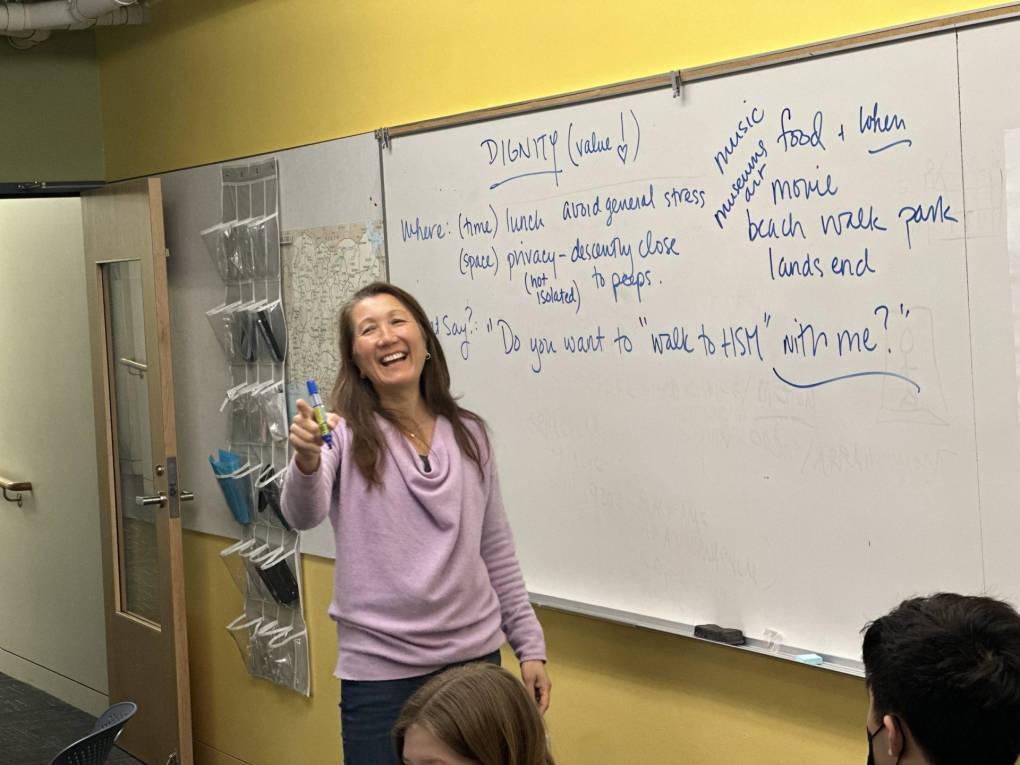
window.__IS_SSR__=true
window.__INITIAL_STATE__={
"attachmentsReducer": {
"audio_0": {
"type": "attachments",
"id": "audio_0",
"imgSizes": {
"kqedFullSize": {
"file": "https://ww2.kqed.org/news/wp-content/themes/KQED-unified/img/audio_bgs/background0.jpg"
}
}
},
"audio_1": {
"type": "attachments",
"id": "audio_1",
"imgSizes": {
"kqedFullSize": {
"file": "https://ww2.kqed.org/news/wp-content/themes/KQED-unified/img/audio_bgs/background1.jpg"
}
}
},
"audio_2": {
"type": "attachments",
"id": "audio_2",
"imgSizes": {
"kqedFullSize": {
"file": "https://ww2.kqed.org/news/wp-content/themes/KQED-unified/img/audio_bgs/background2.jpg"
}
}
},
"audio_3": {
"type": "attachments",
"id": "audio_3",
"imgSizes": {
"kqedFullSize": {
"file": "https://ww2.kqed.org/news/wp-content/themes/KQED-unified/img/audio_bgs/background3.jpg"
}
}
},
"audio_4": {
"type": "attachments",
"id": "audio_4",
"imgSizes": {
"kqedFullSize": {
"file": "https://ww2.kqed.org/news/wp-content/themes/KQED-unified/img/audio_bgs/background4.jpg"
}
}
},
"placeholder": {
"type": "attachments",
"id": "placeholder",
"imgSizes": {
"thumbnail": {
"file": "https://cdn.kqed.org/wp-content/uploads/2024/12/KQED-Default-Image-816638274-2000x1333-1-160x107.jpg",
"width": 160,
"height": 107,
"mimeType": "image/jpeg"
},
"medium": {
"file": "https://cdn.kqed.org/wp-content/uploads/2024/12/KQED-Default-Image-816638274-2000x1333-1-800x533.jpg",
"width": 800,
"height": 533,
"mimeType": "image/jpeg"
},
"medium_large": {
"file": "https://cdn.kqed.org/wp-content/uploads/2024/12/KQED-Default-Image-816638274-2000x1333-1-768x512.jpg",
"width": 768,
"height": 512,
"mimeType": "image/jpeg"
},
"large": {
"file": "https://cdn.kqed.org/wp-content/uploads/2024/12/KQED-Default-Image-816638274-2000x1333-1-1020x680.jpg",
"width": 1020,
"height": 680,
"mimeType": "image/jpeg"
},
"1536x1536": {
"file": "https://cdn.kqed.org/wp-content/uploads/2024/12/KQED-Default-Image-816638274-2000x1333-1-1536x1024.jpg",
"width": 1536,
"height": 1024,
"mimeType": "image/jpeg"
},
"fd-lrg": {
"file": "https://cdn.kqed.org/wp-content/uploads/2024/12/KQED-Default-Image-816638274-2000x1333-1-1536x1024.jpg",
"width": 1536,
"height": 1024,
"mimeType": "image/jpeg"
},
"fd-med": {
"file": "https://cdn.kqed.org/wp-content/uploads/2024/12/KQED-Default-Image-816638274-2000x1333-1-1020x680.jpg",
"width": 1020,
"height": 680,
"mimeType": "image/jpeg"
},
"fd-sm": {
"file": "https://cdn.kqed.org/wp-content/uploads/2024/12/KQED-Default-Image-816638274-2000x1333-1-800x533.jpg",
"width": 800,
"height": 533,
"mimeType": "image/jpeg"
},
"post-thumbnail": {
"file": "https://cdn.kqed.org/wp-content/uploads/2024/12/KQED-Default-Image-816638274-2000x1333-1-672x372.jpg",
"width": 672,
"height": 372,
"mimeType": "image/jpeg"
},
"twentyfourteen-full-width": {
"file": "https://cdn.kqed.org/wp-content/uploads/2024/12/KQED-Default-Image-816638274-2000x1333-1-1038x576.jpg",
"width": 1038,
"height": 576,
"mimeType": "image/jpeg"
},
"xxsmall": {
"file": "https://cdn.kqed.org/wp-content/uploads/2024/12/KQED-Default-Image-816638274-2000x1333-1-160x107.jpg",
"width": 160,
"height": 107,
"mimeType": "image/jpeg"
},
"xsmall": {
"file": "https://cdn.kqed.org/wp-content/uploads/2024/12/KQED-Default-Image-816638274-2000x1333-1-672x372.jpg",
"width": 672,
"height": 372,
"mimeType": "image/jpeg"
},
"small": {
"file": "https://cdn.kqed.org/wp-content/uploads/2024/12/KQED-Default-Image-816638274-2000x1333-1-672x372.jpg",
"width": 672,
"height": 372,
"mimeType": "image/jpeg"
},
"xlarge": {
"file": "https://cdn.kqed.org/wp-content/uploads/2024/12/KQED-Default-Image-816638274-2000x1333-1-1020x680.jpg",
"width": 1020,
"height": 680,
"mimeType": "image/jpeg"
},
"full-width": {
"file": "https://cdn.kqed.org/wp-content/uploads/2024/12/KQED-Default-Image-816638274-2000x1333-1-1920x1280.jpg",
"width": 1920,
"height": 1280,
"mimeType": "image/jpeg"
},
"guest-author-32": {
"file": "https://cdn.kqed.org/wp-content/uploads/2025/01/KQED-Default-Image-816638274-1333x1333-1-160x160.jpg",
"width": 32,
"height": 32,
"mimeType": "image/jpeg"
},
"guest-author-50": {
"file": "https://cdn.kqed.org/wp-content/uploads/2025/01/KQED-Default-Image-816638274-1333x1333-1-160x160.jpg",
"width": 50,
"height": 50,
"mimeType": "image/jpeg"
},
"guest-author-64": {
"file": "https://cdn.kqed.org/wp-content/uploads/2025/01/KQED-Default-Image-816638274-1333x1333-1-160x160.jpg",
"width": 64,
"height": 64,
"mimeType": "image/jpeg"
},
"guest-author-96": {
"file": "https://cdn.kqed.org/wp-content/uploads/2025/01/KQED-Default-Image-816638274-1333x1333-1-160x160.jpg",
"width": 96,
"height": 96,
"mimeType": "image/jpeg"
},
"guest-author-128": {
"file": "https://cdn.kqed.org/wp-content/uploads/2025/01/KQED-Default-Image-816638274-1333x1333-1-160x160.jpg",
"width": 128,
"height": 128,
"mimeType": "image/jpeg"
},
"detail": {
"file": "https://cdn.kqed.org/wp-content/uploads/2025/01/KQED-Default-Image-816638274-1333x1333-1-160x160.jpg",
"width": 160,
"height": 160,
"mimeType": "image/jpeg"
},
"kqedFullSize": {
"file": "https://cdn.kqed.org/wp-content/uploads/2024/12/KQED-Default-Image-816638274-2000x1333-1.jpg",
"width": 2000,
"height": 1333
}
}
},
"mindshift_62012": {
"type": "attachments",
"id": "mindshift_62012",
"meta": {
"index": "attachments_1716263798",
"site": "mindshift",
"id": "62012",
"found": true
},
"parent": 62011,
"imgSizes": {
"twentyfourteen-full-width": {
"file": "https://ww2.kqed.org/app/uploads/sites/23/2023/07/health-sex-ed-class-scaled-e1689360595685-1038x576.jpg",
"width": 1038,
"mimeType": "image/jpeg",
"height": 576
},
"thumbnail": {
"file": "https://ww2.kqed.org/app/uploads/sites/23/2023/07/health-sex-ed-class-scaled-e1689360595685-160x120.jpg",
"width": 160,
"mimeType": "image/jpeg",
"height": 120
},
"post-thumbnail": {
"file": "https://ww2.kqed.org/app/uploads/sites/23/2023/07/health-sex-ed-class-scaled-e1689360595685-672x372.jpg",
"width": 672,
"mimeType": "image/jpeg",
"height": 372
},
"kqedFullSize": {
"file": "https://ww2.kqed.org/app/uploads/sites/23/2023/07/health-sex-ed-class-scaled-e1689360595685.jpg",
"width": 1920,
"height": 1440
},
"2048x2048": {
"file": "https://ww2.kqed.org/app/uploads/sites/23/2023/07/health-sex-ed-class-2048x1536.jpg",
"width": 2048,
"mimeType": "image/jpeg",
"height": 1536
},
"large": {
"file": "https://ww2.kqed.org/app/uploads/sites/23/2023/07/health-sex-ed-class-scaled-e1689360595685-1020x765.jpg",
"width": 1020,
"mimeType": "image/jpeg",
"height": 765
},
"1536x1536": {
"file": "https://ww2.kqed.org/app/uploads/sites/23/2023/07/health-sex-ed-class-scaled-e1689360595685-1536x1152.jpg",
"width": 1536,
"mimeType": "image/jpeg",
"height": 1152
},
"full-width": {
"file": "https://ww2.kqed.org/app/uploads/sites/23/2023/07/health-sex-ed-class-1920x1440.jpg",
"width": 1920,
"mimeType": "image/jpeg",
"height": 1440
},
"medium": {
"file": "https://ww2.kqed.org/app/uploads/sites/23/2023/07/health-sex-ed-class-scaled-e1689360595685-800x600.jpg",
"width": 800,
"mimeType": "image/jpeg",
"height": 600
},
"medium_large": {
"file": "https://ww2.kqed.org/app/uploads/sites/23/2023/07/health-sex-ed-class-scaled-e1689360595685-768x576.jpg",
"width": 768,
"mimeType": "image/jpeg",
"height": 576
}
},
"publishDate": 1689360574,
"modified": 1689782581,
"caption": "In a class she teaches at Urban High School in San Francisco, Shafia Zaloom emphasizes that consent is not only about getting a yes or no.",
"description": null,
"title": "health sex ed class",
"credit": "Ki Sung/ KQED",
"status": "inherit",
"altTag": "Teacher stand in front of a white board and points with a marker",
"isLoading": false,
"fetchFailed": false
},
"mindshift_62005": {
"type": "attachments",
"id": "mindshift_62005",
"meta": {
"index": "attachments_1716263798",
"site": "mindshift",
"id": "62005",
"found": true
},
"parent": 62004,
"imgSizes": {
"twentyfourteen-full-width": {
"file": "https://ww2.kqed.org/app/uploads/sites/23/2023/07/gettyimages-1213627011-0c3036a51fc6e5e40a4f923d12b38332a41eafb3-1038x576.jpg",
"width": 1038,
"mimeType": "image/jpeg",
"height": 576
},
"thumbnail": {
"file": "https://ww2.kqed.org/app/uploads/sites/23/2023/07/gettyimages-1213627011-0c3036a51fc6e5e40a4f923d12b38332a41eafb3-160x120.jpg",
"width": 160,
"mimeType": "image/jpeg",
"height": 120
},
"post-thumbnail": {
"file": "https://ww2.kqed.org/app/uploads/sites/23/2023/07/gettyimages-1213627011-0c3036a51fc6e5e40a4f923d12b38332a41eafb3-672x372.jpg",
"width": 672,
"mimeType": "image/jpeg",
"height": 372
},
"kqedFullSize": {
"file": "https://ww2.kqed.org/app/uploads/sites/23/2023/07/gettyimages-1213627011-0c3036a51fc6e5e40a4f923d12b38332a41eafb3.jpg",
"width": 1883,
"height": 1412
},
"large": {
"file": "https://ww2.kqed.org/app/uploads/sites/23/2023/07/gettyimages-1213627011-0c3036a51fc6e5e40a4f923d12b38332a41eafb3-1020x765.jpg",
"width": 1020,
"mimeType": "image/jpeg",
"height": 765
},
"1536x1536": {
"file": "https://ww2.kqed.org/app/uploads/sites/23/2023/07/gettyimages-1213627011-0c3036a51fc6e5e40a4f923d12b38332a41eafb3-1536x1152.jpg",
"width": 1536,
"mimeType": "image/jpeg",
"height": 1152
},
"medium": {
"file": "https://ww2.kqed.org/app/uploads/sites/23/2023/07/gettyimages-1213627011-0c3036a51fc6e5e40a4f923d12b38332a41eafb3-800x600.jpg",
"width": 800,
"mimeType": "image/jpeg",
"height": 600
},
"medium_large": {
"file": "https://ww2.kqed.org/app/uploads/sites/23/2023/07/gettyimages-1213627011-0c3036a51fc6e5e40a4f923d12b38332a41eafb3-768x576.jpg",
"width": 768,
"mimeType": "image/jpeg",
"height": 576
}
},
"publishDate": 1689280723,
"modified": 1689280978,
"caption": "Are smartphones safe for tweens? Parents should be aware of the risks, a screen consultant advises.",
"description": null,
"title": null,
"credit": "Elva Etienne/Getty Images",
"status": "inherit",
"altTag": null,
"isLoading": false,
"fetchFailed": false
},
"mindshift_61655": {
"type": "attachments",
"id": "mindshift_61655",
"meta": {
"index": "attachments_1716263798",
"site": "mindshift",
"id": "61655",
"found": true
},
"parent": 61654,
"imgSizes": {
"twentyfourteen-full-width": {
"file": "https://ww2.kqed.org/app/uploads/sites/23/2023/05/iStock-1241684452-1038x576.jpg",
"width": 1038,
"mimeType": "image/jpeg",
"height": 576
},
"thumbnail": {
"file": "https://ww2.kqed.org/app/uploads/sites/23/2023/05/iStock-1241684452-160x107.jpg",
"width": 160,
"mimeType": "image/jpeg",
"height": 107
},
"post-thumbnail": {
"file": "https://ww2.kqed.org/app/uploads/sites/23/2023/05/iStock-1241684452-672x372.jpg",
"width": 672,
"mimeType": "image/jpeg",
"height": 372
},
"kqedFullSize": {
"file": "https://ww2.kqed.org/app/uploads/sites/23/2023/05/iStock-1241684452-scaled.jpg",
"width": 2560,
"height": 1707
},
"2048x2048": {
"file": "https://ww2.kqed.org/app/uploads/sites/23/2023/05/iStock-1241684452-2048x1365.jpg",
"width": 2048,
"mimeType": "image/jpeg",
"height": 1365
},
"large": {
"file": "https://ww2.kqed.org/app/uploads/sites/23/2023/05/iStock-1241684452-1020x680.jpg",
"width": 1020,
"mimeType": "image/jpeg",
"height": 680
},
"1536x1536": {
"file": "https://ww2.kqed.org/app/uploads/sites/23/2023/05/iStock-1241684452-1536x1024.jpg",
"width": 1536,
"mimeType": "image/jpeg",
"height": 1024
},
"full-width": {
"file": "https://ww2.kqed.org/app/uploads/sites/23/2023/05/iStock-1241684452-1920x1280.jpg",
"width": 1920,
"mimeType": "image/jpeg",
"height": 1280
},
"medium": {
"file": "https://ww2.kqed.org/app/uploads/sites/23/2023/05/iStock-1241684452-800x533.jpg",
"width": 800,
"mimeType": "image/jpeg",
"height": 533
},
"medium_large": {
"file": "https://ww2.kqed.org/app/uploads/sites/23/2023/05/iStock-1241684452-768x512.jpg",
"width": 768,
"mimeType": "image/jpeg",
"height": 512
}
},
"publishDate": 1684373914,
"modified": 1684374757,
"caption": null,
"description": null,
"title": "Having Fun Student Girls Reading Messages On Mobile Phone",
"credit": "iStock/Finn Hafemann",
"status": "inherit",
"altTag": null,
"isLoading": false,
"fetchFailed": false
},
"mindshift_61672": {
"type": "attachments",
"id": "mindshift_61672",
"meta": {
"index": "attachments_1716263798",
"site": "mindshift",
"id": "61672",
"found": true
},
"parent": 61671,
"imgSizes": {
"twentyfourteen-full-width": {
"file": "https://ww2.kqed.org/app/uploads/sites/23/2023/05/teens-screens-promo_custom-119eefecaf79d960b0ffe95431a15b0a30bea4a2-941x576.jpg",
"width": 941,
"mimeType": "image/jpeg",
"height": 576
},
"thumbnail": {
"file": "https://ww2.kqed.org/app/uploads/sites/23/2023/05/teens-screens-promo_custom-119eefecaf79d960b0ffe95431a15b0a30bea4a2-160x104.jpg",
"width": 160,
"mimeType": "image/jpeg",
"height": 104
},
"post-thumbnail": {
"file": "https://ww2.kqed.org/app/uploads/sites/23/2023/05/teens-screens-promo_custom-119eefecaf79d960b0ffe95431a15b0a30bea4a2-672x372.jpg",
"width": 672,
"mimeType": "image/jpeg",
"height": 372
},
"kqedFullSize": {
"file": "https://ww2.kqed.org/app/uploads/sites/23/2023/05/teens-screens-promo_custom-119eefecaf79d960b0ffe95431a15b0a30bea4a2.jpg",
"width": 941,
"height": 611
},
"medium": {
"file": "https://ww2.kqed.org/app/uploads/sites/23/2023/05/teens-screens-promo_custom-119eefecaf79d960b0ffe95431a15b0a30bea4a2-800x519.jpg",
"width": 800,
"mimeType": "image/jpeg",
"height": 519
},
"medium_large": {
"file": "https://ww2.kqed.org/app/uploads/sites/23/2023/05/teens-screens-promo_custom-119eefecaf79d960b0ffe95431a15b0a30bea4a2-768x499.jpg",
"width": 768,
"mimeType": "image/jpeg",
"height": 499
}
},
"publishDate": 1684636101,
"modified": 1684636481,
"caption": null,
"description": null,
"title": "Many teens and young adults struggle with overuse of screens. They also have good advice for how to have a healthy relationship with social media.",
"credit": "Rose Wong for NPR",
"status": "inherit",
"altTag": null,
"isLoading": false,
"fetchFailed": false
},
"mindshift_61127": {
"type": "attachments",
"id": "mindshift_61127",
"meta": {
"index": "attachments_1716263798",
"site": "mindshift",
"id": "61127",
"found": true
},
"parent": 61126,
"imgSizes": {
"twentyfourteen-full-width": {
"file": "https://ww2.kqed.org/app/uploads/sites/23/2023/02/screentime-parenting-promo-01_custom-a65722aea0d2a72d2f6d686116d03b91f261f827-scaled-e1677509390221-1038x576.jpg",
"width": 1038,
"mimeType": "image/jpeg",
"height": 576
},
"thumbnail": {
"file": "https://ww2.kqed.org/app/uploads/sites/23/2023/02/screentime-parenting-promo-01_custom-a65722aea0d2a72d2f6d686116d03b91f261f827-scaled-e1677509390221-160x96.jpg",
"width": 160,
"mimeType": "image/jpeg",
"height": 96
},
"post-thumbnail": {
"file": "https://ww2.kqed.org/app/uploads/sites/23/2023/02/screentime-parenting-promo-01_custom-a65722aea0d2a72d2f6d686116d03b91f261f827-scaled-e1677509390221-672x372.jpg",
"width": 672,
"mimeType": "image/jpeg",
"height": 372
},
"kqedFullSize": {
"file": "https://ww2.kqed.org/app/uploads/sites/23/2023/02/screentime-parenting-promo-01_custom-a65722aea0d2a72d2f6d686116d03b91f261f827-scaled-e1677509390221.jpg",
"width": 1920,
"height": 1151
},
"2048x2048": {
"file": "https://ww2.kqed.org/app/uploads/sites/23/2023/02/screentime-parenting-promo-01_custom-a65722aea0d2a72d2f6d686116d03b91f261f827-2048x1227.jpg",
"width": 2048,
"mimeType": "image/jpeg",
"height": 1227
},
"large": {
"file": "https://ww2.kqed.org/app/uploads/sites/23/2023/02/screentime-parenting-promo-01_custom-a65722aea0d2a72d2f6d686116d03b91f261f827-scaled-e1677509390221-1020x611.jpg",
"width": 1020,
"mimeType": "image/jpeg",
"height": 611
},
"1536x1536": {
"file": "https://ww2.kqed.org/app/uploads/sites/23/2023/02/screentime-parenting-promo-01_custom-a65722aea0d2a72d2f6d686116d03b91f261f827-scaled-e1677509390221-1536x921.jpg",
"width": 1536,
"mimeType": "image/jpeg",
"height": 921
},
"full-width": {
"file": "https://ww2.kqed.org/app/uploads/sites/23/2023/02/screentime-parenting-promo-01_custom-a65722aea0d2a72d2f6d686116d03b91f261f827-1920x1151.jpg",
"width": 1920,
"mimeType": "image/jpeg",
"height": 1151
},
"medium": {
"file": "https://ww2.kqed.org/app/uploads/sites/23/2023/02/screentime-parenting-promo-01_custom-a65722aea0d2a72d2f6d686116d03b91f261f827-scaled-e1677509390221-800x480.jpg",
"width": 800,
"mimeType": "image/jpeg",
"height": 480
},
"medium_large": {
"file": "https://ww2.kqed.org/app/uploads/sites/23/2023/02/screentime-parenting-promo-01_custom-a65722aea0d2a72d2f6d686116d03b91f261f827-scaled-e1677509390221-768x460.jpg",
"width": 768,
"mimeType": "image/jpeg",
"height": 460
}
},
"publishDate": 1677508969,
"modified": 1677509524,
"caption": null,
"description": "Take this quiz to find out what style of screentime parent you are.",
"title": "Illustration of young people holding their cell phones up to their face",
"credit": "LA Johnson/NPR",
"status": "inherit",
"altTag": null,
"isLoading": false,
"fetchFailed": false
},
"mindshift_61027": {
"type": "attachments",
"id": "mindshift_61027",
"meta": {
"index": "attachments_1716263798",
"site": "mindshift",
"id": "61027",
"found": true
},
"parent": 61026,
"imgSizes": {
"twentyfourteen-full-width": {
"file": "https://ww2.kqed.org/app/uploads/sites/23/2023/02/tlee-npr_040521_3_slide-dd3c9bf39e4a69ec676eb33e1d7c1cbadb3ce068-1038x576.jpg",
"width": 1038,
"mimeType": "image/jpeg",
"height": 576
},
"thumbnail": {
"file": "https://ww2.kqed.org/app/uploads/sites/23/2023/02/tlee-npr_040521_3_slide-dd3c9bf39e4a69ec676eb33e1d7c1cbadb3ce068-160x107.jpg",
"width": 160,
"mimeType": "image/jpeg",
"height": 107
},
"post-thumbnail": {
"file": "https://ww2.kqed.org/app/uploads/sites/23/2023/02/tlee-npr_040521_3_slide-dd3c9bf39e4a69ec676eb33e1d7c1cbadb3ce068-672x372.jpg",
"width": 672,
"mimeType": "image/jpeg",
"height": 372
},
"kqedFullSize": {
"file": "https://ww2.kqed.org/app/uploads/sites/23/2023/02/tlee-npr_040521_3_slide-dd3c9bf39e4a69ec676eb33e1d7c1cbadb3ce068-scaled.jpg",
"width": 2560,
"height": 1707
},
"2048x2048": {
"file": "https://ww2.kqed.org/app/uploads/sites/23/2023/02/tlee-npr_040521_3_slide-dd3c9bf39e4a69ec676eb33e1d7c1cbadb3ce068-2048x1365.jpg",
"width": 2048,
"mimeType": "image/jpeg",
"height": 1365
},
"large": {
"file": "https://ww2.kqed.org/app/uploads/sites/23/2023/02/tlee-npr_040521_3_slide-dd3c9bf39e4a69ec676eb33e1d7c1cbadb3ce068-1020x680.jpg",
"width": 1020,
"mimeType": "image/jpeg",
"height": 680
},
"1536x1536": {
"file": "https://ww2.kqed.org/app/uploads/sites/23/2023/02/tlee-npr_040521_3_slide-dd3c9bf39e4a69ec676eb33e1d7c1cbadb3ce068-1536x1024.jpg",
"width": 1536,
"mimeType": "image/jpeg",
"height": 1024
},
"full-width": {
"file": "https://ww2.kqed.org/app/uploads/sites/23/2023/02/tlee-npr_040521_3_slide-dd3c9bf39e4a69ec676eb33e1d7c1cbadb3ce068-1920x1280.jpg",
"width": 1920,
"mimeType": "image/jpeg",
"height": 1280
},
"medium": {
"file": "https://ww2.kqed.org/app/uploads/sites/23/2023/02/tlee-npr_040521_3_slide-dd3c9bf39e4a69ec676eb33e1d7c1cbadb3ce068-800x533.jpg",
"width": 800,
"mimeType": "image/jpeg",
"height": 533
},
"medium_large": {
"file": "https://ww2.kqed.org/app/uploads/sites/23/2023/02/tlee-npr_040521_3_slide-dd3c9bf39e4a69ec676eb33e1d7c1cbadb3ce068-768x512.jpg",
"width": 768,
"mimeType": "image/jpeg",
"height": 512
}
},
"publishDate": 1676599487,
"modified": 1676601223,
"caption": null,
"description": null,
"title": "A young student attends online school from her bedroom.",
"credit": "Tracy J. Lee for NPR",
"status": "inherit",
"altTag": "A young student attends online school from her bedroom.",
"isLoading": false,
"fetchFailed": false
},
"mindshift_60789": {
"type": "attachments",
"id": "mindshift_60789",
"meta": {
"index": "attachments_1716263798",
"site": "mindshift",
"id": "60789",
"found": true
},
"parent": 60788,
"imgSizes": {
"twentyfourteen-full-width": {
"file": "https://ww2.kqed.org/app/uploads/sites/23/2023/01/ap22222035920105_custom-2836170a91b79279f56b9ec97378e3d383626ce9-1038x576.jpg",
"width": 1038,
"mimeType": "image/jpeg",
"height": 576
},
"thumbnail": {
"file": "https://ww2.kqed.org/app/uploads/sites/23/2023/01/ap22222035920105_custom-2836170a91b79279f56b9ec97378e3d383626ce9-160x107.jpg",
"width": 160,
"mimeType": "image/jpeg",
"height": 107
},
"post-thumbnail": {
"file": "https://ww2.kqed.org/app/uploads/sites/23/2023/01/ap22222035920105_custom-2836170a91b79279f56b9ec97378e3d383626ce9-672x372.jpg",
"width": 672,
"mimeType": "image/jpeg",
"height": 372
},
"kqedFullSize": {
"file": "https://ww2.kqed.org/app/uploads/sites/23/2023/01/ap22222035920105_custom-2836170a91b79279f56b9ec97378e3d383626ce9-scaled.jpg",
"width": 2560,
"height": 1705
},
"2048x2048": {
"file": "https://ww2.kqed.org/app/uploads/sites/23/2023/01/ap22222035920105_custom-2836170a91b79279f56b9ec97378e3d383626ce9-2048x1364.jpg",
"width": 2048,
"mimeType": "image/jpeg",
"height": 1364
},
"large": {
"file": "https://ww2.kqed.org/app/uploads/sites/23/2023/01/ap22222035920105_custom-2836170a91b79279f56b9ec97378e3d383626ce9-1020x679.jpg",
"width": 1020,
"mimeType": "image/jpeg",
"height": 679
},
"1536x1536": {
"file": "https://ww2.kqed.org/app/uploads/sites/23/2023/01/ap22222035920105_custom-2836170a91b79279f56b9ec97378e3d383626ce9-1536x1023.jpg",
"width": 1536,
"mimeType": "image/jpeg",
"height": 1023
},
"full-width": {
"file": "https://ww2.kqed.org/app/uploads/sites/23/2023/01/ap22222035920105_custom-2836170a91b79279f56b9ec97378e3d383626ce9-1920x1279.jpg",
"width": 1920,
"mimeType": "image/jpeg",
"height": 1279
},
"medium": {
"file": "https://ww2.kqed.org/app/uploads/sites/23/2023/01/ap22222035920105_custom-2836170a91b79279f56b9ec97378e3d383626ce9-800x533.jpg",
"width": 800,
"mimeType": "image/jpeg",
"height": 533
},
"medium_large": {
"file": "https://ww2.kqed.org/app/uploads/sites/23/2023/01/ap22222035920105_custom-2836170a91b79279f56b9ec97378e3d383626ce9-768x511.jpg",
"width": 768,
"mimeType": "image/jpeg",
"height": 511
}
},
"publishDate": 1673474959,
"modified": 1673474959,
"caption": null,
"description": "FILE - The Snapchat app is seen on a mobile device in New York, Aug. 9, 2017. As concerns about social media's impact on teen psychology continue to rise, platforms from Snapchat to TikTok to Instagram are bolting on new features they say will make their services safer and more age appropriate. (AP Photo/Richard Drew, File)",
"title": "Concerns about social media's impact on children and teens have increased in recent years.",
"credit": null,
"status": "inherit",
"altTag": null,
"isLoading": false,
"fetchFailed": false
},
"mindshift_59393": {
"type": "attachments",
"id": "mindshift_59393",
"meta": {
"index": "attachments_1716263798",
"site": "mindshift",
"id": "59393",
"found": true
},
"parent": 59392,
"imgSizes": {
"twentyfourteen-full-width": {
"file": "https://ww2.kqed.org/app/uploads/sites/23/2022/05/edit_c2n00588_slide-ed3ad3e5d79f5446f3bc012afa7f47d1f4857c28-2-1038x576.jpg",
"width": 1038,
"mimeType": "image/jpeg",
"height": 576
},
"thumbnail": {
"file": "https://ww2.kqed.org/app/uploads/sites/23/2022/05/edit_c2n00588_slide-ed3ad3e5d79f5446f3bc012afa7f47d1f4857c28-2-160x107.jpg",
"width": 160,
"mimeType": "image/jpeg",
"height": 107
},
"post-thumbnail": {
"file": "https://ww2.kqed.org/app/uploads/sites/23/2022/05/edit_c2n00588_slide-ed3ad3e5d79f5446f3bc012afa7f47d1f4857c28-2-672x372.jpg",
"width": 672,
"mimeType": "image/jpeg",
"height": 372
},
"kqedFullSize": {
"file": "https://ww2.kqed.org/app/uploads/sites/23/2022/05/edit_c2n00588_slide-ed3ad3e5d79f5446f3bc012afa7f47d1f4857c28-2-scaled-e1652855604218.jpg",
"width": 1920,
"height": 1280
},
"2048x2048": {
"file": "https://ww2.kqed.org/app/uploads/sites/23/2022/05/edit_c2n00588_slide-ed3ad3e5d79f5446f3bc012afa7f47d1f4857c28-2-2048x1365.jpg",
"width": 2048,
"mimeType": "image/jpeg",
"height": 1365
},
"large": {
"file": "https://ww2.kqed.org/app/uploads/sites/23/2022/05/edit_c2n00588_slide-ed3ad3e5d79f5446f3bc012afa7f47d1f4857c28-2-1020x680.jpg",
"width": 1020,
"mimeType": "image/jpeg",
"height": 680
},
"1536x1536": {
"file": "https://ww2.kqed.org/app/uploads/sites/23/2022/05/edit_c2n00588_slide-ed3ad3e5d79f5446f3bc012afa7f47d1f4857c28-2-1536x1024.jpg",
"width": 1536,
"mimeType": "image/jpeg",
"height": 1024
},
"full-width": {
"file": "https://ww2.kqed.org/app/uploads/sites/23/2022/05/edit_c2n00588_slide-ed3ad3e5d79f5446f3bc012afa7f47d1f4857c28-2-1920x1280.jpg",
"width": 1920,
"mimeType": "image/jpeg",
"height": 1280
},
"medium": {
"file": "https://ww2.kqed.org/app/uploads/sites/23/2022/05/edit_c2n00588_slide-ed3ad3e5d79f5446f3bc012afa7f47d1f4857c28-2-800x533.jpg",
"width": 800,
"mimeType": "image/jpeg",
"height": 533
},
"medium_large": {
"file": "https://ww2.kqed.org/app/uploads/sites/23/2022/05/edit_c2n00588_slide-ed3ad3e5d79f5446f3bc012afa7f47d1f4857c28-2-768x512.jpg",
"width": 768,
"mimeType": "image/jpeg",
"height": 512
}
},
"publishDate": 1652855043,
"modified": 1652855648,
"caption": "Middle school winners Harrison McDonald, Wesley Helmer, Kit Atteberry, and Blake Turley pose with librarian Misti Knight.\n",
"description": null,
"title": "Middle school winners Harrison McDonald, Wesley Helmer, Kit Atteberry, and Blake Turley pose with librarian Misti Knight.",
"credit": "Cooper Neill for NPR",
"status": "inherit",
"altTag": "Four students and one librarian at school",
"isLoading": false,
"fetchFailed": false
},
"mindshift_58626": {
"type": "attachments",
"id": "mindshift_58626",
"meta": {
"index": "attachments_1716263798",
"site": "mindshift",
"id": "58626",
"found": true
},
"parent": 58624,
"imgSizes": {
"twentyfourteen-full-width": {
"file": "https://ww2.kqed.org/app/uploads/sites/23/2021/10/How-Parents-and-Teachers-Can-Encourage-Healthy-Social-Media-Use-for-Teens-1038x576.jpg",
"width": 1038,
"mimeType": "image/jpeg",
"height": 576
},
"thumbnail": {
"file": "https://ww2.kqed.org/app/uploads/sites/23/2021/10/How-Parents-and-Teachers-Can-Encourage-Healthy-Social-Media-Use-for-Teens-160x107.jpg",
"width": 160,
"mimeType": "image/jpeg",
"height": 107
},
"post-thumbnail": {
"file": "https://ww2.kqed.org/app/uploads/sites/23/2021/10/How-Parents-and-Teachers-Can-Encourage-Healthy-Social-Media-Use-for-Teens-672x372.jpg",
"width": 672,
"mimeType": "image/jpeg",
"height": 372
},
"kqedFullSize": {
"file": "https://ww2.kqed.org/app/uploads/sites/23/2021/10/How-Parents-and-Teachers-Can-Encourage-Healthy-Social-Media-Use-for-Teens-scaled-e1634112006166.jpg",
"width": 1920,
"height": 1280
},
"2048x2048": {
"file": "https://ww2.kqed.org/app/uploads/sites/23/2021/10/How-Parents-and-Teachers-Can-Encourage-Healthy-Social-Media-Use-for-Teens-2048x1365.jpg",
"width": 2048,
"mimeType": "image/jpeg",
"height": 1365
},
"large": {
"file": "https://ww2.kqed.org/app/uploads/sites/23/2021/10/How-Parents-and-Teachers-Can-Encourage-Healthy-Social-Media-Use-for-Teens-1020x680.jpg",
"width": 1020,
"mimeType": "image/jpeg",
"height": 680
},
"1536x1536": {
"file": "https://ww2.kqed.org/app/uploads/sites/23/2021/10/How-Parents-and-Teachers-Can-Encourage-Healthy-Social-Media-Use-for-Teens-1536x1024.jpg",
"width": 1536,
"mimeType": "image/jpeg",
"height": 1024
},
"full-width": {
"file": "https://ww2.kqed.org/app/uploads/sites/23/2021/10/How-Parents-and-Teachers-Can-Encourage-Healthy-Social-Media-Use-for-Teens-1920x1280.jpg",
"width": 1920,
"mimeType": "image/jpeg",
"height": 1280
},
"medium": {
"file": "https://ww2.kqed.org/app/uploads/sites/23/2021/10/How-Parents-and-Teachers-Can-Encourage-Healthy-Social-Media-Use-for-Teens-800x533.jpg",
"width": 800,
"mimeType": "image/jpeg",
"height": 533
},
"medium_large": {
"file": "https://ww2.kqed.org/app/uploads/sites/23/2021/10/How-Parents-and-Teachers-Can-Encourage-Healthy-Social-Media-Use-for-Teens-768x512.jpg",
"width": 768,
"mimeType": "image/jpeg",
"height": 512
}
},
"publishDate": 1634111985,
"modified": 1634112047,
"caption": null,
"description": null,
"title": "How-Parents-and-Teachers-Can-Encourage-Healthy-Social-Media-Use-for-Teens",
"credit": "Tetiana Strilchuk/iStock",
"status": "inherit",
"altTag": "Girl taking selfie at a park",
"isLoading": false,
"fetchFailed": false
},
"mindshift_53167": {
"type": "attachments",
"id": "mindshift_53167",
"meta": {
"index": "attachments_1716263798",
"site": "mindshift",
"id": "53167",
"found": true
},
"parent": 53166,
"imgSizes": {
"twentyfourteen-full-width": {
"file": "https://ww2.kqed.org/app/uploads/sites/23/2019/02/anger_5_final_v2_wide-2fff56ed6599233aba2f048fcbf645d146d3bdca-1038x576.jpg",
"width": 1038,
"mimeType": "image/jpeg",
"height": 576
},
"thumbnail": {
"file": "https://ww2.kqed.org/app/uploads/sites/23/2019/02/anger_5_final_v2_wide-2fff56ed6599233aba2f048fcbf645d146d3bdca-160x90.jpg",
"width": 160,
"mimeType": "image/jpeg",
"height": 90
},
"post-thumbnail": {
"file": "https://ww2.kqed.org/app/uploads/sites/23/2019/02/anger_5_final_v2_wide-2fff56ed6599233aba2f048fcbf645d146d3bdca-672x372.jpg",
"width": 672,
"mimeType": "image/jpeg",
"height": 372
},
"kqedFullSize": {
"file": "https://ww2.kqed.org/app/uploads/sites/23/2019/02/anger_5_final_v2_wide-2fff56ed6599233aba2f048fcbf645d146d3bdca-e1551251844146.jpg",
"width": 1920,
"height": 1080
},
"large": {
"file": "https://ww2.kqed.org/app/uploads/sites/23/2019/02/anger_5_final_v2_wide-2fff56ed6599233aba2f048fcbf645d146d3bdca-1020x574.jpg",
"width": 1020,
"mimeType": "image/jpeg",
"height": 574
},
"complete_open_graph": {
"file": "https://ww2.kqed.org/app/uploads/sites/23/2019/02/anger_5_final_v2_wide-2fff56ed6599233aba2f048fcbf645d146d3bdca-1200x675.jpg",
"width": 1200,
"mimeType": "image/jpeg",
"height": 675
},
"guest-author-50": {
"file": "https://ww2.kqed.org/app/uploads/sites/23/2019/02/anger_5_final_v2_wide-2fff56ed6599233aba2f048fcbf645d146d3bdca-50x50.jpg",
"width": 50,
"mimeType": "image/jpeg",
"height": 50
},
"guest-author-96": {
"file": "https://ww2.kqed.org/app/uploads/sites/23/2019/02/anger_5_final_v2_wide-2fff56ed6599233aba2f048fcbf645d146d3bdca-96x96.jpg",
"width": 96,
"mimeType": "image/jpeg",
"height": 96
},
"medium": {
"file": "https://ww2.kqed.org/app/uploads/sites/23/2019/02/anger_5_final_v2_wide-2fff56ed6599233aba2f048fcbf645d146d3bdca-800x450.jpg",
"width": 800,
"mimeType": "image/jpeg",
"height": 450
},
"guest-author-64": {
"file": "https://ww2.kqed.org/app/uploads/sites/23/2019/02/anger_5_final_v2_wide-2fff56ed6599233aba2f048fcbf645d146d3bdca-64x64.jpg",
"width": 64,
"mimeType": "image/jpeg",
"height": 64
},
"guest-author-32": {
"file": "https://ww2.kqed.org/app/uploads/sites/23/2019/02/anger_5_final_v2_wide-2fff56ed6599233aba2f048fcbf645d146d3bdca-32x32.jpg",
"width": 32,
"mimeType": "image/jpeg",
"height": 32
},
"full-width": {
"file": "https://ww2.kqed.org/app/uploads/sites/23/2019/02/anger_5_final_v2_wide-2fff56ed6599233aba2f048fcbf645d146d3bdca-1920x1080.jpg",
"width": 1920,
"mimeType": "image/jpeg",
"height": 1080
},
"medium_large": {
"file": "https://ww2.kqed.org/app/uploads/sites/23/2019/02/anger_5_final_v2_wide-2fff56ed6599233aba2f048fcbf645d146d3bdca-768x432.jpg",
"width": 768,
"mimeType": "image/jpeg",
"height": 432
},
"guest-author-128": {
"file": "https://ww2.kqed.org/app/uploads/sites/23/2019/02/anger_5_final_v2_wide-2fff56ed6599233aba2f048fcbf645d146d3bdca-128x128.jpg",
"width": 128,
"mimeType": "image/jpeg",
"height": 128
}
},
"publishDate": 1551251644,
"modified": 1551251855,
"caption": "Emotions can spread through social networks almost like the flu or a cold.",
"description": "Emotions can spread through social networks almost like the flu or a cold.",
"title": "Emotions can spread through social networks almost like the flu or a cold.",
"credit": "Ariel Davis for NPR",
"status": "inherit",
"isLoading": false,
"fetchFailed": false
},
"mindshift_51887": {
"type": "attachments",
"id": "mindshift_51887",
"meta": {
"index": "attachments_1716263798",
"site": "mindshift",
"id": "51887",
"found": true
},
"parent": 49092,
"imgSizes": {
"small": {
"file": "https://ww2.kqed.org/app/uploads/sites/23/2018/08/Mindshift-Digital-Distractions-2-520x293.jpg",
"width": 520,
"mimeType": "image/jpeg",
"height": 293
},
"twentyfourteen-full-width": {
"file": "https://ww2.kqed.org/app/uploads/sites/23/2018/08/Mindshift-Digital-Distractions-2-1038x576.jpg",
"width": 1038,
"mimeType": "image/jpeg",
"height": 576
},
"thumbnail": {
"file": "https://ww2.kqed.org/app/uploads/sites/23/2018/08/Mindshift-Digital-Distractions-2-160x90.jpg",
"width": 160,
"mimeType": "image/jpeg",
"height": 90
},
"fd-sm": {
"file": "https://ww2.kqed.org/app/uploads/sites/23/2018/08/Mindshift-Digital-Distractions-2-960x540.jpg",
"width": 960,
"mimeType": "image/jpeg",
"height": 540
},
"post-thumbnail": {
"file": "https://ww2.kqed.org/app/uploads/sites/23/2018/08/Mindshift-Digital-Distractions-2-672x372.jpg",
"width": 672,
"mimeType": "image/jpeg",
"height": 372
},
"xsmall": {
"file": "https://ww2.kqed.org/app/uploads/sites/23/2018/08/Mindshift-Digital-Distractions-2-375x211.jpg",
"width": 375,
"mimeType": "image/jpeg",
"height": 211
},
"kqedFullSize": {
"file": "https://ww2.kqed.org/app/uploads/sites/23/2018/08/Mindshift-Digital-Distractions-2.jpg",
"width": 1920,
"height": 1080
},
"large": {
"file": "https://ww2.kqed.org/app/uploads/sites/23/2018/08/Mindshift-Digital-Distractions-2-1020x574.jpg",
"width": 1020,
"mimeType": "image/jpeg",
"height": 574
},
"xlarge": {
"file": "https://ww2.kqed.org/app/uploads/sites/23/2018/08/Mindshift-Digital-Distractions-2-1180x664.jpg",
"width": 1180,
"mimeType": "image/jpeg",
"height": 664
},
"complete_open_graph": {
"file": "https://ww2.kqed.org/app/uploads/sites/23/2018/08/Mindshift-Digital-Distractions-2-1200x675.jpg",
"width": 1200,
"mimeType": "image/jpeg",
"height": 675
},
"guest-author-50": {
"file": "https://ww2.kqed.org/app/uploads/sites/23/2018/08/Mindshift-Digital-Distractions-2-50x50.jpg",
"width": 50,
"mimeType": "image/jpeg",
"height": 50
},
"guest-author-96": {
"file": "https://ww2.kqed.org/app/uploads/sites/23/2018/08/Mindshift-Digital-Distractions-2-96x96.jpg",
"width": 96,
"mimeType": "image/jpeg",
"height": 96
},
"medium": {
"file": "https://ww2.kqed.org/app/uploads/sites/23/2018/08/Mindshift-Digital-Distractions-2-800x450.jpg",
"width": 800,
"mimeType": "image/jpeg",
"height": 450
},
"guest-author-64": {
"file": "https://ww2.kqed.org/app/uploads/sites/23/2018/08/Mindshift-Digital-Distractions-2-64x64.jpg",
"width": 64,
"mimeType": "image/jpeg",
"height": 64
},
"guest-author-32": {
"file": "https://ww2.kqed.org/app/uploads/sites/23/2018/08/Mindshift-Digital-Distractions-2-32x32.jpg",
"width": 32,
"mimeType": "image/jpeg",
"height": 32
},
"fd-lrg": {
"file": "https://ww2.kqed.org/app/uploads/sites/23/2018/08/Mindshift-Digital-Distractions-2-1920x1080.jpg",
"width": 1920,
"mimeType": "image/jpeg",
"height": 1080
},
"fd-med": {
"file": "https://ww2.kqed.org/app/uploads/sites/23/2018/08/Mindshift-Digital-Distractions-2-1180x664.jpg",
"width": 1180,
"mimeType": "image/jpeg",
"height": 664
},
"full-width": {
"file": "https://ww2.kqed.org/app/uploads/sites/23/2018/08/Mindshift-Digital-Distractions-2-1920x1080.jpg",
"width": 1920,
"mimeType": "image/jpeg",
"height": 1080
},
"detail": {
"file": "https://ww2.kqed.org/app/uploads/sites/23/2018/08/Mindshift-Digital-Distractions-2-150x150.jpg",
"width": 150,
"mimeType": "image/jpeg",
"height": 150
},
"medium_large": {
"file": "https://ww2.kqed.org/app/uploads/sites/23/2018/08/Mindshift-Digital-Distractions-2-768x432.jpg",
"width": 768,
"mimeType": "image/jpeg",
"height": 432
},
"guest-author-128": {
"file": "https://ww2.kqed.org/app/uploads/sites/23/2018/08/Mindshift-Digital-Distractions-2-128x128.jpg",
"width": 128,
"mimeType": "image/jpeg",
"height": 128
},
"xxsmall": {
"file": "https://ww2.kqed.org/app/uploads/sites/23/2018/08/Mindshift-Digital-Distractions-2-240x135.jpg",
"width": 240,
"mimeType": "image/jpeg",
"height": 135
}
},
"publishDate": 1534268541,
"modified": 1534268577,
"caption": null,
"description": null,
"title": "MindShift Digital Distractions 2",
"credit": "KQED/Kelly McLachlan",
"status": "inherit",
"isLoading": false,
"fetchFailed": false
},
"mindshift_50494": {
"type": "attachments",
"id": "mindshift_50494",
"meta": {
"index": "attachments_1716263798",
"site": "mindshift",
"id": "50494",
"found": true
},
"parent": 50485,
"imgSizes": {
"small": {
"file": "https://ww2.kqed.org/app/uploads/sites/23/2018/02/GirlsLeadership-crop-520x292.jpg",
"width": 520,
"mimeType": "image/jpeg",
"height": 292
},
"twentyfourteen-full-width": {
"file": "https://ww2.kqed.org/app/uploads/sites/23/2018/02/GirlsLeadership-crop-1038x576.jpg",
"width": 1038,
"mimeType": "image/jpeg",
"height": 576
},
"thumbnail": {
"file": "https://ww2.kqed.org/app/uploads/sites/23/2018/02/GirlsLeadership-crop-160x90.jpg",
"width": 160,
"mimeType": "image/jpeg",
"height": 90
},
"fd-sm": {
"file": "https://ww2.kqed.org/app/uploads/sites/23/2018/02/GirlsLeadership-crop-960x540.jpg",
"width": 960,
"mimeType": "image/jpeg",
"height": 540
},
"post-thumbnail": {
"file": "https://ww2.kqed.org/app/uploads/sites/23/2018/02/GirlsLeadership-crop-672x372.jpg",
"width": 672,
"mimeType": "image/jpeg",
"height": 372
},
"xsmall": {
"file": "https://ww2.kqed.org/app/uploads/sites/23/2018/02/GirlsLeadership-crop-375x211.jpg",
"width": 375,
"mimeType": "image/jpeg",
"height": 211
},
"kqedFullSize": {
"file": "https://ww2.kqed.org/app/uploads/sites/23/2018/02/GirlsLeadership-crop.jpg",
"width": 2500,
"height": 1406
},
"large": {
"file": "https://ww2.kqed.org/app/uploads/sites/23/2018/02/GirlsLeadership-crop-1020x574.jpg",
"width": 1020,
"mimeType": "image/jpeg",
"height": 574
},
"xlarge": {
"file": "https://ww2.kqed.org/app/uploads/sites/23/2018/02/GirlsLeadership-crop-1180x664.jpg",
"width": 1180,
"mimeType": "image/jpeg",
"height": 664
},
"guest-author-50": {
"file": "https://ww2.kqed.org/app/uploads/sites/23/2018/02/GirlsLeadership-crop-50x50.jpg",
"width": 50,
"mimeType": "image/jpeg",
"height": 50
},
"guest-author-96": {
"file": "https://ww2.kqed.org/app/uploads/sites/23/2018/02/GirlsLeadership-crop-96x96.jpg",
"width": 96,
"mimeType": "image/jpeg",
"height": 96
},
"medium": {
"file": "https://ww2.kqed.org/app/uploads/sites/23/2018/02/GirlsLeadership-crop-800x450.jpg",
"width": 800,
"mimeType": "image/jpeg",
"height": 450
},
"guest-author-64": {
"file": "https://ww2.kqed.org/app/uploads/sites/23/2018/02/GirlsLeadership-crop-64x64.jpg",
"width": 64,
"mimeType": "image/jpeg",
"height": 64
},
"guest-author-32": {
"file": "https://ww2.kqed.org/app/uploads/sites/23/2018/02/GirlsLeadership-crop-32x32.jpg",
"width": 32,
"mimeType": "image/jpeg",
"height": 32
},
"fd-lrg": {
"file": "https://ww2.kqed.org/app/uploads/sites/23/2018/02/GirlsLeadership-crop-1920x1080.jpg",
"width": 1920,
"mimeType": "image/jpeg",
"height": 1080
},
"fd-med": {
"file": "https://ww2.kqed.org/app/uploads/sites/23/2018/02/GirlsLeadership-crop-1180x664.jpg",
"width": 1180,
"mimeType": "image/jpeg",
"height": 664
},
"full-width": {
"file": "https://ww2.kqed.org/app/uploads/sites/23/2018/02/GirlsLeadership-crop-1920x1080.jpg",
"width": 1920,
"mimeType": "image/jpeg",
"height": 1080
},
"detail": {
"file": "https://ww2.kqed.org/app/uploads/sites/23/2018/02/GirlsLeadership-crop-150x150.jpg",
"width": 150,
"mimeType": "image/jpeg",
"height": 150
},
"medium_large": {
"file": "https://ww2.kqed.org/app/uploads/sites/23/2018/02/GirlsLeadership-crop-768x432.jpg",
"width": 768,
"mimeType": "image/jpeg",
"height": 432
},
"guest-author-128": {
"file": "https://ww2.kqed.org/app/uploads/sites/23/2018/02/GirlsLeadership-crop-128x128.jpg",
"width": 128,
"mimeType": "image/jpeg",
"height": 128
},
"xxsmall": {
"file": "https://ww2.kqed.org/app/uploads/sites/23/2018/02/GirlsLeadership-crop-240x135.jpg",
"width": 240,
"mimeType": "image/jpeg",
"height": 135
}
},
"publishDate": 1517606330,
"modified": 1517606387,
"caption": "Participants in a Girls Leadership workshop.",
"description": null,
"title": "GirlsLeadership---crop",
"credit": "Courtesy \u003ca href=\"https://girlsleadership.org/\">Girls Leadership\u003c/a>",
"status": "inherit",
"isLoading": false,
"fetchFailed": false
}
},
"audioPlayerReducer": {
"postId": "stream_live",
"isPaused": true,
"isPlaying": false,
"pfsActive": false,
"pledgeModalIsOpen": true,
"playerDrawerIsOpen": false,
"liveAudioPlayStartedAt": 0,
"liveAudioPlayContext": ""
},
"authorsReducer": {
"byline_mindshift_62004": {
"type": "authors",
"id": "byline_mindshift_62004",
"meta": {
"override": true
},
"slug": "byline_mindshift_62004",
"name": "Michaeleen Doucleff",
"isLoading": false
},
"byline_mindshift_61671": {
"type": "authors",
"id": "byline_mindshift_61671",
"meta": {
"override": true
},
"slug": "byline_mindshift_61671",
"name": "Michaeleen Doucleff",
"isLoading": false
},
"byline_mindshift_61126": {
"type": "authors",
"id": "byline_mindshift_61126",
"meta": {
"override": true
},
"slug": "byline_mindshift_61126",
"name": "Allison Aubrey",
"isLoading": false
},
"byline_mindshift_61026": {
"type": "authors",
"id": "byline_mindshift_61026",
"meta": {
"override": true
},
"slug": "byline_mindshift_61026",
"name": "Cory Turner",
"isLoading": false
},
"byline_mindshift_60788": {
"type": "authors",
"id": "byline_mindshift_60788",
"meta": {
"override": true
},
"slug": "byline_mindshift_60788",
"name": "Mary Yang",
"isLoading": false
},
"byline_mindshift_59392": {
"type": "authors",
"id": "byline_mindshift_59392",
"meta": {
"override": true
},
"slug": "byline_mindshift_59392",
"name": "Cory Turner and Eda Uzunlar",
"isLoading": false
},
"byline_mindshift_53166": {
"type": "authors",
"id": "byline_mindshift_53166",
"meta": {
"override": true
},
"slug": "byline_mindshift_53166",
"name": "Allison Aubrey",
"isLoading": false
},
"katrinaschwartz": {
"type": "authors",
"id": "234",
"meta": {
"index": "authors_1716337520",
"id": "234",
"found": true
},
"name": "Katrina Schwartz",
"firstName": "Katrina",
"lastName": "Schwartz",
"slug": "katrinaschwartz",
"email": "kschwartz@kqed.org",
"display_author_email": false,
"staff_mastheads": [
"news"
],
"title": "Producer",
"bio": "Katrina Schwartz is a journalist based in San Francisco. She's worked at KPCC public radio in LA and has reported on air and online for KQED since 2010. She covered how teaching and learning is changing for MindShift between 2012 and 2020. She is the co-host of the MindShift podcast and now produces KQED's Bay Curious podcast.",
"avatar": "https://secure.gravatar.com/avatar/edb4ee79070447a018538c9aae6eeecf28786515b8a0c30e43b6b7dce5aa44c8?s=600&d=blank&r=g",
"twitter": "kschwart",
"bluesky": null,
"facebook": null,
"instagram": null,
"linkedin": null,
"sites": [
{
"site": "",
"roles": [
"editor"
]
},
{
"site": "news",
"roles": [
"editor"
]
},
{
"site": "mindshift",
"roles": [
"administrator"
]
},
{
"site": "stateofhealth",
"roles": [
"author"
]
},
{
"site": "science",
"roles": [
"editor"
]
}
],
"headData": {
"title": "Katrina Schwartz | KQED",
"description": "Producer",
"ogImgSrc": "https://secure.gravatar.com/avatar/edb4ee79070447a018538c9aae6eeecf28786515b8a0c30e43b6b7dce5aa44c8?s=600&d=blank&r=g",
"twImgSrc": "https://secure.gravatar.com/avatar/edb4ee79070447a018538c9aae6eeecf28786515b8a0c30e43b6b7dce5aa44c8?s=600&d=blank&r=g"
},
"isLoading": false,
"link": "/author/katrinaschwartz"
},
"hollykorbey": {
"type": "authors",
"id": "4445",
"meta": {
"index": "authors_1716337520",
"id": "4445",
"found": true
},
"name": "Holly Korbey",
"firstName": "Holly",
"lastName": "Korbey",
"slug": "hollykorbey",
"email": "holly@hollykorbey.com",
"display_author_email": false,
"staff_mastheads": [],
"title": null,
"bio": "Holly Korbey's work on parenting and education has appeared in The New York Times, The Atlantic, Babble, Brain, Child Magazine, and others. She lives in Nashville with her family. Follow her on Twitter: @HKorbey",
"avatar": "https://secure.gravatar.com/avatar/f385f7a3b90e52ecd5e85c24fbd0a363?s=600&d=blank&r=g",
"twitter": null,
"facebook": null,
"instagram": null,
"linkedin": null,
"sites": [
{
"site": "mindshift",
"roles": [
"contributor"
]
}
],
"headData": {
"title": "Holly Korbey | KQED",
"description": null,
"ogImgSrc": "https://secure.gravatar.com/avatar/f385f7a3b90e52ecd5e85c24fbd0a363?s=600&d=blank&r=g",
"twImgSrc": "https://secure.gravatar.com/avatar/f385f7a3b90e52ecd5e85c24fbd0a363?s=600&d=blank&r=g"
},
"isLoading": false,
"link": "/author/hollykorbey"
},
"lindaflan": {
"type": "authors",
"id": "4613",
"meta": {
"index": "authors_1716337520",
"id": "4613",
"found": true
},
"name": "Linda Flanagan",
"firstName": "Linda",
"lastName": "Flanagan",
"slug": "lindaflan",
"email": "lindaflan@comcast.net",
"display_author_email": false,
"staff_mastheads": [],
"title": null,
"bio": "Linda Flanagan is a freelance writer, researcher, and editor. Her work has appeared in The Atlantic, The Wall St. Journal, Newsweek, Running Times, and Mind/Shift, and she blogs regularly for the Huffington Post. Linda writes about education, culture, athletics, youth sports, mental health, politics, college admissions, and other curiosities. She also reviews books and conducts interviews.",
"avatar": "https://secure.gravatar.com/avatar/6bca04c0736bf5eaea80654019de688f?s=600&d=blank&r=g",
"twitter": "LindaFlanagan2",
"facebook": null,
"instagram": null,
"linkedin": null,
"sites": [
{
"site": "mindshift",
"roles": [
"contributor"
]
}
],
"headData": {
"title": "Linda Flanagan | KQED",
"description": null,
"ogImgSrc": "https://secure.gravatar.com/avatar/6bca04c0736bf5eaea80654019de688f?s=600&d=blank&r=g",
"twImgSrc": "https://secure.gravatar.com/avatar/6bca04c0736bf5eaea80654019de688f?s=600&d=blank&r=g"
},
"isLoading": false,
"link": "/author/lindaflan"
},
"pauldarvasi": {
"type": "authors",
"id": "11107",
"meta": {
"index": "authors_1716337520",
"id": "11107",
"found": true
},
"name": "Paul Darvasi",
"firstName": "Paul",
"lastName": "Darvasi",
"slug": "pauldarvasi",
"email": "pauldarvasi@gmail.com",
"display_author_email": false,
"staff_mastheads": [],
"title": null,
"bio": "Paul Darvasi is an experienced educator whose research, speaking and writing explore the intersections of learning, technology, narrative and games. You can follow him on Twitter:\u003ca href=\"https://twitter.com/PaulDarvasi\"> @pauldarvasi\u003c/a>",
"avatar": "https://secure.gravatar.com/avatar/df387897a1bf0cd4b720b8175112731a?s=600&d=blank&r=g",
"twitter": "pauldarvasi",
"facebook": null,
"instagram": null,
"linkedin": null,
"sites": [
{
"site": "mindshift",
"roles": [
"contributor"
]
}
],
"headData": {
"title": "Paul Darvasi | KQED",
"description": null,
"ogImgSrc": "https://secure.gravatar.com/avatar/df387897a1bf0cd4b720b8175112731a?s=600&d=blank&r=g",
"twImgSrc": "https://secure.gravatar.com/avatar/df387897a1bf0cd4b720b8175112731a?s=600&d=blank&r=g"
},
"isLoading": false,
"link": "/author/pauldarvasi"
},
"ngobir": {
"type": "authors",
"id": "11721",
"meta": {
"index": "authors_1716337520",
"id": "11721",
"found": true
},
"name": "Nimah Gobir",
"firstName": "Nimah",
"lastName": "Gobir",
"slug": "ngobir",
"email": "ngobir@kqed.org",
"display_author_email": false,
"staff_mastheads": [],
"title": "KQED Contributor",
"bio": null,
"avatar": "https://secure.gravatar.com/avatar/837f5df7045c59f3ec097cdf7ac391373ab75d5ec936dd7099b8cb6f0af1b0e9?s=600&d=blank&r=g",
"twitter": null,
"bluesky": null,
"facebook": null,
"instagram": null,
"linkedin": null,
"sites": [
{
"site": "mindshift",
"roles": [
"editor"
]
}
],
"headData": {
"title": "Nimah Gobir | KQED",
"description": "KQED Contributor",
"ogImgSrc": "https://secure.gravatar.com/avatar/837f5df7045c59f3ec097cdf7ac391373ab75d5ec936dd7099b8cb6f0af1b0e9?s=600&d=blank&r=g",
"twImgSrc": "https://secure.gravatar.com/avatar/837f5df7045c59f3ec097cdf7ac391373ab75d5ec936dd7099b8cb6f0af1b0e9?s=600&d=blank&r=g"
},
"isLoading": false,
"link": "/author/ngobir"
}
},
"pagesReducer": {
"mindshift_tag_social-media": {
"type": "terms",
"id": "mindshift_30",
"meta": {
"index": "terms_1716263798",
"site": "mindshift",
"id": "30",
"score": 8.134504
},
"featImg": null,
"name": "Social Media",
"description": null,
"taxonomy": "tag",
"headData": {
"twImgId": null,
"twTitle": null,
"ogTitle": null,
"ogImgId": null,
"twDescription": null,
"description": null,
"title": "Social Media Archives | KQED Mindshift",
"ogDescription": null
},
"ttid": 30,
"slug": "social-media",
"isLoading": false,
"title": "Social Media",
"pageMeta": {
"site": "mindshift",
"WpPageTemplate": "page-topic-editorial",
"currentPage": 2
},
"blocks": [
{
"blockName": "kqed/post-list",
"attrs": {
"layout": "cardArticle2",
"query": "posts/mindshift?tag=social-media",
"seeMore": false,
"paginated": true,
"page": 2
}
},
{
"blockName": "kqed/ad"
}
]
}
},
"pfsSessionReducer": {},
"postsReducer": {
"stream_live": {
"type": "live",
"id": "stream_live",
"audioUrl": "https://streams.kqed.org/kqedradio",
"title": "Live Stream",
"excerpt": "Live Stream information currently unavailable.",
"link": "/radio",
"featImg": "",
"label": {
"name": "KQED Live",
"link": "/"
}
},
"stream_kqedNewscast": {
"type": "posts",
"id": "stream_kqedNewscast",
"audioUrl": "https://www.kqed.org/.stream/anon/radio/RDnews/newscast.mp3?_=1",
"title": "KQED Newscast",
"featImg": "",
"label": {
"name": "88.5 FM",
"link": "/"
}
},
"mindshift_62011": {
"type": "posts",
"id": "mindshift_62011",
"meta": {
"index": "posts_1716263798",
"site": "mindshift",
"id": "62011",
"score": null,
"sort": [
1689674445000
]
},
"guestAuthors": [],
"slug": "teens-want-to-know-how-to-have-better-relationships-consent-education-can-help",
"title": "Teens Want to Know How to Have Better Relationships. Consent Education Can Help.",
"publishDate": 1689674445,
"format": "audio",
"headTitle": "Teens Want to Know How to Have Better Relationships. Consent Education Can Help. | KQED",
"labelTerm": {
"term": 21942,
"site": "mindshift"
},
"content": "\u003cp>\u003cspan style=\"font-weight: 400\">“Only yes means yes, take nothing more and nothing less.” \u003c/span>\u003c/p>\n\u003cp>\u003cspan style=\"font-weight: 400\">“Your body, your choice, consent gives everyone a voice.”\u003c/span>\u003c/p>\n\u003cp>\u003cspan style=\"font-weight: 400\">Rhymes like these are often used to teach and reinforce the essential definition of consent: that all parties need to fully agree to take part in an activity or behavior. While they’re catchy and memorable — a consent-related song and dance even became \u003c/span>\u003ca href=\"https://www.youtube.com/watch?v=8W4oKiEQph0\">\u003cspan style=\"font-weight: 400\">a popular TikTok trend\u003c/span>\u003c/a>\u003cspan style=\"font-weight: 400\"> — these kinds of phrases don’t cover the full extent of what’s needed for kids to understand consent in today’s world. \u003c/span>\u003c/p>\n\u003cp>\u003cspan style=\"font-weight: 400\">The primary goal of consent education is to foster healthy and respectful relationships rooted in mutual understanding and effective communication. And kids want to learn these skills. Harvard Graduate School of Education’s \u003c/span>\u003ca href=\"https://mcc.gse.harvard.edu/\">\u003cspan style=\"font-weight: 400\">Making Caring Common\u003c/span>\u003c/a>\u003cspan style=\"font-weight: 400\"> (MCC) surveyed over 3,000 young adults and high school students and found that young adults want more guidance about developing caring, long-lasting relationships. “We do almost nothing to prepare young people for the subtle, tender, generous, focused, disciplined, tough, wonderful work of learning how to love somebody else and learning how to be loved,” said Richard Weissbourd, the director of MCC.\u003c/span>\u003c/p>\n\u003cp>\u003cspan style=\"font-weight: 400\">However, consent education sometimes faces resistance from parents and community members who worry that the topics covered are too mature. As a result, implementing consent education programs in schools can be a challenge. In Utah, for example, when state representative Carol Spackman Moss – a former English teacher – \u003c/span>\u003ca href=\"https://www.sltrib.com/news/2021/02/20/second-try-bill-updating/\">\u003cspan style=\"font-weight: 400\">proposed a bill to mandate consent education\u003c/span>\u003c/a>\u003cspan style=\"font-weight: 400\">, opposing groups claimed the legislation promoted sexual activity. \u003c/span>\u003ca href=\"https://www.sltrib.com/news/2022/03/08/i-was-just-stunned-bill/\">\u003cspan style=\"font-weight: 400\">The bill failed.\u003c/span>\u003c/a>\u003c/p>\n\u003cp>[ad fullwidth]\u003c/p>\n\u003cp>\u003cspan style=\"font-weight: 400\">When politicians and activists focus on the “sex” part of consent, they forget that consent can be applied to many non-sexual situations, said health educator \u003c/span>\u003ca href=\"https://www.kqed.org/mindshift/54805/how-parents-can-talk-with-their-teens-about-sex-and-consent\">\u003cspan style=\"font-weight: 400\">Shafia Zaloom\u003c/span>\u003c/a>\u003cspan style=\"font-weight: 400\">. Kids are navigating complex social landscapes every day, and their brains are primed to seek social acceptance. When young people say “no” to things like vaping or cheating, they’re saying no to the social power and the meaning that that person has in their relationships, according to Zaloom. That’s hard to do.\u003c/span>\u003c/p>\n\u003cp>\u003cspan style=\"font-weight: 400\">Zaloom teaches health education and consent workshops at schools and nonprofit organizations. Learning to express and respect boundaries are central to her curriculum. In a class she teaches at Urban High School in San Francisco, Zaloom emphasizes that consent is not only about getting a yes or no. The goal is to make sure people leave an experience or relationship feeling respected. “That simply means that both people feel like they were treated like they have value,” she said. Through this work, she has seen that by teaching students about consent, schools can create a lasting culture of empathy and inclusion that benefits the whole community.\u003c/span>\u003c/p>\n\u003cp>\u003ciframe loading=\"lazy\" title=\"Some schools are rethinking sex ed with lessons on consent\" width=\"640\" height=\"360\" src=\"https://www.youtube.com/embed/9lh4XkuG_1A?start=1&feature=oembed\" frameborder=\"0\" allow=\"accelerometer; autoplay; clipboard-write; encrypted-media; gyroscope; picture-in-picture; web-share\" referrerpolicy=\"strict-origin-when-cross-origin\" allowfullscreen>\u003c/iframe>\u003c/p>\n\u003ch2>\u003cb>From space bubbles to role playing \u003c/b>\u003c/h2>\n\u003cp>\u003cspan style=\"font-weight: 400\">When Zaloom defines consent with her students, she uses concepts that are suited to their developmental stage. Generally, she said, consent can be boiled down to the idea that your body belongs to you. “You get to choose how you touch and how you get touched,” said Zaloom. When she’s \u003c/span>\u003ca href=\"https://www.kqed.org/mindshift/59875/the-case-for-starting-sex-ed-in-kindergarten-hula-hoops-recommended\">\u003cspan style=\"font-weight: 400\">teaching young kids\u003c/span>\u003c/a>\u003cspan style=\"font-weight: 400\">, Zaloom prompts them to think about their space bubbles so little ones can easily conceptualize how they interact with each other. Zaloom is sometimes asked to speak at schools where a young child has been hugging and kissing classmates on the playground without their consent. Adults in the school typically respond to the child by saying “no means no” with regard to touching other kids. While well-intended, Zaloom said this response teaches kids that the responsibility is on the recipient to object to something like a hug or a kiss. It’s more helpful, she said, to teach that people must actively seek consent before initiating such actions. And that a “yes” in one moment doesn’t mean “yes” always. “It’s an opportunity then to engage with kids around the reasons for consent and why they’re so important,” she said.\u003c/span>\u003c/p>\n\u003cp>\u003cspan style=\"font-weight: 400\">With older students, consent definitions are less concrete because consent can be applied to so many different situations. It comes into play when a student needs to borrow a calculator from a peer or when they are asking one another to be their date to prom. Older students are more interested in what consent looks like in action, said Zaloom, who finds that many teens already know the definition of consent. \u003c/span>\u003c/p>\n\u003cp>\u003cspan style=\"font-weight: 400\">In her classes, Zaloom has students role play scenarios that may come up in relationships. For instance, twenty-three year old Alyssa Romo, a graduate from Urban High School,\u003c/span>\u003cspan style=\"font-weight: 400\"> participated in a role play where a classmate said “I love you” when she wasn’t ready to reciprocate those feelings. \u003c/span>\u003cspan style=\"font-weight: 400\">“That’s something I still struggle with,” Romo said. “I remember thinking, ‘Oh, like it’s okay to not say [you’re in love] if you don’t want to.’” By actively participating in these scenarios, students develop skills for navigating complex emotional situations in relationships. Role playing allows students to explore different perspectives, learn effective ways to express their feelings and boundaries, and practice active listening and empathy.\u003c/span>\u003c/p>\n\u003cp>\u003cspan style=\"font-weight: 400\">“It’s really important to meet kids where they are and to find things that translate all of this language and expectation into things that don’t feel so big and overwhelming,” said Zaloom.\u003c/span>\u003c/p>\n\u003cp>\u003c!-- iframe plugin v.4.3 wordpress.org/plugins/iframe/ -->\u003cbr>\n\u003ciframe loading=\"lazy\" frameborder=\"0\" height=\"200\" scrolling=\"no\" src=\"https://playlist.megaphone.fm/?e=KQINC6515570052&light=true\" width=\"100%\" class=\"iframe-class\">\u003c/iframe>\u003c/p>\n\u003ch2>\u003cb>More than a “moment of legal responsibility” \u003c/b>\u003c/h2>\n\u003cp>\u003cspan style=\"font-weight: 400\">Sex education is often the closest schools get to teaching about love and relationships, but sex and health education programs can fall short when they only focus on STD and pregnancy prevention. According to \u003c/span>\u003ca href=\"https://siecus.org/wp-content/uploads/2021/09/2022-Sex-Ed-State-Law-and-Policy-Chart.pdf\">\u003cspan style=\"font-weight: 400\">Sex Ed for Social Change\u003c/span>\u003c/a>\u003cspan style=\"font-weight: 400\">, 16 states provide abstinence-only sex education. “It’s not about how to have an \u003c/span>\u003ca href=\"https://www.kqed.org/mindshift/50518/how-to-teach-teens-about-love-consent-and-emotional-intelligence\">\u003cspan style=\"font-weight: 400\">ethical, intimate relationship or sexual relationship \u003c/span>\u003c/a>\u003cspan style=\"font-weight: 400\">with somebody else,” said MCC’s Weissbourd. While some \u003c/span>\u003ca href=\"https://www.ncbi.nlm.nih.gov/pmc/articles/PMC4882098/\">\u003cspan style=\"font-weight: 400\">studies\u003c/span>\u003c/a>\u003cspan style=\"font-weight: 400\"> highlight the effectiveness of abstinence-based education, \u003c/span>\u003ca href=\"https://www.jahonline.org/article/S1054-139X(17)30260-4/fulltext\">\u003cspan style=\"font-weight: 400\">a recent analysis\u003c/span>\u003c/a>\u003cspan style=\"font-weight: 400\"> shows that abstinence-only programs do not reduce teen pregnancies or STD rates. \u003c/span>\u003c/p>\n\u003cp>\u003cspan style=\"font-weight: 400\">“There’s so much more to think about, to take into consideration, to be attuned to, if we’re really talking about promoting healthy sexuality and relationships that are grounded in mutual respect, empathy, care and dignity,” said Zaloom. She teaches students about laws pertaining to sex and consent, but also encourages students to think of consent as a “vibe”, rather than a moment of legal responsibility, meaning that consent isn’t about just checking a box and moving on.\u003c/span>\u003c/p>\n\u003cp>\u003cspan style=\"font-weight: 400\">Additionally, she talks to students about ethical sexuality, which takes into account a person’s wellbeing. So whether it’s a casual relationship or something they’ve been building up to for a long time, both people involved should be consenting and aligned. Zaloom prompts students to think about what good sex means to them. “Because you can have a consensual sexual experience that is boring. That’s embarrassing. That’s disappointing. And not that that isn’t a part of life. It certainly is. But we want to aspire to something a little more than that,” said Zaloom. “So there’s legal, there’s ethical, and then there’s what’s good.”\u003c/span>\u003c/p>\n\u003ch2>\u003cb>Moving beyond popular culture messages\u003c/b>\u003c/h2>\n\u003cp>\u003cspan style=\"font-weight: 400\">MCC’s survey of teens and young adults indicates that if children do not receive education about love and relationships from their parents or schools, they are likely to seek information from popular culture, including movies and social media. While popular culture representations are not inherently negative, unchecked models of unhealthy relationships can influence young people’s perceptions. “In that way, images of the media are more damaging and dangerous than images of violence in the media,” said Weissbourd. Misconceptions can result in young people staying in unhealthy relationships, alcoholism, or domestic abuse, according to MCC’s survey. \u003c/span>\u003c/p>\n\u003cp>\u003cspan style=\"font-weight: 400\">To counteract the negative influence of popular entertainment, Zaloom assigns romantic comedies for students to watch and facilitates whole-class discussions about them. During these discussions, students identify and analyze both healthy and unhealthy relationship practices portrayed by the main characters. Romo, Zaloom’s former student, remembered watching the movie “Friends with Benefits,” and identifying the characters’ healthy relationship practices. “Like setting expectations for the relationship or boundaries or telling each other what they wanted,” said Romo. “It’s a silly movie, but that’s kind of a big deal.”\u003c/span>\u003c/p>\n\u003cp>\u003cspan style=\"font-weight: 400\">When done well, consent education can help young people to navigate relationships, establish boundaries, and build meaningful connections. Romo, who is recently single after ending a five-year-long relationship, said she’s insistent on how people treat her because of what she learned in Zaloom’s class. “We had a lot of conversations about setting boundaries and being conscious of what you want out of a relationship and a partner and the people in your life,” said Romo. “That really stuck with me.”\u003c/span>\u003c/p>\n\u003cp>[ad floatright]\u003c/p>\n\u003cp>\u003cem>Correction: A previous version of this post misspelled Shafia Zaloom’s last name. We regret the error.\u003c/em>\u003c/p>\n\n",
"blocks": [],
"excerpt": "The primary goal of consent education is to foster healthy and respectful relationships rooted in mutual understanding and effective communication.",
"status": "publish",
"parent": 0,
"modified": 1726872355,
"stats": {
"hasAudio": true,
"hasVideo": true,
"hasChartOrMap": false,
"iframeSrcs": [],
"hasGoogleForm": false,
"hasGallery": false,
"hasHearkenModule": false,
"hasPolis": false,
"paragraphCount": 22,
"wordCount": 1572
},
"headData": {
"title": "Teens Want to Know How to Have Better Relationships. Consent Education Can Help. | KQED",
"description": "The primary goal of consent education is to foster healthy and respectful relationships rooted in mutual understanding and effective communication.",
"ogTitle": "",
"ogDescription": "",
"ogImgId": "",
"twTitle": "",
"twDescription": "",
"twImgId": "",
"socialDescription": "The primary goal of consent education is to foster healthy and respectful relationships rooted in mutual understanding and effective communication.",
"schema": {
"@context": "https://schema.org",
"@type": "Article",
"headline": "Teens Want to Know How to Have Better Relationships. Consent Education Can Help.",
"datePublished": "2023-07-18T03:00:45-07:00",
"dateModified": "2024-09-20T15:45:55-07:00",
"image": "https://cdn.kqed.org/wp-content/uploads/2020/02/KQED-OG-Image@1x.png"
}
},
"audioUrl": "https://www.podtrac.com/pts/redirect.mp3/chrt.fm/track/G6C7C3/traffic.megaphone.fm/KQINC6515570052.mp3?updated=1689638191",
"sticky": false,
"excludeFromSiteSearch": "Include",
"articleAge": "0",
"path": "/mindshift/62011/teens-want-to-know-how-to-have-better-relationships-consent-education-can-help",
"audioTrackLength": null,
"parsedContent": [
{
"type": "contentString",
"content": "\u003cdiv class=\"post-body\">\u003cp>\u003cp>\u003cspan style=\"font-weight: 400\">“Only yes means yes, take nothing more and nothing less.” \u003c/span>\u003c/p>\n\u003cp>\u003cspan style=\"font-weight: 400\">“Your body, your choice, consent gives everyone a voice.”\u003c/span>\u003c/p>\n\u003cp>\u003cspan style=\"font-weight: 400\">Rhymes like these are often used to teach and reinforce the essential definition of consent: that all parties need to fully agree to take part in an activity or behavior. While they’re catchy and memorable — a consent-related song and dance even became \u003c/span>\u003ca href=\"https://www.youtube.com/watch?v=8W4oKiEQph0\">\u003cspan style=\"font-weight: 400\">a popular TikTok trend\u003c/span>\u003c/a>\u003cspan style=\"font-weight: 400\"> — these kinds of phrases don’t cover the full extent of what’s needed for kids to understand consent in today’s world. \u003c/span>\u003c/p>\n\u003cp>\u003cspan style=\"font-weight: 400\">The primary goal of consent education is to foster healthy and respectful relationships rooted in mutual understanding and effective communication. And kids want to learn these skills. Harvard Graduate School of Education’s \u003c/span>\u003ca href=\"https://mcc.gse.harvard.edu/\">\u003cspan style=\"font-weight: 400\">Making Caring Common\u003c/span>\u003c/a>\u003cspan style=\"font-weight: 400\"> (MCC) surveyed over 3,000 young adults and high school students and found that young adults want more guidance about developing caring, long-lasting relationships. “We do almost nothing to prepare young people for the subtle, tender, generous, focused, disciplined, tough, wonderful work of learning how to love somebody else and learning how to be loved,” said Richard Weissbourd, the director of MCC.\u003c/span>\u003c/p>\n\u003cp>\u003cspan style=\"font-weight: 400\">However, consent education sometimes faces resistance from parents and community members who worry that the topics covered are too mature. As a result, implementing consent education programs in schools can be a challenge. In Utah, for example, when state representative Carol Spackman Moss – a former English teacher – \u003c/span>\u003ca href=\"https://www.sltrib.com/news/2021/02/20/second-try-bill-updating/\">\u003cspan style=\"font-weight: 400\">proposed a bill to mandate consent education\u003c/span>\u003c/a>\u003cspan style=\"font-weight: 400\">, opposing groups claimed the legislation promoted sexual activity. \u003c/span>\u003ca href=\"https://www.sltrib.com/news/2022/03/08/i-was-just-stunned-bill/\">\u003cspan style=\"font-weight: 400\">The bill failed.\u003c/span>\u003c/a>\u003c/p>\n\u003cp>\u003c/p>\u003c/div>",
"attributes": {
"named": {},
"numeric": []
}
},
{
"type": "component",
"content": "",
"name": "ad",
"attributes": {
"named": {
"label": "fullwidth"
},
"numeric": [
"fullwidth"
]
}
},
{
"type": "contentString",
"content": "\u003cdiv class=\"post-body\">\u003cp>\u003c/p>\n\u003cp>\u003cspan style=\"font-weight: 400\">When politicians and activists focus on the “sex” part of consent, they forget that consent can be applied to many non-sexual situations, said health educator \u003c/span>\u003ca href=\"https://www.kqed.org/mindshift/54805/how-parents-can-talk-with-their-teens-about-sex-and-consent\">\u003cspan style=\"font-weight: 400\">Shafia Zaloom\u003c/span>\u003c/a>\u003cspan style=\"font-weight: 400\">. Kids are navigating complex social landscapes every day, and their brains are primed to seek social acceptance. When young people say “no” to things like vaping or cheating, they’re saying no to the social power and the meaning that that person has in their relationships, according to Zaloom. That’s hard to do.\u003c/span>\u003c/p>\n\u003cp>\u003cspan style=\"font-weight: 400\">Zaloom teaches health education and consent workshops at schools and nonprofit organizations. Learning to express and respect boundaries are central to her curriculum. In a class she teaches at Urban High School in San Francisco, Zaloom emphasizes that consent is not only about getting a yes or no. The goal is to make sure people leave an experience or relationship feeling respected. “That simply means that both people feel like they were treated like they have value,” she said. Through this work, she has seen that by teaching students about consent, schools can create a lasting culture of empathy and inclusion that benefits the whole community.\u003c/span>\u003c/p>\n\u003cp>\u003ciframe loading=\"lazy\" title=\"Some schools are rethinking sex ed with lessons on consent\" width=\"640\" height=\"360\" src=\"https://www.youtube.com/embed/9lh4XkuG_1A?start=1&feature=oembed\" frameborder=\"0\" allow=\"accelerometer; autoplay; clipboard-write; encrypted-media; gyroscope; picture-in-picture; web-share\" referrerpolicy=\"strict-origin-when-cross-origin\" allowfullscreen>\u003c/iframe>\u003c/p>\n\u003ch2>\u003cb>From space bubbles to role playing \u003c/b>\u003c/h2>\n\u003cp>\u003cspan style=\"font-weight: 400\">When Zaloom defines consent with her students, she uses concepts that are suited to their developmental stage. Generally, she said, consent can be boiled down to the idea that your body belongs to you. “You get to choose how you touch and how you get touched,” said Zaloom. When she’s \u003c/span>\u003ca href=\"https://www.kqed.org/mindshift/59875/the-case-for-starting-sex-ed-in-kindergarten-hula-hoops-recommended\">\u003cspan style=\"font-weight: 400\">teaching young kids\u003c/span>\u003c/a>\u003cspan style=\"font-weight: 400\">, Zaloom prompts them to think about their space bubbles so little ones can easily conceptualize how they interact with each other. Zaloom is sometimes asked to speak at schools where a young child has been hugging and kissing classmates on the playground without their consent. Adults in the school typically respond to the child by saying “no means no” with regard to touching other kids. While well-intended, Zaloom said this response teaches kids that the responsibility is on the recipient to object to something like a hug or a kiss. It’s more helpful, she said, to teach that people must actively seek consent before initiating such actions. And that a “yes” in one moment doesn’t mean “yes” always. “It’s an opportunity then to engage with kids around the reasons for consent and why they’re so important,” she said.\u003c/span>\u003c/p>\n\u003cp>\u003cspan style=\"font-weight: 400\">With older students, consent definitions are less concrete because consent can be applied to so many different situations. It comes into play when a student needs to borrow a calculator from a peer or when they are asking one another to be their date to prom. Older students are more interested in what consent looks like in action, said Zaloom, who finds that many teens already know the definition of consent. \u003c/span>\u003c/p>\n\u003cp>\u003cspan style=\"font-weight: 400\">In her classes, Zaloom has students role play scenarios that may come up in relationships. For instance, twenty-three year old Alyssa Romo, a graduate from Urban High School,\u003c/span>\u003cspan style=\"font-weight: 400\"> participated in a role play where a classmate said “I love you” when she wasn’t ready to reciprocate those feelings. \u003c/span>\u003cspan style=\"font-weight: 400\">“That’s something I still struggle with,” Romo said. “I remember thinking, ‘Oh, like it’s okay to not say [you’re in love] if you don’t want to.’” By actively participating in these scenarios, students develop skills for navigating complex emotional situations in relationships. Role playing allows students to explore different perspectives, learn effective ways to express their feelings and boundaries, and practice active listening and empathy.\u003c/span>\u003c/p>\n\u003cp>\u003cspan style=\"font-weight: 400\">“It’s really important to meet kids where they are and to find things that translate all of this language and expectation into things that don’t feel so big and overwhelming,” said Zaloom.\u003c/span>\u003c/p>\n\u003cp>\u003c!-- iframe plugin v.4.3 wordpress.org/plugins/iframe/ -->\u003cbr>\n\u003ciframe loading=\"lazy\" frameborder=\"0\" height=\"200\" scrolling=\"no\" src=\"https://playlist.megaphone.fm/?e=KQINC6515570052&light=true\" width=\"100%\" class=\"iframe-class\">\u003c/iframe>\u003c/p>\n\u003ch2>\u003cb>More than a “moment of legal responsibility” \u003c/b>\u003c/h2>\n\u003cp>\u003cspan style=\"font-weight: 400\">Sex education is often the closest schools get to teaching about love and relationships, but sex and health education programs can fall short when they only focus on STD and pregnancy prevention. According to \u003c/span>\u003ca href=\"https://siecus.org/wp-content/uploads/2021/09/2022-Sex-Ed-State-Law-and-Policy-Chart.pdf\">\u003cspan style=\"font-weight: 400\">Sex Ed for Social Change\u003c/span>\u003c/a>\u003cspan style=\"font-weight: 400\">, 16 states provide abstinence-only sex education. “It’s not about how to have an \u003c/span>\u003ca href=\"https://www.kqed.org/mindshift/50518/how-to-teach-teens-about-love-consent-and-emotional-intelligence\">\u003cspan style=\"font-weight: 400\">ethical, intimate relationship or sexual relationship \u003c/span>\u003c/a>\u003cspan style=\"font-weight: 400\">with somebody else,” said MCC’s Weissbourd. While some \u003c/span>\u003ca href=\"https://www.ncbi.nlm.nih.gov/pmc/articles/PMC4882098/\">\u003cspan style=\"font-weight: 400\">studies\u003c/span>\u003c/a>\u003cspan style=\"font-weight: 400\"> highlight the effectiveness of abstinence-based education, \u003c/span>\u003ca href=\"https://www.jahonline.org/article/S1054-139X(17)30260-4/fulltext\">\u003cspan style=\"font-weight: 400\">a recent analysis\u003c/span>\u003c/a>\u003cspan style=\"font-weight: 400\"> shows that abstinence-only programs do not reduce teen pregnancies or STD rates. \u003c/span>\u003c/p>\n\u003cp>\u003cspan style=\"font-weight: 400\">“There’s so much more to think about, to take into consideration, to be attuned to, if we’re really talking about promoting healthy sexuality and relationships that are grounded in mutual respect, empathy, care and dignity,” said Zaloom. She teaches students about laws pertaining to sex and consent, but also encourages students to think of consent as a “vibe”, rather than a moment of legal responsibility, meaning that consent isn’t about just checking a box and moving on.\u003c/span>\u003c/p>\n\u003cp>\u003cspan style=\"font-weight: 400\">Additionally, she talks to students about ethical sexuality, which takes into account a person’s wellbeing. So whether it’s a casual relationship or something they’ve been building up to for a long time, both people involved should be consenting and aligned. Zaloom prompts students to think about what good sex means to them. “Because you can have a consensual sexual experience that is boring. That’s embarrassing. That’s disappointing. And not that that isn’t a part of life. It certainly is. But we want to aspire to something a little more than that,” said Zaloom. “So there’s legal, there’s ethical, and then there’s what’s good.”\u003c/span>\u003c/p>\n\u003ch2>\u003cb>Moving beyond popular culture messages\u003c/b>\u003c/h2>\n\u003cp>\u003cspan style=\"font-weight: 400\">MCC’s survey of teens and young adults indicates that if children do not receive education about love and relationships from their parents or schools, they are likely to seek information from popular culture, including movies and social media. While popular culture representations are not inherently negative, unchecked models of unhealthy relationships can influence young people’s perceptions. “In that way, images of the media are more damaging and dangerous than images of violence in the media,” said Weissbourd. Misconceptions can result in young people staying in unhealthy relationships, alcoholism, or domestic abuse, according to MCC’s survey. \u003c/span>\u003c/p>\n\u003cp>\u003cspan style=\"font-weight: 400\">To counteract the negative influence of popular entertainment, Zaloom assigns romantic comedies for students to watch and facilitates whole-class discussions about them. During these discussions, students identify and analyze both healthy and unhealthy relationship practices portrayed by the main characters. Romo, Zaloom’s former student, remembered watching the movie “Friends with Benefits,” and identifying the characters’ healthy relationship practices. “Like setting expectations for the relationship or boundaries or telling each other what they wanted,” said Romo. “It’s a silly movie, but that’s kind of a big deal.”\u003c/span>\u003c/p>\n\u003cp>\u003cspan style=\"font-weight: 400\">When done well, consent education can help young people to navigate relationships, establish boundaries, and build meaningful connections. Romo, who is recently single after ending a five-year-long relationship, said she’s insistent on how people treat her because of what she learned in Zaloom’s class. “We had a lot of conversations about setting boundaries and being conscious of what you want out of a relationship and a partner and the people in your life,” said Romo. “That really stuck with me.”\u003c/span>\u003c/p>\n\u003cp>\u003c/p>\u003c/div>",
"attributes": {
"named": {},
"numeric": []
}
},
{
"type": "component",
"content": "",
"name": "ad",
"attributes": {
"named": {
"label": "floatright"
},
"numeric": [
"floatright"
]
}
},
{
"type": "contentString",
"content": "\u003cdiv class=\"post-body\">\u003cp>\u003c/p>\n\u003cp>\u003cem>Correction: A previous version of this post misspelled Shafia Zaloom’s last name. We regret the error.\u003c/em>\u003c/p>\n\n\u003c/div>\u003c/p>",
"attributes": {
"named": {},
"numeric": []
}
}
],
"link": "/mindshift/62011/teens-want-to-know-how-to-have-better-relationships-consent-education-can-help",
"authors": [
"11721"
],
"programs": [
"mindshift_21847",
"mindshift_21942"
],
"categories": [
"mindshift_21445",
"mindshift_21512",
"mindshift_21504",
"mindshift_21280",
"mindshift_21130",
"mindshift_21848",
"mindshift_193"
],
"tags": [
"mindshift_21250",
"mindshift_21036",
"mindshift_21231",
"mindshift_21268",
"mindshift_268",
"mindshift_21067",
"mindshift_21213",
"mindshift_944",
"mindshift_20963",
"mindshift_943",
"mindshift_30"
],
"featImg": "mindshift_62012",
"label": "mindshift_21942"
},
"mindshift_62004": {
"type": "posts",
"id": "mindshift_62004",
"meta": {
"index": "posts_1716263798",
"site": "mindshift",
"id": "62004",
"score": null,
"sort": [
1689282003000
]
},
"guestAuthors": [],
"slug": "so-your-tween-wants-a-smartphone-read-this-first",
"title": "So Your Tween Wants a Smartphone? Read This First",
"publishDate": 1689282003,
"format": "standard",
"headTitle": "So Your Tween Wants a Smartphone? Read This First | KQED",
"labelTerm": {
"site": "mindshift"
},
"content": "\u003cp>Your tween wants a smartphone \u003cem>very \u003c/em>badly. So badly that it physically hurts. And they’re giving you \u003cem>soooo \u003c/em>many reasons why.\u003c/p>\n\u003cp>They’re going to middle school … they need it to collaborate with peers on school projects … they need it to tell you where they are … when they’ll be home … when the school bus is late. It’ll help \u003cem>you,\u003c/em> dear parent, they vow. Plus, all their friends have one, and they feel left out. Come on! Pleeeeeease.\u003c/p>\n\u003cp>Before you click “place order” on that smartphone, pause and consider a few insights from a person who makes a living helping parents and tweens navigate the murky waters of smartphones and social media.\u003c/p>\n\u003cp>\u003ca href=\"https://www.thescreentimeconsultant.com/about-emily\">Emily Cherkin\u003c/a> spent more than a decade as a middle school teacher during the early aughts. She watched firsthand as the presence of smartphones transformed life for middle schoolers. For the past four years, she’s been working as screen-time consultant, coaching parents about digital technology.\u003c/p>\n\u003cp>Her first piece of advice about when to give a child a smartphone and allow them to access social media was reiterated by other experts over and over again: Delay, delay, delay.\u003c/p>\n\u003ch3>“I wish I knew then what I know now”\u003c/h3>\n\u003cp>“I have talked to hundreds of parents,” Cherkin explains, “and no one has ever said to me, ‘I wish I gave my kid a phone earlier’ or ‘I wish I’d given them social media access sooner.’ Never.”\u003c/p>\n\u003cp>[ad fullwidth]\u003c/p>\n\u003cp>In fact, parents tell her the opposite. “I always hear, ‘I wish I had waited. I wish I knew then what I know now,’ ” she says, “because boy, once you give a child one of these devices or technologies, it is so much harder to take it back.”\u003c/p>\n\u003cp>Smartphones, social media and video games create large spikes in dopamine deep inside a child’s brain. As \u003ca href=\"https://www.kqed.org/mindshift/61863/anti-dopamine-parenting-can-curb-a-kids-craving-for-screens-or-sweets\">NPR has reported\u003c/a>, those spikes pull the child’s attention to the device or app, almost like a magnet. They tell the child’s brain that this activity is super critical – way more critical than other activities that trigger smaller spikes in dopamine, such as finishing homework, helping to clean up after dinner, or even playing outside with friends.\u003c/p>\n\u003cp>Thus, parents set themselves up for a constant struggle when a child starts having their own smartphone, Cherkin says. “It’s the dopamine you’re fighting. And that’s not a fair fight. So I tell parents, ‘Delay all of it just as long as you can,'” she emphasizes.\u003c/p>\n\u003cp>That means delaying, not just a smartphone, but \u003cem>any \u003c/em>device, including tablets, she suggests. By introducing a tablet at an early age, even for educational purposes, parents can establish a habit that may be hard to break later, Cherkin has observed.\u003c/p>\n\u003cp>“A child using a tablet at age 6 to 8 comes to expect screen time after school,” she says. “Flash forward to age 12, and now they have a phone. And when they come home from school, they’re likely engaging with social media, instead of educational videos.”\u003c/p>\n\u003cp>Neurologically, children’s brains haven’t developed enough to handle the magnetic pull of these devices and the apps on them, says neuroscientist \u003ca href=\"https://en.samaha-lab.com/\">Anne-Noël Samaha\u003c/a> at the University of Montreal.\u003c/p>\n\u003cp>“It’s almost as if you have the perfect storm,” Samaha explains. “You have games, social media and even pornography and shopping online, and the brains of children are just not yet ready to have the level of self-control needed to regulate their behavior with these activities. Even adults sometimes don’t have enough self-control to do that or handle some of the emotional impact of them.”\u003c/p>\n\u003ch3>Right-size your parenting fears\u003c/h3>\n\u003cp>Parents often feel like once their tween starts moving around more autonomously through their neighborhood or town more, the child needs a smartphone to be safe, Cherkin says. “They may think, ‘Oh, my gosh! My kid is going to be kidnapped on the way to school. They need a phone to call me.’\u003c/p>\n\u003cp>But Cherkin notes that parents tend to overestimate the dangers of the “real world” and \u003cem>underestimate\u003c/em> the dangers of a smartphone.\u003c/p>\n\u003cp>“I think our fears are very misplaced,” she says. “We need to think about what is statistically really likely to happen versus what’s really, really unlikely.”\u003c/p>\n\u003cp>Each year in the U.S. about a hundred children are abducted by strangers or people or slight acquaintances, the U.S. Department of Justice \u003ca href=\"https://ojjdp.ojp.gov/sites/g/files/xyckuh176/files/pubs/249249.pdf\">reported\u003c/a>. Given that 50 million children, ages 6 to 17, reside in the U.S, the risk of a child being kidnapped by a stranger is about 0.0002% each year. (By comparison, the risk of being struck by lightning each year is about 0.0001%.)\u003c/p>\n\u003cp>On the other hand, giving a child a phone comes with a whole new set of risks and dangers, Cherkin says. They can be difficult for some parents to understand because they may not have much firsthand experience with specific apps, and the new threats that are emerging.\u003c/p>\n\u003cp>Back in March, the nonprofit Common Sense Media \u003ca href=\"https://www.commonsensemedia.org/sites/default/files/research/report/how-girls-really-feel-about-social-media-researchreport_web_final_2.pdf\">surveyed\u003c/a> about 1,300 girls, ages 11 to 15, about their experiences on social media. Nearly 60% of the girls who use Instagram, and nearly 60% of those who use Snapchat, said they had been contacted by a stranger that makes them uncomfortable. The same was true for 46% of those who use TikTok.\u003c/p>\n\u003ch3>Disturbing online encounters and influences\u003c/h3>\n\u003cp>The same survey found that these apps often expose girls to content they find disturbing or harmful. For those that use Instagram, TikTok or Snapchat, 12% to 15% of girls see or hear content related to suicide on a daily basis. About the same percentage asaid they see or hear content about eating disorders on a daily basis as well.\u003c/p>\n\u003cp>An investigation by the Center for Countering Digital Hate also found evidence that content related to suicide and disordered eating is relatively common on TikTok. In the \u003ca href=\"https://counterhate.com/research/deadly-by-design/\">investigation\u003c/a>, the nonprofit set up eight accounts ostensibly by 13-year-old children. Each user paused on and liked videos about body image and mental health. Within 30 minutes, TikTok recommended content about suicide and eating disorders to all eight accounts.\u003c/p>\n\u003cp>In one instance, this content began appearing in less than three minutes. On average, TikTok suggested content about eating disorders every four minutes to the teen accounts.\u003c/p>\n\u003cp>TikTok declined NPR’s request for an interview, but in an email, a spokesperson for the company wrote: “We’re committed to building age-appropriate experiences, while equipping parents with tools, like\u003ca href=\"https://urldefense.com/v3/__https:/newsroom.tiktok.com/en-us/new-features-for-teens-and-families-on-tiktok-us__;!!Iwwt!TXlWyyVqWw7ko1SLp-5LloOiRlujH57BqCCTBxgALe7v3MBnbuRJg9C_l2e_RGxD4vLurQazVw_k3BzUCiaeF4o%24\"> Family Pairing\u003c/a>, to support their teen’s experience on TikTok.”\u003c/p>\n\u003cp>Emma Lembke, age 20, says these findings line up with what she experienced when she first went on Instagram eight years ago. “As a 12-year-old girl, I felt like I was being constantly bombarded by bodies that I could never replicate or ones that I could try to, but it would lead me in a darker direction.”\u003c/p>\n\u003cp>She remembers just trying to look up a healthy recipe. “And from that one search, I remember being fed constant stuff about my ‘200-calorie day’ or intermittent fasting.”\u003c/p>\n\u003cp>Eventually, she says, her feed was “covered with anorexic, thin, tiny women. Dieting pills, lollipops to suppress my appetite.”\u003c/p>\n\u003cp>Lembke developed an eating disorder. She has recovered and now is a digital advocate and founder of the \u003ca href=\"https://www.logoffmovement.org/\">Log OFF\u003c/a> project, which helps teens build healthier relationships with social media.\u003c/p>\n\u003cp>“When I was younger, I was being prodded and poked and fed material [on social media] that was really leading me in a direction toward an eating disorder,” she says. “I think for a lot of young women, even if it doesn’t materialize into a fully fledged eating disorder, it painfully warps their sense of self by harming their body image. ”\u003c/p>\n\u003cp>Instagram’s parent company, Meta, declined a request for an interview. But in an email, a spokesperson said the company has invested in technology that finds and removes content related to suicide, self-injury or eating disorders before anyone reports it. “We want to reassure every parent that we have their interests at heart in the work we’re doing to provide teens with safe, supportive experiences online,” they wrote.\u003c/p>\n\u003ch3>A whole world of sexually explicit content\u003c/h3>\n\u003cp>Many children also come across sexualized content, even porn, on social media apps, Cherkin says.\u003c/p>\n\u003cp>If you want to get a sense for what your kid might encounter once you let them have a phone and popular apps, Cherkin recommends trying this: Set up a test account in one of the apps, setting the age of the user to your child’s age, and then use the account yourself for a few weeks.\u003c/p>\n\u003cp>“I did that with Snapchat. I set up an account, pretending to be 15. Then I just went to the Discover feed, where it pushes content to you based on your age,” she explains. Within seconds, sexualized content and vulgar images appeared, she says. “And I thought, ‘No, this is not appropriate for a 15-year-old.”\u003c/p>\n\u003cp>Snapchat’s parent company, Snap, also declined a request for an interview with NPR. A spokesperson wrote in an email: “We have largely kept misinformation, hate speech and other potentially harmful content from spreading on Snapchat. That said, we completely understand concerns about the appropriateness of the content that may be featured, and are working to strengthen protections for teens with the aim of offering them a more age-appropriate experience.”\u003c/p>\n\u003cp>Personally, Cherkin uses Instagram for her business. And back in March, despite all her knowledge about the traps on social media, she says she “got catfished.” She engaged with a stranger who seemed to be a teen in her DMs and eventually received obscene and disturbing photos of a man’s genitalia.\u003c/p>\n\u003cp>She \u003ca href=\"https://www.thescreentimeconsultant.com/think-your-kid-wont-get-porn-in-their-dms-6fd96a4dc330sourcerss-43e8070c4854------2\">writes\u003c/a> on her blog: “It’s graphic. It’s gross. And this is one teeny (lol) example of what kids and teens see ALL THE TIME.”\u003c/p>\n\u003ch3>What’s a parent to do? Consider smartphone alternatives\u003c/h3>\n\u003cp>In the end, Cherkin says, there are several other in-between options for tweens besides giving them their own smartphone or denying them a phone altogether. You can:\u003c/p>\n\u003col>\n\u003cli>Share your phone with your tween so they can text with and call friends.\u003c/li>\n\u003c/ol>\n\u003col>\n\u003cli>Give your tween a “dumb phone” that only allows texting and calling. For example, buy an old-school flip phone. But if that’s out of the question because it’s not cool enough (and you have extra cash to spare), you can now buy dumb phones that look like smartphones but have extremely limited functions — no easy-access to the internet, no social media. And very little risk of inappropriate content.\u003c/li>\n\u003c/ol>\n\u003ch3>Try to limit the apps your child uses, but get ready to be busy monitoring them\u003c/h3>\n\u003cp>If you do end up getting your tween a smartphone, Cherkin says, you might be tempted to simply “block” children from downloading particular apps on their phones. And in theory, this works. Parental control apps, such as \u003ca href=\"https://www.bark.us/\">Bark,\u003c/a> can notify you when an app is installed.\u003c/p>\n\u003cp>But, she says, many kids find workarounds to this approach — and really any parental controls. For instance, she says, if you block Instagram on their phone, kids can log in via the web. If you block TikTok, they might watch TikTok videos in Pinterest. Kids can find \u003ca href=\"https://www.bark.us/blog/spotify-porn-problem/#:~:text=Spotify%2C%20Amazon%20Unlimited%2C%20YouTube%20Music,filter%20off%20after%20the%20fact.\">porn on Spotify\u003c/a>.\u003c/p>\n\u003cp>“Kids are way tech savvier than we are,” Cherkin wrote in an email. “Remember how we used to program the VCR for our parents?! Every single parent who comes to me for help has a variation of this same story: ‘We had X parental controls; we blocked X sites; our child figured out how to access them anyway.’ … It’s impossible to successfully block everything — and once you do, a replacement will pop up in its place.”\u003c/p>\n\u003cp>[ad floatright]\u003c/p>\n\u003cp>In other words, once you give your child a smartphone, you will likely be setting up yourself for a whole new series of parenting tasks and worries. Even Meta reveals this in its April \u003ca href=\"https://www.youtube.com/watch?v=gxy14wjki6s\">ad for parental controls\u003c/a>: The mom in the ad is monitoring her son’s Instagram account while doing the dishes.\u003c/p>\n\u003cdiv class=\"fullattribution\">Copyright 2023 NPR. To see more, visit https://www.npr.org.\u003cimg decoding=\"async\" src=\"https://www.google-analytics.com/__utm.gif?utmac=UA-5828686-4&utmdt=So+your+tween+wants+a+smartphone%3F+Read+this+first&utme=8(APIKey)9(MDAxOTAwOTE4MDEyMTkxMDAzNjczZDljZA004)\">\u003c/div>\n\n",
"blocks": [],
"excerpt": "When's the right time to start your child with a phone? Is 12 too young? Here's what a professional screen time consultant tells parents about the risks kids face online.",
"status": "publish",
"parent": 0,
"modified": 1722866060,
"stats": {
"hasAudio": false,
"hasVideo": false,
"hasChartOrMap": false,
"iframeSrcs": [],
"hasGoogleForm": false,
"hasGallery": false,
"hasHearkenModule": false,
"hasPolis": false,
"paragraphCount": 42,
"wordCount": 2147
},
"headData": {
"title": "So Your Tween Wants a Smartphone? Read This First | KQED",
"description": "When's the right time to start your child with a phone? Is 12 too young? Here's what a professional screen time consultant tells parents about the risks kids face online.",
"ogTitle": "",
"ogDescription": "",
"ogImgId": "",
"twTitle": "",
"twDescription": "",
"twImgId": "",
"socialDescription": "When's the right time to start your child with a phone? Is 12 too young? Here's what a professional screen time consultant tells parents about the risks kids face online.",
"schema": {
"@context": "https://schema.org",
"@type": "Article",
"headline": "So Your Tween Wants a Smartphone? Read This First",
"datePublished": "2023-07-13T14:00:03-07:00",
"dateModified": "2024-08-05T06:54:20-07:00",
"image": "https://cdn.kqed.org/wp-content/uploads/2020/02/KQED-OG-Image@1x.png"
}
},
"sticky": false,
"nprImageCredit": "Elva Etienne",
"nprByline": "Michaeleen Doucleff",
"nprImageAgency": "Getty Images",
"nprStoryId": "1187130983",
"nprApiLink": "http://api.npr.org/query?id=1187130983&apiKey=MDAxOTAwOTE4MDEyMTkxMDAzNjczZDljZA004",
"nprHtmlLink": "https://www.npr.org/sections/health-shots/2023/07/12/1187130983/smartphone-tween-safe-alternatives?ft=nprml&f=1187130983",
"nprRetrievedStory": "1",
"nprPubDate": "Wed, 12 Jul 2023 19:02:00 -0400",
"nprStoryDate": "Wed, 12 Jul 2023 11:57:26 -0400",
"nprLastModifiedDate": "Wed, 12 Jul 2023 19:02:14 -0400",
"nprAudio": "https://ondemand.npr.org/anon.npr-mp3/npr/atc/2023/07/20230712_atc_so_your_tween_wants_a_smartphone_read_this_first.mp3?orgId=1&topicId=1128&aggIds=1176326550&d=263&p=2&story=1187130983&ft=nprml&f=1187130983",
"nprAudioM3u": "http://api.npr.org/m3u/11187354682-3a9793.m3u?orgId=1&topicId=1128&aggIds=1176326550&d=263&p=2&story=1187130983&ft=nprml&f=1187130983",
"excludeFromSiteSearch": "Include",
"showOnAuthorArchivePages": "No",
"articleAge": "0",
"path": "/mindshift/62004/so-your-tween-wants-a-smartphone-read-this-first",
"audioUrl": "https://ondemand.npr.org/anon.npr-mp3/npr/atc/2023/07/20230712_atc_so_your_tween_wants_a_smartphone_read_this_first.mp3?orgId=1&topicId=1128&aggIds=1176326550&d=263&p=2&story=1187130983&ft=nprml&f=1187130983",
"audioTrackLength": null,
"parsedContent": [
{
"type": "contentString",
"content": "\u003cdiv class=\"post-body\">\u003cp>\u003cp>Your tween wants a smartphone \u003cem>very \u003c/em>badly. So badly that it physically hurts. And they’re giving you \u003cem>soooo \u003c/em>many reasons why.\u003c/p>\n\u003cp>They’re going to middle school … they need it to collaborate with peers on school projects … they need it to tell you where they are … when they’ll be home … when the school bus is late. It’ll help \u003cem>you,\u003c/em> dear parent, they vow. Plus, all their friends have one, and they feel left out. Come on! Pleeeeeease.\u003c/p>\n\u003cp>Before you click “place order” on that smartphone, pause and consider a few insights from a person who makes a living helping parents and tweens navigate the murky waters of smartphones and social media.\u003c/p>\n\u003cp>\u003ca href=\"https://www.thescreentimeconsultant.com/about-emily\">Emily Cherkin\u003c/a> spent more than a decade as a middle school teacher during the early aughts. She watched firsthand as the presence of smartphones transformed life for middle schoolers. For the past four years, she’s been working as screen-time consultant, coaching parents about digital technology.\u003c/p>\n\u003cp>Her first piece of advice about when to give a child a smartphone and allow them to access social media was reiterated by other experts over and over again: Delay, delay, delay.\u003c/p>\n\u003ch3>“I wish I knew then what I know now”\u003c/h3>\n\u003cp>“I have talked to hundreds of parents,” Cherkin explains, “and no one has ever said to me, ‘I wish I gave my kid a phone earlier’ or ‘I wish I’d given them social media access sooner.’ Never.”\u003c/p>\n\u003cp>\u003c/p>\u003c/div>",
"attributes": {
"named": {},
"numeric": []
}
},
{
"type": "component",
"content": "",
"name": "ad",
"attributes": {
"named": {
"label": "fullwidth"
},
"numeric": [
"fullwidth"
]
}
},
{
"type": "contentString",
"content": "\u003cdiv class=\"post-body\">\u003cp>\u003c/p>\n\u003cp>In fact, parents tell her the opposite. “I always hear, ‘I wish I had waited. I wish I knew then what I know now,’ ” she says, “because boy, once you give a child one of these devices or technologies, it is so much harder to take it back.”\u003c/p>\n\u003cp>Smartphones, social media and video games create large spikes in dopamine deep inside a child’s brain. As \u003ca href=\"https://www.kqed.org/mindshift/61863/anti-dopamine-parenting-can-curb-a-kids-craving-for-screens-or-sweets\">NPR has reported\u003c/a>, those spikes pull the child’s attention to the device or app, almost like a magnet. They tell the child’s brain that this activity is super critical – way more critical than other activities that trigger smaller spikes in dopamine, such as finishing homework, helping to clean up after dinner, or even playing outside with friends.\u003c/p>\n\u003cp>Thus, parents set themselves up for a constant struggle when a child starts having their own smartphone, Cherkin says. “It’s the dopamine you’re fighting. And that’s not a fair fight. So I tell parents, ‘Delay all of it just as long as you can,'” she emphasizes.\u003c/p>\n\u003cp>That means delaying, not just a smartphone, but \u003cem>any \u003c/em>device, including tablets, she suggests. By introducing a tablet at an early age, even for educational purposes, parents can establish a habit that may be hard to break later, Cherkin has observed.\u003c/p>\n\u003cp>“A child using a tablet at age 6 to 8 comes to expect screen time after school,” she says. “Flash forward to age 12, and now they have a phone. And when they come home from school, they’re likely engaging with social media, instead of educational videos.”\u003c/p>\n\u003cp>Neurologically, children’s brains haven’t developed enough to handle the magnetic pull of these devices and the apps on them, says neuroscientist \u003ca href=\"https://en.samaha-lab.com/\">Anne-Noël Samaha\u003c/a> at the University of Montreal.\u003c/p>\n\u003cp>“It’s almost as if you have the perfect storm,” Samaha explains. “You have games, social media and even pornography and shopping online, and the brains of children are just not yet ready to have the level of self-control needed to regulate their behavior with these activities. Even adults sometimes don’t have enough self-control to do that or handle some of the emotional impact of them.”\u003c/p>\n\u003ch3>Right-size your parenting fears\u003c/h3>\n\u003cp>Parents often feel like once their tween starts moving around more autonomously through their neighborhood or town more, the child needs a smartphone to be safe, Cherkin says. “They may think, ‘Oh, my gosh! My kid is going to be kidnapped on the way to school. They need a phone to call me.’\u003c/p>\n\u003cp>But Cherkin notes that parents tend to overestimate the dangers of the “real world” and \u003cem>underestimate\u003c/em> the dangers of a smartphone.\u003c/p>\n\u003cp>“I think our fears are very misplaced,” she says. “We need to think about what is statistically really likely to happen versus what’s really, really unlikely.”\u003c/p>\n\u003cp>Each year in the U.S. about a hundred children are abducted by strangers or people or slight acquaintances, the U.S. Department of Justice \u003ca href=\"https://ojjdp.ojp.gov/sites/g/files/xyckuh176/files/pubs/249249.pdf\">reported\u003c/a>. Given that 50 million children, ages 6 to 17, reside in the U.S, the risk of a child being kidnapped by a stranger is about 0.0002% each year. (By comparison, the risk of being struck by lightning each year is about 0.0001%.)\u003c/p>\n\u003cp>On the other hand, giving a child a phone comes with a whole new set of risks and dangers, Cherkin says. They can be difficult for some parents to understand because they may not have much firsthand experience with specific apps, and the new threats that are emerging.\u003c/p>\n\u003cp>Back in March, the nonprofit Common Sense Media \u003ca href=\"https://www.commonsensemedia.org/sites/default/files/research/report/how-girls-really-feel-about-social-media-researchreport_web_final_2.pdf\">surveyed\u003c/a> about 1,300 girls, ages 11 to 15, about their experiences on social media. Nearly 60% of the girls who use Instagram, and nearly 60% of those who use Snapchat, said they had been contacted by a stranger that makes them uncomfortable. The same was true for 46% of those who use TikTok.\u003c/p>\n\u003ch3>Disturbing online encounters and influences\u003c/h3>\n\u003cp>The same survey found that these apps often expose girls to content they find disturbing or harmful. For those that use Instagram, TikTok or Snapchat, 12% to 15% of girls see or hear content related to suicide on a daily basis. About the same percentage asaid they see or hear content about eating disorders on a daily basis as well.\u003c/p>\n\u003cp>An investigation by the Center for Countering Digital Hate also found evidence that content related to suicide and disordered eating is relatively common on TikTok. In the \u003ca href=\"https://counterhate.com/research/deadly-by-design/\">investigation\u003c/a>, the nonprofit set up eight accounts ostensibly by 13-year-old children. Each user paused on and liked videos about body image and mental health. Within 30 minutes, TikTok recommended content about suicide and eating disorders to all eight accounts.\u003c/p>\n\u003cp>In one instance, this content began appearing in less than three minutes. On average, TikTok suggested content about eating disorders every four minutes to the teen accounts.\u003c/p>\n\u003cp>TikTok declined NPR’s request for an interview, but in an email, a spokesperson for the company wrote: “We’re committed to building age-appropriate experiences, while equipping parents with tools, like\u003ca href=\"https://urldefense.com/v3/__https:/newsroom.tiktok.com/en-us/new-features-for-teens-and-families-on-tiktok-us__;!!Iwwt!TXlWyyVqWw7ko1SLp-5LloOiRlujH57BqCCTBxgALe7v3MBnbuRJg9C_l2e_RGxD4vLurQazVw_k3BzUCiaeF4o%24\"> Family Pairing\u003c/a>, to support their teen’s experience on TikTok.”\u003c/p>\n\u003cp>Emma Lembke, age 20, says these findings line up with what she experienced when she first went on Instagram eight years ago. “As a 12-year-old girl, I felt like I was being constantly bombarded by bodies that I could never replicate or ones that I could try to, but it would lead me in a darker direction.”\u003c/p>\n\u003cp>She remembers just trying to look up a healthy recipe. “And from that one search, I remember being fed constant stuff about my ‘200-calorie day’ or intermittent fasting.”\u003c/p>\n\u003cp>Eventually, she says, her feed was “covered with anorexic, thin, tiny women. Dieting pills, lollipops to suppress my appetite.”\u003c/p>\n\u003cp>Lembke developed an eating disorder. She has recovered and now is a digital advocate and founder of the \u003ca href=\"https://www.logoffmovement.org/\">Log OFF\u003c/a> project, which helps teens build healthier relationships with social media.\u003c/p>\n\u003cp>“When I was younger, I was being prodded and poked and fed material [on social media] that was really leading me in a direction toward an eating disorder,” she says. “I think for a lot of young women, even if it doesn’t materialize into a fully fledged eating disorder, it painfully warps their sense of self by harming their body image. ”\u003c/p>\n\u003cp>Instagram’s parent company, Meta, declined a request for an interview. But in an email, a spokesperson said the company has invested in technology that finds and removes content related to suicide, self-injury or eating disorders before anyone reports it. “We want to reassure every parent that we have their interests at heart in the work we’re doing to provide teens with safe, supportive experiences online,” they wrote.\u003c/p>\n\u003ch3>A whole world of sexually explicit content\u003c/h3>\n\u003cp>Many children also come across sexualized content, even porn, on social media apps, Cherkin says.\u003c/p>\n\u003cp>If you want to get a sense for what your kid might encounter once you let them have a phone and popular apps, Cherkin recommends trying this: Set up a test account in one of the apps, setting the age of the user to your child’s age, and then use the account yourself for a few weeks.\u003c/p>\n\u003cp>“I did that with Snapchat. I set up an account, pretending to be 15. Then I just went to the Discover feed, where it pushes content to you based on your age,” she explains. Within seconds, sexualized content and vulgar images appeared, she says. “And I thought, ‘No, this is not appropriate for a 15-year-old.”\u003c/p>\n\u003cp>Snapchat’s parent company, Snap, also declined a request for an interview with NPR. A spokesperson wrote in an email: “We have largely kept misinformation, hate speech and other potentially harmful content from spreading on Snapchat. That said, we completely understand concerns about the appropriateness of the content that may be featured, and are working to strengthen protections for teens with the aim of offering them a more age-appropriate experience.”\u003c/p>\n\u003cp>Personally, Cherkin uses Instagram for her business. And back in March, despite all her knowledge about the traps on social media, she says she “got catfished.” She engaged with a stranger who seemed to be a teen in her DMs and eventually received obscene and disturbing photos of a man’s genitalia.\u003c/p>\n\u003cp>She \u003ca href=\"https://www.thescreentimeconsultant.com/think-your-kid-wont-get-porn-in-their-dms-6fd96a4dc330sourcerss-43e8070c4854------2\">writes\u003c/a> on her blog: “It’s graphic. It’s gross. And this is one teeny (lol) example of what kids and teens see ALL THE TIME.”\u003c/p>\n\u003ch3>What’s a parent to do? Consider smartphone alternatives\u003c/h3>\n\u003cp>In the end, Cherkin says, there are several other in-between options for tweens besides giving them their own smartphone or denying them a phone altogether. You can:\u003c/p>\n\u003col>\n\u003cli>Share your phone with your tween so they can text with and call friends.\u003c/li>\n\u003c/ol>\n\u003col>\n\u003cli>Give your tween a “dumb phone” that only allows texting and calling. For example, buy an old-school flip phone. But if that’s out of the question because it’s not cool enough (and you have extra cash to spare), you can now buy dumb phones that look like smartphones but have extremely limited functions — no easy-access to the internet, no social media. And very little risk of inappropriate content.\u003c/li>\n\u003c/ol>\n\u003ch3>Try to limit the apps your child uses, but get ready to be busy monitoring them\u003c/h3>\n\u003cp>If you do end up getting your tween a smartphone, Cherkin says, you might be tempted to simply “block” children from downloading particular apps on their phones. And in theory, this works. Parental control apps, such as \u003ca href=\"https://www.bark.us/\">Bark,\u003c/a> can notify you when an app is installed.\u003c/p>\n\u003cp>But, she says, many kids find workarounds to this approach — and really any parental controls. For instance, she says, if you block Instagram on their phone, kids can log in via the web. If you block TikTok, they might watch TikTok videos in Pinterest. Kids can find \u003ca href=\"https://www.bark.us/blog/spotify-porn-problem/#:~:text=Spotify%2C%20Amazon%20Unlimited%2C%20YouTube%20Music,filter%20off%20after%20the%20fact.\">porn on Spotify\u003c/a>.\u003c/p>\n\u003cp>“Kids are way tech savvier than we are,” Cherkin wrote in an email. “Remember how we used to program the VCR for our parents?! Every single parent who comes to me for help has a variation of this same story: ‘We had X parental controls; we blocked X sites; our child figured out how to access them anyway.’ … It’s impossible to successfully block everything — and once you do, a replacement will pop up in its place.”\u003c/p>\n\u003cp>\u003c/p>\u003c/div>",
"attributes": {
"named": {},
"numeric": []
}
},
{
"type": "component",
"content": "",
"name": "ad",
"attributes": {
"named": {
"label": "floatright"
},
"numeric": [
"floatright"
]
}
},
{
"type": "contentString",
"content": "\u003cdiv class=\"post-body\">\u003cp>\u003c/p>\n\u003cp>In other words, once you give your child a smartphone, you will likely be setting up yourself for a whole new series of parenting tasks and worries. Even Meta reveals this in its April \u003ca href=\"https://www.youtube.com/watch?v=gxy14wjki6s\">ad for parental controls\u003c/a>: The mom in the ad is monitoring her son’s Instagram account while doing the dishes.\u003c/p>\n\u003cdiv class=\"fullattribution\">Copyright 2023 NPR. To see more, visit https://www.npr.org.\u003cimg decoding=\"async\" src=\"https://www.google-analytics.com/__utm.gif?utmac=UA-5828686-4&utmdt=So+your+tween+wants+a+smartphone%3F+Read+this+first&utme=8(APIKey)9(MDAxOTAwOTE4MDEyMTkxMDAzNjczZDljZA004)\">\u003c/div>\n\n\u003c/div>\u003c/p>",
"attributes": {
"named": {},
"numeric": []
}
}
],
"link": "/mindshift/62004/so-your-tween-wants-a-smartphone-read-this-first",
"authors": [
"byline_mindshift_62004"
],
"categories": [
"mindshift_21445",
"mindshift_21385",
"mindshift_20874"
],
"tags": [
"mindshift_866",
"mindshift_822",
"mindshift_691",
"mindshift_21473",
"mindshift_145",
"mindshift_20568",
"mindshift_290",
"mindshift_20816",
"mindshift_393",
"mindshift_30",
"mindshift_21680"
],
"featImg": "mindshift_62005",
"label": "mindshift"
},
"mindshift_61654": {
"type": "posts",
"id": "mindshift_61654",
"meta": {
"index": "posts_1716263798",
"site": "mindshift",
"id": "61654",
"score": null,
"sort": [
1685331951000
]
},
"guestAuthors": [],
"slug": "what-happens-when-one-twin-scorns-social-media-and-the-other-embraces-it",
"title": "What Happens When One Twin Scorns Social Media and the Other Embraces It",
"publishDate": 1685331951,
"format": "standard",
"headTitle": "What Happens When One Twin Scorns Social Media and the Other Embraces It | KQED",
"labelTerm": {
"site": "mindshift"
},
"content": "\u003cp>\u003cspan style=\"font-weight: 400\">Meet Xenia, a junior at Northwestern University, who leans into math and science, runs dutifully in her spare time and tends toward introversion. Now meet her fraternal twin, Madeleine, a double major in English and Philosophy at Johns Hopkins, who prefers reading and writing over sports and as a child was dubbed the school’s mayor by her father after he noticed her making the rounds in the cafeteria during a second-grade parent/child lunch. The girls get along, their personality differences allowing each to carve out an independent identity and buffering both from excessive rivalry. \u003c/span>\u003c/p>\n\u003cp>\u003cspan style=\"font-weight: 400\">Another way these twins differ? When they were in high school, Xenia spurned all social media, the only girl in her grade, she thought, without Snapchat, Instagram, Facebook, TikTok, Houseparty and all other social media sites on her phone. “I was never interested in it,” she told me. Madeleine, on the other hand, while not a devotee, relied on Snapchat to keep in touch with distant friends and used Instagram and other sites to stay on top of school gossip, fashion trends and entertainment news. “Interfacing with technology is Madeleine’s varsity sport,” her father said. \u003c/span>\u003c/p>\n\u003cp>\u003cspan style=\"font-weight: 400\">Most adolescents would seem to follow Madeleine’s path. Almost all teenagers\u003c/span> \u003cspan style=\"font-weight: 400\">used\u003c/span>\u003cspan style=\"font-weight: 400\"> smart phones in 2022, the Pew Research Center \u003c/span>\u003ca href=\"https://www.pewresearch.org/internet/2022/08/10/teens-social-media-and-technology-2022/\" target=\"_blank\" rel=\"noopener\">\u003cspan style=\"font-weight: 400\">reported\u003c/span>\u003c/a>\u003cspan style=\"font-weight: 400\">, and 53% of kids in cities acknowledged being online “almost constantly.” As for social media, most teenagers are all in: TikTok is now the most favored platform, used by 67% of 13-17 year olds, followed by Instagram, Snapchat and Facebook, whose popularity has declined dramatically. More and more \u003c/span>\u003ca href=\"https://jonathanhaidt.substack.com/p/the-teen-mental-illness-epidemic?utm_source=substack&utm_medium=email\" target=\"_blank\" rel=\"noopener\">\u003cspan style=\"font-weight: 400\">research\u003c/span>\u003c/a>\u003cspan style=\"font-weight: 400\"> has shown that excessive use of social media undermines kids’ mental health. A British \u003c/span>\u003ca href=\"https://www.thelancet.com/journals/lanchi/article/PIIS2352-4642(19)30186-5/fulltext\" target=\"_blank\" rel=\"noopener\">\u003cspan style=\"font-weight: 400\">study\u003c/span>\u003c/a>\u003cspan style=\"font-weight: 400\"> of nearly 12,000 teenagers found that frequent social media use is associated with a lower sense of well-being, especially among girls who experienced cyberbullying or diminished sleep. Social psychologist and author \u003c/span>\u003ca href=\"https://twitter.com/jean_twenge\" target=\"_blank\" rel=\"noopener\">\u003cspan style=\"font-weight: 400\">Jean Twenge\u003c/span>\u003c/a>\u003cspan style=\"font-weight: 400\">, who has explored the link between excessive screen use and deteriorating mental health, \u003c/span>\u003ca href=\"https://www.washingtonpost.com/national/health-science/teenage-depression-and-suicide-are-way-up--and-so-is-smartphone-use/2017/11/17/624641ea-ca13-11e7-8321-481fd63f174d_story.html\" target=\"_blank\" rel=\"noopener\">\u003cspan style=\"font-weight: 400\">blames\u003c/span>\u003c/a>\u003cspan style=\"font-weight: 400\"> the former for triggering the latter, noting that rates of depression and suicide among teenagers have increased since smart phones became ubiquitous. \u003c/span>\u003c/p>\n\u003cp>\u003cspan style=\"font-weight: 400\">Though far from a controlled lab experiment, twins who grew up in the same house and diverged over their phone use offer interesting insights into how Instagram and its ilk can amplify what’s already there. How the two have adapted their social media patterns during college also reveals how the wider environment can shape its use. \u003c/span>\u003c/p>\n\u003cp>\u003cspan style=\"font-weight: 400\">In high school, Madeleine was the first to admit that she was easily distracted and bored, as well as quick to lose things, including the phone she relied on to stay in touch with friends. “I tend to leave my phone everywhere,” she told me. She wasn’t one to post pictures often, a habit that annoyed some of her friends, but she did check Instagram and Snapchat once or twice a day, she said, for up to an hour in total time. That was a far cry from many girls Madeleine knew, including some who tracked their accounts for six hours a day, she said. She liked the way big stories on Instagram or Snapchat sparked conversation and mentioned that a public spat on YouTube among dueling makeup artists preoccupied her entire grade. What Madeleine enjoyed most, though, was how these platforms allowed her to stay connected with the friends in Australia she met during a student exchange program. \u003c/span>\u003c/p>\n\u003cp>[ad fullwidth]\u003c/p>\n\u003cp>\u003cspan style=\"font-weight: 400\">Xenia, on the other hand, is a minimalist, and not just with her phone, which she used about 90 minutes per week in high school. She didn’t care to be photographed, was oblivious to fashion trends, and didn’t fret over being last to the latest Instagram kerfuffle. “It’s not that I don’t hear about it,” she said at the time, “it’s just delayed.” Her sister Madeleine acted as a kind of social media screener, sharing highlights she knew Xenia would appreciate but leaving out Hollywood gossip and trivial YouTube quarrels. Xenia had no regrets: “I have better stuff to worry about than who opened my TikTok,” she said. She was mystified by those who lingered on social media and then whimpered about their limited time. “You intentionally chose to be on some site for many hours on the weekend; that’s a decision you made,” she said. And though she acquiesced to the group when friends chose a restaurant based on its Instagram appeal rather than its menu, she was baffled by the reasoning. “I don’t understand that aspect of it, the pointlessness,” she told me. \u003c/span>\u003c/p>\n\u003cp>\u003cspan style=\"font-weight: 400\">A funny thing happened when the girls went to college. Xenia was forced to join Facebook for her COVID-era freshman orientation and ultimately caved to adopting Instagram: it was the most efficient way of staying in touch with friends from home. Had she finally fallen sway to its obsessive power, sharing shots of the day’s breakfast and choice of shoes? “I’m on it about 10 to 20 minutes a week,” she told me. “I’ve never posted anything.” As in high school, her college friends admired Xenia’s apathy towards social media, and many enjoyed studying with her; she was less distracted, and her avoidance of the platforms was contagious. At the same time, Xenia is on her phone more, in part because some professors use them for coursework and exams. But she remains bewildered by the power social media seems to wield over her peers. “I feel like it’s an addiction,” she told me.\u003c/span>\u003c/p>\n\u003cp>[ad floatright]\u003c/p>\n\u003cp>\u003cspan style=\"font-weight: 400\">College has changed Madeleine more dramatically. No longer surrounded by disapproving family members who discouraged excessive phone use, at first she found it harder to control herself. She fell deeper into time-consuming rabbit holes and got wrapped up in distant, trivial dramas. But it began to dawn on her that the curated lives she witnessed on Instagram weren’t important or real. By the middle of her first semester at college, she deleted the app. From Xenia’s vantage point, Madeleine is happier and her friendships seem more solid than the ones she had in high school. “Whether academically or socially, she’s a lot freer,” Xenia said. Madeleine said this: “My brain is way less cluttered.” \u003c/span>\u003c/p>\n\n",
"blocks": [],
"excerpt": "Though far from a controlled lab experiment, twins who grew up in the same house and diverged over their phone use offer interesting insights into how Instagram and its ilk can amplify what’s already there.",
"status": "publish",
"parent": 0,
"modified": 1722866724,
"stats": {
"hasAudio": false,
"hasVideo": false,
"hasChartOrMap": false,
"iframeSrcs": [],
"hasGoogleForm": false,
"hasGallery": false,
"hasHearkenModule": false,
"hasPolis": false,
"paragraphCount": 10,
"wordCount": 1097
},
"headData": {
"title": "What Happens When One Twin Scorns Social Media and the Other Embraces It | KQED",
"description": "In high school, Xenia spurned all social media. Madeleine, on the other hand, used popular apps to keep up with distant friends, school gossip, fashion trends and entertainment news.",
"ogTitle": "",
"ogDescription": "",
"ogImgId": "",
"twTitle": "",
"twDescription": "",
"twImgId": "",
"socialDescription": "In high school, Xenia spurned all social media. Madeleine, on the other hand, used popular apps to keep up with distant friends, school gossip, fashion trends and entertainment news.",
"schema": {
"@context": "https://schema.org",
"@type": "Article",
"headline": "What Happens When One Twin Scorns Social Media and the Other Embraces It",
"datePublished": "2023-05-28T20:45:51-07:00",
"dateModified": "2024-08-05T07:05:24-07:00",
"image": "https://cdn.kqed.org/wp-content/uploads/2020/02/KQED-OG-Image@1x.png"
}
},
"sticky": false,
"excludeFromSiteSearch": "Include",
"articleAge": "0",
"path": "/mindshift/61654/what-happens-when-one-twin-scorns-social-media-and-the-other-embraces-it",
"audioTrackLength": null,
"parsedContent": [
{
"type": "contentString",
"content": "\u003cdiv class=\"post-body\">\u003cp>\u003cp>\u003cspan style=\"font-weight: 400\">Meet Xenia, a junior at Northwestern University, who leans into math and science, runs dutifully in her spare time and tends toward introversion. Now meet her fraternal twin, Madeleine, a double major in English and Philosophy at Johns Hopkins, who prefers reading and writing over sports and as a child was dubbed the school’s mayor by her father after he noticed her making the rounds in the cafeteria during a second-grade parent/child lunch. The girls get along, their personality differences allowing each to carve out an independent identity and buffering both from excessive rivalry. \u003c/span>\u003c/p>\n\u003cp>\u003cspan style=\"font-weight: 400\">Another way these twins differ? When they were in high school, Xenia spurned all social media, the only girl in her grade, she thought, without Snapchat, Instagram, Facebook, TikTok, Houseparty and all other social media sites on her phone. “I was never interested in it,” she told me. Madeleine, on the other hand, while not a devotee, relied on Snapchat to keep in touch with distant friends and used Instagram and other sites to stay on top of school gossip, fashion trends and entertainment news. “Interfacing with technology is Madeleine’s varsity sport,” her father said. \u003c/span>\u003c/p>\n\u003cp>\u003cspan style=\"font-weight: 400\">Most adolescents would seem to follow Madeleine’s path. Almost all teenagers\u003c/span> \u003cspan style=\"font-weight: 400\">used\u003c/span>\u003cspan style=\"font-weight: 400\"> smart phones in 2022, the Pew Research Center \u003c/span>\u003ca href=\"https://www.pewresearch.org/internet/2022/08/10/teens-social-media-and-technology-2022/\" target=\"_blank\" rel=\"noopener\">\u003cspan style=\"font-weight: 400\">reported\u003c/span>\u003c/a>\u003cspan style=\"font-weight: 400\">, and 53% of kids in cities acknowledged being online “almost constantly.” As for social media, most teenagers are all in: TikTok is now the most favored platform, used by 67% of 13-17 year olds, followed by Instagram, Snapchat and Facebook, whose popularity has declined dramatically. More and more \u003c/span>\u003ca href=\"https://jonathanhaidt.substack.com/p/the-teen-mental-illness-epidemic?utm_source=substack&utm_medium=email\" target=\"_blank\" rel=\"noopener\">\u003cspan style=\"font-weight: 400\">research\u003c/span>\u003c/a>\u003cspan style=\"font-weight: 400\"> has shown that excessive use of social media undermines kids’ mental health. A British \u003c/span>\u003ca href=\"https://www.thelancet.com/journals/lanchi/article/PIIS2352-4642(19)30186-5/fulltext\" target=\"_blank\" rel=\"noopener\">\u003cspan style=\"font-weight: 400\">study\u003c/span>\u003c/a>\u003cspan style=\"font-weight: 400\"> of nearly 12,000 teenagers found that frequent social media use is associated with a lower sense of well-being, especially among girls who experienced cyberbullying or diminished sleep. Social psychologist and author \u003c/span>\u003ca href=\"https://twitter.com/jean_twenge\" target=\"_blank\" rel=\"noopener\">\u003cspan style=\"font-weight: 400\">Jean Twenge\u003c/span>\u003c/a>\u003cspan style=\"font-weight: 400\">, who has explored the link between excessive screen use and deteriorating mental health, \u003c/span>\u003ca href=\"https://www.washingtonpost.com/national/health-science/teenage-depression-and-suicide-are-way-up--and-so-is-smartphone-use/2017/11/17/624641ea-ca13-11e7-8321-481fd63f174d_story.html\" target=\"_blank\" rel=\"noopener\">\u003cspan style=\"font-weight: 400\">blames\u003c/span>\u003c/a>\u003cspan style=\"font-weight: 400\"> the former for triggering the latter, noting that rates of depression and suicide among teenagers have increased since smart phones became ubiquitous. \u003c/span>\u003c/p>\n\u003cp>\u003cspan style=\"font-weight: 400\">Though far from a controlled lab experiment, twins who grew up in the same house and diverged over their phone use offer interesting insights into how Instagram and its ilk can amplify what’s already there. How the two have adapted their social media patterns during college also reveals how the wider environment can shape its use. \u003c/span>\u003c/p>\n\u003cp>\u003cspan style=\"font-weight: 400\">In high school, Madeleine was the first to admit that she was easily distracted and bored, as well as quick to lose things, including the phone she relied on to stay in touch with friends. “I tend to leave my phone everywhere,” she told me. She wasn’t one to post pictures often, a habit that annoyed some of her friends, but she did check Instagram and Snapchat once or twice a day, she said, for up to an hour in total time. That was a far cry from many girls Madeleine knew, including some who tracked their accounts for six hours a day, she said. She liked the way big stories on Instagram or Snapchat sparked conversation and mentioned that a public spat on YouTube among dueling makeup artists preoccupied her entire grade. What Madeleine enjoyed most, though, was how these platforms allowed her to stay connected with the friends in Australia she met during a student exchange program. \u003c/span>\u003c/p>\n\u003cp>\u003c/p>\u003c/div>",
"attributes": {
"named": {},
"numeric": []
}
},
{
"type": "component",
"content": "",
"name": "ad",
"attributes": {
"named": {
"label": "fullwidth"
},
"numeric": [
"fullwidth"
]
}
},
{
"type": "contentString",
"content": "\u003cdiv class=\"post-body\">\u003cp>\u003c/p>\n\u003cp>\u003cspan style=\"font-weight: 400\">Xenia, on the other hand, is a minimalist, and not just with her phone, which she used about 90 minutes per week in high school. She didn’t care to be photographed, was oblivious to fashion trends, and didn’t fret over being last to the latest Instagram kerfuffle. “It’s not that I don’t hear about it,” she said at the time, “it’s just delayed.” Her sister Madeleine acted as a kind of social media screener, sharing highlights she knew Xenia would appreciate but leaving out Hollywood gossip and trivial YouTube quarrels. Xenia had no regrets: “I have better stuff to worry about than who opened my TikTok,” she said. She was mystified by those who lingered on social media and then whimpered about their limited time. “You intentionally chose to be on some site for many hours on the weekend; that’s a decision you made,” she said. And though she acquiesced to the group when friends chose a restaurant based on its Instagram appeal rather than its menu, she was baffled by the reasoning. “I don’t understand that aspect of it, the pointlessness,” she told me. \u003c/span>\u003c/p>\n\u003cp>\u003cspan style=\"font-weight: 400\">A funny thing happened when the girls went to college. Xenia was forced to join Facebook for her COVID-era freshman orientation and ultimately caved to adopting Instagram: it was the most efficient way of staying in touch with friends from home. Had she finally fallen sway to its obsessive power, sharing shots of the day’s breakfast and choice of shoes? “I’m on it about 10 to 20 minutes a week,” she told me. “I’ve never posted anything.” As in high school, her college friends admired Xenia’s apathy towards social media, and many enjoyed studying with her; she was less distracted, and her avoidance of the platforms was contagious. At the same time, Xenia is on her phone more, in part because some professors use them for coursework and exams. But she remains bewildered by the power social media seems to wield over her peers. “I feel like it’s an addiction,” she told me.\u003c/span>\u003c/p>\n\u003cp>\u003c/p>\u003c/div>",
"attributes": {
"named": {},
"numeric": []
}
},
{
"type": "component",
"content": "",
"name": "ad",
"attributes": {
"named": {
"label": "floatright"
},
"numeric": [
"floatright"
]
}
},
{
"type": "contentString",
"content": "\u003cdiv class=\"post-body\">\u003cp>\u003c/p>\n\u003cp>\u003cspan style=\"font-weight: 400\">College has changed Madeleine more dramatically. No longer surrounded by disapproving family members who discouraged excessive phone use, at first she found it harder to control herself. She fell deeper into time-consuming rabbit holes and got wrapped up in distant, trivial dramas. But it began to dawn on her that the curated lives she witnessed on Instagram weren’t important or real. By the middle of her first semester at college, she deleted the app. From Xenia’s vantage point, Madeleine is happier and her friendships seem more solid than the ones she had in high school. “Whether academically or socially, she’s a lot freer,” Xenia said. Madeleine said this: “My brain is way less cluttered.” \u003c/span>\u003c/p>\n\n\u003c/div>\u003c/p>",
"attributes": {
"named": {},
"numeric": []
}
}
],
"link": "/mindshift/61654/what-happens-when-one-twin-scorns-social-media-and-the-other-embraces-it",
"authors": [
"4613"
],
"categories": [
"mindshift_21445"
],
"tags": [
"mindshift_866",
"mindshift_20865",
"mindshift_20816",
"mindshift_393",
"mindshift_30"
],
"featImg": "mindshift_61655",
"label": "mindshift"
},
"mindshift_61671": {
"type": "posts",
"id": "mindshift_61671",
"meta": {
"index": "posts_1716263798",
"site": "mindshift",
"id": "61671",
"score": null,
"sort": [
1684636798000
]
},
"guestAuthors": [],
"slug": "teens-say-social-media-is-stressing-them-out-heres-how-to-help-them",
"title": "Teens Say Social media Is Stressing Them Out. Here's How to Help Them",
"publishDate": 1684636798,
"format": "standard",
"headTitle": "Teens Say Social media Is Stressing Them Out. Here’s How to Help Them | KQED",
"labelTerm": {
"site": "mindshift"
},
"content": "\u003cp>\u003cem>“What advice would you give to young people who are new to social media?” \u003c/em>\u003c/p>\n\u003cp>\u003cem>“Have you ever felt like you need to change your social media use…?”\u003c/em>\u003c/p>\n\u003cp>Teens and young adults from across the country answered these questions in a text survey in 2020. Their answers are eye-opening.\u003c/p>\n\u003cp>“\u003cem>I would tell young people … the internet is far off from reality and the more time you spend on it, the more you forget what real life is actually like…,” \u003c/em>one person wrote.\u003c/p>\n\u003cp>\u003cem>“Don’t let social media control your life or your self-esteem,” \u003c/em>another texted.\u003c/p>\n\u003cp>[ad fullwidth]\u003c/p>\n\u003cp>The study, \u003ca href=\"https://pubmed.ncbi.nlm.nih.gov/35691849/\">published\u003c/a> in September, reveals a striking awareness about the potential harms social media can have on teenagers’ mental health, but also their persistent attempts to counter these harms.\u003c/p>\n\u003cp>Some respondents explicitly said social media made them feel depressed. Many asked their parents to help them stop using it. Nearly two-thirds of respondents gave some version of this advice to future teens: Don’t use social media. It’s OK to abstain. Or delete your accounts.\u003c/p>\n\u003cp>\u003cem>“I have repeatedly deleted Instagram in an effort to improve my emotional state but then, I reinstall. Many times,” \u003c/em>a respondent wrote.\u003c/p>\n\u003cp>About 95% of U.S. teens today use some type of social media, and about a third say they use it “almost constantly,” the Pew Research Center \u003ca href=\"https://www.pewresearch.org/internet/2022/08/10/teens-social-media-and-technology-2022/\">found in August\u003c/a>. At the same time, teens and tweens are facing a \u003ca href=\"https://www.npr.org/2023/03/01/1160478454/the-kids-arent-alright-the-post-pandemic-teen-mental-health-crisis\">mental health crisis\u003c/a>. And \u003ca href=\"https://www.npr.org/sections/health-shots/2023/04/25/1171773181/social-media-teens-mental-health\">research indicates\u003c/a> that these two trends are intertwined: that social media can cause depression and lower life satisfaction.\u003c/p>\n\u003cp>While clinicians and psychologists try to come up with remedies to this crisis, some of them are realizing something paradoxical: Teens and young adults may be the best source of advice and solutions. \u003cem>They \u003c/em>are the experts of these apps — not their parents.\u003c/p>\n\u003cp>And they’ve been affected by social media more than any other generation, says Emma Lembke, who’s 20 and founded the \u003ca href=\"https://www.logoffmovement.org/\">Log Off Movement\u003c/a> to help teens have a healthy relationship with social media. “We, Gen Z, have felt so tangibly the impact of being left alone to big tech’s profit business model,” she explains. “And that relationship is completely asymmetric, and it is just harming young people.”\u003c/p>\n\u003cp>By listening to young people, Lembke believes, parents can work with teens to help them minimize the harms of these platforms while maximizing their benefits.\u003c/p>\n\u003cp>“I do believe social media has great aspects as well,” says \u003ca href=\"https://rijularora.com/\">Rijul Arora\u003c/a>, age 26, a digital wellness coach and consultant who leads a project called \u003ca href=\"https://www.facebook.com/lookupindia4youth/\">LookUp India\u003c/a>, aimed at helping teens unhook from social media. “I’ve been given a lot of opportunities because of social media. I can amplify positive content, and I’m connecting with a lot of people worldwide.”\u003c/p>\n\u003cp>If you’re a young adult struggling to keep up with school because you can’t put down your phone, Arora and Lembke don’t advise trying to cut off from social media altogether. Instead, they say find the sweet spot, “where you take the positive but leave the negative.”\u003c/p>\n\u003cp>The goal is to give youth more agency over social media apps, Arora says. “So teens are using these apps instead of the apps using teens.”\u003c/p>\n\u003cp>And parents, this all applies to you too: Here’s how to support and nudge your teen toward balanced screen use, while changing your own habits.\u003c/p>\n\u003ch3>Step 1: Learn what you’re up against\u003c/h3>\n\u003cp>Here’s what teens and young adults say over and over again: Know what you are up against with social media.\u003c/p>\n\u003cp>Back when Lembke was in sixth grade, she really, really, \u003cem>really \u003c/em>wanted a phone.\u003c/p>\n\u003cp>“I remember as each one of my friends got a phone, each one of them was getting pulled away from conversations with me, from even playing on the playground,” Lembke explains. “So my initial response to this phenomenon was ‘OK, there must be something so magical and amazing within these social media apps.”\u003c/p>\n\u003cp>Then she got her own phone, she says, “And I remember for the first few months I was in love with Instagram.”\u003c/p>\n\u003cp>“One day, I think I commented, [to] Olive Garden, ‘I love you.’ And they responded, ‘We love you, too.'” Lembke says. “And I was screaming around the house. It felt like the best day ever.”\u003c/p>\n\u003cp>But within a few months, her time on her phone had increased from one hour to five or six hours each day. And her relationship with her phone shifted.\u003c/p>\n\u003cp>“I realized that the magic I thought Instagram — and all these social media apps — had was really just an illusion,” she says. “As I began to scroll more, I felt my mental, and physical health really suffer.”\u003c/p>\n\u003cp>Lembke wishes someone would have told her about this possibility before she began using social media.\u003c/p>\n\u003cp>“I have an anxiety disorder, and I have OCD,” Lembke \u003ca href=\"https://www.youtube.com/watch?v=7wrCUcfb7mc\">told\u003c/a> Sen. Richard Blumenthal, D-Conn., in March 2022, during a roundtable hosted by the nonprofit \u003ca href=\"https://accountabletech.org/\">Accountable Tech\u003c/a>. “I was never warned that entering these online platforms would only amplify the things that I already struggle with.”\u003c/p>\n\u003cp>Meta’s global head of safety, Antigone Davis, said in a statement emailed to NPR that the company refers to research on social media and feedback from teens and families. The company has launched “more than 30 tools to support families,” she says, including some “that allow teens and parents to navigate social media safely together.”\u003c/p>\n\u003cp>A representative from TikTok noted in an email that the company released a tool in March for users to monitor their screen time.\u003c/p>\n\u003cp>So here’s what Lembke and other young people want you to know about how the apps work:\u003c/p>\n\u003cp>\u003cem>1. These apps aren’t necessarily going to improve your life.\u003c/em> They aren’t necessarily going to help your fear of missing out. In fact, some teens say their feelings of FOMO actually worsened after starting social media. And for teenagers who are already struggling with mental health problems, studies \u003ca href=\"https://papers.ssrn.com/sol3/papers.cfm?abstract_id=3919760\">suggest \u003c/a>that social media can exacerbate these issues.\u003c/p>\n\u003cp>\u003cem>2. The goal is to keep you on the phone, even if you don’t want to stay.\u003c/em> Even if you feel like social media is hurting you. The apps are \u003ca href=\"https://www.ted.com/talks/nir_eyal_what_makes_technology_so_habit_forming\">designed to keep you using them\u003c/a> so you can see ads. That’s how social media companies make money, Meta’s Mark Zuckerberg \u003ca href=\"https://www.google.com/books/edition/Zuckerberg_Senate_Transcript_2018/3Oh1EAAAQBAJ?hl=en&gbpv=1&dq=%22What+we+allow+is+for+advertisers+to+tell+us+who+they+want+to+reach,+and+then+we+do+the+placement.+So,+if+an+advertiser+comes+to+us+and+says,+%27All+right,+I+am+a+ski+shop+and+I+want+to+sell+skis+to+women,%27+then+we+might+have+some+sense,+because+people+shared+skiing-related+content,+or+said+they+were+interested+in+that,+they+shared+whether+they%27re+a+woman,+and+then+we+can+show+the+ads+to+the+right+people+without+that+data+ever+changing+hands+and+going+to+the+advertiser.%22&pg=PT46&printsec=frontcover\">explained\u003c/a> to Congress in 2018.\u003c/p>\n\u003cp>Social media apps tap into an ancient pathway in your brain that makes you crave using them and makes it extremely difficult to stop, says neuroscientist \u003ca href=\"https://en.samaha-lab.com/about/samaha/\">Anne-Noël Samaha\u003c/a> at the University of Montreal. “Social media apps know very well how to exploit human behavior to keep you coming back.”\u003c/p>\n\u003cp>Many teens say they feel like social media apps control \u003cem>them \u003c/em>instead of vice versa. “I felt this addiction. I felt this pull, as if I had lost agency…,” Lembke said to Sen. Blumenthal. “As a young female, as a young person, that’s incredibly scary.”\u003c/p>\n\u003cp>But here’s the third thing teens say, over and over again about social media overuse: You can break the habit. And it starts with one key step: a digital audit.\u003c/p>\n\u003ch3>Step 2: Get your baseline\u003c/h3>\n\u003cp>Because of the way social media taps into our brain circuitry, most of the time we hardly realize we’re using the apps. It’s habitual or even subconscious. That’s why young people suggest doing a digital audit to help bring this usage into your consciousness.\u003c/p>\n\u003cp>For a project in high school English class, Sofie Keppler tracked the time she spent on each app on her phone each day for a week. The results triggered several big epiphanies for the 16-year-old: “First, that I was using my phone like a lot — I mean \u003cem>a lot\u003c/em> — more than I thought,” she says.\u003c/p>\n\u003cp>Second, “it made me think like, maybe I should limit myself … so I’m not always on social media, and I’m talking to everyone around me,” she says. “The more I was on the phone, the more I was ignoring people in social settings.”\u003c/p>\n\u003cp>Ironically, you can do a digital audit easily with an app, such as Apple \u003ca href=\"https://support.apple.com/guide/iphone/view-your-screen-time-summary-iph24dcd4fb8/ios\">Screen Time\u003c/a>, \u003ca href=\"https://appadvice.com/app/moment-cut-screen-time/771541926\">Moment\u003c/a>, Toggl \u003ca href=\"https://toggl.com/track/\">Track\u003c/a> and \u003ca href=\"https://www.rescuetime.com/\">Rescue Time\u003c/a>.\u003c/p>\n\u003cp>“Facts don’t lie … [tracking my usage] really got my eyes to open up,” Lembke says on the Log Off podcast. “When I downloaded Moment and I saw I had like 200 pickups of my phone each day, I was horrified. People don’t understand those statistics … until they really, really see them.”\u003c/p>\n\u003cp>Then once you understand your baseline, have self-compassion, says Rijul Arora, who has struggled with what he describes as an addiction to social media himself. Don’t feel ashamed or anxious about it.\u003c/p>\n\u003cp>In workshops he gives on managing social media use, he tells teens: “Even if you have very high screen time … first acknowledge that you’re doing that, and it’s OK to be that way,” he says. Then when a teen seems ready to change, he adds: “It’s not OK to \u003cem>stay \u003c/em>that way.”\u003c/p>\n\u003cp>Which brings us to the next step.\u003c/p>\n\u003ch3>Step 3: Add “friction” to make yourself pause\u003c/h3>\n\u003cp>Just as friction on the road slows down your car, \u003ca href=\"https://www.npr.org/2022/09/30/1127249176/yael-eisenstat-why-we-need-more-friction-on-social-media\">friction\u003c/a> on social media slows your usage. Basically, it’s adding apps that throw up small obstacles when using social media. Friction makes you pause for a bit and think before you mindlessly log on, scroll or click.\u003c/p>\n\u003cp>Some “friction” even makes you take breaths, fill out a wellness survey or meditate after some amount of time engaged with social media.\u003c/p>\n\u003cp>Adding friction is surprisingly easy. Again, there are a bunch of apps. Lembke recommends \u003ca href=\"https://habitlab.github.io/\">HabitLab\u003c/a> from Stanford University. The app uses more than 20 interventions to reduce your time on whatever apps you choose. For example, HabitLab runs a clock at the top of the screen showing how much time you’ve spent on the app. It also blocks your news feeds and even stops your scroll after a certain amount of time.\u003c/p>\n\u003cp>For some apps, it uses an intervention called “Feed Diet,” which hides recommended content. Or it uses the “Mission Goal” intervention, which makes you type in why you’re entering this site.\u003c/p>\n\u003cp>Other friction apps include \u003ca href=\"https://apps.shopmoment.com/\">Moment\u003c/a>, \u003ca href=\"https://freedom.to/\">Freedom\u003c/a>, \u003ca href=\"https://www.forestapp.cc/\">Forest\u003c/a> and \u003ca href=\"https://screentime.stanford.edu/\">Screentime Genie\u003c/a>. Both \u003ca href=\"https://about.instagram.com/blog/announcements/tools-and-resources-for-parents-and-teens-in-vr-and-on-instagram\">Instagram \u003c/a>and \u003ca href=\"https://support.tiktok.com/en/account-and-privacy/account-information/screen-time\">TikTok\u003c/a> also have tools inside the apps to add friction.\u003c/p>\n\u003cp>Do these friction apps work? “Oh, I think my screen time decreased by like 80%” while using HabitLab, Lembke says.\u003c/p>\n\u003cp>If you’re tired of apps, Lembke recommends something she created: the five-minute power scroll. While looking at your news feed, stop at each image for five minutes. Say to yourself, “OK, with this image and with this person, why am I following them? Does this image make me happy? Am I benefiting from their content?” And if not, “unfollow them and give yourself grace to do that,” Lembke says.\u003c/p>\n\u003cp>This five-minute power scroll helps you reflect on why you’re using the app and what you want to prioritize during your time online, she says. “It’s how can I maximize its benefits for me, while mitigating its harms.”\u003c/p>\n\u003ch3>Step 4: Hack your apps’ default settings\u003c/h3>\n\u003cp>On many apps, Arora says, the default settings tickle his brain circuitry in a way that amplifies his cravings and habitual overuse.\u003c/p>\n\u003cp>“Never go by the default settings that tech companies give you,” says Arora. “Kids love this tip! Because they hate to be manipulated.”\u003c/p>\n\u003cp>Over and over again, teens say that turning off notifications is the first — perhaps the most critical — step here. You can do it for only certain times of day, if you need.\u003c/p>\n\u003cp>But also explore all the setting options, Arora says, including those related to privacy, your feed, comments and likes. “For example, many people don’t realize that you can turn off ‘likes’ on Instagram,” he says. “This helps reduce the competitiveness of the app.”\u003c/p>\n\u003cp>And if an app recommends videos or other content, or starts the next video on auto-play, don’t click. Go and find the video you \u003cem>want \u003c/em>to look at, Lembke says. Remember, she says, you’re in charge. Not the app.\u003c/p>\n\u003cp>Both \u003ca href=\"https://about.instagram.com/blog/announcements/giving-young-people-a-safer-more-private-experience\">Instagram\u003c/a> and \u003ca href=\"https://newsroom.tiktok.com/en-us/new-features-for-teens-and-families-on-tiktok-us\">TikTok \u003c/a>have information for parents on how to set up teens’ accounts in a way that makes them safer but also can help with overuse.\u003c/p>\n\u003cp>For example, TikTok has started setting all users under age 18 to a screen time limit of 60 minutes each day. When they reach that limit, the app prompts them to enter a passcode if they want to keep watching, “requiring them to make an active decision to extend that time,” the company explained in March.\u003c/p>\n\u003cp>And in Instagram, teens can turn on notifications that urge them to “take a break” after a certain amount of scrolling. The app will also “suggest that they set reminders to take more breaks in the future,” Adam Mosseri, head of Instagram, \u003ca href=\"https://about.instagram.com/blog/announcements/raising-the-standard-for-protecting-teens-and-supporting-parents-online\">noted \u003c/a>in December 2021.\u003c/p>\n\u003ch3>Step 5: Enrich your 3D life\u003c/h3>\n\u003cp>This one is huge. And it comes from Alassane Sow, 20, who’s studying environmental microbiology at Michigan State University. He and many other young people notice that they use social media when they’re bored (or stressed and need a distraction).\u003c/p>\n\u003cp>“A lot of people have a sort of shame when they see that they have 10 hours of screen time a day, and they don’t like that,” Sow explains. “But they don’t have anything else to do — or they feel like they don’t.”\u003c/p>\n\u003cp>Sow saw this in himself. “At some point, I realized that I couldn’t sit down for five minutes in my own space without looking at my phone for some sort of stimulus. That’s when I noticed, like, something was off,” he says.\u003c/p>\n\u003cp>So he went out and started to find \u003cem>other \u003c/em>hobbies that don’t use his phone. He even has a special name for this: long-format entertainment. These are activities that take time to complete, such as reading a book, or drawing a picture.\u003c/p>\n\u003cp>“These activities make sure my brain isn’t only entertained by short videos and stuff like that,” he explains.\u003c/p>\n\u003cp>“I consciously plan to do them — instead of being on my phone, I say to myself, ‘I’m going to read a chapter of this book today or I’m going to go see my friends — that’s my favorite thing to do.”\u003c/p>\n\u003cp>Psychologists, psychiatrists and therapists agree wholeheartedly with Sow. Reinvigorating your life offline is critical to healthy social media usage. Then cutting down social media becomes much easier. You don’t have to accept boredom offline.\u003c/p>\n\u003cp>“I’m a big believer in passion in your life,” explains therapist Bob Keane at Walden Behavioral Care. “What do you really like to learn? What gets you really excited besides your phone? And that’s, I think, what we really have to encourage kids to develop.”\u003c/p>\n\u003cp>Not sure where to get started finding a passion? Lembke’s Log Off project has a whole series of projects and challenges to try, from dipping your toe into the 3D world to taking on big, long-term projects.\u003c/p>\n\u003ch3>Step 6: Reach out to your parents for help — or if you’re a parent, get involved\u003c/h3>\n\u003cp>This isn’t ironic or a joke. Teenagers say over and over again that they want their parents to help them regulate their social media use.\u003c/p>\n\u003cp>They don’t want parents to rip the phone away or be controlling or bossy. And they definitely don’t want to feel judged or shamed for their social media use. But they want parents to listen empathetically, offer gentle advice and set up guard rails. Even some rules. They want help learning to manage their device themselves.\u003c/p>\n\u003cp>“In order to prevent addiction and manage digital wellbeing, it is important for parents to set boundaries for their children/teenagers,” writes recent high school graduate Keegan Lee in a \u003ca href=\"https://www.logoffmovement.org/post/a-message-from-gen-z-to-parents\">blog post\u003c/a> on Log Off, called “A Message from Gen Z to Parents.” Lee describes how to talk to teens about their usage and gives some ideas for how to set up rules, including “Try to keep tech out of the bedroom.”\u003c/p>\n\u003cp>“Children may not like this suggestion,” she continues, “however, explain to them the purpose of the bedroom is used to rest and recharge.”\u003c/p>\n\u003cp>Also, Lee suggests setting clear consequences and punishments when kids violate tech rules. And “revisit the rules frequently,” she writes. If parents don’t help kids manage their screen use, she explains, no one else will.\u003c/p>\n\u003cp>Keane at Walden Behavioral Care says teenagers in his support group told him the same idea. “The kids were pretty clear to us that they need help,” he says. “They need help figuring out ways to be able to manage this because they told us, clearly, ‘We can’t do it by ourselves.’ ”\u003c/p>\n\u003cp>And the rules need to apply to the whole family, including the parents themselves. “For example, if you have a family dinner, no one has a device at the table,” Keane suggests. “If a parent is driving your adolescent to a game or a practice … the parent can say, ‘If you’re going to want me to drive you, you’re not on your phone, you’re talking to me.’ ”\u003c/p>\n\u003cp>The goal is simple but critical: Get kids back in the habit of socializing face-to-face. Because unlike online interactions, talking to other humans in person “is the glue of genuine human connection,” says therapist Kameron Mendes, who works with Keane at Walden Behavioral Center. And it’s time to replenish that glue.\u003c/p>\n\u003cp>[ad floatright]\u003c/p>\n\u003cp>“Adolescence is when kids start to become their own people in the world,” Mendes adds. “They try on finding friends, connecting with other people and connecting with other types of values and ideas. For that process to take hold and flourish, we really need to restore some level of human connection.”\u003c/p>\n\u003cdiv class=\"fullattribution\">Copyright 2023 NPR. To see more, visit https://www.npr.org.\u003cimg decoding=\"async\" src=\"https://www.google-analytics.com/__utm.gif?utmac=UA-5828686-4&utmdt=Teens+say+social+media+is+stressing+them+out.+Here%27s+how+to+help+them&utme=8(APIKey)9(MDAxOTAwOTE4MDEyMTkxMDAzNjczZDljZA004)\">\u003c/div>\n\n",
"blocks": [],
"excerpt": "Many parents are worried about their kids losing themselves for hours on their phones. Turns out, teens are troubled too. But they also know a lot about how to get unhooked. Here's how they do it.",
"status": "publish",
"parent": 0,
"modified": 1721055255,
"stats": {
"hasAudio": false,
"hasVideo": false,
"hasChartOrMap": false,
"iframeSrcs": [],
"hasGoogleForm": false,
"hasGallery": false,
"hasHearkenModule": false,
"hasPolis": false,
"paragraphCount": 77,
"wordCount": 3229
},
"headData": {
"title": "Teens Say Social media Is Stressing Them Out. Here's How to Help Them | KQED",
"description": "Adults worry about how much teens use their phones. Turns out, so teens are troubled by it, too. But they also know a lot about how to get unhooked.",
"ogTitle": "",
"ogDescription": "",
"ogImgId": "",
"twTitle": "",
"twDescription": "",
"twImgId": "",
"socialDescription": "Adults worry about how much teens use their phones. Turns out, so teens are troubled by it, too. But they also know a lot about how to get unhooked.",
"schema": {
"@context": "https://schema.org",
"@type": "Article",
"headline": "Teens Say Social media Is Stressing Them Out. Here's How to Help Them",
"datePublished": "2023-05-20T19:39:58-07:00",
"dateModified": "2024-07-15T07:54:15-07:00",
"image": "https://cdn.kqed.org/wp-content/uploads/2020/02/KQED-OG-Image@1x.png"
}
},
"sticky": false,
"nprByline": "Michaeleen Doucleff",
"nprImageAgency": "Rose Wong for NPR",
"nprStoryId": "1176452284",
"nprApiLink": "http://api.npr.org/query?id=1176452284&apiKey=MDAxOTAwOTE4MDEyMTkxMDAzNjczZDljZA004",
"nprHtmlLink": "https://www.npr.org/sections/health-shots/2023/05/17/1176452284/teens-social-media-phone-habit?ft=nprml&f=1176452284",
"nprRetrievedStory": "1",
"nprPubDate": "Thu, 18 May 2023 10:29:00 -0400",
"nprStoryDate": "Wed, 17 May 2023 10:54:23 -0400",
"nprLastModifiedDate": "Thu, 18 May 2023 10:29:11 -0400",
"nprAudio": "https://ondemand.npr.org/anon.npr-mp3/npr/atc/2023/05/20230517_atc_teens_say_social_media_is_stressing_them_out_heres_how_to_help_them.mp3?orgId=1&topicId=1128&aggIds=1176326550&d=448&p=2&story=1176452284&ft=nprml&f=1176452284",
"nprAudioM3u": "http://api.npr.org/m3u/11176760038-a01f12.m3u?orgId=1&topicId=1128&aggIds=1176326550&d=448&p=2&story=1176452284&ft=nprml&f=1176452284",
"excludeFromSiteSearch": "Include",
"showOnAuthorArchivePages": "No",
"articleAge": "0",
"path": "/mindshift/61671/teens-say-social-media-is-stressing-them-out-heres-how-to-help-them",
"audioUrl": "https://ondemand.npr.org/anon.npr-mp3/npr/atc/2023/05/20230517_atc_teens_say_social_media_is_stressing_them_out_heres_how_to_help_them.mp3?orgId=1&topicId=1128&aggIds=1176326550&d=448&p=2&story=1176452284&ft=nprml&f=1176452284",
"audioTrackLength": null,
"parsedContent": [
{
"type": "contentString",
"content": "\u003cdiv class=\"post-body\">\u003cp>\u003cp>\u003cem>“What advice would you give to young people who are new to social media?” \u003c/em>\u003c/p>\n\u003cp>\u003cem>“Have you ever felt like you need to change your social media use…?”\u003c/em>\u003c/p>\n\u003cp>Teens and young adults from across the country answered these questions in a text survey in 2020. Their answers are eye-opening.\u003c/p>\n\u003cp>“\u003cem>I would tell young people … the internet is far off from reality and the more time you spend on it, the more you forget what real life is actually like…,” \u003c/em>one person wrote.\u003c/p>\n\u003cp>\u003cem>“Don’t let social media control your life or your self-esteem,” \u003c/em>another texted.\u003c/p>\n\u003cp>\u003c/p>\u003c/div>",
"attributes": {
"named": {},
"numeric": []
}
},
{
"type": "component",
"content": "",
"name": "ad",
"attributes": {
"named": {
"label": "fullwidth"
},
"numeric": [
"fullwidth"
]
}
},
{
"type": "contentString",
"content": "\u003cdiv class=\"post-body\">\u003cp>\u003c/p>\n\u003cp>The study, \u003ca href=\"https://pubmed.ncbi.nlm.nih.gov/35691849/\">published\u003c/a> in September, reveals a striking awareness about the potential harms social media can have on teenagers’ mental health, but also their persistent attempts to counter these harms.\u003c/p>\n\u003cp>Some respondents explicitly said social media made them feel depressed. Many asked their parents to help them stop using it. Nearly two-thirds of respondents gave some version of this advice to future teens: Don’t use social media. It’s OK to abstain. Or delete your accounts.\u003c/p>\n\u003cp>\u003cem>“I have repeatedly deleted Instagram in an effort to improve my emotional state but then, I reinstall. Many times,” \u003c/em>a respondent wrote.\u003c/p>\n\u003cp>About 95% of U.S. teens today use some type of social media, and about a third say they use it “almost constantly,” the Pew Research Center \u003ca href=\"https://www.pewresearch.org/internet/2022/08/10/teens-social-media-and-technology-2022/\">found in August\u003c/a>. At the same time, teens and tweens are facing a \u003ca href=\"https://www.npr.org/2023/03/01/1160478454/the-kids-arent-alright-the-post-pandemic-teen-mental-health-crisis\">mental health crisis\u003c/a>. And \u003ca href=\"https://www.npr.org/sections/health-shots/2023/04/25/1171773181/social-media-teens-mental-health\">research indicates\u003c/a> that these two trends are intertwined: that social media can cause depression and lower life satisfaction.\u003c/p>\n\u003cp>While clinicians and psychologists try to come up with remedies to this crisis, some of them are realizing something paradoxical: Teens and young adults may be the best source of advice and solutions. \u003cem>They \u003c/em>are the experts of these apps — not their parents.\u003c/p>\n\u003cp>And they’ve been affected by social media more than any other generation, says Emma Lembke, who’s 20 and founded the \u003ca href=\"https://www.logoffmovement.org/\">Log Off Movement\u003c/a> to help teens have a healthy relationship with social media. “We, Gen Z, have felt so tangibly the impact of being left alone to big tech’s profit business model,” she explains. “And that relationship is completely asymmetric, and it is just harming young people.”\u003c/p>\n\u003cp>By listening to young people, Lembke believes, parents can work with teens to help them minimize the harms of these platforms while maximizing their benefits.\u003c/p>\n\u003cp>“I do believe social media has great aspects as well,” says \u003ca href=\"https://rijularora.com/\">Rijul Arora\u003c/a>, age 26, a digital wellness coach and consultant who leads a project called \u003ca href=\"https://www.facebook.com/lookupindia4youth/\">LookUp India\u003c/a>, aimed at helping teens unhook from social media. “I’ve been given a lot of opportunities because of social media. I can amplify positive content, and I’m connecting with a lot of people worldwide.”\u003c/p>\n\u003cp>If you’re a young adult struggling to keep up with school because you can’t put down your phone, Arora and Lembke don’t advise trying to cut off from social media altogether. Instead, they say find the sweet spot, “where you take the positive but leave the negative.”\u003c/p>\n\u003cp>The goal is to give youth more agency over social media apps, Arora says. “So teens are using these apps instead of the apps using teens.”\u003c/p>\n\u003cp>And parents, this all applies to you too: Here’s how to support and nudge your teen toward balanced screen use, while changing your own habits.\u003c/p>\n\u003ch3>Step 1: Learn what you’re up against\u003c/h3>\n\u003cp>Here’s what teens and young adults say over and over again: Know what you are up against with social media.\u003c/p>\n\u003cp>Back when Lembke was in sixth grade, she really, really, \u003cem>really \u003c/em>wanted a phone.\u003c/p>\n\u003cp>“I remember as each one of my friends got a phone, each one of them was getting pulled away from conversations with me, from even playing on the playground,” Lembke explains. “So my initial response to this phenomenon was ‘OK, there must be something so magical and amazing within these social media apps.”\u003c/p>\n\u003cp>Then she got her own phone, she says, “And I remember for the first few months I was in love with Instagram.”\u003c/p>\n\u003cp>“One day, I think I commented, [to] Olive Garden, ‘I love you.’ And they responded, ‘We love you, too.'” Lembke says. “And I was screaming around the house. It felt like the best day ever.”\u003c/p>\n\u003cp>But within a few months, her time on her phone had increased from one hour to five or six hours each day. And her relationship with her phone shifted.\u003c/p>\n\u003cp>“I realized that the magic I thought Instagram — and all these social media apps — had was really just an illusion,” she says. “As I began to scroll more, I felt my mental, and physical health really suffer.”\u003c/p>\n\u003cp>Lembke wishes someone would have told her about this possibility before she began using social media.\u003c/p>\n\u003cp>“I have an anxiety disorder, and I have OCD,” Lembke \u003ca href=\"https://www.youtube.com/watch?v=7wrCUcfb7mc\">told\u003c/a> Sen. Richard Blumenthal, D-Conn., in March 2022, during a roundtable hosted by the nonprofit \u003ca href=\"https://accountabletech.org/\">Accountable Tech\u003c/a>. “I was never warned that entering these online platforms would only amplify the things that I already struggle with.”\u003c/p>\n\u003cp>Meta’s global head of safety, Antigone Davis, said in a statement emailed to NPR that the company refers to research on social media and feedback from teens and families. The company has launched “more than 30 tools to support families,” she says, including some “that allow teens and parents to navigate social media safely together.”\u003c/p>\n\u003cp>A representative from TikTok noted in an email that the company released a tool in March for users to monitor their screen time.\u003c/p>\n\u003cp>So here’s what Lembke and other young people want you to know about how the apps work:\u003c/p>\n\u003cp>\u003cem>1. These apps aren’t necessarily going to improve your life.\u003c/em> They aren’t necessarily going to help your fear of missing out. In fact, some teens say their feelings of FOMO actually worsened after starting social media. And for teenagers who are already struggling with mental health problems, studies \u003ca href=\"https://papers.ssrn.com/sol3/papers.cfm?abstract_id=3919760\">suggest \u003c/a>that social media can exacerbate these issues.\u003c/p>\n\u003cp>\u003cem>2. The goal is to keep you on the phone, even if you don’t want to stay.\u003c/em> Even if you feel like social media is hurting you. The apps are \u003ca href=\"https://www.ted.com/talks/nir_eyal_what_makes_technology_so_habit_forming\">designed to keep you using them\u003c/a> so you can see ads. That’s how social media companies make money, Meta’s Mark Zuckerberg \u003ca href=\"https://www.google.com/books/edition/Zuckerberg_Senate_Transcript_2018/3Oh1EAAAQBAJ?hl=en&gbpv=1&dq=%22What+we+allow+is+for+advertisers+to+tell+us+who+they+want+to+reach,+and+then+we+do+the+placement.+So,+if+an+advertiser+comes+to+us+and+says,+%27All+right,+I+am+a+ski+shop+and+I+want+to+sell+skis+to+women,%27+then+we+might+have+some+sense,+because+people+shared+skiing-related+content,+or+said+they+were+interested+in+that,+they+shared+whether+they%27re+a+woman,+and+then+we+can+show+the+ads+to+the+right+people+without+that+data+ever+changing+hands+and+going+to+the+advertiser.%22&pg=PT46&printsec=frontcover\">explained\u003c/a> to Congress in 2018.\u003c/p>\n\u003cp>Social media apps tap into an ancient pathway in your brain that makes you crave using them and makes it extremely difficult to stop, says neuroscientist \u003ca href=\"https://en.samaha-lab.com/about/samaha/\">Anne-Noël Samaha\u003c/a> at the University of Montreal. “Social media apps know very well how to exploit human behavior to keep you coming back.”\u003c/p>\n\u003cp>Many teens say they feel like social media apps control \u003cem>them \u003c/em>instead of vice versa. “I felt this addiction. I felt this pull, as if I had lost agency…,” Lembke said to Sen. Blumenthal. “As a young female, as a young person, that’s incredibly scary.”\u003c/p>\n\u003cp>But here’s the third thing teens say, over and over again about social media overuse: You can break the habit. And it starts with one key step: a digital audit.\u003c/p>\n\u003ch3>Step 2: Get your baseline\u003c/h3>\n\u003cp>Because of the way social media taps into our brain circuitry, most of the time we hardly realize we’re using the apps. It’s habitual or even subconscious. That’s why young people suggest doing a digital audit to help bring this usage into your consciousness.\u003c/p>\n\u003cp>For a project in high school English class, Sofie Keppler tracked the time she spent on each app on her phone each day for a week. The results triggered several big epiphanies for the 16-year-old: “First, that I was using my phone like a lot — I mean \u003cem>a lot\u003c/em> — more than I thought,” she says.\u003c/p>\n\u003cp>Second, “it made me think like, maybe I should limit myself … so I’m not always on social media, and I’m talking to everyone around me,” she says. “The more I was on the phone, the more I was ignoring people in social settings.”\u003c/p>\n\u003cp>Ironically, you can do a digital audit easily with an app, such as Apple \u003ca href=\"https://support.apple.com/guide/iphone/view-your-screen-time-summary-iph24dcd4fb8/ios\">Screen Time\u003c/a>, \u003ca href=\"https://appadvice.com/app/moment-cut-screen-time/771541926\">Moment\u003c/a>, Toggl \u003ca href=\"https://toggl.com/track/\">Track\u003c/a> and \u003ca href=\"https://www.rescuetime.com/\">Rescue Time\u003c/a>.\u003c/p>\n\u003cp>“Facts don’t lie … [tracking my usage] really got my eyes to open up,” Lembke says on the Log Off podcast. “When I downloaded Moment and I saw I had like 200 pickups of my phone each day, I was horrified. People don’t understand those statistics … until they really, really see them.”\u003c/p>\n\u003cp>Then once you understand your baseline, have self-compassion, says Rijul Arora, who has struggled with what he describes as an addiction to social media himself. Don’t feel ashamed or anxious about it.\u003c/p>\n\u003cp>In workshops he gives on managing social media use, he tells teens: “Even if you have very high screen time … first acknowledge that you’re doing that, and it’s OK to be that way,” he says. Then when a teen seems ready to change, he adds: “It’s not OK to \u003cem>stay \u003c/em>that way.”\u003c/p>\n\u003cp>Which brings us to the next step.\u003c/p>\n\u003ch3>Step 3: Add “friction” to make yourself pause\u003c/h3>\n\u003cp>Just as friction on the road slows down your car, \u003ca href=\"https://www.npr.org/2022/09/30/1127249176/yael-eisenstat-why-we-need-more-friction-on-social-media\">friction\u003c/a> on social media slows your usage. Basically, it’s adding apps that throw up small obstacles when using social media. Friction makes you pause for a bit and think before you mindlessly log on, scroll or click.\u003c/p>\n\u003cp>Some “friction” even makes you take breaths, fill out a wellness survey or meditate after some amount of time engaged with social media.\u003c/p>\n\u003cp>Adding friction is surprisingly easy. Again, there are a bunch of apps. Lembke recommends \u003ca href=\"https://habitlab.github.io/\">HabitLab\u003c/a> from Stanford University. The app uses more than 20 interventions to reduce your time on whatever apps you choose. For example, HabitLab runs a clock at the top of the screen showing how much time you’ve spent on the app. It also blocks your news feeds and even stops your scroll after a certain amount of time.\u003c/p>\n\u003cp>For some apps, it uses an intervention called “Feed Diet,” which hides recommended content. Or it uses the “Mission Goal” intervention, which makes you type in why you’re entering this site.\u003c/p>\n\u003cp>Other friction apps include \u003ca href=\"https://apps.shopmoment.com/\">Moment\u003c/a>, \u003ca href=\"https://freedom.to/\">Freedom\u003c/a>, \u003ca href=\"https://www.forestapp.cc/\">Forest\u003c/a> and \u003ca href=\"https://screentime.stanford.edu/\">Screentime Genie\u003c/a>. Both \u003ca href=\"https://about.instagram.com/blog/announcements/tools-and-resources-for-parents-and-teens-in-vr-and-on-instagram\">Instagram \u003c/a>and \u003ca href=\"https://support.tiktok.com/en/account-and-privacy/account-information/screen-time\">TikTok\u003c/a> also have tools inside the apps to add friction.\u003c/p>\n\u003cp>Do these friction apps work? “Oh, I think my screen time decreased by like 80%” while using HabitLab, Lembke says.\u003c/p>\n\u003cp>If you’re tired of apps, Lembke recommends something she created: the five-minute power scroll. While looking at your news feed, stop at each image for five minutes. Say to yourself, “OK, with this image and with this person, why am I following them? Does this image make me happy? Am I benefiting from their content?” And if not, “unfollow them and give yourself grace to do that,” Lembke says.\u003c/p>\n\u003cp>This five-minute power scroll helps you reflect on why you’re using the app and what you want to prioritize during your time online, she says. “It’s how can I maximize its benefits for me, while mitigating its harms.”\u003c/p>\n\u003ch3>Step 4: Hack your apps’ default settings\u003c/h3>\n\u003cp>On many apps, Arora says, the default settings tickle his brain circuitry in a way that amplifies his cravings and habitual overuse.\u003c/p>\n\u003cp>“Never go by the default settings that tech companies give you,” says Arora. “Kids love this tip! Because they hate to be manipulated.”\u003c/p>\n\u003cp>Over and over again, teens say that turning off notifications is the first — perhaps the most critical — step here. You can do it for only certain times of day, if you need.\u003c/p>\n\u003cp>But also explore all the setting options, Arora says, including those related to privacy, your feed, comments and likes. “For example, many people don’t realize that you can turn off ‘likes’ on Instagram,” he says. “This helps reduce the competitiveness of the app.”\u003c/p>\n\u003cp>And if an app recommends videos or other content, or starts the next video on auto-play, don’t click. Go and find the video you \u003cem>want \u003c/em>to look at, Lembke says. Remember, she says, you’re in charge. Not the app.\u003c/p>\n\u003cp>Both \u003ca href=\"https://about.instagram.com/blog/announcements/giving-young-people-a-safer-more-private-experience\">Instagram\u003c/a> and \u003ca href=\"https://newsroom.tiktok.com/en-us/new-features-for-teens-and-families-on-tiktok-us\">TikTok \u003c/a>have information for parents on how to set up teens’ accounts in a way that makes them safer but also can help with overuse.\u003c/p>\n\u003cp>For example, TikTok has started setting all users under age 18 to a screen time limit of 60 minutes each day. When they reach that limit, the app prompts them to enter a passcode if they want to keep watching, “requiring them to make an active decision to extend that time,” the company explained in March.\u003c/p>\n\u003cp>And in Instagram, teens can turn on notifications that urge them to “take a break” after a certain amount of scrolling. The app will also “suggest that they set reminders to take more breaks in the future,” Adam Mosseri, head of Instagram, \u003ca href=\"https://about.instagram.com/blog/announcements/raising-the-standard-for-protecting-teens-and-supporting-parents-online\">noted \u003c/a>in December 2021.\u003c/p>\n\u003ch3>Step 5: Enrich your 3D life\u003c/h3>\n\u003cp>This one is huge. And it comes from Alassane Sow, 20, who’s studying environmental microbiology at Michigan State University. He and many other young people notice that they use social media when they’re bored (or stressed and need a distraction).\u003c/p>\n\u003cp>“A lot of people have a sort of shame when they see that they have 10 hours of screen time a day, and they don’t like that,” Sow explains. “But they don’t have anything else to do — or they feel like they don’t.”\u003c/p>\n\u003cp>Sow saw this in himself. “At some point, I realized that I couldn’t sit down for five minutes in my own space without looking at my phone for some sort of stimulus. That’s when I noticed, like, something was off,” he says.\u003c/p>\n\u003cp>So he went out and started to find \u003cem>other \u003c/em>hobbies that don’t use his phone. He even has a special name for this: long-format entertainment. These are activities that take time to complete, such as reading a book, or drawing a picture.\u003c/p>\n\u003cp>“These activities make sure my brain isn’t only entertained by short videos and stuff like that,” he explains.\u003c/p>\n\u003cp>“I consciously plan to do them — instead of being on my phone, I say to myself, ‘I’m going to read a chapter of this book today or I’m going to go see my friends — that’s my favorite thing to do.”\u003c/p>\n\u003cp>Psychologists, psychiatrists and therapists agree wholeheartedly with Sow. Reinvigorating your life offline is critical to healthy social media usage. Then cutting down social media becomes much easier. You don’t have to accept boredom offline.\u003c/p>\n\u003cp>“I’m a big believer in passion in your life,” explains therapist Bob Keane at Walden Behavioral Care. “What do you really like to learn? What gets you really excited besides your phone? And that’s, I think, what we really have to encourage kids to develop.”\u003c/p>\n\u003cp>Not sure where to get started finding a passion? Lembke’s Log Off project has a whole series of projects and challenges to try, from dipping your toe into the 3D world to taking on big, long-term projects.\u003c/p>\n\u003ch3>Step 6: Reach out to your parents for help — or if you’re a parent, get involved\u003c/h3>\n\u003cp>This isn’t ironic or a joke. Teenagers say over and over again that they want their parents to help them regulate their social media use.\u003c/p>\n\u003cp>They don’t want parents to rip the phone away or be controlling or bossy. And they definitely don’t want to feel judged or shamed for their social media use. But they want parents to listen empathetically, offer gentle advice and set up guard rails. Even some rules. They want help learning to manage their device themselves.\u003c/p>\n\u003cp>“In order to prevent addiction and manage digital wellbeing, it is important for parents to set boundaries for their children/teenagers,” writes recent high school graduate Keegan Lee in a \u003ca href=\"https://www.logoffmovement.org/post/a-message-from-gen-z-to-parents\">blog post\u003c/a> on Log Off, called “A Message from Gen Z to Parents.” Lee describes how to talk to teens about their usage and gives some ideas for how to set up rules, including “Try to keep tech out of the bedroom.”\u003c/p>\n\u003cp>“Children may not like this suggestion,” she continues, “however, explain to them the purpose of the bedroom is used to rest and recharge.”\u003c/p>\n\u003cp>Also, Lee suggests setting clear consequences and punishments when kids violate tech rules. And “revisit the rules frequently,” she writes. If parents don’t help kids manage their screen use, she explains, no one else will.\u003c/p>\n\u003cp>Keane at Walden Behavioral Care says teenagers in his support group told him the same idea. “The kids were pretty clear to us that they need help,” he says. “They need help figuring out ways to be able to manage this because they told us, clearly, ‘We can’t do it by ourselves.’ ”\u003c/p>\n\u003cp>And the rules need to apply to the whole family, including the parents themselves. “For example, if you have a family dinner, no one has a device at the table,” Keane suggests. “If a parent is driving your adolescent to a game or a practice … the parent can say, ‘If you’re going to want me to drive you, you’re not on your phone, you’re talking to me.’ ”\u003c/p>\n\u003cp>The goal is simple but critical: Get kids back in the habit of socializing face-to-face. Because unlike online interactions, talking to other humans in person “is the glue of genuine human connection,” says therapist Kameron Mendes, who works with Keane at Walden Behavioral Center. And it’s time to replenish that glue.\u003c/p>\n\u003cp>\u003c/p>\u003c/div>",
"attributes": {
"named": {},
"numeric": []
}
},
{
"type": "component",
"content": "",
"name": "ad",
"attributes": {
"named": {
"label": "floatright"
},
"numeric": [
"floatright"
]
}
},
{
"type": "contentString",
"content": "\u003cdiv class=\"post-body\">\u003cp>\u003c/p>\n\u003cp>“Adolescence is when kids start to become their own people in the world,” Mendes adds. “They try on finding friends, connecting with other people and connecting with other types of values and ideas. For that process to take hold and flourish, we really need to restore some level of human connection.”\u003c/p>\n\u003cdiv class=\"fullattribution\">Copyright 2023 NPR. To see more, visit https://www.npr.org.\u003cimg decoding=\"async\" src=\"https://www.google-analytics.com/__utm.gif?utmac=UA-5828686-4&utmdt=Teens+say+social+media+is+stressing+them+out.+Here%27s+how+to+help+them&utme=8(APIKey)9(MDAxOTAwOTE4MDEyMTkxMDAzNjczZDljZA004)\">\u003c/div>\n\n\u003c/div>\u003c/p>",
"attributes": {
"named": {},
"numeric": []
}
}
],
"link": "/mindshift/61671/teens-say-social-media-is-stressing-them-out-heres-how-to-help-them",
"authors": [
"byline_mindshift_61671"
],
"categories": [
"mindshift_21445",
"mindshift_21280",
"mindshift_21385",
"mindshift_20874"
],
"tags": [
"mindshift_20865",
"mindshift_30",
"mindshift_20925",
"mindshift_20624",
"mindshift_1038"
],
"featImg": "mindshift_61672",
"label": "mindshift"
},
"mindshift_61126": {
"type": "posts",
"id": "mindshift_61126",
"meta": {
"index": "posts_1716263798",
"site": "mindshift",
"id": "61126",
"score": null,
"sort": [
1677437594000
]
},
"guestAuthors": [],
"slug": "how-to-help-young-people-limit-screen-time-and-improve-their-body-image",
"title": "How to Help Young People Limit Screen Time — And Improve Their Body Image",
"publishDate": 1677437594,
"format": "standard",
"headTitle": "How to Help Young People Limit Screen Time — And Improve Their Body Image | KQED",
"labelTerm": {
"site": "mindshift"
},
"content": "\u003cp>U.S. teens spend more than \u003ca href=\"https://www.commonsensemedia.org/sites/default/files/research/report/8-18-census-integrated-report-final-web_0.pdf\" target=\"_blank\" rel=\"noopener\">eight hours a day\u003c/a> on screens, and there’s \u003ca href=\"https://www.npr.org/2023/02/16/1157180971/10-things-to-know-about-how-social-media-affects-teens-brains\" target=\"_blank\" rel=\"noopener\">growing concern\u003c/a> over how social media may affect their mental health.\u003c/p>\n\u003cp>Now, \u003ca href=\"https://www.apa.org/pubs/journals/releases/ppm-ppm0000460.pdf\" target=\"_blank\" rel=\"noopener\">a new study, published Thursday\u003c/a> by the American Psychological Association, validates what some parents have experienced when their teenagers cut back: They seem to feel better about themselves. I’ve seen this in my own kids when they return from summer camp, where phones are not allowed. They seem more at ease and less moody.\u003c/p>\n\u003cp>Social media can feel like a comparison trap, says study author \u003ca href=\"https://mccallmacbainscholars.org/bio/helen-thai/\" target=\"_blank\" rel=\"noopener\">Helen Thai\u003c/a>, a doctoral student in psychology at McGill University. Her research found that limiting screen time to about one hour a day helped anxious teens and young adults feel better about their body image and their appearance.\u003c/p>\n\u003cp>Her research arose from her own personal experiences.\u003c/p>\n\u003cp>“What I noticed when I was engaging in social media was that I couldn’t help but compare myself,” Thai says. Scrolling through posts from celebrities and influencers, as well as peers and people in her own social network, led to feelings of inferiority.\u003c/p>\n\u003cp>[ad fullwidth]\u003c/p>\n\u003cp>“They looked prettier, healthier, more fit,” Thai says. She was well aware that social media posts often feature polished, airbrushed or filtered images that can alter appearances in an unrealistic way, but it still affected her negatively.\u003c/p>\n\u003cp>So, Thai and a team of researchers decided to test whether slashing time on social media platforms including Instagram, TikTok and Snapchat would improve body image. They recruited a few hundred volunteers, aged 17-25, all of whom had experienced symptoms of anxiety or depression — which could make them vulnerable to the effects of social media.\u003c/p>\n\u003cp>Half of the participants were asked to reduce their social media to 60 minutes a day for three weeks, Thai says. The other half continued to use social media with no restrictions, which averaged about three hours per day.\u003c/p>\n\u003cp>The researchers gave the participants surveys at the beginning and end of the study, that included statements such as “I’m pretty happy about the way I look,” and “I am satisfied with my weight.” Among the group that cut social media use, the overall score on appearance improved from 2.95 to 3.15 on a 5-point scale. This may seem like a small change, but any shift in such a short period of time is striking, the authors say.\u003c/p>\n\u003cp>“This randomized controlled trial showed promising results that weight and appearance esteem can improve when people cut back on social media use,” wrote psychologist \u003ca href=\"https://www.feinberg.northwestern.edu/faculty-profiles/az/profile.html?xid=41225\" target=\"_blank\" rel=\"noopener\">Andrea Graham\u003c/a>, co-director of the\u003ca href=\"https://cbits.northwestern.edu/\" target=\"_blank\" rel=\"noopener\"> Center for Behavioral Intervention at Northwestern University\u003c/a>, who reviewed the results for NPR.\u003c/p>\n\u003cp>Graham says it’s encouraging that college students were willing to cut back screen time, even for three weeks. “This provides some evidence that it may be feasible to engage this age group in reducing social media use,” she says. Though this study included people who had symptoms of anxiety or depression, Graham says it’s worth evaluating this approach with other groups, such as people with or at risk of eating disorders. It’s also possible the benefits of cutting back could extend more broadly to anyone in this age group.\u003c/p>\n\u003cp>Social media platforms are always evolving and \u003ca href=\"https://www.commonsensemedia.org/sites/default/files/research/report/8-18-census-integrated-report-final-web_0.pdf\" target=\"_blank\" rel=\"noopener\">attracting young users\u003c/a>. “The digital world is here to stay,” says Thai. So, she says, the question becomes, “how do we adapt to this new world in a way where it wouldn’t negatively impact us or control us?”\u003c/p>\n\u003cp>Here are some ideas to try:\u003c/p>\n\u003ch3>1. Curate your social media feed to limit content that makes you feel bad\u003c/h3>\n\u003cp>Instagram and TikTok are filled with idealized images of bodies. Filters can help people appear slimmer, more tan or wrinkle-free. “The algorithm is pushing body-centric content to you because that’s what sells,” says Lexie Kite, co-author with her twin sister of \u003ca href=\"https://www.morethanabody.org/\">\u003cem>More Than a Body: Your Body is an Instrument, Not an Ornament\u003c/em>\u003c/a>. She says social media platforms can amplify harmful cultural messages — especially for girls and women — that they are most valued for their beauty and sex appeal.\u003c/p>\n\u003cp>So, it’s up to the user to push back. “Be incredibly mindful, as you scroll, of how each creator, each image, each account makes you feel,” Kite says. If a post or story makes you feel uncomfortable or \u003cem>less-than\u003c/em>, make a choice to mute or unfollow. “That’s what I do,” Kite says. “You are the only one who can curate your feed.”\u003c/p>\n\u003ch3>2. Schedule a one-day break from devices each week\u003c/h3>\n\u003cp>Artist and film-maker Tiffany Shlain says there’s a power to unplugging one day a week. She turns off her devices every Friday evening, and takes a 24-hour break, that she now refers to as “Tech Shabbat.” She and her family started this tradition 13 years ago when her children were young.\u003c/p>\n\u003cp>“There’s something about that full day off each week that really resets me and each member of my family in a deep way,” she says. And the irony of disconnecting from social media: “It’s the day I feel most connected to my family.”\u003c/p>\n\u003cp>She’s the author of \u003ca href=\"https://urldefense.com/v3/__https:/www.tiffanyshlain.com/24-6book__;!!Iwwt!WABsxQ05HTG7-7eHxrEVMQ3SUt0rlovbn8SkdmW6hMmkKVDY7hzMMjxwsxIblHnhLqcMMei3F40%24\" target=\"_blank\" rel=\"noopener\">\u003cem>24/6: Giving up Screens One Day a Week to Get More Time, Creativity, and Connection\u003c/em>\u003c/a>, and is currently working on a film about the adolescent brain. For teens, the weekend can result in fear of missing out – or FOMO. On social media, everyone can appear happy and popular, so it’s hard not to compare. “Comparison is the thief of joy,” says Shlain — a quote she recently saw displayed by an artist friend. So Friday night can be a good time to turn it off.\u003c/p>\n\u003ch3>3. Turn off notifications and set limits on use of social media apps\u003c/h3>\n\u003cp>If your intention is to limit social media to an hour a day, start by tracking your time on each app. The iPhone has a \u003ca href=\"https://support.apple.com/guide/iphone/view-your-screen-time-summary-iph24dcd4fb8/ios\" target=\"_blank\" rel=\"noopener\">screen time tracker\u003c/a> that lets you know how much time you spend on apps and websites, as well as how often you pick up your device.\u003c/p>\n\u003cp>“Smartphones allow you to set limits for individual apps to help with managing use,” Thai says.\u003c/p>\n\u003cp>Also, you can turn off your social media notifications so they don’t show up on your home screen. And set a daily downtime in your device settings. Thai says it comes down to goal setting, and then tracking your behavior to help keep yourself accountable.\u003c/p>\n\u003ch3>4. Use the time you were giving to social media to invest in real-life activities instead\u003c/h3>\n\u003cp>This may sound obvious, but seeing your friends on social media is not the same as spending time with them. So, make some plans to connect with friends in real life. The same goes for self-care. Thai says she’s been taking a break from social media, which began as a New Year’s resolution. “I noticed less screen time meant more time for me to fit in other aspects of my life that I wanted to keep more consistent, like physical activity, reading, [and] listening to podcasts,” says Thai.\u003c/p>\n\u003cp>Northwestern University’s Graham has the same advice. Doing something fun can help improve your mental health, “so cutting back on social media use \u003cem>and\u003c/em> doing something enjoyable may lead to a bonus benefit,” Graham says.\u003c/p>\n\u003ch3>5. Connect with people who share your interests and values\u003c/h3>\n\u003cp>The world is filled with interesting people doing remarkable things. Social media can be a more positive place for teens or adults when you connect with people who share your interests and post inspiring ideas or stories. Kite says she unfollows people who make her feel uncomfortable, “and I replace them with activists.”\u003c/p>\n\u003cp>She’s curated her feed to be a blend of humor and advocacy – connecting with like-minded people “who are making fun of the sexist, objectifying media landscape we all live in,” she says. “It makes social media fun to use.”\u003c/p>\n\u003cp>[ad floatright]\u003c/p>\n\u003cp>Kite likes content creators who are willing to show up on screen without a filter “I love seeing that in my social media feed,” she says.\u003c/p>\n\u003cdiv class=\"fullattribution\">Copyright 2023 NPR. To see more, visit https://www.npr.org.\u003cimg decoding=\"async\" src=\"https://www.google-analytics.com/__utm.gif?utmac=UA-5828686-4&utmdt=How+to+help+young+people+limit+screen+time+%E2%80%94+and+feel+better+about+how+they+look&utme=8(APIKey)9(MDAxOTAwOTE4MDEyMTkxMDAzNjczZDljZA004)\">\u003c/div>\n\n",
"blocks": [],
"excerpt": "New research found teens and young adults who even briefly cut time on social media gained self-esteem. Try these 5 tips to help them — and yourself — improve screen-life balance.",
"status": "publish",
"parent": 0,
"modified": 1721055382,
"stats": {
"hasAudio": false,
"hasVideo": false,
"hasChartOrMap": false,
"iframeSrcs": [],
"hasGoogleForm": false,
"hasGallery": false,
"hasHearkenModule": false,
"hasPolis": false,
"paragraphCount": 28,
"wordCount": 1434
},
"headData": {
"title": "How to Help Young People Limit Screen Time — And Improve Their Body Image | KQED",
"description": "New research found teens and young adults who even briefly cut time on social media gained self-esteem.",
"ogTitle": "",
"ogDescription": "",
"ogImgId": "",
"twTitle": "",
"twDescription": "",
"twImgId": "",
"socialDescription": "New research found teens and young adults who even briefly cut time on social media gained self-esteem.",
"schema": {
"@context": "https://schema.org",
"@type": "Article",
"headline": "How to Help Young People Limit Screen Time — And Improve Their Body Image",
"datePublished": "2023-02-26T10:53:14-08:00",
"dateModified": "2024-07-15T07:56:22-07:00",
"image": "https://cdn.kqed.org/wp-content/uploads/2020/02/KQED-OG-Image@1x.png"
}
},
"sticky": false,
"nprImageCredit": "LA Johnson",
"nprByline": "Allison Aubrey",
"nprImageAgency": "NPR",
"nprStoryId": "1159099629",
"nprApiLink": "http://api.npr.org/query?id=1159099629&apiKey=MDAxOTAwOTE4MDEyMTkxMDAzNjczZDljZA004",
"nprHtmlLink": "https://www.npr.org/sections/health-shots/2023/02/26/1159099629/teens-social-media-body-image?ft=nprml&f=1159099629",
"nprRetrievedStory": "1",
"nprPubDate": "Mon, 27 Feb 2023 08:12:00 -0500",
"nprStoryDate": "Sun, 26 Feb 2023 05:01:10 -0500",
"nprLastModifiedDate": "Mon, 27 Feb 2023 05:42:42 -0500",
"nprAudio": "https://ondemand.npr.org/anon.npr-mp3/npr/me/2023/02/20230227_me_how_to_help_young_people_limit_screen_time_and_feel_better_about_how_they_look.mp3?orgId=1&topicId=1128&d=265&p=3&story=1159099629&ft=nprml&f=1159099629",
"nprAudioM3u": "http://api.npr.org/m3u/11159630299-46266f.m3u?orgId=1&topicId=1128&d=265&p=3&story=1159099629&ft=nprml&f=1159099629",
"excludeFromSiteSearch": "Include",
"showOnAuthorArchivePages": "No",
"articleAge": "0",
"path": "/mindshift/61126/how-to-help-young-people-limit-screen-time-and-improve-their-body-image",
"audioUrl": "https://ondemand.npr.org/anon.npr-mp3/npr/me/2023/02/20230227_me_how_to_help_young_people_limit_screen_time_and_feel_better_about_how_they_look.mp3?orgId=1&topicId=1128&d=265&p=3&story=1159099629&ft=nprml&f=1159099629",
"audioTrackLength": null,
"parsedContent": [
{
"type": "contentString",
"content": "\u003cdiv class=\"post-body\">\u003cp>\u003cp>U.S. teens spend more than \u003ca href=\"https://www.commonsensemedia.org/sites/default/files/research/report/8-18-census-integrated-report-final-web_0.pdf\" target=\"_blank\" rel=\"noopener\">eight hours a day\u003c/a> on screens, and there’s \u003ca href=\"https://www.npr.org/2023/02/16/1157180971/10-things-to-know-about-how-social-media-affects-teens-brains\" target=\"_blank\" rel=\"noopener\">growing concern\u003c/a> over how social media may affect their mental health.\u003c/p>\n\u003cp>Now, \u003ca href=\"https://www.apa.org/pubs/journals/releases/ppm-ppm0000460.pdf\" target=\"_blank\" rel=\"noopener\">a new study, published Thursday\u003c/a> by the American Psychological Association, validates what some parents have experienced when their teenagers cut back: They seem to feel better about themselves. I’ve seen this in my own kids when they return from summer camp, where phones are not allowed. They seem more at ease and less moody.\u003c/p>\n\u003cp>Social media can feel like a comparison trap, says study author \u003ca href=\"https://mccallmacbainscholars.org/bio/helen-thai/\" target=\"_blank\" rel=\"noopener\">Helen Thai\u003c/a>, a doctoral student in psychology at McGill University. Her research found that limiting screen time to about one hour a day helped anxious teens and young adults feel better about their body image and their appearance.\u003c/p>\n\u003cp>Her research arose from her own personal experiences.\u003c/p>\n\u003cp>“What I noticed when I was engaging in social media was that I couldn’t help but compare myself,” Thai says. Scrolling through posts from celebrities and influencers, as well as peers and people in her own social network, led to feelings of inferiority.\u003c/p>\n\u003cp>\u003c/p>\u003c/div>",
"attributes": {
"named": {},
"numeric": []
}
},
{
"type": "component",
"content": "",
"name": "ad",
"attributes": {
"named": {
"label": "fullwidth"
},
"numeric": [
"fullwidth"
]
}
},
{
"type": "contentString",
"content": "\u003cdiv class=\"post-body\">\u003cp>\u003c/p>\n\u003cp>“They looked prettier, healthier, more fit,” Thai says. She was well aware that social media posts often feature polished, airbrushed or filtered images that can alter appearances in an unrealistic way, but it still affected her negatively.\u003c/p>\n\u003cp>So, Thai and a team of researchers decided to test whether slashing time on social media platforms including Instagram, TikTok and Snapchat would improve body image. They recruited a few hundred volunteers, aged 17-25, all of whom had experienced symptoms of anxiety or depression — which could make them vulnerable to the effects of social media.\u003c/p>\n\u003cp>Half of the participants were asked to reduce their social media to 60 minutes a day for three weeks, Thai says. The other half continued to use social media with no restrictions, which averaged about three hours per day.\u003c/p>\n\u003cp>The researchers gave the participants surveys at the beginning and end of the study, that included statements such as “I’m pretty happy about the way I look,” and “I am satisfied with my weight.” Among the group that cut social media use, the overall score on appearance improved from 2.95 to 3.15 on a 5-point scale. This may seem like a small change, but any shift in such a short period of time is striking, the authors say.\u003c/p>\n\u003cp>“This randomized controlled trial showed promising results that weight and appearance esteem can improve when people cut back on social media use,” wrote psychologist \u003ca href=\"https://www.feinberg.northwestern.edu/faculty-profiles/az/profile.html?xid=41225\" target=\"_blank\" rel=\"noopener\">Andrea Graham\u003c/a>, co-director of the\u003ca href=\"https://cbits.northwestern.edu/\" target=\"_blank\" rel=\"noopener\"> Center for Behavioral Intervention at Northwestern University\u003c/a>, who reviewed the results for NPR.\u003c/p>\n\u003cp>Graham says it’s encouraging that college students were willing to cut back screen time, even for three weeks. “This provides some evidence that it may be feasible to engage this age group in reducing social media use,” she says. Though this study included people who had symptoms of anxiety or depression, Graham says it’s worth evaluating this approach with other groups, such as people with or at risk of eating disorders. It’s also possible the benefits of cutting back could extend more broadly to anyone in this age group.\u003c/p>\n\u003cp>Social media platforms are always evolving and \u003ca href=\"https://www.commonsensemedia.org/sites/default/files/research/report/8-18-census-integrated-report-final-web_0.pdf\" target=\"_blank\" rel=\"noopener\">attracting young users\u003c/a>. “The digital world is here to stay,” says Thai. So, she says, the question becomes, “how do we adapt to this new world in a way where it wouldn’t negatively impact us or control us?”\u003c/p>\n\u003cp>Here are some ideas to try:\u003c/p>\n\u003ch3>1. Curate your social media feed to limit content that makes you feel bad\u003c/h3>\n\u003cp>Instagram and TikTok are filled with idealized images of bodies. Filters can help people appear slimmer, more tan or wrinkle-free. “The algorithm is pushing body-centric content to you because that’s what sells,” says Lexie Kite, co-author with her twin sister of \u003ca href=\"https://www.morethanabody.org/\">\u003cem>More Than a Body: Your Body is an Instrument, Not an Ornament\u003c/em>\u003c/a>. She says social media platforms can amplify harmful cultural messages — especially for girls and women — that they are most valued for their beauty and sex appeal.\u003c/p>\n\u003cp>So, it’s up to the user to push back. “Be incredibly mindful, as you scroll, of how each creator, each image, each account makes you feel,” Kite says. If a post or story makes you feel uncomfortable or \u003cem>less-than\u003c/em>, make a choice to mute or unfollow. “That’s what I do,” Kite says. “You are the only one who can curate your feed.”\u003c/p>\n\u003ch3>2. Schedule a one-day break from devices each week\u003c/h3>\n\u003cp>Artist and film-maker Tiffany Shlain says there’s a power to unplugging one day a week. She turns off her devices every Friday evening, and takes a 24-hour break, that she now refers to as “Tech Shabbat.” She and her family started this tradition 13 years ago when her children were young.\u003c/p>\n\u003cp>“There’s something about that full day off each week that really resets me and each member of my family in a deep way,” she says. And the irony of disconnecting from social media: “It’s the day I feel most connected to my family.”\u003c/p>\n\u003cp>She’s the author of \u003ca href=\"https://urldefense.com/v3/__https:/www.tiffanyshlain.com/24-6book__;!!Iwwt!WABsxQ05HTG7-7eHxrEVMQ3SUt0rlovbn8SkdmW6hMmkKVDY7hzMMjxwsxIblHnhLqcMMei3F40%24\" target=\"_blank\" rel=\"noopener\">\u003cem>24/6: Giving up Screens One Day a Week to Get More Time, Creativity, and Connection\u003c/em>\u003c/a>, and is currently working on a film about the adolescent brain. For teens, the weekend can result in fear of missing out – or FOMO. On social media, everyone can appear happy and popular, so it’s hard not to compare. “Comparison is the thief of joy,” says Shlain — a quote she recently saw displayed by an artist friend. So Friday night can be a good time to turn it off.\u003c/p>\n\u003ch3>3. Turn off notifications and set limits on use of social media apps\u003c/h3>\n\u003cp>If your intention is to limit social media to an hour a day, start by tracking your time on each app. The iPhone has a \u003ca href=\"https://support.apple.com/guide/iphone/view-your-screen-time-summary-iph24dcd4fb8/ios\" target=\"_blank\" rel=\"noopener\">screen time tracker\u003c/a> that lets you know how much time you spend on apps and websites, as well as how often you pick up your device.\u003c/p>\n\u003cp>“Smartphones allow you to set limits for individual apps to help with managing use,” Thai says.\u003c/p>\n\u003cp>Also, you can turn off your social media notifications so they don’t show up on your home screen. And set a daily downtime in your device settings. Thai says it comes down to goal setting, and then tracking your behavior to help keep yourself accountable.\u003c/p>\n\u003ch3>4. Use the time you were giving to social media to invest in real-life activities instead\u003c/h3>\n\u003cp>This may sound obvious, but seeing your friends on social media is not the same as spending time with them. So, make some plans to connect with friends in real life. The same goes for self-care. Thai says she’s been taking a break from social media, which began as a New Year’s resolution. “I noticed less screen time meant more time for me to fit in other aspects of my life that I wanted to keep more consistent, like physical activity, reading, [and] listening to podcasts,” says Thai.\u003c/p>\n\u003cp>Northwestern University’s Graham has the same advice. Doing something fun can help improve your mental health, “so cutting back on social media use \u003cem>and\u003c/em> doing something enjoyable may lead to a bonus benefit,” Graham says.\u003c/p>\n\u003ch3>5. Connect with people who share your interests and values\u003c/h3>\n\u003cp>The world is filled with interesting people doing remarkable things. Social media can be a more positive place for teens or adults when you connect with people who share your interests and post inspiring ideas or stories. Kite says she unfollows people who make her feel uncomfortable, “and I replace them with activists.”\u003c/p>\n\u003cp>She’s curated her feed to be a blend of humor and advocacy – connecting with like-minded people “who are making fun of the sexist, objectifying media landscape we all live in,” she says. “It makes social media fun to use.”\u003c/p>\n\u003cp>\u003c/p>\u003c/div>",
"attributes": {
"named": {},
"numeric": []
}
},
{
"type": "component",
"content": "",
"name": "ad",
"attributes": {
"named": {
"label": "floatright"
},
"numeric": [
"floatright"
]
}
},
{
"type": "contentString",
"content": "\u003cdiv class=\"post-body\">\u003cp>\u003c/p>\n\u003cp>Kite likes content creators who are willing to show up on screen without a filter “I love seeing that in my social media feed,” she says.\u003c/p>\n\u003cdiv class=\"fullattribution\">Copyright 2023 NPR. To see more, visit https://www.npr.org.\u003cimg decoding=\"async\" src=\"https://www.google-analytics.com/__utm.gif?utmac=UA-5828686-4&utmdt=How+to+help+young+people+limit+screen+time+%E2%80%94+and+feel+better+about+how+they+look&utme=8(APIKey)9(MDAxOTAwOTE4MDEyMTkxMDAzNjczZDljZA004)\">\u003c/div>\n\n\u003c/div>\u003c/p>",
"attributes": {
"named": {},
"numeric": []
}
}
],
"link": "/mindshift/61126/how-to-help-young-people-limit-screen-time-and-improve-their-body-image",
"authors": [
"byline_mindshift_61126"
],
"categories": [
"mindshift_21445",
"mindshift_21280"
],
"tags": [
"mindshift_21093",
"mindshift_20811",
"mindshift_21561",
"mindshift_21473",
"mindshift_20865",
"mindshift_20816",
"mindshift_21562",
"mindshift_30",
"mindshift_21159",
"mindshift_1038"
],
"featImg": "mindshift_61127",
"label": "mindshift"
},
"mindshift_61026": {
"type": "posts",
"id": "mindshift_61026",
"meta": {
"index": "posts_1716263798",
"site": "mindshift",
"id": "61026",
"score": null,
"sort": [
1676602854000
]
},
"guestAuthors": [],
"slug": "10-things-to-know-about-how-social-media-affects-teens-brains",
"title": "10 Things to Know Sbout How Social Media Affects Teens' Brains",
"publishDate": 1676602854,
"format": "standard",
"headTitle": "10 Things to Know Sbout How Social Media Affects Teens’ Brains | KQED",
"labelTerm": {
"site": "mindshift"
},
"content": "\u003cp>\u003cem>If you or someone you know may be considering suicide, contact the \u003c/em>\u003ca href=\"https://988lifeline.org/\" target=\"_blank\" rel=\"noopener\">\u003cem>988 Suicide & Crisis Lifeline\u003c/em>\u003c/a>\u003cem> by dialing or texting 9-8-8.\u003c/em>\u003c/p>\n\u003chr>\n\u003cp>The statistics are sobering. In the past year, nearly 1 in 3 teen girls reports \u003ca href=\"https://www.npr.org/sections/health-shots/2023/02/13/1156663966/teen-girls-and-lgbtq-youth-plagued-by-violence-and-trauma-survey-says\" target=\"_blank\" rel=\"noopener\">seriously considering suicide\u003c/a>. One in 5 teens identifying as LGBTQ+ say they attempted suicide in that time. Between 2009 and 2019, depression rates doubled for all teens. And that was \u003cem>before\u003c/em> the COVID-19 pandemic. The question is: \u003cem>Why now\u003c/em>?\u003c/p>\n\u003cp>“Our brains, our bodies, and our society have been evolving together to shape human development for millennia… Within the last twenty years, the advent of portable technology and social media platforms is changing what took 60,000 years to evolve,” Mitch Prinstein, the chief science officer at the American Psychological Association (APA), told the Senate Judiciary Committee this week. “We are just beginning to understand how this may impact youth development.”\u003c/p>\n\u003cp>Prinstein’s \u003ca href=\"https://www.judiciary.senate.gov/imo/media/doc/2023-02-14%20-%20Testimony%20-%20Prinstein.pdf\" target=\"_blank\" rel=\"noopener\">22-page testimony\u003c/a>, along with dozens of useful footnotes, offers some much-needed clarity about the role social media may play in contributing to this teen mental health crisis. For you busy parents, caregivers and educators out there, we’ve distilled it down to 10 useful takeaways:\u003c/p>\n\u003ch3>1. Social interaction is key to every child’s growth and development.\u003c/h3>\n\u003cp>Humans are social creatures, and we learn through social interaction. In fact, said Prinstein, “numerous studies have revealed that children’s interactions with peers have enduring effects on their occupational status, salary, relationship success, emotional development, mental health, and even on physical health and mortality over 40 years later. These effects are stronger than the effects of children’s IQ, socioeconomic status, and educational attainment.”\u003c/p>\n\u003cp>[ad fullwidth]\u003c/p>\n\u003cp>This helps explain why social media platforms have grown so big in a relatively short period of time. But is the kind of social interaction they offer \u003cem>healthy\u003c/em>?\u003c/p>\n\u003ch3>2. Social media platforms often traffic in the wrong kind of social interaction.\u003c/h3>\n\u003cp>What’s the right kind, you ask? According to Prinstein, it’s interactions and relationship-building “characterized by support, emotional intimacy, disclosure, positive regard, reliable alliance (e.g., ‘having each other’s backs’), and trust.”\u003c/p>\n\u003cp>The problem is, social media platforms often (though not always) emphasize metrics over the \u003cem>humans \u003c/em>behind the “likes” and “followers,” which can lead teens to simply post things about themselves, true or not, that they hope will draw the most attention. And these cycles, Prinstein warned, “create the exact opposite qualities needed for successful and adaptive relationships (i.e., disingenuous, anonymous, depersonalized). In other words, social media offers the ’empty calories of social interaction,’ that appear to help satiate our biological and psychological needs, but do not contain any of the healthy ingredients necessary to reap benefits.”\u003c/p>\n\u003cp>In fact, research has found that social media can actually \u003ca>make some teens feel lonelier.\u003c/a>\u003c/p>\n\u003ch3>3. It’s not all bad.\u003c/h3>\n\u003cp>The APA’s chief science officer made clear, social media and the study of it are both too young to arrive at many conclusions with absolute certainty. In fact, when used properly, social media can feed teens’ need for social connection in healthy ways.\u003c/p>\n\u003cp>“Research suggests that young people form and maintain friendships online. These relationships often afford opportunities to interact with a more diverse peer group than offline, and the relationships are close and meaningful and provide important support to youth in times of stress.”\u003c/p>\n\u003cp>What’s more, Prinstein pointed out, for many marginalized teens, “digital platforms provide an important space for self-discovery and expression” and can help them forge meaningful relationships that may buffer and protect them from the effects of stress.\u003c/p>\n\u003ch3>4. Adolescence is a “developmentally vulnerable period” when teens crave social rewards – without the ability to restrain themselves.\u003c/h3>\n\u003cp>That’s because, as children enter puberty, the areas of the brain “associated with our craving for ‘social rewards,’ such as visibility, attention, and positive feedback from peers” tend to develop well before the bits of the brain “involved in our ability to inhibit our behavior, and resist temptations,” Prinstein said. Social media platforms that reward teens with “likes” and new “followers” can trigger and feed that craving.\u003c/p>\n\u003ch3>5. “Likes” can make bad behavior look good.\u003c/h3>\n\u003cp>Hollywood has long grappled with parent groups who worry that violent or overly sexualized movies can have a negative effect on teen behavior. Well, similar fears, about teens witnessing bad behavior on social media, might be well-founded. But it’s complicated. Check this out:\u003c/p>\n\u003cp>“Research examining adolescents’ brains while on a simulated social media site, for example, revealed that when exposed to illegal, dangerous imagery, activation of the prefrontal cortex was observed suggesting healthy inhibition towards maladaptive behaviors,” Prinstein told lawmakers.\u003c/p>\n\u003cp>So, that’s good. The prefrontal cortex helps us make smart (and safe) decisions. Hooray for the prefrontal cortex! Here’s the problem.\u003c/p>\n\u003cp>Prinstein said, when teens viewed these same illegal and/or dangerous behaviors on social media alongside icons suggesting they’d been “liked” by others, the part of the brain that keeps us safe stopped working as well, “suggesting that the ‘likes’ may reduce youths’ inhibition (i.e., perhaps increasing their proclivity) towards dangerous and illegal behavior.”\u003c/p>\n\u003cp>In other words, bad behavior feels bad… until other people start liking it.\u003c/p>\n\u003ch3>6. Social media can also make “psychologically disordered behavior” look good.\u003c/h3>\n\u003cp>Prinstein spoke specifically about sites or accounts that promote eating disordered behaviors and nonsuicidal self-injury, like self-cutting.\u003c/p>\n\u003cp>“Research indicates that this content has proliferated on social media sites, not only depicting these behaviors, but teaching young people how to engage in each, how to conceal these behaviors from adults, actively encouraging users to engage in these behaviors, and socially sanctioning those who express a desire for less risky behavior.”\u003c/p>\n\u003ch3>7. Extreme social media use can look a lot like addiction.\u003c/h3>\n\u003cp>“Regions of the brain activated by social media use overlap considerably with the regions involved in addictions to illegal and dangerous substances,” Prinstein told lawmakers.\u003c/p>\n\u003cp>He cited a litany of research that says, excessive social media use in teens often manifests some of the same symptoms of more traditional addictions, in part because teen brains just don’t have the kind of self-control toolbox that adults do.\u003c/p>\n\u003ch3>8. The threat of online bullying is real.\u003c/h3>\n\u003cp>Prinstein warned lawmakers that “victimization, harassment, and discrimination against racial, ethnic, gender, and sexual minorities is frequent online and often targeted at young people. LGBTQ+ youth experience a heightened level of bullying, threats, and self-harm on social media.”\u003c/p>\n\u003cp>And online bullying can take a terrible physical toll, Prinstein said: “Brain scans of adults and youths reveal that online harassment activates the same regions of the brain that respond to physical pain and trigger a cascade of reactions that replicate physical assault and create physical and mental health damage.”\u003c/p>\n\u003cp>\u003ca href=\"https://www.cdc.gov/violenceprevention/pdf/yv/bullying-suicide-translation-final-a.pdf\" target=\"_blank\" rel=\"noopener\">According to the Centers for Disease Control and Prevention\u003c/a>, “youth who report any involvement with bullying behavior are more likely to report high levels of suicide-related behavior than youth who do not report any involvement with bullying behavior.”\u003c/p>\n\u003cp>Earlier this month, \u003ca href=\"https://www.nytimes.com/2023/02/13/nyregion/nj-teen-suicide-bullying-school.html\" target=\"_blank\" rel=\"noopener\">a 14-year-old New Jersey girl took her own life\u003c/a> after she was attacked by fellow students at school and a video of the assault was posted on social media.\u003c/p>\n\u003ch3>9. It’s hard not to compare yourself to what you see in social media.\u003c/h3>\n\u003cp>Even adults feel it. We go onto social media and compare ourselves to everyone else out there, from the sunsets in our vacation pics to our waistlines – but \u003cem>especially\u003c/em> our waistlines and how we look, or feel we \u003cem>should \u003c/em>look, based on who’s getting “likes” and who’s not. For teens, the impacts of such comparisons can be amplified.\u003c/p>\n\u003cp>“Psychological science demonstrates that exposure to this online content is associated with lower self-image and distorted body perceptions among young people. This exposure creates strong risk factors for eating disorders, unhealthy weight-management behaviors, and depression,” Prinstein testified.\u003c/p>\n\u003ch3>10. Sleep is more important than those “likes.”\u003c/h3>\n\u003cp>Research suggests more than half of adolescents are on screens right before bedtime, and that can keep them from getting the sleep they need. Not only is poor sleep linked to all sorts of downsides, including poor mental health symptoms, poor performance in school and trouble regulating stress, “inconsistent sleep schedules are associated with changes in structural brain development in adolescent years. In other words, youths’ preoccupation with technology and social media may deleteriously affect the size of their brains,” Prinstein said.\u003c/p>\n\u003cp>[ad floatright]\u003c/p>\n\u003cp>\u003cem>Edited by: \u003c/em>\u003ca href=\"https://www.npr.org/people/348780034/nicole-cohen\" target=\"_blank\" rel=\"noopener\">\u003cem>Nicole Cohen\u003c/em>\u003c/a>\u003cem>\u003cbr>\nVisual design and development by: \u003c/em>\u003ca href=\"https://www.npr.org/people/348775569/la-johnson\" target=\"_blank\" rel=\"noopener\">\u003cem>LA Johnson \u003c/em>\u003c/a>\u003c/p>\n\u003cdiv class=\"fullattribution\">Copyright 2023 NPR. To see more, visit https://www.npr.org.\u003cimg decoding=\"async\" src=\"https://www.google-analytics.com/__utm.gif?utmac=UA-5828686-4&utmdt=10+things+to+know+about+how+social+media+affects+teens%27+brains&utme=8(APIKey)9(MDAxOTAwOTE4MDEyMTkxMDAzNjczZDljZA004)\">\u003c/div>\n\n",
"blocks": [],
"excerpt": "Eye-opening testimony from a top scientist offers a useful primer on the role social media may play in the teen mental health crisis. ",
"status": "publish",
"parent": 0,
"modified": 1722866578,
"stats": {
"hasAudio": false,
"hasVideo": false,
"hasChartOrMap": false,
"iframeSrcs": [],
"hasGoogleForm": false,
"hasGallery": false,
"hasHearkenModule": false,
"hasPolis": false,
"paragraphCount": 32,
"wordCount": 1516
},
"headData": {
"title": "10 Things to Know Sbout How Social Media Affects Teens' Brains | KQED",
"description": "Eye-opening testimony from a top scientist offers a useful primer on the role social media may play in the teen mental health crisis.",
"ogTitle": "",
"ogDescription": "",
"ogImgId": "",
"twTitle": "",
"twDescription": "",
"twImgId": "",
"socialDescription": "Eye-opening testimony from a top scientist offers a useful primer on the role social media may play in the teen mental health crisis.",
"schema": {
"@context": "https://schema.org",
"@type": "Article",
"headline": "10 Things to Know Sbout How Social Media Affects Teens' Brains",
"datePublished": "2023-02-16T19:00:54-08:00",
"dateModified": "2024-08-05T07:02:58-07:00",
"image": "https://cdn.kqed.org/wp-content/uploads/2020/02/KQED-OG-Image@1x.png"
}
},
"sticky": false,
"nprByline": "Cory Turner",
"nprImageAgency": "Tracy J. Lee for NPR",
"nprStoryId": "1157180971",
"nprApiLink": "http://api.npr.org/query?id=1157180971&apiKey=MDAxOTAwOTE4MDEyMTkxMDAzNjczZDljZA004",
"nprHtmlLink": "https://www.npr.org/2023/02/16/1157180971/10-things-to-know-about-how-social-media-affects-teens-brains?ft=nprml&f=1157180971",
"nprRetrievedStory": "1",
"nprPubDate": "Thu, 16 Feb 2023 12:01:00 -0500",
"nprStoryDate": "Thu, 16 Feb 2023 12:01:01 -0500",
"nprLastModifiedDate": "Thu, 16 Feb 2023 12:01:01 -0500",
"excludeFromSiteSearch": "Include",
"showOnAuthorArchivePages": "No",
"articleAge": "0",
"path": "/mindshift/61026/10-things-to-know-about-how-social-media-affects-teens-brains",
"audioTrackLength": null,
"parsedContent": [
{
"type": "contentString",
"content": "\u003cdiv class=\"post-body\">\u003cp>\u003cp>\u003cem>If you or someone you know may be considering suicide, contact the \u003c/em>\u003ca href=\"https://988lifeline.org/\" target=\"_blank\" rel=\"noopener\">\u003cem>988 Suicide & Crisis Lifeline\u003c/em>\u003c/a>\u003cem> by dialing or texting 9-8-8.\u003c/em>\u003c/p>\n\u003chr>\n\u003cp>The statistics are sobering. In the past year, nearly 1 in 3 teen girls reports \u003ca href=\"https://www.npr.org/sections/health-shots/2023/02/13/1156663966/teen-girls-and-lgbtq-youth-plagued-by-violence-and-trauma-survey-says\" target=\"_blank\" rel=\"noopener\">seriously considering suicide\u003c/a>. One in 5 teens identifying as LGBTQ+ say they attempted suicide in that time. Between 2009 and 2019, depression rates doubled for all teens. And that was \u003cem>before\u003c/em> the COVID-19 pandemic. The question is: \u003cem>Why now\u003c/em>?\u003c/p>\n\u003cp>“Our brains, our bodies, and our society have been evolving together to shape human development for millennia… Within the last twenty years, the advent of portable technology and social media platforms is changing what took 60,000 years to evolve,” Mitch Prinstein, the chief science officer at the American Psychological Association (APA), told the Senate Judiciary Committee this week. “We are just beginning to understand how this may impact youth development.”\u003c/p>\n\u003cp>Prinstein’s \u003ca href=\"https://www.judiciary.senate.gov/imo/media/doc/2023-02-14%20-%20Testimony%20-%20Prinstein.pdf\" target=\"_blank\" rel=\"noopener\">22-page testimony\u003c/a>, along with dozens of useful footnotes, offers some much-needed clarity about the role social media may play in contributing to this teen mental health crisis. For you busy parents, caregivers and educators out there, we’ve distilled it down to 10 useful takeaways:\u003c/p>\n\u003ch3>1. Social interaction is key to every child’s growth and development.\u003c/h3>\n\u003cp>Humans are social creatures, and we learn through social interaction. In fact, said Prinstein, “numerous studies have revealed that children’s interactions with peers have enduring effects on their occupational status, salary, relationship success, emotional development, mental health, and even on physical health and mortality over 40 years later. These effects are stronger than the effects of children’s IQ, socioeconomic status, and educational attainment.”\u003c/p>\n\u003cp>\u003c/p>\u003c/div>",
"attributes": {
"named": {},
"numeric": []
}
},
{
"type": "component",
"content": "",
"name": "ad",
"attributes": {
"named": {
"label": "fullwidth"
},
"numeric": [
"fullwidth"
]
}
},
{
"type": "contentString",
"content": "\u003cdiv class=\"post-body\">\u003cp>\u003c/p>\n\u003cp>This helps explain why social media platforms have grown so big in a relatively short period of time. But is the kind of social interaction they offer \u003cem>healthy\u003c/em>?\u003c/p>\n\u003ch3>2. Social media platforms often traffic in the wrong kind of social interaction.\u003c/h3>\n\u003cp>What’s the right kind, you ask? According to Prinstein, it’s interactions and relationship-building “characterized by support, emotional intimacy, disclosure, positive regard, reliable alliance (e.g., ‘having each other’s backs’), and trust.”\u003c/p>\n\u003cp>The problem is, social media platforms often (though not always) emphasize metrics over the \u003cem>humans \u003c/em>behind the “likes” and “followers,” which can lead teens to simply post things about themselves, true or not, that they hope will draw the most attention. And these cycles, Prinstein warned, “create the exact opposite qualities needed for successful and adaptive relationships (i.e., disingenuous, anonymous, depersonalized). In other words, social media offers the ’empty calories of social interaction,’ that appear to help satiate our biological and psychological needs, but do not contain any of the healthy ingredients necessary to reap benefits.”\u003c/p>\n\u003cp>In fact, research has found that social media can actually \u003ca>make some teens feel lonelier.\u003c/a>\u003c/p>\n\u003ch3>3. It’s not all bad.\u003c/h3>\n\u003cp>The APA’s chief science officer made clear, social media and the study of it are both too young to arrive at many conclusions with absolute certainty. In fact, when used properly, social media can feed teens’ need for social connection in healthy ways.\u003c/p>\n\u003cp>“Research suggests that young people form and maintain friendships online. These relationships often afford opportunities to interact with a more diverse peer group than offline, and the relationships are close and meaningful and provide important support to youth in times of stress.”\u003c/p>\n\u003cp>What’s more, Prinstein pointed out, for many marginalized teens, “digital platforms provide an important space for self-discovery and expression” and can help them forge meaningful relationships that may buffer and protect them from the effects of stress.\u003c/p>\n\u003ch3>4. Adolescence is a “developmentally vulnerable period” when teens crave social rewards – without the ability to restrain themselves.\u003c/h3>\n\u003cp>That’s because, as children enter puberty, the areas of the brain “associated with our craving for ‘social rewards,’ such as visibility, attention, and positive feedback from peers” tend to develop well before the bits of the brain “involved in our ability to inhibit our behavior, and resist temptations,” Prinstein said. Social media platforms that reward teens with “likes” and new “followers” can trigger and feed that craving.\u003c/p>\n\u003ch3>5. “Likes” can make bad behavior look good.\u003c/h3>\n\u003cp>Hollywood has long grappled with parent groups who worry that violent or overly sexualized movies can have a negative effect on teen behavior. Well, similar fears, about teens witnessing bad behavior on social media, might be well-founded. But it’s complicated. Check this out:\u003c/p>\n\u003cp>“Research examining adolescents’ brains while on a simulated social media site, for example, revealed that when exposed to illegal, dangerous imagery, activation of the prefrontal cortex was observed suggesting healthy inhibition towards maladaptive behaviors,” Prinstein told lawmakers.\u003c/p>\n\u003cp>So, that’s good. The prefrontal cortex helps us make smart (and safe) decisions. Hooray for the prefrontal cortex! Here’s the problem.\u003c/p>\n\u003cp>Prinstein said, when teens viewed these same illegal and/or dangerous behaviors on social media alongside icons suggesting they’d been “liked” by others, the part of the brain that keeps us safe stopped working as well, “suggesting that the ‘likes’ may reduce youths’ inhibition (i.e., perhaps increasing their proclivity) towards dangerous and illegal behavior.”\u003c/p>\n\u003cp>In other words, bad behavior feels bad… until other people start liking it.\u003c/p>\n\u003ch3>6. Social media can also make “psychologically disordered behavior” look good.\u003c/h3>\n\u003cp>Prinstein spoke specifically about sites or accounts that promote eating disordered behaviors and nonsuicidal self-injury, like self-cutting.\u003c/p>\n\u003cp>“Research indicates that this content has proliferated on social media sites, not only depicting these behaviors, but teaching young people how to engage in each, how to conceal these behaviors from adults, actively encouraging users to engage in these behaviors, and socially sanctioning those who express a desire for less risky behavior.”\u003c/p>\n\u003ch3>7. Extreme social media use can look a lot like addiction.\u003c/h3>\n\u003cp>“Regions of the brain activated by social media use overlap considerably with the regions involved in addictions to illegal and dangerous substances,” Prinstein told lawmakers.\u003c/p>\n\u003cp>He cited a litany of research that says, excessive social media use in teens often manifests some of the same symptoms of more traditional addictions, in part because teen brains just don’t have the kind of self-control toolbox that adults do.\u003c/p>\n\u003ch3>8. The threat of online bullying is real.\u003c/h3>\n\u003cp>Prinstein warned lawmakers that “victimization, harassment, and discrimination against racial, ethnic, gender, and sexual minorities is frequent online and often targeted at young people. LGBTQ+ youth experience a heightened level of bullying, threats, and self-harm on social media.”\u003c/p>\n\u003cp>And online bullying can take a terrible physical toll, Prinstein said: “Brain scans of adults and youths reveal that online harassment activates the same regions of the brain that respond to physical pain and trigger a cascade of reactions that replicate physical assault and create physical and mental health damage.”\u003c/p>\n\u003cp>\u003ca href=\"https://www.cdc.gov/violenceprevention/pdf/yv/bullying-suicide-translation-final-a.pdf\" target=\"_blank\" rel=\"noopener\">According to the Centers for Disease Control and Prevention\u003c/a>, “youth who report any involvement with bullying behavior are more likely to report high levels of suicide-related behavior than youth who do not report any involvement with bullying behavior.”\u003c/p>\n\u003cp>Earlier this month, \u003ca href=\"https://www.nytimes.com/2023/02/13/nyregion/nj-teen-suicide-bullying-school.html\" target=\"_blank\" rel=\"noopener\">a 14-year-old New Jersey girl took her own life\u003c/a> after she was attacked by fellow students at school and a video of the assault was posted on social media.\u003c/p>\n\u003ch3>9. It’s hard not to compare yourself to what you see in social media.\u003c/h3>\n\u003cp>Even adults feel it. We go onto social media and compare ourselves to everyone else out there, from the sunsets in our vacation pics to our waistlines – but \u003cem>especially\u003c/em> our waistlines and how we look, or feel we \u003cem>should \u003c/em>look, based on who’s getting “likes” and who’s not. For teens, the impacts of such comparisons can be amplified.\u003c/p>\n\u003cp>“Psychological science demonstrates that exposure to this online content is associated with lower self-image and distorted body perceptions among young people. This exposure creates strong risk factors for eating disorders, unhealthy weight-management behaviors, and depression,” Prinstein testified.\u003c/p>\n\u003ch3>10. Sleep is more important than those “likes.”\u003c/h3>\n\u003cp>Research suggests more than half of adolescents are on screens right before bedtime, and that can keep them from getting the sleep they need. Not only is poor sleep linked to all sorts of downsides, including poor mental health symptoms, poor performance in school and trouble regulating stress, “inconsistent sleep schedules are associated with changes in structural brain development in adolescent years. In other words, youths’ preoccupation with technology and social media may deleteriously affect the size of their brains,” Prinstein said.\u003c/p>\n\u003cp>\u003c/p>\u003c/div>",
"attributes": {
"named": {},
"numeric": []
}
},
{
"type": "component",
"content": "",
"name": "ad",
"attributes": {
"named": {
"label": "floatright"
},
"numeric": [
"floatright"
]
}
},
{
"type": "contentString",
"content": "\u003cdiv class=\"post-body\">\u003cp>\u003c/p>\n\u003cp>\u003cem>Edited by: \u003c/em>\u003ca href=\"https://www.npr.org/people/348780034/nicole-cohen\" target=\"_blank\" rel=\"noopener\">\u003cem>Nicole Cohen\u003c/em>\u003c/a>\u003cem>\u003cbr>\nVisual design and development by: \u003c/em>\u003ca href=\"https://www.npr.org/people/348775569/la-johnson\" target=\"_blank\" rel=\"noopener\">\u003cem>LA Johnson \u003c/em>\u003c/a>\u003c/p>\n\u003cdiv class=\"fullattribution\">Copyright 2023 NPR. To see more, visit https://www.npr.org.\u003cimg decoding=\"async\" src=\"https://www.google-analytics.com/__utm.gif?utmac=UA-5828686-4&utmdt=10+things+to+know+about+how+social+media+affects+teens%27+brains&utme=8(APIKey)9(MDAxOTAwOTE4MDEyMTkxMDAzNjczZDljZA004)\">\u003c/div>\n\n\u003c/div>\u003c/p>",
"attributes": {
"named": {},
"numeric": []
}
}
],
"link": "/mindshift/61026/10-things-to-know-about-how-social-media-affects-teens-brains",
"authors": [
"byline_mindshift_61026"
],
"categories": [
"mindshift_21445",
"mindshift_21280",
"mindshift_21385",
"mindshift_20874"
],
"tags": [
"mindshift_21093",
"mindshift_767",
"mindshift_21339",
"mindshift_46",
"mindshift_30",
"mindshift_21159"
],
"featImg": "mindshift_61027",
"label": "mindshift"
},
"mindshift_60788": {
"type": "posts",
"id": "mindshift_60788",
"meta": {
"index": "posts_1716263798",
"site": "mindshift",
"id": "60788",
"score": null,
"sort": [
1673467769000
]
},
"guestAuthors": [],
"slug": "3-reasons-why-seattle-schools-are-suing-big-tech-over-a-youth-mental-health-crisis",
"title": "3 Reasons Why Seattle Schools Are Suing Big Tech Over a Youth Mental Health Crisis",
"publishDate": 1673467769,
"format": "standard",
"headTitle": "3 Reasons Why Seattle Schools Are Suing Big Tech Over a Youth Mental Health Crisis | KQED",
"labelTerm": {
"site": "mindshift"
},
"content": "\u003cdiv class=\"storyMajorUpdateDate\">\u003cstrong>Updated January 11, 2023 at 1:34 PM ET\u003c/strong>\u003c/div>\n\u003cp>Worries about social media’s effect on hardwired kids are coming from all corners.\u003c/p>\n\u003cp>President Joe Biden on Wednesday urged Congress to hold Big Tech accountable for dangerous content shared on social media, and increase privacy protections specifically for children.\u003c/p>\n\u003cp>“Millions of young people are struggling with bullying, violence, trauma and mental health. We must hold social-media companies accountable for the experiment they are running on our children for profit,” Biden wrote in an op-ed \u003ca href=\"https://www.wsj.com/articles/unite-against-big-tech-abuses-social-media-privacy-competition-antitrust-children-algorithm-11673439411?page=1\" target=\"_blank\" rel=\"noopener noreferrer\">published in the \u003cem>Wall Street Journal\u003c/em>\u003c/a>.\u003c/p>\n\u003cp>State prosecutors are investigating social media’s impact on kids. Congress has called hearings on the topic. And schools are ringing alarm bells too.\u003c/p>\n\u003cp>Seattle Public Schools on Friday filed a\u003ca href=\"https://storage.courtlistener.com/recap/gov.uscourts.wawd.317950/gov.uscourts.wawd.317950.1.0.pdf\" target=\"_blank\" rel=\"noopener noreferrer\"> 91-page lawsuit\u003c/a> against the companies behind TikTok, Instagram, Facebook, Snapchat and YouTube in a federal district court.\u003c/p>\n\u003cp>[ad fullwidth]\u003c/p>\n\u003cp>The public school district alleges that students are being recommended harmful content online, exacerbating a mental health crisis, and social media companies are allowing it to happen.\u003c/p>\n\u003cp>Here’s what you need to know about the lawsuit.\u003c/p>\n\u003ch3>The school system accuses social media platforms of increasing students’ anxiety and depression\u003c/h3>\n\u003cp>Seattle Public Schools alleges that the very design of these platforms, which seek to maximize the amount of time users spend on them, is flawed and dangerous–particularly to kids.\u003c/p>\n\u003cp>They argue that the longer people stay on social media, the more ads those companies sell and thus the more money they stand to make. And some features, such as push notifications, are designed to draw users in, making it hard to ignore, especially for kids, the school district alleges.\u003c/p>\n\u003cp>It also references studies that suggest teens who spend a lot of time using screens are more likely to receive diagnoses of depression or anxiety, encounter cyber bullying and not get enough sleep.\u003c/p>\n\u003cp>According to the lawsuit, social media companies have “exploited the vulnerable brains of youth, hooking tens of millions of students across the country into positive feedback loops of excessive use and abuse.”\u003c/p>\n\u003cp>The lawsuit cites a\u003ca href=\"https://www.wsj.com/articles/how-tiktok-inundates-teens-with-eating-disorder-videos-11639754848\" target=\"_blank\" rel=\"noopener noreferrer\"> 2021 investigation\u003c/a> by the Wall Street Journal, in which several teenage girls reported developing eating disorders or relapsing after TikTok promoted extreme diet videos to them.\u003c/p>\n\u003cp>The issue of potentially dangerous content on social media is not a new one.\u003c/p>\n\u003cp>\u003ca href=\"https://www.npr.org/2021/10/05/1043207218/whistleblower-to-congress-facebook-products-harm-children-and-weaken-democracy\" target=\"_blank\" rel=\"noopener noreferrer\">As NPR reported in 2021\u003c/a>, Facebook whistleblower Frances Haugen, a former product manager, testified before Congress, saying that executives hid research about the risks the company’s products posed to kids.\u003c/p>\n\u003cp>Since then, Meta, Facebook and Instagram’s parent company, has ramped up \u003ca href=\"https://www.npr.org/2021/07/27/1020753541/instagram-debuts-new-safety-settings-for-teenagers\" target=\"_blank\" rel=\"noopener noreferrer\">safety features for teens\u003c/a>, including efforts\u003ca href=\"https://www.npr.org/2021/07/27/1020753541/instagram-debuts-new-safety-settings-for-teenagers\" target=\"_blank\" rel=\"noopener noreferrer\"> to prevent \u003c/a>unwanted contact from adults, tools that let parents limit the amount of time their children spend on Instagram and age-verification technology.\u003c/p>\n\u003cp>“We want teens to be safe online,” Meta Global Head of Safety Antigone Davis told NPR in an email. “We don’t allow content that promotes suicide, self-harm or eating disorders, and of the content we remove or take action on, we identify over 99% of it before it’s reported to us.”\u003c/p>\n\u003cp>She did not comment directly on the Seattle public schools’ lawsuit.\u003c/p>\n\u003cp>Jose Castenada, a Google spokesperson, said that the company, which owns YouTube, has “introduced strong protections and dedicated features to prioritize their well being.” He also did not comment directly on the lawsuit.\u003c/p>\n\u003cp>A spokesperson for Snap and a spokesperson for TikTok said they could not comment on litigation but that users’ wellbeing is a priority.\u003c/p>\n\u003ch3>The school system says it doesn’t have the resources to manage a crisis made worse by social media\u003c/h3>\n\u003cp>In the lawsuit, Seattle Public Schools says the number of students who report feeling “so sad or hopeless almost every day for two weeks or more in a row that [they] stopped doing some usual activities” increased by 30% from 2009, when smartphones gained steam, to 2019, by which time they’d become ubiquitous.\u003c/p>\n\u003cp>“Our students – and young people everywhere – face unprecedented learning and life struggles that are amplified by the negative impacts of increased screen time, unfiltered content, and potentially addictive properties of social media,” said Seattle Public Schools Superintendent Brent Jones in a statement.\u003c/p>\n\u003cp>But the school system says it doesn’t have enough staff to treat the growing number of students seeking mental-health counseling.\u003c/p>\n\u003cp>“Our obligation is to create the conditions for students to thrive and have high quality learning experiences,” said Jones. “The harm caused by these companies runs counter to that.”\u003c/p>\n\u003cp>Nationwide, just over half of all public school systems say they can effectively provide mental health services to students in need\u003ca href=\"https://nces.ed.gov/whatsnew/press_releases/05_31_2022_2.asp\" target=\"_blank\" rel=\"noopener noreferrer\"> according to the National Center of Education\u003c/a>.\u003c/p>\n\u003cp>The Seattle-based law firm Keller Rohrback is representing the school district in the lawsuit on a contingency basis, which means attorneys will not get paid unless they win and companies are required to pay a fine, according to Tim Robinson, the head of media relations for Seattle Public Schools.\u003c/p>\n\u003ch3>Tech companies have a powerful legal shield, but it’s about to be challenged\u003c/h3>\n\u003cp>It’s nearly impossible to sue social media companies over the content on their platforms because of a law known as Section 230. Part of the 1996 Communications Decency Act, it says tech companies can’t be held liable for what others share on their sites.\u003c/p>\n\u003cp>But that could soon change.\u003c/p>\n\u003cp>The Supreme Court will hear \u003ca href=\"https://www.scotusblog.com/case-files/cases/gonzalez-v-google-llc/\" target=\"_blank\" rel=\"noopener noreferrer\">arguments next month\u003c/a> in a case that aims to limit Section 230 and puts social media companies’ recommendation algorithms front and center. Those recommendation formulas are at the heart of the Seattle Public Schools’ lawsuit too.\u003c/p>\n\u003cp>Right now, the public school system has a very steep legal road to climb, according to Ryan Calo, a professor at University of Washington’s School of Law. But if the plaintiffs in the case before the Supreme Court are successful, it could open the door to this kind of argument, he said.\u003c/p>\n\u003cp>Calo is not involved in either lawsuit, but he does have two children in Seattle Public Schools, one in 7th grade and the other in 3rd. He said isn’t surprised that this is happening in Seattle, the home of tech giants including Amazon and Microsoft, which has always been at the forefront of the internet and the digital world.\u003c/p>\n\u003cp>Even if the case never gets its day in court, its filing allows the school district to draw attention to the issue, Calo said.\u003c/p>\n\u003cp>“They can do so as a pretty compelling and sympathetic plaintiff in the form of a school district that cares about its kids.”\u003c/p>\n\u003cp>[ad floatright]\u003c/p>\n\u003cp>\u003cem>If you or someone you know may be considering suicide, contact the \u003c/em>\u003ca href=\"http://suicidepreventionlifeline.org/\" target=\"_blank\" rel=\"noopener noreferrer\">\u003cem>National Suicide Prevention Lifeline\u003c/em>\u003c/a>\u003cem> at 800-273-8255 (en español: 888-628-9454; deaf and hard of hearing: 800-799-4889) or the \u003c/em>\u003ca href=\"http://www.crisistextline.org/\" target=\"_blank\" rel=\"noopener noreferrer\">\u003cem>Crisis Text Line\u003c/em>\u003c/a>\u003cem> by texting HOME to 741741.\u003c/em>\u003c/p>\n\u003cdiv class=\"fullattribution\">Copyright 2023 NPR. To see more, visit https://www.npr.org.\u003cimg decoding=\"async\" src=\"https://www.google-analytics.com/__utm.gif?utmac=UA-5828686-4&utmdt=3+reasons+why+Seattle+schools+are+suing+Big+Tech+over+a+youth+mental+health+crisis&utme=8(APIKey)9(MDAxOTAwOTE4MDEyMTkxMDAzNjczZDljZA004)\">\u003c/div>\n\n",
"blocks": [],
"excerpt": "Seattle Public Schools is suing Facebook, Instagram, YouTube, TikTok and Snapchat for exacerbating the mental health crisis among its students.",
"status": "publish",
"parent": 0,
"modified": 1722866284,
"stats": {
"hasAudio": false,
"hasVideo": false,
"hasChartOrMap": false,
"iframeSrcs": [],
"hasGoogleForm": false,
"hasGallery": false,
"hasHearkenModule": false,
"hasPolis": false,
"paragraphCount": 35,
"wordCount": 1187
},
"headData": {
"title": "3 Reasons Why Seattle Schools Are Suing Big Tech Over a Youth Mental Health Crisis | KQED",
"description": "Seattle Public Schools is suing Facebook, Instagram, YouTube, TikTok and Snapchat for exacerbating the mental health crisis among its students.",
"ogTitle": "",
"ogDescription": "",
"ogImgId": "",
"twTitle": "",
"twDescription": "",
"twImgId": "",
"socialDescription": "Seattle Public Schools is suing Facebook, Instagram, YouTube, TikTok and Snapchat for exacerbating the mental health crisis among its students.",
"schema": {
"@context": "https://schema.org",
"@type": "Article",
"headline": "3 Reasons Why Seattle Schools Are Suing Big Tech Over a Youth Mental Health Crisis",
"datePublished": "2023-01-11T12:09:29-08:00",
"dateModified": "2024-08-05T06:58:04-07:00",
"image": "https://cdn.kqed.org/wp-content/uploads/2020/02/KQED-OG-Image@1x.png"
}
},
"sticky": false,
"nprImageCredit": "Richard Drew",
"nprByline": "Mary Yang",
"nprImageAgency": "AP",
"nprStoryId": "1134832529",
"nprApiLink": "http://api.npr.org/query?id=1134832529&apiKey=MDAxOTAwOTE4MDEyMTkxMDAzNjczZDljZA004",
"nprHtmlLink": "https://www.npr.org/2023/01/10/1134832529/seattle-schools-big-tech-lawsuit-takeaways?ft=nprml&f=1134832529",
"nprRetrievedStory": "1",
"nprPubDate": "Wed, 11 Jan 2023 13:34:00 -0500",
"nprStoryDate": "Tue, 10 Jan 2023 18:06:10 -0500",
"nprLastModifiedDate": "Wed, 11 Jan 2023 13:34:05 -0500",
"excludeFromSiteSearch": "Include",
"showOnAuthorArchivePages": "No",
"articleAge": "0",
"path": "/mindshift/60788/3-reasons-why-seattle-schools-are-suing-big-tech-over-a-youth-mental-health-crisis",
"audioTrackLength": null,
"parsedContent": [
{
"type": "contentString",
"content": "\u003cdiv class=\"post-body\">\u003cp>\u003cdiv class=\"storyMajorUpdateDate\">\u003cstrong>Updated January 11, 2023 at 1:34 PM ET\u003c/strong>\u003c/div>\n\u003cp>Worries about social media’s effect on hardwired kids are coming from all corners.\u003c/p>\n\u003cp>President Joe Biden on Wednesday urged Congress to hold Big Tech accountable for dangerous content shared on social media, and increase privacy protections specifically for children.\u003c/p>\n\u003cp>“Millions of young people are struggling with bullying, violence, trauma and mental health. We must hold social-media companies accountable for the experiment they are running on our children for profit,” Biden wrote in an op-ed \u003ca href=\"https://www.wsj.com/articles/unite-against-big-tech-abuses-social-media-privacy-competition-antitrust-children-algorithm-11673439411?page=1\" target=\"_blank\" rel=\"noopener noreferrer\">published in the \u003cem>Wall Street Journal\u003c/em>\u003c/a>.\u003c/p>\n\u003cp>State prosecutors are investigating social media’s impact on kids. Congress has called hearings on the topic. And schools are ringing alarm bells too.\u003c/p>\n\u003cp>Seattle Public Schools on Friday filed a\u003ca href=\"https://storage.courtlistener.com/recap/gov.uscourts.wawd.317950/gov.uscourts.wawd.317950.1.0.pdf\" target=\"_blank\" rel=\"noopener noreferrer\"> 91-page lawsuit\u003c/a> against the companies behind TikTok, Instagram, Facebook, Snapchat and YouTube in a federal district court.\u003c/p>\n\u003cp>\u003c/p>\u003c/div>",
"attributes": {
"named": {},
"numeric": []
}
},
{
"type": "component",
"content": "",
"name": "ad",
"attributes": {
"named": {
"label": "fullwidth"
},
"numeric": [
"fullwidth"
]
}
},
{
"type": "contentString",
"content": "\u003cdiv class=\"post-body\">\u003cp>\u003c/p>\n\u003cp>The public school district alleges that students are being recommended harmful content online, exacerbating a mental health crisis, and social media companies are allowing it to happen.\u003c/p>\n\u003cp>Here’s what you need to know about the lawsuit.\u003c/p>\n\u003ch3>The school system accuses social media platforms of increasing students’ anxiety and depression\u003c/h3>\n\u003cp>Seattle Public Schools alleges that the very design of these platforms, which seek to maximize the amount of time users spend on them, is flawed and dangerous–particularly to kids.\u003c/p>\n\u003cp>They argue that the longer people stay on social media, the more ads those companies sell and thus the more money they stand to make. And some features, such as push notifications, are designed to draw users in, making it hard to ignore, especially for kids, the school district alleges.\u003c/p>\n\u003cp>It also references studies that suggest teens who spend a lot of time using screens are more likely to receive diagnoses of depression or anxiety, encounter cyber bullying and not get enough sleep.\u003c/p>\n\u003cp>According to the lawsuit, social media companies have “exploited the vulnerable brains of youth, hooking tens of millions of students across the country into positive feedback loops of excessive use and abuse.”\u003c/p>\n\u003cp>The lawsuit cites a\u003ca href=\"https://www.wsj.com/articles/how-tiktok-inundates-teens-with-eating-disorder-videos-11639754848\" target=\"_blank\" rel=\"noopener noreferrer\"> 2021 investigation\u003c/a> by the Wall Street Journal, in which several teenage girls reported developing eating disorders or relapsing after TikTok promoted extreme diet videos to them.\u003c/p>\n\u003cp>The issue of potentially dangerous content on social media is not a new one.\u003c/p>\n\u003cp>\u003ca href=\"https://www.npr.org/2021/10/05/1043207218/whistleblower-to-congress-facebook-products-harm-children-and-weaken-democracy\" target=\"_blank\" rel=\"noopener noreferrer\">As NPR reported in 2021\u003c/a>, Facebook whistleblower Frances Haugen, a former product manager, testified before Congress, saying that executives hid research about the risks the company’s products posed to kids.\u003c/p>\n\u003cp>Since then, Meta, Facebook and Instagram’s parent company, has ramped up \u003ca href=\"https://www.npr.org/2021/07/27/1020753541/instagram-debuts-new-safety-settings-for-teenagers\" target=\"_blank\" rel=\"noopener noreferrer\">safety features for teens\u003c/a>, including efforts\u003ca href=\"https://www.npr.org/2021/07/27/1020753541/instagram-debuts-new-safety-settings-for-teenagers\" target=\"_blank\" rel=\"noopener noreferrer\"> to prevent \u003c/a>unwanted contact from adults, tools that let parents limit the amount of time their children spend on Instagram and age-verification technology.\u003c/p>\n\u003cp>“We want teens to be safe online,” Meta Global Head of Safety Antigone Davis told NPR in an email. “We don’t allow content that promotes suicide, self-harm or eating disorders, and of the content we remove or take action on, we identify over 99% of it before it’s reported to us.”\u003c/p>\n\u003cp>She did not comment directly on the Seattle public schools’ lawsuit.\u003c/p>\n\u003cp>Jose Castenada, a Google spokesperson, said that the company, which owns YouTube, has “introduced strong protections and dedicated features to prioritize their well being.” He also did not comment directly on the lawsuit.\u003c/p>\n\u003cp>A spokesperson for Snap and a spokesperson for TikTok said they could not comment on litigation but that users’ wellbeing is a priority.\u003c/p>\n\u003ch3>The school system says it doesn’t have the resources to manage a crisis made worse by social media\u003c/h3>\n\u003cp>In the lawsuit, Seattle Public Schools says the number of students who report feeling “so sad or hopeless almost every day for two weeks or more in a row that [they] stopped doing some usual activities” increased by 30% from 2009, when smartphones gained steam, to 2019, by which time they’d become ubiquitous.\u003c/p>\n\u003cp>“Our students – and young people everywhere – face unprecedented learning and life struggles that are amplified by the negative impacts of increased screen time, unfiltered content, and potentially addictive properties of social media,” said Seattle Public Schools Superintendent Brent Jones in a statement.\u003c/p>\n\u003cp>But the school system says it doesn’t have enough staff to treat the growing number of students seeking mental-health counseling.\u003c/p>\n\u003cp>“Our obligation is to create the conditions for students to thrive and have high quality learning experiences,” said Jones. “The harm caused by these companies runs counter to that.”\u003c/p>\n\u003cp>Nationwide, just over half of all public school systems say they can effectively provide mental health services to students in need\u003ca href=\"https://nces.ed.gov/whatsnew/press_releases/05_31_2022_2.asp\" target=\"_blank\" rel=\"noopener noreferrer\"> according to the National Center of Education\u003c/a>.\u003c/p>\n\u003cp>The Seattle-based law firm Keller Rohrback is representing the school district in the lawsuit on a contingency basis, which means attorneys will not get paid unless they win and companies are required to pay a fine, according to Tim Robinson, the head of media relations for Seattle Public Schools.\u003c/p>\n\u003ch3>Tech companies have a powerful legal shield, but it’s about to be challenged\u003c/h3>\n\u003cp>It’s nearly impossible to sue social media companies over the content on their platforms because of a law known as Section 230. Part of the 1996 Communications Decency Act, it says tech companies can’t be held liable for what others share on their sites.\u003c/p>\n\u003cp>But that could soon change.\u003c/p>\n\u003cp>The Supreme Court will hear \u003ca href=\"https://www.scotusblog.com/case-files/cases/gonzalez-v-google-llc/\" target=\"_blank\" rel=\"noopener noreferrer\">arguments next month\u003c/a> in a case that aims to limit Section 230 and puts social media companies’ recommendation algorithms front and center. Those recommendation formulas are at the heart of the Seattle Public Schools’ lawsuit too.\u003c/p>\n\u003cp>Right now, the public school system has a very steep legal road to climb, according to Ryan Calo, a professor at University of Washington’s School of Law. But if the plaintiffs in the case before the Supreme Court are successful, it could open the door to this kind of argument, he said.\u003c/p>\n\u003cp>Calo is not involved in either lawsuit, but he does have two children in Seattle Public Schools, one in 7th grade and the other in 3rd. He said isn’t surprised that this is happening in Seattle, the home of tech giants including Amazon and Microsoft, which has always been at the forefront of the internet and the digital world.\u003c/p>\n\u003cp>Even if the case never gets its day in court, its filing allows the school district to draw attention to the issue, Calo said.\u003c/p>\n\u003cp>“They can do so as a pretty compelling and sympathetic plaintiff in the form of a school district that cares about its kids.”\u003c/p>\n\u003cp>\u003c/p>\u003c/div>",
"attributes": {
"named": {},
"numeric": []
}
},
{
"type": "component",
"content": "",
"name": "ad",
"attributes": {
"named": {
"label": "floatright"
},
"numeric": [
"floatright"
]
}
},
{
"type": "contentString",
"content": "\u003cdiv class=\"post-body\">\u003cp>\u003c/p>\n\u003cp>\u003cem>If you or someone you know may be considering suicide, contact the \u003c/em>\u003ca href=\"http://suicidepreventionlifeline.org/\" target=\"_blank\" rel=\"noopener noreferrer\">\u003cem>National Suicide Prevention Lifeline\u003c/em>\u003c/a>\u003cem> at 800-273-8255 (en español: 888-628-9454; deaf and hard of hearing: 800-799-4889) or the \u003c/em>\u003ca href=\"http://www.crisistextline.org/\" target=\"_blank\" rel=\"noopener noreferrer\">\u003cem>Crisis Text Line\u003c/em>\u003c/a>\u003cem> by texting HOME to 741741.\u003c/em>\u003c/p>\n\u003cdiv class=\"fullattribution\">Copyright 2023 NPR. To see more, visit https://www.npr.org.\u003cimg decoding=\"async\" src=\"https://www.google-analytics.com/__utm.gif?utmac=UA-5828686-4&utmdt=3+reasons+why+Seattle+schools+are+suing+Big+Tech+over+a+youth+mental+health+crisis&utme=8(APIKey)9(MDAxOTAwOTE4MDEyMTkxMDAzNjczZDljZA004)\">\u003c/div>\n\n\u003c/div>\u003c/p>",
"attributes": {
"named": {},
"numeric": []
}
}
],
"link": "/mindshift/60788/3-reasons-why-seattle-schools-are-suing-big-tech-over-a-youth-mental-health-crisis",
"authors": [
"byline_mindshift_60788"
],
"categories": [
"mindshift_21445",
"mindshift_21280"
],
"tags": [
"mindshift_20589",
"mindshift_21533",
"mindshift_31",
"mindshift_21530",
"mindshift_20865",
"mindshift_21529",
"mindshift_21532",
"mindshift_30",
"mindshift_21531"
],
"featImg": "mindshift_60789",
"label": "mindshift"
},
"mindshift_59392": {
"type": "posts",
"id": "mindshift_59392",
"meta": {
"index": "posts_1716263798",
"site": "mindshift",
"id": "59392",
"score": null,
"sort": [
1652855935000
]
},
"parent": 0,
"labelTerm": {
"site": "mindshift"
},
"blocks": [],
"publishDate": 1652855935,
"format": "standard",
"disqusTitle": "These middle school students have a warning about teens and social media",
"title": "These middle school students have a warning about teens and social media",
"headTitle": "MindShift | KQED News",
"content": "\u003cp>The town of Rockwall, Texas, has a few claims to fame: Bonafide Betties Pie Company, where \"thick pies save lives\"; the mega-sized Lakepointe Church; and Lake Ray Hubbard, which is lovely until the wet, Texas heat makes a shoreline stroll feel like a plod through hot butter.\u003c/p>\n\u003cp>Now add to that list: Rockwall is home to the middle-school winners of NPR's fourth-annual Student Podcast Challenge.\u003c/p>\n\u003cp>Their entry, \u003ca href=\"https://soundcloud.com/misti-knight-94541050/the-worlds-we-create?utm_source=clipboard&utm_medium=text&utm_campaign=social_sharing\">The Worlds We Create\u003c/a>, is a funny and sneakily thoughtful exploration of what it means that so many teens today are \"talking digitally,\" instead of face-to-face. It was one of two winning entries (the high school winner\u003ca href=\"https://www.npr.org/2022/05/09/1097555979/hs-podcast-winner?live=1\"> is here\u003c/a>) chosen by our judges from among more than 2,000 student podcasts from around the country.\u003c/p>\n\u003ch2>\u003cstrong>The team behind the pod\u003c/strong>\u003c/h2>\n\u003cp>Rockwall hugs the eastern shore of the lake and got its name from a wall-like thread of sandstone that unspools beneath the town. \"Every street name sounds the same: Lakeshore, Club Lake, Lakeview, Lakeside, and so on...\" says the podcast's narrator, 8th-grader Harrison McDonald. \"If it sounds like our town is boring, that's because it is. But let's zoom into the center of one of those neighborhoods, on Williams Middle School.\"\u003c/p>\n\u003cp>That's where Harrison, fellow 8th-grader Blake Turley and 7th-graders Kit Atteberry and Wesley Helmer made the podcast, as part of librarian Misti Knight's broadcasting class. Knight began teaching Harrison and Blake last year, when they would make videos for the school's morning announcements. \"But then I realized how good [the boys] were, and so I would say this year, I'm honestly more their manager,\" she laughs.\u003c/p>\n\u003cp>[ad fullwidth]\u003c/p>\n\u003cp>Meaning, often Ms. Knight just gives the boys the roughest of ideas and encourages them to get creative. Which is why, when Harrison came to her with an idea for NPR's Student Podcast Challenge, she said, \"Why not?\"\u003c/p>\n\u003cp>Harrison's interest in the contest surprised no one. He wears chunky headphones around his neck every day, like a uniform, and says he was raised on public radio. \"[My family] have a system. On long road trips, we listen to\u003cem> This American Life\u003c/em>. On shorter road trips, we listen to \u003cem>Wait, Wait, Don't Tell Me\u003c/em>.\"\u003c/p>\n\u003cp>Kit also brought a love of podcasting to the effort: \"My dad got me into listening to podcasts, and we would just listen to them in the car and listen to them in the house. You know, he never really got into music. He was mostly into podcasts,\" Kit says, especially \u003cem>The Moth\u003c/em>.\u003c/p>\n\u003cp>For their entry, Harrison, Kit and the team wanted to explore how students at Williams Middle School, and likely every other middle and high school in the country, interact on social media. Specifically, when they go on a platform like TikTok or Instagram and create anonymous accounts to share things about school and their classmates.\u003c/p>\n\u003cp>[soundcloud url=\"https://api.soundcloud.com/tracks/1262478289\" params=\"color=#ff5500&auto_play=false&hide_related=false&show_comments=true&show_user=true&show_reposts=false&show_teaser=true\" width=\"100%\" height=\"166\" iframe=\"true\"/]\u003c/p>\n\u003ch2>\u003cstrong>\"People feel anonymous, so they feel like they can do whatever they want\"\u003c/strong>\u003c/h2>\n\u003cp>For example: An account dedicated to pics of students considered \"hot.\"\u003c/p>\n\u003cp>\"My friend was on there,\" Blake says, \"and I texted him, 'Hey, do you know that you're on this Instagram account?' And he's like, 'What?!' \"\u003c/p>\n\u003cp>Most of these accounts \"aren't even gossip,\" Blake adds, \"they're just pictures of people sleeping, eating, acting surprised, acting sad.\"\u003c/p>\n\u003cp>One account was dedicated entirely to pictures of students sleeping in class. On some accounts, students are in on the joke, but often they're not, Harrison says.\u003c/p>\n\u003cp>\"Through the internet ... people feel anonymous, so they feel like they can do whatever they want — and get likes for it without any punishment.\"\u003c/p>\n\u003cp>The boys found at least 81 of these accounts at Williams alone. Then they got a bold idea.\u003c/p>\n\u003ch2>\u003cstrong>Fake it till you make it\u003c/strong>\u003c/h2>\n\u003cp>\"After seeing all of these social media pages, we decided it would be fun if we just made our own profile and posted fake gossip to see the impact it has and how it spreads through a middle school,\" they explain in the podcast.\u003c/p>\n\u003cp>Fake gossip is putting it mildly.\u003c/p>\n\u003cp>\"We knocked on our school police officer's door and asked if he would pretend to arrest one of our A-V club members for the camera. Surprisingly, he actually agreed,\" Harrison says.\u003c/p>\n\u003cp>It was the first video to go up on their new gossip account. \"We didn't think it would actually get anywhere, but less than 15 minutes later, we heard people starting to talk about it.\"\u003c/p>\n\u003cfigure id=\"attachment_59396\" class=\"wp-caption alignnone\" style=\"max-width: 1920px\">\u003cimg class=\"size-full wp-image-59396\" src=\"https://ww2.kqed.org/app/uploads/sites/23/2022/05/edit_c2n00418_slide-b7ced294d4ec0536155a20b848885d723fce44f6-2-scaled-e1652855769990.jpg\" alt=\"Four students who won the NPR Student Podcast Challenge for middle schools\" width=\"1920\" height=\"1280\">\u003cfigcaption class=\"wp-caption-text\">The NPR Student Podcast Challenge middle school winners Wesley Helmer, Kit Atteberry, Harrison McDonald and Blake Turley at Williams Middle School in Rockwall, Texas. \u003ccite>(Cooper Neill for NPR)\u003c/cite>\u003c/figcaption>\u003c/figure>\n\u003cp>Next up: The boys staged a fight in the band room, hoping a shaky camera and sound effects added in post-production would convince their classmates it was bigger and very real.\u003c/p>\n\u003cp>\"Some of us would have kids walking up to us daily to tell us how we got absolutely destroyed in that fight or how they didn't know we were in band. We were having fun with it now,\" Harrison says in the podcast. \"It didn't take long for our fake account to start getting more followers than any other gossip account we could find.\"\u003c/p>\n\u003ch2>\u003cstrong>\"Our generation prefers talking digitally\"\u003c/strong>\u003c/h2>\n\u003cp>As a social experiment, these four middle-schoolers went from quiet observers of social media to the school's master muckrakers – even though everything they posted was utterly fake. In that way, the podcast works as a warning about the importance of media literacy — at a time when Americans half-a-century their senior are being suckered by social media every day.\u003c/p>\n\u003cp>But the podcast isn't just a scold about fake news. It's also about how, for kids their age, this is communication.\u003c/p>\n\u003cp>\"We don't pass notes, we send texts with our phones hidden under our desks,\" Harrison says. \"We don't tell people about incidents that happened in class, we post it on TikTok. Our generation prefers talking digitally with each other from a distance, [rather] than communicating with each other in the real world.\"\u003c/p>\n\u003cp>The boys named their podcast, \u003cem>The Worlds We Create\u003c/em>.\u003c/p>\n\u003cp>Ms. Knight, a veteran teacher, says she's seen these changes in students over the years.\u003c/p>\n\u003cp>\"I just think there's a lot less talking and a lot more, you know, swiping through their phone instead of saying, 'Hey, guess what I saw today?' \"\u003c/p>\n\u003cp>Knight has even seen it in her own family. \"I would talk to my husband about, 'Oh, did you see our eldest daughter?' She lives in California. 'She did this or whatever.' And he would say, 'How do you know this?' \"\u003c/p>\n\u003cp>Her answer: \"'Because I'm following her social media and her friends' social media.' Because if you don't do that, she's probably not going to pick up the phone and call us and tell us.\"\u003c/p>\n\u003cp>Is that inherently bad? Knight says, no, not necessarily. She does get to see more of what her daughters and her friends, far and wide, are doing.\u003c/p>\n\u003cp>The boys' views are similarly complicated. All this \"talking digitally\" can be a real \"curse\" for teens, they say, especially when it hurts or excludes others. But it doesn't have to be that way.\u003c/p>\n\u003cp>After all, the boys say, the whole purpose of technologies from radio to the telephone, TV to the internet, has always been to help us feel less alone and more connected – by helping us create worlds – and build communities – bigger than the ones we're born into.\u003c/p>\n\u003cp>[ad floatright]\u003c/p>\n\u003cp>If you're looking for the high school winner of the Student Podcast Challenge, \u003ca href=\"https://www.npr.org/2022/05/16/1097555979/after-a-lockdown-students-found-comfort-in-humor-but-what-are-the-jokes-hiding\">click here.\u003c/a>\u003c/p>\n\u003cdiv class=\"fullattribution\">Copyright 2022 NPR. To see more, visit https://www.npr.org.\u003cimg src=\"https://www.google-analytics.com/__utm.gif?utmac=UA-5828686-4&utmdt=These+middle+school+students+have+a+warning+about+teens+and+social+media&utme=8(APIKey)9(MDAxOTAwOTE4MDEyMTkxMDAzNjczZDljZA004)\">\u003c/div>\n\n",
"disqusIdentifier": "59392 https://ww2.kqed.org/mindshift/?p=59392",
"disqusUrl": "https://ww2.kqed.org/mindshift/2022/05/17/these-middle-school-students-have-a-warning-about-teens-and-social-media/",
"stats": {
"hasVideo": false,
"hasChartOrMap": false,
"hasAudio": false,
"hasPolis": false,
"wordCount": 1335,
"hasGoogleForm": false,
"hasGallery": false,
"hasHearkenModule": false,
"iframeSrcs": [],
"paragraphCount": 36
},
"modified": 1652856257,
"excerpt": "A group of Texas middle-schoolers won NPR's 4th-annual Student Podcast Challenge, and learned a lesson about fake news and the limits of \"talking digitally.\"",
"headData": {
"twImgId": "",
"twTitle": "",
"ogTitle": "",
"ogImgId": "",
"twDescription": "",
"description": "A group of Texas middle-schoolers won NPR's 4th-annual Student Podcast Challenge, and learned a lesson about fake news and the limits of "talking digitally."",
"title": "These middle school students have a warning about teens and social media - MindShift",
"ogDescription": "",
"schema": {
"@context": "https://schema.org",
"@type": "Article",
"headline": "These middle school students have a warning about teens and social media",
"datePublished": "2022-05-17T23:38:55-07:00",
"dateModified": "2022-05-17T23:44:17-07:00",
"image": "https://cdn.kqed.org/wp-content/uploads/2020/02/KQED-OG-Image@1x.png"
}
},
"guestAuthors": [],
"slug": "these-middle-school-students-have-a-warning-about-teens-and-social-media",
"status": "publish",
"nprApiLink": "http://api.npr.org/query?id=1098786005&apiKey=MDAxOTAwOTE4MDEyMTkxMDAzNjczZDljZA004",
"nprStoryDate": "Mon, 16 May 2022 05:14:00 -0400",
"excludeFromSiteSearch": "Include",
"nprLastModifiedDate": "Tue, 17 May 2022 10:22:17 -0400",
"nprHtmlLink": "https://www.npr.org/2022/05/16/1098786005/middle-school-winners-npr-student-podcast-contest?ft=nprml&f=1098786005",
"nprAudio": "https://ondemand.npr.org/anon.npr-mp3/npr/me/2022/05/20220516_me_these_middle_school_students_have_a_warning_about_teens_and_social_media.mp3?orgId=1&topicId=1013&aggIds=662609200&d=403&p=3&story=1098786005&ft=nprml&f=1098786005",
"nprImageAgency": "Cooper Neill for NPR",
"nprAudioM3u": "http://api.npr.org/m3u/11099070463-20b2a7.m3u?orgId=1&topicId=1013&aggIds=662609200&d=403&p=3&story=1098786005&ft=nprml&f=1098786005",
"nprStoryId": "1098786005",
"nprByline": "Cory Turner and Eda Uzunlar",
"showOnAuthorArchivePages": "No",
"nprRetrievedStory": "1",
"nprPubDate": "Tue, 17 May 2022 10:22:00 -0400",
"path": "/mindshift/59392/these-middle-school-students-have-a-warning-about-teens-and-social-media",
"audioUrl": "https://ondemand.npr.org/anon.npr-mp3/npr/me/2022/05/20220516_me_these_middle_school_students_have_a_warning_about_teens_and_social_media.mp3?orgId=1&topicId=1013&aggIds=662609200&d=403&p=3&story=1098786005&ft=nprml&f=1098786005",
"audioTrackLength": null,
"parsedContent": [
{
"type": "contentString",
"content": "\u003cdiv class=\"post-body\">\u003cp>\u003cp>The town of Rockwall, Texas, has a few claims to fame: Bonafide Betties Pie Company, where \"thick pies save lives\"; the mega-sized Lakepointe Church; and Lake Ray Hubbard, which is lovely until the wet, Texas heat makes a shoreline stroll feel like a plod through hot butter.\u003c/p>\n\u003cp>Now add to that list: Rockwall is home to the middle-school winners of NPR's fourth-annual Student Podcast Challenge.\u003c/p>\n\u003cp>Their entry, \u003ca href=\"https://soundcloud.com/misti-knight-94541050/the-worlds-we-create?utm_source=clipboard&utm_medium=text&utm_campaign=social_sharing\">The Worlds We Create\u003c/a>, is a funny and sneakily thoughtful exploration of what it means that so many teens today are \"talking digitally,\" instead of face-to-face. It was one of two winning entries (the high school winner\u003ca href=\"https://www.npr.org/2022/05/09/1097555979/hs-podcast-winner?live=1\"> is here\u003c/a>) chosen by our judges from among more than 2,000 student podcasts from around the country.\u003c/p>\n\u003ch2>\u003cstrong>The team behind the pod\u003c/strong>\u003c/h2>\n\u003cp>Rockwall hugs the eastern shore of the lake and got its name from a wall-like thread of sandstone that unspools beneath the town. \"Every street name sounds the same: Lakeshore, Club Lake, Lakeview, Lakeside, and so on...\" says the podcast's narrator, 8th-grader Harrison McDonald. \"If it sounds like our town is boring, that's because it is. But let's zoom into the center of one of those neighborhoods, on Williams Middle School.\"\u003c/p>\n\u003cp>That's where Harrison, fellow 8th-grader Blake Turley and 7th-graders Kit Atteberry and Wesley Helmer made the podcast, as part of librarian Misti Knight's broadcasting class. Knight began teaching Harrison and Blake last year, when they would make videos for the school's morning announcements. \"But then I realized how good [the boys] were, and so I would say this year, I'm honestly more their manager,\" she laughs.\u003c/p>\n\u003cp>\u003c/p>\u003c/div>",
"attributes": {
"named": {},
"numeric": []
}
},
{
"type": "component",
"content": "",
"name": "ad",
"attributes": {
"named": {
"label": "fullwidth"
},
"numeric": [
"fullwidth"
]
}
},
{
"type": "contentString",
"content": "\u003cdiv class=\"post-body\">\u003cp>\u003c/p>\n\u003cp>Meaning, often Ms. Knight just gives the boys the roughest of ideas and encourages them to get creative. Which is why, when Harrison came to her with an idea for NPR's Student Podcast Challenge, she said, \"Why not?\"\u003c/p>\n\u003cp>Harrison's interest in the contest surprised no one. He wears chunky headphones around his neck every day, like a uniform, and says he was raised on public radio. \"[My family] have a system. On long road trips, we listen to\u003cem> This American Life\u003c/em>. On shorter road trips, we listen to \u003cem>Wait, Wait, Don't Tell Me\u003c/em>.\"\u003c/p>\n\u003cp>Kit also brought a love of podcasting to the effort: \"My dad got me into listening to podcasts, and we would just listen to them in the car and listen to them in the house. You know, he never really got into music. He was mostly into podcasts,\" Kit says, especially \u003cem>The Moth\u003c/em>.\u003c/p>\n\u003cp>For their entry, Harrison, Kit and the team wanted to explore how students at Williams Middle School, and likely every other middle and high school in the country, interact on social media. Specifically, when they go on a platform like TikTok or Instagram and create anonymous accounts to share things about school and their classmates.\u003c/p>\n\u003cp>\u003c/p>\u003cp>\u003cdiv class='utils-parseShortcode-shortcodes-__shortcodes__shortcodeWrapper'>\n \u003ciframe width='100%' height='166'\n scrolling='no' frameborder='no'\n src='https://w.soundcloud.com/player/?url=https://api.soundcloud.com/tracks/1262478289&visual=true&color=#ff5500&auto_play=false&hide_related=false&show_comments=true&show_user=true&show_reposts=false&show_teaser=true'\n title='https://api.soundcloud.com/tracks/1262478289'>\n \u003c/iframe>\n \u003c/div>\u003c/p>\u003cp>\u003c/p>\n\u003ch2>\u003cstrong>\"People feel anonymous, so they feel like they can do whatever they want\"\u003c/strong>\u003c/h2>\n\u003cp>For example: An account dedicated to pics of students considered \"hot.\"\u003c/p>\n\u003cp>\"My friend was on there,\" Blake says, \"and I texted him, 'Hey, do you know that you're on this Instagram account?' And he's like, 'What?!' \"\u003c/p>\n\u003cp>Most of these accounts \"aren't even gossip,\" Blake adds, \"they're just pictures of people sleeping, eating, acting surprised, acting sad.\"\u003c/p>\n\u003cp>One account was dedicated entirely to pictures of students sleeping in class. On some accounts, students are in on the joke, but often they're not, Harrison says.\u003c/p>\n\u003cp>\"Through the internet ... people feel anonymous, so they feel like they can do whatever they want — and get likes for it without any punishment.\"\u003c/p>\n\u003cp>The boys found at least 81 of these accounts at Williams alone. Then they got a bold idea.\u003c/p>\n\u003ch2>\u003cstrong>Fake it till you make it\u003c/strong>\u003c/h2>\n\u003cp>\"After seeing all of these social media pages, we decided it would be fun if we just made our own profile and posted fake gossip to see the impact it has and how it spreads through a middle school,\" they explain in the podcast.\u003c/p>\n\u003cp>Fake gossip is putting it mildly.\u003c/p>\n\u003cp>\"We knocked on our school police officer's door and asked if he would pretend to arrest one of our A-V club members for the camera. Surprisingly, he actually agreed,\" Harrison says.\u003c/p>\n\u003cp>It was the first video to go up on their new gossip account. \"We didn't think it would actually get anywhere, but less than 15 minutes later, we heard people starting to talk about it.\"\u003c/p>\n\u003cfigure id=\"attachment_59396\" class=\"wp-caption alignnone\" style=\"max-width: 1920px\">\u003cimg class=\"size-full wp-image-59396\" src=\"https://ww2.kqed.org/app/uploads/sites/23/2022/05/edit_c2n00418_slide-b7ced294d4ec0536155a20b848885d723fce44f6-2-scaled-e1652855769990.jpg\" alt=\"Four students who won the NPR Student Podcast Challenge for middle schools\" width=\"1920\" height=\"1280\">\u003cfigcaption class=\"wp-caption-text\">The NPR Student Podcast Challenge middle school winners Wesley Helmer, Kit Atteberry, Harrison McDonald and Blake Turley at Williams Middle School in Rockwall, Texas. \u003ccite>(Cooper Neill for NPR)\u003c/cite>\u003c/figcaption>\u003c/figure>\n\u003cp>Next up: The boys staged a fight in the band room, hoping a shaky camera and sound effects added in post-production would convince their classmates it was bigger and very real.\u003c/p>\n\u003cp>\"Some of us would have kids walking up to us daily to tell us how we got absolutely destroyed in that fight or how they didn't know we were in band. We were having fun with it now,\" Harrison says in the podcast. \"It didn't take long for our fake account to start getting more followers than any other gossip account we could find.\"\u003c/p>\n\u003ch2>\u003cstrong>\"Our generation prefers talking digitally\"\u003c/strong>\u003c/h2>\n\u003cp>As a social experiment, these four middle-schoolers went from quiet observers of social media to the school's master muckrakers – even though everything they posted was utterly fake. In that way, the podcast works as a warning about the importance of media literacy — at a time when Americans half-a-century their senior are being suckered by social media every day.\u003c/p>\n\u003cp>But the podcast isn't just a scold about fake news. It's also about how, for kids their age, this is communication.\u003c/p>\n\u003cp>\"We don't pass notes, we send texts with our phones hidden under our desks,\" Harrison says. \"We don't tell people about incidents that happened in class, we post it on TikTok. Our generation prefers talking digitally with each other from a distance, [rather] than communicating with each other in the real world.\"\u003c/p>\n\u003cp>The boys named their podcast, \u003cem>The Worlds We Create\u003c/em>.\u003c/p>\n\u003cp>Ms. Knight, a veteran teacher, says she's seen these changes in students over the years.\u003c/p>\n\u003cp>\"I just think there's a lot less talking and a lot more, you know, swiping through their phone instead of saying, 'Hey, guess what I saw today?' \"\u003c/p>\n\u003cp>Knight has even seen it in her own family. \"I would talk to my husband about, 'Oh, did you see our eldest daughter?' She lives in California. 'She did this or whatever.' And he would say, 'How do you know this?' \"\u003c/p>\n\u003cp>Her answer: \"'Because I'm following her social media and her friends' social media.' Because if you don't do that, she's probably not going to pick up the phone and call us and tell us.\"\u003c/p>\n\u003cp>Is that inherently bad? Knight says, no, not necessarily. She does get to see more of what her daughters and her friends, far and wide, are doing.\u003c/p>\n\u003cp>The boys' views are similarly complicated. All this \"talking digitally\" can be a real \"curse\" for teens, they say, especially when it hurts or excludes others. But it doesn't have to be that way.\u003c/p>\n\u003cp>After all, the boys say, the whole purpose of technologies from radio to the telephone, TV to the internet, has always been to help us feel less alone and more connected – by helping us create worlds – and build communities – bigger than the ones we're born into.\u003c/p>\n\u003cp>\u003c/p>\u003c/div>",
"attributes": {
"named": {},
"numeric": []
}
},
{
"type": "component",
"content": "",
"name": "ad",
"attributes": {
"named": {
"label": "floatright"
},
"numeric": [
"floatright"
]
}
},
{
"type": "contentString",
"content": "\u003cdiv class=\"post-body\">\u003cp>\u003c/p>\n\u003cp>If you're looking for the high school winner of the Student Podcast Challenge, \u003ca href=\"https://www.npr.org/2022/05/16/1097555979/after-a-lockdown-students-found-comfort-in-humor-but-what-are-the-jokes-hiding\">click here.\u003c/a>\u003c/p>\n\u003cdiv class=\"fullattribution\">Copyright 2022 NPR. To see more, visit https://www.npr.org.\u003cimg src=\"https://www.google-analytics.com/__utm.gif?utmac=UA-5828686-4&utmdt=These+middle+school+students+have+a+warning+about+teens+and+social+media&utme=8(APIKey)9(MDAxOTAwOTE4MDEyMTkxMDAzNjczZDljZA004)\">\u003c/div>\n\n\u003c/div>\u003c/p>",
"attributes": {
"named": {},
"numeric": []
}
}
],
"link": "/mindshift/59392/these-middle-school-students-have-a-warning-about-teens-and-social-media",
"authors": [
"byline_mindshift_59392"
],
"categories": [
"mindshift_193"
],
"tags": [
"mindshift_20822",
"mindshift_145",
"mindshift_74",
"mindshift_30"
],
"featImg": "mindshift_59393",
"label": "mindshift"
},
"mindshift_58624": {
"type": "posts",
"id": "mindshift_58624",
"meta": {
"index": "posts_1716263798",
"site": "mindshift",
"id": "58624",
"score": null,
"sort": [
1634112437000
]
},
"parent": 0,
"labelTerm": {
"site": "mindshift"
},
"blocks": [],
"publishDate": 1634112437,
"format": "standard",
"disqusTitle": "How parents and educators can support healthy teen use of social media",
"title": "How parents and educators can support healthy teen use of social media",
"headTitle": "MindShift | KQED News",
"content": "\u003cp>\u003cspan style=\"font-weight: 400\">Even before the pandemic, social media occupied a central role in the lives of teens. But now, in the era of lockdowns and social distancing, adolescents are spending even more time viewing, liking and swiping to stay connected with friends and the world.\u003c/span>\u003c/p>\n\u003cp>\u003cspan style=\"font-weight: 400\">“We know that teens’ use of social media increased during the pandemic, and along with this increase in time, we’ve seen more of both the positive and negative aspects of social media,” said Dr. Jacqueline Nesi, an assistant professor of psychology at Brown University who specializes in social media and adolescent development.\u003c/span>\u003c/p>\n\u003cp>\u003cspan style=\"font-weight: 400\">Teens and adolescents rely heavily on their peers as they define their sense of self in the world. The teen brain is wired to socialize with friends over family, but the lockdown imposed exactly the opposite, which is why many have taken refuge in Youtube, Discord, Instagram, Snapchat and TikTok. And, with a steady stream of news that links social media use to mental health issues, cyberbullying, addiction, misinformation and self-harm, parents and educators are worried.\u003c/span>\u003c/p>\n\u003cp>\u003cspan style=\"font-weight: 400\">However, media experts caution against casting teen social media use as all doom and gloom. The overwhelmingly negative public discourse about adolescent social media tends to obscure the benefits.\u003c/span>\u003c/p>\n\u003cp>\u003cspan style=\"font-weight: 400\">“I don’t deny the problems associated with social media. Bad things happen to kids online, just as they do to adults. But social media isn’t going anywhere, and kids will use it whether adults like it or not,” said Dr. Ysabel Gerrard, University of Sheffield researcher who specializes in Social Media. “Schools [and parents] have a really tricky job, but one of the things they need to do is celebrate the positives of social media as much as they fear the negatives.”\u003c/span>\u003cspan style=\"font-weight: 400\">\u003cbr>\n\u003c/span>\u003c/p>\n\u003cp>[ad fullwidth]\u003c/p>\n\u003cp>\u003cspan style=\"font-weight: 400\">But what are the positives? What is really going on behind the screen? And, how can concerned adults support healthy teen relationships with social media?\u003c/span>\u003c/p>\n\u003ch2>\u003cb>What's to Like?\u003c/b>\u003c/h2>\n\u003cp>\u003cspan style=\"font-weight: 400\">In \u003c/span>\u003ca href=\"https://yalebooks.yale.edu/book/9780300199000/its-complicated\">\u003ci>\u003cspan style=\"font-weight: 400\">It’s Complicated: The Social Lives of Networked Teens\u003c/span>\u003c/i>\u003c/a>\u003cspan style=\"font-weight: 400\">, technology and society scholar danah boyd argues that many well-intentioned adults turn to their own adolescence as a reference for what is ideal, healthy and acceptable. Nostalgia for an unwired past may lead adults to cast a suspicious eye on their own children’s use of digital technology, which is so alien to their own adolescent experiences. Parents fret to see teens glued to their screens for hours, but they often don’t understand the nuances of their online activities, and may be surprised to discover that much of it can be positive.\u003c/span>\u003c/p>\n\u003cp>\u003cspan style=\"font-weight: 400\">“There are so many benefits to social media - just ask teens,” said Michelle Ciulla Lipkin, the executive director of the \u003c/span>\u003ca href=\"https://namle.net/\">\u003cspan style=\"font-weight: 400\">National Association of Media Literacy Education\u003c/span>\u003c/a>\u003cspan style=\"font-weight: 400\"> (NAMLE). “Connection, creativity, humor, information. It’s an amazing place to stay connected to people in your life. It’s an incredible space for artistic expression and sharing your creativity. You can laugh, be inspired, learn something new every single day. Yes, of course, there are negative aspects and risky usage but that doesn’t mean we should do away with it all.”\u003c/span>\u003c/p>\n\u003cp>\u003cspan style=\"font-weight: 400\">Only 24% of teens \u003c/span>\u003ca href=\"https://www.pewresearch.org/internet/2018/05/31/teens-social-media-technology-2018/\">\u003cspan style=\"font-weight: 400\">surveyed\u003c/span>\u003c/a>\u003cspan style=\"font-weight: 400\"> by the Pew Center found social media use to be negative, and a significant margin \u003c/span>\u003ca href=\"https://www.pewresearch.org/internet/wp-content/uploads/sites/9/2018/11/PI_2018.11.28_teens-social-media_FINAL4.pdf\">\u003cspan style=\"font-weight: 400\">reported\u003c/span>\u003c/a>\u003cspan style=\"font-weight: 400\"> that social media makes them feel included (71%), confident (69%), authentic (64%) and outgoing (61%).\u003c/span>\u003c/p>\n\u003cp>\u003cspan style=\"font-weight: 400\">Predictably, the biggest plus is social connections. Socialization is a crucial component of healthy adolescent development, and social networks connect them with friends, family and like-minded peers. In the absence of in-person gatherings, social media became a lifeline for many teens to seek friendship and support, especially when stuck at home and potentially in conflict with their families.\u003c/span>\u003c/p>\n\u003cp>\u003cspan style=\"font-weight: 400\">“In general, when social media is being used for direct social connection, whether messaging a friend, keeping in touch, sharing something funny or inspiring with loved ones, it can be very beneficial,” said Nesi.\u003c/span>\u003c/p>\n\u003cp>\u003cspan style=\"font-weight: 400\">Social media is often \u003c/span>\u003ca href=\"https://www.cuimc.columbia.edu/news/social-media-threatening-teens-mental-health-and-well-being\">\u003cspan style=\"font-weight: 400\">linked to detrimental mental health issues\u003c/span>\u003c/a>\u003cspan style=\"font-weight: 400\">, as in the recent \u003c/span>\u003ca href=\"https://www.wsj.com/articles/the-facebook-files-11631713039\">\u003cspan style=\"font-weight: 400\">bombshell report\u003c/span>\u003c/a>\u003cspan style=\"font-weight: 400\"> in the Wall Street Journal. But, comparatively little attention is drawn to its potential benefits to mental health. A \u003c/span>\u003ca href=\"https://bmcpsychiatry.biomedcentral.com/articles/10.1186/s12888-020-03012-1\">\u003cspan style=\"font-weight: 400\">2021 study\u003c/span>\u003c/a>\u003cspan style=\"font-weight: 400\">, for example, concluded that social support networks during the pandemic positively affected mental health and resilience.\u003c/span>\u003c/p>\n\u003cp>\u003cspan style=\"font-weight: 400\">“Resilience comes in response to conditions of adversity,” said Nesi. “Social support plays an important role in fostering it. To the extent that teens have been able to connect with friends via social media, especially if they are able to gain support around some of the challenges they’ve faced through the pandemic, social media has helped some teens gain resilience.”\u003c/span>\u003c/p>\n\u003cp>\u003cspan style=\"font-weight: 400\">Also, \u003c/span>\u003ca href=\"https://www.ncmedicaljournal.com/content/ncm/81/2/116.full.pdf\">\u003cspan style=\"font-weight: 400\">research has found\u003c/span>\u003c/a>\u003cspan style=\"font-weight: 400\"> that online networks can offer a sense of acceptance and belonging, and connect youth to supportive communities and like-minded peers. This can be \u003c/span>\u003ca href=\"https://www.dailydot.com/irl/lgbt-youth-safe-spaces/\">\u003cspan style=\"font-weight: 400\">particularly important for LQBTQ+ youth\u003c/span>\u003c/a>\u003cspan style=\"font-weight: 400\"> who may feel isolated and misunderstood in their homes and communities. Suicidal and at-risk teens have reported gaining positive support online, while \u003c/span>\u003ca href=\"https://www.brookings.edu/techstream/how-to-responsibly-predict-depression-diagnoses-using-social-media/\">\u003cspan style=\"font-weight: 400\">sophisticated algorithms\u003c/span>\u003c/a>\u003cspan style=\"font-weight: 400\"> are already deployed by some networking platforms to screen social media posts and intervene when users are flagged for signs of depression, suicide risk and at-risk behaviour. Social media use has even been found to encourage \u003c/span>\u003ca href=\"https://journals.sagepub.com/doi/pdf/10.1177/2056305119886025\">\u003cspan style=\"font-weight: 400\">physical fitness and health\u003c/span>\u003c/a>\u003cspan style=\"font-weight: 400\">.\u003c/span>\u003c/p>\n\u003cp>\u003cspan style=\"font-weight: 400\">Social media also offers a rich field in which to experiment with identity, a vital aspect of adolescent development. Teens can explore different projections of themselves, learn about the world, access different points of view, learn new skills, share artistic and creative work, forward their opinions\u003c/span>\u003cspan style=\"font-weight: 400\"> and partake in civic engagement and activism, to name a few. And, of course, social media is a popular source of entertainment. Why are Netflix binges, surfing the web, or spending a day watching sports any more acceptable than a few hours mindlessly scrolling through Instagram or TikTok? \u003c/span>\u003c/p>\n\u003ch2>\u003cb>Listen, Not Lecture\u003c/b>\u003c/h2>\n\u003cp>\u003cspan style=\"font-weight: 400\">Each teen is different, so while many are well-equipped to contend with the pitfalls of social networking sites, others can be more susceptible depending on their mental health history, home environments, social context and psychological disposition.\u003c/span>\u003c/p>\n\u003cp>\u003cspan style=\"font-weight: 400\">“We know that social media impacts teens differently depending on their pre-existing strengths and vulnerabilities,” said Nesi. “For some teens, the use of social media tends to be relatively neutral or perhaps even beneficial on balance. However, for many other teens - particularly those struggling with mental health concerns - I worry that both the positive and negative effects of social media may be amplified.”\u003c/span>\u003c/p>\n\u003cp>\u003cspan style=\"font-weight: 400\">Socioeconomic status can also exacerbate the ill-effects, especially in a pandemic context. Reduced resources, comparisons with more affluent peers, cramped spaces, parents in greater danger of exposure and unstructured time can all contribute to a negative relationship with social media.\u003c/span>\u003c/p>\n\u003cp>\u003cspan style=\"font-weight: 400\">But, whether the issue is mental health, economics, or other aggravating factors, communication is key to mediating and mitigating harm. \u003c/span>\u003c/p>\n\u003cp>\u003cspan style=\"font-weight: 400\">“Teens often feel as though no one is listening to them when it comes to their social media use, and that adults, parents, teachers are coming in and making judgements about something that they do not fully understand. One of the most important things parents and educators can do is to keep the lines of communication open,” said Nesi. “Ask questions about what teens are experiencing online, what they're finding to be helpful or hurtful, how they feel that their social media use impacts their mood. And listen to their answers. If you have concerns about your child \"offline\" - such as experiencing difficulties with their mental health, for example - it makes sense to keep a closer eye on what they're doing online and offering increased support.”\u003c/span>\u003c/p>\n\u003cp>\u003cspan style=\"font-weight: 400\">Open, non-judgemental dialogue is not only advisable to monitor a teen’s mental and emotional state, but it also helps to better understand their online life. Many adults use social media themselves, but can be in the dark about how teens navigate their secret world of Snapstreaks and flame wars. And, teens are often reluctant to open-up about their social media use for fear of judgment and disapproval. \u003c/span>\u003c/p>\n\u003cp>\u003cspan style=\"font-weight: 400\">“As soon as schools start talking to kids about the ‘effects’ or ‘harms’ of social media, they’ve lost their audience,” said Gerrard. “They’ve lost the potential to have meaningful conversations about what kids are \u003c/span>\u003ci>\u003cspan style=\"font-weight: 400\">actually\u003c/span>\u003c/i>\u003cspan style=\"font-weight: 400\"> doing online because they’ve pathologized their pleasures and hobbies before the discussion has even begun.”\u003c/span>\u003c/p>\n\u003cp>\u003cspan style=\"font-weight: 400\">And what are they \u003c/span>\u003ci>\u003cspan style=\"font-weight: 400\">actually\u003c/span>\u003c/i>\u003cspan style=\"font-weight: 400\"> doing? One notable example are anonymous social apps, a phenomenon Gerrard has researched. Most adults are familiar with popular platforms like Facebook, TikTok and Instagram, but few have \u003c/span>\u003ca href=\"https://www.wired.com/story/opinion-social-apps-that-go-suddenly-viral-put-kids-at-risk/\">\u003cspan style=\"font-weight: 400\">likely heard of the anonymous social apps\u003c/span>\u003c/a>\u003cspan style=\"font-weight: 400\"> that spread like wildfire and, just as suddenly, evaporate. Communication on these ephemeral platforms is anonymous, so there is negligible accountability and interactions can be acutely toxic. On the other hand, LGBTQ+ youth, for one, can find these apps liberating, allowing them to more freely discuss their experiences of sexuality and gender.\u003c/span>\u003c/p>\n\u003cp>\u003cspan style=\"font-weight: 400\">Parents and educators have a much greater opportunity to gain knowledge of these otherwise obscure corners of the social media universe in a communicative context.\u003c/span>\u003c/p>\n\u003cp>\u003cspan style=\"font-weight: 400\">Teens are best approached with a spirit of curiosity and inquiry: What platforms do you use? Can you show me how it works? How do you choose to use it? Do you create content, interact with others, or just passively spectate? What do you like about it? What are the downsides? How do you deal with adverse interactions? \u003c/span>\u003c/p>\n\u003cp>\u003cspan style=\"font-weight: 400\">Adults may be surprised to discover how much teens are willing to share when not put on the defensive, and \u003c/span>\u003ca href=\"https://onlinelibrary.wiley.com/doi/epdf/10.1111/cars.12319\">\u003cspan style=\"font-weight: 400\">how informed\u003c/span>\u003c/a>\u003cspan style=\"font-weight: 400\"> they are of the adverse effects of social media use.\u003c/span>\u003c/p>\n\u003cp>\u003cspan style=\"font-weight: 400\">“What I can tell you is that teens have the same concerns as parents about social media,’ said Lipkin, executive director of NAMLE. “They are aware of the dangers and the risks but they are also aware of the benefits. If you want to talk with your teens about the dangers of social media, you need to be willing to hear about the benefits too or the conversation will stop before it even gets started.”\u003c/span>\u003c/p>\n\u003cp>\u003cspan style=\"font-weight: 400\">Once fluid lines of communication are established, it is easier to negotiate boundaries and limits. Brown University professor Nesi encapsulates a healthy approach with three dictums: warmth, control and structure, all stemming from a dialogic foundation.\u003c/span>\u003c/p>\n\u003cp>\u003cspan style=\"font-weight: 400\">“\u003c/span>\u003ci>\u003cspan style=\"font-weight: 400\">Warmth\u003c/span>\u003c/i>\u003cspan style=\"font-weight: 400\"> refers to being kind, supportive, communicative,” said Nesi. “Talk to your child about their social media use, have fun using media together, be supportive when they come to you describing challenges with social media. \u003c/span>\u003ci>\u003cspan style=\"font-weight: 400\">Control \u003c/span>\u003c/i>\u003cspan style=\"font-weight: 400\">refers to limit-setting and discipline. Make your rules about social media use clear, and explain the consequences in advance. Work with your child to set these expectations and involve them in the process. S\u003c/span>\u003ci>\u003cspan style=\"font-weight: 400\">tructure\u003c/span>\u003c/i>\u003cspan style=\"font-weight: 400\"> involves monitoring and providing consistency. Make sure you know what your child is doing online, and help them develop healthy routines around social media use.”\u003c/span>\u003c/p>\n\u003ch2>\u003cb>Prepare, Not Protect\u003c/b>\u003c/h2>\n\u003cp>\u003cspan style=\"font-weight: 400\">Developmentally, adolescence is characterized by experimentation and risk-taking which has always been a source of worry: teenage pregnancies, reckless driving, substance abuse and violent conflicts, to name a few. Social media is a new domain in which teens enact the turbulent transition to adulthood. Rather than face the challenges with over-protection and prohibition, Lipkin advises parents and educators to \u003c/span>\u003ci>\u003cspan style=\"font-weight: 400\">prepare\u003c/span>\u003c/i>\u003cspan style=\"font-weight: 400\"> youth for the realities of the world that awaits.\u003c/span>\u003c/p>\n\u003cp>\u003cspan style=\"font-weight: 400\">“Considering the negative and potentially dangerous effects, should youth be prohibited or significantly limited from driving?” said Lipkin. “If not, how might they be supported to mitigate any potential damage? We have systems in place to train, educate and protect them. We have accepted that driving is a skill humans need in their life. We need to have that same thinking around navigating social media and our complicated information landscape. If we are actually going to prepare youth and teens to be college and career ready, they must be media literate.”\u003c/span>\u003c/p>\n\u003cp>\u003cspan style=\"font-weight: 400\">And, it’s worth remembering that youth spend \u003c/span>\u003ca href=\"https://www.wsj.com/articles/driving-the-kids-are-so-over-it-11555732810\">\u003cspan style=\"font-weight: 400\">far more time on social media than driving\u003c/span>\u003c/a>\u003cspan style=\"font-weight: 400\">.\u003c/span>\u003c/p>\n\u003cp>\u003cspan style=\"font-weight: 400\">Increasingly, media has become the consummate broth where we communicate, transact commerce, seek entertainment, play games, engage in political discourse and exchange information. Rather than live \u003c/span>\u003ci>\u003cspan style=\"font-weight: 400\">with\u003c/span>\u003c/i>\u003cspan style=\"font-weight: 400\"> media, there is an argument that youth, and many adults, live\u003c/span>\u003ci>\u003cspan style=\"font-weight: 400\"> in\u003c/span>\u003c/i>\u003cspan style=\"font-weight: 400\"> media. It is a habitat, however, that tends to outpace our ability to understand it. Considering the pervasive role media plays in our lives, more must be done to educate and prepare youth to become knowledgeable and skilled media consumers and producers.\u003c/span>\u003c/p>\n\u003cp>\u003cspan style=\"font-weight: 400\">“Teens who have been afforded media literacy education in their classrooms and informal education opportunities understand the information ecosystem in ways that not only builds resilience but allows them to analyze and evaluate all media content - whether it’s a social media image or a news report for credibility and bias,” said Lipkin. “Understanding the way information flows, the way algorithms work, the power structures of tech companies, the persuasive techniques of ads, influencer culture, cancel culture, etc. gives teens the tools they need to make sense of the world around them.”\u003c/span>\u003c/p>\n\u003cp>\u003cspan style=\"font-weight: 400\">Gerrard also advocates for a pragmatic approach and resists the idea that young people, and especially girls, are disempowered victims of social networking technology. Digital and media literacy programs that address issues of representation, body images, power and how media is constructed can further empower youth to better contend with a complex media landscape. But, programs like these are few and far between.\u003c/span>\u003c/p>\n\u003cp>\u003ca href=\"https://medialiteracynow.org/wp-content/uploads/2020/01/U.S.-Media-Literacy-Policy-Report-2020.pdf\">\u003cspan style=\"font-weight: 400\">A 2020 report\u003c/span>\u003c/a>\u003cspan style=\"font-weight: 400\"> by Media Literacy Now identified only 14 states that are advancing any type of a media literacy agenda at the legislative level, while \u003c/span>\u003ca href=\"https://www.pewresearch.org/internet/2019/10/09/americans-and-digital-knowledge/\">\u003cspan style=\"font-weight: 400\">a 2019 Pew Research Center survey\u003c/span>\u003c/a>\u003cspan style=\"font-weight: 400\"> found that a majority of US adults scored 40% on a basic digital knowledge quiz. These statistics open a small window into a situation where education is not keeping up with a media-saturated world.\u003c/span>\u003c/p>\n\u003cp>\u003cspan style=\"font-weight: 400\">“The United States currently does not devote any significant government effort, nor funding for media literacy education research, training, or implementation,” said Lipkin. “While there is incredible work being done in classrooms and communities around media literacy education, it is still dependent on individuals (teachers, administrators, deans, community based orgs, etc.) to ensure media literacy skills are being taught. Media literacy education has a long way to go to be the national priority it should be.”\u003c/span>\u003c/p>\n\u003cp>\u003cspan style=\"font-weight: 400\">Concerns about social media use are harbingers of what awaits over the horizon. Values, political systems, social interactions and the economy will all quickly change with the advent of artificial intelligence, big data, algorithms, the \u003c/span>\u003ca href=\"https://www.forbes.com/sites/cathyhackl/2020/07/05/the-metaverse-is-coming--its-a-very-big-deal/\">\u003cspan style=\"font-weight: 400\">metaverse\u003c/span>\u003c/a>\u003cspan style=\"font-weight: 400\">, virtual reality, 5G networks and the exponential growth in computation. As the effects of media become more complex and profound, a corresponding program of education is as crucial as it is urgent.\u003c/span>\u003c/p>\n\u003ch2>\u003cb>Model, Not Meddle\u003c/b>\u003c/h2>\n\u003cp>\u003cspan style=\"font-weight: 400\">One significant way that adults can support healthy teen use of social media is to model the behaviour they want to see. Adults may want to examine their own use of mobile phones and social media before casting aspersions.\u003c/span>\u003c/p>\n\u003cp>\u003cspan style=\"font-weight: 400\">“[Teens] are watching what we do more than they are listening to what we say,” said Lipkin. “I can’t tell you how many times students tell me about the hypocrisy they notice when the parents tell the kids to get off their devices but the parents are the ones that seem obsessed.”\u003c/span>\u003c/p>\n\u003cp>\u003cspan style=\"font-weight: 400\">Modeling effective use of technology is a pillar of effective parenting in the digital age. While concerned adults may feel the temptation to surreptitiously monitor and police their children’s online activity, building trust and setting the example of healthy habits is a more viable route. \u003c/span>\u003ca href=\"https://www.frontiersin.org/articles/10.3389/fpsyg.2016.01957/full\">\u003cspan style=\"font-weight: 400\">Research supports that\u003c/span>\u003c/a>\u003cspan style=\"font-weight: 400\"> parents’ own use of digital technology (rather than their attitudes) is determinant of how their children will engage with the technology, and increased screen time by children is linked to higher screen use by their parents. \u003c/span>\u003c/p>\n\u003cp>\u003cspan style=\"font-weight: 400\">We pave a better path forward by expanding the lens to think about social media use as a universal concern. Adults and adolescents should work together to turn social media minuses into pluses with open minds, fluid dialogue, improved education and by modeling good habits.\u003c/span>\u003c/p>\n\u003cp>[ad floatright]\u003c/p>\n\u003cp>\u003cspan style=\"font-weight: 400\">“We all need to accept that social media does not fall into a “youth” issue and we need to stop putting it there,” said Lipkin. “Navigating social media and information is complicated for us all - whether you are 6, 16, or 60. We are all learning as we go and we need to work together and learn from each other.”\u003c/span>\u003c/p>\n\n",
"disqusIdentifier": "58624 https://ww2.kqed.org/mindshift/?p=58624",
"disqusUrl": "https://ww2.kqed.org/mindshift/2021/10/13/how-parents-and-educators-can-support-healthy-teen-use-of-social-media/",
"stats": {
"hasVideo": false,
"hasChartOrMap": false,
"hasAudio": false,
"hasPolis": false,
"wordCount": 2779,
"hasGoogleForm": false,
"hasGallery": false,
"hasHearkenModule": false,
"iframeSrcs": [],
"paragraphCount": 45
},
"modified": 1634112480,
"excerpt": "Social media often gets a bad reputation for its effects on adolescent brains. However, there are upsides to connecting with others, plus opportunities to model digital media literacy.",
"headData": {
"twImgId": "",
"twTitle": "",
"ogTitle": "",
"ogImgId": "",
"twDescription": "",
"description": "Social media often gets a bad reputation for its effects on adolescent brains. However, there are upsides to connecting with others, plus opportunities to model digital media literacy, according to this guide.",
"title": "How parents and educators can support healthy teen use of social media - MindShift",
"ogDescription": "",
"schema": {
"@context": "https://schema.org",
"@type": "Article",
"headline": "How parents and educators can support healthy teen use of social media",
"datePublished": "2021-10-13T01:07:17-07:00",
"dateModified": "2021-10-13T01:08:00-07:00",
"image": "https://cdn.kqed.org/wp-content/uploads/2020/02/KQED-OG-Image@1x.png"
}
},
"guestAuthors": [],
"slug": "how-parents-and-educators-can-support-healthy-teen-use-of-social-media",
"status": "publish",
"path": "/mindshift/58624/how-parents-and-educators-can-support-healthy-teen-use-of-social-media",
"audioTrackLength": null,
"parsedContent": [
{
"type": "contentString",
"content": "\u003cdiv class=\"post-body\">\u003cp>\u003cp>\u003cspan style=\"font-weight: 400\">Even before the pandemic, social media occupied a central role in the lives of teens. But now, in the era of lockdowns and social distancing, adolescents are spending even more time viewing, liking and swiping to stay connected with friends and the world.\u003c/span>\u003c/p>\n\u003cp>\u003cspan style=\"font-weight: 400\">“We know that teens’ use of social media increased during the pandemic, and along with this increase in time, we’ve seen more of both the positive and negative aspects of social media,” said Dr. Jacqueline Nesi, an assistant professor of psychology at Brown University who specializes in social media and adolescent development.\u003c/span>\u003c/p>\n\u003cp>\u003cspan style=\"font-weight: 400\">Teens and adolescents rely heavily on their peers as they define their sense of self in the world. The teen brain is wired to socialize with friends over family, but the lockdown imposed exactly the opposite, which is why many have taken refuge in Youtube, Discord, Instagram, Snapchat and TikTok. And, with a steady stream of news that links social media use to mental health issues, cyberbullying, addiction, misinformation and self-harm, parents and educators are worried.\u003c/span>\u003c/p>\n\u003cp>\u003cspan style=\"font-weight: 400\">However, media experts caution against casting teen social media use as all doom and gloom. The overwhelmingly negative public discourse about adolescent social media tends to obscure the benefits.\u003c/span>\u003c/p>\n\u003cp>\u003cspan style=\"font-weight: 400\">“I don’t deny the problems associated with social media. Bad things happen to kids online, just as they do to adults. But social media isn’t going anywhere, and kids will use it whether adults like it or not,” said Dr. Ysabel Gerrard, University of Sheffield researcher who specializes in Social Media. “Schools [and parents] have a really tricky job, but one of the things they need to do is celebrate the positives of social media as much as they fear the negatives.”\u003c/span>\u003cspan style=\"font-weight: 400\">\u003cbr>\n\u003c/span>\u003c/p>\n\u003cp>\u003c/p>\u003c/div>",
"attributes": {
"named": {},
"numeric": []
}
},
{
"type": "component",
"content": "",
"name": "ad",
"attributes": {
"named": {
"label": "fullwidth"
},
"numeric": [
"fullwidth"
]
}
},
{
"type": "contentString",
"content": "\u003cdiv class=\"post-body\">\u003cp>\u003c/p>\n\u003cp>\u003cspan style=\"font-weight: 400\">But what are the positives? What is really going on behind the screen? And, how can concerned adults support healthy teen relationships with social media?\u003c/span>\u003c/p>\n\u003ch2>\u003cb>What's to Like?\u003c/b>\u003c/h2>\n\u003cp>\u003cspan style=\"font-weight: 400\">In \u003c/span>\u003ca href=\"https://yalebooks.yale.edu/book/9780300199000/its-complicated\">\u003ci>\u003cspan style=\"font-weight: 400\">It’s Complicated: The Social Lives of Networked Teens\u003c/span>\u003c/i>\u003c/a>\u003cspan style=\"font-weight: 400\">, technology and society scholar danah boyd argues that many well-intentioned adults turn to their own adolescence as a reference for what is ideal, healthy and acceptable. Nostalgia for an unwired past may lead adults to cast a suspicious eye on their own children’s use of digital technology, which is so alien to their own adolescent experiences. Parents fret to see teens glued to their screens for hours, but they often don’t understand the nuances of their online activities, and may be surprised to discover that much of it can be positive.\u003c/span>\u003c/p>\n\u003cp>\u003cspan style=\"font-weight: 400\">“There are so many benefits to social media - just ask teens,” said Michelle Ciulla Lipkin, the executive director of the \u003c/span>\u003ca href=\"https://namle.net/\">\u003cspan style=\"font-weight: 400\">National Association of Media Literacy Education\u003c/span>\u003c/a>\u003cspan style=\"font-weight: 400\"> (NAMLE). “Connection, creativity, humor, information. It’s an amazing place to stay connected to people in your life. It’s an incredible space for artistic expression and sharing your creativity. You can laugh, be inspired, learn something new every single day. Yes, of course, there are negative aspects and risky usage but that doesn’t mean we should do away with it all.”\u003c/span>\u003c/p>\n\u003cp>\u003cspan style=\"font-weight: 400\">Only 24% of teens \u003c/span>\u003ca href=\"https://www.pewresearch.org/internet/2018/05/31/teens-social-media-technology-2018/\">\u003cspan style=\"font-weight: 400\">surveyed\u003c/span>\u003c/a>\u003cspan style=\"font-weight: 400\"> by the Pew Center found social media use to be negative, and a significant margin \u003c/span>\u003ca href=\"https://www.pewresearch.org/internet/wp-content/uploads/sites/9/2018/11/PI_2018.11.28_teens-social-media_FINAL4.pdf\">\u003cspan style=\"font-weight: 400\">reported\u003c/span>\u003c/a>\u003cspan style=\"font-weight: 400\"> that social media makes them feel included (71%), confident (69%), authentic (64%) and outgoing (61%).\u003c/span>\u003c/p>\n\u003cp>\u003cspan style=\"font-weight: 400\">Predictably, the biggest plus is social connections. Socialization is a crucial component of healthy adolescent development, and social networks connect them with friends, family and like-minded peers. In the absence of in-person gatherings, social media became a lifeline for many teens to seek friendship and support, especially when stuck at home and potentially in conflict with their families.\u003c/span>\u003c/p>\n\u003cp>\u003cspan style=\"font-weight: 400\">“In general, when social media is being used for direct social connection, whether messaging a friend, keeping in touch, sharing something funny or inspiring with loved ones, it can be very beneficial,” said Nesi.\u003c/span>\u003c/p>\n\u003cp>\u003cspan style=\"font-weight: 400\">Social media is often \u003c/span>\u003ca href=\"https://www.cuimc.columbia.edu/news/social-media-threatening-teens-mental-health-and-well-being\">\u003cspan style=\"font-weight: 400\">linked to detrimental mental health issues\u003c/span>\u003c/a>\u003cspan style=\"font-weight: 400\">, as in the recent \u003c/span>\u003ca href=\"https://www.wsj.com/articles/the-facebook-files-11631713039\">\u003cspan style=\"font-weight: 400\">bombshell report\u003c/span>\u003c/a>\u003cspan style=\"font-weight: 400\"> in the Wall Street Journal. But, comparatively little attention is drawn to its potential benefits to mental health. A \u003c/span>\u003ca href=\"https://bmcpsychiatry.biomedcentral.com/articles/10.1186/s12888-020-03012-1\">\u003cspan style=\"font-weight: 400\">2021 study\u003c/span>\u003c/a>\u003cspan style=\"font-weight: 400\">, for example, concluded that social support networks during the pandemic positively affected mental health and resilience.\u003c/span>\u003c/p>\n\u003cp>\u003cspan style=\"font-weight: 400\">“Resilience comes in response to conditions of adversity,” said Nesi. “Social support plays an important role in fostering it. To the extent that teens have been able to connect with friends via social media, especially if they are able to gain support around some of the challenges they’ve faced through the pandemic, social media has helped some teens gain resilience.”\u003c/span>\u003c/p>\n\u003cp>\u003cspan style=\"font-weight: 400\">Also, \u003c/span>\u003ca href=\"https://www.ncmedicaljournal.com/content/ncm/81/2/116.full.pdf\">\u003cspan style=\"font-weight: 400\">research has found\u003c/span>\u003c/a>\u003cspan style=\"font-weight: 400\"> that online networks can offer a sense of acceptance and belonging, and connect youth to supportive communities and like-minded peers. This can be \u003c/span>\u003ca href=\"https://www.dailydot.com/irl/lgbt-youth-safe-spaces/\">\u003cspan style=\"font-weight: 400\">particularly important for LQBTQ+ youth\u003c/span>\u003c/a>\u003cspan style=\"font-weight: 400\"> who may feel isolated and misunderstood in their homes and communities. Suicidal and at-risk teens have reported gaining positive support online, while \u003c/span>\u003ca href=\"https://www.brookings.edu/techstream/how-to-responsibly-predict-depression-diagnoses-using-social-media/\">\u003cspan style=\"font-weight: 400\">sophisticated algorithms\u003c/span>\u003c/a>\u003cspan style=\"font-weight: 400\"> are already deployed by some networking platforms to screen social media posts and intervene when users are flagged for signs of depression, suicide risk and at-risk behaviour. Social media use has even been found to encourage \u003c/span>\u003ca href=\"https://journals.sagepub.com/doi/pdf/10.1177/2056305119886025\">\u003cspan style=\"font-weight: 400\">physical fitness and health\u003c/span>\u003c/a>\u003cspan style=\"font-weight: 400\">.\u003c/span>\u003c/p>\n\u003cp>\u003cspan style=\"font-weight: 400\">Social media also offers a rich field in which to experiment with identity, a vital aspect of adolescent development. Teens can explore different projections of themselves, learn about the world, access different points of view, learn new skills, share artistic and creative work, forward their opinions\u003c/span>\u003cspan style=\"font-weight: 400\"> and partake in civic engagement and activism, to name a few. And, of course, social media is a popular source of entertainment. Why are Netflix binges, surfing the web, or spending a day watching sports any more acceptable than a few hours mindlessly scrolling through Instagram or TikTok? \u003c/span>\u003c/p>\n\u003ch2>\u003cb>Listen, Not Lecture\u003c/b>\u003c/h2>\n\u003cp>\u003cspan style=\"font-weight: 400\">Each teen is different, so while many are well-equipped to contend with the pitfalls of social networking sites, others can be more susceptible depending on their mental health history, home environments, social context and psychological disposition.\u003c/span>\u003c/p>\n\u003cp>\u003cspan style=\"font-weight: 400\">“We know that social media impacts teens differently depending on their pre-existing strengths and vulnerabilities,” said Nesi. “For some teens, the use of social media tends to be relatively neutral or perhaps even beneficial on balance. However, for many other teens - particularly those struggling with mental health concerns - I worry that both the positive and negative effects of social media may be amplified.”\u003c/span>\u003c/p>\n\u003cp>\u003cspan style=\"font-weight: 400\">Socioeconomic status can also exacerbate the ill-effects, especially in a pandemic context. Reduced resources, comparisons with more affluent peers, cramped spaces, parents in greater danger of exposure and unstructured time can all contribute to a negative relationship with social media.\u003c/span>\u003c/p>\n\u003cp>\u003cspan style=\"font-weight: 400\">But, whether the issue is mental health, economics, or other aggravating factors, communication is key to mediating and mitigating harm. \u003c/span>\u003c/p>\n\u003cp>\u003cspan style=\"font-weight: 400\">“Teens often feel as though no one is listening to them when it comes to their social media use, and that adults, parents, teachers are coming in and making judgements about something that they do not fully understand. One of the most important things parents and educators can do is to keep the lines of communication open,” said Nesi. “Ask questions about what teens are experiencing online, what they're finding to be helpful or hurtful, how they feel that their social media use impacts their mood. And listen to their answers. If you have concerns about your child \"offline\" - such as experiencing difficulties with their mental health, for example - it makes sense to keep a closer eye on what they're doing online and offering increased support.”\u003c/span>\u003c/p>\n\u003cp>\u003cspan style=\"font-weight: 400\">Open, non-judgemental dialogue is not only advisable to monitor a teen’s mental and emotional state, but it also helps to better understand their online life. Many adults use social media themselves, but can be in the dark about how teens navigate their secret world of Snapstreaks and flame wars. And, teens are often reluctant to open-up about their social media use for fear of judgment and disapproval. \u003c/span>\u003c/p>\n\u003cp>\u003cspan style=\"font-weight: 400\">“As soon as schools start talking to kids about the ‘effects’ or ‘harms’ of social media, they’ve lost their audience,” said Gerrard. “They’ve lost the potential to have meaningful conversations about what kids are \u003c/span>\u003ci>\u003cspan style=\"font-weight: 400\">actually\u003c/span>\u003c/i>\u003cspan style=\"font-weight: 400\"> doing online because they’ve pathologized their pleasures and hobbies before the discussion has even begun.”\u003c/span>\u003c/p>\n\u003cp>\u003cspan style=\"font-weight: 400\">And what are they \u003c/span>\u003ci>\u003cspan style=\"font-weight: 400\">actually\u003c/span>\u003c/i>\u003cspan style=\"font-weight: 400\"> doing? One notable example are anonymous social apps, a phenomenon Gerrard has researched. Most adults are familiar with popular platforms like Facebook, TikTok and Instagram, but few have \u003c/span>\u003ca href=\"https://www.wired.com/story/opinion-social-apps-that-go-suddenly-viral-put-kids-at-risk/\">\u003cspan style=\"font-weight: 400\">likely heard of the anonymous social apps\u003c/span>\u003c/a>\u003cspan style=\"font-weight: 400\"> that spread like wildfire and, just as suddenly, evaporate. Communication on these ephemeral platforms is anonymous, so there is negligible accountability and interactions can be acutely toxic. On the other hand, LGBTQ+ youth, for one, can find these apps liberating, allowing them to more freely discuss their experiences of sexuality and gender.\u003c/span>\u003c/p>\n\u003cp>\u003cspan style=\"font-weight: 400\">Parents and educators have a much greater opportunity to gain knowledge of these otherwise obscure corners of the social media universe in a communicative context.\u003c/span>\u003c/p>\n\u003cp>\u003cspan style=\"font-weight: 400\">Teens are best approached with a spirit of curiosity and inquiry: What platforms do you use? Can you show me how it works? How do you choose to use it? Do you create content, interact with others, or just passively spectate? What do you like about it? What are the downsides? How do you deal with adverse interactions? \u003c/span>\u003c/p>\n\u003cp>\u003cspan style=\"font-weight: 400\">Adults may be surprised to discover how much teens are willing to share when not put on the defensive, and \u003c/span>\u003ca href=\"https://onlinelibrary.wiley.com/doi/epdf/10.1111/cars.12319\">\u003cspan style=\"font-weight: 400\">how informed\u003c/span>\u003c/a>\u003cspan style=\"font-weight: 400\"> they are of the adverse effects of social media use.\u003c/span>\u003c/p>\n\u003cp>\u003cspan style=\"font-weight: 400\">“What I can tell you is that teens have the same concerns as parents about social media,’ said Lipkin, executive director of NAMLE. “They are aware of the dangers and the risks but they are also aware of the benefits. If you want to talk with your teens about the dangers of social media, you need to be willing to hear about the benefits too or the conversation will stop before it even gets started.”\u003c/span>\u003c/p>\n\u003cp>\u003cspan style=\"font-weight: 400\">Once fluid lines of communication are established, it is easier to negotiate boundaries and limits. Brown University professor Nesi encapsulates a healthy approach with three dictums: warmth, control and structure, all stemming from a dialogic foundation.\u003c/span>\u003c/p>\n\u003cp>\u003cspan style=\"font-weight: 400\">“\u003c/span>\u003ci>\u003cspan style=\"font-weight: 400\">Warmth\u003c/span>\u003c/i>\u003cspan style=\"font-weight: 400\"> refers to being kind, supportive, communicative,” said Nesi. “Talk to your child about their social media use, have fun using media together, be supportive when they come to you describing challenges with social media. \u003c/span>\u003ci>\u003cspan style=\"font-weight: 400\">Control \u003c/span>\u003c/i>\u003cspan style=\"font-weight: 400\">refers to limit-setting and discipline. Make your rules about social media use clear, and explain the consequences in advance. Work with your child to set these expectations and involve them in the process. S\u003c/span>\u003ci>\u003cspan style=\"font-weight: 400\">tructure\u003c/span>\u003c/i>\u003cspan style=\"font-weight: 400\"> involves monitoring and providing consistency. Make sure you know what your child is doing online, and help them develop healthy routines around social media use.”\u003c/span>\u003c/p>\n\u003ch2>\u003cb>Prepare, Not Protect\u003c/b>\u003c/h2>\n\u003cp>\u003cspan style=\"font-weight: 400\">Developmentally, adolescence is characterized by experimentation and risk-taking which has always been a source of worry: teenage pregnancies, reckless driving, substance abuse and violent conflicts, to name a few. Social media is a new domain in which teens enact the turbulent transition to adulthood. Rather than face the challenges with over-protection and prohibition, Lipkin advises parents and educators to \u003c/span>\u003ci>\u003cspan style=\"font-weight: 400\">prepare\u003c/span>\u003c/i>\u003cspan style=\"font-weight: 400\"> youth for the realities of the world that awaits.\u003c/span>\u003c/p>\n\u003cp>\u003cspan style=\"font-weight: 400\">“Considering the negative and potentially dangerous effects, should youth be prohibited or significantly limited from driving?” said Lipkin. “If not, how might they be supported to mitigate any potential damage? We have systems in place to train, educate and protect them. We have accepted that driving is a skill humans need in their life. We need to have that same thinking around navigating social media and our complicated information landscape. If we are actually going to prepare youth and teens to be college and career ready, they must be media literate.”\u003c/span>\u003c/p>\n\u003cp>\u003cspan style=\"font-weight: 400\">And, it’s worth remembering that youth spend \u003c/span>\u003ca href=\"https://www.wsj.com/articles/driving-the-kids-are-so-over-it-11555732810\">\u003cspan style=\"font-weight: 400\">far more time on social media than driving\u003c/span>\u003c/a>\u003cspan style=\"font-weight: 400\">.\u003c/span>\u003c/p>\n\u003cp>\u003cspan style=\"font-weight: 400\">Increasingly, media has become the consummate broth where we communicate, transact commerce, seek entertainment, play games, engage in political discourse and exchange information. Rather than live \u003c/span>\u003ci>\u003cspan style=\"font-weight: 400\">with\u003c/span>\u003c/i>\u003cspan style=\"font-weight: 400\"> media, there is an argument that youth, and many adults, live\u003c/span>\u003ci>\u003cspan style=\"font-weight: 400\"> in\u003c/span>\u003c/i>\u003cspan style=\"font-weight: 400\"> media. It is a habitat, however, that tends to outpace our ability to understand it. Considering the pervasive role media plays in our lives, more must be done to educate and prepare youth to become knowledgeable and skilled media consumers and producers.\u003c/span>\u003c/p>\n\u003cp>\u003cspan style=\"font-weight: 400\">“Teens who have been afforded media literacy education in their classrooms and informal education opportunities understand the information ecosystem in ways that not only builds resilience but allows them to analyze and evaluate all media content - whether it’s a social media image or a news report for credibility and bias,” said Lipkin. “Understanding the way information flows, the way algorithms work, the power structures of tech companies, the persuasive techniques of ads, influencer culture, cancel culture, etc. gives teens the tools they need to make sense of the world around them.”\u003c/span>\u003c/p>\n\u003cp>\u003cspan style=\"font-weight: 400\">Gerrard also advocates for a pragmatic approach and resists the idea that young people, and especially girls, are disempowered victims of social networking technology. Digital and media literacy programs that address issues of representation, body images, power and how media is constructed can further empower youth to better contend with a complex media landscape. But, programs like these are few and far between.\u003c/span>\u003c/p>\n\u003cp>\u003ca href=\"https://medialiteracynow.org/wp-content/uploads/2020/01/U.S.-Media-Literacy-Policy-Report-2020.pdf\">\u003cspan style=\"font-weight: 400\">A 2020 report\u003c/span>\u003c/a>\u003cspan style=\"font-weight: 400\"> by Media Literacy Now identified only 14 states that are advancing any type of a media literacy agenda at the legislative level, while \u003c/span>\u003ca href=\"https://www.pewresearch.org/internet/2019/10/09/americans-and-digital-knowledge/\">\u003cspan style=\"font-weight: 400\">a 2019 Pew Research Center survey\u003c/span>\u003c/a>\u003cspan style=\"font-weight: 400\"> found that a majority of US adults scored 40% on a basic digital knowledge quiz. These statistics open a small window into a situation where education is not keeping up with a media-saturated world.\u003c/span>\u003c/p>\n\u003cp>\u003cspan style=\"font-weight: 400\">“The United States currently does not devote any significant government effort, nor funding for media literacy education research, training, or implementation,” said Lipkin. “While there is incredible work being done in classrooms and communities around media literacy education, it is still dependent on individuals (teachers, administrators, deans, community based orgs, etc.) to ensure media literacy skills are being taught. Media literacy education has a long way to go to be the national priority it should be.”\u003c/span>\u003c/p>\n\u003cp>\u003cspan style=\"font-weight: 400\">Concerns about social media use are harbingers of what awaits over the horizon. Values, political systems, social interactions and the economy will all quickly change with the advent of artificial intelligence, big data, algorithms, the \u003c/span>\u003ca href=\"https://www.forbes.com/sites/cathyhackl/2020/07/05/the-metaverse-is-coming--its-a-very-big-deal/\">\u003cspan style=\"font-weight: 400\">metaverse\u003c/span>\u003c/a>\u003cspan style=\"font-weight: 400\">, virtual reality, 5G networks and the exponential growth in computation. As the effects of media become more complex and profound, a corresponding program of education is as crucial as it is urgent.\u003c/span>\u003c/p>\n\u003ch2>\u003cb>Model, Not Meddle\u003c/b>\u003c/h2>\n\u003cp>\u003cspan style=\"font-weight: 400\">One significant way that adults can support healthy teen use of social media is to model the behaviour they want to see. Adults may want to examine their own use of mobile phones and social media before casting aspersions.\u003c/span>\u003c/p>\n\u003cp>\u003cspan style=\"font-weight: 400\">“[Teens] are watching what we do more than they are listening to what we say,” said Lipkin. “I can’t tell you how many times students tell me about the hypocrisy they notice when the parents tell the kids to get off their devices but the parents are the ones that seem obsessed.”\u003c/span>\u003c/p>\n\u003cp>\u003cspan style=\"font-weight: 400\">Modeling effective use of technology is a pillar of effective parenting in the digital age. While concerned adults may feel the temptation to surreptitiously monitor and police their children’s online activity, building trust and setting the example of healthy habits is a more viable route. \u003c/span>\u003ca href=\"https://www.frontiersin.org/articles/10.3389/fpsyg.2016.01957/full\">\u003cspan style=\"font-weight: 400\">Research supports that\u003c/span>\u003c/a>\u003cspan style=\"font-weight: 400\"> parents’ own use of digital technology (rather than their attitudes) is determinant of how their children will engage with the technology, and increased screen time by children is linked to higher screen use by their parents. \u003c/span>\u003c/p>\n\u003cp>\u003cspan style=\"font-weight: 400\">We pave a better path forward by expanding the lens to think about social media use as a universal concern. Adults and adolescents should work together to turn social media minuses into pluses with open minds, fluid dialogue, improved education and by modeling good habits.\u003c/span>\u003c/p>\n\u003cp>\u003c/p>\u003c/div>",
"attributes": {
"named": {},
"numeric": []
}
},
{
"type": "component",
"content": "",
"name": "ad",
"attributes": {
"named": {
"label": "floatright"
},
"numeric": [
"floatright"
]
}
},
{
"type": "contentString",
"content": "\u003cdiv class=\"post-body\">\u003cp>\u003c/p>\n\u003cp>\u003cspan style=\"font-weight: 400\">“We all need to accept that social media does not fall into a “youth” issue and we need to stop putting it there,” said Lipkin. “Navigating social media and information is complicated for us all - whether you are 6, 16, or 60. We are all learning as we go and we need to work together and learn from each other.”\u003c/span>\u003c/p>\n\n\u003c/div>\u003c/p>",
"attributes": {
"named": {},
"numeric": []
}
}
],
"link": "/mindshift/58624/how-parents-and-educators-can-support-healthy-teen-use-of-social-media",
"authors": [
"11107"
],
"categories": [
"mindshift_1"
],
"tags": [
"mindshift_968",
"mindshift_273",
"mindshift_30"
],
"featImg": "mindshift_58626",
"label": "mindshift"
},
"mindshift_53166": {
"type": "posts",
"id": "mindshift_53166",
"meta": {
"index": "posts_1716263798",
"site": "mindshift",
"id": "53166",
"score": null,
"sort": [
1551252016000
]
},
"parent": 0,
"labelTerm": {
"site": "mindshift"
},
"blocks": [],
"publishDate": 1551252016,
"format": "standard",
"disqusTitle": "Anger Can Be Contagious — Here's How To Stop The Spread",
"title": "Anger Can Be Contagious — Here's How To Stop The Spread",
"headTitle": "MindShift | KQED News",
"content": "\u003cp>Even if you're not aware of it, it's likely that your emotions will influence someone around you today.\u003c/p>\n\u003cp>This can happen during our most basic exchanges, say on your commute to work. \"If someone smiles at you, you smile back at them,\" says sociologist\u003ca href=\"https://eeb.yale.edu/people/faculty-affiliated/nicholas-christakis\"> Nicholas Christakis\u003c/a> of Yale University. \"That's a very fleeting contagion of emotion from one person to another.\"\u003c/p>\n\u003cp>But it doesn't stop there. Emotions can spread through social networks almost like the flu or a cold. And the extent to which emotions can cascade is eye-opening.\u003c/p>\n\u003cp>For instance, Christakis' research has shown that if you start to become happier with your life, a friend living close by has a 25 percent higher chance of becoming happy too. And your partner is more likely to feel better as well. The happiness can even spread to people to whom you're indirectly connected.\u003c/p>\n\u003cp>To document this, Christakis and his colleagues\u003ca href=\"https://www.npr.org/templates/story/story.php?storyId=97831171\"> mapped out the face-to-face interactions\u003c/a> of about 5,000 people living in one town over the course of 32 years. Their emotional ups and downs were documented with periodic surveys. \"We were able to show that as one person became happy or sad, it rippled through the network,\" Christakis says.\u003c/p>\n\u003cp>[ad fullwidth]\u003c/p>\n\u003cp>It's not just happiness that spreads. Unhappiness and anger can be contagious too.\u003c/p>\n\u003cp>And you don't have to be in the same house or city to catch someone else's emotions. There's evidence that emotional contagion can spread through our digital interactions too.\u003c/p>\n\u003cp>Say you're in a negative mood, and you text your partner. A research study, dubbed, \"\u003ca href=\"http://collablab.northwestern.edu/CollabolabDistro/nucmc/p295-hancock.pdf\">I'm Sad You're Sad\u003c/a>,\" documented that in these types of text exchanges, your partner is likely to both sense your emotion and mirror it.\u003c/p>\n\u003cp>So, just how far does this go? A\u003ca href=\"https://www.pnas.org/content/111/24/8788\"> study of nearly 700,000 Facebook users \u003c/a>suggests we can pick up on — and mirror — the emotions we encounter in our social media feeds too.\u003c/p>\n\u003cp>As part of the study, users' news feeds were altered. Some people in the study began to see more positive posts, while others began to see more negative posts.\u003c/p>\n\u003cp>\"We found that when good things were happening in your news feed — to your friends and your family — you also tended to write more positively and less negatively,\" says \u003ca href=\"https://comm.stanford.edu/faculty-hancock/\">Jeff Hancock\u003c/a>, a communications researcher at Stanford University and author the two studies on digital interactions\u003c/p>\n\u003cp>And the reverse was true too. Viewing more negative posts prompted people to write more sad or angry things. Overall, the effects were very small, compared with what has been documented in face-to-face interactions, \"but [the study] suggested that emotions can move through networks through contagion,\" Hancock says.\u003c/p>\n\u003cp>A lot of us have seen this play out on our social media feeds, especially on Twitter. Late-night TV host Jimmy Kimmel pokes fun at angry tweets by asking celebrities and famous athletes to read aloud the mean things that have been tweeted about them. \"Draymond Green's jump shot is almost as ugly as his face,\" NBA player Draymond Green \u003ca href=\"https://6abc.com/sports/draymond-green-and-more-nba-greats-read-mean-tweets/3547977/\">read to an audience \u003c/a>last June. \"Whoa!\" the audience responded.\u003c/p>\n\u003cp>It's funny in the moment. But when you're on the receiving end of a personal attack, it's hurtful. And it increases the likelihood that you'll lash out in return.\u003c/p>\n\u003cp>One study finds there \u003ca href=\"https://files.clr3.com/papers/2017_anyone.pdf\">may be a little bit of troll\u003c/a> in each of us. If you read a nasty message from a troll that dishes out sarcasm or a personal attack and you happen to be in a bad mood, the research shows you're more likely to copy the troll-like behavior.\u003c/p>\n\u003cp>Bottom line: It's easier to be mean from behind a screen. The rules of face-to-face interactions don't exist. \"There are fewer cues,\" Hancock says. You don't see or hear the person on the receiving end of your tweet or post. \"That makes it a little harder to view you as a person,\" he says.\u003c/p>\n\u003cp>This is what happened to a Twitter user named Michael Beatty who lives in Alabama. He's 65 and served in the military during the Vietnam War. Earlier this year, he got ticked off when he read a tweet written by comedian and actor \u003ca href=\"http://www.pattonoswalt.com/\">Patton Oswalt\u003c/a>. It was a negative tweet about President Trump.\u003c/p>\n\u003cp>\"So I did a knee-jerk reaction,\" Beatty told us. \" I sent him two tweets back.\"\u003c/p>\n\u003cp>Beatty says he told Oswalt: \"I enjoyed seeing your character in [the movie] \u003cem>Blade: Trinity\u003c/em> die so horribly.\" In another tweet he poked fun at the actor's height.\u003c/p>\n\u003cp>Looking back, Beatty says, \"it was harsh, uncalled for, embarrassing.\"\u003c/p>\n\u003cp>https://twitter.com/MichaelBeatty/status/1088505597442572289?ref_src=twsrc%5Etfw%7Ctwcamp%5Etweetembed%7Ctwterm%5E1088505597442572289&ref_url=https%3A%2F%2Fwww.npr.org%2Fsections%2Fhealth-shots%2F2019%2F02%2F25%2F697052006%2Fanger-can-be-contagious-heres-how-to-stop-the-spread\u003c/p>\n\u003cp>And Oswalt's response? The actor scrolled through Beatty's feed and learned that he had some serious health issues. After a long hospital stay, he had medical bills piling up.\u003c/p>\n\u003cp>Next thing Beatty knew, Oswalt had donated $2,000 to Beatty's GoFundMe account and encouraged his millions of followers to follow his lead. \"This dude just attacked me on Twitter and I joked back but then I looked at his timeline and he's in a lot of trouble health-wise,\" Oswalt\u003ca href=\"https://twitter.com/MichaelBeatty/status/1088505597442572289\"> tweeted\u003c/a>. \"I'd be pissed off too. He's been dealt some s***** cards — let's deal him some good ones.\"\u003c/p>\n\u003cp>Beatty began to hear from Oswalt's followers. Some donated money; others sent encouraging messages. His GoFundMe account grew to about $50,000.\u003c/p>\n\u003cp>Oswalt's generosity spread. \"It had a large cascade effect,\" Beatty says. \"I honestly, truly thought I was dreaming and this couldn't happen in real life.\"\u003c/p>\n\u003cp>One act of kindness led to the next.\u003c/p>\n\u003cp>\"I realized that knee-jerk reactions to things [are] not the way to go,\" Beatty says. It led him to slow down and reflect. \"What kind of person have I been?\" he asked himself.\u003c/p>\n\u003cp>https://twitter.com/MichaelBeatty/status/1088510194055811072\u003c/p>\n\u003cp>He says when he wrote those angry tweets, he was in a bad place, angry at himself for letting his health deteriorate: \"It was easy to snap back and snarl.\"\u003c/p>\n\u003cp>But Beatty says the empathy shown toward him changed him. He has begun to think, \"People are good.\" He realizes that politics divide people, but one on one, \"people are caring, generous, helpful.\"\u003c/p>\n\u003cp>Over the last month, he says, he has felt his anger fade away. This manifests in lots of small ways. For instance, he used to have serious road rage. But now \"if someone wants to get over, I'll wave them in,\" Beatty says. \"I have changed.\"\u003c/p>\n\u003cp>This story reminds us of what we should already know (and hopefully remember from watching Mister Rogers): \"It's good for us to be kind,\" Hancock says.\u003c/p>\n\u003cp>Not only is it good for the world around us, but it makes us feel a lot better and disarms anger.\u003c/p>\n\u003cp>\"There's lots of \u003ca href=\"https://www.ncbi.nlm.nih.gov/pubmed/27100366\">scientific evidence\u003c/a> that when you are kind or express gratitude you get all kinds of psychological benefits,\" says Hancock.\u003c/p>\n\u003cp>So next time you're tempted to respond to an angry post, maybe you'll remember this story.\u003c/p>\n\u003cp>[ad floatright]\u003c/p>\n\u003cp>Anger leads to more anger. But a single act of kindness can help stop the spread.\u003c/p>\n\u003cdiv class=\"fullattribution\">Copyright 2019 NPR. To see more, visit https://www.npr.org.\u003cimg src=\"https://www.google-analytics.com/__utm.gif?utmac=UA-5828686-4&utmdt=Anger+Can+Be+Contagious+%E2%80%94+Here%27s+How+To+Stop+The+Spread&utme=8(APIKey)9(MDAxOTAwOTE4MDEyMTkxMDAzNjczZDljZA004)\">\u003c/div>\n\n",
"disqusIdentifier": "53166 https://ww2.kqed.org/mindshift/?p=53166",
"disqusUrl": "https://ww2.kqed.org/mindshift/2019/02/26/anger-can-be-contagious-heres-how-to-stop-the-spread/",
"stats": {
"hasVideo": false,
"hasChartOrMap": false,
"hasAudio": false,
"hasPolis": false,
"wordCount": 1256,
"hasGoogleForm": false,
"hasGallery": false,
"hasHearkenModule": false,
"iframeSrcs": [],
"paragraphCount": 36
},
"modified": 1551252046,
"excerpt": "Emotions circulate through social networks — the good, bad and ugly. And these days, the feeling that seems most viral is anger. Sometimes it takes just one act of kindness to stop the vicious cycle. ",
"headData": {
"twImgId": "",
"twTitle": "",
"ogTitle": "",
"ogImgId": "",
"twDescription": "",
"description": "Emotions circulate through social networks — the good, bad and ugly. And these days, the feeling that seems most viral is anger. Sometimes it takes just one act of kindness to stop the vicious cycle. ",
"title": "Anger Can Be Contagious — Here's How To Stop The Spread | KQED",
"ogDescription": "",
"schema": {
"@context": "https://schema.org",
"@type": "Article",
"headline": "Anger Can Be Contagious — Here's How To Stop The Spread",
"datePublished": "2019-02-26T23:20:16-08:00",
"dateModified": "2019-02-26T23:20:46-08:00",
"image": "https://cdn.kqed.org/wp-content/uploads/2020/02/KQED-OG-Image@1x.png"
}
},
"guestAuthors": [],
"slug": "anger-can-be-contagious-heres-how-to-stop-the-spread",
"status": "publish",
"nprApiLink": "http://api.npr.org/query?id=697052006&apiKey=MDAxOTAwOTE4MDEyMTkxMDAzNjczZDljZA004",
"nprByline": "Allison Aubrey",
"nprStoryDate": "Mon, 25 Feb 2019 05:05:00 -0500",
"nprLastModifiedDate": "Tue, 26 Feb 2019 09:20:43 -0500",
"nprHtmlLink": "https://www.npr.org/sections/health-shots/2019/02/25/697052006/anger-can-be-contagious-heres-how-to-stop-the-spread?ft=nprml&f=697052006",
"nprAudio": "https://ondemand.npr.org/anon.npr-mp3/npr/me/2019/02/20190225_me_anger_can_be_contagious_-_heres_how_to_stop_the_spread.mp3?orgId=1&topicId=1128&aggIds=688838187&d=387&p=3&story=697052006&ft=nprml&f=697052006",
"audioTrackLength": 388,
"nprImageAgency": "Ariel Davis for NPR",
"nprAudioM3u": "http://api.npr.org/m3u/1697616019-f0b100.m3u?orgId=1&topicId=1128&aggIds=688838187&d=387&p=3&story=697052006&ft=nprml&f=697052006",
"nprStoryId": "697052006",
"nprRetrievedStory": "1",
"nprPubDate": "Tue, 26 Feb 2019 09:20:00 -0500",
"path": "/mindshift/53166/anger-can-be-contagious-heres-how-to-stop-the-spread",
"audioUrl": "https://ondemand.npr.org/anon.npr-mp3/npr/me/2019/02/20190225_me_anger_can_be_contagious_-_heres_how_to_stop_the_spread.mp3?orgId=1&topicId=1128&aggIds=688838187&d=387&p=3&story=697052006&ft=nprml&f=697052006",
"parsedContent": [
{
"type": "contentString",
"content": "\u003cdiv class=\"post-body\">\u003cp>\u003cp>Even if you're not aware of it, it's likely that your emotions will influence someone around you today.\u003c/p>\n\u003cp>This can happen during our most basic exchanges, say on your commute to work. \"If someone smiles at you, you smile back at them,\" says sociologist\u003ca href=\"https://eeb.yale.edu/people/faculty-affiliated/nicholas-christakis\"> Nicholas Christakis\u003c/a> of Yale University. \"That's a very fleeting contagion of emotion from one person to another.\"\u003c/p>\n\u003cp>But it doesn't stop there. Emotions can spread through social networks almost like the flu or a cold. And the extent to which emotions can cascade is eye-opening.\u003c/p>\n\u003cp>For instance, Christakis' research has shown that if you start to become happier with your life, a friend living close by has a 25 percent higher chance of becoming happy too. And your partner is more likely to feel better as well. The happiness can even spread to people to whom you're indirectly connected.\u003c/p>\n\u003cp>To document this, Christakis and his colleagues\u003ca href=\"https://www.npr.org/templates/story/story.php?storyId=97831171\"> mapped out the face-to-face interactions\u003c/a> of about 5,000 people living in one town over the course of 32 years. Their emotional ups and downs were documented with periodic surveys. \"We were able to show that as one person became happy or sad, it rippled through the network,\" Christakis says.\u003c/p>\n\u003cp>\u003c/p>\u003c/div>",
"attributes": {
"named": {},
"numeric": []
}
},
{
"type": "component",
"content": "",
"name": "ad",
"attributes": {
"named": {
"label": "fullwidth"
},
"numeric": [
"fullwidth"
]
}
},
{
"type": "contentString",
"content": "\u003cdiv class=\"post-body\">\u003cp>\u003c/p>\n\u003cp>It's not just happiness that spreads. Unhappiness and anger can be contagious too.\u003c/p>\n\u003cp>And you don't have to be in the same house or city to catch someone else's emotions. There's evidence that emotional contagion can spread through our digital interactions too.\u003c/p>\n\u003cp>Say you're in a negative mood, and you text your partner. A research study, dubbed, \"\u003ca href=\"http://collablab.northwestern.edu/CollabolabDistro/nucmc/p295-hancock.pdf\">I'm Sad You're Sad\u003c/a>,\" documented that in these types of text exchanges, your partner is likely to both sense your emotion and mirror it.\u003c/p>\n\u003cp>So, just how far does this go? A\u003ca href=\"https://www.pnas.org/content/111/24/8788\"> study of nearly 700,000 Facebook users \u003c/a>suggests we can pick up on — and mirror — the emotions we encounter in our social media feeds too.\u003c/p>\n\u003cp>As part of the study, users' news feeds were altered. Some people in the study began to see more positive posts, while others began to see more negative posts.\u003c/p>\n\u003cp>\"We found that when good things were happening in your news feed — to your friends and your family — you also tended to write more positively and less negatively,\" says \u003ca href=\"https://comm.stanford.edu/faculty-hancock/\">Jeff Hancock\u003c/a>, a communications researcher at Stanford University and author the two studies on digital interactions\u003c/p>\n\u003cp>And the reverse was true too. Viewing more negative posts prompted people to write more sad or angry things. Overall, the effects were very small, compared with what has been documented in face-to-face interactions, \"but [the study] suggested that emotions can move through networks through contagion,\" Hancock says.\u003c/p>\n\u003cp>A lot of us have seen this play out on our social media feeds, especially on Twitter. Late-night TV host Jimmy Kimmel pokes fun at angry tweets by asking celebrities and famous athletes to read aloud the mean things that have been tweeted about them. \"Draymond Green's jump shot is almost as ugly as his face,\" NBA player Draymond Green \u003ca href=\"https://6abc.com/sports/draymond-green-and-more-nba-greats-read-mean-tweets/3547977/\">read to an audience \u003c/a>last June. \"Whoa!\" the audience responded.\u003c/p>\n\u003cp>It's funny in the moment. But when you're on the receiving end of a personal attack, it's hurtful. And it increases the likelihood that you'll lash out in return.\u003c/p>\n\u003cp>One study finds there \u003ca href=\"https://files.clr3.com/papers/2017_anyone.pdf\">may be a little bit of troll\u003c/a> in each of us. If you read a nasty message from a troll that dishes out sarcasm or a personal attack and you happen to be in a bad mood, the research shows you're more likely to copy the troll-like behavior.\u003c/p>\n\u003cp>Bottom line: It's easier to be mean from behind a screen. The rules of face-to-face interactions don't exist. \"There are fewer cues,\" Hancock says. You don't see or hear the person on the receiving end of your tweet or post. \"That makes it a little harder to view you as a person,\" he says.\u003c/p>\n\u003cp>This is what happened to a Twitter user named Michael Beatty who lives in Alabama. He's 65 and served in the military during the Vietnam War. Earlier this year, he got ticked off when he read a tweet written by comedian and actor \u003ca href=\"http://www.pattonoswalt.com/\">Patton Oswalt\u003c/a>. It was a negative tweet about President Trump.\u003c/p>\n\u003cp>\"So I did a knee-jerk reaction,\" Beatty told us. \" I sent him two tweets back.\"\u003c/p>\n\u003cp>Beatty says he told Oswalt: \"I enjoyed seeing your character in [the movie] \u003cem>Blade: Trinity\u003c/em> die so horribly.\" In another tweet he poked fun at the actor's height.\u003c/p>\n\u003cp>Looking back, Beatty says, \"it was harsh, uncalled for, embarrassing.\"\u003c/p>\u003c/p>\u003c/div>",
"attributes": {
"named": {},
"numeric": []
}
},
{
"type": "component",
"content": "",
"name": "singleTwitterStatus",
"attributes": {
"named": {
"id": "1088505597442572289"
},
"numeric": []
}
},
{
"type": "contentString",
"content": "\u003cdiv class=\"post-body\">\u003cp>\n\u003cp>And Oswalt's response? The actor scrolled through Beatty's feed and learned that he had some serious health issues. After a long hospital stay, he had medical bills piling up.\u003c/p>\n\u003cp>Next thing Beatty knew, Oswalt had donated $2,000 to Beatty's GoFundMe account and encouraged his millions of followers to follow his lead. \"This dude just attacked me on Twitter and I joked back but then I looked at his timeline and he's in a lot of trouble health-wise,\" Oswalt\u003ca href=\"https://twitter.com/MichaelBeatty/status/1088505597442572289\"> tweeted\u003c/a>. \"I'd be pissed off too. He's been dealt some s***** cards — let's deal him some good ones.\"\u003c/p>\n\u003cp>Beatty began to hear from Oswalt's followers. Some donated money; others sent encouraging messages. His GoFundMe account grew to about $50,000.\u003c/p>\n\u003cp>Oswalt's generosity spread. \"It had a large cascade effect,\" Beatty says. \"I honestly, truly thought I was dreaming and this couldn't happen in real life.\"\u003c/p>\n\u003cp>One act of kindness led to the next.\u003c/p>\n\u003cp>\"I realized that knee-jerk reactions to things [are] not the way to go,\" Beatty says. It led him to slow down and reflect. \"What kind of person have I been?\" he asked himself.\u003c/p>\u003c/p>\u003c/div>",
"attributes": {
"named": {},
"numeric": []
}
},
{
"type": "component",
"content": "",
"name": "singleTwitterStatus",
"attributes": {
"named": {
"id": "1088510194055811072"
},
"numeric": []
}
},
{
"type": "contentString",
"content": "\u003cdiv class=\"post-body\">\u003cp>\n\u003cp>He says when he wrote those angry tweets, he was in a bad place, angry at himself for letting his health deteriorate: \"It was easy to snap back and snarl.\"\u003c/p>\n\u003cp>But Beatty says the empathy shown toward him changed him. He has begun to think, \"People are good.\" He realizes that politics divide people, but one on one, \"people are caring, generous, helpful.\"\u003c/p>\n\u003cp>Over the last month, he says, he has felt his anger fade away. This manifests in lots of small ways. For instance, he used to have serious road rage. But now \"if someone wants to get over, I'll wave them in,\" Beatty says. \"I have changed.\"\u003c/p>\n\u003cp>This story reminds us of what we should already know (and hopefully remember from watching Mister Rogers): \"It's good for us to be kind,\" Hancock says.\u003c/p>\n\u003cp>Not only is it good for the world around us, but it makes us feel a lot better and disarms anger.\u003c/p>\n\u003cp>\"There's lots of \u003ca href=\"https://www.ncbi.nlm.nih.gov/pubmed/27100366\">scientific evidence\u003c/a> that when you are kind or express gratitude you get all kinds of psychological benefits,\" says Hancock.\u003c/p>\n\u003cp>So next time you're tempted to respond to an angry post, maybe you'll remember this story.\u003c/p>\n\u003cp>\u003c/p>\u003c/div>",
"attributes": {
"named": {},
"numeric": []
}
},
{
"type": "component",
"content": "",
"name": "ad",
"attributes": {
"named": {
"label": "floatright"
},
"numeric": [
"floatright"
]
}
},
{
"type": "contentString",
"content": "\u003cdiv class=\"post-body\">\u003cp>\u003c/p>\n\u003cp>Anger leads to more anger. But a single act of kindness can help stop the spread.\u003c/p>\n\u003cdiv class=\"fullattribution\">Copyright 2019 NPR. To see more, visit https://www.npr.org.\u003cimg src=\"https://www.google-analytics.com/__utm.gif?utmac=UA-5828686-4&utmdt=Anger+Can+Be+Contagious+%E2%80%94+Here%27s+How+To+Stop+The+Spread&utme=8(APIKey)9(MDAxOTAwOTE4MDEyMTkxMDAzNjczZDljZA004)\">\u003c/div>\n\n\u003c/div>\u003c/p>",
"attributes": {
"named": {},
"numeric": []
}
}
],
"link": "/mindshift/53166/anger-can-be-contagious-heres-how-to-stop-the-spread",
"authors": [
"byline_mindshift_53166"
],
"categories": [
"mindshift_192"
],
"tags": [
"mindshift_21247",
"mindshift_21133",
"mindshift_21106",
"mindshift_20865",
"mindshift_30"
],
"featImg": "mindshift_53167",
"label": "mindshift"
},
"mindshift_49092": {
"type": "posts",
"id": "mindshift_49092",
"meta": {
"index": "posts_1716263798",
"site": "mindshift",
"id": "49092",
"score": null,
"sort": [
1534856052000
]
},
"parent": 0,
"labelTerm": {
"site": "mindshift"
},
"blocks": [],
"publishDate": 1534856052,
"format": "standard",
"disqusTitle": "Digital Text is Changing How Kids Read—Just Not in the Way That You Think",
"title": "Digital Text is Changing How Kids Read—Just Not in the Way That You Think",
"headTitle": "MindShift | KQED News",
"content": "\u003cp>After his bath each night, Julie Atkinson’s eight-year-old son grabs the iPad and settles into bed for some reading time through kids’ book app Epic! Though Atkinson and her husband were accustomed to reading to him, now their son explores different subjects on his own inside the app’s 25,000 titles, reading biographies, history and fiction all pre-selected for his reading level. Atkinson is impressed with Epic’s quality titles, and likes the recommendation feature that makes the monthly subscription service feel like Netflix.\u003c/p>\n\u003cp>But Atkinson, who guesses that her family of four in Orinda, California, spends half their reading time with physical books, said that she has noticed a difference between how her son reads paper books and how he reads digitally. He has a tendency to skim more in Epic! “He might be more inclined to flip in Epic!, just flip through and see if he likes a book, skipping around. When it’s a physical book, he’s going to sit and read until he’s tired of reading. But in Epic!, he knows there are so many [books], he will read a little faster.”\u003c/p>\n\u003cp>According to San Jose State University researcher Ziming Lu, this is typical \u003ca href=\"http://www.emeraldinsight.com/doi/abs/10.1108/00220410510632040\">“screen-based reading behavior,”\u003c/a> with more time spent browsing, scanning and skimming than in-depth reading. As reading experiences move online, experts have been exploring how reading from a screen may be changing our brains. Reading expert Maryanne Wolf, author of \u003ca href=\"https://www.goodreads.com/book/show/289751.Proust_and_the_Squid\">\u003cem>Proust and the Squid\u003c/em>\u003c/a>, has voiced concerns that digital reading will negatively affect the brain’s ability to \u003ca href=\"http://www.newyorker.com/science/maria-konnikova/being-a-better-online-reader\">read deeply\u003c/a> for sophisticated understanding, something that Nicholas Carr also explored in his book, \u003cem>\u003ca href=\"https://www.amazon.com/Shallows-What-Internet-Doing-Brains/dp/0393339750\">The Shallows\u003c/a>.\u003c/em> Teachers are trying to steer students toward digital reading strategies that \u003ca href=\"https://ww2.kqed.org/mindshift/2016/10/16/strategies-to-help-students-go-deep-when-reading-digitally/\">practice deep reading\u003c/a>, and nine out of ten parents say that having their children read \u003ca href=\"http://www.pewresearch.org/fact-tank/2013/05/28/in-a-digital-age-parents-value-printed-books-for-their-kids/\">paper books\u003c/a> is important to them.\u003c/p>\n\u003cp>But since digital reading is still in its infancy, for many adults it’s hard to know exactly what the issues are—what’s happening to a young brain when reading online? Should kids be reading more paper books, and why? Do other digital activities, like video games and social media apps, affect kids’ ability to reach deep understanding when reading longer content, like books? And how do today’s kids learn to toggle between paper and the screen?\u003c/p>\n\u003cp>The digital revolution and all of our personal devices have produced a sort of reading paradox: because of the time spent with digital tech, kids are reading more now, in literal words, than ever. Yet the relationship between reading and digital tech is complicated.\u003c/p>\n\u003cp>[ad fullwidth]\u003c/p>\n\u003cp>Cognitive scientist \u003ca href=\"http://www.danielwillingham.com/\">Daniel T. Willingham\u003c/a> said that digital devices aren’t changing the way kids read in terms of actual cognitive processes—putting together letters to make words, and words to make sentences. In fact, Willingham is quick to point out that in terms of “raw words,” kids are reading more now than they were a decade ago (thanks mostly to text messaging). But he does believe, as he writes in his book, \u003ca href=\"https://www.goodreads.com/book/show/32285196-the-reading-mind\">\u003cem>The Reading Mind: A Cognitive Approach to Understanding How the Mind Reads\u003c/em>\u003c/a>, that kids’ reading \u003cem>habits\u003c/em> are changing. And it’s reasonable to guess that digital technology, in all its three-second-video and Snapchat glory, is changing those habits.\u003c/p>\n\u003cp>In the chapter “Reading After the Digital Revolution,” Willingham, who has four children of his own, takes a measured approach toward screen reading.\u003c/p>\n\u003cp>“Digital reading is good in some ways, and bad in others,” he said: in other words, it’s complicated. Much of the online interaction that kids take part in involves reading, including texting, social media and even gaming. And all that online reading increases ‘word knowledge,’ or repeated exposure to words, even if there isn’t a big range of vocabulary words to draw from in text messages back and forth to friends. But will all of this reading of texts and Instagram posts make kids better readers?\u003c/p>\n\u003cp>“Probably not,” he said. “Based on theory, it’s not going to influence reading comprehension at all. After all, they’re not reading a \u003cem>New York Times\u003c/em> article on Instagram. They’re mostly taking selfies and posting comments.”\u003c/p>\n\u003cfigure id=\"attachment_51888\" class=\"wp-caption alignnone\" style=\"max-width: 1920px\">\u003cimg class=\"wp-image-51888 size-full\" src=\"https://ww2.kqed.org/mindshift/wp-content/uploads/sites/23/2018/08/Mindshift-Digital-Distractions-3.jpg\" alt=\"\" width=\"1920\" height=\"1080\" srcset=\"https://ww2.kqed.org/app/uploads/sites/23/2018/08/Mindshift-Digital-Distractions-3.jpg 1920w, https://ww2.kqed.org/app/uploads/sites/23/2018/08/Mindshift-Digital-Distractions-3-160x90.jpg 160w, https://ww2.kqed.org/app/uploads/sites/23/2018/08/Mindshift-Digital-Distractions-3-800x450.jpg 800w, https://ww2.kqed.org/app/uploads/sites/23/2018/08/Mindshift-Digital-Distractions-3-768x432.jpg 768w, https://ww2.kqed.org/app/uploads/sites/23/2018/08/Mindshift-Digital-Distractions-3-1020x574.jpg 1020w, https://ww2.kqed.org/app/uploads/sites/23/2018/08/Mindshift-Digital-Distractions-3-1200x675.jpg 1200w, https://ww2.kqed.org/app/uploads/sites/23/2018/08/Mindshift-Digital-Distractions-3-1180x664.jpg 1180w, https://ww2.kqed.org/app/uploads/sites/23/2018/08/Mindshift-Digital-Distractions-3-960x540.jpg 960w, https://ww2.kqed.org/app/uploads/sites/23/2018/08/Mindshift-Digital-Distractions-3-240x135.jpg 240w, https://ww2.kqed.org/app/uploads/sites/23/2018/08/Mindshift-Digital-Distractions-3-375x211.jpg 375w, https://ww2.kqed.org/app/uploads/sites/23/2018/08/Mindshift-Digital-Distractions-3-520x293.jpg 520w\" sizes=\"(max-width: 1920px) 100vw, 1920px\">\u003cfigcaption class=\"wp-caption-text\">KQED/Kelly McLachlan \u003ccite>(KQED/Kelly McLachlan)\u003c/cite>\u003c/figcaption>\u003c/figure>\n\u003cp>For many parents and teachers worried that spending so much time with video games and Snapchats will shred kids’ attention spans—the average 8-12-year-old spends about six hours a day in front of a screen, and\u003ca href=\"https://www.washingtonpost.com/news/the-switch/wp/2015/11/03/teens-spend-nearly-nine-hours-every-day-consuming-media/?utm_term=.c7e5872a6ea9\"> teenagers spend more than nine\u003c/a> — Willingham thinks they may be concerned about the wrong thing. He isn’t convinced that spending so many hours playing Super Smash Bros will shorten kids’ attention spans, making them unable to sustain the attention to read a book. He’s more concerned that Super Smash Bros has trained kids’ brains to crave experiences that are more like fast-paced video games.\u003c/p>\n\u003cp>“The change we are seeing is not that kids can’t pay attention to things, it’s that they’re not as interested in paying attention to things,” he said. “They have less patience for being bored. What I think that all the digital activities have in common is that, with very little effort from me, something interesting happens. And if I’m bored, another interesting experience is very easy to obtain.” Instead, reading's payoff often comes after some effort and maybe even a little boredom in the beginning. But the slower-paced pleasure comes with more satisfaction in the end.\u003c/p>\n\u003cp>\u003cstrong>Watermelon for dessert instead of chocolate \u003c/strong>\u003c/p>\n\u003cp>Willingham said it’s a mistake for adults to deny the fun of a kitty cat video or Buzzfeed listicle—but instead to help kids distinguish between the easy pleasures of some digital media, and the more complex payoff that comes when reaching the end of the \u003cem>Harry Potter\u003c/em> series. He recommends telling kids that you want them to experience both, part of a larger strategy to \u003ca href=\"https://ww2.kqed.org/mindshift/2016/10/31/how-to-help-students-develop-a-love-of-reading/\">make reading a family value\u003c/a>.\u003c/p>\n\u003cp>“It’s watermelon or chocolate for dessert. I love watermelon and so do my kids, but chocolate is more tempting,” he said. “I want my kids to enjoy chocolate, but I want them to eat watermelon because it’s a little more enriching and it's a different \u003cem>kind \u003c/em>of enjoyment.\"\u003c/p>\n\u003cp>“So I think that reading is enriching in ways that lots of digital experiences aren’t enriching. Parents and teachers should confront this head on, and say [to their kids and students], ‘There are fast pleasures with a quick payoff, and there are things that build slowly and take more sustained effort on your part. And I want you to experience both.’”\u003c/p>\n\u003cp>Taking time to experience the slower pace and pleasures of reading is especially important for younger children, and Willingham is in favor of limiting screen time in order to give kids space to discover the pleasures of reading. Kids who never experienced the satisfaction of reaching the end of a book won’t know to make room for it when they are older.\u003c/p>\n\u003cp>And for older kids, coordinate with their friends’ parents and teachers to reduce the amount of time spent online. Every little bit helps to build their long-pleasure reading muscles.\u003c/p>\n\u003cfigure id=\"attachment_51881\" class=\"wp-caption alignnone\" style=\"max-width: 1920px\">\u003cimg class=\"wp-image-51881 size-full\" src=\"https://ww2.kqed.org/mindshift/wp-content/uploads/sites/23/2017/08/Mindshift-Digital-Distractions-Illustration-1.jpeg\" alt=\"\" width=\"1920\" height=\"1080\" srcset=\"https://ww2.kqed.org/app/uploads/sites/23/2017/08/Mindshift-Digital-Distractions-Illustration-1.jpeg 1920w, https://ww2.kqed.org/app/uploads/sites/23/2017/08/Mindshift-Digital-Distractions-Illustration-1-160x90.jpeg 160w, https://ww2.kqed.org/app/uploads/sites/23/2017/08/Mindshift-Digital-Distractions-Illustration-1-800x450.jpeg 800w, https://ww2.kqed.org/app/uploads/sites/23/2017/08/Mindshift-Digital-Distractions-Illustration-1-768x432.jpeg 768w, https://ww2.kqed.org/app/uploads/sites/23/2017/08/Mindshift-Digital-Distractions-Illustration-1-1020x574.jpeg 1020w, https://ww2.kqed.org/app/uploads/sites/23/2017/08/Mindshift-Digital-Distractions-Illustration-1-1200x675.jpeg 1200w, https://ww2.kqed.org/app/uploads/sites/23/2017/08/Mindshift-Digital-Distractions-Illustration-1-1180x664.jpeg 1180w, https://ww2.kqed.org/app/uploads/sites/23/2017/08/Mindshift-Digital-Distractions-Illustration-1-960x540.jpeg 960w, https://ww2.kqed.org/app/uploads/sites/23/2017/08/Mindshift-Digital-Distractions-Illustration-1-240x135.jpeg 240w, https://ww2.kqed.org/app/uploads/sites/23/2017/08/Mindshift-Digital-Distractions-Illustration-1-375x211.jpeg 375w, https://ww2.kqed.org/app/uploads/sites/23/2017/08/Mindshift-Digital-Distractions-Illustration-1-520x293.jpeg 520w\" sizes=\"(max-width: 1920px) 100vw, 1920px\">\u003cfigcaption class=\"wp-caption-text\">KQED/Kelly McLachlan \u003ccite>(KQED/Kelly McLachlan)\u003c/cite>\u003c/figcaption>\u003c/figure>\n\u003cp>\u003cstrong>How reading online changes attention\u003c/strong>\u003c/p>\n\u003cp>According to Julie Coiro, a reading researcher at the University of Rhode Island, moving from digital to paper and back again is only a piece of the attention puzzle: the larger and more pressing issue is how reading online is taxing kids’ attention. Online reading, Coiro noticed, complicates the comprehension process “a million-fold.”\u003c/p>\n\u003cp>As more and more of kids’ reading takes place online, especially for schoolwork, Coiro has been studying how kids’ brains have had to adjust. Her research, conducted on middle- and high school students as well as college students, shows that reading online requires \u003cem>more\u003c/em> attention than reading a paper book. Every single action a student takes online offers multiple choices, requiring an astounding amount of self-regulation to both find and understand needed information.\u003c/p>\n\u003cp>Each time a student reads online content, Coiro said, they are faced with almost limitless input and decisions, including images, video and multiple hyperlinks that lead to even more information. As kids navigate a website, they must constantly ask themselves: is this the information I’m looking for? What if I click on one of the many links, will that get me closer or farther away from what I need? This process doesn’t happen automatically, she said, but the brain must work to make each choice a wise one.\u003c/p>\n\u003cp>“It used to be that there was a pre-reading, the reading itself, and the evaluation at the end of your chapter or at the end of a book,” Coiro said. “Now that process happens repeatedly in about 4 seconds: I choose a link. I decide whether I want to be here/I don’t want to be here, and then, where should I go next?”\u003c/p>\n\u003cp>In one of Coiro’s studies of\u003ca href=\"http://journals.sagepub.com/doi/abs/10.1177/1086296X11421979\"> middle schoolers\u003c/a>, she found that good readers on paper weren’t necessarily good readers online. The ability to generate search terms, evaluate the information and integrate ideas from multiple sources and media makes online reading comprehension, she argues, a critical set of skills that builds on those required to read a physical book.\u003c/p>\n\u003cp>“We make the assumption that we’re going to keep them safe and protected if we have kids read mostly in the print world,” Coiro said. “And if they’re good readers in that world, they’re just going to naturally be a good reader in a complex online world. That’s so not the case.”\u003c/p>\n\u003cp>To navigate a new world straddled between digital and physical reading, adults are finding ways to try and balance both. Though there is plenty of distracting media out there vying for kids’ attention, digital reading companies like\u003ca href=\"https://www.getepic.com/\"> Epic!\u003c/a> are trying to keep the reading experience as close to a real book as possible. Suren Markosian, Epic!’s co-founder and CEO, created the app in part for his own young children. He said they made a conscious choice to keep ads, video content and hyperlinks outside of the book-reading experience. “Once inside a book, you get a full-screen view,” he said. “You are basically committing to reading the book and nothing else.”\u003c/p>\n\u003cp>Some teachers have taken a more aggressive approach toward making space for reading, taking Willingham’s advice to talk to students head-on about putting down digital devices. Jarred Amato, a high school ELA teacher in Nashville, Tennessee, created a 24-hour \u003ca href=\"http://nashvillepublicradio.org/post/nashville-high-schoolers-give-phones-day-see-how-they-survived#stream/0\">digital cleanse\u003c/a> for his freshman to crack the surface of what he calls their “smartphone addiction.”\u003c/p>\n\u003cp>[ad floatright]\u003c/p>\n\u003cp>“Students need to develop a reading routine, so I give my students daily time to read independently in my classroom,” he said. “Once they find a book that hooks them, they're far more likely to unplug from technology and continue reading at home.”\u003c/p>\n\n",
"disqusIdentifier": "49092 https://ww2.kqed.org/mindshift/?p=49092",
"disqusUrl": "https://ww2.kqed.org/mindshift/2018/08/21/digital-text-is-changing-how-kids-read-just-not-in-the-way-that-you-think/",
"stats": {
"hasVideo": false,
"hasChartOrMap": false,
"hasAudio": false,
"hasPolis": false,
"wordCount": 1934,
"hasGoogleForm": false,
"hasGallery": false,
"hasHearkenModule": false,
"iframeSrcs": [],
"paragraphCount": 29
},
"modified": 1534856052,
"excerpt": "Technology is increasing the number of words kids see, but the way they interact with digital text may create challenges to reading deeply. ",
"headData": {
"twImgId": "",
"twTitle": "",
"ogTitle": "",
"ogImgId": "",
"twDescription": "",
"description": "Technology is increasing the number of words kids see, but the way they interact with digital text may create challenges to reading deeply. ",
"title": "Digital Text is Changing How Kids Read—Just Not in the Way That You Think | KQED",
"ogDescription": "",
"schema": {
"@context": "https://schema.org",
"@type": "Article",
"headline": "Digital Text is Changing How Kids Read—Just Not in the Way That You Think",
"datePublished": "2018-08-21T05:54:12-07:00",
"dateModified": "2018-08-21T05:54:12-07:00",
"image": "https://cdn.kqed.org/wp-content/uploads/2020/02/KQED-OG-Image@1x.png"
}
},
"guestAuthors": [],
"slug": "digital-text-is-changing-how-kids-read-just-not-in-the-way-that-you-think",
"status": "publish",
"path": "/mindshift/49092/digital-text-is-changing-how-kids-read-just-not-in-the-way-that-you-think",
"audioTrackLength": null,
"parsedContent": [
{
"type": "contentString",
"content": "\u003cdiv class=\"post-body\">\u003cp>\u003cp>After his bath each night, Julie Atkinson’s eight-year-old son grabs the iPad and settles into bed for some reading time through kids’ book app Epic! Though Atkinson and her husband were accustomed to reading to him, now their son explores different subjects on his own inside the app’s 25,000 titles, reading biographies, history and fiction all pre-selected for his reading level. Atkinson is impressed with Epic’s quality titles, and likes the recommendation feature that makes the monthly subscription service feel like Netflix.\u003c/p>\n\u003cp>But Atkinson, who guesses that her family of four in Orinda, California, spends half their reading time with physical books, said that she has noticed a difference between how her son reads paper books and how he reads digitally. He has a tendency to skim more in Epic! “He might be more inclined to flip in Epic!, just flip through and see if he likes a book, skipping around. When it’s a physical book, he’s going to sit and read until he’s tired of reading. But in Epic!, he knows there are so many [books], he will read a little faster.”\u003c/p>\n\u003cp>According to San Jose State University researcher Ziming Lu, this is typical \u003ca href=\"http://www.emeraldinsight.com/doi/abs/10.1108/00220410510632040\">“screen-based reading behavior,”\u003c/a> with more time spent browsing, scanning and skimming than in-depth reading. As reading experiences move online, experts have been exploring how reading from a screen may be changing our brains. Reading expert Maryanne Wolf, author of \u003ca href=\"https://www.goodreads.com/book/show/289751.Proust_and_the_Squid\">\u003cem>Proust and the Squid\u003c/em>\u003c/a>, has voiced concerns that digital reading will negatively affect the brain’s ability to \u003ca href=\"http://www.newyorker.com/science/maria-konnikova/being-a-better-online-reader\">read deeply\u003c/a> for sophisticated understanding, something that Nicholas Carr also explored in his book, \u003cem>\u003ca href=\"https://www.amazon.com/Shallows-What-Internet-Doing-Brains/dp/0393339750\">The Shallows\u003c/a>.\u003c/em> Teachers are trying to steer students toward digital reading strategies that \u003ca href=\"https://ww2.kqed.org/mindshift/2016/10/16/strategies-to-help-students-go-deep-when-reading-digitally/\">practice deep reading\u003c/a>, and nine out of ten parents say that having their children read \u003ca href=\"http://www.pewresearch.org/fact-tank/2013/05/28/in-a-digital-age-parents-value-printed-books-for-their-kids/\">paper books\u003c/a> is important to them.\u003c/p>\n\u003cp>But since digital reading is still in its infancy, for many adults it’s hard to know exactly what the issues are—what’s happening to a young brain when reading online? Should kids be reading more paper books, and why? Do other digital activities, like video games and social media apps, affect kids’ ability to reach deep understanding when reading longer content, like books? And how do today’s kids learn to toggle between paper and the screen?\u003c/p>\n\u003cp>The digital revolution and all of our personal devices have produced a sort of reading paradox: because of the time spent with digital tech, kids are reading more now, in literal words, than ever. Yet the relationship between reading and digital tech is complicated.\u003c/p>\n\u003cp>\u003c/p>\u003c/div>",
"attributes": {
"named": {},
"numeric": []
}
},
{
"type": "component",
"content": "",
"name": "ad",
"attributes": {
"named": {
"label": "fullwidth"
},
"numeric": [
"fullwidth"
]
}
},
{
"type": "contentString",
"content": "\u003cdiv class=\"post-body\">\u003cp>\u003c/p>\n\u003cp>Cognitive scientist \u003ca href=\"http://www.danielwillingham.com/\">Daniel T. Willingham\u003c/a> said that digital devices aren’t changing the way kids read in terms of actual cognitive processes—putting together letters to make words, and words to make sentences. In fact, Willingham is quick to point out that in terms of “raw words,” kids are reading more now than they were a decade ago (thanks mostly to text messaging). But he does believe, as he writes in his book, \u003ca href=\"https://www.goodreads.com/book/show/32285196-the-reading-mind\">\u003cem>The Reading Mind: A Cognitive Approach to Understanding How the Mind Reads\u003c/em>\u003c/a>, that kids’ reading \u003cem>habits\u003c/em> are changing. And it’s reasonable to guess that digital technology, in all its three-second-video and Snapchat glory, is changing those habits.\u003c/p>\n\u003cp>In the chapter “Reading After the Digital Revolution,” Willingham, who has four children of his own, takes a measured approach toward screen reading.\u003c/p>\n\u003cp>“Digital reading is good in some ways, and bad in others,” he said: in other words, it’s complicated. Much of the online interaction that kids take part in involves reading, including texting, social media and even gaming. And all that online reading increases ‘word knowledge,’ or repeated exposure to words, even if there isn’t a big range of vocabulary words to draw from in text messages back and forth to friends. But will all of this reading of texts and Instagram posts make kids better readers?\u003c/p>\n\u003cp>“Probably not,” he said. “Based on theory, it’s not going to influence reading comprehension at all. After all, they’re not reading a \u003cem>New York Times\u003c/em> article on Instagram. They’re mostly taking selfies and posting comments.”\u003c/p>\n\u003cfigure id=\"attachment_51888\" class=\"wp-caption alignnone\" style=\"max-width: 1920px\">\u003cimg class=\"wp-image-51888 size-full\" src=\"https://ww2.kqed.org/mindshift/wp-content/uploads/sites/23/2018/08/Mindshift-Digital-Distractions-3.jpg\" alt=\"\" width=\"1920\" height=\"1080\" srcset=\"https://ww2.kqed.org/app/uploads/sites/23/2018/08/Mindshift-Digital-Distractions-3.jpg 1920w, https://ww2.kqed.org/app/uploads/sites/23/2018/08/Mindshift-Digital-Distractions-3-160x90.jpg 160w, https://ww2.kqed.org/app/uploads/sites/23/2018/08/Mindshift-Digital-Distractions-3-800x450.jpg 800w, https://ww2.kqed.org/app/uploads/sites/23/2018/08/Mindshift-Digital-Distractions-3-768x432.jpg 768w, https://ww2.kqed.org/app/uploads/sites/23/2018/08/Mindshift-Digital-Distractions-3-1020x574.jpg 1020w, https://ww2.kqed.org/app/uploads/sites/23/2018/08/Mindshift-Digital-Distractions-3-1200x675.jpg 1200w, https://ww2.kqed.org/app/uploads/sites/23/2018/08/Mindshift-Digital-Distractions-3-1180x664.jpg 1180w, https://ww2.kqed.org/app/uploads/sites/23/2018/08/Mindshift-Digital-Distractions-3-960x540.jpg 960w, https://ww2.kqed.org/app/uploads/sites/23/2018/08/Mindshift-Digital-Distractions-3-240x135.jpg 240w, https://ww2.kqed.org/app/uploads/sites/23/2018/08/Mindshift-Digital-Distractions-3-375x211.jpg 375w, https://ww2.kqed.org/app/uploads/sites/23/2018/08/Mindshift-Digital-Distractions-3-520x293.jpg 520w\" sizes=\"(max-width: 1920px) 100vw, 1920px\">\u003cfigcaption class=\"wp-caption-text\">KQED/Kelly McLachlan \u003ccite>(KQED/Kelly McLachlan)\u003c/cite>\u003c/figcaption>\u003c/figure>\n\u003cp>For many parents and teachers worried that spending so much time with video games and Snapchats will shred kids’ attention spans—the average 8-12-year-old spends about six hours a day in front of a screen, and\u003ca href=\"https://www.washingtonpost.com/news/the-switch/wp/2015/11/03/teens-spend-nearly-nine-hours-every-day-consuming-media/?utm_term=.c7e5872a6ea9\"> teenagers spend more than nine\u003c/a> — Willingham thinks they may be concerned about the wrong thing. He isn’t convinced that spending so many hours playing Super Smash Bros will shorten kids’ attention spans, making them unable to sustain the attention to read a book. He’s more concerned that Super Smash Bros has trained kids’ brains to crave experiences that are more like fast-paced video games.\u003c/p>\n\u003cp>“The change we are seeing is not that kids can’t pay attention to things, it’s that they’re not as interested in paying attention to things,” he said. “They have less patience for being bored. What I think that all the digital activities have in common is that, with very little effort from me, something interesting happens. And if I’m bored, another interesting experience is very easy to obtain.” Instead, reading's payoff often comes after some effort and maybe even a little boredom in the beginning. But the slower-paced pleasure comes with more satisfaction in the end.\u003c/p>\n\u003cp>\u003cstrong>Watermelon for dessert instead of chocolate \u003c/strong>\u003c/p>\n\u003cp>Willingham said it’s a mistake for adults to deny the fun of a kitty cat video or Buzzfeed listicle—but instead to help kids distinguish between the easy pleasures of some digital media, and the more complex payoff that comes when reaching the end of the \u003cem>Harry Potter\u003c/em> series. He recommends telling kids that you want them to experience both, part of a larger strategy to \u003ca href=\"https://ww2.kqed.org/mindshift/2016/10/31/how-to-help-students-develop-a-love-of-reading/\">make reading a family value\u003c/a>.\u003c/p>\n\u003cp>“It’s watermelon or chocolate for dessert. I love watermelon and so do my kids, but chocolate is more tempting,” he said. “I want my kids to enjoy chocolate, but I want them to eat watermelon because it’s a little more enriching and it's a different \u003cem>kind \u003c/em>of enjoyment.\"\u003c/p>\n\u003cp>“So I think that reading is enriching in ways that lots of digital experiences aren’t enriching. Parents and teachers should confront this head on, and say [to their kids and students], ‘There are fast pleasures with a quick payoff, and there are things that build slowly and take more sustained effort on your part. And I want you to experience both.’”\u003c/p>\n\u003cp>Taking time to experience the slower pace and pleasures of reading is especially important for younger children, and Willingham is in favor of limiting screen time in order to give kids space to discover the pleasures of reading. Kids who never experienced the satisfaction of reaching the end of a book won’t know to make room for it when they are older.\u003c/p>\n\u003cp>And for older kids, coordinate with their friends’ parents and teachers to reduce the amount of time spent online. Every little bit helps to build their long-pleasure reading muscles.\u003c/p>\n\u003cfigure id=\"attachment_51881\" class=\"wp-caption alignnone\" style=\"max-width: 1920px\">\u003cimg class=\"wp-image-51881 size-full\" src=\"https://ww2.kqed.org/mindshift/wp-content/uploads/sites/23/2017/08/Mindshift-Digital-Distractions-Illustration-1.jpeg\" alt=\"\" width=\"1920\" height=\"1080\" srcset=\"https://ww2.kqed.org/app/uploads/sites/23/2017/08/Mindshift-Digital-Distractions-Illustration-1.jpeg 1920w, https://ww2.kqed.org/app/uploads/sites/23/2017/08/Mindshift-Digital-Distractions-Illustration-1-160x90.jpeg 160w, https://ww2.kqed.org/app/uploads/sites/23/2017/08/Mindshift-Digital-Distractions-Illustration-1-800x450.jpeg 800w, https://ww2.kqed.org/app/uploads/sites/23/2017/08/Mindshift-Digital-Distractions-Illustration-1-768x432.jpeg 768w, https://ww2.kqed.org/app/uploads/sites/23/2017/08/Mindshift-Digital-Distractions-Illustration-1-1020x574.jpeg 1020w, https://ww2.kqed.org/app/uploads/sites/23/2017/08/Mindshift-Digital-Distractions-Illustration-1-1200x675.jpeg 1200w, https://ww2.kqed.org/app/uploads/sites/23/2017/08/Mindshift-Digital-Distractions-Illustration-1-1180x664.jpeg 1180w, https://ww2.kqed.org/app/uploads/sites/23/2017/08/Mindshift-Digital-Distractions-Illustration-1-960x540.jpeg 960w, https://ww2.kqed.org/app/uploads/sites/23/2017/08/Mindshift-Digital-Distractions-Illustration-1-240x135.jpeg 240w, https://ww2.kqed.org/app/uploads/sites/23/2017/08/Mindshift-Digital-Distractions-Illustration-1-375x211.jpeg 375w, https://ww2.kqed.org/app/uploads/sites/23/2017/08/Mindshift-Digital-Distractions-Illustration-1-520x293.jpeg 520w\" sizes=\"(max-width: 1920px) 100vw, 1920px\">\u003cfigcaption class=\"wp-caption-text\">KQED/Kelly McLachlan \u003ccite>(KQED/Kelly McLachlan)\u003c/cite>\u003c/figcaption>\u003c/figure>\n\u003cp>\u003cstrong>How reading online changes attention\u003c/strong>\u003c/p>\n\u003cp>According to Julie Coiro, a reading researcher at the University of Rhode Island, moving from digital to paper and back again is only a piece of the attention puzzle: the larger and more pressing issue is how reading online is taxing kids’ attention. Online reading, Coiro noticed, complicates the comprehension process “a million-fold.”\u003c/p>\n\u003cp>As more and more of kids’ reading takes place online, especially for schoolwork, Coiro has been studying how kids’ brains have had to adjust. Her research, conducted on middle- and high school students as well as college students, shows that reading online requires \u003cem>more\u003c/em> attention than reading a paper book. Every single action a student takes online offers multiple choices, requiring an astounding amount of self-regulation to both find and understand needed information.\u003c/p>\n\u003cp>Each time a student reads online content, Coiro said, they are faced with almost limitless input and decisions, including images, video and multiple hyperlinks that lead to even more information. As kids navigate a website, they must constantly ask themselves: is this the information I’m looking for? What if I click on one of the many links, will that get me closer or farther away from what I need? This process doesn’t happen automatically, she said, but the brain must work to make each choice a wise one.\u003c/p>\n\u003cp>“It used to be that there was a pre-reading, the reading itself, and the evaluation at the end of your chapter or at the end of a book,” Coiro said. “Now that process happens repeatedly in about 4 seconds: I choose a link. I decide whether I want to be here/I don’t want to be here, and then, where should I go next?”\u003c/p>\n\u003cp>In one of Coiro’s studies of\u003ca href=\"http://journals.sagepub.com/doi/abs/10.1177/1086296X11421979\"> middle schoolers\u003c/a>, she found that good readers on paper weren’t necessarily good readers online. The ability to generate search terms, evaluate the information and integrate ideas from multiple sources and media makes online reading comprehension, she argues, a critical set of skills that builds on those required to read a physical book.\u003c/p>\n\u003cp>“We make the assumption that we’re going to keep them safe and protected if we have kids read mostly in the print world,” Coiro said. “And if they’re good readers in that world, they’re just going to naturally be a good reader in a complex online world. That’s so not the case.”\u003c/p>\n\u003cp>To navigate a new world straddled between digital and physical reading, adults are finding ways to try and balance both. Though there is plenty of distracting media out there vying for kids’ attention, digital reading companies like\u003ca href=\"https://www.getepic.com/\"> Epic!\u003c/a> are trying to keep the reading experience as close to a real book as possible. Suren Markosian, Epic!’s co-founder and CEO, created the app in part for his own young children. He said they made a conscious choice to keep ads, video content and hyperlinks outside of the book-reading experience. “Once inside a book, you get a full-screen view,” he said. “You are basically committing to reading the book and nothing else.”\u003c/p>\n\u003cp>Some teachers have taken a more aggressive approach toward making space for reading, taking Willingham’s advice to talk to students head-on about putting down digital devices. Jarred Amato, a high school ELA teacher in Nashville, Tennessee, created a 24-hour \u003ca href=\"http://nashvillepublicradio.org/post/nashville-high-schoolers-give-phones-day-see-how-they-survived#stream/0\">digital cleanse\u003c/a> for his freshman to crack the surface of what he calls their “smartphone addiction.”\u003c/p>\n\u003cp>\u003c/p>\u003c/div>",
"attributes": {
"named": {},
"numeric": []
}
},
{
"type": "component",
"content": "",
"name": "ad",
"attributes": {
"named": {
"label": "floatright"
},
"numeric": [
"floatright"
]
}
},
{
"type": "contentString",
"content": "\u003cdiv class=\"post-body\">\u003cp>\u003c/p>\n\u003cp>“Students need to develop a reading routine, so I give my students daily time to read independently in my classroom,” he said. “Once they find a book that hooks them, they're far more likely to unplug from technology and continue reading at home.”\u003c/p>\n\n\u003c/div>\u003c/p>",
"attributes": {
"named": {},
"numeric": []
}
}
],
"link": "/mindshift/49092/digital-text-is-changing-how-kids-read-just-not-in-the-way-that-you-think",
"authors": [
"4445"
],
"categories": [
"mindshift_192",
"mindshift_195"
],
"tags": [
"mindshift_21129",
"mindshift_20693",
"mindshift_20678",
"mindshift_20784",
"mindshift_1040",
"mindshift_21116",
"mindshift_21128",
"mindshift_30"
],
"featImg": "mindshift_51887",
"label": "mindshift"
},
"mindshift_50485": {
"type": "posts",
"id": "mindshift_50485",
"meta": {
"index": "posts_1716263798",
"site": "mindshift",
"id": "50485",
"score": null,
"sort": [
1520319105000
]
},
"parent": 0,
"labelTerm": {
"site": "mindshift"
},
"blocks": [],
"publishDate": 1520319105,
"format": "standard",
"disqusTitle": "How Empowering Girls to Confront Conflict and Buck Perfection Helps Their Well-Being",
"title": "How Empowering Girls to Confront Conflict and Buck Perfection Helps Their Well-Being",
"headTitle": "MindShift | KQED News",
"content": "\u003cp>Girls and boys have always grown up with cultural and societal stereotypes swirling around them. Despite the unparalleled access to opportunities that young women have today compared with the past, many are still absorbing strong messages about how they should look, act and be. For girls, many of the most powerful influences come from the media, but young girls could find relief among the real people in their lives. Social media has changed the game, requiring educators and parents to also change strategies to help girls navigate complicated waters.\u003c/p>\n\u003caside class=\"pullquote alignright\">'Girls are focused on all these other people and they’ve lost track of themselves.'\u003ccite>Simone Marean, Co-Founder and CEO of Girls Leadership\u003c/cite>\u003c/aside>\n\u003cp>“There's nothing I talk about practicing with girls that doesn’t also apply to boys,” said Simone Marean, CEO of \u003ca href=\"https://girlsleadership.org/\" target=\"_blank\" rel=\"noopener\">Girls Leadership\u003c/a>, a nonprofit working to help girls find and raise their voices. Marean spoke at the \u003ca href=\"https://www.innovativelearningconference.org/ehome/index.php?eventid=190155&tabid=430590&\" target=\"_blank\" rel=\"noopener\">Innovative Learning Conference\u003c/a> hosted at The Nueva School in Hillsborough, California.\u003c/p>\n\u003cp>Marean is raising two sons, so she knows many of the skills her organization teaches are \u003ca href=\"https://ww2.kqed.org/mindshift/2014/06/25/why-its-imperative-to-teach-empathy-to-boys/\" target=\"_blank\" rel=\"noopener\">important for all humans\u003c/a>, but she also recognizes girls and boys are still socialized differently. “There are reasons why the expectations of girls make it particularly important that we practice this with girls,” she said.\u003c/p>\n\u003cp>\u003c!-- iframe plugin v.4.3 wordpress.org/plugins/iframe/ -->\u003cbr>\n\u003ciframe width=\"640\" height=\"360\" src=\"https://www.youtube.com/embed/Q_QM83gMBCk?rel=0\" frameborder=\"0\" allow=\"autoplay; encrypted-media\" scrolling=\"yes\" class=\"iframe-class\">\u003c/iframe>\u003c/p>\n\u003cp>A growing percentage of girls feel pressure to please everyone in their lives, according to a \u003ca href=\"https://static1.squarespace.com/static/597249b6d7bdcec54c7fdd10/t/59cec40132601ed2cee562bd/1506722842794/Girls%27+Index+Research+Brief+Final.pdf\" target=\"_blank\" rel=\"noopener\">nationwide survey\u003c/a> conducted by Ruling Our eXperiences (ROX). The college application process is more competitive than ever and the comparative culture on social media is always present. “The pressure is greater, but they’re also experiencing it more and more each day as the time on media increases,” Marean said.\u003c/p>\n\u003cp>[ad fullwidth]\u003c/p>\n\u003cp>Some studies show the \u003ca href=\"https://www.theatlantic.com/magazine/archive/2017/09/has-the-smartphone-destroyed-a-generation/534198/\" target=\"_blank\" rel=\"noopener\">rate of depression and anxiety increasing more rapidly among girls\u003c/a>, and social media culture has heightened the sense among many girls that they \u003ca href=\"https://ww2.kqed.org/mindshift/2018/01/22/how-to-find-balance-when-too-much-self-doubt-gets-in-the-way/\" target=\"_blank\" rel=\"noopener\">must be perfect\u003c/a>, presenting a pleasant, well-behaved, curated persona to the world.\u003c/p>\n\u003cp>“Girls are focused on all these other people and they’ve lost track of themselves,” Marean said. She sees the same patterns from early elementary school girls through high school. And while social media has the potential to amplify damaging messages about bodies, \u003ca href=\"https://ww2.kqed.org/mindshift/2016/05/03/why-socializing-girls-to-be-perfect-could-be-the-worst-thing-for-them/\" target=\"_blank\" rel=\"noopener\">perfection\u003c/a> and beauty that have long existed, it would be too simple to ban digital devices. Marean points out when educators and parents act from a place of fear they \u003ca href=\"https://ww2.kqed.org/mindshift/2017/12/28/how-parents-can-help-kids-navigate-the-pressures-of-their-digital-lives/\" target=\"_blank\" rel=\"noopener\">tend to go to extremes\u003c/a>, alienating the girls they love in the process.\u003c/p>\n\u003cp>[contextly_sidebar id=\"oxfRg3sFJL3T8JDL1hNDZHy2iFoWu813\"]\u003c/p>\n\u003cp>Instead, she advocates for helping girls gain the skills to navigate these spaces with a different script. She says it’s crucial that adults start helping young girls to engage in productive conflict, \u003ca href=\"https://ww2.kqed.org/mindshift/2013/04/24/giving-good-praise-to-girls-what-messages-stick/\" target=\"_blank\" rel=\"noopener\">acknowledge and grow from mistakes\u003c/a>, develop emotional intelligence and take responsibility for the role they each play in social situations. While these are concerns for many parents, educators can also help girls develop skills to cope with these modern problems -- and doing so could help with academics, too.\u003c/p>\n\u003cp>“Relationships are integral and foundational to mental health and wellness,” Marean said. “When relationships are struggling there’s no way to take care of the next level of thinking.” Middle school teachers know this better than anyone -- when students are dealing with social drama, they have a lot less mental space for academics.\u003c/p>\n\u003cp>\u003cstrong>EMOTIONAL INTELLIGENCE\u003c/strong>\u003c/p>\n\u003cp>Girls can’t express how they feel effectively until they take time to notice and name their feelings. Marean says girls know they are supposed to feel happy, calm and confident, so they disrespect their other emotions. Many don’t even have the language to talk about more complicated, nuanced and less sunny feelings. But when girls name how they feel in a situation, they can recognize that it’s the situation, not them, that’s the problem. That opens up a wider range of options for how they handle that situation.\u003c/p>\n\u003cp>“When we do that we are giving them a foundation of agency,” Marean said. “It works like a GPS. When you know where you are, you know where you need to go.”\u003c/p>\n\u003cfigure id=\"attachment_50497\" class=\"wp-caption aligncenter\" style=\"max-width: 640px\">\u003cimg class=\"wp-image-50497 size-large\" src=\"https://ww2.kqed.org/mindshift/wp-content/uploads/sites/23/2018/02/GirlsLeadershipCropped-1020x574.jpg\" alt=\"\" width=\"640\" height=\"360\" srcset=\"https://ww2.kqed.org/app/uploads/sites/23/2018/02/GirlsLeadershipCropped-1020x574.jpg 1020w, https://ww2.kqed.org/app/uploads/sites/23/2018/02/GirlsLeadershipCropped-160x90.jpg 160w, https://ww2.kqed.org/app/uploads/sites/23/2018/02/GirlsLeadershipCropped-800x450.jpg 800w, https://ww2.kqed.org/app/uploads/sites/23/2018/02/GirlsLeadershipCropped-768x432.jpg 768w, https://ww2.kqed.org/app/uploads/sites/23/2018/02/GirlsLeadershipCropped-1180x664.jpg 1180w, https://ww2.kqed.org/app/uploads/sites/23/2018/02/GirlsLeadershipCropped-960x540.jpg 960w, https://ww2.kqed.org/app/uploads/sites/23/2018/02/GirlsLeadershipCropped-240x135.jpg 240w, https://ww2.kqed.org/app/uploads/sites/23/2018/02/GirlsLeadershipCropped-375x211.jpg 375w, https://ww2.kqed.org/app/uploads/sites/23/2018/02/GirlsLeadershipCropped-520x292.jpg 520w\" sizes=\"(max-width: 640px) 100vw, 640px\">\u003cfigcaption class=\"wp-caption-text\">Two girls participate in a Girls Leadership workshop. \u003ccite>(Courtesy Girls Leadership)\u003c/cite>\u003c/figcaption>\u003c/figure>\n\u003cp>One way educators and parents can help girls to develop an emotional vocabulary and give permission to feel less than “perfect” feelings is with role modeling. When girls hear that the \u003ca href=\"https://ww2.kqed.org/mindshift/2017/08/18/normalize-setbacks-by-asking-your-kids-for-advice-when-you-struggle/\" target=\"_blank\" rel=\"noopener\">important adults in their lives also feel\u003c/a> excluded or jealous or hurt, it normalizes those complex feelings. And, when a girl comes home talking about a difficult social experience, adults can help her \u003ca href=\"https://ww2.kqed.org/mindshift/2017/04/16/how-empathy-is-important-for-parents-and-teens-when-things-get-stressful/\" target=\"_blank\" rel=\"noopener\">build empathy\u003c/a> by asking how the other person might have felt in that interaction.\u003c/p>\n\u003cp>Educators at the \u003ca href=\"http://galsdenver.org/about-us/\" target=\"_blank\" rel=\"noopener\">Girls Athletic Leadership Schools (GALS)\u003c/a> in Denver are folding emotional intelligence into the core of their academic program. This all-girls public charter school is recognizing that the \u003ca href=\"https://ww2.kqed.org/mindshift/2017/08/14/what-do-we-mean-when-we-say-social-and-emotional-skills/\" target=\"_blank\" rel=\"noopener\">broader social and emotional skill set \u003c/a>being discussed in many areas of education are most effective when contextualized to the lives of specific students groups. Gender is one layer of identity, but the messages girls receive about gender are situated within a broader context of race, class and cultural values.\u003c/p>\n\u003cp>“A big part of our program is girls being able to find their voice and say who they are,” said Lynnsey Gwaltney, the eighth-grade teacher of a class called \u003ca href=\"http://galsdenver.org/schools/gals-denver-middle-school/academics/gals-series/\" target=\"_blank\" rel=\"noopener\">GALS Series\u003c/a> that covers topics like nutrition, well-being, identity, healthy sexuality and knowing one’s boundaries, among other things. This course is given the same weight, and time, as academic classes at the school.\u003c/p>\n\u003cp>[contextly_sidebar id=\"imKuPkFNRf75MGaY6GcElRZqceAh1MLg\"]\u003c/p>\n\u003cp>At the start of the school year, teachers of GALS Series do a lot of relationship-building. They play icebreakers and run around together, do writing exercises and slowly build an environment where students feel comfortable talking about sensitive issues. They often practice role-playing conflict resolution -- a Girls Leadership staple -- and even ask students to bring real situations of conflict to the group for workshopping.\u003c/p>\n\u003cp>\u003ca href=\"https://ww2.kqed.org/mindshift/2017/12/28/how-parents-can-help-kids-navigate-the-pressures-of-their-digital-lives/\" target=\"_blank\" rel=\"noopener\">Social media \u003c/a>is a big part of the conversation throughout middle school. In sixth grade, students are often watching things they don’t really know how to handle. A good example is a trend toward parody videos meant to be funny, but that are actually quite nasty. Together the class talks about how those videos make them feel and some productive ways to handle the emotions elicited.\u003c/p>\n\u003cp>“The biggest thing we’ve done is have a place for students to talk about it and think about what choices they’re making on social media,” Gwaltney said. With her eighth-graders, comparison is a big problem. “That’s the best way to help them to feel they have power in it. They have choice in what they look at and what they put into the world.”\u003c/p>\n\u003cp>GALS Series teachers have also done a lot to help students find their voices when talking with adults. And, they’ve found that the curriculum they developed in-house has to spiral throughout middle school because the conflicts a sixth-grader encounters aren’t the same ones an eighth-grader experiences. It’s worth covering conflict resolution, emotion-naming and social media issues again in the new context.\u003c/p>\n\u003cp>“We support students in bringing it to the forefront and dealing with it in a healthy, productive way as opposed to it existing under the surface as this shady, passive thing,” said Maggie Dickman, the sixth-grade GALS Series teacher. “We deal with conflict.” Role-playing how to handle conflict, normalizing it and demonstrating the good that can come out of direct confrontation is really important for girls.\u003c/p>\n\u003cp>\u003cstrong>CONFLICT AS OPPORTUNITY FOR CHANGE\u003c/strong>\u003c/p>\n\u003cp>In over 15 years of working with girls of all ages, Simone Marean has found that many believe conflict is bad. Girls are often raised to be socially aware and connected, so friendships are extremely important to them.\u003c/p>\n\u003cp>“What we see in our girls is they lack a script to have direct conflict,” Marean said. “They literally don’t know the words. They also lack the permission; they feel like something is wrong with the friendship if they have conflict.”\u003c/p>\n\u003caside class=\"pullquote alignleft\">'Girls are dealing with a lot of the same things, no matter where they live.'\u003ccite>Ife Bell, Cincinnati Public Schools Districtwide School Community Coordinator for After School\u003c/cite>\u003c/aside>\n\u003cp>Marean has found that girls from third grade through high school say the same thing about what it means to be a friend: like all the same things (or hate the same things), do everything together and never fight. That’s an unrealistic expectation for friendship and it doesn’t help equip girls for feelings of jealousy, anger or hurt that are regularly part of healthy relationships.\u003c/p>\n\u003cp>“Conflict is going to happen all the time,” Marean said. “Conflict is part of a normal, healthy, functional relationship. This is how we get things to change.” The challenge is helping girls to see it that way, to not be afraid of it. She cautions that if kids don’t learn how conflict can lead to positive change from the adults in their lives, they’ll learn about it from friends online. And online there’s no eye contact, no tone of voice, and things can get nasty.\u003c/p>\n\u003cp>\u003c!-- iframe plugin v.4.3 wordpress.org/plugins/iframe/ -->\u003cbr>\n\u003ciframe width=\"640\" height=\"360\" src=\"https://www.youtube.com/embed/psN1DORYYV0?rel=0\" frameborder=\"0\" allow=\"autoplay; encrypted-media\" scrolling=\"yes\" class=\"iframe-class\">\u003c/iframe>\u003c/p>\n\u003cp>“Role play is the only way to talk about the how of communication,” Marean said. When a girl comes home upset about something that happened at school, it’s a normal parental reaction to want to take away her pain and get angry on her behalf. But that doesn’t help her develop the skills to deal with the situation.\u003c/p>\n\u003cp>Instead, Marean suggests offering empathy and asking questions about what she wants to do next. At this stage, many younger girls aren’t good at immediately articulating the result they hope for; instead they often go straight for what they want to do. This is where an adult can help them think through how a gut reaction might play out. Role-playing the situation gives the girl a chance to try out the words and debriefing solidifies it.\u003c/p>\n\u003cp>“The number one fear I hear from parents around teaching their girls to have a voice is that what if she does it all and she doesn’t get what she needs? What if her voice is not heard?” Marean said. Her answer: that’s all right; her voice won’t always be heard. But the experience of expressing it can be empowering and it’s a first step.\u003c/p>\n\u003cp>Marean also points to the idea of “contribution” raised in Bruce Patton's book \u003ca href=\"https://www.penguinrandomhouse.com/books/331191/difficult-conversations-by-bruce-patton/9780143118442/\" target=\"_blank\" rel=\"noopener\">“Difficult Conversations.”\u003c/a> Both parties in a conflict contribute to it, so when mediating each person should come to the conversation aware of the ways he or she contributed to the situation. That helps remove some of the right or wrong feeling.\u003c/p>\n\u003cp>“Students often say to me, there are so many girls who need this and we want to take it to them,” said Ife Bell, coordinator of the \u003ca href=\"http://www.iamcps.org/2017/10/25/girls-to-women-molding-young-women-to-be-empowered-compassionate-agents-of-change/\" target=\"_blank\" rel=\"noopener\">Girls to Women\u003c/a> program in Cincinnati Public Schools. Bell works on many of these issues with small groups of girls at several schools across the district. The program she runs comes out of a recognition that outcomes for girls living in poverty are often \u003ca href=\"https://www.npr.org/sections/codeswitch/2015/02/13/384005652/study-black-girls-are-being-pushed-out-of-school\" target=\"_blank\" rel=\"noopener\">just as poor as they are for boys\u003c/a>. The district wanted to focus on helping to empower its young women.\u003c/p>\n\u003cp>[contextly_sidebar id=\"ozTX2lxLYMQZCSW7UPo21NlFYqNQqhcz\"]\u003c/p>\n\u003cp>Bell uses aspects of the Girls Leadership program in conjunction with another girls empowerment curriculum called \u003ca href=\"https://thesisteraccord.com/\" target=\"_blank\" rel=\"noopener\">Sister Accord\u003c/a>. Bell’s approach to her program is one that Girls Leadership has been pivoting to over the past year, in recognition that while a gendered approach to social and emotional skills is necessary in all contexts, how the curriculum plays out may be different in various communities.\u003c/p>\n\u003cp>The original Girls Leadership materials were designed with a white, middle-class lens. Some of it makes assumptions about people’s values and experiences. Marean says the organization is in the midst of a pivot to listen and learn from a diverse set of communities about how to make what they offer more effective in all contexts. Part of the shift revolves around recognizing the strengths different girls bring to any situation, and letting them lead the process of delving into specific experiences and scenarios they confront.\u003c/p>\n\u003cp>“Girls are dealing with a lot of the same things, no matter where they live,” Bell said, although she acknowledges young women growing up in poverty may have experiences they’d like to discuss in addition to the more universal ones. That’s why she works with student leaders in her groups to co-design the activities the Girls to Women facilitators use. In that process, Bell often looks at the scenarios offered by Girls Leadership, which can seem aimed at a white middle-class audience, and have students tweak them until they feel authentic.\u003c/p>\n\u003cp>For example, there’s a role-playing scenario where Jessica and Brittany are talking about spring break at basketball practice. Jessica says she’s going on vacation to Florida with Marybeth’s family, but Brittany has always spent vacations with Marybeth. That example didn’t feel very authentic to Bell or her students, so they changed the names and flipped the scenario in various ways to include a family with only one parent, or a girl who lives with her grandmother, or a girl who hasn’t ever been on vacation before. Sometimes Bell gives a group all the scenarios.\u003c/p>\n\u003cp>“I want them to see that addressing the conflict doesn’t use the same skills every time,” Bell said. She wants students to feel they have a variety of conflict resolution tools to rely on, no matter the situation.\u003c/p>\n\u003cp>One thing Bell wasn’t expecting was how powerful facilitating these conversations would be for herself and the other adult facilitators. Often the emotions, scenarios and strategies are ones adults can use, too, and perhaps never learned.\u003c/p>\n\u003cp>“One of the learnings is a lot of times when women don’t feel empowered to say what they really want to say, they just stop talking,” Bell said. She found an activity illuminating where she wrote down what someone said to her, and her response, along with what she really wanted to say. She began to reflect on how she could communicate more effectively about her emotions at work and in her personal life.\u003c/p>\n\u003cp>“We often speak our outside feelings instead of recognizing our inside feelings,” Bell said. For example, she might say, “I’m mad,” but the other person can’t do much with that. Underneath the feelings of anger are disappointment, fear, hurt or other emotions that can more effectively convey a possible next step to the other person.\u003c/p>\n\u003cp>Marean says Bell’s personal experience with the materials is common among the adults who bring their girls to Girls Leadership workshops. “We have to help the adults look at their own backgrounds and what were the gender expectations in their childhood, in their culture, in their socioeconomic background, because we’re not going to be able to help our girls if we can’t see it ourselves,” Marean said.\u003c/p>\n\u003cp>[ad floatright]\u003c/p>\n\u003cp>Schools across the country are beginning to recognize that social and emotional skills are important to lifelong success in school and beyond, but how to effectively teach those skills in school and at home is more of an open question. Schools like GALS and programs like Girls to Women and Girls Leadership make the case that while the same conflict resolution, communication, emotional intelligence and empathy skills are needed by all kids, regardless of gender, the ways kids experience the world are still different. As much as we’d like to believe the world is an equal place, with the same opportunities for everyone, the fact remains that context matters.\u003c/p>\n\n",
"disqusIdentifier": "50485 https://ww2.kqed.org/mindshift/?p=50485",
"disqusUrl": "https://ww2.kqed.org/mindshift/2018/03/05/how-empowering-girls-to-confront-conflict-and-buck-perfection-helps-their-well-being/",
"stats": {
"hasVideo": true,
"hasChartOrMap": true,
"hasAudio": false,
"hasPolis": false,
"wordCount": 2714,
"hasGoogleForm": false,
"hasGallery": false,
"hasHearkenModule": false,
"iframeSrcs": [
"https://www.youtube.com/embed/Q_QM83gMBCk",
"https://www.youtube.com/embed/psN1DORYYV0"
],
"paragraphCount": 46
},
"modified": 1520319335,
"excerpt": "Social pressure on girls to be perfect has some parents and teachers worried they're not learning the skills they'll need to express their emotions and navigate conflict.",
"headData": {
"twImgId": "",
"twTitle": "",
"ogTitle": "",
"ogImgId": "",
"twDescription": "",
"description": "Social pressure on girls to be perfect has some parents and teachers worried they're not learning the skills they'll need to express their emotions and navigate conflict.",
"title": "How Empowering Girls to Confront Conflict and Buck Perfection Helps Their Well-Being | KQED",
"ogDescription": "",
"schema": {
"@context": "https://schema.org",
"@type": "Article",
"headline": "How Empowering Girls to Confront Conflict and Buck Perfection Helps Their Well-Being",
"datePublished": "2018-03-05T22:51:45-08:00",
"dateModified": "2018-03-05T22:55:35-08:00",
"image": "https://cdn.kqed.org/wp-content/uploads/2020/02/KQED-OG-Image@1x.png"
}
},
"guestAuthors": [],
"slug": "how-empowering-girls-to-confront-conflict-and-buck-perfection-helps-their-well-being",
"status": "publish",
"path": "/mindshift/50485/how-empowering-girls-to-confront-conflict-and-buck-perfection-helps-their-well-being",
"audioTrackLength": null,
"parsedContent": [
{
"type": "contentString",
"content": "\u003cdiv class=\"post-body\">\u003cp>\u003cp>Girls and boys have always grown up with cultural and societal stereotypes swirling around them. Despite the unparalleled access to opportunities that young women have today compared with the past, many are still absorbing strong messages about how they should look, act and be. For girls, many of the most powerful influences come from the media, but young girls could find relief among the real people in their lives. Social media has changed the game, requiring educators and parents to also change strategies to help girls navigate complicated waters.\u003c/p>\n\u003caside class=\"pullquote alignright\">'Girls are focused on all these other people and they’ve lost track of themselves.'\u003ccite>Simone Marean, Co-Founder and CEO of Girls Leadership\u003c/cite>\u003c/aside>\n\u003cp>“There's nothing I talk about practicing with girls that doesn’t also apply to boys,” said Simone Marean, CEO of \u003ca href=\"https://girlsleadership.org/\" target=\"_blank\" rel=\"noopener\">Girls Leadership\u003c/a>, a nonprofit working to help girls find and raise their voices. Marean spoke at the \u003ca href=\"https://www.innovativelearningconference.org/ehome/index.php?eventid=190155&tabid=430590&\" target=\"_blank\" rel=\"noopener\">Innovative Learning Conference\u003c/a> hosted at The Nueva School in Hillsborough, California.\u003c/p>\n\u003cp>Marean is raising two sons, so she knows many of the skills her organization teaches are \u003ca href=\"https://ww2.kqed.org/mindshift/2014/06/25/why-its-imperative-to-teach-empathy-to-boys/\" target=\"_blank\" rel=\"noopener\">important for all humans\u003c/a>, but she also recognizes girls and boys are still socialized differently. “There are reasons why the expectations of girls make it particularly important that we practice this with girls,” she said.\u003c/p>\n\u003cp>\u003c!-- iframe plugin v.4.3 wordpress.org/plugins/iframe/ -->\u003cbr>\n\u003ciframe width=\"640\" height=\"360\" src=\"https://www.youtube.com/embed/Q_QM83gMBCk?rel=0\" frameborder=\"0\" allow=\"autoplay; encrypted-media\" scrolling=\"yes\" class=\"iframe-class\">\u003c/iframe>\u003c/p>\n\u003cp>A growing percentage of girls feel pressure to please everyone in their lives, according to a \u003ca href=\"https://static1.squarespace.com/static/597249b6d7bdcec54c7fdd10/t/59cec40132601ed2cee562bd/1506722842794/Girls%27+Index+Research+Brief+Final.pdf\" target=\"_blank\" rel=\"noopener\">nationwide survey\u003c/a> conducted by Ruling Our eXperiences (ROX). The college application process is more competitive than ever and the comparative culture on social media is always present. “The pressure is greater, but they’re also experiencing it more and more each day as the time on media increases,” Marean said.\u003c/p>\n\u003cp>\u003c/p>\u003c/div>",
"attributes": {
"named": {},
"numeric": []
}
},
{
"type": "component",
"content": "",
"name": "ad",
"attributes": {
"named": {
"label": "fullwidth"
},
"numeric": [
"fullwidth"
]
}
},
{
"type": "contentString",
"content": "\u003cdiv class=\"post-body\">\u003cp>\u003c/p>\n\u003cp>Some studies show the \u003ca href=\"https://www.theatlantic.com/magazine/archive/2017/09/has-the-smartphone-destroyed-a-generation/534198/\" target=\"_blank\" rel=\"noopener\">rate of depression and anxiety increasing more rapidly among girls\u003c/a>, and social media culture has heightened the sense among many girls that they \u003ca href=\"https://ww2.kqed.org/mindshift/2018/01/22/how-to-find-balance-when-too-much-self-doubt-gets-in-the-way/\" target=\"_blank\" rel=\"noopener\">must be perfect\u003c/a>, presenting a pleasant, well-behaved, curated persona to the world.\u003c/p>\n\u003cp>“Girls are focused on all these other people and they’ve lost track of themselves,” Marean said. She sees the same patterns from early elementary school girls through high school. And while social media has the potential to amplify damaging messages about bodies, \u003ca href=\"https://ww2.kqed.org/mindshift/2016/05/03/why-socializing-girls-to-be-perfect-could-be-the-worst-thing-for-them/\" target=\"_blank\" rel=\"noopener\">perfection\u003c/a> and beauty that have long existed, it would be too simple to ban digital devices. Marean points out when educators and parents act from a place of fear they \u003ca href=\"https://ww2.kqed.org/mindshift/2017/12/28/how-parents-can-help-kids-navigate-the-pressures-of-their-digital-lives/\" target=\"_blank\" rel=\"noopener\">tend to go to extremes\u003c/a>, alienating the girls they love in the process.\u003c/p>\n\u003cp>\u003c/p>\u003cp>\u003c/p>\u003cp>\u003c/p>\n\u003cp>Instead, she advocates for helping girls gain the skills to navigate these spaces with a different script. She says it’s crucial that adults start helping young girls to engage in productive conflict, \u003ca href=\"https://ww2.kqed.org/mindshift/2013/04/24/giving-good-praise-to-girls-what-messages-stick/\" target=\"_blank\" rel=\"noopener\">acknowledge and grow from mistakes\u003c/a>, develop emotional intelligence and take responsibility for the role they each play in social situations. While these are concerns for many parents, educators can also help girls develop skills to cope with these modern problems -- and doing so could help with academics, too.\u003c/p>\n\u003cp>“Relationships are integral and foundational to mental health and wellness,” Marean said. “When relationships are struggling there’s no way to take care of the next level of thinking.” Middle school teachers know this better than anyone -- when students are dealing with social drama, they have a lot less mental space for academics.\u003c/p>\n\u003cp>\u003cstrong>EMOTIONAL INTELLIGENCE\u003c/strong>\u003c/p>\n\u003cp>Girls can’t express how they feel effectively until they take time to notice and name their feelings. Marean says girls know they are supposed to feel happy, calm and confident, so they disrespect their other emotions. Many don’t even have the language to talk about more complicated, nuanced and less sunny feelings. But when girls name how they feel in a situation, they can recognize that it’s the situation, not them, that’s the problem. That opens up a wider range of options for how they handle that situation.\u003c/p>\n\u003cp>“When we do that we are giving them a foundation of agency,” Marean said. “It works like a GPS. When you know where you are, you know where you need to go.”\u003c/p>\n\u003cfigure id=\"attachment_50497\" class=\"wp-caption aligncenter\" style=\"max-width: 640px\">\u003cimg class=\"wp-image-50497 size-large\" src=\"https://ww2.kqed.org/mindshift/wp-content/uploads/sites/23/2018/02/GirlsLeadershipCropped-1020x574.jpg\" alt=\"\" width=\"640\" height=\"360\" srcset=\"https://ww2.kqed.org/app/uploads/sites/23/2018/02/GirlsLeadershipCropped-1020x574.jpg 1020w, https://ww2.kqed.org/app/uploads/sites/23/2018/02/GirlsLeadershipCropped-160x90.jpg 160w, https://ww2.kqed.org/app/uploads/sites/23/2018/02/GirlsLeadershipCropped-800x450.jpg 800w, https://ww2.kqed.org/app/uploads/sites/23/2018/02/GirlsLeadershipCropped-768x432.jpg 768w, https://ww2.kqed.org/app/uploads/sites/23/2018/02/GirlsLeadershipCropped-1180x664.jpg 1180w, https://ww2.kqed.org/app/uploads/sites/23/2018/02/GirlsLeadershipCropped-960x540.jpg 960w, https://ww2.kqed.org/app/uploads/sites/23/2018/02/GirlsLeadershipCropped-240x135.jpg 240w, https://ww2.kqed.org/app/uploads/sites/23/2018/02/GirlsLeadershipCropped-375x211.jpg 375w, https://ww2.kqed.org/app/uploads/sites/23/2018/02/GirlsLeadershipCropped-520x292.jpg 520w\" sizes=\"(max-width: 640px) 100vw, 640px\">\u003cfigcaption class=\"wp-caption-text\">Two girls participate in a Girls Leadership workshop. \u003ccite>(Courtesy Girls Leadership)\u003c/cite>\u003c/figcaption>\u003c/figure>\n\u003cp>One way educators and parents can help girls to develop an emotional vocabulary and give permission to feel less than “perfect” feelings is with role modeling. When girls hear that the \u003ca href=\"https://ww2.kqed.org/mindshift/2017/08/18/normalize-setbacks-by-asking-your-kids-for-advice-when-you-struggle/\" target=\"_blank\" rel=\"noopener\">important adults in their lives also feel\u003c/a> excluded or jealous or hurt, it normalizes those complex feelings. And, when a girl comes home talking about a difficult social experience, adults can help her \u003ca href=\"https://ww2.kqed.org/mindshift/2017/04/16/how-empathy-is-important-for-parents-and-teens-when-things-get-stressful/\" target=\"_blank\" rel=\"noopener\">build empathy\u003c/a> by asking how the other person might have felt in that interaction.\u003c/p>\n\u003cp>Educators at the \u003ca href=\"http://galsdenver.org/about-us/\" target=\"_blank\" rel=\"noopener\">Girls Athletic Leadership Schools (GALS)\u003c/a> in Denver are folding emotional intelligence into the core of their academic program. This all-girls public charter school is recognizing that the \u003ca href=\"https://ww2.kqed.org/mindshift/2017/08/14/what-do-we-mean-when-we-say-social-and-emotional-skills/\" target=\"_blank\" rel=\"noopener\">broader social and emotional skill set \u003c/a>being discussed in many areas of education are most effective when contextualized to the lives of specific students groups. Gender is one layer of identity, but the messages girls receive about gender are situated within a broader context of race, class and cultural values.\u003c/p>\n\u003cp>“A big part of our program is girls being able to find their voice and say who they are,” said Lynnsey Gwaltney, the eighth-grade teacher of a class called \u003ca href=\"http://galsdenver.org/schools/gals-denver-middle-school/academics/gals-series/\" target=\"_blank\" rel=\"noopener\">GALS Series\u003c/a> that covers topics like nutrition, well-being, identity, healthy sexuality and knowing one’s boundaries, among other things. This course is given the same weight, and time, as academic classes at the school.\u003c/p>\n\u003cp>\u003c/p>\u003cp>\u003c/p>\u003cp>\u003c/p>\n\u003cp>At the start of the school year, teachers of GALS Series do a lot of relationship-building. They play icebreakers and run around together, do writing exercises and slowly build an environment where students feel comfortable talking about sensitive issues. They often practice role-playing conflict resolution -- a Girls Leadership staple -- and even ask students to bring real situations of conflict to the group for workshopping.\u003c/p>\n\u003cp>\u003ca href=\"https://ww2.kqed.org/mindshift/2017/12/28/how-parents-can-help-kids-navigate-the-pressures-of-their-digital-lives/\" target=\"_blank\" rel=\"noopener\">Social media \u003c/a>is a big part of the conversation throughout middle school. In sixth grade, students are often watching things they don’t really know how to handle. A good example is a trend toward parody videos meant to be funny, but that are actually quite nasty. Together the class talks about how those videos make them feel and some productive ways to handle the emotions elicited.\u003c/p>\n\u003cp>“The biggest thing we’ve done is have a place for students to talk about it and think about what choices they’re making on social media,” Gwaltney said. With her eighth-graders, comparison is a big problem. “That’s the best way to help them to feel they have power in it. They have choice in what they look at and what they put into the world.”\u003c/p>\n\u003cp>GALS Series teachers have also done a lot to help students find their voices when talking with adults. And, they’ve found that the curriculum they developed in-house has to spiral throughout middle school because the conflicts a sixth-grader encounters aren’t the same ones an eighth-grader experiences. It’s worth covering conflict resolution, emotion-naming and social media issues again in the new context.\u003c/p>\n\u003cp>“We support students in bringing it to the forefront and dealing with it in a healthy, productive way as opposed to it existing under the surface as this shady, passive thing,” said Maggie Dickman, the sixth-grade GALS Series teacher. “We deal with conflict.” Role-playing how to handle conflict, normalizing it and demonstrating the good that can come out of direct confrontation is really important for girls.\u003c/p>\n\u003cp>\u003cstrong>CONFLICT AS OPPORTUNITY FOR CHANGE\u003c/strong>\u003c/p>\n\u003cp>In over 15 years of working with girls of all ages, Simone Marean has found that many believe conflict is bad. Girls are often raised to be socially aware and connected, so friendships are extremely important to them.\u003c/p>\n\u003cp>“What we see in our girls is they lack a script to have direct conflict,” Marean said. “They literally don’t know the words. They also lack the permission; they feel like something is wrong with the friendship if they have conflict.”\u003c/p>\n\u003caside class=\"pullquote alignleft\">'Girls are dealing with a lot of the same things, no matter where they live.'\u003ccite>Ife Bell, Cincinnati Public Schools Districtwide School Community Coordinator for After School\u003c/cite>\u003c/aside>\n\u003cp>Marean has found that girls from third grade through high school say the same thing about what it means to be a friend: like all the same things (or hate the same things), do everything together and never fight. That’s an unrealistic expectation for friendship and it doesn’t help equip girls for feelings of jealousy, anger or hurt that are regularly part of healthy relationships.\u003c/p>\n\u003cp>“Conflict is going to happen all the time,” Marean said. “Conflict is part of a normal, healthy, functional relationship. This is how we get things to change.” The challenge is helping girls to see it that way, to not be afraid of it. She cautions that if kids don’t learn how conflict can lead to positive change from the adults in their lives, they’ll learn about it from friends online. And online there’s no eye contact, no tone of voice, and things can get nasty.\u003c/p>\n\u003cp>\u003c!-- iframe plugin v.4.3 wordpress.org/plugins/iframe/ -->\u003cbr>\n\u003ciframe width=\"640\" height=\"360\" src=\"https://www.youtube.com/embed/psN1DORYYV0?rel=0\" frameborder=\"0\" allow=\"autoplay; encrypted-media\" scrolling=\"yes\" class=\"iframe-class\">\u003c/iframe>\u003c/p>\n\u003cp>“Role play is the only way to talk about the how of communication,” Marean said. When a girl comes home upset about something that happened at school, it’s a normal parental reaction to want to take away her pain and get angry on her behalf. But that doesn’t help her develop the skills to deal with the situation.\u003c/p>\n\u003cp>Instead, Marean suggests offering empathy and asking questions about what she wants to do next. At this stage, many younger girls aren’t good at immediately articulating the result they hope for; instead they often go straight for what they want to do. This is where an adult can help them think through how a gut reaction might play out. Role-playing the situation gives the girl a chance to try out the words and debriefing solidifies it.\u003c/p>\n\u003cp>“The number one fear I hear from parents around teaching their girls to have a voice is that what if she does it all and she doesn’t get what she needs? What if her voice is not heard?” Marean said. Her answer: that’s all right; her voice won’t always be heard. But the experience of expressing it can be empowering and it’s a first step.\u003c/p>\n\u003cp>Marean also points to the idea of “contribution” raised in Bruce Patton's book \u003ca href=\"https://www.penguinrandomhouse.com/books/331191/difficult-conversations-by-bruce-patton/9780143118442/\" target=\"_blank\" rel=\"noopener\">“Difficult Conversations.”\u003c/a> Both parties in a conflict contribute to it, so when mediating each person should come to the conversation aware of the ways he or she contributed to the situation. That helps remove some of the right or wrong feeling.\u003c/p>\n\u003cp>“Students often say to me, there are so many girls who need this and we want to take it to them,” said Ife Bell, coordinator of the \u003ca href=\"http://www.iamcps.org/2017/10/25/girls-to-women-molding-young-women-to-be-empowered-compassionate-agents-of-change/\" target=\"_blank\" rel=\"noopener\">Girls to Women\u003c/a> program in Cincinnati Public Schools. Bell works on many of these issues with small groups of girls at several schools across the district. The program she runs comes out of a recognition that outcomes for girls living in poverty are often \u003ca href=\"https://www.npr.org/sections/codeswitch/2015/02/13/384005652/study-black-girls-are-being-pushed-out-of-school\" target=\"_blank\" rel=\"noopener\">just as poor as they are for boys\u003c/a>. The district wanted to focus on helping to empower its young women.\u003c/p>\n\u003cp>\u003c/p>\u003cp>\u003c/p>\u003cp>\u003c/p>\n\u003cp>Bell uses aspects of the Girls Leadership program in conjunction with another girls empowerment curriculum called \u003ca href=\"https://thesisteraccord.com/\" target=\"_blank\" rel=\"noopener\">Sister Accord\u003c/a>. Bell’s approach to her program is one that Girls Leadership has been pivoting to over the past year, in recognition that while a gendered approach to social and emotional skills is necessary in all contexts, how the curriculum plays out may be different in various communities.\u003c/p>\n\u003cp>The original Girls Leadership materials were designed with a white, middle-class lens. Some of it makes assumptions about people’s values and experiences. Marean says the organization is in the midst of a pivot to listen and learn from a diverse set of communities about how to make what they offer more effective in all contexts. Part of the shift revolves around recognizing the strengths different girls bring to any situation, and letting them lead the process of delving into specific experiences and scenarios they confront.\u003c/p>\n\u003cp>“Girls are dealing with a lot of the same things, no matter where they live,” Bell said, although she acknowledges young women growing up in poverty may have experiences they’d like to discuss in addition to the more universal ones. That’s why she works with student leaders in her groups to co-design the activities the Girls to Women facilitators use. In that process, Bell often looks at the scenarios offered by Girls Leadership, which can seem aimed at a white middle-class audience, and have students tweak them until they feel authentic.\u003c/p>\n\u003cp>For example, there’s a role-playing scenario where Jessica and Brittany are talking about spring break at basketball practice. Jessica says she’s going on vacation to Florida with Marybeth’s family, but Brittany has always spent vacations with Marybeth. That example didn’t feel very authentic to Bell or her students, so they changed the names and flipped the scenario in various ways to include a family with only one parent, or a girl who lives with her grandmother, or a girl who hasn’t ever been on vacation before. Sometimes Bell gives a group all the scenarios.\u003c/p>\n\u003cp>“I want them to see that addressing the conflict doesn’t use the same skills every time,” Bell said. She wants students to feel they have a variety of conflict resolution tools to rely on, no matter the situation.\u003c/p>\n\u003cp>One thing Bell wasn’t expecting was how powerful facilitating these conversations would be for herself and the other adult facilitators. Often the emotions, scenarios and strategies are ones adults can use, too, and perhaps never learned.\u003c/p>\n\u003cp>“One of the learnings is a lot of times when women don’t feel empowered to say what they really want to say, they just stop talking,” Bell said. She found an activity illuminating where she wrote down what someone said to her, and her response, along with what she really wanted to say. She began to reflect on how she could communicate more effectively about her emotions at work and in her personal life.\u003c/p>\n\u003cp>“We often speak our outside feelings instead of recognizing our inside feelings,” Bell said. For example, she might say, “I’m mad,” but the other person can’t do much with that. Underneath the feelings of anger are disappointment, fear, hurt or other emotions that can more effectively convey a possible next step to the other person.\u003c/p>\n\u003cp>Marean says Bell’s personal experience with the materials is common among the adults who bring their girls to Girls Leadership workshops. “We have to help the adults look at their own backgrounds and what were the gender expectations in their childhood, in their culture, in their socioeconomic background, because we’re not going to be able to help our girls if we can’t see it ourselves,” Marean said.\u003c/p>\n\u003cp>\u003c/p>\u003c/div>",
"attributes": {
"named": {},
"numeric": []
}
},
{
"type": "component",
"content": "",
"name": "ad",
"attributes": {
"named": {
"label": "floatright"
},
"numeric": [
"floatright"
]
}
},
{
"type": "contentString",
"content": "\u003cdiv class=\"post-body\">\u003cp>\u003c/p>\n\u003cp>Schools across the country are beginning to recognize that social and emotional skills are important to lifelong success in school and beyond, but how to effectively teach those skills in school and at home is more of an open question. Schools like GALS and programs like Girls to Women and Girls Leadership make the case that while the same conflict resolution, communication, emotional intelligence and empathy skills are needed by all kids, regardless of gender, the ways kids experience the world are still different. As much as we’d like to believe the world is an equal place, with the same opportunities for everyone, the fact remains that context matters.\u003c/p>\n\n\u003c/div>\u003c/p>",
"attributes": {
"named": {},
"numeric": []
}
}
],
"link": "/mindshift/50485/how-empowering-girls-to-confront-conflict-and-buck-perfection-helps-their-well-being",
"authors": [
"234"
],
"categories": [
"mindshift_192"
],
"tags": [
"mindshift_21167",
"mindshift_21157",
"mindshift_20699",
"mindshift_20784",
"mindshift_1040",
"mindshift_20825",
"mindshift_20568",
"mindshift_943",
"mindshift_30",
"mindshift_825",
"mindshift_1038"
],
"featImg": "mindshift_50494",
"label": "mindshift"
}
},
"podcastsReducer": {
"isFetching": false,
"fetchFailed": false,
"hasFetched": false,
"podcasts": {}
},
"radioProgramsReducer": {
"isFetching": false,
"fetchFailed": false,
"hasFetched": false,
"radioPrograms": {}
},
"radioSearchSegmentsReducer": {},
"programsReducer": {
"all-things-considered": {
"id": "all-things-considered",
"title": "All Things Considered",
"info": "Every weekday, \u003cem>All Things Considered\u003c/em> hosts Robert Siegel, Audie Cornish, Ari Shapiro, and Kelly McEvers present the program's trademark mix of news, interviews, commentaries, reviews, and offbeat features. Michel Martin hosts on the weekends.",
"airtime": "MON-FRI 1pm-2pm, 4:30pm-6:30pm\u003cbr />SAT-SUN 5pm-6pm",
"imageSrc": "https://cdn.kqed.org/wp-content/uploads/2024/04/All-Things-Considered-Podcast-Tile-360x360-1.jpg",
"officialWebsiteLink": "https://www.npr.org/programs/all-things-considered/",
"meta": {
"site": "news",
"source": "npr"
},
"link": "/radio/program/all-things-considered"
},
"american-suburb-podcast": {
"id": "american-suburb-podcast",
"title": "American Suburb: The Podcast",
"tagline": "The flip side of gentrification, told through one town",
"info": "Gentrification is changing cities across America, forcing people from neighborhoods they have long called home. Call them the displaced. Now those priced out of the Bay Area are looking for a better life in an unlikely place. American Suburb follows this migration to one California town along the Delta, 45 miles from San Francisco. But is this once sleepy suburb ready for them?",
"imageSrc": "https://cdn.kqed.org/wp-content/uploads/2024/04/American-Suburb-Podcast-Tile-703x703-1.jpg",
"officialWebsiteLink": "/news/series/american-suburb-podcast",
"meta": {
"site": "news",
"source": "kqed",
"order": 19
},
"link": "/news/series/american-suburb-podcast/",
"subscribe": {
"npr": "https://rpb3r.app.goo.gl/RBrW",
"apple": "https://itunes.apple.com/WebObjects/MZStore.woa/wa/viewPodcast?mt=2&id=1287748328",
"tuneIn": "https://tunein.com/radio/American-Suburb-p1086805/",
"rss": "https://ww2.kqed.org/news/series/american-suburb-podcast/feed/podcast",
"google": "https://podcasts.google.com/feed/aHR0cHM6Ly9mZWVkcy5tZWdhcGhvbmUuZm0vS1FJTkMzMDExODgxNjA5"
}
},
"baycurious": {
"id": "baycurious",
"title": "Bay Curious",
"tagline": "Exploring the Bay Area, one question at a time",
"info": "KQED’s new podcast, Bay Curious, gets to the bottom of the mysteries — both profound and peculiar — that give the Bay Area its unique identity. And we’ll do it with your help! You ask the questions. You decide what Bay Curious investigates. And you join us on the journey to find the answers.",
"imageSrc": "https://cdn.kqed.org/wp-content/uploads/2024/04/Bay-Curious-Podcast-Tile-703x703-1.jpg",
"imageAlt": "KQED Bay Curious",
"officialWebsiteLink": "/news/series/baycurious",
"meta": {
"site": "news",
"source": "kqed",
"order": 3
},
"link": "/podcasts/baycurious",
"subscribe": {
"apple": "https://podcasts.apple.com/us/podcast/bay-curious/id1172473406",
"npr": "https://www.npr.org/podcasts/500557090/bay-curious",
"rss": "https://ww2.kqed.org/news/category/bay-curious-podcast/feed/podcast",
"amazon": "https://music.amazon.com/podcasts/9a90d476-aa04-455d-9a4c-0871ed6216d4/bay-curious",
"stitcher": "https://www.stitcher.com/podcast/kqed/bay-curious",
"spotify": "https://open.spotify.com/show/6O76IdmhixfijmhTZLIJ8k"
}
},
"bbc-world-service": {
"id": "bbc-world-service",
"title": "BBC World Service",
"info": "The day's top stories from BBC News compiled twice daily in the week, once at weekends.",
"airtime": "MON-FRI 9pm-10pm, TUE-FRI 1am-2am",
"imageSrc": "https://cdn.kqed.org/wp-content/uploads/2024/04/BBC-World-Service-Podcast-Tile-360x360-1.jpg",
"officialWebsiteLink": "https://www.bbc.co.uk/sounds/play/live:bbc_world_service",
"meta": {
"site": "news",
"source": "BBC World Service"
},
"link": "/radio/program/bbc-world-service",
"subscribe": {
"apple": "https://itunes.apple.com/us/podcast/global-news-podcast/id135067274?mt=2",
"tuneIn": "https://tunein.com/radio/BBC-World-Service-p455581/",
"rss": "https://podcasts.files.bbci.co.uk/p02nq0gn.rss"
}
},
"californiareport": {
"id": "californiareport",
"title": "The California Report",
"tagline": "California, day by day",
"info": "KQED’s statewide radio news program providing daily coverage of issues, trends and public policy decisions.",
"imageSrc": "https://cdn.kqed.org/wp-content/uploads/2024/04/The-California-Report-Podcast-Tile-703x703-1.jpg",
"imageAlt": "KQED The California Report",
"officialWebsiteLink": "/californiareport",
"meta": {
"site": "news",
"source": "kqed",
"order": 8
},
"link": "/californiareport",
"subscribe": {
"apple": "https://podcasts.apple.com/us/podcast/kqeds-the-california-report/id79681292",
"amazon": "https://music.amazon.com/podcasts/26099305-72af-4542-9dde-ac1807fe36d5/kqed-s-the-california-report",
"npr": "https://www.npr.org/podcasts/432285393/the-california-report",
"stitcher": "https://www.stitcher.com/podcast/kqedfm-kqeds-the-california-report-podcast-8838",
"rss": "https://ww2.kqed.org/news/tag/tcram/feed/podcast"
}
},
"californiareportmagazine": {
"id": "californiareportmagazine",
"title": "The California Report Magazine",
"tagline": "Your state, your stories",
"info": "Every week, The California Report Magazine takes you on a road trip for the ears: to visit the places and meet the people who make California unique. The in-depth storytelling podcast from the California Report.",
"airtime": "FRI 4:30pm-5pm, 6:30pm-7pm, 11pm-11:30pm",
"imageSrc": "https://cdn.kqed.org/wp-content/uploads/2024/04/The-California-Report-Magazine-Podcast-Tile-703x703-1.jpg",
"imageAlt": "KQED The California Report Magazine",
"officialWebsiteLink": "/californiareportmagazine",
"meta": {
"site": "news",
"source": "kqed",
"order": 10
},
"link": "/californiareportmagazine",
"subscribe": {
"apple": "https://podcasts.apple.com/us/podcast/the-california-report-magazine/id1314750545",
"google": "https://podcasts.google.com/feed/aHR0cHM6Ly9mZWVkcy5tZWdhcGhvbmUuZm0vS1FJTkM3NjkwNjk1OTAz",
"npr": "https://www.npr.org/podcasts/564733126/the-california-report-magazine",
"stitcher": "https://www.stitcher.com/podcast/kqed/the-california-report-magazine",
"rss": "https://ww2.kqed.org/news/tag/tcrmag/feed/podcast"
}
},
"city-arts": {
"id": "city-arts",
"title": "City Arts & Lectures",
"info": "A one-hour radio program to hear celebrated writers, artists and thinkers address contemporary ideas and values, often discussing the creative process. Please note: tapes or transcripts are not available",
"imageSrc": "https://ww2.kqed.org/radio/wp-content/uploads/sites/50/2018/05/cityartsandlecture-300x300.jpg",
"officialWebsiteLink": "https://www.cityarts.net/",
"airtime": "SUN 1pm-2pm, TUE 10pm, WED 1am",
"meta": {
"site": "news",
"source": "City Arts & Lectures"
},
"link": "https://www.cityarts.net",
"subscribe": {
"tuneIn": "https://tunein.com/radio/City-Arts-and-Lectures-p692/",
"rss": "https://www.cityarts.net/feed/"
}
},
"closealltabs": {
"id": "closealltabs",
"title": "Close All Tabs",
"tagline": "Your irreverent guide to the trends redefining our world",
"info": "Close All Tabs breaks down how digital culture shapes our world through thoughtful insights and irreverent humor.",
"imageSrc": "https://cdn.kqed.org/wp-content/uploads/2025/02/CAT_2_Tile-scaled.jpg",
"imageAlt": "KQED Close All Tabs",
"officialWebsiteLink": "/podcasts/closealltabs",
"meta": {
"site": "news",
"source": "kqed",
"order": 1
},
"link": "/podcasts/closealltabs",
"subscribe": {
"apple": "https://podcasts.apple.com/us/podcast/close-all-tabs/id214663465",
"rss": "https://feeds.megaphone.fm/KQINC6993880386",
"amazon": "https://music.amazon.com/podcasts/92d9d4ac-67a3-4eed-b10a-fb45d45b1ef2/close-all-tabs",
"spotify": "https://open.spotify.com/show/6LAJFHnGK1pYXYzv6SIol6?si=deb0cae19813417c"
}
},
"code-switch-life-kit": {
"id": "code-switch-life-kit",
"title": "Code Switch / Life Kit",
"info": "\u003cem>Code Switch\u003c/em>, which listeners will hear in the first part of the hour, has fearless and much-needed conversations about race. Hosted by journalists of color, the show tackles the subject of race head-on, exploring how it impacts every part of society — from politics and pop culture to history, sports and more.\u003cbr />\u003cbr />\u003cem>Life Kit\u003c/em>, which will be in the second part of the hour, guides you through spaces and feelings no one prepares you for — from finances to mental health, from workplace microaggressions to imposter syndrome, from relationships to parenting. The show features experts with real world experience and shares their knowledge. Because everyone needs a little help being human.\u003cbr />\u003cbr />\u003ca href=\"https://www.npr.org/podcasts/510312/codeswitch\">\u003cem>Code Switch\u003c/em> offical site and podcast\u003c/a>\u003cbr />\u003ca href=\"https://www.npr.org/lifekit\">\u003cem>Life Kit\u003c/em> offical site and podcast\u003c/a>\u003cbr />",
"airtime": "SUN 9pm-10pm",
"imageSrc": "https://cdn.kqed.org/wp-content/uploads/2024/04/Code-Switch-Life-Kit-Podcast-Tile-360x360-1.jpg",
"meta": {
"site": "radio",
"source": "npr"
},
"link": "/radio/program/code-switch-life-kit",
"subscribe": {
"apple": "https://podcasts.apple.com/podcast/1112190608?mt=2&at=11l79Y&ct=nprdirectory",
"google": "https://podcasts.google.com/feed/aHR0cHM6Ly93d3cubnByLm9yZy9yc3MvcG9kY2FzdC5waHA_aWQ9NTEwMzEy",
"spotify": "https://open.spotify.com/show/3bExJ9JQpkwNhoHvaIIuyV",
"rss": "https://feeds.npr.org/510312/podcast.xml"
}
},
"commonwealth-club": {
"id": "commonwealth-club",
"title": "Commonwealth Club of California Podcast",
"info": "The Commonwealth Club of California is the nation's oldest and largest public affairs forum. As a non-partisan forum, The Club brings to the public airwaves diverse viewpoints on important topics. The Club's weekly radio broadcast - the oldest in the U.S., dating back to 1924 - is carried across the nation on public radio stations and is now podcasting. Our website archive features audio of our recent programs, as well as selected speeches from our long and distinguished history. This podcast feed is usually updated twice a week and is always un-edited.",
"airtime": "THU 10pm, FRI 1am",
"imageSrc": "https://cdn.kqed.org/wp-content/uploads/2024/04/Commonwealth-Club-Podcast-Tile-360x360-1.jpg",
"officialWebsiteLink": "https://www.commonwealthclub.org/podcasts",
"meta": {
"site": "news",
"source": "Commonwealth Club of California"
},
"link": "/radio/program/commonwealth-club",
"subscribe": {
"apple": "https://itunes.apple.com/us/podcast/commonwealth-club-of-california-podcast/id976334034?mt=2",
"google": "https://podcasts.google.com/feed/aHR0cDovL3d3dy5jb21tb253ZWFsdGhjbHViLm9yZy9hdWRpby9wb2RjYXN0L3dlZWtseS54bWw",
"tuneIn": "https://tunein.com/radio/Commonwealth-Club-of-California-p1060/"
}
},
"forum": {
"id": "forum",
"title": "Forum",
"tagline": "The conversation starts here",
"info": "KQED’s live call-in program discussing local, state, national and international issues, as well as in-depth interviews.",
"airtime": "MON-FRI 9am-11am, 10pm-11pm",
"imageSrc": "https://cdn.kqed.org/wp-content/uploads/2024/04/Forum-Podcast-Tile-703x703-1.jpg",
"imageAlt": "KQED Forum with Mina Kim and Alexis Madrigal",
"officialWebsiteLink": "/forum",
"meta": {
"site": "news",
"source": "kqed",
"order": 9
},
"link": "/forum",
"subscribe": {
"apple": "https://podcasts.apple.com/us/podcast/kqeds-forum/id73329719",
"google": "https://podcasts.google.com/feed/aHR0cHM6Ly9mZWVkcy5tZWdhcGhvbmUuZm0vS1FJTkM5NTU3MzgxNjMz",
"npr": "https://www.npr.org/podcasts/432307980/forum",
"stitcher": "https://www.stitcher.com/podcast/kqedfm-kqeds-forum-podcast",
"rss": "https://feeds.megaphone.fm/KQINC9557381633"
}
},
"freakonomics-radio": {
"id": "freakonomics-radio",
"title": "Freakonomics Radio",
"info": "Freakonomics Radio is a one-hour award-winning podcast and public-radio project hosted by Stephen Dubner, with co-author Steve Levitt as a regular guest. It is produced in partnership with WNYC.",
"imageSrc": "https://ww2.kqed.org/news/wp-content/uploads/sites/10/2018/05/freakonomicsRadio.png",
"officialWebsiteLink": "http://freakonomics.com/",
"airtime": "SUN 1am-2am, SAT 3pm-4pm",
"meta": {
"site": "radio",
"source": "WNYC"
},
"link": "/radio/program/freakonomics-radio",
"subscribe": {
"npr": "https://rpb3r.app.goo.gl/4s8b",
"apple": "https://itunes.apple.com/us/podcast/freakonomics-radio/id354668519",
"tuneIn": "https://tunein.com/podcasts/WNYC-Podcasts/Freakonomics-Radio-p272293/",
"rss": "https://feeds.feedburner.com/freakonomicsradio"
}
},
"fresh-air": {
"id": "fresh-air",
"title": "Fresh Air",
"info": "Hosted by Terry Gross, \u003cem>Fresh Air from WHYY\u003c/em> is the Peabody Award-winning weekday magazine of contemporary arts and issues. One of public radio's most popular programs, Fresh Air features intimate conversations with today's biggest luminaries.",
"airtime": "MON-FRI 7pm-8pm",
"imageSrc": "https://cdn.kqed.org/wp-content/uploads/2024/04/Fresh-Air-Podcast-Tile-360x360-1.jpg",
"officialWebsiteLink": "https://www.npr.org/programs/fresh-air/",
"meta": {
"site": "radio",
"source": "npr"
},
"link": "/radio/program/fresh-air",
"subscribe": {
"npr": "https://rpb3r.app.goo.gl/4s8b",
"apple": "https://itunes.apple.com/WebObjects/MZStore.woa/wa/viewPodcast?s=143441&mt=2&id=214089682&at=11l79Y&ct=nprdirectory",
"tuneIn": "https://tunein.com/radio/Fresh-Air-p17/",
"rss": "https://feeds.npr.org/381444908/podcast.xml"
}
},
"here-and-now": {
"id": "here-and-now",
"title": "Here & Now",
"info": "A live production of NPR and WBUR Boston, in collaboration with stations across the country, Here & Now reflects the fluid world of news as it's happening in the middle of the day, with timely, in-depth news, interviews and conversation. Hosted by Robin Young, Jeremy Hobson and Tonya Mosley.",
"airtime": "MON-THU 11am-12pm",
"imageSrc": "https://cdn.kqed.org/wp-content/uploads/2024/04/Here-And-Now-Podcast-Tile-360x360-1.jpg",
"officialWebsiteLink": "http://www.wbur.org/hereandnow",
"meta": {
"site": "news",
"source": "npr"
},
"link": "/radio/program/here-and-now",
"subsdcribe": {
"apple": "https://itunes.apple.com/WebObjects/MZStore.woa/wa/viewPodcast?mt=2&id=426698661",
"tuneIn": "https://tunein.com/radio/Here--Now-p211/",
"rss": "https://feeds.npr.org/510051/podcast.xml"
}
},
"hidden-brain": {
"id": "hidden-brain",
"title": "Hidden Brain",
"info": "Shankar Vedantam uses science and storytelling to reveal the unconscious patterns that drive human behavior, shape our choices and direct our relationships.",
"imageSrc": "https://ww2.kqed.org/radio/wp-content/uploads/sites/50/2018/05/hiddenbrain.jpg",
"officialWebsiteLink": "https://www.npr.org/series/423302056/hidden-brain",
"airtime": "SUN 7pm-8pm",
"meta": {
"site": "news",
"source": "NPR"
},
"link": "/radio/program/hidden-brain",
"subscribe": {
"apple": "https://itunes.apple.com/us/podcast/hidden-brain/id1028908750?mt=2",
"tuneIn": "https://tunein.com/podcasts/Science-Podcasts/Hidden-Brain-p787503/",
"rss": "https://feeds.npr.org/510308/podcast.xml"
}
},
"how-i-built-this": {
"id": "how-i-built-this",
"title": "How I Built This with Guy Raz",
"info": "Guy Raz dives into the stories behind some of the world's best known companies. How I Built This weaves a narrative journey about innovators, entrepreneurs and idealists—and the movements they built.",
"imageSrc": "https://ww2.kqed.org/news/wp-content/uploads/sites/10/2018/05/howIBuiltThis.png",
"officialWebsiteLink": "https://www.npr.org/podcasts/510313/how-i-built-this",
"airtime": "SUN 7:30pm-8pm",
"meta": {
"site": "news",
"source": "npr"
},
"link": "/radio/program/how-i-built-this",
"subscribe": {
"npr": "https://rpb3r.app.goo.gl/3zxy",
"apple": "https://itunes.apple.com/us/podcast/how-i-built-this-with-guy-raz/id1150510297?mt=2",
"tuneIn": "https://tunein.com/podcasts/Arts--Culture-Podcasts/How-I-Built-This-p910896/",
"rss": "https://feeds.npr.org/510313/podcast.xml"
}
},
"hyphenacion": {
"id": "hyphenacion",
"title": "Hyphenación",
"tagline": "Where conversation and cultura meet",
"info": "What kind of no sabo word is Hyphenación? For us, it’s about living within a hyphenation. Like being a third-gen Mexican-American from the Texas border now living that Bay Area Chicano life. Like Xorje! Each week we bring together a couple of hyphenated Latinos to talk all about personal life choices: family, careers, relationships, belonging … everything is on the table. ",
"imageSrc": "https://cdn.kqed.org/wp-content/uploads/2025/03/Hyphenacion_FinalAssets_PodcastTile.png",
"imageAlt": "KQED Hyphenación",
"officialWebsiteLink": "/podcasts/hyphenacion",
"meta": {
"site": "news",
"source": "kqed",
"order": 15
},
"link": "/podcasts/hyphenacion",
"subscribe": {
"apple": "https://podcasts.apple.com/us/podcast/hyphenaci%C3%B3n/id1191591838",
"spotify": "https://open.spotify.com/show/2p3Fifq96nw9BPcmFdIq0o?si=39209f7b25774f38",
"youtube": "https://www.youtube.com/c/kqedarts",
"amazon": "https://music.amazon.com/podcasts/6c3dd23c-93fb-4aab-97ba-1725fa6315f1/hyphenaci%C3%B3n",
"rss": "https://feeds.megaphone.fm/KQINC2275451163"
}
},
"jerrybrown": {
"id": "jerrybrown",
"title": "The Political Mind of Jerry Brown",
"tagline": "Lessons from a lifetime in politics",
"info": "The Political Mind of Jerry Brown brings listeners the wisdom of the former Governor, Mayor, and presidential candidate. Scott Shafer interviewed Brown for more than 40 hours, covering the former governor's life and half-century in the political game – and Brown has some lessons he'd like to share. ",
"imageSrc": "https://cdn.kqed.org/wp-content/uploads/2024/04/The-Political-Mind-of-Jerry-Brown-Podcast-Tile-703x703-1.jpg",
"imageAlt": "KQED The Political Mind of Jerry Brown",
"officialWebsiteLink": "/podcasts/jerrybrown",
"meta": {
"site": "news",
"source": "kqed",
"order": 18
},
"link": "/podcasts/jerrybrown",
"subscribe": {
"npr": "https://www.npr.org/podcasts/790253322/the-political-mind-of-jerry-brown",
"apple": "https://itunes.apple.com/us/podcast/id1492194549",
"rss": "https://ww2.kqed.org/news/series/jerrybrown/feed/podcast/",
"tuneIn": "http://tun.in/pjGcK",
"stitcher": "https://www.stitcher.com/podcast/kqed/the-political-mind-of-jerry-brown",
"spotify": "https://open.spotify.com/show/54C1dmuyFyKMFttY6X2j6r?si=K8SgRCoISNK6ZbjpXrX5-w",
"amazon": "https://music.amazon.com/podcasts/44420f75-3b0e-4301-ab3b-16da6b09e543/the-political-mind-of-jerry-brown"
}
},
"latino-usa": {
"id": "latino-usa",
"title": "Latino USA",
"airtime": "MON 1am-2am, SUN 6pm-7pm",
"info": "Latino USA, the radio journal of news and culture, is the only national, English-language radio program produced from a Latino perspective.",
"imageSrc": "https://ww2.kqed.org/radio/wp-content/uploads/sites/50/2018/04/latinoUsa.jpg",
"officialWebsiteLink": "http://latinousa.org/",
"meta": {
"site": "news",
"source": "npr"
},
"link": "/radio/program/latino-usa",
"subscribe": {
"npr": "https://rpb3r.app.goo.gl/xtTd",
"apple": "https://itunes.apple.com/WebObjects/MZStore.woa/wa/viewPodcast?s=143441&mt=2&id=79681317&at=11l79Y&ct=nprdirectory",
"tuneIn": "https://tunein.com/radio/Latino-USA-p621/",
"rss": "https://feeds.npr.org/510016/podcast.xml"
}
},
"marketplace": {
"id": "marketplace",
"title": "Marketplace",
"info": "Our flagship program, helmed by Kai Ryssdal, examines what the day in money delivered, through stories, conversations, newsworthy numbers and more. Updated Monday through Friday at about 3:30 p.m. PT.",
"airtime": "MON-FRI 4pm-4:30pm, MON-WED 6:30pm-7pm",
"imageSrc": "https://cdn.kqed.org/wp-content/uploads/2024/04/Marketplace-Podcast-Tile-360x360-1.jpg",
"officialWebsiteLink": "https://www.marketplace.org/",
"meta": {
"site": "news",
"source": "American Public Media"
},
"link": "/radio/program/marketplace",
"subscribe": {
"apple": "https://itunes.apple.com/WebObjects/MZStore.woa/wa/viewPodcast?s=143441&mt=2&id=201853034&at=11l79Y&ct=nprdirectory",
"tuneIn": "https://tunein.com/radio/APM-Marketplace-p88/",
"rss": "https://feeds.publicradio.org/public_feeds/marketplace-pm/rss/rss"
}
},
"masters-of-scale": {
"id": "masters-of-scale",
"title": "Masters of Scale",
"info": "Masters of Scale is an original podcast in which LinkedIn co-founder and Greylock Partner Reid Hoffman sets out to describe and prove theories that explain how great entrepreneurs take their companies from zero to a gazillion in ingenious fashion.",
"airtime": "Every other Wednesday June 12 through October 16 at 8pm (repeats Thursdays at 2am)",
"imageSrc": "https://cdn.kqed.org/wp-content/uploads/2024/04/Masters-of-Scale-Podcast-Tile-360x360-1.jpg",
"officialWebsiteLink": "https://mastersofscale.com/",
"meta": {
"site": "radio",
"source": "WaitWhat"
},
"link": "/radio/program/masters-of-scale",
"subscribe": {
"apple": "http://mastersofscale.app.link/",
"rss": "https://rss.art19.com/masters-of-scale"
}
},
"mindshift": {
"id": "mindshift",
"title": "MindShift",
"tagline": "A podcast about the future of learning and how we raise our kids",
"info": "The MindShift podcast explores the innovations in education that are shaping how kids learn. Hosts Ki Sung and Katrina Schwartz introduce listeners to educators, researchers, parents and students who are developing effective ways to improve how kids learn. We cover topics like how fed-up administrators are developing surprising tactics to deal with classroom disruptions; how listening to podcasts are helping kids develop reading skills; the consequences of overparenting; and why interdisciplinary learning can engage students on all ends of the traditional achievement spectrum. This podcast is part of the MindShift education site, a division of KQED News. KQED is an NPR/PBS member station based in San Francisco. You can also visit the MindShift website for episodes and supplemental blog posts or tweet us \u003ca href=\"https://twitter.com/MindShiftKQED\">@MindShiftKQED\u003c/a> or visit us at \u003ca href=\"/mindshift\">MindShift.KQED.org\u003c/a>",
"imageSrc": "https://cdn.kqed.org/wp-content/uploads/2024/04/Mindshift-Podcast-Tile-703x703-1.jpg",
"imageAlt": "KQED MindShift: How We Will Learn",
"officialWebsiteLink": "/mindshift/",
"meta": {
"site": "news",
"source": "kqed",
"order": 12
},
"link": "/podcasts/mindshift",
"subscribe": {
"apple": "https://podcasts.apple.com/us/podcast/mindshift-podcast/id1078765985",
"google": "https://podcasts.google.com/feed/aHR0cHM6Ly9mZWVkcy5tZWdhcGhvbmUuZm0vS1FJTkM1NzY0NjAwNDI5",
"npr": "https://www.npr.org/podcasts/464615685/mind-shift-podcast",
"stitcher": "https://www.stitcher.com/podcast/kqed/stories-teachers-share",
"spotify": "https://open.spotify.com/show/0MxSpNYZKNprFLCl7eEtyx"
}
},
"morning-edition": {
"id": "morning-edition",
"title": "Morning Edition",
"info": "\u003cem>Morning Edition\u003c/em> takes listeners around the country and the world with multi-faceted stories and commentaries every weekday. Hosts Steve Inskeep, David Greene and Rachel Martin bring you the latest breaking news and features to prepare you for the day.",
"airtime": "MON-FRI 3am-9am",
"imageSrc": "https://cdn.kqed.org/wp-content/uploads/2024/04/Morning-Edition-Podcast-Tile-360x360-1.jpg",
"officialWebsiteLink": "https://www.npr.org/programs/morning-edition/",
"meta": {
"site": "news",
"source": "npr"
},
"link": "/radio/program/morning-edition"
},
"onourwatch": {
"id": "onourwatch",
"title": "On Our Watch",
"tagline": "Deeply-reported investigative journalism",
"info": "For decades, the process for how police police themselves has been inconsistent – if not opaque. In some states, like California, these proceedings were completely hidden. After a new police transparency law unsealed scores of internal affairs files, our reporters set out to examine these cases and the shadow world of police discipline. On Our Watch brings listeners into the rooms where officers are questioned and witnesses are interrogated to find out who this system is really protecting. Is it the officers, or the public they've sworn to serve?",
"imageSrc": "https://cdn.kqed.org/wp-content/uploads/2024/04/On-Our-Watch-Podcast-Tile-703x703-1.jpg",
"imageAlt": "On Our Watch from NPR and KQED",
"officialWebsiteLink": "/podcasts/onourwatch",
"meta": {
"site": "news",
"source": "kqed",
"order": 11
},
"link": "/podcasts/onourwatch",
"subscribe": {
"apple": "https://podcasts.apple.com/podcast/id1567098962",
"google": "https://podcasts.google.com/feed/aHR0cHM6Ly9mZWVkcy5ucHIub3JnLzUxMDM2MC9wb2RjYXN0LnhtbD9zYz1nb29nbGVwb2RjYXN0cw",
"npr": "https://rpb3r.app.goo.gl/onourwatch",
"spotify": "https://open.spotify.com/show/0OLWoyizopu6tY1XiuX70x",
"tuneIn": "https://tunein.com/radio/On-Our-Watch-p1436229/",
"stitcher": "https://www.stitcher.com/show/on-our-watch",
"rss": "https://feeds.npr.org/510360/podcast.xml"
}
},
"on-the-media": {
"id": "on-the-media",
"title": "On The Media",
"info": "Our weekly podcast explores how the media 'sausage' is made, casts an incisive eye on fluctuations in the marketplace of ideas, and examines threats to the freedom of information and expression in America and abroad. For one hour a week, the show tries to lift the veil from the process of \"making media,\" especially news media, because it's through that lens that we see the world and the world sees us",
"airtime": "SUN 2pm-3pm, MON 12am-1am",
"imageSrc": "https://ww2.kqed.org/radio/wp-content/uploads/sites/50/2018/04/onTheMedia.png",
"officialWebsiteLink": "https://www.wnycstudios.org/shows/otm",
"meta": {
"site": "news",
"source": "wnyc"
},
"link": "/radio/program/on-the-media",
"subscribe": {
"apple": "https://itunes.apple.com/us/podcast/on-the-media/id73330715?mt=2",
"tuneIn": "https://tunein.com/radio/On-the-Media-p69/",
"rss": "http://feeds.wnyc.org/onthemedia"
}
},
"pbs-newshour": {
"id": "pbs-newshour",
"title": "PBS NewsHour",
"info": "Analysis, background reports and updates from the PBS NewsHour putting today's news in context.",
"airtime": "MON-FRI 3pm-4pm",
"imageSrc": "https://cdn.kqed.org/wp-content/uploads/2024/04/PBS-News-Hour-Podcast-Tile-360x360-1.jpg",
"officialWebsiteLink": "https://www.pbs.org/newshour/",
"meta": {
"site": "news",
"source": "pbs"
},
"link": "/radio/program/pbs-newshour",
"subscribe": {
"apple": "https://itunes.apple.com/us/podcast/pbs-newshour-full-show/id394432287?mt=2",
"tuneIn": "https://tunein.com/radio/PBS-NewsHour---Full-Show-p425698/",
"rss": "https://www.pbs.org/newshour/feeds/rss/podcasts/show"
}
},
"perspectives": {
"id": "perspectives",
"title": "Perspectives",
"tagline": "KQED's series of daily listener commentaries since 1991",
"info": "KQED's series of daily listener commentaries since 1991.",
"imageSrc": "https://cdn.kqed.org/wp-content/uploads/2025/01/Perspectives_Tile_Final.jpg",
"imageAlt": "KQED Perspectives",
"officialWebsiteLink": "/perspectives/",
"meta": {
"site": "radio",
"source": "kqed",
"order": 14
},
"link": "/perspectives",
"subscribe": {
"apple": "https://podcasts.apple.com/us/podcast/id73801135",
"npr": "https://www.npr.org/podcasts/432309616/perspectives",
"rss": "https://ww2.kqed.org/perspectives/category/perspectives/feed/",
"google": "https://podcasts.google.com/feed/aHR0cHM6Ly93dzIua3FlZC5vcmcvcGVyc3BlY3RpdmVzL2NhdGVnb3J5L3BlcnNwZWN0aXZlcy9mZWVkLw"
}
},
"planet-money": {
"id": "planet-money",
"title": "Planet Money",
"info": "The economy explained. Imagine you could call up a friend and say, Meet me at the bar and tell me what's going on with the economy. Now imagine that's actually a fun evening.",
"airtime": "SUN 3pm-4pm",
"imageSrc": "https://ww2.kqed.org/radio/wp-content/uploads/sites/50/2018/04/planetmoney.jpg",
"officialWebsiteLink": "https://www.npr.org/sections/money/",
"meta": {
"site": "news",
"source": "npr"
},
"link": "/radio/program/planet-money",
"subscribe": {
"npr": "https://rpb3r.app.goo.gl/M4f5",
"apple": "https://itunes.apple.com/us/podcast/planet-money/id290783428?mt=2",
"tuneIn": "https://tunein.com/podcasts/Business--Economics-Podcasts/Planet-Money-p164680/",
"rss": "https://feeds.npr.org/510289/podcast.xml"
}
},
"politicalbreakdown": {
"id": "politicalbreakdown",
"title": "Political Breakdown",
"tagline": "Politics from a personal perspective",
"info": "Political Breakdown is a new series that explores the political intersection of California and the nation. Each week hosts Scott Shafer and Marisa Lagos are joined with a new special guest to unpack politics -- with personality — and offer an insider’s glimpse at how politics happens.",
"airtime": "THU 6:30pm-7pm",
"imageSrc": "https://cdn.kqed.org/wp-content/uploads/2024/04/Political-Breakdown-2024-Podcast-Tile-703x703-1.jpg",
"imageAlt": "KQED Political Breakdown",
"officialWebsiteLink": "/podcasts/politicalbreakdown",
"meta": {
"site": "radio",
"source": "kqed",
"order": 5
},
"link": "/podcasts/politicalbreakdown",
"subscribe": {
"apple": "https://podcasts.apple.com/us/podcast/political-breakdown/id1327641087",
"amazon": "https://music.amazon.com/podcasts/e0c2d153-ad36-4c8d-901d-f1da6a724824/political-breakdown",
"npr": "https://www.npr.org/podcasts/572155894/political-breakdown",
"stitcher": "https://www.stitcher.com/podcast/kqed/political-breakdown",
"spotify": "https://open.spotify.com/show/07RVyIjIdk2WDuVehvBMoN",
"rss": "https://ww2.kqed.org/news/tag/political-breakdown/feed/podcast"
}
},
"possible": {
"id": "possible",
"title": "Possible",
"info": "Possible is hosted by entrepreneur Reid Hoffman and writer Aria Finger. Together in Possible, Hoffman and Finger lead enlightening discussions about building a brighter collective future. The show features interviews with visionary guests like Trevor Noah, Sam Altman and Janette Sadik-Khan. Possible paints an optimistic portrait of the world we can create through science, policy, business, art and our shared humanity. It asks: What if everything goes right for once? How can we get there? Each episode also includes a short fiction story generated by advanced AI GPT-4, serving as a thought-provoking springboard to speculate how humanity could leverage technology for good.",
"airtime": "SUN 2pm",
"imageSrc": "https://cdn.kqed.org/wp-content/uploads/2024/04/Possible-Podcast-Tile-360x360-1.jpg",
"officialWebsiteLink": "https://www.possible.fm/",
"meta": {
"site": "news",
"source": "Possible"
},
"link": "/radio/program/possible",
"subscribe": {
"apple": "https://podcasts.apple.com/us/podcast/possible/id1677184070",
"spotify": "https://open.spotify.com/show/730YpdUSNlMyPQwNnyjp4k"
}
},
"pri-the-world": {
"id": "pri-the-world",
"title": "PRI's The World: Latest Edition",
"info": "Each weekday, host Marco Werman and his team of producers bring you the world's most interesting stories in an hour of radio that reminds us just how small our planet really is.",
"airtime": "MON-FRI 2pm-3pm",
"imageSrc": "https://cdn.kqed.org/wp-content/uploads/2024/04/The-World-Podcast-Tile-360x360-1.jpg",
"officialWebsiteLink": "https://www.pri.org/programs/the-world",
"meta": {
"site": "news",
"source": "PRI"
},
"link": "/radio/program/pri-the-world",
"subscribe": {
"apple": "https://itunes.apple.com/us/podcast/pris-the-world-latest-edition/id278196007?mt=2",
"tuneIn": "https://tunein.com/podcasts/News--Politics-Podcasts/PRIs-The-World-p24/",
"rss": "http://feeds.feedburner.com/pri/theworld"
}
},
"radiolab": {
"id": "radiolab",
"title": "Radiolab",
"info": "A two-time Peabody Award-winner, Radiolab is an investigation told through sounds and stories, and centered around one big idea. In the Radiolab world, information sounds like music and science and culture collide. Hosted by Jad Abumrad and Robert Krulwich, the show is designed for listeners who demand skepticism, but appreciate wonder. WNYC Studios is the producer of other leading podcasts including Freakonomics Radio, Death, Sex & Money, On the Media and many more.",
"airtime": "SUN 12am-1am, SAT 2pm-3pm",
"imageSrc": "https://ww2.kqed.org/radio/wp-content/uploads/sites/50/2018/04/radiolab1400.png",
"officialWebsiteLink": "https://www.wnycstudios.org/shows/radiolab/",
"meta": {
"site": "science",
"source": "WNYC"
},
"link": "/radio/program/radiolab",
"subscribe": {
"apple": "https://itunes.apple.com/us/podcast/radiolab/id152249110?mt=2",
"tuneIn": "https://tunein.com/radio/RadioLab-p68032/",
"rss": "https://feeds.wnyc.org/radiolab"
}
},
"reveal": {
"id": "reveal",
"title": "Reveal",
"info": "Created by The Center for Investigative Reporting and PRX, Reveal is public radios first one-hour weekly radio show and podcast dedicated to investigative reporting. Credible, fact based and without a partisan agenda, Reveal combines the power and artistry of driveway moment storytelling with data-rich reporting on critically important issues. The result is stories that inform and inspire, arming our listeners with information to right injustices, hold the powerful accountable and improve lives.Reveal is hosted by Al Letson and showcases the award-winning work of CIR and newsrooms large and small across the nation. In a radio and podcast market crowded with choices, Reveal focuses on important and often surprising stories that illuminate the world for our listeners.",
"airtime": "SAT 4pm-5pm",
"imageSrc": "https://ww2.kqed.org/radio/wp-content/uploads/sites/50/2018/04/reveal300px.png",
"officialWebsiteLink": "https://www.revealnews.org/episodes/",
"meta": {
"site": "news",
"source": "npr"
},
"link": "/radio/program/reveal",
"subscribe": {
"apple": "https://itunes.apple.com/us/podcast/reveal/id886009669",
"tuneIn": "https://tunein.com/radio/Reveal-p679597/",
"rss": "http://feeds.revealradio.org/revealpodcast"
}
},
"rightnowish": {
"id": "rightnowish",
"title": "Rightnowish",
"tagline": "Art is where you find it",
"info": "Rightnowish digs into life in the Bay Area right now… ish. Journalist Pendarvis Harshaw takes us to galleries painted on the sides of liquor stores in West Oakland. We'll dance in warehouses in the Bayview, make smoothies with kids in South Berkeley, and listen to classical music in a 1984 Cutlass Supreme in Richmond. Every week, Pen talks to movers and shakers about how the Bay Area shapes what they create, and how they shape the place we call home.",
"imageSrc": "https://cdn.kqed.org/wp-content/uploads/2024/04/Rightnowish-Podcast-Tile-500x500-1.jpg",
"imageAlt": "KQED Rightnowish with Pendarvis Harshaw",
"officialWebsiteLink": "/podcasts/rightnowish",
"meta": {
"site": "arts",
"source": "kqed",
"order": 16
},
"link": "/podcasts/rightnowish",
"subscribe": {
"npr": "https://www.npr.org/podcasts/721590300/rightnowish",
"rss": "https://ww2.kqed.org/arts/programs/rightnowish/feed/podcast",
"apple": "https://podcasts.apple.com/us/podcast/rightnowish/id1482187648",
"stitcher": "https://www.stitcher.com/podcast/kqed/rightnowish",
"google": "https://podcasts.google.com/feed/aHR0cHM6Ly9mZWVkcy5tZWdhcGhvbmUuZm0vS1FJTkMxMjU5MTY3NDc4",
"spotify": "https://open.spotify.com/show/7kEJuafTzTVan7B78ttz1I"
}
},
"science-friday": {
"id": "science-friday",
"title": "Science Friday",
"info": "Science Friday is a weekly science talk show, broadcast live over public radio stations nationwide. Each week, the show focuses on science topics that are in the news and tries to bring an educated, balanced discussion to bear on the scientific issues at hand. Panels of expert guests join host Ira Flatow, a veteran science journalist, to discuss science and to take questions from listeners during the call-in portion of the program.",
"airtime": "FRI 11am-1pm",
"imageSrc": "https://cdn.kqed.org/wp-content/uploads/2024/04/Science-Friday-Podcast-Tile-360x360-1.jpg",
"officialWebsiteLink": "https://www.wnycstudios.org/shows/science-friday",
"meta": {
"site": "news",
"source": "npr"
},
"link": "/radio/program/science-friday",
"subscribe": {
"apple": "https://itunes.apple.com/WebObjects/MZStore.woa/wa/viewPodcast?s=143441&mt=2&id=73329284&at=11l79Y&ct=nprdirectory",
"tuneIn": "https://tunein.com/radio/Science-Friday-p394/",
"rss": "http://feeds.wnyc.org/science-friday"
}
},
"snap-judgment": {
"id": "snap-judgment",
"title": "Snap Judgment",
"tagline": "Real stories with killer beats",
"info": "The Snap Judgment radio show and podcast mixes real stories with killer beats to produce cinematic, dramatic radio. Snap's musical brand of storytelling dares listeners to see the world through the eyes of another. This is storytelling... with a BEAT!! Snap first aired on public radio stations nationwide in July 2010. Today, Snap Judgment airs on over 450 public radio stations and is brought to the airwaves by KQED & PRX.",
"airtime": "SAT 1pm-2pm, 9pm-10pm",
"imageSrc": "https://cdn.kqed.org/wp-content/uploads/2024/05/Snap-Judgment-Podcast-Tile-703x703-1.jpg",
"imageAlt": "KQED Snap Judgment",
"officialWebsiteLink": "https://snapjudgment.org",
"meta": {
"site": "arts",
"source": "kqed",
"order": 4
},
"link": "https://snapjudgment.org",
"subscribe": {
"apple": "https://podcasts.apple.com/us/podcast/snap-judgment/id283657561",
"npr": "https://www.npr.org/podcasts/449018144/snap-judgment",
"stitcher": "https://www.pandora.com/podcast/snap-judgment/PC:241?source=stitcher-sunset",
"spotify": "https://open.spotify.com/show/3Cct7ZWmxHNAtLgBTqjC5v",
"rss": "https://snap.feed.snapjudgment.org/"
}
},
"soldout": {
"id": "soldout",
"title": "SOLD OUT: Rethinking Housing in America",
"tagline": "A new future for housing",
"info": "Sold Out: Rethinking Housing in America",
"imageSrc": "https://cdn.kqed.org/wp-content/uploads/2024/04/Sold-Out-Podcast-Tile-703x703-1.jpg",
"imageAlt": "KQED Sold Out: Rethinking Housing in America",
"officialWebsiteLink": "/podcasts/soldout",
"meta": {
"site": "news",
"source": "kqed",
"order": 13
},
"link": "/podcasts/soldout",
"subscribe": {
"npr": "https://www.npr.org/podcasts/911586047/s-o-l-d-o-u-t-a-new-future-for-housing",
"apple": "https://podcasts.apple.com/us/podcast/introducing-sold-out-rethinking-housing-in-america/id1531354937",
"rss": "https://feeds.megaphone.fm/soldout",
"spotify": "https://open.spotify.com/show/38dTBSk2ISFoPiyYNoKn1X",
"stitcher": "https://www.stitcher.com/podcast/kqed/sold-out-rethinking-housing-in-america",
"tunein": "https://tunein.com/radio/SOLD-OUT-Rethinking-Housing-in-America-p1365871/"
}
},
"spooked": {
"id": "spooked",
"title": "Spooked",
"tagline": "True-life supernatural stories",
"info": "",
"imageSrc": "https://cdn.kqed.org/wp-content/uploads/2024/10/Spooked-Podcast-Tile-703x703-1.jpg",
"imageAlt": "KQED Spooked",
"officialWebsiteLink": "https://spookedpodcast.org/",
"meta": {
"site": "news",
"source": "kqed",
"order": 7
},
"link": "https://spookedpodcast.org/",
"subscribe": {
"apple": "https://podcasts.apple.com/us/podcast/spooked/id1279361017",
"npr": "https://www.npr.org/podcasts/549547848/snap-judgment-presents-spooked",
"spotify": "https://open.spotify.com/show/76571Rfl3m7PLJQZKQIGCT",
"rss": "https://feeds.simplecast.com/TBotaapn"
}
},
"tech-nation": {
"id": "tech-nation",
"title": "Tech Nation Radio Podcast",
"info": "Tech Nation is a weekly public radio program, hosted by Dr. Moira Gunn. Founded in 1993, it has grown from a simple interview show to a multi-faceted production, featuring conversations with noted technology and science leaders, and a weekly science and technology-related commentary.",
"airtime": "FRI 10pm",
"imageSrc": "https://cdn.kqed.org/wp-content/uploads/2024/04/Tech-Nation-Radio-Podcast-Tile-360x360-1.jpg",
"officialWebsiteLink": "http://technation.podomatic.com/",
"meta": {
"site": "science",
"source": "Tech Nation Media"
},
"link": "/radio/program/tech-nation",
"subscribe": {
"rss": "https://technation.podomatic.com/rss2.xml"
}
},
"ted-radio-hour": {
"id": "ted-radio-hour",
"title": "TED Radio Hour",
"info": "The TED Radio Hour is a journey through fascinating ideas, astonishing inventions, fresh approaches to old problems, and new ways to think and create.",
"airtime": "SUN 3pm-4pm, SAT 10pm-11pm",
"imageSrc": "https://ww2.kqed.org/radio/wp-content/uploads/sites/50/2018/04/tedRadioHour.jpg",
"officialWebsiteLink": "https://www.npr.org/programs/ted-radio-hour/?showDate=2018-06-22",
"meta": {
"site": "news",
"source": "npr"
},
"link": "/radio/program/ted-radio-hour",
"subscribe": {
"npr": "https://rpb3r.app.goo.gl/8vsS",
"apple": "https://itunes.apple.com/WebObjects/MZStore.woa/wa/viewPodcast?s=143441&mt=2&id=523121474&at=11l79Y&ct=nprdirectory",
"tuneIn": "https://tunein.com/radio/TED-Radio-Hour-p418021/",
"rss": "https://feeds.npr.org/510298/podcast.xml"
}
},
"thebay": {
"id": "thebay",
"title": "The Bay",
"tagline": "Local news to keep you rooted",
"info": "Host Devin Katayama walks you through the biggest story of the day with reporters and newsmakers.",
"imageSrc": "https://cdn.kqed.org/wp-content/uploads/2024/04/The-Bay-Podcast-Tile-703x703-1.jpg",
"imageAlt": "KQED The Bay",
"officialWebsiteLink": "/podcasts/thebay",
"meta": {
"site": "radio",
"source": "kqed",
"order": 2
},
"link": "/podcasts/thebay",
"subscribe": {
"apple": "https://podcasts.apple.com/us/podcast/the-bay/id1350043452",
"amazon": "https://music.amazon.com/podcasts/d800ea4c-7a2c-42f2-b861-edaf78a5db0b/the-bay",
"npr": "https://www.npr.org/podcasts/586725995/the-bay",
"stitcher": "https://www.stitcher.com/podcast/kqed/the-bay",
"spotify": "https://open.spotify.com/show/4BIKBKIujizLHlIlBNaAqQ",
"rss": "https://feeds.megaphone.fm/KQINC8259786327"
}
},
"thelatest": {
"id": "thelatest",
"title": "The Latest",
"tagline": "Trusted local news in real time",
"info": "",
"imageSrc": "https://cdn.kqed.org/wp-content/uploads/2025/05/The-Latest-2025-Podcast-Tile-703x703-1.jpg",
"imageAlt": "KQED The Latest",
"officialWebsiteLink": "/thelatest",
"meta": {
"site": "news",
"source": "kqed",
"order": 6
},
"link": "/thelatest",
"subscribe": {
"apple": "https://podcasts.apple.com/us/podcast/the-latest-from-kqed/id1197721799",
"npr": "https://www.npr.org/podcasts/1257949365/the-latest-from-k-q-e-d",
"spotify": "https://open.spotify.com/show/5KIIXMgM9GTi5AepwOYvIZ?si=bd3053fec7244dba",
"rss": "https://feeds.megaphone.fm/KQINC9137121918"
}
},
"theleap": {
"id": "theleap",
"title": "The Leap",
"tagline": "What if you closed your eyes, and jumped?",
"info": "Stories about people making dramatic, risky changes, told by award-winning public radio reporter Judy Campbell.",
"imageSrc": "https://cdn.kqed.org/wp-content/uploads/2024/04/The-Leap-Podcast-Tile-703x703-1.jpg",
"imageAlt": "KQED The Leap",
"officialWebsiteLink": "/podcasts/theleap",
"meta": {
"site": "news",
"source": "kqed",
"order": 17
},
"link": "/podcasts/theleap",
"subscribe": {
"apple": "https://podcasts.apple.com/us/podcast/the-leap/id1046668171",
"npr": "https://www.npr.org/podcasts/447248267/the-leap",
"stitcher": "https://www.stitcher.com/podcast/kqed/the-leap",
"spotify": "https://open.spotify.com/show/3sSlVHHzU0ytLwuGs1SD1U",
"rss": "https://ww2.kqed.org/news/programs/the-leap/feed/podcast"
}
},
"the-moth-radio-hour": {
"id": "the-moth-radio-hour",
"title": "The Moth Radio Hour",
"info": "Since its launch in 1997, The Moth has presented thousands of true stories, told live and without notes, to standing-room-only crowds worldwide. Moth storytellers stand alone, under a spotlight, with only a microphone and a roomful of strangers. The storyteller and the audience embark on a high-wire act of shared experience which is both terrifying and exhilarating. Since 2008, The Moth podcast has featured many of our favorite stories told live on Moth stages around the country. For information on all of our programs and live events, visit themoth.org.",
"airtime": "SAT 8pm-9pm and SUN 11am-12pm",
"imageSrc": "https://ww2.kqed.org/radio/wp-content/uploads/sites/50/2018/04/theMoth.jpg",
"officialWebsiteLink": "https://themoth.org/",
"meta": {
"site": "arts",
"source": "prx"
},
"link": "/radio/program/the-moth-radio-hour",
"subscribe": {
"apple": "https://itunes.apple.com/us/podcast/the-moth-podcast/id275699983?mt=2",
"tuneIn": "https://tunein.com/radio/The-Moth-p273888/",
"rss": "http://feeds.themoth.org/themothpodcast"
}
},
"the-new-yorker-radio-hour": {
"id": "the-new-yorker-radio-hour",
"title": "The New Yorker Radio Hour",
"info": "The New Yorker Radio Hour is a weekly program presented by the magazine's editor, David Remnick, and produced by WNYC Studios and The New Yorker. Each episode features a diverse mix of interviews, profiles, storytelling, and an occasional burst of humor inspired by the magazine, and shaped by its writers, artists, and editors. This isn't a radio version of a magazine, but something all its own, reflecting the rich possibilities of audio storytelling and conversation. Theme music for the show was composed and performed by Merrill Garbus of tUnE-YArDs.",
"airtime": "SAT 10am-11am",
"imageSrc": "https://cdn.kqed.org/wp-content/uploads/2024/04/The-New-Yorker-Podcast-Tile-360x360-1.jpg",
"officialWebsiteLink": "https://www.wnycstudios.org/shows/tnyradiohour",
"meta": {
"site": "arts",
"source": "WNYC"
},
"link": "/radio/program/the-new-yorker-radio-hour",
"subscribe": {
"apple": "https://itunes.apple.com/us/podcast/id1050430296",
"tuneIn": "https://tunein.com/podcasts/WNYC-Podcasts/New-Yorker-Radio-Hour-p803804/",
"rss": "https://feeds.feedburner.com/newyorkerradiohour"
}
},
"the-sam-sanders-show": {
"id": "the-sam-sanders-show",
"title": "The Sam Sanders Show",
"info": "One of public radio's most dynamic voices, Sam Sanders helped launch The NPR Politics Podcast and hosted NPR's hit show It's Been A Minute. Now, the award-winning host returns with something brand new, The Sam Sanders Show. Every week, Sam Sanders and friends dig into the culture that shapes our lives: what's driving the biggest trends, how artists really think, and even the memes you can't stop scrolling past. Sam is beloved for his way of unpacking the world and bringing you up close to fresh currents and engaging conversations. The Sam Sanders Show is smart, funny and always a good time.",
"airtime": "FRI 12-1pm AND SAT 11am-12pm",
"imageSrc": "https://cdn.kqed.org/wp-content/uploads/2025/11/The-Sam-Sanders-Show-Podcast-Tile-400x400-1.jpg",
"officialWebsiteLink": "https://www.kcrw.com/shows/the-sam-sanders-show/latest",
"meta": {
"site": "arts",
"source": "KCRW"
},
"link": "https://www.kcrw.com/shows/the-sam-sanders-show/latest",
"subscribe": {
"rss": "https://feed.cdnstream1.com/zjb/feed/download/ac/28/59/ac28594c-e1d0-4231-8728-61865cdc80e8.xml"
}
},
"the-splendid-table": {
"id": "the-splendid-table",
"title": "The Splendid Table",
"info": "\u003cem>The Splendid Table\u003c/em> hosts our nation's conversations about cooking, sustainability and food culture.",
"imageSrc": "https://cdn.kqed.org/wp-content/uploads/2024/04/The-Splendid-Table-Podcast-Tile-360x360-1.jpg",
"officialWebsiteLink": "https://www.splendidtable.org/",
"airtime": "SUN 10-11 pm",
"meta": {
"site": "radio",
"source": "npr"
},
"link": "/radio/program/the-splendid-table"
},
"this-american-life": {
"id": "this-american-life",
"title": "This American Life",
"info": "This American Life is a weekly public radio show, heard by 2.2 million people on more than 500 stations. Another 2.5 million people download the weekly podcast. It is hosted by Ira Glass, produced in collaboration with Chicago Public Media, delivered to stations by PRX The Public Radio Exchange, and has won all of the major broadcasting awards.",
"airtime": "SAT 12pm-1pm, 7pm-8pm",
"imageSrc": "https://ww2.kqed.org/radio/wp-content/uploads/sites/50/2018/04/thisAmericanLife.png",
"officialWebsiteLink": "https://www.thisamericanlife.org/",
"meta": {
"site": "news",
"source": "wbez"
},
"link": "/radio/program/this-american-life",
"subscribe": {
"apple": "https://itunes.apple.com/WebObjects/MZStore.woa/wa/viewPodcast?s=143441&mt=2&id=201671138&at=11l79Y&ct=nprdirectory",
"rss": "https://www.thisamericanlife.org/podcast/rss.xml"
}
},
"tinydeskradio": {
"id": "tinydeskradio",
"title": "Tiny Desk Radio",
"info": "We're bringing the best of Tiny Desk to the airwaves, only on public radio.",
"airtime": "SUN 8pm and SAT 9pm",
"imageSrc": "https://cdn.kqed.org/wp-content/uploads/2025/04/300x300-For-Member-Station-Logo-Tiny-Desk-Radio-@2x.png",
"officialWebsiteLink": "https://www.npr.org/series/g-s1-52030/tiny-desk-radio",
"meta": {
"site": "news",
"source": "npr"
},
"link": "/radio/program/tinydeskradio",
"subscribe": {
"rss": "https://feeds.npr.org/g-s1-52030/rss.xml"
}
},
"wait-wait-dont-tell-me": {
"id": "wait-wait-dont-tell-me",
"title": "Wait Wait... Don't Tell Me!",
"info": "Peter Sagal and Bill Kurtis host the weekly NPR News quiz show alongside some of the best and brightest news and entertainment personalities.",
"airtime": "SUN 10am-11am, SAT 11am-12pm, SAT 6pm-7pm",
"imageSrc": "https://cdn.kqed.org/wp-content/uploads/2024/04/Wait-Wait-Podcast-Tile-300x300-1.jpg",
"officialWebsiteLink": "https://www.npr.org/programs/wait-wait-dont-tell-me/",
"meta": {
"site": "news",
"source": "npr"
},
"link": "/radio/program/wait-wait-dont-tell-me",
"subscribe": {
"npr": "https://rpb3r.app.goo.gl/Xogv",
"apple": "https://itunes.apple.com/WebObjects/MZStore.woa/wa/viewPodcast?s=143441&mt=2&id=121493804&at=11l79Y&ct=nprdirectory",
"tuneIn": "https://tunein.com/radio/Wait-Wait-Dont-Tell-Me-p46/",
"rss": "https://feeds.npr.org/344098539/podcast.xml"
}
},
"weekend-edition-saturday": {
"id": "weekend-edition-saturday",
"title": "Weekend Edition Saturday",
"info": "Weekend Edition Saturday wraps up the week's news and offers a mix of analysis and features on a wide range of topics, including arts, sports, entertainment, and human interest stories. The two-hour program is hosted by NPR's Peabody Award-winning Scott Simon.",
"airtime": "SAT 5am-10am",
"imageSrc": "https://cdn.kqed.org/wp-content/uploads/2024/04/Weekend-Edition-Podcast-Tile-360x360-1.jpg",
"officialWebsiteLink": "https://www.npr.org/programs/weekend-edition-saturday/",
"meta": {
"site": "news",
"source": "npr"
},
"link": "/radio/program/weekend-edition-saturday"
},
"weekend-edition-sunday": {
"id": "weekend-edition-sunday",
"title": "Weekend Edition Sunday",
"info": "Weekend Edition Sunday features interviews with newsmakers, artists, scientists, politicians, musicians, writers, theologians and historians. The program has covered news events from Nelson Mandela's 1990 release from a South African prison to the capture of Saddam Hussein.",
"airtime": "SUN 5am-10am",
"imageSrc": "https://cdn.kqed.org/wp-content/uploads/2024/04/Weekend-Edition-Podcast-Tile-360x360-1.jpg",
"officialWebsiteLink": "https://www.npr.org/programs/weekend-edition-sunday/",
"meta": {
"site": "news",
"source": "npr"
},
"link": "/radio/program/weekend-edition-sunday"
}
},
"racesReducer": {},
"racesGenElectionReducer": {},
"racesGenElection2026Reducer": {},
"radioSchedulesReducer": {},
"listsReducer": {
"posts/mindshift?tag=social-media": {
"isFetching": false,
"latestQuery": {
"from": 12,
"size": 12
},
"vitalsOnly": false,
"totalRequested": 12,
"isLoading": false,
"isLoadingMore": true,
"total": {
"value": 80,
"relation": "eq"
},
"items": [
"mindshift_62011",
"mindshift_62004",
"mindshift_61654",
"mindshift_61671",
"mindshift_61126",
"mindshift_61026",
"mindshift_60788",
"mindshift_59392",
"mindshift_58624",
"mindshift_53166",
"mindshift_49092",
"mindshift_50485"
],
"complete": true
}
},
"recallGuideReducer": {
"intros": {},
"policy": {},
"candidates": {}
},
"savedArticleReducer": {
"articles": [],
"status": {}
},
"newslettersReducer": {
"isFetching": false,
"fetchFailed": false,
"hasFetched": false,
"newsletters": {},
"isSubscribing": false,
"isUnsubscribing": false,
"subscribedNewsletters": {}
},
"termsReducer": {
"about": {
"name": "About",
"type": "terms",
"id": "about",
"slug": "about",
"link": "/about",
"taxonomy": "site"
},
"arts": {
"name": "Arts & Culture",
"grouping": [
"arts",
"pop",
"trulyca"
],
"description": "KQED Arts provides daily in-depth coverage of the Bay Area's music, art, film, performing arts, literature and arts news, as well as cultural commentary and criticism.",
"type": "terms",
"id": "arts",
"slug": "arts",
"link": "/arts",
"taxonomy": "site"
},
"artschool": {
"name": "Art School",
"parent": "arts",
"type": "terms",
"id": "artschool",
"slug": "artschool",
"link": "/artschool",
"taxonomy": "site"
},
"bayareabites": {
"name": "KQED food",
"grouping": [
"food",
"bayareabites",
"checkplease"
],
"parent": "food",
"type": "terms",
"id": "bayareabites",
"slug": "bayareabites",
"link": "/food",
"taxonomy": "site"
},
"bayareahiphop": {
"name": "Bay Area Hiphop",
"type": "terms",
"id": "bayareahiphop",
"slug": "bayareahiphop",
"link": "/bayareahiphop",
"taxonomy": "site"
},
"campaign21": {
"name": "Campaign 21",
"type": "terms",
"id": "campaign21",
"slug": "campaign21",
"link": "/campaign21",
"taxonomy": "site"
},
"careers": {
"name": "Careers",
"type": "terms",
"id": "careers",
"slug": "careers",
"link": "/careers",
"taxonomy": "site"
},
"checkplease": {
"name": "KQED food",
"grouping": [
"food",
"bayareabites",
"checkplease"
],
"parent": "food",
"type": "terms",
"id": "checkplease",
"slug": "checkplease",
"link": "/food",
"taxonomy": "site"
},
"education": {
"name": "Education",
"grouping": [
"education"
],
"type": "terms",
"id": "education",
"slug": "education",
"link": "/education",
"taxonomy": "site"
},
"elections": {
"name": "Elections",
"type": "terms",
"id": "elections",
"slug": "elections",
"link": "/elections",
"taxonomy": "site"
},
"events": {
"name": "Events",
"type": "terms",
"id": "events",
"slug": "events",
"link": "/events",
"taxonomy": "site"
},
"event": {
"name": "Event",
"alias": "events",
"type": "terms",
"id": "event",
"slug": "event",
"link": "/event",
"taxonomy": "site"
},
"filmschoolshorts": {
"name": "Film School Shorts",
"type": "terms",
"id": "filmschoolshorts",
"slug": "filmschoolshorts",
"link": "/filmschoolshorts",
"taxonomy": "site"
},
"food": {
"name": "KQED food",
"grouping": [
"food",
"bayareabites",
"checkplease"
],
"type": "terms",
"id": "food",
"slug": "food",
"link": "/food",
"taxonomy": "site"
},
"forum": {
"name": "Forum",
"relatedContentQuery": "posts/forum?",
"parent": "news",
"type": "terms",
"id": "forum",
"slug": "forum",
"link": "/forum",
"taxonomy": "site"
},
"futureofyou": {
"name": "Future of You",
"grouping": [
"science",
"futureofyou"
],
"parent": "science",
"type": "terms",
"id": "futureofyou",
"slug": "futureofyou",
"link": "/futureofyou",
"taxonomy": "site"
},
"jpepinheart": {
"name": "KQED food",
"relatedContentQuery": "posts/food,bayareabites,checkplease",
"parent": "food",
"type": "terms",
"id": "jpepinheart",
"slug": "jpepinheart",
"link": "/food",
"taxonomy": "site"
},
"liveblog": {
"name": "Live Blog",
"type": "terms",
"id": "liveblog",
"slug": "liveblog",
"link": "/liveblog",
"taxonomy": "site"
},
"livetv": {
"name": "Live TV",
"parent": "tv",
"type": "terms",
"id": "livetv",
"slug": "livetv",
"link": "/livetv",
"taxonomy": "site"
},
"lowdown": {
"name": "The Lowdown",
"relatedContentQuery": "posts/lowdown?",
"parent": "news",
"type": "terms",
"id": "lowdown",
"slug": "lowdown",
"link": "/lowdown",
"taxonomy": "site"
},
"mindshift": {
"name": "Mindshift",
"parent": "news",
"description": "MindShift explores the future of education by highlighting the innovative – and sometimes counterintuitive – ways educators and parents are helping all children succeed.",
"type": "terms",
"id": "mindshift",
"slug": "mindshift",
"link": "/mindshift",
"taxonomy": "site"
},
"news": {
"name": "News",
"grouping": [
"news",
"forum"
],
"type": "terms",
"id": "news",
"slug": "news",
"link": "/news",
"taxonomy": "site"
},
"newsletters": {
"name": "newsletters",
"type": "terms",
"id": "newsletters",
"slug": "newsletters",
"link": "/newsletters",
"taxonomy": "site"
},
"perspectives": {
"name": "Perspectives",
"parent": "radio",
"type": "terms",
"id": "perspectives",
"slug": "perspectives",
"link": "/perspectives",
"taxonomy": "site"
},
"podcasts": {
"name": "Podcasts",
"type": "terms",
"id": "podcasts",
"slug": "podcasts",
"link": "/podcasts",
"taxonomy": "site"
},
"pop": {
"name": "Pop",
"parent": "arts",
"type": "terms",
"id": "pop",
"slug": "pop",
"link": "/pop",
"taxonomy": "site"
},
"pressroom": {
"name": "Pressroom",
"type": "terms",
"id": "pressroom",
"slug": "pressroom",
"link": "/pressroom",
"taxonomy": "site"
},
"quest": {
"name": "Quest",
"parent": "science",
"type": "terms",
"id": "quest",
"slug": "quest",
"link": "/quest",
"taxonomy": "site"
},
"radio": {
"name": "Radio",
"grouping": [
"forum",
"perspectives"
],
"description": "Listen to KQED Public Radio – home of Forum and The California Report – on 88.5 FM in San Francisco, 89.3 FM in Sacramento, 88.3 FM in Santa Rosa and 88.1 FM in Martinez.",
"type": "terms",
"id": "radio",
"slug": "radio",
"link": "/radio",
"taxonomy": "site"
},
"root": {
"name": "KQED",
"image": "https://ww2.kqed.org/app/uploads/2020/02/KQED-OG-Image@1x.png",
"imageWidth": 1200,
"imageHeight": 630,
"headData": {
"title": "KQED | News, Radio, Podcasts, TV | Public Media for Northern California",
"description": "KQED provides public radio, television, and independent reporting on issues that matter to the Bay Area. We’re the NPR and PBS member station for Northern California."
},
"type": "terms",
"id": "root",
"slug": "root",
"link": "/root",
"taxonomy": "site"
},
"science": {
"name": "Science",
"grouping": [
"science",
"futureofyou"
],
"description": "KQED Science brings you award-winning science and environment coverage from the Bay Area and beyond.",
"type": "terms",
"id": "science",
"slug": "science",
"link": "/science",
"taxonomy": "site"
},
"stateofhealth": {
"name": "State of Health",
"parent": "science",
"type": "terms",
"id": "stateofhealth",
"slug": "stateofhealth",
"link": "/stateofhealth",
"taxonomy": "site"
},
"support": {
"name": "Support",
"type": "terms",
"id": "support",
"slug": "support",
"link": "/support",
"taxonomy": "site"
},
"thedolist": {
"name": "The Do List",
"parent": "arts",
"type": "terms",
"id": "thedolist",
"slug": "thedolist",
"link": "/thedolist",
"taxonomy": "site"
},
"trulyca": {
"name": "Truly CA",
"grouping": [
"arts",
"pop",
"trulyca"
],
"parent": "arts",
"type": "terms",
"id": "trulyca",
"slug": "trulyca",
"link": "/trulyca",
"taxonomy": "site"
},
"tv": {
"name": "TV",
"type": "terms",
"id": "tv",
"slug": "tv",
"link": "/tv",
"taxonomy": "site"
},
"voterguide": {
"name": "Voter Guide",
"parent": "elections",
"alias": "elections",
"type": "terms",
"id": "voterguide",
"slug": "voterguide",
"link": "/voterguide",
"taxonomy": "site"
},
"guiaelectoral": {
"name": "Guia Electoral",
"parent": "elections",
"alias": "elections",
"type": "terms",
"id": "guiaelectoral",
"slug": "guiaelectoral",
"link": "/guiaelectoral",
"taxonomy": "site"
},
"mindshift_tag_social-media": {
"isLoading": true
},
"mindshift_30": {
"type": "terms",
"id": "mindshift_30",
"meta": {
"index": "terms_1716263798",
"site": "mindshift",
"id": "30",
"found": true
},
"relationships": {},
"featImg": null,
"name": "Social Media",
"description": null,
"taxonomy": "tag",
"headData": {
"twImgId": null,
"twTitle": null,
"ogTitle": null,
"ogImgId": null,
"twDescription": null,
"description": null,
"title": "Social Media Archives | KQED Mindshift",
"ogDescription": null
},
"ttid": 30,
"slug": "social-media",
"isLoading": false,
"link": "/mindshift/tag/social-media"
},
"mindshift_21847": {
"type": "terms",
"id": "mindshift_21847",
"meta": {
"index": "terms_1716263798",
"site": "mindshift",
"id": "21847",
"found": true
},
"relationships": {},
"featImg": null,
"name": "MindShift",
"description": null,
"taxonomy": "program",
"headData": {
"twImgId": null,
"twTitle": null,
"ogTitle": null,
"ogImgId": null,
"twDescription": null,
"description": null,
"title": "MindShift Archives - KQED Mindshift",
"ogDescription": null
},
"ttid": 21119,
"slug": "mindshift",
"isLoading": false,
"link": "/mindshift/program/mindshift"
},
"mindshift_21942": {
"type": "terms",
"id": "mindshift_21942",
"meta": {
"index": "terms_1716263798",
"site": "mindshift",
"id": "21942",
"found": true
},
"relationships": {},
"name": "Mindshift Podcast",
"slug": "mindshiftpodcast",
"taxonomy": "program",
"description": null,
"featImg": null,
"headData": {
"title": "Mindshift Podcast - KQED Mindshift",
"description": null,
"ogTitle": null,
"ogDescription": null,
"ogImgId": null,
"twTitle": null,
"twDescription": null,
"twImgId": null
},
"ttid": 21214,
"isLoading": false,
"link": "/mindshift/program/mindshiftpodcast"
},
"mindshift_21445": {
"type": "terms",
"id": "mindshift_21445",
"meta": {
"index": "terms_1716263798",
"site": "mindshift",
"id": "21445",
"found": true
},
"relationships": {},
"featImg": null,
"name": "Adolescence",
"description": null,
"taxonomy": "category",
"headData": {
"twImgId": null,
"twTitle": null,
"ogTitle": null,
"ogImgId": null,
"twDescription": null,
"description": null,
"title": "Adolescence Archives | KQED Mindshift",
"ogDescription": null
},
"ttid": 20717,
"slug": "adolescence",
"isLoading": false,
"link": "/mindshift/category/adolescence"
},
"mindshift_21512": {
"type": "terms",
"id": "mindshift_21512",
"meta": {
"index": "terms_1716263798",
"site": "mindshift",
"id": "21512",
"found": true
},
"relationships": {},
"featImg": null,
"name": "Belonging",
"description": null,
"taxonomy": "category",
"headData": {
"twImgId": null,
"twTitle": null,
"ogTitle": null,
"ogImgId": null,
"twDescription": null,
"description": null,
"title": "Belonging Archives | KQED Mindshift",
"ogDescription": null
},
"ttid": 20784,
"slug": "belonging",
"isLoading": false,
"link": "/mindshift/category/belonging"
},
"mindshift_21504": {
"type": "terms",
"id": "mindshift_21504",
"meta": {
"index": "terms_1716263798",
"site": "mindshift",
"id": "21504",
"found": true
},
"relationships": {},
"featImg": null,
"name": "Education research",
"description": null,
"taxonomy": "category",
"headData": {
"twImgId": null,
"twTitle": null,
"ogTitle": null,
"ogImgId": null,
"twDescription": null,
"description": null,
"title": "Education research Archives | KQED Mindshift",
"ogDescription": null
},
"ttid": 20776,
"slug": "education-research",
"isLoading": false,
"link": "/mindshift/category/education-research"
},
"mindshift_21280": {
"type": "terms",
"id": "mindshift_21280",
"meta": {
"index": "terms_1716263798",
"site": "mindshift",
"id": "21280",
"found": true
},
"relationships": {},
"featImg": null,
"name": "Mental Health",
"description": null,
"taxonomy": "category",
"headData": {
"twImgId": null,
"twTitle": null,
"ogTitle": null,
"ogImgId": null,
"twDescription": null,
"description": null,
"title": "Mental Health Archives | KQED Mindshift",
"ogDescription": null
},
"ttid": 20552,
"slug": "mental-health",
"isLoading": false,
"link": "/mindshift/category/mental-health"
},
"mindshift_21130": {
"type": "terms",
"id": "mindshift_21130",
"meta": {
"index": "terms_1716263798",
"site": "mindshift",
"id": "21130",
"found": true
},
"relationships": {},
"featImg": "https://ww2.kqed.org/app/uploads/sites/23/2017/08/Mindshift_KQEDorg_1440x1103_02-1.jpg",
"name": "MindShift Podcast",
"description": "It’s easy to see a child’s education as a path determined by grades, test scores and extra curricular activities. But genuine learning is about so much more than the points schools tally. MindShift explores the future of education by investigating innovations and issues that are shaping how kids learn.\r\nEmotional safety, trust, and relationships: this season, we investigate the intangible, and often overlooked, elements of academic success. You’ll hear how teacher home visits can help parents see themselves as a valued a partner in their child’s education; how far a public high school goes to develop an inclusive experience for the crucial transition to ninth grade; how parents and schools can address childhood trauma so it doesn’t become an obstacle to learning, and what parents and communities can do to help kids grow.\r\nThis podcast is part of the MindShift education site, a division of KQED News. KQED is an NPR/PBS member station based in San Francisco. You can also visit the MindShift website for episodes and supplemental blog posts or tweet us @MindShiftKQED or visit us at MindShift.KQED.org.",
"taxonomy": "category",
"headData": {
"twImgId": null,
"twTitle": null,
"ogTitle": null,
"ogImgId": null,
"twDescription": null,
"description": "It’s easy to see a child’s education as a path determined by grades, test scores and extra curricular activities. But genuine learning is about so much more than the points schools tally. MindShift explores the future of education by investigating innovations and issues that are shaping how kids learn. Emotional safety, trust, and relationships: this season, we investigate the intangible, and often overlooked, elements of academic success. You’ll hear how teacher home visits can help parents see themselves as a valued a partner in their child’s education; how far a public high school goes to develop an inclusive experience for the crucial transition to ninth grade; how parents and schools can address childhood trauma so it doesn’t become an obstacle to learning, and what parents and communities can do to help kids grow. This podcast is part of the MindShift education site, a division of KQED News. KQED is an NPR/PBS member station based in San Francisco. You can also visit the MindShift website for episodes and supplemental blog posts or tweet us @MindShiftKQED or visit us at MindShift.KQED.org.",
"title": "MindShift Podcast Archives | KQED Mindshift",
"ogDescription": null
},
"ttid": 20402,
"slug": "mindshiftpodcast",
"isLoading": false,
"link": "/mindshift/category/mindshiftpodcast"
},
"mindshift_21848": {
"type": "terms",
"id": "mindshift_21848",
"meta": {
"index": "terms_1716263798",
"site": "mindshift",
"id": "21848",
"found": true
},
"relationships": {},
"featImg": null,
"name": "Podcast",
"description": null,
"taxonomy": "category",
"headData": {
"twImgId": null,
"twTitle": null,
"ogTitle": null,
"ogImgId": null,
"twDescription": null,
"description": null,
"title": "Podcast Archives - KQED Mindshift",
"ogDescription": null
},
"ttid": 21120,
"slug": "podcast",
"isLoading": false,
"link": "/mindshift/category/podcast"
},
"mindshift_193": {
"type": "terms",
"id": "mindshift_193",
"meta": {
"index": "terms_1716263798",
"site": "mindshift",
"id": "193",
"found": true
},
"relationships": {},
"featImg": null,
"name": "Teaching Strategies",
"description": "Innovative ideas - projects, processes, curricula, and more - that are transforming how we teach and learn.",
"taxonomy": "category",
"headData": {
"twImgId": null,
"twTitle": null,
"ogTitle": null,
"ogImgId": null,
"twDescription": null,
"description": "Innovative ideas - projects, processes, curricula, and more - that are transforming how we teach and learn.",
"title": "Teaching Strategies Archives | KQED Mindshift",
"ogDescription": null
},
"ttid": 193,
"slug": "teaching-strategies",
"isLoading": false,
"link": "/mindshift/category/teaching-strategies"
},
"mindshift_21250": {
"type": "terms",
"id": "mindshift_21250",
"meta": {
"index": "terms_1716263798",
"site": "mindshift",
"id": "21250",
"found": true
},
"relationships": {},
"featImg": null,
"name": "belonging",
"description": null,
"taxonomy": "tag",
"headData": {
"twImgId": null,
"twTitle": null,
"ogTitle": null,
"ogImgId": null,
"twDescription": null,
"description": null,
"title": "belonging Archives | KQED Mindshift",
"ogDescription": null
},
"ttid": 20522,
"slug": "belonging",
"isLoading": false,
"link": "/mindshift/tag/belonging"
},
"mindshift_21036": {
"type": "terms",
"id": "mindshift_21036",
"meta": {
"index": "terms_1716263798",
"site": "mindshift",
"id": "21036",
"found": true
},
"relationships": {},
"featImg": null,
"name": "communication",
"description": null,
"taxonomy": "tag",
"headData": {
"twImgId": null,
"twTitle": null,
"ogTitle": null,
"ogImgId": null,
"twDescription": null,
"description": null,
"title": "communication Archives | KQED Mindshift",
"ogDescription": null
},
"ttid": 20308,
"slug": "communication",
"isLoading": false,
"link": "/mindshift/tag/communication"
},
"mindshift_21231": {
"type": "terms",
"id": "mindshift_21231",
"meta": {
"index": "terms_1716263798",
"site": "mindshift",
"id": "21231",
"found": true
},
"relationships": {},
"featImg": null,
"name": "consent education",
"description": null,
"taxonomy": "tag",
"headData": {
"twImgId": null,
"twTitle": null,
"ogTitle": null,
"ogImgId": null,
"twDescription": null,
"description": null,
"title": "consent education Archives | KQED Mindshift",
"ogDescription": null
},
"ttid": 20503,
"slug": "consent-education",
"isLoading": false,
"link": "/mindshift/tag/consent-education"
},
"mindshift_21268": {
"type": "terms",
"id": "mindshift_21268",
"meta": {
"index": "terms_1716263798",
"site": "mindshift",
"id": "21268",
"found": true
},
"relationships": {},
"featImg": null,
"name": "ethics",
"description": null,
"taxonomy": "tag",
"headData": {
"twImgId": null,
"twTitle": null,
"ogTitle": null,
"ogImgId": null,
"twDescription": null,
"description": null,
"title": "ethics Archives | KQED Mindshift",
"ogDescription": null
},
"ttid": 20540,
"slug": "ethics",
"isLoading": false,
"link": "/mindshift/tag/ethics"
},
"mindshift_268": {
"type": "terms",
"id": "mindshift_268",
"meta": {
"index": "terms_1716263798",
"site": "mindshift",
"id": "268",
"found": true
},
"relationships": {},
"featImg": null,
"name": "health",
"description": null,
"taxonomy": "tag",
"headData": {
"twImgId": null,
"twTitle": null,
"ogTitle": null,
"ogImgId": null,
"twDescription": null,
"description": null,
"title": "health Archives | KQED Mindshift",
"ogDescription": null
},
"ttid": 269,
"slug": "health",
"isLoading": false,
"link": "/mindshift/tag/health"
},
"mindshift_21067": {
"type": "terms",
"id": "mindshift_21067",
"meta": {
"index": "terms_1716263798",
"site": "mindshift",
"id": "21067",
"found": true
},
"relationships": {},
"featImg": null,
"name": "media literacy",
"description": null,
"taxonomy": "tag",
"headData": {
"twImgId": null,
"twTitle": null,
"ogTitle": null,
"ogImgId": null,
"twDescription": null,
"description": null,
"title": "media literacy Archives | KQED Mindshift",
"ogDescription": null
},
"ttid": 20339,
"slug": "media-literacy",
"isLoading": false,
"link": "/mindshift/tag/media-literacy"
},
"mindshift_21213": {
"type": "terms",
"id": "mindshift_21213",
"meta": {
"index": "terms_1716263798",
"site": "mindshift",
"id": "21213",
"found": true
},
"relationships": {},
"featImg": null,
"name": "relationships",
"description": null,
"taxonomy": "tag",
"headData": {
"twImgId": null,
"twTitle": null,
"ogTitle": null,
"ogImgId": null,
"twDescription": null,
"description": null,
"title": "relationships Archives - KQED Mindshift",
"ogDescription": null
},
"ttid": 20485,
"slug": "relationships",
"isLoading": false,
"link": "/mindshift/tag/relationships"
},
"mindshift_944": {
"type": "terms",
"id": "mindshift_944",
"meta": {
"index": "terms_1716263798",
"site": "mindshift",
"id": "944",
"found": true
},
"relationships": {},
"featImg": null,
"name": "SEL",
"description": null,
"taxonomy": "tag",
"headData": {
"twImgId": null,
"twTitle": null,
"ogTitle": null,
"ogImgId": null,
"twDescription": null,
"description": null,
"title": "SEL Archives | KQED Mindshift",
"ogDescription": null
},
"ttid": 949,
"slug": "sel",
"isLoading": false,
"link": "/mindshift/tag/sel"
},
"mindshift_20963": {
"type": "terms",
"id": "mindshift_20963",
"meta": {
"index": "terms_1716263798",
"site": "mindshift",
"id": "20963",
"found": true
},
"relationships": {},
"featImg": null,
"name": "sex education",
"description": null,
"taxonomy": "tag",
"headData": {
"twImgId": null,
"twTitle": null,
"ogTitle": null,
"ogImgId": null,
"twDescription": null,
"description": null,
"title": "sex education Archives | KQED Mindshift",
"ogDescription": null
},
"ttid": 20235,
"slug": "sex-education",
"isLoading": false,
"link": "/mindshift/tag/sex-education"
},
"mindshift_943": {
"type": "terms",
"id": "mindshift_943",
"meta": {
"index": "terms_1716263798",
"site": "mindshift",
"id": "943",
"found": true
},
"relationships": {},
"featImg": null,
"name": "social emotional learning",
"description": null,
"taxonomy": "tag",
"headData": {
"twImgId": null,
"twTitle": null,
"ogTitle": null,
"ogImgId": null,
"twDescription": null,
"description": null,
"title": "social emotional learning Archives - KQED Mindshift",
"ogDescription": null
},
"ttid": 948,
"slug": "social-emotional-learning",
"isLoading": false,
"link": "/mindshift/tag/social-emotional-learning"
},
"mindshift_21385": {
"type": "terms",
"id": "mindshift_21385",
"meta": {
"index": "terms_1716263798",
"site": "mindshift",
"id": "21385",
"found": true
},
"relationships": {},
"featImg": null,
"name": "Parenting",
"description": null,
"taxonomy": "category",
"headData": {
"twImgId": null,
"twTitle": null,
"ogTitle": null,
"ogImgId": null,
"twDescription": null,
"description": null,
"title": "Parenting Archives | KQED Mindshift",
"ogDescription": null
},
"ttid": 20657,
"slug": "parenting",
"isLoading": false,
"link": "/mindshift/category/parenting"
},
"mindshift_20874": {
"type": "terms",
"id": "mindshift_20874",
"meta": {
"index": "terms_1716263798",
"site": "mindshift",
"id": "20874",
"found": true
},
"relationships": {},
"featImg": null,
"name": "Teenage Years",
"description": null,
"taxonomy": "category",
"headData": {
"twImgId": null,
"twTitle": null,
"ogTitle": null,
"ogImgId": null,
"twDescription": null,
"description": null,
"title": "Teenage Years Archives | KQED Mindshift",
"ogDescription": null
},
"ttid": 20152,
"slug": "teenage-years",
"isLoading": false,
"link": "/mindshift/category/teenage-years"
},
"mindshift_866": {
"type": "terms",
"id": "mindshift_866",
"meta": {
"index": "terms_1716263798",
"site": "mindshift",
"id": "866",
"found": true
},
"relationships": {},
"featImg": null,
"name": "cell phones",
"description": null,
"taxonomy": "tag",
"headData": {
"twImgId": null,
"twTitle": null,
"ogTitle": null,
"ogImgId": null,
"twDescription": null,
"description": null,
"title": "cell phones Archives | KQED Mindshift",
"ogDescription": null
},
"ttid": 869,
"slug": "cell-phones",
"isLoading": false,
"link": "/mindshift/tag/cell-phones"
},
"mindshift_822": {
"type": "terms",
"id": "mindshift_822",
"meta": {
"index": "terms_1716263798",
"site": "mindshift",
"id": "822",
"found": true
},
"relationships": {},
"featImg": null,
"name": "digital citizenship",
"description": null,
"taxonomy": "tag",
"headData": {
"twImgId": null,
"twTitle": null,
"ogTitle": null,
"ogImgId": null,
"twDescription": null,
"description": null,
"title": "digital citizenship Archives | KQED Mindshift",
"ogDescription": null
},
"ttid": 825,
"slug": "digital-citizenship",
"isLoading": false,
"link": "/mindshift/tag/digital-citizenship"
},
"mindshift_691": {
"type": "terms",
"id": "mindshift_691",
"meta": {
"index": "terms_1716263798",
"site": "mindshift",
"id": "691",
"found": true
},
"relationships": {},
"featImg": null,
"name": "digital footprint",
"description": null,
"taxonomy": "tag",
"headData": {
"twImgId": null,
"twTitle": null,
"ogTitle": null,
"ogImgId": null,
"twDescription": null,
"description": null,
"title": "digital footprint Archives | KQED Mindshift",
"ogDescription": null
},
"ttid": 694,
"slug": "digital-footprint",
"isLoading": false,
"link": "/mindshift/tag/digital-footprint"
},
"mindshift_21473": {
"type": "terms",
"id": "mindshift_21473",
"meta": {
"index": "terms_1716263798",
"site": "mindshift",
"id": "21473",
"found": true
},
"relationships": {},
"featImg": null,
"name": "early adolescence",
"description": null,
"taxonomy": "tag",
"headData": {
"twImgId": null,
"twTitle": null,
"ogTitle": null,
"ogImgId": null,
"twDescription": null,
"description": null,
"title": "early adolescence Archives | KQED Mindshift",
"ogDescription": null
},
"ttid": 20745,
"slug": "early-adolescence",
"isLoading": false,
"link": "/mindshift/tag/early-adolescence"
},
"mindshift_145": {
"type": "terms",
"id": "mindshift_145",
"meta": {
"index": "terms_1716263798",
"site": "mindshift",
"id": "145",
"found": true
},
"relationships": {},
"featImg": null,
"name": "Middle School",
"description": null,
"taxonomy": "tag",
"headData": {
"twImgId": null,
"twTitle": null,
"ogTitle": null,
"ogImgId": null,
"twDescription": null,
"description": null,
"title": "Middle School Archives | KQED Mindshift",
"ogDescription": null
},
"ttid": 145,
"slug": "middle-school",
"isLoading": false,
"link": "/mindshift/tag/middle-school"
},
"mindshift_20568": {
"type": "terms",
"id": "mindshift_20568",
"meta": {
"index": "terms_1716263798",
"site": "mindshift",
"id": "20568",
"found": true
},
"relationships": {},
"featImg": null,
"name": "parenting",
"description": null,
"taxonomy": "tag",
"headData": {
"twImgId": null,
"twTitle": null,
"ogTitle": null,
"ogImgId": null,
"twDescription": null,
"description": null,
"title": "parenting Archives - KQED Mindshift",
"ogDescription": null
},
"ttid": 19845,
"slug": "parenting",
"isLoading": false,
"link": "/mindshift/tag/parenting"
},
"mindshift_290": {
"type": "terms",
"id": "mindshift_290",
"meta": {
"index": "terms_1716263798",
"site": "mindshift",
"id": "290",
"found": true
},
"relationships": {},
"featImg": null,
"name": "parents",
"description": null,
"taxonomy": "tag",
"headData": {
"twImgId": null,
"twTitle": null,
"ogTitle": null,
"ogImgId": null,
"twDescription": null,
"description": null,
"title": "parents Archives | KQED Mindshift",
"ogDescription": null
},
"ttid": 291,
"slug": "parents",
"isLoading": false,
"link": "/mindshift/tag/parents"
},
"mindshift_20816": {
"type": "terms",
"id": "mindshift_20816",
"meta": {
"index": "terms_1716263798",
"site": "mindshift",
"id": "20816",
"found": true
},
"relationships": {},
"featImg": null,
"name": "screen time",
"description": null,
"taxonomy": "tag",
"headData": {
"twImgId": null,
"twTitle": null,
"ogTitle": null,
"ogImgId": null,
"twDescription": null,
"description": null,
"title": "screen time Archives | KQED Mindshift",
"ogDescription": null
},
"ttid": 20093,
"slug": "screen-time",
"isLoading": false,
"link": "/mindshift/tag/screen-time"
},
"mindshift_393": {
"type": "terms",
"id": "mindshift_393",
"meta": {
"index": "terms_1716263798",
"site": "mindshift",
"id": "393",
"found": true
},
"relationships": {},
"featImg": null,
"name": "smart phones",
"description": null,
"taxonomy": "tag",
"headData": {
"twImgId": null,
"twTitle": null,
"ogTitle": null,
"ogImgId": null,
"twDescription": null,
"description": null,
"title": "smart phones Archives | KQED Mindshift",
"ogDescription": null
},
"ttid": 394,
"slug": "smart-phones",
"isLoading": false,
"link": "/mindshift/tag/smart-phones"
},
"mindshift_21680": {
"type": "terms",
"id": "mindshift_21680",
"meta": {
"index": "terms_1716263798",
"site": "mindshift",
"id": "21680",
"found": true
},
"relationships": {},
"featImg": null,
"name": "tweens",
"description": null,
"taxonomy": "tag",
"headData": {
"twImgId": null,
"twTitle": null,
"ogTitle": null,
"ogImgId": null,
"twDescription": null,
"description": null,
"title": "tweens Archives - KQED Mindshift",
"ogDescription": null
},
"ttid": 20952,
"slug": "tweens",
"isLoading": false,
"link": "/mindshift/tag/tweens"
},
"mindshift_20865": {
"type": "terms",
"id": "mindshift_20865",
"meta": {
"index": "terms_1716263798",
"site": "mindshift",
"id": "20865",
"found": true
},
"relationships": {},
"featImg": null,
"name": "mental health",
"description": null,
"taxonomy": "tag",
"headData": {
"twImgId": null,
"twTitle": null,
"ogTitle": null,
"ogImgId": null,
"twDescription": null,
"description": null,
"title": "mental health Archives - KQED Mindshift",
"ogDescription": null
},
"ttid": 20143,
"slug": "mental-health",
"isLoading": false,
"link": "/mindshift/tag/mental-health"
},
"mindshift_20925": {
"type": "terms",
"id": "mindshift_20925",
"meta": {
"index": "terms_1716263798",
"site": "mindshift",
"id": "20925",
"found": true
},
"relationships": {},
"featImg": null,
"name": "stress",
"description": null,
"taxonomy": "tag",
"headData": {
"twImgId": null,
"twTitle": null,
"ogTitle": null,
"ogImgId": null,
"twDescription": null,
"description": null,
"title": "stress Archives | KQED Mindshift",
"ogDescription": null
},
"ttid": 20197,
"slug": "stress",
"isLoading": false,
"link": "/mindshift/tag/stress"
},
"mindshift_20624": {
"type": "terms",
"id": "mindshift_20624",
"meta": {
"index": "terms_1716263798",
"site": "mindshift",
"id": "20624",
"found": true
},
"relationships": {},
"featImg": null,
"name": "student voices",
"description": null,
"taxonomy": "tag",
"headData": {
"twImgId": null,
"twTitle": null,
"ogTitle": null,
"ogImgId": null,
"twDescription": null,
"description": null,
"title": "student voices Archives | KQED Mindshift",
"ogDescription": null
},
"ttid": 19901,
"slug": "student-voices",
"isLoading": false,
"link": "/mindshift/tag/student-voices"
},
"mindshift_1038": {
"type": "terms",
"id": "mindshift_1038",
"meta": {
"index": "terms_1716263798",
"site": "mindshift",
"id": "1038",
"found": true
},
"relationships": {},
"featImg": null,
"name": "teens",
"description": null,
"taxonomy": "tag",
"headData": {
"twImgId": null,
"twTitle": null,
"ogTitle": null,
"ogImgId": null,
"twDescription": null,
"description": null,
"title": "teens Archives | KQED Mindshift",
"ogDescription": null
},
"ttid": 1043,
"slug": "teens",
"isLoading": false,
"link": "/mindshift/tag/teens"
},
"mindshift_21093": {
"type": "terms",
"id": "mindshift_21093",
"meta": {
"index": "terms_1716263798",
"site": "mindshift",
"id": "21093",
"found": true
},
"relationships": {},
"featImg": null,
"name": "adolescence",
"description": null,
"taxonomy": "tag",
"headData": {
"twImgId": null,
"twTitle": null,
"ogTitle": null,
"ogImgId": null,
"twDescription": null,
"description": null,
"title": "adolescence Archives | KQED Mindshift",
"ogDescription": null
},
"ttid": 20365,
"slug": "adolescence",
"isLoading": false,
"link": "/mindshift/tag/adolescence"
},
"mindshift_20811": {
"type": "terms",
"id": "mindshift_20811",
"meta": {
"index": "terms_1716263798",
"site": "mindshift",
"id": "20811",
"found": true
},
"relationships": {},
"featImg": null,
"name": "adolescents",
"description": null,
"taxonomy": "tag",
"headData": {
"twImgId": null,
"twTitle": null,
"ogTitle": null,
"ogImgId": null,
"twDescription": null,
"description": null,
"title": "adolescents Archives | KQED Mindshift",
"ogDescription": null
},
"ttid": 20088,
"slug": "adolescents",
"isLoading": false,
"link": "/mindshift/tag/adolescents"
},
"mindshift_21561": {
"type": "terms",
"id": "mindshift_21561",
"meta": {
"index": "terms_1716263798",
"site": "mindshift",
"id": "21561",
"found": true
},
"relationships": {},
"featImg": null,
"name": "body image",
"description": null,
"taxonomy": "tag",
"headData": {
"twImgId": null,
"twTitle": null,
"ogTitle": null,
"ogImgId": null,
"twDescription": null,
"description": null,
"title": "body image Archives - KQED Mindshift",
"ogDescription": null
},
"ttid": 20833,
"slug": "body-image",
"isLoading": false,
"link": "/mindshift/tag/body-image"
},
"mindshift_21562": {
"type": "terms",
"id": "mindshift_21562",
"meta": {
"index": "terms_1716263798",
"site": "mindshift",
"id": "21562",
"found": true
},
"relationships": {},
"featImg": null,
"name": "self-esteem",
"description": null,
"taxonomy": "tag",
"headData": {
"twImgId": null,
"twTitle": null,
"ogTitle": null,
"ogImgId": null,
"twDescription": null,
"description": null,
"title": "self-esteem Archives - KQED Mindshift",
"ogDescription": null
},
"ttid": 20834,
"slug": "self-esteem",
"isLoading": false,
"link": "/mindshift/tag/self-esteem"
},
"mindshift_21159": {
"type": "terms",
"id": "mindshift_21159",
"meta": {
"index": "terms_1716263798",
"site": "mindshift",
"id": "21159",
"found": true
},
"relationships": {},
"featImg": null,
"name": "teenage brain",
"description": null,
"taxonomy": "tag",
"headData": {
"twImgId": null,
"twTitle": null,
"ogTitle": null,
"ogImgId": null,
"twDescription": null,
"description": null,
"title": "teenage brain Archives | KQED Mindshift",
"ogDescription": null
},
"ttid": 20431,
"slug": "teenage-brain",
"isLoading": false,
"link": "/mindshift/tag/teenage-brain"
},
"mindshift_767": {
"type": "terms",
"id": "mindshift_767",
"meta": {
"index": "terms_1716263798",
"site": "mindshift",
"id": "767",
"found": true
},
"relationships": {},
"featImg": null,
"name": "brain research",
"description": null,
"taxonomy": "tag",
"headData": {
"twImgId": null,
"twTitle": null,
"ogTitle": null,
"ogImgId": null,
"twDescription": null,
"description": null,
"title": "brain research Archives | KQED Mindshift",
"ogDescription": null
},
"ttid": 770,
"slug": "brain-research",
"isLoading": false,
"link": "/mindshift/tag/brain-research"
},
"mindshift_21339": {
"type": "terms",
"id": "mindshift_21339",
"meta": {
"index": "terms_1716263798",
"site": "mindshift",
"id": "21339",
"found": true
},
"relationships": {},
"featImg": null,
"name": "LGBTQ",
"description": null,
"taxonomy": "tag",
"headData": {
"twImgId": null,
"twTitle": null,
"ogTitle": null,
"ogImgId": null,
"twDescription": null,
"description": null,
"title": "LGBTQ Archives | KQED Mindshift",
"ogDescription": null
},
"ttid": 20611,
"slug": "lgbtq",
"isLoading": false,
"link": "/mindshift/tag/lgbtq"
},
"mindshift_46": {
"type": "terms",
"id": "mindshift_46",
"meta": {
"index": "terms_1716263798",
"site": "mindshift",
"id": "46",
"found": true
},
"relationships": {},
"featImg": null,
"name": "Neuroscience",
"description": null,
"taxonomy": "tag",
"headData": {
"twImgId": null,
"twTitle": null,
"ogTitle": null,
"ogImgId": null,
"twDescription": null,
"description": null,
"title": "Neuroscience Archives | KQED Mindshift",
"ogDescription": null
},
"ttid": 46,
"slug": "neuroscience",
"isLoading": false,
"link": "/mindshift/tag/neuroscience"
},
"mindshift_20589": {
"type": "terms",
"id": "mindshift_20589",
"meta": {
"index": "terms_1716263798",
"site": "mindshift",
"id": "20589",
"found": true
},
"relationships": {},
"featImg": null,
"name": "anxiety",
"description": null,
"taxonomy": "tag",
"headData": {
"twImgId": null,
"twTitle": null,
"ogTitle": null,
"ogImgId": null,
"twDescription": null,
"description": null,
"title": "anxiety Archives | KQED Mindshift",
"ogDescription": null
},
"ttid": 19866,
"slug": "anxiety",
"isLoading": false,
"link": "/mindshift/tag/anxiety"
},
"mindshift_21533": {
"type": "terms",
"id": "mindshift_21533",
"meta": {
"index": "terms_1716263798",
"site": "mindshift",
"id": "21533",
"found": true
},
"relationships": {},
"featImg": null,
"name": "Big Tech",
"description": null,
"taxonomy": "tag",
"headData": {
"twImgId": null,
"twTitle": null,
"ogTitle": null,
"ogImgId": null,
"twDescription": null,
"description": null,
"title": "Big Tech Archives | KQED Mindshift",
"ogDescription": null
},
"ttid": 20805,
"slug": "big-tech",
"isLoading": false,
"link": "/mindshift/tag/big-tech"
},
"mindshift_31": {
"type": "terms",
"id": "mindshift_31",
"meta": {
"index": "terms_1716263798",
"site": "mindshift",
"id": "31",
"found": true
},
"relationships": {},
"featImg": null,
"name": "Facebook",
"description": null,
"taxonomy": "tag",
"headData": {
"twImgId": null,
"twTitle": null,
"ogTitle": null,
"ogImgId": null,
"twDescription": null,
"description": null,
"title": "Facebook Archives | KQED Mindshift",
"ogDescription": null
},
"ttid": 31,
"slug": "facebook",
"isLoading": false,
"link": "/mindshift/tag/facebook"
},
"mindshift_21530": {
"type": "terms",
"id": "mindshift_21530",
"meta": {
"index": "terms_1716263798",
"site": "mindshift",
"id": "21530",
"found": true
},
"relationships": {},
"featImg": null,
"name": "Instagram",
"description": null,
"taxonomy": "tag",
"headData": {
"twImgId": null,
"twTitle": null,
"ogTitle": null,
"ogImgId": null,
"twDescription": null,
"description": null,
"title": "Instagram Archives | KQED Mindshift",
"ogDescription": null
},
"ttid": 20802,
"slug": "instagram",
"isLoading": false,
"link": "/mindshift/tag/instagram"
},
"mindshift_21529": {
"type": "terms",
"id": "mindshift_21529",
"meta": {
"index": "terms_1716263798",
"site": "mindshift",
"id": "21529",
"found": true
},
"relationships": {},
"featImg": null,
"name": "Meta",
"description": null,
"taxonomy": "tag",
"headData": {
"twImgId": null,
"twTitle": null,
"ogTitle": null,
"ogImgId": null,
"twDescription": null,
"description": null,
"title": "Meta Archives | KQED Mindshift",
"ogDescription": null
},
"ttid": 20801,
"slug": "meta",
"isLoading": false,
"link": "/mindshift/tag/meta"
},
"mindshift_21532": {
"type": "terms",
"id": "mindshift_21532",
"meta": {
"index": "terms_1716263798",
"site": "mindshift",
"id": "21532",
"found": true
},
"relationships": {},
"featImg": null,
"name": "SnapChat",
"description": null,
"taxonomy": "tag",
"headData": {
"twImgId": null,
"twTitle": null,
"ogTitle": null,
"ogImgId": null,
"twDescription": null,
"description": null,
"title": "SnapChat Archives | KQED Mindshift",
"ogDescription": null
},
"ttid": 20804,
"slug": "snapchat",
"isLoading": false,
"link": "/mindshift/tag/snapchat"
},
"mindshift_21531": {
"type": "terms",
"id": "mindshift_21531",
"meta": {
"index": "terms_1716263798",
"site": "mindshift",
"id": "21531",
"found": true
},
"relationships": {},
"featImg": null,
"name": "TikTok",
"description": null,
"taxonomy": "tag",
"headData": {
"twImgId": null,
"twTitle": null,
"ogTitle": null,
"ogImgId": null,
"twDescription": null,
"description": null,
"title": "TikTok Archives | KQED Mindshift",
"ogDescription": null
},
"ttid": 20803,
"slug": "tiktok",
"isLoading": false,
"link": "/mindshift/tag/tiktok"
},
"mindshift_20822": {
"type": "terms",
"id": "mindshift_20822",
"meta": {
"index": "terms_1716263798",
"site": "mindshift",
"id": "20822",
"found": true
},
"relationships": {},
"featImg": null,
"name": "audio",
"description": null,
"taxonomy": "tag",
"headData": {
"twImgId": null,
"twTitle": null,
"ogTitle": null,
"ogImgId": null,
"twDescription": null,
"description": null,
"title": "audio Archives | KQED Mindshift",
"ogDescription": null
},
"ttid": 20099,
"slug": "audio",
"isLoading": false,
"link": "/mindshift/tag/audio"
},
"mindshift_74": {
"type": "terms",
"id": "mindshift_74",
"meta": {
"index": "terms_1716263798",
"site": "mindshift",
"id": "74",
"found": true
},
"relationships": {},
"featImg": null,
"name": "Podcasts",
"description": null,
"taxonomy": "tag",
"headData": {
"twImgId": null,
"twTitle": null,
"ogTitle": null,
"ogImgId": null,
"twDescription": null,
"description": null,
"title": "Podcasts Archives | KQED Mindshift",
"ogDescription": null
},
"ttid": 74,
"slug": "podcasts",
"isLoading": false,
"link": "/mindshift/tag/podcasts"
},
"mindshift_1": {
"type": "terms",
"id": "mindshift_1",
"meta": {
"index": "terms_1716263798",
"site": "mindshift",
"id": "1",
"found": true
},
"relationships": {},
"featImg": null,
"name": "Uncategorized",
"description": null,
"taxonomy": "category",
"headData": {
"twImgId": null,
"twTitle": null,
"ogTitle": null,
"ogImgId": null,
"twDescription": null,
"description": null,
"title": "Uncategorized Archives | KQED Mindshift",
"ogDescription": null
},
"ttid": 1,
"slug": "uncategorized",
"isLoading": false,
"link": "/mindshift/category/uncategorized"
},
"mindshift_968": {
"type": "terms",
"id": "mindshift_968",
"meta": {
"index": "terms_1716263798",
"site": "mindshift",
"id": "968",
"found": true
},
"relationships": {},
"featImg": null,
"name": "digital literacy",
"description": null,
"taxonomy": "tag",
"headData": {
"twImgId": null,
"twTitle": null,
"ogTitle": null,
"ogImgId": null,
"twDescription": null,
"description": null,
"title": "digital literacy Archives | KQED Mindshift",
"ogDescription": null
},
"ttid": 973,
"slug": "digital-literacy",
"isLoading": false,
"link": "/mindshift/tag/digital-literacy"
},
"mindshift_273": {
"type": "terms",
"id": "mindshift_273",
"meta": {
"index": "terms_1716263798",
"site": "mindshift",
"id": "273",
"found": true
},
"relationships": {},
"featImg": null,
"name": "digital media",
"description": null,
"taxonomy": "tag",
"headData": {
"twImgId": null,
"twTitle": null,
"ogTitle": null,
"ogImgId": null,
"twDescription": null,
"description": null,
"title": "digital media Archives | KQED Mindshift",
"ogDescription": null
},
"ttid": 274,
"slug": "digital-media",
"isLoading": false,
"link": "/mindshift/tag/digital-media"
},
"mindshift_192": {
"type": "terms",
"id": "mindshift_192",
"meta": {
"index": "terms_1716263798",
"site": "mindshift",
"id": "192",
"found": true
},
"relationships": {},
"featImg": null,
"name": "Big Ideas",
"description": "The latest findings from experts in the field related to the future of learning.",
"taxonomy": "category",
"headData": {
"twImgId": null,
"twTitle": null,
"ogTitle": null,
"ogImgId": null,
"twDescription": null,
"description": "The latest findings from experts in the field related to the future of learning.",
"title": "Big Ideas Archives | KQED Mindshift",
"ogDescription": null
},
"ttid": 192,
"slug": "big-ideas",
"isLoading": false,
"link": "/mindshift/category/big-ideas"
},
"mindshift_21247": {
"type": "terms",
"id": "mindshift_21247",
"meta": {
"index": "terms_1716263798",
"site": "mindshift",
"id": "21247",
"found": true
},
"relationships": {},
"featImg": null,
"name": "anger",
"description": null,
"taxonomy": "tag",
"headData": {
"twImgId": null,
"twTitle": null,
"ogTitle": null,
"ogImgId": null,
"twDescription": null,
"description": null,
"title": "anger Archives | KQED Mindshift",
"ogDescription": null
},
"ttid": 20519,
"slug": "anger",
"isLoading": false,
"link": "/mindshift/tag/anger"
},
"mindshift_21133": {
"type": "terms",
"id": "mindshift_21133",
"meta": {
"index": "terms_1716263798",
"site": "mindshift",
"id": "21133",
"found": true
},
"relationships": {},
"featImg": null,
"name": "gratitude",
"description": null,
"taxonomy": "tag",
"headData": {
"twImgId": null,
"twTitle": null,
"ogTitle": null,
"ogImgId": null,
"twDescription": null,
"description": null,
"title": "gratitude Archives | KQED Mindshift",
"ogDescription": null
},
"ttid": 20405,
"slug": "gratitude",
"isLoading": false,
"link": "/mindshift/tag/gratitude"
},
"mindshift_21106": {
"type": "terms",
"id": "mindshift_21106",
"meta": {
"index": "terms_1716263798",
"site": "mindshift",
"id": "21106",
"found": true
},
"relationships": {},
"featImg": null,
"name": "kindness",
"description": null,
"taxonomy": "tag",
"headData": {
"twImgId": null,
"twTitle": null,
"ogTitle": null,
"ogImgId": null,
"twDescription": null,
"description": null,
"title": "kindness Archives | KQED Mindshift",
"ogDescription": null
},
"ttid": 20378,
"slug": "kindness",
"isLoading": false,
"link": "/mindshift/tag/kindness"
},
"mindshift_195": {
"type": "terms",
"id": "mindshift_195",
"meta": {
"index": "terms_1716263798",
"site": "mindshift",
"id": "195",
"found": true
},
"relationships": {},
"featImg": null,
"name": "Digital Tools",
"description": "How devices, software, and the Internet are changing the classroom dynamic.",
"taxonomy": "category",
"headData": {
"twImgId": null,
"twTitle": null,
"ogTitle": null,
"ogImgId": null,
"twDescription": null,
"description": "How devices, software, and the Internet are changing the classroom dynamic.",
"title": "Digital Tools Archives | KQED Mindshift",
"ogDescription": null
},
"ttid": 195,
"slug": "digital-tools",
"isLoading": false,
"link": "/mindshift/category/digital-tools"
},
"mindshift_21129": {
"type": "terms",
"id": "mindshift_21129",
"meta": {
"index": "terms_1716263798",
"site": "mindshift",
"id": "21129",
"found": true
},
"relationships": {},
"featImg": null,
"name": "digital reading",
"description": null,
"taxonomy": "tag",
"headData": {
"twImgId": null,
"twTitle": null,
"ogTitle": null,
"ogImgId": null,
"twDescription": null,
"description": null,
"title": "digital reading Archives | KQED Mindshift",
"ogDescription": null
},
"ttid": 20401,
"slug": "digital-reading",
"isLoading": false,
"link": "/mindshift/tag/digital-reading"
},
"mindshift_20693": {
"type": "terms",
"id": "mindshift_20693",
"meta": {
"index": "terms_1716263798",
"site": "mindshift",
"id": "20693",
"found": true
},
"relationships": {},
"featImg": null,
"name": "distraction",
"description": null,
"taxonomy": "tag",
"headData": {
"twImgId": null,
"twTitle": null,
"ogTitle": null,
"ogImgId": null,
"twDescription": null,
"description": null,
"title": "distraction Archives | KQED Mindshift",
"ogDescription": null
},
"ttid": 19970,
"slug": "distraction",
"isLoading": false,
"link": "/mindshift/tag/distraction"
},
"mindshift_20678": {
"type": "terms",
"id": "mindshift_20678",
"meta": {
"index": "terms_1716263798",
"site": "mindshift",
"id": "20678",
"found": true
},
"relationships": {},
"featImg": null,
"name": "education technology",
"description": null,
"taxonomy": "tag",
"headData": {
"twImgId": null,
"twTitle": null,
"ogTitle": null,
"ogImgId": null,
"twDescription": null,
"description": null,
"title": "education technology Archives | KQED Mindshift",
"ogDescription": null
},
"ttid": 19955,
"slug": "education-technology",
"isLoading": false,
"link": "/mindshift/tag/education-technology"
},
"mindshift_20784": {
"type": "terms",
"id": "mindshift_20784",
"meta": {
"index": "terms_1716263798",
"site": "mindshift",
"id": "20784",
"found": true
},
"relationships": {},
"featImg": null,
"name": "featured",
"description": null,
"taxonomy": "tag",
"headData": {
"twImgId": null,
"twTitle": null,
"ogTitle": null,
"ogImgId": null,
"twDescription": null,
"description": null,
"title": "featured Archives | KQED Mindshift",
"ogDescription": null
},
"ttid": 20061,
"slug": "featured",
"isLoading": false,
"link": "/mindshift/tag/featured"
},
"mindshift_1040": {
"type": "terms",
"id": "mindshift_1040",
"meta": {
"index": "terms_1716263798",
"site": "mindshift",
"id": "1040",
"found": true
},
"relationships": {},
"featImg": null,
"name": "full-image",
"description": null,
"taxonomy": "tag",
"headData": {
"twImgId": null,
"twTitle": null,
"ogTitle": null,
"ogImgId": null,
"twDescription": null,
"description": null,
"title": "full-image Archives | KQED Mindshift",
"ogDescription": null
},
"ttid": 1045,
"slug": "full-image",
"isLoading": false,
"link": "/mindshift/tag/full-image"
},
"mindshift_21116": {
"type": "terms",
"id": "mindshift_21116",
"meta": {
"index": "terms_1716263798",
"site": "mindshift",
"id": "21116",
"found": true
},
"relationships": {},
"featImg": null,
"name": "phone addiction",
"description": null,
"taxonomy": "tag",
"headData": {
"twImgId": null,
"twTitle": null,
"ogTitle": null,
"ogImgId": null,
"twDescription": null,
"description": null,
"title": "phone addiction Archives | KQED Mindshift",
"ogDescription": null
},
"ttid": 20388,
"slug": "phone-addiction",
"isLoading": false,
"link": "/mindshift/tag/phone-addiction"
},
"mindshift_21128": {
"type": "terms",
"id": "mindshift_21128",
"meta": {
"index": "terms_1716263798",
"site": "mindshift",
"id": "21128",
"found": true
},
"relationships": {},
"featImg": null,
"name": "reading comprehension",
"description": null,
"taxonomy": "tag",
"headData": {
"twImgId": null,
"twTitle": null,
"ogTitle": null,
"ogImgId": null,
"twDescription": null,
"description": null,
"title": "reading comprehension Archives | KQED Mindshift",
"ogDescription": null
},
"ttid": 20400,
"slug": "reading-comprehension",
"isLoading": false,
"link": "/mindshift/tag/reading-comprehension"
},
"mindshift_21167": {
"type": "terms",
"id": "mindshift_21167",
"meta": {
"index": "terms_1716263798",
"site": "mindshift",
"id": "21167",
"found": true
},
"relationships": {},
"featImg": null,
"name": "conflict resolution",
"description": null,
"taxonomy": "tag",
"headData": {
"twImgId": null,
"twTitle": null,
"ogTitle": null,
"ogImgId": null,
"twDescription": null,
"description": null,
"title": "conflict resolution Archives | KQED Mindshift",
"ogDescription": null
},
"ttid": 20439,
"slug": "conflict-resolution",
"isLoading": false,
"link": "/mindshift/tag/conflict-resolution"
},
"mindshift_21157": {
"type": "terms",
"id": "mindshift_21157",
"meta": {
"index": "terms_1716263798",
"site": "mindshift",
"id": "21157",
"found": true
},
"relationships": {},
"featImg": null,
"name": "emotional intelligence",
"description": null,
"taxonomy": "tag",
"headData": {
"twImgId": null,
"twTitle": null,
"ogTitle": null,
"ogImgId": null,
"twDescription": null,
"description": null,
"title": "emotional intelligence Archives | KQED Mindshift",
"ogDescription": null
},
"ttid": 20429,
"slug": "emotional-intelligence",
"isLoading": false,
"link": "/mindshift/tag/emotional-intelligence"
},
"mindshift_20699": {
"type": "terms",
"id": "mindshift_20699",
"meta": {
"index": "terms_1716263798",
"site": "mindshift",
"id": "20699",
"found": true
},
"relationships": {},
"featImg": null,
"name": "empathy",
"description": null,
"taxonomy": "tag",
"headData": {
"twImgId": null,
"twTitle": null,
"ogTitle": null,
"ogImgId": null,
"twDescription": null,
"description": null,
"title": "empathy Archives | KQED Mindshift",
"ogDescription": null
},
"ttid": 19976,
"slug": "empathy",
"isLoading": false,
"link": "/mindshift/tag/empathy"
},
"mindshift_20825": {
"type": "terms",
"id": "mindshift_20825",
"meta": {
"index": "terms_1716263798",
"site": "mindshift",
"id": "20825",
"found": true
},
"relationships": {},
"featImg": null,
"name": "girls",
"description": null,
"taxonomy": "tag",
"headData": {
"twImgId": null,
"twTitle": null,
"ogTitle": null,
"ogImgId": null,
"twDescription": null,
"description": null,
"title": "girls Archives | KQED Mindshift",
"ogDescription": null
},
"ttid": 20102,
"slug": "girls",
"isLoading": false,
"link": "/mindshift/tag/girls"
},
"mindshift_825": {
"type": "terms",
"id": "mindshift_825",
"meta": {
"index": "terms_1716263798",
"site": "mindshift",
"id": "825",
"found": true
},
"relationships": {},
"featImg": null,
"name": "stereotypes",
"description": null,
"taxonomy": "tag",
"headData": {
"twImgId": null,
"twTitle": null,
"ogTitle": null,
"ogImgId": null,
"twDescription": null,
"description": null,
"title": "stereotypes Archives | KQED Mindshift",
"ogDescription": null
},
"ttid": 828,
"slug": "stereotypes",
"isLoading": false,
"link": "/mindshift/tag/stereotypes"
}
},
"userPermissionsReducer": {
"wpLoggedIn": false
},
"eventsReducer": {},
"fssReducer": {},
"tvDailyScheduleReducer": {},
"tvWeeklyScheduleReducer": {},
"tvPrimetimeScheduleReducer": {},
"tvMonthlyScheduleReducer": {},
"userAccountReducer": {
"user": {
"email": null,
"emailStatus": "EMAIL_UNVALIDATED",
"loggedStatus": "LOGGED_OUT",
"loggingChecked": false,
"articles": [],
"firstName": null,
"lastName": null,
"phoneNumber": null,
"fetchingMembership": false,
"membershipError": false,
"memberships": [
{
"id": null,
"startDate": null,
"firstName": null,
"lastName": null,
"familyNumber": null,
"memberNumber": null,
"memberSince": null,
"expirationDate": null,
"pfsEligible": false,
"isSustaining": false,
"membershipLevel": "Prospect",
"membershipStatus": "Non Member",
"lastGiftDate": null,
"renewalDate": null,
"lastDonationAmount": null
}
]
},
"authModal": {
"isOpen": false,
"view": "LANDING_VIEW"
},
"error": null
},
"youthMediaReducer": {},
"checkPleaseReducer": {
"filterData": {
"region": {
"key": "Restaurant Region",
"filters": [
"Any Region"
]
},
"cuisine": {
"key": "Restaurant Cuisine",
"filters": [
"Any Cuisine"
]
}
},
"restaurantDataById": {},
"restaurantIdsSorted": [],
"error": null
},
"userAgentReducer": {
"userAgent": "Mozilla/5.0 AppleWebKit/537.36 (KHTML, like Gecko; compatible; ClaudeBot/1.0; +claudebot@anthropic.com)",
"isBot": true
},
"requestOutcomesReducer": {
"notFound": []
}
}