window.__IS_SSR__=true
window.__INITIAL_STATE__={
"attachmentsReducer": {
"audio_0": {
"type": "attachments",
"id": "audio_0",
"imgSizes": {
"kqedFullSize": {
"file": "https://ww2.kqed.org/news/wp-content/themes/KQED-unified/img/audio_bgs/background0.jpg"
}
}
},
"audio_1": {
"type": "attachments",
"id": "audio_1",
"imgSizes": {
"kqedFullSize": {
"file": "https://ww2.kqed.org/news/wp-content/themes/KQED-unified/img/audio_bgs/background1.jpg"
}
}
},
"audio_2": {
"type": "attachments",
"id": "audio_2",
"imgSizes": {
"kqedFullSize": {
"file": "https://ww2.kqed.org/news/wp-content/themes/KQED-unified/img/audio_bgs/background2.jpg"
}
}
},
"audio_3": {
"type": "attachments",
"id": "audio_3",
"imgSizes": {
"kqedFullSize": {
"file": "https://ww2.kqed.org/news/wp-content/themes/KQED-unified/img/audio_bgs/background3.jpg"
}
}
},
"audio_4": {
"type": "attachments",
"id": "audio_4",
"imgSizes": {
"kqedFullSize": {
"file": "https://ww2.kqed.org/news/wp-content/themes/KQED-unified/img/audio_bgs/background4.jpg"
}
}
},
"placeholder": {
"type": "attachments",
"id": "placeholder",
"imgSizes": {
"thumbnail": {
"file": "https://cdn.kqed.org/wp-content/uploads/2024/12/KQED-Default-Image-816638274-2000x1333-1-160x107.jpg",
"width": 160,
"height": 107,
"mimeType": "image/jpeg"
},
"medium": {
"file": "https://cdn.kqed.org/wp-content/uploads/2024/12/KQED-Default-Image-816638274-2000x1333-1-800x533.jpg",
"width": 800,
"height": 533,
"mimeType": "image/jpeg"
},
"medium_large": {
"file": "https://cdn.kqed.org/wp-content/uploads/2024/12/KQED-Default-Image-816638274-2000x1333-1-768x512.jpg",
"width": 768,
"height": 512,
"mimeType": "image/jpeg"
},
"large": {
"file": "https://cdn.kqed.org/wp-content/uploads/2024/12/KQED-Default-Image-816638274-2000x1333-1-1020x680.jpg",
"width": 1020,
"height": 680,
"mimeType": "image/jpeg"
},
"1536x1536": {
"file": "https://cdn.kqed.org/wp-content/uploads/2024/12/KQED-Default-Image-816638274-2000x1333-1-1536x1024.jpg",
"width": 1536,
"height": 1024,
"mimeType": "image/jpeg"
},
"fd-lrg": {
"file": "https://cdn.kqed.org/wp-content/uploads/2024/12/KQED-Default-Image-816638274-2000x1333-1-1536x1024.jpg",
"width": 1536,
"height": 1024,
"mimeType": "image/jpeg"
},
"fd-med": {
"file": "https://cdn.kqed.org/wp-content/uploads/2024/12/KQED-Default-Image-816638274-2000x1333-1-1020x680.jpg",
"width": 1020,
"height": 680,
"mimeType": "image/jpeg"
},
"fd-sm": {
"file": "https://cdn.kqed.org/wp-content/uploads/2024/12/KQED-Default-Image-816638274-2000x1333-1-800x533.jpg",
"width": 800,
"height": 533,
"mimeType": "image/jpeg"
},
"post-thumbnail": {
"file": "https://cdn.kqed.org/wp-content/uploads/2024/12/KQED-Default-Image-816638274-2000x1333-1-672x372.jpg",
"width": 672,
"height": 372,
"mimeType": "image/jpeg"
},
"twentyfourteen-full-width": {
"file": "https://cdn.kqed.org/wp-content/uploads/2024/12/KQED-Default-Image-816638274-2000x1333-1-1038x576.jpg",
"width": 1038,
"height": 576,
"mimeType": "image/jpeg"
},
"xxsmall": {
"file": "https://cdn.kqed.org/wp-content/uploads/2024/12/KQED-Default-Image-816638274-2000x1333-1-160x107.jpg",
"width": 160,
"height": 107,
"mimeType": "image/jpeg"
},
"xsmall": {
"file": "https://cdn.kqed.org/wp-content/uploads/2024/12/KQED-Default-Image-816638274-2000x1333-1-672x372.jpg",
"width": 672,
"height": 372,
"mimeType": "image/jpeg"
},
"small": {
"file": "https://cdn.kqed.org/wp-content/uploads/2024/12/KQED-Default-Image-816638274-2000x1333-1-672x372.jpg",
"width": 672,
"height": 372,
"mimeType": "image/jpeg"
},
"xlarge": {
"file": "https://cdn.kqed.org/wp-content/uploads/2024/12/KQED-Default-Image-816638274-2000x1333-1-1020x680.jpg",
"width": 1020,
"height": 680,
"mimeType": "image/jpeg"
},
"full-width": {
"file": "https://cdn.kqed.org/wp-content/uploads/2024/12/KQED-Default-Image-816638274-2000x1333-1-1920x1280.jpg",
"width": 1920,
"height": 1280,
"mimeType": "image/jpeg"
},
"guest-author-32": {
"file": "https://cdn.kqed.org/wp-content/uploads/2025/01/KQED-Default-Image-816638274-1333x1333-1-160x160.jpg",
"width": 32,
"height": 32,
"mimeType": "image/jpeg"
},
"guest-author-50": {
"file": "https://cdn.kqed.org/wp-content/uploads/2025/01/KQED-Default-Image-816638274-1333x1333-1-160x160.jpg",
"width": 50,
"height": 50,
"mimeType": "image/jpeg"
},
"guest-author-64": {
"file": "https://cdn.kqed.org/wp-content/uploads/2025/01/KQED-Default-Image-816638274-1333x1333-1-160x160.jpg",
"width": 64,
"height": 64,
"mimeType": "image/jpeg"
},
"guest-author-96": {
"file": "https://cdn.kqed.org/wp-content/uploads/2025/01/KQED-Default-Image-816638274-1333x1333-1-160x160.jpg",
"width": 96,
"height": 96,
"mimeType": "image/jpeg"
},
"guest-author-128": {
"file": "https://cdn.kqed.org/wp-content/uploads/2025/01/KQED-Default-Image-816638274-1333x1333-1-160x160.jpg",
"width": 128,
"height": 128,
"mimeType": "image/jpeg"
},
"detail": {
"file": "https://cdn.kqed.org/wp-content/uploads/2025/01/KQED-Default-Image-816638274-1333x1333-1-160x160.jpg",
"width": 160,
"height": 160,
"mimeType": "image/jpeg"
},
"kqedFullSize": {
"file": "https://cdn.kqed.org/wp-content/uploads/2024/12/KQED-Default-Image-816638274-2000x1333-1.jpg",
"width": 2000,
"height": 1333
}
}
},
"mindshift_55394": {
"type": "attachments",
"id": "mindshift_55394",
"meta": {
"index": "attachments_1716263798",
"site": "mindshift",
"id": "55394",
"found": true
},
"parent": 55393,
"imgSizes": {
"twentyfourteen-full-width": {
"file": "https://ww2.kqed.org/app/uploads/sites/23/2020/02/spc-editingapps-2_slide-516fd7e24d1b0d555329c535796be123098e0776-1038x576.jpg",
"width": 1038,
"mimeType": "image/jpeg",
"height": 576
},
"thumbnail": {
"file": "https://ww2.kqed.org/app/uploads/sites/23/2020/02/spc-editingapps-2_slide-516fd7e24d1b0d555329c535796be123098e0776-160x107.jpg",
"width": 160,
"mimeType": "image/jpeg",
"height": 107
},
"post-thumbnail": {
"file": "https://ww2.kqed.org/app/uploads/sites/23/2020/02/spc-editingapps-2_slide-516fd7e24d1b0d555329c535796be123098e0776-672x372.jpg",
"width": 672,
"mimeType": "image/jpeg",
"height": 372
},
"kqedFullSize": {
"file": "https://ww2.kqed.org/app/uploads/sites/23/2020/02/spc-editingapps-2_slide-516fd7e24d1b0d555329c535796be123098e0776-e1582612162750.jpg",
"width": 1920,
"height": 1280
},
"large": {
"file": "https://ww2.kqed.org/app/uploads/sites/23/2020/02/spc-editingapps-2_slide-516fd7e24d1b0d555329c535796be123098e0776-1020x680.jpg",
"width": 1020,
"mimeType": "image/jpeg",
"height": 680
},
"full-width": {
"file": "https://ww2.kqed.org/app/uploads/sites/23/2020/02/spc-editingapps-2_slide-516fd7e24d1b0d555329c535796be123098e0776-1920x1280.jpg",
"width": 1920,
"mimeType": "image/jpeg",
"height": 1280
},
"medium": {
"file": "https://ww2.kqed.org/app/uploads/sites/23/2020/02/spc-editingapps-2_slide-516fd7e24d1b0d555329c535796be123098e0776-800x533.jpg",
"width": 800,
"mimeType": "image/jpeg",
"height": 533
},
"medium_large": {
"file": "https://ww2.kqed.org/app/uploads/sites/23/2020/02/spc-editingapps-2_slide-516fd7e24d1b0d555329c535796be123098e0776-768x512.jpg",
"width": 768,
"mimeType": "image/jpeg",
"height": 512
}
},
"publishDate": 1582612106,
"modified": 1582612185,
"caption": null,
"description": "Some of the apps teachers are using.",
"title": "Some of the apps teachers are using.",
"credit": "LA Johnson/NPR",
"status": "inherit",
"isLoading": false,
"fetchFailed": false
},
"mindshift_55153": {
"type": "attachments",
"id": "mindshift_55153",
"meta": {
"index": "attachments_1716263798",
"site": "mindshift",
"id": "55153",
"found": true
},
"parent": 55152,
"imgSizes": {
"twentyfourteen-full-width": {
"file": "https://ww2.kqed.org/app/uploads/sites/23/2020/01/erwin05_slide-90fa305716e957f2e6a1fd7fe17c57664713753e-1038x576.jpg",
"width": 1038,
"mimeType": "image/jpeg",
"height": 576
},
"thumbnail": {
"file": "https://ww2.kqed.org/app/uploads/sites/23/2020/01/erwin05_slide-90fa305716e957f2e6a1fd7fe17c57664713753e-160x107.jpg",
"width": 160,
"mimeType": "image/jpeg",
"height": 107
},
"post-thumbnail": {
"file": "https://ww2.kqed.org/app/uploads/sites/23/2020/01/erwin05_slide-90fa305716e957f2e6a1fd7fe17c57664713753e-672x372.jpg",
"width": 672,
"mimeType": "image/jpeg",
"height": 372
},
"kqedFullSize": {
"file": "https://ww2.kqed.org/app/uploads/sites/23/2020/01/erwin05_slide-90fa305716e957f2e6a1fd7fe17c57664713753e-e1578920456943.jpg",
"width": 1920,
"height": 1280
},
"large": {
"file": "https://ww2.kqed.org/app/uploads/sites/23/2020/01/erwin05_slide-90fa305716e957f2e6a1fd7fe17c57664713753e-1020x680.jpg",
"width": 1020,
"mimeType": "image/jpeg",
"height": 680
},
"complete_open_graph": {
"file": "https://ww2.kqed.org/app/uploads/sites/23/2020/01/erwin05_slide-90fa305716e957f2e6a1fd7fe17c57664713753e-1200x800.jpg",
"width": 1200,
"mimeType": "image/jpeg",
"height": 800
},
"full-width": {
"file": "https://ww2.kqed.org/app/uploads/sites/23/2020/01/erwin05_slide-90fa305716e957f2e6a1fd7fe17c57664713753e-1920x1280.jpg",
"width": 1920,
"mimeType": "image/jpeg",
"height": 1280
},
"medium": {
"file": "https://ww2.kqed.org/app/uploads/sites/23/2020/01/erwin05_slide-90fa305716e957f2e6a1fd7fe17c57664713753e-800x533.jpg",
"width": 800,
"mimeType": "image/jpeg",
"height": 533
},
"medium_large": {
"file": "https://ww2.kqed.org/app/uploads/sites/23/2020/01/erwin05_slide-90fa305716e957f2e6a1fd7fe17c57664713753e-768x512.jpg",
"width": 768,
"mimeType": "image/jpeg",
"height": 512
}
},
"publishDate": 1578920393,
"modified": 1578920482,
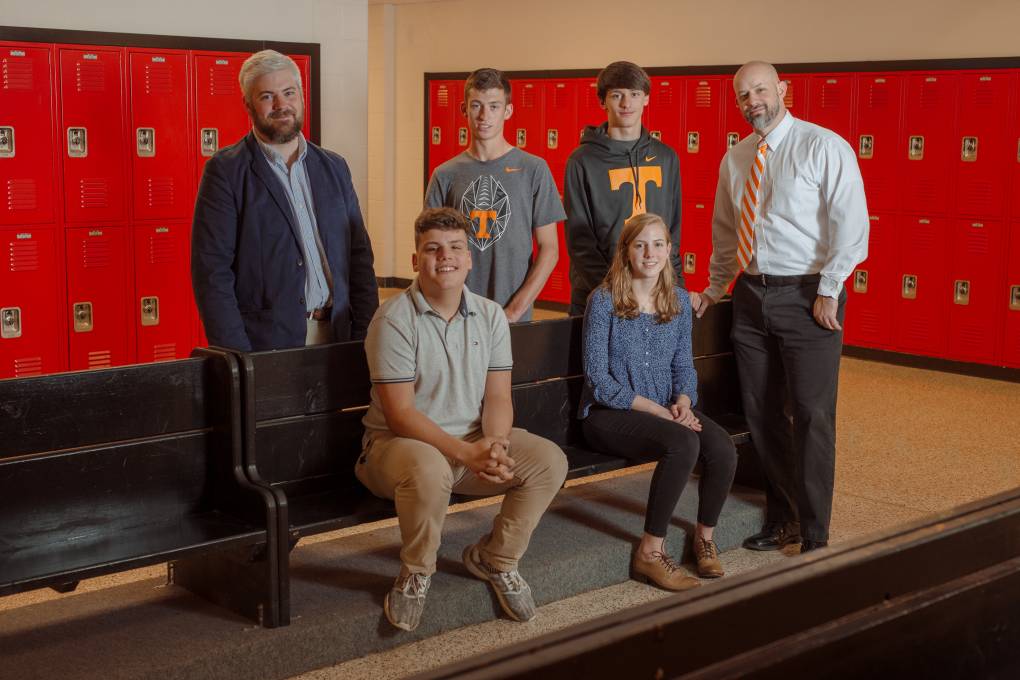
"caption": "From left, the team of teacher Tim Wasem; students Caleb Miller, Jaxton Holly, John Gouge and Deanna Hull; and teacher Alex Campbell won the NPR Student Podcast Challenge.\n",
"description": null,
"title": "From left, the team of teacher Tim Wasem; students Caleb Miller, Jaxton Holly, John Gouge and Deanna Hull; and teacher Alex Campbell won the NPR Student Podcast Challenge.",
"credit": "Mike Belleme for NPR",
"status": "inherit",
"isLoading": false,
"fetchFailed": false
},
"mindshift_54046": {
"type": "attachments",
"id": "mindshift_54046",
"meta": {
"index": "attachments_1716263798",
"site": "mindshift",
"id": "54046",
"found": true
},
"parent": 54045,
"imgSizes": {
"twentyfourteen-full-width": {
"file": "https://ww2.kqed.org/app/uploads/sites/23/2019/08/lajohnson-immigrant-generations_custom-60bc9b35d5d935d32ab325e3db37f469bf5fb7f7-1038x576.jpg",
"width": 1038,
"mimeType": "image/jpeg",
"height": 576
},
"thumbnail": {
"file": "https://ww2.kqed.org/app/uploads/sites/23/2019/08/lajohnson-immigrant-generations_custom-60bc9b35d5d935d32ab325e3db37f469bf5fb7f7-160x100.jpg",
"width": 160,
"mimeType": "image/jpeg",
"height": 100
},
"post-thumbnail": {
"file": "https://ww2.kqed.org/app/uploads/sites/23/2019/08/lajohnson-immigrant-generations_custom-60bc9b35d5d935d32ab325e3db37f469bf5fb7f7-672x372.jpg",
"width": 672,
"mimeType": "image/jpeg",
"height": 372
},
"kqedFullSize": {
"file": "https://ww2.kqed.org/app/uploads/sites/23/2019/08/lajohnson-immigrant-generations_custom-60bc9b35d5d935d32ab325e3db37f469bf5fb7f7-e1564985494828.jpg",
"width": 1920,
"height": 1198
},
"large": {
"file": "https://ww2.kqed.org/app/uploads/sites/23/2019/08/lajohnson-immigrant-generations_custom-60bc9b35d5d935d32ab325e3db37f469bf5fb7f7-1020x637.jpg",
"width": 1020,
"mimeType": "image/jpeg",
"height": 637
},
"complete_open_graph": {
"file": "https://ww2.kqed.org/app/uploads/sites/23/2019/08/lajohnson-immigrant-generations_custom-60bc9b35d5d935d32ab325e3db37f469bf5fb7f7-1200x749.jpg",
"width": 1200,
"mimeType": "image/jpeg",
"height": 749
},
"full-width": {
"file": "https://ww2.kqed.org/app/uploads/sites/23/2019/08/lajohnson-immigrant-generations_custom-60bc9b35d5d935d32ab325e3db37f469bf5fb7f7-1920x1198.jpg",
"width": 1920,
"mimeType": "image/jpeg",
"height": 1198
},
"medium": {
"file": "https://ww2.kqed.org/app/uploads/sites/23/2019/08/lajohnson-immigrant-generations_custom-60bc9b35d5d935d32ab325e3db37f469bf5fb7f7-800x499.jpg",
"width": 800,
"mimeType": "image/jpeg",
"height": 499
},
"medium_large": {
"file": "https://ww2.kqed.org/app/uploads/sites/23/2019/08/lajohnson-immigrant-generations_custom-60bc9b35d5d935d32ab325e3db37f469bf5fb7f7-768x479.jpg",
"width": 768,
"mimeType": "image/jpeg",
"height": 479
}
},
"publishDate": 1564985248,
"modified": 1564985512,
"caption": "Generations of immigrants.",
"description": "Generations of immigrants.",
"title": "Generations of immigrants.",
"credit": "LA Johnson/NPR",
"status": "inherit",
"isLoading": false,
"fetchFailed": false
},
"mindshift_53979": {
"type": "attachments",
"id": "mindshift_53979",
"meta": {
"index": "attachments_1716263798",
"site": "mindshift",
"id": "53979",
"found": true
},
"parent": 53978,
"imgSizes": {
"twentyfourteen-full-width": {
"file": "https://ww2.kqed.org/app/uploads/sites/23/2019/07/steel-city-academy-podcast-club-06-bill-healy-44c6676695069bc443e1b090cd4f1164287eaf9b-1038x576.jpg",
"width": 1038,
"mimeType": "image/jpeg",
"height": 576
},
"thumbnail": {
"file": "https://ww2.kqed.org/app/uploads/sites/23/2019/07/steel-city-academy-podcast-club-06-bill-healy-44c6676695069bc443e1b090cd4f1164287eaf9b-160x120.jpg",
"width": 160,
"mimeType": "image/jpeg",
"height": 120
},
"post-thumbnail": {
"file": "https://ww2.kqed.org/app/uploads/sites/23/2019/07/steel-city-academy-podcast-club-06-bill-healy-44c6676695069bc443e1b090cd4f1164287eaf9b-672x372.jpg",
"width": 672,
"mimeType": "image/jpeg",
"height": 372
},
"kqedFullSize": {
"file": "https://ww2.kqed.org/app/uploads/sites/23/2019/07/steel-city-academy-podcast-club-06-bill-healy-44c6676695069bc443e1b090cd4f1164287eaf9b-e1563374693386.jpg",
"width": 1920,
"height": 1439
},
"large": {
"file": "https://ww2.kqed.org/app/uploads/sites/23/2019/07/steel-city-academy-podcast-club-06-bill-healy-44c6676695069bc443e1b090cd4f1164287eaf9b-1020x764.jpg",
"width": 1020,
"mimeType": "image/jpeg",
"height": 764
},
"complete_open_graph": {
"file": "https://ww2.kqed.org/app/uploads/sites/23/2019/07/steel-city-academy-podcast-club-06-bill-healy-44c6676695069bc443e1b090cd4f1164287eaf9b-1200x899.jpg",
"width": 1200,
"mimeType": "image/jpeg",
"height": 899
},
"full-width": {
"file": "https://ww2.kqed.org/app/uploads/sites/23/2019/07/steel-city-academy-podcast-club-06-bill-healy-44c6676695069bc443e1b090cd4f1164287eaf9b-1920x1439.jpg",
"width": 1920,
"mimeType": "image/jpeg",
"height": 1439
},
"medium": {
"file": "https://ww2.kqed.org/app/uploads/sites/23/2019/07/steel-city-academy-podcast-club-06-bill-healy-44c6676695069bc443e1b090cd4f1164287eaf9b-800x599.jpg",
"width": 800,
"mimeType": "image/jpeg",
"height": 599
},
"medium_large": {
"file": "https://ww2.kqed.org/app/uploads/sites/23/2019/07/steel-city-academy-podcast-club-06-bill-healy-44c6676695069bc443e1b090cd4f1164287eaf9b-768x575.jpg",
"width": 768,
"mimeType": "image/jpeg",
"height": 575
}
},
"publishDate": 1563374545,
"modified": 1563374716,
"caption": "Students podcasts from the Steel City Academy in Gary, Indiana, Erin Addison (left), Evan Addison, and Andrew Arevalo (right), look over a planning map of the City of Gary.",
"description": "Students podcasts from the Steel City Academy in Gary, Indiana, Erin Addison (left), Evan Addison, and Andrew Arevalo (right), look over a planning map of the City of Gary.",
"title": "Students podcasts from the Steel City Academy in Gary, Indiana, Erin Addison (left), Evan Addison, and Andrew Arevalo (right), look over a planning map of the City of Gary.",
"credit": "Courtesy of Bill Healy",
"status": "inherit",
"isLoading": false,
"fetchFailed": false
},
"mindshift_53792": {
"type": "attachments",
"id": "mindshift_53792",
"meta": {
"index": "attachments_1716263798",
"site": "mindshift",
"id": "53792",
"found": true
},
"parent": 53791,
"imgSizes": {
"twentyfourteen-full-width": {
"file": "https://ww2.kqed.org/app/uploads/sites/23/2019/06/spc-fun-promo_custom-9aa4f5440c5fbe26354e629389561a4ee20f2689-1038x576.jpg",
"width": 1038,
"mimeType": "image/jpeg",
"height": 576
},
"thumbnail": {
"file": "https://ww2.kqed.org/app/uploads/sites/23/2019/06/spc-fun-promo_custom-9aa4f5440c5fbe26354e629389561a4ee20f2689-160x100.jpg",
"width": 160,
"mimeType": "image/jpeg",
"height": 100
},
"post-thumbnail": {
"file": "https://ww2.kqed.org/app/uploads/sites/23/2019/06/spc-fun-promo_custom-9aa4f5440c5fbe26354e629389561a4ee20f2689-672x372.jpg",
"width": 672,
"mimeType": "image/jpeg",
"height": 372
},
"kqedFullSize": {
"file": "https://ww2.kqed.org/app/uploads/sites/23/2019/06/spc-fun-promo_custom-9aa4f5440c5fbe26354e629389561a4ee20f2689-e1560146445461.jpg",
"width": 1920,
"height": 1198
},
"large": {
"file": "https://ww2.kqed.org/app/uploads/sites/23/2019/06/spc-fun-promo_custom-9aa4f5440c5fbe26354e629389561a4ee20f2689-1020x637.jpg",
"width": 1020,
"mimeType": "image/jpeg",
"height": 637
},
"complete_open_graph": {
"file": "https://ww2.kqed.org/app/uploads/sites/23/2019/06/spc-fun-promo_custom-9aa4f5440c5fbe26354e629389561a4ee20f2689-1200x749.jpg",
"width": 1200,
"mimeType": "image/jpeg",
"height": 749
},
"full-width": {
"file": "https://ww2.kqed.org/app/uploads/sites/23/2019/06/spc-fun-promo_custom-9aa4f5440c5fbe26354e629389561a4ee20f2689-1920x1198.jpg",
"width": 1920,
"mimeType": "image/jpeg",
"height": 1198
},
"medium": {
"file": "https://ww2.kqed.org/app/uploads/sites/23/2019/06/spc-fun-promo_custom-9aa4f5440c5fbe26354e629389561a4ee20f2689-800x499.jpg",
"width": 800,
"mimeType": "image/jpeg",
"height": 499
},
"medium_large": {
"file": "https://ww2.kqed.org/app/uploads/sites/23/2019/06/spc-fun-promo_custom-9aa4f5440c5fbe26354e629389561a4ee20f2689-768x479.jpg",
"width": 768,
"mimeType": "image/jpeg",
"height": 479
}
},
"publishDate": 1560145936,
"modified": 1560146473,
"caption": "Student Podcast Challenge entries that made us smile.",
"description": "Student Podcast Challenge entries that made us smile.",
"title": "Student Podcast Challenge entries that made us smile.",
"credit": "LA Johnson/NPR",
"status": "inherit",
"isLoading": false,
"fetchFailed": false
},
"mindshift_50815": {
"type": "attachments",
"id": "mindshift_50815",
"meta": {
"index": "attachments_1716263798",
"site": "mindshift",
"id": "50815",
"found": true
},
"parent": 50781,
"imgSizes": {
"small": {
"file": "https://ww2.kqed.org/app/uploads/sites/23/2018/03/iStock-160481055-520x347.jpg",
"width": 520,
"mimeType": "image/jpeg",
"height": 347
},
"twentyfourteen-full-width": {
"file": "https://ww2.kqed.org/app/uploads/sites/23/2018/03/iStock-160481055-1038x576.jpg",
"width": 1038,
"mimeType": "image/jpeg",
"height": 576
},
"thumbnail": {
"file": "https://ww2.kqed.org/app/uploads/sites/23/2018/03/iStock-160481055-160x107.jpg",
"width": 160,
"mimeType": "image/jpeg",
"height": 107
},
"fd-sm": {
"file": "https://ww2.kqed.org/app/uploads/sites/23/2018/03/iStock-160481055-960x640.jpg",
"width": 960,
"mimeType": "image/jpeg",
"height": 640
},
"post-thumbnail": {
"file": "https://ww2.kqed.org/app/uploads/sites/23/2018/03/iStock-160481055-672x372.jpg",
"width": 672,
"mimeType": "image/jpeg",
"height": 372
},
"xsmall": {
"file": "https://ww2.kqed.org/app/uploads/sites/23/2018/03/iStock-160481055-375x250.jpg",
"width": 375,
"mimeType": "image/jpeg",
"height": 250
},
"kqedFullSize": {
"file": "https://ww2.kqed.org/app/uploads/sites/23/2018/03/iStock-160481055-e1521614443194.jpg",
"width": 1920,
"height": 1280
},
"large": {
"file": "https://ww2.kqed.org/app/uploads/sites/23/2018/03/iStock-160481055-1020x680.jpg",
"width": 1020,
"mimeType": "image/jpeg",
"height": 680
},
"xlarge": {
"file": "https://ww2.kqed.org/app/uploads/sites/23/2018/03/iStock-160481055-1180x787.jpg",
"width": 1180,
"mimeType": "image/jpeg",
"height": 787
},
"guest-author-50": {
"file": "https://ww2.kqed.org/app/uploads/sites/23/2018/03/iStock-160481055-50x50.jpg",
"width": 50,
"mimeType": "image/jpeg",
"height": 50
},
"guest-author-96": {
"file": "https://ww2.kqed.org/app/uploads/sites/23/2018/03/iStock-160481055-96x96.jpg",
"width": 96,
"mimeType": "image/jpeg",
"height": 96
},
"medium": {
"file": "https://ww2.kqed.org/app/uploads/sites/23/2018/03/iStock-160481055-800x533.jpg",
"width": 800,
"mimeType": "image/jpeg",
"height": 533
},
"guest-author-64": {
"file": "https://ww2.kqed.org/app/uploads/sites/23/2018/03/iStock-160481055-64x64.jpg",
"width": 64,
"mimeType": "image/jpeg",
"height": 64
},
"guest-author-32": {
"file": "https://ww2.kqed.org/app/uploads/sites/23/2018/03/iStock-160481055-32x32.jpg",
"width": 32,
"mimeType": "image/jpeg",
"height": 32
},
"fd-lrg": {
"file": "https://ww2.kqed.org/app/uploads/sites/23/2018/03/iStock-160481055-1920x1280.jpg",
"width": 1920,
"mimeType": "image/jpeg",
"height": 1280
},
"fd-med": {
"file": "https://ww2.kqed.org/app/uploads/sites/23/2018/03/iStock-160481055-1180x787.jpg",
"width": 1180,
"mimeType": "image/jpeg",
"height": 787
},
"full-width": {
"file": "https://ww2.kqed.org/app/uploads/sites/23/2018/03/iStock-160481055-1920x1280.jpg",
"width": 1920,
"mimeType": "image/jpeg",
"height": 1280
},
"detail": {
"file": "https://ww2.kqed.org/app/uploads/sites/23/2018/03/iStock-160481055-150x150.jpg",
"width": 150,
"mimeType": "image/jpeg",
"height": 150
},
"medium_large": {
"file": "https://ww2.kqed.org/app/uploads/sites/23/2018/03/iStock-160481055-768x512.jpg",
"width": 768,
"mimeType": "image/jpeg",
"height": 512
},
"guest-author-128": {
"file": "https://ww2.kqed.org/app/uploads/sites/23/2018/03/iStock-160481055-128x128.jpg",
"width": 128,
"mimeType": "image/jpeg",
"height": 128
},
"xxsmall": {
"file": "https://ww2.kqed.org/app/uploads/sites/23/2018/03/iStock-160481055-240x160.jpg",
"width": 240,
"mimeType": "image/jpeg",
"height": 160
}
},
"publishDate": 1521614425,
"modified": 1521614457,
"caption": null,
"description": null,
"title": "Trying to hear",
"credit": "iStock/sergey02",
"status": "inherit",
"isLoading": false,
"fetchFailed": false
},
"mindshift_50760": {
"type": "attachments",
"id": "mindshift_50760",
"meta": {
"index": "attachments_1716263798",
"site": "mindshift",
"id": "50760",
"found": true
},
"parent": 50759,
"imgSizes": {
"small": {
"file": "https://ww2.kqed.org/app/uploads/sites/23/2017/10/alexa-kids_wide-6b2c7b4ebdc4bc1d3f36b054bd9746bc244ee125-520x293.jpe",
"width": 520,
"mimeType": "image/jpeg",
"height": 293
},
"twentyfourteen-full-width": {
"file": "https://ww2.kqed.org/app/uploads/sites/23/2017/10/alexa-kids_wide-6b2c7b4ebdc4bc1d3f36b054bd9746bc244ee125-1038x576.jpe",
"width": 1038,
"mimeType": "image/jpeg",
"height": 576
},
"thumbnail": {
"file": "https://ww2.kqed.org/app/uploads/sites/23/2017/10/alexa-kids_wide-6b2c7b4ebdc4bc1d3f36b054bd9746bc244ee125-160x90.jpe",
"width": 160,
"mimeType": "image/jpeg",
"height": 90
},
"fd-sm": {
"file": "https://ww2.kqed.org/app/uploads/sites/23/2017/10/alexa-kids_wide-6b2c7b4ebdc4bc1d3f36b054bd9746bc244ee125-960x540.jpe",
"width": 960,
"mimeType": "image/jpeg",
"height": 540
},
"post-thumbnail": {
"file": "https://ww2.kqed.org/app/uploads/sites/23/2017/10/alexa-kids_wide-6b2c7b4ebdc4bc1d3f36b054bd9746bc244ee125-672x372.jpe",
"width": 672,
"mimeType": "image/jpeg",
"height": 372
},
"xsmall": {
"file": "https://ww2.kqed.org/app/uploads/sites/23/2017/10/alexa-kids_wide-6b2c7b4ebdc4bc1d3f36b054bd9746bc244ee125-375x211.jpe",
"width": 375,
"mimeType": "image/jpeg",
"height": 211
},
"kqedFullSize": {
"file": "https://ww2.kqed.org/app/uploads/sites/23/2017/10/alexa-kids_wide-6b2c7b4ebdc4bc1d3f36b054bd9746bc244ee125.jpe",
"width": 1600,
"height": 900
},
"large": {
"file": "https://ww2.kqed.org/app/uploads/sites/23/2017/10/alexa-kids_wide-6b2c7b4ebdc4bc1d3f36b054bd9746bc244ee125-1020x574.jpe",
"width": 1020,
"mimeType": "image/jpeg",
"height": 574
},
"xlarge": {
"file": "https://ww2.kqed.org/app/uploads/sites/23/2017/10/alexa-kids_wide-6b2c7b4ebdc4bc1d3f36b054bd9746bc244ee125-1180x664.jpe",
"width": 1180,
"mimeType": "image/jpeg",
"height": 664
},
"guest-author-50": {
"file": "https://ww2.kqed.org/app/uploads/sites/23/2017/10/alexa-kids_wide-6b2c7b4ebdc4bc1d3f36b054bd9746bc244ee125-50x50.jpe",
"width": 50,
"mimeType": "image/jpeg",
"height": 50
},
"guest-author-96": {
"file": "https://ww2.kqed.org/app/uploads/sites/23/2017/10/alexa-kids_wide-6b2c7b4ebdc4bc1d3f36b054bd9746bc244ee125-96x96.jpe",
"width": 96,
"mimeType": "image/jpeg",
"height": 96
},
"medium": {
"file": "https://ww2.kqed.org/app/uploads/sites/23/2017/10/alexa-kids_wide-6b2c7b4ebdc4bc1d3f36b054bd9746bc244ee125-800x450.jpe",
"width": 800,
"mimeType": "image/jpeg",
"height": 450
},
"guest-author-64": {
"file": "https://ww2.kqed.org/app/uploads/sites/23/2017/10/alexa-kids_wide-6b2c7b4ebdc4bc1d3f36b054bd9746bc244ee125-64x64.jpe",
"width": 64,
"mimeType": "image/jpeg",
"height": 64
},
"guest-author-32": {
"file": "https://ww2.kqed.org/app/uploads/sites/23/2017/10/alexa-kids_wide-6b2c7b4ebdc4bc1d3f36b054bd9746bc244ee125-32x32.jpe",
"width": 32,
"mimeType": "image/jpeg",
"height": 32
},
"fd-med": {
"file": "https://ww2.kqed.org/app/uploads/sites/23/2017/10/alexa-kids_wide-6b2c7b4ebdc4bc1d3f36b054bd9746bc244ee125-1180x664.jpe",
"width": 1180,
"mimeType": "image/jpeg",
"height": 664
},
"detail": {
"file": "https://ww2.kqed.org/app/uploads/sites/23/2017/10/alexa-kids_wide-6b2c7b4ebdc4bc1d3f36b054bd9746bc244ee125-150x150.jpe",
"width": 150,
"mimeType": "image/jpeg",
"height": 150
},
"medium_large": {
"file": "https://ww2.kqed.org/app/uploads/sites/23/2017/10/alexa-kids_wide-6b2c7b4ebdc4bc1d3f36b054bd9746bc244ee125-768x432.jpe",
"width": 768,
"mimeType": "image/jpeg",
"height": 432
},
"guest-author-128": {
"file": "https://ww2.kqed.org/app/uploads/sites/23/2017/10/alexa-kids_wide-6b2c7b4ebdc4bc1d3f36b054bd9746bc244ee125-128x128.jpe",
"width": 128,
"mimeType": "image/jpeg",
"height": 128
},
"xxsmall": {
"file": "https://ww2.kqed.org/app/uploads/sites/23/2017/10/alexa-kids_wide-6b2c7b4ebdc4bc1d3f36b054bd9746bc244ee125-240x135.jpe",
"width": 240,
"mimeType": "image/jpeg",
"height": 135
}
},
"publishDate": 1520876781,
"modified": 1520876919,
"caption": "Interactive devices like Alexa and Google Home are becoming more common fixtures in homes these days. What kind of impact does that have on kids?",
"description": null,
"title": "Interactive devices like Alexa and Google Home are becoming more common fixtures in homes these days. What kind of impact does that have on kids?",
"credit": "Michelle Kondrich for NPR",
"status": "inherit",
"isLoading": false,
"fetchFailed": false
},
"mindshift_49434": {
"type": "attachments",
"id": "mindshift_49434",
"meta": {
"index": "attachments_1716263798",
"site": "mindshift",
"id": "49434",
"found": true
},
"parent": 49420,
"imgSizes": {
"small": {
"file": "https://ww2.kqed.org/app/uploads/sites/23/2017/10/Headphones-2-520x390.jpg",
"width": 520,
"mimeType": "image/jpeg",
"height": 390
},
"twentyfourteen-full-width": {
"file": "https://ww2.kqed.org/app/uploads/sites/23/2017/10/Headphones-2-1038x576.jpg",
"width": 1038,
"mimeType": "image/jpeg",
"height": 576
},
"thumbnail": {
"file": "https://ww2.kqed.org/app/uploads/sites/23/2017/10/Headphones-2-160x120.jpg",
"width": 160,
"mimeType": "image/jpeg",
"height": 120
},
"fd-sm": {
"file": "https://ww2.kqed.org/app/uploads/sites/23/2017/10/Headphones-2-960x720.jpg",
"width": 960,
"mimeType": "image/jpeg",
"height": 720
},
"post-thumbnail": {
"file": "https://ww2.kqed.org/app/uploads/sites/23/2017/10/Headphones-2-672x372.jpg",
"width": 672,
"mimeType": "image/jpeg",
"height": 372
},
"xsmall": {
"file": "https://ww2.kqed.org/app/uploads/sites/23/2017/10/Headphones-2-375x281.jpg",
"width": 375,
"mimeType": "image/jpeg",
"height": 281
},
"kqedFullSize": {
"file": "https://ww2.kqed.org/app/uploads/sites/23/2017/10/Headphones-2-e1507702852592.jpg",
"width": 1920,
"height": 1440
},
"large": {
"file": "https://ww2.kqed.org/app/uploads/sites/23/2017/10/Headphones-2-1020x765.jpg",
"width": 1020,
"mimeType": "image/jpeg",
"height": 765
},
"xlarge": {
"file": "https://ww2.kqed.org/app/uploads/sites/23/2017/10/Headphones-2-1180x885.jpg",
"width": 1180,
"mimeType": "image/jpeg",
"height": 885
},
"guest-author-50": {
"file": "https://ww2.kqed.org/app/uploads/sites/23/2017/10/Headphones-2-50x50.jpg",
"width": 50,
"mimeType": "image/jpeg",
"height": 50
},
"guest-author-96": {
"file": "https://ww2.kqed.org/app/uploads/sites/23/2017/10/Headphones-2-96x96.jpg",
"width": 96,
"mimeType": "image/jpeg",
"height": 96
},
"medium": {
"file": "https://ww2.kqed.org/app/uploads/sites/23/2017/10/Headphones-2-800x600.jpg",
"width": 800,
"mimeType": "image/jpeg",
"height": 600
},
"guest-author-64": {
"file": "https://ww2.kqed.org/app/uploads/sites/23/2017/10/Headphones-2-64x64.jpg",
"width": 64,
"mimeType": "image/jpeg",
"height": 64
},
"guest-author-32": {
"file": "https://ww2.kqed.org/app/uploads/sites/23/2017/10/Headphones-2-32x32.jpg",
"width": 32,
"mimeType": "image/jpeg",
"height": 32
},
"fd-lrg": {
"file": "https://ww2.kqed.org/app/uploads/sites/23/2017/10/Headphones-2-1920x1440.jpg",
"width": 1920,
"mimeType": "image/jpeg",
"height": 1440
},
"fd-med": {
"file": "https://ww2.kqed.org/app/uploads/sites/23/2017/10/Headphones-2-1180x885.jpg",
"width": 1180,
"mimeType": "image/jpeg",
"height": 885
},
"full-width": {
"file": "https://ww2.kqed.org/app/uploads/sites/23/2017/10/Headphones-2-1920x1440.jpg",
"width": 1920,
"mimeType": "image/jpeg",
"height": 1440
},
"detail": {
"file": "https://ww2.kqed.org/app/uploads/sites/23/2017/10/Headphones-2-150x150.jpg",
"width": 150,
"mimeType": "image/jpeg",
"height": 150
},
"medium_large": {
"file": "https://ww2.kqed.org/app/uploads/sites/23/2017/10/Headphones-2-768x576.jpg",
"width": 768,
"mimeType": "image/jpeg",
"height": 576
},
"guest-author-128": {
"file": "https://ww2.kqed.org/app/uploads/sites/23/2017/10/Headphones-2-128x128.jpg",
"width": 128,
"mimeType": "image/jpeg",
"height": 128
},
"xxsmall": {
"file": "https://ww2.kqed.org/app/uploads/sites/23/2017/10/Headphones-2-240x180.jpg",
"width": 240,
"mimeType": "image/jpeg",
"height": 180
}
},
"publishDate": 1507702818,
"modified": 1507702844,
"caption": null,
"description": null,
"title": "Headphones 2",
"credit": "\u003ca href=\"https://www.flickr.com/photos/mzn37/11861106725/in/photolist-j58gN6-e21De-byoNNs-4yFYyi-5Y5Uz-4yLdDU-9HhcdR-4yFWvc-e9Kuw-eAjZ59-8zM9b8-4yLdR3-dXjKzK-4p9A6w-6ioa44-6niihH-6EjaF5-f18PDZ-dXqqju-9jXHSp-atrCMx-2n7A9f-5qFkbC-ceE3CY-cac6X-xpijQ-6nDwLS-CqTL-qVVzn-tuP24-3wtLvH-9u1czt-j57DGP-atrCPB-55jzt3-8XizX2-4gAGgp-FE7kZ-4dJM22-agEhi4-vioHp-81Mdw7-53mQ9d-iCAtt-54eDUa-MQtk9-3185K-eorUj-9hJZ7U-32mn8S\">Flickr/Michael Newman\u003c/a>",
"status": "inherit",
"isLoading": false,
"fetchFailed": false
},
"mindshift_49097": {
"type": "attachments",
"id": "mindshift_49097",
"meta": {
"index": "attachments_1716263798",
"site": "mindshift",
"id": "49097",
"found": true
},
"parent": 0,
"imgSizes": {
"small": {
"file": "https://ww2.kqed.org/app/uploads/sites/23/2017/08/Mindshift_KQEDorg_1440x1103_02-520x398.jpg",
"width": 520,
"mimeType": "image/jpeg",
"height": 398
},
"twentyfourteen-full-width": {
"file": "https://ww2.kqed.org/app/uploads/sites/23/2017/08/Mindshift_KQEDorg_1440x1103_02-1038x576.jpg",
"width": 1038,
"mimeType": "image/jpeg",
"height": 576
},
"thumbnail": {
"file": "https://ww2.kqed.org/app/uploads/sites/23/2017/08/Mindshift_KQEDorg_1440x1103_02-160x123.jpg",
"width": 160,
"mimeType": "image/jpeg",
"height": 123
},
"fd-sm": {
"file": "https://ww2.kqed.org/app/uploads/sites/23/2017/08/Mindshift_KQEDorg_1440x1103_02-960x735.jpg",
"width": 960,
"mimeType": "image/jpeg",
"height": 735
},
"post-thumbnail": {
"file": "https://ww2.kqed.org/app/uploads/sites/23/2017/08/Mindshift_KQEDorg_1440x1103_02-672x372.jpg",
"width": 672,
"mimeType": "image/jpeg",
"height": 372
},
"xsmall": {
"file": "https://ww2.kqed.org/app/uploads/sites/23/2017/08/Mindshift_KQEDorg_1440x1103_02-375x287.jpg",
"width": 375,
"mimeType": "image/jpeg",
"height": 287
},
"kqedFullSize": {
"file": "https://ww2.kqed.org/app/uploads/sites/23/2017/08/Mindshift_KQEDorg_1440x1103_02.jpg",
"width": 1440,
"height": 1103
},
"large": {
"file": "https://ww2.kqed.org/app/uploads/sites/23/2017/08/Mindshift_KQEDorg_1440x1103_02-1020x781.jpg",
"width": 1020,
"mimeType": "image/jpeg",
"height": 781
},
"xlarge": {
"file": "https://ww2.kqed.org/app/uploads/sites/23/2017/08/Mindshift_KQEDorg_1440x1103_02-1180x904.jpg",
"width": 1180,
"mimeType": "image/jpeg",
"height": 904
},
"guest-author-50": {
"file": "https://ww2.kqed.org/app/uploads/sites/23/2017/08/Mindshift_KQEDorg_1440x1103_02-50x50.jpg",
"width": 50,
"mimeType": "image/jpeg",
"height": 50
},
"guest-author-96": {
"file": "https://ww2.kqed.org/app/uploads/sites/23/2017/08/Mindshift_KQEDorg_1440x1103_02-96x96.jpg",
"width": 96,
"mimeType": "image/jpeg",
"height": 96
},
"medium": {
"file": "https://ww2.kqed.org/app/uploads/sites/23/2017/08/Mindshift_KQEDorg_1440x1103_02-800x613.jpg",
"width": 800,
"mimeType": "image/jpeg",
"height": 613
},
"guest-author-64": {
"file": "https://ww2.kqed.org/app/uploads/sites/23/2017/08/Mindshift_KQEDorg_1440x1103_02-64x64.jpg",
"width": 64,
"mimeType": "image/jpeg",
"height": 64
},
"guest-author-32": {
"file": "https://ww2.kqed.org/app/uploads/sites/23/2017/08/Mindshift_KQEDorg_1440x1103_02-32x32.jpg",
"width": 32,
"mimeType": "image/jpeg",
"height": 32
},
"fd-med": {
"file": "https://ww2.kqed.org/app/uploads/sites/23/2017/08/Mindshift_KQEDorg_1440x1103_02-1180x904.jpg",
"width": 1180,
"mimeType": "image/jpeg",
"height": 904
},
"detail": {
"file": "https://ww2.kqed.org/app/uploads/sites/23/2017/08/Mindshift_KQEDorg_1440x1103_02-150x150.jpg",
"width": 150,
"mimeType": "image/jpeg",
"height": 150
},
"medium_large": {
"file": "https://ww2.kqed.org/app/uploads/sites/23/2017/08/Mindshift_KQEDorg_1440x1103_02-768x588.jpg",
"width": 768,
"mimeType": "image/jpeg",
"height": 588
},
"guest-author-128": {
"file": "https://ww2.kqed.org/app/uploads/sites/23/2017/08/Mindshift_KQEDorg_1440x1103_02-128x128.jpg",
"width": 128,
"mimeType": "image/jpeg",
"height": 128
},
"xxsmall": {
"file": "https://ww2.kqed.org/app/uploads/sites/23/2017/08/Mindshift_KQEDorg_1440x1103_02-240x184.jpg",
"width": 240,
"mimeType": "image/jpeg",
"height": 184
}
},
"publishDate": 1503605571,
"modified": 1503605571,
"caption": null,
"description": null,
"title": "Mindshift_KQEDorg_1440x1103_02",
"credit": null,
"status": "inherit",
"isLoading": false,
"fetchFailed": false
},
"mindshift_48462": {
"type": "attachments",
"id": "mindshift_48462",
"meta": {
"index": "attachments_1716263798",
"site": "mindshift",
"id": "48462",
"found": true
},
"parent": 48407,
"imgSizes": {
"small": {
"file": "https://ww2.kqed.org/app/uploads/sites/23/2017/06/161216_NYC_HS_GRAND_GrowingPains_005-520x347.jpg",
"width": 520,
"mimeType": "image/jpeg",
"height": 347
},
"twentyfourteen-full-width": {
"file": "https://ww2.kqed.org/app/uploads/sites/23/2017/06/161216_NYC_HS_GRAND_GrowingPains_005-1038x576.jpg",
"width": 1038,
"mimeType": "image/jpeg",
"height": 576
},
"thumbnail": {
"file": "https://ww2.kqed.org/app/uploads/sites/23/2017/06/161216_NYC_HS_GRAND_GrowingPains_005-160x107.jpg",
"width": 160,
"mimeType": "image/jpeg",
"height": 107
},
"fd-sm": {
"file": "https://ww2.kqed.org/app/uploads/sites/23/2017/06/161216_NYC_HS_GRAND_GrowingPains_005-960x640.jpg",
"width": 960,
"mimeType": "image/jpeg",
"height": 640
},
"post-thumbnail": {
"file": "https://ww2.kqed.org/app/uploads/sites/23/2017/06/161216_NYC_HS_GRAND_GrowingPains_005-672x372.jpg",
"width": 672,
"mimeType": "image/jpeg",
"height": 372
},
"xsmall": {
"file": "https://ww2.kqed.org/app/uploads/sites/23/2017/06/161216_NYC_HS_GRAND_GrowingPains_005-375x250.jpg",
"width": 375,
"mimeType": "image/jpeg",
"height": 250
},
"kqedFullSize": {
"file": "https://ww2.kqed.org/app/uploads/sites/23/2017/06/161216_NYC_HS_GRAND_GrowingPains_005-e1497857830454.jpg",
"width": 1920,
"height": 1280
},
"large": {
"file": "https://ww2.kqed.org/app/uploads/sites/23/2017/06/161216_NYC_HS_GRAND_GrowingPains_005-1020x680.jpg",
"width": 1020,
"mimeType": "image/jpeg",
"height": 680
},
"xlarge": {
"file": "https://ww2.kqed.org/app/uploads/sites/23/2017/06/161216_NYC_HS_GRAND_GrowingPains_005-1180x787.jpg",
"width": 1180,
"mimeType": "image/jpeg",
"height": 787
},
"guest-author-50": {
"file": "https://ww2.kqed.org/app/uploads/sites/23/2017/06/161216_NYC_HS_GRAND_GrowingPains_005-50x50.jpg",
"width": 50,
"mimeType": "image/jpeg",
"height": 50
},
"guest-author-96": {
"file": "https://ww2.kqed.org/app/uploads/sites/23/2017/06/161216_NYC_HS_GRAND_GrowingPains_005-96x96.jpg",
"width": 96,
"mimeType": "image/jpeg",
"height": 96
},
"medium": {
"file": "https://ww2.kqed.org/app/uploads/sites/23/2017/06/161216_NYC_HS_GRAND_GrowingPains_005-800x533.jpg",
"width": 800,
"mimeType": "image/jpeg",
"height": 533
},
"guest-author-64": {
"file": "https://ww2.kqed.org/app/uploads/sites/23/2017/06/161216_NYC_HS_GRAND_GrowingPains_005-64x64.jpg",
"width": 64,
"mimeType": "image/jpeg",
"height": 64
},
"guest-author-32": {
"file": "https://ww2.kqed.org/app/uploads/sites/23/2017/06/161216_NYC_HS_GRAND_GrowingPains_005-32x32.jpg",
"width": 32,
"mimeType": "image/jpeg",
"height": 32
},
"fd-lrg": {
"file": "https://ww2.kqed.org/app/uploads/sites/23/2017/06/161216_NYC_HS_GRAND_GrowingPains_005-1920x1280.jpg",
"width": 1920,
"mimeType": "image/jpeg",
"height": 1280
},
"fd-med": {
"file": "https://ww2.kqed.org/app/uploads/sites/23/2017/06/161216_NYC_HS_GRAND_GrowingPains_005-1180x787.jpg",
"width": 1180,
"mimeType": "image/jpeg",
"height": 787
},
"full-width": {
"file": "https://ww2.kqed.org/app/uploads/sites/23/2017/06/161216_NYC_HS_GRAND_GrowingPains_005-1920x1280.jpg",
"width": 1920,
"mimeType": "image/jpeg",
"height": 1280
},
"detail": {
"file": "https://ww2.kqed.org/app/uploads/sites/23/2017/06/161216_NYC_HS_GRAND_GrowingPains_005-150x150.jpg",
"width": 150,
"mimeType": "image/jpeg",
"height": 150
},
"medium_large": {
"file": "https://ww2.kqed.org/app/uploads/sites/23/2017/06/161216_NYC_HS_GRAND_GrowingPains_005-768x512.jpg",
"width": 768,
"mimeType": "image/jpeg",
"height": 512
},
"guest-author-128": {
"file": "https://ww2.kqed.org/app/uploads/sites/23/2017/06/161216_NYC_HS_GRAND_GrowingPains_005-128x128.jpg",
"width": 128,
"mimeType": "image/jpeg",
"height": 128
},
"xxsmall": {
"file": "https://ww2.kqed.org/app/uploads/sites/23/2017/06/161216_NYC_HS_GRAND_GrowingPains_005-240x160.jpg",
"width": 240,
"mimeType": "image/jpeg",
"height": 160
}
},
"publishDate": 1497857795,
"modified": 1497857935,
"caption": "Raheem Ragsdale performs his story as part of The Moth's GrandSLAM for high school students.",
"description": null,
"title": "161216_NYC_HS_GRAND_GrowingPains_005",
"credit": "The Moth/Autumn Stein",
"status": "inherit",
"isLoading": false,
"fetchFailed": false
},
"mindshift_47799": {
"type": "attachments",
"id": "mindshift_47799",
"meta": {
"index": "attachments_1716263798",
"site": "mindshift",
"id": "47799",
"found": true
},
"parent": 47772,
"imgSizes": {
"small": {
"file": "https://ww2.kqed.org/app/uploads/sites/23/2017/03/Elk-520x375.jpg",
"width": 520,
"mimeType": "image/jpeg",
"height": 375
},
"twentyfourteen-full-width": {
"file": "https://ww2.kqed.org/app/uploads/sites/23/2017/03/Elk-1038x576.jpg",
"width": 1038,
"mimeType": "image/jpeg",
"height": 576
},
"thumbnail": {
"file": "https://ww2.kqed.org/app/uploads/sites/23/2017/03/Elk-160x115.jpg",
"width": 160,
"mimeType": "image/jpeg",
"height": 115
},
"fd-sm": {
"file": "https://ww2.kqed.org/app/uploads/sites/23/2017/03/Elk-960x693.jpg",
"width": 960,
"mimeType": "image/jpeg",
"height": 693
},
"post-thumbnail": {
"file": "https://ww2.kqed.org/app/uploads/sites/23/2017/03/Elk-672x372.jpg",
"width": 672,
"mimeType": "image/jpeg",
"height": 372
},
"xsmall": {
"file": "https://ww2.kqed.org/app/uploads/sites/23/2017/03/Elk-375x271.jpg",
"width": 375,
"mimeType": "image/jpeg",
"height": 271
},
"kqedFullSize": {
"file": "https://ww2.kqed.org/app/uploads/sites/23/2017/03/Elk-e1490078690596.jpg",
"width": 1920,
"height": 1385
},
"large": {
"file": "https://ww2.kqed.org/app/uploads/sites/23/2017/03/Elk-1020x736.jpg",
"width": 1020,
"mimeType": "image/jpeg",
"height": 736
},
"xlarge": {
"file": "https://ww2.kqed.org/app/uploads/sites/23/2017/03/Elk-1180x851.jpg",
"width": 1180,
"mimeType": "image/jpeg",
"height": 851
},
"guest-author-50": {
"file": "https://ww2.kqed.org/app/uploads/sites/23/2017/03/Elk-50x50.jpg",
"width": 50,
"mimeType": "image/jpeg",
"height": 50
},
"guest-author-96": {
"file": "https://ww2.kqed.org/app/uploads/sites/23/2017/03/Elk-96x96.jpg",
"width": 96,
"mimeType": "image/jpeg",
"height": 96
},
"medium": {
"file": "https://ww2.kqed.org/app/uploads/sites/23/2017/03/Elk-800x577.jpg",
"width": 800,
"mimeType": "image/jpeg",
"height": 577
},
"guest-author-64": {
"file": "https://ww2.kqed.org/app/uploads/sites/23/2017/03/Elk-64x64.jpg",
"width": 64,
"mimeType": "image/jpeg",
"height": 64
},
"guest-author-32": {
"file": "https://ww2.kqed.org/app/uploads/sites/23/2017/03/Elk-32x32.jpg",
"width": 32,
"mimeType": "image/jpeg",
"height": 32
},
"fd-lrg": {
"file": "https://ww2.kqed.org/app/uploads/sites/23/2017/03/Elk-1920x1385.jpg",
"width": 1920,
"mimeType": "image/jpeg",
"height": 1385
},
"fd-med": {
"file": "https://ww2.kqed.org/app/uploads/sites/23/2017/03/Elk-1180x851.jpg",
"width": 1180,
"mimeType": "image/jpeg",
"height": 851
},
"full-width": {
"file": "https://ww2.kqed.org/app/uploads/sites/23/2017/03/Elk-1920x1385.jpg",
"width": 1920,
"mimeType": "image/jpeg",
"height": 1385
},
"detail": {
"file": "https://ww2.kqed.org/app/uploads/sites/23/2017/03/Elk-150x150.jpg",
"width": 150,
"mimeType": "image/jpeg",
"height": 150
},
"medium_large": {
"file": "https://ww2.kqed.org/app/uploads/sites/23/2017/03/Elk-768x554.jpg",
"width": 768,
"mimeType": "image/jpeg",
"height": 554
},
"guest-author-128": {
"file": "https://ww2.kqed.org/app/uploads/sites/23/2017/03/Elk-128x128.jpg",
"width": 128,
"mimeType": "image/jpeg",
"height": 128
},
"xxsmall": {
"file": "https://ww2.kqed.org/app/uploads/sites/23/2017/03/Elk-240x173.jpg",
"width": 240,
"mimeType": "image/jpeg",
"height": 173
}
},
"publishDate": 1490078652,
"modified": 1490078679,
"caption": null,
"description": null,
"title": "Battling bull elk in rut season",
"credit": "iStock/florencemcginn ",
"status": "inherit",
"isLoading": false,
"fetchFailed": false
},
"mindshift_47038": {
"type": "attachments",
"id": "mindshift_47038",
"meta": {
"index": "attachments_1716263798",
"site": "mindshift",
"id": "47038",
"found": true
},
"parent": 46824,
"imgSizes": {
"small": {
"file": "https://ww2.kqed.org/app/uploads/sites/23/2016/11/Headphones-520x355.jpg",
"width": 520,
"mimeType": "image/jpeg",
"height": 355
},
"twentyfourteen-full-width": {
"file": "https://ww2.kqed.org/app/uploads/sites/23/2016/11/Headphones-1038x576.jpg",
"width": 1038,
"mimeType": "image/jpeg",
"height": 576
},
"thumbnail": {
"file": "https://ww2.kqed.org/app/uploads/sites/23/2016/11/Headphones-160x109.jpg",
"width": 160,
"mimeType": "image/jpeg",
"height": 109
},
"fd-sm": {
"file": "https://ww2.kqed.org/app/uploads/sites/23/2016/11/Headphones-960x655.jpg",
"width": 960,
"mimeType": "image/jpeg",
"height": 655
},
"post-thumbnail": {
"file": "https://ww2.kqed.org/app/uploads/sites/23/2016/11/Headphones-672x372.jpg",
"width": 672,
"mimeType": "image/jpeg",
"height": 372
},
"xsmall": {
"file": "https://ww2.kqed.org/app/uploads/sites/23/2016/11/Headphones-375x256.jpg",
"width": 375,
"mimeType": "image/jpeg",
"height": 256
},
"kqedFullSize": {
"file": "https://ww2.kqed.org/app/uploads/sites/23/2016/11/Headphones-e1480317808349.jpg",
"width": 1920,
"height": 1310
},
"large": {
"file": "https://ww2.kqed.org/app/uploads/sites/23/2016/11/Headphones-1020x696.jpg",
"width": 1020,
"mimeType": "image/jpeg",
"height": 696
},
"xlarge": {
"file": "https://ww2.kqed.org/app/uploads/sites/23/2016/11/Headphones-1180x805.jpg",
"width": 1180,
"mimeType": "image/jpeg",
"height": 805
},
"guest-author-50": {
"file": "https://ww2.kqed.org/app/uploads/sites/23/2016/11/Headphones-50x50.jpg",
"width": 50,
"mimeType": "image/jpeg",
"height": 50
},
"guest-author-96": {
"file": "https://ww2.kqed.org/app/uploads/sites/23/2016/11/Headphones-96x96.jpg",
"width": 96,
"mimeType": "image/jpeg",
"height": 96
},
"medium": {
"file": "https://ww2.kqed.org/app/uploads/sites/23/2016/11/Headphones-800x546.jpg",
"width": 800,
"mimeType": "image/jpeg",
"height": 546
},
"guest-author-64": {
"file": "https://ww2.kqed.org/app/uploads/sites/23/2016/11/Headphones-64x64.jpg",
"width": 64,
"mimeType": "image/jpeg",
"height": 64
},
"guest-author-32": {
"file": "https://ww2.kqed.org/app/uploads/sites/23/2016/11/Headphones-32x32.jpg",
"width": 32,
"mimeType": "image/jpeg",
"height": 32
},
"fd-lrg": {
"file": "https://ww2.kqed.org/app/uploads/sites/23/2016/11/Headphones-1920x1310.jpg",
"width": 1920,
"mimeType": "image/jpeg",
"height": 1310
},
"fd-med": {
"file": "https://ww2.kqed.org/app/uploads/sites/23/2016/11/Headphones-1180x805.jpg",
"width": 1180,
"mimeType": "image/jpeg",
"height": 805
},
"full-width": {
"file": "https://ww2.kqed.org/app/uploads/sites/23/2016/11/Headphones-1920x1310.jpg",
"width": 1920,
"mimeType": "image/jpeg",
"height": 1310
},
"detail": {
"file": "https://ww2.kqed.org/app/uploads/sites/23/2016/11/Headphones-150x150.jpg",
"width": 150,
"mimeType": "image/jpeg",
"height": 150
},
"medium_large": {
"file": "https://ww2.kqed.org/app/uploads/sites/23/2016/11/Headphones-768x524.jpg",
"width": 768,
"mimeType": "image/jpeg",
"height": 524
},
"guest-author-128": {
"file": "https://ww2.kqed.org/app/uploads/sites/23/2016/11/Headphones-128x128.jpg",
"width": 128,
"mimeType": "image/jpeg",
"height": 128
},
"xxsmall": {
"file": "https://ww2.kqed.org/app/uploads/sites/23/2016/11/Headphones-240x164.jpg",
"width": 240,
"mimeType": "image/jpeg",
"height": 164
}
},
"publishDate": 1480317790,
"modified": 1480317835,
"caption": null,
"description": null,
"title": "Headphones",
"credit": "iStock/evgenyatamanenko ",
"status": "inherit",
"isLoading": false,
"fetchFailed": false
}
},
"audioPlayerReducer": {
"postId": "stream_live",
"isPaused": true,
"isPlaying": false,
"pfsActive": false,
"pledgeModalIsOpen": true,
"playerDrawerIsOpen": false,
"liveAudioPlayStartedAt": 0,
"liveAudioPlayContext": ""
},
"authorsReducer": {
"byline_mindshift_55393": {
"type": "authors",
"id": "byline_mindshift_55393",
"meta": {
"override": true
},
"slug": "byline_mindshift_55393",
"name": "Diane Adame",
"isLoading": false
},
"byline_mindshift_55152": {
"type": "authors",
"id": "byline_mindshift_55152",
"meta": {
"override": true
},
"slug": "byline_mindshift_55152",
"name": "Cory Turner and Elissa Nadworny ",
"isLoading": false
},
"byline_mindshift_54045": {
"type": "authors",
"id": "byline_mindshift_54045",
"meta": {
"override": true
},
"slug": "byline_mindshift_54045",
"name": "Jacqueline Nkhonjera",
"isLoading": false
},
"byline_mindshift_53978": {
"type": "authors",
"id": "byline_mindshift_53978",
"meta": {
"override": true
},
"slug": "byline_mindshift_53978",
"name": "Matt Ozug",
"isLoading": false
},
"byline_mindshift_53791": {
"type": "authors",
"id": "byline_mindshift_53791",
"meta": {
"override": true
},
"slug": "byline_mindshift_53791",
"name": "Clare Lombardo",
"isLoading": false
},
"byline_mindshift_50781": {
"type": "authors",
"id": "byline_mindshift_50781",
"meta": {
"override": true
},
"slug": "byline_mindshift_50781",
"name": "Suzanne Bouffard",
"isLoading": false
},
"byline_mindshift_50759": {
"type": "authors",
"id": "byline_mindshift_50759",
"meta": {
"override": true
},
"slug": "byline_mindshift_50759",
"name": "Michaeleen Doucleff and Allison Aubrey",
"isLoading": false
},
"byline_mindshift_47772": {
"type": "authors",
"id": "byline_mindshift_47772",
"meta": {
"override": true
},
"slug": "byline_mindshift_47772",
"name": "\u003ca href “https://www.commonsense.org/education/users/danny-wagner”>Danny Wagner, Common Sense Education\u003c/a>",
"isLoading": false
},
"ksung": {
"type": "authors",
"id": "4596",
"meta": {
"index": "authors_1716337520",
"id": "4596",
"found": true
},
"name": "Ki Sung",
"firstName": "Ki",
"lastName": "Sung",
"slug": "ksung",
"email": "ksung@kqed.org",
"display_author_email": false,
"staff_mastheads": [
"news"
],
"title": "KQED Contributor",
"bio": "Ki Sung is Managing Editor of Digital News at KQED. She is former Senior Editor of MindShift and worked at NPR before joining KQED in 2014.",
"avatar": "https://secure.gravatar.com/avatar/64271e01dc95486c133be56937739045b7c00c990525bf9add12d3dd4f0433c9?s=600&d=blank&r=g",
"twitter": null,
"bluesky": null,
"facebook": null,
"instagram": null,
"linkedin": null,
"sites": [
{
"site": "arts",
"roles": [
"administrator"
]
},
{
"site": "news",
"roles": [
"administrator"
]
},
{
"site": "mindshift",
"roles": [
"administrator"
]
},
{
"site": "science",
"roles": [
"administrator"
]
},
{
"site": "forum",
"roles": [
"administrator"
]
},
{
"site": "perspectives",
"roles": [
"administrator"
]
},
{
"site": "elections",
"roles": [
"administrator"
]
}
],
"headData": {
"title": "Ki Sung | KQED",
"description": "KQED Contributor",
"ogImgSrc": "https://secure.gravatar.com/avatar/64271e01dc95486c133be56937739045b7c00c990525bf9add12d3dd4f0433c9?s=600&d=blank&r=g",
"twImgSrc": "https://secure.gravatar.com/avatar/64271e01dc95486c133be56937739045b7c00c990525bf9add12d3dd4f0433c9?s=600&d=blank&r=g"
},
"isLoading": false,
"link": "/author/ksung"
},
"lindaflan": {
"type": "authors",
"id": "4613",
"meta": {
"index": "authors_1716337520",
"id": "4613",
"found": true
},
"name": "Linda Flanagan",
"firstName": "Linda",
"lastName": "Flanagan",
"slug": "lindaflan",
"email": "lindaflan@comcast.net",
"display_author_email": false,
"staff_mastheads": [],
"title": null,
"bio": "Linda Flanagan is a freelance writer, researcher, and editor. Her work has appeared in The Atlantic, The Wall St. Journal, Newsweek, Running Times, and Mind/Shift, and she blogs regularly for the Huffington Post. Linda writes about education, culture, athletics, youth sports, mental health, politics, college admissions, and other curiosities. She also reviews books and conducts interviews.",
"avatar": "https://secure.gravatar.com/avatar/6bca04c0736bf5eaea80654019de688f?s=600&d=blank&r=g",
"twitter": "LindaFlanagan2",
"facebook": null,
"instagram": null,
"linkedin": null,
"sites": [
{
"site": "mindshift",
"roles": [
"contributor"
]
}
],
"headData": {
"title": "Linda Flanagan | KQED",
"description": null,
"ogImgSrc": "https://secure.gravatar.com/avatar/6bca04c0736bf5eaea80654019de688f?s=600&d=blank&r=g",
"twImgSrc": "https://secure.gravatar.com/avatar/6bca04c0736bf5eaea80654019de688f?s=600&d=blank&r=g"
},
"isLoading": false,
"link": "/author/lindaflan"
}
},
"pagesReducer": {
"mindshift_tag_podcasts": {
"type": "terms",
"id": "mindshift_74",
"meta": {
"index": "terms_1716263798",
"site": "mindshift",
"id": "74",
"score": 8.370899
},
"featImg": null,
"name": "Podcasts",
"description": null,
"taxonomy": "tag",
"headData": {
"twImgId": null,
"twTitle": null,
"ogTitle": null,
"ogImgId": null,
"twDescription": null,
"description": null,
"title": "Podcasts Archives | KQED Mindshift",
"ogDescription": null
},
"ttid": 74,
"slug": "podcasts",
"isLoading": false,
"title": "Podcasts",
"pageMeta": {
"site": "mindshift",
"WpPageTemplate": "page-topic-editorial",
"currentPage": 2
},
"blocks": [
{
"blockName": "kqed/post-list",
"attrs": {
"layout": "cardArticle2",
"query": "posts/mindshift?tag=podcasts",
"seeMore": false,
"paginated": true,
"page": 2
}
},
{
"blockName": "kqed/ad"
}
]
}
},
"pfsSessionReducer": {},
"postsReducer": {
"stream_live": {
"type": "live",
"id": "stream_live",
"audioUrl": "https://hls.kqed.org/hls/kqed_app/playlist.m3u8",
"title": "Live Stream",
"excerpt": "Live Stream information currently unavailable.",
"link": "/radio",
"featImg": "",
"label": {
"name": "KQED Live",
"link": "/"
}
},
"stream_kqedNewscast": {
"type": "posts",
"id": "stream_kqedNewscast",
"audioUrl": "https://www.kqed.org/.stream/anon/radio/RDnews/newscast.mp3?_=1",
"title": "KQED Newscast",
"featImg": "",
"label": {
"name": "88.5 FM",
"link": "/"
}
},
"mindshift_55393": {
"type": "posts",
"id": "mindshift_55393",
"meta": {
"index": "posts_1716263798",
"site": "mindshift",
"id": "55393",
"score": null,
"sort": [
1582612353000
]
},
"parent": 0,
"labelTerm": {
"site": "mindshift"
},
"blocks": [],
"publishDate": 1582612353,
"format": "standard",
"disqusTitle": "Five Apps Students Can Use To Make Podcasts",
"title": "Five Apps Students Can Use To Make Podcasts",
"headTitle": "MindShift | KQED News",
"content": "\u003cp>Karen Keating's eighth-grade English students at Lower Dauphin Middle School in Hummelstown, Pa., fire up their laptops and gather a bundle of snowball microphones. With the click of a mouse, their laptops become studios, and they're ready to record.\u003c/p>\n\u003cp>Keating's class is writing, producing and editing podcasts that they'll submit to the \u003ca href=\"https://www.npr.org/2018/11/15/650500116/npr-student-podcast-challenge-home\">NPR Student Podcast Challenge\u003c/a>, and, like many teachers, Keating is using apps to help them make it happen.\u003c/p>\n\u003cp>As teachers and students around the country are working on their podcasts, we checked in with educators to see what digital tools they're using.\u003c/p>\n\u003cp>The good news? Many of these apps are free. They're also accessible. In many classrooms these days, teachers and students have their own laptops, Chromebooks or iPads. In many cases, the technology is already downloaded and, like Keating's eighth-graders, students these days are pretty tech-savvy already.\u003c/p>\n\u003cp>All of which means teachers can focus on the substance — ideas, writing, narrative, editing — instead of process.\u003c/p>\n\u003cp>[ad fullwidth]\u003c/p>\n\u003cp>\"I can spend time helping students develop their stories rather than explaining the app,\" says Amanda Suttle, an English teacher who's using the Anchor app to help her juniors and seniors get their podcasts in shape at Licking Valley High School in Newark, Ohio.\u003c/p>\n\u003cp>So, with several weeks still to go before the contest deadline, here are some of the apps and programs teachers told us they're using. (Of course, we're not endorsing these, we're just sharing what we've heard from many of you).\u003c/p>\n\u003cp>\u003cstrong>Anchor\u003c/strong>\u003c/p>\n\u003cp>Developed by Spotify, think of Anchor as a mobile recording studio: With a wi-fi connection, you can record with multiple people in different locations at the same time (as long as they have the app).\u003c/p>\n\u003cp>And you can edit what you record right in the app, using simple tools like trimming and removing segments. Other tools let you add transitions, sound effects and background music to help make your podcast unique (NOTE: Please read our strict \u003ca href=\"https://www.npr.org/2020/02/13/805858075/everything-you-need-to-know-about-using-music-in-your-podcast\">rules\u003c/a> on what music you can add to your submission).\u003c/p>\n\u003cp>Another benefit for students doing lots of experimenting: No storage limits.\u003c/p>\n\u003cp>Amanda Suttle says that when she started using Anchor, she didn't know anything about editing sound. Anchor made it easy. \"It's intuitive,\" she says. \"I love how user-friendly it is, and it's easy to explain.\"\u003c/p>\n\u003cp>\u003cstrong>Audacity\u003c/strong>\u003c/p>\n\u003cp>Of the more advanced, laptop-focused software, Audacity is one of the most popular ones we heard about. It's an audio recording and editing package that is downloadable for both Windows and Mac users.\u003c/p>\n\u003cp>With Audacity, you can record directly on your computer's microphone or an external one (although, the audio doesn't need to be recorded with the software to edit it there).\u003c/p>\n\u003cp>Eric Applen, who teaches 21st century technology and careers at Friedell Middle School in Rochester, Minn., oversees the school's podcast club and says he taught himself how to use Audacity. \"It just has some really handy features,\" he says. \"It comes down to what's accessible for students and easy for them to use.\"\u003c/p>\n\u003cp>He says one of his favorite features is the ability to put together audio segments that were recorded at different times to create one episode.\u003c/p>\n\u003cp>Audacity can also export files in various formats, including the wave file format \u003ca href=\"https://www.npr.org/2018/12/17/677502710/submit-to-the-npr-student-podcast-challenge-here\">you'll need to submit\u003c/a> for the Podcast Challenge.\u003c/p>\n\u003cp>Stacy Kreitzer is an instructional technology coach for Lower Dauphin Middle School and Lower Dauphin High School in Hummelstown, Pa. She helps teachers learn how to use the software on their laptops — she's an Audacity fan.\u003c/p>\n\u003cp>\"It has all the bells and whistles for those that want to use it,\" she explains, \"but it's also simple enough for the students that just want and need the basics.\"\u003c/p>\n\u003cp>\u003cstrong>WeVideo\u003c/strong>\u003c/p>\n\u003cp>Shari Jones' sixth-grade language arts students are using WeVideo to record and edit their podcast at Independence Elementary School in Liberty Township, Ohio.\u003c/p>\n\u003cp>WeVideo is a desktop and mobile app where users can upload, trim and arrange both audio and video clips.\u003c/p>\n\u003cp>This is her second time submitting to the Podcast Challenge, and Jones says she started using WeVideo this year because it doesn't have an age restriction for children like previous apps she's used.\u003c/p>\n\u003cp>\"This is more user friendly and all sixth graders have access to this WeVideo,\" says Jones. \"They can do it more independently. They have step-by-step directions.\"\u003c/p>\n\u003cp>Students with Google accounts, like Jones' class, can save their podcasts to their Google Drive through WeVideo. Jones says this makes it easier to export their submissions for the challenge.\u003c/p>\n\u003cp>\u003cstrong>Soundtrap\u003c/strong>\u003c/p>\n\u003cp>Timothy Belmont, an English and public speaking teacher at Lyndhurst High School in Lyndhurst, N.J., wanted to give his students the option to go more in-depth with audio recording and editing. For him, Soundtrap is an accessible way to do that.\u003c/p>\n\u003cp>\"It's like a fully functional studio,\" says Belmont. \"They can use it on their iPad through their web browser, but they can also use it on a laptop.\"\u003c/p>\n\u003cp>Soundtrap is an online, collaborative music workstation that can edit and record vocals and instruments.\u003c/p>\n\u003cp>\"You can even have students who are not necessarily in the same place record together collaboratively,\" says Belmont. That, he adds, \"can extend the assignment from just being during class time to being outside of class.\"\u003c/p>\n\u003cp>Since Soundtrap is web-based, there's no installation required and all projects also save to the cloud, allowing students to access their files from multiple devices.\u003c/p>\n\u003cp>Joanne Stanley's English students at Swift Creek Middle School in Midlothian, Va., are also using Soundtrap. She says she hasn't used the app very much, and she doesn't have to: Her students have taken the lead and they are working through the \"kinks\" together.\u003c/p>\n\u003cp>\u003cstrong>GarageBand \u003c/strong>\u003c/p>\n\u003cp>GarageBand is a music creation studio that is automatically installed in all Mac and iOS devices. As long as there's an iPhone, students can record and produce their podcasts anywhere.\u003c/p>\n\u003cp>In New Jersey, Timothy Belmont says his students are using GarageBand as well as Soundtrap. He likes the accessibility and says that many of his students were already familiar with it: \"Some of the students had already used GarageBand for other classes, whether they were recording things or just experimenting.\"\u003c/p>\n\u003cp>These of course are just a few of the options out there, and some of the educators say it's been a trial-and-error process to find the right app for their students, and their experience level.\u003c/p>\n\u003cp>[ad floatright]\u003c/p>\n\u003cp>\"My advice is to check with students first to see what their experience is with recording and listening to podcasts,\" says Applen. \"Secondly, teachers should not be afraid to reach out to the podcast world and ask for help. There are tons of podcasters out there that are willing to share their stories and experience to help get others started.\"\u003c/p>\n\u003cdiv class=\"fullattribution\">Copyright 2020 NPR. To see more, visit https://www.npr.org.\u003cimg src=\"https://www.google-analytics.com/__utm.gif?utmac=UA-5828686-4&utmdt=A+Studio+At+Your+Fingertips%3A+5+Apps+Teachers+Are+Using+To+Make+Student+Podcasts&utme=8(APIKey)9(MDAxOTAwOTE4MDEyMTkxMDAzNjczZDljZA004)\">\u003c/div>\n\n",
"disqusIdentifier": "55393 https://ww2.kqed.org/mindshift/?p=55393",
"disqusUrl": "https://ww2.kqed.org/mindshift/2020/02/24/five-apps-students-can-use-to-make-podcasts/",
"stats": {
"hasVideo": false,
"hasChartOrMap": false,
"hasAudio": false,
"hasPolis": false,
"wordCount": 1165,
"hasGoogleForm": false,
"hasGallery": false,
"hasHearkenModule": false,
"iframeSrcs": [],
"paragraphCount": 40
},
"modified": 1582612353,
"excerpt": "We checked in with educators to see what tools their students are using to create entries for NPR's Student Podcast Challenge. ",
"headData": {
"twImgId": "",
"twTitle": "",
"ogTitle": "",
"ogImgId": "",
"twDescription": "",
"description": "We checked in with educators to see what tools their students are using to create entries for NPR's Student Podcast Challenge. ",
"title": "Five Apps Students Can Use To Make Podcasts | KQED",
"ogDescription": "",
"schema": {
"@context": "https://schema.org",
"@type": "Article",
"headline": "Five Apps Students Can Use To Make Podcasts",
"datePublished": "2020-02-24T22:32:33-08:00",
"dateModified": "2020-02-24T22:32:33-08:00",
"image": "https://cdn.kqed.org/wp-content/uploads/2020/02/KQED-OG-Image@1x.png"
}
},
"guestAuthors": [],
"slug": "five-apps-students-can-use-to-make-podcasts",
"status": "publish",
"nprApiLink": "http://api.npr.org/query?id=807372536&apiKey=MDAxOTAwOTE4MDEyMTkxMDAzNjczZDljZA004",
"nprByline": "Diane Adame",
"nprStoryDate": "Fri, 21 Feb 2020 06:03:57 -0500",
"nprLastModifiedDate": "Fri, 21 Feb 2020 15:59:14 -0500",
"nprHtmlLink": "https://www.npr.org/2020/02/21/807372536/a-studio-at-your-fingertips-5-apps-teachers-are-using-to-make-student-podcasts?ft=nprml&f=807372536",
"nprImageAgency": "NPR",
"nprImageCredit": "LA Johnson",
"nprStoryId": "807372536",
"nprRetrievedStory": "1",
"nprPubDate": "Fri, 21 Feb 2020 15:59:00 -0500",
"path": "/mindshift/55393/five-apps-students-can-use-to-make-podcasts",
"audioTrackLength": null,
"parsedContent": [
{
"type": "contentString",
"content": "\u003cdiv class=\"post-body\">\u003cp>\u003cp>Karen Keating's eighth-grade English students at Lower Dauphin Middle School in Hummelstown, Pa., fire up their laptops and gather a bundle of snowball microphones. With the click of a mouse, their laptops become studios, and they're ready to record.\u003c/p>\n\u003cp>Keating's class is writing, producing and editing podcasts that they'll submit to the \u003ca href=\"https://www.npr.org/2018/11/15/650500116/npr-student-podcast-challenge-home\">NPR Student Podcast Challenge\u003c/a>, and, like many teachers, Keating is using apps to help them make it happen.\u003c/p>\n\u003cp>As teachers and students around the country are working on their podcasts, we checked in with educators to see what digital tools they're using.\u003c/p>\n\u003cp>The good news? Many of these apps are free. They're also accessible. In many classrooms these days, teachers and students have their own laptops, Chromebooks or iPads. In many cases, the technology is already downloaded and, like Keating's eighth-graders, students these days are pretty tech-savvy already.\u003c/p>\n\u003cp>All of which means teachers can focus on the substance — ideas, writing, narrative, editing — instead of process.\u003c/p>\n\u003cp>\u003c/p>\u003c/div>",
"attributes": {
"named": {},
"numeric": []
}
},
{
"type": "component",
"content": "",
"name": "ad",
"attributes": {
"named": {
"label": "fullwidth"
},
"numeric": [
"fullwidth"
]
}
},
{
"type": "contentString",
"content": "\u003cdiv class=\"post-body\">\u003cp>\u003c/p>\n\u003cp>\"I can spend time helping students develop their stories rather than explaining the app,\" says Amanda Suttle, an English teacher who's using the Anchor app to help her juniors and seniors get their podcasts in shape at Licking Valley High School in Newark, Ohio.\u003c/p>\n\u003cp>So, with several weeks still to go before the contest deadline, here are some of the apps and programs teachers told us they're using. (Of course, we're not endorsing these, we're just sharing what we've heard from many of you).\u003c/p>\n\u003cp>\u003cstrong>Anchor\u003c/strong>\u003c/p>\n\u003cp>Developed by Spotify, think of Anchor as a mobile recording studio: With a wi-fi connection, you can record with multiple people in different locations at the same time (as long as they have the app).\u003c/p>\n\u003cp>And you can edit what you record right in the app, using simple tools like trimming and removing segments. Other tools let you add transitions, sound effects and background music to help make your podcast unique (NOTE: Please read our strict \u003ca href=\"https://www.npr.org/2020/02/13/805858075/everything-you-need-to-know-about-using-music-in-your-podcast\">rules\u003c/a> on what music you can add to your submission).\u003c/p>\n\u003cp>Another benefit for students doing lots of experimenting: No storage limits.\u003c/p>\n\u003cp>Amanda Suttle says that when she started using Anchor, she didn't know anything about editing sound. Anchor made it easy. \"It's intuitive,\" she says. \"I love how user-friendly it is, and it's easy to explain.\"\u003c/p>\n\u003cp>\u003cstrong>Audacity\u003c/strong>\u003c/p>\n\u003cp>Of the more advanced, laptop-focused software, Audacity is one of the most popular ones we heard about. It's an audio recording and editing package that is downloadable for both Windows and Mac users.\u003c/p>\n\u003cp>With Audacity, you can record directly on your computer's microphone or an external one (although, the audio doesn't need to be recorded with the software to edit it there).\u003c/p>\n\u003cp>Eric Applen, who teaches 21st century technology and careers at Friedell Middle School in Rochester, Minn., oversees the school's podcast club and says he taught himself how to use Audacity. \"It just has some really handy features,\" he says. \"It comes down to what's accessible for students and easy for them to use.\"\u003c/p>\n\u003cp>He says one of his favorite features is the ability to put together audio segments that were recorded at different times to create one episode.\u003c/p>\n\u003cp>Audacity can also export files in various formats, including the wave file format \u003ca href=\"https://www.npr.org/2018/12/17/677502710/submit-to-the-npr-student-podcast-challenge-here\">you'll need to submit\u003c/a> for the Podcast Challenge.\u003c/p>\n\u003cp>Stacy Kreitzer is an instructional technology coach for Lower Dauphin Middle School and Lower Dauphin High School in Hummelstown, Pa. She helps teachers learn how to use the software on their laptops — she's an Audacity fan.\u003c/p>\n\u003cp>\"It has all the bells and whistles for those that want to use it,\" she explains, \"but it's also simple enough for the students that just want and need the basics.\"\u003c/p>\n\u003cp>\u003cstrong>WeVideo\u003c/strong>\u003c/p>\n\u003cp>Shari Jones' sixth-grade language arts students are using WeVideo to record and edit their podcast at Independence Elementary School in Liberty Township, Ohio.\u003c/p>\n\u003cp>WeVideo is a desktop and mobile app where users can upload, trim and arrange both audio and video clips.\u003c/p>\n\u003cp>This is her second time submitting to the Podcast Challenge, and Jones says she started using WeVideo this year because it doesn't have an age restriction for children like previous apps she's used.\u003c/p>\n\u003cp>\"This is more user friendly and all sixth graders have access to this WeVideo,\" says Jones. \"They can do it more independently. They have step-by-step directions.\"\u003c/p>\n\u003cp>Students with Google accounts, like Jones' class, can save their podcasts to their Google Drive through WeVideo. Jones says this makes it easier to export their submissions for the challenge.\u003c/p>\n\u003cp>\u003cstrong>Soundtrap\u003c/strong>\u003c/p>\n\u003cp>Timothy Belmont, an English and public speaking teacher at Lyndhurst High School in Lyndhurst, N.J., wanted to give his students the option to go more in-depth with audio recording and editing. For him, Soundtrap is an accessible way to do that.\u003c/p>\n\u003cp>\"It's like a fully functional studio,\" says Belmont. \"They can use it on their iPad through their web browser, but they can also use it on a laptop.\"\u003c/p>\n\u003cp>Soundtrap is an online, collaborative music workstation that can edit and record vocals and instruments.\u003c/p>\n\u003cp>\"You can even have students who are not necessarily in the same place record together collaboratively,\" says Belmont. That, he adds, \"can extend the assignment from just being during class time to being outside of class.\"\u003c/p>\n\u003cp>Since Soundtrap is web-based, there's no installation required and all projects also save to the cloud, allowing students to access their files from multiple devices.\u003c/p>\n\u003cp>Joanne Stanley's English students at Swift Creek Middle School in Midlothian, Va., are also using Soundtrap. She says she hasn't used the app very much, and she doesn't have to: Her students have taken the lead and they are working through the \"kinks\" together.\u003c/p>\n\u003cp>\u003cstrong>GarageBand \u003c/strong>\u003c/p>\n\u003cp>GarageBand is a music creation studio that is automatically installed in all Mac and iOS devices. As long as there's an iPhone, students can record and produce their podcasts anywhere.\u003c/p>\n\u003cp>In New Jersey, Timothy Belmont says his students are using GarageBand as well as Soundtrap. He likes the accessibility and says that many of his students were already familiar with it: \"Some of the students had already used GarageBand for other classes, whether they were recording things or just experimenting.\"\u003c/p>\n\u003cp>These of course are just a few of the options out there, and some of the educators say it's been a trial-and-error process to find the right app for their students, and their experience level.\u003c/p>\n\u003cp>\u003c/p>\u003c/div>",
"attributes": {
"named": {},
"numeric": []
}
},
{
"type": "component",
"content": "",
"name": "ad",
"attributes": {
"named": {
"label": "floatright"
},
"numeric": [
"floatright"
]
}
},
{
"type": "contentString",
"content": "\u003cdiv class=\"post-body\">\u003cp>\u003c/p>\n\u003cp>\"My advice is to check with students first to see what their experience is with recording and listening to podcasts,\" says Applen. \"Secondly, teachers should not be afraid to reach out to the podcast world and ask for help. There are tons of podcasters out there that are willing to share their stories and experience to help get others started.\"\u003c/p>\n\u003cdiv class=\"fullattribution\">Copyright 2020 NPR. To see more, visit https://www.npr.org.\u003cimg src=\"https://www.google-analytics.com/__utm.gif?utmac=UA-5828686-4&utmdt=A+Studio+At+Your+Fingertips%3A+5+Apps+Teachers+Are+Using+To+Make+Student+Podcasts&utme=8(APIKey)9(MDAxOTAwOTE4MDEyMTkxMDAzNjczZDljZA004)\">\u003c/div>\n\n\u003c/div>\u003c/p>",
"attributes": {
"named": {},
"numeric": []
}
}
],
"link": "/mindshift/55393/five-apps-students-can-use-to-make-podcasts",
"authors": [
"byline_mindshift_55393"
],
"categories": [
"mindshift_195"
],
"tags": [
"mindshift_20822",
"mindshift_273",
"mindshift_20784",
"mindshift_1040",
"mindshift_74"
],
"featImg": "mindshift_55394",
"label": "mindshift"
},
"mindshift_55152": {
"type": "posts",
"id": "mindshift_55152",
"meta": {
"index": "posts_1716263798",
"site": "mindshift",
"id": "55152",
"score": null,
"sort": [
1578920889000
]
},
"parent": 0,
"labelTerm": {
"site": "mindshift"
},
"blocks": [],
"publishDate": 1578920889,
"format": "standard",
"disqusTitle": "How Making A Podcast Enriched Students' Lives",
"title": "How Making A Podcast Enriched Students' Lives",
"headTitle": "MindShift | KQED News",
"content": "\u003cp>English teacher Tim Wasem says he's still getting his head around it.\u003c/p>\n\u003cp>\"I have students coming in this semester ... who are asking, like, 'When are we gonna do the podcast challenge? When's that gonna happen?' \"\u003c/p>\n\u003cp>That's because a year ago, an unlikely team of 11th-graders at Elizabethton High School in east Tennessee won NPR's first-ever Student Podcast Challenge. Their 11-minute entry told the story of how the nearby town of Erwin is trying to rehabilitate its image a century after hanging an elephant. They called their podcast \"\u003ca href=\"https://www.npr.org/2019/05/15/722236763/the-town-that-hanged-an-elephant-is-now-working-to-save-them\">Murderous Mary & The RISE Of Erwin\u003c/a>.\"\u003c/p>\n\u003cp>As the \u003ca href=\"https://www.npr.org/2018/11/15/650500116/npr-student-podcast-challenge-home\">Student Podcast Challenge \u003c/a>opens this month for its second year and as our \u003ca href=\"https://www.npr.org/podcasts/510354/student-podcast-challenge\">new podcast about the contest \u003c/a>launches Monday, we've checked back in with last year's two grand-prize winners to see how the experience changed their learning, and their lives.\u003c/p>\n\u003cp>The Tennessee students, along with a team of eighth-grade girls from Bronx Prep Middle School in New York City, were the grand-prize winners. Along with 40 finalists and some 300 honorable mentions, their podcasts were chosen from nearly 6,000 entries, from all 50 states and the District of Columbia.\u003c/p>\n\u003cp>[ad fullwidth]\u003c/p>\n\u003cp>\u003cstrong>A shot of self-confidence\u003c/strong>\u003c/p>\n\u003cp>[soundcloud url=\"https://api.soundcloud.com/tracks/596227095\" params=\"color=#ff5500&auto_play=false&hide_related=false&show_comments=true&show_user=true&show_reposts=false&show_teaser=true\" width=\"100%\" height=\"166\" iframe=\"true\" /]\u003c/p>\n\u003cp>Deanna Hull was a driving force behind \"Murderous Mary.\" She says the experience gave a big boost to her \"internal confidence as a student and just as a person in general.\"\u003c/p>\n\u003cp>Now a senior, Hull is making college plans, and she says winning the contest helped her see what she's truly capable of. \"I'm typically very self-critical of my work. I can't really see what everyone else sees. ... But then when we found out we'd won, I was like, 'Whoa, O.K.' \"\u003c/p>\n\u003cp>Hull admits that she and her classmates took a few weeks to find their footing. Wasem and fellow teacher Alex Campbell assigned the teams themselves, often avoiding friend groups and forcing unlikely collaborations. And Hull says that while she was proud of the finished project, she never imagined it could win.\u003c/p>\n\u003cp>The podcast project didn't just help Hull and her team; it also changed the lives of some of their classmates who didn't win.\u003c/p>\n\u003cp>\"The most amazing thing that came from the podcast experience of that class is how many of them found their passion through this project,\" Campbell says, \"and how this project helped them connect to people and learn how to tell someone else's story.\"\u003c/p>\n\u003cp>He singles out another group of students, who devoted their podcast entry to telling the story of Helen Fetzer, a 101-year-old woman who served in the Women's Army Corps during World War II. Fetzer lives in a nearby assisted-living facility, and Campbell says the team was so moved by her story and the time they spent interviewing her that they've since begun a new community service project called Operation G.R.A.N.D. (Generations Reconnecting And New Discoveries).\u003c/p>\n\u003cfigure id=\"attachment_55154\" class=\"wp-caption alignnone\" style=\"max-width: 1920px\">\u003cimg class=\"size-full wp-image-55154\" src=\"https://ww2.kqed.org/app/uploads/sites/23/2020/01/sm2_190502nadworny_bronx602_slide-c5b2663df014e02f2e0e4734f77cad390739c429-e1578920723933.jpg\" alt=\"\" width=\"1920\" height=\"1279\">\u003cfigcaption class=\"wp-caption-text\">English teacher Shehtaz Huq and the eighth-graders at Bronx Prep Middle School behind the winning podcast \"Sssh! Periods.\" \u003ccite>(Elissa Nadworny/NPR)\u003c/cite>\u003c/figcaption>\u003c/figure>\n\u003cp>[soundcloud url=\"https://api.soundcloud.com/tracks/598440468\" params=\"color=#ff5500&auto_play=false&hide_related=false&show_comments=true&show_user=true&show_reposts=false&show_teaser=true\" width=\"100%\" height=\"166\" iframe=\"true\" /]\u003c/p>\n\u003cp>\"These students realized they had a passion for working with the elderly,\" Campbell says. \"This year, in an advanced projects class, they created a group that does programming at that assisted-living center at nights. They do music, painting, bingo, etc. They always have food and mixers to get young and old interacting. They even include students from other local high schools. You really just have to be there to see the impact this is having.\"\u003c/p>\n\u003cp>\u003cstrong>Victory in the Bronx\u003c/strong>\u003c/p>\n\u003cp>At Bronx Prep Middle School in New York City, victory in the Student Podcast Challenge led to an appearance on the NBC \u003cem>Today \u003c/em>show, a national sponsorship to continue their podcast and, most importantly, direct changes in policy at their school.\u003c/p>\n\u003cp>Let's back up a second. For their podcast, the girls chose to talk about something they'd felt they couldn't talk about before: their periods. In it, they described their frustrations with the school policy that meant they had to use a code word for pads and tampons: \"marshmallow.\"\u003c/p>\n\u003cp>After they won the contest, school officials announced they were phasing out \"marshmallow\" and adding free pads and tampons in all the girls bathrooms. When she heard that news, teacher Shehtaz Huq says, she choked up. \"I actually started to cry because I'm like, 'This was all we wanted: to stop making these girls feel bad about their periods.' \"\u003c/p>\n\u003cp>Both Huq in New York and Wasem in Tennessee say they plan to have students compete in the Student Podcast Challenge again this year.\u003c/p>\n\u003cp>This time around, we've got lots more support and advice for \u003ca href=\"https://www.npr.org/2018/10/30/662116901/teaching-podcasting-a-curriculum-guide-for-educators\">teachers \u003c/a>and \u003ca href=\"https://www.npr.org/2018/10/30/662070097/starting-your-podcast-a-guide-for-students\">students\u003c/a>, starting with \u003ca href=\"https://www.npr.org/2020/01/10/794201416/how-a-pillow-fort-can-make-your-podcast-sound-better\">this video gem\u003c/a> about making good sound from \u003ca href=\"https://www.npr.org/people/2781501/don-gonyea\">Don Gonyea\u003c/a>, a veteran NPR correspondent who has filed stories from all over the world.\u003c/p>\n\u003cp>\u003c/p>\n\u003cp>The NPR Student Podcast Challenge is open to students in two categories: grades five through eight and grades nine through 12. The official rules, entry guidelines, training tips and resources for teachers and students can be found at the \u003ca href=\"https://www.npr.org/2018/11/15/650500116/npr-student-podcast-challenge-home\">contest's homepage\u003c/a>. And you can sign up for the contest's newsletter above.\u003c/p>\n\u003cdiv class=\"fullattribution\">Copyright 2020 NPR. To see more, visit https://www.npr.org.\u003cimg src=\"https://www.google-analytics.com/__utm.gif?utmac=UA-5828686-4&utmdt=How+Making+A+Podcast+Enriched+Students%27+Lives&utme=8(APIKey)9(MDAxOTAwOTE4MDEyMTkxMDAzNjczZDljZA004)\">\u003c/div>\n\n",
"disqusIdentifier": "55152 https://ww2.kqed.org/mindshift/?p=55152",
"disqusUrl": "https://ww2.kqed.org/mindshift/2020/01/13/how-making-a-podcast-enriched-students-lives/",
"stats": {
"hasVideo": false,
"hasChartOrMap": false,
"hasAudio": false,
"hasPolis": false,
"wordCount": 949,
"hasGoogleForm": false,
"hasGallery": false,
"hasHearkenModule": false,
"iframeSrcs": [],
"paragraphCount": 24
},
"modified": 1578921169,
"excerpt": "As NPR rolls out the second annual Student Podcast Challenge, we check in with last year's winners to see what they learned and how the contest made a difference.",
"headData": {
"twImgId": "",
"twTitle": "",
"ogTitle": "",
"ogImgId": "",
"twDescription": "",
"description": "As NPR rolls out the second annual Student Podcast Challenge, we check in with last year's winners to see what they learned and how the contest made a difference.",
"title": "How Making A Podcast Enriched Students' Lives | KQED",
"ogDescription": "",
"schema": {
"@context": "https://schema.org",
"@type": "Article",
"headline": "How Making A Podcast Enriched Students' Lives",
"datePublished": "2020-01-13T05:08:09-08:00",
"dateModified": "2020-01-13T05:12:49-08:00",
"image": "https://cdn.kqed.org/wp-content/uploads/2020/02/KQED-OG-Image@1x.png"
}
},
"guestAuthors": [],
"slug": "how-making-a-podcast-enriched-students-lives",
"status": "publish",
"nprApiLink": "http://api.npr.org/query?id=794899020&apiKey=MDAxOTAwOTE4MDEyMTkxMDAzNjczZDljZA004",
"nprByline": "Cory Turner and Elissa Nadworny ",
"nprStoryDate": "Mon, 13 Jan 2020 06:00:30 -0500",
"nprLastModifiedDate": "Mon, 13 Jan 2020 06:00:30 -0500",
"nprHtmlLink": "https://www.npr.org/2020/01/13/794899020/how-making-a-podcast-enriched-students-lives?ft=nprml&f=794899020",
"nprImageAgency": "Mike Belleme for NPR",
"nprStoryId": "794899020",
"nprRetrievedStory": "1",
"nprPubDate": "Mon, 13 Jan 2020 06:00:00 -0500",
"path": "/mindshift/55152/how-making-a-podcast-enriched-students-lives",
"audioTrackLength": null,
"parsedContent": [
{
"type": "contentString",
"content": "\u003cdiv class=\"post-body\">\u003cp>\u003cp>English teacher Tim Wasem says he's still getting his head around it.\u003c/p>\n\u003cp>\"I have students coming in this semester ... who are asking, like, 'When are we gonna do the podcast challenge? When's that gonna happen?' \"\u003c/p>\n\u003cp>That's because a year ago, an unlikely team of 11th-graders at Elizabethton High School in east Tennessee won NPR's first-ever Student Podcast Challenge. Their 11-minute entry told the story of how the nearby town of Erwin is trying to rehabilitate its image a century after hanging an elephant. They called their podcast \"\u003ca href=\"https://www.npr.org/2019/05/15/722236763/the-town-that-hanged-an-elephant-is-now-working-to-save-them\">Murderous Mary & The RISE Of Erwin\u003c/a>.\"\u003c/p>\n\u003cp>As the \u003ca href=\"https://www.npr.org/2018/11/15/650500116/npr-student-podcast-challenge-home\">Student Podcast Challenge \u003c/a>opens this month for its second year and as our \u003ca href=\"https://www.npr.org/podcasts/510354/student-podcast-challenge\">new podcast about the contest \u003c/a>launches Monday, we've checked back in with last year's two grand-prize winners to see how the experience changed their learning, and their lives.\u003c/p>\n\u003cp>The Tennessee students, along with a team of eighth-grade girls from Bronx Prep Middle School in New York City, were the grand-prize winners. Along with 40 finalists and some 300 honorable mentions, their podcasts were chosen from nearly 6,000 entries, from all 50 states and the District of Columbia.\u003c/p>\n\u003cp>\u003c/p>\u003c/div>",
"attributes": {
"named": {},
"numeric": []
}
},
{
"type": "component",
"content": "",
"name": "ad",
"attributes": {
"named": {
"label": "fullwidth"
},
"numeric": [
"fullwidth"
]
}
},
{
"type": "contentString",
"content": "\u003cdiv class=\"post-body\">\u003cp>\u003c/p>\n\u003cp>\u003cstrong>A shot of self-confidence\u003c/strong>\u003c/p>\n\u003cp>\u003c/p>\u003cp>\u003cdiv class='utils-parseShortcode-shortcodes-__shortcodes__shortcodeWrapper'>\n \u003ciframe width='100%' height='166'\n scrolling='no' frameborder='no'\n src='https://w.soundcloud.com/player/?url=https://api.soundcloud.com/tracks/596227095&visual=true&color=#ff5500&auto_play=false&hide_related=false&show_comments=true&show_user=true&show_reposts=false&show_teaser=true'\n title='https://api.soundcloud.com/tracks/596227095'>\n \u003c/iframe>\n \u003c/div>\u003c/p>\u003cp>\u003c/p>\n\u003cp>Deanna Hull was a driving force behind \"Murderous Mary.\" She says the experience gave a big boost to her \"internal confidence as a student and just as a person in general.\"\u003c/p>\n\u003cp>Now a senior, Hull is making college plans, and she says winning the contest helped her see what she's truly capable of. \"I'm typically very self-critical of my work. I can't really see what everyone else sees. ... But then when we found out we'd won, I was like, 'Whoa, O.K.' \"\u003c/p>\n\u003cp>Hull admits that she and her classmates took a few weeks to find their footing. Wasem and fellow teacher Alex Campbell assigned the teams themselves, often avoiding friend groups and forcing unlikely collaborations. And Hull says that while she was proud of the finished project, she never imagined it could win.\u003c/p>\n\u003cp>The podcast project didn't just help Hull and her team; it also changed the lives of some of their classmates who didn't win.\u003c/p>\n\u003cp>\"The most amazing thing that came from the podcast experience of that class is how many of them found their passion through this project,\" Campbell says, \"and how this project helped them connect to people and learn how to tell someone else's story.\"\u003c/p>\n\u003cp>He singles out another group of students, who devoted their podcast entry to telling the story of Helen Fetzer, a 101-year-old woman who served in the Women's Army Corps during World War II. Fetzer lives in a nearby assisted-living facility, and Campbell says the team was so moved by her story and the time they spent interviewing her that they've since begun a new community service project called Operation G.R.A.N.D. (Generations Reconnecting And New Discoveries).\u003c/p>\n\u003cfigure id=\"attachment_55154\" class=\"wp-caption alignnone\" style=\"max-width: 1920px\">\u003cimg class=\"size-full wp-image-55154\" src=\"https://ww2.kqed.org/app/uploads/sites/23/2020/01/sm2_190502nadworny_bronx602_slide-c5b2663df014e02f2e0e4734f77cad390739c429-e1578920723933.jpg\" alt=\"\" width=\"1920\" height=\"1279\">\u003cfigcaption class=\"wp-caption-text\">English teacher Shehtaz Huq and the eighth-graders at Bronx Prep Middle School behind the winning podcast \"Sssh! Periods.\" \u003ccite>(Elissa Nadworny/NPR)\u003c/cite>\u003c/figcaption>\u003c/figure>\n\u003cp>\u003c/p>\u003cp>\u003cdiv class='utils-parseShortcode-shortcodes-__shortcodes__shortcodeWrapper'>\n \u003ciframe width='100%' height='166'\n scrolling='no' frameborder='no'\n src='https://w.soundcloud.com/player/?url=https://api.soundcloud.com/tracks/598440468&visual=true&color=#ff5500&auto_play=false&hide_related=false&show_comments=true&show_user=true&show_reposts=false&show_teaser=true'\n title='https://api.soundcloud.com/tracks/598440468'>\n \u003c/iframe>\n \u003c/div>\u003c/p>\u003cp>\u003c/p>\n\u003cp>\"These students realized they had a passion for working with the elderly,\" Campbell says. \"This year, in an advanced projects class, they created a group that does programming at that assisted-living center at nights. They do music, painting, bingo, etc. They always have food and mixers to get young and old interacting. They even include students from other local high schools. You really just have to be there to see the impact this is having.\"\u003c/p>\n\u003cp>\u003cstrong>Victory in the Bronx\u003c/strong>\u003c/p>\n\u003cp>At Bronx Prep Middle School in New York City, victory in the Student Podcast Challenge led to an appearance on the NBC \u003cem>Today \u003c/em>show, a national sponsorship to continue their podcast and, most importantly, direct changes in policy at their school.\u003c/p>\n\u003cp>Let's back up a second. For their podcast, the girls chose to talk about something they'd felt they couldn't talk about before: their periods. In it, they described their frustrations with the school policy that meant they had to use a code word for pads and tampons: \"marshmallow.\"\u003c/p>\n\u003cp>After they won the contest, school officials announced they were phasing out \"marshmallow\" and adding free pads and tampons in all the girls bathrooms. When she heard that news, teacher Shehtaz Huq says, she choked up. \"I actually started to cry because I'm like, 'This was all we wanted: to stop making these girls feel bad about their periods.' \"\u003c/p>\n\u003cp>Both Huq in New York and Wasem in Tennessee say they plan to have students compete in the Student Podcast Challenge again this year.\u003c/p>\n\u003cp>This time around, we've got lots more support and advice for \u003ca href=\"https://www.npr.org/2018/10/30/662116901/teaching-podcasting-a-curriculum-guide-for-educators\">teachers \u003c/a>and \u003ca href=\"https://www.npr.org/2018/10/30/662070097/starting-your-podcast-a-guide-for-students\">students\u003c/a>, starting with \u003ca href=\"https://www.npr.org/2020/01/10/794201416/how-a-pillow-fort-can-make-your-podcast-sound-better\">this video gem\u003c/a> about making good sound from \u003ca href=\"https://www.npr.org/people/2781501/don-gonyea\">Don Gonyea\u003c/a>, a veteran NPR correspondent who has filed stories from all over the world.\u003c/p>\n\u003cp>\u003c/p>\n\u003cp>The NPR Student Podcast Challenge is open to students in two categories: grades five through eight and grades nine through 12. The official rules, entry guidelines, training tips and resources for teachers and students can be found at the \u003ca href=\"https://www.npr.org/2018/11/15/650500116/npr-student-podcast-challenge-home\">contest's homepage\u003c/a>. And you can sign up for the contest's newsletter above.\u003c/p>\n\u003cdiv class=\"fullattribution\">Copyright 2020 NPR. To see more, visit https://www.npr.org.\u003cimg src=\"https://www.google-analytics.com/__utm.gif?utmac=UA-5828686-4&utmdt=How+Making+A+Podcast+Enriched+Students%27+Lives&utme=8(APIKey)9(MDAxOTAwOTE4MDEyMTkxMDAzNjczZDljZA004)\">\u003c/div>\n\n\u003c/div>\u003c/p>",
"attributes": {
"named": {},
"numeric": []
}
}
],
"link": "/mindshift/55152/how-making-a-podcast-enriched-students-lives",
"authors": [
"byline_mindshift_55152"
],
"categories": [
"mindshift_193"
],
"tags": [
"mindshift_20822",
"mindshift_20784",
"mindshift_1040",
"mindshift_20965",
"mindshift_74"
],
"featImg": "mindshift_55153",
"label": "mindshift"
},
"mindshift_54045": {
"type": "posts",
"id": "mindshift_54045",
"meta": {
"index": "posts_1716263798",
"site": "mindshift",
"id": "54045",
"score": null,
"sort": [
1564985664000
]
},
"parent": 0,
"labelTerm": {
"site": "mindshift"
},
"blocks": [],
"publishDate": 1564985664,
"format": "standard",
"disqusTitle": "Coming To America: Our Best Student Podcasts About Immigration",
"title": "Coming To America: Our Best Student Podcasts About Immigration",
"headTitle": "MindShift | KQED News",
"content": "\u003cp>When Fahmo Abdi and her family immigrated to the United States from Kenya, they lost contact with all of their loved ones. While living in a refugee camp, Abdi's mother decided to move her family to the United States in search of a better life. \"She knew she had to work hard to provide for us and [for] her family back home,\" Abdi recalls.\u003c/p>\n\u003cp>But once they arrived, it was difficult to stay in touch. After eight years of attempting to contact relatives in Kenya, Abdi's mother learned that her brother — Abdi's uncle — was still alive.\u003c/p>\n\u003cp>\"But he was really struggling and he was like a stranger,\" she says. \"Their relationship will never be the same.\"\u003c/p>\n\u003cp>Nevertheless, she still considers her family fortunate: \"Not every immigrant gets to find their loved ones alive.\"\u003c/p>\n\u003cp>Abdi is now a sophomore at Auburn Riverside High School, east of Tacoma in Washington State, and she tells her story in an entry for NPR's Student Podcast Challenge.\u003c/p>\n\u003cp>[ad fullwidth]\u003c/p>\n\u003cp>[soundcloud url=\"https://api.soundcloud.com/tracks/581155650\" params=\"color=#ff5500&auto_play=false&hide_related=false&show_comments=true&show_user=true&show_reposts=false&show_teaser=true&visual=true\" width=\"100%\" height=\"300\" iframe=\"true\" /]\u003c/p>\n\u003cp>It's one of many we received, out of nearly 6,000 total, that touched on the lives and experiences of immigrants: stories of students struggling with adapting to life in the U.S., or their journeys to get here, or, in some cases, reaching back a generation or two to learn about where they came from.\u003c/p>\n\u003cp>Here are some of the standout student podcasts about immigration.\u003c/p>\n\u003cp>\u003cstrong>My Mother, My Hero\u003c/strong>\u003c/p>\n\u003cp>In this podcast, a ninth grader, Souleymane Diallo, interviews 12th grader Marwa Ahmad Jamshid, 11th grader Bibi Amina Safi, and 10th grader Djeinabou Diallo about their countries of origin, their journey to the United States with, as the title suggests, a special focus on their mothers.\u003c/p>\n\u003cp>Their entry, submitted by teacher Jeremy Dudley of Albany International Center, in Albany, N.Y., concludes with a piece of advice for their listeners: \"Love your parents. We are so busy growing up, we often forget that they are also growing old.\"\u003c/p>\n\u003cp>[soundcloud url=\"https://api.soundcloud.com/tracks/597972384\" params=\"color=#ff5500&auto_play=false&hide_related=false&show_comments=true&show_user=true&show_reposts=false&show_teaser=true&visual=true\" width=\"100%\" height=\"300\" iframe=\"true\" /]\u003c/p>\n\u003cp>\u003cstrong>Between Two Worlds\u003c/strong>\u003c/p>\n\u003cp>\"Is it possible to strike a balance between competing ideologies?\"\u003c/p>\n\u003cp>This is the question that 11th graders Alina Naseer and Umema Siddiqui discuss with 12th grader Efrain Citle-Palestino in their podcast.\u003c/p>\n\u003cp>Focusing on \"the culture clash that exists between immigrants and their children,\" the first-generation students talk about hard work, sacrifice, pressure and rebellion — all in the context of their relationship with their parents.\u003c/p>\n\u003cp>This entry was edited by 10th grader Benjamin Joseph, and was submitted by teacher Justin Shepherd of Walt Whitman High School in Huntington Station, N.Y.\u003c/p>\n\u003cp>[soundcloud url=\"https://api.soundcloud.com/tracks/598099953\" params=\"color=#ff5500&auto_play=false&hide_related=false&show_comments=true&show_user=true&show_reposts=false&show_teaser=true&visual=true\" width=\"100%\" height=\"300\" iframe=\"true\" /]\u003c/p>\n\u003cp>\u003cstrong>Foreign Natives\u003c/strong>\u003c/p>\n\u003cp>Eleventh-graders Somya Thakur, Sakeena Badrane, Meryem Marasli, and Grace Lee are also first-generation Americans, and they explored what it's like to grow up in an immigrant family in their podcast.\u003c/p>\n\u003cp>With the guidance of teacher Dave Morris at North Allegheny Senior High School in Wexford, Pa., the students delve into the feeling of being \"stuck between two cultures.\"\u003c/p>\n\u003cp>[soundcloud url=\"https://api.soundcloud.com/tracks/598595985\" params=\"color=#ff5500&auto_play=false&hide_related=false&show_comments=true&show_user=true&show_reposts=false&show_teaser=true&visual=true\" width=\"100%\" height=\"300\" iframe=\"true\" /]\u003c/p>\n\u003cp>\u003cstrong>Stories from Arkansas\u003c/strong>\u003c/p>\n\u003cp>Inti Rios, a ninth grader when she created her podcast, introduced us to guests from all over the world, including South Africa, Mexico, El Salvador and Colombia. In an entry submitted by teachers Sam Slaton and Ian Heung of Thaden School, in Bentonville, Ark., Rios shared the immigration stories of immigrants who now call Arkansas home. She asks listeners to remember that, \"We are all people. Legal or illegal. And most of all, we are all equal.\"\u003c/p>\n\u003cp>[soundcloud url=\"https://api.soundcloud.com/tracks/598988214\" params=\"color=#ff5500&auto_play=false&hide_related=false&show_comments=true&show_user=true&show_reposts=false&show_teaser=true&visual=true\" width=\"100%\" height=\"300\" iframe=\"true\" /]\u003c/p>\n\u003cp>\u003c/p>\n\u003cp>\u003cem>You can find out more information about the NPR Student Podcast Challenge \u003c/em>\u003ca href=\"https://www.npr.org/2018/11/15/650500116/npr-student-podcast-challenge-home\">\u003cem>here\u003c/em>\u003c/a>\u003cem>. You can read more about the winners \u003c/em>\u003ca href=\"https://www.npr.org/2019/05/15/721729850/periods-why-these-eighth-graders-arent-afraid-to-talk-about-them\">\u003cem>here\u003c/em>\u003c/a>\u003cem> and \u003c/em>\u003ca href=\"https://www.npr.org/2019/05/15/722236763/the-town-that-hanged-an-elephant-is-now-working-to-save-them\">\u003cem>here\u003c/em>\u003c/a>\u003cem>. \u003c/em>\u003c/p>\n\u003cdiv class=\"fullattribution\">Copyright 2019 NPR. To see more, visit https://www.npr.org.\u003cimg src=\"https://www.google-analytics.com/__utm.gif?utmac=UA-5828686-4&utmdt=Coming+To+America%3A+Our+Best+Student+Podcasts+About+Immigration&utme=8(APIKey)9(MDAxOTAwOTE4MDEyMTkxMDAzNjczZDljZA004)\">\u003c/div>\n\n",
"disqusIdentifier": "54045 https://ww2.kqed.org/mindshift/?p=54045",
"disqusUrl": "https://ww2.kqed.org/mindshift/2019/08/04/coming-to-america-our-best-student-podcasts-about-immigration/",
"stats": {
"hasVideo": false,
"hasChartOrMap": false,
"hasAudio": false,
"hasPolis": false,
"wordCount": 792,
"hasGoogleForm": false,
"hasGallery": false,
"hasHearkenModule": false,
"iframeSrcs": [],
"paragraphCount": 28
},
"modified": 1564985664,
"excerpt": "The NPR Student Podcast Challenge received dozens of submissions about immigration. The student podcasters shared their stories of hope, struggle and success.",
"headData": {
"twImgId": "",
"twTitle": "",
"ogTitle": "",
"ogImgId": "",
"twDescription": "",
"description": "The NPR Student Podcast Challenge received dozens of submissions about immigration. The student podcasters shared their stories of hope, struggle and success.",
"title": "Coming To America: Our Best Student Podcasts About Immigration | KQED",
"ogDescription": "",
"schema": {
"@context": "https://schema.org",
"@type": "Article",
"headline": "Coming To America: Our Best Student Podcasts About Immigration",
"datePublished": "2019-08-04T23:14:24-07:00",
"dateModified": "2019-08-04T23:14:24-07:00",
"image": "https://cdn.kqed.org/wp-content/uploads/2020/02/KQED-OG-Image@1x.png"
}
},
"guestAuthors": [],
"slug": "coming-to-america-our-best-student-podcasts-about-immigration",
"status": "publish",
"nprApiLink": "http://api.npr.org/query?id=746677793&apiKey=MDAxOTAwOTE4MDEyMTkxMDAzNjczZDljZA004",
"nprByline": "Jacqueline Nkhonjera",
"nprStoryDate": "Sat, 03 Aug 2019 08:57:42 -0400",
"nprLastModifiedDate": "Sat, 03 Aug 2019 08:57:55 -0400",
"nprHtmlLink": "https://www.npr.org/2019/08/03/746677793/coming-to-america-our-best-student-podcasts-about-immigration?ft=nprml&f=746677793",
"nprImageAgency": "NPR",
"nprImageCredit": "LA Johnson",
"nprStoryId": "746677793",
"nprRetrievedStory": "1",
"nprPubDate": "Sat, 03 Aug 2019 08:57:00 -0400",
"path": "/mindshift/54045/coming-to-america-our-best-student-podcasts-about-immigration",
"audioTrackLength": null,
"parsedContent": [
{
"type": "contentString",
"content": "\u003cdiv class=\"post-body\">\u003cp>\u003cp>When Fahmo Abdi and her family immigrated to the United States from Kenya, they lost contact with all of their loved ones. While living in a refugee camp, Abdi's mother decided to move her family to the United States in search of a better life. \"She knew she had to work hard to provide for us and [for] her family back home,\" Abdi recalls.\u003c/p>\n\u003cp>But once they arrived, it was difficult to stay in touch. After eight years of attempting to contact relatives in Kenya, Abdi's mother learned that her brother — Abdi's uncle — was still alive.\u003c/p>\n\u003cp>\"But he was really struggling and he was like a stranger,\" she says. \"Their relationship will never be the same.\"\u003c/p>\n\u003cp>Nevertheless, she still considers her family fortunate: \"Not every immigrant gets to find their loved ones alive.\"\u003c/p>\n\u003cp>Abdi is now a sophomore at Auburn Riverside High School, east of Tacoma in Washington State, and she tells her story in an entry for NPR's Student Podcast Challenge.\u003c/p>\n\u003cp>\u003c/p>\u003c/div>",
"attributes": {
"named": {},
"numeric": []
}
},
{
"type": "component",
"content": "",
"name": "ad",
"attributes": {
"named": {
"label": "fullwidth"
},
"numeric": [
"fullwidth"
]
}
},
{
"type": "contentString",
"content": "\u003cdiv class=\"post-body\">\u003cp>\u003c/p>\n\u003cp>\u003c/p>\u003cp>\u003cdiv class='utils-parseShortcode-shortcodes-__shortcodes__shortcodeWrapper'>\n \u003ciframe width='100%' height='300'\n scrolling='no' frameborder='no'\n src='https://w.soundcloud.com/player/?url=https://api.soundcloud.com/tracks/581155650&visual=true&color=#ff5500&auto_play=false&hide_related=false&show_comments=true&show_user=true&show_reposts=false&show_teaser=true&visual=true'\n title='https://api.soundcloud.com/tracks/581155650'>\n \u003c/iframe>\n \u003c/div>\u003c/p>\u003cp>\u003c/p>\n\u003cp>It's one of many we received, out of nearly 6,000 total, that touched on the lives and experiences of immigrants: stories of students struggling with adapting to life in the U.S., or their journeys to get here, or, in some cases, reaching back a generation or two to learn about where they came from.\u003c/p>\n\u003cp>Here are some of the standout student podcasts about immigration.\u003c/p>\n\u003cp>\u003cstrong>My Mother, My Hero\u003c/strong>\u003c/p>\n\u003cp>In this podcast, a ninth grader, Souleymane Diallo, interviews 12th grader Marwa Ahmad Jamshid, 11th grader Bibi Amina Safi, and 10th grader Djeinabou Diallo about their countries of origin, their journey to the United States with, as the title suggests, a special focus on their mothers.\u003c/p>\n\u003cp>Their entry, submitted by teacher Jeremy Dudley of Albany International Center, in Albany, N.Y., concludes with a piece of advice for their listeners: \"Love your parents. We are so busy growing up, we often forget that they are also growing old.\"\u003c/p>\n\u003cp>\u003c/p>\u003cp>\u003cdiv class='utils-parseShortcode-shortcodes-__shortcodes__shortcodeWrapper'>\n \u003ciframe width='100%' height='300'\n scrolling='no' frameborder='no'\n src='https://w.soundcloud.com/player/?url=https://api.soundcloud.com/tracks/597972384&visual=true&color=#ff5500&auto_play=false&hide_related=false&show_comments=true&show_user=true&show_reposts=false&show_teaser=true&visual=true'\n title='https://api.soundcloud.com/tracks/597972384'>\n \u003c/iframe>\n \u003c/div>\u003c/p>\u003cp>\u003c/p>\n\u003cp>\u003cstrong>Between Two Worlds\u003c/strong>\u003c/p>\n\u003cp>\"Is it possible to strike a balance between competing ideologies?\"\u003c/p>\n\u003cp>This is the question that 11th graders Alina Naseer and Umema Siddiqui discuss with 12th grader Efrain Citle-Palestino in their podcast.\u003c/p>\n\u003cp>Focusing on \"the culture clash that exists between immigrants and their children,\" the first-generation students talk about hard work, sacrifice, pressure and rebellion — all in the context of their relationship with their parents.\u003c/p>\n\u003cp>This entry was edited by 10th grader Benjamin Joseph, and was submitted by teacher Justin Shepherd of Walt Whitman High School in Huntington Station, N.Y.\u003c/p>\n\u003cp>\u003c/p>\u003cp>\u003cdiv class='utils-parseShortcode-shortcodes-__shortcodes__shortcodeWrapper'>\n \u003ciframe width='100%' height='300'\n scrolling='no' frameborder='no'\n src='https://w.soundcloud.com/player/?url=https://api.soundcloud.com/tracks/598099953&visual=true&color=#ff5500&auto_play=false&hide_related=false&show_comments=true&show_user=true&show_reposts=false&show_teaser=true&visual=true'\n title='https://api.soundcloud.com/tracks/598099953'>\n \u003c/iframe>\n \u003c/div>\u003c/p>\u003cp>\u003c/p>\n\u003cp>\u003cstrong>Foreign Natives\u003c/strong>\u003c/p>\n\u003cp>Eleventh-graders Somya Thakur, Sakeena Badrane, Meryem Marasli, and Grace Lee are also first-generation Americans, and they explored what it's like to grow up in an immigrant family in their podcast.\u003c/p>\n\u003cp>With the guidance of teacher Dave Morris at North Allegheny Senior High School in Wexford, Pa., the students delve into the feeling of being \"stuck between two cultures.\"\u003c/p>\n\u003cp>\u003c/p>\u003cp>\u003cdiv class='utils-parseShortcode-shortcodes-__shortcodes__shortcodeWrapper'>\n \u003ciframe width='100%' height='300'\n scrolling='no' frameborder='no'\n src='https://w.soundcloud.com/player/?url=https://api.soundcloud.com/tracks/598595985&visual=true&color=#ff5500&auto_play=false&hide_related=false&show_comments=true&show_user=true&show_reposts=false&show_teaser=true&visual=true'\n title='https://api.soundcloud.com/tracks/598595985'>\n \u003c/iframe>\n \u003c/div>\u003c/p>\u003cp>\u003c/p>\n\u003cp>\u003cstrong>Stories from Arkansas\u003c/strong>\u003c/p>\n\u003cp>Inti Rios, a ninth grader when she created her podcast, introduced us to guests from all over the world, including South Africa, Mexico, El Salvador and Colombia. In an entry submitted by teachers Sam Slaton and Ian Heung of Thaden School, in Bentonville, Ark., Rios shared the immigration stories of immigrants who now call Arkansas home. She asks listeners to remember that, \"We are all people. Legal or illegal. And most of all, we are all equal.\"\u003c/p>\n\u003cp>\u003c/p>\u003cp>\u003cdiv class='utils-parseShortcode-shortcodes-__shortcodes__shortcodeWrapper'>\n \u003ciframe width='100%' height='300'\n scrolling='no' frameborder='no'\n src='https://w.soundcloud.com/player/?url=https://api.soundcloud.com/tracks/598988214&visual=true&color=#ff5500&auto_play=false&hide_related=false&show_comments=true&show_user=true&show_reposts=false&show_teaser=true&visual=true'\n title='https://api.soundcloud.com/tracks/598988214'>\n \u003c/iframe>\n \u003c/div>\u003c/p>\u003cp>\u003c/p>\n\u003cp>\u003c/p>\n\u003cp>\u003cem>You can find out more information about the NPR Student Podcast Challenge \u003c/em>\u003ca href=\"https://www.npr.org/2018/11/15/650500116/npr-student-podcast-challenge-home\">\u003cem>here\u003c/em>\u003c/a>\u003cem>. You can read more about the winners \u003c/em>\u003ca href=\"https://www.npr.org/2019/05/15/721729850/periods-why-these-eighth-graders-arent-afraid-to-talk-about-them\">\u003cem>here\u003c/em>\u003c/a>\u003cem> and \u003c/em>\u003ca href=\"https://www.npr.org/2019/05/15/722236763/the-town-that-hanged-an-elephant-is-now-working-to-save-them\">\u003cem>here\u003c/em>\u003c/a>\u003cem>. \u003c/em>\u003c/p>\n\u003cdiv class=\"fullattribution\">Copyright 2019 NPR. To see more, visit https://www.npr.org.\u003cimg src=\"https://www.google-analytics.com/__utm.gif?utmac=UA-5828686-4&utmdt=Coming+To+America%3A+Our+Best+Student+Podcasts+About+Immigration&utme=8(APIKey)9(MDAxOTAwOTE4MDEyMTkxMDAzNjczZDljZA004)\">\u003c/div>\n\n\u003c/div>\u003c/p>",
"attributes": {
"named": {},
"numeric": []
}
}
],
"link": "/mindshift/54045/coming-to-america-our-best-student-podcasts-about-immigration",
"authors": [
"byline_mindshift_54045"
],
"categories": [
"mindshift_193"
],
"tags": [
"mindshift_20822",
"mindshift_20646",
"mindshift_20851",
"mindshift_397",
"mindshift_20784",
"mindshift_1040",
"mindshift_74",
"mindshift_21166"
],
"featImg": "mindshift_54046",
"label": "mindshift"
},
"mindshift_53978": {
"type": "posts",
"id": "mindshift_53978",
"meta": {
"index": "posts_1716263798",
"site": "mindshift",
"id": "53978",
"score": null,
"sort": [
1563374885000
]
},
"parent": 0,
"labelTerm": {
"site": "mindshift"
},
"blocks": [],
"publishDate": 1563374885,
"format": "standard",
"disqusTitle": "These Teens Started Podcasting As A Hobby, Then It Turned Into Serious Journalism",
"title": "These Teens Started Podcasting As A Hobby, Then It Turned Into Serious Journalism",
"headTitle": "MindShift | KQED News",
"content": "\u003cp>Twin brothers Erin and Evan Addison had never heard a podcast before joining the podcasting club at their school. And they managed to convince their best friend, Andrew Arevalo, to join as well.\u003c/p>\n\u003cp>\"We were just looking for a hobby and Erin was like 'hey, you know we could do podcasting — it will be fun,' \" says Arevalo.\u003c/p>\n\u003cp>That was two years ago, when the three boys were in seventh grade at Steel City Academy, a charter school in Gary, Ind. In March of 2018, however, their reporting took a serious turn. Students learned about a proposal to build a waste management facility next to their school — and they weren't happy about it.\u003c/p>\n\u003cp>[mindshift-podcast]\u003c/p>\n\u003cp>They started interviewing classmates and teachers. They learned how to submit a Freedom of Information Act (FOIA) request. They also attended informational meetings and peppered representatives from Maya Energy, the company behind the plant, with questions — their recorders rolling, of course.\u003c/p>\n\u003cp>[ad fullwidth]\u003c/p>\n\u003cp>At one protest outside a Gary City Council meeting, about 150 students showed up to demand that the council reject the proposal. Student Malik Hubbard told Erin, \"I really want Steel City to stay here. And that dump gotta go somewhere else.\"\u003c/p>\n\u003cp>Maya Energy disputes the use of the term \"dump\" to describe the facility, and claims that the project will create as many as 124 full time jobs. In a statement to NPR, Maya Energy also writes: \"The Maya Facility will recycle about 90% of the incoming waste and will divert the waste from it going to landfill, resulting in a positive environmental impact: reduction in greenhouse gas!\"\u003c/p>\n\u003cfigure id=\"attachment_53982\" class=\"wp-caption alignnone\" style=\"max-width: 800px\">\u003cimg class=\"size-full wp-image-53982\" src=\"https://ww2.kqed.org/mindshift/wp-content/uploads/sites/23/2019/07/2019-07-03-studentpodcast-shuang-01_custom-cacccb9c4026d8c65e83d16fd6c46041c4ccd732-s800-c85.jpg\" alt=\"Evan Addison (left) and Erin Addison, students of the Steel City Academy in Gary, Indiana, pose for portraits.\" width=\"800\" height=\"260\" srcset=\"https://ww2.kqed.org/app/uploads/sites/23/2019/07/2019-07-03-studentpodcast-shuang-01_custom-cacccb9c4026d8c65e83d16fd6c46041c4ccd732-s800-c85.jpg 800w, https://ww2.kqed.org/app/uploads/sites/23/2019/07/2019-07-03-studentpodcast-shuang-01_custom-cacccb9c4026d8c65e83d16fd6c46041c4ccd732-s800-c85-160x52.jpg 160w, https://ww2.kqed.org/app/uploads/sites/23/2019/07/2019-07-03-studentpodcast-shuang-01_custom-cacccb9c4026d8c65e83d16fd6c46041c4ccd732-s800-c85-768x250.jpg 768w\" sizes=\"(max-width: 800px) 100vw, 800px\">\u003cfigcaption class=\"wp-caption-text\">Evan Addison (left) and Erin Addison, students of the Steel City Academy in Gary, Indiana, pose for portraits. \u003ccite>(Shuran Huang/NPR)\u003c/cite>\u003c/figcaption>\u003c/figure>\n\u003cp>But school administrators, teachers and other students were not convinced by Maya Energy's statements. In interviews the boys conducted, many people were worried about noise and air quality. The company says it won't burn anything at the facility, but hundreds of trucks a day could be needed to bring all the waste in to the facility.\u003c/p>\n\u003cp>\"It's exhibit A for environmental injustice,\" says Kim Ferraro, senior staff attorney at the Hoosier Environmental Council, a non-profit environmental group in Indiana which has opposed the facility. \"You have well-resourced industries that have political connections and the ability to run roughshod over existing communities that don't have the resources to fight back.\" ( More than a third of residents live below the poverty line in Gary.)\u003c/p>\n\u003cp>Initially all of the student activism seemed to have an impact. In October of last year, citing the concerns of Steel City Academy students, the Gary City Council voted 8-0 to reverse their earlier zoning approval for the Maya Energy project. Steel City Academy students were elated. One student activist, Danielle Sipp, told the Steel City Podcast, \"People say young people can't accomplish but yeah we can do these things if we put our minds together and act as a unit.\"\u003c/p>\n\u003cp>But Maya sued the council in February and Gary City Council reversed \u003cem>back\u003c/em>, clearing the way for Maya to build the plant. In March, the state's Department of Environmental Management awarded Maya its solid waste permit.\u003c/p>\n\u003cp>Still, podcaster Erin Addison told NPR's Audie Cornish the experience hasn't diminished his pride in his city. \"I've seen Gary for all of what it is. With the good and bad you take it all together and you'd get so much more good than you get bad. And I just love Gary, honestly.\"\u003c/p>\n\u003cp>The boys all say the reporting has also increased their pride in themselves and shown them how much power they have. \"I was always told to stay in a child's place,\" Evan says. \"But now I know there are times where you have to tell people that they're wrong.\"\u003c/p>\n\u003cp>\"We are definitely going to keep on the story,\" adds Erin Addison. Evan and Andrew agree: The reporting will continue.\u003c/p>\n\u003cp>\u003c/p>\n\u003cp>\u003cem>Producer Bill Healy leads the podcasting club at Steel City Academy and helped produce this story. \u003c/em>\u003c/p>\n\u003cdiv class=\"fullattribution\">Copyright 2019 NPR. To see more, visit https://www.npr.org.\u003cimg src=\"https://www.google-analytics.com/__utm.gif?utmac=UA-5828686-4&utmdt=These+Teens+Started+Podcasting+As+A+Hobby%2C+Then+It+Turned+Into+Serious+Journalism+&utme=8(APIKey)9(MDAxOTAwOTE4MDEyMTkxMDAzNjczZDljZA004)\">\u003c/div>\n\n",
"disqusIdentifier": "53978 https://ww2.kqed.org/mindshift/?p=53978",
"disqusUrl": "https://ww2.kqed.org/mindshift/2019/07/17/these-teens-started-podcasting-as-a-hobby-then-it-turned-into-serious-journalism/",
"stats": {
"hasVideo": false,
"hasChartOrMap": false,
"hasAudio": false,
"hasPolis": false,
"wordCount": 694,
"hasGoogleForm": false,
"hasGallery": false,
"hasHearkenModule": false,
"iframeSrcs": [],
"paragraphCount": 17
},
"modified": 1566331652,
"excerpt": "An energy company announced a proposal to build a waste management facility next to a school. So these three students turned to podcasting to get to the bottom of what has happening.",
"headData": {
"twImgId": "",
"twTitle": "",
"ogTitle": "",
"ogImgId": "",
"twDescription": "",
"description": "An energy company announced a proposal to build a waste management facility next to a school. So these three students turned to podcasting to get to the bottom of what has happening.",
"title": "These Teens Started Podcasting As A Hobby, Then It Turned Into Serious Journalism | KQED",
"ogDescription": "",
"schema": {
"@context": "https://schema.org",
"@type": "Article",
"headline": "These Teens Started Podcasting As A Hobby, Then It Turned Into Serious Journalism",
"datePublished": "2019-07-17T07:48:05-07:00",
"dateModified": "2019-08-20T13:07:32-07:00",
"image": "https://cdn.kqed.org/wp-content/uploads/2020/02/KQED-OG-Image@1x.png"
}
},
"guestAuthors": [],
"slug": "these-teens-started-podcasting-as-a-hobby-then-it-turned-into-serious-journalism",
"status": "publish",
"nprApiLink": "http://api.npr.org/query?id=738429366&apiKey=MDAxOTAwOTE4MDEyMTkxMDAzNjczZDljZA004",
"templateType": "standard",
"nprStoryDate": "Wed, 17 Jul 2019 09:29:20 -0400",
"nprLastModifiedDate": "Wed, 17 Jul 2019 09:30:27 -0400",
"featuredImageType": "standard",
"nprHtmlLink": "https://www.npr.org/2019/07/17/738429366/these-teens-started-podcasting-as-a-hobby-then-it-turned-into-serious-journalism?ft=nprml&f=738429366",
"nprAudio": "https://ondemand.npr.org/anon.npr-mp3/npr/atc/2019/07/20190705_atc_steel_city_podcast.mp3?orgId=1&topicId=1013&d=490&story=738429366&ft=nprml&f=738429366",
"nprImageAgency": "Courtesy of Bill Healy",
"nprAudioM3u": "http://api.npr.org/m3u/1742606968-e48bcc.m3u?orgId=1&topicId=1013&d=490&story=738429366&ft=nprml&f=738429366",
"nprStoryId": "738429366",
"nprByline": "Matt Ozug",
"audioTrackLength": 490,
"nprRetrievedStory": "1",
"nprPubDate": "Wed, 17 Jul 2019 09:30:00 -0400",
"path": "/mindshift/53978/these-teens-started-podcasting-as-a-hobby-then-it-turned-into-serious-journalism",
"audioUrl": "https://ondemand.npr.org/anon.npr-mp3/npr/atc/2019/07/20190705_atc_steel_city_podcast.mp3?orgId=1&topicId=1013&d=490&story=738429366&ft=nprml&f=738429366",
"parsedContent": [
{
"type": "contentString",
"content": "\u003cdiv class=\"post-body\">\u003cp>\u003cp>Twin brothers Erin and Evan Addison had never heard a podcast before joining the podcasting club at their school. And they managed to convince their best friend, Andrew Arevalo, to join as well.\u003c/p>\n\u003cp>\"We were just looking for a hobby and Erin was like 'hey, you know we could do podcasting — it will be fun,' \" says Arevalo.\u003c/p>\n\u003cp>That was two years ago, when the three boys were in seventh grade at Steel City Academy, a charter school in Gary, Ind. In March of 2018, however, their reporting took a serious turn. Students learned about a proposal to build a waste management facility next to their school — and they weren't happy about it.\u003c/p>\n\u003cp>\u003c/p>\u003cp>\u003caside class=\"alignleft utils-parseShortcode-shortcodes-__mindshiftPodcastShortcode__mindshift\">\u003cimg src=https://cdn.kqed.org/wp-content/uploads/2023/02/mindshiftLogo.png alt=\"Bay Curious Podcast\" loading=\"lazy\" />\n \u003ca href=\"/mindshift/category/mindshiftpodcast\">MindShift\u003c/a> has a podcast! Listen on Apple Podcasts, Google Podcasts, NPR One or your favorite podcast app.\n Subscribe on \u003ca href=\"https://podcasts.apple.com/us/podcast/stories-teachers-share-mindshift/id1078765985\" target=\"_blank\" rel=\"noopener noreferrer\">Apple Podcasts\u003c/a>,\n \u003ca href=\"https://play.google.com/music/listen?u=0#/ps/I4hhfs3azg3avjzbuowzeal5sze\" target=\"_blank\" rel=\"noopener noreferrer\">Google Podcasts\u003c/a>,\n \u003ca href=\"https://one.npr.org/?sharedMediaId=669511148:669511150\" target=\"_blank\" rel=\"noopener noreferrer\">NPR One\u003c/a>,\n \u003ca href=\"https://www.stitcher.com/podcast/kqed/stories-teachers-share\" target=\"_blank\" rel=\"noopener noreferrer\">Stitcher\u003c/a>,\n \u003ca href=\"https://open.spotify.com/show/0MxSpNYZKNprFLCl7eEtyx\" target=\"_blank\" rel=\"noopener noreferrer\">Spotify\u003c/a> or your favorite podcast platform.\u003c/aside>\u003c/p>\u003cp>\u003c/p>\n\u003cp>They started interviewing classmates and teachers. They learned how to submit a Freedom of Information Act (FOIA) request. They also attended informational meetings and peppered representatives from Maya Energy, the company behind the plant, with questions — their recorders rolling, of course.\u003c/p>\n\u003cp>\u003c/p>\u003c/div>",
"attributes": {
"named": {},
"numeric": []
}
},
{
"type": "component",
"content": "",
"name": "ad",
"attributes": {
"named": {
"label": "fullwidth"
},
"numeric": [
"fullwidth"
]
}
},
{
"type": "contentString",
"content": "\u003cdiv class=\"post-body\">\u003cp>\u003c/p>\n\u003cp>At one protest outside a Gary City Council meeting, about 150 students showed up to demand that the council reject the proposal. Student Malik Hubbard told Erin, \"I really want Steel City to stay here. And that dump gotta go somewhere else.\"\u003c/p>\n\u003cp>Maya Energy disputes the use of the term \"dump\" to describe the facility, and claims that the project will create as many as 124 full time jobs. In a statement to NPR, Maya Energy also writes: \"The Maya Facility will recycle about 90% of the incoming waste and will divert the waste from it going to landfill, resulting in a positive environmental impact: reduction in greenhouse gas!\"\u003c/p>\n\u003cfigure id=\"attachment_53982\" class=\"wp-caption alignnone\" style=\"max-width: 800px\">\u003cimg class=\"size-full wp-image-53982\" src=\"https://ww2.kqed.org/mindshift/wp-content/uploads/sites/23/2019/07/2019-07-03-studentpodcast-shuang-01_custom-cacccb9c4026d8c65e83d16fd6c46041c4ccd732-s800-c85.jpg\" alt=\"Evan Addison (left) and Erin Addison, students of the Steel City Academy in Gary, Indiana, pose for portraits.\" width=\"800\" height=\"260\" srcset=\"https://ww2.kqed.org/app/uploads/sites/23/2019/07/2019-07-03-studentpodcast-shuang-01_custom-cacccb9c4026d8c65e83d16fd6c46041c4ccd732-s800-c85.jpg 800w, https://ww2.kqed.org/app/uploads/sites/23/2019/07/2019-07-03-studentpodcast-shuang-01_custom-cacccb9c4026d8c65e83d16fd6c46041c4ccd732-s800-c85-160x52.jpg 160w, https://ww2.kqed.org/app/uploads/sites/23/2019/07/2019-07-03-studentpodcast-shuang-01_custom-cacccb9c4026d8c65e83d16fd6c46041c4ccd732-s800-c85-768x250.jpg 768w\" sizes=\"(max-width: 800px) 100vw, 800px\">\u003cfigcaption class=\"wp-caption-text\">Evan Addison (left) and Erin Addison, students of the Steel City Academy in Gary, Indiana, pose for portraits. \u003ccite>(Shuran Huang/NPR)\u003c/cite>\u003c/figcaption>\u003c/figure>\n\u003cp>But school administrators, teachers and other students were not convinced by Maya Energy's statements. In interviews the boys conducted, many people were worried about noise and air quality. The company says it won't burn anything at the facility, but hundreds of trucks a day could be needed to bring all the waste in to the facility.\u003c/p>\n\u003cp>\"It's exhibit A for environmental injustice,\" says Kim Ferraro, senior staff attorney at the Hoosier Environmental Council, a non-profit environmental group in Indiana which has opposed the facility. \"You have well-resourced industries that have political connections and the ability to run roughshod over existing communities that don't have the resources to fight back.\" ( More than a third of residents live below the poverty line in Gary.)\u003c/p>\n\u003cp>Initially all of the student activism seemed to have an impact. In October of last year, citing the concerns of Steel City Academy students, the Gary City Council voted 8-0 to reverse their earlier zoning approval for the Maya Energy project. Steel City Academy students were elated. One student activist, Danielle Sipp, told the Steel City Podcast, \"People say young people can't accomplish but yeah we can do these things if we put our minds together and act as a unit.\"\u003c/p>\n\u003cp>But Maya sued the council in February and Gary City Council reversed \u003cem>back\u003c/em>, clearing the way for Maya to build the plant. In March, the state's Department of Environmental Management awarded Maya its solid waste permit.\u003c/p>\n\u003cp>Still, podcaster Erin Addison told NPR's Audie Cornish the experience hasn't diminished his pride in his city. \"I've seen Gary for all of what it is. With the good and bad you take it all together and you'd get so much more good than you get bad. And I just love Gary, honestly.\"\u003c/p>\n\u003cp>The boys all say the reporting has also increased their pride in themselves and shown them how much power they have. \"I was always told to stay in a child's place,\" Evan says. \"But now I know there are times where you have to tell people that they're wrong.\"\u003c/p>\n\u003cp>\"We are definitely going to keep on the story,\" adds Erin Addison. Evan and Andrew agree: The reporting will continue.\u003c/p>\n\u003cp>\u003c/p>\n\u003cp>\u003cem>Producer Bill Healy leads the podcasting club at Steel City Academy and helped produce this story. \u003c/em>\u003c/p>\n\u003cdiv class=\"fullattribution\">Copyright 2019 NPR. To see more, visit https://www.npr.org.\u003cimg src=\"https://www.google-analytics.com/__utm.gif?utmac=UA-5828686-4&utmdt=These+Teens+Started+Podcasting+As+A+Hobby%2C+Then+It+Turned+Into+Serious+Journalism+&utme=8(APIKey)9(MDAxOTAwOTE4MDEyMTkxMDAzNjczZDljZA004)\">\u003c/div>\n\n\u003c/div>\u003c/p>",
"attributes": {
"named": {},
"numeric": []
}
}
],
"link": "/mindshift/53978/these-teens-started-podcasting-as-a-hobby-then-it-turned-into-serious-journalism",
"authors": [
"byline_mindshift_53978"
],
"categories": [
"mindshift_192"
],
"tags": [
"mindshift_20784",
"mindshift_1040",
"mindshift_21067",
"mindshift_74",
"mindshift_391",
"mindshift_21278"
],
"featImg": "mindshift_53979",
"label": "mindshift"
},
"mindshift_53791": {
"type": "posts",
"id": "mindshift_53791",
"meta": {
"index": "posts_1716263798",
"site": "mindshift",
"id": "53791",
"score": null,
"sort": [
1560147602000
]
},
"parent": 0,
"labelTerm": {
"site": "mindshift"
},
"blocks": [],
"publishDate": 1560147602,
"format": "standard",
"disqusTitle": "8 Student-Made Podcasts That Made Us Smile",
"title": "8 Student-Made Podcasts That Made Us Smile",
"headTitle": "MindShift | KQED News",
"content": "\u003cp>This year, NPR held its first \u003ca href=\"https://www.npr.org/2018/11/15/650500116/npr-student-podcast-challenge-home\">Student Podcast Challenge\u003c/a> — a podcast contest for students in grades 5 through 12. As we \u003ca href=\"https://www.npr.org/2019/04/06/708804022/student-podcasts-for-our-contest-we-got-thousands-of-them\">listened to the almost 6,000 entries\u003c/a>, we smiled, laughed, and even cried. Students opened their lives to us with stories about their families, their schools and communities and their hopes for the future.\u003c/p>\n\u003cp>We named our winners last month — the \u003ca href=\"https://www.npr.org/2019/05/15/721729850/periods-why-these-eighth-graders-arent-afraid-to-talk-about-them\">eighth graders of Bronx Prep Middle School\u003c/a> in New York, and the \u003ca href=\"https://www.npr.org/2019/05/15/722236763/the-town-that-hanged-an-elephant-is-now-working-to-save-them\">eleventh graders of Elizabethton High School\u003c/a> in Tennessee.\u003c/p>\n\u003cp>But lots of other students blew us away. Here, for your listening pleasure, are just some of the many podcast entries that made us smile — and reminded us what it's like to be in middle and high school.\u003c/p>\n\u003cfigure id=\"attachment_53793\" class=\"wp-caption alignright\" style=\"max-width: 300px\">\u003cimg class=\"size-full wp-image-53793\" src=\"https://ww2.kqed.org/mindshift/wp-content/uploads/sites/23/2019/06/spc-spot-illos-tots_slide-0d070430217448c3711e3a41c16105c0a2b46010-e1560146511537.jpg\" alt=\"\" width=\"300\" height=\"200\">\u003cfigcaption class=\"wp-caption-text\">How did tater tots come to rule the lunchroom? \u003ccite>(LA Johnson/NPR)\u003c/cite>\u003c/figcaption>\u003c/figure>\n\u003cp>\u003cstrong>A divisive subject: Tater tots \u003c/strong>\u003c/p>\n\u003cp>The title of this finalist was enough to get our judges' attention. In \"Tater Tots and their Lasting Impact on Society,\" fifth-graders Jack Lazzarone and Kalvin Martinez interviewed their classmates in teacher Ryan Brock's class at Jessie Beck Elementary School in Reno, N.V., about their thoughts about tots. (Not everyone loves the texture, apparently.) They even talked to a spokesperson from Ore-Ida, who told them all about the history of the deep-fried dish.\u003c/p>\n\u003cdiv id=\"res730097813\" class=\"bucketwrap statichtml\">\n\u003cp>[soundcloud url=\"https://api.soundcloud.com/tracks/579514731\" params=\"color=#ff5500&auto_play=false&hide_related=false&show_comments=true&show_user=true&show_reposts=false&show_teaser=true\" width=\"100%\" height=\"166\" iframe=\"true\" /]\u003c/p>\n\u003c/div>\n\u003cfigure id=\"attachment_53794\" class=\"wp-caption alignright\" style=\"max-width: 300px\">\u003cimg class=\"size-full wp-image-53794\" src=\"https://ww2.kqed.org/mindshift/wp-content/uploads/sites/23/2019/06/spc-spot-illos-pokee-4cd675017f6c10a2ec3038dde30dc056607c0c23-e1560146638602.jpg\" alt=\"\" width=\"300\" height=\"225\">\u003cfigcaption class=\"wp-caption-text\">A hedgehog. \u003ccite>(LA Johnson/NPR)\u003c/cite>\u003c/figcaption>\u003c/figure>\n\u003cp>\u003cstrong>Another great debate: Which exotic house pet is for you?\u003c/strong>\u003c/p>\n\u003cp>[ad fullwidth]\u003c/p>\n\u003cp>The sixth graders in Zehra Lakhani's class at Clearwater Fundamental Middle School, in Clearwater, Fla., took on yet another hard-hitting assignment: \"Which is a better exotic house pet: skunks or hedgehogs?\" Audrey Morgan, Sophia Reese and Isabella Baltazar asked. They first gathered the data by interviewing 11 of their classmates about \u003cem>their \u003c/em>thoughts on the subject. Then they dove into the facts. A pet skunk might be useful, they say, if a thief tries to rob your house. But hedgehogs are known to be great companions.\u003c/p>\n\u003cdiv id=\"res730098444\" class=\"bucketwrap statichtml\">\n\u003cp>[soundcloud url=\"https://api.soundcloud.com/tracks/593536011\" params=\"color=#ff5500&auto_play=false&hide_related=false&show_comments=true&show_user=true&show_reposts=false&show_teaser=true\" width=\"100%\" height=\"166\" iframe=\"true\" /]\u003c/p>\n\u003c/div>\n\u003cp> \u003c/p>\n\u003cp>\u003cstrong>Growing up in Crow Agency, Montana\u003c/strong>\u003c/p>\n\u003cp>We heard from student podcasters from all 50 states, and one of our judges' favorites came from Connie Michael's students at Crow Agency Public School in Montana. \"We're here to debunk myths about Native Americans,\" they told us. \"People think we still live in tepees and still hunt for food.\"\u003c/p>\n\u003cp>In reality, the fifth-graders report, they love video games like Fortnite and Call of Duty, like other kids their age. But they also honor their heritage: They can speak Crow, and proudly celebrate their rich culture and history.\u003c/p>\n\u003cdiv id=\"res730352206\" class=\"bucketwrap statichtml\">\n\u003cp>[soundcloud url=\"https://api.soundcloud.com/tracks/594196146\" params=\"color=#ff5500&auto_play=false&hide_related=false&show_comments=true&show_user=true&show_reposts=false&show_teaser=true\" width=\"100%\" height=\"166\" iframe=\"true\" /]\u003c/p>\n\u003c/div>\n\u003cp> \u003c/p>\n\u003cp>\u003cstrong>A podcast about friendship and being a teenager\u003c/strong>\u003c/p>\n\u003cp>We got a window into growing up in Morehead, Ky. from a group of 11th-graders at Rowan County Senior High School. In their podcast, we learn of the brotherhood that has formed among a group of young men as they spend hours and hours every week hanging out — with their friends, and their trucks — in the parking lot of the town's Walmart.\u003c/p>\n\u003cp>In \"Tales From The Walmart Parking Lot,\" the students said they'll always remember this time of their lives: \"We might not be blood, but we'll treat each other like family until the end.\"\u003c/p>\n\u003cp>Listen to the \"Walmart crew\" below. Their submission came to us from teacher Lindsay Johnson.\u003c/p>\n\u003cdiv id=\"res730096850\" class=\"bucketwrap statichtml\">\n\u003cp>[soundcloud url=\"https://api.soundcloud.com/tracks/599020908\" params=\"color=#ff5500&auto_play=false&hide_related=false&show_comments=true&show_user=true&show_reposts=false&show_teaser=true\" width=\"100%\" height=\"166\" iframe=\"true\" /]\u003c/p>\n\u003c/div>\n\u003cp> \u003c/p>\n\u003cp>\u003cstrong>Complaints from fifth grade: bathroom passes \u003c/strong>\u003c/p>\n\u003cp>You've been there, right? Raising your hand in front of the whole class, and asking for a pass to go to the bathroom? Teacher Kathleen Isberg's fifth-graders at Park Hill Elementary School in Denver confronted this issue head-on.\u003c/p>\n\u003cp>\"At our school, every teacher comes up with an object that you have to carry to and from class,\" Caitlyn Whitehead, Nico Sexton and Ramona Young told us in their podcast. \"I wonder if the bathroom passes ever get cleaned?\"\u003c/p>\n\u003cp>The students conclude that hall passes are gross and demeaning for students — but they understand that teachers have good reasons for using them.\u003c/p>\n\u003cdiv id=\"res730095785\" class=\"bucketwrap statichtml\">\n\u003cp>[soundcloud url=\"https://api.soundcloud.com/tracks/594171855\" params=\"color=#ff5500&auto_play=false&hide_related=false&show_comments=true&show_user=true&show_reposts=false&show_teaser=true\" width=\"100%\" height=\"166\" iframe=\"true\" /]\u003c/p>\n\u003c/div>\n\u003cp> \u003c/p>\n\u003cp>\u003cstrong>\u003cimg class=\"alignright size-full wp-image-53795\" src=\"https://ww2.kqed.org/mindshift/wp-content/uploads/sites/23/2019/06/spc-spot-illos-pickles-6d30eee8fb4191ef94d5d8583ecc1b337abeca69-e1560146573196.jpg\" alt=\"\" width=\"300\" height=\"225\">Pickles! \u003c/strong>\u003c/p>\n\u003cp>\"Do you ever get home, tired and hungry, and just want a pickle? That's literally me every day.\"\u003c/p>\n\u003cp>That's how sixth-grader Amy Walsh began her podcast. Amy loves pickles, and created her podcast to share the history of the food — and the practice of pickling — with the world.\u003c/p>\n\u003cp>She made the project in Nathan Garvin's class at Swanson Middle School in Arlington, Va.\u003c/p>\n\u003cp>Grab a pickle, take a seat, and listen below.\u003c/p>\n\u003cdiv id=\"res730094940\" class=\"bucketwrap statichtml\">\n\u003cp>[soundcloud url=\"https://api.soundcloud.com/tracks/595835124\" params=\"color=#ff5500&auto_play=false&hide_related=false&show_comments=true&show_user=true&show_reposts=false&show_teaser=true\" width=\"100%\" height=\"166\" iframe=\"true\" /]\u003c/p>\n\u003c/div>\n\u003cp>\u003cstrong>Taking fifth grade \"One Word At a Time\" \u003c/strong>\u003c/p>\n\u003cp>Many student podcasters taught us about the subjects they were learning in class. The fifth-graders at Cambridge Elementary School in Cambridge, Wis., broke into groups and made their podcasts about one word each.\u003c/p>\n\u003cp>\"Were you in the cafeteria today? There was a huge kerfuffle!\" Hannah Johnson, Makenna Angerhofer, Casey Granger, and Jacob Olson said \u003ca href=\"https://soundcloud.com/user-880430511/kerfuffle-podcast-2\">to teach us about the word kerfuffle\u003c/a>.\u003c/p>\n\u003cp>Teacher Mary Beth Steven's students created podcasts about a list of words including eureka, hippopotamus and lexical. \u003ca href=\"https://soundcloud.com/user-880430511\">Listen to all the entries from Steven's students here\u003c/a>.\u003c/p>\n\u003cdiv id=\"res730101541\" class=\"bucketwrap statichtml\">\n\u003cp>[soundcloud url=\"https://api.soundcloud.com/tracks/590074959\" params=\"color=#ff5500&auto_play=false&hide_related=false&show_comments=true&show_user=true&show_reposts=false&show_teaser=true\" width=\"100%\" height=\"166\" iframe=\"true\" /]\u003c/p>\n\u003c/div>\n\u003cp>\u003cstrong>A father and daughter talk Pokemon Go \u003c/strong>\u003c/p>\n\u003cp>We heard interviews with siblings, parents and grandparents in the many podcasts that students created for the contest.\u003c/p>\n\u003cp>Skyler Perry made it to our list of finalists by interviewing her father about an activity he spends a \u003cem>lot \u003c/em>of time on: playing Pokemon Go. Skyler, a senior at The Wellington School in Columbus, Ohio, told us how she introduced her dad, Jim, to the game. By the time they recorded the podcast, Jim had caught 23,053 Pokemon.\u003c/p>\n\u003cp>[ad floatright]\u003c/p>\n\u003cp>For her entry, submitted by her teacher Keith Leonard, Skyler talked with other Pokemon Go fans — and she even interviewed an expert who studies how the game affects its players. Knowing her dad will have Pokemon Go to keep him busy, Skyler said in the podcast, makes her feel just a little bit better about heading off to college in the fall.\u003c/p>\n\u003cdiv id=\"res730102806\" class=\"bucketwrap statichtml\">\n\u003cp>[soundcloud url=\"https://api.soundcloud.com/tracks/598427499\" params=\"color=#ff5500&auto_play=false&hide_related=false&show_comments=true&show_user=true&show_reposts=false&show_teaser=true\" width=\"100%\" height=\"166\" iframe=\"true\" /]\u003c/p>\n\u003c/div>\n\u003cdiv class=\"fullattribution\">Copyright 2019 NPR. To see more, visit https://www.npr.org.\u003cimg src=\"https://www.google-analytics.com/__utm.gif?utmac=UA-5828686-4&utmdt=8+Student-Made+Podcasts+That+Made+Us+Smile&utme=8(APIKey)9(MDAxOTAwOTE4MDEyMTkxMDAzNjczZDljZA004)\">\u003c/div>\n\n",
"disqusIdentifier": "53791 https://ww2.kqed.org/mindshift/?p=53791",
"disqusUrl": "https://ww2.kqed.org/mindshift/2019/06/09/8-student-made-podcasts-that-made-us-smile/",
"stats": {
"hasVideo": false,
"hasChartOrMap": false,
"hasAudio": false,
"hasPolis": false,
"wordCount": 1279,
"hasGoogleForm": false,
"hasGallery": false,
"hasHearkenModule": false,
"iframeSrcs": [],
"paragraphCount": 41
},
"modified": 1560147633,
"excerpt": "NPR received thousands of entries to its Student Podcast Challenge. These standout podcasts reminded us what it's like to be in middle and high school.",
"headData": {
"twImgId": "",
"twTitle": "",
"ogTitle": "",
"ogImgId": "",
"twDescription": "",
"description": "NPR received thousands of entries to its Student Podcast Challenge. These standout podcasts reminded us what it's like to be in middle and high school.",
"title": "8 Student-Made Podcasts That Made Us Smile | KQED",
"ogDescription": "",
"schema": {
"@context": "https://schema.org",
"@type": "Article",
"headline": "8 Student-Made Podcasts That Made Us Smile",
"datePublished": "2019-06-09T23:20:02-07:00",
"dateModified": "2019-06-09T23:20:33-07:00",
"image": "https://cdn.kqed.org/wp-content/uploads/2020/02/KQED-OG-Image@1x.png"
}
},
"guestAuthors": [],
"slug": "8-student-made-podcasts-that-made-us-smile",
"status": "publish",
"nprApiLink": "http://api.npr.org/query?id=729605772&apiKey=MDAxOTAwOTE4MDEyMTkxMDAzNjczZDljZA004",
"nprByline": "Clare Lombardo",
"nprStoryDate": "Sat, 08 Jun 2019 06:00:44 -0400",
"nprLastModifiedDate": "Sat, 08 Jun 2019 09:57:51 -0400",
"nprHtmlLink": "https://www.npr.org/2019/06/08/729605772/eight-student-made-podcasts-that-made-us-smile?ft=nprml&f=729605772",
"nprImageAgency": "NPR",
"nprImageCredit": "LA Johnson",
"nprStoryId": "729605772",
"nprRetrievedStory": "1",
"nprPubDate": "Sat, 08 Jun 2019 09:57:00 -0400",
"path": "/mindshift/53791/8-student-made-podcasts-that-made-us-smile",
"audioTrackLength": null,
"parsedContent": [
{
"type": "contentString",
"content": "\u003cdiv class=\"post-body\">\u003cp>\u003cp>This year, NPR held its first \u003ca href=\"https://www.npr.org/2018/11/15/650500116/npr-student-podcast-challenge-home\">Student Podcast Challenge\u003c/a> — a podcast contest for students in grades 5 through 12. As we \u003ca href=\"https://www.npr.org/2019/04/06/708804022/student-podcasts-for-our-contest-we-got-thousands-of-them\">listened to the almost 6,000 entries\u003c/a>, we smiled, laughed, and even cried. Students opened their lives to us with stories about their families, their schools and communities and their hopes for the future.\u003c/p>\n\u003cp>We named our winners last month — the \u003ca href=\"https://www.npr.org/2019/05/15/721729850/periods-why-these-eighth-graders-arent-afraid-to-talk-about-them\">eighth graders of Bronx Prep Middle School\u003c/a> in New York, and the \u003ca href=\"https://www.npr.org/2019/05/15/722236763/the-town-that-hanged-an-elephant-is-now-working-to-save-them\">eleventh graders of Elizabethton High School\u003c/a> in Tennessee.\u003c/p>\n\u003cp>But lots of other students blew us away. Here, for your listening pleasure, are just some of the many podcast entries that made us smile — and reminded us what it's like to be in middle and high school.\u003c/p>\n\u003cfigure id=\"attachment_53793\" class=\"wp-caption alignright\" style=\"max-width: 300px\">\u003cimg class=\"size-full wp-image-53793\" src=\"https://ww2.kqed.org/mindshift/wp-content/uploads/sites/23/2019/06/spc-spot-illos-tots_slide-0d070430217448c3711e3a41c16105c0a2b46010-e1560146511537.jpg\" alt=\"\" width=\"300\" height=\"200\">\u003cfigcaption class=\"wp-caption-text\">How did tater tots come to rule the lunchroom? \u003ccite>(LA Johnson/NPR)\u003c/cite>\u003c/figcaption>\u003c/figure>\n\u003cp>\u003cstrong>A divisive subject: Tater tots \u003c/strong>\u003c/p>\n\u003cp>The title of this finalist was enough to get our judges' attention. In \"Tater Tots and their Lasting Impact on Society,\" fifth-graders Jack Lazzarone and Kalvin Martinez interviewed their classmates in teacher Ryan Brock's class at Jessie Beck Elementary School in Reno, N.V., about their thoughts about tots. (Not everyone loves the texture, apparently.) They even talked to a spokesperson from Ore-Ida, who told them all about the history of the deep-fried dish.\u003c/p>\n\u003cdiv id=\"res730097813\" class=\"bucketwrap statichtml\">\n\u003cp>\u003c/p>\u003cp>\u003cdiv class='utils-parseShortcode-shortcodes-__shortcodes__shortcodeWrapper'>\n \u003ciframe width='100%' height='166'\n scrolling='no' frameborder='no'\n src='https://w.soundcloud.com/player/?url=https://api.soundcloud.com/tracks/579514731&visual=true&color=#ff5500&auto_play=false&hide_related=false&show_comments=true&show_user=true&show_reposts=false&show_teaser=true'\n title='https://api.soundcloud.com/tracks/579514731'>\n \u003c/iframe>\n \u003c/div>\u003c/p>\u003cp>\u003c/p>\n\u003c/div>\n\u003cfigure id=\"attachment_53794\" class=\"wp-caption alignright\" style=\"max-width: 300px\">\u003cimg class=\"size-full wp-image-53794\" src=\"https://ww2.kqed.org/mindshift/wp-content/uploads/sites/23/2019/06/spc-spot-illos-pokee-4cd675017f6c10a2ec3038dde30dc056607c0c23-e1560146638602.jpg\" alt=\"\" width=\"300\" height=\"225\">\u003cfigcaption class=\"wp-caption-text\">A hedgehog. \u003ccite>(LA Johnson/NPR)\u003c/cite>\u003c/figcaption>\u003c/figure>\n\u003cp>\u003cstrong>Another great debate: Which exotic house pet is for you?\u003c/strong>\u003c/p>\n\u003cp>\u003c/p>\u003c/div>",
"attributes": {
"named": {},
"numeric": []
}
},
{
"type": "component",
"content": "",
"name": "ad",
"attributes": {
"named": {
"label": "fullwidth"
},
"numeric": [
"fullwidth"
]
}
},
{
"type": "contentString",
"content": "\u003cdiv class=\"post-body\">\u003cp>\u003c/p>\n\u003cp>The sixth graders in Zehra Lakhani's class at Clearwater Fundamental Middle School, in Clearwater, Fla., took on yet another hard-hitting assignment: \"Which is a better exotic house pet: skunks or hedgehogs?\" Audrey Morgan, Sophia Reese and Isabella Baltazar asked. They first gathered the data by interviewing 11 of their classmates about \u003cem>their \u003c/em>thoughts on the subject. Then they dove into the facts. A pet skunk might be useful, they say, if a thief tries to rob your house. But hedgehogs are known to be great companions.\u003c/p>\n\u003cdiv id=\"res730098444\" class=\"bucketwrap statichtml\">\n\u003cp>\u003c/p>\u003cp>\u003cdiv class='utils-parseShortcode-shortcodes-__shortcodes__shortcodeWrapper'>\n \u003ciframe width='100%' height='166'\n scrolling='no' frameborder='no'\n src='https://w.soundcloud.com/player/?url=https://api.soundcloud.com/tracks/593536011&visual=true&color=#ff5500&auto_play=false&hide_related=false&show_comments=true&show_user=true&show_reposts=false&show_teaser=true'\n title='https://api.soundcloud.com/tracks/593536011'>\n \u003c/iframe>\n \u003c/div>\u003c/p>\u003cp>\u003c/p>\n\u003c/div>\n\u003cp> \u003c/p>\n\u003cp>\u003cstrong>Growing up in Crow Agency, Montana\u003c/strong>\u003c/p>\n\u003cp>We heard from student podcasters from all 50 states, and one of our judges' favorites came from Connie Michael's students at Crow Agency Public School in Montana. \"We're here to debunk myths about Native Americans,\" they told us. \"People think we still live in tepees and still hunt for food.\"\u003c/p>\n\u003cp>In reality, the fifth-graders report, they love video games like Fortnite and Call of Duty, like other kids their age. But they also honor their heritage: They can speak Crow, and proudly celebrate their rich culture and history.\u003c/p>\n\u003cdiv id=\"res730352206\" class=\"bucketwrap statichtml\">\n\u003cp>\u003c/p>\u003cp>\u003cdiv class='utils-parseShortcode-shortcodes-__shortcodes__shortcodeWrapper'>\n \u003ciframe width='100%' height='166'\n scrolling='no' frameborder='no'\n src='https://w.soundcloud.com/player/?url=https://api.soundcloud.com/tracks/594196146&visual=true&color=#ff5500&auto_play=false&hide_related=false&show_comments=true&show_user=true&show_reposts=false&show_teaser=true'\n title='https://api.soundcloud.com/tracks/594196146'>\n \u003c/iframe>\n \u003c/div>\u003c/p>\u003cp>\u003c/p>\n\u003c/div>\n\u003cp> \u003c/p>\n\u003cp>\u003cstrong>A podcast about friendship and being a teenager\u003c/strong>\u003c/p>\n\u003cp>We got a window into growing up in Morehead, Ky. from a group of 11th-graders at Rowan County Senior High School. In their podcast, we learn of the brotherhood that has formed among a group of young men as they spend hours and hours every week hanging out — with their friends, and their trucks — in the parking lot of the town's Walmart.\u003c/p>\n\u003cp>In \"Tales From The Walmart Parking Lot,\" the students said they'll always remember this time of their lives: \"We might not be blood, but we'll treat each other like family until the end.\"\u003c/p>\n\u003cp>Listen to the \"Walmart crew\" below. Their submission came to us from teacher Lindsay Johnson.\u003c/p>\n\u003cdiv id=\"res730096850\" class=\"bucketwrap statichtml\">\n\u003cp>\u003c/p>\u003cp>\u003cdiv class='utils-parseShortcode-shortcodes-__shortcodes__shortcodeWrapper'>\n \u003ciframe width='100%' height='166'\n scrolling='no' frameborder='no'\n src='https://w.soundcloud.com/player/?url=https://api.soundcloud.com/tracks/599020908&visual=true&color=#ff5500&auto_play=false&hide_related=false&show_comments=true&show_user=true&show_reposts=false&show_teaser=true'\n title='https://api.soundcloud.com/tracks/599020908'>\n \u003c/iframe>\n \u003c/div>\u003c/p>\u003cp>\u003c/p>\n\u003c/div>\n\u003cp> \u003c/p>\n\u003cp>\u003cstrong>Complaints from fifth grade: bathroom passes \u003c/strong>\u003c/p>\n\u003cp>You've been there, right? Raising your hand in front of the whole class, and asking for a pass to go to the bathroom? Teacher Kathleen Isberg's fifth-graders at Park Hill Elementary School in Denver confronted this issue head-on.\u003c/p>\n\u003cp>\"At our school, every teacher comes up with an object that you have to carry to and from class,\" Caitlyn Whitehead, Nico Sexton and Ramona Young told us in their podcast. \"I wonder if the bathroom passes ever get cleaned?\"\u003c/p>\n\u003cp>The students conclude that hall passes are gross and demeaning for students — but they understand that teachers have good reasons for using them.\u003c/p>\n\u003cdiv id=\"res730095785\" class=\"bucketwrap statichtml\">\n\u003cp>\u003c/p>\u003cp>\u003cdiv class='utils-parseShortcode-shortcodes-__shortcodes__shortcodeWrapper'>\n \u003ciframe width='100%' height='166'\n scrolling='no' frameborder='no'\n src='https://w.soundcloud.com/player/?url=https://api.soundcloud.com/tracks/594171855&visual=true&color=#ff5500&auto_play=false&hide_related=false&show_comments=true&show_user=true&show_reposts=false&show_teaser=true'\n title='https://api.soundcloud.com/tracks/594171855'>\n \u003c/iframe>\n \u003c/div>\u003c/p>\u003cp>\u003c/p>\n\u003c/div>\n\u003cp> \u003c/p>\n\u003cp>\u003cstrong>\u003cimg class=\"alignright size-full wp-image-53795\" src=\"https://ww2.kqed.org/mindshift/wp-content/uploads/sites/23/2019/06/spc-spot-illos-pickles-6d30eee8fb4191ef94d5d8583ecc1b337abeca69-e1560146573196.jpg\" alt=\"\" width=\"300\" height=\"225\">Pickles! \u003c/strong>\u003c/p>\n\u003cp>\"Do you ever get home, tired and hungry, and just want a pickle? That's literally me every day.\"\u003c/p>\n\u003cp>That's how sixth-grader Amy Walsh began her podcast. Amy loves pickles, and created her podcast to share the history of the food — and the practice of pickling — with the world.\u003c/p>\n\u003cp>She made the project in Nathan Garvin's class at Swanson Middle School in Arlington, Va.\u003c/p>\n\u003cp>Grab a pickle, take a seat, and listen below.\u003c/p>\n\u003cdiv id=\"res730094940\" class=\"bucketwrap statichtml\">\n\u003cp>\u003c/p>\u003cp>\u003cdiv class='utils-parseShortcode-shortcodes-__shortcodes__shortcodeWrapper'>\n \u003ciframe width='100%' height='166'\n scrolling='no' frameborder='no'\n src='https://w.soundcloud.com/player/?url=https://api.soundcloud.com/tracks/595835124&visual=true&color=#ff5500&auto_play=false&hide_related=false&show_comments=true&show_user=true&show_reposts=false&show_teaser=true'\n title='https://api.soundcloud.com/tracks/595835124'>\n \u003c/iframe>\n \u003c/div>\u003c/p>\u003cp>\u003c/p>\n\u003c/div>\n\u003cp>\u003cstrong>Taking fifth grade \"One Word At a Time\" \u003c/strong>\u003c/p>\n\u003cp>Many student podcasters taught us about the subjects they were learning in class. The fifth-graders at Cambridge Elementary School in Cambridge, Wis., broke into groups and made their podcasts about one word each.\u003c/p>\n\u003cp>\"Were you in the cafeteria today? There was a huge kerfuffle!\" Hannah Johnson, Makenna Angerhofer, Casey Granger, and Jacob Olson said \u003ca href=\"https://soundcloud.com/user-880430511/kerfuffle-podcast-2\">to teach us about the word kerfuffle\u003c/a>.\u003c/p>\n\u003cp>Teacher Mary Beth Steven's students created podcasts about a list of words including eureka, hippopotamus and lexical. \u003ca href=\"https://soundcloud.com/user-880430511\">Listen to all the entries from Steven's students here\u003c/a>.\u003c/p>\n\u003cdiv id=\"res730101541\" class=\"bucketwrap statichtml\">\n\u003cp>\u003c/p>\u003cp>\u003cdiv class='utils-parseShortcode-shortcodes-__shortcodes__shortcodeWrapper'>\n \u003ciframe width='100%' height='166'\n scrolling='no' frameborder='no'\n src='https://w.soundcloud.com/player/?url=https://api.soundcloud.com/tracks/590074959&visual=true&color=#ff5500&auto_play=false&hide_related=false&show_comments=true&show_user=true&show_reposts=false&show_teaser=true'\n title='https://api.soundcloud.com/tracks/590074959'>\n \u003c/iframe>\n \u003c/div>\u003c/p>\u003cp>\u003c/p>\n\u003c/div>\n\u003cp>\u003cstrong>A father and daughter talk Pokemon Go \u003c/strong>\u003c/p>\n\u003cp>We heard interviews with siblings, parents and grandparents in the many podcasts that students created for the contest.\u003c/p>\n\u003cp>Skyler Perry made it to our list of finalists by interviewing her father about an activity he spends a \u003cem>lot \u003c/em>of time on: playing Pokemon Go. Skyler, a senior at The Wellington School in Columbus, Ohio, told us how she introduced her dad, Jim, to the game. By the time they recorded the podcast, Jim had caught 23,053 Pokemon.\u003c/p>\n\u003cp>\u003c/p>\u003c/div>",
"attributes": {
"named": {},
"numeric": []
}
},
{
"type": "component",
"content": "",
"name": "ad",
"attributes": {
"named": {
"label": "floatright"
},
"numeric": [
"floatright"
]
}
},
{
"type": "contentString",
"content": "\u003cdiv class=\"post-body\">\u003cp>\u003c/p>\n\u003cp>For her entry, submitted by her teacher Keith Leonard, Skyler talked with other Pokemon Go fans — and she even interviewed an expert who studies how the game affects its players. Knowing her dad will have Pokemon Go to keep him busy, Skyler said in the podcast, makes her feel just a little bit better about heading off to college in the fall.\u003c/p>\n\u003cdiv id=\"res730102806\" class=\"bucketwrap statichtml\">\n\u003cp>\u003c/p>\u003cp>\u003cdiv class='utils-parseShortcode-shortcodes-__shortcodes__shortcodeWrapper'>\n \u003ciframe width='100%' height='166'\n scrolling='no' frameborder='no'\n src='https://w.soundcloud.com/player/?url=https://api.soundcloud.com/tracks/598427499&visual=true&color=#ff5500&auto_play=false&hide_related=false&show_comments=true&show_user=true&show_reposts=false&show_teaser=true'\n title='https://api.soundcloud.com/tracks/598427499'>\n \u003c/iframe>\n \u003c/div>\u003c/p>\u003cp>\u003c/p>\n\u003c/div>\n\u003cdiv class=\"fullattribution\">Copyright 2019 NPR. To see more, visit https://www.npr.org.\u003cimg src=\"https://www.google-analytics.com/__utm.gif?utmac=UA-5828686-4&utmdt=8+Student-Made+Podcasts+That+Made+Us+Smile&utme=8(APIKey)9(MDAxOTAwOTE4MDEyMTkxMDAzNjczZDljZA004)\">\u003c/div>\n\n\u003c/div>\u003c/p>",
"attributes": {
"named": {},
"numeric": []
}
}
],
"link": "/mindshift/53791/8-student-made-podcasts-that-made-us-smile",
"authors": [
"byline_mindshift_53791"
],
"categories": [
"mindshift_192"
],
"tags": [
"mindshift_21052",
"mindshift_20784",
"mindshift_1040",
"mindshift_74"
],
"featImg": "mindshift_53792",
"label": "mindshift"
},
"mindshift_50781": {
"type": "posts",
"id": "mindshift_50781",
"meta": {
"index": "posts_1716263798",
"site": "mindshift",
"id": "50781",
"score": null,
"sort": [
1521616259000
]
},
"parent": 0,
"labelTerm": {
"site": "mindshift"
},
"blocks": [],
"publishDate": 1521616259,
"format": "standard",
"disqusTitle": "Hey, Alexa, What Are You Teaching Our Kids?",
"title": "Hey, Alexa, What Are You Teaching Our Kids?",
"headTitle": "MindShift | KQED News",
"content": "\u003cp>“Alexa, tell me a story.” “Siri, what is 32 divided by 3?” “Google, why does it snow?”\u003c/p>\n\u003cp>\u003ca href=\"https://www.nationalpublicmedia.com/smart-audio-report/\">One in six\u003c/a> Americans now owns a smart speaker like Amazon’s Alexa or Google Home, and \u003ca href=\"https://www.voicebot.ai/2017/04/14/gartner-predicts-75-us-households-will-smart-speakers-2020/\">75 percent of homes\u003c/a> are likely to have one by 2020. That means information and learning opportunities are more accessible to children than ever before, but it also raises unsettling questions for educators and parents. How do children know whether to trust information from these devices’ disembodied voices? Will kids miss opportunities for rich conversation when they ask Alexa a question instead of mom or dad?\u003c/p>\n\u003cp>Smart speakers are so new that we don’t yet know for sure how they are impacting learning and development. But it’s a question of great interest to many media and child development experts as they, like the rest of us, try to keep up with the ever-evolving technology around us.\u003c/p>\n\u003cp>\u003cstrong>Lots of talk but little conversation \u003c/strong>\u003c/p>\n\u003cp>It’s no surprise that children delight in the ease and speed of information provided by smart speakers, given their endless curiosity and appetite for instant gratification. But it takes more than information to learn. Another key ingredient for learning, especially in young children, is conversation. \u003ca href=\"https://www.gse.harvard.edu/news/uk/18/02/brain-changing-power-conversation\">Mounting evidence\u003c/a> shows that children develop better language, literacy and social skills when they are engaged in lots of \u003ca href=\"https://developingchild.harvard.edu/science/key-concepts/serve-and-return/\">“serve-and-return,”\u003c/a> or back-and-forth, dialogue with adults. (They don’t learn as much from \u003ca href=\"https://www.tandfonline.com/doi/abs/10.1080/15475441.2011.579839\">hearing adults talk\u003c/a> around them.) The most beneficial conversations involve \u003ca href=\"http://onlinelibrary.wiley.com/doi/10.1111/cogs.12349/full\">“wh-“ questions\u003c/a>, like why and where, and involve lots of turn-taking.\u003c/p>\n\u003cp>[ad fullwidth]\u003c/p>\n\u003cp>An interaction with a smart speaker is not a conversation — at least not yet — and that concerns some experts. “I’m worried about parents handing off the responsibility for serve-and-return conversations to the device because they’re tired,” says Chip Donohue, director of the \u003ca href=\"http://teccenter.erikson.edu/\">Technology in Early Childhood Center\u003c/a> at the Erikson Institute. We adults do have some bad habits around technology, studies find; for example, \u003ca href=\"https://jamanetwork.com/journals/jamapediatrics/fullarticle/2478386\">parents tend to talk less\u003c/a> with their children in the presence of an electronic toy than a traditional one.\u003c/p>\n\u003cp>Does that mean young children shouldn’t use smart speakers? Not necessarily. The key is to be thoughtful about \u003cem>how\u003c/em> they are using them, advise Donohue and other child development experts. Adults should make sure children are still getting plenty of rich conversation, and they can do that in combination with the devices. For example, if a child asks Alexa, “What’s the weather?,” a parent can turn that into a learning opportunity by asking him a follow-up question like, “Alexa told us it’s raining, so what do you think we should wear?”\u003c/p>\n\u003cp>Parents should also monitor how the child feels about interacting with the device. Children could become frustrated if the devices don’t understand them. On the other hand, some speech therapists suggest the devices could actually motivate children to practice their articulation. It likely depends on the child, and the issue may soon become moot; engineers are \u003ca href=\"https://www.frontiersin.org/articles/10.3389/fnhum.2017.00073/full\">tackling the challenge\u003c/a> of developing \u003ca href=\"https://www.nytimes.com/2014/10/20/business/media/sesame-workshop-to-tackle-preschool-literacy-with-technology.html\">robots attuned to children’s speech patterns\u003c/a>.\u003c/p>\n\u003cp>\u003cstrong>Smart speakers as storytellers\u003c/strong>\u003c/p>\n\u003cp>Children of all ages love stories, so they are likely to be attracted to smart speakers’ storytelling and audiobook functions. Parents can ask, “Alexa, read a bedtime story to Allie,” Amazon suggests on its \u003ca href=\"https://www.amazon.com/gp/browse.html?node=15144553011&tag=googhydr-20&hvadid=245714959094&hvpos=1t1&hvexid=&hvnetw=g&hvrand=15721243467772355848&hvpone=&hvptwo=&hvqmt=b&hvdev=c&ref=pd_sl_4rd22a8txv_e&hvtargid=kwd-319065120890\">website\u003c/a>. Many parents and teachers cringe at the notion of delegating that most classic of bonding moments to a robot. But when an adult isn’t available, children probably do benefit from asking the device for a story. \u003ca href=\"https://www.kqed.org/mindshift/46824/what-types-of-sound-experiences-enable-children-to-learn-best\">Listening to audiobooks and podcasts\u003c/a> can be helpful for reading development, at least \u003ca href=\"https://www.washingtonpost.com/news/answer-sheet/wp/2016/07/31/is-listening-to-a-book-a-cheating/?utm_term=.59f3e0fef718\">for comprehension and vocabulary, although not for decoding\u003c/a>. And listening to audio narration while following along with text \u003ca href=\"https://www.slj.com/2011/06/sljarchives/are-ebooks-any-good/\">helps struggling readers\u003c/a>.\u003c/p>\n\u003cp>Lisa Guernsey, deputy director of the \u003ca href=\"https://www.newamerica.org/education-policy/\">Education Policy\u003c/a> program and director of the \u003ca href=\"https://www.newamerica.org/education-policy/learning-technologies-project/\">Learning Technologies\u003c/a> project at New America, recommends that educators and parents should take a “both-and” approach to printed books and newer media, including smart speakers. Different media offer different benefits. For example, Guernsey points out that audiobooks allow children to engage their imaginations. On the other hand, printed books make it easier to do \u003ca href=\"https://ies.ed.gov/ncee/wwc/Docs/InterventionReports/WWC_Dialogic_Reading_020807.pdf\">dialogic reading\u003c/a>, a highly effective strategy where an adult pauses while reading to ask questions that require thought and analysis. In addition, children’s needs vary. For instance, \u003ca href=\"http://psycnet.apa.org/record/2004-15619-003\">English language learners\u003c/a> and children with \u003ca href=\"https://www.sciencedaily.com/releases/2016/12/161206111709.htm\">below-average vocabulary\u003c/a> levels tend to comprehend less with audio narration than when hearing a present adult read the story.\u003c/p>\n\u003cp>\u003cstrong>Expanding notions of literacy \u003c/strong>\u003c/p>\n\u003cp>Guernsey points out that getting information from smart speakers isn’t all that different from hearing the news in our cars or relying on smartphones — but in all cases, young people are failing to evaluate the information source. According to a \u003ca href=\"https://ed.stanford.edu/news/stanford-researchers-find-students-have-trouble-judging-credibility-information-online\">Stanford study\u003c/a>, 80 percent of middle schoolers thought “sponsored content” on a news website was a real story, and three-quarters of high schoolers couldn’t tell the difference between a real news website and a fake one. Media literacy education is lacking in most schools, according to Sherri Hope Culver, who directs the \u003ca href=\"https://centermil.org/\">Center for Media and Information Literacy\u003c/a> at Temple University, and smart speakers only heighten the urgency of filling that gap.\u003c/p>\n\u003cp>The \u003ca href=\"https://namle.net/\">National Association for Media Literacy Education (NAMLE)\u003c/a> provides helpful resources with questions young people should ask about the content they are consuming, including who created the message, its purpose, and the values that are included and omitted. That is a complex process that requires adult scaffolding, especially when a disembodied voice provides information with no visible cues such as \u003ca href=\"https://www.iste.org/explore/articleDetail?articleid=2093&category=Digital-and-media-literacy&article=Today%27s+news%3a+Real+or+fake%3f+%5bInfographic%5d\">a website’s url, byline and links to credible sources. \u003c/a>“The earlier we start those conversations, the better,” counsels Culver.\u003c/p>\n\u003cp>Smart speakers aren’t inherently beneficial or harmful — it’s the way we use them that determines whether children will gain or lose learning opportunities. As they become increasingly present in our lives, it is important for educators and parents to help children understand the devices’ functions and limitations. \u003ca href=\"https://drive.google.com/file/d/0B552cSaArazGUGpma2RKWDFTYUU/view\">A recent MIT study\u003c/a> found that young children viewed smart speakers as having thoughts and feelings like a human, and Culver thinks the line between technology and humans is likely to get blurrier as devices look and sound more human.\u003c/p>\n\u003cp>[ad floatright]\u003c/p>\n\u003cp>“This is the first moment when we are having that interaction [with robots] on a large scale,” she points out. “It’s fascinating, cool and scary.”\u003c/p>\n\n",
"disqusIdentifier": "50781 https://ww2.kqed.org/mindshift/?p=50781",
"disqusUrl": "https://ww2.kqed.org/mindshift/2018/03/21/hey-alexa-what-are-you-teaching-our-kids/",
"stats": {
"hasVideo": false,
"hasChartOrMap": false,
"hasAudio": false,
"hasPolis": false,
"wordCount": 1119,
"hasGoogleForm": false,
"hasGallery": false,
"hasHearkenModule": false,
"iframeSrcs": [],
"paragraphCount": 18
},
"modified": 1521616259,
"excerpt": "As smart speakers proliferate in homes, childhood development experts are monitoring how kids interact with devices and make informed choices about what they hear. ",
"headData": {
"twImgId": "",
"twTitle": "",
"ogTitle": "",
"ogImgId": "",
"twDescription": "",
"description": "As smart speakers proliferate in homes, childhood development experts are monitoring how kids interact with devices and make informed choices about what they hear. ",
"title": "Hey, Alexa, What Are You Teaching Our Kids? | KQED",
"ogDescription": "",
"schema": {
"@context": "https://schema.org",
"@type": "Article",
"headline": "Hey, Alexa, What Are You Teaching Our Kids?",
"datePublished": "2018-03-21T00:10:59-07:00",
"dateModified": "2018-03-21T00:10:59-07:00",
"image": "https://cdn.kqed.org/wp-content/uploads/2020/02/KQED-OG-Image@1x.png"
}
},
"guestAuthors": [],
"slug": "hey-alexa-what-are-you-teaching-our-kids",
"status": "publish",
"nprByline": "Suzanne Bouffard",
"path": "/mindshift/50781/hey-alexa-what-are-you-teaching-our-kids",
"audioTrackLength": null,
"parsedContent": [
{
"type": "contentString",
"content": "\u003cdiv class=\"post-body\">\u003cp>\u003cp>“Alexa, tell me a story.” “Siri, what is 32 divided by 3?” “Google, why does it snow?”\u003c/p>\n\u003cp>\u003ca href=\"https://www.nationalpublicmedia.com/smart-audio-report/\">One in six\u003c/a> Americans now owns a smart speaker like Amazon’s Alexa or Google Home, and \u003ca href=\"https://www.voicebot.ai/2017/04/14/gartner-predicts-75-us-households-will-smart-speakers-2020/\">75 percent of homes\u003c/a> are likely to have one by 2020. That means information and learning opportunities are more accessible to children than ever before, but it also raises unsettling questions for educators and parents. How do children know whether to trust information from these devices’ disembodied voices? Will kids miss opportunities for rich conversation when they ask Alexa a question instead of mom or dad?\u003c/p>\n\u003cp>Smart speakers are so new that we don’t yet know for sure how they are impacting learning and development. But it’s a question of great interest to many media and child development experts as they, like the rest of us, try to keep up with the ever-evolving technology around us.\u003c/p>\n\u003cp>\u003cstrong>Lots of talk but little conversation \u003c/strong>\u003c/p>\n\u003cp>It’s no surprise that children delight in the ease and speed of information provided by smart speakers, given their endless curiosity and appetite for instant gratification. But it takes more than information to learn. Another key ingredient for learning, especially in young children, is conversation. \u003ca href=\"https://www.gse.harvard.edu/news/uk/18/02/brain-changing-power-conversation\">Mounting evidence\u003c/a> shows that children develop better language, literacy and social skills when they are engaged in lots of \u003ca href=\"https://developingchild.harvard.edu/science/key-concepts/serve-and-return/\">“serve-and-return,”\u003c/a> or back-and-forth, dialogue with adults. (They don’t learn as much from \u003ca href=\"https://www.tandfonline.com/doi/abs/10.1080/15475441.2011.579839\">hearing adults talk\u003c/a> around them.) The most beneficial conversations involve \u003ca href=\"http://onlinelibrary.wiley.com/doi/10.1111/cogs.12349/full\">“wh-“ questions\u003c/a>, like why and where, and involve lots of turn-taking.\u003c/p>\n\u003cp>\u003c/p>\u003c/div>",
"attributes": {
"named": {},
"numeric": []
}
},
{
"type": "component",
"content": "",
"name": "ad",
"attributes": {
"named": {
"label": "fullwidth"
},
"numeric": [
"fullwidth"
]
}
},
{
"type": "contentString",
"content": "\u003cdiv class=\"post-body\">\u003cp>\u003c/p>\n\u003cp>An interaction with a smart speaker is not a conversation — at least not yet — and that concerns some experts. “I’m worried about parents handing off the responsibility for serve-and-return conversations to the device because they’re tired,” says Chip Donohue, director of the \u003ca href=\"http://teccenter.erikson.edu/\">Technology in Early Childhood Center\u003c/a> at the Erikson Institute. We adults do have some bad habits around technology, studies find; for example, \u003ca href=\"https://jamanetwork.com/journals/jamapediatrics/fullarticle/2478386\">parents tend to talk less\u003c/a> with their children in the presence of an electronic toy than a traditional one.\u003c/p>\n\u003cp>Does that mean young children shouldn’t use smart speakers? Not necessarily. The key is to be thoughtful about \u003cem>how\u003c/em> they are using them, advise Donohue and other child development experts. Adults should make sure children are still getting plenty of rich conversation, and they can do that in combination with the devices. For example, if a child asks Alexa, “What’s the weather?,” a parent can turn that into a learning opportunity by asking him a follow-up question like, “Alexa told us it’s raining, so what do you think we should wear?”\u003c/p>\n\u003cp>Parents should also monitor how the child feels about interacting with the device. Children could become frustrated if the devices don’t understand them. On the other hand, some speech therapists suggest the devices could actually motivate children to practice their articulation. It likely depends on the child, and the issue may soon become moot; engineers are \u003ca href=\"https://www.frontiersin.org/articles/10.3389/fnhum.2017.00073/full\">tackling the challenge\u003c/a> of developing \u003ca href=\"https://www.nytimes.com/2014/10/20/business/media/sesame-workshop-to-tackle-preschool-literacy-with-technology.html\">robots attuned to children’s speech patterns\u003c/a>.\u003c/p>\n\u003cp>\u003cstrong>Smart speakers as storytellers\u003c/strong>\u003c/p>\n\u003cp>Children of all ages love stories, so they are likely to be attracted to smart speakers’ storytelling and audiobook functions. Parents can ask, “Alexa, read a bedtime story to Allie,” Amazon suggests on its \u003ca href=\"https://www.amazon.com/gp/browse.html?node=15144553011&tag=googhydr-20&hvadid=245714959094&hvpos=1t1&hvexid=&hvnetw=g&hvrand=15721243467772355848&hvpone=&hvptwo=&hvqmt=b&hvdev=c&ref=pd_sl_4rd22a8txv_e&hvtargid=kwd-319065120890\">website\u003c/a>. Many parents and teachers cringe at the notion of delegating that most classic of bonding moments to a robot. But when an adult isn’t available, children probably do benefit from asking the device for a story. \u003ca href=\"https://www.kqed.org/mindshift/46824/what-types-of-sound-experiences-enable-children-to-learn-best\">Listening to audiobooks and podcasts\u003c/a> can be helpful for reading development, at least \u003ca href=\"https://www.washingtonpost.com/news/answer-sheet/wp/2016/07/31/is-listening-to-a-book-a-cheating/?utm_term=.59f3e0fef718\">for comprehension and vocabulary, although not for decoding\u003c/a>. And listening to audio narration while following along with text \u003ca href=\"https://www.slj.com/2011/06/sljarchives/are-ebooks-any-good/\">helps struggling readers\u003c/a>.\u003c/p>\n\u003cp>Lisa Guernsey, deputy director of the \u003ca href=\"https://www.newamerica.org/education-policy/\">Education Policy\u003c/a> program and director of the \u003ca href=\"https://www.newamerica.org/education-policy/learning-technologies-project/\">Learning Technologies\u003c/a> project at New America, recommends that educators and parents should take a “both-and” approach to printed books and newer media, including smart speakers. Different media offer different benefits. For example, Guernsey points out that audiobooks allow children to engage their imaginations. On the other hand, printed books make it easier to do \u003ca href=\"https://ies.ed.gov/ncee/wwc/Docs/InterventionReports/WWC_Dialogic_Reading_020807.pdf\">dialogic reading\u003c/a>, a highly effective strategy where an adult pauses while reading to ask questions that require thought and analysis. In addition, children’s needs vary. For instance, \u003ca href=\"http://psycnet.apa.org/record/2004-15619-003\">English language learners\u003c/a> and children with \u003ca href=\"https://www.sciencedaily.com/releases/2016/12/161206111709.htm\">below-average vocabulary\u003c/a> levels tend to comprehend less with audio narration than when hearing a present adult read the story.\u003c/p>\n\u003cp>\u003cstrong>Expanding notions of literacy \u003c/strong>\u003c/p>\n\u003cp>Guernsey points out that getting information from smart speakers isn’t all that different from hearing the news in our cars or relying on smartphones — but in all cases, young people are failing to evaluate the information source. According to a \u003ca href=\"https://ed.stanford.edu/news/stanford-researchers-find-students-have-trouble-judging-credibility-information-online\">Stanford study\u003c/a>, 80 percent of middle schoolers thought “sponsored content” on a news website was a real story, and three-quarters of high schoolers couldn’t tell the difference between a real news website and a fake one. Media literacy education is lacking in most schools, according to Sherri Hope Culver, who directs the \u003ca href=\"https://centermil.org/\">Center for Media and Information Literacy\u003c/a> at Temple University, and smart speakers only heighten the urgency of filling that gap.\u003c/p>\n\u003cp>The \u003ca href=\"https://namle.net/\">National Association for Media Literacy Education (NAMLE)\u003c/a> provides helpful resources with questions young people should ask about the content they are consuming, including who created the message, its purpose, and the values that are included and omitted. That is a complex process that requires adult scaffolding, especially when a disembodied voice provides information with no visible cues such as \u003ca href=\"https://www.iste.org/explore/articleDetail?articleid=2093&category=Digital-and-media-literacy&article=Today%27s+news%3a+Real+or+fake%3f+%5bInfographic%5d\">a website’s url, byline and links to credible sources. \u003c/a>“The earlier we start those conversations, the better,” counsels Culver.\u003c/p>\n\u003cp>Smart speakers aren’t inherently beneficial or harmful — it’s the way we use them that determines whether children will gain or lose learning opportunities. As they become increasingly present in our lives, it is important for educators and parents to help children understand the devices’ functions and limitations. \u003ca href=\"https://drive.google.com/file/d/0B552cSaArazGUGpma2RKWDFTYUU/view\">A recent MIT study\u003c/a> found that young children viewed smart speakers as having thoughts and feelings like a human, and Culver thinks the line between technology and humans is likely to get blurrier as devices look and sound more human.\u003c/p>\n\u003cp>\u003c/p>\u003c/div>",
"attributes": {
"named": {},
"numeric": []
}
},
{
"type": "component",
"content": "",
"name": "ad",
"attributes": {
"named": {
"label": "floatright"
},
"numeric": [
"floatright"
]
}
},
{
"type": "contentString",
"content": "\u003cdiv class=\"post-body\">\u003cp>\u003c/p>\n\u003cp>“This is the first moment when we are having that interaction [with robots] on a large scale,” she points out. “It’s fascinating, cool and scary.”\u003c/p>\n\n\u003c/div>\u003c/p>",
"attributes": {
"named": {},
"numeric": []
}
}
],
"link": "/mindshift/50781/hey-alexa-what-are-you-teaching-our-kids",
"authors": [
"byline_mindshift_50781"
],
"categories": [
"mindshift_192",
"mindshift_195"
],
"tags": [
"mindshift_21052",
"mindshift_20565",
"mindshift_20720",
"mindshift_20784",
"mindshift_1040",
"mindshift_21067",
"mindshift_74",
"mindshift_21182"
],
"featImg": "mindshift_50815",
"label": "mindshift"
},
"mindshift_50759": {
"type": "posts",
"id": "mindshift_50759",
"meta": {
"index": "posts_1716263798",
"site": "mindshift",
"id": "50759",
"score": null,
"sort": [
1509385586000
]
},
"parent": 0,
"labelTerm": {
"site": "mindshift"
},
"blocks": [],
"publishDate": 1509385586,
"format": "standard",
"disqusTitle": "Parenting in the Age of Alexa, Are Artificial Intelligence Devices Safe for Kids?",
"title": "Parenting in the Age of Alexa, Are Artificial Intelligence Devices Safe for Kids?",
"headTitle": "MindShift | KQED News",
"content": "\u003cp>Earlier this month, the toy-giant Mattel announced it had pulled the plug on plans to sell an interactive gadget for children.\u003c/p>\n\u003cp>The device, called Aristotle, looked similar to a baby monitor with a camera. Critics called it creepy.\u003c/p>\n\u003cp>Powered by artificial intelligence, Aristotle could get to know your child — at least that was how the device was being pitched.\u003c/p>\n\u003cp>\"Aristotle is designed to comfort, entertain, teach and assist,\" according to a company\u003ca href=\"https://news.mattel.com/news/mattel-s-nabiR-brand-introduces-first-ever-connected-kids-room-platform-in-tandem-with-microsoft-and-qualcomm-aristotleTM\"> release \u003c/a> issued in January.\u003c/p>\n\u003cp>It was designed to \"displace essential parenting functions, like soothing a crying baby or reading a bedtime story,\" says \u003ca href=\"http://www.commercialfreechildhood.org/staff\">Josh Golin\u003c/a>, executive director of the advocacy group Campaign for a Commercial-Free Childhood. \"So that the children would form an attachment to it.\"\u003c/p>\n\u003cp>[ad fullwidth]\u003c/p>\n\u003cp>But Aristotle went further than that. It wasn't going to just give the child information. It would have been able to \u003cem>collect\u003c/em> information from the child in the bedroom — and then upload it to the cloud.\u003c/p>\n\u003cp>Parents, pediatricians and politicians \u003ca href=\"http://www.commercialfreechildhood.org/sites/default/files/MarkeyBarton.pdf\">raised concerns\u003c/a>, including those about privacy. What would Mattel do with the information they could collect from children?\u003c/p>\n\u003cp>About 15,000 people \u003ca href=\"http://www.commercialfreechildhood.org/heels-congressional-inquiry-advocates-ask-mattel-scrap-%E2%80%9Caristotle%E2%80%9D-ai-device-which-spies-babies-kids\">signed\u003c/a> petitions \u003ca href=\"http://www.commercialfreechildhood.org/sites/default/files/Letter%20to%20Mattel.pdf\">asking Mattel to scrap its plans\u003c/a> to sell Aristotle. A Mattel spokesperson told NPR in an email that after a review, the company's chief technology officer \"decided that it did not fully align with Mattel's new technology strategy.\"\u003c/p>\n\u003cp>But the idea of Aristotle is not gone. In fact, AI-powered devices are already in the home, and more are on the way.\u003c/p>\n\u003cp>When you stop and think about it, the idea behind Aristotle isn't too far from what many families already have: intelligent personal assistants such as Google's Home, Microsoft's Cortana and Amazon's Echo — which is run by its AI system, Alexa. Like Aristotle, these devices use artificial intelligence to try to engage family members in conversations. Their abilities are currently quite limited. For example, Alexa has a hard time understanding young children's questions.\u003c/p>\n\u003cp>But the devices are designed to improve their skills over time. They can already provide entertainment for children: tell jokes, play 20 questions, keep track of time, play music and answer question after endless question. One family we talked to used Alexa to track the Mars Rover.\u003c/p>\n\u003cp>\"In this way, these devices are great for kids,\" says \u003ca href=\"http://infosci.cornell.edu/forward-thinking-people/research-staff/solace-shen\">Solace Shen\u003c/a>, a psychologist at Cornell University who studies how children interact with robots. \"Kids are so curious, and they can learn a lot of facts and information from the devices, without parents having to bring out their phones or computers.\"\u003c/p>\n\u003cp>But some of the concerns with Aristotle apply to Alexa and Google Home.\u003c/p>\n\u003cp>In terms of privacy, both Alexa and Google Home are always \"listening\" to conversations. Once they hear a trigger word — such as \"Ok Google\" or \"Alexa\" — the device starts recording the conversation you're having with it. Then it uploads the conversation to the cloud so it can learn better how to understand you and help you. Both Alexa and Google Home allow you to listen to the conversations, and the companies say you can delete them. (You can read more about \u003ca href=\"https://www.amazon.com/gp/help/customer/display.html?nodeId=468496\">Amazon\u003c/a> and \u003ca href=\"https://www.google.com/policies/privacy/\">Google's\u003c/a> privacy guidelines here.)\u003c/p>\n\u003cp>But what about these devices interacting with our kids?\u003c/p>\n\u003cp>Both Shen and \u003ca href=\"http://www.umt.edu/people/Severson4587\">Rachel Severson\u003c/a>, a child psychologist at the University of Montana, have published \u003ca href=\"http://content.apa.org/journals/dev/48/2/303\">studies\u003c/a> about children's relationships with intelligent technology. They offer these tips to help ensure the little cylinders are a positive addition to your home.\u003c/p>\n\u003cp>\u003cstrong>1. Don't be a bossy pants.\u003c/strong>\u003c/p>\n\u003cp>One of the big concerns is that people tend to be impolite with the devices, Severson says.\u003c/p>\n\u003cp>\"You can yell at them and scream, 'I don't like that song, skip ahead!' And the devices just respond in the same way as if you're polite,\" she says.\u003c/p>\n\u003cp>At first that doesn't seem like a big deal. The devices are just computers, right? Maybe not to your children, Severson says.\u003c/p>\n\u003cp>\"Young kids likely view these devices very differently than adults do,\" Severson says.\u003c/p>\n\u003cp>They may attribute human characteristics to the device, thinking that Alexa has feelings and emotions. Some kids may even think there's an actual woman inside the device.\u003c/p>\n\u003cp>That's exactly what one little boy, age 4, told us about his Alexa — that she was a person who lived in an apartment outside his window. And he loved her.\u003c/p>\n\u003cp>Given this intimate relationship with the device, Severson says, parents need to be careful how \u003cem>they\u003c/em> interact with Alexa and Google Home.\u003c/p>\n\u003cp>\"Children are developing their conceptions of what is appropriate social interaction,\" Severson says. \"So parents need to recognize that your kids — particularly young children — are really paying attention to you as the parent for cues on how to interact with the device and how to interact with others.\"\u003c/p>\n\u003cp>So if you want kids to say, \"Please and thank you,\" you probably want to say \"Please and thank you\" to your virtual assistant as well.\u003c/p>\n\u003cp>\u003cstrong>2.\u003c/strong> \u003cstrong>Join the conversation.\u003c/strong>\u003c/p>\n\u003cp>Don't just watch your child converse with Alexa or Google Home, but also participate, Shen says.\u003c/p>\n\u003cp>\"Parents need to be aware that Alexa is a passive system,\" she says. \"So kids can potentially jump from topic to topic, and the system will just continue to respond in the same way. It will never push back.\"\u003c/p>\n\u003cp>In this way, the interaction between a kid and Alexa is lacking in complexity compared to how a kid would talk to a person in real life, she says.\u003c/p>\n\u003cp>So parents can help enrich the interaction by getting involved. You can ask the child questions about what they just learned, comment on how they're talking to the device or make connections to things in real life that relate to the topic.\u003c/p>\n\u003cp>And if you're not around when the kid is talking to Alexa, check in afterwards to see how they're using the device. \"Ask them what they learned and what kinds of questions they asked,\" Shen says.\u003c/p>\n\u003cp>\u003cstrong>3.\u003c/strong> \u003cstrong>Limit the time on the device.\u003c/strong>\u003c/p>\n\u003cp>Alexa and Google Home should never take the place of a caregiver, Shen says.\u003c/p>\n\u003cp>\"In reality, we are all busy parents,\" she says. \"And there are times that I even give my child a tablet just so I can get my work done.\"\u003c/p>\n\u003cp>But in general, parents should think of these devices in a similar way as tablets: Time on them should be limited.\u003c/p>\n\u003cp>\"These devices offer more engagement and interaction than just passively watching TV,\" Shen says. \"But that interaction is still impoverished compared to talking to a parent or teacher.\u003c/p>\n\u003cp>\"Make sure there is a balance between the time kids are interacting with the systems versus interacting with humans, doing physical activities and getting enough rest,\" she says.\u003c/p>\n\u003cp>[ad floatright]\u003c/p>\n\u003cp>Because children learn best when they interact with real people, face to face, Shen says. And to learn social skills they \u003cem>need\u003c/em> to interact with someone who has a whole array of emotions — whose feelings will get hurt if you're impolite or call them stupid.\u003c/p>\n\u003chr>\n\u003cdiv class=\"fullattribution\">Copyright 2018 NPR. To see more, visit http://www.npr.org/.\u003cimg src=\"https://www.google-analytics.com/__utm.gif?utmac=UA-5828686-4&utmdt=Alexa%2C+Are+You+Safe+For+My+Kids%3F&utme=8(APIKey)9(MDAxOTAwOTE4MDEyMTkxMDAzNjczZDljZA004)\">\u003c/div>\n\n",
"disqusIdentifier": "50759 https://ww2.kqed.org/mindshift/?p=50759",
"disqusUrl": "https://ww2.kqed.org/mindshift/2017/10/30/parenting-in-the-age-of-alexa-are-artificial-intelligence-devices-safe-for-kids/",
"stats": {
"hasVideo": false,
"hasChartOrMap": false,
"hasAudio": false,
"hasPolis": false,
"wordCount": 1188,
"hasGoogleForm": false,
"hasGallery": false,
"hasHearkenModule": false,
"iframeSrcs": [],
"paragraphCount": 41
},
"modified": 1520877010,
"excerpt": "Talking to a device that talks back can be entertaining and educational for children. But psychologists say children can develop relationships with these devices that can be different than adults.",
"headData": {
"twImgId": "",
"twTitle": "",
"ogTitle": "",
"ogImgId": "",
"twDescription": "",
"description": "Talking to a device that talks back can be entertaining and educational for children. But psychologists say children can develop relationships with these devices that can be different than adults.",
"title": "Parenting in the Age of Alexa, Are Artificial Intelligence Devices Safe for Kids? | KQED",
"ogDescription": "",
"schema": {
"@context": "https://schema.org",
"@type": "Article",
"headline": "Parenting in the Age of Alexa, Are Artificial Intelligence Devices Safe for Kids?",
"datePublished": "2017-10-30T10:46:26-07:00",
"dateModified": "2018-03-12T10:50:10-07:00",
"image": "https://cdn.kqed.org/wp-content/uploads/2020/02/KQED-OG-Image@1x.png"
}
},
"guestAuthors": [],
"slug": "parenting-in-the-age-of-alexa-are-artificial-intelligence-devices-safe-for-kids",
"status": "publish",
"nprApiLink": "http://api.npr.org/query?id=559863326&apiKey=MDAxOTAwOTE4MDEyMTkxMDAzNjczZDljZA004",
"nprByline": "Michaeleen Doucleff and Allison Aubrey",
"nprStoryDate": "Mon, 30 Oct 2017 04:51:00 -0400",
"nprLastModifiedDate": "Mon, 20 Nov 2017 14:38:31 -0500",
"nprHtmlLink": "https://www.npr.org/sections/health-shots/2017/10/30/559863326/alexa-are-you-safe-for-my-kids?ft=nprml&f=559863326",
"nprAudio": "https://ondemand.npr.org/anon.npr-mp3/npr/me/2017/10/20171030_me_alexa_are_you_safe_for_my_kids.mp3?orgId=1&topicId=1066&d=222&p=3&story=559863326&ft=nprml&f=559863326",
"nprImageAgency": "Michelle Kondrich for NPR",
"nprAudioM3u": "http://api.npr.org/m3u/1560767543-5288b9.m3u?orgId=1&topicId=1066&d=222&p=3&story=559863326&ft=nprml&f=559863326",
"nprStoryId": "559863326",
"nprRetrievedStory": "1",
"nprPubDate": "Mon, 30 Oct 2017 07:42:00 -0400",
"path": "/mindshift/50759/parenting-in-the-age-of-alexa-are-artificial-intelligence-devices-safe-for-kids",
"audioUrl": "https://ondemand.npr.org/anon.npr-mp3/npr/me/2017/10/20171030_me_alexa_are_you_safe_for_my_kids.mp3?orgId=1&topicId=1066&d=222&p=3&story=559863326&ft=nprml&f=559863326",
"audioTrackLength": null,
"parsedContent": [
{
"type": "contentString",
"content": "\u003cdiv class=\"post-body\">\u003cp>\u003cp>Earlier this month, the toy-giant Mattel announced it had pulled the plug on plans to sell an interactive gadget for children.\u003c/p>\n\u003cp>The device, called Aristotle, looked similar to a baby monitor with a camera. Critics called it creepy.\u003c/p>\n\u003cp>Powered by artificial intelligence, Aristotle could get to know your child — at least that was how the device was being pitched.\u003c/p>\n\u003cp>\"Aristotle is designed to comfort, entertain, teach and assist,\" according to a company\u003ca href=\"https://news.mattel.com/news/mattel-s-nabiR-brand-introduces-first-ever-connected-kids-room-platform-in-tandem-with-microsoft-and-qualcomm-aristotleTM\"> release \u003c/a> issued in January.\u003c/p>\n\u003cp>It was designed to \"displace essential parenting functions, like soothing a crying baby or reading a bedtime story,\" says \u003ca href=\"http://www.commercialfreechildhood.org/staff\">Josh Golin\u003c/a>, executive director of the advocacy group Campaign for a Commercial-Free Childhood. \"So that the children would form an attachment to it.\"\u003c/p>\n\u003cp>\u003c/p>\u003c/div>",
"attributes": {
"named": {},
"numeric": []
}
},
{
"type": "component",
"content": "",
"name": "ad",
"attributes": {
"named": {
"label": "fullwidth"
},
"numeric": [
"fullwidth"
]
}
},
{
"type": "contentString",
"content": "\u003cdiv class=\"post-body\">\u003cp>\u003c/p>\n\u003cp>But Aristotle went further than that. It wasn't going to just give the child information. It would have been able to \u003cem>collect\u003c/em> information from the child in the bedroom — and then upload it to the cloud.\u003c/p>\n\u003cp>Parents, pediatricians and politicians \u003ca href=\"http://www.commercialfreechildhood.org/sites/default/files/MarkeyBarton.pdf\">raised concerns\u003c/a>, including those about privacy. What would Mattel do with the information they could collect from children?\u003c/p>\n\u003cp>About 15,000 people \u003ca href=\"http://www.commercialfreechildhood.org/heels-congressional-inquiry-advocates-ask-mattel-scrap-%E2%80%9Caristotle%E2%80%9D-ai-device-which-spies-babies-kids\">signed\u003c/a> petitions \u003ca href=\"http://www.commercialfreechildhood.org/sites/default/files/Letter%20to%20Mattel.pdf\">asking Mattel to scrap its plans\u003c/a> to sell Aristotle. A Mattel spokesperson told NPR in an email that after a review, the company's chief technology officer \"decided that it did not fully align with Mattel's new technology strategy.\"\u003c/p>\n\u003cp>But the idea of Aristotle is not gone. In fact, AI-powered devices are already in the home, and more are on the way.\u003c/p>\n\u003cp>When you stop and think about it, the idea behind Aristotle isn't too far from what many families already have: intelligent personal assistants such as Google's Home, Microsoft's Cortana and Amazon's Echo — which is run by its AI system, Alexa. Like Aristotle, these devices use artificial intelligence to try to engage family members in conversations. Their abilities are currently quite limited. For example, Alexa has a hard time understanding young children's questions.\u003c/p>\n\u003cp>But the devices are designed to improve their skills over time. They can already provide entertainment for children: tell jokes, play 20 questions, keep track of time, play music and answer question after endless question. One family we talked to used Alexa to track the Mars Rover.\u003c/p>\n\u003cp>\"In this way, these devices are great for kids,\" says \u003ca href=\"http://infosci.cornell.edu/forward-thinking-people/research-staff/solace-shen\">Solace Shen\u003c/a>, a psychologist at Cornell University who studies how children interact with robots. \"Kids are so curious, and they can learn a lot of facts and information from the devices, without parents having to bring out their phones or computers.\"\u003c/p>\n\u003cp>But some of the concerns with Aristotle apply to Alexa and Google Home.\u003c/p>\n\u003cp>In terms of privacy, both Alexa and Google Home are always \"listening\" to conversations. Once they hear a trigger word — such as \"Ok Google\" or \"Alexa\" — the device starts recording the conversation you're having with it. Then it uploads the conversation to the cloud so it can learn better how to understand you and help you. Both Alexa and Google Home allow you to listen to the conversations, and the companies say you can delete them. (You can read more about \u003ca href=\"https://www.amazon.com/gp/help/customer/display.html?nodeId=468496\">Amazon\u003c/a> and \u003ca href=\"https://www.google.com/policies/privacy/\">Google's\u003c/a> privacy guidelines here.)\u003c/p>\n\u003cp>But what about these devices interacting with our kids?\u003c/p>\n\u003cp>Both Shen and \u003ca href=\"http://www.umt.edu/people/Severson4587\">Rachel Severson\u003c/a>, a child psychologist at the University of Montana, have published \u003ca href=\"http://content.apa.org/journals/dev/48/2/303\">studies\u003c/a> about children's relationships with intelligent technology. They offer these tips to help ensure the little cylinders are a positive addition to your home.\u003c/p>\n\u003cp>\u003cstrong>1. Don't be a bossy pants.\u003c/strong>\u003c/p>\n\u003cp>One of the big concerns is that people tend to be impolite with the devices, Severson says.\u003c/p>\n\u003cp>\"You can yell at them and scream, 'I don't like that song, skip ahead!' And the devices just respond in the same way as if you're polite,\" she says.\u003c/p>\n\u003cp>At first that doesn't seem like a big deal. The devices are just computers, right? Maybe not to your children, Severson says.\u003c/p>\n\u003cp>\"Young kids likely view these devices very differently than adults do,\" Severson says.\u003c/p>\n\u003cp>They may attribute human characteristics to the device, thinking that Alexa has feelings and emotions. Some kids may even think there's an actual woman inside the device.\u003c/p>\n\u003cp>That's exactly what one little boy, age 4, told us about his Alexa — that she was a person who lived in an apartment outside his window. And he loved her.\u003c/p>\n\u003cp>Given this intimate relationship with the device, Severson says, parents need to be careful how \u003cem>they\u003c/em> interact with Alexa and Google Home.\u003c/p>\n\u003cp>\"Children are developing their conceptions of what is appropriate social interaction,\" Severson says. \"So parents need to recognize that your kids — particularly young children — are really paying attention to you as the parent for cues on how to interact with the device and how to interact with others.\"\u003c/p>\n\u003cp>So if you want kids to say, \"Please and thank you,\" you probably want to say \"Please and thank you\" to your virtual assistant as well.\u003c/p>\n\u003cp>\u003cstrong>2.\u003c/strong> \u003cstrong>Join the conversation.\u003c/strong>\u003c/p>\n\u003cp>Don't just watch your child converse with Alexa or Google Home, but also participate, Shen says.\u003c/p>\n\u003cp>\"Parents need to be aware that Alexa is a passive system,\" she says. \"So kids can potentially jump from topic to topic, and the system will just continue to respond in the same way. It will never push back.\"\u003c/p>\n\u003cp>In this way, the interaction between a kid and Alexa is lacking in complexity compared to how a kid would talk to a person in real life, she says.\u003c/p>\n\u003cp>So parents can help enrich the interaction by getting involved. You can ask the child questions about what they just learned, comment on how they're talking to the device or make connections to things in real life that relate to the topic.\u003c/p>\n\u003cp>And if you're not around when the kid is talking to Alexa, check in afterwards to see how they're using the device. \"Ask them what they learned and what kinds of questions they asked,\" Shen says.\u003c/p>\n\u003cp>\u003cstrong>3.\u003c/strong> \u003cstrong>Limit the time on the device.\u003c/strong>\u003c/p>\n\u003cp>Alexa and Google Home should never take the place of a caregiver, Shen says.\u003c/p>\n\u003cp>\"In reality, we are all busy parents,\" she says. \"And there are times that I even give my child a tablet just so I can get my work done.\"\u003c/p>\n\u003cp>But in general, parents should think of these devices in a similar way as tablets: Time on them should be limited.\u003c/p>\n\u003cp>\"These devices offer more engagement and interaction than just passively watching TV,\" Shen says. \"But that interaction is still impoverished compared to talking to a parent or teacher.\u003c/p>\n\u003cp>\"Make sure there is a balance between the time kids are interacting with the systems versus interacting with humans, doing physical activities and getting enough rest,\" she says.\u003c/p>\n\u003cp>\u003c/p>\u003c/div>",
"attributes": {
"named": {},
"numeric": []
}
},
{
"type": "component",
"content": "",
"name": "ad",
"attributes": {
"named": {
"label": "floatright"
},
"numeric": [
"floatright"
]
}
},
{
"type": "contentString",
"content": "\u003cdiv class=\"post-body\">\u003cp>\u003c/p>\n\u003cp>Because children learn best when they interact with real people, face to face, Shen says. And to learn social skills they \u003cem>need\u003c/em> to interact with someone who has a whole array of emotions — whose feelings will get hurt if you're impolite or call them stupid.\u003c/p>\n\u003chr>\n\u003cdiv class=\"fullattribution\">Copyright 2018 NPR. To see more, visit http://www.npr.org/.\u003cimg src=\"https://www.google-analytics.com/__utm.gif?utmac=UA-5828686-4&utmdt=Alexa%2C+Are+You+Safe+For+My+Kids%3F&utme=8(APIKey)9(MDAxOTAwOTE4MDEyMTkxMDAzNjczZDljZA004)\">\u003c/div>\n\n\u003c/div>\u003c/p>",
"attributes": {
"named": {},
"numeric": []
}
}
],
"link": "/mindshift/50759/parenting-in-the-age-of-alexa-are-artificial-intelligence-devices-safe-for-kids",
"authors": [
"byline_mindshift_50759"
],
"categories": [
"mindshift_192"
],
"tags": [
"mindshift_1023",
"mindshift_20678",
"mindshift_20568",
"mindshift_74"
],
"featImg": "mindshift_50760",
"label": "mindshift"
},
"mindshift_49420": {
"type": "posts",
"id": "mindshift_49420",
"meta": {
"index": "posts_1716263798",
"site": "mindshift",
"id": "49420",
"score": null,
"sort": [
1507705125000
]
},
"guestAuthors": [],
"slug": "how-listening-to-podcasts-helps-students-read-and-learn",
"title": "How Listening to Podcasts Helps Students Read and Learn",
"publishDate": 1507705125,
"format": "audio",
"headTitle": "How Listening to Podcasts Helps Students Read and Learn | KQED",
"labelTerm": {
"term": 21942,
"site": "mindshift"
},
"content": "\u003cp>High school English teacher \u003ca href=\"https://twitter.com/themrgodsey\">Michael Godsey’s\u003c/a> favorite work by William Shakespeare is Hamlet. But a few years ago, he \u003ca href=\"http://www.mrgodsey.com/2014/11/im-replacing-shakespeare-with-serial.html\">stopped teaching\u003c/a> his students about the centuries-old classic in favor of a story that was unfolding in the fall of 2014: \u003ca href=\"https://serialpodcast.org/season-one\">Serial\u003c/a>, the podcast.\u003c/p>\n\u003cfigure id=\"attachment_49422\" class=\"wp-caption alignright\" style=\"max-width: 160px\">\u003ca href=\"https://twitter.com/TheMrGodsey\">\u003cimg loading=\"lazy\" decoding=\"async\" class=\"wp-image-49422 size-thumbnail\" src=\"https://ww2.kqed.org/mindshift/wp-content/uploads/sites/23/2017/10/Godsey-160x160.jpg\" alt=\"\" width=\"160\" height=\"160\" srcset=\"https://cdn.kqed.org/wp-content/uploads/sites/23/2017/10/Godsey-160x160.jpg 160w, https://cdn.kqed.org/wp-content/uploads/sites/23/2017/10/Godsey-240x240.jpg 240w, https://cdn.kqed.org/wp-content/uploads/sites/23/2017/10/Godsey-375x375.jpg 375w, https://cdn.kqed.org/wp-content/uploads/sites/23/2017/10/Godsey-32x32.jpg 32w, https://cdn.kqed.org/wp-content/uploads/sites/23/2017/10/Godsey-50x50.jpg 50w, https://cdn.kqed.org/wp-content/uploads/sites/23/2017/10/Godsey-64x64.jpg 64w, https://cdn.kqed.org/wp-content/uploads/sites/23/2017/10/Godsey-96x96.jpg 96w, https://cdn.kqed.org/wp-content/uploads/sites/23/2017/10/Godsey-128x128.jpg 128w, https://cdn.kqed.org/wp-content/uploads/sites/23/2017/10/Godsey-150x150.jpg 150w, https://cdn.kqed.org/wp-content/uploads/sites/23/2017/10/Godsey.jpg 400w\" sizes=\"(max-width: 160px) 100vw, 160px\">\u003c/a>\u003cfigcaption class=\"wp-caption-text\">Michael Godsey\u003c/figcaption>\u003c/figure>\n\u003cp>The story of Adnan Syed, Hae Min Lee and the community at Woodlawn High School captivated podcast listeners around the world, including Godsey. The story was so engaging, he made listening to Serial in real time\u003ca href=\"https://ww2.kqed.org/mindshift/2015/03/11/what-teens-are-learning-from-serial-and-other-podcasts/\"> an assignment\u003c/a> for his students and eventually \u003ca href=\"https://ww2.kqed.org/mindshift/2016/03/18/why-listening-to-podcasts-helps-kids-improve-reading-skills/\">made podcasts\u003c/a> a regular part of his English class. He also teaches with episodes of \u003ca href=\"https://www.thisamericanlife.org/radio-archives/episode/562/the-problem-we-all-live-with\">This American Life\u003c/a>, \u003ca href=\"http://www.radiolab.org/story/invisible-girl/\">RadioLab\u003c/a> and \u003ca href=\"https://serialpodcast.org/season-two\">Serial Season 2 \u003c/a>that cover subjects relevant to the lives of students.\u003c/p>\n\u003cp>When he first started teaching with podcasts, students were applying English Language Arts critical thinking skills to podcast episodes, much like they would after reading a book. However, the more he taught with podcasts, he began to discover that his students were learning in ways he hadn’t anticipated.\u003c/p>\n\u003cp>Godsey developed \u003ca href=\"https://www.teacherspayteachers.com/Store/Mike-And-Melissa-Godsey\">lesson plans\u003c/a> \u003ca href=\"https://www.teacherspayteachers.com/Store/Mike-And-Melissa-Godsey\">for teaching with podcasts \u003c/a>and started hearing from teachers around the country about how podcasts were getting students excited about learning again.\u003c/p>\n\u003cp>Hear from Michael Godsey and his students on the latest episode of the MindShift Podcast. Find out how he uses podcasts in the classroom and how his students were transformed by the experience. Find us on \u003ca href=\"https://podcasts.apple.com/us/podcast/how-listening-to-podcasts-helps-students-read-and-learn/id1078765985?i=1000393334954\">\u003cstrong>Apple Podcasts\u003c/strong>\u003c/a>, \u003ca href=\"https://play.google.com/music/m/Dxa6xadvrqcw5l64peorqkogvgu?t=How_Listening_to_Podcasts_Helps_Students_Read_and_Learn-MindShift_Podcast\">\u003cstrong>Google Play\u003c/strong>\u003c/a>, \u003ca href=\"https://one.npr.org/i/674567483:674567485\">\u003cstrong>NPR One\u003c/strong>\u003c/a>, \u003cstrong>\u003ca href=\"https://open.spotify.com/episode/4idP8nwLX0FlXSNgHNHN0G\">Spotify\u003c/a>\u003c/strong>, \u003cstrong>\u003ca href=\"https://www.stitcher.com/s?eid=51775694&autoplay=1\">Stitcher\u003c/a> \u003c/strong>or wherever you get your podcasts.\u003c/p>\n\u003cp>[ad fullwidth]\u003c/p>\u003cp>\u003c/p>\n",
"blocks": [],
"excerpt": "What does listening to podcasts have to do with English language arts? A whole lot, according to one English teacher who dropped Hamlet in favor of teaching Serial. ",
"status": "publish",
"parent": 0,
"modified": 1726872672,
"stats": {
"hasAudio": false,
"hasVideo": false,
"hasChartOrMap": false,
"iframeSrcs": [],
"hasGoogleForm": false,
"hasGallery": false,
"hasHearkenModule": false,
"hasPolis": false,
"paragraphCount": 7,
"wordCount": 261
},
"headData": {
"title": "How Listening to Podcasts Helps Students Read and Learn | KQED",
"description": "What does listening to podcasts have to do with English language arts? A whole lot, according to one English teacher who dropped Hamlet in favor of teaching Serial. ",
"ogTitle": "",
"ogDescription": "",
"ogImgId": "",
"twTitle": "",
"twDescription": "",
"twImgId": "",
"schema": {
"@context": "https://schema.org",
"@type": "Article",
"headline": "How Listening to Podcasts Helps Students Read and Learn",
"datePublished": "2017-10-10T23:58:45-07:00",
"dateModified": "2024-09-20T15:51:12-07:00",
"image": "https://cdn.kqed.org/wp-content/uploads/2020/02/KQED-OG-Image@1x.png"
}
},
"audioUrl": "https://www.kqed.org/.stream/mp3splice/radio/storiesteachersshare/2017/10/HowListeningtoPodcastsHelpsStudentsReadandLearn.mp3",
"sticky": false,
"audioTrackLength": 916,
"path": "/mindshift/49420/how-listening-to-podcasts-helps-students-read-and-learn",
"audioDuration": 934000,
"parsedContent": [
{
"type": "contentString",
"content": "\u003cdiv class=\"post-body\">\u003cp>\u003cp>High school English teacher \u003ca href=\"https://twitter.com/themrgodsey\">Michael Godsey’s\u003c/a> favorite work by William Shakespeare is Hamlet. But a few years ago, he \u003ca href=\"http://www.mrgodsey.com/2014/11/im-replacing-shakespeare-with-serial.html\">stopped teaching\u003c/a> his students about the centuries-old classic in favor of a story that was unfolding in the fall of 2014: \u003ca href=\"https://serialpodcast.org/season-one\">Serial\u003c/a>, the podcast.\u003c/p>\n\u003cfigure id=\"attachment_49422\" class=\"wp-caption alignright\" style=\"max-width: 160px\">\u003ca href=\"https://twitter.com/TheMrGodsey\">\u003cimg loading=\"lazy\" decoding=\"async\" class=\"wp-image-49422 size-thumbnail\" src=\"https://ww2.kqed.org/mindshift/wp-content/uploads/sites/23/2017/10/Godsey-160x160.jpg\" alt=\"\" width=\"160\" height=\"160\" srcset=\"https://cdn.kqed.org/wp-content/uploads/sites/23/2017/10/Godsey-160x160.jpg 160w, https://cdn.kqed.org/wp-content/uploads/sites/23/2017/10/Godsey-240x240.jpg 240w, https://cdn.kqed.org/wp-content/uploads/sites/23/2017/10/Godsey-375x375.jpg 375w, https://cdn.kqed.org/wp-content/uploads/sites/23/2017/10/Godsey-32x32.jpg 32w, https://cdn.kqed.org/wp-content/uploads/sites/23/2017/10/Godsey-50x50.jpg 50w, https://cdn.kqed.org/wp-content/uploads/sites/23/2017/10/Godsey-64x64.jpg 64w, https://cdn.kqed.org/wp-content/uploads/sites/23/2017/10/Godsey-96x96.jpg 96w, https://cdn.kqed.org/wp-content/uploads/sites/23/2017/10/Godsey-128x128.jpg 128w, https://cdn.kqed.org/wp-content/uploads/sites/23/2017/10/Godsey-150x150.jpg 150w, https://cdn.kqed.org/wp-content/uploads/sites/23/2017/10/Godsey.jpg 400w\" sizes=\"(max-width: 160px) 100vw, 160px\">\u003c/a>\u003cfigcaption class=\"wp-caption-text\">Michael Godsey\u003c/figcaption>\u003c/figure>\n\u003cp>The story of Adnan Syed, Hae Min Lee and the community at Woodlawn High School captivated podcast listeners around the world, including Godsey. The story was so engaging, he made listening to Serial in real time\u003ca href=\"https://ww2.kqed.org/mindshift/2015/03/11/what-teens-are-learning-from-serial-and-other-podcasts/\"> an assignment\u003c/a> for his students and eventually \u003ca href=\"https://ww2.kqed.org/mindshift/2016/03/18/why-listening-to-podcasts-helps-kids-improve-reading-skills/\">made podcasts\u003c/a> a regular part of his English class. He also teaches with episodes of \u003ca href=\"https://www.thisamericanlife.org/radio-archives/episode/562/the-problem-we-all-live-with\">This American Life\u003c/a>, \u003ca href=\"http://www.radiolab.org/story/invisible-girl/\">RadioLab\u003c/a> and \u003ca href=\"https://serialpodcast.org/season-two\">Serial Season 2 \u003c/a>that cover subjects relevant to the lives of students.\u003c/p>\n\u003cp>When he first started teaching with podcasts, students were applying English Language Arts critical thinking skills to podcast episodes, much like they would after reading a book. However, the more he taught with podcasts, he began to discover that his students were learning in ways he hadn’t anticipated.\u003c/p>\n\u003cp>Godsey developed \u003ca href=\"https://www.teacherspayteachers.com/Store/Mike-And-Melissa-Godsey\">lesson plans\u003c/a> \u003ca href=\"https://www.teacherspayteachers.com/Store/Mike-And-Melissa-Godsey\">for teaching with podcasts \u003c/a>and started hearing from teachers around the country about how podcasts were getting students excited about learning again.\u003c/p>\n\u003cp>Hear from Michael Godsey and his students on the latest episode of the MindShift Podcast. Find out how he uses podcasts in the classroom and how his students were transformed by the experience. Find us on \u003ca href=\"https://podcasts.apple.com/us/podcast/how-listening-to-podcasts-helps-students-read-and-learn/id1078765985?i=1000393334954\">\u003cstrong>Apple Podcasts\u003c/strong>\u003c/a>, \u003ca href=\"https://play.google.com/music/m/Dxa6xadvrqcw5l64peorqkogvgu?t=How_Listening_to_Podcasts_Helps_Students_Read_and_Learn-MindShift_Podcast\">\u003cstrong>Google Play\u003c/strong>\u003c/a>, \u003ca href=\"https://one.npr.org/i/674567483:674567485\">\u003cstrong>NPR One\u003c/strong>\u003c/a>, \u003cstrong>\u003ca href=\"https://open.spotify.com/episode/4idP8nwLX0FlXSNgHNHN0G\">Spotify\u003c/a>\u003c/strong>, \u003cstrong>\u003ca href=\"https://www.stitcher.com/s?eid=51775694&autoplay=1\">Stitcher\u003c/a> \u003c/strong>or wherever you get your podcasts.\u003c/p>\n\u003cp>\u003c/p>\u003c/div>",
"attributes": {
"named": {},
"numeric": []
}
},
{
"type": "component",
"content": "",
"name": "ad",
"attributes": {
"named": {
"label": "fullwidth"
},
"numeric": [
"fullwidth"
]
}
},
{
"type": "contentString",
"content": "\u003cdiv class=\"post-body\">\u003cp>\u003c/p>\u003cp>\u003c/p>\n\u003c/div>\u003c/p>",
"attributes": {
"named": {},
"numeric": []
}
}
],
"link": "/mindshift/49420/how-listening-to-podcasts-helps-students-read-and-learn",
"authors": [
"4596"
],
"programs": [
"mindshift_21847",
"mindshift_21942"
],
"categories": [
"mindshift_21130",
"mindshift_21848"
],
"tags": [
"mindshift_20784",
"mindshift_1040",
"mindshift_21132",
"mindshift_74",
"mindshift_21144"
],
"featImg": "mindshift_49434",
"label": "mindshift_21942"
},
"mindshift_49108": {
"type": "posts",
"id": "mindshift_49108",
"meta": {
"index": "posts_1716263798",
"site": "mindshift",
"id": "49108",
"score": null,
"sort": [
1503702561000
]
},
"guestAuthors": [],
"slug": "a-preview-of-the-mindshift-podcast",
"title": "A Preview of the MindShift Podcast",
"publishDate": 1503702561,
"format": "audio",
"headTitle": "A Preview of the MindShift Podcast | KQED",
"labelTerm": {
"term": 21942,
"site": "mindshift"
},
"content": "\u003cp>We’re back! MindShift is back with a new season of podcast episodes featuring educators, parents and students who are developing effective ways to teach and learn. Listen to this preview of what’s next.\u003c/p>\n\u003cp>[ad fullwidth]\u003c/p>\u003cp>\u003c/p>\n",
"blocks": [],
"excerpt": "Sample a preview of the latest season of the MindShift podcast. ",
"status": "publish",
"parent": 0,
"modified": 1726872697,
"stats": {
"hasAudio": false,
"hasVideo": false,
"hasChartOrMap": false,
"iframeSrcs": [],
"hasGoogleForm": false,
"hasGallery": false,
"hasHearkenModule": false,
"hasPolis": false,
"paragraphCount": 3,
"wordCount": 39
},
"headData": {
"title": "A Preview of the MindShift Podcast | KQED",
"description": "Sample a preview of the latest season of the MindShift podcast. ",
"ogTitle": "",
"ogDescription": "",
"ogImgId": "",
"twTitle": "",
"twDescription": "",
"twImgId": "",
"schema": {
"@context": "https://schema.org",
"@type": "Article",
"headline": "A Preview of the MindShift Podcast",
"datePublished": "2017-08-25T16:09:21-07:00",
"dateModified": "2024-09-20T15:51:37-07:00",
"image": "https://cdn.kqed.org/wp-content/uploads/2020/02/KQED-OG-Image@1x.png"
}
},
"audioUrl": "https://www.kqed.org/.stream/mp3splice/radio/storiesteachersshare/2017/08/MindShiftEpisodeZero.mp3",
"sticky": false,
"audioTrackLength": 110,
"path": "/mindshift/49108/a-preview-of-the-mindshift-podcast",
"audioDuration": 125000,
"parsedContent": [
{
"type": "contentString",
"content": "\u003cdiv class=\"post-body\">\u003cp>\u003cp>We’re back! MindShift is back with a new season of podcast episodes featuring educators, parents and students who are developing effective ways to teach and learn. Listen to this preview of what’s next.\u003c/p>\n\u003cp>\u003c/p>\u003c/div>",
"attributes": {
"named": {},
"numeric": []
}
},
{
"type": "component",
"content": "",
"name": "ad",
"attributes": {
"named": {
"label": "fullwidth"
},
"numeric": [
"fullwidth"
]
}
},
{
"type": "contentString",
"content": "\u003cdiv class=\"post-body\">\u003cp>\u003c/p>\u003cp>\u003c/p>\n\u003c/div>\u003c/p>",
"attributes": {
"named": {},
"numeric": []
}
}
],
"link": "/mindshift/49108/a-preview-of-the-mindshift-podcast",
"authors": [
"4596"
],
"programs": [
"mindshift_21847",
"mindshift_21942"
],
"categories": [
"mindshift_21130",
"mindshift_21848"
],
"tags": [
"mindshift_21132",
"mindshift_74"
],
"featImg": "mindshift_49097",
"label": "mindshift_21942"
},
"mindshift_48407": {
"type": "posts",
"id": "mindshift_48407",
"meta": {
"index": "posts_1716263798",
"site": "mindshift",
"id": "48407",
"score": null,
"sort": [
1497859978000
]
},
"parent": 0,
"labelTerm": {
"site": "mindshift"
},
"blocks": [],
"publishDate": 1497859978,
"format": "standard",
"disqusTitle": "How Teens Can Develop And Share Meaningful Stories With 'The Moth'",
"title": "How Teens Can Develop And Share Meaningful Stories With 'The Moth'",
"headTitle": "MindShift | KQED News",
"content": "\u003cp>Aleeza Kazmi endured her first identity crisis when she was 6 years old. It was during a first-grade art class, when she and her classmates were drawing self-portraits. Seeing herself as just like her white-skinned peers, Kazmi reached for the peach-colored oil pastel to fill in her face. Just then, her teacher intervened. “That’s not your color,” the teacher told her, and handed Kazmi a stubby brown crayon instead. “That was the first time I realized I wasn’t white like all my friends,” she said.\u003c/p>\n\u003cp>Kazmi told this \u003ca href=\"https://www.google.com/search?q=the+moth+aleeza+kazmi&oq=The+Moth+alee&gs_l=psy-ab.1.0.0.2514.5449.0.7208.15.14.0.0.0.0.194.1670.1j10.11.0....0...1.1.64.psy-ab..5.10.1509...35i39k1j0i22i30k1j0i22i10i30k1j0i20k1.1X8_crOLAMI\">story\u003c/a> about her first brush with racial awareness when she was a senior in high school, before dozens of classmates. She had taken part in a 10-week afterschool program run by The Moth, a storytelling enterprise that invites people of all ages to share their personal narratives on stage. Along with a handful of classmates, Kazmi had met once a week to identify a powerful personal story and learn how to tell it. Delivering the tale about her art-class trial in the school’s black box theater, without notes, marked the culmination of Kazmi’s storytelling work.\u003c/p>\n\u003cp>\u003ca href=\"https://themoth.org/about\">The Moth\u003c/a> has been around for 20 years, and is known to many who hear excerpts from the program’s live storytelling show, The Moth Radio Hour, on public radio. The program’s founder, George Dawes Green, named it after the fluttery insect when he realized that people gathered to storytellers like moths to light. Since then, The Moth has become a storytelling juggernaut, hosting up to 400 live shows a year in 25 cities and providing podcasts to interested listeners. More recently, it has moved into schools, offering afterschool workshops, a class curriculum and an intensive three-day storytelling session for teachers.\u003c/p>\n\u003cp>“I want to give teachers The Moth principles, and support them as they bring storytelling and listening into their classrooms,” said Micaela Blei, who along with Catherine McCarthy leads The Moth’s education team. Blei, a former teacher, performed a story at \u003ca href=\"http://schedule.sxswedu.com/speakers/speaker_832741\">SXSWedu\u003c/a> earlier this year to a group of educators and shared highlights of what makes a good story.\u003c/p>\n\u003cp>The essential ingredients of a Moth story are simple: Participants tell their stories aloud and without notes; when storytellers talk, the audience listens; and all stories at a given session revolve around one simple theme. The point is to build community among storytellers and listeners.\u003c/p>\n\u003cp>[ad fullwidth]\u003c/p>\n\u003cp>https://www.youtube.com/watch?v=gs2jN7e5gYw\u003c/p>\n\u003cp>Zoe Roben, an English teacher at Harvest Collegiate High School in Manhattan and enthusiastic Moth listener, wanted students at her small public high school to have a more sophisticated understanding of how to tell personal stories. So in the fall, she invited Moth educators to Harvest Collegiate to carry out an afterschool workshop with nine kids, while she acted as the teacher liaison. For eight weeks, the students and adult supervisors brainstormed and practiced telling their stories, and at the end delivered their tales before the school and again at a Moth office, where they were recorded. The theme was courage.\u003c/p>\n\u003cp>Students told stories about kitchen disasters, lost hamsters and minor acts of adolescent agitation, like chopping off hair. Anxious at first about their ability to perform, students came to embrace the experience, Roben said. “They were glowing at the end, with the feeling that they could get up in front of an audience and do something this big,” she said. “It was knowing they had something to say, and experiencing their own voice as something valuable,” she added.\u003c/p>\n\u003cfigure id=\"attachment_48482\" class=\"wp-caption alignnone\" style=\"max-width: 640px\">\u003cimg class=\"wp-image-48482 size-full\" src=\"https://ww2.kqed.org/mindshift/wp-content/uploads/sites/23/2017/06/IMG_6208.jpg\" alt=\"\" width=\"640\" height=\"480\" srcset=\"https://ww2.kqed.org/app/uploads/sites/23/2017/06/IMG_6208.jpg 640w, https://ww2.kqed.org/app/uploads/sites/23/2017/06/IMG_6208-160x120.jpg 160w, https://ww2.kqed.org/app/uploads/sites/23/2017/06/IMG_6208-240x180.jpg 240w, https://ww2.kqed.org/app/uploads/sites/23/2017/06/IMG_6208-375x281.jpg 375w, https://ww2.kqed.org/app/uploads/sites/23/2017/06/IMG_6208-520x390.jpg 520w\" sizes=\"(max-width: 640px) 100vw, 640px\">\u003cfigcaption class=\"wp-caption-text\">Harvest Collegiate High School students who participated in The Moth project. \u003ccite>(Courtesy of Zoe Roben)\u003c/cite>\u003c/figcaption>\u003c/figure>\n\u003cp>Roben* also tested the Moth curriculum last spring in a writing class of ninth- and 10\u003csup>th-\u003c/sup>graders. Students had spent most of the semester reading personal stories and essays to learn how authors construct their narratives and to understand the ingredients of a compelling story. But Roben wanted her students to know how to tell their own stories, and so began a three-week immersion in Moth storytelling techniques.\u003c/p>\n\u003cp>To start, she actively worked to build a tighter feeling of community in the class; she wanted kids to feel safe sharing personal information. Then she played podcasts of select Moth stories -- opting always for the appropriate and humorous, like the \u003ca href=\"https://www.youtube.com/watch?v=lLNTSjlZ0z8\">Bad Haircut\u003c/a>, or \u003ca href=\"https://www.youtube.com/watch?v=JQCdDAR6BZI\">Lego Crimes\u003c/a> — and helped students discern how the storyteller adapted her language to build suspense or generate humor. After dividing the class into small groups, Roben worked with each student to find the right story and to construct boundaries around what to share.\u003c/p>\n\u003cp>“Kids have lots of personal experiences that are too fresh, or maybe relate to someone in the room,” she said. At the end of three weeks, the students told their narratives aloud within their small group and had the option to share with the entire class.\u003c/p>\n\u003cp>Students told stories about adoption, racial differences, divorce and secret crushes. They talked about rebellion, and how they avoided punishment, and shared with their classmates the excitement and embarrassment that come with romance.\u003c/p>\n\u003cp>It surprised Roben how trusting and open her students were with one another. By listening to classmates’ tales of embarrassment or woe, the students seemed to recognize their shared vulnerability. “It was the experience of feeling like, ‘I thought I was the only weirdo,’ only to find that others feel just the same,” Roben said. She also noticed how stories that might have seemed lifeless or inert had they been limited to print leapt to life when told out loud.\u003c/p>\n\u003cp>In their end-of-class feedback, kids gushed about the storytelling unit. “Doing The Moth story helped me grow as a writer and to heal from my past,” one student wrote. “I learned to be open-minded and to show people who are telling their own stories that you understand,” wrote another. A third concluded that his or her own life provided valuable material for creative work.\u003c/p>\n\u003cp>It’s precisely this kind of emotional growth that Blei and McCarthy sought to encourage when they expanded The Moth’s educational reach. “When crafting personal stories, you gain new perspectives on yourself,” Blei said — something that’s especially important for adolescents who are just then struggling to forge an identity. Hearing how others navigate their lives, in ways both alien and familiar, builds empathy and connection. And to deviate from the social and emotional benefits of this work, studying and delivering stories gives students the skills to sequence a narrative, choose the right details and create a scene. “It’s so important for business, and science, and nonprofit advocacy,” Blei said.\u003c/p>\n\u003cp>https://www.youtube.com/watch?v=B9ikK4Mpe8U\u003c/p>\n\u003cp>So far, 300 teachers from around the world have formed partnerships with The Moth that allow them to use the \u003ca href=\"https://themoth.org/education/resources\">curriculum\u003c/a> for free and to interact with one another on a just-for-teachers portal. Blei hopes the number of users grows. “We want to create a global community of student storytellers, and a community of educators who believe in truly listening to their students,” Blei said.\u003c/p>\n\u003cp>For her part, Aleeza Kazmi is hooked on storytelling. She often hears from students who saw a video of her Moth talk, and said that many identify with her ill-fated choice of colors for her childhood self-portrait. Now 19, Kazmi tells her story to elementary school children and takes part in other Moth education programs.\u003c/p>\n\u003cp>“It’s so cool that a story that happened in my life has now touched people around the world,” Kazmi said.\u003c/p>\n\u003cp>[ad floatright]\u003c/p>\n\u003cp>\u003cem>*Roben co-taught The Moth unit with colleague Frankee Grove.\u003c/em>\u003c/p>\n\n",
"disqusIdentifier": "48407 https://ww2.kqed.org/mindshift/?p=48407",
"disqusUrl": "https://ww2.kqed.org/mindshift/2017/06/19/how-teens-can-develop-and-share-meaningful-stories-with-the-moth/",
"stats": {
"hasVideo": true,
"hasChartOrMap": false,
"hasAudio": false,
"hasPolis": false,
"wordCount": 1309,
"hasGoogleForm": false,
"hasGallery": false,
"hasHearkenModule": false,
"iframeSrcs": [],
"paragraphCount": 20
},
"modified": 1498150772,
"excerpt": "Learning how to develop a personal story to tell and share it on stage from memory is helping students develop their sense of voice and confidence. ",
"headData": {
"twImgId": "",
"twTitle": "",
"ogTitle": "",
"ogImgId": "",
"twDescription": "",
"description": "Learning how to develop a personal story to tell and share it on stage from memory is helping students develop their sense of voice and confidence. ",
"title": "How Teens Can Develop And Share Meaningful Stories With 'The Moth' | KQED",
"ogDescription": "",
"schema": {
"@context": "https://schema.org",
"@type": "Article",
"headline": "How Teens Can Develop And Share Meaningful Stories With 'The Moth'",
"datePublished": "2017-06-19T01:12:58-07:00",
"dateModified": "2017-06-22T09:59:32-07:00",
"image": "https://cdn.kqed.org/wp-content/uploads/2020/02/KQED-OG-Image@1x.png"
}
},
"guestAuthors": [],
"slug": "how-teens-can-develop-and-share-meaningful-stories-with-the-moth",
"status": "publish",
"path": "/mindshift/48407/how-teens-can-develop-and-share-meaningful-stories-with-the-moth",
"audioTrackLength": null,
"parsedContent": [
{
"type": "contentString",
"content": "\u003cdiv class=\"post-body\">\u003cp>\u003cp>Aleeza Kazmi endured her first identity crisis when she was 6 years old. It was during a first-grade art class, when she and her classmates were drawing self-portraits. Seeing herself as just like her white-skinned peers, Kazmi reached for the peach-colored oil pastel to fill in her face. Just then, her teacher intervened. “That’s not your color,” the teacher told her, and handed Kazmi a stubby brown crayon instead. “That was the first time I realized I wasn’t white like all my friends,” she said.\u003c/p>\n\u003cp>Kazmi told this \u003ca href=\"https://www.google.com/search?q=the+moth+aleeza+kazmi&oq=The+Moth+alee&gs_l=psy-ab.1.0.0.2514.5449.0.7208.15.14.0.0.0.0.194.1670.1j10.11.0....0...1.1.64.psy-ab..5.10.1509...35i39k1j0i22i30k1j0i22i10i30k1j0i20k1.1X8_crOLAMI\">story\u003c/a> about her first brush with racial awareness when she was a senior in high school, before dozens of classmates. She had taken part in a 10-week afterschool program run by The Moth, a storytelling enterprise that invites people of all ages to share their personal narratives on stage. Along with a handful of classmates, Kazmi had met once a week to identify a powerful personal story and learn how to tell it. Delivering the tale about her art-class trial in the school’s black box theater, without notes, marked the culmination of Kazmi’s storytelling work.\u003c/p>\n\u003cp>\u003ca href=\"https://themoth.org/about\">The Moth\u003c/a> has been around for 20 years, and is known to many who hear excerpts from the program’s live storytelling show, The Moth Radio Hour, on public radio. The program’s founder, George Dawes Green, named it after the fluttery insect when he realized that people gathered to storytellers like moths to light. Since then, The Moth has become a storytelling juggernaut, hosting up to 400 live shows a year in 25 cities and providing podcasts to interested listeners. More recently, it has moved into schools, offering afterschool workshops, a class curriculum and an intensive three-day storytelling session for teachers.\u003c/p>\n\u003cp>“I want to give teachers The Moth principles, and support them as they bring storytelling and listening into their classrooms,” said Micaela Blei, who along with Catherine McCarthy leads The Moth’s education team. Blei, a former teacher, performed a story at \u003ca href=\"http://schedule.sxswedu.com/speakers/speaker_832741\">SXSWedu\u003c/a> earlier this year to a group of educators and shared highlights of what makes a good story.\u003c/p>\n\u003cp>The essential ingredients of a Moth story are simple: Participants tell their stories aloud and without notes; when storytellers talk, the audience listens; and all stories at a given session revolve around one simple theme. The point is to build community among storytellers and listeners.\u003c/p>\n\u003cp>\u003c/p>\u003c/div>",
"attributes": {
"named": {},
"numeric": []
}
},
{
"type": "component",
"content": "",
"name": "ad",
"attributes": {
"named": {
"label": "fullwidth"
},
"numeric": [
"fullwidth"
]
}
},
{
"type": "contentString",
"content": "\u003cdiv class=\"post-body\">\u003cp>\u003c/p>\u003c/p>\u003cp>\u003cspan class='utils-parseShortcode-shortcodes-__youtubeShortcode__embedYoutube'>\n \u003cspan class='utils-parseShortcode-shortcodes-__youtubeShortcode__embedYoutubeInside'>\n \u003ciframe\n loading='lazy'\n class='utils-parseShortcode-shortcodes-__youtubeShortcode__youtubePlayer'\n type='text/html'\n src='//www.youtube.com/embed/gs2jN7e5gYw'\n title='//www.youtube.com/embed/gs2jN7e5gYw'\n allowfullscreen='true'\n style='border:0;'>\u003c/iframe>\n \u003c/span>\n \u003c/span>\u003c/p>\u003cp>\u003cp>Zoe Roben, an English teacher at Harvest Collegiate High School in Manhattan and enthusiastic Moth listener, wanted students at her small public high school to have a more sophisticated understanding of how to tell personal stories. So in the fall, she invited Moth educators to Harvest Collegiate to carry out an afterschool workshop with nine kids, while she acted as the teacher liaison. For eight weeks, the students and adult supervisors brainstormed and practiced telling their stories, and at the end delivered their tales before the school and again at a Moth office, where they were recorded. The theme was courage.\u003c/p>\n\u003cp>Students told stories about kitchen disasters, lost hamsters and minor acts of adolescent agitation, like chopping off hair. Anxious at first about their ability to perform, students came to embrace the experience, Roben said. “They were glowing at the end, with the feeling that they could get up in front of an audience and do something this big,” she said. “It was knowing they had something to say, and experiencing their own voice as something valuable,” she added.\u003c/p>\n\u003cfigure id=\"attachment_48482\" class=\"wp-caption alignnone\" style=\"max-width: 640px\">\u003cimg class=\"wp-image-48482 size-full\" src=\"https://ww2.kqed.org/mindshift/wp-content/uploads/sites/23/2017/06/IMG_6208.jpg\" alt=\"\" width=\"640\" height=\"480\" srcset=\"https://ww2.kqed.org/app/uploads/sites/23/2017/06/IMG_6208.jpg 640w, https://ww2.kqed.org/app/uploads/sites/23/2017/06/IMG_6208-160x120.jpg 160w, https://ww2.kqed.org/app/uploads/sites/23/2017/06/IMG_6208-240x180.jpg 240w, https://ww2.kqed.org/app/uploads/sites/23/2017/06/IMG_6208-375x281.jpg 375w, https://ww2.kqed.org/app/uploads/sites/23/2017/06/IMG_6208-520x390.jpg 520w\" sizes=\"(max-width: 640px) 100vw, 640px\">\u003cfigcaption class=\"wp-caption-text\">Harvest Collegiate High School students who participated in The Moth project. \u003ccite>(Courtesy of Zoe Roben)\u003c/cite>\u003c/figcaption>\u003c/figure>\n\u003cp>Roben* also tested the Moth curriculum last spring in a writing class of ninth- and 10\u003csup>th-\u003c/sup>graders. Students had spent most of the semester reading personal stories and essays to learn how authors construct their narratives and to understand the ingredients of a compelling story. But Roben wanted her students to know how to tell their own stories, and so began a three-week immersion in Moth storytelling techniques.\u003c/p>\n\u003cp>To start, she actively worked to build a tighter feeling of community in the class; she wanted kids to feel safe sharing personal information. Then she played podcasts of select Moth stories -- opting always for the appropriate and humorous, like the \u003ca href=\"https://www.youtube.com/watch?v=lLNTSjlZ0z8\">Bad Haircut\u003c/a>, or \u003ca href=\"https://www.youtube.com/watch?v=JQCdDAR6BZI\">Lego Crimes\u003c/a> — and helped students discern how the storyteller adapted her language to build suspense or generate humor. After dividing the class into small groups, Roben worked with each student to find the right story and to construct boundaries around what to share.\u003c/p>\n\u003cp>“Kids have lots of personal experiences that are too fresh, or maybe relate to someone in the room,” she said. At the end of three weeks, the students told their narratives aloud within their small group and had the option to share with the entire class.\u003c/p>\n\u003cp>Students told stories about adoption, racial differences, divorce and secret crushes. They talked about rebellion, and how they avoided punishment, and shared with their classmates the excitement and embarrassment that come with romance.\u003c/p>\n\u003cp>It surprised Roben how trusting and open her students were with one another. By listening to classmates’ tales of embarrassment or woe, the students seemed to recognize their shared vulnerability. “It was the experience of feeling like, ‘I thought I was the only weirdo,’ only to find that others feel just the same,” Roben said. She also noticed how stories that might have seemed lifeless or inert had they been limited to print leapt to life when told out loud.\u003c/p>\n\u003cp>In their end-of-class feedback, kids gushed about the storytelling unit. “Doing The Moth story helped me grow as a writer and to heal from my past,” one student wrote. “I learned to be open-minded and to show people who are telling their own stories that you understand,” wrote another. A third concluded that his or her own life provided valuable material for creative work.\u003c/p>\n\u003cp>It’s precisely this kind of emotional growth that Blei and McCarthy sought to encourage when they expanded The Moth’s educational reach. “When crafting personal stories, you gain new perspectives on yourself,” Blei said — something that’s especially important for adolescents who are just then struggling to forge an identity. Hearing how others navigate their lives, in ways both alien and familiar, builds empathy and connection. And to deviate from the social and emotional benefits of this work, studying and delivering stories gives students the skills to sequence a narrative, choose the right details and create a scene. “It’s so important for business, and science, and nonprofit advocacy,” Blei said.\u003c/p>\u003c/p>\u003cp>\u003cspan class='utils-parseShortcode-shortcodes-__youtubeShortcode__embedYoutube'>\n \u003cspan class='utils-parseShortcode-shortcodes-__youtubeShortcode__embedYoutubeInside'>\n \u003ciframe\n loading='lazy'\n class='utils-parseShortcode-shortcodes-__youtubeShortcode__youtubePlayer'\n type='text/html'\n src='//www.youtube.com/embed/B9ikK4Mpe8U'\n title='//www.youtube.com/embed/B9ikK4Mpe8U'\n allowfullscreen='true'\n style='border:0;'>\u003c/iframe>\n \u003c/span>\n \u003c/span>\u003c/p>\u003cp>\u003cp>So far, 300 teachers from around the world have formed partnerships with The Moth that allow them to use the \u003ca href=\"https://themoth.org/education/resources\">curriculum\u003c/a> for free and to interact with one another on a just-for-teachers portal. Blei hopes the number of users grows. “We want to create a global community of student storytellers, and a community of educators who believe in truly listening to their students,” Blei said.\u003c/p>\n\u003cp>For her part, Aleeza Kazmi is hooked on storytelling. She often hears from students who saw a video of her Moth talk, and said that many identify with her ill-fated choice of colors for her childhood self-portrait. Now 19, Kazmi tells her story to elementary school children and takes part in other Moth education programs.\u003c/p>\n\u003cp>“It’s so cool that a story that happened in my life has now touched people around the world,” Kazmi said.\u003c/p>\n\u003cp>\u003c/p>\u003c/div>",
"attributes": {
"named": {},
"numeric": []
}
},
{
"type": "component",
"content": "",
"name": "ad",
"attributes": {
"named": {
"label": "floatright"
},
"numeric": [
"floatright"
]
}
},
{
"type": "contentString",
"content": "\u003cdiv class=\"post-body\">\u003cp>\u003c/p>\n\u003cp>\u003cem>*Roben co-taught The Moth unit with colleague Frankee Grove.\u003c/em>\u003c/p>\n\n\u003c/div>\u003c/p>",
"attributes": {
"named": {},
"numeric": []
}
}
],
"link": "/mindshift/48407/how-teens-can-develop-and-share-meaningful-stories-with-the-moth",
"authors": [
"4613"
],
"categories": [
"mindshift_193",
"mindshift_20874"
],
"tags": [
"mindshift_20822",
"mindshift_20784",
"mindshift_1040",
"mindshift_74",
"mindshift_1038"
],
"featImg": "mindshift_48462",
"label": "mindshift"
},
"mindshift_47772": {
"type": "posts",
"id": "mindshift_47772",
"meta": {
"index": "posts_1716263798",
"site": "mindshift",
"id": "47772",
"score": null,
"sort": [
1490078884000
]
},
"parent": 0,
"labelTerm": {
"site": "mindshift"
},
"blocks": [],
"publishDate": 1490078884,
"format": "standard",
"disqusTitle": "4 Tools To Help Kids Understand Conflict and Self-Control",
"title": "4 Tools To Help Kids Understand Conflict and Self-Control",
"headTitle": "MindShift | KQED News",
"content": "\u003cp>\u003cspan style=\"font-weight: 400\">Let’s face it: Kids have diverse opinions and they’re bound to disagree with one another. Today arguments occur not only in the hallway or classroom, but online as well. And whether or not these conflicts escalate \u003c/span>\u003cspan style=\"font-weight: 400\">can\u003c/span>\u003cspan style=\"font-weight: 400\"> depend on how well students recognize and manage their emotions.\u003c/span>\u003c/p>\n\u003cp>\u003cspan style=\"font-weight: 400\">There are many ways to help build self-control in the face of rising frustration, whether students turn to meditation or build constructed arguments on the fly. Since we live in a democracy that values passionate and polarizing views -- especially in our educational systems -- it’s \u003c/span>\u003cspan style=\"font-weight: 400\">all the more important to know how to\u003c/span>\u003cspan style=\"font-weight: 400\"> help kids manage their feelings responsibly. \u003c/span>\u003cspan style=\"font-weight: 400\"> \u003c/span>\u003c/p>\n\u003cp>\u003cspan style=\"font-weight: 400\">Here are some tips and tools for seamlessly integrating self-control and life-skills-building into the classroom.\u003c/span>\u003c/p>\n\u003cp>\u003ca href=\"https://www.commonsense.org/education/app/mars-gen-one-argubot-academy\">\u003cb>\u003cimg class=\"alignleft wp-image-47796\" src=\"https://ww2.kqed.org/mindshift/wp-content/uploads/sites/23/2017/03/Mars-Gen-One.png\" alt=\"Mars Gen One\" width=\"250\" height=\"247\" srcset=\"https://ww2.kqed.org/app/uploads/sites/23/2017/03/Mars-Gen-One.png 619w, https://ww2.kqed.org/app/uploads/sites/23/2017/03/Mars-Gen-One-160x158.png 160w, https://ww2.kqed.org/app/uploads/sites/23/2017/03/Mars-Gen-One-240x237.png 240w, https://ww2.kqed.org/app/uploads/sites/23/2017/03/Mars-Gen-One-375x370.png 375w, https://ww2.kqed.org/app/uploads/sites/23/2017/03/Mars-Gen-One-520x513.png 520w, https://ww2.kqed.org/app/uploads/sites/23/2017/03/Mars-Gen-One-32x32.png 32w, https://ww2.kqed.org/app/uploads/sites/23/2017/03/Mars-Gen-One-50x50.png 50w, https://ww2.kqed.org/app/uploads/sites/23/2017/03/Mars-Gen-One-64x64.png 64w, https://ww2.kqed.org/app/uploads/sites/23/2017/03/Mars-Gen-One-96x96.png 96w\" sizes=\"(max-width: 250px) 100vw, 250px\">Mars Gen One: Argubot Academy\u003c/b>\u003c/a>\u003c/p>\n\u003cp>\u003cspan style=\"font-weight: 400\">One way to promote healthy debate is by showing students that good arguments are based on thorough preparation. \u003c/span>\u003cspan style=\"font-weight: 400\">This \u003c/span>\u003cspan style=\"font-weight: 400\">game lets students select claims and evidence to become more persuasive. Once they learn the art of the argument, students can debate some tough topics online or in class. By practicing the game’s techniques, students will be ready for that next conflict with facts, and not have to resort to underhanded tactics or name-calling.\u003c/span>\u003c/p>\n\u003cp>[ad fullwidth]\u003c/p>\n\u003cp>\u003ca href=\"https://www.commonsense.org/education/website/listenwise\">\u003cb>\u003cimg class=\"alignleft wp-image-47791\" src=\"https://ww2.kqed.org/mindshift/wp-content/uploads/sites/23/2017/03/Listenwise.png\" alt=\"Listenwise\" width=\"250\" height=\"167\" srcset=\"https://ww2.kqed.org/app/uploads/sites/23/2017/03/Listenwise.png 600w, https://ww2.kqed.org/app/uploads/sites/23/2017/03/Listenwise-160x107.png 160w, https://ww2.kqed.org/app/uploads/sites/23/2017/03/Listenwise-240x160.png 240w, https://ww2.kqed.org/app/uploads/sites/23/2017/03/Listenwise-375x250.png 375w, https://ww2.kqed.org/app/uploads/sites/23/2017/03/Listenwise-520x347.png 520w\" sizes=\"(max-width: 250px) 100vw, 250px\">Listenwise\u003c/b>\u003c/a>\u003c/p>\n\u003cp>\u003cspan style=\"font-weight: 400\">A website filled with podcasts covering \u003c/span>\u003ca href=\"https://listenwise.com/current_events\">\u003cspan style=\"font-weight: 400\">current events\u003c/span>\u003c/a>\u003cspan style=\"font-weight: 400\">, Listenwise is a good platform for students to practice patience when confronted with controversial ideas or opposing views \u003c/span>\u003cspan style=\"font-weight: 400\">that appear in the news on topics like race, politics and religion\u003c/span>\u003cspan style=\"font-weight: 400\">. As students listen, \u003c/span>\u003cspan style=\"font-weight: 400\">they can\u003c/span>\u003cspan style=\"font-weight: 400\"> describe and rank the strength of their emotions as the story progresses. Then, they can analyze how their reactions changed over time, reflect on how diverse opinions made them feel, and make a strategy for being mindful in the future.\u003c/span>\u003c/p>\n\u003cp>\u003ca href=\"https://www.commonsense.org/education/website/twitter\">\u003cb>\u003cimg class=\"alignleft size-full wp-image-47794\" src=\"https://ww2.kqed.org/mindshift/wp-content/uploads/sites/23/2017/03/Twitter-e1490077019387.png\" alt=\"Twitter\" width=\"250\" height=\"250\">Twitter\u003c/b>\u003c/a>\u003c/p>\n\u003cp>\u003cspan style=\"font-weight: 400\">Twitter has been a go-to platform for teens and adults to air grievances\u003c/span>\u003cspan style=\"font-weight: 400\">, and the consequences can have a lasting impact on people’s digital footprints. Twitter is also a valuable communications tool that can be a great way to share ideas and engage in conversations\u003c/span>\u003cspan style=\"font-weight: 400\">. Kids need to understand the risks of social sharing \u003c/span>\u003cspan style=\"font-weight: 400\">and can be taught the importance of using the tool conscientiously by seeing\u003c/span>\u003cspan style=\"font-weight: 400\"> some of the consequences of \u003c/span>\u003ca href=\"https://www.nytimes.com/2015/02/15/magazine/how-one-stupid-tweet-ruined-justine-saccos-life.html?_r=0\">\u003cspan style=\"font-weight: 400\">tweeting emotionally or impulsively\u003c/span>\u003c/a>\u003cspan style=\"font-weight: 400\">. Students can tweet about a topic from class. But \u003c/span>\u003cspan style=\"font-weight: 400\">before it goes out into the world\u003c/span>\u003cspan style=\"font-weight: 400\">, they can write out how they think people will react to it.\u003c/span>\u003c/p>\n\u003cp>\u003ca href=\"https://www.commonsense.org/education/app/smiling-mind\">\u003cb>\u003cimg class=\"alignleft wp-image-47793\" src=\"https://ww2.kqed.org/mindshift/wp-content/uploads/sites/23/2017/03/Smiling-Mind-1020x1020.jpg\" alt=\"Smiling Mind\" width=\"250\" height=\"250\" srcset=\"https://ww2.kqed.org/app/uploads/sites/23/2017/03/Smiling-Mind-1020x1020.jpg 1020w, https://ww2.kqed.org/app/uploads/sites/23/2017/03/Smiling-Mind-160x160.jpg 160w, https://ww2.kqed.org/app/uploads/sites/23/2017/03/Smiling-Mind-800x800.jpg 800w, https://ww2.kqed.org/app/uploads/sites/23/2017/03/Smiling-Mind-768x768.jpg 768w, https://ww2.kqed.org/app/uploads/sites/23/2017/03/Smiling-Mind-960x960.jpg 960w, https://ww2.kqed.org/app/uploads/sites/23/2017/03/Smiling-Mind-240x240.jpg 240w, https://ww2.kqed.org/app/uploads/sites/23/2017/03/Smiling-Mind-375x375.jpg 375w, https://ww2.kqed.org/app/uploads/sites/23/2017/03/Smiling-Mind-520x520.jpg 520w, https://ww2.kqed.org/app/uploads/sites/23/2017/03/Smiling-Mind-32x32.jpg 32w, https://ww2.kqed.org/app/uploads/sites/23/2017/03/Smiling-Mind-50x50.jpg 50w, https://ww2.kqed.org/app/uploads/sites/23/2017/03/Smiling-Mind-64x64.jpg 64w, https://ww2.kqed.org/app/uploads/sites/23/2017/03/Smiling-Mind-96x96.jpg 96w, https://ww2.kqed.org/app/uploads/sites/23/2017/03/Smiling-Mind-128x128.jpg 128w, https://ww2.kqed.org/app/uploads/sites/23/2017/03/Smiling-Mind-150x150.jpg 150w, https://ww2.kqed.org/app/uploads/sites/23/2017/03/Smiling-Mind.jpg 1024w\" sizes=\"(max-width: 250px) 100vw, 250px\">Smiling Mind\u003c/b>\u003c/a>\u003c/p>\n\u003cp>\u003cspan style=\"font-weight: 400\">Smiling Mind is an app that helps students practice meditation through breathing exercises and visualizations. \u003c/span>\u003cspan style=\"font-weight: 400\">Practicing some of these self-calming skills have been shown to help kids focus at school and at home. Smiling Mind can help \u003c/span>\u003cspan style=\"font-weight: 400\">kids learn lifelong skills to cope with stress and stay calm. Hopefully the next time they get into an argument, they’ll remember to just breathe.\u003c/span>\u003c/p>\n\u003cp>\u003c/p>\n\u003cp>\u003cem>\u003cspan style=\"font-weight: 400\">This article’s content is an extension of the \u003c/span>\u003ca href=\"https://www.commonsense.org/education/blog/we-all-teach-sel-inspiring-activities-for-every-classroom\">\u003cspan style=\"font-weight: 400\">We All Teach SEL\u003c/span>\u003c/a>\u003cspan style=\"font-weight: 400\"> blog series from Common Sense Education. Check it out for a complete look at social and emotional learning in the classroom.\u003c/span>\u003c/em>\u003c/p>\n\n",
"disqusIdentifier": "47772 https://ww2.kqed.org/mindshift/?p=47772",
"disqusUrl": "https://ww2.kqed.org/mindshift/2017/03/20/4-tools-to-help-kids-understand-conflict-and-self-control/",
"stats": {
"hasVideo": false,
"hasChartOrMap": false,
"hasAudio": false,
"hasPolis": false,
"wordCount": 510,
"hasGoogleForm": false,
"hasGallery": false,
"hasHearkenModule": false,
"iframeSrcs": [],
"paragraphCount": 14
},
"modified": 1490078884,
"excerpt": "Conflict in school is bound to arise among kids. Some tools can help kids become better at making arguments and hearing one another out or just take guided breaths to calm down.",
"headData": {
"twImgId": "",
"twTitle": "",
"ogTitle": "",
"ogImgId": "",
"twDescription": "",
"description": "Conflict in school is bound to arise among kids. Some tools can help kids become better at making arguments and hearing one another out or just take guided breaths to calm down.",
"title": "4 Tools To Help Kids Understand Conflict and Self-Control | KQED",
"ogDescription": "",
"schema": {
"@context": "https://schema.org",
"@type": "Article",
"headline": "4 Tools To Help Kids Understand Conflict and Self-Control",
"datePublished": "2017-03-20T23:48:04-07:00",
"dateModified": "2017-03-20T23:48:04-07:00",
"image": "https://cdn.kqed.org/wp-content/uploads/2020/02/KQED-OG-Image@1x.png"
}
},
"guestAuthors": [],
"slug": "4-tools-to-help-kids-understand-conflict-and-self-control",
"status": "publish",
"nprByline": "\u003ca href “https://www.commonsense.org/education/users/danny-wagner”>Danny Wagner, Common Sense Education\u003c/a>",
"path": "/mindshift/47772/4-tools-to-help-kids-understand-conflict-and-self-control",
"audioTrackLength": null,
"parsedContent": [
{
"type": "contentString",
"content": "\u003cdiv class=\"post-body\">\u003cp>\u003cp>\u003cspan style=\"font-weight: 400\">Let’s face it: Kids have diverse opinions and they’re bound to disagree with one another. Today arguments occur not only in the hallway or classroom, but online as well. And whether or not these conflicts escalate \u003c/span>\u003cspan style=\"font-weight: 400\">can\u003c/span>\u003cspan style=\"font-weight: 400\"> depend on how well students recognize and manage their emotions.\u003c/span>\u003c/p>\n\u003cp>\u003cspan style=\"font-weight: 400\">There are many ways to help build self-control in the face of rising frustration, whether students turn to meditation or build constructed arguments on the fly. Since we live in a democracy that values passionate and polarizing views -- especially in our educational systems -- it’s \u003c/span>\u003cspan style=\"font-weight: 400\">all the more important to know how to\u003c/span>\u003cspan style=\"font-weight: 400\"> help kids manage their feelings responsibly. \u003c/span>\u003cspan style=\"font-weight: 400\"> \u003c/span>\u003c/p>\n\u003cp>\u003cspan style=\"font-weight: 400\">Here are some tips and tools for seamlessly integrating self-control and life-skills-building into the classroom.\u003c/span>\u003c/p>\n\u003cp>\u003ca href=\"https://www.commonsense.org/education/app/mars-gen-one-argubot-academy\">\u003cb>\u003cimg class=\"alignleft wp-image-47796\" src=\"https://ww2.kqed.org/mindshift/wp-content/uploads/sites/23/2017/03/Mars-Gen-One.png\" alt=\"Mars Gen One\" width=\"250\" height=\"247\" srcset=\"https://ww2.kqed.org/app/uploads/sites/23/2017/03/Mars-Gen-One.png 619w, https://ww2.kqed.org/app/uploads/sites/23/2017/03/Mars-Gen-One-160x158.png 160w, https://ww2.kqed.org/app/uploads/sites/23/2017/03/Mars-Gen-One-240x237.png 240w, https://ww2.kqed.org/app/uploads/sites/23/2017/03/Mars-Gen-One-375x370.png 375w, https://ww2.kqed.org/app/uploads/sites/23/2017/03/Mars-Gen-One-520x513.png 520w, https://ww2.kqed.org/app/uploads/sites/23/2017/03/Mars-Gen-One-32x32.png 32w, https://ww2.kqed.org/app/uploads/sites/23/2017/03/Mars-Gen-One-50x50.png 50w, https://ww2.kqed.org/app/uploads/sites/23/2017/03/Mars-Gen-One-64x64.png 64w, https://ww2.kqed.org/app/uploads/sites/23/2017/03/Mars-Gen-One-96x96.png 96w\" sizes=\"(max-width: 250px) 100vw, 250px\">Mars Gen One: Argubot Academy\u003c/b>\u003c/a>\u003c/p>\n\u003cp>\u003cspan style=\"font-weight: 400\">One way to promote healthy debate is by showing students that good arguments are based on thorough preparation. \u003c/span>\u003cspan style=\"font-weight: 400\">This \u003c/span>\u003cspan style=\"font-weight: 400\">game lets students select claims and evidence to become more persuasive. Once they learn the art of the argument, students can debate some tough topics online or in class. By practicing the game’s techniques, students will be ready for that next conflict with facts, and not have to resort to underhanded tactics or name-calling.\u003c/span>\u003c/p>\n\u003cp>\u003c/p>\u003c/div>",
"attributes": {
"named": {},
"numeric": []
}
},
{
"type": "component",
"content": "",
"name": "ad",
"attributes": {
"named": {
"label": "fullwidth"
},
"numeric": [
"fullwidth"
]
}
},
{
"type": "contentString",
"content": "\u003cdiv class=\"post-body\">\u003cp>\u003c/p>\n\u003cp>\u003ca href=\"https://www.commonsense.org/education/website/listenwise\">\u003cb>\u003cimg class=\"alignleft wp-image-47791\" src=\"https://ww2.kqed.org/mindshift/wp-content/uploads/sites/23/2017/03/Listenwise.png\" alt=\"Listenwise\" width=\"250\" height=\"167\" srcset=\"https://ww2.kqed.org/app/uploads/sites/23/2017/03/Listenwise.png 600w, https://ww2.kqed.org/app/uploads/sites/23/2017/03/Listenwise-160x107.png 160w, https://ww2.kqed.org/app/uploads/sites/23/2017/03/Listenwise-240x160.png 240w, https://ww2.kqed.org/app/uploads/sites/23/2017/03/Listenwise-375x250.png 375w, https://ww2.kqed.org/app/uploads/sites/23/2017/03/Listenwise-520x347.png 520w\" sizes=\"(max-width: 250px) 100vw, 250px\">Listenwise\u003c/b>\u003c/a>\u003c/p>\n\u003cp>\u003cspan style=\"font-weight: 400\">A website filled with podcasts covering \u003c/span>\u003ca href=\"https://listenwise.com/current_events\">\u003cspan style=\"font-weight: 400\">current events\u003c/span>\u003c/a>\u003cspan style=\"font-weight: 400\">, Listenwise is a good platform for students to practice patience when confronted with controversial ideas or opposing views \u003c/span>\u003cspan style=\"font-weight: 400\">that appear in the news on topics like race, politics and religion\u003c/span>\u003cspan style=\"font-weight: 400\">. As students listen, \u003c/span>\u003cspan style=\"font-weight: 400\">they can\u003c/span>\u003cspan style=\"font-weight: 400\"> describe and rank the strength of their emotions as the story progresses. Then, they can analyze how their reactions changed over time, reflect on how diverse opinions made them feel, and make a strategy for being mindful in the future.\u003c/span>\u003c/p>\n\u003cp>\u003ca href=\"https://www.commonsense.org/education/website/twitter\">\u003cb>\u003cimg class=\"alignleft size-full wp-image-47794\" src=\"https://ww2.kqed.org/mindshift/wp-content/uploads/sites/23/2017/03/Twitter-e1490077019387.png\" alt=\"Twitter\" width=\"250\" height=\"250\">Twitter\u003c/b>\u003c/a>\u003c/p>\n\u003cp>\u003cspan style=\"font-weight: 400\">Twitter has been a go-to platform for teens and adults to air grievances\u003c/span>\u003cspan style=\"font-weight: 400\">, and the consequences can have a lasting impact on people’s digital footprints. Twitter is also a valuable communications tool that can be a great way to share ideas and engage in conversations\u003c/span>\u003cspan style=\"font-weight: 400\">. Kids need to understand the risks of social sharing \u003c/span>\u003cspan style=\"font-weight: 400\">and can be taught the importance of using the tool conscientiously by seeing\u003c/span>\u003cspan style=\"font-weight: 400\"> some of the consequences of \u003c/span>\u003ca href=\"https://www.nytimes.com/2015/02/15/magazine/how-one-stupid-tweet-ruined-justine-saccos-life.html?_r=0\">\u003cspan style=\"font-weight: 400\">tweeting emotionally or impulsively\u003c/span>\u003c/a>\u003cspan style=\"font-weight: 400\">. Students can tweet about a topic from class. But \u003c/span>\u003cspan style=\"font-weight: 400\">before it goes out into the world\u003c/span>\u003cspan style=\"font-weight: 400\">, they can write out how they think people will react to it.\u003c/span>\u003c/p>\n\u003cp>\u003ca href=\"https://www.commonsense.org/education/app/smiling-mind\">\u003cb>\u003cimg class=\"alignleft wp-image-47793\" src=\"https://ww2.kqed.org/mindshift/wp-content/uploads/sites/23/2017/03/Smiling-Mind-1020x1020.jpg\" alt=\"Smiling Mind\" width=\"250\" height=\"250\" srcset=\"https://ww2.kqed.org/app/uploads/sites/23/2017/03/Smiling-Mind-1020x1020.jpg 1020w, https://ww2.kqed.org/app/uploads/sites/23/2017/03/Smiling-Mind-160x160.jpg 160w, https://ww2.kqed.org/app/uploads/sites/23/2017/03/Smiling-Mind-800x800.jpg 800w, https://ww2.kqed.org/app/uploads/sites/23/2017/03/Smiling-Mind-768x768.jpg 768w, https://ww2.kqed.org/app/uploads/sites/23/2017/03/Smiling-Mind-960x960.jpg 960w, https://ww2.kqed.org/app/uploads/sites/23/2017/03/Smiling-Mind-240x240.jpg 240w, https://ww2.kqed.org/app/uploads/sites/23/2017/03/Smiling-Mind-375x375.jpg 375w, https://ww2.kqed.org/app/uploads/sites/23/2017/03/Smiling-Mind-520x520.jpg 520w, https://ww2.kqed.org/app/uploads/sites/23/2017/03/Smiling-Mind-32x32.jpg 32w, https://ww2.kqed.org/app/uploads/sites/23/2017/03/Smiling-Mind-50x50.jpg 50w, https://ww2.kqed.org/app/uploads/sites/23/2017/03/Smiling-Mind-64x64.jpg 64w, https://ww2.kqed.org/app/uploads/sites/23/2017/03/Smiling-Mind-96x96.jpg 96w, https://ww2.kqed.org/app/uploads/sites/23/2017/03/Smiling-Mind-128x128.jpg 128w, https://ww2.kqed.org/app/uploads/sites/23/2017/03/Smiling-Mind-150x150.jpg 150w, https://ww2.kqed.org/app/uploads/sites/23/2017/03/Smiling-Mind.jpg 1024w\" sizes=\"(max-width: 250px) 100vw, 250px\">Smiling Mind\u003c/b>\u003c/a>\u003c/p>\n\u003cp>\u003cspan style=\"font-weight: 400\">Smiling Mind is an app that helps students practice meditation through breathing exercises and visualizations. \u003c/span>\u003cspan style=\"font-weight: 400\">Practicing some of these self-calming skills have been shown to help kids focus at school and at home. Smiling Mind can help \u003c/span>\u003cspan style=\"font-weight: 400\">kids learn lifelong skills to cope with stress and stay calm. Hopefully the next time they get into an argument, they’ll remember to just breathe.\u003c/span>\u003c/p>\n\u003cp>\u003c/p>\n\u003cp>\u003cem>\u003cspan style=\"font-weight: 400\">This article’s content is an extension of the \u003c/span>\u003ca href=\"https://www.commonsense.org/education/blog/we-all-teach-sel-inspiring-activities-for-every-classroom\">\u003cspan style=\"font-weight: 400\">We All Teach SEL\u003c/span>\u003c/a>\u003cspan style=\"font-weight: 400\"> blog series from Common Sense Education. Check it out for a complete look at social and emotional learning in the classroom.\u003c/span>\u003c/em>\u003c/p>\n\n\u003c/div>\u003c/p>",
"attributes": {
"named": {},
"numeric": []
}
}
],
"link": "/mindshift/47772/4-tools-to-help-kids-understand-conflict-and-self-control",
"authors": [
"byline_mindshift_47772"
],
"categories": [
"mindshift_195"
],
"tags": [
"mindshift_20912",
"mindshift_20784",
"mindshift_1040",
"mindshift_548",
"mindshift_841",
"mindshift_74",
"mindshift_30"
],
"featImg": "mindshift_47799",
"label": "mindshift"
},
"mindshift_46824": {
"type": "posts",
"id": "mindshift_46824",
"meta": {
"index": "posts_1716263798",
"site": "mindshift",
"id": "46824",
"score": null,
"sort": [
1480320269000
]
},
"parent": 0,
"labelTerm": {
"site": "mindshift"
},
"blocks": [],
"publishDate": 1480320269,
"format": "standard",
"disqusTitle": "What Types of Sound Experiences Enable Children to Learn Best?",
"title": "What Types of Sound Experiences Enable Children to Learn Best?",
"headTitle": "MindShift | KQED News",
"content": "\u003cp>Nina Kraus, a biologist at Northwestern University, has spent the better part of her professional career researching how sound affects the brain. What she’s found has important implications for how adults and children manage the sounds that envelop them. “Sound is invisible, but it’s a tremendously powerful force,” said Kraus. “For better or worse, it shapes your brain and how you learn.”\u003c/p>\n\u003cp>At Northwestern’s \u003ca href=\"http://www.brainvolts.northwestern.edu/\">Auditory Neuroscience Lab\u003c/a>, Kraus and colleagues measure how the brain responds when various sounds enter the ear. They’ve found that the brain reacts to sound in microseconds, and that brain waves closely resemble the sound waves. Making sense of sound is one of the most “computationally complex” functions of the brain, Kraus said, which explains why so many language and other disorders, including \u003ca href=\"http://www.brainvolts.northwestern.edu/documents/Russo_etAl_JADD_2009.pdf\">autism\u003c/a>, reveal themselves in the way the brain processes sound. The way the brain responds to the “ingredients” of sound—pitching, timing and timbre—is a window into brain health and learning ability.\u003c/p>\n\u003cp>Kraus has learned that the brain’s response to sound in children as young as three is predictive of their ability to read. Her lab can also identify those children who are likely to struggle to read before those kids show signs of the language disorder. This kind of forecasting, Kraus said, could help schools and parents direct resources where they’re needed most. The brain changes in response to the sounds it’s processing; a three-year-old’s brain can adapt if the sound environment is altered.\u003c/p>\n\u003cp>Though every brain has its own fingerprint for processing sound, some sound environments are better than others at promoting learning. Parents and teachers should “encourage activities that promote sound-to-meaning development,” Kraus said. She offers several practical suggestions for creating that kind of space, whether at home or in school:\u003c/p>\n\u003cp>\u003cstrong>Reduce noise. \u003c/strong>Chronic background noise is associated with several auditory and learning problems: it contributes to “neural noise,” wherein brain neurons fire spontaneously in the absence of sound; it reduces the brain’s sensitivity to sound; and it slows auditory growth. A study of two different third grade classrooms--one overlooking a highway and the other beside a quiet field--found substantially better learning outcomes for kids in the quieter room. Because income and noise exposure are \u003ca href=\"http://www.brainvolts.northwestern.edu/documents/Skoe_Krizman_Kraus_JoN_2013.pdf\">correlated\u003c/a>—the lower the income, often, the louder the environment—finding pockets of quiet are that much more important for disadvantaged children. In school, this means building a quiet classroom, with acoustics in mind.\u003c/p>\n\u003cp>[ad fullwidth]\u003c/p>\n\u003cp>\u003cstrong>Read aloud\u003c/strong>. Even before kids are able to read themselves, hearing stories told by others develops vocabulary and builds working memory; to understand how a story unfolds, listeners, need to remember what was said before. For children growing up in poverty, exposure to the spoken word is especially valuable, as studies suggest that these children tend to hear up to \u003ca href=\"https://ww2.kqed.org/mindshift/2015/10/15/what-parents-can-gain-from-learning-the-science-of-talking-to-kids/\">30 million fewer words\u003c/a> by the age of five. There’s no reason to stop reading stories aloud once kids can read for themselves. “Being read to is wonderful,” Kraus said, especially if the bulk of one’s day is spent hunched over a laptop or buried in a book. Hearing well-told stories can take a student away from her routine dilemmas and deliver her to a different world.\u003c/p>\n\u003cp>https://www.youtube.com/watch?v=YYw17xCTPTI\u003c/p>\n\u003cp>\u003cstrong>Encourage children to play a musical instrument.\u003c/strong> “There is an explicit link between making music and strengthening language skills, so that keeping music education at the center of curricula can pay big dividends for children's cognitive, emotional, and educational health,” Kraus said. Two years of music instruction in elementary and even secondary school can trigger \u003ca href=\"http://www.brainvolts.northwestern.edu/documents/ENTSO16%20Kraus.pdf\">biological changes\u003c/a> in how the brain processes sound, which in turn affects language development.\u003c/p>\n\u003cp>\u003cstrong>Listen to audiobooks and podcasts\u003c/strong>. Well-told stories can draw kids in and build attention skills and working memory. The number and quality of these recordings has exploded in recent years, making it that much easier to find a good fit for individuals and classes. “There’s a tremendous amount of didactic information in audio format,” Kraus said. Teachers can include listening exercises as part of their curriculum. In Kraus’s course on the biological foundations of speech and music, for example, she assigns a podcast from the WNYC program “RadioLab” \u003ca href=\"http://www.radiolab.org/story/96854-walls-jericho/\">\u003cem>The Walls of Jericho\u003c/em>\u003c/a>, to help students better understand decibels.\u003c/p>\n\u003cp>\u003cstrong>Support learning a second language\u003c/strong>. Growing up in a bilingual environment causes a child’s brain to manage two languages at once. The challenge required to make sense of two different languages bolsters the connection between auditory and neural processes, strengthening the brain’s ability to focus. Second-language learning is also associated with improvements in \u003ca href=\"http://www.pnas.org/content/109/20/7877.full\">executive function\u003c/a>.\u003c/p>\n\u003cp>\u003cstrong>Avoid white noise machines\u003c/strong>. In an effort to soothe children to sleep, some parents set up sound machines in bedrooms. These devices, which emit “meaningless sound,” as Kraus put it, can interfere with how the brain develops sound-processing circuitry. “A child’s brain is always seeking meaning,” she said. “If you give them meaningless sound, it may have a disruptive effect on their brain organization.”\u003c/p>\n\u003cp>\u003c/p>\n\u003cp>\u003cstrong>Use the spread of technology to your advantage\u003c/strong>. Rather than bemoan the constant bleeping and chirping of everyday life, much of it the result of technological advances, welcome the new sound opportunities these developments provide. Technologies that shrink the globalized world enable second-language learning. Online videos allow aspiring musicians to listen and learn from others who are playing the same piece. The ease of travel invites opportunities to hear other types of sounds that might not be typical in a local environment. Assistive listening devices can help offset hearing loss and language disorders. Judicious use of technological progress can be used to build effective sound-to-meaning connections. And noise-cancelling headphones or simple earplugs can be deployed as needed to shut down the unwanted sounds that some technologies emit.\u003c/p>\n\n",
"disqusIdentifier": "46824 http://ww2.kqed.org/mindshift/?p=46824",
"disqusUrl": "https://ww2.kqed.org/mindshift/2016/11/28/what-types-of-sound-experiences-enable-children-to-learn-best/",
"stats": {
"hasVideo": true,
"hasChartOrMap": false,
"hasAudio": false,
"hasPolis": false,
"wordCount": 1027,
"hasGoogleForm": false,
"hasGallery": false,
"hasHearkenModule": false,
"iframeSrcs": [],
"paragraphCount": 13
},
"modified": 1480320412,
"excerpt": "Certain types of sound can help a child develop her ability to learn. What's not so great? An excess of meaningless sound, like white noise and noise pollution.",
"headData": {
"twImgId": "",
"twTitle": "",
"ogTitle": "",
"ogImgId": "",
"twDescription": "",
"description": "Certain types of sound can help a child develop her ability to learn. What's not so great? An excess of meaningless sound, like white noise and noise pollution.",
"title": "What Types of Sound Experiences Enable Children to Learn Best? | KQED",
"ogDescription": "",
"schema": {
"@context": "https://schema.org",
"@type": "Article",
"headline": "What Types of Sound Experiences Enable Children to Learn Best?",
"datePublished": "2016-11-28T00:04:29-08:00",
"dateModified": "2016-11-28T00:06:52-08:00",
"image": "https://cdn.kqed.org/wp-content/uploads/2020/02/KQED-OG-Image@1x.png"
}
},
"guestAuthors": [],
"slug": "what-types-of-sound-experiences-enable-children-to-learn-best",
"status": "publish",
"path": "/mindshift/46824/what-types-of-sound-experiences-enable-children-to-learn-best",
"audioTrackLength": null,
"parsedContent": [
{
"type": "contentString",
"content": "\u003cdiv class=\"post-body\">\u003cp>\u003cp>Nina Kraus, a biologist at Northwestern University, has spent the better part of her professional career researching how sound affects the brain. What she’s found has important implications for how adults and children manage the sounds that envelop them. “Sound is invisible, but it’s a tremendously powerful force,” said Kraus. “For better or worse, it shapes your brain and how you learn.”\u003c/p>\n\u003cp>At Northwestern’s \u003ca href=\"http://www.brainvolts.northwestern.edu/\">Auditory Neuroscience Lab\u003c/a>, Kraus and colleagues measure how the brain responds when various sounds enter the ear. They’ve found that the brain reacts to sound in microseconds, and that brain waves closely resemble the sound waves. Making sense of sound is one of the most “computationally complex” functions of the brain, Kraus said, which explains why so many language and other disorders, including \u003ca href=\"http://www.brainvolts.northwestern.edu/documents/Russo_etAl_JADD_2009.pdf\">autism\u003c/a>, reveal themselves in the way the brain processes sound. The way the brain responds to the “ingredients” of sound—pitching, timing and timbre—is a window into brain health and learning ability.\u003c/p>\n\u003cp>Kraus has learned that the brain’s response to sound in children as young as three is predictive of their ability to read. Her lab can also identify those children who are likely to struggle to read before those kids show signs of the language disorder. This kind of forecasting, Kraus said, could help schools and parents direct resources where they’re needed most. The brain changes in response to the sounds it’s processing; a three-year-old’s brain can adapt if the sound environment is altered.\u003c/p>\n\u003cp>Though every brain has its own fingerprint for processing sound, some sound environments are better than others at promoting learning. Parents and teachers should “encourage activities that promote sound-to-meaning development,” Kraus said. She offers several practical suggestions for creating that kind of space, whether at home or in school:\u003c/p>\n\u003cp>\u003cstrong>Reduce noise. \u003c/strong>Chronic background noise is associated with several auditory and learning problems: it contributes to “neural noise,” wherein brain neurons fire spontaneously in the absence of sound; it reduces the brain’s sensitivity to sound; and it slows auditory growth. A study of two different third grade classrooms--one overlooking a highway and the other beside a quiet field--found substantially better learning outcomes for kids in the quieter room. Because income and noise exposure are \u003ca href=\"http://www.brainvolts.northwestern.edu/documents/Skoe_Krizman_Kraus_JoN_2013.pdf\">correlated\u003c/a>—the lower the income, often, the louder the environment—finding pockets of quiet are that much more important for disadvantaged children. In school, this means building a quiet classroom, with acoustics in mind.\u003c/p>\n\u003cp>\u003c/p>\u003c/div>",
"attributes": {
"named": {},
"numeric": []
}
},
{
"type": "component",
"content": "",
"name": "ad",
"attributes": {
"named": {
"label": "fullwidth"
},
"numeric": [
"fullwidth"
]
}
},
{
"type": "contentString",
"content": "\u003cdiv class=\"post-body\">\u003cp>\u003c/p>\n\u003cp>\u003cstrong>Read aloud\u003c/strong>. Even before kids are able to read themselves, hearing stories told by others develops vocabulary and builds working memory; to understand how a story unfolds, listeners, need to remember what was said before. For children growing up in poverty, exposure to the spoken word is especially valuable, as studies suggest that these children tend to hear up to \u003ca href=\"https://ww2.kqed.org/mindshift/2015/10/15/what-parents-can-gain-from-learning-the-science-of-talking-to-kids/\">30 million fewer words\u003c/a> by the age of five. There’s no reason to stop reading stories aloud once kids can read for themselves. “Being read to is wonderful,” Kraus said, especially if the bulk of one’s day is spent hunched over a laptop or buried in a book. Hearing well-told stories can take a student away from her routine dilemmas and deliver her to a different world.\u003c/p>\u003c/p>\u003cp>\u003cspan class='utils-parseShortcode-shortcodes-__youtubeShortcode__embedYoutube'>\n \u003cspan class='utils-parseShortcode-shortcodes-__youtubeShortcode__embedYoutubeInside'>\n \u003ciframe\n loading='lazy'\n class='utils-parseShortcode-shortcodes-__youtubeShortcode__youtubePlayer'\n type='text/html'\n src='//www.youtube.com/embed/YYw17xCTPTI'\n title='//www.youtube.com/embed/YYw17xCTPTI'\n allowfullscreen='true'\n style='border:0;'>\u003c/iframe>\n \u003c/span>\n \u003c/span>\u003c/p>\u003cp>\u003cp>\u003cstrong>Encourage children to play a musical instrument.\u003c/strong> “There is an explicit link between making music and strengthening language skills, so that keeping music education at the center of curricula can pay big dividends for children's cognitive, emotional, and educational health,” Kraus said. Two years of music instruction in elementary and even secondary school can trigger \u003ca href=\"http://www.brainvolts.northwestern.edu/documents/ENTSO16%20Kraus.pdf\">biological changes\u003c/a> in how the brain processes sound, which in turn affects language development.\u003c/p>\n\u003cp>\u003cstrong>Listen to audiobooks and podcasts\u003c/strong>. Well-told stories can draw kids in and build attention skills and working memory. The number and quality of these recordings has exploded in recent years, making it that much easier to find a good fit for individuals and classes. “There’s a tremendous amount of didactic information in audio format,” Kraus said. Teachers can include listening exercises as part of their curriculum. In Kraus’s course on the biological foundations of speech and music, for example, she assigns a podcast from the WNYC program “RadioLab” \u003ca href=\"http://www.radiolab.org/story/96854-walls-jericho/\">\u003cem>The Walls of Jericho\u003c/em>\u003c/a>, to help students better understand decibels.\u003c/p>\n\u003cp>\u003cstrong>Support learning a second language\u003c/strong>. Growing up in a bilingual environment causes a child’s brain to manage two languages at once. The challenge required to make sense of two different languages bolsters the connection between auditory and neural processes, strengthening the brain’s ability to focus. Second-language learning is also associated with improvements in \u003ca href=\"http://www.pnas.org/content/109/20/7877.full\">executive function\u003c/a>.\u003c/p>\n\u003cp>\u003cstrong>Avoid white noise machines\u003c/strong>. In an effort to soothe children to sleep, some parents set up sound machines in bedrooms. These devices, which emit “meaningless sound,” as Kraus put it, can interfere with how the brain develops sound-processing circuitry. “A child’s brain is always seeking meaning,” she said. “If you give them meaningless sound, it may have a disruptive effect on their brain organization.”\u003c/p>\n\u003cp>\u003c/p>\n\u003cp>\u003cstrong>Use the spread of technology to your advantage\u003c/strong>. Rather than bemoan the constant bleeping and chirping of everyday life, much of it the result of technological advances, welcome the new sound opportunities these developments provide. Technologies that shrink the globalized world enable second-language learning. Online videos allow aspiring musicians to listen and learn from others who are playing the same piece. The ease of travel invites opportunities to hear other types of sounds that might not be typical in a local environment. Assistive listening devices can help offset hearing loss and language disorders. Judicious use of technological progress can be used to build effective sound-to-meaning connections. And noise-cancelling headphones or simple earplugs can be deployed as needed to shut down the unwanted sounds that some technologies emit.\u003c/p>\n\n\u003c/div>\u003c/p>",
"attributes": {
"named": {},
"numeric": []
}
}
],
"link": "/mindshift/46824/what-types-of-sound-experiences-enable-children-to-learn-best",
"authors": [
"4613"
],
"categories": [
"mindshift_192",
"mindshift_194"
],
"tags": [
"mindshift_21052",
"mindshift_20784",
"mindshift_1040",
"mindshift_364",
"mindshift_74",
"mindshift_1037"
],
"featImg": "mindshift_47038",
"label": "mindshift"
}
},
"podcastsReducer": {
"isFetching": false,
"fetchFailed": false,
"hasFetched": false,
"podcasts": {}
},
"radioProgramsReducer": {
"isFetching": false,
"fetchFailed": false,
"hasFetched": false,
"radioPrograms": {}
},
"radioSearchSegmentsReducer": {},
"programsReducer": {
"all-things-considered": {
"id": "all-things-considered",
"title": "All Things Considered",
"info": "Every weekday, \u003cem>All Things Considered\u003c/em> hosts Robert Siegel, Audie Cornish, Ari Shapiro, and Kelly McEvers present the program's trademark mix of news, interviews, commentaries, reviews, and offbeat features. Michel Martin hosts on the weekends.",
"airtime": "MON-FRI 1pm-2pm, 4:30pm-6:30pm\u003cbr />SAT-SUN 5pm-6pm",
"imageSrc": "https://cdn.kqed.org/wp-content/uploads/2024/04/All-Things-Considered-Podcast-Tile-360x360-1.jpg",
"officialWebsiteLink": "https://www.npr.org/programs/all-things-considered/",
"meta": {
"site": "news",
"source": "npr"
},
"link": "/radio/program/all-things-considered"
},
"american-suburb-podcast": {
"id": "american-suburb-podcast",
"title": "American Suburb: The Podcast",
"tagline": "The flip side of gentrification, told through one town",
"info": "Gentrification is changing cities across America, forcing people from neighborhoods they have long called home. Call them the displaced. Now those priced out of the Bay Area are looking for a better life in an unlikely place. American Suburb follows this migration to one California town along the Delta, 45 miles from San Francisco. But is this once sleepy suburb ready for them?",
"imageSrc": "https://cdn.kqed.org/wp-content/uploads/2024/04/American-Suburb-Podcast-Tile-703x703-1.jpg",
"officialWebsiteLink": "/news/series/american-suburb-podcast",
"meta": {
"site": "news",
"source": "kqed",
"order": 19
},
"link": "/news/series/american-suburb-podcast/",
"subscribe": {
"npr": "https://rpb3r.app.goo.gl/RBrW",
"apple": "https://itunes.apple.com/WebObjects/MZStore.woa/wa/viewPodcast?mt=2&id=1287748328",
"tuneIn": "https://tunein.com/radio/American-Suburb-p1086805/",
"rss": "https://ww2.kqed.org/news/series/american-suburb-podcast/feed/podcast",
"google": "https://podcasts.google.com/feed/aHR0cHM6Ly9mZWVkcy5tZWdhcGhvbmUuZm0vS1FJTkMzMDExODgxNjA5"
}
},
"baycurious": {
"id": "baycurious",
"title": "Bay Curious",
"tagline": "Exploring the Bay Area, one question at a time",
"info": "KQED’s new podcast, Bay Curious, gets to the bottom of the mysteries — both profound and peculiar — that give the Bay Area its unique identity. And we’ll do it with your help! You ask the questions. You decide what Bay Curious investigates. And you join us on the journey to find the answers.",
"imageSrc": "https://cdn.kqed.org/wp-content/uploads/2024/04/Bay-Curious-Podcast-Tile-703x703-1.jpg",
"imageAlt": "KQED Bay Curious",
"officialWebsiteLink": "/news/series/baycurious",
"meta": {
"site": "news",
"source": "kqed",
"order": 3
},
"link": "/podcasts/baycurious",
"subscribe": {
"apple": "https://podcasts.apple.com/us/podcast/bay-curious/id1172473406",
"npr": "https://www.npr.org/podcasts/500557090/bay-curious",
"rss": "https://ww2.kqed.org/news/category/bay-curious-podcast/feed/podcast",
"amazon": "https://music.amazon.com/podcasts/9a90d476-aa04-455d-9a4c-0871ed6216d4/bay-curious",
"stitcher": "https://www.stitcher.com/podcast/kqed/bay-curious",
"spotify": "https://open.spotify.com/show/6O76IdmhixfijmhTZLIJ8k"
}
},
"bbc-world-service": {
"id": "bbc-world-service",
"title": "BBC World Service",
"info": "The day's top stories from BBC News compiled twice daily in the week, once at weekends.",
"airtime": "MON-FRI 9pm-10pm, TUE-FRI 1am-2am",
"imageSrc": "https://cdn.kqed.org/wp-content/uploads/2024/04/BBC-World-Service-Podcast-Tile-360x360-1.jpg",
"officialWebsiteLink": "https://www.bbc.co.uk/sounds/play/live:bbc_world_service",
"meta": {
"site": "news",
"source": "BBC World Service"
},
"link": "/radio/program/bbc-world-service",
"subscribe": {
"apple": "https://itunes.apple.com/us/podcast/global-news-podcast/id135067274?mt=2",
"tuneIn": "https://tunein.com/radio/BBC-World-Service-p455581/",
"rss": "https://podcasts.files.bbci.co.uk/p02nq0gn.rss"
}
},
"californiareport": {
"id": "californiareport",
"title": "The California Report",
"tagline": "California, day by day",
"info": "KQED’s statewide radio news program providing daily coverage of issues, trends and public policy decisions.",
"imageSrc": "https://cdn.kqed.org/wp-content/uploads/2024/04/The-California-Report-Podcast-Tile-703x703-1.jpg",
"imageAlt": "KQED The California Report",
"officialWebsiteLink": "/californiareport",
"meta": {
"site": "news",
"source": "kqed",
"order": 8
},
"link": "/californiareport",
"subscribe": {
"apple": "https://podcasts.apple.com/us/podcast/kqeds-the-california-report/id79681292",
"amazon": "https://music.amazon.com/podcasts/26099305-72af-4542-9dde-ac1807fe36d5/kqed-s-the-california-report",
"npr": "https://www.npr.org/podcasts/432285393/the-california-report",
"stitcher": "https://www.stitcher.com/podcast/kqedfm-kqeds-the-california-report-podcast-8838",
"rss": "https://ww2.kqed.org/news/tag/tcram/feed/podcast"
}
},
"californiareportmagazine": {
"id": "californiareportmagazine",
"title": "The California Report Magazine",
"tagline": "Your state, your stories",
"info": "Every week, The California Report Magazine takes you on a road trip for the ears: to visit the places and meet the people who make California unique. The in-depth storytelling podcast from the California Report.",
"airtime": "FRI 4:30pm-5pm, 6:30pm-7pm, 11pm-11:30pm",
"imageSrc": "https://cdn.kqed.org/wp-content/uploads/2024/04/The-California-Report-Magazine-Podcast-Tile-703x703-1.jpg",
"imageAlt": "KQED The California Report Magazine",
"officialWebsiteLink": "/californiareportmagazine",
"meta": {
"site": "news",
"source": "kqed",
"order": 10
},
"link": "/californiareportmagazine",
"subscribe": {
"apple": "https://podcasts.apple.com/us/podcast/the-california-report-magazine/id1314750545",
"google": "https://podcasts.google.com/feed/aHR0cHM6Ly9mZWVkcy5tZWdhcGhvbmUuZm0vS1FJTkM3NjkwNjk1OTAz",
"npr": "https://www.npr.org/podcasts/564733126/the-california-report-magazine",
"stitcher": "https://www.stitcher.com/podcast/kqed/the-california-report-magazine",
"rss": "https://ww2.kqed.org/news/tag/tcrmag/feed/podcast"
}
},
"city-arts": {
"id": "city-arts",
"title": "City Arts & Lectures",
"info": "A one-hour radio program to hear celebrated writers, artists and thinkers address contemporary ideas and values, often discussing the creative process. Please note: tapes or transcripts are not available",
"imageSrc": "https://ww2.kqed.org/radio/wp-content/uploads/sites/50/2018/05/cityartsandlecture-300x300.jpg",
"officialWebsiteLink": "https://www.cityarts.net/",
"airtime": "SUN 1pm-2pm, TUE 10pm, WED 1am",
"meta": {
"site": "news",
"source": "City Arts & Lectures"
},
"link": "https://www.cityarts.net",
"subscribe": {
"tuneIn": "https://tunein.com/radio/City-Arts-and-Lectures-p692/",
"rss": "https://www.cityarts.net/feed/"
}
},
"closealltabs": {
"id": "closealltabs",
"title": "Close All Tabs",
"tagline": "Your irreverent guide to the trends redefining our world",
"info": "Close All Tabs breaks down how digital culture shapes our world through thoughtful insights and irreverent humor.",
"imageSrc": "https://cdn.kqed.org/wp-content/uploads/2025/02/CAT_2_Tile-scaled.jpg",
"imageAlt": "KQED Close All Tabs",
"officialWebsiteLink": "/podcasts/closealltabs",
"meta": {
"site": "news",
"source": "kqed",
"order": 1
},
"link": "/podcasts/closealltabs",
"subscribe": {
"apple": "https://podcasts.apple.com/us/podcast/close-all-tabs/id214663465",
"rss": "https://feeds.megaphone.fm/KQINC6993880386",
"amazon": "https://music.amazon.com/podcasts/92d9d4ac-67a3-4eed-b10a-fb45d45b1ef2/close-all-tabs",
"spotify": "https://open.spotify.com/show/6LAJFHnGK1pYXYzv6SIol6?si=deb0cae19813417c"
}
},
"code-switch-life-kit": {
"id": "code-switch-life-kit",
"title": "Code Switch / Life Kit",
"info": "\u003cem>Code Switch\u003c/em>, which listeners will hear in the first part of the hour, has fearless and much-needed conversations about race. Hosted by journalists of color, the show tackles the subject of race head-on, exploring how it impacts every part of society — from politics and pop culture to history, sports and more.\u003cbr />\u003cbr />\u003cem>Life Kit\u003c/em>, which will be in the second part of the hour, guides you through spaces and feelings no one prepares you for — from finances to mental health, from workplace microaggressions to imposter syndrome, from relationships to parenting. The show features experts with real world experience and shares their knowledge. Because everyone needs a little help being human.\u003cbr />\u003cbr />\u003ca href=\"https://www.npr.org/podcasts/510312/codeswitch\">\u003cem>Code Switch\u003c/em> offical site and podcast\u003c/a>\u003cbr />\u003ca href=\"https://www.npr.org/lifekit\">\u003cem>Life Kit\u003c/em> offical site and podcast\u003c/a>\u003cbr />",
"airtime": "SUN 9pm-10pm",
"imageSrc": "https://cdn.kqed.org/wp-content/uploads/2024/04/Code-Switch-Life-Kit-Podcast-Tile-360x360-1.jpg",
"meta": {
"site": "radio",
"source": "npr"
},
"link": "/radio/program/code-switch-life-kit",
"subscribe": {
"apple": "https://podcasts.apple.com/podcast/1112190608?mt=2&at=11l79Y&ct=nprdirectory",
"google": "https://podcasts.google.com/feed/aHR0cHM6Ly93d3cubnByLm9yZy9yc3MvcG9kY2FzdC5waHA_aWQ9NTEwMzEy",
"spotify": "https://open.spotify.com/show/3bExJ9JQpkwNhoHvaIIuyV",
"rss": "https://feeds.npr.org/510312/podcast.xml"
}
},
"commonwealth-club": {
"id": "commonwealth-club",
"title": "Commonwealth Club of California Podcast",
"info": "The Commonwealth Club of California is the nation's oldest and largest public affairs forum. As a non-partisan forum, The Club brings to the public airwaves diverse viewpoints on important topics. The Club's weekly radio broadcast - the oldest in the U.S., dating back to 1924 - is carried across the nation on public radio stations and is now podcasting. Our website archive features audio of our recent programs, as well as selected speeches from our long and distinguished history. This podcast feed is usually updated twice a week and is always un-edited.",
"airtime": "THU 10pm, FRI 1am",
"imageSrc": "https://cdn.kqed.org/wp-content/uploads/2024/04/Commonwealth-Club-Podcast-Tile-360x360-1.jpg",
"officialWebsiteLink": "https://www.commonwealthclub.org/podcasts",
"meta": {
"site": "news",
"source": "Commonwealth Club of California"
},
"link": "/radio/program/commonwealth-club",
"subscribe": {
"apple": "https://itunes.apple.com/us/podcast/commonwealth-club-of-california-podcast/id976334034?mt=2",
"google": "https://podcasts.google.com/feed/aHR0cDovL3d3dy5jb21tb253ZWFsdGhjbHViLm9yZy9hdWRpby9wb2RjYXN0L3dlZWtseS54bWw",
"tuneIn": "https://tunein.com/radio/Commonwealth-Club-of-California-p1060/"
}
},
"forum": {
"id": "forum",
"title": "Forum",
"tagline": "The conversation starts here",
"info": "KQED’s live call-in program discussing local, state, national and international issues, as well as in-depth interviews.",
"airtime": "MON-FRI 9am-11am, 10pm-11pm",
"imageSrc": "https://cdn.kqed.org/wp-content/uploads/2024/04/Forum-Podcast-Tile-703x703-1.jpg",
"imageAlt": "KQED Forum with Mina Kim and Alexis Madrigal",
"officialWebsiteLink": "/forum",
"meta": {
"site": "news",
"source": "kqed",
"order": 9
},
"link": "/forum",
"subscribe": {
"apple": "https://podcasts.apple.com/us/podcast/kqeds-forum/id73329719",
"google": "https://podcasts.google.com/feed/aHR0cHM6Ly9mZWVkcy5tZWdhcGhvbmUuZm0vS1FJTkM5NTU3MzgxNjMz",
"npr": "https://www.npr.org/podcasts/432307980/forum",
"stitcher": "https://www.stitcher.com/podcast/kqedfm-kqeds-forum-podcast",
"rss": "https://feeds.megaphone.fm/KQINC9557381633"
}
},
"freakonomics-radio": {
"id": "freakonomics-radio",
"title": "Freakonomics Radio",
"info": "Freakonomics Radio is a one-hour award-winning podcast and public-radio project hosted by Stephen Dubner, with co-author Steve Levitt as a regular guest. It is produced in partnership with WNYC.",
"imageSrc": "https://ww2.kqed.org/news/wp-content/uploads/sites/10/2018/05/freakonomicsRadio.png",
"officialWebsiteLink": "http://freakonomics.com/",
"airtime": "SUN 1am-2am, SAT 3pm-4pm",
"meta": {
"site": "radio",
"source": "WNYC"
},
"link": "/radio/program/freakonomics-radio",
"subscribe": {
"npr": "https://rpb3r.app.goo.gl/4s8b",
"apple": "https://itunes.apple.com/us/podcast/freakonomics-radio/id354668519",
"tuneIn": "https://tunein.com/podcasts/WNYC-Podcasts/Freakonomics-Radio-p272293/",
"rss": "https://feeds.feedburner.com/freakonomicsradio"
}
},
"fresh-air": {
"id": "fresh-air",
"title": "Fresh Air",
"info": "Hosted by Terry Gross, \u003cem>Fresh Air from WHYY\u003c/em> is the Peabody Award-winning weekday magazine of contemporary arts and issues. One of public radio's most popular programs, Fresh Air features intimate conversations with today's biggest luminaries.",
"airtime": "MON-FRI 7pm-8pm",
"imageSrc": "https://cdn.kqed.org/wp-content/uploads/2024/04/Fresh-Air-Podcast-Tile-360x360-1.jpg",
"officialWebsiteLink": "https://www.npr.org/programs/fresh-air/",
"meta": {
"site": "radio",
"source": "npr"
},
"link": "/radio/program/fresh-air",
"subscribe": {
"npr": "https://rpb3r.app.goo.gl/4s8b",
"apple": "https://itunes.apple.com/WebObjects/MZStore.woa/wa/viewPodcast?s=143441&mt=2&id=214089682&at=11l79Y&ct=nprdirectory",
"tuneIn": "https://tunein.com/radio/Fresh-Air-p17/",
"rss": "https://feeds.npr.org/381444908/podcast.xml"
}
},
"here-and-now": {
"id": "here-and-now",
"title": "Here & Now",
"info": "A live production of NPR and WBUR Boston, in collaboration with stations across the country, Here & Now reflects the fluid world of news as it's happening in the middle of the day, with timely, in-depth news, interviews and conversation. Hosted by Robin Young, Jeremy Hobson and Tonya Mosley.",
"airtime": "MON-THU 11am-12pm",
"imageSrc": "https://cdn.kqed.org/wp-content/uploads/2024/04/Here-And-Now-Podcast-Tile-360x360-1.jpg",
"officialWebsiteLink": "http://www.wbur.org/hereandnow",
"meta": {
"site": "news",
"source": "npr"
},
"link": "/radio/program/here-and-now",
"subsdcribe": {
"apple": "https://itunes.apple.com/WebObjects/MZStore.woa/wa/viewPodcast?mt=2&id=426698661",
"tuneIn": "https://tunein.com/radio/Here--Now-p211/",
"rss": "https://feeds.npr.org/510051/podcast.xml"
}
},
"hidden-brain": {
"id": "hidden-brain",
"title": "Hidden Brain",
"info": "Shankar Vedantam uses science and storytelling to reveal the unconscious patterns that drive human behavior, shape our choices and direct our relationships.",
"imageSrc": "https://ww2.kqed.org/radio/wp-content/uploads/sites/50/2018/05/hiddenbrain.jpg",
"officialWebsiteLink": "https://www.npr.org/series/423302056/hidden-brain",
"airtime": "SUN 7pm-8pm",
"meta": {
"site": "news",
"source": "NPR"
},
"link": "/radio/program/hidden-brain",
"subscribe": {
"apple": "https://itunes.apple.com/us/podcast/hidden-brain/id1028908750?mt=2",
"tuneIn": "https://tunein.com/podcasts/Science-Podcasts/Hidden-Brain-p787503/",
"rss": "https://feeds.npr.org/510308/podcast.xml"
}
},
"how-i-built-this": {
"id": "how-i-built-this",
"title": "How I Built This with Guy Raz",
"info": "Guy Raz dives into the stories behind some of the world's best known companies. How I Built This weaves a narrative journey about innovators, entrepreneurs and idealists—and the movements they built.",
"imageSrc": "https://ww2.kqed.org/news/wp-content/uploads/sites/10/2018/05/howIBuiltThis.png",
"officialWebsiteLink": "https://www.npr.org/podcasts/510313/how-i-built-this",
"airtime": "SUN 7:30pm-8pm",
"meta": {
"site": "news",
"source": "npr"
},
"link": "/radio/program/how-i-built-this",
"subscribe": {
"npr": "https://rpb3r.app.goo.gl/3zxy",
"apple": "https://itunes.apple.com/us/podcast/how-i-built-this-with-guy-raz/id1150510297?mt=2",
"tuneIn": "https://tunein.com/podcasts/Arts--Culture-Podcasts/How-I-Built-This-p910896/",
"rss": "https://feeds.npr.org/510313/podcast.xml"
}
},
"hyphenacion": {
"id": "hyphenacion",
"title": "Hyphenación",
"tagline": "Where conversation and cultura meet",
"info": "What kind of no sabo word is Hyphenación? For us, it’s about living within a hyphenation. Like being a third-gen Mexican-American from the Texas border now living that Bay Area Chicano life. Like Xorje! Each week we bring together a couple of hyphenated Latinos to talk all about personal life choices: family, careers, relationships, belonging … everything is on the table. ",
"imageSrc": "https://cdn.kqed.org/wp-content/uploads/2025/03/Hyphenacion_FinalAssets_PodcastTile.png",
"imageAlt": "KQED Hyphenación",
"officialWebsiteLink": "/podcasts/hyphenacion",
"meta": {
"site": "news",
"source": "kqed",
"order": 15
},
"link": "/podcasts/hyphenacion",
"subscribe": {
"apple": "https://podcasts.apple.com/us/podcast/hyphenaci%C3%B3n/id1191591838",
"spotify": "https://open.spotify.com/show/2p3Fifq96nw9BPcmFdIq0o?si=39209f7b25774f38",
"youtube": "https://www.youtube.com/c/kqedarts",
"amazon": "https://music.amazon.com/podcasts/6c3dd23c-93fb-4aab-97ba-1725fa6315f1/hyphenaci%C3%B3n",
"rss": "https://feeds.megaphone.fm/KQINC2275451163"
}
},
"jerrybrown": {
"id": "jerrybrown",
"title": "The Political Mind of Jerry Brown",
"tagline": "Lessons from a lifetime in politics",
"info": "The Political Mind of Jerry Brown brings listeners the wisdom of the former Governor, Mayor, and presidential candidate. Scott Shafer interviewed Brown for more than 40 hours, covering the former governor's life and half-century in the political game – and Brown has some lessons he'd like to share. ",
"imageSrc": "https://cdn.kqed.org/wp-content/uploads/2024/04/The-Political-Mind-of-Jerry-Brown-Podcast-Tile-703x703-1.jpg",
"imageAlt": "KQED The Political Mind of Jerry Brown",
"officialWebsiteLink": "/podcasts/jerrybrown",
"meta": {
"site": "news",
"source": "kqed",
"order": 18
},
"link": "/podcasts/jerrybrown",
"subscribe": {
"npr": "https://www.npr.org/podcasts/790253322/the-political-mind-of-jerry-brown",
"apple": "https://itunes.apple.com/us/podcast/id1492194549",
"rss": "https://ww2.kqed.org/news/series/jerrybrown/feed/podcast/",
"tuneIn": "http://tun.in/pjGcK",
"stitcher": "https://www.stitcher.com/podcast/kqed/the-political-mind-of-jerry-brown",
"spotify": "https://open.spotify.com/show/54C1dmuyFyKMFttY6X2j6r?si=K8SgRCoISNK6ZbjpXrX5-w",
"amazon": "https://music.amazon.com/podcasts/44420f75-3b0e-4301-ab3b-16da6b09e543/the-political-mind-of-jerry-brown"
}
},
"latino-usa": {
"id": "latino-usa",
"title": "Latino USA",
"airtime": "MON 1am-2am, SUN 6pm-7pm",
"info": "Latino USA, the radio journal of news and culture, is the only national, English-language radio program produced from a Latino perspective.",
"imageSrc": "https://ww2.kqed.org/radio/wp-content/uploads/sites/50/2018/04/latinoUsa.jpg",
"officialWebsiteLink": "http://latinousa.org/",
"meta": {
"site": "news",
"source": "npr"
},
"link": "/radio/program/latino-usa",
"subscribe": {
"npr": "https://rpb3r.app.goo.gl/xtTd",
"apple": "https://itunes.apple.com/WebObjects/MZStore.woa/wa/viewPodcast?s=143441&mt=2&id=79681317&at=11l79Y&ct=nprdirectory",
"tuneIn": "https://tunein.com/radio/Latino-USA-p621/",
"rss": "https://feeds.npr.org/510016/podcast.xml"
}
},
"marketplace": {
"id": "marketplace",
"title": "Marketplace",
"info": "Our flagship program, helmed by Kai Ryssdal, examines what the day in money delivered, through stories, conversations, newsworthy numbers and more. Updated Monday through Friday at about 3:30 p.m. PT.",
"airtime": "MON-FRI 4pm-4:30pm, MON-WED 6:30pm-7pm",
"imageSrc": "https://cdn.kqed.org/wp-content/uploads/2024/04/Marketplace-Podcast-Tile-360x360-1.jpg",
"officialWebsiteLink": "https://www.marketplace.org/",
"meta": {
"site": "news",
"source": "American Public Media"
},
"link": "/radio/program/marketplace",
"subscribe": {
"apple": "https://itunes.apple.com/WebObjects/MZStore.woa/wa/viewPodcast?s=143441&mt=2&id=201853034&at=11l79Y&ct=nprdirectory",
"tuneIn": "https://tunein.com/radio/APM-Marketplace-p88/",
"rss": "https://feeds.publicradio.org/public_feeds/marketplace-pm/rss/rss"
}
},
"masters-of-scale": {
"id": "masters-of-scale",
"title": "Masters of Scale",
"info": "Masters of Scale is an original podcast in which LinkedIn co-founder and Greylock Partner Reid Hoffman sets out to describe and prove theories that explain how great entrepreneurs take their companies from zero to a gazillion in ingenious fashion.",
"airtime": "Every other Wednesday June 12 through October 16 at 8pm (repeats Thursdays at 2am)",
"imageSrc": "https://cdn.kqed.org/wp-content/uploads/2024/04/Masters-of-Scale-Podcast-Tile-360x360-1.jpg",
"officialWebsiteLink": "https://mastersofscale.com/",
"meta": {
"site": "radio",
"source": "WaitWhat"
},
"link": "/radio/program/masters-of-scale",
"subscribe": {
"apple": "http://mastersofscale.app.link/",
"rss": "https://rss.art19.com/masters-of-scale"
}
},
"mindshift": {
"id": "mindshift",
"title": "MindShift",
"tagline": "A podcast about the future of learning and how we raise our kids",
"info": "The MindShift podcast explores the innovations in education that are shaping how kids learn. Hosts Ki Sung and Katrina Schwartz introduce listeners to educators, researchers, parents and students who are developing effective ways to improve how kids learn. We cover topics like how fed-up administrators are developing surprising tactics to deal with classroom disruptions; how listening to podcasts are helping kids develop reading skills; the consequences of overparenting; and why interdisciplinary learning can engage students on all ends of the traditional achievement spectrum. This podcast is part of the MindShift education site, a division of KQED News. KQED is an NPR/PBS member station based in San Francisco. You can also visit the MindShift website for episodes and supplemental blog posts or tweet us \u003ca href=\"https://twitter.com/MindShiftKQED\">@MindShiftKQED\u003c/a> or visit us at \u003ca href=\"/mindshift\">MindShift.KQED.org\u003c/a>",
"imageSrc": "https://cdn.kqed.org/wp-content/uploads/2024/04/Mindshift-Podcast-Tile-703x703-1.jpg",
"imageAlt": "KQED MindShift: How We Will Learn",
"officialWebsiteLink": "/mindshift/",
"meta": {
"site": "news",
"source": "kqed",
"order": 12
},
"link": "/podcasts/mindshift",
"subscribe": {
"apple": "https://podcasts.apple.com/us/podcast/mindshift-podcast/id1078765985",
"google": "https://podcasts.google.com/feed/aHR0cHM6Ly9mZWVkcy5tZWdhcGhvbmUuZm0vS1FJTkM1NzY0NjAwNDI5",
"npr": "https://www.npr.org/podcasts/464615685/mind-shift-podcast",
"stitcher": "https://www.stitcher.com/podcast/kqed/stories-teachers-share",
"spotify": "https://open.spotify.com/show/0MxSpNYZKNprFLCl7eEtyx"
}
},
"morning-edition": {
"id": "morning-edition",
"title": "Morning Edition",
"info": "\u003cem>Morning Edition\u003c/em> takes listeners around the country and the world with multi-faceted stories and commentaries every weekday. Hosts Steve Inskeep, David Greene and Rachel Martin bring you the latest breaking news and features to prepare you for the day.",
"airtime": "MON-FRI 3am-9am",
"imageSrc": "https://cdn.kqed.org/wp-content/uploads/2024/04/Morning-Edition-Podcast-Tile-360x360-1.jpg",
"officialWebsiteLink": "https://www.npr.org/programs/morning-edition/",
"meta": {
"site": "news",
"source": "npr"
},
"link": "/radio/program/morning-edition"
},
"onourwatch": {
"id": "onourwatch",
"title": "On Our Watch",
"tagline": "Deeply-reported investigative journalism",
"info": "For decades, the process for how police police themselves has been inconsistent – if not opaque. In some states, like California, these proceedings were completely hidden. After a new police transparency law unsealed scores of internal affairs files, our reporters set out to examine these cases and the shadow world of police discipline. On Our Watch brings listeners into the rooms where officers are questioned and witnesses are interrogated to find out who this system is really protecting. Is it the officers, or the public they've sworn to serve?",
"imageSrc": "https://cdn.kqed.org/wp-content/uploads/2024/04/On-Our-Watch-Podcast-Tile-703x703-1.jpg",
"imageAlt": "On Our Watch from NPR and KQED",
"officialWebsiteLink": "/podcasts/onourwatch",
"meta": {
"site": "news",
"source": "kqed",
"order": 11
},
"link": "/podcasts/onourwatch",
"subscribe": {
"apple": "https://podcasts.apple.com/podcast/id1567098962",
"google": "https://podcasts.google.com/feed/aHR0cHM6Ly9mZWVkcy5ucHIub3JnLzUxMDM2MC9wb2RjYXN0LnhtbD9zYz1nb29nbGVwb2RjYXN0cw",
"npr": "https://rpb3r.app.goo.gl/onourwatch",
"spotify": "https://open.spotify.com/show/0OLWoyizopu6tY1XiuX70x",
"tuneIn": "https://tunein.com/radio/On-Our-Watch-p1436229/",
"stitcher": "https://www.stitcher.com/show/on-our-watch",
"rss": "https://feeds.npr.org/510360/podcast.xml"
}
},
"on-the-media": {
"id": "on-the-media",
"title": "On The Media",
"info": "Our weekly podcast explores how the media 'sausage' is made, casts an incisive eye on fluctuations in the marketplace of ideas, and examines threats to the freedom of information and expression in America and abroad. For one hour a week, the show tries to lift the veil from the process of \"making media,\" especially news media, because it's through that lens that we see the world and the world sees us",
"airtime": "SUN 2pm-3pm, MON 12am-1am",
"imageSrc": "https://ww2.kqed.org/radio/wp-content/uploads/sites/50/2018/04/onTheMedia.png",
"officialWebsiteLink": "https://www.wnycstudios.org/shows/otm",
"meta": {
"site": "news",
"source": "wnyc"
},
"link": "/radio/program/on-the-media",
"subscribe": {
"apple": "https://itunes.apple.com/us/podcast/on-the-media/id73330715?mt=2",
"tuneIn": "https://tunein.com/radio/On-the-Media-p69/",
"rss": "http://feeds.wnyc.org/onthemedia"
}
},
"pbs-newshour": {
"id": "pbs-newshour",
"title": "PBS NewsHour",
"info": "Analysis, background reports and updates from the PBS NewsHour putting today's news in context.",
"airtime": "MON-FRI 3pm-4pm",
"imageSrc": "https://cdn.kqed.org/wp-content/uploads/2024/04/PBS-News-Hour-Podcast-Tile-360x360-1.jpg",
"officialWebsiteLink": "https://www.pbs.org/newshour/",
"meta": {
"site": "news",
"source": "pbs"
},
"link": "/radio/program/pbs-newshour",
"subscribe": {
"apple": "https://itunes.apple.com/us/podcast/pbs-newshour-full-show/id394432287?mt=2",
"tuneIn": "https://tunein.com/radio/PBS-NewsHour---Full-Show-p425698/",
"rss": "https://www.pbs.org/newshour/feeds/rss/podcasts/show"
}
},
"perspectives": {
"id": "perspectives",
"title": "Perspectives",
"tagline": "KQED's series of daily listener commentaries since 1991",
"info": "KQED's series of daily listener commentaries since 1991.",
"imageSrc": "https://cdn.kqed.org/wp-content/uploads/2025/01/Perspectives_Tile_Final.jpg",
"imageAlt": "KQED Perspectives",
"officialWebsiteLink": "/perspectives/",
"meta": {
"site": "radio",
"source": "kqed",
"order": 14
},
"link": "/perspectives",
"subscribe": {
"apple": "https://podcasts.apple.com/us/podcast/id73801135",
"npr": "https://www.npr.org/podcasts/432309616/perspectives",
"rss": "https://ww2.kqed.org/perspectives/category/perspectives/feed/",
"google": "https://podcasts.google.com/feed/aHR0cHM6Ly93dzIua3FlZC5vcmcvcGVyc3BlY3RpdmVzL2NhdGVnb3J5L3BlcnNwZWN0aXZlcy9mZWVkLw"
}
},
"planet-money": {
"id": "planet-money",
"title": "Planet Money",
"info": "The economy explained. Imagine you could call up a friend and say, Meet me at the bar and tell me what's going on with the economy. Now imagine that's actually a fun evening.",
"airtime": "SUN 3pm-4pm",
"imageSrc": "https://ww2.kqed.org/radio/wp-content/uploads/sites/50/2018/04/planetmoney.jpg",
"officialWebsiteLink": "https://www.npr.org/sections/money/",
"meta": {
"site": "news",
"source": "npr"
},
"link": "/radio/program/planet-money",
"subscribe": {
"npr": "https://rpb3r.app.goo.gl/M4f5",
"apple": "https://itunes.apple.com/us/podcast/planet-money/id290783428?mt=2",
"tuneIn": "https://tunein.com/podcasts/Business--Economics-Podcasts/Planet-Money-p164680/",
"rss": "https://feeds.npr.org/510289/podcast.xml"
}
},
"politicalbreakdown": {
"id": "politicalbreakdown",
"title": "Political Breakdown",
"tagline": "Politics from a personal perspective",
"info": "Political Breakdown is a new series that explores the political intersection of California and the nation. Each week hosts Scott Shafer and Marisa Lagos are joined with a new special guest to unpack politics -- with personality — and offer an insider’s glimpse at how politics happens.",
"airtime": "THU 6:30pm-7pm",
"imageSrc": "https://cdn.kqed.org/wp-content/uploads/2024/04/Political-Breakdown-2024-Podcast-Tile-703x703-1.jpg",
"imageAlt": "KQED Political Breakdown",
"officialWebsiteLink": "/podcasts/politicalbreakdown",
"meta": {
"site": "radio",
"source": "kqed",
"order": 5
},
"link": "/podcasts/politicalbreakdown",
"subscribe": {
"apple": "https://podcasts.apple.com/us/podcast/political-breakdown/id1327641087",
"amazon": "https://music.amazon.com/podcasts/e0c2d153-ad36-4c8d-901d-f1da6a724824/political-breakdown",
"npr": "https://www.npr.org/podcasts/572155894/political-breakdown",
"stitcher": "https://www.stitcher.com/podcast/kqed/political-breakdown",
"spotify": "https://open.spotify.com/show/07RVyIjIdk2WDuVehvBMoN",
"rss": "https://ww2.kqed.org/news/tag/political-breakdown/feed/podcast"
}
},
"possible": {
"id": "possible",
"title": "Possible",
"info": "Possible is hosted by entrepreneur Reid Hoffman and writer Aria Finger. Together in Possible, Hoffman and Finger lead enlightening discussions about building a brighter collective future. The show features interviews with visionary guests like Trevor Noah, Sam Altman and Janette Sadik-Khan. Possible paints an optimistic portrait of the world we can create through science, policy, business, art and our shared humanity. It asks: What if everything goes right for once? How can we get there? Each episode also includes a short fiction story generated by advanced AI GPT-4, serving as a thought-provoking springboard to speculate how humanity could leverage technology for good.",
"airtime": "SUN 2pm",
"imageSrc": "https://cdn.kqed.org/wp-content/uploads/2024/04/Possible-Podcast-Tile-360x360-1.jpg",
"officialWebsiteLink": "https://www.possible.fm/",
"meta": {
"site": "news",
"source": "Possible"
},
"link": "/radio/program/possible",
"subscribe": {
"apple": "https://podcasts.apple.com/us/podcast/possible/id1677184070",
"spotify": "https://open.spotify.com/show/730YpdUSNlMyPQwNnyjp4k"
}
},
"pri-the-world": {
"id": "pri-the-world",
"title": "PRI's The World: Latest Edition",
"info": "Each weekday, host Marco Werman and his team of producers bring you the world's most interesting stories in an hour of radio that reminds us just how small our planet really is.",
"airtime": "MON-FRI 2pm-3pm",
"imageSrc": "https://cdn.kqed.org/wp-content/uploads/2024/04/The-World-Podcast-Tile-360x360-1.jpg",
"officialWebsiteLink": "https://www.pri.org/programs/the-world",
"meta": {
"site": "news",
"source": "PRI"
},
"link": "/radio/program/pri-the-world",
"subscribe": {
"apple": "https://itunes.apple.com/us/podcast/pris-the-world-latest-edition/id278196007?mt=2",
"tuneIn": "https://tunein.com/podcasts/News--Politics-Podcasts/PRIs-The-World-p24/",
"rss": "http://feeds.feedburner.com/pri/theworld"
}
},
"radiolab": {
"id": "radiolab",
"title": "Radiolab",
"info": "A two-time Peabody Award-winner, Radiolab is an investigation told through sounds and stories, and centered around one big idea. In the Radiolab world, information sounds like music and science and culture collide. Hosted by Jad Abumrad and Robert Krulwich, the show is designed for listeners who demand skepticism, but appreciate wonder. WNYC Studios is the producer of other leading podcasts including Freakonomics Radio, Death, Sex & Money, On the Media and many more.",
"airtime": "SUN 12am-1am, SAT 2pm-3pm",
"imageSrc": "https://ww2.kqed.org/radio/wp-content/uploads/sites/50/2018/04/radiolab1400.png",
"officialWebsiteLink": "https://www.wnycstudios.org/shows/radiolab/",
"meta": {
"site": "science",
"source": "WNYC"
},
"link": "/radio/program/radiolab",
"subscribe": {
"apple": "https://itunes.apple.com/us/podcast/radiolab/id152249110?mt=2",
"tuneIn": "https://tunein.com/radio/RadioLab-p68032/",
"rss": "https://feeds.wnyc.org/radiolab"
}
},
"reveal": {
"id": "reveal",
"title": "Reveal",
"info": "Created by The Center for Investigative Reporting and PRX, Reveal is public radios first one-hour weekly radio show and podcast dedicated to investigative reporting. Credible, fact based and without a partisan agenda, Reveal combines the power and artistry of driveway moment storytelling with data-rich reporting on critically important issues. The result is stories that inform and inspire, arming our listeners with information to right injustices, hold the powerful accountable and improve lives.Reveal is hosted by Al Letson and showcases the award-winning work of CIR and newsrooms large and small across the nation. In a radio and podcast market crowded with choices, Reveal focuses on important and often surprising stories that illuminate the world for our listeners.",
"airtime": "SAT 4pm-5pm",
"imageSrc": "https://ww2.kqed.org/radio/wp-content/uploads/sites/50/2018/04/reveal300px.png",
"officialWebsiteLink": "https://www.revealnews.org/episodes/",
"meta": {
"site": "news",
"source": "npr"
},
"link": "/radio/program/reveal",
"subscribe": {
"apple": "https://itunes.apple.com/us/podcast/reveal/id886009669",
"tuneIn": "https://tunein.com/radio/Reveal-p679597/",
"rss": "http://feeds.revealradio.org/revealpodcast"
}
},
"rightnowish": {
"id": "rightnowish",
"title": "Rightnowish",
"tagline": "Art is where you find it",
"info": "Rightnowish digs into life in the Bay Area right now… ish. Journalist Pendarvis Harshaw takes us to galleries painted on the sides of liquor stores in West Oakland. We'll dance in warehouses in the Bayview, make smoothies with kids in South Berkeley, and listen to classical music in a 1984 Cutlass Supreme in Richmond. Every week, Pen talks to movers and shakers about how the Bay Area shapes what they create, and how they shape the place we call home.",
"imageSrc": "https://cdn.kqed.org/wp-content/uploads/2024/04/Rightnowish-Podcast-Tile-500x500-1.jpg",
"imageAlt": "KQED Rightnowish with Pendarvis Harshaw",
"officialWebsiteLink": "/podcasts/rightnowish",
"meta": {
"site": "arts",
"source": "kqed",
"order": 16
},
"link": "/podcasts/rightnowish",
"subscribe": {
"npr": "https://www.npr.org/podcasts/721590300/rightnowish",
"rss": "https://ww2.kqed.org/arts/programs/rightnowish/feed/podcast",
"apple": "https://podcasts.apple.com/us/podcast/rightnowish/id1482187648",
"stitcher": "https://www.stitcher.com/podcast/kqed/rightnowish",
"google": "https://podcasts.google.com/feed/aHR0cHM6Ly9mZWVkcy5tZWdhcGhvbmUuZm0vS1FJTkMxMjU5MTY3NDc4",
"spotify": "https://open.spotify.com/show/7kEJuafTzTVan7B78ttz1I"
}
},
"science-friday": {
"id": "science-friday",
"title": "Science Friday",
"info": "Science Friday is a weekly science talk show, broadcast live over public radio stations nationwide. Each week, the show focuses on science topics that are in the news and tries to bring an educated, balanced discussion to bear on the scientific issues at hand. Panels of expert guests join host Ira Flatow, a veteran science journalist, to discuss science and to take questions from listeners during the call-in portion of the program.",
"airtime": "FRI 11am-1pm",
"imageSrc": "https://cdn.kqed.org/wp-content/uploads/2024/04/Science-Friday-Podcast-Tile-360x360-1.jpg",
"officialWebsiteLink": "https://www.wnycstudios.org/shows/science-friday",
"meta": {
"site": "news",
"source": "npr"
},
"link": "/radio/program/science-friday",
"subscribe": {
"apple": "https://itunes.apple.com/WebObjects/MZStore.woa/wa/viewPodcast?s=143441&mt=2&id=73329284&at=11l79Y&ct=nprdirectory",
"tuneIn": "https://tunein.com/radio/Science-Friday-p394/",
"rss": "http://feeds.wnyc.org/science-friday"
}
},
"snap-judgment": {
"id": "snap-judgment",
"title": "Snap Judgment",
"tagline": "Real stories with killer beats",
"info": "The Snap Judgment radio show and podcast mixes real stories with killer beats to produce cinematic, dramatic radio. Snap's musical brand of storytelling dares listeners to see the world through the eyes of another. This is storytelling... with a BEAT!! Snap first aired on public radio stations nationwide in July 2010. Today, Snap Judgment airs on over 450 public radio stations and is brought to the airwaves by KQED & PRX.",
"airtime": "SAT 1pm-2pm, 9pm-10pm",
"imageSrc": "https://cdn.kqed.org/wp-content/uploads/2024/05/Snap-Judgment-Podcast-Tile-703x703-1.jpg",
"imageAlt": "KQED Snap Judgment",
"officialWebsiteLink": "https://snapjudgment.org",
"meta": {
"site": "arts",
"source": "kqed",
"order": 4
},
"link": "https://snapjudgment.org",
"subscribe": {
"apple": "https://podcasts.apple.com/us/podcast/snap-judgment/id283657561",
"npr": "https://www.npr.org/podcasts/449018144/snap-judgment",
"stitcher": "https://www.pandora.com/podcast/snap-judgment/PC:241?source=stitcher-sunset",
"spotify": "https://open.spotify.com/show/3Cct7ZWmxHNAtLgBTqjC5v",
"rss": "https://snap.feed.snapjudgment.org/"
}
},
"soldout": {
"id": "soldout",
"title": "SOLD OUT: Rethinking Housing in America",
"tagline": "A new future for housing",
"info": "Sold Out: Rethinking Housing in America",
"imageSrc": "https://cdn.kqed.org/wp-content/uploads/2024/04/Sold-Out-Podcast-Tile-703x703-1.jpg",
"imageAlt": "KQED Sold Out: Rethinking Housing in America",
"officialWebsiteLink": "/podcasts/soldout",
"meta": {
"site": "news",
"source": "kqed",
"order": 13
},
"link": "/podcasts/soldout",
"subscribe": {
"npr": "https://www.npr.org/podcasts/911586047/s-o-l-d-o-u-t-a-new-future-for-housing",
"apple": "https://podcasts.apple.com/us/podcast/introducing-sold-out-rethinking-housing-in-america/id1531354937",
"rss": "https://feeds.megaphone.fm/soldout",
"spotify": "https://open.spotify.com/show/38dTBSk2ISFoPiyYNoKn1X",
"stitcher": "https://www.stitcher.com/podcast/kqed/sold-out-rethinking-housing-in-america",
"tunein": "https://tunein.com/radio/SOLD-OUT-Rethinking-Housing-in-America-p1365871/"
}
},
"spooked": {
"id": "spooked",
"title": "Spooked",
"tagline": "True-life supernatural stories",
"info": "",
"imageSrc": "https://cdn.kqed.org/wp-content/uploads/2024/10/Spooked-Podcast-Tile-703x703-1.jpg",
"imageAlt": "KQED Spooked",
"officialWebsiteLink": "https://spookedpodcast.org/",
"meta": {
"site": "news",
"source": "kqed",
"order": 7
},
"link": "https://spookedpodcast.org/",
"subscribe": {
"apple": "https://podcasts.apple.com/us/podcast/spooked/id1279361017",
"npr": "https://www.npr.org/podcasts/549547848/snap-judgment-presents-spooked",
"spotify": "https://open.spotify.com/show/76571Rfl3m7PLJQZKQIGCT",
"rss": "https://feeds.simplecast.com/TBotaapn"
}
},
"tech-nation": {
"id": "tech-nation",
"title": "Tech Nation Radio Podcast",
"info": "Tech Nation is a weekly public radio program, hosted by Dr. Moira Gunn. Founded in 1993, it has grown from a simple interview show to a multi-faceted production, featuring conversations with noted technology and science leaders, and a weekly science and technology-related commentary.",
"airtime": "FRI 10pm",
"imageSrc": "https://cdn.kqed.org/wp-content/uploads/2024/04/Tech-Nation-Radio-Podcast-Tile-360x360-1.jpg",
"officialWebsiteLink": "http://technation.podomatic.com/",
"meta": {
"site": "science",
"source": "Tech Nation Media"
},
"link": "/radio/program/tech-nation",
"subscribe": {
"rss": "https://technation.podomatic.com/rss2.xml"
}
},
"ted-radio-hour": {
"id": "ted-radio-hour",
"title": "TED Radio Hour",
"info": "The TED Radio Hour is a journey through fascinating ideas, astonishing inventions, fresh approaches to old problems, and new ways to think and create.",
"airtime": "SUN 3pm-4pm, SAT 10pm-11pm",
"imageSrc": "https://ww2.kqed.org/radio/wp-content/uploads/sites/50/2018/04/tedRadioHour.jpg",
"officialWebsiteLink": "https://www.npr.org/programs/ted-radio-hour/?showDate=2018-06-22",
"meta": {
"site": "news",
"source": "npr"
},
"link": "/radio/program/ted-radio-hour",
"subscribe": {
"npr": "https://rpb3r.app.goo.gl/8vsS",
"apple": "https://itunes.apple.com/WebObjects/MZStore.woa/wa/viewPodcast?s=143441&mt=2&id=523121474&at=11l79Y&ct=nprdirectory",
"tuneIn": "https://tunein.com/radio/TED-Radio-Hour-p418021/",
"rss": "https://feeds.npr.org/510298/podcast.xml"
}
},
"thebay": {
"id": "thebay",
"title": "The Bay",
"tagline": "Local news to keep you rooted",
"info": "Host Devin Katayama walks you through the biggest story of the day with reporters and newsmakers.",
"imageSrc": "https://cdn.kqed.org/wp-content/uploads/2024/04/The-Bay-Podcast-Tile-703x703-1.jpg",
"imageAlt": "KQED The Bay",
"officialWebsiteLink": "/podcasts/thebay",
"meta": {
"site": "radio",
"source": "kqed",
"order": 2
},
"link": "/podcasts/thebay",
"subscribe": {
"apple": "https://podcasts.apple.com/us/podcast/the-bay/id1350043452",
"amazon": "https://music.amazon.com/podcasts/d800ea4c-7a2c-42f2-b861-edaf78a5db0b/the-bay",
"npr": "https://www.npr.org/podcasts/586725995/the-bay",
"stitcher": "https://www.stitcher.com/podcast/kqed/the-bay",
"spotify": "https://open.spotify.com/show/4BIKBKIujizLHlIlBNaAqQ",
"rss": "https://feeds.megaphone.fm/KQINC8259786327"
}
},
"thelatest": {
"id": "thelatest",
"title": "The Latest",
"tagline": "Trusted local news in real time",
"info": "",
"imageSrc": "https://cdn.kqed.org/wp-content/uploads/2025/05/The-Latest-2025-Podcast-Tile-703x703-1.jpg",
"imageAlt": "KQED The Latest",
"officialWebsiteLink": "/thelatest",
"meta": {
"site": "news",
"source": "kqed",
"order": 6
},
"link": "/thelatest",
"subscribe": {
"apple": "https://podcasts.apple.com/us/podcast/the-latest-from-kqed/id1197721799",
"npr": "https://www.npr.org/podcasts/1257949365/the-latest-from-k-q-e-d",
"spotify": "https://open.spotify.com/show/5KIIXMgM9GTi5AepwOYvIZ?si=bd3053fec7244dba",
"rss": "https://feeds.megaphone.fm/KQINC9137121918"
}
},
"theleap": {
"id": "theleap",
"title": "The Leap",
"tagline": "What if you closed your eyes, and jumped?",
"info": "Stories about people making dramatic, risky changes, told by award-winning public radio reporter Judy Campbell.",
"imageSrc": "https://cdn.kqed.org/wp-content/uploads/2024/04/The-Leap-Podcast-Tile-703x703-1.jpg",
"imageAlt": "KQED The Leap",
"officialWebsiteLink": "/podcasts/theleap",
"meta": {
"site": "news",
"source": "kqed",
"order": 17
},
"link": "/podcasts/theleap",
"subscribe": {
"apple": "https://podcasts.apple.com/us/podcast/the-leap/id1046668171",
"npr": "https://www.npr.org/podcasts/447248267/the-leap",
"stitcher": "https://www.stitcher.com/podcast/kqed/the-leap",
"spotify": "https://open.spotify.com/show/3sSlVHHzU0ytLwuGs1SD1U",
"rss": "https://ww2.kqed.org/news/programs/the-leap/feed/podcast"
}
},
"the-moth-radio-hour": {
"id": "the-moth-radio-hour",
"title": "The Moth Radio Hour",
"info": "Since its launch in 1997, The Moth has presented thousands of true stories, told live and without notes, to standing-room-only crowds worldwide. Moth storytellers stand alone, under a spotlight, with only a microphone and a roomful of strangers. The storyteller and the audience embark on a high-wire act of shared experience which is both terrifying and exhilarating. Since 2008, The Moth podcast has featured many of our favorite stories told live on Moth stages around the country. For information on all of our programs and live events, visit themoth.org.",
"airtime": "SAT 8pm-9pm and SUN 11am-12pm",
"imageSrc": "https://ww2.kqed.org/radio/wp-content/uploads/sites/50/2018/04/theMoth.jpg",
"officialWebsiteLink": "https://themoth.org/",
"meta": {
"site": "arts",
"source": "prx"
},
"link": "/radio/program/the-moth-radio-hour",
"subscribe": {
"apple": "https://itunes.apple.com/us/podcast/the-moth-podcast/id275699983?mt=2",
"tuneIn": "https://tunein.com/radio/The-Moth-p273888/",
"rss": "http://feeds.themoth.org/themothpodcast"
}
},
"the-new-yorker-radio-hour": {
"id": "the-new-yorker-radio-hour",
"title": "The New Yorker Radio Hour",
"info": "The New Yorker Radio Hour is a weekly program presented by the magazine's editor, David Remnick, and produced by WNYC Studios and The New Yorker. Each episode features a diverse mix of interviews, profiles, storytelling, and an occasional burst of humor inspired by the magazine, and shaped by its writers, artists, and editors. This isn't a radio version of a magazine, but something all its own, reflecting the rich possibilities of audio storytelling and conversation. Theme music for the show was composed and performed by Merrill Garbus of tUnE-YArDs.",
"airtime": "SAT 10am-11am",
"imageSrc": "https://cdn.kqed.org/wp-content/uploads/2024/04/The-New-Yorker-Podcast-Tile-360x360-1.jpg",
"officialWebsiteLink": "https://www.wnycstudios.org/shows/tnyradiohour",
"meta": {
"site": "arts",
"source": "WNYC"
},
"link": "/radio/program/the-new-yorker-radio-hour",
"subscribe": {
"apple": "https://itunes.apple.com/us/podcast/id1050430296",
"tuneIn": "https://tunein.com/podcasts/WNYC-Podcasts/New-Yorker-Radio-Hour-p803804/",
"rss": "https://feeds.feedburner.com/newyorkerradiohour"
}
},
"the-sam-sanders-show": {
"id": "the-sam-sanders-show",
"title": "The Sam Sanders Show",
"info": "One of public radio's most dynamic voices, Sam Sanders helped launch The NPR Politics Podcast and hosted NPR's hit show It's Been A Minute. Now, the award-winning host returns with something brand new, The Sam Sanders Show. Every week, Sam Sanders and friends dig into the culture that shapes our lives: what's driving the biggest trends, how artists really think, and even the memes you can't stop scrolling past. Sam is beloved for his way of unpacking the world and bringing you up close to fresh currents and engaging conversations. The Sam Sanders Show is smart, funny and always a good time.",
"airtime": "FRI 12-1pm AND SAT 11am-12pm",
"imageSrc": "https://cdn.kqed.org/wp-content/uploads/2025/11/The-Sam-Sanders-Show-Podcast-Tile-400x400-1.jpg",
"officialWebsiteLink": "https://www.kcrw.com/shows/the-sam-sanders-show/latest",
"meta": {
"site": "arts",
"source": "KCRW"
},
"link": "https://www.kcrw.com/shows/the-sam-sanders-show/latest",
"subscribe": {
"rss": "https://feed.cdnstream1.com/zjb/feed/download/ac/28/59/ac28594c-e1d0-4231-8728-61865cdc80e8.xml"
}
},
"the-splendid-table": {
"id": "the-splendid-table",
"title": "The Splendid Table",
"info": "\u003cem>The Splendid Table\u003c/em> hosts our nation's conversations about cooking, sustainability and food culture.",
"imageSrc": "https://cdn.kqed.org/wp-content/uploads/2024/04/The-Splendid-Table-Podcast-Tile-360x360-1.jpg",
"officialWebsiteLink": "https://www.splendidtable.org/",
"airtime": "SUN 10-11 pm",
"meta": {
"site": "radio",
"source": "npr"
},
"link": "/radio/program/the-splendid-table"
},
"this-american-life": {
"id": "this-american-life",
"title": "This American Life",
"info": "This American Life is a weekly public radio show, heard by 2.2 million people on more than 500 stations. Another 2.5 million people download the weekly podcast. It is hosted by Ira Glass, produced in collaboration with Chicago Public Media, delivered to stations by PRX The Public Radio Exchange, and has won all of the major broadcasting awards.",
"airtime": "SAT 12pm-1pm, 7pm-8pm",
"imageSrc": "https://ww2.kqed.org/radio/wp-content/uploads/sites/50/2018/04/thisAmericanLife.png",
"officialWebsiteLink": "https://www.thisamericanlife.org/",
"meta": {
"site": "news",
"source": "wbez"
},
"link": "/radio/program/this-american-life",
"subscribe": {
"apple": "https://itunes.apple.com/WebObjects/MZStore.woa/wa/viewPodcast?s=143441&mt=2&id=201671138&at=11l79Y&ct=nprdirectory",
"rss": "https://www.thisamericanlife.org/podcast/rss.xml"
}
},
"tinydeskradio": {
"id": "tinydeskradio",
"title": "Tiny Desk Radio",
"info": "We're bringing the best of Tiny Desk to the airwaves, only on public radio.",
"airtime": "SUN 8pm and SAT 9pm",
"imageSrc": "https://cdn.kqed.org/wp-content/uploads/2025/04/300x300-For-Member-Station-Logo-Tiny-Desk-Radio-@2x.png",
"officialWebsiteLink": "https://www.npr.org/series/g-s1-52030/tiny-desk-radio",
"meta": {
"site": "news",
"source": "npr"
},
"link": "/radio/program/tinydeskradio",
"subscribe": {
"rss": "https://feeds.npr.org/g-s1-52030/rss.xml"
}
},
"wait-wait-dont-tell-me": {
"id": "wait-wait-dont-tell-me",
"title": "Wait Wait... Don't Tell Me!",
"info": "Peter Sagal and Bill Kurtis host the weekly NPR News quiz show alongside some of the best and brightest news and entertainment personalities.",
"airtime": "SUN 10am-11am, SAT 11am-12pm, SAT 6pm-7pm",
"imageSrc": "https://cdn.kqed.org/wp-content/uploads/2024/04/Wait-Wait-Podcast-Tile-300x300-1.jpg",
"officialWebsiteLink": "https://www.npr.org/programs/wait-wait-dont-tell-me/",
"meta": {
"site": "news",
"source": "npr"
},
"link": "/radio/program/wait-wait-dont-tell-me",
"subscribe": {
"npr": "https://rpb3r.app.goo.gl/Xogv",
"apple": "https://itunes.apple.com/WebObjects/MZStore.woa/wa/viewPodcast?s=143441&mt=2&id=121493804&at=11l79Y&ct=nprdirectory",
"tuneIn": "https://tunein.com/radio/Wait-Wait-Dont-Tell-Me-p46/",
"rss": "https://feeds.npr.org/344098539/podcast.xml"
}
},
"weekend-edition-saturday": {
"id": "weekend-edition-saturday",
"title": "Weekend Edition Saturday",
"info": "Weekend Edition Saturday wraps up the week's news and offers a mix of analysis and features on a wide range of topics, including arts, sports, entertainment, and human interest stories. The two-hour program is hosted by NPR's Peabody Award-winning Scott Simon.",
"airtime": "SAT 5am-10am",
"imageSrc": "https://cdn.kqed.org/wp-content/uploads/2024/04/Weekend-Edition-Podcast-Tile-360x360-1.jpg",
"officialWebsiteLink": "https://www.npr.org/programs/weekend-edition-saturday/",
"meta": {
"site": "news",
"source": "npr"
},
"link": "/radio/program/weekend-edition-saturday"
},
"weekend-edition-sunday": {
"id": "weekend-edition-sunday",
"title": "Weekend Edition Sunday",
"info": "Weekend Edition Sunday features interviews with newsmakers, artists, scientists, politicians, musicians, writers, theologians and historians. The program has covered news events from Nelson Mandela's 1990 release from a South African prison to the capture of Saddam Hussein.",
"airtime": "SUN 5am-10am",
"imageSrc": "https://cdn.kqed.org/wp-content/uploads/2024/04/Weekend-Edition-Podcast-Tile-360x360-1.jpg",
"officialWebsiteLink": "https://www.npr.org/programs/weekend-edition-sunday/",
"meta": {
"site": "news",
"source": "npr"
},
"link": "/radio/program/weekend-edition-sunday"
}
},
"racesReducer": {},
"racesGenElectionReducer": {},
"racesGenElection2026Reducer": {},
"racesGeneralEl2026Reducer": {},
"radioSchedulesReducer": {},
"listsReducer": {
"posts/mindshift?tag=podcasts": {
"isFetching": false,
"latestQuery": {
"from": 12,
"size": 12
},
"vitalsOnly": false,
"totalRequested": 12,
"isLoading": false,
"isLoadingMore": true,
"total": {
"value": 38,
"relation": "eq"
},
"items": [
"mindshift_55393",
"mindshift_55152",
"mindshift_54045",
"mindshift_53978",
"mindshift_53791",
"mindshift_50781",
"mindshift_50759",
"mindshift_49420",
"mindshift_49108",
"mindshift_48407",
"mindshift_47772",
"mindshift_46824"
],
"complete": true
}
},
"recallGuideReducer": {
"intros": {},
"policy": {},
"candidates": {}
},
"savedArticleReducer": {
"articles": [],
"status": {}
},
"newslettersReducer": {
"isFetching": false,
"fetchFailed": false,
"hasFetched": false,
"newsletters": {},
"isSubscribing": false,
"isUnsubscribing": false,
"subscribedNewsletters": {}
},
"termsReducer": {
"about": {
"name": "About",
"type": "terms",
"id": "about",
"slug": "about",
"link": "/about",
"taxonomy": "site"
},
"arts": {
"name": "Arts & Culture",
"grouping": [
"arts",
"pop",
"trulyca"
],
"description": "KQED Arts provides daily in-depth coverage of the Bay Area's music, art, film, performing arts, literature and arts news, as well as cultural commentary and criticism.",
"type": "terms",
"id": "arts",
"slug": "arts",
"link": "/arts",
"taxonomy": "site"
},
"artschool": {
"name": "Art School",
"parent": "arts",
"type": "terms",
"id": "artschool",
"slug": "artschool",
"link": "/artschool",
"taxonomy": "site"
},
"bayareabites": {
"name": "KQED food",
"grouping": [
"food",
"bayareabites",
"checkplease"
],
"parent": "food",
"type": "terms",
"id": "bayareabites",
"slug": "bayareabites",
"link": "/food",
"taxonomy": "site"
},
"bayareahiphop": {
"name": "Bay Area Hiphop",
"type": "terms",
"id": "bayareahiphop",
"slug": "bayareahiphop",
"link": "/bayareahiphop",
"taxonomy": "site"
},
"campaign21": {
"name": "Campaign 21",
"type": "terms",
"id": "campaign21",
"slug": "campaign21",
"link": "/campaign21",
"taxonomy": "site"
},
"careers": {
"name": "Careers",
"type": "terms",
"id": "careers",
"slug": "careers",
"link": "/careers",
"taxonomy": "site"
},
"checkplease": {
"name": "KQED food",
"grouping": [
"food",
"bayareabites",
"checkplease"
],
"parent": "food",
"type": "terms",
"id": "checkplease",
"slug": "checkplease",
"link": "/food",
"taxonomy": "site"
},
"education": {
"name": "Education",
"grouping": [
"education"
],
"type": "terms",
"id": "education",
"slug": "education",
"link": "/education",
"taxonomy": "site"
},
"elections": {
"name": "Elections",
"type": "terms",
"id": "elections",
"slug": "elections",
"link": "/elections",
"taxonomy": "site"
},
"events": {
"name": "Events",
"type": "terms",
"id": "events",
"slug": "events",
"link": "/events",
"taxonomy": "site"
},
"event": {
"name": "Event",
"alias": "events",
"type": "terms",
"id": "event",
"slug": "event",
"link": "/event",
"taxonomy": "site"
},
"filmschoolshorts": {
"name": "Film School Shorts",
"type": "terms",
"id": "filmschoolshorts",
"slug": "filmschoolshorts",
"link": "/filmschoolshorts",
"taxonomy": "site"
},
"food": {
"name": "KQED food",
"grouping": [
"food",
"bayareabites",
"checkplease"
],
"type": "terms",
"id": "food",
"slug": "food",
"link": "/food",
"taxonomy": "site"
},
"forum": {
"name": "Forum",
"relatedContentQuery": "posts/forum?",
"parent": "news",
"type": "terms",
"id": "forum",
"slug": "forum",
"link": "/forum",
"taxonomy": "site"
},
"futureofyou": {
"name": "Future of You",
"grouping": [
"science",
"futureofyou"
],
"parent": "science",
"type": "terms",
"id": "futureofyou",
"slug": "futureofyou",
"link": "/futureofyou",
"taxonomy": "site"
},
"jpepinheart": {
"name": "KQED food",
"relatedContentQuery": "posts/food,bayareabites,checkplease",
"parent": "food",
"type": "terms",
"id": "jpepinheart",
"slug": "jpepinheart",
"link": "/food",
"taxonomy": "site"
},
"liveblog": {
"name": "Live Blog",
"type": "terms",
"id": "liveblog",
"slug": "liveblog",
"link": "/liveblog",
"taxonomy": "site"
},
"livetv": {
"name": "Live TV",
"parent": "tv",
"type": "terms",
"id": "livetv",
"slug": "livetv",
"link": "/livetv",
"taxonomy": "site"
},
"lowdown": {
"name": "The Lowdown",
"relatedContentQuery": "posts/lowdown?",
"parent": "news",
"type": "terms",
"id": "lowdown",
"slug": "lowdown",
"link": "/lowdown",
"taxonomy": "site"
},
"mindshift": {
"name": "Mindshift",
"parent": "news",
"description": "MindShift explores the future of education by highlighting the innovative – and sometimes counterintuitive – ways educators and parents are helping all children succeed.",
"type": "terms",
"id": "mindshift",
"slug": "mindshift",
"link": "/mindshift",
"taxonomy": "site"
},
"news": {
"name": "News",
"grouping": [
"news",
"forum"
],
"type": "terms",
"id": "news",
"slug": "news",
"link": "/news",
"taxonomy": "site"
},
"newsletters": {
"name": "newsletters",
"type": "terms",
"id": "newsletters",
"slug": "newsletters",
"link": "/newsletters",
"taxonomy": "site"
},
"perspectives": {
"name": "Perspectives",
"parent": "radio",
"type": "terms",
"id": "perspectives",
"slug": "perspectives",
"link": "/perspectives",
"taxonomy": "site"
},
"podcasts": {
"name": "Podcasts",
"type": "terms",
"id": "podcasts",
"slug": "podcasts",
"link": "/podcasts",
"taxonomy": "site"
},
"pop": {
"name": "Pop",
"parent": "arts",
"type": "terms",
"id": "pop",
"slug": "pop",
"link": "/pop",
"taxonomy": "site"
},
"pressroom": {
"name": "Pressroom",
"type": "terms",
"id": "pressroom",
"slug": "pressroom",
"link": "/pressroom",
"taxonomy": "site"
},
"quest": {
"name": "Quest",
"parent": "science",
"type": "terms",
"id": "quest",
"slug": "quest",
"link": "/quest",
"taxonomy": "site"
},
"radio": {
"name": "Radio",
"grouping": [
"forum",
"perspectives"
],
"description": "Listen to KQED Public Radio – home of Forum and The California Report – on 88.5 FM in San Francisco, 89.3 FM in Sacramento, 88.3 FM in Santa Rosa and 88.1 FM in Martinez.",
"type": "terms",
"id": "radio",
"slug": "radio",
"link": "/radio",
"taxonomy": "site"
},
"root": {
"name": "KQED",
"image": "https://ww2.kqed.org/app/uploads/2020/02/KQED-OG-Image@1x.png",
"imageWidth": 1200,
"imageHeight": 630,
"headData": {
"title": "KQED | News, Radio, Podcasts, TV | Public Media for Northern California",
"description": "KQED provides public radio, television, and independent reporting on issues that matter to the Bay Area. We’re the NPR and PBS member station for Northern California."
},
"type": "terms",
"id": "root",
"slug": "root",
"link": "/root",
"taxonomy": "site"
},
"science": {
"name": "Science",
"grouping": [
"science",
"futureofyou"
],
"description": "KQED Science brings you award-winning science and environment coverage from the Bay Area and beyond.",
"type": "terms",
"id": "science",
"slug": "science",
"link": "/science",
"taxonomy": "site"
},
"stateofhealth": {
"name": "State of Health",
"parent": "science",
"type": "terms",
"id": "stateofhealth",
"slug": "stateofhealth",
"link": "/stateofhealth",
"taxonomy": "site"
},
"support": {
"name": "Support",
"type": "terms",
"id": "support",
"slug": "support",
"link": "/support",
"taxonomy": "site"
},
"thedolist": {
"name": "The Do List",
"parent": "arts",
"type": "terms",
"id": "thedolist",
"slug": "thedolist",
"link": "/thedolist",
"taxonomy": "site"
},
"trulyca": {
"name": "Truly CA",
"grouping": [
"arts",
"pop",
"trulyca"
],
"parent": "arts",
"type": "terms",
"id": "trulyca",
"slug": "trulyca",
"link": "/trulyca",
"taxonomy": "site"
},
"tv": {
"name": "TV",
"type": "terms",
"id": "tv",
"slug": "tv",
"link": "/tv",
"taxonomy": "site"
},
"voterguide": {
"name": "Voter Guide",
"parent": "elections",
"alias": "elections",
"type": "terms",
"id": "voterguide",
"slug": "voterguide",
"link": "/voterguide",
"taxonomy": "site"
},
"guiaelectoral": {
"name": "Guia Electoral",
"parent": "elections",
"alias": "elections",
"type": "terms",
"id": "guiaelectoral",
"slug": "guiaelectoral",
"link": "/guiaelectoral",
"taxonomy": "site"
},
"mindshift_tag_podcasts": {
"isLoading": true
},
"mindshift_74": {
"type": "terms",
"id": "mindshift_74",
"meta": {
"index": "terms_1716263798",
"site": "mindshift",
"id": "74",
"found": true
},
"relationships": {},
"featImg": null,
"name": "Podcasts",
"description": null,
"taxonomy": "tag",
"headData": {
"twImgId": null,
"twTitle": null,
"ogTitle": null,
"ogImgId": null,
"twDescription": null,
"description": null,
"title": "Podcasts Archives | KQED Mindshift",
"ogDescription": null
},
"ttid": 74,
"slug": "podcasts",
"isLoading": false,
"link": "/mindshift/tag/podcasts"
},
"mindshift_195": {
"type": "terms",
"id": "mindshift_195",
"meta": {
"index": "terms_1716263798",
"site": "mindshift",
"id": "195",
"found": true
},
"relationships": {},
"featImg": null,
"name": "Digital Tools",
"description": "How devices, software, and the Internet are changing the classroom dynamic.",
"taxonomy": "category",
"headData": {
"twImgId": null,
"twTitle": null,
"ogTitle": null,
"ogImgId": null,
"twDescription": null,
"description": "How devices, software, and the Internet are changing the classroom dynamic.",
"title": "Digital Tools Archives | KQED Mindshift",
"ogDescription": null
},
"ttid": 195,
"slug": "digital-tools",
"isLoading": false,
"link": "/mindshift/category/digital-tools"
},
"mindshift_20822": {
"type": "terms",
"id": "mindshift_20822",
"meta": {
"index": "terms_1716263798",
"site": "mindshift",
"id": "20822",
"found": true
},
"relationships": {},
"featImg": null,
"name": "audio",
"description": null,
"taxonomy": "tag",
"headData": {
"twImgId": null,
"twTitle": null,
"ogTitle": null,
"ogImgId": null,
"twDescription": null,
"description": null,
"title": "audio Archives | KQED Mindshift",
"ogDescription": null
},
"ttid": 20099,
"slug": "audio",
"isLoading": false,
"link": "/mindshift/tag/audio"
},
"mindshift_273": {
"type": "terms",
"id": "mindshift_273",
"meta": {
"index": "terms_1716263798",
"site": "mindshift",
"id": "273",
"found": true
},
"relationships": {},
"featImg": null,
"name": "digital media",
"description": null,
"taxonomy": "tag",
"headData": {
"twImgId": null,
"twTitle": null,
"ogTitle": null,
"ogImgId": null,
"twDescription": null,
"description": null,
"title": "digital media Archives | KQED Mindshift",
"ogDescription": null
},
"ttid": 274,
"slug": "digital-media",
"isLoading": false,
"link": "/mindshift/tag/digital-media"
},
"mindshift_20784": {
"type": "terms",
"id": "mindshift_20784",
"meta": {
"index": "terms_1716263798",
"site": "mindshift",
"id": "20784",
"found": true
},
"relationships": {},
"featImg": null,
"name": "featured",
"description": null,
"taxonomy": "tag",
"headData": {
"twImgId": null,
"twTitle": null,
"ogTitle": null,
"ogImgId": null,
"twDescription": null,
"description": null,
"title": "featured Archives | KQED Mindshift",
"ogDescription": null
},
"ttid": 20061,
"slug": "featured",
"isLoading": false,
"link": "/mindshift/tag/featured"
},
"mindshift_1040": {
"type": "terms",
"id": "mindshift_1040",
"meta": {
"index": "terms_1716263798",
"site": "mindshift",
"id": "1040",
"found": true
},
"relationships": {},
"featImg": null,
"name": "full-image",
"description": null,
"taxonomy": "tag",
"headData": {
"twImgId": null,
"twTitle": null,
"ogTitle": null,
"ogImgId": null,
"twDescription": null,
"description": null,
"title": "full-image Archives | KQED Mindshift",
"ogDescription": null
},
"ttid": 1045,
"slug": "full-image",
"isLoading": false,
"link": "/mindshift/tag/full-image"
},
"mindshift_193": {
"type": "terms",
"id": "mindshift_193",
"meta": {
"index": "terms_1716263798",
"site": "mindshift",
"id": "193",
"found": true
},
"relationships": {},
"featImg": null,
"name": "Teaching Strategies",
"description": "Innovative ideas - projects, processes, curricula, and more - that are transforming how we teach and learn.",
"taxonomy": "category",
"headData": {
"twImgId": null,
"twTitle": null,
"ogTitle": null,
"ogImgId": null,
"twDescription": null,
"description": "Innovative ideas - projects, processes, curricula, and more - that are transforming how we teach and learn.",
"title": "Teaching Strategies Archives | KQED Mindshift",
"ogDescription": null
},
"ttid": 193,
"slug": "teaching-strategies",
"isLoading": false,
"link": "/mindshift/category/teaching-strategies"
},
"mindshift_20965": {
"type": "terms",
"id": "mindshift_20965",
"meta": {
"index": "terms_1716263798",
"site": "mindshift",
"id": "20965",
"found": true
},
"relationships": {},
"featImg": null,
"name": "podcast",
"description": null,
"taxonomy": "tag",
"headData": {
"twImgId": null,
"twTitle": null,
"ogTitle": null,
"ogImgId": null,
"twDescription": null,
"description": null,
"title": "podcast Archives | KQED Mindshift",
"ogDescription": null
},
"ttid": 20237,
"slug": "podcast",
"isLoading": false,
"link": "/mindshift/tag/podcast"
},
"mindshift_20646": {
"type": "terms",
"id": "mindshift_20646",
"meta": {
"index": "terms_1716263798",
"site": "mindshift",
"id": "20646",
"found": true
},
"relationships": {},
"featImg": null,
"name": "English Language Arts",
"description": null,
"taxonomy": "tag",
"headData": {
"twImgId": null,
"twTitle": null,
"ogTitle": null,
"ogImgId": null,
"twDescription": null,
"description": null,
"title": "English Language Arts Archives | KQED Mindshift",
"ogDescription": null
},
"ttid": 19923,
"slug": "english-language-arts",
"isLoading": false,
"link": "/mindshift/tag/english-language-arts"
},
"mindshift_20851": {
"type": "terms",
"id": "mindshift_20851",
"meta": {
"index": "terms_1716263798",
"site": "mindshift",
"id": "20851",
"found": true
},
"relationships": {},
"featImg": null,
"name": "English Language Learners",
"description": null,
"taxonomy": "tag",
"headData": {
"twImgId": null,
"twTitle": null,
"ogTitle": null,
"ogImgId": null,
"twDescription": null,
"description": null,
"title": "English Language Learners Archives | KQED Mindshift",
"ogDescription": null
},
"ttid": 20129,
"slug": "english-language-learners",
"isLoading": false,
"link": "/mindshift/tag/english-language-learners"
},
"mindshift_397": {
"type": "terms",
"id": "mindshift_397",
"meta": {
"index": "terms_1716263798",
"site": "mindshift",
"id": "397",
"found": true
},
"relationships": {},
"featImg": null,
"name": "English language learning",
"description": null,
"taxonomy": "tag",
"headData": {
"twImgId": null,
"twTitle": null,
"ogTitle": null,
"ogImgId": null,
"twDescription": null,
"description": null,
"title": "English language learning Archives | KQED Mindshift",
"ogDescription": null
},
"ttid": 398,
"slug": "english-language-learning",
"isLoading": false,
"link": "/mindshift/tag/english-language-learning"
},
"mindshift_21166": {
"type": "terms",
"id": "mindshift_21166",
"meta": {
"index": "terms_1716263798",
"site": "mindshift",
"id": "21166",
"found": true
},
"relationships": {},
"featImg": null,
"name": "storytelling",
"description": null,
"taxonomy": "tag",
"headData": {
"twImgId": null,
"twTitle": null,
"ogTitle": null,
"ogImgId": null,
"twDescription": null,
"description": null,
"title": "storytelling Archives | KQED Mindshift",
"ogDescription": null
},
"ttid": 20438,
"slug": "storytelling",
"isLoading": false,
"link": "/mindshift/tag/storytelling"
},
"mindshift_192": {
"type": "terms",
"id": "mindshift_192",
"meta": {
"index": "terms_1716263798",
"site": "mindshift",
"id": "192",
"found": true
},
"relationships": {},
"featImg": null,
"name": "Big Ideas",
"description": "The latest findings from experts in the field related to the future of learning.",
"taxonomy": "category",
"headData": {
"twImgId": null,
"twTitle": null,
"ogTitle": null,
"ogImgId": null,
"twDescription": null,
"description": "The latest findings from experts in the field related to the future of learning.",
"title": "Big Ideas Archives | KQED Mindshift",
"ogDescription": null
},
"ttid": 192,
"slug": "big-ideas",
"isLoading": false,
"link": "/mindshift/category/big-ideas"
},
"mindshift_21067": {
"type": "terms",
"id": "mindshift_21067",
"meta": {
"index": "terms_1716263798",
"site": "mindshift",
"id": "21067",
"found": true
},
"relationships": {},
"featImg": null,
"name": "media literacy",
"description": null,
"taxonomy": "tag",
"headData": {
"twImgId": null,
"twTitle": null,
"ogTitle": null,
"ogImgId": null,
"twDescription": null,
"description": null,
"title": "media literacy Archives | KQED Mindshift",
"ogDescription": null
},
"ttid": 20339,
"slug": "media-literacy",
"isLoading": false,
"link": "/mindshift/tag/media-literacy"
},
"mindshift_391": {
"type": "terms",
"id": "mindshift_391",
"meta": {
"index": "terms_1716263798",
"site": "mindshift",
"id": "391",
"found": true
},
"relationships": {},
"featImg": null,
"name": "STEM education",
"description": null,
"taxonomy": "tag",
"headData": {
"twImgId": null,
"twTitle": null,
"ogTitle": null,
"ogImgId": null,
"twDescription": null,
"description": null,
"title": "STEM education Archives | KQED Mindshift",
"ogDescription": null
},
"ttid": 392,
"slug": "stem-education",
"isLoading": false,
"link": "/mindshift/tag/stem-education"
},
"mindshift_21278": {
"type": "terms",
"id": "mindshift_21278",
"meta": {
"index": "terms_1716263798",
"site": "mindshift",
"id": "21278",
"found": true
},
"relationships": {},
"featImg": null,
"name": "student activism",
"description": null,
"taxonomy": "tag",
"headData": {
"twImgId": null,
"twTitle": null,
"ogTitle": null,
"ogImgId": null,
"twDescription": null,
"description": null,
"title": "student activism Archives | KQED Mindshift",
"ogDescription": null
},
"ttid": 20550,
"slug": "student-activism",
"isLoading": false,
"link": "/mindshift/tag/student-activism"
},
"mindshift_21052": {
"type": "terms",
"id": "mindshift_21052",
"meta": {
"index": "terms_1716263798",
"site": "mindshift",
"id": "21052",
"found": true
},
"relationships": {},
"featImg": null,
"name": "auditory learning",
"description": null,
"taxonomy": "tag",
"headData": {
"twImgId": null,
"twTitle": null,
"ogTitle": null,
"ogImgId": null,
"twDescription": null,
"description": null,
"title": "auditory learning Archives | KQED Mindshift",
"ogDescription": null
},
"ttid": 20324,
"slug": "auditory-learning",
"isLoading": false,
"link": "/mindshift/tag/auditory-learning"
},
"mindshift_20565": {
"type": "terms",
"id": "mindshift_20565",
"meta": {
"index": "terms_1716263798",
"site": "mindshift",
"id": "20565",
"found": true
},
"relationships": {},
"featImg": null,
"name": "children and media",
"description": null,
"taxonomy": "tag",
"headData": {
"twImgId": null,
"twTitle": null,
"ogTitle": null,
"ogImgId": null,
"twDescription": null,
"description": null,
"title": "children and media Archives | KQED Mindshift",
"ogDescription": null
},
"ttid": 19842,
"slug": "children-and-media",
"isLoading": false,
"link": "/mindshift/tag/children-and-media"
},
"mindshift_20720": {
"type": "terms",
"id": "mindshift_20720",
"meta": {
"index": "terms_1716263798",
"site": "mindshift",
"id": "20720",
"found": true
},
"relationships": {},
"featImg": null,
"name": "early childhood education",
"description": null,
"taxonomy": "tag",
"headData": {
"twImgId": null,
"twTitle": null,
"ogTitle": null,
"ogImgId": null,
"twDescription": null,
"description": null,
"title": "early childhood education Archives | KQED Mindshift",
"ogDescription": null
},
"ttid": 19997,
"slug": "early-childhood-education",
"isLoading": false,
"link": "/mindshift/tag/early-childhood-education"
},
"mindshift_21182": {
"type": "terms",
"id": "mindshift_21182",
"meta": {
"index": "terms_1716263798",
"site": "mindshift",
"id": "21182",
"found": true
},
"relationships": {},
"featImg": null,
"name": "smart speakers",
"description": null,
"taxonomy": "tag",
"headData": {
"twImgId": null,
"twTitle": null,
"ogTitle": null,
"ogImgId": null,
"twDescription": null,
"description": null,
"title": "smart speakers Archives | KQED Mindshift",
"ogDescription": null
},
"ttid": 20454,
"slug": "smart-speakers",
"isLoading": false,
"link": "/mindshift/tag/smart-speakers"
},
"mindshift_1023": {
"type": "terms",
"id": "mindshift_1023",
"meta": {
"index": "terms_1716263798",
"site": "mindshift",
"id": "1023",
"found": true
},
"relationships": {},
"featImg": null,
"name": "artificial intelligence",
"description": null,
"taxonomy": "tag",
"headData": {
"twImgId": null,
"twTitle": null,
"ogTitle": null,
"ogImgId": null,
"twDescription": null,
"description": null,
"title": "artificial intelligence Archives | KQED Mindshift",
"ogDescription": null
},
"ttid": 1028,
"slug": "artificial-intelligence",
"isLoading": false,
"link": "/mindshift/tag/artificial-intelligence"
},
"mindshift_20678": {
"type": "terms",
"id": "mindshift_20678",
"meta": {
"index": "terms_1716263798",
"site": "mindshift",
"id": "20678",
"found": true
},
"relationships": {},
"featImg": null,
"name": "education technology",
"description": null,
"taxonomy": "tag",
"headData": {
"twImgId": null,
"twTitle": null,
"ogTitle": null,
"ogImgId": null,
"twDescription": null,
"description": null,
"title": "education technology Archives | KQED Mindshift",
"ogDescription": null
},
"ttid": 19955,
"slug": "education-technology",
"isLoading": false,
"link": "/mindshift/tag/education-technology"
},
"mindshift_20568": {
"type": "terms",
"id": "mindshift_20568",
"meta": {
"index": "terms_1716263798",
"site": "mindshift",
"id": "20568",
"found": true
},
"relationships": {},
"featImg": null,
"name": "parenting",
"description": null,
"taxonomy": "tag",
"headData": {
"twImgId": null,
"twTitle": null,
"ogTitle": null,
"ogImgId": null,
"twDescription": null,
"description": null,
"title": "parenting Archives - KQED Mindshift",
"ogDescription": null
},
"ttid": 19845,
"slug": "parenting",
"isLoading": false,
"link": "/mindshift/tag/parenting"
},
"mindshift_21847": {
"type": "terms",
"id": "mindshift_21847",
"meta": {
"index": "terms_1716263798",
"site": "mindshift",
"id": "21847",
"found": true
},
"relationships": {},
"featImg": null,
"name": "MindShift",
"description": null,
"taxonomy": "program",
"headData": {
"twImgId": null,
"twTitle": null,
"ogTitle": null,
"ogImgId": null,
"twDescription": null,
"description": null,
"title": "MindShift Archives - KQED Mindshift",
"ogDescription": null
},
"ttid": 21119,
"slug": "mindshift",
"isLoading": false,
"link": "/mindshift/program/mindshift"
},
"mindshift_21942": {
"type": "terms",
"id": "mindshift_21942",
"meta": {
"index": "terms_1716263798",
"site": "mindshift",
"id": "21942",
"found": true
},
"relationships": {},
"name": "Mindshift Podcast",
"slug": "mindshiftpodcast",
"taxonomy": "program",
"description": null,
"featImg": null,
"headData": {
"title": "Mindshift Podcast - KQED Mindshift",
"description": null,
"ogTitle": null,
"ogDescription": null,
"ogImgId": null,
"twTitle": null,
"twDescription": null,
"twImgId": null
},
"ttid": 21214,
"isLoading": false,
"link": "/mindshift/program/mindshiftpodcast"
},
"mindshift_21130": {
"type": "terms",
"id": "mindshift_21130",
"meta": {
"index": "terms_1716263798",
"site": "mindshift",
"id": "21130",
"found": true
},
"relationships": {},
"featImg": "https://ww2.kqed.org/app/uploads/sites/23/2017/08/Mindshift_KQEDorg_1440x1103_02-1.jpg",
"name": "MindShift Podcast",
"description": "It’s easy to see a child’s education as a path determined by grades, test scores and extra curricular activities. But genuine learning is about so much more than the points schools tally. MindShift explores the future of education by investigating innovations and issues that are shaping how kids learn.\r\nEmotional safety, trust, and relationships: this season, we investigate the intangible, and often overlooked, elements of academic success. You’ll hear how teacher home visits can help parents see themselves as a valued a partner in their child’s education; how far a public high school goes to develop an inclusive experience for the crucial transition to ninth grade; how parents and schools can address childhood trauma so it doesn’t become an obstacle to learning, and what parents and communities can do to help kids grow.\r\nThis podcast is part of the MindShift education site, a division of KQED News. KQED is an NPR/PBS member station based in San Francisco. You can also visit the MindShift website for episodes and supplemental blog posts or tweet us @MindShiftKQED or visit us at MindShift.KQED.org.",
"taxonomy": "category",
"headData": {
"twImgId": null,
"twTitle": null,
"ogTitle": null,
"ogImgId": null,
"twDescription": null,
"description": "It’s easy to see a child’s education as a path determined by grades, test scores and extra curricular activities. But genuine learning is about so much more than the points schools tally. MindShift explores the future of education by investigating innovations and issues that are shaping how kids learn. Emotional safety, trust, and relationships: this season, we investigate the intangible, and often overlooked, elements of academic success. You’ll hear how teacher home visits can help parents see themselves as a valued a partner in their child’s education; how far a public high school goes to develop an inclusive experience for the crucial transition to ninth grade; how parents and schools can address childhood trauma so it doesn’t become an obstacle to learning, and what parents and communities can do to help kids grow. This podcast is part of the MindShift education site, a division of KQED News. KQED is an NPR/PBS member station based in San Francisco. You can also visit the MindShift website for episodes and supplemental blog posts or tweet us @MindShiftKQED or visit us at MindShift.KQED.org.",
"title": "MindShift Podcast Archives | KQED Mindshift",
"ogDescription": null
},
"ttid": 20402,
"slug": "mindshiftpodcast",
"isLoading": false,
"link": "/mindshift/category/mindshiftpodcast"
},
"mindshift_21848": {
"type": "terms",
"id": "mindshift_21848",
"meta": {
"index": "terms_1716263798",
"site": "mindshift",
"id": "21848",
"found": true
},
"relationships": {},
"featImg": null,
"name": "Podcast",
"description": null,
"taxonomy": "category",
"headData": {
"twImgId": null,
"twTitle": null,
"ogTitle": null,
"ogImgId": null,
"twDescription": null,
"description": null,
"title": "Podcast Archives - KQED Mindshift",
"ogDescription": null
},
"ttid": 21120,
"slug": "podcast",
"isLoading": false,
"link": "/mindshift/category/podcast"
},
"mindshift_21132": {
"type": "terms",
"id": "mindshift_21132",
"meta": {
"index": "terms_1716263798",
"site": "mindshift",
"id": "21132",
"found": true
},
"relationships": {},
"featImg": null,
"name": "MindShift Podcast",
"description": null,
"taxonomy": "tag",
"headData": {
"twImgId": null,
"twTitle": null,
"ogTitle": null,
"ogImgId": null,
"twDescription": null,
"description": null,
"title": "MindShift Podcast Archives | KQED Mindshift",
"ogDescription": null
},
"ttid": 20404,
"slug": "mindshift-podcast",
"isLoading": false,
"link": "/mindshift/tag/mindshift-podcast"
},
"mindshift_21144": {
"type": "terms",
"id": "mindshift_21144",
"meta": {
"index": "terms_1716263798",
"site": "mindshift",
"id": "21144",
"found": true
},
"relationships": {},
"featImg": null,
"name": "Serial",
"description": null,
"taxonomy": "tag",
"headData": {
"twImgId": null,
"twTitle": null,
"ogTitle": null,
"ogImgId": null,
"twDescription": null,
"description": null,
"title": "Serial Archives | KQED Mindshift",
"ogDescription": null
},
"ttid": 20416,
"slug": "serial",
"isLoading": false,
"link": "/mindshift/tag/serial"
},
"mindshift_20874": {
"type": "terms",
"id": "mindshift_20874",
"meta": {
"index": "terms_1716263798",
"site": "mindshift",
"id": "20874",
"found": true
},
"relationships": {},
"featImg": null,
"name": "Teenage Years",
"description": null,
"taxonomy": "category",
"headData": {
"twImgId": null,
"twTitle": null,
"ogTitle": null,
"ogImgId": null,
"twDescription": null,
"description": null,
"title": "Teenage Years Archives | KQED Mindshift",
"ogDescription": null
},
"ttid": 20152,
"slug": "teenage-years",
"isLoading": false,
"link": "/mindshift/category/teenage-years"
},
"mindshift_1038": {
"type": "terms",
"id": "mindshift_1038",
"meta": {
"index": "terms_1716263798",
"site": "mindshift",
"id": "1038",
"found": true
},
"relationships": {},
"featImg": null,
"name": "teens",
"description": null,
"taxonomy": "tag",
"headData": {
"twImgId": null,
"twTitle": null,
"ogTitle": null,
"ogImgId": null,
"twDescription": null,
"description": null,
"title": "teens Archives | KQED Mindshift",
"ogDescription": null
},
"ttid": 1043,
"slug": "teens",
"isLoading": false,
"link": "/mindshift/tag/teens"
},
"mindshift_20912": {
"type": "terms",
"id": "mindshift_20912",
"meta": {
"index": "terms_1716263798",
"site": "mindshift",
"id": "20912",
"found": true
},
"relationships": {},
"featImg": null,
"name": "Common Sense",
"description": null,
"taxonomy": "tag",
"headData": {
"twImgId": null,
"twTitle": null,
"ogTitle": null,
"ogImgId": null,
"twDescription": null,
"description": null,
"title": "Common Sense Archives | KQED Mindshift",
"ogDescription": null
},
"ttid": 20184,
"slug": "common-sense",
"isLoading": false,
"link": "/mindshift/tag/common-sense"
},
"mindshift_548": {
"type": "terms",
"id": "mindshift_548",
"meta": {
"index": "terms_1716263798",
"site": "mindshift",
"id": "548",
"found": true
},
"relationships": {},
"featImg": null,
"name": "game-based learning",
"description": null,
"taxonomy": "tag",
"headData": {
"twImgId": null,
"twTitle": null,
"ogTitle": null,
"ogImgId": null,
"twDescription": null,
"description": null,
"title": "game-based learning Archives | KQED Mindshift",
"ogDescription": null
},
"ttid": 551,
"slug": "game-based-learning",
"isLoading": false,
"link": "/mindshift/tag/game-based-learning"
},
"mindshift_841": {
"type": "terms",
"id": "mindshift_841",
"meta": {
"index": "terms_1716263798",
"site": "mindshift",
"id": "841",
"found": true
},
"relationships": {},
"featImg": null,
"name": "mindfulness",
"description": null,
"taxonomy": "tag",
"headData": {
"twImgId": null,
"twTitle": null,
"ogTitle": null,
"ogImgId": null,
"twDescription": null,
"description": null,
"title": "mindfulness Archives - KQED Mindshift",
"ogDescription": null
},
"ttid": 844,
"slug": "mindfulness",
"isLoading": false,
"link": "/mindshift/tag/mindfulness"
},
"mindshift_30": {
"type": "terms",
"id": "mindshift_30",
"meta": {
"index": "terms_1716263798",
"site": "mindshift",
"id": "30",
"found": true
},
"relationships": {},
"featImg": null,
"name": "Social Media",
"description": null,
"taxonomy": "tag",
"headData": {
"twImgId": null,
"twTitle": null,
"ogTitle": null,
"ogImgId": null,
"twDescription": null,
"description": null,
"title": "Social Media Archives | KQED Mindshift",
"ogDescription": null
},
"ttid": 30,
"slug": "social-media",
"isLoading": false,
"link": "/mindshift/tag/social-media"
},
"mindshift_194": {
"type": "terms",
"id": "mindshift_194",
"meta": {
"index": "terms_1716263798",
"site": "mindshift",
"id": "194",
"found": true
},
"relationships": {},
"featImg": null,
"name": "Culture",
"description": "How trends in technology – social networks, Internet privacy, cyberbullying – influence education.",
"taxonomy": "category",
"headData": {
"twImgId": null,
"twTitle": null,
"ogTitle": null,
"ogImgId": null,
"twDescription": null,
"description": "How trends in technology – social networks, Internet privacy, cyberbullying – influence education.",
"title": "Culture Archives | KQED Mindshift",
"ogDescription": null
},
"ttid": 194,
"slug": "culture",
"isLoading": false,
"link": "/mindshift/category/culture"
},
"mindshift_364": {
"type": "terms",
"id": "mindshift_364",
"meta": {
"index": "terms_1716263798",
"site": "mindshift",
"id": "364",
"found": true
},
"relationships": {},
"featImg": null,
"name": "music",
"description": null,
"taxonomy": "tag",
"headData": {
"twImgId": null,
"twTitle": null,
"ogTitle": null,
"ogImgId": null,
"twDescription": null,
"description": null,
"title": "music Archives | KQED Mindshift",
"ogDescription": null
},
"ttid": 365,
"slug": "music",
"isLoading": false,
"link": "/mindshift/tag/music"
},
"mindshift_1037": {
"type": "terms",
"id": "mindshift_1037",
"meta": {
"index": "terms_1716263798",
"site": "mindshift",
"id": "1037",
"found": true
},
"relationships": {},
"featImg": null,
"name": "Reading aloud",
"description": null,
"taxonomy": "tag",
"headData": {
"twImgId": null,
"twTitle": null,
"ogTitle": null,
"ogImgId": null,
"twDescription": null,
"description": null,
"title": "Reading aloud Archives | KQED Mindshift",
"ogDescription": null
},
"ttid": 1042,
"slug": "reading-aloud",
"isLoading": false,
"link": "/mindshift/tag/reading-aloud"
}
},
"userPermissionsReducer": {
"wpLoggedIn": false
},
"eventsReducer": {},
"fssReducer": {},
"tvDailyScheduleReducer": {},
"tvWeeklyScheduleReducer": {},
"tvPrimetimeScheduleReducer": {},
"tvMonthlyScheduleReducer": {},
"userAccountReducer": {
"user": {
"email": null,
"emailStatus": "EMAIL_UNVALIDATED",
"loggedStatus": "LOGGED_OUT",
"loggingChecked": false,
"articles": [],
"firstName": null,
"lastName": null,
"phoneNumber": null,
"fetchingMembership": false,
"membershipError": false,
"memberships": [
{
"id": null,
"startDate": null,
"firstName": null,
"lastName": null,
"familyNumber": null,
"memberNumber": null,
"memberSince": null,
"expirationDate": null,
"pfsEligible": false,
"isSustaining": false,
"membershipLevel": "Prospect",
"membershipStatus": "Non Member",
"lastGiftDate": null,
"renewalDate": null,
"lastDonationAmount": null
}
]
},
"authModal": {
"isOpen": false,
"view": "LANDING_VIEW"
},
"error": null
},
"youthMediaReducer": {},
"checkPleaseReducer": {
"filterData": {
"region": {
"key": "Restaurant Region",
"filters": [
"Any Region"
]
},
"cuisine": {
"key": "Restaurant Cuisine",
"filters": [
"Any Cuisine"
]
}
},
"restaurantDataById": {},
"restaurantIdsSorted": [],
"error": null
},
"userAgentReducer": {
"userAgent": "Mozilla/5.0 AppleWebKit/537.36 (KHTML, like Gecko; compatible; ClaudeBot/1.0; +claudebot@anthropic.com)",
"isBot": true
},
"requestOutcomesReducer": {
"notFound": []
},
"navPromosReducer": {
"isFetching": false,
"fetchFailed": false,
"hasFetched": true,
"promos": {
"news": {},
"podcasts-radio": {},
"video-tv": {},
"events": {},
"support": {
"name": "Shop exclusive Bay Area offers",
"link": "https://shop.kqed.org/",
"imageURL": "https://cdn.kqed.org/wp-content/uploads/2026/11/Nav-Support-KQED-Marketplace@2x-e29b8111.png",
"description": "100% of net proceeds go to support KQED’s mission."
}
}
}
}