window.__IS_SSR__=true
window.__INITIAL_STATE__={
"attachmentsReducer": {
"audio_0": {
"type": "attachments",
"id": "audio_0",
"imgSizes": {
"kqedFullSize": {
"file": "https://ww2.kqed.org/news/wp-content/themes/KQED-unified/img/audio_bgs/background0.jpg"
}
}
},
"audio_1": {
"type": "attachments",
"id": "audio_1",
"imgSizes": {
"kqedFullSize": {
"file": "https://ww2.kqed.org/news/wp-content/themes/KQED-unified/img/audio_bgs/background1.jpg"
}
}
},
"audio_2": {
"type": "attachments",
"id": "audio_2",
"imgSizes": {
"kqedFullSize": {
"file": "https://ww2.kqed.org/news/wp-content/themes/KQED-unified/img/audio_bgs/background2.jpg"
}
}
},
"audio_3": {
"type": "attachments",
"id": "audio_3",
"imgSizes": {
"kqedFullSize": {
"file": "https://ww2.kqed.org/news/wp-content/themes/KQED-unified/img/audio_bgs/background3.jpg"
}
}
},
"audio_4": {
"type": "attachments",
"id": "audio_4",
"imgSizes": {
"kqedFullSize": {
"file": "https://ww2.kqed.org/news/wp-content/themes/KQED-unified/img/audio_bgs/background4.jpg"
}
}
},
"placeholder": {
"type": "attachments",
"id": "placeholder",
"imgSizes": {
"thumbnail": {
"file": "https://cdn.kqed.org/wp-content/uploads/2024/12/KQED-Default-Image-816638274-2000x1333-1-160x107.jpg",
"width": 160,
"height": 107,
"mimeType": "image/jpeg"
},
"medium": {
"file": "https://cdn.kqed.org/wp-content/uploads/2024/12/KQED-Default-Image-816638274-2000x1333-1-800x533.jpg",
"width": 800,
"height": 533,
"mimeType": "image/jpeg"
},
"medium_large": {
"file": "https://cdn.kqed.org/wp-content/uploads/2024/12/KQED-Default-Image-816638274-2000x1333-1-768x512.jpg",
"width": 768,
"height": 512,
"mimeType": "image/jpeg"
},
"large": {
"file": "https://cdn.kqed.org/wp-content/uploads/2024/12/KQED-Default-Image-816638274-2000x1333-1-1020x680.jpg",
"width": 1020,
"height": 680,
"mimeType": "image/jpeg"
},
"1536x1536": {
"file": "https://cdn.kqed.org/wp-content/uploads/2024/12/KQED-Default-Image-816638274-2000x1333-1-1536x1024.jpg",
"width": 1536,
"height": 1024,
"mimeType": "image/jpeg"
},
"fd-lrg": {
"file": "https://cdn.kqed.org/wp-content/uploads/2024/12/KQED-Default-Image-816638274-2000x1333-1-1536x1024.jpg",
"width": 1536,
"height": 1024,
"mimeType": "image/jpeg"
},
"fd-med": {
"file": "https://cdn.kqed.org/wp-content/uploads/2024/12/KQED-Default-Image-816638274-2000x1333-1-1020x680.jpg",
"width": 1020,
"height": 680,
"mimeType": "image/jpeg"
},
"fd-sm": {
"file": "https://cdn.kqed.org/wp-content/uploads/2024/12/KQED-Default-Image-816638274-2000x1333-1-800x533.jpg",
"width": 800,
"height": 533,
"mimeType": "image/jpeg"
},
"post-thumbnail": {
"file": "https://cdn.kqed.org/wp-content/uploads/2024/12/KQED-Default-Image-816638274-2000x1333-1-672x372.jpg",
"width": 672,
"height": 372,
"mimeType": "image/jpeg"
},
"twentyfourteen-full-width": {
"file": "https://cdn.kqed.org/wp-content/uploads/2024/12/KQED-Default-Image-816638274-2000x1333-1-1038x576.jpg",
"width": 1038,
"height": 576,
"mimeType": "image/jpeg"
},
"xxsmall": {
"file": "https://cdn.kqed.org/wp-content/uploads/2024/12/KQED-Default-Image-816638274-2000x1333-1-160x107.jpg",
"width": 160,
"height": 107,
"mimeType": "image/jpeg"
},
"xsmall": {
"file": "https://cdn.kqed.org/wp-content/uploads/2024/12/KQED-Default-Image-816638274-2000x1333-1-672x372.jpg",
"width": 672,
"height": 372,
"mimeType": "image/jpeg"
},
"small": {
"file": "https://cdn.kqed.org/wp-content/uploads/2024/12/KQED-Default-Image-816638274-2000x1333-1-672x372.jpg",
"width": 672,
"height": 372,
"mimeType": "image/jpeg"
},
"xlarge": {
"file": "https://cdn.kqed.org/wp-content/uploads/2024/12/KQED-Default-Image-816638274-2000x1333-1-1020x680.jpg",
"width": 1020,
"height": 680,
"mimeType": "image/jpeg"
},
"full-width": {
"file": "https://cdn.kqed.org/wp-content/uploads/2024/12/KQED-Default-Image-816638274-2000x1333-1-1920x1280.jpg",
"width": 1920,
"height": 1280,
"mimeType": "image/jpeg"
},
"guest-author-32": {
"file": "https://cdn.kqed.org/wp-content/uploads/2025/01/KQED-Default-Image-816638274-1333x1333-1-160x160.jpg",
"width": 32,
"height": 32,
"mimeType": "image/jpeg"
},
"guest-author-50": {
"file": "https://cdn.kqed.org/wp-content/uploads/2025/01/KQED-Default-Image-816638274-1333x1333-1-160x160.jpg",
"width": 50,
"height": 50,
"mimeType": "image/jpeg"
},
"guest-author-64": {
"file": "https://cdn.kqed.org/wp-content/uploads/2025/01/KQED-Default-Image-816638274-1333x1333-1-160x160.jpg",
"width": 64,
"height": 64,
"mimeType": "image/jpeg"
},
"guest-author-96": {
"file": "https://cdn.kqed.org/wp-content/uploads/2025/01/KQED-Default-Image-816638274-1333x1333-1-160x160.jpg",
"width": 96,
"height": 96,
"mimeType": "image/jpeg"
},
"guest-author-128": {
"file": "https://cdn.kqed.org/wp-content/uploads/2025/01/KQED-Default-Image-816638274-1333x1333-1-160x160.jpg",
"width": 128,
"height": 128,
"mimeType": "image/jpeg"
},
"detail": {
"file": "https://cdn.kqed.org/wp-content/uploads/2025/01/KQED-Default-Image-816638274-1333x1333-1-160x160.jpg",
"width": 160,
"height": 160,
"mimeType": "image/jpeg"
},
"kqedFullSize": {
"file": "https://cdn.kqed.org/wp-content/uploads/2024/12/KQED-Default-Image-816638274-2000x1333-1.jpg",
"width": 2000,
"height": 1333
}
}
},
"mindshift_41148": {
"type": "attachments",
"id": "mindshift_41148",
"meta": {
"index": "attachments_1716263798",
"site": "mindshift",
"id": "41148",
"found": true
},
"parent": 39941,
"imgSizes": {
"twentyfourteen-full-width": {
"file": "https://ww2.kqed.org/app/uploads/sites/23/2015/07/like-wish-wonder_lottascales1-1038x576.jpg",
"width": 1038,
"mimeType": "image/jpeg",
"height": 576
},
"thumbnail": {
"file": "https://ww2.kqed.org/app/uploads/sites/23/2015/07/like-wish-wonder_lottascales1-400x266.jpg",
"width": 400,
"mimeType": "image/jpeg",
"height": 266
},
"fd-sm": {
"file": "https://ww2.kqed.org/app/uploads/sites/23/2015/07/like-wish-wonder_lottascales1-960x638.jpg",
"width": 960,
"mimeType": "image/jpeg",
"height": 638
},
"post-thumbnail": {
"file": "https://ww2.kqed.org/app/uploads/sites/23/2015/07/like-wish-wonder_lottascales1-672x372.jpg",
"width": 672,
"mimeType": "image/jpeg",
"height": 372
},
"kqedFullSize": {
"file": "https://ww2.kqed.org/app/uploads/sites/23/2015/07/like-wish-wonder_lottascales1-e1436963850187.jpg",
"width": 1920,
"height": 1276
},
"large": {
"file": "https://ww2.kqed.org/app/uploads/sites/23/2015/07/like-wish-wonder_lottascales1-1440x957.jpg",
"width": 1440,
"mimeType": "image/jpeg",
"height": 957
},
"guest-author-96": {
"file": "https://ww2.kqed.org/app/uploads/sites/23/2015/07/like-wish-wonder_lottascales1-96x96.jpg",
"width": 96,
"mimeType": "image/jpeg",
"height": 96
},
"medium": {
"file": "https://ww2.kqed.org/app/uploads/sites/23/2015/07/like-wish-wonder_lottascales1-800x532.jpg",
"width": 800,
"mimeType": "image/jpeg",
"height": 532
},
"guest-author-64": {
"file": "https://ww2.kqed.org/app/uploads/sites/23/2015/07/like-wish-wonder_lottascales1-64x64.jpg",
"width": 64,
"mimeType": "image/jpeg",
"height": 64
},
"guest-author-32": {
"file": "https://ww2.kqed.org/app/uploads/sites/23/2015/07/like-wish-wonder_lottascales1-32x32.jpg",
"width": 32,
"mimeType": "image/jpeg",
"height": 32
},
"cat_post_thumb_sizecategory-posts-2": {
"file": "https://ww2.kqed.org/app/uploads/sites/23/2015/07/like-wish-wonder_lottascales1-50x50.jpg",
"width": 50,
"mimeType": "image/jpeg",
"height": 50
},
"fd-med": {
"file": "https://ww2.kqed.org/app/uploads/sites/23/2015/07/like-wish-wonder_lottascales1-1180x784.jpg",
"width": 1180,
"mimeType": "image/jpeg",
"height": 784
},
"detail": {
"file": "https://ww2.kqed.org/app/uploads/sites/23/2015/07/like-wish-wonder_lottascales1-75x75.jpg",
"width": 75,
"mimeType": "image/jpeg",
"height": 75
},
"guest-author-128": {
"file": "https://ww2.kqed.org/app/uploads/sites/23/2015/07/like-wish-wonder_lottascales1-128x128.jpg",
"width": 128,
"mimeType": "image/jpeg",
"height": 128
}
},
"publishDate": 1436963455,
"modified": 1436963835,
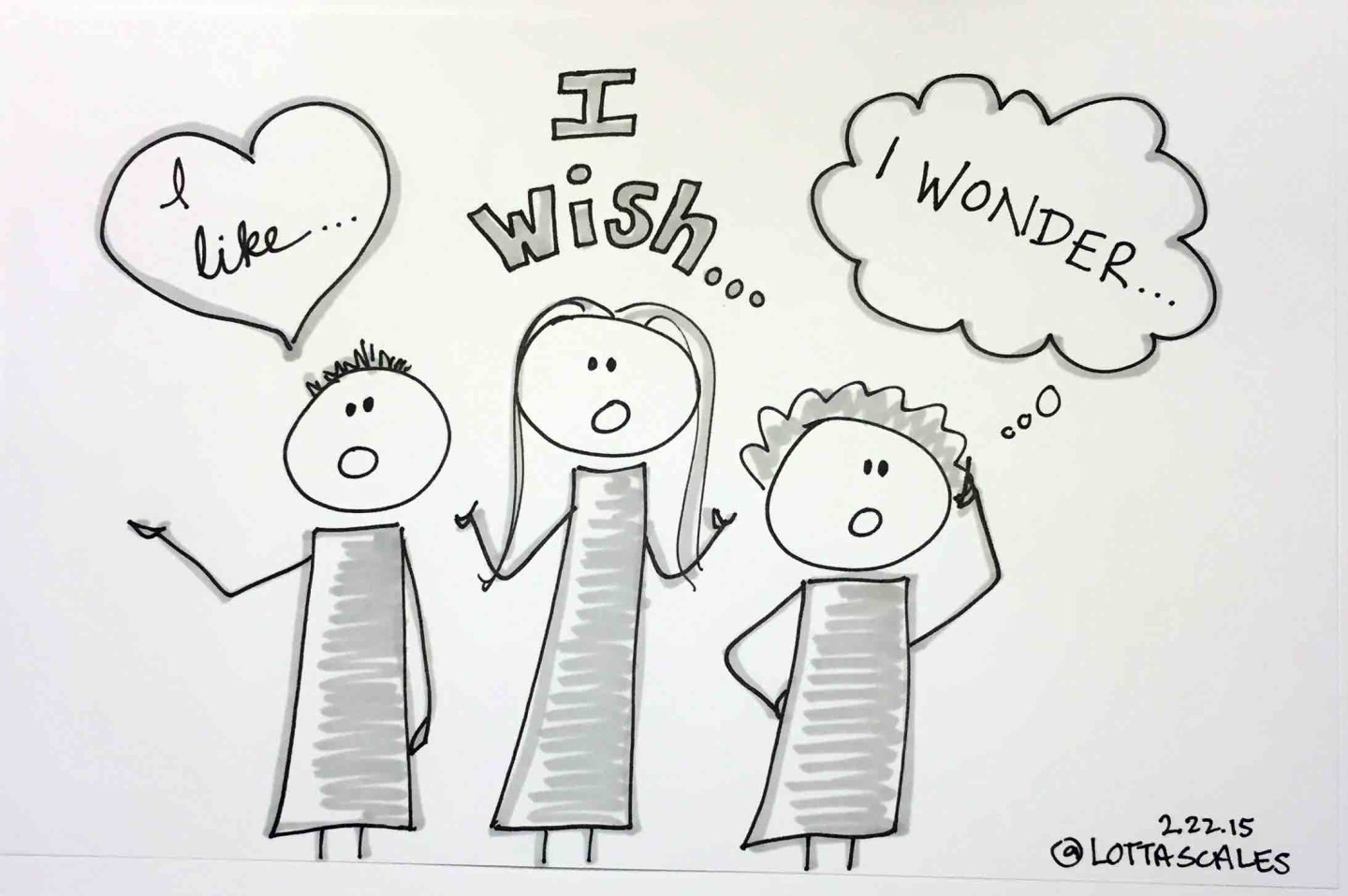
"caption": "Doodle of a feedback protocol of adults and students by Shelley Paul. ",
"description": null,
"title": "like-wish-wonder_lottascales",
"credit": null,
"status": "inherit",
"isLoading": false,
"fetchFailed": false
},
"mindshift_41121": {
"type": "attachments",
"id": "mindshift_41121",
"meta": {
"index": "attachments_1716263798",
"site": "mindshift",
"id": "41121",
"found": true
},
"parent": 41120,
"imgSizes": {
"twentyfourteen-full-width": {
"file": "https://ww2.kqed.org/app/uploads/sites/23/2015/07/gettyimages-475158629edit_slide-4874e948fe7a268e4ff21523af7a56cdfcc5dfe9-1038x576.jpg",
"width": 1038,
"mimeType": "image/jpeg",
"height": 576
},
"thumbnail": {
"file": "https://ww2.kqed.org/app/uploads/sites/23/2015/07/gettyimages-475158629edit_slide-4874e948fe7a268e4ff21523af7a56cdfcc5dfe9-400x267.jpg",
"width": 400,
"mimeType": "image/jpeg",
"height": 267
},
"fd-sm": {
"file": "https://ww2.kqed.org/app/uploads/sites/23/2015/07/gettyimages-475158629edit_slide-4874e948fe7a268e4ff21523af7a56cdfcc5dfe9-960x640.jpg",
"width": 960,
"mimeType": "image/jpeg",
"height": 640
},
"post-thumbnail": {
"file": "https://ww2.kqed.org/app/uploads/sites/23/2015/07/gettyimages-475158629edit_slide-4874e948fe7a268e4ff21523af7a56cdfcc5dfe9-672x372.jpg",
"width": 672,
"mimeType": "image/jpeg",
"height": 372
},
"kqedFullSize": {
"file": "https://ww2.kqed.org/app/uploads/sites/23/2015/07/gettyimages-475158629edit_slide-4874e948fe7a268e4ff21523af7a56cdfcc5dfe9.jpg",
"width": 2911,
"height": 1940
},
"large": {
"file": "https://ww2.kqed.org/app/uploads/sites/23/2015/07/gettyimages-475158629edit_slide-4874e948fe7a268e4ff21523af7a56cdfcc5dfe9-1440x960.jpg",
"width": 1440,
"mimeType": "image/jpeg",
"height": 960
},
"guest-author-96": {
"file": "https://ww2.kqed.org/app/uploads/sites/23/2015/07/gettyimages-475158629edit_slide-4874e948fe7a268e4ff21523af7a56cdfcc5dfe9-96x96.jpg",
"width": 96,
"mimeType": "image/jpeg",
"height": 96
},
"medium": {
"file": "https://ww2.kqed.org/app/uploads/sites/23/2015/07/gettyimages-475158629edit_slide-4874e948fe7a268e4ff21523af7a56cdfcc5dfe9-800x533.jpg",
"width": 800,
"mimeType": "image/jpeg",
"height": 533
},
"guest-author-64": {
"file": "https://ww2.kqed.org/app/uploads/sites/23/2015/07/gettyimages-475158629edit_slide-4874e948fe7a268e4ff21523af7a56cdfcc5dfe9-64x64.jpg",
"width": 64,
"mimeType": "image/jpeg",
"height": 64
},
"guest-author-32": {
"file": "https://ww2.kqed.org/app/uploads/sites/23/2015/07/gettyimages-475158629edit_slide-4874e948fe7a268e4ff21523af7a56cdfcc5dfe9-32x32.jpg",
"width": 32,
"mimeType": "image/jpeg",
"height": 32
},
"cat_post_thumb_sizecategory-posts-2": {
"file": "https://ww2.kqed.org/app/uploads/sites/23/2015/07/gettyimages-475158629edit_slide-4874e948fe7a268e4ff21523af7a56cdfcc5dfe9-50x50.jpg",
"width": 50,
"mimeType": "image/jpeg",
"height": 50
},
"fd-med": {
"file": "https://ww2.kqed.org/app/uploads/sites/23/2015/07/gettyimages-475158629edit_slide-4874e948fe7a268e4ff21523af7a56cdfcc5dfe9-1180x786.jpg",
"width": 1180,
"mimeType": "image/jpeg",
"height": 786
},
"detail": {
"file": "https://ww2.kqed.org/app/uploads/sites/23/2015/07/gettyimages-475158629edit_slide-4874e948fe7a268e4ff21523af7a56cdfcc5dfe9-75x75.jpg",
"width": 75,
"mimeType": "image/jpeg",
"height": 75
},
"guest-author-128": {
"file": "https://ww2.kqed.org/app/uploads/sites/23/2015/07/gettyimages-475158629edit_slide-4874e948fe7a268e4ff21523af7a56cdfcc5dfe9-128x128.jpg",
"width": 128,
"mimeType": "image/jpeg",
"height": 128
}
},
"publishDate": 1436792064,
"modified": 1436793043,
"caption": null,
"description": "Remember?",
"title": "Remember?",
"credit": "Leigh Wells/Ikon Images/Getty Images",
"status": "inherit",
"isLoading": false,
"fetchFailed": false
},
"mindshift_40421": {
"type": "attachments",
"id": "mindshift_40421",
"meta": {
"index": "attachments_1716263798",
"site": "mindshift",
"id": "40421",
"found": true
},
"parent": 40232,
"imgSizes": {
"twentyfourteen-full-width": {
"file": "https://ww2.kqed.org/app/uploads/sites/23/2015/04/MIL-ESL-1038x576.jpg",
"width": 1038,
"mimeType": "image/jpeg",
"height": 576
},
"thumbnail": {
"file": "https://ww2.kqed.org/app/uploads/sites/23/2015/04/MIL-ESL-400x225.jpg",
"width": 400,
"mimeType": "image/jpeg",
"height": 225
},
"fd-sm": {
"file": "https://ww2.kqed.org/app/uploads/sites/23/2015/04/MIL-ESL-960x540.jpg",
"width": 960,
"mimeType": "image/jpeg",
"height": 540
},
"post-thumbnail": {
"file": "https://ww2.kqed.org/app/uploads/sites/23/2015/04/MIL-ESL-672x372.jpg",
"width": 672,
"mimeType": "image/jpeg",
"height": 372
},
"kqedFullSize": {
"file": "https://ww2.kqed.org/app/uploads/sites/23/2015/04/MIL-ESL.jpg",
"width": 1920,
"height": 1080
},
"large": {
"file": "https://ww2.kqed.org/app/uploads/sites/23/2015/04/MIL-ESL-1440x810.jpg",
"width": 1440,
"mimeType": "image/jpeg",
"height": 810
},
"guest-author-96": {
"file": "https://ww2.kqed.org/app/uploads/sites/23/2015/04/MIL-ESL-96x96.jpg",
"width": 96,
"mimeType": "image/jpeg",
"height": 96
},
"medium": {
"file": "https://ww2.kqed.org/app/uploads/sites/23/2015/04/MIL-ESL-800x450.jpg",
"width": 800,
"mimeType": "image/jpeg",
"height": 450
},
"guest-author-64": {
"file": "https://ww2.kqed.org/app/uploads/sites/23/2015/04/MIL-ESL-64x64.jpg",
"width": 64,
"mimeType": "image/jpeg",
"height": 64
},
"guest-author-32": {
"file": "https://ww2.kqed.org/app/uploads/sites/23/2015/04/MIL-ESL-32x32.jpg",
"width": 32,
"mimeType": "image/jpeg",
"height": 32
},
"cat_post_thumb_sizecategory-posts-2": {
"file": "https://ww2.kqed.org/app/uploads/sites/23/2015/04/MIL-ESL-50x50.jpg",
"width": 50,
"mimeType": "image/jpeg",
"height": 50
},
"fd-med": {
"file": "https://ww2.kqed.org/app/uploads/sites/23/2015/04/MIL-ESL-1180x664.jpg",
"width": 1180,
"mimeType": "image/jpeg",
"height": 664
},
"detail": {
"file": "https://ww2.kqed.org/app/uploads/sites/23/2015/04/MIL-ESL-75x75.jpg",
"width": 75,
"mimeType": "image/jpeg",
"height": 75
},
"guest-author-128": {
"file": "https://ww2.kqed.org/app/uploads/sites/23/2015/04/MIL-ESL-128x128.jpg",
"width": 128,
"mimeType": "image/jpeg",
"height": 128
}
},
"publishDate": 1430781708,
"modified": 1430781782,
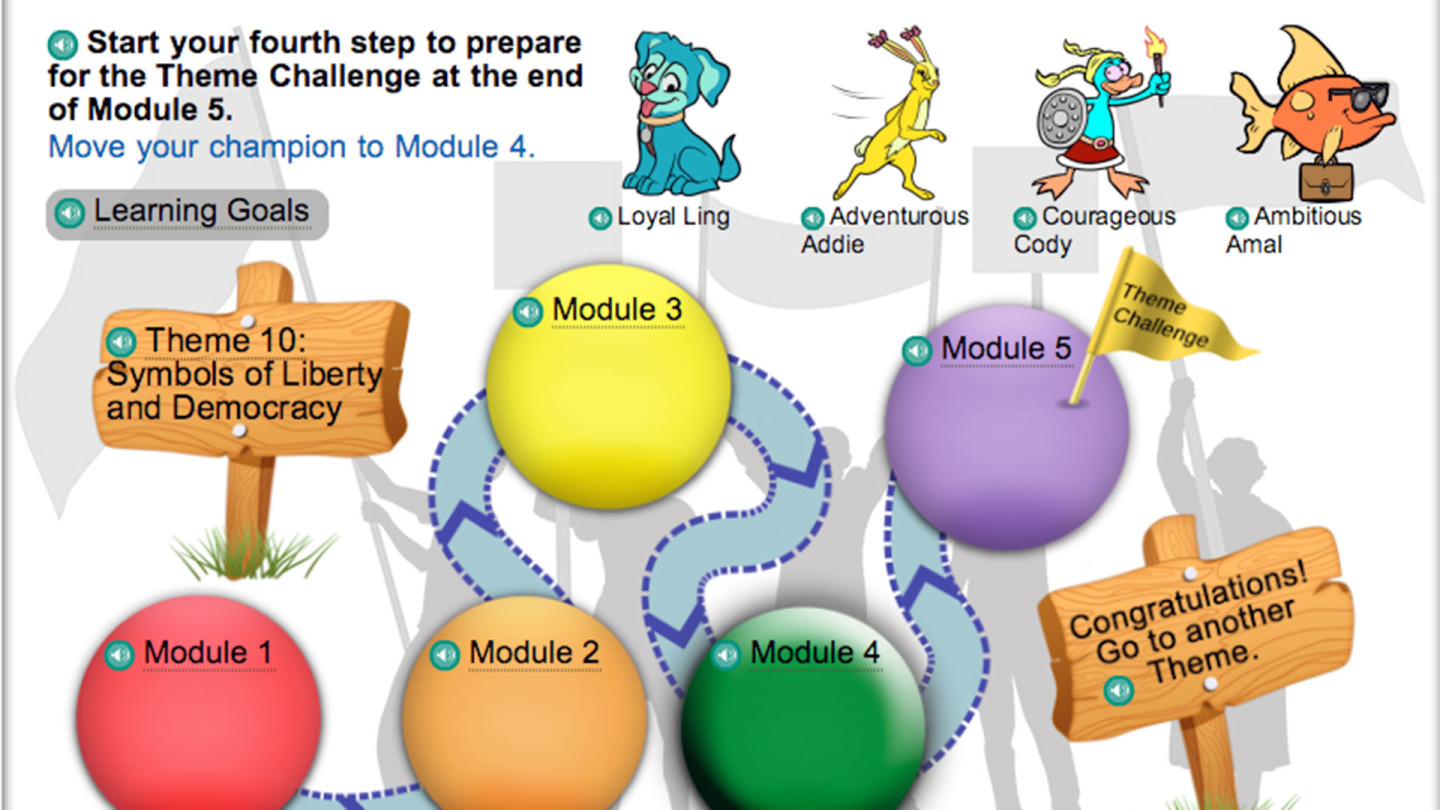
"caption": "ESL students can choose avatars to navigate them through certain sections of the course.",
"description": null,
"title": "MIL-ESL",
"credit": "Middlebury Interactive Languages",
"status": "inherit",
"isLoading": false,
"fetchFailed": false
},
"mindshift_41097": {
"type": "attachments",
"id": "mindshift_41097",
"meta": {
"index": "attachments_1716263798",
"site": "mindshift",
"id": "41097",
"found": true
},
"parent": 41061,
"imgSizes": {
"twentyfourteen-full-width": {
"file": "https://ww2.kqed.org/app/uploads/sites/23/2015/07/Kid-Climbing-Ladder-Heinrock-1038x576.jpg",
"width": 1038,
"mimeType": "image/jpeg",
"height": 576
},
"thumbnail": {
"file": "https://ww2.kqed.org/app/uploads/sites/23/2015/07/Kid-Climbing-Ladder-Heinrock-400x225.jpg",
"width": 400,
"mimeType": "image/jpeg",
"height": 225
},
"fd-sm": {
"file": "https://ww2.kqed.org/app/uploads/sites/23/2015/07/Kid-Climbing-Ladder-Heinrock-960x540.jpg",
"width": 960,
"mimeType": "image/jpeg",
"height": 540
},
"post-thumbnail": {
"file": "https://ww2.kqed.org/app/uploads/sites/23/2015/07/Kid-Climbing-Ladder-Heinrock-672x372.jpg",
"width": 672,
"mimeType": "image/jpeg",
"height": 372
},
"kqedFullSize": {
"file": "https://ww2.kqed.org/app/uploads/sites/23/2015/07/Kid-Climbing-Ladder-Heinrock.jpg",
"width": 1920,
"height": 1080
},
"large": {
"file": "https://ww2.kqed.org/app/uploads/sites/23/2015/07/Kid-Climbing-Ladder-Heinrock-1440x810.jpg",
"width": 1440,
"mimeType": "image/jpeg",
"height": 810
},
"guest-author-96": {
"file": "https://ww2.kqed.org/app/uploads/sites/23/2015/07/Kid-Climbing-Ladder-Heinrock-96x96.jpg",
"width": 96,
"mimeType": "image/jpeg",
"height": 96
},
"medium": {
"file": "https://ww2.kqed.org/app/uploads/sites/23/2015/07/Kid-Climbing-Ladder-Heinrock-800x450.jpg",
"width": 800,
"mimeType": "image/jpeg",
"height": 450
},
"guest-author-64": {
"file": "https://ww2.kqed.org/app/uploads/sites/23/2015/07/Kid-Climbing-Ladder-Heinrock-64x64.jpg",
"width": 64,
"mimeType": "image/jpeg",
"height": 64
},
"guest-author-32": {
"file": "https://ww2.kqed.org/app/uploads/sites/23/2015/07/Kid-Climbing-Ladder-Heinrock-32x32.jpg",
"width": 32,
"mimeType": "image/jpeg",
"height": 32
},
"cat_post_thumb_sizecategory-posts-2": {
"file": "https://ww2.kqed.org/app/uploads/sites/23/2015/07/Kid-Climbing-Ladder-Heinrock-50x50.jpg",
"width": 50,
"mimeType": "image/jpeg",
"height": 50
},
"fd-med": {
"file": "https://ww2.kqed.org/app/uploads/sites/23/2015/07/Kid-Climbing-Ladder-Heinrock-1180x664.jpg",
"width": 1180,
"mimeType": "image/jpeg",
"height": 664
},
"detail": {
"file": "https://ww2.kqed.org/app/uploads/sites/23/2015/07/Kid-Climbing-Ladder-Heinrock-75x75.jpg",
"width": 75,
"mimeType": "image/jpeg",
"height": 75
},
"guest-author-128": {
"file": "https://ww2.kqed.org/app/uploads/sites/23/2015/07/Kid-Climbing-Ladder-Heinrock-128x128.jpg",
"width": 128,
"mimeType": "image/jpeg",
"height": 128
}
},
"publishDate": 1436448304,
"modified": 1436448318,
"caption": null,
"description": null,
"title": "Kid-Climbing-Ladder-Heinrock",
"credit": "Flickr/Heinrock",
"status": "inherit",
"isLoading": false,
"fetchFailed": false
},
"mindshift_41086": {
"type": "attachments",
"id": "mindshift_41086",
"meta": {
"index": "attachments_1716263798",
"site": "mindshift",
"id": "41086",
"found": true
},
"parent": 40667,
"imgSizes": {
"twentyfourteen-full-width": {
"file": "https://ww2.kqed.org/app/uploads/sites/23/2015/07/Middle-School-1038x576.jpg",
"width": 1038,
"mimeType": "image/jpeg",
"height": 576
},
"thumbnail": {
"file": "https://ww2.kqed.org/app/uploads/sites/23/2015/07/Middle-School-400x225.jpg",
"width": 400,
"mimeType": "image/jpeg",
"height": 225
},
"fd-sm": {
"file": "https://ww2.kqed.org/app/uploads/sites/23/2015/07/Middle-School-960x540.jpg",
"width": 960,
"mimeType": "image/jpeg",
"height": 540
},
"post-thumbnail": {
"file": "https://ww2.kqed.org/app/uploads/sites/23/2015/07/Middle-School-672x372.jpg",
"width": 672,
"mimeType": "image/jpeg",
"height": 372
},
"kqedFullSize": {
"file": "https://ww2.kqed.org/app/uploads/sites/23/2015/07/Middle-School.jpg",
"width": 1920,
"height": 1080
},
"large": {
"file": "https://ww2.kqed.org/app/uploads/sites/23/2015/07/Middle-School-1440x810.jpg",
"width": 1440,
"mimeType": "image/jpeg",
"height": 810
},
"guest-author-96": {
"file": "https://ww2.kqed.org/app/uploads/sites/23/2015/07/Middle-School-96x96.jpg",
"width": 96,
"mimeType": "image/jpeg",
"height": 96
},
"medium": {
"file": "https://ww2.kqed.org/app/uploads/sites/23/2015/07/Middle-School-800x450.jpg",
"width": 800,
"mimeType": "image/jpeg",
"height": 450
},
"guest-author-64": {
"file": "https://ww2.kqed.org/app/uploads/sites/23/2015/07/Middle-School-64x64.jpg",
"width": 64,
"mimeType": "image/jpeg",
"height": 64
},
"guest-author-32": {
"file": "https://ww2.kqed.org/app/uploads/sites/23/2015/07/Middle-School-32x32.jpg",
"width": 32,
"mimeType": "image/jpeg",
"height": 32
},
"cat_post_thumb_sizecategory-posts-2": {
"file": "https://ww2.kqed.org/app/uploads/sites/23/2015/07/Middle-School-50x50.jpg",
"width": 50,
"mimeType": "image/jpeg",
"height": 50
},
"fd-med": {
"file": "https://ww2.kqed.org/app/uploads/sites/23/2015/07/Middle-School-1180x664.jpg",
"width": 1180,
"mimeType": "image/jpeg",
"height": 664
},
"detail": {
"file": "https://ww2.kqed.org/app/uploads/sites/23/2015/07/Middle-School-75x75.jpg",
"width": 75,
"mimeType": "image/jpeg",
"height": 75
},
"guest-author-128": {
"file": "https://ww2.kqed.org/app/uploads/sites/23/2015/07/Middle-School-128x128.jpg",
"width": 128,
"mimeType": "image/jpeg",
"height": 128
}
},
"publishDate": 1436356664,
"modified": 1436357231,
"caption": "Screen grab from \"Smoothing the Transition to High School\" video by Jennifer Madden-Fuoco. ",
"description": "Screen grab from \"Smoothing the Transition to High School\" video by Jennifer Madden-Fuoco. ",
"title": "Middle-School",
"credit": null,
"status": "inherit",
"isLoading": false,
"fetchFailed": false
},
"mindshift_41052": {
"type": "attachments",
"id": "mindshift_41052",
"meta": {
"index": "attachments_1716263798",
"site": "mindshift",
"id": "41052",
"found": true
},
"parent": 41008,
"imgSizes": {
"twentyfourteen-full-width": {
"file": "https://ww2.kqed.org/app/uploads/sites/23/2015/07/CCSR-1038x576.jpg",
"width": 1038,
"mimeType": "image/jpeg",
"height": 576
},
"thumbnail": {
"file": "https://ww2.kqed.org/app/uploads/sites/23/2015/07/CCSR-400x225.jpg",
"width": 400,
"mimeType": "image/jpeg",
"height": 225
},
"fd-sm": {
"file": "https://ww2.kqed.org/app/uploads/sites/23/2015/07/CCSR-960x540.jpg",
"width": 960,
"mimeType": "image/jpeg",
"height": 540
},
"post-thumbnail": {
"file": "https://ww2.kqed.org/app/uploads/sites/23/2015/07/CCSR-672x372.jpg",
"width": 672,
"mimeType": "image/jpeg",
"height": 372
},
"kqedFullSize": {
"file": "https://ww2.kqed.org/app/uploads/sites/23/2015/07/CCSR.jpg",
"width": 1920,
"height": 1080
},
"large": {
"file": "https://ww2.kqed.org/app/uploads/sites/23/2015/07/CCSR-1440x810.jpg",
"width": 1440,
"mimeType": "image/jpeg",
"height": 810
},
"guest-author-96": {
"file": "https://ww2.kqed.org/app/uploads/sites/23/2015/07/CCSR-96x96.jpg",
"width": 96,
"mimeType": "image/jpeg",
"height": 96
},
"medium": {
"file": "https://ww2.kqed.org/app/uploads/sites/23/2015/07/CCSR-800x450.jpg",
"width": 800,
"mimeType": "image/jpeg",
"height": 450
},
"guest-author-64": {
"file": "https://ww2.kqed.org/app/uploads/sites/23/2015/07/CCSR-64x64.jpg",
"width": 64,
"mimeType": "image/jpeg",
"height": 64
},
"guest-author-32": {
"file": "https://ww2.kqed.org/app/uploads/sites/23/2015/07/CCSR-32x32.jpg",
"width": 32,
"mimeType": "image/jpeg",
"height": 32
},
"cat_post_thumb_sizecategory-posts-2": {
"file": "https://ww2.kqed.org/app/uploads/sites/23/2015/07/CCSR-50x50.jpg",
"width": 50,
"mimeType": "image/jpeg",
"height": 50
},
"fd-med": {
"file": "https://ww2.kqed.org/app/uploads/sites/23/2015/07/CCSR-1180x664.jpg",
"width": 1180,
"mimeType": "image/jpeg",
"height": 664
},
"detail": {
"file": "https://ww2.kqed.org/app/uploads/sites/23/2015/07/CCSR-75x75.jpg",
"width": 75,
"mimeType": "image/jpeg",
"height": 75
},
"guest-author-128": {
"file": "https://ww2.kqed.org/app/uploads/sites/23/2015/07/CCSR-128x128.jpg",
"width": 128,
"mimeType": "image/jpeg",
"height": 128
}
},
"publishDate": 1436164090,
"modified": 1436164105,
"caption": null,
"description": null,
"title": "CCSR",
"credit": "Getty Images",
"status": "inherit",
"isLoading": false,
"fetchFailed": false
},
"mindshift_41027": {
"type": "attachments",
"id": "mindshift_41027",
"meta": {
"index": "attachments_1716263798",
"site": "mindshift",
"id": "41027",
"found": true
},
"parent": 40833,
"imgSizes": {
"twentyfourteen-full-width": {
"file": "https://ww2.kqed.org/app/uploads/sites/23/2015/07/Holding-Hands-1038x576.jpg",
"width": 1038,
"mimeType": "image/jpeg",
"height": 576
},
"thumbnail": {
"file": "https://ww2.kqed.org/app/uploads/sites/23/2015/07/Holding-Hands-400x225.jpg",
"width": 400,
"mimeType": "image/jpeg",
"height": 225
},
"fd-sm": {
"file": "https://ww2.kqed.org/app/uploads/sites/23/2015/07/Holding-Hands-960x540.jpg",
"width": 960,
"mimeType": "image/jpeg",
"height": 540
},
"post-thumbnail": {
"file": "https://ww2.kqed.org/app/uploads/sites/23/2015/07/Holding-Hands-672x372.jpg",
"width": 672,
"mimeType": "image/jpeg",
"height": 372
},
"kqedFullSize": {
"file": "https://ww2.kqed.org/app/uploads/sites/23/2015/07/Holding-Hands.jpg",
"width": 1920,
"height": 1080
},
"large": {
"file": "https://ww2.kqed.org/app/uploads/sites/23/2015/07/Holding-Hands-1440x810.jpg",
"width": 1440,
"mimeType": "image/jpeg",
"height": 810
},
"guest-author-96": {
"file": "https://ww2.kqed.org/app/uploads/sites/23/2015/07/Holding-Hands-96x96.jpg",
"width": 96,
"mimeType": "image/jpeg",
"height": 96
},
"medium": {
"file": "https://ww2.kqed.org/app/uploads/sites/23/2015/07/Holding-Hands-800x450.jpg",
"width": 800,
"mimeType": "image/jpeg",
"height": 450
},
"guest-author-64": {
"file": "https://ww2.kqed.org/app/uploads/sites/23/2015/07/Holding-Hands-64x64.jpg",
"width": 64,
"mimeType": "image/jpeg",
"height": 64
},
"guest-author-32": {
"file": "https://ww2.kqed.org/app/uploads/sites/23/2015/07/Holding-Hands-32x32.jpg",
"width": 32,
"mimeType": "image/jpeg",
"height": 32
},
"cat_post_thumb_sizecategory-posts-2": {
"file": "https://ww2.kqed.org/app/uploads/sites/23/2015/07/Holding-Hands-50x50.jpg",
"width": 50,
"mimeType": "image/jpeg",
"height": 50
},
"fd-med": {
"file": "https://ww2.kqed.org/app/uploads/sites/23/2015/07/Holding-Hands-1180x664.jpg",
"width": 1180,
"mimeType": "image/jpeg",
"height": 664
},
"detail": {
"file": "https://ww2.kqed.org/app/uploads/sites/23/2015/07/Holding-Hands-75x75.jpg",
"width": 75,
"mimeType": "image/jpeg",
"height": 75
},
"guest-author-128": {
"file": "https://ww2.kqed.org/app/uploads/sites/23/2015/07/Holding-Hands-128x128.jpg",
"width": 128,
"mimeType": "image/jpeg",
"height": 128
}
},
"publishDate": 1435858353,
"modified": 1435858360,
"caption": null,
"description": null,
"title": "Holding-Hands",
"credit": "Getty Images",
"status": "inherit",
"isLoading": false,
"fetchFailed": false
},
"mindshift_41003": {
"type": "attachments",
"id": "mindshift_41003",
"meta": {
"index": "attachments_1716263798",
"site": "mindshift",
"id": "41003",
"found": true
},
"parent": 40998,
"imgSizes": {
"twentyfourteen-full-width": {
"file": "https://ww2.kqed.org/app/uploads/sites/23/2015/07/kids-sports-4_enl-6979bd75f189cd06d4a95e87391e983053d11263-1038x576.jpg",
"width": 1038,
"mimeType": "image/jpeg",
"height": 576
},
"thumbnail": {
"file": "https://ww2.kqed.org/app/uploads/sites/23/2015/07/kids-sports-4_enl-6979bd75f189cd06d4a95e87391e983053d11263-400x266.jpg",
"width": 400,
"mimeType": "image/jpeg",
"height": 266
},
"fd-sm": {
"file": "https://ww2.kqed.org/app/uploads/sites/23/2015/07/kids-sports-4_enl-6979bd75f189cd06d4a95e87391e983053d11263-960x639.jpg",
"width": 960,
"mimeType": "image/jpeg",
"height": 639
},
"post-thumbnail": {
"file": "https://ww2.kqed.org/app/uploads/sites/23/2015/07/kids-sports-4_enl-6979bd75f189cd06d4a95e87391e983053d11263-672x372.jpg",
"width": 672,
"mimeType": "image/jpeg",
"height": 372
},
"kqedFullSize": {
"file": "https://ww2.kqed.org/app/uploads/sites/23/2015/07/kids-sports-4_enl-6979bd75f189cd06d4a95e87391e983053d11263-e1435753773538.jpg",
"width": 1920,
"height": 1279
},
"large": {
"file": "https://ww2.kqed.org/app/uploads/sites/23/2015/07/kids-sports-4_enl-6979bd75f189cd06d4a95e87391e983053d11263-1440x959.jpg",
"width": 1440,
"mimeType": "image/jpeg",
"height": 959
},
"guest-author-96": {
"file": "https://ww2.kqed.org/app/uploads/sites/23/2015/07/kids-sports-4_enl-6979bd75f189cd06d4a95e87391e983053d11263-96x96.jpg",
"width": 96,
"mimeType": "image/jpeg",
"height": 96
},
"medium": {
"file": "https://ww2.kqed.org/app/uploads/sites/23/2015/07/kids-sports-4_enl-6979bd75f189cd06d4a95e87391e983053d11263-800x533.jpg",
"width": 800,
"mimeType": "image/jpeg",
"height": 533
},
"guest-author-64": {
"file": "https://ww2.kqed.org/app/uploads/sites/23/2015/07/kids-sports-4_enl-6979bd75f189cd06d4a95e87391e983053d11263-64x64.jpg",
"width": 64,
"mimeType": "image/jpeg",
"height": 64
},
"guest-author-32": {
"file": "https://ww2.kqed.org/app/uploads/sites/23/2015/07/kids-sports-4_enl-6979bd75f189cd06d4a95e87391e983053d11263-32x32.jpg",
"width": 32,
"mimeType": "image/jpeg",
"height": 32
},
"cat_post_thumb_sizecategory-posts-2": {
"file": "https://ww2.kqed.org/app/uploads/sites/23/2015/07/kids-sports-4_enl-6979bd75f189cd06d4a95e87391e983053d11263-50x50.jpg",
"width": 50,
"mimeType": "image/jpeg",
"height": 50
},
"fd-med": {
"file": "https://ww2.kqed.org/app/uploads/sites/23/2015/07/kids-sports-4_enl-6979bd75f189cd06d4a95e87391e983053d11263-1180x786.jpg",
"width": 1180,
"mimeType": "image/jpeg",
"height": 786
},
"detail": {
"file": "https://ww2.kqed.org/app/uploads/sites/23/2015/07/kids-sports-4_enl-6979bd75f189cd06d4a95e87391e983053d11263-75x75.jpg",
"width": 75,
"mimeType": "image/jpeg",
"height": 75
},
"guest-author-128": {
"file": "https://ww2.kqed.org/app/uploads/sites/23/2015/07/kids-sports-4_enl-6979bd75f189cd06d4a95e87391e983053d11263-128x128.jpg",
"width": 128,
"mimeType": "image/jpeg",
"height": 128
}
},
"publishDate": 1435753547,
"modified": 1435753766,
"caption": "Playing catcher, Jake makes a play at home base during a practice at the Bad News Bears Field in Los Angeles.",
"description": "Playing catcher, Jake makes a play at home base during a practice at the Bad News Bears Field in Los Angeles.",
"title": "Playing catcher, Jake makes a play at home base during a practice at the Bad News Bears Field in Los Angeles.",
"credit": "Benjamin B. Morris for NPR",
"status": "inherit",
"isLoading": false,
"fetchFailed": false
},
"mindshift_40994": {
"type": "attachments",
"id": "mindshift_40994",
"meta": {
"index": "attachments_1716263798",
"site": "mindshift",
"id": "40994",
"found": true
},
"parent": 40578,
"imgSizes": {
"twentyfourteen-full-width": {
"file": "https://ww2.kqed.org/app/uploads/sites/23/2015/06/Girl-Walking-in-School-Corridor-1038x576.jpg",
"width": 1038,
"mimeType": "image/jpeg",
"height": 576
},
"thumbnail": {
"file": "https://ww2.kqed.org/app/uploads/sites/23/2015/06/Girl-Walking-in-School-Corridor-400x267.jpg",
"width": 400,
"mimeType": "image/jpeg",
"height": 267
},
"fd-sm": {
"file": "https://ww2.kqed.org/app/uploads/sites/23/2015/06/Girl-Walking-in-School-Corridor-960x640.jpg",
"width": 960,
"mimeType": "image/jpeg",
"height": 640
},
"post-thumbnail": {
"file": "https://ww2.kqed.org/app/uploads/sites/23/2015/06/Girl-Walking-in-School-Corridor-672x372.jpg",
"width": 672,
"mimeType": "image/jpeg",
"height": 372
},
"kqedFullSize": {
"file": "https://ww2.kqed.org/app/uploads/sites/23/2015/06/Girl-Walking-in-School-Corridor-e1435680096536.jpg",
"width": 1920,
"height": 1280
},
"large": {
"file": "https://ww2.kqed.org/app/uploads/sites/23/2015/06/Girl-Walking-in-School-Corridor-1440x960.jpg",
"width": 1440,
"mimeType": "image/jpeg",
"height": 960
},
"guest-author-96": {
"file": "https://ww2.kqed.org/app/uploads/sites/23/2015/06/Girl-Walking-in-School-Corridor-96x96.jpg",
"width": 96,
"mimeType": "image/jpeg",
"height": 96
},
"medium": {
"file": "https://ww2.kqed.org/app/uploads/sites/23/2015/06/Girl-Walking-in-School-Corridor-800x533.jpg",
"width": 800,
"mimeType": "image/jpeg",
"height": 533
},
"guest-author-64": {
"file": "https://ww2.kqed.org/app/uploads/sites/23/2015/06/Girl-Walking-in-School-Corridor-64x64.jpg",
"width": 64,
"mimeType": "image/jpeg",
"height": 64
},
"guest-author-32": {
"file": "https://ww2.kqed.org/app/uploads/sites/23/2015/06/Girl-Walking-in-School-Corridor-32x32.jpg",
"width": 32,
"mimeType": "image/jpeg",
"height": 32
},
"cat_post_thumb_sizecategory-posts-2": {
"file": "https://ww2.kqed.org/app/uploads/sites/23/2015/06/Girl-Walking-in-School-Corridor-50x50.jpg",
"width": 50,
"mimeType": "image/jpeg",
"height": 50
},
"fd-med": {
"file": "https://ww2.kqed.org/app/uploads/sites/23/2015/06/Girl-Walking-in-School-Corridor-1180x787.jpg",
"width": 1180,
"mimeType": "image/jpeg",
"height": 787
},
"detail": {
"file": "https://ww2.kqed.org/app/uploads/sites/23/2015/06/Girl-Walking-in-School-Corridor-75x75.jpg",
"width": 75,
"mimeType": "image/jpeg",
"height": 75
},
"guest-author-128": {
"file": "https://ww2.kqed.org/app/uploads/sites/23/2015/06/Girl-Walking-in-School-Corridor-128x128.jpg",
"width": 128,
"mimeType": "image/jpeg",
"height": 128
}
},
"publishDate": 1435680083,
"modified": 1435680110,
"caption": null,
"description": null,
"title": "Girl Walking in School Corridor",
"credit": "Getty Images",
"status": "inherit",
"isLoading": false,
"fetchFailed": false
},
"mindshift_40988": {
"type": "attachments",
"id": "mindshift_40988",
"meta": {
"index": "attachments_1716263798",
"site": "mindshift",
"id": "40988",
"found": true
},
"parent": 40956,
"imgSizes": {
"twentyfourteen-full-width": {
"file": "https://ww2.kqed.org/app/uploads/sites/23/2015/06/Binoculars-1038x576.jpg",
"width": 1038,
"mimeType": "image/jpeg",
"height": 576
},
"thumbnail": {
"file": "https://ww2.kqed.org/app/uploads/sites/23/2015/06/Binoculars-400x225.jpg",
"width": 400,
"mimeType": "image/jpeg",
"height": 225
},
"fd-sm": {
"file": "https://ww2.kqed.org/app/uploads/sites/23/2015/06/Binoculars-960x540.jpg",
"width": 960,
"mimeType": "image/jpeg",
"height": 540
},
"post-thumbnail": {
"file": "https://ww2.kqed.org/app/uploads/sites/23/2015/06/Binoculars-672x372.jpg",
"width": 672,
"mimeType": "image/jpeg",
"height": 372
},
"kqedFullSize": {
"file": "https://ww2.kqed.org/app/uploads/sites/23/2015/06/Binoculars.jpg",
"width": 1920,
"height": 1080
},
"large": {
"file": "https://ww2.kqed.org/app/uploads/sites/23/2015/06/Binoculars-1440x810.jpg",
"width": 1440,
"mimeType": "image/jpeg",
"height": 810
},
"guest-author-96": {
"file": "https://ww2.kqed.org/app/uploads/sites/23/2015/06/Binoculars-96x96.jpg",
"width": 96,
"mimeType": "image/jpeg",
"height": 96
},
"medium": {
"file": "https://ww2.kqed.org/app/uploads/sites/23/2015/06/Binoculars-800x450.jpg",
"width": 800,
"mimeType": "image/jpeg",
"height": 450
},
"guest-author-64": {
"file": "https://ww2.kqed.org/app/uploads/sites/23/2015/06/Binoculars-64x64.jpg",
"width": 64,
"mimeType": "image/jpeg",
"height": 64
},
"guest-author-32": {
"file": "https://ww2.kqed.org/app/uploads/sites/23/2015/06/Binoculars-32x32.jpg",
"width": 32,
"mimeType": "image/jpeg",
"height": 32
},
"cat_post_thumb_sizecategory-posts-2": {
"file": "https://ww2.kqed.org/app/uploads/sites/23/2015/06/Binoculars-50x50.jpg",
"width": 50,
"mimeType": "image/jpeg",
"height": 50
},
"fd-med": {
"file": "https://ww2.kqed.org/app/uploads/sites/23/2015/06/Binoculars-1180x664.jpg",
"width": 1180,
"mimeType": "image/jpeg",
"height": 664
},
"detail": {
"file": "https://ww2.kqed.org/app/uploads/sites/23/2015/06/Binoculars-75x75.jpg",
"width": 75,
"mimeType": "image/jpeg",
"height": 75
},
"guest-author-128": {
"file": "https://ww2.kqed.org/app/uploads/sites/23/2015/06/Binoculars-128x128.jpg",
"width": 128,
"mimeType": "image/jpeg",
"height": 128
}
},
"publishDate": 1435585452,
"modified": 1435585473,
"caption": null,
"description": null,
"title": "Binoculars",
"credit": "urbanworkbench/flickr",
"status": "inherit",
"isLoading": false,
"fetchFailed": false
},
"mindshift_40959": {
"type": "attachments",
"id": "mindshift_40959",
"meta": {
"index": "attachments_1716263798",
"site": "mindshift",
"id": "40959",
"found": true
},
"parent": 40958,
"imgSizes": {
"twentyfourteen-full-width": {
"file": "https://ww2.kqed.org/app/uploads/sites/23/2015/06/children-playing_enl-ec67d8d45ee258a9aa8007844349725a12b70a1e-1038x576.jpg",
"width": 1038,
"mimeType": "image/jpeg",
"height": 576
},
"thumbnail": {
"file": "https://ww2.kqed.org/app/uploads/sites/23/2015/06/children-playing_enl-ec67d8d45ee258a9aa8007844349725a12b70a1e-400x271.jpg",
"width": 400,
"mimeType": "image/jpeg",
"height": 271
},
"fd-sm": {
"file": "https://ww2.kqed.org/app/uploads/sites/23/2015/06/children-playing_enl-ec67d8d45ee258a9aa8007844349725a12b70a1e-960x650.jpg",
"width": 960,
"mimeType": "image/jpeg",
"height": 650
},
"post-thumbnail": {
"file": "https://ww2.kqed.org/app/uploads/sites/23/2015/06/children-playing_enl-ec67d8d45ee258a9aa8007844349725a12b70a1e-672x372.jpg",
"width": 672,
"mimeType": "image/jpeg",
"height": 372
},
"kqedFullSize": {
"file": "https://ww2.kqed.org/app/uploads/sites/23/2015/06/children-playing_enl-ec67d8d45ee258a9aa8007844349725a12b70a1e.jpg",
"width": 2000,
"height": 1354
},
"large": {
"file": "https://ww2.kqed.org/app/uploads/sites/23/2015/06/children-playing_enl-ec67d8d45ee258a9aa8007844349725a12b70a1e-1440x975.jpg",
"width": 1440,
"mimeType": "image/jpeg",
"height": 975
},
"guest-author-96": {
"file": "https://ww2.kqed.org/app/uploads/sites/23/2015/06/children-playing_enl-ec67d8d45ee258a9aa8007844349725a12b70a1e-96x96.jpg",
"width": 96,
"mimeType": "image/jpeg",
"height": 96
},
"medium": {
"file": "https://ww2.kqed.org/app/uploads/sites/23/2015/06/children-playing_enl-ec67d8d45ee258a9aa8007844349725a12b70a1e-800x542.jpg",
"width": 800,
"mimeType": "image/jpeg",
"height": 542
},
"guest-author-64": {
"file": "https://ww2.kqed.org/app/uploads/sites/23/2015/06/children-playing_enl-ec67d8d45ee258a9aa8007844349725a12b70a1e-64x64.jpg",
"width": 64,
"mimeType": "image/jpeg",
"height": 64
},
"guest-author-32": {
"file": "https://ww2.kqed.org/app/uploads/sites/23/2015/06/children-playing_enl-ec67d8d45ee258a9aa8007844349725a12b70a1e-32x32.jpg",
"width": 32,
"mimeType": "image/jpeg",
"height": 32
},
"cat_post_thumb_sizecategory-posts-2": {
"file": "https://ww2.kqed.org/app/uploads/sites/23/2015/06/children-playing_enl-ec67d8d45ee258a9aa8007844349725a12b70a1e-50x50.jpg",
"width": 50,
"mimeType": "image/jpeg",
"height": 50
},
"fd-med": {
"file": "https://ww2.kqed.org/app/uploads/sites/23/2015/06/children-playing_enl-ec67d8d45ee258a9aa8007844349725a12b70a1e-1180x799.jpg",
"width": 1180,
"mimeType": "image/jpeg",
"height": 799
},
"detail": {
"file": "https://ww2.kqed.org/app/uploads/sites/23/2015/06/children-playing_enl-ec67d8d45ee258a9aa8007844349725a12b70a1e-75x75.jpg",
"width": 75,
"mimeType": "image/jpeg",
"height": 75
},
"guest-author-128": {
"file": "https://ww2.kqed.org/app/uploads/sites/23/2015/06/children-playing_enl-ec67d8d45ee258a9aa8007844349725a12b70a1e-128x128.jpg",
"width": 128,
"mimeType": "image/jpeg",
"height": 128
}
},
"publishDate": 1435320403,
"modified": 1456878421,
"caption": null,
"description": "By age 3, kids already have a burgeoning sense of empathy, ownership and justice.",
"title": "By age 3, kids already have a burgeoning sense of empathy, ownership and justice.",
"credit": "iStock",
"status": "inherit",
"isLoading": false,
"fetchFailed": false
},
"mindshift_40944": {
"type": "attachments",
"id": "mindshift_40944",
"meta": {
"index": "attachments_1716263798",
"site": "mindshift",
"id": "40944",
"found": true
},
"parent": 40940,
"imgSizes": {
"twentyfourteen-full-width": {
"file": "https://ww2.kqed.org/app/uploads/sites/23/2015/06/Cernavskis_CompsciSF_1-1038x576.jpg",
"width": 1038,
"mimeType": "image/jpeg",
"height": 576
},
"thumbnail": {
"file": "https://ww2.kqed.org/app/uploads/sites/23/2015/06/Cernavskis_CompsciSF_1-400x225.jpg",
"width": 400,
"mimeType": "image/jpeg",
"height": 225
},
"fd-sm": {
"file": "https://ww2.kqed.org/app/uploads/sites/23/2015/06/Cernavskis_CompsciSF_1-960x540.jpg",
"width": 960,
"mimeType": "image/jpeg",
"height": 540
},
"post-thumbnail": {
"file": "https://ww2.kqed.org/app/uploads/sites/23/2015/06/Cernavskis_CompsciSF_1-672x372.jpg",
"width": 672,
"mimeType": "image/jpeg",
"height": 372
},
"kqedFullSize": {
"file": "https://ww2.kqed.org/app/uploads/sites/23/2015/06/Cernavskis_CompsciSF_1.jpg",
"width": 1920,
"height": 1080
},
"large": {
"file": "https://ww2.kqed.org/app/uploads/sites/23/2015/06/Cernavskis_CompsciSF_1-1440x810.jpg",
"width": 1440,
"mimeType": "image/jpeg",
"height": 810
},
"guest-author-96": {
"file": "https://ww2.kqed.org/app/uploads/sites/23/2015/06/Cernavskis_CompsciSF_1-96x96.jpg",
"width": 96,
"mimeType": "image/jpeg",
"height": 96
},
"medium": {
"file": "https://ww2.kqed.org/app/uploads/sites/23/2015/06/Cernavskis_CompsciSF_1-800x450.jpg",
"width": 800,
"mimeType": "image/jpeg",
"height": 450
},
"guest-author-64": {
"file": "https://ww2.kqed.org/app/uploads/sites/23/2015/06/Cernavskis_CompsciSF_1-64x64.jpg",
"width": 64,
"mimeType": "image/jpeg",
"height": 64
},
"guest-author-32": {
"file": "https://ww2.kqed.org/app/uploads/sites/23/2015/06/Cernavskis_CompsciSF_1-32x32.jpg",
"width": 32,
"mimeType": "image/jpeg",
"height": 32
},
"cat_post_thumb_sizecategory-posts-2": {
"file": "https://ww2.kqed.org/app/uploads/sites/23/2015/06/Cernavskis_CompsciSF_1-50x50.jpg",
"width": 50,
"mimeType": "image/jpeg",
"height": 50
},
"fd-med": {
"file": "https://ww2.kqed.org/app/uploads/sites/23/2015/06/Cernavskis_CompsciSF_1-1180x664.jpg",
"width": 1180,
"mimeType": "image/jpeg",
"height": 664
},
"detail": {
"file": "https://ww2.kqed.org/app/uploads/sites/23/2015/06/Cernavskis_CompsciSF_1-75x75.jpg",
"width": 75,
"mimeType": "image/jpeg",
"height": 75
},
"guest-author-128": {
"file": "https://ww2.kqed.org/app/uploads/sites/23/2015/06/Cernavskis_CompsciSF_1-128x128.jpg",
"width": 128,
"mimeType": "image/jpeg",
"height": 128
}
},
"publishDate": 1435240753,
"modified": 1435240856,
"caption": "Classroom volunteer Aimee Menne helps teach one of the only computer science classes currently offered at San Francisco’s Mission High. ",
"description": null,
"title": "Cernavskis_CompsciSF_1",
"credit": "Andra Cernavskis",
"status": "inherit",
"isLoading": false,
"fetchFailed": false
}
},
"audioPlayerReducer": {
"postId": "stream_live",
"isPaused": true,
"isPlaying": false,
"pfsActive": false,
"pledgeModalIsOpen": true,
"playerDrawerIsOpen": false,
"liveAudioPlayStartedAt": 0,
"liveAudioPlayContext": ""
},
"authorsReducer": {
"byline_mindshift_41120": {
"type": "authors",
"id": "byline_mindshift_41120",
"meta": {
"override": true
},
"slug": "byline_mindshift_41120",
"name": "Chris Benderev, \u003ca href=\"http://www.npr.org/sections/health-shots/2015/07/11/421749669/trying-to-remember-multiple-things-may-be-the-best-way-to-forget-them\">NPR\u003c/a>",
"isLoading": false
},
"byline_mindshift_40998": {
"type": "authors",
"id": "byline_mindshift_40998",
"meta": {
"override": true
},
"slug": "byline_mindshift_40998",
"name": "Patti Neighmond, \u003ca href=\"http://www.npr.org/sections/health-shots/2015/07/01/418899249/benefits-of-sports-to-a-childs-mind-and-heart-all-part-of-the-game\">NPR\u003c/a>",
"isLoading": false
},
"byline_mindshift_40958": {
"type": "authors",
"id": "byline_mindshift_40958",
"meta": {
"override": true
},
"slug": "byline_mindshift_40958",
"name": "Nadia Whitehead, NPR",
"isLoading": false
},
"katrinaschwartz": {
"type": "authors",
"id": "234",
"meta": {
"index": "authors_1716337520",
"id": "234",
"found": true
},
"name": "Katrina Schwartz",
"firstName": "Katrina",
"lastName": "Schwartz",
"slug": "katrinaschwartz",
"email": "kschwartz@kqed.org",
"display_author_email": false,
"staff_mastheads": [
"news"
],
"title": "Producer",
"bio": "Katrina Schwartz is a journalist based in San Francisco. She's worked at KPCC public radio in LA and has reported on air and online for KQED since 2010. She covered how teaching and learning is changing for MindShift between 2012 and 2020. She is the co-host of the MindShift podcast and now produces KQED's Bay Curious podcast.",
"avatar": "https://secure.gravatar.com/avatar/edb4ee79070447a018538c9aae6eeecf28786515b8a0c30e43b6b7dce5aa44c8?s=600&d=blank&r=g",
"twitter": "kschwart",
"bluesky": null,
"facebook": null,
"instagram": null,
"linkedin": null,
"sites": [
{
"site": "",
"roles": [
"editor"
]
},
{
"site": "news",
"roles": [
"editor"
]
},
{
"site": "mindshift",
"roles": [
"administrator"
]
},
{
"site": "stateofhealth",
"roles": [
"author"
]
},
{
"site": "science",
"roles": [
"editor"
]
}
],
"headData": {
"title": "Katrina Schwartz | KQED",
"description": "Producer",
"ogImgSrc": "https://secure.gravatar.com/avatar/edb4ee79070447a018538c9aae6eeecf28786515b8a0c30e43b6b7dce5aa44c8?s=600&d=blank&r=g",
"twImgSrc": "https://secure.gravatar.com/avatar/edb4ee79070447a018538c9aae6eeecf28786515b8a0c30e43b6b7dce5aa44c8?s=600&d=blank&r=g"
},
"isLoading": false,
"link": "/author/katrinaschwartz"
},
"zstavely": {
"type": "authors",
"id": "3225",
"meta": {
"index": "authors_1716337520",
"id": "3225",
"found": true
},
"name": "Zaidee Stavely",
"firstName": "Zaidee",
"lastName": "Stavely",
"slug": "zstavely",
"email": "zstavely@gmail.com",
"display_author_email": false,
"staff_mastheads": [],
"title": "KQED Contributor",
"bio": "Zaidee Stavely is an award-winning reporter who writes about race, equity, immigration, and education.",
"avatar": "https://secure.gravatar.com/avatar/5154b3ee56a721c916ca429372ae629c?s=600&d=blank&r=g",
"twitter": null,
"facebook": null,
"instagram": null,
"linkedin": null,
"sites": [
{
"site": "news",
"roles": [
"subscriber"
]
},
{
"site": "mindshift",
"roles": [
"contributor"
]
}
],
"headData": {
"title": "Zaidee Stavely | KQED",
"description": "KQED Contributor",
"ogImgSrc": "https://secure.gravatar.com/avatar/5154b3ee56a721c916ca429372ae629c?s=600&d=blank&r=g",
"twImgSrc": "https://secure.gravatar.com/avatar/5154b3ee56a721c916ca429372ae629c?s=600&d=blank&r=g"
},
"isLoading": false,
"link": "/author/zstavely"
},
"hollykorbey": {
"type": "authors",
"id": "4445",
"meta": {
"index": "authors_1716337520",
"id": "4445",
"found": true
},
"name": "Holly Korbey",
"firstName": "Holly",
"lastName": "Korbey",
"slug": "hollykorbey",
"email": "holly@hollykorbey.com",
"display_author_email": false,
"staff_mastheads": [],
"title": null,
"bio": "Holly Korbey's work on parenting and education has appeared in The New York Times, The Atlantic, Babble, Brain, Child Magazine, and others. She lives in Nashville with her family. Follow her on Twitter: @HKorbey",
"avatar": "https://secure.gravatar.com/avatar/f385f7a3b90e52ecd5e85c24fbd0a363?s=600&d=blank&r=g",
"twitter": null,
"facebook": null,
"instagram": null,
"linkedin": null,
"sites": [
{
"site": "mindshift",
"roles": [
"contributor"
]
}
],
"headData": {
"title": "Holly Korbey | KQED",
"description": null,
"ogImgSrc": "https://secure.gravatar.com/avatar/f385f7a3b90e52ecd5e85c24fbd0a363?s=600&d=blank&r=g",
"twImgSrc": "https://secure.gravatar.com/avatar/f385f7a3b90e52ecd5e85c24fbd0a363?s=600&d=blank&r=g"
},
"isLoading": false,
"link": "/author/hollykorbey"
}
},
"pagesReducer": {
"mindshift_tag_featured": {
"type": "terms",
"id": "mindshift_20784",
"meta": {
"index": "terms_1716263798",
"site": "mindshift",
"id": "20784",
"score": 7.6562667
},
"featImg": null,
"name": "featured",
"description": null,
"taxonomy": "tag",
"headData": {
"twImgId": null,
"twTitle": null,
"ogTitle": null,
"ogImgId": null,
"twDescription": null,
"description": null,
"title": "featured Archives | KQED Mindshift",
"ogDescription": null
},
"ttid": 20061,
"slug": "featured",
"isLoading": false,
"title": "featured",
"pageMeta": {
"site": "mindshift",
"WpPageTemplate": "page-topic-editorial",
"currentPage": 79
},
"blocks": [
{
"blockName": "kqed/post-list",
"attrs": {
"layout": "cardArticle2",
"query": "posts/mindshift?tag=featured",
"seeMore": false,
"paginated": true,
"page": 79
}
},
{
"blockName": "kqed/ad"
}
]
}
},
"pfsSessionReducer": {},
"postsReducer": {
"stream_live": {
"type": "live",
"id": "stream_live",
"audioUrl": "https://hls.kqed.org/hls/kqed_app/playlist.m3u8",
"title": "Live Stream",
"excerpt": "Live Stream information currently unavailable.",
"link": "/radio",
"featImg": "",
"label": {
"name": "KQED Live",
"link": "/"
}
},
"stream_kqedNewscast": {
"type": "posts",
"id": "stream_kqedNewscast",
"audioUrl": "https://www.kqed.org/.stream/anon/radio/RDnews/newscast.mp3?_=1",
"title": "KQED Newscast",
"featImg": "",
"label": {
"name": "88.5 FM",
"link": "/"
}
},
"mindshift_39941": {
"type": "posts",
"id": "mindshift_39941",
"meta": {
"index": "posts_1716263798",
"site": "mindshift",
"id": "39941",
"score": null,
"sort": [
1436966954000
]
},
"parent": 0,
"labelTerm": {
"site": "mindshift"
},
"blocks": [],
"publishDate": 1436966954,
"format": "standard",
"disqusTitle": "Making Learning Visible: Doodling Helps Memories Stick",
"title": "Making Learning Visible: Doodling Helps Memories Stick",
"headTitle": "MindShift | KQED News",
"content": "\u003cp>Shelley Paul and Jill Gough had heard that doodling while taking notes could help improve memory and concept retention, but as instructional coaches they were reluctant to bring the idea to teachers without trying it out themselves first.\u003c/p>\n\u003cp>To give it a fair shot, Paul tried sketching all her notes from a two-day conference. By the end, her drawings had improved and she was convinced the approach could work for kids, too.\u003c/p>\n\u003cp>“It causes you to listen at a different level,” said Jill Gough, director of teaching and learning at \u003ca href=\"http://www.trinityatl.org/about_trinity/index.aspx\" target=\"_blank\">Trinity Schools\u003c/a>. Doodling has long been seen as a sign that students aren't paying attention. But it may be time to give doodling an image makeover.\u003c/p>\n\u003caside class=\"pullquote alignright\">'I sat through two 45-minute lectures in high school social studies and not only was I super focused because I was doodling, I could also basically give the lecture afterwards.'\u003ccite>Shelley Paul, Director of learning design at Woodward Academy\u003c/cite>\u003c/aside>\n\u003cp>Paul and Gough began introducing the idea to teachers at their school slowly. A group would meet before school and listen to a TED talk, trying to sketch the big ideas. They would then share their drawings with one another and talk about why and how they represented ideas. Understanding that it’s important to model risk-taking for both teachers and students, Paul next tried taking sketchnotes in high school-level classes.\u003c/p>\n\u003cp>“I sat through two 45-minute lectures in high school social studies and not only was I super focused because I was doodling, I could also basically give the lecture afterwards,” said Paul, who is director of learning design at \u003ca href=\"http://www.woodward.edu/index.aspx\" target=\"_blank\">Woodward Academy\u003c/a>. “And if I look at the doodle again today for three to four minutes, I can basically remember it all again.”\u003c/p>\n\u003cp>[ad fullwidth]\u003c/p>\n\u003cp>These experiences convinced Paul and Gough that something powerful happens when auditory learning is transposed into images. It didn’t take much to excite students about the idea.\u003c/p>\n\u003cp>“It really is amazing how much, with just a tiny bit of introduction, most kids will take to it,” Paul said.\u003c/p>\n\u003cp>\u003ca href=\"https://itunes.apple.com/us/podcast/stories-teachers-share-mindshift/id1078765985\">\u003cimg class=\"alignleft size-full wp-image-45053\" src=\"http://ww2.kqed.org/mindshift/wp-content/uploads/sites/23/2016/04/Podcast-Square-e1463002696628.jpg\" alt=\"Podcast-Square\" width=\"250\" height=\"227\">\u003c/a>\u003c/p>\n\u003cp>Teachers were more skeptical at first, but the approach and its results slowly won many of them over. A fifth-grade science teacher at Trinity was convinced when a student left his understanding of how magnets work on her desk -- a sheet of paper covered in drawings.\u003c/p>\n\u003cp>“What they can produce is beautiful and it makes them better listeners,” Gough said.\u003c/p>\n\u003cp>The practice also makes student learning visible and provides a valuable formative assessment tool. If a student sketches an interesting side note in the lesson, but misses the big themes, that will show up in her drawing. And when students share their drawings with one another, they have the chance to fill in the gaps in their knowledge, and drawings, while discussing the key ideas. Going over the drawings also solidifies the information for students.\u003c/p>\n\u003cp>“We’re using the collective brain to deepen all of our learning,” Paul said.\u003c/p>\n\u003cp>\u003cstrong>BASED IN NEUROSCIENCE\u003c/strong>\u003c/p>\n\u003cp>While doodling has often been seen as frivolous at best and distracting at worst, the idea of sketchnoting has grounding in neuroscience research about how to improve memory. When ideas and related concepts can be encapsulated in an image, the brain remembers the information associated with that image. \u003ca href=\"http://thankyoubrain.blogspot.com/\" target=\"_blank\">William Klemm\u003c/a>, a professor of neuroscience at Texas A&M University, says the process is akin to a zip file.\u003c/p>\n\u003cp>“This is a way to get your working memory to carry more,” Klemm said at a \u003ca href=\"http://www.learningandthebrain.com/\" target=\"_blank\">Learning and the Brain conference\u003c/a> in San Francisco.\u003c/p>\n\u003cfigure id=\"attachment_39945\" class=\"wp-caption alignnone\" style=\"max-width: 640px\">\u003ca href=\"http://ww2.kqed.org/mindshift/wp-content/uploads/sites/23/2015/03/Antony-Julius_Caesar-3.jpg\">\u003cimg class=\"wp-image-39945 size-large\" src=\"http://ww2.kqed.org/mindshift/wp-content/uploads/sites/23/2015/03/Antony-Julius_Caesar-3-1440x1070.jpg\" alt=\"A ninth-grader's doodle of a discussion about Mark Antony's rhetorical strategies in Act 3 of 'Julius Caesar.'(Courtesy of Shelley Paul)\" width=\"640\" height=\"476\" srcset=\"https://ww2.kqed.org/app/uploads/sites/23/2015/03/Antony-Julius_Caesar-3-1440x1070.jpg 1440w, https://ww2.kqed.org/app/uploads/sites/23/2015/03/Antony-Julius_Caesar-3-400x297.jpg 400w, https://ww2.kqed.org/app/uploads/sites/23/2015/03/Antony-Julius_Caesar-3-800x595.jpg 800w, https://ww2.kqed.org/app/uploads/sites/23/2015/03/Antony-Julius_Caesar-3-1180x877.jpg 1180w, https://ww2.kqed.org/app/uploads/sites/23/2015/03/Antony-Julius_Caesar-3-768x571.jpg 768w, https://ww2.kqed.org/app/uploads/sites/23/2015/03/Antony-Julius_Caesar-3-320x238.jpg 320w\" sizes=\"(max-width: 640px) 100vw, 640px\">\u003c/a>\u003cfigcaption class=\"wp-caption-text\">A ninth-grader's doodle of a discussion about Mark Antony's rhetorical strategies in Act 3 of 'Julius Caesar.'(Courtesy of Shelley Paul)\u003c/figcaption>\u003c/figure>\n\u003cp>Klemm advocates thinking in images and stringing them together into what he calls “story chains,” to vastly improve how much students can remember. Sketching notes makes these story chains visible and tangible.\u003c/p>\n\u003cp>“Teachers were amazed at the depth and diversity of what the kids produce, even the first time we tried this,” Paul said.\u003c/p>\n\u003cp>Gough and Paul were originally inspired by \u003ca href=\"http://www.ted.com/talks/sunni_brown?language=en\" target=\"_blank\">Sunni Brown’s TED Talk\u003c/a>, in which she tries to convince listeners that drawing plays a central role in learning. Later the two educators took Brown’s webinar, which helped give them useful tricks and, most importantly, the license to mess up, share their failures and keep practicing.\u003c/p>\n\u003cp>[ted id=1230]\u003c/p>\n\u003cp>And, while students take copious notes, they may not be retaining much of what they write down. When a student doodles, on the other hand, he is synthesizing the information, making choices about what’s important and encoding the memory in a new way.\u003c/p>\n\u003cp>“If we draw or sketch, that’s activating the visual pathway, so we’re using our audio senses to take in information. But our output is visual, so there isn’t that traffic jam,” Gough said.\u003c/p>\n\u003cp>It can be hard to sketchnote in real time and keep up with the flow of a lectures. But even that isn’t all bad. “Even the things you cut get attached to the things you did choose because you can take yourself back to that choice,” Paul said. The two educators have also experimented with using little sketches as ways to take notes in the margins of books.\u003c/p>\n\u003cp>\u003cstrong>DOODLING IN THE DIGITAL AGE\u003c/strong>\u003c/p>\n\u003cp>It may seem like doodling will become a thing of the past as schools increasingly move towards digital textbooks and notetaking. But Gough and Paul say there are always ways to adapt the practice and new affordances that technology can offer. Since many public school students can’t write in their paper textbooks anyway, perhaps they can sketch when they take notes virtually. Sketching with a stylus on a tablet, for example, could also offer some interesting new avenues for color and design that pen and paper don’t.\u003c/p>\n\u003cp>More than anything, Paul and Gough want to offer multiple entry points for students to access learning. While doodling works for some kids, it might not for others and that’s fine. What’s most important is that teachers allow for variation in learning styles, even when it is unfamiliar to them.\u003c/p>\n\u003cp>\u003ca href=\"http://ww2.kqed.org/mindshift/wp-content/uploads/sites/23/2015/07/functions-of-skin-life-sci-grade-7-lauren1-e1436963762566.jpg\">\u003cimg class=\"alignnone size-full wp-image-41149\" src=\"http://ww2.kqed.org/mindshift/wp-content/uploads/sites/23/2015/07/functions-of-skin-life-sci-grade-7-lauren1-e1436963762566.jpg\" alt=\"functions-of-skin-life-sci-grade-7-lauren\" width=\"1920\" height=\"1456\">\u003c/a>\u003c/p>\n\u003cp>“If we are going to model lifelong learning for and with children and our colleagues, sometimes we have to be uncomfortable and try it,” Gough said.\u003c/p>\n\u003cp>Sketchnoting has become an important learning tool for these two educators, but they say it was just as important to practice public risk-taking.\u003c/p>\n\u003cp>Both women tweeted out their sketches from the very beginning -- a scary thing to do when the first pictures were mostly stick figures running off the page, but one that immediately helped generate support from other doodlers. Now Paul and Gough regularly share both their own drawings and their students’ work and growth.\u003c/p>\n\u003cp>\u003cimg class=\"alignleft\" src=\"http://ww2.kqed.org/mindshift/wp-content/uploads/sites/23/2016/04/Podcast-Square-e1463002696628.jpg\" alt=\"\">\u003c/p>\n\u003ch3>\u003ca href=\"https://itunes.apple.com/us/podcast/id1078765985\">Subscribe in iTunes\u003c/a>\u003c/h3>\n\u003cp>Don't miss an episode of \u003cem>Stories Teachers Share\u003c/em>.\u003c/p>\n\u003cp>[ad floatright]\u003c/p>\n\u003cp>Also available via \u003ca href=\"https://ww2.kqed.org/mindshift/category/stories-teachers-share/feed/\">RSS\u003c/a>.\u003c/p>\n\n",
"disqusIdentifier": "39941 http://ww2.kqed.org/mindshift/?p=39941",
"disqusUrl": "https://ww2.kqed.org/mindshift/2015/07/15/making-learning-visible-doodling-helps-memories-stick/",
"stats": {
"hasVideo": false,
"hasChartOrMap": false,
"hasAudio": false,
"hasPolis": false,
"wordCount": 1182,
"hasGoogleForm": false,
"hasGallery": false,
"hasHearkenModule": false,
"iframeSrcs": [],
"paragraphCount": 34
},
"modified": 1464912245,
"excerpt": "Schools are teaching sketchnoting as an innovative way to help students synthesize information that's important. Doodlers are making connections from what they hear to what they draw. ",
"headData": {
"twImgId": "",
"twTitle": "",
"ogTitle": "",
"ogImgId": "",
"twDescription": "",
"description": "Schools are teaching sketchnoting as an innovative way to help students synthesize information that's important. Doodlers are making connections from what they hear to what they draw. ",
"title": "Making Learning Visible: Doodling Helps Memories Stick | KQED",
"ogDescription": "",
"schema": {
"@context": "https://schema.org",
"@type": "Article",
"headline": "Making Learning Visible: Doodling Helps Memories Stick",
"datePublished": "2015-07-15T06:29:14-07:00",
"dateModified": "2016-06-02T17:04:05-07:00",
"image": "https://cdn.kqed.org/wp-content/uploads/2020/02/KQED-OG-Image@1x.png"
}
},
"guestAuthors": [],
"slug": "making-learning-visible-doodling-helps-memories-stick",
"status": "publish",
"path": "/mindshift/39941/making-learning-visible-doodling-helps-memories-stick",
"audioTrackLength": null,
"parsedContent": [
{
"type": "contentString",
"content": "\u003cdiv class=\"post-body\">\u003cp>\u003cp>Shelley Paul and Jill Gough had heard that doodling while taking notes could help improve memory and concept retention, but as instructional coaches they were reluctant to bring the idea to teachers without trying it out themselves first.\u003c/p>\n\u003cp>To give it a fair shot, Paul tried sketching all her notes from a two-day conference. By the end, her drawings had improved and she was convinced the approach could work for kids, too.\u003c/p>\n\u003cp>“It causes you to listen at a different level,” said Jill Gough, director of teaching and learning at \u003ca href=\"http://www.trinityatl.org/about_trinity/index.aspx\" target=\"_blank\">Trinity Schools\u003c/a>. Doodling has long been seen as a sign that students aren't paying attention. But it may be time to give doodling an image makeover.\u003c/p>\n\u003caside class=\"pullquote alignright\">'I sat through two 45-minute lectures in high school social studies and not only was I super focused because I was doodling, I could also basically give the lecture afterwards.'\u003ccite>Shelley Paul, Director of learning design at Woodward Academy\u003c/cite>\u003c/aside>\n\u003cp>Paul and Gough began introducing the idea to teachers at their school slowly. A group would meet before school and listen to a TED talk, trying to sketch the big ideas. They would then share their drawings with one another and talk about why and how they represented ideas. Understanding that it’s important to model risk-taking for both teachers and students, Paul next tried taking sketchnotes in high school-level classes.\u003c/p>\n\u003cp>“I sat through two 45-minute lectures in high school social studies and not only was I super focused because I was doodling, I could also basically give the lecture afterwards,” said Paul, who is director of learning design at \u003ca href=\"http://www.woodward.edu/index.aspx\" target=\"_blank\">Woodward Academy\u003c/a>. “And if I look at the doodle again today for three to four minutes, I can basically remember it all again.”\u003c/p>\n\u003cp>\u003c/p>\u003c/div>",
"attributes": {
"named": {},
"numeric": []
}
},
{
"type": "component",
"content": "",
"name": "ad",
"attributes": {
"named": {
"label": "fullwidth"
},
"numeric": [
"fullwidth"
]
}
},
{
"type": "contentString",
"content": "\u003cdiv class=\"post-body\">\u003cp>\u003c/p>\n\u003cp>These experiences convinced Paul and Gough that something powerful happens when auditory learning is transposed into images. It didn’t take much to excite students about the idea.\u003c/p>\n\u003cp>“It really is amazing how much, with just a tiny bit of introduction, most kids will take to it,” Paul said.\u003c/p>\n\u003cp>\u003ca href=\"https://itunes.apple.com/us/podcast/stories-teachers-share-mindshift/id1078765985\">\u003cimg class=\"alignleft size-full wp-image-45053\" src=\"http://ww2.kqed.org/mindshift/wp-content/uploads/sites/23/2016/04/Podcast-Square-e1463002696628.jpg\" alt=\"Podcast-Square\" width=\"250\" height=\"227\">\u003c/a>\u003c/p>\n\u003cp>Teachers were more skeptical at first, but the approach and its results slowly won many of them over. A fifth-grade science teacher at Trinity was convinced when a student left his understanding of how magnets work on her desk -- a sheet of paper covered in drawings.\u003c/p>\n\u003cp>“What they can produce is beautiful and it makes them better listeners,” Gough said.\u003c/p>\n\u003cp>The practice also makes student learning visible and provides a valuable formative assessment tool. If a student sketches an interesting side note in the lesson, but misses the big themes, that will show up in her drawing. And when students share their drawings with one another, they have the chance to fill in the gaps in their knowledge, and drawings, while discussing the key ideas. Going over the drawings also solidifies the information for students.\u003c/p>\n\u003cp>“We’re using the collective brain to deepen all of our learning,” Paul said.\u003c/p>\n\u003cp>\u003cstrong>BASED IN NEUROSCIENCE\u003c/strong>\u003c/p>\n\u003cp>While doodling has often been seen as frivolous at best and distracting at worst, the idea of sketchnoting has grounding in neuroscience research about how to improve memory. When ideas and related concepts can be encapsulated in an image, the brain remembers the information associated with that image. \u003ca href=\"http://thankyoubrain.blogspot.com/\" target=\"_blank\">William Klemm\u003c/a>, a professor of neuroscience at Texas A&M University, says the process is akin to a zip file.\u003c/p>\n\u003cp>“This is a way to get your working memory to carry more,” Klemm said at a \u003ca href=\"http://www.learningandthebrain.com/\" target=\"_blank\">Learning and the Brain conference\u003c/a> in San Francisco.\u003c/p>\n\u003cfigure id=\"attachment_39945\" class=\"wp-caption alignnone\" style=\"max-width: 640px\">\u003ca href=\"http://ww2.kqed.org/mindshift/wp-content/uploads/sites/23/2015/03/Antony-Julius_Caesar-3.jpg\">\u003cimg class=\"wp-image-39945 size-large\" src=\"http://ww2.kqed.org/mindshift/wp-content/uploads/sites/23/2015/03/Antony-Julius_Caesar-3-1440x1070.jpg\" alt=\"A ninth-grader's doodle of a discussion about Mark Antony's rhetorical strategies in Act 3 of 'Julius Caesar.'(Courtesy of Shelley Paul)\" width=\"640\" height=\"476\" srcset=\"https://ww2.kqed.org/app/uploads/sites/23/2015/03/Antony-Julius_Caesar-3-1440x1070.jpg 1440w, https://ww2.kqed.org/app/uploads/sites/23/2015/03/Antony-Julius_Caesar-3-400x297.jpg 400w, https://ww2.kqed.org/app/uploads/sites/23/2015/03/Antony-Julius_Caesar-3-800x595.jpg 800w, https://ww2.kqed.org/app/uploads/sites/23/2015/03/Antony-Julius_Caesar-3-1180x877.jpg 1180w, https://ww2.kqed.org/app/uploads/sites/23/2015/03/Antony-Julius_Caesar-3-768x571.jpg 768w, https://ww2.kqed.org/app/uploads/sites/23/2015/03/Antony-Julius_Caesar-3-320x238.jpg 320w\" sizes=\"(max-width: 640px) 100vw, 640px\">\u003c/a>\u003cfigcaption class=\"wp-caption-text\">A ninth-grader's doodle of a discussion about Mark Antony's rhetorical strategies in Act 3 of 'Julius Caesar.'(Courtesy of Shelley Paul)\u003c/figcaption>\u003c/figure>\n\u003cp>Klemm advocates thinking in images and stringing them together into what he calls “story chains,” to vastly improve how much students can remember. Sketching notes makes these story chains visible and tangible.\u003c/p>\n\u003cp>“Teachers were amazed at the depth and diversity of what the kids produce, even the first time we tried this,” Paul said.\u003c/p>\n\u003cp>Gough and Paul were originally inspired by \u003ca href=\"http://www.ted.com/talks/sunni_brown?language=en\" target=\"_blank\">Sunni Brown’s TED Talk\u003c/a>, in which she tries to convince listeners that drawing plays a central role in learning. Later the two educators took Brown’s webinar, which helped give them useful tricks and, most importantly, the license to mess up, share their failures and keep practicing.\u003c/p>\n\u003cp>[ted id=1230]\u003c/p>\n\u003cp>And, while students take copious notes, they may not be retaining much of what they write down. When a student doodles, on the other hand, he is synthesizing the information, making choices about what’s important and encoding the memory in a new way.\u003c/p>\n\u003cp>“If we draw or sketch, that’s activating the visual pathway, so we’re using our audio senses to take in information. But our output is visual, so there isn’t that traffic jam,” Gough said.\u003c/p>\n\u003cp>It can be hard to sketchnote in real time and keep up with the flow of a lectures. But even that isn’t all bad. “Even the things you cut get attached to the things you did choose because you can take yourself back to that choice,” Paul said. The two educators have also experimented with using little sketches as ways to take notes in the margins of books.\u003c/p>\n\u003cp>\u003cstrong>DOODLING IN THE DIGITAL AGE\u003c/strong>\u003c/p>\n\u003cp>It may seem like doodling will become a thing of the past as schools increasingly move towards digital textbooks and notetaking. But Gough and Paul say there are always ways to adapt the practice and new affordances that technology can offer. Since many public school students can’t write in their paper textbooks anyway, perhaps they can sketch when they take notes virtually. Sketching with a stylus on a tablet, for example, could also offer some interesting new avenues for color and design that pen and paper don’t.\u003c/p>\n\u003cp>More than anything, Paul and Gough want to offer multiple entry points for students to access learning. While doodling works for some kids, it might not for others and that’s fine. What’s most important is that teachers allow for variation in learning styles, even when it is unfamiliar to them.\u003c/p>\n\u003cp>\u003ca href=\"http://ww2.kqed.org/mindshift/wp-content/uploads/sites/23/2015/07/functions-of-skin-life-sci-grade-7-lauren1-e1436963762566.jpg\">\u003cimg class=\"alignnone size-full wp-image-41149\" src=\"http://ww2.kqed.org/mindshift/wp-content/uploads/sites/23/2015/07/functions-of-skin-life-sci-grade-7-lauren1-e1436963762566.jpg\" alt=\"functions-of-skin-life-sci-grade-7-lauren\" width=\"1920\" height=\"1456\">\u003c/a>\u003c/p>\n\u003cp>“If we are going to model lifelong learning for and with children and our colleagues, sometimes we have to be uncomfortable and try it,” Gough said.\u003c/p>\n\u003cp>Sketchnoting has become an important learning tool for these two educators, but they say it was just as important to practice public risk-taking.\u003c/p>\n\u003cp>Both women tweeted out their sketches from the very beginning -- a scary thing to do when the first pictures were mostly stick figures running off the page, but one that immediately helped generate support from other doodlers. Now Paul and Gough regularly share both their own drawings and their students’ work and growth.\u003c/p>\n\u003cp>\u003cimg class=\"alignleft\" src=\"http://ww2.kqed.org/mindshift/wp-content/uploads/sites/23/2016/04/Podcast-Square-e1463002696628.jpg\" alt=\"\">\u003c/p>\n\u003ch3>\u003ca href=\"https://itunes.apple.com/us/podcast/id1078765985\">Subscribe in iTunes\u003c/a>\u003c/h3>\n\u003cp>Don't miss an episode of \u003cem>Stories Teachers Share\u003c/em>.\u003c/p>\n\u003cp>\u003c/p>\u003c/div>",
"attributes": {
"named": {},
"numeric": []
}
},
{
"type": "component",
"content": "",
"name": "ad",
"attributes": {
"named": {
"label": "floatright"
},
"numeric": [
"floatright"
]
}
},
{
"type": "contentString",
"content": "\u003cdiv class=\"post-body\">\u003cp>\u003c/p>\n\u003cp>Also available via \u003ca href=\"https://ww2.kqed.org/mindshift/category/stories-teachers-share/feed/\">RSS\u003c/a>.\u003c/p>\n\n\u003c/div>\u003c/p>",
"attributes": {
"named": {},
"numeric": []
}
}
],
"link": "/mindshift/39941/making-learning-visible-doodling-helps-memories-stick",
"authors": [
"234"
],
"categories": [
"mindshift_193"
],
"tags": [
"mindshift_1036",
"mindshift_20838",
"mindshift_20784",
"mindshift_1040",
"mindshift_20837"
],
"featImg": "mindshift_41148",
"label": "mindshift"
},
"mindshift_41120": {
"type": "posts",
"id": "mindshift_41120",
"meta": {
"index": "posts_1716263798",
"site": "mindshift",
"id": "41120",
"score": null,
"sort": [
1436792915000
]
},
"parent": 0,
"labelTerm": {
"site": "mindshift"
},
"blocks": [],
"publishDate": 1436792915,
"format": "standard",
"disqusTitle": "Why It’s Easy to Forget the Several Things You Tried to Remember at Once",
"title": "Why It’s Easy to Forget the Several Things You Tried to Remember at Once",
"headTitle": "MindShift | KQED News",
"content": "\u003cp>Our days are full of things to remember, and they don't always arrive in an orderly fashion. Perhaps you begin your commute home and remember that you need to pick up milk. But then immediately, another to-do springs to mind: You never called back your friend last week. You may try to hold both in your head, but in the end the milk, the phone call or both still sometimes fall away, forgotten.\u003c/p>\n\u003cp>A new scientific model of forgetting is taking shape, which suggests keeping multiple memories or tasks in mind simultaneously can actually erode them.\u003c/p>\n\u003cp>Neuroscientists \u003ca href=\"http://bit.ly/1HSttVr\">already knew that memories can interfere with and weaken each other\u003c/a> while they are locked away in the recesses of long-term memory. But this new model speaks to what happens when multiple memories are coexisting front and center in our minds, in a place called \"working memory.\"\u003c/p>\n\u003cp>It argues that when we let multiple memories come to mind simultaneously, those memories immediately lock into a fierce competition with each other. The milk and the phone call fight to each be remembered more than the other.\u003c/p>\n\u003cp>\"When these memories are tightly competing for our attention the brain steps in and actually modifies those memories,\" says Jarrod Lewis-Peacock, a neuroscientist at UT Austin.\u003c/p>\n\u003cp>[ad fullwidth]\u003c/p>\n\u003cp>The brain crowns winners and losers. If you ended up remembering the milk and forgetting the phone call, your brain strengthens your memory for getting milk and weakens the one for phoning your friend back, so it will be easier to choose next time you're faced with that dilemma.\u003c/p>\n\u003cp>\u003ca href=\"http://www.ncbi.nlm.nih.gov/pmc/articles/PMC2951848/\">Previous research\u003c/a> has demonstrated this competition-based weakening of memories over very short periods of time, but Lewis-Peacock and his colleagues recently \u003ca href=\"http://www.nature.com/ncomms/2014/141218/ncomms6768/full/ncomms6768.html\">put it to the test again\u003c/a>, to see if it could cause long-term forgetting. They decided to force two memories to compete: pictures of human faces and pictures of scenes.\u003c/p>\n\u003cp>First they used an advanced type of MRI technology to get a window into the minds of the study's participants.\u003c/p>\n\u003cp>[contextly_sidebar id=\"Aq5XJyEv00sByCl7yz3yyI6SzOBKn7HP\"]\u003c/p>\n\u003cp>\"We're starting to get to the point where we can pretty reliably sort of read out what a person is thinking about, seeing [and] trying to remember. And we're doing this on a moment-to-moment basis,\" says Lewis-Peacock. His team's MRI machine learned to recognize the unique pattern that emerges when each participant thinks of faces, scenes or both at the same time.\u003c/p>\n\u003cp>Then, while participants were loaded in the MRI, they were shown pictures of faces and scenes. They were then repeatedly asked to recall the pictures — in most cases just the images of scenes. \"Most of the time, I'll show you both [then] test you on the scene. You can basically forget the face at that point,\" Lewis-Peacock told them.\u003c/p>\n\u003cp>The minds of participants were now presumably focusing on the memories of the scenes alone. \"But occasionally I'm going to sort of trick you and say 'Aha, no: On this trial I'm actually going to test your memory for the face item,' \" which forces your brain to quickly pull the face item back to mind, Lewis-Peacock says.\u003c/p>\n\u003cp>For many participants this meant suddenly both the scene and the face memories existed in their heads at once — competing with each other.\u003c/p>\n\u003cp>The research team used their MRI to verify that both memories were present at once, and 30 minutes later they did another test for memory of that scene. Indeed, in the trials where competition had taken place, memory for scenes weakened significantly. The upshot: people had more trouble recalling a memory when it had earlier been simultaneously active with another one.\u003c/p>\n\u003cp>Jarrod Lewis-Peacock cautions that more testing is required before researchers can strongly recommend certain memory-enhancing techniques. Still, he says one interpretation of this is that \"switching between thoughts cleanly or efficiently is a good thing.\"\u003c/p>\n\u003cp>\"When you're done thinking about something you totally pack it away. Don't let it sit in the back of your head,\" he says. \"Because if you do, it might thrust it accidentally into competition with what you're moving on to think about.\"\u003c/p>\n\u003cp>Lewis-Peacock also says this competition theory of forgetting points to the limitations of our own minds.\u003c/p>\n\u003cp>\"I think what this data is suggesting is that there might be these unintended consequences to the way that we're juggling thoughts in our head,\" he says. \"Maybe it's not just a whole big free lunch that you can try to do as many things as you can try to without any repercussions.\"\u003c/p>\n\u003cdiv class=\"fullattribution\">Copyright 2015 NPR. To see more, visit http://www.npr.org/.\u003cimg src=\"http://www.google-analytics.com/__utm.gif?utmac=UA-5828686-4&utmdt=Trying+To+Remember+Multiple+Things+May+Be+The+Best+Way+To+Forget+Them&utme=8(APIKey)9(MDAxOTAwOTE4MDEyMTkxMDAzNjczZDljZA004)\" alt=\"\">\u003c/div>\n\u003cp>\u003c/p>\n\u003cp> \u003c/p>\n\n",
"disqusIdentifier": "41120 http://ww2.kqed.org/mindshift/?p=41120",
"disqusUrl": "https://ww2.kqed.org/mindshift/2015/07/13/why-its-easy-to-forget-the-several-things-you-tried-to-remember-at-once/",
"stats": {
"hasVideo": false,
"hasChartOrMap": false,
"hasAudio": false,
"hasPolis": false,
"wordCount": 783,
"hasGoogleForm": false,
"hasGallery": false,
"hasHearkenModule": false,
"iframeSrcs": [],
"paragraphCount": 20
},
"modified": 1436793048,
"excerpt": "When you have to remember many things at once, you might try to juggle all those to-do items in your head simultaneously. But new scientific research suggests there might be a better approach.",
"headData": {
"twImgId": "",
"twTitle": "",
"ogTitle": "",
"ogImgId": "",
"twDescription": "",
"description": "When you have to remember many things at once, you might try to juggle all those to-do items in your head simultaneously. But new scientific research suggests there might be a better approach.",
"title": "Why It’s Easy to Forget the Several Things You Tried to Remember at Once | KQED",
"ogDescription": "",
"schema": {
"@context": "https://schema.org",
"@type": "Article",
"headline": "Why It’s Easy to Forget the Several Things You Tried to Remember at Once",
"datePublished": "2015-07-13T06:08:35-07:00",
"dateModified": "2015-07-13T06:10:48-07:00",
"image": "https://cdn.kqed.org/wp-content/uploads/2020/02/KQED-OG-Image@1x.png"
}
},
"guestAuthors": [],
"slug": "why-its-easy-to-forget-the-several-things-you-tried-to-remember-at-once",
"status": "publish",
"nprApiLink": "http://api.npr.org/query?id=421749669&apiKey=MDAxOTAwOTE4MDEyMTkxMDAzNjczZDljZA004",
"nprByline": "Chris Benderev, \u003ca href=\"http://www.npr.org/sections/health-shots/2015/07/11/421749669/trying-to-remember-multiple-things-may-be-the-best-way-to-forget-them\">NPR\u003c/a>",
"nprStoryDate": "Sat, 11 Jul 2015 08:11:00 -0400",
"nprLastModifiedDate": "Mon, 13 Jul 2015 08:52:16 -0400",
"nprHtmlLink": "http://www.npr.org/sections/health-shots/2015/07/11/421749669/trying-to-remember-multiple-things-may-be-the-best-way-to-forget-them?ft=nprml&f=421749669",
"nprAudio": "http://pd.npr.org/anon.npr-mp3/npr/wesat/2015/07/20150711_wesat_trying_to_remember_multiple_things_may_be_the_best_way_to_forget_them.mp3?orgId=1&topicId=1024&d=249&p=7&story=421749669&t=progseg&e=422008425&seg=9&ft=nprml&f=421749669",
"nprAudioM3u": "http://api.npr.org/m3u/1422008479-9cfd25.m3u?orgId=1&topicId=1024&d=249&p=7&story=421749669&t=progseg&e=422008425&seg=9&ft=nprml&f=421749669",
"nprStoryId": "421749669",
"nprRetrievedStory": "1",
"nprPubDate": "Mon, 13 Jul 2015 08:52:00 -0400",
"path": "/mindshift/41120/why-its-easy-to-forget-the-several-things-you-tried-to-remember-at-once",
"audioUrl": "http://pd.npr.org/anon.npr-mp3/npr/wesat/2015/07/20150711_wesat_trying_to_remember_multiple_things_may_be_the_best_way_to_forget_them.mp3?orgId=1&topicId=1024&d=249&p=7&story=421749669&t=progseg&e=422008425&seg=9&ft=nprml&f=421749669",
"audioTrackLength": null,
"parsedContent": [
{
"type": "contentString",
"content": "\u003cdiv class=\"post-body\">\u003cp>\u003cp>Our days are full of things to remember, and they don't always arrive in an orderly fashion. Perhaps you begin your commute home and remember that you need to pick up milk. But then immediately, another to-do springs to mind: You never called back your friend last week. You may try to hold both in your head, but in the end the milk, the phone call or both still sometimes fall away, forgotten.\u003c/p>\n\u003cp>A new scientific model of forgetting is taking shape, which suggests keeping multiple memories or tasks in mind simultaneously can actually erode them.\u003c/p>\n\u003cp>Neuroscientists \u003ca href=\"http://bit.ly/1HSttVr\">already knew that memories can interfere with and weaken each other\u003c/a> while they are locked away in the recesses of long-term memory. But this new model speaks to what happens when multiple memories are coexisting front and center in our minds, in a place called \"working memory.\"\u003c/p>\n\u003cp>It argues that when we let multiple memories come to mind simultaneously, those memories immediately lock into a fierce competition with each other. The milk and the phone call fight to each be remembered more than the other.\u003c/p>\n\u003cp>\"When these memories are tightly competing for our attention the brain steps in and actually modifies those memories,\" says Jarrod Lewis-Peacock, a neuroscientist at UT Austin.\u003c/p>\n\u003cp>\u003c/p>\u003c/div>",
"attributes": {
"named": {},
"numeric": []
}
},
{
"type": "component",
"content": "",
"name": "ad",
"attributes": {
"named": {
"label": "fullwidth"
},
"numeric": [
"fullwidth"
]
}
},
{
"type": "contentString",
"content": "\u003cdiv class=\"post-body\">\u003cp>\u003c/p>\n\u003cp>The brain crowns winners and losers. If you ended up remembering the milk and forgetting the phone call, your brain strengthens your memory for getting milk and weakens the one for phoning your friend back, so it will be easier to choose next time you're faced with that dilemma.\u003c/p>\n\u003cp>\u003ca href=\"http://www.ncbi.nlm.nih.gov/pmc/articles/PMC2951848/\">Previous research\u003c/a> has demonstrated this competition-based weakening of memories over very short periods of time, but Lewis-Peacock and his colleagues recently \u003ca href=\"http://www.nature.com/ncomms/2014/141218/ncomms6768/full/ncomms6768.html\">put it to the test again\u003c/a>, to see if it could cause long-term forgetting. They decided to force two memories to compete: pictures of human faces and pictures of scenes.\u003c/p>\n\u003cp>First they used an advanced type of MRI technology to get a window into the minds of the study's participants.\u003c/p>\n\u003cp>\u003c/p>\u003cp>\u003c/p>\u003cp>\u003c/p>\n\u003cp>\"We're starting to get to the point where we can pretty reliably sort of read out what a person is thinking about, seeing [and] trying to remember. And we're doing this on a moment-to-moment basis,\" says Lewis-Peacock. His team's MRI machine learned to recognize the unique pattern that emerges when each participant thinks of faces, scenes or both at the same time.\u003c/p>\n\u003cp>Then, while participants were loaded in the MRI, they were shown pictures of faces and scenes. They were then repeatedly asked to recall the pictures — in most cases just the images of scenes. \"Most of the time, I'll show you both [then] test you on the scene. You can basically forget the face at that point,\" Lewis-Peacock told them.\u003c/p>\n\u003cp>The minds of participants were now presumably focusing on the memories of the scenes alone. \"But occasionally I'm going to sort of trick you and say 'Aha, no: On this trial I'm actually going to test your memory for the face item,' \" which forces your brain to quickly pull the face item back to mind, Lewis-Peacock says.\u003c/p>\n\u003cp>For many participants this meant suddenly both the scene and the face memories existed in their heads at once — competing with each other.\u003c/p>\n\u003cp>The research team used their MRI to verify that both memories were present at once, and 30 minutes later they did another test for memory of that scene. Indeed, in the trials where competition had taken place, memory for scenes weakened significantly. The upshot: people had more trouble recalling a memory when it had earlier been simultaneously active with another one.\u003c/p>\n\u003cp>Jarrod Lewis-Peacock cautions that more testing is required before researchers can strongly recommend certain memory-enhancing techniques. Still, he says one interpretation of this is that \"switching between thoughts cleanly or efficiently is a good thing.\"\u003c/p>\n\u003cp>\"When you're done thinking about something you totally pack it away. Don't let it sit in the back of your head,\" he says. \"Because if you do, it might thrust it accidentally into competition with what you're moving on to think about.\"\u003c/p>\n\u003cp>Lewis-Peacock also says this competition theory of forgetting points to the limitations of our own minds.\u003c/p>\n\u003cp>\"I think what this data is suggesting is that there might be these unintended consequences to the way that we're juggling thoughts in our head,\" he says. \"Maybe it's not just a whole big free lunch that you can try to do as many things as you can try to without any repercussions.\"\u003c/p>\n\u003cdiv class=\"fullattribution\">Copyright 2015 NPR. To see more, visit http://www.npr.org/.\u003cimg src=\"http://www.google-analytics.com/__utm.gif?utmac=UA-5828686-4&utmdt=Trying+To+Remember+Multiple+Things+May+Be+The+Best+Way+To+Forget+Them&utme=8(APIKey)9(MDAxOTAwOTE4MDEyMTkxMDAzNjczZDljZA004)\" alt=\"\">\u003c/div>\n\u003cp>\u003c/p>\n\u003cp> \u003c/p>\n\n\u003c/div>\u003c/p>",
"attributes": {
"named": {},
"numeric": []
}
}
],
"link": "/mindshift/41120/why-its-easy-to-forget-the-several-things-you-tried-to-remember-at-once",
"authors": [
"byline_mindshift_41120"
],
"categories": [
"mindshift_192"
],
"tags": [
"mindshift_20651",
"mindshift_20784",
"mindshift_1040",
"mindshift_20556",
"mindshift_380"
],
"featImg": "mindshift_41121",
"label": "mindshift"
},
"mindshift_40232": {
"type": "posts",
"id": "mindshift_40232",
"meta": {
"index": "posts_1716263798",
"site": "mindshift",
"id": "40232",
"score": null,
"sort": [
1436537185000
]
},
"parent": 0,
"labelTerm": {
"site": "mindshift"
},
"blocks": [],
"publishDate": 1436537185,
"format": "standard",
"disqusTitle": "The Key to Boosting English Learners' Language Skills? Challenging Content",
"title": "The Key to Boosting English Learners' Language Skills? Challenging Content",
"headTitle": "MindShift | KQED News",
"content": "\u003cp>The English language learner population in the United States is growing quickly, posing a challenge for cash-strapped schools struggling to balance the diverse needs of learners. And while technology is becoming a more ubiquitous part of the school experience, it hasn’t always been used effectively to improve the language skills of English learners. A new curriculum using both online modules and teacher-led instruction developed by \u003ca href=\"https://www.middleburyinteractive.com/\" target=\"_blank\">Middlebury Interactive Languages\u003c/a> in partnership with \u003ca href=\"http://www.hartfordschools.org/\" target=\"_blank\">Hartford Public Schools\u003c/a> is showing promise as an engaging way for students working on their English skills to also access challenging content.\u003c/p>\n\u003cp>Middlebury Interactive Languages is known for its online world languages program, but the partnership with Hartford marks the company’s entry into developing a blended-learning program meant for students learning English. Middlebury used research showing that English language learners need to develop academic English to succeed in school, as well as motivation to learn a new language through challenging and interesting work. To that end, the ESL curriculum uses content from science, math, social studies and English language arts curriculum as the basis for building up language skills.\u003c/p>\n\u003caside class=\"pullquote alignright\">\"None of the curricular components are watered down; we were able to take grade-level appropriate content and scaffold it so they can access it.\"\u003ccite>Monica Quinones, Hartford Public Schools director of English Language Learner Services\u003c/cite>\u003c/aside>\n\u003cp>“The whole process and developing these courses has been extremely collaborative with the real users,” said Aline Germain-Rutherford, chief academic officer for Middlebury Interactive Languages. “We take [the teacher and student] feedback and integrate that into our design.” For example, the Middlebury designers had little understanding of how much language a level one ELL student has. After looking at an initial prototype, Hartford educators came back to the company explaining areas that needed more background, context and clues to scaffold a student's understanding of texts.\u003c/p>\n\u003cp>Hartford educators have been pleased with the progress their 4th-8th grade students are making using the blended learning curriculum and with the collaboration generally. They are currently piloting the program in the eight schools with the highest population of English language learners. “The curriculum is not static,” said Mary-Beth Russo, a Hartford ELL coach about the program's flexibility. “It’s online, but you can take parts of it and build out, and it’s theme based.”\u003c/p>\n\u003cp>Before, Hartford used a typical model that included both helping English learners within their subject area classes and pulling them out to work on language specifically. If a class was reading \u003cem>The House on Mango Street\u003c/em>, the ELL teacher might try to front-load important vocabulary with students so they would have some idea of what was going on in the book, but often limited language skills still kept those students from participating in discussions.\u003c/p>\n\u003cp>[ad fullwidth]\u003c/p>\n\u003cp>[contextly_sidebar id=\"vIvRpmNk8Nlb3210Hu6GtU4bJjGfYjn8\"]\u003c/p>\n\u003cp>In comparison, the Middlebury blended curriculum is grouped by overarching themes and subthemes. Each subtheme follows a predictable progression of modules that focus on vocabulary, reading, writing, listening and speaking. Students are working towards completing a project in each module. Since the curriculum is meant to be used as a supplement to in-person instruction, ESL teachers can build off the modules however they see fit, adding elements the connect explicitly back to curriculum in other classes or differentiating for individual students as they see fit.\u003c/p>\n\u003cp>\u003cstrong>RIGOROUS CONTENT\u003c/strong>\u003c/p>\n\u003cp>“None of the curricular components are watered down,” said Monica Quinones, director of English Language Learners Support Services for Hartford Public Schools. “That’s something we were very adamant about. We were able to take grade-level appropriate content and scaffold it so they can access it.”\u003c/p>\n\u003cp>That’s a big leap for a group of students who are often thought to be less smart because they don’t understand English as well. A big part of helping those students access their content coursework is to help them develop the academic English they will be expected to use throughout their school careers.\u003c/p>\n\u003cp>“A piece that’s really different is the rigor of the content,” Russo said. “We worked hard to align it to the Common Core.” For example, in sixth grade, Common Core State Standards recommend reading work by Frederick Douglass. Helping a student who only knows a few words of English understand this difficult text requires lots of supports.\u003c/p>\n\u003cp>The program does this by helping the learner deconstruct the text. Difficult words have pop-up boxes with visual, audio and written definitions. Activities are built in to help learners identify key words that signal an idea is being introduced or an example given. They work on identifying word roots, common prefixes and suffixes that give clues about whether the word is a noun or a verb and families of words.\u003c/p>\n\u003cp>The activities also use the well-worn practice of modeling by offering students examples of the written or oral statement they have been asked to produce. “We expect that at first the learner will model his sentence on the model,” Germain-Rutherford said. “And bit by bit, he will become more independent.”\u003c/p>\n\u003cp>Quinones and Russo said Hartford ESL teachers were wary of the pilot at first, believing the content would be too challenging for very new English speakers. “Now those teachers are coming back and saying they can’t believe the quality of work their students are producing,” Russo said.\u003c/p>\n\u003cp>\u003cstrong>GOOD INITIAL RESULTS\u003c/strong>\u003c/p>\n\u003cp>While Hartford won’t have real data for several more years, Russo and Quinones say students in the pilot courses are accelerating their reading, writing and speaking skills more quickly than those not in the course. They’ve shown improvement on benchmark tests and seem more engaged in their work. Teachers are reporting better attendance and, interestingly, more engagement from parents.\u003c/p>\n\u003cp>A big part of the curriculum is recognizing that students come with a culture and a set of skills from their first language that they can use to learn English. Rather than suppressing the first language, the curriculum celebrates it. “Research really shows that the more you help the students develop a multicultural and multilingual identity….the more students are engaged and motivated,” Germain-Rutherford said. The projects included in each module always connect back to the student’s culture. Students are encouraged to talk about who they are and where they come from in English. This celebration has in turn made parents feel more welcome at school.\u003c/p>\n\u003cp>“[Students are] so invested in learning,” Quinones said. “The discussions they have amongst each other, even if they aren’t in agreement, these are things we haven’t seen before.” Students even feel empowered to give direct feedback on the program to Middlebury. One student wrote to the Middlebury Interactive Languages CEO, Jane Swift, with some recommendations about the user interface and a complaint that his country’s flag wasn’t represented on the site.\u003c/p>\n\u003cp>[ad floatright]\u003c/p>\n\u003cp>“Districts have to know what the program is and understand that there’s no silver bullet that’s going to answer everybody’s needs to grow ELLs overnight,” Russo said. But, after 28 years as an ELL teacher and coach, she says the Middlebury program is the best technology tool she’s seen. It’s flexible enough for teachers to incorporate their own lessons, provides a predictable path for students and engages them in high level work. Russo says it takes five to seven years for a child to acquire language, but she’s hoping in a few years time, the bet her district made on Middlebury will pay off.\u003c/p>\n\n",
"disqusIdentifier": "40232 http://ww2.kqed.org/mindshift/?p=40232",
"disqusUrl": "https://ww2.kqed.org/mindshift/2015/07/10/the-key-to-boosting-english-learners-language-skills-challenging-content/",
"stats": {
"hasVideo": false,
"hasChartOrMap": false,
"hasAudio": false,
"hasPolis": false,
"wordCount": 1309,
"hasGoogleForm": false,
"hasGallery": false,
"hasHearkenModule": false,
"iframeSrcs": [],
"paragraphCount": 21
},
"modified": 1436537185,
"excerpt": "A blended learning curriculum meant to help English Language Learners pick up the academic vocabulary they'll need to succeed has been created through a partnership between Middlebury Interactive Languages and Hartford Public Schools.",
"headData": {
"twImgId": "",
"twTitle": "",
"ogTitle": "",
"ogImgId": "",
"twDescription": "",
"description": "A blended learning curriculum meant to help English Language Learners pick up the academic vocabulary they'll need to succeed has been created through a partnership between Middlebury Interactive Languages and Hartford Public Schools.",
"title": "The Key to Boosting English Learners' Language Skills? Challenging Content | KQED",
"ogDescription": "",
"schema": {
"@context": "https://schema.org",
"@type": "Article",
"headline": "The Key to Boosting English Learners' Language Skills? Challenging Content",
"datePublished": "2015-07-10T07:06:25-07:00",
"dateModified": "2015-07-10T07:06:25-07:00",
"image": "https://cdn.kqed.org/wp-content/uploads/2020/02/KQED-OG-Image@1x.png"
}
},
"guestAuthors": [],
"slug": "the-key-to-boosting-english-learners-language-skills-challenging-content",
"status": "publish",
"path": "/mindshift/40232/the-key-to-boosting-english-learners-language-skills-challenging-content",
"audioTrackLength": null,
"parsedContent": [
{
"type": "contentString",
"content": "\u003cdiv class=\"post-body\">\u003cp>\u003cp>The English language learner population in the United States is growing quickly, posing a challenge for cash-strapped schools struggling to balance the diverse needs of learners. And while technology is becoming a more ubiquitous part of the school experience, it hasn’t always been used effectively to improve the language skills of English learners. A new curriculum using both online modules and teacher-led instruction developed by \u003ca href=\"https://www.middleburyinteractive.com/\" target=\"_blank\">Middlebury Interactive Languages\u003c/a> in partnership with \u003ca href=\"http://www.hartfordschools.org/\" target=\"_blank\">Hartford Public Schools\u003c/a> is showing promise as an engaging way for students working on their English skills to also access challenging content.\u003c/p>\n\u003cp>Middlebury Interactive Languages is known for its online world languages program, but the partnership with Hartford marks the company’s entry into developing a blended-learning program meant for students learning English. Middlebury used research showing that English language learners need to develop academic English to succeed in school, as well as motivation to learn a new language through challenging and interesting work. To that end, the ESL curriculum uses content from science, math, social studies and English language arts curriculum as the basis for building up language skills.\u003c/p>\n\u003caside class=\"pullquote alignright\">\"None of the curricular components are watered down; we were able to take grade-level appropriate content and scaffold it so they can access it.\"\u003ccite>Monica Quinones, Hartford Public Schools director of English Language Learner Services\u003c/cite>\u003c/aside>\n\u003cp>“The whole process and developing these courses has been extremely collaborative with the real users,” said Aline Germain-Rutherford, chief academic officer for Middlebury Interactive Languages. “We take [the teacher and student] feedback and integrate that into our design.” For example, the Middlebury designers had little understanding of how much language a level one ELL student has. After looking at an initial prototype, Hartford educators came back to the company explaining areas that needed more background, context and clues to scaffold a student's understanding of texts.\u003c/p>\n\u003cp>Hartford educators have been pleased with the progress their 4th-8th grade students are making using the blended learning curriculum and with the collaboration generally. They are currently piloting the program in the eight schools with the highest population of English language learners. “The curriculum is not static,” said Mary-Beth Russo, a Hartford ELL coach about the program's flexibility. “It’s online, but you can take parts of it and build out, and it’s theme based.”\u003c/p>\n\u003cp>Before, Hartford used a typical model that included both helping English learners within their subject area classes and pulling them out to work on language specifically. If a class was reading \u003cem>The House on Mango Street\u003c/em>, the ELL teacher might try to front-load important vocabulary with students so they would have some idea of what was going on in the book, but often limited language skills still kept those students from participating in discussions.\u003c/p>\n\u003cp>\u003c/p>\u003c/div>",
"attributes": {
"named": {},
"numeric": []
}
},
{
"type": "component",
"content": "",
"name": "ad",
"attributes": {
"named": {
"label": "fullwidth"
},
"numeric": [
"fullwidth"
]
}
},
{
"type": "contentString",
"content": "\u003cdiv class=\"post-body\">\u003cp>\u003c/p>\n\u003cp>\u003c/p>\u003cp>\u003c/p>\u003cp>\u003c/p>\n\u003cp>In comparison, the Middlebury blended curriculum is grouped by overarching themes and subthemes. Each subtheme follows a predictable progression of modules that focus on vocabulary, reading, writing, listening and speaking. Students are working towards completing a project in each module. Since the curriculum is meant to be used as a supplement to in-person instruction, ESL teachers can build off the modules however they see fit, adding elements the connect explicitly back to curriculum in other classes or differentiating for individual students as they see fit.\u003c/p>\n\u003cp>\u003cstrong>RIGOROUS CONTENT\u003c/strong>\u003c/p>\n\u003cp>“None of the curricular components are watered down,” said Monica Quinones, director of English Language Learners Support Services for Hartford Public Schools. “That’s something we were very adamant about. We were able to take grade-level appropriate content and scaffold it so they can access it.”\u003c/p>\n\u003cp>That’s a big leap for a group of students who are often thought to be less smart because they don’t understand English as well. A big part of helping those students access their content coursework is to help them develop the academic English they will be expected to use throughout their school careers.\u003c/p>\n\u003cp>“A piece that’s really different is the rigor of the content,” Russo said. “We worked hard to align it to the Common Core.” For example, in sixth grade, Common Core State Standards recommend reading work by Frederick Douglass. Helping a student who only knows a few words of English understand this difficult text requires lots of supports.\u003c/p>\n\u003cp>The program does this by helping the learner deconstruct the text. Difficult words have pop-up boxes with visual, audio and written definitions. Activities are built in to help learners identify key words that signal an idea is being introduced or an example given. They work on identifying word roots, common prefixes and suffixes that give clues about whether the word is a noun or a verb and families of words.\u003c/p>\n\u003cp>The activities also use the well-worn practice of modeling by offering students examples of the written or oral statement they have been asked to produce. “We expect that at first the learner will model his sentence on the model,” Germain-Rutherford said. “And bit by bit, he will become more independent.”\u003c/p>\n\u003cp>Quinones and Russo said Hartford ESL teachers were wary of the pilot at first, believing the content would be too challenging for very new English speakers. “Now those teachers are coming back and saying they can’t believe the quality of work their students are producing,” Russo said.\u003c/p>\n\u003cp>\u003cstrong>GOOD INITIAL RESULTS\u003c/strong>\u003c/p>\n\u003cp>While Hartford won’t have real data for several more years, Russo and Quinones say students in the pilot courses are accelerating their reading, writing and speaking skills more quickly than those not in the course. They’ve shown improvement on benchmark tests and seem more engaged in their work. Teachers are reporting better attendance and, interestingly, more engagement from parents.\u003c/p>\n\u003cp>A big part of the curriculum is recognizing that students come with a culture and a set of skills from their first language that they can use to learn English. Rather than suppressing the first language, the curriculum celebrates it. “Research really shows that the more you help the students develop a multicultural and multilingual identity….the more students are engaged and motivated,” Germain-Rutherford said. The projects included in each module always connect back to the student’s culture. Students are encouraged to talk about who they are and where they come from in English. This celebration has in turn made parents feel more welcome at school.\u003c/p>\n\u003cp>“[Students are] so invested in learning,” Quinones said. “The discussions they have amongst each other, even if they aren’t in agreement, these are things we haven’t seen before.” Students even feel empowered to give direct feedback on the program to Middlebury. One student wrote to the Middlebury Interactive Languages CEO, Jane Swift, with some recommendations about the user interface and a complaint that his country’s flag wasn’t represented on the site.\u003c/p>\n\u003cp>\u003c/p>\u003c/div>",
"attributes": {
"named": {},
"numeric": []
}
},
{
"type": "component",
"content": "",
"name": "ad",
"attributes": {
"named": {
"label": "floatright"
},
"numeric": [
"floatright"
]
}
},
{
"type": "contentString",
"content": "\u003cdiv class=\"post-body\">\u003cp>\u003c/p>\n\u003cp>“Districts have to know what the program is and understand that there’s no silver bullet that’s going to answer everybody’s needs to grow ELLs overnight,” Russo said. But, after 28 years as an ELL teacher and coach, she says the Middlebury program is the best technology tool she’s seen. It’s flexible enough for teachers to incorporate their own lessons, provides a predictable path for students and engages them in high level work. Russo says it takes five to seven years for a child to acquire language, but she’s hoping in a few years time, the bet her district made on Middlebury will pay off.\u003c/p>\n\n\u003c/div>\u003c/p>",
"attributes": {
"named": {},
"numeric": []
}
}
],
"link": "/mindshift/40232/the-key-to-boosting-english-learners-language-skills-challenging-content",
"authors": [
"234"
],
"categories": [
"mindshift_20546",
"mindshift_195",
"mindshift_193"
],
"tags": [
"mindshift_399",
"mindshift_398",
"mindshift_20851",
"mindshift_20784",
"mindshift_1040",
"mindshift_287"
],
"featImg": "mindshift_40421",
"label": "mindshift"
},
"mindshift_41061": {
"type": "posts",
"id": "mindshift_41061",
"meta": {
"index": "posts_1716263798",
"site": "mindshift",
"id": "41061",
"score": null,
"sort": [
1436454861000
]
},
"parent": 0,
"labelTerm": {
"site": "mindshift"
},
"blocks": [],
"publishDate": 1436454861,
"format": "standard",
"disqusTitle": "Steps to Help Schools Transform to Competency-Based Learning",
"title": "Steps to Help Schools Transform to Competency-Based Learning",
"headTitle": "MindShift | KQED News",
"content": "\u003cp>It’s no longer a given that if a child spends twelve years in school, he or she will learn enough to succeed in higher education or a career. To address this issue, some educators are taking bold measures to help students. Traditionally, classes move forward, covering the curriculum according to schedule. Students are taught the same materials at the same pace. If a student fails to learn a skill, he or she accepts that result and moves on to the next topic with the rest of the class.\u003c/p>\n\u003cp>Competency-based learning, on the other hand, insists on mastery of subjects and provides students the time to learn; the students are not marched past failure. There are challenges to this \u003ca href=\"http://ww2.kqed.org/mindshift/tag/competency-based-education/\">methodology\u003c/a> as well, but it is slowly gaining acceptance and has been around long enough to develop some best practices. School districts that have seen success with this model carefully laid the groundwork for this fundamental change away from a traditional model of education. They also designed the infrastructure that supports it and learned some big lessons during implementation.\u003c/p>\n\u003cp>Competency-based learning, often called mastery-learning, at its core involves five elements:\u003c/p>\n\u003col>\n\u003cli>Students advance when they master the content and skills, not because they squeaked by with a C or a D grade.\u003c/li>\n\u003cli>Transparency about where students stand empowers them and enables educators to better tailor instruction to their individual needs.\u003c/li>\n\u003cli>Assessment is a continual part of the learning cycle, not a final judgment at a time when a student has no hope of changing the outcome.\u003c/li>\n\u003cli>Educators offer timely support, often daily, on any part of the required material.\u003c/li>\n\u003cli>Students must be able to demonstrate that they can transfer their knowledge to new contexts, applying skills to challenges they’ve never seen before. This often means developing life-long habits of learning.\u003c/li>\n\u003c/ol>\n\u003cp>“It’s not just about pacing,” said Chris Sturgis, author of the report \u003ca href=\"http://www.competencyworks.org/wp-content/uploads/2015/06/iNCL_CWIssueBrief_Implementing_v5_web.pdf\" target=\"_blank\">“Implementing Competency Education in K-12 Systems: Insights from Local Leaders”\u003c/a> by CompetencyWorks. “It’s much more about flexibility of resources, time and effort to make sure students are successful.” Competency education is often conflated with flexible pacing because in both models students in the same classroom are working on different aspects of the curriculum. However, competency education requires a much bigger revisioning of the school system beyond the traditional paradigm.\u003c/p>\n\u003cp>“What we are talking about here is a complete restructure,” said Virgil Hammonds, who just wrapped up a stint as superintendent of RSU2 in Maine and previously led competency efforts in \u003ca href=\"http://www.edweek.org/dd/articles/2012/10/17/01competency.h06.html\" target=\"_blank\">Lindsay, California\u003c/a>. He likened the process to a home-remodel where the whole building is knocked down to its foundation and built anew.\u003c/p>\n\u003cp>[ad fullwidth]\u003c/p>\n\u003cp>\u003cstrong>LAYING THE GROUNDWORK\u003c/strong>\u003c/p>\n\u003cp>To undertake this kind of big project a district needs to take a \u003ca href=\"http://ww2.kqed.org/mindshift/2015/07/06/beyond-academics-what-a-holistic-approach-to-learning-could-look-like/\" target=\"_blank\">systems approach to teaching and learning\u003c/a>, gathering input from all the stakeholders, listening carefully, incorporating those ideas in real ways into the plan and developing a strong shared vision and district culture.\u003c/p>\n\u003cp>[contextly_sidebar id=\"kYIcae4jvfSl6lM3ugvS6uYWsJyvpurL\"]\u003c/p>\n\u003cp>“I have come to firmly believe that if this part isn’t done well then districts may have difficulty implementing with fidelity since the culture of the traditional system remains intact,” said Robert Crumley, superintendent of \u003ca href=\"http://www.edutopia.org/chugach-school-district-reform\" target=\"_blank\">Chugach School District\u003c/a> in Alaska.\u003c/p>\n\u003cp>It took Chugach almost three years to complete this ramping up phase. Crumley and his staff held dozens of community meetings, inviting parents, students, educators, business leaders and community members to share their input for a new vision of school that put students at the center. The district already had a lot of unflattering data telling them they needed to try something new or else fall behind.\u003c/p>\n\u003cp>After the initial input-gathering period, the superintendent and the school board made a public five-year commitment to making changes based on that input. “That public commitment was instrumental in staff having confidence that we were going to continue with this,” Crumley said. He’s well aware of “initiative fatigue” that many educators feel when new education fads come and go. But the public commitment helped gain their trust, as did the obvious incorporation of their ideas into the new plan.\u003c/p>\n\u003cp>Crumley also took the time to empower the staff in his district, focusing on retention, not finding new teachers that already fit the mold. To do this, Crumley worked on helping his staff have a growth mindset about their efforts and \u003ca href=\"http://ww2.kqed.org/mindshift/2015/03/03/when-school-leaders-empower-teachers-better-ideas-emerge/\" target=\"_blank\">empowered them\u003c/a> with three simple motivators:\u003c/p>\n\u003col>\n\u003cli>Engage in complex work with a sense of mastery.\u003c/li>\n\u003cli>Engage with other people.\u003c/li>\n\u003cli>Give them some autonomy over what they do and how and when to do it.\u003c/li>\n\u003c/ol>\n\u003cp>“When you empower people you are actually giving up a little of your power and handing it to someone else,” Crumley said. “That can be a little scary for some people, but it generally garners greater results for the system in the long term.” Crumley even found that some of the loudest voices pushing back against the changes soon became his strongest allies. When they saw that their concerns were listened to and addressed, those vocal opponents who were often charismatic leaders in their school communities, saw their way toward the shared vision.\u003c/p>\n\u003cp>“Often times their concerns were valid concerns that we needed to address and they helped us address them,” Crumley said. If a teacher felt so misaligned with the new system that they didn’t want to work there, the district helped them find work elsewhere.\u003c/p>\n\u003cp>“We need to model the conditions of innovation and problem-solving as principals and district administrators,” Crumley said. That means not letting bureaucracy get in the way of innovation. It means creating the conditions where staff feel they are safe to experiment and tinker with their practice.\u003c/p>\n\u003cp>\u003cstrong>BUILD UP INFRASTRUCTURE\u003c/strong>\u003c/p>\n\u003cp>Many districts trying to implement a competency education don’t spend the necessary time ramping up to this kind of sweeping reform, instead jumping right into designing the infrastructure as though it is a technical problem. But without the buy-in of the community, school board, staff and students, the reform effort is likely to flop. The infrastructure must be built on a strong foundation.\u003c/p>\n\u003caside class=\"pullquote alignright\">“We need to model the conditions of innovation and problem-solving as principals and district administrators.\"\u003c/aside>\n\u003cp>When those shared values are in place it becomes imperative that the competencies students are expected to learn are completely transparent. “We’re no longer the teacher who is holding the secret of how to earn that top-level grade,” Hammonds said. “Instead we say, ‘here are the expectations for rigor and a clear scale for how to achieve it.’”\u003c/p>\n\u003cp>Teachers need to work together to clearly define the scale for how students will achieve mastery and what qualities will be included. While all students are held accountable for the same high expectations and the same competencies, they will each show their mastery in different ways. Teachers have to be ready for that variance, embrace it, and know what they are looking for to maintain rigorous standards.\u003c/p>\n\u003cp>\u003cstrong>TRANSITIONING INTO COMPETENCY EDUCATION\u003c/strong>\u003c/p>\n\u003cp>There’s no “right way” to transition into such a drastically different way of thinking about school because the unique factors of each district and community will play a big role. Asking the community what they want their graduates to look like is a good way to start. Preparing students for what the new system will be like and preparing them to take on more autonomy and agency is also crucial.\u003c/p>\n\u003caside class=\"alignleft long\">\n\u003ch3>Clarifying questions to help define pedagogical approach:\u003c/h3>\n\u003cp>ž\u003c/p>\n\u003cul>\n\u003cli>\u003cem>What do we know about the different ways to motivate and engage students? ž\u003c/em>\u003c/li>\n\u003cli>\u003cem>Where does student agency fit in learning?\u003c/em>\u003c/li>\n\u003cli>\u003cem>What role do habits of learning play, and how can they be developed in students?\u003c/em>\u003c/li>\n\u003cli>\u003cem>What does the research tell us about effective instructional practices?\u003c/em>\u003c/li>\n\u003cli>\u003cem>What are the types of assessment, and what role do they play in achievement?\u003c/em>\u003c/li>\n\u003cli>\u003cem>What types of learning experiences are needed to help students reach graduation goals?\u003c/em>\u003c/li>\n\u003cli>\u003cem>Given your current student population, their academic needs, and their life and learning experiences, how might this inform your school design or pedagogical approach?\u003c/em>\u003c/li>\n\u003cli>\u003cem>What challenges and educational needs can online and blended learning help you address?\u003c/em>\u003c/li>\n\u003cli>\u003cem>How do parents and the community at large think about these questions?\u003c/em>\u003c/li>\n\u003c/ul>\n\u003c/aside>\n\u003cp>Clearly defining the competences and the indicators is one step. Designing rubrics that clearly link back to those competencies is another equally important step that often gets overlooked. In hindsight, Hammonds wishes his team had spent more time designing the assessment rubrics. “When assessment goes beyond the level of retrieval (the goal of this kind of system), it is extra important to define things like what reflection looks like,” he said.\u003c/p>\n\u003cp>\u003ca href=\"http://pittsfield-nh.com/sau/\" target=\"_blank\">Pittsfield School District\u003c/a> in New Hampshire had a slightly easier journey to competency than Alaska or Maine because the state passed a law requiring high schools to implement competency education by 2008. That law has been ignored or implemented with \u003ca href=\"http://ww2.kqed.org/mindshift/2014/06/16/going-all-in-how-to-make-competency-based-learning-work/\" target=\"_blank\">varying degrees of effectiveness\u003c/a> in different parts of the state, but it did help provide some support as schools began to define indicators of competencies.\u003c/p>\n\u003cp>For two years Pittsfield educators did research, visited other schools and began identifying teacher leaders who would pilot ideas in their classrooms. Those teacher-leaders eventually put together “Do’s and Don’ts” for peers based on early experimentation. In the first year, the district devoted a lot of resources to writing the competencies, checking them against a rigor tool the state provided and training teachers, said Derek Hamilton, dean of operations for Pittsfield School District.\u003c/p>\n\u003cp>A panel of excited teachers who deeply understood competency education dug into the district’s current grading practices and policies, revising them to fit the competency model. They wanted to be sure teachers felt they could be consistent from class-to-class and grade-to-grade. Teachers got student feedback on whether the competencies were clear.\u003c/p>\n\u003cp>In the second year, the district presented the competencies they’d developed to the community. While parents had been clear about the general skills and dispositions they wanted students to graduate with, they hadn’t participated in the nitty-gritty competency writing and they needed to be brought up to speed.\u003c/p>\n\u003cp>In the third year, Pittsfield implemented the system throughout their 7-12th grade classes. It was bumpy at first, but Hamilton said when students led conferences with their parents and teachers, it all started to become clear. The parents could see how their child’s work connected to the rubric. This stage helped solidify support.\u003c/p>\n\u003cp>“We understood that in order to make this transformation we needed to find time to do it,” Hamilton said. School starts late once a week so teachers can have professional development time that's crucial to working out the kinks in the new system.\u003c/p>\n\u003cp>The first several years gave teachers and administrators a lot to reflect on, and in the fourth year teachers saw the need to better support students moving ahead or behind pace. They also implemented a support block on Wednesdays entirely dedicated to one-on-one support. They recognized that if time were truly flexible for students, then educator resources needed to be available in the summer too. Teachers began holding office hours, for which the district paid them, to support students who were still working on competencies.\u003c/p>\n\u003cp>These early adopters are continuously engaged in a process of reflection and fine-tuning to improve the education they are offering. Just as the competency education model acknowledges that learners are individuals with unique interests and learning needs, so too educators need space to figure out this new style of teaching. While the concept of only moving a student forward when they can clearly demonstrate mastery of content and skills sounds simple, it’s a big departure from the traditional model and requires a period of adjustment in a supportive environment.\u003c/p>\n\u003cp>[ad floatright]\u003c/p>\n\u003cp>\u003cem>Read the full report, \u003ca href=\"http://www.competencyworks.org/wp-content/uploads/2015/06/iNCL_CWIssueBrief_Implementing_v5_web.pdf\" target=\"_blank\">\"Implementing Competency Education in K-12 Systems: Insights from Local Leaders\" \u003c/a>for many more details and examples of how to implement a competency-based approach.\u003c/em>\u003c/p>\n\n",
"disqusIdentifier": "41061 http://ww2.kqed.org/mindshift/?p=41061",
"disqusUrl": "https://ww2.kqed.org/mindshift/2015/07/09/steps-to-help-schools-transform-to-competency-based-learning/",
"stats": {
"hasVideo": false,
"hasChartOrMap": false,
"hasAudio": false,
"hasPolis": false,
"wordCount": 2056,
"hasGoogleForm": false,
"hasGallery": false,
"hasHearkenModule": false,
"iframeSrcs": [],
"paragraphCount": 34
},
"modified": 1436454861,
"excerpt": "Some best practices around implementing competency-based learning are beginning to emerge, especially for schools looking to make the leap from traditional structures. ",
"headData": {
"twImgId": "",
"twTitle": "",
"ogTitle": "",
"ogImgId": "",
"twDescription": "",
"description": "Some best practices around implementing competency-based learning are beginning to emerge, especially for schools looking to make the leap from traditional structures. ",
"title": "Steps to Help Schools Transform to Competency-Based Learning | KQED",
"ogDescription": "",
"schema": {
"@context": "https://schema.org",
"@type": "Article",
"headline": "Steps to Help Schools Transform to Competency-Based Learning",
"datePublished": "2015-07-09T08:14:21-07:00",
"dateModified": "2015-07-09T08:14:21-07:00",
"image": "https://cdn.kqed.org/wp-content/uploads/2020/02/KQED-OG-Image@1x.png"
}
},
"guestAuthors": [],
"slug": "steps-to-help-schools-transform-to-competency-based-learning",
"status": "publish",
"path": "/mindshift/41061/steps-to-help-schools-transform-to-competency-based-learning",
"audioTrackLength": null,
"parsedContent": [
{
"type": "contentString",
"content": "\u003cdiv class=\"post-body\">\u003cp>\u003cp>It’s no longer a given that if a child spends twelve years in school, he or she will learn enough to succeed in higher education or a career. To address this issue, some educators are taking bold measures to help students. Traditionally, classes move forward, covering the curriculum according to schedule. Students are taught the same materials at the same pace. If a student fails to learn a skill, he or she accepts that result and moves on to the next topic with the rest of the class.\u003c/p>\n\u003cp>Competency-based learning, on the other hand, insists on mastery of subjects and provides students the time to learn; the students are not marched past failure. There are challenges to this \u003ca href=\"http://ww2.kqed.org/mindshift/tag/competency-based-education/\">methodology\u003c/a> as well, but it is slowly gaining acceptance and has been around long enough to develop some best practices. School districts that have seen success with this model carefully laid the groundwork for this fundamental change away from a traditional model of education. They also designed the infrastructure that supports it and learned some big lessons during implementation.\u003c/p>\n\u003cp>Competency-based learning, often called mastery-learning, at its core involves five elements:\u003c/p>\n\u003col>\n\u003cli>Students advance when they master the content and skills, not because they squeaked by with a C or a D grade.\u003c/li>\n\u003cli>Transparency about where students stand empowers them and enables educators to better tailor instruction to their individual needs.\u003c/li>\n\u003cli>Assessment is a continual part of the learning cycle, not a final judgment at a time when a student has no hope of changing the outcome.\u003c/li>\n\u003cli>Educators offer timely support, often daily, on any part of the required material.\u003c/li>\n\u003cli>Students must be able to demonstrate that they can transfer their knowledge to new contexts, applying skills to challenges they’ve never seen before. This often means developing life-long habits of learning.\u003c/li>\n\u003c/ol>\n\u003cp>“It’s not just about pacing,” said Chris Sturgis, author of the report \u003ca href=\"http://www.competencyworks.org/wp-content/uploads/2015/06/iNCL_CWIssueBrief_Implementing_v5_web.pdf\" target=\"_blank\">“Implementing Competency Education in K-12 Systems: Insights from Local Leaders”\u003c/a> by CompetencyWorks. “It’s much more about flexibility of resources, time and effort to make sure students are successful.” Competency education is often conflated with flexible pacing because in both models students in the same classroom are working on different aspects of the curriculum. However, competency education requires a much bigger revisioning of the school system beyond the traditional paradigm.\u003c/p>\n\u003cp>“What we are talking about here is a complete restructure,” said Virgil Hammonds, who just wrapped up a stint as superintendent of RSU2 in Maine and previously led competency efforts in \u003ca href=\"http://www.edweek.org/dd/articles/2012/10/17/01competency.h06.html\" target=\"_blank\">Lindsay, California\u003c/a>. He likened the process to a home-remodel where the whole building is knocked down to its foundation and built anew.\u003c/p>\n\u003cp>\u003c/p>\u003c/div>",
"attributes": {
"named": {},
"numeric": []
}
},
{
"type": "component",
"content": "",
"name": "ad",
"attributes": {
"named": {
"label": "fullwidth"
},
"numeric": [
"fullwidth"
]
}
},
{
"type": "contentString",
"content": "\u003cdiv class=\"post-body\">\u003cp>\u003c/p>\n\u003cp>\u003cstrong>LAYING THE GROUNDWORK\u003c/strong>\u003c/p>\n\u003cp>To undertake this kind of big project a district needs to take a \u003ca href=\"http://ww2.kqed.org/mindshift/2015/07/06/beyond-academics-what-a-holistic-approach-to-learning-could-look-like/\" target=\"_blank\">systems approach to teaching and learning\u003c/a>, gathering input from all the stakeholders, listening carefully, incorporating those ideas in real ways into the plan and developing a strong shared vision and district culture.\u003c/p>\n\u003cp>\u003c/p>\u003cp>\u003c/p>\u003cp>\u003c/p>\n\u003cp>“I have come to firmly believe that if this part isn’t done well then districts may have difficulty implementing with fidelity since the culture of the traditional system remains intact,” said Robert Crumley, superintendent of \u003ca href=\"http://www.edutopia.org/chugach-school-district-reform\" target=\"_blank\">Chugach School District\u003c/a> in Alaska.\u003c/p>\n\u003cp>It took Chugach almost three years to complete this ramping up phase. Crumley and his staff held dozens of community meetings, inviting parents, students, educators, business leaders and community members to share their input for a new vision of school that put students at the center. The district already had a lot of unflattering data telling them they needed to try something new or else fall behind.\u003c/p>\n\u003cp>After the initial input-gathering period, the superintendent and the school board made a public five-year commitment to making changes based on that input. “That public commitment was instrumental in staff having confidence that we were going to continue with this,” Crumley said. He’s well aware of “initiative fatigue” that many educators feel when new education fads come and go. But the public commitment helped gain their trust, as did the obvious incorporation of their ideas into the new plan.\u003c/p>\n\u003cp>Crumley also took the time to empower the staff in his district, focusing on retention, not finding new teachers that already fit the mold. To do this, Crumley worked on helping his staff have a growth mindset about their efforts and \u003ca href=\"http://ww2.kqed.org/mindshift/2015/03/03/when-school-leaders-empower-teachers-better-ideas-emerge/\" target=\"_blank\">empowered them\u003c/a> with three simple motivators:\u003c/p>\n\u003col>\n\u003cli>Engage in complex work with a sense of mastery.\u003c/li>\n\u003cli>Engage with other people.\u003c/li>\n\u003cli>Give them some autonomy over what they do and how and when to do it.\u003c/li>\n\u003c/ol>\n\u003cp>“When you empower people you are actually giving up a little of your power and handing it to someone else,” Crumley said. “That can be a little scary for some people, but it generally garners greater results for the system in the long term.” Crumley even found that some of the loudest voices pushing back against the changes soon became his strongest allies. When they saw that their concerns were listened to and addressed, those vocal opponents who were often charismatic leaders in their school communities, saw their way toward the shared vision.\u003c/p>\n\u003cp>“Often times their concerns were valid concerns that we needed to address and they helped us address them,” Crumley said. If a teacher felt so misaligned with the new system that they didn’t want to work there, the district helped them find work elsewhere.\u003c/p>\n\u003cp>“We need to model the conditions of innovation and problem-solving as principals and district administrators,” Crumley said. That means not letting bureaucracy get in the way of innovation. It means creating the conditions where staff feel they are safe to experiment and tinker with their practice.\u003c/p>\n\u003cp>\u003cstrong>BUILD UP INFRASTRUCTURE\u003c/strong>\u003c/p>\n\u003cp>Many districts trying to implement a competency education don’t spend the necessary time ramping up to this kind of sweeping reform, instead jumping right into designing the infrastructure as though it is a technical problem. But without the buy-in of the community, school board, staff and students, the reform effort is likely to flop. The infrastructure must be built on a strong foundation.\u003c/p>\n\u003caside class=\"pullquote alignright\">“We need to model the conditions of innovation and problem-solving as principals and district administrators.\"\u003c/aside>\n\u003cp>When those shared values are in place it becomes imperative that the competencies students are expected to learn are completely transparent. “We’re no longer the teacher who is holding the secret of how to earn that top-level grade,” Hammonds said. “Instead we say, ‘here are the expectations for rigor and a clear scale for how to achieve it.’”\u003c/p>\n\u003cp>Teachers need to work together to clearly define the scale for how students will achieve mastery and what qualities will be included. While all students are held accountable for the same high expectations and the same competencies, they will each show their mastery in different ways. Teachers have to be ready for that variance, embrace it, and know what they are looking for to maintain rigorous standards.\u003c/p>\n\u003cp>\u003cstrong>TRANSITIONING INTO COMPETENCY EDUCATION\u003c/strong>\u003c/p>\n\u003cp>There’s no “right way” to transition into such a drastically different way of thinking about school because the unique factors of each district and community will play a big role. Asking the community what they want their graduates to look like is a good way to start. Preparing students for what the new system will be like and preparing them to take on more autonomy and agency is also crucial.\u003c/p>\n\u003caside class=\"alignleft long\">\n\u003ch3>Clarifying questions to help define pedagogical approach:\u003c/h3>\n\u003cp>ž\u003c/p>\n\u003cul>\n\u003cli>\u003cem>What do we know about the different ways to motivate and engage students? ž\u003c/em>\u003c/li>\n\u003cli>\u003cem>Where does student agency fit in learning?\u003c/em>\u003c/li>\n\u003cli>\u003cem>What role do habits of learning play, and how can they be developed in students?\u003c/em>\u003c/li>\n\u003cli>\u003cem>What does the research tell us about effective instructional practices?\u003c/em>\u003c/li>\n\u003cli>\u003cem>What are the types of assessment, and what role do they play in achievement?\u003c/em>\u003c/li>\n\u003cli>\u003cem>What types of learning experiences are needed to help students reach graduation goals?\u003c/em>\u003c/li>\n\u003cli>\u003cem>Given your current student population, their academic needs, and their life and learning experiences, how might this inform your school design or pedagogical approach?\u003c/em>\u003c/li>\n\u003cli>\u003cem>What challenges and educational needs can online and blended learning help you address?\u003c/em>\u003c/li>\n\u003cli>\u003cem>How do parents and the community at large think about these questions?\u003c/em>\u003c/li>\n\u003c/ul>\n\u003c/aside>\n\u003cp>Clearly defining the competences and the indicators is one step. Designing rubrics that clearly link back to those competencies is another equally important step that often gets overlooked. In hindsight, Hammonds wishes his team had spent more time designing the assessment rubrics. “When assessment goes beyond the level of retrieval (the goal of this kind of system), it is extra important to define things like what reflection looks like,” he said.\u003c/p>\n\u003cp>\u003ca href=\"http://pittsfield-nh.com/sau/\" target=\"_blank\">Pittsfield School District\u003c/a> in New Hampshire had a slightly easier journey to competency than Alaska or Maine because the state passed a law requiring high schools to implement competency education by 2008. That law has been ignored or implemented with \u003ca href=\"http://ww2.kqed.org/mindshift/2014/06/16/going-all-in-how-to-make-competency-based-learning-work/\" target=\"_blank\">varying degrees of effectiveness\u003c/a> in different parts of the state, but it did help provide some support as schools began to define indicators of competencies.\u003c/p>\n\u003cp>For two years Pittsfield educators did research, visited other schools and began identifying teacher leaders who would pilot ideas in their classrooms. Those teacher-leaders eventually put together “Do’s and Don’ts” for peers based on early experimentation. In the first year, the district devoted a lot of resources to writing the competencies, checking them against a rigor tool the state provided and training teachers, said Derek Hamilton, dean of operations for Pittsfield School District.\u003c/p>\n\u003cp>A panel of excited teachers who deeply understood competency education dug into the district’s current grading practices and policies, revising them to fit the competency model. They wanted to be sure teachers felt they could be consistent from class-to-class and grade-to-grade. Teachers got student feedback on whether the competencies were clear.\u003c/p>\n\u003cp>In the second year, the district presented the competencies they’d developed to the community. While parents had been clear about the general skills and dispositions they wanted students to graduate with, they hadn’t participated in the nitty-gritty competency writing and they needed to be brought up to speed.\u003c/p>\n\u003cp>In the third year, Pittsfield implemented the system throughout their 7-12th grade classes. It was bumpy at first, but Hamilton said when students led conferences with their parents and teachers, it all started to become clear. The parents could see how their child’s work connected to the rubric. This stage helped solidify support.\u003c/p>\n\u003cp>“We understood that in order to make this transformation we needed to find time to do it,” Hamilton said. School starts late once a week so teachers can have professional development time that's crucial to working out the kinks in the new system.\u003c/p>\n\u003cp>The first several years gave teachers and administrators a lot to reflect on, and in the fourth year teachers saw the need to better support students moving ahead or behind pace. They also implemented a support block on Wednesdays entirely dedicated to one-on-one support. They recognized that if time were truly flexible for students, then educator resources needed to be available in the summer too. Teachers began holding office hours, for which the district paid them, to support students who were still working on competencies.\u003c/p>\n\u003cp>These early adopters are continuously engaged in a process of reflection and fine-tuning to improve the education they are offering. Just as the competency education model acknowledges that learners are individuals with unique interests and learning needs, so too educators need space to figure out this new style of teaching. While the concept of only moving a student forward when they can clearly demonstrate mastery of content and skills sounds simple, it’s a big departure from the traditional model and requires a period of adjustment in a supportive environment.\u003c/p>\n\u003cp>\u003c/p>\u003c/div>",
"attributes": {
"named": {},
"numeric": []
}
},
{
"type": "component",
"content": "",
"name": "ad",
"attributes": {
"named": {
"label": "floatright"
},
"numeric": [
"floatright"
]
}
},
{
"type": "contentString",
"content": "\u003cdiv class=\"post-body\">\u003cp>\u003c/p>\n\u003cp>\u003cem>Read the full report, \u003ca href=\"http://www.competencyworks.org/wp-content/uploads/2015/06/iNCL_CWIssueBrief_Implementing_v5_web.pdf\" target=\"_blank\">\"Implementing Competency Education in K-12 Systems: Insights from Local Leaders\" \u003c/a>for many more details and examples of how to implement a competency-based approach.\u003c/em>\u003c/p>\n\n\u003c/div>\u003c/p>",
"attributes": {
"named": {},
"numeric": []
}
}
],
"link": "/mindshift/41061/steps-to-help-schools-transform-to-competency-based-learning",
"authors": [
"234"
],
"categories": [
"mindshift_192",
"mindshift_193"
],
"tags": [
"mindshift_1021",
"mindshift_20876",
"mindshift_20784",
"mindshift_1040",
"mindshift_873"
],
"featImg": "mindshift_41097",
"label": "mindshift"
},
"mindshift_40667": {
"type": "posts",
"id": "mindshift_40667",
"meta": {
"index": "posts_1716263798",
"site": "mindshift",
"id": "40667",
"score": null,
"sort": [
1436358132000
]
},
"parent": 0,
"labelTerm": {
"site": "mindshift"
},
"blocks": [],
"publishDate": 1436358132,
"format": "standard",
"disqusTitle": "From Eighth to Ninth Grade: Programs That Support a Critical Transition",
"title": "From Eighth to Ninth Grade: Programs That Support a Critical Transition",
"headTitle": "MindShift | KQED News",
"content": "\u003cp>The move from middle to high school is proving to be a critical transition, one in which students must deal with great changes in academics, responsibility and social structure all at the same time.\u003c/p>\n\u003cp>\u003ca href=\"https://ccsr.uchicago.edu/publications/track-indicator-predictor-high-school-graduation\">Recent research\u003c/a> showing a strong correlation between failing classes in ninth grade and not graduating puts an even stronger emphasis on making sure the eighth-to-ninth-grade transition goes smoothly -- and puts added pressure on the 14-year-olds making their way from a more \u003ca href=\"http://ww2.kqed.org/mindshift/2015/06/30/why-ninth-grade-is-the-pivotal-year-for-dropping-out-of-high-school/\">nurturing environment to the “Wild, Wild West.”\u003c/a>\u003c/p>\n\u003cp>Formal structures for helping students transition smoothly appear to be relatively uncommon, leaving the work to already \u003ca href=\"http://www.nytimes.com/2014/12/26/nyregion/little-college-guidance-500-high-school-students-per-counselor.html\">overburdened counselors\u003c/a> and families, or sometimes no one but the students themselves. Yet two particular standout programs -- one in Boston, one in St. Paul, Minnesota -- are trying to help connect the dots for freshmen, and may serve as a model for other schools and systems to create a strong bridge over the rough waters from middle to high school.\u003c/p>\n\u003cp>\u003cb>Countdown to High School \u003c/b>\u003c/p>\n\u003cp>Why does it happen that even very stable, very successful eighth-graders crash when they go to ninth grade? This is the question that Boston teacher Neema Avashia asked herself and a small group of educators after she began teaching eighth-grade civics in an urban middle school.\u003c/p>\n\u003cp>[ad fullwidth]\u003c/p>\n\u003cp>“Something about this transition is incredibly complicated,” said Avashia. “And it’s not just the kids who should be at risk. It’s a much bigger group of kids who are falling down. Why?”\u003c/p>\n\u003cp>Some of the reasons she already knew: Boston’s rising high school freshmen had complete choice of any school in the city -- a student could choose or get assigned through the lottery a school that is a two-hour public transportation commute from her home. Avashia knew of many students to whom this happened; it’s not uncommon for a student to take three different trains and a bus to get to high school. Add that enormous responsibility to the other, more normal high school pressures, and it quickly became clear why even the most stable students were “falling down”: Too many students were taking an enormous leap with no information or help to break the fall.\u003c/p>\n\u003cp>“There’s an incredible disconnect between middle schools and high schools,” Avashia said, and because of the dispersion of high schools -- there are no feeder schools -- the middle schools and high schools don’t communicate with each other at all. When ninth-graders show up on the first day of school, their new school knows literally nothing about them.\u003c/p>\n\u003cp>So together with fellow teacher Laura Cennamo and Jessica Madden-Fuoco, their former instructor at the Boston Teacher Residency, Avashia created \u003ca href=\"http://cd2hs.wikispaces.com/\" target=\"_blank\">Countdown to High School\u003c/a>, an organization that provides a curriculum to eighth- and ninth-graders to prepare them for what’s ahead, and help guide them through rough patches when they get to high school by giving them something they really need: information. They offered a free grad-level course to Boston middle school teachers to train them on the curriculum, and even created a \u003ca href=\"http://player.vimeo.com/video/29898395?title=0&byline=0&portrait=0\">video\u003c/a> for eighth-graders that explains what will be expected of them when they are freshmen.\u003c/p>\n\u003cp>https://player.vimeo.com/video/29898395\u003c/p>\n\u003cp>“We created a curriculum you could use with kids to support them through the transition,” Avashia said. “For eighth-graders, it’s about fit, what’s the best school for you. If you can’t get yourself out of bed in the morning, then don’t choose a school so far away from home, that kind of thing.”\u003c/p>\n\u003cp>In the ninth grade, an advisory curriculum helps teachers talk to students about common freshman issues, like time management, how to build relationships with other students and social aspects, like finding the right extracurricular activity. Ideally, teachers take time out of classroom instruction to talk to students about the transition to high school.\u003c/p>\n\u003cp>But, as is the case in many large urban districts, the grant Countdown to High School received to get off the ground has run out; some teachers were more on board than others. Since the grant has run out, Avashia and her team have been in a holding pattern with their program, realizing that in order to be truly effective, they needed more than just a grad course and a video. They needed to turn the organization into a nonprofit and start asking for money.\u003c/p>\n\u003cp>“People’s expectation when you start work like this is that you start your own nonprofit,” Avashia said. “But we want to be teachers. We’re not in it to ask for money from people. We want to help young people.”\u003c/p>\n\u003cp>She said they’ve had trouble attracting donors because, as she put it, “helping kids map their route to school isn’t exactly sexy,” but it's still an entirely necessary piece to help set new freshmen up for success.\u003c/p>\n\u003cp>\u003cb>Giving Freshmen Their Own Space in Alpha House\u003c/b>\u003c/p>\n\u003cp>What began nearly 20 years ago as a music program for urban youth in downtown St. Paul, Minnesota, the \u003ca href=\"http://www.hsra.org/\">High School for Recording Arts\u003c/a> is now a full-scale charter high school and dropout recovery program that serves 300 students from ages 14 to 21. Focused on teaching all aspects of the hip-hop industry, from recording and engineering to business and management, for years the majority of the student population had dropped out of school for at least six months, and 50 percent were currently or formerly homeless. According to its website, “Of the students who have enrolled at HSRA, about 400 or 72.5 percent have graduated. Over the last four years, 100 percent of our graduates have been accepted into college.”\u003c/p>\n\u003cp>But as the school’s reputation for producing stellar hip-hop music has spread, graduating middle school students want to have a shot at “Hip Hop High.” Because of the age of many of the students, and the critical nature of many of their circumstances, Assistant Education Director Joey Cienian said giving freshmen a place to land within the school community became even more important -- especially because HSRA is an open school structure that is project-based, and doesn’t look one bit like traditional high school.\u003c/p>\n\u003cp>“It’s different with the ninth-graders coming in from middle school,” compared with some of the older dropout-recovery students, Cienian said. “If they see that lack of structure, and they don’t have the educational maturity, experience or skill set to know to how to make time for their studies, they’re going to run into problems.”\u003c/p>\n\u003cp>https://www.youtube.com/watch?v=e2aYICdh_uc\u003c/p>\n\u003cp>Over the last 2½ years, HSRA has made vast improvements to serve this particular population of incoming 14- and 15-year-olds to create a smoother transition. They created “Alpha House,” a special advisory just for incoming freshmen. (The whole school follows the advisory system, in which skilled advisers build connections with each student, help choose and oversee student projects, and are responsible for connecting with home, making sure kids get to class, and helping to foster some “soft skills,” like perseverance and resiliency, too.)\u003c/p>\n\u003cp>While Alpha House is a literal room -- a “security blanket,” Cienian called it, with computers, an adviser on staff, a couch to sit on and a place for them to keep their stuff -- it’s also a figurative term for the community-building that freshmen do as part of their inaugural year.\u003c/p>\n\u003cp>One of the first tasks for Alpha students is called the My Future Life Project. Cienian said that students are given the opportunity to do some research and think about who they want to be and where they want to be.\u003c/p>\n\u003cp>“What type of stuff do they want to have as life achievements? What are their goals, their hobbies? Do they want to have a family/car/house?” Cienian said. “They flesh out their ideas, create a presentation, and present it to their peers.”\u003c/p>\n\u003cp>The project can take the shape of a Prezi, a verbal presentation, or they can even write a poem or a song about their goals. Not only does this help the new freshmen clearly define what they’d like to achieve during their time at this unusual high school, Cienian said, but it also holds their feet to the fire, so to speak.\u003c/p>\n\u003cp>“Peer presentation is super-important for any project-based work,” he said. “They [students] must take something more seriously when they show it to others.” He added that getting up in front of a large group also begins to build their confidence.\u003c/p>\n\u003cp>[contextly_sidebar id=\"UGmO9ilgRKx9RciM2ppiISqaB7ZLrpiy\"]\u003c/p>\n\u003cp>Alpha students work on a studio project together (this year’s group is making an album), and do volunteer service projects around town together, too, helping them build strong connections with each other that will come in handy when school and responsibilities get tougher.\u003c/p>\n\u003cp>A critical piece to keeping at-risk students engaged in school, Cienian said, is for advisers to hyper-plan ahead of the project to be sure to scaffold the processes so students don’t get discouraged. And grading is different at HSRA, too; if kids don’t finish a project, they don’t necessarily get an \"F.\" Instead, they get graded on the pieces -- from professionalism to research to presentation.\u003c/p>\n\u003cp>“They may not get the credit,” Cienian said. “But we guide them through what went wrong and how to do it better next time. It’s important for us not to be punitive if the process failed. Instead, they can earn credit for reflecting on their failure, what to do better next time. Something happened in their life, they fell off, they will reflect on what’s going on and what held them back.”\u003c/p>\n\u003cp>[ad floatright]\u003c/p>\n\u003cp>“This population of students need all sorts of resiliency skills,” Cienian said. “They need exposure to organization and conflict management skills. In all these things, they need to be scaffolded and trained. So they leave not just with a diploma, but a skill set that will give them the life they want.”\u003c/p>\n\n",
"disqusIdentifier": "40667 http://ww2.kqed.org/mindshift/?p=40667",
"disqusUrl": "https://ww2.kqed.org/mindshift/2015/07/08/from-eighth-to-ninth-grade-programs-that-support-a-critical-transition/",
"stats": {
"hasVideo": true,
"hasChartOrMap": false,
"hasAudio": false,
"hasPolis": false,
"wordCount": 1748,
"hasGoogleForm": false,
"hasGallery": false,
"hasHearkenModule": false,
"iframeSrcs": [],
"paragraphCount": 31
},
"modified": 1436383732,
"excerpt": "The major shift from middle to high school can be a tough challenge to any student. Several schools have programs in place to help students be more aware of that important transition. ",
"headData": {
"twImgId": "",
"twTitle": "",
"ogTitle": "",
"ogImgId": "",
"twDescription": "",
"description": "The major shift from middle to high school can be a tough challenge to any student. Several schools have programs in place to help students be more aware of that important transition. ",
"title": "From Eighth to Ninth Grade: Programs That Support a Critical Transition | KQED",
"ogDescription": "",
"schema": {
"@context": "https://schema.org",
"@type": "Article",
"headline": "From Eighth to Ninth Grade: Programs That Support a Critical Transition",
"datePublished": "2015-07-08T05:22:12-07:00",
"dateModified": "2015-07-08T12:28:52-07:00",
"image": "https://cdn.kqed.org/wp-content/uploads/2020/02/KQED-OG-Image@1x.png"
}
},
"guestAuthors": [],
"slug": "from-eighth-to-ninth-grade-programs-that-support-a-critical-transition",
"status": "publish",
"path": "/mindshift/40667/from-eighth-to-ninth-grade-programs-that-support-a-critical-transition",
"audioTrackLength": null,
"parsedContent": [
{
"type": "contentString",
"content": "\u003cdiv class=\"post-body\">\u003cp>\u003cp>The move from middle to high school is proving to be a critical transition, one in which students must deal with great changes in academics, responsibility and social structure all at the same time.\u003c/p>\n\u003cp>\u003ca href=\"https://ccsr.uchicago.edu/publications/track-indicator-predictor-high-school-graduation\">Recent research\u003c/a> showing a strong correlation between failing classes in ninth grade and not graduating puts an even stronger emphasis on making sure the eighth-to-ninth-grade transition goes smoothly -- and puts added pressure on the 14-year-olds making their way from a more \u003ca href=\"http://ww2.kqed.org/mindshift/2015/06/30/why-ninth-grade-is-the-pivotal-year-for-dropping-out-of-high-school/\">nurturing environment to the “Wild, Wild West.”\u003c/a>\u003c/p>\n\u003cp>Formal structures for helping students transition smoothly appear to be relatively uncommon, leaving the work to already \u003ca href=\"http://www.nytimes.com/2014/12/26/nyregion/little-college-guidance-500-high-school-students-per-counselor.html\">overburdened counselors\u003c/a> and families, or sometimes no one but the students themselves. Yet two particular standout programs -- one in Boston, one in St. Paul, Minnesota -- are trying to help connect the dots for freshmen, and may serve as a model for other schools and systems to create a strong bridge over the rough waters from middle to high school.\u003c/p>\n\u003cp>\u003cb>Countdown to High School \u003c/b>\u003c/p>\n\u003cp>Why does it happen that even very stable, very successful eighth-graders crash when they go to ninth grade? This is the question that Boston teacher Neema Avashia asked herself and a small group of educators after she began teaching eighth-grade civics in an urban middle school.\u003c/p>\n\u003cp>\u003c/p>\u003c/div>",
"attributes": {
"named": {},
"numeric": []
}
},
{
"type": "component",
"content": "",
"name": "ad",
"attributes": {
"named": {
"label": "fullwidth"
},
"numeric": [
"fullwidth"
]
}
},
{
"type": "contentString",
"content": "\u003cdiv class=\"post-body\">\u003cp>\u003c/p>\n\u003cp>“Something about this transition is incredibly complicated,” said Avashia. “And it’s not just the kids who should be at risk. It’s a much bigger group of kids who are falling down. Why?”\u003c/p>\n\u003cp>Some of the reasons she already knew: Boston’s rising high school freshmen had complete choice of any school in the city -- a student could choose or get assigned through the lottery a school that is a two-hour public transportation commute from her home. Avashia knew of many students to whom this happened; it’s not uncommon for a student to take three different trains and a bus to get to high school. Add that enormous responsibility to the other, more normal high school pressures, and it quickly became clear why even the most stable students were “falling down”: Too many students were taking an enormous leap with no information or help to break the fall.\u003c/p>\n\u003cp>“There’s an incredible disconnect between middle schools and high schools,” Avashia said, and because of the dispersion of high schools -- there are no feeder schools -- the middle schools and high schools don’t communicate with each other at all. When ninth-graders show up on the first day of school, their new school knows literally nothing about them.\u003c/p>\n\u003cp>So together with fellow teacher Laura Cennamo and Jessica Madden-Fuoco, their former instructor at the Boston Teacher Residency, Avashia created \u003ca href=\"http://cd2hs.wikispaces.com/\" target=\"_blank\">Countdown to High School\u003c/a>, an organization that provides a curriculum to eighth- and ninth-graders to prepare them for what’s ahead, and help guide them through rough patches when they get to high school by giving them something they really need: information. They offered a free grad-level course to Boston middle school teachers to train them on the curriculum, and even created a \u003ca href=\"http://player.vimeo.com/video/29898395?title=0&byline=0&portrait=0\">video\u003c/a> for eighth-graders that explains what will be expected of them when they are freshmen.\u003c/p>\n\u003cp>https://player.vimeo.com/video/29898395\u003c/p>\n\u003cp>“We created a curriculum you could use with kids to support them through the transition,” Avashia said. “For eighth-graders, it’s about fit, what’s the best school for you. If you can’t get yourself out of bed in the morning, then don’t choose a school so far away from home, that kind of thing.”\u003c/p>\n\u003cp>In the ninth grade, an advisory curriculum helps teachers talk to students about common freshman issues, like time management, how to build relationships with other students and social aspects, like finding the right extracurricular activity. Ideally, teachers take time out of classroom instruction to talk to students about the transition to high school.\u003c/p>\n\u003cp>But, as is the case in many large urban districts, the grant Countdown to High School received to get off the ground has run out; some teachers were more on board than others. Since the grant has run out, Avashia and her team have been in a holding pattern with their program, realizing that in order to be truly effective, they needed more than just a grad course and a video. They needed to turn the organization into a nonprofit and start asking for money.\u003c/p>\n\u003cp>“People’s expectation when you start work like this is that you start your own nonprofit,” Avashia said. “But we want to be teachers. We’re not in it to ask for money from people. We want to help young people.”\u003c/p>\n\u003cp>She said they’ve had trouble attracting donors because, as she put it, “helping kids map their route to school isn’t exactly sexy,” but it's still an entirely necessary piece to help set new freshmen up for success.\u003c/p>\n\u003cp>\u003cb>Giving Freshmen Their Own Space in Alpha House\u003c/b>\u003c/p>\n\u003cp>What began nearly 20 years ago as a music program for urban youth in downtown St. Paul, Minnesota, the \u003ca href=\"http://www.hsra.org/\">High School for Recording Arts\u003c/a> is now a full-scale charter high school and dropout recovery program that serves 300 students from ages 14 to 21. Focused on teaching all aspects of the hip-hop industry, from recording and engineering to business and management, for years the majority of the student population had dropped out of school for at least six months, and 50 percent were currently or formerly homeless. According to its website, “Of the students who have enrolled at HSRA, about 400 or 72.5 percent have graduated. Over the last four years, 100 percent of our graduates have been accepted into college.”\u003c/p>\n\u003cp>But as the school’s reputation for producing stellar hip-hop music has spread, graduating middle school students want to have a shot at “Hip Hop High.” Because of the age of many of the students, and the critical nature of many of their circumstances, Assistant Education Director Joey Cienian said giving freshmen a place to land within the school community became even more important -- especially because HSRA is an open school structure that is project-based, and doesn’t look one bit like traditional high school.\u003c/p>\n\u003cp>“It’s different with the ninth-graders coming in from middle school,” compared with some of the older dropout-recovery students, Cienian said. “If they see that lack of structure, and they don’t have the educational maturity, experience or skill set to know to how to make time for their studies, they’re going to run into problems.”\u003c/p>\u003c/p>\u003cp>\u003cspan class='utils-parseShortcode-shortcodes-__youtubeShortcode__embedYoutube'>\n \u003cspan class='utils-parseShortcode-shortcodes-__youtubeShortcode__embedYoutubeInside'>\n \u003ciframe\n loading='lazy'\n class='utils-parseShortcode-shortcodes-__youtubeShortcode__youtubePlayer'\n type='text/html'\n src='//www.youtube.com/embed/e2aYICdh_uc'\n title='//www.youtube.com/embed/e2aYICdh_uc'\n allowfullscreen='true'\n style='border:0;'>\u003c/iframe>\n \u003c/span>\n \u003c/span>\u003c/p>\u003cp>\u003cp>Over the last 2½ years, HSRA has made vast improvements to serve this particular population of incoming 14- and 15-year-olds to create a smoother transition. They created “Alpha House,” a special advisory just for incoming freshmen. (The whole school follows the advisory system, in which skilled advisers build connections with each student, help choose and oversee student projects, and are responsible for connecting with home, making sure kids get to class, and helping to foster some “soft skills,” like perseverance and resiliency, too.)\u003c/p>\n\u003cp>While Alpha House is a literal room -- a “security blanket,” Cienian called it, with computers, an adviser on staff, a couch to sit on and a place for them to keep their stuff -- it’s also a figurative term for the community-building that freshmen do as part of their inaugural year.\u003c/p>\n\u003cp>One of the first tasks for Alpha students is called the My Future Life Project. Cienian said that students are given the opportunity to do some research and think about who they want to be and where they want to be.\u003c/p>\n\u003cp>“What type of stuff do they want to have as life achievements? What are their goals, their hobbies? Do they want to have a family/car/house?” Cienian said. “They flesh out their ideas, create a presentation, and present it to their peers.”\u003c/p>\n\u003cp>The project can take the shape of a Prezi, a verbal presentation, or they can even write a poem or a song about their goals. Not only does this help the new freshmen clearly define what they’d like to achieve during their time at this unusual high school, Cienian said, but it also holds their feet to the fire, so to speak.\u003c/p>\n\u003cp>“Peer presentation is super-important for any project-based work,” he said. “They [students] must take something more seriously when they show it to others.” He added that getting up in front of a large group also begins to build their confidence.\u003c/p>\n\u003cp>\u003c/p>\u003cp>\u003c/p>\u003cp>\u003c/p>\n\u003cp>Alpha students work on a studio project together (this year’s group is making an album), and do volunteer service projects around town together, too, helping them build strong connections with each other that will come in handy when school and responsibilities get tougher.\u003c/p>\n\u003cp>A critical piece to keeping at-risk students engaged in school, Cienian said, is for advisers to hyper-plan ahead of the project to be sure to scaffold the processes so students don’t get discouraged. And grading is different at HSRA, too; if kids don’t finish a project, they don’t necessarily get an \"F.\" Instead, they get graded on the pieces -- from professionalism to research to presentation.\u003c/p>\n\u003cp>“They may not get the credit,” Cienian said. “But we guide them through what went wrong and how to do it better next time. It’s important for us not to be punitive if the process failed. Instead, they can earn credit for reflecting on their failure, what to do better next time. Something happened in their life, they fell off, they will reflect on what’s going on and what held them back.”\u003c/p>\n\u003cp>\u003c/p>\u003c/div>",
"attributes": {
"named": {},
"numeric": []
}
},
{
"type": "component",
"content": "",
"name": "ad",
"attributes": {
"named": {
"label": "floatright"
},
"numeric": [
"floatright"
]
}
},
{
"type": "contentString",
"content": "\u003cdiv class=\"post-body\">\u003cp>\u003c/p>\n\u003cp>“This population of students need all sorts of resiliency skills,” Cienian said. “They need exposure to organization and conflict management skills. In all these things, they need to be scaffolded and trained. So they leave not just with a diploma, but a skill set that will give them the life they want.”\u003c/p>\n\n\u003c/div>\u003c/p>",
"attributes": {
"named": {},
"numeric": []
}
}
],
"link": "/mindshift/40667/from-eighth-to-ninth-grade-programs-that-support-a-critical-transition",
"authors": [
"4445"
],
"categories": [
"mindshift_192",
"mindshift_20874"
],
"tags": [
"mindshift_20784",
"mindshift_1040",
"mindshift_146",
"mindshift_145",
"mindshift_20877",
"mindshift_20867"
],
"featImg": "mindshift_41086",
"label": "mindshift"
},
"mindshift_41008": {
"type": "posts",
"id": "mindshift_41008",
"meta": {
"index": "posts_1716263798",
"site": "mindshift",
"id": "41008",
"score": null,
"sort": [
1436188592000
]
},
"parent": 0,
"labelTerm": {
"site": "mindshift"
},
"blocks": [],
"publishDate": 1436188592,
"format": "standard",
"disqusTitle": "Beyond Academics: What a Holistic Approach to Learning Could Look Like",
"title": "Beyond Academics: What a Holistic Approach to Learning Could Look Like",
"headTitle": "MindShift | KQED News",
"content": "\u003cp>From a child's perspective, school, extracurricular activities and home are part of the continuous experience of life. From the perspective of teachers, coaches and parents, those experiences may seem more differentiated and are thus treated separately. However, if the adults in a child’s life approach his or her growth as a collaboration following a clear developmental path, every child will have a better chance at a life filled with choices and the skills to achieve goals, according to a report.\u003c/p>\n\u003cp class=\"p1\">“The idea is that if everybody starts to have a common understanding about what they’re trying to do and what an effective approach would be, and they understand that it’s a shared responsibility to help kids develop and learn over time, then hopefully it will lead to more discussion,” said Jenny Nagaoka, lead author of the \u003cem>\u003ca href=\"http://ccsr.uchicago.edu/sites/default/files/publications/Wallace%20Report.pdf\" target=\"_blank\">Foundations for Young Adult Success: A Developmental Framework\u003c/a>\u003c/em> and deputy director of the \u003ca href=\"https://ccsr.uchicago.edu/\" target=\"_blank\">University of Chicago Consortium on Chicago School Research\u003c/a> (CCSR).\u003c/p>\n\u003cp class=\"p1\">“Kids will be engaged in learning and internalize the academic side if you are also helping them work to develop in multiple ways,” she said. Engagement doesn’t come only from exciting content, but from a student’s own ability to self regulate, apply skills and find some relevance in the lesson.\u003c/p>\n\u003cp>The CCSR report makes the case for better integrating aspects of a child’s development using a compilation of developmental psychology, neuroscience, sociology and education research perspectives. By combining insights from each of these areas, the report’s authors strive to paint a clearer picture of how to support development of the intangible qualities underlying both the cognitive and non-cognitive skills emphasized in school, clubs and at home.\u003c/p>\n\u003cp>The report identified three “key factors” that young people need to be successful. Many programs that focus on closing the equity gap only address educational attainment. But through research and interviews with both experts and youth, the CCSR researchers have developed a broader definition of success that includes young people becoming aware of themselves and the wide range options available to them, while developing the competencies to pursue those options and make good decisions as citizens of the world.\u003c/p>\n\u003cfigure id=\"attachment_41015\" class=\"wp-caption aligncenter\" style=\"max-width: 775px\">\u003ca href=\"https://ccsr.uchicago.edu/sites/default/files/publications/Wallace%20Infographic.pdf\">\u003cimg class=\"wp-image-41015 size-full\" src=\"http://ww2.kqed.org/mindshift/wp-content/uploads/sites/23/2015/07/Screen-shot-2015-07-01-at-1.22.42-PM.png\" alt=\"UChicago CCSR\" width=\"775\" height=\"179\" srcset=\"https://ww2.kqed.org/app/uploads/sites/23/2015/07/Screen-shot-2015-07-01-at-1.22.42-PM.png 775w, https://ww2.kqed.org/app/uploads/sites/23/2015/07/Screen-shot-2015-07-01-at-1.22.42-PM-400x92.png 400w\" sizes=\"(max-width: 775px) 100vw, 775px\">\u003c/a>\u003cfigcaption class=\"wp-caption-text\">\u003ca href=\"https://ccsr.uchicago.edu/sites/default/files/publications/Wallace%20Infographic.pdf\">UChicago CCSR and The Wallace Foundation\u003c/a>\u003c/figcaption>\u003c/figure>\n\u003cp>\u003cstrong>KEY FACTORS\u003c/strong>\u003c/p>\n\u003cp>[ad fullwidth]\u003c/p>\n\u003cp>\u003cstrong>Agency:\u003c/strong> It’s important that young people feel they have the ability to influence the outcome of their lives. This doesn’t negate the fact that external factors can constrain choices, but a successful person recognizes their agency even within those constraints. The report notes, “having agency also requires having the competencies to be able to manage one’s environment, a sense of what one values, the ability to manage one’s emotions and behavior, as well as a belief that conscious self-directed action is possible.”\u003c/p>\n\u003cp>It can be harder for young people coming from marginalized communities to develop a strong sense of agency when faced by factors like violence or a lack of experiences that allow them to try on and experiment with new identities. However, adults working with those young people should recognize the importance of developing agency and give them opportunities to try it out when the stakes are low.\u003c/p>\n\u003cp>\u003cstrong>Integrated Identity:\u003c/strong> The process of getting to know oneself happens throughout childhood and into early adulthood and plays an especially important role in the teenage years. Forming an identity is some combination of discovery, construction and creation, but at its core it is a process of figuring out one’s beliefs, values, goals and experiences. All humans are multifaceted, but integrating an identity is about fully inhabiting all sides of the self.\u003c/p>\n\u003cp class=\"p1\">[contextly_sidebar id=\"DHUN5MZIsJZFBa6NztGL9VNcGijstSVg\"]\u003c/p>\n\u003cp>This process can be more challenging for kids coming from disadvantaged communities where the coping mechanisms that work at home may not transition well into school or work environments. School often reflects a dominant white, middle-class culture, forcing kids who don’t come from that background to make a bigger lift when integrating their identities. This is profoundly unfair to kids coming from a different background from the dominant one, as it presents a whole other set of values and beliefs that must be incorporated into the sense of self.\u003c/p>\n\u003cp>\u003cstrong>Competencies:\u003c/strong> The report notes that the ability to perform roles, complete complex tasks and achieve specific objectives requires a set of competencies that include things like interpersonal skills and critical thinking skills. To some extent, the competencies a person may need will depend on what path in life they choose.\u003c/p>\n\u003cp>All of these factors play an underlying role in determining how successful a child will turn out to be. Additionally, four components underlie all cognitive and \u003ca href=\"http://ww2.kqed.org/mindshift/2014/09/15/measuring-self-control-a-marshmallow-test-for-the-digital-age/\">non-cognitive\u003c/a> learning: self-regulation, knowledge and skills, mindsets and values. Researchers note these components are malleable and can be easily influenced by experiences and relationships. They are also more or less important at different stages of a child’s development.\u003c/p>\n\u003cp>For example, 12-year-olds are very oriented towards identity, groups and finding a sense of comfort in friends, while older adolescents are often questioning their identity, looking to differentiate themselves. “If teachers can tap into that place, they can engage students more effectively,” Nagaoka said.\u003c/p>\n\u003cfigure id=\"attachment_41013\" class=\"wp-caption alignright\" style=\"max-width: 283px\">\u003cimg class=\"wp-image-41013 size-full\" src=\"http://ww2.kqed.org/mindshift/wp-content/uploads/sites/23/2015/07/Screen-shot-2015-07-01-at-1.23.14-PM.png\" alt=\"UChicago CCSR\" width=\"283\" height=\"476\">\u003cfigcaption class=\"wp-caption-text\">\u003ca href=\"https://ccsr.uchicago.edu/sites/default/files/publications/Wallace%20Infographic.pdf\">UChicago CCSR and The Wallace Foundation\u003c/a>\u003c/figcaption>\u003c/figure>\n\u003cp>Early childhood educators often think about children in this holistic way, paying attention to social and emotional skills in addition to things like recognizing letters and numbers. Often this practice is dropped when a child turns from five to six and enters the first grade, even though developmentally, that child could still use those supports. That’s where the network of adults around that child could better integrate their supportive efforts.\u003c/p>\n\u003cp>\u003cstrong>IMPLICATIONS\u003c/strong>\u003c/p>\n\u003cp>While this report attempts to draw together disparate areas of research to offer a more complete picture of how children develop and use resources, relationships and experiences around them to make their way in the world, there are some clear ways that parents, educators and policymakers could integrate this holistic view.\u003c/p>\n\u003cp>\u003cstrong>Academics aren’t everything:\u003c/strong> Teachers often see themselves as responsible for specific academic content, but schools will never see the success they desire without accounting for some of the non-cognitive factors that play a role in development. The report points out that adults must act with a holistic approach to learning: “Cognition, emotion, affect, and behavior are reflexive, mutually reinforcing, and inextricably associated with one another as a part of development and learning. Adults will make little headway if they target only one particular component or subcomponent in isolation.”\u003c/p>\n\u003cp>\u003cstrong>Educators need a developmental lens:\u003c/strong> Too often, structures and practices are at odds with the developmental states of the children they are meant to serve. Schools and even parents are often more oriented towards the needs of adult - such as discipline and quiet - than towards what works for kids.\u003c/p>\n\u003cp>\u003cstrong>All kids need access to rich opportunities:\u003c/strong> At almost every step of the way kids from marginalized communities face more challenges to becoming successful adults than kids from wealthier and better educated homes. Adults need to help young people develop the skills and dispositions to cope with the world as it is, while helping them build the courage to change the status quo.\u003c/p>\n\u003cp>\u003cstrong>The focus on testing and accountability in school undermines educators’ ability to provide developmental experiences.\u003c/strong> “Testing has started to define what matters in schools and that’s how we think about what is successful,” Nagaoka said. This way of thinking creates incentives for school leaders, teachers and parents to focus on only on the academic content, while neglecting the many other factors that lead to success. In many cases schools have lost sight of what they want their students to become in favor of high test scores, which might not get them anything in the real world.\u003c/p>\n\u003cp>“Narrowing the focus onto one thing is a lot easier than saying there’s a lot of things we need to be paying attention to,” Nagaoka said.\u003c/p>\n\u003cp>\u003cstrong>Schools must be safe places for educators:\u003c/strong> “In the current state of things, schools are not particularly safe places for teachers to be experimenting or practicing or doing something they don’t know for sure will work,” Nagaoka said. There’s no clear roadmap of practices and policies to ensure the kind of holistic education this report is advocating. It will take trial and error. “Adults learn and grow and organizations improve by being allowed to make mistakes and overcome them and learn from them,” Nagaoka said. If this is the advice we are giving students about their learning, it only makes sense to allow educators the same growthful stance and professional agency.\u003c/p>\n\u003cp>\u003cstrong>Be careful measuring non-cognitive factors:\u003c/strong> Many school districts are realizing that non-cognitive factors are important to success, but the immediate instinct has been to try and quantify those things. The report’s authors caution that course of action, noting that in many cases the factors aren’t compatible with a standardized test-based accountability system.\u003c/p>\n\u003cp>“It’s more about understanding where kids are and understanding where kids need more support,” Nagaoka said. There’s no “right place” for a seven-year-old to be on the self-actualizing scale. Nagaoka suggests more diagnostic or formative assessment tools for evaluating how a student’s noncognitive abilities are developing.\u003c/p>\n\u003cp>Learning happens throughout life, not just at school. The daily real-world experiences are often much more potent and lead some students to question the value of what they are taught in school. If educators don’t address that disconnect and help students to reconcile those implicit messages with the values of school, those students may get lost.\u003c/p>\n\u003cp>[ad floatright]\u003c/p>\n\u003cp>“We’re trying to shift the narrative and helping people see the commonalities in what they’re working on,” Nagaoka said. She suggests that developmental psychology should be a part of all teacher training programs and hopes that there will be more cross-pollination among educators about how to support kids’ growth.\u003c/p>\n\u003cfigure id=\"attachment_41009\" class=\"wp-caption alignnone\" style=\"max-width: 1039px\">\u003ca href=\"http://ww2.kqed.org/mindshift/wp-content/uploads/sites/23/2015/07/Screen-shot-2015-07-01-at-1.12.18-PM.png\">\u003cimg class=\"size-full wp-image-41009\" src=\"http://ww2.kqed.org/mindshift/wp-content/uploads/sites/23/2015/07/Screen-shot-2015-07-01-at-1.12.18-PM.png\" alt=\"The focus of development changes as kids grow older.\" width=\"1039\" height=\"634\" srcset=\"https://ww2.kqed.org/app/uploads/sites/23/2015/07/Screen-shot-2015-07-01-at-1.12.18-PM.png 1039w, https://ww2.kqed.org/app/uploads/sites/23/2015/07/Screen-shot-2015-07-01-at-1.12.18-PM-400x244.png 400w, https://ww2.kqed.org/app/uploads/sites/23/2015/07/Screen-shot-2015-07-01-at-1.12.18-PM-800x488.png 800w, https://ww2.kqed.org/app/uploads/sites/23/2015/07/Screen-shot-2015-07-01-at-1.12.18-PM-960x586.png 960w\" sizes=\"(max-width: 1039px) 100vw, 1039px\">\u003c/a>\u003cfigcaption class=\"wp-caption-text\">The focus of development changes as kids grow older. \u003ccite>(UChicago CCSR and the Wallace Foundation)\u003c/cite>\u003c/figcaption>\u003c/figure>\n\n",
"disqusIdentifier": "41008 http://ww2.kqed.org/mindshift/?p=41008",
"disqusUrl": "https://ww2.kqed.org/mindshift/2015/07/06/beyond-academics-what-a-holistic-approach-to-learning-could-look-like/",
"stats": {
"hasVideo": false,
"hasChartOrMap": false,
"hasAudio": false,
"hasPolis": false,
"wordCount": 1722,
"hasGoogleForm": false,
"hasGallery": false,
"hasHearkenModule": false,
"iframeSrcs": [],
"paragraphCount": 26
},
"modified": 1436215513,
"excerpt": "Nurturing a child's developmental growth requires greater communication by the adults in the different areas of a child's life: school, extra curricular activities, home, etc. ",
"headData": {
"twImgId": "",
"twTitle": "",
"ogTitle": "",
"ogImgId": "",
"twDescription": "",
"description": "Nurturing a child's developmental growth requires greater communication by the adults in the different areas of a child's life: school, extra curricular activities, home, etc. ",
"title": "Beyond Academics: What a Holistic Approach to Learning Could Look Like | KQED",
"ogDescription": "",
"schema": {
"@context": "https://schema.org",
"@type": "Article",
"headline": "Beyond Academics: What a Holistic Approach to Learning Could Look Like",
"datePublished": "2015-07-06T06:16:32-07:00",
"dateModified": "2015-07-06T13:45:13-07:00",
"image": "https://cdn.kqed.org/wp-content/uploads/2020/02/KQED-OG-Image@1x.png"
}
},
"guestAuthors": [],
"slug": "beyond-academics-what-a-holistic-approach-to-learning-could-look-like",
"status": "publish",
"path": "/mindshift/41008/beyond-academics-what-a-holistic-approach-to-learning-could-look-like",
"audioTrackLength": null,
"parsedContent": [
{
"type": "contentString",
"content": "\u003cdiv class=\"post-body\">\u003cp>\u003cp>From a child's perspective, school, extracurricular activities and home are part of the continuous experience of life. From the perspective of teachers, coaches and parents, those experiences may seem more differentiated and are thus treated separately. However, if the adults in a child’s life approach his or her growth as a collaboration following a clear developmental path, every child will have a better chance at a life filled with choices and the skills to achieve goals, according to a report.\u003c/p>\n\u003cp class=\"p1\">“The idea is that if everybody starts to have a common understanding about what they’re trying to do and what an effective approach would be, and they understand that it’s a shared responsibility to help kids develop and learn over time, then hopefully it will lead to more discussion,” said Jenny Nagaoka, lead author of the \u003cem>\u003ca href=\"http://ccsr.uchicago.edu/sites/default/files/publications/Wallace%20Report.pdf\" target=\"_blank\">Foundations for Young Adult Success: A Developmental Framework\u003c/a>\u003c/em> and deputy director of the \u003ca href=\"https://ccsr.uchicago.edu/\" target=\"_blank\">University of Chicago Consortium on Chicago School Research\u003c/a> (CCSR).\u003c/p>\n\u003cp class=\"p1\">“Kids will be engaged in learning and internalize the academic side if you are also helping them work to develop in multiple ways,” she said. Engagement doesn’t come only from exciting content, but from a student’s own ability to self regulate, apply skills and find some relevance in the lesson.\u003c/p>\n\u003cp>The CCSR report makes the case for better integrating aspects of a child’s development using a compilation of developmental psychology, neuroscience, sociology and education research perspectives. By combining insights from each of these areas, the report’s authors strive to paint a clearer picture of how to support development of the intangible qualities underlying both the cognitive and non-cognitive skills emphasized in school, clubs and at home.\u003c/p>\n\u003cp>The report identified three “key factors” that young people need to be successful. Many programs that focus on closing the equity gap only address educational attainment. But through research and interviews with both experts and youth, the CCSR researchers have developed a broader definition of success that includes young people becoming aware of themselves and the wide range options available to them, while developing the competencies to pursue those options and make good decisions as citizens of the world.\u003c/p>\n\u003cfigure id=\"attachment_41015\" class=\"wp-caption aligncenter\" style=\"max-width: 775px\">\u003ca href=\"https://ccsr.uchicago.edu/sites/default/files/publications/Wallace%20Infographic.pdf\">\u003cimg class=\"wp-image-41015 size-full\" src=\"http://ww2.kqed.org/mindshift/wp-content/uploads/sites/23/2015/07/Screen-shot-2015-07-01-at-1.22.42-PM.png\" alt=\"UChicago CCSR\" width=\"775\" height=\"179\" srcset=\"https://ww2.kqed.org/app/uploads/sites/23/2015/07/Screen-shot-2015-07-01-at-1.22.42-PM.png 775w, https://ww2.kqed.org/app/uploads/sites/23/2015/07/Screen-shot-2015-07-01-at-1.22.42-PM-400x92.png 400w\" sizes=\"(max-width: 775px) 100vw, 775px\">\u003c/a>\u003cfigcaption class=\"wp-caption-text\">\u003ca href=\"https://ccsr.uchicago.edu/sites/default/files/publications/Wallace%20Infographic.pdf\">UChicago CCSR and The Wallace Foundation\u003c/a>\u003c/figcaption>\u003c/figure>\n\u003cp>\u003cstrong>KEY FACTORS\u003c/strong>\u003c/p>\n\u003cp>\u003c/p>\u003c/div>",
"attributes": {
"named": {},
"numeric": []
}
},
{
"type": "component",
"content": "",
"name": "ad",
"attributes": {
"named": {
"label": "fullwidth"
},
"numeric": [
"fullwidth"
]
}
},
{
"type": "contentString",
"content": "\u003cdiv class=\"post-body\">\u003cp>\u003c/p>\n\u003cp>\u003cstrong>Agency:\u003c/strong> It’s important that young people feel they have the ability to influence the outcome of their lives. This doesn’t negate the fact that external factors can constrain choices, but a successful person recognizes their agency even within those constraints. The report notes, “having agency also requires having the competencies to be able to manage one’s environment, a sense of what one values, the ability to manage one’s emotions and behavior, as well as a belief that conscious self-directed action is possible.”\u003c/p>\n\u003cp>It can be harder for young people coming from marginalized communities to develop a strong sense of agency when faced by factors like violence or a lack of experiences that allow them to try on and experiment with new identities. However, adults working with those young people should recognize the importance of developing agency and give them opportunities to try it out when the stakes are low.\u003c/p>\n\u003cp>\u003cstrong>Integrated Identity:\u003c/strong> The process of getting to know oneself happens throughout childhood and into early adulthood and plays an especially important role in the teenage years. Forming an identity is some combination of discovery, construction and creation, but at its core it is a process of figuring out one’s beliefs, values, goals and experiences. All humans are multifaceted, but integrating an identity is about fully inhabiting all sides of the self.\u003c/p>\n\u003cp class=\"p1\">\u003c/p>\u003cp>\u003c/p>\u003cp>\u003c/p>\n\u003cp>This process can be more challenging for kids coming from disadvantaged communities where the coping mechanisms that work at home may not transition well into school or work environments. School often reflects a dominant white, middle-class culture, forcing kids who don’t come from that background to make a bigger lift when integrating their identities. This is profoundly unfair to kids coming from a different background from the dominant one, as it presents a whole other set of values and beliefs that must be incorporated into the sense of self.\u003c/p>\n\u003cp>\u003cstrong>Competencies:\u003c/strong> The report notes that the ability to perform roles, complete complex tasks and achieve specific objectives requires a set of competencies that include things like interpersonal skills and critical thinking skills. To some extent, the competencies a person may need will depend on what path in life they choose.\u003c/p>\n\u003cp>All of these factors play an underlying role in determining how successful a child will turn out to be. Additionally, four components underlie all cognitive and \u003ca href=\"http://ww2.kqed.org/mindshift/2014/09/15/measuring-self-control-a-marshmallow-test-for-the-digital-age/\">non-cognitive\u003c/a> learning: self-regulation, knowledge and skills, mindsets and values. Researchers note these components are malleable and can be easily influenced by experiences and relationships. They are also more or less important at different stages of a child’s development.\u003c/p>\n\u003cp>For example, 12-year-olds are very oriented towards identity, groups and finding a sense of comfort in friends, while older adolescents are often questioning their identity, looking to differentiate themselves. “If teachers can tap into that place, they can engage students more effectively,” Nagaoka said.\u003c/p>\n\u003cfigure id=\"attachment_41013\" class=\"wp-caption alignright\" style=\"max-width: 283px\">\u003cimg class=\"wp-image-41013 size-full\" src=\"http://ww2.kqed.org/mindshift/wp-content/uploads/sites/23/2015/07/Screen-shot-2015-07-01-at-1.23.14-PM.png\" alt=\"UChicago CCSR\" width=\"283\" height=\"476\">\u003cfigcaption class=\"wp-caption-text\">\u003ca href=\"https://ccsr.uchicago.edu/sites/default/files/publications/Wallace%20Infographic.pdf\">UChicago CCSR and The Wallace Foundation\u003c/a>\u003c/figcaption>\u003c/figure>\n\u003cp>Early childhood educators often think about children in this holistic way, paying attention to social and emotional skills in addition to things like recognizing letters and numbers. Often this practice is dropped when a child turns from five to six and enters the first grade, even though developmentally, that child could still use those supports. That’s where the network of adults around that child could better integrate their supportive efforts.\u003c/p>\n\u003cp>\u003cstrong>IMPLICATIONS\u003c/strong>\u003c/p>\n\u003cp>While this report attempts to draw together disparate areas of research to offer a more complete picture of how children develop and use resources, relationships and experiences around them to make their way in the world, there are some clear ways that parents, educators and policymakers could integrate this holistic view.\u003c/p>\n\u003cp>\u003cstrong>Academics aren’t everything:\u003c/strong> Teachers often see themselves as responsible for specific academic content, but schools will never see the success they desire without accounting for some of the non-cognitive factors that play a role in development. The report points out that adults must act with a holistic approach to learning: “Cognition, emotion, affect, and behavior are reflexive, mutually reinforcing, and inextricably associated with one another as a part of development and learning. Adults will make little headway if they target only one particular component or subcomponent in isolation.”\u003c/p>\n\u003cp>\u003cstrong>Educators need a developmental lens:\u003c/strong> Too often, structures and practices are at odds with the developmental states of the children they are meant to serve. Schools and even parents are often more oriented towards the needs of adult - such as discipline and quiet - than towards what works for kids.\u003c/p>\n\u003cp>\u003cstrong>All kids need access to rich opportunities:\u003c/strong> At almost every step of the way kids from marginalized communities face more challenges to becoming successful adults than kids from wealthier and better educated homes. Adults need to help young people develop the skills and dispositions to cope with the world as it is, while helping them build the courage to change the status quo.\u003c/p>\n\u003cp>\u003cstrong>The focus on testing and accountability in school undermines educators’ ability to provide developmental experiences.\u003c/strong> “Testing has started to define what matters in schools and that’s how we think about what is successful,” Nagaoka said. This way of thinking creates incentives for school leaders, teachers and parents to focus on only on the academic content, while neglecting the many other factors that lead to success. In many cases schools have lost sight of what they want their students to become in favor of high test scores, which might not get them anything in the real world.\u003c/p>\n\u003cp>“Narrowing the focus onto one thing is a lot easier than saying there’s a lot of things we need to be paying attention to,” Nagaoka said.\u003c/p>\n\u003cp>\u003cstrong>Schools must be safe places for educators:\u003c/strong> “In the current state of things, schools are not particularly safe places for teachers to be experimenting or practicing or doing something they don’t know for sure will work,” Nagaoka said. There’s no clear roadmap of practices and policies to ensure the kind of holistic education this report is advocating. It will take trial and error. “Adults learn and grow and organizations improve by being allowed to make mistakes and overcome them and learn from them,” Nagaoka said. If this is the advice we are giving students about their learning, it only makes sense to allow educators the same growthful stance and professional agency.\u003c/p>\n\u003cp>\u003cstrong>Be careful measuring non-cognitive factors:\u003c/strong> Many school districts are realizing that non-cognitive factors are important to success, but the immediate instinct has been to try and quantify those things. The report’s authors caution that course of action, noting that in many cases the factors aren’t compatible with a standardized test-based accountability system.\u003c/p>\n\u003cp>“It’s more about understanding where kids are and understanding where kids need more support,” Nagaoka said. There’s no “right place” for a seven-year-old to be on the self-actualizing scale. Nagaoka suggests more diagnostic or formative assessment tools for evaluating how a student’s noncognitive abilities are developing.\u003c/p>\n\u003cp>Learning happens throughout life, not just at school. The daily real-world experiences are often much more potent and lead some students to question the value of what they are taught in school. If educators don’t address that disconnect and help students to reconcile those implicit messages with the values of school, those students may get lost.\u003c/p>\n\u003cp>\u003c/p>\u003c/div>",
"attributes": {
"named": {},
"numeric": []
}
},
{
"type": "component",
"content": "",
"name": "ad",
"attributes": {
"named": {
"label": "floatright"
},
"numeric": [
"floatright"
]
}
},
{
"type": "contentString",
"content": "\u003cdiv class=\"post-body\">\u003cp>\u003c/p>\n\u003cp>“We’re trying to shift the narrative and helping people see the commonalities in what they’re working on,” Nagaoka said. She suggests that developmental psychology should be a part of all teacher training programs and hopes that there will be more cross-pollination among educators about how to support kids’ growth.\u003c/p>\n\u003cfigure id=\"attachment_41009\" class=\"wp-caption alignnone\" style=\"max-width: 1039px\">\u003ca href=\"http://ww2.kqed.org/mindshift/wp-content/uploads/sites/23/2015/07/Screen-shot-2015-07-01-at-1.12.18-PM.png\">\u003cimg class=\"size-full wp-image-41009\" src=\"http://ww2.kqed.org/mindshift/wp-content/uploads/sites/23/2015/07/Screen-shot-2015-07-01-at-1.12.18-PM.png\" alt=\"The focus of development changes as kids grow older.\" width=\"1039\" height=\"634\" srcset=\"https://ww2.kqed.org/app/uploads/sites/23/2015/07/Screen-shot-2015-07-01-at-1.12.18-PM.png 1039w, https://ww2.kqed.org/app/uploads/sites/23/2015/07/Screen-shot-2015-07-01-at-1.12.18-PM-400x244.png 400w, https://ww2.kqed.org/app/uploads/sites/23/2015/07/Screen-shot-2015-07-01-at-1.12.18-PM-800x488.png 800w, https://ww2.kqed.org/app/uploads/sites/23/2015/07/Screen-shot-2015-07-01-at-1.12.18-PM-960x586.png 960w\" sizes=\"(max-width: 1039px) 100vw, 1039px\">\u003c/a>\u003cfigcaption class=\"wp-caption-text\">The focus of development changes as kids grow older. \u003ccite>(UChicago CCSR and the Wallace Foundation)\u003c/cite>\u003c/figcaption>\u003c/figure>\n\n\u003c/div>\u003c/p>",
"attributes": {
"named": {},
"numeric": []
}
}
],
"link": "/mindshift/41008/beyond-academics-what-a-holistic-approach-to-learning-could-look-like",
"authors": [
"234"
],
"categories": [
"mindshift_192"
],
"tags": [
"mindshift_20784",
"mindshift_1040",
"mindshift_20867",
"mindshift_381",
"mindshift_943"
],
"featImg": "mindshift_41052",
"label": "mindshift"
},
"mindshift_40833": {
"type": "posts",
"id": "mindshift_40833",
"meta": {
"index": "posts_1716263798",
"site": "mindshift",
"id": "40833",
"score": null,
"sort": [
1435877202000
]
},
"parent": 0,
"labelTerm": {
"site": "mindshift"
},
"blocks": [],
"publishDate": 1435877202,
"format": "standard",
"disqusTitle": "Can Peer Accountability Groups Help Students Achieve Their Goals?",
"title": "Can Peer Accountability Groups Help Students Achieve Their Goals?",
"headTitle": "MindShift | KQED News",
"content": "\u003cp>Supporting students emotionally, as well as academically, takes up a large portion of teachers’ time and energy. But some educators are discovering that students can take on this role for one another as well. When students hold each other accountable, many can demonstrate reflection on their learning and take responsibility for shortcomings.\u003c/p>\n\u003cp>Stanford researchers recently \u003ca href=\"https://edpolicy.stanford.edu/sites/default/files/SCOPE-Student-Centered-Learning-Life.pdf\">highlighted one school\u003c/a> that applies a peer accountability program -- Life Academy of Health and Bioscience in Oakland. The school is known for its \u003ca href=\"https://edpolicy.stanford.edu/publications/pubs/1175\">low dropout rate and high number of graduates who persist\u003c/a> through college for at least four years. It's hard to pinpoint exactly what is motivating Life Academy students, almost all of whom come from low-income backgrounds, to outperform their peers, but the \u003ca href=\"http://ww2.kqed.org/mindshift/tag/student-centered-learning/\">student-centered school\u003c/a> prides itself on health and science internships for every student and personalized academic mentoring and counseling.\u003c/p>\n\u003cp>At \u003ca href=\"http://lifeacademyhighschool.org/\">Life Academy\u003c/a>, students are in the same advisory group of peers throughout high school. Each group has about 20 students, ranging from ninth to 12th grade. Students play a big role in mentoring one another within these advisory groups. They reflect on how they have overcome challenges and field questions from peers about how they plan to improve.\u003c/p>\n\u003cp>Ultimately, the peers within each group decide whether an individual has done everything in his or her power to correct wrongs and to move forward with a clear plan of action. This community accountability ritual happens three times during middle and high school: once in eighth grade before going to high school, in 10th grade before going into 11th, and as seniors before they can graduate.\u003c/p>\n\u003caside class=\"pullquote alignleft\">“I feel like that's something I'll have in my future. I'll be able to express myself to the people in my life and see if they can help.”\u003c/aside>\n\u003cp>Recent Life Academy graduate Eric Zepeda said that during his senior year, he spent most of his reflection time talking about how he was impacted when his cousin was shot and killed by police.\u003c/p>\n\u003cp>[ad fullwidth]\u003c/p>\n\u003cp>\"My grades were affected because I didn’t want to do anything in school,” Zepeda said. “I would just be sitting down and spaced out. My teachers began to check in with me. They were trying to support and give me help.\" He knows he didn't do everything he could to take advantage of the help teachers were offering.\u003c/p>\n\u003cp>Zepeda exhibited the kind of deep reflection and willingness to take responsibility that make this ritual successful. The other students are asked to stand if they believe the graduating senior has fully reflected on his or her obstacles and has set goals to improve. If friends believe a student can do better, they won't stand for them.\u003c/p>\n\u003cp>A concern about processes like this is that students pass one another without much critical thought, hoping peers will do the same for them when the time comes. But Life Academy teachers say they haven't seen that. Students explain why they will or will not stand for a classmate. The students often push each other to do homework on time or learn better work habits. Together, they come up with solutions.\u003c/p>\n\u003cp>Educators at Life Academy say this process works because middle and high school students care deeply about what their peers think. Many are more motivated to live up to peers' expectations than to those of adults,.\u003c/p>\n\u003cp>\"The opinions that their peers have are much more influential,\" said former Life Academy principal Preston Thomas. \"I believe that in turning it over to a peer process, it really does support the students to hear it differently.\"\u003c/p>\n\u003cp>[contextly_sidebar id=\"2Nu5u9fMP3DaPUIeSUef2avb2C2ZKlxN\"]\u003c/p>\n\u003cp>When school leaders saw how well peer accountability worked for graduating seniors, they began to use the process at the beginning and middle of high school as well to help keep kids on track and shore up the community.\u003c/p>\n\u003cp>\"For our 10th-graders, I feel like they get a reality check that the school doesn't revolve around them, that they're a part of what's revolving,\" said chemistry and health sciences teacher Amanda Issa. \"If they've been hurting our community with the kind of drama that kids can have in high school, it's a chance to make them aware of it. When it's their own classmates saying, 'You hurt me because you're a distraction in class,' it opens their eyes.\"\u003c/p>\n\u003cp>When students don't stand for each other, it hurts, said Jamie Ortega, who graduated this year. During her reflection time, an advisor and a fellow senior hesitated to stand because they felt she hadn't proved she had a plan for how to advocate for herself when she is on her own in college.\u003c/p>\n\u003cp>\"At the moment you feel really sad, especially when you're really attached to the person,\" Ortega said. \"But at the same time you want to make sure you can give it your all so they can stand for you, and when they do, you feel very proud of yourself.\"\u003c/p>\n\u003cp>Life Academy began focusing on student reflection in this way about 10 years ago, after a teacher observed it happening at another high school, \u003ca href=\"http://www.alternativesinaction.org/\">Bay Area School of Enterprise\u003c/a>, in Alameda at the time.\u003c/p>\n\u003cp>\"We were grappling with the question of how do you ensure that a student has really solid academic skills, but also create an environment where you're able to talk about character and work habits? We knew those were really important for success in life, but we didn't really have a way to hold students accountable,\" Thomas said.\u003c/p>\n\u003cp>Thomas said one circle of kids suggested that an eighth-grader should work on his reading, so he made a plan for five books to read over the summer and to stay after school in study hall next year because he realized he doesn't get his homework done at home.\u003c/p>\n\u003cp>Just this year, one of Amanda Issa's students didn't pass his reflection ritual at first because some of the people in the circle didn’t feel he had done everything he could to get the credits he needed to graduate.\u003c/p>\n\u003cp>\"This is a big strong guy and I've never ever seen him cry, and he was in tears because people were saying they were proud of his growth and they know he can graduate,\" Issa said. The trust and care of his peer community during the reflection process made a difference for this student.\u003c/p>\n\u003cp>\"I felt like he just lit up. He realized that time was running out and he had to get things together,\" Issa said. \"He managed to do quite a lot in the last few weeks of school to make up credits and get a job for the summer.\"\u003c/p>\n\u003cp>Creating a space for kids to be vulnerable is hard to do so trust is an essential element for a program like this to work. “Rarely do I ever see adults do it,” Thomas said. “I think kids have a greater capacity to do that than adults do.\" That space itself provides a valuable life lesson for students.\u003c/p>\n\u003cp>\"Everything is confidential,\" Zepeda said. \"It's kind of like a diary. You can express yourself and they’ll give you advice if they need to. I feel like that's something I'll have in my future. I'll be able to express myself to the people in my life and see if they can help.\"\u003c/p>\n\u003cp>[ad floatright]\u003c/p>\n\u003cp>Life Academy students are learning to ask for help and to think about themselves as learners and advocate for their needs. The school is betting that if students practice reflecting on their strengths and weaknesses as high school students, they’ll be much more able to solve similar challenges when they arise in college.\u003c/p>\n\n",
"disqusIdentifier": "40833 http://ww2.kqed.org/mindshift/?p=40833",
"disqusUrl": "https://ww2.kqed.org/mindshift/2015/07/02/can-peer-groups-help-students-achieve-their-goals/",
"stats": {
"hasVideo": false,
"hasChartOrMap": false,
"hasAudio": false,
"hasPolis": false,
"wordCount": 1324,
"hasGoogleForm": false,
"hasGallery": false,
"hasHearkenModule": false,
"iframeSrcs": [],
"paragraphCount": 26
},
"modified": 1435877384,
"excerpt": "Some schools are finding that students can help one another reach their goals by, among other things, holding accountability rituals. ",
"headData": {
"twImgId": "",
"twTitle": "",
"ogTitle": "",
"ogImgId": "",
"twDescription": "",
"description": "Some schools are finding that students can help one another reach their goals by, among other things, holding accountability rituals. ",
"title": "Can Peer Accountability Groups Help Students Achieve Their Goals? | KQED",
"ogDescription": "",
"schema": {
"@context": "https://schema.org",
"@type": "Article",
"headline": "Can Peer Accountability Groups Help Students Achieve Their Goals?",
"datePublished": "2015-07-02T15:46:42-07:00",
"dateModified": "2015-07-02T15:49:44-07:00",
"image": "https://cdn.kqed.org/wp-content/uploads/2020/02/KQED-OG-Image@1x.png"
}
},
"guestAuthors": [],
"slug": "can-peer-groups-help-students-achieve-their-goals",
"status": "publish",
"path": "/mindshift/40833/can-peer-groups-help-students-achieve-their-goals",
"audioTrackLength": null,
"parsedContent": [
{
"type": "contentString",
"content": "\u003cdiv class=\"post-body\">\u003cp>\u003cp>Supporting students emotionally, as well as academically, takes up a large portion of teachers’ time and energy. But some educators are discovering that students can take on this role for one another as well. When students hold each other accountable, many can demonstrate reflection on their learning and take responsibility for shortcomings.\u003c/p>\n\u003cp>Stanford researchers recently \u003ca href=\"https://edpolicy.stanford.edu/sites/default/files/SCOPE-Student-Centered-Learning-Life.pdf\">highlighted one school\u003c/a> that applies a peer accountability program -- Life Academy of Health and Bioscience in Oakland. The school is known for its \u003ca href=\"https://edpolicy.stanford.edu/publications/pubs/1175\">low dropout rate and high number of graduates who persist\u003c/a> through college for at least four years. It's hard to pinpoint exactly what is motivating Life Academy students, almost all of whom come from low-income backgrounds, to outperform their peers, but the \u003ca href=\"http://ww2.kqed.org/mindshift/tag/student-centered-learning/\">student-centered school\u003c/a> prides itself on health and science internships for every student and personalized academic mentoring and counseling.\u003c/p>\n\u003cp>At \u003ca href=\"http://lifeacademyhighschool.org/\">Life Academy\u003c/a>, students are in the same advisory group of peers throughout high school. Each group has about 20 students, ranging from ninth to 12th grade. Students play a big role in mentoring one another within these advisory groups. They reflect on how they have overcome challenges and field questions from peers about how they plan to improve.\u003c/p>\n\u003cp>Ultimately, the peers within each group decide whether an individual has done everything in his or her power to correct wrongs and to move forward with a clear plan of action. This community accountability ritual happens three times during middle and high school: once in eighth grade before going to high school, in 10th grade before going into 11th, and as seniors before they can graduate.\u003c/p>\n\u003caside class=\"pullquote alignleft\">“I feel like that's something I'll have in my future. I'll be able to express myself to the people in my life and see if they can help.”\u003c/aside>\n\u003cp>Recent Life Academy graduate Eric Zepeda said that during his senior year, he spent most of his reflection time talking about how he was impacted when his cousin was shot and killed by police.\u003c/p>\n\u003cp>\u003c/p>\u003c/div>",
"attributes": {
"named": {},
"numeric": []
}
},
{
"type": "component",
"content": "",
"name": "ad",
"attributes": {
"named": {
"label": "fullwidth"
},
"numeric": [
"fullwidth"
]
}
},
{
"type": "contentString",
"content": "\u003cdiv class=\"post-body\">\u003cp>\u003c/p>\n\u003cp>\"My grades were affected because I didn’t want to do anything in school,” Zepeda said. “I would just be sitting down and spaced out. My teachers began to check in with me. They were trying to support and give me help.\" He knows he didn't do everything he could to take advantage of the help teachers were offering.\u003c/p>\n\u003cp>Zepeda exhibited the kind of deep reflection and willingness to take responsibility that make this ritual successful. The other students are asked to stand if they believe the graduating senior has fully reflected on his or her obstacles and has set goals to improve. If friends believe a student can do better, they won't stand for them.\u003c/p>\n\u003cp>A concern about processes like this is that students pass one another without much critical thought, hoping peers will do the same for them when the time comes. But Life Academy teachers say they haven't seen that. Students explain why they will or will not stand for a classmate. The students often push each other to do homework on time or learn better work habits. Together, they come up with solutions.\u003c/p>\n\u003cp>Educators at Life Academy say this process works because middle and high school students care deeply about what their peers think. Many are more motivated to live up to peers' expectations than to those of adults,.\u003c/p>\n\u003cp>\"The opinions that their peers have are much more influential,\" said former Life Academy principal Preston Thomas. \"I believe that in turning it over to a peer process, it really does support the students to hear it differently.\"\u003c/p>\n\u003cp>\u003c/p>\u003cp>\u003c/p>\u003cp>\u003c/p>\n\u003cp>When school leaders saw how well peer accountability worked for graduating seniors, they began to use the process at the beginning and middle of high school as well to help keep kids on track and shore up the community.\u003c/p>\n\u003cp>\"For our 10th-graders, I feel like they get a reality check that the school doesn't revolve around them, that they're a part of what's revolving,\" said chemistry and health sciences teacher Amanda Issa. \"If they've been hurting our community with the kind of drama that kids can have in high school, it's a chance to make them aware of it. When it's their own classmates saying, 'You hurt me because you're a distraction in class,' it opens their eyes.\"\u003c/p>\n\u003cp>When students don't stand for each other, it hurts, said Jamie Ortega, who graduated this year. During her reflection time, an advisor and a fellow senior hesitated to stand because they felt she hadn't proved she had a plan for how to advocate for herself when she is on her own in college.\u003c/p>\n\u003cp>\"At the moment you feel really sad, especially when you're really attached to the person,\" Ortega said. \"But at the same time you want to make sure you can give it your all so they can stand for you, and when they do, you feel very proud of yourself.\"\u003c/p>\n\u003cp>Life Academy began focusing on student reflection in this way about 10 years ago, after a teacher observed it happening at another high school, \u003ca href=\"http://www.alternativesinaction.org/\">Bay Area School of Enterprise\u003c/a>, in Alameda at the time.\u003c/p>\n\u003cp>\"We were grappling with the question of how do you ensure that a student has really solid academic skills, but also create an environment where you're able to talk about character and work habits? We knew those were really important for success in life, but we didn't really have a way to hold students accountable,\" Thomas said.\u003c/p>\n\u003cp>Thomas said one circle of kids suggested that an eighth-grader should work on his reading, so he made a plan for five books to read over the summer and to stay after school in study hall next year because he realized he doesn't get his homework done at home.\u003c/p>\n\u003cp>Just this year, one of Amanda Issa's students didn't pass his reflection ritual at first because some of the people in the circle didn’t feel he had done everything he could to get the credits he needed to graduate.\u003c/p>\n\u003cp>\"This is a big strong guy and I've never ever seen him cry, and he was in tears because people were saying they were proud of his growth and they know he can graduate,\" Issa said. The trust and care of his peer community during the reflection process made a difference for this student.\u003c/p>\n\u003cp>\"I felt like he just lit up. He realized that time was running out and he had to get things together,\" Issa said. \"He managed to do quite a lot in the last few weeks of school to make up credits and get a job for the summer.\"\u003c/p>\n\u003cp>Creating a space for kids to be vulnerable is hard to do so trust is an essential element for a program like this to work. “Rarely do I ever see adults do it,” Thomas said. “I think kids have a greater capacity to do that than adults do.\" That space itself provides a valuable life lesson for students.\u003c/p>\n\u003cp>\"Everything is confidential,\" Zepeda said. \"It's kind of like a diary. You can express yourself and they’ll give you advice if they need to. I feel like that's something I'll have in my future. I'll be able to express myself to the people in my life and see if they can help.\"\u003c/p>\n\u003cp>\u003c/p>\u003c/div>",
"attributes": {
"named": {},
"numeric": []
}
},
{
"type": "component",
"content": "",
"name": "ad",
"attributes": {
"named": {
"label": "floatright"
},
"numeric": [
"floatright"
]
}
},
{
"type": "contentString",
"content": "\u003cdiv class=\"post-body\">\u003cp>\u003c/p>\n\u003cp>Life Academy students are learning to ask for help and to think about themselves as learners and advocate for their needs. The school is betting that if students practice reflecting on their strengths and weaknesses as high school students, they’ll be much more able to solve similar challenges when they arise in college.\u003c/p>\n\n\u003c/div>\u003c/p>",
"attributes": {
"named": {},
"numeric": []
}
}
],
"link": "/mindshift/40833/can-peer-groups-help-students-achieve-their-goals",
"authors": [
"3225"
],
"categories": [
"mindshift_192",
"mindshift_20827"
],
"tags": [
"mindshift_20784",
"mindshift_1040",
"mindshift_20761",
"mindshift_20783",
"mindshift_20873",
"mindshift_20557",
"mindshift_20852"
],
"featImg": "mindshift_41027",
"label": "mindshift"
},
"mindshift_40998": {
"type": "posts",
"id": "mindshift_40998",
"meta": {
"index": "posts_1716263798",
"site": "mindshift",
"id": "40998",
"score": null,
"sort": [
1435755459000
]
},
"parent": 0,
"labelTerm": {
"site": "mindshift"
},
"blocks": [],
"publishDate": 1435755459,
"format": "standard",
"disqusTitle": "What Playing Sports Teaches Kids About Bigger Roles in Life",
"title": "What Playing Sports Teaches Kids About Bigger Roles in Life",
"headTitle": "MindShift | KQED News",
"content": "\u003cp>Amy Roegler and her husband Octavio Herrera live with their young kids, Jake and Alyssa, in Los Angeles. So, when it comes to pro baseball, they're all Dodgers fans. And Jake loved balls even as a baby, Octavio says.\u003c/p>\n\u003cp>\"We have a picture of him as a 3-month-old with a little Dodger jersey and a glove,\" Octavio says. \"So he was definitely going to be introduced to sports early, and he took to it right away.\" Today 10-year-old Jake is on his baseball league's All-Star team.\u003c/p>\n\u003cp>Meanwhile his sister, 8-year-old Alyssa, has a passion for gymnastics. She, too, was a natural, her parents say — swinging on the monkey bars at age 2, and practicing the splits on a balance beam today.\u003c/p>\n\u003cp>The parents know that the physical exercise their kids are getting is good for their health. But that's not their only motivation for encouraging the children to participate in organized athletics.\u003c/p>\n\u003cp>\"When you do sports as a kid,\" Roegler says, \"you learn how to win and how to lose. You learn what it's like to put in lots of work and have things not turn out terrifically. And you learn what it feels like to put in a lot of work — and then win.\u003c/p>\n\u003cp>[ad fullwidth]\u003c/p>\n\u003cp>\"I think you can't teach those lessons,\" she says. \"You have to experience them.\"\u003c/p>\n\u003cfigure id=\"attachment_41000\" class=\"wp-caption alignnone\" style=\"max-width: 1920px\">\u003ca href=\"http://ww2.kqed.org/mindshift/wp-content/uploads/sites/23/2015/07/kids-sports-2_enl-5041c4342c7bf405b36d7ebceb22a1f71610f8ad-e1435753724109.jpg\">\u003cimg class=\"size-full wp-image-41000\" src=\"http://ww2.kqed.org/mindshift/wp-content/uploads/sites/23/2015/07/kids-sports-2_enl-5041c4342c7bf405b36d7ebceb22a1f71610f8ad-e1435753724109.jpg\" alt=\"Jake Herrera says he likes to get to the field early to help with the equipment and get in a little extra batting practice.\" width=\"1920\" height=\"1279\">\u003c/a>\u003cfigcaption class=\"wp-caption-text\">Jake Herrera says he likes to get to the field early to help with the equipment and get in a little extra batting practice. \u003ccite>(Benjamin B. Morris for NPR)\u003c/cite>\u003c/figcaption>\u003c/figure>\n\u003cp>The majority of parents in NPR's \u003ca href=\"http://media.npr.org/documents/2015/june/sportsandhealthpoll.pdf\">recent poll\u003c/a> on the role of sports and health in America seem to agree. The poll, done in conjunction with the Robert Wood Johnson Foundation and the Harvard T.H. Chan School of Public Health, finds that the majority of adults say they played sports when they were younger.\u003c/p>\n\u003cp>Moreover, 76 percent of adults who have children in high school or middle school today say they encourage their children to play sports. Engaging in sports isn't just an important physical and social activity, these parents say. It also builds skills that can make a difference later.\u003c/p>\n\u003cp>\"Parents think that the organized way you participate in sports — the leadership and fellowship — is actually preparing people not only for the next game but for much broader roles in life,\" says Harvard professor and health policy analyst \u003ca href=\"http://www.hsph.harvard.edu/robert-blendon/\">Robert Blendon\u003c/a>, who co-directed our poll.\u003c/p>\n\u003cp>Like the Herreras, the parents in our poll talk about sports teaching their children about discipline, dedication and how to get along with others — all skills to help in future schooling and beyond.\u003c/p>\n\u003cp>Octavio Herrera also played baseball when he was Jake's age, and well remembers how it felt.\u003c/p>\n\u003cp>\"Nerves in your stomach - right?\" he says. \"Butterflies. I remember that as a kid, pitching in a game — 10 years old — so nervous and scared.\"\u003c/p>\n\u003cp>It may be uncomfortable at the time, he says, but \"that's great to have in a situation where the stakes are really low — where, if you fail you're still going to get pizza and ice cream, and your parents are still going to tell you they love you.\"\u003c/p>\n\u003cfigure id=\"attachment_41001\" class=\"wp-caption alignright\" style=\"max-width: 400px\">\u003ca href=\"http://ww2.kqed.org/mindshift/wp-content/uploads/sites/23/2015/07/alyssa_enl-971e18519e57aa1352be42a80ce8391d02ac8984.jpg\">\u003cimg class=\"size-thumbnail wp-image-41001\" src=\"http://ww2.kqed.org/mindshift/wp-content/uploads/sites/23/2015/07/alyssa_enl-971e18519e57aa1352be42a80ce8391d02ac8984-400x601.jpg\" alt=\"Eight-year-old Alyssa Herrera competes in gymnastics.\" width=\"400\" height=\"601\" srcset=\"https://ww2.kqed.org/app/uploads/sites/23/2015/07/alyssa_enl-971e18519e57aa1352be42a80ce8391d02ac8984-400x601.jpg 400w, https://ww2.kqed.org/app/uploads/sites/23/2015/07/alyssa_enl-971e18519e57aa1352be42a80ce8391d02ac8984.jpg 426w\" sizes=\"(max-width: 400px) 100vw, 400px\">\u003c/a>\u003cfigcaption class=\"wp-caption-text\">Eight-year-old Alyssa Herrera competes in gymnastics. \u003ccite>(Benjamin B. Morris for NPR)\u003c/cite>\u003c/figcaption>\u003c/figure>\n\u003cp>If kids can learn to fight their fear and work through it, he says, that steadiness comes in handy later in life — when the stakes are much higher. It's an ability Octavio says he relies on routinely, as a software entrepreneur who has created, bought and sold a number of companies.\u003c/p>\n\u003cp>Octavio also stresses the value of learning to be part of a team — both in childhood and now, at the office.\u003c/p>\n\u003cp>\"It's just like that baseball team when we were little kids,\" he says. \"Not all the kids were great hitters, or could pitch. But everyone could contribute.\" His business works the same way, he says.\u003c/p>\n\u003cp>\"I can't do everything. My partner can't do everything. We hire people who are good at what they do — we put it together a team, come up with an idea, execute. It takes teamwork — just like wining a baseball game.\"\u003c/p>\n\u003cp>Amy Roegler played soccer in high school and college, and says team sports aren't just about winning, but also about developing a solid work ethic, and learning why that's important.\u003c/p>\n\u003cp>\"I was the captain in high school,\" she explains, \"and then my first year playing college soccer, I was on the bench.\"\u003c/p>\n\u003cp>No problem,\" she says. \"I belonged on the bench — many teammates were incredible.\" It motivated her to want to earn a starting position, she says.\u003c/p>\n\u003cp>[contextly_sidebar id=\"N8nLaunutJ4SxgvaYJOT9hRZv0OE6c77\"]\u003c/p>\n\u003cp>\u003ca href=\"http://education.msu.edu/search/Formview.aspx?email=driska@msu.edu\">Andy Driska\u003c/a> is a Michigan State University researcher with the Institute for the Study of Youth Sports. He says parents are right when they cite \u003ca href=\"http://psycnet.apa.org/journals/dev/42/5/849/\">life skills\u003c/a> — like discipline, commitment and physical confidence — that can develop naturally when kids play sports.\u003c/p>\n\u003cp>In a recent study that's not yet published, Driska and his colleagues looked at an intense two-week wrestling camp, measuring feelings and attitudes of 89 teens before the camp experience and after.\u003c/p>\n\u003cp>As expected, the players' confidence increased — it was a tough camp to get through, Driska says. But what surprised him, he says, was how much feelings of hopefulness among the young people also increased.\u003c/p>\n\u003cp>Profoundly so, he says. One teenage boy, for example, told Driska the camp changed the way he interacted with his mom, helping to quell the bitter arguments they always seemed to fall into.\u003c/p>\n\u003cp>\"He said that he sat down — talked it out, resolved the situation,\" Driska says. The teen told Driska that \"before camp he would not have done that — been pro-active in seeking a solution. He simply would have walked away and just been bitter or complained about it.\"\u003c/p>\n\u003cp>In just a brief sports experience at camp, that teen and many of the others developed a 'can do' life strategy that seemed to translate to other aspects of their lives, Driska says.\u003c/p>\n\u003cp>And that change persisted. Nine months after the camp ended, Driska notes, the teens in his study maintained their bolstered sense of confidence — and hope.\u003c/p>\n\u003cp>[ad floatright]\u003c/p>\n\u003cp>\u003cem>Our Sports and Health series continues over the summer, based on the results of our \u003c/em>\u003ca href=\"http://media.npr.org/documents/2015/june/sportsandhealthpoll.pdf\">poll\u003c/a> \u003cem>with the \u003c/em>\u003ca href=\"http://www.rwjf.org/\">Robert Wood Johnson Foundation\u003c/a>\u003cem> and the \u003c/em>\u003ca href=\"http://www.hsph.harvard.edu/\">Harvard T.H. Chan School of Public Health\u003c/a>\u003cem>.\u003c/em>\u003c/p>\n\u003cdiv class=\"fullattribution\">Copyright 2015 NPR. To see more, visit http://www.npr.org/.\u003cimg src=\"http://www.google-analytics.com/__utm.gif?utmac=UA-5828686-4&utmdt=Benefits+Of+Sports+To+A+Child%27s+Mind+And+Heart+All+Part+Of+The+Game&utme=8(APIKey)9(MDAxOTAwOTE4MDEyMTkxMDAzNjczZDljZA004)\" alt=\"\">\u003c/div>\n\n",
"disqusIdentifier": "40998 http://ww2.kqed.org/mindshift/?p=40998",
"disqusUrl": "https://ww2.kqed.org/mindshift/2015/07/01/what-sports-teaches-kids-about-bigger-roles-in-life/",
"stats": {
"hasVideo": false,
"hasChartOrMap": false,
"hasAudio": false,
"hasPolis": false,
"wordCount": 1094,
"hasGoogleForm": false,
"hasGallery": false,
"hasHearkenModule": false,
"iframeSrcs": [],
"paragraphCount": 31
},
"modified": 1435870927,
"excerpt": "In NPR's most recent poll, a majority of American adults say they played sports in their youth. Many say they encourage their kids to play, too, and see health benefits as well as life-long lessons.",
"headData": {
"twImgId": "",
"twTitle": "",
"ogTitle": "",
"ogImgId": "",
"twDescription": "",
"description": "In NPR's most recent poll, a majority of American adults say they played sports in their youth. Many say they encourage their kids to play, too, and see health benefits as well as life-long lessons.",
"title": "What Playing Sports Teaches Kids About Bigger Roles in Life | KQED",
"ogDescription": "",
"schema": {
"@context": "https://schema.org",
"@type": "Article",
"headline": "What Playing Sports Teaches Kids About Bigger Roles in Life",
"datePublished": "2015-07-01T05:57:39-07:00",
"dateModified": "2015-07-02T14:02:07-07:00",
"image": "https://cdn.kqed.org/wp-content/uploads/2020/02/KQED-OG-Image@1x.png"
}
},
"guestAuthors": [],
"slug": "what-sports-teaches-kids-about-bigger-roles-in-life",
"status": "publish",
"nprApiLink": "http://api.npr.org/query?id=418899249&apiKey=MDAxOTAwOTE4MDEyMTkxMDAzNjczZDljZA004",
"nprByline": "Patti Neighmond, \u003ca href=\"http://www.npr.org/sections/health-shots/2015/07/01/418899249/benefits-of-sports-to-a-childs-mind-and-heart-all-part-of-the-game\">NPR\u003c/a>",
"nprStoryDate": "Wed, 01 Jul 2015 04:40:00 -0400",
"nprLastModifiedDate": "Wed, 01 Jul 2015 07:08:57 -0400",
"nprHtmlLink": "http://www.npr.org/sections/health-shots/2015/07/01/418899249/benefits-of-sports-to-a-childs-mind-and-heart-all-part-of-the-game?ft=nprml&f=418899249",
"nprAudio": "http://pd.npr.org/anon.npr-mp3/npr/me/2015/07/20150701_me_benefits_of_sports_to_a_childs_mind_and_heart_all_part_of_the_game.mp3?orgId=1&topicId=1128&d=419&p=3&story=418899249&t=progseg&e=419051776&seg=15&ft=nprml&f=418899249",
"nprAudioM3u": "http://api.npr.org/m3u/1419076242-e992e0.m3u?orgId=1&topicId=1128&d=419&p=3&story=418899249&t=progseg&e=419051776&seg=15&ft=nprml&f=418899249",
"nprStoryId": "418899249",
"nprRetrievedStory": "1",
"nprPubDate": "Wed, 01 Jul 2015 08:07:00 -0400",
"path": "/mindshift/40998/what-sports-teaches-kids-about-bigger-roles-in-life",
"audioUrl": "http://pd.npr.org/anon.npr-mp3/npr/me/2015/07/20150701_me_benefits_of_sports_to_a_childs_mind_and_heart_all_part_of_the_game.mp3?orgId=1&topicId=1128&d=419&p=3&story=418899249&t=progseg&e=419051776&seg=15&ft=nprml&f=418899249",
"audioTrackLength": null,
"parsedContent": [
{
"type": "contentString",
"content": "\u003cdiv class=\"post-body\">\u003cp>\u003cp>Amy Roegler and her husband Octavio Herrera live with their young kids, Jake and Alyssa, in Los Angeles. So, when it comes to pro baseball, they're all Dodgers fans. And Jake loved balls even as a baby, Octavio says.\u003c/p>\n\u003cp>\"We have a picture of him as a 3-month-old with a little Dodger jersey and a glove,\" Octavio says. \"So he was definitely going to be introduced to sports early, and he took to it right away.\" Today 10-year-old Jake is on his baseball league's All-Star team.\u003c/p>\n\u003cp>Meanwhile his sister, 8-year-old Alyssa, has a passion for gymnastics. She, too, was a natural, her parents say — swinging on the monkey bars at age 2, and practicing the splits on a balance beam today.\u003c/p>\n\u003cp>The parents know that the physical exercise their kids are getting is good for their health. But that's not their only motivation for encouraging the children to participate in organized athletics.\u003c/p>\n\u003cp>\"When you do sports as a kid,\" Roegler says, \"you learn how to win and how to lose. You learn what it's like to put in lots of work and have things not turn out terrifically. And you learn what it feels like to put in a lot of work — and then win.\u003c/p>\n\u003cp>\u003c/p>\u003c/div>",
"attributes": {
"named": {},
"numeric": []
}
},
{
"type": "component",
"content": "",
"name": "ad",
"attributes": {
"named": {
"label": "fullwidth"
},
"numeric": [
"fullwidth"
]
}
},
{
"type": "contentString",
"content": "\u003cdiv class=\"post-body\">\u003cp>\u003c/p>\n\u003cp>\"I think you can't teach those lessons,\" she says. \"You have to experience them.\"\u003c/p>\n\u003cfigure id=\"attachment_41000\" class=\"wp-caption alignnone\" style=\"max-width: 1920px\">\u003ca href=\"http://ww2.kqed.org/mindshift/wp-content/uploads/sites/23/2015/07/kids-sports-2_enl-5041c4342c7bf405b36d7ebceb22a1f71610f8ad-e1435753724109.jpg\">\u003cimg class=\"size-full wp-image-41000\" src=\"http://ww2.kqed.org/mindshift/wp-content/uploads/sites/23/2015/07/kids-sports-2_enl-5041c4342c7bf405b36d7ebceb22a1f71610f8ad-e1435753724109.jpg\" alt=\"Jake Herrera says he likes to get to the field early to help with the equipment and get in a little extra batting practice.\" width=\"1920\" height=\"1279\">\u003c/a>\u003cfigcaption class=\"wp-caption-text\">Jake Herrera says he likes to get to the field early to help with the equipment and get in a little extra batting practice. \u003ccite>(Benjamin B. Morris for NPR)\u003c/cite>\u003c/figcaption>\u003c/figure>\n\u003cp>The majority of parents in NPR's \u003ca href=\"http://media.npr.org/documents/2015/june/sportsandhealthpoll.pdf\">recent poll\u003c/a> on the role of sports and health in America seem to agree. The poll, done in conjunction with the Robert Wood Johnson Foundation and the Harvard T.H. Chan School of Public Health, finds that the majority of adults say they played sports when they were younger.\u003c/p>\n\u003cp>Moreover, 76 percent of adults who have children in high school or middle school today say they encourage their children to play sports. Engaging in sports isn't just an important physical and social activity, these parents say. It also builds skills that can make a difference later.\u003c/p>\n\u003cp>\"Parents think that the organized way you participate in sports — the leadership and fellowship — is actually preparing people not only for the next game but for much broader roles in life,\" says Harvard professor and health policy analyst \u003ca href=\"http://www.hsph.harvard.edu/robert-blendon/\">Robert Blendon\u003c/a>, who co-directed our poll.\u003c/p>\n\u003cp>Like the Herreras, the parents in our poll talk about sports teaching their children about discipline, dedication and how to get along with others — all skills to help in future schooling and beyond.\u003c/p>\n\u003cp>Octavio Herrera also played baseball when he was Jake's age, and well remembers how it felt.\u003c/p>\n\u003cp>\"Nerves in your stomach - right?\" he says. \"Butterflies. I remember that as a kid, pitching in a game — 10 years old — so nervous and scared.\"\u003c/p>\n\u003cp>It may be uncomfortable at the time, he says, but \"that's great to have in a situation where the stakes are really low — where, if you fail you're still going to get pizza and ice cream, and your parents are still going to tell you they love you.\"\u003c/p>\n\u003cfigure id=\"attachment_41001\" class=\"wp-caption alignright\" style=\"max-width: 400px\">\u003ca href=\"http://ww2.kqed.org/mindshift/wp-content/uploads/sites/23/2015/07/alyssa_enl-971e18519e57aa1352be42a80ce8391d02ac8984.jpg\">\u003cimg class=\"size-thumbnail wp-image-41001\" src=\"http://ww2.kqed.org/mindshift/wp-content/uploads/sites/23/2015/07/alyssa_enl-971e18519e57aa1352be42a80ce8391d02ac8984-400x601.jpg\" alt=\"Eight-year-old Alyssa Herrera competes in gymnastics.\" width=\"400\" height=\"601\" srcset=\"https://ww2.kqed.org/app/uploads/sites/23/2015/07/alyssa_enl-971e18519e57aa1352be42a80ce8391d02ac8984-400x601.jpg 400w, https://ww2.kqed.org/app/uploads/sites/23/2015/07/alyssa_enl-971e18519e57aa1352be42a80ce8391d02ac8984.jpg 426w\" sizes=\"(max-width: 400px) 100vw, 400px\">\u003c/a>\u003cfigcaption class=\"wp-caption-text\">Eight-year-old Alyssa Herrera competes in gymnastics. \u003ccite>(Benjamin B. Morris for NPR)\u003c/cite>\u003c/figcaption>\u003c/figure>\n\u003cp>If kids can learn to fight their fear and work through it, he says, that steadiness comes in handy later in life — when the stakes are much higher. It's an ability Octavio says he relies on routinely, as a software entrepreneur who has created, bought and sold a number of companies.\u003c/p>\n\u003cp>Octavio also stresses the value of learning to be part of a team — both in childhood and now, at the office.\u003c/p>\n\u003cp>\"It's just like that baseball team when we were little kids,\" he says. \"Not all the kids were great hitters, or could pitch. But everyone could contribute.\" His business works the same way, he says.\u003c/p>\n\u003cp>\"I can't do everything. My partner can't do everything. We hire people who are good at what they do — we put it together a team, come up with an idea, execute. It takes teamwork — just like wining a baseball game.\"\u003c/p>\n\u003cp>Amy Roegler played soccer in high school and college, and says team sports aren't just about winning, but also about developing a solid work ethic, and learning why that's important.\u003c/p>\n\u003cp>\"I was the captain in high school,\" she explains, \"and then my first year playing college soccer, I was on the bench.\"\u003c/p>\n\u003cp>No problem,\" she says. \"I belonged on the bench — many teammates were incredible.\" It motivated her to want to earn a starting position, she says.\u003c/p>\n\u003cp>\u003c/p>\u003cp>\u003c/p>\u003cp>\u003c/p>\n\u003cp>\u003ca href=\"http://education.msu.edu/search/Formview.aspx?email=driska@msu.edu\">Andy Driska\u003c/a> is a Michigan State University researcher with the Institute for the Study of Youth Sports. He says parents are right when they cite \u003ca href=\"http://psycnet.apa.org/journals/dev/42/5/849/\">life skills\u003c/a> — like discipline, commitment and physical confidence — that can develop naturally when kids play sports.\u003c/p>\n\u003cp>In a recent study that's not yet published, Driska and his colleagues looked at an intense two-week wrestling camp, measuring feelings and attitudes of 89 teens before the camp experience and after.\u003c/p>\n\u003cp>As expected, the players' confidence increased — it was a tough camp to get through, Driska says. But what surprised him, he says, was how much feelings of hopefulness among the young people also increased.\u003c/p>\n\u003cp>Profoundly so, he says. One teenage boy, for example, told Driska the camp changed the way he interacted with his mom, helping to quell the bitter arguments they always seemed to fall into.\u003c/p>\n\u003cp>\"He said that he sat down — talked it out, resolved the situation,\" Driska says. The teen told Driska that \"before camp he would not have done that — been pro-active in seeking a solution. He simply would have walked away and just been bitter or complained about it.\"\u003c/p>\n\u003cp>In just a brief sports experience at camp, that teen and many of the others developed a 'can do' life strategy that seemed to translate to other aspects of their lives, Driska says.\u003c/p>\n\u003cp>And that change persisted. Nine months after the camp ended, Driska notes, the teens in his study maintained their bolstered sense of confidence — and hope.\u003c/p>\n\u003cp>\u003c/p>\u003c/div>",
"attributes": {
"named": {},
"numeric": []
}
},
{
"type": "component",
"content": "",
"name": "ad",
"attributes": {
"named": {
"label": "floatright"
},
"numeric": [
"floatright"
]
}
},
{
"type": "contentString",
"content": "\u003cdiv class=\"post-body\">\u003cp>\u003c/p>\n\u003cp>\u003cem>Our Sports and Health series continues over the summer, based on the results of our \u003c/em>\u003ca href=\"http://media.npr.org/documents/2015/june/sportsandhealthpoll.pdf\">poll\u003c/a> \u003cem>with the \u003c/em>\u003ca href=\"http://www.rwjf.org/\">Robert Wood Johnson Foundation\u003c/a>\u003cem> and the \u003c/em>\u003ca href=\"http://www.hsph.harvard.edu/\">Harvard T.H. Chan School of Public Health\u003c/a>\u003cem>.\u003c/em>\u003c/p>\n\u003cdiv class=\"fullattribution\">Copyright 2015 NPR. To see more, visit http://www.npr.org/.\u003cimg src=\"http://www.google-analytics.com/__utm.gif?utmac=UA-5828686-4&utmdt=Benefits+Of+Sports+To+A+Child%27s+Mind+And+Heart+All+Part+Of+The+Game&utme=8(APIKey)9(MDAxOTAwOTE4MDEyMTkxMDAzNjczZDljZA004)\" alt=\"\">\u003c/div>\n\n\u003c/div>\u003c/p>",
"attributes": {
"named": {},
"numeric": []
}
}
],
"link": "/mindshift/40998/what-sports-teaches-kids-about-bigger-roles-in-life",
"authors": [
"byline_mindshift_40998"
],
"categories": [
"mindshift_192"
],
"tags": [
"mindshift_20711",
"mindshift_20784",
"mindshift_1040",
"mindshift_20867",
"mindshift_943"
],
"featImg": "mindshift_41003",
"label": "mindshift"
},
"mindshift_40578": {
"type": "posts",
"id": "mindshift_40578",
"meta": {
"index": "posts_1716263798",
"site": "mindshift",
"id": "40578",
"score": null,
"sort": [
1435680900000
]
},
"parent": 0,
"labelTerm": {
"site": "mindshift"
},
"blocks": [],
"publishDate": 1435680900,
"format": "standard",
"disqusTitle": "Why Ninth Grade is the Pivotal Year for Dropping Out of High School",
"title": "Why Ninth Grade is the Pivotal Year for Dropping Out of High School",
"headTitle": "MindShift | KQED News",
"content": "\u003cp class=\"p2\">The transition from middle school to high school is a big one, perhaps bigger than appears at first blush: Not only do students’ academic workloads increase, but simultaneously, so does their independence and responsibility.\u003c/p>\n\u003cp class=\"p2\">For some kids, the leap to the responsibilities of high school from what they were doing just a few months before -- lining up for the cafeteria, or having parents sign their report cards -- is overwhelming, especially when factoring in added freedoms and new opportunities to be social.\u003c/p>\n\u003cp class=\"p2\">In the case of many Chicago 14-year-olds leaving their small, familiar K-8 schools, moving up to high school can feel like entering “the Wild, Wild West,” according to University of Chicago Urban Education Institute researcher Camille Farrington.\u003c/p>\n\u003cp class=\"p2\">“The Chicago K-8 schools tend to be little-kid places,” she said. “Everyone knows you and your family, all the kids are lined up, the schools tend to be small. Then they move into high school, and it’s totally different: Doors open to the outside all over the place, boys and girls interested in each other.”\u003c/p>\n\u003caside class=\"pullquote alignleft\">“All the systems put in place were to weed out kids that struggle.”\u003c/aside>\n\u003cp class=\"p2\">For some students, disproportionately poor and minority, the transition to ninth grade is difficult, and fraught with implications for whether or not they will graduate. And even though, according to the \u003ca href=\"http://www.ed.gov/news/press-releases/us-high-school-graduation-rate-hits-new-record-high\">\u003cspan class=\"s1\">latest data released\u003c/span>\u003c/a> by the U.S. Department of Education’s National Center for Education Statistics, American students are graduating at a higher rate than ever before -- 81 percent of high school seniors received their diploma in 2012-2013 -- for those who didn’t make it to graduation, their troubles most likely began long before senior year, in ninth grade.\u003c/p>\n\u003cp>[ad fullwidth]\u003c/p>\n\u003cp class=\"p2\">Farrington said that in 2005, the University of Chicago Consortium on Chicago School Research published the report \"\u003ca href=\"https://ccsr.uchicago.edu/publications/track-indicator-predictor-high-school-graduation\">\u003cspan class=\"s1\">The On-Track Indicator as a Predictor of High School Graduation\u003c/span>\u003c/a>.\" The researchers found ninth-grade status to be the single-best determinant of whether or not a student would graduate:\u003c/p>\n\u003cblockquote>\n\u003cp class=\"p2\">\u003cspan class=\"s2\">“This indicator identifies students as on-track if they earn at least five full-year course credits and no more than one semester F in a core course in their first year of high school. On-track students are more than three and one-half times more likely to graduate from high school in four years than off-track students. The indicator is a more accurate predictor of graduation than students’ previous achievement test scores or their background characteristics.”\u003c/span>\u003c/p>\n\u003c/blockquote>\n\u003cp class=\"p2\">In her research, Farrington explores both the systematic and psychological reasons why there seems to be a connection between ninth-grade failures and not graduating, detailing the results in her book, \"\u003ca href=\"http://www.amazon.com/Failing-School-Lessons-Redesigning-Schools/dp/0807755168\">Failing at School\u003c/a>.\" She addresses the roadblocks in the current system, which is basically the same model used when the high school was created more than 100 years ago.\u003c/p>\n\u003cp class=\"p2\">During her doctorate study, Farrington began studying the history of high school and said she soon realized that the first high schools were designed on purpose to weed out those who couldn’t cut it.\u003c/p>\n\u003cp class=\"p2\">“What became really clear, what I didn’t realize, was that high schools early on were not meant for the masses. Even public high schools were very competitive, high stakes and intense. Taxpayers had never paid for high schools before, and they were very much interested in keeping lazy or uninterested kids out of high school,” Farrington said. “All the systems put in place were to weed out kids that struggle.”\u003c/p>\n\u003caside class=\"pullquote alignleft\">“They weren’t able to shake the past failures, and it became impossible to dig themselves out of the hole.”\u003c/aside>\n\u003cp class=\"p2\">But the entire paradigm of education has changed. Now having a high school diploma is needed to get any kind of job, and a college education is crucial to \u003ca href=\"http://ww2.kqed.org/mindshift/2015/03/20/feeling-alone-as-the-opportunity-gap-widens-in-education/\">\u003cspan class=\"s1\">staying out of poverty\u003c/span>\u003c/a>. Yet the structures of that antiquated system meant for only the academically strong are still in place today, including the high school credit system and cumulative grading.\u003c/p>\n\u003cp class=\"p2\">Farrington said one of her favorite quotes is, “Every system is perfectly designed to get the results it gets.” If we want all kids to graduate from high school, she said, then we will need to redesign the system with that goal in mind.\u003c/p>\n\u003cp class=\"p2\">What kind of school do we need to have to make sure the majority of kids graduate? That’s the question Farrington was thinking about when she decided to interview and study a group of students who had failed classes in ninth grade. Even though Farrington knew that, due to their failures, these students had only a 16 percent chance of ever graduating, she said \u003ci>they \u003c/i>didn’t know that, and many were hoping to make a change and get back on track.\u003c/p>\n\u003cp class=\"p2\">[contextly_sidebar id=\"o4r9sEtrvhWR3gpZKARq6nOJeAlw9OQL\"]\u003c/p>\n\u003cp class=\"p2\">Early in their ninth-grade year, many students she observed got into what Farrington called “perfectly immature 14-year-old behavior,” like testing limits and not completing their homework, which led to slip-ups. For some students, it was the first time they’d ever received a failing grade on a progress report. While student responses to the failures varied, some felt bad and weren’t happy with themselves, and resolved to do better.\u003c/p>\n\u003cp class=\"p2\">“But even those who vowed to buckle down and try hard, they found that even if they kept apace from then forward, the fact that they had these zeros kept getting averaged in,” she said. “They weren’t able to shake the past failures, and it became impossible to dig themselves out of the hole.”\u003c/p>\n\u003cp class=\"p2\">Students then began to internalize the hopeless feeling of working hard but not getting anywhere, starting to turn on themselves (“What’s wrong with me?”) and the system, too. This leads to disengagement and the sneaking feeling that the system is rigged against them, which in turn saps the students’ motivation to keep working hard. From there, it’s easy to envision where the disengagement is headed.\u003c/p>\n\u003cp class=\"p2\">Farrington said it became clear to her that it was paramount for high schools to have a “way out” for students who had messed up, seen the error of their ways and decided to work harder. But in order to do that, some big things would have to change.\u003c/p>\n\u003cp class=\"p2\">\u003cb>Redesign the Whole System? Or Just Work With What We Have?\u003c/b>\u003c/p>\n\u003cp class=\"p2\">As to \"fixing’\"high schools, Farrington said she looks at it in two ways: redesigning high school from the ground up with the current goals in mind, or tweaking what’s already there.\u003c/p>\n\u003cp class=\"p2\">“I think there are things we could keep,” from the old-style high school, she said -- things like standards, clear sets of education objectives, and a clear but not overly prescriptive set of skills and competencies. But the rest -- how and what kids should learn -- would need to be brand-new.\u003c/p>\n\u003cp class=\"p2\">“I think there are some great examples [of high schools doing this well], and they all tend to be not ‘regular,’ like \u003ca href=\"http://elschools.org/\">\u003cspan class=\"s1\">Expeditionary Learning\u003c/span>\u003c/a> schools and \u003ca href=\"http://www.hightechhigh.org/\">\u003cspan class=\"s1\">High Tech High\u003c/span>\u003c/a>,” she said.\u003c/p>\n\u003cp class=\"p2\">Both schools champion project-based learning and harness the power of student motivation to produce results.\u003c/p>\n\u003cp>https://vimeo.com/13575876\u003c/p>\n\u003cp class=\"p2\">“They have really rigorous standards for production, top quality, in the concept of things they care about, likewise engaging young people in solving problems in their communities,\" she said. \"There are no shortage of problems that need to be solved, and we have the potential of young people and the real world right outside. Right now, we don’t let them in on the real world.”\u003c/p>\n\u003cp class=\"p2\">And as for working within the current system, Farrington said she’d like to see improvement in four dimensions: a developmental understanding of where young adolescents are at and what they are naturally interested in; understanding student motivation and giving kids meaningful work they care about; higher academic standards; and perhaps, most importantly, addressing issues created by the structure that’s holding kids back.\u003c/p>\n\u003cp class=\"p2\">“I’d like to see us moving away from grading and credit systems, and instead holding higher standards. Currently, you could get a D in everything and graduate, leave school and know nothing.\u003c/p>\n\u003cp>[ad floatright]\u003c/p>\n\u003cp class=\"p2\">“I’d much prefer a system that says, ‘We’re not going to let you go until you’ve demonstrated that you can do these certain things,’ ” she said.\u003c/p>\n\n",
"disqusIdentifier": "40578 http://ww2.kqed.org/mindshift/?p=40578",
"disqusUrl": "https://ww2.kqed.org/mindshift/2015/06/30/why-ninth-grade-is-the-pivotal-year-for-dropping-out-of-high-school/",
"stats": {
"hasVideo": false,
"hasChartOrMap": false,
"hasAudio": false,
"hasPolis": false,
"wordCount": 1440,
"hasGoogleForm": false,
"hasGallery": false,
"hasHearkenModule": false,
"iframeSrcs": [],
"paragraphCount": 2
},
"modified": 1435680900,
"excerpt": "There are programs to keep kids from dropping out, but the causes run more deeply, down to the design of school, according to researchers. ",
"headData": {
"twImgId": "",
"twTitle": "",
"ogTitle": "",
"ogImgId": "",
"twDescription": "",
"description": "There are programs to keep kids from dropping out, but the causes run more deeply, down to the design of school, according to researchers. ",
"title": "Why Ninth Grade is the Pivotal Year for Dropping Out of High School | KQED",
"ogDescription": "",
"schema": {
"@context": "https://schema.org",
"@type": "Article",
"headline": "Why Ninth Grade is the Pivotal Year for Dropping Out of High School",
"datePublished": "2015-06-30T09:15:00-07:00",
"dateModified": "2015-06-30T09:15:00-07:00",
"image": "https://cdn.kqed.org/wp-content/uploads/2020/02/KQED-OG-Image@1x.png"
}
},
"guestAuthors": [],
"slug": "why-ninth-grade-is-the-pivotal-year-for-dropping-out-of-high-school",
"status": "publish",
"path": "/mindshift/40578/why-ninth-grade-is-the-pivotal-year-for-dropping-out-of-high-school",
"audioTrackLength": null,
"parsedContent": [
{
"type": "contentString",
"content": "\u003cdiv class=\"post-body\">\u003cp>\u003cp class=\"p2\">The transition from middle school to high school is a big one, perhaps bigger than appears at first blush: Not only do students’ academic workloads increase, but simultaneously, so does their independence and responsibility.\u003c/p>\n\u003cp class=\"p2\">For some kids, the leap to the responsibilities of high school from what they were doing just a few months before -- lining up for the cafeteria, or having parents sign their report cards -- is overwhelming, especially when factoring in added freedoms and new opportunities to be social.\u003c/p>\n\u003cp class=\"p2\">In the case of many Chicago 14-year-olds leaving their small, familiar K-8 schools, moving up to high school can feel like entering “the Wild, Wild West,” according to University of Chicago Urban Education Institute researcher Camille Farrington.\u003c/p>\n\u003cp class=\"p2\">“The Chicago K-8 schools tend to be little-kid places,” she said. “Everyone knows you and your family, all the kids are lined up, the schools tend to be small. Then they move into high school, and it’s totally different: Doors open to the outside all over the place, boys and girls interested in each other.”\u003c/p>\n\u003caside class=\"pullquote alignleft\">“All the systems put in place were to weed out kids that struggle.”\u003c/aside>\n\u003cp class=\"p2\">For some students, disproportionately poor and minority, the transition to ninth grade is difficult, and fraught with implications for whether or not they will graduate. And even though, according to the \u003ca href=\"http://www.ed.gov/news/press-releases/us-high-school-graduation-rate-hits-new-record-high\">\u003cspan class=\"s1\">latest data released\u003c/span>\u003c/a> by the U.S. Department of Education’s National Center for Education Statistics, American students are graduating at a higher rate than ever before -- 81 percent of high school seniors received their diploma in 2012-2013 -- for those who didn’t make it to graduation, their troubles most likely began long before senior year, in ninth grade.\u003c/p>\n\u003cp>\u003c/p>\u003c/div>",
"attributes": {
"named": {},
"numeric": []
}
},
{
"type": "component",
"content": "",
"name": "ad",
"attributes": {
"named": {
"label": "fullwidth"
},
"numeric": [
"fullwidth"
]
}
},
{
"type": "contentString",
"content": "\u003cdiv class=\"post-body\">\u003cp>\u003c/p>\n\u003cp class=\"p2\">Farrington said that in 2005, the University of Chicago Consortium on Chicago School Research published the report \"\u003ca href=\"https://ccsr.uchicago.edu/publications/track-indicator-predictor-high-school-graduation\">\u003cspan class=\"s1\">The On-Track Indicator as a Predictor of High School Graduation\u003c/span>\u003c/a>.\" The researchers found ninth-grade status to be the single-best determinant of whether or not a student would graduate:\u003c/p>\n\u003cblockquote>\n\u003cp class=\"p2\">\u003cspan class=\"s2\">“This indicator identifies students as on-track if they earn at least five full-year course credits and no more than one semester F in a core course in their first year of high school. On-track students are more than three and one-half times more likely to graduate from high school in four years than off-track students. The indicator is a more accurate predictor of graduation than students’ previous achievement test scores or their background characteristics.”\u003c/span>\u003c/p>\n\u003c/blockquote>\n\u003cp class=\"p2\">In her research, Farrington explores both the systematic and psychological reasons why there seems to be a connection between ninth-grade failures and not graduating, detailing the results in her book, \"\u003ca href=\"http://www.amazon.com/Failing-School-Lessons-Redesigning-Schools/dp/0807755168\">Failing at School\u003c/a>.\" She addresses the roadblocks in the current system, which is basically the same model used when the high school was created more than 100 years ago.\u003c/p>\n\u003cp class=\"p2\">During her doctorate study, Farrington began studying the history of high school and said she soon realized that the first high schools were designed on purpose to weed out those who couldn’t cut it.\u003c/p>\n\u003cp class=\"p2\">“What became really clear, what I didn’t realize, was that high schools early on were not meant for the masses. Even public high schools were very competitive, high stakes and intense. Taxpayers had never paid for high schools before, and they were very much interested in keeping lazy or uninterested kids out of high school,” Farrington said. “All the systems put in place were to weed out kids that struggle.”\u003c/p>\n\u003caside class=\"pullquote alignleft\">“They weren’t able to shake the past failures, and it became impossible to dig themselves out of the hole.”\u003c/aside>\n\u003cp class=\"p2\">But the entire paradigm of education has changed. Now having a high school diploma is needed to get any kind of job, and a college education is crucial to \u003ca href=\"http://ww2.kqed.org/mindshift/2015/03/20/feeling-alone-as-the-opportunity-gap-widens-in-education/\">\u003cspan class=\"s1\">staying out of poverty\u003c/span>\u003c/a>. Yet the structures of that antiquated system meant for only the academically strong are still in place today, including the high school credit system and cumulative grading.\u003c/p>\n\u003cp class=\"p2\">Farrington said one of her favorite quotes is, “Every system is perfectly designed to get the results it gets.” If we want all kids to graduate from high school, she said, then we will need to redesign the system with that goal in mind.\u003c/p>\n\u003cp class=\"p2\">What kind of school do we need to have to make sure the majority of kids graduate? That’s the question Farrington was thinking about when she decided to interview and study a group of students who had failed classes in ninth grade. Even though Farrington knew that, due to their failures, these students had only a 16 percent chance of ever graduating, she said \u003ci>they \u003c/i>didn’t know that, and many were hoping to make a change and get back on track.\u003c/p>\n\u003cp class=\"p2\">\u003c/p>\u003cp>\u003c/p>\u003cp>\u003c/p>\n\u003cp class=\"p2\">Early in their ninth-grade year, many students she observed got into what Farrington called “perfectly immature 14-year-old behavior,” like testing limits and not completing their homework, which led to slip-ups. For some students, it was the first time they’d ever received a failing grade on a progress report. While student responses to the failures varied, some felt bad and weren’t happy with themselves, and resolved to do better.\u003c/p>\n\u003cp class=\"p2\">“But even those who vowed to buckle down and try hard, they found that even if they kept apace from then forward, the fact that they had these zeros kept getting averaged in,” she said. “They weren’t able to shake the past failures, and it became impossible to dig themselves out of the hole.”\u003c/p>\n\u003cp class=\"p2\">Students then began to internalize the hopeless feeling of working hard but not getting anywhere, starting to turn on themselves (“What’s wrong with me?”) and the system, too. This leads to disengagement and the sneaking feeling that the system is rigged against them, which in turn saps the students’ motivation to keep working hard. From there, it’s easy to envision where the disengagement is headed.\u003c/p>\n\u003cp class=\"p2\">Farrington said it became clear to her that it was paramount for high schools to have a “way out” for students who had messed up, seen the error of their ways and decided to work harder. But in order to do that, some big things would have to change.\u003c/p>\n\u003cp class=\"p2\">\u003cb>Redesign the Whole System? Or Just Work With What We Have?\u003c/b>\u003c/p>\n\u003cp class=\"p2\">As to \"fixing’\"high schools, Farrington said she looks at it in two ways: redesigning high school from the ground up with the current goals in mind, or tweaking what’s already there.\u003c/p>\n\u003cp class=\"p2\">“I think there are things we could keep,” from the old-style high school, she said -- things like standards, clear sets of education objectives, and a clear but not overly prescriptive set of skills and competencies. But the rest -- how and what kids should learn -- would need to be brand-new.\u003c/p>\n\u003cp class=\"p2\">“I think there are some great examples [of high schools doing this well], and they all tend to be not ‘regular,’ like \u003ca href=\"http://elschools.org/\">\u003cspan class=\"s1\">Expeditionary Learning\u003c/span>\u003c/a> schools and \u003ca href=\"http://www.hightechhigh.org/\">\u003cspan class=\"s1\">High Tech High\u003c/span>\u003c/a>,” she said.\u003c/p>\n\u003cp class=\"p2\">Both schools champion project-based learning and harness the power of student motivation to produce results.\u003c/p>\u003c/p>\u003c/div>",
"attributes": {
"named": {},
"numeric": []
}
},
{
"type": "component",
"content": "",
"name": "vimeoLink",
"attributes": {
"named": {
"vimeoId": "13575876"
},
"numeric": []
}
},
{
"type": "contentString",
"content": "\u003cdiv class=\"post-body\">\u003cp>\u003cp class=\"p2\">“They have really rigorous standards for production, top quality, in the concept of things they care about, likewise engaging young people in solving problems in their communities,\" she said. \"There are no shortage of problems that need to be solved, and we have the potential of young people and the real world right outside. Right now, we don’t let them in on the real world.”\u003c/p>\n\u003cp class=\"p2\">And as for working within the current system, Farrington said she’d like to see improvement in four dimensions: a developmental understanding of where young adolescents are at and what they are naturally interested in; understanding student motivation and giving kids meaningful work they care about; higher academic standards; and perhaps, most importantly, addressing issues created by the structure that’s holding kids back.\u003c/p>\n\u003cp class=\"p2\">“I’d like to see us moving away from grading and credit systems, and instead holding higher standards. Currently, you could get a D in everything and graduate, leave school and know nothing.\u003c/p>\n\u003cp>\u003c/p>\u003c/div>",
"attributes": {
"named": {},
"numeric": []
}
},
{
"type": "component",
"content": "",
"name": "ad",
"attributes": {
"named": {
"label": "floatright"
},
"numeric": [
"floatright"
]
}
},
{
"type": "contentString",
"content": "\u003cdiv class=\"post-body\">\u003cp>\u003c/p>\n\u003cp class=\"p2\">“I’d much prefer a system that says, ‘We’re not going to let you go until you’ve demonstrated that you can do these certain things,’ ” she said.\u003c/p>\n\n\u003c/div>\u003c/p>",
"attributes": {
"named": {},
"numeric": []
}
}
],
"link": "/mindshift/40578/why-ninth-grade-is-the-pivotal-year-for-dropping-out-of-high-school",
"authors": [
"4445"
],
"categories": [
"mindshift_20729",
"mindshift_192",
"mindshift_20874"
],
"tags": [
"mindshift_196",
"mindshift_20784",
"mindshift_1040",
"mindshift_146",
"mindshift_20875"
],
"featImg": "mindshift_40994",
"label": "mindshift"
},
"mindshift_40956": {
"type": "posts",
"id": "mindshift_40956",
"meta": {
"index": "posts_1716263798",
"site": "mindshift",
"id": "40956",
"score": null,
"sort": [
1435585926000
]
},
"parent": 0,
"labelTerm": {
"site": "mindshift"
},
"blocks": [],
"publishDate": 1435585926,
"format": "standard",
"disqusTitle": "What Education Technology Could Look Like Over the Next Five Years",
"title": "What Education Technology Could Look Like Over the Next Five Years",
"headTitle": "MindShift | KQED News",
"content": "\u003cp>In a fast-moving field like education technology, it’s worth taking a moment to take stock of new developments, persistent trends and the challenges to effective tech implementation in real classrooms. The \u003ca href=\"http://go.nmc.org/2015-k12\" target=\"_blank\">NMC Horizon 2015 K-12\u003c/a> report offers a snapshot of where ed tech stands now and where it is likely to go in the next five years, according to 56 education and technology experts from 22 countries.\u003c/p>\n\u003cp>\u003cstrong>TRENDS\u003c/strong>\u003c/p>\n\u003cp>\u003cstrong>Deeper Learning: \u003c/strong>The expert panel identified several long-term trends that will greatly influence the adoption of technology in classrooms over the next five years and beyond. They see worldwide educators focusing on “\u003ca href=\"http://ww2.kqed.org/mindshift/2014/10/03/report-finds-deeper-learning-model-improves-outcomes-for-all-students/\">deeper learning\u003c/a>” outcomes that try to connect what happens in the classroom to experts and experiences beyond school as an important trend.\u003c/p>\n\u003cp>Teachers at the cutting edge of this work are asking students to use technology to access and synthesize information in the service of finding solutions to multifaceted, complex problems they might encounter in the real world. The popularity of \u003ca href=\"http://ww2.kqed.org/mindshift/2013/01/02/what-project-based-learning-is-and-isnt/\">project-based learning\u003c/a>, \u003ca href=\"http://ww2.kqed.org/mindshift/2012/11/19/5-ways-to-inspire-students-through-global-collaboration/\">global collaboration\u003c/a> and \u003ca href=\"http://ww2.kqed.org/mindshift/2015/01/13/how-integrating-arts-into-other-subjects-makes-learning-come-alive/\">integrated learning experiences\u003c/a> is driving this trend and powerful tech use as an extension of it.\u003c/p>\n\u003cp>\u003cstrong>Rethinking Traditions:\u003c/strong> Educators are also rethinking how school has traditionally worked, questioning everything from school schedules, to how individual disciplines are taught and how success and creativity are \u003ca href=\"http://ww2.kqed.org/mindshift/2015/01/06/beyond-standardized-tests-existing-tools-for-measuring-student-progress/\">measured\u003c/a>. This macro trend to shake up typical ways of schooling is opening new opportunities for technology to play an even bigger role in education. \u003ca href=\"http://ww2.kqed.org/mindshift/2015/03/23/tossing-out-teaching-by-subject-as-part-of-a-modern-high-school-education/\">Finland\u003c/a> took a big step toward reimagining school when it did away with many traditional subjects in favor of interdisciplinary classes that more accurately reflect a world in which disciplines influence one another. Some U.S districts have also tried to reimagine how school would look with movements toward \u003ca href=\"http://ww2.kqed.org/mindshift/2014/06/16/going-all-in-how-to-make-competency-based-learning-work/\">competency-based models\u003c/a> that don’t rely on time in class as the constant variable.\u003c/p>\n\u003cp>[ad fullwidth]\u003c/p>\n\u003cp>[contextly_sidebar id=\"PmeaaeceW76uOnXIu8Fa2cHS6W5FB6bI\"]\u003c/p>\n\u003cp>\u003cstrong>Collaborations:\u003c/strong> In the next three to four years, experts see collaborative social learning and a move to transition students from consumers to creators as big trends in education technology. Educators have long known learning is a social process -- when teachers and students create meaning together, often the results are much more effective. The \u003ca href=\"http://www.nmc.org/publication/nmc-horizon-report-2015-k-12-edition/\">NMC Horizon report\u003c/a> highlights four principles of collaborative learning: “placing the learner at the center, emphasizing interaction and doing, working in groups, and developing solutions to real-world problems.” Working in this way necessarily pushes students to create solutions, rather than passively consume content, lectures and lessons handed out by teachers. Access to mobile technology especially has helped students feel comfortable in the role of digital creator.\u003c/p>\n\u003cp>\u003cstrong>Blended Learning:\u003c/strong> Blended learning, or the use of technology alongside in-person instruction from a teacher, has been included in the NMC Horizons report before. Now, experts see it as a short-term trend that is quickly becoming common in many classrooms and is driving many efforts to integrate technology. STEAM programs, in which teachers \u003ca href=\"http://ww2.kqed.org/mindshift/2015/01/13/how-integrating-arts-into-other-subjects-makes-learning-come-alive/\" target=\"_blank\">integrate the arts and humanities into teaching about science, technology, engineering and math\u003c/a>, is also a short-term trend driving technology.\u003c/p>\n\u003cp>\u003cstrong>CHALLENGES\u003c/strong>\u003c/p>\n\u003cp>\u003cstrong>Authentic Learning:\u003c/strong> As with any changing industry, there are many problems standing in the way of effective technology implementation. Some problems are already being solved in creative ways by educators setting an example of the way forward, while others are more difficult and haven’t yet been solved. One challenge that persists in mainstream education is how to create truly \u003ca href=\"http://ww2.kqed.org/mindshift/2014/12/03/what-meaningful-reflection-on-student-work-can-do-for-learning/\">authentic learning\u003c/a> opportunities within the bureaucracy of schools. As with other education buzzwords, many schools believe they are providing authentic learning, but they don’t offer the apprenticeships, vocational training and portfolio-based assessments that often characterize work that carries larger life lessons.\u003c/p>\n\u003cp>\u003cimg class=\" size-medium wp-image-40973 alignright\" src=\"http://ww2.kqed.org/mindshift/wp-content/uploads/sites/23/2015/06/2015-K-12-Report-Topics-Graphic-800x620.png\" alt=\"2015 K-12 Report Topics Graphic\" width=\"800\" height=\"620\" srcset=\"https://ww2.kqed.org/app/uploads/sites/23/2015/06/2015-K-12-Report-Topics-Graphic-800x620.png 800w, https://ww2.kqed.org/app/uploads/sites/23/2015/06/2015-K-12-Report-Topics-Graphic-400x310.png 400w, https://ww2.kqed.org/app/uploads/sites/23/2015/06/2015-K-12-Report-Topics-Graphic-1180x915.png 1180w, https://ww2.kqed.org/app/uploads/sites/23/2015/06/2015-K-12-Report-Topics-Graphic-960x745.png 960w, https://ww2.kqed.org/app/uploads/sites/23/2015/06/2015-K-12-Report-Topics-Graphic.png 1390w\" sizes=\"(max-width: 800px) 100vw, 800px\">\u003c/p>\n\u003cp>\u003cstrong>Professional Development:\u003c/strong> Another challenge being met in some places is how to incorporate technology into teacher-training programs. When teachers don’t use technology in their classrooms, it’s often because they don’t feel comfortable with it or don’t see how it enhances their teaching. \u003ca href=\"http://ww2.kqed.org/mindshift/2013/02/13/are-teachers-of-tomorrow-prepared-to-use-innovative-tech/\" target=\"_blank\">Exposure during teacher training would help seed good practices\u003c/a> early and ingrain digital literacy as an important skill for students to learn. As things stand now, many teachers receive professional development around technology platforms that often turn over or are replaced by something else. The report notes, “This challenge is exacerbated by the fact that digital literacy is less about tools and more about thinking, and thus skills and standards based on tools and platforms have proven to be somewhat ephemeral.”\u003c/p>\n\u003cp>\u003cstrong>Personalized Learning & Teacher's Role:\u003c/strong> Two of the much more difficult challenges facing tech integration are effective strategies for personalizing learning and reevaluating the role of teachers in education. These two challenges go hand-in-hand, as they require a complete re-engineering of the school experience, rather than tinkering around the edges of traditional school. Many school leaders believe that by using technology and adaptive software to allow students to move at different paces, they are offering “personalized learning.” But the experts behind this report caution that, “this approach may be indicative of personalized learning solutions being sold to schools as a mass commodity that helps them raise standardized test scores, ultimately missing the goal of making learning a more meaningful experience.”\u003c/p>\n\u003cp>The value in “personalized learning” lies in \u003ca href=\"http://ww2.kqed.org/mindshift/2015/02/02/what-do-we-really-mean-when-we-say-personalized-learning/\" target=\"_blank\">student autonomy and individualized instruction and support\u003c/a>, not in the control and compliance model required to achieve high test scores. If this more radical and child-centered definition of “personalized” is to be achieved, the role teachers play also need reimagining. With online interactions facilitating collaboration for both students and teachers, and learning taking place at all times of the day online and off, a lot is being asked of teachers. Their guidance is no longer confined to school hours.\u003c/p>\n\u003cp>The report points out that teachers are no longer information distributors, but their new role has not always been well defined or supported by education leaders and policymakers:\u003c/p>\n\u003cblockquote>\u003cp>“In ideal situations, the teacher’s role is becoming that of a mentor, visiting with groups and individual learners during class to help guide them, while allowing them to have more of a say in their own learning. However, these types of interactions and the enabling use of technology are not always inherent or sufficiently integrated in pre-service training.”\u003c/p>\u003c/blockquote>\n\u003cp>\u003cstrong>Scalability:\u003c/strong> The really thorny challenges -- those that are “complex to define, let alone address\" -- provide food for thought. Experts identified \u003ca href=\"http://ww2.kqed.org/mindshift/2014/01/08/steve-hargadon-escaping-the-education-matrix/\" target=\"_blank\">scaling innovative technologies and approaches\u003c/a> as one intractable dilemma. Educators are familiar with the frustration of trying to break through rules and bureaucracy to experiment with innovative ideas. While inspiring teaching is happening all over the world, in many cases it does so in pockets, due to the tireless work of a dedicated educator, and not as part of mainstream education.\u003c/p>\n\u003cp>A similarly tricky problem lies in how to teach students the complex thinking skills that will be required to nimbly move through future challenges. One way educators are trying to cultivate these skills is through \u003ca href=\"http://ww2.kqed.org/mindshift/2015/06/25/what-schools-hope-to-achieve-by-making-computer-science-widespread/\" target=\"_blank\">computer science and coding\u003c/a>. However, coding alone won’t solve all the problems of the world, and as long as traditional school remains siloed into discrete subject areas, it will be difficult to allow students opportunities to tackle truly complex problems.\u003c/p>\n\u003cp>\u003cstrong>DEVELOPMENTS IN ED TECH\u003c/strong>\u003c/p>\n\u003cp>\u003cstrong>BYOD/Maker Movement:\u003c/strong> In just one or two years, experts predict \u003ca href=\"http://ww2.kqed.org/mindshift/tag/byod/\" target=\"_blank\">Bring Your Own Device\u003c/a> policies and \u003ca href=\"http://ww2.kqed.org/mindshift/2014/09/04/how-to-turn-your-school-into-a-maker-haven/\" target=\"_blank\">makerspaces will be commonplace in schools\u003c/a>. A \u003ca href=\"http://www.cosn.org/focus-areas/it-management/it-leadership-survey\" target=\"_blank\">2014 Consortium for School Networking (CoSN) survey\u003c/a> found that 81 percent of surveyed schools either had a BYOD policy or planned to implement one. These policies reflect the reality of students’ lives and can also cut down on school technology costs. Similarly, the popular Maker Movement and increasing emphasis on hands-on learning has propelled school makerspaces into the limelight. School leaders see these spaces as a way for students to take initiative: designing, prototyping and building their ideas from start to finish.\u003c/p>\n\u003cp>\u003cstrong>3-D Printing:\u003c/strong> The report notes that in the next two to three years, 3-D printing and adaptive learning technologies will have become mainstream school technologies. Experts believe \u003ca href=\"http://ww2.kqed.org/mindshift/2013/07/23/time-to-start-making-free-design-programs-for-3d-printers/\" target=\"_blank\">3-D printing offers tremendous opportunities\u003c/a> for students to explore objects and concepts that might be difficult to experience in school. The printer can help students visualize mathematical graphs and models or touch replicas of historic artifacts. Low-cost online design tools and cheaper machines are helping to make 3-D printing accessible to schools, while project-based pedagogy is making it popular.\u003c/p>\n\u003cp>\u003cstrong>Adaptive Learning:\u003c/strong> Adaptive learning refers to software that adjusts to students’ learning needs as they use the product. Increasingly, this kind of software is being used to \u003ca href=\"http://ww2.kqed.org/mindshift/2015/01/12/some-benefits-and-drawbacks-of-blended-learning/\" target=\"_blank\">allow each student to move at his or her own pace\u003c/a>. The idea is tremendously appealing to some education leaders, while others worry that relying on software to recognize student needs will actually diminish the personalized attention from an educator that each student deserves.\u003c/p>\n\u003cp>While the authors of the NMC Horizon report feel adaptive learning could soon be a game changer, they caution that the software may not be sophisticated enough yet to meet educators' dreams. Instead, the authors posit its best use may be to analyze macro-level data on the effectiveness of curriculum and instruction.\u003c/p>\n\u003cp>\u003cstrong>Badges and Wearables:\u003c/strong> On the long-term horizon, experts see digital badges and wearable technology as important technology developments in four to five years. Badges are already being used to recognize competence in a skill in digital spaces like Khan Academy. Increasingly, schools are looking to \u003ca href=\"http://ww2.kqed.org/mindshift/2013/03/25/how-mozillas-open-badges-may-work-in-the-real-world/\" target=\"_blank\">badges as a way to validate informal learning\u003c/a> for both students and teachers. While not yet pervasive, badges could offer a more comprehensive way to certify learning opportunities, inside and outside of school.\u003c/p>\n\u003cp>[ad floatright]\u003c/p>\n\u003cp>NMC Horizon reports have highlighted wearable technology in the past, pointing to learning opportunities in virtual reality experiences and the potential for biometric devices to teach about nutrition and exercise. Now, educators around the world are beginning to use wearable technology to \u003ca href=\"http://ww2.kqed.org/mindshift/2014/09/17/how-virtual-reality-meets-real-life-learning-with-mobile-games/\" target=\"_blank\">push limits and offer creative outlets\u003c/a>, but use is not widespread. Experts note one place that wearable technology could have a particularly large impact is on disabled students.\u003c/p>\n\n",
"disqusIdentifier": "40956 http://ww2.kqed.org/mindshift/?p=40956",
"disqusUrl": "https://ww2.kqed.org/mindshift/2015/06/29/what-education-technology-could-look-like-over-the-next-five-years/",
"stats": {
"hasVideo": false,
"hasChartOrMap": false,
"hasAudio": false,
"hasPolis": false,
"wordCount": 1703,
"hasGoogleForm": false,
"hasGallery": false,
"hasHearkenModule": false,
"iframeSrcs": [],
"paragraphCount": 27
},
"modified": 1435585926,
"excerpt": "A survey of schools around the world reveals what schools could look like, trends in personalized learning, the role of teachers and challenges to exciting techniques. ",
"headData": {
"twImgId": "",
"twTitle": "",
"ogTitle": "",
"ogImgId": "",
"twDescription": "",
"description": "A survey of schools around the world reveals what schools could look like, trends in personalized learning, the role of teachers and challenges to exciting techniques. ",
"title": "What Education Technology Could Look Like Over the Next Five Years | KQED",
"ogDescription": "",
"schema": {
"@context": "https://schema.org",
"@type": "Article",
"headline": "What Education Technology Could Look Like Over the Next Five Years",
"datePublished": "2015-06-29T06:52:06-07:00",
"dateModified": "2015-06-29T06:52:06-07:00",
"image": "https://cdn.kqed.org/wp-content/uploads/2020/02/KQED-OG-Image@1x.png"
}
},
"guestAuthors": [],
"slug": "what-education-technology-could-look-like-over-the-next-five-years",
"status": "publish",
"path": "/mindshift/40956/what-education-technology-could-look-like-over-the-next-five-years",
"audioTrackLength": null,
"parsedContent": [
{
"type": "contentString",
"content": "\u003cdiv class=\"post-body\">\u003cp>\u003cp>In a fast-moving field like education technology, it’s worth taking a moment to take stock of new developments, persistent trends and the challenges to effective tech implementation in real classrooms. The \u003ca href=\"http://go.nmc.org/2015-k12\" target=\"_blank\">NMC Horizon 2015 K-12\u003c/a> report offers a snapshot of where ed tech stands now and where it is likely to go in the next five years, according to 56 education and technology experts from 22 countries.\u003c/p>\n\u003cp>\u003cstrong>TRENDS\u003c/strong>\u003c/p>\n\u003cp>\u003cstrong>Deeper Learning: \u003c/strong>The expert panel identified several long-term trends that will greatly influence the adoption of technology in classrooms over the next five years and beyond. They see worldwide educators focusing on “\u003ca href=\"http://ww2.kqed.org/mindshift/2014/10/03/report-finds-deeper-learning-model-improves-outcomes-for-all-students/\">deeper learning\u003c/a>” outcomes that try to connect what happens in the classroom to experts and experiences beyond school as an important trend.\u003c/p>\n\u003cp>Teachers at the cutting edge of this work are asking students to use technology to access and synthesize information in the service of finding solutions to multifaceted, complex problems they might encounter in the real world. The popularity of \u003ca href=\"http://ww2.kqed.org/mindshift/2013/01/02/what-project-based-learning-is-and-isnt/\">project-based learning\u003c/a>, \u003ca href=\"http://ww2.kqed.org/mindshift/2012/11/19/5-ways-to-inspire-students-through-global-collaboration/\">global collaboration\u003c/a> and \u003ca href=\"http://ww2.kqed.org/mindshift/2015/01/13/how-integrating-arts-into-other-subjects-makes-learning-come-alive/\">integrated learning experiences\u003c/a> is driving this trend and powerful tech use as an extension of it.\u003c/p>\n\u003cp>\u003cstrong>Rethinking Traditions:\u003c/strong> Educators are also rethinking how school has traditionally worked, questioning everything from school schedules, to how individual disciplines are taught and how success and creativity are \u003ca href=\"http://ww2.kqed.org/mindshift/2015/01/06/beyond-standardized-tests-existing-tools-for-measuring-student-progress/\">measured\u003c/a>. This macro trend to shake up typical ways of schooling is opening new opportunities for technology to play an even bigger role in education. \u003ca href=\"http://ww2.kqed.org/mindshift/2015/03/23/tossing-out-teaching-by-subject-as-part-of-a-modern-high-school-education/\">Finland\u003c/a> took a big step toward reimagining school when it did away with many traditional subjects in favor of interdisciplinary classes that more accurately reflect a world in which disciplines influence one another. Some U.S districts have also tried to reimagine how school would look with movements toward \u003ca href=\"http://ww2.kqed.org/mindshift/2014/06/16/going-all-in-how-to-make-competency-based-learning-work/\">competency-based models\u003c/a> that don’t rely on time in class as the constant variable.\u003c/p>\n\u003cp>\u003c/p>\u003c/div>",
"attributes": {
"named": {},
"numeric": []
}
},
{
"type": "component",
"content": "",
"name": "ad",
"attributes": {
"named": {
"label": "fullwidth"
},
"numeric": [
"fullwidth"
]
}
},
{
"type": "contentString",
"content": "\u003cdiv class=\"post-body\">\u003cp>\u003c/p>\n\u003cp>\u003c/p>\u003cp>\u003c/p>\u003cp>\u003c/p>\n\u003cp>\u003cstrong>Collaborations:\u003c/strong> In the next three to four years, experts see collaborative social learning and a move to transition students from consumers to creators as big trends in education technology. Educators have long known learning is a social process -- when teachers and students create meaning together, often the results are much more effective. The \u003ca href=\"http://www.nmc.org/publication/nmc-horizon-report-2015-k-12-edition/\">NMC Horizon report\u003c/a> highlights four principles of collaborative learning: “placing the learner at the center, emphasizing interaction and doing, working in groups, and developing solutions to real-world problems.” Working in this way necessarily pushes students to create solutions, rather than passively consume content, lectures and lessons handed out by teachers. Access to mobile technology especially has helped students feel comfortable in the role of digital creator.\u003c/p>\n\u003cp>\u003cstrong>Blended Learning:\u003c/strong> Blended learning, or the use of technology alongside in-person instruction from a teacher, has been included in the NMC Horizons report before. Now, experts see it as a short-term trend that is quickly becoming common in many classrooms and is driving many efforts to integrate technology. STEAM programs, in which teachers \u003ca href=\"http://ww2.kqed.org/mindshift/2015/01/13/how-integrating-arts-into-other-subjects-makes-learning-come-alive/\" target=\"_blank\">integrate the arts and humanities into teaching about science, technology, engineering and math\u003c/a>, is also a short-term trend driving technology.\u003c/p>\n\u003cp>\u003cstrong>CHALLENGES\u003c/strong>\u003c/p>\n\u003cp>\u003cstrong>Authentic Learning:\u003c/strong> As with any changing industry, there are many problems standing in the way of effective technology implementation. Some problems are already being solved in creative ways by educators setting an example of the way forward, while others are more difficult and haven’t yet been solved. One challenge that persists in mainstream education is how to create truly \u003ca href=\"http://ww2.kqed.org/mindshift/2014/12/03/what-meaningful-reflection-on-student-work-can-do-for-learning/\">authentic learning\u003c/a> opportunities within the bureaucracy of schools. As with other education buzzwords, many schools believe they are providing authentic learning, but they don’t offer the apprenticeships, vocational training and portfolio-based assessments that often characterize work that carries larger life lessons.\u003c/p>\n\u003cp>\u003cimg class=\" size-medium wp-image-40973 alignright\" src=\"http://ww2.kqed.org/mindshift/wp-content/uploads/sites/23/2015/06/2015-K-12-Report-Topics-Graphic-800x620.png\" alt=\"2015 K-12 Report Topics Graphic\" width=\"800\" height=\"620\" srcset=\"https://ww2.kqed.org/app/uploads/sites/23/2015/06/2015-K-12-Report-Topics-Graphic-800x620.png 800w, https://ww2.kqed.org/app/uploads/sites/23/2015/06/2015-K-12-Report-Topics-Graphic-400x310.png 400w, https://ww2.kqed.org/app/uploads/sites/23/2015/06/2015-K-12-Report-Topics-Graphic-1180x915.png 1180w, https://ww2.kqed.org/app/uploads/sites/23/2015/06/2015-K-12-Report-Topics-Graphic-960x745.png 960w, https://ww2.kqed.org/app/uploads/sites/23/2015/06/2015-K-12-Report-Topics-Graphic.png 1390w\" sizes=\"(max-width: 800px) 100vw, 800px\">\u003c/p>\n\u003cp>\u003cstrong>Professional Development:\u003c/strong> Another challenge being met in some places is how to incorporate technology into teacher-training programs. When teachers don’t use technology in their classrooms, it’s often because they don’t feel comfortable with it or don’t see how it enhances their teaching. \u003ca href=\"http://ww2.kqed.org/mindshift/2013/02/13/are-teachers-of-tomorrow-prepared-to-use-innovative-tech/\" target=\"_blank\">Exposure during teacher training would help seed good practices\u003c/a> early and ingrain digital literacy as an important skill for students to learn. As things stand now, many teachers receive professional development around technology platforms that often turn over or are replaced by something else. The report notes, “This challenge is exacerbated by the fact that digital literacy is less about tools and more about thinking, and thus skills and standards based on tools and platforms have proven to be somewhat ephemeral.”\u003c/p>\n\u003cp>\u003cstrong>Personalized Learning & Teacher's Role:\u003c/strong> Two of the much more difficult challenges facing tech integration are effective strategies for personalizing learning and reevaluating the role of teachers in education. These two challenges go hand-in-hand, as they require a complete re-engineering of the school experience, rather than tinkering around the edges of traditional school. Many school leaders believe that by using technology and adaptive software to allow students to move at different paces, they are offering “personalized learning.” But the experts behind this report caution that, “this approach may be indicative of personalized learning solutions being sold to schools as a mass commodity that helps them raise standardized test scores, ultimately missing the goal of making learning a more meaningful experience.”\u003c/p>\n\u003cp>The value in “personalized learning” lies in \u003ca href=\"http://ww2.kqed.org/mindshift/2015/02/02/what-do-we-really-mean-when-we-say-personalized-learning/\" target=\"_blank\">student autonomy and individualized instruction and support\u003c/a>, not in the control and compliance model required to achieve high test scores. If this more radical and child-centered definition of “personalized” is to be achieved, the role teachers play also need reimagining. With online interactions facilitating collaboration for both students and teachers, and learning taking place at all times of the day online and off, a lot is being asked of teachers. Their guidance is no longer confined to school hours.\u003c/p>\n\u003cp>The report points out that teachers are no longer information distributors, but their new role has not always been well defined or supported by education leaders and policymakers:\u003c/p>\n\u003cblockquote>\u003cp>“In ideal situations, the teacher’s role is becoming that of a mentor, visiting with groups and individual learners during class to help guide them, while allowing them to have more of a say in their own learning. However, these types of interactions and the enabling use of technology are not always inherent or sufficiently integrated in pre-service training.”\u003c/p>\u003c/blockquote>\n\u003cp>\u003cstrong>Scalability:\u003c/strong> The really thorny challenges -- those that are “complex to define, let alone address\" -- provide food for thought. Experts identified \u003ca href=\"http://ww2.kqed.org/mindshift/2014/01/08/steve-hargadon-escaping-the-education-matrix/\" target=\"_blank\">scaling innovative technologies and approaches\u003c/a> as one intractable dilemma. Educators are familiar with the frustration of trying to break through rules and bureaucracy to experiment with innovative ideas. While inspiring teaching is happening all over the world, in many cases it does so in pockets, due to the tireless work of a dedicated educator, and not as part of mainstream education.\u003c/p>\n\u003cp>A similarly tricky problem lies in how to teach students the complex thinking skills that will be required to nimbly move through future challenges. One way educators are trying to cultivate these skills is through \u003ca href=\"http://ww2.kqed.org/mindshift/2015/06/25/what-schools-hope-to-achieve-by-making-computer-science-widespread/\" target=\"_blank\">computer science and coding\u003c/a>. However, coding alone won’t solve all the problems of the world, and as long as traditional school remains siloed into discrete subject areas, it will be difficult to allow students opportunities to tackle truly complex problems.\u003c/p>\n\u003cp>\u003cstrong>DEVELOPMENTS IN ED TECH\u003c/strong>\u003c/p>\n\u003cp>\u003cstrong>BYOD/Maker Movement:\u003c/strong> In just one or two years, experts predict \u003ca href=\"http://ww2.kqed.org/mindshift/tag/byod/\" target=\"_blank\">Bring Your Own Device\u003c/a> policies and \u003ca href=\"http://ww2.kqed.org/mindshift/2014/09/04/how-to-turn-your-school-into-a-maker-haven/\" target=\"_blank\">makerspaces will be commonplace in schools\u003c/a>. A \u003ca href=\"http://www.cosn.org/focus-areas/it-management/it-leadership-survey\" target=\"_blank\">2014 Consortium for School Networking (CoSN) survey\u003c/a> found that 81 percent of surveyed schools either had a BYOD policy or planned to implement one. These policies reflect the reality of students’ lives and can also cut down on school technology costs. Similarly, the popular Maker Movement and increasing emphasis on hands-on learning has propelled school makerspaces into the limelight. School leaders see these spaces as a way for students to take initiative: designing, prototyping and building their ideas from start to finish.\u003c/p>\n\u003cp>\u003cstrong>3-D Printing:\u003c/strong> The report notes that in the next two to three years, 3-D printing and adaptive learning technologies will have become mainstream school technologies. Experts believe \u003ca href=\"http://ww2.kqed.org/mindshift/2013/07/23/time-to-start-making-free-design-programs-for-3d-printers/\" target=\"_blank\">3-D printing offers tremendous opportunities\u003c/a> for students to explore objects and concepts that might be difficult to experience in school. The printer can help students visualize mathematical graphs and models or touch replicas of historic artifacts. Low-cost online design tools and cheaper machines are helping to make 3-D printing accessible to schools, while project-based pedagogy is making it popular.\u003c/p>\n\u003cp>\u003cstrong>Adaptive Learning:\u003c/strong> Adaptive learning refers to software that adjusts to students’ learning needs as they use the product. Increasingly, this kind of software is being used to \u003ca href=\"http://ww2.kqed.org/mindshift/2015/01/12/some-benefits-and-drawbacks-of-blended-learning/\" target=\"_blank\">allow each student to move at his or her own pace\u003c/a>. The idea is tremendously appealing to some education leaders, while others worry that relying on software to recognize student needs will actually diminish the personalized attention from an educator that each student deserves.\u003c/p>\n\u003cp>While the authors of the NMC Horizon report feel adaptive learning could soon be a game changer, they caution that the software may not be sophisticated enough yet to meet educators' dreams. Instead, the authors posit its best use may be to analyze macro-level data on the effectiveness of curriculum and instruction.\u003c/p>\n\u003cp>\u003cstrong>Badges and Wearables:\u003c/strong> On the long-term horizon, experts see digital badges and wearable technology as important technology developments in four to five years. Badges are already being used to recognize competence in a skill in digital spaces like Khan Academy. Increasingly, schools are looking to \u003ca href=\"http://ww2.kqed.org/mindshift/2013/03/25/how-mozillas-open-badges-may-work-in-the-real-world/\" target=\"_blank\">badges as a way to validate informal learning\u003c/a> for both students and teachers. While not yet pervasive, badges could offer a more comprehensive way to certify learning opportunities, inside and outside of school.\u003c/p>\n\u003cp>\u003c/p>\u003c/div>",
"attributes": {
"named": {},
"numeric": []
}
},
{
"type": "component",
"content": "",
"name": "ad",
"attributes": {
"named": {
"label": "floatright"
},
"numeric": [
"floatright"
]
}
},
{
"type": "contentString",
"content": "\u003cdiv class=\"post-body\">\u003cp>\u003c/p>\n\u003cp>NMC Horizon reports have highlighted wearable technology in the past, pointing to learning opportunities in virtual reality experiences and the potential for biometric devices to teach about nutrition and exercise. Now, educators around the world are beginning to use wearable technology to \u003ca href=\"http://ww2.kqed.org/mindshift/2014/09/17/how-virtual-reality-meets-real-life-learning-with-mobile-games/\" target=\"_blank\">push limits and offer creative outlets\u003c/a>, but use is not widespread. Experts note one place that wearable technology could have a particularly large impact is on disabled students.\u003c/p>\n\n\u003c/div>\u003c/p>",
"attributes": {
"named": {},
"numeric": []
}
}
],
"link": "/mindshift/40956/what-education-technology-could-look-like-over-the-next-five-years",
"authors": [
"234"
],
"categories": [
"mindshift_195"
],
"tags": [
"mindshift_20509",
"mindshift_561",
"mindshift_775",
"mindshift_20906",
"mindshift_544",
"mindshift_20784",
"mindshift_1040",
"mindshift_980",
"mindshift_820",
"mindshift_421"
],
"featImg": "mindshift_40988",
"label": "mindshift"
},
"mindshift_40958": {
"type": "posts",
"id": "mindshift_40958",
"meta": {
"index": "posts_1716263798",
"site": "mindshift",
"id": "40958",
"score": null,
"sort": [
1435320785000
]
},
"parent": 0,
"labelTerm": {
"site": "mindshift"
},
"blocks": [],
"publishDate": 1435320785,
"format": "standard",
"disqusTitle": "What Stealing Cookies Teaches Us About Young Children and Empathy",
"title": "What Stealing Cookies Teaches Us About Young Children and Empathy",
"headTitle": "MindShift | KQED News",
"content": "\u003cp>Toddlers can throw their fair share of tantrums, especially when you don't yield to their will. But by age 3, it turns out, the little rug rats actually have a burgeoning sense of fairness and are inclined to right a wrong.\u003c/p>\n\u003cp>When they see someone being mistreated, children as young as 3 years old will intervene on behalf of others nearly as often as for themselves, a \u003ca href=\"http://www.cell.com/current-biology/abstract/S0960-9822(15)00558-8\">study\u003c/a> published this month in \u003cem>Current Biology \u003c/em>suggests. Just don't ask them to punish the perpetrator.\u003c/p>\n\u003cp>Researchers in the U.K. and Germany morphed into puppeteers to learn when children develop their sense of justice and interest in punishment. The study included\u003cstrong> \u003c/strong>137 children who were either 3 or 5 years old, and involve each, one at a time, in several different scenarios.\u003c/p>\n\u003cfigure id=\"attachment_40960\" class=\"wp-caption alignright\" style=\"max-width: 400px\">\u003ca href=\"http://ww2.kqed.org/mindshift/wp-content/uploads/sites/23/2015/06/puppets_sq-b216c978b1018f9df6a8170c723295ae717cd9cf.jpe\">\u003cimg src=\"http://ww2.kqed.org/mindshift/wp-content/uploads/sites/23/2015/06/puppets_sq-b216c978b1018f9df6a8170c723295ae717cd9cf-400x400.jpe\" alt='In some of the experiments, a puppet would \"steal\" a cookie from another puppet or the child by moving the turntable to place the treat in front of herself.' width=\"400\" height=\"400\" class=\"size-thumbnail wp-image-40960\" srcset=\"https://ww2.kqed.org/app/uploads/sites/23/2015/06/puppets_sq-b216c978b1018f9df6a8170c723295ae717cd9cf-400x400.jpe 400w, https://ww2.kqed.org/app/uploads/sites/23/2015/06/puppets_sq-b216c978b1018f9df6a8170c723295ae717cd9cf-800x800.jpe 800w, https://ww2.kqed.org/app/uploads/sites/23/2015/06/puppets_sq-b216c978b1018f9df6a8170c723295ae717cd9cf-1440x1440.jpe 1440w, https://ww2.kqed.org/app/uploads/sites/23/2015/06/puppets_sq-b216c978b1018f9df6a8170c723295ae717cd9cf-1180x1180.jpe 1180w, https://ww2.kqed.org/app/uploads/sites/23/2015/06/puppets_sq-b216c978b1018f9df6a8170c723295ae717cd9cf-960x960.jpe 960w, https://ww2.kqed.org/app/uploads/sites/23/2015/06/puppets_sq-b216c978b1018f9df6a8170c723295ae717cd9cf-32x32.jpe 32w, https://ww2.kqed.org/app/uploads/sites/23/2015/06/puppets_sq-b216c978b1018f9df6a8170c723295ae717cd9cf-64x64.jpe 64w, https://ww2.kqed.org/app/uploads/sites/23/2015/06/puppets_sq-b216c978b1018f9df6a8170c723295ae717cd9cf-96x96.jpe 96w, https://ww2.kqed.org/app/uploads/sites/23/2015/06/puppets_sq-b216c978b1018f9df6a8170c723295ae717cd9cf-128x128.jpe 128w, https://ww2.kqed.org/app/uploads/sites/23/2015/06/puppets_sq-b216c978b1018f9df6a8170c723295ae717cd9cf-50x50.jpe 50w, https://ww2.kqed.org/app/uploads/sites/23/2015/06/puppets_sq-b216c978b1018f9df6a8170c723295ae717cd9cf-75x75.jpe 75w\" sizes=\"(max-width: 400px) 100vw, 400px\">\u003c/a>\u003cfigcaption class=\"wp-caption-text\">In some of the experiments, a puppet would \"steal\" a cookie from another puppet or the child by moving the turntable to place the treat in front of herself. \u003ccite>(The University of Manchester)\u003c/cite>\u003c/figcaption>\u003c/figure>\n\u003cp>In one experiment, a devious puppet stole cookies that were originally intended for the child. In another, an innocent puppet cried out in distress when its marbles were snatched by a troublemaker puppet.\u003c/p>\n\u003cp>The researchers watched the kids' reactions.\u003c/p>\n\u003cp>[ad fullwidth]\u003c/p>\n\u003cp>It turned out that the children weren't just concerned about their own precious cookies or toys; they would jump in to assist the wronged puppets, too. Given the opportunity, 3-year-olds would intervene to return items a puppet had stolen to the original owner nearly 60 percent of the time. They would take back their own stolen items almost 80 percent of the time.\u003c/p>\n\u003cp>\"The children were almost as concerned for the puppets as they were for themselves,\" says \u003ca href=\"http://www.psych-sci.manchester.ac.uk/staff/KeithJensen/\">Keith Jensen\u003c/a>, a psychologist at the University of Manchester who led the study.\u003c/p>\n\u003cp>The researchers also observed that the 3-year-olds did not seem eager to punish the bad puppets. When given only two options — to leave a stolen toy with a thief, or move it to a place where no one could have it — more than half the tots opted to leave the toy with the thief. Several of the kids were so uncomfortable with the idea of taking the toy away from the thief that they became distressed, and had to be removed from the study.\u003c/p>\n\u003cp>\"It was so distressing that they just started crying,\" Jensen says. \"They didn't seem to want to make [the puppets] suffer.\"\u003c/p>\n\u003cp>The 5-year-olds, on the other hand, weren't as hesitant to punish the bad guys. They opted to take the stolen cookies or marbles away from the thieves 70 percent of the time, even if that meant no one could enjoy them.\u003c/p>\n\u003cp>In that way, 5-year-olds are more like adults in their sensibility about punishment, Jensen says. Younger children, however, are more concerned about comforting the distraught victims than they are about disciplining the culprits.\u003c/p>\n\u003cp>And that's pretty surprising, says \u003ca href=\"http://www.bu.edu/psych/faculty/pblake/\">Peter Blake\u003c/a>, a developmental psychologist at Boston University who was not involved in the study.\u003c/p>\n\u003cp>\"They don't really punish.\" he says. \"It seems like they really want to reset everything back to the way it was. It's really neat because no one has looked for that behavior in children before.\"\u003c/p>\n\u003cp>Jensen and his team believe the kids' reactions suggest that by age 3, they understand the concept of ownership — and feel empathy for those in distress. And because doling out punishment and taking away toys could cause distress and suffering, the toddlers may have tried to avoid it.\u003c/p>\n\u003cp>\"On top of that,\" Jensen says, \"children are taught to \u003cem>not\u003c/em> take things from others. So they have to work against this rule.\" And that's not easy.\u003c/p>\n\u003cp>The notion that justice should sometimes be punitive, he says, comes at a later age, possibly out of the need to maintain fairness in society.\u003c/p>\n\u003cp>As an adult, when you see someone break a rule, you're more likely to punish them, Jensen says. \"Because if cooperation was only used and not punishment, free riders would make fools of all of us.\"\u003c/p>\n\u003cp>\u003c/p>\n\u003cp>But Jensen thinks his findings might be useful to parents and teachers of the very young. Since the youngest preschoolers tend to react against punishment and harm to others, he says, maybe we'd do well to teach them about justice by focusing on the victims rather than the culprits. \u003c/p>\n\u003cdiv class=\"fullattribution\">Copyright 2015 NPR. To see more, visit http://www.npr.org/.\u003cimg src=\"http://www.google-analytics.com/__utm.gif?utmac=UA-5828686-4&utmdt=That%27s+Not+Fair%21+Crime+And+Punishment+In+A+Preschooler%27s+Mind&utme=8(APIKey)9(MDAxOTAwOTE4MDEyMTkxMDAzNjczZDljZA004)\">\u003c/div>\n\n",
"disqusIdentifier": "40958 http://ww2.kqed.org/mindshift/?p=40958",
"disqusUrl": "https://ww2.kqed.org/mindshift/2015/06/26/what-stealing-cookies-teach-us-about-young-children-and-empathy/",
"stats": {
"hasVideo": false,
"hasChartOrMap": false,
"hasAudio": false,
"hasPolis": false,
"wordCount": 747,
"hasGoogleForm": false,
"hasGallery": false,
"hasHearkenModule": false,
"iframeSrcs": [],
"paragraphCount": 20
},
"modified": 1435321030,
"excerpt": "Children as young as 3 years old will step in to right the wrong if they see someone being mistreated, a study finds. But they aren't as keen as 5-year-olds to dole out punishment.",
"headData": {
"twImgId": "",
"twTitle": "",
"ogTitle": "",
"ogImgId": "",
"twDescription": "",
"description": "Children as young as 3 years old will step in to right the wrong if they see someone being mistreated, a study finds. But they aren't as keen as 5-year-olds to dole out punishment.",
"title": "What Stealing Cookies Teaches Us About Young Children and Empathy | KQED",
"ogDescription": "",
"schema": {
"@context": "https://schema.org",
"@type": "Article",
"headline": "What Stealing Cookies Teaches Us About Young Children and Empathy",
"datePublished": "2015-06-26T05:13:05-07:00",
"dateModified": "2015-06-26T05:17:10-07:00",
"image": "https://cdn.kqed.org/wp-content/uploads/2020/02/KQED-OG-Image@1x.png"
}
},
"guestAuthors": [],
"slug": "what-stealing-cookies-teach-us-about-young-children-and-empathy",
"status": "publish",
"nprApiLink": "http://api.npr.org/query?id=415495362&apiKey=MDAxOTAwOTE4MDEyMTkxMDAzNjczZDljZA004",
"nprByline": "Nadia Whitehead, NPR",
"nprStoryDate": "Wed, 24 Jun 2015 08:54:00 -0400",
"nprLastModifiedDate": "Wed, 24 Jun 2015 10:59:35 -0400",
"nprHtmlLink": "http://www.npr.org/sections/health-shots/2015/06/24/415495362/thats-not-fair-crime-and-punishment-in-a-preschoolers-mind?ft=nprml&f=415495362",
"nprStoryId": "415495362",
"nprRetrievedStory": "1",
"nprPubDate": "Wed, 24 Jun 2015 10:59:00 -0400",
"path": "/mindshift/40958/what-stealing-cookies-teach-us-about-young-children-and-empathy",
"audioTrackLength": null,
"parsedContent": [
{
"type": "contentString",
"content": "\u003cdiv class=\"post-body\">\u003cp>\u003cp>Toddlers can throw their fair share of tantrums, especially when you don't yield to their will. But by age 3, it turns out, the little rug rats actually have a burgeoning sense of fairness and are inclined to right a wrong.\u003c/p>\n\u003cp>When they see someone being mistreated, children as young as 3 years old will intervene on behalf of others nearly as often as for themselves, a \u003ca href=\"http://www.cell.com/current-biology/abstract/S0960-9822(15)00558-8\">study\u003c/a> published this month in \u003cem>Current Biology \u003c/em>suggests. Just don't ask them to punish the perpetrator.\u003c/p>\n\u003cp>Researchers in the U.K. and Germany morphed into puppeteers to learn when children develop their sense of justice and interest in punishment. The study included\u003cstrong> \u003c/strong>137 children who were either 3 or 5 years old, and involve each, one at a time, in several different scenarios.\u003c/p>\n\u003cfigure id=\"attachment_40960\" class=\"wp-caption alignright\" style=\"max-width: 400px\">\u003ca href=\"http://ww2.kqed.org/mindshift/wp-content/uploads/sites/23/2015/06/puppets_sq-b216c978b1018f9df6a8170c723295ae717cd9cf.jpe\">\u003cimg src=\"http://ww2.kqed.org/mindshift/wp-content/uploads/sites/23/2015/06/puppets_sq-b216c978b1018f9df6a8170c723295ae717cd9cf-400x400.jpe\" alt='In some of the experiments, a puppet would \"steal\" a cookie from another puppet or the child by moving the turntable to place the treat in front of herself.' width=\"400\" height=\"400\" class=\"size-thumbnail wp-image-40960\" srcset=\"https://ww2.kqed.org/app/uploads/sites/23/2015/06/puppets_sq-b216c978b1018f9df6a8170c723295ae717cd9cf-400x400.jpe 400w, https://ww2.kqed.org/app/uploads/sites/23/2015/06/puppets_sq-b216c978b1018f9df6a8170c723295ae717cd9cf-800x800.jpe 800w, https://ww2.kqed.org/app/uploads/sites/23/2015/06/puppets_sq-b216c978b1018f9df6a8170c723295ae717cd9cf-1440x1440.jpe 1440w, https://ww2.kqed.org/app/uploads/sites/23/2015/06/puppets_sq-b216c978b1018f9df6a8170c723295ae717cd9cf-1180x1180.jpe 1180w, https://ww2.kqed.org/app/uploads/sites/23/2015/06/puppets_sq-b216c978b1018f9df6a8170c723295ae717cd9cf-960x960.jpe 960w, https://ww2.kqed.org/app/uploads/sites/23/2015/06/puppets_sq-b216c978b1018f9df6a8170c723295ae717cd9cf-32x32.jpe 32w, https://ww2.kqed.org/app/uploads/sites/23/2015/06/puppets_sq-b216c978b1018f9df6a8170c723295ae717cd9cf-64x64.jpe 64w, https://ww2.kqed.org/app/uploads/sites/23/2015/06/puppets_sq-b216c978b1018f9df6a8170c723295ae717cd9cf-96x96.jpe 96w, https://ww2.kqed.org/app/uploads/sites/23/2015/06/puppets_sq-b216c978b1018f9df6a8170c723295ae717cd9cf-128x128.jpe 128w, https://ww2.kqed.org/app/uploads/sites/23/2015/06/puppets_sq-b216c978b1018f9df6a8170c723295ae717cd9cf-50x50.jpe 50w, https://ww2.kqed.org/app/uploads/sites/23/2015/06/puppets_sq-b216c978b1018f9df6a8170c723295ae717cd9cf-75x75.jpe 75w\" sizes=\"(max-width: 400px) 100vw, 400px\">\u003c/a>\u003cfigcaption class=\"wp-caption-text\">In some of the experiments, a puppet would \"steal\" a cookie from another puppet or the child by moving the turntable to place the treat in front of herself. \u003ccite>(The University of Manchester)\u003c/cite>\u003c/figcaption>\u003c/figure>\n\u003cp>In one experiment, a devious puppet stole cookies that were originally intended for the child. In another, an innocent puppet cried out in distress when its marbles were snatched by a troublemaker puppet.\u003c/p>\n\u003cp>The researchers watched the kids' reactions.\u003c/p>\n\u003cp>\u003c/p>\u003c/div>",
"attributes": {
"named": {},
"numeric": []
}
},
{
"type": "component",
"content": "",
"name": "ad",
"attributes": {
"named": {
"label": "fullwidth"
},
"numeric": [
"fullwidth"
]
}
},
{
"type": "contentString",
"content": "\u003cdiv class=\"post-body\">\u003cp>\u003c/p>\n\u003cp>It turned out that the children weren't just concerned about their own precious cookies or toys; they would jump in to assist the wronged puppets, too. Given the opportunity, 3-year-olds would intervene to return items a puppet had stolen to the original owner nearly 60 percent of the time. They would take back their own stolen items almost 80 percent of the time.\u003c/p>\n\u003cp>\"The children were almost as concerned for the puppets as they were for themselves,\" says \u003ca href=\"http://www.psych-sci.manchester.ac.uk/staff/KeithJensen/\">Keith Jensen\u003c/a>, a psychologist at the University of Manchester who led the study.\u003c/p>\n\u003cp>The researchers also observed that the 3-year-olds did not seem eager to punish the bad puppets. When given only two options — to leave a stolen toy with a thief, or move it to a place where no one could have it — more than half the tots opted to leave the toy with the thief. Several of the kids were so uncomfortable with the idea of taking the toy away from the thief that they became distressed, and had to be removed from the study.\u003c/p>\n\u003cp>\"It was so distressing that they just started crying,\" Jensen says. \"They didn't seem to want to make [the puppets] suffer.\"\u003c/p>\n\u003cp>The 5-year-olds, on the other hand, weren't as hesitant to punish the bad guys. They opted to take the stolen cookies or marbles away from the thieves 70 percent of the time, even if that meant no one could enjoy them.\u003c/p>\n\u003cp>In that way, 5-year-olds are more like adults in their sensibility about punishment, Jensen says. Younger children, however, are more concerned about comforting the distraught victims than they are about disciplining the culprits.\u003c/p>\n\u003cp>And that's pretty surprising, says \u003ca href=\"http://www.bu.edu/psych/faculty/pblake/\">Peter Blake\u003c/a>, a developmental psychologist at Boston University who was not involved in the study.\u003c/p>\n\u003cp>\"They don't really punish.\" he says. \"It seems like they really want to reset everything back to the way it was. It's really neat because no one has looked for that behavior in children before.\"\u003c/p>\n\u003cp>Jensen and his team believe the kids' reactions suggest that by age 3, they understand the concept of ownership — and feel empathy for those in distress. And because doling out punishment and taking away toys could cause distress and suffering, the toddlers may have tried to avoid it.\u003c/p>\n\u003cp>\"On top of that,\" Jensen says, \"children are taught to \u003cem>not\u003c/em> take things from others. So they have to work against this rule.\" And that's not easy.\u003c/p>\n\u003cp>The notion that justice should sometimes be punitive, he says, comes at a later age, possibly out of the need to maintain fairness in society.\u003c/p>\n\u003cp>As an adult, when you see someone break a rule, you're more likely to punish them, Jensen says. \"Because if cooperation was only used and not punishment, free riders would make fools of all of us.\"\u003c/p>\n\u003cp>\u003c/p>\n\u003cp>But Jensen thinks his findings might be useful to parents and teachers of the very young. Since the youngest preschoolers tend to react against punishment and harm to others, he says, maybe we'd do well to teach them about justice by focusing on the victims rather than the culprits. \u003c/p>\n\u003cdiv class=\"fullattribution\">Copyright 2015 NPR. To see more, visit http://www.npr.org/.\u003cimg src=\"http://www.google-analytics.com/__utm.gif?utmac=UA-5828686-4&utmdt=That%27s+Not+Fair%21+Crime+And+Punishment+In+A+Preschooler%27s+Mind&utme=8(APIKey)9(MDAxOTAwOTE4MDEyMTkxMDAzNjczZDljZA004)\">\u003c/div>\n\n\u003c/div>\u003c/p>",
"attributes": {
"named": {},
"numeric": []
}
}
],
"link": "/mindshift/40958/what-stealing-cookies-teach-us-about-young-children-and-empathy",
"authors": [
"byline_mindshift_40958"
],
"categories": [
"mindshift_192"
],
"tags": [
"mindshift_20784",
"mindshift_1040",
"mindshift_943"
],
"featImg": "mindshift_40959",
"label": "mindshift"
},
"mindshift_40940": {
"type": "posts",
"id": "mindshift_40940",
"meta": {
"index": "posts_1716263798",
"site": "mindshift",
"id": "40940",
"score": null,
"sort": [
1435244134000
]
},
"parent": 0,
"labelTerm": {
"site": "mindshift"
},
"blocks": [],
"publishDate": 1435244134,
"format": "standard",
"disqusTitle": "What Schools Hope to Achieve by Making Computer Science Widespread",
"title": "What Schools Hope to Achieve by Making Computer Science Widespread",
"headTitle": "MindShift | KQED News",
"content": "\u003cp>By Andra Cernavskis, \u003ca href=\"http://hechingerreport.org/\">\u003cem>The Hechinger Report\u003c/em>\u003c/a>\u003c/p>\n\u003cp>\u003cem>This story was written by \u003c/em>\u003ca href=\"http://hechingerreport.org/\">\u003cem>The Hechinger Report\u003c/em>\u003c/a>\u003cem>, a nonprofit, independent news organization focused on inequality and innovation in education. \u003ca href=\"http://hechingerreport.org/special-reports/california/\">Read more about \u003c/a>\u003c/em>\u003cem>\u003ca href=\"http://hechingerreport.org/special-reports/california/\">California schools.\u003c/a>\u003c/em>\u003c/p>\n\u003cp>SAN FRANCISCO — Many children in San Francisco do not have regular access to computers in school, let alone computer science classes. The school district is about to change that as it plans to become the first large urban school district in the country to commit itself to exposing every child to computer science starting in pre-kindergarten all the way through 12th grade.\u003c/p>\n\u003cp>“We are not trying to produce an army of software engineers,” said Bryan Twarek, SFUSD’s computer science coordinator. “We want to open all doors to this industry, and right now those doors aren’t open to everyone.”\u003c/p>\n\u003cp>In fact, only 10 of San Francisco’s 18 high schools offer any kind of computer science class, with just 5 percent of all high school students enrolled in classes at any level, from introductory to Advanced Placement. Most of the students in that 5 percent are white or Asian males. Of the few hundred students who took the Advanced Placement exam in computer science in 2014, only 22 percent were female, and only 3 percent identified as African American, Latino, or Native American.\u003c/p>\n\u003cp>[ad fullwidth]\u003c/p>\n\u003cp>“The students who access [the current classes] do not represent the diverse population that are in those schools,” Twarek said.\u003c/p>\n\u003cp>[contextly_sidebar id=\"LyLEVzt3agbzMnIImeOhXWLKItUudoVS\"]\u003c/p>\n\u003cp>If successfully implemented, San Francisco’s new initiative will be a ground-breaker: According to Code.org co-founder Hadi Partovi, whose national non-profit has introduced computer programming in over 70 of the largest school districts in the country, the urban district that has come closest to accomplishing this level of commitment to computer science is Chicago, which made the subject a mandatory graduation requirement at the high school level.\u003c/p>\n\u003cp>“Before this announcement, I would say San Francisco was behind the rest of the country in a field where you think it would be ahead,” said Partovi. “Now it’s ahead.”\u003c/p>\n\u003cp>But, before San Francisco can take the lead, it has a lot of hurdles to cross.\u003c/p>\n\u003cp>First, it has to finish designing the curriculum. If done the way Twarek plans, computer science will become like any other mandatory subject, but there is a lot of work that will need to go into making this a reality, he said.\u003c/p>\n\u003cp>“We have to pioneer a lot of the systems and curriculum to do this” Twarek said.\u003c/p>\n\u003cp>According to Twarek, most of the information on how to build a computer science curriculum focuses on practices at the high school level, which is when most districts around the country introduce the subject, if at all. The district will have to rely heavily on its own initiative in order to create a thorough and exhaustive set of standards for the elementary and preschool levels, something about which Twarek has found little information.\u003c/p>\n\u003cp>For the younger grades, the main concern of both SFUSD officials and outside observers is that students’ learning isn’t over-saturated with gadgets and technology but also involves activities requiring in-depth thought.\u003c/p>\n\u003cp>“We want to make sure that when people are talking about computer science education, they are talking about critical thinking and computational learning and not just bringing fancy technology into the classroom,” said Julie Flapan, the executive director of Alliance for California Computing Education for Students and Schools (ACCESS).\u003c/p>\n\u003cp>While not involved in creating SFUSD’s curriculum, ACCESS works to bring computer science education to traditionally underserved student populations in California. Flapan said that based on what she’s read about the planned SFUSD program, San Francisco leaders seem to understand the difference between just teaching students how to use technology and teaching them how to use computer programming as a form of problem solving.\u003c/p>\n\u003caside class=\"pullquote alignleft\">“We are not trying to produce an army of software engineers.” Bryan Twarek, SFUSD’s computer science coordinator.\u003c/aside>\n\u003cp>In addition to curriculum design, the new program will need more funding if it is to expand. Despite San Francisco’s proximity to wealthy Silicon Valley, \u003ca href=\"http://www.sfusd.edu/en/assets/sfusd-staff/about-SFUSD/files/SFUSD%20Facts%20at%20a%20Glance%20-%20June%202015.pdf\">54 percent of students\u003c/a> in San Francisco’s public schools received free or reduced lunch in the 2014-15 school year and many schools do not have enough equipment to sustain a computer science curriculum. Only two of the city’s middle schools now offer an elective course in the subject.\u003c/p>\n\u003cp>The initial phase of the pilot year will rely heavily on outside support and will include only 12 of the district’s K-8 and middle schools. Salesforce Foundation, the philanthropic arm of a local software company that has already donated money and resources to improving access to technology in most of San Francisco’s middle schools, is a major backer of the middle school program.\u003c/p>\n\u003cp>“We expect to fund the pilot primarily through external sources, and we continue to seek additional sources so that we can pilot in the elementary grades,” Twarek said.\u003c/p>\n\u003cp>SFUSD has agreed to pick up some program costs in the inaugural year, including teacher training.\u003c/p>\n\u003cp>Twarek anticipates that the district will introduce the curriculum to elementary schools and preschools over the course of the next school year, with the goal of having a computer science curriculum in every school by 2016-2017.\u003c/p>\n\u003cp>\u003c/p>\n\u003cp>\u003cem>This story was written by \u003c/em>\u003cem>The Hechinger Report\u003c/em>\u003cem>, a nonprofit, independent news organization focused on inequality and innovation in education. \u003ca href=\"http://hechingerreport.org/special-reports/california/\">Read more about \u003c/a>\u003c/em>\u003cem>\u003ca href=\"http://hechingerreport.org/special-reports/california/\">California schools.\u003c/a>\u003c/em>\u003c/p>\n\n",
"disqusIdentifier": "40940 http://ww2.kqed.org/mindshift/?p=40940",
"disqusUrl": "https://ww2.kqed.org/mindshift/2015/06/25/what-schools-hope-to-achieve-by-making-computer-science-widespread/",
"stats": {
"hasVideo": false,
"hasChartOrMap": false,
"hasAudio": false,
"hasPolis": false,
"wordCount": 944,
"hasGoogleForm": false,
"hasGallery": false,
"hasHearkenModule": false,
"iframeSrcs": [],
"paragraphCount": 24
},
"modified": 1435244134,
"excerpt": "Computer science classes are seldom offered before high school. San Francisco is trying expose kids early to computer science fundamentals to help address equity issues in the tech industry and region. ",
"headData": {
"twImgId": "",
"twTitle": "",
"ogTitle": "",
"ogImgId": "",
"twDescription": "",
"description": "Computer science classes are seldom offered before high school. San Francisco is trying expose kids early to computer science fundamentals to help address equity issues in the tech industry and region. ",
"title": "What Schools Hope to Achieve by Making Computer Science Widespread | KQED",
"ogDescription": "",
"schema": {
"@context": "https://schema.org",
"@type": "Article",
"headline": "What Schools Hope to Achieve by Making Computer Science Widespread",
"datePublished": "2015-06-25T07:55:34-07:00",
"dateModified": "2015-06-25T07:55:34-07:00",
"image": "https://cdn.kqed.org/wp-content/uploads/2020/02/KQED-OG-Image@1x.png"
}
},
"guestAuthors": [],
"slug": "what-schools-hope-to-achieve-by-making-computer-science-widespread",
"status": "publish",
"path": "/mindshift/40940/what-schools-hope-to-achieve-by-making-computer-science-widespread",
"audioTrackLength": null,
"parsedContent": [
{
"type": "contentString",
"content": "\u003cdiv class=\"post-body\">\u003cp>\u003cp>By Andra Cernavskis, \u003ca href=\"http://hechingerreport.org/\">\u003cem>The Hechinger Report\u003c/em>\u003c/a>\u003c/p>\n\u003cp>\u003cem>This story was written by \u003c/em>\u003ca href=\"http://hechingerreport.org/\">\u003cem>The Hechinger Report\u003c/em>\u003c/a>\u003cem>, a nonprofit, independent news organization focused on inequality and innovation in education. \u003ca href=\"http://hechingerreport.org/special-reports/california/\">Read more about \u003c/a>\u003c/em>\u003cem>\u003ca href=\"http://hechingerreport.org/special-reports/california/\">California schools.\u003c/a>\u003c/em>\u003c/p>\n\u003cp>SAN FRANCISCO — Many children in San Francisco do not have regular access to computers in school, let alone computer science classes. The school district is about to change that as it plans to become the first large urban school district in the country to commit itself to exposing every child to computer science starting in pre-kindergarten all the way through 12th grade.\u003c/p>\n\u003cp>“We are not trying to produce an army of software engineers,” said Bryan Twarek, SFUSD’s computer science coordinator. “We want to open all doors to this industry, and right now those doors aren’t open to everyone.”\u003c/p>\n\u003cp>In fact, only 10 of San Francisco’s 18 high schools offer any kind of computer science class, with just 5 percent of all high school students enrolled in classes at any level, from introductory to Advanced Placement. Most of the students in that 5 percent are white or Asian males. Of the few hundred students who took the Advanced Placement exam in computer science in 2014, only 22 percent were female, and only 3 percent identified as African American, Latino, or Native American.\u003c/p>\n\u003cp>\u003c/p>\u003c/div>",
"attributes": {
"named": {},
"numeric": []
}
},
{
"type": "component",
"content": "",
"name": "ad",
"attributes": {
"named": {
"label": "fullwidth"
},
"numeric": [
"fullwidth"
]
}
},
{
"type": "contentString",
"content": "\u003cdiv class=\"post-body\">\u003cp>\u003c/p>\n\u003cp>“The students who access [the current classes] do not represent the diverse population that are in those schools,” Twarek said.\u003c/p>\n\u003cp>\u003c/p>\u003cp>\u003c/p>\u003cp>\u003c/p>\n\u003cp>If successfully implemented, San Francisco’s new initiative will be a ground-breaker: According to Code.org co-founder Hadi Partovi, whose national non-profit has introduced computer programming in over 70 of the largest school districts in the country, the urban district that has come closest to accomplishing this level of commitment to computer science is Chicago, which made the subject a mandatory graduation requirement at the high school level.\u003c/p>\n\u003cp>“Before this announcement, I would say San Francisco was behind the rest of the country in a field where you think it would be ahead,” said Partovi. “Now it’s ahead.”\u003c/p>\n\u003cp>But, before San Francisco can take the lead, it has a lot of hurdles to cross.\u003c/p>\n\u003cp>First, it has to finish designing the curriculum. If done the way Twarek plans, computer science will become like any other mandatory subject, but there is a lot of work that will need to go into making this a reality, he said.\u003c/p>\n\u003cp>“We have to pioneer a lot of the systems and curriculum to do this” Twarek said.\u003c/p>\n\u003cp>According to Twarek, most of the information on how to build a computer science curriculum focuses on practices at the high school level, which is when most districts around the country introduce the subject, if at all. The district will have to rely heavily on its own initiative in order to create a thorough and exhaustive set of standards for the elementary and preschool levels, something about which Twarek has found little information.\u003c/p>\n\u003cp>For the younger grades, the main concern of both SFUSD officials and outside observers is that students’ learning isn’t over-saturated with gadgets and technology but also involves activities requiring in-depth thought.\u003c/p>\n\u003cp>“We want to make sure that when people are talking about computer science education, they are talking about critical thinking and computational learning and not just bringing fancy technology into the classroom,” said Julie Flapan, the executive director of Alliance for California Computing Education for Students and Schools (ACCESS).\u003c/p>\n\u003cp>While not involved in creating SFUSD’s curriculum, ACCESS works to bring computer science education to traditionally underserved student populations in California. Flapan said that based on what she’s read about the planned SFUSD program, San Francisco leaders seem to understand the difference between just teaching students how to use technology and teaching them how to use computer programming as a form of problem solving.\u003c/p>\n\u003caside class=\"pullquote alignleft\">“We are not trying to produce an army of software engineers.” Bryan Twarek, SFUSD’s computer science coordinator.\u003c/aside>\n\u003cp>In addition to curriculum design, the new program will need more funding if it is to expand. Despite San Francisco’s proximity to wealthy Silicon Valley, \u003ca href=\"http://www.sfusd.edu/en/assets/sfusd-staff/about-SFUSD/files/SFUSD%20Facts%20at%20a%20Glance%20-%20June%202015.pdf\">54 percent of students\u003c/a> in San Francisco’s public schools received free or reduced lunch in the 2014-15 school year and many schools do not have enough equipment to sustain a computer science curriculum. Only two of the city’s middle schools now offer an elective course in the subject.\u003c/p>\n\u003cp>The initial phase of the pilot year will rely heavily on outside support and will include only 12 of the district’s K-8 and middle schools. Salesforce Foundation, the philanthropic arm of a local software company that has already donated money and resources to improving access to technology in most of San Francisco’s middle schools, is a major backer of the middle school program.\u003c/p>\n\u003cp>“We expect to fund the pilot primarily through external sources, and we continue to seek additional sources so that we can pilot in the elementary grades,” Twarek said.\u003c/p>\n\u003cp>SFUSD has agreed to pick up some program costs in the inaugural year, including teacher training.\u003c/p>\n\u003cp>Twarek anticipates that the district will introduce the curriculum to elementary schools and preschools over the course of the next school year, with the goal of having a computer science curriculum in every school by 2016-2017.\u003c/p>\n\u003cp>\u003c/p>\n\u003cp>\u003cem>This story was written by \u003c/em>\u003cem>The Hechinger Report\u003c/em>\u003cem>, a nonprofit, independent news organization focused on inequality and innovation in education. \u003ca href=\"http://hechingerreport.org/special-reports/california/\">Read more about \u003c/a>\u003c/em>\u003cem>\u003ca href=\"http://hechingerreport.org/special-reports/california/\">California schools.\u003c/a>\u003c/em>\u003c/p>\n\n\u003c/div>\u003c/p>",
"attributes": {
"named": {},
"numeric": []
}
}
],
"link": "/mindshift/40940/what-schools-hope-to-achieve-by-making-computer-science-widespread",
"authors": [
"4354"
],
"categories": [
"mindshift_192"
],
"tags": [
"mindshift_20680",
"mindshift_557",
"mindshift_20784",
"mindshift_1040"
],
"featImg": "mindshift_40944",
"label": "mindshift"
}
},
"podcastsReducer": {
"isFetching": false,
"fetchFailed": false,
"hasFetched": false,
"podcasts": {}
},
"radioProgramsReducer": {
"isFetching": false,
"fetchFailed": false,
"hasFetched": false,
"radioPrograms": {}
},
"radioSearchSegmentsReducer": {},
"programsReducer": {
"all-things-considered": {
"id": "all-things-considered",
"title": "All Things Considered",
"info": "Every weekday, \u003cem>All Things Considered\u003c/em> hosts Robert Siegel, Audie Cornish, Ari Shapiro, and Kelly McEvers present the program's trademark mix of news, interviews, commentaries, reviews, and offbeat features. Michel Martin hosts on the weekends.",
"airtime": "MON-FRI 1pm-2pm, 4:30pm-6:30pm\u003cbr />SAT-SUN 5pm-6pm",
"imageSrc": "https://cdn.kqed.org/wp-content/uploads/2024/04/All-Things-Considered-Podcast-Tile-360x360-1.jpg",
"officialWebsiteLink": "https://www.npr.org/programs/all-things-considered/",
"meta": {
"site": "news",
"source": "npr"
},
"link": "/radio/program/all-things-considered"
},
"american-suburb-podcast": {
"id": "american-suburb-podcast",
"title": "American Suburb: The Podcast",
"tagline": "The flip side of gentrification, told through one town",
"info": "Gentrification is changing cities across America, forcing people from neighborhoods they have long called home. Call them the displaced. Now those priced out of the Bay Area are looking for a better life in an unlikely place. American Suburb follows this migration to one California town along the Delta, 45 miles from San Francisco. But is this once sleepy suburb ready for them?",
"imageSrc": "https://cdn.kqed.org/wp-content/uploads/2024/04/American-Suburb-Podcast-Tile-703x703-1.jpg",
"officialWebsiteLink": "/news/series/american-suburb-podcast",
"meta": {
"site": "news",
"source": "kqed",
"order": 19
},
"link": "/news/series/american-suburb-podcast/",
"subscribe": {
"npr": "https://rpb3r.app.goo.gl/RBrW",
"apple": "https://itunes.apple.com/WebObjects/MZStore.woa/wa/viewPodcast?mt=2&id=1287748328",
"tuneIn": "https://tunein.com/radio/American-Suburb-p1086805/",
"rss": "https://ww2.kqed.org/news/series/american-suburb-podcast/feed/podcast",
"google": "https://podcasts.google.com/feed/aHR0cHM6Ly9mZWVkcy5tZWdhcGhvbmUuZm0vS1FJTkMzMDExODgxNjA5"
}
},
"baycurious": {
"id": "baycurious",
"title": "Bay Curious",
"tagline": "Exploring the Bay Area, one question at a time",
"info": "KQED’s new podcast, Bay Curious, gets to the bottom of the mysteries — both profound and peculiar — that give the Bay Area its unique identity. And we’ll do it with your help! You ask the questions. You decide what Bay Curious investigates. And you join us on the journey to find the answers.",
"imageSrc": "https://cdn.kqed.org/wp-content/uploads/2024/04/Bay-Curious-Podcast-Tile-703x703-1.jpg",
"imageAlt": "KQED Bay Curious",
"officialWebsiteLink": "/news/series/baycurious",
"meta": {
"site": "news",
"source": "kqed",
"order": 3
},
"link": "/podcasts/baycurious",
"subscribe": {
"apple": "https://podcasts.apple.com/us/podcast/bay-curious/id1172473406",
"npr": "https://www.npr.org/podcasts/500557090/bay-curious",
"rss": "https://ww2.kqed.org/news/category/bay-curious-podcast/feed/podcast",
"amazon": "https://music.amazon.com/podcasts/9a90d476-aa04-455d-9a4c-0871ed6216d4/bay-curious",
"stitcher": "https://www.stitcher.com/podcast/kqed/bay-curious",
"spotify": "https://open.spotify.com/show/6O76IdmhixfijmhTZLIJ8k"
}
},
"bbc-world-service": {
"id": "bbc-world-service",
"title": "BBC World Service",
"info": "The day's top stories from BBC News compiled twice daily in the week, once at weekends.",
"airtime": "MON-FRI 9pm-10pm, TUE-FRI 1am-2am",
"imageSrc": "https://cdn.kqed.org/wp-content/uploads/2024/04/BBC-World-Service-Podcast-Tile-360x360-1.jpg",
"officialWebsiteLink": "https://www.bbc.co.uk/sounds/play/live:bbc_world_service",
"meta": {
"site": "news",
"source": "BBC World Service"
},
"link": "/radio/program/bbc-world-service",
"subscribe": {
"apple": "https://itunes.apple.com/us/podcast/global-news-podcast/id135067274?mt=2",
"tuneIn": "https://tunein.com/radio/BBC-World-Service-p455581/",
"rss": "https://podcasts.files.bbci.co.uk/p02nq0gn.rss"
}
},
"californiareport": {
"id": "californiareport",
"title": "The California Report",
"tagline": "California, day by day",
"info": "KQED’s statewide radio news program providing daily coverage of issues, trends and public policy decisions.",
"imageSrc": "https://cdn.kqed.org/wp-content/uploads/2024/04/The-California-Report-Podcast-Tile-703x703-1.jpg",
"imageAlt": "KQED The California Report",
"officialWebsiteLink": "/californiareport",
"meta": {
"site": "news",
"source": "kqed",
"order": 8
},
"link": "/californiareport",
"subscribe": {
"apple": "https://podcasts.apple.com/us/podcast/kqeds-the-california-report/id79681292",
"amazon": "https://music.amazon.com/podcasts/26099305-72af-4542-9dde-ac1807fe36d5/kqed-s-the-california-report",
"npr": "https://www.npr.org/podcasts/432285393/the-california-report",
"stitcher": "https://www.stitcher.com/podcast/kqedfm-kqeds-the-california-report-podcast-8838",
"rss": "https://ww2.kqed.org/news/tag/tcram/feed/podcast"
}
},
"californiareportmagazine": {
"id": "californiareportmagazine",
"title": "The California Report Magazine",
"tagline": "Your state, your stories",
"info": "Every week, The California Report Magazine takes you on a road trip for the ears: to visit the places and meet the people who make California unique. The in-depth storytelling podcast from the California Report.",
"airtime": "FRI 4:30pm-5pm, 6:30pm-7pm, 11pm-11:30pm",
"imageSrc": "https://cdn.kqed.org/wp-content/uploads/2024/04/The-California-Report-Magazine-Podcast-Tile-703x703-1.jpg",
"imageAlt": "KQED The California Report Magazine",
"officialWebsiteLink": "/californiareportmagazine",
"meta": {
"site": "news",
"source": "kqed",
"order": 10
},
"link": "/californiareportmagazine",
"subscribe": {
"apple": "https://podcasts.apple.com/us/podcast/the-california-report-magazine/id1314750545",
"google": "https://podcasts.google.com/feed/aHR0cHM6Ly9mZWVkcy5tZWdhcGhvbmUuZm0vS1FJTkM3NjkwNjk1OTAz",
"npr": "https://www.npr.org/podcasts/564733126/the-california-report-magazine",
"stitcher": "https://www.stitcher.com/podcast/kqed/the-california-report-magazine",
"rss": "https://ww2.kqed.org/news/tag/tcrmag/feed/podcast"
}
},
"city-arts": {
"id": "city-arts",
"title": "City Arts & Lectures",
"info": "A one-hour radio program to hear celebrated writers, artists and thinkers address contemporary ideas and values, often discussing the creative process. Please note: tapes or transcripts are not available",
"imageSrc": "https://ww2.kqed.org/radio/wp-content/uploads/sites/50/2018/05/cityartsandlecture-300x300.jpg",
"officialWebsiteLink": "https://www.cityarts.net/",
"airtime": "SUN 1pm-2pm, TUE 10pm, WED 1am",
"meta": {
"site": "news",
"source": "City Arts & Lectures"
},
"link": "https://www.cityarts.net",
"subscribe": {
"tuneIn": "https://tunein.com/radio/City-Arts-and-Lectures-p692/",
"rss": "https://www.cityarts.net/feed/"
}
},
"closealltabs": {
"id": "closealltabs",
"title": "Close All Tabs",
"tagline": "Your irreverent guide to the trends redefining our world",
"info": "Close All Tabs breaks down how digital culture shapes our world through thoughtful insights and irreverent humor.",
"imageSrc": "https://cdn.kqed.org/wp-content/uploads/2025/02/CAT_2_Tile-scaled.jpg",
"imageAlt": "KQED Close All Tabs",
"officialWebsiteLink": "/podcasts/closealltabs",
"meta": {
"site": "news",
"source": "kqed",
"order": 1
},
"link": "/podcasts/closealltabs",
"subscribe": {
"apple": "https://podcasts.apple.com/us/podcast/close-all-tabs/id214663465",
"rss": "https://feeds.megaphone.fm/KQINC6993880386",
"amazon": "https://music.amazon.com/podcasts/92d9d4ac-67a3-4eed-b10a-fb45d45b1ef2/close-all-tabs",
"spotify": "https://open.spotify.com/show/6LAJFHnGK1pYXYzv6SIol6?si=deb0cae19813417c"
}
},
"code-switch-life-kit": {
"id": "code-switch-life-kit",
"title": "Code Switch / Life Kit",
"info": "\u003cem>Code Switch\u003c/em>, which listeners will hear in the first part of the hour, has fearless and much-needed conversations about race. Hosted by journalists of color, the show tackles the subject of race head-on, exploring how it impacts every part of society — from politics and pop culture to history, sports and more.\u003cbr />\u003cbr />\u003cem>Life Kit\u003c/em>, which will be in the second part of the hour, guides you through spaces and feelings no one prepares you for — from finances to mental health, from workplace microaggressions to imposter syndrome, from relationships to parenting. The show features experts with real world experience and shares their knowledge. Because everyone needs a little help being human.\u003cbr />\u003cbr />\u003ca href=\"https://www.npr.org/podcasts/510312/codeswitch\">\u003cem>Code Switch\u003c/em> offical site and podcast\u003c/a>\u003cbr />\u003ca href=\"https://www.npr.org/lifekit\">\u003cem>Life Kit\u003c/em> offical site and podcast\u003c/a>\u003cbr />",
"airtime": "SUN 9pm-10pm",
"imageSrc": "https://cdn.kqed.org/wp-content/uploads/2024/04/Code-Switch-Life-Kit-Podcast-Tile-360x360-1.jpg",
"meta": {
"site": "radio",
"source": "npr"
},
"link": "/radio/program/code-switch-life-kit",
"subscribe": {
"apple": "https://podcasts.apple.com/podcast/1112190608?mt=2&at=11l79Y&ct=nprdirectory",
"google": "https://podcasts.google.com/feed/aHR0cHM6Ly93d3cubnByLm9yZy9yc3MvcG9kY2FzdC5waHA_aWQ9NTEwMzEy",
"spotify": "https://open.spotify.com/show/3bExJ9JQpkwNhoHvaIIuyV",
"rss": "https://feeds.npr.org/510312/podcast.xml"
}
},
"commonwealth-club": {
"id": "commonwealth-club",
"title": "Commonwealth Club of California Podcast",
"info": "The Commonwealth Club of California is the nation's oldest and largest public affairs forum. As a non-partisan forum, The Club brings to the public airwaves diverse viewpoints on important topics. The Club's weekly radio broadcast - the oldest in the U.S., dating back to 1924 - is carried across the nation on public radio stations and is now podcasting. Our website archive features audio of our recent programs, as well as selected speeches from our long and distinguished history. This podcast feed is usually updated twice a week and is always un-edited.",
"airtime": "THU 10pm, FRI 1am",
"imageSrc": "https://cdn.kqed.org/wp-content/uploads/2024/04/Commonwealth-Club-Podcast-Tile-360x360-1.jpg",
"officialWebsiteLink": "https://www.commonwealthclub.org/podcasts",
"meta": {
"site": "news",
"source": "Commonwealth Club of California"
},
"link": "/radio/program/commonwealth-club",
"subscribe": {
"apple": "https://itunes.apple.com/us/podcast/commonwealth-club-of-california-podcast/id976334034?mt=2",
"google": "https://podcasts.google.com/feed/aHR0cDovL3d3dy5jb21tb253ZWFsdGhjbHViLm9yZy9hdWRpby9wb2RjYXN0L3dlZWtseS54bWw",
"tuneIn": "https://tunein.com/radio/Commonwealth-Club-of-California-p1060/"
}
},
"forum": {
"id": "forum",
"title": "Forum",
"tagline": "The conversation starts here",
"info": "KQED’s live call-in program discussing local, state, national and international issues, as well as in-depth interviews.",
"airtime": "MON-FRI 9am-11am, 10pm-11pm",
"imageSrc": "https://cdn.kqed.org/wp-content/uploads/2024/04/Forum-Podcast-Tile-703x703-1.jpg",
"imageAlt": "KQED Forum with Mina Kim and Alexis Madrigal",
"officialWebsiteLink": "/forum",
"meta": {
"site": "news",
"source": "kqed",
"order": 9
},
"link": "/forum",
"subscribe": {
"apple": "https://podcasts.apple.com/us/podcast/kqeds-forum/id73329719",
"google": "https://podcasts.google.com/feed/aHR0cHM6Ly9mZWVkcy5tZWdhcGhvbmUuZm0vS1FJTkM5NTU3MzgxNjMz",
"npr": "https://www.npr.org/podcasts/432307980/forum",
"stitcher": "https://www.stitcher.com/podcast/kqedfm-kqeds-forum-podcast",
"rss": "https://feeds.megaphone.fm/KQINC9557381633"
}
},
"freakonomics-radio": {
"id": "freakonomics-radio",
"title": "Freakonomics Radio",
"info": "Freakonomics Radio is a one-hour award-winning podcast and public-radio project hosted by Stephen Dubner, with co-author Steve Levitt as a regular guest. It is produced in partnership with WNYC.",
"imageSrc": "https://ww2.kqed.org/news/wp-content/uploads/sites/10/2018/05/freakonomicsRadio.png",
"officialWebsiteLink": "http://freakonomics.com/",
"airtime": "SUN 1am-2am, SAT 3pm-4pm",
"meta": {
"site": "radio",
"source": "WNYC"
},
"link": "/radio/program/freakonomics-radio",
"subscribe": {
"npr": "https://rpb3r.app.goo.gl/4s8b",
"apple": "https://itunes.apple.com/us/podcast/freakonomics-radio/id354668519",
"tuneIn": "https://tunein.com/podcasts/WNYC-Podcasts/Freakonomics-Radio-p272293/",
"rss": "https://feeds.feedburner.com/freakonomicsradio"
}
},
"fresh-air": {
"id": "fresh-air",
"title": "Fresh Air",
"info": "Hosted by Terry Gross, \u003cem>Fresh Air from WHYY\u003c/em> is the Peabody Award-winning weekday magazine of contemporary arts and issues. One of public radio's most popular programs, Fresh Air features intimate conversations with today's biggest luminaries.",
"airtime": "MON-FRI 7pm-8pm",
"imageSrc": "https://cdn.kqed.org/wp-content/uploads/2024/04/Fresh-Air-Podcast-Tile-360x360-1.jpg",
"officialWebsiteLink": "https://www.npr.org/programs/fresh-air/",
"meta": {
"site": "radio",
"source": "npr"
},
"link": "/radio/program/fresh-air",
"subscribe": {
"npr": "https://rpb3r.app.goo.gl/4s8b",
"apple": "https://itunes.apple.com/WebObjects/MZStore.woa/wa/viewPodcast?s=143441&mt=2&id=214089682&at=11l79Y&ct=nprdirectory",
"tuneIn": "https://tunein.com/radio/Fresh-Air-p17/",
"rss": "https://feeds.npr.org/381444908/podcast.xml"
}
},
"here-and-now": {
"id": "here-and-now",
"title": "Here & Now",
"info": "A live production of NPR and WBUR Boston, in collaboration with stations across the country, Here & Now reflects the fluid world of news as it's happening in the middle of the day, with timely, in-depth news, interviews and conversation. Hosted by Robin Young, Jeremy Hobson and Tonya Mosley.",
"airtime": "MON-THU 11am-12pm",
"imageSrc": "https://cdn.kqed.org/wp-content/uploads/2024/04/Here-And-Now-Podcast-Tile-360x360-1.jpg",
"officialWebsiteLink": "http://www.wbur.org/hereandnow",
"meta": {
"site": "news",
"source": "npr"
},
"link": "/radio/program/here-and-now",
"subsdcribe": {
"apple": "https://itunes.apple.com/WebObjects/MZStore.woa/wa/viewPodcast?mt=2&id=426698661",
"tuneIn": "https://tunein.com/radio/Here--Now-p211/",
"rss": "https://feeds.npr.org/510051/podcast.xml"
}
},
"hidden-brain": {
"id": "hidden-brain",
"title": "Hidden Brain",
"info": "Shankar Vedantam uses science and storytelling to reveal the unconscious patterns that drive human behavior, shape our choices and direct our relationships.",
"imageSrc": "https://ww2.kqed.org/radio/wp-content/uploads/sites/50/2018/05/hiddenbrain.jpg",
"officialWebsiteLink": "https://www.npr.org/series/423302056/hidden-brain",
"airtime": "SUN 7pm-8pm",
"meta": {
"site": "news",
"source": "NPR"
},
"link": "/radio/program/hidden-brain",
"subscribe": {
"apple": "https://itunes.apple.com/us/podcast/hidden-brain/id1028908750?mt=2",
"tuneIn": "https://tunein.com/podcasts/Science-Podcasts/Hidden-Brain-p787503/",
"rss": "https://feeds.npr.org/510308/podcast.xml"
}
},
"how-i-built-this": {
"id": "how-i-built-this",
"title": "How I Built This with Guy Raz",
"info": "Guy Raz dives into the stories behind some of the world's best known companies. How I Built This weaves a narrative journey about innovators, entrepreneurs and idealists—and the movements they built.",
"imageSrc": "https://ww2.kqed.org/news/wp-content/uploads/sites/10/2018/05/howIBuiltThis.png",
"officialWebsiteLink": "https://www.npr.org/podcasts/510313/how-i-built-this",
"airtime": "SUN 7:30pm-8pm",
"meta": {
"site": "news",
"source": "npr"
},
"link": "/radio/program/how-i-built-this",
"subscribe": {
"npr": "https://rpb3r.app.goo.gl/3zxy",
"apple": "https://itunes.apple.com/us/podcast/how-i-built-this-with-guy-raz/id1150510297?mt=2",
"tuneIn": "https://tunein.com/podcasts/Arts--Culture-Podcasts/How-I-Built-This-p910896/",
"rss": "https://feeds.npr.org/510313/podcast.xml"
}
},
"hyphenacion": {
"id": "hyphenacion",
"title": "Hyphenación",
"tagline": "Where conversation and cultura meet",
"info": "What kind of no sabo word is Hyphenación? For us, it’s about living within a hyphenation. Like being a third-gen Mexican-American from the Texas border now living that Bay Area Chicano life. Like Xorje! Each week we bring together a couple of hyphenated Latinos to talk all about personal life choices: family, careers, relationships, belonging … everything is on the table. ",
"imageSrc": "https://cdn.kqed.org/wp-content/uploads/2025/03/Hyphenacion_FinalAssets_PodcastTile.png",
"imageAlt": "KQED Hyphenación",
"officialWebsiteLink": "/podcasts/hyphenacion",
"meta": {
"site": "news",
"source": "kqed",
"order": 15
},
"link": "/podcasts/hyphenacion",
"subscribe": {
"apple": "https://podcasts.apple.com/us/podcast/hyphenaci%C3%B3n/id1191591838",
"spotify": "https://open.spotify.com/show/2p3Fifq96nw9BPcmFdIq0o?si=39209f7b25774f38",
"youtube": "https://www.youtube.com/c/kqedarts",
"amazon": "https://music.amazon.com/podcasts/6c3dd23c-93fb-4aab-97ba-1725fa6315f1/hyphenaci%C3%B3n",
"rss": "https://feeds.megaphone.fm/KQINC2275451163"
}
},
"jerrybrown": {
"id": "jerrybrown",
"title": "The Political Mind of Jerry Brown",
"tagline": "Lessons from a lifetime in politics",
"info": "The Political Mind of Jerry Brown brings listeners the wisdom of the former Governor, Mayor, and presidential candidate. Scott Shafer interviewed Brown for more than 40 hours, covering the former governor's life and half-century in the political game – and Brown has some lessons he'd like to share. ",
"imageSrc": "https://cdn.kqed.org/wp-content/uploads/2024/04/The-Political-Mind-of-Jerry-Brown-Podcast-Tile-703x703-1.jpg",
"imageAlt": "KQED The Political Mind of Jerry Brown",
"officialWebsiteLink": "/podcasts/jerrybrown",
"meta": {
"site": "news",
"source": "kqed",
"order": 18
},
"link": "/podcasts/jerrybrown",
"subscribe": {
"npr": "https://www.npr.org/podcasts/790253322/the-political-mind-of-jerry-brown",
"apple": "https://itunes.apple.com/us/podcast/id1492194549",
"rss": "https://ww2.kqed.org/news/series/jerrybrown/feed/podcast/",
"tuneIn": "http://tun.in/pjGcK",
"stitcher": "https://www.stitcher.com/podcast/kqed/the-political-mind-of-jerry-brown",
"spotify": "https://open.spotify.com/show/54C1dmuyFyKMFttY6X2j6r?si=K8SgRCoISNK6ZbjpXrX5-w",
"amazon": "https://music.amazon.com/podcasts/44420f75-3b0e-4301-ab3b-16da6b09e543/the-political-mind-of-jerry-brown"
}
},
"latino-usa": {
"id": "latino-usa",
"title": "Latino USA",
"airtime": "MON 1am-2am, SUN 6pm-7pm",
"info": "Latino USA, the radio journal of news and culture, is the only national, English-language radio program produced from a Latino perspective.",
"imageSrc": "https://ww2.kqed.org/radio/wp-content/uploads/sites/50/2018/04/latinoUsa.jpg",
"officialWebsiteLink": "http://latinousa.org/",
"meta": {
"site": "news",
"source": "npr"
},
"link": "/radio/program/latino-usa",
"subscribe": {
"npr": "https://rpb3r.app.goo.gl/xtTd",
"apple": "https://itunes.apple.com/WebObjects/MZStore.woa/wa/viewPodcast?s=143441&mt=2&id=79681317&at=11l79Y&ct=nprdirectory",
"tuneIn": "https://tunein.com/radio/Latino-USA-p621/",
"rss": "https://feeds.npr.org/510016/podcast.xml"
}
},
"marketplace": {
"id": "marketplace",
"title": "Marketplace",
"info": "Our flagship program, helmed by Kai Ryssdal, examines what the day in money delivered, through stories, conversations, newsworthy numbers and more. Updated Monday through Friday at about 3:30 p.m. PT.",
"airtime": "MON-FRI 4pm-4:30pm, MON-WED 6:30pm-7pm",
"imageSrc": "https://cdn.kqed.org/wp-content/uploads/2024/04/Marketplace-Podcast-Tile-360x360-1.jpg",
"officialWebsiteLink": "https://www.marketplace.org/",
"meta": {
"site": "news",
"source": "American Public Media"
},
"link": "/radio/program/marketplace",
"subscribe": {
"apple": "https://itunes.apple.com/WebObjects/MZStore.woa/wa/viewPodcast?s=143441&mt=2&id=201853034&at=11l79Y&ct=nprdirectory",
"tuneIn": "https://tunein.com/radio/APM-Marketplace-p88/",
"rss": "https://feeds.publicradio.org/public_feeds/marketplace-pm/rss/rss"
}
},
"masters-of-scale": {
"id": "masters-of-scale",
"title": "Masters of Scale",
"info": "Masters of Scale is an original podcast in which LinkedIn co-founder and Greylock Partner Reid Hoffman sets out to describe and prove theories that explain how great entrepreneurs take their companies from zero to a gazillion in ingenious fashion.",
"airtime": "Every other Wednesday June 12 through October 16 at 8pm (repeats Thursdays at 2am)",
"imageSrc": "https://cdn.kqed.org/wp-content/uploads/2024/04/Masters-of-Scale-Podcast-Tile-360x360-1.jpg",
"officialWebsiteLink": "https://mastersofscale.com/",
"meta": {
"site": "radio",
"source": "WaitWhat"
},
"link": "/radio/program/masters-of-scale",
"subscribe": {
"apple": "http://mastersofscale.app.link/",
"rss": "https://rss.art19.com/masters-of-scale"
}
},
"mindshift": {
"id": "mindshift",
"title": "MindShift",
"tagline": "A podcast about the future of learning and how we raise our kids",
"info": "The MindShift podcast explores the innovations in education that are shaping how kids learn. Hosts Ki Sung and Katrina Schwartz introduce listeners to educators, researchers, parents and students who are developing effective ways to improve how kids learn. We cover topics like how fed-up administrators are developing surprising tactics to deal with classroom disruptions; how listening to podcasts are helping kids develop reading skills; the consequences of overparenting; and why interdisciplinary learning can engage students on all ends of the traditional achievement spectrum. This podcast is part of the MindShift education site, a division of KQED News. KQED is an NPR/PBS member station based in San Francisco. You can also visit the MindShift website for episodes and supplemental blog posts or tweet us \u003ca href=\"https://twitter.com/MindShiftKQED\">@MindShiftKQED\u003c/a> or visit us at \u003ca href=\"/mindshift\">MindShift.KQED.org\u003c/a>",
"imageSrc": "https://cdn.kqed.org/wp-content/uploads/2024/04/Mindshift-Podcast-Tile-703x703-1.jpg",
"imageAlt": "KQED MindShift: How We Will Learn",
"officialWebsiteLink": "/mindshift/",
"meta": {
"site": "news",
"source": "kqed",
"order": 12
},
"link": "/podcasts/mindshift",
"subscribe": {
"apple": "https://podcasts.apple.com/us/podcast/mindshift-podcast/id1078765985",
"google": "https://podcasts.google.com/feed/aHR0cHM6Ly9mZWVkcy5tZWdhcGhvbmUuZm0vS1FJTkM1NzY0NjAwNDI5",
"npr": "https://www.npr.org/podcasts/464615685/mind-shift-podcast",
"stitcher": "https://www.stitcher.com/podcast/kqed/stories-teachers-share",
"spotify": "https://open.spotify.com/show/0MxSpNYZKNprFLCl7eEtyx"
}
},
"morning-edition": {
"id": "morning-edition",
"title": "Morning Edition",
"info": "\u003cem>Morning Edition\u003c/em> takes listeners around the country and the world with multi-faceted stories and commentaries every weekday. Hosts Steve Inskeep, David Greene and Rachel Martin bring you the latest breaking news and features to prepare you for the day.",
"airtime": "MON-FRI 3am-9am",
"imageSrc": "https://cdn.kqed.org/wp-content/uploads/2024/04/Morning-Edition-Podcast-Tile-360x360-1.jpg",
"officialWebsiteLink": "https://www.npr.org/programs/morning-edition/",
"meta": {
"site": "news",
"source": "npr"
},
"link": "/radio/program/morning-edition"
},
"onourwatch": {
"id": "onourwatch",
"title": "On Our Watch",
"tagline": "Deeply-reported investigative journalism",
"info": "For decades, the process for how police police themselves has been inconsistent – if not opaque. In some states, like California, these proceedings were completely hidden. After a new police transparency law unsealed scores of internal affairs files, our reporters set out to examine these cases and the shadow world of police discipline. On Our Watch brings listeners into the rooms where officers are questioned and witnesses are interrogated to find out who this system is really protecting. Is it the officers, or the public they've sworn to serve?",
"imageSrc": "https://cdn.kqed.org/wp-content/uploads/2024/04/On-Our-Watch-Podcast-Tile-703x703-1.jpg",
"imageAlt": "On Our Watch from NPR and KQED",
"officialWebsiteLink": "/podcasts/onourwatch",
"meta": {
"site": "news",
"source": "kqed",
"order": 11
},
"link": "/podcasts/onourwatch",
"subscribe": {
"apple": "https://podcasts.apple.com/podcast/id1567098962",
"google": "https://podcasts.google.com/feed/aHR0cHM6Ly9mZWVkcy5ucHIub3JnLzUxMDM2MC9wb2RjYXN0LnhtbD9zYz1nb29nbGVwb2RjYXN0cw",
"npr": "https://rpb3r.app.goo.gl/onourwatch",
"spotify": "https://open.spotify.com/show/0OLWoyizopu6tY1XiuX70x",
"tuneIn": "https://tunein.com/radio/On-Our-Watch-p1436229/",
"stitcher": "https://www.stitcher.com/show/on-our-watch",
"rss": "https://feeds.npr.org/510360/podcast.xml"
}
},
"on-the-media": {
"id": "on-the-media",
"title": "On The Media",
"info": "Our weekly podcast explores how the media 'sausage' is made, casts an incisive eye on fluctuations in the marketplace of ideas, and examines threats to the freedom of information and expression in America and abroad. For one hour a week, the show tries to lift the veil from the process of \"making media,\" especially news media, because it's through that lens that we see the world and the world sees us",
"airtime": "SUN 2pm-3pm, MON 12am-1am",
"imageSrc": "https://ww2.kqed.org/radio/wp-content/uploads/sites/50/2018/04/onTheMedia.png",
"officialWebsiteLink": "https://www.wnycstudios.org/shows/otm",
"meta": {
"site": "news",
"source": "wnyc"
},
"link": "/radio/program/on-the-media",
"subscribe": {
"apple": "https://itunes.apple.com/us/podcast/on-the-media/id73330715?mt=2",
"tuneIn": "https://tunein.com/radio/On-the-Media-p69/",
"rss": "http://feeds.wnyc.org/onthemedia"
}
},
"pbs-newshour": {
"id": "pbs-newshour",
"title": "PBS NewsHour",
"info": "Analysis, background reports and updates from the PBS NewsHour putting today's news in context.",
"airtime": "MON-FRI 3pm-4pm",
"imageSrc": "https://cdn.kqed.org/wp-content/uploads/2024/04/PBS-News-Hour-Podcast-Tile-360x360-1.jpg",
"officialWebsiteLink": "https://www.pbs.org/newshour/",
"meta": {
"site": "news",
"source": "pbs"
},
"link": "/radio/program/pbs-newshour",
"subscribe": {
"apple": "https://itunes.apple.com/us/podcast/pbs-newshour-full-show/id394432287?mt=2",
"tuneIn": "https://tunein.com/radio/PBS-NewsHour---Full-Show-p425698/",
"rss": "https://www.pbs.org/newshour/feeds/rss/podcasts/show"
}
},
"perspectives": {
"id": "perspectives",
"title": "Perspectives",
"tagline": "KQED's series of daily listener commentaries since 1991",
"info": "KQED's series of daily listener commentaries since 1991.",
"imageSrc": "https://cdn.kqed.org/wp-content/uploads/2025/01/Perspectives_Tile_Final.jpg",
"imageAlt": "KQED Perspectives",
"officialWebsiteLink": "/perspectives/",
"meta": {
"site": "radio",
"source": "kqed",
"order": 14
},
"link": "/perspectives",
"subscribe": {
"apple": "https://podcasts.apple.com/us/podcast/id73801135",
"npr": "https://www.npr.org/podcasts/432309616/perspectives",
"rss": "https://ww2.kqed.org/perspectives/category/perspectives/feed/",
"google": "https://podcasts.google.com/feed/aHR0cHM6Ly93dzIua3FlZC5vcmcvcGVyc3BlY3RpdmVzL2NhdGVnb3J5L3BlcnNwZWN0aXZlcy9mZWVkLw"
}
},
"planet-money": {
"id": "planet-money",
"title": "Planet Money",
"info": "The economy explained. Imagine you could call up a friend and say, Meet me at the bar and tell me what's going on with the economy. Now imagine that's actually a fun evening.",
"airtime": "SUN 3pm-4pm",
"imageSrc": "https://ww2.kqed.org/radio/wp-content/uploads/sites/50/2018/04/planetmoney.jpg",
"officialWebsiteLink": "https://www.npr.org/sections/money/",
"meta": {
"site": "news",
"source": "npr"
},
"link": "/radio/program/planet-money",
"subscribe": {
"npr": "https://rpb3r.app.goo.gl/M4f5",
"apple": "https://itunes.apple.com/us/podcast/planet-money/id290783428?mt=2",
"tuneIn": "https://tunein.com/podcasts/Business--Economics-Podcasts/Planet-Money-p164680/",
"rss": "https://feeds.npr.org/510289/podcast.xml"
}
},
"politicalbreakdown": {
"id": "politicalbreakdown",
"title": "Political Breakdown",
"tagline": "Politics from a personal perspective",
"info": "Political Breakdown is a new series that explores the political intersection of California and the nation. Each week hosts Scott Shafer and Marisa Lagos are joined with a new special guest to unpack politics -- with personality — and offer an insider’s glimpse at how politics happens.",
"airtime": "THU 6:30pm-7pm",
"imageSrc": "https://cdn.kqed.org/wp-content/uploads/2024/04/Political-Breakdown-2024-Podcast-Tile-703x703-1.jpg",
"imageAlt": "KQED Political Breakdown",
"officialWebsiteLink": "/podcasts/politicalbreakdown",
"meta": {
"site": "radio",
"source": "kqed",
"order": 5
},
"link": "/podcasts/politicalbreakdown",
"subscribe": {
"apple": "https://podcasts.apple.com/us/podcast/political-breakdown/id1327641087",
"amazon": "https://music.amazon.com/podcasts/e0c2d153-ad36-4c8d-901d-f1da6a724824/political-breakdown",
"npr": "https://www.npr.org/podcasts/572155894/political-breakdown",
"stitcher": "https://www.stitcher.com/podcast/kqed/political-breakdown",
"spotify": "https://open.spotify.com/show/07RVyIjIdk2WDuVehvBMoN",
"rss": "https://ww2.kqed.org/news/tag/political-breakdown/feed/podcast"
}
},
"possible": {
"id": "possible",
"title": "Possible",
"info": "Possible is hosted by entrepreneur Reid Hoffman and writer Aria Finger. Together in Possible, Hoffman and Finger lead enlightening discussions about building a brighter collective future. The show features interviews with visionary guests like Trevor Noah, Sam Altman and Janette Sadik-Khan. Possible paints an optimistic portrait of the world we can create through science, policy, business, art and our shared humanity. It asks: What if everything goes right for once? How can we get there? Each episode also includes a short fiction story generated by advanced AI GPT-4, serving as a thought-provoking springboard to speculate how humanity could leverage technology for good.",
"airtime": "SUN 2pm",
"imageSrc": "https://cdn.kqed.org/wp-content/uploads/2024/04/Possible-Podcast-Tile-360x360-1.jpg",
"officialWebsiteLink": "https://www.possible.fm/",
"meta": {
"site": "news",
"source": "Possible"
},
"link": "/radio/program/possible",
"subscribe": {
"apple": "https://podcasts.apple.com/us/podcast/possible/id1677184070",
"spotify": "https://open.spotify.com/show/730YpdUSNlMyPQwNnyjp4k"
}
},
"pri-the-world": {
"id": "pri-the-world",
"title": "PRI's The World: Latest Edition",
"info": "Each weekday, host Marco Werman and his team of producers bring you the world's most interesting stories in an hour of radio that reminds us just how small our planet really is.",
"airtime": "MON-FRI 2pm-3pm",
"imageSrc": "https://cdn.kqed.org/wp-content/uploads/2024/04/The-World-Podcast-Tile-360x360-1.jpg",
"officialWebsiteLink": "https://www.pri.org/programs/the-world",
"meta": {
"site": "news",
"source": "PRI"
},
"link": "/radio/program/pri-the-world",
"subscribe": {
"apple": "https://itunes.apple.com/us/podcast/pris-the-world-latest-edition/id278196007?mt=2",
"tuneIn": "https://tunein.com/podcasts/News--Politics-Podcasts/PRIs-The-World-p24/",
"rss": "http://feeds.feedburner.com/pri/theworld"
}
},
"radiolab": {
"id": "radiolab",
"title": "Radiolab",
"info": "A two-time Peabody Award-winner, Radiolab is an investigation told through sounds and stories, and centered around one big idea. In the Radiolab world, information sounds like music and science and culture collide. Hosted by Jad Abumrad and Robert Krulwich, the show is designed for listeners who demand skepticism, but appreciate wonder. WNYC Studios is the producer of other leading podcasts including Freakonomics Radio, Death, Sex & Money, On the Media and many more.",
"airtime": "SUN 12am-1am, SAT 2pm-3pm",
"imageSrc": "https://ww2.kqed.org/radio/wp-content/uploads/sites/50/2018/04/radiolab1400.png",
"officialWebsiteLink": "https://www.wnycstudios.org/shows/radiolab/",
"meta": {
"site": "science",
"source": "WNYC"
},
"link": "/radio/program/radiolab",
"subscribe": {
"apple": "https://itunes.apple.com/us/podcast/radiolab/id152249110?mt=2",
"tuneIn": "https://tunein.com/radio/RadioLab-p68032/",
"rss": "https://feeds.wnyc.org/radiolab"
}
},
"reveal": {
"id": "reveal",
"title": "Reveal",
"info": "Created by The Center for Investigative Reporting and PRX, Reveal is public radios first one-hour weekly radio show and podcast dedicated to investigative reporting. Credible, fact based and without a partisan agenda, Reveal combines the power and artistry of driveway moment storytelling with data-rich reporting on critically important issues. The result is stories that inform and inspire, arming our listeners with information to right injustices, hold the powerful accountable and improve lives.Reveal is hosted by Al Letson and showcases the award-winning work of CIR and newsrooms large and small across the nation. In a radio and podcast market crowded with choices, Reveal focuses on important and often surprising stories that illuminate the world for our listeners.",
"airtime": "SAT 4pm-5pm",
"imageSrc": "https://ww2.kqed.org/radio/wp-content/uploads/sites/50/2018/04/reveal300px.png",
"officialWebsiteLink": "https://www.revealnews.org/episodes/",
"meta": {
"site": "news",
"source": "npr"
},
"link": "/radio/program/reveal",
"subscribe": {
"apple": "https://itunes.apple.com/us/podcast/reveal/id886009669",
"tuneIn": "https://tunein.com/radio/Reveal-p679597/",
"rss": "http://feeds.revealradio.org/revealpodcast"
}
},
"rightnowish": {
"id": "rightnowish",
"title": "Rightnowish",
"tagline": "Art is where you find it",
"info": "Rightnowish digs into life in the Bay Area right now… ish. Journalist Pendarvis Harshaw takes us to galleries painted on the sides of liquor stores in West Oakland. We'll dance in warehouses in the Bayview, make smoothies with kids in South Berkeley, and listen to classical music in a 1984 Cutlass Supreme in Richmond. Every week, Pen talks to movers and shakers about how the Bay Area shapes what they create, and how they shape the place we call home.",
"imageSrc": "https://cdn.kqed.org/wp-content/uploads/2024/04/Rightnowish-Podcast-Tile-500x500-1.jpg",
"imageAlt": "KQED Rightnowish with Pendarvis Harshaw",
"officialWebsiteLink": "/podcasts/rightnowish",
"meta": {
"site": "arts",
"source": "kqed",
"order": 16
},
"link": "/podcasts/rightnowish",
"subscribe": {
"npr": "https://www.npr.org/podcasts/721590300/rightnowish",
"rss": "https://ww2.kqed.org/arts/programs/rightnowish/feed/podcast",
"apple": "https://podcasts.apple.com/us/podcast/rightnowish/id1482187648",
"stitcher": "https://www.stitcher.com/podcast/kqed/rightnowish",
"google": "https://podcasts.google.com/feed/aHR0cHM6Ly9mZWVkcy5tZWdhcGhvbmUuZm0vS1FJTkMxMjU5MTY3NDc4",
"spotify": "https://open.spotify.com/show/7kEJuafTzTVan7B78ttz1I"
}
},
"science-friday": {
"id": "science-friday",
"title": "Science Friday",
"info": "Science Friday is a weekly science talk show, broadcast live over public radio stations nationwide. Each week, the show focuses on science topics that are in the news and tries to bring an educated, balanced discussion to bear on the scientific issues at hand. Panels of expert guests join host Ira Flatow, a veteran science journalist, to discuss science and to take questions from listeners during the call-in portion of the program.",
"airtime": "FRI 11am-1pm",
"imageSrc": "https://cdn.kqed.org/wp-content/uploads/2024/04/Science-Friday-Podcast-Tile-360x360-1.jpg",
"officialWebsiteLink": "https://www.wnycstudios.org/shows/science-friday",
"meta": {
"site": "news",
"source": "npr"
},
"link": "/radio/program/science-friday",
"subscribe": {
"apple": "https://itunes.apple.com/WebObjects/MZStore.woa/wa/viewPodcast?s=143441&mt=2&id=73329284&at=11l79Y&ct=nprdirectory",
"tuneIn": "https://tunein.com/radio/Science-Friday-p394/",
"rss": "http://feeds.wnyc.org/science-friday"
}
},
"snap-judgment": {
"id": "snap-judgment",
"title": "Snap Judgment",
"tagline": "Real stories with killer beats",
"info": "The Snap Judgment radio show and podcast mixes real stories with killer beats to produce cinematic, dramatic radio. Snap's musical brand of storytelling dares listeners to see the world through the eyes of another. This is storytelling... with a BEAT!! Snap first aired on public radio stations nationwide in July 2010. Today, Snap Judgment airs on over 450 public radio stations and is brought to the airwaves by KQED & PRX.",
"airtime": "SAT 1pm-2pm, 9pm-10pm",
"imageSrc": "https://cdn.kqed.org/wp-content/uploads/2024/05/Snap-Judgment-Podcast-Tile-703x703-1.jpg",
"imageAlt": "KQED Snap Judgment",
"officialWebsiteLink": "https://snapjudgment.org",
"meta": {
"site": "arts",
"source": "kqed",
"order": 4
},
"link": "https://snapjudgment.org",
"subscribe": {
"apple": "https://podcasts.apple.com/us/podcast/snap-judgment/id283657561",
"npr": "https://www.npr.org/podcasts/449018144/snap-judgment",
"stitcher": "https://www.pandora.com/podcast/snap-judgment/PC:241?source=stitcher-sunset",
"spotify": "https://open.spotify.com/show/3Cct7ZWmxHNAtLgBTqjC5v",
"rss": "https://snap.feed.snapjudgment.org/"
}
},
"soldout": {
"id": "soldout",
"title": "SOLD OUT: Rethinking Housing in America",
"tagline": "A new future for housing",
"info": "Sold Out: Rethinking Housing in America",
"imageSrc": "https://cdn.kqed.org/wp-content/uploads/2024/04/Sold-Out-Podcast-Tile-703x703-1.jpg",
"imageAlt": "KQED Sold Out: Rethinking Housing in America",
"officialWebsiteLink": "/podcasts/soldout",
"meta": {
"site": "news",
"source": "kqed",
"order": 13
},
"link": "/podcasts/soldout",
"subscribe": {
"npr": "https://www.npr.org/podcasts/911586047/s-o-l-d-o-u-t-a-new-future-for-housing",
"apple": "https://podcasts.apple.com/us/podcast/introducing-sold-out-rethinking-housing-in-america/id1531354937",
"rss": "https://feeds.megaphone.fm/soldout",
"spotify": "https://open.spotify.com/show/38dTBSk2ISFoPiyYNoKn1X",
"stitcher": "https://www.stitcher.com/podcast/kqed/sold-out-rethinking-housing-in-america",
"tunein": "https://tunein.com/radio/SOLD-OUT-Rethinking-Housing-in-America-p1365871/"
}
},
"spooked": {
"id": "spooked",
"title": "Spooked",
"tagline": "True-life supernatural stories",
"info": "",
"imageSrc": "https://cdn.kqed.org/wp-content/uploads/2024/10/Spooked-Podcast-Tile-703x703-1.jpg",
"imageAlt": "KQED Spooked",
"officialWebsiteLink": "https://spookedpodcast.org/",
"meta": {
"site": "news",
"source": "kqed",
"order": 7
},
"link": "https://spookedpodcast.org/",
"subscribe": {
"apple": "https://podcasts.apple.com/us/podcast/spooked/id1279361017",
"npr": "https://www.npr.org/podcasts/549547848/snap-judgment-presents-spooked",
"spotify": "https://open.spotify.com/show/76571Rfl3m7PLJQZKQIGCT",
"rss": "https://feeds.simplecast.com/TBotaapn"
}
},
"tech-nation": {
"id": "tech-nation",
"title": "Tech Nation Radio Podcast",
"info": "Tech Nation is a weekly public radio program, hosted by Dr. Moira Gunn. Founded in 1993, it has grown from a simple interview show to a multi-faceted production, featuring conversations with noted technology and science leaders, and a weekly science and technology-related commentary.",
"airtime": "FRI 10pm",
"imageSrc": "https://cdn.kqed.org/wp-content/uploads/2024/04/Tech-Nation-Radio-Podcast-Tile-360x360-1.jpg",
"officialWebsiteLink": "http://technation.podomatic.com/",
"meta": {
"site": "science",
"source": "Tech Nation Media"
},
"link": "/radio/program/tech-nation",
"subscribe": {
"rss": "https://technation.podomatic.com/rss2.xml"
}
},
"ted-radio-hour": {
"id": "ted-radio-hour",
"title": "TED Radio Hour",
"info": "The TED Radio Hour is a journey through fascinating ideas, astonishing inventions, fresh approaches to old problems, and new ways to think and create.",
"airtime": "SUN 3pm-4pm, SAT 10pm-11pm",
"imageSrc": "https://ww2.kqed.org/radio/wp-content/uploads/sites/50/2018/04/tedRadioHour.jpg",
"officialWebsiteLink": "https://www.npr.org/programs/ted-radio-hour/?showDate=2018-06-22",
"meta": {
"site": "news",
"source": "npr"
},
"link": "/radio/program/ted-radio-hour",
"subscribe": {
"npr": "https://rpb3r.app.goo.gl/8vsS",
"apple": "https://itunes.apple.com/WebObjects/MZStore.woa/wa/viewPodcast?s=143441&mt=2&id=523121474&at=11l79Y&ct=nprdirectory",
"tuneIn": "https://tunein.com/radio/TED-Radio-Hour-p418021/",
"rss": "https://feeds.npr.org/510298/podcast.xml"
}
},
"thebay": {
"id": "thebay",
"title": "The Bay",
"tagline": "Local news to keep you rooted",
"info": "Host Devin Katayama walks you through the biggest story of the day with reporters and newsmakers.",
"imageSrc": "https://cdn.kqed.org/wp-content/uploads/2024/04/The-Bay-Podcast-Tile-703x703-1.jpg",
"imageAlt": "KQED The Bay",
"officialWebsiteLink": "/podcasts/thebay",
"meta": {
"site": "radio",
"source": "kqed",
"order": 2
},
"link": "/podcasts/thebay",
"subscribe": {
"apple": "https://podcasts.apple.com/us/podcast/the-bay/id1350043452",
"amazon": "https://music.amazon.com/podcasts/d800ea4c-7a2c-42f2-b861-edaf78a5db0b/the-bay",
"npr": "https://www.npr.org/podcasts/586725995/the-bay",
"stitcher": "https://www.stitcher.com/podcast/kqed/the-bay",
"spotify": "https://open.spotify.com/show/4BIKBKIujizLHlIlBNaAqQ",
"rss": "https://feeds.megaphone.fm/KQINC8259786327"
}
},
"thelatest": {
"id": "thelatest",
"title": "The Latest",
"tagline": "Trusted local news in real time",
"info": "",
"imageSrc": "https://cdn.kqed.org/wp-content/uploads/2025/05/The-Latest-2025-Podcast-Tile-703x703-1.jpg",
"imageAlt": "KQED The Latest",
"officialWebsiteLink": "/thelatest",
"meta": {
"site": "news",
"source": "kqed",
"order": 6
},
"link": "/thelatest",
"subscribe": {
"apple": "https://podcasts.apple.com/us/podcast/the-latest-from-kqed/id1197721799",
"npr": "https://www.npr.org/podcasts/1257949365/the-latest-from-k-q-e-d",
"spotify": "https://open.spotify.com/show/5KIIXMgM9GTi5AepwOYvIZ?si=bd3053fec7244dba",
"rss": "https://feeds.megaphone.fm/KQINC9137121918"
}
},
"theleap": {
"id": "theleap",
"title": "The Leap",
"tagline": "What if you closed your eyes, and jumped?",
"info": "Stories about people making dramatic, risky changes, told by award-winning public radio reporter Judy Campbell.",
"imageSrc": "https://cdn.kqed.org/wp-content/uploads/2024/04/The-Leap-Podcast-Tile-703x703-1.jpg",
"imageAlt": "KQED The Leap",
"officialWebsiteLink": "/podcasts/theleap",
"meta": {
"site": "news",
"source": "kqed",
"order": 17
},
"link": "/podcasts/theleap",
"subscribe": {
"apple": "https://podcasts.apple.com/us/podcast/the-leap/id1046668171",
"npr": "https://www.npr.org/podcasts/447248267/the-leap",
"stitcher": "https://www.stitcher.com/podcast/kqed/the-leap",
"spotify": "https://open.spotify.com/show/3sSlVHHzU0ytLwuGs1SD1U",
"rss": "https://ww2.kqed.org/news/programs/the-leap/feed/podcast"
}
},
"the-moth-radio-hour": {
"id": "the-moth-radio-hour",
"title": "The Moth Radio Hour",
"info": "Since its launch in 1997, The Moth has presented thousands of true stories, told live and without notes, to standing-room-only crowds worldwide. Moth storytellers stand alone, under a spotlight, with only a microphone and a roomful of strangers. The storyteller and the audience embark on a high-wire act of shared experience which is both terrifying and exhilarating. Since 2008, The Moth podcast has featured many of our favorite stories told live on Moth stages around the country. For information on all of our programs and live events, visit themoth.org.",
"airtime": "SAT 8pm-9pm and SUN 11am-12pm",
"imageSrc": "https://ww2.kqed.org/radio/wp-content/uploads/sites/50/2018/04/theMoth.jpg",
"officialWebsiteLink": "https://themoth.org/",
"meta": {
"site": "arts",
"source": "prx"
},
"link": "/radio/program/the-moth-radio-hour",
"subscribe": {
"apple": "https://itunes.apple.com/us/podcast/the-moth-podcast/id275699983?mt=2",
"tuneIn": "https://tunein.com/radio/The-Moth-p273888/",
"rss": "http://feeds.themoth.org/themothpodcast"
}
},
"the-new-yorker-radio-hour": {
"id": "the-new-yorker-radio-hour",
"title": "The New Yorker Radio Hour",
"info": "The New Yorker Radio Hour is a weekly program presented by the magazine's editor, David Remnick, and produced by WNYC Studios and The New Yorker. Each episode features a diverse mix of interviews, profiles, storytelling, and an occasional burst of humor inspired by the magazine, and shaped by its writers, artists, and editors. This isn't a radio version of a magazine, but something all its own, reflecting the rich possibilities of audio storytelling and conversation. Theme music for the show was composed and performed by Merrill Garbus of tUnE-YArDs.",
"airtime": "SAT 10am-11am",
"imageSrc": "https://cdn.kqed.org/wp-content/uploads/2024/04/The-New-Yorker-Podcast-Tile-360x360-1.jpg",
"officialWebsiteLink": "https://www.wnycstudios.org/shows/tnyradiohour",
"meta": {
"site": "arts",
"source": "WNYC"
},
"link": "/radio/program/the-new-yorker-radio-hour",
"subscribe": {
"apple": "https://itunes.apple.com/us/podcast/id1050430296",
"tuneIn": "https://tunein.com/podcasts/WNYC-Podcasts/New-Yorker-Radio-Hour-p803804/",
"rss": "https://feeds.feedburner.com/newyorkerradiohour"
}
},
"the-sam-sanders-show": {
"id": "the-sam-sanders-show",
"title": "The Sam Sanders Show",
"info": "One of public radio's most dynamic voices, Sam Sanders helped launch The NPR Politics Podcast and hosted NPR's hit show It's Been A Minute. Now, the award-winning host returns with something brand new, The Sam Sanders Show. Every week, Sam Sanders and friends dig into the culture that shapes our lives: what's driving the biggest trends, how artists really think, and even the memes you can't stop scrolling past. Sam is beloved for his way of unpacking the world and bringing you up close to fresh currents and engaging conversations. The Sam Sanders Show is smart, funny and always a good time.",
"airtime": "FRI 12-1pm AND SAT 11am-12pm",
"imageSrc": "https://cdn.kqed.org/wp-content/uploads/2025/11/The-Sam-Sanders-Show-Podcast-Tile-400x400-1.jpg",
"officialWebsiteLink": "https://www.kcrw.com/shows/the-sam-sanders-show/latest",
"meta": {
"site": "arts",
"source": "KCRW"
},
"link": "https://www.kcrw.com/shows/the-sam-sanders-show/latest",
"subscribe": {
"rss": "https://feed.cdnstream1.com/zjb/feed/download/ac/28/59/ac28594c-e1d0-4231-8728-61865cdc80e8.xml"
}
},
"the-splendid-table": {
"id": "the-splendid-table",
"title": "The Splendid Table",
"info": "\u003cem>The Splendid Table\u003c/em> hosts our nation's conversations about cooking, sustainability and food culture.",
"imageSrc": "https://cdn.kqed.org/wp-content/uploads/2024/04/The-Splendid-Table-Podcast-Tile-360x360-1.jpg",
"officialWebsiteLink": "https://www.splendidtable.org/",
"airtime": "SUN 10-11 pm",
"meta": {
"site": "radio",
"source": "npr"
},
"link": "/radio/program/the-splendid-table"
},
"this-american-life": {
"id": "this-american-life",
"title": "This American Life",
"info": "This American Life is a weekly public radio show, heard by 2.2 million people on more than 500 stations. Another 2.5 million people download the weekly podcast. It is hosted by Ira Glass, produced in collaboration with Chicago Public Media, delivered to stations by PRX The Public Radio Exchange, and has won all of the major broadcasting awards.",
"airtime": "SAT 12pm-1pm, 7pm-8pm",
"imageSrc": "https://ww2.kqed.org/radio/wp-content/uploads/sites/50/2018/04/thisAmericanLife.png",
"officialWebsiteLink": "https://www.thisamericanlife.org/",
"meta": {
"site": "news",
"source": "wbez"
},
"link": "/radio/program/this-american-life",
"subscribe": {
"apple": "https://itunes.apple.com/WebObjects/MZStore.woa/wa/viewPodcast?s=143441&mt=2&id=201671138&at=11l79Y&ct=nprdirectory",
"rss": "https://www.thisamericanlife.org/podcast/rss.xml"
}
},
"tinydeskradio": {
"id": "tinydeskradio",
"title": "Tiny Desk Radio",
"info": "We're bringing the best of Tiny Desk to the airwaves, only on public radio.",
"airtime": "SUN 8pm and SAT 9pm",
"imageSrc": "https://cdn.kqed.org/wp-content/uploads/2025/04/300x300-For-Member-Station-Logo-Tiny-Desk-Radio-@2x.png",
"officialWebsiteLink": "https://www.npr.org/series/g-s1-52030/tiny-desk-radio",
"meta": {
"site": "news",
"source": "npr"
},
"link": "/radio/program/tinydeskradio",
"subscribe": {
"rss": "https://feeds.npr.org/g-s1-52030/rss.xml"
}
},
"wait-wait-dont-tell-me": {
"id": "wait-wait-dont-tell-me",
"title": "Wait Wait... Don't Tell Me!",
"info": "Peter Sagal and Bill Kurtis host the weekly NPR News quiz show alongside some of the best and brightest news and entertainment personalities.",
"airtime": "SUN 10am-11am, SAT 11am-12pm, SAT 6pm-7pm",
"imageSrc": "https://cdn.kqed.org/wp-content/uploads/2024/04/Wait-Wait-Podcast-Tile-300x300-1.jpg",
"officialWebsiteLink": "https://www.npr.org/programs/wait-wait-dont-tell-me/",
"meta": {
"site": "news",
"source": "npr"
},
"link": "/radio/program/wait-wait-dont-tell-me",
"subscribe": {
"npr": "https://rpb3r.app.goo.gl/Xogv",
"apple": "https://itunes.apple.com/WebObjects/MZStore.woa/wa/viewPodcast?s=143441&mt=2&id=121493804&at=11l79Y&ct=nprdirectory",
"tuneIn": "https://tunein.com/radio/Wait-Wait-Dont-Tell-Me-p46/",
"rss": "https://feeds.npr.org/344098539/podcast.xml"
}
},
"weekend-edition-saturday": {
"id": "weekend-edition-saturday",
"title": "Weekend Edition Saturday",
"info": "Weekend Edition Saturday wraps up the week's news and offers a mix of analysis and features on a wide range of topics, including arts, sports, entertainment, and human interest stories. The two-hour program is hosted by NPR's Peabody Award-winning Scott Simon.",
"airtime": "SAT 5am-10am",
"imageSrc": "https://cdn.kqed.org/wp-content/uploads/2024/04/Weekend-Edition-Podcast-Tile-360x360-1.jpg",
"officialWebsiteLink": "https://www.npr.org/programs/weekend-edition-saturday/",
"meta": {
"site": "news",
"source": "npr"
},
"link": "/radio/program/weekend-edition-saturday"
},
"weekend-edition-sunday": {
"id": "weekend-edition-sunday",
"title": "Weekend Edition Sunday",
"info": "Weekend Edition Sunday features interviews with newsmakers, artists, scientists, politicians, musicians, writers, theologians and historians. The program has covered news events from Nelson Mandela's 1990 release from a South African prison to the capture of Saddam Hussein.",
"airtime": "SUN 5am-10am",
"imageSrc": "https://cdn.kqed.org/wp-content/uploads/2024/04/Weekend-Edition-Podcast-Tile-360x360-1.jpg",
"officialWebsiteLink": "https://www.npr.org/programs/weekend-edition-sunday/",
"meta": {
"site": "news",
"source": "npr"
},
"link": "/radio/program/weekend-edition-sunday"
}
},
"racesReducer": {},
"racesGenElectionReducer": {},
"racesGenElection2026Reducer": {},
"racesGeneralEl2026Reducer": {},
"radioSchedulesReducer": {},
"listsReducer": {
"posts/mindshift?tag=featured": {
"isFetching": false,
"latestQuery": {
"from": 936,
"size": 12
},
"vitalsOnly": false,
"totalRequested": 12,
"isLoading": false,
"isLoadingMore": true,
"total": {
"value": 1082,
"relation": "eq"
},
"items": [
"mindshift_39941",
"mindshift_41120",
"mindshift_40232",
"mindshift_41061",
"mindshift_40667",
"mindshift_41008",
"mindshift_40833",
"mindshift_40998",
"mindshift_40578",
"mindshift_40956",
"mindshift_40958",
"mindshift_40940"
],
"complete": true
}
},
"recallGuideReducer": {
"intros": {},
"policy": {},
"candidates": {}
},
"savedArticleReducer": {
"articles": [],
"status": {}
},
"newslettersReducer": {
"isFetching": false,
"fetchFailed": false,
"hasFetched": false,
"newsletters": {},
"isSubscribing": false,
"isUnsubscribing": false,
"subscribedNewsletters": {}
},
"termsReducer": {
"about": {
"name": "About",
"type": "terms",
"id": "about",
"slug": "about",
"link": "/about",
"taxonomy": "site"
},
"arts": {
"name": "Arts & Culture",
"grouping": [
"arts",
"pop",
"trulyca"
],
"description": "KQED Arts provides daily in-depth coverage of the Bay Area's music, art, film, performing arts, literature and arts news, as well as cultural commentary and criticism.",
"type": "terms",
"id": "arts",
"slug": "arts",
"link": "/arts",
"taxonomy": "site"
},
"artschool": {
"name": "Art School",
"parent": "arts",
"type": "terms",
"id": "artschool",
"slug": "artschool",
"link": "/artschool",
"taxonomy": "site"
},
"bayareabites": {
"name": "KQED food",
"grouping": [
"food",
"bayareabites",
"checkplease"
],
"parent": "food",
"type": "terms",
"id": "bayareabites",
"slug": "bayareabites",
"link": "/food",
"taxonomy": "site"
},
"bayareahiphop": {
"name": "Bay Area Hiphop",
"type": "terms",
"id": "bayareahiphop",
"slug": "bayareahiphop",
"link": "/bayareahiphop",
"taxonomy": "site"
},
"campaign21": {
"name": "Campaign 21",
"type": "terms",
"id": "campaign21",
"slug": "campaign21",
"link": "/campaign21",
"taxonomy": "site"
},
"careers": {
"name": "Careers",
"type": "terms",
"id": "careers",
"slug": "careers",
"link": "/careers",
"taxonomy": "site"
},
"checkplease": {
"name": "KQED food",
"grouping": [
"food",
"bayareabites",
"checkplease"
],
"parent": "food",
"type": "terms",
"id": "checkplease",
"slug": "checkplease",
"link": "/food",
"taxonomy": "site"
},
"education": {
"name": "Education",
"grouping": [
"education"
],
"type": "terms",
"id": "education",
"slug": "education",
"link": "/education",
"taxonomy": "site"
},
"elections": {
"name": "Elections",
"type": "terms",
"id": "elections",
"slug": "elections",
"link": "/elections",
"taxonomy": "site"
},
"events": {
"name": "Events",
"type": "terms",
"id": "events",
"slug": "events",
"link": "/events",
"taxonomy": "site"
},
"event": {
"name": "Event",
"alias": "events",
"type": "terms",
"id": "event",
"slug": "event",
"link": "/event",
"taxonomy": "site"
},
"filmschoolshorts": {
"name": "Film School Shorts",
"type": "terms",
"id": "filmschoolshorts",
"slug": "filmschoolshorts",
"link": "/filmschoolshorts",
"taxonomy": "site"
},
"food": {
"name": "KQED food",
"grouping": [
"food",
"bayareabites",
"checkplease"
],
"type": "terms",
"id": "food",
"slug": "food",
"link": "/food",
"taxonomy": "site"
},
"forum": {
"name": "Forum",
"relatedContentQuery": "posts/forum?",
"parent": "news",
"type": "terms",
"id": "forum",
"slug": "forum",
"link": "/forum",
"taxonomy": "site"
},
"futureofyou": {
"name": "Future of You",
"grouping": [
"science",
"futureofyou"
],
"parent": "science",
"type": "terms",
"id": "futureofyou",
"slug": "futureofyou",
"link": "/futureofyou",
"taxonomy": "site"
},
"jpepinheart": {
"name": "KQED food",
"relatedContentQuery": "posts/food,bayareabites,checkplease",
"parent": "food",
"type": "terms",
"id": "jpepinheart",
"slug": "jpepinheart",
"link": "/food",
"taxonomy": "site"
},
"liveblog": {
"name": "Live Blog",
"type": "terms",
"id": "liveblog",
"slug": "liveblog",
"link": "/liveblog",
"taxonomy": "site"
},
"livetv": {
"name": "Live TV",
"parent": "tv",
"type": "terms",
"id": "livetv",
"slug": "livetv",
"link": "/livetv",
"taxonomy": "site"
},
"lowdown": {
"name": "The Lowdown",
"relatedContentQuery": "posts/lowdown?",
"parent": "news",
"type": "terms",
"id": "lowdown",
"slug": "lowdown",
"link": "/lowdown",
"taxonomy": "site"
},
"mindshift": {
"name": "Mindshift",
"parent": "news",
"description": "MindShift explores the future of education by highlighting the innovative – and sometimes counterintuitive – ways educators and parents are helping all children succeed.",
"type": "terms",
"id": "mindshift",
"slug": "mindshift",
"link": "/mindshift",
"taxonomy": "site"
},
"news": {
"name": "News",
"grouping": [
"news",
"forum"
],
"type": "terms",
"id": "news",
"slug": "news",
"link": "/news",
"taxonomy": "site"
},
"newsletters": {
"name": "newsletters",
"type": "terms",
"id": "newsletters",
"slug": "newsletters",
"link": "/newsletters",
"taxonomy": "site"
},
"perspectives": {
"name": "Perspectives",
"parent": "radio",
"type": "terms",
"id": "perspectives",
"slug": "perspectives",
"link": "/perspectives",
"taxonomy": "site"
},
"podcasts": {
"name": "Podcasts",
"type": "terms",
"id": "podcasts",
"slug": "podcasts",
"link": "/podcasts",
"taxonomy": "site"
},
"pop": {
"name": "Pop",
"parent": "arts",
"type": "terms",
"id": "pop",
"slug": "pop",
"link": "/pop",
"taxonomy": "site"
},
"pressroom": {
"name": "Pressroom",
"type": "terms",
"id": "pressroom",
"slug": "pressroom",
"link": "/pressroom",
"taxonomy": "site"
},
"quest": {
"name": "Quest",
"parent": "science",
"type": "terms",
"id": "quest",
"slug": "quest",
"link": "/quest",
"taxonomy": "site"
},
"radio": {
"name": "Radio",
"grouping": [
"forum",
"perspectives"
],
"description": "Listen to KQED Public Radio – home of Forum and The California Report – on 88.5 FM in San Francisco, 89.3 FM in Sacramento, 88.3 FM in Santa Rosa and 88.1 FM in Martinez.",
"type": "terms",
"id": "radio",
"slug": "radio",
"link": "/radio",
"taxonomy": "site"
},
"root": {
"name": "KQED",
"image": "https://ww2.kqed.org/app/uploads/2020/02/KQED-OG-Image@1x.png",
"imageWidth": 1200,
"imageHeight": 630,
"headData": {
"title": "KQED | News, Radio, Podcasts, TV | Public Media for Northern California",
"description": "KQED provides public radio, television, and independent reporting on issues that matter to the Bay Area. We’re the NPR and PBS member station for Northern California."
},
"type": "terms",
"id": "root",
"slug": "root",
"link": "/root",
"taxonomy": "site"
},
"science": {
"name": "Science",
"grouping": [
"science",
"futureofyou"
],
"description": "KQED Science brings you award-winning science and environment coverage from the Bay Area and beyond.",
"type": "terms",
"id": "science",
"slug": "science",
"link": "/science",
"taxonomy": "site"
},
"stateofhealth": {
"name": "State of Health",
"parent": "science",
"type": "terms",
"id": "stateofhealth",
"slug": "stateofhealth",
"link": "/stateofhealth",
"taxonomy": "site"
},
"support": {
"name": "Support",
"type": "terms",
"id": "support",
"slug": "support",
"link": "/support",
"taxonomy": "site"
},
"thedolist": {
"name": "The Do List",
"parent": "arts",
"type": "terms",
"id": "thedolist",
"slug": "thedolist",
"link": "/thedolist",
"taxonomy": "site"
},
"trulyca": {
"name": "Truly CA",
"grouping": [
"arts",
"pop",
"trulyca"
],
"parent": "arts",
"type": "terms",
"id": "trulyca",
"slug": "trulyca",
"link": "/trulyca",
"taxonomy": "site"
},
"tv": {
"name": "TV",
"type": "terms",
"id": "tv",
"slug": "tv",
"link": "/tv",
"taxonomy": "site"
},
"voterguide": {
"name": "Voter Guide",
"parent": "elections",
"alias": "elections",
"type": "terms",
"id": "voterguide",
"slug": "voterguide",
"link": "/voterguide",
"taxonomy": "site"
},
"guiaelectoral": {
"name": "Guia Electoral",
"parent": "elections",
"alias": "elections",
"type": "terms",
"id": "guiaelectoral",
"slug": "guiaelectoral",
"link": "/guiaelectoral",
"taxonomy": "site"
},
"mindshift_tag_featured": {
"isLoading": true
},
"mindshift_20784": {
"type": "terms",
"id": "mindshift_20784",
"meta": {
"index": "terms_1716263798",
"site": "mindshift",
"id": "20784",
"found": true
},
"relationships": {},
"featImg": null,
"name": "featured",
"description": null,
"taxonomy": "tag",
"headData": {
"twImgId": null,
"twTitle": null,
"ogTitle": null,
"ogImgId": null,
"twDescription": null,
"description": null,
"title": "featured Archives | KQED Mindshift",
"ogDescription": null
},
"ttid": 20061,
"slug": "featured",
"isLoading": false,
"link": "/mindshift/tag/featured"
},
"mindshift_193": {
"type": "terms",
"id": "mindshift_193",
"meta": {
"index": "terms_1716263798",
"site": "mindshift",
"id": "193",
"found": true
},
"relationships": {},
"featImg": null,
"name": "Teaching Strategies",
"description": "Innovative ideas - projects, processes, curricula, and more - that are transforming how we teach and learn.",
"taxonomy": "category",
"headData": {
"twImgId": null,
"twTitle": null,
"ogTitle": null,
"ogImgId": null,
"twDescription": null,
"description": "Innovative ideas - projects, processes, curricula, and more - that are transforming how we teach and learn.",
"title": "Teaching Strategies Archives | KQED Mindshift",
"ogDescription": null
},
"ttid": 193,
"slug": "teaching-strategies",
"isLoading": false,
"link": "/mindshift/category/teaching-strategies"
},
"mindshift_1036": {
"type": "terms",
"id": "mindshift_1036",
"meta": {
"index": "terms_1716263798",
"site": "mindshift",
"id": "1036",
"found": true
},
"relationships": {},
"featImg": null,
"name": "art",
"description": null,
"taxonomy": "tag",
"headData": {
"twImgId": null,
"twTitle": null,
"ogTitle": null,
"ogImgId": null,
"twDescription": null,
"description": null,
"title": "art Archives | KQED Mindshift",
"ogDescription": null
},
"ttid": 1041,
"slug": "art",
"isLoading": false,
"link": "/mindshift/tag/art"
},
"mindshift_20838": {
"type": "terms",
"id": "mindshift_20838",
"meta": {
"index": "terms_1716263798",
"site": "mindshift",
"id": "20838",
"found": true
},
"relationships": {},
"featImg": null,
"name": "doodling",
"description": null,
"taxonomy": "tag",
"headData": {
"twImgId": null,
"twTitle": null,
"ogTitle": null,
"ogImgId": null,
"twDescription": null,
"description": null,
"title": "doodling Archives | KQED Mindshift",
"ogDescription": null
},
"ttid": 20116,
"slug": "doodling",
"isLoading": false,
"link": "/mindshift/tag/doodling"
},
"mindshift_1040": {
"type": "terms",
"id": "mindshift_1040",
"meta": {
"index": "terms_1716263798",
"site": "mindshift",
"id": "1040",
"found": true
},
"relationships": {},
"featImg": null,
"name": "full-image",
"description": null,
"taxonomy": "tag",
"headData": {
"twImgId": null,
"twTitle": null,
"ogTitle": null,
"ogImgId": null,
"twDescription": null,
"description": null,
"title": "full-image Archives | KQED Mindshift",
"ogDescription": null
},
"ttid": 1045,
"slug": "full-image",
"isLoading": false,
"link": "/mindshift/tag/full-image"
},
"mindshift_20837": {
"type": "terms",
"id": "mindshift_20837",
"meta": {
"index": "terms_1716263798",
"site": "mindshift",
"id": "20837",
"found": true
},
"relationships": {},
"featImg": null,
"name": "sketchnotes",
"description": null,
"taxonomy": "tag",
"headData": {
"twImgId": null,
"twTitle": null,
"ogTitle": null,
"ogImgId": null,
"twDescription": null,
"description": null,
"title": "sketchnotes Archives | KQED Mindshift",
"ogDescription": null
},
"ttid": 20115,
"slug": "sketchnotes",
"isLoading": false,
"link": "/mindshift/tag/sketchnotes"
},
"mindshift_192": {
"type": "terms",
"id": "mindshift_192",
"meta": {
"index": "terms_1716263798",
"site": "mindshift",
"id": "192",
"found": true
},
"relationships": {},
"featImg": null,
"name": "Big Ideas",
"description": "The latest findings from experts in the field related to the future of learning.",
"taxonomy": "category",
"headData": {
"twImgId": null,
"twTitle": null,
"ogTitle": null,
"ogImgId": null,
"twDescription": null,
"description": "The latest findings from experts in the field related to the future of learning.",
"title": "Big Ideas Archives | KQED Mindshift",
"ogDescription": null
},
"ttid": 192,
"slug": "big-ideas",
"isLoading": false,
"link": "/mindshift/category/big-ideas"
},
"mindshift_20651": {
"type": "terms",
"id": "mindshift_20651",
"meta": {
"index": "terms_1716263798",
"site": "mindshift",
"id": "20651",
"found": true
},
"relationships": {},
"featImg": null,
"name": "cognitive load",
"description": null,
"taxonomy": "tag",
"headData": {
"twImgId": null,
"twTitle": null,
"ogTitle": null,
"ogImgId": null,
"twDescription": null,
"description": null,
"title": "cognitive load Archives | KQED Mindshift",
"ogDescription": null
},
"ttid": 19928,
"slug": "cognitive-load",
"isLoading": false,
"link": "/mindshift/tag/cognitive-load"
},
"mindshift_20556": {
"type": "terms",
"id": "mindshift_20556",
"meta": {
"index": "terms_1716263798",
"site": "mindshift",
"id": "20556",
"found": true
},
"relationships": {},
"featImg": null,
"name": "memory",
"description": null,
"taxonomy": "tag",
"headData": {
"twImgId": null,
"twTitle": null,
"ogTitle": null,
"ogImgId": null,
"twDescription": null,
"description": null,
"title": "memory Archives | KQED Mindshift",
"ogDescription": null
},
"ttid": 19833,
"slug": "memory",
"isLoading": false,
"link": "/mindshift/tag/memory"
},
"mindshift_380": {
"type": "terms",
"id": "mindshift_380",
"meta": {
"index": "terms_1716263798",
"site": "mindshift",
"id": "380",
"found": true
},
"relationships": {},
"featImg": null,
"name": "multitasking",
"description": null,
"taxonomy": "tag",
"headData": {
"twImgId": null,
"twTitle": null,
"ogTitle": null,
"ogImgId": null,
"twDescription": null,
"description": null,
"title": "multitasking Archives | KQED Mindshift",
"ogDescription": null
},
"ttid": 381,
"slug": "multitasking",
"isLoading": false,
"link": "/mindshift/tag/multitasking"
},
"mindshift_20546": {
"type": "terms",
"id": "mindshift_20546",
"meta": {
"index": "terms_1716263798",
"site": "mindshift",
"id": "20546",
"found": true
},
"relationships": {},
"featImg": null,
"name": "Blended Learning",
"description": null,
"taxonomy": "category",
"headData": {
"twImgId": null,
"twTitle": null,
"ogTitle": null,
"ogImgId": null,
"twDescription": null,
"description": null,
"title": "Blended Learning Archives | KQED Mindshift",
"ogDescription": null
},
"ttid": 19823,
"slug": "blended-learning-2",
"isLoading": false,
"link": "/mindshift/category/blended-learning-2"
},
"mindshift_195": {
"type": "terms",
"id": "mindshift_195",
"meta": {
"index": "terms_1716263798",
"site": "mindshift",
"id": "195",
"found": true
},
"relationships": {},
"featImg": null,
"name": "Digital Tools",
"description": "How devices, software, and the Internet are changing the classroom dynamic.",
"taxonomy": "category",
"headData": {
"twImgId": null,
"twTitle": null,
"ogTitle": null,
"ogImgId": null,
"twDescription": null,
"description": "How devices, software, and the Internet are changing the classroom dynamic.",
"title": "Digital Tools Archives | KQED Mindshift",
"ogDescription": null
},
"ttid": 195,
"slug": "digital-tools",
"isLoading": false,
"link": "/mindshift/category/digital-tools"
},
"mindshift_399": {
"type": "terms",
"id": "mindshift_399",
"meta": {
"index": "terms_1716263798",
"site": "mindshift",
"id": "399",
"found": true
},
"relationships": {},
"featImg": null,
"name": "blended learning",
"description": null,
"taxonomy": "tag",
"headData": {
"twImgId": null,
"twTitle": null,
"ogTitle": null,
"ogImgId": null,
"twDescription": null,
"description": null,
"title": "blended learning Archives | KQED Mindshift",
"ogDescription": null
},
"ttid": 400,
"slug": "blended-learning",
"isLoading": false,
"link": "/mindshift/tag/blended-learning"
},
"mindshift_398": {
"type": "terms",
"id": "mindshift_398",
"meta": {
"index": "terms_1716263798",
"site": "mindshift",
"id": "398",
"found": true
},
"relationships": {},
"featImg": null,
"name": "ELL",
"description": null,
"taxonomy": "tag",
"headData": {
"twImgId": null,
"twTitle": null,
"ogTitle": null,
"ogImgId": null,
"twDescription": null,
"description": null,
"title": "ELL Archives | KQED Mindshift",
"ogDescription": null
},
"ttid": 399,
"slug": "ell",
"isLoading": false,
"link": "/mindshift/tag/ell"
},
"mindshift_20851": {
"type": "terms",
"id": "mindshift_20851",
"meta": {
"index": "terms_1716263798",
"site": "mindshift",
"id": "20851",
"found": true
},
"relationships": {},
"featImg": null,
"name": "English Language Learners",
"description": null,
"taxonomy": "tag",
"headData": {
"twImgId": null,
"twTitle": null,
"ogTitle": null,
"ogImgId": null,
"twDescription": null,
"description": null,
"title": "English Language Learners Archives | KQED Mindshift",
"ogDescription": null
},
"ttid": 20129,
"slug": "english-language-learners",
"isLoading": false,
"link": "/mindshift/tag/english-language-learners"
},
"mindshift_287": {
"type": "terms",
"id": "mindshift_287",
"meta": {
"index": "terms_1716263798",
"site": "mindshift",
"id": "287",
"found": true
},
"relationships": {},
"featImg": null,
"name": "online educational resources",
"description": null,
"taxonomy": "tag",
"headData": {
"twImgId": null,
"twTitle": null,
"ogTitle": null,
"ogImgId": null,
"twDescription": null,
"description": null,
"title": "online educational resources Archives | KQED Mindshift",
"ogDescription": null
},
"ttid": 288,
"slug": "online-educational-resources",
"isLoading": false,
"link": "/mindshift/tag/online-educational-resources"
},
"mindshift_1021": {
"type": "terms",
"id": "mindshift_1021",
"meta": {
"index": "terms_1716263798",
"site": "mindshift",
"id": "1021",
"found": true
},
"relationships": {},
"featImg": null,
"name": "competency-based education",
"description": null,
"taxonomy": "tag",
"headData": {
"twImgId": null,
"twTitle": null,
"ogTitle": null,
"ogImgId": null,
"twDescription": null,
"description": null,
"title": "competency-based education Archives | KQED Mindshift",
"ogDescription": null
},
"ttid": 1026,
"slug": "competency-based-education",
"isLoading": false,
"link": "/mindshift/tag/competency-based-education"
},
"mindshift_20876": {
"type": "terms",
"id": "mindshift_20876",
"meta": {
"index": "terms_1716263798",
"site": "mindshift",
"id": "20876",
"found": true
},
"relationships": {},
"featImg": null,
"name": "CompetencyWorks",
"description": null,
"taxonomy": "tag",
"headData": {
"twImgId": null,
"twTitle": null,
"ogTitle": null,
"ogImgId": null,
"twDescription": null,
"description": null,
"title": "CompetencyWorks Archives | KQED Mindshift",
"ogDescription": null
},
"ttid": 20154,
"slug": "competencyworks",
"isLoading": false,
"link": "/mindshift/tag/competencyworks"
},
"mindshift_873": {
"type": "terms",
"id": "mindshift_873",
"meta": {
"index": "terms_1716263798",
"site": "mindshift",
"id": "873",
"found": true
},
"relationships": {},
"featImg": null,
"name": "mastery",
"description": null,
"taxonomy": "tag",
"headData": {
"twImgId": null,
"twTitle": null,
"ogTitle": null,
"ogImgId": null,
"twDescription": null,
"description": null,
"title": "mastery Archives | KQED Mindshift",
"ogDescription": null
},
"ttid": 876,
"slug": "mastery",
"isLoading": false,
"link": "/mindshift/tag/mastery"
},
"mindshift_20874": {
"type": "terms",
"id": "mindshift_20874",
"meta": {
"index": "terms_1716263798",
"site": "mindshift",
"id": "20874",
"found": true
},
"relationships": {},
"featImg": null,
"name": "Teenage Years",
"description": null,
"taxonomy": "category",
"headData": {
"twImgId": null,
"twTitle": null,
"ogTitle": null,
"ogImgId": null,
"twDescription": null,
"description": null,
"title": "Teenage Years Archives | KQED Mindshift",
"ogDescription": null
},
"ttid": 20152,
"slug": "teenage-years",
"isLoading": false,
"link": "/mindshift/category/teenage-years"
},
"mindshift_146": {
"type": "terms",
"id": "mindshift_146",
"meta": {
"index": "terms_1716263798",
"site": "mindshift",
"id": "146",
"found": true
},
"relationships": {},
"featImg": null,
"name": "High School",
"description": null,
"taxonomy": "tag",
"headData": {
"twImgId": null,
"twTitle": null,
"ogTitle": null,
"ogImgId": null,
"twDescription": null,
"description": null,
"title": "High School Archives | KQED Mindshift",
"ogDescription": null
},
"ttid": 146,
"slug": "high-school",
"isLoading": false,
"link": "/mindshift/tag/high-school"
},
"mindshift_145": {
"type": "terms",
"id": "mindshift_145",
"meta": {
"index": "terms_1716263798",
"site": "mindshift",
"id": "145",
"found": true
},
"relationships": {},
"featImg": null,
"name": "Middle School",
"description": null,
"taxonomy": "tag",
"headData": {
"twImgId": null,
"twTitle": null,
"ogTitle": null,
"ogImgId": null,
"twDescription": null,
"description": null,
"title": "Middle School Archives | KQED Mindshift",
"ogDescription": null
},
"ttid": 145,
"slug": "middle-school",
"isLoading": false,
"link": "/mindshift/tag/middle-school"
},
"mindshift_20877": {
"type": "terms",
"id": "mindshift_20877",
"meta": {
"index": "terms_1716263798",
"site": "mindshift",
"id": "20877",
"found": true
},
"relationships": {},
"featImg": null,
"name": "Ninth Grade",
"description": null,
"taxonomy": "tag",
"headData": {
"twImgId": null,
"twTitle": null,
"ogTitle": null,
"ogImgId": null,
"twDescription": null,
"description": null,
"title": "Ninth Grade Archives | KQED Mindshift",
"ogDescription": null
},
"ttid": 20155,
"slug": "ninth-grade",
"isLoading": false,
"link": "/mindshift/tag/ninth-grade"
},
"mindshift_20867": {
"type": "terms",
"id": "mindshift_20867",
"meta": {
"index": "terms_1716263798",
"site": "mindshift",
"id": "20867",
"found": true
},
"relationships": {},
"featImg": null,
"name": "non-cognitive skills",
"description": null,
"taxonomy": "tag",
"headData": {
"twImgId": null,
"twTitle": null,
"ogTitle": null,
"ogImgId": null,
"twDescription": null,
"description": null,
"title": "non-cognitive skills Archives | KQED Mindshift",
"ogDescription": null
},
"ttid": 20145,
"slug": "non-cognitive-skills",
"isLoading": false,
"link": "/mindshift/tag/non-cognitive-skills"
},
"mindshift_381": {
"type": "terms",
"id": "mindshift_381",
"meta": {
"index": "terms_1716263798",
"site": "mindshift",
"id": "381",
"found": true
},
"relationships": {},
"featImg": null,
"name": "research",
"description": null,
"taxonomy": "tag",
"headData": {
"twImgId": null,
"twTitle": null,
"ogTitle": null,
"ogImgId": null,
"twDescription": null,
"description": null,
"title": "research Archives | KQED Mindshift",
"ogDescription": null
},
"ttid": 382,
"slug": "research-2",
"isLoading": false,
"link": "/mindshift/tag/research-2"
},
"mindshift_943": {
"type": "terms",
"id": "mindshift_943",
"meta": {
"index": "terms_1716263798",
"site": "mindshift",
"id": "943",
"found": true
},
"relationships": {},
"featImg": null,
"name": "social emotional learning",
"description": null,
"taxonomy": "tag",
"headData": {
"twImgId": null,
"twTitle": null,
"ogTitle": null,
"ogImgId": null,
"twDescription": null,
"description": null,
"title": "social emotional learning Archives - KQED Mindshift",
"ogDescription": null
},
"ttid": 948,
"slug": "social-emotional-learning",
"isLoading": false,
"link": "/mindshift/tag/social-emotional-learning"
},
"mindshift_20827": {
"type": "terms",
"id": "mindshift_20827",
"meta": {
"index": "terms_1716263798",
"site": "mindshift",
"id": "20827",
"found": true
},
"relationships": {},
"featImg": null,
"name": "Motivation",
"description": null,
"taxonomy": "category",
"headData": {
"twImgId": null,
"twTitle": null,
"ogTitle": null,
"ogImgId": null,
"twDescription": null,
"description": null,
"title": "Motivation Archives | KQED Mindshift",
"ogDescription": null
},
"ttid": 20105,
"slug": "motivation",
"isLoading": false,
"link": "/mindshift/category/motivation"
},
"mindshift_20761": {
"type": "terms",
"id": "mindshift_20761",
"meta": {
"index": "terms_1716263798",
"site": "mindshift",
"id": "20761",
"found": true
},
"relationships": {},
"featImg": null,
"name": "peer pressure",
"description": null,
"taxonomy": "tag",
"headData": {
"twImgId": null,
"twTitle": null,
"ogTitle": null,
"ogImgId": null,
"twDescription": null,
"description": null,
"title": "peer pressure Archives | KQED Mindshift",
"ogDescription": null
},
"ttid": 20038,
"slug": "peer-pressure",
"isLoading": false,
"link": "/mindshift/tag/peer-pressure"
},
"mindshift_20783": {
"type": "terms",
"id": "mindshift_20783",
"meta": {
"index": "terms_1716263798",
"site": "mindshift",
"id": "20783",
"found": true
},
"relationships": {},
"featImg": null,
"name": "peer to peer learning",
"description": null,
"taxonomy": "tag",
"headData": {
"twImgId": null,
"twTitle": null,
"ogTitle": null,
"ogImgId": null,
"twDescription": null,
"description": null,
"title": "peer to peer learning Archives | KQED Mindshift",
"ogDescription": null
},
"ttid": 20060,
"slug": "peer-to-peer-learning",
"isLoading": false,
"link": "/mindshift/tag/peer-to-peer-learning"
},
"mindshift_20873": {
"type": "terms",
"id": "mindshift_20873",
"meta": {
"index": "terms_1716263798",
"site": "mindshift",
"id": "20873",
"found": true
},
"relationships": {},
"featImg": null,
"name": "rites of passage",
"description": null,
"taxonomy": "tag",
"headData": {
"twImgId": null,
"twTitle": null,
"ogTitle": null,
"ogImgId": null,
"twDescription": null,
"description": null,
"title": "rites of passage Archives | KQED Mindshift",
"ogDescription": null
},
"ttid": 20151,
"slug": "rites-of-passage",
"isLoading": false,
"link": "/mindshift/tag/rites-of-passage"
},
"mindshift_20557": {
"type": "terms",
"id": "mindshift_20557",
"meta": {
"index": "terms_1716263798",
"site": "mindshift",
"id": "20557",
"found": true
},
"relationships": {},
"featImg": null,
"name": "student motivation",
"description": null,
"taxonomy": "tag",
"headData": {
"twImgId": null,
"twTitle": null,
"ogTitle": null,
"ogImgId": null,
"twDescription": null,
"description": null,
"title": "student motivation Archives | KQED Mindshift",
"ogDescription": null
},
"ttid": 19834,
"slug": "student-motivation",
"isLoading": false,
"link": "/mindshift/tag/student-motivation"
},
"mindshift_20852": {
"type": "terms",
"id": "mindshift_20852",
"meta": {
"index": "terms_1716263798",
"site": "mindshift",
"id": "20852",
"found": true
},
"relationships": {},
"featImg": null,
"name": "student-centered learning",
"description": null,
"taxonomy": "tag",
"headData": {
"twImgId": null,
"twTitle": null,
"ogTitle": null,
"ogImgId": null,
"twDescription": null,
"description": null,
"title": "student-centered learning Archives | KQED Mindshift",
"ogDescription": null
},
"ttid": 20130,
"slug": "student-centered-learning",
"isLoading": false,
"link": "/mindshift/tag/student-centered-learning"
},
"mindshift_20711": {
"type": "terms",
"id": "mindshift_20711",
"meta": {
"index": "terms_1716263798",
"site": "mindshift",
"id": "20711",
"found": true
},
"relationships": {},
"featImg": null,
"name": "embodied learning",
"description": null,
"taxonomy": "tag",
"headData": {
"twImgId": null,
"twTitle": null,
"ogTitle": null,
"ogImgId": null,
"twDescription": null,
"description": null,
"title": "embodied learning Archives | KQED Mindshift",
"ogDescription": null
},
"ttid": 19988,
"slug": "embodied-learning",
"isLoading": false,
"link": "/mindshift/tag/embodied-learning"
},
"mindshift_20729": {
"type": "terms",
"id": "mindshift_20729",
"meta": {
"index": "terms_1716263798",
"site": "mindshift",
"id": "20729",
"found": true
},
"relationships": {},
"featImg": null,
"name": "BACK TO SCHOOL",
"description": null,
"taxonomy": "category",
"headData": {
"twImgId": null,
"twTitle": null,
"ogTitle": null,
"ogImgId": null,
"twDescription": null,
"description": null,
"title": "BACK TO SCHOOL Archives | KQED Mindshift",
"ogDescription": null
},
"ttid": 20006,
"slug": "back-to-school",
"isLoading": false,
"link": "/mindshift/category/back-to-school"
},
"mindshift_196": {
"type": "terms",
"id": "mindshift_196",
"meta": {
"index": "terms_1716263798",
"site": "mindshift",
"id": "196",
"found": true
},
"relationships": {},
"featImg": null,
"name": "dropout prevention",
"description": null,
"taxonomy": "tag",
"headData": {
"twImgId": null,
"twTitle": null,
"ogTitle": null,
"ogImgId": null,
"twDescription": null,
"description": null,
"title": "dropout prevention Archives | KQED Mindshift",
"ogDescription": null
},
"ttid": 196,
"slug": "dropout-prevention",
"isLoading": false,
"link": "/mindshift/tag/dropout-prevention"
},
"mindshift_20875": {
"type": "terms",
"id": "mindshift_20875",
"meta": {
"index": "terms_1716263798",
"site": "mindshift",
"id": "20875",
"found": true
},
"relationships": {},
"featImg": null,
"name": "University of Chicago",
"description": null,
"taxonomy": "tag",
"headData": {
"twImgId": null,
"twTitle": null,
"ogTitle": null,
"ogImgId": null,
"twDescription": null,
"description": null,
"title": "University of Chicago Archives | KQED Mindshift",
"ogDescription": null
},
"ttid": 20153,
"slug": "university-of-chicago",
"isLoading": false,
"link": "/mindshift/tag/university-of-chicago"
},
"mindshift_20509": {
"type": "terms",
"id": "mindshift_20509",
"meta": {
"index": "terms_1716263798",
"site": "mindshift",
"id": "20509",
"found": true
},
"relationships": {},
"featImg": null,
"name": "3D printing",
"description": null,
"taxonomy": "tag",
"headData": {
"twImgId": null,
"twTitle": null,
"ogTitle": null,
"ogImgId": null,
"twDescription": null,
"description": null,
"title": "3D printing Archives | KQED Mindshift",
"ogDescription": null
},
"ttid": 19786,
"slug": "3d-printing",
"isLoading": false,
"link": "/mindshift/tag/3d-printing"
},
"mindshift_561": {
"type": "terms",
"id": "mindshift_561",
"meta": {
"index": "terms_1716263798",
"site": "mindshift",
"id": "561",
"found": true
},
"relationships": {},
"featImg": null,
"name": "adaptive technology",
"description": null,
"taxonomy": "tag",
"headData": {
"twImgId": null,
"twTitle": null,
"ogTitle": null,
"ogImgId": null,
"twDescription": null,
"description": null,
"title": "adaptive technology Archives | KQED Mindshift",
"ogDescription": null
},
"ttid": 564,
"slug": "adaptive-technology",
"isLoading": false,
"link": "/mindshift/tag/adaptive-technology"
},
"mindshift_775": {
"type": "terms",
"id": "mindshift_775",
"meta": {
"index": "terms_1716263798",
"site": "mindshift",
"id": "775",
"found": true
},
"relationships": {},
"featImg": null,
"name": "badges",
"description": null,
"taxonomy": "tag",
"headData": {
"twImgId": null,
"twTitle": null,
"ogTitle": null,
"ogImgId": null,
"twDescription": null,
"description": null,
"title": "badges Archives | KQED Mindshift",
"ogDescription": null
},
"ttid": 778,
"slug": "badges",
"isLoading": false,
"link": "/mindshift/tag/badges"
},
"mindshift_20906": {
"type": "terms",
"id": "mindshift_20906",
"meta": {
"index": "terms_1716263798",
"site": "mindshift",
"id": "20906",
"found": true
},
"relationships": {},
"featImg": null,
"name": "BYOD",
"description": null,
"taxonomy": "tag",
"headData": {
"twImgId": null,
"twTitle": null,
"ogTitle": null,
"ogImgId": null,
"twDescription": null,
"description": null,
"title": "BYOD Archives | KQED Mindshift",
"ogDescription": null
},
"ttid": 935,
"slug": "byod",
"isLoading": false,
"link": "/mindshift/tag/byod"
},
"mindshift_544": {
"type": "terms",
"id": "mindshift_544",
"meta": {
"index": "terms_1716263798",
"site": "mindshift",
"id": "544",
"found": true
},
"relationships": {},
"featImg": null,
"name": "CoSN",
"description": null,
"taxonomy": "tag",
"headData": {
"twImgId": null,
"twTitle": null,
"ogTitle": null,
"ogImgId": null,
"twDescription": null,
"description": null,
"title": "CoSN Archives | KQED Mindshift",
"ogDescription": null
},
"ttid": 547,
"slug": "cosn",
"isLoading": false,
"link": "/mindshift/tag/cosn"
},
"mindshift_980": {
"type": "terms",
"id": "mindshift_980",
"meta": {
"index": "terms_1716263798",
"site": "mindshift",
"id": "980",
"found": true
},
"relationships": {},
"featImg": null,
"name": "maker movement",
"description": null,
"taxonomy": "tag",
"headData": {
"twImgId": null,
"twTitle": null,
"ogTitle": null,
"ogImgId": null,
"twDescription": null,
"description": null,
"title": "maker movement Archives | KQED Mindshift",
"ogDescription": null
},
"ttid": 985,
"slug": "maker-movement",
"isLoading": false,
"link": "/mindshift/tag/maker-movement"
},
"mindshift_820": {
"type": "terms",
"id": "mindshift_820",
"meta": {
"index": "terms_1716263798",
"site": "mindshift",
"id": "820",
"found": true
},
"relationships": {},
"featImg": null,
"name": "NMC Horizon Report",
"description": null,
"taxonomy": "tag",
"headData": {
"twImgId": null,
"twTitle": null,
"ogTitle": null,
"ogImgId": null,
"twDescription": null,
"description": null,
"title": "NMC Horizon Report Archives | KQED Mindshift",
"ogDescription": null
},
"ttid": 823,
"slug": "nmc-horizon-report",
"isLoading": false,
"link": "/mindshift/tag/nmc-horizon-report"
},
"mindshift_421": {
"type": "terms",
"id": "mindshift_421",
"meta": {
"index": "terms_1716263798",
"site": "mindshift",
"id": "421",
"found": true
},
"relationships": {},
"featImg": null,
"name": "personalized learning",
"description": null,
"taxonomy": "tag",
"headData": {
"twImgId": null,
"twTitle": null,
"ogTitle": null,
"ogImgId": null,
"twDescription": null,
"description": null,
"title": "personalized learning Archives | KQED Mindshift",
"ogDescription": null
},
"ttid": 422,
"slug": "personalized-learning",
"isLoading": false,
"link": "/mindshift/tag/personalized-learning"
},
"mindshift_20680": {
"type": "terms",
"id": "mindshift_20680",
"meta": {
"index": "terms_1716263798",
"site": "mindshift",
"id": "20680",
"found": true
},
"relationships": {},
"featImg": null,
"name": "code.org",
"description": null,
"taxonomy": "tag",
"headData": {
"twImgId": null,
"twTitle": null,
"ogTitle": null,
"ogImgId": null,
"twDescription": null,
"description": null,
"title": "code.org Archives | KQED Mindshift",
"ogDescription": null
},
"ttid": 19957,
"slug": "code-org",
"isLoading": false,
"link": "/mindshift/tag/code-org"
},
"mindshift_557": {
"type": "terms",
"id": "mindshift_557",
"meta": {
"index": "terms_1716263798",
"site": "mindshift",
"id": "557",
"found": true
},
"relationships": {},
"featImg": null,
"name": "computer science",
"description": null,
"taxonomy": "tag",
"headData": {
"twImgId": null,
"twTitle": null,
"ogTitle": null,
"ogImgId": null,
"twDescription": null,
"description": null,
"title": "computer science Archives | KQED Mindshift",
"ogDescription": null
},
"ttid": 560,
"slug": "computer-science",
"isLoading": false,
"link": "/mindshift/tag/computer-science"
}
},
"userPermissionsReducer": {
"wpLoggedIn": false
},
"eventsReducer": {},
"fssReducer": {},
"tvDailyScheduleReducer": {},
"tvWeeklyScheduleReducer": {},
"tvPrimetimeScheduleReducer": {},
"tvMonthlyScheduleReducer": {},
"userAccountReducer": {
"user": {
"email": null,
"emailStatus": "EMAIL_UNVALIDATED",
"loggedStatus": "LOGGED_OUT",
"loggingChecked": false,
"articles": [],
"firstName": null,
"lastName": null,
"phoneNumber": null,
"fetchingMembership": false,
"membershipError": false,
"memberships": [
{
"id": null,
"startDate": null,
"firstName": null,
"lastName": null,
"familyNumber": null,
"memberNumber": null,
"memberSince": null,
"expirationDate": null,
"pfsEligible": false,
"isSustaining": false,
"membershipLevel": "Prospect",
"membershipStatus": "Non Member",
"lastGiftDate": null,
"renewalDate": null,
"lastDonationAmount": null
}
]
},
"authModal": {
"isOpen": false,
"view": "LANDING_VIEW"
},
"error": null
},
"youthMediaReducer": {},
"checkPleaseReducer": {
"filterData": {
"region": {
"key": "Restaurant Region",
"filters": [
"Any Region"
]
},
"cuisine": {
"key": "Restaurant Cuisine",
"filters": [
"Any Cuisine"
]
}
},
"restaurantDataById": {},
"restaurantIdsSorted": [],
"error": null
},
"userAgentReducer": {
"userAgent": "Mozilla/5.0 AppleWebKit/537.36 (KHTML, like Gecko; compatible; ClaudeBot/1.0; +claudebot@anthropic.com)",
"isBot": true
},
"requestOutcomesReducer": {
"notFound": []
},
"navPromosReducer": {
"isFetching": false,
"fetchFailed": false,
"hasFetched": true,
"promos": {
"news": {},
"podcasts-radio": {},
"video-tv": {},
"events": {},
"support": {
"name": "Shop exclusive Bay Area offers",
"link": "https://shop.kqed.org/",
"imageURL": "https://cdn.kqed.org/wp-content/uploads/2026/11/Nav-Support-KQED-Marketplace@2x-e29b8111.png",
"description": "100% of net proceeds go to support KQED’s mission."
}
}
}
}