window.__IS_SSR__=true
window.__INITIAL_STATE__={
"attachmentsReducer": {
"audio_0": {
"type": "attachments",
"id": "audio_0",
"imgSizes": {
"kqedFullSize": {
"file": "https://ww2.kqed.org/news/wp-content/themes/KQED-unified/img/audio_bgs/background0.jpg"
}
}
},
"audio_1": {
"type": "attachments",
"id": "audio_1",
"imgSizes": {
"kqedFullSize": {
"file": "https://ww2.kqed.org/news/wp-content/themes/KQED-unified/img/audio_bgs/background1.jpg"
}
}
},
"audio_2": {
"type": "attachments",
"id": "audio_2",
"imgSizes": {
"kqedFullSize": {
"file": "https://ww2.kqed.org/news/wp-content/themes/KQED-unified/img/audio_bgs/background2.jpg"
}
}
},
"audio_3": {
"type": "attachments",
"id": "audio_3",
"imgSizes": {
"kqedFullSize": {
"file": "https://ww2.kqed.org/news/wp-content/themes/KQED-unified/img/audio_bgs/background3.jpg"
}
}
},
"audio_4": {
"type": "attachments",
"id": "audio_4",
"imgSizes": {
"kqedFullSize": {
"file": "https://ww2.kqed.org/news/wp-content/themes/KQED-unified/img/audio_bgs/background4.jpg"
}
}
},
"placeholder": {
"type": "attachments",
"id": "placeholder",
"imgSizes": {
"thumbnail": {
"file": "https://cdn.kqed.org/wp-content/uploads/2024/12/KQED-Default-Image-816638274-2000x1333-1-160x107.jpg",
"width": 160,
"height": 107,
"mimeType": "image/jpeg"
},
"medium": {
"file": "https://cdn.kqed.org/wp-content/uploads/2024/12/KQED-Default-Image-816638274-2000x1333-1-800x533.jpg",
"width": 800,
"height": 533,
"mimeType": "image/jpeg"
},
"medium_large": {
"file": "https://cdn.kqed.org/wp-content/uploads/2024/12/KQED-Default-Image-816638274-2000x1333-1-768x512.jpg",
"width": 768,
"height": 512,
"mimeType": "image/jpeg"
},
"large": {
"file": "https://cdn.kqed.org/wp-content/uploads/2024/12/KQED-Default-Image-816638274-2000x1333-1-1020x680.jpg",
"width": 1020,
"height": 680,
"mimeType": "image/jpeg"
},
"1536x1536": {
"file": "https://cdn.kqed.org/wp-content/uploads/2024/12/KQED-Default-Image-816638274-2000x1333-1-1536x1024.jpg",
"width": 1536,
"height": 1024,
"mimeType": "image/jpeg"
},
"fd-lrg": {
"file": "https://cdn.kqed.org/wp-content/uploads/2024/12/KQED-Default-Image-816638274-2000x1333-1-1536x1024.jpg",
"width": 1536,
"height": 1024,
"mimeType": "image/jpeg"
},
"fd-med": {
"file": "https://cdn.kqed.org/wp-content/uploads/2024/12/KQED-Default-Image-816638274-2000x1333-1-1020x680.jpg",
"width": 1020,
"height": 680,
"mimeType": "image/jpeg"
},
"fd-sm": {
"file": "https://cdn.kqed.org/wp-content/uploads/2024/12/KQED-Default-Image-816638274-2000x1333-1-800x533.jpg",
"width": 800,
"height": 533,
"mimeType": "image/jpeg"
},
"post-thumbnail": {
"file": "https://cdn.kqed.org/wp-content/uploads/2024/12/KQED-Default-Image-816638274-2000x1333-1-672x372.jpg",
"width": 672,
"height": 372,
"mimeType": "image/jpeg"
},
"twentyfourteen-full-width": {
"file": "https://cdn.kqed.org/wp-content/uploads/2024/12/KQED-Default-Image-816638274-2000x1333-1-1038x576.jpg",
"width": 1038,
"height": 576,
"mimeType": "image/jpeg"
},
"xxsmall": {
"file": "https://cdn.kqed.org/wp-content/uploads/2024/12/KQED-Default-Image-816638274-2000x1333-1-160x107.jpg",
"width": 160,
"height": 107,
"mimeType": "image/jpeg"
},
"xsmall": {
"file": "https://cdn.kqed.org/wp-content/uploads/2024/12/KQED-Default-Image-816638274-2000x1333-1-672x372.jpg",
"width": 672,
"height": 372,
"mimeType": "image/jpeg"
},
"small": {
"file": "https://cdn.kqed.org/wp-content/uploads/2024/12/KQED-Default-Image-816638274-2000x1333-1-672x372.jpg",
"width": 672,
"height": 372,
"mimeType": "image/jpeg"
},
"xlarge": {
"file": "https://cdn.kqed.org/wp-content/uploads/2024/12/KQED-Default-Image-816638274-2000x1333-1-1020x680.jpg",
"width": 1020,
"height": 680,
"mimeType": "image/jpeg"
},
"full-width": {
"file": "https://cdn.kqed.org/wp-content/uploads/2024/12/KQED-Default-Image-816638274-2000x1333-1-1920x1280.jpg",
"width": 1920,
"height": 1280,
"mimeType": "image/jpeg"
},
"guest-author-32": {
"file": "https://cdn.kqed.org/wp-content/uploads/2025/01/KQED-Default-Image-816638274-1333x1333-1-160x160.jpg",
"width": 32,
"height": 32,
"mimeType": "image/jpeg"
},
"guest-author-50": {
"file": "https://cdn.kqed.org/wp-content/uploads/2025/01/KQED-Default-Image-816638274-1333x1333-1-160x160.jpg",
"width": 50,
"height": 50,
"mimeType": "image/jpeg"
},
"guest-author-64": {
"file": "https://cdn.kqed.org/wp-content/uploads/2025/01/KQED-Default-Image-816638274-1333x1333-1-160x160.jpg",
"width": 64,
"height": 64,
"mimeType": "image/jpeg"
},
"guest-author-96": {
"file": "https://cdn.kqed.org/wp-content/uploads/2025/01/KQED-Default-Image-816638274-1333x1333-1-160x160.jpg",
"width": 96,
"height": 96,
"mimeType": "image/jpeg"
},
"guest-author-128": {
"file": "https://cdn.kqed.org/wp-content/uploads/2025/01/KQED-Default-Image-816638274-1333x1333-1-160x160.jpg",
"width": 128,
"height": 128,
"mimeType": "image/jpeg"
},
"detail": {
"file": "https://cdn.kqed.org/wp-content/uploads/2025/01/KQED-Default-Image-816638274-1333x1333-1-160x160.jpg",
"width": 160,
"height": 160,
"mimeType": "image/jpeg"
},
"kqedFullSize": {
"file": "https://cdn.kqed.org/wp-content/uploads/2024/12/KQED-Default-Image-816638274-2000x1333-1.jpg",
"width": 2000,
"height": 1333
}
}
},
"mindshift_46714": {
"type": "attachments",
"id": "mindshift_46714",
"meta": {
"index": "attachments_1716263798",
"site": "mindshift",
"id": "46714",
"found": true
},
"parent": 46712,
"imgSizes": {
"thumbnail": {
"file": "https://ww2.kqed.org/app/uploads/sites/23/2016/10/tree-of-change2-400x222.png",
"width": 400,
"mimeType": "image/png",
"height": 222
},
"post-thumbnail": {
"file": "https://ww2.kqed.org/app/uploads/sites/23/2016/10/tree-of-change2-672x372.png",
"width": 672,
"mimeType": "image/png",
"height": 372
},
"kqedFullSize": {
"file": "https://ww2.kqed.org/app/uploads/sites/23/2016/10/tree-of-change2.png",
"width": 739,
"height": 411
},
"cat_post_thumb_sizecategory-posts-2": {
"file": "https://ww2.kqed.org/app/uploads/sites/23/2016/10/tree-of-change2-50x50.png",
"width": 50,
"mimeType": "image/png",
"height": 50
},
"guest-author-50": {
"file": "https://ww2.kqed.org/app/uploads/sites/23/2016/10/tree-of-change2-50x50.png",
"width": 50,
"mimeType": "image/png",
"height": 50
},
"guest-author-96": {
"file": "https://ww2.kqed.org/app/uploads/sites/23/2016/10/tree-of-change2-96x96.png",
"width": 96,
"mimeType": "image/png",
"height": 96
},
"guest-author-64": {
"file": "https://ww2.kqed.org/app/uploads/sites/23/2016/10/tree-of-change2-64x64.png",
"width": 64,
"mimeType": "image/png",
"height": 64
},
"detail": {
"file": "https://ww2.kqed.org/app/uploads/sites/23/2016/10/tree-of-change2-150x150.png",
"width": 150,
"mimeType": "image/png",
"height": 150
},
"guest-author-32": {
"file": "https://ww2.kqed.org/app/uploads/sites/23/2016/10/tree-of-change2-32x32.png",
"width": 32,
"mimeType": "image/png",
"height": 32
},
"guest-author-128": {
"file": "https://ww2.kqed.org/app/uploads/sites/23/2016/10/tree-of-change2-128x128.png",
"width": 128,
"mimeType": "image/png",
"height": 128
}
},
"publishDate": 1476745754,
"modified": 1477328330,
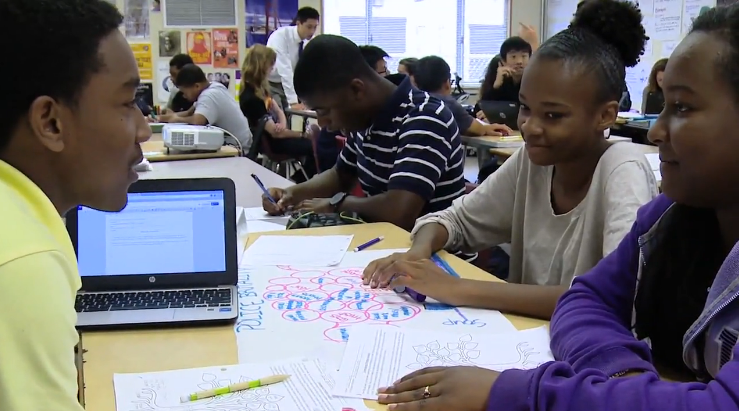
"caption": "Students at Oakland Technical High school in California work to develop theories of change on issues that are important to them.",
"description": null,
"title": "tree of change2",
"credit": "\u003ca href=\"https://www.teachingchannel.org/videos/prepare-civic-engagement-edda\">Teaching Channel\u003c/a>",
"status": "inherit",
"isLoading": false,
"fetchFailed": false
},
"mindshift_46434": {
"type": "attachments",
"id": "mindshift_46434",
"meta": {
"index": "attachments_1716263798",
"site": "mindshift",
"id": "46434",
"found": true
},
"parent": 46426,
"imgSizes": {
"twentyfourteen-full-width": {
"file": "https://ww2.kqed.org/app/uploads/sites/23/2016/09/digital-reading-1038x576.png",
"width": 1038,
"mimeType": "image/png",
"height": 576
},
"thumbnail": {
"file": "https://ww2.kqed.org/app/uploads/sites/23/2016/09/digital-reading-400x225.png",
"width": 400,
"mimeType": "image/png",
"height": 225
},
"fd-sm": {
"file": "https://ww2.kqed.org/app/uploads/sites/23/2016/09/digital-reading-960x540.png",
"width": 960,
"mimeType": "image/png",
"height": 540
},
"post-thumbnail": {
"file": "https://ww2.kqed.org/app/uploads/sites/23/2016/09/digital-reading-672x372.png",
"width": 672,
"mimeType": "image/png",
"height": 372
},
"kqedFullSize": {
"file": "https://ww2.kqed.org/app/uploads/sites/23/2016/09/digital-reading.png",
"width": 1920,
"height": 1080
},
"large": {
"file": "https://ww2.kqed.org/app/uploads/sites/23/2016/09/digital-reading-1440x810.png",
"width": 1440,
"mimeType": "image/png",
"height": 810
},
"guest-author-50": {
"file": "https://ww2.kqed.org/app/uploads/sites/23/2016/09/digital-reading-50x50.png",
"width": 50,
"mimeType": "image/png",
"height": 50
},
"guest-author-96": {
"file": "https://ww2.kqed.org/app/uploads/sites/23/2016/09/digital-reading-96x96.png",
"width": 96,
"mimeType": "image/png",
"height": 96
},
"medium": {
"file": "https://ww2.kqed.org/app/uploads/sites/23/2016/09/digital-reading-800x450.png",
"width": 800,
"mimeType": "image/png",
"height": 450
},
"guest-author-64": {
"file": "https://ww2.kqed.org/app/uploads/sites/23/2016/09/digital-reading-64x64.png",
"width": 64,
"mimeType": "image/png",
"height": 64
},
"guest-author-32": {
"file": "https://ww2.kqed.org/app/uploads/sites/23/2016/09/digital-reading-32x32.png",
"width": 32,
"mimeType": "image/png",
"height": 32
},
"cat_post_thumb_sizecategory-posts-2": {
"file": "https://ww2.kqed.org/app/uploads/sites/23/2016/09/digital-reading-50x50.png",
"width": 50,
"mimeType": "image/png",
"height": 50
},
"fd-lrg": {
"file": "https://ww2.kqed.org/app/uploads/sites/23/2016/09/digital-reading-1920x1080.png",
"width": 1920,
"mimeType": "image/png",
"height": 1080
},
"fd-med": {
"file": "https://ww2.kqed.org/app/uploads/sites/23/2016/09/digital-reading-1180x664.png",
"width": 1180,
"mimeType": "image/png",
"height": 664
},
"detail": {
"file": "https://ww2.kqed.org/app/uploads/sites/23/2016/09/digital-reading-150x150.png",
"width": 150,
"mimeType": "image/png",
"height": 150
},
"medium_large": {
"file": "https://ww2.kqed.org/app/uploads/sites/23/2016/09/digital-reading-768x432.png",
"width": 768,
"mimeType": "image/png",
"height": 432
},
"guest-author-128": {
"file": "https://ww2.kqed.org/app/uploads/sites/23/2016/09/digital-reading-128x128.png",
"width": 128,
"mimeType": "image/png",
"height": 128
}
},
"publishDate": 1474499996,
"modified": 1474500032,
"caption": null,
"description": null,
"title": "digital-reading",
"credit": "Erin Scott/MindShift",
"status": "inherit",
"isLoading": false,
"fetchFailed": false
},
"mindshift_46707": {
"type": "attachments",
"id": "mindshift_46707",
"meta": {
"index": "attachments_1716263798",
"site": "mindshift",
"id": "46707",
"found": true
},
"parent": 46602,
"imgSizes": {
"twentyfourteen-full-width": {
"file": "https://ww2.kqed.org/app/uploads/sites/23/2016/10/Scantron-1038x576.jpg",
"width": 1038,
"mimeType": "image/jpeg",
"height": 576
},
"thumbnail": {
"file": "https://ww2.kqed.org/app/uploads/sites/23/2016/10/Scantron-400x281.jpg",
"width": 400,
"mimeType": "image/jpeg",
"height": 281
},
"fd-sm": {
"file": "https://ww2.kqed.org/app/uploads/sites/23/2016/10/Scantron-960x675.jpg",
"width": 960,
"mimeType": "image/jpeg",
"height": 675
},
"post-thumbnail": {
"file": "https://ww2.kqed.org/app/uploads/sites/23/2016/10/Scantron-672x372.jpg",
"width": 672,
"mimeType": "image/jpeg",
"height": 372
},
"kqedFullSize": {
"file": "https://ww2.kqed.org/app/uploads/sites/23/2016/10/Scantron.jpg",
"width": 2300,
"height": 1618
},
"large": {
"file": "https://ww2.kqed.org/app/uploads/sites/23/2016/10/Scantron-1440x1013.jpg",
"width": 1440,
"mimeType": "image/jpeg",
"height": 1013
},
"guest-author-50": {
"file": "https://ww2.kqed.org/app/uploads/sites/23/2016/10/Scantron-50x50.jpg",
"width": 50,
"mimeType": "image/jpeg",
"height": 50
},
"guest-author-96": {
"file": "https://ww2.kqed.org/app/uploads/sites/23/2016/10/Scantron-96x96.jpg",
"width": 96,
"mimeType": "image/jpeg",
"height": 96
},
"medium": {
"file": "https://ww2.kqed.org/app/uploads/sites/23/2016/10/Scantron-800x563.jpg",
"width": 800,
"mimeType": "image/jpeg",
"height": 563
},
"guest-author-64": {
"file": "https://ww2.kqed.org/app/uploads/sites/23/2016/10/Scantron-64x64.jpg",
"width": 64,
"mimeType": "image/jpeg",
"height": 64
},
"guest-author-32": {
"file": "https://ww2.kqed.org/app/uploads/sites/23/2016/10/Scantron-32x32.jpg",
"width": 32,
"mimeType": "image/jpeg",
"height": 32
},
"cat_post_thumb_sizecategory-posts-2": {
"file": "https://ww2.kqed.org/app/uploads/sites/23/2016/10/Scantron-50x50.jpg",
"width": 50,
"mimeType": "image/jpeg",
"height": 50
},
"fd-lrg": {
"file": "https://ww2.kqed.org/app/uploads/sites/23/2016/10/Scantron-1920x1351.jpg",
"width": 1920,
"mimeType": "image/jpeg",
"height": 1351
},
"fd-med": {
"file": "https://ww2.kqed.org/app/uploads/sites/23/2016/10/Scantron-1180x830.jpg",
"width": 1180,
"mimeType": "image/jpeg",
"height": 830
},
"detail": {
"file": "https://ww2.kqed.org/app/uploads/sites/23/2016/10/Scantron-150x150.jpg",
"width": 150,
"mimeType": "image/jpeg",
"height": 150
},
"medium_large": {
"file": "https://ww2.kqed.org/app/uploads/sites/23/2016/10/Scantron-768x540.jpg",
"width": 768,
"mimeType": "image/jpeg",
"height": 540
},
"guest-author-128": {
"file": "https://ww2.kqed.org/app/uploads/sites/23/2016/10/Scantron-128x128.jpg",
"width": 128,
"mimeType": "image/jpeg",
"height": 128
}
},
"publishDate": 1476426002,
"modified": 1476426027,
"caption": null,
"description": null,
"title": "Scantron",
"credit": "iStock/Chad McDermott",
"status": "inherit",
"isLoading": false,
"fetchFailed": false
},
"mindshift_46689": {
"type": "attachments",
"id": "mindshift_46689",
"meta": {
"index": "attachments_1716263798",
"site": "mindshift",
"id": "46689",
"found": true
},
"parent": 46688,
"imgSizes": {
"twentyfourteen-full-width": {
"file": "https://ww2.kqed.org/app/uploads/sites/23/2016/10/barber_jason_jozef1-toned_custom-11511d112ba547de370775b004c4ba4492c214b3-1038x576.jpg",
"width": 1038,
"mimeType": "image/jpeg",
"height": 576
},
"thumbnail": {
"file": "https://ww2.kqed.org/app/uploads/sites/23/2016/10/barber_jason_jozef1-toned_custom-11511d112ba547de370775b004c4ba4492c214b3-400x273.jpg",
"width": 400,
"mimeType": "image/jpeg",
"height": 273
},
"fd-sm": {
"file": "https://ww2.kqed.org/app/uploads/sites/23/2016/10/barber_jason_jozef1-toned_custom-11511d112ba547de370775b004c4ba4492c214b3-960x656.jpg",
"width": 960,
"mimeType": "image/jpeg",
"height": 656
},
"post-thumbnail": {
"file": "https://ww2.kqed.org/app/uploads/sites/23/2016/10/barber_jason_jozef1-toned_custom-11511d112ba547de370775b004c4ba4492c214b3-672x372.jpg",
"width": 672,
"mimeType": "image/jpeg",
"height": 372
},
"kqedFullSize": {
"file": "https://ww2.kqed.org/app/uploads/sites/23/2016/10/barber_jason_jozef1-toned_custom-11511d112ba547de370775b004c4ba4492c214b3.jpg",
"width": 3024,
"height": 2066
},
"large": {
"file": "https://ww2.kqed.org/app/uploads/sites/23/2016/10/barber_jason_jozef1-toned_custom-11511d112ba547de370775b004c4ba4492c214b3-1440x984.jpg",
"width": 1440,
"mimeType": "image/jpeg",
"height": 984
},
"guest-author-50": {
"file": "https://ww2.kqed.org/app/uploads/sites/23/2016/10/barber_jason_jozef1-toned_custom-11511d112ba547de370775b004c4ba4492c214b3-50x50.jpg",
"width": 50,
"mimeType": "image/jpeg",
"height": 50
},
"guest-author-96": {
"file": "https://ww2.kqed.org/app/uploads/sites/23/2016/10/barber_jason_jozef1-toned_custom-11511d112ba547de370775b004c4ba4492c214b3-96x96.jpg",
"width": 96,
"mimeType": "image/jpeg",
"height": 96
},
"medium": {
"file": "https://ww2.kqed.org/app/uploads/sites/23/2016/10/barber_jason_jozef1-toned_custom-11511d112ba547de370775b004c4ba4492c214b3-800x547.jpg",
"width": 800,
"mimeType": "image/jpeg",
"height": 547
},
"guest-author-64": {
"file": "https://ww2.kqed.org/app/uploads/sites/23/2016/10/barber_jason_jozef1-toned_custom-11511d112ba547de370775b004c4ba4492c214b3-64x64.jpg",
"width": 64,
"mimeType": "image/jpeg",
"height": 64
},
"guest-author-32": {
"file": "https://ww2.kqed.org/app/uploads/sites/23/2016/10/barber_jason_jozef1-toned_custom-11511d112ba547de370775b004c4ba4492c214b3-32x32.jpg",
"width": 32,
"mimeType": "image/jpeg",
"height": 32
},
"cat_post_thumb_sizecategory-posts-2": {
"file": "https://ww2.kqed.org/app/uploads/sites/23/2016/10/barber_jason_jozef1-toned_custom-11511d112ba547de370775b004c4ba4492c214b3-50x50.jpg",
"width": 50,
"mimeType": "image/jpeg",
"height": 50
},
"fd-lrg": {
"file": "https://ww2.kqed.org/app/uploads/sites/23/2016/10/barber_jason_jozef1-toned_custom-11511d112ba547de370775b004c4ba4492c214b3-1920x1312.jpg",
"width": 1920,
"mimeType": "image/jpeg",
"height": 1312
},
"fd-med": {
"file": "https://ww2.kqed.org/app/uploads/sites/23/2016/10/barber_jason_jozef1-toned_custom-11511d112ba547de370775b004c4ba4492c214b3-1180x806.jpg",
"width": 1180,
"mimeType": "image/jpeg",
"height": 806
},
"detail": {
"file": "https://ww2.kqed.org/app/uploads/sites/23/2016/10/barber_jason_jozef1-toned_custom-11511d112ba547de370775b004c4ba4492c214b3-150x150.jpg",
"width": 150,
"mimeType": "image/jpeg",
"height": 150
},
"medium_large": {
"file": "https://ww2.kqed.org/app/uploads/sites/23/2016/10/barber_jason_jozef1-toned_custom-11511d112ba547de370775b004c4ba4492c214b3-768x525.jpg",
"width": 768,
"mimeType": "image/jpeg",
"height": 525
},
"guest-author-128": {
"file": "https://ww2.kqed.org/app/uploads/sites/23/2016/10/barber_jason_jozef1-toned_custom-11511d112ba547de370775b004c4ba4492c214b3-128x128.jpg",
"width": 128,
"mimeType": "image/jpeg",
"height": 128
}
},
"publishDate": 1476310483,
"modified": 1476311201,
"caption": "Jozef Jason, 7, reads a book to Ryan Griffin at the Fuller Cut in Ypsilanti, Mich., as part of the barbershop's literacy program.",
"description": "Jozef Jason, 7, reads a book to Ryan Griffin at the Fuller Cut in Ypsilanti, Mich., as part of the barbershop's literacy program.",
"title": "Jozef Jason, 7, reads a book to Ryan Griffin at the Fuller Cut in Ypsilanti, Mich., as part of the barbershop's literacy program.",
"credit": "Keith Jason/Courtesy of Keith Jason",
"status": "inherit",
"isLoading": false,
"fetchFailed": false
},
"mindshift_46674": {
"type": "attachments",
"id": "mindshift_46674",
"meta": {
"index": "attachments_1716263798",
"site": "mindshift",
"id": "46674",
"found": true
},
"parent": 46617,
"imgSizes": {
"twentyfourteen-full-width": {
"file": "https://ww2.kqed.org/app/uploads/sites/23/2016/10/Baseball-1038x576.jpg",
"width": 1038,
"mimeType": "image/jpeg",
"height": 576
},
"thumbnail": {
"file": "https://ww2.kqed.org/app/uploads/sites/23/2016/10/Baseball-400x224.jpg",
"width": 400,
"mimeType": "image/jpeg",
"height": 224
},
"fd-sm": {
"file": "https://ww2.kqed.org/app/uploads/sites/23/2016/10/Baseball-960x537.jpg",
"width": 960,
"mimeType": "image/jpeg",
"height": 537
},
"post-thumbnail": {
"file": "https://ww2.kqed.org/app/uploads/sites/23/2016/10/Baseball-672x372.jpg",
"width": 672,
"mimeType": "image/jpeg",
"height": 372
},
"kqedFullSize": {
"file": "https://ww2.kqed.org/app/uploads/sites/23/2016/10/Baseball.jpg",
"width": 2712,
"height": 1516
},
"large": {
"file": "https://ww2.kqed.org/app/uploads/sites/23/2016/10/Baseball-1440x805.jpg",
"width": 1440,
"mimeType": "image/jpeg",
"height": 805
},
"guest-author-50": {
"file": "https://ww2.kqed.org/app/uploads/sites/23/2016/10/Baseball-50x50.jpg",
"width": 50,
"mimeType": "image/jpeg",
"height": 50
},
"guest-author-96": {
"file": "https://ww2.kqed.org/app/uploads/sites/23/2016/10/Baseball-96x96.jpg",
"width": 96,
"mimeType": "image/jpeg",
"height": 96
},
"medium": {
"file": "https://ww2.kqed.org/app/uploads/sites/23/2016/10/Baseball-800x447.jpg",
"width": 800,
"mimeType": "image/jpeg",
"height": 447
},
"guest-author-64": {
"file": "https://ww2.kqed.org/app/uploads/sites/23/2016/10/Baseball-64x64.jpg",
"width": 64,
"mimeType": "image/jpeg",
"height": 64
},
"guest-author-32": {
"file": "https://ww2.kqed.org/app/uploads/sites/23/2016/10/Baseball-32x32.jpg",
"width": 32,
"mimeType": "image/jpeg",
"height": 32
},
"cat_post_thumb_sizecategory-posts-2": {
"file": "https://ww2.kqed.org/app/uploads/sites/23/2016/10/Baseball-50x50.jpg",
"width": 50,
"mimeType": "image/jpeg",
"height": 50
},
"fd-lrg": {
"file": "https://ww2.kqed.org/app/uploads/sites/23/2016/10/Baseball-1920x1073.jpg",
"width": 1920,
"mimeType": "image/jpeg",
"height": 1073
},
"fd-med": {
"file": "https://ww2.kqed.org/app/uploads/sites/23/2016/10/Baseball-1180x660.jpg",
"width": 1180,
"mimeType": "image/jpeg",
"height": 660
},
"detail": {
"file": "https://ww2.kqed.org/app/uploads/sites/23/2016/10/Baseball-150x150.jpg",
"width": 150,
"mimeType": "image/jpeg",
"height": 150
},
"medium_large": {
"file": "https://ww2.kqed.org/app/uploads/sites/23/2016/10/Baseball-768x429.jpg",
"width": 768,
"mimeType": "image/jpeg",
"height": 429
},
"guest-author-128": {
"file": "https://ww2.kqed.org/app/uploads/sites/23/2016/10/Baseball-128x128.jpg",
"width": 128,
"mimeType": "image/jpeg",
"height": 128
}
},
"publishDate": 1476278368,
"modified": 1476278389,
"caption": null,
"description": null,
"title": "Baseball",
"credit": "iStock/Tammykayphoto",
"status": "inherit",
"isLoading": false,
"fetchFailed": false
},
"mindshift_46528": {
"type": "attachments",
"id": "mindshift_46528",
"meta": {
"index": "attachments_1716263798",
"site": "mindshift",
"id": "46528",
"found": true
},
"parent": 46527,
"imgSizes": {
"twentyfourteen-full-width": {
"file": "https://ww2.kqed.org/app/uploads/sites/23/2016/09/building-den-1038x576.png",
"width": 1038,
"mimeType": "image/png",
"height": 576
},
"thumbnail": {
"file": "https://ww2.kqed.org/app/uploads/sites/23/2016/09/building-den-400x210.png",
"width": 400,
"mimeType": "image/png",
"height": 210
},
"fd-sm": {
"file": "https://ww2.kqed.org/app/uploads/sites/23/2016/09/building-den-960x505.png",
"width": 960,
"mimeType": "image/png",
"height": 505
},
"post-thumbnail": {
"file": "https://ww2.kqed.org/app/uploads/sites/23/2016/09/building-den-672x372.png",
"width": 672,
"mimeType": "image/png",
"height": 372
},
"kqedFullSize": {
"file": "https://ww2.kqed.org/app/uploads/sites/23/2016/09/building-den.png",
"width": 1278,
"height": 672
},
"guest-author-50": {
"file": "https://ww2.kqed.org/app/uploads/sites/23/2016/09/building-den-50x50.png",
"width": 50,
"mimeType": "image/png",
"height": 50
},
"guest-author-96": {
"file": "https://ww2.kqed.org/app/uploads/sites/23/2016/09/building-den-96x96.png",
"width": 96,
"mimeType": "image/png",
"height": 96
},
"medium": {
"file": "https://ww2.kqed.org/app/uploads/sites/23/2016/09/building-den-800x421.png",
"width": 800,
"mimeType": "image/png",
"height": 421
},
"guest-author-64": {
"file": "https://ww2.kqed.org/app/uploads/sites/23/2016/09/building-den-64x64.png",
"width": 64,
"mimeType": "image/png",
"height": 64
},
"guest-author-32": {
"file": "https://ww2.kqed.org/app/uploads/sites/23/2016/09/building-den-32x32.png",
"width": 32,
"mimeType": "image/png",
"height": 32
},
"cat_post_thumb_sizecategory-posts-2": {
"file": "https://ww2.kqed.org/app/uploads/sites/23/2016/09/building-den-50x50.png",
"width": 50,
"mimeType": "image/png",
"height": 50
},
"fd-med": {
"file": "https://ww2.kqed.org/app/uploads/sites/23/2016/09/building-den-1180x620.png",
"width": 1180,
"mimeType": "image/png",
"height": 620
},
"detail": {
"file": "https://ww2.kqed.org/app/uploads/sites/23/2016/09/building-den-150x150.png",
"width": 150,
"mimeType": "image/png",
"height": 150
},
"medium_large": {
"file": "https://ww2.kqed.org/app/uploads/sites/23/2016/09/building-den-768x404.png",
"width": 768,
"mimeType": "image/png",
"height": 404
},
"guest-author-128": {
"file": "https://ww2.kqed.org/app/uploads/sites/23/2016/09/building-den-128x128.png",
"width": 128,
"mimeType": "image/png",
"height": 128
}
},
"publishDate": 1475185750,
"modified": 1475185849,
"caption": "Footage from a GoPro strapped to a third grader's chest shows classmates working to build a den to protect kindergarteners when they play outside in the cold.",
"description": null,
"title": "building den",
"credit": "Courtesy Michelle Cordy",
"status": "inherit",
"isLoading": false,
"fetchFailed": false
},
"mindshift_46649": {
"type": "attachments",
"id": "mindshift_46649",
"meta": {
"index": "attachments_1716263798",
"site": "mindshift",
"id": "46649",
"found": true
},
"parent": 46648,
"imgSizes": {
"twentyfourteen-full-width": {
"file": "https://ww2.kqed.org/app/uploads/sites/23/2016/10/student-stress3_custom-f075c08b5702057aa9d960e34161142abebc6b72-1038x576.jpg",
"width": 1038,
"mimeType": "image/jpeg",
"height": 576
},
"thumbnail": {
"file": "https://ww2.kqed.org/app/uploads/sites/23/2016/10/student-stress3_custom-f075c08b5702057aa9d960e34161142abebc6b72-400x262.jpg",
"width": 400,
"mimeType": "image/jpeg",
"height": 262
},
"fd-sm": {
"file": "https://ww2.kqed.org/app/uploads/sites/23/2016/10/student-stress3_custom-f075c08b5702057aa9d960e34161142abebc6b72-960x629.jpg",
"width": 960,
"mimeType": "image/jpeg",
"height": 629
},
"post-thumbnail": {
"file": "https://ww2.kqed.org/app/uploads/sites/23/2016/10/student-stress3_custom-f075c08b5702057aa9d960e34161142abebc6b72-672x372.jpg",
"width": 672,
"mimeType": "image/jpeg",
"height": 372
},
"kqedFullSize": {
"file": "https://ww2.kqed.org/app/uploads/sites/23/2016/10/student-stress3_custom-f075c08b5702057aa9d960e34161142abebc6b72.jpg",
"width": 3200,
"height": 2098
},
"large": {
"file": "https://ww2.kqed.org/app/uploads/sites/23/2016/10/student-stress3_custom-f075c08b5702057aa9d960e34161142abebc6b72-1440x944.jpg",
"width": 1440,
"mimeType": "image/jpeg",
"height": 944
},
"guest-author-50": {
"file": "https://ww2.kqed.org/app/uploads/sites/23/2016/10/student-stress3_custom-f075c08b5702057aa9d960e34161142abebc6b72-50x50.jpg",
"width": 50,
"mimeType": "image/jpeg",
"height": 50
},
"guest-author-96": {
"file": "https://ww2.kqed.org/app/uploads/sites/23/2016/10/student-stress3_custom-f075c08b5702057aa9d960e34161142abebc6b72-96x96.jpg",
"width": 96,
"mimeType": "image/jpeg",
"height": 96
},
"medium": {
"file": "https://ww2.kqed.org/app/uploads/sites/23/2016/10/student-stress3_custom-f075c08b5702057aa9d960e34161142abebc6b72-800x525.jpg",
"width": 800,
"mimeType": "image/jpeg",
"height": 525
},
"guest-author-64": {
"file": "https://ww2.kqed.org/app/uploads/sites/23/2016/10/student-stress3_custom-f075c08b5702057aa9d960e34161142abebc6b72-64x64.jpg",
"width": 64,
"mimeType": "image/jpeg",
"height": 64
},
"guest-author-32": {
"file": "https://ww2.kqed.org/app/uploads/sites/23/2016/10/student-stress3_custom-f075c08b5702057aa9d960e34161142abebc6b72-32x32.jpg",
"width": 32,
"mimeType": "image/jpeg",
"height": 32
},
"cat_post_thumb_sizecategory-posts-2": {
"file": "https://ww2.kqed.org/app/uploads/sites/23/2016/10/student-stress3_custom-f075c08b5702057aa9d960e34161142abebc6b72-50x50.jpg",
"width": 50,
"mimeType": "image/jpeg",
"height": 50
},
"fd-lrg": {
"file": "https://ww2.kqed.org/app/uploads/sites/23/2016/10/student-stress3_custom-f075c08b5702057aa9d960e34161142abebc6b72-1920x1259.jpg",
"width": 1920,
"mimeType": "image/jpeg",
"height": 1259
},
"fd-med": {
"file": "https://ww2.kqed.org/app/uploads/sites/23/2016/10/student-stress3_custom-f075c08b5702057aa9d960e34161142abebc6b72-1180x774.jpg",
"width": 1180,
"mimeType": "image/jpeg",
"height": 774
},
"detail": {
"file": "https://ww2.kqed.org/app/uploads/sites/23/2016/10/student-stress3_custom-f075c08b5702057aa9d960e34161142abebc6b72-150x150.jpg",
"width": 150,
"mimeType": "image/jpeg",
"height": 150
},
"medium_large": {
"file": "https://ww2.kqed.org/app/uploads/sites/23/2016/10/student-stress3_custom-f075c08b5702057aa9d960e34161142abebc6b72-768x504.jpg",
"width": 768,
"mimeType": "image/jpeg",
"height": 504
},
"guest-author-128": {
"file": "https://ww2.kqed.org/app/uploads/sites/23/2016/10/student-stress3_custom-f075c08b5702057aa9d960e34161142abebc6b72-128x128.jpg",
"width": 128,
"mimeType": "image/jpeg",
"height": 128
}
},
"publishDate": 1476122478,
"modified": 1476122661,
"caption": "Middle school is a particularly stressful time for young adolescents.",
"description": "Middle school is a particularly stressful time for young adolescents.",
"title": "Middle school is a particularly stressful time for young adolescents.",
"credit": "LA Johnson/NPR",
"status": "inherit",
"isLoading": false,
"fetchFailed": false
},
"mindshift_46641": {
"type": "attachments",
"id": "mindshift_46641",
"meta": {
"index": "attachments_1716263798",
"site": "mindshift",
"id": "46641",
"found": true
},
"parent": 46640,
"imgSizes": {
"twentyfourteen-full-width": {
"file": "https://ww2.kqed.org/app/uploads/sites/23/2016/10/editedteens-f34c411d8c71f0119a5137d6cf614e8d485758c4-1038x576.jpg",
"width": 1038,
"mimeType": "image/jpeg",
"height": 576
},
"thumbnail": {
"file": "https://ww2.kqed.org/app/uploads/sites/23/2016/10/editedteens-f34c411d8c71f0119a5137d6cf614e8d485758c4-400x300.jpg",
"width": 400,
"mimeType": "image/jpeg",
"height": 300
},
"fd-sm": {
"file": "https://ww2.kqed.org/app/uploads/sites/23/2016/10/editedteens-f34c411d8c71f0119a5137d6cf614e8d485758c4-960x720.jpg",
"width": 960,
"mimeType": "image/jpeg",
"height": 720
},
"post-thumbnail": {
"file": "https://ww2.kqed.org/app/uploads/sites/23/2016/10/editedteens-f34c411d8c71f0119a5137d6cf614e8d485758c4-672x372.jpg",
"width": 672,
"mimeType": "image/jpeg",
"height": 372
},
"kqedFullSize": {
"file": "https://ww2.kqed.org/app/uploads/sites/23/2016/10/editedteens-f34c411d8c71f0119a5137d6cf614e8d485758c4-e1475844095531.jpg",
"width": 1920,
"height": 1440
},
"large": {
"file": "https://ww2.kqed.org/app/uploads/sites/23/2016/10/editedteens-f34c411d8c71f0119a5137d6cf614e8d485758c4-1440x1080.jpg",
"width": 1440,
"mimeType": "image/jpeg",
"height": 1080
},
"guest-author-50": {
"file": "https://ww2.kqed.org/app/uploads/sites/23/2016/10/editedteens-f34c411d8c71f0119a5137d6cf614e8d485758c4-50x50.jpg",
"width": 50,
"mimeType": "image/jpeg",
"height": 50
},
"guest-author-96": {
"file": "https://ww2.kqed.org/app/uploads/sites/23/2016/10/editedteens-f34c411d8c71f0119a5137d6cf614e8d485758c4-96x96.jpg",
"width": 96,
"mimeType": "image/jpeg",
"height": 96
},
"medium": {
"file": "https://ww2.kqed.org/app/uploads/sites/23/2016/10/editedteens-f34c411d8c71f0119a5137d6cf614e8d485758c4-800x600.jpg",
"width": 800,
"mimeType": "image/jpeg",
"height": 600
},
"guest-author-64": {
"file": "https://ww2.kqed.org/app/uploads/sites/23/2016/10/editedteens-f34c411d8c71f0119a5137d6cf614e8d485758c4-64x64.jpg",
"width": 64,
"mimeType": "image/jpeg",
"height": 64
},
"guest-author-32": {
"file": "https://ww2.kqed.org/app/uploads/sites/23/2016/10/editedteens-f34c411d8c71f0119a5137d6cf614e8d485758c4-32x32.jpg",
"width": 32,
"mimeType": "image/jpeg",
"height": 32
},
"cat_post_thumb_sizecategory-posts-2": {
"file": "https://ww2.kqed.org/app/uploads/sites/23/2016/10/editedteens-f34c411d8c71f0119a5137d6cf614e8d485758c4-50x50.jpg",
"width": 50,
"mimeType": "image/jpeg",
"height": 50
},
"fd-lrg": {
"file": "https://ww2.kqed.org/app/uploads/sites/23/2016/10/editedteens-f34c411d8c71f0119a5137d6cf614e8d485758c4-1920x1440.jpg",
"width": 1920,
"mimeType": "image/jpeg",
"height": 1440
},
"fd-med": {
"file": "https://ww2.kqed.org/app/uploads/sites/23/2016/10/editedteens-f34c411d8c71f0119a5137d6cf614e8d485758c4-1180x885.jpg",
"width": 1180,
"mimeType": "image/jpeg",
"height": 885
},
"detail": {
"file": "https://ww2.kqed.org/app/uploads/sites/23/2016/10/editedteens-f34c411d8c71f0119a5137d6cf614e8d485758c4-150x150.jpg",
"width": 150,
"mimeType": "image/jpeg",
"height": 150
},
"medium_large": {
"file": "https://ww2.kqed.org/app/uploads/sites/23/2016/10/editedteens-f34c411d8c71f0119a5137d6cf614e8d485758c4-768x576.jpg",
"width": 768,
"mimeType": "image/jpeg",
"height": 576
},
"guest-author-128": {
"file": "https://ww2.kqed.org/app/uploads/sites/23/2016/10/editedteens-f34c411d8c71f0119a5137d6cf614e8d485758c4-128x128.jpg",
"width": 128,
"mimeType": "image/jpeg",
"height": 128
}
},
"publishDate": 1475843397,
"modified": 1475843397,
"caption": null,
"description": "Sure, keeping a teenager's thoughts corralled may seem like lion taming. But that impulsivity may help them learn, too.",
"title": "Sure, keeping a teenager's thoughts corralled may seem like lion taming. But that impulsivity may help them learn, too.",
"credit": null,
"status": "inherit",
"isLoading": false,
"fetchFailed": false
},
"mindshift_46634": {
"type": "attachments",
"id": "mindshift_46634",
"meta": {
"index": "attachments_1716263798",
"site": "mindshift",
"id": "46634",
"found": true
},
"parent": 46598,
"imgSizes": {
"twentyfourteen-full-width": {
"file": "https://ww2.kqed.org/app/uploads/sites/23/2016/10/CodeMonkey-1038x576.jpg",
"width": 1038,
"mimeType": "image/jpeg",
"height": 576
},
"thumbnail": {
"file": "https://ww2.kqed.org/app/uploads/sites/23/2016/10/CodeMonkey-400x225.jpg",
"width": 400,
"mimeType": "image/jpeg",
"height": 225
},
"fd-sm": {
"file": "https://ww2.kqed.org/app/uploads/sites/23/2016/10/CodeMonkey-960x540.jpg",
"width": 960,
"mimeType": "image/jpeg",
"height": 540
},
"post-thumbnail": {
"file": "https://ww2.kqed.org/app/uploads/sites/23/2016/10/CodeMonkey-672x372.jpg",
"width": 672,
"mimeType": "image/jpeg",
"height": 372
},
"kqedFullSize": {
"file": "https://ww2.kqed.org/app/uploads/sites/23/2016/10/CodeMonkey.jpg",
"width": 1920,
"height": 1080
},
"large": {
"file": "https://ww2.kqed.org/app/uploads/sites/23/2016/10/CodeMonkey-1440x810.jpg",
"width": 1440,
"mimeType": "image/jpeg",
"height": 810
},
"guest-author-50": {
"file": "https://ww2.kqed.org/app/uploads/sites/23/2016/10/CodeMonkey-50x50.jpg",
"width": 50,
"mimeType": "image/jpeg",
"height": 50
},
"guest-author-96": {
"file": "https://ww2.kqed.org/app/uploads/sites/23/2016/10/CodeMonkey-96x96.jpg",
"width": 96,
"mimeType": "image/jpeg",
"height": 96
},
"medium": {
"file": "https://ww2.kqed.org/app/uploads/sites/23/2016/10/CodeMonkey-800x450.jpg",
"width": 800,
"mimeType": "image/jpeg",
"height": 450
},
"guest-author-64": {
"file": "https://ww2.kqed.org/app/uploads/sites/23/2016/10/CodeMonkey-64x64.jpg",
"width": 64,
"mimeType": "image/jpeg",
"height": 64
},
"guest-author-32": {
"file": "https://ww2.kqed.org/app/uploads/sites/23/2016/10/CodeMonkey-32x32.jpg",
"width": 32,
"mimeType": "image/jpeg",
"height": 32
},
"cat_post_thumb_sizecategory-posts-2": {
"file": "https://ww2.kqed.org/app/uploads/sites/23/2016/10/CodeMonkey-50x50.jpg",
"width": 50,
"mimeType": "image/jpeg",
"height": 50
},
"fd-lrg": {
"file": "https://ww2.kqed.org/app/uploads/sites/23/2016/10/CodeMonkey-1920x1080.jpg",
"width": 1920,
"mimeType": "image/jpeg",
"height": 1080
},
"fd-med": {
"file": "https://ww2.kqed.org/app/uploads/sites/23/2016/10/CodeMonkey-1180x664.jpg",
"width": 1180,
"mimeType": "image/jpeg",
"height": 664
},
"detail": {
"file": "https://ww2.kqed.org/app/uploads/sites/23/2016/10/CodeMonkey-150x150.jpg",
"width": 150,
"mimeType": "image/jpeg",
"height": 150
},
"medium_large": {
"file": "https://ww2.kqed.org/app/uploads/sites/23/2016/10/CodeMonkey-768x432.jpg",
"width": 768,
"mimeType": "image/jpeg",
"height": 432
},
"guest-author-128": {
"file": "https://ww2.kqed.org/app/uploads/sites/23/2016/10/CodeMonkey-128x128.jpg",
"width": 128,
"mimeType": "image/jpeg",
"height": 128
}
},
"publishDate": 1475738161,
"modified": 1475738183,
"caption": null,
"description": null,
"title": "CodeMonkey",
"credit": "Screengrab of CodeMonkey",
"status": "inherit",
"isLoading": false,
"fetchFailed": false
},
"mindshift_46583": {
"type": "attachments",
"id": "mindshift_46583",
"meta": {
"index": "attachments_1716263798",
"site": "mindshift",
"id": "46583",
"found": true
},
"parent": 46138,
"imgSizes": {
"twentyfourteen-full-width": {
"file": "https://ww2.kqed.org/app/uploads/sites/23/2016/10/Lafayette2-sized-1038x576.png",
"width": 1038,
"mimeType": "image/png",
"height": 576
},
"thumbnail": {
"file": "https://ww2.kqed.org/app/uploads/sites/23/2016/10/Lafayette2-sized-400x225.png",
"width": 400,
"mimeType": "image/png",
"height": 225
},
"fd-sm": {
"file": "https://ww2.kqed.org/app/uploads/sites/23/2016/10/Lafayette2-sized-960x540.png",
"width": 960,
"mimeType": "image/png",
"height": 540
},
"post-thumbnail": {
"file": "https://ww2.kqed.org/app/uploads/sites/23/2016/10/Lafayette2-sized-672x372.png",
"width": 672,
"mimeType": "image/png",
"height": 372
},
"kqedFullSize": {
"file": "https://ww2.kqed.org/app/uploads/sites/23/2016/10/Lafayette2-sized.png",
"width": 1920,
"height": 1080
},
"large": {
"file": "https://ww2.kqed.org/app/uploads/sites/23/2016/10/Lafayette2-sized-1440x810.png",
"width": 1440,
"mimeType": "image/png",
"height": 810
},
"guest-author-50": {
"file": "https://ww2.kqed.org/app/uploads/sites/23/2016/10/Lafayette2-sized-50x50.png",
"width": 50,
"mimeType": "image/png",
"height": 50
},
"guest-author-96": {
"file": "https://ww2.kqed.org/app/uploads/sites/23/2016/10/Lafayette2-sized-96x96.png",
"width": 96,
"mimeType": "image/png",
"height": 96
},
"medium": {
"file": "https://ww2.kqed.org/app/uploads/sites/23/2016/10/Lafayette2-sized-800x450.png",
"width": 800,
"mimeType": "image/png",
"height": 450
},
"guest-author-64": {
"file": "https://ww2.kqed.org/app/uploads/sites/23/2016/10/Lafayette2-sized-64x64.png",
"width": 64,
"mimeType": "image/png",
"height": 64
},
"guest-author-32": {
"file": "https://ww2.kqed.org/app/uploads/sites/23/2016/10/Lafayette2-sized-32x32.png",
"width": 32,
"mimeType": "image/png",
"height": 32
},
"cat_post_thumb_sizecategory-posts-2": {
"file": "https://ww2.kqed.org/app/uploads/sites/23/2016/10/Lafayette2-sized-50x50.png",
"width": 50,
"mimeType": "image/png",
"height": 50
},
"fd-lrg": {
"file": "https://ww2.kqed.org/app/uploads/sites/23/2016/10/Lafayette2-sized-1920x1080.png",
"width": 1920,
"mimeType": "image/png",
"height": 1080
},
"fd-med": {
"file": "https://ww2.kqed.org/app/uploads/sites/23/2016/10/Lafayette2-sized-1180x664.png",
"width": 1180,
"mimeType": "image/png",
"height": 664
},
"detail": {
"file": "https://ww2.kqed.org/app/uploads/sites/23/2016/10/Lafayette2-sized-150x150.png",
"width": 150,
"mimeType": "image/png",
"height": 150
},
"medium_large": {
"file": "https://ww2.kqed.org/app/uploads/sites/23/2016/10/Lafayette2-sized-768x432.png",
"width": 768,
"mimeType": "image/png",
"height": 432
},
"guest-author-128": {
"file": "https://ww2.kqed.org/app/uploads/sites/23/2016/10/Lafayette2-sized-128x128.png",
"width": 128,
"mimeType": "image/png",
"height": 128
}
},
"publishDate": 1475527683,
"modified": 1475536495,
"caption": "Ty Powless, a student at LaFayette Big Picture School, is working to repair a bicycle.",
"description": null,
"title": "Lafayette2-sized",
"credit": "Courtesy LaFayette Big Picture School",
"status": "inherit",
"isLoading": false,
"fetchFailed": false
},
"mindshift_46549": {
"type": "attachments",
"id": "mindshift_46549",
"meta": {
"index": "attachments_1716263798",
"site": "mindshift",
"id": "46549",
"found": true
},
"parent": 46546,
"imgSizes": {
"thumbnail": {
"file": "https://ww2.kqed.org/app/uploads/sites/23/2016/09/oracy3-400x195.png",
"width": 400,
"mimeType": "image/png",
"height": 195
},
"post-thumbnail": {
"file": "https://ww2.kqed.org/app/uploads/sites/23/2016/09/oracy3-672x372.png",
"width": 672,
"mimeType": "image/png",
"height": 372
},
"kqedFullSize": {
"file": "https://ww2.kqed.org/app/uploads/sites/23/2016/09/oracy3.png",
"width": 852,
"height": 416
},
"cat_post_thumb_sizecategory-posts-2": {
"file": "https://ww2.kqed.org/app/uploads/sites/23/2016/09/oracy3-50x50.png",
"width": 50,
"mimeType": "image/png",
"height": 50
},
"guest-author-50": {
"file": "https://ww2.kqed.org/app/uploads/sites/23/2016/09/oracy3-50x50.png",
"width": 50,
"mimeType": "image/png",
"height": 50
},
"guest-author-96": {
"file": "https://ww2.kqed.org/app/uploads/sites/23/2016/09/oracy3-96x96.png",
"width": 96,
"mimeType": "image/png",
"height": 96
},
"medium": {
"file": "https://ww2.kqed.org/app/uploads/sites/23/2016/09/oracy3-800x391.png",
"width": 800,
"mimeType": "image/png",
"height": 391
},
"guest-author-64": {
"file": "https://ww2.kqed.org/app/uploads/sites/23/2016/09/oracy3-64x64.png",
"width": 64,
"mimeType": "image/png",
"height": 64
},
"detail": {
"file": "https://ww2.kqed.org/app/uploads/sites/23/2016/09/oracy3-150x150.png",
"width": 150,
"mimeType": "image/png",
"height": 150
},
"guest-author-32": {
"file": "https://ww2.kqed.org/app/uploads/sites/23/2016/09/oracy3-32x32.png",
"width": 32,
"mimeType": "image/png",
"height": 32
},
"medium_large": {
"file": "https://ww2.kqed.org/app/uploads/sites/23/2016/09/oracy3-768x375.png",
"width": 768,
"mimeType": "image/png",
"height": 375
},
"guest-author-128": {
"file": "https://ww2.kqed.org/app/uploads/sites/23/2016/09/oracy3-128x128.png",
"width": 128,
"mimeType": "image/png",
"height": 128
}
},
"publishDate": 1475275000,
"modified": 1475275207,
"caption": "Students at School 21 practice structured verbal tasks in every subject and class.",
"description": null,
"title": "oracy3",
"credit": "\u003ca href=\"http://www.edutopia.org/practice/oracy-classroom-strategies-effective-talk\">Edutopia\u003c/a>",
"status": "inherit",
"isLoading": false,
"fetchFailed": false
},
"mindshift_46537": {
"type": "attachments",
"id": "mindshift_46537",
"meta": {
"index": "attachments_1716263798",
"site": "mindshift",
"id": "46537",
"found": true
},
"parent": 46517,
"imgSizes": {
"thumbnail": {
"file": "https://ww2.kqed.org/app/uploads/sites/23/2016/09/east-side-400x223.png",
"width": 400,
"mimeType": "image/png",
"height": 223
},
"post-thumbnail": {
"file": "https://ww2.kqed.org/app/uploads/sites/23/2016/09/east-side-672x372.png",
"width": 672,
"mimeType": "image/png",
"height": 372
},
"kqedFullSize": {
"file": "https://ww2.kqed.org/app/uploads/sites/23/2016/09/east-side.png",
"width": 959,
"height": 535
},
"cat_post_thumb_sizecategory-posts-2": {
"file": "https://ww2.kqed.org/app/uploads/sites/23/2016/09/east-side-50x50.png",
"width": 50,
"mimeType": "image/png",
"height": 50
},
"guest-author-50": {
"file": "https://ww2.kqed.org/app/uploads/sites/23/2016/09/east-side-50x50.png",
"width": 50,
"mimeType": "image/png",
"height": 50
},
"guest-author-96": {
"file": "https://ww2.kqed.org/app/uploads/sites/23/2016/09/east-side-96x96.png",
"width": 96,
"mimeType": "image/png",
"height": 96
},
"medium": {
"file": "https://ww2.kqed.org/app/uploads/sites/23/2016/09/east-side-800x446.png",
"width": 800,
"mimeType": "image/png",
"height": 446
},
"guest-author-64": {
"file": "https://ww2.kqed.org/app/uploads/sites/23/2016/09/east-side-64x64.png",
"width": 64,
"mimeType": "image/png",
"height": 64
},
"detail": {
"file": "https://ww2.kqed.org/app/uploads/sites/23/2016/09/east-side-150x150.png",
"width": 150,
"mimeType": "image/png",
"height": 150
},
"guest-author-32": {
"file": "https://ww2.kqed.org/app/uploads/sites/23/2016/09/east-side-32x32.png",
"width": 32,
"mimeType": "image/png",
"height": 32
},
"medium_large": {
"file": "https://ww2.kqed.org/app/uploads/sites/23/2016/09/east-side-768x428.png",
"width": 768,
"mimeType": "image/png",
"height": 428
},
"guest-author-128": {
"file": "https://ww2.kqed.org/app/uploads/sites/23/2016/09/east-side-128x128.png",
"width": 128,
"mimeType": "image/png",
"height": 128
}
},
"publishDate": 1475190930,
"modified": 1475471433,
"caption": "Joe Clark, a principal of Eastside High in the 1980s, became a symbol of a tough new approach to discipline.",
"description": null,
"title": "east side",
"credit": "\u003ca href=\"http://www.nytimes.com/video/us/100000004683057/unraveling-zero-tolerance.html\">Retro Report/The New York Times\u003c/a>",
"status": "inherit",
"isLoading": false,
"fetchFailed": false
}
},
"audioPlayerReducer": {
"postId": "stream_live",
"isPaused": true,
"isPlaying": false,
"pfsActive": false,
"pledgeModalIsOpen": true,
"playerDrawerIsOpen": false,
"liveAudioPlayStartedAt": 0,
"liveAudioPlayContext": ""
},
"authorsReducer": {
"byline_mindshift_46688": {
"type": "authors",
"id": "byline_mindshift_46688",
"meta": {
"override": true
},
"slug": "byline_mindshift_46688",
"name": "Jennifer Guerra",
"isLoading": false
},
"byline_mindshift_46648": {
"type": "authors",
"id": "byline_mindshift_46648",
"meta": {
"override": true
},
"slug": "byline_mindshift_46648",
"name": "Kat Lonsdorf, NPR",
"isLoading": false
},
"byline_mindshift_46640": {
"type": "authors",
"id": "byline_mindshift_46640",
"meta": {
"override": true
},
"slug": "byline_mindshift_46640",
"name": "Erin Ross",
"isLoading": false
},
"katrinaschwartz": {
"type": "authors",
"id": "234",
"meta": {
"index": "authors_1716337520",
"id": "234",
"found": true
},
"name": "Katrina Schwartz",
"firstName": "Katrina",
"lastName": "Schwartz",
"slug": "katrinaschwartz",
"email": "kschwartz@kqed.org",
"display_author_email": false,
"staff_mastheads": [
"news"
],
"title": "Producer",
"bio": "Katrina Schwartz is a journalist based in San Francisco. She's worked at KPCC public radio in LA and has reported on air and online for KQED since 2010. She covered how teaching and learning is changing for MindShift between 2012 and 2020. She is the co-host of the MindShift podcast and now produces KQED's Bay Curious podcast.",
"avatar": "https://secure.gravatar.com/avatar/edb4ee79070447a018538c9aae6eeecf28786515b8a0c30e43b6b7dce5aa44c8?s=600&d=blank&r=g",
"twitter": "kschwart",
"bluesky": null,
"facebook": null,
"instagram": null,
"linkedin": null,
"sites": [
{
"site": "",
"roles": [
"editor"
]
},
{
"site": "news",
"roles": [
"editor"
]
},
{
"site": "mindshift",
"roles": [
"administrator"
]
},
{
"site": "stateofhealth",
"roles": [
"author"
]
},
{
"site": "science",
"roles": [
"editor"
]
}
],
"headData": {
"title": "Katrina Schwartz | KQED",
"description": "Producer",
"ogImgSrc": "https://secure.gravatar.com/avatar/edb4ee79070447a018538c9aae6eeecf28786515b8a0c30e43b6b7dce5aa44c8?s=600&d=blank&r=g",
"twImgSrc": "https://secure.gravatar.com/avatar/edb4ee79070447a018538c9aae6eeecf28786515b8a0c30e43b6b7dce5aa44c8?s=600&d=blank&r=g"
},
"isLoading": false,
"link": "/author/katrinaschwartz"
},
"lindaflan": {
"type": "authors",
"id": "4613",
"meta": {
"index": "authors_1716337520",
"id": "4613",
"found": true
},
"name": "Linda Flanagan",
"firstName": "Linda",
"lastName": "Flanagan",
"slug": "lindaflan",
"email": "lindaflan@comcast.net",
"display_author_email": false,
"staff_mastheads": [],
"title": null,
"bio": "Linda Flanagan is a freelance writer, researcher, and editor. Her work has appeared in The Atlantic, The Wall St. Journal, Newsweek, Running Times, and Mind/Shift, and she blogs regularly for the Huffington Post. Linda writes about education, culture, athletics, youth sports, mental health, politics, college admissions, and other curiosities. She also reviews books and conducts interviews.",
"avatar": "https://secure.gravatar.com/avatar/6bca04c0736bf5eaea80654019de688f?s=600&d=blank&r=g",
"twitter": "LindaFlanagan2",
"facebook": null,
"instagram": null,
"linkedin": null,
"sites": [
{
"site": "mindshift",
"roles": [
"contributor"
]
}
],
"headData": {
"title": "Linda Flanagan | KQED",
"description": null,
"ogImgSrc": "https://secure.gravatar.com/avatar/6bca04c0736bf5eaea80654019de688f?s=600&d=blank&r=g",
"twImgSrc": "https://secure.gravatar.com/avatar/6bca04c0736bf5eaea80654019de688f?s=600&d=blank&r=g"
},
"isLoading": false,
"link": "/author/lindaflan"
}
},
"pagesReducer": {
"mindshift_tag_featured": {
"type": "terms",
"id": "mindshift_20784",
"meta": {
"index": "terms_1716263798",
"site": "mindshift",
"id": "20784",
"score": 7.6563277
},
"featImg": null,
"name": "featured",
"description": null,
"taxonomy": "tag",
"headData": {
"twImgId": null,
"twTitle": null,
"ogTitle": null,
"ogImgId": null,
"twDescription": null,
"description": null,
"title": "featured Archives | KQED Mindshift",
"ogDescription": null
},
"ttid": 20061,
"slug": "featured",
"isLoading": false,
"title": "featured",
"pageMeta": {
"site": "mindshift",
"WpPageTemplate": "page-topic-editorial",
"currentPage": 56
},
"blocks": [
{
"blockName": "kqed/post-list",
"attrs": {
"layout": "cardArticle2",
"query": "posts/mindshift?tag=featured",
"seeMore": false,
"paginated": true,
"page": 56
}
},
{
"blockName": "kqed/ad"
}
]
}
},
"pfsSessionReducer": {},
"postsReducer": {
"stream_live": {
"type": "live",
"id": "stream_live",
"audioUrl": "https://hls.kqed.org/hls/kqed_app/playlist.m3u8",
"title": "Live Stream",
"excerpt": "Live Stream information currently unavailable.",
"link": "/radio",
"featImg": "",
"label": {
"name": "KQED Live",
"link": "/"
}
},
"stream_kqedNewscast": {
"type": "posts",
"id": "stream_kqedNewscast",
"audioUrl": "https://www.kqed.org/.stream/anon/radio/RDnews/newscast.mp3?_=1",
"title": "KQED Newscast",
"featImg": "",
"label": {
"name": "88.5 FM",
"link": "/"
}
},
"mindshift_46712": {
"type": "posts",
"id": "mindshift_46712",
"meta": {
"index": "posts_1716263798",
"site": "mindshift",
"id": "46712",
"score": null,
"sort": [
1476770304000
]
},
"parent": 0,
"labelTerm": {
"site": "mindshift"
},
"blocks": [],
"publishDate": 1476770304,
"format": "standard",
"disqusTitle": "How Civic Engagement Helps Students See Their Capacity to Make Change",
"title": "How Civic Engagement Helps Students See Their Capacity to Make Change",
"headTitle": "MindShift | KQED News",
"content": "\u003cp>Many English language arts and social studies teachers are working to make their curricula more\u003ca href=\"https://ww2.kqed.org/mindshift/2016/09/15/tapping-into-the-adolescent-need-for-purpose-to-motivate-learners/\"> engaging to adolescent learners\u003c/a> by including topics that affect the lives of their students. Teenagers often feel passionately about social justice, or issues that directly affects those in their communities.\u003c/p>\n\u003cp>Teachers in Oakland are working to help young people find ways to take what they are learning and become active agents for change in their community using a program called \u003ca href=\"http://eddaoakland.org/\">Educating for Democracy in the Digital Age\u003c/a>. The Teaching Channel documented \u003ca href=\"https://www.teachingchannel.org/videos/digital-age-civic-engagement-edda\">how teachers empower and engage students\u003c/a> through a curriculum devoted to not only teaching students about the problems, but giving them tools to begin trying to change them.\u003c/p>\n\u003cp>\"The civic engagement work has given students a sense of agency, a sense of voice, and like a structure to think about 'how can I actually do something with the things that I'm learning,'\" said Matt Colley, a ninth grade English and History teacher at \u003ca href=\"http://oaklandtech.com/staff/\">Oakland Technical High School\u003c/a>.* \"And to really see school as a springboard to community engagement, as opposed to a report card grade.\"\u003c/p>\n\u003cp>\u003c!-- iframe plugin v.4.3 wordpress.org/plugins/iframe/ -->\u003cbr>\n\u003ciframe src=\"https://player.vimeo.com/video/187078422\" width=\"640\" height=\"360\" frameborder=\"0\" scrolling=\"yes\" class=\"iframe-class\">\u003c/iframe>\u003cbr>\n\u003cem>Civic Engagement in the Digital Age from \u003ca href=\"https://vimeo.com/user11426713\">Teaching Channel\u003c/a> on \u003ca href=\"https://vimeo.com\">Vimeo\u003c/a>.\u003c/em>\u003c/p>\n\u003cp>Many of the issues facing Oakland students, like violence or discrimination, are big systemic issues that many people in society have tried to address for a long time. These issues can feel overwhelming, but trying to understand a complex issue with deep historical roots is a good exercise in systems thinking. One assignment asks students to \u003ca href=\"https://www.teachingchannel.org/videos/infographics-in-lessons-edda\">create an infographic \u003c/a>that simply, but accurately, conveys the root cause, issue and a theory of change.\u003c/p>\n\u003cp>[ad fullwidth]\u003c/p>\n\u003cp>Teacher Chela Delgado notes that for her students injustice feels very tangible, they experience if often. But the theories of resistance or activism feel much less tangible. She wants them to understand that \"change agents are just people who care about things, and who do something about those things.\"\u003c/p>\n\u003cp>\u003c!-- iframe plugin v.4.3 wordpress.org/plugins/iframe/ -->\u003cbr>\n\u003ciframe src=\"https://player.vimeo.com/video/187083956\" width=\"640\" height=\"360\" frameborder=\"0\" scrolling=\"yes\" class=\"iframe-class\">\u003c/iframe>\u003cbr>\n \u003cem>Infographics for Change from \u003ca href=\"https://vimeo.com/user11426713\">Teaching Channel\u003c/a> on \u003ca href=\"https://vimeo.com\">Vimeo\u003c/a>.\u003c/em>\u003c/p>\n\u003cp>After students think through the root causes of an issue of choice they work to \u003ca href=\"https://www.teachingchannel.org/videos/prepare-civic-engagement-edda\">implement a theory of action\u003c/a> to address those root causes. This type of civic engagement requires research, group discussions, effective collaboration, and taking the difficult step of identifying some solutions. It's a more optimistic approach to civics that teaches hope will empower students to stay engaged with local issues.\u003c/p>\n\u003cp>\u003c!-- iframe plugin v.4.3 wordpress.org/plugins/iframe/ -->\u003cbr>\n\u003ciframe src=\"https://player.vimeo.com/video/187078423\" width=\"640\" height=\"360\" frameborder=\"0\" scrolling=\"yes\" class=\"iframe-class\">\u003c/iframe>\u003cbr>\n \u003cem>Encouraging Students to Take Action from \u003ca href=\"https://vimeo.com/user11426713\">Teaching Channel\u003c/a> on \u003ca href=\"https://vimeo.com\">Vimeo\u003c/a>.\u003c/em>\u003c/p>\n\u003cp>\u003c/p>\n\u003cp>\u003cem>*A previous version of this article incorrectly identified Matt Colley as a teacher at Coliseum College Prep Academy. We regret the error.\u003c/em>\u003c/p>\n\n",
"disqusIdentifier": "46712 http://ww2.kqed.org/mindshift/?p=46712",
"disqusUrl": "https://ww2.kqed.org/mindshift/2016/10/17/how-civic-engagement-helps-students-see-their-capacity-to-make-change/",
"stats": {
"hasVideo": true,
"hasChartOrMap": true,
"hasAudio": false,
"hasPolis": false,
"wordCount": 425,
"hasGoogleForm": false,
"hasGallery": false,
"hasHearkenModule": false,
"iframeSrcs": [
"https://player.vimeo.com/video/187078422",
"https://player.vimeo.com/video/187083956",
"https://player.vimeo.com/video/187078423"
],
"paragraphCount": 12
},
"modified": 1477328351,
"excerpt": "As civic engagement moves into the digital sphere, teachers have an opportunity to engage students with their local communities and the issues they face.",
"headData": {
"twImgId": "",
"twTitle": "",
"ogTitle": "",
"ogImgId": "",
"twDescription": "",
"description": "As civic engagement moves into the digital sphere, teachers have an opportunity to engage students with their local communities and the issues they face.",
"title": "How Civic Engagement Helps Students See Their Capacity to Make Change | KQED",
"ogDescription": "",
"schema": {
"@context": "https://schema.org",
"@type": "Article",
"headline": "How Civic Engagement Helps Students See Their Capacity to Make Change",
"datePublished": "2016-10-17T22:58:24-07:00",
"dateModified": "2016-10-24T09:59:11-07:00",
"image": "https://cdn.kqed.org/wp-content/uploads/2020/02/KQED-OG-Image@1x.png"
}
},
"guestAuthors": [],
"slug": "how-civic-engagement-helps-students-see-their-capacity-to-make-change",
"status": "publish",
"path": "/mindshift/46712/how-civic-engagement-helps-students-see-their-capacity-to-make-change",
"audioTrackLength": null,
"parsedContent": [
{
"type": "contentString",
"content": "\u003cdiv class=\"post-body\">\u003cp>\u003cp>Many English language arts and social studies teachers are working to make their curricula more\u003ca href=\"https://ww2.kqed.org/mindshift/2016/09/15/tapping-into-the-adolescent-need-for-purpose-to-motivate-learners/\"> engaging to adolescent learners\u003c/a> by including topics that affect the lives of their students. Teenagers often feel passionately about social justice, or issues that directly affects those in their communities.\u003c/p>\n\u003cp>Teachers in Oakland are working to help young people find ways to take what they are learning and become active agents for change in their community using a program called \u003ca href=\"http://eddaoakland.org/\">Educating for Democracy in the Digital Age\u003c/a>. The Teaching Channel documented \u003ca href=\"https://www.teachingchannel.org/videos/digital-age-civic-engagement-edda\">how teachers empower and engage students\u003c/a> through a curriculum devoted to not only teaching students about the problems, but giving them tools to begin trying to change them.\u003c/p>\n\u003cp>\"The civic engagement work has given students a sense of agency, a sense of voice, and like a structure to think about 'how can I actually do something with the things that I'm learning,'\" said Matt Colley, a ninth grade English and History teacher at \u003ca href=\"http://oaklandtech.com/staff/\">Oakland Technical High School\u003c/a>.* \"And to really see school as a springboard to community engagement, as opposed to a report card grade.\"\u003c/p>\n\u003cp>\u003c!-- iframe plugin v.4.3 wordpress.org/plugins/iframe/ -->\u003cbr>\n\u003ciframe src=\"https://player.vimeo.com/video/187078422\" width=\"640\" height=\"360\" frameborder=\"0\" scrolling=\"yes\" class=\"iframe-class\">\u003c/iframe>\u003cbr>\n\u003cem>Civic Engagement in the Digital Age from \u003ca href=\"https://vimeo.com/user11426713\">Teaching Channel\u003c/a> on \u003ca href=\"https://vimeo.com\">Vimeo\u003c/a>.\u003c/em>\u003c/p>\n\u003cp>Many of the issues facing Oakland students, like violence or discrimination, are big systemic issues that many people in society have tried to address for a long time. These issues can feel overwhelming, but trying to understand a complex issue with deep historical roots is a good exercise in systems thinking. One assignment asks students to \u003ca href=\"https://www.teachingchannel.org/videos/infographics-in-lessons-edda\">create an infographic \u003c/a>that simply, but accurately, conveys the root cause, issue and a theory of change.\u003c/p>\n\u003cp>\u003c/p>\u003c/div>",
"attributes": {
"named": {},
"numeric": []
}
},
{
"type": "component",
"content": "",
"name": "ad",
"attributes": {
"named": {
"label": "fullwidth"
},
"numeric": [
"fullwidth"
]
}
},
{
"type": "contentString",
"content": "\u003cdiv class=\"post-body\">\u003cp>\u003c/p>\n\u003cp>Teacher Chela Delgado notes that for her students injustice feels very tangible, they experience if often. But the theories of resistance or activism feel much less tangible. She wants them to understand that \"change agents are just people who care about things, and who do something about those things.\"\u003c/p>\n\u003cp>\u003c!-- iframe plugin v.4.3 wordpress.org/plugins/iframe/ -->\u003cbr>\n\u003ciframe src=\"https://player.vimeo.com/video/187083956\" width=\"640\" height=\"360\" frameborder=\"0\" scrolling=\"yes\" class=\"iframe-class\">\u003c/iframe>\u003cbr>\n \u003cem>Infographics for Change from \u003ca href=\"https://vimeo.com/user11426713\">Teaching Channel\u003c/a> on \u003ca href=\"https://vimeo.com\">Vimeo\u003c/a>.\u003c/em>\u003c/p>\n\u003cp>After students think through the root causes of an issue of choice they work to \u003ca href=\"https://www.teachingchannel.org/videos/prepare-civic-engagement-edda\">implement a theory of action\u003c/a> to address those root causes. This type of civic engagement requires research, group discussions, effective collaboration, and taking the difficult step of identifying some solutions. It's a more optimistic approach to civics that teaches hope will empower students to stay engaged with local issues.\u003c/p>\n\u003cp>\u003c!-- iframe plugin v.4.3 wordpress.org/plugins/iframe/ -->\u003cbr>\n\u003ciframe src=\"https://player.vimeo.com/video/187078423\" width=\"640\" height=\"360\" frameborder=\"0\" scrolling=\"yes\" class=\"iframe-class\">\u003c/iframe>\u003cbr>\n \u003cem>Encouraging Students to Take Action from \u003ca href=\"https://vimeo.com/user11426713\">Teaching Channel\u003c/a> on \u003ca href=\"https://vimeo.com\">Vimeo\u003c/a>.\u003c/em>\u003c/p>\n\u003cp>\u003c/p>\n\u003cp>\u003cem>*A previous version of this article incorrectly identified Matt Colley as a teacher at Coliseum College Prep Academy. We regret the error.\u003c/em>\u003c/p>\n\n\u003c/div>\u003c/p>",
"attributes": {
"named": {},
"numeric": []
}
}
],
"link": "/mindshift/46712/how-civic-engagement-helps-students-see-their-capacity-to-make-change",
"authors": [
"4354"
],
"categories": [
"mindshift_193"
],
"tags": [
"mindshift_20533",
"mindshift_20784",
"mindshift_1040",
"mindshift_256",
"mindshift_20839",
"mindshift_20615"
],
"featImg": "mindshift_46714",
"label": "mindshift"
},
"mindshift_46426": {
"type": "posts",
"id": "mindshift_46426",
"meta": {
"index": "posts_1716263798",
"site": "mindshift",
"id": "46426",
"score": null,
"sort": [
1476682193000
]
},
"parent": 0,
"labelTerm": {
"site": "mindshift"
},
"blocks": [],
"publishDate": 1476682193,
"format": "standard",
"disqusTitle": "Strategies to Help Students 'Go Deep' When Reading Digitally",
"title": "Strategies to Help Students 'Go Deep' When Reading Digitally",
"headTitle": "MindShift | KQED News",
"content": "\u003cp>Students are doing more reading on digital devices than they ever have before. Not only are many teachers using tablets and computers for classroom instruction, but many state tests are now administered on computers, adding incentive for teachers to teach digital reading strategies. But casual digital reading on the internet has instilled bad habits in many students, making it difficult for them to \u003ca href=\"https://ww2.kqed.org/mindshift/2014/09/09/can-students-go-deep-with-digital-reading/\" target=\"_blank\">engage deeply with digital text\u003c/a> in the same way they do when reading materials printed on paper.\u003c/p>\n\u003cp>\u003ca href=\"http://www.edtechsplore.com/edtech-professional-development-training-and-consultation.html\" target=\"_blank\">Devin Hess\u003c/a> sympathizes with educators’ concerns, but believes digital reading is here to stay and teachers have a duty to equip students to engage with digital texts in meaningful ways. Hess was a middle school social studies teacher and early tech adopter in his classroom. Now he works with the \u003ca href=\"http://ucbhssp.berkeley.edu/content/about-uc-berkeley-history-social-science-project\" target=\"_blank\">UC Berkeley History-Social Science Project\u003c/a> training social studies teachers on deep reading strategies. The techniques were developed by the Project for reading on paper, but Hess has worked to extend and further them in the digital space.*\u003c/p>\n\u003cp>“I don’t believe technology should ever be taught separately,” Hess said. Most of what he helps teachers learn are plain old good reading strategies, but he tries to highlight how practicing them in the digital space can make feedback easier and help students go further in their thinking.\u003c/p>\n\u003caside class=\"pullquote alignleft\">'The goal in almost all the strategies is to slow the kids down so they are focusing on this text.'\u003ccite>Devin Hess, technology integration coach\u003c/cite>\u003c/aside>\n\u003cp>“The world is almost forcing us to go there,” Hess said. He sees deep digital reading as a new kind of literacy and a crucial one for the academic environment, as well as for students who will grow up to be adult citizens interacting with digital text as they move through their daily lives. Many of his strategies resonate with teachers because they are based in research about how students have always made sense of difficult texts and are only enhanced by a few digital affordances.\u003c/p>\n\u003cp>“I’m sure you’ve had the experience of thinking about a problem and then you talk to someone else,” Hess said. “Just the nature of conversation impacts your comprehension.” Discourse is at the center of the strategies he teaches, which is why he’s not a fan of one-to-one programs that isolate kids on individual computers practicing rote skills through software. To him, that usage of technology doesn’t capitalize on the powerful learning that happens in social, collaborative spaces.\u003c/p>\n\u003cp>[ad fullwidth]\u003c/p>\n\u003cp>“There is that danger of silencing that discourse, to the degree that teachers were using it anyway,” Hess said. He acknowledges that too few teachers know how to effectively facilitate academic discussions in classrooms, and that often “turn and talk to a partner” devolves into “turn and gossip.” But those issues have always existed in classrooms and aren’t the fault of technology. In fact, Hess maintains that to be a good teacher who uses technology, a person must first be a good teacher. Technology won’t repair those gaps.\u003c/p>\n\u003cp>\u003cstrong>READING ON PAPER VS. READING DIGITALLY\u003c/strong>\u003c/p>\n\u003cp>Reading print media is undeniably different from reading digital content. Researchers have been trying to understand how and why people interact differently with the two media and have shown that when students read online they comprehend less. But there isn’t enough longitudinal data to know if those deficits can be remediated by learning strategies specific to digital content.\u003c/p>\n\u003cp>Those who prefer reading in print talk about the ability to flip pages, write in the margins and that they remember a scene based on where it was located on the page. It’s more of a linear experience and readers interact with it in specific ways.\u003c/p>\n\u003cp>In contrast, digital reading takes place on a flat screen and the ability to hyperlink to related content makes the experience feel more like stream of consciousness than like a linear reading experience. It takes more self-control to stay focused when reading digitally, a challenge for many students used to quickly navigating around the Web. “It’s an amazing thing, but it also causes a lot of fragmentation,” Hess said.\u003c/p>\n\u003cp>The key to getting kids to read deeply in any format is to have them engage with the text in meaningful ways. In the digital space, that means disrupting a pattern of skipping around, writing short chats and getting lost down the rabbit hole of the internet. It means teaching kids ways to break down a complex text, find key ideas, organize them and defend them. Practicing those skills in class can be time-consuming, but it also builds good digital reading habits that hopefully become second nature.\u003c/p>\n\u003cp>“The goal in almost all the strategies is to slow the kids down so they are focusing on this text,” Hess said. “Number two is to engage them in an active way with the text, and number three you want to encourage oral discourse. And number four you want them to do some reflection.” Those steps should sound familiar to teachers because they are important for any kind of reading for comprehension and analysis. The trick for teachers is to learn how to transfer these processes into the digital space and push them even further.\u003c/p>\n\u003cp>\u003cstrong>“HEADINGS AND HIGHLIGHT” STRATEGY\u003c/strong>\u003c/p>\n\u003cp>Most of Hess’ tricks are easy to do in Google Docs, a free tool \u003ca href=\"https://ww2.kqed.org/mindshift/2014/08/28/what-do-schools-risk-by-going-full-google/\">many schools are adopting \u003c/a>because it’s easy for students to access their work anywhere. In this strategy, students have an excerpt of a difficult article open in Google Docs. First, the teacher asks students to read through on their own and highlight words they don’t know. This is basic decoding work.\u003c/p>\n\u003cp>After everyone is on the same page with the vocabulary, teachers can ask pairs of students to read a paragraph together and highlight key ideas. As they do this, they’ll have to discuss why they believe those parts are important. After they have a few minutes to do this activity, the teacher can ask them to individually devise a four-word heading for that portion of the text based on the main ideas they’ve highlighted. They can type their heading into the Google Doc and then compare the headings each created.\u003c/p>\n\u003cp>“If you came up with something different, you have to now justify why yours is better,” Hess said. Once again, students have to defend their thinking using text. “Making that heading has forced us to dig into the text,” Hess said.\u003c/p>\n\u003cp>The teacher can then ask for all the agreed-upon headings and pair different groups together so that four students have to discuss their headings and come to consensus on the single best representation of the main ideas. “When you walk around and listen, what the kids are talking about is the text,” Hess said. At the end, the teacher might have groups present or even have the whole class vote on their favorite heading. And individually students can reflect on the process they went through, how the heading helps them understand the reading, and how it helps them answer the driving question of the unit.\u003c/p>\n\u003cp>Hess is the first to admit that this strategy could easily be done with paper and pencil. The only real affordance of the technology is the ability to change the heading multiple times in a clean way. But it does help teachers see how to bring dialogue and discussion into the classroom, even when students are reading on the computer, and it has achieved the goal of slowing down reading. When students practice this method they may internalize it as well and start looking for the main idea in each paragraph as they read.\u003c/p>\n\u003cp>“Part of it is getting kids to be thinking about why they are reading something,” Hess said. Often kids will read an entire paragraph, understand all the words in it, but never slow down to make meaning or look for main ideas. This basic reading strategy forces them to do so. Once students can identify the main idea of a reading, the next task is to understand the flow of the ideas and to connect concepts.\u003c/p>\n\u003cp>The “Document outline” tool in Google Docs can be an easy and effective way to ask students to pick out evidence that supports the main ideas they’ve found. When this tool is turned on, students can write a heading for the paragraph or group of paragraphs and select “Heading 1” from the drop-down menu. When they come across a sentence or phrase that represents evidence supporting that main idea, they summarize it and label it “Heading 2.”\u003c/p>\n\u003cp>https://www.youtube.com/watch?v=N527GidoPKQ\u003c/p>\n\u003cp>Meanwhile, along the side of the Google Doc an outline will automatically populate with main ideas in Heading 1 and supporting evidence nested below in Heading 2. At the end, the whole essay is outlined and can be “exported to table of contents,” which will put it at the top of the document, where it can be used as a jumping-off point for writing.\u003c/p>\n\u003cp>The technology didn’t do any of the thinking for students, but in this case the software helped build an outline as students discuss and winnow down their evidence, and their work has been conveniently saved in an easy-to-review manner. That makes initiating writing -- often hard for students -- much easier. And the headings in the outline are links that automatically skip to the part of the text where students inserted that heading. “You’ve created an active document,” Hess said.\u003c/p>\n\u003cp>Even better in Hess’ mind, when a teacher sees an outline like this he or she can easily tell if the student understood the reading. To create the outline students have to comprehend the text; decoding isn’t enough. Hess says he uses this strategy all the time when reading documents for his own work because it’s useful, not just a tedious exercise to force kids to slow down.\u003c/p>\n\u003cp>If a school or teacher isn’t using Google Docs, a similar type of “talking to the text” can be achieved using Diigo, which also allows users to share marked-up documents with one another that include comments or highlights.\u003c/p>\n\u003cp>\u003cstrong>HIGHLIGHTING STRATEGY\u003c/strong>\u003c/p>\n\u003cp>Students have been highlighting print texts for a long time, but anyone who has picked up an old copy of a high school text knows that sometimes the various highlights can get confusing. Teachers sometimes try to organize students by having them highlight different concepts in different colors, but the text can end up quite messy and hard to read after all that highlighting.\u003c/p>\n\u003cp>Hess worked with a student to improve on a “highlighter tool,” \u003ca href=\"https://jsonchin.github.io/highlight_tool.html\" target=\"_blank\">Google Doc add-on\u003c/a> that the student created in his computer science class. The tool lets users create individualized highlighters in different colors. So, for example, all the text that supports “Argument #1” might be in red, while the evidence in “Argument #2” might be in green, and so on. The highlights can be exported by color, which creates a table with all the ideas. Hess often suggests that students then add another column to the highlighter table, where they can write summaries of everything in that highlighted category.\u003c/p>\n\u003cp>https://www.youtube.com/watch?v=RwmIZlEVWRQ\u003c/p>\n\u003cp>“It helps them discern between different things, and secondly, you’ve asked them to summarize what they’ve done,” Hess said. That provides good reflection and consolidation of the information they just picked out. Since some kids have difficulty prioritizing what to highlight, a teacher could limit the number of items for each color.\u003c/p>\n\u003cp>In this case, the highlighting strategy is made much easier and more effective because it is digital. The various colors are labeled so the student doesn’t need a key to decipher highlights and all the information can be exported in one table, rather than having to sift back through the entire article.\u003c/p>\n\u003cp>Hess warns that many of these strategies should first be taught using a text that isn’t a difficult cognitive lift for students so they can learn the reading strategy and the digital tools without also having to puzzle their way through a difficult text. A new tech tool and a new learning challenge at the same time are a recipe for frustration.\u003c/p>\n\u003cp>While these strategies take time, they also get students deeply engaged with texts that may be difficult for them. Digital tools that modify articles for different reading levels, like Newsela, have a time and a place -- like getting students on the same page about a topic so they can debate -- but there are drawbacks to offering students only texts at their level.\u003c/p>\n\u003cp>“If you are constantly bringing it down, you lose some of the richness,” Hess said. And challenging texts that force students to struggle also help them grow. “You can have someone reading a very complex text if you can scaffold it,” Hess said.\u003c/p>\n\u003cp>\u003cstrong>TEACHER REACTIONS\u003c/strong>\u003c/p>\n\u003cp>Evelyn Cervantes is an eighth-grade social studies teacher at Bret Harte Middle School in San Jose, California. Although located in the heart of Silicon Valley, the school only has a few laptop carts that all the teachers share. Cervantes knows many of her students are online at home a lot and she wants to make sure the lower-income students the school also serves are learning good digital skills when at school. In the past she experimented with showing videos in class and using a polling app, but wasn’t very impressed with how those tools impacted learning for her students.\u003c/p>\n\u003cp>“I felt like it was very much about giving information to the kids, so more delivery of information, and not much beyond that,” Cervantes said. She has been pushing herself to use some of the strategies Hess taught her and likes the way they require students to engage deeply with text. She’s tired of students copying and pasting text without doing any analysis.\u003c/p>\n\u003cp>“The strategies make it so that students have to slow down and analyze what they’re reading,” Cervantes said. She also noticed that when kids had their own computers they often didn’t really engage in dialogue when they were asked to share with a partner. Instead, they would merely share their screens. In response she halved the number of computers in the room, so pairs of students would have to share. After that modification she started to see much more robust dialogue.\u003c/p>\n\u003cp>Cervantes says although many of the strategies Hess taught her could be done on paper, she likes using Google Docs because the outlines and annotations students create during class can easily become their notes. She can review them and return them quickly, touching on common themes or helping to point out holes in the thinking of the class.\u003c/p>\n\u003cp>Hess emphasizes that all these digital reading tools must be used within the context of bigger, interesting questions, or else the strategies just become a list of steps. While Socratic seminars can take a lot of preparation, students are identifying main ideas, categorizing evidence and highlighting important passages in the service of an argument that they care about, which makes the whole process more meaningful.\u003c/p>\n\u003cp>A \u003ca href=\"http://www.newyorker.com/science/maria-konnikova/being-a-better-online-reader\" target=\"_blank\">\u003cem>New Yorker\u003c/em> article\u003c/a> dedicated to the question of whether students read as deeply on digital devices as in print focuses on the work of Maryanne Wolf, as well as others studying the space. Several studies found the decrease in comprehension on digital devices was more due to distractions on the internet than to the medium itself. Perhaps self-control is among the key skills to teach students expected to read more online.\u003c/p>\n\u003cp>In the article, Maria Konnikova ends on a hopeful note:\u003c/p>\n\u003cblockquote>\u003cp>\"Wolf is optimistic that we can learn to navigate online reading just as deeply as we once did print—if we go about it with the necessary thoughtfulness. In a\u003ca href=\"http://www.sciencedirect.com/science/article/pii/S0360131514000955\" target=\"_blank\"> new study\u003c/a>, the introduction of an interactive annotation component helped improve comprehension and reading strategy use in a group of fifth graders. It turns out that they could read deeply. They just had to be taught how.\"\u003c/p>\u003c/blockquote>\n\u003cp>[ad floatright]\u003c/p>\n\u003cp>\u003cem>*This article has been updated to clarify that many of these strategies were first developed as paper-based strategies by the UC Berkeley History-Social Science Project.\u003c/em>\u003c/p>\n\n",
"disqusIdentifier": "46426 http://ww2.kqed.org/mindshift/?p=46426",
"disqusUrl": "https://ww2.kqed.org/mindshift/2016/10/16/strategies-to-help-students-go-deep-when-reading-digitally/",
"stats": {
"hasVideo": true,
"hasChartOrMap": false,
"hasAudio": false,
"hasPolis": false,
"wordCount": 2786,
"hasGoogleForm": false,
"hasGallery": false,
"hasHearkenModule": false,
"iframeSrcs": [],
"paragraphCount": 44
},
"modified": 1493096888,
"excerpt": "Teachers are finding that when they explicitly teach deep reading strategies geared to digital media, students can access and comprehend complex texts.",
"headData": {
"twImgId": "",
"twTitle": "",
"ogTitle": "",
"ogImgId": "",
"twDescription": "",
"description": "Teachers are finding that when they explicitly teach deep reading strategies geared to digital media, students can access and comprehend complex texts.",
"title": "Strategies to Help Students 'Go Deep' When Reading Digitally | KQED",
"ogDescription": "",
"schema": {
"@context": "https://schema.org",
"@type": "Article",
"headline": "Strategies to Help Students 'Go Deep' When Reading Digitally",
"datePublished": "2016-10-16T22:29:53-07:00",
"dateModified": "2017-04-24T22:08:08-07:00",
"image": "https://cdn.kqed.org/wp-content/uploads/2020/02/KQED-OG-Image@1x.png"
}
},
"guestAuthors": [],
"slug": "strategies-to-help-students-go-deep-when-reading-digitally",
"status": "publish",
"path": "/mindshift/46426/strategies-to-help-students-go-deep-when-reading-digitally",
"audioTrackLength": null,
"parsedContent": [
{
"type": "contentString",
"content": "\u003cdiv class=\"post-body\">\u003cp>\u003cp>Students are doing more reading on digital devices than they ever have before. Not only are many teachers using tablets and computers for classroom instruction, but many state tests are now administered on computers, adding incentive for teachers to teach digital reading strategies. But casual digital reading on the internet has instilled bad habits in many students, making it difficult for them to \u003ca href=\"https://ww2.kqed.org/mindshift/2014/09/09/can-students-go-deep-with-digital-reading/\" target=\"_blank\">engage deeply with digital text\u003c/a> in the same way they do when reading materials printed on paper.\u003c/p>\n\u003cp>\u003ca href=\"http://www.edtechsplore.com/edtech-professional-development-training-and-consultation.html\" target=\"_blank\">Devin Hess\u003c/a> sympathizes with educators’ concerns, but believes digital reading is here to stay and teachers have a duty to equip students to engage with digital texts in meaningful ways. Hess was a middle school social studies teacher and early tech adopter in his classroom. Now he works with the \u003ca href=\"http://ucbhssp.berkeley.edu/content/about-uc-berkeley-history-social-science-project\" target=\"_blank\">UC Berkeley History-Social Science Project\u003c/a> training social studies teachers on deep reading strategies. The techniques were developed by the Project for reading on paper, but Hess has worked to extend and further them in the digital space.*\u003c/p>\n\u003cp>“I don’t believe technology should ever be taught separately,” Hess said. Most of what he helps teachers learn are plain old good reading strategies, but he tries to highlight how practicing them in the digital space can make feedback easier and help students go further in their thinking.\u003c/p>\n\u003caside class=\"pullquote alignleft\">'The goal in almost all the strategies is to slow the kids down so they are focusing on this text.'\u003ccite>Devin Hess, technology integration coach\u003c/cite>\u003c/aside>\n\u003cp>“The world is almost forcing us to go there,” Hess said. He sees deep digital reading as a new kind of literacy and a crucial one for the academic environment, as well as for students who will grow up to be adult citizens interacting with digital text as they move through their daily lives. Many of his strategies resonate with teachers because they are based in research about how students have always made sense of difficult texts and are only enhanced by a few digital affordances.\u003c/p>\n\u003cp>“I’m sure you’ve had the experience of thinking about a problem and then you talk to someone else,” Hess said. “Just the nature of conversation impacts your comprehension.” Discourse is at the center of the strategies he teaches, which is why he’s not a fan of one-to-one programs that isolate kids on individual computers practicing rote skills through software. To him, that usage of technology doesn’t capitalize on the powerful learning that happens in social, collaborative spaces.\u003c/p>\n\u003cp>\u003c/p>\u003c/div>",
"attributes": {
"named": {},
"numeric": []
}
},
{
"type": "component",
"content": "",
"name": "ad",
"attributes": {
"named": {
"label": "fullwidth"
},
"numeric": [
"fullwidth"
]
}
},
{
"type": "contentString",
"content": "\u003cdiv class=\"post-body\">\u003cp>\u003c/p>\n\u003cp>“There is that danger of silencing that discourse, to the degree that teachers were using it anyway,” Hess said. He acknowledges that too few teachers know how to effectively facilitate academic discussions in classrooms, and that often “turn and talk to a partner” devolves into “turn and gossip.” But those issues have always existed in classrooms and aren’t the fault of technology. In fact, Hess maintains that to be a good teacher who uses technology, a person must first be a good teacher. Technology won’t repair those gaps.\u003c/p>\n\u003cp>\u003cstrong>READING ON PAPER VS. READING DIGITALLY\u003c/strong>\u003c/p>\n\u003cp>Reading print media is undeniably different from reading digital content. Researchers have been trying to understand how and why people interact differently with the two media and have shown that when students read online they comprehend less. But there isn’t enough longitudinal data to know if those deficits can be remediated by learning strategies specific to digital content.\u003c/p>\n\u003cp>Those who prefer reading in print talk about the ability to flip pages, write in the margins and that they remember a scene based on where it was located on the page. It’s more of a linear experience and readers interact with it in specific ways.\u003c/p>\n\u003cp>In contrast, digital reading takes place on a flat screen and the ability to hyperlink to related content makes the experience feel more like stream of consciousness than like a linear reading experience. It takes more self-control to stay focused when reading digitally, a challenge for many students used to quickly navigating around the Web. “It’s an amazing thing, but it also causes a lot of fragmentation,” Hess said.\u003c/p>\n\u003cp>The key to getting kids to read deeply in any format is to have them engage with the text in meaningful ways. In the digital space, that means disrupting a pattern of skipping around, writing short chats and getting lost down the rabbit hole of the internet. It means teaching kids ways to break down a complex text, find key ideas, organize them and defend them. Practicing those skills in class can be time-consuming, but it also builds good digital reading habits that hopefully become second nature.\u003c/p>\n\u003cp>“The goal in almost all the strategies is to slow the kids down so they are focusing on this text,” Hess said. “Number two is to engage them in an active way with the text, and number three you want to encourage oral discourse. And number four you want them to do some reflection.” Those steps should sound familiar to teachers because they are important for any kind of reading for comprehension and analysis. The trick for teachers is to learn how to transfer these processes into the digital space and push them even further.\u003c/p>\n\u003cp>\u003cstrong>“HEADINGS AND HIGHLIGHT” STRATEGY\u003c/strong>\u003c/p>\n\u003cp>Most of Hess’ tricks are easy to do in Google Docs, a free tool \u003ca href=\"https://ww2.kqed.org/mindshift/2014/08/28/what-do-schools-risk-by-going-full-google/\">many schools are adopting \u003c/a>because it’s easy for students to access their work anywhere. In this strategy, students have an excerpt of a difficult article open in Google Docs. First, the teacher asks students to read through on their own and highlight words they don’t know. This is basic decoding work.\u003c/p>\n\u003cp>After everyone is on the same page with the vocabulary, teachers can ask pairs of students to read a paragraph together and highlight key ideas. As they do this, they’ll have to discuss why they believe those parts are important. After they have a few minutes to do this activity, the teacher can ask them to individually devise a four-word heading for that portion of the text based on the main ideas they’ve highlighted. They can type their heading into the Google Doc and then compare the headings each created.\u003c/p>\n\u003cp>“If you came up with something different, you have to now justify why yours is better,” Hess said. Once again, students have to defend their thinking using text. “Making that heading has forced us to dig into the text,” Hess said.\u003c/p>\n\u003cp>The teacher can then ask for all the agreed-upon headings and pair different groups together so that four students have to discuss their headings and come to consensus on the single best representation of the main ideas. “When you walk around and listen, what the kids are talking about is the text,” Hess said. At the end, the teacher might have groups present or even have the whole class vote on their favorite heading. And individually students can reflect on the process they went through, how the heading helps them understand the reading, and how it helps them answer the driving question of the unit.\u003c/p>\n\u003cp>Hess is the first to admit that this strategy could easily be done with paper and pencil. The only real affordance of the technology is the ability to change the heading multiple times in a clean way. But it does help teachers see how to bring dialogue and discussion into the classroom, even when students are reading on the computer, and it has achieved the goal of slowing down reading. When students practice this method they may internalize it as well and start looking for the main idea in each paragraph as they read.\u003c/p>\n\u003cp>“Part of it is getting kids to be thinking about why they are reading something,” Hess said. Often kids will read an entire paragraph, understand all the words in it, but never slow down to make meaning or look for main ideas. This basic reading strategy forces them to do so. Once students can identify the main idea of a reading, the next task is to understand the flow of the ideas and to connect concepts.\u003c/p>\n\u003cp>The “Document outline” tool in Google Docs can be an easy and effective way to ask students to pick out evidence that supports the main ideas they’ve found. When this tool is turned on, students can write a heading for the paragraph or group of paragraphs and select “Heading 1” from the drop-down menu. When they come across a sentence or phrase that represents evidence supporting that main idea, they summarize it and label it “Heading 2.”\u003c/p>\u003c/p>\u003cp>\u003cspan class='utils-parseShortcode-shortcodes-__youtubeShortcode__embedYoutube'>\n \u003cspan class='utils-parseShortcode-shortcodes-__youtubeShortcode__embedYoutubeInside'>\n \u003ciframe\n loading='lazy'\n class='utils-parseShortcode-shortcodes-__youtubeShortcode__youtubePlayer'\n type='text/html'\n src='//www.youtube.com/embed/N527GidoPKQ'\n title='//www.youtube.com/embed/N527GidoPKQ'\n allowfullscreen='true'\n style='border:0;'>\u003c/iframe>\n \u003c/span>\n \u003c/span>\u003c/p>\u003cp>\u003cp>Meanwhile, along the side of the Google Doc an outline will automatically populate with main ideas in Heading 1 and supporting evidence nested below in Heading 2. At the end, the whole essay is outlined and can be “exported to table of contents,” which will put it at the top of the document, where it can be used as a jumping-off point for writing.\u003c/p>\n\u003cp>The technology didn’t do any of the thinking for students, but in this case the software helped build an outline as students discuss and winnow down their evidence, and their work has been conveniently saved in an easy-to-review manner. That makes initiating writing -- often hard for students -- much easier. And the headings in the outline are links that automatically skip to the part of the text where students inserted that heading. “You’ve created an active document,” Hess said.\u003c/p>\n\u003cp>Even better in Hess’ mind, when a teacher sees an outline like this he or she can easily tell if the student understood the reading. To create the outline students have to comprehend the text; decoding isn’t enough. Hess says he uses this strategy all the time when reading documents for his own work because it’s useful, not just a tedious exercise to force kids to slow down.\u003c/p>\n\u003cp>If a school or teacher isn’t using Google Docs, a similar type of “talking to the text” can be achieved using Diigo, which also allows users to share marked-up documents with one another that include comments or highlights.\u003c/p>\n\u003cp>\u003cstrong>HIGHLIGHTING STRATEGY\u003c/strong>\u003c/p>\n\u003cp>Students have been highlighting print texts for a long time, but anyone who has picked up an old copy of a high school text knows that sometimes the various highlights can get confusing. Teachers sometimes try to organize students by having them highlight different concepts in different colors, but the text can end up quite messy and hard to read after all that highlighting.\u003c/p>\n\u003cp>Hess worked with a student to improve on a “highlighter tool,” \u003ca href=\"https://jsonchin.github.io/highlight_tool.html\" target=\"_blank\">Google Doc add-on\u003c/a> that the student created in his computer science class. The tool lets users create individualized highlighters in different colors. So, for example, all the text that supports “Argument #1” might be in red, while the evidence in “Argument #2” might be in green, and so on. The highlights can be exported by color, which creates a table with all the ideas. Hess often suggests that students then add another column to the highlighter table, where they can write summaries of everything in that highlighted category.\u003c/p>\u003c/p>\u003cp>\u003cspan class='utils-parseShortcode-shortcodes-__youtubeShortcode__embedYoutube'>\n \u003cspan class='utils-parseShortcode-shortcodes-__youtubeShortcode__embedYoutubeInside'>\n \u003ciframe\n loading='lazy'\n class='utils-parseShortcode-shortcodes-__youtubeShortcode__youtubePlayer'\n type='text/html'\n src='//www.youtube.com/embed/RwmIZlEVWRQ'\n title='//www.youtube.com/embed/RwmIZlEVWRQ'\n allowfullscreen='true'\n style='border:0;'>\u003c/iframe>\n \u003c/span>\n \u003c/span>\u003c/p>\u003cp>\u003cp>“It helps them discern between different things, and secondly, you’ve asked them to summarize what they’ve done,” Hess said. That provides good reflection and consolidation of the information they just picked out. Since some kids have difficulty prioritizing what to highlight, a teacher could limit the number of items for each color.\u003c/p>\n\u003cp>In this case, the highlighting strategy is made much easier and more effective because it is digital. The various colors are labeled so the student doesn’t need a key to decipher highlights and all the information can be exported in one table, rather than having to sift back through the entire article.\u003c/p>\n\u003cp>Hess warns that many of these strategies should first be taught using a text that isn’t a difficult cognitive lift for students so they can learn the reading strategy and the digital tools without also having to puzzle their way through a difficult text. A new tech tool and a new learning challenge at the same time are a recipe for frustration.\u003c/p>\n\u003cp>While these strategies take time, they also get students deeply engaged with texts that may be difficult for them. Digital tools that modify articles for different reading levels, like Newsela, have a time and a place -- like getting students on the same page about a topic so they can debate -- but there are drawbacks to offering students only texts at their level.\u003c/p>\n\u003cp>“If you are constantly bringing it down, you lose some of the richness,” Hess said. And challenging texts that force students to struggle also help them grow. “You can have someone reading a very complex text if you can scaffold it,” Hess said.\u003c/p>\n\u003cp>\u003cstrong>TEACHER REACTIONS\u003c/strong>\u003c/p>\n\u003cp>Evelyn Cervantes is an eighth-grade social studies teacher at Bret Harte Middle School in San Jose, California. Although located in the heart of Silicon Valley, the school only has a few laptop carts that all the teachers share. Cervantes knows many of her students are online at home a lot and she wants to make sure the lower-income students the school also serves are learning good digital skills when at school. In the past she experimented with showing videos in class and using a polling app, but wasn’t very impressed with how those tools impacted learning for her students.\u003c/p>\n\u003cp>“I felt like it was very much about giving information to the kids, so more delivery of information, and not much beyond that,” Cervantes said. She has been pushing herself to use some of the strategies Hess taught her and likes the way they require students to engage deeply with text. She’s tired of students copying and pasting text without doing any analysis.\u003c/p>\n\u003cp>“The strategies make it so that students have to slow down and analyze what they’re reading,” Cervantes said. She also noticed that when kids had their own computers they often didn’t really engage in dialogue when they were asked to share with a partner. Instead, they would merely share their screens. In response she halved the number of computers in the room, so pairs of students would have to share. After that modification she started to see much more robust dialogue.\u003c/p>\n\u003cp>Cervantes says although many of the strategies Hess taught her could be done on paper, she likes using Google Docs because the outlines and annotations students create during class can easily become their notes. She can review them and return them quickly, touching on common themes or helping to point out holes in the thinking of the class.\u003c/p>\n\u003cp>Hess emphasizes that all these digital reading tools must be used within the context of bigger, interesting questions, or else the strategies just become a list of steps. While Socratic seminars can take a lot of preparation, students are identifying main ideas, categorizing evidence and highlighting important passages in the service of an argument that they care about, which makes the whole process more meaningful.\u003c/p>\n\u003cp>A \u003ca href=\"http://www.newyorker.com/science/maria-konnikova/being-a-better-online-reader\" target=\"_blank\">\u003cem>New Yorker\u003c/em> article\u003c/a> dedicated to the question of whether students read as deeply on digital devices as in print focuses on the work of Maryanne Wolf, as well as others studying the space. Several studies found the decrease in comprehension on digital devices was more due to distractions on the internet than to the medium itself. Perhaps self-control is among the key skills to teach students expected to read more online.\u003c/p>\n\u003cp>In the article, Maria Konnikova ends on a hopeful note:\u003c/p>\n\u003cblockquote>\u003cp>\"Wolf is optimistic that we can learn to navigate online reading just as deeply as we once did print—if we go about it with the necessary thoughtfulness. In a\u003ca href=\"http://www.sciencedirect.com/science/article/pii/S0360131514000955\" target=\"_blank\"> new study\u003c/a>, the introduction of an interactive annotation component helped improve comprehension and reading strategy use in a group of fifth graders. It turns out that they could read deeply. They just had to be taught how.\"\u003c/p>\u003c/blockquote>\n\u003cp>\u003c/p>\u003c/div>",
"attributes": {
"named": {},
"numeric": []
}
},
{
"type": "component",
"content": "",
"name": "ad",
"attributes": {
"named": {
"label": "floatright"
},
"numeric": [
"floatright"
]
}
},
{
"type": "contentString",
"content": "\u003cdiv class=\"post-body\">\u003cp>\u003c/p>\n\u003cp>\u003cem>*This article has been updated to clarify that many of these strategies were first developed as paper-based strategies by the UC Berkeley History-Social Science Project.\u003c/em>\u003c/p>\n\n\u003c/div>\u003c/p>",
"attributes": {
"named": {},
"numeric": []
}
}
],
"link": "/mindshift/46426/strategies-to-help-students-go-deep-when-reading-digitally",
"authors": [
"234"
],
"categories": [
"mindshift_193"
],
"tags": [
"mindshift_21089",
"mindshift_968",
"mindshift_20646",
"mindshift_20784",
"mindshift_1040",
"mindshift_550",
"mindshift_20615"
],
"featImg": "mindshift_46434",
"label": "mindshift"
},
"mindshift_46602": {
"type": "posts",
"id": "mindshift_46602",
"meta": {
"index": "posts_1716263798",
"site": "mindshift",
"id": "46602",
"score": null,
"sort": [
1476426524000
]
},
"parent": 0,
"labelTerm": {
"site": "mindshift"
},
"blocks": [],
"publishDate": 1476426524,
"format": "standard",
"disqusTitle": "The Emotional Weight of Being Graded, for Better or Worse",
"title": "The Emotional Weight of Being Graded, for Better or Worse",
"headTitle": "MindShift | KQED News",
"content": "\u003cp>As most parents know, kids respond emotionally to the grades they receive -- and well beyond the jubilation that goes with an A+ or the despair that accompanies a D. When Jessie, an eighth-grader, got an uncharacteristically low score on a Spanish test, she felt not only embarrassed -- “because I’d never done that badly before” -- but lousy as well: “I didn’t feel as good about myself,” she said.\u003c/p>\n\u003cp>Not that every 95 percent is cause for celebration, at least for Xavier McCormick, now a college freshman. In high school, when he got top marks with little effort, McCormick felt indifferent to the teacher’s evaluation. “I felt ... meh,” he said. “It was just kind of a number at that point.” Ordinarily, McCormick didn’t get too worked up about grades, focusing more on learning than dutifully carrying out every last assignment. “I’m not going to do it just to get the grade,” he said. “I’d rather get two hours more sleep.”\u003c/p>\n\u003cp>A more typical teenage response to grades, especially bad ones? Fear. “My friends get so caught up in grades,” Jessie said. When they underperform, their first reaction is: “My parents are going to kill me!”\u003c/p>\n\u003cp>\u003cstrong>EMOTIONS AND LEARNING\u003c/strong>\u003c/p>\n\u003cp>The trouble with these extreme emotional reactions to grades is that students’ knowledge of a subject is tied to their experience of the grade, says Mary Helen Immordino-Yang, associate professor of education, psychology and neuroscience at the University of Southern California. Powerful emotions attached to grades drown children’s inherent interest in any given subject.\u003c/p>\n\u003cp>[ad fullwidth]\u003c/p>\n\u003cp>“Whether the grade is good or bad, you’re taking the student away from focusing on intrinsic interest and tying their experience to grades,” Immordino-Yang explained. Under such circumstances, genuine interest in learning for its own sake wilts. “Grades can be an impetus to work, and can be really satisfying,” she said. “But when emotions about the grade swamp students’ emotions about a subject, that’s a problem.”\u003c/p>\n\u003cp>Once considered obstacles to thinking, emotions are now understood to be interdependent with various cognitive processes. A better way to think about emotion’s centrality to learning, Immordino-Yang writes in \u003ca href=\"http://books.wwnorton.com/books/Emotions-Learning-and-the-Brain/\">\u003cem>Emotions, Learning, and the Brain\u003c/em>\u003c/a>, is this: “We only think about things we care about.” When kids care mainly about grades, they’re devoting more mental resources to the assessment than to the actual subject matter.\u003c/p>\n\u003cp>Students seem to appreciate the distinction between studying to learn and working for the grade.\u003c/p>\n\u003cp>For Elizabeth Gilbert, now a graduate of the University of Chicago, writing the best essay mattered more than getting an A+. In her pursuit of excellence, she sometimes turned in assignments after they were due, enhancing her scholarship but diminishing her GPA. She gradually realized that submitting work for the grade became a sensible exit strategy. “To just settle for the grade helped,” she said.\u003c/p>\n\u003cp>McCormick put it differently. If grades were a pure reflection of learning, he added, students wouldn’t be graded on whether they did their homework. For example, in classes where homework makes up 20 percent of a student’s grades, even achieving 100 percent on every test — and so demonstrating complete understanding of a subject — won’t guarantee an A.\u003c/p>\n\u003cp>“School is about teaching kids how to follow rules, and having grades as the emphasis is how they do that,” he said.\u003c/p>\n\u003cp>\u003cstrong>TEACHERS AND GRADES\u003c/strong>\u003c/p>\n\u003cp>Some teachers agree. Starr Sackstein, a veteran teacher in Flushing, New York, and author of \u003ca href=\"https://www.amazon.com/Hacking-Assessment-Gradeless-Traditional-Learning/dp/0986104914\">\u003cem>Hacking Assessment: 10 Ways to Go Gradeless in a Traditional Grades School\u003c/em>\u003c/a>, realized that she had started to use grades as a tool to control her students: For every day a paper came in past the deadline, for example, she’d deduct five points. She also started to recoil when she noticed students flipping to the back of papers she’d spent hours marking up, just to see their score. Sackstein understood how powerful grades could be to students. A self-described grade-grubber, she decided to change the way she evaluated students to maximize their learning by giving up grades.\u003c/p>\n\u003cp>Sackstein is part of a movement of teachers who are replacing grades with more nuanced kinds of student assessments. Encouraged by educators like \u003ca href=\"http://www.alfiekohn.org/\">Alfie Kohn\u003c/a> and \u003ca href=\"http://www.brilliant-insane.com/work-mark-barnes\" target=\"_blank\" rel=\"noopener\">Mark Barnes\u003c/a>, who reject grades as blunt and reductive, these teachers educate and evaluate their students using portfolios, one-on-one conferences, peer assessments and other forms of qualitative feedback.\u003c/p>\n\u003cp>Sackstein started slowly and worked to get student buy-in. She advised her students that they were going to figure out together how to improve their learning and evaluation, and told everyone they could get an A as far as she was concerned. She dropped cumulative assessments entirely -- “because we have so much access to information all the time, it’s not a skill we need to test” -- and invited students to set their own goals and develop their own standards. Sackstein then used everything the students did in class to measure them against their own goals.\u003c/p>\n\u003cp>“I do different types of conferences with students. I have oral projects, I set up meetings with kids,” Sackstein explained about the multiplicity of ways she tailors student work. “I’m not determining what they need; they are. I’m just a reader giving feedback,” she said. Students have responded to her methods, because assessments are more personal and she provides abundant opportunities for them to express themselves.\u003c/p>\n\u003cp>Sackstein often talks to students about how grades affect them, and understands how weighty regular numerical evaluations can be.\u003c/p>\n\u003cp>“Grades have the ability to make kids feel stupid or smart, and that’s a huge power,” she said. Teachers are human, she added, and will respond emotionally and sometimes arbitrarily to different kids and various types of work. When students define themselves positively or negatively by those judgments, they cede control over their well-being to someone — a teacher — who may not understand them.\u003c/p>\n\u003cp>“We as teachers and administrators have to be acutely aware of the kids in front of us,” Sackstein said. “Their learning is all that matters.”\u003c/p>\n\u003cp>By her senior year of high school, Caroline Wohl began to realize that striving to get A's in every subject, no matter her enthusiasm for the material, was foolish and unnecessary. “I just grew up, and got less caught up in winning,” she said. She tolerated a B in AP physics, and threw herself into the school debate team, where she indulged her authentic interests and embraced the freedom from grades. Wohl missed several classes to compete in national debate tournaments, without regret.\u003c/p>\n\u003cp>[ad floatright]\u003c/p>\n\u003cp> \u003c/p>\n\n",
"disqusIdentifier": "46602 http://ww2.kqed.org/mindshift/?p=46602",
"disqusUrl": "https://ww2.kqed.org/mindshift/2016/10/13/the-emotional-weight-of-being-graded-for-better-or-worse/",
"stats": {
"hasVideo": false,
"hasChartOrMap": false,
"hasAudio": false,
"hasPolis": false,
"wordCount": 1169,
"hasGoogleForm": false,
"hasGallery": false,
"hasHearkenModule": false,
"iframeSrcs": [],
"paragraphCount": 22
},
"modified": 1555014906,
"excerpt": "Getting graded can have an effect one's motivations for learning. Some teachers are leaving grades behind in favor of more qualitative measures of student learning. ",
"headData": {
"twImgId": "",
"twTitle": "",
"ogTitle": "",
"ogImgId": "",
"twDescription": "",
"description": "Getting graded can have an effect one's motivations for learning. Some teachers are leaving grades behind in favor of more qualitative measures of student learning. ",
"title": "The Emotional Weight of Being Graded, for Better or Worse | KQED",
"ogDescription": "",
"schema": {
"@context": "https://schema.org",
"@type": "Article",
"headline": "The Emotional Weight of Being Graded, for Better or Worse",
"datePublished": "2016-10-13T23:28:44-07:00",
"dateModified": "2019-04-11T13:35:06-07:00",
"image": "https://cdn.kqed.org/wp-content/uploads/2020/02/KQED-OG-Image@1x.png"
}
},
"guestAuthors": [],
"slug": "the-emotional-weight-of-being-graded-for-better-or-worse",
"status": "publish",
"path": "/mindshift/46602/the-emotional-weight-of-being-graded-for-better-or-worse",
"audioTrackLength": null,
"parsedContent": [
{
"type": "contentString",
"content": "\u003cdiv class=\"post-body\">\u003cp>\u003cp>As most parents know, kids respond emotionally to the grades they receive -- and well beyond the jubilation that goes with an A+ or the despair that accompanies a D. When Jessie, an eighth-grader, got an uncharacteristically low score on a Spanish test, she felt not only embarrassed -- “because I’d never done that badly before” -- but lousy as well: “I didn’t feel as good about myself,” she said.\u003c/p>\n\u003cp>Not that every 95 percent is cause for celebration, at least for Xavier McCormick, now a college freshman. In high school, when he got top marks with little effort, McCormick felt indifferent to the teacher’s evaluation. “I felt ... meh,” he said. “It was just kind of a number at that point.” Ordinarily, McCormick didn’t get too worked up about grades, focusing more on learning than dutifully carrying out every last assignment. “I’m not going to do it just to get the grade,” he said. “I’d rather get two hours more sleep.”\u003c/p>\n\u003cp>A more typical teenage response to grades, especially bad ones? Fear. “My friends get so caught up in grades,” Jessie said. When they underperform, their first reaction is: “My parents are going to kill me!”\u003c/p>\n\u003cp>\u003cstrong>EMOTIONS AND LEARNING\u003c/strong>\u003c/p>\n\u003cp>The trouble with these extreme emotional reactions to grades is that students’ knowledge of a subject is tied to their experience of the grade, says Mary Helen Immordino-Yang, associate professor of education, psychology and neuroscience at the University of Southern California. Powerful emotions attached to grades drown children’s inherent interest in any given subject.\u003c/p>\n\u003cp>\u003c/p>\u003c/div>",
"attributes": {
"named": {},
"numeric": []
}
},
{
"type": "component",
"content": "",
"name": "ad",
"attributes": {
"named": {
"label": "fullwidth"
},
"numeric": [
"fullwidth"
]
}
},
{
"type": "contentString",
"content": "\u003cdiv class=\"post-body\">\u003cp>\u003c/p>\n\u003cp>“Whether the grade is good or bad, you’re taking the student away from focusing on intrinsic interest and tying their experience to grades,” Immordino-Yang explained. Under such circumstances, genuine interest in learning for its own sake wilts. “Grades can be an impetus to work, and can be really satisfying,” she said. “But when emotions about the grade swamp students’ emotions about a subject, that’s a problem.”\u003c/p>\n\u003cp>Once considered obstacles to thinking, emotions are now understood to be interdependent with various cognitive processes. A better way to think about emotion’s centrality to learning, Immordino-Yang writes in \u003ca href=\"http://books.wwnorton.com/books/Emotions-Learning-and-the-Brain/\">\u003cem>Emotions, Learning, and the Brain\u003c/em>\u003c/a>, is this: “We only think about things we care about.” When kids care mainly about grades, they’re devoting more mental resources to the assessment than to the actual subject matter.\u003c/p>\n\u003cp>Students seem to appreciate the distinction between studying to learn and working for the grade.\u003c/p>\n\u003cp>For Elizabeth Gilbert, now a graduate of the University of Chicago, writing the best essay mattered more than getting an A+. In her pursuit of excellence, she sometimes turned in assignments after they were due, enhancing her scholarship but diminishing her GPA. She gradually realized that submitting work for the grade became a sensible exit strategy. “To just settle for the grade helped,” she said.\u003c/p>\n\u003cp>McCormick put it differently. If grades were a pure reflection of learning, he added, students wouldn’t be graded on whether they did their homework. For example, in classes where homework makes up 20 percent of a student’s grades, even achieving 100 percent on every test — and so demonstrating complete understanding of a subject — won’t guarantee an A.\u003c/p>\n\u003cp>“School is about teaching kids how to follow rules, and having grades as the emphasis is how they do that,” he said.\u003c/p>\n\u003cp>\u003cstrong>TEACHERS AND GRADES\u003c/strong>\u003c/p>\n\u003cp>Some teachers agree. Starr Sackstein, a veteran teacher in Flushing, New York, and author of \u003ca href=\"https://www.amazon.com/Hacking-Assessment-Gradeless-Traditional-Learning/dp/0986104914\">\u003cem>Hacking Assessment: 10 Ways to Go Gradeless in a Traditional Grades School\u003c/em>\u003c/a>, realized that she had started to use grades as a tool to control her students: For every day a paper came in past the deadline, for example, she’d deduct five points. She also started to recoil when she noticed students flipping to the back of papers she’d spent hours marking up, just to see their score. Sackstein understood how powerful grades could be to students. A self-described grade-grubber, she decided to change the way she evaluated students to maximize their learning by giving up grades.\u003c/p>\n\u003cp>Sackstein is part of a movement of teachers who are replacing grades with more nuanced kinds of student assessments. Encouraged by educators like \u003ca href=\"http://www.alfiekohn.org/\">Alfie Kohn\u003c/a> and \u003ca href=\"http://www.brilliant-insane.com/work-mark-barnes\" target=\"_blank\" rel=\"noopener\">Mark Barnes\u003c/a>, who reject grades as blunt and reductive, these teachers educate and evaluate their students using portfolios, one-on-one conferences, peer assessments and other forms of qualitative feedback.\u003c/p>\n\u003cp>Sackstein started slowly and worked to get student buy-in. She advised her students that they were going to figure out together how to improve their learning and evaluation, and told everyone they could get an A as far as she was concerned. She dropped cumulative assessments entirely -- “because we have so much access to information all the time, it’s not a skill we need to test” -- and invited students to set their own goals and develop their own standards. Sackstein then used everything the students did in class to measure them against their own goals.\u003c/p>\n\u003cp>“I do different types of conferences with students. I have oral projects, I set up meetings with kids,” Sackstein explained about the multiplicity of ways she tailors student work. “I’m not determining what they need; they are. I’m just a reader giving feedback,” she said. Students have responded to her methods, because assessments are more personal and she provides abundant opportunities for them to express themselves.\u003c/p>\n\u003cp>Sackstein often talks to students about how grades affect them, and understands how weighty regular numerical evaluations can be.\u003c/p>\n\u003cp>“Grades have the ability to make kids feel stupid or smart, and that’s a huge power,” she said. Teachers are human, she added, and will respond emotionally and sometimes arbitrarily to different kids and various types of work. When students define themselves positively or negatively by those judgments, they cede control over their well-being to someone — a teacher — who may not understand them.\u003c/p>\n\u003cp>“We as teachers and administrators have to be acutely aware of the kids in front of us,” Sackstein said. “Their learning is all that matters.”\u003c/p>\n\u003cp>By her senior year of high school, Caroline Wohl began to realize that striving to get A's in every subject, no matter her enthusiasm for the material, was foolish and unnecessary. “I just grew up, and got less caught up in winning,” she said. She tolerated a B in AP physics, and threw herself into the school debate team, where she indulged her authentic interests and embraced the freedom from grades. Wohl missed several classes to compete in national debate tournaments, without regret.\u003c/p>\n\u003cp>\u003c/p>\u003c/div>",
"attributes": {
"named": {},
"numeric": []
}
},
{
"type": "component",
"content": "",
"name": "ad",
"attributes": {
"named": {
"label": "floatright"
},
"numeric": [
"floatright"
]
}
},
{
"type": "contentString",
"content": "\u003cdiv class=\"post-body\">\u003cp>\u003c/p>\n\u003cp> \u003c/p>\n\n\u003c/div>\u003c/p>",
"attributes": {
"named": {},
"numeric": []
}
}
],
"link": "/mindshift/46602/the-emotional-weight-of-being-graded-for-better-or-worse",
"authors": [
"4613"
],
"categories": [
"mindshift_192"
],
"tags": [
"mindshift_21047",
"mindshift_20784",
"mindshift_1040",
"mindshift_20772",
"mindshift_20557"
],
"featImg": "mindshift_46707",
"label": "mindshift"
},
"mindshift_46688": {
"type": "posts",
"id": "mindshift_46688",
"meta": {
"index": "posts_1716263798",
"site": "mindshift",
"id": "46688",
"score": null,
"sort": [
1476361109000
]
},
"parent": 0,
"labelTerm": {
"site": "mindshift"
},
"blocks": [],
"publishDate": 1476361109,
"format": "standard",
"disqusTitle": "It Takes A Village: When the Barber Also Pushes Literacy",
"title": "It Takes A Village: When the Barber Also Pushes Literacy",
"headTitle": "MindShift | KQED News",
"content": "\u003cp>Jozef Jason came to the Fuller Cut barbershop for one reason: the kid's mohawk. It's almost second-grade picture day, and he wants to look good. He hops up onto an antique swivel chair and asks his barber for the new 'do.\u003c/p>\n\u003cp>\"It's high on the top and short on the bottom, and lines that go in a diagonal line where the top is gonna be,\" explains the 7-year-old.\u003c/p>\n\u003cp>Jozef came for the mohawk, but his dad, Keith Jason, chose this barbershop over all the others in Ypsilanti — a working-class town just outside Ann Arbor, Mich. — for a different reason. At the Fuller Cut, kids get a $2 discount if they read a book aloud to their barber.\u003c/p>\n\u003cp>\"It's an amazing thing,\" Jason says. \"It's helping my pockets, it's helping their education, and it's helping prepare a better future for them, so I love it.\"\u003c/p>\n\u003cp>This program made its way to Ypsilanti because of Ryan Griffin, who has been cutting mohawks, fades and tapers here for 20 years. He says he first read about a similar literacy program in Harlem, N.Y., so he asked his boss if they could replicate it. Within a few weeks, people in the area were donating books to the cause.\u003c/p>\n\u003cfigure id=\"attachment_46690\" class=\"wp-caption alignleft\" style=\"max-width: 200px\">\u003cimg class=\"wp-image-46690 size-full\" src=\"http://ww2.kqed.org/mindshift/wp-content/uploads/sites/23/2016/10/barber_jason_boyscolor-toned_custom-eb7947cd6acc32cd21abeb1be4e7543bce3b7cde.jpg\" alt=\"Joziah and Jozef read to their barbers at the Fuller Cut in Ypsilanti, Mich. As part of the barbershop's literacy program, children get $2 off their cut for reading a book to their barber.\" width=\"200\" height=\"146\">\u003cfigcaption class=\"wp-caption-text\">Joziah and Jozef read to their barbers at the Fuller Cut in Ypsilanti, Mich. As part of the barbershop's literacy program, children get $2 off their cut for reading a book to their barber. \u003ccite>(Keith Jason/Courtesy of Keith Jason)\u003c/cite>\u003c/figcaption>\u003c/figure>\n\u003cp>\"We get complimented by teachers that will say it does so much for these kids throughout the school year,\" he says.\u003c/p>\n\u003cp>[ad fullwidth]\u003c/p>\n\u003cp>You can find similar programs all over the country, from \u003ca href=\"http://www.bushhoustonliteracy.org/programs-of-promise/\">Houston\u003c/a>, to \u003ca href=\"http://www.desmoinesregister.com/story/opinion/abetteriowa/2015/08/11/dubuque-barber-gets-kids-reading-free-haircuts/31457887/\">Dubuque, Iowa\u003c/a>, to \u003ca href=\"http://radio.wosu.org/post/barbershop-books-keeps-kids-well-groomed-and-well-read\">Columbus, Ohio\u003c/a>.\u003c/p>\n\u003cp>But here at the Fuller Cut, it's not just enough to read the book out loud. Kids, Griffin explains, get quizzed by their barber to make sure they understand what they read.\u003c/p>\n\u003cp>\"Any help these kids can get with reading and ... comprehension is a big thing. You know, maybe someday some kid will grow up and be a journalist, be a writer, and he'll say, 'You know what, when I was young, my barber used to make me read.' \"\u003c/p>\n\u003cp>Jozef picks \u003cem>We're Going on a Lion Hunt\u003c/em> from a stack of books piled on top of two green tables in the waiting room.\u003c/p>\n\u003cp>\"We're going on a lion hunt,\" he reads. \"We're going to catch a big one. We're not scared, been there before.\"\u003c/p>\n\u003cp>Meanwhile, Keith Jason encourages his younger son, Joziah, to pick a book while they wait for his turn.\u003c/p>\n\u003cp>\"Hey, Bud, pick out a book that's gonna challenge you, nothing too easy. All right?\"\u003c/p>\n\u003cp>A lot of young black boys come to the Fuller Cut to get a trim, and the shop tries to reflect that in its book selection. Books about black baseball players and black kid detectives make up a lot of the titles.\u003c/p>\n\u003cp>More than a hundred kids have read to the Ypsilanti barbers over the past year. Some more willingly than others.\u003c/p>\n\u003cp>Georgio Pitts, 9, is going into fifth grade this year. He doesn't seem super enthusiastic about reading. His dad says Georgio would rather play video games, but he makes his son grab a book all the same. His pick? \u003cem>Home Run Kings\u003c/em>.\u003c/p>\n\u003cp>\u003c/p>\n\u003cp>He may not love the reading part, but the part where he gets $2 from the barber to put in his piggy bank? That part is pretty great.\u003c/p>\n\u003cdiv class=\"fullattribution\">Copyright 2016 Michigan Radio. To see more, visit \u003ca href=\"http://michiganradio.org/\">Michigan Radio\u003c/a>.\u003cimg src=\"http://www.google-analytics.com/__utm.gif?utmac=UA-5828686-4&utmdt=Choose+A+Book+And+Read+To+Your+Barber%2C+He%27ll+Take+A+Little+Money+Off+The+Top&utme=8(APIKey)9(MDAxOTAwOTE4MDEyMTkxMDAzNjczZDljZA004)\">\u003c/div>\n\n",
"disqusIdentifier": "46688 http://ww2.kqed.org/mindshift/?p=46688",
"disqusUrl": "https://ww2.kqed.org/mindshift/2016/10/13/it-takes-a-village-when-the-barber-also-pushes-literacy/",
"stats": {
"hasVideo": false,
"hasChartOrMap": false,
"hasAudio": false,
"hasPolis": false,
"wordCount": 606,
"hasGoogleForm": false,
"hasGallery": false,
"hasHearkenModule": false,
"iframeSrcs": [],
"paragraphCount": 19
},
"modified": 1476361109,
"excerpt": "Barbers encourage their young patrons to read out loud while getting a trim. And they don't stop there; some quiz kids on comprehension too.",
"headData": {
"twImgId": "",
"twTitle": "",
"ogTitle": "",
"ogImgId": "",
"twDescription": "",
"description": "Barbers encourage their young patrons to read out loud while getting a trim. And they don't stop there; some quiz kids on comprehension too.",
"title": "It Takes A Village: When the Barber Also Pushes Literacy | KQED",
"ogDescription": "",
"schema": {
"@context": "https://schema.org",
"@type": "Article",
"headline": "It Takes A Village: When the Barber Also Pushes Literacy",
"datePublished": "2016-10-13T05:18:29-07:00",
"dateModified": "2016-10-13T05:18:29-07:00",
"image": "https://cdn.kqed.org/wp-content/uploads/2020/02/KQED-OG-Image@1x.png"
}
},
"guestAuthors": [],
"slug": "it-takes-a-village-when-the-barber-also-pushes-literacy",
"status": "publish",
"nprApiLink": "http://api.npr.org/query?id=496553810&apiKey=MDAxOTAwOTE4MDEyMTkxMDAzNjczZDljZA004",
"nprByline": "Jennifer Guerra",
"nprStoryDate": "Wed, 12 Oct 2016 06:46:00 -0400",
"nprLastModifiedDate": "Wed, 12 Oct 2016 13:46:24 -0400",
"nprHtmlLink": "http://www.npr.org/sections/ed/2016/10/12/496553810/choose-a-book-and-read-to-your-barber-hell-take-a-little-money-off-the-top?ft=nprml&f=496553810",
"nprImageAgency": "Courtesy of Keith Jason",
"nprImageCredit": "Keith Jason",
"nprStoryId": "496553810",
"nprRetrievedStory": "1",
"nprPubDate": "Wed, 12 Oct 2016 13:46:00 -0400",
"path": "/mindshift/46688/it-takes-a-village-when-the-barber-also-pushes-literacy",
"audioTrackLength": null,
"parsedContent": [
{
"type": "contentString",
"content": "\u003cdiv class=\"post-body\">\u003cp>\u003cp>Jozef Jason came to the Fuller Cut barbershop for one reason: the kid's mohawk. It's almost second-grade picture day, and he wants to look good. He hops up onto an antique swivel chair and asks his barber for the new 'do.\u003c/p>\n\u003cp>\"It's high on the top and short on the bottom, and lines that go in a diagonal line where the top is gonna be,\" explains the 7-year-old.\u003c/p>\n\u003cp>Jozef came for the mohawk, but his dad, Keith Jason, chose this barbershop over all the others in Ypsilanti — a working-class town just outside Ann Arbor, Mich. — for a different reason. At the Fuller Cut, kids get a $2 discount if they read a book aloud to their barber.\u003c/p>\n\u003cp>\"It's an amazing thing,\" Jason says. \"It's helping my pockets, it's helping their education, and it's helping prepare a better future for them, so I love it.\"\u003c/p>\n\u003cp>This program made its way to Ypsilanti because of Ryan Griffin, who has been cutting mohawks, fades and tapers here for 20 years. He says he first read about a similar literacy program in Harlem, N.Y., so he asked his boss if they could replicate it. Within a few weeks, people in the area were donating books to the cause.\u003c/p>\n\u003cfigure id=\"attachment_46690\" class=\"wp-caption alignleft\" style=\"max-width: 200px\">\u003cimg class=\"wp-image-46690 size-full\" src=\"http://ww2.kqed.org/mindshift/wp-content/uploads/sites/23/2016/10/barber_jason_boyscolor-toned_custom-eb7947cd6acc32cd21abeb1be4e7543bce3b7cde.jpg\" alt=\"Joziah and Jozef read to their barbers at the Fuller Cut in Ypsilanti, Mich. As part of the barbershop's literacy program, children get $2 off their cut for reading a book to their barber.\" width=\"200\" height=\"146\">\u003cfigcaption class=\"wp-caption-text\">Joziah and Jozef read to their barbers at the Fuller Cut in Ypsilanti, Mich. As part of the barbershop's literacy program, children get $2 off their cut for reading a book to their barber. \u003ccite>(Keith Jason/Courtesy of Keith Jason)\u003c/cite>\u003c/figcaption>\u003c/figure>\n\u003cp>\"We get complimented by teachers that will say it does so much for these kids throughout the school year,\" he says.\u003c/p>\n\u003cp>\u003c/p>\u003c/div>",
"attributes": {
"named": {},
"numeric": []
}
},
{
"type": "component",
"content": "",
"name": "ad",
"attributes": {
"named": {
"label": "fullwidth"
},
"numeric": [
"fullwidth"
]
}
},
{
"type": "contentString",
"content": "\u003cdiv class=\"post-body\">\u003cp>\u003c/p>\n\u003cp>You can find similar programs all over the country, from \u003ca href=\"http://www.bushhoustonliteracy.org/programs-of-promise/\">Houston\u003c/a>, to \u003ca href=\"http://www.desmoinesregister.com/story/opinion/abetteriowa/2015/08/11/dubuque-barber-gets-kids-reading-free-haircuts/31457887/\">Dubuque, Iowa\u003c/a>, to \u003ca href=\"http://radio.wosu.org/post/barbershop-books-keeps-kids-well-groomed-and-well-read\">Columbus, Ohio\u003c/a>.\u003c/p>\n\u003cp>But here at the Fuller Cut, it's not just enough to read the book out loud. Kids, Griffin explains, get quizzed by their barber to make sure they understand what they read.\u003c/p>\n\u003cp>\"Any help these kids can get with reading and ... comprehension is a big thing. You know, maybe someday some kid will grow up and be a journalist, be a writer, and he'll say, 'You know what, when I was young, my barber used to make me read.' \"\u003c/p>\n\u003cp>Jozef picks \u003cem>We're Going on a Lion Hunt\u003c/em> from a stack of books piled on top of two green tables in the waiting room.\u003c/p>\n\u003cp>\"We're going on a lion hunt,\" he reads. \"We're going to catch a big one. We're not scared, been there before.\"\u003c/p>\n\u003cp>Meanwhile, Keith Jason encourages his younger son, Joziah, to pick a book while they wait for his turn.\u003c/p>\n\u003cp>\"Hey, Bud, pick out a book that's gonna challenge you, nothing too easy. All right?\"\u003c/p>\n\u003cp>A lot of young black boys come to the Fuller Cut to get a trim, and the shop tries to reflect that in its book selection. Books about black baseball players and black kid detectives make up a lot of the titles.\u003c/p>\n\u003cp>More than a hundred kids have read to the Ypsilanti barbers over the past year. Some more willingly than others.\u003c/p>\n\u003cp>Georgio Pitts, 9, is going into fifth grade this year. He doesn't seem super enthusiastic about reading. His dad says Georgio would rather play video games, but he makes his son grab a book all the same. His pick? \u003cem>Home Run Kings\u003c/em>.\u003c/p>\n\u003cp>\u003c/p>\n\u003cp>He may not love the reading part, but the part where he gets $2 from the barber to put in his piggy bank? That part is pretty great.\u003c/p>\n\u003cdiv class=\"fullattribution\">Copyright 2016 Michigan Radio. To see more, visit \u003ca href=\"http://michiganradio.org/\">Michigan Radio\u003c/a>.\u003cimg src=\"http://www.google-analytics.com/__utm.gif?utmac=UA-5828686-4&utmdt=Choose+A+Book+And+Read+To+Your+Barber%2C+He%27ll+Take+A+Little+Money+Off+The+Top&utme=8(APIKey)9(MDAxOTAwOTE4MDEyMTkxMDAzNjczZDljZA004)\">\u003c/div>\n\n\u003c/div>\u003c/p>",
"attributes": {
"named": {},
"numeric": []
}
}
],
"link": "/mindshift/46688/it-takes-a-village-when-the-barber-also-pushes-literacy",
"authors": [
"byline_mindshift_46688"
],
"categories": [
"mindshift_194"
],
"tags": [
"mindshift_20784",
"mindshift_1040",
"mindshift_20568",
"mindshift_550"
],
"featImg": "mindshift_46689",
"label": "mindshift"
},
"mindshift_46617": {
"type": "posts",
"id": "mindshift_46617",
"meta": {
"index": "posts_1716263798",
"site": "mindshift",
"id": "46617",
"score": null,
"sort": [
1476278448000
]
},
"parent": 0,
"labelTerm": {
"site": "mindshift"
},
"blocks": [],
"publishDate": 1476278448,
"format": "standard",
"disqusTitle": "Why Isn't Science Class More Like Learning to Play Baseball?",
"title": "Why Isn't Science Class More Like Learning to Play Baseball?",
"headTitle": "MindShift | KQED News",
"content": "\u003cp>\u003cem>Excerpted from \u003ca href=\"https://www.amazon.com/Gardener-Carpenter-Development-Relationship-Children/dp/0374229708\">The Gardener And The Carpenter: What the New Science of Child Development Tells Us About the Relationship Between Parents and Children\u003c/a> by Alison Gopnik, published in 2016 by Farrar, Straus and Giroux, LLC. Copyright (C) 2016 by Alison Gopnik. All rights reserved. \u003c/em>\u003c/p>\n\u003cp>\u003cstrong>By Alison Gopnik\u003c/strong>\u003c/p>\n\u003cp>How does mastery happen? For most of human history, learning in middle childhood meant apprenticeship, not school. Children learned to master skills informally inside the family, or outside the family, more formally and later. Most people were foragers or farmers, and foraging and farming children learned by helping out— they still do. Children also learned more specialized skills by becoming apprentices to master tradesmen and artisans.\u003c/p>\n\u003cp>Preschoolers show some of the beginnings of apprenticeship when they imitate the people around them. Anthropologists and cultural psychologists, not to mention parents, see how even very young toddlers are drawn to imitate everything that they see their elders do, from machete handling to pancake making. But while preschoolers are essentially playing at those adult skills, school-age children begin to genuinely master them. It is more work to make pancakes with a two-year-old than to just do it yourself, but by eight or nine, children can honestly contribute to a family’s economy. Apprenticeship is a kind of work as much as it is a kind of play.\u003c/p>\n\u003cp>\u003ca href=\"https://www.amazon.com/Gardener-Carpenter-Development-Relationship-Children/dp/0374229708\">\u003cimg class=\"alignright wp-image-46622 size-full\" src=\"http://ww2.kqed.org/mindshift/wp-content/uploads/sites/23/2016/10/GardenerandtheCarpenter-sm-e1475697796568.png\" alt=\"GardenerandtheCarpenter-sm\" width=\"200\" height=\"302\">\u003c/a>\u003c/p>\n\u003cp>[ad fullwidth]\u003c/p>\n\u003cp>School-age children observe and imitate like younger children. But they learn especially well when they interact with particularly skilled adults in a distinctive cycle of trial and error. The apprentice watches the master attentively, and then tries out a simplified part of the skill. It might be stirring the stockpot, cutting out a pattern, or roughing a carpentry frame. The master, in turn, comments (often quite critically) on what the apprentice has done and gets her to do it again. With each round of imitation, practice, and critique, the learner becomes more and more skilled, and tackles more and more demanding parts of the process (the béchamel sauce, the darts in a bodice, the mortise-and-tenon joint).\u003c/p>\n\u003cp>Apprenticeship can require grueling practice. A Japanese Zen story tells of a student, Matajuro, who was desperate to be instructed by Banzo, the great teacher of swordsmanship. Banzo sent him to the kitchen to prepare vegetables instead. On the first day, as Matajuro was slicing radishes, Banzo suddenly appeared without warning and smacked him with a large wooden sword, offering no explanation. This went on for months, and each time Banzo would appear more unexpectedly. By the end of three years in the kitchen Matajuro was perpetually alert, on the balls of his feet, preparing to duck at any moment. Then and only then did Banzo announce that Matajuro could begin training. Matajuro became, of course, the greatest swordsman in all of Japan.\u003c/p>\n\u003cp>A journalist I know tells a similar tale of learning to write radio news. He started as the youngest and lowest of copywriters in a desolate overnight newsroom. The grizzled, half-drunk, and extremely cranky old editor would tear off a piece of copy from the Teletype machine (this was a very long time ago) and tell the novice to write it up into a radio script. He would type a script up frantically, and return his finished piece to the editor. Four out of five times the editor would grunt, “This is crap,” and throw it in the wastebasket. But occasionally, he would grunt and throw it into his inbox instead. Gradually the editor would accept a few more stories and reject a few less. At last, more than half made it into the inbox. Like the swordsman apprentice, the journalist discovered that he had somehow learned how to write a radio news story.\u003c/p>\n\u003cp>This is not exactly how we would ideally want schools to unfold, of course. But these stories are instructive parables of how apprenticeship can lead to mastery. Many of the most effective teachers, even in modern schools, use elements of apprenticeship. Ironically, though, these teachers are more likely to be found in the “extracurricular” classes than in the required ones. The stern but beloved baseball coach or the demanding but passionate music teacher let children learn this way.\u003c/p>\n\u003cp>\u003cimg class=\"alignright wp-image-46620\" src=\"http://ww2.kqed.org/mindshift/wp-content/uploads/sites/23/2016/10/Gopnik-Alison-c-Kathleen-King-e1475697843610.jpg\" alt=\"Gopnik, Alison (c) Kathleen King\" width=\"250\" height=\"167\">\u003c/p>\n\u003cp>Poor, inner-city children have a tendency to focus on sports and music, even though these skills are far less likely than math or science to help them to actually make a living. Perhaps this reflects unrealistic cultural expectations. But I think it also reflects the fact that sports and music are much more likely to be taught through apprenticeship than math or science or literature.\u003c/p>\n\u003cp>There is no particularly good reason why ballet or basketball should be taught through apprenticeship while science and math are not. As any scientist will tell you, our profession is as much a matter of hard-won skill as piano or tennis. In graduate school, where we really teach science, we use the same methods as a chef or a tailor. My students begin by writing up the easy part of a paper, or designing a substudy of a big grant, and slowly graduate to doing a completely original experiment themselves. And though I don’t exactly wield a wooden sword—or even a wastebasket— I’m told that my “track changes” comments on a student manuscript can be pretty ferocious.\u003c/p>\n\u003cp>Writing, my other profession, is the same way. You learn to write by writing, over and over again, especially with a good editor. (John Kenneth Galbraith said that the note of spontaneity his critics liked so much generally came in around the ninth draft.)\u003c/p>\n\u003cp>But how many schoolchildren get to actually practice science or mathematics or even essay writing, or get to watch scientists or mathematicians or writers at work? How many public school\u003cbr>\nteachers are as good at science or mathematics or writing as the average coach is good at baseball? And even when teachers are experts, how many children ever actually watch a teacher work through writing an essay or designing a new scientific experiment or solving an unfamiliar mathematics problem?\u003c/p>\n\u003cp>Imagine if we taught baseball the way we teach science. Until they were twelve, children would read about baseball technique and history, and occasionally hear inspirational stories of the great baseball players. They would fill out quizzes about baseball rules. College undergraduates might be allowed, under strict supervision, to reproduce famous historic baseball plays. But only in the second or third year of graduate school, would they, at last, actually get to play a game. If we taught baseball this way, we might expect about the same degree of success in the Little League World Series that we currently see in our children’s science scores.\u003c/p>\n\u003cp>[ad floatright]\u003c/p>\n\u003cp>Matajuro and the copywriter didn’t learn in order to pass the swordsmanship SAT or the copywriting final exam. The process and the outcome of their learning were indistinguishable. Learning to play baseball doesn’t prepare you to be a baseball player -- it makes you a baseball player.\u003cbr>\n\u003cem>\u003cbr>\nAlison Gopnik is a professor of psychology and an affiliate professor of philosophy at the University of California, Berkeley. She is an internationally recognized leader in the study of children's learning and development. She writes the \u003ca href=\"http://www.alisongopnik.com/Alison_Gopnik_WSJcolumns.htm\">Mind and Matter\u003c/a> column for The Wall Street Journal and is the author of \u003ca href=\"https://www.amazon.com/Philosophical-Baby-Childrens-Minds-Meaning/dp/0312429843\">\u003cem>The Philosophical Baby\u003c/em>\u003c/a> and coauthor of \u003ca href=\"https://www.amazon.com/gp/product/0688177883/ref=pd_sbs_14_img_1?ie=UTF8&psc=1&refRID=W5DV31SEBR9N1T318SVJ\">\u003cem>The Scientist in the Crib\u003c/em>\u003c/a>. She has three sons and lives in Berkeley, California, with her husband, Alvy Ray Smith. \u003c/em>\u003c/p>\n\n",
"disqusIdentifier": "46617 http://ww2.kqed.org/mindshift/?p=46617",
"disqusUrl": "https://ww2.kqed.org/mindshift/2016/10/12/why-isnt-science-class-more-like-learning-to-play-baseball/",
"stats": {
"hasVideo": false,
"hasChartOrMap": false,
"hasAudio": false,
"hasPolis": false,
"wordCount": 1272,
"hasGoogleForm": false,
"hasGallery": false,
"hasHearkenModule": false,
"iframeSrcs": [],
"paragraphCount": 18
},
"modified": 1476278448,
"excerpt": "Children have always learned through a cycle of imitation, practice, and critique. So why does that apprenticeship-style of learning so often stop when kids reach classrooms?",
"headData": {
"twImgId": "",
"twTitle": "",
"ogTitle": "",
"ogImgId": "",
"twDescription": "",
"description": "Children have always learned through a cycle of imitation, practice, and critique. So why does that apprenticeship-style of learning so often stop when kids reach classrooms?",
"title": "Why Isn't Science Class More Like Learning to Play Baseball? | KQED",
"ogDescription": "",
"schema": {
"@context": "https://schema.org",
"@type": "Article",
"headline": "Why Isn't Science Class More Like Learning to Play Baseball?",
"datePublished": "2016-10-12T06:20:48-07:00",
"dateModified": "2016-10-12T06:20:48-07:00",
"image": "https://cdn.kqed.org/wp-content/uploads/2020/02/KQED-OG-Image@1x.png"
}
},
"guestAuthors": [],
"slug": "why-isnt-science-class-more-like-learning-to-play-baseball",
"status": "publish",
"path": "/mindshift/46617/why-isnt-science-class-more-like-learning-to-play-baseball",
"audioTrackLength": null,
"parsedContent": [
{
"type": "contentString",
"content": "\u003cdiv class=\"post-body\">\u003cp>\u003cp>\u003cem>Excerpted from \u003ca href=\"https://www.amazon.com/Gardener-Carpenter-Development-Relationship-Children/dp/0374229708\">The Gardener And The Carpenter: What the New Science of Child Development Tells Us About the Relationship Between Parents and Children\u003c/a> by Alison Gopnik, published in 2016 by Farrar, Straus and Giroux, LLC. Copyright (C) 2016 by Alison Gopnik. All rights reserved. \u003c/em>\u003c/p>\n\u003cp>\u003cstrong>By Alison Gopnik\u003c/strong>\u003c/p>\n\u003cp>How does mastery happen? For most of human history, learning in middle childhood meant apprenticeship, not school. Children learned to master skills informally inside the family, or outside the family, more formally and later. Most people were foragers or farmers, and foraging and farming children learned by helping out— they still do. Children also learned more specialized skills by becoming apprentices to master tradesmen and artisans.\u003c/p>\n\u003cp>Preschoolers show some of the beginnings of apprenticeship when they imitate the people around them. Anthropologists and cultural psychologists, not to mention parents, see how even very young toddlers are drawn to imitate everything that they see their elders do, from machete handling to pancake making. But while preschoolers are essentially playing at those adult skills, school-age children begin to genuinely master them. It is more work to make pancakes with a two-year-old than to just do it yourself, but by eight or nine, children can honestly contribute to a family’s economy. Apprenticeship is a kind of work as much as it is a kind of play.\u003c/p>\n\u003cp>\u003ca href=\"https://www.amazon.com/Gardener-Carpenter-Development-Relationship-Children/dp/0374229708\">\u003cimg class=\"alignright wp-image-46622 size-full\" src=\"http://ww2.kqed.org/mindshift/wp-content/uploads/sites/23/2016/10/GardenerandtheCarpenter-sm-e1475697796568.png\" alt=\"GardenerandtheCarpenter-sm\" width=\"200\" height=\"302\">\u003c/a>\u003c/p>\n\u003cp>\u003c/p>\u003c/div>",
"attributes": {
"named": {},
"numeric": []
}
},
{
"type": "component",
"content": "",
"name": "ad",
"attributes": {
"named": {
"label": "fullwidth"
},
"numeric": [
"fullwidth"
]
}
},
{
"type": "contentString",
"content": "\u003cdiv class=\"post-body\">\u003cp>\u003c/p>\n\u003cp>School-age children observe and imitate like younger children. But they learn especially well when they interact with particularly skilled adults in a distinctive cycle of trial and error. The apprentice watches the master attentively, and then tries out a simplified part of the skill. It might be stirring the stockpot, cutting out a pattern, or roughing a carpentry frame. The master, in turn, comments (often quite critically) on what the apprentice has done and gets her to do it again. With each round of imitation, practice, and critique, the learner becomes more and more skilled, and tackles more and more demanding parts of the process (the béchamel sauce, the darts in a bodice, the mortise-and-tenon joint).\u003c/p>\n\u003cp>Apprenticeship can require grueling practice. A Japanese Zen story tells of a student, Matajuro, who was desperate to be instructed by Banzo, the great teacher of swordsmanship. Banzo sent him to the kitchen to prepare vegetables instead. On the first day, as Matajuro was slicing radishes, Banzo suddenly appeared without warning and smacked him with a large wooden sword, offering no explanation. This went on for months, and each time Banzo would appear more unexpectedly. By the end of three years in the kitchen Matajuro was perpetually alert, on the balls of his feet, preparing to duck at any moment. Then and only then did Banzo announce that Matajuro could begin training. Matajuro became, of course, the greatest swordsman in all of Japan.\u003c/p>\n\u003cp>A journalist I know tells a similar tale of learning to write radio news. He started as the youngest and lowest of copywriters in a desolate overnight newsroom. The grizzled, half-drunk, and extremely cranky old editor would tear off a piece of copy from the Teletype machine (this was a very long time ago) and tell the novice to write it up into a radio script. He would type a script up frantically, and return his finished piece to the editor. Four out of five times the editor would grunt, “This is crap,” and throw it in the wastebasket. But occasionally, he would grunt and throw it into his inbox instead. Gradually the editor would accept a few more stories and reject a few less. At last, more than half made it into the inbox. Like the swordsman apprentice, the journalist discovered that he had somehow learned how to write a radio news story.\u003c/p>\n\u003cp>This is not exactly how we would ideally want schools to unfold, of course. But these stories are instructive parables of how apprenticeship can lead to mastery. Many of the most effective teachers, even in modern schools, use elements of apprenticeship. Ironically, though, these teachers are more likely to be found in the “extracurricular” classes than in the required ones. The stern but beloved baseball coach or the demanding but passionate music teacher let children learn this way.\u003c/p>\n\u003cp>\u003cimg class=\"alignright wp-image-46620\" src=\"http://ww2.kqed.org/mindshift/wp-content/uploads/sites/23/2016/10/Gopnik-Alison-c-Kathleen-King-e1475697843610.jpg\" alt=\"Gopnik, Alison (c) Kathleen King\" width=\"250\" height=\"167\">\u003c/p>\n\u003cp>Poor, inner-city children have a tendency to focus on sports and music, even though these skills are far less likely than math or science to help them to actually make a living. Perhaps this reflects unrealistic cultural expectations. But I think it also reflects the fact that sports and music are much more likely to be taught through apprenticeship than math or science or literature.\u003c/p>\n\u003cp>There is no particularly good reason why ballet or basketball should be taught through apprenticeship while science and math are not. As any scientist will tell you, our profession is as much a matter of hard-won skill as piano or tennis. In graduate school, where we really teach science, we use the same methods as a chef or a tailor. My students begin by writing up the easy part of a paper, or designing a substudy of a big grant, and slowly graduate to doing a completely original experiment themselves. And though I don’t exactly wield a wooden sword—or even a wastebasket— I’m told that my “track changes” comments on a student manuscript can be pretty ferocious.\u003c/p>\n\u003cp>Writing, my other profession, is the same way. You learn to write by writing, over and over again, especially with a good editor. (John Kenneth Galbraith said that the note of spontaneity his critics liked so much generally came in around the ninth draft.)\u003c/p>\n\u003cp>But how many schoolchildren get to actually practice science or mathematics or even essay writing, or get to watch scientists or mathematicians or writers at work? How many public school\u003cbr>\nteachers are as good at science or mathematics or writing as the average coach is good at baseball? And even when teachers are experts, how many children ever actually watch a teacher work through writing an essay or designing a new scientific experiment or solving an unfamiliar mathematics problem?\u003c/p>\n\u003cp>Imagine if we taught baseball the way we teach science. Until they were twelve, children would read about baseball technique and history, and occasionally hear inspirational stories of the great baseball players. They would fill out quizzes about baseball rules. College undergraduates might be allowed, under strict supervision, to reproduce famous historic baseball plays. But only in the second or third year of graduate school, would they, at last, actually get to play a game. If we taught baseball this way, we might expect about the same degree of success in the Little League World Series that we currently see in our children’s science scores.\u003c/p>\n\u003cp>\u003c/p>\u003c/div>",
"attributes": {
"named": {},
"numeric": []
}
},
{
"type": "component",
"content": "",
"name": "ad",
"attributes": {
"named": {
"label": "floatright"
},
"numeric": [
"floatright"
]
}
},
{
"type": "contentString",
"content": "\u003cdiv class=\"post-body\">\u003cp>\u003c/p>\n\u003cp>Matajuro and the copywriter didn’t learn in order to pass the swordsmanship SAT or the copywriting final exam. The process and the outcome of their learning were indistinguishable. Learning to play baseball doesn’t prepare you to be a baseball player -- it makes you a baseball player.\u003cbr>\n\u003cem>\u003cbr>\nAlison Gopnik is a professor of psychology and an affiliate professor of philosophy at the University of California, Berkeley. She is an internationally recognized leader in the study of children's learning and development. She writes the \u003ca href=\"http://www.alisongopnik.com/Alison_Gopnik_WSJcolumns.htm\">Mind and Matter\u003c/a> column for The Wall Street Journal and is the author of \u003ca href=\"https://www.amazon.com/Philosophical-Baby-Childrens-Minds-Meaning/dp/0312429843\">\u003cem>The Philosophical Baby\u003c/em>\u003c/a> and coauthor of \u003ca href=\"https://www.amazon.com/gp/product/0688177883/ref=pd_sbs_14_img_1?ie=UTF8&psc=1&refRID=W5DV31SEBR9N1T318SVJ\">\u003cem>The Scientist in the Crib\u003c/em>\u003c/a>. She has three sons and lives in Berkeley, California, with her husband, Alvy Ray Smith. \u003c/em>\u003c/p>\n\n\u003c/div>\u003c/p>",
"attributes": {
"named": {},
"numeric": []
}
}
],
"link": "/mindshift/46617/why-isnt-science-class-more-like-learning-to-play-baseball",
"authors": [
"4354"
],
"categories": [
"mindshift_192"
],
"tags": [
"mindshift_20968",
"mindshift_20784",
"mindshift_1040",
"mindshift_20797",
"mindshift_20568"
],
"featImg": "mindshift_46674",
"label": "mindshift"
},
"mindshift_46527": {
"type": "posts",
"id": "mindshift_46527",
"meta": {
"index": "posts_1716263798",
"site": "mindshift",
"id": "46527",
"score": null,
"sort": [
1476189686000
]
},
"parent": 0,
"labelTerm": {
"site": "mindshift"
},
"blocks": [],
"publishDate": 1476189686,
"format": "standard",
"disqusTitle": "How Can Teachers Help Students See Themselves in the Curriculum?",
"title": "How Can Teachers Help Students See Themselves in the Curriculum?",
"headTitle": "MindShift | KQED News",
"content": "\u003cp>“What’s your plan?” yells a panting eight-year-old as he runs up to a group of his classmates working to build protected shelters for the kindergarteners out of recycled Christmas trees. The video is shot from his perspective and the viewer can not only hear his steps crunching in the snow, but hear his panting breath and his heart beat as they experience this school project from his perspective. It’s all part of third grade teacher \u003ca href=\"https://twitter.com/cordym?lang=en\" target=\"_blank\">Michelle Cordy’s\u003c/a> plan to help students see themselves in the curriculum and take ownership over their work.\u003c/p>\n\u003cp>Cordy first got the idea to put GoPro cameras on her students from her husband, who teaches kindergarten in an outdoor education program. He had tried equipping students with a GoPro to see what the day was like from their perspective and brought the video home for viewing. Cordy said they were on the floor laughing at the things students said and did. But it got her thinking about how she could use cameras to be places she wasn’t.\u003c/p>\n\u003cp>\u003c!-- iframe plugin v.4.3 wordpress.org/plugins/iframe/ -->\u003cbr>\n\u003ciframe width=\"640\" height=\"360\" src=\"https://www.youtube.com/embed/xAsRaoLW0b0?rel=0\" frameborder=\"0\" scrolling=\"yes\" class=\"iframe-class\">\u003c/iframe>\u003c/p>\n\u003cp>“We realized that we saw things that we miss because our attention is in different places,” Cordy said. Seeing the world from the height of an eight-year-old’s chest (that’s where the camera is strapped) changed how Cordy viewed what was happening in her classroom. She started calling camera-wearers the “Hero of the Day” and tasked them with checking in on each group as they worked on a project.\u003c/p>\n\u003cp>When a classmate asked students, “What is your plan?” it forced them to stop, think about their plan, and reflect upon it, something that might have gotten lost in the excitement of being outside building.\u003c/p>\n\u003cp>[ad fullwidth]\u003c/p>\n\u003cp>“It ended up being this cool tool for kids to be metacognitive,” Cordy said. It’s also serving as a duplicate set of eyes for Cordy. She takes the raw footage home, and while trying not to get too nauseous from the jerky cameras, she edits it down into something more meaningful she can show her class later.\u003c/p>\n\u003cp>“It served a double purpose of capturing in the moment stop, think and justify,” Cordy said. She also found she could see soft skills at work as students worked with one another, shared tools and tried to apply what they were learning to the project. When rewatching the video with students, Cordy could stop and have a discussion with the class about an interaction and how it could have gone differently. The whole class became part of a reflective conversation that otherwise would have just been between the teacher and a few kids.\u003c/p>\n\u003cfigure id=\"attachment_46530\" class=\"wp-caption aligncenter\" style=\"max-width: 1273px\">\u003cimg class=\"size-full wp-image-46530\" src=\"http://ww2.kqed.org/mindshift/wp-content/uploads/sites/23/2016/09/kindies-in-fort.png\" alt=\"Kindergarteners enjoying the fort the third graders made for them.\" width=\"1273\" height=\"672\" srcset=\"https://ww2.kqed.org/app/uploads/sites/23/2016/09/kindies-in-fort.png 1273w, https://ww2.kqed.org/app/uploads/sites/23/2016/09/kindies-in-fort-400x211.png 400w, https://ww2.kqed.org/app/uploads/sites/23/2016/09/kindies-in-fort-800x422.png 800w, https://ww2.kqed.org/app/uploads/sites/23/2016/09/kindies-in-fort-768x405.png 768w, https://ww2.kqed.org/app/uploads/sites/23/2016/09/kindies-in-fort-1180x623.png 1180w, https://ww2.kqed.org/app/uploads/sites/23/2016/09/kindies-in-fort-960x507.png 960w\" sizes=\"(max-width: 1273px) 100vw, 1273px\">\u003cfigcaption class=\"wp-caption-text\">Kindergarteners enjoying the fort the third graders made for them. \u003ccite>(Courtesy Michelle Cordy)\u003c/cite>\u003c/figcaption>\u003c/figure>\n\u003cp>The same goes for moments of bad behavior or altercations between students. In the moment everyone is riled up, including the teacher, who is frustrated at the behavior she sees. But later, when everyone has some distance from the event and it has cooled off, Cordy can have a very different conversation with students about what happened.\u003c/p>\n\u003cp>“If you can catch it from their perspective and get a little bit of distance from it, all of a sudden you’re able to teach these soft skills,” Cordy said. “You’re taking some of the heat out of them.”\u003c/p>\n\u003cp>Obviously editing down hours of GoPro footage and showing it in class is time consuming, so Cordy only uses her GoPros when she has planned a particularly hands-on lesson or a big activity, like the Christmas tree shelters, that students have been planning and talking about for awhile.\u003c/p>\n\u003cp>“You can do this instead of something else if you think it’s a bit more powerful, a bit more engaging, that it’s going to get to something better than other technology,” Cordy said. Her students love seeing and hearing themselves on film. They love being the Hero of the Day and they ask to watch the videos over and over again, the same way they would with a favorite toy or book.\u003c/p>\n\u003cp>Adding GoPros into the mix also helps Cordy identify things about her lesson that she didn’t necessarily anticipate. In the snow shelter video, for example, it was a surprise to her when students said they had no plan. They’d been working in groups to design their shelters and think about materials for days before actually getting outside to build. Cordy felt like the exercise had been well-scaffolded, so it was useful to see in real time how students needed reminding about their planning work.\u003c/p>\n\u003cp>Cordy teaches at a public school in a middle-income neighborhood in London, Ontario. She has a big curriculum to cover, just like many other public school teachers, but she sees it as her duty to not just get through the content and help kids learn what they’re expected to master by the end of grade three, but also to find ways for them to see themselves in the curriculum.\u003c/p>\n\u003cp>\u003c!-- iframe plugin v.4.3 wordpress.org/plugins/iframe/ -->\u003cbr>\n\u003ciframe width=\"640\" height=\"360\" src=\"https://www.youtube.com/embed/CVh1ZxlwW14?rel=0\" frameborder=\"0\" scrolling=\"yes\" class=\"iframe-class\">\u003c/iframe>\u003c/p>\n\u003cp>“Any kind of video where you can honor the children as powerful learners leads to them seeing themselves in the curriculum,” Cordy said. But she also tries to make space for choice and passion even when GoPros aren’t part of the strategy. “It’s up to educators to carve out that room to do what we know we need and want, and that our kids need and want.”\u003c/p>\n\u003cp>She compared the process to budgeting money in life. She makes sure to pay her mortgage and grocery bills, but also budgets for fun and home improvement. Teachers have to make sure they cover the bases for testing and curriculum, but still budget time for the fun, exploratory and child-honoring activities that kids will remember, but that also tend to take more time.\u003c/p>\n\u003cp>[ad floatright]\u003c/p>\n\u003cp>When Cordy feels bogged down in things like grade three end-of-year testing, she tries to \u003ca href=\"https://www.youtube.com/watch?v=vVLwlsBRrCs\" target=\"_blank\">reach out to other like-minded educators\u003c/a> she’s met in her district, at conferences, or on Twitter. “Talking to other educators who are passionate and engaged is like putting on an oxygen mask,” Cordy said. Their energy and commitment help remind her why she loves teaching, and the deeper mission and goals she has for her student learning that go way beyond what’s in the curriculum.\u003c/p>\n\n",
"disqusIdentifier": "46527 http://ww2.kqed.org/mindshift/?p=46527",
"disqusUrl": "https://ww2.kqed.org/mindshift/2016/10/11/how-can-teachers-help-students-see-themselves-in-the-curriculum/",
"stats": {
"hasVideo": true,
"hasChartOrMap": true,
"hasAudio": false,
"hasPolis": false,
"wordCount": 1093,
"hasGoogleForm": false,
"hasGallery": false,
"hasHearkenModule": false,
"iframeSrcs": [
"https://www.youtube.com/embed/xAsRaoLW0b0",
"https://www.youtube.com/embed/CVh1ZxlwW14"
],
"paragraphCount": 19
},
"modified": 1476189686,
"excerpt": "Michelle Cordy knew her students would have fun with GoPro cameras. What she didn't anticipate was seeing how much everyone could learn from capturing the students' perspectives.",
"headData": {
"twImgId": "",
"twTitle": "",
"ogTitle": "",
"ogImgId": "",
"twDescription": "",
"description": "Michelle Cordy knew her students would have fun with GoPro cameras. What she didn't anticipate was seeing how much everyone could learn from capturing the students' perspectives.",
"title": "How Can Teachers Help Students See Themselves in the Curriculum? | KQED",
"ogDescription": "",
"schema": {
"@context": "https://schema.org",
"@type": "Article",
"headline": "How Can Teachers Help Students See Themselves in the Curriculum?",
"datePublished": "2016-10-11T05:41:26-07:00",
"dateModified": "2016-10-11T05:41:26-07:00",
"image": "https://cdn.kqed.org/wp-content/uploads/2020/02/KQED-OG-Image@1x.png"
}
},
"guestAuthors": [],
"slug": "how-can-teachers-help-students-see-themselves-in-the-curriculum",
"status": "publish",
"path": "/mindshift/46527/how-can-teachers-help-students-see-themselves-in-the-curriculum",
"audioTrackLength": null,
"parsedContent": [
{
"type": "contentString",
"content": "\u003cdiv class=\"post-body\">\u003cp>\u003cp>“What’s your plan?” yells a panting eight-year-old as he runs up to a group of his classmates working to build protected shelters for the kindergarteners out of recycled Christmas trees. The video is shot from his perspective and the viewer can not only hear his steps crunching in the snow, but hear his panting breath and his heart beat as they experience this school project from his perspective. It’s all part of third grade teacher \u003ca href=\"https://twitter.com/cordym?lang=en\" target=\"_blank\">Michelle Cordy’s\u003c/a> plan to help students see themselves in the curriculum and take ownership over their work.\u003c/p>\n\u003cp>Cordy first got the idea to put GoPro cameras on her students from her husband, who teaches kindergarten in an outdoor education program. He had tried equipping students with a GoPro to see what the day was like from their perspective and brought the video home for viewing. Cordy said they were on the floor laughing at the things students said and did. But it got her thinking about how she could use cameras to be places she wasn’t.\u003c/p>\n\u003cp>\u003c!-- iframe plugin v.4.3 wordpress.org/plugins/iframe/ -->\u003cbr>\n\u003ciframe width=\"640\" height=\"360\" src=\"https://www.youtube.com/embed/xAsRaoLW0b0?rel=0\" frameborder=\"0\" scrolling=\"yes\" class=\"iframe-class\">\u003c/iframe>\u003c/p>\n\u003cp>“We realized that we saw things that we miss because our attention is in different places,” Cordy said. Seeing the world from the height of an eight-year-old’s chest (that’s where the camera is strapped) changed how Cordy viewed what was happening in her classroom. She started calling camera-wearers the “Hero of the Day” and tasked them with checking in on each group as they worked on a project.\u003c/p>\n\u003cp>When a classmate asked students, “What is your plan?” it forced them to stop, think about their plan, and reflect upon it, something that might have gotten lost in the excitement of being outside building.\u003c/p>\n\u003cp>\u003c/p>\u003c/div>",
"attributes": {
"named": {},
"numeric": []
}
},
{
"type": "component",
"content": "",
"name": "ad",
"attributes": {
"named": {
"label": "fullwidth"
},
"numeric": [
"fullwidth"
]
}
},
{
"type": "contentString",
"content": "\u003cdiv class=\"post-body\">\u003cp>\u003c/p>\n\u003cp>“It ended up being this cool tool for kids to be metacognitive,” Cordy said. It’s also serving as a duplicate set of eyes for Cordy. She takes the raw footage home, and while trying not to get too nauseous from the jerky cameras, she edits it down into something more meaningful she can show her class later.\u003c/p>\n\u003cp>“It served a double purpose of capturing in the moment stop, think and justify,” Cordy said. She also found she could see soft skills at work as students worked with one another, shared tools and tried to apply what they were learning to the project. When rewatching the video with students, Cordy could stop and have a discussion with the class about an interaction and how it could have gone differently. The whole class became part of a reflective conversation that otherwise would have just been between the teacher and a few kids.\u003c/p>\n\u003cfigure id=\"attachment_46530\" class=\"wp-caption aligncenter\" style=\"max-width: 1273px\">\u003cimg class=\"size-full wp-image-46530\" src=\"http://ww2.kqed.org/mindshift/wp-content/uploads/sites/23/2016/09/kindies-in-fort.png\" alt=\"Kindergarteners enjoying the fort the third graders made for them.\" width=\"1273\" height=\"672\" srcset=\"https://ww2.kqed.org/app/uploads/sites/23/2016/09/kindies-in-fort.png 1273w, https://ww2.kqed.org/app/uploads/sites/23/2016/09/kindies-in-fort-400x211.png 400w, https://ww2.kqed.org/app/uploads/sites/23/2016/09/kindies-in-fort-800x422.png 800w, https://ww2.kqed.org/app/uploads/sites/23/2016/09/kindies-in-fort-768x405.png 768w, https://ww2.kqed.org/app/uploads/sites/23/2016/09/kindies-in-fort-1180x623.png 1180w, https://ww2.kqed.org/app/uploads/sites/23/2016/09/kindies-in-fort-960x507.png 960w\" sizes=\"(max-width: 1273px) 100vw, 1273px\">\u003cfigcaption class=\"wp-caption-text\">Kindergarteners enjoying the fort the third graders made for them. \u003ccite>(Courtesy Michelle Cordy)\u003c/cite>\u003c/figcaption>\u003c/figure>\n\u003cp>The same goes for moments of bad behavior or altercations between students. In the moment everyone is riled up, including the teacher, who is frustrated at the behavior she sees. But later, when everyone has some distance from the event and it has cooled off, Cordy can have a very different conversation with students about what happened.\u003c/p>\n\u003cp>“If you can catch it from their perspective and get a little bit of distance from it, all of a sudden you’re able to teach these soft skills,” Cordy said. “You’re taking some of the heat out of them.”\u003c/p>\n\u003cp>Obviously editing down hours of GoPro footage and showing it in class is time consuming, so Cordy only uses her GoPros when she has planned a particularly hands-on lesson or a big activity, like the Christmas tree shelters, that students have been planning and talking about for awhile.\u003c/p>\n\u003cp>“You can do this instead of something else if you think it’s a bit more powerful, a bit more engaging, that it’s going to get to something better than other technology,” Cordy said. Her students love seeing and hearing themselves on film. They love being the Hero of the Day and they ask to watch the videos over and over again, the same way they would with a favorite toy or book.\u003c/p>\n\u003cp>Adding GoPros into the mix also helps Cordy identify things about her lesson that she didn’t necessarily anticipate. In the snow shelter video, for example, it was a surprise to her when students said they had no plan. They’d been working in groups to design their shelters and think about materials for days before actually getting outside to build. Cordy felt like the exercise had been well-scaffolded, so it was useful to see in real time how students needed reminding about their planning work.\u003c/p>\n\u003cp>Cordy teaches at a public school in a middle-income neighborhood in London, Ontario. She has a big curriculum to cover, just like many other public school teachers, but she sees it as her duty to not just get through the content and help kids learn what they’re expected to master by the end of grade three, but also to find ways for them to see themselves in the curriculum.\u003c/p>\n\u003cp>\u003c!-- iframe plugin v.4.3 wordpress.org/plugins/iframe/ -->\u003cbr>\n\u003ciframe width=\"640\" height=\"360\" src=\"https://www.youtube.com/embed/CVh1ZxlwW14?rel=0\" frameborder=\"0\" scrolling=\"yes\" class=\"iframe-class\">\u003c/iframe>\u003c/p>\n\u003cp>“Any kind of video where you can honor the children as powerful learners leads to them seeing themselves in the curriculum,” Cordy said. But she also tries to make space for choice and passion even when GoPros aren’t part of the strategy. “It’s up to educators to carve out that room to do what we know we need and want, and that our kids need and want.”\u003c/p>\n\u003cp>She compared the process to budgeting money in life. She makes sure to pay her mortgage and grocery bills, but also budgets for fun and home improvement. Teachers have to make sure they cover the bases for testing and curriculum, but still budget time for the fun, exploratory and child-honoring activities that kids will remember, but that also tend to take more time.\u003c/p>\n\u003cp>\u003c/p>\u003c/div>",
"attributes": {
"named": {},
"numeric": []
}
},
{
"type": "component",
"content": "",
"name": "ad",
"attributes": {
"named": {
"label": "floatright"
},
"numeric": [
"floatright"
]
}
},
{
"type": "contentString",
"content": "\u003cdiv class=\"post-body\">\u003cp>\u003c/p>\n\u003cp>When Cordy feels bogged down in things like grade three end-of-year testing, she tries to \u003ca href=\"https://www.youtube.com/watch?v=vVLwlsBRrCs\" target=\"_blank\">reach out to other like-minded educators\u003c/a> she’s met in her district, at conferences, or on Twitter. “Talking to other educators who are passionate and engaged is like putting on an oxygen mask,” Cordy said. Their energy and commitment help remind her why she loves teaching, and the deeper mission and goals she has for her student learning that go way beyond what’s in the curriculum.\u003c/p>\n\n\u003c/div>\u003c/p>",
"attributes": {
"named": {},
"numeric": []
}
}
],
"link": "/mindshift/46527/how-can-teachers-help-students-see-themselves-in-the-curriculum",
"authors": [
"234"
],
"categories": [
"mindshift_195"
],
"tags": [
"mindshift_923",
"mindshift_20784",
"mindshift_1040",
"mindshift_20571"
],
"featImg": "mindshift_46528",
"label": "mindshift"
},
"mindshift_46648": {
"type": "posts",
"id": "mindshift_46648",
"meta": {
"index": "posts_1716263798",
"site": "mindshift",
"id": "46648",
"score": null,
"sort": [
1476123857000
]
},
"parent": 0,
"labelTerm": {
"site": "mindshift"
},
"blocks": [],
"publishDate": 1476123857,
"format": "standard",
"disqusTitle": "How Can Middle Schools Best Organize to Help Young Adolescents Thrive?",
"title": "How Can Middle Schools Best Organize to Help Young Adolescents Thrive?",
"headTitle": "MindShift | KQED News",
"content": "\u003cp>Middle school is tough. Bodies change. Hormones rage. Algebra becomes a reality. But there are things schools can do to make life easier for students — like this \u003ca href=\"http://www.npr.org/sections/ed/2016/09/19/494232646/sixth-grade-is-tough-it-helps-to-be-top-dog\">big study we wrote about\u003c/a> showing that K-8 schools may be better for kids than traditional middle schools.\u003c/p>\n\u003cp>But aside from re-configuring an entire school system, are there other ways to make the sixth-grade experience better?\u003c/p>\n\u003cp>To answer that question, I called up Dru Tomlin, a director at the \u003ca href=\"https://www.amle.org/\">Association for Middle Level Education\u003c/a> — an organization that's been researching best practices for middle grade students for decades. Tomlin knows middle school: He's been a middle school teacher, an administrator, and he's the parent of a seventh-grade student.\u003c/p>\n\u003cp>\u003cstrong>What do you think about the idea of K-8 schools as opposed to the traditional 6-8 middle school set up?\u003c/strong>\u003c/p>\n\u003cp>Our research shows that when the school is made to feel smaller, that's when young adolescents flourish more. With a K-8 school you have potentially more students in the school because you have all the way from 5-year-olds to 13- and 14-year-olds.\u003c/p>\n\u003cfigure id=\"attachment_46650\" class=\"wp-caption alignright\" style=\"max-width: 200px\">\u003cimg class=\"size-full wp-image-46650\" src=\"http://ww2.kqed.org/mindshift/wp-content/uploads/sites/23/2016/10/drudrawn_custom-f9b37fe9f2e7413d8c2901f473016f0f40034a01.jpg\" alt=\"Dru Tomlin, Ph.D. Director of Middle Level Services Association for Middle Level Education.\" width=\"200\" height=\"200\" srcset=\"https://ww2.kqed.org/app/uploads/sites/23/2016/10/drudrawn_custom-f9b37fe9f2e7413d8c2901f473016f0f40034a01.jpg 200w, https://ww2.kqed.org/app/uploads/sites/23/2016/10/drudrawn_custom-f9b37fe9f2e7413d8c2901f473016f0f40034a01-50x50.jpg 50w, https://ww2.kqed.org/app/uploads/sites/23/2016/10/drudrawn_custom-f9b37fe9f2e7413d8c2901f473016f0f40034a01-32x32.jpg 32w, https://ww2.kqed.org/app/uploads/sites/23/2016/10/drudrawn_custom-f9b37fe9f2e7413d8c2901f473016f0f40034a01-64x64.jpg 64w, https://ww2.kqed.org/app/uploads/sites/23/2016/10/drudrawn_custom-f9b37fe9f2e7413d8c2901f473016f0f40034a01-96x96.jpg 96w, https://ww2.kqed.org/app/uploads/sites/23/2016/10/drudrawn_custom-f9b37fe9f2e7413d8c2901f473016f0f40034a01-128x128.jpg 128w, https://ww2.kqed.org/app/uploads/sites/23/2016/10/drudrawn_custom-f9b37fe9f2e7413d8c2901f473016f0f40034a01-150x150.jpg 150w\" sizes=\"(max-width: 200px) 100vw, 200px\">\u003cfigcaption class=\"wp-caption-text\">Dru Tomlin, Ph.D. Director of Middle Level Services Association for Middle Level Education. \u003ccite>(Illustration by Lara Tomlin/Courtesy of Dru Tomlin)\u003c/cite>\u003c/figcaption>\u003c/figure>\n\u003cp>An effective middle school, or middle grades, program needs to go beyond the grade configuration change. You can change the grade configuration of a school all day long. But you can also do some other things, and should do some things, that are developmentally responsive to young adolescents.\u003c/p>\n\u003cp>[ad fullwidth]\u003c/p>\n\u003cp>Of course safety and security is paramount, so we want students to not feel like they're going to be bullied or picked on or harassed in a school setting. But if you just change it to a K-8 school from a 6-8 school it doesn't guarantee that there is going to be less bullying and less transition issues for kids. There need to be other characteristics in place.\u003c/p>\n\u003cp>\u003cstrong>So how can we design middle schools to make the sixth-grade experience better? \u003c/strong>\u003c/p>\n\u003cp>It starts with identifying what their unique characteristics are. Identifying that they are trying to achieve not just academically or cognitively, but they're achieving and really working on social, emotional, behavioral, psychological, ethical — all that stuff at one time in a rapid way. So, we start with that understanding, plus a shared vision of what type of programs and what type of people we need to have in our buildings to serve those kids, that's where it really begins.\u003c/p>\n\u003cp>Without a common language, a common understanding and a common passion, then it's really not going to work as well as it should. It might function, but it won't help them flourish.\u003c/p>\n\u003cp>\u003cstrong>You talk about keeping schools small — what does that look like?\u003c/strong>\u003c/p>\n\u003cp>There are a couple of different structures that a middle grades program can put into place to make the learning community smaller. One of those key structures is called interdisciplinary teaming. It has both an academic focus as well as a social and emotional learning focus. Interdisciplinary in place of departments, because that's the junior high model, where you have separate departments that really never meet.\u003c/p>\n\u003cp>Instead, you take a large student body and you create a smaller learning community through interdisciplinary teams. Those teams can be two people. So for instance on a sixth-grade team, you have two teachers: One teaches English, language arts, reading and social studies and the other teaches math and science. Then, they can just really focus on those kids.\u003c/p>\n\u003cp>\u003cstrong>So how do you make a K-8 school feel small?\u003c/strong>\u003c/p>\n\u003cp>What it takes to make that happen is \u003ca href=\"https://www.amle.org/BrowsebyTopic/MiddleSchoolConcept/MSCDet/TabId/193/ArtMID/817/ArticleID/515/Scheduling-Time-for-Interdisciplinary-Collaboration.aspx\">a master bell schedule\u003c/a> that provides common planning. Which sounds like a mundane logistical piece, but that's where really creative work happens in a middle grades program — to have a schedule where those grade level teachers can meet across the content areas.\u003c/p>\n\u003cp>But the point is if it's just about the grade configuration but no attention is paid to interdisciplinary teaming or other developmentally responsive programs and initiatives, then you're really just putting more grades in the building.\u003c/p>\n\u003cp>\u003cstrong>What are some other structures that would help?\u003c/strong>\u003c/p>\n\u003cp>Another structure that is imperative, I think, is something called advisory or advisement. In the Utopian sense of it, it [a middle school] really should have a dedicated time during the day when students are meeting with an adult advocate in the building. That could be a teacher that they have or, it could be a teacher that they don't have that just meets with them. In these advisory periods, they work on social-emotional learning, behavioral issues, they work on skill development, they work on character education.\u003c/p>\n\u003cp>That's the environment in which young adolescents flourish: When they feel like they have a personal connection and someone who really cares about them. It's that old adage of they don't care to learn, unless they learn that we care.\u003c/p>\n\u003cp>\u003cstrong>When sixth-graders go to a new school they may not have those relationships that they had at their old elementary school. Is that part of the problem?\u003c/strong>\u003c/p>\n\u003cp>It really depends on what they call the \"feeder patterns\" of the school, so how the elementary schools matriculate up to the middle school. I've been in a middle school where they had five elementary schools feed into the school. That can be an issue. So that means even more that there needs to be a dialogue between elementary and middle grades to make sure those transitions are smooth.\u003c/p>\n\u003cp>Now in a K-8 structure, those conversations still need to happen, but the benefit of that is that everyone's in the same building. Transition conversations need to happen to ease the transition of sixth-grade students regardless of a 6-8 school or a K-8 school or whatever it is.\u003c/p>\n\u003cp>\u003cstrong>Sixth grade can be a rough time. Is being a sixth-grade student just always hard?\u003c/strong>\u003c/p>\n\u003cp>Well, they're a young adolescent first. So a young adolescent \u003ca href=\"https://www.amle.org/BrowsebyTopic/MiddleSchoolConcept/MSCDet/TabId/193/ArtMID/817/ArticleID/455/Developmental-Characteristics-of-Young-Adolescents.aspx\">has unique characteristics\u003c/a> that the school needs to recognize and respond to. For instance, they're undergoing the most rapid physical and cognitive change in their life in this grade. The only other time that it's this fast is birth to 3.\u003c/p>\n\u003cp>So, having a difficult time as a sixth-grader is in some ways regardless of the grade configuration. They're going through a massive identity shift with friends, with family, with their relationship to academics, to other adults in their lives, to other kids in their lives, trying to figure it all out.\u003c/p>\n\u003cp>Having difficulty in the sixth grade is part of that young adolescent journey. How we respond to and support them on that journey starts with an awareness that they're on it.\u003c/p>\n\u003cp>[ad floatright]\u003c/p>\n\u003cp>Quite honestly, one of the first things that a middle grades program needs to do is just to remember that. Have the teachers and administrators and staff members in the school take those characteristics of young adolescents that they have and remember what they were like at this age too.\u003c/p>\n\u003cdiv class=\"fullattribution\">\u003cem>Copyright 2016 NPR. To see more, visit http://www.npr.org/.\u003cimg src=\"http://www.google-analytics.com/__utm.gif?utmac=UA-5828686-4&utmdt=Here%27s+How+Schools+Can+Soften+The+Blow+Of+Sixth+Grade&utme=8(APIKey)9(MDAxOTAwOTE4MDEyMTkxMDAzNjczZDljZA004)\">\u003c/em>\u003c/div>\n\n",
"disqusIdentifier": "46648 http://ww2.kqed.org/mindshift/?p=46648",
"disqusUrl": "https://ww2.kqed.org/mindshift/2016/10/10/how-can-middle-schools-best-organize-to-help-young-adolescents-thrive/",
"stats": {
"hasVideo": false,
"hasChartOrMap": false,
"hasAudio": false,
"hasPolis": false,
"wordCount": 1216,
"hasGoogleForm": false,
"hasGallery": false,
"hasHearkenModule": false,
"iframeSrcs": [],
"paragraphCount": 29
},
"modified": 1476123857,
"excerpt": "Middle school is an awkward time — there's no getting around that. But there are ways we can make it better, hormones and all.",
"headData": {
"twImgId": "",
"twTitle": "",
"ogTitle": "",
"ogImgId": "",
"twDescription": "",
"description": "Middle school is an awkward time — there's no getting around that. But there are ways we can make it better, hormones and all.",
"title": "How Can Middle Schools Best Organize to Help Young Adolescents Thrive? | KQED",
"ogDescription": "",
"schema": {
"@context": "https://schema.org",
"@type": "Article",
"headline": "How Can Middle Schools Best Organize to Help Young Adolescents Thrive?",
"datePublished": "2016-10-10T11:24:17-07:00",
"dateModified": "2016-10-10T11:24:17-07:00",
"image": "https://cdn.kqed.org/wp-content/uploads/2020/02/KQED-OG-Image@1x.png"
}
},
"guestAuthors": [],
"slug": "how-can-middle-schools-best-organize-to-help-young-adolescents-thrive",
"status": "publish",
"nprApiLink": "http://api.npr.org/query?id=495961751&apiKey=MDAxOTAwOTE4MDEyMTkxMDAzNjczZDljZA004",
"nprByline": "Kat Lonsdorf, NPR",
"nprStoryDate": "Sun, 09 Oct 2016 06:00:00 -0400",
"nprLastModifiedDate": "Mon, 10 Oct 2016 11:32:09 -0400",
"nprHtmlLink": "http://www.npr.org/sections/ed/2016/10/09/495961751/heres-how-schools-can-soften-the-blow-of-sixth-grade?ft=nprml&f=495961751",
"nprImageAgency": "NPR",
"nprImageCredit": "LA Johnson",
"nprStoryId": "495961751",
"nprRetrievedStory": "1",
"nprPubDate": "Mon, 10 Oct 2016 11:32:00 -0400",
"path": "/mindshift/46648/how-can-middle-schools-best-organize-to-help-young-adolescents-thrive",
"audioTrackLength": null,
"parsedContent": [
{
"type": "contentString",
"content": "\u003cdiv class=\"post-body\">\u003cp>\u003cp>Middle school is tough. Bodies change. Hormones rage. Algebra becomes a reality. But there are things schools can do to make life easier for students — like this \u003ca href=\"http://www.npr.org/sections/ed/2016/09/19/494232646/sixth-grade-is-tough-it-helps-to-be-top-dog\">big study we wrote about\u003c/a> showing that K-8 schools may be better for kids than traditional middle schools.\u003c/p>\n\u003cp>But aside from re-configuring an entire school system, are there other ways to make the sixth-grade experience better?\u003c/p>\n\u003cp>To answer that question, I called up Dru Tomlin, a director at the \u003ca href=\"https://www.amle.org/\">Association for Middle Level Education\u003c/a> — an organization that's been researching best practices for middle grade students for decades. Tomlin knows middle school: He's been a middle school teacher, an administrator, and he's the parent of a seventh-grade student.\u003c/p>\n\u003cp>\u003cstrong>What do you think about the idea of K-8 schools as opposed to the traditional 6-8 middle school set up?\u003c/strong>\u003c/p>\n\u003cp>Our research shows that when the school is made to feel smaller, that's when young adolescents flourish more. With a K-8 school you have potentially more students in the school because you have all the way from 5-year-olds to 13- and 14-year-olds.\u003c/p>\n\u003cfigure id=\"attachment_46650\" class=\"wp-caption alignright\" style=\"max-width: 200px\">\u003cimg class=\"size-full wp-image-46650\" src=\"http://ww2.kqed.org/mindshift/wp-content/uploads/sites/23/2016/10/drudrawn_custom-f9b37fe9f2e7413d8c2901f473016f0f40034a01.jpg\" alt=\"Dru Tomlin, Ph.D. Director of Middle Level Services Association for Middle Level Education.\" width=\"200\" height=\"200\" srcset=\"https://ww2.kqed.org/app/uploads/sites/23/2016/10/drudrawn_custom-f9b37fe9f2e7413d8c2901f473016f0f40034a01.jpg 200w, https://ww2.kqed.org/app/uploads/sites/23/2016/10/drudrawn_custom-f9b37fe9f2e7413d8c2901f473016f0f40034a01-50x50.jpg 50w, https://ww2.kqed.org/app/uploads/sites/23/2016/10/drudrawn_custom-f9b37fe9f2e7413d8c2901f473016f0f40034a01-32x32.jpg 32w, https://ww2.kqed.org/app/uploads/sites/23/2016/10/drudrawn_custom-f9b37fe9f2e7413d8c2901f473016f0f40034a01-64x64.jpg 64w, https://ww2.kqed.org/app/uploads/sites/23/2016/10/drudrawn_custom-f9b37fe9f2e7413d8c2901f473016f0f40034a01-96x96.jpg 96w, https://ww2.kqed.org/app/uploads/sites/23/2016/10/drudrawn_custom-f9b37fe9f2e7413d8c2901f473016f0f40034a01-128x128.jpg 128w, https://ww2.kqed.org/app/uploads/sites/23/2016/10/drudrawn_custom-f9b37fe9f2e7413d8c2901f473016f0f40034a01-150x150.jpg 150w\" sizes=\"(max-width: 200px) 100vw, 200px\">\u003cfigcaption class=\"wp-caption-text\">Dru Tomlin, Ph.D. Director of Middle Level Services Association for Middle Level Education. \u003ccite>(Illustration by Lara Tomlin/Courtesy of Dru Tomlin)\u003c/cite>\u003c/figcaption>\u003c/figure>\n\u003cp>An effective middle school, or middle grades, program needs to go beyond the grade configuration change. You can change the grade configuration of a school all day long. But you can also do some other things, and should do some things, that are developmentally responsive to young adolescents.\u003c/p>\n\u003cp>\u003c/p>\u003c/div>",
"attributes": {
"named": {},
"numeric": []
}
},
{
"type": "component",
"content": "",
"name": "ad",
"attributes": {
"named": {
"label": "fullwidth"
},
"numeric": [
"fullwidth"
]
}
},
{
"type": "contentString",
"content": "\u003cdiv class=\"post-body\">\u003cp>\u003c/p>\n\u003cp>Of course safety and security is paramount, so we want students to not feel like they're going to be bullied or picked on or harassed in a school setting. But if you just change it to a K-8 school from a 6-8 school it doesn't guarantee that there is going to be less bullying and less transition issues for kids. There need to be other characteristics in place.\u003c/p>\n\u003cp>\u003cstrong>So how can we design middle schools to make the sixth-grade experience better? \u003c/strong>\u003c/p>\n\u003cp>It starts with identifying what their unique characteristics are. Identifying that they are trying to achieve not just academically or cognitively, but they're achieving and really working on social, emotional, behavioral, psychological, ethical — all that stuff at one time in a rapid way. So, we start with that understanding, plus a shared vision of what type of programs and what type of people we need to have in our buildings to serve those kids, that's where it really begins.\u003c/p>\n\u003cp>Without a common language, a common understanding and a common passion, then it's really not going to work as well as it should. It might function, but it won't help them flourish.\u003c/p>\n\u003cp>\u003cstrong>You talk about keeping schools small — what does that look like?\u003c/strong>\u003c/p>\n\u003cp>There are a couple of different structures that a middle grades program can put into place to make the learning community smaller. One of those key structures is called interdisciplinary teaming. It has both an academic focus as well as a social and emotional learning focus. Interdisciplinary in place of departments, because that's the junior high model, where you have separate departments that really never meet.\u003c/p>\n\u003cp>Instead, you take a large student body and you create a smaller learning community through interdisciplinary teams. Those teams can be two people. So for instance on a sixth-grade team, you have two teachers: One teaches English, language arts, reading and social studies and the other teaches math and science. Then, they can just really focus on those kids.\u003c/p>\n\u003cp>\u003cstrong>So how do you make a K-8 school feel small?\u003c/strong>\u003c/p>\n\u003cp>What it takes to make that happen is \u003ca href=\"https://www.amle.org/BrowsebyTopic/MiddleSchoolConcept/MSCDet/TabId/193/ArtMID/817/ArticleID/515/Scheduling-Time-for-Interdisciplinary-Collaboration.aspx\">a master bell schedule\u003c/a> that provides common planning. Which sounds like a mundane logistical piece, but that's where really creative work happens in a middle grades program — to have a schedule where those grade level teachers can meet across the content areas.\u003c/p>\n\u003cp>But the point is if it's just about the grade configuration but no attention is paid to interdisciplinary teaming or other developmentally responsive programs and initiatives, then you're really just putting more grades in the building.\u003c/p>\n\u003cp>\u003cstrong>What are some other structures that would help?\u003c/strong>\u003c/p>\n\u003cp>Another structure that is imperative, I think, is something called advisory or advisement. In the Utopian sense of it, it [a middle school] really should have a dedicated time during the day when students are meeting with an adult advocate in the building. That could be a teacher that they have or, it could be a teacher that they don't have that just meets with them. In these advisory periods, they work on social-emotional learning, behavioral issues, they work on skill development, they work on character education.\u003c/p>\n\u003cp>That's the environment in which young adolescents flourish: When they feel like they have a personal connection and someone who really cares about them. It's that old adage of they don't care to learn, unless they learn that we care.\u003c/p>\n\u003cp>\u003cstrong>When sixth-graders go to a new school they may not have those relationships that they had at their old elementary school. Is that part of the problem?\u003c/strong>\u003c/p>\n\u003cp>It really depends on what they call the \"feeder patterns\" of the school, so how the elementary schools matriculate up to the middle school. I've been in a middle school where they had five elementary schools feed into the school. That can be an issue. So that means even more that there needs to be a dialogue between elementary and middle grades to make sure those transitions are smooth.\u003c/p>\n\u003cp>Now in a K-8 structure, those conversations still need to happen, but the benefit of that is that everyone's in the same building. Transition conversations need to happen to ease the transition of sixth-grade students regardless of a 6-8 school or a K-8 school or whatever it is.\u003c/p>\n\u003cp>\u003cstrong>Sixth grade can be a rough time. Is being a sixth-grade student just always hard?\u003c/strong>\u003c/p>\n\u003cp>Well, they're a young adolescent first. So a young adolescent \u003ca href=\"https://www.amle.org/BrowsebyTopic/MiddleSchoolConcept/MSCDet/TabId/193/ArtMID/817/ArticleID/455/Developmental-Characteristics-of-Young-Adolescents.aspx\">has unique characteristics\u003c/a> that the school needs to recognize and respond to. For instance, they're undergoing the most rapid physical and cognitive change in their life in this grade. The only other time that it's this fast is birth to 3.\u003c/p>\n\u003cp>So, having a difficult time as a sixth-grader is in some ways regardless of the grade configuration. They're going through a massive identity shift with friends, with family, with their relationship to academics, to other adults in their lives, to other kids in their lives, trying to figure it all out.\u003c/p>\n\u003cp>Having difficulty in the sixth grade is part of that young adolescent journey. How we respond to and support them on that journey starts with an awareness that they're on it.\u003c/p>\n\u003cp>\u003c/p>\u003c/div>",
"attributes": {
"named": {},
"numeric": []
}
},
{
"type": "component",
"content": "",
"name": "ad",
"attributes": {
"named": {
"label": "floatright"
},
"numeric": [
"floatright"
]
}
},
{
"type": "contentString",
"content": "\u003cdiv class=\"post-body\">\u003cp>\u003c/p>\n\u003cp>Quite honestly, one of the first things that a middle grades program needs to do is just to remember that. Have the teachers and administrators and staff members in the school take those characteristics of young adolescents that they have and remember what they were like at this age too.\u003c/p>\n\u003cdiv class=\"fullattribution\">\u003cem>Copyright 2016 NPR. To see more, visit http://www.npr.org/.\u003cimg src=\"http://www.google-analytics.com/__utm.gif?utmac=UA-5828686-4&utmdt=Here%27s+How+Schools+Can+Soften+The+Blow+Of+Sixth+Grade&utme=8(APIKey)9(MDAxOTAwOTE4MDEyMTkxMDAzNjczZDljZA004)\">\u003c/em>\u003c/div>\n\n\u003c/div>\u003c/p>",
"attributes": {
"named": {},
"numeric": []
}
}
],
"link": "/mindshift/46648/how-can-middle-schools-best-organize-to-help-young-adolescents-thrive",
"authors": [
"byline_mindshift_46648"
],
"categories": [
"mindshift_193",
"mindshift_20874"
],
"tags": [
"mindshift_20811",
"mindshift_20784",
"mindshift_1040",
"mindshift_145"
],
"featImg": "mindshift_46649",
"label": "mindshift"
},
"mindshift_46640": {
"type": "posts",
"id": "mindshift_46640",
"meta": {
"index": "posts_1716263798",
"site": "mindshift",
"id": "46640",
"score": null,
"sort": [
1475844051000
]
},
"parent": 0,
"labelTerm": {
"site": "mindshift"
},
"blocks": [],
"publishDate": 1475844051,
"format": "standard",
"disqusTitle": "How Teens' Penchant For Risk-Taking May Help Them Learn Faster",
"title": "How Teens' Penchant For Risk-Taking May Help Them Learn Faster",
"headTitle": "MindShift | KQED News",
"content": "\u003cp>The teenage brain has been characterized as a risk-taking machine, looking for quick rewards and thrills instead of acting responsibly. But these behaviors could actually make teens better than adults at certain kinds of learning.\u003c/p>\n\u003cp>\"In neuroscience, we tend to think that if healthy brains act in a certain way, there should be a reason for it,\" says Juliet Davidow, a postdoctoral researcher at Harvard University in the \u003ca href=\"http://andl.wjh.harvard.edu/research\">Affective Neuroscience and Development Lab\u003c/a> and the lead author of the \u003ca href=\"http://www.cell.com/neuron/fulltext/S0896-6273(16)30524-4\">study\u003c/a>, which was published Wednesday in the journal \u003cem>Neuron\u003c/em>.\u003c/p>\n\u003cp>But scientists and the public often focus on the negatives of teen behavior, so she and her colleagues set out to test the hypothesis that teenagers' drive for rewards, and the risk-taking that comes from it, exist for a reason.\u003c/p>\n\u003cp>When it comes to what drives reward-seeking in teens, fingers have always been pointed at the \u003ca href=\"http://www.jneurosci.org/content/27/31/8161.full\">striatum\u003c/a>, a lobster-claw-shape structure in the brain. When something surprising and good happens — say, you find $20 on the street — your body produces the pleasure-related hormone dopamine, and the striatum responds.\u003c/p>\n\u003cp>\"Research shows that the teenage striatum is very active,\" says Davidow. This suggests that teens are hard-wired to seek immediate rewards. But, she adds, it's also \u003ca href=\"http://www.pnas.org/content/101/21/8174.long\">shown \u003c/a>that their prefrontal cortex, which helps with impulse control, isn't fully developed. Combined, these two things have given teens their risky rep.\u003c/p>\n\u003cp>[ad fullwidth]\u003c/p>\n\u003cp>But the striatum isn't just involved in reward-seeking. It's also involved in learning from rewards, explains \u003ca href=\"http://shohamylab.psych.columbia.edu/index.php\">Daphna Shohamy\u003c/a>, a cognitive neuroscientist at the Zuckerman Mind Brain Behavior Institute at Columbia University who worked on the study. She wanted to see if teenagers would be better at this type of learning than adults would.\u003c/p>\n\u003cp>To test this, Shohamy and her colleagues used an fMRI scanner to watch brain activity in a group of adults and teenagers. They were looking at the striatum, but also in a different part of the brain called the hippocampus. The hippocampus (which looks like, and is named after, a seahorse) helps people remember things like dates and times: the who, what, when and where.\u003c/p>\n\u003cp>\"Think back to the last time something really great and surprising happened,\" says Shohamy, \"You might remember a lot of little irrelevant details, like the weather or the shirt you were wearing. That's your episodic memory.\"\u003c/p>\n\u003cp>As the adults and teens had their brains scanned, they played a game that rewarded players for guessing correctly. Between questions, participants saw random pictures of neutral objects. As expected, the reward-hungry teenagers figured out the game faster than the adults did. Surprisingly, the striatum was equally active in both teenagers and adults. But in teens, it also worked closely with their hippocampus.\u003c/p>\n\u003cp>To see if this cooperation changed how the teens learned, the adults and adolescents were given a memory test. They had to recall the random pictures that had flashed on the screen as they played the game.\u003c/p>\n\u003cp>Overall, teenagers and adults were equally good at remembering the pictures. But they were good in different ways. When the picture was associated with getting something right in the learning test, adolescents were more likely to remember it than adults were.\u003c/p>\n\u003cp>Adolescence is a time of growing, Shohamy says, when teenagers transition from dependence to independence. She thinks that being sensitive to rewards could help youth explore and leave the safety of their home, to try new things and learn from them. Having a sharp episodic memory could help with that.\u003c/p>\n\u003cp>\"Too many people describe the teen brain like it's a defective car with no steering wheel or brakes, just an accelerator,\" says \u003ca href=\"http://psychology.yale.edu/people/bj-casey\">BJ Casey\u003c/a>, a cognitive neuroscientist and professor of psychology at Yale who was not involved in the study. \"What we need to understand in terms of the adolescent brain is that while there are circumstances get them into trouble, there are also ones in which they excel. This study shows that not only do teens have cognitive capabilities, they're even better in some situations!\"\u003c/p>\n\u003cp>Casey likes how this study treats the teenage hunger for new, positive experiences as normal, not deviant. But it doesn't explain everything about how teenagers learn, not by a long shot.\u003c/p>\n\u003cp>\"It's just one snapshot in time, and it's only one study,\" says Shohamy. To draw further conclusions, first they'd have to replicate their findings. Then, Shohamy would like to know if the hippocampus and striatum cooperate in other age groups, too. She wants to follow children as they grow up and find out when these two brain regions start talking to each other, and when they stop.\u003c/p>\n\u003cp>\u003c/p>\n\u003cp>\"This field of research is still in its adolescence,\" Shohamy adds. In other words, it's got a lot of growing to do.\u003c/p>\n\u003cdiv class=\"fullattribution\">Copyright 2016 NPR. To see more, visit http://www.npr.org/.\u003cimg src=\"http://www.google-analytics.com/__utm.gif?utmac=UA-5828686-4&utmdt=Teens%27+Penchant+For+Risk-Taking+May+Help+Them+Learn+Faster&utme=8(APIKey)9(MDAxOTAwOTE4MDEyMTkxMDAzNjczZDljZA004)\">\u003c/div>\n\n",
"disqusIdentifier": "46640 http://ww2.kqed.org/mindshift/?p=46640",
"disqusUrl": "https://ww2.kqed.org/mindshift/2016/10/07/how-teens-penchant-for-risk-taking-may-help-them-learn-faster/",
"stats": {
"hasVideo": false,
"hasChartOrMap": false,
"hasAudio": false,
"hasPolis": false,
"wordCount": 811,
"hasGoogleForm": false,
"hasGallery": false,
"hasHearkenModule": false,
"iframeSrcs": [],
"paragraphCount": 18
},
"modified": 1475844110,
"excerpt": "The impulsivity and risk-taking that are common among teenagers may be a side effect of having a brain tuned to learn a lot of new stuff fast, researchers say. So it could be good in the long run.",
"headData": {
"twImgId": "",
"twTitle": "",
"ogTitle": "",
"ogImgId": "",
"twDescription": "",
"description": "The impulsivity and risk-taking that are common among teenagers may be a side effect of having a brain tuned to learn a lot of new stuff fast, researchers say. So it could be good in the long run.",
"title": "How Teens' Penchant For Risk-Taking May Help Them Learn Faster | KQED",
"ogDescription": "",
"schema": {
"@context": "https://schema.org",
"@type": "Article",
"headline": "How Teens' Penchant For Risk-Taking May Help Them Learn Faster",
"datePublished": "2016-10-07T05:40:51-07:00",
"dateModified": "2016-10-07T05:41:50-07:00",
"image": "https://cdn.kqed.org/wp-content/uploads/2020/02/KQED-OG-Image@1x.png"
}
},
"guestAuthors": [],
"slug": "how-teens-penchant-for-risk-taking-may-help-them-learn-faster",
"status": "publish",
"nprApiLink": "http://api.npr.org/query?id=496793162&apiKey=MDAxOTAwOTE4MDEyMTkxMDAzNjczZDljZA004",
"nprByline": "Erin Ross",
"nprStoryDate": "Thu, 06 Oct 2016 15:08:00 -0400",
"nprLastModifiedDate": "Thu, 06 Oct 2016 17:25:35 -0400",
"nprHtmlLink": "http://www.npr.org/sections/health-shots/2016/10/06/496793162/teens-penchant-for-risk-taking-may-help-them-learn-faster?ft=nprml&f=496793162",
"nprImageAgency": "Getty Images",
"nprImageCredit": "Luciano Lozano",
"nprStoryId": "496793162",
"nprRetrievedStory": "1",
"nprPubDate": "Thu, 06 Oct 2016 17:25:00 -0400",
"path": "/mindshift/46640/how-teens-penchant-for-risk-taking-may-help-them-learn-faster",
"audioTrackLength": null,
"parsedContent": [
{
"type": "contentString",
"content": "\u003cdiv class=\"post-body\">\u003cp>\u003cp>The teenage brain has been characterized as a risk-taking machine, looking for quick rewards and thrills instead of acting responsibly. But these behaviors could actually make teens better than adults at certain kinds of learning.\u003c/p>\n\u003cp>\"In neuroscience, we tend to think that if healthy brains act in a certain way, there should be a reason for it,\" says Juliet Davidow, a postdoctoral researcher at Harvard University in the \u003ca href=\"http://andl.wjh.harvard.edu/research\">Affective Neuroscience and Development Lab\u003c/a> and the lead author of the \u003ca href=\"http://www.cell.com/neuron/fulltext/S0896-6273(16)30524-4\">study\u003c/a>, which was published Wednesday in the journal \u003cem>Neuron\u003c/em>.\u003c/p>\n\u003cp>But scientists and the public often focus on the negatives of teen behavior, so she and her colleagues set out to test the hypothesis that teenagers' drive for rewards, and the risk-taking that comes from it, exist for a reason.\u003c/p>\n\u003cp>When it comes to what drives reward-seeking in teens, fingers have always been pointed at the \u003ca href=\"http://www.jneurosci.org/content/27/31/8161.full\">striatum\u003c/a>, a lobster-claw-shape structure in the brain. When something surprising and good happens — say, you find $20 on the street — your body produces the pleasure-related hormone dopamine, and the striatum responds.\u003c/p>\n\u003cp>\"Research shows that the teenage striatum is very active,\" says Davidow. This suggests that teens are hard-wired to seek immediate rewards. But, she adds, it's also \u003ca href=\"http://www.pnas.org/content/101/21/8174.long\">shown \u003c/a>that their prefrontal cortex, which helps with impulse control, isn't fully developed. Combined, these two things have given teens their risky rep.\u003c/p>\n\u003cp>\u003c/p>\u003c/div>",
"attributes": {
"named": {},
"numeric": []
}
},
{
"type": "component",
"content": "",
"name": "ad",
"attributes": {
"named": {
"label": "fullwidth"
},
"numeric": [
"fullwidth"
]
}
},
{
"type": "contentString",
"content": "\u003cdiv class=\"post-body\">\u003cp>\u003c/p>\n\u003cp>But the striatum isn't just involved in reward-seeking. It's also involved in learning from rewards, explains \u003ca href=\"http://shohamylab.psych.columbia.edu/index.php\">Daphna Shohamy\u003c/a>, a cognitive neuroscientist at the Zuckerman Mind Brain Behavior Institute at Columbia University who worked on the study. She wanted to see if teenagers would be better at this type of learning than adults would.\u003c/p>\n\u003cp>To test this, Shohamy and her colleagues used an fMRI scanner to watch brain activity in a group of adults and teenagers. They were looking at the striatum, but also in a different part of the brain called the hippocampus. The hippocampus (which looks like, and is named after, a seahorse) helps people remember things like dates and times: the who, what, when and where.\u003c/p>\n\u003cp>\"Think back to the last time something really great and surprising happened,\" says Shohamy, \"You might remember a lot of little irrelevant details, like the weather or the shirt you were wearing. That's your episodic memory.\"\u003c/p>\n\u003cp>As the adults and teens had their brains scanned, they played a game that rewarded players for guessing correctly. Between questions, participants saw random pictures of neutral objects. As expected, the reward-hungry teenagers figured out the game faster than the adults did. Surprisingly, the striatum was equally active in both teenagers and adults. But in teens, it also worked closely with their hippocampus.\u003c/p>\n\u003cp>To see if this cooperation changed how the teens learned, the adults and adolescents were given a memory test. They had to recall the random pictures that had flashed on the screen as they played the game.\u003c/p>\n\u003cp>Overall, teenagers and adults were equally good at remembering the pictures. But they were good in different ways. When the picture was associated with getting something right in the learning test, adolescents were more likely to remember it than adults were.\u003c/p>\n\u003cp>Adolescence is a time of growing, Shohamy says, when teenagers transition from dependence to independence. She thinks that being sensitive to rewards could help youth explore and leave the safety of their home, to try new things and learn from them. Having a sharp episodic memory could help with that.\u003c/p>\n\u003cp>\"Too many people describe the teen brain like it's a defective car with no steering wheel or brakes, just an accelerator,\" says \u003ca href=\"http://psychology.yale.edu/people/bj-casey\">BJ Casey\u003c/a>, a cognitive neuroscientist and professor of psychology at Yale who was not involved in the study. \"What we need to understand in terms of the adolescent brain is that while there are circumstances get them into trouble, there are also ones in which they excel. This study shows that not only do teens have cognitive capabilities, they're even better in some situations!\"\u003c/p>\n\u003cp>Casey likes how this study treats the teenage hunger for new, positive experiences as normal, not deviant. But it doesn't explain everything about how teenagers learn, not by a long shot.\u003c/p>\n\u003cp>\"It's just one snapshot in time, and it's only one study,\" says Shohamy. To draw further conclusions, first they'd have to replicate their findings. Then, Shohamy would like to know if the hippocampus and striatum cooperate in other age groups, too. She wants to follow children as they grow up and find out when these two brain regions start talking to each other, and when they stop.\u003c/p>\n\u003cp>\u003c/p>\n\u003cp>\"This field of research is still in its adolescence,\" Shohamy adds. In other words, it's got a lot of growing to do.\u003c/p>\n\u003cdiv class=\"fullattribution\">Copyright 2016 NPR. To see more, visit http://www.npr.org/.\u003cimg src=\"http://www.google-analytics.com/__utm.gif?utmac=UA-5828686-4&utmdt=Teens%27+Penchant+For+Risk-Taking+May+Help+Them+Learn+Faster&utme=8(APIKey)9(MDAxOTAwOTE4MDEyMTkxMDAzNjczZDljZA004)\">\u003c/div>\n\n\u003c/div>\u003c/p>",
"attributes": {
"named": {},
"numeric": []
}
}
],
"link": "/mindshift/46640/how-teens-penchant-for-risk-taking-may-help-them-learn-faster",
"authors": [
"byline_mindshift_46640"
],
"categories": [
"mindshift_192",
"mindshift_20874"
],
"tags": [
"mindshift_20784",
"mindshift_1040",
"mindshift_46",
"mindshift_21039"
],
"featImg": "mindshift_46641",
"label": "mindshift"
},
"mindshift_46598": {
"type": "posts",
"id": "mindshift_46598",
"meta": {
"index": "posts_1716263798",
"site": "mindshift",
"id": "46598",
"score": null,
"sort": [
1475753889000
]
},
"parent": 0,
"labelTerm": {
"site": "mindshift"
},
"blocks": [],
"publishDate": 1475753889,
"format": "standard",
"disqusTitle": "From Dabbling to Doing: 6 Tools That Excite Kids About Coding",
"title": "From Dabbling to Doing: 6 Tools That Excite Kids About Coding",
"headTitle": "MindShift | KQED News",
"content": "\u003cp>\u003cstrong>By Tanner Higgin, \u003ca href=\"https://www.commonsensemedia.org/educators\">Common Sense Education\u003c/a>\u003c/strong>\u003c/p>\n\u003cp>It’s clear coding and computer science have become key priorities in K-12 education. From \u003ca href=\"http://www.geekwire.com/2016/code-org-lands-23m-as-u-s-business-leaders-call-on-congress-to-fund-computer-science-education/\">Code.org’s massive round of funding\u003c/a> and \u003ca href=\"http://www.csecoalition.org/wp-content/uploads/2016/04/OpenLetter-PressRelease-FINAL.pdf\">the formulation of the Computer Science Coalition\u003c/a> to \u003ca href=\"https://www.whitehouse.gov/blog/2016/01/30/computer-science-all\">President Obama’s Computer Science For All initiative\u003c/a> to big school districts, like the San Francisco Unified School District, building \u003ca href=\"http://www.sfusd.edu/en/news/current-news/2015-news-archive/06/board-approves-plans-to-expand-computer-science-curriculum-to-all-grades.html\">K-12 computer science curriculum\u003c/a> – there’s indications that this is more than a passing fad.\u003c/p>\n\u003cp>Many educators are excited about the opportunities coding and computer science offer students, but with these new curricular priorities come the major practical, pedagogical challenges of building a scope and sequence and then transforming it into units and lessons (not to mention, you know, teaching). Given the problems computer science has had \u003ca href=\"http://www.pbs.org/newshour/updates/teaching-coding-kids-key-closing-fields-diversity-gap/\">meeting the needs of all students\u003c/a> -- especially early on -- there’s some tough challenges ahead for school leaders and educators to make sure computer science for all doesn’t fall flat.\u003c/p>\n\u003cp>If we just focus on the coding part of the equation (computer science is its own set of challenges), there’s some good news. Learning designers have been hard at work cracking three of the biggest make or break challenges facing learn to code initiatives: hooking kids (especially girls) early, crossing the chasm between drag-and-drop and written code, and providing interest-driven projects that fuel learning outside school.\u003c/p>\n\u003cp>Below I’ve highlighted some great coding apps and websites already out there that tackle these three big challenges in inventive ways, providing opportunities for learners of all ages and backgrounds opportunities to dabble then dive-in to coding.\u003c/p>\n\u003cp>[ad fullwidth]\u003c/p>\n\u003cp>\u003cstrong>Hooking kids early\u003c/strong>\u003c/p>\n\u003cp>Tools that spark interest in coding through creativity and puzzle solving while teaching the basic premises of logic and sequencing.\u003c/p>\n\u003cp>\u003ca href=\"https://www.commonsense.org/education/website/scratch\">Scratch\u003cbr>\n\u003c/a>Scratch, as far as learning tools go, is a classic, and for good reason. It distills down the basic core competencies of programming into an easy to use and manipulate visual block system that’s been adopted by numerous other tools. What distinguishes Scratch though is its boundless creative possibilities and healthy community which encourage learners to express themselves and share their work. It’s the perfect option for creative kids.\u003c/p>\n\u003cp>https://vimeo.com/65583694\u003c/p>\n\u003cp>\u003ca href=\"https://www.commonsense.org/education/app/cork-the-volcano-puzzlets-0\">Cork The Volcano -- Puzzlets\u003cbr>\n\u003c/a>For many early learners, it can be useful to supplement digital coding and interaction with physical, hands-on activity. Cork the Volcano, an app for the Puzzlets platform, uses a similar, but stripped-down, visual block system like Scratch, and focuses on puzzle solving rather than creation. Kids sequence physical blocks on a game board in front of them that causes things to move and behave in the puzzle game. It can be an effective way to jumpstart interest in programmatic thinking for those kids that love problem solving.\u003c/p>\n\u003cp>https://www.youtube.com/watch?v=Z_tp1MPRmT0\u003c/p>\n\u003cp>\u003cstrong>Crossing the chasm \u003c/strong>\u003c/p>\n\u003cp>Tools that move kids elegantly toward writing actual code and learning languages and syntax while still providing engaging contexts.\u003c/p>\n\u003cp>\u003ca href=\"https://www.commonsense.org/education/game/gamemaker-studio\">GameMaker: Studio\u003cbr>\n\u003c/a>For Scratch users, GameMaker provides a nice next step. It still has the drag-and-drop elements of Scratch as well as the all-in-one experience of design, art asset creation, and coding, but introduces much more fine-tuned control and incredible depth. GameMaker will level-up along with kids’ sensibilities, allowing them to more fully realize the types of games they envision.\u003c/p>\n\u003cp>https://www.youtube.com/watch?v=7XDcSXVUGsE\u003c/p>\n\u003cp>\u003ca href=\"https://www.commonsense.org/education/website/codemonkey\">CodeMonkey\u003cbr>\n\u003c/a>If GameMaker is a bit too much, CodeMonkey is a nice option for easing into more complex platforms. Like Puzzlets, CodeMonkey uses problem solving to motivate curious kids. Unlike Puzzlets, however, CodeMonkey is entirely digital. CodeMonkey also leaps across the chasm, introducing kids to written scripting using CoffeScript, a great introductory language that’ll help kids learn syntax.\u003c/p>\n\u003cp>https://www.youtube.com/watch?v=o3geZ_0r_3Q\u003c/p>\n\u003cp>\u003cstrong>Harnessing interests\u003c/strong>\u003c/p>\n\u003cp>Tools that expand the horizons to what code can do, showing kids how code can be useful no matter their interests and background.\u003c/p>\n\u003cp>\u003ca href=\"https://www.commonsense.org/education/website/google-cs-first\">Google CS First\u003cbr>\n\u003c/a>More curriculum than tool, Google CS First provides instructional support for kids in grades 4-8 to learn actual coding. The key with CS First, though, is that it allows kids to choose from a set of varied interests (everything from fashion to sports to music), and then uses those topics to drive coding projects. There are also grab-and-go resources for educators to start up clubs in their schools or communities.\u003c/p>\n\u003cp>https://www.youtube.com/watch?v=3U5OYQ6ehm0\u003c/p>\n\u003cp>\u003ca href=\"https://www.commonsense.org/education/website/vidcode\">Vidcode\u003cbr>\n\u003c/a>From Instagram to Snapchat to Facebook, just about every teen uses some kind of social media. Vidcode uses the established grammar of social media -- filters, memes, and animation -- as an irresistible context for creative JavaScript coding projects that are genuinely fun and relevant to teens. Paid upgrades also add advanced tutorials as well as curriculum and lesson plans educators can use to get whole classes up and running.\u003c/p>\n\u003cp>https://www.youtube.com/watch?v=QuxMsQJIyPQ\u003c/p>\n\u003cp>Of course, there’s much more out there. We’ve got Top Picks lists featuring many more tools over on Common Sense Education for \u003ca href=\"https://www.commonsense.org/education/top-picks/best-coding-tools-for-elementary\">elementary\u003c/a>, \u003ca href=\"https://www.commonsense.org/education/top-picks/best-coding-tools-for-middle-school\">middle school\u003c/a>, and \u003ca href=\"https://www.commonsense.org/education/top-picks/best-coding-tools-for-high-school\">high school\u003c/a> you can check out. And don’t get me wrong; I’m not arguing that these tools solve the problem of computer science for all (after all, I’ve only focused on coding), or that these are the only three challenges facing such an ambitious shift in K-12 education. However, if the promise of computer science for all has hope of being achieved, we need to beyond traditional curricular approaches. We need to supplement or reinvent curriculum with informal resources – the kinds of passion-driven, authentic experiences much better equipped to ignite meaningful interest.\u003c/p>\n\u003cp>\u003c/p>\n\u003cp>\u003cem>\u003cspan class=\"il\">Tanner\u003c/span> Higgin is senior manager, education content at \u003ca href=\"https://www.commonsensemedia.org/educators\" target=\"_blank\">Common Sense\u003c/a>\u003ca href=\"https://www.commonsensemedia.org/educators\" target=\"_blank\"> \u003c/a>\u003ca href=\"https://www.commonsensemedia.org/educators\" target=\"_blank\">Education\u003c/a>, \u003cem>which helps educators find the best ed-tech tools, learn best practices for teaching with tech, and equip students with the skills they need to use technology safely and responsibly. Go to \u003ca href=\"https://www.commonsensemedia.org/educators\" target=\"_blank\">Common Sense Education\u003c/a> for free resources, including full reviews of digital tools.\u003c/em>\u003c/em>\u003c/p>\n\n",
"disqusIdentifier": "46598 http://ww2.kqed.org/mindshift/?p=46598",
"disqusUrl": "https://ww2.kqed.org/mindshift/2016/10/06/from-dabbling-to-doing-6-tools-that-excite-kids-about-coding/",
"stats": {
"hasVideo": true,
"hasChartOrMap": false,
"hasAudio": false,
"hasPolis": false,
"wordCount": 1014,
"hasGoogleForm": false,
"hasGallery": false,
"hasHearkenModule": false,
"iframeSrcs": [],
"paragraphCount": 21
},
"modified": 1475753889,
"excerpt": "Finding the right app or website can help kids of all skill levels discover the fun of coding, whether it's drag-and-drop commands or writing lines of code.",
"headData": {
"twImgId": "",
"twTitle": "",
"ogTitle": "",
"ogImgId": "",
"twDescription": "",
"description": "Finding the right app or website can help kids of all skill levels discover the fun of coding, whether it's drag-and-drop commands or writing lines of code.",
"title": "From Dabbling to Doing: 6 Tools That Excite Kids About Coding | KQED",
"ogDescription": "",
"schema": {
"@context": "https://schema.org",
"@type": "Article",
"headline": "From Dabbling to Doing: 6 Tools That Excite Kids About Coding",
"datePublished": "2016-10-06T04:38:09-07:00",
"dateModified": "2016-10-06T04:38:09-07:00",
"image": "https://cdn.kqed.org/wp-content/uploads/2020/02/KQED-OG-Image@1x.png"
}
},
"guestAuthors": [],
"slug": "from-dabbling-to-doing-6-tools-that-excite-kids-about-coding",
"status": "publish",
"path": "/mindshift/46598/from-dabbling-to-doing-6-tools-that-excite-kids-about-coding",
"audioTrackLength": null,
"parsedContent": [
{
"type": "contentString",
"content": "\u003cdiv class=\"post-body\">\u003cp>\u003cp>\u003cstrong>By Tanner Higgin, \u003ca href=\"https://www.commonsensemedia.org/educators\">Common Sense Education\u003c/a>\u003c/strong>\u003c/p>\n\u003cp>It’s clear coding and computer science have become key priorities in K-12 education. From \u003ca href=\"http://www.geekwire.com/2016/code-org-lands-23m-as-u-s-business-leaders-call-on-congress-to-fund-computer-science-education/\">Code.org’s massive round of funding\u003c/a> and \u003ca href=\"http://www.csecoalition.org/wp-content/uploads/2016/04/OpenLetter-PressRelease-FINAL.pdf\">the formulation of the Computer Science Coalition\u003c/a> to \u003ca href=\"https://www.whitehouse.gov/blog/2016/01/30/computer-science-all\">President Obama’s Computer Science For All initiative\u003c/a> to big school districts, like the San Francisco Unified School District, building \u003ca href=\"http://www.sfusd.edu/en/news/current-news/2015-news-archive/06/board-approves-plans-to-expand-computer-science-curriculum-to-all-grades.html\">K-12 computer science curriculum\u003c/a> – there’s indications that this is more than a passing fad.\u003c/p>\n\u003cp>Many educators are excited about the opportunities coding and computer science offer students, but with these new curricular priorities come the major practical, pedagogical challenges of building a scope and sequence and then transforming it into units and lessons (not to mention, you know, teaching). Given the problems computer science has had \u003ca href=\"http://www.pbs.org/newshour/updates/teaching-coding-kids-key-closing-fields-diversity-gap/\">meeting the needs of all students\u003c/a> -- especially early on -- there’s some tough challenges ahead for school leaders and educators to make sure computer science for all doesn’t fall flat.\u003c/p>\n\u003cp>If we just focus on the coding part of the equation (computer science is its own set of challenges), there’s some good news. Learning designers have been hard at work cracking three of the biggest make or break challenges facing learn to code initiatives: hooking kids (especially girls) early, crossing the chasm between drag-and-drop and written code, and providing interest-driven projects that fuel learning outside school.\u003c/p>\n\u003cp>Below I’ve highlighted some great coding apps and websites already out there that tackle these three big challenges in inventive ways, providing opportunities for learners of all ages and backgrounds opportunities to dabble then dive-in to coding.\u003c/p>\n\u003cp>\u003c/p>\u003c/div>",
"attributes": {
"named": {},
"numeric": []
}
},
{
"type": "component",
"content": "",
"name": "ad",
"attributes": {
"named": {
"label": "fullwidth"
},
"numeric": [
"fullwidth"
]
}
},
{
"type": "contentString",
"content": "\u003cdiv class=\"post-body\">\u003cp>\u003c/p>\n\u003cp>\u003cstrong>Hooking kids early\u003c/strong>\u003c/p>\n\u003cp>Tools that spark interest in coding through creativity and puzzle solving while teaching the basic premises of logic and sequencing.\u003c/p>\n\u003cp>\u003ca href=\"https://www.commonsense.org/education/website/scratch\">Scratch\u003cbr>\n\u003c/a>Scratch, as far as learning tools go, is a classic, and for good reason. It distills down the basic core competencies of programming into an easy to use and manipulate visual block system that’s been adopted by numerous other tools. What distinguishes Scratch though is its boundless creative possibilities and healthy community which encourage learners to express themselves and share their work. It’s the perfect option for creative kids.\u003c/p>\u003c/p>\u003c/div>",
"attributes": {
"named": {},
"numeric": []
}
},
{
"type": "component",
"content": "",
"name": "vimeoLink",
"attributes": {
"named": {
"vimeoId": "65583694"
},
"numeric": []
}
},
{
"type": "contentString",
"content": "\u003cdiv class=\"post-body\">\u003cp>\u003cp>\u003ca href=\"https://www.commonsense.org/education/app/cork-the-volcano-puzzlets-0\">Cork The Volcano -- Puzzlets\u003cbr>\n\u003c/a>For many early learners, it can be useful to supplement digital coding and interaction with physical, hands-on activity. Cork the Volcano, an app for the Puzzlets platform, uses a similar, but stripped-down, visual block system like Scratch, and focuses on puzzle solving rather than creation. Kids sequence physical blocks on a game board in front of them that causes things to move and behave in the puzzle game. It can be an effective way to jumpstart interest in programmatic thinking for those kids that love problem solving.\u003c/p>\u003c/p>\u003cp>\u003cspan class='utils-parseShortcode-shortcodes-__youtubeShortcode__embedYoutube'>\n \u003cspan class='utils-parseShortcode-shortcodes-__youtubeShortcode__embedYoutubeInside'>\n \u003ciframe\n loading='lazy'\n class='utils-parseShortcode-shortcodes-__youtubeShortcode__youtubePlayer'\n type='text/html'\n src='//www.youtube.com/embed/Z_tp1MPRmT0'\n title='//www.youtube.com/embed/Z_tp1MPRmT0'\n allowfullscreen='true'\n style='border:0;'>\u003c/iframe>\n \u003c/span>\n \u003c/span>\u003c/p>\u003cp>\u003cp>\u003cstrong>Crossing the chasm \u003c/strong>\u003c/p>\n\u003cp>Tools that move kids elegantly toward writing actual code and learning languages and syntax while still providing engaging contexts.\u003c/p>\n\u003cp>\u003ca href=\"https://www.commonsense.org/education/game/gamemaker-studio\">GameMaker: Studio\u003cbr>\n\u003c/a>For Scratch users, GameMaker provides a nice next step. It still has the drag-and-drop elements of Scratch as well as the all-in-one experience of design, art asset creation, and coding, but introduces much more fine-tuned control and incredible depth. GameMaker will level-up along with kids’ sensibilities, allowing them to more fully realize the types of games they envision.\u003c/p>\u003c/p>\u003cp>\u003cspan class='utils-parseShortcode-shortcodes-__youtubeShortcode__embedYoutube'>\n \u003cspan class='utils-parseShortcode-shortcodes-__youtubeShortcode__embedYoutubeInside'>\n \u003ciframe\n loading='lazy'\n class='utils-parseShortcode-shortcodes-__youtubeShortcode__youtubePlayer'\n type='text/html'\n src='//www.youtube.com/embed/7XDcSXVUGsE'\n title='//www.youtube.com/embed/7XDcSXVUGsE'\n allowfullscreen='true'\n style='border:0;'>\u003c/iframe>\n \u003c/span>\n \u003c/span>\u003c/p>\u003cp>\u003cp>\u003ca href=\"https://www.commonsense.org/education/website/codemonkey\">CodeMonkey\u003cbr>\n\u003c/a>If GameMaker is a bit too much, CodeMonkey is a nice option for easing into more complex platforms. Like Puzzlets, CodeMonkey uses problem solving to motivate curious kids. Unlike Puzzlets, however, CodeMonkey is entirely digital. CodeMonkey also leaps across the chasm, introducing kids to written scripting using CoffeScript, a great introductory language that’ll help kids learn syntax.\u003c/p>\u003c/p>\u003cp>\u003cspan class='utils-parseShortcode-shortcodes-__youtubeShortcode__embedYoutube'>\n \u003cspan class='utils-parseShortcode-shortcodes-__youtubeShortcode__embedYoutubeInside'>\n \u003ciframe\n loading='lazy'\n class='utils-parseShortcode-shortcodes-__youtubeShortcode__youtubePlayer'\n type='text/html'\n src='//www.youtube.com/embed/o3geZ_0r_3Q'\n title='//www.youtube.com/embed/o3geZ_0r_3Q'\n allowfullscreen='true'\n style='border:0;'>\u003c/iframe>\n \u003c/span>\n \u003c/span>\u003c/p>\u003cp>\u003cp>\u003cstrong>Harnessing interests\u003c/strong>\u003c/p>\n\u003cp>Tools that expand the horizons to what code can do, showing kids how code can be useful no matter their interests and background.\u003c/p>\n\u003cp>\u003ca href=\"https://www.commonsense.org/education/website/google-cs-first\">Google CS First\u003cbr>\n\u003c/a>More curriculum than tool, Google CS First provides instructional support for kids in grades 4-8 to learn actual coding. The key with CS First, though, is that it allows kids to choose from a set of varied interests (everything from fashion to sports to music), and then uses those topics to drive coding projects. There are also grab-and-go resources for educators to start up clubs in their schools or communities.\u003c/p>\u003c/p>\u003cp>\u003cspan class='utils-parseShortcode-shortcodes-__youtubeShortcode__embedYoutube'>\n \u003cspan class='utils-parseShortcode-shortcodes-__youtubeShortcode__embedYoutubeInside'>\n \u003ciframe\n loading='lazy'\n class='utils-parseShortcode-shortcodes-__youtubeShortcode__youtubePlayer'\n type='text/html'\n src='//www.youtube.com/embed/3U5OYQ6ehm0'\n title='//www.youtube.com/embed/3U5OYQ6ehm0'\n allowfullscreen='true'\n style='border:0;'>\u003c/iframe>\n \u003c/span>\n \u003c/span>\u003c/p>\u003cp>\u003cp>\u003ca href=\"https://www.commonsense.org/education/website/vidcode\">Vidcode\u003cbr>\n\u003c/a>From Instagram to Snapchat to Facebook, just about every teen uses some kind of social media. Vidcode uses the established grammar of social media -- filters, memes, and animation -- as an irresistible context for creative JavaScript coding projects that are genuinely fun and relevant to teens. Paid upgrades also add advanced tutorials as well as curriculum and lesson plans educators can use to get whole classes up and running.\u003c/p>\u003c/p>\u003cp>\u003cspan class='utils-parseShortcode-shortcodes-__youtubeShortcode__embedYoutube'>\n \u003cspan class='utils-parseShortcode-shortcodes-__youtubeShortcode__embedYoutubeInside'>\n \u003ciframe\n loading='lazy'\n class='utils-parseShortcode-shortcodes-__youtubeShortcode__youtubePlayer'\n type='text/html'\n src='//www.youtube.com/embed/QuxMsQJIyPQ'\n title='//www.youtube.com/embed/QuxMsQJIyPQ'\n allowfullscreen='true'\n style='border:0;'>\u003c/iframe>\n \u003c/span>\n \u003c/span>\u003c/p>\u003cp>\u003cp>Of course, there’s much more out there. We’ve got Top Picks lists featuring many more tools over on Common Sense Education for \u003ca href=\"https://www.commonsense.org/education/top-picks/best-coding-tools-for-elementary\">elementary\u003c/a>, \u003ca href=\"https://www.commonsense.org/education/top-picks/best-coding-tools-for-middle-school\">middle school\u003c/a>, and \u003ca href=\"https://www.commonsense.org/education/top-picks/best-coding-tools-for-high-school\">high school\u003c/a> you can check out. And don’t get me wrong; I’m not arguing that these tools solve the problem of computer science for all (after all, I’ve only focused on coding), or that these are the only three challenges facing such an ambitious shift in K-12 education. However, if the promise of computer science for all has hope of being achieved, we need to beyond traditional curricular approaches. We need to supplement or reinvent curriculum with informal resources – the kinds of passion-driven, authentic experiences much better equipped to ignite meaningful interest.\u003c/p>\n\u003cp>\u003c/p>\n\u003cp>\u003cem>\u003cspan class=\"il\">Tanner\u003c/span> Higgin is senior manager, education content at \u003ca href=\"https://www.commonsensemedia.org/educators\" target=\"_blank\">Common Sense\u003c/a>\u003ca href=\"https://www.commonsensemedia.org/educators\" target=\"_blank\"> \u003c/a>\u003ca href=\"https://www.commonsensemedia.org/educators\" target=\"_blank\">Education\u003c/a>, \u003cem>which helps educators find the best ed-tech tools, learn best practices for teaching with tech, and equip students with the skills they need to use technology safely and responsibly. Go to \u003ca href=\"https://www.commonsensemedia.org/educators\" target=\"_blank\">Common Sense Education\u003c/a> for free resources, including full reviews of digital tools.\u003c/em>\u003c/em>\u003c/p>\n\n\u003c/div>\u003c/p>",
"attributes": {
"named": {},
"numeric": []
}
}
],
"link": "/mindshift/46598/from-dabbling-to-doing-6-tools-that-excite-kids-about-coding",
"authors": [
"4354"
],
"categories": [
"mindshift_195"
],
"tags": [
"mindshift_981",
"mindshift_20525",
"mindshift_281",
"mindshift_557",
"mindshift_20784",
"mindshift_1040",
"mindshift_282",
"mindshift_20655"
],
"featImg": "mindshift_46634",
"label": "mindshift"
},
"mindshift_46138": {
"type": "posts",
"id": "mindshift_46138",
"meta": {
"index": "posts_1716263798",
"site": "mindshift",
"id": "46138",
"score": null,
"sort": [
1475652821000
]
},
"parent": 0,
"labelTerm": {
"site": "mindshift"
},
"blocks": [],
"publishDate": 1475652821,
"format": "standard",
"disqusTitle": "Why It's Vital for Native Students to Learn With a Culturally Relevant Lens",
"title": "Why It's Vital for Native Students to Learn With a Culturally Relevant Lens",
"headTitle": "MindShift | KQED News",
"content": "\u003cp>Sometimes Armando Ortiz looks back at his life and can hardly believe where he is today. He grew up in White Center, just south of Seattle, and at a pretty early age got involved in gang life and hanging out with people who were getting into trouble. He says much of his early educational life felt like he was being passed along from one grade to the next, no one paying much attention to whether he was learning or not.\u003c/p>\n\u003cp>By eighth grade he felt behind in every subject except math, which came easily to him, and he was struggling with his work. Life outside of school called to him and homework usually took a place on the back burner. And then two older guys in the gang, who were like brothers to Ortiz, were killed.\u003c/p>\n\u003cp>“Losing them was kind of a wake-up call,” Ortiz said. He decided to attend \u003ca href=\"http://www.highlineschools.org/bigpicture\" target=\"_blank\">Highline Big Picture High School\u003c/a> in Seattle to get away from the neighborhood schools, which he knew would draw him back into a lifestyle he didn’t want. At Highline he started taking school more seriously, and he began to discover more about his cultural heritage as a \u003ca href=\"http://www.yakamanation-nsn.gov/\" target=\"_blank\">Yakama \u003c/a>Indian.\u003c/p>\n\u003cp>“What it really meant for me was bringing that new identity into myself, like finally knowing who I am as a whole, not feeling like there was a missing part,” Ortiz said. He’d always known he was part Native American, but it wasn’t a part of his identity he knew much about. He’s also part Filipino and part Mexican, cultures that were easier to access and understand where he grew up. At Highline, Ortiz encountered mentors at the \u003ca href=\"http://www.firstpeoplescenter.org/?page_id=93\">Native Student and Family Wellness Initiative\u003c/a>, a unique program designed to help urban American Indians from Seattle reconnect with their culture and heritage.\u003c/p>\n\u003cp>\u003ca href=\"http://anthropology.as.nyu.edu/object/anthro.angelobaca\" target=\"_blank\">Angelo Baca\u003c/a>, a Navajo and Hopi filmmaker who helped start the initiative, was a big inspiration for Ortiz. Baca taught him traditional native games, history and about the legacy of disrespect and discrimination that clouds American Indian education. “After learning a lot about my culture and real history, and looking at real data for native students within high school, college and post-baccalaureate degrees, I got more motivated,” Ortiz said. Baca’s achievements as an employee at NASA and a lecturer at Brown University also inspired him tremendously. “I need to be a positive statistic instead of a negative statistic,” he said.\u003c/p>\n\u003cp>[ad fullwidth]\u003c/p>\n\u003cp>https://www.youtube.com/watch?v=L-DxrR3SQrc\u003c/p>\n\u003cp>Now Ortiz is president of the student government organization at Central Washington University, and has worked hard to raise awareness on campus about the culture and history of the Yakama people, whose reservation is near the school. When Ortiz looks back, he’s amazed he’s come so far: “A kid who grew up on welfare, food stamps, going to the food bank and stuff like that, and now I’m involved in student government,” he said. Next he plans to go to graduate school for a teaching credential in secondary social studies, so he can set the record straight with the next generation of students about American history.\u003c/p>\n\u003cp>Ortiz’s experience shows just how important\u003ca href=\"http://www.niea-resourcerepository.org/browseLessons.php\"> culturally relevant education\u003c/a> can be for native students, who have some of the\u003ca href=\"http://files.eric.ed.gov/fulltext/ED500010.pdf\"> worst educational outcomes\u003c/a> of any marginalized group in the U.S. In 2006, just \u003ca href=\"http://nces.ed.gov/pubs2008/nativetrends/ind_6_1.asp\">26 percent of American Indian youth\u003c/a> between the ages of 18 and 24 were enrolled in college or university, as compared with 41 percent of whites. A 2014 White House \u003ca href=\"https://www.whitehouse.gov/sites/default/files/docs/20141129nativeyouthreport_final.pdf\" target=\"_blank\">report on native youth\u003c/a> found their high school graduation rate is 67 percent. And since 93 percent of Native American and Native Alaskan students attend public schools, it is imperative that all teachers recognize the particular struggles they face.\u003c/p>\n\u003cp>Ortiz remembers how disrespected he felt in the early part of his education when teachers talked about how Christopher Columbus had “discovered” America. “I was being told a lot of lies,” Ortiz said. “Reflecting back on it, I just think that sucks. It’s really traumatizing and it’s really heartbreaking. That’s what my little brother is learning.” When Ortiz would push back against a version of history that didn’t recognize the contributions of nonwhite people, his teachers would dismiss him, further alienating him from school.\u003c/p>\n\u003cp>\u003cstrong>THE NATIVE STUDENT AND FAMILY WELLNESS INITIATIVE\u003c/strong>\u003c/p>\n\u003cp>Schools in the Big Picture network prioritize relationships and real-world relevance in learning, letting students drive their academics based on individual interests. It’s a small school environment, which facilitates the deep relationships formed between adults and students in the building, and is also more flexible because of its mission to honor individual passions. And the focus on passion-based projects doesn’t stop with students; staff are encouraged to pursue their passions too.\u003c/p>\n\u003caside class=\"pullquote alignright\">'What it really meant for me was bringing that new identity into myself, finally knowing who I am as a whole, not feeling like there was a missing part.'\u003ccite>Armando Ortiz\u003c/cite>\u003c/aside>\n\u003cp>“We were at a point where a lot of the advisers were reporting back that they had concerns about the health and wellness of the students and their ability to achieve in their academic work,” said Holly Sheehan, a former internship coordinator at Highline and one of the staff members responsible for bringing the Native Student and Family Wellness Initiative (NSFWI) to life. She is writing her master's thesis on how NSFWI affected academic outcomes for the native students involved.\u003c/p>\n\u003cp>The administration put resources toward a wellness center for all students in the school, most of whom come from poverty, but Sheehan wanted to also specifically provide resources for a smaller group of native students at the school. She started a Native Student Alliance that met weekly and began reaching out to anyone she could find in Seattle’s Native American community to be resources for her students.\u003c/p>\n\u003cp>“The students had very different amounts of exposure to their cultures,” Sheehan remembers. One student’s grandmother was the chair of the \u003ca href=\"http://www.duwamishtribe.org/\">Duwamish tribe\u003c/a>, on whose land Seattle sits. On the other end of the spectrum, another student had been adopted by a white family and knew almost nothing about her cultural heritage. When students had a space to meet, learn about one another’s cultures, meet elders from their community and find resources about their tribes, they began to prioritize their native identities in their personal learning plans, too.\u003c/p>\n\u003cp>Students at Big Picture schools do\u003ca href=\"https://ww2.kqed.org/mindshift/2016/06/16/interests-to-internships-when-students-take-the-lead-in-learning/\"> internships based on their interests \u003c/a>and set individualized learning goals each quarter. Sheehan began to see students incorporating learning about their native identities into their learning goals. One student found a person in the community to teach him Cherokee, while another researched native games and brought them to peers at the school. Because Big Picture students present exhibitions about their learning, non-native peers also learned the history of Seattle and Washington tribes they’d never known before.\u003c/p>\n\u003cp>Angelo Baca helped start and run the NSFWI at Highline and was a crucial role model for many of the participating students. At a presentation on how educators can respect their native students at the \u003ca href=\"http://www.bigpicture.org/apps/pages/index.jsp?uREC_ID=389381&type=d&pREC_ID=882383\">Big Bang conference\u003c/a>, he told educators that many times school can be a re-traumatizing experience for native youth. The U.S. government has a history of forcing native people to assimilate, \u003ca href=\"http://www.nrcprograms.org/site/PageServer?pagename=airc_hist_boardingschools\">sending children to boarding schools\u003c/a> meant to distance them from their culture, and generally leaving them behind when it comes to educational attainment. Many native students carry the weight of this history with them into school.\u003c/p>\n\u003cp>“If you know you have native students, you should know where they’re from,” Baca said. “Reach them as human beings first and students next.”\u003c/p>\n\u003cp>He says there are a lot of things educators in traditional schools can do to make school a more welcoming place for native students. One is to teach a version of history that doesn’t whitewash what happened to native people and demonize them for being on the land first. “It hurts. It’s depressing,” Baca said. “It sucks. But it’s necessary. We need to just engage that and make sure our students are getting good role modeling on that.”\u003c/p>\n\u003cp>\u003cstrong>STORIES FROM A SCHOOL CLOSE TO A RESERVATION\u003c/strong>\u003c/p>\n\u003cp>Leonard Oppedisano started teaching science in the LaFayette Central School District in New York state 15 years ago. The district is contracted to provide education to kids from the \u003ca href=\"http://www.onondaganation.org/\">Onondaga Nation\u003c/a>, whose land is located nearby. \u003ca href=\"http://www.usnews.com/education/best-high-schools/new-york/districts/lafayette-central-school-district/la-fayette-junior-senior-high-school-13807/student-body\">More than a quarter\u003c/a> of the traditional high school population is Native American. Oppedisano soon realized there were a lot of cultural differences he would need to pick up on to better understand and serve his native students.\u003c/p>\n\u003cfigure id=\"attachment_46585\" class=\"wp-caption alignleft\" style=\"max-width: 400px\">\u003cimg class=\"size-thumbnail wp-image-46585\" src=\"http://ww2.kqed.org/mindshift/wp-content/uploads/sites/23/2016/10/Lafayette3-400x602.jpg\" alt=\"John Gizzi is helping Kirwin Parsons to build a picnic table for the school.\" width=\"400\" height=\"602\" srcset=\"https://ww2.kqed.org/app/uploads/sites/23/2016/10/Lafayette3-400x602.jpg 400w, https://ww2.kqed.org/app/uploads/sites/23/2016/10/Lafayette3-800x1203.jpg 800w, https://ww2.kqed.org/app/uploads/sites/23/2016/10/Lafayette3-768x1155.jpg 768w, https://ww2.kqed.org/app/uploads/sites/23/2016/10/Lafayette3-1440x2166.jpg 1440w, https://ww2.kqed.org/app/uploads/sites/23/2016/10/Lafayette3-1180x1775.jpg 1180w, https://ww2.kqed.org/app/uploads/sites/23/2016/10/Lafayette3-960x1444.jpg 960w\" sizes=\"(max-width: 400px) 100vw, 400px\">\u003cfigcaption class=\"wp-caption-text\">John Gizzi is helping Kirwin Parsons to build a picnic table for the school. \u003ccite>(Courtesy LaFayette Big Picture School)\u003c/cite>\u003c/figcaption>\u003c/figure>\n\u003cp>“One of the first things I realized was that in our dominant American culture eye contact is seen as sign of respect, but in this particular native culture students typically wouldn’t look you in the eye, or in some cases doing so was disrespectful,” Oppedisano said. Teachers in LaFayette typically get a short tour of the nation, meet with a clan mother and get a short lesson on the traditional historical perspective of the Onondaga Nation. But in daily school life, there are lots of ways that native students' lives as members of the Onondaga Nation conflict with the schedule and expectations of school.\u003c/p>\n\u003cp>Oppedisano remembers a day when one of his native students was dissecting an owl pellet. The student was just starting to get immersed in the task, excited at what he was learning, when the bell rang. He got up dejectedly to go to his next class.\u003c/p>\n\u003cp>“That was a very important moment because I was thinking to myself, why do we have to only think about a subject for 40 minutes and then we’re forced to stop and think about another subject?” Oppedisano said. “That’s really not how the brain works for a lot of people.”\u003c/p>\n\u003cp>https://www.youtube.com/watch?v=sQRibiC5aHc\u003c/p>\n\u003cp>Around the same time, the LaFayette Central School District decided to open a Big Picture school, which would focus on interest-based learning, relationships and real-world learning. Oppedisano became one of the first advisers at the school -- another name for a teacher -- and in his first class three-quarters of his 15 students were native. He began to see how the more flexible schedule, commitment to learning from mentors and freedom for students to bring themselves into the classroom aided students in their learning.\u003c/p>\n\u003caside class=\"pullquote alignleft\">'When a student sees that you know a piece of history that other history books have kind of whitewashed, then they're a little more willing to open up.'\u003ccite>Leonardo Oppedisano\u003c/cite>\u003c/aside>\n\u003cp>“In general we just aren’t as much as a clock-oriented culture in our school,” Oppedisano said. While there are times and places that things happen, there’s also flexibility and strong relationships between staff that allow for activities to run long if necessary. And, when native students would miss class to attend ceremonies important to their culture, they weren’t as negatively impacted.\u003c/p>\n\u003cp>The internship piece of the school also allowed students from the Onondaga Nation to learn in ways that have traditionally always been part of their culture. “If you look at their tradition and how many of these students were taught, they were taught how to be or how to do something by going out with people in their village and doing those things,” Oppedisano said. Students are used to learning through oral histories passed down over generations, by doing, failing, trying again and ultimately succeeding.\u003c/p>\n\u003cp>Oppedisano feels lucky to have learned a lot about the Onondaga Nation through his students and what they’ve chosen to share about their culture and traditions. He has learned to be patient, to allow for more silence in class, and to let students reveal pieces of themselves to him as they are ready. Many of their internships have been related to their culture, which has also given him a unique window into life in the Onondaga Nation.\u003c/p>\n\u003cp>One student apprenticed with the master lacrosse stick maker in his tribe, learning woodworking skills to not only make sticks but also to build his own house. Another student learned how to find and use various plants for medicinal purposes. Students have learned traditional beading, or how to make the ceremonial headdresses worn by their ancestors, or how to do traditional dances performed at ceremonies.\u003c/p>\n\u003caside class=\"pullquote alignright\">'A native student who doesn’t spend their entire life on the reservation is kind of walking between two worlds. And when they leave for college they're kind of choosing the other world.'\u003c/aside>\n\u003cp>“In all of these situations the student reveals their interest and it’s my job, without ruining it or hijacking the project, to help them document it,” Oppedisano said. Big Picture advisers try to ensure that projects or internships have \u003ca href=\"http://bigpicture.ultrascopic.com/2007/03/what-is-rigor/\">rigor \u003c/a>by looking for five qualities: quantitative reasoning, empirical reasoning, communication, social reasoning and personal qualities. When students present their work, they talk about whether it meets these five areas.\u003c/p>\n\u003cp>And, since it is still a public school and students must take Regents Exams, teachers also sometimes present information students will be expected to know in more traditional ways. But Oppedisano says he still tries to make the learning relevant to the local context, talking about pollution in a local lake in biology, for example. He recommends that teachers read up on the history that’s not often taught.\u003c/p>\n\u003cp>“When a student sees that you know a piece of history that other history books have kind of whitewashed, then they’re a little more willing to open up,” Oppedisano said.\u003c/p>\n\u003cp>Working with students from the Onondaga Nation has also given Oppedisano a greater appreciation for how difficult it can be for native youth to choose to go to college. The low college-going rate among native young people is often portrayed as an \u003ca href=\"http://www.npr.org/sections/ed/2016/08/15/488685773/helping-college-bound-native-americans-beat-the-odds\">access gap\u003c/a>, which is often true, but there are good reasons a student might be afraid to go off to a big university.\u003c/p>\n\u003cp>“Colleges, even the smaller campuses, are large and native students are rare, so it’s extremely daunting and scary for them to leave a very close-knit community of people who get them and get shipped away to college,” Oppedisano said. And, while away at school, students miss important ceremonies, a large part of how their culture is expressed and carried forward.\u003c/p>\n\u003cp>Onondaga Nation leaders recognize the dilemma college represents for native youth. At a recent meeting between Onondaga chiefs and a delegation from the \u003ca href=\"https://www.rit.edu/academicaffairs/futurestewards/partnerships.php\" target=\"_blank\">Rochester Institute of Technology\u003c/a>, one chief plainly stated that what students learn at university is of no use to their life back in the nation. And conversely, the skills elders teach young people at the Nation are of no use to them at the university. “It was kind of extremely awkward, but he was speaking from the heart,” Oppedisano said.\u003c/p>\n\u003cp>“A native student who doesn’t spend their entire life on the reservation is kind of walking between two worlds. And when they leave for college they’re kind of choosing the other world,” he said. That is understandably a difficult decision for some students, and Oppedisano has had students who wanted to “go back to the old ways” when they graduated from high school.\u003c/p>\n\u003cp>The student populations at Highline Big Picture High School and LaFayette Big Picture High School are very different, with students from different tribes and traditions. But both examples show how the experience of native students is unique from other marginalized groups, although issues of trauma and poverty could overlap. Many teachers may have native kids in their classrooms and not even know it, which is why it’s important for educators to think about how they teach.\u003c/p>\n\u003cp>Oppedisano said if he were to boil down all that he’s learned into a few pieces of advice, he’d say the number one thing is not to teach in an ethnocentric manner. Secondly, educators can focus on giving students voice to express their identities, and take ownership over the curriculum to bring that diversity of experience into the classroom. The government is required by treaty to provide equitable education opportunities to native children through \u003ca href=\"http://www2.ed.gov/policy/elsec/leg/esea02/pg98.html\">Title VII funds\u003c/a>, but data collection on native students is poor. Baca recommends educators get in touch with their district's Title VII coordinator and push to improve the use of those funds.\u003c/p>\n\u003cp>[ad floatright]\u003c/p>\n\u003cp>On the personal level, teachers make a big difference when they create trusting relationships with students so they feel more comfortable sharing themselves. And, encouragingly, the \u003ca href=\"https://ww2.kqed.org/mindshift/tag/project-based-learning/\">project-based\u003c/a>, real-world learning trends that have become more common in education writ-large could also be promising avenues to engage and motivate native youth for whom traditional education could be traumatizing.\u003c/p>\n\n",
"disqusIdentifier": "46138 http://ww2.kqed.org/mindshift/?p=46138",
"disqusUrl": "https://ww2.kqed.org/mindshift/2016/10/05/why-its-vital-for-native-students-to-learn-with-a-culturally-relevant-lens/",
"stats": {
"hasVideo": true,
"hasChartOrMap": false,
"hasAudio": false,
"hasPolis": false,
"wordCount": 2905,
"hasGoogleForm": false,
"hasGallery": false,
"hasHearkenModule": false,
"iframeSrcs": [],
"paragraphCount": 39
},
"modified": 1475652821,
"excerpt": "By prioritizing understanding of Native American culture for indigenous students, schools can help kids feel a greater sense of relevance and belonging.",
"headData": {
"twImgId": "",
"twTitle": "",
"ogTitle": "",
"ogImgId": "",
"twDescription": "",
"description": "By prioritizing understanding of Native American culture for indigenous students, schools can help kids feel a greater sense of relevance and belonging.",
"title": "Why It's Vital for Native Students to Learn With a Culturally Relevant Lens | KQED",
"ogDescription": "",
"schema": {
"@context": "https://schema.org",
"@type": "Article",
"headline": "Why It's Vital for Native Students to Learn With a Culturally Relevant Lens",
"datePublished": "2016-10-05T00:33:41-07:00",
"dateModified": "2016-10-05T00:33:41-07:00",
"image": "https://cdn.kqed.org/wp-content/uploads/2020/02/KQED-OG-Image@1x.png"
}
},
"guestAuthors": [],
"slug": "why-its-vital-for-native-students-to-learn-with-a-culturally-relevant-lens",
"status": "publish",
"path": "/mindshift/46138/why-its-vital-for-native-students-to-learn-with-a-culturally-relevant-lens",
"audioTrackLength": null,
"parsedContent": [
{
"type": "contentString",
"content": "\u003cdiv class=\"post-body\">\u003cp>\u003cp>Sometimes Armando Ortiz looks back at his life and can hardly believe where he is today. He grew up in White Center, just south of Seattle, and at a pretty early age got involved in gang life and hanging out with people who were getting into trouble. He says much of his early educational life felt like he was being passed along from one grade to the next, no one paying much attention to whether he was learning or not.\u003c/p>\n\u003cp>By eighth grade he felt behind in every subject except math, which came easily to him, and he was struggling with his work. Life outside of school called to him and homework usually took a place on the back burner. And then two older guys in the gang, who were like brothers to Ortiz, were killed.\u003c/p>\n\u003cp>“Losing them was kind of a wake-up call,” Ortiz said. He decided to attend \u003ca href=\"http://www.highlineschools.org/bigpicture\" target=\"_blank\">Highline Big Picture High School\u003c/a> in Seattle to get away from the neighborhood schools, which he knew would draw him back into a lifestyle he didn’t want. At Highline he started taking school more seriously, and he began to discover more about his cultural heritage as a \u003ca href=\"http://www.yakamanation-nsn.gov/\" target=\"_blank\">Yakama \u003c/a>Indian.\u003c/p>\n\u003cp>“What it really meant for me was bringing that new identity into myself, like finally knowing who I am as a whole, not feeling like there was a missing part,” Ortiz said. He’d always known he was part Native American, but it wasn’t a part of his identity he knew much about. He’s also part Filipino and part Mexican, cultures that were easier to access and understand where he grew up. At Highline, Ortiz encountered mentors at the \u003ca href=\"http://www.firstpeoplescenter.org/?page_id=93\">Native Student and Family Wellness Initiative\u003c/a>, a unique program designed to help urban American Indians from Seattle reconnect with their culture and heritage.\u003c/p>\n\u003cp>\u003ca href=\"http://anthropology.as.nyu.edu/object/anthro.angelobaca\" target=\"_blank\">Angelo Baca\u003c/a>, a Navajo and Hopi filmmaker who helped start the initiative, was a big inspiration for Ortiz. Baca taught him traditional native games, history and about the legacy of disrespect and discrimination that clouds American Indian education. “After learning a lot about my culture and real history, and looking at real data for native students within high school, college and post-baccalaureate degrees, I got more motivated,” Ortiz said. Baca’s achievements as an employee at NASA and a lecturer at Brown University also inspired him tremendously. “I need to be a positive statistic instead of a negative statistic,” he said.\u003c/p>\n\u003cp>\u003c/p>\u003c/div>",
"attributes": {
"named": {},
"numeric": []
}
},
{
"type": "component",
"content": "",
"name": "ad",
"attributes": {
"named": {
"label": "fullwidth"
},
"numeric": [
"fullwidth"
]
}
},
{
"type": "contentString",
"content": "\u003cdiv class=\"post-body\">\u003cp>\u003c/p>\u003c/p>\u003cp>\u003cspan class='utils-parseShortcode-shortcodes-__youtubeShortcode__embedYoutube'>\n \u003cspan class='utils-parseShortcode-shortcodes-__youtubeShortcode__embedYoutubeInside'>\n \u003ciframe\n loading='lazy'\n class='utils-parseShortcode-shortcodes-__youtubeShortcode__youtubePlayer'\n type='text/html'\n src='//www.youtube.com/embed/L-DxrR3SQrc'\n title='//www.youtube.com/embed/L-DxrR3SQrc'\n allowfullscreen='true'\n style='border:0;'>\u003c/iframe>\n \u003c/span>\n \u003c/span>\u003c/p>\u003cp>\u003cp>Now Ortiz is president of the student government organization at Central Washington University, and has worked hard to raise awareness on campus about the culture and history of the Yakama people, whose reservation is near the school. When Ortiz looks back, he’s amazed he’s come so far: “A kid who grew up on welfare, food stamps, going to the food bank and stuff like that, and now I’m involved in student government,” he said. Next he plans to go to graduate school for a teaching credential in secondary social studies, so he can set the record straight with the next generation of students about American history.\u003c/p>\n\u003cp>Ortiz’s experience shows just how important\u003ca href=\"http://www.niea-resourcerepository.org/browseLessons.php\"> culturally relevant education\u003c/a> can be for native students, who have some of the\u003ca href=\"http://files.eric.ed.gov/fulltext/ED500010.pdf\"> worst educational outcomes\u003c/a> of any marginalized group in the U.S. In 2006, just \u003ca href=\"http://nces.ed.gov/pubs2008/nativetrends/ind_6_1.asp\">26 percent of American Indian youth\u003c/a> between the ages of 18 and 24 were enrolled in college or university, as compared with 41 percent of whites. A 2014 White House \u003ca href=\"https://www.whitehouse.gov/sites/default/files/docs/20141129nativeyouthreport_final.pdf\" target=\"_blank\">report on native youth\u003c/a> found their high school graduation rate is 67 percent. And since 93 percent of Native American and Native Alaskan students attend public schools, it is imperative that all teachers recognize the particular struggles they face.\u003c/p>\n\u003cp>Ortiz remembers how disrespected he felt in the early part of his education when teachers talked about how Christopher Columbus had “discovered” America. “I was being told a lot of lies,” Ortiz said. “Reflecting back on it, I just think that sucks. It’s really traumatizing and it’s really heartbreaking. That’s what my little brother is learning.” When Ortiz would push back against a version of history that didn’t recognize the contributions of nonwhite people, his teachers would dismiss him, further alienating him from school.\u003c/p>\n\u003cp>\u003cstrong>THE NATIVE STUDENT AND FAMILY WELLNESS INITIATIVE\u003c/strong>\u003c/p>\n\u003cp>Schools in the Big Picture network prioritize relationships and real-world relevance in learning, letting students drive their academics based on individual interests. It’s a small school environment, which facilitates the deep relationships formed between adults and students in the building, and is also more flexible because of its mission to honor individual passions. And the focus on passion-based projects doesn’t stop with students; staff are encouraged to pursue their passions too.\u003c/p>\n\u003caside class=\"pullquote alignright\">'What it really meant for me was bringing that new identity into myself, finally knowing who I am as a whole, not feeling like there was a missing part.'\u003ccite>Armando Ortiz\u003c/cite>\u003c/aside>\n\u003cp>“We were at a point where a lot of the advisers were reporting back that they had concerns about the health and wellness of the students and their ability to achieve in their academic work,” said Holly Sheehan, a former internship coordinator at Highline and one of the staff members responsible for bringing the Native Student and Family Wellness Initiative (NSFWI) to life. She is writing her master's thesis on how NSFWI affected academic outcomes for the native students involved.\u003c/p>\n\u003cp>The administration put resources toward a wellness center for all students in the school, most of whom come from poverty, but Sheehan wanted to also specifically provide resources for a smaller group of native students at the school. She started a Native Student Alliance that met weekly and began reaching out to anyone she could find in Seattle’s Native American community to be resources for her students.\u003c/p>\n\u003cp>“The students had very different amounts of exposure to their cultures,” Sheehan remembers. One student’s grandmother was the chair of the \u003ca href=\"http://www.duwamishtribe.org/\">Duwamish tribe\u003c/a>, on whose land Seattle sits. On the other end of the spectrum, another student had been adopted by a white family and knew almost nothing about her cultural heritage. When students had a space to meet, learn about one another’s cultures, meet elders from their community and find resources about their tribes, they began to prioritize their native identities in their personal learning plans, too.\u003c/p>\n\u003cp>Students at Big Picture schools do\u003ca href=\"https://ww2.kqed.org/mindshift/2016/06/16/interests-to-internships-when-students-take-the-lead-in-learning/\"> internships based on their interests \u003c/a>and set individualized learning goals each quarter. Sheehan began to see students incorporating learning about their native identities into their learning goals. One student found a person in the community to teach him Cherokee, while another researched native games and brought them to peers at the school. Because Big Picture students present exhibitions about their learning, non-native peers also learned the history of Seattle and Washington tribes they’d never known before.\u003c/p>\n\u003cp>Angelo Baca helped start and run the NSFWI at Highline and was a crucial role model for many of the participating students. At a presentation on how educators can respect their native students at the \u003ca href=\"http://www.bigpicture.org/apps/pages/index.jsp?uREC_ID=389381&type=d&pREC_ID=882383\">Big Bang conference\u003c/a>, he told educators that many times school can be a re-traumatizing experience for native youth. The U.S. government has a history of forcing native people to assimilate, \u003ca href=\"http://www.nrcprograms.org/site/PageServer?pagename=airc_hist_boardingschools\">sending children to boarding schools\u003c/a> meant to distance them from their culture, and generally leaving them behind when it comes to educational attainment. Many native students carry the weight of this history with them into school.\u003c/p>\n\u003cp>“If you know you have native students, you should know where they’re from,” Baca said. “Reach them as human beings first and students next.”\u003c/p>\n\u003cp>He says there are a lot of things educators in traditional schools can do to make school a more welcoming place for native students. One is to teach a version of history that doesn’t whitewash what happened to native people and demonize them for being on the land first. “It hurts. It’s depressing,” Baca said. “It sucks. But it’s necessary. We need to just engage that and make sure our students are getting good role modeling on that.”\u003c/p>\n\u003cp>\u003cstrong>STORIES FROM A SCHOOL CLOSE TO A RESERVATION\u003c/strong>\u003c/p>\n\u003cp>Leonard Oppedisano started teaching science in the LaFayette Central School District in New York state 15 years ago. The district is contracted to provide education to kids from the \u003ca href=\"http://www.onondaganation.org/\">Onondaga Nation\u003c/a>, whose land is located nearby. \u003ca href=\"http://www.usnews.com/education/best-high-schools/new-york/districts/lafayette-central-school-district/la-fayette-junior-senior-high-school-13807/student-body\">More than a quarter\u003c/a> of the traditional high school population is Native American. Oppedisano soon realized there were a lot of cultural differences he would need to pick up on to better understand and serve his native students.\u003c/p>\n\u003cfigure id=\"attachment_46585\" class=\"wp-caption alignleft\" style=\"max-width: 400px\">\u003cimg class=\"size-thumbnail wp-image-46585\" src=\"http://ww2.kqed.org/mindshift/wp-content/uploads/sites/23/2016/10/Lafayette3-400x602.jpg\" alt=\"John Gizzi is helping Kirwin Parsons to build a picnic table for the school.\" width=\"400\" height=\"602\" srcset=\"https://ww2.kqed.org/app/uploads/sites/23/2016/10/Lafayette3-400x602.jpg 400w, https://ww2.kqed.org/app/uploads/sites/23/2016/10/Lafayette3-800x1203.jpg 800w, https://ww2.kqed.org/app/uploads/sites/23/2016/10/Lafayette3-768x1155.jpg 768w, https://ww2.kqed.org/app/uploads/sites/23/2016/10/Lafayette3-1440x2166.jpg 1440w, https://ww2.kqed.org/app/uploads/sites/23/2016/10/Lafayette3-1180x1775.jpg 1180w, https://ww2.kqed.org/app/uploads/sites/23/2016/10/Lafayette3-960x1444.jpg 960w\" sizes=\"(max-width: 400px) 100vw, 400px\">\u003cfigcaption class=\"wp-caption-text\">John Gizzi is helping Kirwin Parsons to build a picnic table for the school. \u003ccite>(Courtesy LaFayette Big Picture School)\u003c/cite>\u003c/figcaption>\u003c/figure>\n\u003cp>“One of the first things I realized was that in our dominant American culture eye contact is seen as sign of respect, but in this particular native culture students typically wouldn’t look you in the eye, or in some cases doing so was disrespectful,” Oppedisano said. Teachers in LaFayette typically get a short tour of the nation, meet with a clan mother and get a short lesson on the traditional historical perspective of the Onondaga Nation. But in daily school life, there are lots of ways that native students' lives as members of the Onondaga Nation conflict with the schedule and expectations of school.\u003c/p>\n\u003cp>Oppedisano remembers a day when one of his native students was dissecting an owl pellet. The student was just starting to get immersed in the task, excited at what he was learning, when the bell rang. He got up dejectedly to go to his next class.\u003c/p>\n\u003cp>“That was a very important moment because I was thinking to myself, why do we have to only think about a subject for 40 minutes and then we’re forced to stop and think about another subject?” Oppedisano said. “That’s really not how the brain works for a lot of people.”\u003c/p>\u003c/p>\u003cp>\u003cspan class='utils-parseShortcode-shortcodes-__youtubeShortcode__embedYoutube'>\n \u003cspan class='utils-parseShortcode-shortcodes-__youtubeShortcode__embedYoutubeInside'>\n \u003ciframe\n loading='lazy'\n class='utils-parseShortcode-shortcodes-__youtubeShortcode__youtubePlayer'\n type='text/html'\n src='//www.youtube.com/embed/sQRibiC5aHc'\n title='//www.youtube.com/embed/sQRibiC5aHc'\n allowfullscreen='true'\n style='border:0;'>\u003c/iframe>\n \u003c/span>\n \u003c/span>\u003c/p>\u003cp>\u003cp>Around the same time, the LaFayette Central School District decided to open a Big Picture school, which would focus on interest-based learning, relationships and real-world learning. Oppedisano became one of the first advisers at the school -- another name for a teacher -- and in his first class three-quarters of his 15 students were native. He began to see how the more flexible schedule, commitment to learning from mentors and freedom for students to bring themselves into the classroom aided students in their learning.\u003c/p>\n\u003caside class=\"pullquote alignleft\">'When a student sees that you know a piece of history that other history books have kind of whitewashed, then they're a little more willing to open up.'\u003ccite>Leonardo Oppedisano\u003c/cite>\u003c/aside>\n\u003cp>“In general we just aren’t as much as a clock-oriented culture in our school,” Oppedisano said. While there are times and places that things happen, there’s also flexibility and strong relationships between staff that allow for activities to run long if necessary. And, when native students would miss class to attend ceremonies important to their culture, they weren’t as negatively impacted.\u003c/p>\n\u003cp>The internship piece of the school also allowed students from the Onondaga Nation to learn in ways that have traditionally always been part of their culture. “If you look at their tradition and how many of these students were taught, they were taught how to be or how to do something by going out with people in their village and doing those things,” Oppedisano said. Students are used to learning through oral histories passed down over generations, by doing, failing, trying again and ultimately succeeding.\u003c/p>\n\u003cp>Oppedisano feels lucky to have learned a lot about the Onondaga Nation through his students and what they’ve chosen to share about their culture and traditions. He has learned to be patient, to allow for more silence in class, and to let students reveal pieces of themselves to him as they are ready. Many of their internships have been related to their culture, which has also given him a unique window into life in the Onondaga Nation.\u003c/p>\n\u003cp>One student apprenticed with the master lacrosse stick maker in his tribe, learning woodworking skills to not only make sticks but also to build his own house. Another student learned how to find and use various plants for medicinal purposes. Students have learned traditional beading, or how to make the ceremonial headdresses worn by their ancestors, or how to do traditional dances performed at ceremonies.\u003c/p>\n\u003caside class=\"pullquote alignright\">'A native student who doesn’t spend their entire life on the reservation is kind of walking between two worlds. And when they leave for college they're kind of choosing the other world.'\u003c/aside>\n\u003cp>“In all of these situations the student reveals their interest and it’s my job, without ruining it or hijacking the project, to help them document it,” Oppedisano said. Big Picture advisers try to ensure that projects or internships have \u003ca href=\"http://bigpicture.ultrascopic.com/2007/03/what-is-rigor/\">rigor \u003c/a>by looking for five qualities: quantitative reasoning, empirical reasoning, communication, social reasoning and personal qualities. When students present their work, they talk about whether it meets these five areas.\u003c/p>\n\u003cp>And, since it is still a public school and students must take Regents Exams, teachers also sometimes present information students will be expected to know in more traditional ways. But Oppedisano says he still tries to make the learning relevant to the local context, talking about pollution in a local lake in biology, for example. He recommends that teachers read up on the history that’s not often taught.\u003c/p>\n\u003cp>“When a student sees that you know a piece of history that other history books have kind of whitewashed, then they’re a little more willing to open up,” Oppedisano said.\u003c/p>\n\u003cp>Working with students from the Onondaga Nation has also given Oppedisano a greater appreciation for how difficult it can be for native youth to choose to go to college. The low college-going rate among native young people is often portrayed as an \u003ca href=\"http://www.npr.org/sections/ed/2016/08/15/488685773/helping-college-bound-native-americans-beat-the-odds\">access gap\u003c/a>, which is often true, but there are good reasons a student might be afraid to go off to a big university.\u003c/p>\n\u003cp>“Colleges, even the smaller campuses, are large and native students are rare, so it’s extremely daunting and scary for them to leave a very close-knit community of people who get them and get shipped away to college,” Oppedisano said. And, while away at school, students miss important ceremonies, a large part of how their culture is expressed and carried forward.\u003c/p>\n\u003cp>Onondaga Nation leaders recognize the dilemma college represents for native youth. At a recent meeting between Onondaga chiefs and a delegation from the \u003ca href=\"https://www.rit.edu/academicaffairs/futurestewards/partnerships.php\" target=\"_blank\">Rochester Institute of Technology\u003c/a>, one chief plainly stated that what students learn at university is of no use to their life back in the nation. And conversely, the skills elders teach young people at the Nation are of no use to them at the university. “It was kind of extremely awkward, but he was speaking from the heart,” Oppedisano said.\u003c/p>\n\u003cp>“A native student who doesn’t spend their entire life on the reservation is kind of walking between two worlds. And when they leave for college they’re kind of choosing the other world,” he said. That is understandably a difficult decision for some students, and Oppedisano has had students who wanted to “go back to the old ways” when they graduated from high school.\u003c/p>\n\u003cp>The student populations at Highline Big Picture High School and LaFayette Big Picture High School are very different, with students from different tribes and traditions. But both examples show how the experience of native students is unique from other marginalized groups, although issues of trauma and poverty could overlap. Many teachers may have native kids in their classrooms and not even know it, which is why it’s important for educators to think about how they teach.\u003c/p>\n\u003cp>Oppedisano said if he were to boil down all that he’s learned into a few pieces of advice, he’d say the number one thing is not to teach in an ethnocentric manner. Secondly, educators can focus on giving students voice to express their identities, and take ownership over the curriculum to bring that diversity of experience into the classroom. The government is required by treaty to provide equitable education opportunities to native children through \u003ca href=\"http://www2.ed.gov/policy/elsec/leg/esea02/pg98.html\">Title VII funds\u003c/a>, but data collection on native students is poor. Baca recommends educators get in touch with their district's Title VII coordinator and push to improve the use of those funds.\u003c/p>\n\u003cp>\u003c/p>\u003c/div>",
"attributes": {
"named": {},
"numeric": []
}
},
{
"type": "component",
"content": "",
"name": "ad",
"attributes": {
"named": {
"label": "floatright"
},
"numeric": [
"floatright"
]
}
},
{
"type": "contentString",
"content": "\u003cdiv class=\"post-body\">\u003cp>\u003c/p>\n\u003cp>On the personal level, teachers make a big difference when they create trusting relationships with students so they feel more comfortable sharing themselves. And, encouragingly, the \u003ca href=\"https://ww2.kqed.org/mindshift/tag/project-based-learning/\">project-based\u003c/a>, real-world learning trends that have become more common in education writ-large could also be promising avenues to engage and motivate native youth for whom traditional education could be traumatizing.\u003c/p>\n\n\u003c/div>\u003c/p>",
"attributes": {
"named": {},
"numeric": []
}
}
],
"link": "/mindshift/46138/why-its-vital-for-native-students-to-learn-with-a-culturally-relevant-lens",
"authors": [
"234"
],
"categories": [
"mindshift_192",
"mindshift_193"
],
"tags": [
"mindshift_20891",
"mindshift_20784",
"mindshift_1040",
"mindshift_21026",
"mindshift_20585",
"mindshift_21025"
],
"featImg": "mindshift_46583",
"label": "mindshift"
},
"mindshift_46546": {
"type": "posts",
"id": "mindshift_46546",
"meta": {
"index": "posts_1716263798",
"site": "mindshift",
"id": "46546",
"score": null,
"sort": [
1475557584000
]
},
"parent": 0,
"labelTerm": {
"site": "mindshift"
},
"blocks": [],
"publishDate": 1475557584,
"format": "standard",
"disqusTitle": "Why The Art of Speaking Should Be Taught Alongside Math and Literacy",
"title": "Why The Art of Speaking Should Be Taught Alongside Math and Literacy",
"headTitle": "MindShift | KQED News",
"content": "\u003cp>Classrooms in the U.S. often focus most attention on literacy and math, largely because those skills are considered foundational and are tested. However most people will also need to communicate their thoughts and ideas to other people through oral language, and yet effective communication strategies are often not taught with the same precision and structure as other parts of the curriculum.\u003c/p>\n\u003cp>School 21, a public school in London has made \u003ca href=\"http://www.edutopia.org/blog/oracy-literacy-of-spoken-word-oli-de-botton\" target=\"_blank\">\"oracy\"\u003c/a> a primary focus of everything they do. From the earliest grades on up teachers support students to find their voice, express differing opinions politely, and challenge one another's thinking. These are skills called for in the Common Core, but can be hard to find in many classrooms because students haven't been \u003ca href=\"http://www.edutopia.org/practice/oracy-classroom-strategies-effective-talk\" target=\"_blank\">taught how\u003c/a> to make \"turn and talks\" truly effective.\u003c/p>\n\u003cp>The Edutopia team visited School 21 and captured \u003ca href=\"http://www.edutopia.org/school/school-21\" target=\"_blank\">some amazing videos\u003c/a> of students practicing their communication skills with support from teachers.\u003c/p>\n\u003cp>\u003c!-- iframe plugin v.4.3 wordpress.org/plugins/iframe/ -->\u003cbr>\n\u003ciframe width=\"640\" height=\"360\" src=\"https://www.youtube.com/embed/2ADAY9AQm54\" frameborder=\"0\" scrolling=\"yes\" class=\"iframe-class\">\u003c/iframe>\u003c/p>\n\u003cp>Another key element of the School 21 program is \"\u003ca href=\"http://www.edutopia.org/practice/wellbeing-developing-empathy-emotional-awareness-and-agency\" target=\"_blank\">well-being\u003c/a>,\" a social emotional learning curriculum that is once again embedded throughout students' experience of school. In the following video, the communication skills teachers have helped foster become supremely important as even young students grapple with difficult topics like race, difference, diversity and kindness.\u003c/p>\n\u003cp>[ad fullwidth]\u003c/p>\n\u003cp>\u003c!-- iframe plugin v.4.3 wordpress.org/plugins/iframe/ -->\u003cbr>\n\u003ciframe width=\"640\" height=\"360\" src=\"https://www.youtube.com/embed/nralkrM43uQ\" frameborder=\"0\" scrolling=\"yes\" class=\"iframe-class\">\u003c/iframe>\u003c/p>\n\u003cp>Because oral communication is a core tenet of School 21, students continue to build on their skills throughout school until arguing an opinion and defending with research are almost second nature to them. The school also tries to help students see the progress they've made by offering culminating moments when they can show off their \u003ca href=\"http://www.edutopia.org/practice/public-speaking-oracy-skills-real-world\" target=\"_blank\">public speaking skills\u003c/a> in front of real audiences.\u003c/p>\n\u003cp>\u003c!-- iframe plugin v.4.3 wordpress.org/plugins/iframe/ -->\u003cbr>\n\u003ciframe width=\"640\" height=\"360\" src=\"https://www.youtube.com/embed/KfrwGZyk-bc\" frameborder=\"0\" scrolling=\"yes\" class=\"iframe-class\">\u003c/iframe>\u003c/p>\n\u003cp>Speaking is a part of almost every classroom, but it can be easy to assume that students already know how to do things like challenge an idea or back up an argument with evidence. In reality, those oral communication skills must be explicitly taught like other core skills in school. And a well-spoken, confident young person will have occasion to use those communication skills throughout his or her life. Peter Hyman, School 21 cofounder and executive head teacher, says, \"\u003cspan class=\"s1\">We need to elevate speaking to the same level as reading and writing.”\u003c/span>\u003c/p>\n\u003cp>\u003c/p>\n\u003cp> \u003c/p>\n\n",
"disqusIdentifier": "46546 http://ww2.kqed.org/mindshift/?p=46546",
"disqusUrl": "https://ww2.kqed.org/mindshift/2016/10/03/why-the-art-of-speaking-should-be-taught-alongside-math-and-literacy/",
"stats": {
"hasVideo": true,
"hasChartOrMap": true,
"hasAudio": false,
"hasPolis": false,
"wordCount": 371,
"hasGoogleForm": false,
"hasGallery": false,
"hasHearkenModule": false,
"iframeSrcs": [
"https://www.youtube.com/embed/2ADAY9AQm54",
"https://www.youtube.com/embed/nralkrM43uQ",
"https://www.youtube.com/embed/KfrwGZyk-bc"
],
"paragraphCount": 11
},
"modified": 1475783210,
"excerpt": "Oral communication skills are often overlooked in school in favor of math, reading and writing. But this London school has put it front and center with amazing results.",
"headData": {
"twImgId": "",
"twTitle": "",
"ogTitle": "",
"ogImgId": "",
"twDescription": "",
"description": "Oral communication skills are often overlooked in school in favor of math, reading and writing. But this London school has put it front and center with amazing results.",
"title": "Why The Art of Speaking Should Be Taught Alongside Math and Literacy | KQED",
"ogDescription": "",
"schema": {
"@context": "https://schema.org",
"@type": "Article",
"headline": "Why The Art of Speaking Should Be Taught Alongside Math and Literacy",
"datePublished": "2016-10-03T22:06:24-07:00",
"dateModified": "2016-10-06T12:46:50-07:00",
"image": "https://cdn.kqed.org/wp-content/uploads/2020/02/KQED-OG-Image@1x.png"
}
},
"guestAuthors": [],
"slug": "why-the-art-of-speaking-should-be-taught-alongside-math-and-literacy",
"status": "publish",
"path": "/mindshift/46546/why-the-art-of-speaking-should-be-taught-alongside-math-and-literacy",
"audioTrackLength": null,
"parsedContent": [
{
"type": "contentString",
"content": "\u003cdiv class=\"post-body\">\u003cp>\u003cp>Classrooms in the U.S. often focus most attention on literacy and math, largely because those skills are considered foundational and are tested. However most people will also need to communicate their thoughts and ideas to other people through oral language, and yet effective communication strategies are often not taught with the same precision and structure as other parts of the curriculum.\u003c/p>\n\u003cp>School 21, a public school in London has made \u003ca href=\"http://www.edutopia.org/blog/oracy-literacy-of-spoken-word-oli-de-botton\" target=\"_blank\">\"oracy\"\u003c/a> a primary focus of everything they do. From the earliest grades on up teachers support students to find their voice, express differing opinions politely, and challenge one another's thinking. These are skills called for in the Common Core, but can be hard to find in many classrooms because students haven't been \u003ca href=\"http://www.edutopia.org/practice/oracy-classroom-strategies-effective-talk\" target=\"_blank\">taught how\u003c/a> to make \"turn and talks\" truly effective.\u003c/p>\n\u003cp>The Edutopia team visited School 21 and captured \u003ca href=\"http://www.edutopia.org/school/school-21\" target=\"_blank\">some amazing videos\u003c/a> of students practicing their communication skills with support from teachers.\u003c/p>\n\u003cp>\u003c!-- iframe plugin v.4.3 wordpress.org/plugins/iframe/ -->\u003cbr>\n\u003ciframe width=\"640\" height=\"360\" src=\"https://www.youtube.com/embed/2ADAY9AQm54\" frameborder=\"0\" scrolling=\"yes\" class=\"iframe-class\">\u003c/iframe>\u003c/p>\n\u003cp>Another key element of the School 21 program is \"\u003ca href=\"http://www.edutopia.org/practice/wellbeing-developing-empathy-emotional-awareness-and-agency\" target=\"_blank\">well-being\u003c/a>,\" a social emotional learning curriculum that is once again embedded throughout students' experience of school. In the following video, the communication skills teachers have helped foster become supremely important as even young students grapple with difficult topics like race, difference, diversity and kindness.\u003c/p>\n\u003cp>\u003c/p>\u003c/div>",
"attributes": {
"named": {},
"numeric": []
}
},
{
"type": "component",
"content": "",
"name": "ad",
"attributes": {
"named": {
"label": "fullwidth"
},
"numeric": [
"fullwidth"
]
}
},
{
"type": "contentString",
"content": "\u003cdiv class=\"post-body\">\u003cp>\u003c/p>\n\u003cp>\u003c!-- iframe plugin v.4.3 wordpress.org/plugins/iframe/ -->\u003cbr>\n\u003ciframe width=\"640\" height=\"360\" src=\"https://www.youtube.com/embed/nralkrM43uQ\" frameborder=\"0\" scrolling=\"yes\" class=\"iframe-class\">\u003c/iframe>\u003c/p>\n\u003cp>Because oral communication is a core tenet of School 21, students continue to build on their skills throughout school until arguing an opinion and defending with research are almost second nature to them. The school also tries to help students see the progress they've made by offering culminating moments when they can show off their \u003ca href=\"http://www.edutopia.org/practice/public-speaking-oracy-skills-real-world\" target=\"_blank\">public speaking skills\u003c/a> in front of real audiences.\u003c/p>\n\u003cp>\u003c!-- iframe plugin v.4.3 wordpress.org/plugins/iframe/ -->\u003cbr>\n\u003ciframe width=\"640\" height=\"360\" src=\"https://www.youtube.com/embed/KfrwGZyk-bc\" frameborder=\"0\" scrolling=\"yes\" class=\"iframe-class\">\u003c/iframe>\u003c/p>\n\u003cp>Speaking is a part of almost every classroom, but it can be easy to assume that students already know how to do things like challenge an idea or back up an argument with evidence. In reality, those oral communication skills must be explicitly taught like other core skills in school. And a well-spoken, confident young person will have occasion to use those communication skills throughout his or her life. Peter Hyman, School 21 cofounder and executive head teacher, says, \"\u003cspan class=\"s1\">We need to elevate speaking to the same level as reading and writing.”\u003c/span>\u003c/p>\n\u003cp>\u003c/p>\n\u003cp> \u003c/p>\n\n\u003c/div>\u003c/p>",
"attributes": {
"named": {},
"numeric": []
}
}
],
"link": "/mindshift/46546/why-the-art-of-speaking-should-be-taught-alongside-math-and-literacy",
"authors": [
"4354"
],
"categories": [
"mindshift_193"
],
"tags": [
"mindshift_21036",
"mindshift_20784",
"mindshift_1040",
"mindshift_256",
"mindshift_21037"
],
"featImg": "mindshift_46549",
"label": "mindshift"
},
"mindshift_46517": {
"type": "posts",
"id": "mindshift_46517",
"meta": {
"index": "posts_1716263798",
"site": "mindshift",
"id": "46517",
"score": null,
"sort": [
1475473329000
]
},
"parent": 0,
"labelTerm": {
"site": "mindshift"
},
"blocks": [],
"publishDate": 1475473329,
"format": "standard",
"disqusTitle": "When Schools Take Safety Too Far: The Origins of Zero-Tolerance Discipline",
"title": "When Schools Take Safety Too Far: The Origins of Zero-Tolerance Discipline",
"headTitle": "MindShift | KQED News",
"content": "\u003cp>Most teachers, principals and even students will say a well-run classroom is crucial for learning to take place. But at the same time, school leaders are taking a hard look at their discipline data, too often finding that in an effort to keep \"order\" they are disproportionately suspending and expelling students of color.\u003c/p>\n\u003cp>Black students are suspended or expelled at three times the rate of white students, according to the US Department of Education's \u003ca href=\"http://www2.ed.gov/about/offices/list/ocr/docs/crdc-discipline-snapshot.pdf\" target=\"_blank\">Office of Civil Rights\u003c/a>. Studies find \u003ca href=\"http://www.npr.org/sections/ed/2016/09/28/495488716/bias-isnt-just-a-police-problem-its-a-preschool-problem\" target=\"_blank\">implicit bias in teachers\u003c/a> of even the youngest students. Over and over the data shows racial bias in the country's classrooms has lead to lost instructional time, dropouts and often incarceration.\u003c/p>\n\u003cp>Zero-tolerance policies arose out of fears about increasing school violence in the 1980s. After several students were shot at school by other students, some school principals began to crack down, showing \"zero tolerance\" for violence at school. The legacy of those early policies are felt in very different ways now. Students have been expelled for things like kicking trash cans or talking back to teachers, behavior that would have landed them in the principal's office before.\u003c/p>\n\u003cp>\u003ca href=\"http://www.nytimes.com/video/us/100000004683057/unraveling-zero-tolerance.html\" target=\"_blank\">A short documentary\u003c/a> produced by \u003ca href=\"https://www.retroreport.org/\">Retro Report\u003c/a> in collaboration with the The New York Times and the \u003ca href=\"https://www.publicintegrity.org/\" target=\"_blank\">Center for Public Integrity\u003c/a> shows how a policy meant to keep all kids safe has turned into a way to keep some kids out of school.\u003c/p>\n\u003cp>[http_redir]\u003cbr>\n\u003c!-- iframe plugin v.4.3 wordpress.org/plugins/iframe/ -->\u003cbr>\n\u003ciframe width=\"640\" height=\"360\" frameborder=\"0\" scrolling=\"no\" allowfullscreen=\"true\" marginheight=\"0\" marginwidth=\"0\" id=\"nyt_video_player\" src=\"http://graphics8.nytimes.com/video/players/offsite/index.html?videoId=100000004683057\" class=\"iframe-class\">\u003c/iframe>\u003c/p>\n\u003cp>[ad fullwidth]\u003c/p>\n\u003cp>\u003c/p>\n\u003cp>The Department of Education has \u003ca href=\"http://www2.ed.gov/policy/gen/guid/school-discipline/index.html#suspension-101\" target=\"_blank\">issued new guidelines for school climate and discipline\u003c/a> that steer districts away from so-called zero-tolerance policies. Increasingly schools are turning to \u003ca href=\"https://ww2.kqed.org/mindshift/2014/12/17/alternative-to-school-suspension-explored-with-restorative-justice/\" target=\"_blank\">restorative justice models \u003c/a>to try to find productive ways to resolve behavior issues in schools without suspending or expelling students, but the approach is still new and requires buy-in from teachers and staff.\u003c/p>\n\n",
"disqusIdentifier": "46517 http://ww2.kqed.org/mindshift/?p=46517",
"disqusUrl": "https://ww2.kqed.org/mindshift/2016/10/02/when-schools-take-safety-too-far-the-origins-of-zero-tolerance-discipline/",
"stats": {
"hasVideo": false,
"hasChartOrMap": true,
"hasAudio": false,
"hasPolis": false,
"wordCount": 301,
"hasGoogleForm": false,
"hasGallery": false,
"hasHearkenModule": false,
"iframeSrcs": [
"http://graphics8.nytimes.com/video/players/offsite/index.html"
],
"paragraphCount": 8
},
"modified": 1475505868,
"excerpt": "Zero tolerance policies became popular in the 1980s when school violence was on the rise, but now they are ubiquitous and used in far less serious cases of misbehavior.",
"headData": {
"twImgId": "",
"twTitle": "",
"ogTitle": "",
"ogImgId": "",
"twDescription": "",
"description": "Zero tolerance policies became popular in the 1980s when school violence was on the rise, but now they are ubiquitous and used in far less serious cases of misbehavior.",
"title": "When Schools Take Safety Too Far: The Origins of Zero-Tolerance Discipline | KQED",
"ogDescription": "",
"schema": {
"@context": "https://schema.org",
"@type": "Article",
"headline": "When Schools Take Safety Too Far: The Origins of Zero-Tolerance Discipline",
"datePublished": "2016-10-02T22:42:09-07:00",
"dateModified": "2016-10-03T07:44:28-07:00",
"image": "https://cdn.kqed.org/wp-content/uploads/2020/02/KQED-OG-Image@1x.png"
}
},
"guestAuthors": [],
"slug": "when-schools-take-safety-too-far-the-origins-of-zero-tolerance-discipline",
"status": "publish",
"path": "/mindshift/46517/when-schools-take-safety-too-far-the-origins-of-zero-tolerance-discipline",
"audioTrackLength": null,
"parsedContent": [
{
"type": "contentString",
"content": "\u003cdiv class=\"post-body\">\u003cp>\u003cp>Most teachers, principals and even students will say a well-run classroom is crucial for learning to take place. But at the same time, school leaders are taking a hard look at their discipline data, too often finding that in an effort to keep \"order\" they are disproportionately suspending and expelling students of color.\u003c/p>\n\u003cp>Black students are suspended or expelled at three times the rate of white students, according to the US Department of Education's \u003ca href=\"http://www2.ed.gov/about/offices/list/ocr/docs/crdc-discipline-snapshot.pdf\" target=\"_blank\">Office of Civil Rights\u003c/a>. Studies find \u003ca href=\"http://www.npr.org/sections/ed/2016/09/28/495488716/bias-isnt-just-a-police-problem-its-a-preschool-problem\" target=\"_blank\">implicit bias in teachers\u003c/a> of even the youngest students. Over and over the data shows racial bias in the country's classrooms has lead to lost instructional time, dropouts and often incarceration.\u003c/p>\n\u003cp>Zero-tolerance policies arose out of fears about increasing school violence in the 1980s. After several students were shot at school by other students, some school principals began to crack down, showing \"zero tolerance\" for violence at school. The legacy of those early policies are felt in very different ways now. Students have been expelled for things like kicking trash cans or talking back to teachers, behavior that would have landed them in the principal's office before.\u003c/p>\n\u003cp>\u003ca href=\"http://www.nytimes.com/video/us/100000004683057/unraveling-zero-tolerance.html\" target=\"_blank\">A short documentary\u003c/a> produced by \u003ca href=\"https://www.retroreport.org/\">Retro Report\u003c/a> in collaboration with the The New York Times and the \u003ca href=\"https://www.publicintegrity.org/\" target=\"_blank\">Center for Public Integrity\u003c/a> shows how a policy meant to keep all kids safe has turned into a way to keep some kids out of school.\u003c/p>\n\u003cp>[http_redir]\u003cbr>\n\u003c!-- iframe plugin v.4.3 wordpress.org/plugins/iframe/ -->\u003cbr>\n\u003ciframe width=\"640\" height=\"360\" frameborder=\"0\" scrolling=\"no\" allowfullscreen=\"true\" marginheight=\"0\" marginwidth=\"0\" id=\"nyt_video_player\" src=\"http://graphics8.nytimes.com/video/players/offsite/index.html?videoId=100000004683057\" class=\"iframe-class\">\u003c/iframe>\u003c/p>\n\u003cp>\u003c/p>\u003c/div>",
"attributes": {
"named": {},
"numeric": []
}
},
{
"type": "component",
"content": "",
"name": "ad",
"attributes": {
"named": {
"label": "fullwidth"
},
"numeric": [
"fullwidth"
]
}
},
{
"type": "contentString",
"content": "\u003cdiv class=\"post-body\">\u003cp>\u003c/p>\n\u003cp>\u003c/p>\n\u003cp>The Department of Education has \u003ca href=\"http://www2.ed.gov/policy/gen/guid/school-discipline/index.html#suspension-101\" target=\"_blank\">issued new guidelines for school climate and discipline\u003c/a> that steer districts away from so-called zero-tolerance policies. Increasingly schools are turning to \u003ca href=\"https://ww2.kqed.org/mindshift/2014/12/17/alternative-to-school-suspension-explored-with-restorative-justice/\" target=\"_blank\">restorative justice models \u003c/a>to try to find productive ways to resolve behavior issues in schools without suspending or expelling students, but the approach is still new and requires buy-in from teachers and staff.\u003c/p>\n\n\u003c/div>\u003c/p>",
"attributes": {
"named": {},
"numeric": []
}
}
],
"link": "/mindshift/46517/when-schools-take-safety-too-far-the-origins-of-zero-tolerance-discipline",
"authors": [
"4354"
],
"categories": [
"mindshift_192"
],
"tags": [
"mindshift_20794",
"mindshift_20784",
"mindshift_1040",
"mindshift_20793",
"mindshift_21035"
],
"featImg": "mindshift_46537",
"label": "mindshift"
}
},
"podcastsReducer": {
"isFetching": false,
"fetchFailed": false,
"hasFetched": false,
"podcasts": {}
},
"radioProgramsReducer": {
"isFetching": false,
"fetchFailed": false,
"hasFetched": false,
"radioPrograms": {}
},
"radioSearchSegmentsReducer": {},
"programsReducer": {
"all-things-considered": {
"id": "all-things-considered",
"title": "All Things Considered",
"info": "Every weekday, \u003cem>All Things Considered\u003c/em> hosts Robert Siegel, Audie Cornish, Ari Shapiro, and Kelly McEvers present the program's trademark mix of news, interviews, commentaries, reviews, and offbeat features. Michel Martin hosts on the weekends.",
"airtime": "MON-FRI 1pm-2pm, 4:30pm-6:30pm\u003cbr />SAT-SUN 5pm-6pm",
"imageSrc": "https://cdn.kqed.org/wp-content/uploads/2024/04/All-Things-Considered-Podcast-Tile-360x360-1.jpg",
"officialWebsiteLink": "https://www.npr.org/programs/all-things-considered/",
"meta": {
"site": "news",
"source": "npr"
},
"link": "/radio/program/all-things-considered"
},
"american-suburb-podcast": {
"id": "american-suburb-podcast",
"title": "American Suburb: The Podcast",
"tagline": "The flip side of gentrification, told through one town",
"info": "Gentrification is changing cities across America, forcing people from neighborhoods they have long called home. Call them the displaced. Now those priced out of the Bay Area are looking for a better life in an unlikely place. American Suburb follows this migration to one California town along the Delta, 45 miles from San Francisco. But is this once sleepy suburb ready for them?",
"imageSrc": "https://cdn.kqed.org/wp-content/uploads/2024/04/American-Suburb-Podcast-Tile-703x703-1.jpg",
"officialWebsiteLink": "/news/series/american-suburb-podcast",
"meta": {
"site": "news",
"source": "kqed",
"order": 19
},
"link": "/news/series/american-suburb-podcast/",
"subscribe": {
"npr": "https://rpb3r.app.goo.gl/RBrW",
"apple": "https://itunes.apple.com/WebObjects/MZStore.woa/wa/viewPodcast?mt=2&id=1287748328",
"tuneIn": "https://tunein.com/radio/American-Suburb-p1086805/",
"rss": "https://ww2.kqed.org/news/series/american-suburb-podcast/feed/podcast",
"google": "https://podcasts.google.com/feed/aHR0cHM6Ly9mZWVkcy5tZWdhcGhvbmUuZm0vS1FJTkMzMDExODgxNjA5"
}
},
"baycurious": {
"id": "baycurious",
"title": "Bay Curious",
"tagline": "Exploring the Bay Area, one question at a time",
"info": "KQED’s new podcast, Bay Curious, gets to the bottom of the mysteries — both profound and peculiar — that give the Bay Area its unique identity. And we’ll do it with your help! You ask the questions. You decide what Bay Curious investigates. And you join us on the journey to find the answers.",
"imageSrc": "https://cdn.kqed.org/wp-content/uploads/2024/04/Bay-Curious-Podcast-Tile-703x703-1.jpg",
"imageAlt": "KQED Bay Curious",
"officialWebsiteLink": "/news/series/baycurious",
"meta": {
"site": "news",
"source": "kqed",
"order": 3
},
"link": "/podcasts/baycurious",
"subscribe": {
"apple": "https://podcasts.apple.com/us/podcast/bay-curious/id1172473406",
"npr": "https://www.npr.org/podcasts/500557090/bay-curious",
"rss": "https://ww2.kqed.org/news/category/bay-curious-podcast/feed/podcast",
"amazon": "https://music.amazon.com/podcasts/9a90d476-aa04-455d-9a4c-0871ed6216d4/bay-curious",
"stitcher": "https://www.stitcher.com/podcast/kqed/bay-curious",
"spotify": "https://open.spotify.com/show/6O76IdmhixfijmhTZLIJ8k"
}
},
"bbc-world-service": {
"id": "bbc-world-service",
"title": "BBC World Service",
"info": "The day's top stories from BBC News compiled twice daily in the week, once at weekends.",
"airtime": "MON-FRI 9pm-10pm, TUE-FRI 1am-2am",
"imageSrc": "https://cdn.kqed.org/wp-content/uploads/2024/04/BBC-World-Service-Podcast-Tile-360x360-1.jpg",
"officialWebsiteLink": "https://www.bbc.co.uk/sounds/play/live:bbc_world_service",
"meta": {
"site": "news",
"source": "BBC World Service"
},
"link": "/radio/program/bbc-world-service",
"subscribe": {
"apple": "https://itunes.apple.com/us/podcast/global-news-podcast/id135067274?mt=2",
"tuneIn": "https://tunein.com/radio/BBC-World-Service-p455581/",
"rss": "https://podcasts.files.bbci.co.uk/p02nq0gn.rss"
}
},
"californiareport": {
"id": "californiareport",
"title": "The California Report",
"tagline": "California, day by day",
"info": "KQED’s statewide radio news program providing daily coverage of issues, trends and public policy decisions.",
"imageSrc": "https://cdn.kqed.org/wp-content/uploads/2024/04/The-California-Report-Podcast-Tile-703x703-1.jpg",
"imageAlt": "KQED The California Report",
"officialWebsiteLink": "/californiareport",
"meta": {
"site": "news",
"source": "kqed",
"order": 8
},
"link": "/californiareport",
"subscribe": {
"apple": "https://podcasts.apple.com/us/podcast/kqeds-the-california-report/id79681292",
"amazon": "https://music.amazon.com/podcasts/26099305-72af-4542-9dde-ac1807fe36d5/kqed-s-the-california-report",
"npr": "https://www.npr.org/podcasts/432285393/the-california-report",
"stitcher": "https://www.stitcher.com/podcast/kqedfm-kqeds-the-california-report-podcast-8838",
"rss": "https://ww2.kqed.org/news/tag/tcram/feed/podcast"
}
},
"californiareportmagazine": {
"id": "californiareportmagazine",
"title": "The California Report Magazine",
"tagline": "Your state, your stories",
"info": "Every week, The California Report Magazine takes you on a road trip for the ears: to visit the places and meet the people who make California unique. The in-depth storytelling podcast from the California Report.",
"airtime": "FRI 4:30pm-5pm, 6:30pm-7pm, 11pm-11:30pm",
"imageSrc": "https://cdn.kqed.org/wp-content/uploads/2024/04/The-California-Report-Magazine-Podcast-Tile-703x703-1.jpg",
"imageAlt": "KQED The California Report Magazine",
"officialWebsiteLink": "/californiareportmagazine",
"meta": {
"site": "news",
"source": "kqed",
"order": 10
},
"link": "/californiareportmagazine",
"subscribe": {
"apple": "https://podcasts.apple.com/us/podcast/the-california-report-magazine/id1314750545",
"google": "https://podcasts.google.com/feed/aHR0cHM6Ly9mZWVkcy5tZWdhcGhvbmUuZm0vS1FJTkM3NjkwNjk1OTAz",
"npr": "https://www.npr.org/podcasts/564733126/the-california-report-magazine",
"stitcher": "https://www.stitcher.com/podcast/kqed/the-california-report-magazine",
"rss": "https://ww2.kqed.org/news/tag/tcrmag/feed/podcast"
}
},
"city-arts": {
"id": "city-arts",
"title": "City Arts & Lectures",
"info": "A one-hour radio program to hear celebrated writers, artists and thinkers address contemporary ideas and values, often discussing the creative process. Please note: tapes or transcripts are not available",
"imageSrc": "https://ww2.kqed.org/radio/wp-content/uploads/sites/50/2018/05/cityartsandlecture-300x300.jpg",
"officialWebsiteLink": "https://www.cityarts.net/",
"airtime": "SUN 1pm-2pm, TUE 10pm, WED 1am",
"meta": {
"site": "news",
"source": "City Arts & Lectures"
},
"link": "https://www.cityarts.net",
"subscribe": {
"tuneIn": "https://tunein.com/radio/City-Arts-and-Lectures-p692/",
"rss": "https://www.cityarts.net/feed/"
}
},
"closealltabs": {
"id": "closealltabs",
"title": "Close All Tabs",
"tagline": "Your irreverent guide to the trends redefining our world",
"info": "Close All Tabs breaks down how digital culture shapes our world through thoughtful insights and irreverent humor.",
"imageSrc": "https://cdn.kqed.org/wp-content/uploads/2025/02/CAT_2_Tile-scaled.jpg",
"imageAlt": "KQED Close All Tabs",
"officialWebsiteLink": "/podcasts/closealltabs",
"meta": {
"site": "news",
"source": "kqed",
"order": 1
},
"link": "/podcasts/closealltabs",
"subscribe": {
"apple": "https://podcasts.apple.com/us/podcast/close-all-tabs/id214663465",
"rss": "https://feeds.megaphone.fm/KQINC6993880386",
"amazon": "https://music.amazon.com/podcasts/92d9d4ac-67a3-4eed-b10a-fb45d45b1ef2/close-all-tabs",
"spotify": "https://open.spotify.com/show/6LAJFHnGK1pYXYzv6SIol6?si=deb0cae19813417c"
}
},
"code-switch-life-kit": {
"id": "code-switch-life-kit",
"title": "Code Switch / Life Kit",
"info": "\u003cem>Code Switch\u003c/em>, which listeners will hear in the first part of the hour, has fearless and much-needed conversations about race. Hosted by journalists of color, the show tackles the subject of race head-on, exploring how it impacts every part of society — from politics and pop culture to history, sports and more.\u003cbr />\u003cbr />\u003cem>Life Kit\u003c/em>, which will be in the second part of the hour, guides you through spaces and feelings no one prepares you for — from finances to mental health, from workplace microaggressions to imposter syndrome, from relationships to parenting. The show features experts with real world experience and shares their knowledge. Because everyone needs a little help being human.\u003cbr />\u003cbr />\u003ca href=\"https://www.npr.org/podcasts/510312/codeswitch\">\u003cem>Code Switch\u003c/em> offical site and podcast\u003c/a>\u003cbr />\u003ca href=\"https://www.npr.org/lifekit\">\u003cem>Life Kit\u003c/em> offical site and podcast\u003c/a>\u003cbr />",
"airtime": "SUN 9pm-10pm",
"imageSrc": "https://cdn.kqed.org/wp-content/uploads/2024/04/Code-Switch-Life-Kit-Podcast-Tile-360x360-1.jpg",
"meta": {
"site": "radio",
"source": "npr"
},
"link": "/radio/program/code-switch-life-kit",
"subscribe": {
"apple": "https://podcasts.apple.com/podcast/1112190608?mt=2&at=11l79Y&ct=nprdirectory",
"google": "https://podcasts.google.com/feed/aHR0cHM6Ly93d3cubnByLm9yZy9yc3MvcG9kY2FzdC5waHA_aWQ9NTEwMzEy",
"spotify": "https://open.spotify.com/show/3bExJ9JQpkwNhoHvaIIuyV",
"rss": "https://feeds.npr.org/510312/podcast.xml"
}
},
"commonwealth-club": {
"id": "commonwealth-club",
"title": "Commonwealth Club of California Podcast",
"info": "The Commonwealth Club of California is the nation's oldest and largest public affairs forum. As a non-partisan forum, The Club brings to the public airwaves diverse viewpoints on important topics. The Club's weekly radio broadcast - the oldest in the U.S., dating back to 1924 - is carried across the nation on public radio stations and is now podcasting. Our website archive features audio of our recent programs, as well as selected speeches from our long and distinguished history. This podcast feed is usually updated twice a week and is always un-edited.",
"airtime": "THU 10pm, FRI 1am",
"imageSrc": "https://cdn.kqed.org/wp-content/uploads/2024/04/Commonwealth-Club-Podcast-Tile-360x360-1.jpg",
"officialWebsiteLink": "https://www.commonwealthclub.org/podcasts",
"meta": {
"site": "news",
"source": "Commonwealth Club of California"
},
"link": "/radio/program/commonwealth-club",
"subscribe": {
"apple": "https://itunes.apple.com/us/podcast/commonwealth-club-of-california-podcast/id976334034?mt=2",
"google": "https://podcasts.google.com/feed/aHR0cDovL3d3dy5jb21tb253ZWFsdGhjbHViLm9yZy9hdWRpby9wb2RjYXN0L3dlZWtseS54bWw",
"tuneIn": "https://tunein.com/radio/Commonwealth-Club-of-California-p1060/"
}
},
"forum": {
"id": "forum",
"title": "Forum",
"tagline": "The conversation starts here",
"info": "KQED’s live call-in program discussing local, state, national and international issues, as well as in-depth interviews.",
"airtime": "MON-FRI 9am-11am, 10pm-11pm",
"imageSrc": "https://cdn.kqed.org/wp-content/uploads/2024/04/Forum-Podcast-Tile-703x703-1.jpg",
"imageAlt": "KQED Forum with Mina Kim and Alexis Madrigal",
"officialWebsiteLink": "/forum",
"meta": {
"site": "news",
"source": "kqed",
"order": 9
},
"link": "/forum",
"subscribe": {
"apple": "https://podcasts.apple.com/us/podcast/kqeds-forum/id73329719",
"google": "https://podcasts.google.com/feed/aHR0cHM6Ly9mZWVkcy5tZWdhcGhvbmUuZm0vS1FJTkM5NTU3MzgxNjMz",
"npr": "https://www.npr.org/podcasts/432307980/forum",
"stitcher": "https://www.stitcher.com/podcast/kqedfm-kqeds-forum-podcast",
"rss": "https://feeds.megaphone.fm/KQINC9557381633"
}
},
"freakonomics-radio": {
"id": "freakonomics-radio",
"title": "Freakonomics Radio",
"info": "Freakonomics Radio is a one-hour award-winning podcast and public-radio project hosted by Stephen Dubner, with co-author Steve Levitt as a regular guest. It is produced in partnership with WNYC.",
"imageSrc": "https://ww2.kqed.org/news/wp-content/uploads/sites/10/2018/05/freakonomicsRadio.png",
"officialWebsiteLink": "http://freakonomics.com/",
"airtime": "SUN 1am-2am, SAT 3pm-4pm",
"meta": {
"site": "radio",
"source": "WNYC"
},
"link": "/radio/program/freakonomics-radio",
"subscribe": {
"npr": "https://rpb3r.app.goo.gl/4s8b",
"apple": "https://itunes.apple.com/us/podcast/freakonomics-radio/id354668519",
"tuneIn": "https://tunein.com/podcasts/WNYC-Podcasts/Freakonomics-Radio-p272293/",
"rss": "https://feeds.feedburner.com/freakonomicsradio"
}
},
"fresh-air": {
"id": "fresh-air",
"title": "Fresh Air",
"info": "Hosted by Terry Gross, \u003cem>Fresh Air from WHYY\u003c/em> is the Peabody Award-winning weekday magazine of contemporary arts and issues. One of public radio's most popular programs, Fresh Air features intimate conversations with today's biggest luminaries.",
"airtime": "MON-FRI 7pm-8pm",
"imageSrc": "https://cdn.kqed.org/wp-content/uploads/2024/04/Fresh-Air-Podcast-Tile-360x360-1.jpg",
"officialWebsiteLink": "https://www.npr.org/programs/fresh-air/",
"meta": {
"site": "radio",
"source": "npr"
},
"link": "/radio/program/fresh-air",
"subscribe": {
"npr": "https://rpb3r.app.goo.gl/4s8b",
"apple": "https://itunes.apple.com/WebObjects/MZStore.woa/wa/viewPodcast?s=143441&mt=2&id=214089682&at=11l79Y&ct=nprdirectory",
"tuneIn": "https://tunein.com/radio/Fresh-Air-p17/",
"rss": "https://feeds.npr.org/381444908/podcast.xml"
}
},
"here-and-now": {
"id": "here-and-now",
"title": "Here & Now",
"info": "A live production of NPR and WBUR Boston, in collaboration with stations across the country, Here & Now reflects the fluid world of news as it's happening in the middle of the day, with timely, in-depth news, interviews and conversation. Hosted by Robin Young, Jeremy Hobson and Tonya Mosley.",
"airtime": "MON-THU 11am-12pm",
"imageSrc": "https://cdn.kqed.org/wp-content/uploads/2024/04/Here-And-Now-Podcast-Tile-360x360-1.jpg",
"officialWebsiteLink": "http://www.wbur.org/hereandnow",
"meta": {
"site": "news",
"source": "npr"
},
"link": "/radio/program/here-and-now",
"subsdcribe": {
"apple": "https://itunes.apple.com/WebObjects/MZStore.woa/wa/viewPodcast?mt=2&id=426698661",
"tuneIn": "https://tunein.com/radio/Here--Now-p211/",
"rss": "https://feeds.npr.org/510051/podcast.xml"
}
},
"hidden-brain": {
"id": "hidden-brain",
"title": "Hidden Brain",
"info": "Shankar Vedantam uses science and storytelling to reveal the unconscious patterns that drive human behavior, shape our choices and direct our relationships.",
"imageSrc": "https://ww2.kqed.org/radio/wp-content/uploads/sites/50/2018/05/hiddenbrain.jpg",
"officialWebsiteLink": "https://www.npr.org/series/423302056/hidden-brain",
"airtime": "SUN 7pm-8pm",
"meta": {
"site": "news",
"source": "NPR"
},
"link": "/radio/program/hidden-brain",
"subscribe": {
"apple": "https://itunes.apple.com/us/podcast/hidden-brain/id1028908750?mt=2",
"tuneIn": "https://tunein.com/podcasts/Science-Podcasts/Hidden-Brain-p787503/",
"rss": "https://feeds.npr.org/510308/podcast.xml"
}
},
"how-i-built-this": {
"id": "how-i-built-this",
"title": "How I Built This with Guy Raz",
"info": "Guy Raz dives into the stories behind some of the world's best known companies. How I Built This weaves a narrative journey about innovators, entrepreneurs and idealists—and the movements they built.",
"imageSrc": "https://ww2.kqed.org/news/wp-content/uploads/sites/10/2018/05/howIBuiltThis.png",
"officialWebsiteLink": "https://www.npr.org/podcasts/510313/how-i-built-this",
"airtime": "SUN 7:30pm-8pm",
"meta": {
"site": "news",
"source": "npr"
},
"link": "/radio/program/how-i-built-this",
"subscribe": {
"npr": "https://rpb3r.app.goo.gl/3zxy",
"apple": "https://itunes.apple.com/us/podcast/how-i-built-this-with-guy-raz/id1150510297?mt=2",
"tuneIn": "https://tunein.com/podcasts/Arts--Culture-Podcasts/How-I-Built-This-p910896/",
"rss": "https://feeds.npr.org/510313/podcast.xml"
}
},
"hyphenacion": {
"id": "hyphenacion",
"title": "Hyphenación",
"tagline": "Where conversation and cultura meet",
"info": "What kind of no sabo word is Hyphenación? For us, it’s about living within a hyphenation. Like being a third-gen Mexican-American from the Texas border now living that Bay Area Chicano life. Like Xorje! Each week we bring together a couple of hyphenated Latinos to talk all about personal life choices: family, careers, relationships, belonging … everything is on the table. ",
"imageSrc": "https://cdn.kqed.org/wp-content/uploads/2025/03/Hyphenacion_FinalAssets_PodcastTile.png",
"imageAlt": "KQED Hyphenación",
"officialWebsiteLink": "/podcasts/hyphenacion",
"meta": {
"site": "news",
"source": "kqed",
"order": 15
},
"link": "/podcasts/hyphenacion",
"subscribe": {
"apple": "https://podcasts.apple.com/us/podcast/hyphenaci%C3%B3n/id1191591838",
"spotify": "https://open.spotify.com/show/2p3Fifq96nw9BPcmFdIq0o?si=39209f7b25774f38",
"youtube": "https://www.youtube.com/c/kqedarts",
"amazon": "https://music.amazon.com/podcasts/6c3dd23c-93fb-4aab-97ba-1725fa6315f1/hyphenaci%C3%B3n",
"rss": "https://feeds.megaphone.fm/KQINC2275451163"
}
},
"jerrybrown": {
"id": "jerrybrown",
"title": "The Political Mind of Jerry Brown",
"tagline": "Lessons from a lifetime in politics",
"info": "The Political Mind of Jerry Brown brings listeners the wisdom of the former Governor, Mayor, and presidential candidate. Scott Shafer interviewed Brown for more than 40 hours, covering the former governor's life and half-century in the political game – and Brown has some lessons he'd like to share. ",
"imageSrc": "https://cdn.kqed.org/wp-content/uploads/2024/04/The-Political-Mind-of-Jerry-Brown-Podcast-Tile-703x703-1.jpg",
"imageAlt": "KQED The Political Mind of Jerry Brown",
"officialWebsiteLink": "/podcasts/jerrybrown",
"meta": {
"site": "news",
"source": "kqed",
"order": 18
},
"link": "/podcasts/jerrybrown",
"subscribe": {
"npr": "https://www.npr.org/podcasts/790253322/the-political-mind-of-jerry-brown",
"apple": "https://itunes.apple.com/us/podcast/id1492194549",
"rss": "https://ww2.kqed.org/news/series/jerrybrown/feed/podcast/",
"tuneIn": "http://tun.in/pjGcK",
"stitcher": "https://www.stitcher.com/podcast/kqed/the-political-mind-of-jerry-brown",
"spotify": "https://open.spotify.com/show/54C1dmuyFyKMFttY6X2j6r?si=K8SgRCoISNK6ZbjpXrX5-w",
"amazon": "https://music.amazon.com/podcasts/44420f75-3b0e-4301-ab3b-16da6b09e543/the-political-mind-of-jerry-brown"
}
},
"latino-usa": {
"id": "latino-usa",
"title": "Latino USA",
"airtime": "MON 1am-2am, SUN 6pm-7pm",
"info": "Latino USA, the radio journal of news and culture, is the only national, English-language radio program produced from a Latino perspective.",
"imageSrc": "https://ww2.kqed.org/radio/wp-content/uploads/sites/50/2018/04/latinoUsa.jpg",
"officialWebsiteLink": "http://latinousa.org/",
"meta": {
"site": "news",
"source": "npr"
},
"link": "/radio/program/latino-usa",
"subscribe": {
"npr": "https://rpb3r.app.goo.gl/xtTd",
"apple": "https://itunes.apple.com/WebObjects/MZStore.woa/wa/viewPodcast?s=143441&mt=2&id=79681317&at=11l79Y&ct=nprdirectory",
"tuneIn": "https://tunein.com/radio/Latino-USA-p621/",
"rss": "https://feeds.npr.org/510016/podcast.xml"
}
},
"marketplace": {
"id": "marketplace",
"title": "Marketplace",
"info": "Our flagship program, helmed by Kai Ryssdal, examines what the day in money delivered, through stories, conversations, newsworthy numbers and more. Updated Monday through Friday at about 3:30 p.m. PT.",
"airtime": "MON-FRI 4pm-4:30pm, MON-WED 6:30pm-7pm",
"imageSrc": "https://cdn.kqed.org/wp-content/uploads/2024/04/Marketplace-Podcast-Tile-360x360-1.jpg",
"officialWebsiteLink": "https://www.marketplace.org/",
"meta": {
"site": "news",
"source": "American Public Media"
},
"link": "/radio/program/marketplace",
"subscribe": {
"apple": "https://itunes.apple.com/WebObjects/MZStore.woa/wa/viewPodcast?s=143441&mt=2&id=201853034&at=11l79Y&ct=nprdirectory",
"tuneIn": "https://tunein.com/radio/APM-Marketplace-p88/",
"rss": "https://feeds.publicradio.org/public_feeds/marketplace-pm/rss/rss"
}
},
"masters-of-scale": {
"id": "masters-of-scale",
"title": "Masters of Scale",
"info": "Masters of Scale is an original podcast in which LinkedIn co-founder and Greylock Partner Reid Hoffman sets out to describe and prove theories that explain how great entrepreneurs take their companies from zero to a gazillion in ingenious fashion.",
"airtime": "Every other Wednesday June 12 through October 16 at 8pm (repeats Thursdays at 2am)",
"imageSrc": "https://cdn.kqed.org/wp-content/uploads/2024/04/Masters-of-Scale-Podcast-Tile-360x360-1.jpg",
"officialWebsiteLink": "https://mastersofscale.com/",
"meta": {
"site": "radio",
"source": "WaitWhat"
},
"link": "/radio/program/masters-of-scale",
"subscribe": {
"apple": "http://mastersofscale.app.link/",
"rss": "https://rss.art19.com/masters-of-scale"
}
},
"mindshift": {
"id": "mindshift",
"title": "MindShift",
"tagline": "A podcast about the future of learning and how we raise our kids",
"info": "The MindShift podcast explores the innovations in education that are shaping how kids learn. Hosts Ki Sung and Katrina Schwartz introduce listeners to educators, researchers, parents and students who are developing effective ways to improve how kids learn. We cover topics like how fed-up administrators are developing surprising tactics to deal with classroom disruptions; how listening to podcasts are helping kids develop reading skills; the consequences of overparenting; and why interdisciplinary learning can engage students on all ends of the traditional achievement spectrum. This podcast is part of the MindShift education site, a division of KQED News. KQED is an NPR/PBS member station based in San Francisco. You can also visit the MindShift website for episodes and supplemental blog posts or tweet us \u003ca href=\"https://twitter.com/MindShiftKQED\">@MindShiftKQED\u003c/a> or visit us at \u003ca href=\"/mindshift\">MindShift.KQED.org\u003c/a>",
"imageSrc": "https://cdn.kqed.org/wp-content/uploads/2024/04/Mindshift-Podcast-Tile-703x703-1.jpg",
"imageAlt": "KQED MindShift: How We Will Learn",
"officialWebsiteLink": "/mindshift/",
"meta": {
"site": "news",
"source": "kqed",
"order": 12
},
"link": "/podcasts/mindshift",
"subscribe": {
"apple": "https://podcasts.apple.com/us/podcast/mindshift-podcast/id1078765985",
"google": "https://podcasts.google.com/feed/aHR0cHM6Ly9mZWVkcy5tZWdhcGhvbmUuZm0vS1FJTkM1NzY0NjAwNDI5",
"npr": "https://www.npr.org/podcasts/464615685/mind-shift-podcast",
"stitcher": "https://www.stitcher.com/podcast/kqed/stories-teachers-share",
"spotify": "https://open.spotify.com/show/0MxSpNYZKNprFLCl7eEtyx"
}
},
"morning-edition": {
"id": "morning-edition",
"title": "Morning Edition",
"info": "\u003cem>Morning Edition\u003c/em> takes listeners around the country and the world with multi-faceted stories and commentaries every weekday. Hosts Steve Inskeep, David Greene and Rachel Martin bring you the latest breaking news and features to prepare you for the day.",
"airtime": "MON-FRI 3am-9am",
"imageSrc": "https://cdn.kqed.org/wp-content/uploads/2024/04/Morning-Edition-Podcast-Tile-360x360-1.jpg",
"officialWebsiteLink": "https://www.npr.org/programs/morning-edition/",
"meta": {
"site": "news",
"source": "npr"
},
"link": "/radio/program/morning-edition"
},
"onourwatch": {
"id": "onourwatch",
"title": "On Our Watch",
"tagline": "Deeply-reported investigative journalism",
"info": "For decades, the process for how police police themselves has been inconsistent – if not opaque. In some states, like California, these proceedings were completely hidden. After a new police transparency law unsealed scores of internal affairs files, our reporters set out to examine these cases and the shadow world of police discipline. On Our Watch brings listeners into the rooms where officers are questioned and witnesses are interrogated to find out who this system is really protecting. Is it the officers, or the public they've sworn to serve?",
"imageSrc": "https://cdn.kqed.org/wp-content/uploads/2024/04/On-Our-Watch-Podcast-Tile-703x703-1.jpg",
"imageAlt": "On Our Watch from NPR and KQED",
"officialWebsiteLink": "/podcasts/onourwatch",
"meta": {
"site": "news",
"source": "kqed",
"order": 11
},
"link": "/podcasts/onourwatch",
"subscribe": {
"apple": "https://podcasts.apple.com/podcast/id1567098962",
"google": "https://podcasts.google.com/feed/aHR0cHM6Ly9mZWVkcy5ucHIub3JnLzUxMDM2MC9wb2RjYXN0LnhtbD9zYz1nb29nbGVwb2RjYXN0cw",
"npr": "https://rpb3r.app.goo.gl/onourwatch",
"spotify": "https://open.spotify.com/show/0OLWoyizopu6tY1XiuX70x",
"tuneIn": "https://tunein.com/radio/On-Our-Watch-p1436229/",
"stitcher": "https://www.stitcher.com/show/on-our-watch",
"rss": "https://feeds.npr.org/510360/podcast.xml"
}
},
"on-the-media": {
"id": "on-the-media",
"title": "On The Media",
"info": "Our weekly podcast explores how the media 'sausage' is made, casts an incisive eye on fluctuations in the marketplace of ideas, and examines threats to the freedom of information and expression in America and abroad. For one hour a week, the show tries to lift the veil from the process of \"making media,\" especially news media, because it's through that lens that we see the world and the world sees us",
"airtime": "SUN 2pm-3pm, MON 12am-1am",
"imageSrc": "https://ww2.kqed.org/radio/wp-content/uploads/sites/50/2018/04/onTheMedia.png",
"officialWebsiteLink": "https://www.wnycstudios.org/shows/otm",
"meta": {
"site": "news",
"source": "wnyc"
},
"link": "/radio/program/on-the-media",
"subscribe": {
"apple": "https://itunes.apple.com/us/podcast/on-the-media/id73330715?mt=2",
"tuneIn": "https://tunein.com/radio/On-the-Media-p69/",
"rss": "http://feeds.wnyc.org/onthemedia"
}
},
"pbs-newshour": {
"id": "pbs-newshour",
"title": "PBS NewsHour",
"info": "Analysis, background reports and updates from the PBS NewsHour putting today's news in context.",
"airtime": "MON-FRI 3pm-4pm",
"imageSrc": "https://cdn.kqed.org/wp-content/uploads/2024/04/PBS-News-Hour-Podcast-Tile-360x360-1.jpg",
"officialWebsiteLink": "https://www.pbs.org/newshour/",
"meta": {
"site": "news",
"source": "pbs"
},
"link": "/radio/program/pbs-newshour",
"subscribe": {
"apple": "https://itunes.apple.com/us/podcast/pbs-newshour-full-show/id394432287?mt=2",
"tuneIn": "https://tunein.com/radio/PBS-NewsHour---Full-Show-p425698/",
"rss": "https://www.pbs.org/newshour/feeds/rss/podcasts/show"
}
},
"perspectives": {
"id": "perspectives",
"title": "Perspectives",
"tagline": "KQED's series of daily listener commentaries since 1991",
"info": "KQED's series of daily listener commentaries since 1991.",
"imageSrc": "https://cdn.kqed.org/wp-content/uploads/2025/01/Perspectives_Tile_Final.jpg",
"imageAlt": "KQED Perspectives",
"officialWebsiteLink": "/perspectives/",
"meta": {
"site": "radio",
"source": "kqed",
"order": 14
},
"link": "/perspectives",
"subscribe": {
"apple": "https://podcasts.apple.com/us/podcast/id73801135",
"npr": "https://www.npr.org/podcasts/432309616/perspectives",
"rss": "https://ww2.kqed.org/perspectives/category/perspectives/feed/",
"google": "https://podcasts.google.com/feed/aHR0cHM6Ly93dzIua3FlZC5vcmcvcGVyc3BlY3RpdmVzL2NhdGVnb3J5L3BlcnNwZWN0aXZlcy9mZWVkLw"
}
},
"planet-money": {
"id": "planet-money",
"title": "Planet Money",
"info": "The economy explained. Imagine you could call up a friend and say, Meet me at the bar and tell me what's going on with the economy. Now imagine that's actually a fun evening.",
"airtime": "SUN 3pm-4pm",
"imageSrc": "https://ww2.kqed.org/radio/wp-content/uploads/sites/50/2018/04/planetmoney.jpg",
"officialWebsiteLink": "https://www.npr.org/sections/money/",
"meta": {
"site": "news",
"source": "npr"
},
"link": "/radio/program/planet-money",
"subscribe": {
"npr": "https://rpb3r.app.goo.gl/M4f5",
"apple": "https://itunes.apple.com/us/podcast/planet-money/id290783428?mt=2",
"tuneIn": "https://tunein.com/podcasts/Business--Economics-Podcasts/Planet-Money-p164680/",
"rss": "https://feeds.npr.org/510289/podcast.xml"
}
},
"politicalbreakdown": {
"id": "politicalbreakdown",
"title": "Political Breakdown",
"tagline": "Politics from a personal perspective",
"info": "Political Breakdown is a new series that explores the political intersection of California and the nation. Each week hosts Scott Shafer and Marisa Lagos are joined with a new special guest to unpack politics -- with personality — and offer an insider’s glimpse at how politics happens.",
"airtime": "THU 6:30pm-7pm",
"imageSrc": "https://cdn.kqed.org/wp-content/uploads/2024/04/Political-Breakdown-2024-Podcast-Tile-703x703-1.jpg",
"imageAlt": "KQED Political Breakdown",
"officialWebsiteLink": "/podcasts/politicalbreakdown",
"meta": {
"site": "radio",
"source": "kqed",
"order": 5
},
"link": "/podcasts/politicalbreakdown",
"subscribe": {
"apple": "https://podcasts.apple.com/us/podcast/political-breakdown/id1327641087",
"amazon": "https://music.amazon.com/podcasts/e0c2d153-ad36-4c8d-901d-f1da6a724824/political-breakdown",
"npr": "https://www.npr.org/podcasts/572155894/political-breakdown",
"stitcher": "https://www.stitcher.com/podcast/kqed/political-breakdown",
"spotify": "https://open.spotify.com/show/07RVyIjIdk2WDuVehvBMoN",
"rss": "https://ww2.kqed.org/news/tag/political-breakdown/feed/podcast"
}
},
"possible": {
"id": "possible",
"title": "Possible",
"info": "Possible is hosted by entrepreneur Reid Hoffman and writer Aria Finger. Together in Possible, Hoffman and Finger lead enlightening discussions about building a brighter collective future. The show features interviews with visionary guests like Trevor Noah, Sam Altman and Janette Sadik-Khan. Possible paints an optimistic portrait of the world we can create through science, policy, business, art and our shared humanity. It asks: What if everything goes right for once? How can we get there? Each episode also includes a short fiction story generated by advanced AI GPT-4, serving as a thought-provoking springboard to speculate how humanity could leverage technology for good.",
"airtime": "SUN 2pm",
"imageSrc": "https://cdn.kqed.org/wp-content/uploads/2024/04/Possible-Podcast-Tile-360x360-1.jpg",
"officialWebsiteLink": "https://www.possible.fm/",
"meta": {
"site": "news",
"source": "Possible"
},
"link": "/radio/program/possible",
"subscribe": {
"apple": "https://podcasts.apple.com/us/podcast/possible/id1677184070",
"spotify": "https://open.spotify.com/show/730YpdUSNlMyPQwNnyjp4k"
}
},
"pri-the-world": {
"id": "pri-the-world",
"title": "PRI's The World: Latest Edition",
"info": "Each weekday, host Marco Werman and his team of producers bring you the world's most interesting stories in an hour of radio that reminds us just how small our planet really is.",
"airtime": "MON-FRI 2pm-3pm",
"imageSrc": "https://cdn.kqed.org/wp-content/uploads/2024/04/The-World-Podcast-Tile-360x360-1.jpg",
"officialWebsiteLink": "https://www.pri.org/programs/the-world",
"meta": {
"site": "news",
"source": "PRI"
},
"link": "/radio/program/pri-the-world",
"subscribe": {
"apple": "https://itunes.apple.com/us/podcast/pris-the-world-latest-edition/id278196007?mt=2",
"tuneIn": "https://tunein.com/podcasts/News--Politics-Podcasts/PRIs-The-World-p24/",
"rss": "http://feeds.feedburner.com/pri/theworld"
}
},
"radiolab": {
"id": "radiolab",
"title": "Radiolab",
"info": "A two-time Peabody Award-winner, Radiolab is an investigation told through sounds and stories, and centered around one big idea. In the Radiolab world, information sounds like music and science and culture collide. Hosted by Jad Abumrad and Robert Krulwich, the show is designed for listeners who demand skepticism, but appreciate wonder. WNYC Studios is the producer of other leading podcasts including Freakonomics Radio, Death, Sex & Money, On the Media and many more.",
"airtime": "SUN 12am-1am, SAT 2pm-3pm",
"imageSrc": "https://ww2.kqed.org/radio/wp-content/uploads/sites/50/2018/04/radiolab1400.png",
"officialWebsiteLink": "https://www.wnycstudios.org/shows/radiolab/",
"meta": {
"site": "science",
"source": "WNYC"
},
"link": "/radio/program/radiolab",
"subscribe": {
"apple": "https://itunes.apple.com/us/podcast/radiolab/id152249110?mt=2",
"tuneIn": "https://tunein.com/radio/RadioLab-p68032/",
"rss": "https://feeds.wnyc.org/radiolab"
}
},
"reveal": {
"id": "reveal",
"title": "Reveal",
"info": "Created by The Center for Investigative Reporting and PRX, Reveal is public radios first one-hour weekly radio show and podcast dedicated to investigative reporting. Credible, fact based and without a partisan agenda, Reveal combines the power and artistry of driveway moment storytelling with data-rich reporting on critically important issues. The result is stories that inform and inspire, arming our listeners with information to right injustices, hold the powerful accountable and improve lives.Reveal is hosted by Al Letson and showcases the award-winning work of CIR and newsrooms large and small across the nation. In a radio and podcast market crowded with choices, Reveal focuses on important and often surprising stories that illuminate the world for our listeners.",
"airtime": "SAT 4pm-5pm",
"imageSrc": "https://ww2.kqed.org/radio/wp-content/uploads/sites/50/2018/04/reveal300px.png",
"officialWebsiteLink": "https://www.revealnews.org/episodes/",
"meta": {
"site": "news",
"source": "npr"
},
"link": "/radio/program/reveal",
"subscribe": {
"apple": "https://itunes.apple.com/us/podcast/reveal/id886009669",
"tuneIn": "https://tunein.com/radio/Reveal-p679597/",
"rss": "http://feeds.revealradio.org/revealpodcast"
}
},
"rightnowish": {
"id": "rightnowish",
"title": "Rightnowish",
"tagline": "Art is where you find it",
"info": "Rightnowish digs into life in the Bay Area right now… ish. Journalist Pendarvis Harshaw takes us to galleries painted on the sides of liquor stores in West Oakland. We'll dance in warehouses in the Bayview, make smoothies with kids in South Berkeley, and listen to classical music in a 1984 Cutlass Supreme in Richmond. Every week, Pen talks to movers and shakers about how the Bay Area shapes what they create, and how they shape the place we call home.",
"imageSrc": "https://cdn.kqed.org/wp-content/uploads/2024/04/Rightnowish-Podcast-Tile-500x500-1.jpg",
"imageAlt": "KQED Rightnowish with Pendarvis Harshaw",
"officialWebsiteLink": "/podcasts/rightnowish",
"meta": {
"site": "arts",
"source": "kqed",
"order": 16
},
"link": "/podcasts/rightnowish",
"subscribe": {
"npr": "https://www.npr.org/podcasts/721590300/rightnowish",
"rss": "https://ww2.kqed.org/arts/programs/rightnowish/feed/podcast",
"apple": "https://podcasts.apple.com/us/podcast/rightnowish/id1482187648",
"stitcher": "https://www.stitcher.com/podcast/kqed/rightnowish",
"google": "https://podcasts.google.com/feed/aHR0cHM6Ly9mZWVkcy5tZWdhcGhvbmUuZm0vS1FJTkMxMjU5MTY3NDc4",
"spotify": "https://open.spotify.com/show/7kEJuafTzTVan7B78ttz1I"
}
},
"science-friday": {
"id": "science-friday",
"title": "Science Friday",
"info": "Science Friday is a weekly science talk show, broadcast live over public radio stations nationwide. Each week, the show focuses on science topics that are in the news and tries to bring an educated, balanced discussion to bear on the scientific issues at hand. Panels of expert guests join host Ira Flatow, a veteran science journalist, to discuss science and to take questions from listeners during the call-in portion of the program.",
"airtime": "FRI 11am-1pm",
"imageSrc": "https://cdn.kqed.org/wp-content/uploads/2024/04/Science-Friday-Podcast-Tile-360x360-1.jpg",
"officialWebsiteLink": "https://www.wnycstudios.org/shows/science-friday",
"meta": {
"site": "news",
"source": "npr"
},
"link": "/radio/program/science-friday",
"subscribe": {
"apple": "https://itunes.apple.com/WebObjects/MZStore.woa/wa/viewPodcast?s=143441&mt=2&id=73329284&at=11l79Y&ct=nprdirectory",
"tuneIn": "https://tunein.com/radio/Science-Friday-p394/",
"rss": "http://feeds.wnyc.org/science-friday"
}
},
"snap-judgment": {
"id": "snap-judgment",
"title": "Snap Judgment",
"tagline": "Real stories with killer beats",
"info": "The Snap Judgment radio show and podcast mixes real stories with killer beats to produce cinematic, dramatic radio. Snap's musical brand of storytelling dares listeners to see the world through the eyes of another. This is storytelling... with a BEAT!! Snap first aired on public radio stations nationwide in July 2010. Today, Snap Judgment airs on over 450 public radio stations and is brought to the airwaves by KQED & PRX.",
"airtime": "SAT 1pm-2pm, 9pm-10pm",
"imageSrc": "https://cdn.kqed.org/wp-content/uploads/2024/05/Snap-Judgment-Podcast-Tile-703x703-1.jpg",
"imageAlt": "KQED Snap Judgment",
"officialWebsiteLink": "https://snapjudgment.org",
"meta": {
"site": "arts",
"source": "kqed",
"order": 4
},
"link": "https://snapjudgment.org",
"subscribe": {
"apple": "https://podcasts.apple.com/us/podcast/snap-judgment/id283657561",
"npr": "https://www.npr.org/podcasts/449018144/snap-judgment",
"stitcher": "https://www.pandora.com/podcast/snap-judgment/PC:241?source=stitcher-sunset",
"spotify": "https://open.spotify.com/show/3Cct7ZWmxHNAtLgBTqjC5v",
"rss": "https://snap.feed.snapjudgment.org/"
}
},
"soldout": {
"id": "soldout",
"title": "SOLD OUT: Rethinking Housing in America",
"tagline": "A new future for housing",
"info": "Sold Out: Rethinking Housing in America",
"imageSrc": "https://cdn.kqed.org/wp-content/uploads/2024/04/Sold-Out-Podcast-Tile-703x703-1.jpg",
"imageAlt": "KQED Sold Out: Rethinking Housing in America",
"officialWebsiteLink": "/podcasts/soldout",
"meta": {
"site": "news",
"source": "kqed",
"order": 13
},
"link": "/podcasts/soldout",
"subscribe": {
"npr": "https://www.npr.org/podcasts/911586047/s-o-l-d-o-u-t-a-new-future-for-housing",
"apple": "https://podcasts.apple.com/us/podcast/introducing-sold-out-rethinking-housing-in-america/id1531354937",
"rss": "https://feeds.megaphone.fm/soldout",
"spotify": "https://open.spotify.com/show/38dTBSk2ISFoPiyYNoKn1X",
"stitcher": "https://www.stitcher.com/podcast/kqed/sold-out-rethinking-housing-in-america",
"tunein": "https://tunein.com/radio/SOLD-OUT-Rethinking-Housing-in-America-p1365871/"
}
},
"spooked": {
"id": "spooked",
"title": "Spooked",
"tagline": "True-life supernatural stories",
"info": "",
"imageSrc": "https://cdn.kqed.org/wp-content/uploads/2024/10/Spooked-Podcast-Tile-703x703-1.jpg",
"imageAlt": "KQED Spooked",
"officialWebsiteLink": "https://spookedpodcast.org/",
"meta": {
"site": "news",
"source": "kqed",
"order": 7
},
"link": "https://spookedpodcast.org/",
"subscribe": {
"apple": "https://podcasts.apple.com/us/podcast/spooked/id1279361017",
"npr": "https://www.npr.org/podcasts/549547848/snap-judgment-presents-spooked",
"spotify": "https://open.spotify.com/show/76571Rfl3m7PLJQZKQIGCT",
"rss": "https://feeds.simplecast.com/TBotaapn"
}
},
"tech-nation": {
"id": "tech-nation",
"title": "Tech Nation Radio Podcast",
"info": "Tech Nation is a weekly public radio program, hosted by Dr. Moira Gunn. Founded in 1993, it has grown from a simple interview show to a multi-faceted production, featuring conversations with noted technology and science leaders, and a weekly science and technology-related commentary.",
"airtime": "FRI 10pm",
"imageSrc": "https://cdn.kqed.org/wp-content/uploads/2024/04/Tech-Nation-Radio-Podcast-Tile-360x360-1.jpg",
"officialWebsiteLink": "http://technation.podomatic.com/",
"meta": {
"site": "science",
"source": "Tech Nation Media"
},
"link": "/radio/program/tech-nation",
"subscribe": {
"rss": "https://technation.podomatic.com/rss2.xml"
}
},
"ted-radio-hour": {
"id": "ted-radio-hour",
"title": "TED Radio Hour",
"info": "The TED Radio Hour is a journey through fascinating ideas, astonishing inventions, fresh approaches to old problems, and new ways to think and create.",
"airtime": "SUN 3pm-4pm, SAT 10pm-11pm",
"imageSrc": "https://ww2.kqed.org/radio/wp-content/uploads/sites/50/2018/04/tedRadioHour.jpg",
"officialWebsiteLink": "https://www.npr.org/programs/ted-radio-hour/?showDate=2018-06-22",
"meta": {
"site": "news",
"source": "npr"
},
"link": "/radio/program/ted-radio-hour",
"subscribe": {
"npr": "https://rpb3r.app.goo.gl/8vsS",
"apple": "https://itunes.apple.com/WebObjects/MZStore.woa/wa/viewPodcast?s=143441&mt=2&id=523121474&at=11l79Y&ct=nprdirectory",
"tuneIn": "https://tunein.com/radio/TED-Radio-Hour-p418021/",
"rss": "https://feeds.npr.org/510298/podcast.xml"
}
},
"thebay": {
"id": "thebay",
"title": "The Bay",
"tagline": "Local news to keep you rooted",
"info": "Host Devin Katayama walks you through the biggest story of the day with reporters and newsmakers.",
"imageSrc": "https://cdn.kqed.org/wp-content/uploads/2024/04/The-Bay-Podcast-Tile-703x703-1.jpg",
"imageAlt": "KQED The Bay",
"officialWebsiteLink": "/podcasts/thebay",
"meta": {
"site": "radio",
"source": "kqed",
"order": 2
},
"link": "/podcasts/thebay",
"subscribe": {
"apple": "https://podcasts.apple.com/us/podcast/the-bay/id1350043452",
"amazon": "https://music.amazon.com/podcasts/d800ea4c-7a2c-42f2-b861-edaf78a5db0b/the-bay",
"npr": "https://www.npr.org/podcasts/586725995/the-bay",
"stitcher": "https://www.stitcher.com/podcast/kqed/the-bay",
"spotify": "https://open.spotify.com/show/4BIKBKIujizLHlIlBNaAqQ",
"rss": "https://feeds.megaphone.fm/KQINC8259786327"
}
},
"thelatest": {
"id": "thelatest",
"title": "The Latest",
"tagline": "Trusted local news in real time",
"info": "",
"imageSrc": "https://cdn.kqed.org/wp-content/uploads/2025/05/The-Latest-2025-Podcast-Tile-703x703-1.jpg",
"imageAlt": "KQED The Latest",
"officialWebsiteLink": "/thelatest",
"meta": {
"site": "news",
"source": "kqed",
"order": 6
},
"link": "/thelatest",
"subscribe": {
"apple": "https://podcasts.apple.com/us/podcast/the-latest-from-kqed/id1197721799",
"npr": "https://www.npr.org/podcasts/1257949365/the-latest-from-k-q-e-d",
"spotify": "https://open.spotify.com/show/5KIIXMgM9GTi5AepwOYvIZ?si=bd3053fec7244dba",
"rss": "https://feeds.megaphone.fm/KQINC9137121918"
}
},
"theleap": {
"id": "theleap",
"title": "The Leap",
"tagline": "What if you closed your eyes, and jumped?",
"info": "Stories about people making dramatic, risky changes, told by award-winning public radio reporter Judy Campbell.",
"imageSrc": "https://cdn.kqed.org/wp-content/uploads/2024/04/The-Leap-Podcast-Tile-703x703-1.jpg",
"imageAlt": "KQED The Leap",
"officialWebsiteLink": "/podcasts/theleap",
"meta": {
"site": "news",
"source": "kqed",
"order": 17
},
"link": "/podcasts/theleap",
"subscribe": {
"apple": "https://podcasts.apple.com/us/podcast/the-leap/id1046668171",
"npr": "https://www.npr.org/podcasts/447248267/the-leap",
"stitcher": "https://www.stitcher.com/podcast/kqed/the-leap",
"spotify": "https://open.spotify.com/show/3sSlVHHzU0ytLwuGs1SD1U",
"rss": "https://ww2.kqed.org/news/programs/the-leap/feed/podcast"
}
},
"the-moth-radio-hour": {
"id": "the-moth-radio-hour",
"title": "The Moth Radio Hour",
"info": "Since its launch in 1997, The Moth has presented thousands of true stories, told live and without notes, to standing-room-only crowds worldwide. Moth storytellers stand alone, under a spotlight, with only a microphone and a roomful of strangers. The storyteller and the audience embark on a high-wire act of shared experience which is both terrifying and exhilarating. Since 2008, The Moth podcast has featured many of our favorite stories told live on Moth stages around the country. For information on all of our programs and live events, visit themoth.org.",
"airtime": "SAT 8pm-9pm and SUN 11am-12pm",
"imageSrc": "https://ww2.kqed.org/radio/wp-content/uploads/sites/50/2018/04/theMoth.jpg",
"officialWebsiteLink": "https://themoth.org/",
"meta": {
"site": "arts",
"source": "prx"
},
"link": "/radio/program/the-moth-radio-hour",
"subscribe": {
"apple": "https://itunes.apple.com/us/podcast/the-moth-podcast/id275699983?mt=2",
"tuneIn": "https://tunein.com/radio/The-Moth-p273888/",
"rss": "http://feeds.themoth.org/themothpodcast"
}
},
"the-new-yorker-radio-hour": {
"id": "the-new-yorker-radio-hour",
"title": "The New Yorker Radio Hour",
"info": "The New Yorker Radio Hour is a weekly program presented by the magazine's editor, David Remnick, and produced by WNYC Studios and The New Yorker. Each episode features a diverse mix of interviews, profiles, storytelling, and an occasional burst of humor inspired by the magazine, and shaped by its writers, artists, and editors. This isn't a radio version of a magazine, but something all its own, reflecting the rich possibilities of audio storytelling and conversation. Theme music for the show was composed and performed by Merrill Garbus of tUnE-YArDs.",
"airtime": "SAT 10am-11am",
"imageSrc": "https://cdn.kqed.org/wp-content/uploads/2024/04/The-New-Yorker-Podcast-Tile-360x360-1.jpg",
"officialWebsiteLink": "https://www.wnycstudios.org/shows/tnyradiohour",
"meta": {
"site": "arts",
"source": "WNYC"
},
"link": "/radio/program/the-new-yorker-radio-hour",
"subscribe": {
"apple": "https://itunes.apple.com/us/podcast/id1050430296",
"tuneIn": "https://tunein.com/podcasts/WNYC-Podcasts/New-Yorker-Radio-Hour-p803804/",
"rss": "https://feeds.feedburner.com/newyorkerradiohour"
}
},
"the-sam-sanders-show": {
"id": "the-sam-sanders-show",
"title": "The Sam Sanders Show",
"info": "One of public radio's most dynamic voices, Sam Sanders helped launch The NPR Politics Podcast and hosted NPR's hit show It's Been A Minute. Now, the award-winning host returns with something brand new, The Sam Sanders Show. Every week, Sam Sanders and friends dig into the culture that shapes our lives: what's driving the biggest trends, how artists really think, and even the memes you can't stop scrolling past. Sam is beloved for his way of unpacking the world and bringing you up close to fresh currents and engaging conversations. The Sam Sanders Show is smart, funny and always a good time.",
"airtime": "FRI 12-1pm AND SAT 11am-12pm",
"imageSrc": "https://cdn.kqed.org/wp-content/uploads/2025/11/The-Sam-Sanders-Show-Podcast-Tile-400x400-1.jpg",
"officialWebsiteLink": "https://www.kcrw.com/shows/the-sam-sanders-show/latest",
"meta": {
"site": "arts",
"source": "KCRW"
},
"link": "https://www.kcrw.com/shows/the-sam-sanders-show/latest",
"subscribe": {
"rss": "https://feed.cdnstream1.com/zjb/feed/download/ac/28/59/ac28594c-e1d0-4231-8728-61865cdc80e8.xml"
}
},
"the-splendid-table": {
"id": "the-splendid-table",
"title": "The Splendid Table",
"info": "\u003cem>The Splendid Table\u003c/em> hosts our nation's conversations about cooking, sustainability and food culture.",
"imageSrc": "https://cdn.kqed.org/wp-content/uploads/2024/04/The-Splendid-Table-Podcast-Tile-360x360-1.jpg",
"officialWebsiteLink": "https://www.splendidtable.org/",
"airtime": "SUN 10-11 pm",
"meta": {
"site": "radio",
"source": "npr"
},
"link": "/radio/program/the-splendid-table"
},
"this-american-life": {
"id": "this-american-life",
"title": "This American Life",
"info": "This American Life is a weekly public radio show, heard by 2.2 million people on more than 500 stations. Another 2.5 million people download the weekly podcast. It is hosted by Ira Glass, produced in collaboration with Chicago Public Media, delivered to stations by PRX The Public Radio Exchange, and has won all of the major broadcasting awards.",
"airtime": "SAT 12pm-1pm, 7pm-8pm",
"imageSrc": "https://ww2.kqed.org/radio/wp-content/uploads/sites/50/2018/04/thisAmericanLife.png",
"officialWebsiteLink": "https://www.thisamericanlife.org/",
"meta": {
"site": "news",
"source": "wbez"
},
"link": "/radio/program/this-american-life",
"subscribe": {
"apple": "https://itunes.apple.com/WebObjects/MZStore.woa/wa/viewPodcast?s=143441&mt=2&id=201671138&at=11l79Y&ct=nprdirectory",
"rss": "https://www.thisamericanlife.org/podcast/rss.xml"
}
},
"tinydeskradio": {
"id": "tinydeskradio",
"title": "Tiny Desk Radio",
"info": "We're bringing the best of Tiny Desk to the airwaves, only on public radio.",
"airtime": "SUN 8pm and SAT 9pm",
"imageSrc": "https://cdn.kqed.org/wp-content/uploads/2025/04/300x300-For-Member-Station-Logo-Tiny-Desk-Radio-@2x.png",
"officialWebsiteLink": "https://www.npr.org/series/g-s1-52030/tiny-desk-radio",
"meta": {
"site": "news",
"source": "npr"
},
"link": "/radio/program/tinydeskradio",
"subscribe": {
"rss": "https://feeds.npr.org/g-s1-52030/rss.xml"
}
},
"wait-wait-dont-tell-me": {
"id": "wait-wait-dont-tell-me",
"title": "Wait Wait... Don't Tell Me!",
"info": "Peter Sagal and Bill Kurtis host the weekly NPR News quiz show alongside some of the best and brightest news and entertainment personalities.",
"airtime": "SUN 10am-11am, SAT 11am-12pm, SAT 6pm-7pm",
"imageSrc": "https://cdn.kqed.org/wp-content/uploads/2024/04/Wait-Wait-Podcast-Tile-300x300-1.jpg",
"officialWebsiteLink": "https://www.npr.org/programs/wait-wait-dont-tell-me/",
"meta": {
"site": "news",
"source": "npr"
},
"link": "/radio/program/wait-wait-dont-tell-me",
"subscribe": {
"npr": "https://rpb3r.app.goo.gl/Xogv",
"apple": "https://itunes.apple.com/WebObjects/MZStore.woa/wa/viewPodcast?s=143441&mt=2&id=121493804&at=11l79Y&ct=nprdirectory",
"tuneIn": "https://tunein.com/radio/Wait-Wait-Dont-Tell-Me-p46/",
"rss": "https://feeds.npr.org/344098539/podcast.xml"
}
},
"weekend-edition-saturday": {
"id": "weekend-edition-saturday",
"title": "Weekend Edition Saturday",
"info": "Weekend Edition Saturday wraps up the week's news and offers a mix of analysis and features on a wide range of topics, including arts, sports, entertainment, and human interest stories. The two-hour program is hosted by NPR's Peabody Award-winning Scott Simon.",
"airtime": "SAT 5am-10am",
"imageSrc": "https://cdn.kqed.org/wp-content/uploads/2024/04/Weekend-Edition-Podcast-Tile-360x360-1.jpg",
"officialWebsiteLink": "https://www.npr.org/programs/weekend-edition-saturday/",
"meta": {
"site": "news",
"source": "npr"
},
"link": "/radio/program/weekend-edition-saturday"
},
"weekend-edition-sunday": {
"id": "weekend-edition-sunday",
"title": "Weekend Edition Sunday",
"info": "Weekend Edition Sunday features interviews with newsmakers, artists, scientists, politicians, musicians, writers, theologians and historians. The program has covered news events from Nelson Mandela's 1990 release from a South African prison to the capture of Saddam Hussein.",
"airtime": "SUN 5am-10am",
"imageSrc": "https://cdn.kqed.org/wp-content/uploads/2024/04/Weekend-Edition-Podcast-Tile-360x360-1.jpg",
"officialWebsiteLink": "https://www.npr.org/programs/weekend-edition-sunday/",
"meta": {
"site": "news",
"source": "npr"
},
"link": "/radio/program/weekend-edition-sunday"
}
},
"racesReducer": {},
"racesGenElectionReducer": {},
"racesGenElection2026Reducer": {},
"racesGeneralEl2026Reducer": {},
"radioSchedulesReducer": {},
"listsReducer": {
"posts/mindshift?tag=featured": {
"isFetching": false,
"latestQuery": {
"from": 660,
"size": 12
},
"vitalsOnly": false,
"totalRequested": 12,
"isLoading": false,
"isLoadingMore": true,
"total": {
"value": 1082,
"relation": "eq"
},
"items": [
"mindshift_46712",
"mindshift_46426",
"mindshift_46602",
"mindshift_46688",
"mindshift_46617",
"mindshift_46527",
"mindshift_46648",
"mindshift_46640",
"mindshift_46598",
"mindshift_46138",
"mindshift_46546",
"mindshift_46517"
],
"complete": true
}
},
"recallGuideReducer": {
"intros": {},
"policy": {},
"candidates": {}
},
"savedArticleReducer": {
"articles": [],
"status": {}
},
"newslettersReducer": {
"isFetching": false,
"fetchFailed": false,
"hasFetched": false,
"newsletters": {},
"isSubscribing": false,
"isUnsubscribing": false,
"subscribedNewsletters": {}
},
"termsReducer": {
"about": {
"name": "About",
"type": "terms",
"id": "about",
"slug": "about",
"link": "/about",
"taxonomy": "site"
},
"arts": {
"name": "Arts & Culture",
"grouping": [
"arts",
"pop",
"trulyca"
],
"description": "KQED Arts provides daily in-depth coverage of the Bay Area's music, art, film, performing arts, literature and arts news, as well as cultural commentary and criticism.",
"type": "terms",
"id": "arts",
"slug": "arts",
"link": "/arts",
"taxonomy": "site"
},
"artschool": {
"name": "Art School",
"parent": "arts",
"type": "terms",
"id": "artschool",
"slug": "artschool",
"link": "/artschool",
"taxonomy": "site"
},
"bayareabites": {
"name": "KQED food",
"grouping": [
"food",
"bayareabites",
"checkplease"
],
"parent": "food",
"type": "terms",
"id": "bayareabites",
"slug": "bayareabites",
"link": "/food",
"taxonomy": "site"
},
"bayareahiphop": {
"name": "Bay Area Hiphop",
"type": "terms",
"id": "bayareahiphop",
"slug": "bayareahiphop",
"link": "/bayareahiphop",
"taxonomy": "site"
},
"campaign21": {
"name": "Campaign 21",
"type": "terms",
"id": "campaign21",
"slug": "campaign21",
"link": "/campaign21",
"taxonomy": "site"
},
"careers": {
"name": "Careers",
"type": "terms",
"id": "careers",
"slug": "careers",
"link": "/careers",
"taxonomy": "site"
},
"checkplease": {
"name": "KQED food",
"grouping": [
"food",
"bayareabites",
"checkplease"
],
"parent": "food",
"type": "terms",
"id": "checkplease",
"slug": "checkplease",
"link": "/food",
"taxonomy": "site"
},
"education": {
"name": "Education",
"grouping": [
"education"
],
"type": "terms",
"id": "education",
"slug": "education",
"link": "/education",
"taxonomy": "site"
},
"elections": {
"name": "Elections",
"type": "terms",
"id": "elections",
"slug": "elections",
"link": "/elections",
"taxonomy": "site"
},
"events": {
"name": "Events",
"type": "terms",
"id": "events",
"slug": "events",
"link": "/events",
"taxonomy": "site"
},
"event": {
"name": "Event",
"alias": "events",
"type": "terms",
"id": "event",
"slug": "event",
"link": "/event",
"taxonomy": "site"
},
"filmschoolshorts": {
"name": "Film School Shorts",
"type": "terms",
"id": "filmschoolshorts",
"slug": "filmschoolshorts",
"link": "/filmschoolshorts",
"taxonomy": "site"
},
"food": {
"name": "KQED food",
"grouping": [
"food",
"bayareabites",
"checkplease"
],
"type": "terms",
"id": "food",
"slug": "food",
"link": "/food",
"taxonomy": "site"
},
"forum": {
"name": "Forum",
"relatedContentQuery": "posts/forum?",
"parent": "news",
"type": "terms",
"id": "forum",
"slug": "forum",
"link": "/forum",
"taxonomy": "site"
},
"futureofyou": {
"name": "Future of You",
"grouping": [
"science",
"futureofyou"
],
"parent": "science",
"type": "terms",
"id": "futureofyou",
"slug": "futureofyou",
"link": "/futureofyou",
"taxonomy": "site"
},
"jpepinheart": {
"name": "KQED food",
"relatedContentQuery": "posts/food,bayareabites,checkplease",
"parent": "food",
"type": "terms",
"id": "jpepinheart",
"slug": "jpepinheart",
"link": "/food",
"taxonomy": "site"
},
"liveblog": {
"name": "Live Blog",
"type": "terms",
"id": "liveblog",
"slug": "liveblog",
"link": "/liveblog",
"taxonomy": "site"
},
"livetv": {
"name": "Live TV",
"parent": "tv",
"type": "terms",
"id": "livetv",
"slug": "livetv",
"link": "/livetv",
"taxonomy": "site"
},
"lowdown": {
"name": "The Lowdown",
"relatedContentQuery": "posts/lowdown?",
"parent": "news",
"type": "terms",
"id": "lowdown",
"slug": "lowdown",
"link": "/lowdown",
"taxonomy": "site"
},
"mindshift": {
"name": "Mindshift",
"parent": "news",
"description": "MindShift explores the future of education by highlighting the innovative – and sometimes counterintuitive – ways educators and parents are helping all children succeed.",
"type": "terms",
"id": "mindshift",
"slug": "mindshift",
"link": "/mindshift",
"taxonomy": "site"
},
"news": {
"name": "News",
"grouping": [
"news",
"forum"
],
"type": "terms",
"id": "news",
"slug": "news",
"link": "/news",
"taxonomy": "site"
},
"newsletters": {
"name": "newsletters",
"type": "terms",
"id": "newsletters",
"slug": "newsletters",
"link": "/newsletters",
"taxonomy": "site"
},
"perspectives": {
"name": "Perspectives",
"parent": "radio",
"type": "terms",
"id": "perspectives",
"slug": "perspectives",
"link": "/perspectives",
"taxonomy": "site"
},
"podcasts": {
"name": "Podcasts",
"type": "terms",
"id": "podcasts",
"slug": "podcasts",
"link": "/podcasts",
"taxonomy": "site"
},
"pop": {
"name": "Pop",
"parent": "arts",
"type": "terms",
"id": "pop",
"slug": "pop",
"link": "/pop",
"taxonomy": "site"
},
"pressroom": {
"name": "Pressroom",
"type": "terms",
"id": "pressroom",
"slug": "pressroom",
"link": "/pressroom",
"taxonomy": "site"
},
"quest": {
"name": "Quest",
"parent": "science",
"type": "terms",
"id": "quest",
"slug": "quest",
"link": "/quest",
"taxonomy": "site"
},
"radio": {
"name": "Radio",
"grouping": [
"forum",
"perspectives"
],
"description": "Listen to KQED Public Radio – home of Forum and The California Report – on 88.5 FM in San Francisco, 89.3 FM in Sacramento, 88.3 FM in Santa Rosa and 88.1 FM in Martinez.",
"type": "terms",
"id": "radio",
"slug": "radio",
"link": "/radio",
"taxonomy": "site"
},
"root": {
"name": "KQED",
"image": "https://ww2.kqed.org/app/uploads/2020/02/KQED-OG-Image@1x.png",
"imageWidth": 1200,
"imageHeight": 630,
"headData": {
"title": "KQED | News, Radio, Podcasts, TV | Public Media for Northern California",
"description": "KQED provides public radio, television, and independent reporting on issues that matter to the Bay Area. We’re the NPR and PBS member station for Northern California."
},
"type": "terms",
"id": "root",
"slug": "root",
"link": "/root",
"taxonomy": "site"
},
"science": {
"name": "Science",
"grouping": [
"science",
"futureofyou"
],
"description": "KQED Science brings you award-winning science and environment coverage from the Bay Area and beyond.",
"type": "terms",
"id": "science",
"slug": "science",
"link": "/science",
"taxonomy": "site"
},
"stateofhealth": {
"name": "State of Health",
"parent": "science",
"type": "terms",
"id": "stateofhealth",
"slug": "stateofhealth",
"link": "/stateofhealth",
"taxonomy": "site"
},
"support": {
"name": "Support",
"type": "terms",
"id": "support",
"slug": "support",
"link": "/support",
"taxonomy": "site"
},
"thedolist": {
"name": "The Do List",
"parent": "arts",
"type": "terms",
"id": "thedolist",
"slug": "thedolist",
"link": "/thedolist",
"taxonomy": "site"
},
"trulyca": {
"name": "Truly CA",
"grouping": [
"arts",
"pop",
"trulyca"
],
"parent": "arts",
"type": "terms",
"id": "trulyca",
"slug": "trulyca",
"link": "/trulyca",
"taxonomy": "site"
},
"tv": {
"name": "TV",
"type": "terms",
"id": "tv",
"slug": "tv",
"link": "/tv",
"taxonomy": "site"
},
"voterguide": {
"name": "Voter Guide",
"parent": "elections",
"alias": "elections",
"type": "terms",
"id": "voterguide",
"slug": "voterguide",
"link": "/voterguide",
"taxonomy": "site"
},
"guiaelectoral": {
"name": "Guia Electoral",
"parent": "elections",
"alias": "elections",
"type": "terms",
"id": "guiaelectoral",
"slug": "guiaelectoral",
"link": "/guiaelectoral",
"taxonomy": "site"
},
"mindshift_tag_featured": {
"isLoading": true
},
"mindshift_20784": {
"type": "terms",
"id": "mindshift_20784",
"meta": {
"index": "terms_1716263798",
"site": "mindshift",
"id": "20784",
"found": true
},
"relationships": {},
"featImg": null,
"name": "featured",
"description": null,
"taxonomy": "tag",
"headData": {
"twImgId": null,
"twTitle": null,
"ogTitle": null,
"ogImgId": null,
"twDescription": null,
"description": null,
"title": "featured Archives | KQED Mindshift",
"ogDescription": null
},
"ttid": 20061,
"slug": "featured",
"isLoading": false,
"link": "/mindshift/tag/featured"
},
"mindshift_193": {
"type": "terms",
"id": "mindshift_193",
"meta": {
"index": "terms_1716263798",
"site": "mindshift",
"id": "193",
"found": true
},
"relationships": {},
"featImg": null,
"name": "Teaching Strategies",
"description": "Innovative ideas - projects, processes, curricula, and more - that are transforming how we teach and learn.",
"taxonomy": "category",
"headData": {
"twImgId": null,
"twTitle": null,
"ogTitle": null,
"ogImgId": null,
"twDescription": null,
"description": "Innovative ideas - projects, processes, curricula, and more - that are transforming how we teach and learn.",
"title": "Teaching Strategies Archives | KQED Mindshift",
"ogDescription": null
},
"ttid": 193,
"slug": "teaching-strategies",
"isLoading": false,
"link": "/mindshift/category/teaching-strategies"
},
"mindshift_20533": {
"type": "terms",
"id": "mindshift_20533",
"meta": {
"index": "terms_1716263798",
"site": "mindshift",
"id": "20533",
"found": true
},
"relationships": {},
"featImg": null,
"name": "civics",
"description": null,
"taxonomy": "tag",
"headData": {
"twImgId": null,
"twTitle": null,
"ogTitle": null,
"ogImgId": null,
"twDescription": null,
"description": null,
"title": "civics Archives | KQED Mindshift",
"ogDescription": null
},
"ttid": 19810,
"slug": "civics",
"isLoading": false,
"link": "/mindshift/tag/civics"
},
"mindshift_1040": {
"type": "terms",
"id": "mindshift_1040",
"meta": {
"index": "terms_1716263798",
"site": "mindshift",
"id": "1040",
"found": true
},
"relationships": {},
"featImg": null,
"name": "full-image",
"description": null,
"taxonomy": "tag",
"headData": {
"twImgId": null,
"twTitle": null,
"ogTitle": null,
"ogImgId": null,
"twDescription": null,
"description": null,
"title": "full-image Archives | KQED Mindshift",
"ogDescription": null
},
"ttid": 1045,
"slug": "full-image",
"isLoading": false,
"link": "/mindshift/tag/full-image"
},
"mindshift_256": {
"type": "terms",
"id": "mindshift_256",
"meta": {
"index": "terms_1716263798",
"site": "mindshift",
"id": "256",
"found": true
},
"relationships": {},
"featImg": null,
"name": "Project Based Learning",
"description": "Educators use Project Based Learning to allow students to make projects as they learn certain subjects.",
"taxonomy": "tag",
"headData": {
"twImgId": null,
"twTitle": null,
"ogTitle": null,
"ogImgId": null,
"twDescription": null,
"description": "Educators use Project Based Learning to allow students to make projects as they learn certain subjects.",
"title": "Project Based Learning Archives - KQED Mindshift",
"ogDescription": null
},
"ttid": 256,
"slug": "project-based-learning",
"isLoading": false,
"link": "/mindshift/tag/project-based-learning"
},
"mindshift_20839": {
"type": "terms",
"id": "mindshift_20839",
"meta": {
"index": "terms_1716263798",
"site": "mindshift",
"id": "20839",
"found": true
},
"relationships": {},
"featImg": null,
"name": "social justice",
"description": null,
"taxonomy": "tag",
"headData": {
"twImgId": null,
"twTitle": null,
"ogTitle": null,
"ogImgId": null,
"twDescription": null,
"description": null,
"title": "social justice Archives | KQED Mindshift",
"ogDescription": null
},
"ttid": 20117,
"slug": "social-justice",
"isLoading": false,
"link": "/mindshift/tag/social-justice"
},
"mindshift_20615": {
"type": "terms",
"id": "mindshift_20615",
"meta": {
"index": "terms_1716263798",
"site": "mindshift",
"id": "20615",
"found": true
},
"relationships": {},
"featImg": null,
"name": "social studies",
"description": null,
"taxonomy": "tag",
"headData": {
"twImgId": null,
"twTitle": null,
"ogTitle": null,
"ogImgId": null,
"twDescription": null,
"description": null,
"title": "social studies Archives | KQED Mindshift",
"ogDescription": null
},
"ttid": 19892,
"slug": "social-studies",
"isLoading": false,
"link": "/mindshift/tag/social-studies"
},
"mindshift_21089": {
"type": "terms",
"id": "mindshift_21089",
"meta": {
"index": "terms_1716263798",
"site": "mindshift",
"id": "21089",
"found": true
},
"relationships": {},
"featImg": null,
"name": "Bay Area Teachers",
"description": null,
"taxonomy": "tag",
"headData": {
"twImgId": null,
"twTitle": null,
"ogTitle": null,
"ogImgId": null,
"twDescription": null,
"description": null,
"title": "Bay Area Teachers Archives | KQED Mindshift",
"ogDescription": null
},
"ttid": 20361,
"slug": "bay-area-teachers",
"isLoading": false,
"link": "/mindshift/tag/bay-area-teachers"
},
"mindshift_968": {
"type": "terms",
"id": "mindshift_968",
"meta": {
"index": "terms_1716263798",
"site": "mindshift",
"id": "968",
"found": true
},
"relationships": {},
"featImg": null,
"name": "digital literacy",
"description": null,
"taxonomy": "tag",
"headData": {
"twImgId": null,
"twTitle": null,
"ogTitle": null,
"ogImgId": null,
"twDescription": null,
"description": null,
"title": "digital literacy Archives | KQED Mindshift",
"ogDescription": null
},
"ttid": 973,
"slug": "digital-literacy",
"isLoading": false,
"link": "/mindshift/tag/digital-literacy"
},
"mindshift_20646": {
"type": "terms",
"id": "mindshift_20646",
"meta": {
"index": "terms_1716263798",
"site": "mindshift",
"id": "20646",
"found": true
},
"relationships": {},
"featImg": null,
"name": "English Language Arts",
"description": null,
"taxonomy": "tag",
"headData": {
"twImgId": null,
"twTitle": null,
"ogTitle": null,
"ogImgId": null,
"twDescription": null,
"description": null,
"title": "English Language Arts Archives | KQED Mindshift",
"ogDescription": null
},
"ttid": 19923,
"slug": "english-language-arts",
"isLoading": false,
"link": "/mindshift/tag/english-language-arts"
},
"mindshift_550": {
"type": "terms",
"id": "mindshift_550",
"meta": {
"index": "terms_1716263798",
"site": "mindshift",
"id": "550",
"found": true
},
"relationships": {},
"featImg": null,
"name": "Reading",
"description": null,
"taxonomy": "tag",
"headData": {
"twImgId": null,
"twTitle": null,
"ogTitle": null,
"ogImgId": null,
"twDescription": null,
"description": null,
"title": "Reading Archives | KQED Mindshift",
"ogDescription": null
},
"ttid": 553,
"slug": "reading",
"isLoading": false,
"link": "/mindshift/tag/reading"
},
"mindshift_192": {
"type": "terms",
"id": "mindshift_192",
"meta": {
"index": "terms_1716263798",
"site": "mindshift",
"id": "192",
"found": true
},
"relationships": {},
"featImg": null,
"name": "Big Ideas",
"description": "The latest findings from experts in the field related to the future of learning.",
"taxonomy": "category",
"headData": {
"twImgId": null,
"twTitle": null,
"ogTitle": null,
"ogImgId": null,
"twDescription": null,
"description": "The latest findings from experts in the field related to the future of learning.",
"title": "Big Ideas Archives | KQED Mindshift",
"ogDescription": null
},
"ttid": 192,
"slug": "big-ideas",
"isLoading": false,
"link": "/mindshift/category/big-ideas"
},
"mindshift_21047": {
"type": "terms",
"id": "mindshift_21047",
"meta": {
"index": "terms_1716263798",
"site": "mindshift",
"id": "21047",
"found": true
},
"relationships": {},
"featImg": null,
"name": "emotions and learning",
"description": null,
"taxonomy": "tag",
"headData": {
"twImgId": null,
"twTitle": null,
"ogTitle": null,
"ogImgId": null,
"twDescription": null,
"description": null,
"title": "emotions and learning Archives | KQED Mindshift",
"ogDescription": null
},
"ttid": 20319,
"slug": "emotions-and-learning",
"isLoading": false,
"link": "/mindshift/tag/emotions-and-learning"
},
"mindshift_20772": {
"type": "terms",
"id": "mindshift_20772",
"meta": {
"index": "terms_1716263798",
"site": "mindshift",
"id": "20772",
"found": true
},
"relationships": {},
"featImg": null,
"name": "intrinsic motivation",
"description": null,
"taxonomy": "tag",
"headData": {
"twImgId": null,
"twTitle": null,
"ogTitle": null,
"ogImgId": null,
"twDescription": null,
"description": null,
"title": "intrinsic motivation Archives | KQED Mindshift",
"ogDescription": null
},
"ttid": 20049,
"slug": "intrinsic-motivation",
"isLoading": false,
"link": "/mindshift/tag/intrinsic-motivation"
},
"mindshift_20557": {
"type": "terms",
"id": "mindshift_20557",
"meta": {
"index": "terms_1716263798",
"site": "mindshift",
"id": "20557",
"found": true
},
"relationships": {},
"featImg": null,
"name": "student motivation",
"description": null,
"taxonomy": "tag",
"headData": {
"twImgId": null,
"twTitle": null,
"ogTitle": null,
"ogImgId": null,
"twDescription": null,
"description": null,
"title": "student motivation Archives | KQED Mindshift",
"ogDescription": null
},
"ttid": 19834,
"slug": "student-motivation",
"isLoading": false,
"link": "/mindshift/tag/student-motivation"
},
"mindshift_194": {
"type": "terms",
"id": "mindshift_194",
"meta": {
"index": "terms_1716263798",
"site": "mindshift",
"id": "194",
"found": true
},
"relationships": {},
"featImg": null,
"name": "Culture",
"description": "How trends in technology – social networks, Internet privacy, cyberbullying – influence education.",
"taxonomy": "category",
"headData": {
"twImgId": null,
"twTitle": null,
"ogTitle": null,
"ogImgId": null,
"twDescription": null,
"description": "How trends in technology – social networks, Internet privacy, cyberbullying – influence education.",
"title": "Culture Archives | KQED Mindshift",
"ogDescription": null
},
"ttid": 194,
"slug": "culture",
"isLoading": false,
"link": "/mindshift/category/culture"
},
"mindshift_20568": {
"type": "terms",
"id": "mindshift_20568",
"meta": {
"index": "terms_1716263798",
"site": "mindshift",
"id": "20568",
"found": true
},
"relationships": {},
"featImg": null,
"name": "parenting",
"description": null,
"taxonomy": "tag",
"headData": {
"twImgId": null,
"twTitle": null,
"ogTitle": null,
"ogImgId": null,
"twDescription": null,
"description": null,
"title": "parenting Archives - KQED Mindshift",
"ogDescription": null
},
"ttid": 19845,
"slug": "parenting",
"isLoading": false,
"link": "/mindshift/tag/parenting"
},
"mindshift_20968": {
"type": "terms",
"id": "mindshift_20968",
"meta": {
"index": "terms_1716263798",
"site": "mindshift",
"id": "20968",
"found": true
},
"relationships": {},
"featImg": null,
"name": "apprenticeships",
"description": null,
"taxonomy": "tag",
"headData": {
"twImgId": null,
"twTitle": null,
"ogTitle": null,
"ogImgId": null,
"twDescription": null,
"description": null,
"title": "apprenticeships Archives | KQED Mindshift",
"ogDescription": null
},
"ttid": 20240,
"slug": "apprenticeships",
"isLoading": false,
"link": "/mindshift/tag/apprenticeships"
},
"mindshift_20797": {
"type": "terms",
"id": "mindshift_20797",
"meta": {
"index": "terms_1716263798",
"site": "mindshift",
"id": "20797",
"found": true
},
"relationships": {},
"featImg": null,
"name": "hands-on learning",
"description": null,
"taxonomy": "tag",
"headData": {
"twImgId": null,
"twTitle": null,
"ogTitle": null,
"ogImgId": null,
"twDescription": null,
"description": null,
"title": "hands-on learning Archives | KQED Mindshift",
"ogDescription": null
},
"ttid": 20074,
"slug": "hands-on-learning",
"isLoading": false,
"link": "/mindshift/tag/hands-on-learning"
},
"mindshift_195": {
"type": "terms",
"id": "mindshift_195",
"meta": {
"index": "terms_1716263798",
"site": "mindshift",
"id": "195",
"found": true
},
"relationships": {},
"featImg": null,
"name": "Digital Tools",
"description": "How devices, software, and the Internet are changing the classroom dynamic.",
"taxonomy": "category",
"headData": {
"twImgId": null,
"twTitle": null,
"ogTitle": null,
"ogImgId": null,
"twDescription": null,
"description": "How devices, software, and the Internet are changing the classroom dynamic.",
"title": "Digital Tools Archives | KQED Mindshift",
"ogDescription": null
},
"ttid": 195,
"slug": "digital-tools",
"isLoading": false,
"link": "/mindshift/category/digital-tools"
},
"mindshift_923": {
"type": "terms",
"id": "mindshift_923",
"meta": {
"index": "terms_1716263798",
"site": "mindshift",
"id": "923",
"found": true
},
"relationships": {},
"featImg": null,
"name": "Connected Educator Month",
"description": null,
"taxonomy": "tag",
"headData": {
"twImgId": null,
"twTitle": null,
"ogTitle": null,
"ogImgId": null,
"twDescription": null,
"description": null,
"title": "Connected Educator Month Archives | KQED Mindshift",
"ogDescription": null
},
"ttid": 927,
"slug": "connected-educator-month",
"isLoading": false,
"link": "/mindshift/tag/connected-educator-month"
},
"mindshift_20571": {
"type": "terms",
"id": "mindshift_20571",
"meta": {
"index": "terms_1716263798",
"site": "mindshift",
"id": "20571",
"found": true
},
"relationships": {},
"featImg": null,
"name": "video",
"description": null,
"taxonomy": "tag",
"headData": {
"twImgId": null,
"twTitle": null,
"ogTitle": null,
"ogImgId": null,
"twDescription": null,
"description": null,
"title": "video Archives | KQED Mindshift",
"ogDescription": null
},
"ttid": 19848,
"slug": "video-2",
"isLoading": false,
"link": "/mindshift/tag/video-2"
},
"mindshift_20874": {
"type": "terms",
"id": "mindshift_20874",
"meta": {
"index": "terms_1716263798",
"site": "mindshift",
"id": "20874",
"found": true
},
"relationships": {},
"featImg": null,
"name": "Teenage Years",
"description": null,
"taxonomy": "category",
"headData": {
"twImgId": null,
"twTitle": null,
"ogTitle": null,
"ogImgId": null,
"twDescription": null,
"description": null,
"title": "Teenage Years Archives | KQED Mindshift",
"ogDescription": null
},
"ttid": 20152,
"slug": "teenage-years",
"isLoading": false,
"link": "/mindshift/category/teenage-years"
},
"mindshift_20811": {
"type": "terms",
"id": "mindshift_20811",
"meta": {
"index": "terms_1716263798",
"site": "mindshift",
"id": "20811",
"found": true
},
"relationships": {},
"featImg": null,
"name": "adolescents",
"description": null,
"taxonomy": "tag",
"headData": {
"twImgId": null,
"twTitle": null,
"ogTitle": null,
"ogImgId": null,
"twDescription": null,
"description": null,
"title": "adolescents Archives | KQED Mindshift",
"ogDescription": null
},
"ttid": 20088,
"slug": "adolescents",
"isLoading": false,
"link": "/mindshift/tag/adolescents"
},
"mindshift_145": {
"type": "terms",
"id": "mindshift_145",
"meta": {
"index": "terms_1716263798",
"site": "mindshift",
"id": "145",
"found": true
},
"relationships": {},
"featImg": null,
"name": "Middle School",
"description": null,
"taxonomy": "tag",
"headData": {
"twImgId": null,
"twTitle": null,
"ogTitle": null,
"ogImgId": null,
"twDescription": null,
"description": null,
"title": "Middle School Archives | KQED Mindshift",
"ogDescription": null
},
"ttid": 145,
"slug": "middle-school",
"isLoading": false,
"link": "/mindshift/tag/middle-school"
},
"mindshift_46": {
"type": "terms",
"id": "mindshift_46",
"meta": {
"index": "terms_1716263798",
"site": "mindshift",
"id": "46",
"found": true
},
"relationships": {},
"featImg": null,
"name": "Neuroscience",
"description": null,
"taxonomy": "tag",
"headData": {
"twImgId": null,
"twTitle": null,
"ogTitle": null,
"ogImgId": null,
"twDescription": null,
"description": null,
"title": "Neuroscience Archives | KQED Mindshift",
"ogDescription": null
},
"ttid": 46,
"slug": "neuroscience",
"isLoading": false,
"link": "/mindshift/tag/neuroscience"
},
"mindshift_21039": {
"type": "terms",
"id": "mindshift_21039",
"meta": {
"index": "terms_1716263798",
"site": "mindshift",
"id": "21039",
"found": true
},
"relationships": {},
"featImg": null,
"name": "risk",
"description": null,
"taxonomy": "tag",
"headData": {
"twImgId": null,
"twTitle": null,
"ogTitle": null,
"ogImgId": null,
"twDescription": null,
"description": null,
"title": "risk Archives | KQED Mindshift",
"ogDescription": null
},
"ttid": 20311,
"slug": "risk",
"isLoading": false,
"link": "/mindshift/tag/risk"
},
"mindshift_981": {
"type": "terms",
"id": "mindshift_981",
"meta": {
"index": "terms_1716263798",
"site": "mindshift",
"id": "981",
"found": true
},
"relationships": {},
"featImg": null,
"name": "coding",
"description": null,
"taxonomy": "tag",
"headData": {
"twImgId": null,
"twTitle": null,
"ogTitle": null,
"ogImgId": null,
"twDescription": null,
"description": null,
"title": "coding Archives | KQED Mindshift",
"ogDescription": null
},
"ttid": 986,
"slug": "coding",
"isLoading": false,
"link": "/mindshift/tag/coding"
},
"mindshift_20525": {
"type": "terms",
"id": "mindshift_20525",
"meta": {
"index": "terms_1716263798",
"site": "mindshift",
"id": "20525",
"found": true
},
"relationships": {},
"featImg": null,
"name": "Common Sense Media",
"description": null,
"taxonomy": "tag",
"headData": {
"twImgId": null,
"twTitle": null,
"ogTitle": null,
"ogImgId": null,
"twDescription": null,
"description": null,
"title": "Common Sense Media Archives | KQED Mindshift",
"ogDescription": null
},
"ttid": 19802,
"slug": "common-sense-media",
"isLoading": false,
"link": "/mindshift/tag/common-sense-media"
},
"mindshift_281": {
"type": "terms",
"id": "mindshift_281",
"meta": {
"index": "terms_1716263798",
"site": "mindshift",
"id": "281",
"found": true
},
"relationships": {},
"featImg": null,
"name": "computer games",
"description": null,
"taxonomy": "tag",
"headData": {
"twImgId": null,
"twTitle": null,
"ogTitle": null,
"ogImgId": null,
"twDescription": null,
"description": null,
"title": "computer games Archives | KQED Mindshift",
"ogDescription": null
},
"ttid": 282,
"slug": "computer-games",
"isLoading": false,
"link": "/mindshift/tag/computer-games"
},
"mindshift_557": {
"type": "terms",
"id": "mindshift_557",
"meta": {
"index": "terms_1716263798",
"site": "mindshift",
"id": "557",
"found": true
},
"relationships": {},
"featImg": null,
"name": "computer science",
"description": null,
"taxonomy": "tag",
"headData": {
"twImgId": null,
"twTitle": null,
"ogTitle": null,
"ogImgId": null,
"twDescription": null,
"description": null,
"title": "computer science Archives | KQED Mindshift",
"ogDescription": null
},
"ttid": 560,
"slug": "computer-science",
"isLoading": false,
"link": "/mindshift/tag/computer-science"
},
"mindshift_282": {
"type": "terms",
"id": "mindshift_282",
"meta": {
"index": "terms_1716263798",
"site": "mindshift",
"id": "282",
"found": true
},
"relationships": {},
"featImg": null,
"name": "game design",
"description": null,
"taxonomy": "tag",
"headData": {
"twImgId": null,
"twTitle": null,
"ogTitle": null,
"ogImgId": null,
"twDescription": null,
"description": null,
"title": "game design Archives | KQED Mindshift",
"ogDescription": null
},
"ttid": 283,
"slug": "game-design",
"isLoading": false,
"link": "/mindshift/tag/game-design"
},
"mindshift_20655": {
"type": "terms",
"id": "mindshift_20655",
"meta": {
"index": "terms_1716263798",
"site": "mindshift",
"id": "20655",
"found": true
},
"relationships": {},
"featImg": null,
"name": "Games and learning",
"description": null,
"taxonomy": "tag",
"headData": {
"twImgId": null,
"twTitle": null,
"ogTitle": null,
"ogImgId": null,
"twDescription": null,
"description": null,
"title": "Games and learning Archives | KQED Mindshift",
"ogDescription": null
},
"ttid": 19932,
"slug": "games-and-learning",
"isLoading": false,
"link": "/mindshift/tag/games-and-learning"
},
"mindshift_20891": {
"type": "terms",
"id": "mindshift_20891",
"meta": {
"index": "terms_1716263798",
"site": "mindshift",
"id": "20891",
"found": true
},
"relationships": {},
"featImg": null,
"name": "Big Picture Learning",
"description": null,
"taxonomy": "tag",
"headData": {
"twImgId": null,
"twTitle": null,
"ogTitle": null,
"ogImgId": null,
"twDescription": null,
"description": null,
"title": "Big Picture Learning Archives | KQED Mindshift",
"ogDescription": null
},
"ttid": 20169,
"slug": "big-picture-learning",
"isLoading": false,
"link": "/mindshift/tag/big-picture-learning"
},
"mindshift_21026": {
"type": "terms",
"id": "mindshift_21026",
"meta": {
"index": "terms_1716263798",
"site": "mindshift",
"id": "21026",
"found": true
},
"relationships": {},
"featImg": null,
"name": "Indian education",
"description": null,
"taxonomy": "tag",
"headData": {
"twImgId": null,
"twTitle": null,
"ogTitle": null,
"ogImgId": null,
"twDescription": null,
"description": null,
"title": "Indian education Archives | KQED Mindshift",
"ogDescription": null
},
"ttid": 20298,
"slug": "indian-education",
"isLoading": false,
"link": "/mindshift/tag/indian-education"
},
"mindshift_20585": {
"type": "terms",
"id": "mindshift_20585",
"meta": {
"index": "terms_1716263798",
"site": "mindshift",
"id": "20585",
"found": true
},
"relationships": {},
"featImg": null,
"name": "interest-based learning",
"description": null,
"taxonomy": "tag",
"headData": {
"twImgId": null,
"twTitle": null,
"ogTitle": null,
"ogImgId": null,
"twDescription": null,
"description": null,
"title": "interest-based learning Archives | KQED Mindshift",
"ogDescription": null
},
"ttid": 19862,
"slug": "interest-based-learning",
"isLoading": false,
"link": "/mindshift/tag/interest-based-learning"
},
"mindshift_21025": {
"type": "terms",
"id": "mindshift_21025",
"meta": {
"index": "terms_1716263798",
"site": "mindshift",
"id": "21025",
"found": true
},
"relationships": {},
"featImg": null,
"name": "Native American",
"description": null,
"taxonomy": "tag",
"headData": {
"twImgId": null,
"twTitle": null,
"ogTitle": null,
"ogImgId": null,
"twDescription": null,
"description": null,
"title": "Native American Archives | KQED Mindshift",
"ogDescription": null
},
"ttid": 20297,
"slug": "native-american",
"isLoading": false,
"link": "/mindshift/tag/native-american"
},
"mindshift_21036": {
"type": "terms",
"id": "mindshift_21036",
"meta": {
"index": "terms_1716263798",
"site": "mindshift",
"id": "21036",
"found": true
},
"relationships": {},
"featImg": null,
"name": "communication",
"description": null,
"taxonomy": "tag",
"headData": {
"twImgId": null,
"twTitle": null,
"ogTitle": null,
"ogImgId": null,
"twDescription": null,
"description": null,
"title": "communication Archives | KQED Mindshift",
"ogDescription": null
},
"ttid": 20308,
"slug": "communication",
"isLoading": false,
"link": "/mindshift/tag/communication"
},
"mindshift_21037": {
"type": "terms",
"id": "mindshift_21037",
"meta": {
"index": "terms_1716263798",
"site": "mindshift",
"id": "21037",
"found": true
},
"relationships": {},
"featImg": null,
"name": "public speaking",
"description": null,
"taxonomy": "tag",
"headData": {
"twImgId": null,
"twTitle": null,
"ogTitle": null,
"ogImgId": null,
"twDescription": null,
"description": null,
"title": "public speaking Archives | KQED Mindshift",
"ogDescription": null
},
"ttid": 20309,
"slug": "public-speaking",
"isLoading": false,
"link": "/mindshift/tag/public-speaking"
},
"mindshift_20794": {
"type": "terms",
"id": "mindshift_20794",
"meta": {
"index": "terms_1716263798",
"site": "mindshift",
"id": "20794",
"found": true
},
"relationships": {},
"featImg": null,
"name": "discipline",
"description": null,
"taxonomy": "tag",
"headData": {
"twImgId": null,
"twTitle": null,
"ogTitle": null,
"ogImgId": null,
"twDescription": null,
"description": null,
"title": "discipline Archives | KQED Mindshift",
"ogDescription": null
},
"ttid": 20071,
"slug": "discipline",
"isLoading": false,
"link": "/mindshift/tag/discipline"
},
"mindshift_20793": {
"type": "terms",
"id": "mindshift_20793",
"meta": {
"index": "terms_1716263798",
"site": "mindshift",
"id": "20793",
"found": true
},
"relationships": {},
"featImg": null,
"name": "restorative justice",
"description": null,
"taxonomy": "tag",
"headData": {
"twImgId": null,
"twTitle": null,
"ogTitle": null,
"ogImgId": null,
"twDescription": null,
"description": null,
"title": "restorative justice Archives | KQED Mindshift",
"ogDescription": null
},
"ttid": 20070,
"slug": "restorative-justice",
"isLoading": false,
"link": "/mindshift/tag/restorative-justice"
},
"mindshift_21035": {
"type": "terms",
"id": "mindshift_21035",
"meta": {
"index": "terms_1716263798",
"site": "mindshift",
"id": "21035",
"found": true
},
"relationships": {},
"featImg": null,
"name": "zero tolerance",
"description": null,
"taxonomy": "tag",
"headData": {
"twImgId": null,
"twTitle": null,
"ogTitle": null,
"ogImgId": null,
"twDescription": null,
"description": null,
"title": "zero tolerance Archives | KQED Mindshift",
"ogDescription": null
},
"ttid": 20307,
"slug": "zero-tolerance",
"isLoading": false,
"link": "/mindshift/tag/zero-tolerance"
}
},
"userPermissionsReducer": {
"wpLoggedIn": false
},
"eventsReducer": {},
"fssReducer": {},
"tvDailyScheduleReducer": {},
"tvWeeklyScheduleReducer": {},
"tvPrimetimeScheduleReducer": {},
"tvMonthlyScheduleReducer": {},
"userAccountReducer": {
"user": {
"email": null,
"emailStatus": "EMAIL_UNVALIDATED",
"loggedStatus": "LOGGED_OUT",
"loggingChecked": false,
"articles": [],
"firstName": null,
"lastName": null,
"phoneNumber": null,
"fetchingMembership": false,
"membershipError": false,
"memberships": [
{
"id": null,
"startDate": null,
"firstName": null,
"lastName": null,
"familyNumber": null,
"memberNumber": null,
"memberSince": null,
"expirationDate": null,
"pfsEligible": false,
"isSustaining": false,
"membershipLevel": "Prospect",
"membershipStatus": "Non Member",
"lastGiftDate": null,
"renewalDate": null,
"lastDonationAmount": null
}
]
},
"authModal": {
"isOpen": false,
"view": "LANDING_VIEW"
},
"error": null
},
"youthMediaReducer": {},
"checkPleaseReducer": {
"filterData": {
"region": {
"key": "Restaurant Region",
"filters": [
"Any Region"
]
},
"cuisine": {
"key": "Restaurant Cuisine",
"filters": [
"Any Cuisine"
]
}
},
"restaurantDataById": {},
"restaurantIdsSorted": [],
"error": null
},
"userAgentReducer": {
"userAgent": "Mozilla/5.0 AppleWebKit/537.36 (KHTML, like Gecko; compatible; ClaudeBot/1.0; +claudebot@anthropic.com)",
"isBot": true
},
"requestOutcomesReducer": {
"notFound": []
},
"navPromosReducer": {
"isFetching": false,
"fetchFailed": false,
"hasFetched": true,
"promos": {
"news": {},
"podcasts-radio": {},
"video-tv": {},
"events": {},
"support": {
"name": "Shop exclusive Bay Area offers",
"link": "https://shop.kqed.org/",
"imageURL": "https://cdn.kqed.org/wp-content/uploads/2026/11/Nav-Support-KQED-Marketplace@2x-e29b8111.png",
"description": "100% of net proceeds go to support KQED’s mission."
}
}
}
}